
TrooRa’s Reforestation Commitment
TrooRa's reforestation commitment in partnership with a leading environmental organization, Click A Tree, advances toward a greener future through our global communities’ collective impact. For every print subscription or print copy sold, a portion of the proceeds is donated to advance our efforts to actively fight climate change. Join us in this noble cause, and let's make the world a better place, one tree at a time. Order your copy of our magazine today and help us plant more trees!

In Ghana, we plant over twenty different tree species through our reforestation system called “syntropic farming,” which creates both a forest and fruit trees, enabling the local community to eat and sell the fruit as we create a forest. We also support an educational program teaching Ghanaians entrepreneurship.
In Thailand, we plant over forty different tree species, creating a habitat for elephants and other endangered animals, as well as a food source for the local community and the animals.
In the Philippines, we plant thirteen different tree species, and for each tree planted, we remove 1 kg of plastic from the ocean in the Philippines.

THE MAGAZINE YOU ARE READING IS:

Crafted using 100% recycled paper Imprinted with vegetable-based inks and encased in biodegradable laminates
For every print copy sold, a tree is planted

TrooRa’s Sustainability Efforts
TrooRa is committed to building a sustainable business model promoting and protecting the environment. Our digital platform on troora.com offers a conscious approach, creating an immersive space. With your help in building robust online support, TrooRa will print fewer magazines to ensure we remain a leader in the industry. However, when TrooRa produces print issues, we will uphold the highest quality of sustainability standards.
TrooRa’s Reforestation Impact
82,470kg
189 4,632
618.5m2 CO2 Absorbed Trees Planted Workdays Created Countries Supported Forested
13




Lucid Motors Luxury mobility company reimagining what a car can be.


Lucid Motors Luxury mobility company reimagining what a car can be.




Stories with a Mysterious Past, Intriguing Present, and Reimagined Future



The Art Of Wearing




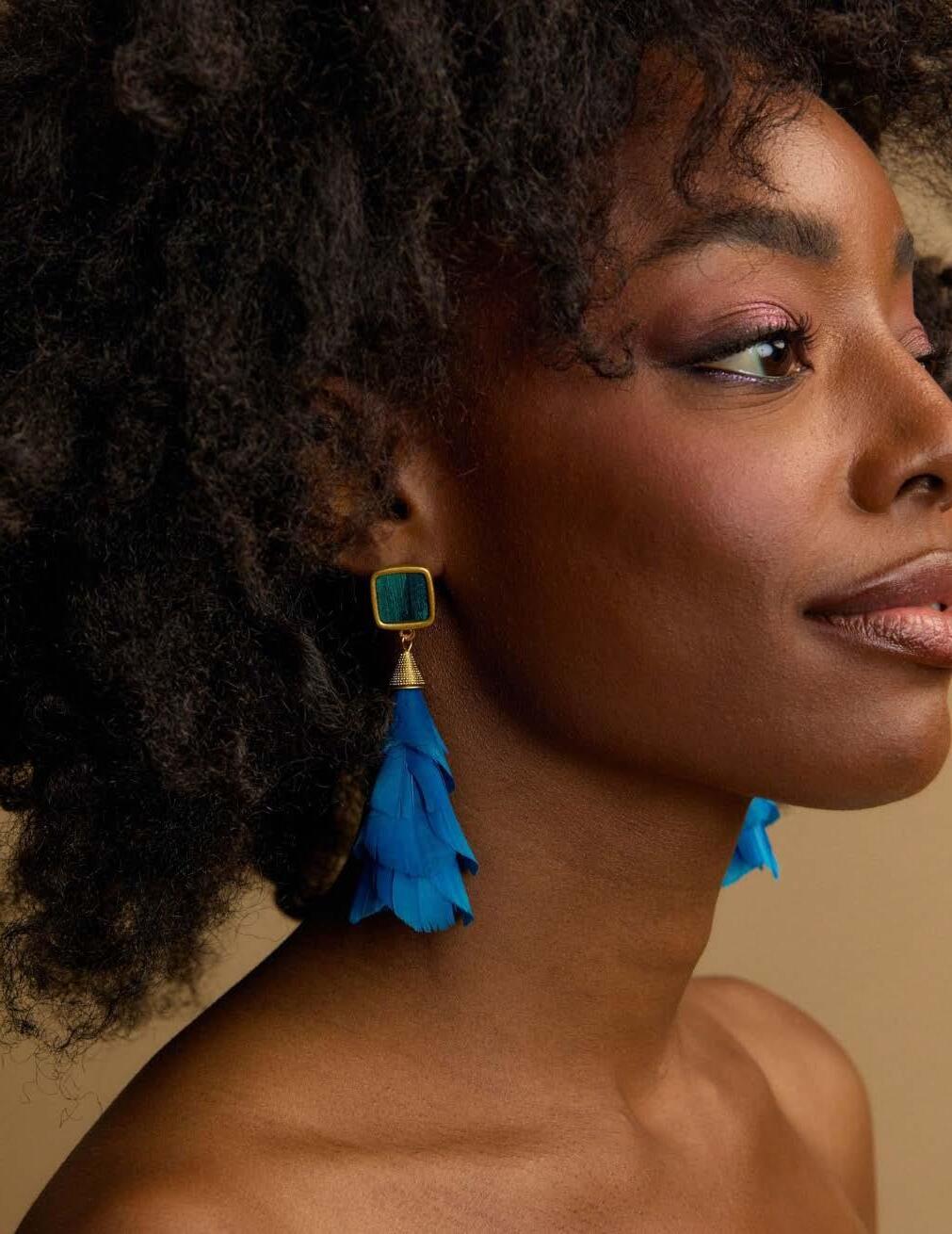


CRAFTED TO REFLECT THE NATURAL BEAUTY OF EACH FEATHER
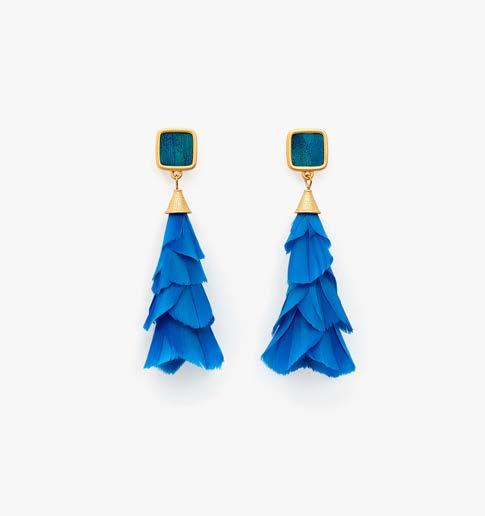
SHERIDAN-WOMENS-FEATHER-STATEMENT-EARRING
The Sheridan Statement Earring features a stunning voluminous cascade of royal blue goose feathers. The intricate bezel showcase the true beauty of a peacock feather with a mirage of colors ranging from green to blue to turquoise.
Feathers for each pair of earrings are hand-selected giving each pair a unique coloring. All feathers used are all-natural and sustainably sourced.
Due to the handcrafted nature of each design, earring dimensions will range between 3" – 3.25” long and 1” – 1.5" wide.
24k Gold Plated stud with post push back. Suitable for sensitive ears (nickel-free and lead-free).

CRAFTED TO REFLECT THE NATURAL BEAUTY OF EACH FEATHER
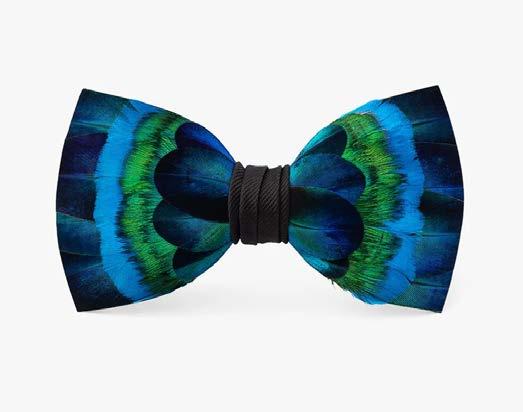
TOWER JUNCTION BOW TIE
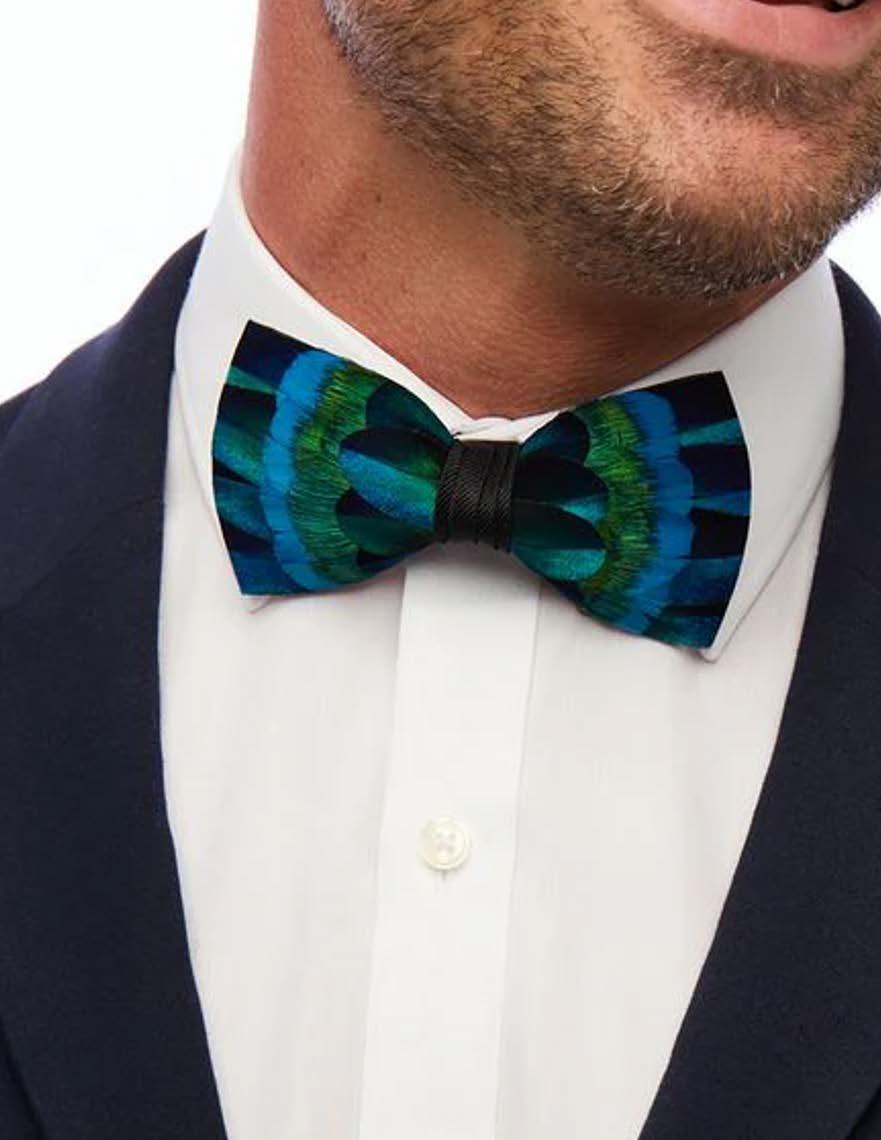
Indulge in elegance with the Tower Junction Bow Tie. This striking feather bow tie is handcrafted with natural peacock and goose feathers, showcasing a cascading ripple of turquoise, blue and green. A cool-toned and eye-turning piece perfect for fall fashion and beyond.
Band collar wrap features an adjustable strap from 13” to 21” and a hook closure. Bow tie dimensions are 2.5” tall and 4.5” wide.
Each feather used in production is all-natural and sustainably sourced.
Feathers for bow ties are hand-selected, giving each finished piece unique coloring.
Each bow tie is handcrafted in Charleston, South Carolina, and takes approximately five hours to make, start to finish.

PASSION
« People come, live and go ».
And we are here to celebrate the diversity of the world.
Administrative
PABLO LIM III
Admin Manager & Executive Assistant to the Founder
LOVELY SUMALO Administrative Assistant
JANNAH ALAMADA Virtual Assistant
RENZO DELOS SANTOS Communications Specialist
Finance Team
KRISTINE PEREZ Finance Manager
Systems & Web Team
ALESSIO MONINO Systems Management Director
WARPREET HORA Web Operations Director
MOATAZ AZAB
Web Production/Designer
NITISHA SHARMA Web Content Entry Specialist
Editorial Team
TRYSTANNE CUNNINGHAM Executive Editor in Chief
MORGAN BERNARD Associate Editor
GOODNESS OKORO Creative Art Director
KIM STONE
Editorial & Visual Design Director
FATJONA NEXHIPI
Editorial & Visual
Content Associate Designer
RACHEL JOYOSA Creative Operations Manager

CEO/Founder
TRYSTANNE CUNNINGHAM Founder, Creative Director, Executive Editor in Chief
AMIA REYNOLDS
Brand Ethicist & Brand Strategy Manager
NATASHA WOLF Senior Copy Editor
MARIANE BELEN
Copy Analyst/Proofreader
Photo Editing Team
ASHLYN LIN
Photo Editor
Graphic Design Team
ERICK BUENO
Graphic Designer & Media Assets Creator
HASINA AFZAL
Graphic Designer Writing
CRISTINA DEPTULA
Lead Contributing Writer
Contributing Writers
ANGELIQUE REDWOOD
ARIELLE GONZALES
CARY WONG
ELOISE STARK
FATIMA RIAZ
HALIYA MAY
HANNAH COLLYMORE
JACOB APEZAN
JACQUELINE SAMAROO
JAY SHAH
JESSE ADUMA
KATARINA SKIPIC
KENYA JOVAN EVANS
LEON POSADA
LINDSAY HEIMAN
MARÍA CUETO
MARIETTA KORFIATI
MARY-JANE DASER
MAXIM SOROKOPUD
NIDA KHAN
NOOR REHMAN KHAWER
PRERNA PRAKASH
QUANIA LOVE JONES
RHIANNA QUANSTROM
SHAMEYKA MCCALMAN
SIKANDER SIDDIQUI
STELLA POLYZOIDOU
TOBI ADEBANJO
Columnists
ABBY YOUNG Fashion Columnist
QUANIA LOVE JONES Lifestyle Columnist
Marketing Team
AMBRA JEANSON
Director of Brand Outreach & Global Community Strategist
CONOR DOUGLAS Email Marketing Director
BROOKE FINNERTY Content Marketing/ Brand Relations and Event Coordinator & Strategist
Email Marketing & Social Media Management Team
ANJI GUPTA Creative Social Marketing Manager
SRISHTI RAGSANIA Content & Calendar Curator
STEPHEN ADEWUMI
Email Marketing Coordinator
Contributing Photographers & Videographers Department
BAIDI KAMAGATE
CHERYL FOX
COURAGE MUEGBEYOGO
DENNIS BELOGORSKY
DONTAE BLINKS
ELSA YOUNG
GAELLE BELLER
GILBERT ASANTE
GREG COX
ISAIAH JACKSON
KWAME AFROCHEAMPONG
MORGAN OTAGBURUAGU
SHELLEY STREET
WARREN HEATH
Content Ideation Team
TRYSTANNE CUNNINGHAM
AMBRA JEANSON
MORGAN BERNARD
LINDSAY HEIMAN
TrooRa Magazine
A media, advertising, & digital marketing agency
A Fortunest Group LLC Brisbane, CA 94005
PO BOX 152
Phone: 833.755.7273
hello@trooramagazine.com trooramagazine.com
© 2025 TrooRa Magazine LLC
All Rights Reserved
Recycled Paper 100% PCW Printed in the UK
THE FASHION ISSUE ‘25
ISSUE 5 VOLUME 7
EDITION 26
FOLLOW US @TROORAMAGAZINE



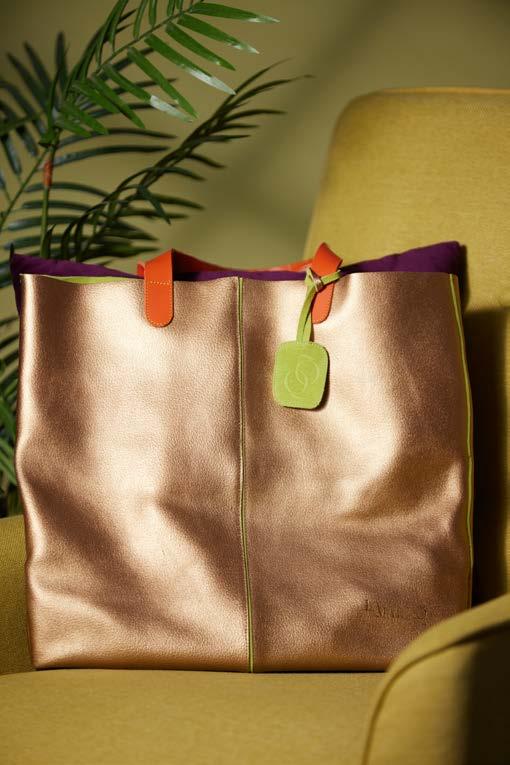
NEW LUXE LEATHER TOTE BAGS VEGETABLE-TANNED VACHETTA LEATHER


TRANSFORM TO TRANSCEND

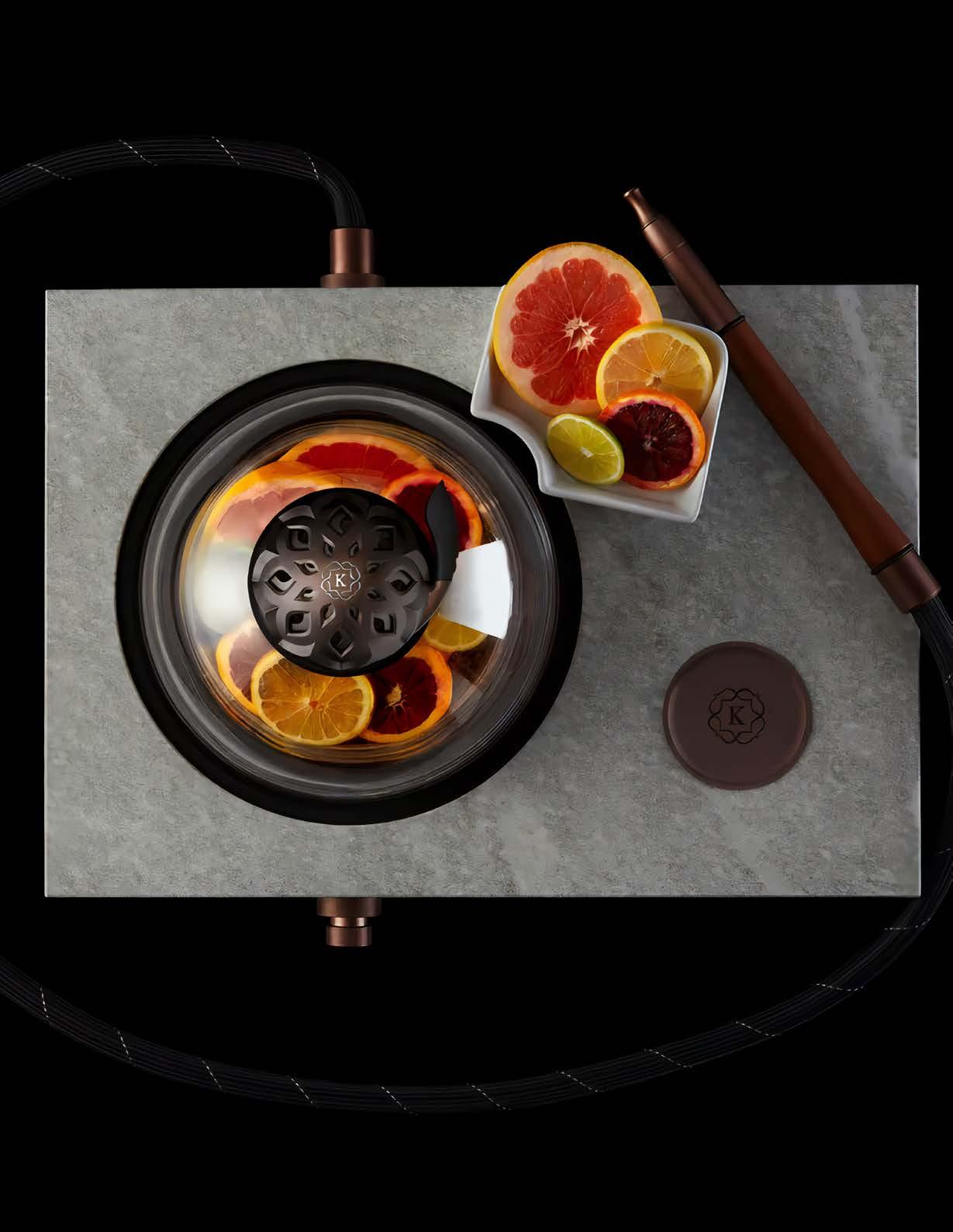
It's much more than a Hookah. It's a Krysalis.
Krysalis are Hookahs Evolved. Kaloud’s Krysalis Eltheria offers the best smoking experience. It combines high-quality materials, jaw-dropping aesthetics, and state-of-the-art technology to create tastier, smoother, cleaner clouds from each shisha puff.



A VEGAN LEATHER THAT HITS THE SUSTAINABILITY SWEET SPOT
The world’s first highly sustainable and environmentally friendly organic material made of Nopal cactus, also known as the prickly pear.


Photographers
THE FASHION ISSUE 2025
A
AK Brown
Alinea Fashion
Antonio Contreras Aviance
B
Beaumont Organic
Boxed Water Is BetterUnsplash
C
Charles Schoenberger
Chau Sáenz
Chelsea Paris
D
Devon Rose
E
Edward Schmit
Elle Brotherhood
Eliza Logan
Elsa Young
G
Gio @giotographer
H
Henry Jones
I
IDONTMIND J
Jad Racha
Jenna Stamm
Jeremy Braggs
Jeramie Campbell
Jonavenncidavid
Josh Soyombo
Justin Barrett
K
Kala Minko
Kayla James
L
Liza Gershman
Lonnie Haley
M
Makers and Allies
Marion Lecesne
Marc Pagani
Marrica Evans
Meiko Temple
Michelle McSwain Photography
Min & Mon
N
Nicksteever
Niko Vilaivongs
P
Priscilla Du Preez - Unsplash
Purityofspirit
R
Rekki
Roberto Martinez - Unsplash
S Scott Beattie Cocktails
Silver & Riley
Sloan Symington
Strands of Silki
Souk Bohemian
Stefan Widua - Unsplash
Studio Banaa
Studio Fintan
Subtle Cinematics
Svetlana Gumerova - Unsplash
T
TANYA HEATH Paris
Thang Dao
The Bag Icon
Tilit
Tina Malinga
Toi Sweeney
Tomo Clothing
V
Veronika_merlet_photography
Vincent Gotti
Von Owusu
Y
Elmer Ferro @yaboiglue
Z Zoezi



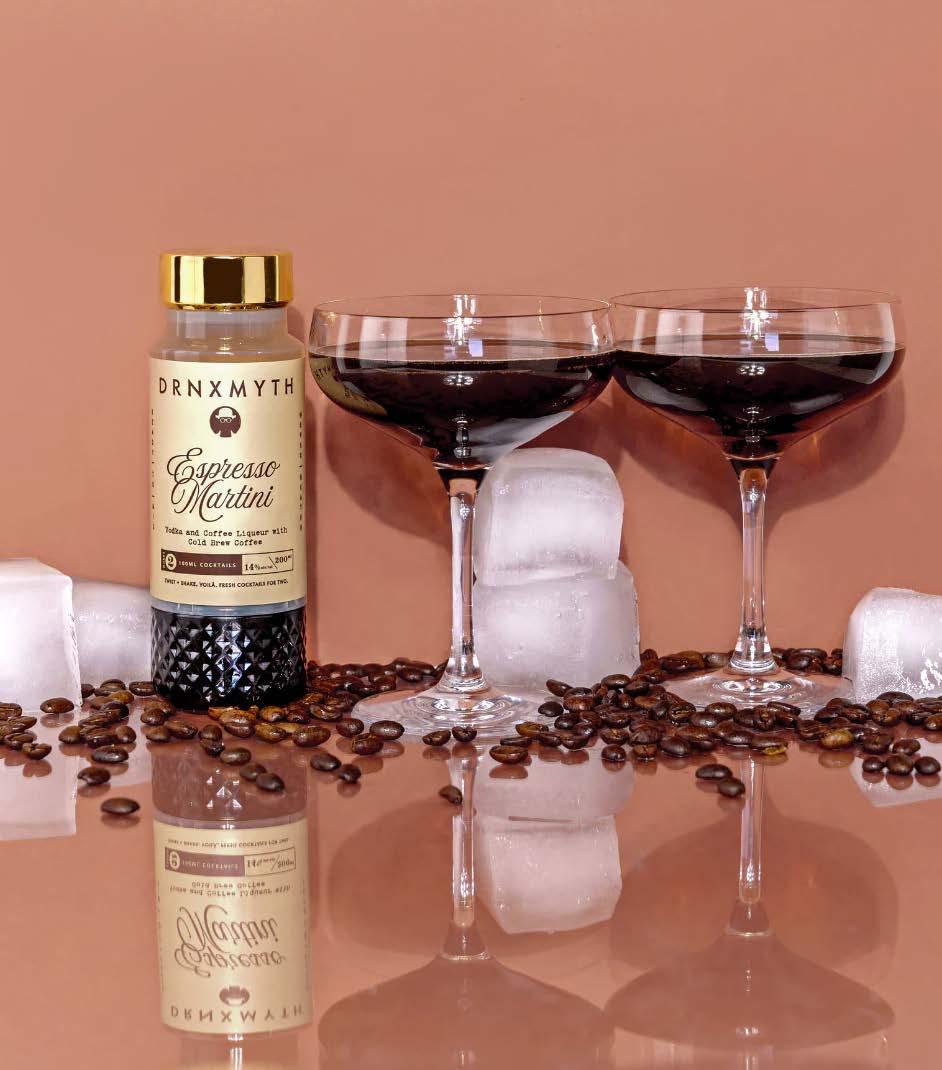
FRESH INGREDIENTS ONLY
With Cold Press Juice
Patented Fresh Tech
No Preservatives


EDITORIAL Team


KIM STONE Editorial & Visual Design Director

RACHEL JOYOSA Creative Operations Manager



FATJONA NEXHIPI Editorial & Visual Content Associate Designer

AMIA REYNOLDS Brand Ethicist & Brand Strategy Manager



AFZAL Graphic Designer Director & Media Assets Creator

TRYSTANNE CUNNINGHAM Executive Editor in Chief
MORGAN BERNARD Associate Editor
GOODNESS OKORO Creative Art Director
NATASHA WOLF Senior Copy Editor
MARIANE BELEN Copy Analyst/Proofreader
HASINA
ASHLYN LIN Photo Editor
contributing Team

ABBY YOUNG Fashion Columnist

FATIMA RIAZ Contributing Writer

JESSE ADUMA Contributing Writer

MARIETTA KORFIATI Contributing Writer

QUANIA JONES Lifestyle Columnist

ANGELIQUE REDWOOD Contributing Writer

HALIYA MAY Contributing Writer

KATARINA SKIPIC Contributing Writer

MARY-JANE DASER Contributing Writer

RHIANNA QUANSTROM Contributing Writer

ARIELLE GONZALES Contributing Writer

HANNAH COLLYMORE Contributing Writer

KENYA JOVAN EVANS Contributing Writer

MAXIM SOROKOPUD Contributing Writer

SHAMEYKA MCCALMAN Contributing Writer

CARY WONG Contributing Writer

JACOB APEZAN Contributing Writer

LEON POSADA Contributing Writer

NIDA KHAN Contributing Writer

SIKANDER SADDIQUI Contributing Writer

CRISTINA DEPTULA Contributing Writer

JACQUELINE SAMAROO Contributing Writer

LINDSAY HEIMAN Contributing Writer

NOOR REHMAN KHAWER Contributing Writer

STELLA POLYZOIDOU Contributing Writer

STARK Contributing Writer

JAY SHAH Contributing Writer

CUETO Contributing Writer

PRAKASH Contributing Writer

Contributing Writer
PRERNA
MARÍA
ELOISE
TOBI ADEBANJO
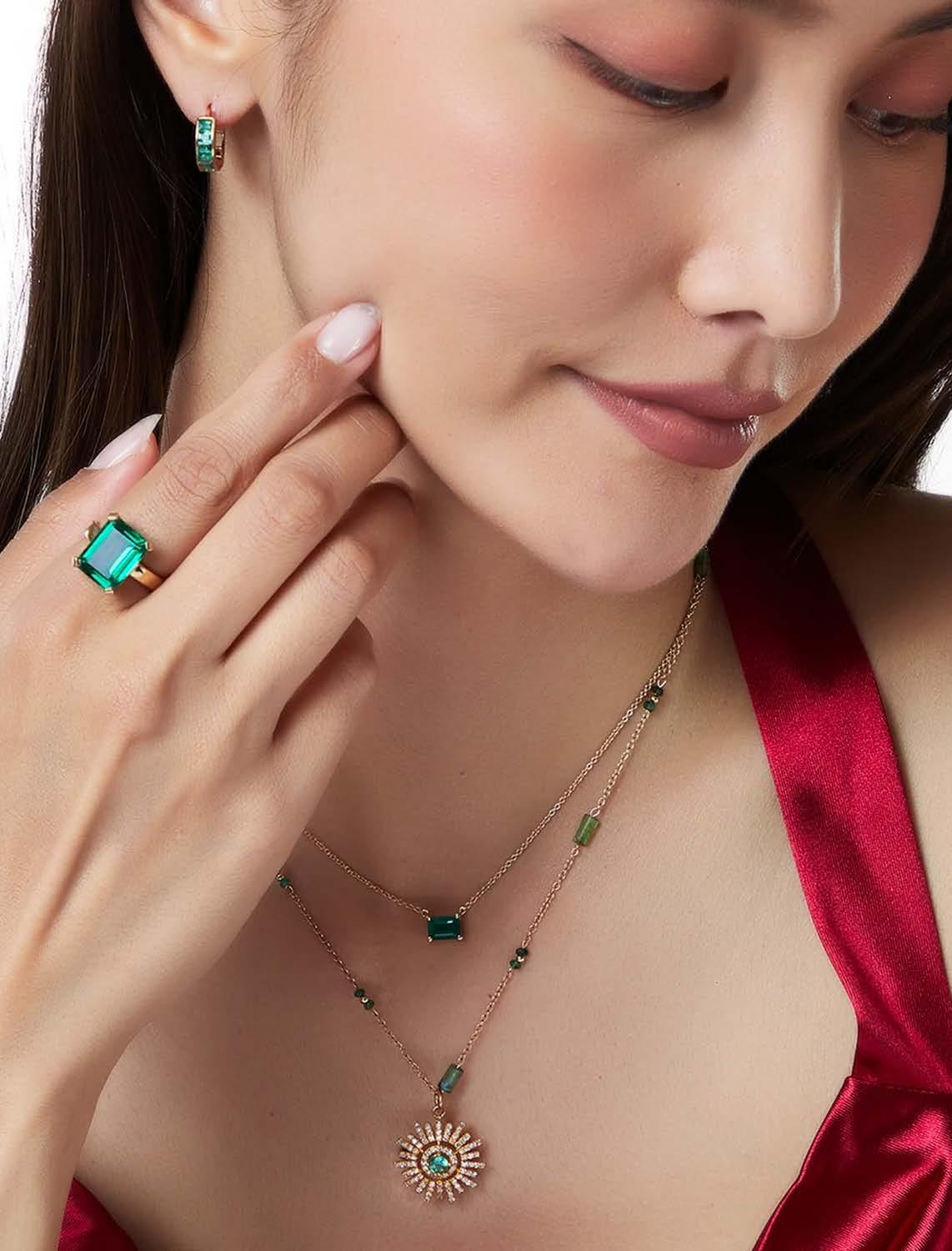

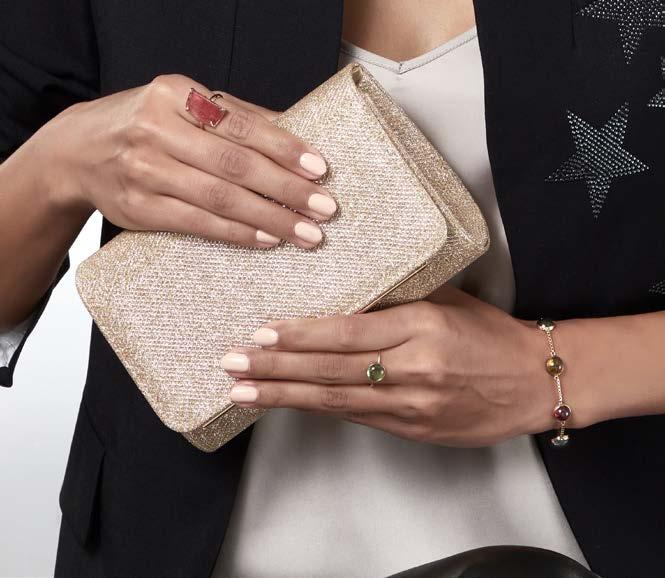

mabelchong.com
Instagram: @mabelchongjewelry
Facebook: mabelchongjewelry
Twitter: @mabelSF
Pinterest: @mabelchongsf

A
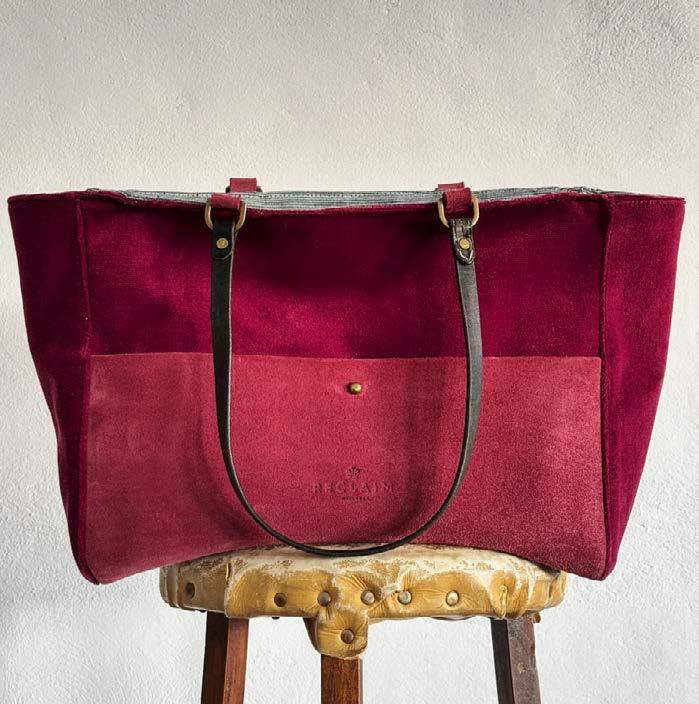

Breathing New Life Into Antique Fabrics
Sustainable Take On Luxury
DEAR TROORA READERS,
TrooRa is here to keep you company this winter as you curl up on the couch with a hot cup of tea to watch the snowfall. As the new year approaches, our writers deliver an inspiring list of brands and individuals to give you the motivation you need to hit the ground running in the new year.
In The Winter Issue, our writers tackle a vast range of topics, from sustainability in fashion and how style can be wielded as a political tool to gender inclusivity, representation and visibility in drag, and mental health awareness. In Move, Sweat, Shine, Angelique Redwood shines a light on Zoezi Sportswear founder Yvonne Bulimo, who creates athletic wear that empowers inclusivity in the fitness world. In Eloise Stark’s The Slow Style Movement, we learn how Hannah Beaumont-Laurencia and her brand Beaumont
Organic are reshaping fashion through sustainable, transparent production processes.
In Cocooned in Care, Mary-Jane Daser tells the tale of Strands of Silk founders Alice Royster and Lexie Chandler, who empower cancer survivors and promote self-care with luxury silk hair accessories.
Our writers put pen to paper to highlight how ingenuity and innovation don’t just lead to material success but also valuable social
change. In the wake of a difficult political cycle in which many were left feeling hopeless, powerless, unheard, and underrepresented, the TrooRa team searched far and wide for stories of perseverance, success, and inclusion. These stories don’t just give us hope for the future; they give us the tools we need to push through adversity and set an example for us to follow.
In the new year, the TrooRa team will continue to seek out stories that matter, stories that inspire, and stories that show us what’s possible with a little hard work and determination. So, curl up and enjoy the fruits of our labor. Happy reading.

MORGAN BERNARD Associate Editor
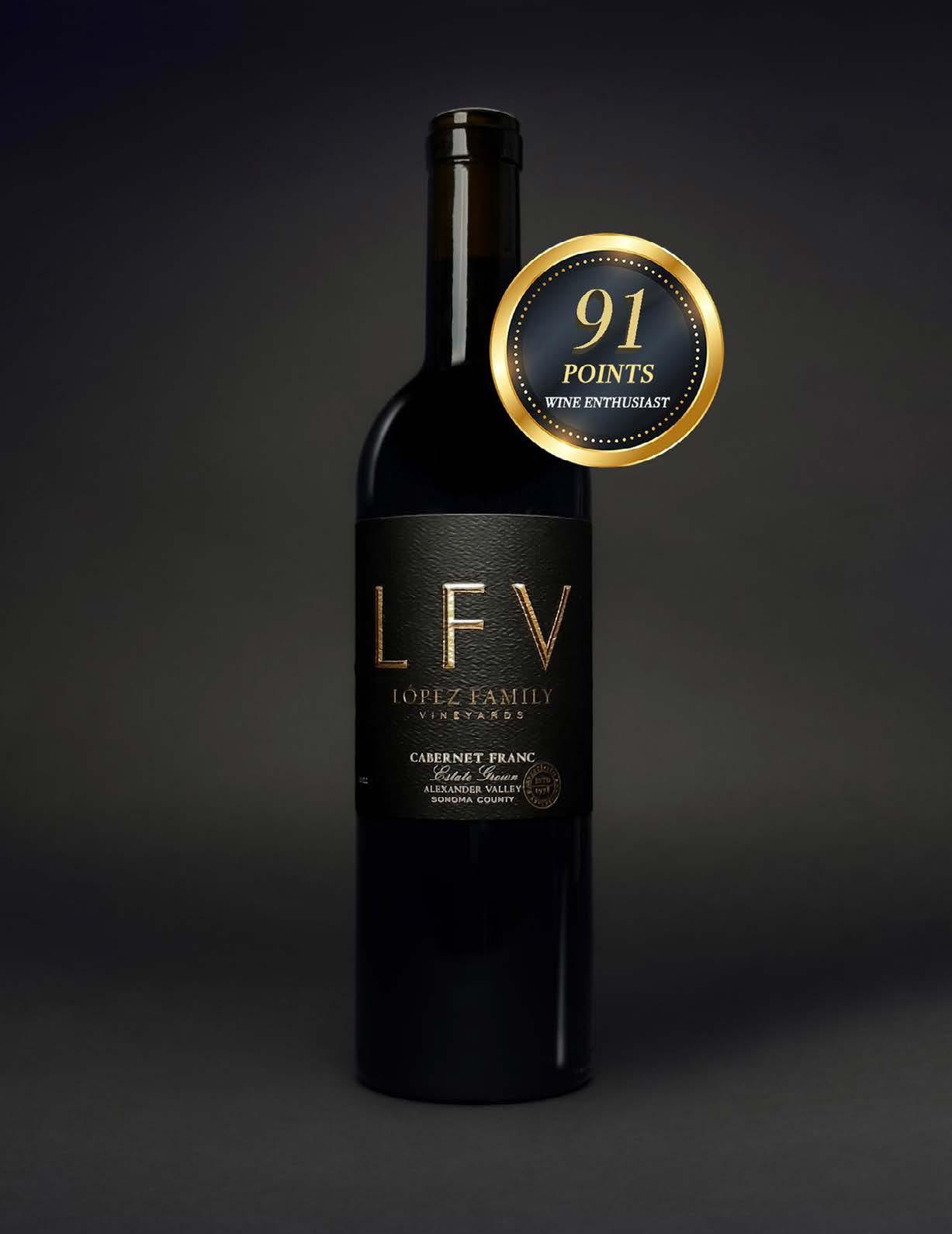


Our inaugural rosé features an alcohol content of 11.4%, a total acidity of 0.71 grams per liter, a pH of 3.21 grams per liter, and almost no residual sugar, truly making it “bone dry”



behno.com
ELIZABETH BAGUETTE CLUTCH METALLIC GOLD
HELLO TROORA READERS,
Winter invites reflection, resilience, and renewal. As the year winds down, the crisp air sharpens our focus on the connections we cherish, the creativity that inspires us, and the legacies we aim to leave. This Winter Issue celebrates the evolution of fashion—a unique blend of innovation, heritage, and purpose.
At TrooRa, we believe fashion transcends fabric; it’s a form of storytelling, a declaration of identity, and an instrument of empowerment. This issue shines a spotlight on visionaries who embody these ideals, using their craft to challenge norms, elevate communities, and redefine the future of design.
Our signature TrooRa Trio Covers honor three stories that capture the essence of this evolution:
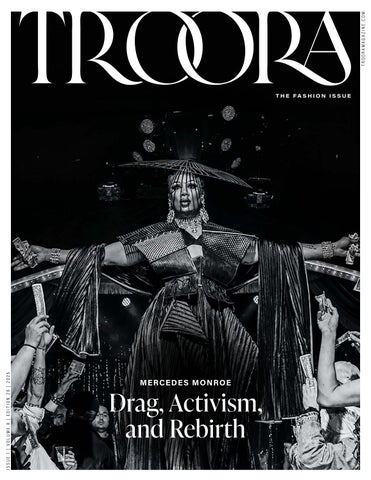
Cover 1: “Drag, Activism, and the Power of Rebirth” Lonnie Haley, also known as Mercedez Munro, transforms the art of drag into a platform for advocacy and healing. As a house mother and activist, Lonnie uplifts marginalized voices, particularly within the Black and LGBTQIA+ communities. Through performance and mentorship, Lonnie creates spaces for visibility, empowerment, and enduring social change, proving that fashion can also be a profound act of activism.
Cover 2: “A Family Atelier” San Francisco designer Emily Sue Payne epitomizes the intersection of artistry and authenticity. Her dark, romantic aesthetic and unisex designs reflect a raw, emotional approach to fashion. Collaborating with her husband Isaac and teenage daughter Devon, Emily transforms family bonds into creative synergy. Her journey, from resetting during the pandemic to embracing shadow work as a path to healing, reminds us that fashion is as much about personal growth as it is about art.
Cover 3: “The Slow Style Movement” Hannah Beaumont-Laurencia of Beaumont Organic leads a revolution in mindful fashion, crafting sustainable garments that honor every step of their creation. From sourcing organic cotton to building transparent supply chains in Portugal, Beaumont Organic ensures that every piece tells a story of ethical elegance. In a world overwhelmed by fast fashion, Hannah offers a timeless alternative that prioritizes people, planet, and purpose.
This issue also explores a wealth of creatives and brands reshaping fashion’s narrative. Designers like Devan Gregori and Sloan Symington are carving
out inclusive spaces, offering timeless, elegant designs for every body type. Min & Mon founders infuse joy and tradition into their Colombianinspired accessories, while Lola Banjo of Silver & Riley reimagines functional luxury travel bags with heritage and innovation at their core.
The soul of America’s creative spirit drives innovation in every corner of the industry. The contributions, reflected in this issue and beyond, remind us that America thrives when diversity flourishes. These designers preserve cultural legacies while boldly forging new paths, ensuring fashion continues to tell the story of who we are and where we’re headed.
Sustainability is another thread uniting this issue. Visionaries like Claudette Jane of Alinéa Fashion demonstrate that beauty and responsibility go hand in hand. Whether transforming waste into wearable art or crafting pieces that last for decades, this leader inspire us to reconsider how we consume and connect with fashion.
As the world confronts the environmental toll of fast fashion, it’s innovators like Tanya Heath, Chelsea Paris, and Beaumont Organic who offer a better way forward. Their creations remind us that true luxury lies not in excess but in intention, craftsmanship, and connection.
At TrooRa, we celebrate those who dare to redefine boundaries, challenge conventions, and build bridges through design. Fashion is not just about what we wear; it’s about the values we hold and the future we create. As we close out this remarkable year at TrooRa, we reflect on the incredible stories we’ve had the privilege to share—tales of resilience, creativity, and purpose that have shaped our issues and inspired our readers. From groundbreaking artists to visionary entrepreneurs, each edition has been a celebration of the bold and brilliant spirit driving change in our world. As we move through 2025, we’re grateful for you, our readers, and this shared journey. This year is about growth, innovation, and breaking boundaries— both for TrooRa and the visionaries we celebrate. May this season spark bold ideas, meaningful connections, and extraordinary creations.
TRYSTANNE CUNNINGHAM Founder Creative Director Executive Editor in Chief




Artisanal, Vegan, Full-Fat Chocolate Ice Cream


Originality Is Only Once, Make It Every Day
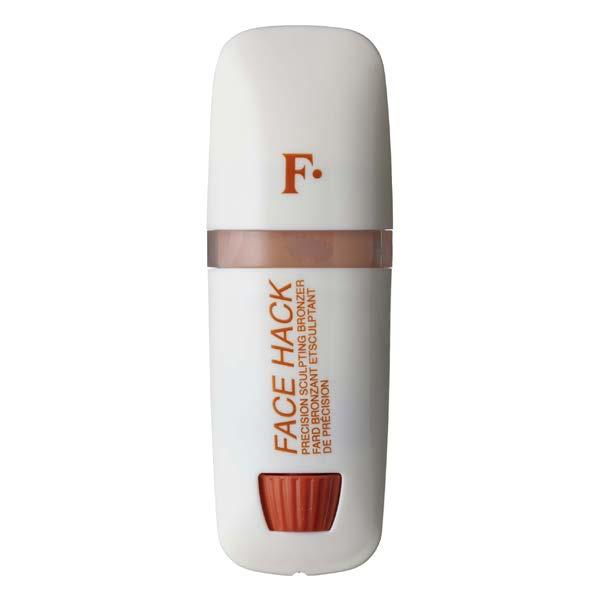
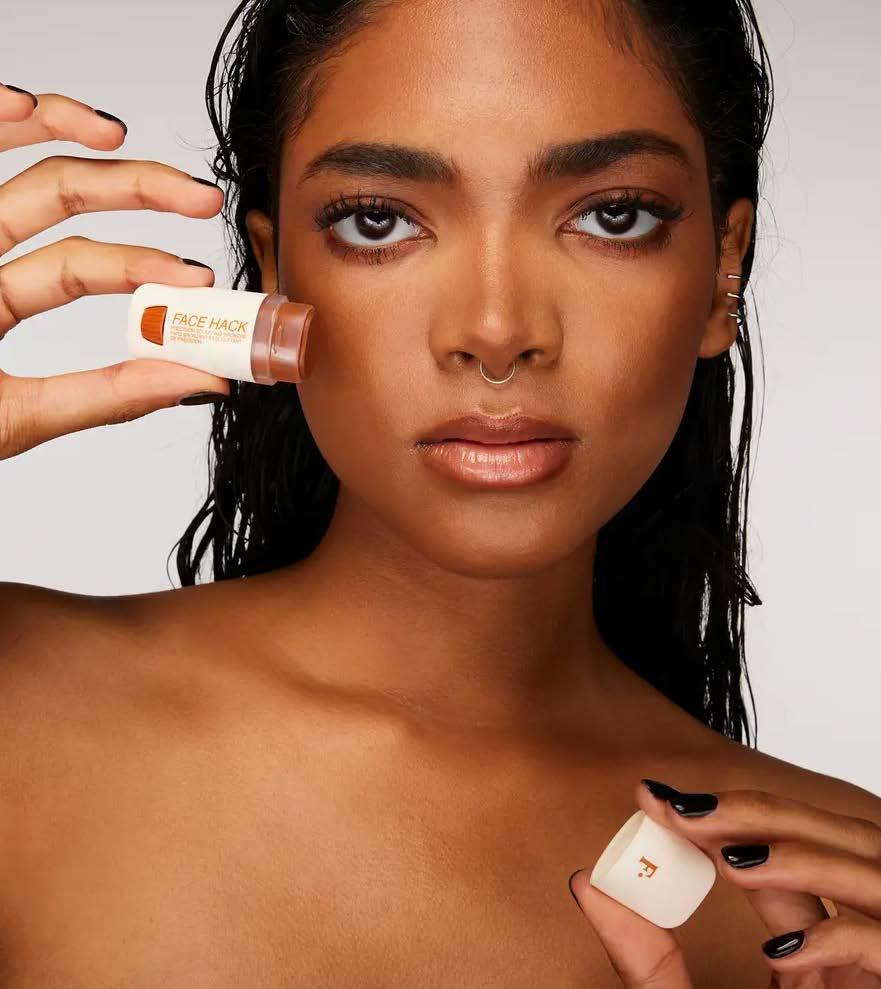
FACE HACK
PRECISION SCULPTING BRONZER
FACE HACK Precision Sculpting Bronzer is Freck Beauty’s small but mighty tool for getting bronzed in an instant. The ultimate face hack, our multipurpose and super blendable bronzing stick creates warmth, contours, sculpts and adds dimension, all while melting seamlessly for a smooth second-skin look. This creamy, buildable formula glides on effortlessly and sets with a diffused, natural skin-like finish. The compact applicator and almond shaped tip make precision bronzing and a flawless contour quick and easy.
HOME DESIGN
62 House of Viviers
CULINARY
98 Styled to Sizzle 110 Revamping Apéritif Culture 122 Soulful Spoons
FASHION
134 A Family Atelier Devon Rose: Dark, Edgy, and Romantic
150 Threads of Transformation
162 Eternal Elegance
170 Waste Not, Wear It
178 Perfectly Petite, Effortlessly Chic
188 The Slow Style Movement
ACCESSORIES
210 Icons in Hand
218 Click into Comfort
226 Whispered Elegance
236 Soles of Empowerment
244 Luxury in Motion from Milan to the World
BEAUTY
258 More Than a Wrap
266 Cocooned in Care



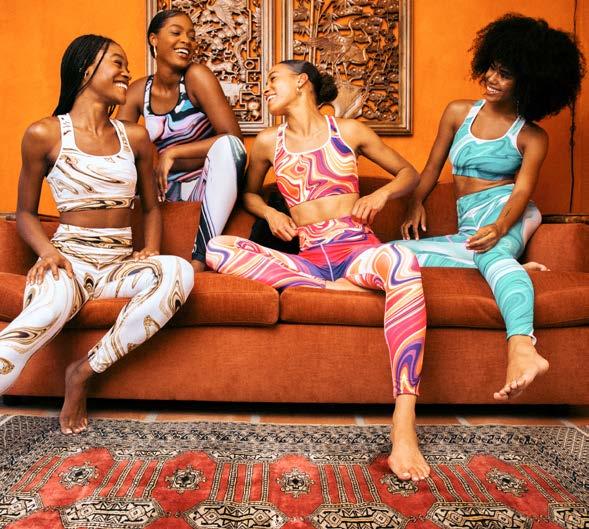
WELLNESS
278 Tee Talk Therapy
HEALTH & FITNESS
296 Ride. Style. Repeat.
306 Move, Sweat, Shine
TECHNOLOGY
318 Vision on the Slopes
CHANGE MAKERS
332 Drag, Activism, and the Power of Rebirth
348 Tailoring Success
356 More Than Meets the Hem POLITICS
372 The Politics of Style
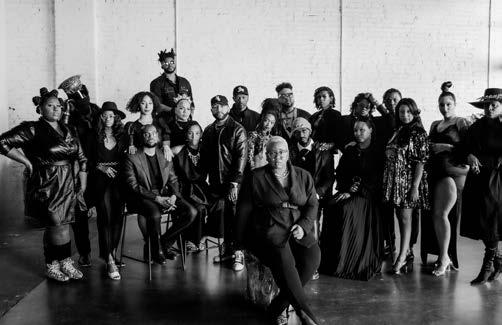


Stay Sharp Stay Sober
Free Of Alcohol
Full Of Spirit
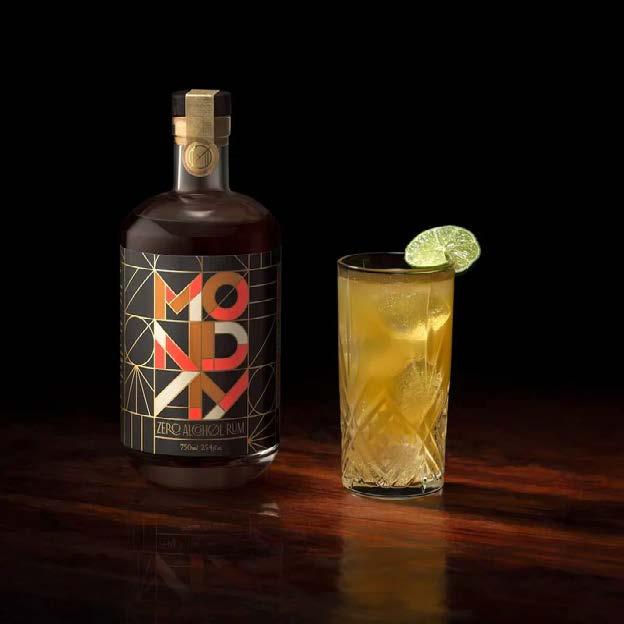
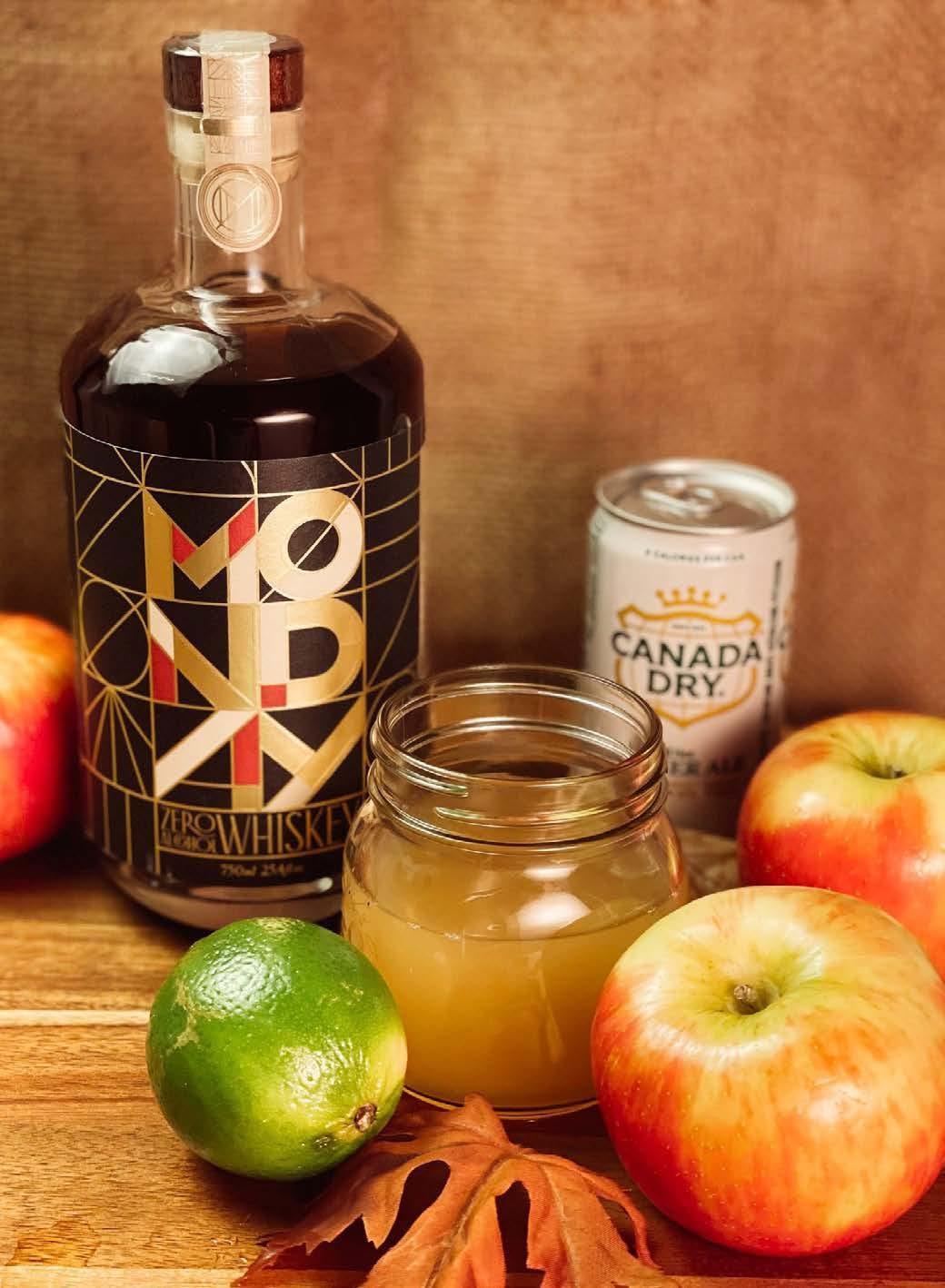

drinkmonday.co




Vintage-inspired yet refined and modern colored glass collection that starts a revival of colored glass that is reminiscent of a past time.

estellecoloredglass.com

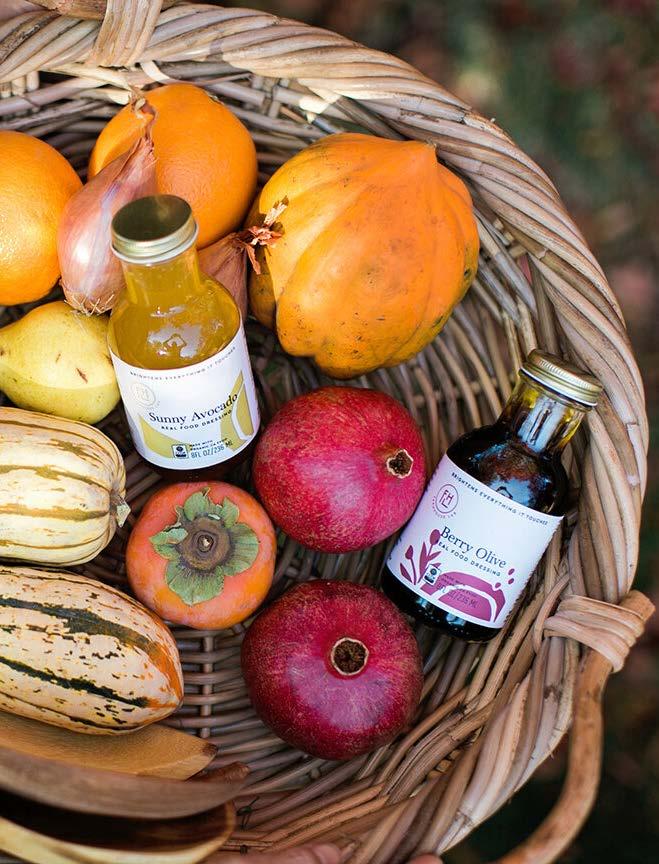
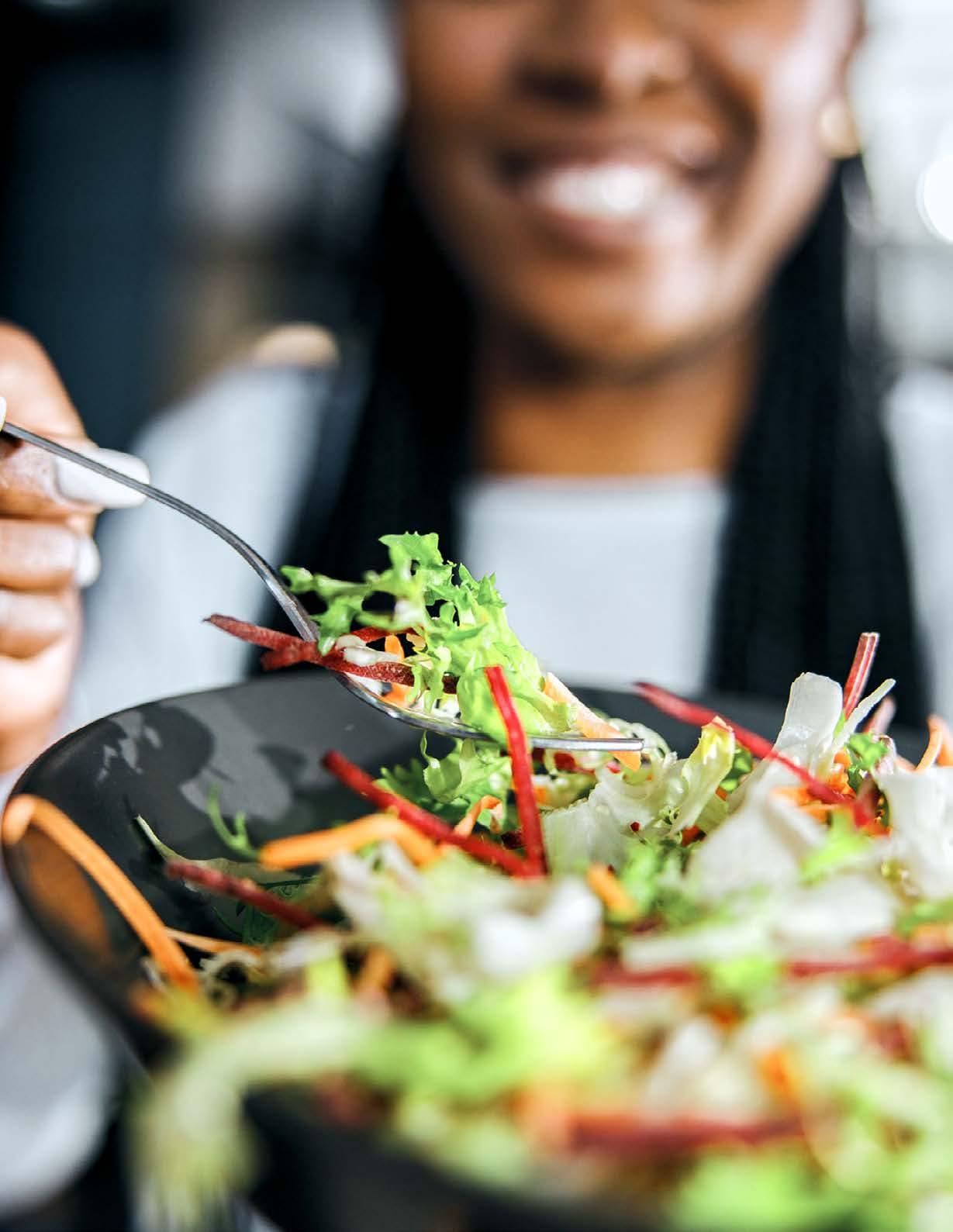
Healthy Eating Tasteful, Playful & Beautiful
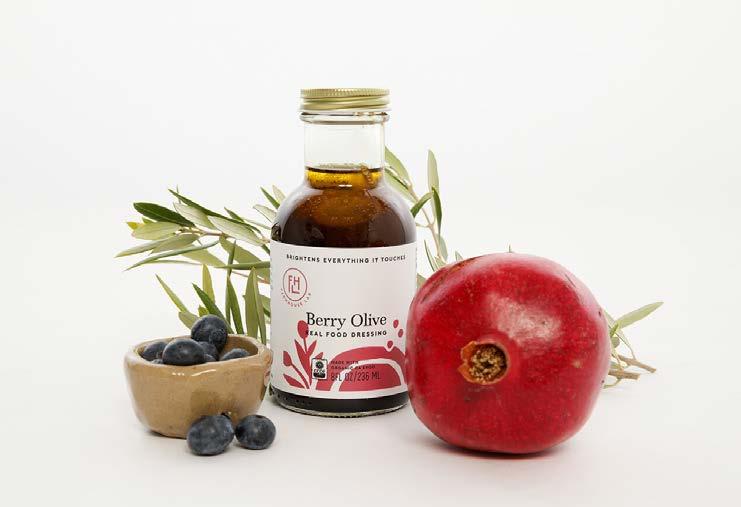
Certified organic, 100% vegan Real Food Dressings
Carefully selected blends of premium oils & ingredients
From artisan producers committed to sustainability
Gluten-free, soy-free, nut-free, dairy-free, no garlic.

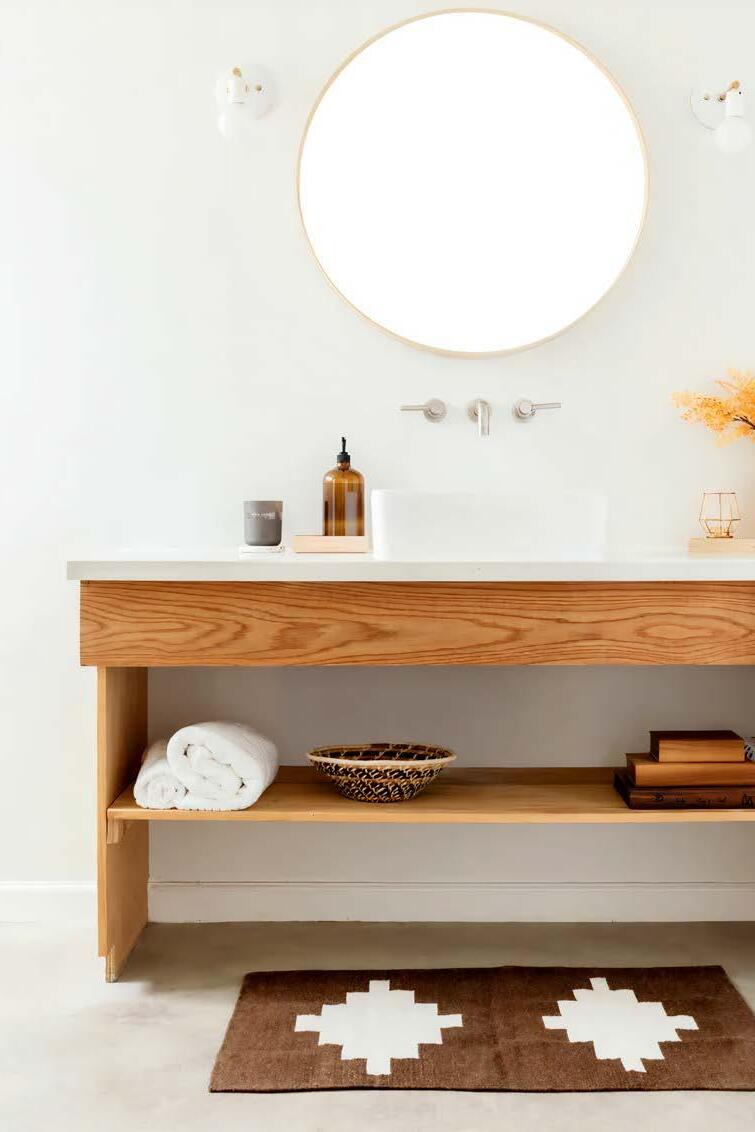
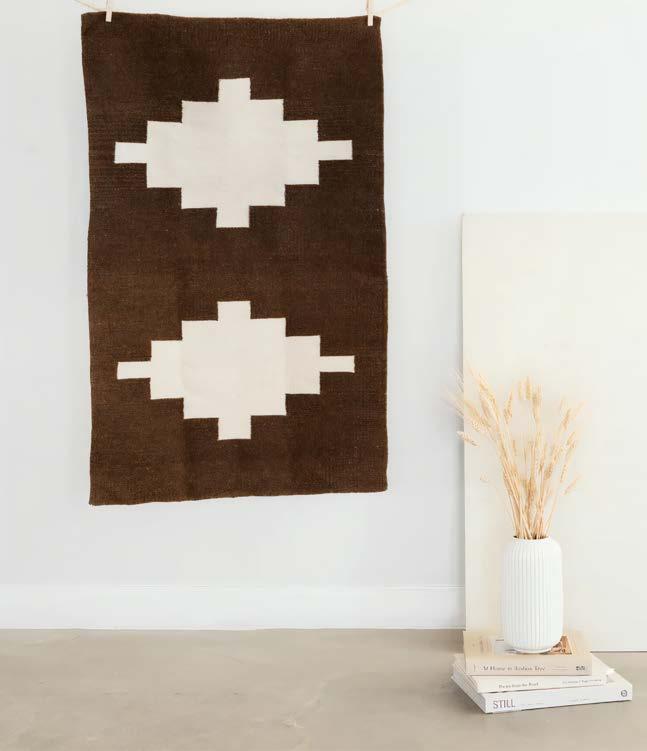
SILVIA RUG IN COCOA
The Silvia Rug in Cocoa features rich earthy Cocoa tones that have been dyed using all natural plant dyes. Silvia is part of a women's weaving cooperative in Oaxaca that was founded to support women who have been widowed, have absent husbands or who have been left without a family. By purchasing this rug you are supporting these women who have shown incredible courage and conviction to create a new life for themselves.
Woven from locally sourced wool, this flat-weave rug is incredibly durable, perfect for the day-to-day.
From start to finish, each one takes about a week to complete—all handcrafted by a fair trade weaving cooperative in Oaxaca, Mexico.

nomacollective.com
NOMA Collective partners with talented artisans across the globe to bring you consciously designed, ethically curated, homeware, textile, and accessory collections.
Home Design
Elsa Young
OF
VIVIERS HOUSE
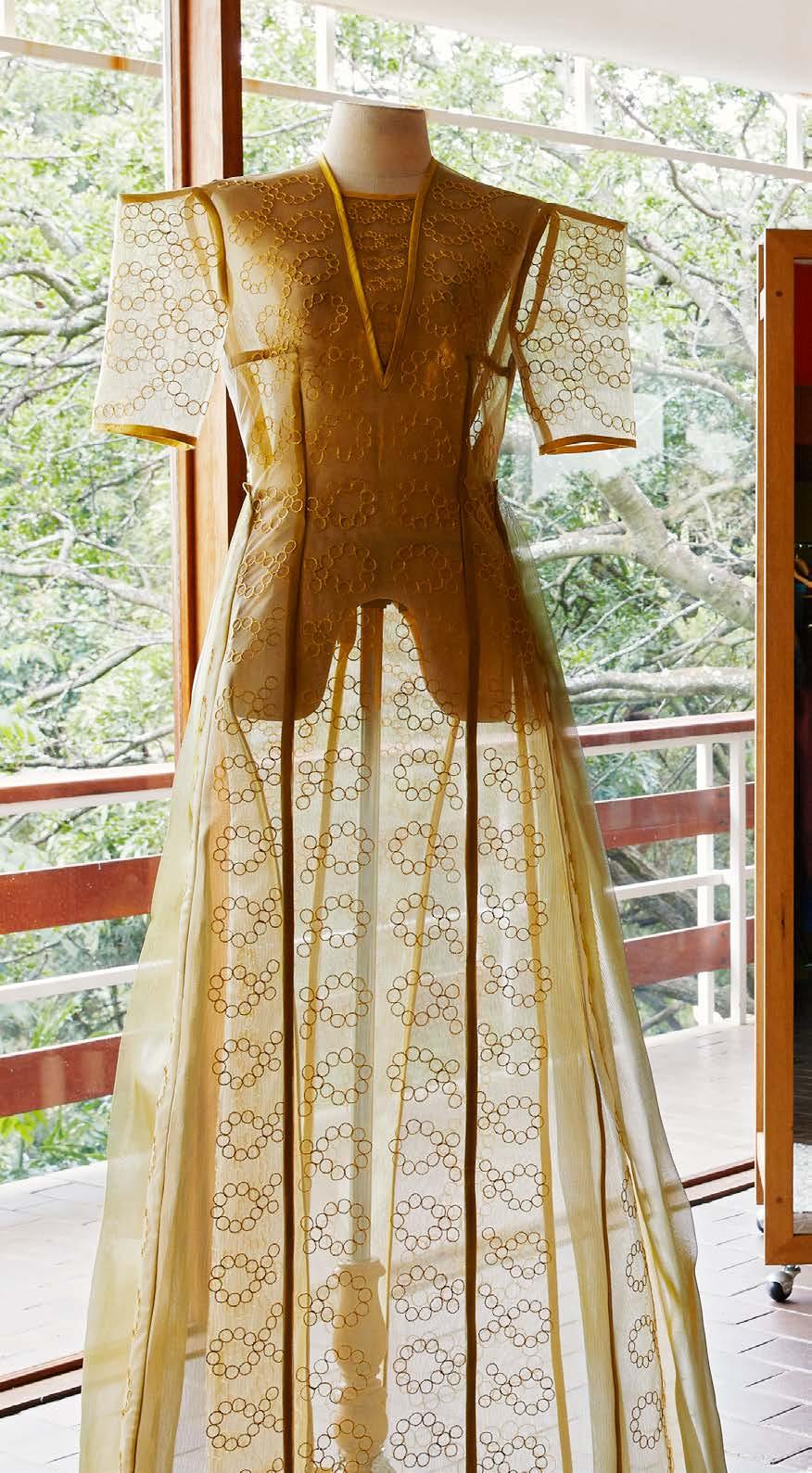
An authentic, late-modernist gem of a home in Johannesburg has been brought to life by fashion designer Lezanne Viviers.

WORDS | ROBYN ALEXANDER
IMAGES | ELSA YOUNG
STYLING | SVEN ALBERDING

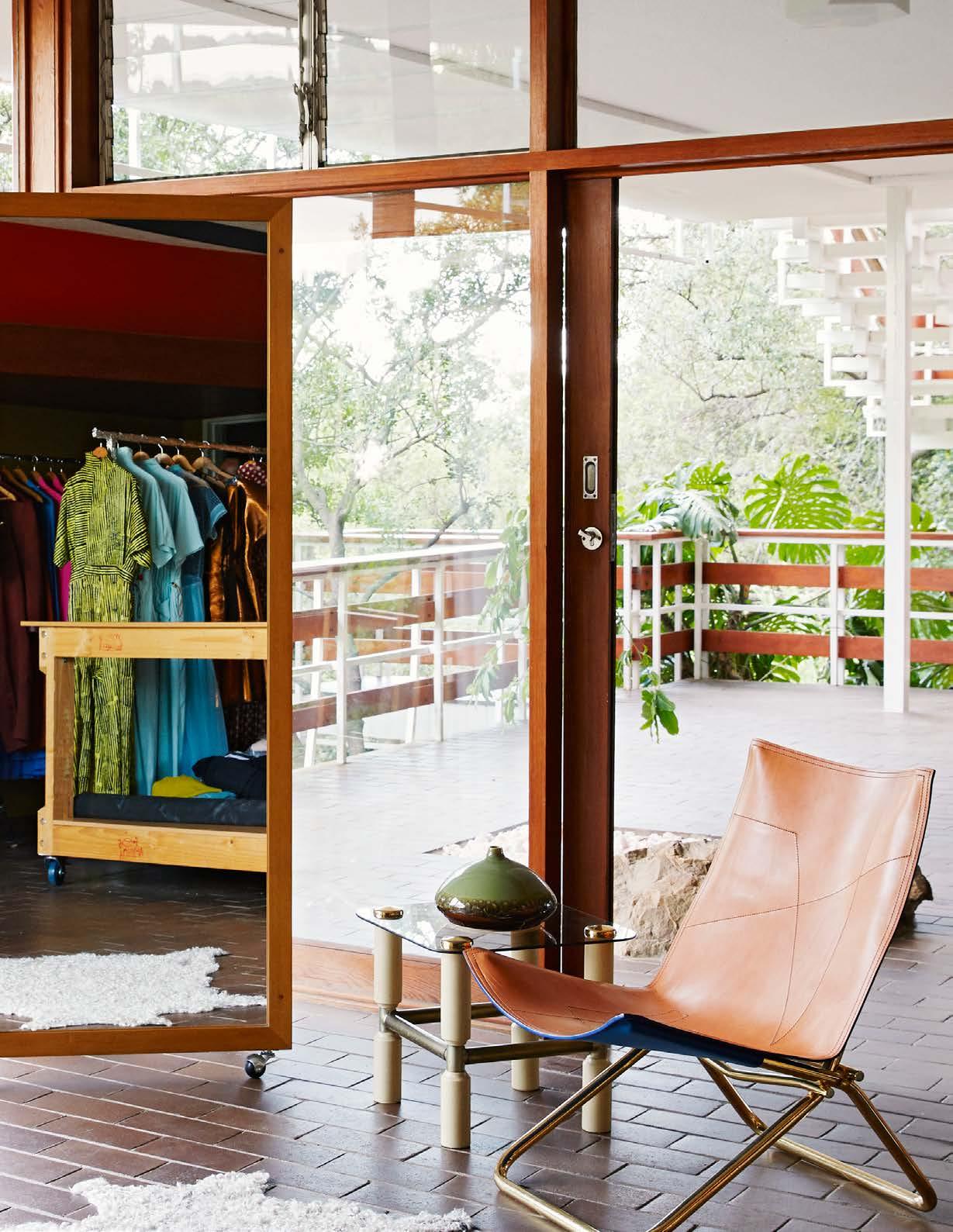
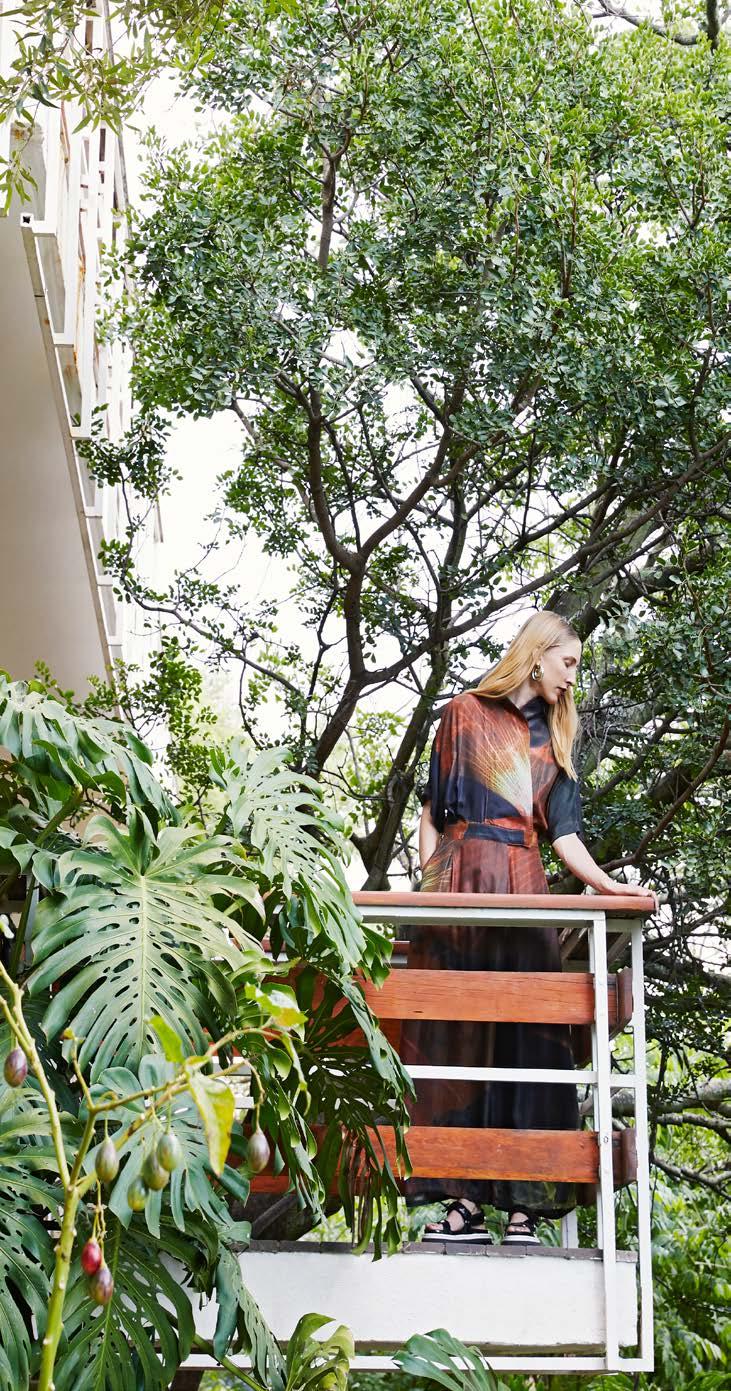
Long balconies run the length of the house, extending the interiors outside in what was once a pivotal, modernist innovation perfectly suited to Johannesburg’s climate. From this vantage point above the canopy of Johannesburg’s famously sprawling manmade forest, the justification for the balconies and floor-to-ceiling windows is clear. Sliding screens, however, provide shelter from the sunlight where the roof overhangs are less pronounced.
Home Design Feature

House,
its entrance
top level, via a wide motor court with patterned brickwork paving. Viviers has created a striking cactus garden at the entrance and has chosen bright primary colors for the planters and walls. From this vantage point, the house appears low-slung and ground-hugging—its sleek lines emphasizing the horizontal crest of the rocky ridge it’s perched on. The glass door at the entrance does, however, frame a glimpse of the outlook to the front of the house high over Johannesburg’s vast manmade forest.
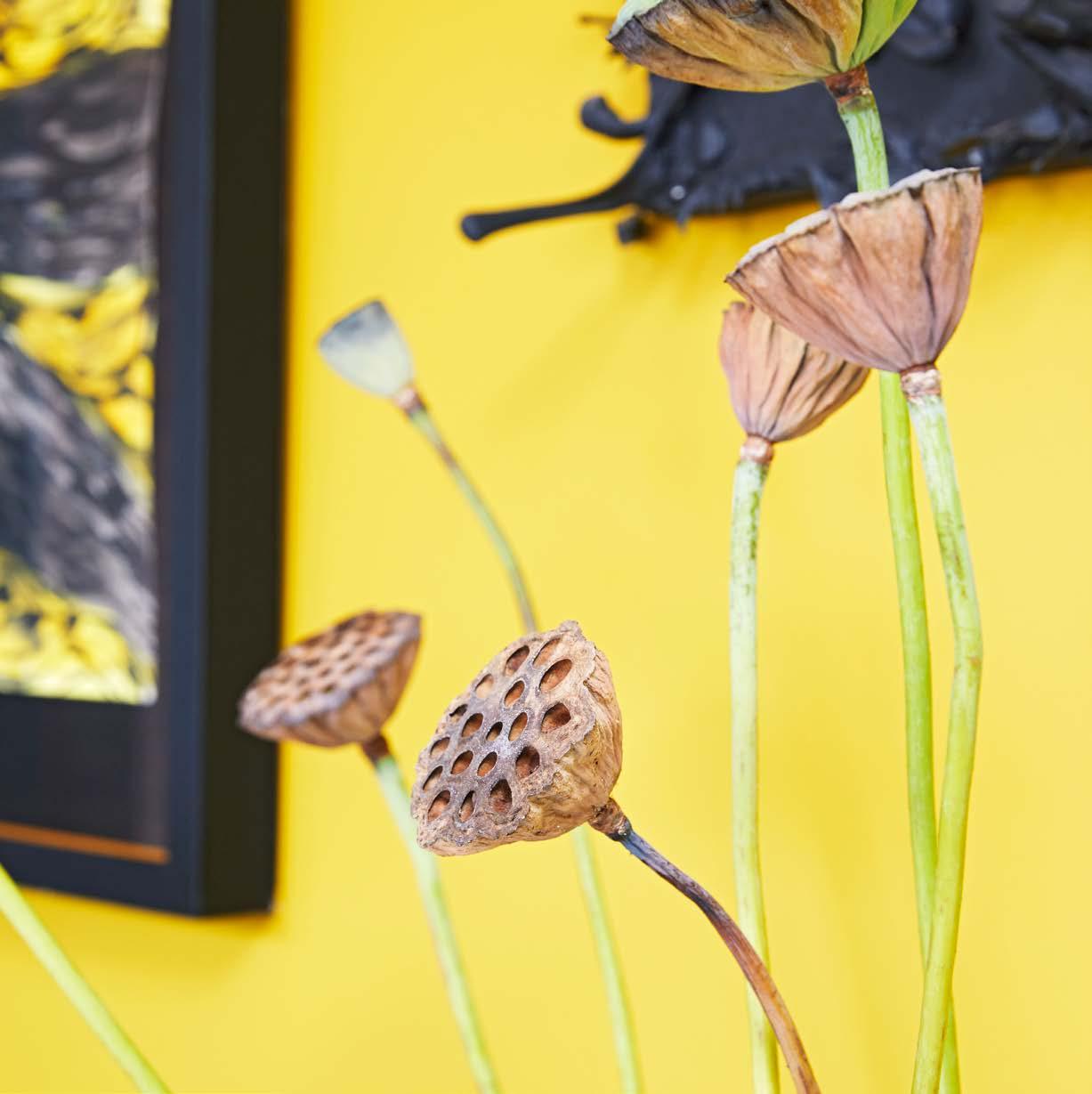
Lotus
as owner Lezanne Viviers has dubbed this late midcentury Johannesburg gem, has
at the

Despite South Africa being one of the earlier seats of mid-century modern architecture outside of Europe, you don’t often stumble across a pristine example of Johannesburg modernist architecture. While a handful of well-known historical examples exist, few unknown gems remain, waiting to be discovered. So, imagine fashion designer Lezanne Viviers and her husband Walter Anderson’s surprise when they wound their way up a steep, narrow driveway and discovered this late-modernist gem hugging the crest of a rocky ridge.
From the entrance via a courtyard and entry path paved with beautifully patterned brickwork, the house appears to be all low, horizontal forms as it hugs the ground, and its flat roof seems to etch a delicate line above the crest of the ridge. From the other side, however, facing the view, the house appears to cascade over the edge of the rocky promontory. Its floating roof overhangs and balconies cantilever dramatically over three levels as the garden

Home Design Feature
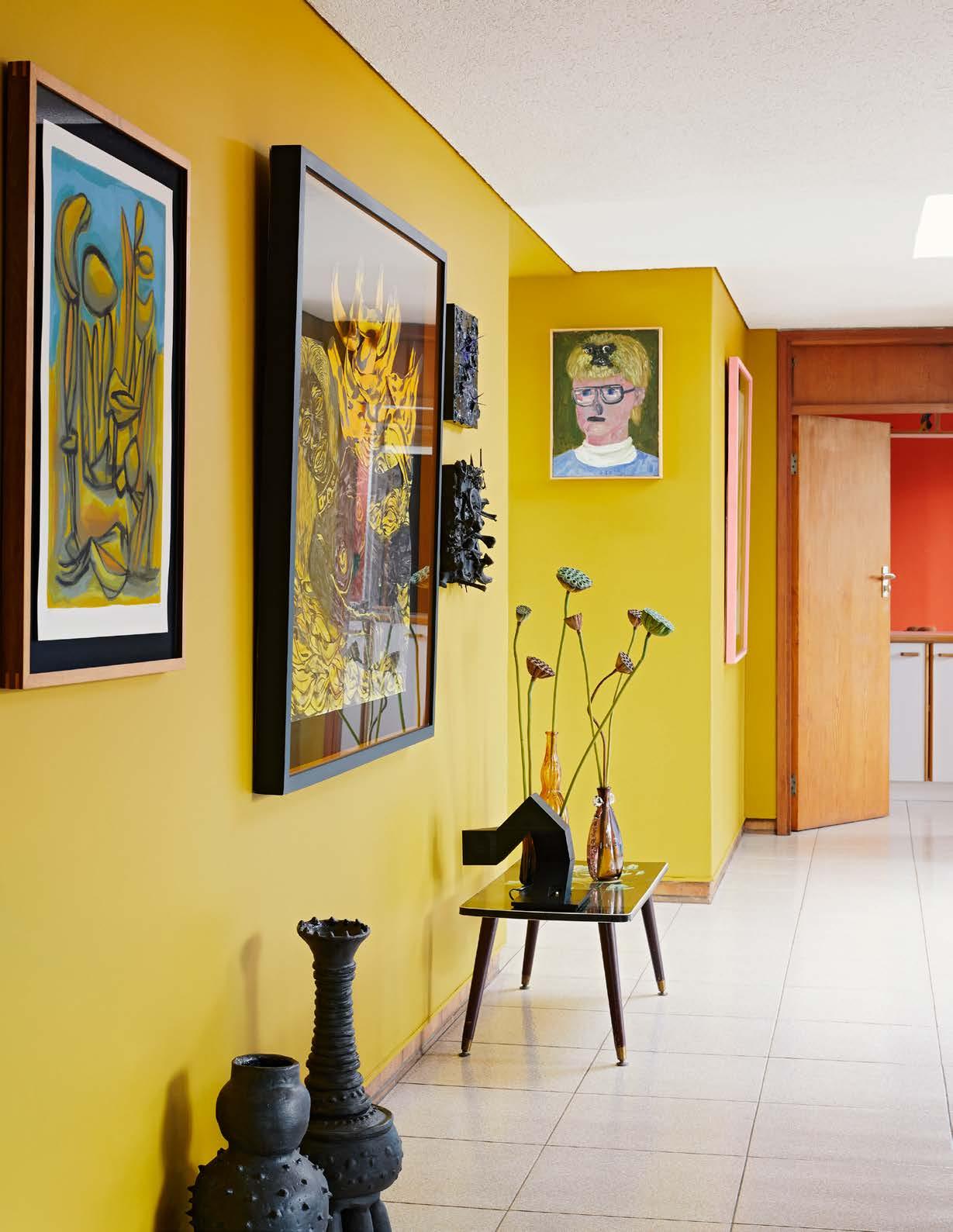
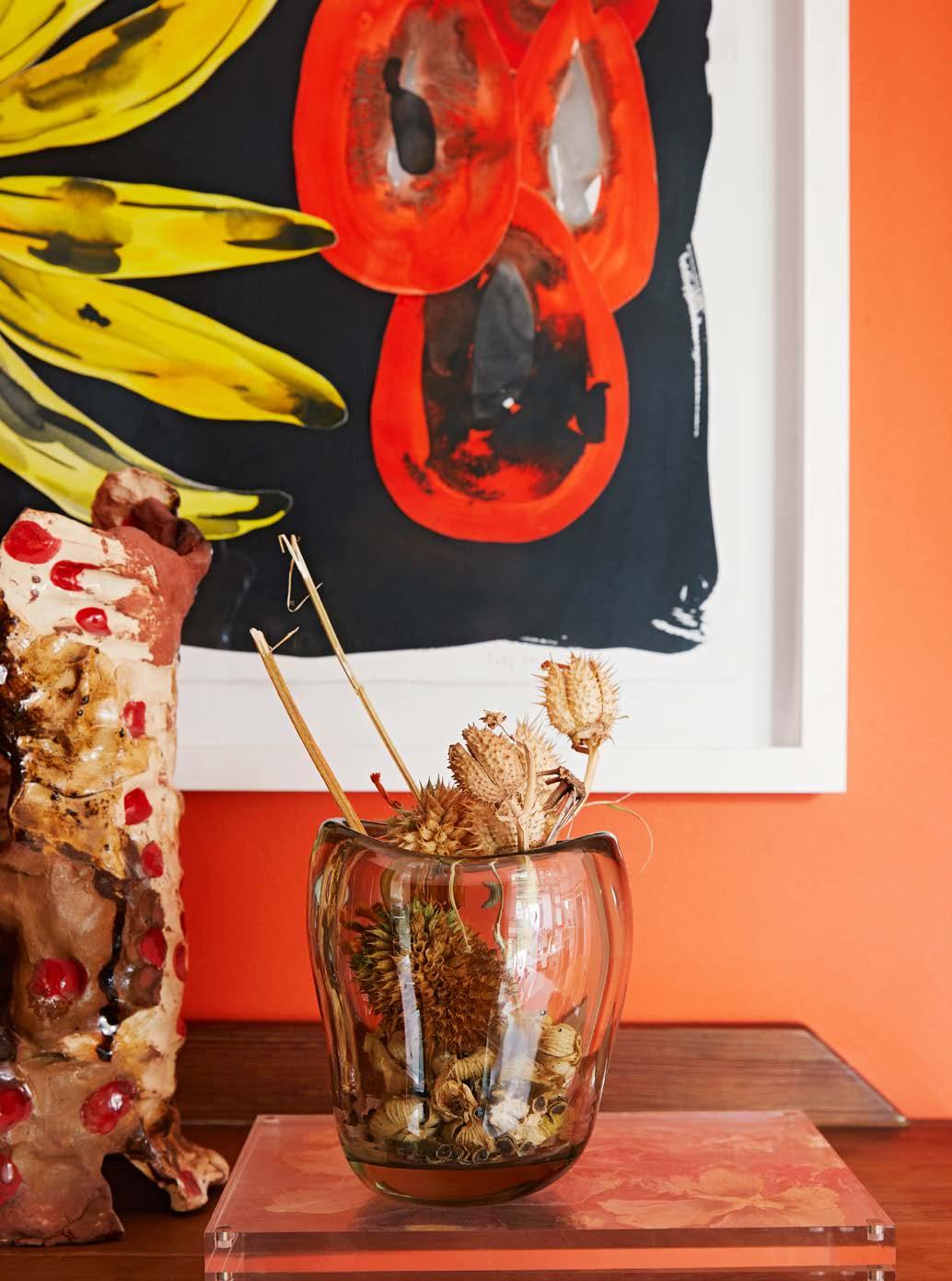
The entrance hall features vivid yellow walls and modern and contemporary artworks. They include works by Fred Schimmel (closest), Lady Skollie (large work), and a work called The Mistress by Georgina Gratrix on the far wall facing front. The ceramics are from ARTISAFIRE, a local, non-profit pottery studio.
drops steeply away and descends a series of paths and stony stairways to a swimming pool set among the giant rocks, almost like a natural pond.
Viviers says it reminded her of Frank Lloyd Wright’s Fallingwater. From the garden below, the house seems to grow organically from its rocky base, nestled among the big, friendly-leafed delicious monsters, bamboo, and mature trees. Its façade is stitched together by stairways and a delicate lattice of low steel and timber balustrades, creating a geometric, mesh-like pattern over its front that contrasts with the organic jungle of the garden.
From the inside, beautiful floor-to-ceiling wooden windows and doors let the light spill in with panoramic views over Johannesburg’s famously sprawling, manmade forest. “The light is Incredible,” affirms Viviers. Deep overhangs shelter the interiors from the sun, so the light is never harsh, and lofty volumes keep the rooms cool and airy. Balconies run the length of the house, fusing the indoor and outdoor spaces in classic modernist fashion.
Viviers and Anderson were captivated. A bit of research turned up architectural drawings showing that the house dates back to 1960. It was designed by Kock & Orsmond Architects, but
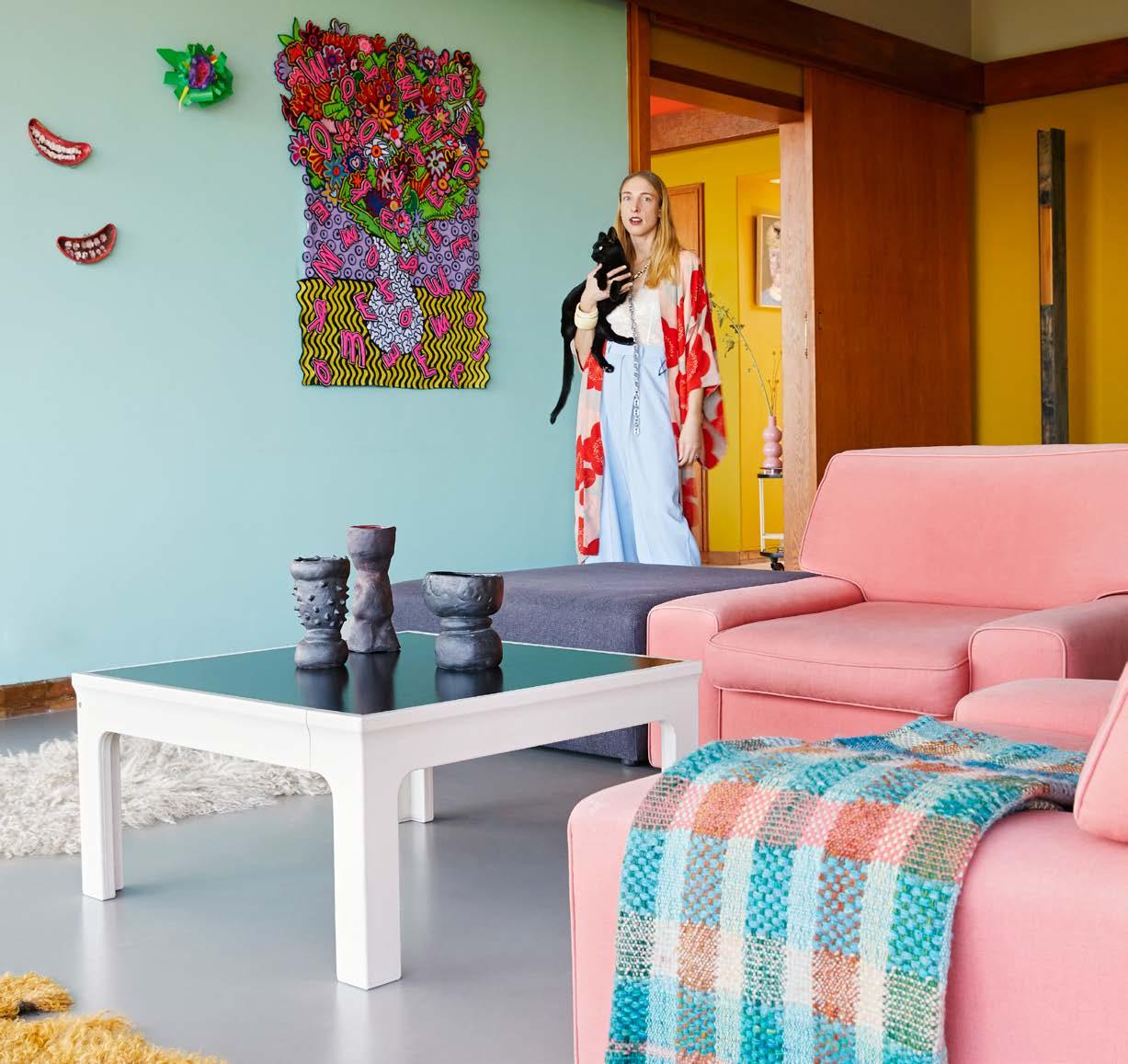
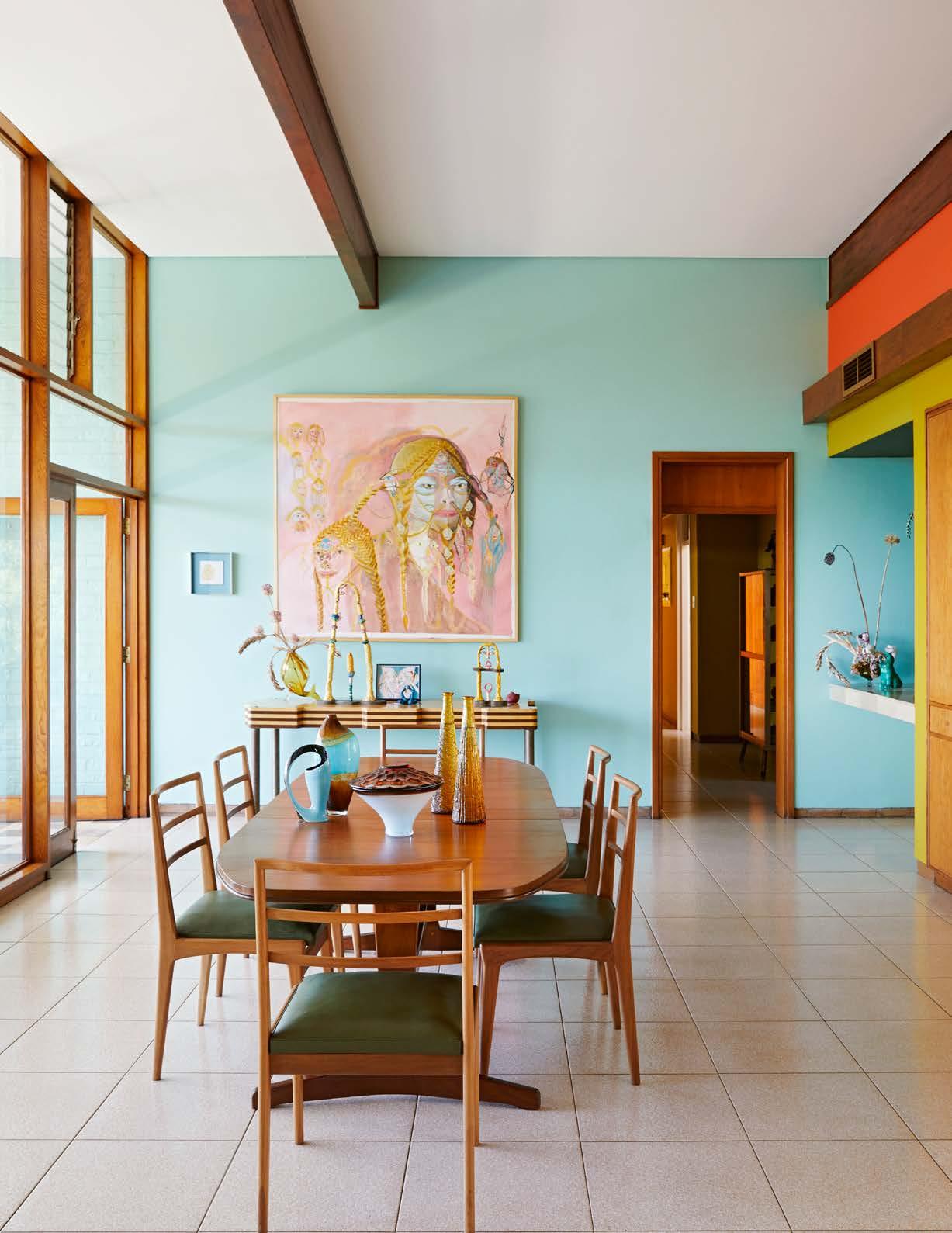
The screed floor of the sitting room is softened with dyed sheepskins. The modular sofa unit lends itself to being reconfigured to keep the space as open and flexible as possible. The coffee table is vintage Kartell and the ceramics are from ARTISAFIRE, a local, nonprofit pottery studio. The artworks on the turquoise wall include Smile I and Smile II by Georgina Gratrix and More More More by Jody Paulsen.
Home Design Feature
little additional information was available. The design, however, has all the trademarks of the kind of regional modernism that was gradually developing in Johannesburg in the 1960s, with influences from the likes of Frank Lloyd Wright and even hints of Japanese and Brazilian modernism.
Rather than machine-like European modernism, this house embraces texture, natural materials, and decorative detailing. It’s sensuous rather than minimalist, rich rather than pristine, and all-
around better suited to the blue skies, open spaces, and sunshine of Johannesburg’s climate than the flat-roofed white boxes that first came to South Africa influenced by the Bauhaus and Le Corbusier.
It was clear was that the house was almost miraculously intact, with original details and fittings perfectly preserved, from the closets in the bedrooms to various servers and shelves in the dining and living space, paneling on what might be a study wall, and even a hidden hi-fi and bar fridge.
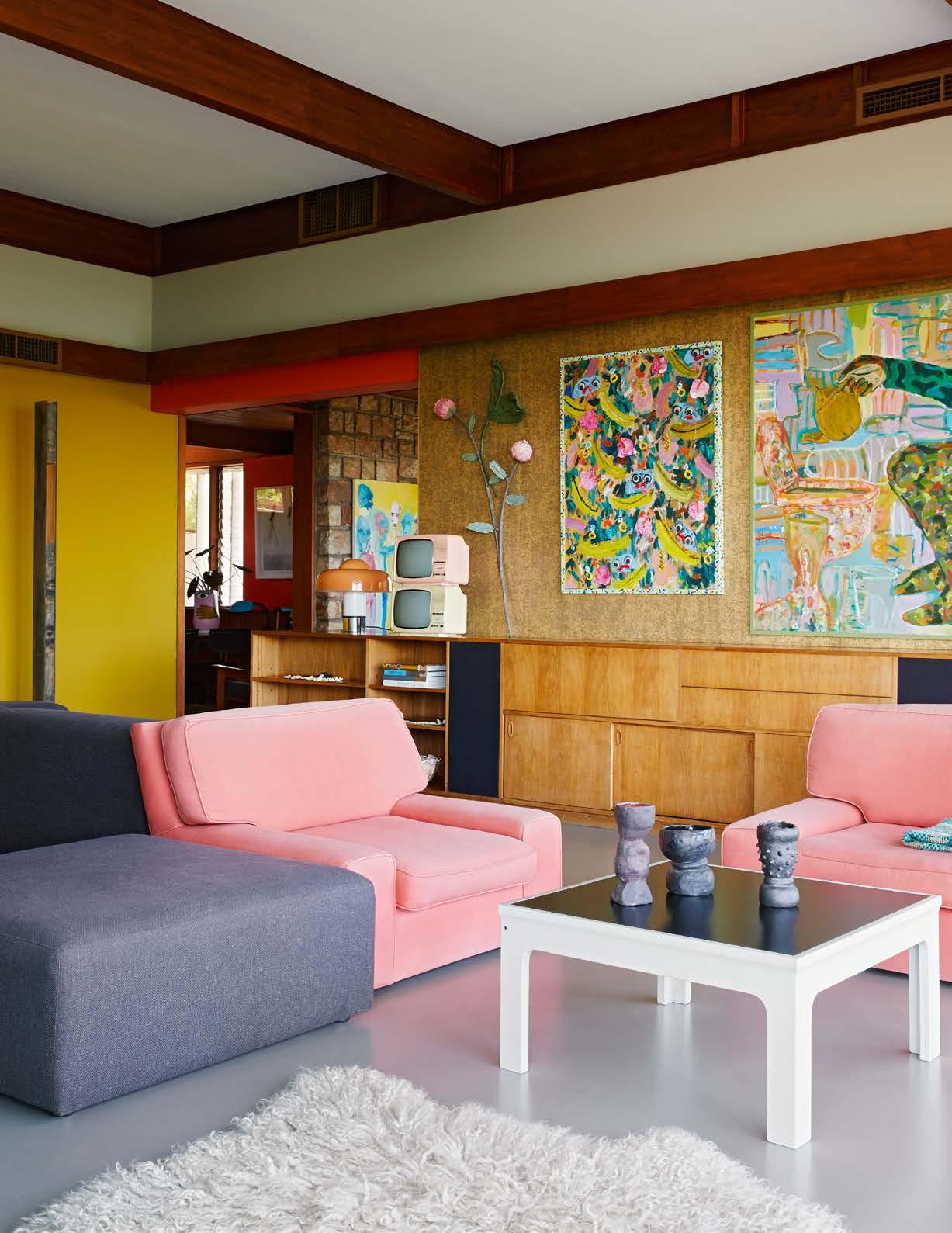
Seen from the reverse angle, the sitting room reveals a wood-paneled wall and built-in unit that houses a vintage hi-fi. The slim beams and high ceiling create a light, airy volume. The modular sofa unit lends itself to being reconfigured to keep the space open and flexible. The coffee table is vintage Kartell and the ceramics are from ARTISAFIRE, a local, non-profit pottery studio. The artworks include works by Gabrielle Kruger (left, next to the vintage televisions in pastel colors), Gwaais and Eyes by Georgina Gratrix, and a large work by Zimbabwean artist Gresham Tapiwa Nyaude. The work suspended in the window, Blossoming Blush I-III, is a collaboration between Gabrielle Kruger and Marlene Hettie Steyn. The orange table lamp is a vintage Luigi Massoni, produced by iGuzzini, Italy in 1969. The ceramics on the shelves include works by Lezanne Viviers.
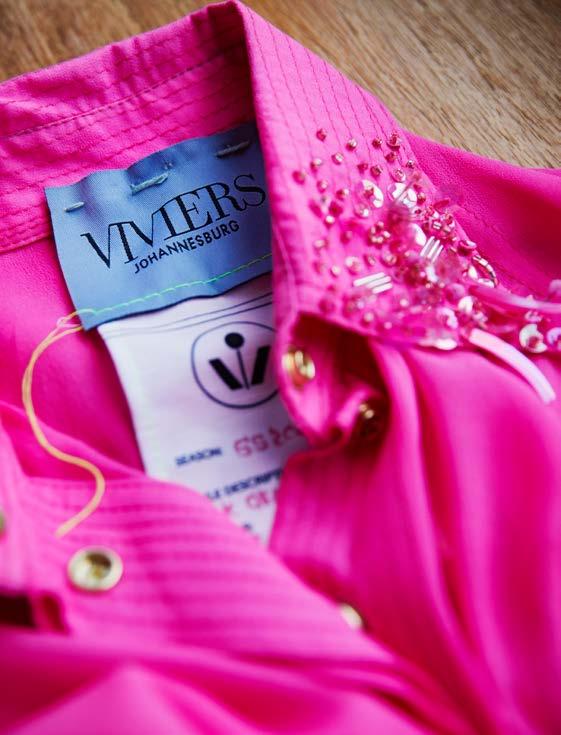


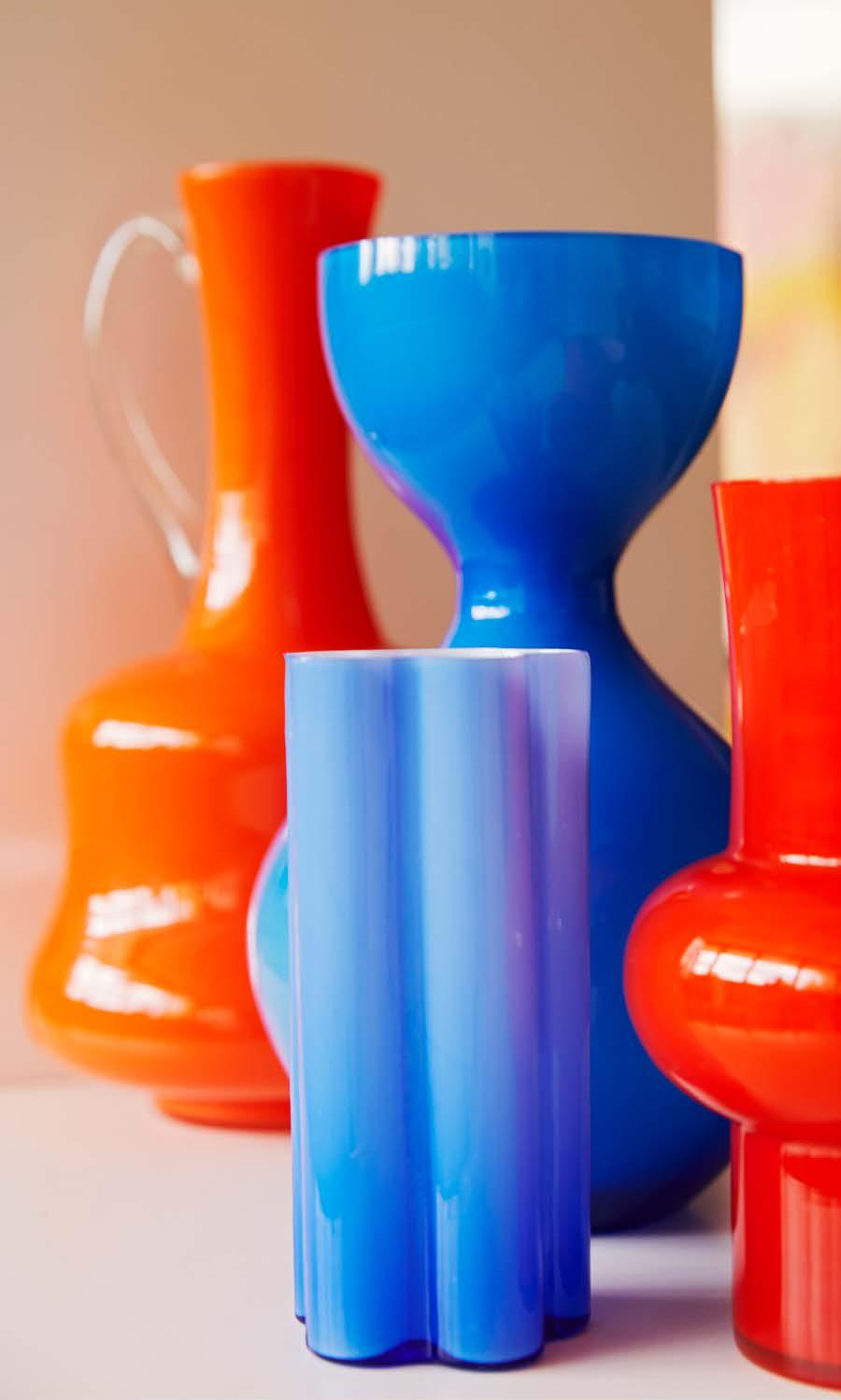
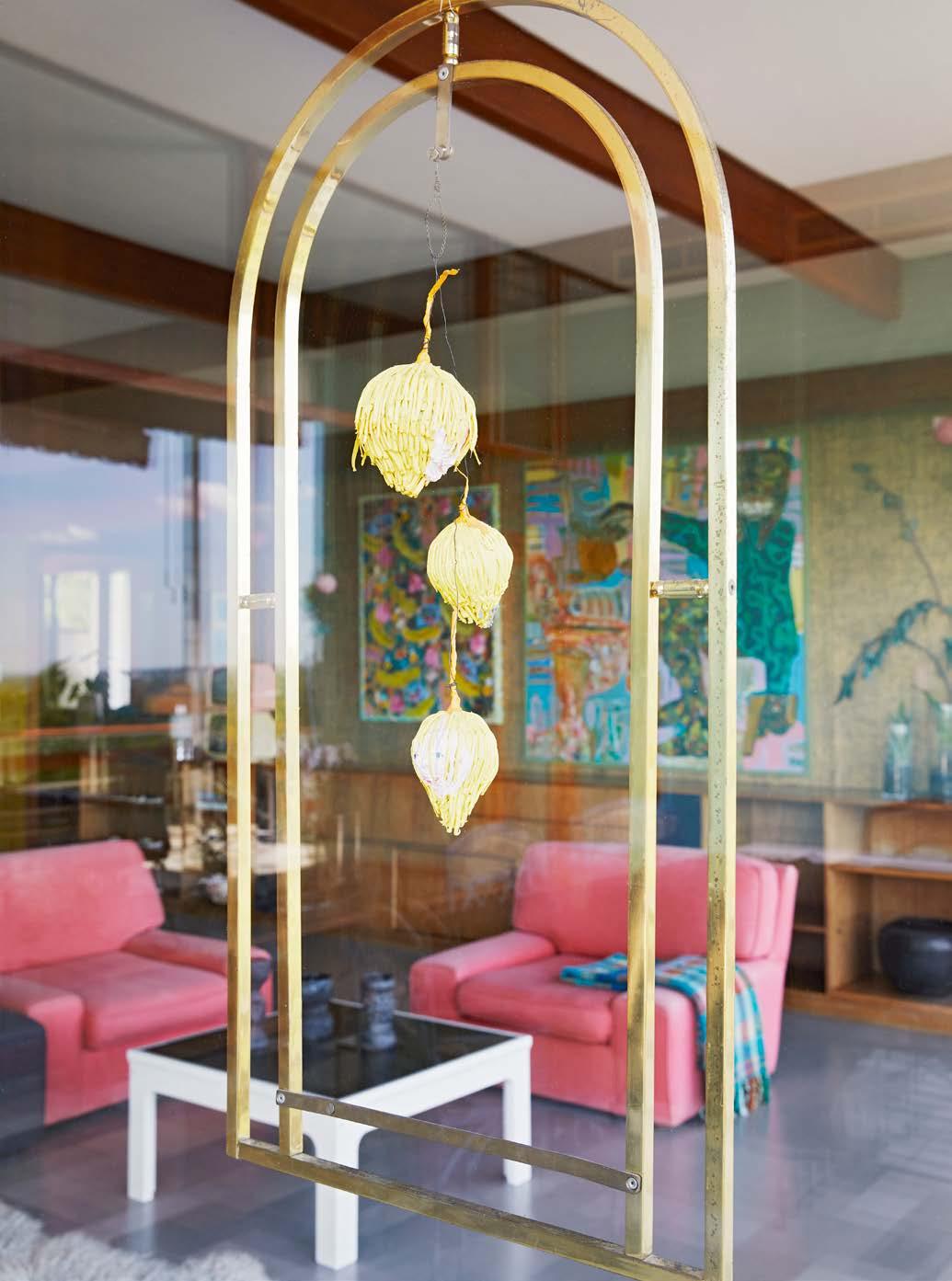
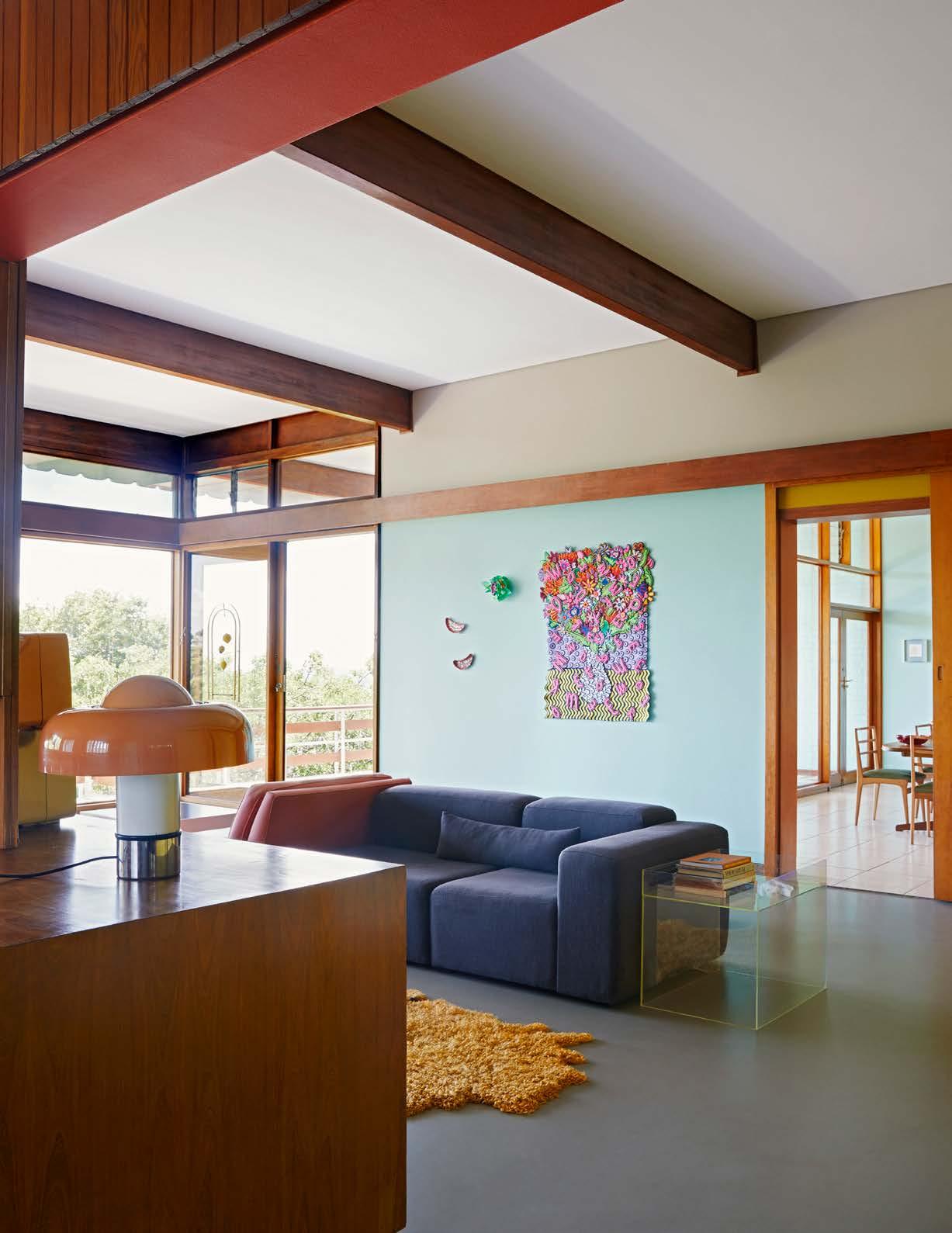
"Nothing like a little bit of paint!" Viviers exclaims.
Home Design Feature
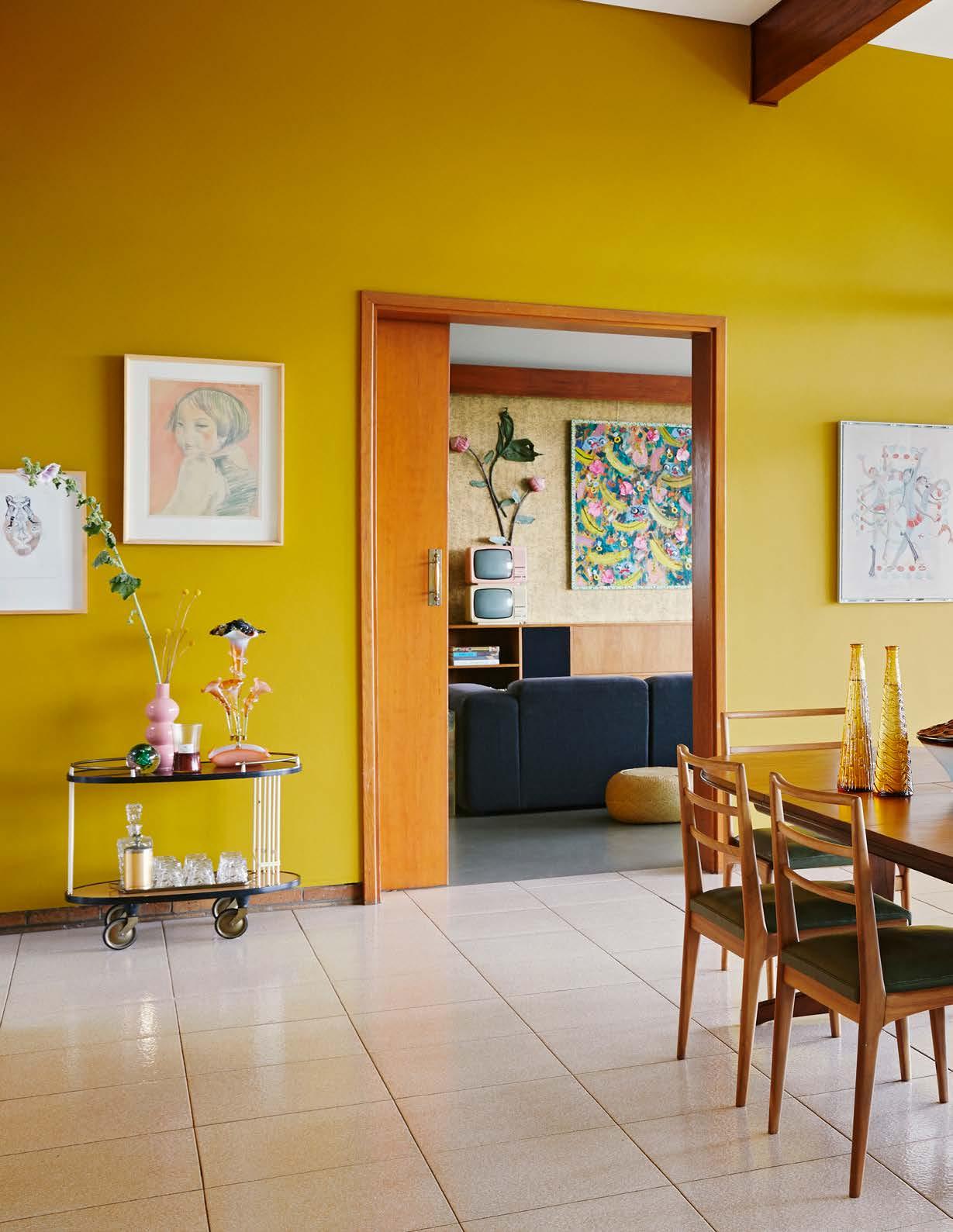
The dining room opens onto a large, covered balcony, beautifully blurring the distinction between indoor and outdoor space in the classic modernist fashion, an effect enabled by the delicately framed floor-to-ceiling windows. The artworks above the drinks trolley include a portrait by Irma Stern, a well-known, local modernist artist with German expressionist influences. The drinks trolley includes an antique Victorian Epergne, a vintage pink vase, and a David Reade glass ball. The large work on the opposite wall, Braided Bonding, is by Marlene Hettie Steyn, who collaborated with Viviers on her second fashion collection. Ceramic works created by Viviers feature on the table below, too. Ceramics on the dining table are a collection of found glass objects, including a Murano vase and a Ukrainian bowl. The works above the server include artworks, The Detoxer, 2018, and Rain on me, 2018, by Marlene Hettie Steyn and Gabrielle Kruger. Also on the server is Green Dog, 2016, by Georgina Gratrix, and A gaggle in the garden, 2018, a painting by Marlene Hettie Steyn.
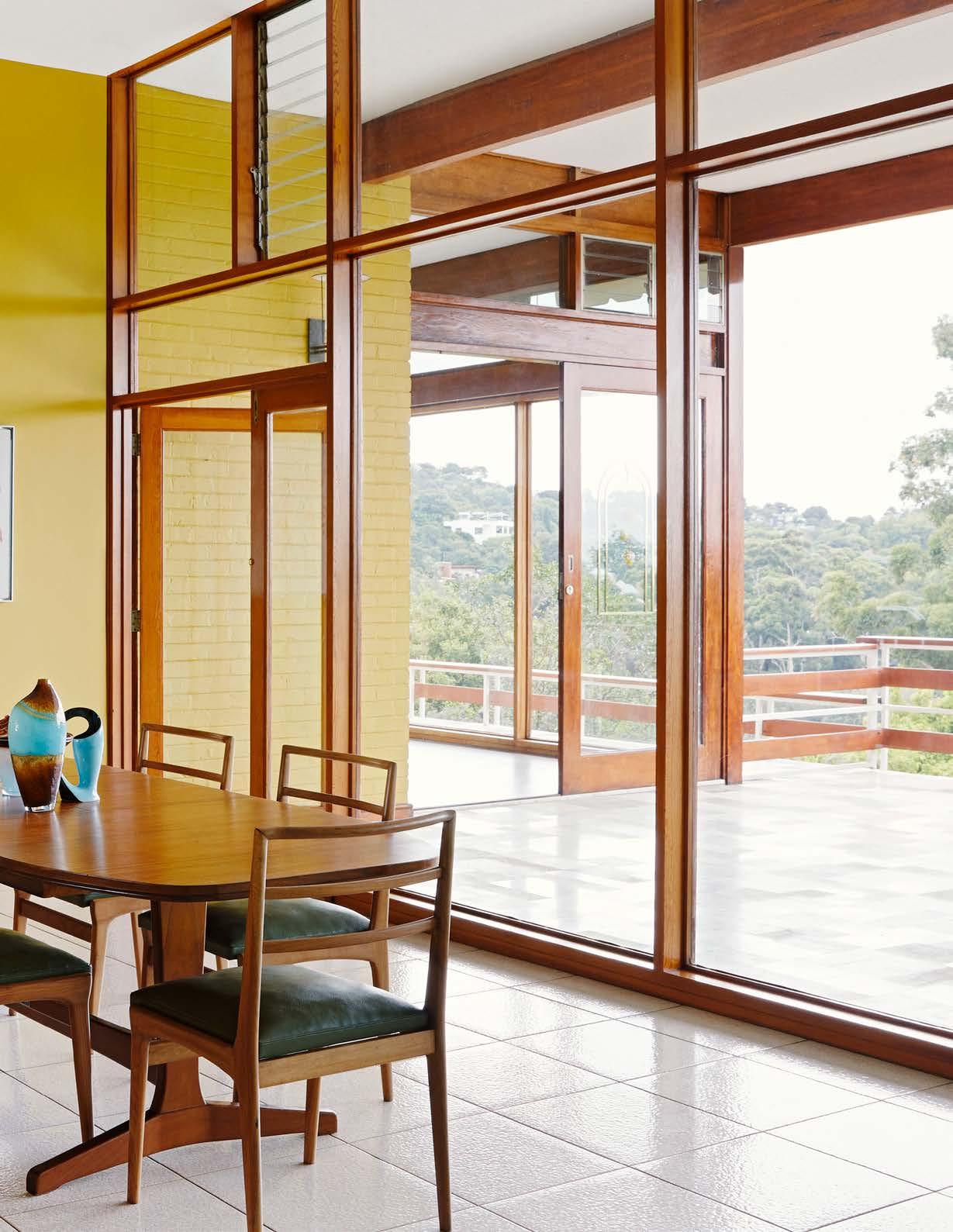
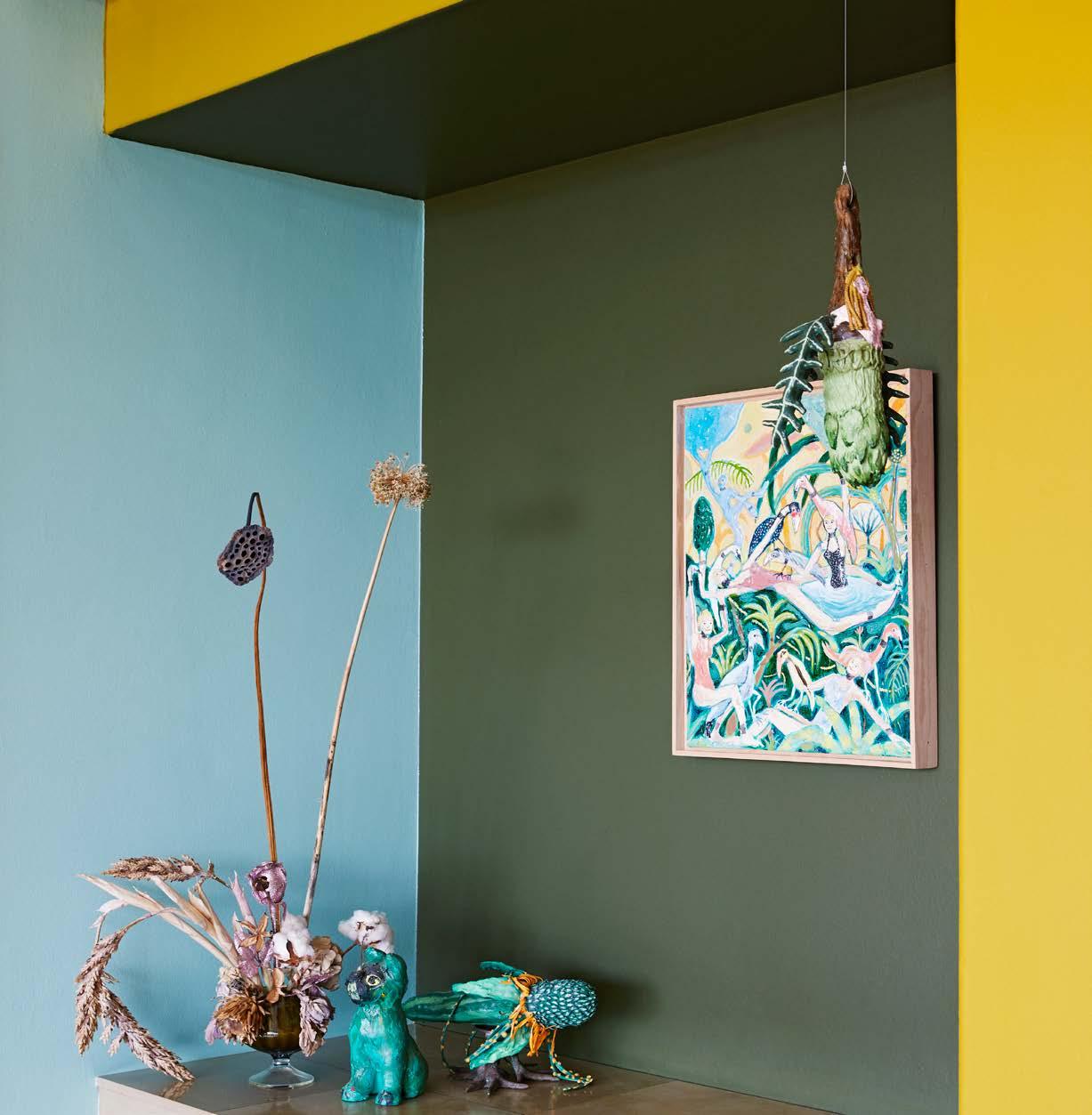
The house previously had just two owners, which explains how so much original detailing survived. “We became its third owners,” says Viviers, determined to continue the legacy. She and Anderson have been very restrained in their refresh of the house, with an emphasis on preserving it rather than altering it. For Viviers, living here is about appreciating a sixty-year-old modernist treasure and sharing that appreciation. “All I can do is try and respect it,” she says.
While maintaining the timber and pulling up old carpets occupied much of their energy, Viviers brightened up the interiors with splashes of color. “Nothing like a little bit of paint!” she exclaims.
Viviers did, however, stick to colors that were popular in midcentury homes. “I really wanted to keep to the integrity of the modernist architecture,” she says. “I researched what colors were popular in those times and chose the ones that I liked.”
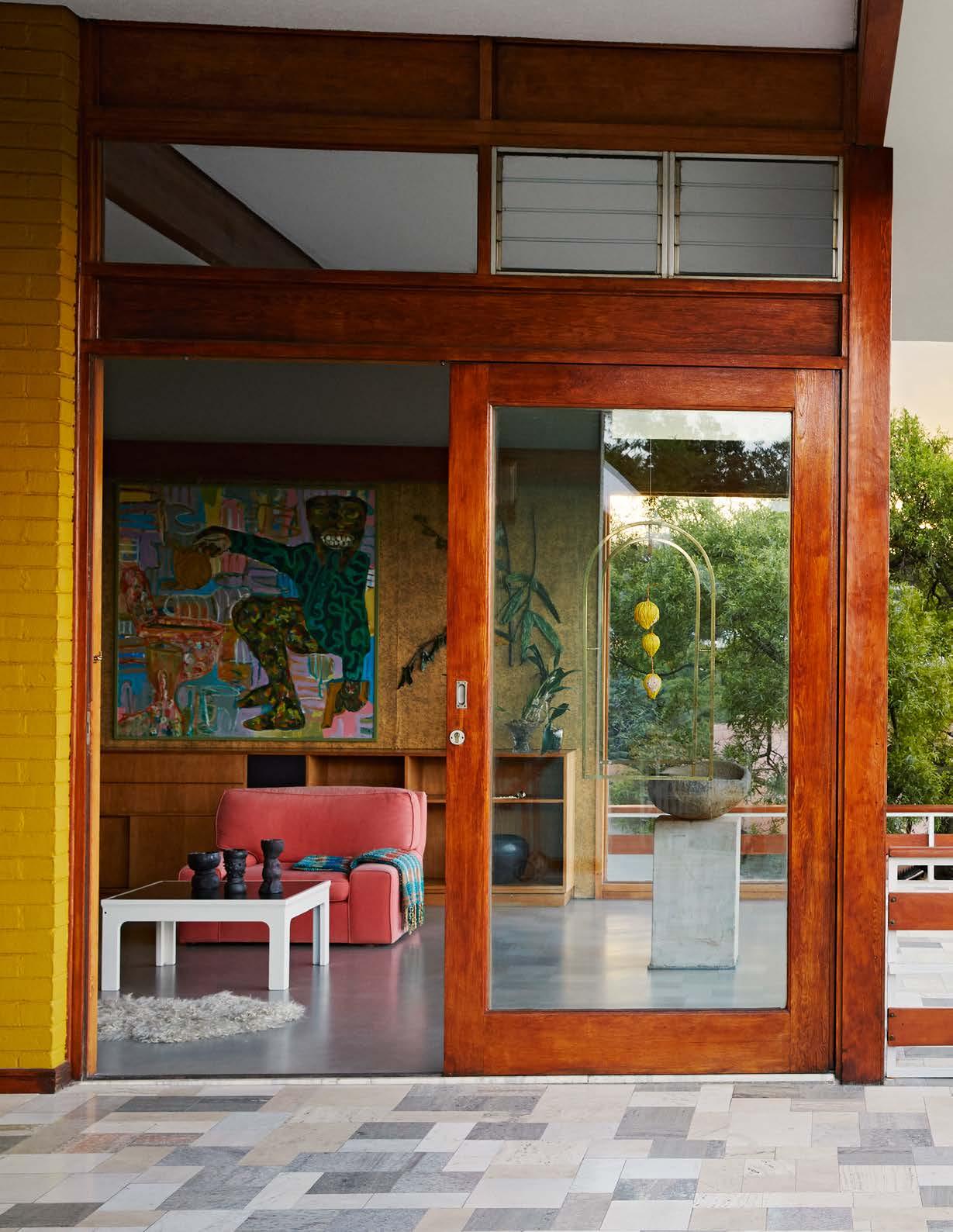

Long balconies run the length of the house, extending the interiors outside in what was once a pivotal modernist innovation perfectly suited to Johannesburg’s climate. From this vantage point above the canopy of Johannesburg’s famously sprawling manmade forest, the justification for the balconies and floor-to-ceiling windows is clear. Sliding screens, however, provide shelter from the sunlight where the roof overhangs are less pronounced.
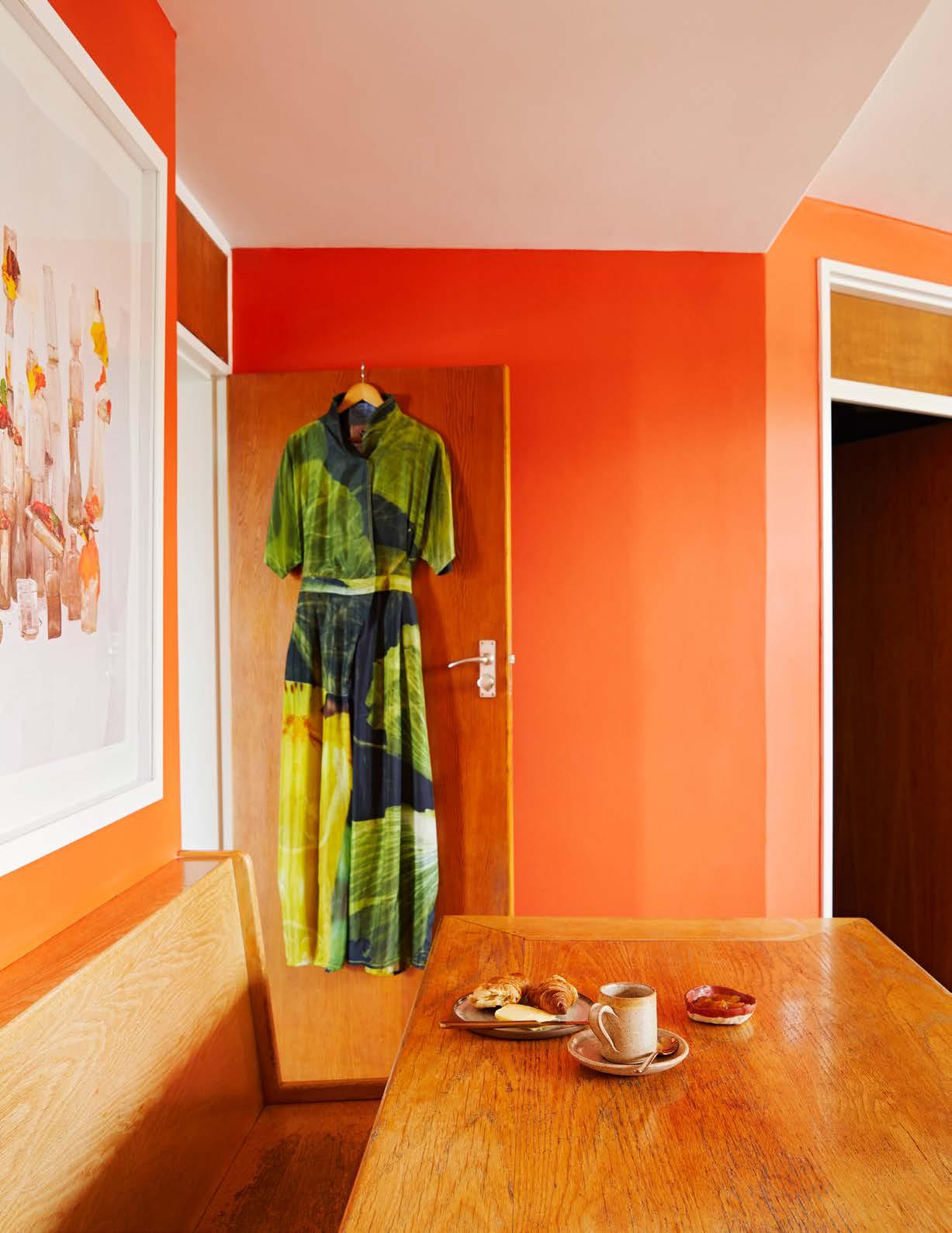
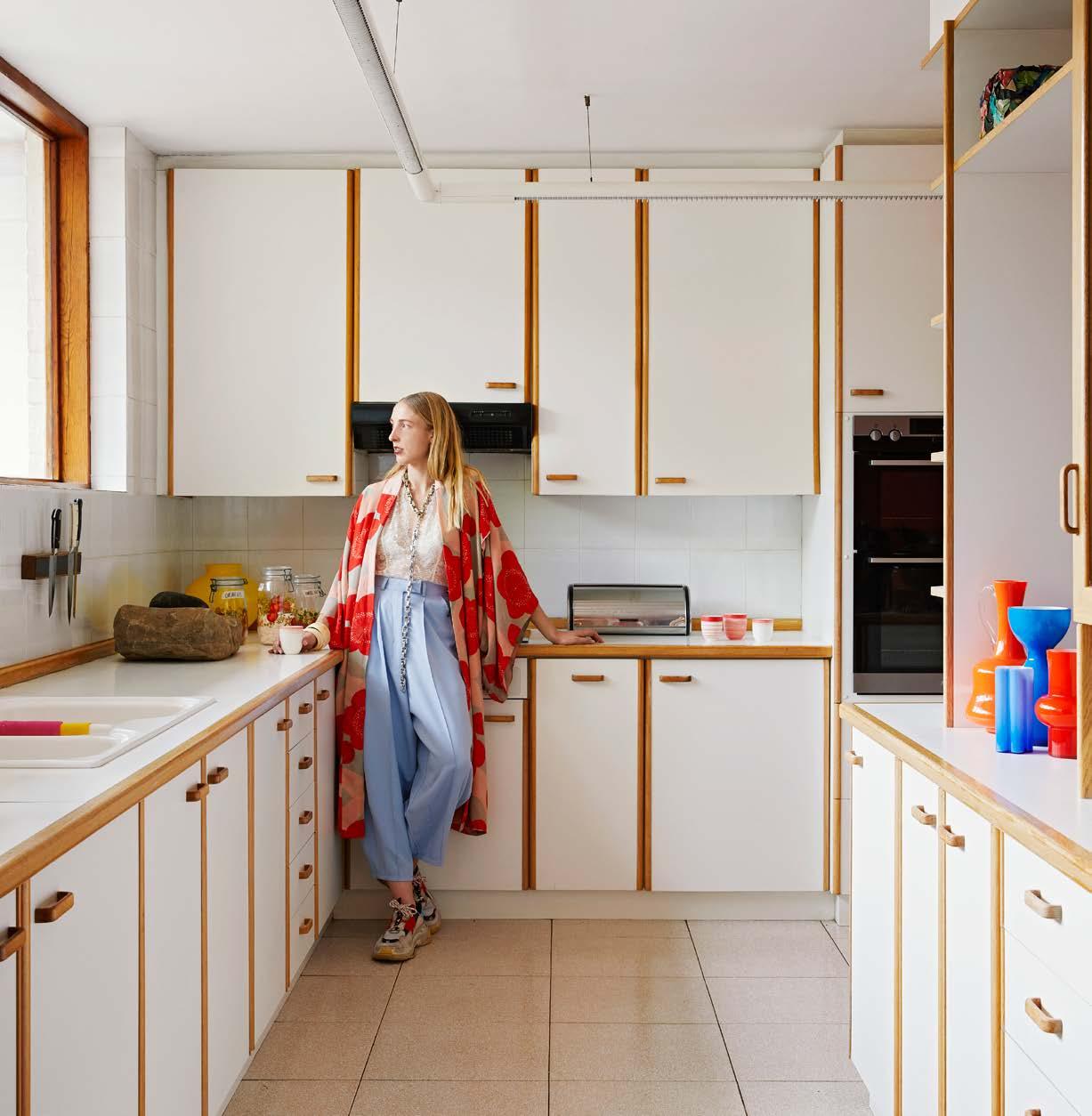
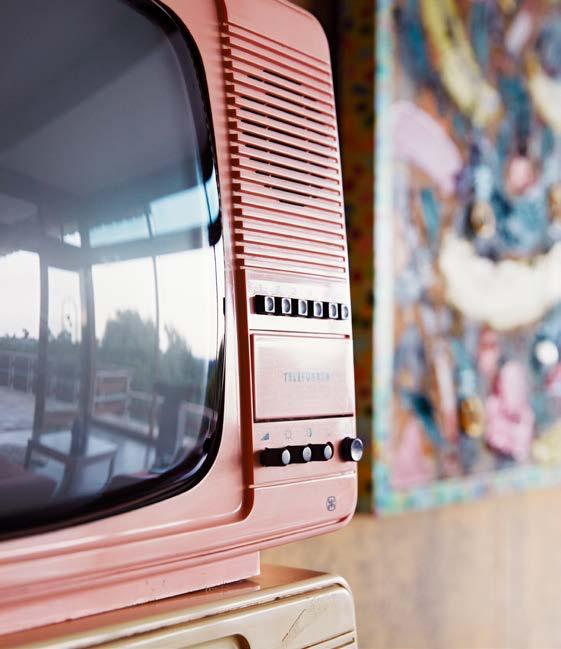
She brought in many treasured items of furniture and art and has been careful to give them room to breathe in the generous volumes. It’s an eclectic selection, “things I’ve collected over a long time, over six to seven years,” Viviers muses, including many well-suited, vintage mid-century pieces. Along with modular lounge furniture, a Danish dining table and chairs, vintage Murano glass, and even pastel-colored tube television sets are unearthed at a vintage shop.
But, at the same time, there are contemporary and experimental pieces—many designed by friends and collaborators—and even ceramics she made herself. Lights by local lighting designer August de Wet, who does the lights for Vivier’s shows, can be found dotted about, along with others by Damascus, with whom she has also collaborated. Likewise, the displayed art includes pieces by collaborators and friends—Marlene Hettie Steyn, whom she collaborated with on her SS2020 fashion collection, and Lady
Home Design Feature
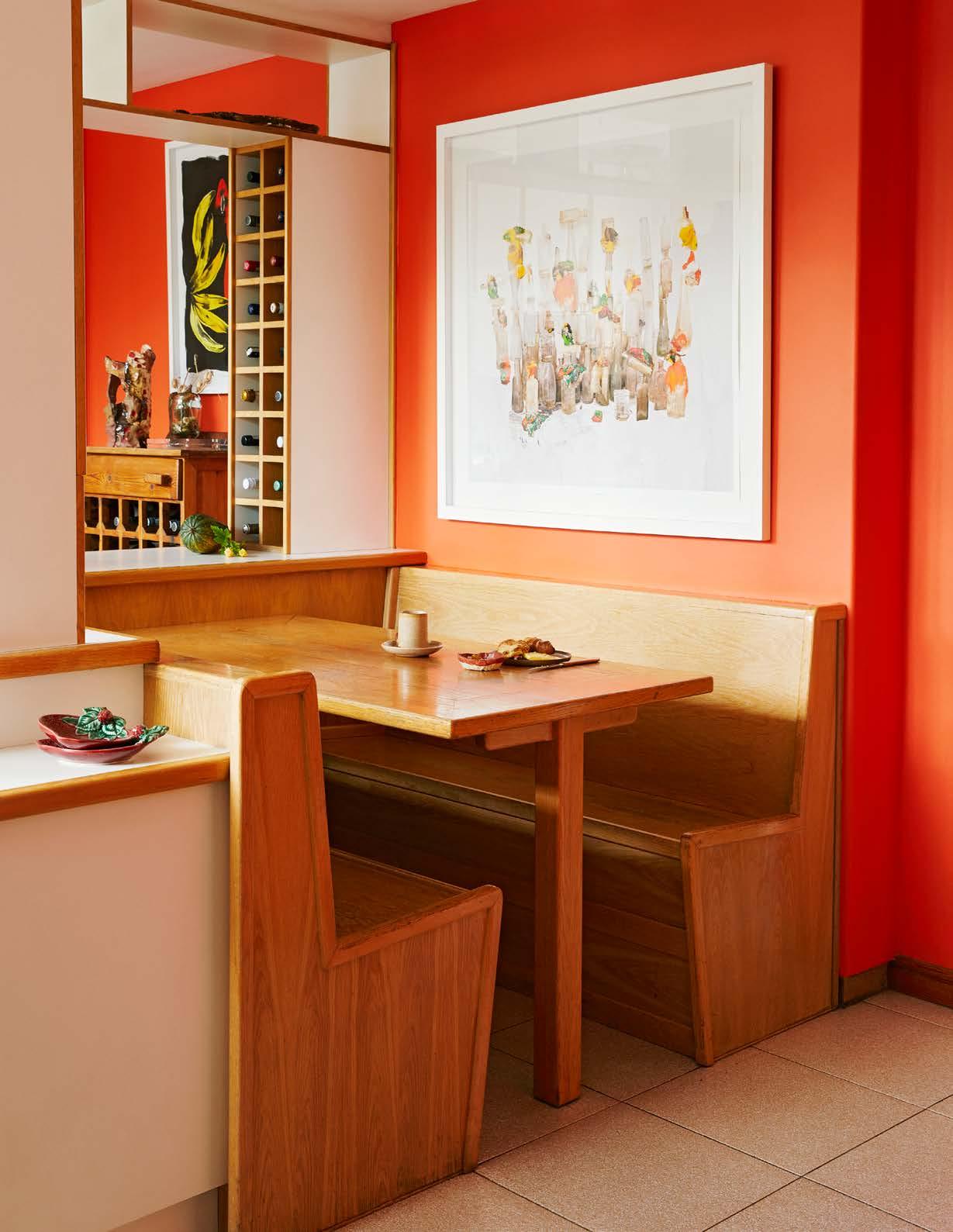
The kitchen includes artworks by local contemporary artist, Lady Skollie, Composition with Bottles and Playdough, 2015, by art photographer, Nico Krijno, as well as vintage Murano glass vases.





Home Design Feature
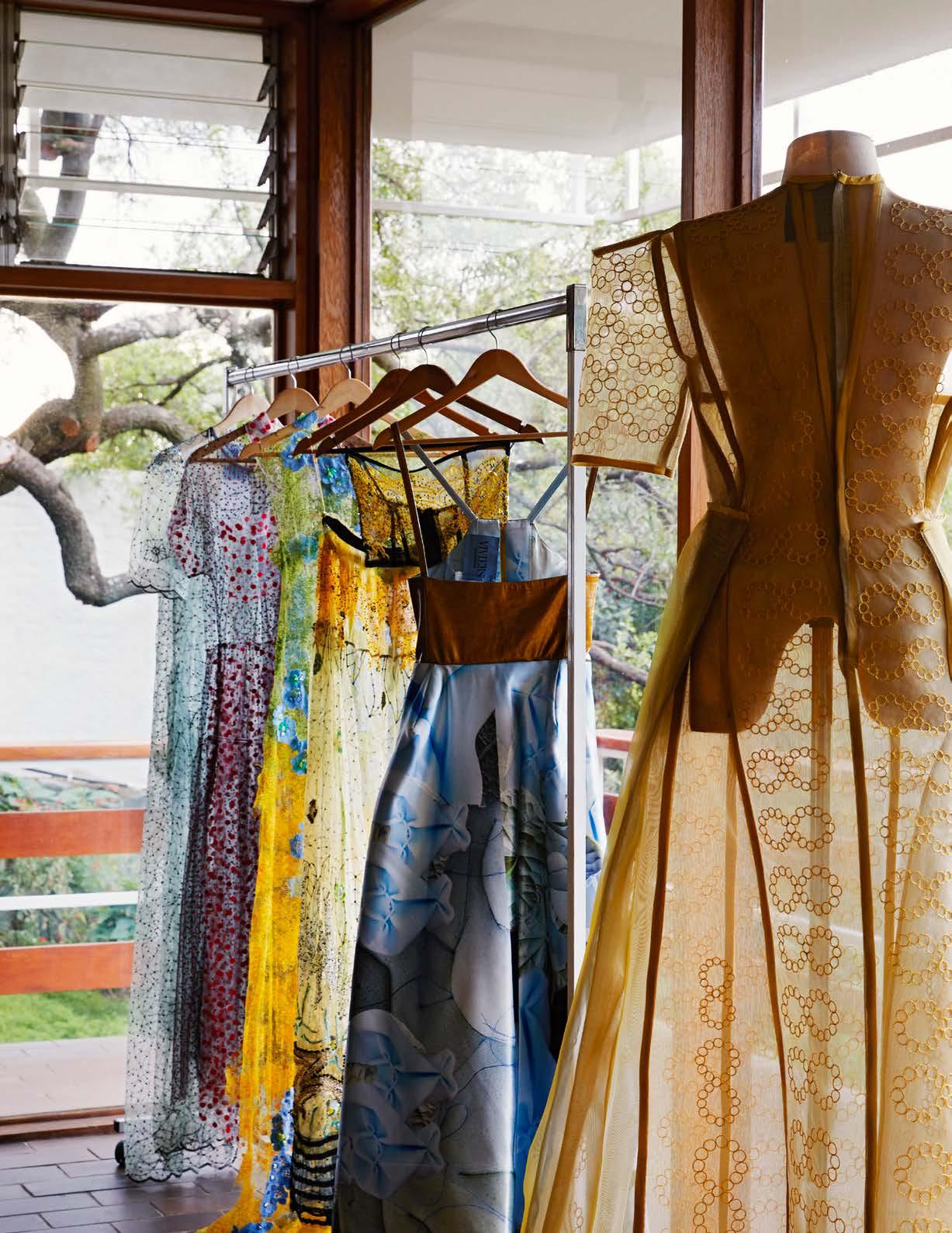
The studio for Vivier’s fashion label, VIVIERS, takes up the lower level of the house, once an almost self-contained apartment. It opens onto a long balcony, and the floor-to-ceiling windows let in natural light, perfect for the intricate work of fashion design.
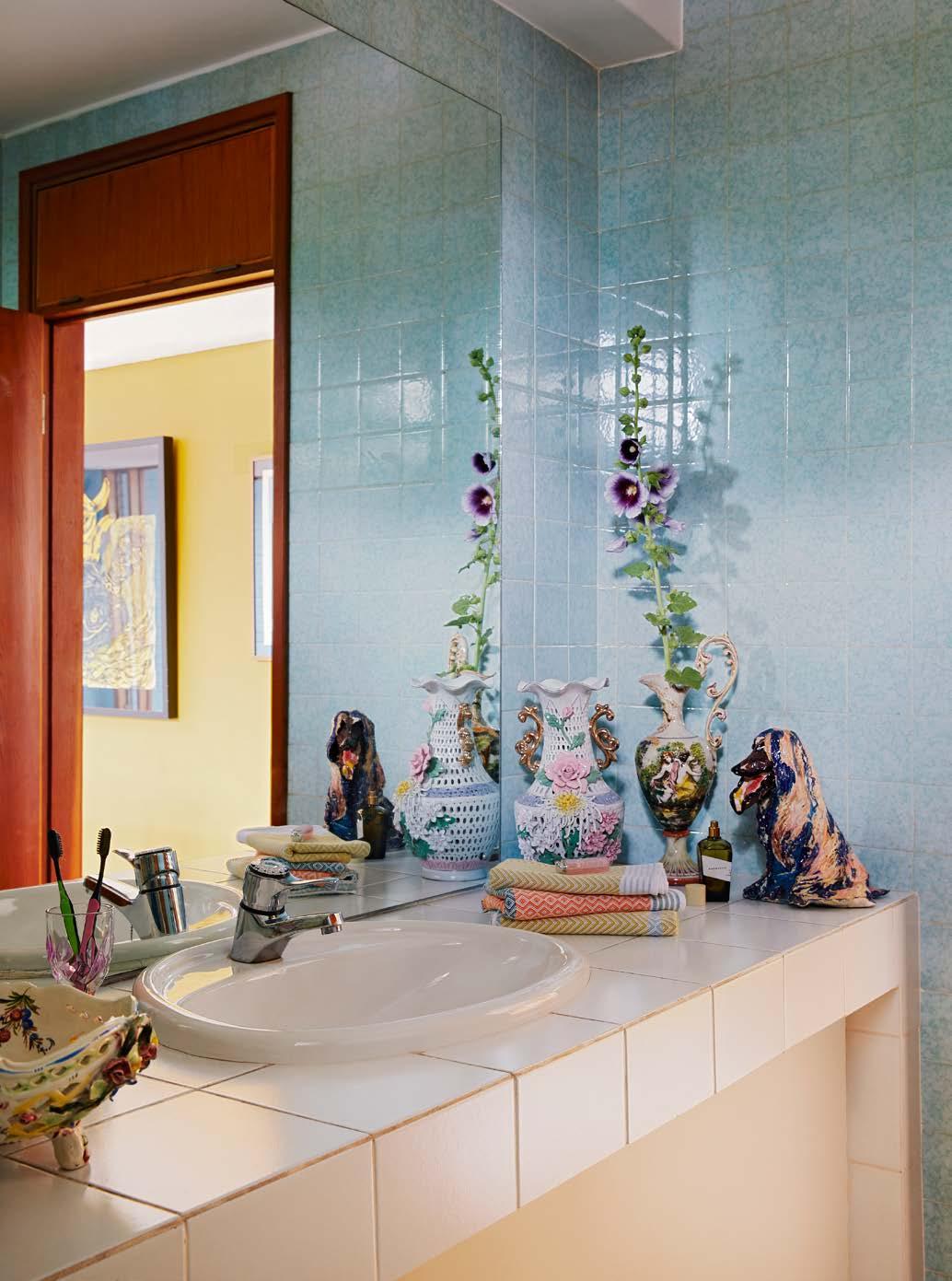
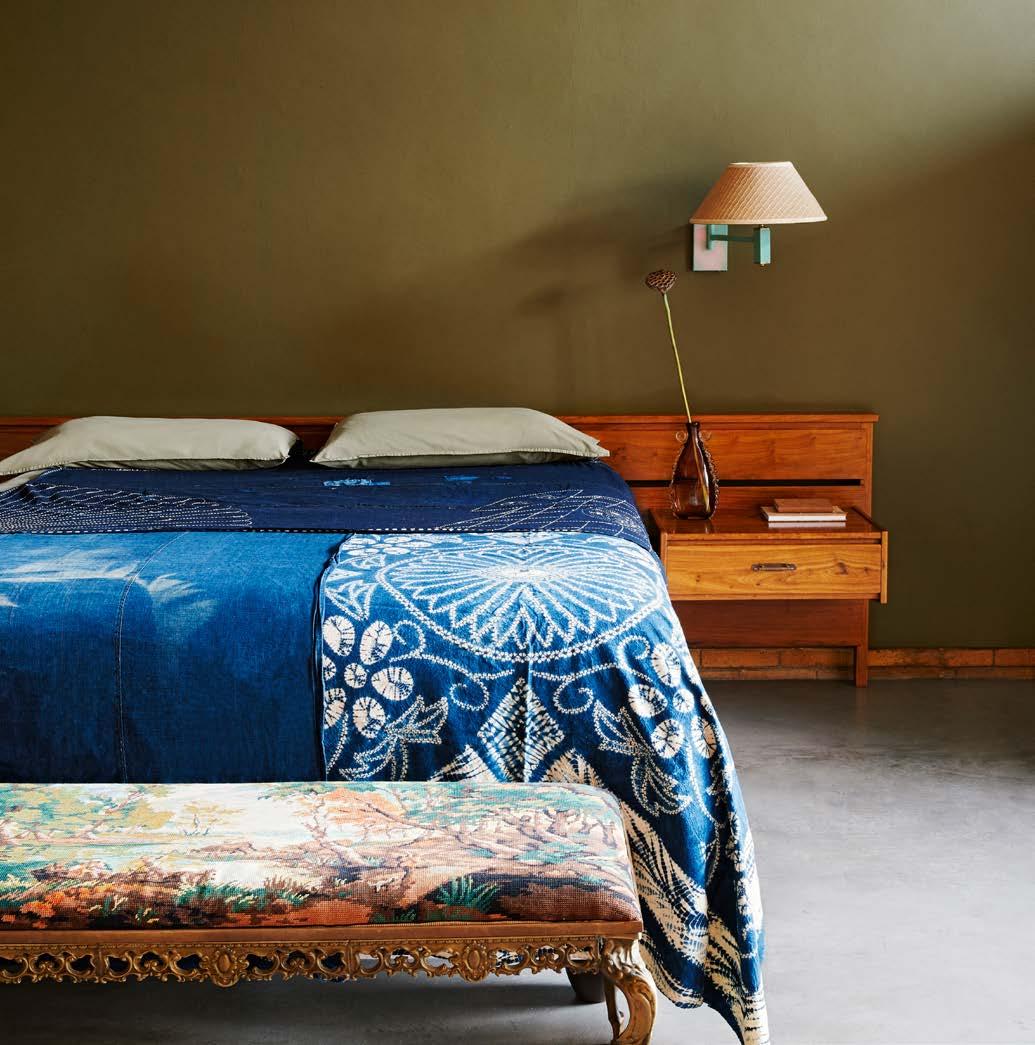
The bathroom has been left unaltered, still featuring blue ceramic tiles on the walls and local Cobra taps. The hand towels are from Mungo.
Skollie, who has modeled her designs. “There’s no method to it,” Viviers insists. She responds more than anything to color and texture. Nevertheless, the artworks together make an interesting cross section of new, contemporary local art. “I tend to buy from the graduation collections,” she says. “That’s where you see new talent. There’s something quite raw about graduation collections that I’ve been drawn to.”
The downstairs level was designed almost as a self-contained apartment, where Viviers set up her design studio so she could live above the shop with just the right balance of integration
and separation of home and work. She collaborates with artists and performers, has clients for fittings, and entertains the steady stream of people that comes with a bustling studio, so her dream of sharing her and her husband’s remarkable find has been realized. She’s even held fashion shows using the long balconies as runways, bringing the kind of life and glamor the house seems to invite. “I really think the space offers that,” she says.
viviersstudio.com
@viviers.studio
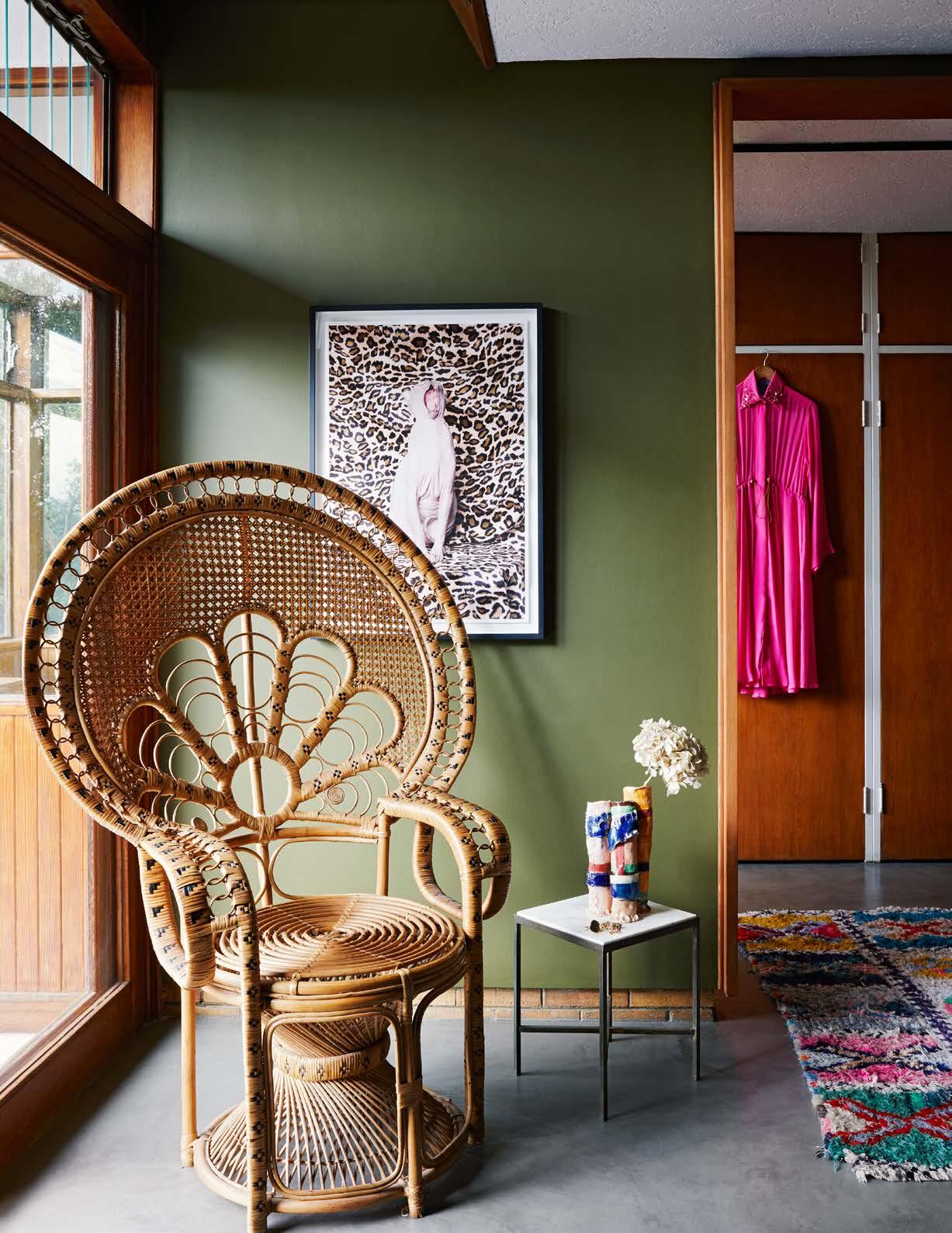
The main bedroom includes all its original fittings including beautiful built-in cupboards in the dressing room. The wicker Peacock Chair finds dramatic expression in a corner alongside the window.


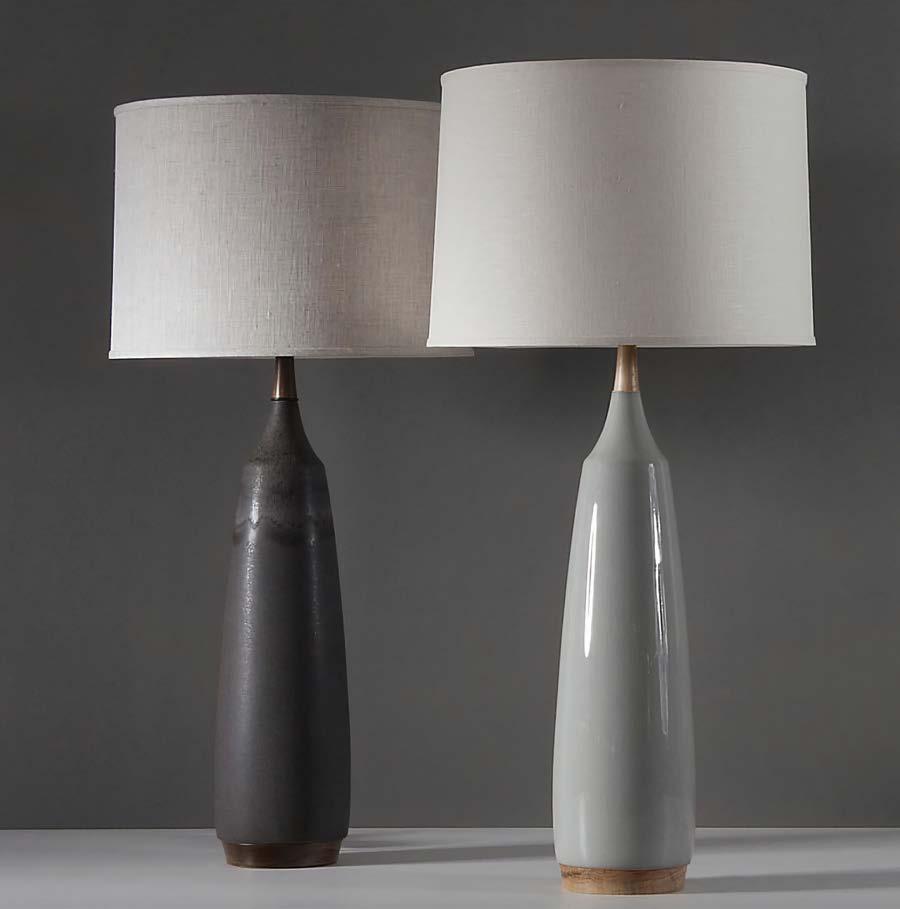
Designed and hand-produced stoneware ceramic table lamps from the Catskill Mountains of New York.


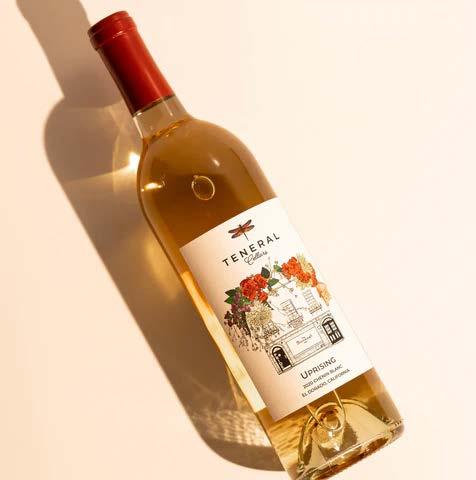
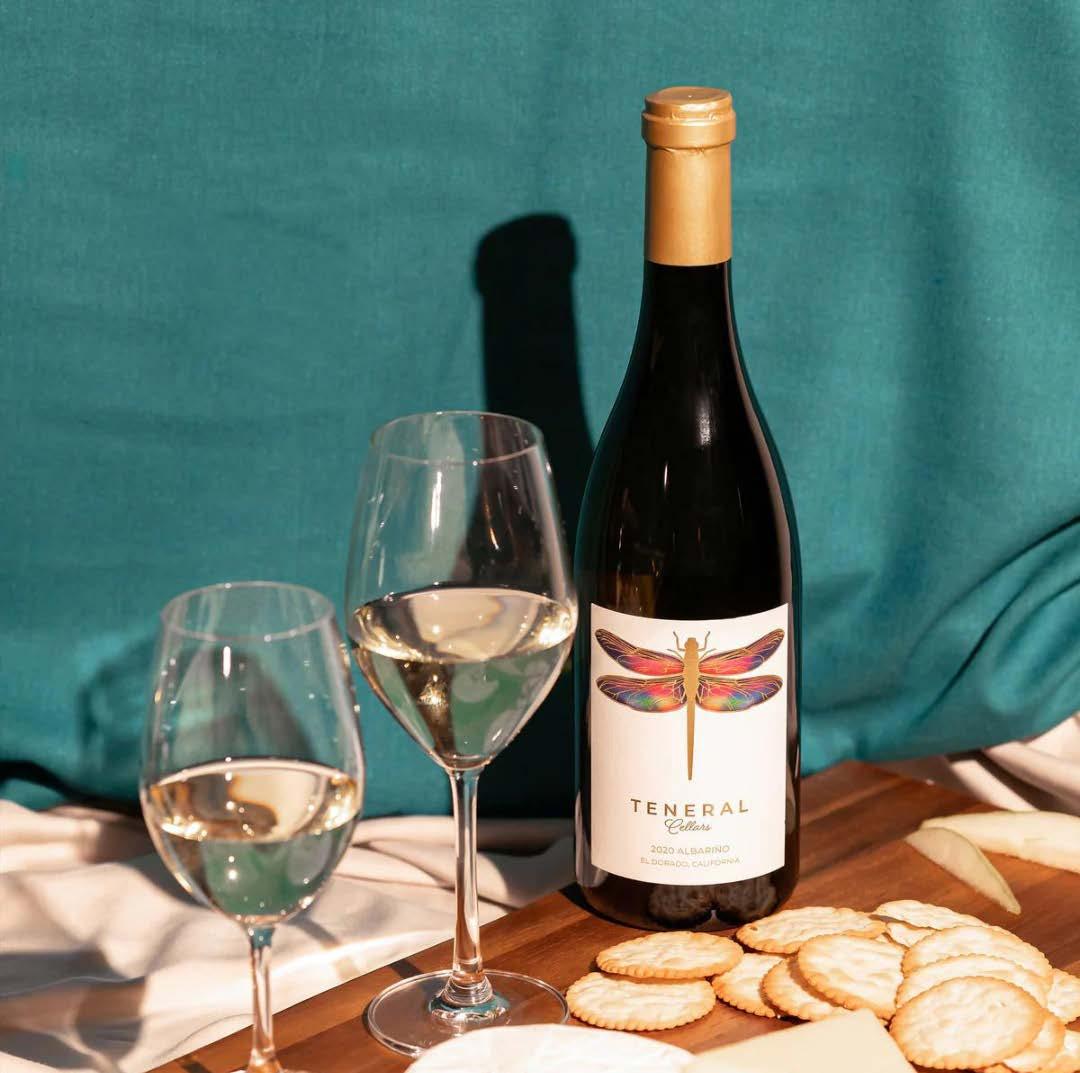
Wine brings people together. Our bottles start conversations and prompt important dialogue that supports progressive changes toward a better future.
We combine great wine with the power of collective action to invest in organizations that empower women and promote gender and racial equity.

Teneral Cellars was founded in Northern California in 2020. We are a women-owned and operated producer of sustainable, phenomenal wines, harnessing the power of business for good. Exceptional wine is our catalyst for connection, crucial conversations, and investments toward an equitable future for all women.
Culinary
Styled to SIZZLE
WORDS | MAXIM SOROKOPUD IMAGES | TILIT
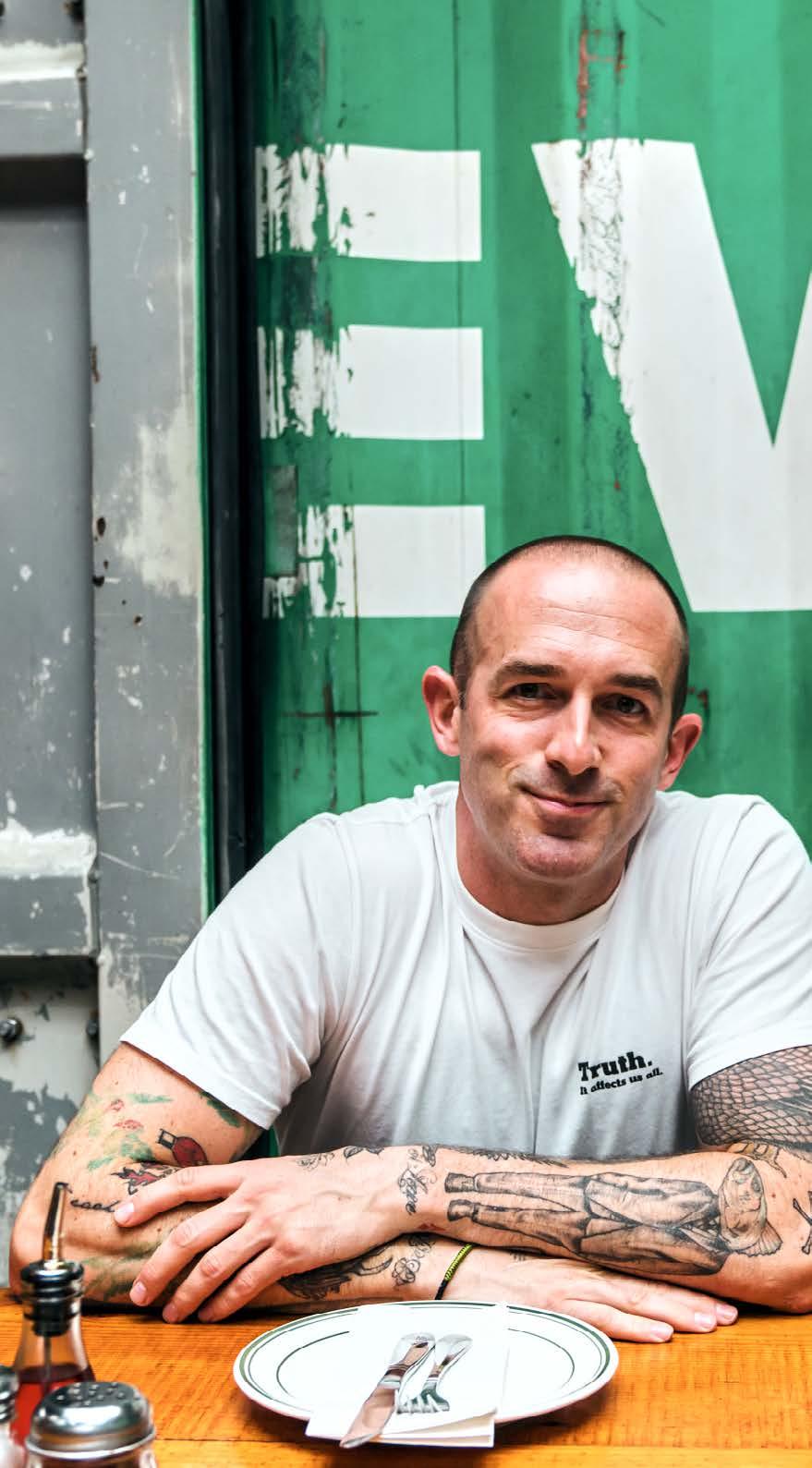
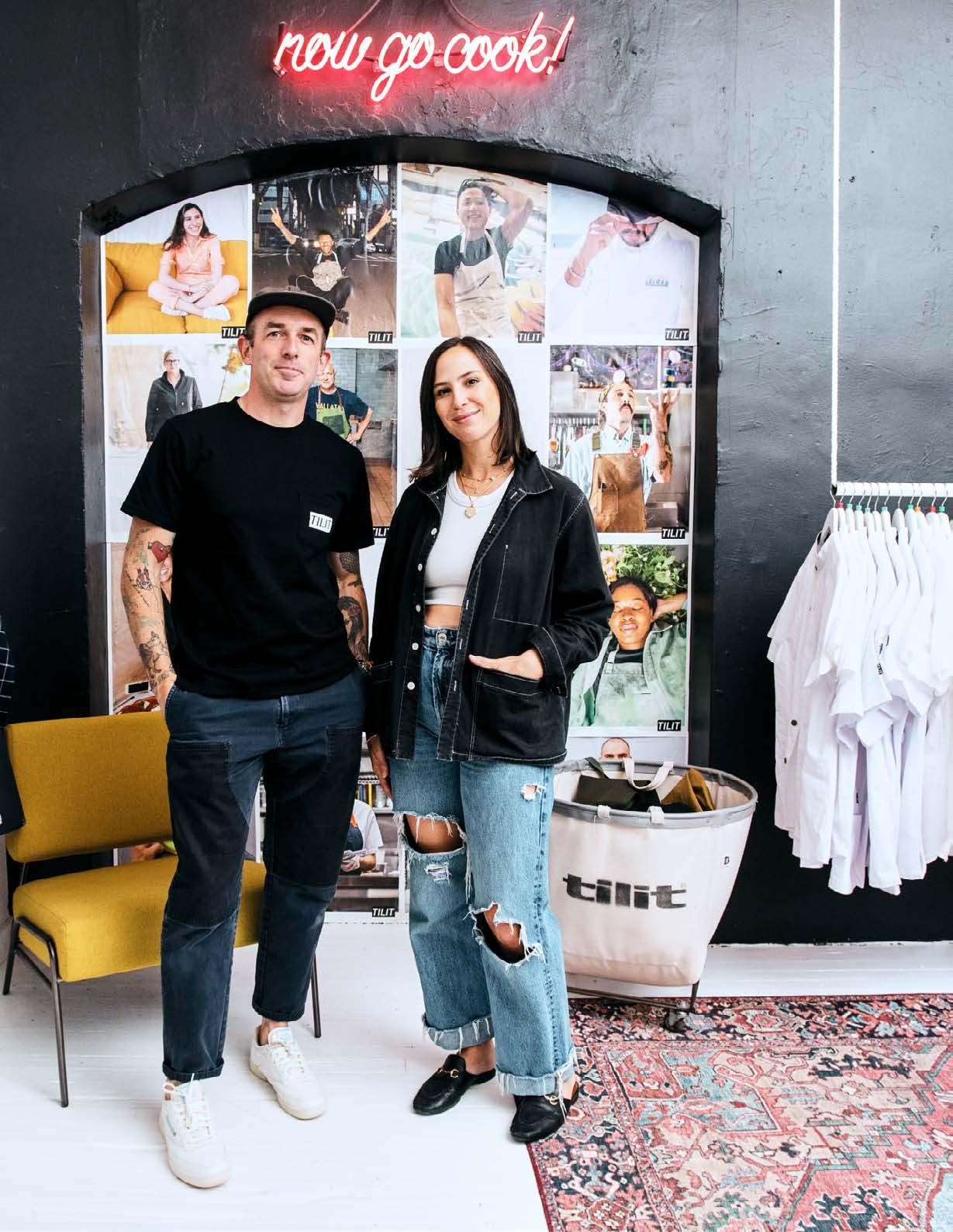
The Culinary Duo Behind Tilit, Crafting Threads of Flavor from Kitchens to Couture
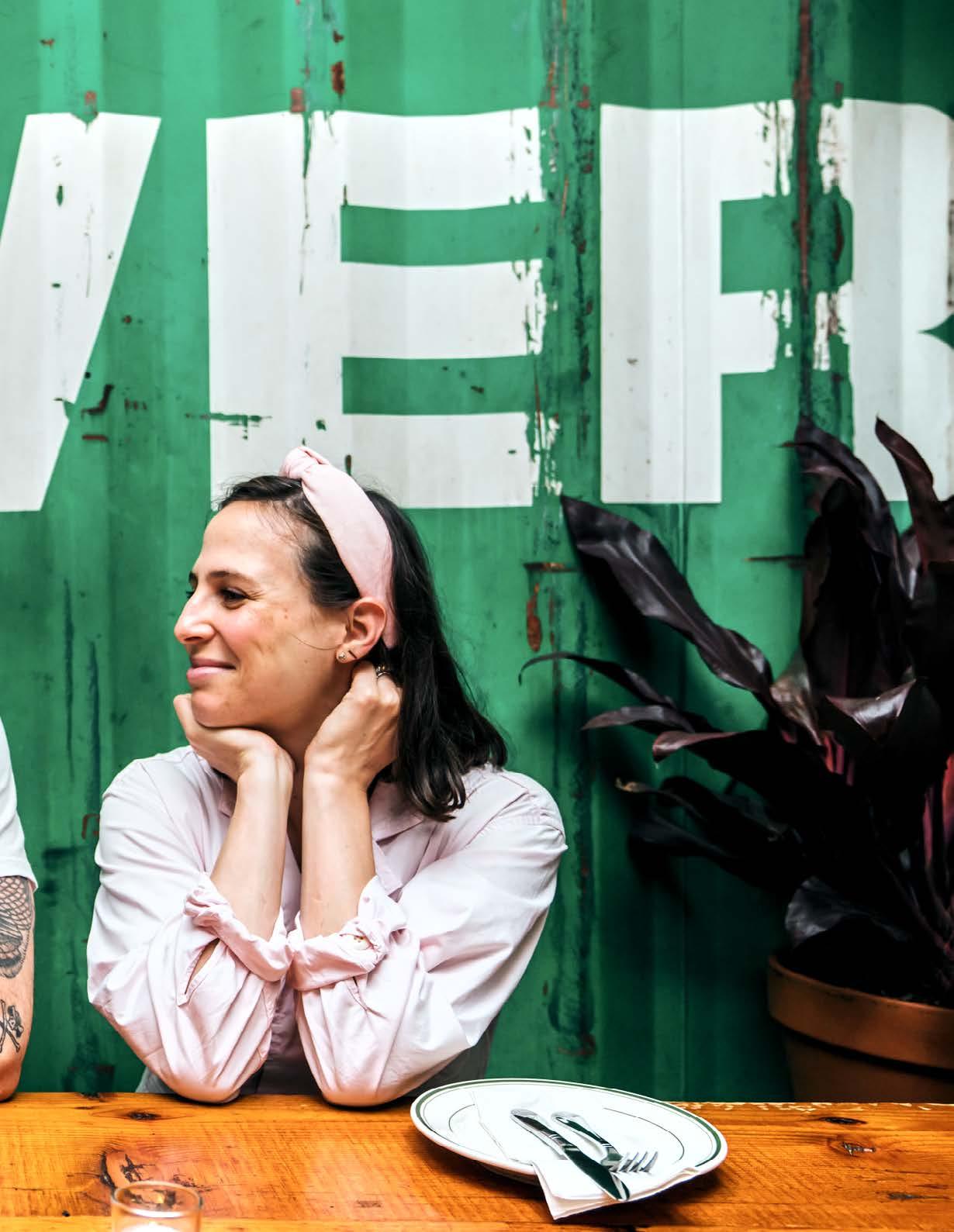
Growing up in New Orleans, Alex McCrery, one-half of the husband and wife team who founded Tilit, was always around great food. Like many who are passionate about cuisine from a young age, McCrery became a chef. From 2002 to 2005, he even worked at one of the premier restaurants within the city, Commander’s Palace. Most consequentially, in terms of both his personal and professional life, McCrery met Jenny Goodman, the other half of Tilit. Goodman was working in a front-of-house position while pursuing a degree at Tulane University. “It’s sort of like a cliched story, like front and back of house romance,” Goodman explains. After completing her studies, she moved to New York City, while McCrery remained in Cajun Country.
Fate would reunite the couple. When Hurricane Katrina hit New Orleans, McCrery decided to uproot his life and relocate to the Big Apple. Naturally, after his arrival, he reached out to Goodman, and the pair rekindled their relationship.
During his first years in New York City, McCrery worked in a number of restaurants. He then became a private chef, cooking for a range of high-profile celebrities and their families, including none other than Jerry Seinfeld. However, he and Goodman longed to do something together and eventually opened a restaurant of their own, named Good’s, in the trendy Brooklyn
neighborhood of Williamsburg, serving cafe fare with a Southern twist. “I think we learned a lot from the restaurant experience that we opened and closed pretty quickly, losing money there, it didn’t go great,” Goodman explains. McCrery continues, “I don’t think we would have Tilit the way we would have it today, had that not happened. We did all of the things wrong you could think of. We didn’t properly plan. We didn’t have a true financial plan. We didn’t have a true business plan.” However, what made this restaurant unviable was its location’s practical issues. The space had no plumbing and no gas. The time commitment and the costs of installing these utilities
were astronomical, and the couple soon determined that they should abandon the venture. McCrery states that the culmination of this experience “led to taking a very riskaverse approach to Tilit.”
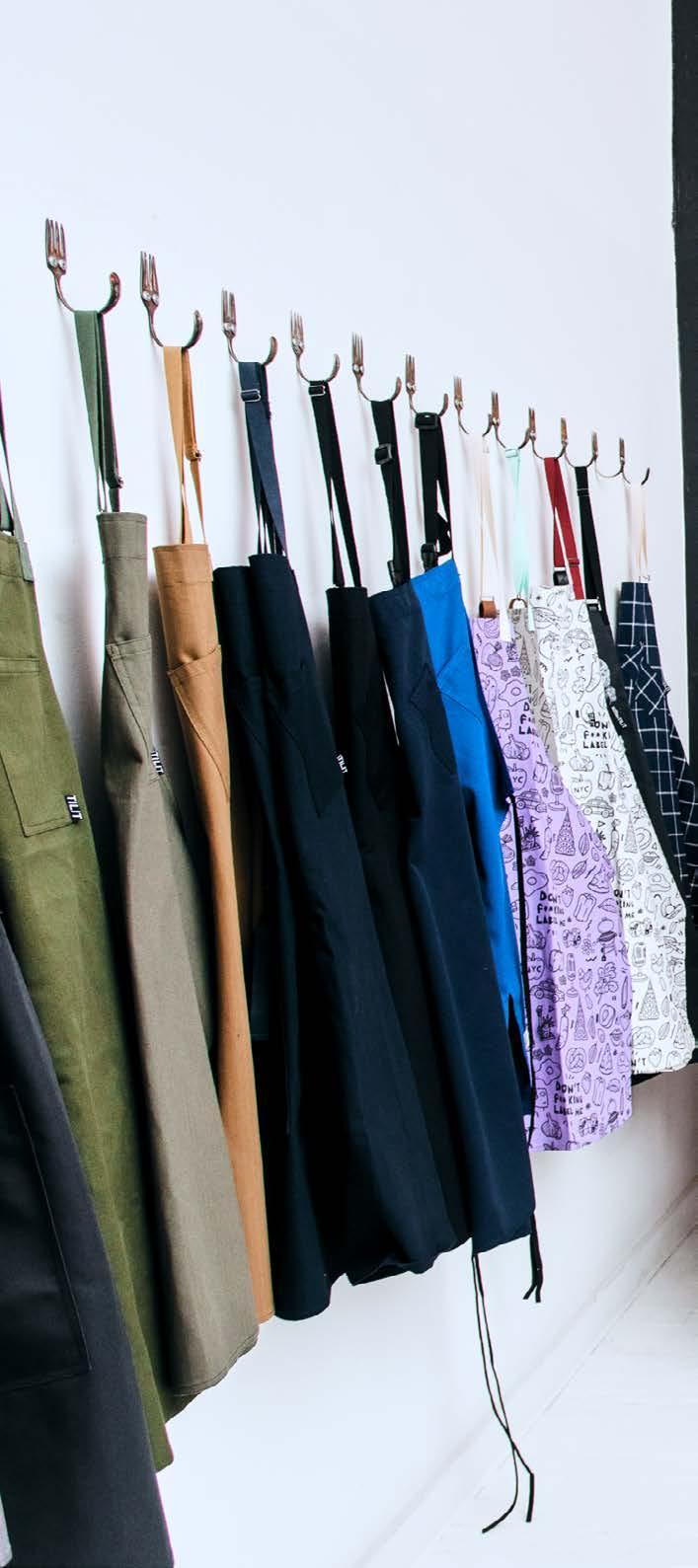
While McCrery was working as a chef, he noticed that the typical culinary workwear was not up to the standards of the demands of the industry. “Going to the green markets, going to the grocery stores, that’s really where the epiphany [began.] Wearing these silly, old-school, outdated, commodity product uniforms didn’t make sense to me. That’s where we got the idea, and just decided there
needed to be better options for chefs. The way that the industry was changing and the way that people were working was changing. Kitchens were coming out of the basement into the front of house. Chefs were definitely becoming celebrities on TV, and people wanted to know who was cooking their food.”
To meet this increasing demand for flexible chef workwear, McCrery and Goodman officially launched Tilit in 2012. After the struggles of their restaurant, they were determined to take a slower, more strategic approach to growing this new business. Goodman had also decided to
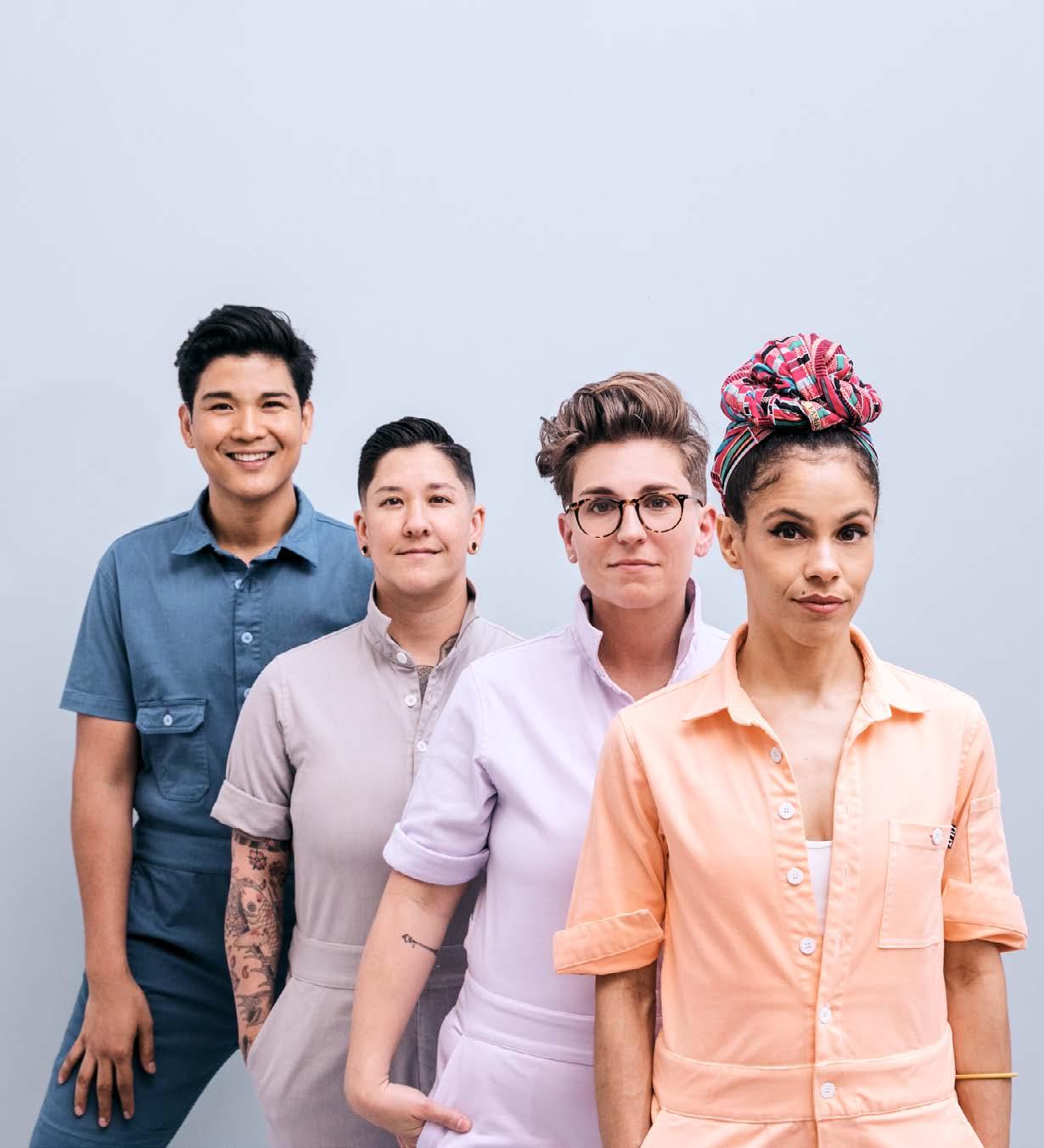
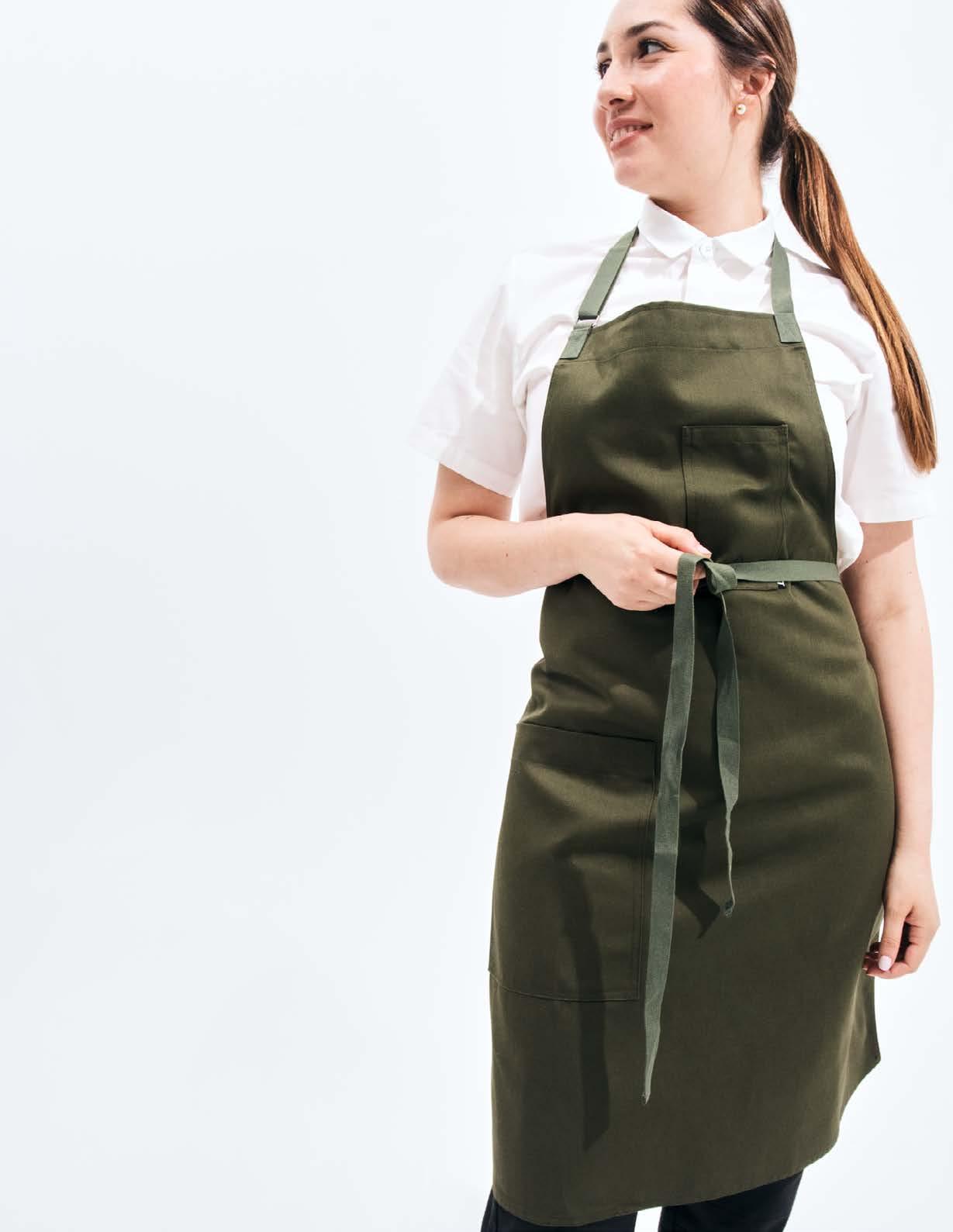
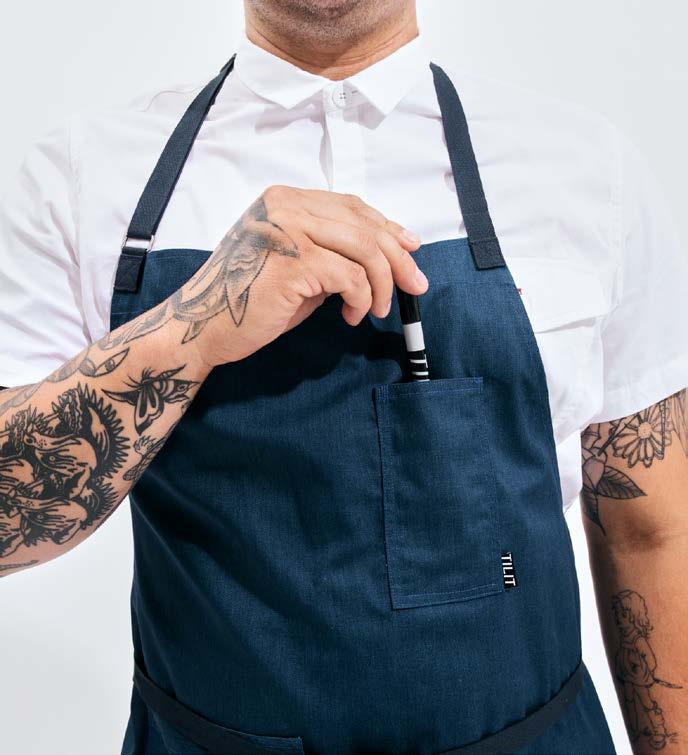
pursue a master’s degree, restricting the amount of time that she could physically spend growing Tilit. Initially, the brand only sold two aprons, one pair of pants, and a shirt. Today, these products are still on offer, alongside a wide range of other items. However, these original pieces have evolved alongside the brand. “They’ve obviously improved over time, better fabric, better stitching, better trimming,” McCrery explains.
In the spring of 2013, Tilit really began to take off. McCrery decided to make the leap to managing the company full-time to keep up with the increasing demand. In the fall of 2013, Goodman completed her master’s degree and was also able to join McCrery in running the business. The two realized that, thanks to launching the company at their own pace, they were able to balance each other’s strengths. “I’ve always been really good at the product design, but I’m a terrible salesperson, so I was willing to give everything away, and never would have had a business had Jenny’s business side not come into it and really set a foundation for a business that could grow,” McCrery says.
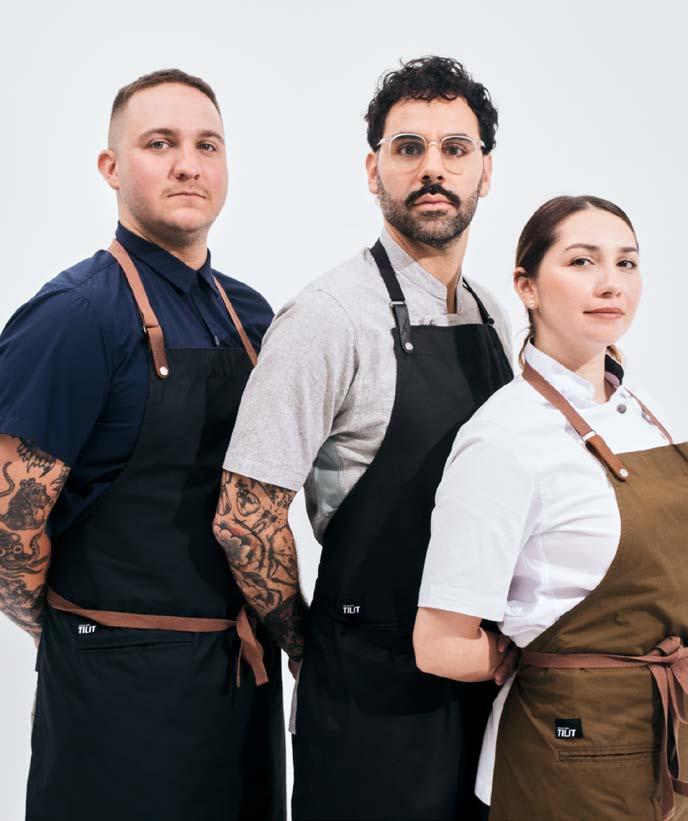
Soon, the two found an outstanding way to market the brand, which can be easily understood with Tilit’s slogan: Cooking Is Sport. “Thinking about how restauranteurs and chefs perform in this high heat environment, working long periods of time, it’s a very body stressful situation, and comfortability is important. You’re sweating, you’re building, you’re hustling. So all of those things are very relatable, I think, to how an athlete might train,” elaborates McCrery. He also explains how their practical experience in the restaurant industry allowed them to offer something more appealing than the competition. “I think that one of the problems that I’d found with uniforms before was that I honestly felt like the people selling me the uniforms were not wearing it. It was definitely a commodity product that was meant to burn and toss. Our product is not. It’s meant to be enjoyed, it’s meant to make you feel really proud of who you are and what you’re doing.”

As Tilit became more established, it enjoyed additional growth thanks to impactful collaborations with other brands. These have even led to further collaborations with even larger names, including the 2024 collaboration with Miller High Life. Goodman explains how this came about. “Miller High Life actually reached out to us after they saw our Cambro cup on the website and was like, ‘You guys really seem to know this industry.’ Not only did they reach out to us, but they were so excited about reaching the chef community. From a product perspective, they were really generous with letting us use their brand assets and having a lot of fun with them.”
This collaboration resulted in a product that seemed outlandish but has become a hit: a golden throne styled from a milk crate topped with a velvet cushion, which is a tongue-in-cheek reference to the fact that many chefs sit on milk crates during breaks at work. The product sought to offer something similar but more refined. Initially, the product was supposed to be little more than a promotional gimmick sent out to a select few restaurants, but after hearing positive feedback, McCrery and Goodman decided to put them up for sale for $175. They were doubtful that the throne would sell at all, but within twelve hours of the product launch, the milk
crate thrones sold out. Today, there’s still a waitlist for the next batch.
Many entrepreneurs rave constantly about their businesses being innovative. Entrepreneurs like Alex McCrery and Jenny Goodman are innovative without feeling insecure enough to declare it constantly.
This husband and wife power couple effortlessly communicates just why they have found so much success to date. They’re candid about their setbacks, open about how they take risks, and sincere when they say that their achievements are the result of forming a partnership based on mutual respect.

“Our product is… meant to be enjoyed, it’s meant to make you feel really proud of who you are and what you’re doing.”


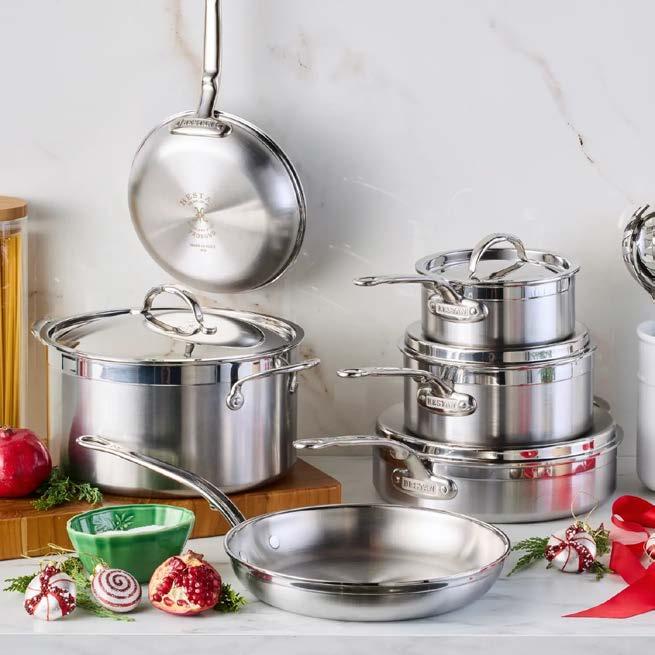
Just like anything in the kitchen, to create exceptional cookware, you must begin with exceptional ingredients. So we built our factories in Italy to ensure every vessel is crafted with the world’s best materials, machinery and hands at work.


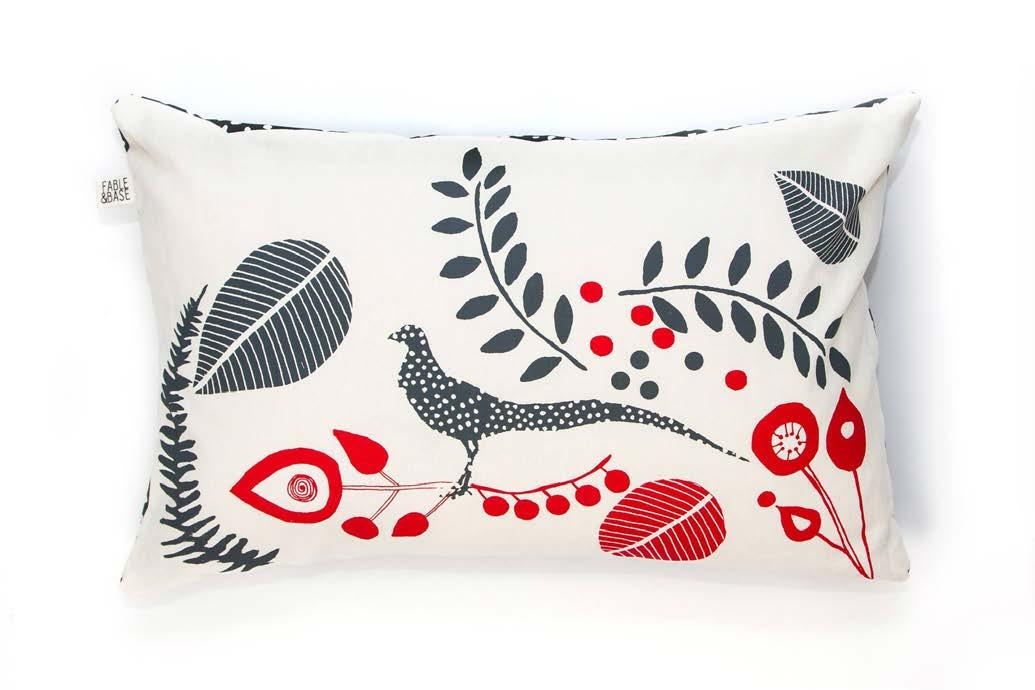
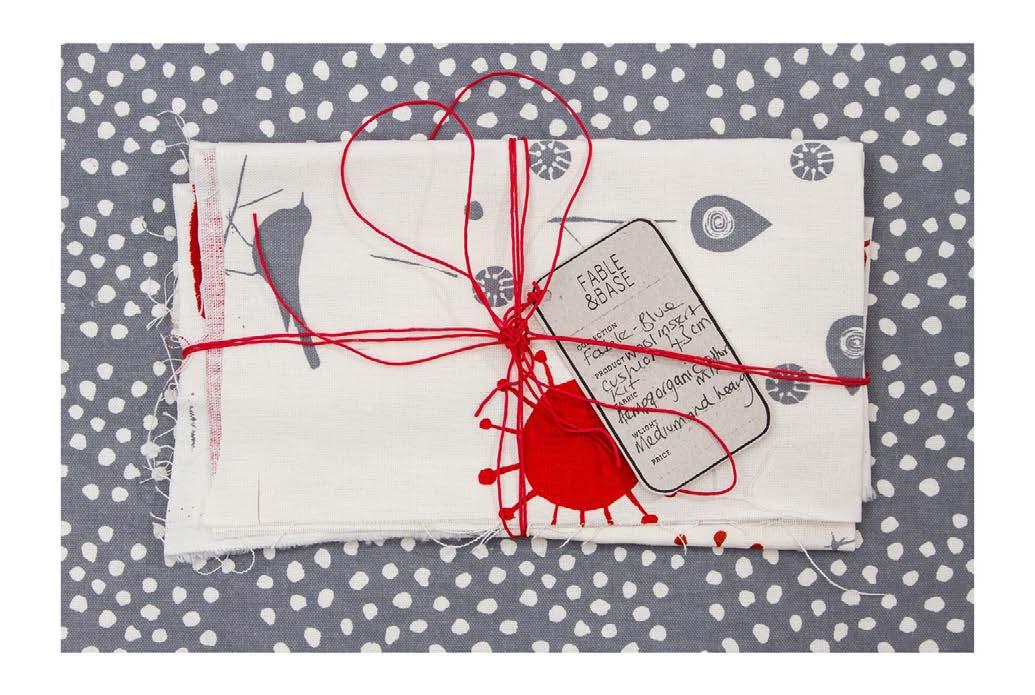

Plant-based designs bringing the outside in & celebrating the natural world
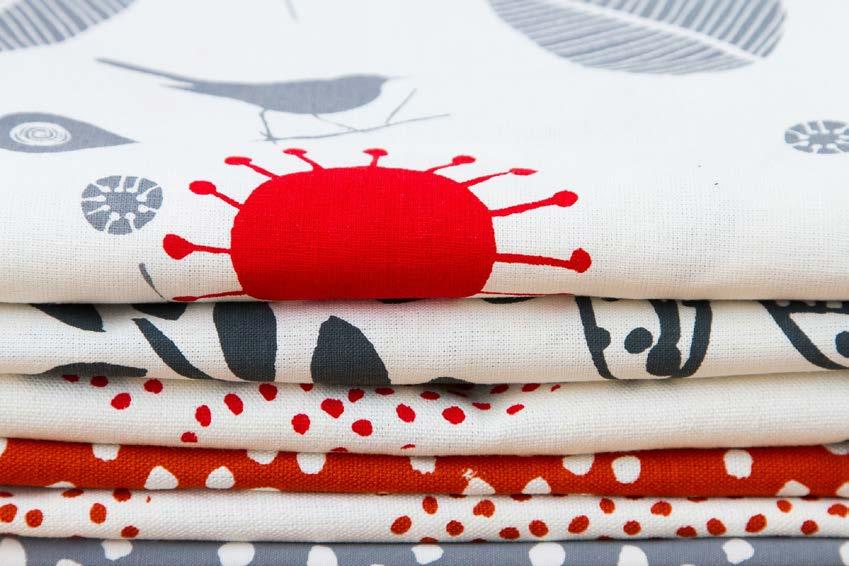

fableandbase.co.uk
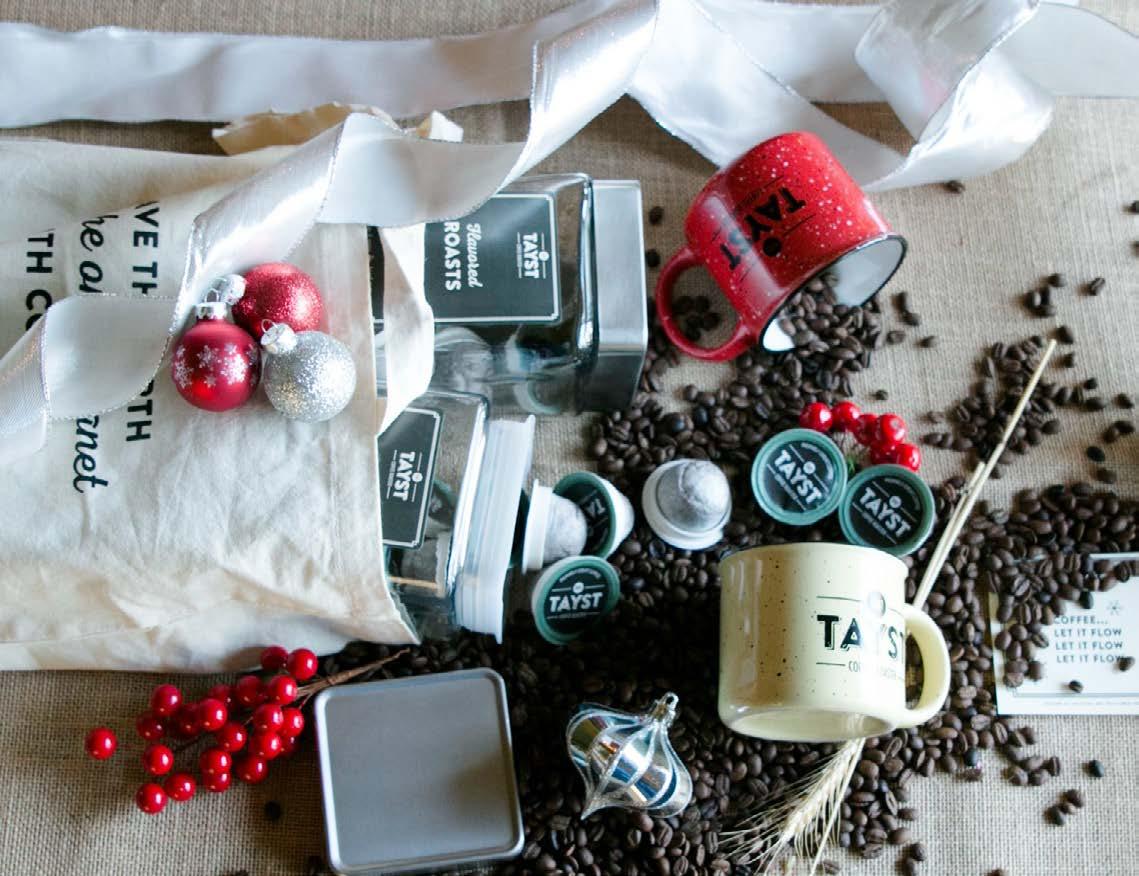

No... seriously, you’ll drink it and crave it, but don’t worry... we can send it to your home or office monthly, so you’re good!
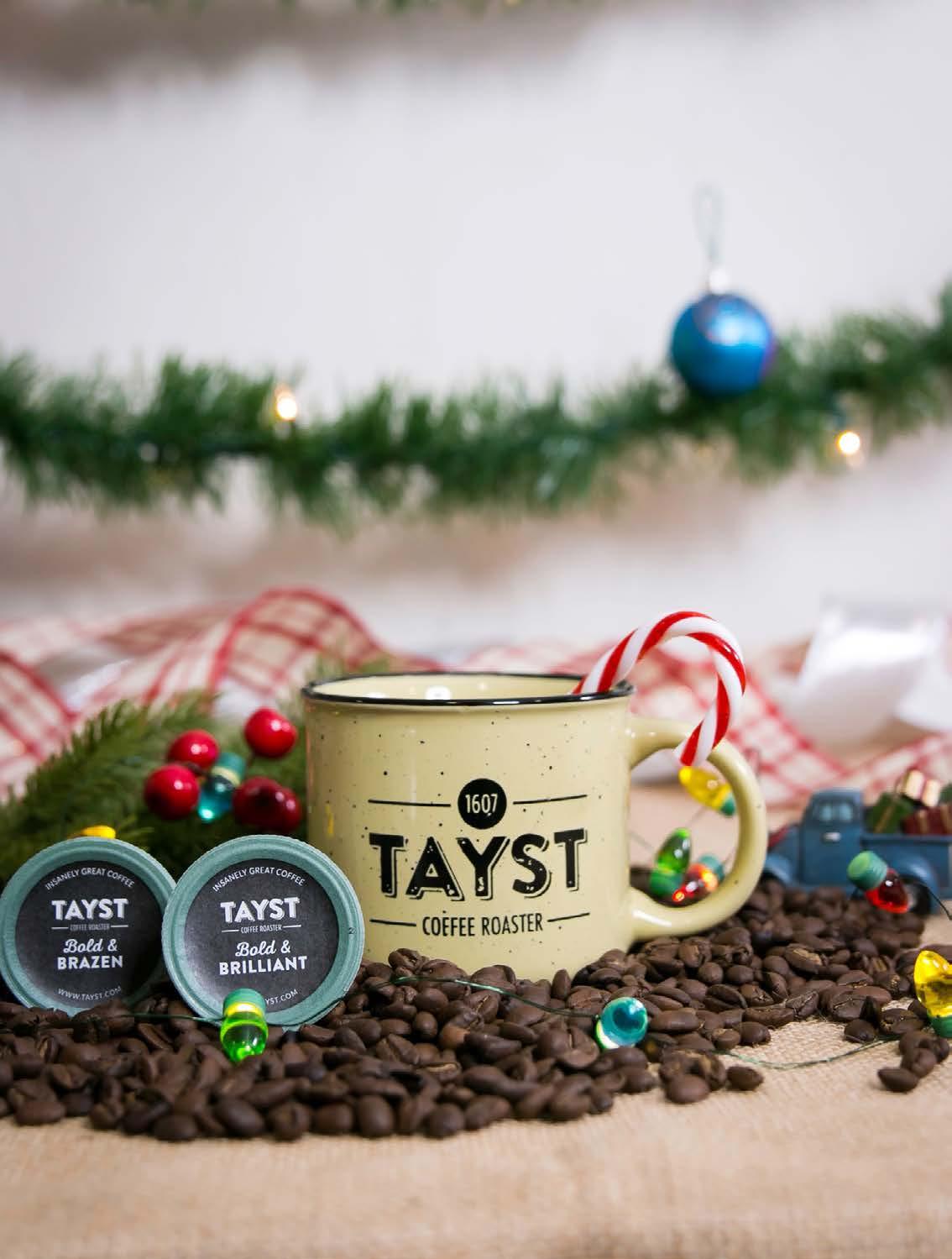
DISCOVER A COFFEE YOU WILL CRAVE
Revamping Apéritif Culture
WORDS | LINDSAY HEIMAN, IMAGES | MARC PAGANI, MAKERS AND ALLIES, LIZA GERSHMAN, SCOTT BEATTIE COCKTAILS
Discover the Journey Behind Rue de Rêve’s Fusion of French Tradition and Californian Flair
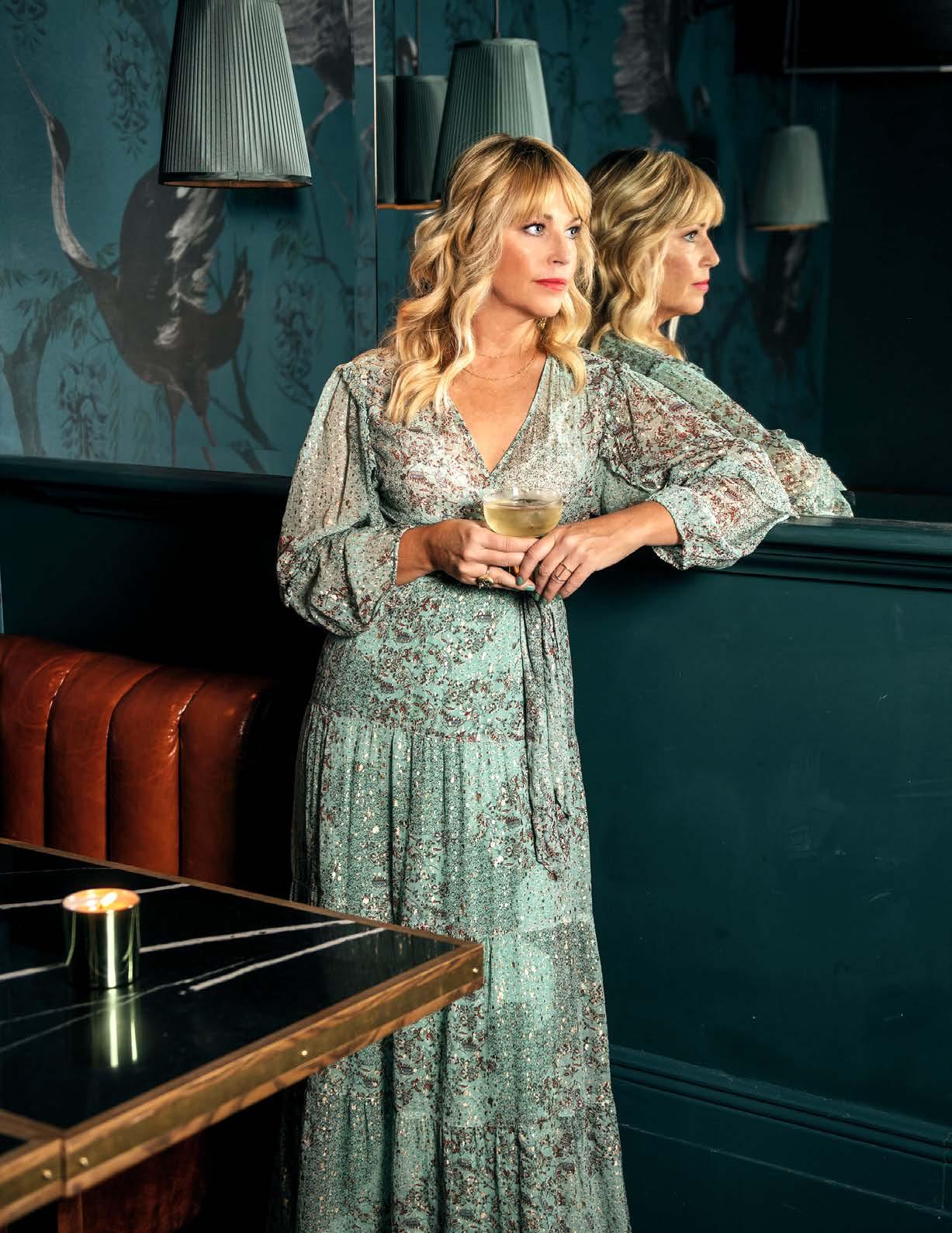
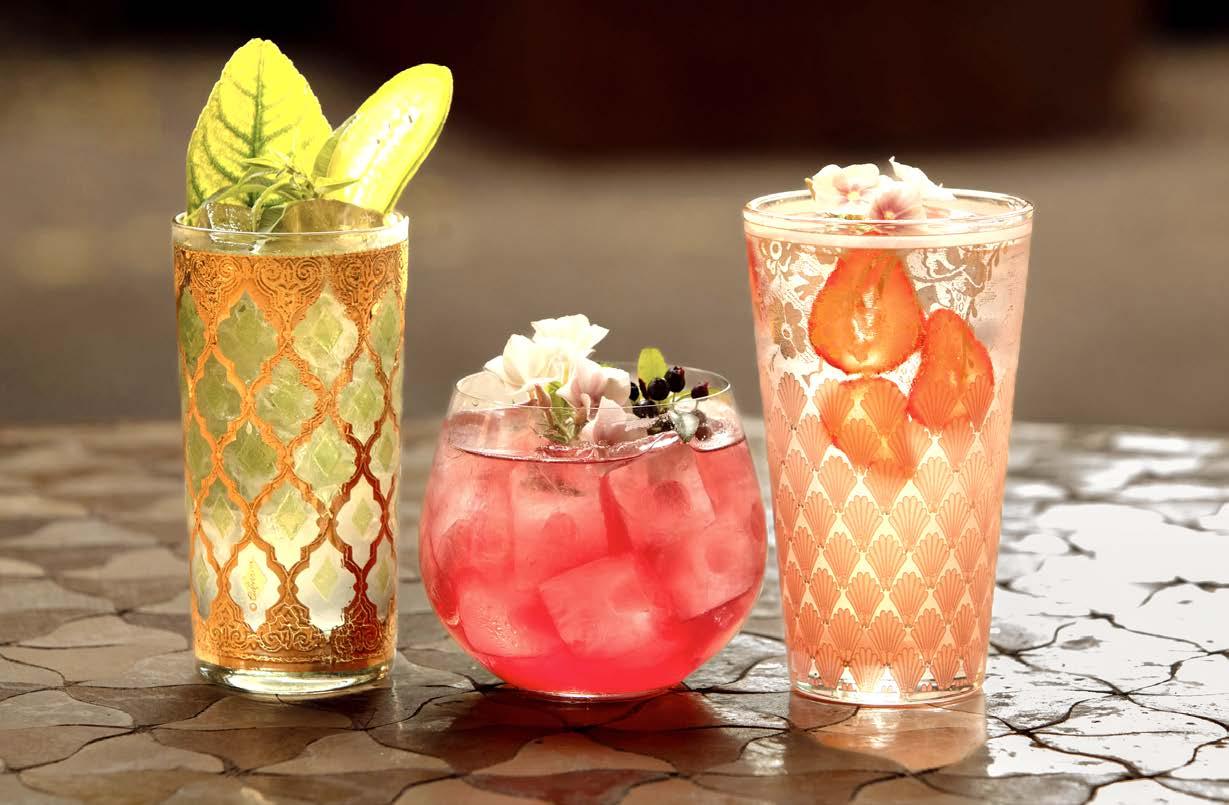
Startup culture remains a challenging frontier, but Jennifer Kimpe and JeanneMarie Hebert of Rue de Rêve Apéritifs are blazing a trail in the male-dominated alcohol industry. Their story, rooted in friendship and shared vision, radiates resilience and forward-thinking as they work to bring something entirely new to the US market: a modern take on European apéritifs infused with the vibrant flavors of California.
Kimpe and Herbert’s journey from longtime friends to co-founders of an apéritif brand is about crafting an experience that invites people to pause, savor, and enjoy life’s special moments.
THE WOMEN BEHIND THE GLASS
“We always knew we wanted to do something together,” recalls Hebert, smiling as she reflects on their twentyyear friendship. “We’ve traveled together, raised our kids together, and after years of being in different industries, we
realized there was another chapter ahead of us. Something that would let us bring all our passions together.”
That realization came into focus during the pandemic when a planned celebratory trip to Ireland fell through. Instead, Kimpe and Hebert found themselves on a scenic road trip along California’s stunning Highway 1. As they soaked in the coastal beauty, their conversations turned from the everyday to the extraordinary. “What would we do next?” they asked themselves. “What could we create that hadn’t been done before?”
That road trip birthed the concept of Rue de Rêve—a brand inspired by their love for French culture, travel, and a littleknown European tradition called apéro, or apéritif. “We realized there was room in the US market for something fresh,” explains Kimpe. “The apéritif culture in the US was ripe for innovation, and we thought, why not create something lighter, brighter, and more approachable, using local ingredients?”
THEIR DEBUT
Apéritifs, which have long been part of the dining culture in France, are typically enjoyed before a meal to rouse the appetite. But for Kimpe and Hebert, apéritifs were more than just pre-dinner drinks—they were a way to bring people together, to slow down and celebrate life in its simplest and most beautiful forms.
Thus, Rue de Rêve was born. The brand name, which means “Dream Street,” is a nod to their shared love of French culture and the scenic California coastline where their business idea was first conceived. “It represents our dream of creating a product that embodies beauty, connection, and savoring the moment,” says Hebert.
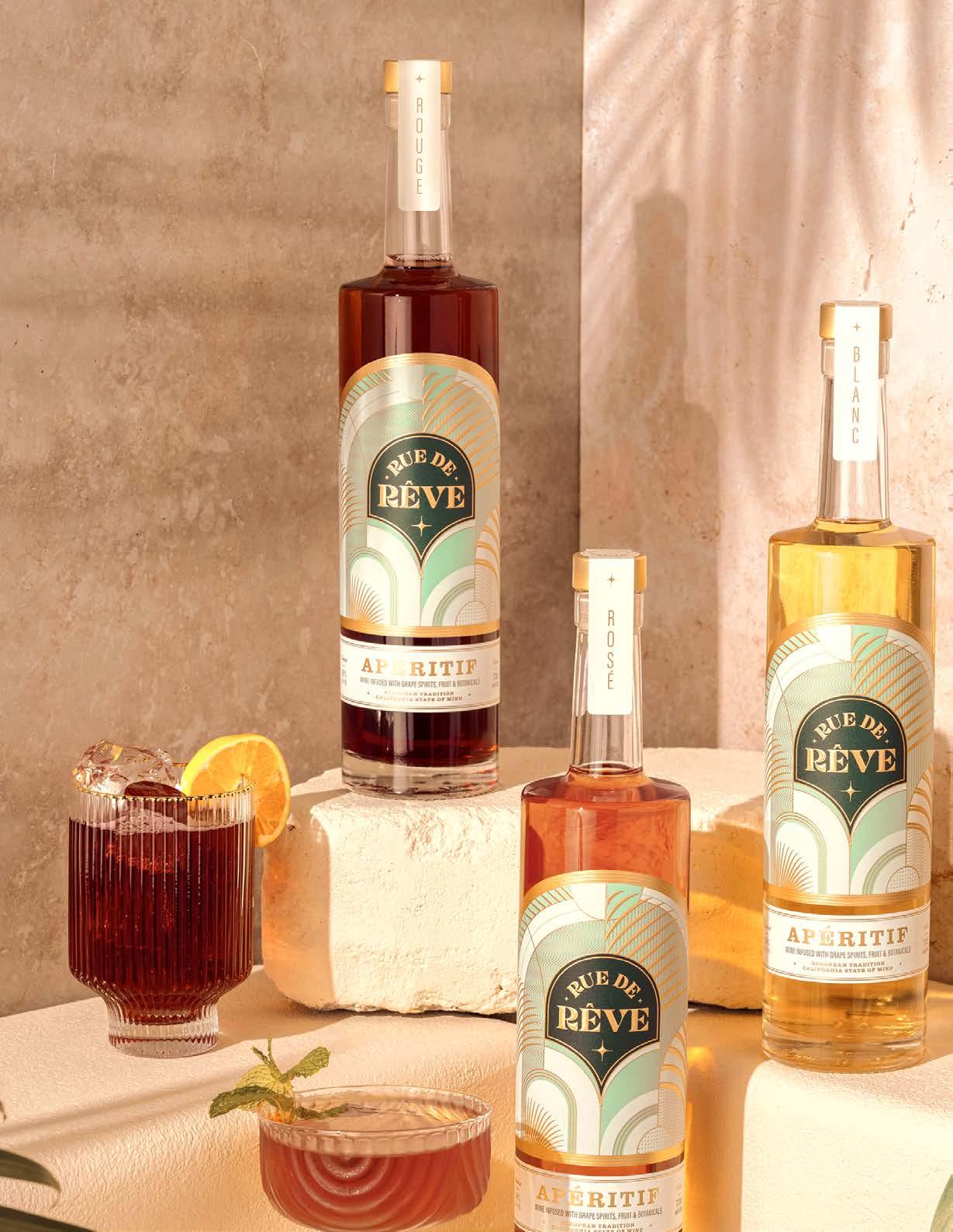
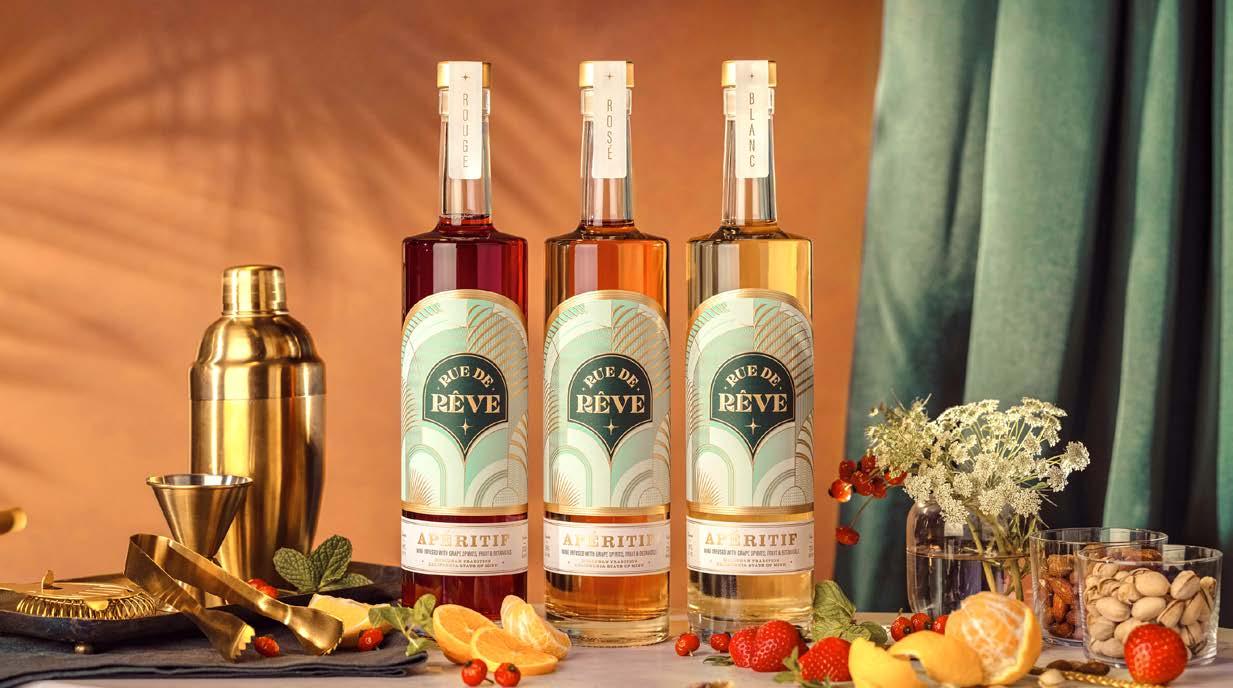
Their debut product, Rosé, a refreshing blend of Sonoma Coast rosé wine brightened with flavors like strawberry, rose hip, and mint, was just the beginning. Soon, they added the Blanc and Rouge varietals, each carefully crafted to reflect
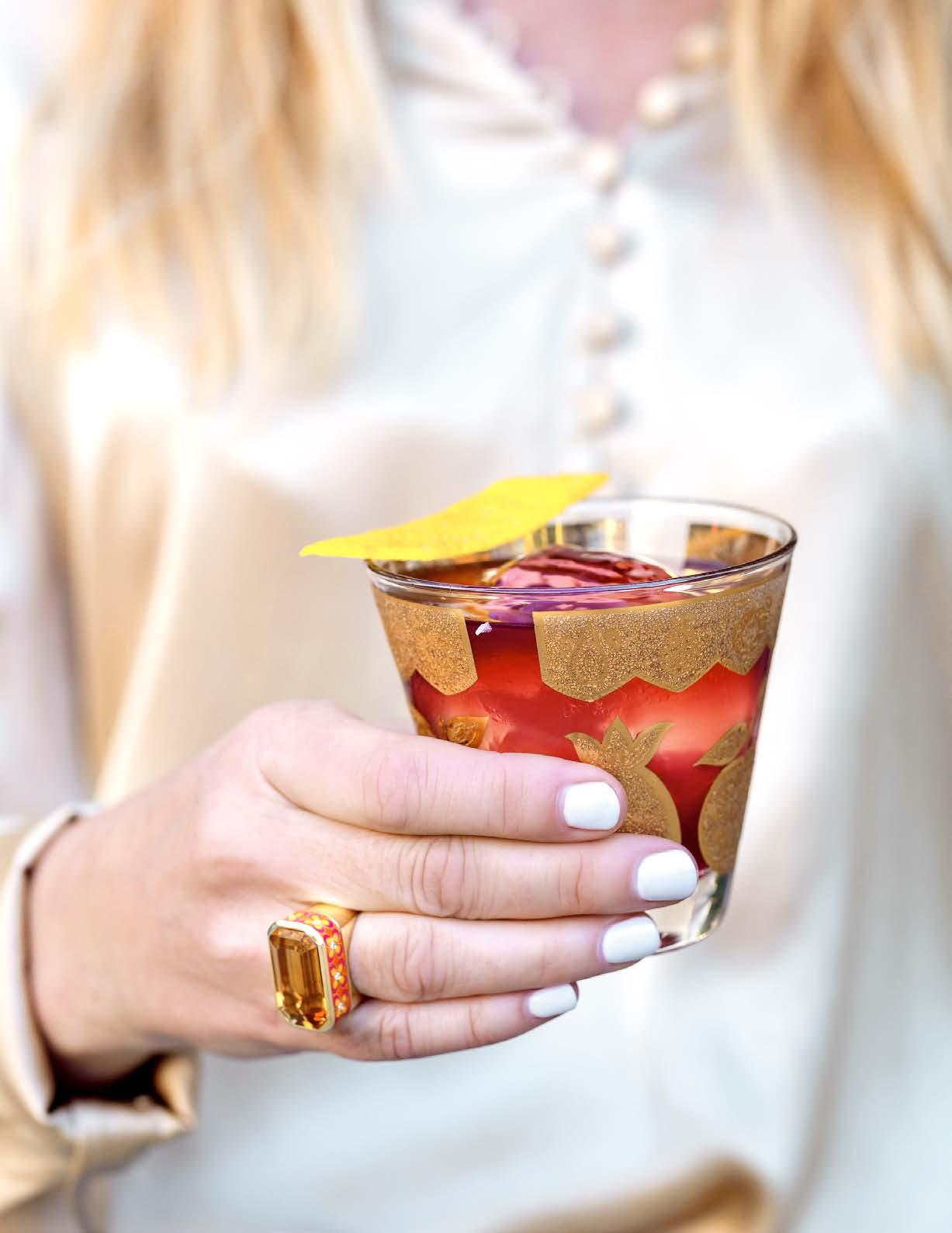
“We always say that apéritif isn’t just something you drink— it’s something you do… It’s about taking a moment out of your day to celebrate being with the people around you.”
the bounty of California’s local ingredients. “We wanted to create something that reflected California’s easy-breezy lifestyle,” Kimpe adds. “Each of our apéritifs is a reflection of a light, approachable spirit.”
In lieu of crafting just a drink, Rue de Rêve strives to create an entire lifestyle around apéritifs. From the bright, playful packaging to the curated playlists and artisanal glassware that accompany each bottle, every detail is designed to evoke a sense of occasion.
Whether it’s a spontaneous gathering or a planned dinner party, Rue de Rêve apéritifs are meant to elevate the experience. Their partnerships reflect this philosophy. Recently, the company collaborated with Point Reyes Farmstead Cheese Company to create perfect pairings for its apéritifs. “We were amazed at how well our Rosé paired with Gouda, while the Blanc and Rouge varietals worked beautifully with Truffle Brie and Fennel Blue cheese,” Kimpe explains. “It really elevated the entire drinking experience.”
“Rue de Rêve isn’t just about apéritifs… It’s about indulging in your dreams, taking time to celebrate the small, beautiful moments in life.”
This attention to detail extends to the design ethos as well. “We want to create an environment where people can slow down, connect, and enjoy the moment,” Hebert explains. “Whether it’s elegant glassware, candles, or the perfect playlist, we’re advocating for those beautiful moments of connection.”
As with any entrepreneurial journey, Kimpe and Hebert faced challenges along the way. “But we stayed true to our vision and values, and that’s what guided us.” Despite these hurdles, they found a strong network of support—especially from other women entrepreneurs. “The women we reached out to went above and beyond for us,” Hebert shares. “We were blown away by the generosity and encouragement we received. That’s something we want to pass on to other
women founders—reach out, build your community, and don’t be afraid to ask for help.” Their advice to aspiring female entrepreneurs is simple yet powerful: “Go for it. Get your hands dirty, stay true to your vision, and don’t be afraid to lean on your community,” Kimpe encourages.
As for innovating in a competitive market, what sets Rue de Rêve apart in an increasingly crowded industry is the founders’ dedication to quality and sustainability. Their apéritifs are crafted with organically grown grapes, and they prioritize local ingredients and sustainable practices at every stage of production. “Sustainability is always top of mind for us,” says Hebert. “We’re making intentional choices, from sourcing our ingredients to minimizing waste in production.”
Their dedication to creating a sustainable, high-quality product has paid off, with glowing reviews from both customers and industry professionals. “We’re really proud of the feedback we’ve received,” Kimpe says. “People love that our apéritifs are lighter, brighter, and more natural than anything else on the market.”
It’s not just the taste that makes Rue de Rêve stand out. Their vision for the brand extends far beyond the bottle. “We’re creating a lifestyle brand that goes beyond just what you’re drinking,” Hebert explains. “It’s about the whole experience—from the packaging to the music, the glassware, and the ambiance.” For Kimpe and Hebert, Rue de Rêve isn’t just a business—it’s the culmination of years of friendship, shared passions, and dreaming big. From the scenic drives along Highway 1 to the long hours spent perfecting their formulas, every step of their journey reflects the values that they hold dear: beauty, connection, and the courage to chase your dreams.
As their brand grows, so too does their commitment to inspiring others. “We hope that through Rue de Rêve, we can encourage others to pause, reflect,

and dream big—because dreams are where the magic happens,” Kimpe adds with a smile. From dreamers to dream makers, Rue de Rêve invites all of us to pause, sip, and savor the beauty and joy that can be found in even the smallest moments, welcoming you to embark on your own journey down “Dream Street.”
@ruedereveaperitifs @lindsaymeetsworld_

FOUNDERS
Jennifer Kimpe and Jeanne-Marie Hebert

A CAREFULLY CHOSEN SELECTION OF ITEMS FOR PEOPLE THAT ENJOY “THE
FINER THINGS IN LIFE.”



EVERY CHOCOLATE HAS A STORY.™
We are experts in designing chocolate gifts of appreciation that capture your love story or showcase the sheer elegance of your event.



CONSCIOUSLY MADE CANNED LUXURY WINES FROM AROUND THE WORLD THAT TELL A STORY


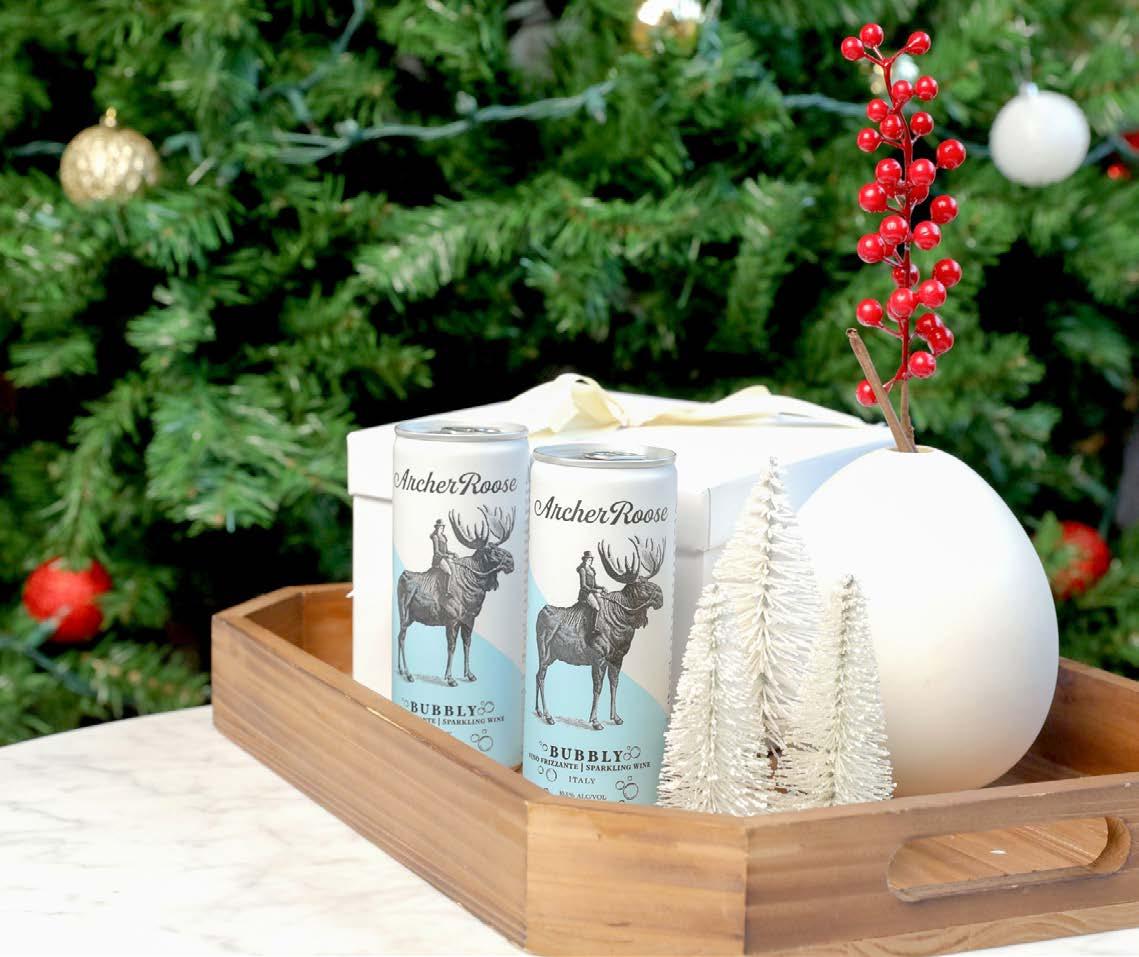

AFFORDABLE LUXURY WINES WITH MINIMAL INTERVENTION
SOULFUL SPOONS
WORDS | MARY-JANE DASER

Nourishing Black Food Stories Through Meiko’s Recipes & Community
Do you have that one friend who makes everyone wait at the restaurant or dinner table to take pictures of the food before every meal? Meiko, the creator of the food blog Meiko and the Dish and Eat the Culture, a community of African American creatives, used to be that friend before she turned that passion into a full-time business. Before Meiko and the Dish became a full-time business, the blog was a medium to document recipes for her friends who wanted to be creative with food. Now, it has grown into a blog where she shares recipes that are soulful based with a modern twist.
Being the first of four siblings, Meiko started cooking early and out of necessity. When she got older, she started cooking for friends in college, and people kept asking her for recipes. As the demand for her recipes grew, she began documenting them and realized there was a need and a desire for what she was doing. Her early introduction to the kitchen and her constant movement and relocation reflect a wider perspective on her culinary style. Meiko is heavy on flavours and is generous with them as she has mastered the art of layering them skillfully to create
an outstanding dish. Her recipes and creations tell the story of the rich diversity of experiences from various cultures and regions. A quick visit to her blog reveals a lot of barbecue, which reflects her roots in Kansas City; Mexican foods inspired by her time in California; and casseroles, a result of her time in Minnesota. Concerning the variety, Meiko says, “I take different ingredients that maybe wouldn’t naturally be in the recipe because I may want to put in flavors that remind me of my childhood or flavors that I feel like make it even better.”

“I take different ingredients that maybe wouldn’t naturally be in the recipe because I may want to put in flavors that remind me of my childhood or flavours that I feel like make it even better.”
Food for the Belly and Building Lasting Connections
Although she grew up in a family with matriarchs known for their cooking and recipes, she was not close to them and could not learn from them as much as she would have loved to. She moved a lot and missed out on learning their amazing recipes and skills. Meiko has her own family now, and she and her husband, also a food blogger and content creator, would love for their son and any other future children they may have to develop a deep love for cooking and an appreciation for where food comes from. She told TrooRa that her inspiration comes from a firm resolve to create this legacy for her children and watch them get familiar with the family recipes and dishes.
Meiko believes there is a lot of value in knowing how to cook, grow your ingredients, prepare a meal, and share how you feel and care about someone through food. In this era where everyone is focused on the hustle, having these skills is a desire for many people, and talking about them is one of the best ways to start a conversation, as food is a universal language that everyone understands. Meiko hopes her children see the value in these skills, utilize them, and take full advantage of them. She asserts that her family keeps her grounded and motivated and that “My family helps me understand my ‘why.’”
The hustling era introduced an array of convenient food trends focused on speed and quick fixes, where selfproclaimed chefs and cooks litter social media with three- or five-ingredient meals. Meiko admits that when she started blogging, she got caught up in the trend of fast-paced meals because that attracted more followers and was the easier way to build a brand—she soon realized that it was not her style and switched to a more authentic approach, where food is not merely a quick fix to satisfy hunger but part of a more meaningful culture that forms a solid bond to build connections that sustain body and soul.
Meiko started her blog to document her family’s recipes and pass on her culinary legacy to her children. She missed out on her family recipes and food traditions while growing up and wanted to ensure her children grew up with tradition in the kitchen. That singular desire has grown into a fruitful business she loves and birthed a community that Black creatives and bloggers call home.
To stay true to herself, Meiko has carved a niche to serve people who want to take their time preparing hearty meals for special occasions or big family gatherings. She is confident that taking time to cook special meals will always stay in style. “Slow-cooked, time-intensive meals with recipes are not popular in today’s hustle and bustle. But that is the way that I cook, and my market is people who are willing to put a little elbow grease into a recipe and make the meal worth your time. It is not for every day, but my market appreciates me for that.”
There Is Space for Everyone to Cook and Succeed
Meiko describes her culinary style as bold, flavorful, soulful, and innovative. She may be making classic dishes, but she uses technology and innovation to help her get there, primarily through the use of her digital camera. To perfect her craft, Meiko took photography classes to hone her skills so that she could perfectly capture and present a more appetizing image of every dish she created and share it with the world.
In sharing her creations, Meiko opened her heart in the form of a community, Eat the Culture. Eat the Culture is a community that focuses on celebrating Black creators and Black food stories. According to Meiko, all of the creators who are bloggers are doing it out of passion while also hoping that it grows into a business someday. “The more I learned about blogging, the more I wanted to share,” she recalls, and Eat the Culture was birthed to share knowledge about photography, SEO, the intricacies of building a blog, and how Black creatives can succeed.
Most importantly, Eat the Culture is a community where Black food creatives can talk about how Black meals and spices have evolved, the changes they have experienced over time, and how some spices may have remained from their African roots till now. The community enables Black creatives to talk about many things, from business to culture, and how they can continue to make an impact. As much as Meiko wants to document her recipes, create dishes, and pass on the knowledge of her family recipes to her children, the Eat the Culture community is dear to her heart. Here, she is giving other creatives space and room to shine and reinstating her unwavering stance that there is room for everyone to succeed and be the best they can be.
For future projects, Meiko is determined to stay true to who she is and encourages food enthusiasts who love originality and authenticity to like, share, try out the recipes and comment on her posts, which she says is the best way to support her and other Black creatives.

FOUNDER Meiko

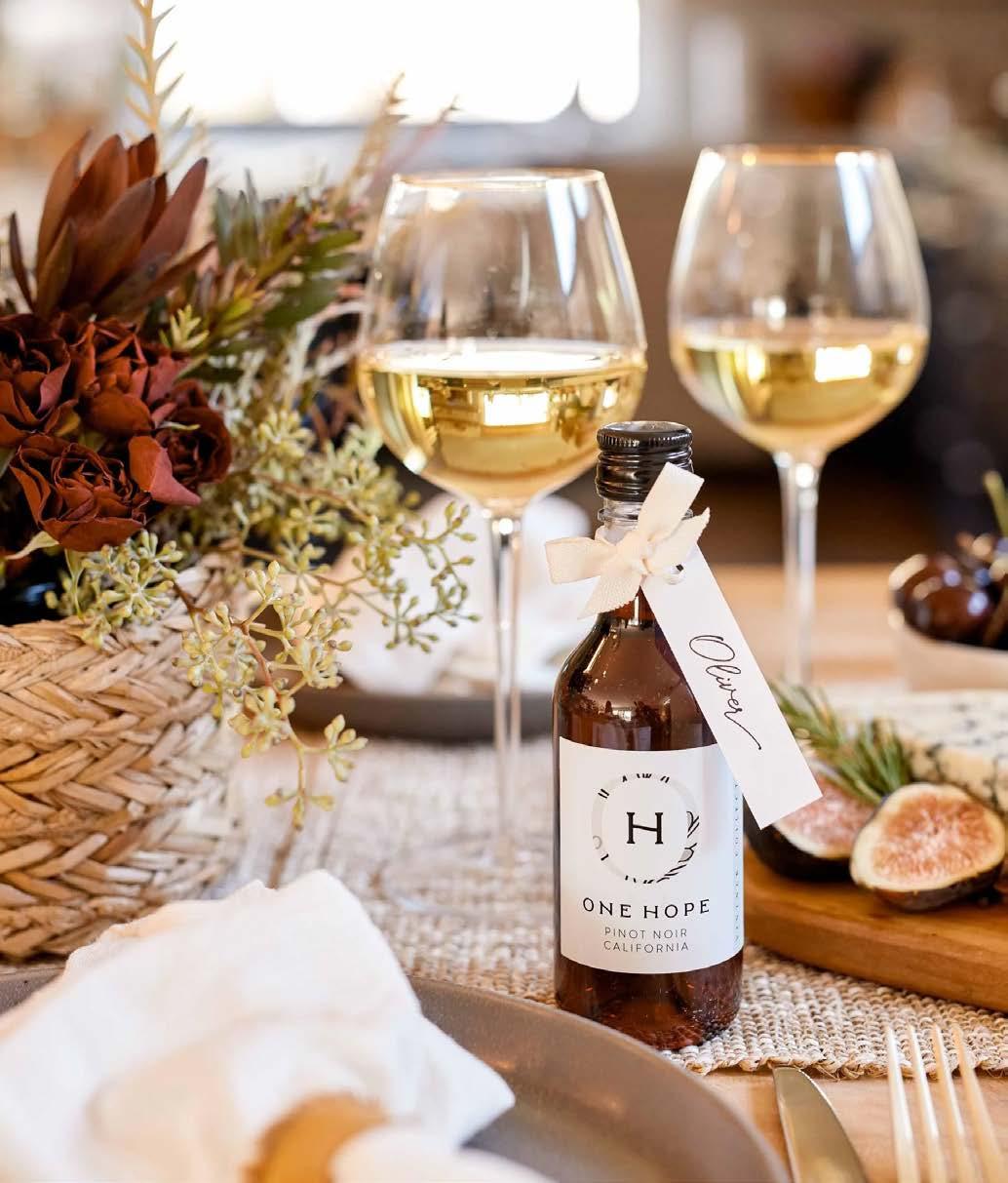
SHARE WINE + GIVE HOPE

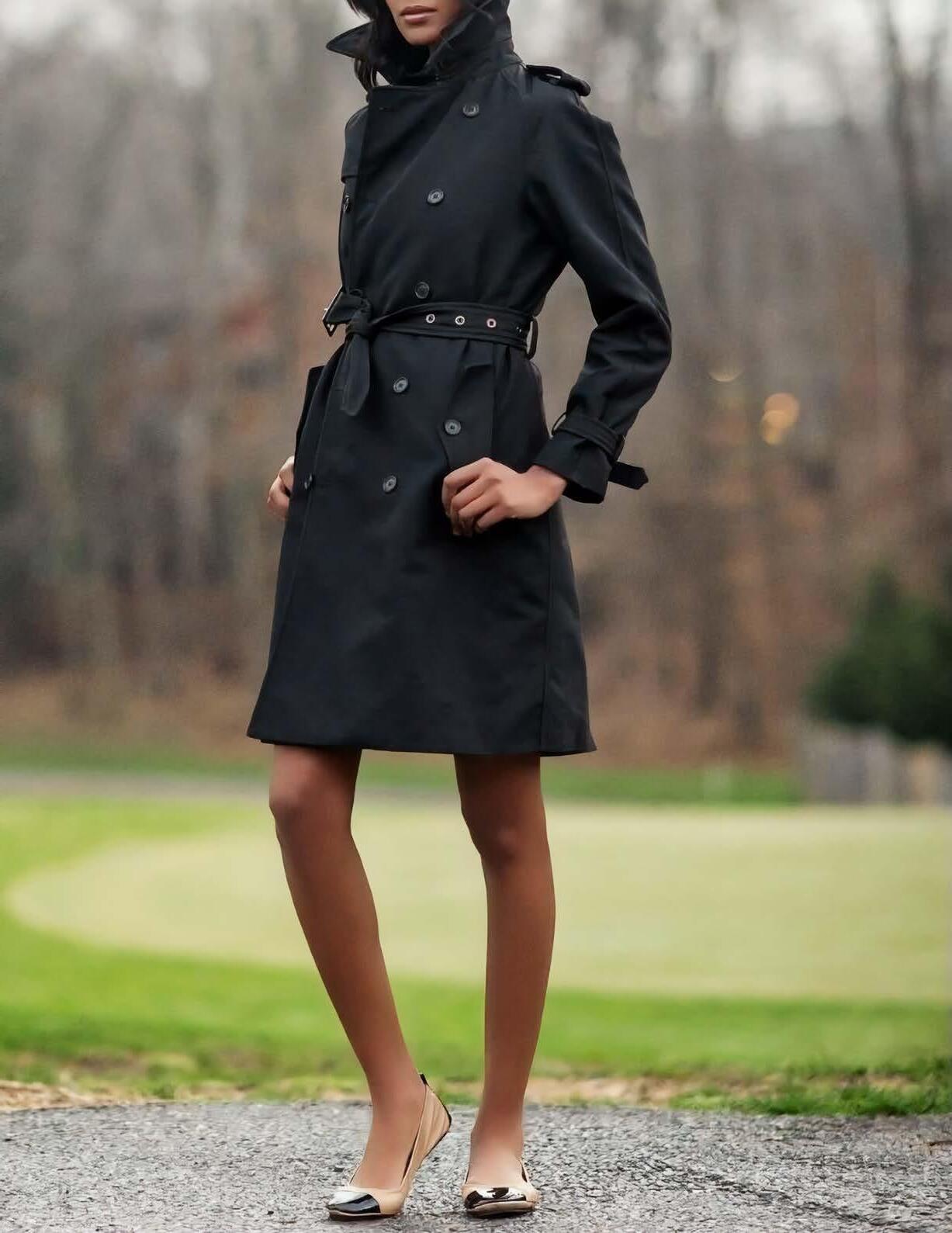

WE SEE YOU.
You’re sprinting to grab your morning latte, strolling after your yoga class, or alighting from the commuter train... in style.
THE EIGHT ROYALE FOLDABLE FLATS WERE DESIGNED WITH YOU IN MIND.
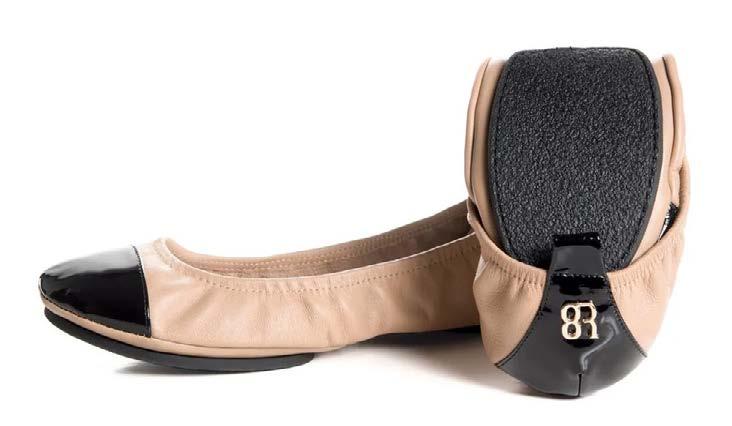
SOPHIA
Two-tone ballet flats have been worn by some of the biggest style icons to ever live such as Jackie O and Audrey Hepburn. We're pretty sure these lovely ladies would be huge fans of our fabulous designer flats! This particular style showcases an all over tan body, which is accented by a glossy black, patent leather toecap. Wear them to the office with a Black A-Line skirt or pair them with Capri black pants, a crisp, white shirt and a black blazer paired with gold for the perfect stylish outfit.
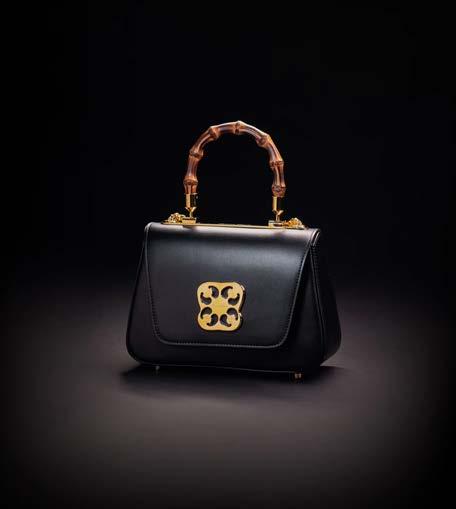
DOLCE VITA IN SILK BLACK
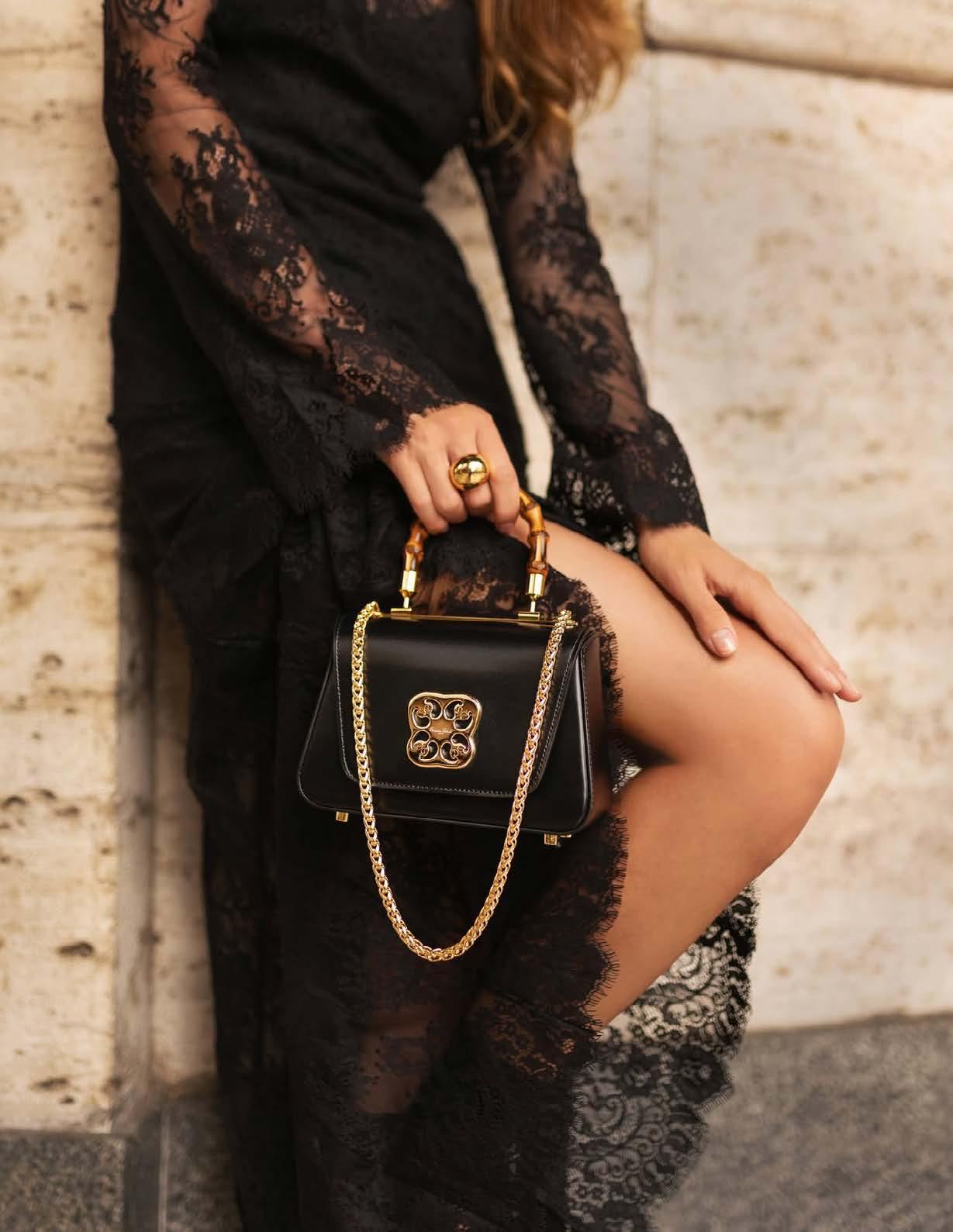
Introducing our exquisite collection of bags crafted with the finest Tuscan Silk Leather in Silk Black, offering a polished texture and a luxuriously soft touch. The unique design includes a delicately bent thin Bamboo Handle seamlessly attached to a metal framing, allowing for a graceful 45-degree movement in each direction.
Standing tall on four bottom studs, these bags showcase meticulous craftsmanship and attention to detail. Elevating the design further is the distinctive Benjamin Babadi "Bote Jeghe" logo, meticulously crafted in brass and double gold plated, adding a touch of sophistication to each piece.

benjaminbabadi.com
Fashion

A FAMILY ATELIER
DEVON
DARK, EDGY, AND ROMANTIC
WORDS | CRISTINA DEPTULA
IMAGES | DEVON ROSE, ELIZA LOGAN, TINA MALINGA, JERAMIE CAMPBELL
Exploring how the pandemic allowed San Francisco fashion designer Emily Sue Payne to reset and refocus on her mental health and relationships. We dive into her aesthetic, inspirations, growth and change over the years, collaboration with her husband and teen daughter, how she sees American fashion evolving, and her plans for the future.
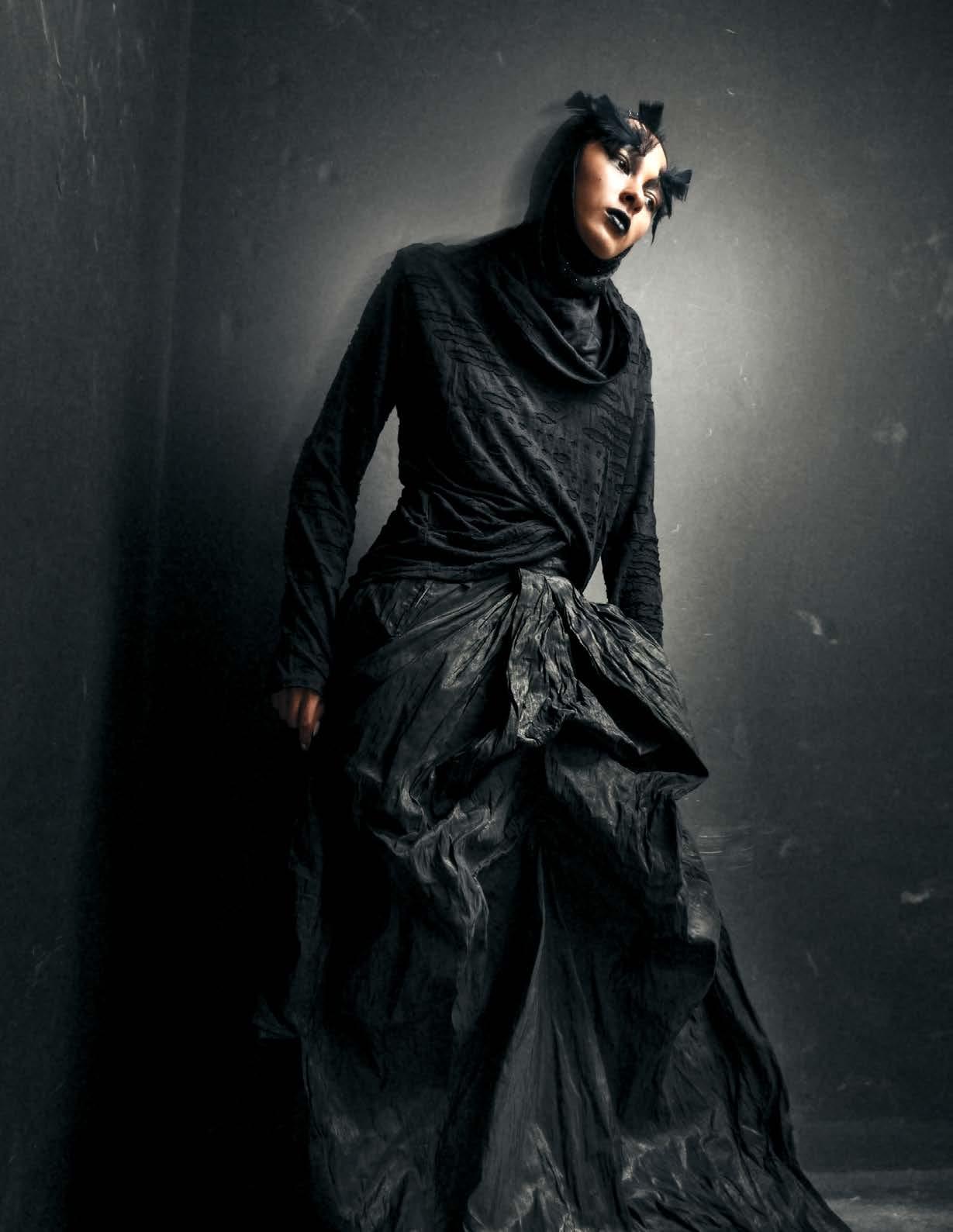
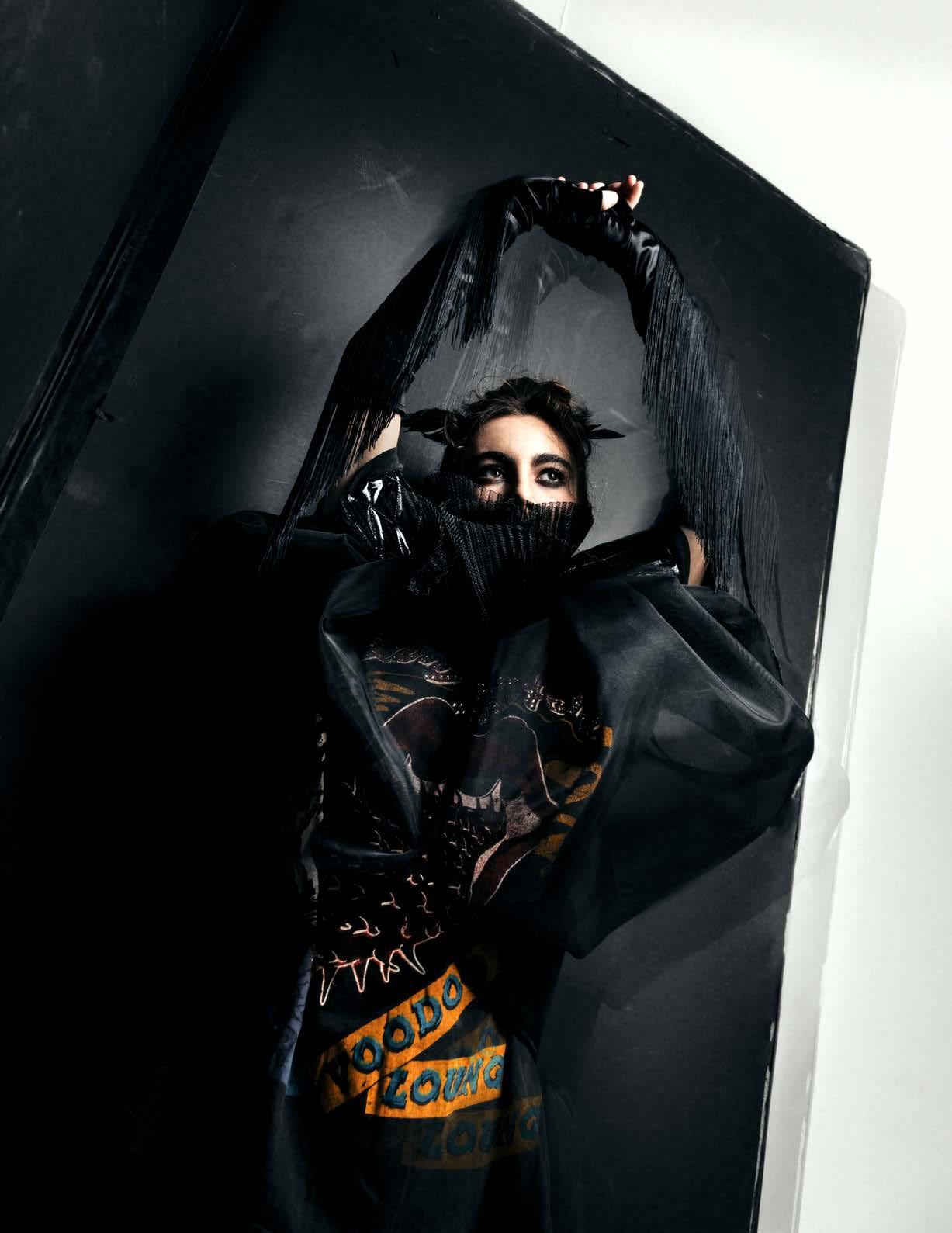
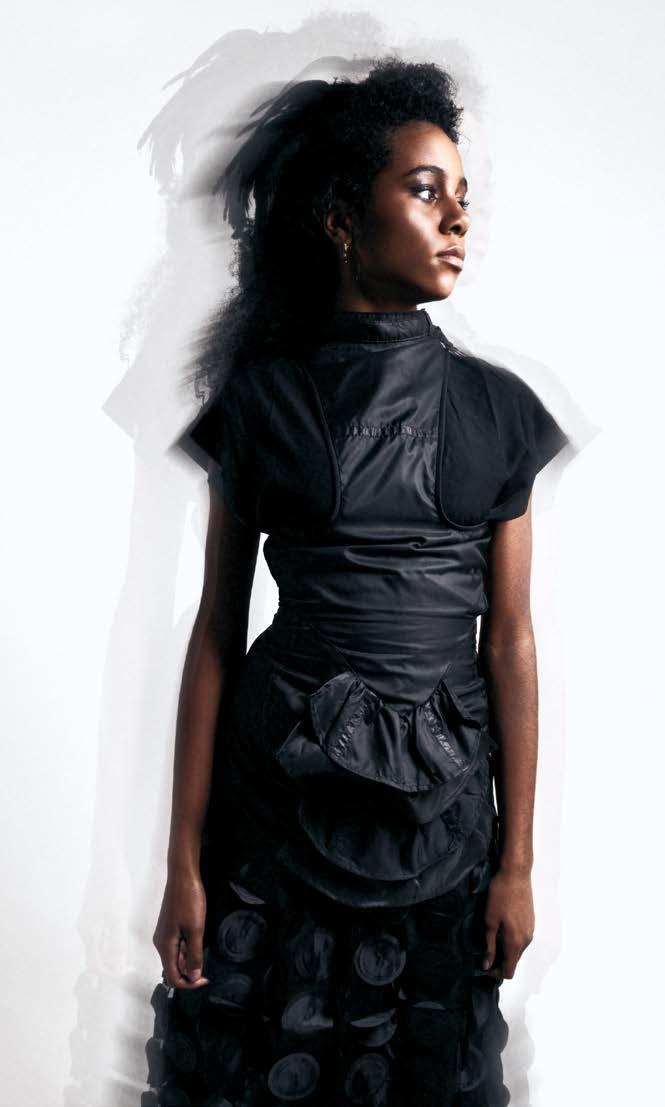
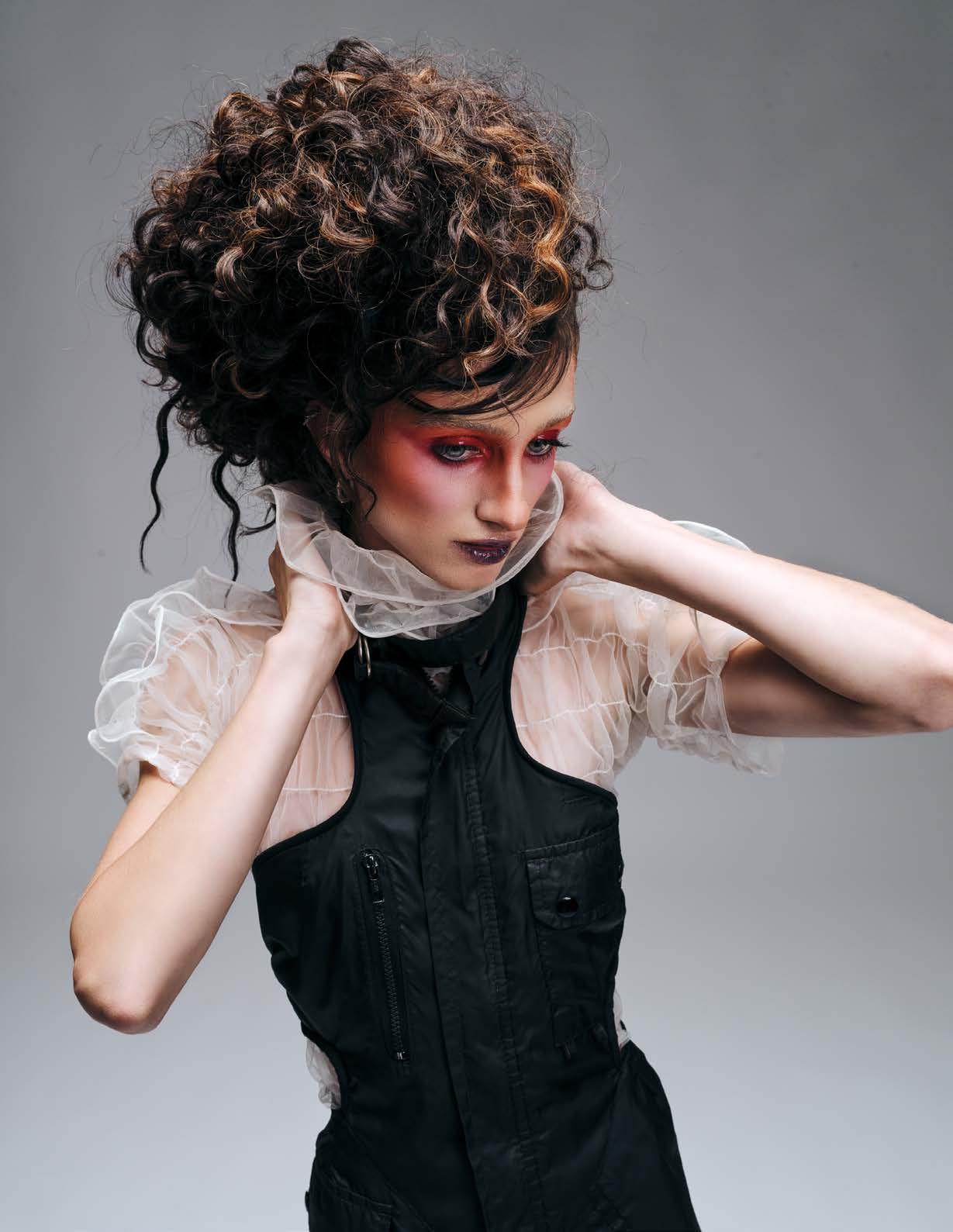
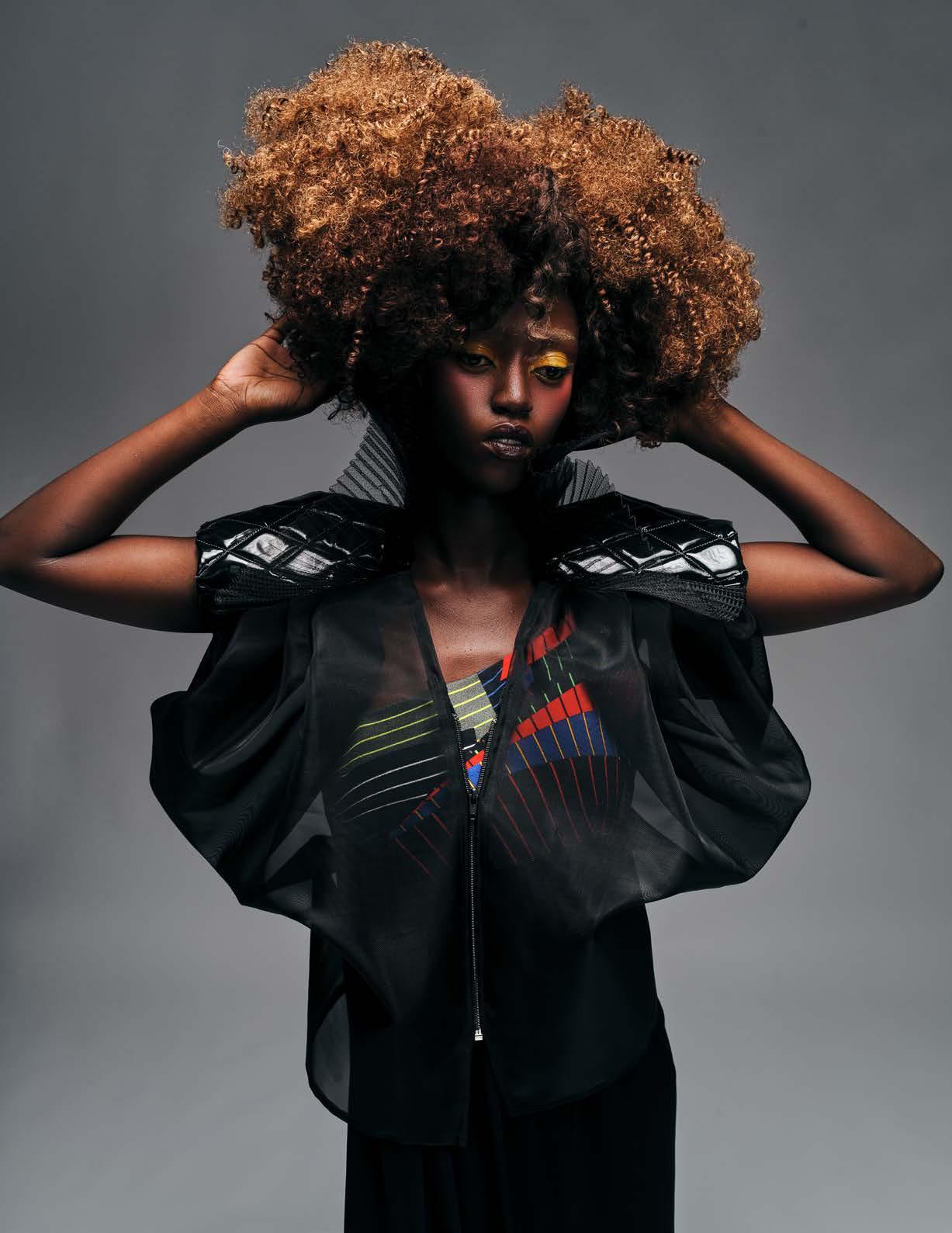
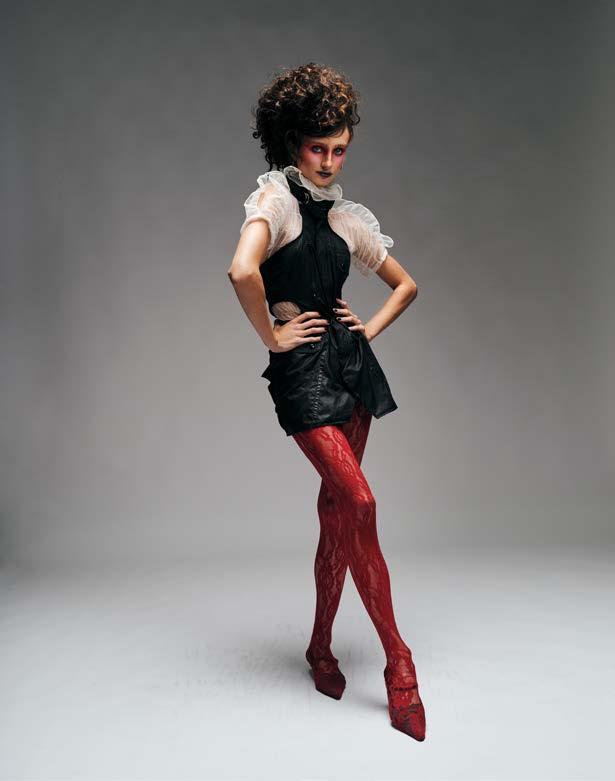
DDesigner Emily Sue Payne describes her aesthetic as “a juxtaposition of hard and soft vibes.” She says her style is a bit dark and edgy but comfortable and wearable, with a melancholy, almost romantic feel. It shows up in her work and how she dresses and does her hair. “You could say I’ve got a goth influence,” she says.
Payne creates clothing for men, women, and children and makes all of that work by approaching each design in a “unisex kind of way.” Although she’s made more women’s than men’s clothing over the years, she’s currently working on some intriguing men’s commissions.
One was inspired by the Lenny Kravitz video “Are You Gonna Go My Way?” in which Kravitz wears a super-long, red suede tunic with massive side vents to create movement and matching red pants.
“For my client, I picked a (mostly) black base with wide-set, thin white stripes on an immaculate silk and wool blend. The lining is a solid red silk charmeuse. Lenny's tunic was completely collarless, but I'm creating my client's tunic to have several seams which create a ʻRaglan-lookʼ armhole and a ʻNehru-typeʼ neckline. The seaming also provides the opportunity to play around with the direction of the stripes.”
This client is a dancer and a regular at Death Guild, so Payne imagined how gorgeous it would look to have pops of red show as the vented hemline moved as he danced. He loved that idea but wanted the tunic reversible, and Payne is making matching wool-stripe pants to go with it. “It's totally my aesthetic, and both pieces are completely gender-less.”
Designers Payne has admired over the years include Jean Paul Gaultier, Yamamoto, Thierry Mugler, Haider Ackermann, Vivienne Westwood, John Galliano, and, most recently, Robert Wun and Melitta Baumeister. She predicts that in the future, American fashion will become more androgynous as gender becomes less significant in how we dress. Also, it will become more artistic and personalized, with social media platforms showing how to make and alter your own clothing.
Payne creates clothing for men, women, and children and makes all of that work by approaching each design in a “unisex kind of way.”
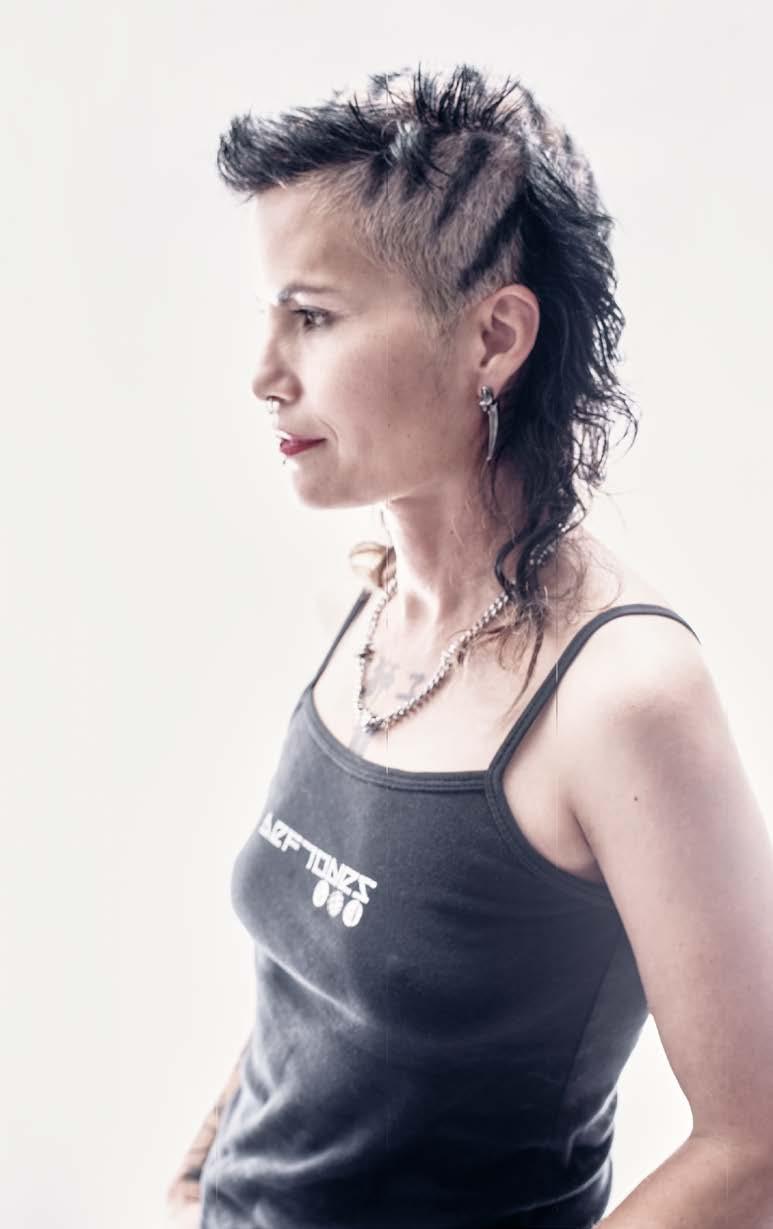
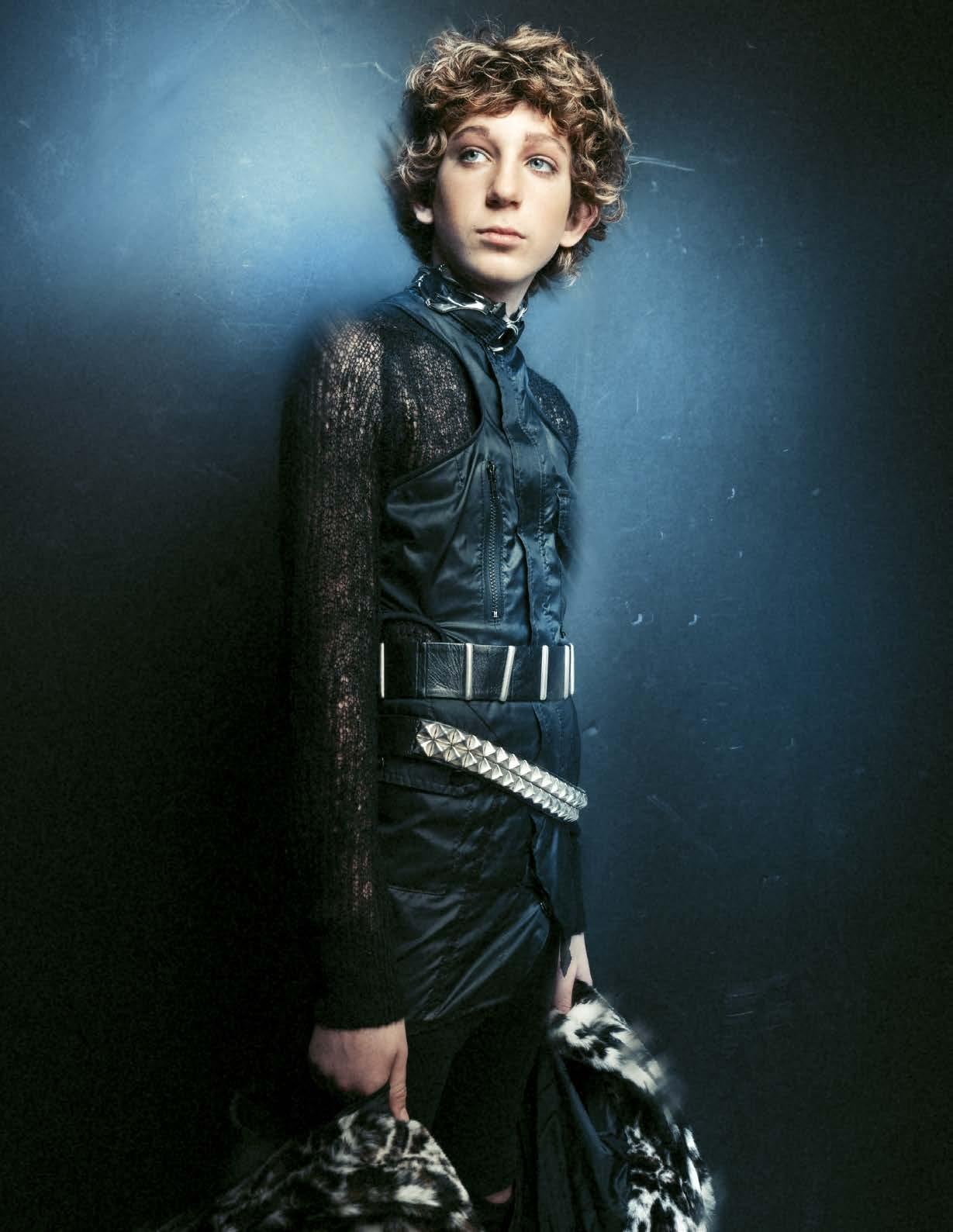
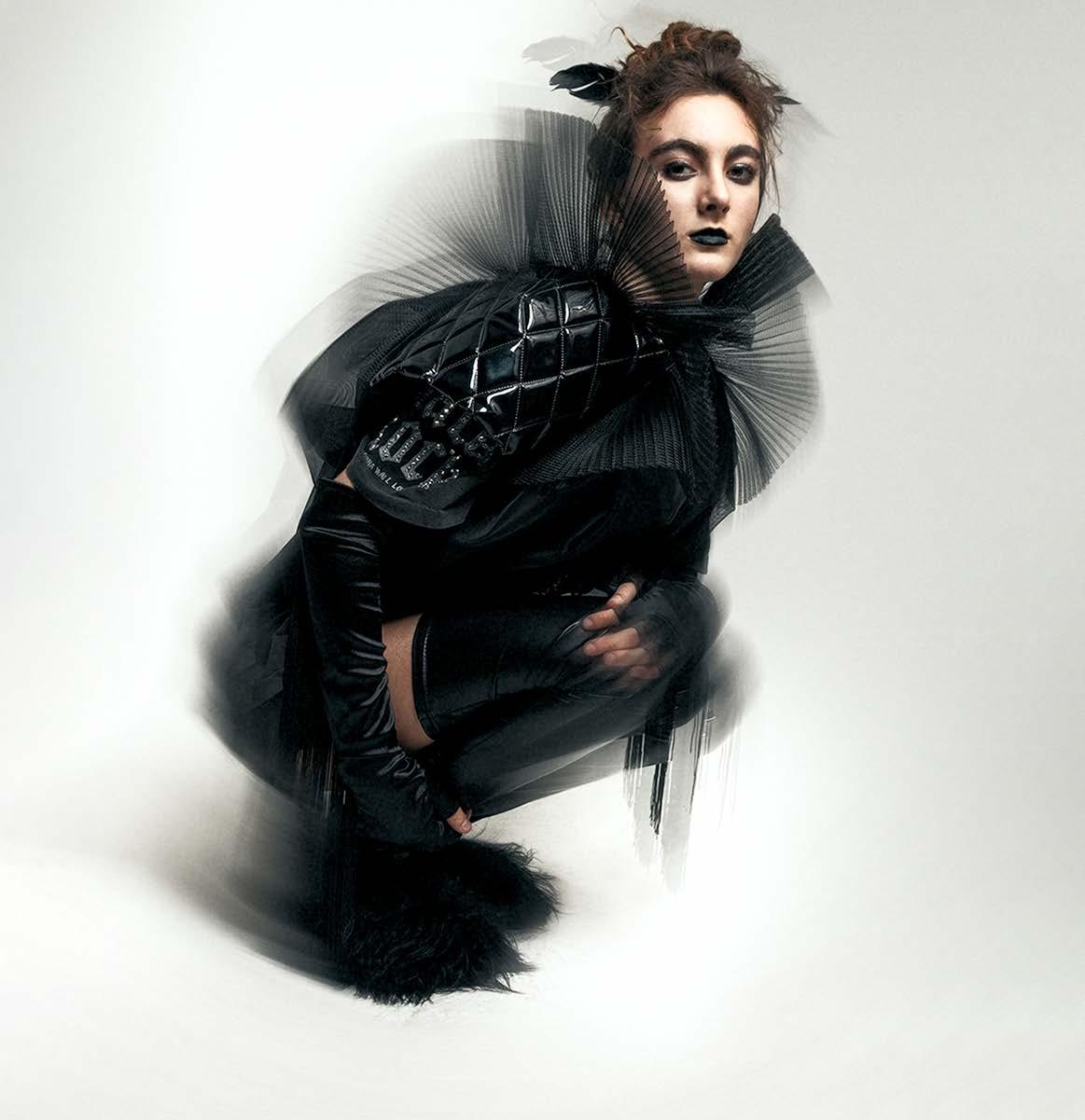
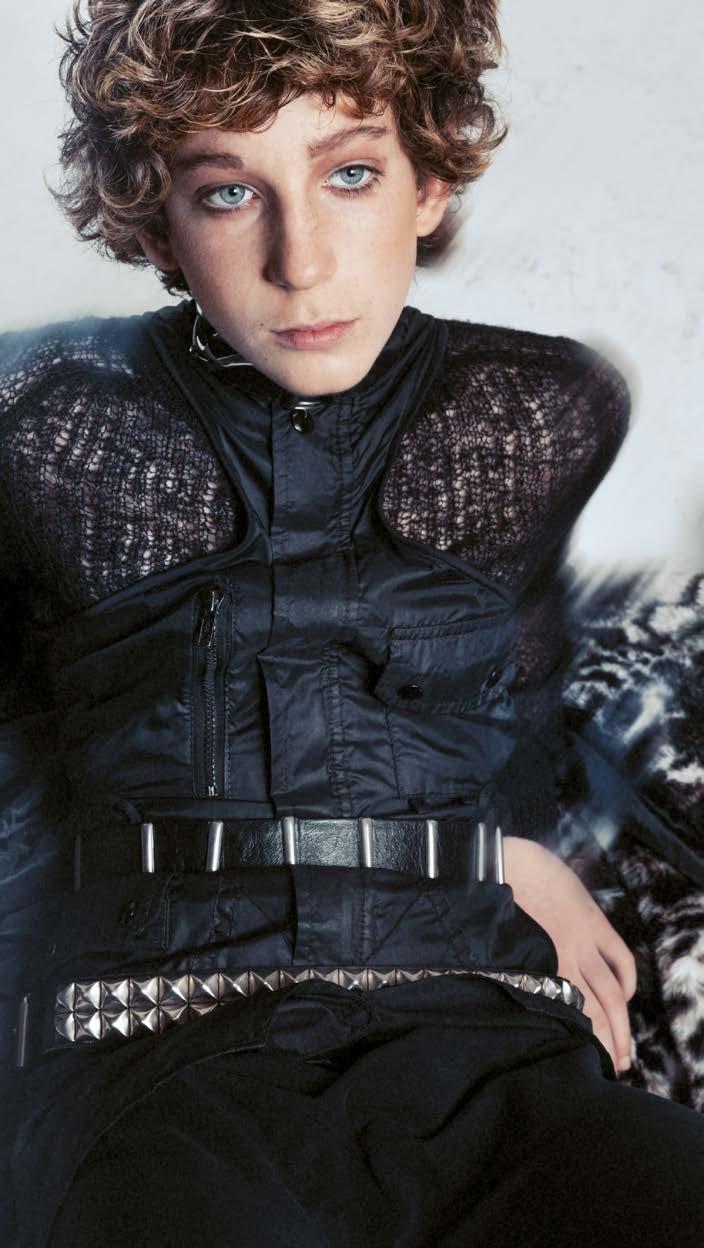
A Family Collaboration
Payne says that what sets her apart in the fashion world is that Devon Rose’s focus is always on the photoshoot or fashion show, on putting together a story or an art piece, rather than simply on selling clothing.
“It's about collaboration with other local designers and artists. Putting together a team, connecting artists to each other.”
Two very important collaborations she has are with her husband Isaac and her teen daughter Devon, who is also a visual artist.
“It doesn't really feel like working. For example, with Devon, she's usually modeling for me, so it's like playtime (at least for me, it is). When it comes to her artwork, I'm just scavenging my favorites that she drew for me, and then I get them vectored and converted into fabric prints. Even the logo was created from one of her drawings.” Devon would model in exchange for boba drinks as a young girl, but now that she has entered her late teens, it’s a paid gig.
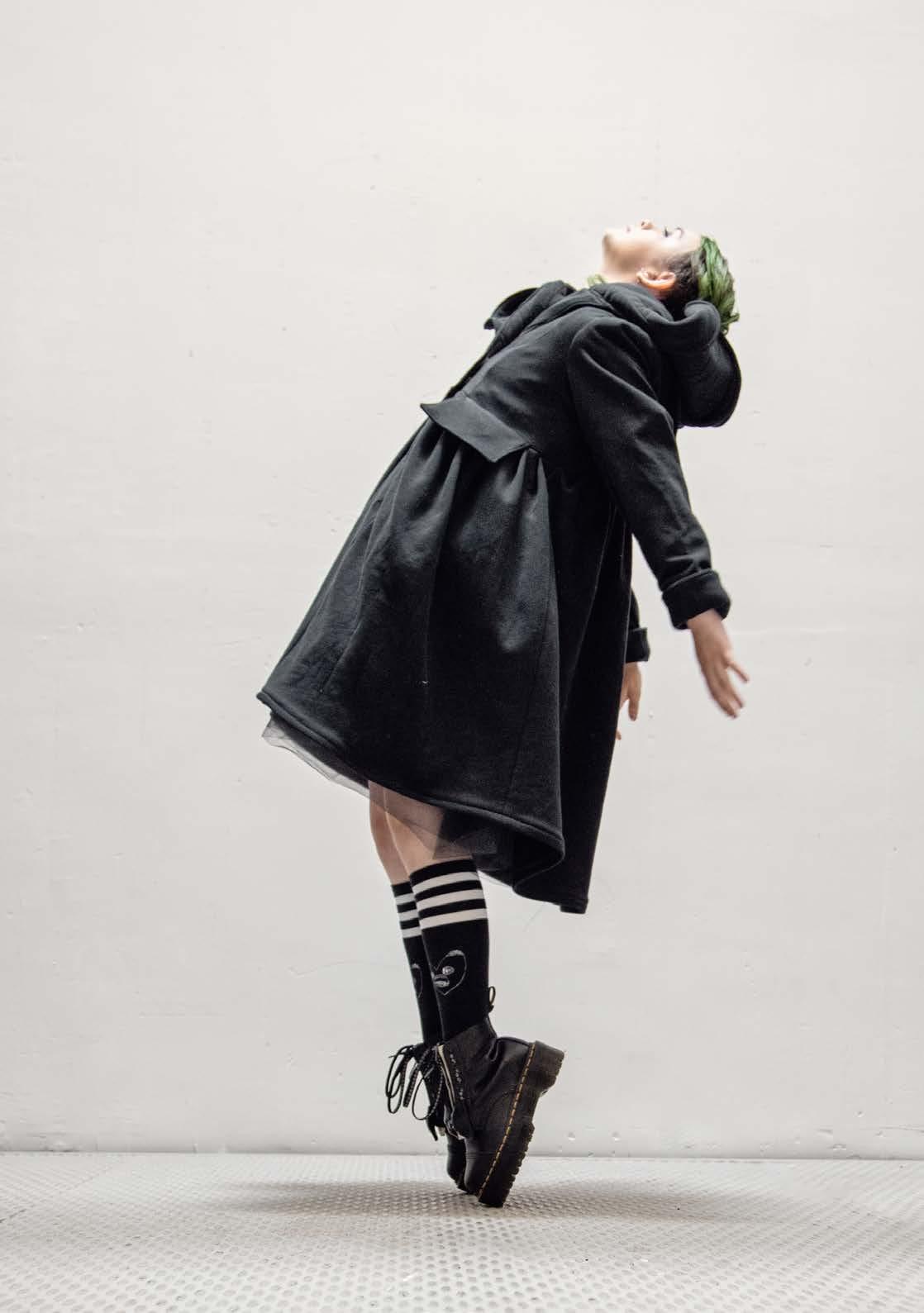
She and her mother share a similar aesthetic. “She's about to turn seventeen but could easily pass for thirteen or fourteen with the sweetest, most innocent baby face. But then she's always been like Five Nights at Freddy's and Gloomy Bear... pretty angsty, but in a super cute way. That's why she's the perfect muse for the line [which bears her name].
Payne describes her work with her husband as more conversational, as he’s “like her ultimate design consultant.”
“I like picking his stylish brain, but it's usually when we're just hanging out in the living room chilling, so it's all very seamless, and none of it seems like work.”
Embracing the Shadow to Heal
The pandemic was a time when Emily and Isaac were able to work on their relationship and grow closer as she focused on her mental health.
“My husband and I were resentful of and stonewalling each other. I was doing a bad job relating to everyone, so I was terrible at trying to work one-on-one with private clients. I needed to take a big step back from the rat race that I had turned my job into and focus on myself. I've finally gotten back to loving what I do again, and that all started with forgiving myself and forgiving my partner.”
Before COVID-19, Payne was creating pieces for special occasions: wedding gowns, pageant dresses, and custom jackets. All of that stopped suddenly with the shelter-in-place orders. “Although looking back now, it was a blessing because I kind of hated working with clients then, but mostly in a subconscious sorta way. Little did I know, at the time, that I was totally miserable all the way around. I had all this self-loathing that I was squishing down.”
During the pandemic, Payne started working on her autobiography. This has turned into a self-help book focused on shadow work, understanding and integrating the negative aspects of our personalities in a healthy way.
“It begins with the realization I had (a few years after Project Runway) that I no longer had any close relationships, no real friends. In fact, the only decent connection I had left was Devon, and everything else was a mess. The book continues by telling the story of my life as a designer and how I got to that point of ʻfucked-uppednessʼ. Then it turns into a self-help book about how I got to the point where I'm currently at now.”
Payne was planning on releasing the book in August 2024, but people close to her expressed concerns about her privacy. So she’s now planning to publish it as a coffee table book full of photos from their years of fashion shoots, with her memoir broken up into short stories.
The Wisdom of the Years
Payne reflects that if she could live her life over again, she would have kept the fantastic credit score and credit line
Little did I know, at the time, that I was totally miserable all the way around. I had all this self-loathing that I was squishing down.
that she had when she first became independent of her first husband. Unfortunately, she and her current husband blew it on food, clothing, and sexy vacations during their first year of marriage. “It would have given us so much peace of mind and stability, and we’re still feeling the effects of that loss twenty-two years later! Luckily we’re still together and fully dedicated to working it out.”
She says that as entrepreneurs, at the end of the day, everything always seems to come back to cash flow. It would be useful, Payne reflects, to have that line of credit and high score so that they wouldn’t have had to scramble to pay rent and so that they could have more mental space to be able to create without money worries.
“It would have been perfection to have that cushion and to keep our minds and schedules clear to be able to be creative and live fully artistic lifestyles in such an expensive and tech-oriented city as San Francisco. Yet, we still manage to do so anyway and consider ourselves to be extremely lucky.”
Through the years, Payne considers that she’s learned so much about every aspect of putting together a collection. She’s designed for her own line and managed production of small batches for independent boutiques in the United States as well as overseas. She’s also designed for other companies selling mass-produced products, prepared tech packs, and overseen fittings.
Next Steps
Also, she’s taken all the designs she’s created for various events in the past and broken them up into minicollections of about eight to ten one-ofa-kind pieces each. She’s bringing them to her favorite boutique, Relove, on a schedule fitting each collection’s theme and season, with photoshoots scheduled around each group.
“I’m going to promote the collections with new images and also just hang out with my fashion family, connect, and create beautiful art.” Additionally, Payne is putting together a line of dog clothing with her dog Eddy as the muse.
“The line will have a retro 40ʼs and 50ʼs style inspiration to go with his name and his magnificent natural Mohawk. The line will be coming out in the spring of 2025 and will be available online and in store in San Francisco.”
Devon graduates high school this coming year, and after that, the family will move to Portland, Oregon. “We love the Bay Area, and it's been a great home for us, but we're going on fifteen years now (not counting the five years I lived here before moving to LA and then moving back to SF). However, Isaac and I have been itching for some new sights and some new experiences in a place we've never lived before, so we're excited to start this new chapter together.”

FOUNDER
Emily Sue Payne

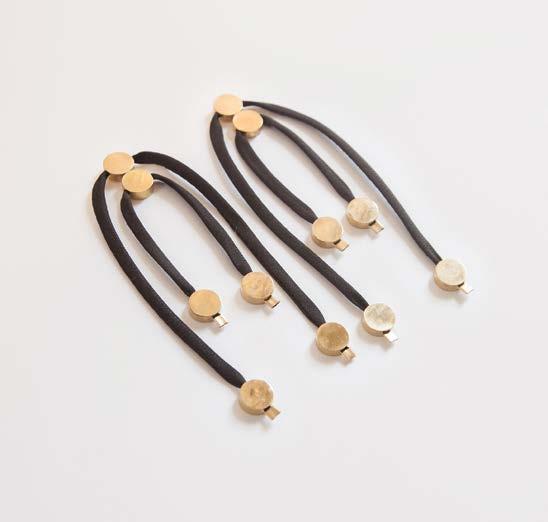
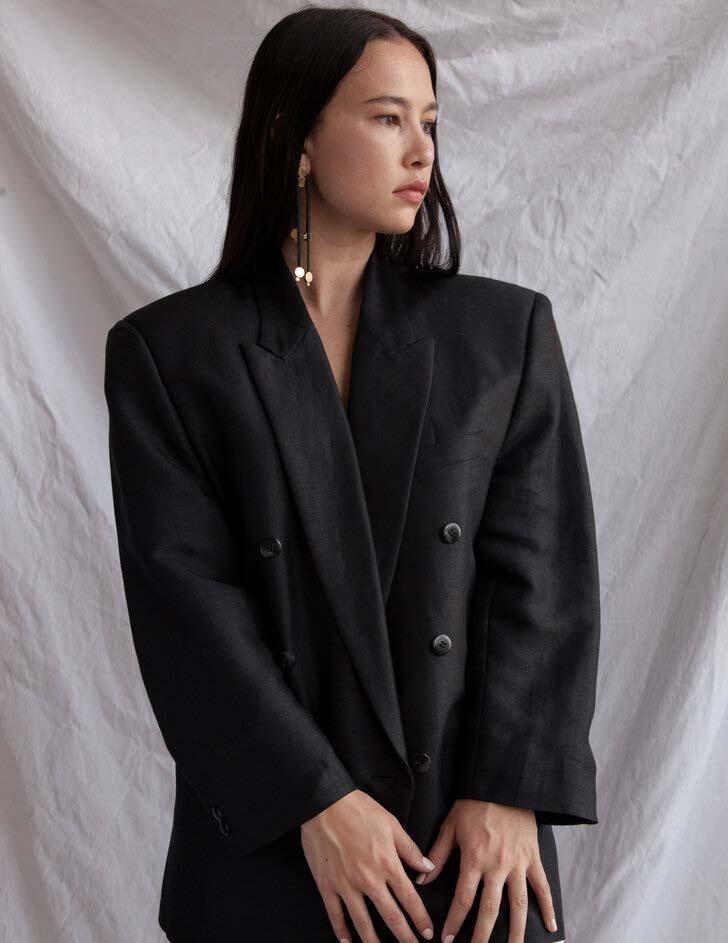
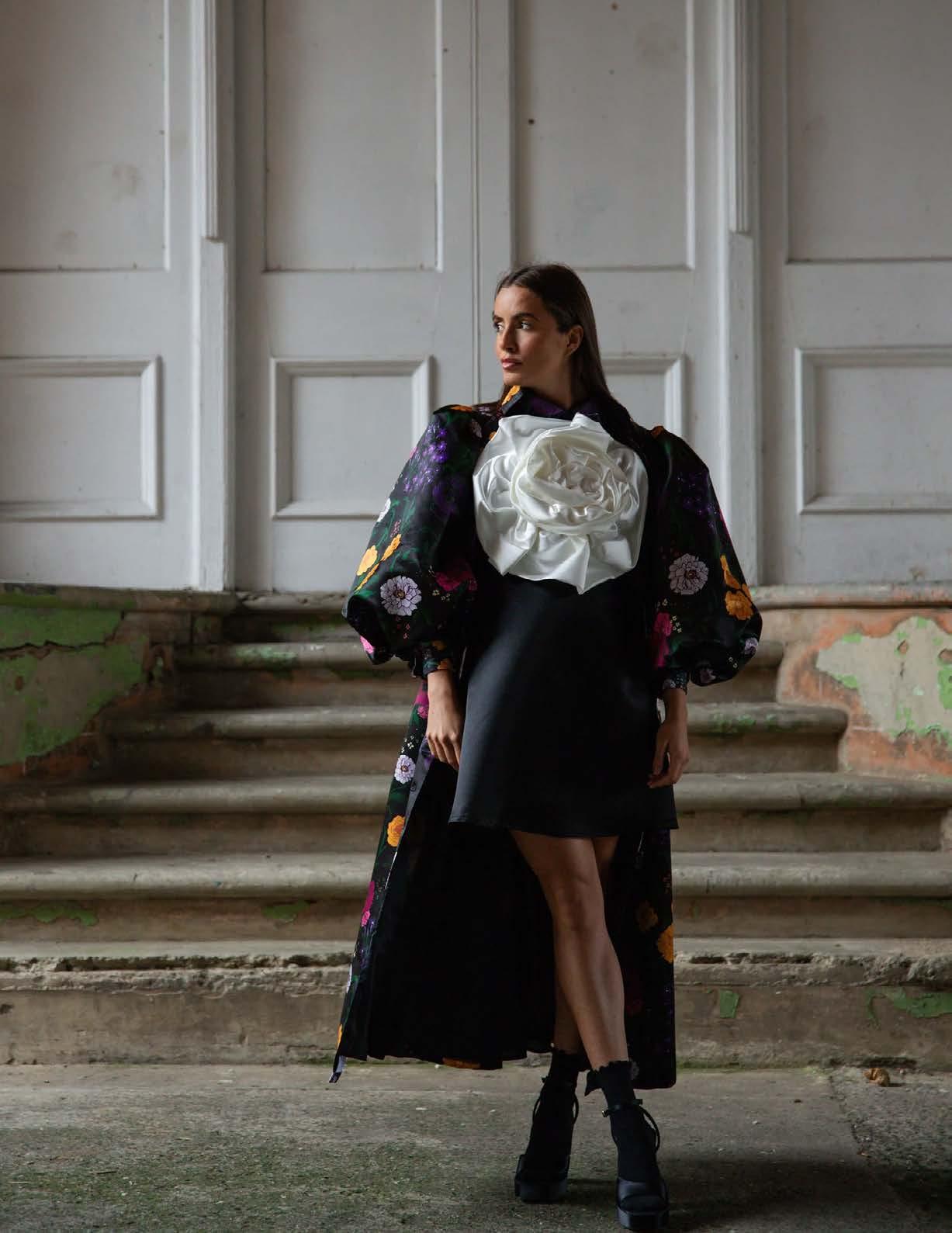

Inspired by a love of vintage pieces, flowing feminine dresses, florals, and life by the sea.

cobblerslane.com
Threads of Transformation
WORDS | ABBY YOUNG IMAGES | KALA MINKO, JOSH SOYOMBO
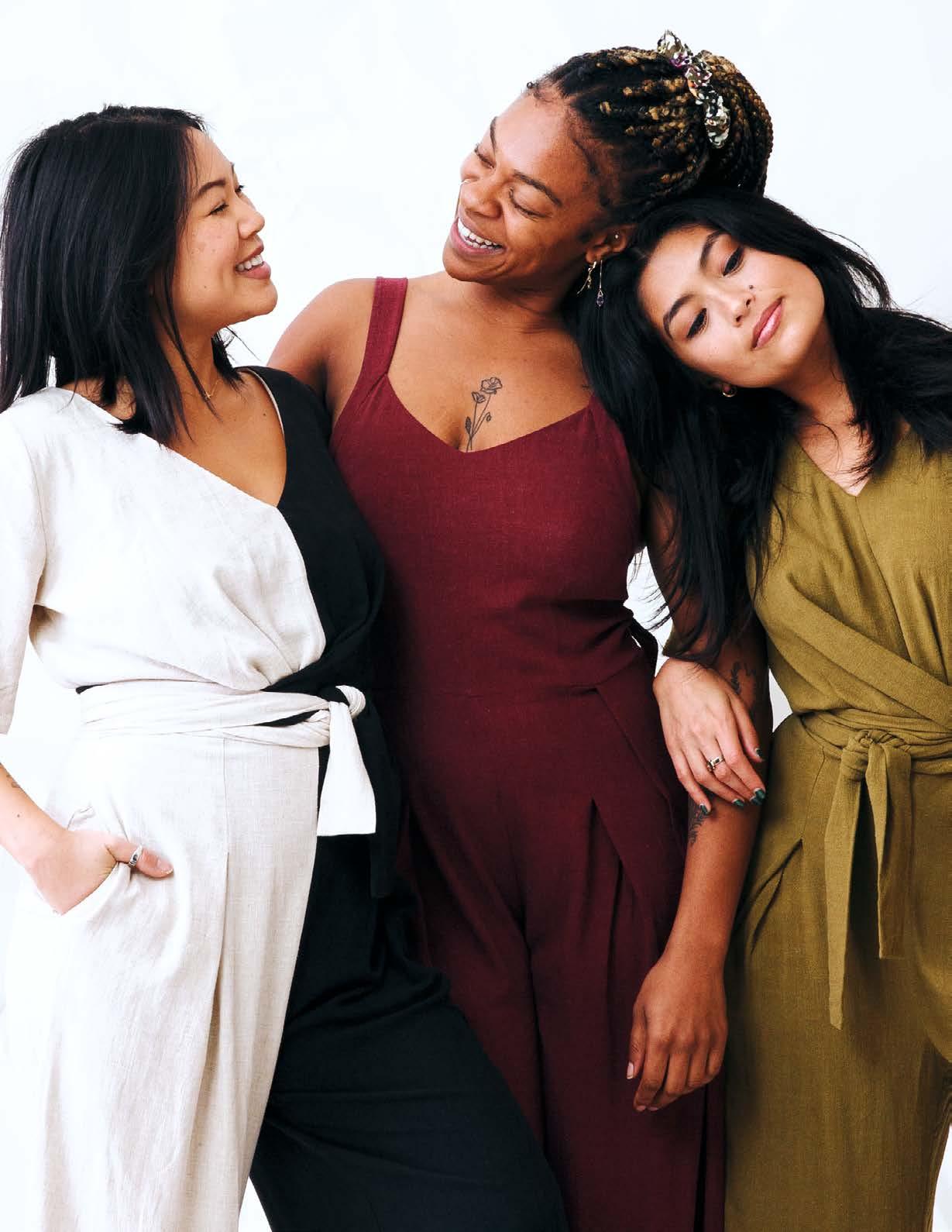
(Fun)ctional Fashion: Devan Gregori weaves a journey of personal growth and international experience into clothing meant for strong women.
It’s one thing to embrace your evolving personal journey and another entirely to channel that growth into a brand that resonates with others. This is the essence of Devan Gregori’s eponymous apparel brand, which launched in 2019. Though she had no idea what to design at the start, Gregori knew she had to start somewhere, or she’d never start at all. Today, her brand is a beautifully crafted testament to years of trial and error, soul-searching, and a deep connection with her customers.
Before Gregori pursued fashion design, she had a diverse career, from studying French at UC Berkeley to working in Silicon Valley’s thriving tech scene. Raised in an entrepreneurial family in the Bay Area, she developed a curious spirit and risk-taking nature from an early age.
Art was always a fundamental part of Gregori’s life, serving as an outlet from childhood into adulthood. Despite her love for painting and sketching, Gregori only seriously considered a creative career shift when being introduced to vocational schools. She soon enrolled in a fashion design program at a school in Lyon, France.
The transition to fashion design felt natural to her, combining her love for creativity with the problem-solving aspects she enjoyed in tech. Her tech background, mostly in product development and consulting, allowed for a solid foundation before launching her own brand.
For Gregori, “Designing isn’t just about creating something beautiful; it’s about solving problems in a way that’s both innovative and practical.”
As her fashion brand came to life, the spread of COVID-19 began impacting businesses around the world, complicating her plans. Gregori knew she needed a long-term strategy to sustain her business during the pandemic, so she returned to work in tech for a few more years. Finally, in 2022, Gregori left the tech industry for good to open her brick-and-mortar boutique.
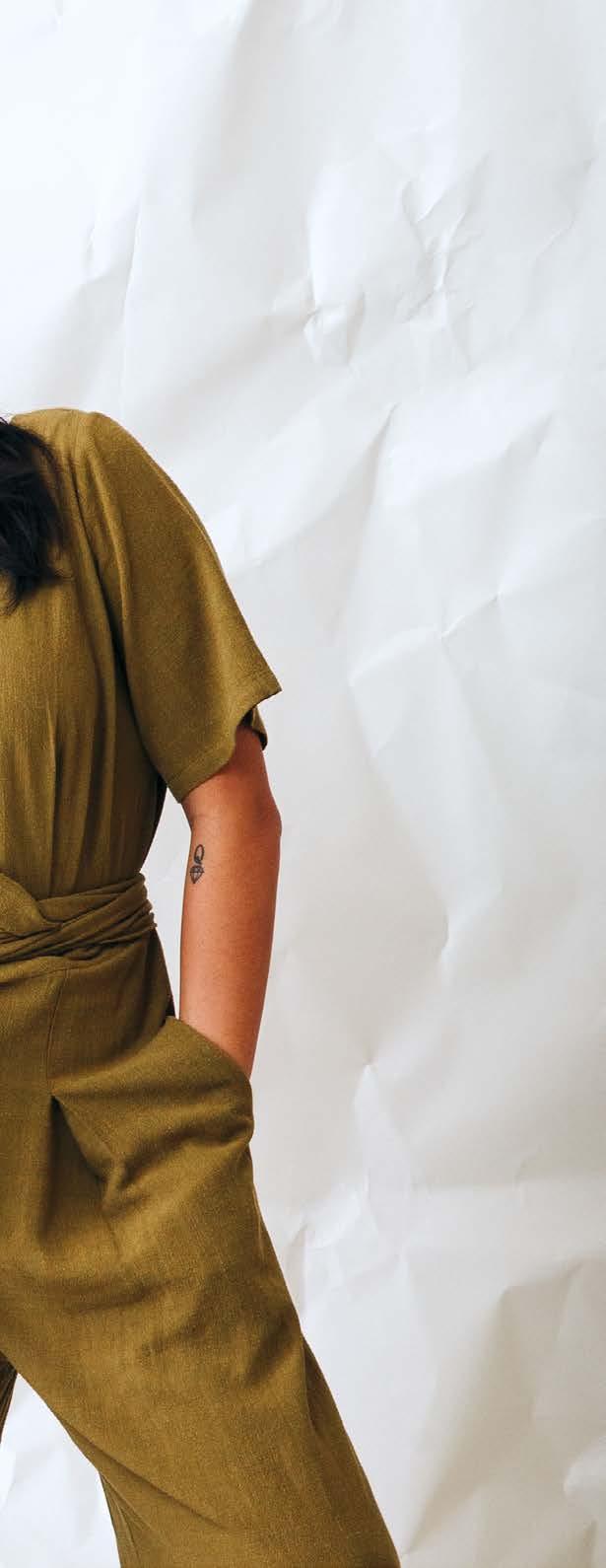
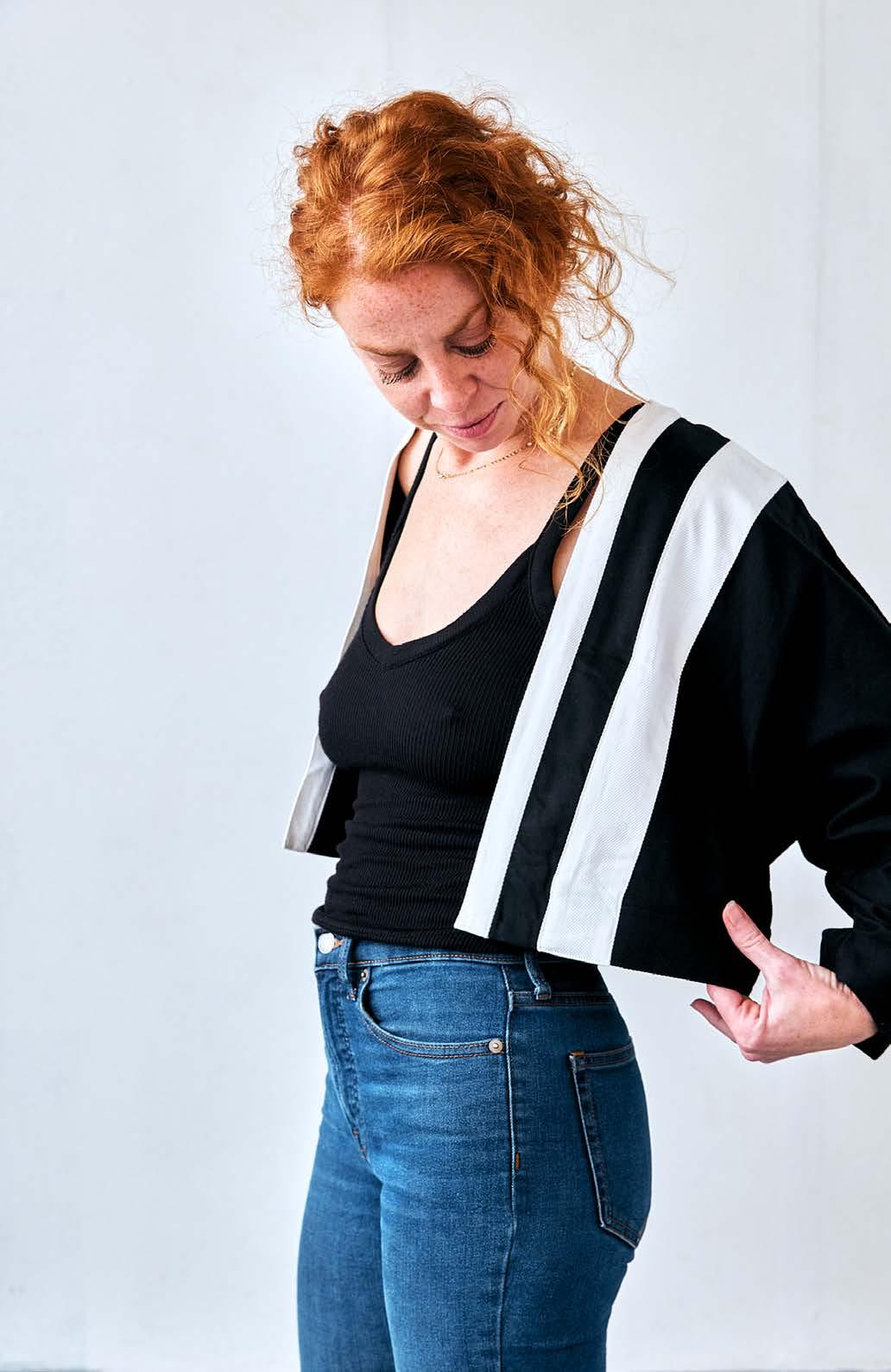
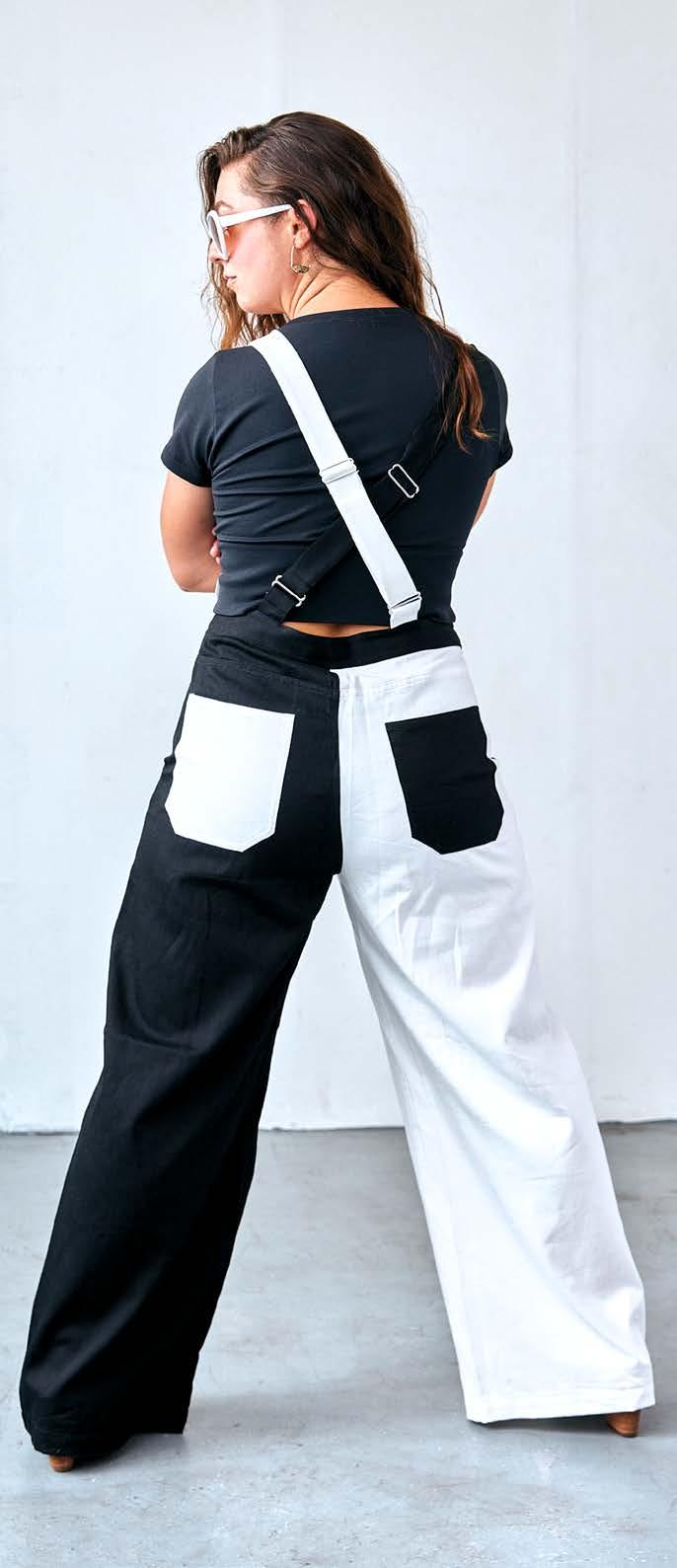
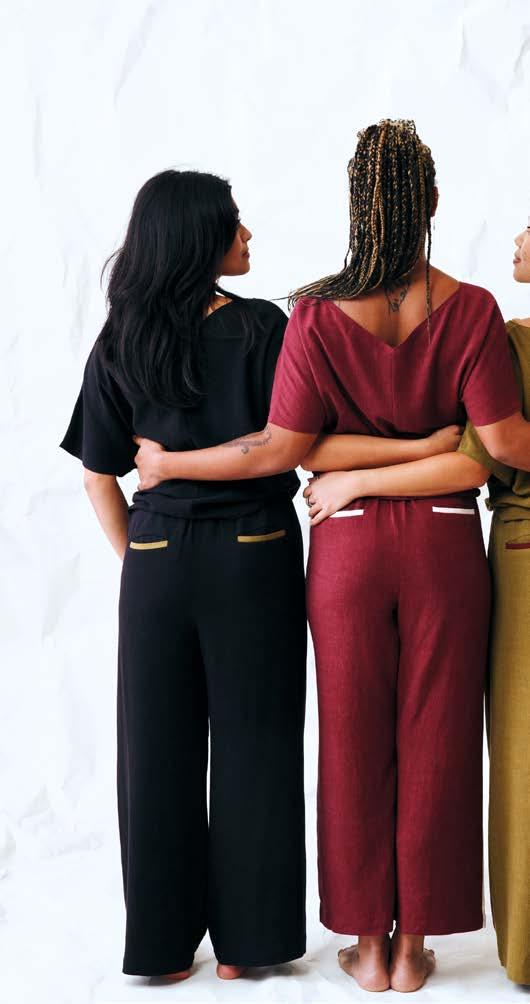
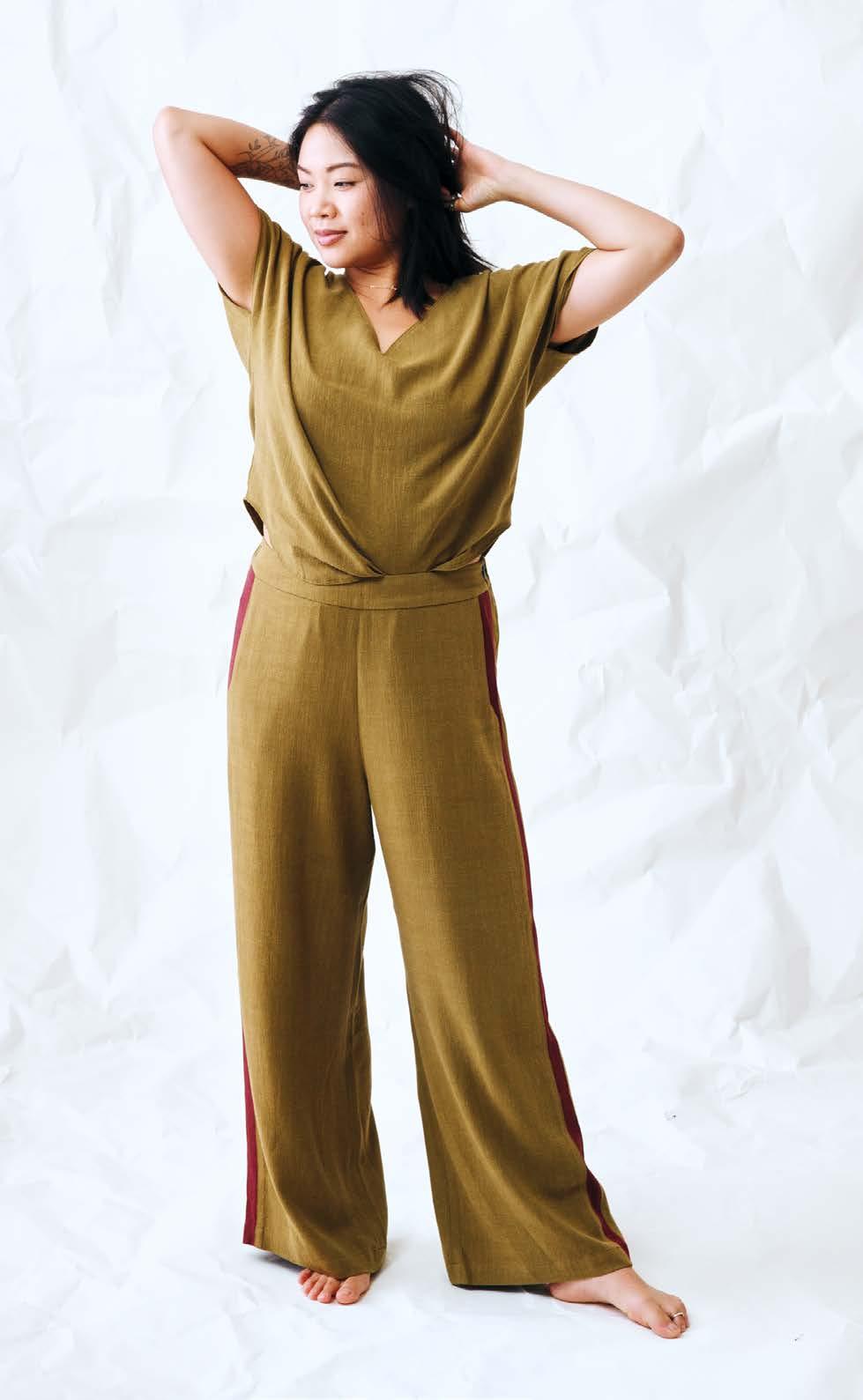
The brand, Devan Gregori, focuses on freedom of movement, versatility, and seamless wardrobe integration, reflecting Gregori’s belief that fashion should adapt to the changes women experience throughout their lives. Her designs accommodate a range of daily activities— whether it’s heading to the office, bending over to pick up the kids, chasing the dog outside, or running errands. With the versatility to be dressed up or down, her high-quality, stylish garments are made to fit naturally into any wardrobe and support the dynamic nature of everyday life.
Gregori’s approach emphasizes that clothing should follow, rather than dictate, how the body moves. Her pieces are also designed to fit the natural fluctuations of a woman’s body throughout her life, acknowledging that we are human— dynamic and ever-changing. All her
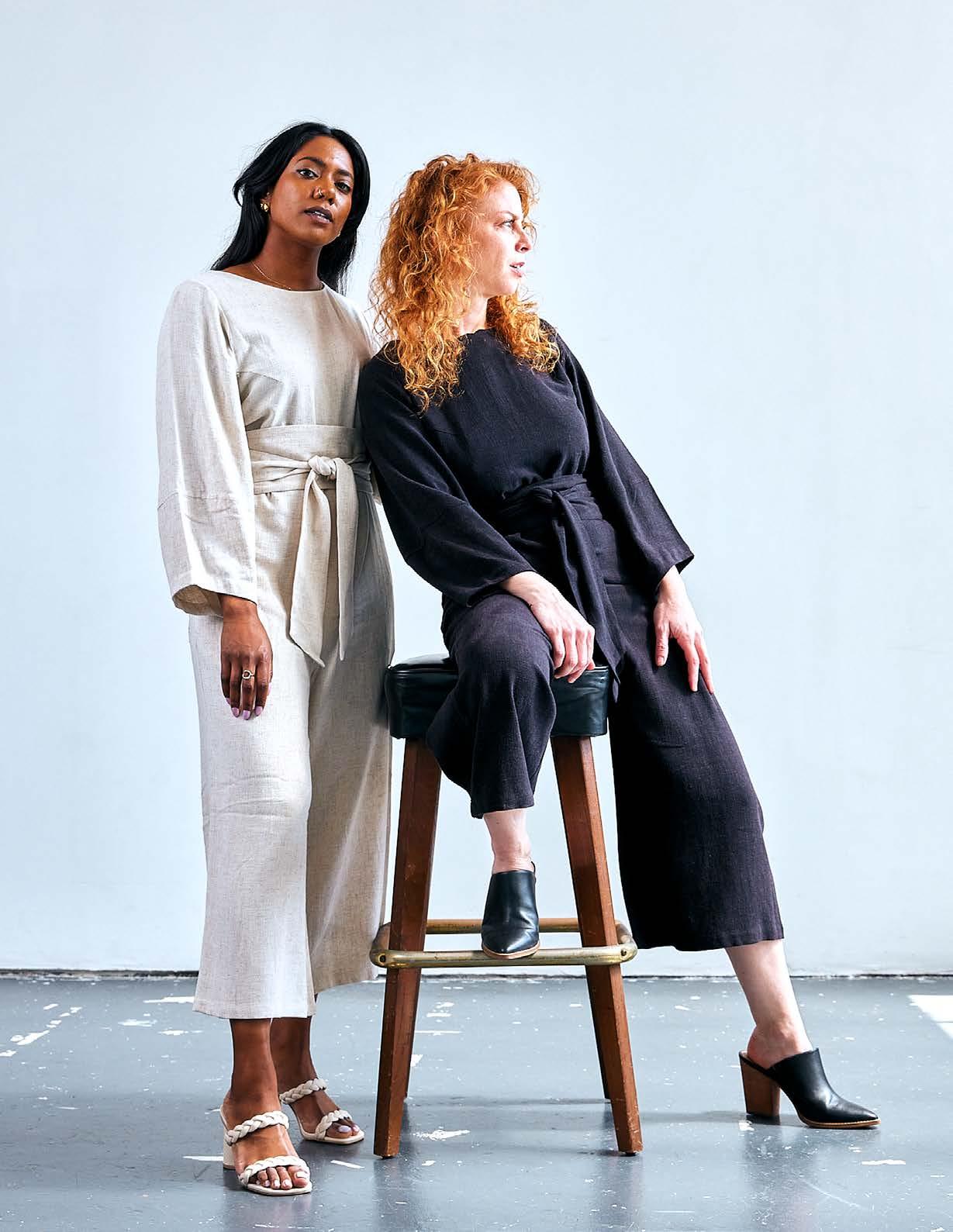
pieces are practical and elegant, like the Isabel Split Jumpsuit or the Sasha Pant from her core collection.
For Gregori, creating flexible clothes on the body is one way to, as she puts it, “create space for women to rediscover their personal style in a safe, nonjudgmental way. It makes this brand so personal for me.”
When Gregori starts designing, she first envisions how a piece will fit into her life. Once she finishes a design, she releases a batch of ten to twenty items to the public and waits for customer feedback. Her favorite part? Incorporating that feedback right away to “show my customers that what they say actually matters.”
Through engaging with her customers, Gregori noticed a recurring theme: people’s desire for clothes that inspired confidence, comfort, and curiosity for fashion, even as their bodies changed. This became the cornerstone of her design approach, blending her evolving personal style with her brand’s journey.
Gregori’s design aesthetic is deeply influenced by her international travels, which brought a paradigm shift in her perspective—a “feast for the eyes” that continues to inspire her collections.
From her time in France, she learned the importance of purposeful detail in design while “[Mexico] felt like organized chaos,” something she credits with teaching her to embrace vibrant “color[s] and pattern[s] in everyday pieces.”
A life-changing moment for Gregori came during a visit to Morocco at nineteen years old. She was taken to a public bathhouse with a friend and was shocked at the cultural openness toward nudity there. While her friend was too uncomfortable to join, Gregori was driven by curiosity and observed the women scrub their bodies with such meticulous care.



Each woman, regardless of age or body type, knew their body intimately and cleansed themselves with a deep sense of self-love and mindfulness. Gregori, who had struggled with body image her entire life, felt a transformative shift. The self-acceptance she witnessed in the bathhouse inspired her to view herself with the same level of care. This event influenced her brand’s ethos, fueling her commitment to create pieces that celebrate every woman’s imperfections.
Gregori also values sustainability in fashion. Her brand is committed to biodegradable packaging materials and ethical manufacturing practices by producing in small batches. “The quality and artistry that goes into producing the garment… Many, many hands touch it, and those hands are highly skilled,” she said when expressing gratitude for her team’s dedication to craftsmanship.
When advising other designers, Gregori highlights the importance of staying true to one’s vision while being open to
feedback and adaptation. She believes that design is a journey of continuous learning and growth. Embracing a unique perspective is crucial, but it’s equally important to listen to and adapt based on audience input. Finding the right balance between maintaining your vision and responding to feedback is key to evolving as a designer.
To stay inspired, Gregori frequently takes walks and engages in conversation with others. She finds that these everyday interactions offer a simple yet profound way to stay connected with the world and discover inspiration in unexpected places.
While Devan Gregori is a womenswear brand, Gregori is exploring the possibility of expanding into menswear, starting with a statement, unisex chore jacket.
Gregori’s latest collection—featuring corduroys, brushed cotton twill, and enzyme-washed denim in various earth tones—reflects her current stage of life.
“I’ve been very pregnant designing all these
pieces, and I was in a moment of real calm thinking about how I wanted to welcome this new little person,” Gregori shares. “How am I going to feel in my body postpartum… and how do I want to set the tone for this new chapter in my life?”
“The [words] that kept coming up were harmony, balance, [and] mindfulness,” she adds as a final thought. We at TrooRa feel the Devan Gregori brand as a whole reflects her life journey from adolescence to womanhood.

FOUNDER Devan Gregori




ETERNAL ELEGANCE
WORDS | ABBY YOUNG
IMAGES | CHARLES SCHOENBERGER
Jad Racha’s Timeless Gowns Intersect Luxury and Individuality
Jad Racha is an American-born Lebanese designer who wants to empower his clients by making them feel special in their attire, regardless of their age, size, or background. Racha’s sculptural designs are one-ofa-kind classics with a modern twist. He relies on recycled fabrics to incorporate sustainable practices into designs that stand the test of time.
Taffeta and velvet are some of Racha’s favorite materials, but he likes to experiment with different fabric textures to direct his designs. A free spirit, Racha relies mostly on getting lost in his thoughts and feelings to influence his design conceptions rather than being tied down by meticulous research and restrictive themes. Often, the fabrics alone are enough to inspire Racha’s process, and he prioritizes working mostly with recycled fabrics to create sustainable “things that are beautiful yesterday, beautiful today, beautiful tomorrow.”

Founder Jad Racha
Racha values quality that lasts over shortlived trends, such as the overwhelmingly popular fast fashion scene. For him, making fewer purchases of higher quality is the smarter investment. The Jad Racha Collection typically includes gowns with sculptural, minimal silhouettes that make a statement, commanding attention from any space. Each design is customized to flatter the specific client’s unique figure and skin tone. Racha’s clients are mostly women who appreciate his classic designs over trends and who also appreciate the longstanding, rich history and culture of fashion.
Racha shares that his design process varies from case to case, which is an invaluable and rewarding aspect of his work. From sketch to client, many steps happen in between. Sometimes Racha drapes fabrics directly on his clients instead of a mannequin to dream up the very best colors and shapes for them. No detail is excluded, and while the gowns feel effortless, according to Racha, effortless takes a long time to perfect. His handmade designs can take up to eighty hours to make, with forty to fifty of those hours dedicated to hand sewing. Racha is dedicated to his craft, tailoring each of his pieces to highlight and accentuate the strongest physical qualities of each client, bringing out their inner confidence and energy. Taking the careful time to sketch and organize client fittings to create the ideal piece, Racha believes his gowns should become a piece of his client’s cherished memories—even if it’s only worn once.
Racha’s brand is dedicated to his mother–his greatest inspiration. Since childhood, Racha has drawn inspiration from high Parisian fashion and the 1950s, as well as designers such as Hubert de Givenchy, Jacques Fath, and Ralph Rucci. He believes it’s important to rely on his own imagination to inspire his creations. Racha likes to feel disconnected from his environment in order to let his creativity flow and work within his designs. Working with a strong team of eight, including four patternmakers and seamstresses in Los Angeles, Racha finds it crucial to have a tight-knit team dynamic so everyone can stay accountable.
Racha is currently based in San Francisco, having graduated from the Academy of Arts. During and after his time in school, he worked for luxury houses across New York and California, including an internship with Zac Posen on the East Coast. From there, Racha moved to Los Angeles, where he finally began to master the art of bridal design, which became his niche and passion. In 2018, Racha moved back to San Francisco, missing the weather and hidden gems within the city.
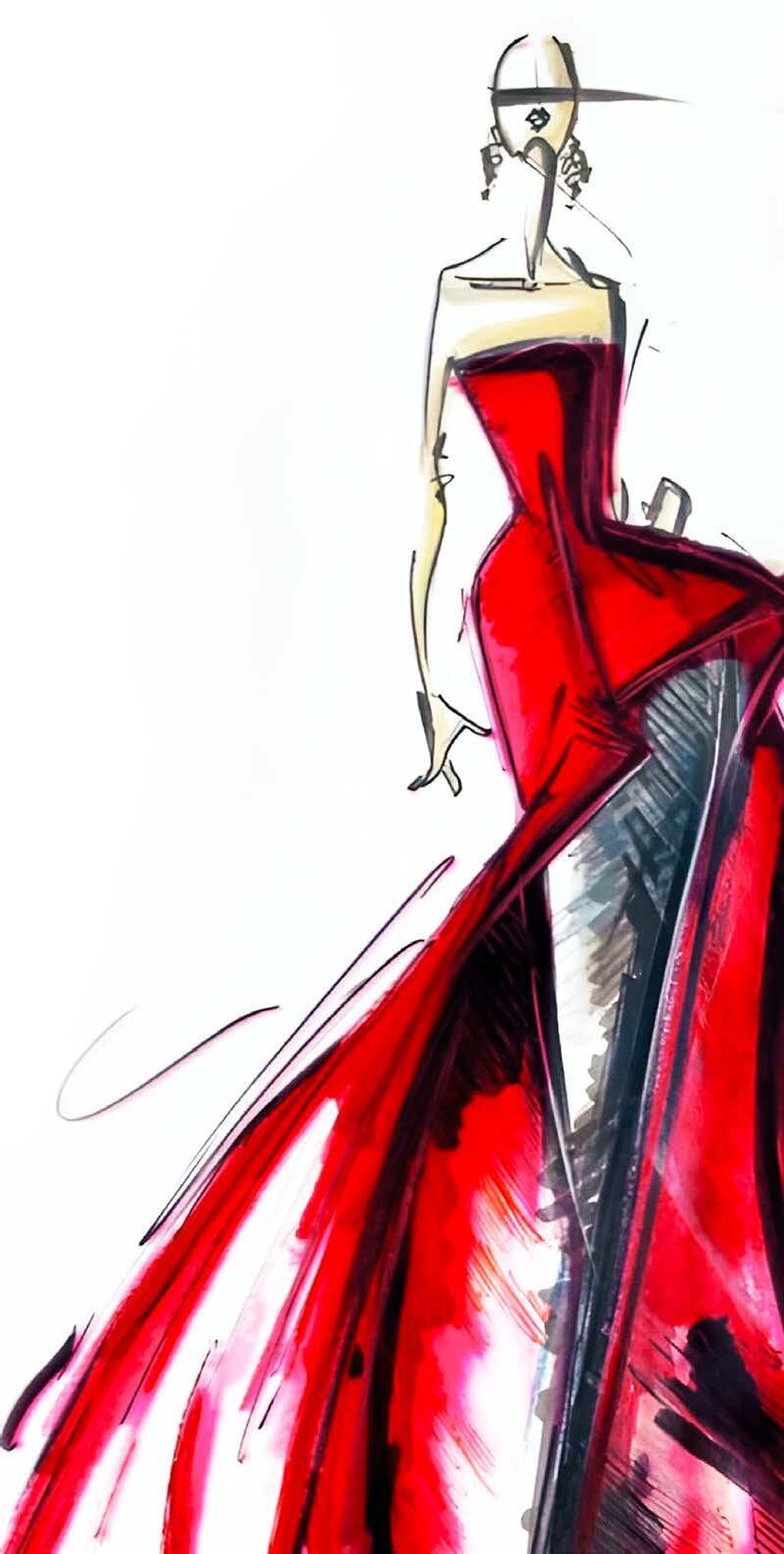
“Jad Racha is not just a luxury evening gown collection; it is a celebration of freedom, individualism, and quality craftsmanship, the epitome of founder Jad Racha’s philosophy.”
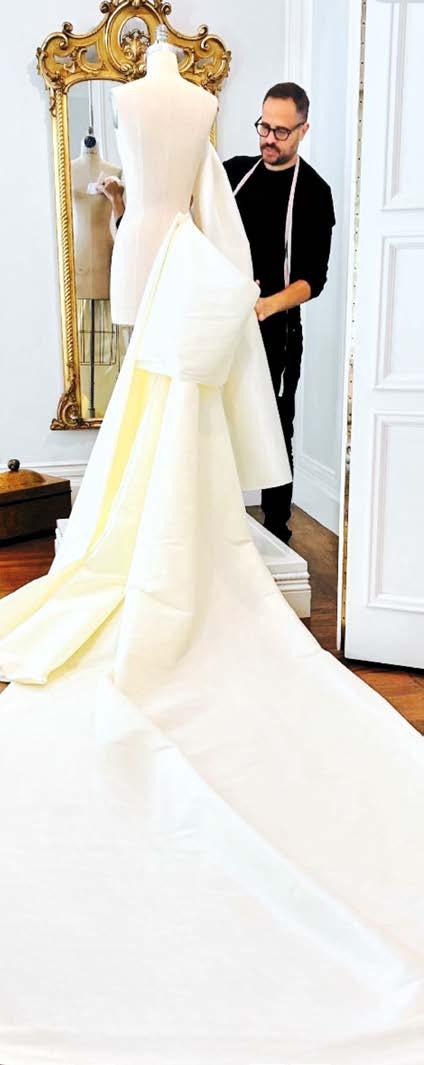
Racha likes to feel disconnected from his environment in order to let his creativity flow and work within his designs.
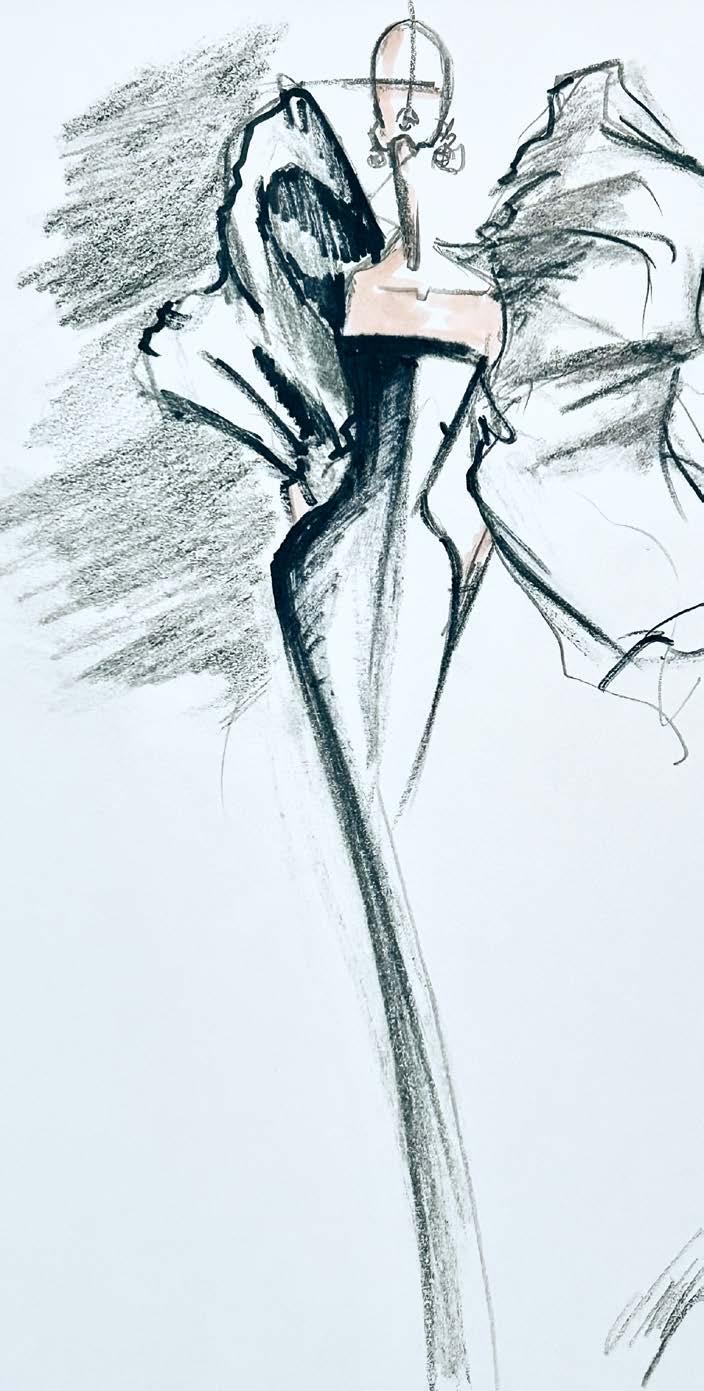
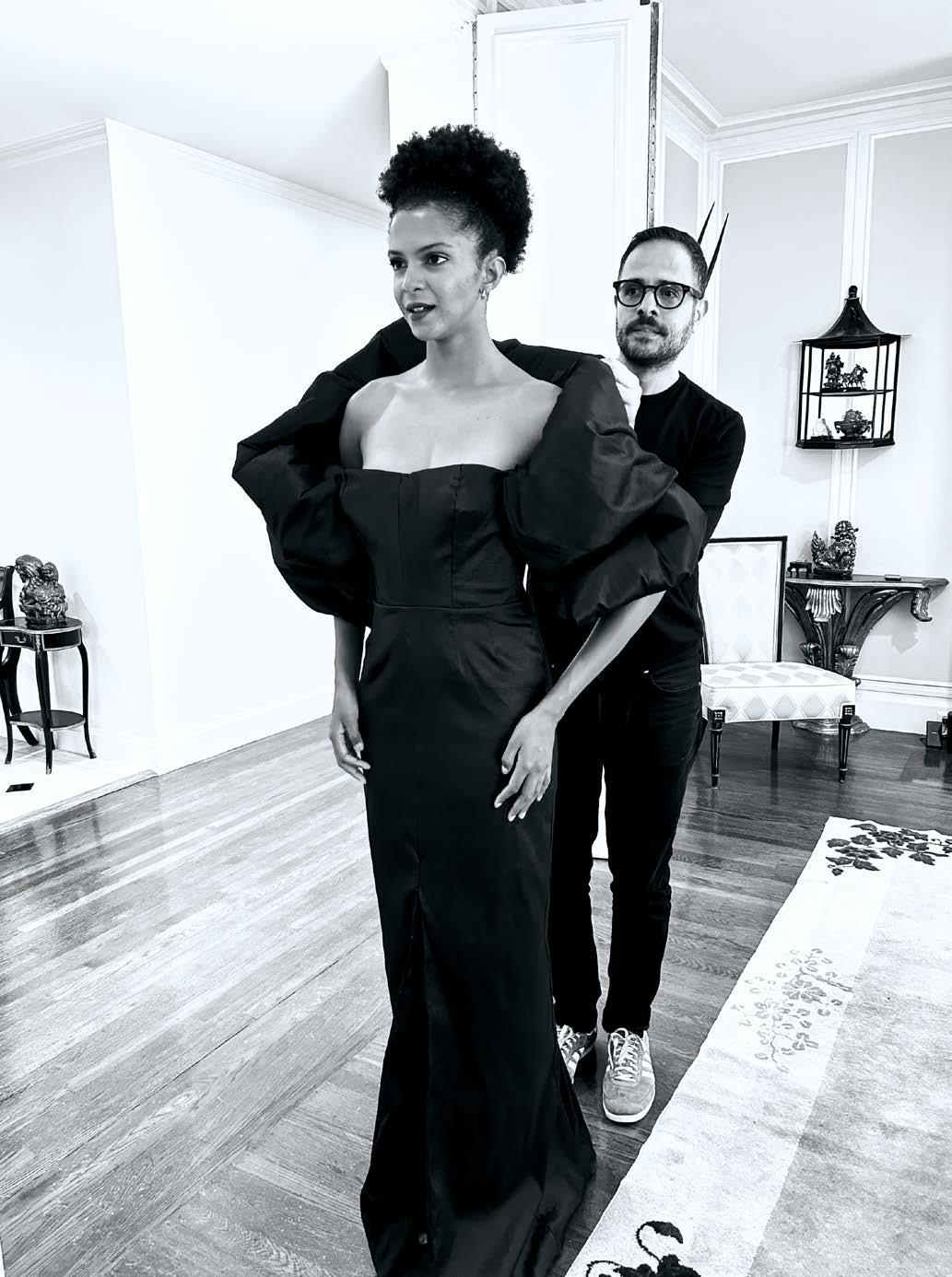
While Racha feels the Bay Area fashion scene is typically casual as opposed to the East Coast, San Francisco’s vintage charm continues to draw him in, from the opera houses and ballets to the Victorian architecture and freedom to get lost in the city. Racha believes the fashion scene is slowly being revived within the Bay Area, and he encourages the growth of a designer community.
Currently, Racha is an adjunct professor at the California College of the Arts and teaches whenever he’s needed. He values his time at the school because he gets to nurture new talent and offer internships at his brand, helping younger designers kick off their careers and build their resumes. Racha is inspired by the youth’s optimistic perspective on fashion and is proud of the works they produce. Because he personally received great mentorship from people who believed in his design journey, he holds the empowerment of youth near and dear to his heart.
Racha hopes the fashion world will encourage more young designers to expand more within the industry
because of the influx of fresh talent he sees coming in. Young designers can integrate technology into designs and perspectives, which “could ignite something new and fresh into the industry,” Racha shares excitedly.
To young designers, Racha offers this insight: “Why not [start]? Use the tools that you have, and then go fly away.”
According to Racha, longtime designers who transition from one fashion house to another prevent fresh eyes from bringing new ideas and inspiration into these spaces. He believes young designers are necessary to propel iconic fashion brands into the future and beyond. “Headhunting from other fashion houses is lazy,” Racha says matter-of-factly.
Racha is currently working on designs for an opera gala to be released this year and into 2025. His designs, due to their exclusive made-to-order nature, are released once or, more rarely, twice a year on average. Racha avoids repetition in his work, wanting to create one-off designs each time to exude a sense of novelty in his
creations. His current designs include more drama, playing with blacks and whites, capes, and other detachable pieces. One piece, a gilded-age-inspired, cowl-back drape of hand-linked chains holding a dress together, is expected to premiere at next year’s San Francisco ballet.
Through classically beautiful designs that blend his creativity with high-quality craftsmanship, Racha continues to empower and encourage others. We at TrooRa are excited to see what he dreams up next.

FOUNDER Jad Racha
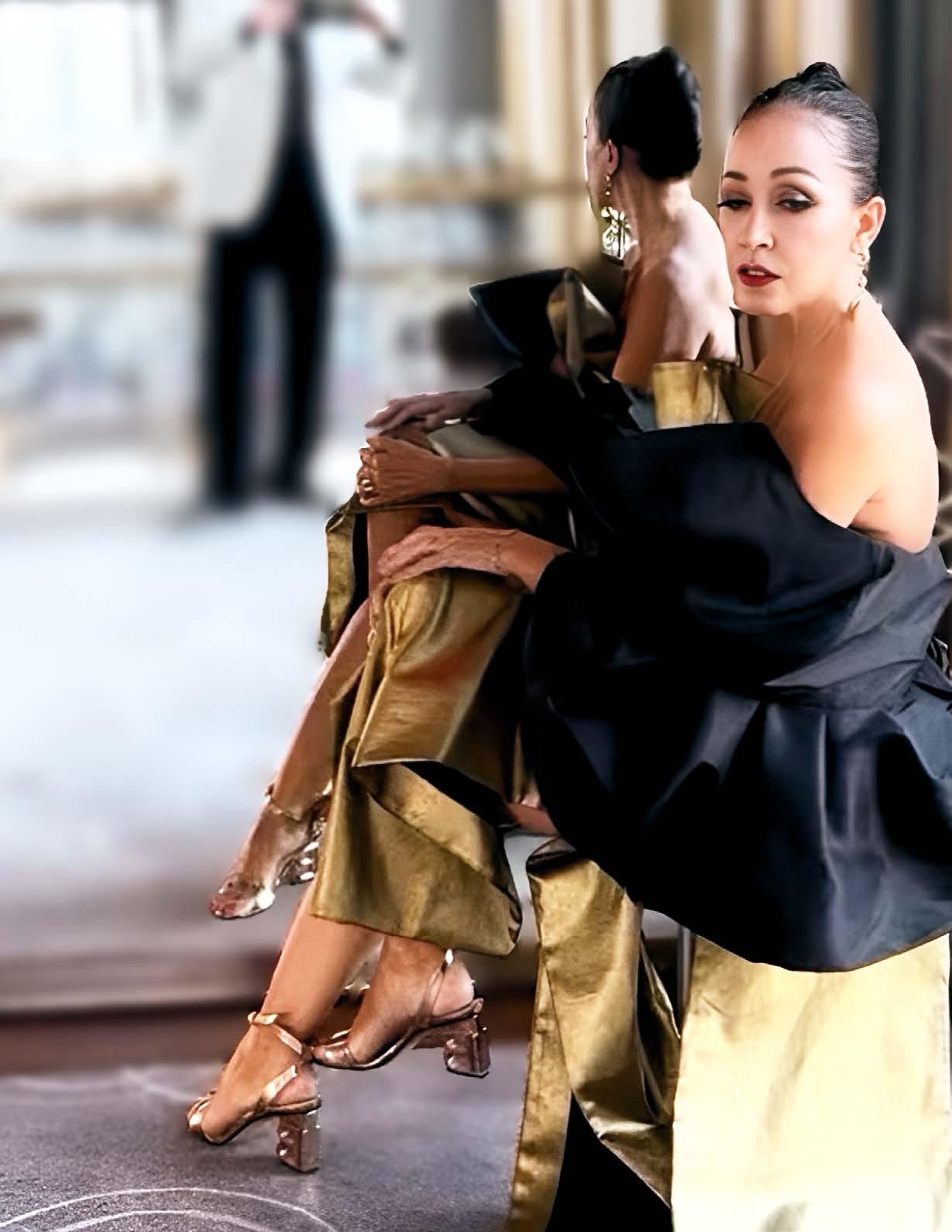
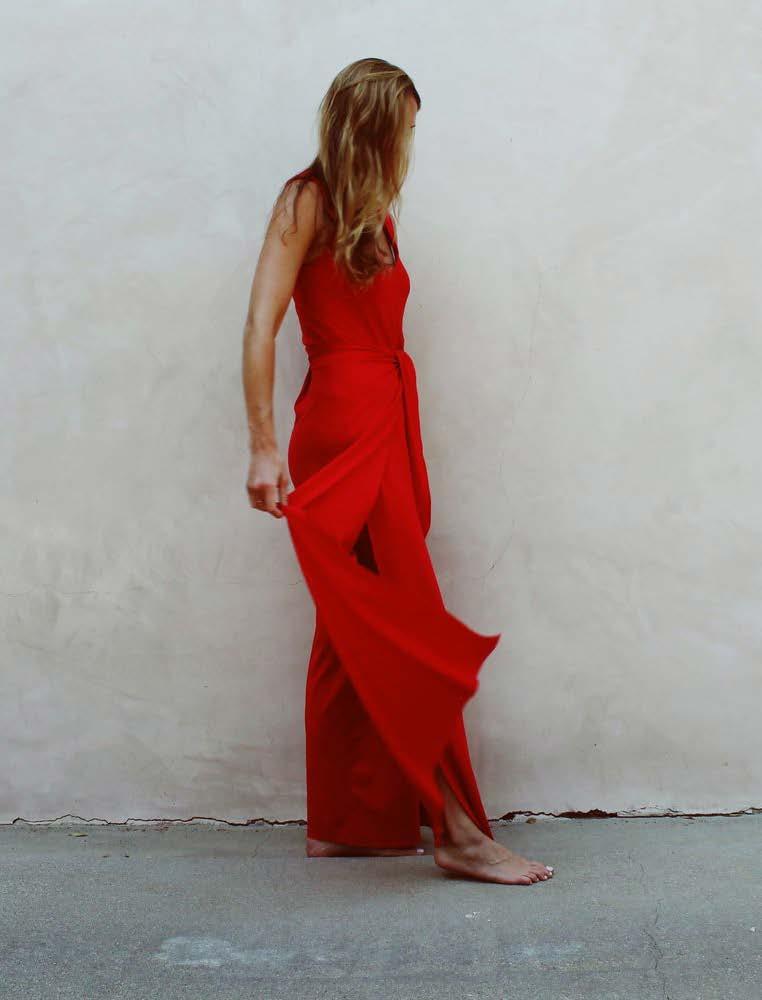


FINALLY A JUMPSUIT YOU CAN PEE IN! MADE BY WOMEN FOR WOMEN.

tomfoolery.la

Waste Not, wear it
WORDS | MARY-JANE DASER IMAGES | ALINEA FASHION
Claudette Jane Transforms Straws into Style with Alinéa Fashion
Alinéa Fashion started in 2018 when Claudette and her friend were having a girls’ night out and felt like being creative. She thought of the melting beads she did with her mum when she was younger, and they used the same technique to melt straws and make flowers. That experience stuck with her and birthed Alinéa Fashion.
Growing up, Claudette’s dad was a key geologist in the oil and gas industry allowing her to see firsthand and understand the benefits and the impact of these resources on the environment. Other people may vilify the industry, but Claudette thinks that is an unhealthy approach, considering how much of it is instrumental in powering the world— the foundation of industrialization and mechanization lies on the back of carbon. She believes we can do something about these useful yet often misused resources. We have no choice but to transition into safer environmental practices and find other alternatives to plastic, particularly the plastic used to make everyday items like straws, which Claudette believes we excessively misuse. True to her beliefs, Claudette started her fashion brand Alinéa Fashion to upcycle straws collected from Texas restaurants to make jewellery and fashion accessories. She auctions her products and uses the
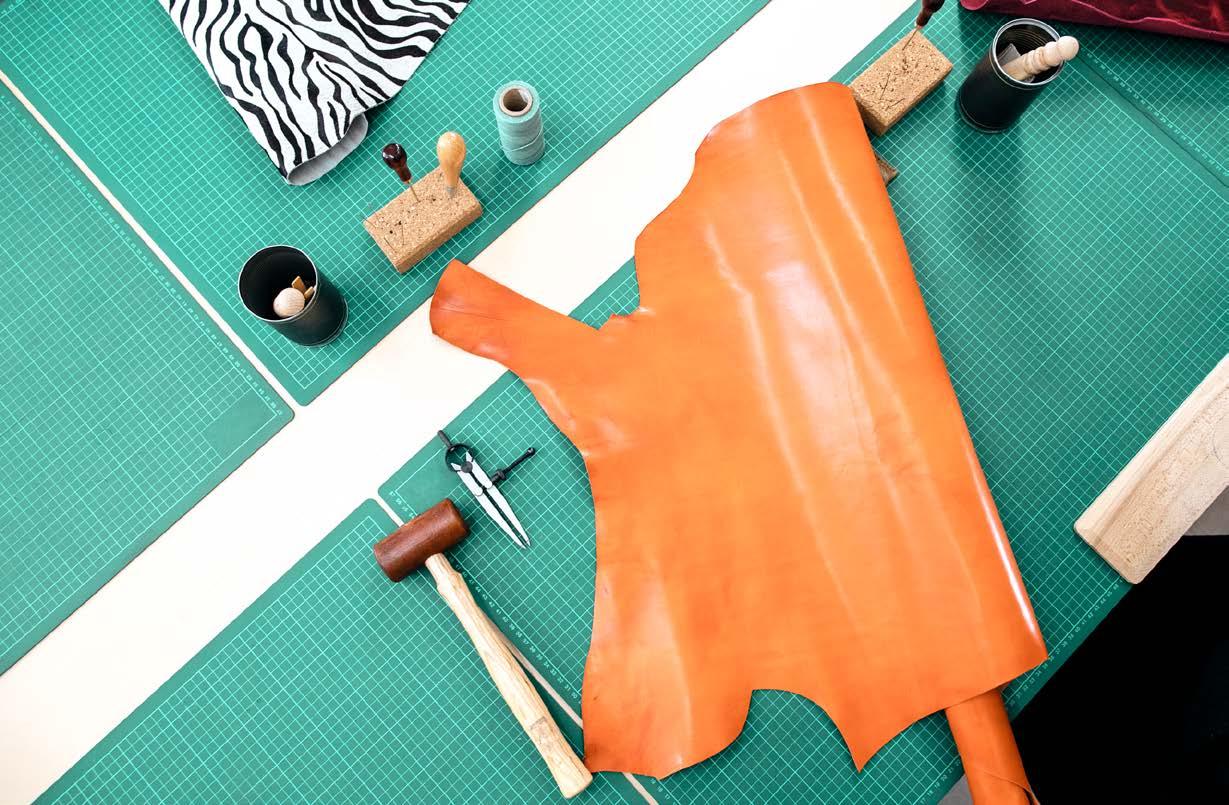
money to fund a charity she believes in, one that makes healthcare accessible to people in low-income families.
Alinéa Fashion transitioned from a hobby to a fashion accessory venture, making an impact by funding charities and ridding the environment of waste.
“I knew Alinéa Fashion was serious business when a young lady in the Philippines recreated one of my designs and was eager to flaunt it,” said Claudette. Here she was in Texas, creating fashion accessories with straws, and the idea resonated with somebody far away in the Philippines. This affirmed her belief that more people were becoming environmentally aware and thinking about better ways to use straws
FASHION PROJECTS THAT CHANGE MINDSETS
Claudette is proud of her work and has all the validation she needs to keep going. She takes pride in ridding the environment of waste and making
Most designers fear running out of materials. Without them, they couldn’t possibly create their designs. For the founder of Alinéa Fashion, Claudette Jane, it’s the reverse. Plastics are her raw materials, but her greatest desire is to make them history—a thing of the past belonging in a museum. She’s not your average fashion entrepreneur, and when TrooRa spoke with Claudette, we soon learned that there are many layers to her fabulous brand, Alinéa Fashion.
fashionable pieces in the process. With the positive feedback from customers on social media and people’s desire to join her, Claudette is positive that she is making an impact. She is confident that as time goes on, people will think more about how they can recycle plastic
and not just use and dispose of it. This wish may not take long to come true. Claudette tells us that she receives many requests from people from other states and beyond who tell her that they have loads of straws and would like to ship them to her.
Although she can’t take on as many straws as she would like, Claudette looks forward to a time when a community of people takes these resources out of the environment and upcycles as she does.
The long-term goal is to build small clusters of upcycling communities close to every coffee shop, where plastic becomes a currency or a means to raise money to solve various challenges. In her words, “tackling the plastic before it becomes trash and through that, maybe encouraging people to transition to a more sustainable lifestyle.” Interestingly, her theory that people will eventually shift to a more sustainable and environmentally conscious lifestyle has been proven.
Using a similar experience, Claudette told TrooRa of a coffee shop that joined her recycling program and was willing to give her straws for her collections. Over time, the owners realized they did not need plastics and invested in reusable cups and compostable straws instead.
RECYCLING FOR HEALTHCARE
As for how far she wants her brand to go, Claudette is mostly interested in customizing special art pieces, drawing from her well of creativity to create unique pieces for her customers. Although she currently operates online, she hopes the future will consist of one or two boutiques. Most importantly, the plan is to have a means of travelling with her tools, “where the brand travels with me,” she explains, so that she can make a piece on demand and commission pieces in galleries and homes. The desire to work with private clients and commission specific projects is grounded in her business model, which is using plastic as a resource to raise enough money to fund a health charity, a project dear to her heart.
Claudette is aware that there are still people who don’t believe that climate change exists or that human activities are affecting the climate. However, she is undeterred and has said that people who doubt the effect of climate change can visit Houston, Texas, and experience how much hotter it has become over the
last few years, and hurricanes are more aggressive. At her core are recycling, upcycling, and sustainability, so much so that the fashion trend she hopes we can find a deeper appreciation for is upcycled fashion, where every design is created by a passionate individual with a great story.
She is relentless in building a community of like-minded people who see plastics as a resource rather than a foe. She is currently working on the London Chain Dress, which she will showcase in February 2025 and teach others how she created it.

FOUNDER
Claudette Jane
KHANUNBYMIMI
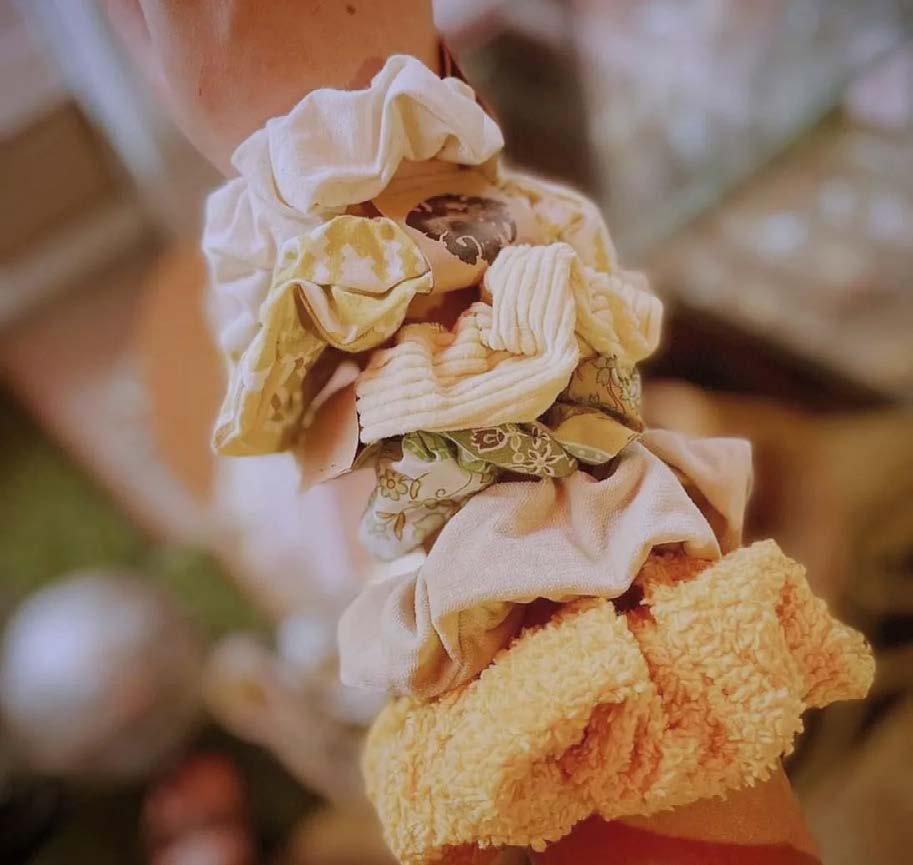

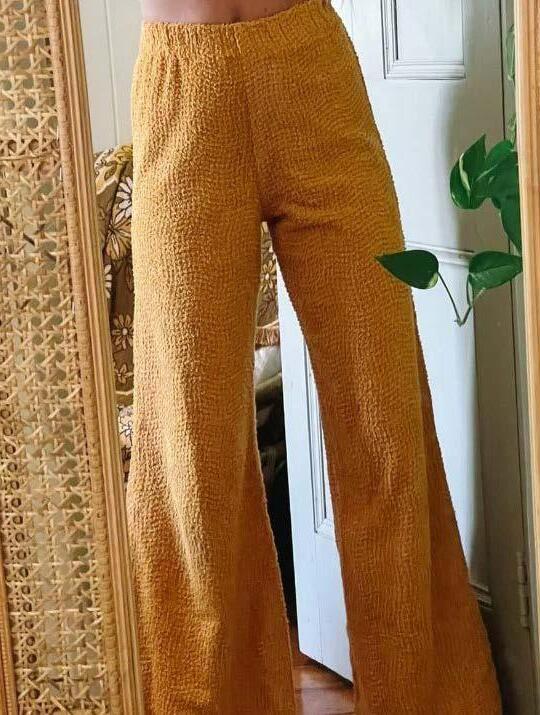
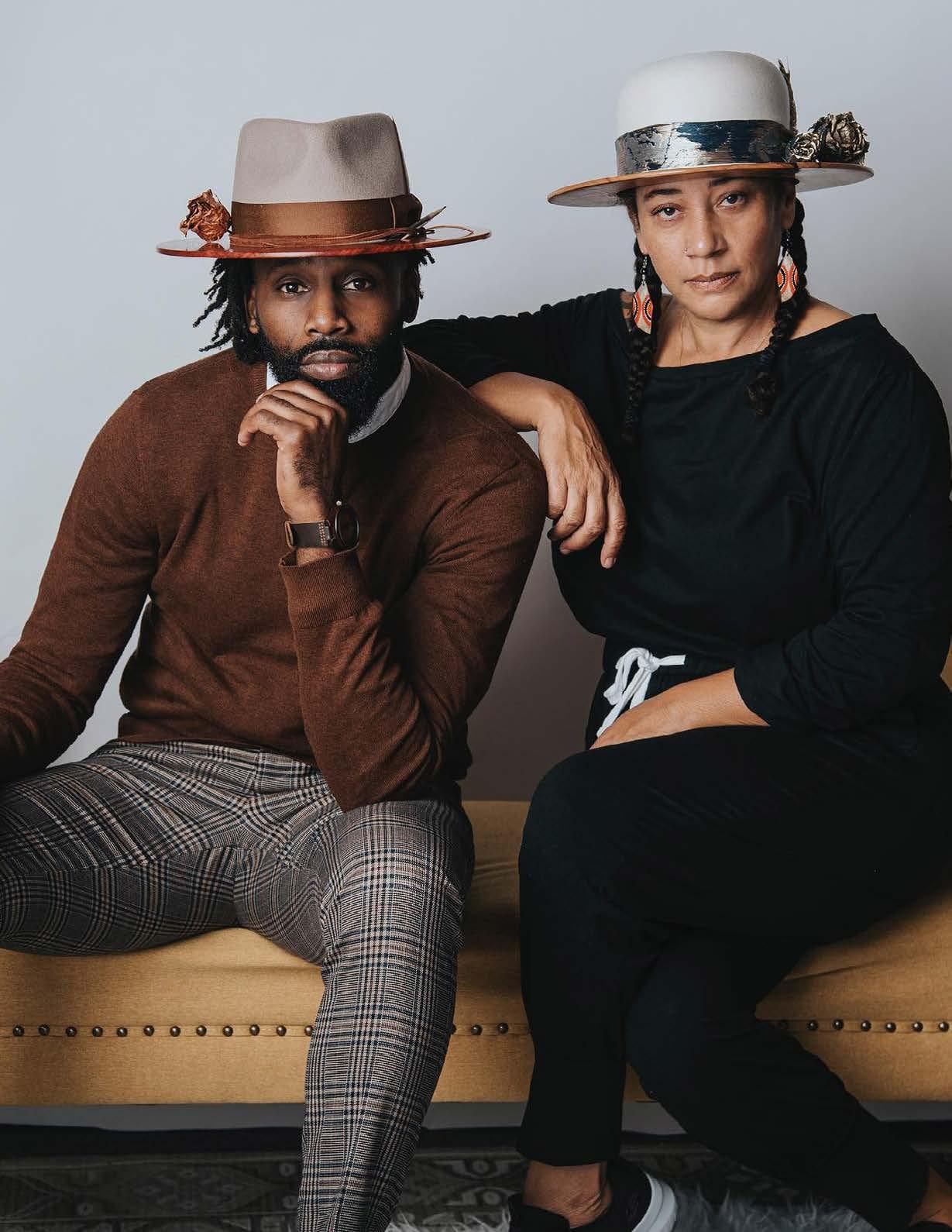
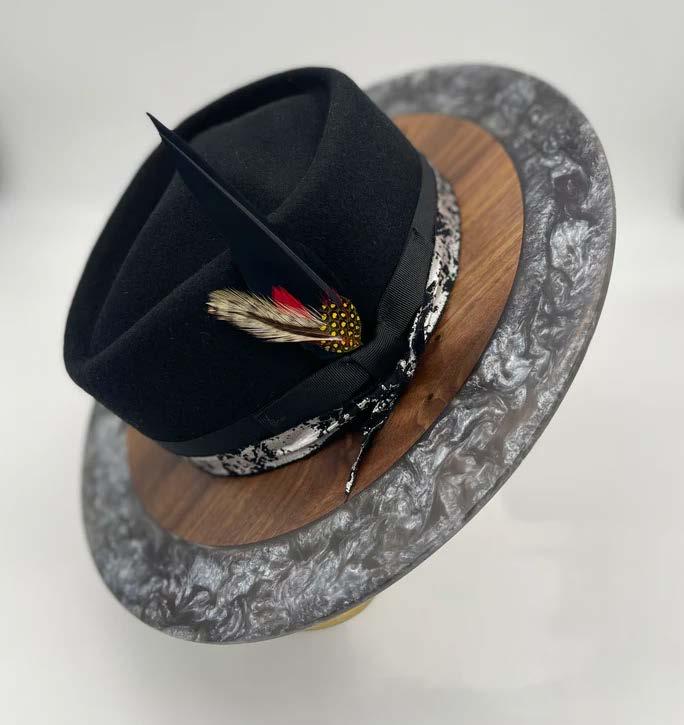
WE STRIVE FOR SOPHISTICATION AND ELEGANCE!
Perfectly Petite Effortlessly Chic
WORDS | STELLA POLYZOIDOU IMAGES | SLOAN SYMINGTON
Sloan Symington’s Mission to Tailor Fashion to Petite Women
Spending a wonderful morning chatting with Sloan Symington over Zoom, I quickly realized that her vision was born out of necessity—addressing a problem petite women face daily. Symington didn’t set out to follow the typical high fashion path, where beauty is often synonymous with exclusivity, size-zero models, and unaffordable price tags. Instead, when she launched her brand in 2020, her focus was on creating accessible fashion—both in price and fit—for real women with real lives.
“I wanted to create that intersection of high design and classic, timeless pieces, but with real, everyday people in mind,” Symington says.
Her fashion journey started with a personal need. At 5’3” and a curvy size 4/6, she struggled to find stylish, well-fitting clothes that worked for her lifestyle. The options she came across were either outrageously expensive or just plain impractical. This frustration fueled her mission: to design timeless clothes that are versatile, comfortable, and accessible to all women, regardless of size or shape. Symington’s designs aren’t just about aesthetics; they’re built for real life. Every piece is machine washable, wrinkle resistant, and priced so that looking chic doesn’t mean spending a fortune. “Who has time for dry cleaning or ironing these days?” she laughs, summing up her brand’s down-to-earth approach to fashion.
In an industry that often prioritizes exclusivity over inclusivity, Sloan Symington is carving out a unique space for women who want timeless, elegant, practical fashion without compromising comfort. Her journey from personal frustration to empowering design illustrates the evolving nature of fashion in today’s society, where representation and accessibility are more important than ever.
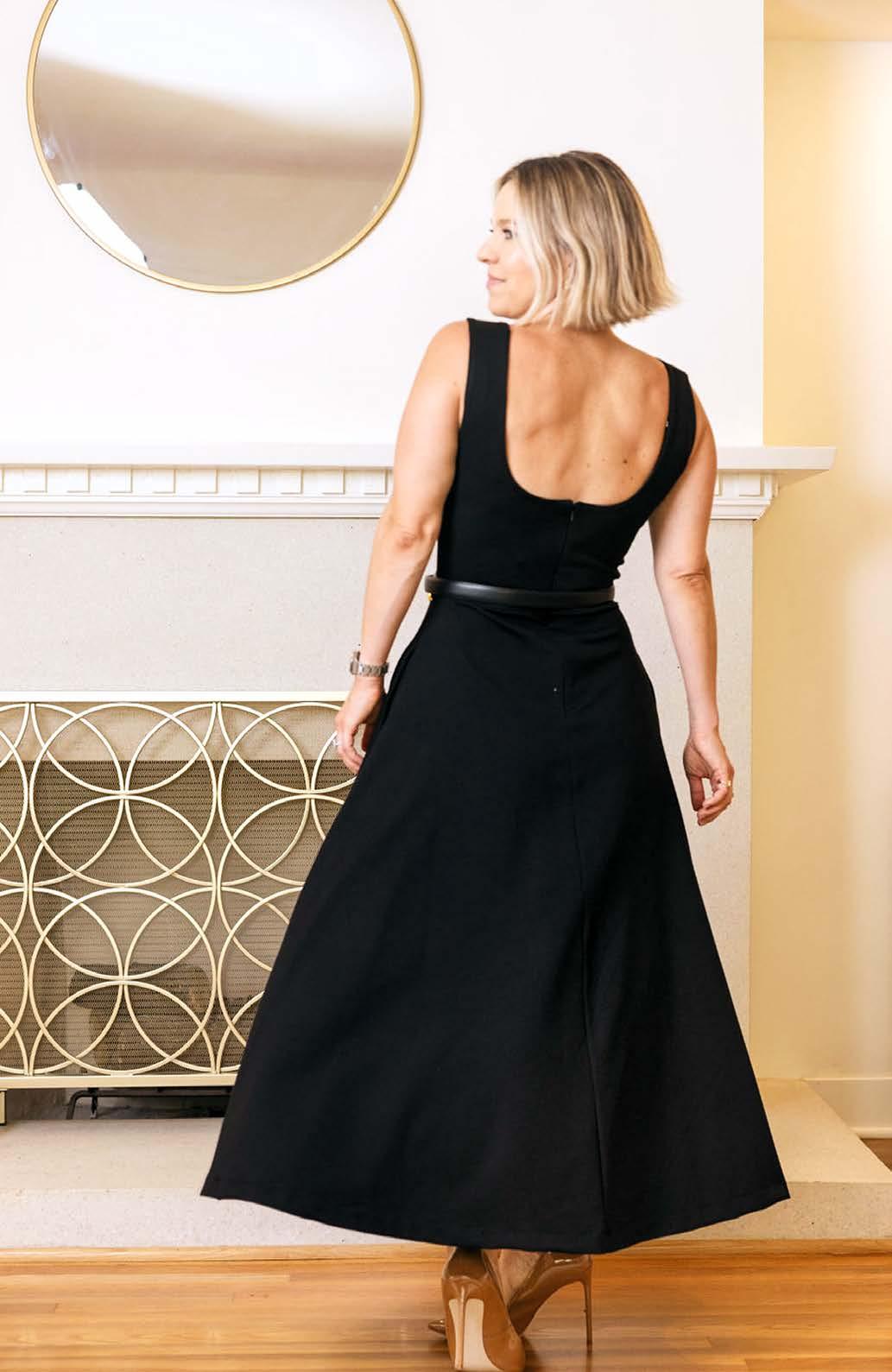
In today’s society, many women struggle to find well-fitting, flattering clothing. It often feels like you have to be tall and lean or shell out a fortune to look stylish. This dilemma can be disheartening, especially for petite women who feel overlooked by mainstream brands. Symington’s keen eye for identifying gaps in the fashion industry has allowed her to create smart, solution-oriented designs. “Every piece starts with a problem I’m trying to solve for myself,” she explains. Take her innovative low-back dress, for instance; she incorporated a simple
crossbar that allows women to wear a bra—a practical solution often overlooked by other designers.
Design for Symington isn’t a solo endeavor. By actively involving her customers in the decision-making process and soliciting their feedback on social media, she creates a community around her brand that resonates with real women. When a fan requested a mini version of her popular midi-length Love Boat Dress, Symington seized the opportunity without hesitation. “It was
like a lightbulb moment,” she recalls. The mini version ended up outselling the midi length several times over, proving that customer input is invaluable. “It’s a twoway street,” she emphasizes. “It’s exciting to have customers feel so invested in the brand that they become part of the design journey.”
Building a philosophy around fashion is no small feat, especially in a world where new brands seem to pop up every day, all vying for our attention. Having a clear vision is essential, and Sloan Symington embodies

Get to Know Her
If you had to pick an animal or anything else that represents your personality, what would it be?
I’d probably say an elephant. Taking it in a more literal sense, elephants are these enormous creatures that possess a unique beauty. They use their trunks for so many different things—like spraying water on themselves or eating. I find that incredibly beautiful. They are majestic but also very self-sufficient, and everything they do centers around their trunks, which is a defining feature for them.
Everyone has a favorite word or phrase. What’s your favorite and why?
I feel like I’m going to use this word until I’m blue in the face, but it has to be “timeless.” I want my pieces to be something you can look at a year or two from now and not think, “Oh, that didn’t look great.” It’s okay to have fun with fashion, but I aim to create timeless pieces that can be appreciated across generations. For instance, I recently had a mother and daughter both purchase from me—the mother bought the longer version of a dress, and the daughter got the mini version. Their age difference is over thirty years, yet they were both genuinely excited about my designs. I’m not just creating for Gen Z or for women over fifty; I’m creating pieces that resonate across age groups.
Everyone has a personal soundtrack representing their life’s journey. Name a song that speaks to your heart.
That’s hard! The first song that comes to mind is “Don’t Stop This Train” by John Mayer. It’s about talking to his parents and one of the lines is, “When you turn fifty-eight, you’ll renegotiate. Don’t stop this train.” It resonates with me because it speaks to the idea that life keeps moving, no matter what you’re facing—good or bad. It’s about embracing where you are in life, not just trying to rush to the next stage.
Our themes are often focused on certain issues. If you could choose one theme, which would you suggest and why?
The word that keeps coming to mind is “progress.” I believe in constantly wanting to keep moving forward in the name of progress, which can mean so many things. Our culture often emphasizes just getting through things, but time keeps moving. It’s about chasing progress, not perfection. Sometimes the steps you take forward are small, and that’s okay. There will be times when you take steps back, whether professionally or personally, but what matters is always moving forward in the name of progress.
@sterjianni


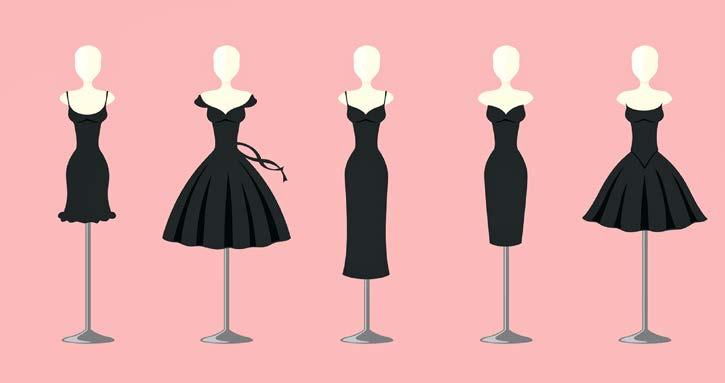
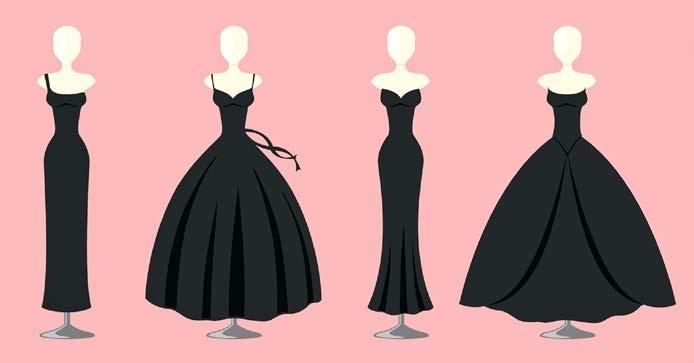
this principle perfectly. “There’s something about just putting on one piece and being done—no fuss, no stress,” she shares, encapsulating her approach to design. Her philosophy is rooted in the belief that clothes should work for you, not the other way around. “I wear-test everything myself. If something’s a nightmare to take care of, it’s not going to make the cut,” she insists, highlighting the importance of practicality alongside aesthetics.
Looking ahead, Symington is excited about her upcoming launches. “I’m working on a piece that’s going to be my biggest launch to date,” she teases. With a focus on more mini and midi dress options, along with her first standalone pant, she’s committed to pushing boundaries while staying true to her core values of practicality and elegance.
Symington listens, adapts, and grows with her customers, and that’s what makes her stand out in an often exclusive industry. “I want people to know that what I’m creating is for everyone. These are the
pieces you can go to when you need to feel your best,” she says.
PROGRESS, NOT PERFECTION
Chasing progress, not perfection, is Symington’s motto. And her vision? To create elevated everyday essentials— timeless pieces that make women feel confident, powerful, and chic, no matter what their day holds. As Symington puts it, “Fashion shouldn’t be exclusive. Everybody deserves to feel good in what they wear.”

FOUNDER Sloan Symington

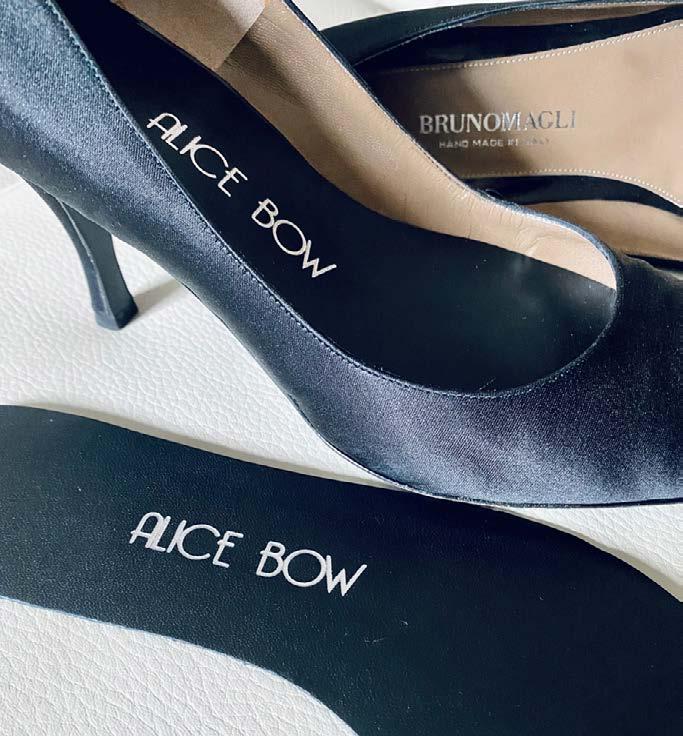

alicebow.com
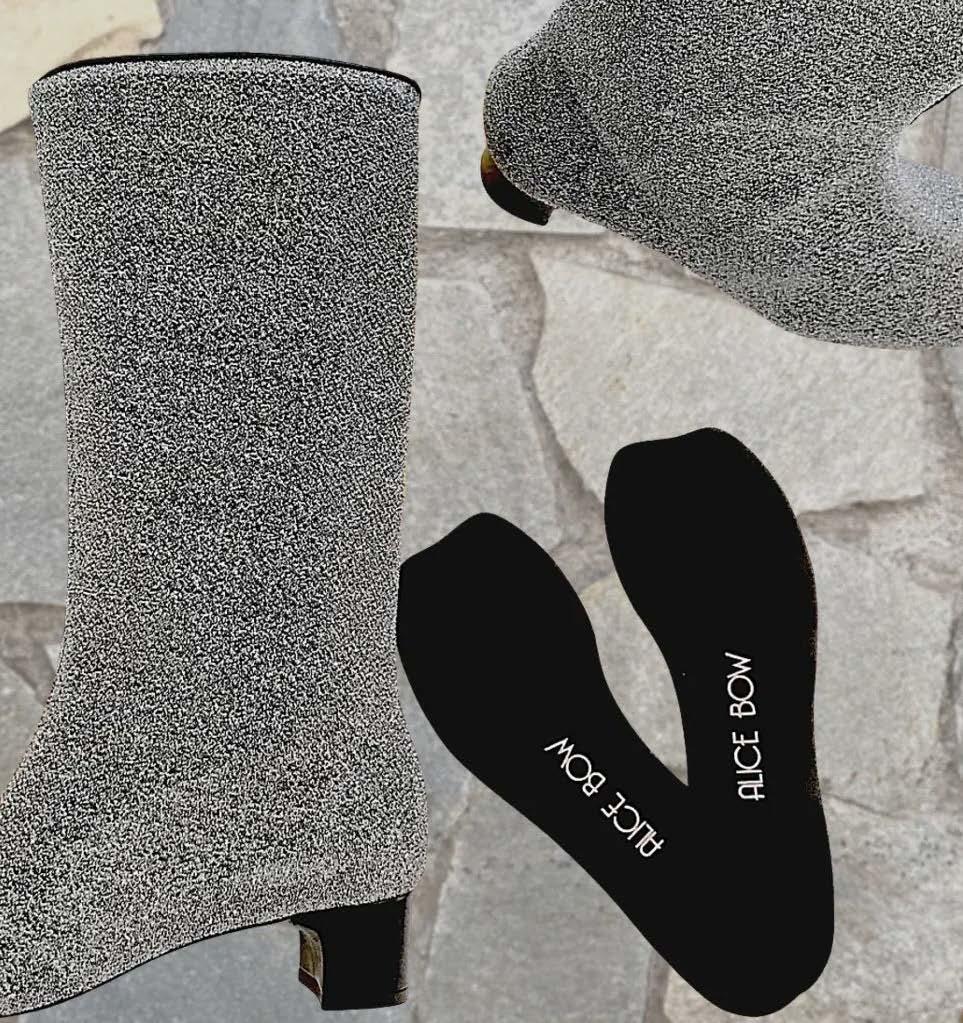
Beautiful shoes should be comfortable too
DESIGNED IN LONDON CRAFTED IN THE UK.
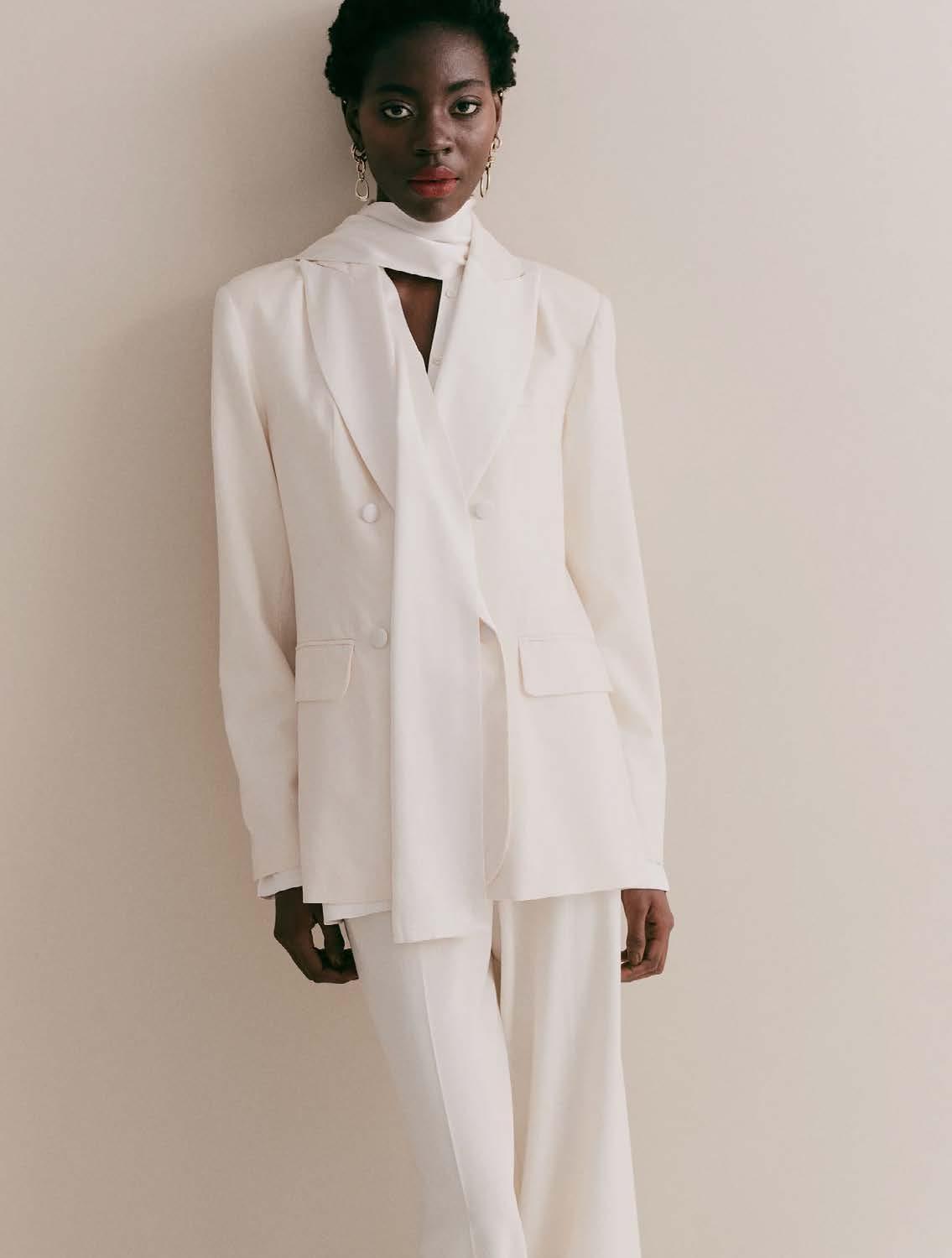

THE
SLOW STYLE MOVEMENT
WORDS | ELOISE STARK IMAGES | BEAUMONT ORGANIC

STYLE MOVEMENT
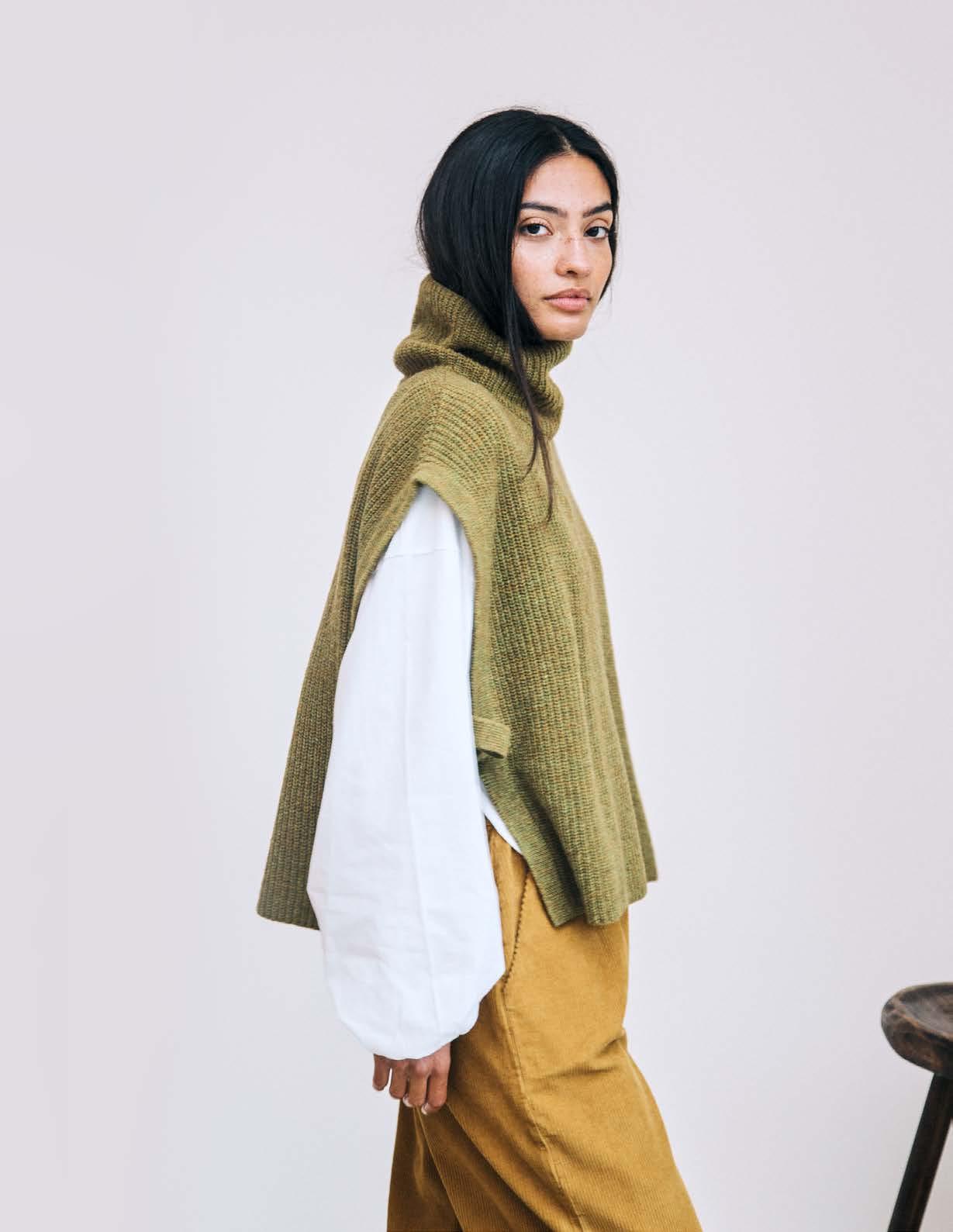
Beaumont Organic Leads the Way with Ethical Elegance
WITH HER SUSTAINABLE CLOTHES COMPANY, BEAUMONT
ORGANIC,
HANNAH BEAUMONT-LAURENCIA WANTED TO OFFER
SOMETHING DIFFERENT: GARMENTS WITH A HISTORY AND A PRODUCTION PROCESS WHERE EVERY STEP IS ACCOUNTED FOR.
Look down at the shirt you are wearing right now. Think of how far it came before it reached you. Think of the person picking the cotton and how those white, fluffy clouds traveled long distances to where the next person spun them into thread. Those threads then journeyed on to be dyed in different colors and woven into fabric. Someone else designed your garment. Someone cut the fabric. Someone sewed it.
When we pick an item of clothing from a rack in a store, it is easy to forget how much work went into it. Today’s supply chains are so convoluted that we have lost touch with how things are made. Human rights violations and environmental damage can easily hide in these long and opaque production journeys. It’s easy to forget the true human cost of our possessions and see them as disposable.
Hannah Beaumont-Laurencia wanted to offer something different with her sustainable clothing company, Beaumont Organic. She ensures that every step of the production process is accounted for, partnering with sustainable factories in Portugal to make organic, eco-friendly clothing. She personally travels to see where their fabrics are made, their threads spun, and their cotton picked. When you buy a shirt from Beaumont Organic, you can go to their website and get information about
every step of its journey. In a world of fast fashion, Beaumont Organic is inventing a different, mindful, sustainable way to consume clothing.
ORGANIC FABRIC
After graduating from fashion school, BeaumontLaurencia wanted to work with organic fabrics and natural fibers but found very few of them in mainstream fashion. She founded Beaumont Organic from her parents’ spare room in 2008, starting with a small collection of T-shirts that she sold wholesale. Beaumont-Laurencia spent most of her weeks driving up and down the country with a suitcase of clothes, knocking on the doors of independent boutiques to ask if they would look at her collection.
Fast forward sixteen years, and today, Beaumont Organic is booming. They offer a full range of clothing, babywear, accessories, and homeware. Their flagship store is in a beautiful Victorian townhouse in Manchester, UK, and their clothing is stocked in stores from Japan to Denmark.
Beaumont Organic’s garments are made from Global Organic Textile Standard certified cotton, a certification given to cotton that is farmed without harmful pesticides, using non-genetically modified seeds by workers who receive fair wages. Each stage of production, from spinning the yarn to
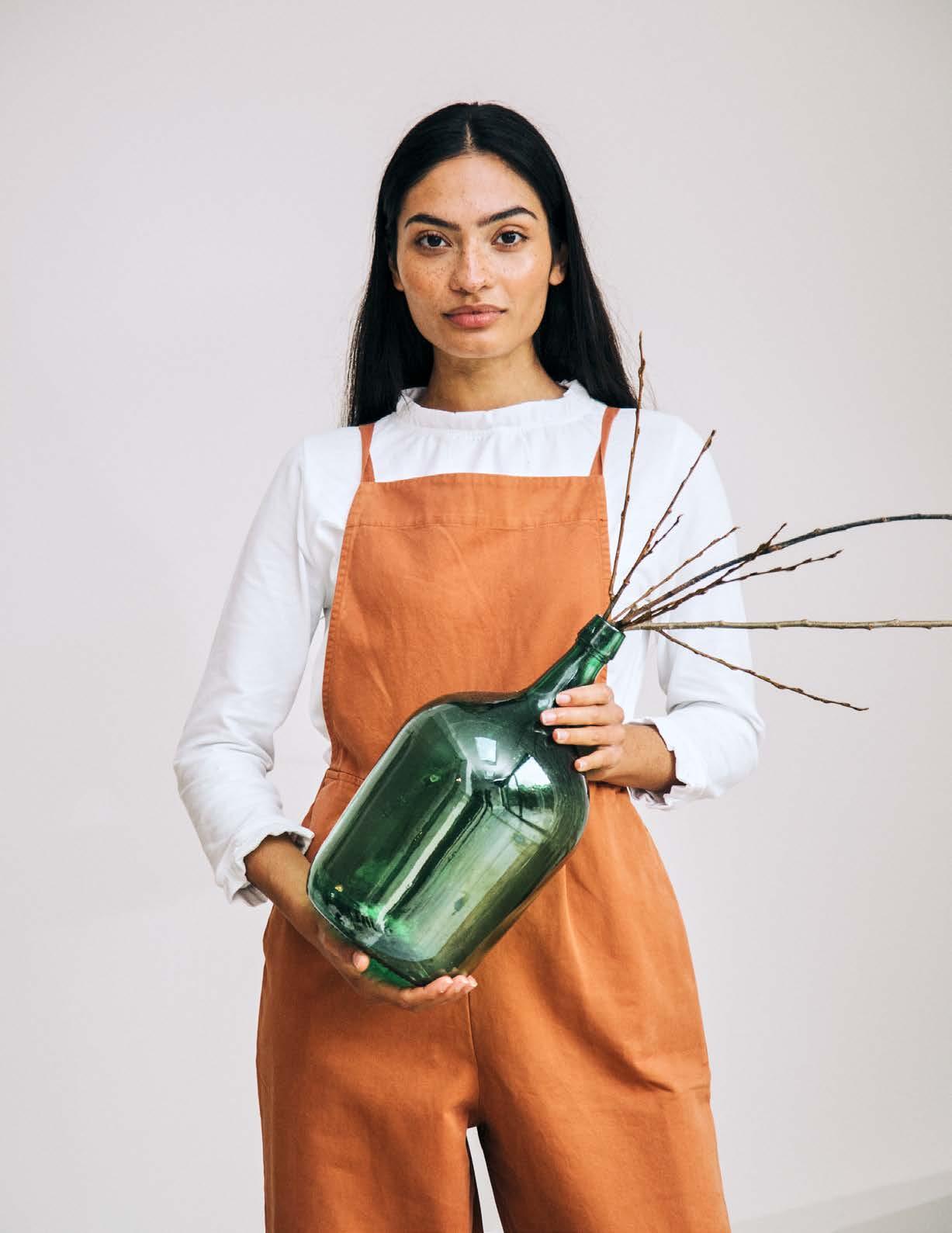
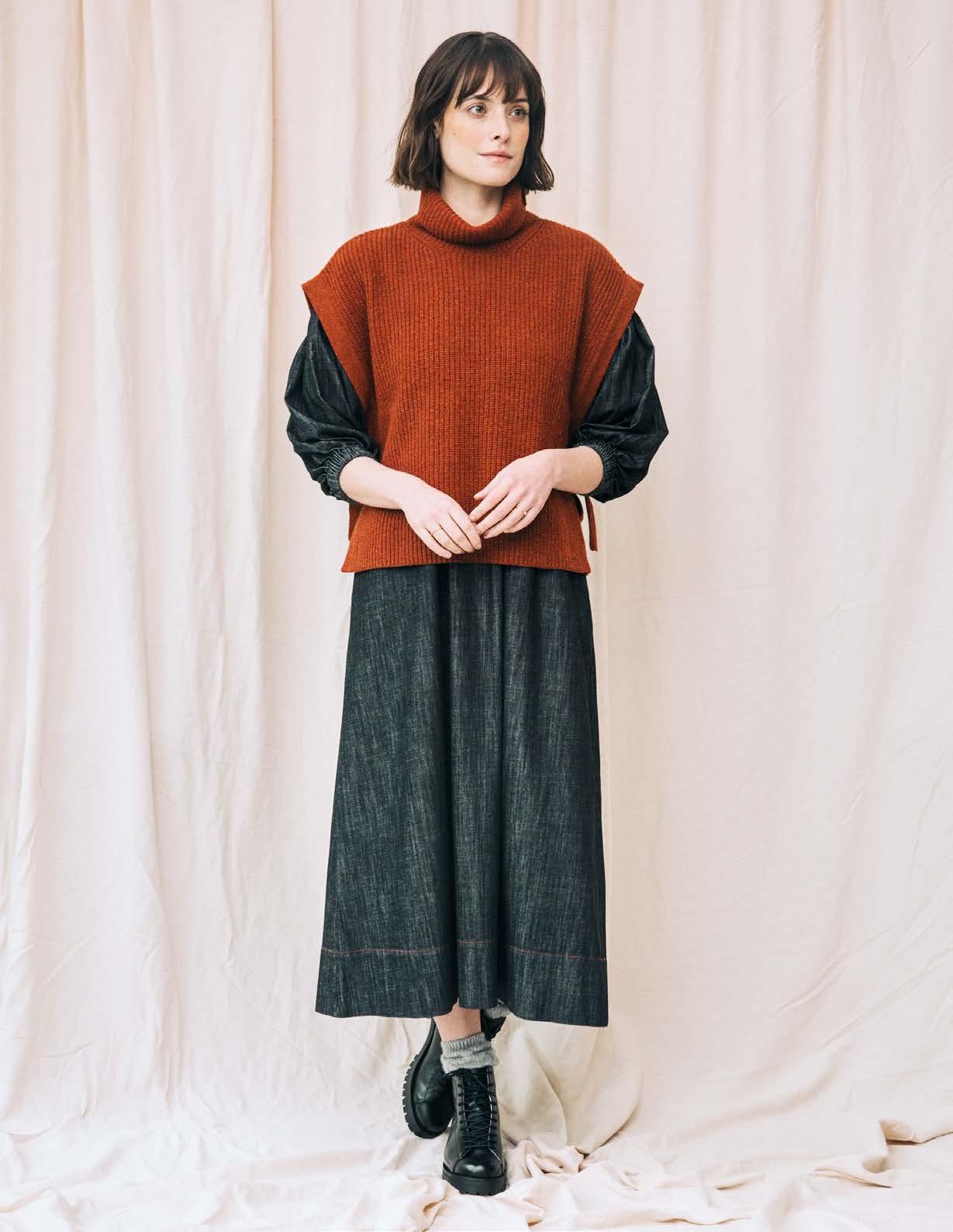
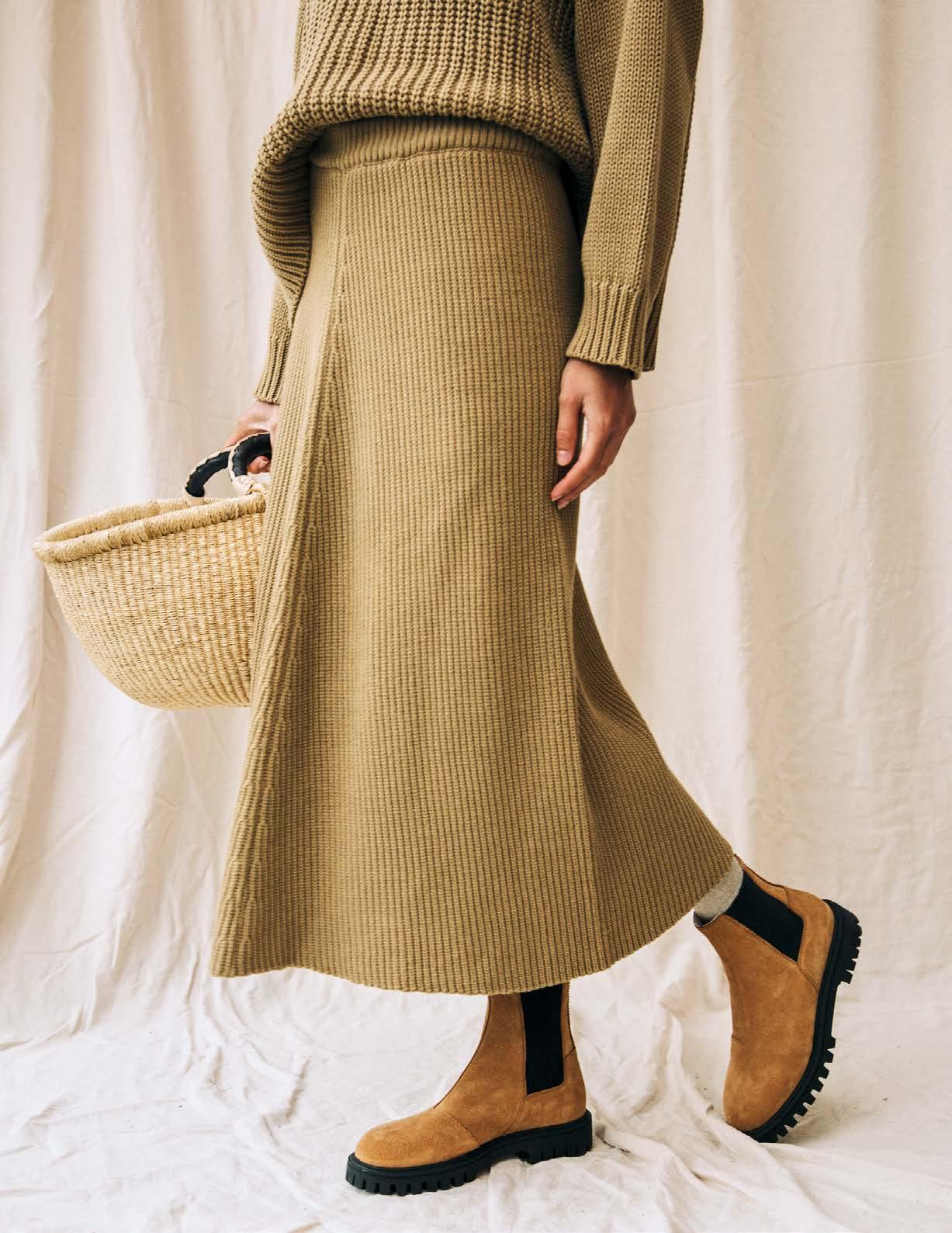
cutting and sewing the garments, takes place in a 50-km radius in Portugal. This localized approach minimizes the carbon footprint of transportation and allows for greater control over the quality and ethical standards of the production process. “We’ve been working with the same factories for sixteen years,” explains Helen Aye-Maung, Beaumont Organic’s head of marketing. “Our founder, Hannah, visits them regularly, and we’ve built really strong relationships with them.”
STEP BY STEP
As Beaumont Organic’s understanding of sustainability grew, they realized that they needed to go further than just using eco-friendly fabrics. Aye-Maung explains, “It was great just to know the fabric was organic and made in a good factory, but we wanted more.” About four years ago, they launched a project to map the entire supply chain, collaborating with factories to trace the production process back to the dye houses and weaving mills.
Aye-Maung adds, “Now, if you visit our website, you can see exactly where each item was farmed, woven, dyed, and stitched. Part of that is about educating customers on how complex the production process is and how many people are involved. It’s not just about justifying the price, but also about fostering a deeper appreciation for the garments people are buying.”
This level of transparency is rare in an industry where the origins of garments are often opaque, with items being manufactured in multiple countries without consumers knowing where or how they were produced. By providing a clear picture of its supply chain, Beaumont Organic invites its customers to make informed decisions and appreciate the craftsmanship behind each item. “We want people to understand that it takes weeks, sometimes months, of somebody’s life to build this piece of clothing,” Aye-Maung explains. “That understanding makes it harder to have a throwaway mentality.”
RESTORING THE EMOTIONAL CONNECTION WITH CLOTHING
In the past, people would make their clothes themselves or order from local seamstresses and wait for weeks to see the finished product. As a result, “there was a much closer understanding of, you know, the workmanship and the craftsmanship that goes into creating a piece of clothing. We’re so far removed from that now,” notes Aye-Maung. “All we see is the finished piece hanging on a rail in a store. And it’s so easy just to grab that, buy it, wear it, throw it away.”
When you know where a garment came from, it’s easier to have an emotional bond with it and want to keep it for years. Thankfully, Beaumont Organic’s clothes are built to last. “Sustainability is about more than just buying responsibly made clothes,” AyeMaung explains. “It’s also about how you care for those clothes and the lifecycle of the garments after you’ve bought them. Our clothes are designed to last for years, even decades.”
With this in mind, Beaumont Organic offers free repairs for life so that a small tear or a loose seam doesn’t lead to the garment being discarded. They also offer a resale service so that if your style or size changes, you can give your clothes a second life.
TIMELESS
Designing clothes that are going to stay fashionable, year after year and even decade after decade, requires a specific approach. Instead of chasing fleeting trends, Beaumont Organic creates pieces that are timeless and enduring. “We focus on creating styles that will stand the test of time,” says Aye-Maung. “For example, wide-leg trousers with an elasticated waistband are one of our signature items. We’ve found that people love them, so we continue to offer them season after season. We might tweak the fabric or silhouette slightly, but the core design stays the same.”
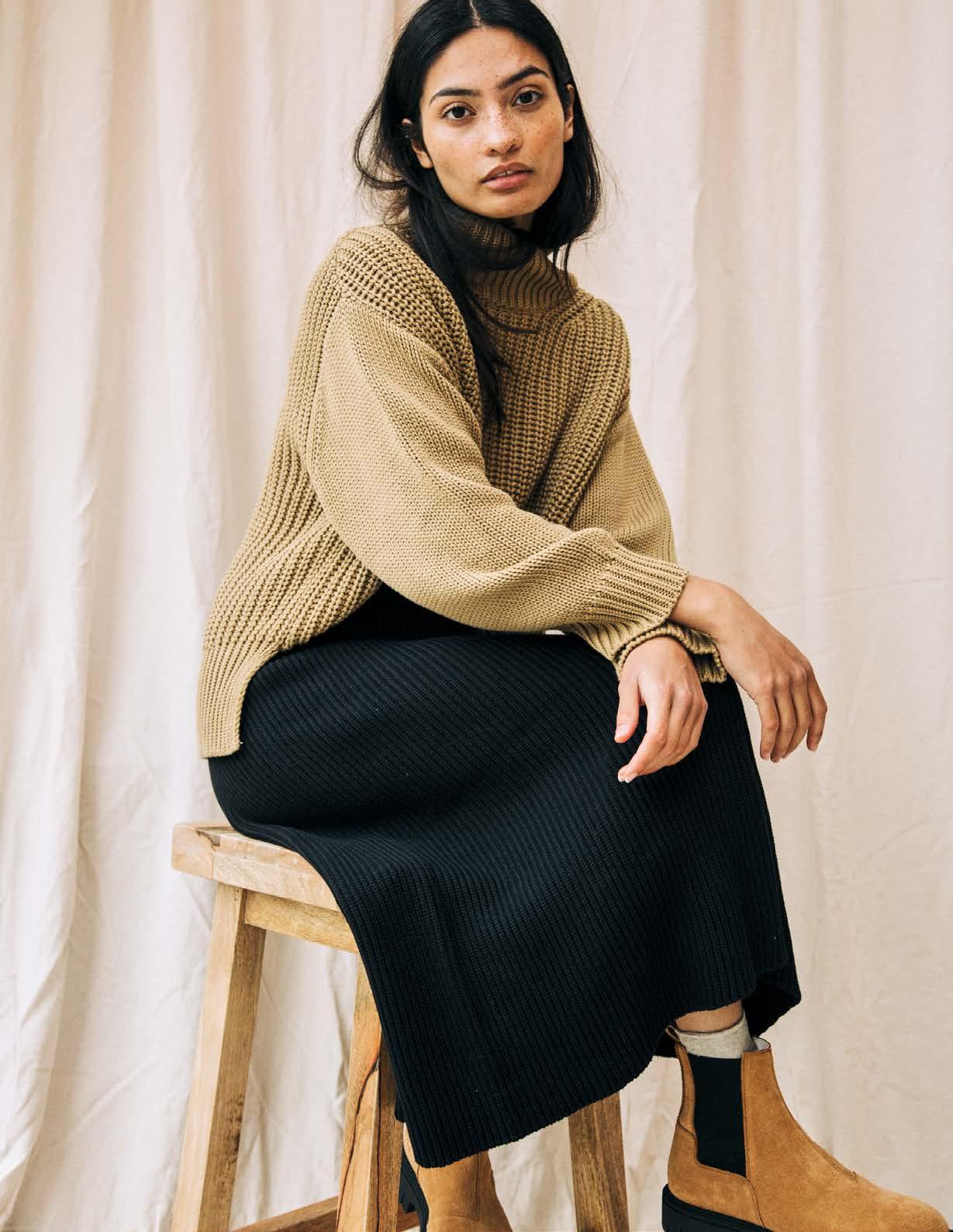
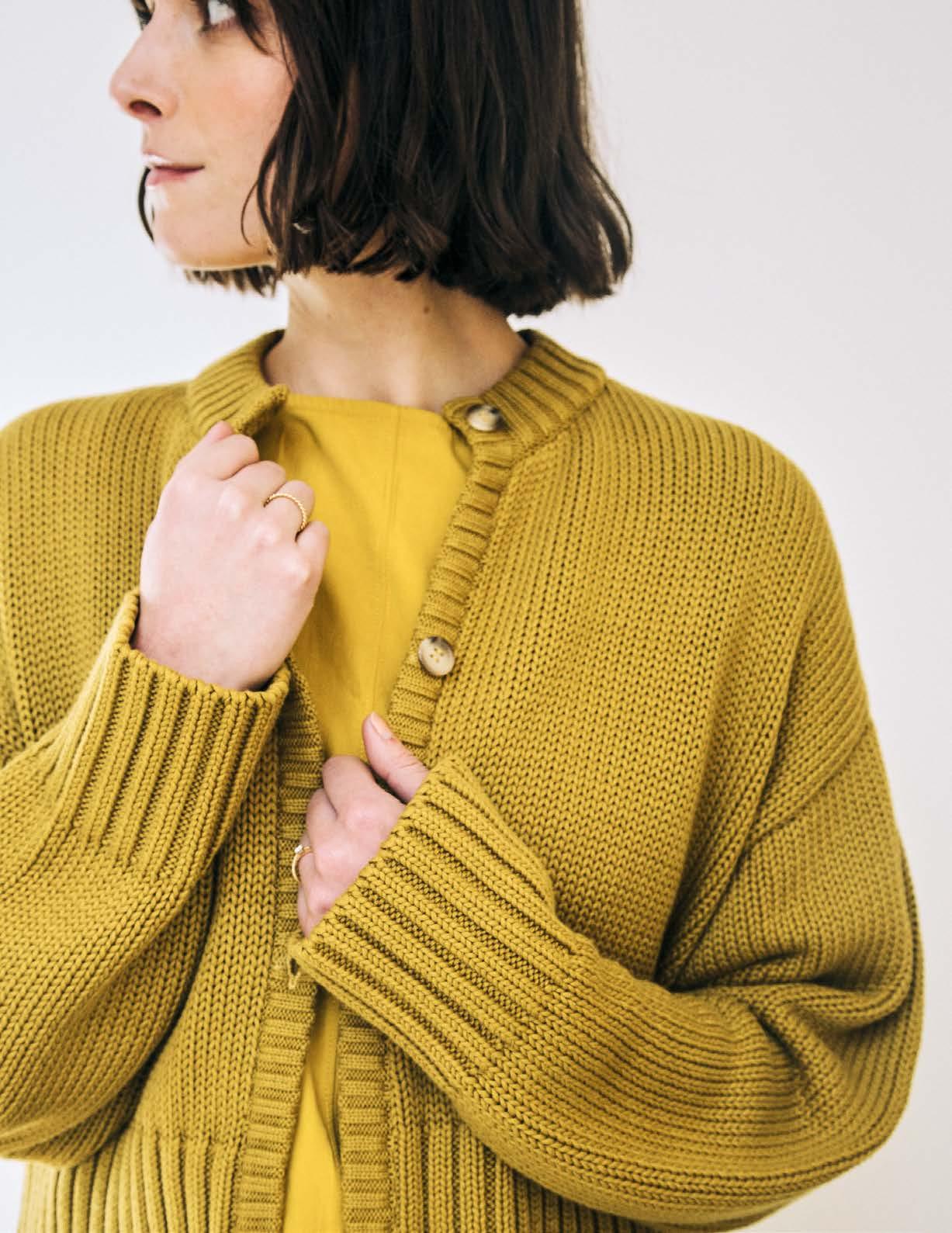

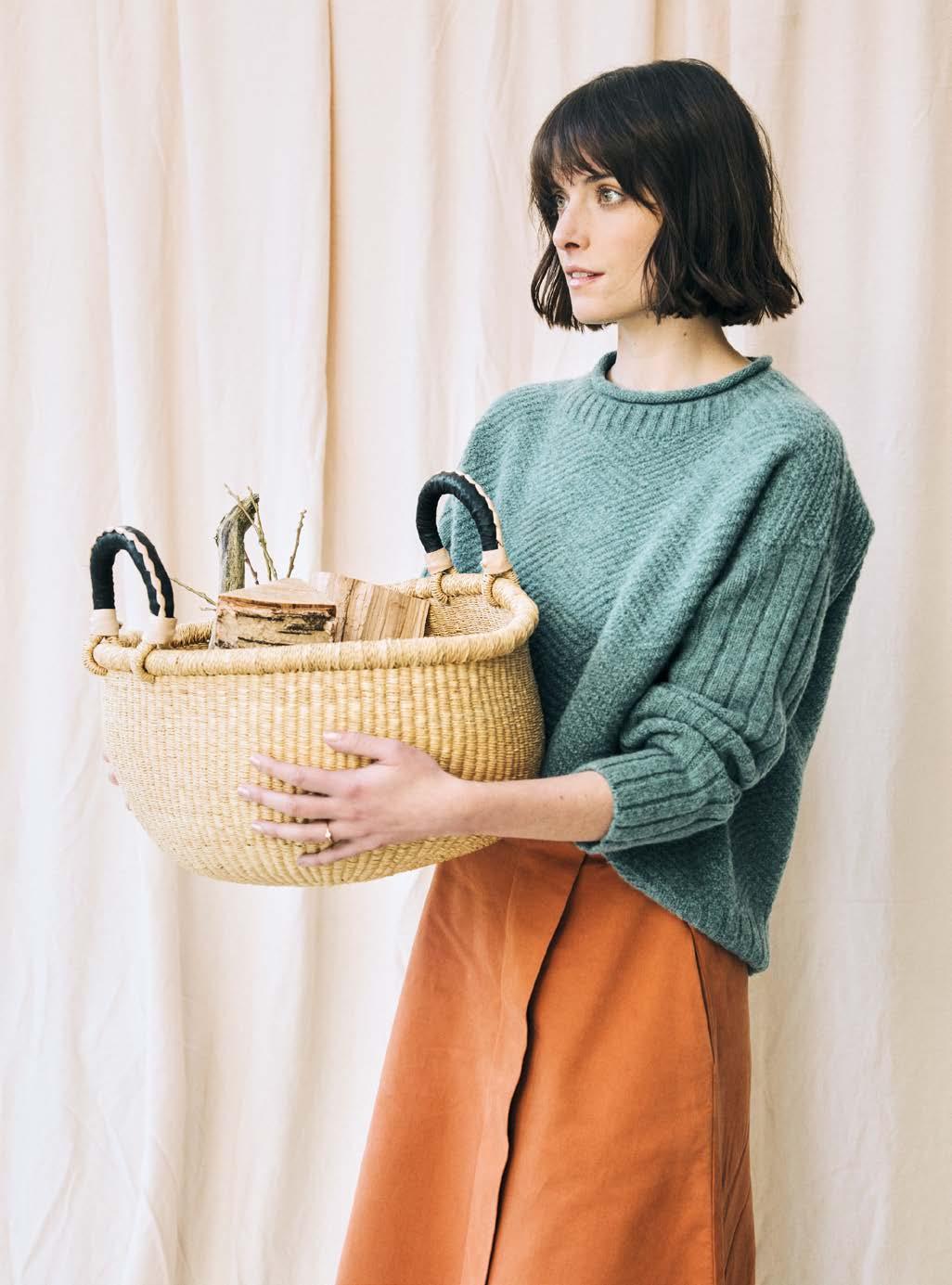
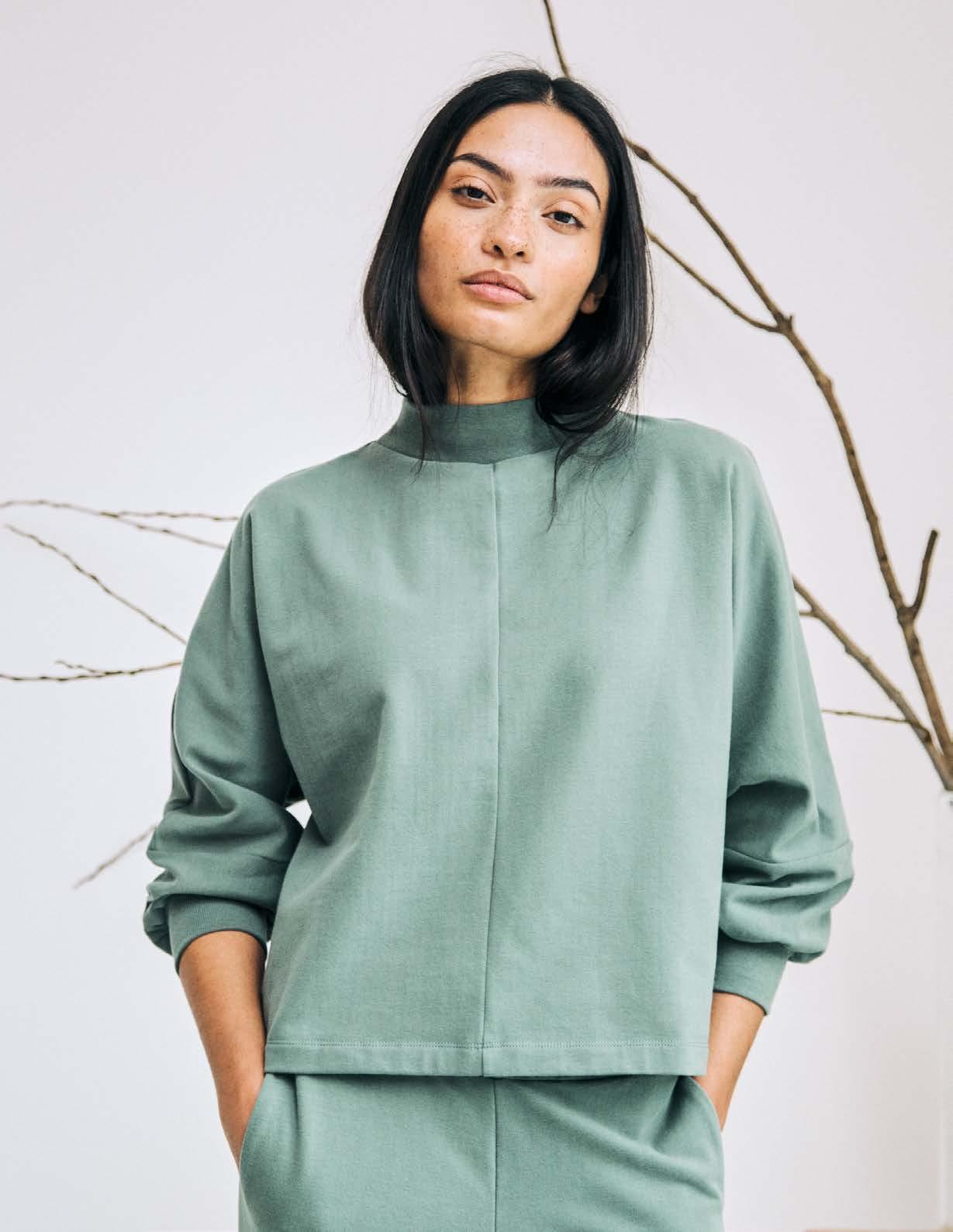
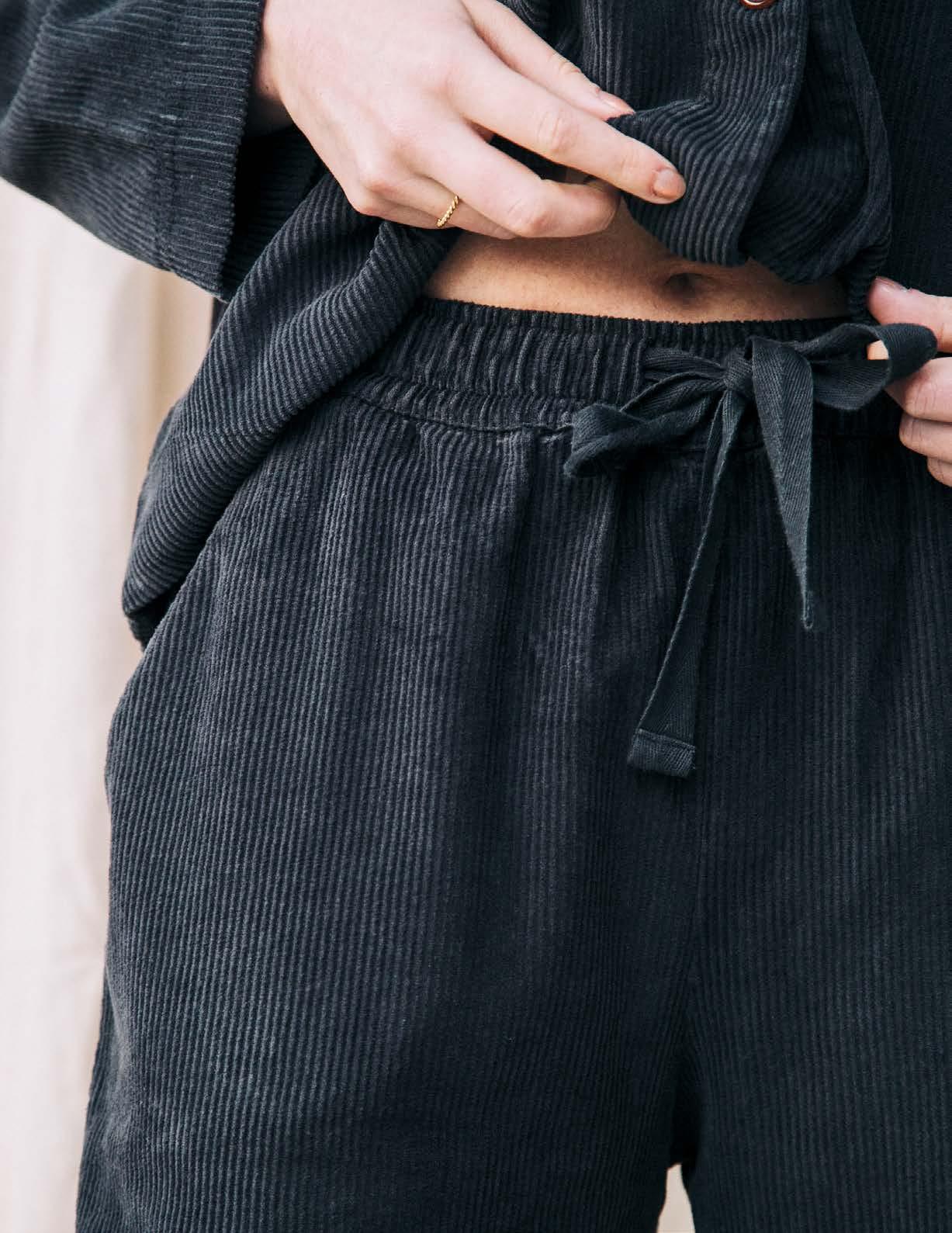
Beaumont Organic’s approach offers a stark contrast to today’s fast-fashion model. Alternatives are sorely needed, as the fashion industry’s environmental impact is staggering, accounting for about 10 percent of global emissions. Fast fashion exacerbates these issues, with its rapid production cycles leading to massive waste and pollution. Every day, discarded clothes could fill one and a half Empire State Buildings, and synthetic fibers from clothing contribute significantly to ocean microplastics.
Companies like Beaumont Organic, which change the way we think about fashion, are an exciting solution to society’s fast-fashion addiction. In the coming years, the company hopes to expand its collection, incorporating innovative fabrics made of recycled fibers, like Tencel and Lyocell. It might also launch a menswear collection. “Watch this space!” Aye-Maung advises.
Even in the face of fast-fashion giants like Shein or Temu, Aye-Maung remains hopeful. “At the end of the day, every step we take towards sustainability matters,” she concludes. “Whether it’s offering free repairs, designing timeless pieces, or educating our customers about the production process, we’re doing what we can to make a positive impact.”

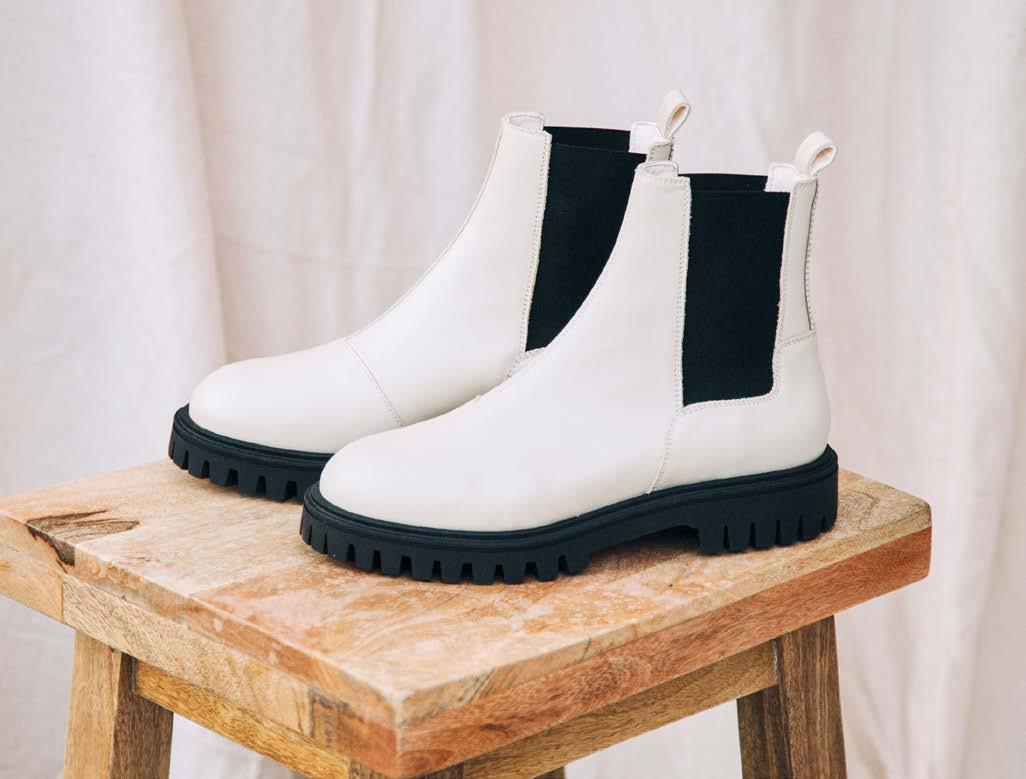
FOUNDER Hannah Beaumont-Laurencia
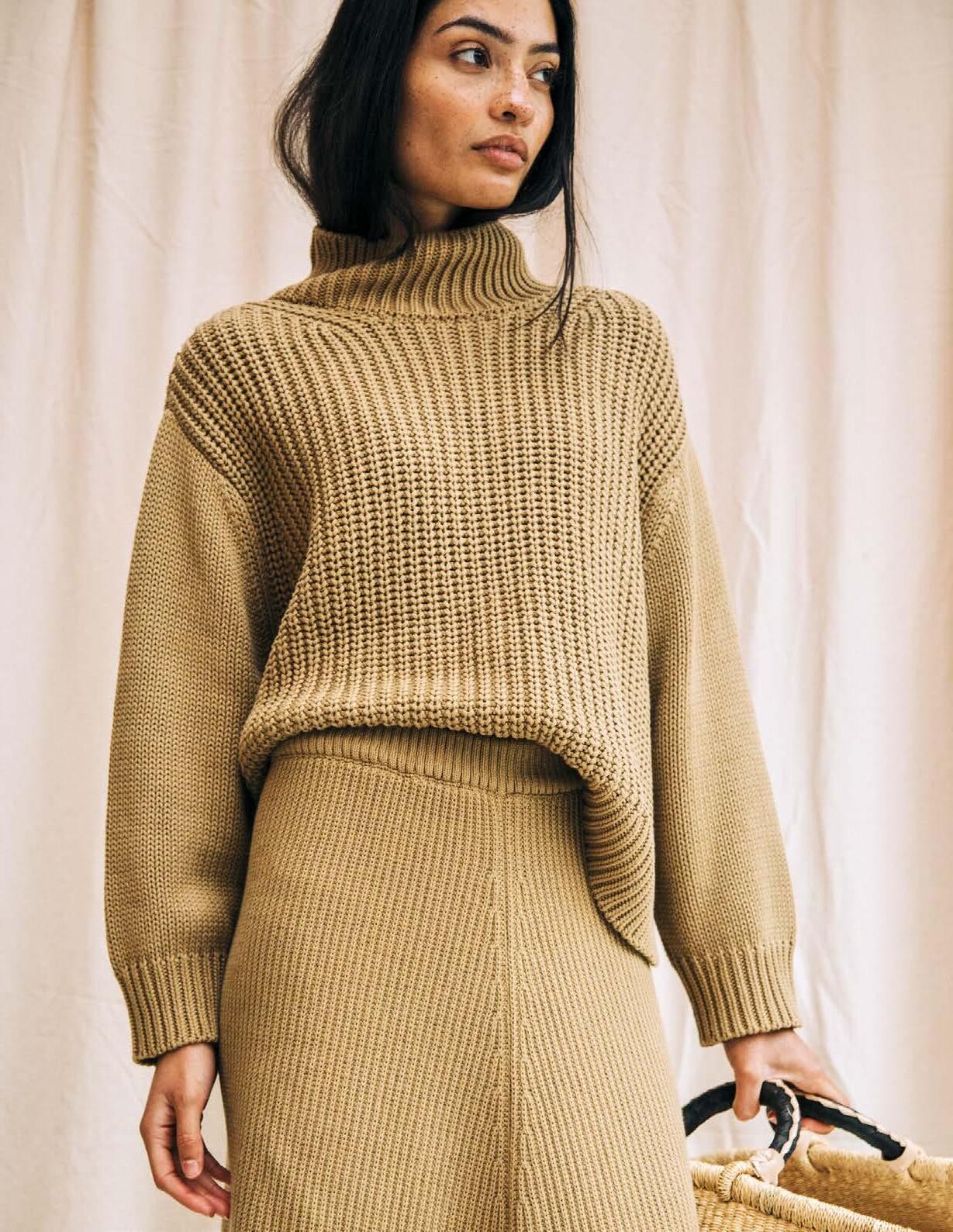


To uplift, inspire, and empower women all over the world, playing any variety of roles, and at all ages through clothing and community that helps you feel like your best self and reach your highest potential.
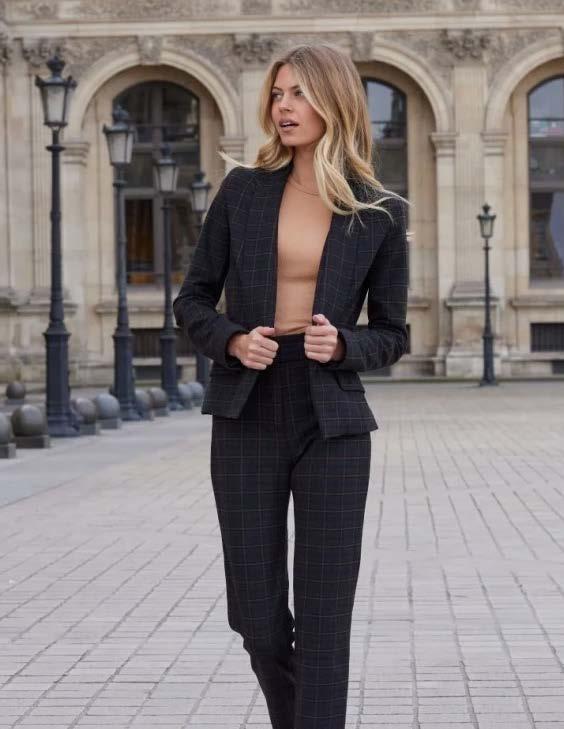

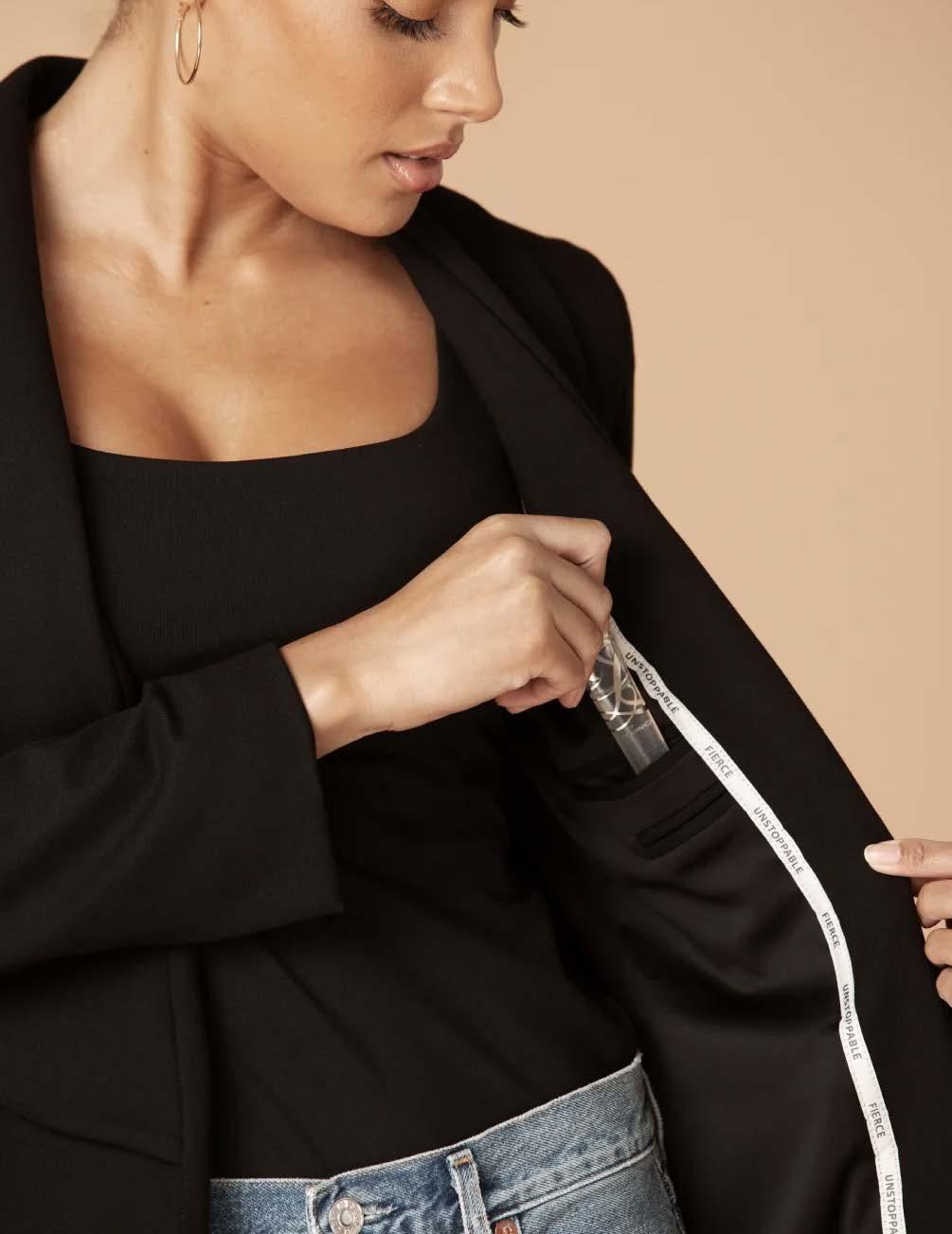

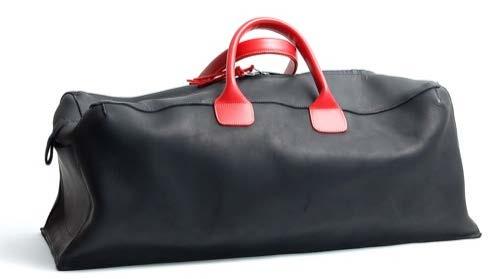
SOURCED SMALL BATCHES OF MATERIALS, WITH THE IDEA THAT SCARCITY IS THE ULTIMATE LUXURY.
Each clothing brand is designed and made for women who want comfort in equal dosage. It's sourced from small batches of materials, with the idea that scarcity is the ultimate luxury.
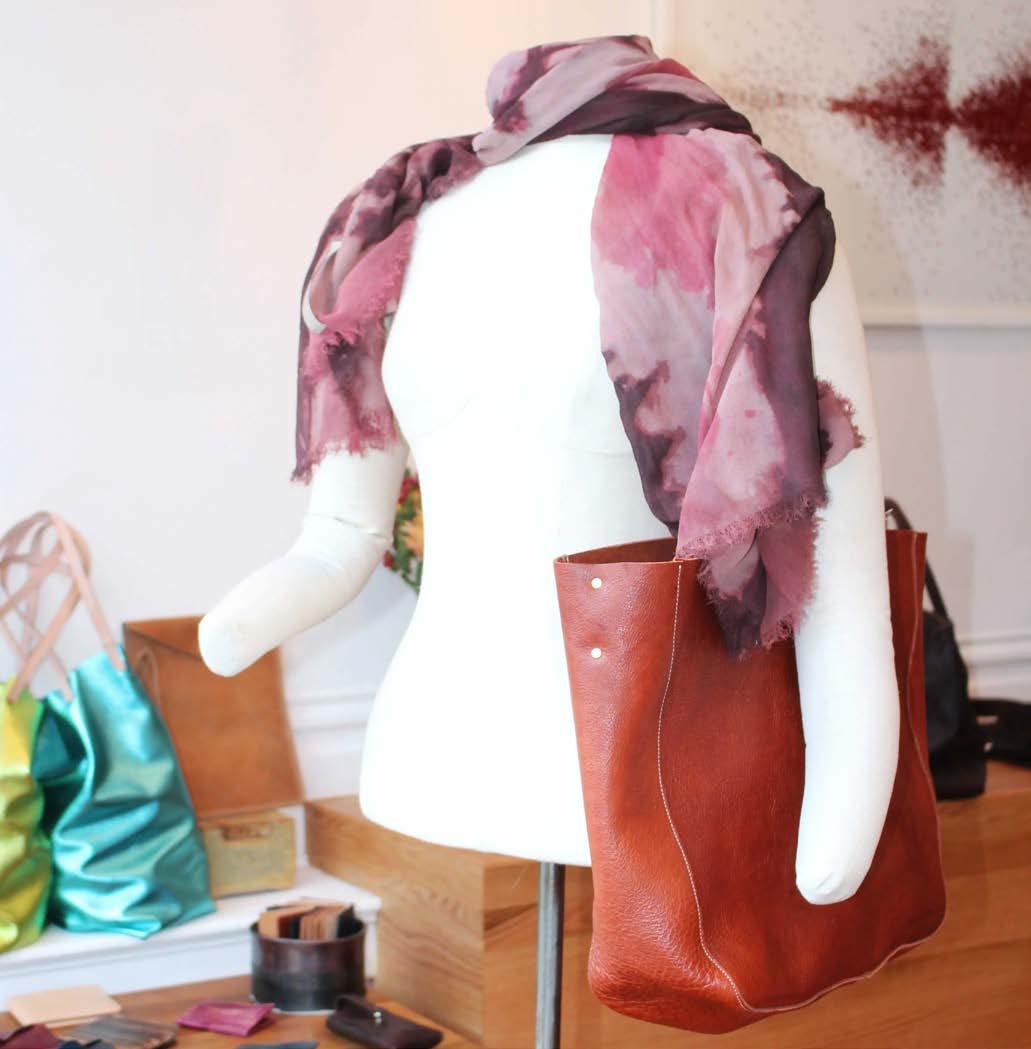
style, created by hand. Each piece is bespoke and custom made using the best European tanneries and materials.

Modern
Accessories
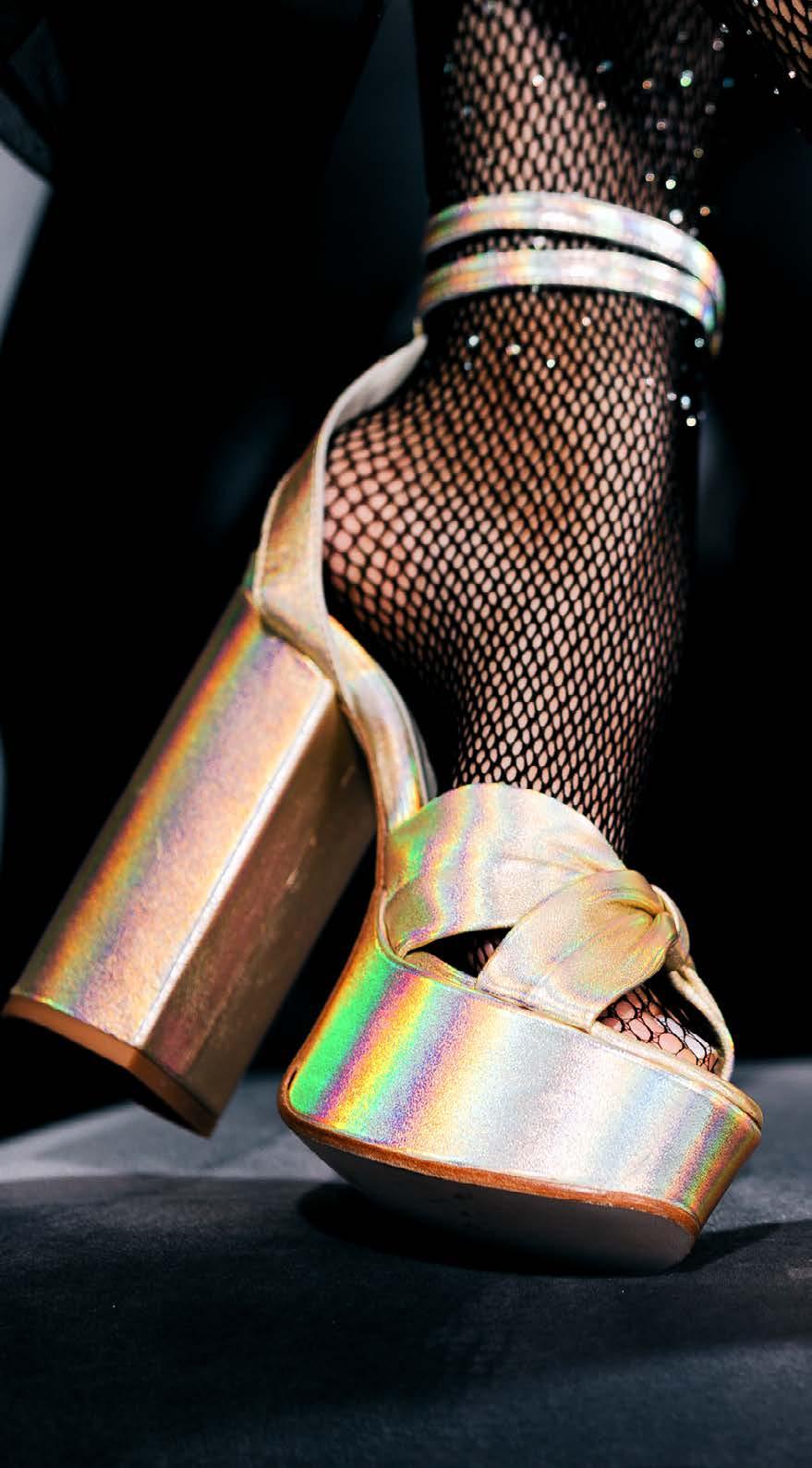

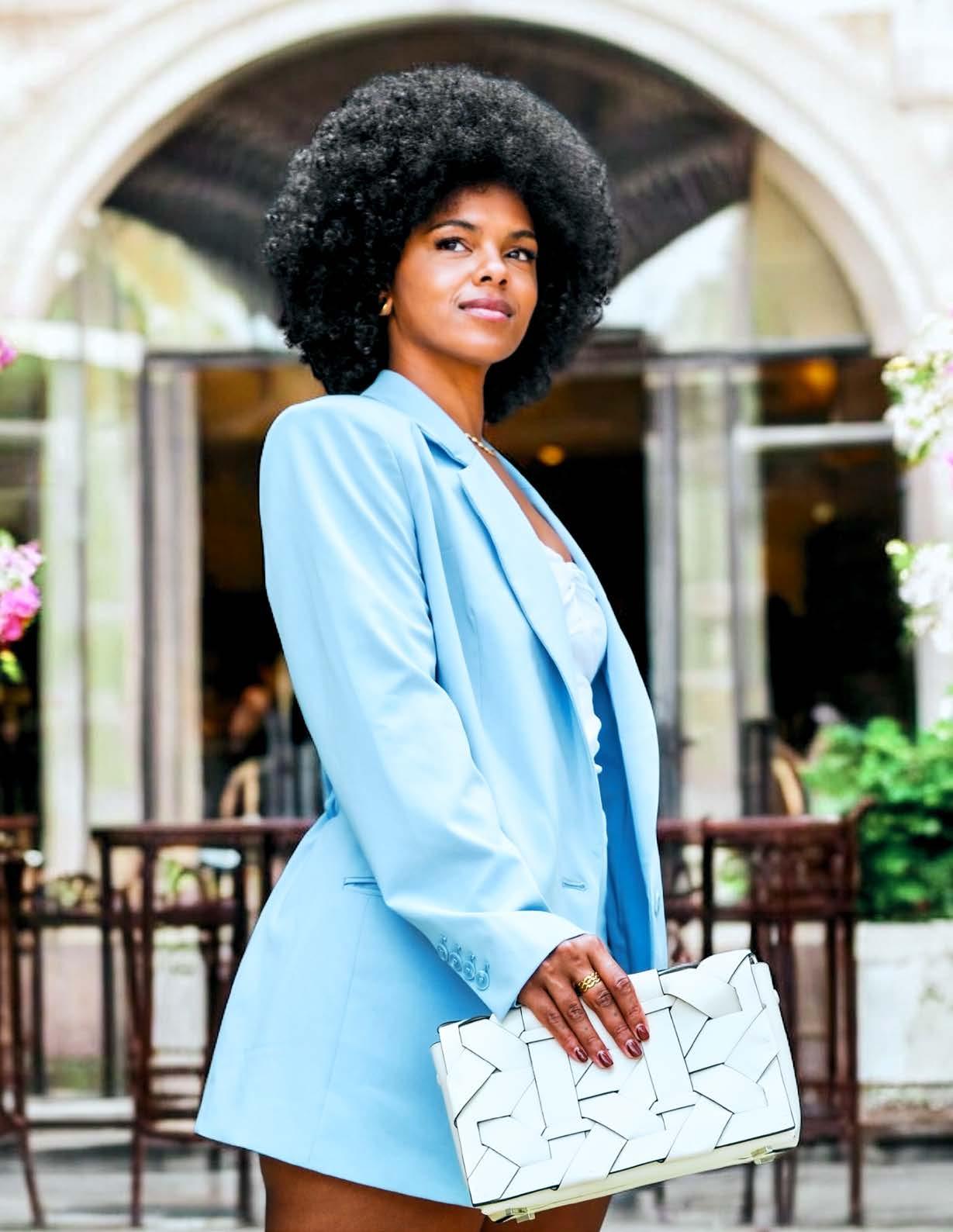
Icons in Hand
WORDS | ABBY YOUNG IMAGES | THE BAG ICON
The Bag Brand Honoring Historic Women with Style and Purpose
Who would’ve thought a criminal defense and corporate immigration attorney would be the founder of a bag brand celebrating historical female figures? Seneca Connor, founder and owner of The Bag Icon, began her brand’s journey in 2022 with the goal of crafting quality, affordable handbags that address and suit every area of a woman’s life.
After living in Texas for eight years, Connor moved to the South Bay of California with her husband. A California native, she was itching to return, so the relocation was perfect. Grateful for the Northern California atmosphere and people’s authenticity in style and character, Connor finally headquartered The Bag Icon in Saratoga. Balancing her attorney position and bag business kept her busy with “a lot on [her] plate.” But her business didn’t feel like work. It was her creative outlet, inspiring her energy and desire to keep building her brand.
“My customers, their feedback, and seeing them with the bags—that they’re loving and enjoying them—is what keeps me moving,” Connor says. To Connor, her career in law wasn’t disconnected from designing bags. Every woman and every public defender needs a bag, somewhere to put your laptop, notepad, and all the things one requires on a daily basis. “That’s what I love about bags,” Connor shares. “We all need one—for work, for life, or for an event. I’ve been a bag lady all my life.”
When Connor went to court, she brought a different handbag every day, matching her bag to her outfit. Her vast collection of bags made her realize she needed quality and affordability, a trusty and reliable bag with multiple ways to style and purpose it. And so, The Bag Icon came to life.
Connor decided to fully commit to her brand sometime last year after losing her best friend and confidante—her mother. After her mother’s passing, she reflected carefully on her business. Did she want to continue and truly commit? Her mother was incredibly supportive and proud of Connor’s brand launch, which motivated her to fully delve into creating her brand. Her mother, a style inspiration, was a huge influence on her designs and desire to elevate her brand. Connor believes her love for fashion was passed on to her by her mother.
To Connor, no item, not even a bag, can define an individual. Rather, the individual defines the bag. For Connor, bags help bring out the confidence that’s already within. The Bag Icon’s ethos is to inspire confidence, strength, and having fun with fashion.
Connor’s philosophy is, “Don’t ever think that a designer bag is going to make you feel a certain way. Understand you are priceless and that you are bringing something; it’s how you wear and style it to make your inner beauty shine through.”

“That’s what I love about bags,” Connor shares. “We all need one—for work, for life, or for an event. I’ve been a bag lady all my life.”

In her youth, Connor was drawn to neutral palettes in her fashion. Her mother encouraged her to incorporate more color, influencing Connor to recognize the impact and playfulness of colors in a wardrobe. As a result, Connor loves designing bags with various bright colorways. Her bags also have features that Connor felt other bag brands were always missing. For organizational purposes, Connor’s designs feature accessible pockets to easily grab a phone or keys. “It drives me nuts to be digging,” Connor explains.
The Bag Icon’s permanent collection has functional features that took a lot of consideration on Connor’s end, including various modular yet functional ways to wear one bag for different occasions.
One of the most iconic aspects of Connor’s brand is the product name of each bag. When conceptualizing her brand pre-launch, Connor, who makes every decision with careful forethought, was determined to name her bags after historical icons. Her biggest influences in life have always been strong Black women: her grandmothers, aunts, and her mother. As a history nut, Connor found it a shame that so few knew about the wonderful women in history and the full depth of their lives. Connor’s brand intends to remember the women who
“Luxury” and “expensive” don’t have to be synonymous. The Bag Icon, an affordable bag brand blending style and versatility, delivers both with its homage to historical female figures who powerfully altered the course of countless lives.
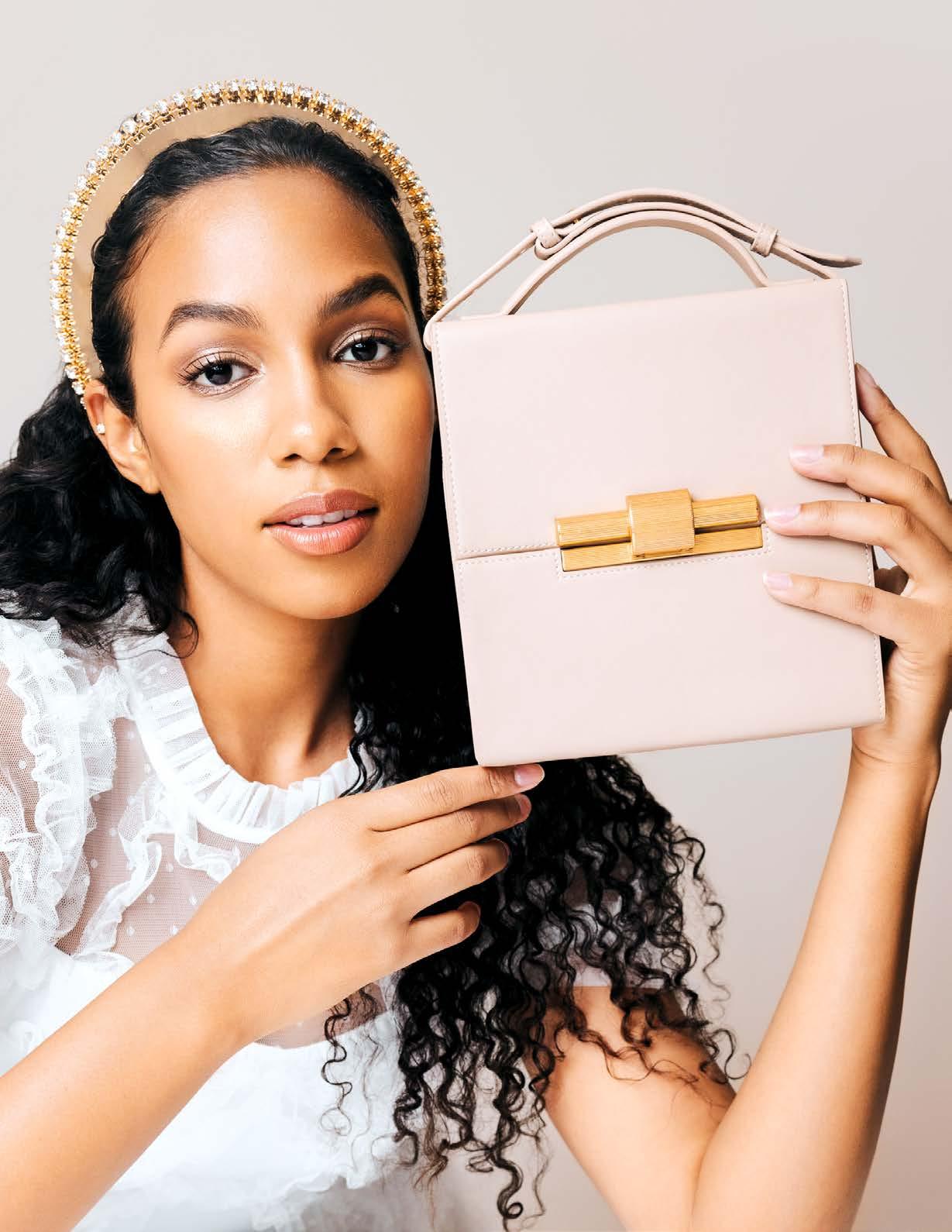
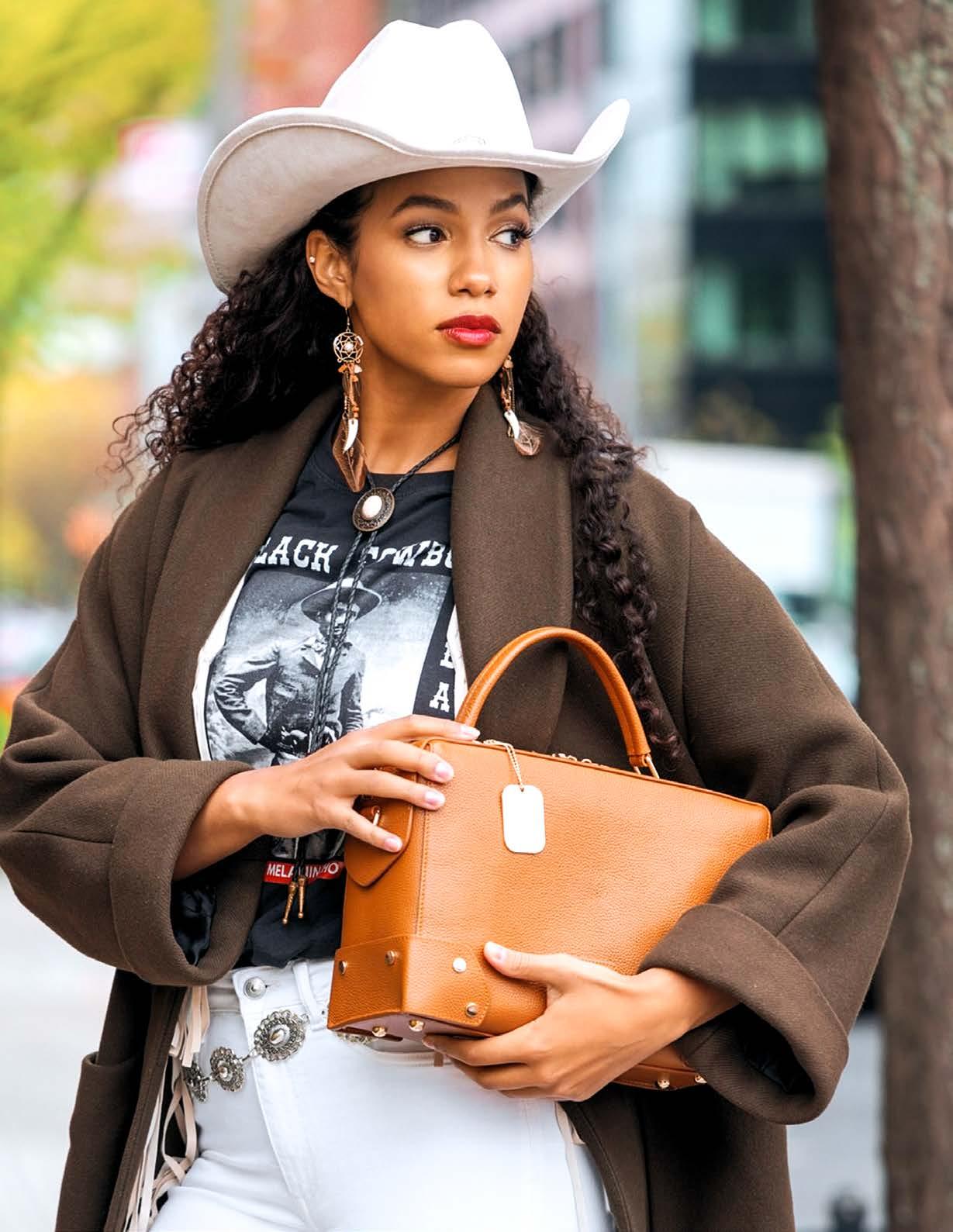
Connor wants to make the bag wearer, and their bank account, look amazing, all while educating people on the iconic, historical women the bags are named after.
came before and altered history, keeping their stories alive and encouraging others to draw inspiration from them.
Feeling blessed to live in the South Bay, with six glorious redwood trees in her own backyard, Connor also draws inspiration from surrounding nature and art. She’s also incredibly inspired by her four-year-old son and the way he perceives the world, delighting in little things that many adults take for granted. “He’ll pick up a leaf in amazement and it opens my eyes to the beauty around us,” Connor shares. “All the colors and textures, they’re all there around us [for us] to use and create [with].”
Connor passes on many life lessons to her son that she originally learned from her own mother, the most important being putting God first. The second is the importance of being authentic to and continually improving one’s identity. Rather than placing self-worth in material belongings, Connor teaches her son that developing character—working on being dependable, responsible, and a hard worker—is synonymous with success in life. “We’re learning,” she says about her son. “He’s four, so we’re learning how to share, how to help people, how to say sorry if we hurt someone.” She also applies her teachings to her own career and life.
Spotlighting specific designs within her permanent collection, Connor shares that the Sharon Claudia bag was named after her mother. Having searched for the perfect bag her entire life, Connor believes this bag is it, and so, “it just made sense that I’d name this bag after her.”
The Henrietta, a beautiful, punchy tote bag made in Italy, full of personality and offered in various fun colors, still offers functionality
with a crossbody strap and enough room for a large laptop. The Grandmere Trunk bag, named after her two hardworking grandmothers, comes with a crossbody strap and pockets, making it ideal for day to night activities. And the Nina bag, square shaped with a 1960s retro vibe, can be great for date night, a concert, or styled with a classy dress.
Connor continues to build on the Icon Collection—the brand’s permanent collection—with additional colors and sizes one to two times a year. The brand also has a limited edition, rotating collection released in small batches. If the product does well, Connor considers adding them to the permanent collection. But most importantly, Connor values meeting customer’s needs and creating the perfect bag for them.
In the future, Connor plans to create a mini version of the Grandmere Trunk bag, by popular demand. She’s also adding different hardware colors, adding an edgy twist to the original design: The Bag Icon’s first metallic bag.
Connor is thrilled to release these new designs. Ultimately, Connor wants to make the bag wearer, and their bank account, look amazing, all while educating people on the iconic, historical women the bags are named after.

FOUNDER Seneca Connor
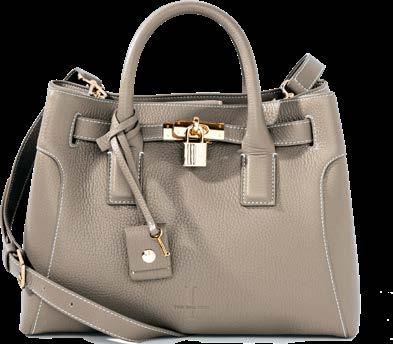

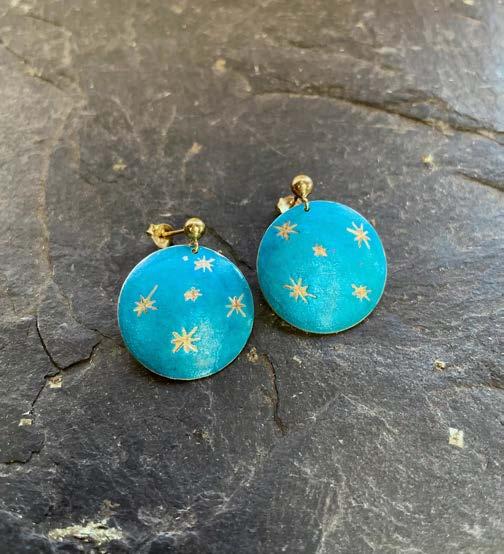

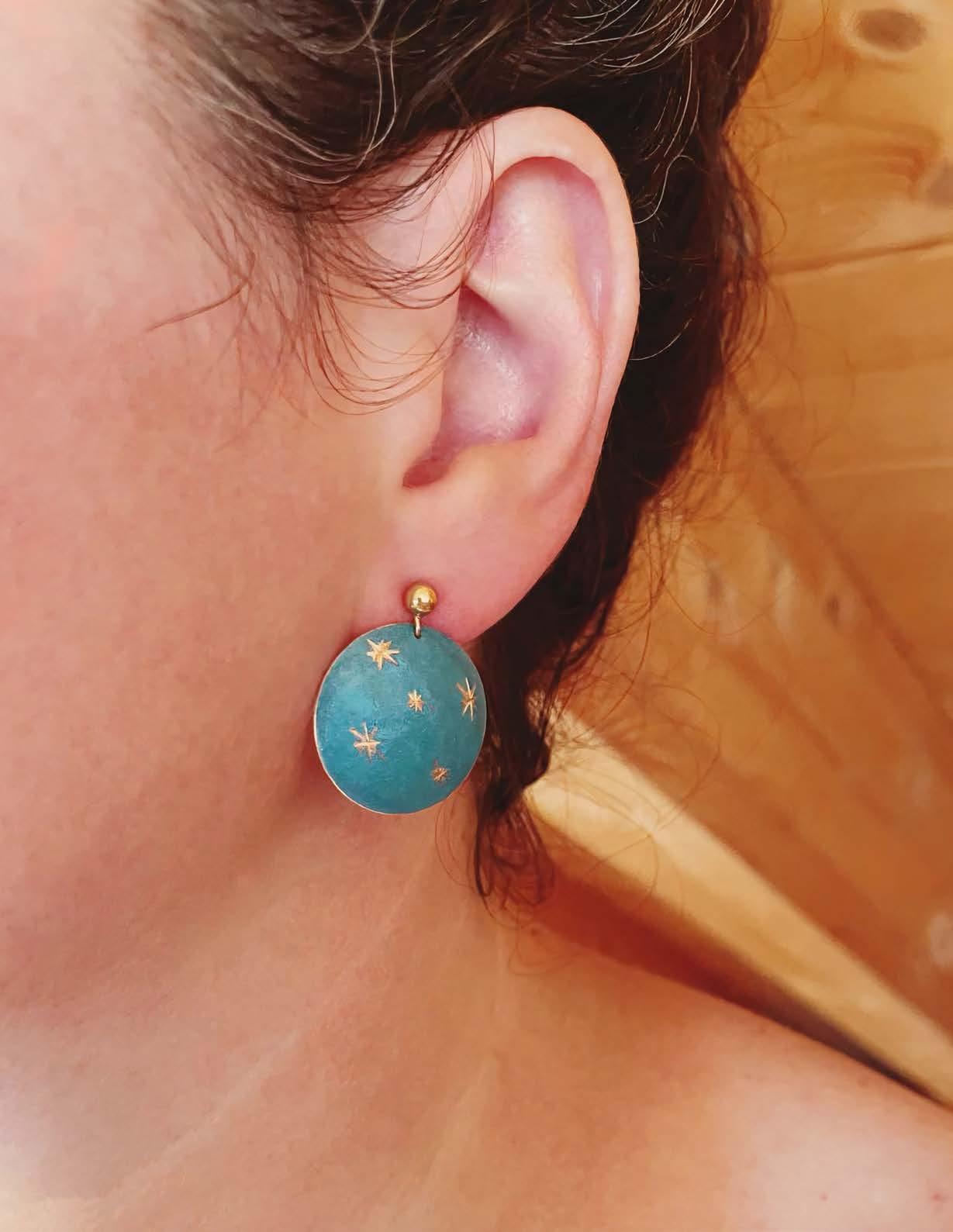

CLICK INTO COMFORT
WORDS | NIDA KHAN IMAGES | TANYA HEATH PARIS
She is a working mom, juggling life with her two hands and tired feet. Navigating the challenges of daily life while hoping to create some magical moments, she represents liberation through self-love and unique expression without compromising style and comfort. She is every woman who deserves to look and feel her best. She is Tanya Heath.
Tanya Heath leaves a lasting impression, dressed fashionably in a pink corduroy blazer and dress, with gold heirloom bangles that never leave her wrist and iconic heels. As we start chatting, Heath
instantly shows passion and love for a life centered around family, tradition, authenticity, and realism. From pursuing international relations and working at the Ministry of Foreign Affairs in
Canada to meeting her husband, falling in love, moving to Paris, and starting her trailblazing luxury footwear brand, Tanya Heath is a woman of wonder and action.
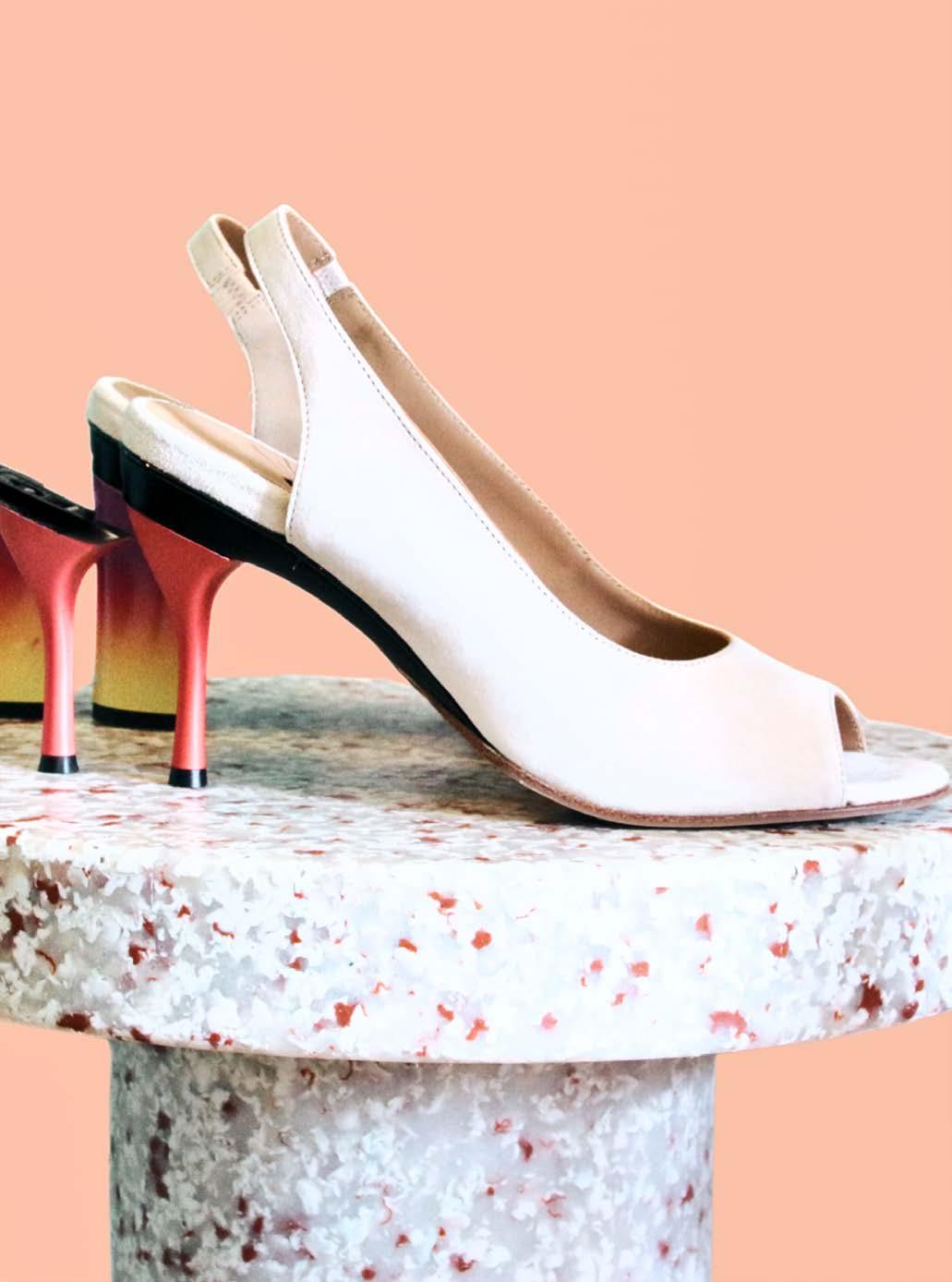
“I felt that the fashion business was lying to everybody. They sold products by making people feel insecure. And by making them feel that what was fashionable one day would not be fashionable the next day. And I felt equally that this created overconsumption.”
Her journey toward creating a worldfamous footwear brand started close to home. Her work at Foreign Affairs required formal attire, and that’s where she fell in love with heels. Her passionate relationship with heels continued when she moved to Paris.
Years of loving heels and three children later, Heath had destroyed her feet. Her early forties were about awakening and invention. Her expertise in business, innovation, technology, and marketing fueled her determination to solve a pressing problem the fashion industry never took seriously.
THE SCIENCE BEHIND THE HEELS
Heath tested over four hundred highheeled shoes for six years before creating her heroic heels. She realized that a truly comfortable high-heeled shoe was a mythical creature—until she created interchangeable heels after three years of dedicated research and development. By allowing women to change the height and style of their heels throughout the day, Heath redefines what it means to wear a high-heeled shoe. Her design shifts the gravity points, redistributes weight to relieve pressure, and provides unprecedented comfort. Heath is a perfectionist who tests all her new collections to the moon and back before finalizing any shoe.
Innovation is at the core of Tanya Heath Paris. These superior shape-shifting shoes empower women at a whole new level. The heels are truly where the fun’s at! Whether it’s a customer who can’t take her eyes off Christophe or one who’s obsessed with Francois, the possibilities are endless. Just mix and match and marvel at your creativity!
TIMELESS SHOES, MADE IN FRANCE
A brand that is a wardrobe essential beats the fashion cycle and gives joy to anyone who has worn it for years is a dream come true! Shoes tend to fall off the trend ladders quickly and end up in landfills. But Heath gives dignity
to footwear by providing fashion you can trust and count on. Her goal was always to design technically complex shoes with a simple message of love to all women. Deeply concerned about the environmental footprint, Tanya Heath Paris shoes are made only in Europe.
From on-trend designs to exquisite masterpieces reminiscent of the 1940s, ‘50s, and so forth, Tanya Heath Paris embodies timeless French elegance. While conversing, Heath proudly displays a gorgeous pair of heels from 2013 to demonstrate their adaptability and unwavering appeal.
LETTERS OF LOVE
At Tanya Heath Paris, every shoe tells a story, and sometimes, those stories are about more than fashion—they’re about rediscovery and hope.
Heath’s eyes shine as she talks about one unforgettable client who shared her lasting experience with the brand. The client’s world came to a sudden halt after her divorce. She stopped taking care of herself and lost confidence. Passing by a Tanya Heath Paris boutique one day, she bought a pair of shoes and interchangeable heels. That simple act of self-care became the first step in her journey back to herself. She started dressing up again, dusted off old heels, found love, remarried, and even named her baby daughter Tanya as a tribute to this transformation.
She fondly remembers a young woman who visited a Paris pop-up shop shortly after defending her PhD thesis. This client had made a promise to herself: on the day she officially transitioned from a student to an accomplished adult, she would celebrate by treating herself to her very first pair of heels from Tanya Heath Paris.
WALKING PAST THE CHALLENGES ONE HEEL AT A TIME
Heath isn’t from Paris, and she doesn’t have a fashion background. She recalls the first five years of fashion shows and trade fairs as brutal. She remembers being
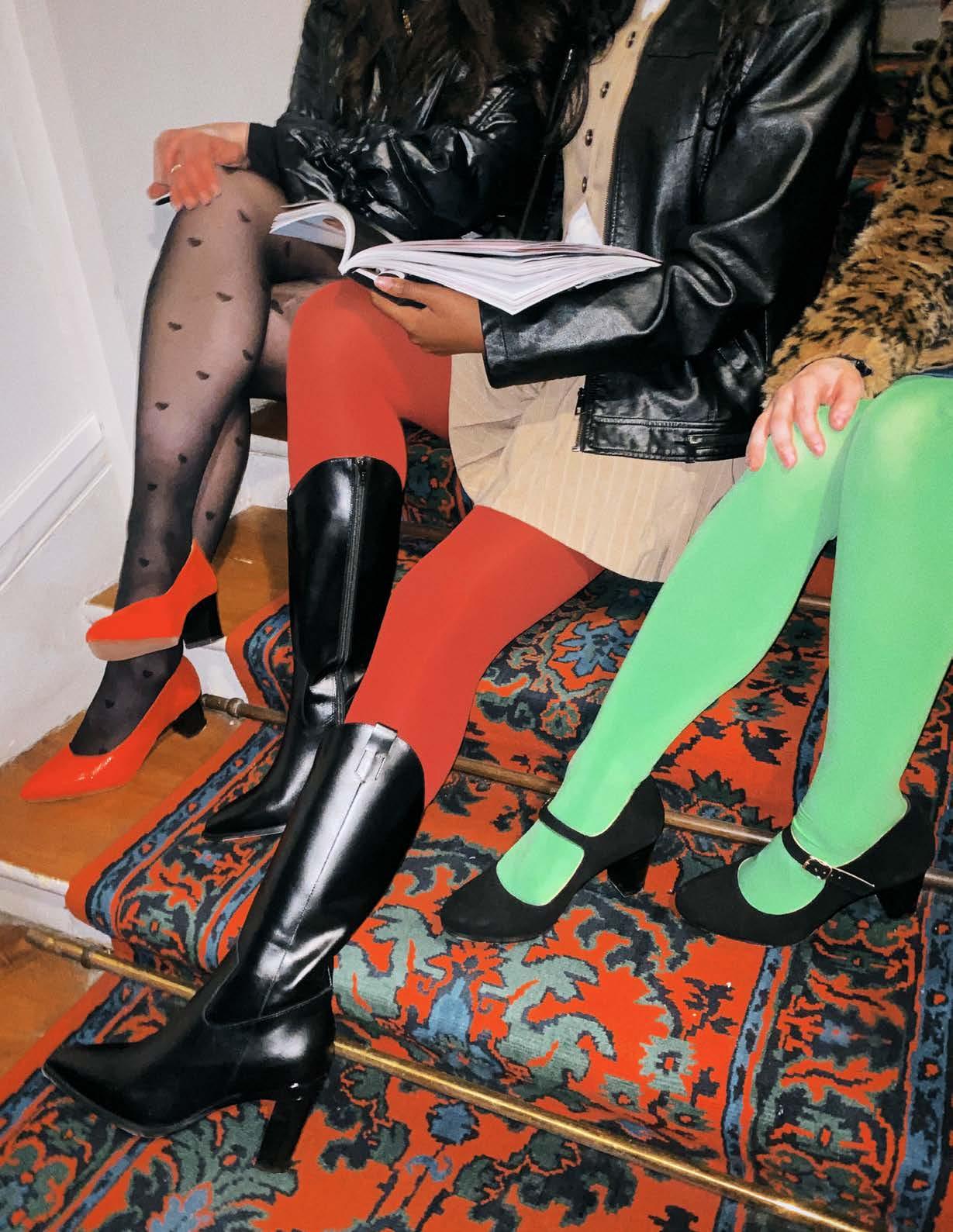

“So that I know one hundred percent, for sure, how it fits, how it behaves, what kind of foot it’s adapted to, and whether or not it has a place in my collection.”
told at a prestigious French fashion award ceremony that she wasn’t “one of them” and that her idea didn’t fit in because “a heel shouldn’t come off a shoe.”
During this challenging period, Heath battled depression, isolating herself from customers and the fashion community. One day, she had a candid, heartfelt conversation with her son about how he didn’t want to be an entrepreneur because he always saw her crying. Something in that conversation clicked. Heath put on her heels and returned with a renewed sense of motivation and drive.
Contrary to what the fashion elite suggested—that her brand wasn’t trendy or in demand—Heath discovered that Parisian women, who value timeless, personal style over fleeting trends, adored her shoes. Heath eventually learned to separate the rigid judgments of the fashion press from what real Parisian women wanted—to embrace her brand with all heart and sole.
THE FUTURE IS DIGITAL
With COVID and its cruel obstruction of normalcy—less socializing and events, reduced commute, and scarce travel—it was time to change things up. Heath set out to create a seamless online shopping experience, envisioning a digital brand story that would deeply resonate with her customers. Her goal is to craft an immersive online store that feels like a cozy, virtual embrace. Whether it’s a stolen moment on the metro or between children’s activities, Heath wants women to bask in the luxury of shopping for Tanya Heath shoes, making it a muchneeded break from their hectic lives. This challenge is ever-evolving, with the website frequently updating, but Tanya is always just an email away.
HEELS THAT HEAL
Heath has stirred up a revolution in the fashion industry. A revolution that encourages women to be watchful of women’s magazines and their hypocrisy and protect their joy and comfort at all
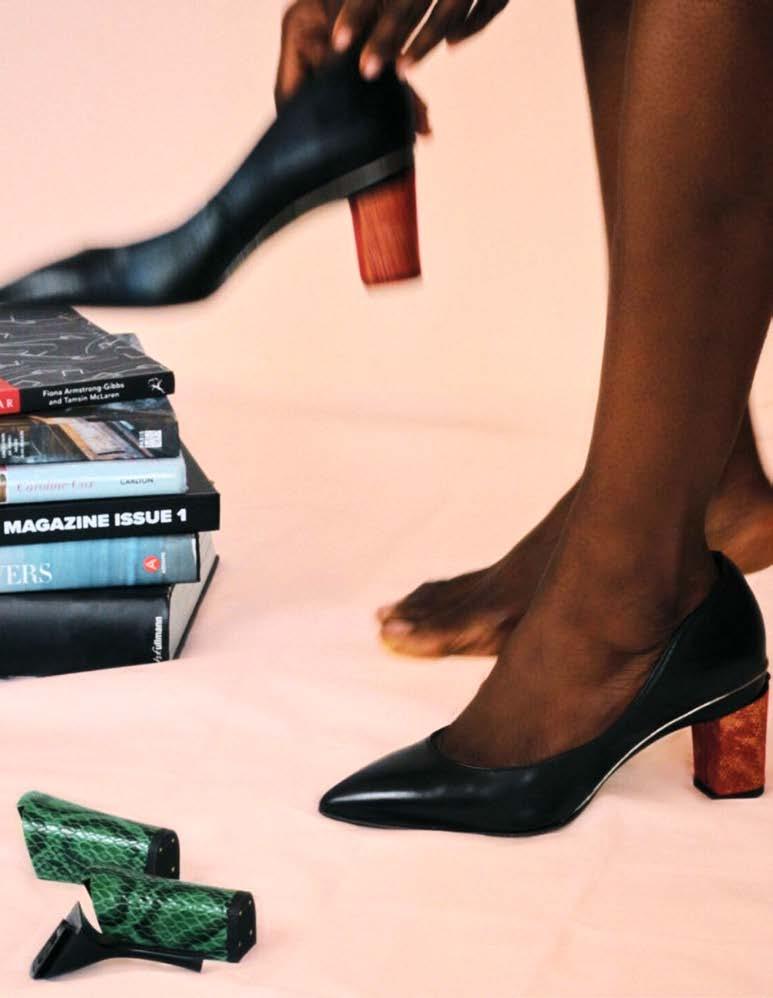
costs. It’s a revolution that is as simple as it is extraordinary. You can look dropdead gorgeous without hurting parts of your body. You don’t need dozens of pairs of shoes. Maybe all you need is a few pairs of interchangeable heels, safely tucked in your bag, like a trusted friend who always has your back.
@tanyaheathparisofficial @nidakhanwrites

FOUNDER
Tanya Heath
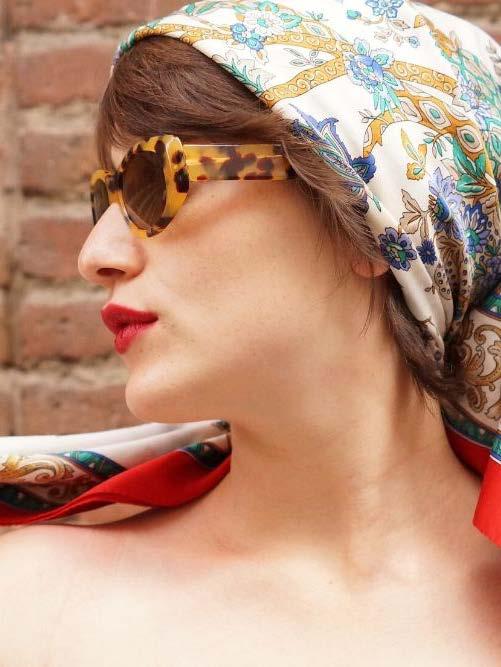

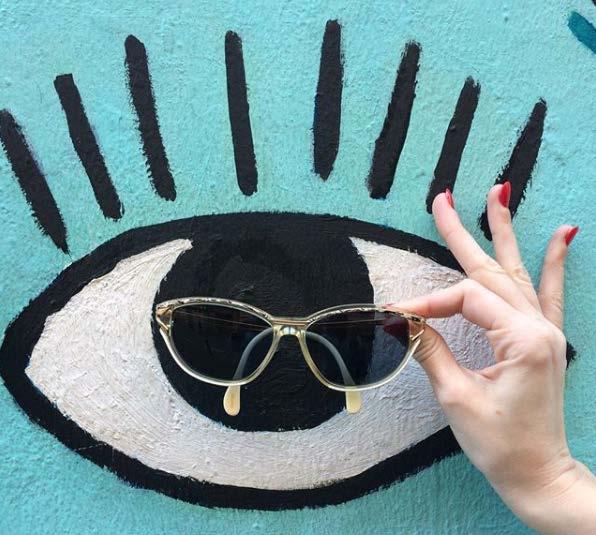

lunelvintage.com
RENEWING GLASSES INTO SUNGLASSES
Whispered Elegance
WORDS | SHAMEYKA MCCALMAN IMAGES | CHAU SÁENZ
The Timeless Allure of Chau Sáenz Handbags
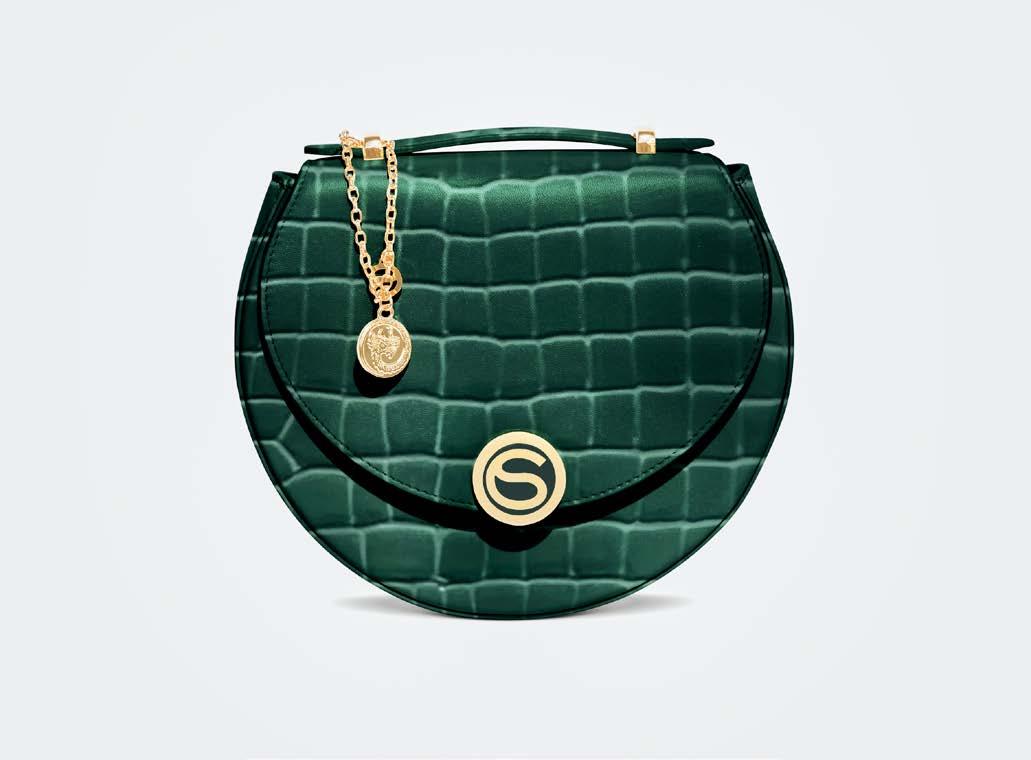
A PASSION BROUGHT TO LIFE
For over fifteen years, Chau Sáenz nurtured a dream of creating a brand that marries luxury with practicality. Inspired by her love for handbags and travel, Sáenz envisioned a collection that could serve as a fashion statement and a functional companion. The idea for the brand took root during her years as a busy mom in San Francisco, juggling
her career and family responsibilities. When the timing felt right, she decided to pursue her passion and turned to handbag school to learn the traditional art of leather craftsmanship.
Recalling the excitement she felt upon entering the leather workshop, Sáenz describes how the sight of sewing machines brought back memories of her
mother, a tailor who raised her around fabrics and tools of the trade. Under the guidance of a master craftsman trained at Hermès, she learned the technical skills essential for creating high-end, lasting pieces that would transcend trends. “I didn’t want to make something that would fall apart or go out of style,” she shares. “I wanted to create bags that felt timeless and would be cherished for years.”


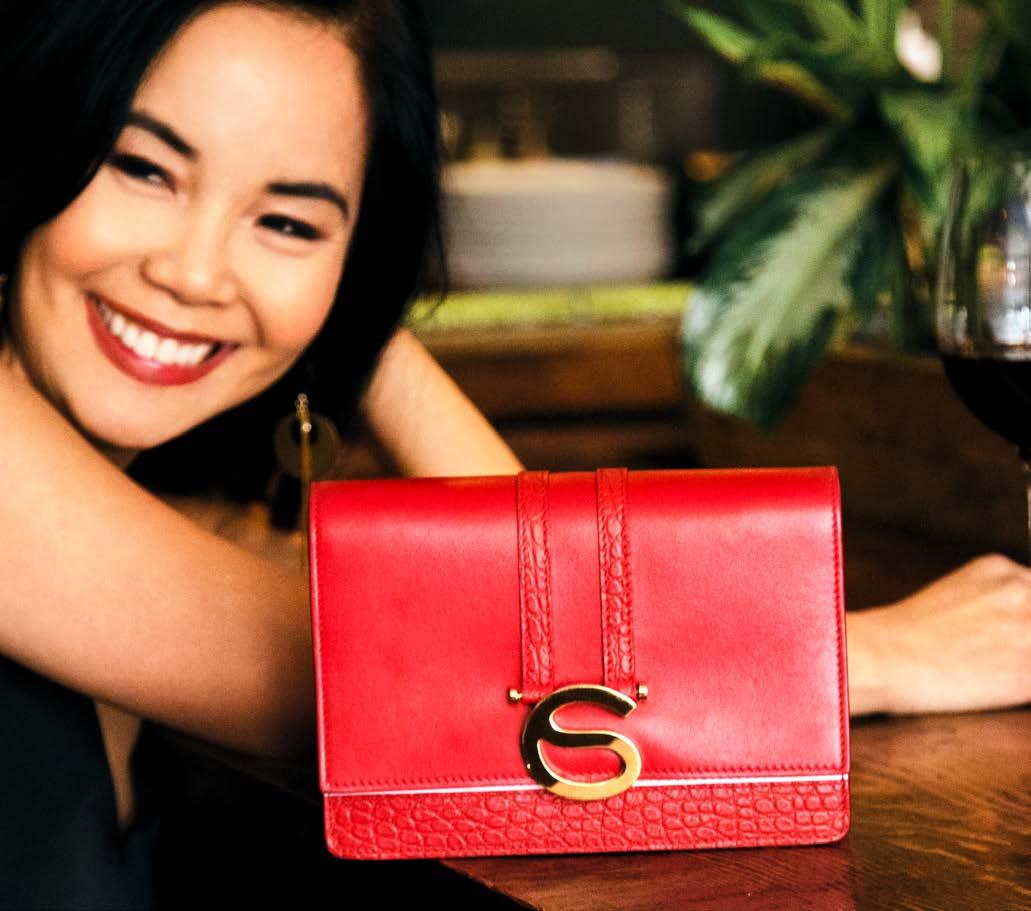
DESIGNING FOR REAL-LIFE NEEDS
At the heart of Chau Sáenz handbags is the founder’s commitment to everyday functionality. Saenz’s approach to design reflects the balance she strives for in her own life—blending elegance with the practical needs of a busy lifestyle. She describes her frustrations with standard luxury bags, which often lack compartments and make it difficult to organize everyday essentials. Her brand addresses these common inconveniences with thoughtfully placed pockets for snacks, cards, and other necessities, making it easier for women to stay organized.
This focus on function is what makes a Chau Sáenz bag a fashion item and a reliable companion for women on the go. “I want my bag to be your go-to— something you feel confident and elegant with, no matter where you’re going,” Sáenz explains. Rather than switching bags constantly, Sáenz envisions a versatile piece that seamlessly complements any outfit or occasion.
ITALIAN CRAFTSMANSHIP AND A COMMITMENT TO QUALITY
To bring her designs to life, Sáenz partnered with highly skilled Italian artisans renowned for their mastery
of leatherwork. Through a designer connection, she met with family-owned artisans whose expertise extends to luxury brands like Chanel. While her artisans could have taken on any project, they were drawn to Sáenz’s intricate understanding of their craft. Her familiarity with stitching, leather types, and the traditional methods of working with high-end materials impressed them, creating a mutual respect that formed the foundation of their collaboration.
“I wanted a handcrafted, artisanal approach—something that respected the skill and tradition of true leatherwork,” Sáenz explains. “I didn’t want these bags
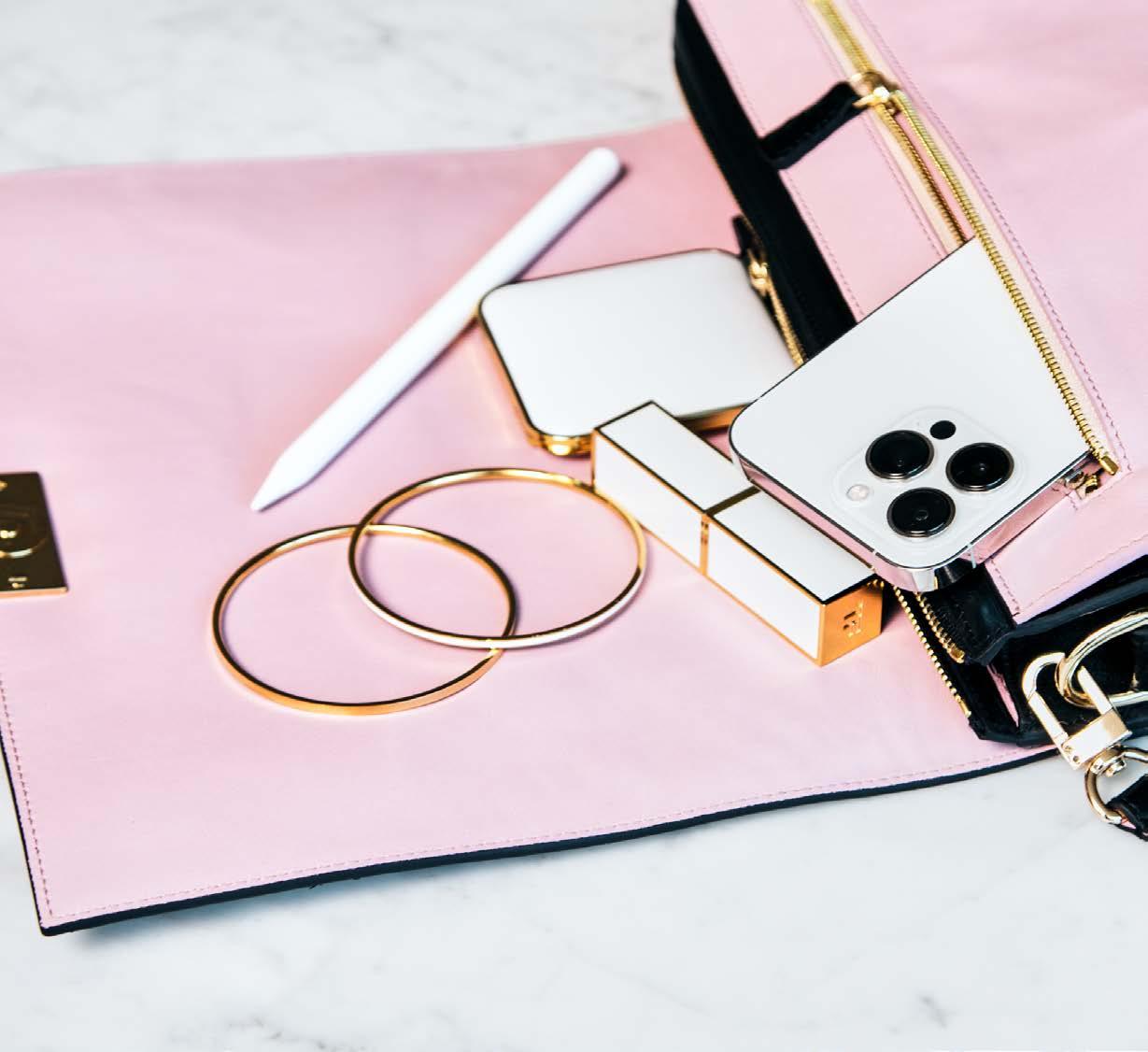
to be just another product coming off an assembly line.” Working with these Italian craftsmen allowed her to achieve a quality and authenticity that reflects her brand’s vision of lasting luxury.
A VISION FOR THE CHAU SÁENZ WOMAN
When creating her handbags, Sáenz envisioned a specific type of woman–one who values quality, uniqueness, and versatility in her accessories. At her first pop-up event in Napa Valley, she was
moved to tears by the response from women who identified with her brand’s ethos. “Seeing these women resonate with my bags was incredibly affirming,” Sáenz recalls. “They were confident, stylish, and valued something that set them apart from the mainstream.”
Sáenz describes her ideal customer as someone sophisticated with an appreciation for detail and individuality. They may own other luxury brands, but they seek something distinctive that isn’t
as commonly recognized. Her handbags come with unique, adjustable straps designed to fit women of all shapes and sizes—a feature she added after receiving feedback from customers who had struggled to find bags with straps that suited them comfortably.
INNOVATIVE DESIGNS AND LIMITED EDITION COLLECTIONS
Looking to the future, Sáenz is expanding her collection with limited
edition bags inspired by the Chinese zodiac. For the upcoming Year of the Snake, she’ll release a special edition of her popular Selene bag featuring a sleek, snake-inspired texture. Crafted from custom leather, this unique addition to her line will reflect her dedication to artistry and cultural celebration while adhering to ethical sourcing practices.
In addition, Sáenz is launching charming accessories she calls “love charms.” Made from leftover leather, each charm
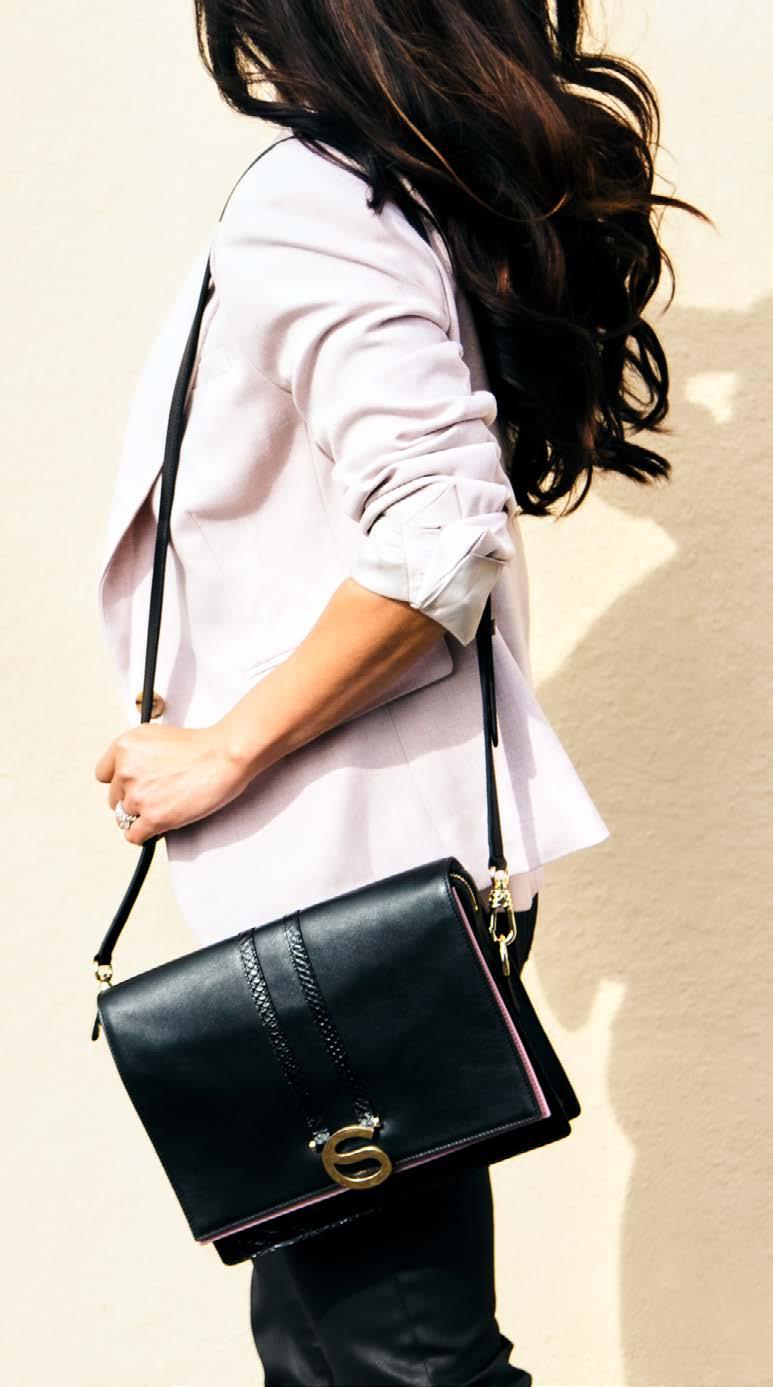
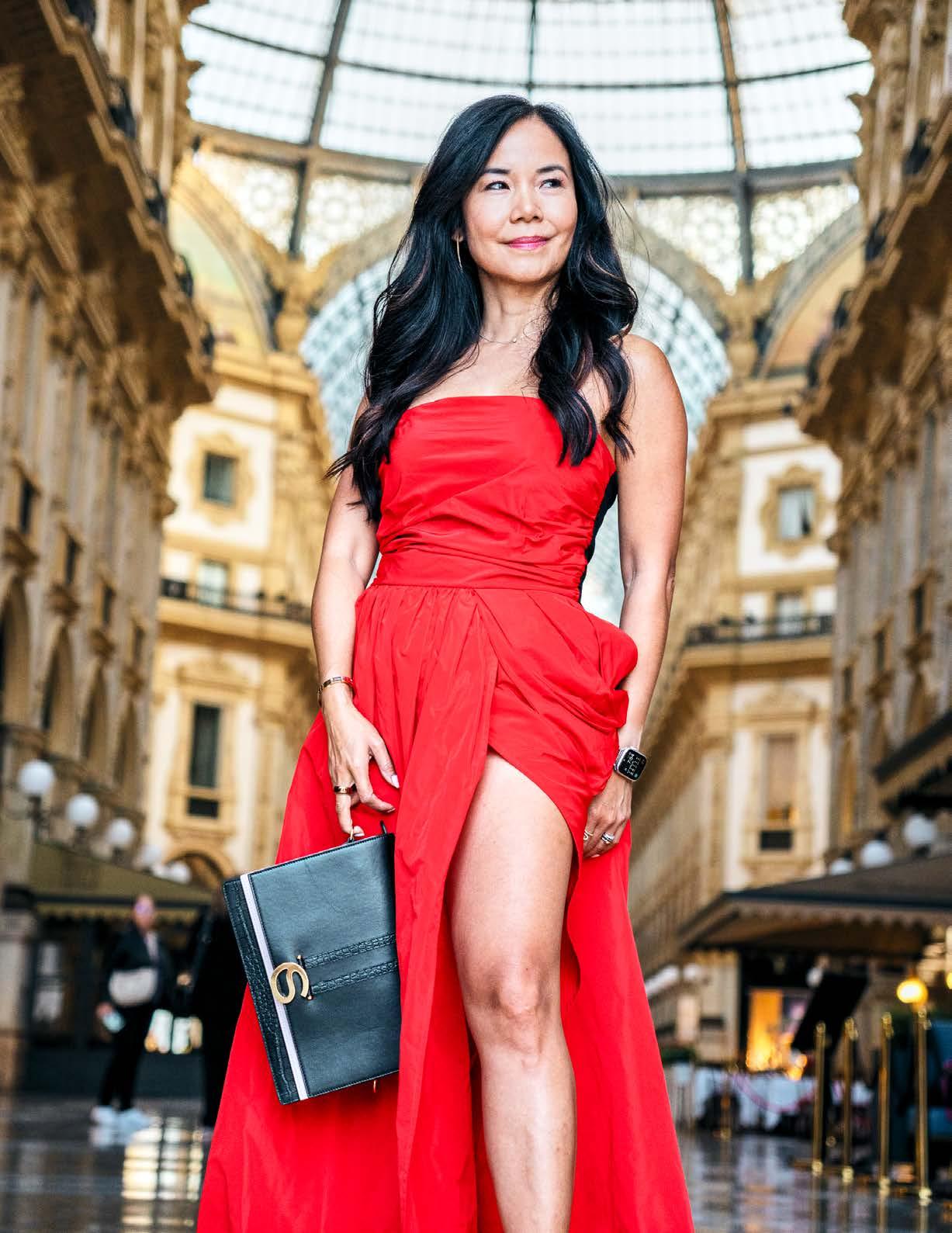

is multifunctional and designed to hold small items like air tags or a lucky dollar bill. These charms reflect Sáenz’s commitment to sustainability by repurposing materials and adding a personal touch for each wearer. For those looking for something even more unique, Sáenz offers custom designs where clients can work with her directly to craft a one-of-a-kind bag—a rare opportunity for customers to participate in the creative process and receive a piece tailored entirely to their vision.
INVITING CLIENTS TO EXPERIENCE CHAU SÁENZ HANDBAGS
This December, Sáenz will hold a pop-up event with Wolf & Badger in Los Angeles, where customers can experience her collection in person. “Seeing, feeling, and trying on the bags brings them to life in a way that shopping online can’t quite replicate,” Sáenz notes. This event will provide an opportunity for new and returning clients to immerse themselves in her designs and discover
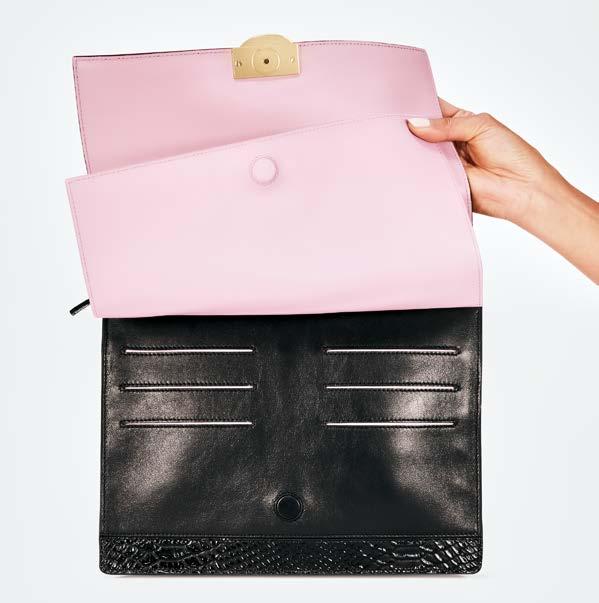
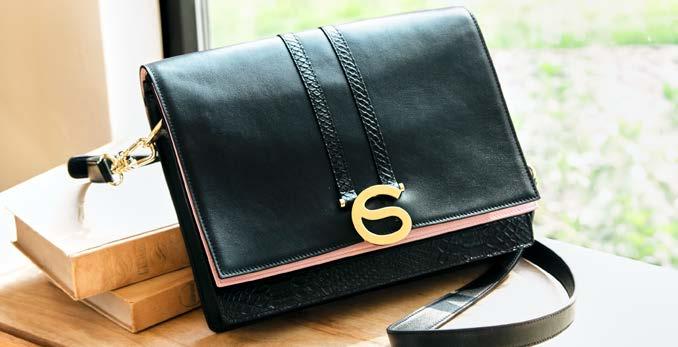
the exceptional craftsmanship and thought that goes into every piece. For Chau Sáenz, every bag tells a story. It’s a reflection of her journey, her passion for art and functionality, and her dedication to crafting pieces that resonate with the women who carry them. Through her brand, Sáenz invites each client to embrace a bag that is not only stylish but crafted with a deep-rooted respect for the art of leatherwork and a commitment to enduring quality.

FOUNDER Chau Sáenz
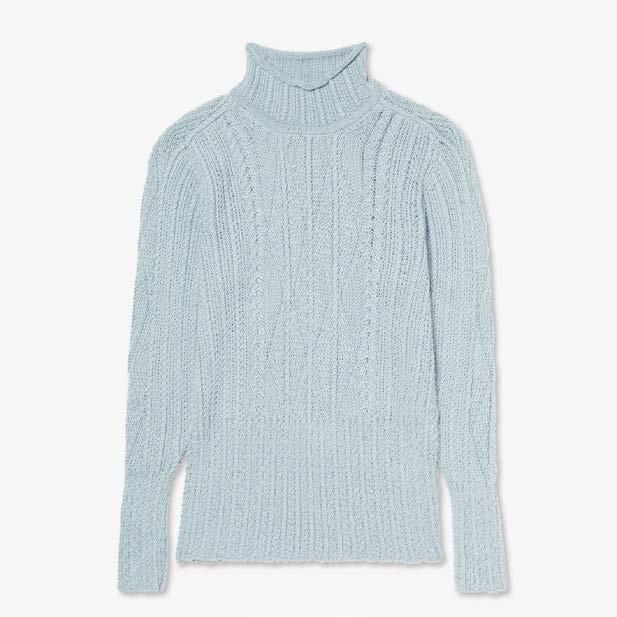
Warmth from the edge of the world
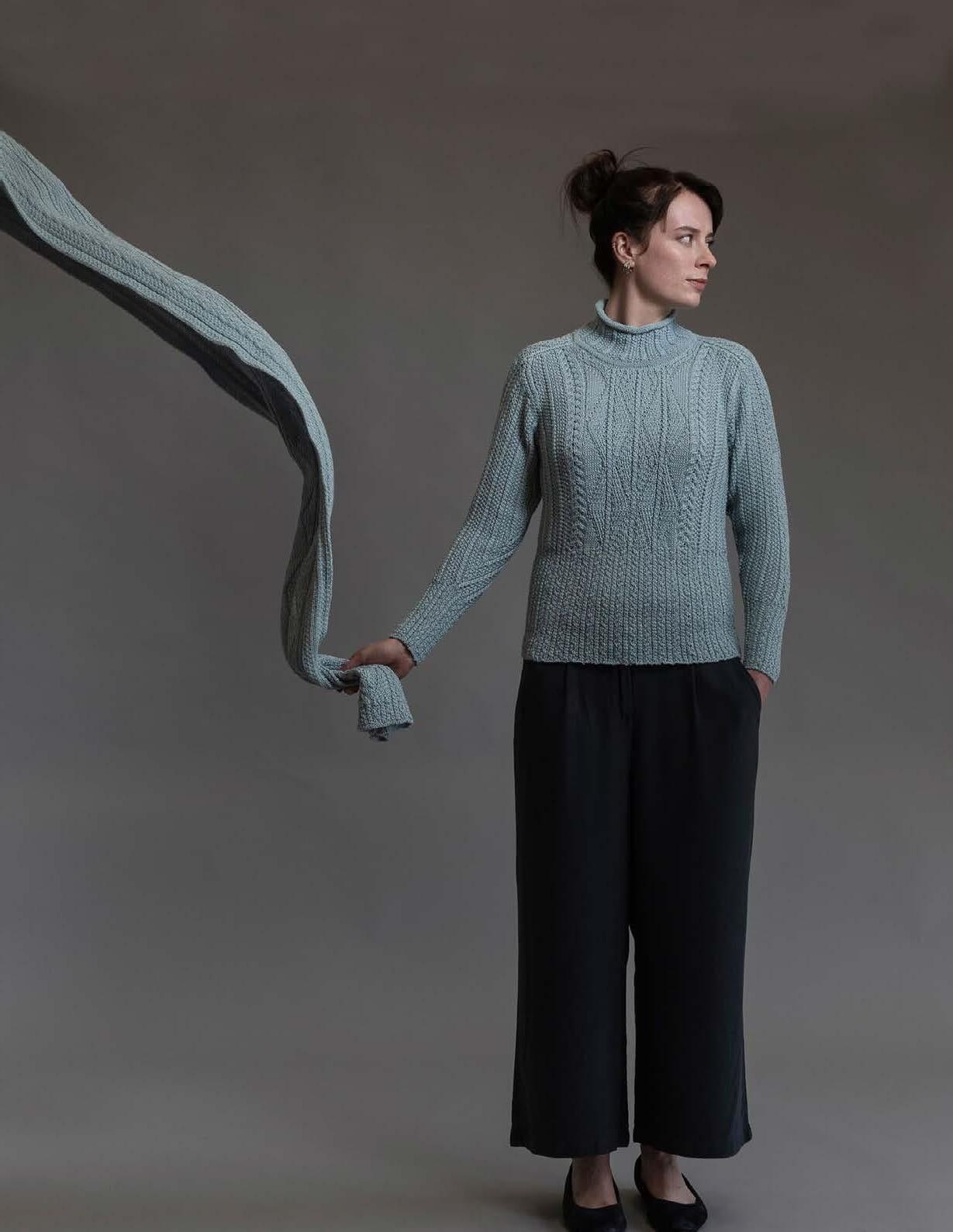
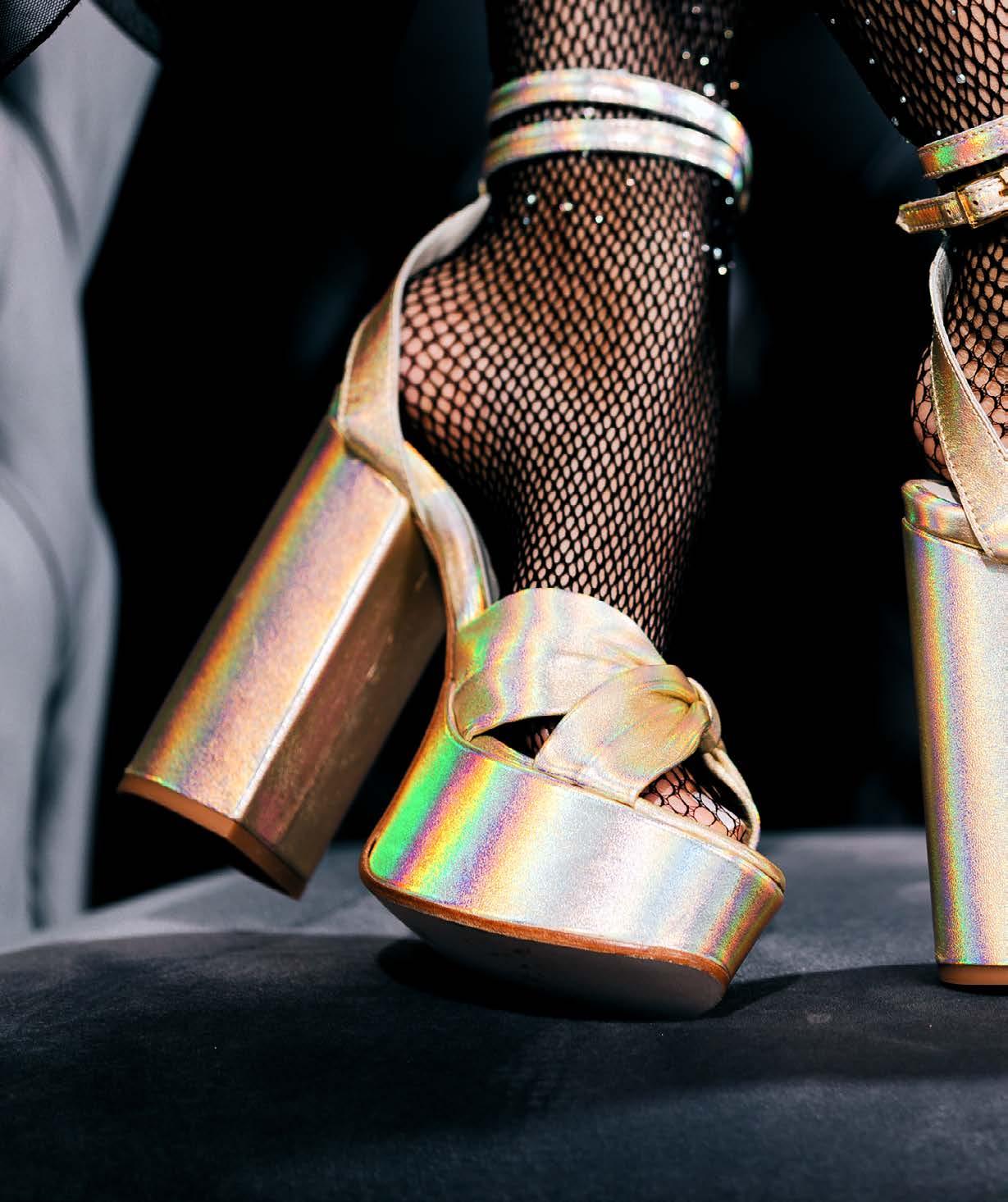
WORDS | MARY-JANE DASE IMAGES | CHELSEA PARIS
SOLES OF EMPOWERMENT

On a flight back from Nigeria, where she had gone to bury her mom, Theresa Ebagua read a magazine about luxury shoe designers and how they built their brands. Deciding that life was too short, she determined it was time to pursue her lifelong passion for designing shoes.
Chelsea Paris Founder - Theresa Ebagua Shares her Journey from Corporate America to Shoe Designer and her Mission to Inspire
For many years, people wore shoes not as a fashion statement but solely as a reason to protect their feet from the elements. By the mid to late nineteenth century, shoes had become more than just a means to protect the feet; they were a fashion statement. Younger people who were more spirited began to desire colorful and stylish shoes. Shoes were used to make statements, and designers were put to work to satisfy these new desires. Brighter colors, newer heels, novel materials—designs began shifting from the typical leather to innovative materials like plastic and fabrics, and designs that had never been seen before started to appear. Since then, shoes have never remained the same, moving from boring, everyday items to exciting fashion accessories that favor self-expression. There’s no shortage of brands producing shoes today, but if you want exciting, durable, statement shoes that stand out, Chelsea Paris is the brand for you.
When TrooRa spoke to the founder of Chelsea Paris, Theresa Ebagua, who started the luxury shoe brand in 2012, we realized that behind the bold expressions, colorful, daring heels, and alluring designs is a fashion brand inspired by women of different generations and focused on empowering women. Its very existence was inspired by the loss of Ebagua’s mother, and Chelsea and Paris are the names of Ebagua’s daughters. She told TrooRa, “When I was thinking about a brand name, I noticed that luxury brands named their brands after themselves, but I thought to myself, ‘Why don’t I name it after my daughters? Something to inspire them! But more importantly, to remind them that they can follow their dreams!’” In the spirit of empowering women to follow their dreams, Chelsea Paris has committed 10 percent of every product sold on their website to the NGO Solar Sisters, an organization that aims to empower women in rural Nigeria to create sustainable businesses for themselves using clean energy.
BREAKING STEREOTYPES WITH CHELSEA PARIS
Born into the home of African immigrants, Theresa had few career options besides doctor, lawyer, or engineer deemed acceptable. Owning a shoe brand was not on the list of acceptable careers a child should desire to be when they grow up.
Ebagua—of Nigerian heritage with immigrant parents who live in Europe— always desired to be a designer, but she got a degree in computer science and a master’s in business administration. That was considered a more stable and respectable career, and with that, she worked in corporate America for ten years. But something happened that made her decide to pursue her lifelong dream—she lost her mom, and in that vulnerable moment, she knew that life was too short and she needed to pursue her dreams. One of her fondest memories was going to flea markets as a young girl to get vintage shoes and fix them to her unique style.
apprenticeship—in Florence with different factories,” she recalls. There, she spent two years learning how to source fabrics, make custom prints, make shoe forms and textiles, assemble soles, and all the intricacies of making shoes.
After her training, it was time to start the business. All her life, she saw her mum only wear shoes made in Italy, which entrenched a mark of quality in her mind. She knew she needed to make her shoes in Italy, which informed her decision to move her family from America to Europe. Fortunately, she had extended family members in Europe to provide a solid support system.
Today, she sources her materials from Europe. Ebagua does not underestimate the competitive and ever-changing tides in the fashion industry but is confident that her brand is here to stay. She tells TrooRa that for herself and everyone else who intends to start a luxury brand, they have to be true to themselves. She
Ebagua took the bold step and went back to school in Milan. This time to study her passion for shoemaking. While in Milan, she was not fully satisfied with the theory of making shoes, so, knowing what she wanted, she approached her program director and informed them that beyond speaking the language of shoes, she needed to make them too. “They were gracious enough to help me arrange an internship—more like an

pointed out that at the very core of Chelsea Paris is their desire to satisfy the unique individuality of their customers and stick to their brand story, which essentially dictates their style.
“To me, trends come and go, but my brand is really about timeless fashion, creating styles that pay homage to my African heritage and individuality and can continue, season in, season out,” she says.
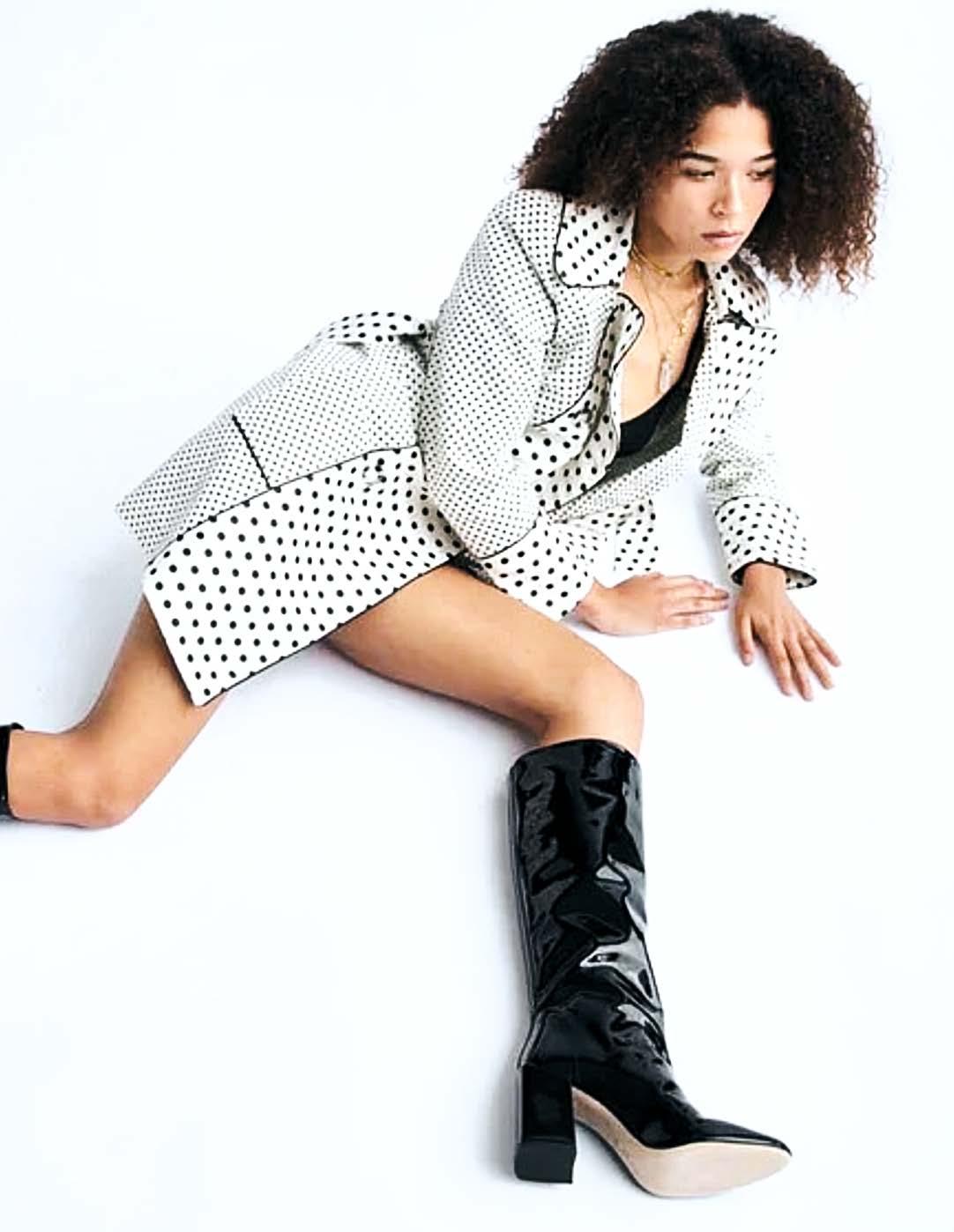

LUXURY SHOES: PAYING FORWARD
Every business experiences a point where the sun rises on them and spotlights their effort. For Chelsea Paris, their second season in Paris in 2014 would mark the beginning of that spotlight when the fashion director of Barneys, a fashion-forward retail store in the United States, took an interest in their shoes and ordered five hundred pairs. Ebagua said that marked a turning point for her growing brand, as Barneys became instrumental in introducing Chelsea Paris to the American, Asian, Middle Eastern, and global markets, where they would go on to be worn by celebrities like Beyoncé and Selena Gomez. As if the universe was determined to grant Ebagua validation to continue building her brand, by her
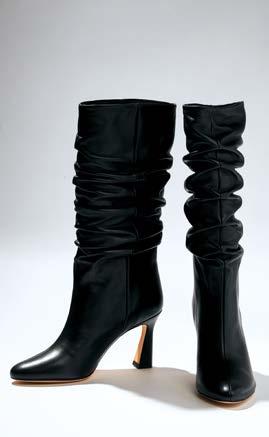
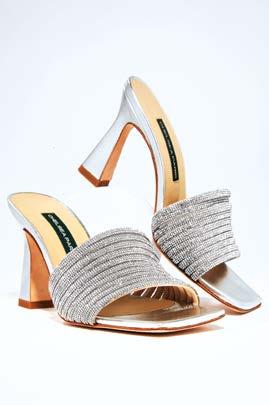
third season in Paris, she met Stacy Keibler in a store wearing Chelsea Paris shoes! Although Chelsea Paris is strictly a wholesale business, in 2020, it made room for e-commerce. One of their ethos is to style sustainably. Caring for the environment is one of the brand’s active and long-term goals. This includes using sustainably sourced and processed materials for manufacturing, down to the glue. “For me, it is a personal challenge, using sustainability to move fashion forward,” she tells TrooRa.
One of Ebagua’s values is inclusivity, and her face lit up when she talked about Edward Enninful, a Ghanaian, one-time Vogue editor. “Enninful inspires me, and I have followed him for a long time, even when he was a model. It is rare to see people who look like you in the fashion
industry attain such high status, and for me, representation matters. It doesn’t only inspire you but shows that you can do it,” she says. Chelsea Paris plans to launch cocktail bags to complement their shoes and a bridal collection. With these moves, Ebagua keeps taking bold steps and following her passion.

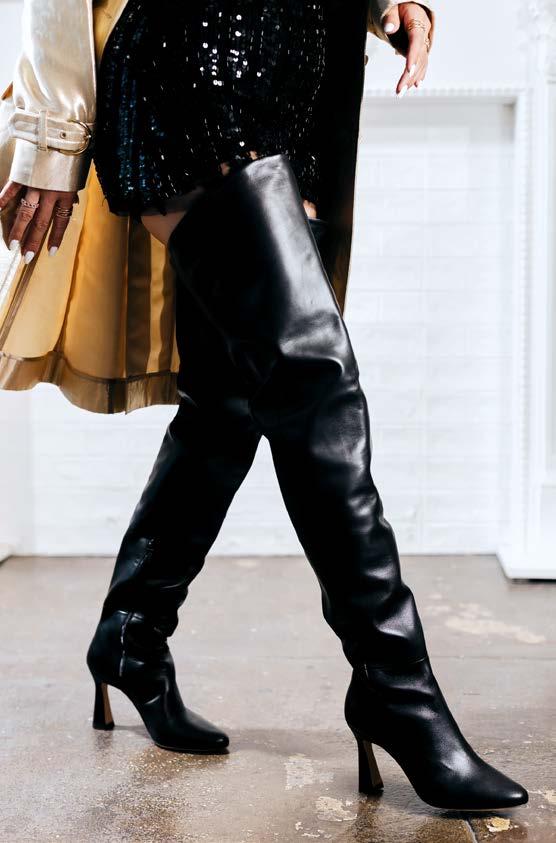
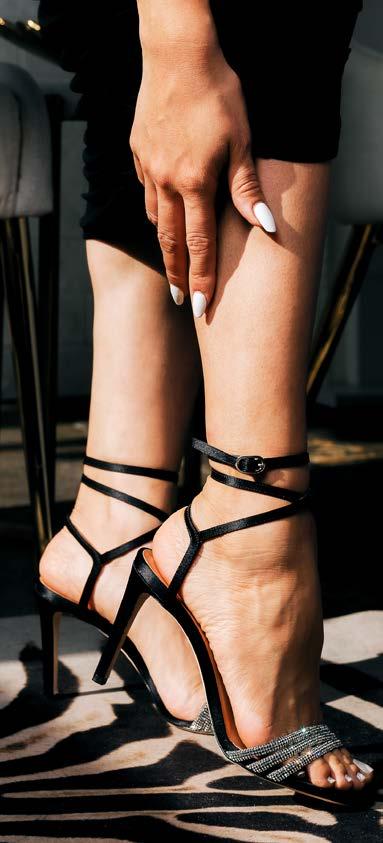
FOUNDER
Theresa Ebagua
THE ELECTRA RING
Greek: “Bright One”
Inspired by celestial nymph in Greek mythology. The daughter of Agamemnon and Clytemnestra, who saved the life of her young brother Orestes by sending him away when their father was murdered.
Oval cut Crimson burgundy tourmaline 11 x 9 mm claw set in 14k gold.
Paired along with a mix of baguette, square and round white diamonds set in 14k yellow gold.
Worn by the bold and beautiful.
Original design water color painting available for sale upon request*
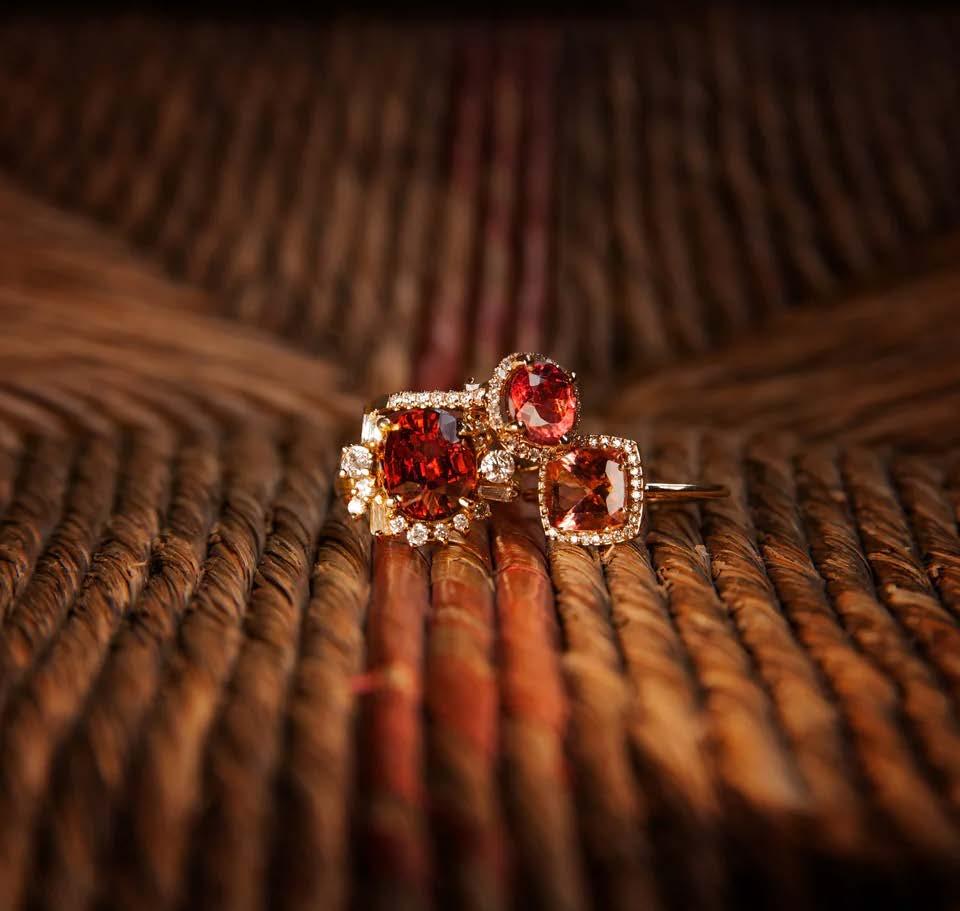

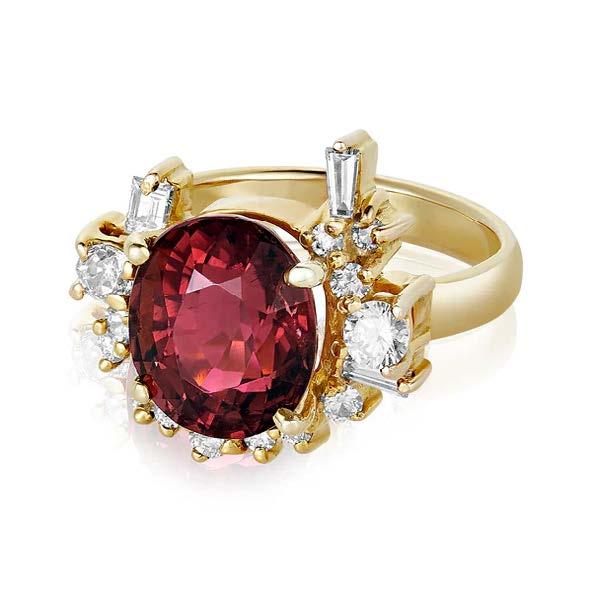
THE ELECTRA RING

LUI: Traditon, Heritage luijewelry.co

Luxury in Motion from Milan to the World
WORDS | ABBY YOUNG IMAGES | SILVER & RILEY
Global Citizen Lola Banjo Blends Heritage and Innovation in the Bold Evolution of Silver & Riley’s Functional Luxury Travel Bags
Lola Banjo began her brand, or her baby, as she calls it, in 2019. She was inspired by her weekly travels, having observed the bags people around her would carry. With her engineering background, Banjo habitually sought to take things apart and make improvements and soon applied her skills to the world of bags. How could she make travel bags better? For one, they lacked in being both visually aesthetic and functional; most travel bags were either one or the other. But Banjo described herself as both: “I love style; I love function.” To Banjo, there was no need to compromise on being glamorous and fabulous when she traveled. Why not everything?
Banjo’s late mother, who passed during Banjo’s teenage years, inspired the conception of her brand. Her mother was an entrepreneur with a jewelry business, and she would often travel back and forth to the Middle East, bringing back gold jewelry for her children. But Banjo wanted to be different from her siblings and asked her mother for silver jewelry instead. While silver jewelry was less common, Banjo’s mother always made sure to return from the Middle East with silver jewelry for her dear daughter. For Banjo, creating a legacy brand is one that transcends time and maintains longevity. Her mother, the largest inspiration for Silver & Riley, incorporated her legacy
and set an example of building longlasting relationships with people and customers, a legacy that Banjo adopted and applied to her own business. Banjo believed a legacy was also well represented through a name, and the name Riley was one she always loved due to its unisex nature. Combining her mother’s legacy and her future legacy, the brand name Silver & Riley was born, an inclusive name that transcends country, demographic, and age.
Banjo has traveled to over one hundred countries in her lifetime and describes herself as a global citizen. Her many travels cultivated her keen perceptions and heightened level of empathy. Banjo believes there’s no better education than being able to see the world and experience people in their natural culture and environments. Her travels educated Banjo on people, time, and places and allowed her to develop compassion for others. She saw people who were economically disadvantaged, and it greatly impacted her. Her well-rounded perspective only served to inspire Silver & Riley as a brand. Her brand identity reflects pieces and memories of the places and things that influenced her in some way, shape, or form. All her products are named after cities around the world that inspired her. Banjo’s goal is to have people across the globe feel
included in the Silver & Riley story. She hopes to have every city represented by her brand in the future.
Though she has difficulty choosing, Malaysia, Japan, and Africa stand out as her favorites. But she also admits she could go on and on about South America and Europe.
Banjo was rejected by 136 manufacturers before she found one that would meet her standards of quality and who could also see her vision. It all began in 2018 when Banjo first came up with the idea for her brand, which nagged at her for years. She knew she needed to start immediately. She researched the best manufacturers for her product, and that research took her to Milan, Italy. While abroad, she knocked door to door, even hiring a translator at one point, but was only met with pure rejection. Banjo later saw these rejections as a gift, as it taught her a lot about the overall process.
As she continued to search, she realized she also wanted the manufacturer to be the right fit for her brand, not just the other way around. And so, she began asking manufacturers about their sustainability practices, what percentage of women leaders worked there, and how they handled waste. Through her research, Banjo did some of her own rejecting during the process until she finally found the one.
Manufacturing in Italy was an excellent choice, as Italy is known for its legacy of leather and craftsmanship. Though the cost was higher, Banjo desired to create high-quality products that compete with higher-end brands on the market. Her products are high quality and stand the test of time because she believes in the value of investing in quality.
When Banjo begins designing a bag, she starts with a sketch and encourages people in small focus groups to contribute their thoughts. For Banjo, when creating a business or product, it must solve a problem within the market, something that will surely bring ease into a consumer’s life. Sometimes, her designs only take one try to perfect, but
For Banjo, when creating a business or product, it must solve a problem within the market, something that will surely bring ease into a consumer’s life.
others not so much. Her favorite bag, the New Yorker, took eight different prototypes prior to launch. “Sometimes I drive my manufacturer crazy,” Banjo says. “But there’s always room for improvement.”
Banjo is committed to being a student for life, understanding that her designs and brand will develop and improve as she learns. Silver & Riley creates stylish bags that don’t compromise on functionality, having been drawn from Banjo’s engineering background and embracing multicultural perspectives and multifunctionality (worn as a belt bag, clutch, crossbody, etc). Her products’ versatility adds value for her customers. Accessories


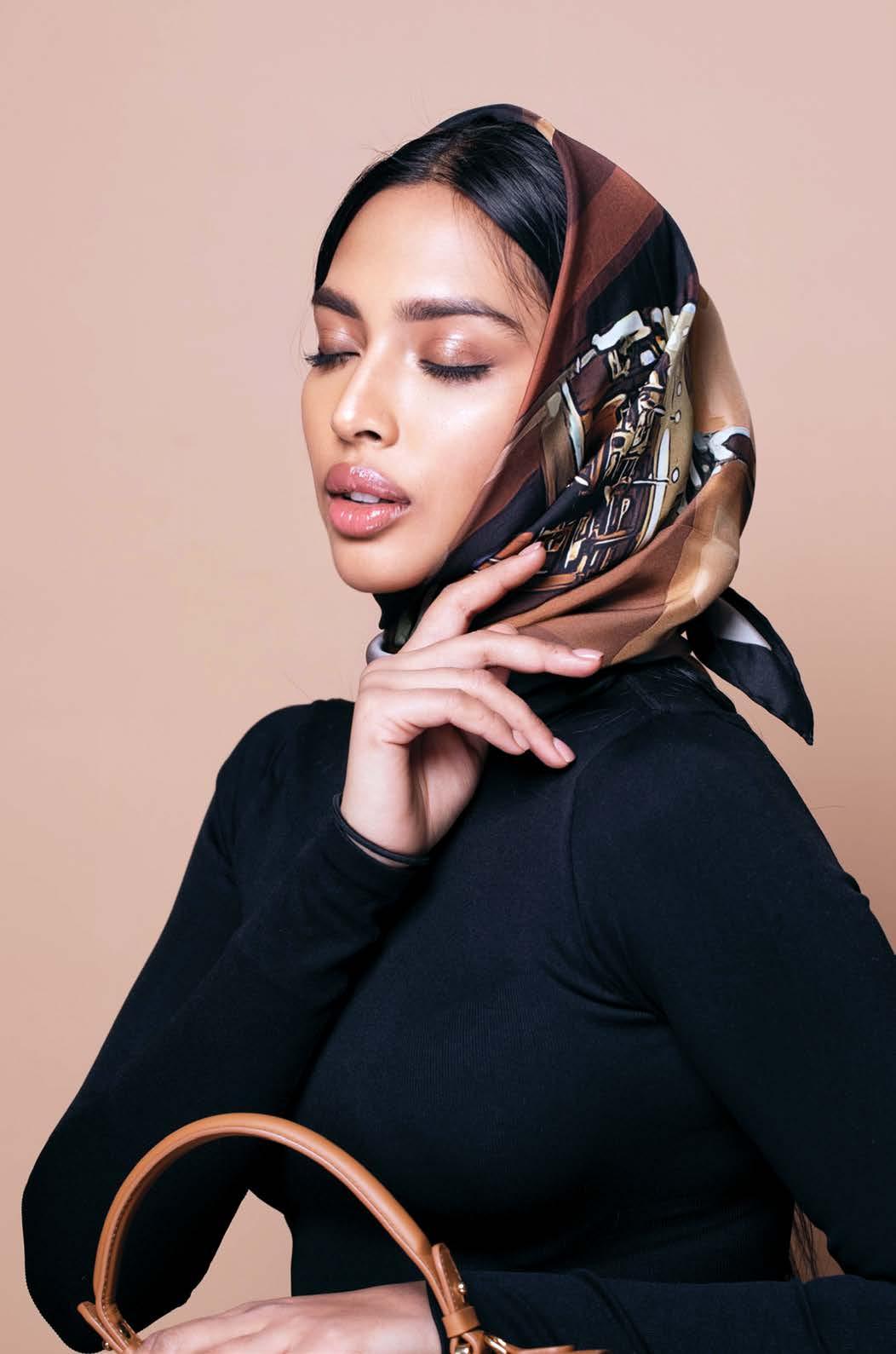
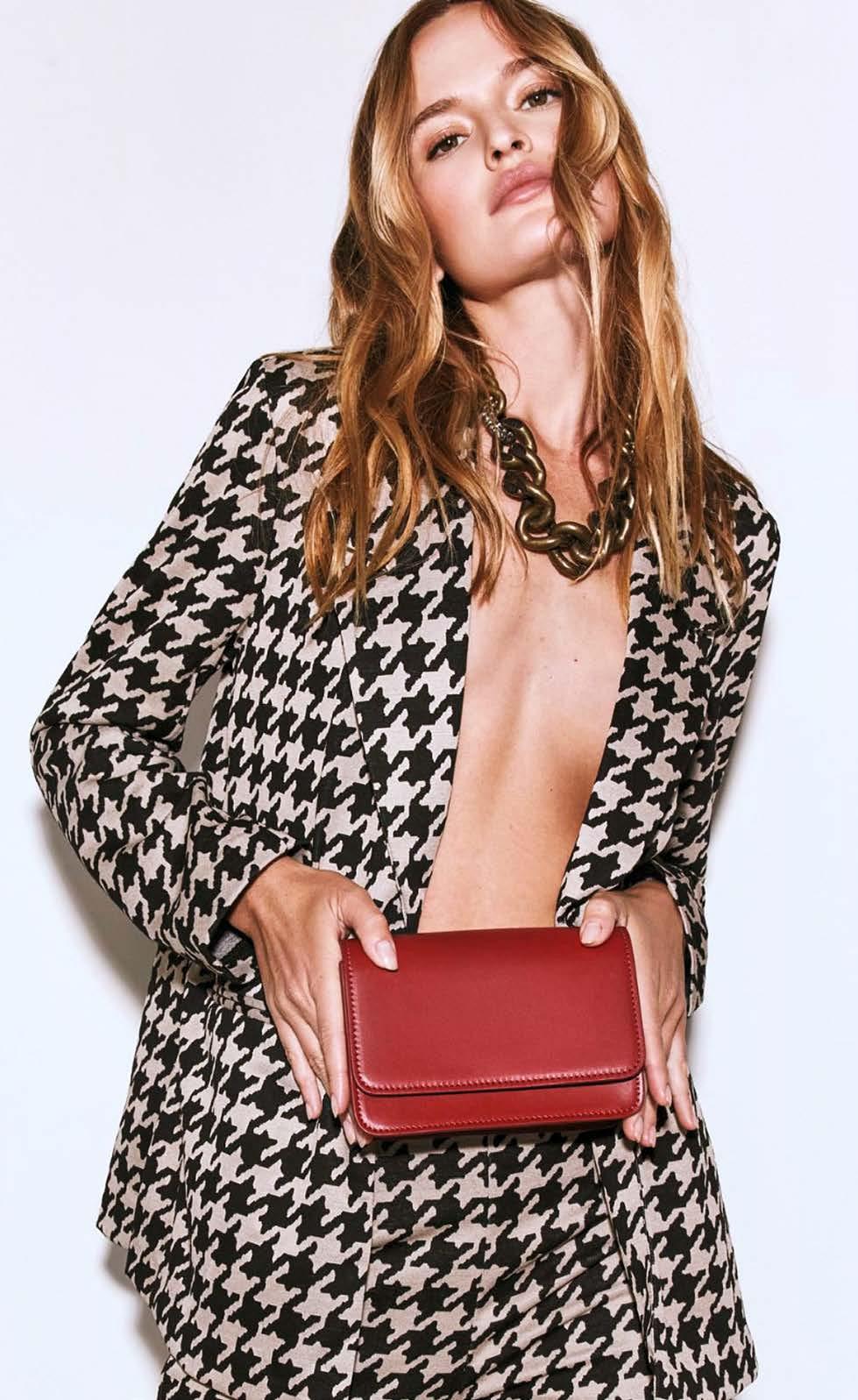

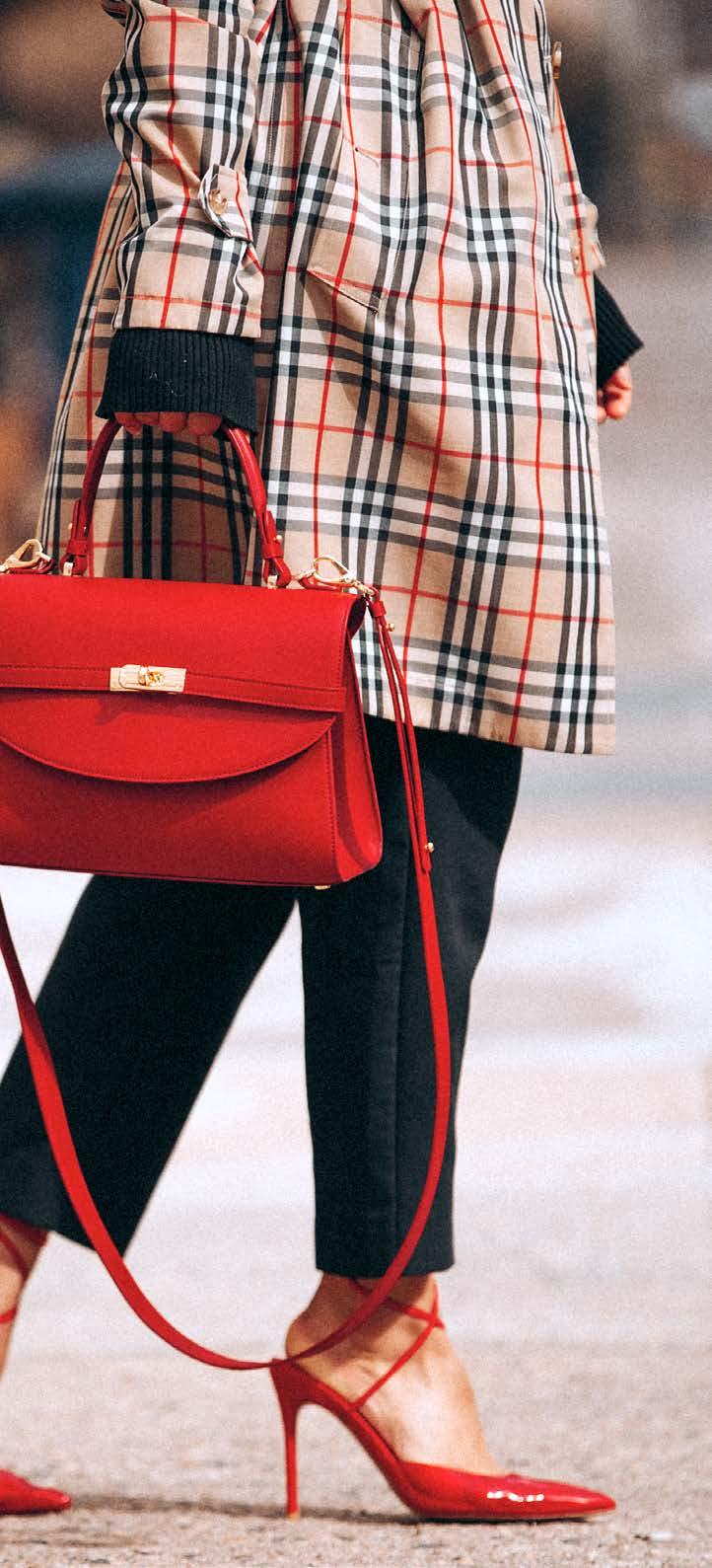
Banjo is looking forward to once again expanding her product categories based on customer feedback.
When her customers use a Silver & Riley bag, Banjo desires them to feel empowered, in control, and beautiful. The brand’s bags are designed to evoke feelings of elegance and grace.
The New Yorker bag was launched in 2023, and as a New York native, Banjo feels strongly about the product. It has become one of the brand’s hero bags due to its beautiful design and well-structured proportions while simultaneously representing her love for New York.
In the past, Silver & Riley has launched other products, including scarves, which were a success. Banjo is looking forward to once again expanding her product categories based on customer feedback, whether that is a new pair of sunglasses, fragrances, or rolling luggage. As a watch collector, her dream collaboration is with a watch brand.
While Banjo’s journey with Silver & Riley has been filled with fruitful challenges and life lessons, she is committed to continuing to support her community and create wonderfully made pieces.

FOUNDER Lola Banjo
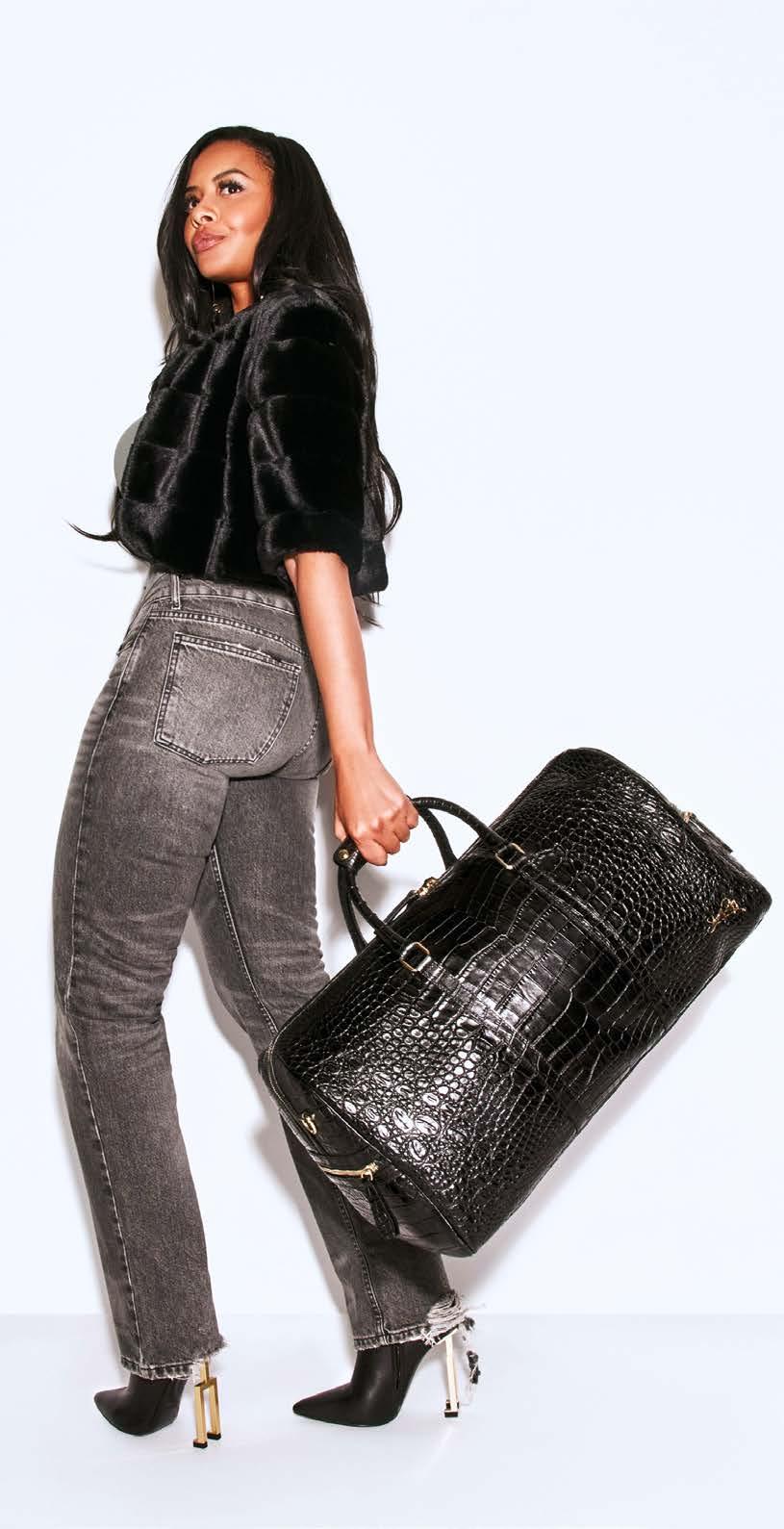
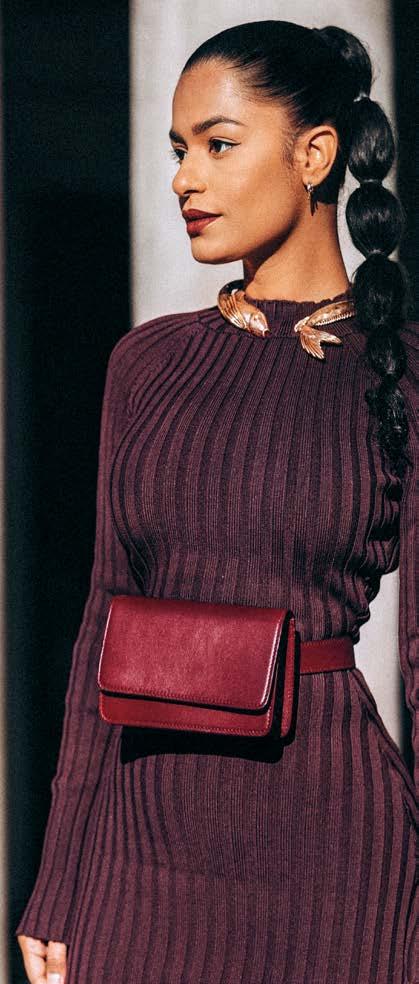
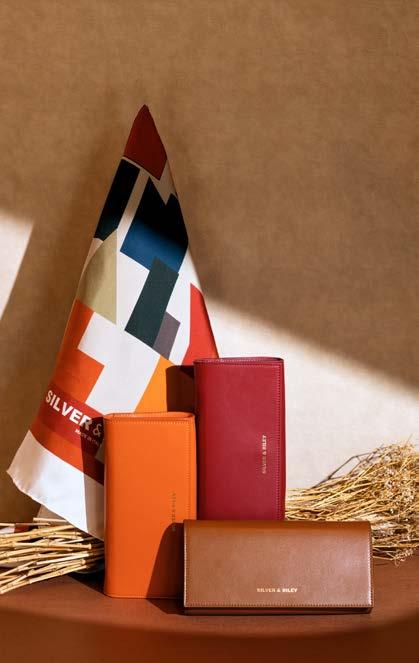
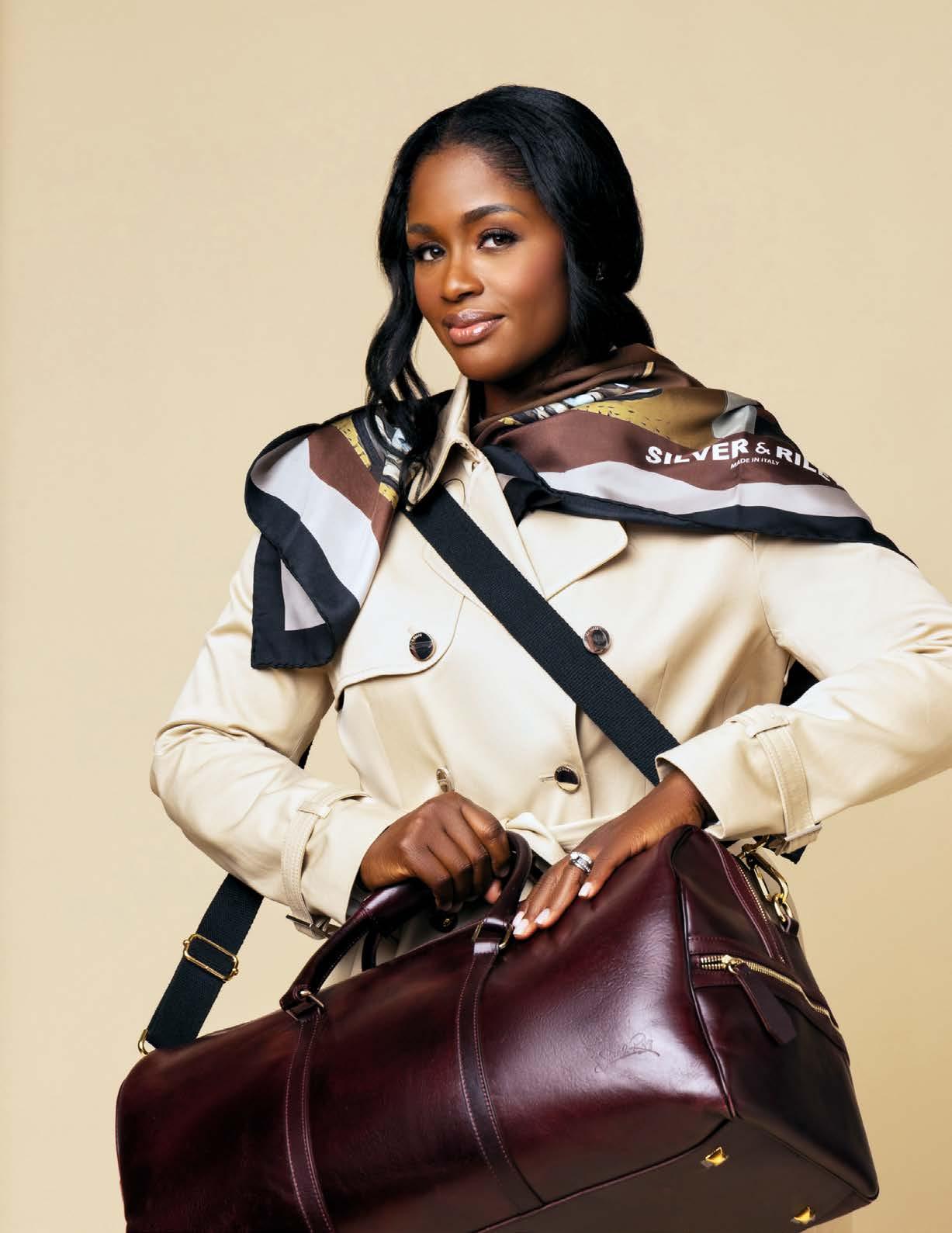
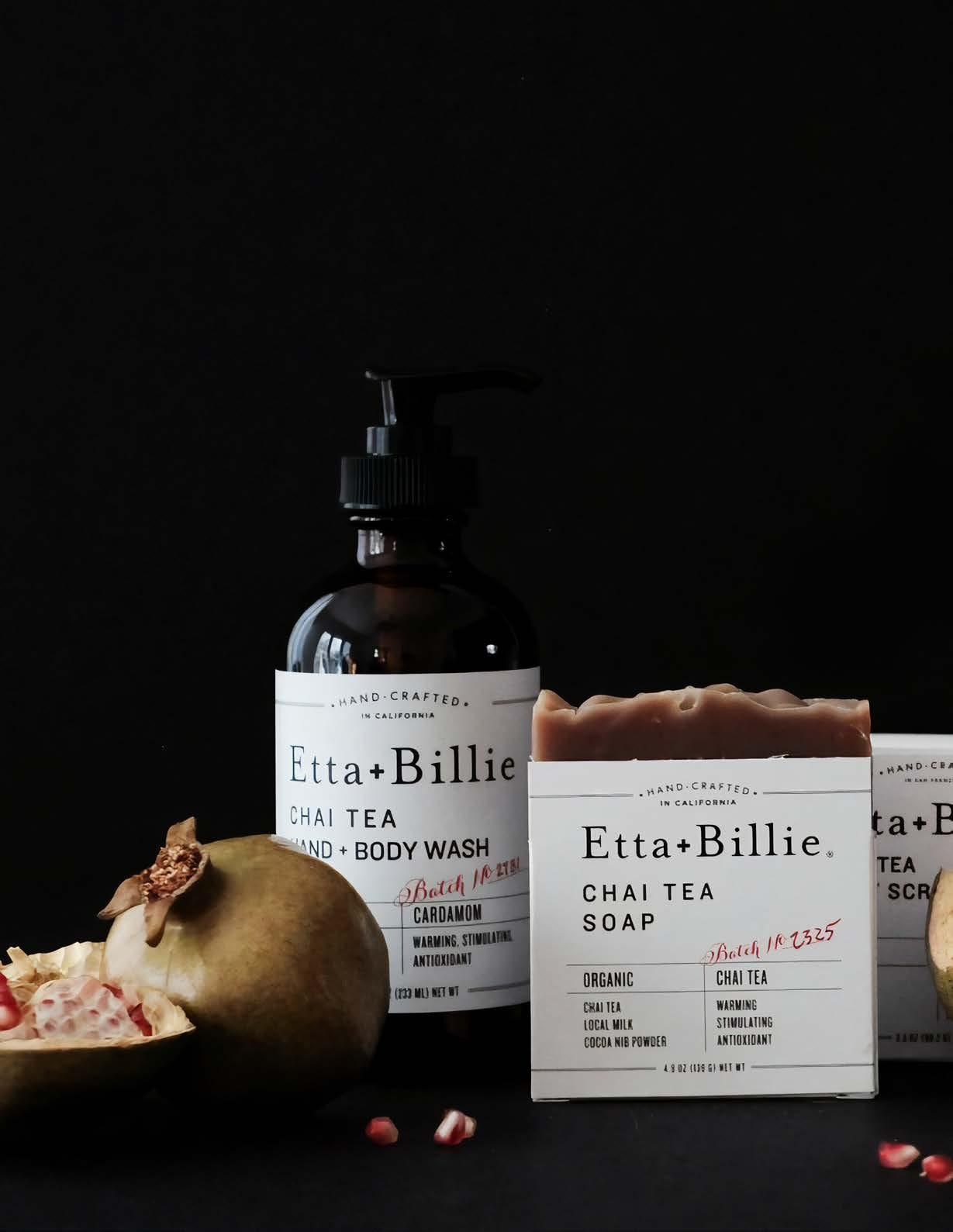

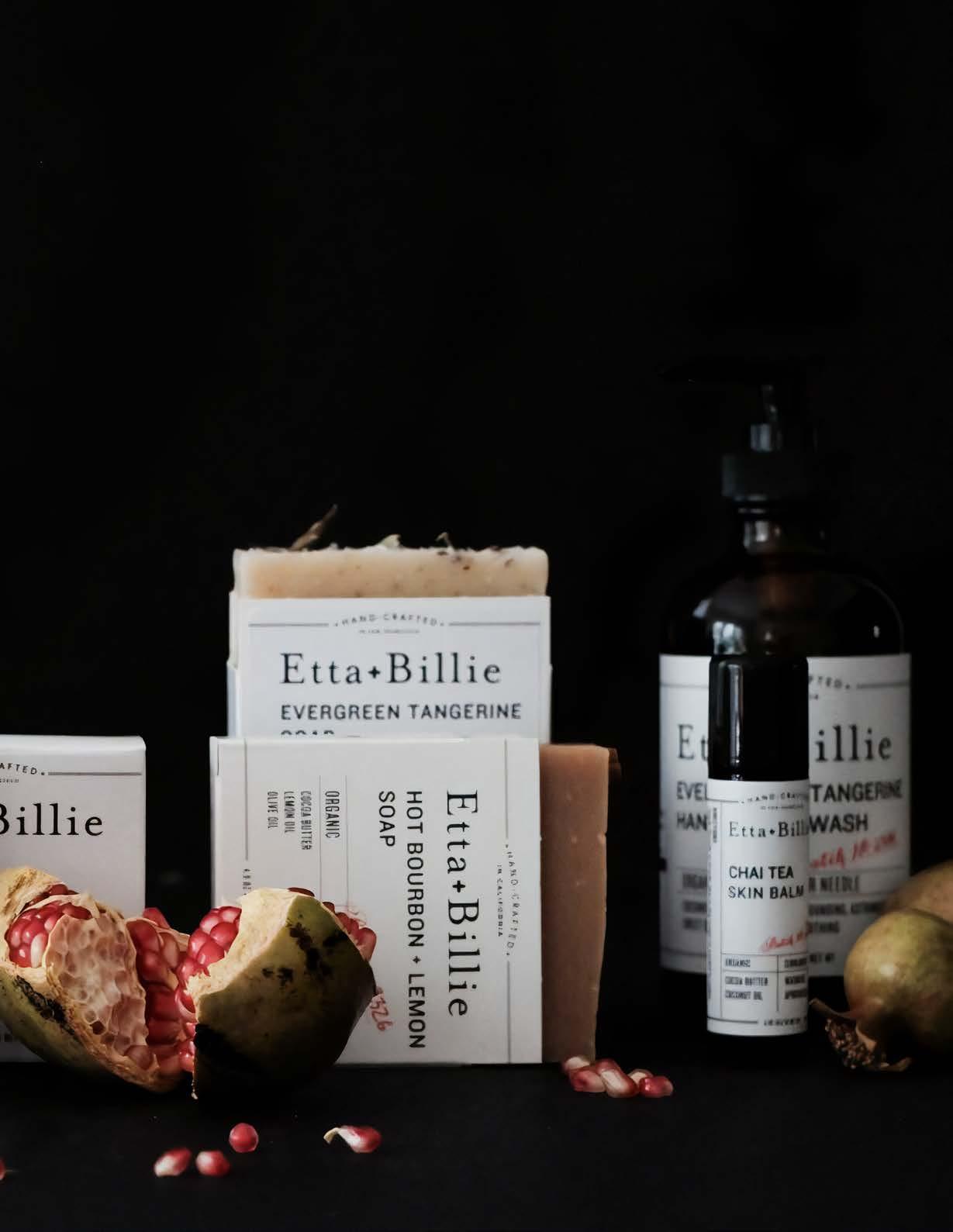

natural body care
artisanal, organic body care
self-care isn’t a luxury,
it’s a necessity for our own well-being
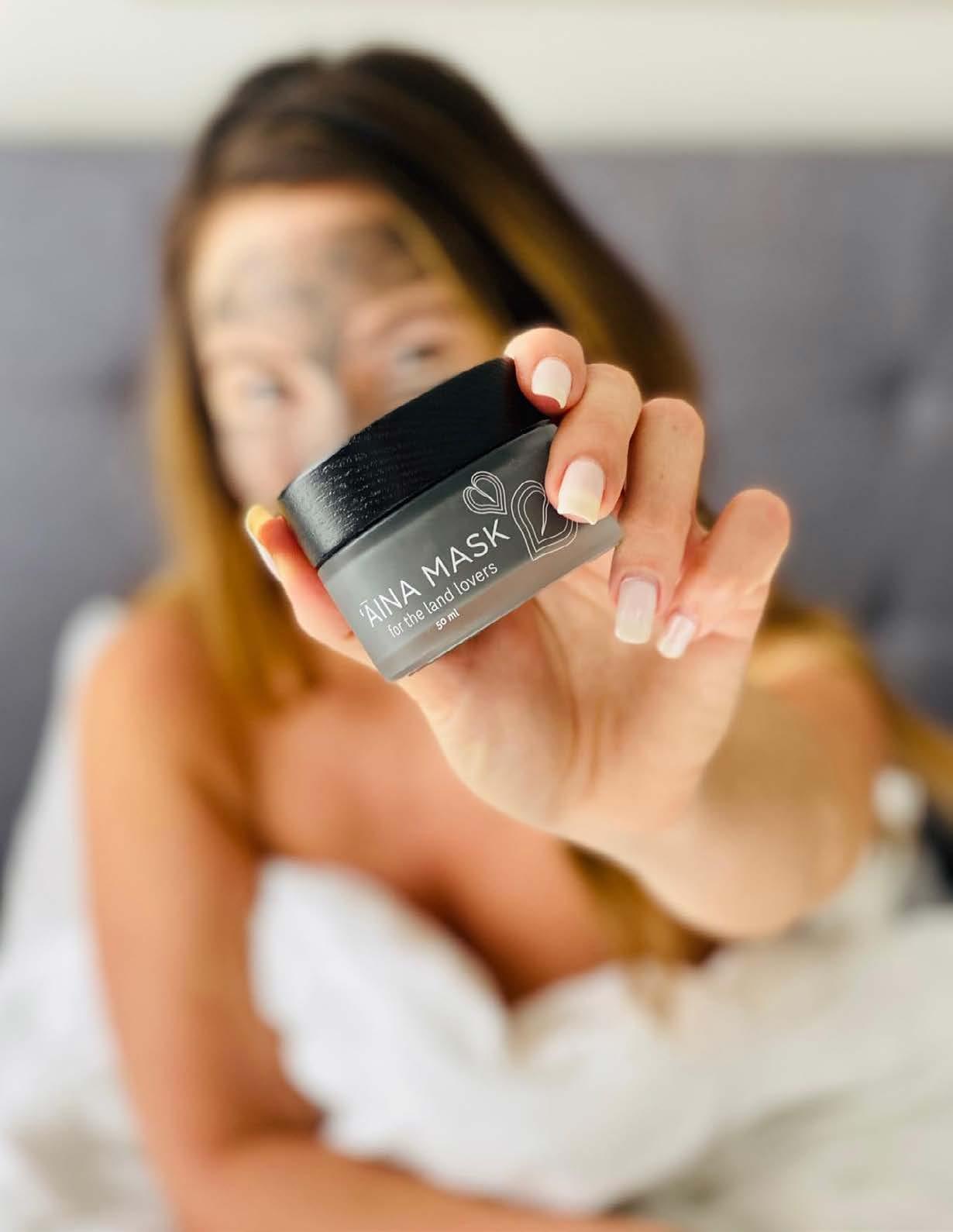

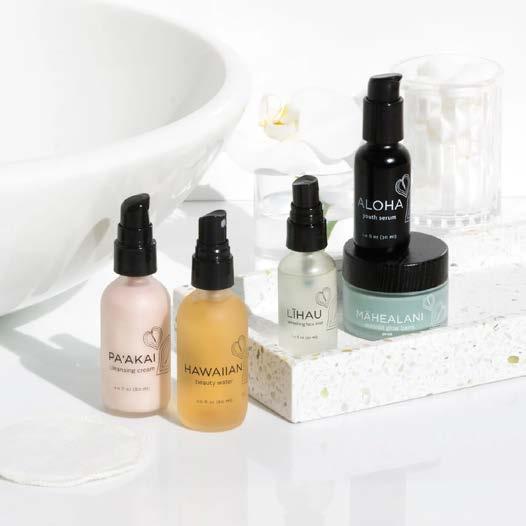
From Soil to Skin to Soul

Uniquely Hawaiian Skincare
Beauty
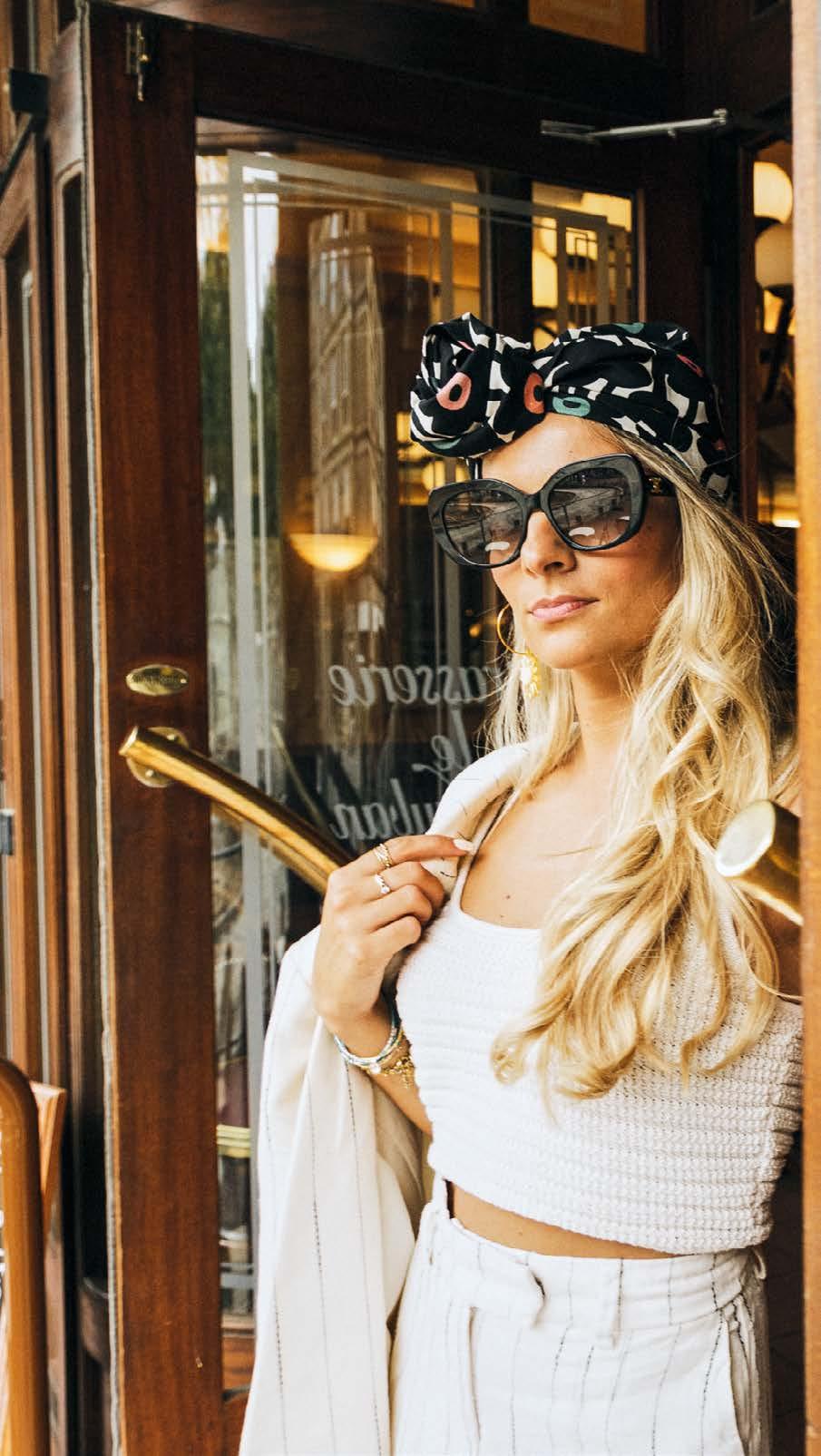
MORE THAN A WRAP
WORDS | ELOISE STARK IMAGES | MARION LECESNE
The Céline Martine studio is reminiscent of a traditional hat shop. Walls of colorful head coverings make you feel like Elizabeth Bennet searching for a bonnet that would impress even Mr. Darcy. Except here, the head coverings are resolutely modern, twists of bright fabrics in beautiful shapes, some narrow like Alice bands, others wider and turban-like.
Founder Marion Lecesne is a smiley, sunny woman, but she created Céline Martine when times were a little more challenging. Seven years ago, she had just had her second child and was suffering from postpartum hair loss. “Some days, I struggled just to leave the house,” she recalls. “Hair is such a vital element in how we present ourselves, and I suffered a real loss of confidence during that time.”
She started playing around with hair wraps, finding ways to regain her sense of self. At the same time, she was having doubts about what to do next. She was getting bored of staying at home, but she couldn’t picture herself returning to work and not seeing her kids during the day. All these elements planted the seed of starting her own business selling sustainably made hair wraps that could make women feel instantly beautiful.
GRANDMOTHERS’ INSPIRATION
She named her company “Céline Martine,” after both of her grandmothers. Both had been creative souls—one was a
After suffering from postpartum hair loss, Marion Lecesne started her own company making sustainable hair wraps, giving women an easy way to feel beautiful, whether going to a party or coming out of chemo.
seamstress, and the other a painter. She loved spending time with them in their studios, and it felt inspiring to use their names as she launched her own creative pursuit. Plus, she wanted to give their names a legacy that could continue beyond their lifetimes.
“I hate the fact that we name all our children with their father’s surnames,” Lecesne explains. “I think there’s something really powerful in knowing where you come from. Men have that power in the sense that they know there have been generations of men that had that name, and we women, we don’t have that.”
HEADSCARVES OF HISTORY
While patriarchal societies may have prevented women from passing names through the generations, skills and traditions have passed from mother to daughter, and head scarves are one such example. From the Nigerian gele head wrap to the Muslim hijab, from bandanas to babushkas, there is a long tradition of fabric head wraps all around the world.
Lecesne took inspiration from these different styles, “not from one particular culture, but from a mix of all of them,” and created her easy-to-wear versions for the modern day. They combine breathable fabrics with elastic and wire, making them easy to put on and keep in place. “This was important to me because sometimes we see these wraps on Instagram, and when we try to do them, they slip off and move around,” she laughs.
Lecesne didn’t want to add extra challenges to women’s lives because there were already more than enough. “We were told that we could do everything, and so we tried. Many of us are still trying,” she says. “We take a lot upon our shoulders.” By solving women’s hair problems and giving them an easy way to look beautiful, she hopes to give them back the time to “do things that really matter to them.” Plus, having something on your head is powerful, Lecesne says. “These headwraps are

like a crown. Because when you look good, you feel good, and when you feel good, you approach life with that extra zest that’s needed to get to where you want to go.”
THE GOOD DAYS AND THE BAD Céline Martine’s mission is more than just helping women look good; it is about empowering them. As their website states, they want women to feel beautiful and confident on their best days—the celebration days—but also on the “not-so-good days.” The company is particularly committed to supporting women undergoing challenging experiences, such as cancer treatment, hair thinning, or hair loss. “We’re dedicated to making women feel beautiful, bold, and empowered—no matter what day they’re facing,” reads the heartfelt message on their site.
Lecesne noticed a significant gap in the market when it came to stylish headwear for women who have gone through chemotherapy. The options available were often lacking in fashion and personality. Marion wanted to change that. “It’s about providing something that can give you that extra kick and make you feel yourself again,” she explains. “We hear from our customers every day how our headpieces have truly helped them regain their confidence.”

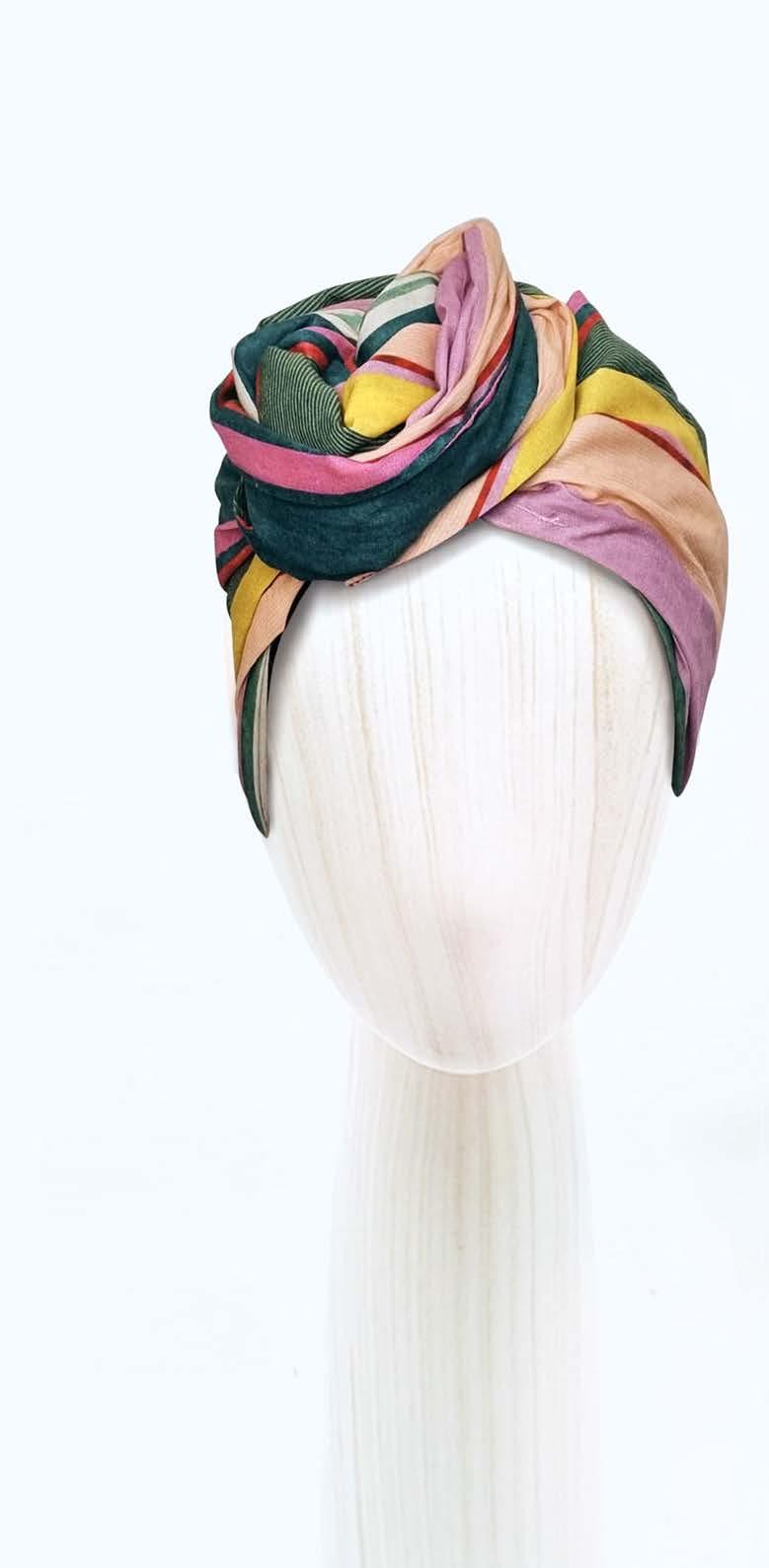
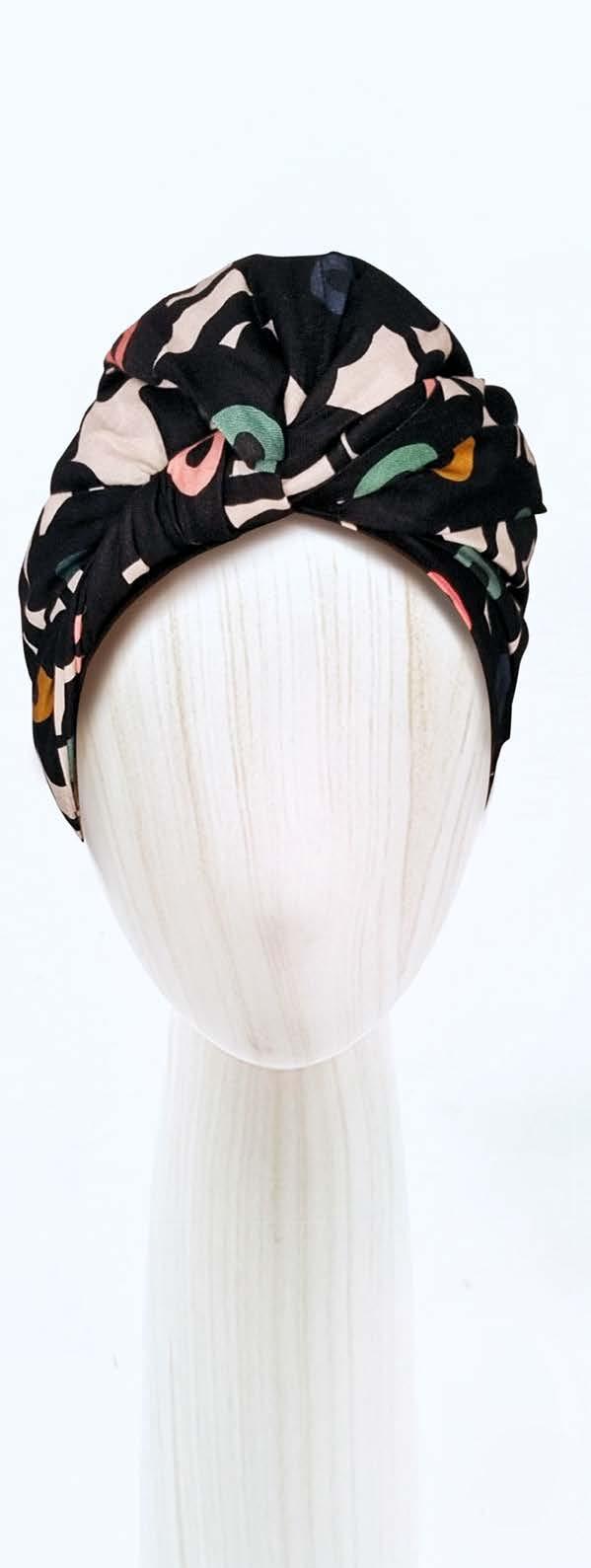
While patriarchal societies may have prevented women from passing names through the generations, skills and traditions have passed from mother to daughter.
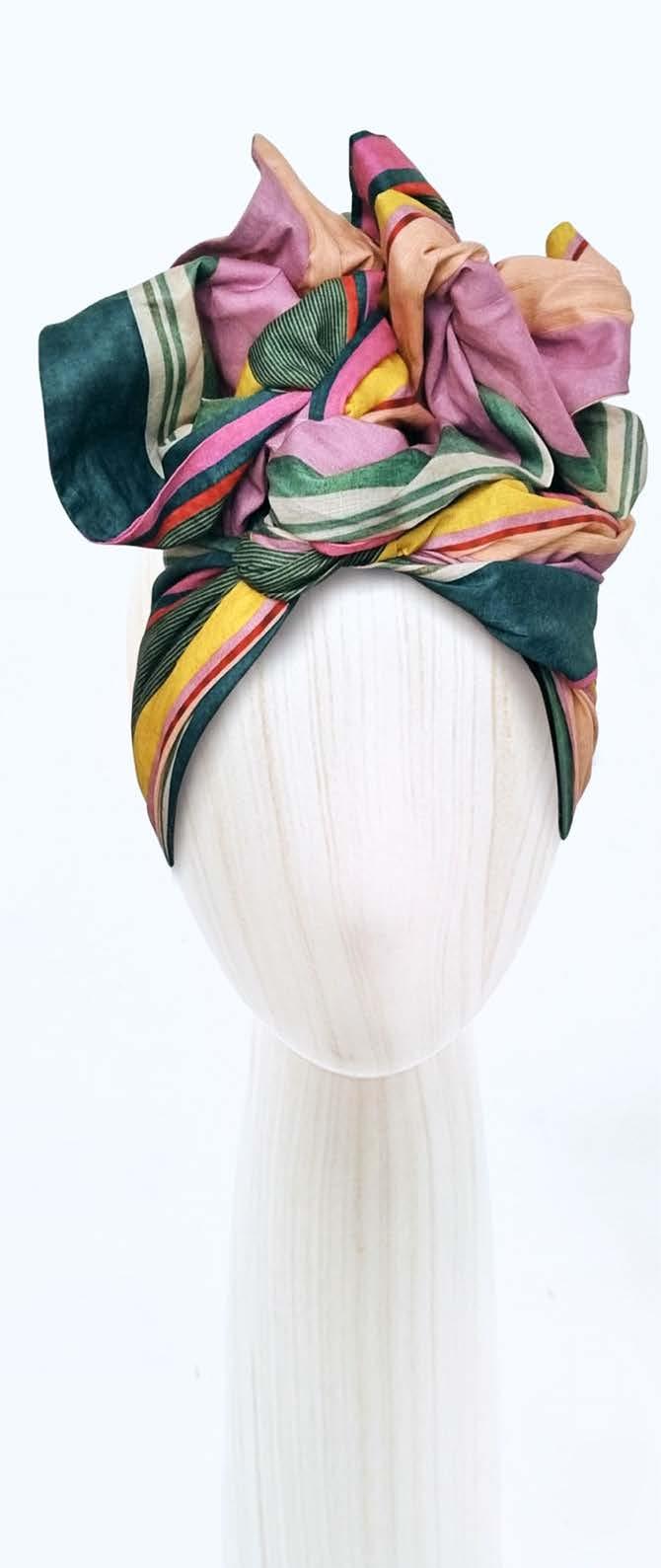
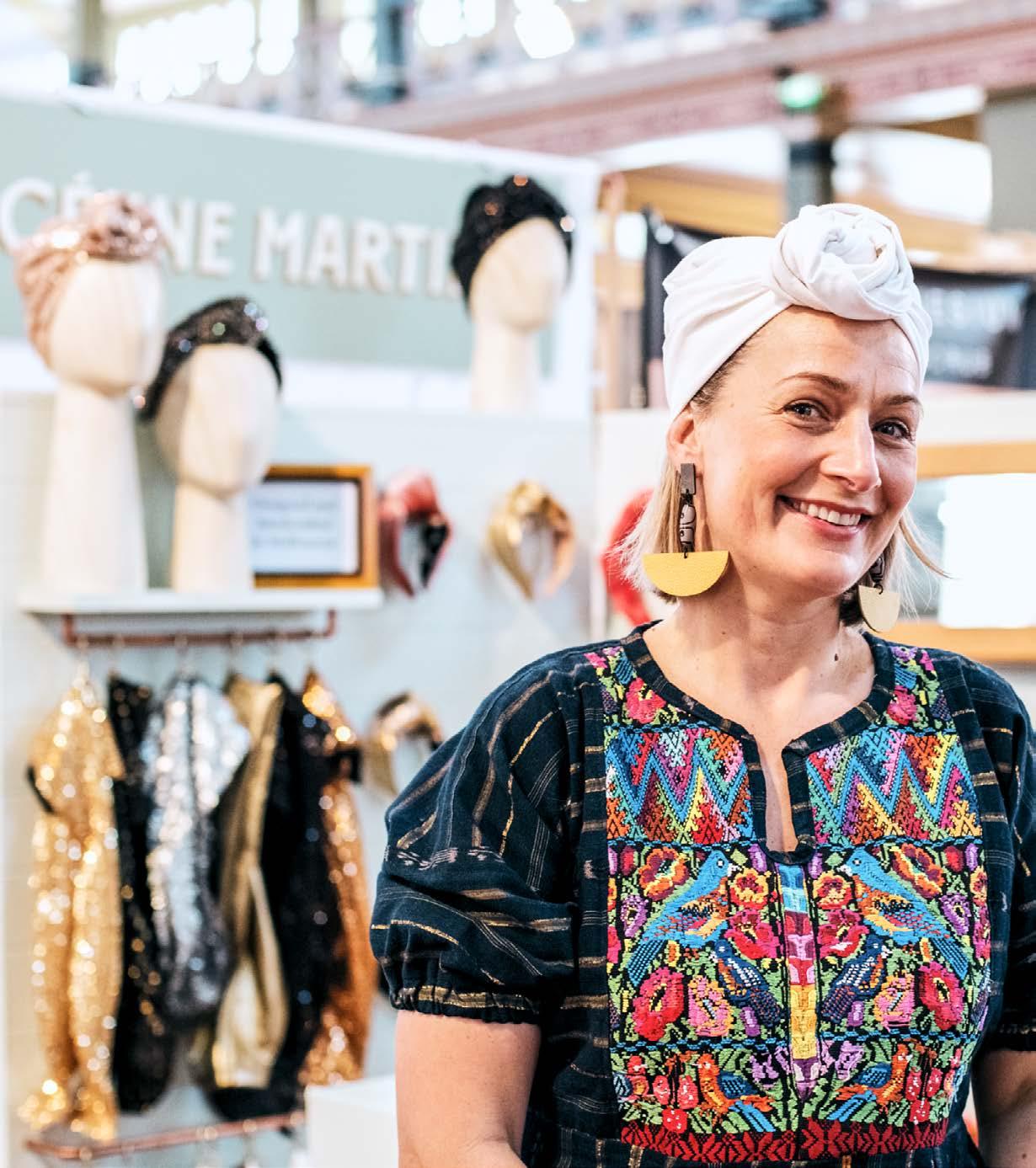
“We want to make sure that women have all the right equipment, the right weapons in their arsenal to get out there and keep going despite the challenges they face,” says Lecesne.
Her goal is simple: to ensure women have everything they need to face the world, even when times are tough. “We want to make sure that women have all the right equipment, the right weapons in their arsenal to get out there and keep going despite the challenges they face,” says Lecesne. In that same spirit of sisterhood, for every item sold, $2 is donated to local charities helping domestic violence survivors.
SUSTAINABLE FASHION
Another core principle for Céline Martine is sustainability. Lecesne was determined not to contribute to the world’s fastfashion addiction, so from the beginning, she tried to find fabrics from sustainable sources rather than use new materials.
As the brand has grown, maintaining this commitment has become more challenging, but an impressive 50 percent of the fabrics used are sourced from offcuts and second-hand materials. Some collections require new fabrics due to limited availability, but even then, the brand remains committed to producing limited runs, ensuring that every piece is unique and minimizing waste.
“Sustainability is a challenge, especially finding the right partners who share the same values,” Lecesne admits.
“But it’s important to us that we don’t compromise on our principles, even as we grow.”
Excitedly, Lecesne grabs a handful of headbands from her new collection to show another use of resourced materials. Each one is adorned with a row of vintage silver buttons, making them look like actual tiaras. “I’ve used vintage buttons so that when you wear them, you are carrying with you the strength and energy of the women who wore them before,” she says. In a world where fashion often feels fleeting, Céline Martin offers something enduring—pieces that not only look beautiful but link generations of women through tradition, empowerment, and sustainability.

FOUNDER
Céline Martine


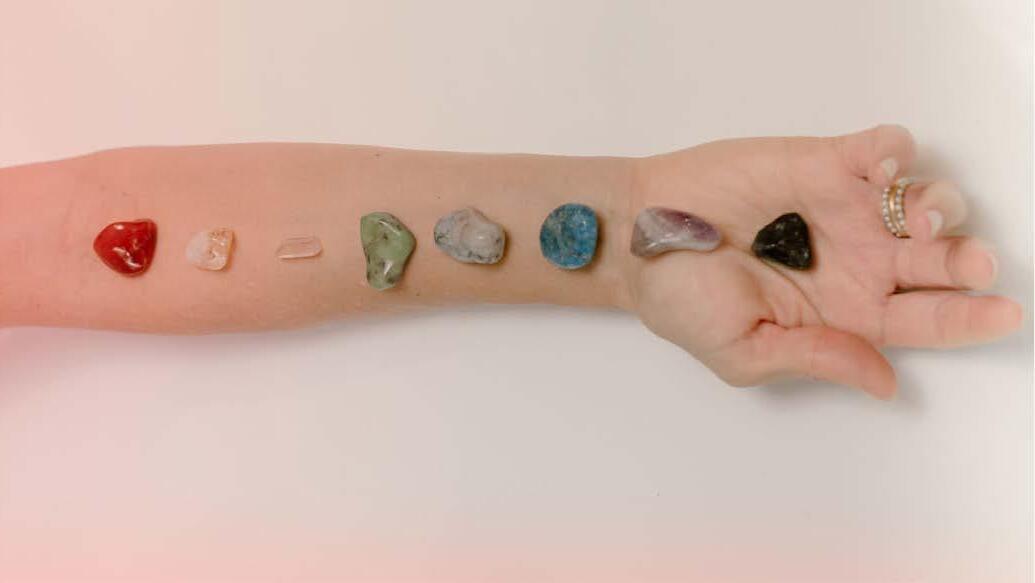
A holistic healing collective founded on the principles of Chinese and Functional medicine. A blend of modern health principles and ancient wisdom, to curate a personalized, multi-disciplinary healing experience.


Cocooned in CARE
Strands of Silk Brings Elegance and Healing to Hair
Silk was discovered by Empress Hsi Ling Shih in ancient China. One day, a cocoon fell into her cup while she drank tea underneath a mulberry tree. As the shiny thread unravelled, her curiosity led to the invention of the first silk weave. She has been described as the goddess of silk, and her discovery would later lead to the introduction of a material used in fashion and, at some point, as paper for writing and canvas for painting.
In the fashion and skincare industry, enthusiasts are attracted to silk’s luxurious, natural softness and aesthetic appeal. Not many fabrics are gentle on the skin and also have numerous benefits for the hair. So, when we found Alice Royster and Lexie Chandler, two women from Queensland, Australia, who source the choicest mulberry silks for pillowcases, hair scrunchies, and sleeping caps, we were excited to hear their brand story.
SERVING ALL HAIR SPECTRUMS
There is a popular quote among women meant to assert a woman’s love for her hair and the self-confidence it gives her: “If my hair looks good, I can deal with anything.” A woman’s hair can affect her mood, outlook, self-esteem, and productivity. A woman can wake up with a bad hair day and consider that day ruined. The founders of Strands of Silk
WORDS | MARY-JANE DASER IMAGES | STRANDS OF SILK
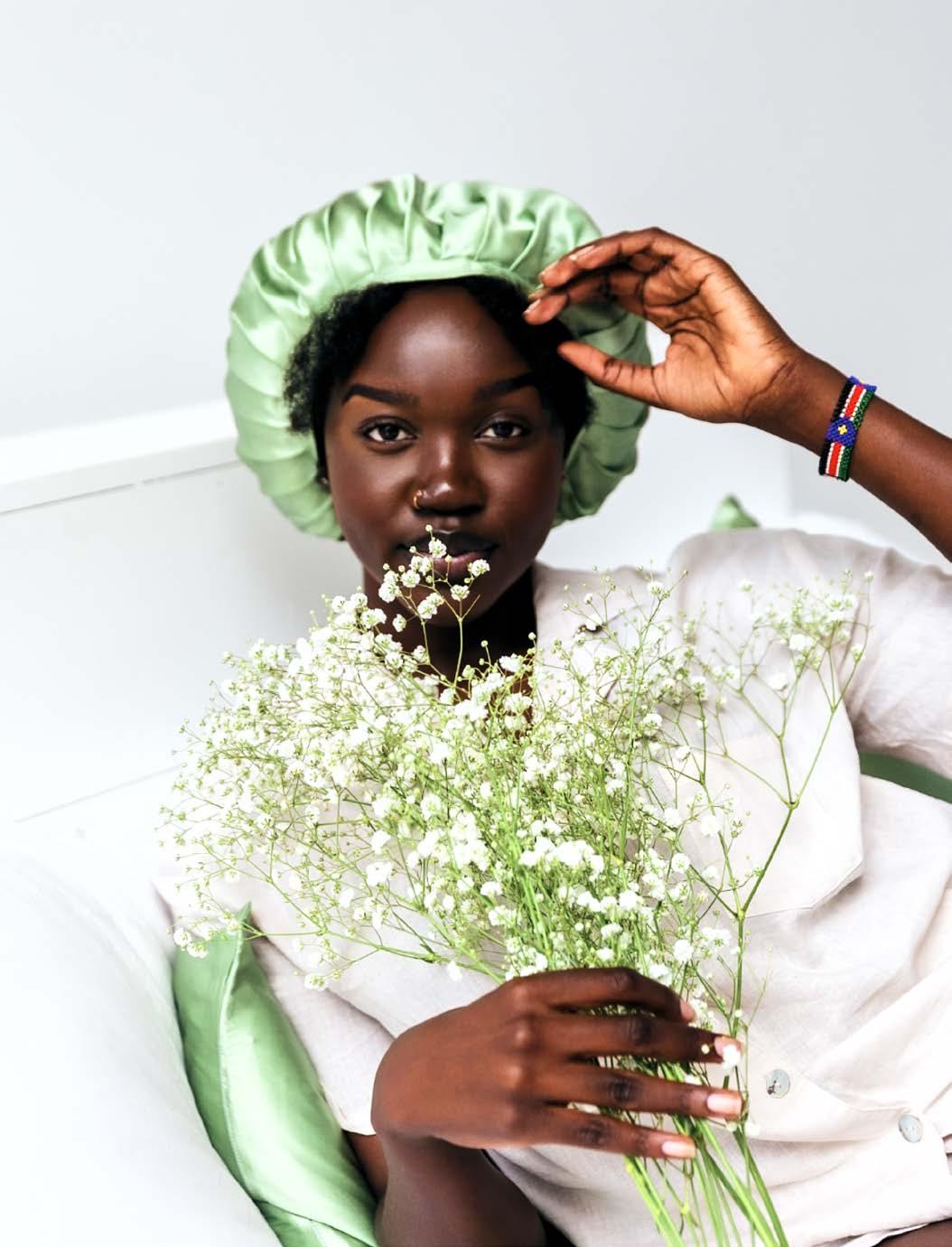
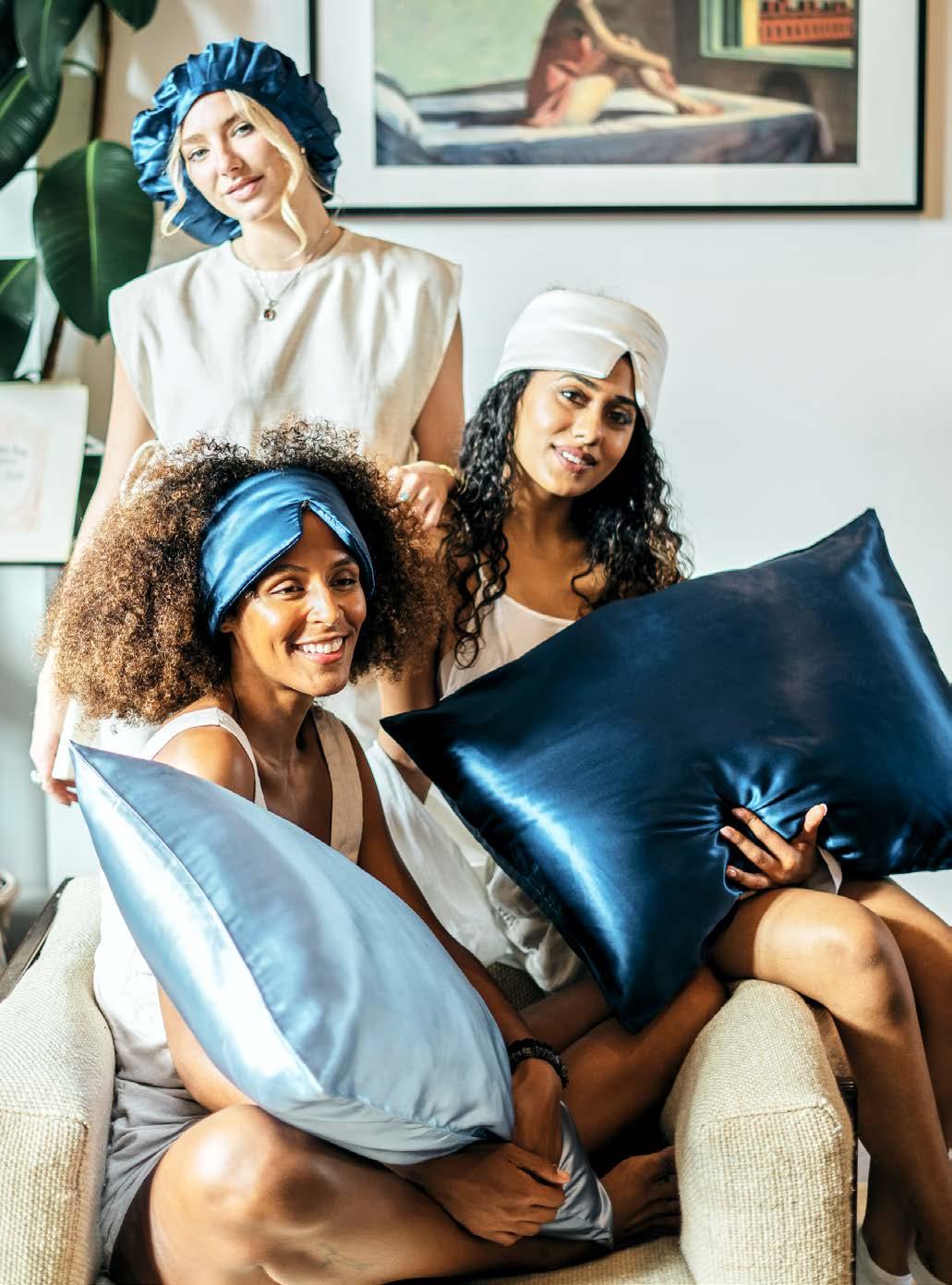

have personal stories of not-so-great hair experiences, and from those, they decided to do something to address the issue.
Growing up in Queensland, Australia, with naturally curly hair, Alice Royster and her co-founder and best friend, Lexie Chandler, struggled with frizz and would straighten or tie their hair back to make it look good, which led them to hate it. So, when Royster, whom Chandler has known since childhood, suggested building a brand, she did not hesitate. First, they started with water bottles, but Chandler later discovered silk sleeping caps, and in 2019, Strands of Silk was birthed to cater to all kinds of hair and allow women to be kind to their hair. Although Chandler was actively employed, she always wanted to own her own business, and the offer allowed her to pursue this desire and address a pain point that she understood.
Since then, they have dished out attractive colors for their hair accessories that cradle the hair in a silk cocoon, leaving it feeling healthy and hydrated. Although the majority of their customers are female, 20 percent are male, so Strands of Silk offers blues, two greens, and black and grey colour options for men who also desire healthy hair. The company doesn’t just offer accessories in plain colors; they also have exciting flower patterns that are easy on the eyes, with plans to release new patterns every 2 months in 2025.
Strands of Silk is in the business of helping women love their hair, whatever the texture. Wherever hair falls on the spectrum—type one to type four— Strands of Silk is confident that its products can help. Royster told TrooRa, “There is no trick; it is about providing products that work, and we understand that times are changing, so we are always on the lookout for what is new.”
INSPIRATION THAT HEALS
Like every other business, Strands of Silk has had its share of challenges. Royster recalls that things were slow
“It is cliché, but I get my inspiration from my mum. She is such a hard worker, and at sixty-four, she still works and works harder than me.”
at the beginning of their business, and they almost gave up. After one year, they decided to send their products to article writers and blog owners. One of the blogs liked their sleeping cap and wrote about it, and their orders blew up, so much so that they began to have fifty orders every day, something they’d never had before. Royster tells TrooRa that it was at that point that she was glad they did not give up “because if we had, it would have been the waste of a whole year, and neither of us would have experienced the validation needed to keep building their brand,” she said.
When asked where she gets her inspiration from, Royster excitedly explains that her inspiration comes from home. “It is cliché, but I get my inspiration from my mum. She is such a hard worker, and at sixty-four, she still works and works harder than me.” Speaking further on why her inspiration does not come from figures outside of the home, she says, “I try not to have an icon because in the past I have, and have felt like it made me feel behind, and not doing as well as they were. And I felt like I was comparing myself with them. So I try now to compare myself with myself.”
This inspiration, firmly rooted in a familiar person who is relatable, is part of what seeped into Strands of Silk’s commitment to impact their community and the larger society. Occasionally, they get requests from women who have lost their hair to chemotherapy and need a sleeping cap to help them grow their hair back, which is usually in a delicate state and requires a lot of protection. Of course, they grant these requests. “Although we have donated money to different causes in the past, we felt that this is more of a hands-on way of helping,” Royster says.
AN ECO-FRIENDLY BRAND AND FUTURE PLANS
Strands of Silk is an eco-friendly brand. Royster tells us that all their products going forward will be packaged in biodegradable material as they intend to be 99.9 percent plastic-free. Their hair brushes and head massagers are also made from silicon and recyclable fabrics. They already operate a paperless office and never print anything out. To cement their commitment to caring for the environment and being a part of a greener world, part of their plans include getting a sustainability certificate for Strands of Silk to become carbon neutral.
As Strands of Silk grows, they have new products in the works. Their latest product is the deep sleep eye mask. It is designed to cover the ears and eyes to protect them from sound and light, is adjustable, and is made with the finest fabrics. In the spirit of never relenting, Royster tells TrooRa to look out for a sister brand—a sleepwear brand and a bridal series with an all-white luxury set that will make a good present for brides and their bridesmaids.

FOUNDERS
Alice Royster and Lexie Chandler


earthtuface.com
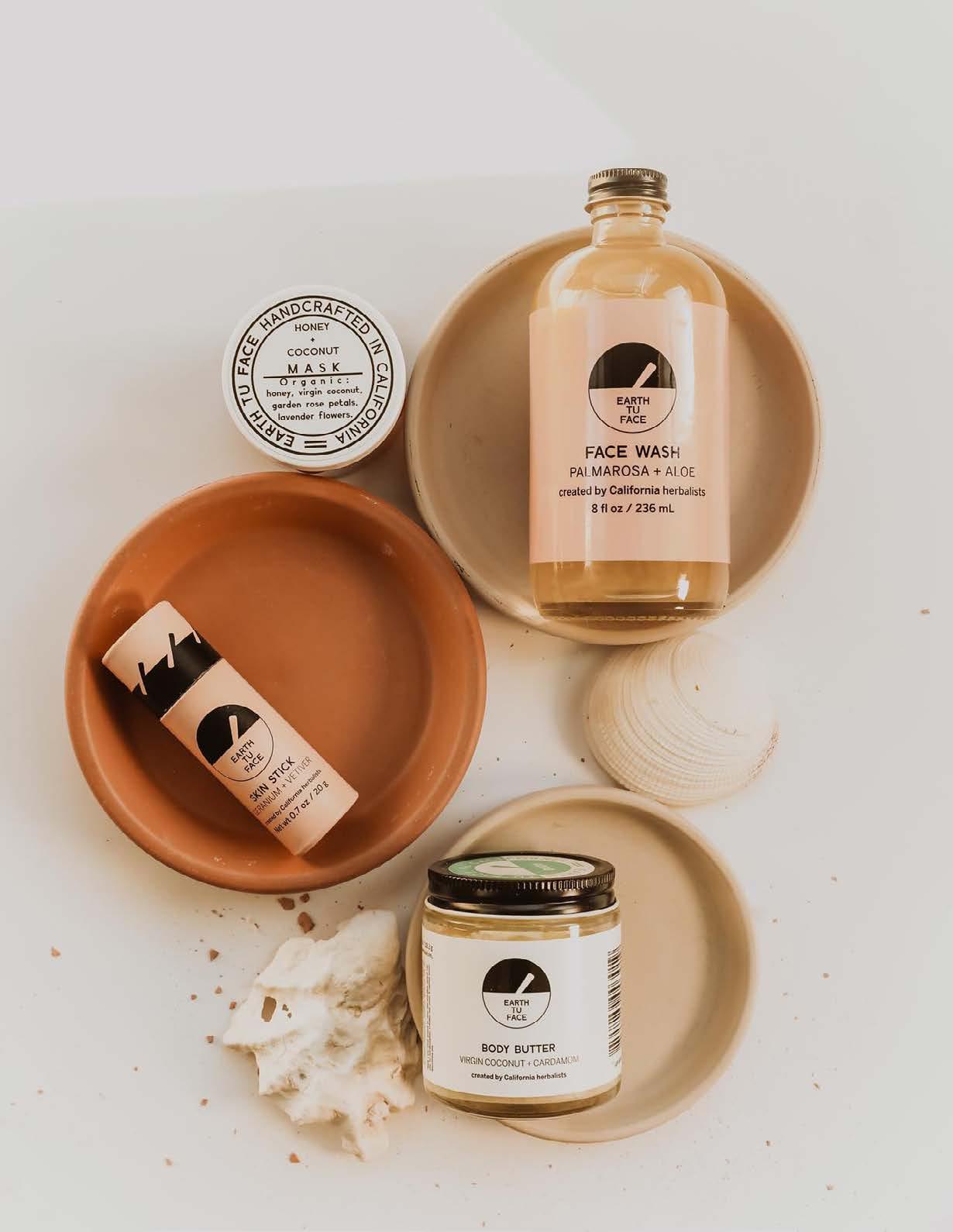

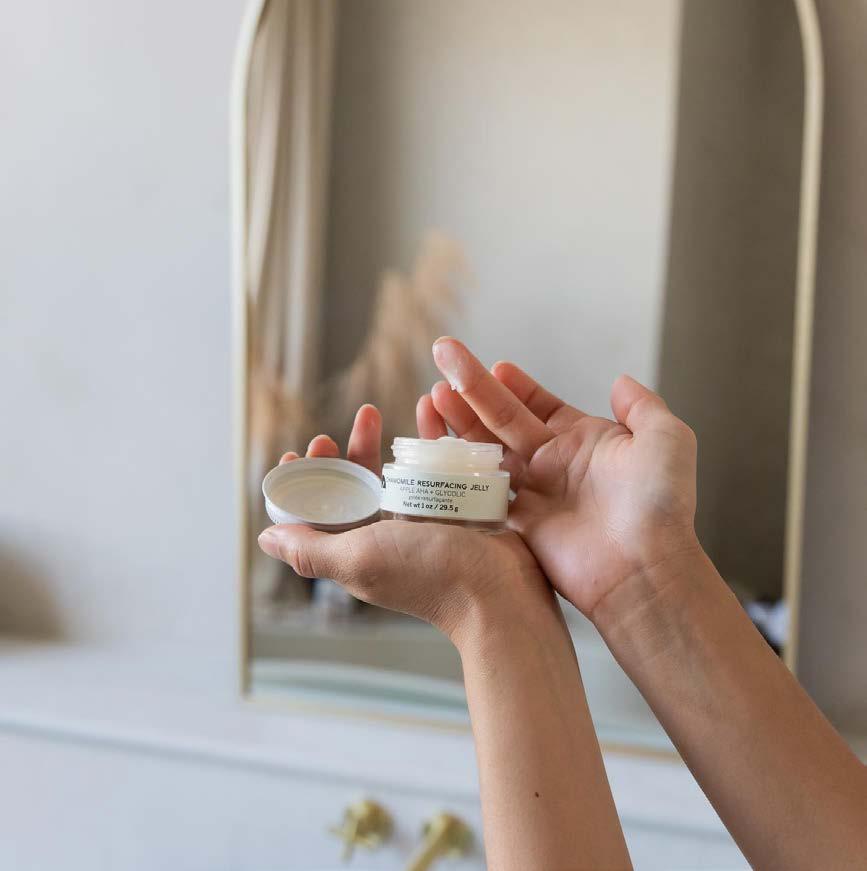
SKINCARE IS SELF-CARE

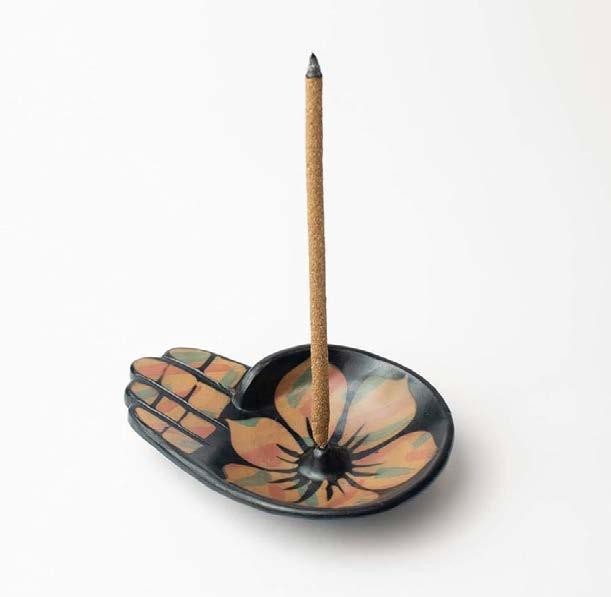
LUNA SUNDARA EXQUISITE HANDMADE INCENSE HOLDER: IDEAL FOR INCENSE STICKS AND BURNERS HANDMADE IN CHULUCANAS, PERU, BY TALENTED ARTISANS

lunasundara.com
Luna Sundara strives to improve the lives of people in small communities in Latin America. There are incredibly talented individuals in these communities that simply wish to share their talents with the world.
Being able to provide for their families and the people in their communities gives them independence and dignity. Luna Sundara is on a mission to support artisans, farmers, and community members.
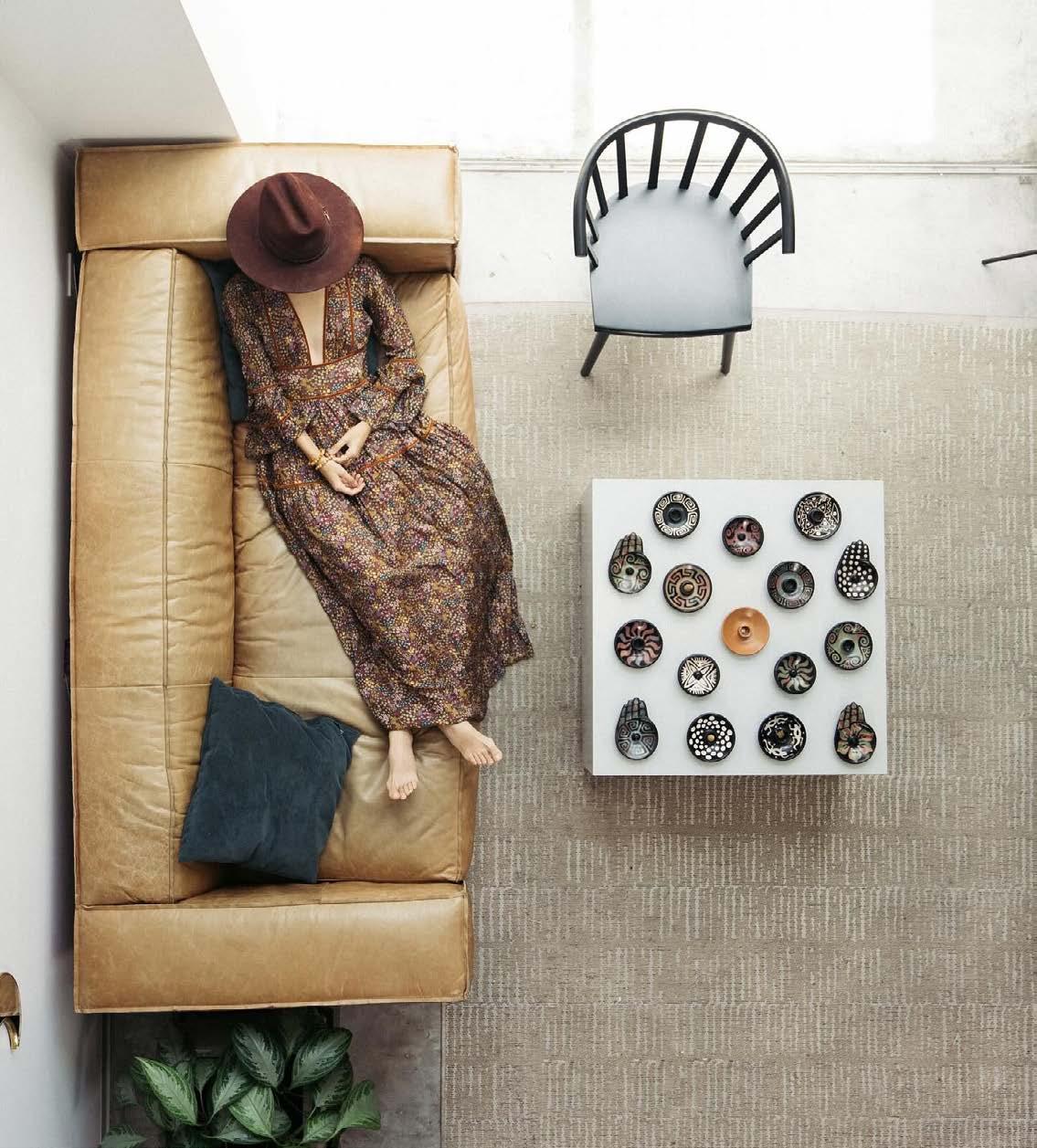
Wellness


Tee Talk THERAPY
WORDS | STELLA POLYZOIDOU IMAGES | IDONTMIND

Fashionable Movement Changing Mental Health Conversations
MORE THAN A TEE
Stumbling upon IDONTMIND’s website, I was immediately drawn to a simple yet powerful design featuring their motto: “I don’t mind talking about my mental health.” The message is simple but profound: talk about it. In a world often dominated by superficial trends and curated appearances, fashion typically serves as a canvas for personal expression. So, what if our clothing could carry a message that transcends style and speaks to something profoundly human—our mental health? This is the vision behind IDONTMIND, a nonprofit organization that seamlessly weaves mental health advocacy into daily wear. From the outside, their apparel may seem like just another cool design, but the true purpose lies in the message it carries: mental health is not something to be hidden or whispered about; it’s something we should wear with pride.


FOUNDER CHRIS WOOD
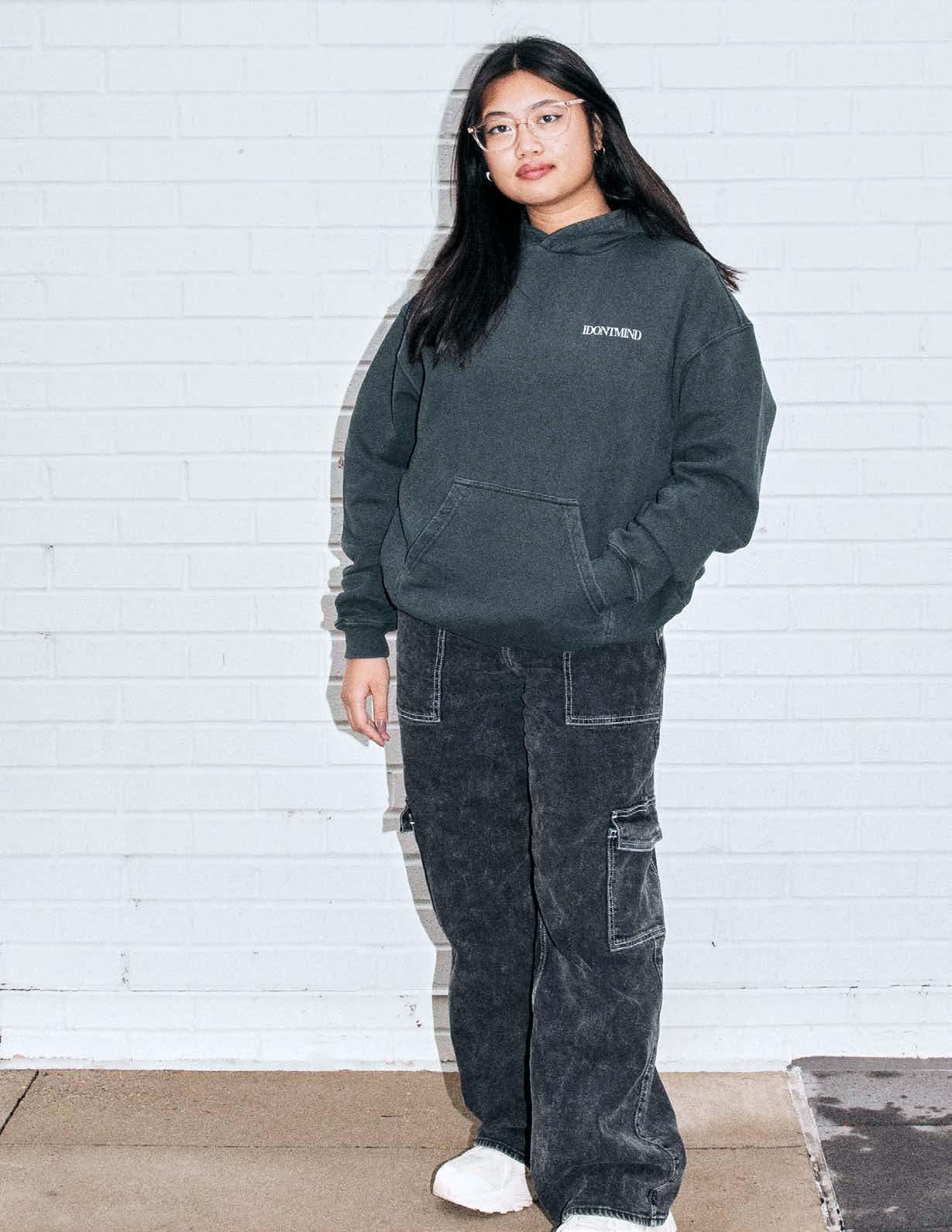
FOUNDER’S VISION
At the core of IDONTMIND is the belief that mental health conversations should happen everywhere—not just in clinical settings but in homes, workplaces, and communities. The organization’s founder, Chris Wood, was profoundly influenced by his own journey with grief and depression following his father’s tragic passing. Staying silent only deepened his pain, but speaking up helped him heal and encouraged others to do the same.
This realization became the seed for IDONTMIND, which has since grown into a movement. “We want people to feel empowered to say, ‘I don’t mind talking about my mental health,’ and for others to realize it’s okay to ask for help,” Kristina Benoist from IDONTMIND explains.
THE CALL TO ACTION
In recent years, we’ve seen a surge in awareness about mental health, but awareness doesn’t always lead to action. Despite high-profile celebrities, athletes, and influencers openly discussing their mental health battles, many people still find it difficult to share their own experiences. The stigma persists, quietly suffocating conversations before they even begin.
When you put on a T-shirt with a message like “Your mind matters,” you’re doing more than making a fashion choice. You’re sending a message to yourself and those around you. Benoist puts it this way:
“We’re making mental health visible. When people see the message on your shirt, it opens up the space for them to share their own experiences. It’s like a silent permission slip to talk about something that’s often so hard to articulate.”
SO HOW DO WE TACKLE THIS?
Creating an open dialogue around mental health can be a real gamechanger. IDONTMIND is all about making conversations about mental health as natural as chatting about our day-to-day lives. “If we could change anything, it would be the reluctance to speak up,’’ Benoist says.
REAL STORIES, REAL IMPACT
One of the most powerful elements of IDONTMIND’s work is the stories they inspire. People have reached out to the organization to share how a simple T-shirt led to transformative moments. One story in particular stands out: A young woman bought a shirt while battling depression, afraid to open up to her mother about how she was feeling. But the shirt with IDONTMIND’s message sparked a conversation that changed everything. That conversation led to treatment, and she credits it with potentially saving her life.



“I had no idea that wearing this simple shirt would lead to one of the most important conversations of my life,” says another customer, whose story speaks to the power of IDONTMIND’s mission. “It wasn’t just about fashion; it was about having a tool to start a real conversation about what I was feeling inside.”
These aren’t isolated incidents. IDONTMIND is constantly hearing from individuals who say that the message on their shirt gave them the courage to speak up or that it helped someone else understand what they were going through. “These stories shape everything we do,” says Benoist. “They remind us that the work we’re doing has real-world implications. It’s not just about selling shirts—it’s about saving lives.”
This resonates with a generation that values authenticity. The rise of mental health influencers on platforms like Instagram and TikTok is proof that young people are hungry for genuine conversations about mental wellness. IDONTMIND is contributing to this movement by offering a tangible way to signal that you’re part of the conversation.
“Storytelling is central to what we do,” Benoist shares. “We collect stories from individuals who have been impacted by our message, and we share those stories to inspire others. It’s not just about wearing a shirt; it’s about the movement it represents.”
LET YOUR TEE SPEAK
But how did IDONTMIND evolve into a movement that blends fashion with mental health advocacy? In a conversation with Benoist from IDONTMIND, she explains, “We recognized that there is a significant societal need for open dialogue around mental health. Many people are afraid to talk about their struggles, and we wanted to create an avenue where that fear is replaced with empowerment.” She adds, “Fashion is a part of that—it’s something we wear daily, so why not make it meaningful?”
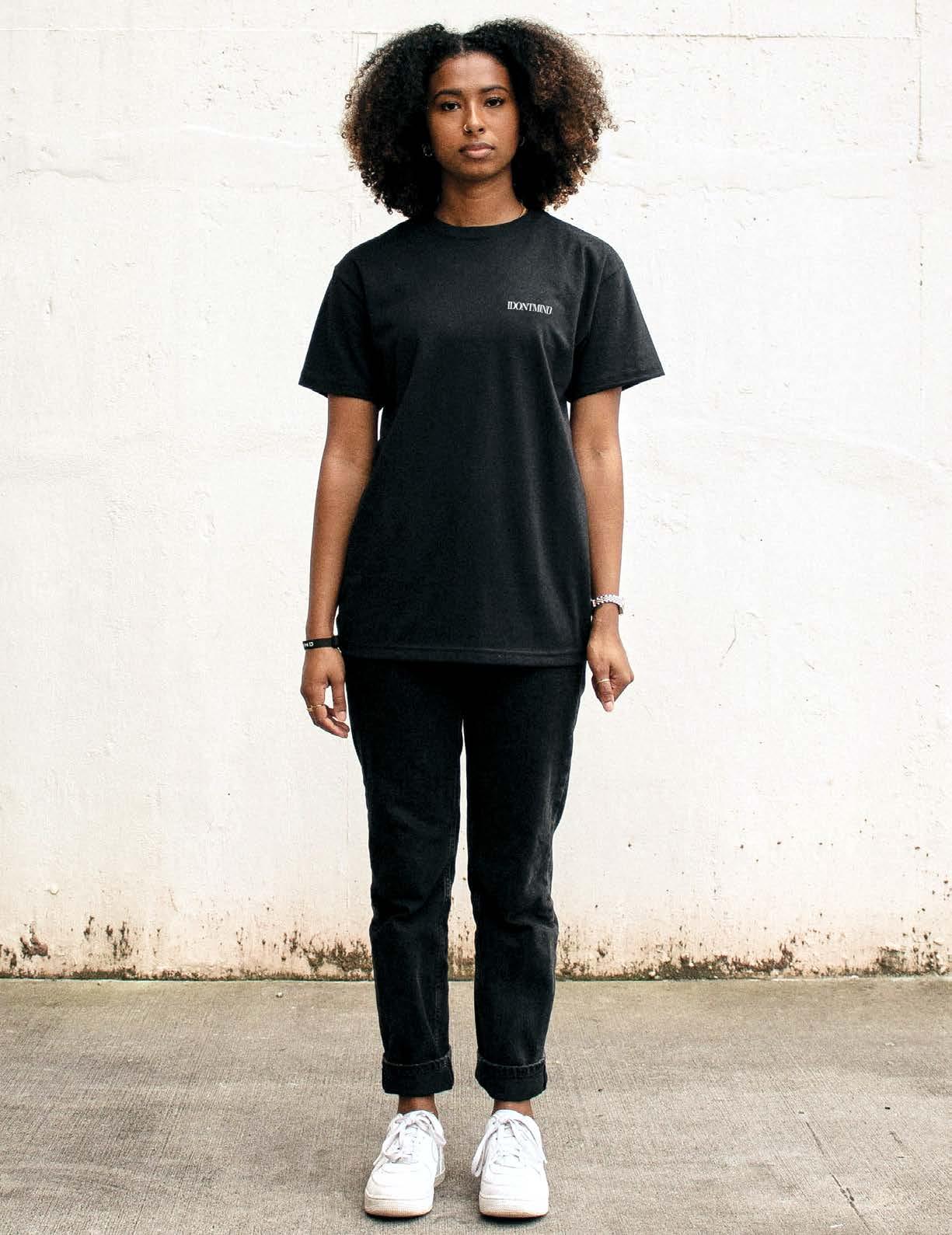
“We love to celebrate that you’re not here alone. Life can be a little playful. We don’t have to be so serious.”


Fashion has always been a medium of self-expression, but IDONTMIND sees it as a tool to dismantle long-standing stigmas around mental health. Benoist explains, “Clothing is accessible and nonthreatening. It’s an easy way to normalize the conversation without needing to be overtly clinical or intimidating.” By wearing an IDONTMIND piece, you’re making it clear that you’re open to discussing what often feels like an uncomfortable topic.
WHAT’S COMING NEXT?
While apparel may have been the starting point, IDONTMIND’s vision extends far beyond fashion. Their mission includes creating more accessible mental health resources, partnering with clinicians and therapists to provide expert advice, and expanding their storytelling platforms.
“We work with a network of experts to ensure that our resources are credible and accessible to all,” Benoist says. “Our goal is to make sure that no one feels alone in their mental health journey.”
One of the organization’s standout programs is its IDONTMIND Journal Club—a nine-week course where participants explore journaling as a mental health tool. It has evolved into a space for support, self-reflection, and personal growth, proving that mental health advocacy can take many forms. The organization actively engages with its community, encouraging people to share their experiences. These stories are then featured on their website and social media, creating a platform where people can feel seen, heard, and understood. Every purchase directly funds programs
and resources that further this mission, ensuring that the ripple effect of one conversation can reach those who need it most.
@sterjianni idontmind.com



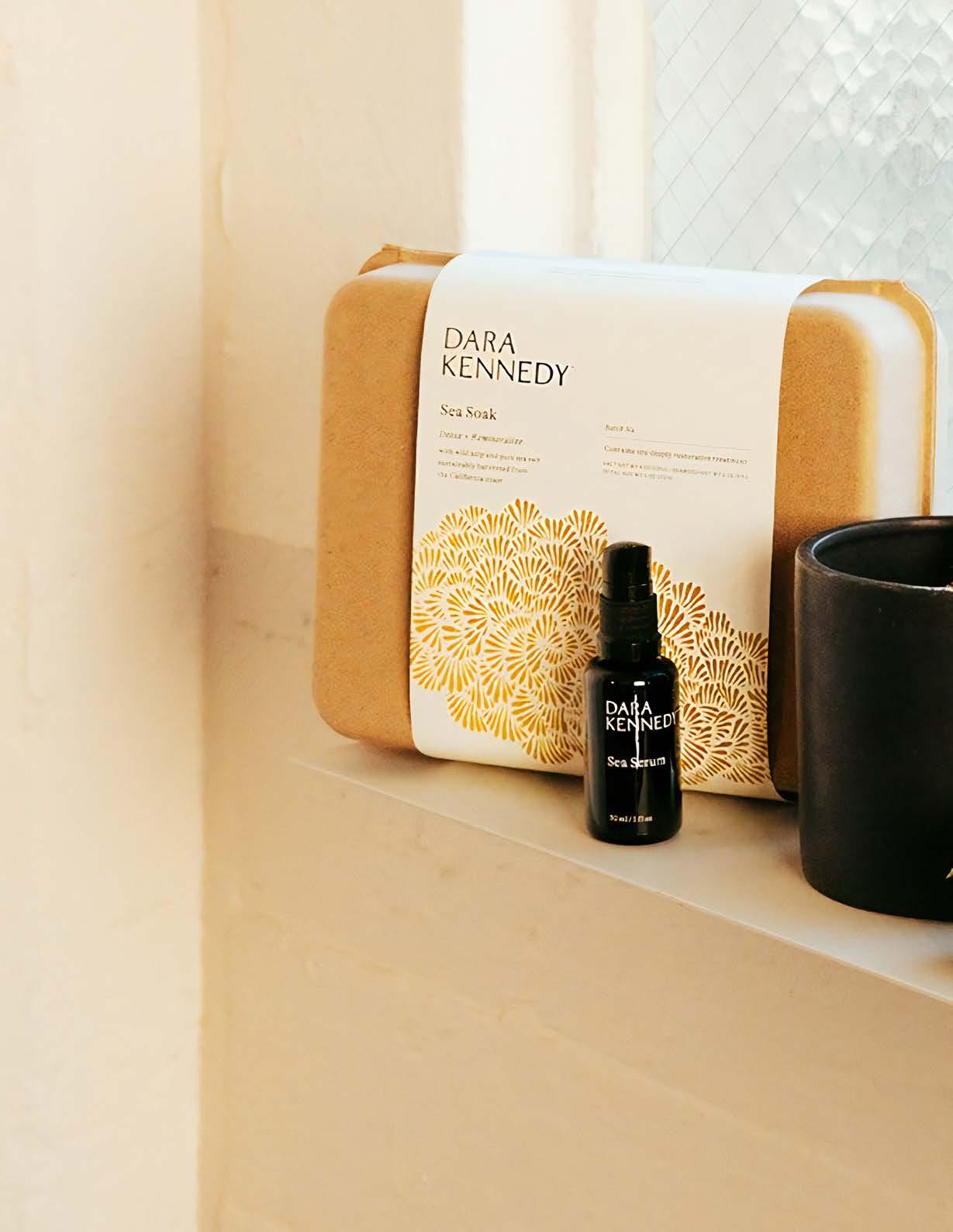



Brighter Beauty




Health & Fitness
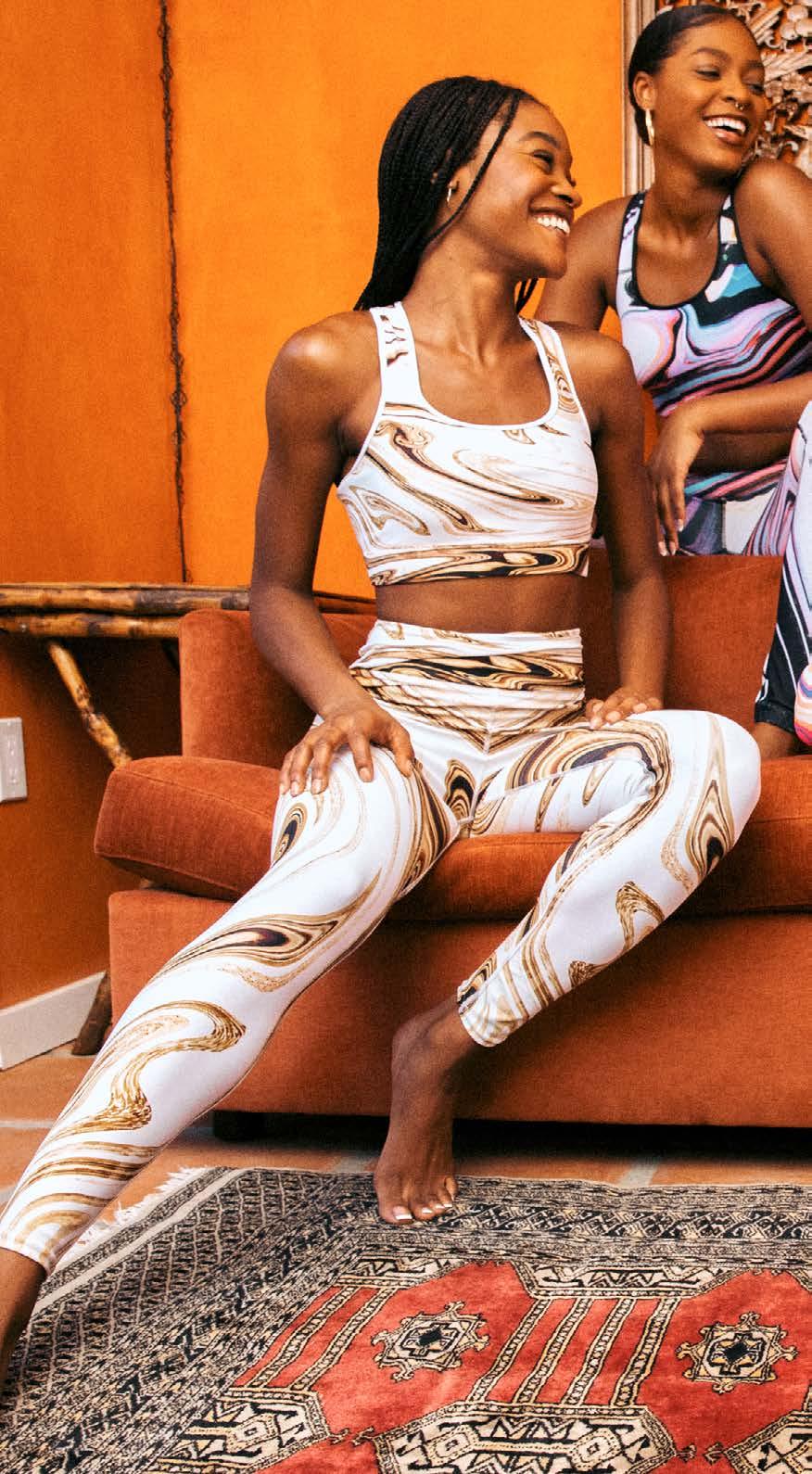
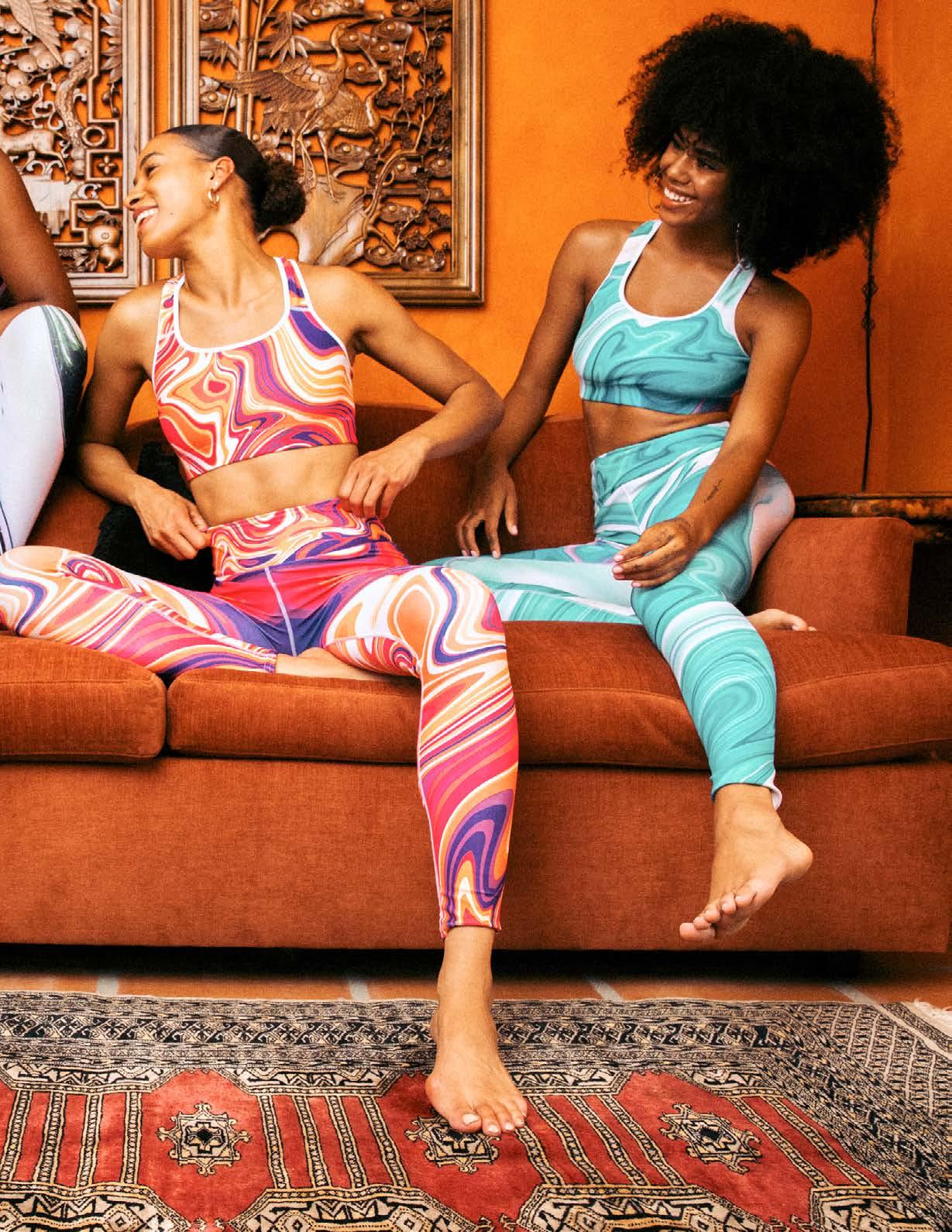

RIDE. STYLE. REPEAT.
WORDS | MARY-JANE DASER IMAGES | TOMO CLOTHING
The Innovative Mobility Gear Giving Women Freedom in Every Season
Internal combustion, petroleum-fueled motorbikes have been around since 1885, when they were first built in Germany. By 1894, mass production of motorcycles began, increasing access across the globe. Motorcycles are fun and exciting, have better fuel economy, and take up less parking space and storage than traditional vehicles.
The carbon footprint of a motorcycle is 46.4 percent lower than a car’s. Also, research has shown that using bicycles can reduce a person’s transportationrelated emissions by 66 percent, showing that not only are motorcycles and bicycles fun and resourceful, but they are also the best option for the environment.
GAINING FREEDOM BY RIDING
Women first began to ride motorbikes in the 1910s, enjoying long-distance journeys and lazy weekend rides. Women motorcyclists became increasingly important during World War II. Bessie Stringfield, an African American motorcyclist who had completed solo cross-country rides across Europe, Brazil, and Haiti, was part of an army dispatch
unit that made runs across America. The need for more women cyclists and motorcyclists continued to increase during the war, as fathers and sons were conscripted and women were left back to run essential services.
The freedom that motorcycles gave women was similar to the freedom that bicycles provided. In the 1890s, a “cycle craze” swept through Europe and America. Despite this interest from women in bicycles and motorcycles, the outfits available for women were uncomfortable and limited. They ranged from flowing gowns that got stuck in the wheels to skirts with slits behind and continued to evolve with designers finding innovative and clever ways to make dresses comfortable for riding.
SOLVING THE FREEDOM CHALLENGES
The scarcity of clothes for female riders has persisted into the present. Women still have to choose between functionality and mobility or mobility and style. So what better people to make outfits for women riders than women themselves? It is this challenge that prompted the founders of
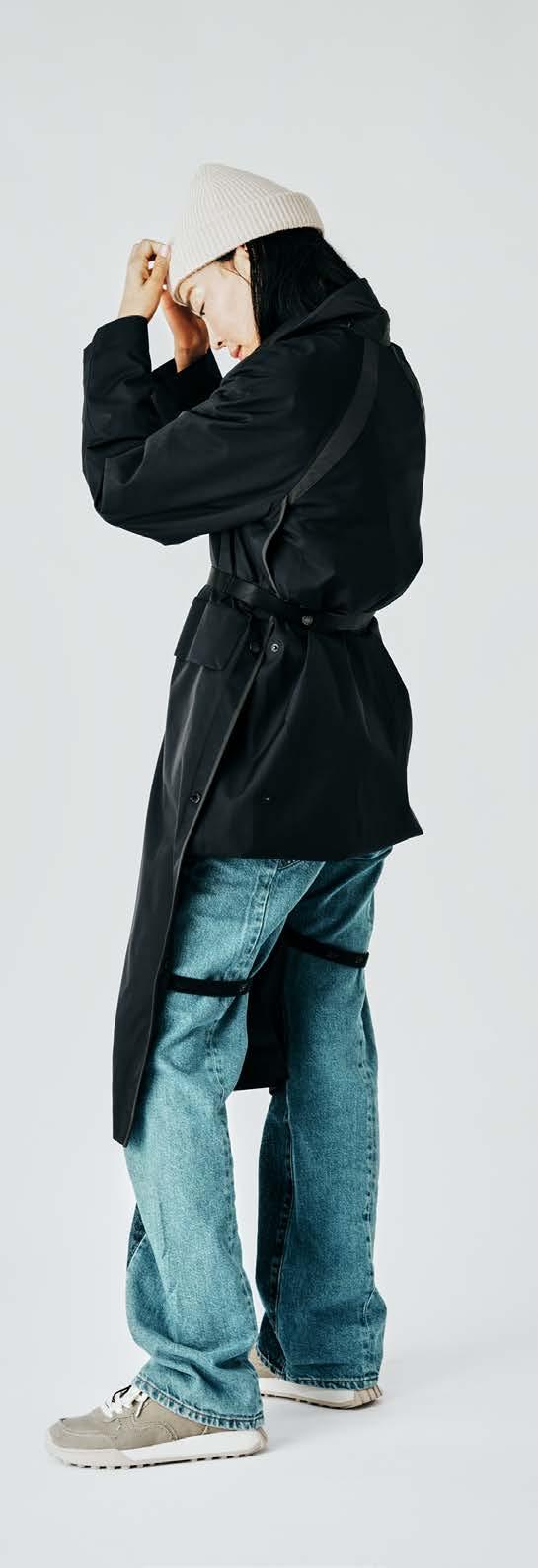
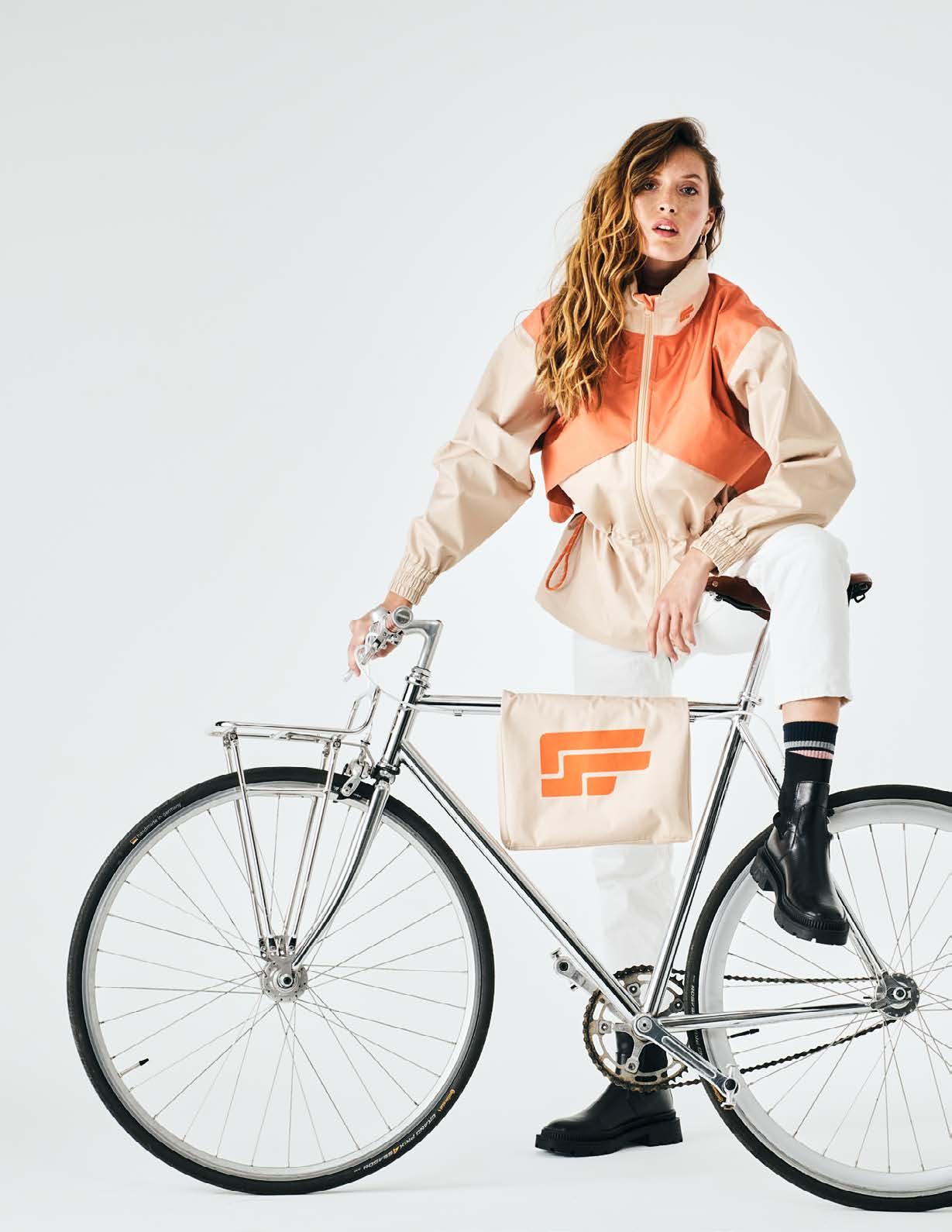
TOMO Clothing, Zoé Aveline and Céline Jeandel, to build a brand that caters to female riders, providing them with comfortable, long-lasting gear that is breathable, durable, and sits right on the female figure, no matter the shape or size.
Aveline has always loved riding but had to resort to using her boyfriend’s gear, which was uncomfortable and did not fit at all. Jeandel also loves to ride, and her mode of transportation to work and everyday activities is her trusted bicycle. It’s no wonder that the two women would team up to create a brand that provides women with gear for riding.
The TOMO is from the French word moto, the colloquial name for motorcycles in France. Switch the letters around, and you have TOMO. Since 2021, TOMO Clothing has given women the freedom of movement and style without forcing them to choose one or the other. Their collections include breathable T-shirts, protective rain pants, protective bomber jackets, socks with reflective parts, and every other accessory to help women enjoy the freedom that comes with riding.
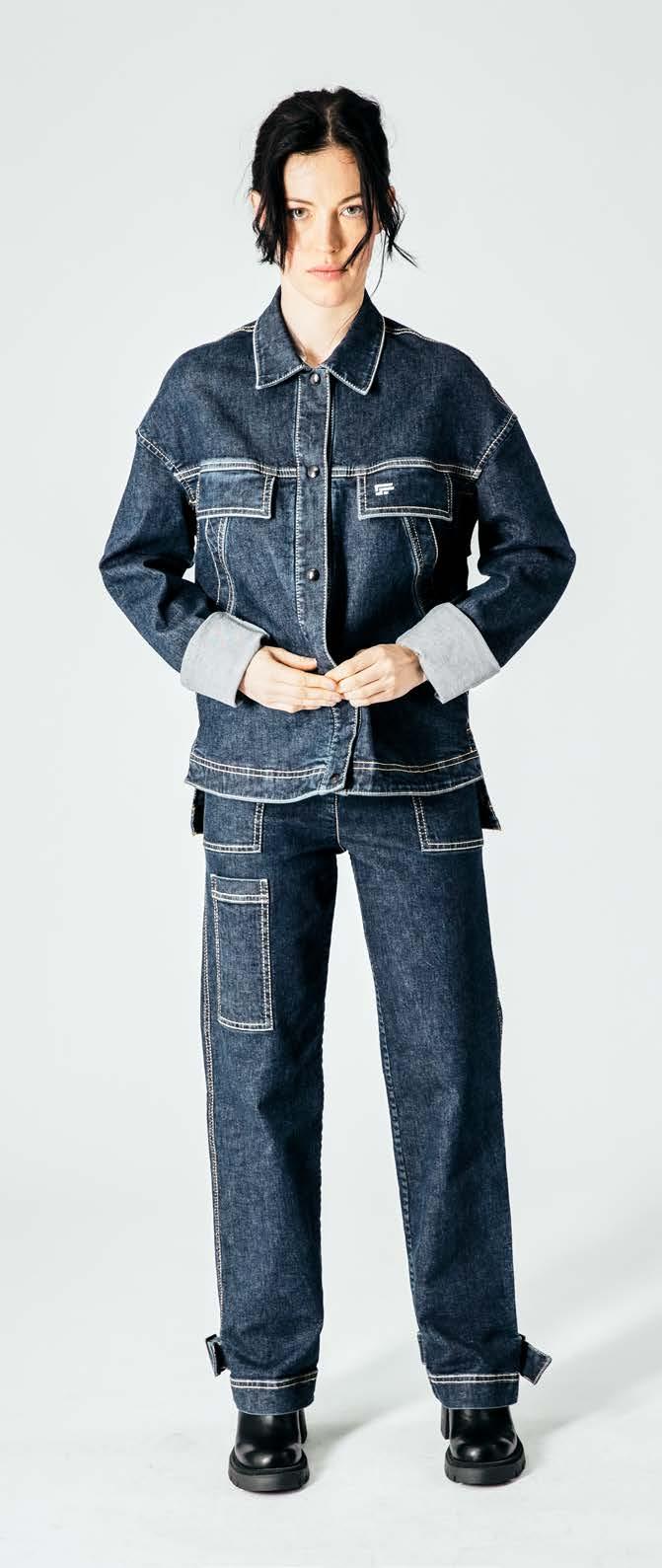

Aveline and Jeandel were intentional about the brand, even down to the colors. When asked if the more colorful gear was coming to their collection, Jeandel tells TrooRa, “We did not want to lean into the stereotype that women solely desire pink colors. We will do colorful gear, but we are careful not to lean into stereotypical colors.”
Accordingly, TOMO Clothing has merged innovation and technology into fashion pieces for women, which can be seen in their breathable fabrics and waterresistant gear that protects riders no matter the weather the wearer finds themselves in.
CREATING DESIGNS AND CARING ABOUT THE ENVIRONMENT
TOMO Clothing prioritizes the environment and sustainability. When asked how they will remain relevant in an ever-changing fashion world, Jeandel tells TrooRa that the durability of their gear makes it climatefriendly, as it ensures riders wear their gear for a long time. When an outfit lacks durability, it will likely end up in a landfill, contributing to global waste.
When asked how TOMO Clothing plans to sustain its brand and stay relevant in the ever-changing fashion industry, Jeandel explains they do not follow trends and is focused on building a durable and efficient brand that will stand the test of time. Although TOMO Clothing has worked with many influential people and notable brands, it gets its validation from its customers’ reviews.
Women in Europe are excited about TOMO, and the rise of TOMO customers is the validation they need to continue to innovate and make high-quality gear.
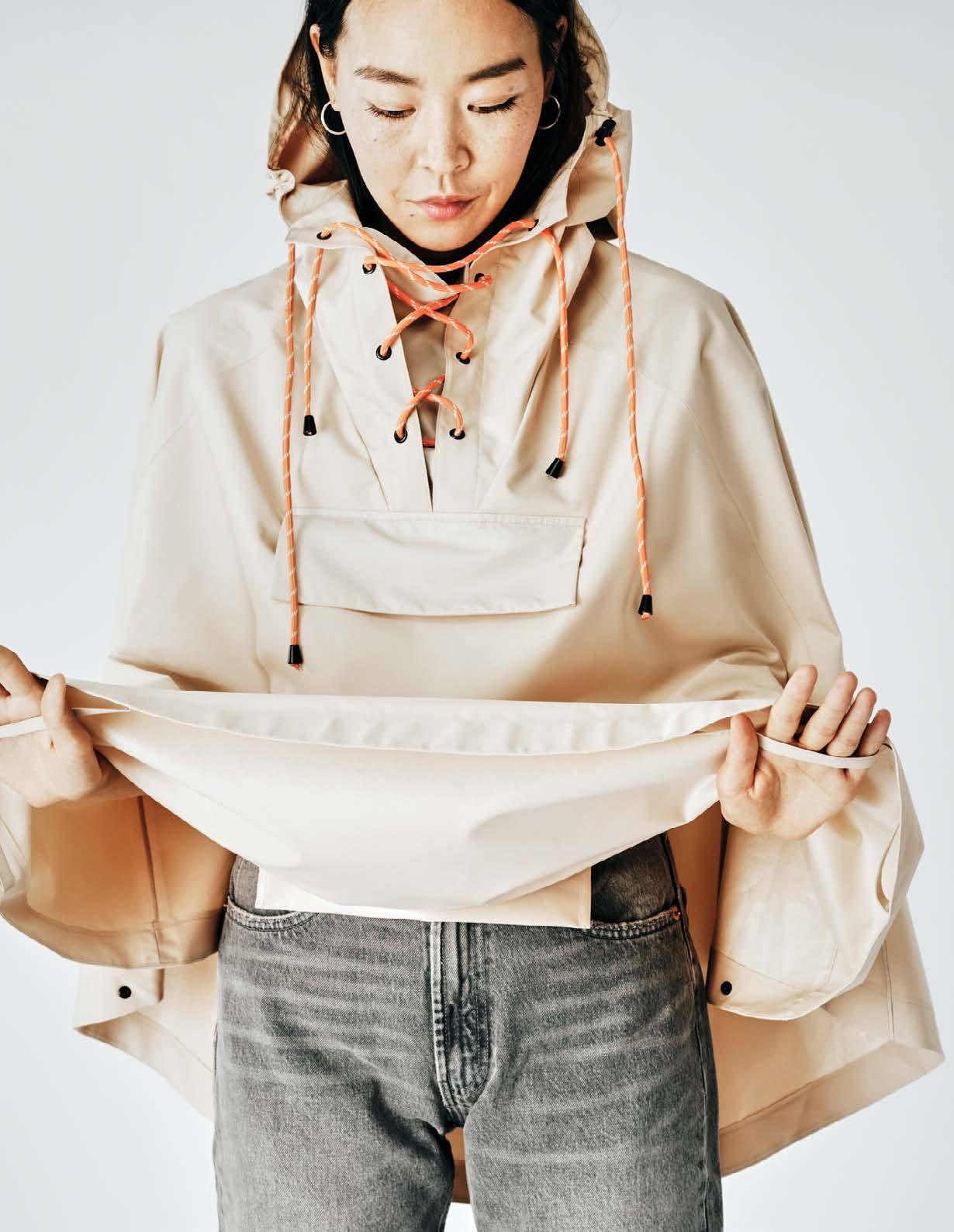
TOMO’s future projects include plans to create a new line that is more affordable so that all women will have access to clothes that protect them throughout the season when they ride bicycles and motorcycles.
When it comes to venturing into other markets and potentially creating gear for women in places like Africa, Jeandel explains, ‘We are familiar with the weather and terrain in Europe, so we design our products for this region. We currently may not be best suited to design for other regions, but if there is a demand, we will conduct our research.’ This statement reflects their clear intention. Aveline and Jeandel are not just focused on making sales; they are committed to ensuring that their gear meets the needs of customers wherever they may be.

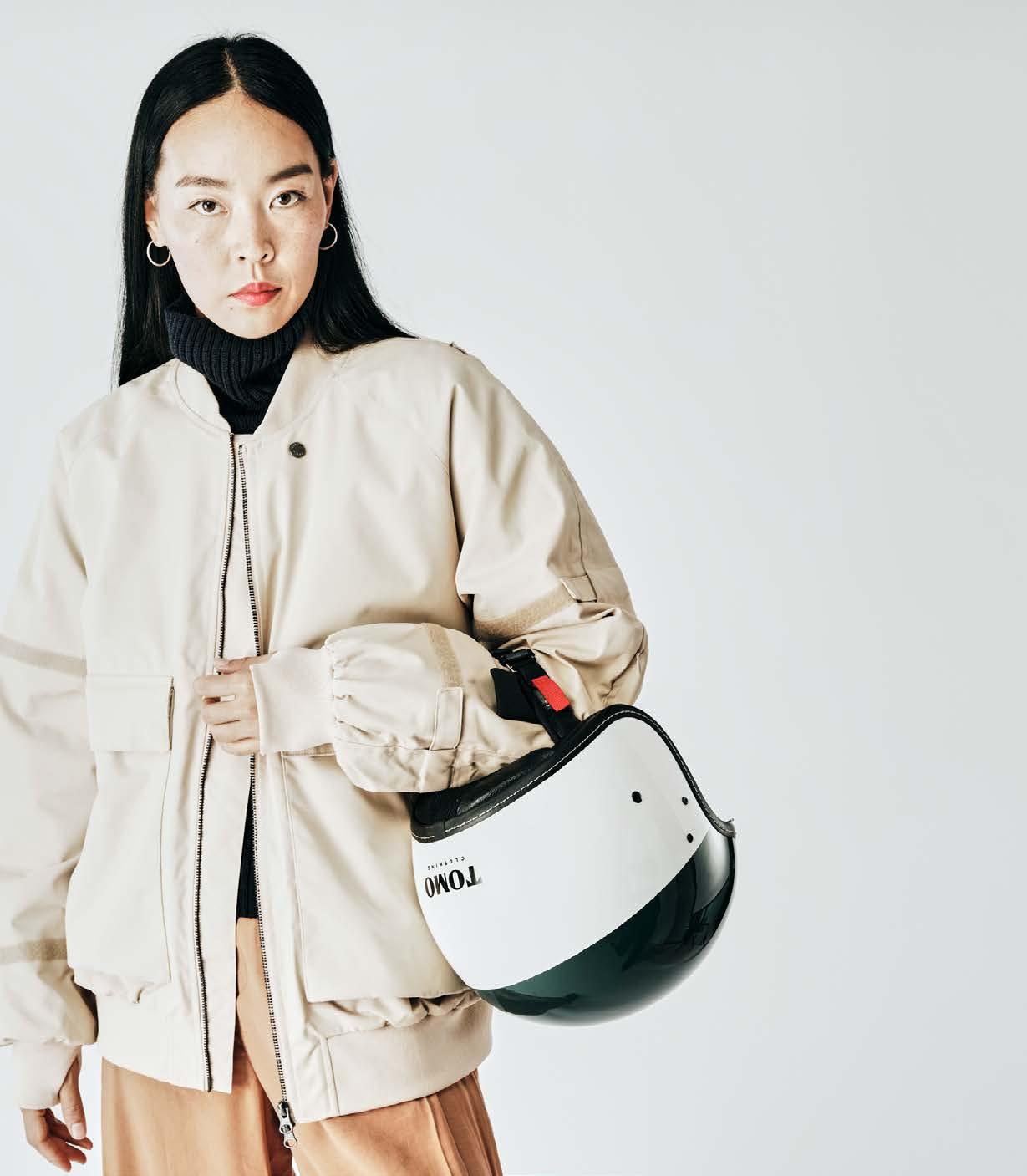
FOUNDERS
Zoé Aveline and Céline Jeande


Nutrition that works as hard as you do
Allergen Free 100% Plant-Based Delicious & Tasty



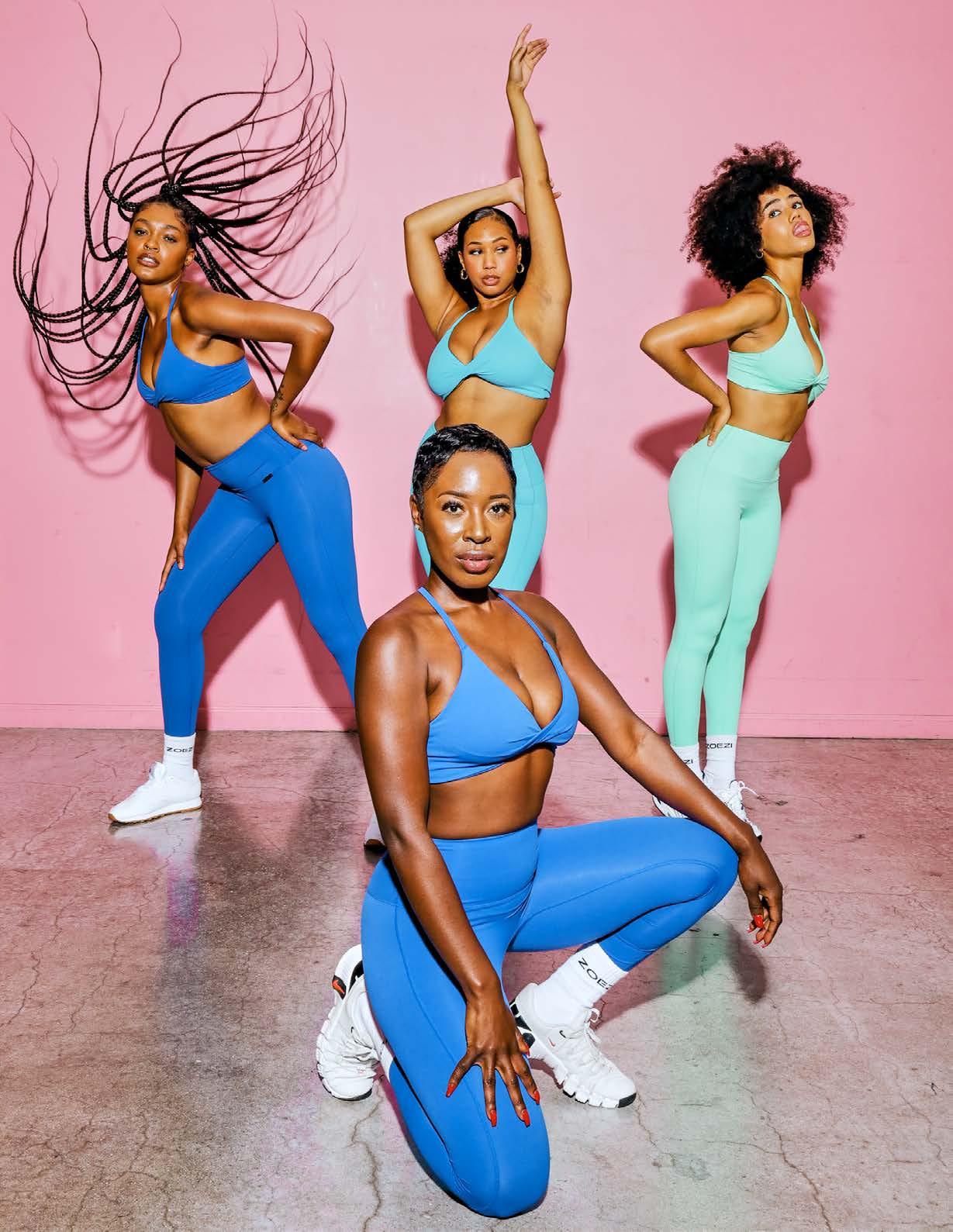
Zoezi Sportswear
Fuses Bold Design with Unstoppable Energy
MOVE, SWEAT, SHINE
WORDS | ANGELIQUE REDWOOD IMAGES | ZOEZI/ HENRY JONES, VON OWUSU, KAYLA JAMES
What if your workout gear could be just as comfortable as your coziest sweats? And no, it wouldn’t have to do the same designs as an ugly Christmas sweater. You can stay comfy and chic from the gym to a night out on the town by investing in Zoezi Sportswear.
Founded by Yvonne Bulimo, Zoezi defines itself as a “fashion-forward lifestyle fitness brand.” In actuality, it’s so much more than that. Zoezi redefines fitness style. Her brand is made by a Black woman for the Black community. Bulimo felt like clothing that fit her physique and style was rare, so she leaned on her Kenyan roots to fill that void.
“When I was working out in Nairobi, I couldn’t find activewear that sort of spoke to my love of fitness and fashion, and also my body type,” Bulimo highlights. As someone who’s bounced back and forth between the United States and Africa, Bulimo believed it was time to make a change for every community she was part of. “We are a brand that was born from a country that is known for its athletic capabilities. Zoezi’s a Kenyan-born brand, but it’s made in the USA, so I feel like we represent people all over different walks of life.”
The Swahili word for exercise, Zoezi, is the best example of athletic clothing styled for nearly any event. Bulimo explains, “You can take Zoezi everywhere, essentially. It’s not just a sportswear brand; we’re a lifestyle brand.”
What happens when fashion and fitness organically intersect? Zoezi Sportswear happens. Founder
Yvonne Bulimo used her health science expertise and entrepreneurial prowess to build an athleisure brand that put Africa on the map.
By playing with color, fabric, texture, and design, Bulimo sets Zoezi apart while keeping a pulse on the growing fashion trends within the African diaspora. For Bulimo, style was a huge factor, but health was just as much of a driver for her to spawn her athleisure brand.
Bulimo earned her bachelor’s degree in health science from Howard University before her heart pulled her back to her home country. While based in Kenya, Bulimo first worked in public health administration before deciding entrepreneurship was much more suited to her desires. This career change led to Bulimo hosting the popular Kenyan TV show Tujuane and starring in YouTube’s The Brunch Series. That was only the start of her entrepreneurial journey.
Soon, Bulimo felt it was time to marry her fitness interests and health background. With a bit of help from family, Zoezi Sportswear got off the ground. For Bulimo, it was more important than ever to motivate her communities to keep moving, and how better to promote health than making workout gear people want to wear.
It’s no secret that we have an obesity epidemic on our hands, primarily in the United States. According to the World Health Organization, approximately 31 percent of adults are overweight in African regions, and 67 percent of adults are obese in the United States. As far back as 1998, the National Library of Medicine published research on how athletic motivation is a fundamental factor in combating our growing weight issues.
After experiencing firsthand the struggles of finding motivation and lack-luster workout sessions due to the difficulty of finding athleisure that fit well, Bulimo decided to buckle down and do the research. She collected the best-known fabrics for athletic wear and designed pieces herself. This led to the birth of Zoezi, and Bulimo’s workout struggles slowly subsided.
Women in prior eras dealt with the same scenario. Due to the prevailing twentiethcentury culture promoting long dresses and elaborate outfits, it was nearly impossible to find athleticwear, and even more challenging to workout in a corset. Those women chose to get creative and revamp their closets to add activewear that best fits them.
Zoezi Sportswear takes this creativity to another level by ensuring Black women throughout the African diaspora get the same opportunity to have workout outfits that fit their figures and fashion interests. Offering uniquely designed athleisure for women and men, Zoezi is hitting all the right marks to put Africa in the conversation about quality athleisure.
“Zoezi wouldn’t be what it is without my community and the people who buy and support me on a daily, even when you don’t purchase, just cheering me on and continuing to go the next step…” When asked about her inspirations. For Bulimo, Bulimo expresses that it’s the community that elevates her products and overall brand, and it has even ushered in the chance for her to earn a real estate license and work alongside her mother.
“At the core of Zoezi is wellness… Community. So real estate and my science background helps tremendously… I merged the two together and I birthed this brand that is all about just togetherness and wholesomeness and wellness at the core…”
Bulimo’s focus on community is what we all need this winter. Health is top of mind for most individuals this season, and finally discovering an athleisure brand by and for women who look just like me feels revolutionary. Athleisure is only growing in the fashion industry, and health-conscious athleisure made with the best fabrics seems to be few and far between.
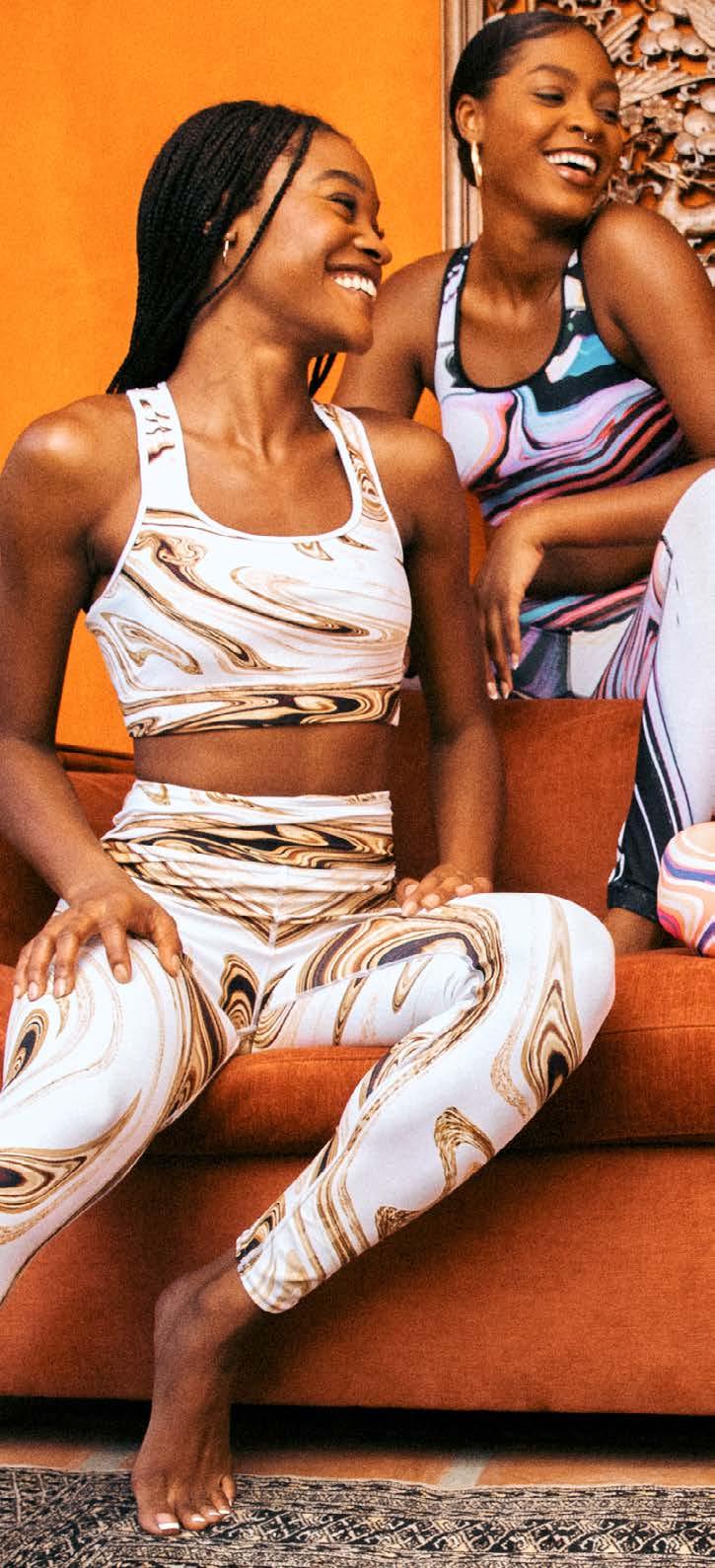
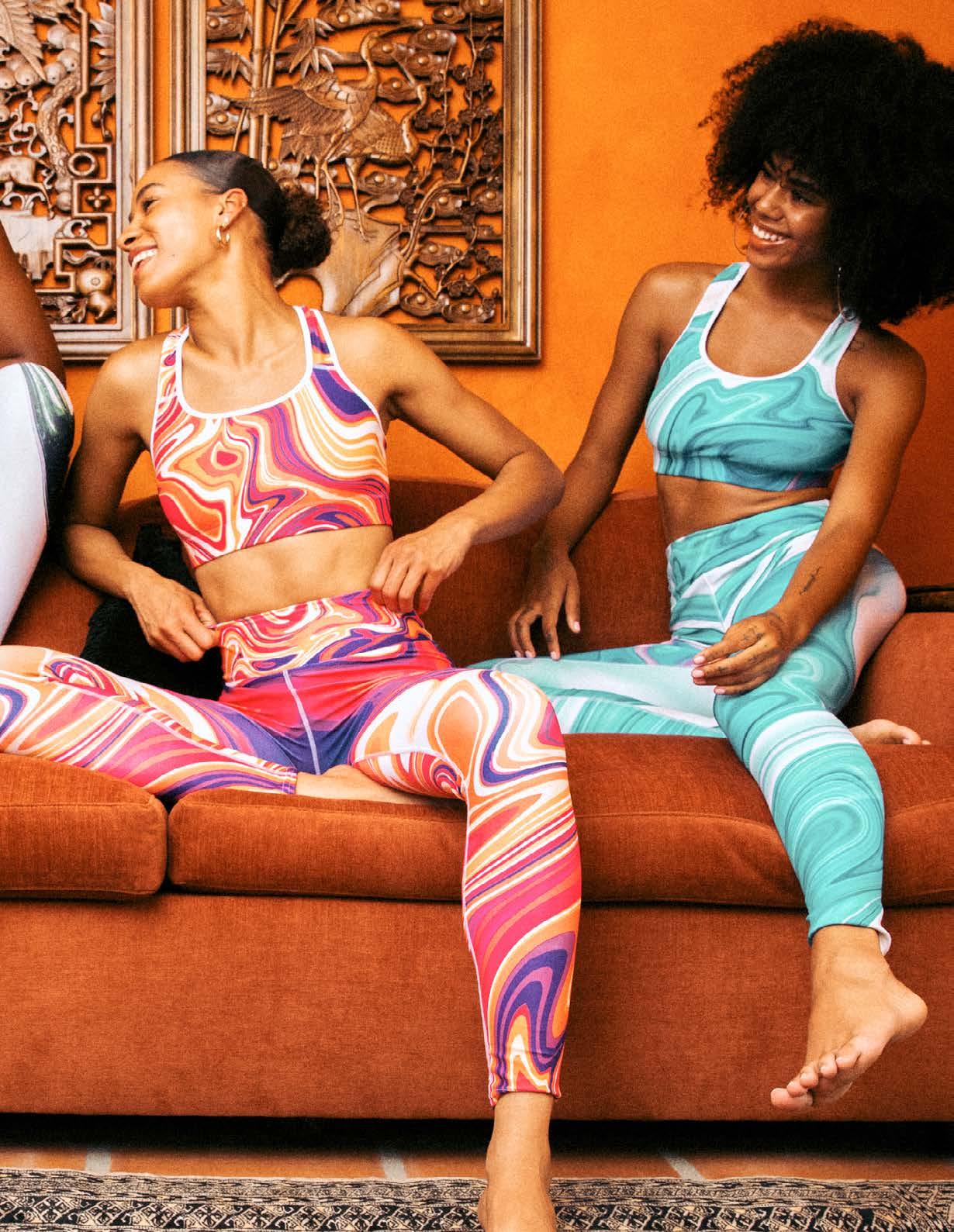
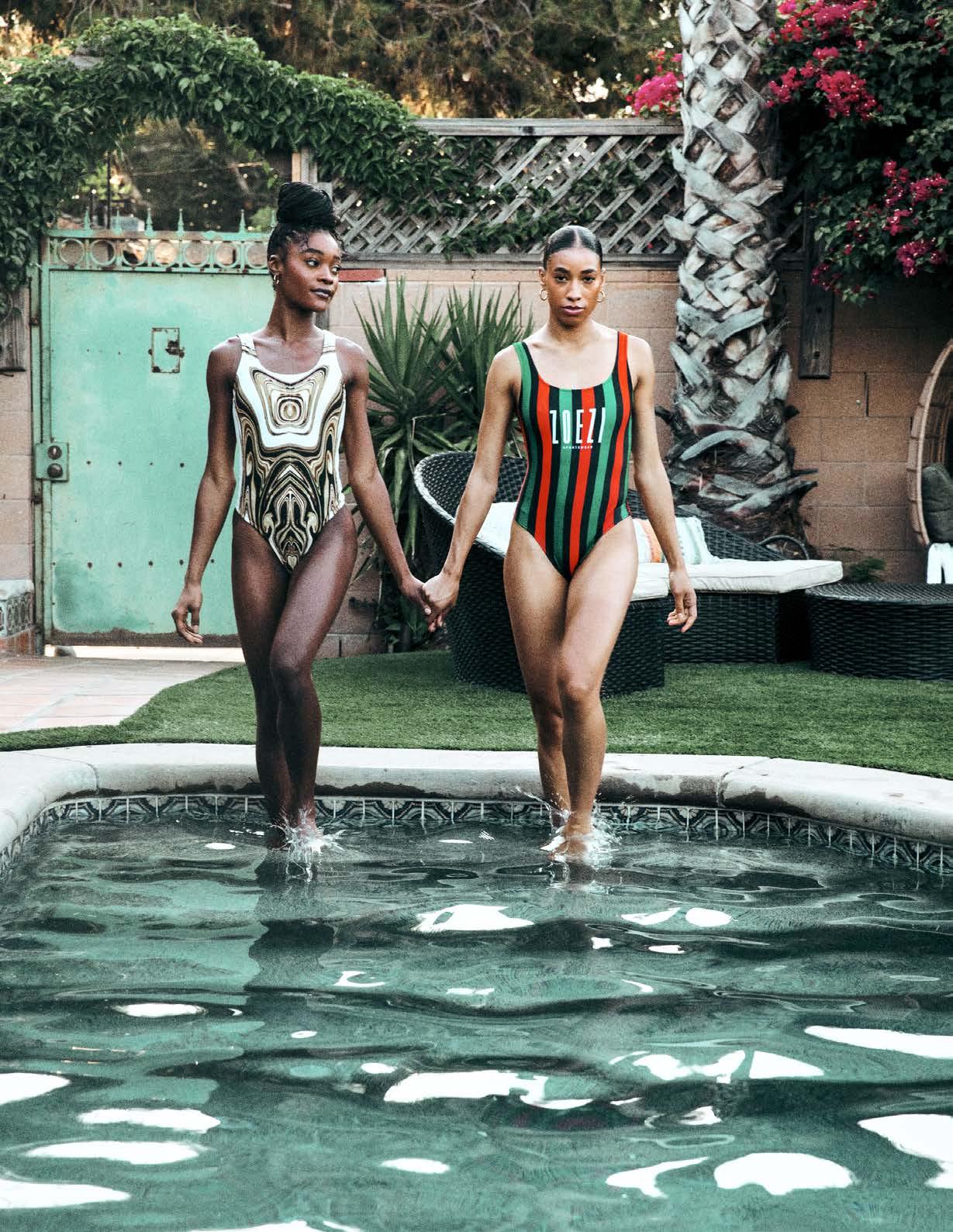
Zoezi Sportswear bridges the cultural gaps, and now, my workout motivation has bubbled to an icy roar. Before the cold season is over, I might find myself jogging through my local winter wonderland all because Bulimo chose to put her community first. It’s precisely what makes her such an excellent entrepreneur.
“I just love the fact that it’s essentially a brand for everybody, and anytime they get it, they inspire me… [I’m] continuing my mission because I make it for them,” Bulimo enthuses. “I definitely want to inspire and motivate other entrepreneurs, letting them know that you can do it, too. It’s not about competition. It’s always about collaboration.”
Between wellness events and Zoezi Sportswear’s blog “Mazoezi,” Bulimo won’t quit until her passions for health and fashion push her communities to new heights. Whether seeking to revamp your workout routine or searching for exercise advice, Bulimo is here to add a little spark to staying fit.
“Just a little razzle-dazzle is all you need,” says Bulimo, using her favorite phrase to remind us that even our comfiest clothes can be enough to transform our bodies and our minds. Zoezi Sportswear is all the motivation needed to bring our health aspirations to life.
@zoezisport
@iamvonneyb
@a.m.redwood

FOUNDER
Yvonne Bulimo


Enhance fat burn, lose weight, & boost energy naturally

The first device to hack metabolism lumen.me



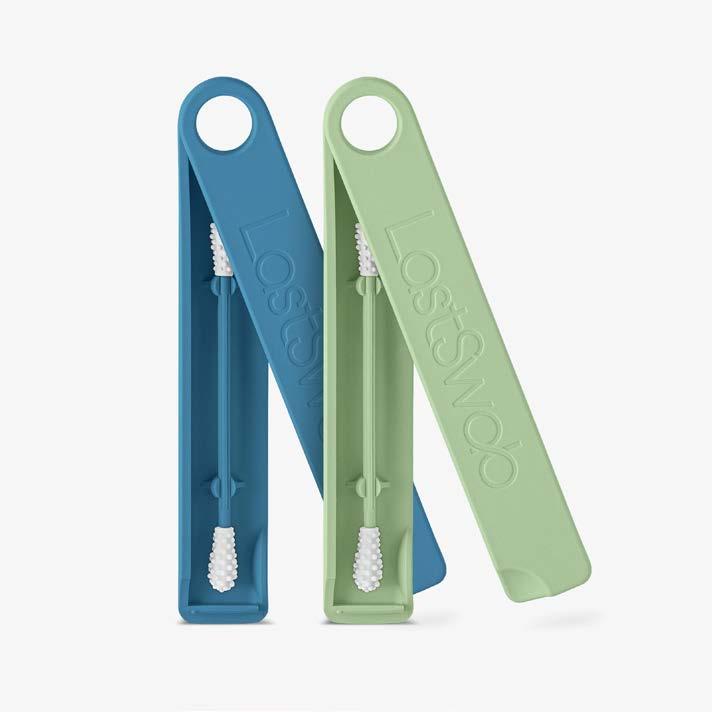


Technology



When brothers and skiing enthusiasts Fletcher, David, and Henry Pease felt that their average skiing goggles weren’t cutting it, they took matters into their own hands. Thus, the idea of REKKIE was born. REKKIE, which is military slang for “reconnaissance,” has been featured on Shark Tank, where it successfully managed to strike a deal with billionaire investor, Mark Cuban. Through REKKIE, the brothers hope to deliver an elevated skiing experience with the tech they’ve developed.

Vision on the SLOPES
The Pease Brothers Merge Innovation and Adventure in REKKIE
When brothers and skiing enthusiasts Fletcher, David, and Henry Pease felt that their average skiing goggles weren’t cutting it, they took matters into their own hands. Thus, the idea of REKKIE was born. REKKIE, which is military slang for “reconnaissance,” has been featured on Shark Tank, where it successfully managed to strike a deal with billionaire investor, Mark Cuban. Through REKKIE, the brothers hope to deliver an elevated skiing experience with the tech they’ve developed.

REKKIE is based out of Cincinnati, Ohio, and as David points out, it’s an odd spot for a skiing company. But that didn’t stop the three brothers from completely changing the narrative of skiing. They developed specialized goggles for skiing that had never been seen before. Building skiing goggles from scratch, integrating fully functional software, and putting out hundreds of iterations of one product are only a few of the mountains these brothers had to climb (no pun intended). But when it’s a labor of love, it shows.
Not only did the product speak volumes of their dedication, but it also became an instant favorite among ski enthusiasts. Their journey to this point has been exciting, as they’ve managed to find inspiration around them and use it as fuel to take REKKIE forward. And they’re far from finished.
FALLING IN LOVE WITH SKIING
David says that some of his best childhood memories are skiing in the Rocky Mountains and out west. Weaving through the trees, finding fresh powder, and doing little drops of rocks always made him feel like he could go anywhere. That rush is what drove him, Fletcher, and Henry to start their own company around something they loved.
Skiing came naturally to David, a passion he discovered very early in his life. Growing up, his parents used to support him with a harness and carry him between their legs as David would ski down the mountains. Funnily enough, David doesn’t recall learning how to ski, but when he began, he took to it like a duck to water.









A lot of people tend to start slow, according to David. The first step is to get over the fear of leaning down the hill and almost feel like you’re falling down the hill. This came with ease to David, which he calls the best feeling in the world.
CREATING REKKIE FROM THE GROUND UP
The idea of REKKIE was born in Tahoe. David’s brother, Henry, worked a day job at the tech office of a car company and was inspired by the heads-up display in newer, higher-end cars. One day in Tahoe, Henry wondered what time it was and where his friends were. He then realized that you could have all of this info inside ski goggles—you wouldn’t need to take your phone out! Thus, the REKKIE Smart Snow Goggles were born.
From that point, things began to take shape. Augmented reality (AR) was soon integrated into the goggles. If you want to know and share your top speed and stats with friends or even put on your favorite music, the Smart Snow Goggles have you covered!
ALL THAT GOGGLES
But getting to this point—integrating hardware and software with an ingenious design—wasn’t easy. In terms of hardware, there were about forty different iterations of the printed circuit board before a design was finalized. New circuit boards were added every other week, so regular testing was a part of developing the Smart Goggles.
As for the design and feel of the Goggles, the team started with a duct tape prototype and exposed electrical wires on the helmets. This design would work for fifteen minutes, after which either the battery pack would fall off, or snow would get into one of the circuits. The solution for this was found in 3D printing most of the components or creating molds for each design of the Goggles, the latter simply wasn’t feasible from a financial standpoint. The idea behind 3D printing was to save time and money, and thankfully, it all went according to plan. Travis Kemp, another Cincinnati local, helped them with the 3D design of the Goggles using modeling software.

This innovation is what makes REKKIE stand out. David was vocal in expressing that his team tests competitor goggles now and then for comfort, lenses, and other features. However, after a taste of REKKIE’s Smart Goggles, switching to any other set of goggles is difficult.
As David himself says, with other goggles, you can’t track your stats, don’t know what time it is or who is texting or calling you while you’re on the chairlift. Seeing how far their product has come makes David incredibly satisfied with what they’ve achieved so far.
CURRENT PROJECTS
For now, team REKKIE is solely focused on enhancing AR eyewear for performance sports. It believes that skiing is the perfect testing ground for this particular technology right now. The team wants to stay focused on skiing, but other prospects will be explored in the near future. They feel that its tech could even come in handy for law enforcement at some point. David is also excited about integrating Micro OLED technology into the Goggles, which will introduce rich colors in a 4K display.
The future definitely seems exciting for REKKIE, as their best is yet to come. With avenues to explore and miles to go, its ingenious technology is making lives easier, one skip trip at a time.
@sikandersid_ Rekkie.com

FOUNDERS
Fletcher, David, and Henry Pease





Icelandic Glacial™ is a super-premium natural spring water sourced from the certified sustainable Ölfus Spring in Iceland, formed over 5000 years ago and protected by a barrier of lava rock. This water is exceptionally pure, with a naturally low mineral content and high alkaline pH of 8.4. Icelandic Glacial holds the distinction of using 100% natural green energy in both product and operation.


Artist Dameon Priestly focuses on times and events of social and cultural change


dameon.co.uk
Change Makers
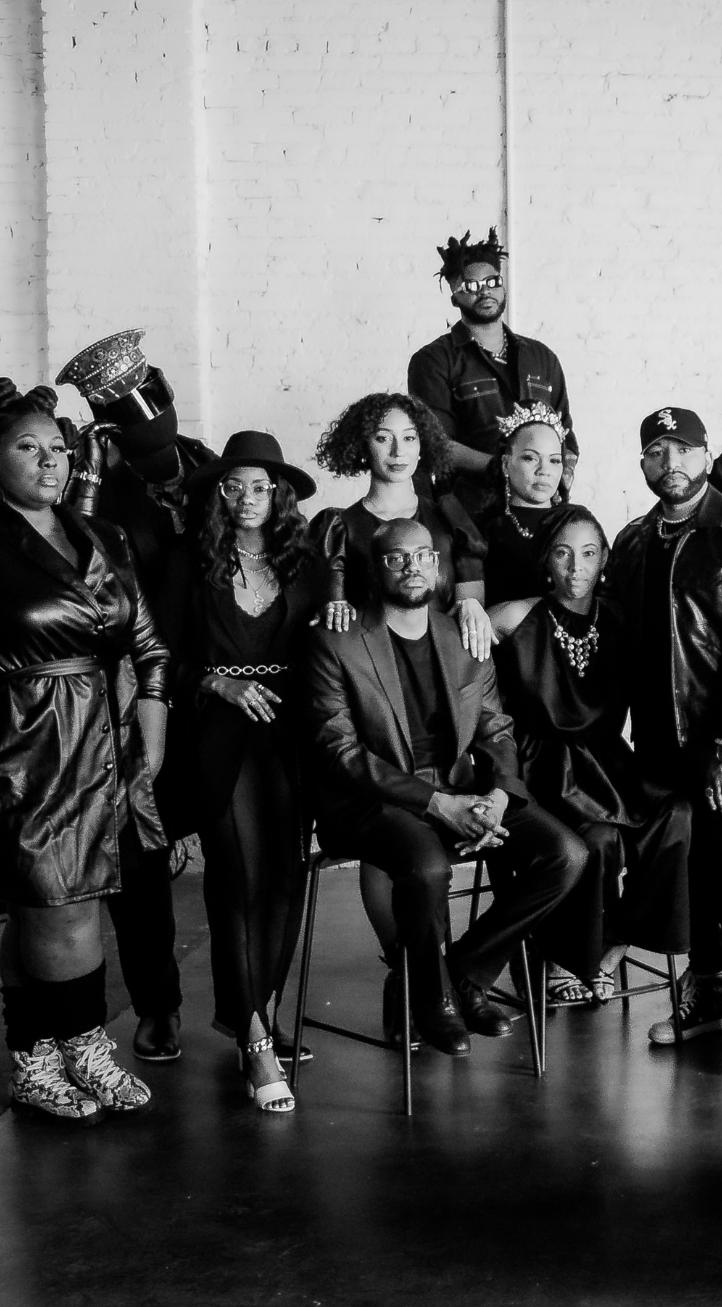
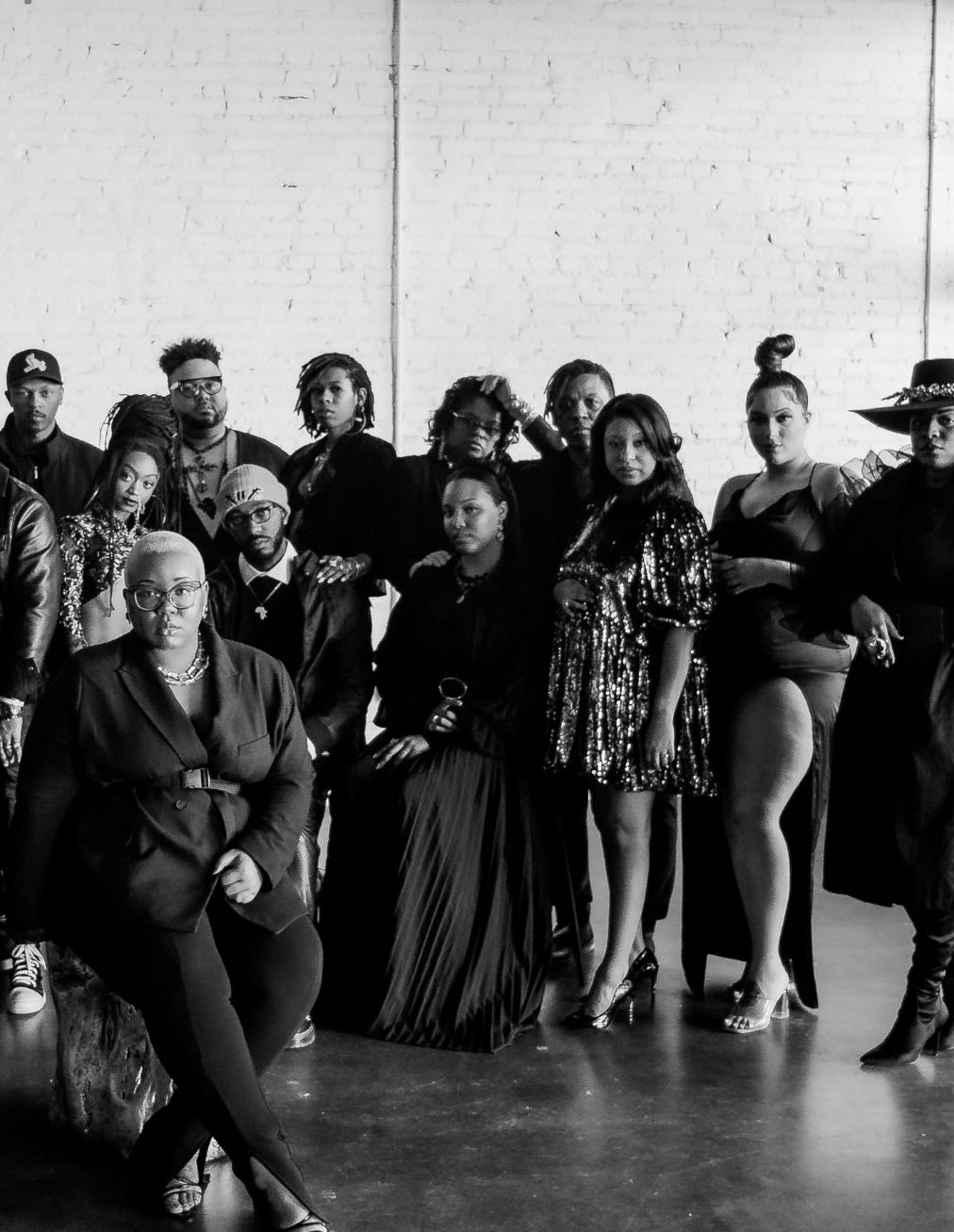

Drag Activism Drag Activism
AND THE POWER OF
Rebirth Rebirth
EXPLORING THE POWER OF DRAG AS A TOOL FOR HEALING, EMPOWERMENT, AND SOCIAL CHANGE
Lonnie Haley, known onstage as Mercedez Munro, is a dynamic figure in the world of drag, using performance as a powerful tool for self-expression and advocacy. Through Mercedez, Haley has reclaimed personal identity while paving the way for marginalized voices in the drag scene. As a performer, house mother, and activist, Haley’s story is one of resilience and transformation, leaving a lasting legacy within the LGBTQIA+ community.

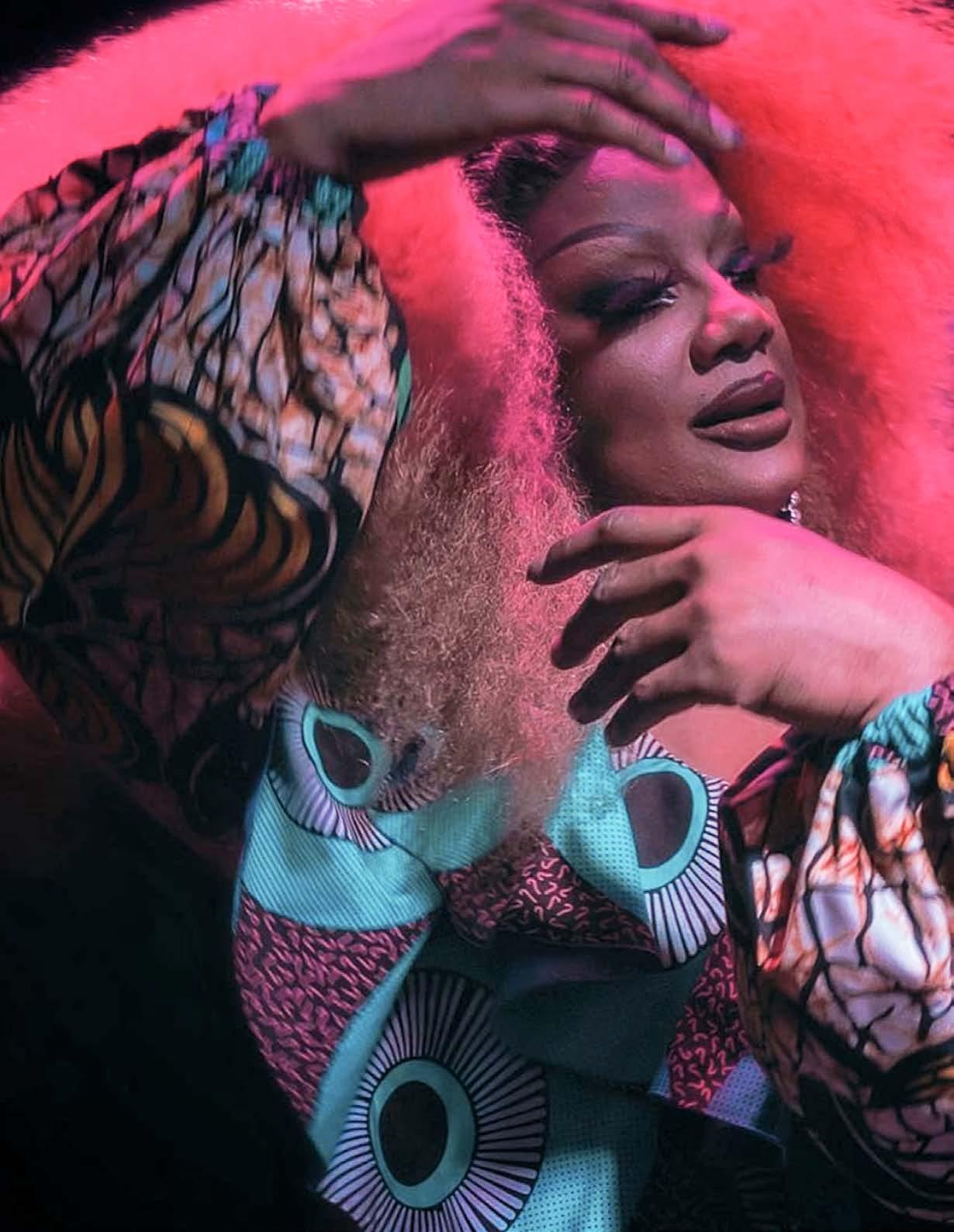

“I didn’t see enough people that looked like me,” Haley recalls, emphasizing the scarcity of representation in the Kalamazoo drag community at the time.
Lonnie Haley, known in the drag world as Mercedez Munro, is much more than just a performer. For Haley, Drag has served as a powerful medium for self-acceptance, activism, and building a legacy. Haley’s journey into drag during the 1990s was not an easy one, particularly as a Black, queer individual navigating an industry and community still grappling with deepseated prejudice. “The most difficult thing for me to accept was probably myself,” Haley reflects, highlighting the intense pressure of balancing personal identity with societal norms and expectations. Drag, for Haley, was not only an avenue of artistic expression, it was also a path to reclaiming power and self-worth.
The Power of Drag
Drag in the 1990s, particularly for performers of color, carried a significant stigma. Unlike today, when shows like RuPaul’s Drag Race have brought drag into the mainstream, the world Haley entered was far less welcoming. As a Black drag performer in a predominantly White scene, Haley often encountered barriers that went beyond the usual challenges
of performing. “I didn’t see enough people that looked like me,” Haley recalls, emphasizing the scarcity of representation in the Kalamazoo drag community at the time. This lack of visibility for Black queens in a city celebrated for its diversity, after relocating to San Francisco created a complicated dynamic that left Haley questioning the inclusivity of spaces claiming to preach progressive values.
Despite these challenges, Haley found a way back into drag after nearly a decade-long break in San Francisco. The decision to return to performing wasn’t solely about personal expression; it was a deliberate act of reclaiming space in a community that hadn’t always made room for Black drag queens in the past. In 2007, Haley’s reentry into the drag scene was marked by winning the Miss Gay San Francisco pageant, an accomplishment that symbolized not just a personal victory but a broader statement on visibility and representation. “If there is little to no Black representation fighting for our space, I’m going to do it,” Haley asserts, emphasizing the need to create space for intersectional identities in a predominantly White drag scene.
Change Makers Feature
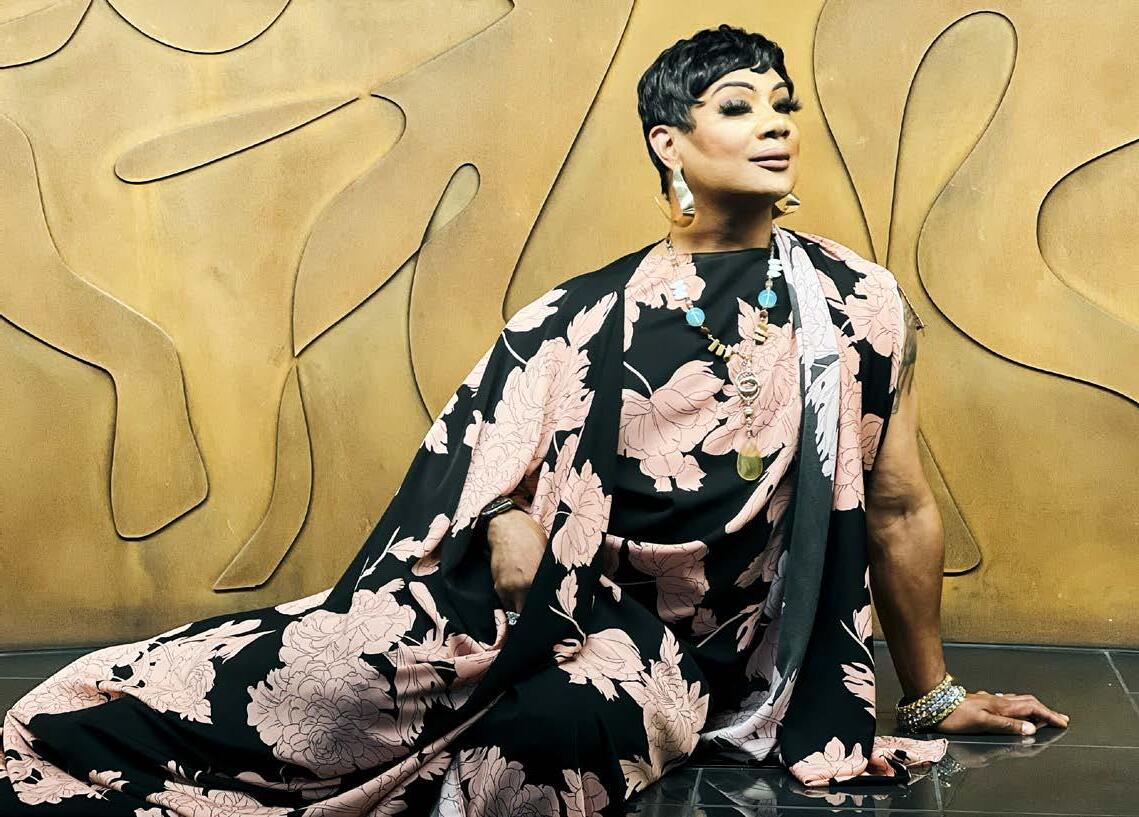
Haley’s story is one of personal rebirth, but it’s also deeply tied to the collective progress of the LGBTQIA+ community. By taking the stage as Mercedez Munro, Haley created a space where marginalized voices—particularly Black and Brown voices—could be seen and heard. The San Francisco drag scene, celebrated for its inclusivity, still had blind spots when it came to racial diversity, and Haley’s presence helped challenge those gaps. Drag wasn’t just a performance; it was an act of defiance, a reminder that visibility matters, especially for those whose identities have historically been erased or marginalized.
But Haley’s influence goes far beyond the stage. As the house mother of the House of Munro, Haley plays a crucial role in mentoring younger drag performers,
many of whom come from marginalized backgrounds. The House of Munro is a family in every sense of the word, built on shared values of mentorship, education, and giving back. Forty-eight members strong, the house functions as a support system for those who may not have found acceptance elsewhere, offering guidance on both artistry and life.
For Haley, being a house mother is about more than teaching the craft of drag—it’s about building a legacy that extends far beyond individual achievements. The House of Munro is not just a performing collective; it’s a community of socially aware individuals who understand the importance of visibility, advocacy, and giving back. By mentoring the next generation, Haley is ensuring that the values of inclusion,
philanthropy, and activism are passed on, leaving a lasting impact that benefits not only the LGBTQIA+ community but society at large.
Central to Haley’s legacy is the belief that drag is deeply connected to activism. Haley sees drag as more than entertainment—it’s a means of championing equality and justice. Throughout Haley’s career, activism has been a constant thread, whether it’s fighting for marriage equality, advocating for racial justice, or supporting marginalized communities. “We wouldn’t have the rights we have today if it weren’t for one drag queen throwing a brick,” Haley reminds us, referencing the pivotal role drag queens played during the Stonewall Uprising and the broader fight for LGBTQIA+ rights.
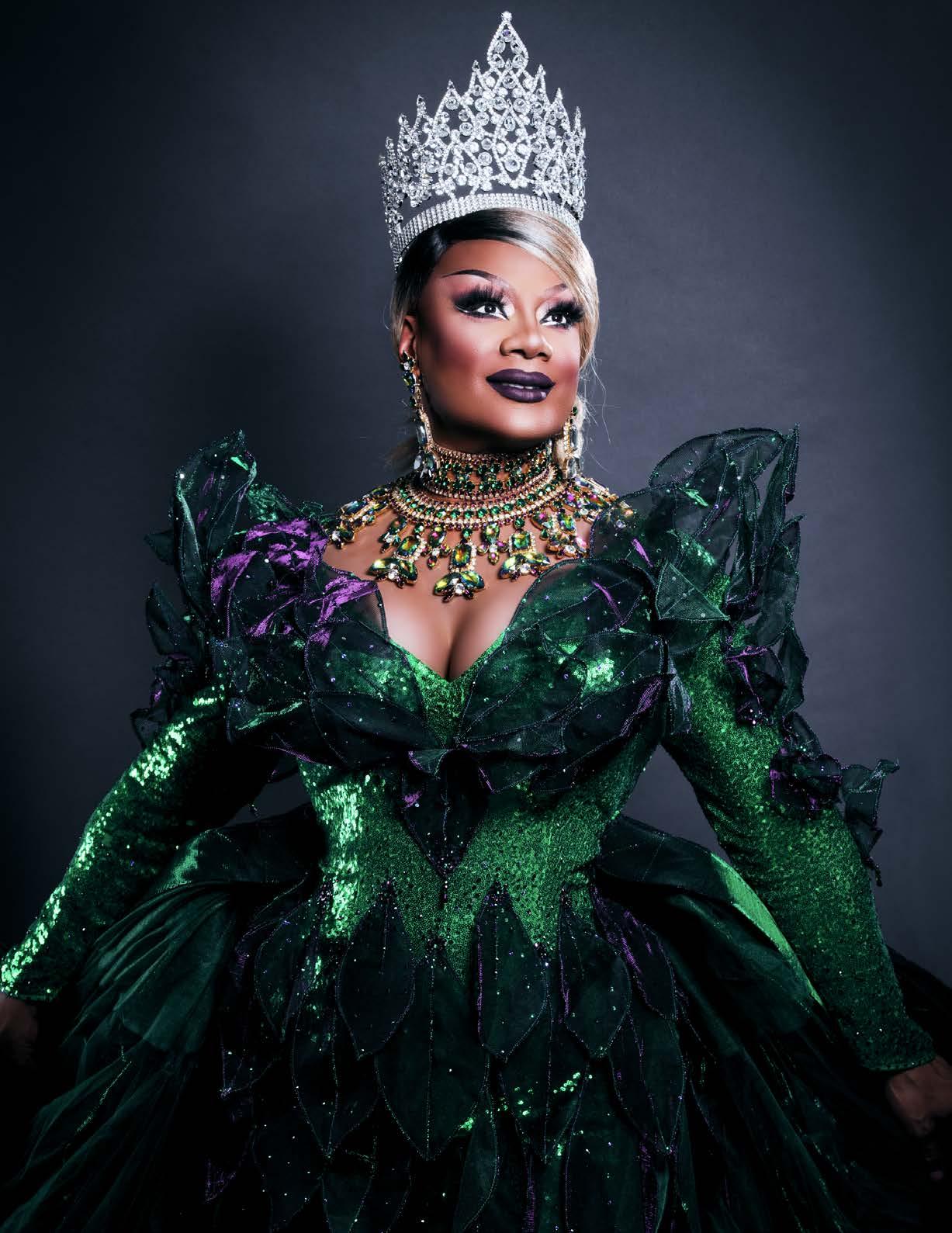
“If they don’t have Black representation, I’m going to do it.”
Miss Gay San Francisco, 2007
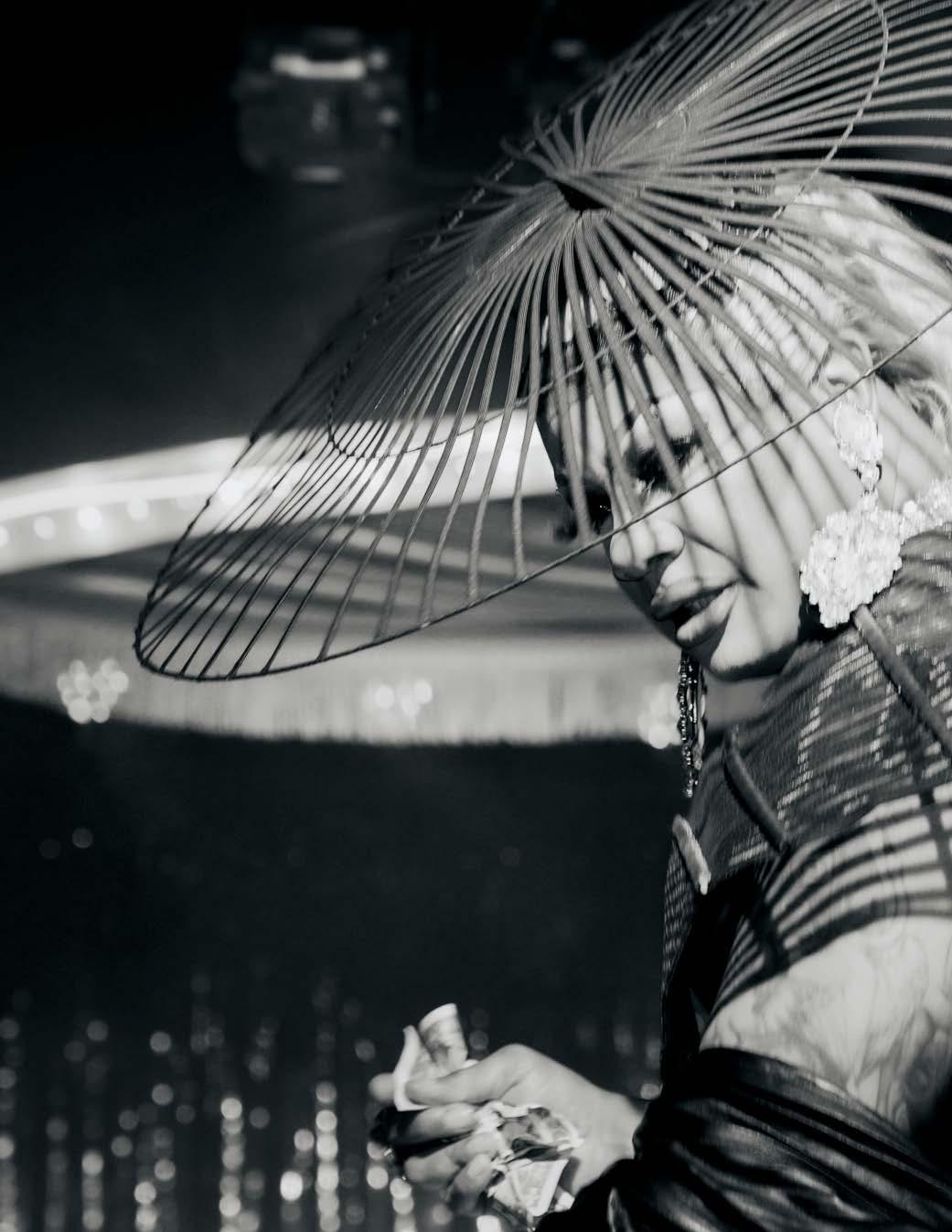

“Our
primary mission is to teach the next generation how to be consummate professionals, well-informed business people, and equally, how to give back.”
Change Makers Feature

Haley’s work with the Imperial Council of San Francisco further illustrates this commitment to activism. The Imperial Council, a nonprofit organization that raises funds for underprivileged communities, is an example of how Haley uses drag as a platform for change. “It is so incredibly important for me to ensure that all aspects and all persons of color, gender, and gender non-conforming individuals are seen and represented,” Haley says, underscoring the need for intersectionality in advocacy. By uplifting marginalized voices and ensuring they are part of the conversation, Haley helps foster a more inclusive world.
The legacy of Haley’s activism is most evident in the work of the House of Munro. Haley’s focus on mentorship ensures that future generations of drag performers understand the importance of visibility and advocacy. By creating a space where marginalized individuals can thrive, Haley is contributing to a movement that seeks to make the world more just and allencompassing for everyone.
Lonnie Haley’s journey as Mercedez Munro is, at its core, a story of transformation, resilience, and activism. Through drag, Haley found a way to reclaim personal identity and self-expression while also creating a platform for marginalized voices. But perhaps most importantly, Haley’s work as a house mother and activist ensures that this legacy of empowerment and inclusion will continue for years to come. As a performer, house mother, and community leader, Lonnie Haley challenges societal norms and elevates those often left out of traditional narratives. Through the art of drag, Haley’s legacy continues to shape the San Francisco drag scene, ensuring that the work of Mercedez Munro endures— rooted in empowerment, resilience, and community impact. With every step in Mercedez’s heels, Haley transforms personal reinvention into lasting change, leaving an enduring impact on the world of drag and beyond.
While Haley’s story emphasizes selfexpression and activism, it also offers an opportunity to delve deeper into how
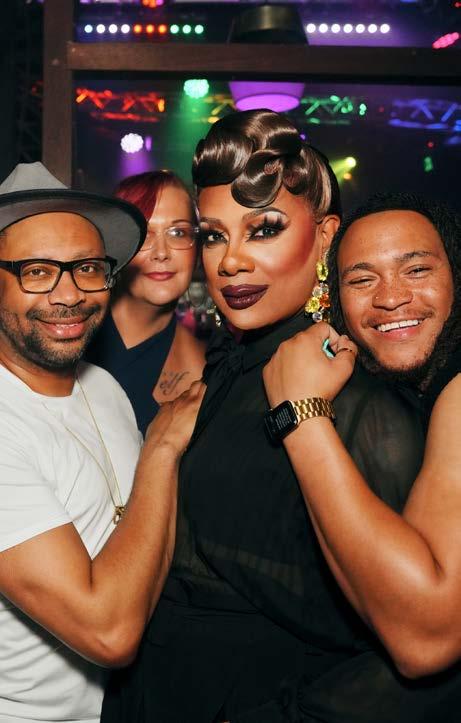
drag serves as a form of therapeutic release and self-care, particularly for individuals in marginalized communities.
The pressures of societal expectations, racism, and discrimination can have profound effects on mental health, and drag, for many, becomes a way to reclaim power and find inner strength. For Haley, stepping into Mercedez’s heels isn’t just about performance—it’s about transforming pain into empowerment, creating a space where self-doubt can give way to confidence and joy. This transformation can be likened to a form of healing that goes beyond the external, touching the core of self-worth and identity. Many who turn to drag do so as a way to cope with the struggles of isolation or rejection they’ve experienced due to their gender, race, or sexual orientation.
In a world where LGBTQIA+ individuals, especially those of color, often face heightened mental health struggles, drag can serve as a reminder that
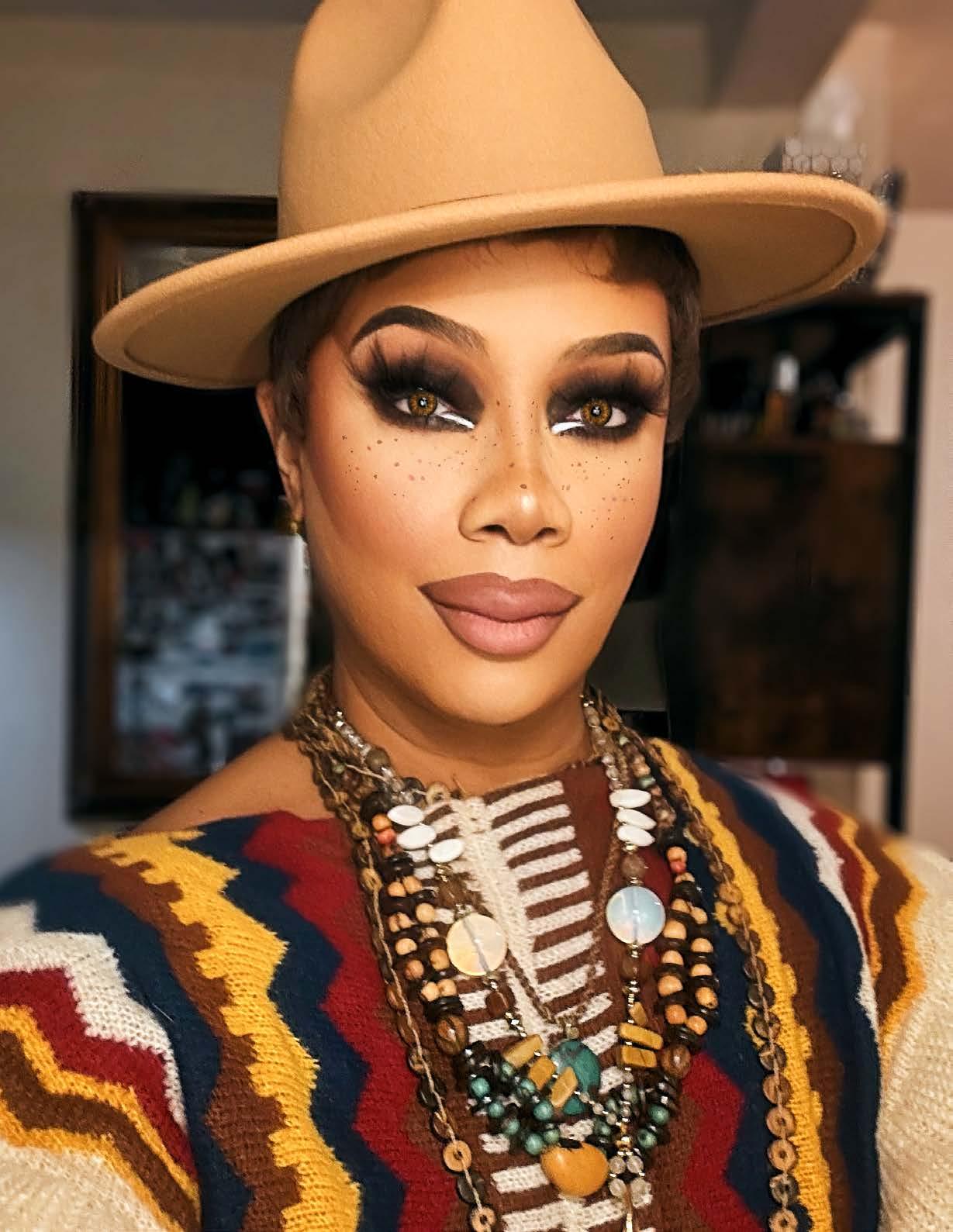
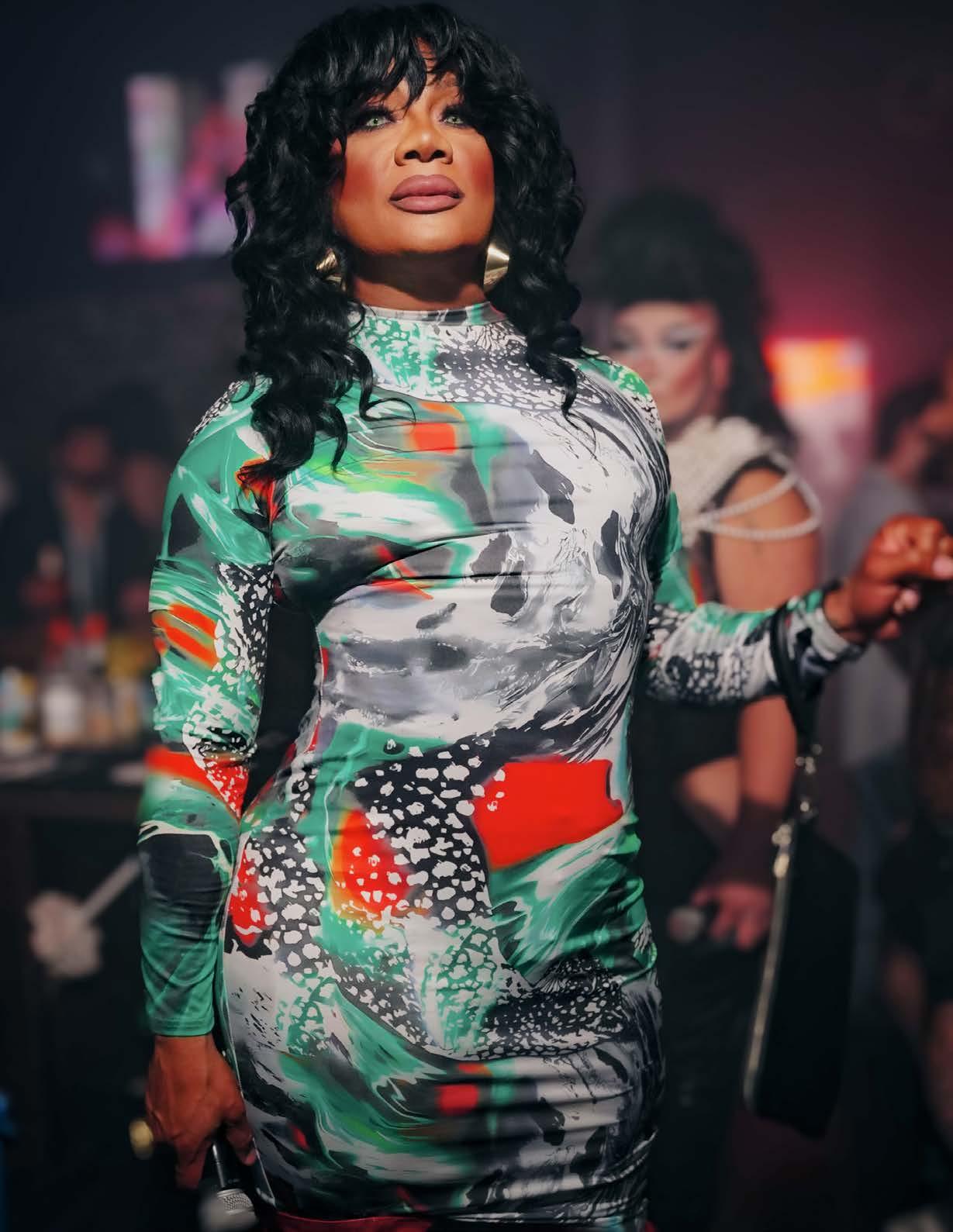
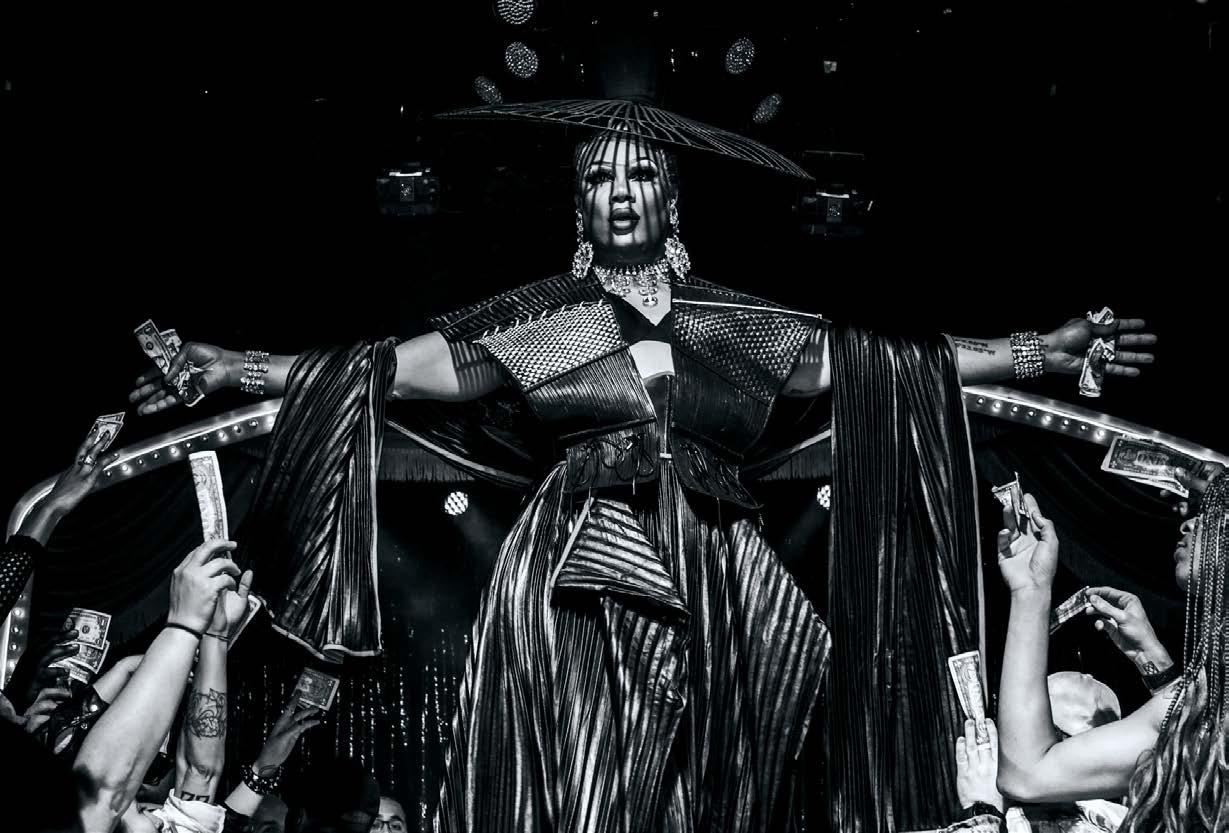
self-care and creative expression are revolutionary acts. Haley’s journey into drag may have begun as a personal exploration, but it evolved into a way to heal the wounds caused by societal rejection and oppression.
For those who have found inspiration in Haley’s journey, the message is clear: drag, like life, is about continual transformation. It’s about finding the courage to embrace who you are and the power to uplift those around you. Haley’s legacy reminds us that the fight for visibility and inclusion is far from over, and it’s a fight worth continuing—for the next generation of drag performers, activists, and anyone searching for a way to live authentically in a world that often demands conformity.
Through performance, community building, and advocacy, Haley has opened doors for marginalized voices, offering them a space to thrive and be heard. As a mentor, Haley doesn’t just pass on the skills of drag but also the values of those trailblazing activists who came before— icons who fought for the freedoms that today’s performers now enjoy. Haley’s work encourages not just those within the drag community but all of us to think about how we can use our own platforms, no matter how small, to make the world more inclusive, vibrant, and compassionate. Each performance serves as a reminder that personal expression isn’t limited to the stage; it can take any form that challenges norms and uplifts others. Whether through drag, art, or activism, Haley challenges us to embrace
our own unique ways of contributing to a more accepting world, showing that every act of self-expression can be a step toward meaningful change.
@mercedez_munro @lindsaymeetsworld_

MOTHER
Mercedez Munro (Lonnie Haley)
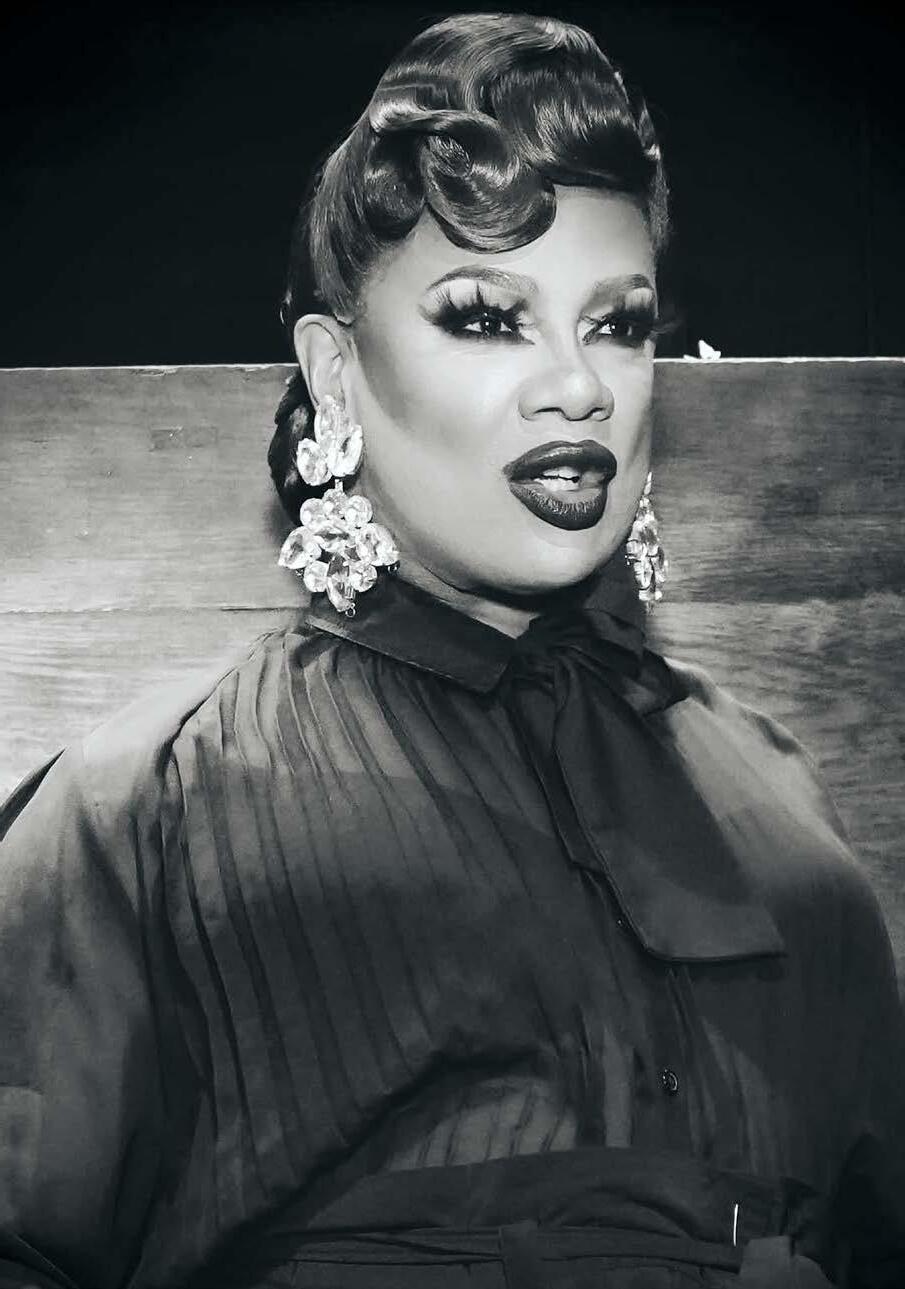
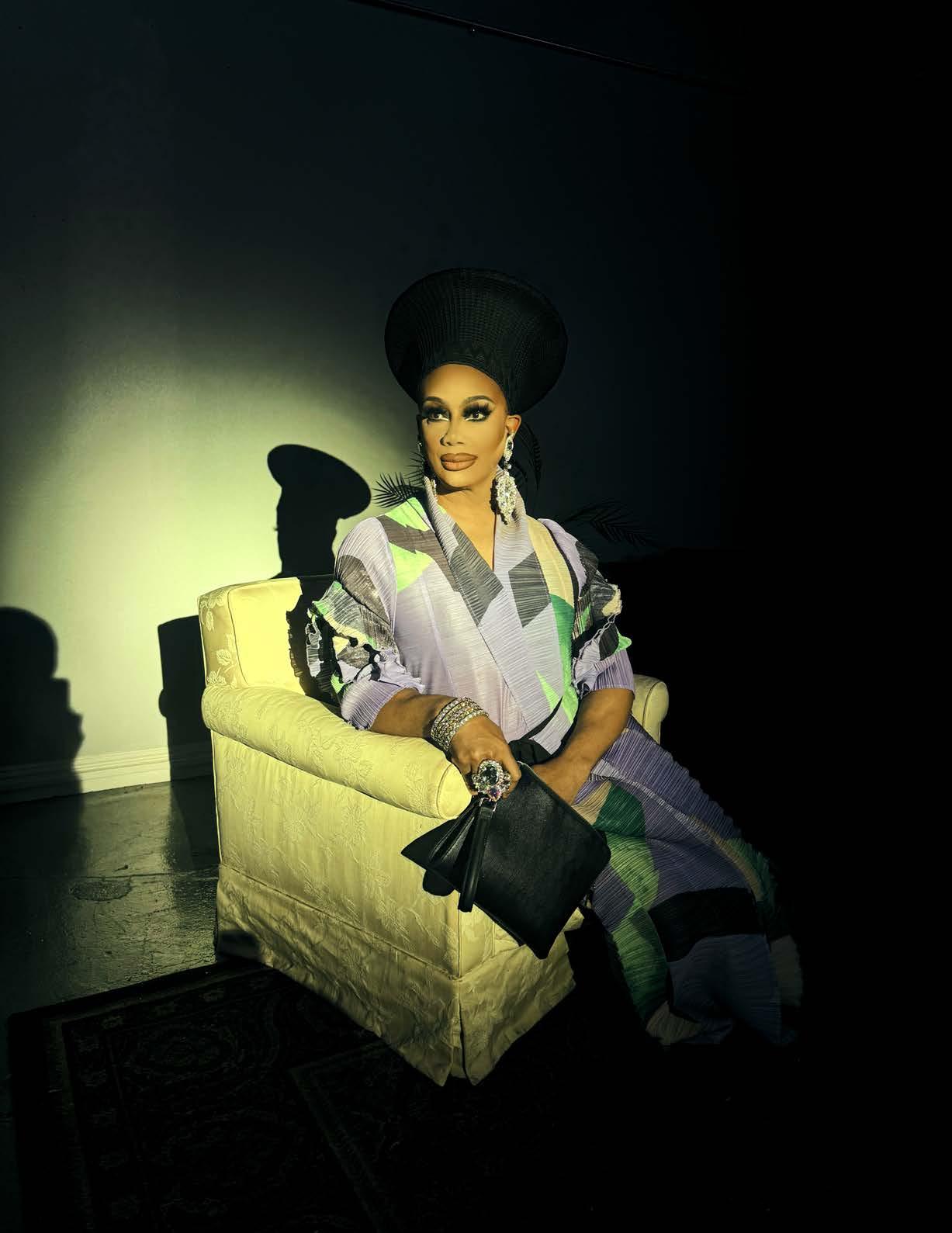
“I empowered myself... I can no longer hide who I am. This is something that brings me joy.”

100% Natural Soy Wax
Highly fragrant blend of fragrance & essential oils
Hand-poured in Sonoma County, CA
lopezfamilyvineyards.com
CLONE CANDLE COLLECTION
Amidst the flickering glow of a comforting flame, every scent tells a story, and every moment becomes a cherished memory. In the warm embrace of a candle's light, it's more than just wax and wick; it's an invitation to unwind, a celebration of peace, and a whispered reminder that, indeed,
“ IT'S GOOD TO BE HOME”
SENESCENCE CANDLE
As we celebrate the 45th anniversary of our vineyard, we honor the natural senescence process that our grape vines undergo each year. Like the vines, we can also benefit from periods of rest and renewal, allowing us to awaken with renewed vigor and energy.
Our limited edition anniversary candle captures the essence of this transformative time with a warm and inviting blend of almond, sandalwood, and vanilla. Light this candle as a reminder to embrace life's natural rhythms and take time for self-care and reflection.
May this candle inspire you to slow down, find inner peace, and awaken to the endless possibilities that await you in the coming year. Cheers to 45 years of growth, renewal, and the beauty of embracing change.
Change Makers
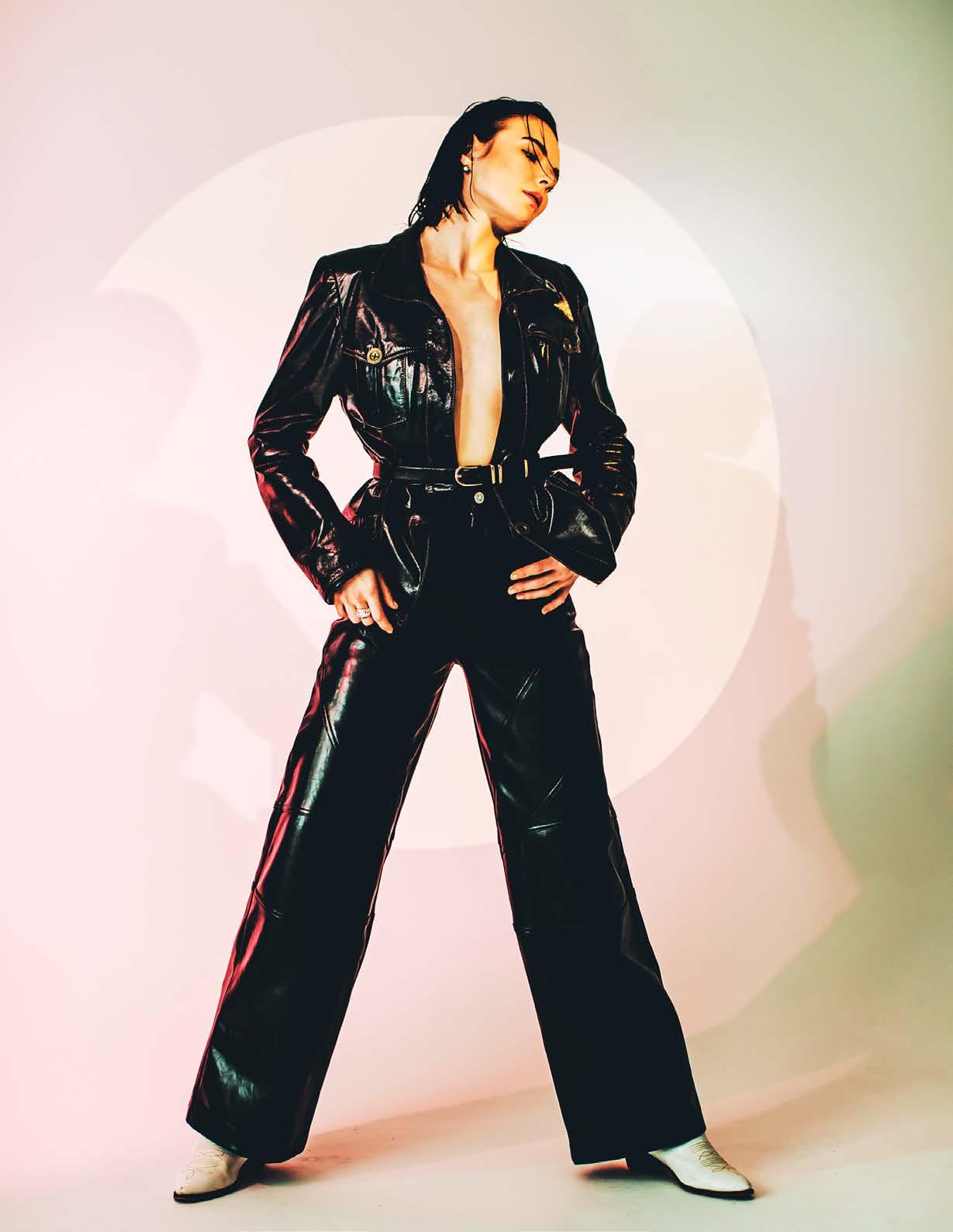
Cooler weather slows our bones, making the thought of dressing for success feel impossible. Thankfully, we all have creative brand strategist Toi Sweeney to guide us through the winter, teaching us how easy it is to tailor our style to the exact person we are this season and every season after.
TAILORING SUCCESS
WORDS | ANGELIQUE REDWOOD
Toi Sweeney’s Secrets to Crafting a Personal Brand Through Fashion and Turning Style into your Professional Superpower
Most people’s ideas of fashion are red carpet runways and uncomfortable outfits. Rarely do they think of fashion as the basis behind all their first impressions. The absolute coziness of winter can make it even harder to contemplate best fashion practices, yet Toi Sweeney masterfully eases us into the conversation.
This winter season, Sweeney’s sharing her fashion secrets with us so that we can create our own definitions of style. By identifying our best traits, Sweeney teaches us how to make our personal brand stand out amidst the masses by mindfully thinking about what we wear. As host of the Well Dressed Brand TV Show and author of Secrets of a Well Dressed Brand, Sweeney is determined to show the world exactly how to “show up and shut it down.”
Focused more on personalities than rigid dress codes, Sweeney eagerly ushers in a new professional fashion era with her consulting expertise. For innate fashionista Sweeney, first impressions do more than define your personal brand; they showcase your humanity.
“I’ve never not been in fashion. It’s one of those things that I have consciously and subconsciously been doing my entire life,” Sweeney shares when asked how she fell into her current enterprise. With a brilliant grin and bold red lips to match the holiday season, she exudes charisma while reliving her fashion origins.
It all began with a degree in Fashion Business, and with marketing experience in tow, Sweeney quickly rocketed up the fashion ladder. After working through a few retail jobs and rising the ranks in executive leadership, Sweeney fell into the natural role of style director for QVC.
Sixteen years of styling in the corporate world led Sweeney to the epiphany that she had all the right tools to help more communities succeed in dressing professionally while staying true to themselves. In a leap of faith, she left QVC to begin her current ventures as a self-made creative brand strategist.
Through personal branding services using the How To Fascinate Personality Test, Sweeney can revolutionize your personal style so that you authentically tell your story at first encounter. Using psychology learned through her marketing know-how, Sweeney tailors your stylistic comforts to the colors, shapes, and patterns that best fit your inner personality.
“I have somehow, by the grace of God, built a global brand for myself and for my company. So, I’m very excited about that. It gives me great pleasure to be able to help women to see themselves in a new light and understand how they can stand in their power and be able to promote themselves in a way that nobody else is doing, that can’t even be touched.”

Sweeney humbly owes her present all to the past, explaining, “There’s no place in the world like QVC at all, and so just being able to cut my teeth in this world where it’s digital, it’s television, it’s print… it’s everything. And so, I really felt like they really set me up to let my imagination run wild, and it allows me to really line up things with innovation.”
Once a week on Roku TV, Sweeney spills her personal styling tips live on air. With a generous spirit and vibrant persona, this host has the most to drive you to dress your very best. She doles out inspirational advice on organizing your closet in a way that works for you and
“The reason that I love this work so much is because I really think it’s one of the few things that works from the inside out and the outside in.
make you feel very powerful, or you can put on something to start, and then it just changes your entire perspective, not only for yourself but the way that others perceive you as well.”
Sadly, business fashion first emerged without Sweeney’s beliefs on workwear. Beginning in the early 1900s as a trend of strict dresses, suits, and ties, early professional styles focused on the prim and proper instead of the person behind the clothing. As a result, if you didn’t have the look, you weren’t climbing the ladder to success.
The underrepresented bore the brunt of this professional exclusion. Certain hairstyles, tattoos, and ways of dress were strictly banned in most workplaces, meaning showing up with naturally kinky hair or family tribal markings was deemed inappropriate—so inappropriate that those high-paying positions remained out of reach.
lets your brand speak for itself. Sweeney grew her generosity organically by dropping her wisdom in book form.
The power of Sweeney’s live presence seamlessly translates into the pages of her very first book, Secrets of a Well Dressed Brand. She lays out a surefire path to successfully culminating your professional style, tailor-made just for you. It’s a revolutionary change from the world’s original visions for fashion and first impressions.
“The reason that I love this work so much is because I really think it’s one of the few things that works from the inside out and the outside in. You can have days where you don’t feel like your best, and you can put on something that can
Luckily, we’re entering a new era of business fashion. Remote jobs are slowly becoming the new normal, and diversity plays a significant part in today’s hiring processes. As a result, opportunities are gradually opening up for all of us looking to climb the ladder Sweeney is leading the charge for new fashion traditions, using her role as a brand strategist and fashion stylist to ensure our professional and personal lives can perfectly intersect without being detrimental to our success. Whether in the office or on a video call, we can showcase our worth without sacrificing our comforts.
“I think we’re already seeing just the way things are done is changing,” Sweeney confidently states. “There’s a rise up I think of just—for some—that’s less about yourself and more about what you’re putting out into the world to make it better, and that’s something that makes me happy.”
When asked where she thinks the next generation will take the future of fashion, Sweeney responds, “I really like that
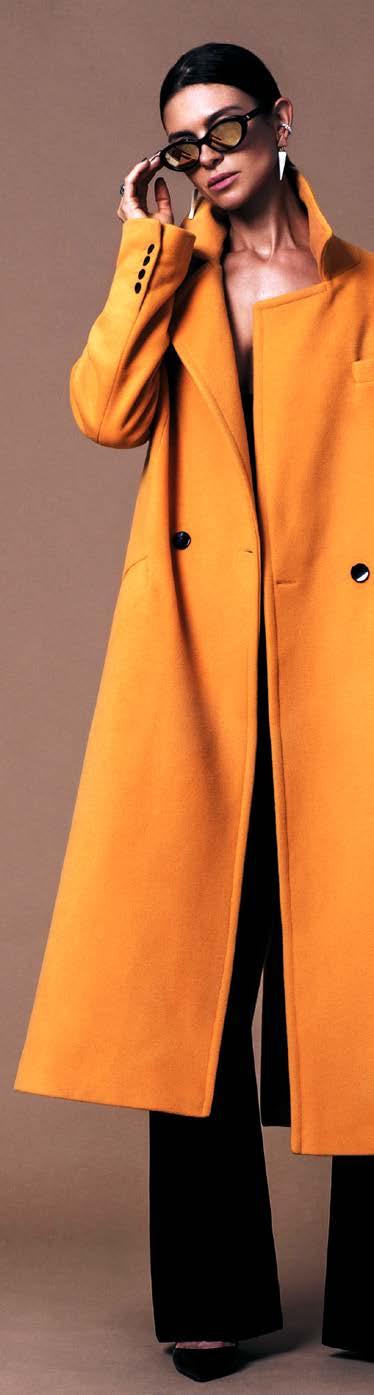
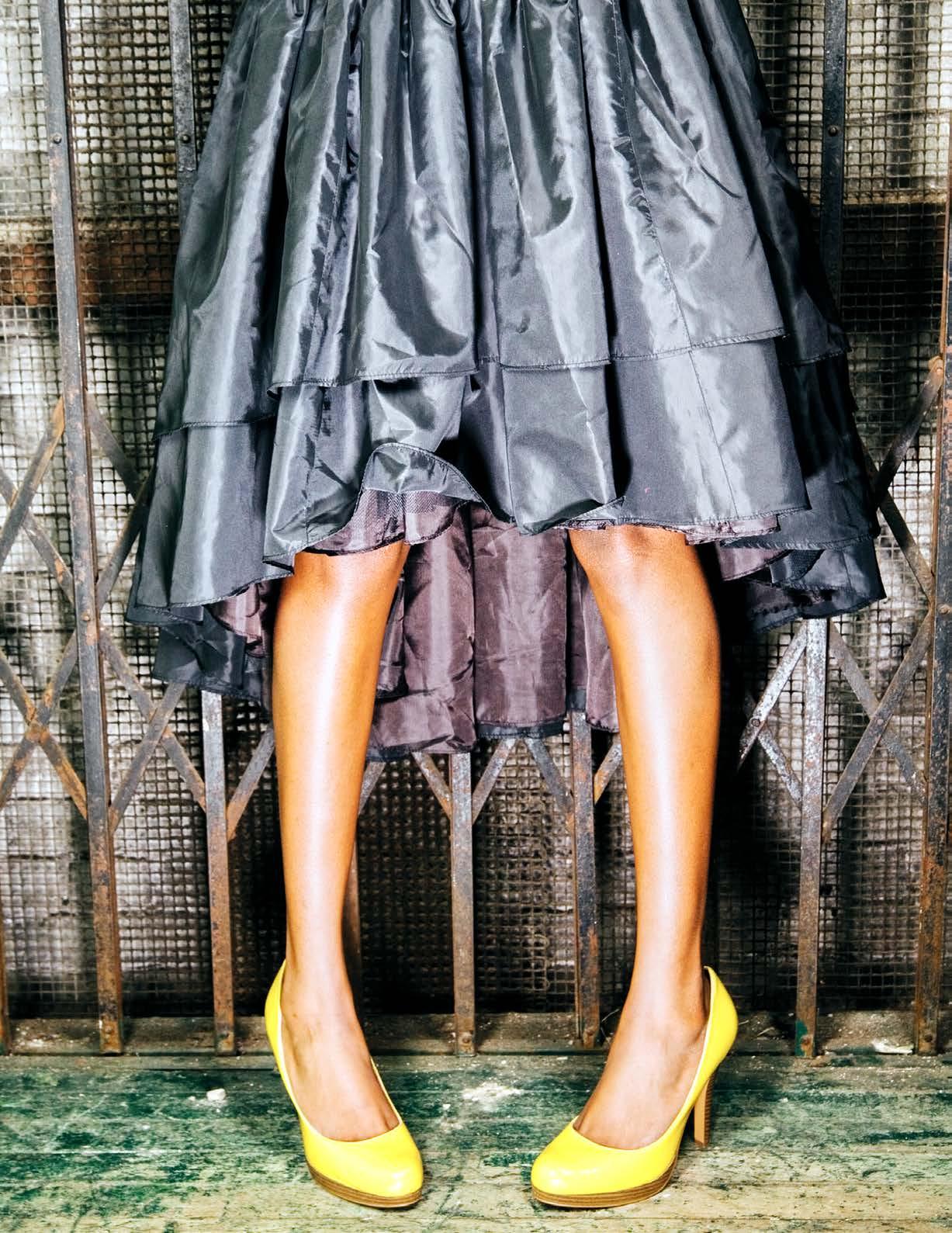
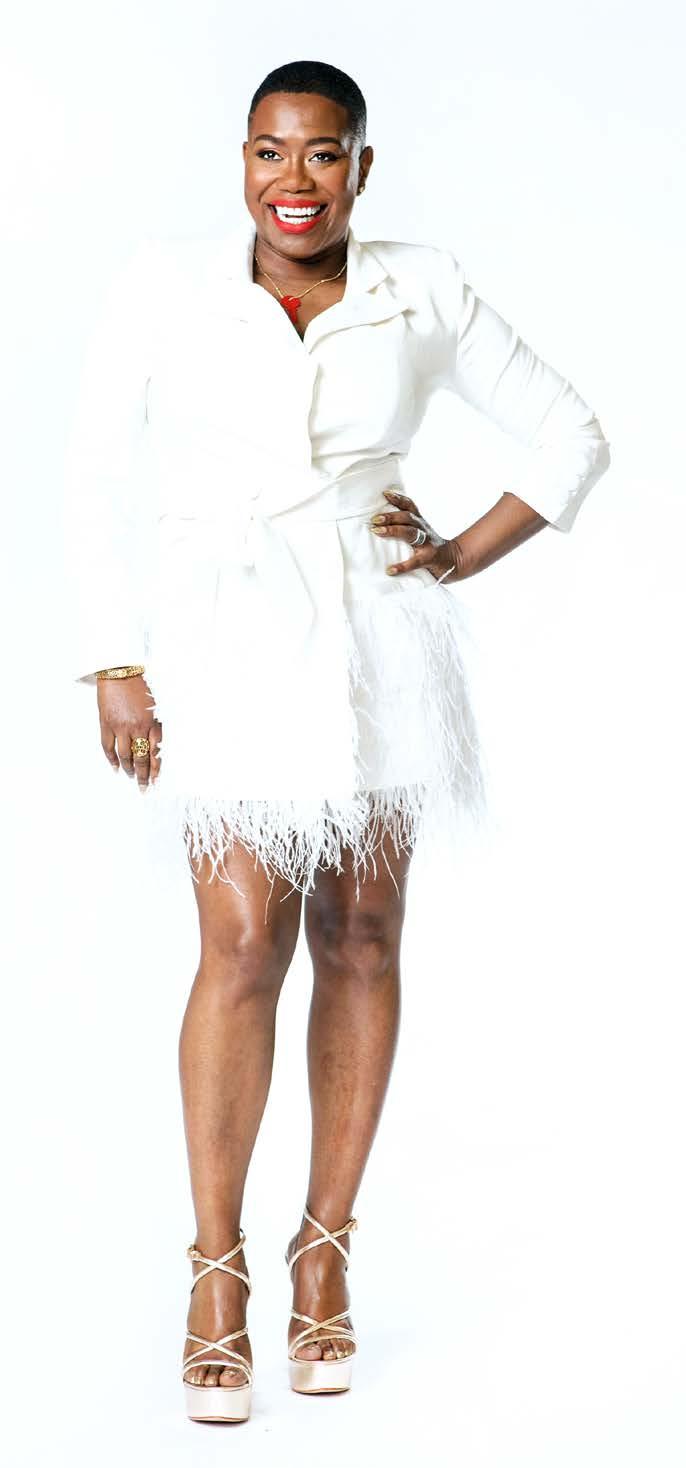
there’s more of a celebration… I feel like that’s the undertone, like I’m gonna celebrate you, you celebrate me, and together we’re still able to kind of rise up in a way that it is okay for you to express yourself in a way that you see fit.”
“It’s really a call to action for companies to stand up, do better, and be better so that they can attract the right employees, and then I think that as far as fashion, just revisiting those old rules for how you’re expecting people to come to work.”
By reminding us how much fashion plays a part in first impressions, Sweeney’s a coach to communities everywhere, teaching us how to immediately show the world who we are wherever we choose to work. Sweeney meets us where we are with the answers, harnessing our authenticity through our self-made definitions of professional style.
Now, even in the biting chill of winter, I’m confident enough to rock my natural kinky afro and my favorite comfortable sweaters to all my professional meetings. Because of Sweeney, my professional style can be effortless in every season. With some introspection and Sweeney’s sage advice, I now feel more prepared than ever before in my writing career to show up and shut it down.
@toisweeney @a.m.redwood

FOUNDER Toi Sweeney

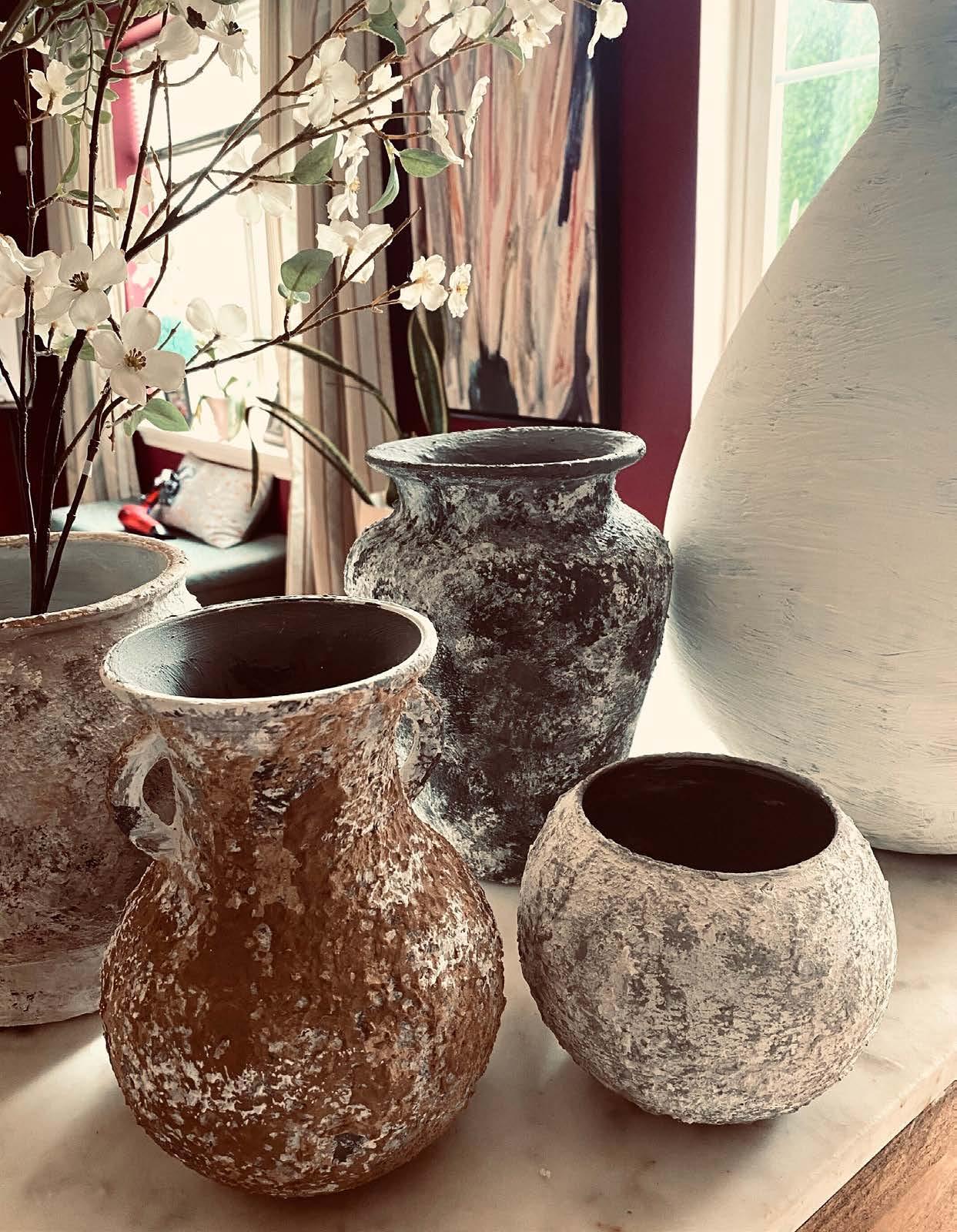
TIMELESS AND UNIQUE VESSELS. MODERN MINIMALISTIC CERAMICS AND PAPER MACHÉ VESSELS HANDMADE TO FILL YOUR HOME.
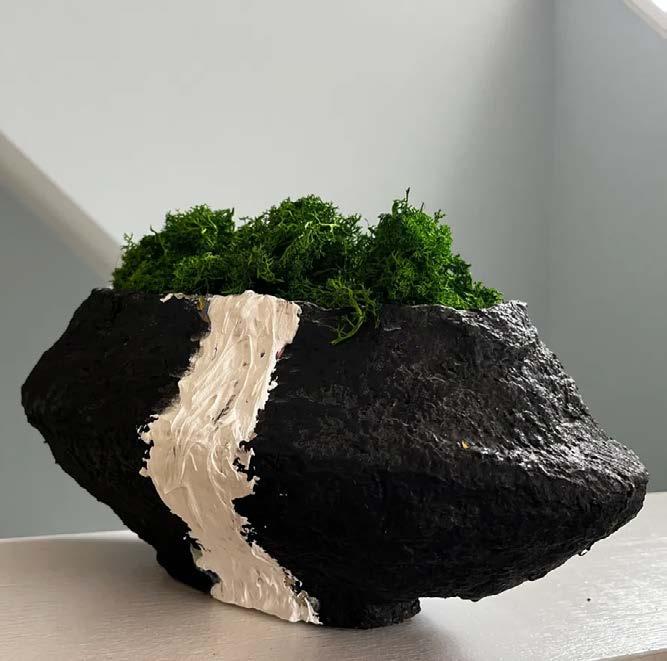

MORE THAN MEETS THE HEM
AK Brown Stitches Authenticity and Community into the Heart of Fashion

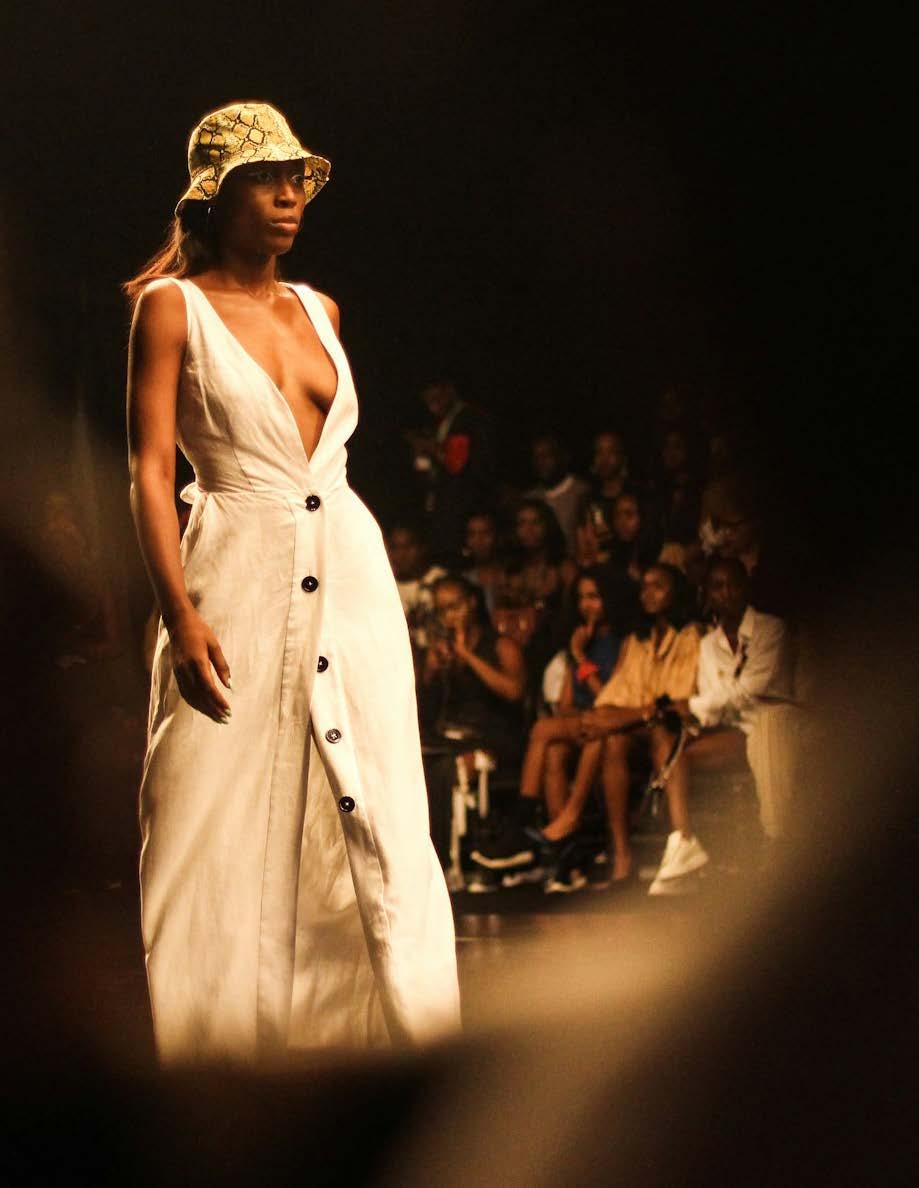
Multifaceted “fashionpreneur” AK
Brown is prepared to usher in a new, inclusive era of fashion, one where the industry authentically mirrors the communities that helped build it. Brown is here to support creative entrepreneurs by being your trusted fashion connector.
WORDS | ANGELIQUE REDWOOD
Change
Authenticity sits at the heart of fashion. Without staying true to you, your fashion statement barely shines through. Some may need a fashion fairy godmother to teach them how to wear their authentic styles proudly. Enter AK Brown, waving her wand to guide society toward a more inclusive, authentic fashion industry. Brown is a fashion historian who’s studied the
fashion industry’s past to educate the masses. Brown’s a true fashionpreneur, one who educates, advocates, and celebrates every creative that’s part of the fashion world. Her resume proves that she’s earned her moniker of “The Fashion Connector.”
Harnessing her style prowess, Brown ensures fashion stays an inclusive, communal affair. Her website lists a
wealth of resources and opportunities for fellow fashion stylists, displaying Brown’s desire to open doors to everyone willing to learn and grow their skills. Brown wants to be a source of fashion success.
“I’m a seasoned fashion professional with over a decade of experience across multiple facets of the fashion industry, making me a dynamic leader and advocate
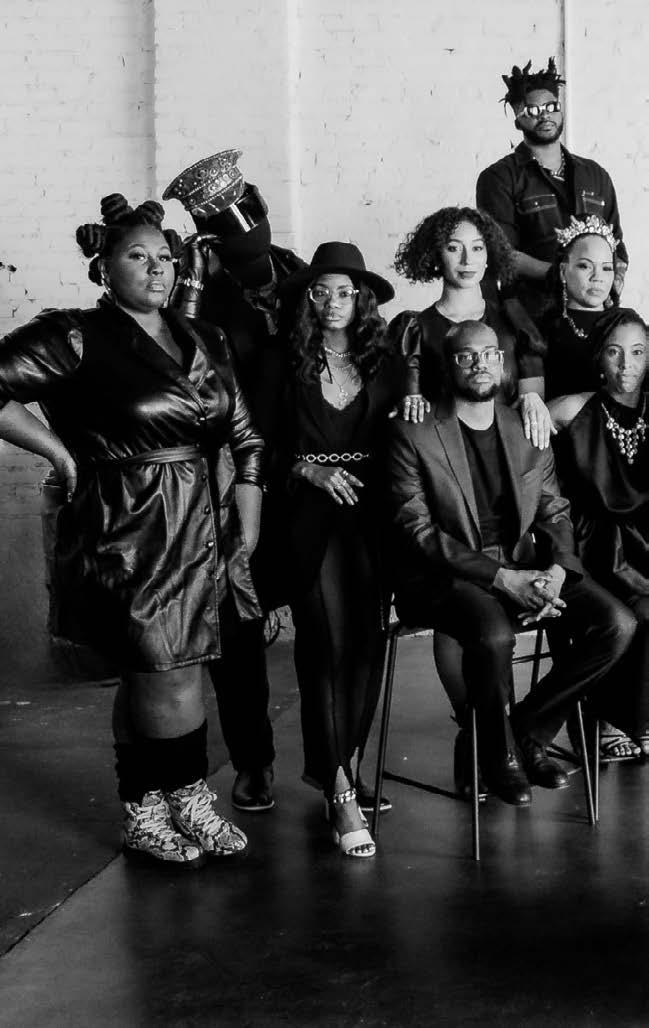
for change,” Brown states while describing the root of her work. “With a robust background in styling, PR, and brand development, I’ve become a true connector and innovator within the fashion space.”
Based in her hometown of St. Louis, Missouri, Brown has spent years embedded in the culture and community of her neighborhood. Brown began
her professional fashion journey after graduating from the Stevens Institute of Business and Art in St. Louis in 2014. For Brown, it was the most innate career path for her to take. “I was about eleven or twelve when I really got into fashion,” Brown explains when asked what piqued her fashion interests. “It was a combination of my mom who fostered that creative spark in me by giving me my own
subscription to Vogue and sketch pads where I would create my own versions of garments and accessories I saw in Vogue.”
“My aunt—may she rest—would give me and my cousin odd projects and most of them consisted of sewing. I think with any of it, fashion was a way for me to express myself and find individuality—something I struggled with until my adulthood.”
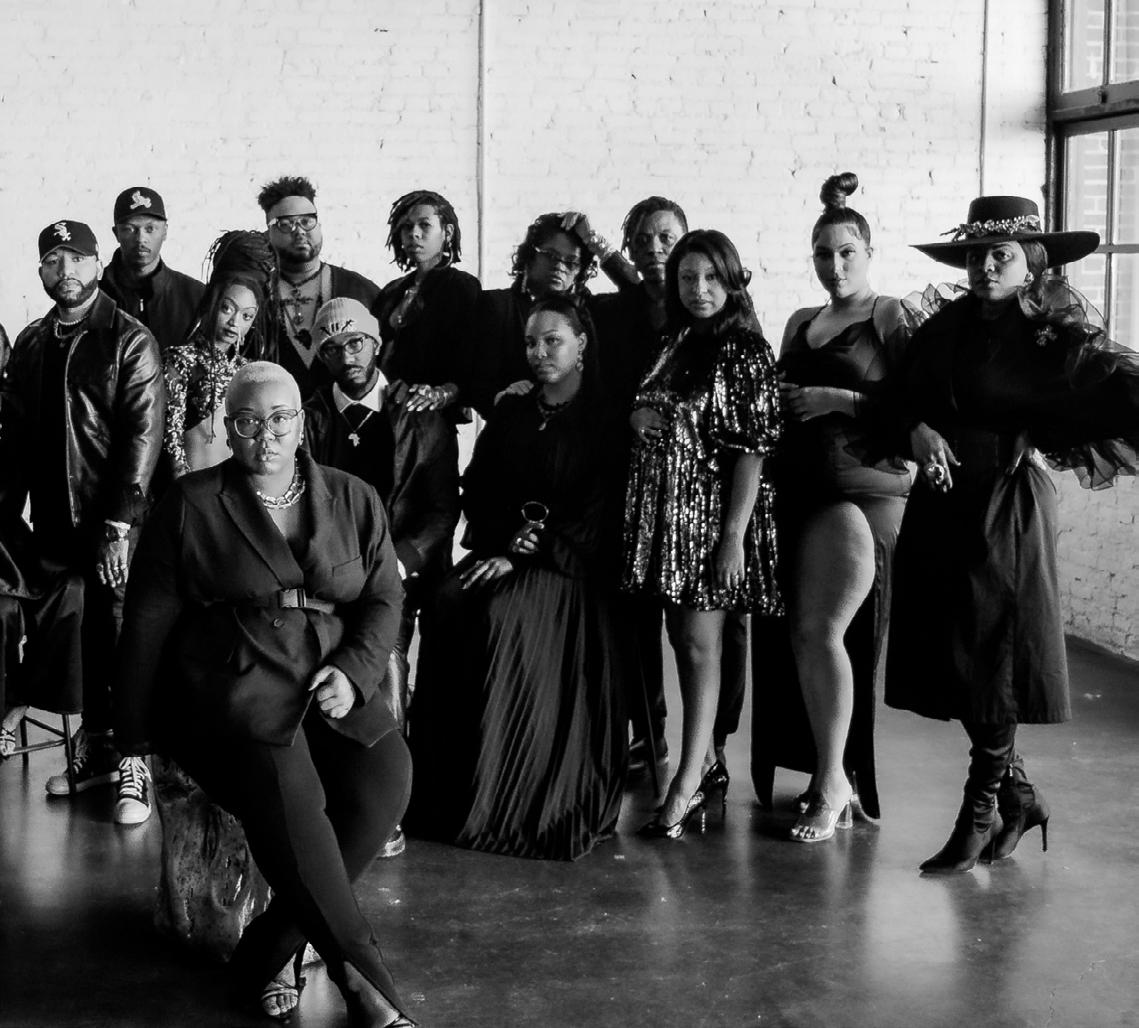
“We love to celebrate that you’re not here alone. Life can be a little playful. We don’t have to be so serious.”
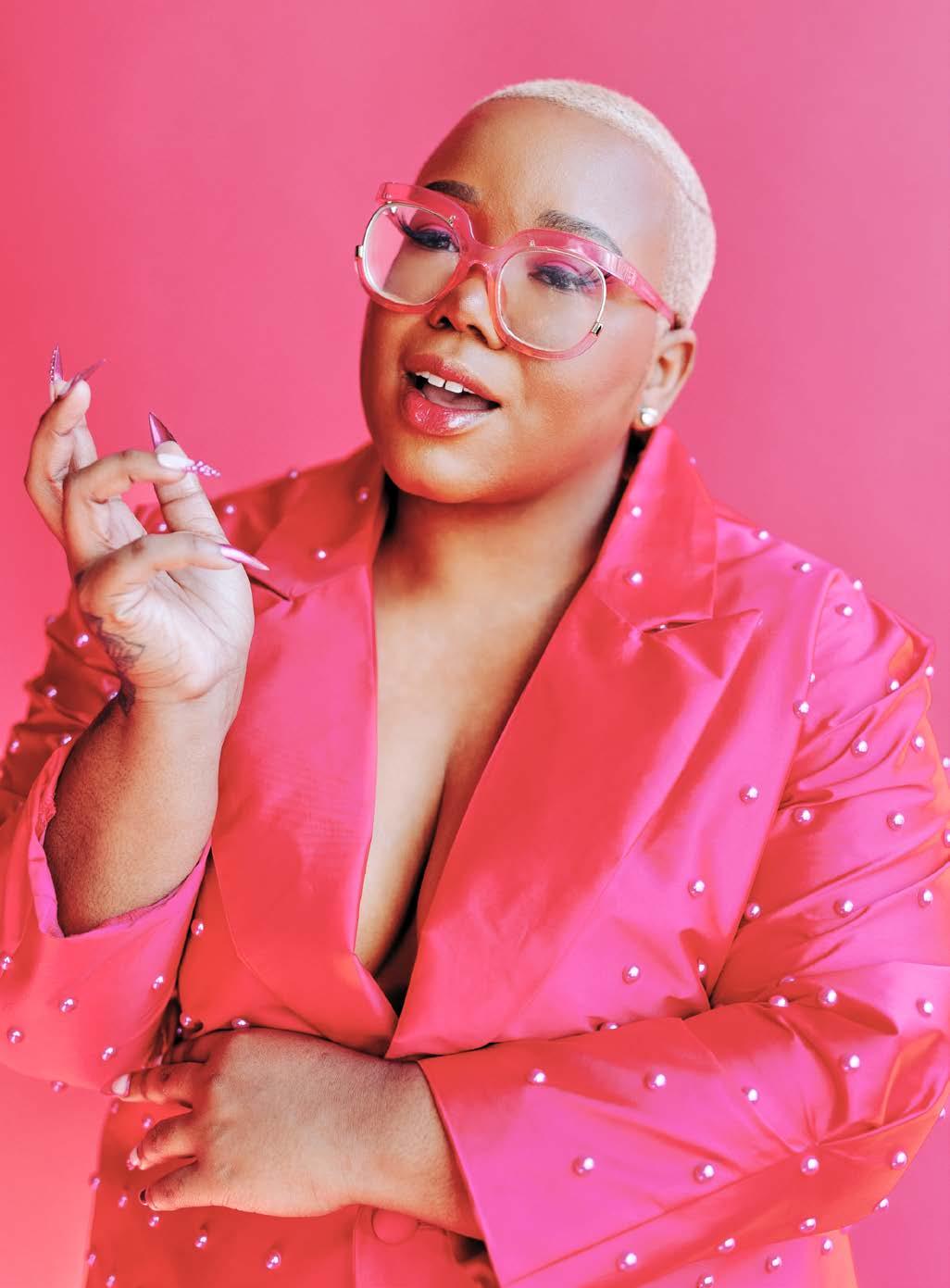
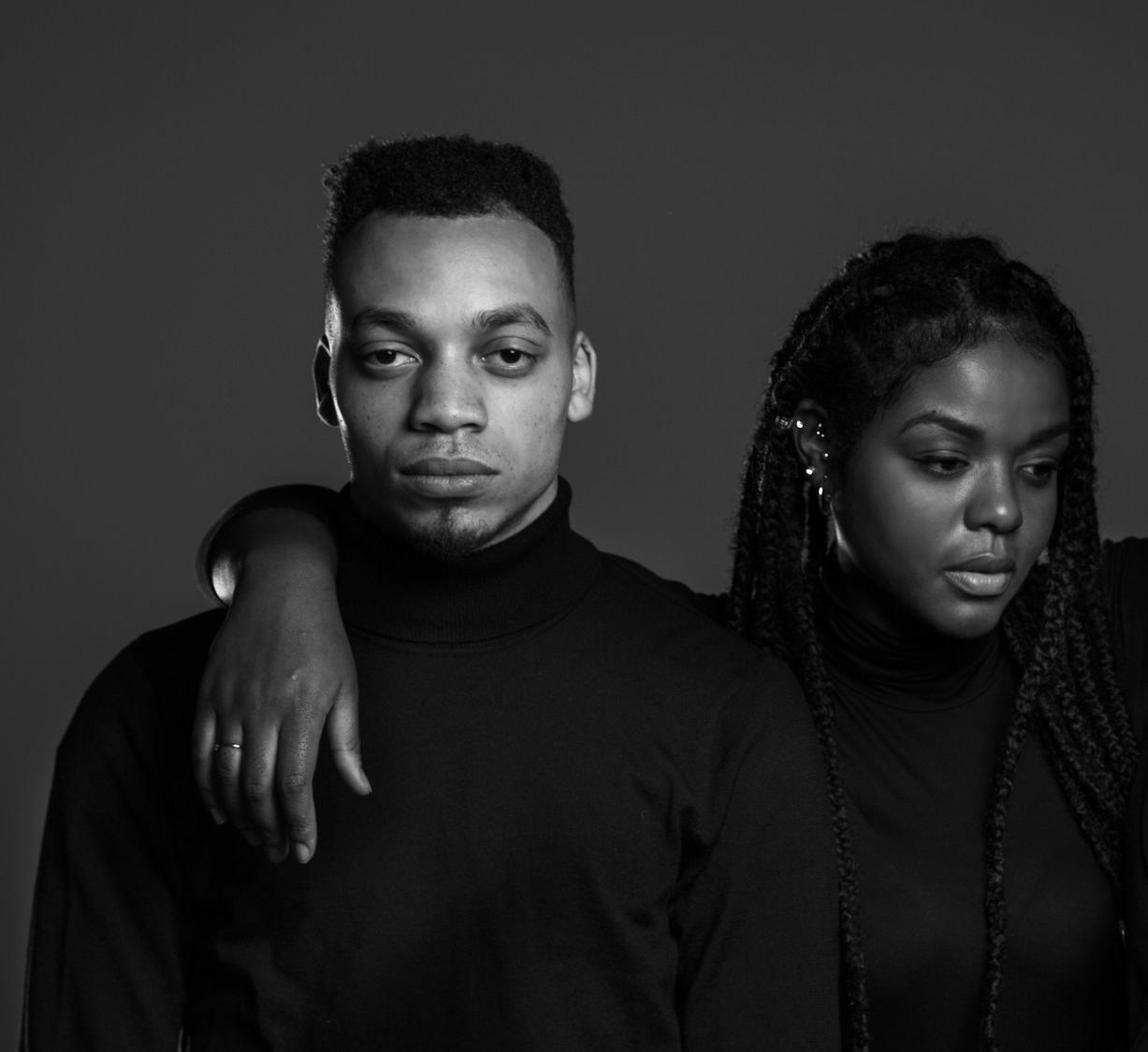
Peering through history showcases how fashion runs through the veins of the Black community. Black women have a big hand in the success of time’s fashion movements. In the late nineteenth century, Black women crafted most clothing in the United States, naturally setting worldwide fashion trends, even while still trapped in the throes of slave labor.
Silver threads of opportunity mainly came from other Black business
owners for some of the first Black seamstresses. Black newspapers advertised their handiwork, and Black universities provided further instruction in needlework. These progressions still didn’t change the overlooked contributions of Black women in the fashion industry, and this history now influences Brown’s current work.
Brown became the founder and president of Black in St. Louis Fashion immediately after graduation lending her stylist
gifts to the St. Louis community. This collective group is a central network for Black individuals throughout the fashion industry. Brown’s keen eye for style and immense fashion knowledge has now grown to serve a large audience through extensive advice through platforms like Instagram and YouTube. Focused on helping Black entrepreneurs build their brands, Brown offers sage fashion wisdom through video, podcast, and coaching services, ranging from entire job boards to fashion intensives.
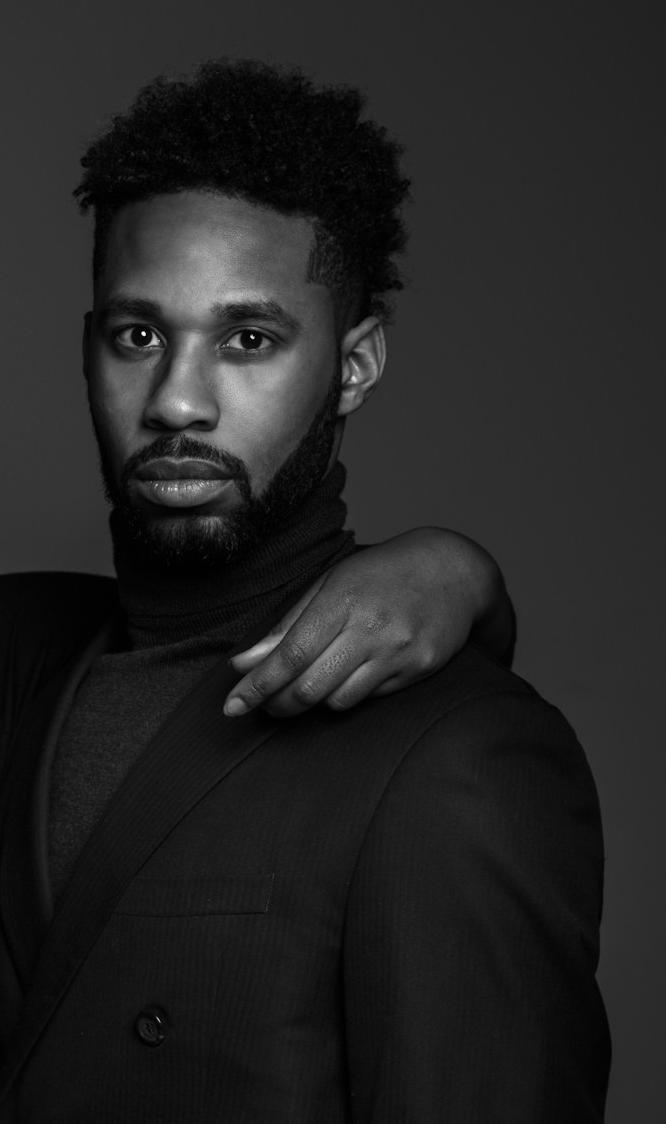
“I’m here as a connector… I connect people to information, I connect people to other people, I connect people to resources—a lot of times for free or without any stipulation of me receiving a kickback simply because I want to see the industry grow,” Brown expresses. The invaluable result of her work is the gap she fills in the fashion industry.
“A lot of people, especially in the space of social media, call[s] themselves coaches, mentors, etc., but charge unattainable
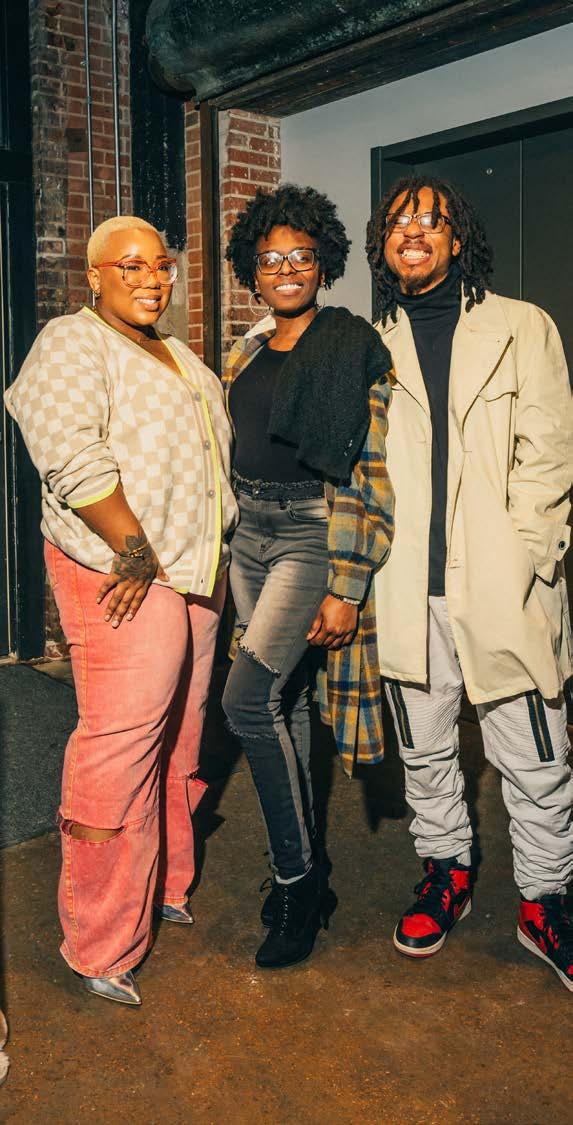
prices with no real knowledge to people who are spending their last to try and invest in themselves. I want to try and solve that problem, at least in the fashion industry.”
Brown’s website serves as a hub of information for entrepreneurs everywhere. You can find information about fashion programs and collaborative opportunities on the home page, including Brown’s “The Haute Guide” podcast and a blog loaded with fashion insights.
Brown’s upcoming launch of online courses, titled “The Akademy,” provides an additional avenue of support for fashion creatives, specifically entrepreneurs who are still grinding for their big break and getting bypassed. “I always bring diversity into the conversation simply because I am a Black woman. I see the areas of opportunity, either local or on a larger scale, for inclusion in fashion, and a lot of what is being done is performative,” Brown states. “I want to try and solve that problem.”
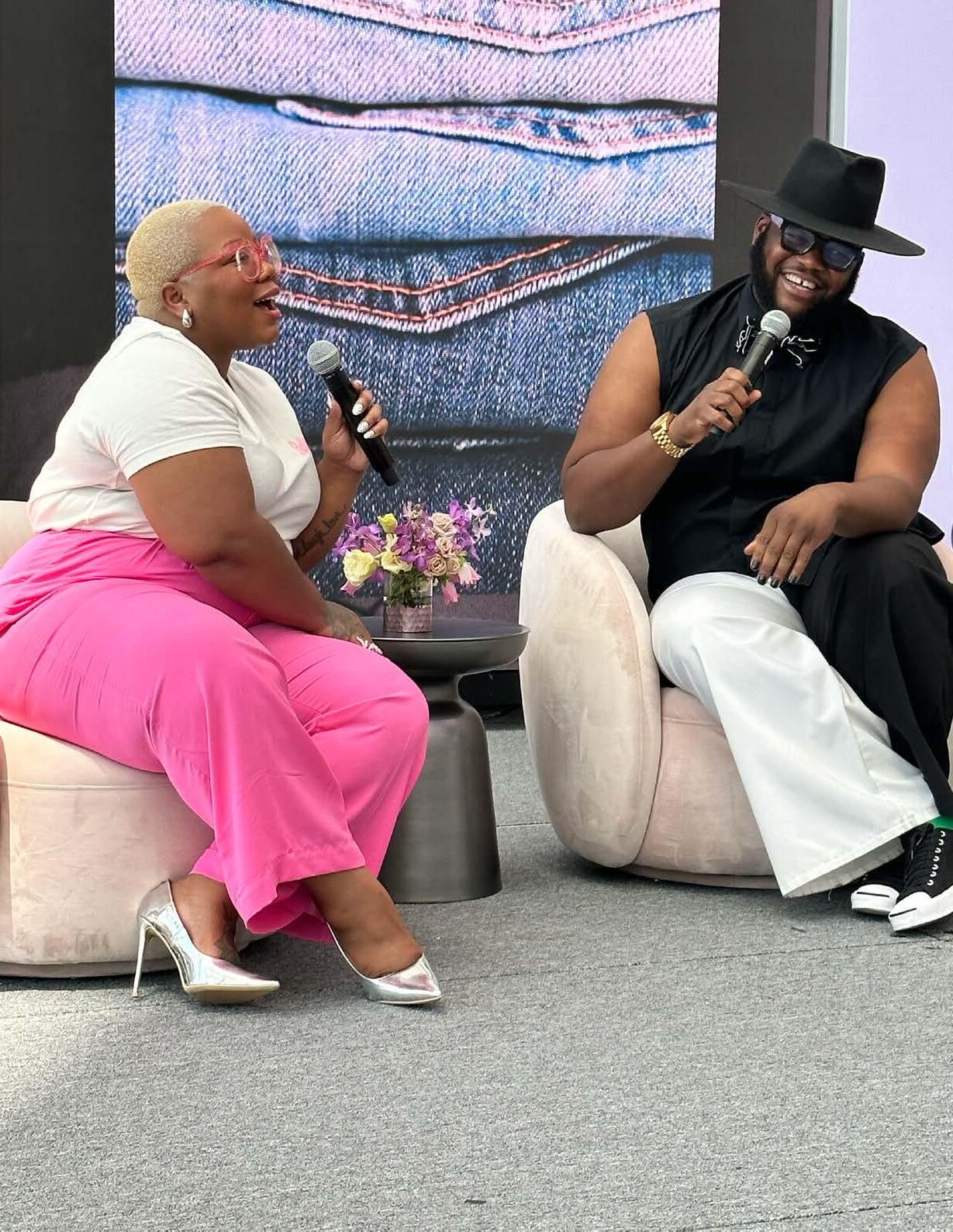
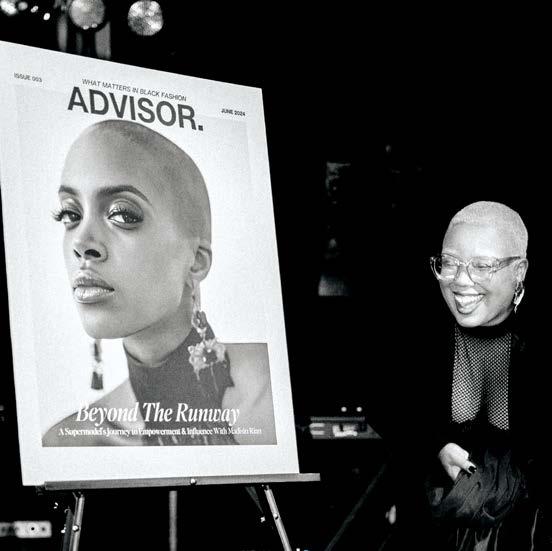
Even though our present is nothing like our past, Brown’s statement on performative inclusion rings true. The fashion industry still has a noticeable lack of diversity in their spaces. After 2020, the industry vowed to rearrange its representation so that the underrepresented could hold seats at the table. Instead, few kept their promise of consistent change.
Like in past centuries, underrepresented entrepreneurs have had to turn to one another instead by creating communities for their passions in fashion. Advisor. magazine is a present example, “a cutting-edge fashion business journal amplifying the narratives of Black professionals and creatives.” At the helm is Brown, the current fashion editor of the publication and owner of their parent company, The Fashion Firm.
When asked about plans for her new role, Brown responded, “For Advisor., I am really trying to set the tone for myself as a fashion editor that should be watched.
I am developing a media company and publishing entity that I feel like helps solve a problem but allows synergy and partnership with other brands, even those like your Essence and Vogue.”
To know Brown is to understand how brilliant her fashion visions are. Brown’s style is a bright mix of budding, bright colors and bold, coordinated accessories, reminding her of fashion royalty Iris Apfel. While contemplating Apfel’s greatness, Brown admits, “Her style is who I am hoping to develop my persona to be eventually.”
It doesn’t matter if you know her as a multifaceted fashionpreneur, fashion connector, or fashion fairy godmother, Brown guarantees style is at everyone’s fingertips. By reminding us of the importance of authenticity, Brown is molding the fashion community and beyond one tip at a time. She’s an essential fashion hotline, breaking the archaic rules of the industry by opening opportunity’s gates.
If left up to Brown, fashion’s future will be accessible to every shape, size, and color. Not only will we have the chance to tell our brand’s authentic stories, but we’ll be able to make more moves in the industry each day. With each shared resource, Brown is single-handedly revealing the excellence of her fellow Black creative entrepreneurs, and there’s no better season for it.
Slowly but surely, the fashion industry will have no choice but to authentically represent everybody, not just the select few who’ve always taken center stage. In the season of kinship and giving, it’s only fitting Brown spreads her fairy godmother wings. With them, she can lead us into a new era of fashion where we all can stitch our authentic selves into the history books.
@akbrownstl @advisor.mag @thefashionfirm.co @a.m.redwood

FOUNDER Ak Brown
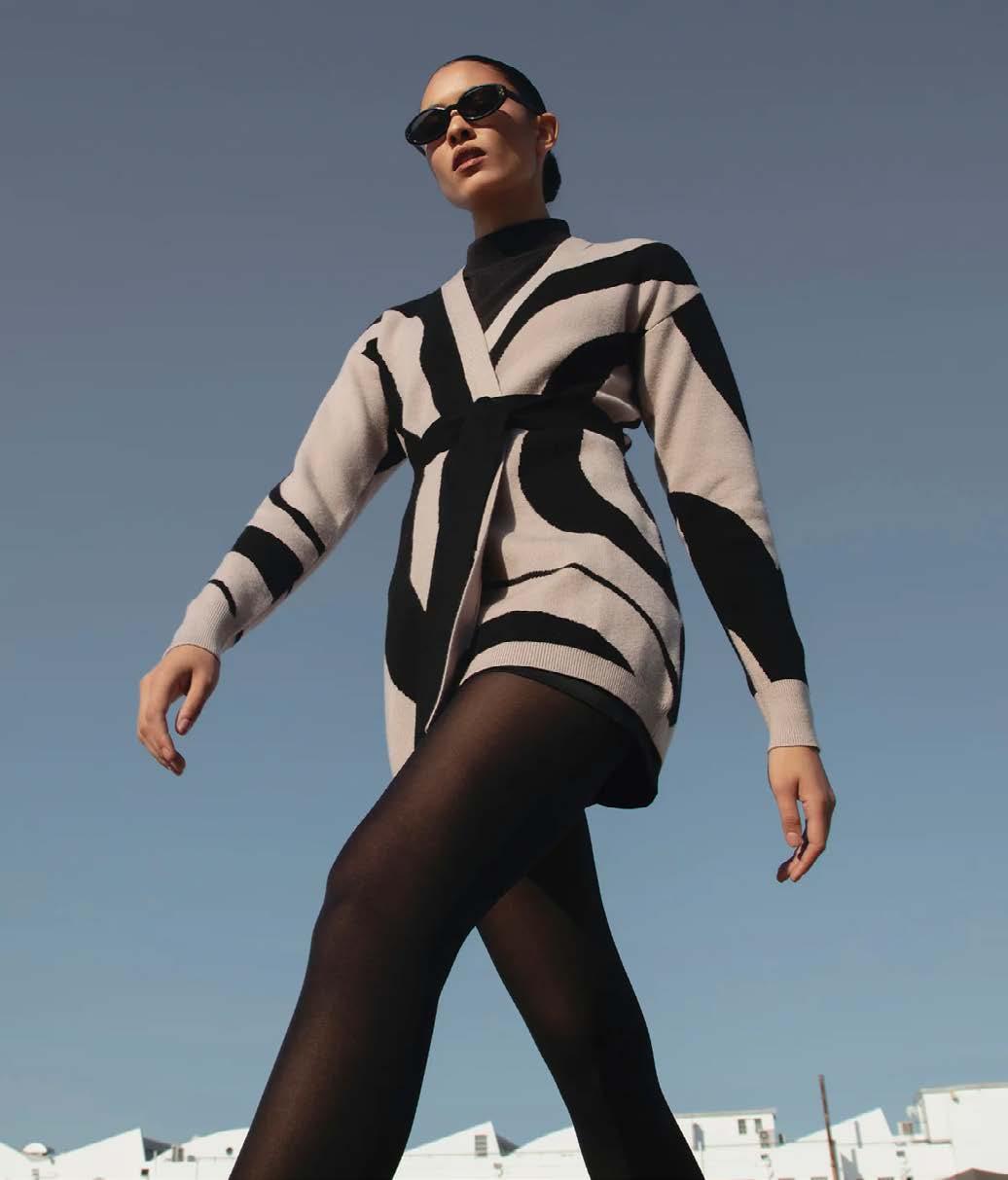


diarrablu.com
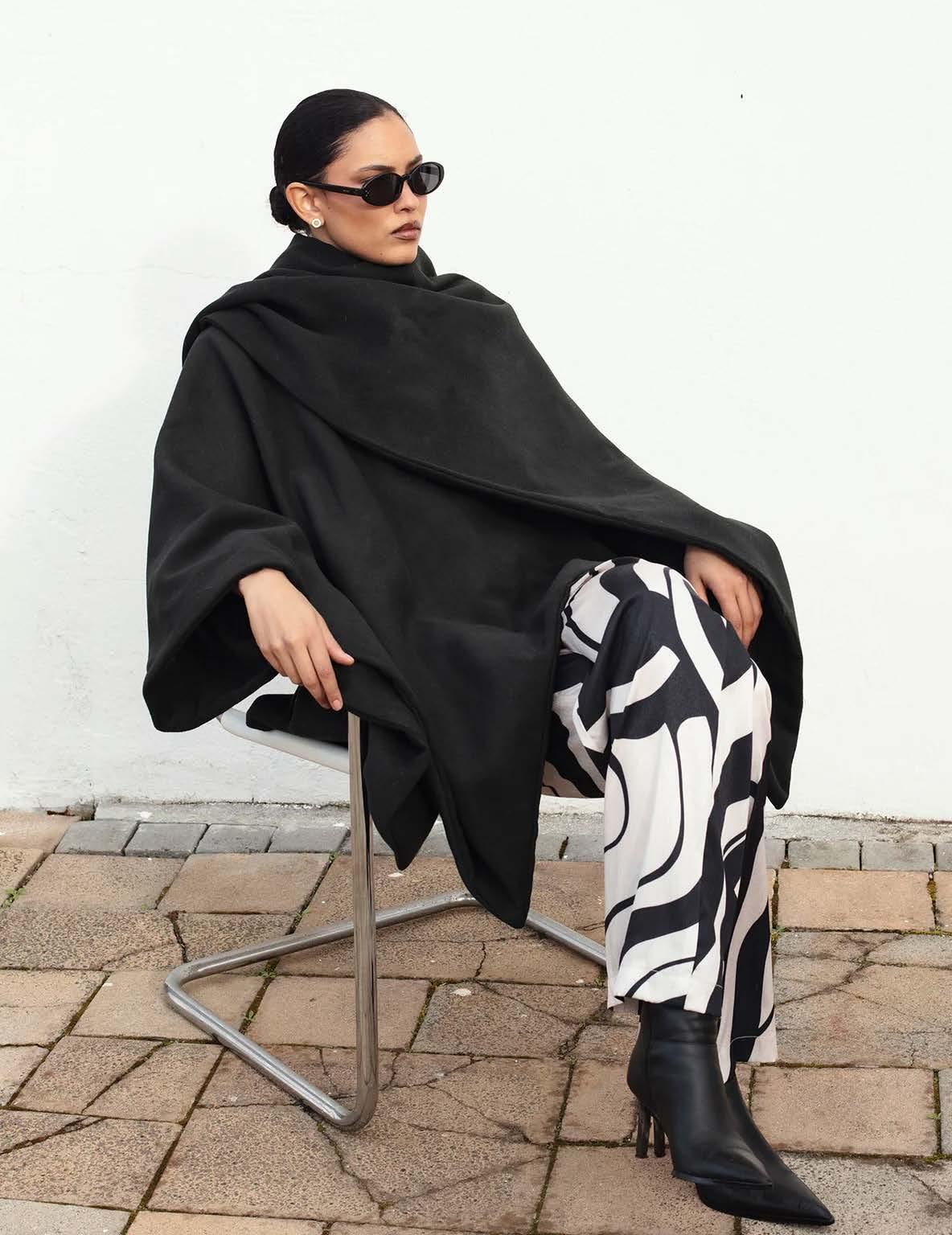
OUR MISSION IS TO REMAKE, RE-USE, RECYCLE, AND REPURPOSE FOR A PROLONGED LIFE CYCLE.




Politics


The Politics of STYLE
WORDS | LINDSAY HEIMAN
How Fashion Became a Tool for Influence in Politics
In the world of modern politics, fashion is not just about appearance; it is about strategy. Politicians who understand the power of fashion use it as a tool to connect with voters, communicate values, and project strength—whether it’s Converse chucks on Air Force One or cargo shorts and hoodies in the Senate, presentation has become a strong means of shaping public perception. Deliberate outfit choices send a direct message to the voters, and many politicians are using their wardrobes to challenge customary dress codes and connect with their base on a deeper level. This shift breaks with tradition and serves as a smart strategy for navigating politics in the twentyfirst century. From the high-fashion Democratic National Convention (DNC) moments of Vice President Kamala Harris and Former First Lady Michelle Obama to the casual, anti-fashion styles of Volodymyr Zelensky and John Fetterman, fashion is emerging as a tactful new chapter in the playbook of modern politics.
REDEFINING FASHION IN POLITICS
For decades, political figures adhered to strict dress codes—dark suits and ties for men and conservative, formal dresses for women. However, modern political figures are beginning to defy traditional norms and break away from dated gender roles, embracing new styles to project individuality and foster a genuine rapport with the public. This obsession with tying men’s and women’s fashion to their

genders is finally being retired. Thank you, Hillary Clinton—with every pantsuit came another crack in the glass ceiling.
It’s easy to showcase women breaking barriers, but the men are making strides as well. Take French President Emmanuel Macron, for instance. His take on men’s fashion equally exemplifies this shift. Macron has become known for his classic “French blue” suits—sharp and tailored, yet paired with open-collared shirts that give him a more relaxed, approachable image. This blend of formality and casualness signals Macron’s attempt to bridge the gap between tradition and the modern day. His unbuttoned shirt look, showing “male cleavage,” breaks away from the stiffness of traditional politics, showing that he is a progressive leader open to embracing modern ideas.
For contrast, try picturing former Vice President Mike Pence sporting male cleavage—or anything short of a dark suit and routine tie. It would go against every conservative value Pence upholds. His constituents would riot. Canadian Prime Minister Justin Trudeau, on the other hand? Not only would his fan base swoon, he’d be wise to take a page or two out of Macron’s handbook.
Macron’s tailored strategy reflects his broader political message. His wardrobe, a mix of formal and informal, reflects his centrist, progressive identity. The “French blue” suit, often accompanied by unbuttoned shirts, communicates national

pride while signaling his commitment to modernizing France. His look is polished enough to convey authority, but the casual touches make him relatable to younger generations who value informality. His willingness to embrace the “anti-suit” aesthetic—while still looking fashionable— sets him apart from traditional politicians and helps shape a dynamic, confident image that embraces change.
Pennsylvania Senator John Fetterman’s anti-fashion style contrasts sharply with Macron’s polished look, yet both achieve the same goal of connecting with voters. Fetterman’s casual attire, pairing Carhartt hoodies with cargo shorts, rejects traditional political dress, symbolizing his authenticity and alignment with working-class Americans. This rejection of traditional political attire is a direct reflection of his commitment to representing blue-collar Americans. Fetterman’s wardrobe choices speak volumes about his political identity—he is not an elitist politician but someone who understands the concerns of everyday people.
Fetterman’s anti-fashion strategy resonates because it feels authentic. His rugged, casual style sets him apart from polished politicians in Washington and appeals to voters who want a leader who looks and acts like them. His wardrobe mirrors that of Ukrainian President Volodymyr Zelensky, whose olive-green military T-shirts and humble attire during the Russian invasion symbolized his unwavering commitment to stand with his people. Zelensky’s lack of formal attire projected strength, solidarity, and resilience, reminding the world that sometimes the absence of fashion can be as powerful a statement as fashion itself.
On the other end of the spectrum, Vice President Kamala Harris’s fashion choices and her supporters’ embrace of pop culture icons like Beyoncé demonstrate how fashion can serve as a tool for cultural expression and political symbolism. At the 2024 DNC, many supporters wore clothing that
paid homage to Beyoncé’s Renaissance era, merging fashion with political activism. This infusion of pop culture into political fashion serves as a bridge between younger, more diverse voters and the political establishment.
Harris herself has become known for her practical yet stylish wardrobe, which often features tailored suits paired with her signature Converse sneakers. Her clothing choices signal that she is both ready to get down to business and relatable to everyday Americans. Similar to Beyoncé, whose music and style frequently convey social and political themes, Harris’s ensemble choices symbolize breaking barriers and resisting norms.
Michelle Obama’s impact on political fashion further strengthens this narrative. Known for defying conservative expectations, Obama’s fashion choices have become a symbol of grace and self-assurance. Whether it was her iconic sleeveless dresses or her bold choices, like the Monse navy suit paired with braids at the 2024 DNC, she consistently used her personal style to communicate strength and individuality. Her looks—fierce yet approachable—highlight the strength in rejecting outdated norms for authentic self-expression, inspiring a new generation of women in politics. Just as Harris uses fashion to reflect progress and representation, Obama’s style has come to embody her message of bold defiance and confidence.
Fashion has long been a way for political figures to express their identity, but in
today’s political landscape, it plays an even greater role. It allows politicians to visually communicate their values and build stronger connections with voters. Doubting the impact of fashion as a strategic tool to stand out from opponents? Imagine Donald Trump wearing Converse sneakers… or any sneakers, or even a tan suit. His refusal to don anything but a polished, customary suit and tie perfectly showcases his views on traditional conservatism, whereas Harris’s trendy wardrobe caters to America’s more progressive sector. Politics aside, the contrast in wardrobe choices makes a clear statement. If a candid image can speak a thousand words, a carefully curated snapshot speaks a million.
While Macron, Zelensky, and other men have used fashion— or anti-fashion—to rally voters around their cause, it takes an unstoppable woman to elevate this strategy from simply authentic and relatable to something truly empowering and inspiring. Kamala Harris’s wardrobe has become precisely that… a symbol of empowerment, especially for women and people of color in politics.
Harris’s preference for practical, no-nonsense suits paired with Converse sneakers reflects her readiness to work hard, while her style choices are also reflective of breaking barriers. As the first woman and person of color to serve as vice president, Harris’s fashion represents more than just style—it symbolizes resilience, progress, and the importance of representation. When it comes to feminism and fashion, Clinton walked so Harris could run.
At the DNC, Harris’s supporters highlighted the powerful connection between fashion and politics with “Cowboy Kamala” sashes in a not-so-subtle nod to Beyoncé’s cultural influence. Others paid tribute to the late Ruth Bader Ginsburg with black frill necklaces, channeling her fierce legacy on the Supreme Court. And, in a pointed jab at the predictably weird JD Vance for his “childless cat lady” remark, many attendees proudly wore shirts embracing the label, turning his bizarre insult into a rallying cry. With each outfit, Harris and her supporters proved that style can be just as powerful as policy.
Fashion’s role in politics has transformed in recent years, evolving from a simple marker of professionalism to a powerful tool for shaping identity, breaking norms, and building strategy. Political figures like Macron, Zelensky, Harris, Michelle Obama, and Hillary Clinton have each used fashion—or the rejection of it—to shape their political identities and communicate their core values to voters.
In regards to core values, conservatives often view the evolving role of fashion in politics as a threat to tradition, emphasizing seriousness over style. Donald Trump and similar figures maintain a commitment to classic, conservative attire—polished suits and ties or consistently dark attire—signaling their resistance to modern shifts. For them, maintaining a strict dress code aligns with preserving traditional political values. Ivanka Trump, too,




adhered to conservative dresses during her time in the Trump administration, avoiding more revealing clothing. However, once she distanced herself from the campaign, her wardrobe suddenly reflected a more modern, progressive style, embracing current fashion trends. In other words, Ivanka’s purist era was finally laid to rest.
On the other hand, progressive figures like Harris and Michelle Obama use fashion to communicate empowerment and authenticity, seeing clothing as a bridge between leadership and modernity. The “scandal” surrounding Barack Obama’s tan suit is a notable example of this cultural tension, as what was deemed inappropriate by traditionalists actually marked a shift toward more relaxed, relatable leadership. Embracing change in both fashion and politics is viewed by progressives as an opportunity to break down barriers, connect with diverse audiences, and show that even in politics, self-expression matters. If Hillary walked so Kamala could run, then Barack shook up the world with his tan suit so Macron could leave a few buttons open.
The juxtaposition is unmistakable; while conservatives view fashion as a way to uphold stability and tradition, progressives embrace it as a tool for empowerment, individuality, and general connection to the public. Those who resist may find themselves increasingly out of touch, stuck in the past while politics and fashion march forward. This resistance to modern
fashion mirrors a broader reluctance to evolve politically. For many, it’s not about being left behind but about staying intentionally rooted in the past, where they feel secure in both their political stance and style. However, as fashion evolves, so does politics, and this shift is as inevitable as it is necessary.
This pendulum in political fashion is visible in leaders across the globe. Trump’s traditional suit and tie and Ivanka’s overtly humble gowns, in stark contrast to Macron’s open-collared shirts, Zelensky and Fetterman’s everyman looks, Harris’s Converse sneakers, and Michelle Obama’s sleeveless outfit, highlight how style can serve as a powerful way to connect with voters. These varied fashion choices are more than just clothing—they are statements of authenticity, signaling modern leadership, relatability, and a clear vision of progress. While some embrace tradition, others use fashion to break barriers and reflect their values in the evolving political landscape.
The message is clear: in modern politics, style is strategy.
@lindsaymeetsworld_
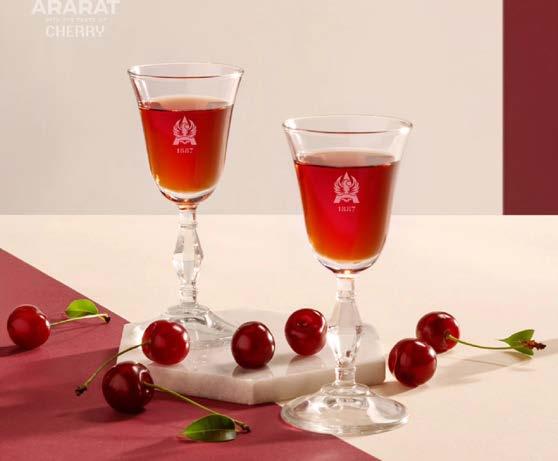

ARMENIAN BRANDY MADE FROM ARMENIAN WHITE GRAPES AND SPRING WATER












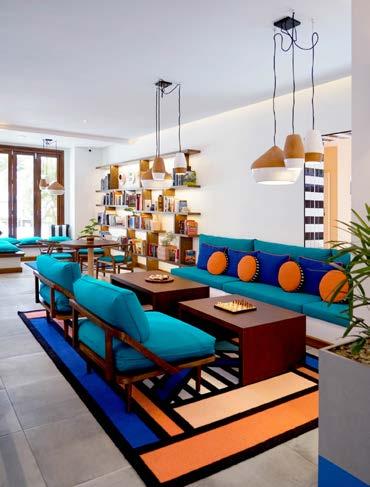


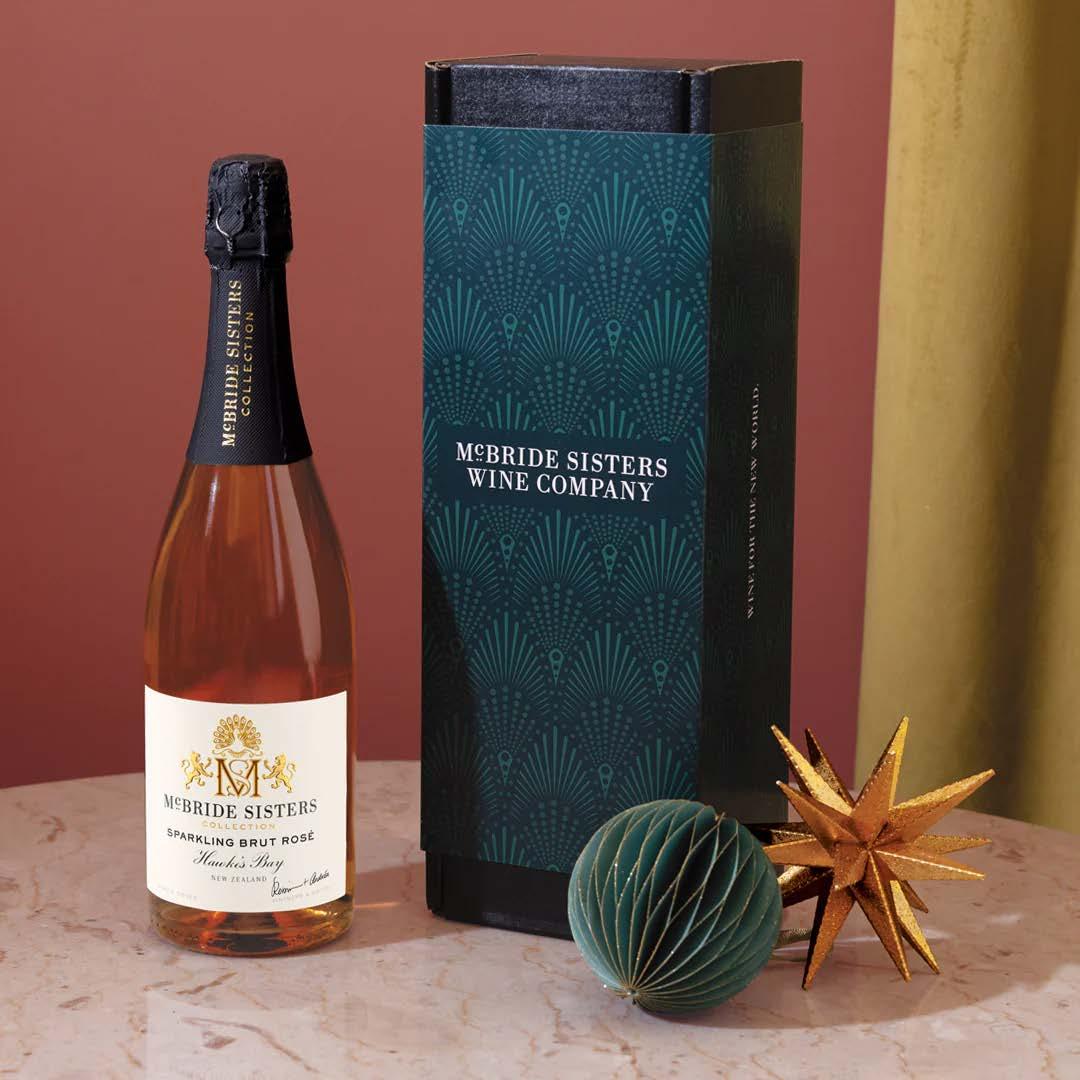
WE SERVE THE “NEW MAJORITY”
McBride Sisters Wine Company was founded by sisters, Robin McBride and Andréa McBride John, who believe wine companies should be accessible, sustainable, socially conscious and culturally aware. Our mission is to transform the industry, lead by example and cultivate community, one delicious glass at a time.


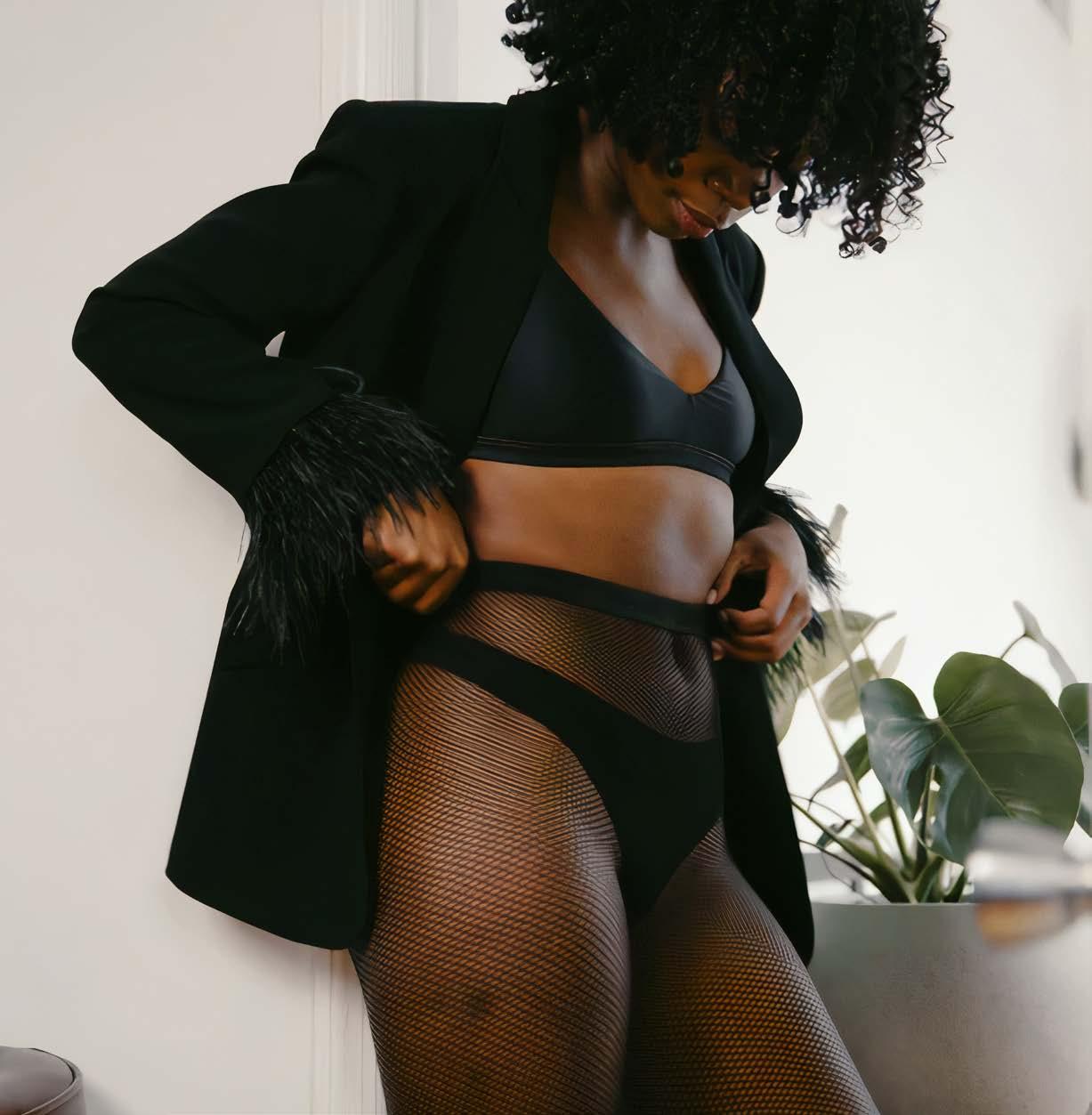


nudebarre.com
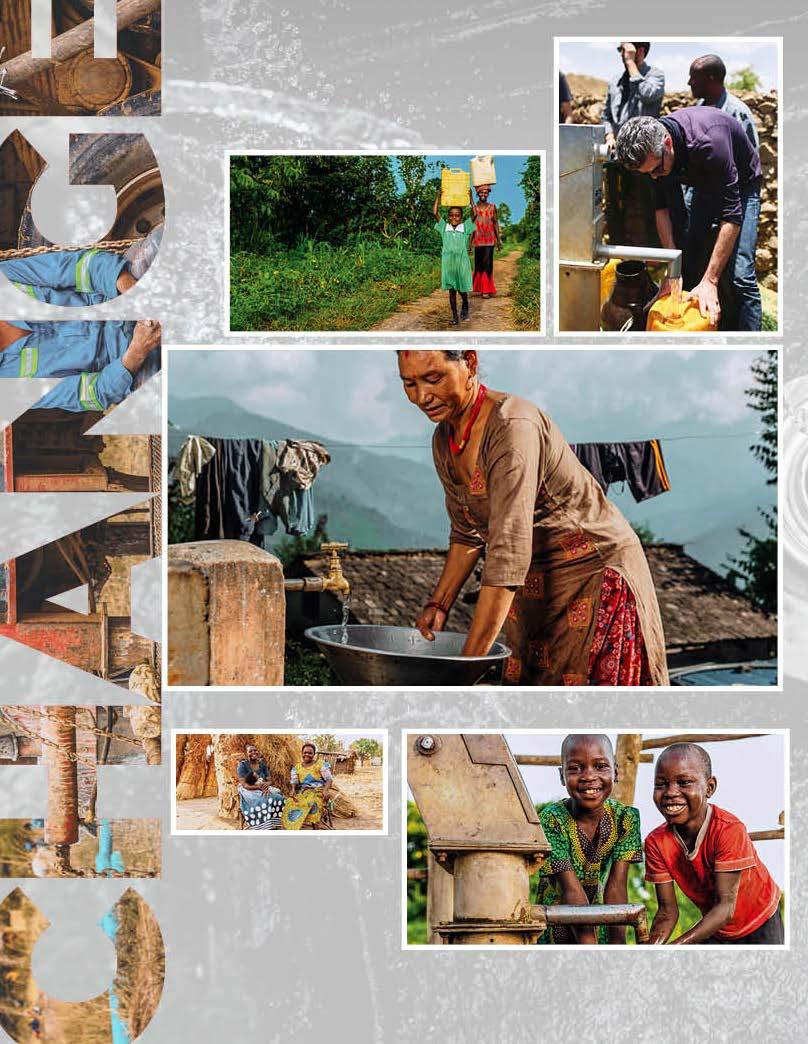

GIVE THE GIFT OF WATER

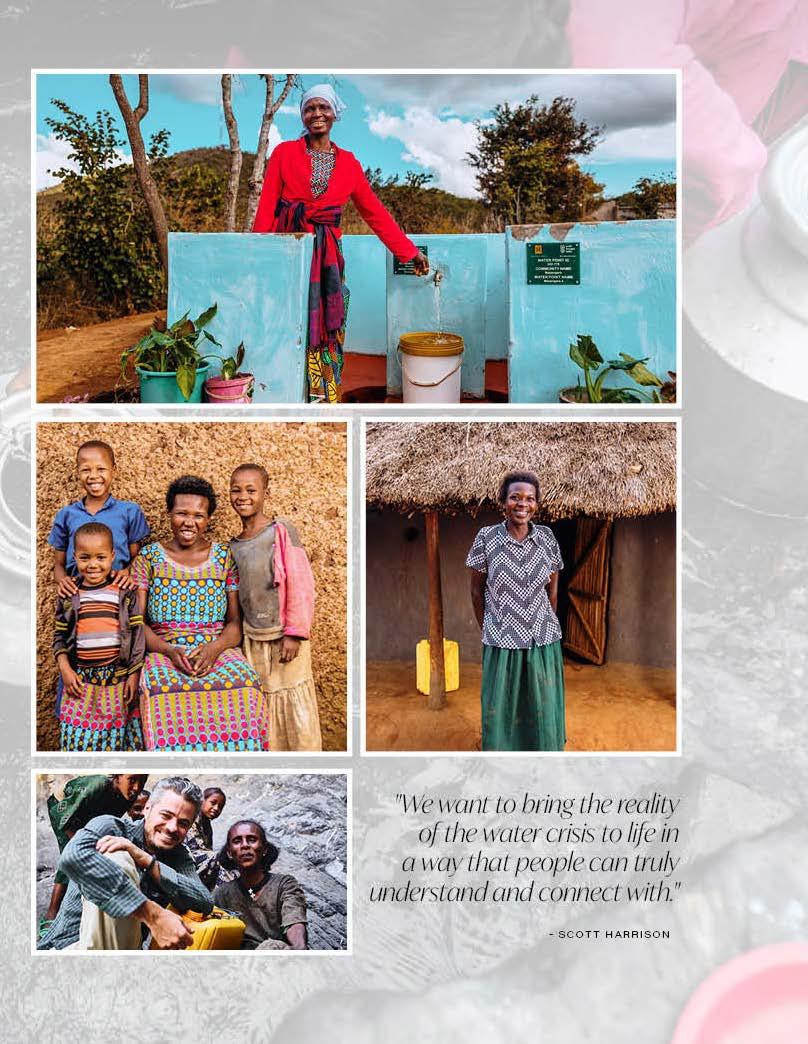


“Someone is sitting in the shade today because someone planted a tree a long time ago.”

Buffett
Warren