How the AI Hairstyle Changer Is Transforming the Way We Choose Haircuts
Long Hair, Lived In: How Style, Care, and Real-World Choices Come Together
Long hair has always carried stories—of culture, patience, personality, and change. In recent years, it has also become a space for experimentation, as more people rethink how long hair fits into modern routines, work settings, and self-expression. This article explores long hair inspiration across lifestyles and face shapes, while grounding those ideas in practical habits and long hair care tips that support healthy, wearable results.
Rather than chasing a single “perfect” look, today’s long-hair movement leans toward adaptability: styles that photograph well, transition between occasions, and respect individual texture and volume.
The Current Long Hair Landscape
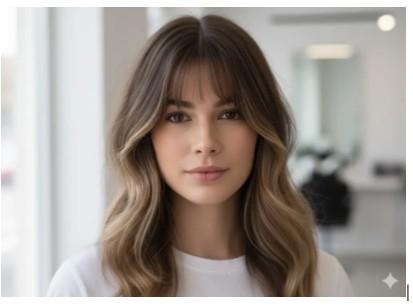
Industry observers and beauty platforms often note a shift away from overly structured styles toward natural movement and layered shapes. Long haircuts with subtle face-framing layers, curtain bangs, or soft waves appear frequently in style galleries and salon request boards.
Some trend summaries suggest that long hairstyles gaining the most saves and re-shares tend to meet three conditions:
● They look polished without heat styling
● They grow out gracefully over 8–12 weeks
● They adapt to both casual and professional settings
This explains the rise of “low-contrast layers,” butterfly cuts, and long shags with restrained volume—styles that don’t rely on daily perfection.
Classifying Long Hairstyles: Finding What Fits You
By Face Shape
● Round faces often pair well with long layers starting below the chin, helping elongate the profile.
● Oval faces can carry most long styles, from blunt cuts to dramatic waves.
● Square faces are frequently balanced by textured ends or loose curls that soften angles.
● Heart-shaped faces often benefit from curtain bangs or tapered layers around the jawline.
By Hair Texture
Texture matters more than length alone:
● Fine hair may appear fuller with internal layering rather than heavy ends.
● Thick hair often feels lighter and more manageable with graduated layers.
● Naturally wavy or curly hair usually benefits from dry cutting techniques that respect curl pattern.
Some salon feedback suggests that when texture is properly considered, styling time at home may feel noticeably shorter—often reported as a reduction of 10–25 minutes per wash day, depending on routine.
● Professional settings: Sleek blowouts, half-up styles, low buns
● Events: Hollywood waves, textured updos, polished curls
Turning Inspiration Into Real Results
Scrolling through inspiration images is easy; translating them into a wearable result is harder. Many users report better outcomes when they narrow inspiration images to three consistent elements: length reference, layering pattern, and finish (straight, wavy, textured).
Digital hairstyle preview tools and style galleries are increasingly used for this purpose. In platform-reported tests and early user feedback, many users say previews feel “close enough” for common long styles under good lighting, often described in a 60–80% similarity range depending on hair texture and styling method. While not exact, these previews help align expectations before a salon visit.
How to Show a Hairstylist What You Want
Clear communication saves time and avoids disappointment. Before your appointment, consider preparing:
1. Two to three reference photos with similar hair texture to yours
2. One example of what you don’t want
3. A description of your daily styling habits
Questions worth asking your stylist:
● How will this cut grow out over the next few months?
● What parts of this style rely on heat styling?
● How often will trims be needed to maintain shape?
● What products help define this look without heaviness?
Some salons note that consultations guided by visuals and clear questions can feel 10–30% shorter, depending on workflow and client preparation.
Long Hair Care as a Lifestyle, Not a Fix
Long hair care works best when treated as routine maintenance rather than damage control. While individual routines vary, common habits shared by long-hair wearers include:
● Washing 2–4 times per week based on scalp comfort
● Using lightweight conditioners focused on mid-lengths and ends
● Air-drying part of the way before heat styling
Rather than promising dramatic transformations, experienced stylists often emphasize consistency. Small changes—like gentler detangling or reducing friction during sleep—tend to show gradual improvements in manageability and shine over weeks.
Brands such as Luvme Hair often appear in long-hair discussions for offering styling references and accessory solutions rather than pushing one-size-fits-all routines.
Comparing Long Hairstyles Before Committing
When deciding between similar styles, comparison helps:
● Center vs. side part: Center parts feel modern; side parts add volume.
● Natural vs. styled finish: Choose based on how often you plan to style.
Some users find it useful to photograph their hair from multiple angles in natural light to understand volume distribution before choosing a cut.
Step-by-Step: Preparing Reference Photos
If you plan to upload or save inspiration images:
1. Choose images with neutral lighting
2. Avoid heavy filters
3. Include front, side, and back views
4. Match hair texture as closely as possible
These steps help stylists and platforms interpret length, density, and layering more accurately.
Privacy and Personal Style Data
As more people save hairstyle photos or upload images for previews, awareness of data handling matters. Many platforms state that images are used temporarily for visualization and are not stored long-term, though policies vary. Reading upload guidelines and privacy notes ensures comfort with how personal images are handled.
Bringing It All Together
Long hair isn’t just about inches—it’s about alignment between inspiration, daily habits, and realistic expectations. The best styles balance visual appeal with care routines that fit real life. With thoughtful references, clear communication, and steady maintenance, long hair becomes less of a commitment and more of a flexible expression.
Whether you’re refining your routine, experimenting with shape, or simply gathering new ideas, thoughtful long hair inspiration paired with practical long hair care tips can help long styles feel intentional, modern, and entirely your own.