


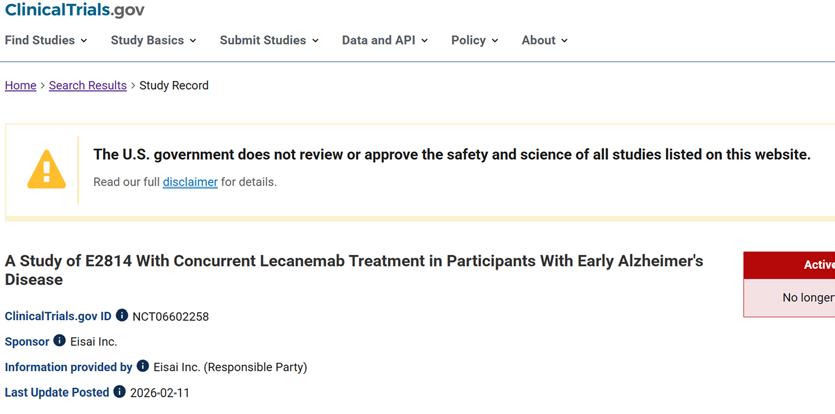
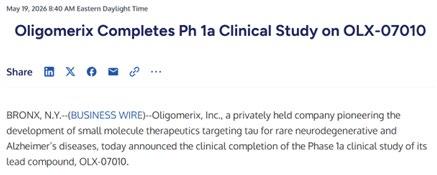
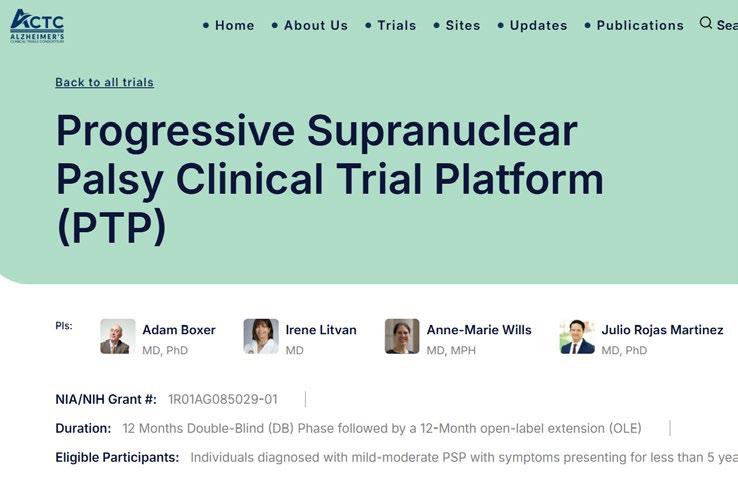
Tau-targeted strategies are gaining clinical traction.
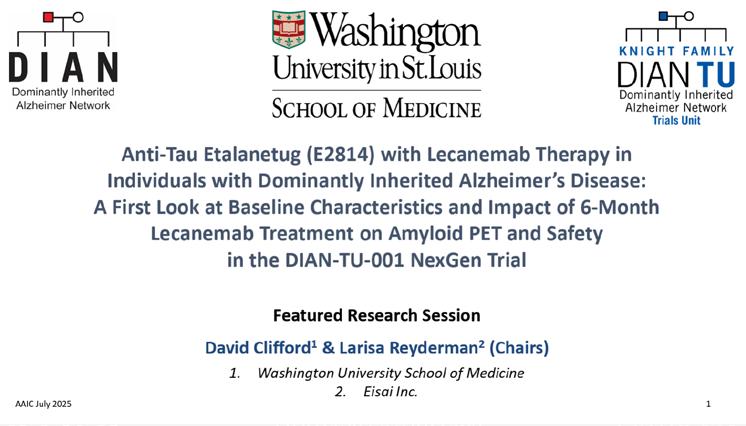
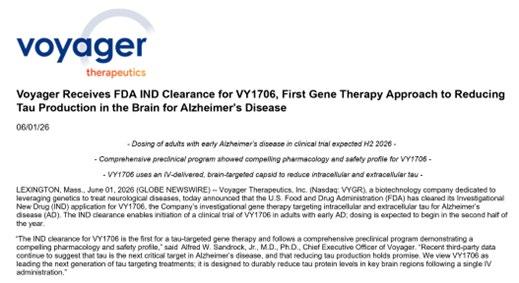
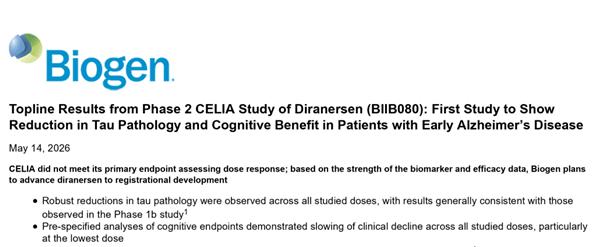

Tau-targeted strategies are gaining clinical traction.
Examples of Inputs GlobalData + SciFinder
Special thanks to the coauthors over the years, especially Martyn Pritchard (3DC), Isabel Gonzalez (3DC), Pat May (ADvantage Neuroscience), and Lymor Barnhard (RCF), who helped curate the data shown today.
Since 2023, there are 69 new programs in the tau pipeline. Most of the development is concentrated in early stages.
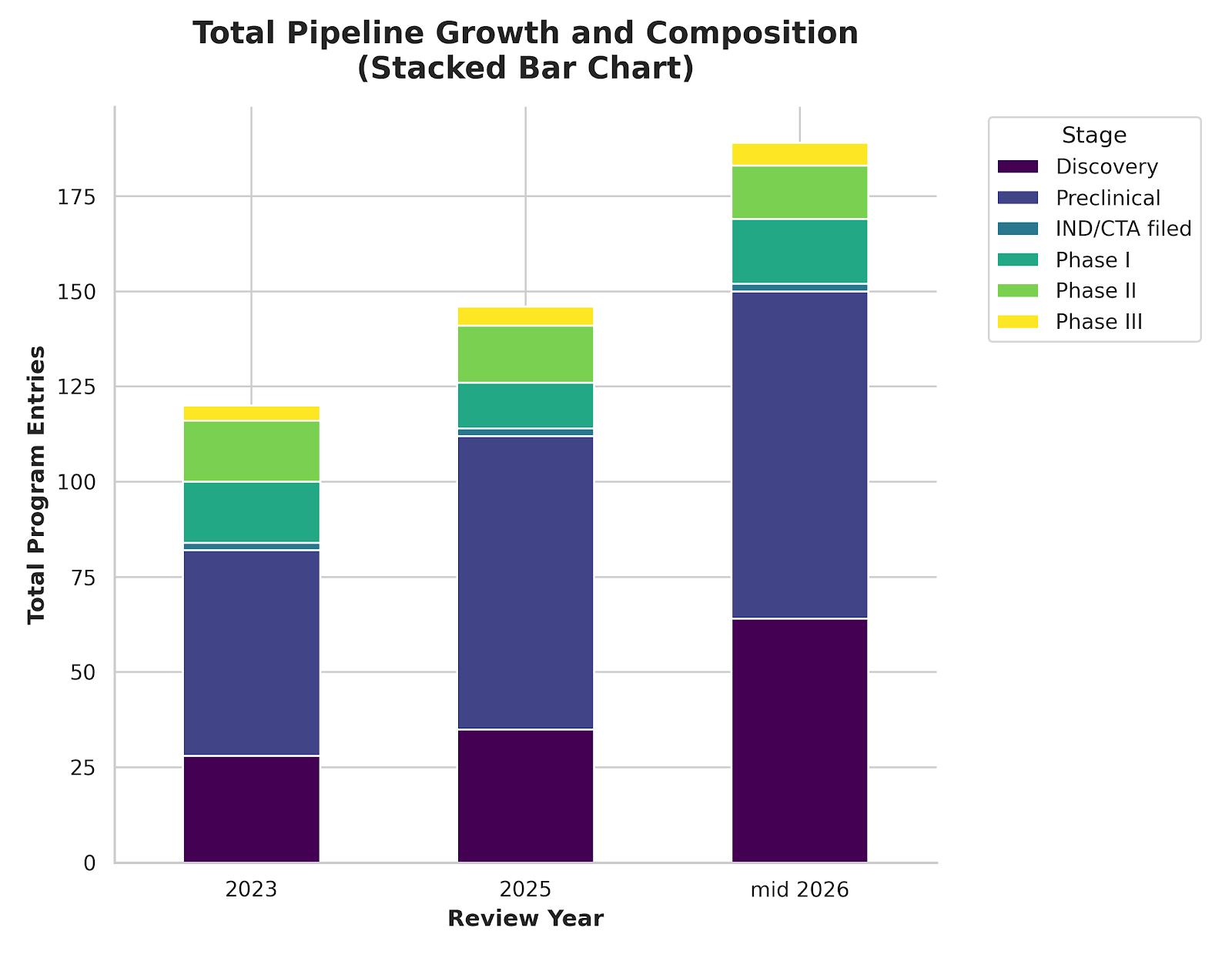
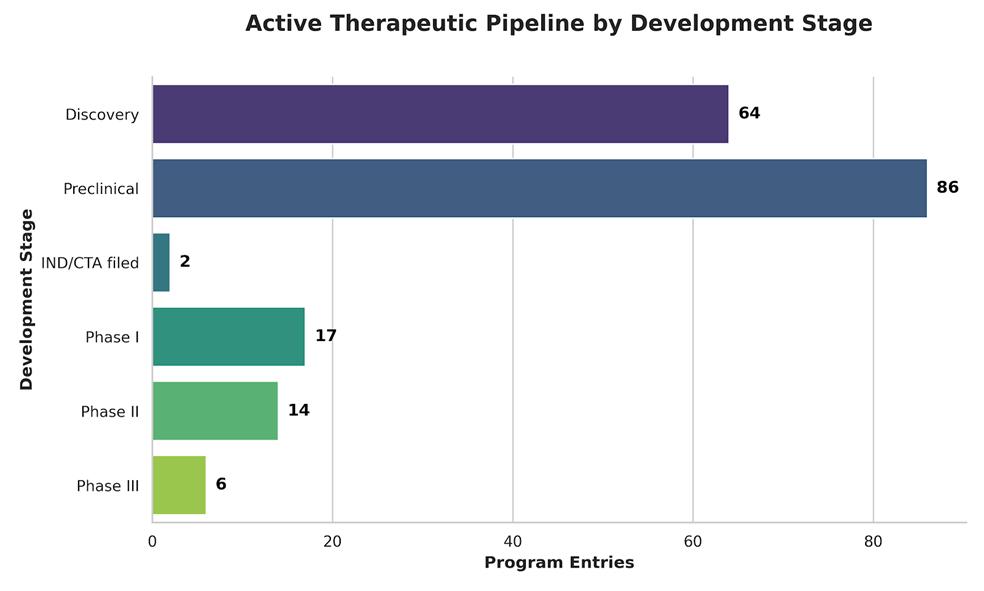
Included programs must target tau directly or indirectly through other types of neuropathology (e.g., inflammation, synaptic dysfunction, oxidative injury, and others)
*Data indexed through June 1, 2026
Clinical translation remains a bottleneck for tau programs. 79% of the 2026* entries are not yet clinical assets.
*Data indexed through June 1, 2026
Despite notable advancements in the field, several programs have
been terminated.
Semorinemab
• Ph. 2 TAURIEL and LAURIET; Roche/Genentech collaboration terminated, and rights returned to AC Immune.
Posdinemab
• Ph. 2: Autonomy; J&J review found posdinemab did not achieve statistical significance in slowing clinical decline.

• All oral O-GlcNAcase inhibitors withdrawn in Ph. 1 or 2 trials in 2024-2025
• Anti-MTBR tau mAb initiated Ph. 2 in 2024
• C-terminal tau mAb (pS413) recruiting Ph. 2 since last summer
FNP-223
• O-GlcNAcase inhibitor, Ph. 2 fully recruited for PSP MK-2214

• Announced Ph. 2 results, plans to advance to registrational development
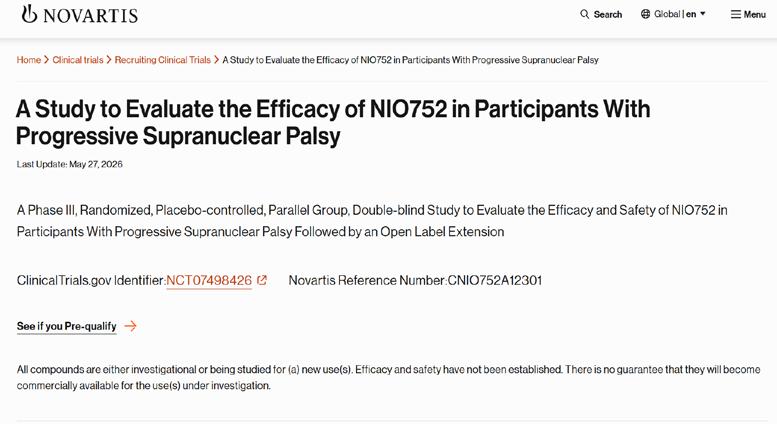
NIO752
• Tau reducing ASO announced Ph.3 in PSP (PRESERVE)
Small molecule and mAb/antibody approaches account for more than half of all active assets.
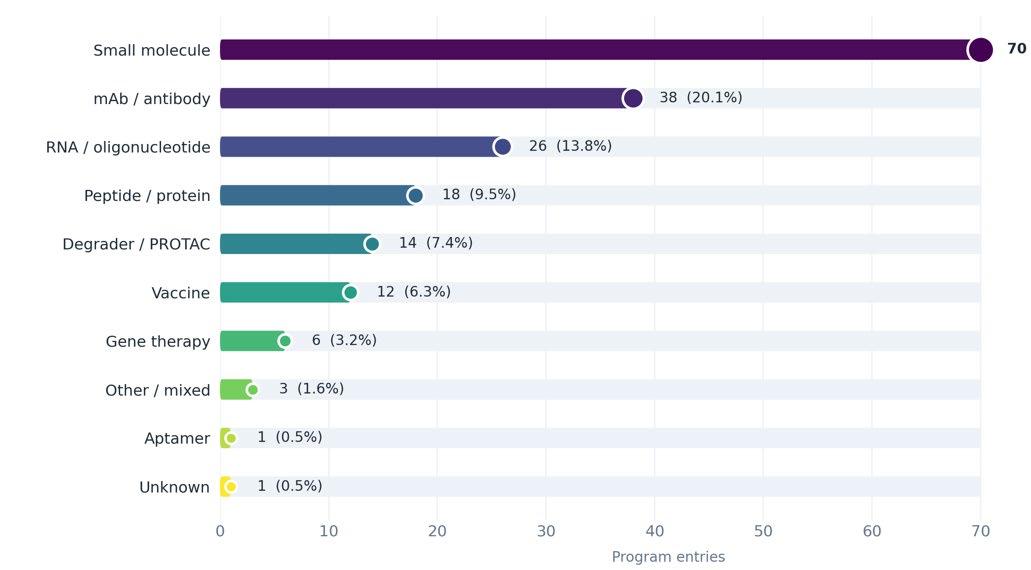
*Data indexed through June 1, 2026
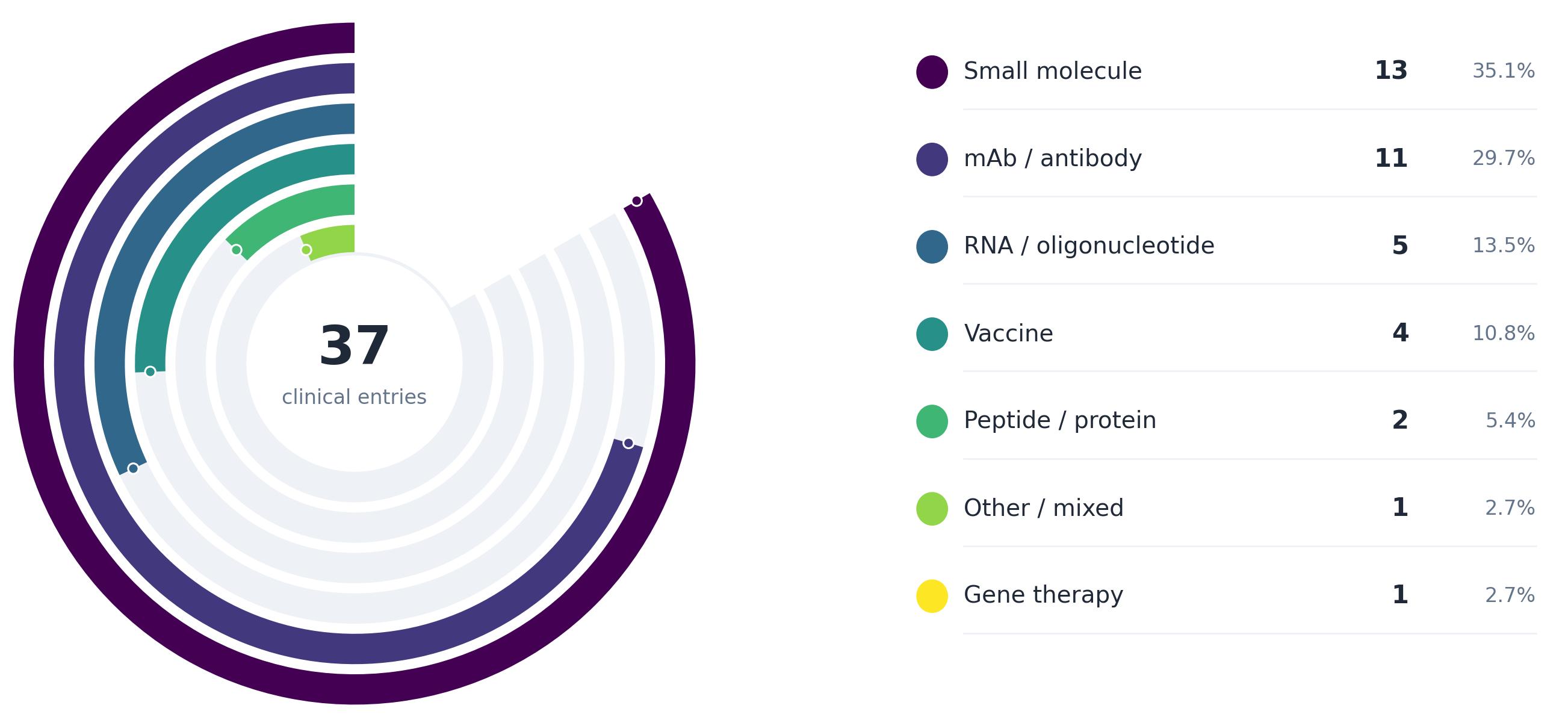
Across the clinical programs, small molecule and mAb/antibody approaches are nearly equally represented.
From candidate definition to partner-ready handoff, T-PEP supports data packages suitable for clinical-stage development.
FUNDERS
Alzheimer’s Association +
Rainwater Charitable Foundation
Joint program with milestone monitoring.
DISEASE SCOPE
Tauopathies
AD, PSP, FTD and related tau disorders.
AWARD SHAPE
$750k / up to 2 yrs
Nonprofit indirects up to 10%; no for-profit indirects.
T-PEP “sweet spot”
DEVELOPMENT STAGE
Preclinical de-risking
Lead optimization, in vivo PoC and INDenabling studies.
The strongest T-PEP pitch is a de-risking plan: define the candidate, specify the TPP, run the decisive translational studies, and leave the project materially more partnerable. Mechanistic
T-PEP has generated significant follow-on leverage across 23 programs (2018-2024).
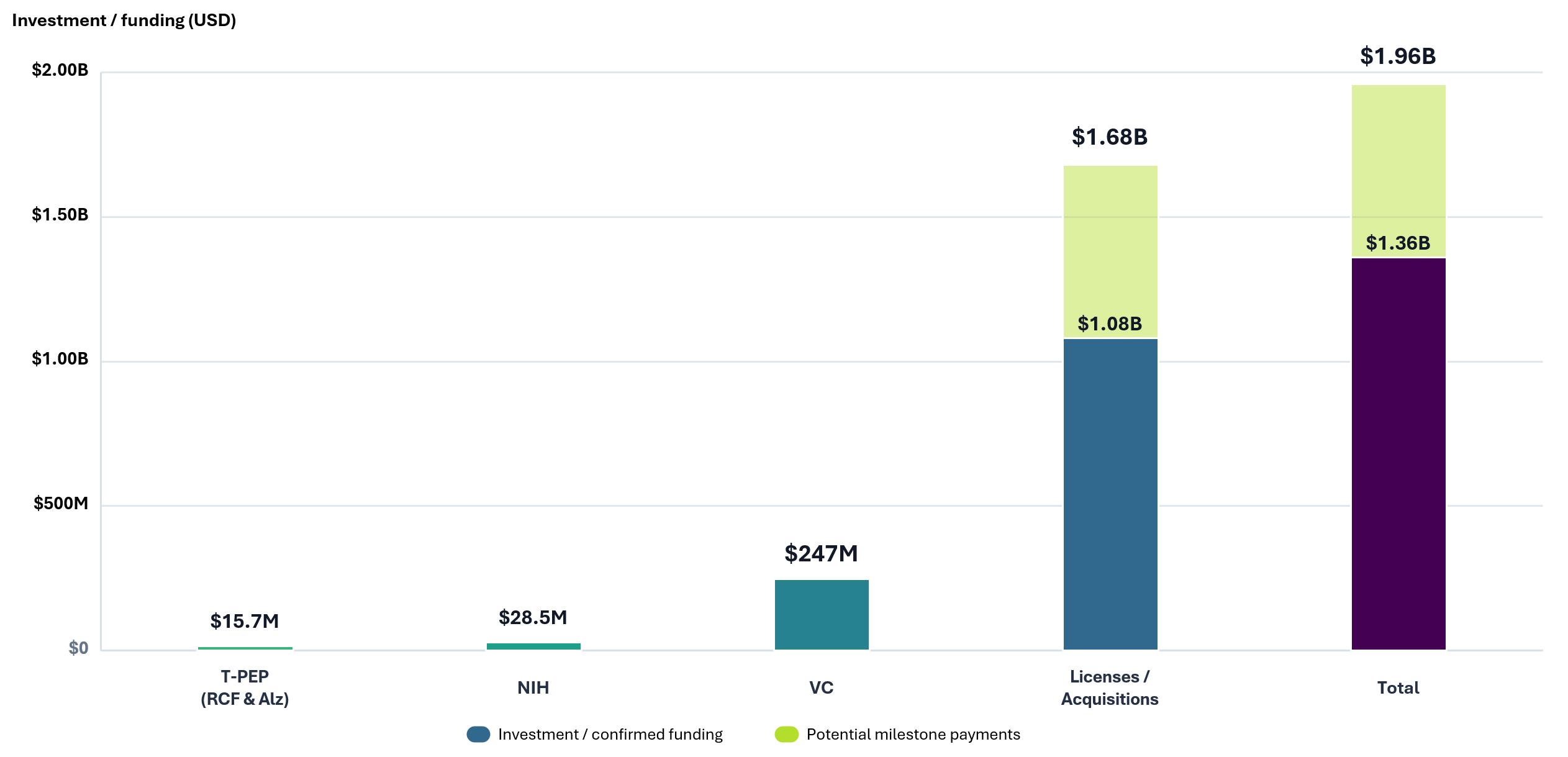

$15.7M T-PEP source investment baseline = 1.0x 86.6x Confirmed follow-on multiple $1.36B confirmed follow-on funding

2
8 Public acquisitions or license events Programs receiving VC funding
Multiple incl. milestones
$1.96B total including potential milestones
*Data indexed through June 1, 2026


Luc Buée, Ph.D.
Inserm/Univ. Lille
Advances In Single -domain Anti - tau
Antibodies Offer Tailored Therapeutic Strategies For Tauopathies


Timo Myöhänen, Ph.D.
Univ. Helsinki, Polku Therapeutics
Novel Prolyl Oligopeptidase Ligands
To Target Tau In Tauopathies


Iryna Voytyuk, Ph.D.
ARUK DDI, Univ. Cambridge
Proteasome Activating Gene Therapy


Luana Fioriti, Ph.D.
Mario Negri Pharmacological Research Institute
Targeting Sumoylation: A Novel Therapeutic Strategy For Alzheimer's Disease And Related Tauopathies
To learn more about RCF or to apply to the 2027 Tauopathy Challenge Workshop

To learn more about prior rounds of T-PEP
Contact: gharris@rainwatercf.org