

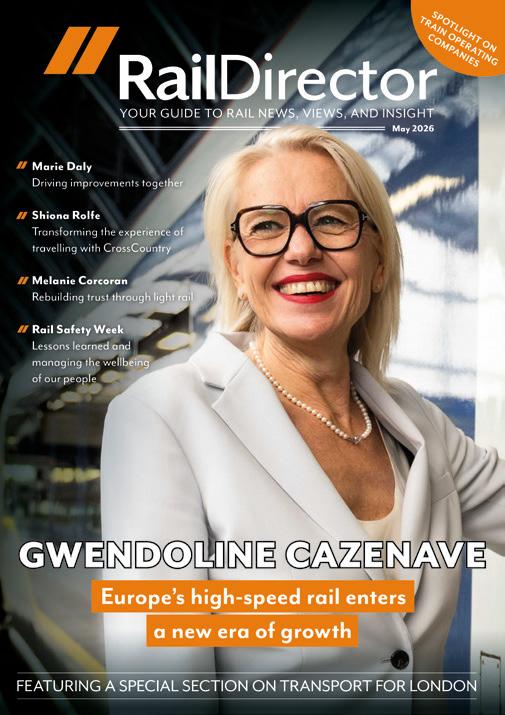
Marie Daly
Driving improvements together

Shiona Rolfe
Transforming the experience of travelling with CrossCountry
Melanie Corcoran
Rebuilding trust through light rail
Rail Safety Week
Lessons learned and managing the wellbeing of our people


















Marie Daly
Driving improvements together
Shiona Rolfe
Transforming the experience of travelling with CrossCountry
Melanie Corcoran
Rebuilding trust through light rail
Rail Safety Week
Lessons learned and managing the wellbeing of our people
elcome to the latest edition of Rail Director, which is this month focused on train operating companies. This month Govia Thameslink Railway is due to become the next to be nationalised with Chiltern Railways’ and Great Western Railway’s services set to follow at a later date.
It’s a time of great change, but also one of considerable opportunity. Organisations already operating under the Department for Transport Operator are beginning to see the benefits of closer collaboration with improvements in customer numbers and train punctuality.
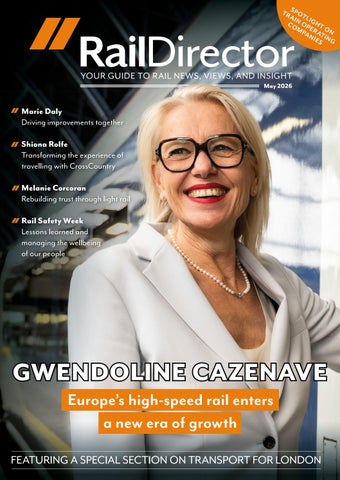
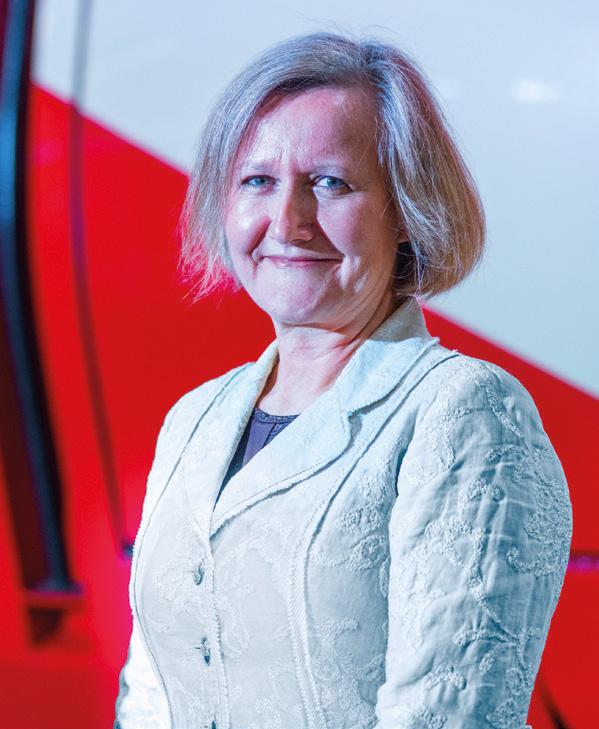
This month I spoke with Gwendoline Cazenave, Chief Executive Officer at Eurostar, following news of a £1.7 billion investment in up to 50 new double-decker trains, plans for new direct routes from London to Frankfurt and Geneva, and improvements to Temple Mills International depot.
Late last year Virgin Trains was given the green light to compete head-to-head with Eurostar, allowing it to use the Temple Mills International Depot in East London, something Gwendoline discusses in the article from page 6.
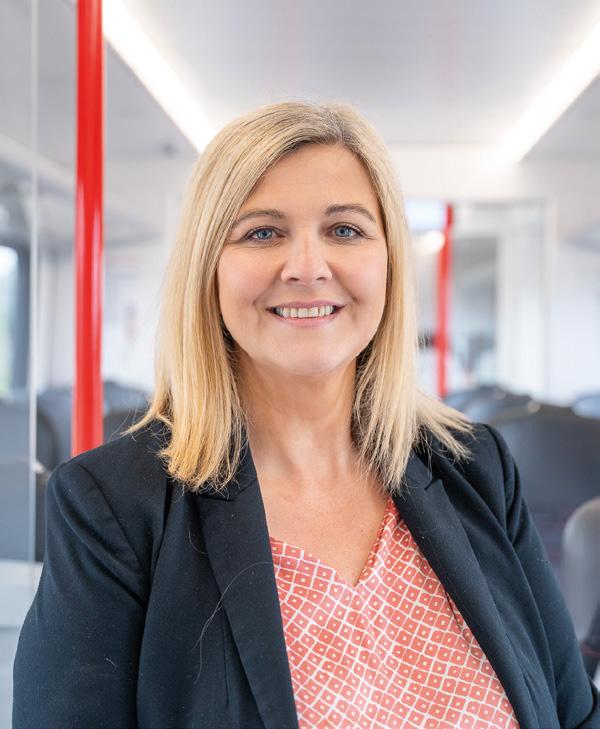
On the topic of improving operators, Marie Daly, Chief Operating Officer at Transport for Wales (TfW), reflects on the success which has recently seen TfW the most improved operator for the third consecutive period within the UK.
From page 10 she also discusses the new tram-trains, Local T Network groups, and juggling her work as Chair of the Women in Rail charity, a voluntary post she has held since September 2023, something that epitomises her passion in improving diversity in the UK rail industry.
This month’s edition also features a special section centred on Transport for London (TfL) from page 42. In this section, the Transport Commissioner discusses TfL’s new Business Plan covering the next four years; Director of Rail Trish Ashton reflects on four years of the Elizabeth line and nearly 25 years at the organisation; and the Mayor of London Sadiq Khan writes about the importance of the railway and how its impact goes beyond the tracks.
Away from train operators, on page 84 you can read Nigel Wordsworth’s excellent review of the 2026 Young Rail Professionals (YRP) Annual Dinner and Awards. Outgoing Chief Executive Officer Bonnie Price, who has successfully guided YRP through the last three years of its existence, said: “In the last six months, organising 77 events has certainly shown the impact that we can give to the rail industry.”
Finally, I would like to congratulate everyone who has been shortlisted in next month’s Railway Industry Association Dinner and Rail Industry Supplier Excellence Awards. You can read the full list on page 92. Some tickets are still available for the event at The Sheraton Grand London Park Lane, but you are advised to book quickly to avoid disappointment.
I hope you enjoy reading the latest edition. As always, a big thank you to the team and everyone who has contributed. Next month will be focused on the important topic of health and safety with a special section on plant.
All the best,





Danny Longhorn Editor



It’s a time of great change, but also one of considerable opportunity


Rail Director magazine and Railbusinessdaily.com are assets owned by the Railway Industry Association. Railbusinessdaily.com delivers more than 70 stories a week to +50,000 rail industry professionals in our daily 7am newsletter. If you have not already subscribed, it’s free and it’s easy to do so at www.railbusinessdaily.com, please also encourage your colleagues to do the same. This is the very best way to keep abreast of what is happening on the UK’s railways. There is a digital copy of Rail Director on our website.





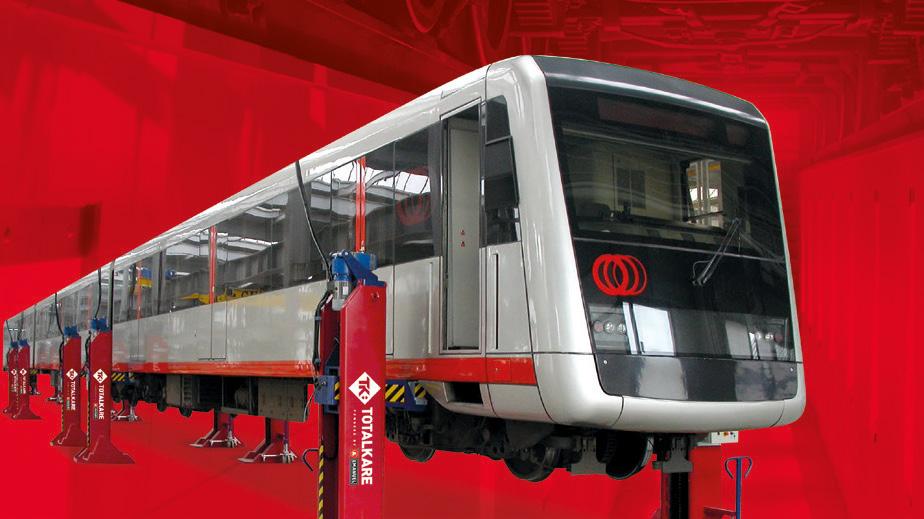




With over 40 years’ experience of high quality, heavy duty vehicle lifting, Totalkare combines world class products with industry leading support to facilitate effective maintenance and repair.
For more information or to request a site visit:


Gwendoline Cazenave, Chief Executive Officer at Eurostar, on record demand, future growth, and what it will take to unlock the full potential of international rail
10
Transport for Wales has seen recent improvements in customer satisfaction and rail performance. Marie Daly, Chief Operating Officer, reflects on the success but says there is more work to be done
16 Go-Ahead contributed £6.4 billion to UK economy in 2025
A new report by Oxford Economics has highlighted the significant economic impact and social value generated by Go-Ahead. The organisation’s Chief Executive Officer for Rail, Patrick Verwer, explains more
Melanie Corcoran, Executive Director of Transport, South Yorkshire Mayoral Combined Authority, explains how Supertram and the People’s Network are shaping a better South Yorkshire
34
Shiona Rolfe, Managing Director at CrossCountry, reflects on her first year in charge and the arrival of the refurbished Voyager fleet
38 Putting passengers back at the centre of Britain’s railways
Jacqueline Starr, Chief Executive Officer at the Rail Delivery Group, writes about the launch of the Rail Customer Experience Survey
A new plan has set out the ambitious programme for the future of London’s transport network. Commissioner Andy Lord discusses the journey ahead
The Mayor of London Sadiq Khan writes about the importance of the railway and how the impact goes beyond the tracks

52 Transforming the lives of people in London
Transport for London’s Director of Rail Trish Ashton reflects on four years of the Elizabeth line and nearly 25 years at the organisation
58 Speaking railway
In her latest quarterly column, Daisy Chapman-Chamberlain explores the language of the railways, and how it trickles into everyday life
66 Driving change: The women powering Lumo’s West Coast launch
As Lumo prepares to enter the West Coast Main Line, a new generation of drivers, leaders and frontline staff is bringing fresh perspectives to help build a different kind of rail operation – one defined by inclusion, culture and fresh thinking from day one
72
Game-changing Very Light Rail
Coventry City Council’s Councillor Jim O’Boyle and Nicola Small discuss Coventry Very Light Rail and how the project is attracting interest from the UK and beyond
80 The debate about
missing the point?
Tim Jones, Chief Executive Officer and Founder of digital transformation consultancy Migo, writes how the discussion about younger drivers focuses on age rather than what really matters: how consistently competence is developed, assessed and trusted across the industry
96 Helping clients and colleagues shape the future
Colette Carroll has been appointed AtkinsRéalis’ new Global Market Lead for Rail. She has previously served as the organisation’s Managing Director of UK & Ireland Transportation market since late 2023
98 Bringing the best of WSP’s global expertise into Ireland
WSP has appointed Andrew Doyle as Country Director for Ireland. He joins WSP from Egis, bringing more than 30 years’ experience delivering major road and rail programmes across Ireland
102 AI industry action plan
Toufic Machnouk, Managing Director of GBRX, explains how AI adoption in rail is not inevitable, but that it requires deliberate action, capability, and clear pathways to move from potential to real-world use
Tel: 01132 082620
Sales: 07494 529 803
Editor Danny Longhorn
Danny@railbusinessdaily.com
Designer and Production Manager
Debbie Nolan
Writers
Rosie Crampton
Nigel Wordsworth
Advertising Sales
Christian Wiles
Chrisw@railbusinessdaily.com
Marketing Sales
Sarah Hopton
Sarah@railbusinessdaily.com
Production Executive
Mia Hargreaves
Published by Rail Business Daily
2 Bond Court, Leeds, LS1 2JZ
Printed by The Manson Group
© 2026
All rights reserved.
Reproduction of the contents of this magazine in any manner whatsoever is prohibited without prior consent from the publisher. For subscription enquiries and to make sure you get your copy of Rail Director please ring 01132 082620 or email info@railbusinessdaily.com. The views expressed in the articles reflect the author’s opinions and do not necessarily reflect the views of the publisher and editor. The published material, adverts, editorials and all other content is published in good faith.
Gwendoline Cazenave, Chief Executive Officer at Eurostar, on record demand, future growth, and what it will take to unlock the full potential of international rail
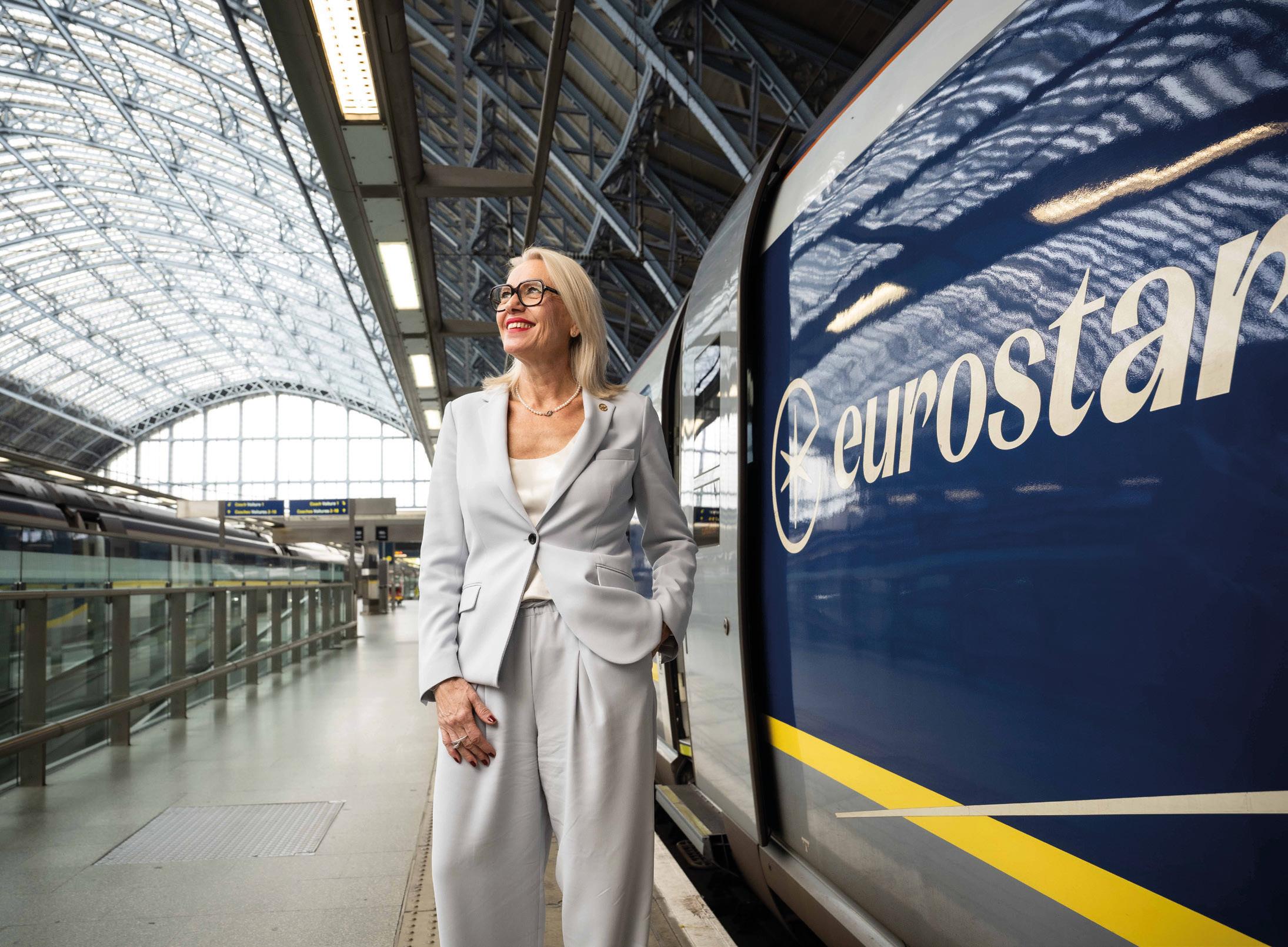
John Nguyen The
International rail is entering a new phase of growth and Eurostar is at the centre of it.
Demand for cross-border rail travel has accelerated significantly in recent years, with Eurostar now carrying five million more passengers annually than in 2022 (up 36 per cent), and surpassing prepandemic levels – a clear signal of a structural shift in how people want to travel.
As Gwendoline Cazenave puts it: “Demand has never been stronger. We’re seeing a real shift in how people want to travel, and that gives us huge confidence in the future of international rail.”
That momentum looks set to continue with £1.7 billion being invested in up to 50 new double-
decker trains, new direct routes from London to Frankfurt and Geneva, improvements to Temple Mills International depot, and upgraded station infrastructure in London, Paris and Brussels.
“We’ve always had competitors on our routes with air travel, coaches and boats,” she said. “The interest from other rail operators shows how strong and dynamic the demand is, which is good for the market because the offer will be diverse and growing.
“But when the big challenge is growth, there needs to be more space and capacity at Temple Mills depot and St Pancras Station.”
Gwendoline has extensive expertise in the rail and wider transport industries including 20 years of experience in the SNCF Group, and as a partner
at consulting firm Olivier Wyman, ahead of joining Eurostar three-and-a-half years ago.
“It’s a dream come true when you’re a CEO of a company like Eurostar,” she said. “It’s an honour managing such an amazing team, and knowing the impact it has on so many lives.
“Eurostar is a 24/7 business, we have 37 nationalities at the business, and one at which everyone, whatever their role, wants the success of this company. What more can you ask?”
400 million and counting
It has already been some journey for Gwendoline since joining in September 2022. After little more than a year at the helm, the Eurostar and Thalys
merger was completed – a move aiming to create a more cohesive high-speed rail network across Europe, enhancing connectivity.
“We are a unique railway operator which every day crosses five borders in five countries, 20 destinations, eight signalling systems, and four traction systems including the Channel Tunnel,” she explained.
Earlier on this year the operator reached an historic milestone, carrying 400 million customers since services began in 1994. The achievement followed a record year, with 20 million customers travelling with Eurostar in 2025 – an increase of 500,000 passengers on the previous year.
That increase is continuing this year. Records were broken at St Pancras on March 27 this year when there were more than 21,000 customers travelling from London to the continent. Overall, in the first quarter of 2026 there has been a five per cent increase in revenue.
“The 400 million is an amazing milestone, and it is a symbol of the fact that Eurostar is going really well, especially this new Eurostar (following the merge with Thalys) which offers one single rail network connecting France, Belgium, the Netherlands, Germany and the UK,” Gwendoline said. “It is also five million passengers per year above the 2022 figures.
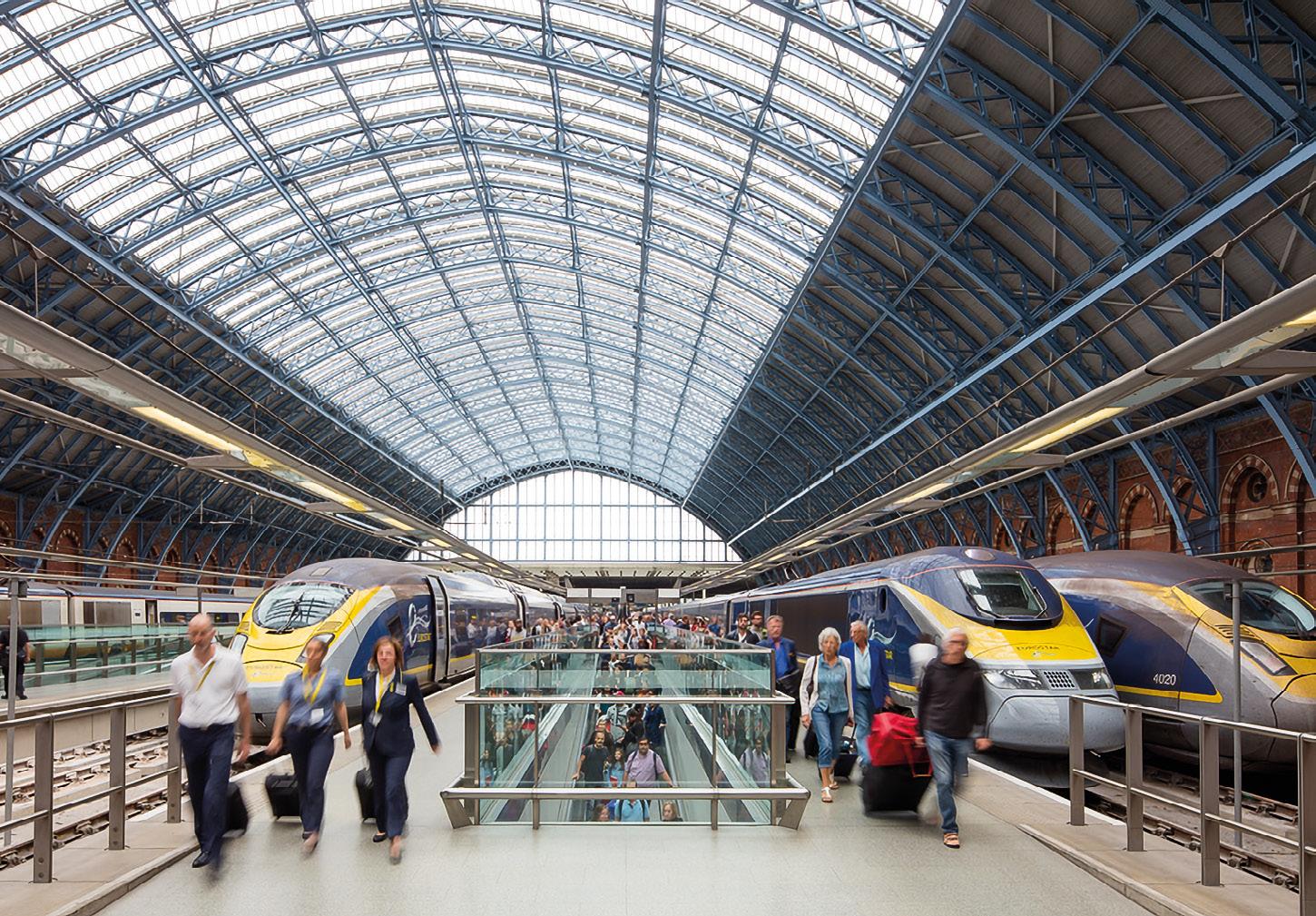
“The new Eurostar UK Terminal at Amsterdam Central station, which connected London with Amsterdam, has been a huge success tripling the capacity. We launched three frequencies, then four and now five since December last year.

“There is a strong willingness to shift to sustainable travel in Europe. The demand is there and things are moving really fast wherever the destination.
“We have this scalable company with Eurostar and Thalys, we are pushing for investments, and we are making big investments as well so things are moving.”
Leading the next phase of Europe’s high-speed rail expansion
The operator isn’t resting on its laurels. Last year Gwendoline pressed the button on a £1.7 billion order of up to 50 new double-decker trains
Start a journey that could transform your future.
Take the next step in your railway career with CIRO’s academic programmes, delivered in partnership with Keele University from 2026.

Whether you’re looking to broaden your operational understanding, strengthen your leadership capability or gain an industry-recognised qualification, our programmes are designed to help you see the railway differently.


It’s an honour managing such an amazing team, and knowing the impact it has on so many lives

New for 2026: Partnership with Keele University





Shaping the future of rail, together. For More Information: www.ciro.org/courses-applications-open/ learning@railwayoperators.co.uk



03333 440523 Ext 1014








From 2026, CIRO’s academic programmes will be delivered in partnership with Keele University, combining railway operations expertise with high-quality academic teaching and support.
Together, CIRO and Keele University are developing the next generation of railway professionals through industry-relevant qualifications designed around the evolving needs of the railway.



The demand is there and things are moving really fast wherever the destination
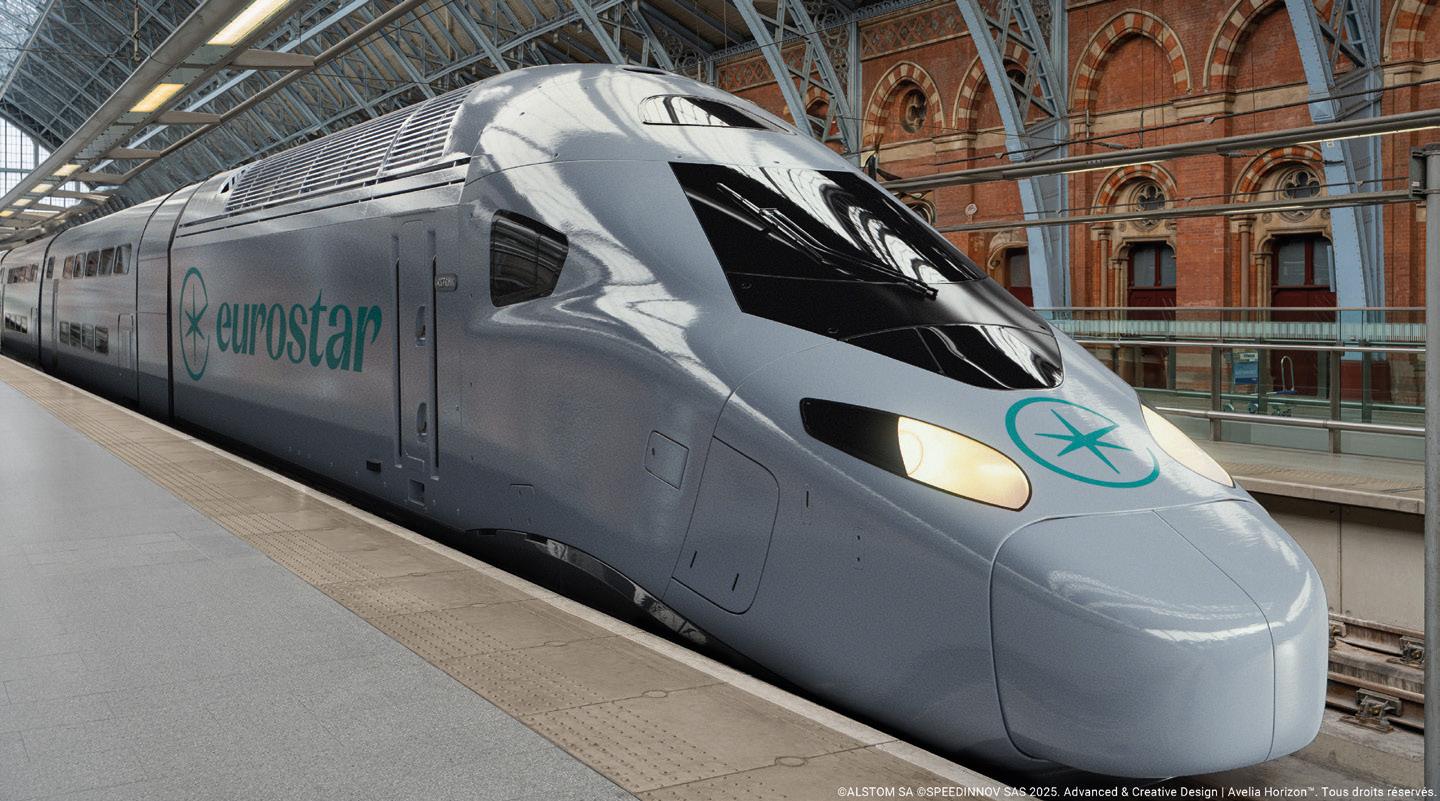
built by Alstom. The Eurostar Celestia will be a bespoke design created from the train manufacturer’s Avelia Horizon platform, with the 200-metre trains interoperable across all five countries served today, plus the new destinations of Geneva and Frankfurt.
The first trains are due to join the fleet in January 2031, with commercial services launching in May 2031. Once delivered, they will operate alongside Eurostar’s current fleet of 17 e320s, bringing the total fleet to 67 trains – a 30 per cent uplift overall. The entire fleet will be maintained at the Temple Mills depot, which could be developed at a cost of £80 million, creating 350 jobs.
“We have strong expertise, a unique operational centre able to manage operations on what we call Eurostar land, and the ability to invest a large amount of money to face growth and design and build the Celestia fleet, a bespoke train able to cross seven networks,” Gwendoline added.
“It’s all about having the scale, energy and expertise, not just from me but everyone involved in Eurostar. There is a lot diversity in the market, the need to speak four different languages and that expertise and confidence to develop new markets.
“It’s all about thinking bigger, which for me is ensuring we are the company to be there for the new era for international railways. That is what we are building every day together.
“It is about being the sustainable means of transport and the right operator, the right brand to be there for the right service. This isn’t about opposing a flight for Eurostar, but it’s to connect the right means of transport for the right purpose and having the right offer.”
That future ambition includes looking at where else Eurostar can take customers. Last year the operator announced plans for direct trains from London to Frankfurt and Geneva, something that is said will happen when the new trains arrive. Gwendoline describes it as “a new golden age of international sustainable travel”.
“It’s about being the backbone of sustainable travel, to be there when the market is relevant, and to
connect with the domestic railways, or with airlines such as British Airways at Heathrow and with KLM at Schiphol airport,” she said.
“On the latter, we have a partnership with KLM to be there to connect with airlines and domestic travel.
“So for me, this sustainable backbone, this is what we really want to do, with the right offer, right premium service, with a trio of innovative chefs on board who can elevate our offering for customers. That’s another reason we developed Eurostar Snap (last-minute ticket booking service) for spontaneous and affordable travel.” In December Eurostar signed a Memorandum of Understanding with Deutsche Bahn to explore options to jointly offer a direct longdistance service between London and major German cities, such as Cologne and Frankfurt.
“We know what it takes to develop a new route from London to another country, something we’ve done to Amsterdam,” Gwendoline said.
“It takes border resources, it takes a terminal, in turn it takes the ability to sanitise the trains, to have the right place in the station and so forth.
“That is what we’re working on already with the Germans and the Swiss with the objective to have the services running by the mid-2030s once we have the new fleet in service.”
Another important factor Gwendoline stresses is that the infrastructure and regulation align behind an ambitious, long-term strategy, particularly around the future of Temple Mills International depot in East London.
She is confident London can be a leading centre for high-speed train maintenance at a European level, bringing industrial investment and skilled jobs to the UK, but bold choices and the right support from the Government will be needed.
Eurostar has announced potential plans to invest tens of millions of pounds in the Temple Mills International depot, however with the limited capacity there are calls for industry and Government to work together to encourage private investment in new depot facilities to facilitate the growth of the sector.
In October the Office of Rail and Road approved Virgin Trains Europe Holdings Limited approval to run services from London to Paris, Brussels and later Amsterdam, finding that capacity at Temple Mills International depot is sufficient to accommodate the maintenance services the operator has applied to access, alongside that of Eurostar. These trains won’t be running until 2030s and Virgin Trains is yet to confirm its train order.
However it rejected applications from Evolyn, Gemini and Trenitalia on the basis that there is insufficient capacity at the depot to accommodate them.
“Temple Mills International depot is a key asset because currently all our cross-channel trains are maintained there and the objective is that the new fleet will also be maintained there,” explained Gwendoline.
“We have a big maintenance ecosystem. In France it is the SNCF, being our supplier and maintainer, in Brussels it is SNCB being our supplier, but here at Temple Mills we are at home.
“So it’s very much about investing to have the space and it’s something really key to us because this growth, this target of 30 million customers annually, will come true thanks to train capacity. We have done our job, we have put the money on the table and signed the order, but it is also about infra-capacity.
“When I say infra, it is infrastructure, it’s depot, so Temple Mills. It’s a topic we talk about at length with the UK authorities, and it’s stations capacity, because currently our e320 has a capacity of 870 seats, while the new Celestia fleet will be 1,100.
“We are also going to grow the frequencies and add new destinations so it means we need space, more space at St Pancras for the border. We are working very hard to make sure we are leading the next phase of Europe’s high-speed rail expansion and we really need a collective collaboration and commitment on this growth agenda.
“The opportunity is clear: to build a connected, high capacity, sustainable European rail network that meets the needs of a rapidly growing market.”
usiness interruption is a critical but sometimes underestimated risk for rail organisations, which can quickly escalate from pausing activity into damaged assets, stalled or lost projects and significant loss of income.
Fire, flood, explosion and mechanical failure remain some of the most severe causes of business interruption at rail premises. For road rail vehicle (RRV) operators and ontrack plant companies, incidents involving fuel systems, hydraulic equipment or charging infrastructure can lead to the total or partial loss of critical machines.
Relatively minor damage to RRVs, tampers, mobile elevating work platforms (MEWPs) or specialist attachments often results in immediate loss of operational capability.
Long lead times for repairs or
replacements can prevent businesses from fulfilling possession bookings, maintenance windows or framework agreements, often leading to lost hire revenue, contractual penalties and reputational damage.
Losses at rail depots or storage facilities include theft or damage to materials and project stock destined for major infrastructure works. Where replacement materials cannot be sourced quickly, particularly for bespoke or safety-critical items, projects may be significantly delayed.
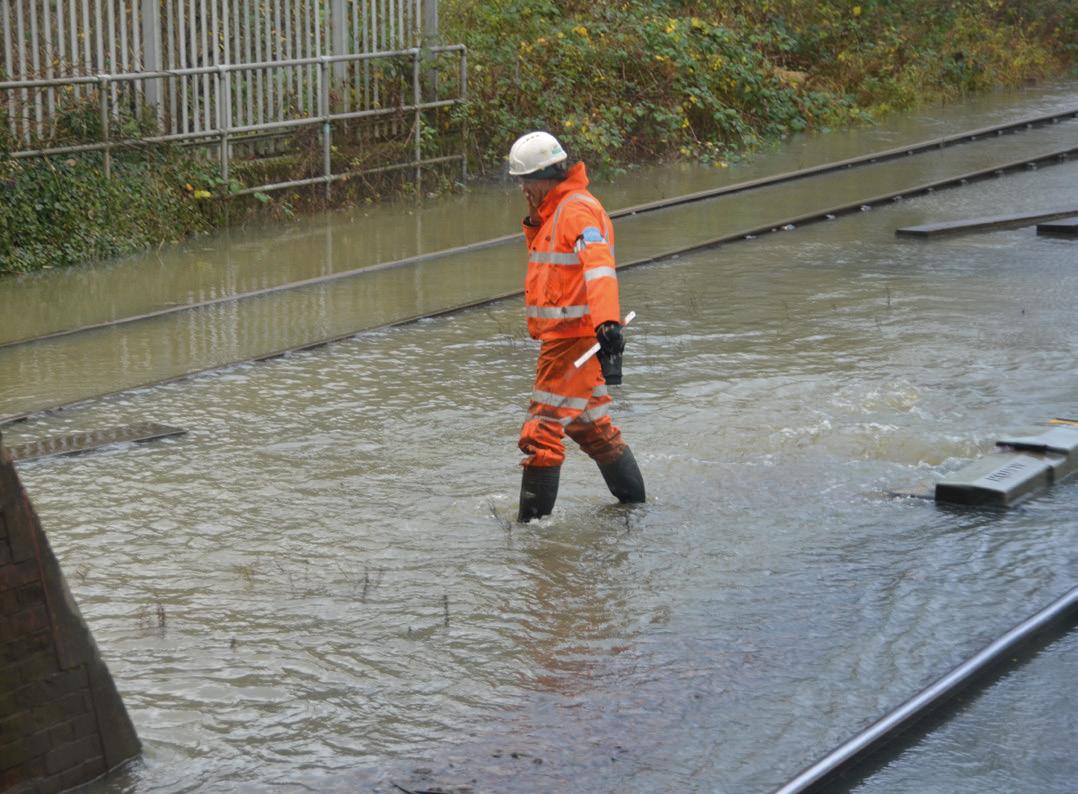
Escape of water and flooding present a persistent risk across rail premises. Burst pipes, failed drainage systems or extreme weather can render workshops, electrical rooms and offices unusable overnight. Even where physical damage is limited, denial of access can trigger business interruption, breached SLAs and cancelled hires. Rail premises might
be closed following fire, structural damage or contamination. Restricted access can prevent the movement of plant and materials to site.
Cyber business interruption cover has become increasingly important. Attacks targeting depot systems, maintenance scheduling platforms, management software, hire systems or financial functions can bring operations to a standstill. A ransomware attack or network outage
may prevent the allocation of plant, certification of equipment, access to maintenance records or issuance of work instructions.
Depots may be unable to function operationally. The reputational, regulatory and financial impact of these cyber incidents includes significant lost revenue, data breach, ongoing payroll costs, IT recovery expenses, PR and stakeholder management to mitigate delayed project delivery.
Business interruption risk is unavoidable, but with careful planning, rail organisations can better withstand unexpected disruptions. A well structured insurance policy from Jobson James Rail is aligned with the realities of the rail sector and designed to place your business back in the financial position it would have been in had the loss not occurred. Call John on 07867 459054





Transport for Wales has seen recent improvements in customer satisfaction and rail performance. Marie Daly, Chief Operating Officer, reflects on the success but says there is more work to be done
Rail performance for Transport for Wales (TfW) is on the up with recent statistics from the Office of Rail and Road indicating a 5.5 percentage point improvement, making it the most improved operator for the third consecutive period within the UK. It is also the second most improved operator when it comes to cancellations, having seen a 3.6 percentage point improvement in the latest quarter.
The improvements have been recognised by its customers, with Transport Focus scoring TfW 91 per cent in overall passenger satisfaction in its recent national survey, which ranks it fourth among train operators in the UK.
It also scored 91 per cent for its trains and achieved 88 per cent for punctuality (a six-percentage point rise), the biggest quarter-on-quarter improvement of any rail operator.
“I’m really proud of the improvement in performance, thanks to the hard work of the fantastic team who are so connected to the place they work, and the changes that they are delivering,” reflected Marie Daly, Chief Operating Officer (COO) at TfW.
It’s been quite a journey from seeing the future set out on PowerPoint slides to now being on the cusp of launching the transformational tram-train service across the network
“But I’m clear that we’ve got a long way to go. For me success is a 100 per cent railway and delivering on the promise of our timetable for customers, so the challenge now is in overcoming the constraints that are stopping us from delivering that promise.”
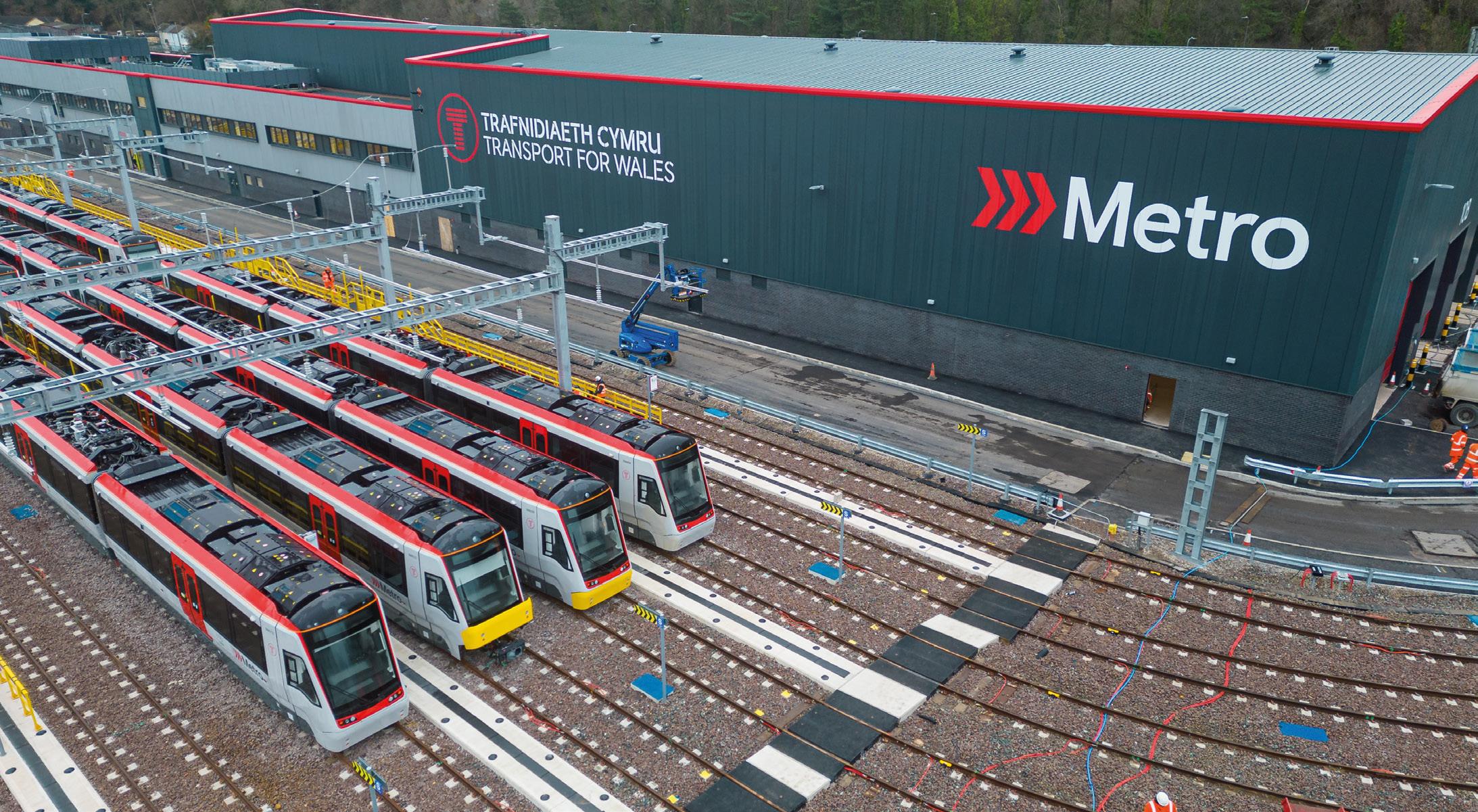
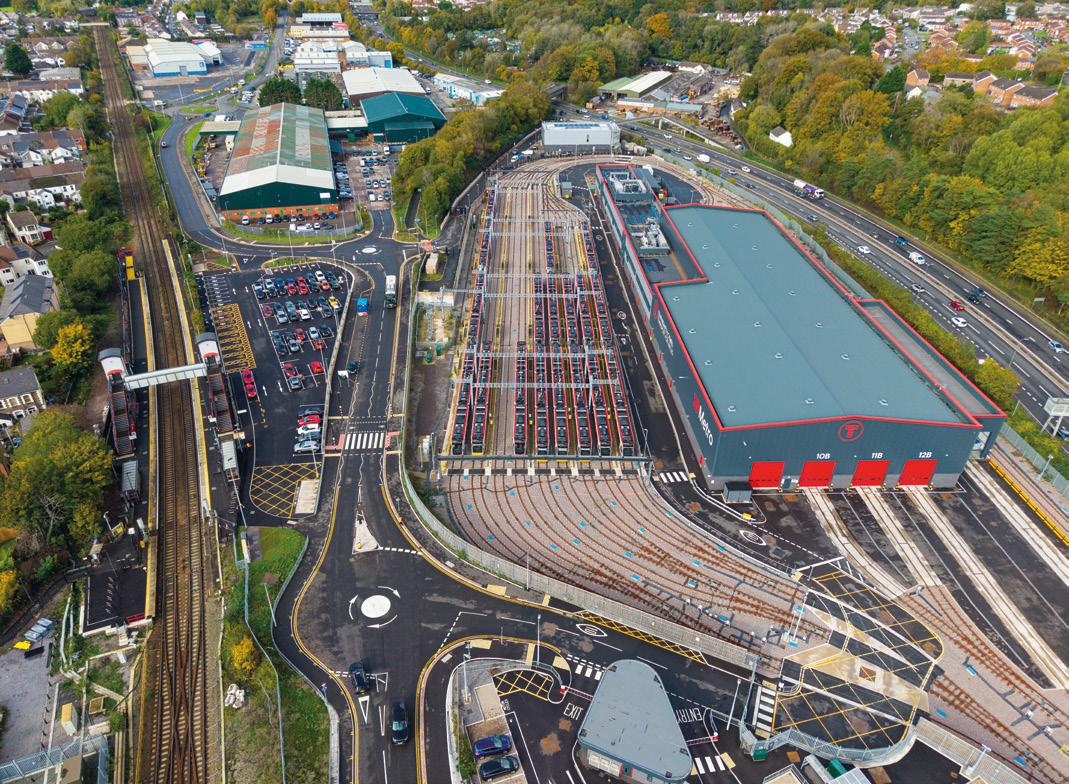
It’s been some transformation for those travelling on the railways in Wales in recent years. TfW has invested more than £800 million into new trains for the Wales and Borders network and is in the final stages of completing the £1 billion South Wales Metro.
The Core Valley Lines network, part of the South Wales Metro, which is owned and run by TfW, has seen rail performance figures of more than 90 per cent on average for the past six months. It has also been boosted by the completion of full electrification towards the end of March this year.
“It’s been demanding but very rewarding,” said Marie, who was appointed COO in April last year.
“The initial vision was to focus on delivering the operation day to day, alongside the transformational change, while keeping customers and colleagues firmly at the centre of everything we do.”
Highlighting some of the successes, Marie speaks with pride about the electrification of the Core Valley Lines, a six-year programme involving the installation of 281.5 miles of overhead wires, 14 railway track lowers completed to install wires under bridges, as well as five substations.
Another example she gives is the introduction of the Class 756 electric tri-mode trains, which were first introduced in November 2024, explaining how the use of discontinuous electrification has brought together individual elements that existed before, but had never been brought together as a single integrated system.
“It’s not been without its challenges, but what has made me so proud is that we’ve delivered this as one team, completely united around the customer, with colleagues’ voices at the centre of it,” she said.
“It has demonstrated the value of having track and train under one guiding mind.
“There is still much more to do to deliver the transformational programme including delivering the Class 398 tram-trains onto the network. It’s something we’ve not done before, but a project that will deliver passenger growth and play an important role in our climate change commitments.”
The tram-trains will start operating all services on the Treherbert, Aberdare and Merthyr Lines, running services that are faster and more frequent, thanks to their faster acceleration. It will offer customers a ‘turn up and go’ service with four trains per hour between Cardiff and the heads of the South Wales Valleys.
“It’s been quite a journey from seeing the future set out on PowerPoint slides to now being on the cusp of


launching the transformational tram-train service across the network,” said Marie.
“Seeing that ambition and hard work about to be realised for our customers is a genuinely proud moment.”
The fleet is just one part of the project. There has been a whole system change in recent years involving infrastructure and operations.
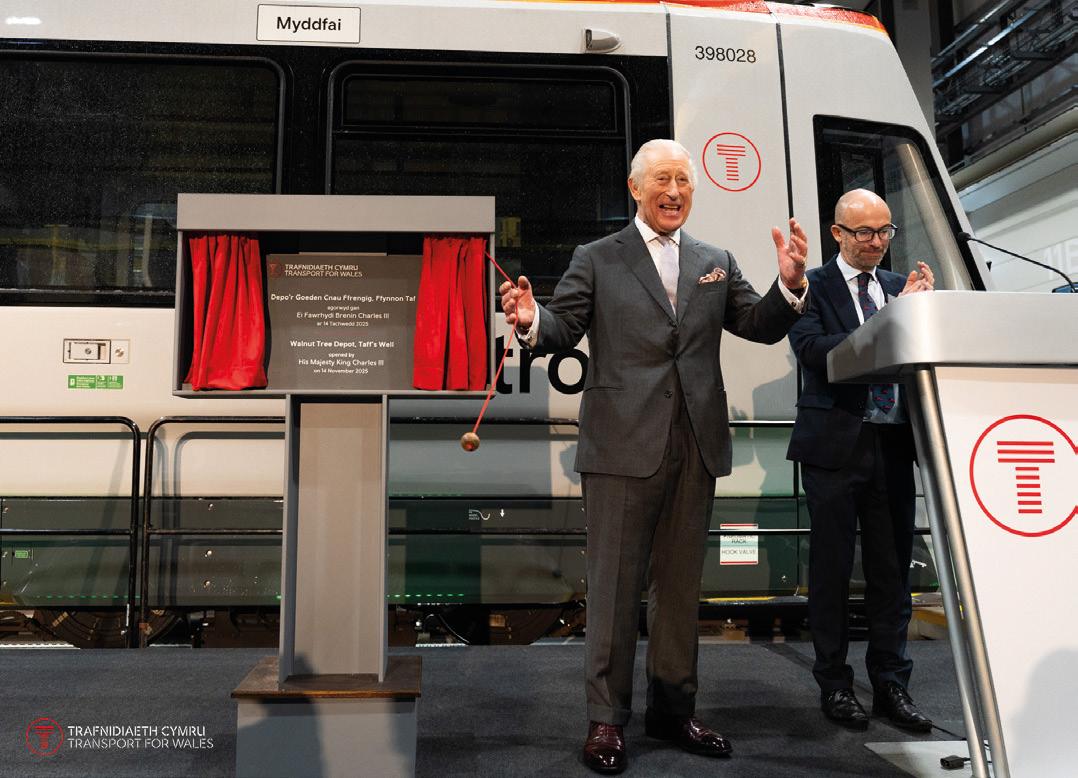
“We’ve had an integrated control centre at Taffs Well depot operational for some time, and last November His Majesty King Charles III officially opened the South Wales Metro Depot in Taff’s Well, where the tram-trains will be stabled and maintained,” explained Marie.
“As for the fleet, they will be introduced in a phased approach with the first unit coming into service in the next few months. They are going to have a big impact on the customer experience, being more comfortable, low boarding, Wi-Fi, and the accelerated speeds.
“Tram-trains do not have toilets, as is the case across the whole UK network, however to counterbalance that we’ve upgraded and enhanced the toilets on our network and created toilet pods as part of our commitment to customers being within 20 minutes of a toilet.
“A key part of the TfW purpose is integration. With bus franchising coming online next year, we’ll be looking at the tram-train proposition of how that integrates into other parts of the network, and the investment we’ve put into our stations around active travel in readiness for delivering a metro-style service.”










One of the biggest achievements for Marie has been the work done with colleague engagement, driven by the importance she places on ensuring colleagues feel that they have a voice, and that is shaping outcomes for customers. It was backed by the organisation’s first culture survey, in which a quarter of colleagues got involved.
“It reflects the importance we place to listening and meaningful engagement,” Marie said.
“I try to spend a lot of time face to face with colleagues, hearing from my teams about where we can improve. They can provide the best solutions, and I think this has contributed to our improved performance.
“What we’ve been sharing through the culture survey is to understand the part they play in the system that contributes to that 100 per cent railway.
“We have a strong daily performance call which focuses on the issues here and now, because what we found was a lot of our meetings were focused on things that had happened weeks before. We wanted to get a more real-time view and deal with that at the moment while it was fresh in people’s minds.”
This closer working goes beyond colleagues at TfW, in what Marie describes as a one-team whole approach involving partners such as Amey in Wales,
I’m really proud of the improvement in performance, thanks to the hard work of the fantastic team who are so connected to the place they work, and the changes that they are delivering
Network Rail and CAF. It’s been driven by the Local T Network groups (previously local railways), a collaborative effort involving local voices from across Wales, with local authorities, community groups and residents encouraged to participate in the planning and development of the network.
“We’ve had a shared ethos over the last 12 months which involves focusing on the customer, solving the problem and not arguing about whose fault it is, a mindset evident both at a leadership and at a ground level through our local T Networks,” said Marie.
“I’ve been amazed by what can be done when you bring decision-making closer to the customer and trust in your frontline colleagues to lead improvements and the results have been really tangible. The culture has unlocked solutions to long-standing issues, but then we’re also targeting marginal gains.
“I think everyone should adopt this because it is definitely working for us with the T Network demonstrating that when you give teams clarity, trust and accountability, you can unlock better outcomes for customers, colleagues and value for money as well.
“The priority moving forward is to embed that approach sustainably across the whole of the network so it’s not just a one-off.”
Marie’s been at TfW for nearly eight years and is still enthused by comments by the then-Welsh First Minister Carwyn Jones at the launch of the organisation in 2018, and as the design and building of its £800 million fleet of new trains got under way.
“I was working on mobilisation, and I remember him talking about future generations, what transport means to deliver social equity, the outcomes of transport,” she said.
“It wasn’t about the shiny new fleet and infrastructure, but about the outcomes and what it meant to the people of Wales and customers.
“That has never changed. We are a purposedriven organisation focused on what this investment means to improve people’s lives, and how we can connect people to jobs, to health, and connect them to fun.
“It is about ensuring there is a public transport network that people can trust, an integrated transport for that point-to-point journey.
“Our teams have, and continue, to do an incredible job, and for me as COO it is important that everyone continues to be brought on the journey. They have
lived and breathed the changes, which at times have been difficult, and they are as proud as I am today to see what is happening and the impact all the hard work is having.”
Improving gender balance, diversity and inclusion
Alongside the role at TfW, Marie is also Chair of the Women in Rail charity, a voluntary post she has held since September 2023. It epitomises her passion in improving diversity in the UK rail industry.
“I’m really proud to be at the helm of such a respected and valued organisation,” she said.
“It’s important to me that there is that frontline voice and that we have got our voices in terms of building and influencing at a senior level in the industry.
“It’s an inclusive organisation for men and women and we’re unapologetic in our pursuit for gender equity.
“The latest NSAR survey found that 18.9 per cent of workers in the railways were women, which is an increase in recent years, and there are some positives such as senior levels at train operating companies, which is now at 30 per cent representation. But there is still work to do.”
Last year Women in Rail launched its blueprint for change in May, aimed at supporting a more inclusive, supportive, and progressive UK rail industry. At the heart of the strategy lay four strategic pillars: attract, engage, support and promote.
In March the organisation also held its inaugural Parliamentary Reception in Westminster, bringing together parliamentarians, industry leaders and members to champion gender equity, leadership, and long-term change across the sector.
“It is full throttle into the four areas of the business plan with programmes aligned to each, all about supporting women in the industry, keeping them in the industry and attracting people into the industry,” she said.
“It’s a big year for us supporting Great British Railways, making sure women’s voices are in the room helping to shape that future. There has never been a greater opportunity in our industry to support changing the dial, focusing on the outcomes of transport that can only be delivered through a diverse representation of voices.”



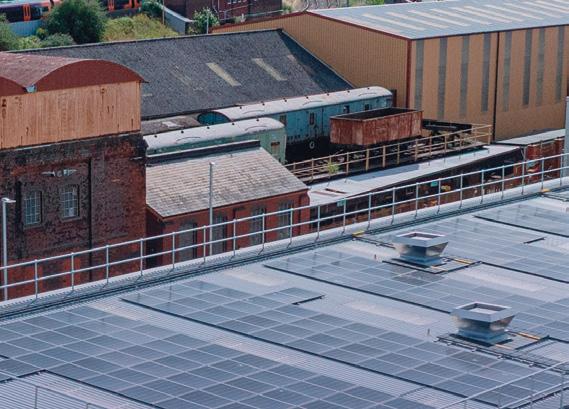
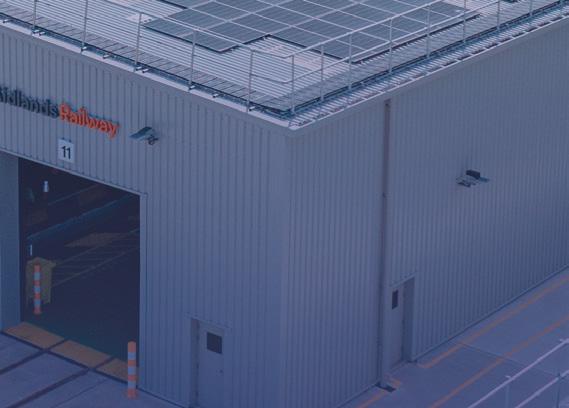

Adding value through
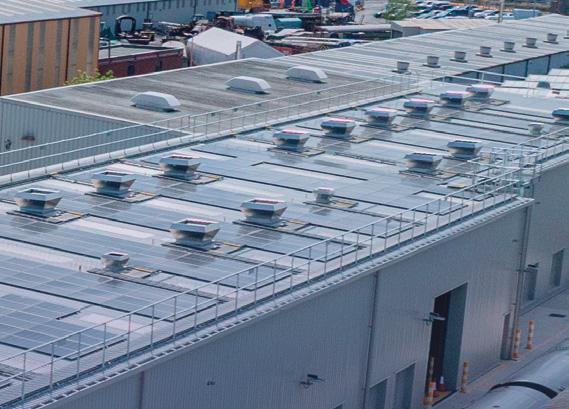
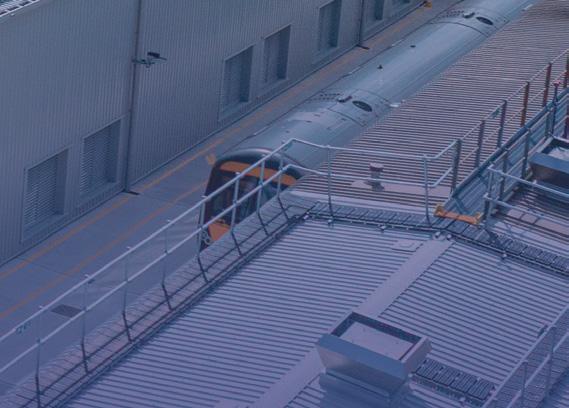
Tyseley Depot Enhancements


£2.5M 4 months cost savings
Delivered programme reduction




For smarter, more efficient rail depot delivery
BENEFITS OF ECI
Depots designed around real operational constraints
Reduced disruption to live railway environments
Find out more about our ECI, Feasibility and Design capabilities, visit: spencerrailengineering.co.uk or scan the QR Code
Greater cost and programme certainty
Future-proofed facilities for evolving fleets
DELIVERING FOR THE CUSTOMER
Phil Hibberd, Group Director of Safety, Security and Sustainability at Transport UK Group, discusses creating sustainable, efficient and inclusive transport networks
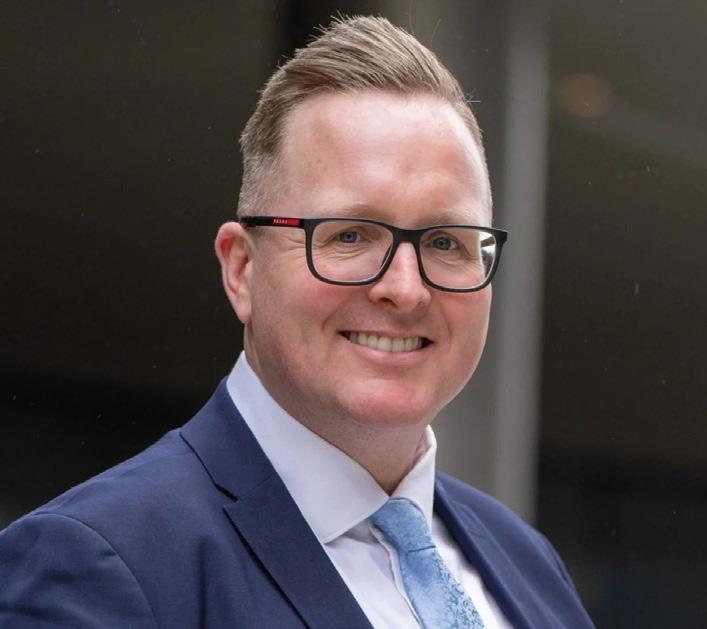
‘The transport sector has to lead on sustainability, and Transport UK intends to be at the front of that change.”
That’s the message from Phil Hibberd, Group Director of Safety, Security and Sustainability at Transport UK Group (TUK), the private sector transport operator currently serving millions of rail passengers every day, including operating East Midlands Railway and Merseyrail.
Speaking to Rail Director on World Earth Day, he highlights how sustainability in rail sits at the heart of how the organisation thinks about responsible leadership and long-term operational performance.
“Reaching net zero in rail relies on significant, timely investment in infrastructure and rolling stock,” he explained.
“Traction emissions are the primary source of emissions across the sector, and without clear decisions on future train investment, there is a genuine risk that 2050 targets won’t be met. That’s why we treat sustainability as an operational discipline, not an afterthought.”
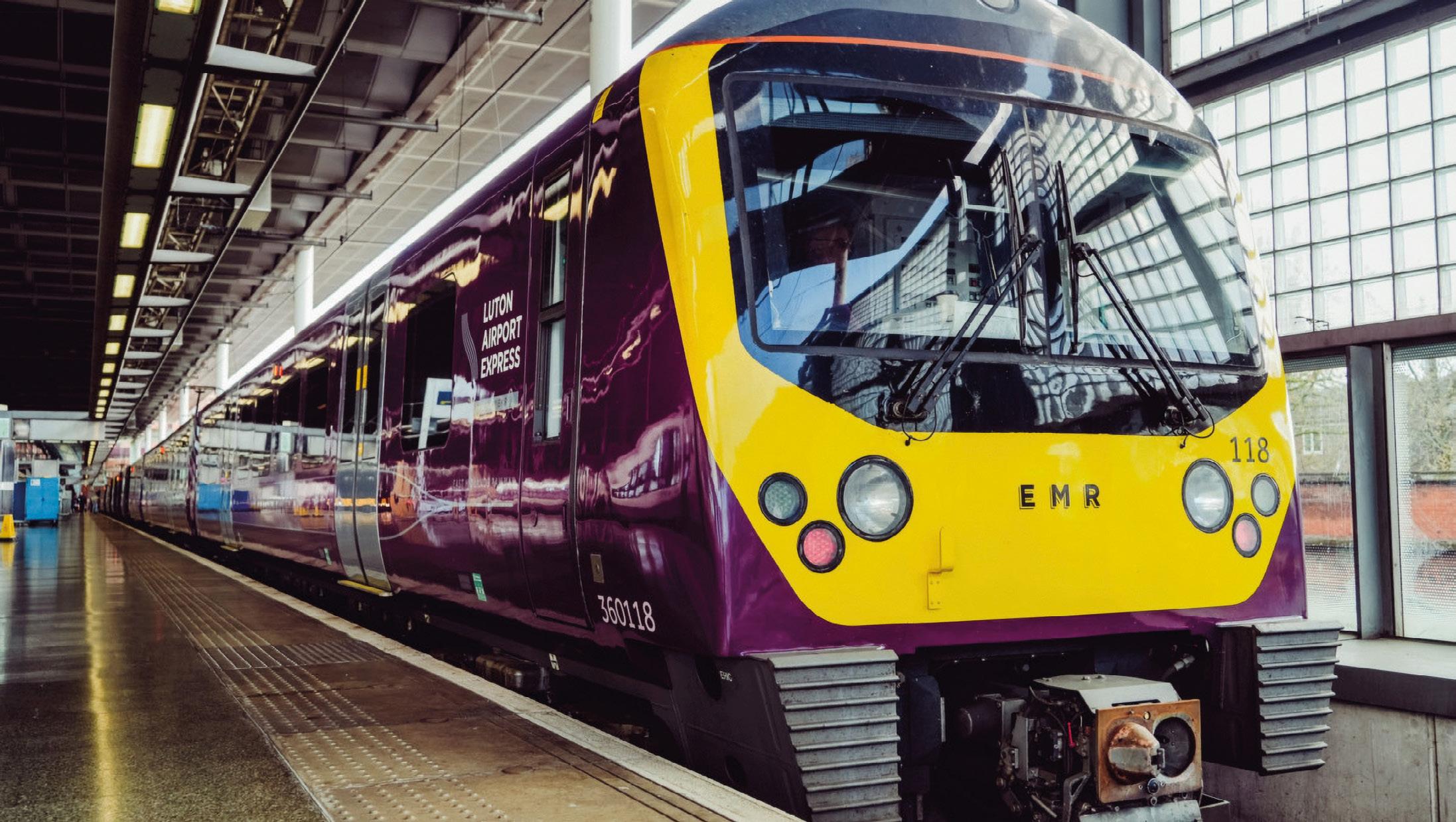
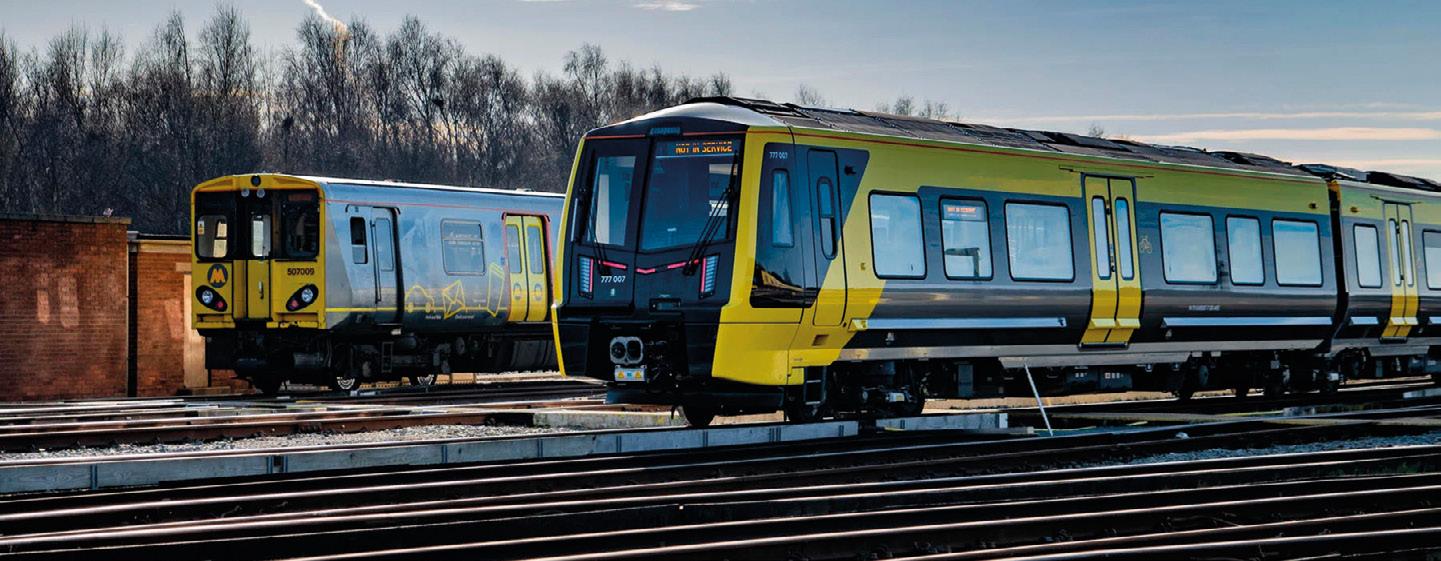
Illustrating how that is the case he gives the example of fleet improvements such as Merseyrail introducing the first battery-electric hybrid train in Great Britain which regenerates energy back into the network every time it brakes.
Another is East Midlands Railway’s (EMR) new bi-mode trains and its first electric fleet via EMR Connect, which reduce carbon emissions by 77 per cent along the route – a result of a long-term investment decision made with operational excellence as a primary drive.
“Our approach goes beyond engineering,” he added. “We want the railway to actively support a thriving natural environment for the benefit of our passengers, communities and for wildlife.
“We’re proud to work with the Royal Society of Wildlife Trusts, with 33 of our stations now certified as ‘Wildlife Friendly’.
“Likewise, the ‘Merseyrail in Bloom’ initiative, where more than 0.6 hectares of new woodland have been planted in partnership with local schools and The Mersey Forest, is a reminder that sustainability is something communities, passengers, and colleagues are all part of. Protecting the environment is something we all have to be involved in.
“As a public transport operator, social sustainability is something we take seriously. Running a railway isn’t just about getting passengers from A to B. It’s about connecting communities, enabling mobility for people who depend on it, and playing an active role in the places we serve.
“Our social value contribution includes working with local and national charities, partnering with volunteers, and reaching nearly 267 schools through our community programmes.
“Additionally, Transport UK works closely with The Duke of Edinburgh’s Award to showcase the careers available in the transport industry to young people. We see all this as part of what responsible transport operation looks like in practice.”
Last year TUK launched a new company-wide sustainability strategy as part of its mission to shape the future of low-carbon, integrated transport. The commitment includes net zero operations by 2050, and in the near future through to 2029, transitioning rail and road vehicle fleets away from fossil fuels,
upgrading infrastructure with energy efficiency measures, and fully embedding Sustainable Procurement principles in line with ISO 20400.
By 2035, TUK also wants gas boilers removed from facilities where feasible, 100 per cent of staff trained on climate action, and expanded batteryelectric train capabilities for non-electrified routes.
“On a consolidated basis, we reduced our CO2 emissions by five per cent during 2024; overall a total 21 per cent reduction in carbon emissions between 2020 and 2024,” explained Phil, highlighting the progress made.
“That’s group-wide, and it reflects real, sustained delivery across our operating business. It’s the kind of delivery record we’re determined to build on.
“Two businesses that exemplify this are EMR and Merseyrail. EMR’s net zero pathway commitment by 2046 is underpinned by concrete plans and real governance accountability.
“EMR installed 244 solar panels at East Midlands Parkway station, cutting annual emissions by 16 tonnes of CO2, and is exploring how to reach 100,000 kWh of solar PV generation capacity by 2030.
“Meanwhile, Merseyrail is targeting net zero by 2035 – one of the most ambitious timelines in the sector – and has introduced real-time electricity metering for trains, helping identify where energy savings can be made. These things compound over time, and tracking that progress rigorously is central to how we operate.
“The fleet transitions across the group have been
fundamental to the broader picture. Reaching a 100 per cent new electric fleet at Greater Anglia, and 70 per cent at West Midlands Trains before transition to public ownership, were major undertakings.
“The emissions reductions speak for themselves. This is what it looks like when operational delivery and sustainability work as one, rather than pulling in different directions.”
It’s a responsibility Phil takes with an enormous sense of pride. He started his journey in the transport industry more than 32 years ago at age 16, leaving school to begin an engineering apprenticeship with British Rail, then moving into the management programme with English Welsh and Scottish Railways. He hasn’t looked back since.
“I’ve had the privilege of growing alongside this industry through some of its most significant periods of change: privatisation, the shift towards digitalisation, and now the increasing focus on


sustainability and integrated operations,” he said.
“TUK has been the environment where the growth has really come into its own. What I find meaningful here is that safety, security and sustainability aren’t treated as competing priorities or separate workstreams, but are seen as fundamentally connected.
“A safer, more resilient railway is, by definition, a more efficient and more sustainable one.
“As for the future, the longer-term ambition is to be the kind of transport operator that others look to as a benchmark. Not because we’ve published the right strategy but because sustainability is visible in how we run public transport, how we manage stations, how we procure, and how we develop our people.
“That’s the standard we’re holding ourselves to, and it’s what we mean when we say this is a deliveryfirst culture.”






A new report by Oxford Economics has highlighted the signifi cant economic impact and social value generated by Go-Ahead. The organisation’s Chief Executive Offi cer for Rail, Patrick Verwer, explains more
Anew report by Oxford Economics has highlighted the significant economic contribution to UK GDP by one of the UK’s largest public transport operators Go-Ahead Group.
The organisation, which operates the Elizabeth line and Govia Thameslink Rail, contributed £6.4 billion to UK GDP in 2025 and supported almost 86,900 jobs across the country.
The findings underline the scale of the operator’s economic footprint, which alongside rail operations also includes bus networks serving communities from the Isle of Wight to the North East.
Patrick Verwer, Chief Executive Officer for Rail at Go-Ahead Group, said: “We are proud to see the impact of Go-Ahead as a driver of local growth showcased in this report, putting money into communities and helping high streets to thrive.”
Alongside the headline GDP figure, the report records £2.4 billion in spending with UK suppliers and 2.8 million tourist journeys delivered through Go-Ahead’s operators, contributing an estimated £125 million in visitor spending.
Whether it’s a commute to work, school or a visit to family and friends, we understand how important these journeys are, and we remain focused on delivering reliable services and investing in the future of transport
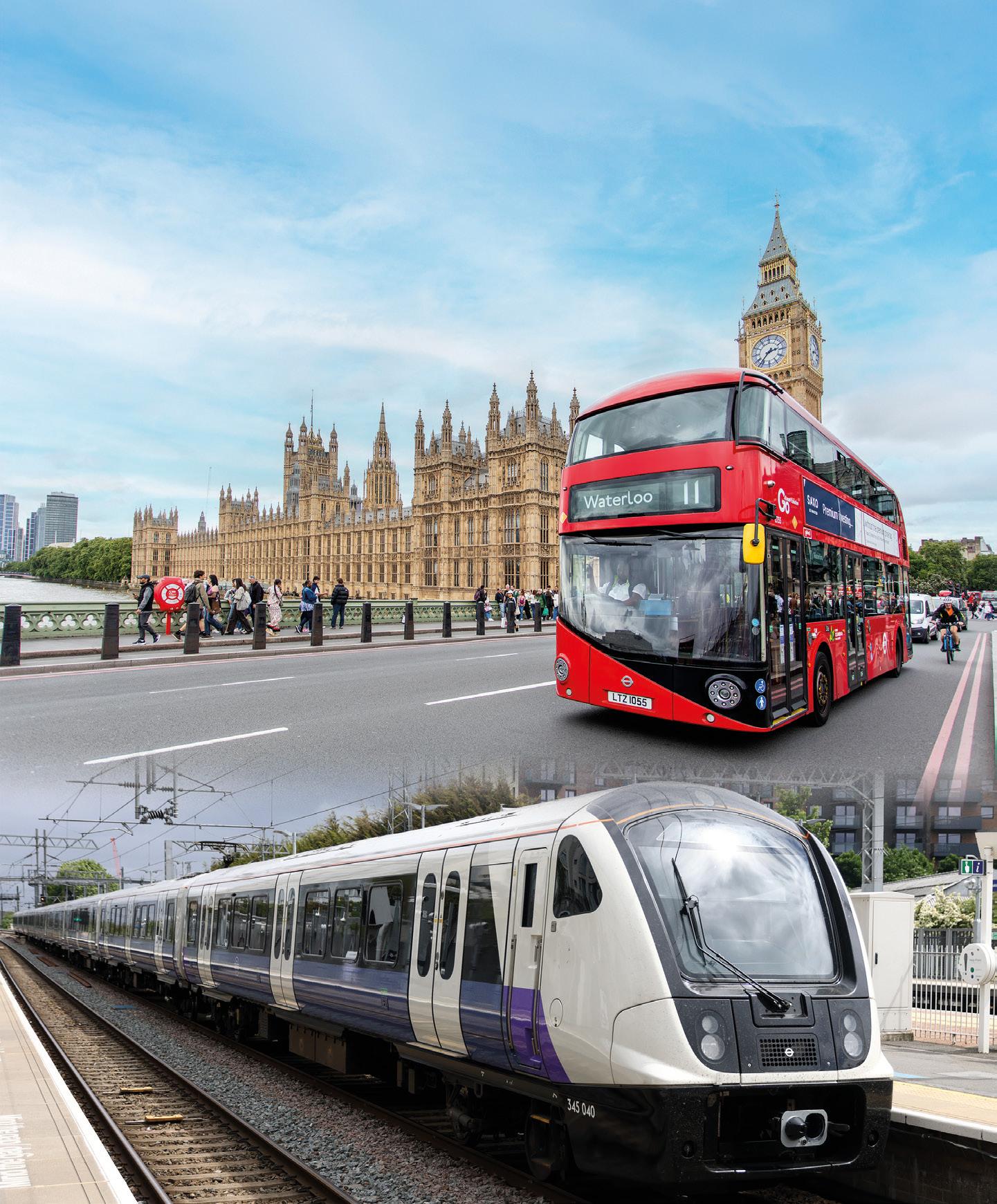
Go-Ahead operates more than 6,000 buses in the UK, including what it describes as the largest zero-emission bus fleet in the country. Its rail operations are conducted through Govia Thameslink Railway, operating Southern, Thameslink, Great Northern and Gatwick Express services, as well as the Elizabeth line, operated on behalf of Transport for London.
The report also points to Go-Ahead’s investment in workforce development. The group was ranked 12th in the Top 100 Apprenticeship Employers 2025 and 28th in The Sunday Times rankings, having been recognised by the Department for Education as a leading apprenticeship employer
for three consecutive years.
Last year it launched a multi-million-pound engineering training academy to support the transition to zero-emission technology.
Patrick added: “Alongside the economic impact we generate to the jobs we support, our people take real pride in delivering for our customers and we know the vital role we play in keeping the country moving every day.
“Whether it’s a commute to work, school or a visit to family and friends, we understand how important these journeys are, and we remain focused on delivering reliable services and investing in the future of transport.”

























There is less than a month to go until Rail Safety Week. Richard Hines, Chair of the Steering Group, and Elaine Clark OBE, Chief Executive of Rail Forum, the custodian, look ahead to what is in store this year
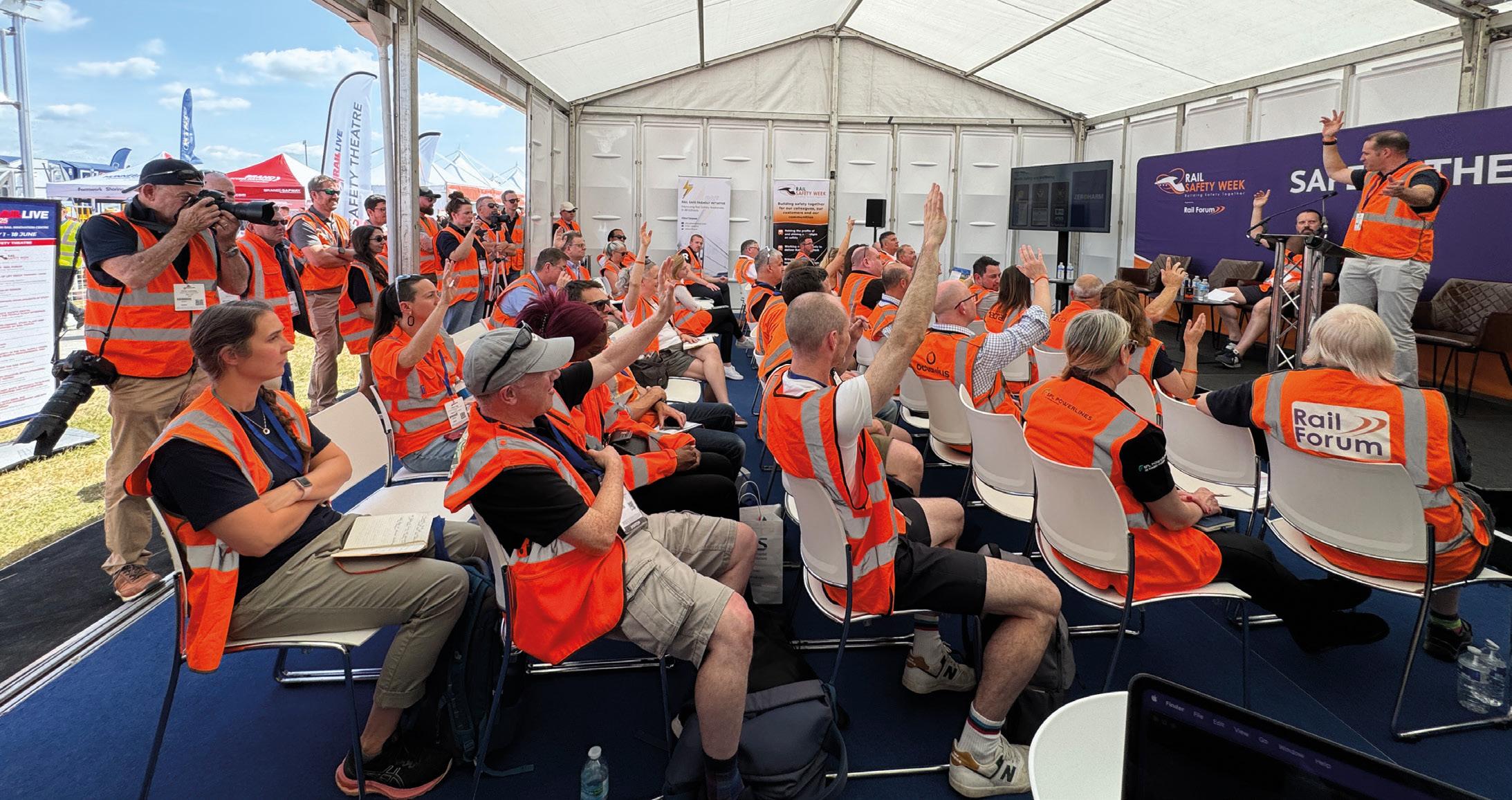
Organisations are being urged to get involved with next month’s Rail Safety Week (RSW), an industry wide and industry led initiative focusing on rail safety for all.
This year’s event takes place from Monday, 15 June, until Sunday, 21 June, bringing rail safety to the forefront of people’s minds across a dedicated week; keeping safety firmly in the spotlight and sharing ideas and best practice across industry colleagues.
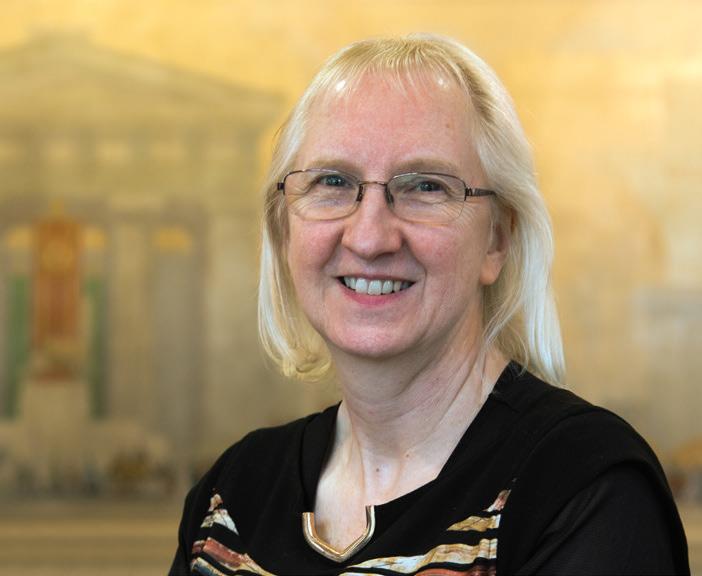
“I’d like to encourage all organisations, large and small, to get involved, share best practice, and continue to drive a culture where health and safety is always at the forefront of everything we do,” explained Richard Hines, Director of Railway Safety and HM Chief Inspector of Railways at the Office of Rail and Road.
Last year he was appointed Chair of the RSW Steering Group, working with Rail Forum, custodian of the event, and fellow Steering Group members to guide the strategic direction of the week, this year marking its 11th birthday.
“It’s a fantastic opportunity to bring the industry together around our shared commitment to deliver a healthier and safer railway,” he added.
This year’s event will be launched with a Rail Safety
Week Conference, which takes place on Monday 15 June at The Milner Hotel in York. Attendance is free to anyone wishing to book, until capacity is reached.
Among the speakers scheduled to take part are Greg Morse from Rail Safety and Standards Board; Rupert Lown from the Department For Transport Operator; Mike Roberts from the Railway Mission; and Karen Bennett from the Community Rail Network. The line-up is completed with several industry colleagues from across the supply chain and passenger and freight operator community.
Elaine Clark OBE, Chief Executive at Rail Forum, said the conference will explore two key themes.
“Lessons learned from the Cullen Report into the Ladbroke Grove rail crash and ensuring these aren’t lost during the current industry changes,” she explained. “Whilst the report is from some time ago, and there are new and emerging safety-related issues we need to get to grips with, it is important we don’t forget the key messages from all those years ago.
The conference will also feature another high profile non-rail related incident and what we can learn from other industries.
“The second theme is around managing wellbeing during times of change. As we go through what is arguably the biggest upheaval in the industry for more than 30 years, we all have an important role in ensuring the wellbeing of our teams. This session will include a focus on psychological safety, some examples of current good practice and the importance of understanding our people.”
The event will kick off a week of health and safety activities, site briefings and school-based events across the UK, with everyone in the industry being urged to play their part in promoting the vital importance of rail safety across and beyond the
industry to the communities it serves.
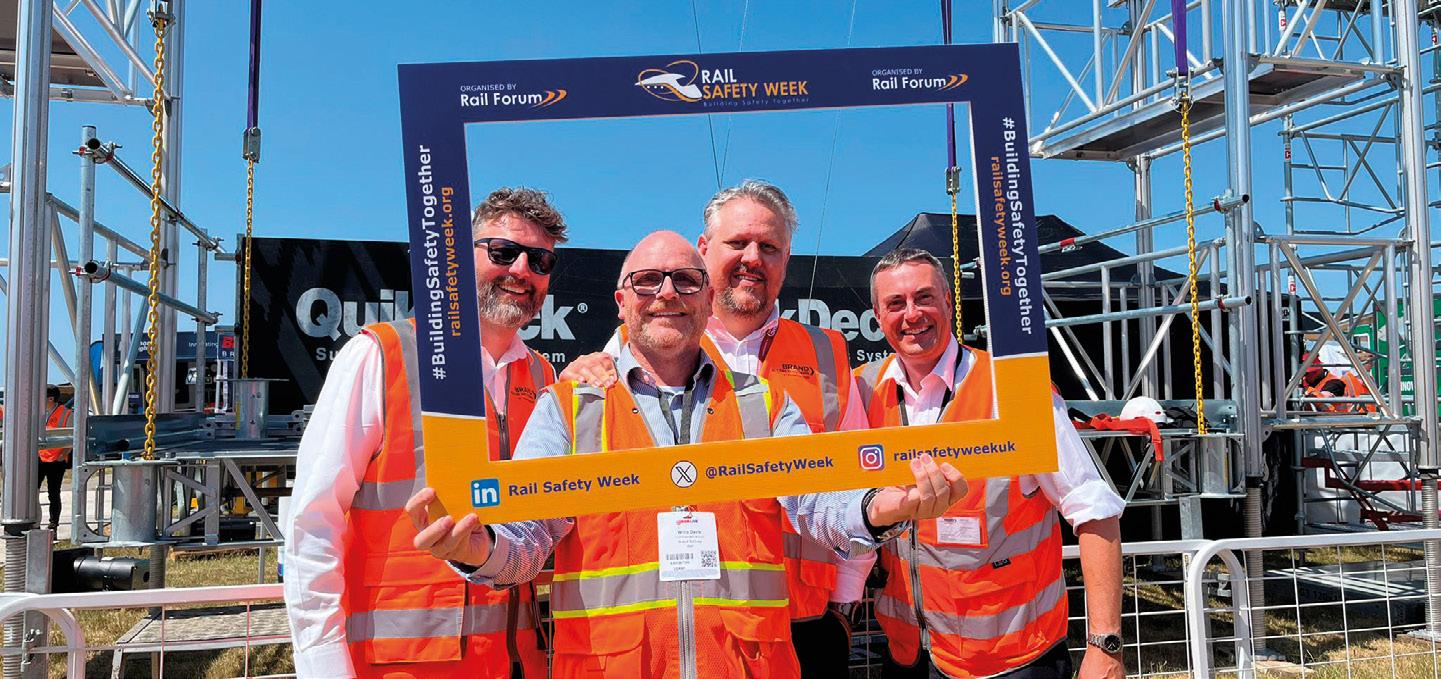
Elaine said: “Rail Forum adopted RSW in 2023 to take it forward and continue bringing rail safety to the forefront of everyone’s mind. From our perspective it is very much about encouraging the industry to work together to build on the success of last year’s event where almost 250 organisations got involved. Everyone knows safety is important 365 days a year, but when you are busy it is also easy to take it for granted, and in our industry it is critical we never fall into that trap. As a minimum what I would like to see is all organisations taking the opportunity to just stop and reflect on their own safety culture and priorities.
“What you do for RSW is entirely up to you, from launching a new initiative, to conducting toolbox talks, running webinars, or a social media campaign


on what safety means to your workforce… the possibilities are truly endless.
“We hope the case studies, best practice and examples of activities inspire further engagement with and commitment to safety, not just during RSW, but all throughout the year.”
This year’s Headline Sponsor is Carlisle Support Services.
Steve Cere, Director of Rail Strategy at the organisation, said: “Rail Safety Week is about uniting the industry to protect our people, our passengers and our communities. As a proud sponsor, Carlisle is committed to supporting a culture of shared responsibility, continuous learning, and proactive prevention of accidents and fatalities.”
www.railsafetyweek.org/


Rail Safety Week is about uniting the industry to protect our people, our passengers and our communities
WSP’s Kat Ibbotson, Emily Fennell and Owen Tarrant describe the shortcomings of fragmented decision making, and how working with key industry stakeholders beyond the rail corridor will be in everyone’s interests
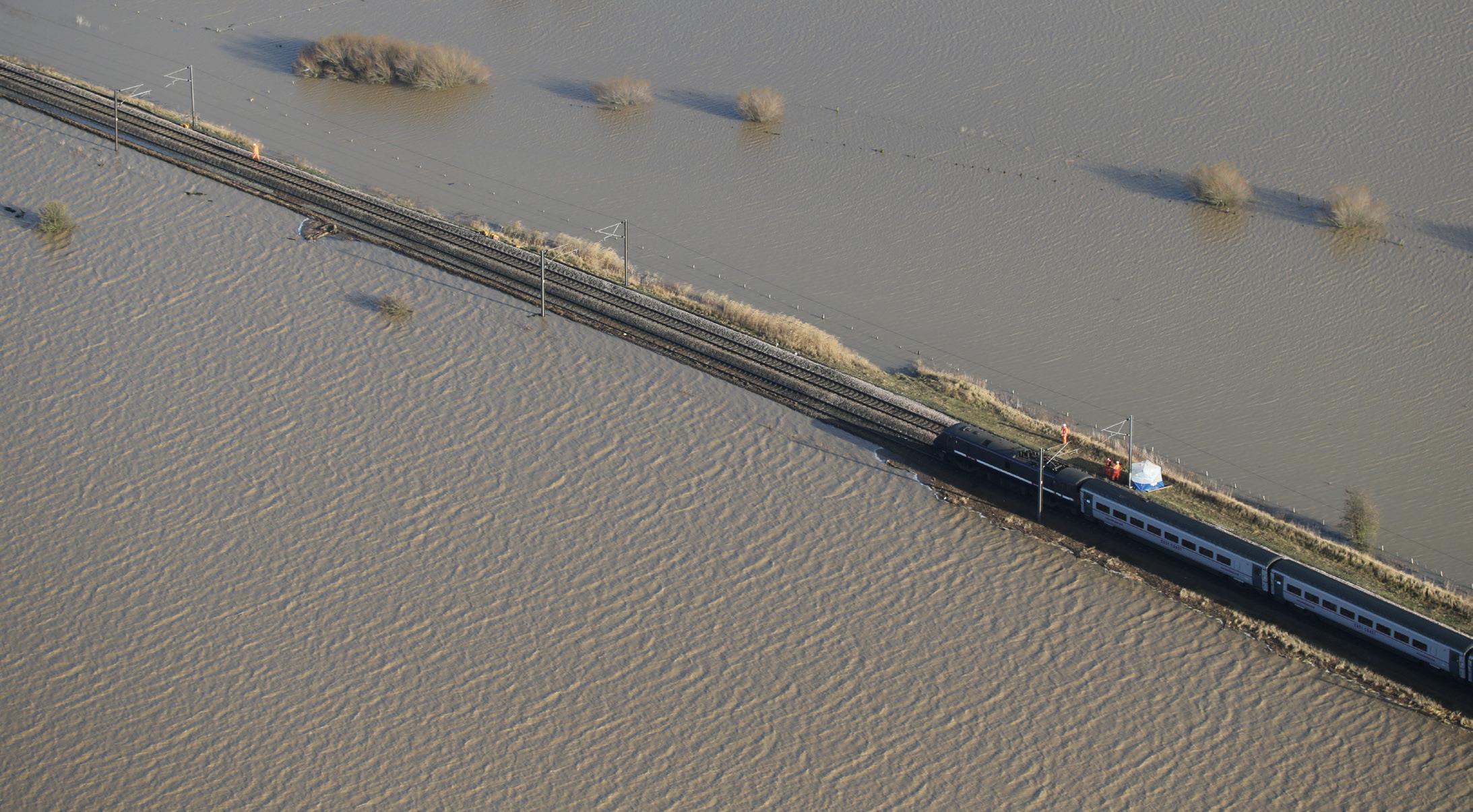
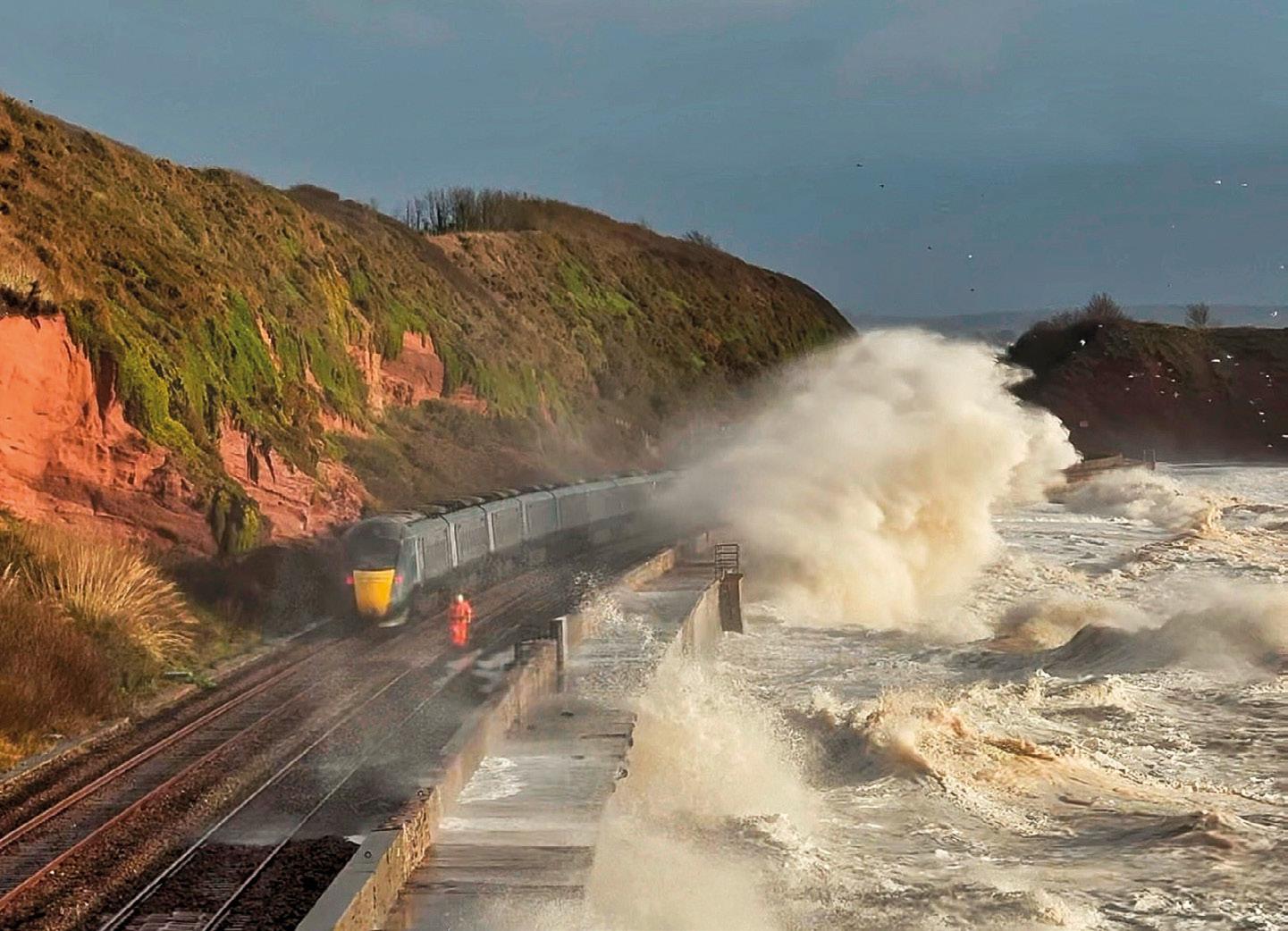
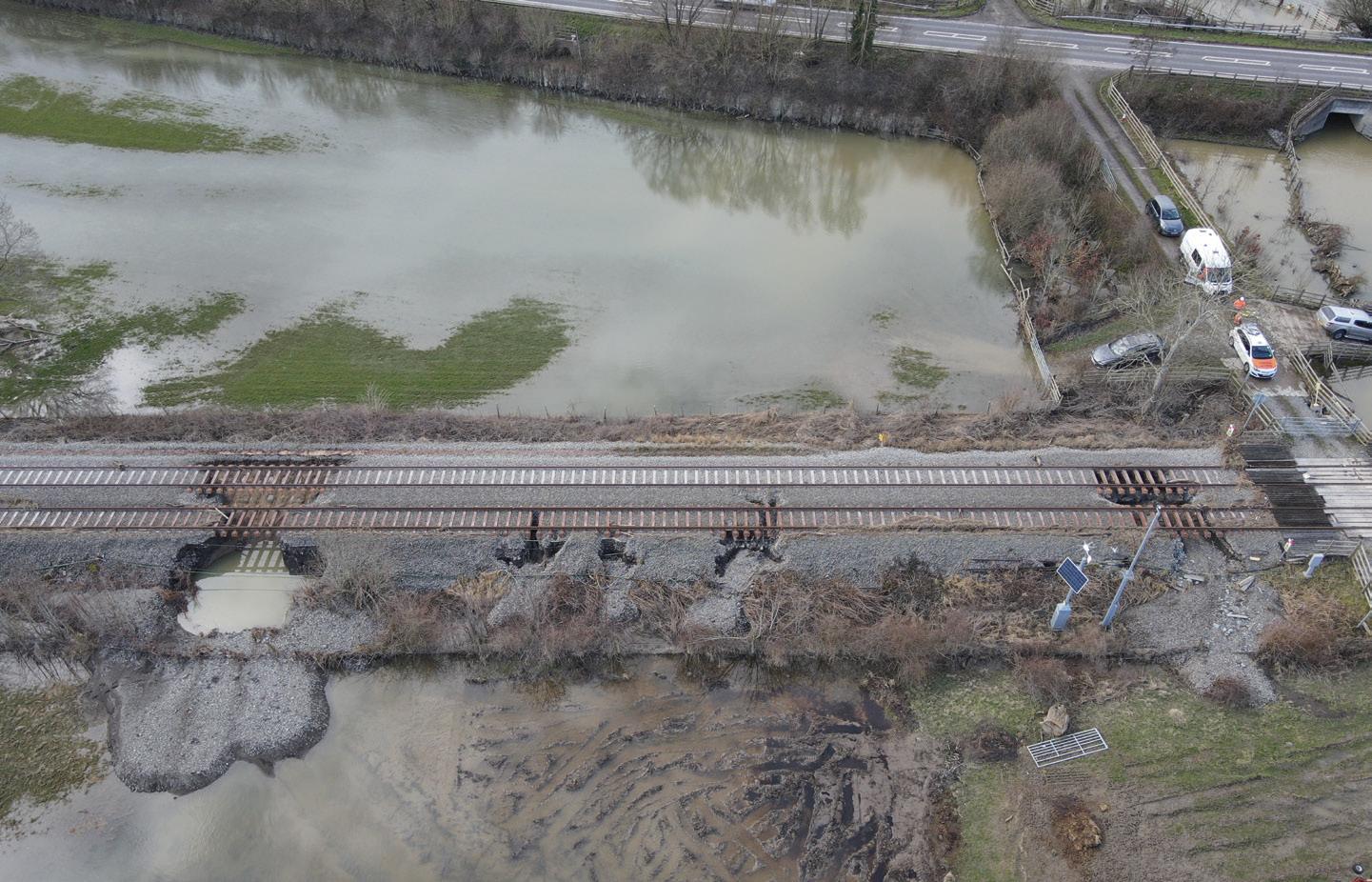
In January 2026, Storm Ingrid did its best to expose the vulnerability of Devon’s coastal railway to climate change – the collapse of the sea wall onto the tracks causing widespread cancellation of train services.
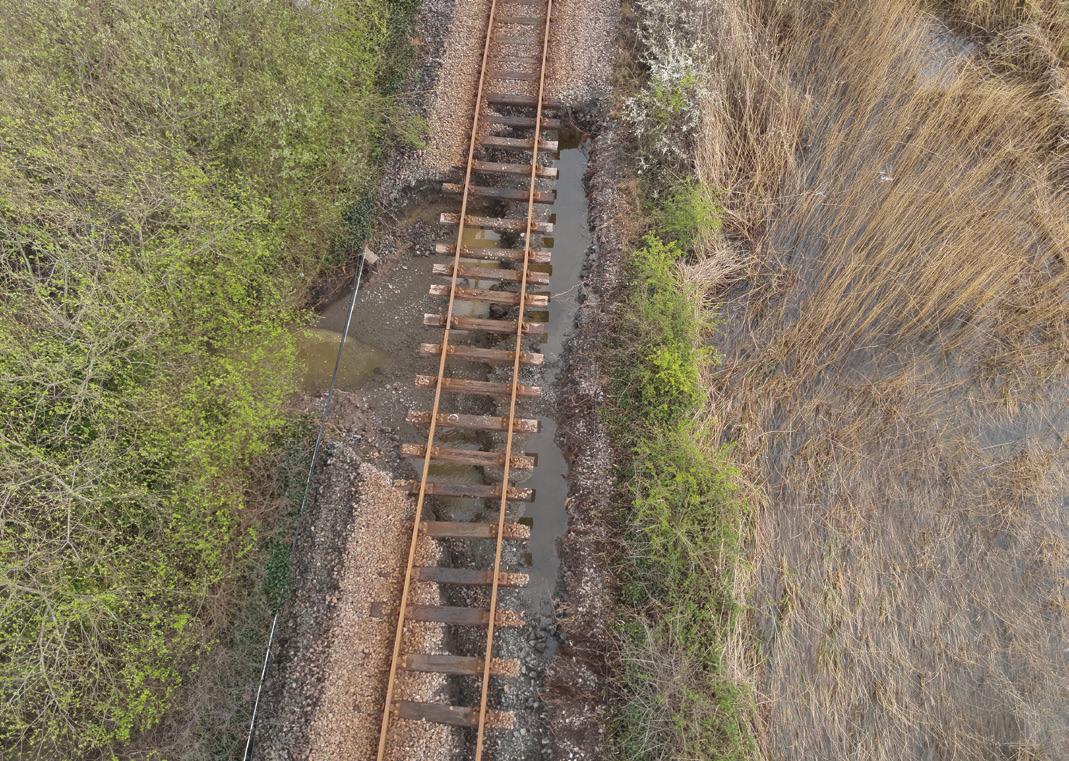
Only a few months earlier, in November 2025, heavy rainfall had caused a landslide that derailed an 80mph service in Cumbria. These were not isolated incidents; extreme weather events are increasingly common, and their impact on services and infrastructure increasingly severe –Network Rail’s Fourth Adaptation Report (2024) cited the cost of journey delay compensation then at £370 million.
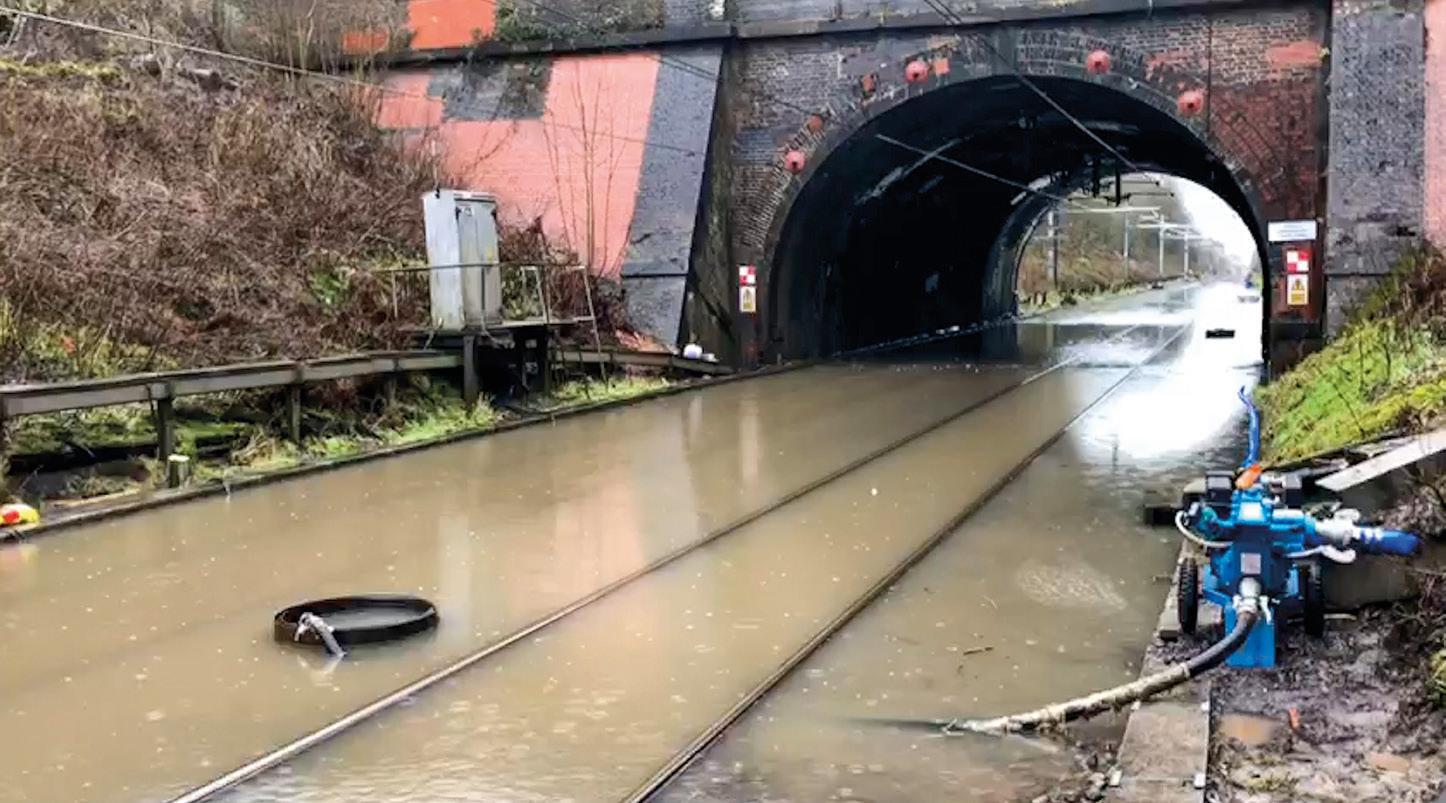
To adequately manage what are increasingly significant weather and climate hazards to the railway, including flood risk, we need to think beyond the rail corridor. This will give major infrastructure owners a greater opportunity to expedite progress, working strategically as one to mitigate the impacts of climate change on their assets.
And through innovative frameworks and data-
driven tools, consultants like WSP, alongside scientists and other technical specialists, can help them zero in on what is needed, where and when.
Getting on the front foot
The accelerating impacts of climate change are exposing vulnerabilities on our ageing railway that can no longer be managed adequately or efficiently through reactive measures. The flood-risk framework we have been developing with Network Rail provides a strategic model of flood and coastal risk management that recognises the pressing need to build resilience into the railway. It defines a clear strategy and roadmap to help build capability.
One of its main recommendations is for a more unified approach from stakeholders, sectors, regions and asset owners. Flood risks generally originate outside Network Rail’s catchments, so by working with the Environment Agency – whose own ageing flood defences protect Network Rail’s infrastructure – as well as planners and landowners, efforts can be made to the benefit of all stakeholders and ultimately
the tax-paying, fare-paying public.
The framework also recommends that Network Rail, as a major landowner, aligns with the requirements and duties of a Risk Management Authority (RMA), with a choice of becoming one in the future. As an RMA, Network Rail would be able to influence the catchment levels where it operates.
Our UK railway infrastructure is vulnerable to external causes that are beyond the immediate control of its stakeholders (and would have been beyond the imagination of the Victorian pioneers who founded it).
Our best chance at finding the joined-up solutions we need to tackle today’s challenges lies in systemlevel thinking. After all, weather and climate-related hazards, including flood risk, affect all infrastructure owners; they are all compromised by ageing assets and under-funding.
But there is a major flaw in governance preventing this. Effectively, Network Rail, National Highways and
the Environment Agency, as well as local authorities, all compete for the same pot of Treasury money –even if that money is to address risk across the same floodplain. Decisions are therefore fragmented, shaped by isolated agendas, and they lack a unifying, catchment-based approach.
Wouldn’t it make more sense for stakeholders to work together to develop combined business cases that articulate the benefits of reinforcing flood defences across organisations?
Ultimately, this would be good news for communities and the railway and the roads that connect them (an approach broadly supported within the National Flood and Coastal Erosion Risk Management Strategy for England).
It is encouraging that cross-industry alignment is a hot topic for NISTA (National Infrastructure and Service Transformation Authority). Its cross-industry roundtables demonstrate a shared understanding that the condition of Environment Agency assets eg sea walls and other flood defences, directly impact the resilience of assets owned by fellow infrastructure
To minimise the impacts of increasingly severe and more frequent major weather events on our railway network, UK PLC needs its major infrastructure owners to work together
owners, including Network Rail, as brought to public attention recently by Storm Ingrid.
Most stakeholders agree that the prioritisation of ‘resilience projects’ at a national level, and their smart sequencing – so they are delivered in the right order and at the right time – can maximise resilience and avoid duplication and waste. The big question is: how do we get there?
Adaptation reporting is helping to drive collaboration between public bodies and infrastructure providers across transport, water and energy sectors –supporting a more joined-up approach to decision making. But there is more that can be done to drive smarter, cross-sector resourcing.
After all, cross-sector collaboration is not being hindered by a lack of willingness; infrastructure owners will naturally lean into efficiencies and economies of scale that are in their interests.
What makes it difficult for these significant asset owners to share priorities is how public funding is
allocated; that and inconsistent data sharing and divergent digital maturity across asset owners. It’s analogous to asking two AI chatbot assistants the same question and then getting two wildly different answers.
Asset-level information at a spatial level would certainly help organisations identify shared efficiencies and, more importantly, sidestep inefficiencies such as digging up a road to add a culvert and then having that same section of road dug up weeks later for utilities work (a real-life example we recently encountered).
Through a unified, transparent and cross-sector digital backbone we can better enable joint decision making, shared risk modelling and smart sequencing of infrastructure works between multiple asset owners.
This is an idea that has been used to good effect in other sectors. Stress-testing banks (forcing them to model resilience against crises) helped restore some much-needed faith in banking following the 2008 financial crisis.
Infrastructure doesn’t exist in silo (so it shouldn’t be planned in one, either!)
The UK still lacks a joined-up national approach to infrastructure prioritisation. Instead, asset owners prioritise projects based on their own budgets, their own agendas and their own risk models. While some put climate impact first, others follow growth agendas or are driven by regulatory cycles.
What’s missing is a sequencing approach that recognises catchments, geography and local interdependencies. This would help prevent roads being dug up multiple times. It would also avoid housing developments being built without regard to wastewater requirements (let alone green spaces, train and bus links and nature-based solutions to reduce flood risk and improve biodiversity).
It could avoid data centres being developed without their impact on water supply and local reservoir capacity being considered. It could reduce the number of wind farms being turned off thanks to inadequate transmission networks. The benefits of smart sequencing apply to every sector.
Of course, the railway faces precisely the same challenges, with upgrades and resilience schemes undermined by decisions taken upstream or by neighbouring infrastructure owners.
Effective climate resilience requires interdependent systems to be synchronised, not delivered in isolation. And the benefits to UK PLC and our infrastructureowning organisations of doing so would be irresistible, albeit hard to quantify.
Tools for a more climate-resilient railway
And it’s this requirement for interconnected decision making around climate-related flood and extreme weather risk that makes the Framework for Flood and Coastal Risk Management we have developed for Network Rail an important part of the puzzle.
Alongside this overarching framework, we have developed tools to give Network Rail the forecasting ability it needs to stay ahead of the weather. For example, our spatial climate change risk assessment tool provides Network Rail Scotland with a visual map of climate risk across its network.
Rooted in robust evidence captured through several workstreams, from supporting its development of a desk-based climate change risk assessment, it features the sort of granular detail around its assets, performance and other key metrics that will support well-informed decisions.
More recently, we developed a weather analytics/ observation tool to help them estimate the occurrence of repeat events at a local level and broadened that out across the whole of the UK (not just Scotland) to give a much bigger picture.
In practical terms, this should help Network Rail build resilience at specific parts of the network, for example by painting tracks white in the event of high temperatures or using Remote Condition Monitoring installation to enhance asset management.
By measuring metrics such as rainfall, temperature, solar radiation, and wind speed over the last 40 years across specific geographical parts of the network, this tool will inform smart proactive measures that can be taken at regional and national levels.
Network Rail’s investment in digital support is
giving its asset managers and engineers a clearer understanding of climate risks so they can introduce appropriate adaptations and optioneering solutions earlier in their designs.
One only has to look to the Thames Barrier to appreciate the importance of this approach. Designed in the 1970s for occasional use, the lifespan of this significantly important and costly national asset has been dramatically shortened by much more frequent use imposed on it by climate change – an unforeseen cost we will all have to bear in the future.
frontline of climate resilience
Being one of the UK’s largest landowners, Network Rail is taking a proactive approach to understanding the manifold impacts of climate change on the rail corridor, which includes some 20,000 miles of track. For example, we are working with them to better understand how climate change affects ground movement and vegetation encroachment and the knock-on impact on its assets and structures.
With machine learning helping to explore links between historic failures and weather patterns, the
railway sector is pushing the boundaries of predictive risk analysis, and it’s great to be part of that story as it unfolds.
As climate change pressures intensify, it’s clear that no single organisation can build resilience on its own. For the rail sector, we need to shift from siloed, asset-by-asset responses towards an integrated, system-wide approach. One grounded in transparent data, aligned decision making, and shared priorities across infrastructure owners that exist beyond the narrow confides of the rail corridor.
Predictive analytics and spatial climate risk/ resilience assessment tools show we are making progress. And these are already promising to be useful in building infrastructure that can perform in the face of increasingly severe weather.
But to ensure good assets don’t become bad investments, we need government-funding mechanisms, national prioritisation processes, and cross-sector governance to actively support collaboration between sectors, rather than competition, and accelerate the transition that has already started.
www.wsp.com/en-gb


RSSB
Chief Executive Mark Phillips explains more about the organisation’s Annual Business Plan for 2026-27, and its role in being the trusted partner that helps Britain’s railway deliver

Rising financial pressures, increasing expectations around safety, reliability, accessibility, and the pace of structural reform mean that the rail industry needs to know not what has already happened, but what happens next.
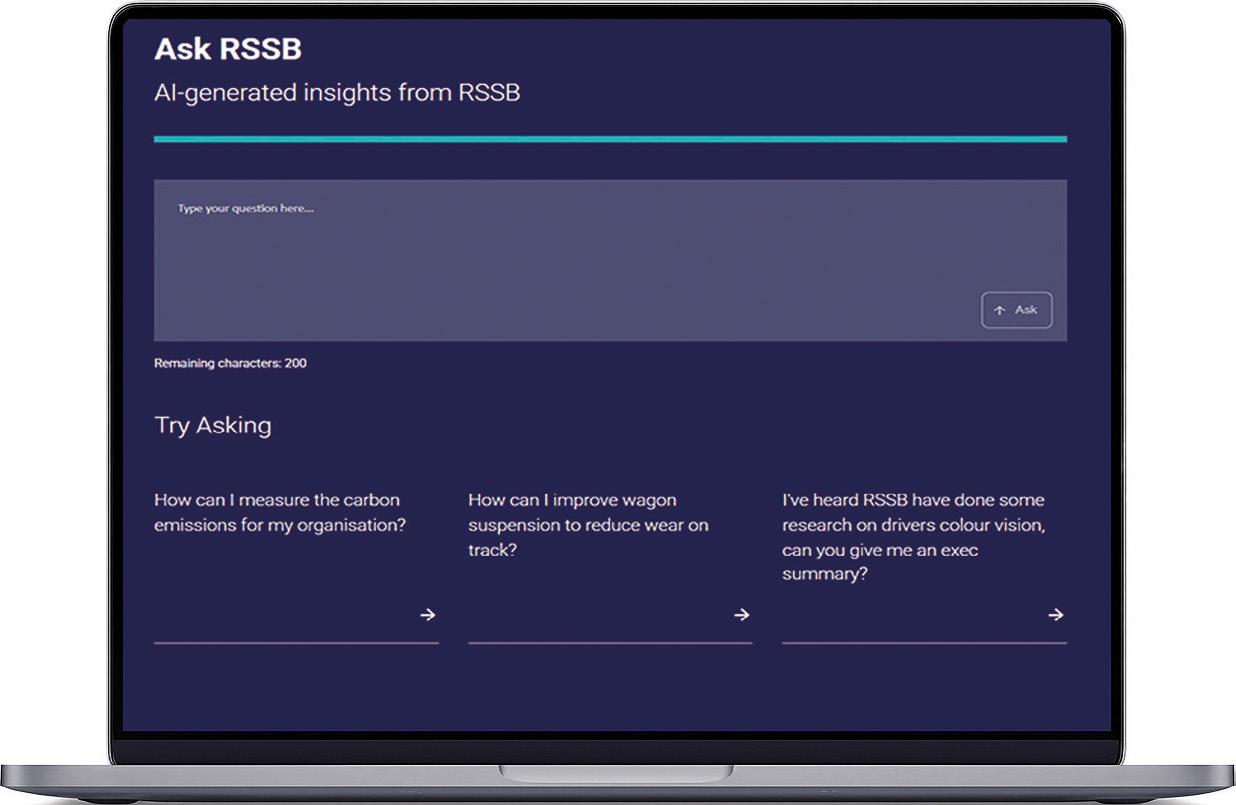
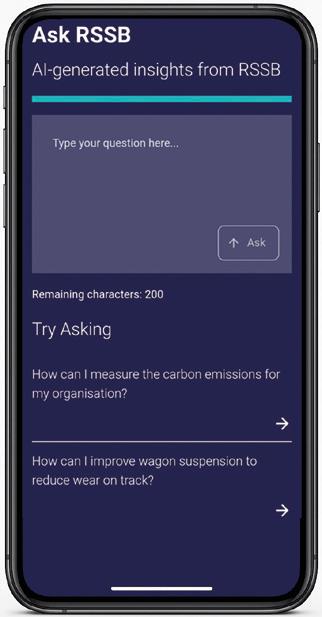
We are fortunate therefore that cutting-edge AI-enabled technology allows us to make this transition towards outcome-focused, predictive insight – identifying issues before they happen.
This will provide effective support for rail reform, improve performance, and deliver cost-effective change across the industry.
Our Annual Business Plan 2026-27 – Laying the pathway to Britain’s next railway revolution – embraces this shift so that the Rail Safety and Standards Board (RSSB) will continue to provide trusted and independent whole-system insight as Great British Railways (GBR) takes shape.
Our railways are undergoing the most significant transformation in a generation. The creation of GBR marks a pivotal moment, bringing much of the industry under a more unified public leadership and accountability framework, and setting the stage for a new era of rail reform.
GBR will operate as the ‘directing mind’ for the industry, while working alongside devolved authorities, freight operators and suppliers, simplifying interfaces and strengthening system co-ordination.
Against this backdrop of reform and financial constraint, the RSSB business plan sets out how
AI-enabled data, standards, and whole-system insight can unlock savings and benefits across the industry.
When change brings risk, safety needs certainty and our work in 2026-27 is therefore deliberately focused on outcomes rather than activity: on data, standards, and solutions that unlock value across the system; and on derisking change.
Feedback from members consistently highlights ‘cost’ as their most pressing challenge, one that is expected to persist in the coming years.
We embed the principle of ‘reasonable practicability’ in decision-making across all our work, systematically comparing the costs of interventions with the financial benefits delivered, to ensure value for money.
The key initiatives outlined below are not standalone innovations, but address known industry challenges while passing our twin tests of reasonable practicability and value for money:
We aim to boost freight efficiency, support 5,000 Port Talbot jobs, and advance the UK’s net zero ambitions by generating the evidence needed to safely revise current freight restrictions. Working in partnership with Network Rail Wales Route, we will determine how operational rules can be safely adapted to enable additional flows to service the new Electric Arc Furnace. Unlocking this capacity will deliver £18 million in additional revenue for
freight operators over five years and help secure £1.25 billion of investment for the South Wales region. It will also contribute to the Government’s target for rail freight growth of at least 75 per cent by 2050.
In-service trials of enhanced trailing arm bushes (ETAB) are expected to confirm potential lifetime maintenance savings of up to £43 million for a typical GB operator, with about 15 fleets set to benefit. We will partner with Transport for Wales to retrofit ETAB to Mark 4 vehicles, collect in-service data to confirm projected savings, and work with rolling stock leasing companies to enable wider rollout.
Working with Department for Transport Operator, we will develop AI agents that deliver wholesystem intelligence on performance insight across health, safety, and sustainability directly to leaders. RSSB’s Health Insights alone is expected to identify health risks across the industry with expected cost benefits of around £65 million over five years.
Rail’s contribution to jobs, accessibility, community, health, and the environment will be assessed through the publication of a social impact report. As rail lacks a unified measure of its social value, our report will add the missing piece: who benefits, how, and by how much. If industry adopts the best practice highlighted in the report, it will support
better planning and greater social value creation. Assuming a five per cent uplift in reported social value over five years, the potential benefit is £338 million, or around £67.5 million per year.
To unlock savings for our rail partners, we will work on the development of an overspeed indicator: a predictive solution that identifies where overspeed is likely to occur to direct priority interventions. This will help Network Rail and operators manage overspeed risk, valued at £1.6 million over five years. The project aims to cut this risk by five per cent from the 2024/25 baseline, with potential for more improvement as additional preventive measures are implemented.
We aim to embed our predictive tool that forecasts track and wagon wheel wear to enable preventive maintenance. Following a successful pilot with Freightliner, we will work with the broader freight community to drive industry-wide adoption. This tool will significantly reduce the £500,000 of vehicle faults per annum associated with brake, brake system faults, and wheel flats, potentially unlocking additional savings.
By delivering a free, cross-industry carbon management tool for consistent calculation and management of carbon project forecasts, we aim to accelerate decarbonisation of the built environment, which has a very high level of


embodied carbon. The tool delivers accurate data and quicker decisions, eliminating paid licences and saving the industry £1.5-2 million annually.
Our Annual Business Plan 2026-27 is built around giving our members, stakeholders, and the future GBR the tools, knowledge and insight they need to make faster, smarter decisions on safety, performance, and cost.
The plan sets out how AI-enabled data, standards, and whole-system intelligence can be used to improve safety and value across Britain’s railway.
RSSB’s role is to enable cost-effective change without compromising safety; provide independent, evidence-based insights; reduce system-level risk; and support the industry to be future ready.
We’re immensely proud that, for more than 20 years, we have been the connective tissue that unites Britain’s railway system, supporting collaboration and whole-system coherence.
Using predictive insight to anticipate Now we are moving beyond retrospective assurance to become the organisation that helps the industry anticipate with predictive insight what is likely to happen next, and why.
The overall benefits and outcomes from the RSSB business plan are to meaningfully contribute to reducing industry costs, thereby easing the burden on taxpayers and fare payers.
It will also contribute to improved train
Collectively, we have the opportunity to create a new golden age for Britain’s rail industry, and RSSB will play its full part in making it a success
performance, reliability, and safety, leading to a better overall experience for passengers and freight logistics businesses.
Rail reform is one of the biggest structural changes this industry has seen in a generation. Collectively, we have the opportunity to create a new golden age for Britain’s rail industry, and RSSB will play its full part in making it a success.
Visit www.rssb.co.uk/annual-businessplan-2026-27















Gary Smithson, Managing Director of Transportation at Morson Edge, discusses the evolution of Morson Group and the journey ahead
There’s a looming skills gap facing the UK rail industry that can’t be ignored with tens of thousands of workers expected to retire in the next five years.
At the same time, the cost of attracting top talent has jumped 65 per cent in just a year.
With ageing infrastructure, new sustainability targets, and an intensifying skills gap, it’s a challenge that can’t be ignored, and something Morson Edge is doing something about.
The organisation delivers expertise across the full lifecycle, from concept design to operations, from single placements to full MSP programmes. Illustrating its importance, Morson Edge provides six million-plus people hours annually to rail alone.
“Our teams source niche skills at speed, backed by in-house training and screening to shape sustainable talent pipelines and guarantee compliance,” explained Gary Smithson, Managing Director of Transportation at Morson Edge.
“Rail continues to be underpinned by longterm investment in renewals, upgrades and critical infrastructure across main line, metro and light rail, sustaining a level of resilience.
“However, delivery has slowed in parts, funding cycles remain constrained, and both organisations and talent are diversifying into adjacent sectors.”
Gary explains how one challenge facing the industry is workforce certainty, ensuring the right
skills are available, engaged and ready to deploy as programmes move.
“Clients increasingly want more than recruitment alone,” he said. “They want delivery partners that can solve problems, build capability and help projects move faster, not just send CVs.
“That’s where we excel: giving organisations confidence in their workforce readiness, reducing delivery risk, and enabling programmes to scale at pace when the market turns.
“Digitalisation is also reshaping the skills landscape, from systems integration and smart depots through to new asset technology. Our role is making sure the industry has the people who can build it, run it and improve it.”
Last year the Morson Group, which has been delivering talent, consultancy, technology, screening and training solutions around the world for more than 56 years, launched Morson Edge.
It’s formed of legacy brands Morson Talent, Bridge, Anderselite, InterQuest and Cornwallis Elt, in a move described as a shift from transactional recruitment towards a fully integrated talent ecosystem.
It sits alongside Morson Praxis (technical consultancy), Morson Vital (multi-disciplinary team deployment), and Morson Nexus (skills development), with the new structure allowing clients to access a
broader range of expertise and services, addressing the full spectrum of workforce challenges that affect productivity, risk and growth.
“Morson Edge is the Morson Group’s specialist technical recruitment business, our dedicated transport division is focused on rail, highways and the wider transportation market”, said Gary.
“We support clients from early-stage design and project mobilisation right through to operations and maintenance.
“Within rail, we supply engineers and project professionals across signalling, electrification, civils, systems integration and rolling stock.
“What makes us different is our ability to move quickly while maintaining strong compliance and delivery standards. In a market where specialist skills are scarce, clients need speed, quality and certainty.
“We can support anything from a single niche hire to building full project teams or managing large-scale workforce programmes, all under one roof.”
With momentum building on the creation of Great British Railways (GBR), Gary believes if reform is to succeed there needs to be focus on three outcomes: higher productivity, better passenger experience, and faster decarbonisation.
“All three come back to one thing – people,” he explained. “Having the right skills, in the right place, at the right time. Our role is to help GBR, operators and the wider supply chain access that talent, support the transition to greener technologies and attract a more diverse generation into rail for the next 10 to 20 years.
“GBR is about creating a clear guiding mind for the railway, bringing track and train closer together, simplifying accountability, and putting passengers and freight customers first.
“For the supply chain that should create clearer long-term pipelines, more consistency in standards, and a stronger platform for innovation. That confidence is critical if businesses are going to invest in people, technology and capability.”
It’s a future that Gary is excited about, especially in his role in shaping the organisation to be the partner of choice for GBR and its supply chain, recognised not just for scale, but for helping tackle the sector’s productivity, skills and diversity challenges.
“When I joined Morson Group 22 years ago, we were largely known as a traditional rail recruiter,” he reflected.
“Today we’ve evolved into a much broader people and delivery partner, combining consultancy, workforce solutions, project delivery and skills development.
“Rail remains a core market for us, but our strategic focus is broader, on enabling the workforce that underpins the entire transport ecosystem. We’ve moved well beyond filling individual vacancies to now helping clients build delivery models, mobilise teams, solve workforce challenges and scale the human infrastructure required to deliver complex, safetycritical programmes.
“That means not just access to talent, but the capability to mobilise, develop, and sustain a workforce that is fit for future demand across all
modes of transport.
“What I’m most proud of is how the culture has evolved too – more data-led, more collaborative across the group, and far more focused on inclusion, opportunity and social value.
“This capability is increasingly global. Through targeted acquisitions, including PTS Advance in North America, we’ve strengthened our ability to deliver integrated workforce solutions at scale.
“With an established presence across the UK, North America, Australia, Italy, and Canada, we’re positioned to support clients with consistent, highquality workforce delivery across geographies, helping de-risk major programmes and accelerate delivery through workforce readiness.
“That’s what makes the opportunity ahead so significant.”
Going above and beyond to ensure the industry thrives
Morson Edge’s commitment to the rail industry goes beyond its day-to-day work. This includes colleagues’ involvement with the Railway Children’s Three Peaks Challenge by Rail and participation in the charity’s annual sleepouts at railway stations, raising tens of thousands of pounds.
As well as having taken part in those fundraisers, Gary has been a Women in Rail Board trustee for the past four years, a role he describes as a “huge honour” and one in which he’s learned from “the incredible women across the industry”.
“It’s about listening, amplifying voices, and creating opportunities where they might not otherwise exist,” he explained.
“As a trustee, I see first-hand the impact that mentoring, networking and outreach can have. It can build confidence, open doors and change career paths.
“My commitment to equity, fairness and opportunity has been shaped by having a daughter. I want her to have access to absolutely everything and anything she sets her mind to.”
Currently it is estimated that only 18.9 per cent of those working in the UK rail industry are female, and with tens of thousands of workers leaving the industry by 2030 due to retirement and attrition, it is vital the sector is one where everybody has the opportunity to thrive.
“My focus as a trustee is about helping Women in Rail grow and doing something to try to change that needle, something that one person can’t do alone but collectively we can make a real difference,” Gary added.
“It’s a passion shared by the wider Morson team. We’re at around 55 per cent to 45 per cent female to male, so we’re bucking the trend there.
“For Morson Group, supporting Women in Rail aligns closely with our commitment to building workforces that better reflect the communities they serve.
“Personally, it matters to me because diverse teams make better decisions, bring fresh thinking and strengthen performance. If I can help accelerate that progress across rail, that’s something I’m proud to be a part of.”
https://morson-edge.com/
Our teams source niche skills at speed, backed by inhouse training and screening to shape sustainable talent pipelines and guarantee compliance
Morson Group’s four pillars
Morson Edge: Supplying organisations with the people who make things happen today while scoping the talent pipelines who’ll deliver the future. From permanent placements to contingent workforces and project-specific solutions, Morson Edge plugs the right skills into your business at the right moment – reducing downtime, cutting risk, and accelerating delivery. https://morson-edge. com/
Morson Praxis: Technical consultancy of world-class engineers and technologists who quickly plug into clients’ organisations to apply specialist knowledge and solve complex problems where it’s needed most, from optimising aerospace processes to shaping next-generation defence systems, transforming major infrastructure and technology. https://morson-praxis.com/
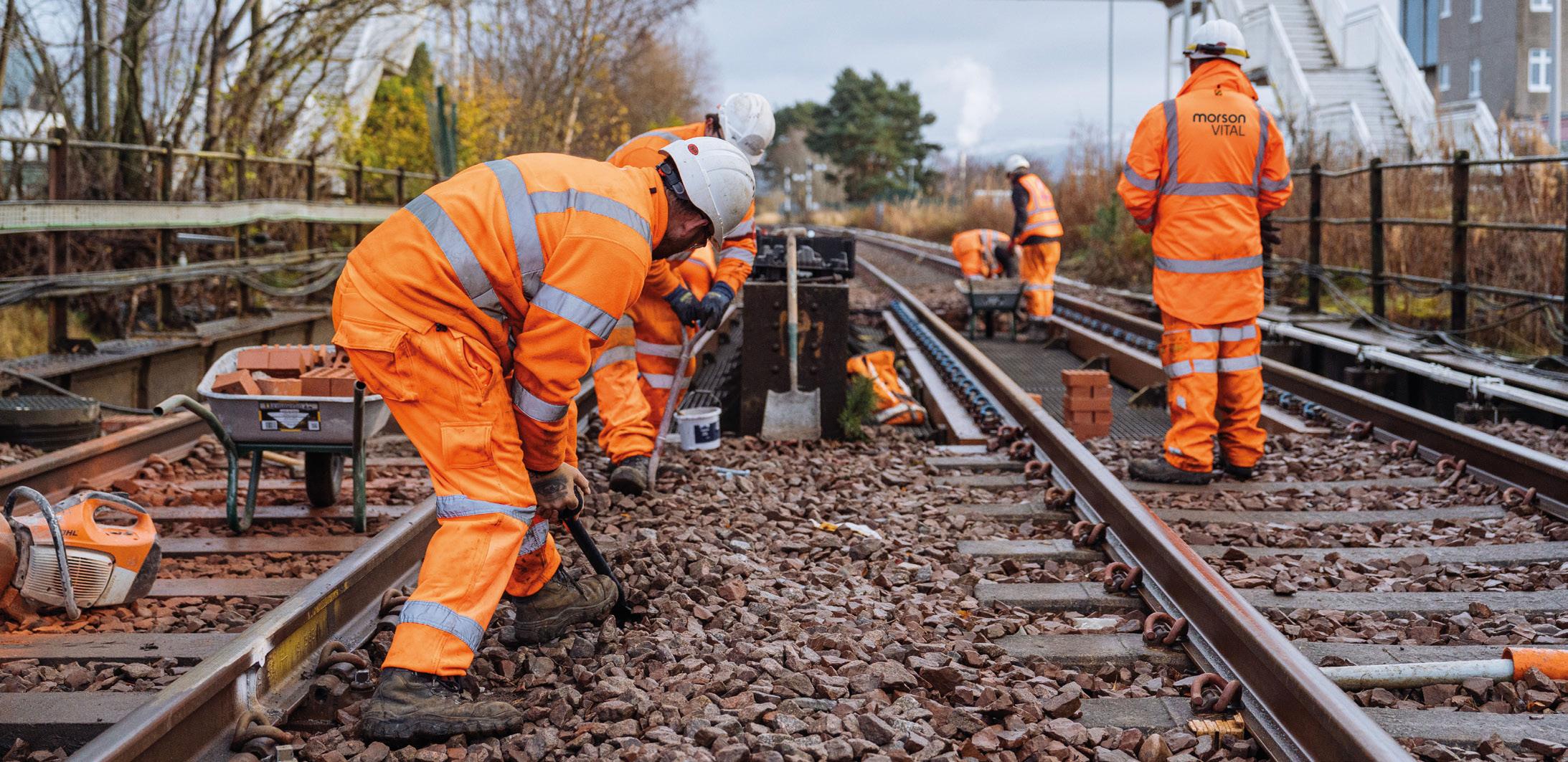
Morson Vital: From full workforce solutions to rapid-response recruitment, Morson Vital combines on-the-ground agility with decades of industry intelligence. The organisation handles everything, sourcing, compliance, logistics, onboarding, and site mobilisation. https://morson-vital.com/
Morson Nexus: The centre of excellence for skills, partnering with clients to upskill, reskill, and future-proof their people. By linking training, experience and opportunity, Morson Nexus makes development work for people and for businesses, strengthening productivity today and building the skilled economies of tomorrow. https://morson-nexus.com/
Kate Boyle, General Manager at AssessTech, discusses enhancing safety, reducing risk, and making competence management more effective
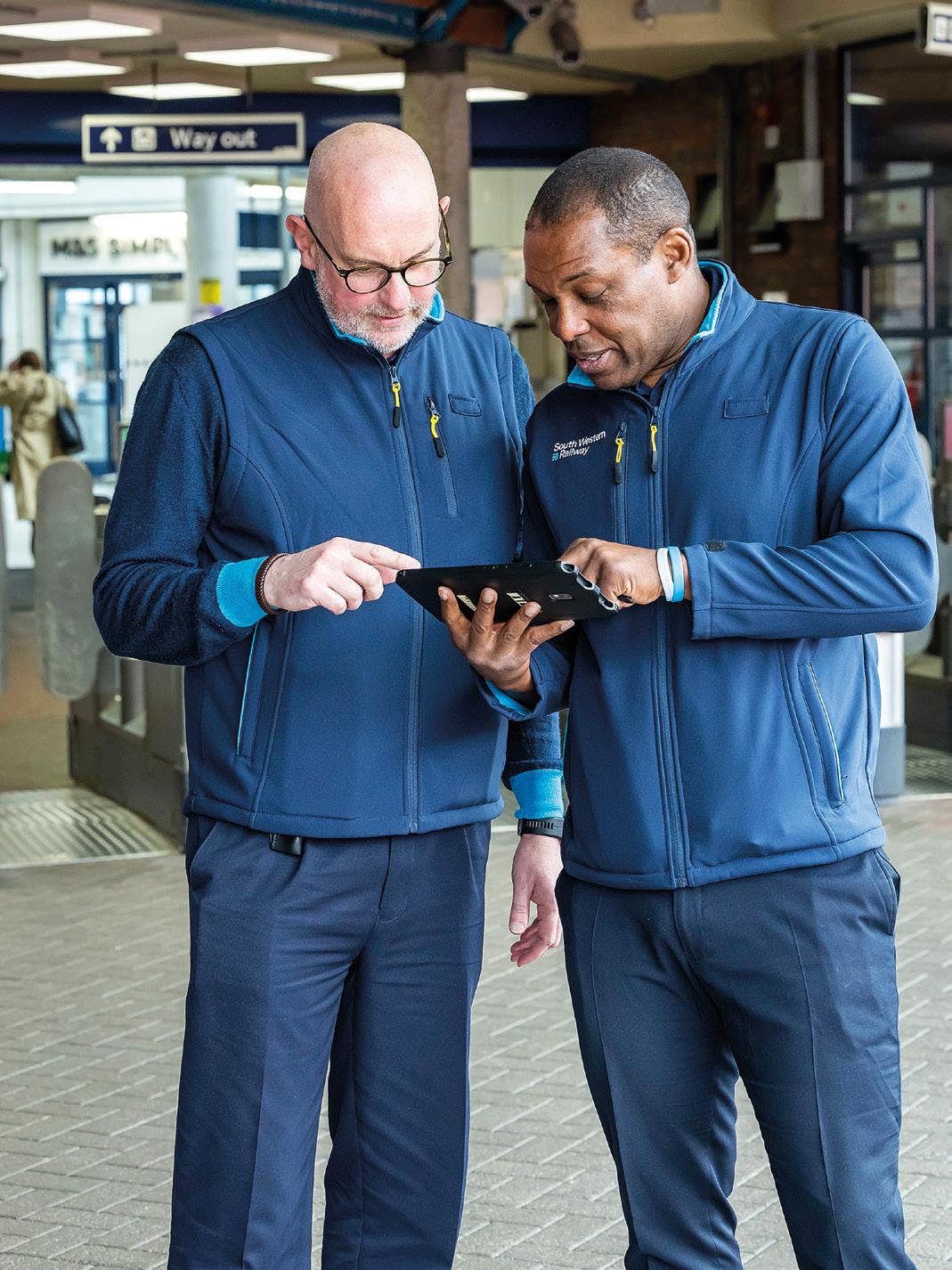
Kate Boyle doesn’t refer to railway operators that AssessTech works with as customers or clients, instead describing them as partners.
It’s a mindset that reflects the company’s commitment to long-term collaboration and shared responsibility across the rail industry.
“A partnership is both parties aligning and taking responsibility for the role they play in maintaining safety and performance,” said the organisation’s General Manager.
“We enable operators to achieve their goals in a way that strengthens safety outcomes and builds long-term capability.”
She added: “Our services are designed as shared
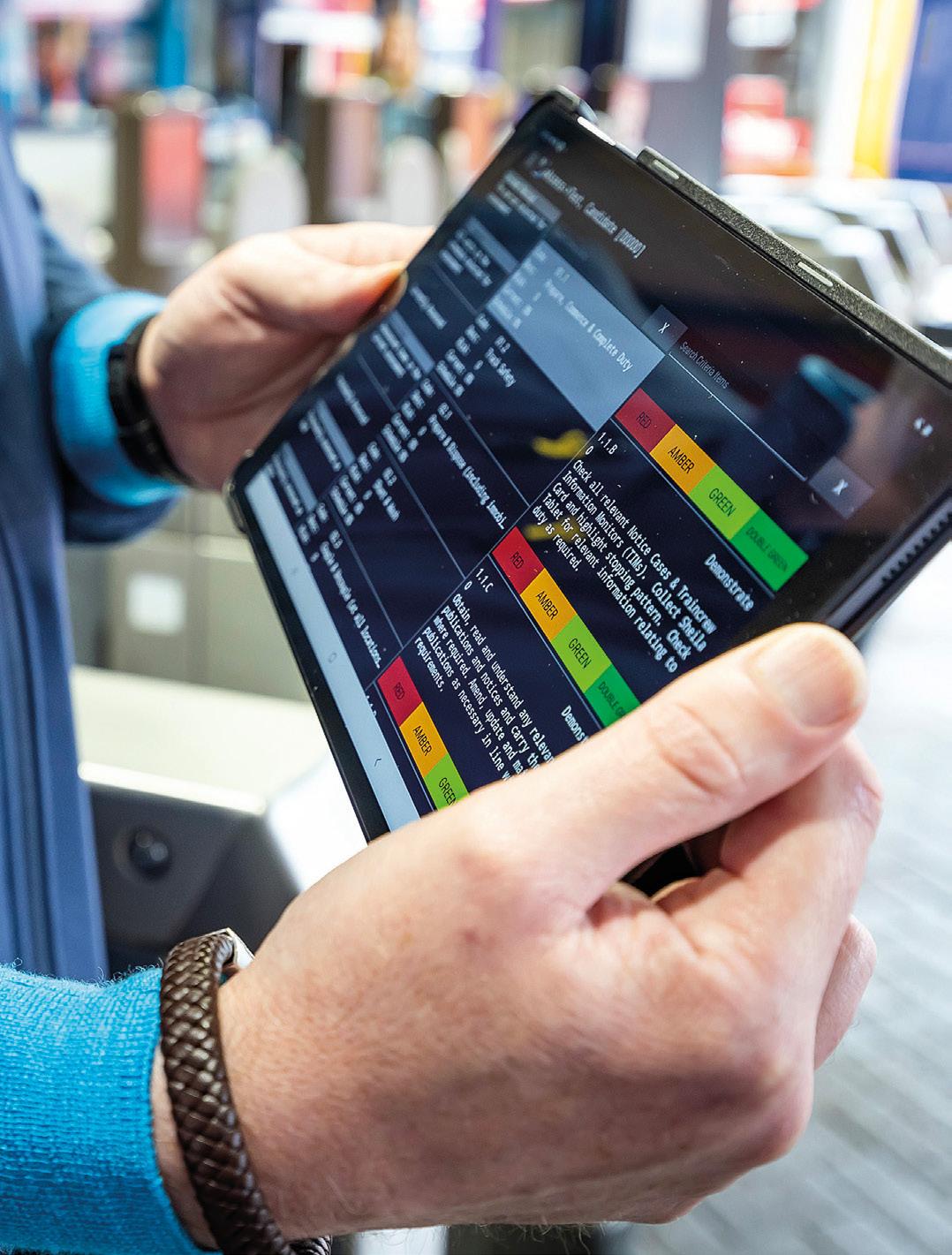
safety utilities for the railway. That means we’re not just delivering something to an organisation, we’re continuously investing alongside them in a system that benefits the whole industry.”
AssessTech specialises in developmental competence management as a continuous, datainformed process that helps railway organisations reduce risk, strengthen safety assurance, and improve operational performance.
The company is trusted by 85 per cent of the UK rail network, partnering with operators and the wider industry to maintain industry standards through digital systems, training and consultancy.
“We’re not a software or training company,” Kate added. “While those are the services we provide, at
our core, we are a railway company and every single decision we make comes back to whether or not it will make the railway safer.”
Shifting the industry mindset
Since being founded in 2008, AssessTech has worked to shift the industry mindset from traditional, boxticking assessments to a data-driven, continuous improvement approach that empowers railway professionals to develop, grow, and operate more safely and efficiently.
Kate highlights how the company’s Co-Founder and CEO Gabriel Stroud was an assessor on the railway, where he recognised the limitations of traditional systems, motivating him to set up AssessTech.
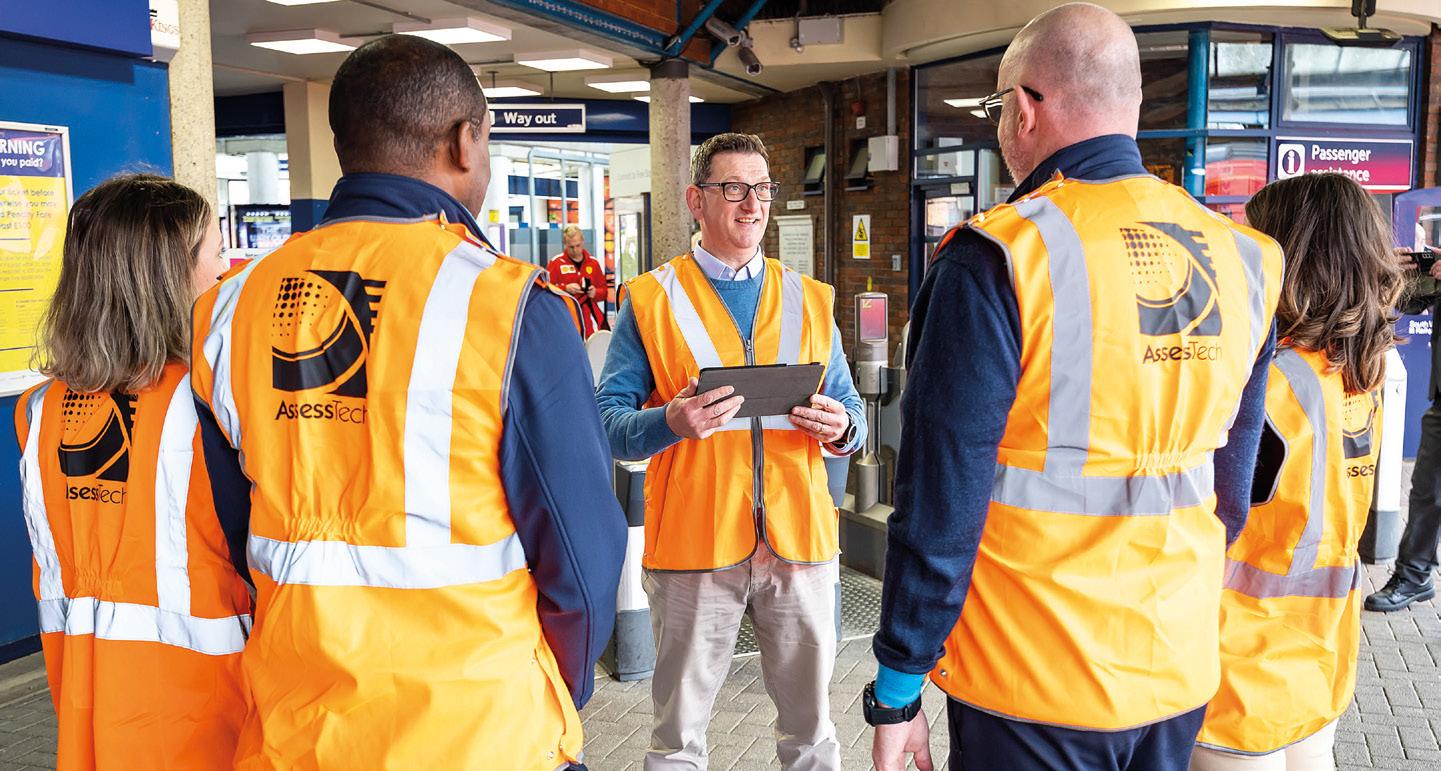
“From that day, we have continued to innovate and grow, revolutionising competence management in the railway industry,” she said.
Initially, AssessTech delivered accredited training programmes as a certified City & Guilds centre to support the development of assessors, verifiers, and operational leaders. Over time, this offering has expanded beyond accreditation alone, integrating best practice, developmental competence frameworks and system-based learning to provide a more holistic approach.
When AssessTech was established, railway operators relied on paper-based records, rigid assessments, and reactive safety processes; methods not keeping pace with the evolving demands of a modern, safety-critical industry.
Recognising this gap, the company developed the AssessTech Competence Management System (ACMS), a digital platform designed to give real-time visibility of workforce competence, reducing risk and creating a culture of continuous learning.
This has since evolved into a broader ecosystem of modules, enabling organisations to connect competence, operational performance, and safety insight in a more integrated way.
This evolution further led to the introduction of AssessBook, the company’s learning management system, enabling organisations to align training, competence development, and operational performance within a connected environment.
Kate is a more recent addition to the company’s story, having joined in April 2024 as Head of Business Support, tasked with refining processes and evolving structures to enable the company to grow.
Such has been her success that six months ago she was promoted to General Manager, a move that allowed Gabriel and Co-Founder & MD, Jools Enticknap, to focus on innovation and development.
“This shift allows them to focus on advancing our approach and developing future capability,” Kate said.
“There’s trust between us. They provide the vision and direction, while I take the lead in driving it forward.’’
Although Kate had an immediate grasp on what the company did when she first joined, she said the
impact really hit home when she was taken in the cab of a train and experienced it firsthand.
“It blew my mind, turning something I already cared about into something I could see and feel,” she said.
“It gave me a stronger sense of how what we do contributes to the industry, and to be honest, it feels quite honourable.
“What impressed me most was the skillset required to be able to competently, confidently and safely do the job of a train driver. It certainly isn’t just a case of sitting in a cab and using a lever to go and stop.
“The level of situational awareness I saw in practice was fascinating. The way that a driver needs to constantly navigate various tasks and continually analyse risk, all while remaining focused on the job at hand, was seriously impressive.”
When it comes to competence, Kate highlights the importance of not just the technical skills, but the nontechnical skills and human factors, and how they are all brought together.
For a company that has prided itself on creating a data-driven, continuous improvement approach that empowers railway professionals to develop, grow, and operate more safely and efficiently, what is the future of competency management?
“That’s an important question,” said Kate. “The modern railway is an incredibly complex and dynamic environment and legacy competence management systems have served their purpose to date, but are more aligned with compliance and record-keeping.’’
“They’re less effective at predicting or preventing risk. We’ve got to move towards an informed and proactive approach across the whole industry. That’s where our expertise lies, and it’s what we advocate for.
“We connect competence, behavioural insight, and risk-based assessment to support a more consistent, standardised approach to competence management in the railway industry.
“A capable and competent workforce naturally leads to better safety outcomes, increased performance, and overall cost reductions.”
Kate emphasised the collective nature of that

We connect competence, behavioural insight, and riskbased assessment to support a more consistent, standardised approach to competence management in the railway industry
progress. “By working in partnership under a shared model, operators are not each solving the same problems in isolation,” she explained.
“They’re contributing to a system that continuously evolves, where investment, innovation and regulatory alignment are shared for the benefit of all.”
She also highlights the importance of human factors in understanding risk.
“Incidents are often linked to attention, communication, workload, or expectation bias rather than a lack of technical knowledge,” she said.
“We’re working on embedding these factors directly into assessment approaches.”
Concluding the interview, Kate explains what success looks like to her, describing it “as a railway where competence management actively and consistently improves safety. Where organisations see themselves not just as users of a system, but as partners in a long-term commitment to raising standards across the entire railway.”
www.assesstech.com/
Melanie Corcoran, Executive Director of Transport, South Yorkshire Mayoral Combined Authority, explains how Supertram and the People’s Network are shaping a better South Yorkshire

Public transport is so much more than tracks, vehicles and timetables.
It’s the vital connection that links people to the things that matter most – getting to work or school, accessing healthcare, spending time with family and friends, leisure, and exploring our region with confidence.
Few modes play as visible or as emotive a role in that daily experience for South Yorkshire as light rail. Supertram is not simply a means of travel; it is a longstanding and iconic public asset that helps define our region’s physical and cultural landscape.
For more than three decades it has shaped how people move, supported regeneration, and connected communities across Sheffield, Rotherham and beyond. Our trams have even appeared in scenes from The Full Monty and frequently feature in films and news coverage looking to show, unmistakably, that they are in Sheffield.
Two years ago, Mayor Oliver Coppard and the South Yorkshire Mayoral Combined Authority (SYMCA) took the decision to bring Supertram back under public control after almost 30 years of private operation.
The decision reflected a commitment to put passengers first, rebuild trust in public transport, and invest in an integrated network that can support South Yorkshire’s ambitions for a greener, fairer and more connected future.
Those same principles underpin wider reform across the region’s public transport system. They are reflected in the decision to bring buses back under public control from 2027 and in the launch of the South Yorkshire People’s Network earlier this year.
As a unifying public transport brand and guiding framework, the People’s Network gives a nod to
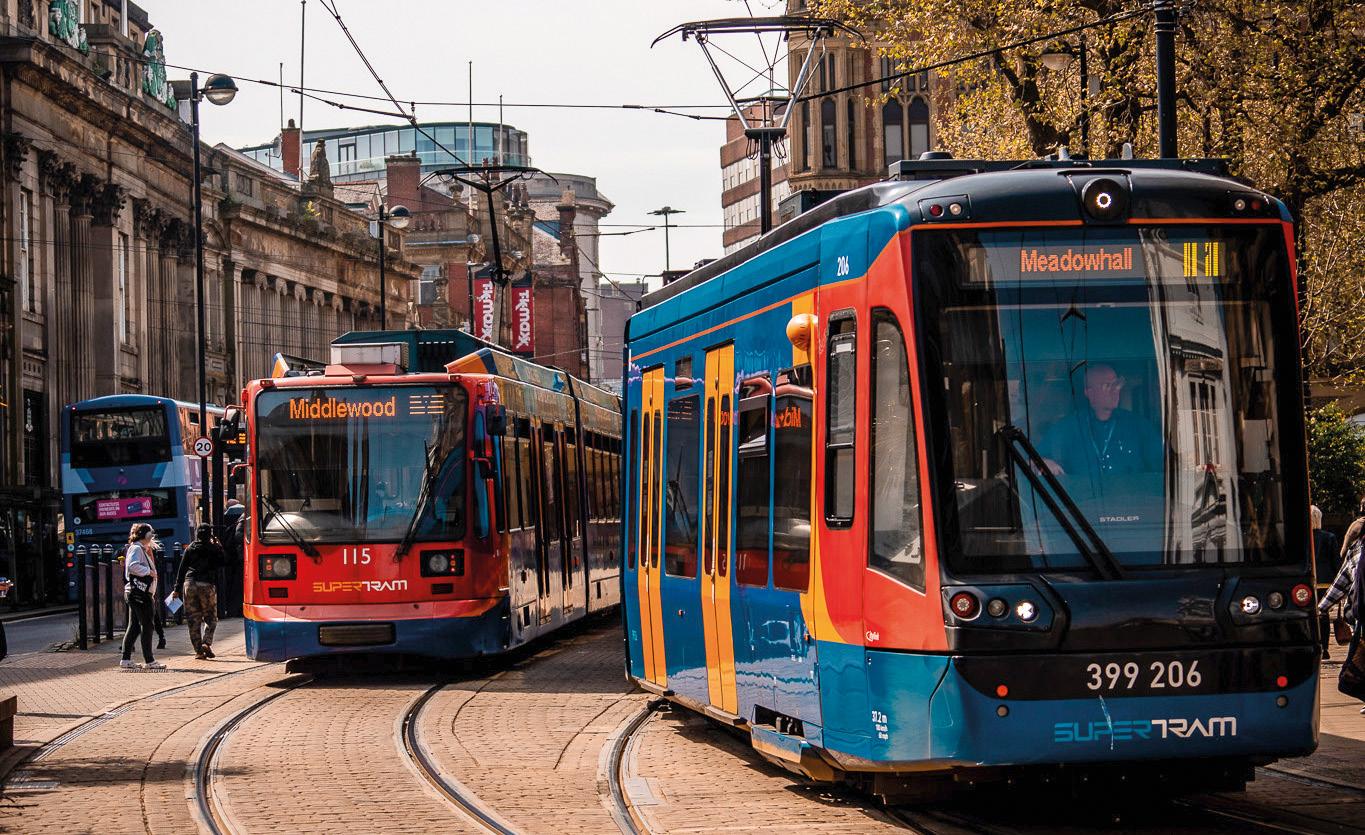
the region’s history of industry, northern grit and resilience, while firmly placing people – not modes or operators – at the heart of transport decisions.
The Mayor’s Vision for South Yorkshire’s transport network is clear: a joined up, sustainable system that serves every community, and is reliable, affordable, safe, welcoming and easy to use.
Light rail, and Supertram in particular, is central to delivering the Mayor’s Vision and the South Yorkshire People’s Network. One third of our journeys are made to and from neighbourhoods with low car ownership. Supertram is a lifeline to many, playing a distinct role within an integrated transport network, particularly in busy urban environments.
With high capacity vehicles, segregated running and priority at traffic lights, Supertram can move large numbers of people quickly and reliably, reducing exposure to congestion and delays. This reliability and capacity make light rail a vital complement to buses and heavy rail in supporting sustainable travel at scale.
Two years of public control: A turning point for light rail in South Yorkshire Supertram’s journey over the past two years tells a powerful story about what can happen when investment, accountability and shared purpose are aligned.
As Executive Director of Transport at SYMCA, I have seen first hand how public control has created the conditions for long term planning, clearer accountability and more focused reinvestment – and why light rail must remain a cornerstone of South Yorkshire’s integrated transport future.
Like many established light rail systems across the UK and beyond, Supertram had been affected
by decades of underinvestment and operational fragmentation. Asset condition, system resilience and customer experience all bore the consequences.
And yet, despite these challenges, the network’s underlying potential remained undeniable, and passenger numbers stayed relatively stable. The demand was there; what was needed was long term stewardship and a clear sense of direction.
Bringing Supertram back under public control allowed us to take immediate steps to stabilise the system and introduce a more strategic, joined up approach to improvement.
Crucially, it also enabled us to align day-to-day operational decisions with wider regional priorities on affordability, accessibility, decarbonisation and economic growth – priorities now clearly articulated through the Mayor’s Vision and the People’s Network.
As we conclude the second year of Supertram operation under public ownership, a number of outcomes illustrate the practical impact of that change.
In January this year, Supertram fares were frozen. In addition, the price of a long distance single ticket was reduced from £3.40 to £3 – a reduction of 12 per cent. This intervention recognised that fare increases over time had begun to deter use, and that cost remains one of the most significant factors influencing travel choice.
By acting, we have made the system more affordable for the millions of passengers who use Supertram each year, reinforcing the People’s Network principle that public transport should work for everyday life.
Passenger engagement has also played a more prominent role. Following an overwhelmingly positive public consultation and trial, the decision was
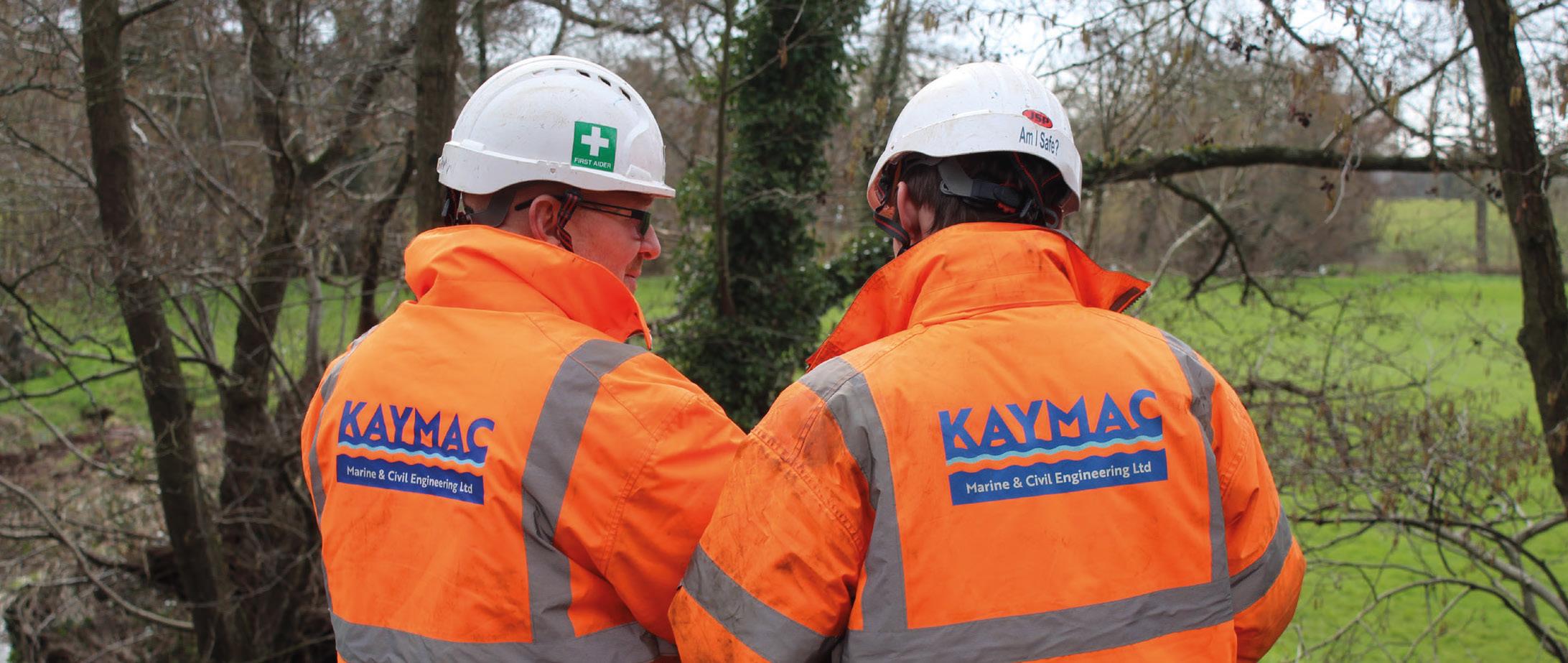
Engineering excellence in complex, tidal environments.
Kaymac operates where few can – delivering scour protection, cofferdams, and marine civil works in challenging environments and hard-to-reach areas. Our precision planning and in-house delivery ensure safe, seamless execution.
Ĺ Complex conditions. Simple solutions.


taken to permanently allow dogs on board Supertram from October 2025. Since the start of the trial, more than 10,000 dogs have travelled on the network.
While modest in operational terms, this change demonstrates the value of listening to passengers and residents, and how small, well judged decisions can remove barriers to travel and widen the network’s appeal.
The network itself has continued to evolve. In April, the Magna Tram Train station opened – the first new stop on Supertram since 2018. Tram Train enables Supertram services to operate beyond the existing network, extending light rail connectivity into Rotherham utilising heavy rail tracks managed by Network Rail.
The new station improves access to the Magna Science Adventure Centre and nearby employment hubs including Templeborough and Tinsley, and has been designed as a genuinely multimodal facility with 100 free park and ride spaces, cycle parking and electric vehicle charging.
In both form and function, it reflects the People’s Network ambition to enable seamless journeys and support sustainable travel choices.
Behind these visible improvements sits a programme of significant investment in core assets. SYMCA has committed to invest more than £110 million in Supertram by 2027. Over the past year we have invested in critical improvements, including:
Replacement of more than 3.8km of rail, improving safety and ride quality.
Over 300 concrete repairs to track slabs located within the highway.
The award of a long-term 15-year contract to Hitachi Rail to enhance communications and control systems.
The opening of a new park and ride facility at Rotherham Parkgate.
Taken together, these investments mark a shift toward proactive, long-term stewardship – a defining characteristic of effective public ownership.
Being open about challenges
While progress has been significant, public ownership also requires transparency when things do not go as planned.
We know that people rely on Supertram to get

to work, to school or college, to attend health appointments, to visit family and friends, and to go about their daily lives. Reliability is therefore fundamental.
In November, issues with overhead lines, damage to trams, workforce challenges linked to recruitment and sickness, and the introduction of a new rostering system all combined to impact performance. For a period, the network did not meet passenger, stakeholder or our own expectations.
To stabilise the service and improve reliability while these issues were addressed, a temporary timetable was introduced. We recognise the disruption this caused. Public control means public accountability, and we were clear that an apology was due.
Staff were therefore deployed on platforms handing out chocolates and free day tickets – a simple but meaningful acknowledgement that passengers had been inconvenienced.
I am pleased that we were able to return to the regular 12-minute timetable in April. Equally important, the experience reinforced one of the key benefits of public control: the ability to respond decisively, learn from challenges and take ownership of improvement.
A modernised network: What next for Supertram?
Supertram opened more than 30 years ago and has delivered almost 340 million individual journeys in that time. That scale of use is a success story but it also brings inevitable wear and pressure on infrastructure and vehicles originally designed for a different era.
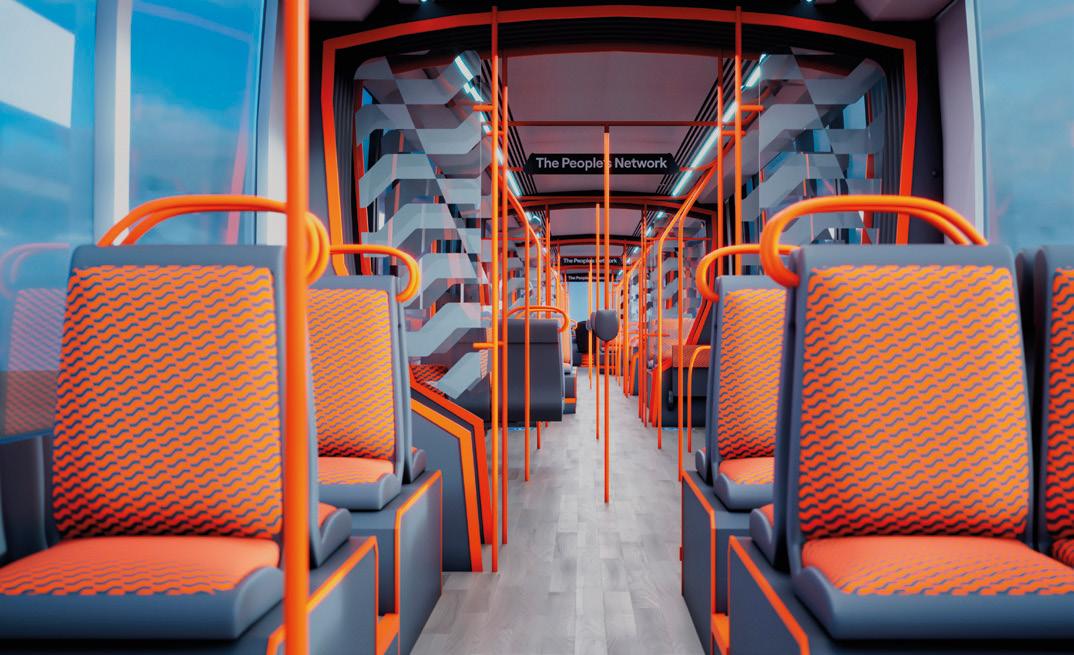
Today, Supertram is benefiting from one of the largest transport renewal programmes in South Yorkshire’s recent history. With £630 million secured to upgrade the network by 2032, a clear programme of modernisation is now under way, closely aligned with the Mayor’s Vision and the ambitions of the People’s Network.
Over the next five years, passengers will see the refurbishment of the original fleet and the rollout of 25 new trams across the network from the 2030s, offering greater capacity, air conditioning and onboard charging points, making journeys more comfortable, accessible and futureproofed.
Stops across the network will be upgraded with new shelters and seating, improving the waiting experience and accessibility. We are also exploring potential tram extensions, supported by £7.5 million from Government to develop plans.
This work is taking a careful, evidence-led approach to understanding where future light rail expansion could best support growth, regeneration and connectivity, while integrating effectively with the wider transport system.
Alongside these visible changes, ongoing renewal of track and signalling will ensure Supertram continues to operate safely and reliably for decades to come. Improved integration with buses, cycling and heavy rail will also support smoother, more flexible journeys – a core aim of the People’s Network.
Across all this work, the goal is clear: a Supertram system that is resilient, accessible and fit for the future.
Building a worldclass system together
South Yorkshire stands at a moment of real opportunity. With Supertram under public control, buses following, long-term investment secured and the People’s Network and Mayor’s Vision for Transport providing a coherent framework for reform, we have a genuine chance to deliver a world-class transport system.
Achieving that ambition will require partnership with Government, the light rail industry, technology suppliers, local authorities and, crucially, the people who use and rely on the system every day.
There is more to do. But step by step, from asset renewal to new stations, from digital modernisation to fare reform, we are rebuilding trust and putting people back at the heart of public transport.
Supertram is helping unlock the greener, fairer and more connected South Yorkshire our communities deserve, allowing all of us to stay near and go far.
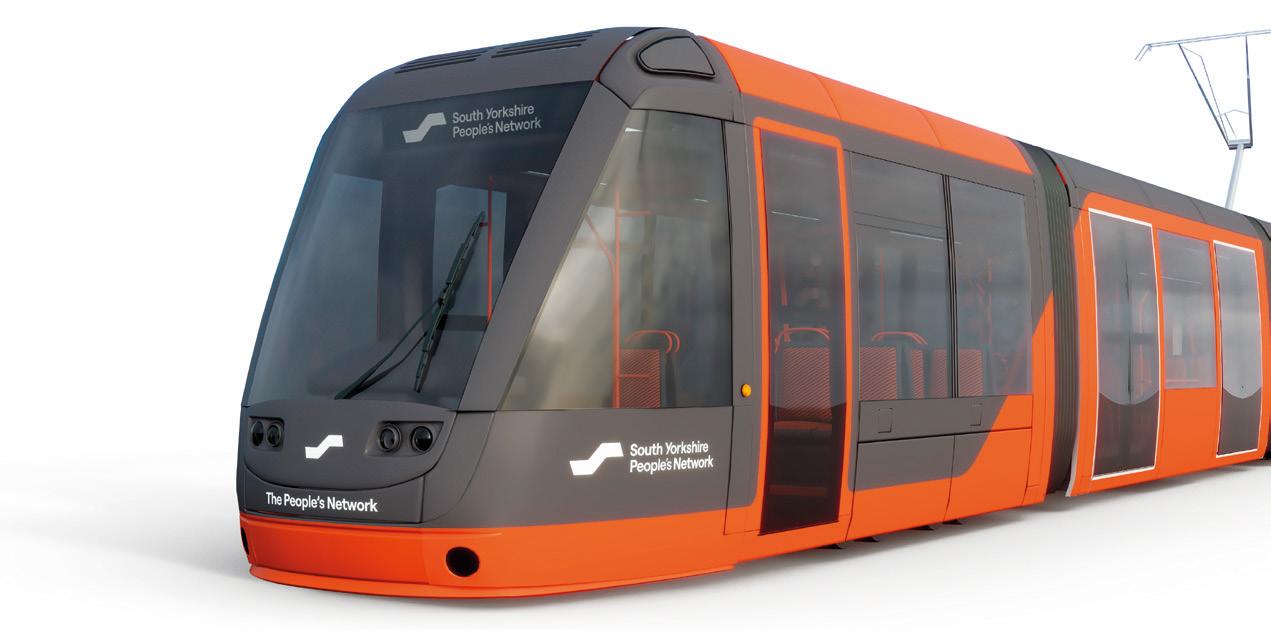
Dan Byers, Deputy Director of Transport Operations at Worldline UK & Ireland, explains the importance in having
reat Western Railway (GWR) is proving daily how integrated, realtime operational management can transform service delivery by employing Worldline’s Integrale Control solution.
Sharpened focus on performance, disruption handling and network efficiency in the rail industry has made lessons learned in GWR’s control room all the more compelling since the platform’s deployment.
In the fast-moving rail operations world, performance is defined less by what is planned and more by how well operators respond when reality diverges from the timetable.
Rising customer demand, network complexity and pressure on resources have raised the stakes for control teams tasked with keeping services moving.
Underpinned by the Worldline product suite, GWR has evolved the way operational decisions are made as part of a wider transformation.
The control system connects planning, live operations and customer information within a single environment to give GWR teams a real-time view of trains, crew, rolling stock and network constraints.
It’s in stark contrast to control rooms that have historically relied on multiple disconnected systems that suffer from fragmentation and friction at times when clarity is needed most.
By bringing operational data together, Integrale Control enables teams to identify present and upcoming conflicts, assess options and act quickly.
At GWR, this has supported a more coordinated approach to disruption management as the platform highlights issues such as crew shortages or stock conflicts, often long before they impact the railway, allowing teams to intervene earlier and reduce the extent of passenger disruption.
This shift from reactive to proactive is increasingly important in a network where minor delays can escalate rapidly.
For over a decade Integrale Control has supported a more collaborative and data-driven operating model as teams work from a shared view of the network to align decisions across functions previously managed in isolation.
This is crucial to support the collaboration needed to bring management of “track and train” together under Great British Railways in the future.
It’s a particularly important approach in the final stages before and during service delivery, where
plans are continually refined to reflect real-world conditions.
Operators can dynamically adjust services to reallocate rolling stock, modify stopping patterns or manage crew deployment. The result – greater operational agility as pressure mounts.
While control systems sit within the operational layer, their impact is measured in actual outcomes as control feeds into customer information systems, ensuring operational decisions are reflected in realtime updates.
This alignment between operational reality and customer communication is essential in maintaining trust during disruption.
As the industry faces increasing scrutiny on both performance and customer experience, the ability to connect both is becoming a defining capability.
GWR’s 10-year milestone with the Integrale suite comes as the industry re-evaluates how rail operations are structured, and shows: Integrated systems are fundamental to managing complexity at scale.
Real-time visibility underpins effective decisionmaking.
Operational resilience depends as much on coordination as it does on infrastructure.
Advances in AI and predictive analytics are constantly enhancing platforms such as Integrale, enabling operators to anticipate disruption, optimise resources and accelerate recovery.
Dan Byers, Deputy Director of Transport Operations, Worldline UK&I, said: “Having worked with GWR over the past decade, starting as project manager back when they onboarded, it’s a joy to see a clear shift in how control teams operate.
“It’s no longer about managing individual incidents in isolation but about having a complete, real-time view of the network and the confidence to make informed decisions quickly.
“Integrale Control has been central to that evolution. By bringing together planning, operations and resource management into a single environment, teams can respond to disruption in a more coordinated and proactive way.”
He added: “The railway is an increasingly complex system, and the ability to connect data, people and decisions in real time will define how effectively operators can deliver for customers.”
Ten years on and Integrale Control at GWR is shining a light on the fact that integration is increasingly becoming the foundation of rail operation performance.
https://worldline.com/
Shiona Rolfe, Managing Director at CrossCountry, reflects on her first year in charge and the arrival of the refurbished Voyager fleet
It’s been a whirlwind of a year for Shiona Rolfe in her first in charge of train operator CrossCountry.
It was March 2025 when she joined from Amazon, where she headed up the fulfilment operation in South West England and West Yorkshire. Prior to that she held a number of senior positions at Royal Mail, culminating in Service Delivery Director, Southern region.
“I absolutely love this industry, you are really joining a railway family and one full of passion and pride,” she said.
“People’s entire lives have been devoted to this industry, their families, their friends; you really can’t underestimate what people have given personally to want to be part of this industry.
“I appreciate having been able to join that and be part of the change that brings the industry forward into a new chapter.”
Reflecting on the change from Amazon, Shiona added: “You are talking about two very different organisations, from a 30-year-old organisation to a 200-year-old industry, but that passion for customers is very definitely at the heart of both so there are parallels.
“And of course, both are part of an industry that is there to serve customers in moving people to places or products to places. Already I feel very much at home here and I’m very proud to be part of CrossCountry.”
It’s been full steam ahead over the last year, and within days of Shiona’s arrival in post, the operator welcomed the arrival of the first of 29 Class 170 Turbostar to go through its multi-million-pound fleet refurbishment programme.
Nine revitalised trains are now in service on routes between Birmingham, Leicester and Stansted Airport, and between Cardiff, Birmingham and Nottingham.
Last October the operator also launched its 2025 Sustainability Strategy, outlining a 10-year plan to make rail travel more inclusive, resilient and lowcarbon. At the heart of the strategy is CrossCountry’s science-based targets being officially approved by the Science Based Targets initiative (SBTi), committing the business to cutting direct emissions (Scope 1 and 2) by 63 per cent by 2035.
A more recent project is the ongoing £75 million refurbishment of the Voyager fleet, to deliver a brighter, more comfortable experience for passengers across Britain. Shiona spoke to Rail Director at the revealing of the first of 70 of the new-look trains at Alstom’s Litchurch Lane works in Derby.
“It’s quite emotional actually,” she said on seeing the first refurbished train earlier this year. “It’s a whole culmination of pride in what the team have done, and
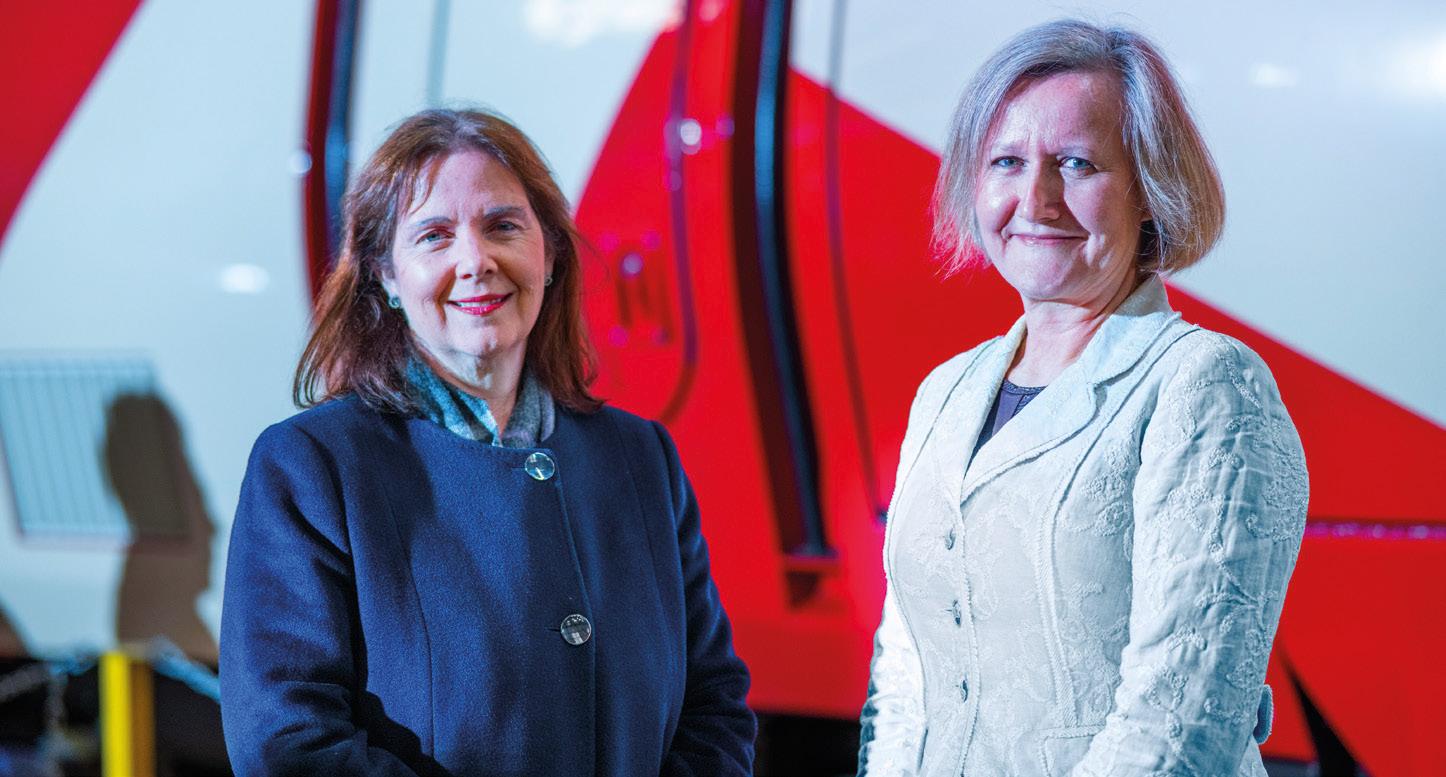
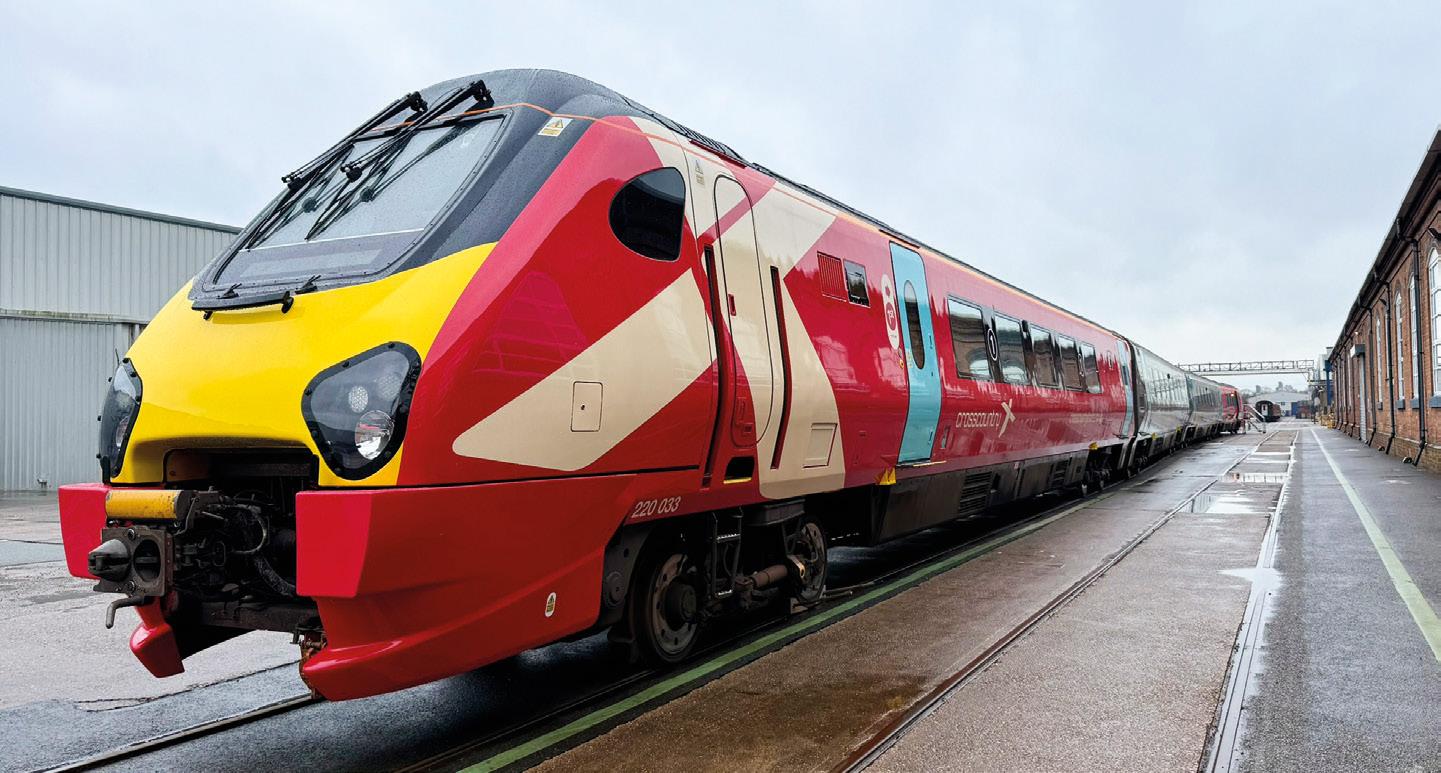
the pride in what we’re about to offer our customers and our passengers.”
The long-distance Voyager fleet has been a cornerstone of Britain’s rail network for more than two decades. It was originally built in 2000, replacing former British Rail stock. Since it was first built, the first train to be refurbished (220033) has clocked up 5,811,605 miles of travel – or to the moon and back more than 12 times.
“When you’ve had a fleet like this for a long time, without that level of investment, people start to worry that you’re not going to invest and you don’t believe in it, and I hugely believe in this organisation and I hugely believe that this is the right thing to do,” Shiona said. “It’s really quite exciting.”
Although having been such an important part of travel for so many people over the last 20 years, the refurbishment hasn’t come without a bit of pressure for those nostalgic customers.
“The decisions made in creating the final product have considered so many different stakeholder interests,” she said.
“There’s huge trepidation with that because you take on a huge responsibility, but we also shouldn’t lose sight of the fact that this this isn’t just my view of what it should look like.
“There’s been a real collective effort – people from within the organisation, colleagues across the industry and so many of our passengers – it’s been a genuine partnership. I think they know that they’ve played a big part in shaping this, with both our onboard crew and our passengers front of mind.
“And I hope we continue to be really proud as they start to be released into passenger service.”
The refurbishment programme delivers a fully refreshed interior and exterior, which CrossCountry said creates a modern and consistent look throughout the fleet, across both standard and
From apprentices and engineers to digital specialists and leaders, we’re investing in skills that will shape the future of UK rail.
New skills . New opportunities . One team.

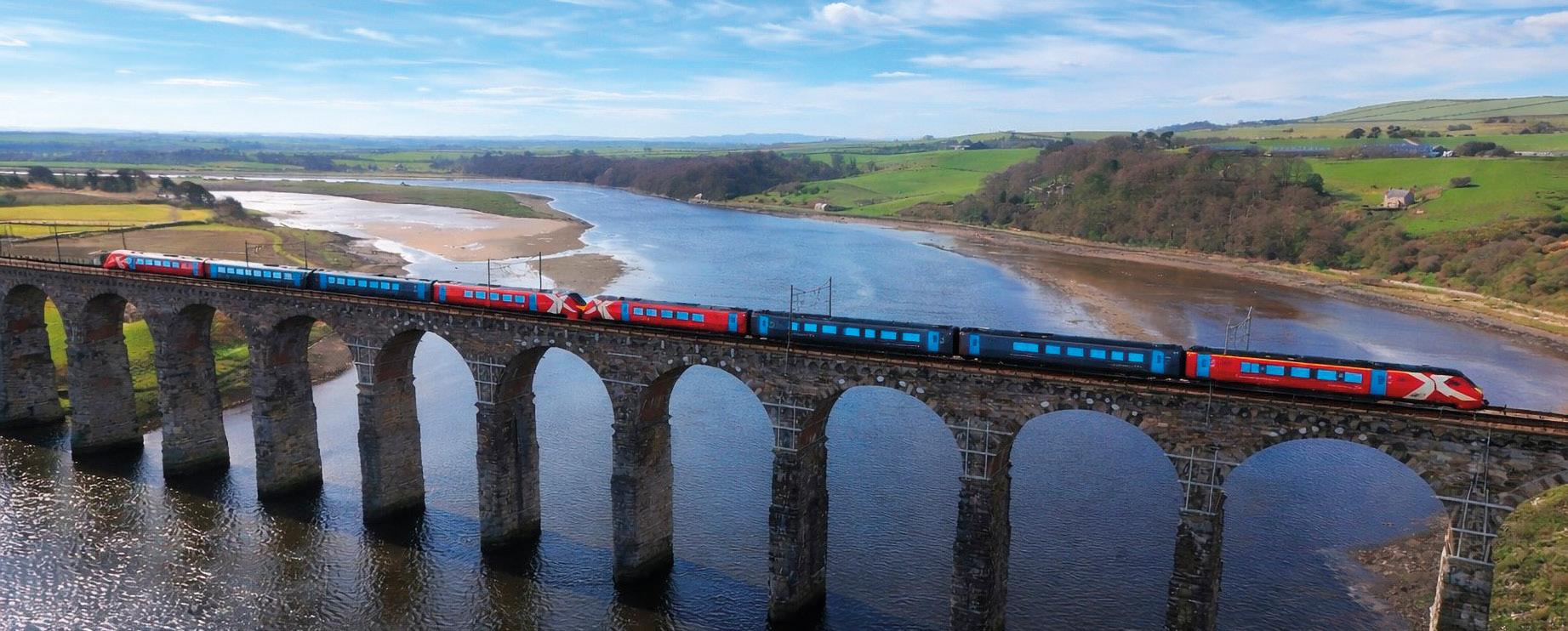
The unveiling of the first Voyager was a great milestone, and it is one of many coming up for CrossCountry over the next few years
first class. Over the next two years, all 70 trains in CrossCountry’s long-distance fleet will see:
New seating with increased legroom, improved under-seat storage and integrated power sockets (3-pin, USB-A and USB-C).
Upgraded tables at all seats.
New carpets throughout and refreshed interior and exterior artwork.
New, more efficient LED lighting throughout.
Refurbished toilets and vestibules throughout the trains.
New and upgraded onboard CCTV, forwardfacing cameras and automatic passenger counters.
“The on-board experience for our passengers is hugely transformed with the changes that we’ve made, whether that be somebody who uses trains for business, to many of our passengers that use us for leisure,” Shiona said.
“And particularly around the luggage facilities that we’ve been able to incorporate within the change of facilities, as well as just general seating.
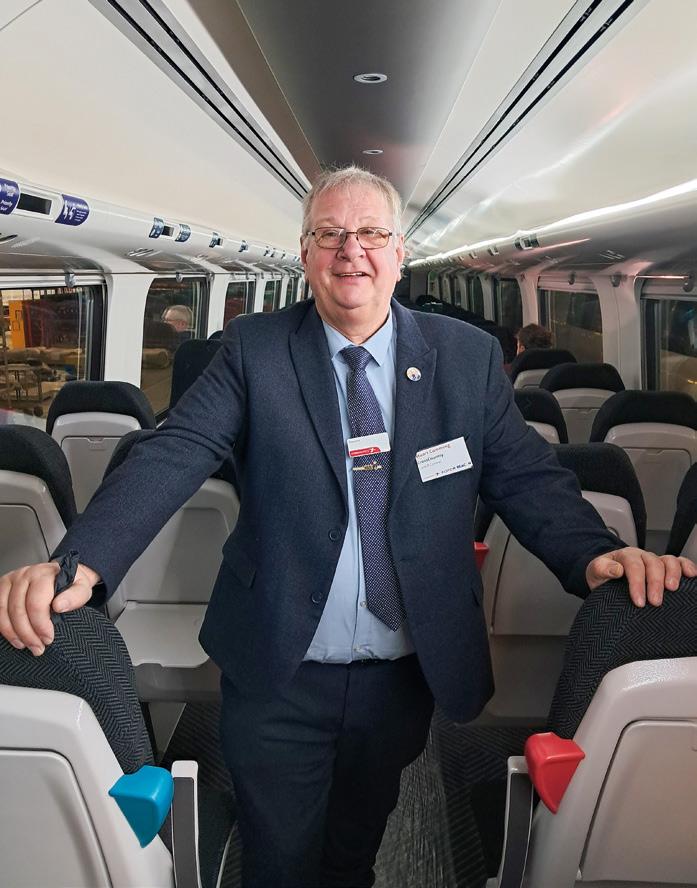
“Security onboard is a big part of what we’ve been able to address as part of that, and we don’t often talk about one of the big technology improvements that we gain from the refurbishment, which is automatic passenger counting.
“This allows us to be able to tune into where we need to strengthen our network to balance our capacity in the right place at the right time, and so make sure that we’re serving our customers with the right size of rolling stock.
“That’s quite a big insight which will help us to be much more forensic in the way we operate going forward as well.”
There will be no slowing down for Shiona. Alongside the day-to-day operations and the ongoing refurbishments of the Voyager and Turbostar fleets, there is also the upcoming transfer into public ownership expected to take place next year, although no date has yet been announced.
“The unveiling of the first Voyager was a great
milestone, and it is one of many coming up for CrossCountry over the next few years,” she said.
“It was important to mark the first of the refurbished fleet but there will be more important moments to come.”
Putting the Voyager trains on the right track
Few will know the CrossCountry Voyager trains as well as Stewart Cumming, who was one of the original trainers for the operator when the trains were first introduced 25 years ago.
“We got a group of eight people to come together to learn about the Voyagers and their job was to then go around the country and pass this information on to the rest of the staff who were going to work with them in the future,” he said, adding that it was down at Central Rivers where he learned his craft.
“We created the training material, so we had to learn some skills on how to write that and then learn how to deliver it in the same way, working from Edinburgh all the way down to Plymouth.”
Reflecting on his early memories of the trains, he reflected: “One of the things I remember was the entertainment systems onboard, which was controlled from the train manager’s office and broadcast down the train. You could plug in your headphones and listen on the go, which was a first for any of our trains.
“The onboard toilet was a new concept as well, evolving from the ones which used to flush onto the tracks. The trains were also large enough to take things like wheelchairs in them, whereas before they were restricted to small compartments usually at the end of the carriage.
“It was great to be part of the project to introduce the trains and amazing how many miles the trains have gone on to do and how reliable they have been.”
Stewart spoke to Rail Director at the unveiling of the refurbished trains earlier this year. “They look fantastic,” he said. “They’re bringing the technology that was first introduced a bit further into the future because we’ve moved on in the years since they were first built.
“I would hope some of the work I did 25 years ago will still be relevant now.”
With more than three decades of global experience, Aarvee is a trusted partner in railway infrastructure consultancy. From high-speed networks to urban metro systems, we bring deep expertise across all rail formats.
Driven by innovation, we deliver practical, buildable designs that reduce complexity, optimise costs, and accelerate project delivery.
Aarvee.co.uk
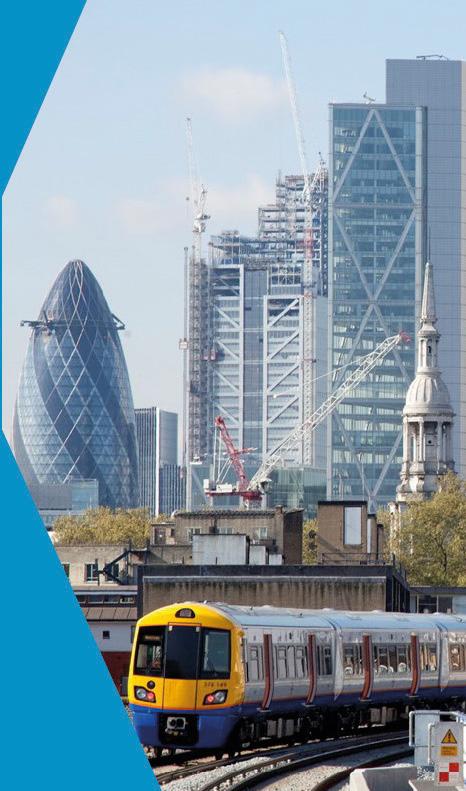

































































Jacqueline Starr, Executive Chair and Chief Executive Officer at the Rail Delivery Group, writes about the launch of the Rail Customer Experience Survey
At Rail Delivery Group (RDG), we pride ourselves on putting the customer at the heart of everything we do, because the future success of the rail industry depends not just on reform but on how well our railways work for the people who use them.
Whether it’s everyday timetable choices, operational decisions or investment plans, everything plays a part in shaping the experience passengers have and whether they choose rail again.
That is why I was proud to see the launch of the Rail Customer Experience Survey (RCXS), the biggest and most ambitious passenger satisfaction survey the industry has ever undertaken.
For the first time, we have a continuous, nationwide picture of how customers experience their journeys. This is insight that challenges us to see the railway from our customers’ perspective and act on what we learn more quickly.
After six months of results, the early findings are encouraging. Overall satisfaction currently stands at 89 per cent, while 87 per cent of passengers say they are satisfied with train punctuality. These results may surprise some people as we tend to focus on where our railways fall short, rather than celebrate our successes.
These numbers show the hard work and professionalism of frontline rail staff, from drivers and conductors to station teams and controllers, our colleagues across the rail network continue to make a tangible difference for customers. Even during such a key period of reform as Great British Railways (GBR) draws closer to becoming a reality.
However, these results also remind us that we cannot afford to become complacent. Passengers are telling us clearly where improvement is still needed, and it is imperative that we listen.
Just 60 per cent say they are satisfied with value for money, and frequency remains a concern for many as well (76 per cent). Trust and willingness to recommend rail have remained stable despite improvements in punctuality. These findings matter because they show that customer confidence is shaped not only by whether the trains run on time, but by how the overall journey experience feels to the people relying on it.
A new way of listening – and acting RCXS replaces past surveys by combining their strengths into a single channel, going a step further by remaining continuously in the field, providing results for every rail period. It more than doubles previous sample sizes and, crucially, can identify the specific trains customers use.

We have already seen how listening carefully to customer feedback can translate into tangible results on the ground
This level of precision gives train operators and industry partners a much clearer understanding of what is happening on individual routes at specific times, as well as how different passengers experience the network.
For operators and industry leaders, this enhanced insight is supporting more informed, everyday decision making, from service planning and performance management to how disruption is handled on the ground.
Customer feedback from RCXS is already being actively used by train operators and their partners. For example, Avanti West Coast is using the data to help measure the impact of improvements at Euston station, working collaboratively with Network Rail and West Midlands Trains and combining internal measures with RCXS station satisfaction scores to better understand the customer impact.
The survey is also being used to track ticket machine ease of use, inform asset management decisions such as seating and shelter provision, and
analyse opentext feedback to understand sentiment and identify positive staff behaviours.
These insights are being shared with senior leaders through internal conferences and management forums, helping ensure customer feedback is considered alongside operational data in both strategic and frontline decisionmaking.
Across the industry, train operators and industry partners are increasingly using this shared data. We have already seen how listening carefully to customer feedback can translate into tangible results on the ground. Programmes such as Smarter Information, Smarter Journeys have used customer research to shape delivery by prioritising the information that matters most to passengers, particularly during disruption.
The data collected showed that customers often struggled with text-heavy, jargon-filled updates, while evidence from other sectors demonstrated that people respond better to clear, visual communication.
In response, the industry introduced new visual disruption map videos that explain what’s happening during disruption and how it affects journeys, helping customers quickly understand their options and travel with greater confidence. This kind of progress may not always start with a single dataset, but it clearly demonstrates the benefits of listening to customer feedback and acting on what it reveals.
Beyond performance: The importance of ‘softer factors’
One of the most valuable insights from RCXS is the clear relationship between delays, communication and customer satisfaction. Even short delays can feel far longer when information is unclear or inconsistent, particularly for passengers trying to get to work, an appointment, or go home at the end of a long day. Conversely, when passengers are kept informed and given realistic expectations, trust improves even if things go wrong.
This reinforces the importance of so-called ‘softer factors’ in the customer experience: how disruption is explained, how staff interact with passengers, and how easy it is to find reliable information can matter just as much as operational performance metrics.
That is why targeted investment in customer information, guided by Smarter Information, Smarter Journeys insight, is just as critical as investment in infrastructure. By using Infotracker data to prioritise the information that matters most to passengers, the industry can improve confidence during disruption and build trust through consistency and transparency, rather than aiming for perfection.

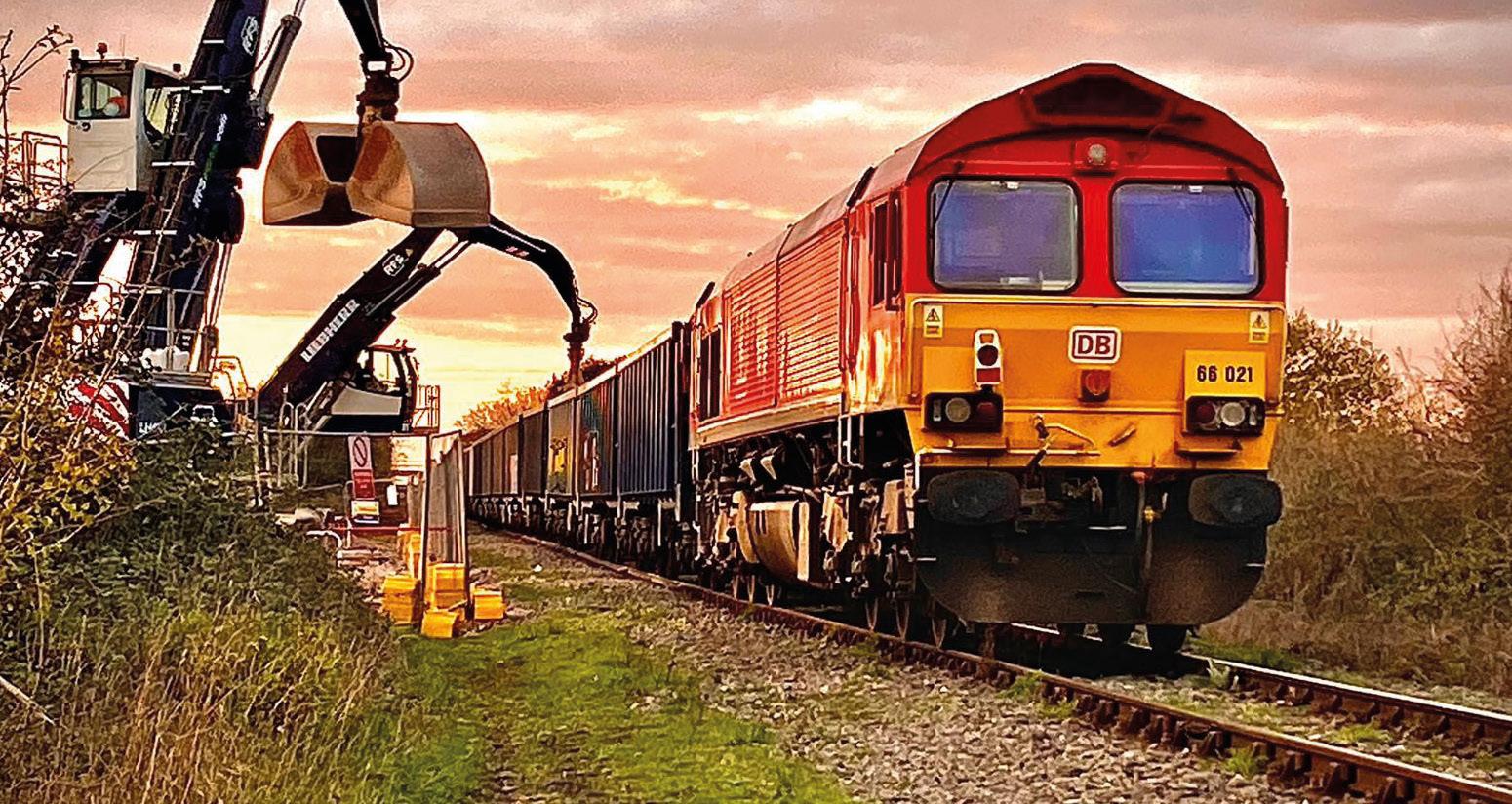
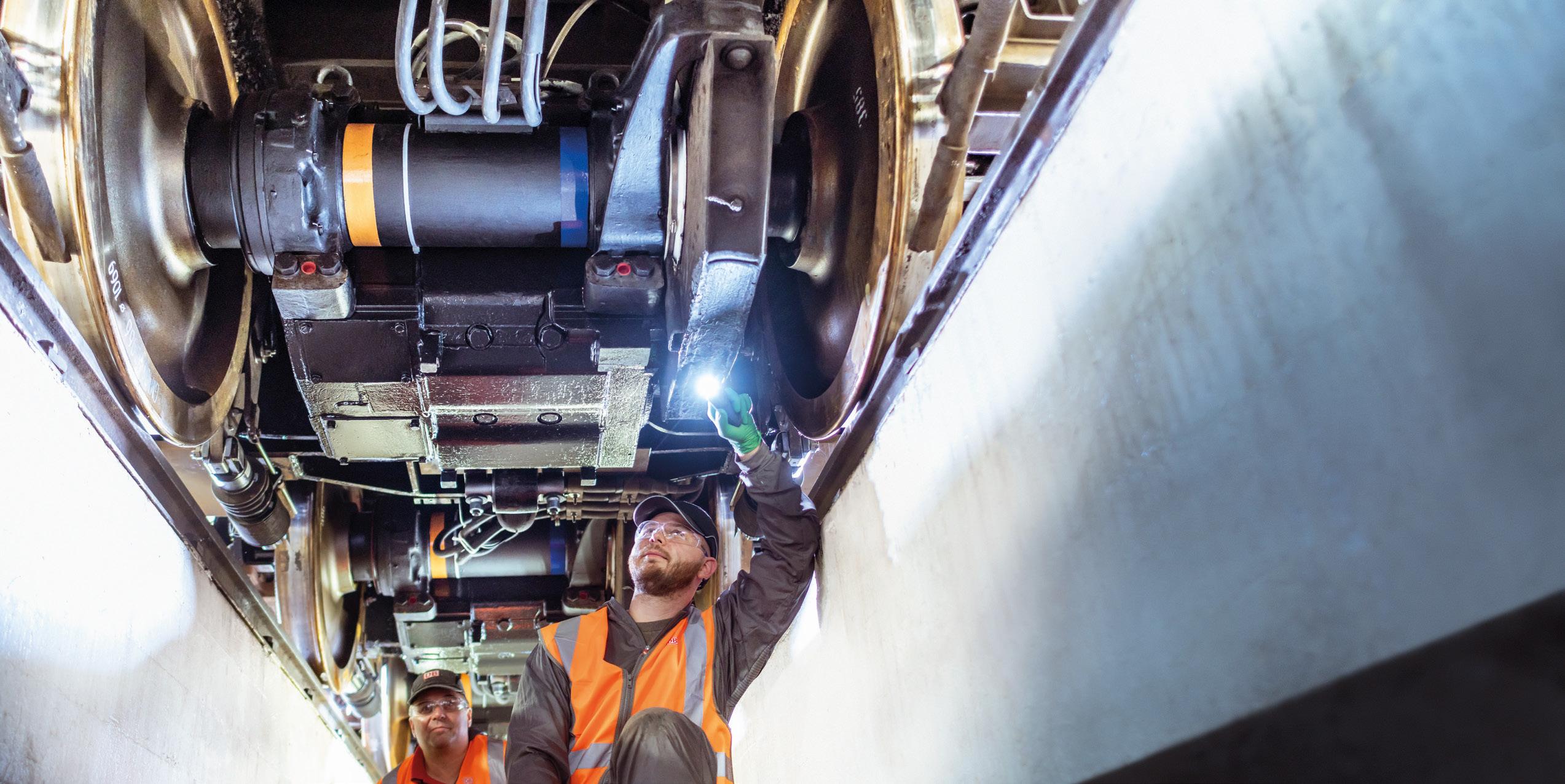
DB Cargo UK provides specialist locomotive maintenance and engineering support for rail operators. Our capabilities support freight and passenger fleets across the UK network.
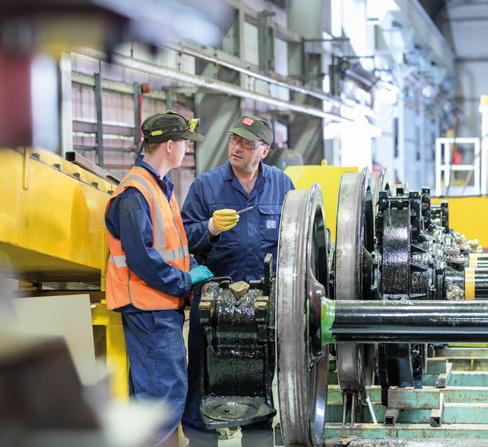
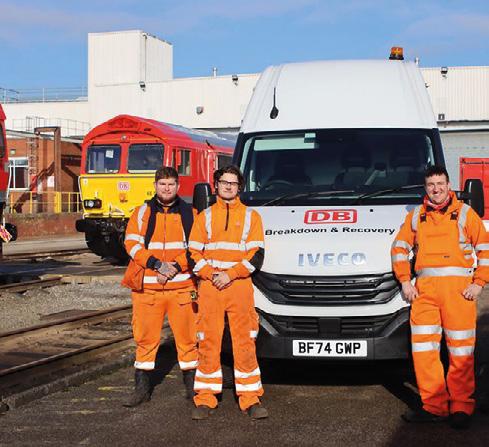
FACILITIES & EQUIPMENT
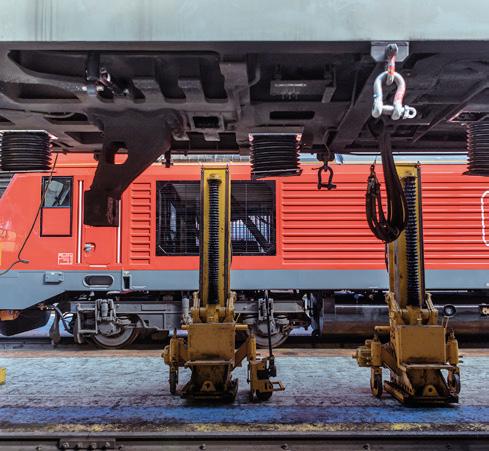
• Heavy locomotive maintenance including bogie and engine overhauls
• Extensive depot facilities with pitted maintenance roads, wheel lathes and lifting equipment
• Field technicians, breakdown and recovery support across the UK
• Additional specialist maintenance and engineering support available
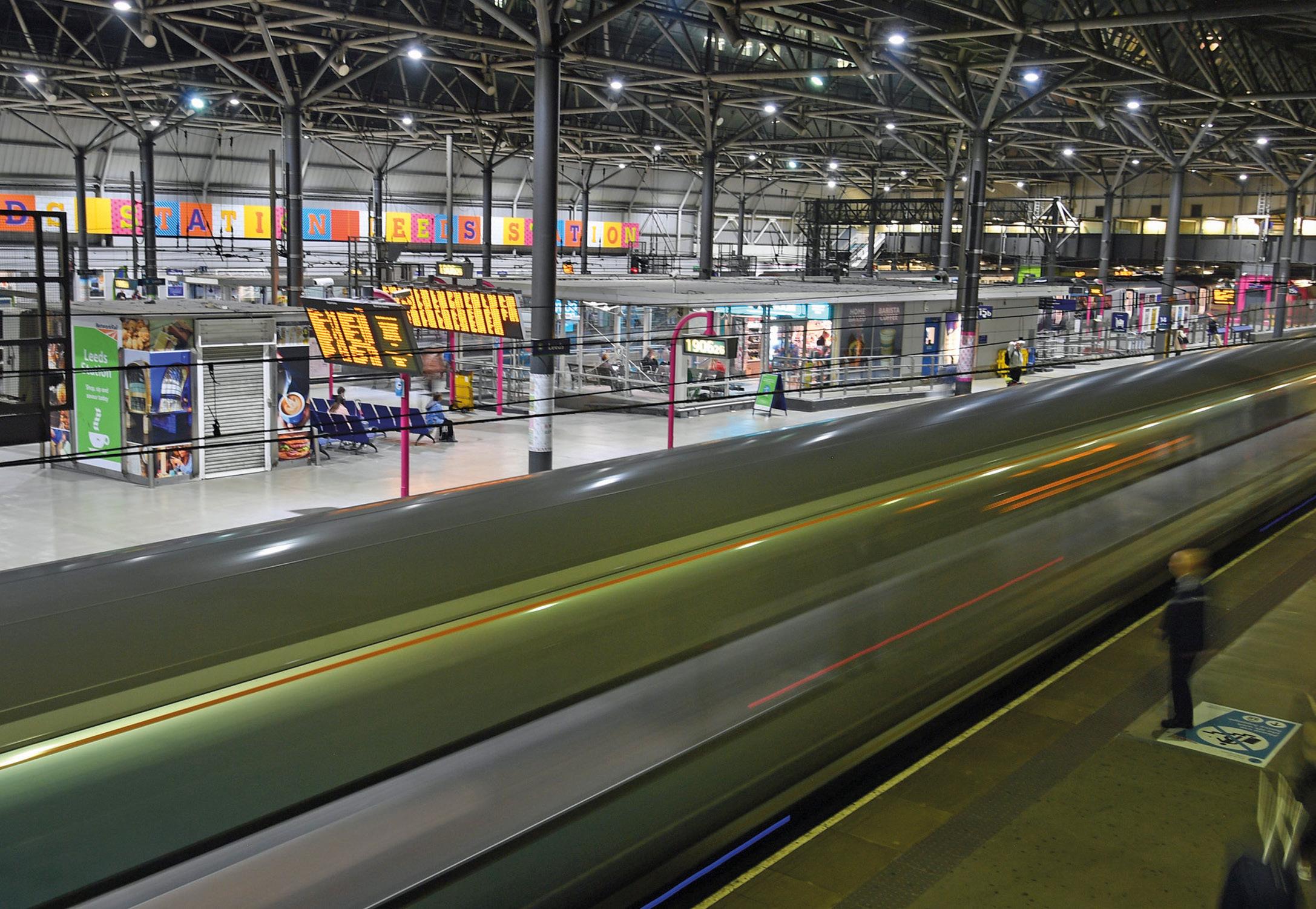
Long-term success depends on listening carefully, acting decisively, and being honest with ourselves and customers about where change and improvement are still needed
Tackling value for money and accessibility
The survey results also sharpen our focus on value for money and accessibility. Passengers want to feel confident they are getting a fair deal without having to navigate unnecessary complexity. Across the industry, reforms are already under way: expanding Pay As You Go travel, rolling out digital ticketing, trialling simpler singleleg pricing, and offering more flexible products for those whose travel behaviours have changed.
RCXS also highlights where experience differs across passenger groups, including customers who have accessibility needs. Year-on-year there has been a significant increase in assisted journeys across the railways, with the most recent RCXS results showing an 89 per cent satisfaction rate among those with assisted travel needs.
This wouldn’t have been possible without our dedicated frontline staff. While many assisted journeys are delivered well, even a single negative experience can erode trust in the service. That is why the industry continues to make improvements to Passenger Assist and further investment in station accessibility, with Merseyrail now offering the first fully-level main line network in the UK.
Improving includes engaging with frontline colleagues to make sure they receive the necessary tools and training to help customers feel confident when travelling by rail. And this is where we need to go further: the industry must be clear about the longterm customer strategy we are working towards.
Passengers deserve to know what ‘better’ actually looks like.
By laying bare our shared ambitions and the incremental steps that we are taking to deliver them, we will help build confidence in rail and keep ourselves accountable to the people we serve.
As we move towards the creation of GBR, there is an opportunity for RCXS to play a vital role in embedding customer priorities across the network. It provides a common language for measuring experience, sharing best practice, and tracking whether changes are improving journeys in the way passengers expect.
Importantly, it also helps raise the visibility of customer insight at board and leadership level, reinforcing the role of real passenger feedback alongside operational data in decision-making.
The message from the first six months of RCXS is clear. Progress is being made, and the railway continues to deliver a good quality service for millions of people every day. However, long-term success depends on listening carefully, acting decisively, and being honest with ourselves and customers about where change and improvement are still needed.
The Rail Customer Experience Survey gives us the tools to do exactly that. Our challenge now is to use it not just as a dataset but as a springboard to help us centre improvements on real customer experiences, and consistently earn the confidence, trust and loyalty of the people the rail network serves.

A new plan has set out the ambitious programme for the future of London’s transport network. Commissioner Andy Lord discusses the journey ahead
Transport for London (TfL) has set out a new Business Plan covering the next four years, described as delivering a vision that encourages public transport, active travel, and one that supports new homes and jobs, building on the progress made over the past decade.
“This plan reflects the voices of our customers, businesses and colleagues, who have told us what is most important to them – services that are safe, accessible, frequent, reliable, green and as affordable as possible,” explained TfL Commissioner Andy Lord.
It will see an increase in investment in the vital renewal of critical assets like stations, lifts and escalators, track, roads, bridges and other infrastructure, unlocking new homes and jobs, transforming travel in the capital city, but also boosting a supply chain all over the UK.
“I’m really optimistic for the future and I feel very fortunate to have the job I have, working with incredible people who do amazing things every day,” he said.
“An engineer by background and being responsible for crisis management for 12 years in the aviation industry, there isn’t a lot I haven’t seen, and I’m backed by some of the very best people in TfL.”
The Business Plan follows a £2.2 billion multi-year capital funding settlement from UK Government to support infrastructure renewal and major projects across the capital’s transport network, covering the same timeframe.
“I can’t stress how big a milestone that was,” said the Commissioner, adding it is the most money and longest timeframe TfL has had for more than a decade.
“We’ve been running the world’s largest integrated public transport authority on short-term – sometimes days or hours – of funding, which is just ridiculous.
“There’s lots of exciting things that we’re going to deliver over the next four years that London desperately needs. TfL is at the heart of the economic growth of the capital, and of delivering jobs and economic growth across the UK, with this agreement enabling certainty and clarity.”
Andy illustrates the impact the funding has, explaining that between 2022 and 2024 the organisation spent more than £12 billion with more than 3,000 UK suppliers. It supports 100,000 jobs per year and has helped generate more than £11 billion in gross value added to the UK economy. This includes businesses producing trains in Goole, traffic
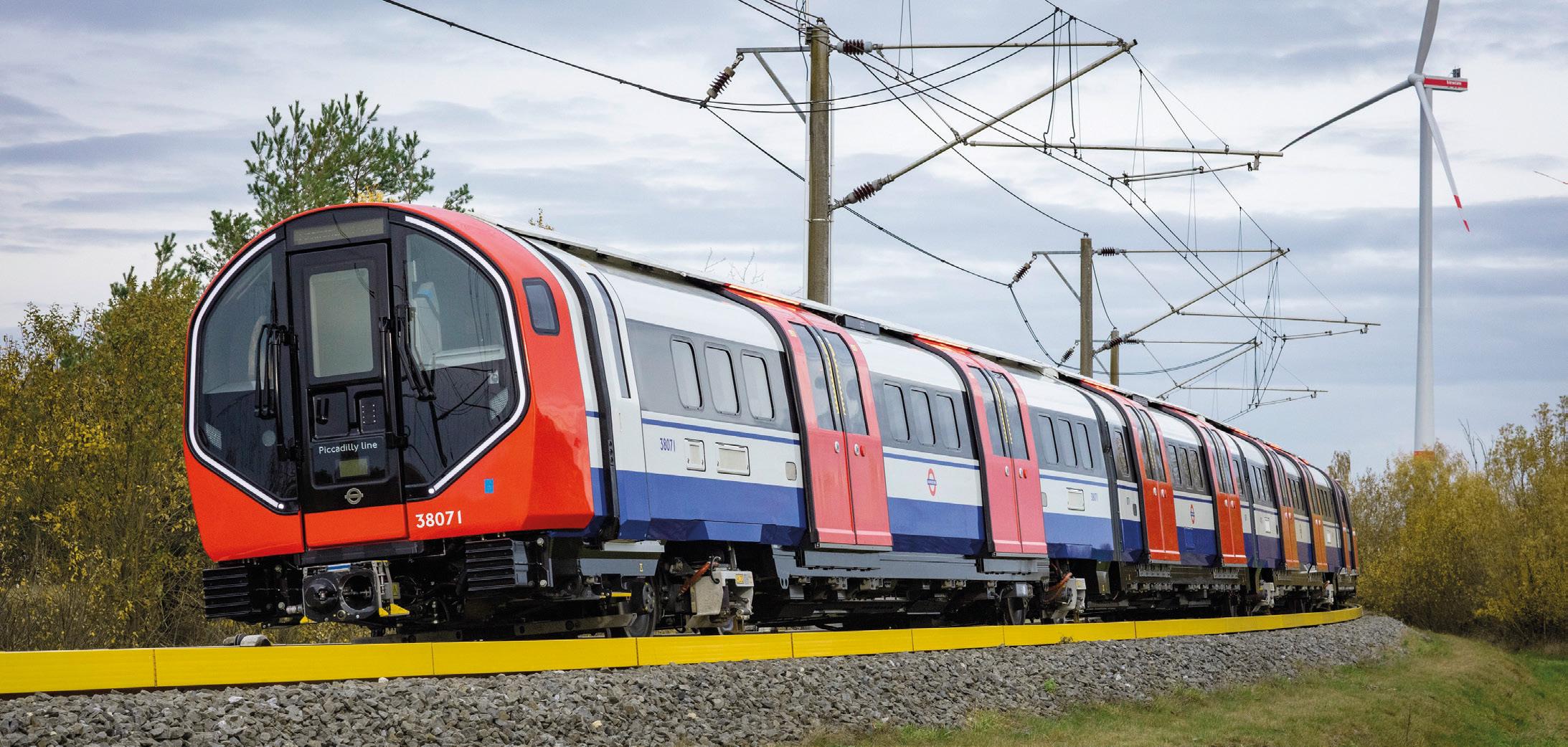
signals in Poole, and signage made by suppliers on the Isle of Wight.
“Investing in London is not just good for London, but for the wider UK, and it is important that we stress this point,” he said.
“Take the order for an additional 10 trains for the Elizabeth line, which are being built at the Alstom factory in Derby – that saved the assembly plant.
“There’s a raft of different small and medium enterprises, family-run businesses, through to multinationals who are reliant on TfL. It also creates capability that can then be used to enable cities like Manchester or areas like West Yorkshire to go and develop their own and grow their own transport network.”
One major project is the extension of the Docklands Light Railway (DLR) to Beckton Riverside and Thamesmead, which will provide a new, sustainable river crossing in east London, with two new fully accessible stations.
It will enable the unlocking of two regenerated districts of London, with the potential for 25,000 to 30,000 homes and around 10,000 new jobs in areas of high deprivation with huge housing need. Andy’s ambitious target is that the first train will be running on the extension before the end of the decade.
“If we put all our minds together I don’t see why we can’t hit that target,” he said. “We’ve got early engagement, we do need the Transport Works Order Act approved, and we need some Government support to speed up the process.
“It is two stations and a relatively short railway, although it does have to go under the River Thames, but I don’t think it is beyond our expectations before the end of the decade.”
As part of the capital programme there are plans for 158 new trains across the Elizabeth line, Piccadilly line and the DLR, and signalling systems and improvements to several stations.
There is also the complete refurbishment of the Central line fleet, the replacement of the ageing tram fleet, as well as progressing plans for a new Bakerloo line fleet.
The new Piccadilly line trains were originally due to come into service in December 2025, but have been delayed by between 12 and 18 months.
“It’s a £3 billion investment, a huge upgrade to the railway, new rolling stock, the first of its kind, and really complex,” Andy said.
“Our partner Siemens Mobility is doing a fantastic job and the trains are amazing and customers will be blown away by them. They are walk through, air conditioned, with live customer information and are fully accessible.
“They’re very innovative, which has created some complexity in the design and bringing it to the railway. Equally we’ve got a lot of infrastructure to upgrade on the railway as well, so all of that is coming together. We have to focus on getting them into service safely and reliably.”
The DLR trains are due back in service by late summer, following investigations, testing and assurance after one of the trains stopped past its intended stopping point – an incident that led to TfL withdrawing all three new trains as a precautionary measure.
Work is also well under way on an additional 10 Aventra Class 345 trains for the Elizabeth line. The order is testament to the popularity and success of the line, which since opening in 2022 has quickly become the UK’s single busiest railway service.
“It’s been an incredible success and an excellent example of if you build transport infrastructure people will use it – we’re over 800,000 passengers on the busiest mid-week days now, with these additional trains the first ones to cover heavy maintenance on the existing fleet,” Andy added.
“From summer 2027 our aim is to increase frequency through central London and changes to both the east and west, which will help with some of the really busy trains we have.
This plan reflects the voices of our customers, businesses and colleagues, who have told us what is most important to them – services that are safe, accessible, frequent, reliable, green and as affordable as possible
“It’s an example of where investment is making a difference, with a future focus into how we need to grow and think about any expansion of Heathrow Airport as well.”
Making travel more accessible
When it comes to accessibility the vision is for all customers to be able to access the transport network. In 2024, the organisation committed to increasing the number of accessible toilets, ensuring that customers are always within 20 minutes of a toilet without having to change trains.
There is also the ambition of making 50 per cent of Tube stations step-free by 2030, with construction already under way at Leyton and Northolt stations, in addition to more than 40 Tube stations where stepfree access feasibility or design work is also taking place.
“To meet that target we’ve got to deliver improvements to more than 40 stations by the end of the decade, but within that we’ve got some really big flagship schemes that will deliver significant capacity upgrades,” Andy said.
“At Elephant and Castle, the main station box has already been built as far as the redevelopment down there; we want to fit that out, which would give increased capacity and step-free access to the Northern line and potentially to the Bakerloo line too.
“The really big one is South Kensington, which is the busiest non-step-free station on the network and the 13th busiest Tube station in London, serving two very specialist world-beating hospitals and the whole museum and cultural district.”
The Business Plan highlights the plans to become more efficient, with the organisation on track to deliver £650 million recurring operating savings by the end of 2025/26, meaning it will have delivered £1.8 billion of savings from 2016/17 to the present.
Over the next four years the aim is to save £750 million per year.
“As well as the low hanging fruit we have also made structural changes, especially around our staffing models for stations on the Underground, and much more commercial thinking around some of our commercial contracts,” Andy said.
“We are optimising our procurement and commercial approach to achieve savings across our third-party expenditure, more focused on managing negotiations with a long-term vision.
“At the same time there are the operational maintenance benefits, such as from the latest trains having regenerative braking.”
On the topic of finances, TfL is set to make its third consecutive operating surplus, covering the costs of operations. This is something that no other transport authority in the world apart from Hong Kong achieves.
“The target was £5 million, but we’re hoping we might do a little better, which means we’re able to reinvest more into improvements and deliver real value to the taxpayer and the fare payer,” Andy said.
“The key has been in ensuring we are much more financially minded. Clearly growing passenger numbers and increasing our income from fare payers
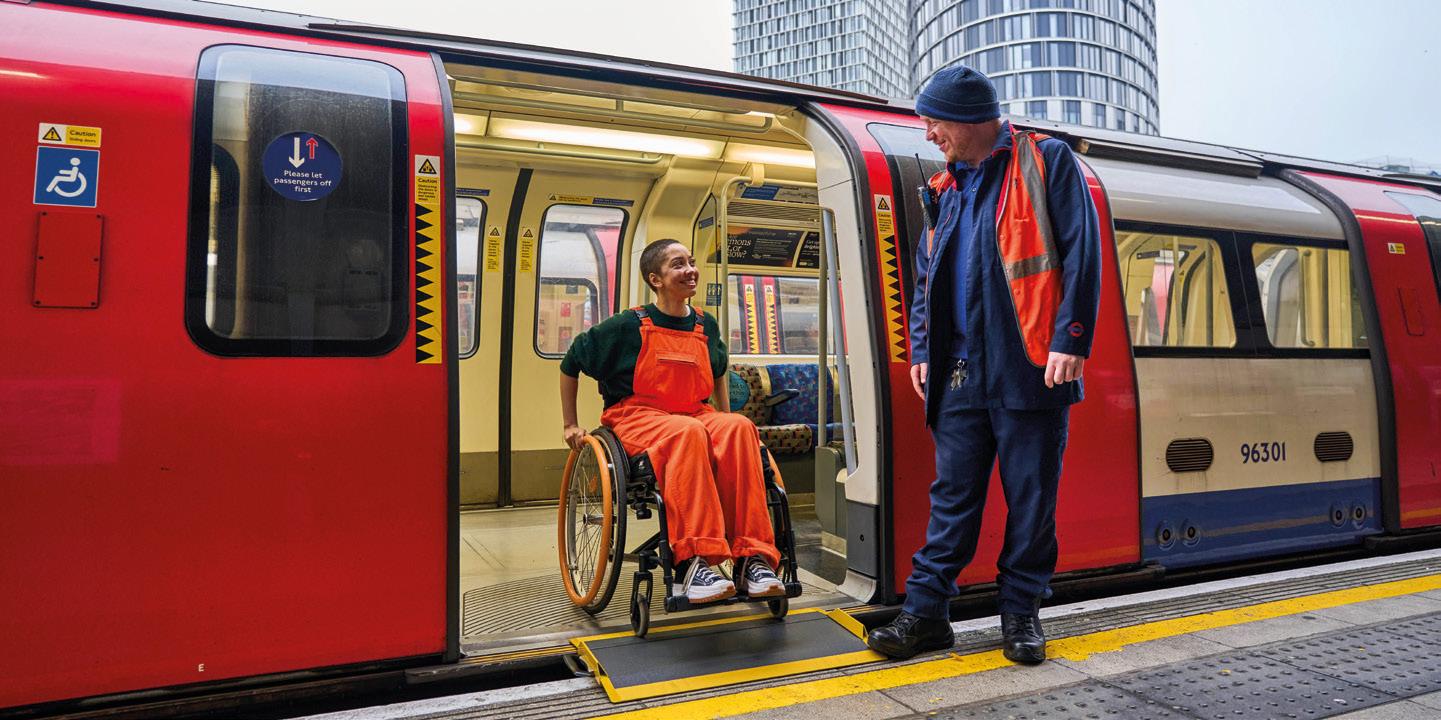
is really important, we’re up to nearly £6 billion per annum from the fare box which is significant.
“It’s also about having more focus on non-fares revenue, with our dividend through Places for London, our commercial revenue through advertising, and making the most of the TfL brand in terms of commercial opportunities.
“The other key is having that focus on efficiency and cost, working effectively with our own colleagues but also the wider supply chain. A big advantage of having a longer-term funding deal now is we can have longer-term commercial contracts, which of course will be more efficient for everyone and deliver better value as well.”
With that longer-term certainty and that business plan, Andy is challenging the supply chain to come to the organisation with ideas and to let them know where they are being inefficient or too bureaucratic.
“Tell us how we can deliver greater value for money, while enabling them to still make a return on their investment, not because we are inefficient but because they are getting value out of a contract they have signed with us,” he said.
“We want those ideas and we want those suggestions. We don’t have all the answers, but we need to work together in a real partnership spirit.”
Illustrating some of the areas of challenge, Andy questions how can TfL be more efficient in capital renewals particularly on the Underground, but also in terms of the process of how the organisation procures in the first place.
“Our procurement processes are too long and specifications are too detailed in my view, so tell us how we can simplify that to speed up the process, be more agile, reduce costs for the supply chain in terms of the bid costs, and enable a quicker outcome in terms of delivery,” he said.
Collaboration is certainly important. As an example, TfL recently appointed SSE Energy Solutions as its delivery partner to build purpose-built solar installations, which could include rooftop panels or ground-mounted solar installations, to connect to the Tube network.
It could deliver up to 65,000 megawatt hours of renewable energy to the network, the equivalent of the electricity consumed each year by around 25,000 homes. It’s part of an overall ambition to use 100 per cent renewably sourced electricity across TfL’s operations by 2030.
“We’re pushing hard to achieve that milestone and our power purchase agreement and solar private wire schemes are among the most innovative in transport in the UK,” Andy said.
“I’m really proud about the progress being made, and there will be more to come over next two or three years.”
Reflecting on the journey so far
Andy joined TfL in November 2019 as Managing Director of London Underground, and became Chief Operating Officer (COO) for all of the organisation’s operations in 2022. He took on the role of Commissioner of TfL on an interim basis in October 2022, before being appointed in the post permanently the following June.
“There’s been some incredible achievements,” he reflected. “As the COO I was responsible for the operational readiness of the Elizabeth line, but then as Commissioner, taking it to full connectivity end to end was a really important step, which has delivered huge benefits.
“There’s also the upgrade at Bank Tube station that increased capacity by 40 per cent; the implementation and delivery of the Superloop bus network, which is probably one of the fastest things we’ve launched in TfL’s history; and last year’s 25th anniversary of TfL.”
And following the organisation’s 25th birthday, Andy concludes on where he would like to see the transport network in another 25 years down the line.
“From a customer perspective, I want it to be fully integrated so if you’re getting on a train in Manchester it is a seamless experience getting to southwest London,” he said.
“You want it to be air conditioned, you want it to have full accessibility, and who knows where it may be in terms of AI technology and capability.
“Hopefully we’ll have the West London Orbital up and running and the Bakerloo line extension built and running. Crossrail 2 might be close to opening if not already open, airport expansion will have been decided with new schemes related to that.
“I hope in 25 years’ time if I’m still around to see it, that my kids and my kids’ kids will have the opportunity to benefit from a further enhanced, further developed transport network that’s fully integrated across London, and that it’s also replicated in other major cities across the UK.”















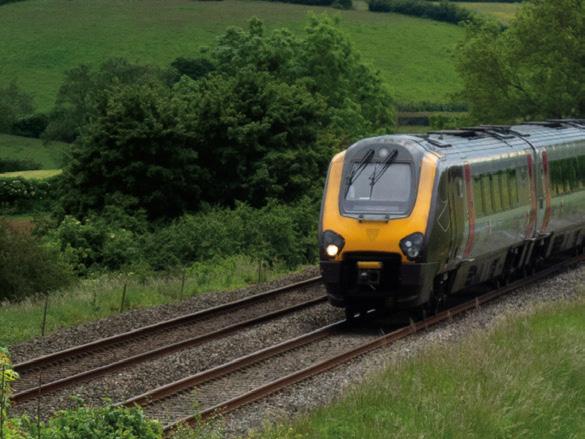


This year marks 30 years of RT Infrastructure Solutions. The company refl ects on the success and the journey ahead
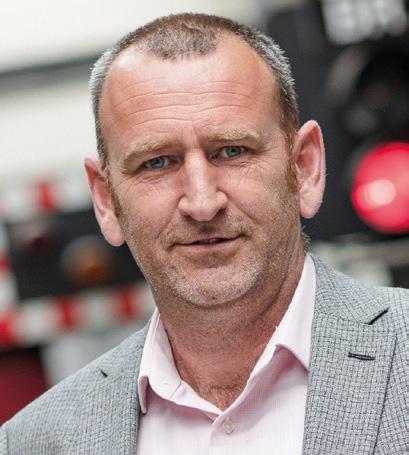
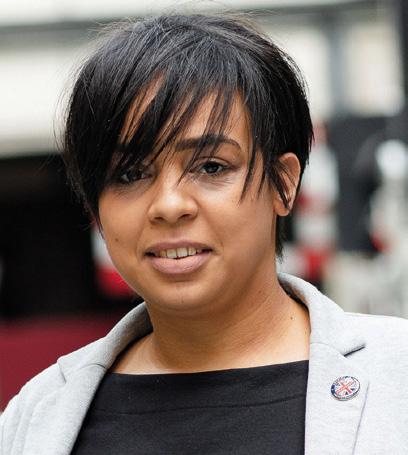
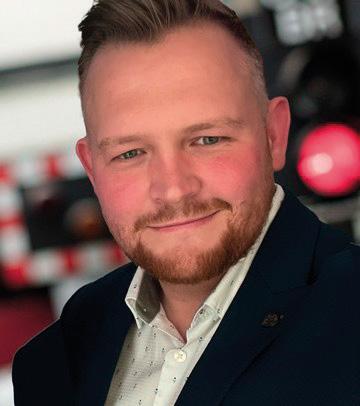
SAndy
Thorpe – Managing Director
ince its inception during the privatisation of the railway industry nearly 30 years ago, RT Infrastructure Solutions (RTIS) has established itself as a cornerstone of infrastructure delivery and workforce development. Built on a foundation of employee competence and continuous investment, the company’s growth and reputation are a testament to its unwavering commitment to quality, safety, and industry collaboration.
It’s clear that the unique offering of RTIS is increasingly being recognised by major industry players such as Network Rail and Transport for London (TfL). This recognition is exemplified by recent successes in being awarded a place on TfL’s Railway Signals Labour Framework, and Network Rail’s CP7 Southern Signalling Maintenance Frameworks in both Kent and Wessex Routes within the Southern Region.
“These awards are a credit to the skill, dedication, and professionalism of our entire team, and further underlines our position as a trusted and capable signalling contractor within the UK rail industry,” explained Andy Thorpe, Managing Director.
Over the years, RTIS has maintained strong, longstanding relationships with these organisations. Both Network Rail and TfL, along with many other Tier 1 suppliers, have come to appreciate RTIS’s ability to deliver high-quality infrastructure works on complex and challenging projects, track renewals support and maintenance for both train and freight operator depots but also, just as importantly, to train and develop the workforce.
For example, Beckton Northern Sidings, a major and strategic project for TfL/Docklands Light Railway, has seen RTIS undertake the management and delivery of all signalling works associated with the project including the interface between the designers and working in conjunction with the signalling software development team.
As part of the project RTIS procured, installed and
commissioned all signalling equipment associated with the works, supplied all signalling, safety critical & civils staff along with a dedicated RTIS project management team resulting in the successful delivery of the project.
RTIS has played a vital role in delivering works across all Network Rail regions, ensuring minimal disruption while maintaining safety and compliance standards. The company’s involvement in the Elizabeth Line project, providing extensive training for TfL staff and contractors, underscores its capacity to support large-scale, complex infrastructure developments.
Over the years, RTIS has delivered a wide array of training programs for Network Rail, covering signalling, track maintenance, and safety protocols, ensuring workforce competence across critical areas.
Andy, who has worked closely with the company’s founders and owners since its inception, added: “With costs spiralling as the resource pool diminishes and competence management becoming increasingly
These awards are a credit to the skill, dedication, and professionalism of our entire team, and further underlines our position as a trusted and capable signalling contractor within the UK rail industry
vital, the value of RTIS’s ongoing investment in training and workforce development is being recognised as a key enabler of more cost-effective project delivery.
“This approach not only reduces errors and rework but also enhances the capability of both new and existing workers, aligning with the industry’s demand for higher standards of competency.
“This strategic focus on training and development fosters a larger, more competent resource pool capable of delivering work efficiently and safely, while simultaneously driving down overall costs.”
RTIS’s three decades of experience include extensive partnerships and collaborative work with colleges, universities, and the Ministry of Defence, which have contributed to industry-wide benefits. These collaborations have helped shape a highly skilled workforce and fostered innovation in training methods; all aligned with the evolving needs of the rail industry.
RTIS is led by a passionate advocate for safety, competence, and operational excellence. Since taking the helm in 2018, Andy has built a professional, dedicated team that retains the family business ethos, ensuring high standards of quality and care.
With foundational investments in training facilities, industry partnerships, and a strong culture rooted in safety and competence, RTIS is well positioned to meet the industry’s aspirations.
Andy added: “The recent emphasis by Network Rail on competence management, demonstrated by the introduction of standardised competence frameworks, underscores the importance of reliable, skilled supply chains. RTIS is undoubtedly equipped to deliver on these expectations.
“In the face of industry challenges ahead, it is clear that resilient, investment-driven suppliers such as RTIS will be crucial. Our ability to deliver not only infrastructure projects but also to invest in workforce capability provides a vital contribution to the industry’s future success.”

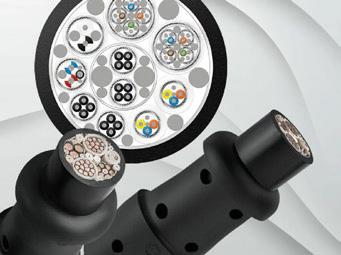
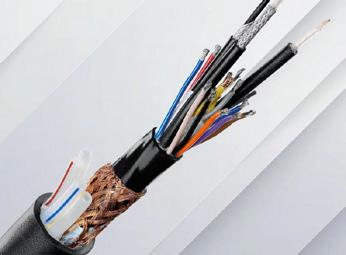
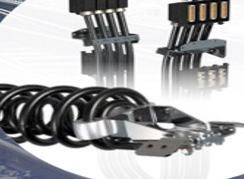
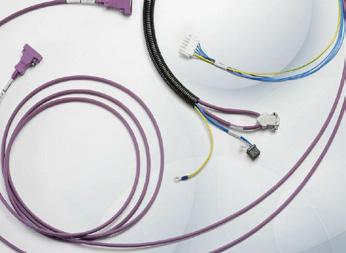

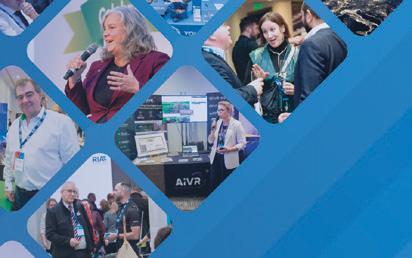
















The Mayor of London Sadiq Khan writes about the importance of the railway and how the impact goes beyond the tracks

ore than 160 years ago, the first passengers of the London Underground stepped onto the Metropolitan Railway and into the future.
Our capital – through a feat of invention, imagination and engineering – had done something the world had never seen before. Our history-making Underground redesigned urban travel and became a blueprint for metros in cities around the world, from Boston to Budapest, Paris to New York, Glasgow to Berlin.
The Metropolitan line inspired the world and transformed our capital for the better, connecting communities to the city and leading to the creation of jobs, homes and thriving new neighbourhoods in north-west London.
In doing so, it demonstrated a lesson that still holds true today: public transport is about more than just getting people from A to B. It’s the key that unlocks a universe of opportunities and experiences, and a catalyst for growth and progress.
Over the past 10 years, I’ve worked hard to ensure London’s transport network is once again the envy
of the world, and to deliver a world-class service that Londoners can depend on.
In London, our railways are the beating heart of our capital. Millions of us rely on them every day to get to work or school, visit family and friends, and take advantage of all our great city has to offer.
Investing in them is one of the most important things we can do to build a fairer, safer, greener and more prosperous London for everyone. Not only does it make it easier and cheaper for Londoners to get around, but it also enables us to reduce congestion, clean up our air, cut our carbon emissions and generate the jobs, homes and economic growth our city needs.
I’m proud that in the last decade we’ve proved that London still leads the way when it comes to rail, through the delivery of our state-of-the art Elizabeth line, extensions to our Northern line and Overground, and continued investments into the infrastructure that keeps our city moving.
The Elizabeth line is the perfect example of what great railways can achieve. Not only has it delivered an outstanding new service for Londoners and visitors
alike, it’s facilitated the creation of jobs, homes and economic growth, not just in London but across the whole country.
Since opening four years ago, the Elizabeth line has become the UK’s single busiest railway service, and Londoners’ favourite line. It has accounted for more than 840 million journeys and saved passengers 8.6 million minutes of precious time on an average weekday.
Its popularity is no surprise because it offers unrivalled comfort and customer experience. All 41 stations are step-free from street to platform, making travel around our city easier for disabled and elderly Londoners, parents and anyone travelling with luggage, and bringing us closer to our goal of making half of all stations step-free by 2030.
Londoners can stay connected as they commute thanks to all stations on the line having 4G coverage, and can travel with a bike during off-peak hours, meaning they have more freedom in how they travel, and make use of our city’s 430km of cycleways.
But the Elizabeth line’s impact reaches far beyond the station platform. Like the Metropolitan



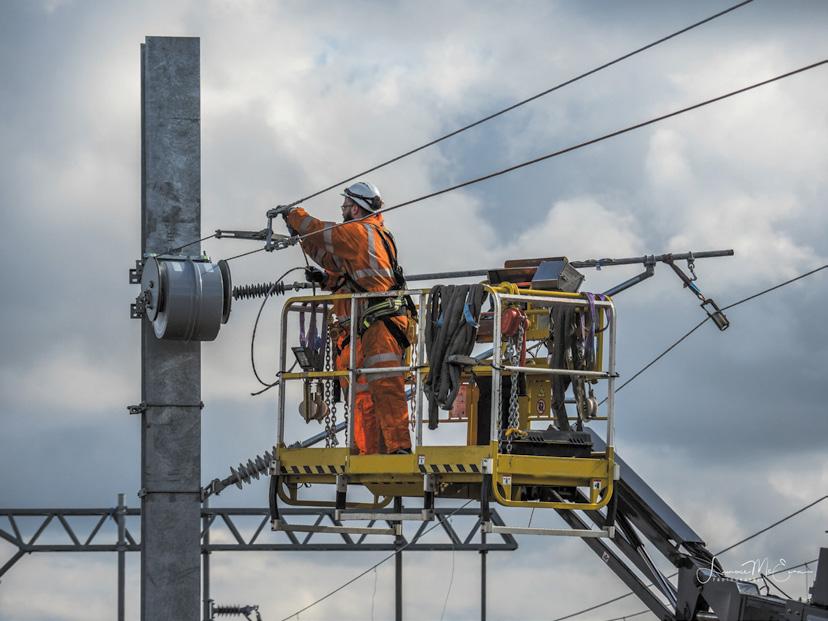
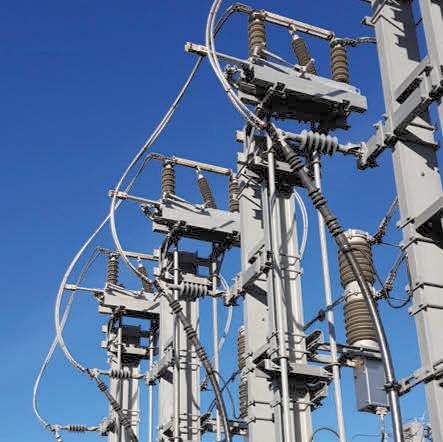


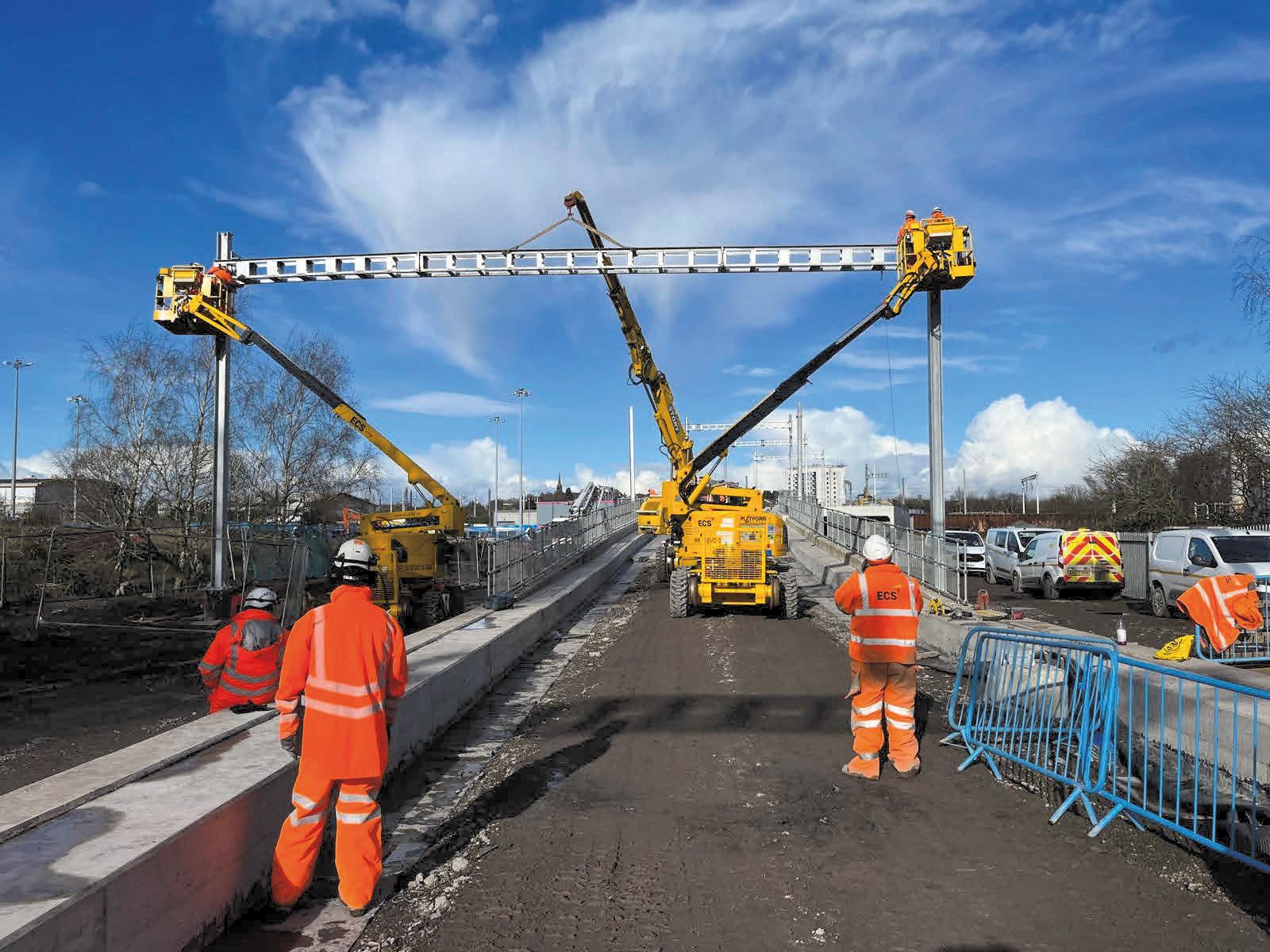
ECS Group's one seamless delivery model. Unlocking efficiency. Driving performance.
• OLE installation, foundations, vegetation management and specialist labour.
• Operated plant, Hybrid MEWPs, AC/DC isolations, POS and ALO services.

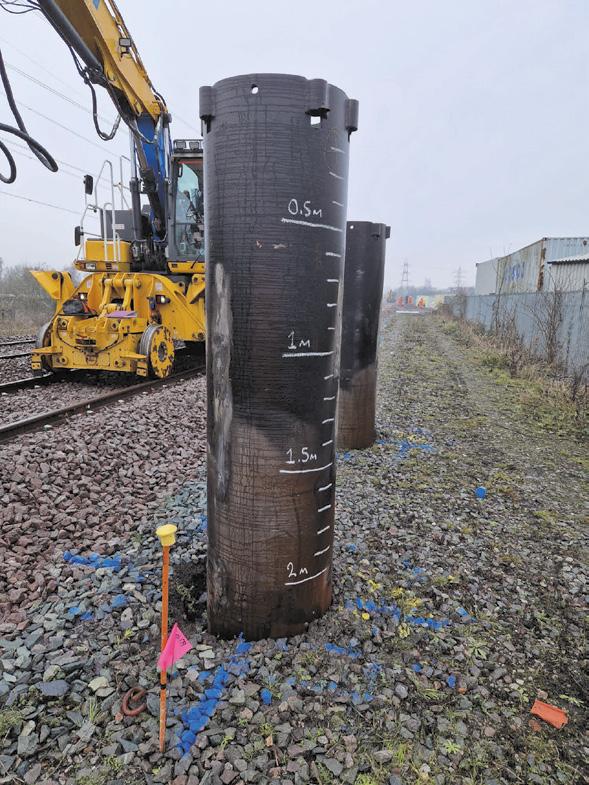
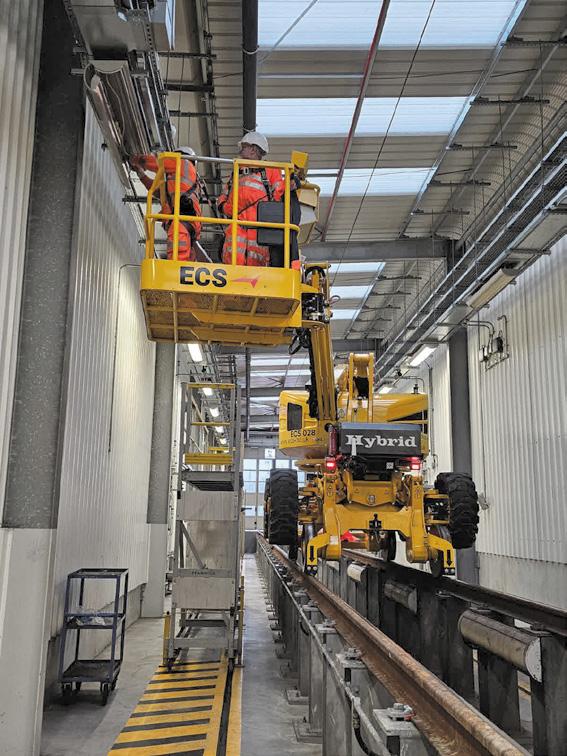
• HV/LV and integrated energy solutions that boost efficiency and cut carbon impact.
• ESG driven, sustainable delivery for stronger, future ready infrastructure.
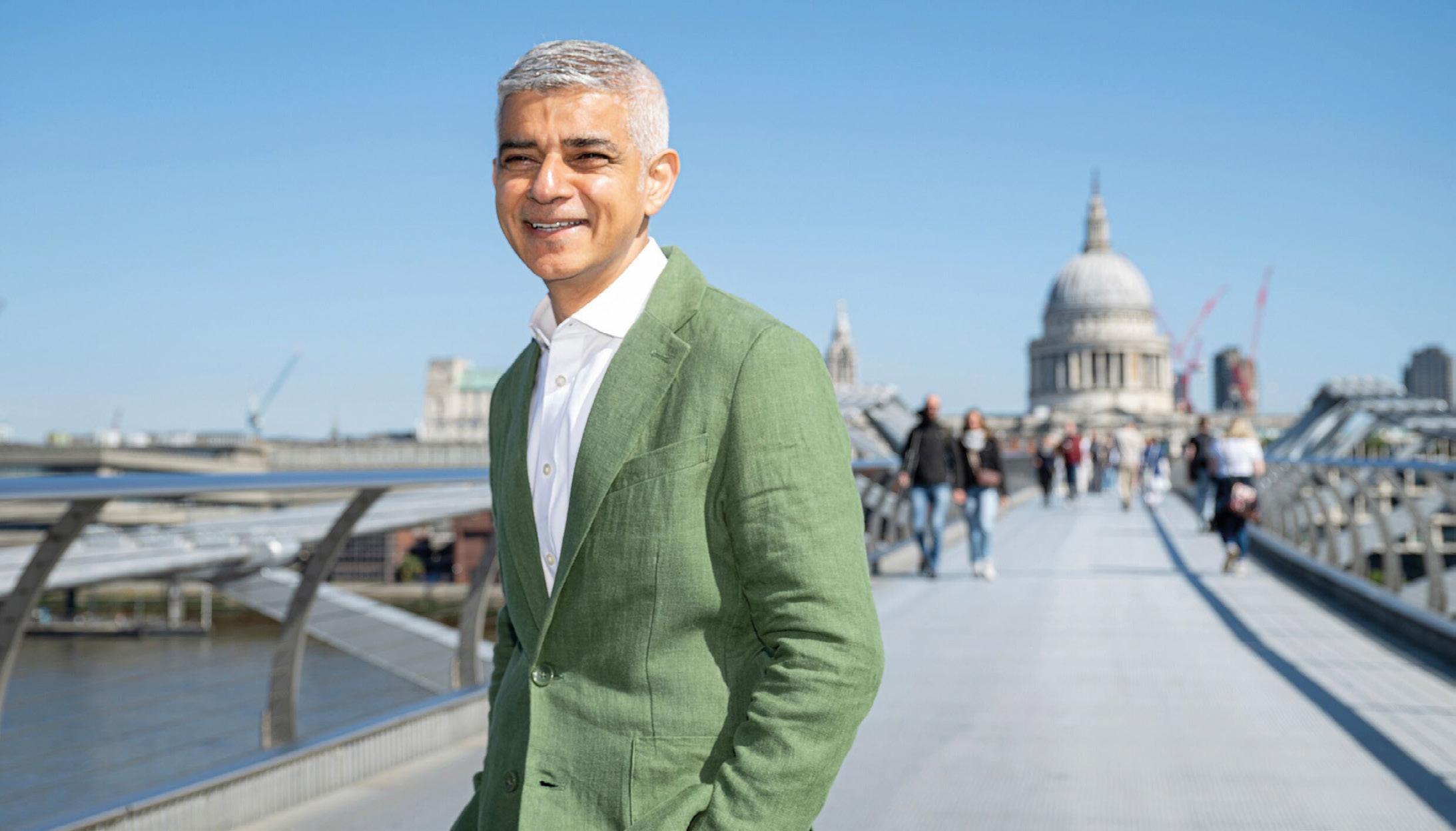
If we are bold enough to keep investing in them, they will continue to be an inspiration to the world – and help to shape a fairer, safer, greener and more prosperous capital city for generations to come
line before it, it has shown how railways can be engines for local and national growth – connecting communities, delivering homes and driving opportunities.
More than 70,000 homes have received planning permission and over 125,000 new jobs have been created within a kilometre of Elizabeth line stations. It’s estimated to have added £42 billion to the national economy and has delivered contracts to firms up and down the country with trains built in Derby, fire doors in Bolton, and signage in the Isle of Wight.
In fact, 10 new Elizabeth line Aventra Class 345 trains are currently in production by Alstom in Derby, supporting jobs in the city that’s been a railway hub since 1839. Alstom’s wider supply chain supports almost 40 companies across the UK and more than 1,000 jobs nationwide.
Of course, the Elizabeth line isn’t the only example. The Northern line extension, which added Battersea Power Station and Nine Elms to the Northern line, opened to the public in 2021 and has facilitated nearly 50 million trips since.
Already 14,000 new homes have been completed near the line, with planning granted for another 18,000, and the project is on track to deliver its target of creating 25,000 new jobs.
Furthermore, the extension has helped unlock the regeneration of Battersea Power Station and surrounding areas, transforming a long-dormant building into an exciting new leisure and retail destination for Londoners and visitors alike.
Major projects undertaken by TfL in recent decades have all outperformed their business cases, which suggests we should be even bolder in future and underlines the need for national support to help drive progress on the next generation of major projects, to deliver the growth we need in London and
indeed across the country.
I’m proud of the progress we’ve made, but we’re not stopping there. We’re going to keep our foot on the pedal because we know that investing in our railways is a surefire way of building a stronger London and, in turn, a stronger UK.
That’s why we welcomed the Government’s decision to back our plans to extend the DLR to Beckton Riverside and Thamesmead last year. This is a huge priority for us and something I have long called for. Not only will this project transform a historically underserved part of our capital, it will also turbocharge growth in London and beyond – helping to create 10,000 new jobs, unlock 25,000 new homes and deliver an estimated £15.6 billion for our economy.
We also have ambitious plans to link Hendon and Hounslow with a fully accessible London Overground line, which would provide 10 new interchanges and four new stations. This project would similarly support thousands of new homes and jobs, as well as offering an attractive alternative to driving. In fact, estimates suggest that it could avoid 650,000 car journeys a year, helping to ease congestion and reduce air pollution in our capital.
As well as continuing to work with the Government on these vital infrastructure projects, we will continue to push for the Bakerloo line extension. This would better connect communities in Southeast London, and once again pave the way for more homes, jobs and economic growth.
Because that is the story of London’s railways: they do not simply move people around our city, they help move our city forward. And if we are bold enough to keep investing in them, they will continue to be an inspiration to the world – and help to shape a fairer, safer, greener and more prosperous capital city for generations to come.

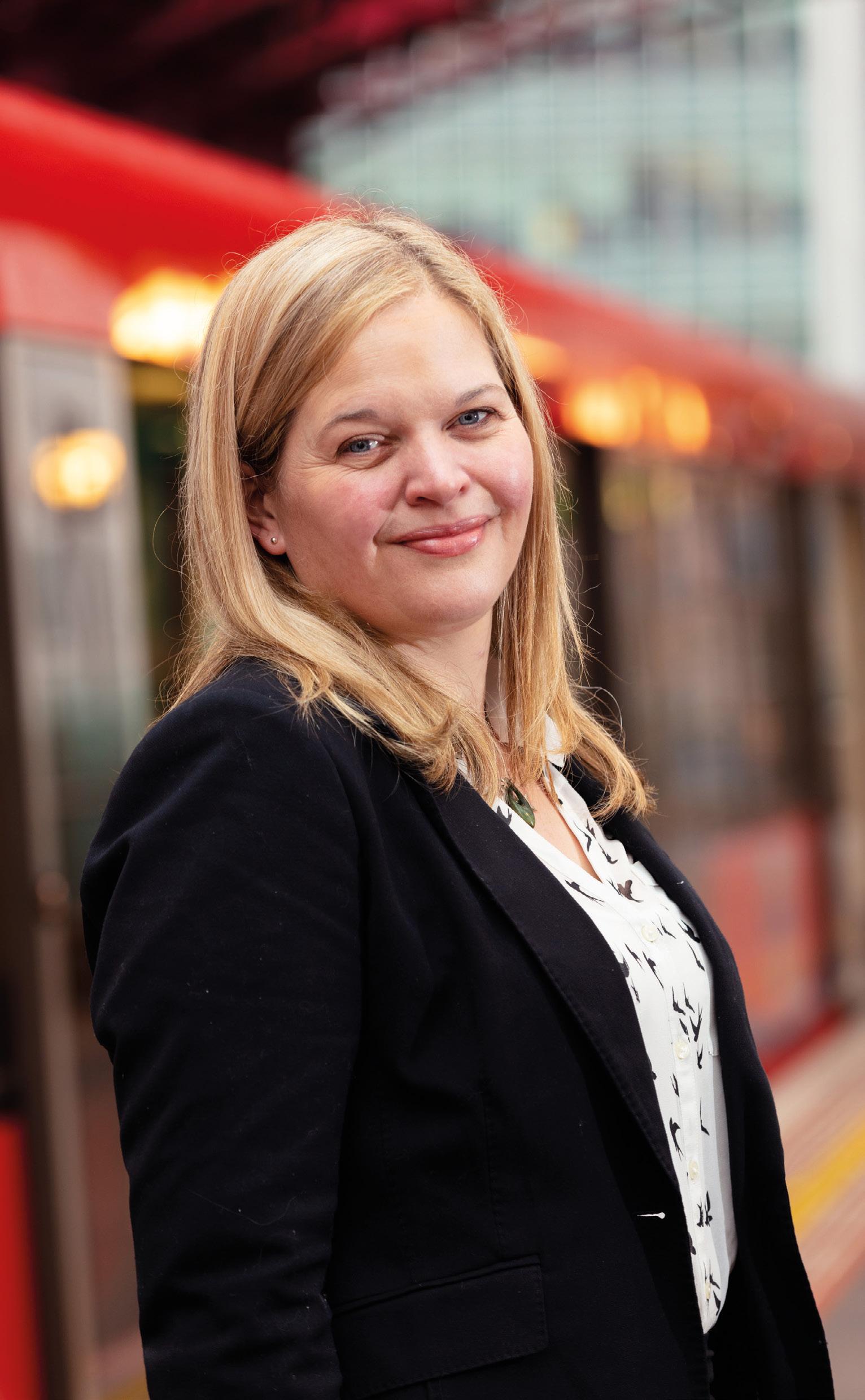
This month marks four years since the Elizabeth line opened in London.
The £19 billion line has become the single busiest railway service in the UK, carrying up to 800,000 passengers a day on the busiest midweek days.
“When I say to people I look after the Elizabeth line you can see their eyes light up and that they get excited,” said Transport for London (TfL) Director of Rail Trish Ashton.
“We’re seeing some people come to London purely to use the Elizabeth line, which is amazing.”
The Elizabeth line opened in May 2022, bringing together two existing sections of railway that had previously operated as TfL Rail, with a new central section under London. This central section included 10 new stations built by Crossrail Ltd. In November 2022, through services began operating from Abbey Wood and Shenfield in the east via central London to Reading and Heathrow in the west. In May 2023, a new timetable fully integrated the three sections into a single line.
GTS Rail Operations Limited, a joint venture between Go-Ahead Group, Tokyo Metro and Sumitomo Corporation, manages and operates trains and certain stations day-to-day, but TfL set the specifications for train frequency, station facilities and overall performance, and is responsible for fares and revenue.
“We have around 800,000 passenger journeys a day on the busiest midweek days, and we hit the million customers in one day mark when there was some industrial action on London Underground back in September,” explained Trish.
“It’s fascinating when you think of the volume of people we’re moving across London; in the first three years 600 million journeys were made.
“But beyond the journey options it’s the impact the line has had on the wider regeneration and the boost to the economy.
“So many businesses have set up within a couple of kilometres of the Elizabeth line. It has enabled growth, and housing growth, and is an example of transport unlocking so much in terms of economic development for the area that it’s serving.”
Since becoming fully operational, the number of services on the Elizabeth line has increased, and construction is also under way on an additional 10 trains to further help increase capacity on the existing line and serve HS2’s new Old Oak Common station in the future.
“We can’t keep growing exponentially because we would run out of space on our trains and we are
seeing that on those busy days of the week the trains are very full,” Trish explained.
“At the moment we’ve got 10 additional trains that are being built with Government funding and we’re also looking at what service patterns would most benefit from enhancements to those services.
“Then it is about the fine-tuning to work the levels of trains that we’ve got available, how we best serve the customers who are looking to travel around the network, while looking ahead to the housing growth.”
This year Trish Ashton will be marking 25 years at TfL. Fresh from university, having studied geography and politics in Keele, she joined its Customer Service Graduate Scheme, drawn by the bright lights of the capital city and an aspiration of working in the public sector.
“It ticked a lot of boxes to me and unbeknown to me, my grandparents and great-grandparents on both sides of my family had actually worked for London Transport, so it was clearly in my blood without any knowledge whatsoever,” she reflected.
“I joined the scheme and I absolutely loved it. It taught me a lot, especially that it is such a broad organisation, and the importance of networking and the passion of people.
Promoting a world of opportunity accessible to all.
“I’ve worked with some amazing people across my career and have had the privilege of interfacing with organisations outside TfL, building a network and dealing with the same challenges together.”
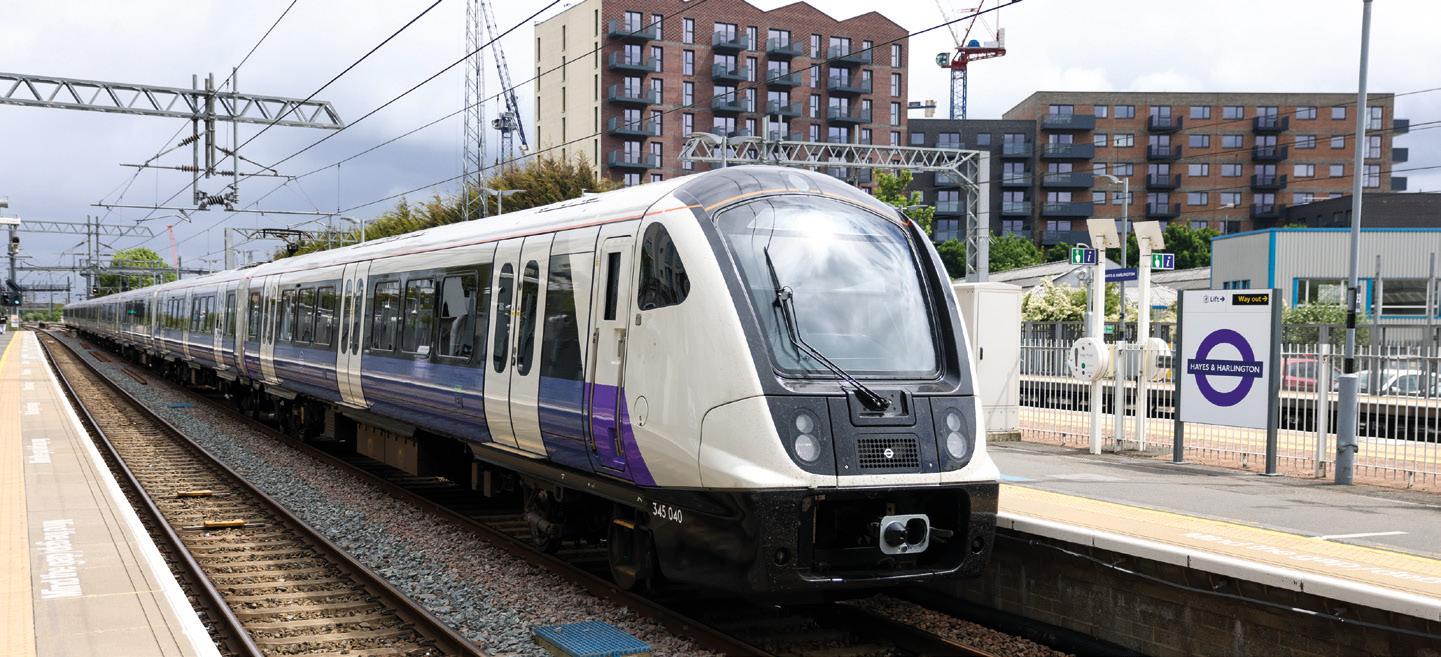
One of her first jobs was Duty Station Manager at Oxford Circus and Piccadilly Circus. She describes night shifts there as “never dull”, and these experiences highlighted the impact she could have on people’s journeys.
“Throughout my time at TfL it has been fascinating seeing the impact you can have on that day-to-day basis,” she said.
“From Duty Station Manager I then progressed to having more of a strategic impact and to help plan some of those services and deliver big events.
“There’s been lots of opportunities to do different things, although my heart has always been in operational delivery. That’s something I wouldn’t have expected when I first joined, but I’ve absolutely got the bug.”
Last October Trish’s job role changed from Director of Rail and Sponsored Services (which included Woolwich Ferry, London River Services, Santander Cycle Hire, the London Cable Car and the E scooter trial) to the Director of Rail (incorporating the Elizabeth line, and with Sponsored Services moving to a different portfolio).
“Adding the Elizabeth line as part of the rail portfolio made a lot of sense as it brought together the London Overground, Docklands Light Railway (DLR), London Trams, and the Elizabeth line,” she explained.
And Trish isn’t daunted by the millions of journeys taken daily across the networks.
“I’ve got an amazing team who do a very good job in making sure that everything is running smoothly
Consultancy Ltd (GCL) are working across the Rail Industry to hardwire access and inclusion project management and delivery. services include:
Goss Consultancy Ltd (GCL) are working across the Rail Industry to hardwire access and inclusion into project management and delivery.
Promoting a world of opportunity accessible to all.
into project management and delivery.
Consultancy Ltd (GCL) are working across the Rail Industry to hardwire access and inclusion project management and delivery.
Our services include:
Access and Inclusive Design Appraisals
Goss Consultancy Ltd (GCL) are working across the Rail Industry to hardwire access and inclusion into project management and delivery.
Access and Inclusive Design Training
Access and Inclusive Design Appraisals
Our services include:
Access and Inclusion Project Management Support
Access and Inclusive Design Training
services include:
Goss Consultancy Ltd (GCL) are working across the Rail Industry to hardwire access and inclusion into project management and delivery.
Access and Inclusion Strategy Reviews
Access and Inclusion Project Management Support
Our services include:
Access and Inclusive Design Appraisals
Access Audits/Reviews
Access and Inclusive Design Appraisals
Our services include:
Access and Inclusion Strategy Reviews
Access and Inclusive Design Training
Access and Inclusive Design Appraisals
Access and Inclusive Design Training
Digital Accessibility Reviews
Access Audits/Reviews
• Access and Inclusive Design Appraisals
Access and Inclusion Project Management Support
Access and Inclusion Project Management Support
Access and Inclusive Design Training
Digital Accessibility Reviews
Access and Inclusion Strategy Reviews
• Access and Inclusive Design Training
Access and Inclusion Project Management Support
Access and Inclusion Strategy Reviews
Diversity/Equality Impact Assessment Training and Development
Access Audits/Reviews
Access Audits/Reviews
Equality, Diversity and Inclusion Audits/Reviews
• Access and Inclusion Project Management Support
Access and Inclusion Strategy Reviews
Diversity/Equality Impact Assessment Training and Development
Digital Accessibility Reviews
Access Audits/Reviews
Equality, Diversity and Inclusion Audits/Reviews
Digital Accessibility Reviews
• Access and Inclusion Strategy Reviews
Inclusive Customer Service Training
Digital Accessibility Reviews
Diversity/Equality Impact Assessment Training and Development
Inclusive Customer Service Training
• Access Audits/Reviews
Diversity/Equality Impact Assessment Training and Development
Policy/Practice Development
Equality, Diversity and Inclusion Audits/Reviews
Diversity/Equality Impact Assessment Training and Development
Equality, Diversity and Inclusion Audits/Reviews
Policy/Practice Development
• Digital Accessibility Reviews
Equality, Diversity and Inclusion Audits/Reviews
Inclusive Customer Service Training
Stakeholder Engagement
Inclusive Customer Service Training
Stakeholder Engagement
Policy/Practice Development
Inclusive Customer Service Training
• Diversity/Equality Impact Assessment Training and Development
Policy/Practice Development
Policy/Practice Development
• Equality, Diversity and Inclusion Audits/Reviews
Stakeholder Engagement
supporting the transport sector to future-proof the Rail
Stakeholder Engagement
for all.
• Inclusive Customer Service Training
Stakeholder Engagement
We are supporting the transport sector to future-proof the Rail Industry, for all.
• Policy/Practice Development
are supporting the transport sector to future-proof the Rail Industry, for all.
• Stakeholder Engagement
We are supporting the transport sector to future-proof the Rail Industry, for all.
We are supporting the transport sector to future-proof the Rail Industry, for all.
Our clients
We are supporting the transport sector to future-proof the Rail Industry, for all.
Our clients
Our clients
Clients include:
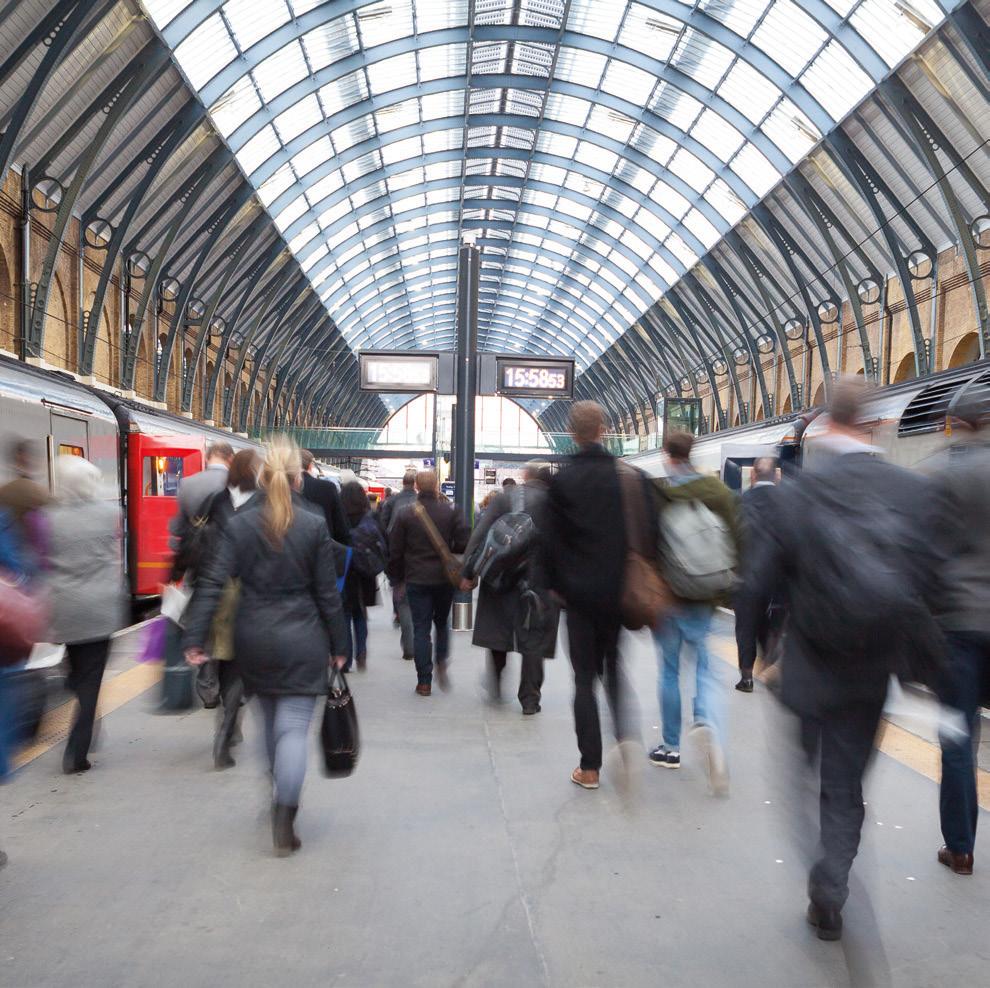
There’s always something going on, but I love that and it is what attracted me into the rail industry, the fact that no two days are the same
day-to-day,” she said.
“There’s always something going on, but I love that and it is what attracted me into the rail industry, the fact that no two days are the same.
“It’s a balance, and there will be some days and weeks I’ll have lots of things planned and then something’s happened that means I don’t get any of it done, but that makes it exciting.
“Rail tends to attract people who like solving problems and like delivering, so actually the problematic days are bizarrely some of the most fun days where everybody rolls up their sleeves and gets stuck in, working together to find solutions.
“It’s fantastic when you take that step back and look at what we achieve and deliver every day. The key is that most people shouldn’t notice transport if it works well, because it just gets you from A to B, so it’s about dipping in and out when I’m needed, having an amazing team, and some ruthless prioritising.”
It is the team that Trish is keen to emphasise, especially on those good and bad days, of which there have been many. She was Group Station Manager in a charge of a group of stations on the north end of the Bakerloo line when the 7/7 terrorist attack took place.
“I remember being in work that day and checking in to see where the team were, and concerns from my
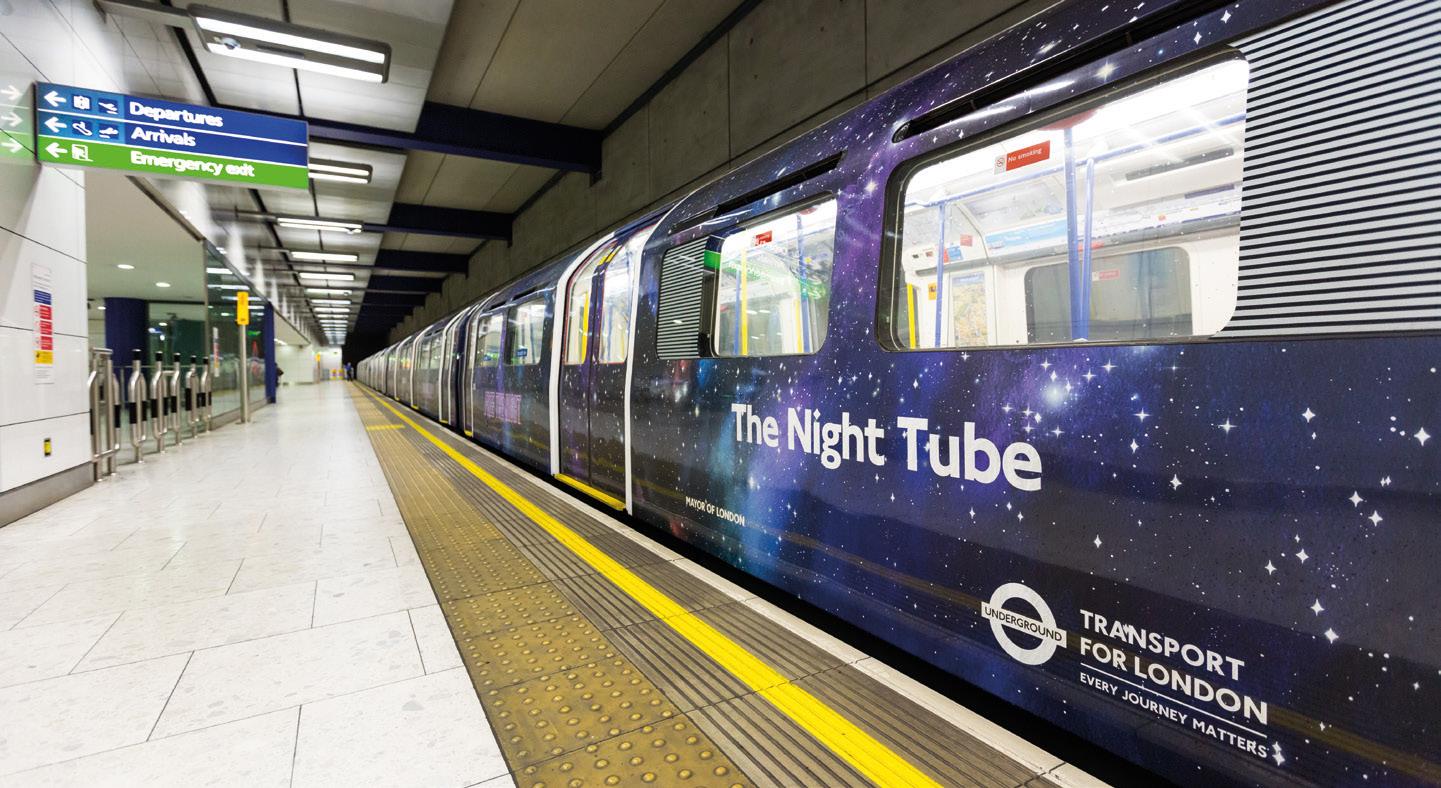
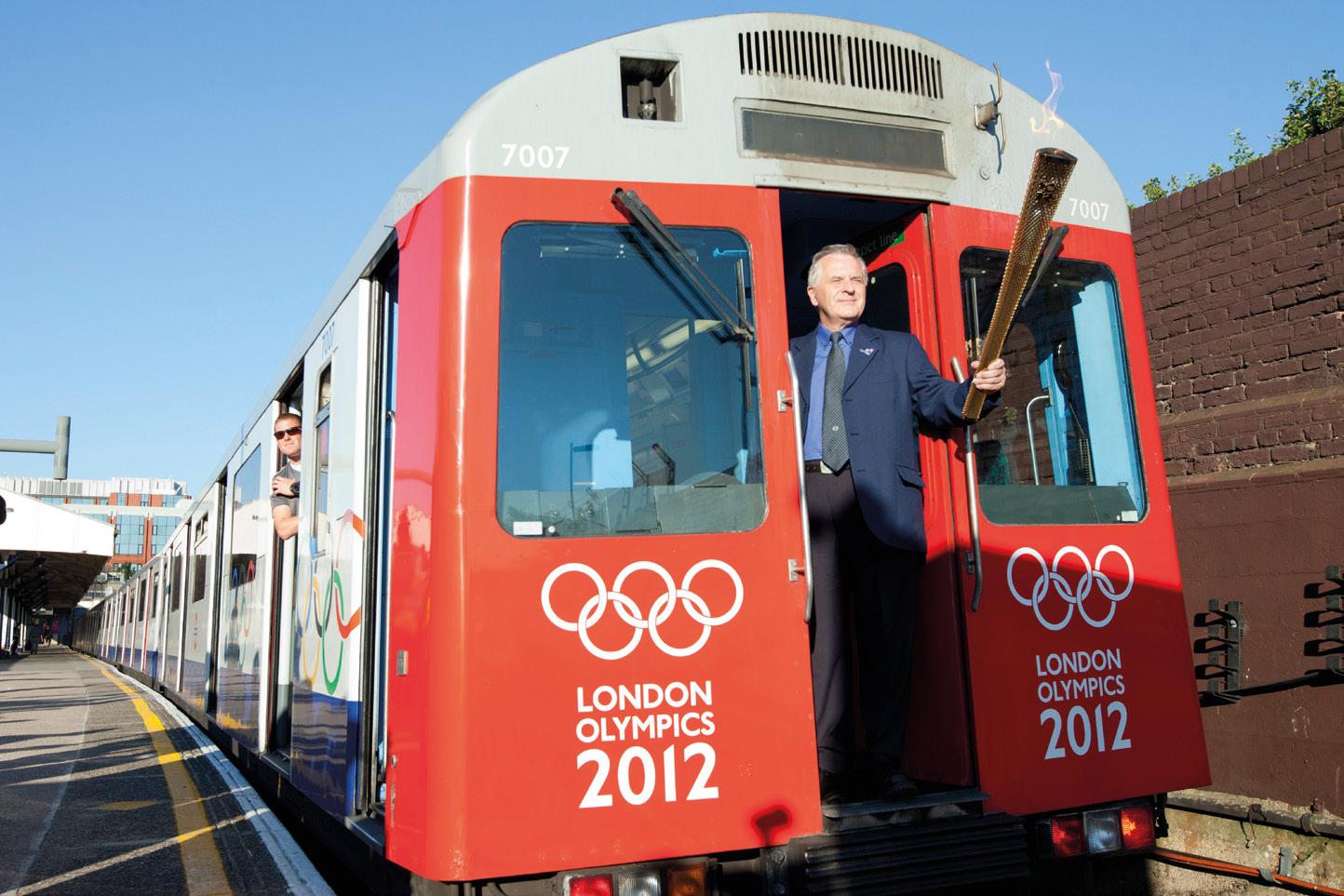
family and friends about how I was,” she reflected.
“The next morning I was there for start of services with my team and although we were scared we all came together to show that London was open for business.
“There was a huge feeling of pride in the job we were doing and it was amazing to see everybody pull together.
“I’ve also been involved with the Olympics; I was General Manager of the Victoria line when we introduced the Night Tube; and more recently I was Gold Commander for TfL for the King’s Coronation.
“With major events in London, people don’t realise there’s so much going on behind the scenes. Just seeing the eyes of the world on the city and seeing us play our part in that and knowing what all the colleagues are doing across all the teams is fantastic.”
Looking more widely at the future as Director of Rail, Trish is excited by the journey ahead, driven by the day-to-day importance of ensuring services run reliably and safely. As well as the arrival of 10 new trains to the Elizabeth line there are plans to extend the DLR to Beckton Riverside and Thamesmead; progress plans for a new DLR fleet and replacement of the ageing tram fleet.
“It’s really important that we’ve got the growth there, but also not forgetting that we need to deliver day-to-day,” she said. “The bedrock of any railway is a safe, reliable service that gets people where they need to go.
“For me as Director of Rail I need to ensure we have clear priorities and clear targets that we’re all aiming towards, and then clear accountabilities under that.
“Most people who work in transport are enthusiastic and passionate about what they’re here to do, so it is about using that energy and making sure you’ve got the right people doing the right roles and things they love.
“We have to remember people are on trains because they need to get home, they might be carers, they need to get to work, they’ve got families.
“Knowing the role that you’re playing and the impact it has on so many lives, that is at the forefront of all our minds when we’re planning these things. We’re not just moving people from A to B but enabling people to live their lives.”
Concluding the conversation with Rail Director, Trish looks back to those first days when she joined on TfL and offers this advice about why people should join the rail industry.
“It’s easy to look from the outside at the rail industry and assume that you know what the roles are and when I first joined the organisation, people would ask if I was a train driver,” she said.
“Train drivers are hugely important but there are so many diverse careers across our business. TfL directly employs more than 20,000 people and indirectly employs more than 30,000.
“I’ve embraced anything that has come my way and never had a particular career path but made the most of the opportunities offered to me, then really got stuck in and seen how I can perform best in that role.
“The key thing for me has always been to feel like I’m making a difference and positive contribution in my role.”










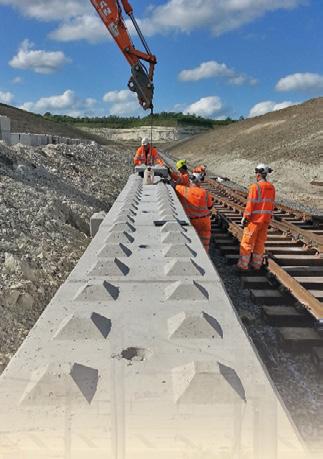







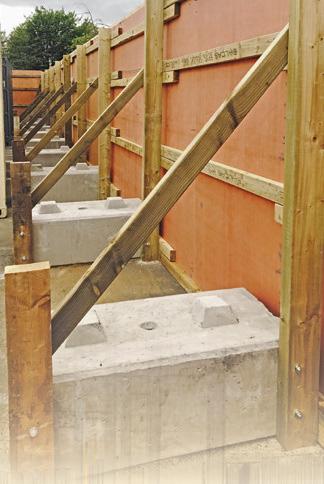







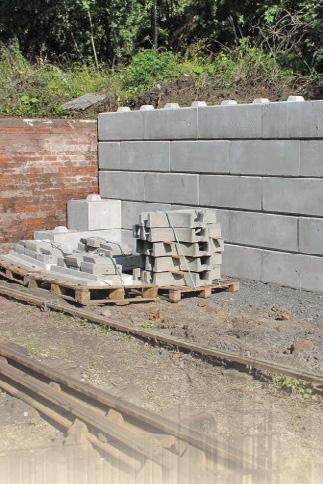





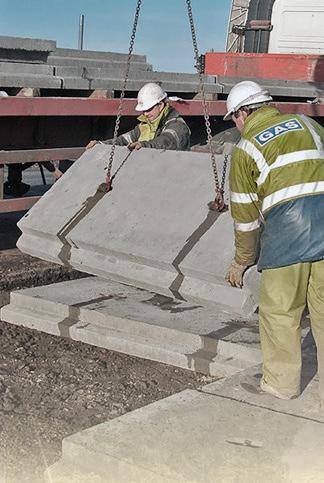













First Rail London has announced its new management team that has begun operating the London Overground on behalf of Transport for London
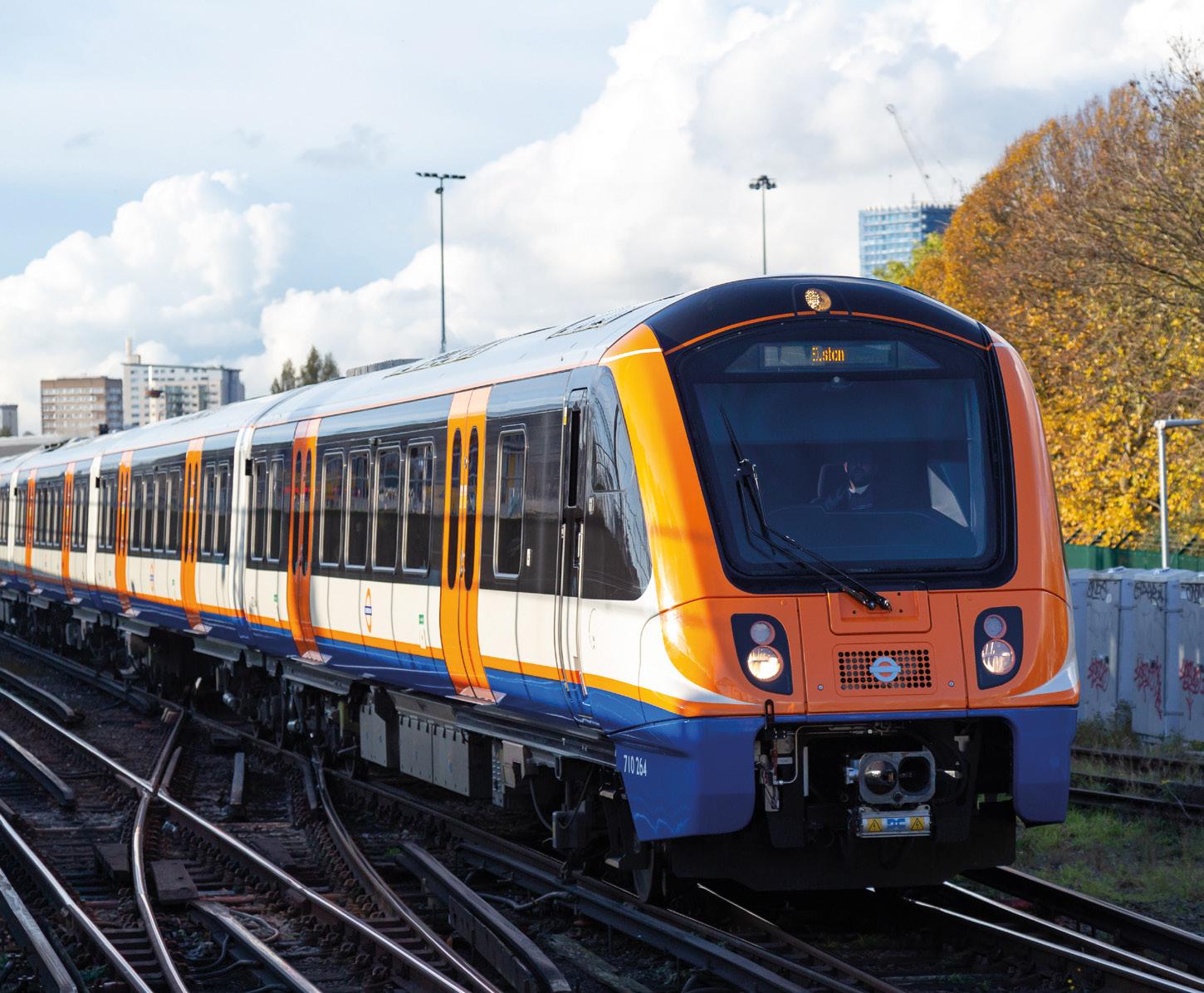
David Statham has this month started leading a new team responsible for running the London Overground on Transport for London’s (TfL) behalf.
The former Commercial Director for First Rail is now Managing Director, joined by Lee Archer as People Director, Mike Fortune as Finance Director, and Oliver Owens as Concession and Transformation Director.
Niall Rooney as Customer Experience Director, Charlotte Whitfield as Operations Director, Kate Marjoribanks as Engineering Director and Mark Hughes as Head of Safety, Health & Wellbeing and Compliance will also move across from the Overground’s current operator, Arriva Rail London.
First Rail London Managing Director David Statham said: “The London Overground has transformed the way people travel across the capital, now carrying around four million passengers each week.
“We’re really excited to be operating the network from this weekend on behalf of TfL. We will be focused on delivering a safe and reliable network for
customers, colleagues and communities.”
First Rail London’s contract with TfL is initially for eight years with an option to extend for up to two additional years at TfL’s discretion.
Under the terms of the contract, TfL retains all revenue risk and will specify the service levels, with First Rail London responsible for the delivery of train services, management of stations and customer service.
First Rail Managing Director, Steve Montgomery said: “As a long-standing and reliable partner in public transport, we value our strong relationship with TfL, where we already operate tram, cable car and some bus services.”
The London Overground was launched in 2007 to provide better connections between areas outside of central London. TfL took over a series of underused suburban rail lines and transformed them into a high frequency metro-style service. The Overground network spans six routes and covers 100 miles of railway, 113 stations and all nine fare zones and around four million passengers use the service each week.
We will be focused on delivering a safe and reliable network for customers, colleagues and communities








AIVR












o e visibility they need a oss the network.






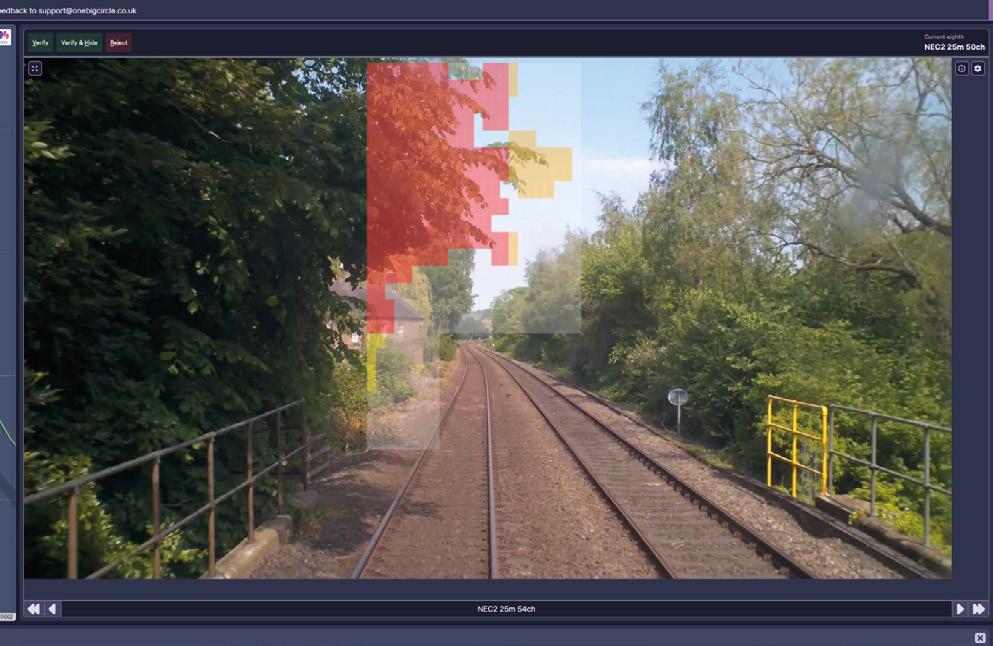
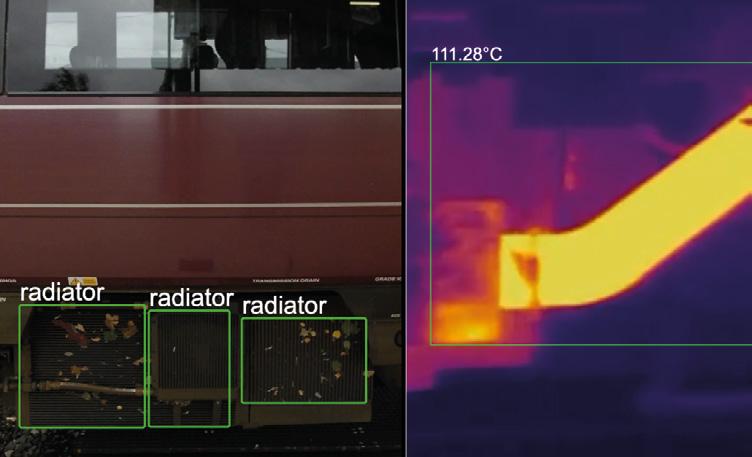
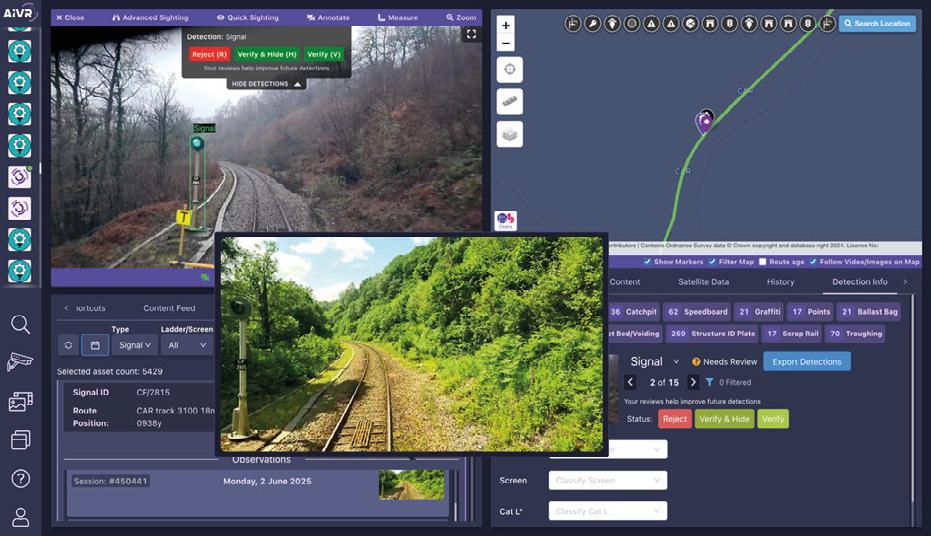
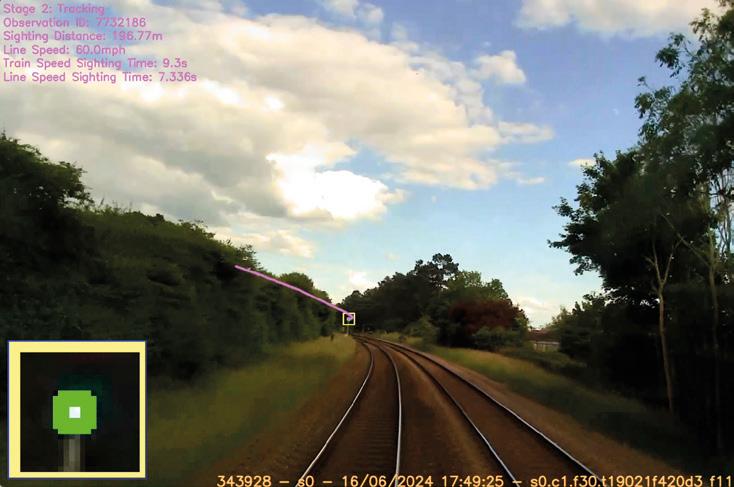
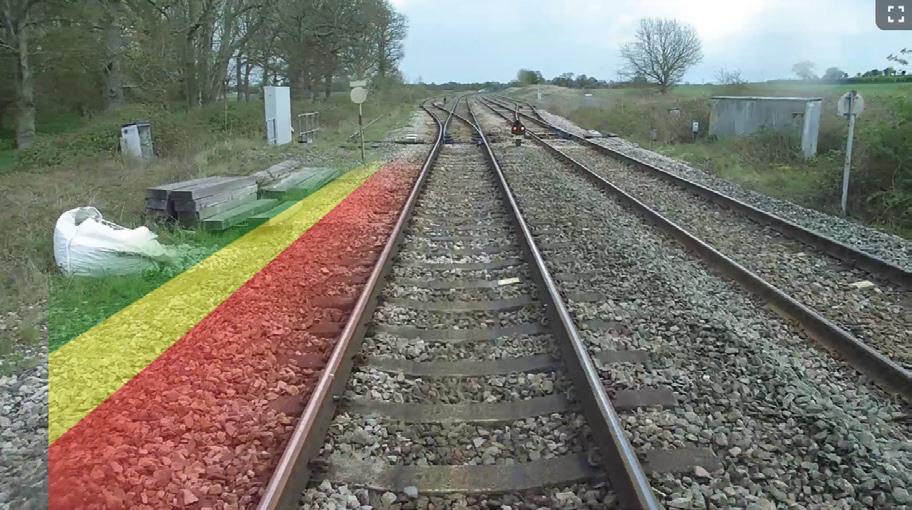

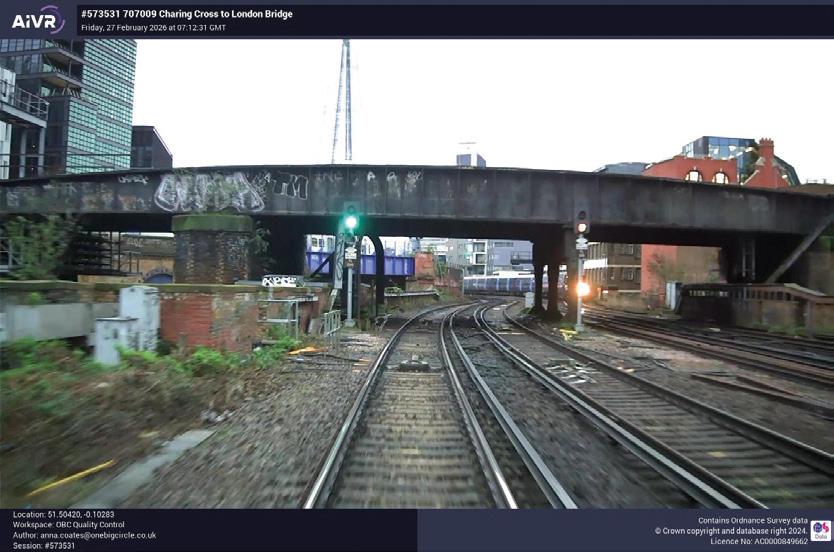
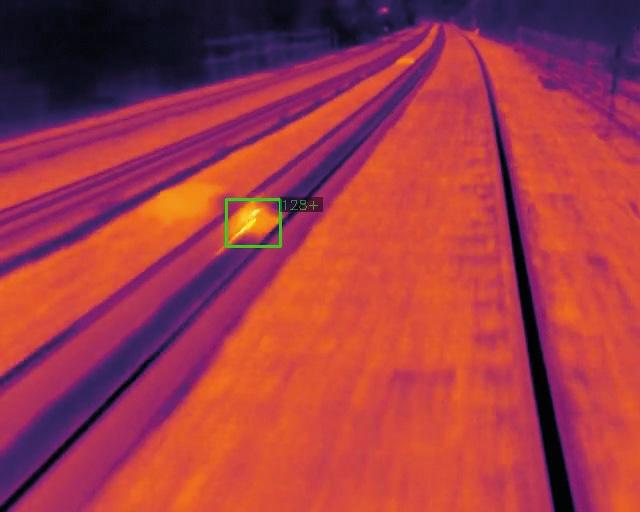
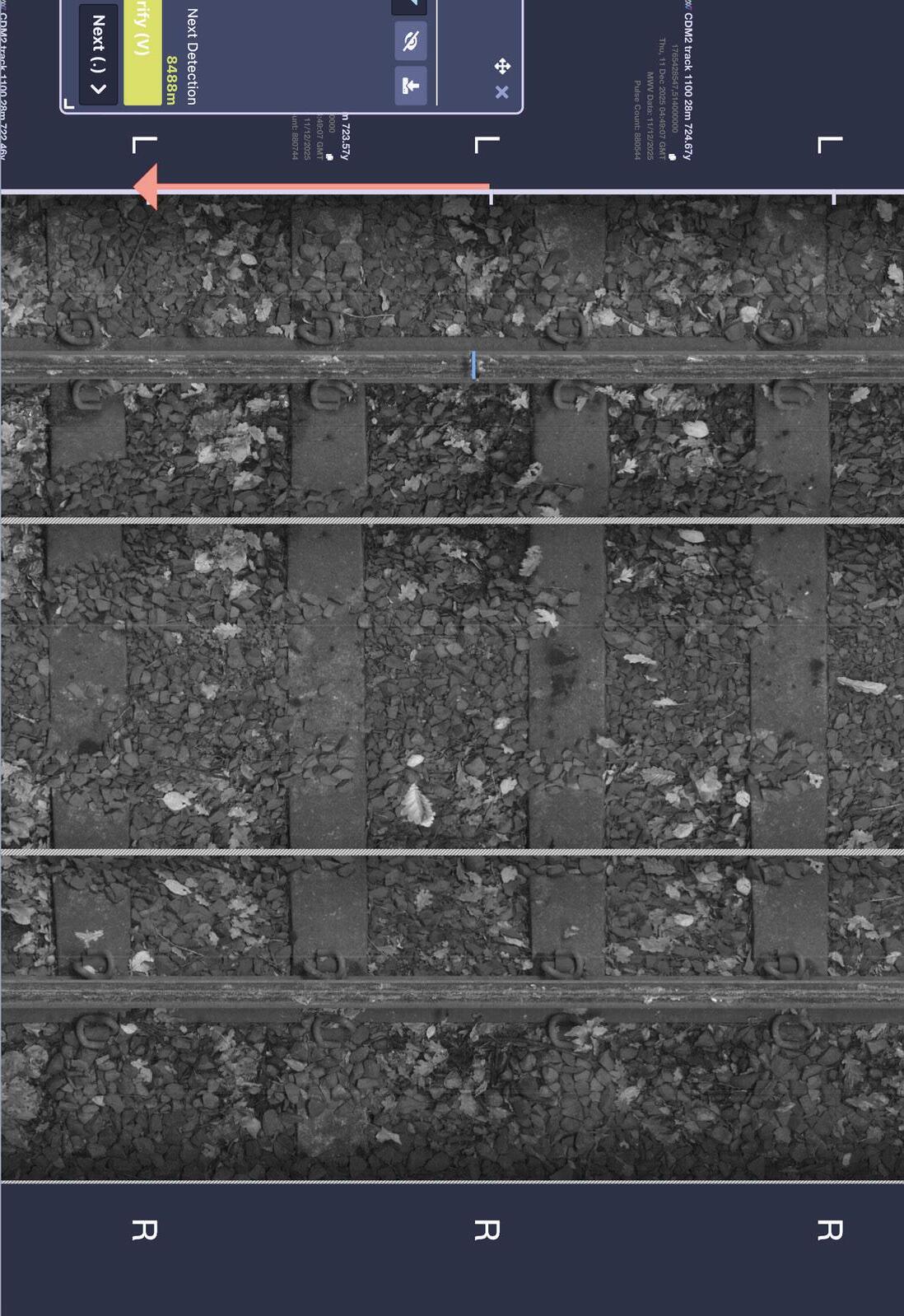






IVR network transforms in-service fleets into continu to ous monitoring platfor manage performan iving , – g , ms ce prevent delays and acr perators the infrastructur protect reliability





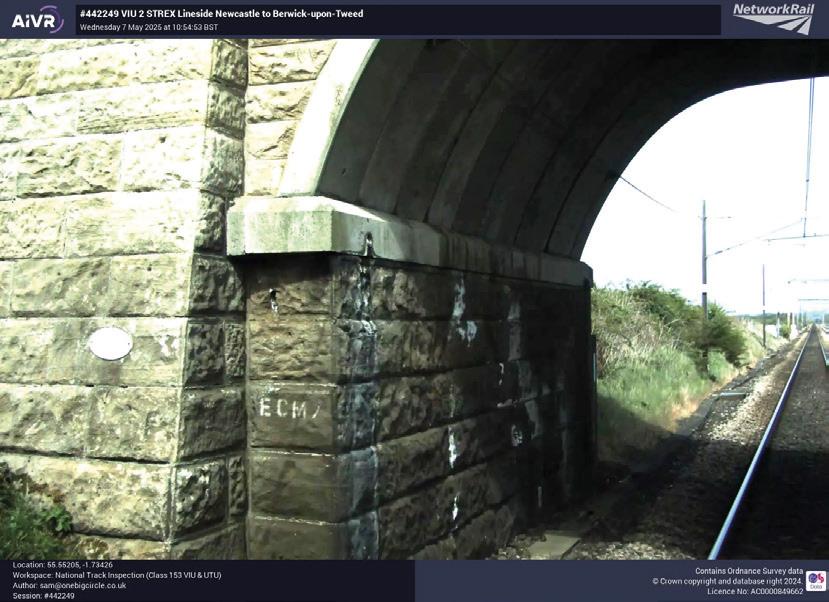
In her latest quarterly column, Daisy Chapman-Chamberlain explores the language of the railways, and how it trickles into everyday life
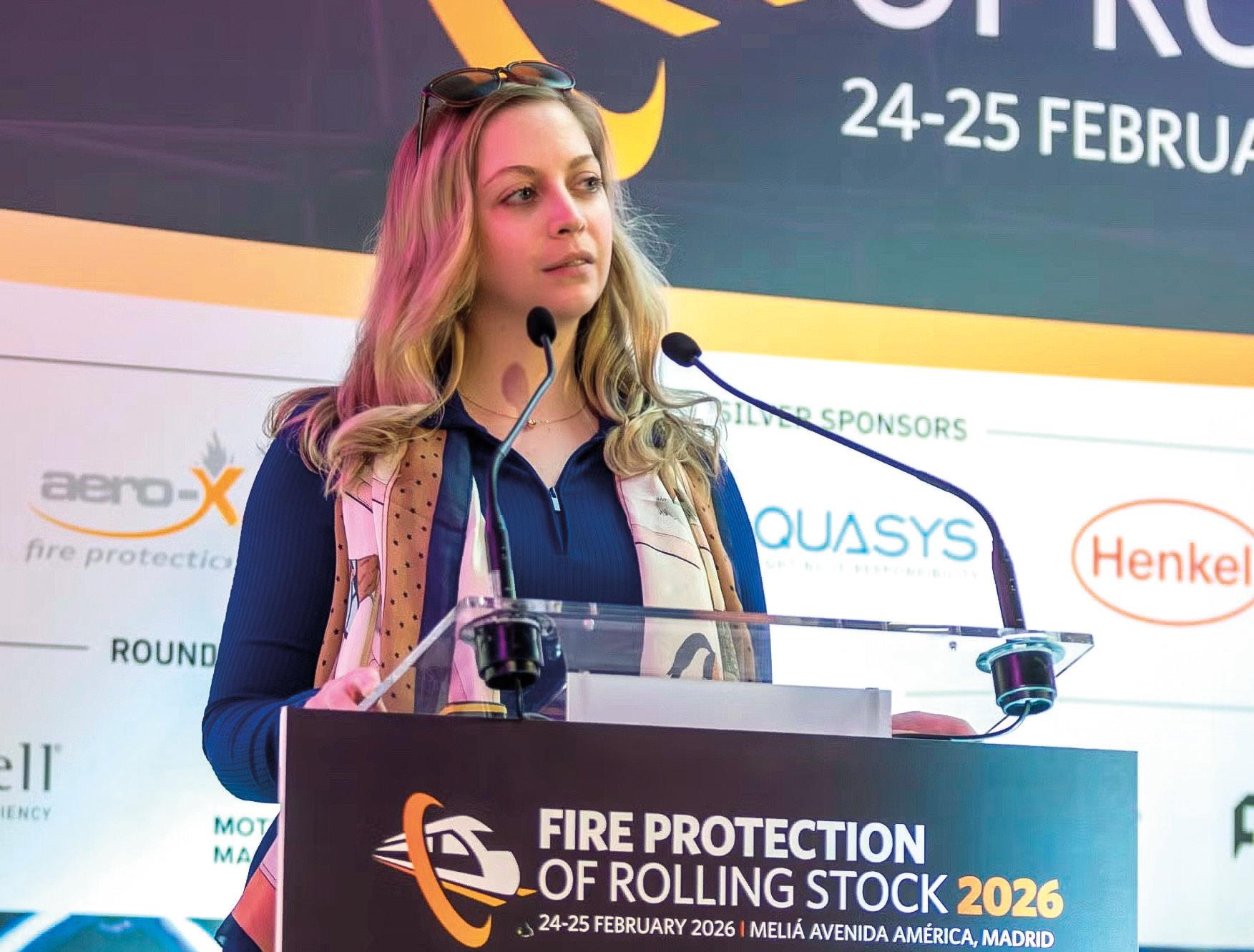
Rail is awash with words, acronyms, and esoteric terminology dating decades or even centuries old, with roots in languages from far beyond the shores of Britain.
Speaking railway is an essential part of our working lives in the industry, but railway language has also shaped our common everyday speech more than many of us realise.
A fascinating etymological topic area – this article explores some of the key language, from the commonly used to the obscure and sometimes strange, to those which have jumped into daily English.
Common vocabulary
Beginning with common, daily railway terms that most people use, perhaps without ever considering their basic meanings.
Railway: derived in the late 1600s, combining rail, from the Old French raille (a bolt or a bar) and way (a road or path). The first known use of the railway was around 1681 to describe 16th-century wooden wagonways in mines, which were run on wooden rails for easier movement. Many other languages follow a similar linguistic pattern:
French: Chemin de fer (Chemin = path, fer = iron).
German: Eisenbahn (Eisen = iron, bahn = road).
Italian: Ferrovia (Ferro = iron, via = road).
Japanese Tetsud ( ) (tetsu = iron/steel, d =road/way).
Train: from the Latin trahere, meaning to pull or drag. Train was used in the old French and Middle English of the 14th century to refer to the trailing part of a skirt or cape (hence wedding train), and also for a retinue or procession of followers. It was first used in the context of the railways around 1820, to refer to the trailing succession of connected carriages pulled by an engine.
Locomotive: combines the Latin words loco (locus = place) and motivus (causing motion), meaning moving from place to place in the literal translation. First used in around 1612, it initially described the capability of motion, but in 1814 began to be used to distinguish mobile steam engines from the stationary engines used to drive machinery.
Ballast: originally a maritime term from around 1480, describing the use of heavy materials such as stone or sand used in the hold of a ship to
TAPI Bus Information
TAPI Bus Fares
TAPI Places Data available
TAPI Journey Planner
TAPI Bus Performance
TAPI Bus Disruption
TAPI Rail Information
TAPI Rail Performance
TAPI Bus Information
TAPI Bus Fares
TAPI Places Data available
TAPI Journey Planner
TAPI Bus Performance
TAPI Bus Disruption
TAPI Rail Information
TAPI Rail Performance
There are many terms that are only used within the railway community itself, ranging from practical descriptors to the gently mocking
stabilise it. It originates from Low German or Scandinavian, likely derived from bar (bare) + last (load), meaning a bare load (empty of cargo) –materials carried for stability rather than commerce. The term transitioned to railway use as some of the first ballast used in rail was originally acquired from ships that were using it as their own ballast.
Some railway terminology has also moved from being used purely to describe train operations and infrastructure and now features in a wide variety of sayings and idioms.
Gravy train: originally an American idiom from the early 1900s, when it was rail worker slang for an easy, high-paying route, now referring to a situation where someone makes money for minimal effort, combining gravy (slang for easy money) and train. Railroad (as the Americans would say) workers used gravy to describe profitable routes, sometimes calling them gravy runs or gravy trains. These days the term can refer to a profitable enterprise, investment, partnership, or even job.
Ghost train: has two meanings – the more common interpretation merges the 19th-century folklore of ghostly locomotives with 20th-century fairground attractions. The concept stems from storytelling linked to early steam services, where unusual lights or abandoned trains were thought to haunt tracks and trains (often linked to accidents). The first official fairground ride named “Ghost Train” was built at Blackpool Pleasure Beach in 1930. However, in the UK railway world a ghost train service is one which carries extremely minimal passenger traffic, operated to avoid the costs of closing a line.
Whistle stop tour: an American term, linked to small towns in the USA known as whistle stops in
the 1920s, where trains only stopped if signalled by a whistle. It now denotes a fast-paced journey with multiple short, quick visits. Politicians would travel by train, stop at these small stations, and make a hurried speech from the platform before travelling to the next stop – the term was popularised by Harry Truman’s 1948 presidential campaign tour. Today the term is used for similarly rapid activity either on or off the railway.
Wrong side of the tracks: another American term, referring to railway construction in the 19th and 20th centuries, where construction of new lines meant tracks cutting through the centres of existing towns, creating physical barriers. This created socioeconomic division where one side of the town would invariably become wealthier over time, and one side becoming or remaining poorer, often exacerbated by increasing urban growth. Now, the term is used to describe ‘undesirable’ locations and backgrounds, regardless of the presence of a railway.
There are at least a dozen other popular common expressions rooted in railway-speak; train of thought, back on track, full steam ahead, end of the line, sidetracked, going off the rails, running out of steam, and more.
There are many terms that are only used within the railway community itself, ranging from practical descriptors to the gently mocking.
Gricer: a British term for a railway enthusiast, first used in the 1930s. A gricer is often a photographer as well as someone who travels for locomotives and trains. The etymology of the term is contested; some say it stems from a comparison to grousers (grouse hunters) implying that gricers bag trains with photographs and numbers in logbooks in the
same way that hunters bag game, and some say it is a reference to an early trainspotter named Richard Grice.
Rattler: a noisy, rattling, rough-riding train. Some specific trains and locomotives that earned this nickname include the Australian ‘Red Rattlers’ (New South Wales Standard suburban carriage stock) and the British Rail Class 142 (known as Pacers), both now retired. Specific nicknames for trains and train classes are also extremely common in railways globally, from the Flying Banana (Network Rail’s New Measurement Train, which monitors and records track condition, thusly nicknamed for being yellow), to Doctor Yellow (also yellow, a Japanese test train), to Deltics (British Rail Class 55, named for their engines).
Anorak: a trainspotter. Unsurprisingly, they are called anoraks because of the waterproof jackets they often wear to cope with the unpredictable British climate while out trainspotting. The term ‘anorak’ is now also used outside the rail context, sometimes unkindly, to describe anyone with a deep commitment to their hobby. In Japan, they’re often described as densha otaku – train geek or nerd, literally translating to ‘electric train nerd’. The Australian equivalent is sometimes called a gunzel.
While we may often think of rail as an esoteric industry, the language of the railways has, as outlined above, already trickled into everyday life, and will continue to do so as long as the industry, and the English language, develops.
About the author: Daisy Chapman-Chamberlain is Rail Services Lead at Rail North Partnership. She focuses on improving transport systems, accessibility, safety and beyond. She is also the Chairperson of the Oxfordshire Community Rail Partnership. Daisy can be reached via LinkedIn.
Sometimes
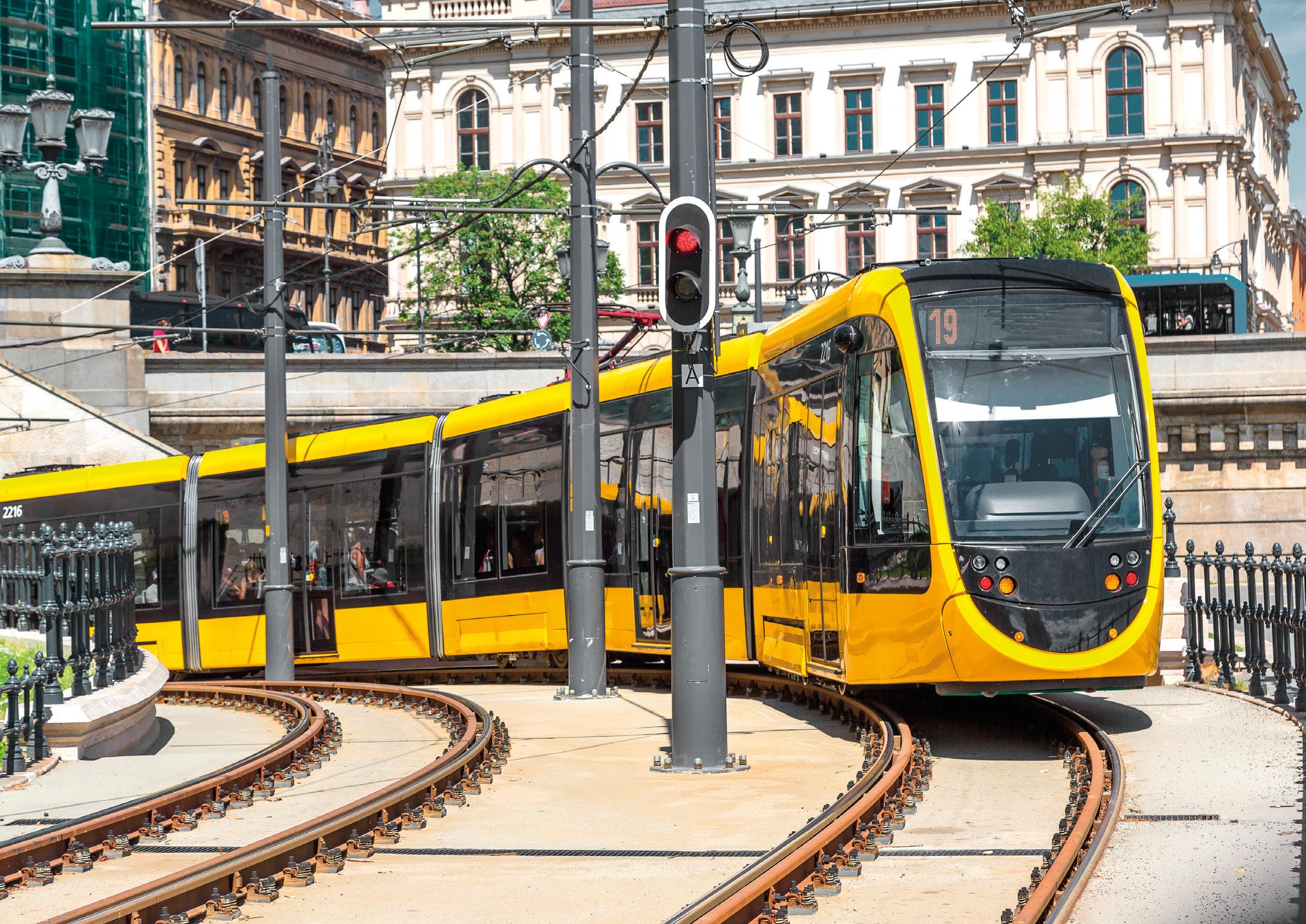

When trains move through tight curves, the friction between the wheel flange and rail can generate the
pitch noise many people hear in cities
It’s
Effective wheel-rail lubrication can help:
•
•
•
• Extend





From
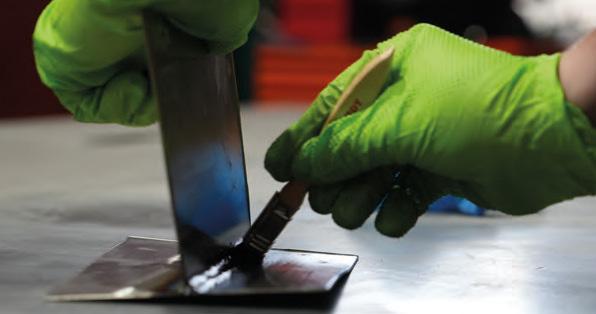
clear, actionable recommendations. Whether supporting life extension, repair strategies or compliance, the focus is always on clarity and value.
Tecforce Limited consultancy doesn’t sit on the shelf. It moves projects forward.

One Big Circle explains how the monitoring capability AIVR brings to track and conductor rail extends across the breadth of railway infrastructure
Train operating companies (TOCs) occupy a unique position in the railway ecosystem. They run the services passengers depend on, but they don’t always own the infrastructure those services rely upon.
The tracks, the signals, the overhead lines, the conductor rail – much of the infrastructure that determines whether those journeys run on time, or at all, sits under someone else’s remit.
As infrastructure ages and climate pressures intensify, performance related risks are only growing.
Broken rails, cracked fishplates, conductor rail faults, vegetation encroachment – any one of these can bring services to a standstill.
When they do, the consequences are significant, with delayed trains, frustrated passengers, and the reputational and financial cost that follows shared across operators, infrastructure managers and the wider network.
That creates a particular challenge: how do you manage performance, safety, and reliability when the assets that most affect your operations sit beyond your direct control?
The answer lies in preventing these issues before they occur, and a growing number of TOCs across the UK are already doing exactly that.
Bristol-based technology company One Big Circle is helping to transform in-service trains into continuous, high-frequency monitoring platforms by installing them with its multi-award-winning AIVR (Automated Intelligent Video Review) technology.
By installing AIVR cameras and sensors directly onto fleet vehicles, every journey becomes a data-capture mission. That data is automatically transmitted to the cloud, where machine learning algorithms detect, classify, and flag defects, generating the intelligence needed to stay ahead of problems and make informed decisions about where and when to intervene.
Critically, this data isn’t siloed – infrastructure owners and their maintenance teams can access the data directly on the AIVR Platform, reviewing footage, responding to alerts and identifying maintenance issues from their desktops, working from a shared picture of network condition alongside the operators whose trains captured it.
Together they can detect defects early, respond rapidly, and keep passengers safe and services running. Trusted by infrastructure managers, train operators, and rolling stock owners across the network, AIVR is deployed at scale. There have been more than 250 deployments, covering 95 per cent of the UK network, and more than 12,000 users.
Upwards of £50 million has been saved annually across the industry. This is the accumulation of savings from not having to travel to site for surveys,
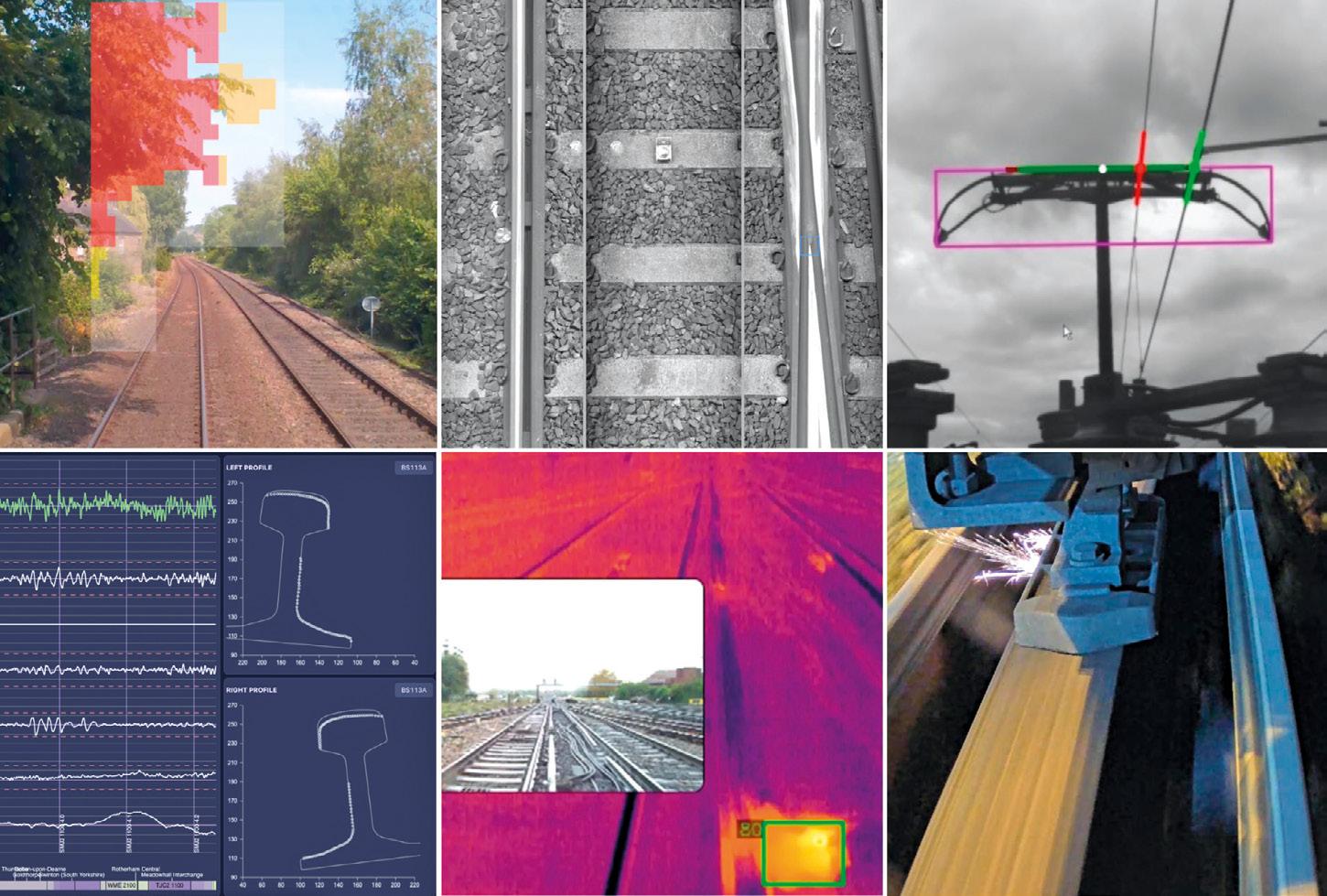
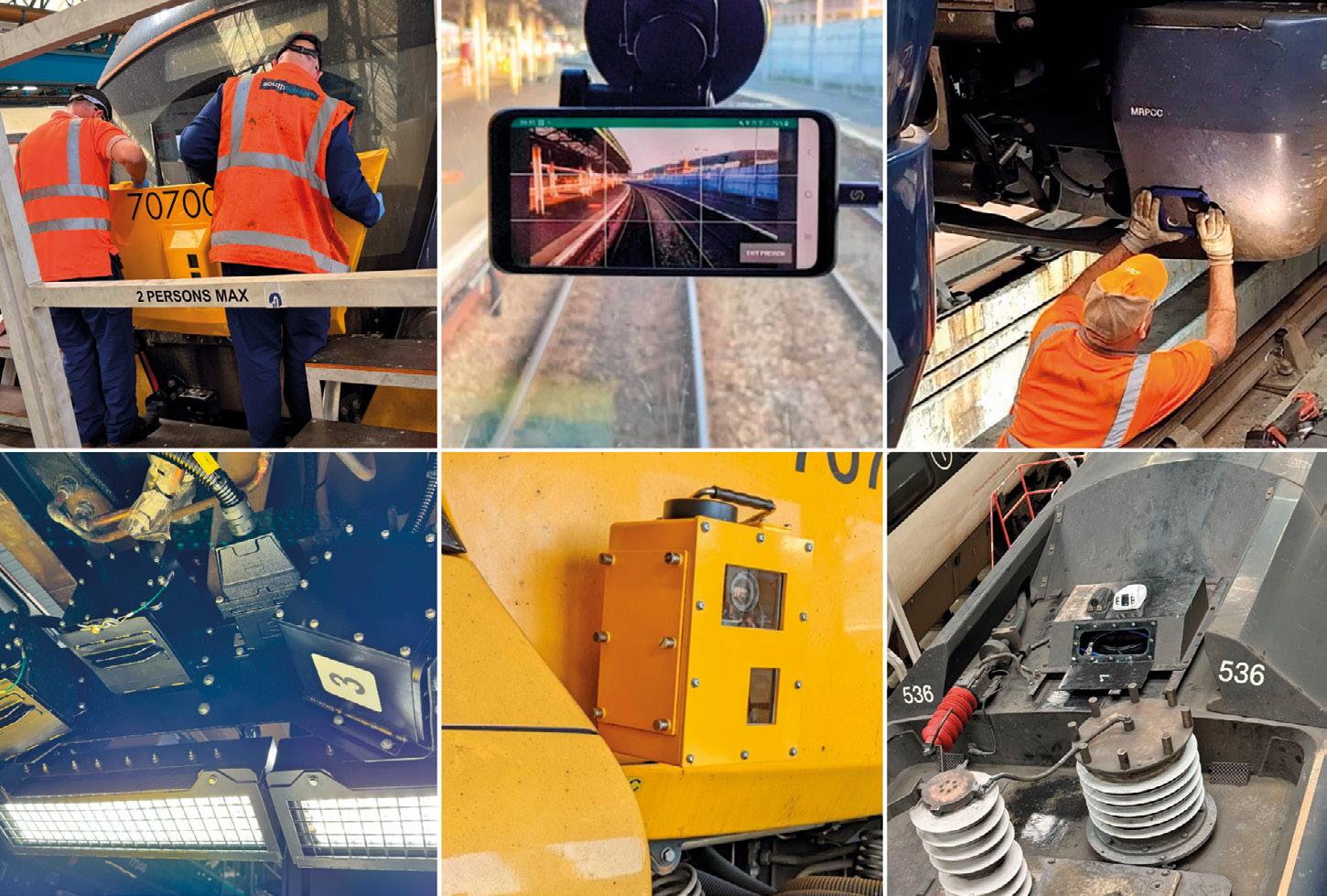
and for the defects that we have found, delay costs etc. This can be removed if needed.
AIVR is installed across a broad range of TOC fleets. Since its first installation on Transport for Wales (TfW), deployments have extended to Southeastern, South Western Railway (SWR), East Midlands Railway, Merseyrail, Avanti, GWR, LNER, and many more.
Each deployment is tailored to the operator, the fleet, and the route – capturing a range of forwardfacing video, thermal video, line-scanning footage for
plain line, switches and crossings, conductor rail and adhesion, overhead line video, track geometry, and more.
Daniel Parish, Fleet Maintenance Director at South Eastern Railway, said: “By giving us early visibility of emerging infrastructure defects, train-borne cameras allow us to act proactively and prevent disruption for our customers.
“This technology is becoming a vital part of our ongoing effort to improve performance and reduce delays.”
Getting on the train
AIVR’s flexibility when it comes to installation is one of its most important advantages for train operators.
For forward-facing and thermal data capture, devices can be installed into the vehicle permanently or temporarily (using a deployable system that can be transferred between vehicles).
Where hardware is already in place – whether that’s existing onboard cameras, sensors, or thirdparty data systems – AIVR can integrate directly, ingesting those data streams and bringing them into a single, unified platform without the need for additional equipment.
Whichever route is taken, the outcome is the same: data captured on the train is transmitted automatically to the cloud, where it is instantly available for review.
Engineers anywhere on the network can access the footage they need, safely from their desktop. The result is a platform capable of monitoring virtually every aspect of the railway, from the track below to the overhead line above, and everything in between.
A Seasonal Planning Manager at TfW said: “The benefits to Transport for Wales and Network Rail have been significant; AIVR helps us improve our services for the customers we serve across the Wales and Borders network.”
Track condition is one of the most direct influences on TOC service reliability. A broken rail, cracked fishplate, or obstructed line can stop a service immediately and in extreme cases, contribute to a derailment.
Forward-facing video, line-scanning imagery and track geometry can all be installed on passenger trains, delivering comprehensive track intelligence alongside AIVR’s AI-powered predict-and-prevent capabilities.
Defects included broken rails, cracked joints, missing clips and bolts, railhead damage, weld and joint deterioration, ballast issues and more. These can all be detected and classified automatically, enabling detailed, continuous track inspection and targeted, predictive maintenance planning.
Instead of waiting for a fault to cause a problem, infrastructure owners receive alerts as issues emerge, with precise location data and visual evidence to act on immediately.
The Class 800 AIVR Focus deployment on the East Coast Main Line illustrates what this looks like in practice, achieving in-service alerting for broken rails and defective track components.
Working in collaboration with LNER, Hitachi, Network Rail, and DG8 Design & Engineering, two firstin-class installations were designed, manufactured, tested, approved, and installed into two Hitachi-owned Class 800 trains.
From the first day of operation, the system was identifying track defects, capturing inspection data at speeds of up to 120mph and
By giving us early visibility of emerging infrastructure defects, train-borne cameras allow us to act proactively and prevent disruption for our customers
transmitting it directly to network rail engineers for review. In the first month alone, approximately 3,000 miles of monitoring was achieved.
Infrastructure that would previously have required dedicated measurement runs or physical site visits was now being monitored continuously, by trains already running their normal timetabled services.
Emily Kent, Co-Founder, One Big Circle, said: “This digital review capability provides the intelligence needed to monitor infrastructure, identify potential issues early, and ultimately help keep the railway safe, efficient, and resilient.”
For train operators across the South of England, conductor rail is one of the most persistent sources of operational risk. The exposed third rail that powers most of the Southern network is vulnerable to contamination, wear, and environmental conditions. When it fails, the consequences can be severe – a single conductor rail fault can result in hundreds of minutes of delay and in serious cases, thousands.
SWR’s ‘Hotshot’ train is fitted with forwardfacing video, thermal imaging and shoe cameras, developed in collaboration with Angel Trains. It runs continuously across the SWR route, capturing data that engineers can review before they develop into failures.
During an earlier trial, AIVR cameras identified a fault in Surrey, which was rectified within 48 hours with zero impact on passenger journeys. This is in a stark contrast to a similar previous incident that
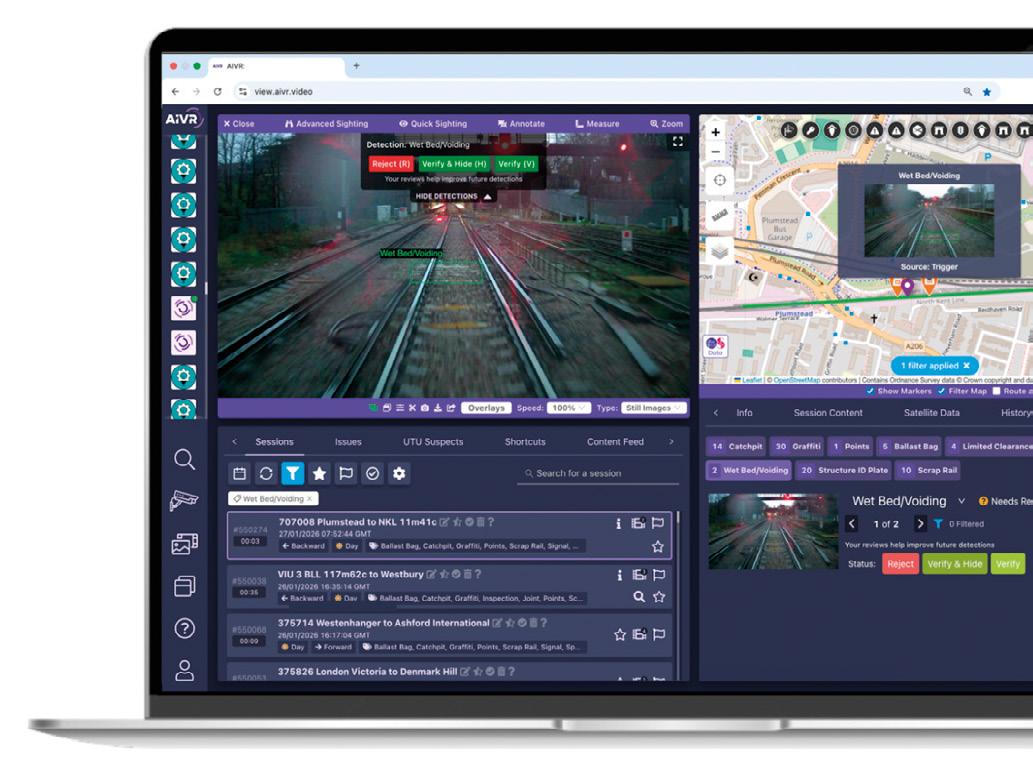
resulted in 2,500 minutes of delays.
The Southeastern programme takes a similarly layered approach. The Class 707 City Beams have forward-facing and thermal cameras. These are mounted behind the front valance in a bespoke solution developed directly with Southeastern’s depot teams. The Class 375 Electrostar builds further on this, adding shoe cameras, conductor rail inspection imagery, and adhesion cameras.
This gives engineers a genuinely multi-layered view of the train’s interaction with the infrastructure beneath it. The results speak for themselves: during the pilot phase alone, 37 instances of overheating rail infrastructure were detected and more than 8,000 delay minutes were prevented.
The monitoring capability AIVR brings to track and conductor rail extends across the breadth of railway infrastructure. For operators on electrified routes, overhead line equipment can be continuously monitored for geometry, condition, and thermal anomalies, with infrastructure owners receiving alerts flagging emerging issues before they escalate into failures.
Signalling assets are automatically detected, catalogued, and monitored on every journey, giving infrastructure teams access to up-to-date visual records that support signal sighting verification, asset management, and condition monitoring across the route. Environmental factors such as vegetation encroachment are tracked continuously, enabling maintenance teams to identify and address developing issues and allocate resources necessary.
It supports incident investigations with timestamped visual evidence, provides station dwell-time analysis for performance monitoring, and helps trainee drivers with virtual route familiarisation.
Beyond responding to individual events, the data accumulated across thousands of journeys enables teams to identify patterns – understanding the conditions and contributing factors that lead to faults, and using that insight to address root causes and drive a long-term reduction in incidents across the network.
AIVR functions as a common information layer, bringing track and train together – a platform through which all parties can access the same data and work towards the same outcomes.
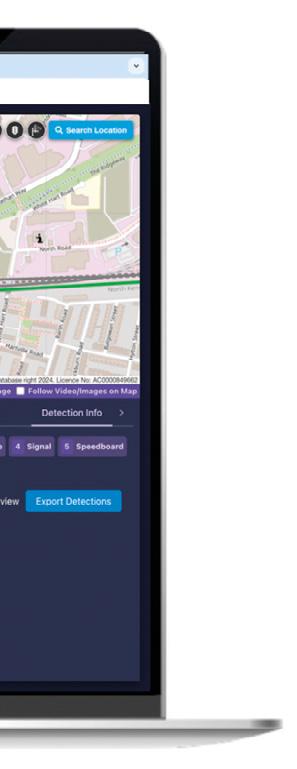
As the industry moves towards the integrated structure of Great British Railways, placing greater emphasis on whole-system performance over siloed accountability, that kind of shared intelligence becomes not just useful but essential.
For TOCs navigating sustained pressure on performance, reliability, and cost, AIVR offers something straightforward: the ability to see the railway more clearly, and act on what they see.
https://onebigcircle.co.uk/
How one UK operator worked with OPC Assessment to use bespoke assessment design, operational insight and psychometric validation to future-proof selection for a safety-critical operational role

As rail operators continue to modernise their operations and respond to changing workforce demands, ensuring selection processes remain robust, relevant and future-focused has become increasingly important.
That was the challenge facing one major UK transport operator when it partnered with OPC Assessment to undertake a full review and redesign of a long-established recruitment and assessment process for a safety-critical operational role.
The original process had been in place successfully for more than a decade and was widely regarded as effective in identifying capable operators. However over time, concerns had begun to emerge around test familiarity amongst candidates. At the same time, operational priorities and organisational values had evolved, increasing the importance of customer focus and non-technical skills (NTS) alongside technical capability. Rather than making incremental changes, the operator chose to undertake a full review of the
process, from the skills and behaviours required for future success through to the delivery and scoring of assessments.
The project began with detailed role and nontechnical skills profiling, led by OPC Assessment’s Lead Business Psychologist, Hannah Bullock, working closely with managers, trainers and experienced operators. This was supported by a review of training requirements and a large-scale validation study examining the relationship between an operator’s performance on assessment tools at selection, and subsequent performance in training and on the job, including safety performance.
By analysing historic recruitment and performance data, the team were able to identify which elements of the existing selection process remained effective and where improvements could be made.
The outcome was a redesigned assessment process combining well-established measures with newly developed bespoke tools, tailored specifically to the organisation’s operational environment.
A concentration assessment was retained due to its continued relevance and strong evidence base within safety-critical environments. Alongside this, OPC Assessment developed a new trainability test designed to evaluate candidates’ ability to learn, retain and apply operational information within a complex, rule-based training environment. To support long-term process integrity, the assessment was developed with parallel test forms, enabling equivalent versions to be rotated across different recruitment campaigns and candidate resits.
A bespoke Situational Judgement Test (SJT) was introduced to assess NTS and behaviours linked to effective performance, including planning, decisionmaking and personal responsibility. The scenarios were deliberately designed to reflect realistic operational situations relevant to the role itself. This helped candidates better engage with the assessment process.
According to Hannah, ensuring authenticity was a
key part of the project’s success.
She said: “What stood out throughout the development process was the importance of authenticity. The assessments were designed to reflect the realities of the role as closely as possible, and feedback from existing operators was extremely positive because they immediately recognised that relevance.”
From a survey completed by trial users, 74 per cent of respondents agreed or strongly agreed that the content of the SJT felt relevant to the role.
One candidate shared: “I’m very glad I took part in the trial tests. They were interesting and gave me a genuine insight into the role, responsibilities and its day-to-day realities.”
A communication exercise was also redesigned to reflect the pressures of real operational situations. Candidates are required to process changing information quickly and deliver clear, accurate verbal communications under pressure, mirroring the types of situations they may encounter in service. These skills were identified as key within the operative role.
To support development of the new assessments, the tools underwent extensive trialling and psychometric analysis. Existing employees, managers and trainers initially reviewed and tested the assessments before OPC Assessment expanded trialling through its rail industry network, securing participation from more than 500 candidates applying for similar operational roles elsewhere in the sector.
“Having such a large and varied sample gave us real confidence that the assessments were measuring the skills and behaviours we intended them to measure,” explained Hannah. “In-depth psychometric analysis also ensured the tools demonstrated key psychometric properties — strong reliability, consistency and fairness across different candidate groups.”
Importantly, the review was not simply about updating assessments, but ensuring the process remained relevant for the organisation’s future workforce needs. The detailed role profiling work
identified how aspects of the role had evolved over time, including the growing importance of behaviours, motivation and customer focus within the role, alongside technical capability. Advances in technology had also shifted some requirements away from traditional elements towards more effective response handling and decision-making.
Hannah explained that this deeper operational understanding was central to the project.
“By spending time with those undertaking the operative role, sitting in on training and understanding the operational environment properly, we were able to create assessments that genuinely reflected the role,” she said. “That gives both the client and candidates confidence in the process.”
The project also provided an opportunity to modernise assessment centre delivery. Previously paper-based assessments were transitioned online through OPC Assessment’s Candela™ platform, enabling more efficient large-scale assessment while strengthening process integrity, reducing administrative burden and delivering faster results through automated scoring.
Despite the scale of the review and the development of multiple bespoke assessments, the redesign and implementation were completed within 12 months to support operational demands and avoid recruitment pipeline delays.
Summarising the wider industry relevance of the project, Hannah said: “For rail operators across the industry, this project highlights the value of periodically reviewing even long-established selection processes. Operational environments, technology, organisational culture and workforce expectations continue to evolve, and recruitment methods and talent selection tools must evolve alongside them.
“Combining operational insight and validation with evidence-based assessment design helps ensure selection processes remain fair, efficient and more likely to identify employees who will perform safely and effectively in the role.”
Discover Potential. Drive Performance.
OPC Assessment deliver tailored recruitment solutions and practical tools for safety. Our online testing platform, Candela™ gives instant, clear results. Explore our range of innovative assessment tools today.
Contact us to build your recruitment solution. www.theopc.co.uk
What stood out throughout the development process was the importance of authenticity


Discover potential. Drive performance. To find out more about bespoke assessment design and safety-critical recruitment solutions get in touch with the friendly team at OPC Assessment.
OPC Assessment admin@theopc.co.uk 01923 234646 www.theopc.co.uk/assessment/

As Lumo prepares to enter the West Coast Main Line, a new generation of drivers, leaders and frontline staff is bringing fresh perspectives to help build a different kind of rail operation – one defined by inclusion, culture and fresh thinking from day one
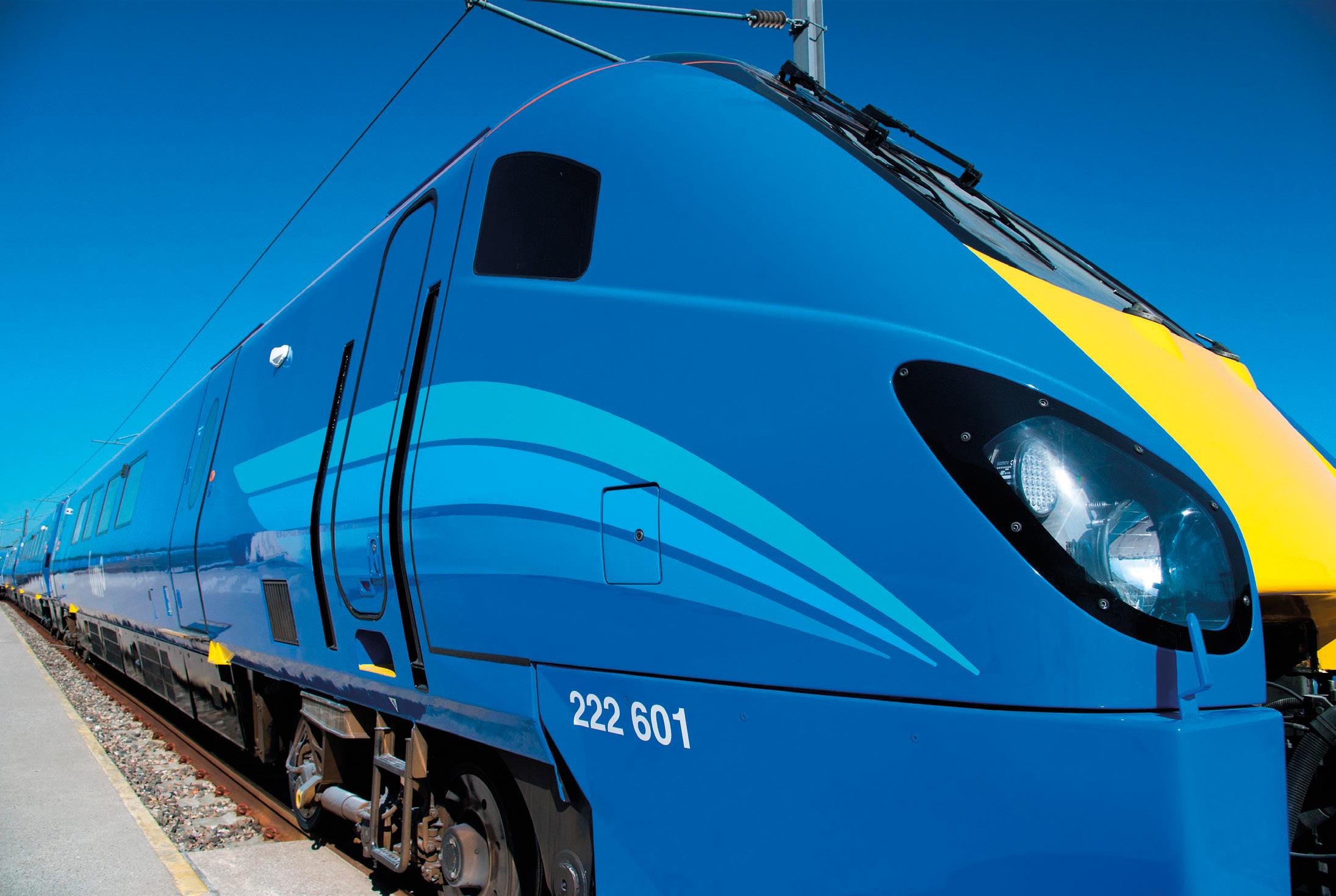
As services between Stirling and London prepare to launch this spring, much of the focus has inevitably been on what the new route will deliver: low-cost fares, improved connectivity and increased competition on one of the UK’s most important rail corridors.
But for Lumo, this is about more than a new service. It is about building a different kind of railway culture from the ground up.
From its new operational base in Preston, the open access operator is creating a team and a way of working designed to feel different from the outset –
more open, more collaborative and more reflective of the passengers it serves.
It means breaking down traditional hierarchies, bringing together colleagues from different backgrounds and giving frontline staff real ownership in shaping the business before the first trains have even entered service.
Few people capture that culture in action more clearly than Customer Driver Instructor Heather Waugh.
Heather joined Lumo with more than two decades of rail experience and a clear-eyed understanding of
both the strengths and shortcomings of the industry.
Once Scotland’s only female freight train driver, she knows what it means to work in environments where standing out can feel like a risk – and where diversity can feel like something that needs explaining.
That is one of the reasons Lumo appealed.
“This is a blank sheet of paper,” she said. “How often in your career do you get the chance to say you’re going to a company that is genuinely trying to do things differently?”
There were practical reasons too. After 13 years of passenger driving at ScotRail and a shift into freight,
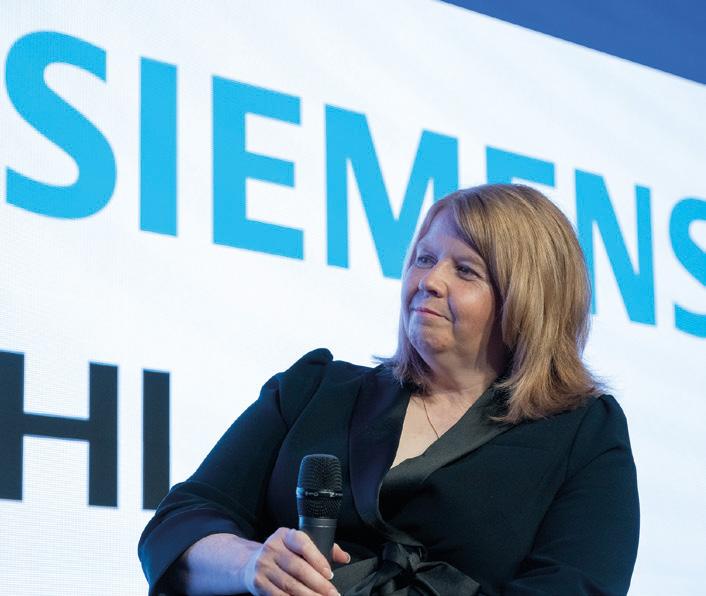
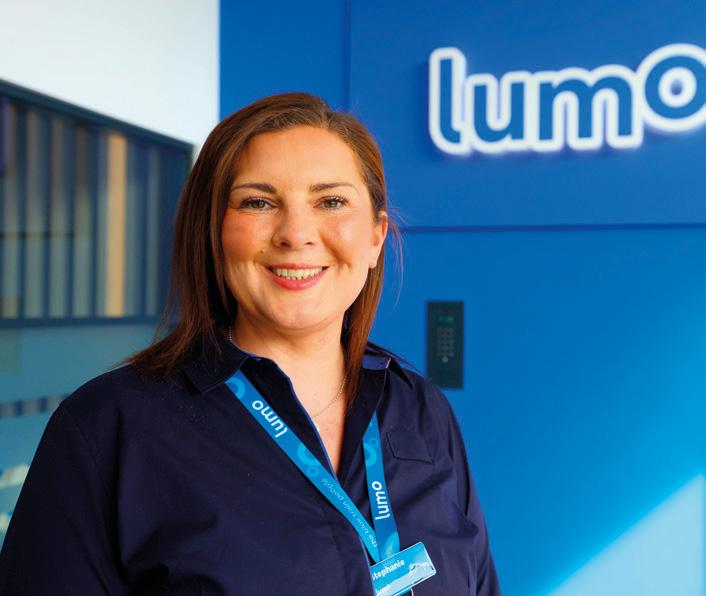
she wanted one more challenge… high-speed driving. But the bigger draw was the opportunity to help shape something new.
“Lumo on the East Coast is established and has a brilliant culture,” she said. “But we are effectively starting a new company on the West Coast, and the chance to influence what that looks like is incredible.”
That sense of building from scratch matters in an industry where change can often feel slow, contested and constrained by legacy structures.
“It is so refreshing to come into a place where you don’t need to explain why diversity and inclusion matters,” she said. “You’re around people who naturally get it.”
For Heather, that difference is as much cultural as it is operational.
“It feels like they’ve just said we need to get the right people,” she said. “If we get the right people in, then we will naturally create a good place to work. From day one, I felt like I could just be myself, and that’s so refreshing.”
And it’s not just rhetoric either. More than 90 per cent of Lumo’s operational workforce on the East Coast has come through its apprentice programme with Train’d Up, and in recent years it has trained more female drivers than men, with 29 women completing the programme compared to 27 men.
The operator has also achieved the Clear Assured Bronze Standard, recognising its commitment to inclusivity and diversity. That same ethos is now being embedded in the West Coast set-up and Heather is one of the people helping bring it to life.
“I’m wearing a lot of hats at the moment, so that
kind of tends to be the Lumo way,” she said.
Her official title is Customer Driver Instructor, but in practice that means route learning, teaching trainee and qualified drivers, delivering traction courses, helping with briefs and paperwork, and pitching in wherever needed as the operation prepares to launch.
“Basically anything that needs done is getting done,” she said.
That start-up mentality – and the sense that everyone is pulling in the same direction – is central to the appeal for Heather and others joining the West Coast operation.
Long before Lumo, she experienced just how isolating parts of the industry could be. There is humour in the way she tells her story, but also a clear sense of why this moment matters.
“I did get that tagline as the only female freight driver in Scotland for seven years,” she said. “I’m sure it’s going to go on my gravestone at this rate.”
For long periods, particularly in freight, women were so rare that even seeing another one could feel significant. One such moment came during a late shift in Crewe, when she met fellow driver Steph Hitchen for the first time.
“That was the first time I’d seen another woman in the workplace for three years,” she said. “It is a part of the industry that is still really, really lacking diversity. Lots of great people – just not attracting a lot of diversity.”
That experience shaped her thinking, particularly around visibility and the importance of using her voice.
“When you are a minority, it’s quite difficult to
Our people are one of our differentiators. If we build an inclusive team who care about each other and our customers, that will define our first year

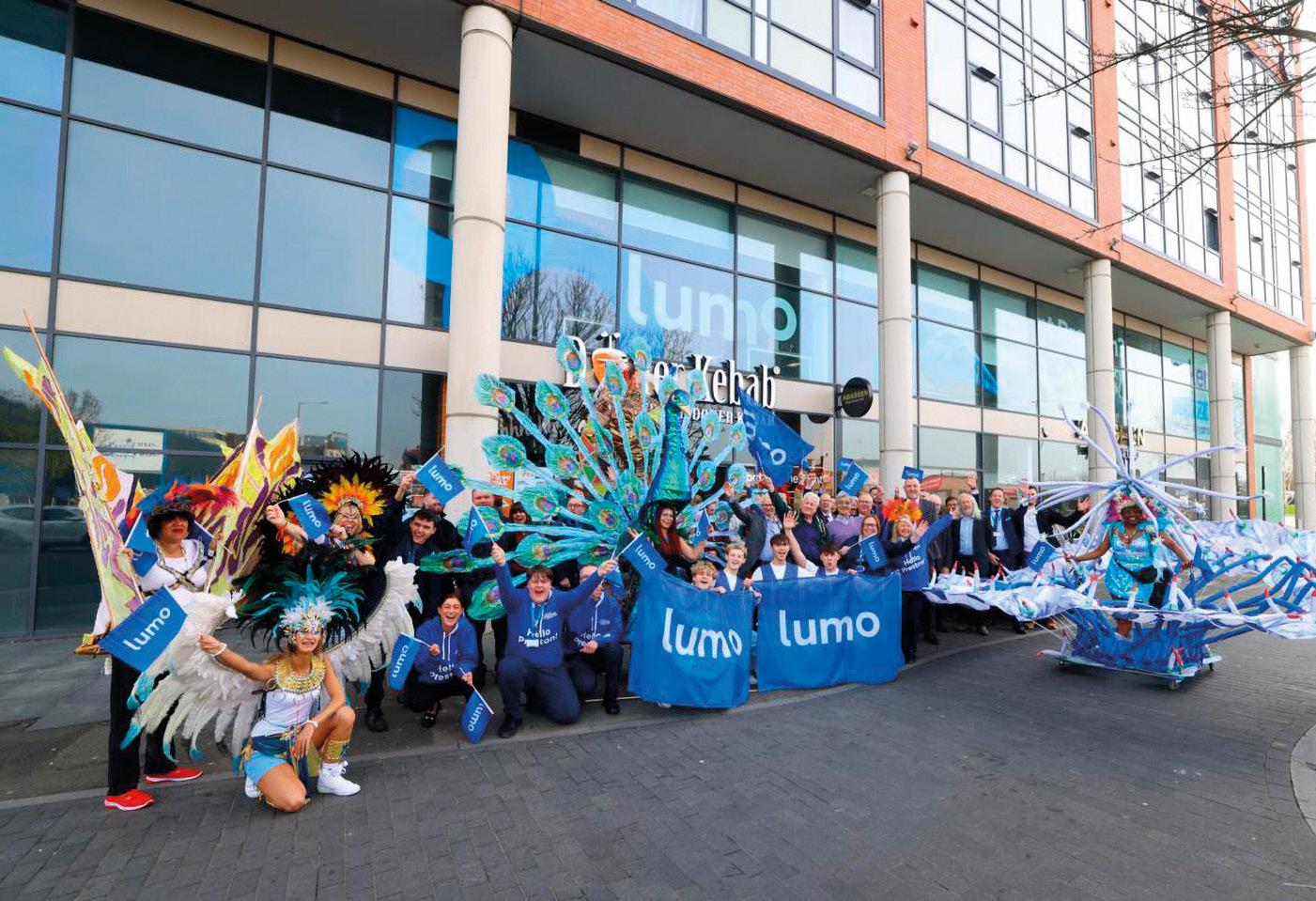
raise your head above the parapet and use your voice. You really just want to fit in,” she said. “But you realise you’re not just speaking for yourself.”
It’s a mindset that has defined Heather’s career and one that now plays out in a very different environment at Lumo where, remarkably, she and Steph now find themselves working side by side once again.
Years on from that night shift in Crewe, the two have been reunited at Lumo’s West Coast operation, both drawn by the opportunity to be part of something new and to help shape a culture that feels markedly different from the environments they experienced earlier in their careers.
After roles in motorsport risk management and operations at Bentley Mulliner, Steph joined the rail industry in 2020, working across freight before making the move to Lumo earlier this year.
Despite coming from a railway family, she had initially resisted the idea of joining the industry.
“I always said I’d never work on the railway,” she said. “But I could see how much my family loved it, and I thought, what have I got to lose?”
Her experience in freight exposed both the opportunities and the challenges.
“You do feel quite isolated at times,” she described. “It can be a very male-dominated environment, and you’re often having to prove yourself.”
“We were literally building everything from scratch in real time,” she said. “It came with no baggage. We just wanted to be open and inclusive so everybody felt heard, everybody felt valued.”
That blank slate became the company’s strategic advantage – one it is now deploying again on the opposite side of the country.
Rather than inheriting age-old structures, Lumo built a model centred on collaboration, accessibility and shared responsibility. Recruitment has played a key role, with people brought in from sectors such as hospitality and aviation, where customer experience and diversity are more deeply embedded.
“That really shaped what the customer experience looks like on board,” Lindsay said. “And it’s probably helped shape the diversity within Lumo too.”
The result is a workforce that looks and feels different – and behaves differently too.
New recruits go through a “culture interview” before they even start, setting expectations around values, pace and ways of working.
“It’s about making sure people know what they’re coming into,” Lindsay said. “That’s helped keep turnover low, because everyone’s clear on what Lumo is about from day one.”
At Preston, that same philosophy is being embedded from the outset. The base has been designed to bring operational and office-based colleagues together, breaking down the traditional divide between train crew and management.
“We don’t operate the traditional ‘mess room’ model,” she explained. “We bring colleagues together to support the culture we’ve built.”
For Steph, who only joined in March, that difference is already evident.
“It feels like everyone’s in it together,” she said. “You’re not separated, you’re part of one team.”
For General Manager Max Joicey, that cultural shift is central to the success of the West Coast operation.
“The opening of a Preston operational base represents a major step forward for the business,” she said.
“This is about growth with purpose, improving connectivity while building something that reflects a modern, inclusive railway.”
Around 94 roles have been created across the new operation, including apprentice drivers and customer experience teams, with Lumo’s trademark focus on bringing new people into the industry.
This is about growth with purpose, improving connectivity while building something that reflects a modern, inclusive railway
Meeting Heather proved to be a turning point for her too.
“After feeling quite isolated and deflated, it made me realise there were other people like me in the industry,” she said.
Now reunited at Lumo, the contrast could not be clearer.
“You don’t feel like you’re having to fit into something that already exists,” Steph said. “You feel like you’re helping to build it.”
Lumo’s culture has been deliberately designed and sits at the heart of the company’s identity. When Head of People and Culture Lindsay Gauntlett joined the business in 2021, there was no HR function, no legacy structure and no established way of working.
“What stands out most to me is the enthusiasm,” Max said. “Our people are one of our differentiators. If we build an inclusive team that cares about each other and our customers, that will define our first year.”
With services expected to launch this spring, the focus is now on final preparations.
For drivers like Heather and Steph, that means intensive route learning, training and familiarisation, but also something less tangible – the chance to prove that things really can be done differently.
*Lumo’s West Coast service will call at stations including London Euston, Milton Keynes, Crewe, Preston and Stirling, with fares designed to open up long-distance rail to a wider audience. Tickets start from £23.90 between London and Preston and £29.90 between London and Stirling.

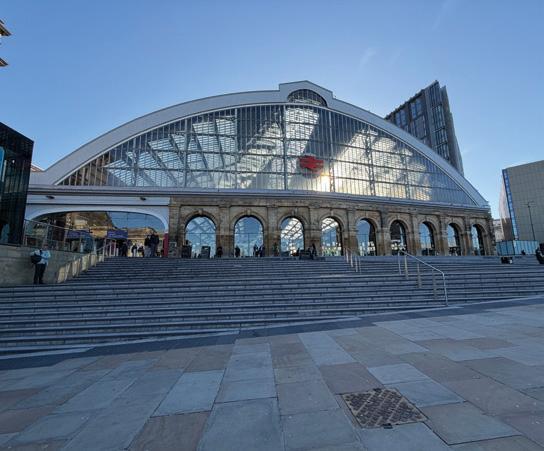
The North West provides a wonderful setting for the Railway Engineering Institution (RailEI) to explore a selection of key themes in Rail Electrification; the region is currently undergoing a renaissance in terms of the development of Integrated Transport Strategies and so has much to offer RailEI Members and supporters.
Examples include Merseyrail expansion, West Coast Main Line renewal challenges, the Transpennine Route Upgrade (TRU) and Manchester Metrolink extensions, alongside a range of AC/DC traction systems. We’ll also cover developments in Ireland and changes to rail standards, improving isolation safety.
This is the ideal location for us to discuss the best of industry developments and practices and share them with our colleagues.













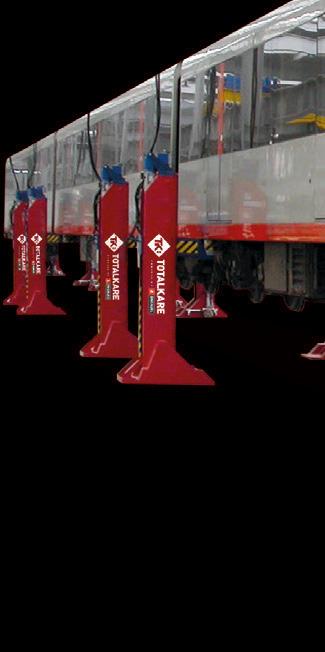









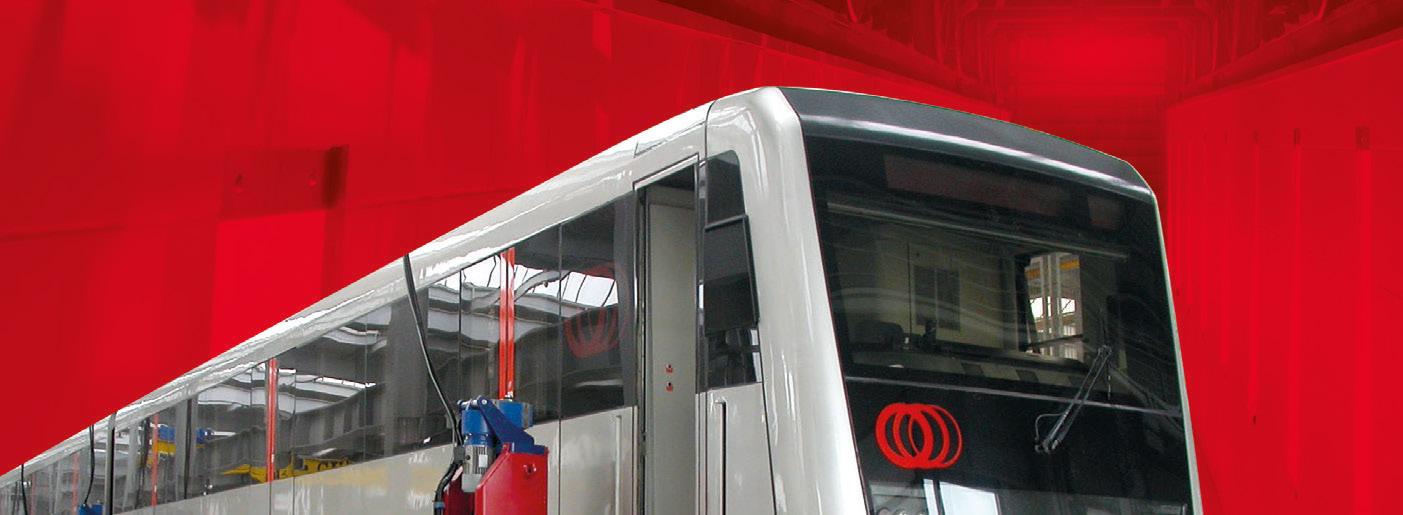








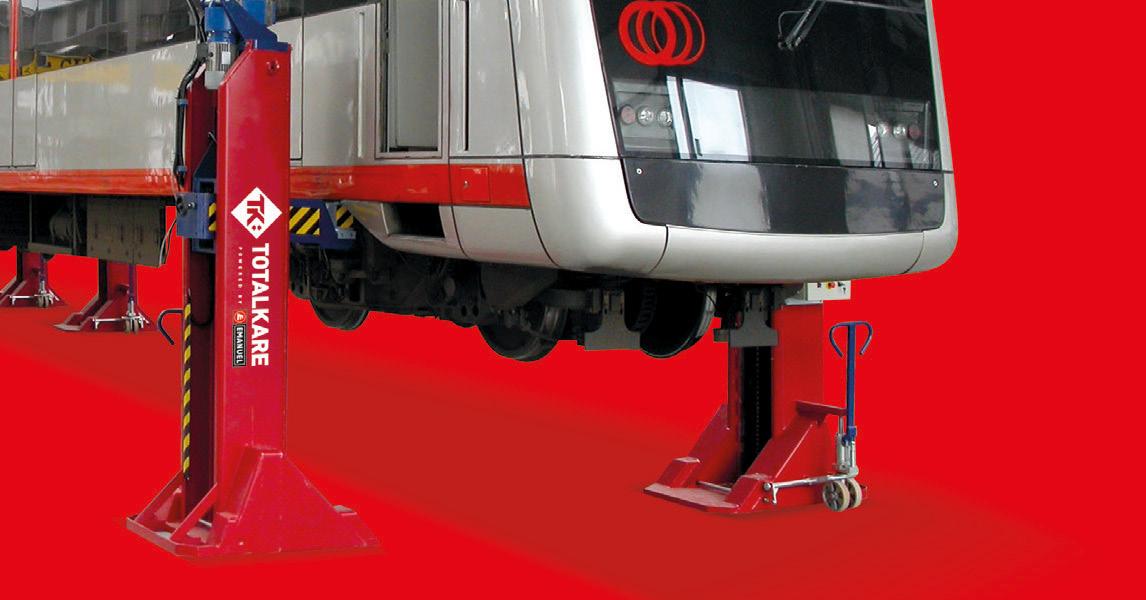


Tracey
how AI-native
between plans, reports and reality in UK rail
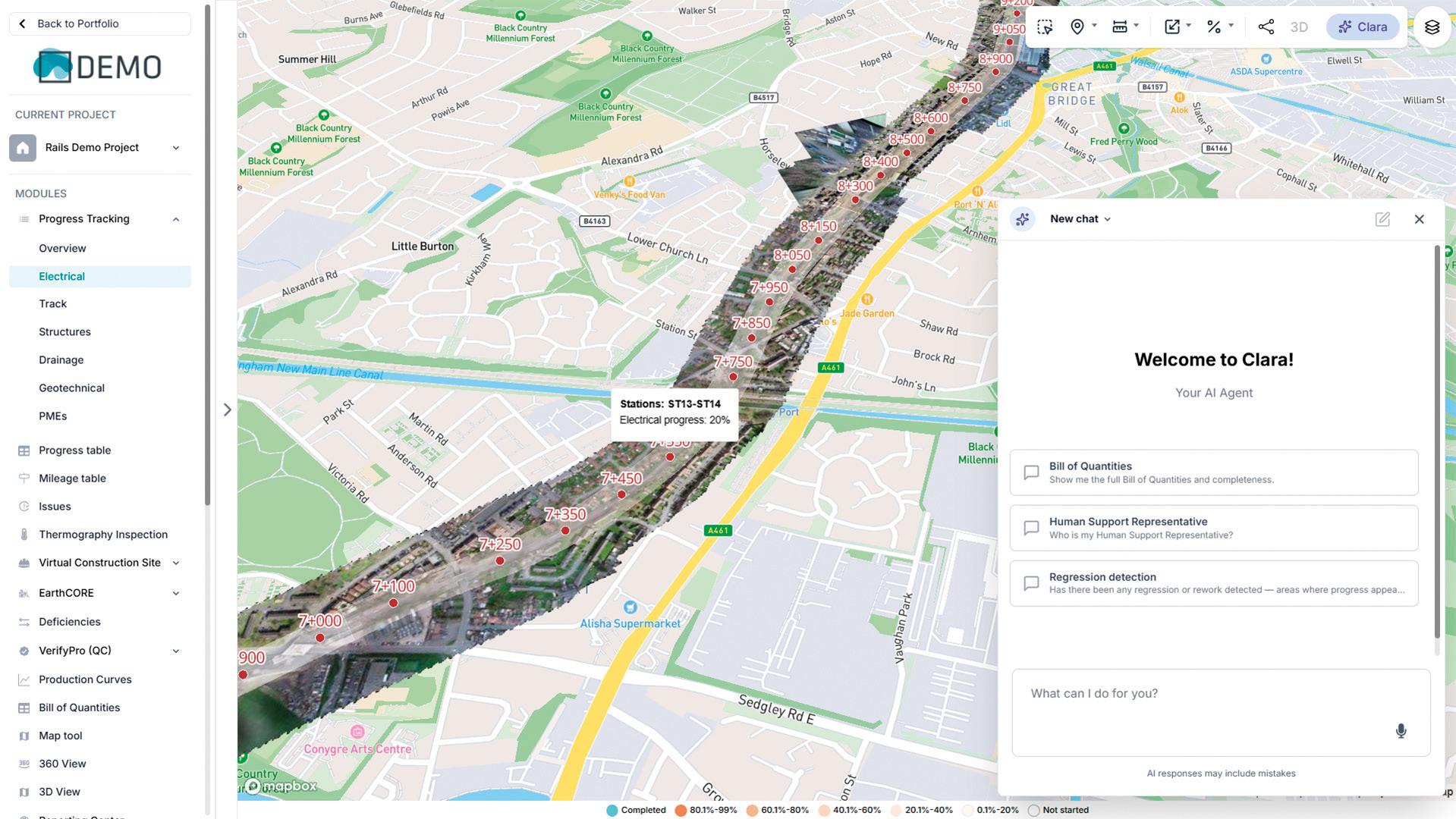
Interface
There is a quiet inefficiency embedded in almost every rail project. Not in the engineering itself, but in how projects are monitored, reported, and ultimately understood.
Across the UK, delivery teams still rely on fragmented reports, delayed site data, and contractor declarations. The result is a persistent gap between what’s designed, what’s reported, and what’s actually built.
That gap is expensive. Network Rail’s Control Period 7 (2024–2029) allocates around £45 billion to infrastructure. Even a modest improvement in how that capital is managed has material impact.
A four per cent reduction in CapEx – a level already demonstrated by AI Clearing on large-scale infrastructure projects using AI-driven site intelligence – would translate into up to £1.8 billion in potential savings.
Not all of that budget is directly addressable, and not every project will realise the full four per cent. But even a fraction of that opportunity fundamentally changes how infrastructure is delivered: fewer
disputes, less rework, faster decisions, and capital redirected into new build rather than corrections.
What’s changing is not just better reporting, but the ability to understand with precision what is actually happening on site. AI Clearing Core is an AI-powered construction intelligence platform that uses drone data and its proprietary AI Model to continuously compare what’s being built against design and schedule.
Instead of relying on declarations, it captures reality directly and turns it into a consistent, verifiable view of project progress.
Using photogrammetry and foundational AI Models trained with hundreds of thousands of engineering hours, the platform creates a continuously updated digital representation of the project, aligned with BIM and design models. This allows teams to see, within hours, not weeks, where progress is on track, where it is drifting, and where risks are emerging.
Layered on top of this is Clara, AI Clearing’s
conversational assistant, which allows teams to query project status, deviations or KPIs directly, turning complex datasets into immediate, actionable answers and removing the friction of navigating multiple systems.
Where the value comes from
The four per cent does not come from one breakthrough alone. It comes from removing small, repeated inefficiencies across the lifecycle of a project. In the build phase, even small geometric errors can cascade into major rework. On one project, a deviation of over a metre in a curved section was identified early through automated analysis. Because it was detected within 24 hours, the correction was straightforward. Left undiscovered, it would have propagated into later phases, multiplying cost and delay.
This is where most value is created: not in fixing problems, but in preventing them from scaling. The same applies to earthworks and material management. By tracking volumes of ballast, fill, and aggregates against design tolerances, teams
gain immediate visibility into whether work meets specification and can intervene before discrepancies become contractual issues.
The same visibility also changes how projects are planned and sequenced. By comparing alternative traffic phasing scenarios – including possessions, temporary works, and diversions – teams can test decisions before they are implemented, reducing disruption and avoiding costly reconfigurations once works are under way.
Clear, visual representations bring contractors, operators and stakeholders onto the same page, removing one of the most common sources of delay: misalignment in how the plan is understood.
Beyond construction, similar inefficiencies appear in maintenance and safety. Vegetation management, for example, is still often driven by fixed inspection cycles rather than actual risk. By using lidar data to track growth dynamically, teams can prioritise interventions where risk is increasing, not where a schedule dictates.
Tracey Stone, EMEA Sales Director, explained: “Instead of relying solely on periodic inspections, we can see how risk evolves over time, map it across structures and rail lines, and direct work where it has the greatest impact.”
The same principle applies to site safety, where automated detection of missing protective equipment or incomplete barriers provides continuous oversight without requiring constant physical presence.
Finally, much of the hidden cost in rail projects emerges not during construction, but in the commercial phase – through claims, disputes, and conflicting interpretations of site conditions.
Here, the value of verified, time-stamped data becomes particularly clear. In one case, historical drone data demonstrated that flooding conditions existed before contractor mobilisation, preventing a dispute from escalating.
While the example comes from outside rail, the implication for UK projects is direct. Instead of arguing over what happened, projects can rely on a verifiable record, fundamentally changing behaviour on both sides of the contract.
The real meaning of four per cent savings
The four per cent figure is easy to quote, but easy to misunderstand. It is not a blanket saving applied uniformly across every project and every cost category, but an aggregate outcome observed across large-scale infrastructure projects where continuous, AI-driven monitoring reduces rework, accelerates decision-making, and limits disputes.
In practice, this translates into measurable operational gains. Report delivery times are reduced from weeks to hours, with site data available from six to 24 hours after capture.
Inspection time can be cut by up to 60 per cent, significantly reducing the need for manual site visits while improving coverage and consistency. At the same time, automated measurement and reporting have delivered up to 36 per cent reduction in monitoring costs, while verification cycles have been shortened from 25 days to as few
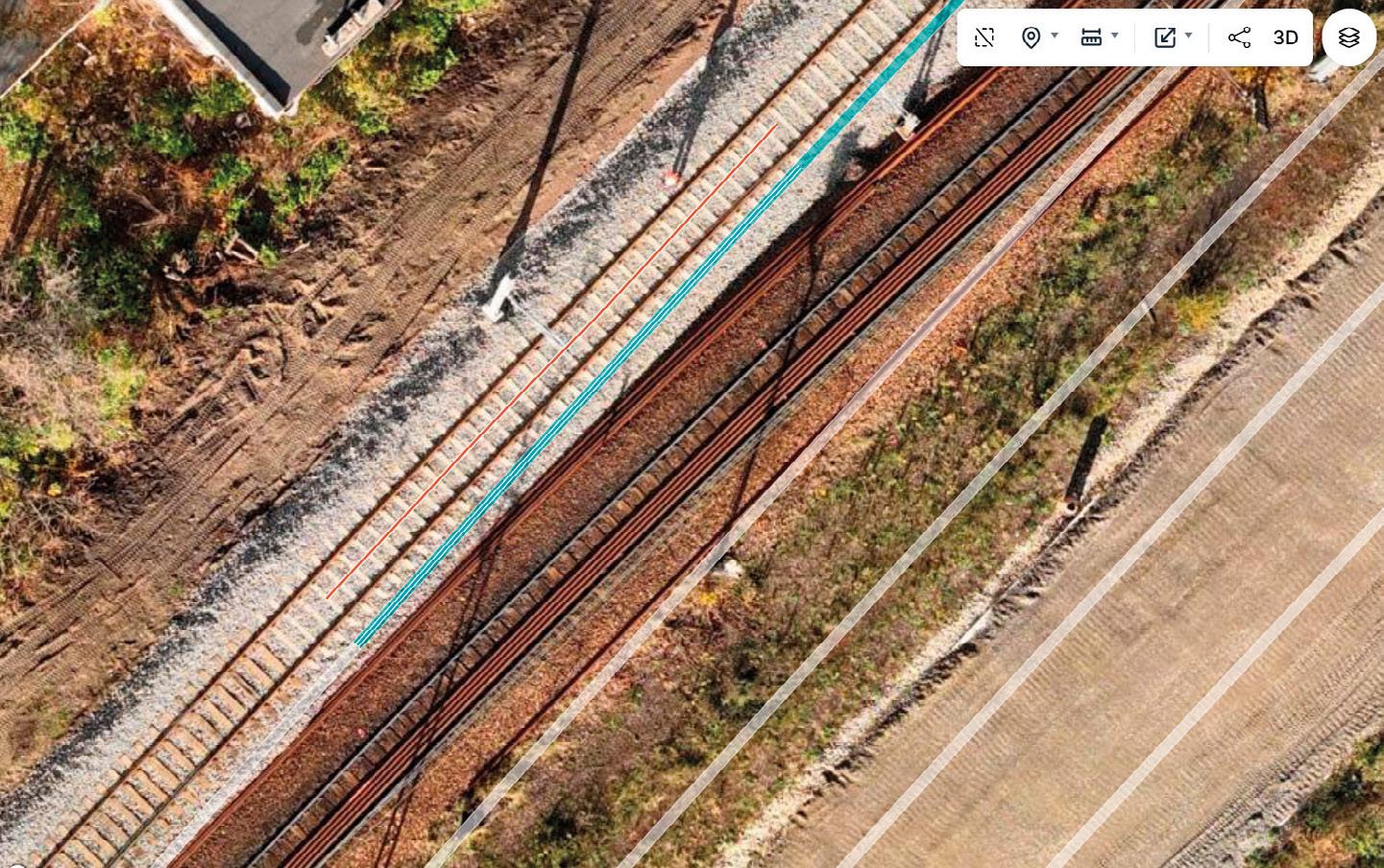
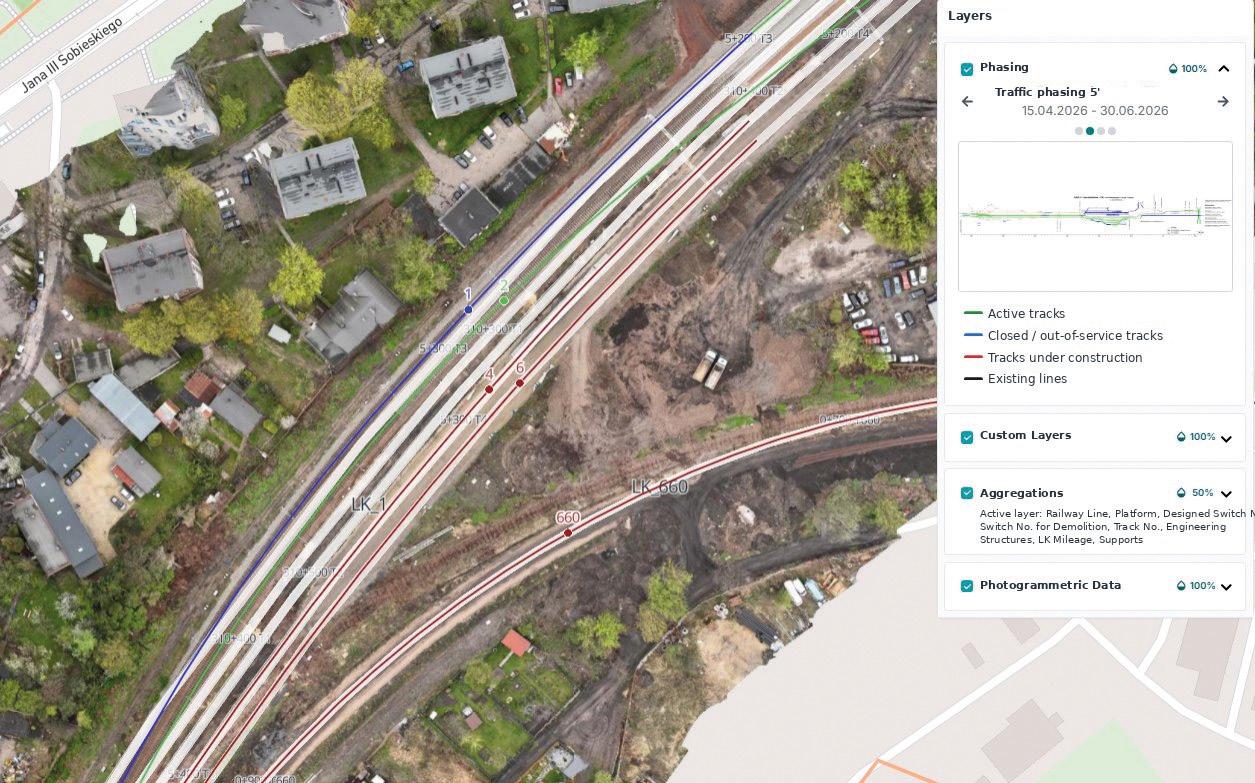
as seven, strengthening payment control and reducing claim risk.
For decades, infrastructure projects have been managed through a combination of reporting, sampling, and trust. That model leaves too much room for delay, misalignment, and interpretation.
AI-native approaches introduce continuous verification. Instead of relying on periodic updates and partial visibility, project teams gain a consistent, data-driven understanding of what is actually happening on site.
This does not replace engineering expertise but augments it with an always-on layer of objective insight that can be shared across contractors, owners, and stakeholders. It is not just about improving visibility, but about moving from reporting on progress to actively controlling it, which changes how infrastructure projects are delivered.
The UK rail sector is entering a period of tighter
budgets, higher scrutiny, and increasing delivery expectations under CP7. At the same time, the scale and complexity of projects continue to grow, placing additional pressure on how effectively capital is managed.
In that context, approaches that improve transparency, reduce rework, and provide verifiable data are likely to play an increasingly important role. Projects will not only need to be well engineered, but also continuously understood as they are being delivered, with decisions grounded in current, objective information rather than delayed reporting. The technology to enable this shift already exists and has been proven in large-scale infrastructure projects.
For more details, please contact Tracey Stone on t.stone@aiclearing.com via email or read more about our work on large linear infrastructure projects on LinkedIn https://www.linkedin.com/ company/ai-clearing or our website https://www.aiclearing.com/
Coventry City Council’s Councillor Jim O’Boyle and Nicola Small discuss Coventry Very Light Rail and how the project is attracting interest from the UK and beyond
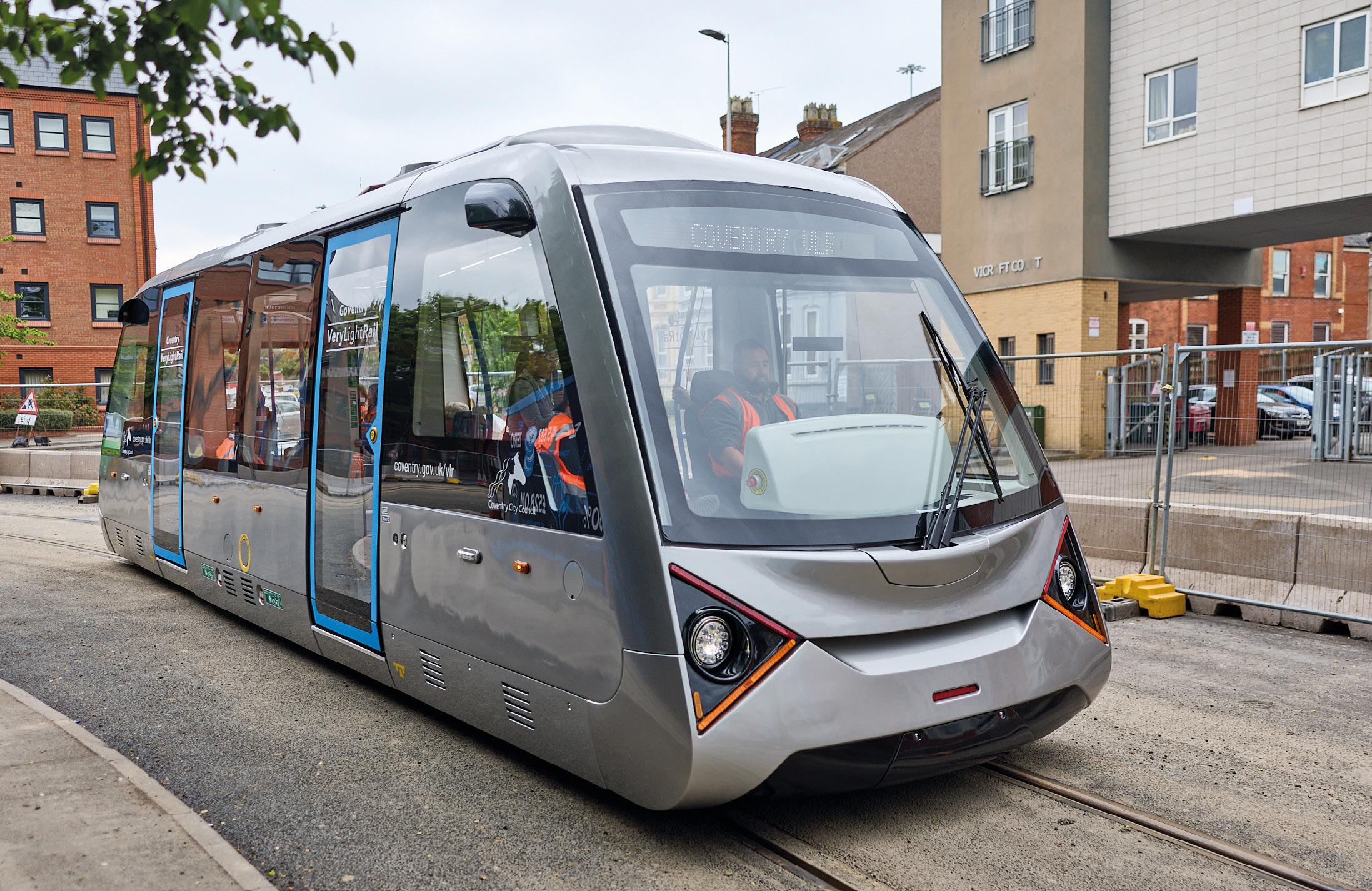
he impossible is just something that hasn’t yet happened.”
That’s the attitude of Nicola Small, who for the last eight-and-a-half years has been driving forward the Coventry Very Light Rail (CVLR) project.
“As a transport planner for a number of years I spent several years delivering bread and butter schemes such as cycle schemes, pedestrian crossings, and then I moved onto bridges over railways and a railway station in Warwickshire,” said Coventry City Council’s CVLR Programme Director.
“But I wanted something more and to be involved in something that is game-changing for the industry, especially having envied public transport systems abroad with really well integrated networks.
“Coventry’s Very Light Rail project was that
opportunity of thinking out of the box to solve the congestion problem and improve air quality.
“The vision is big, the political support is there, and although it is a challenge, we are all driven by the potential it has to change the way we deliver public transport in the future for smaller towns and cities.”
CVLR is an innovative research and development project designed to create an affordable rail-based travel system that is said can be delivered at less than half of the cost and in half of the time of conventional light rail systems, while providing the same benefits.
Labour Councillor Jim O’Boyle, Cabinet Member for Jobs, Regeneration and Climate Change, said: “We scrapped the plans for a sprint bus, which was basically a bus that scraped along the kerbside.
“When I asked for an alternative, Colin Knight
(Director of Innovation at Coventry City Council) mentioned VLR. He said no one’s built it yet, and that is literally how it started.
“We went to Warwick Manufacturing Group, which agreed to design the vehicle for us, and the rest is history.
“It’s grown from that and having funded it from day one, it’s been designed, built in track form, with Nicola involved day-to-day in understanding how the routes would work and all of the civil engineering that goes with it.
“We’ve done it on a shoestring budget, and compared to other projects happening in the UK this is one which is being built here, creating jobs here, and if we can just invest a bit more and get this done quicker the amount we could save the Chancellor of the Exchequer would be unbelievable.












The vision is big, the political support is there, and although it is a challenge, we are all driven by the potential it has to change the way we deliver public transport in the future for smaller towns and cities
“Good progress is being made, but legislation is a problem. Government speed is a problem and the industry is a problem, with scepticism around challenging the status quo. We’ve got really good people and we’ve created something that is completely unique.”
Where conventional light rail systems can cost upwards of £25 million per kilometre to install and as much as £100 million per kilometre in city centres, the team behind CVLR believe they can offer a solution that provides the benefits of a conventional tram, but at a significantly reduced installation cost.
“When I first joined there were a lot of naysayers saying that you can’t do it like that because we haven’t done that before,” said Nicola.
“We have built an internal team with supporters, speaking at industry events, talking to key stakeholders and taking them on the journey with us.
“From an early concept idea, what we’re trying to do is drive down the time and cost of installation of the track form, something we know other cities around the UK and the world are interested in.
“When you disrupt a city for a tram route it could be three or four years work. VLR can be achieved in weeks and months rather than years.”
The vehicle is battery-powered, eliminating the need for overhead wires. It features an innovative turning system, enabling it to handle 15m radius curves. This allows for installation in tight corners within the existing highway.
Coventry City Council, which owns the intellectual property rights to the VLR technology behind the tram system, intends for it to operate at a high frequency, providing a turn-up-and-go service. The vehicle has a capacity of 56 passengers and has been developed to allow autonomous operation in future.
As for the track, it is laid just 30cm within the road’s surface, minimising the need to relocate pipes and cables. It’s achieved by leveraging cutting-edge materials science, while still utilising standard rail
parts to ensure ease of manufacture.
Nicola added: “What we’ve realised as we’ve been on this journey is that the track with some minor modifications can support conventional trams. We don’t want a 200-capacity tram that’s long and that has requirements to take out buildings, overhead line equipment, all of which leads to heavy infrastructure costs.
“What people want is a high frequency, good quality service, and you can do that with a smaller vehicle. If it’s autonomous, you can reduce your operating costs and then you’re on to something the public want.
“Overall it is about creating an integrated transport system. The smaller vehicle has its benefits and the lightweight vehicle means that we can do more miles on a single charge.
“So where a battery-operated tram might only be able to do two or three kilometres, ours can do 50km on a single charge. In regards to the technology itself, we have two products now. There’s the system with the smaller vehicle, and the universal track form.”
CVLR is currently being funded by the Department for Transport through the City Region Sustainable Transport Settlement allocated via West Midlands Combined Authority.
Last year’s milestones included the installation of a 220-metre track, which was laid in the centre of Coventry in just eight weeks, a timeframe believed to have been unmatched anywhere in the world. Over six weeks, the public was then invited to experience the future of urban transport first-hand, booking test rides and providing feedback.
Nicola said: “Last summer was the first installation in a live environment dealing with utilities companies and we did what we said we’d do, delivering it quickly. We took 3,000 passengers who all had a great experience, excited by the technology.
“The next phase is 800 metres of twin track, which will see us stepping things up in a more complex
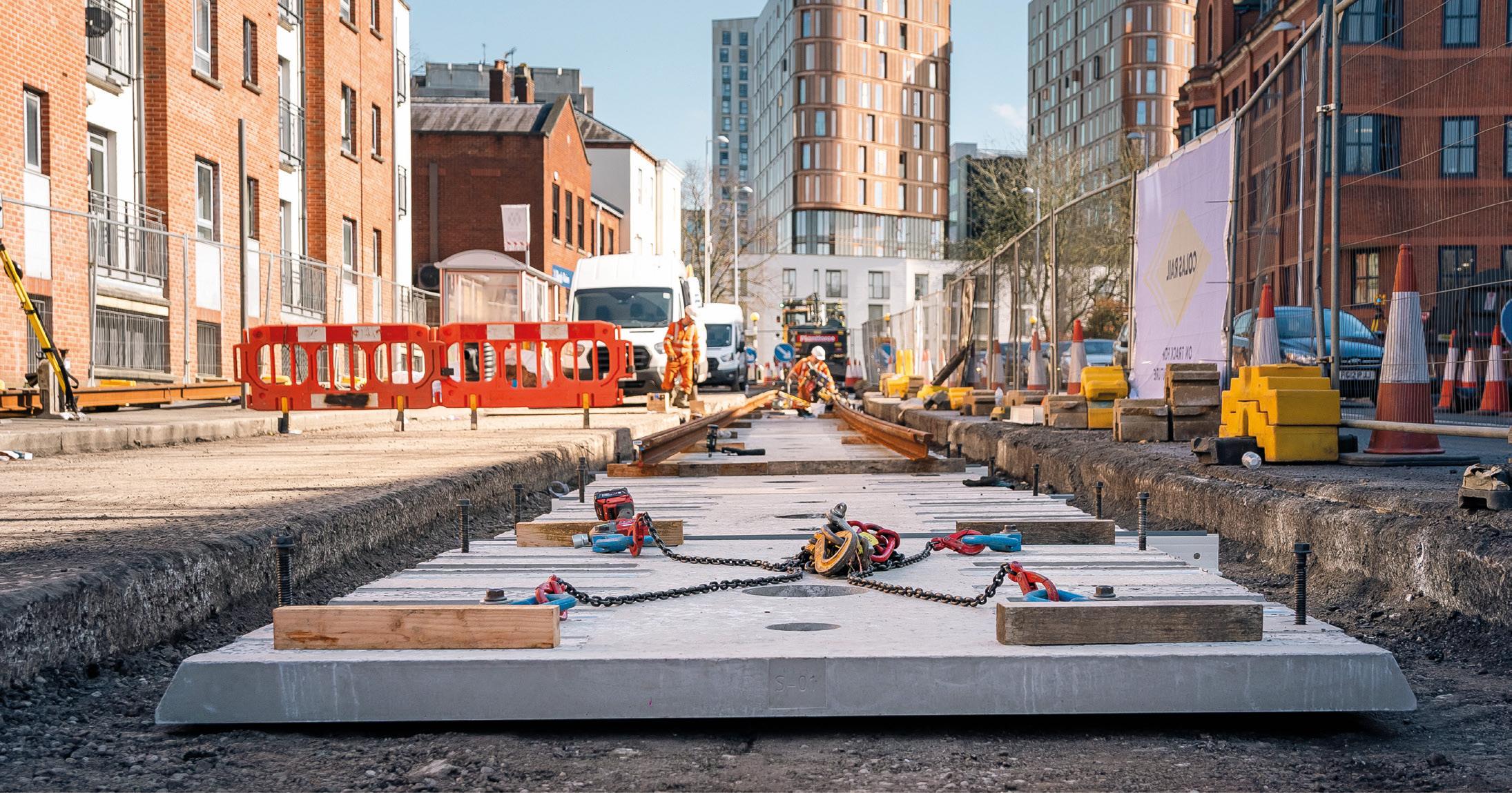
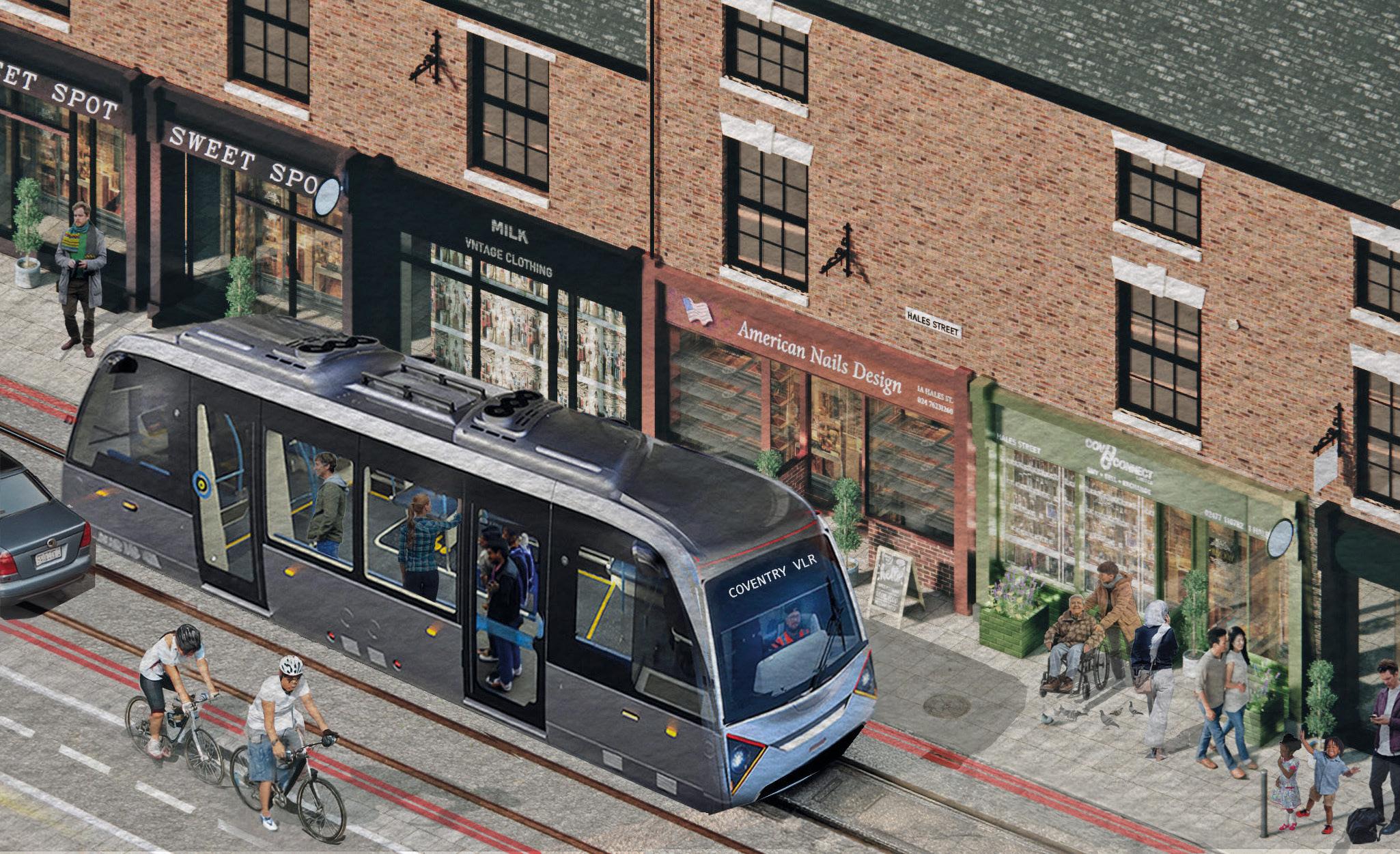
environment in a street that’s got more residents and business, more complex utilities to deal with.
“But it’s an important next step for the project because we really need to demonstrate that you can still do this at speed and within the cost envelope in a complex environment.
“Then we want to take the vehicle a step further and demonstrate operating in live traffic, although there will be some modifications to the vehicles to be able to do that.”
The 800-metre route will run from Coventry Railway Station to Coventry University Technology Park and is due to be installed by Summer 2027. It will be roughly four times the length of the previous demonstrator track installed in the city centre, when testing started in May last year.
Councillor O’Boyle said: “The vision’s always been to have a system that covers all four corners of the city and connects with various infrastructure, and growth areas of employment, residential, health and business, and feeding into the city centre and the railway station so it is integrated.
“One question I get asked all the time is ‘what do you need it for when you’ve got buses?’. Coventry has an all-electric fleet of buses, but why shouldn’t people have a choice of how they travel?
“People will still be able to do what they want to do because it will be interoperable with other traffic as well.
“In regards to the funding, we’ve got enough to crack on with what we’re doing at the moment. Right from day one we set a target of £10 million a kilometre of track.”
On the funding, Nicola added: “We’ve got the funding for this phase of the project and we’ve got some priority funding in the next Advanced Transport
City Regions Fund to develop the universal track.
“We are looking at establishing a test site for the track form in the next calendar year. Then we will need the funding to develop the business case for a first commercial route.
“We’ve started on the business case development work. We’ve got a mode agnostic study under way at the moment, but we need to progress that. We need funding to do that work so we’re working with the Combined Authority to draw down some revenue funding to build that business case.”
Nicola, having never owned a personal car, is driven by a passion that people should have transport options whether it’s public transport, cycling or walking.
“I’ve spent my career working on transport solutions and this for me is a game-changer,” she said.
“I’d love by the end of my career to see more cities being able to offer light rail because that’s what enables people to perhaps only own one car, or to leave a car on the drive and make a sustainable travel choice that could benefit them health wise and the environment.”
As evidenced by the interest from other areas in the UK and further afield, this project is being described as a game-changer for not just Coventry but the industry, and both Nicola and Councillor O’Boyle agree there is no better area to be leading the way.
“Coventry is a place of innovation and always has been and is the birthplace of the UK automotive sector,” said Councillor O’Boyle, who used to work in the automotive sector.
“We’ve used automative lightweight materials and equipment in order to build the vehicle, and the next generation of vehicle will be built in Coventry by a company called NP Aerospace.
“We’re creating things here that are completely unique. There’s lots of brilliant stuff that goes on in our city and people need to come and look and understand it and actually use it.
“With VLR we are doing something that could save the Exchequer so much money and create something that we can sell and be autonomous. It is incredible.”
Councillor O’Boyle says that with the vehicles being battery driven, it makes sense that they the project is happening in the country’s location for the UK Battery Industrialisation Centre.
“It’s one of the only places in the world that’s got all sorts of original equipment manufacturers in there developing the latest battery technology,” he said.
“It’s a hotbed of innovation and that’s what I’m proud of.
“It’s not just about transport, but jobs and economics and getting our economy growing and we can grow it, we’re building it here in Coventry.”
Nicola added: “We are at the heart of the automotive sector, we’re a centre of excellence for innovation with some amazing things happening in the area.
“We’ve also got two fantastic universities right on our doorstep in the University of Warwick and Coventry University, and there’s a fantastic level of knowledge and expertise in the region.
“It is a real privilege that I get to work with so many clever, passionate people, who are not applying standard thinking to solve problems collaboratively.
“We’re in a great position in terms of being able to bring together the right people to push the boundaries. The challenge is to ensure we have the continued support with funding, the right policies and legislation in place so we can ultimately deliver this game-changer.”



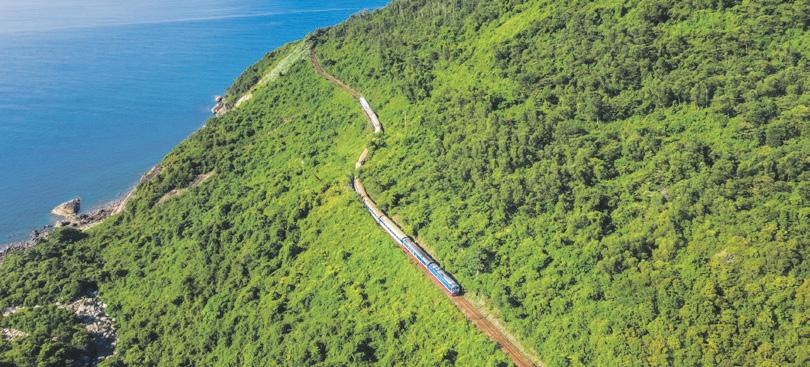

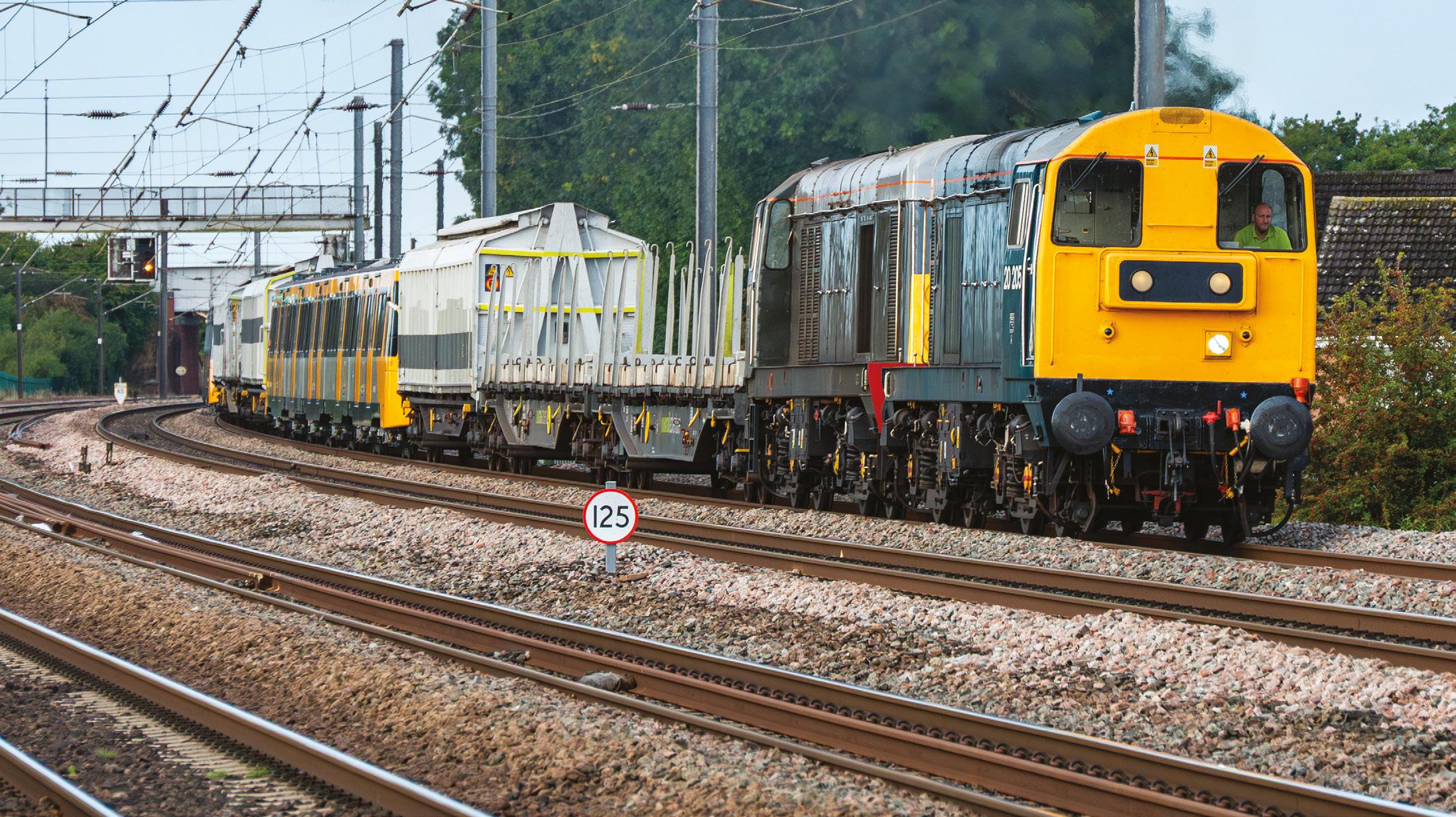
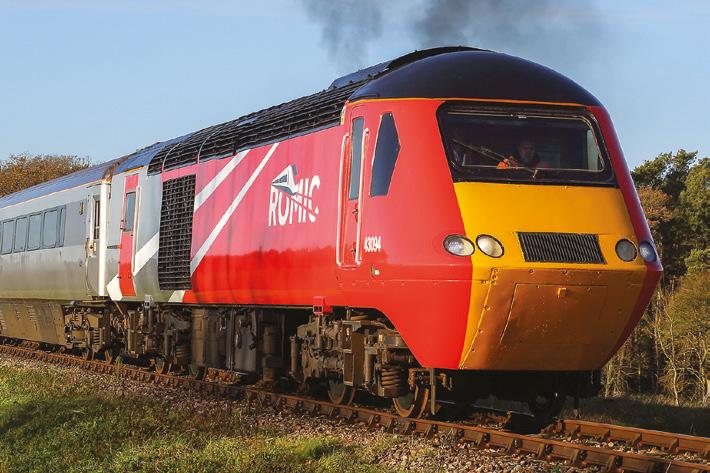
Totalkare, a supplier and installer of both railway inspection pits and railway lifting jacks, explains which is best for a workshop
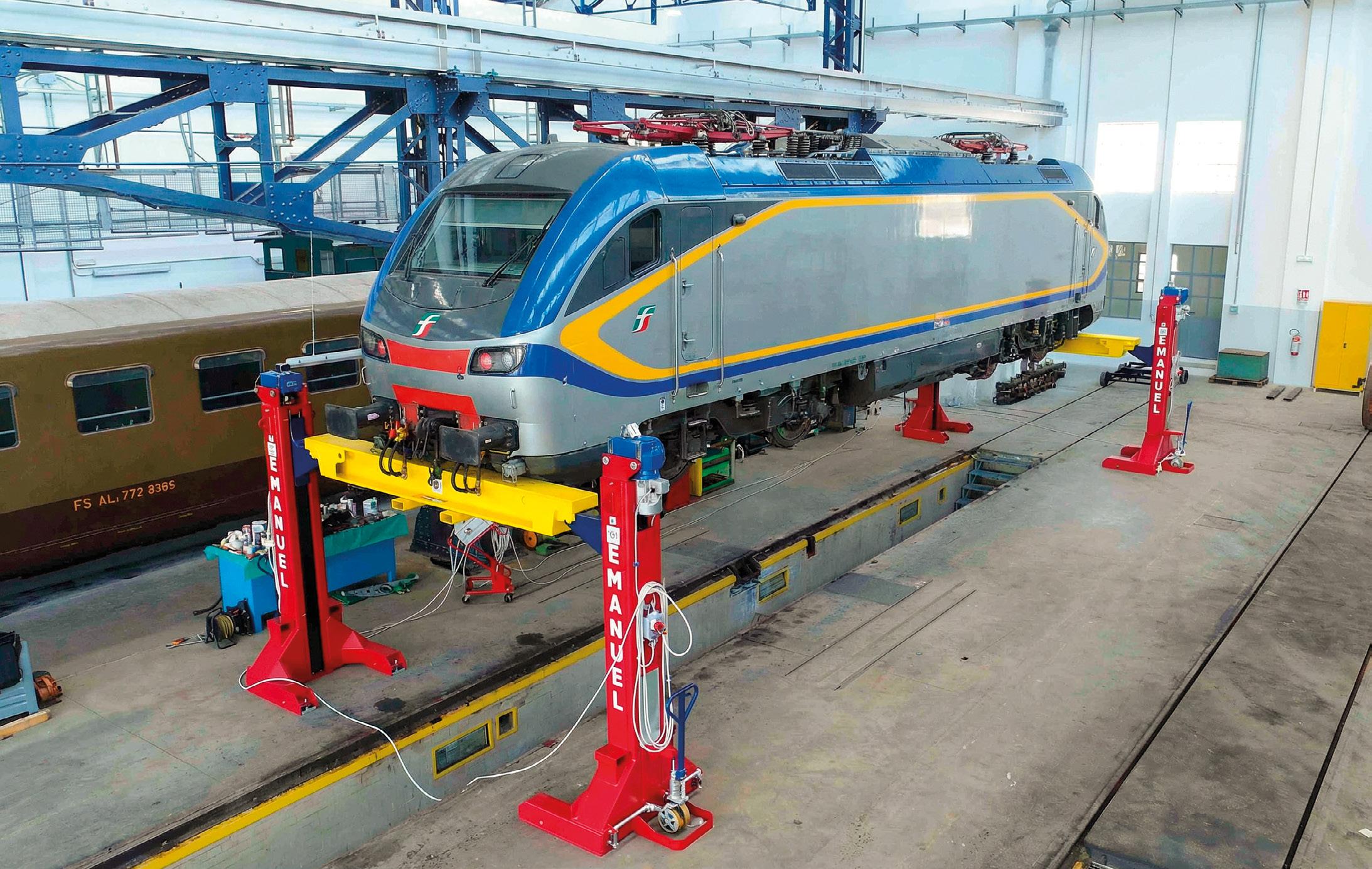
There’s a long-running debate in the rail maintenance industry. Which is the better option for your workshop: a railway inspection pit or a set of railway lifting jacks?
The honest answer is there’s no single solution that works for every depot. The right choice depends on your space, your budget, your throughput requirements, and your long-term plans. But by understanding the strengths and limitations of each, you can make a more confident decision.
Here’s what you need to know.
The core difference
A railway inspection pit is a fixed, permanent installation built into the floor of your depot. Trains pass over it, giving engineers direct access to the undercarriage without any lifting required.
Railway lifting jacks, by contrast, are mobile columns that raise a train off the track. They can be positioned where needed, used when required, and stored away when not in use.
Both are proven solutions used by depots across the UK. The question is which one suits your operation.
Upfront, a railway pit typically costs more than a basic set of lifting jacks. The installation involves groundworks, a site survey, and some disruption to your schedule during the build.
That said, the comparison isn’t always straightforward. Our lifting jacks can be supplied in sets of up to 128 columns, meaning a large-scale jack configuration could match or exceed the cost of a pit installation. The scale of your operation matters.
Where a pit tends to win over the long term is in ongoing costs. Once it’s in the ground, a well-built railway inspection pit requires very little maintenance. Repairs are rare, spare parts costs are minimal, and there are no scheduled service visits to plan for.
Lifting jacks, on the other hand, require regular servicing, typically every six months. With more moving parts and a more complex mechanism, you’ll
also expect to budget for repairs and replacement parts over the years.
If you’re thinking long term and you’re settled in your premises, a pit can be the more cost-effective choice across its lifetime. If you need flexibility or lower upfront spend, jacks offer a practical entry point.
Installing a railway inspection pit is a significant project. It requires groundworks, structural changes to your depot floor, and a period of downtime while the work is carried out.
But it doesn’t have to be as disruptive as it sounds. Totalkare’s railway inspection pits are prefabricated off-site before they’re delivered and installed. The bulk of the construction work happens away from your depot, which helps to minimise disruption and keeps your workshop operational for as long as possible during the process.
Railway lifting jacks require no groundworks or structural changes at all. They arrive ready to use, and after setup and operator training, they can be
put to work straight away. For depots that can’t afford downtime or don’t have the space for groundworks, this is a significant advantage.
Once installed, a railway pit is built to last. With the right construction and materials, it can serve your depot for decades with minimal intervention. There’s no mechanical lifting system to service, no hydraulics to check, and no scheduled maintenance visits to book.
Lifting jacks need more attention. Six-monthly service visits are standard, and as the equipment ages, repairs and parts replacements become a fact of life. These costs are manageable, but they add up over time and need to be factored into your operational budget.
For high-volume depots, throughput is often the deciding factor. A railway inspection pit has a clear advantage here.
There’s no setup time with a pit. Trains move in, engineers are ready, and work begins immediately. No columns to position, no safety checks before lifting, no waiting for the train to be raised and lowered again. For a busy depot processing rolling stock from opening to close, that saved time adds up to a meaningful difference in daily output.
There’s also a productivity benefit that’s easy to overlook: with a pit, engineers can service both the top and underside of a train at the same time. That can effectively halve service times for certain jobs, meaning more trains processed in a working day.
Lifting jacks, while highly capable, do involve setup time for each use. Columns need to be positioned correctly, safety checks need to be completed, and the raising and lowering process takes time. In a high-throughput environment, these are costs worth weighing carefully.
That said, jacks have one throughput advantage of their own: they can lift an entire train at once, regardless of its length. A pit, by contrast, is a fixed length. Longer trains may need to be repositioned to service different sections, which adds time to certain jobs.
Space is one of the most practical considerations when choosing between the two options.
A railway pit is a permanent fixture. When it’s not in use, it still occupies floor space. For depots that need to use their floor for other activities or traffic routes, that can be a limitation.
Lifting jacks offer more flexibility. When they’re not needed, they can be stored away, freeing up floor space for other work. Their mobile design also means they can be used in different areas of a depot rather than being fixed to one spot.
However, there’s one important condition: ceiling height. Lifting jacks require enough vertical clearance for both the height of the rolling stock and the height of the lifting operation. In depots with low ceilings or overhead obstructions, this can make jacks impractical or even impossible to use safely.
A railway inspection pit has no such requirement. Work takes place at floor level, with engineers working below the train rather than lifting it upward. For workshops with height restrictions, this can make a pit the only viable option.
Which should you choose?
Both solutions have a strong case depending on your circumstances. As a rough guide:
A railway inspection pit is likely the better fit if you have high throughput demands, a settled premises and layout, low ceilings or overhead restrictions, and you’re thinking in terms of long-term cost.
Railway lifting jacks may be the better option if you need flexibility and mobility, have limited upfront budget, can’t accommodate groundworks or installation downtime, or need to lift full-length trains in a single operation.
Many depots operate both. Pits for day-to-day, high-volume servicing. Jacks for specific tasks that require the train to be lifted clear of the track.
Talk to the experts
At Totalkare, we supply and install both railway inspection pits and railway lifting jacks. We’ve worked with depots across the UK and understand that no two workshops have exactly the same requirements.
Whether you’re planning a new depot build, upgrading an existing facility or simply exploring
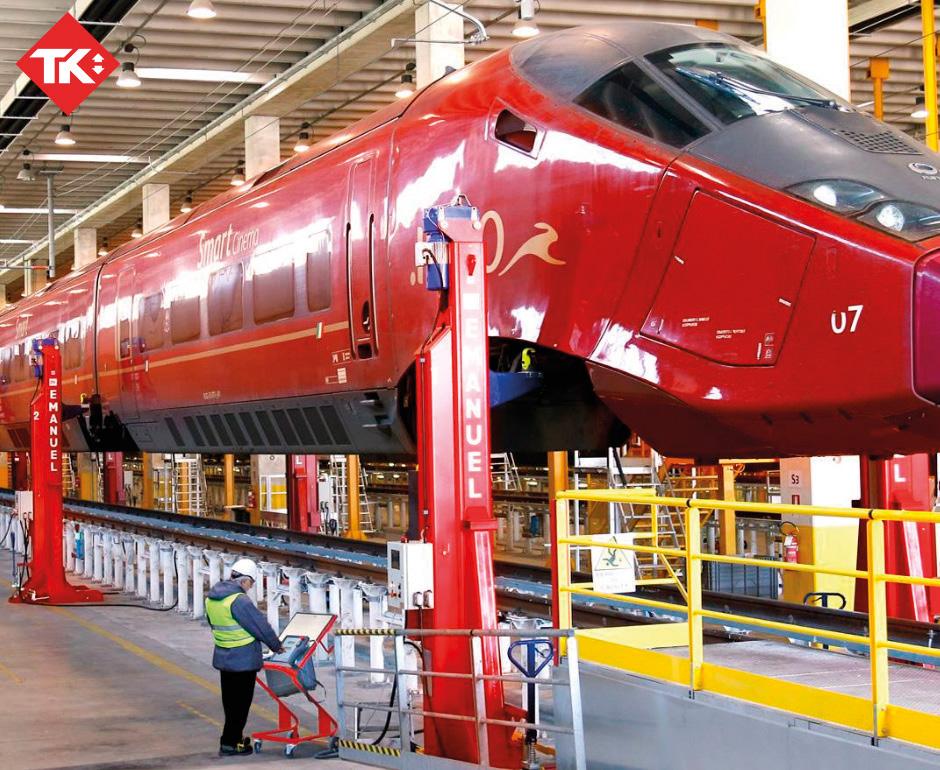
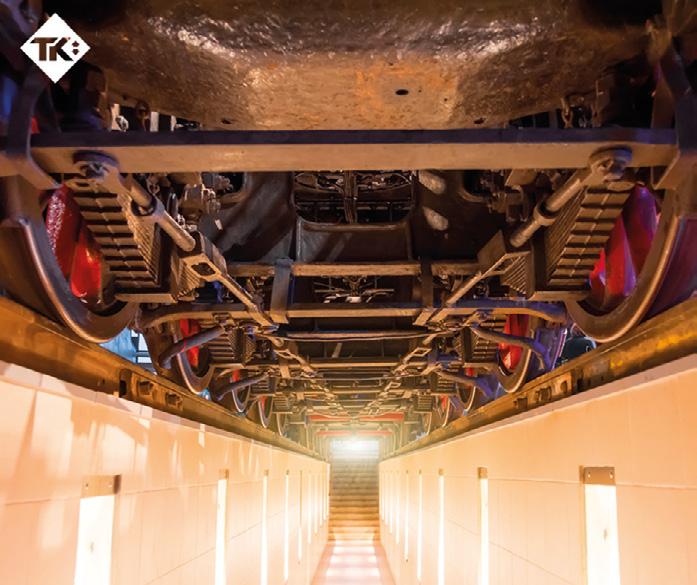
Whether you’re planning a new depot build, upgrading an existing facility or simply exploring your options, our team can help
your options, our team can help. We offer site surveys, custom designs, and guidance on the right solution for your operation.
Get in touch with one of our workshop specialists to start the conversation.
www.totalkare.co.uk/
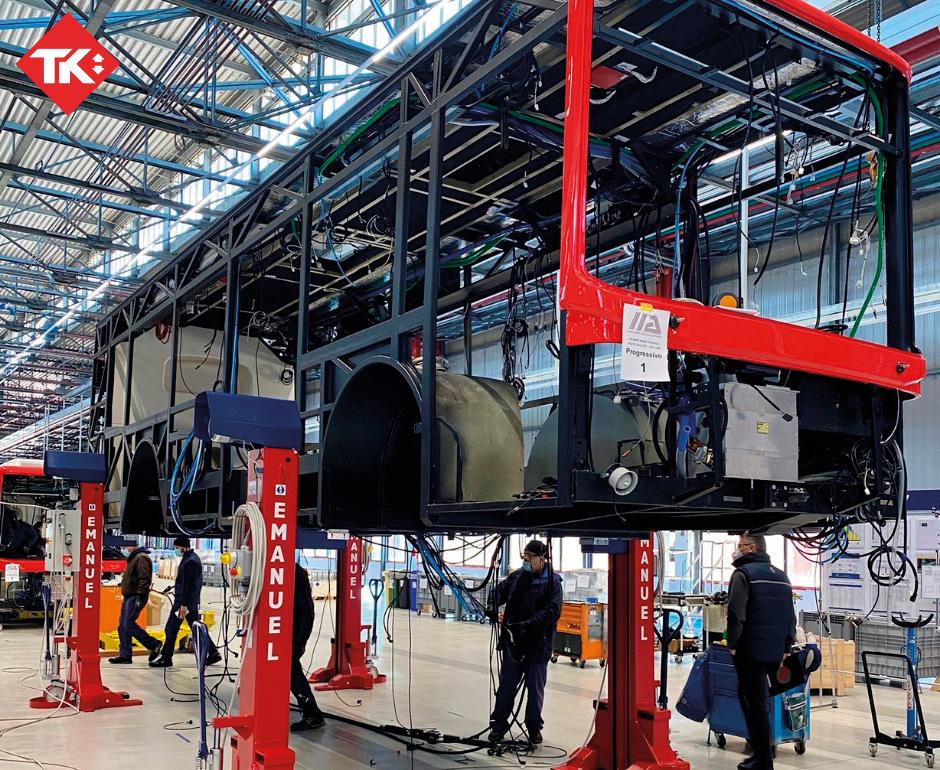
Tim Jones, Chief Executive Officer and Founder of digital transformation consultancy Migo, writes how the discussion about younger drivers focuses on age rather than what really matters: how consistently competence is developed, assessed and trusted across the industry

it missing the point?
he decision to lower the minimum train driver age to 18 has understandably prompted discussion across the rail industry.
The safety-critical nature of the role has not changed, and neither have the standards required to achieve competence.
What has changed is the starting point of some entrants, which places greater emphasis on the strength and structure of the systems used to develop, evidence and support competence across the training journey, particularly where prior operational experience may be limited. Ongoing assessment and assurance throughout the training journey therefore becomes even more important.
Age itself is not the determining factor in whether someone can reach the required standard. Structure, support and visibility of progression are far more significant. Where those elements are strong, new entrants succeed. Where they are inconsistent, challenges emerge, regardless of age.
In that sense, lowering the driver age does not introduce new risks. It places greater emphasis on the strength and readiness of the systems already in place to develop and assure competence.
System readiness across training environments
Across the industry, driver training environments
differ in their structure, instructor capacity, mentoring support and competence management processes. These differences have always existed, but with younger entrants potentially joining the pipeline, the strength and capacity of training systems becomes more important and more closely examined.
This is partly because entrants may arrive with a wider range of prior experience, but also because organisations and leadership teams are likely to seek greater assurance that standards are being applied consistently across the training system.
Expanding the recruitment pool without strengthening the systems around it also risks increasing pressure on training capacity and competence assurance processes that are already stretched in parts of the industry.
Instructor availability, mentoring time and throughput to competence are existing constraints for many operators, and these pressures are unlikely to reduce as recruitment volumes grow.
One of the key challenges will be avoiding any perception of two-tier standards developing between different cohorts of drivers. This again points back to the importance of strong, clearly structured training and assurance environments, rather than the characteristics of the entrants themselves.
The standards themselves are clearly defined
and regulated. However, confidence across the workforce depends not only on those standards, but on the assurance that they are being applied consistently.
If younger drivers are perceived, rightly or wrongly, as having progressed through a different or accelerated pathway, it can affect confidence among colleagues, managers and operational teams, and influence how those individuals are supported and integrated within the workforce.
Maintaining a single, trusted standard will therefore be critical.
Competence must be visible, not assumed This places increased emphasis on the structure, expectations and visibility built into training programmes and competence progression. Clear milestones, objective assessment points and robust evidence of capability become even more important when entrants have a wider range of backgrounds and levels of prior experience.
For organisations, this is as much a leadership confidence issue as it is a training issue. Senior operational teams need clear visibility that learners are progressing safely and consistently, particularly when recruitment pipelines expand. Without that visibility, decision-makers may become cautious about throughput, creating further pressure on workforce planning.
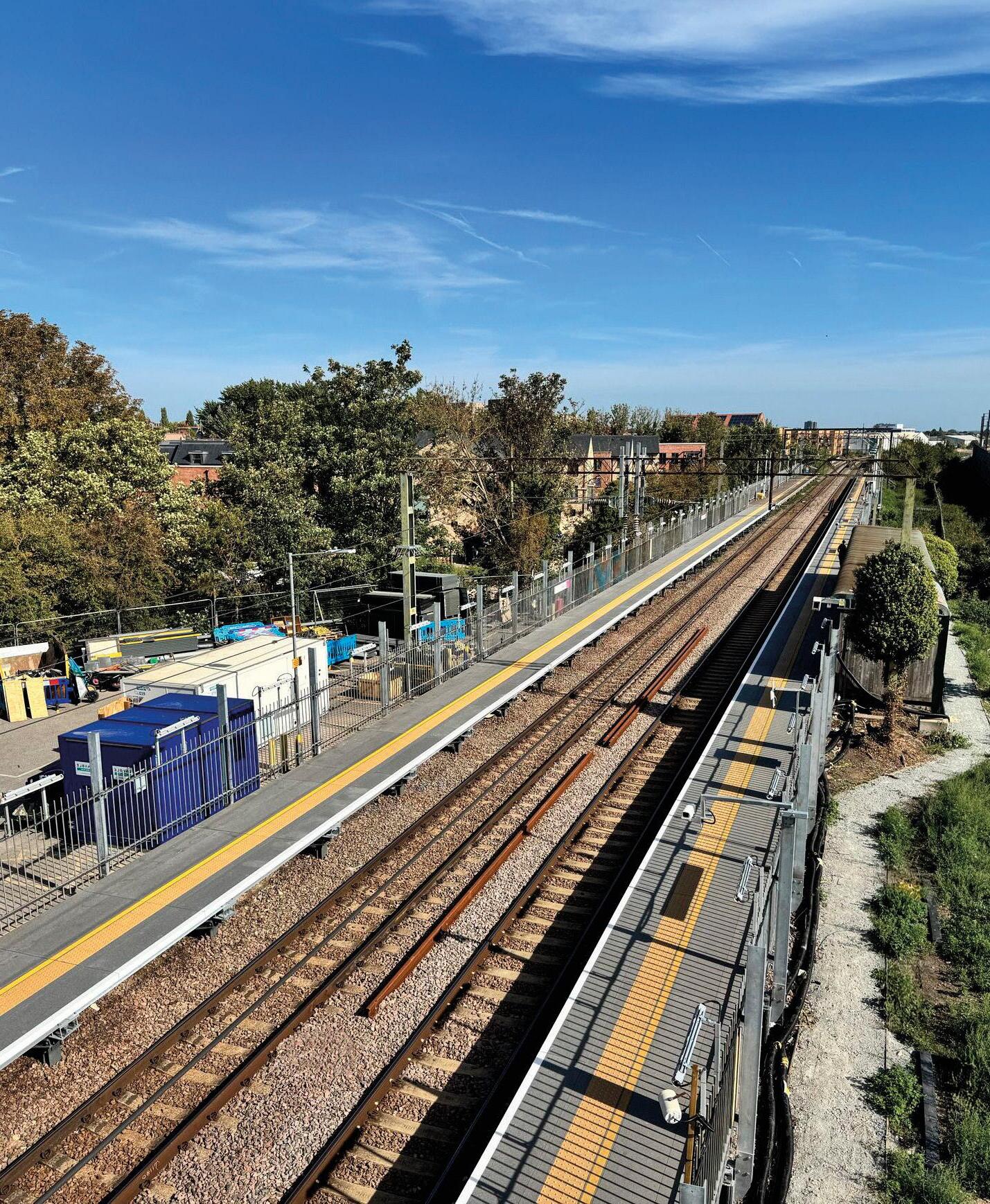







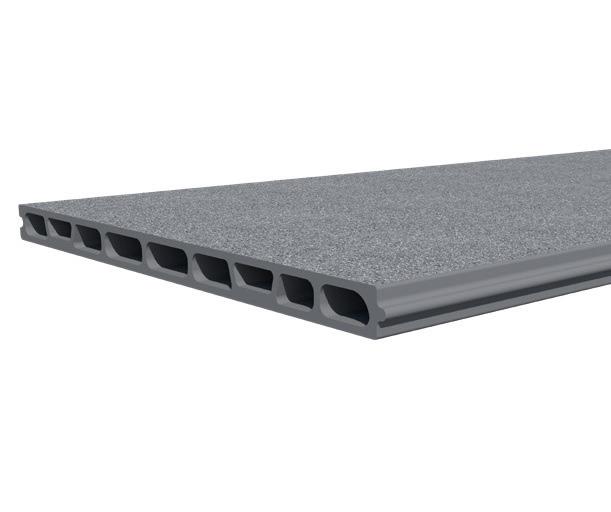
The policy itself is not the determining factor. The strength of the system around it is what will determine
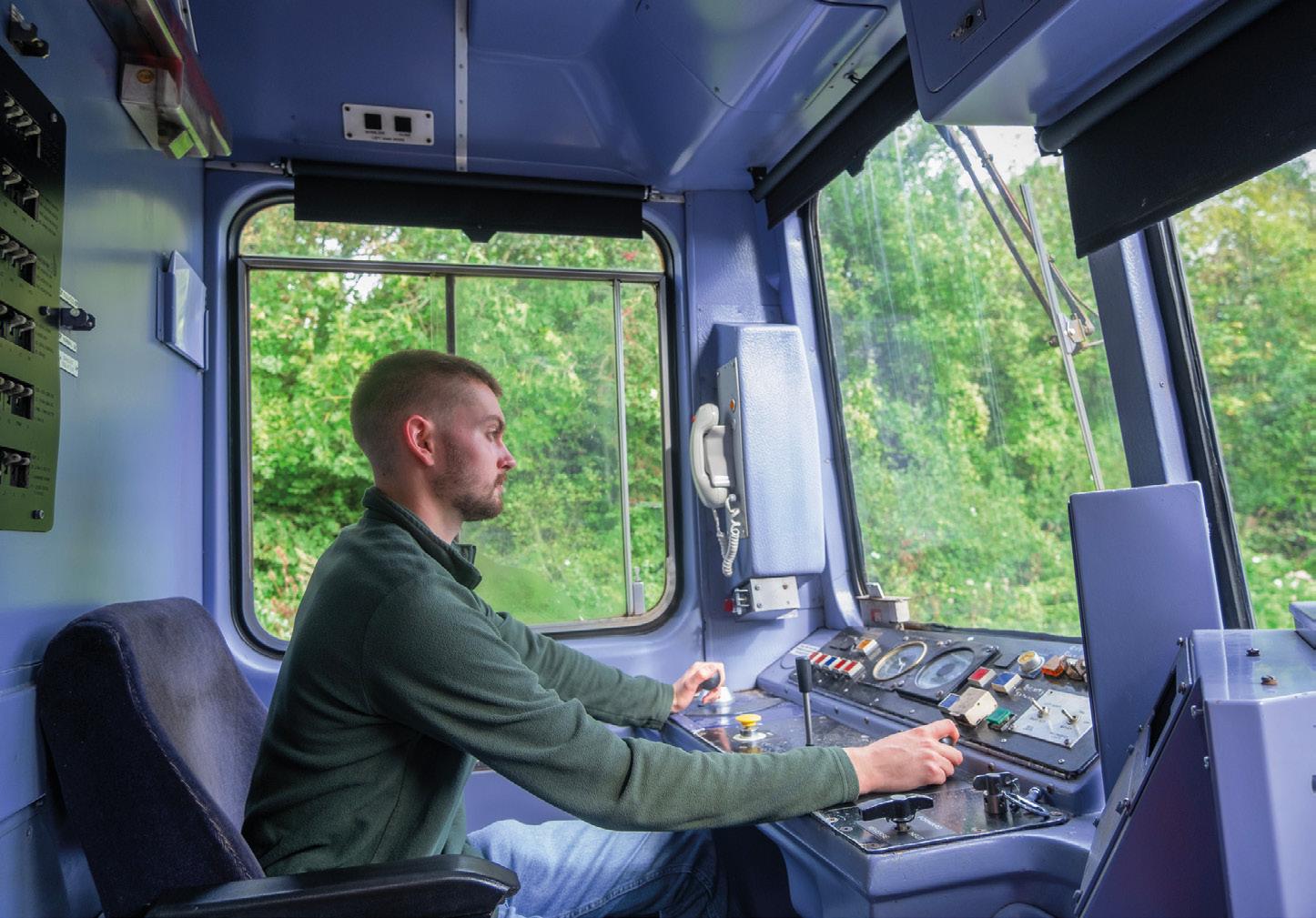
Mentoring matters as much as training
Many 18-year-old recruits will be entering directly from education or early employment. They may bring strong learning capability, but limited exposure to operational environments.
Mentoring and operational integration also play a significant role. Competence development does not occur solely in the classroom or simulator. It is shaped by depot culture, peer support and real-world experience.
Ensuring that younger entrants are effectively integrated into operational teams will be an important factor in building both capability and confidence.
From June 30, 18-year-olds can apply for train driver roles. The move aims to open doors for younger people to enter highly skilled profession at a pivotal time for the industry, when by 2030, a quarter of all train drivers are expected to reach retirement age. This figure rises to 32 per cent in Scotland and the North East, and 38 per cent for Wales.
Rail Minister Lord Peter Hendy said: “Lowering the minimum age for train drivers is a significant step forward for young people across Britain.
“This change will open doors for those wanting to move straight into the workplace, giving a younger generation the chance to build rewarding careers in the railway, whether that’s in freight or passenger services.
“It’s a move that will help secure the future of Great British Railways and the wider rail industry and ensure the workforce reflects the energy, talent and ambition of the next generation.”
The instructor bottleneck Instructor capacity is another consideration. The industry is already managing constraints around experienced driver availability to support training and mentoring. Expanding recruitment without addressing instructional and mentoring capacity could place additional pressure on the system.
This is not a reason to avoid younger recruitment, but it does highlight the need for whole-system readiness rather than focusing purely on entry criteria.
In practice, this means looking beyond recruitment policy and examining how training, operations and competence management interact. Where these elements operate in isolation, inefficiencies and inconsistencies can emerge. Where they are aligned, organisations are better able to scale recruitment while maintaining confidence in standards.
Addressing these factors is part of ensuring overall system readiness, rather than a question of recruitment policy alone.
Digital tools and confidence in competence Technology also has a role to play in strengthening system visibility and organisational confidence, particularly in providing greater visibility of learner progress and competence development. Digital learning environments, simulation tools and structured competence management systems
can help organisations monitor progression more effectively and identify where additional support is needed.
Importantly, these tools do not replace professional judgement. They strengthen it by providing clearer evidence and earlier insight.
This is about trust, not recruitment Confidence in competence sits at the centre of this discussion, extending beyond the individual learner to the organisation as a whole.
Operators need confidence that newly qualified drivers are fully prepared. Regulators need confidence that standards are being applied consistently. Existing drivers need confidence in the capability of their colleagues. And new entrants themselves need confidence as they transition into a demanding safety-critical role.
Consistency underpins all of this.
The system matters more than the policy Lowering the driver age to 18 can support workforce sustainability by widening the recruitment pipeline. However, recruiting younger drivers is the easy part.
Success will depend far less on the age of entrants and far more on the strength, clarity of expectations and readiness of the systems surrounding them.
The driver role remains complex, responsible and highly skilled. That has not changed. What the policy change does is bring renewed focus to structured training, robust competence development and clear assurance across the industry.
If the industry maintains consistency, visibility and confidence across training systems, younger entrants will integrate successfully into the workforce, supported by strong mentoring, supervision and operational culture alongside the training itself.
If those elements are weak, pressures that already exist within training pipelines may become more pronounced.
The policy itself is not the determining factor.
The strength of the system around it is what will determine success.

Come see us at

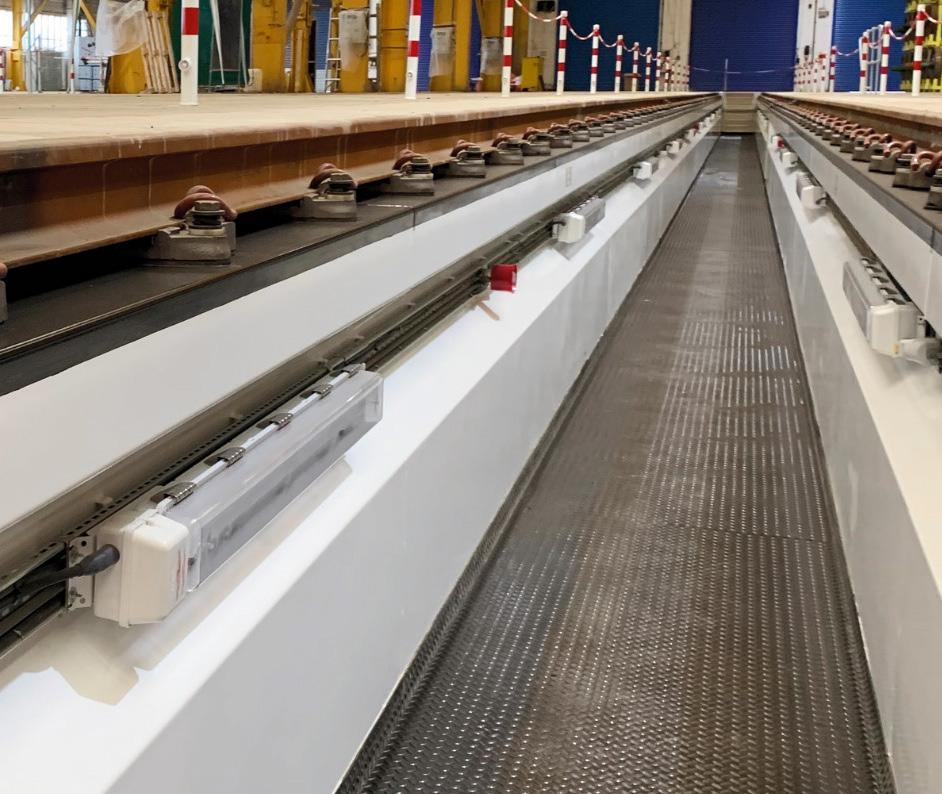


Transforming Rolling Stock Maintenance and Inspection.


MAINTENANCE PITS
WASHDOWN & ASH COLLECTION PITS
SAFETY COVERS PIT ACCESSORIES
• Welded construction to ensure a water tight finish
• Quicker installation time compared to precast concrete
• High quality finish
• All internal service ducts fitted prior to installation
• Easy to clean
• Rail attachments fitted prior to installation
Premier Pits has led the way in pit manufacturing for over 35 years, supplying workshops worldwide. From inspection and maintenance to ATF, rail, and wash pits, we don’t just manufacture - our experienced Installations Teams handle the complete fitment, ensuring your pit is installed safely, efficiently, and with total peace of mind.




















The 2026 Young Rail Professionals Annual Dinner and Awards was held in London and attracted over 400 attendees from across the country.
GTR People Director Ruth Busby was the keynote speaker, and 10 awards were presented to worthy winners
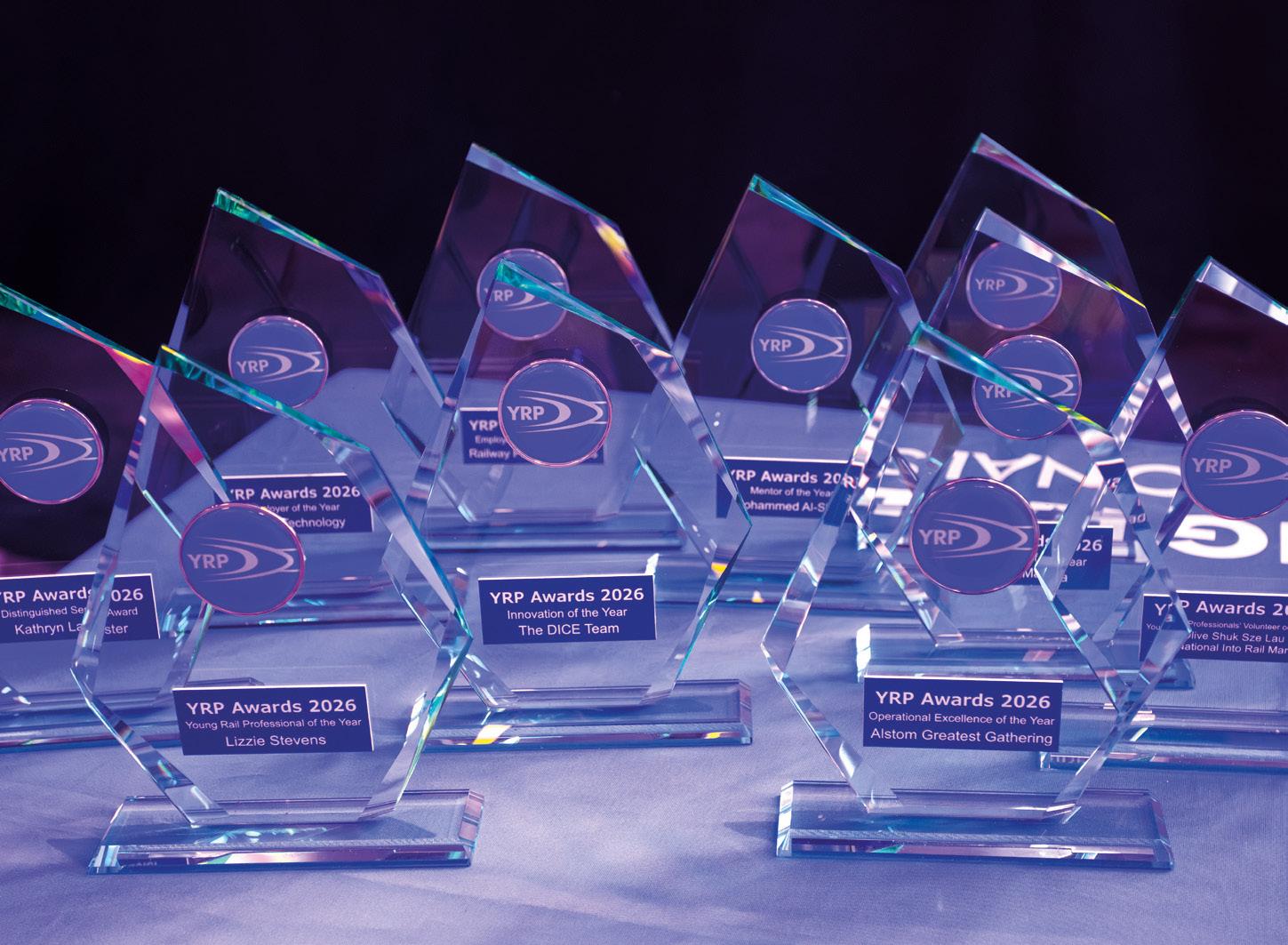
Young Rail Professionals (YRP) was founded in 2009 by a group of rail industry professionals, to inspire and develop the next generation of railway talent across the UK and Ireland and to promote the rail industry as a career of choice.
Over the following 27 years, the organisation has grown to more than 6,500 members and is continuing to expand.
YRP provides a wide range of tailored opportunities for its members, on a regional and national basis, helping them develop the skills and connections they need to thrive in rail.
The flagship event is the Annual Dinner and Awards evening, which celebrates achievement across the rail sector. This year more than 400 guests honoured outstanding achievement at the Park Plaza, London Westminster Bridge, across a number of award categories from innovation and leadership to sustainability and inclusion, with winners celebrated by peers and industry leaders alike.
Young railway professionals, their mentors and supporters gathered in their finery for a networking drinks reception before moving through for dinner and the main events of the evening.
Host Gareth Dennis welcomed diners and introduced the first of several speakers, the first being
outgoing Chief Executive Officer (CEO) Bonnie Price, who has successfully guided YRP through the last three years of its existence.
Making an impact
Bonnie spoke of the growing membership of YRP and its regional footprint, with 2,000 members being in London and the south east but the remaining 4,500 spread across the rest of the UK and Ireland, with the north west, west and East Midlands showing particular growth.
“But numbers only matter if they translate into impact,” she said. “In the last six months, organising 77 events has certainly shown the impact that we can give to the rail industry.
“And it’s shown the impact that the investment that our corporate members provide is truly worthwhile.”
She thanked those corporate members – CPC Project Services for sponsoring the dinner and Telent Technology Services, Rail Media, AtkinsRéalis and Network Rail for being Platinum members.
“Our fastest and most influential programme that has grown this year has been Politics in Rail. This year, a flagship series, and I’m proud to say it has now attracted more than 500 attendees by the end of this financial year,” Bonnie added.
“And that tells us something important. Early
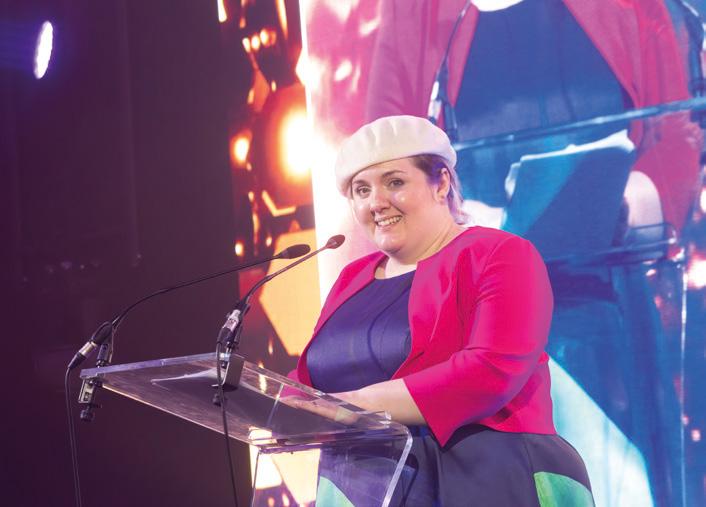
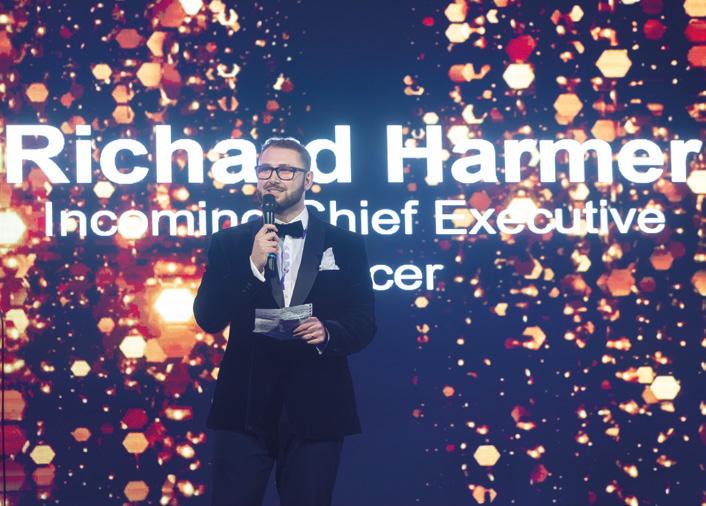
Images: YRP/Rob Finney
career professionals don’t just want jobs, they want context. They want to understand how decisions are made, how policy shapes the railway, and how their voices fit into that system.
“That’s the kind of engagement that builds future leaders, not just future employees.”
She then thanked the committee members and her executive assistant who had helped organise both the membership and events during the past year, and then handed over to the new CEO, Richard Harmer.
New CEO
“I’m incredibly proud to be stepping into the CEO role for 2026-2027,” Richard said: “For those of you who don’t know me, I also work for Network Rail as a senior project engineer specialised in signalling.”
He reflected that YRP membership reminded him of the first time he looked at the garden of his new house, which was looking tired when he first moved in.
“Slowly, plants and flowers began to emerge from what felt like nowhere,” he recalled. “And it struck me, everything in that garden grew differently. It was at its own pace, and it had its own challenges. Some things were strong from the start. Others took time but flourished in the end.
“I believe in YRP for the same reason, because it creates the environment where people can grow

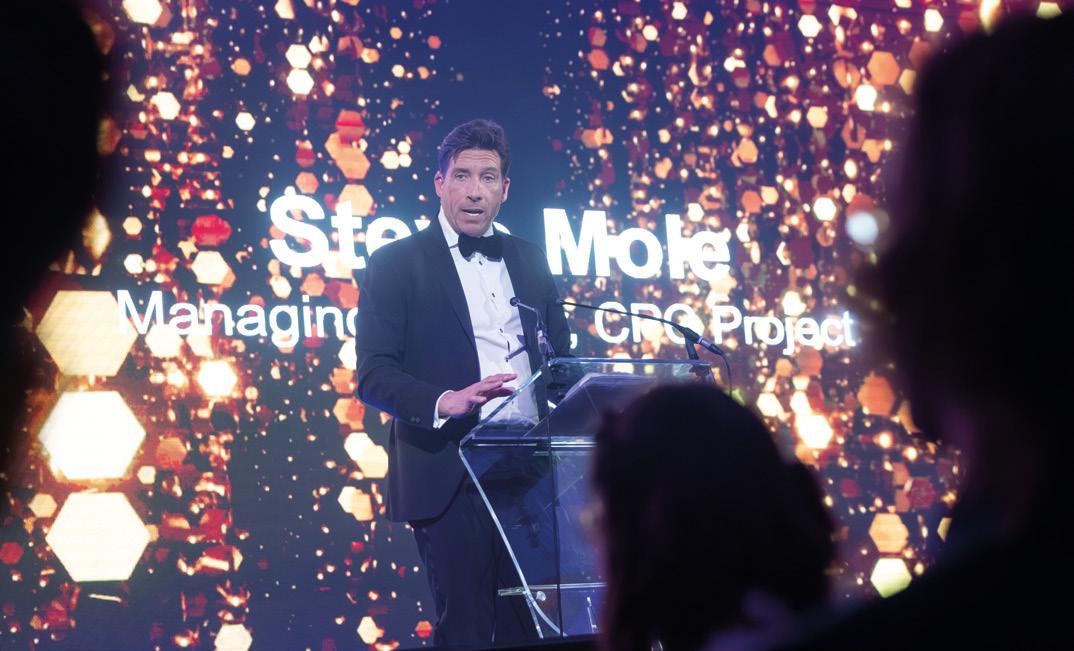
Early career professionals don’t just want jobs, they want context. They want to understand how decisions are made, how policy shapes the railway, and how their voices fit into that system. That’s the kind of engagement that builds future leaders, not just future employees
Young Rail Professional of the Year:
Lizzie Stevens, WSP
Mentor of the Year:
Mohammed Al-Sharif, Skanska Employer of the Year:
Telent Technology Services Ltd
Employer of the Year (SME): Railway Project Services
Distinguished Service Award: Kathryn Lancaster, Alstom
Apprentice of the Year:
Ethan Madina, AtkinsRéalis
YRP Volunteer of the Year: Olive Shuk Sze Lau, YRP National Into Rail Manager and Ikos
Innovation of the Year:
The DICE Team, Network Rail and WSP
Operational Excellence of the Year:
The Greatest Gathering, Alstom Personality of the Year: Charlotte (Charlie) Southwick, Network Rail
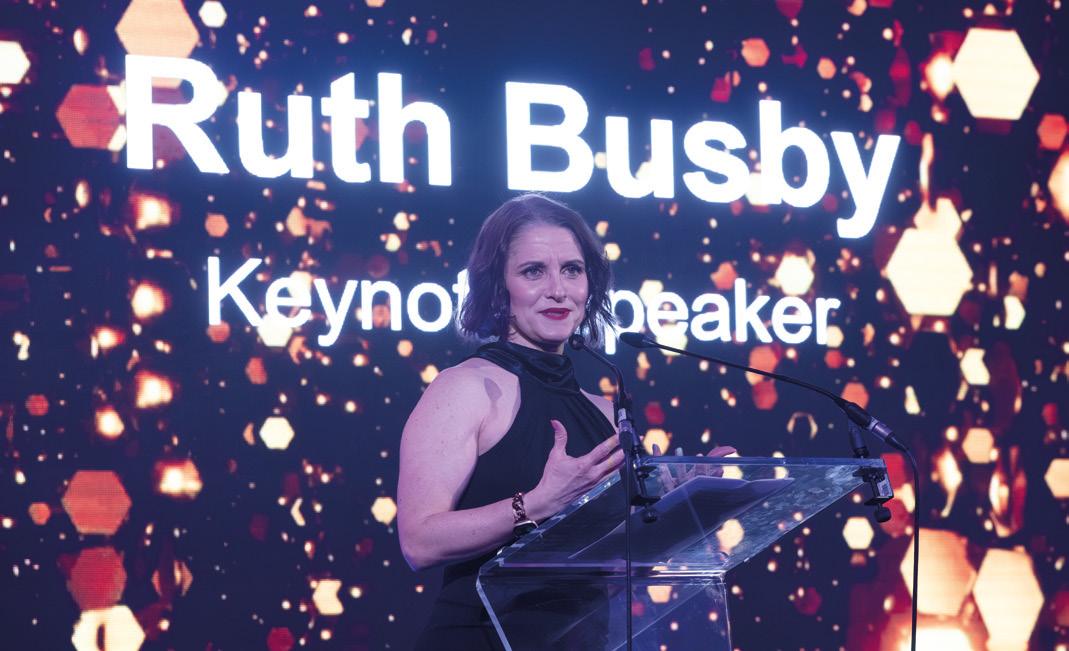
professionally and personally, no matter where they start.
“I see people who have pushed through difficult times, people who have developed, adapted, and grown, sometimes in ways they didn’t expect. It hasn’t always been easy.
“As an industry, we’ve had our fair share of cloudy days. At times, it felt like the rain just wouldn’t stop. But here’s what I know: every single one of you is making a difference. And that’s why Young Real Professionals matters. Because when the sun isn’t shining, this is the place that helps people to continue to grow.”
Looking forward, Richard sees a bright future with several new initiatives to come.
“Together, we’ll continue to push this organisation and each other to new heights,” he concluded. “Because the future of this industry isn’t just bright, it’s growing right here in this room.”
Employee ownership and a regional structure
The keynote speaker for the evening was introduced by Steve Mole, Managing Partner of CPC Project Services, which was sponsoring its 14th YRP Awards Dinner. A project and cost management consultancy, CPC is now an employee ownership trust, which essentially means that its employees own 100 per cent of the organisation. It has more than 400 staff operating at about nine regional offices in UK and Ireland, so it fits well with the regional structure of YRP.
“We fully support and align with the YRP’s values to promote, develop and inspire the next generation of rail professionals,” Steve said.
He thanked Bonnie Price for her work over the past three years and welcomed Richard Harmer to his new post.
“My view is that those that are privileged to lead the YRP will gain invaluable experience outside of their day jobs,” he explained.
“They will rub shoulders with key industry stakeholders and speak at prestigious events throughout the year, as well as having the opportunity to shape the future of the YRP during their tenure.”
Steve then introduced keynote speaker Ruth Busby. Awarded an OBE in 2024 for her services to equality, diversity and inclusion in the rail industry, Ruth is now People Director with Govia Thameslink Railway.
“It’s great to see so many of you in the room and to see so many young people,” said Ruth.
“One of my extra jobs is I’m a Non-Executive Director for Youth Futures Foundation, which is a notfor-profit organisation, and the What Works Centre for Youth Employment, which was set up to narrow the employment gap for marginalised young people.
“So, it’s very fitting for me to be here speaking to you at YRP today given that the aim of YRP is to develop, inspire and promote young people in rail, because there’s a crisis facing young people in this country at the moment.”
Ruth discussed the number of young people in the country who are NEET (not in education, employment or training) and the lasting impact that can have on self-confidence, identity and, ultimately, mental and physical health.
“Young people have got high levels of unemployment, a structural disadvantage, but rail can offer a real opportunity,” she said.
“There are really clear progression routes, opportunities to learn while you earn, and there’s a strong social purpose and societal contribution that research shows is highly valued by younger people.
“And yet, at the moment only 6.8 per cent of people working in rail are aged between 16 and 24 and that compares with 12 per cent of the general population.
“And you may not be surprised that NSAR’s Rail Workforce Survey shows a third of people working in rail are aged over 50.
“Rail’s got a unique opportunity to tackle a national youth crisis and to solve our own workforce crisis. We should aim to have a workforce that mirrors the country across all elements of diversity and for young people this means we should have at least 12 per cent of our workforce aged between 16 to 24.
“The upcoming Rail Youth Promise will provide a foundation for coordinated action and the Government’s new youth guarantee provides that policy environment and rail has the opportunity to be one of the flagship industries developing it and delivering it.
“This isn’t a workforce strategy, it’s a social value commitment and a chance to shape the future of rail for decades so that no one is left behind.”
With the speeches concluded, the Awards could be presented. Gareth Dennis announced the winners, who came to the stage one-by-one to receive both their trophies and an enthusiastic round of applause.
Then it was time for networking, and dancing, and to reflect on another successful evening. YRP is continuing to go from strength to strength. What will 2026/27 bring?
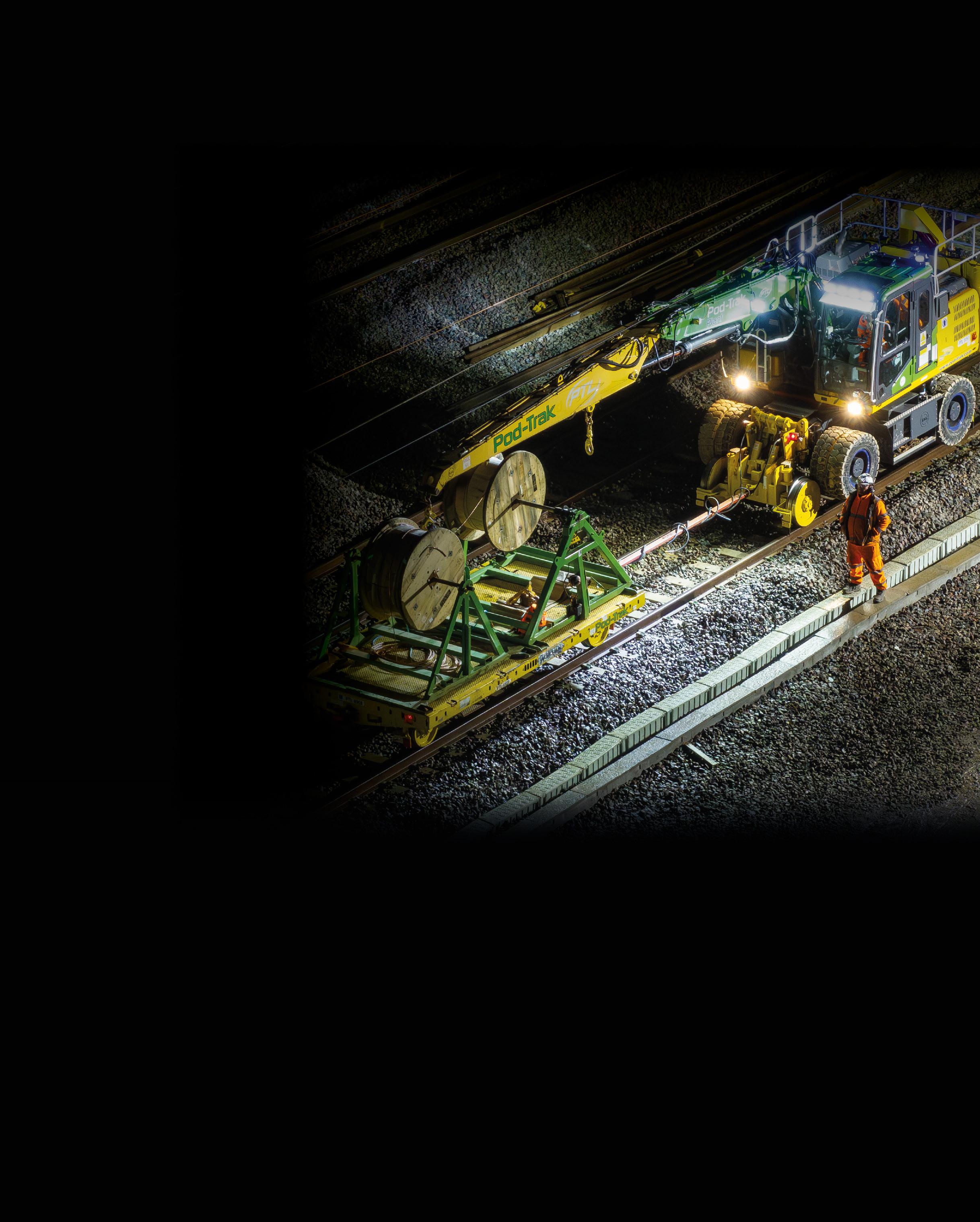
Daniel Ryder, Head of Rail Services at Swietelsky UK, outlines how the organisation’s expanding capabilities are strengthening its position as a supplier of choice
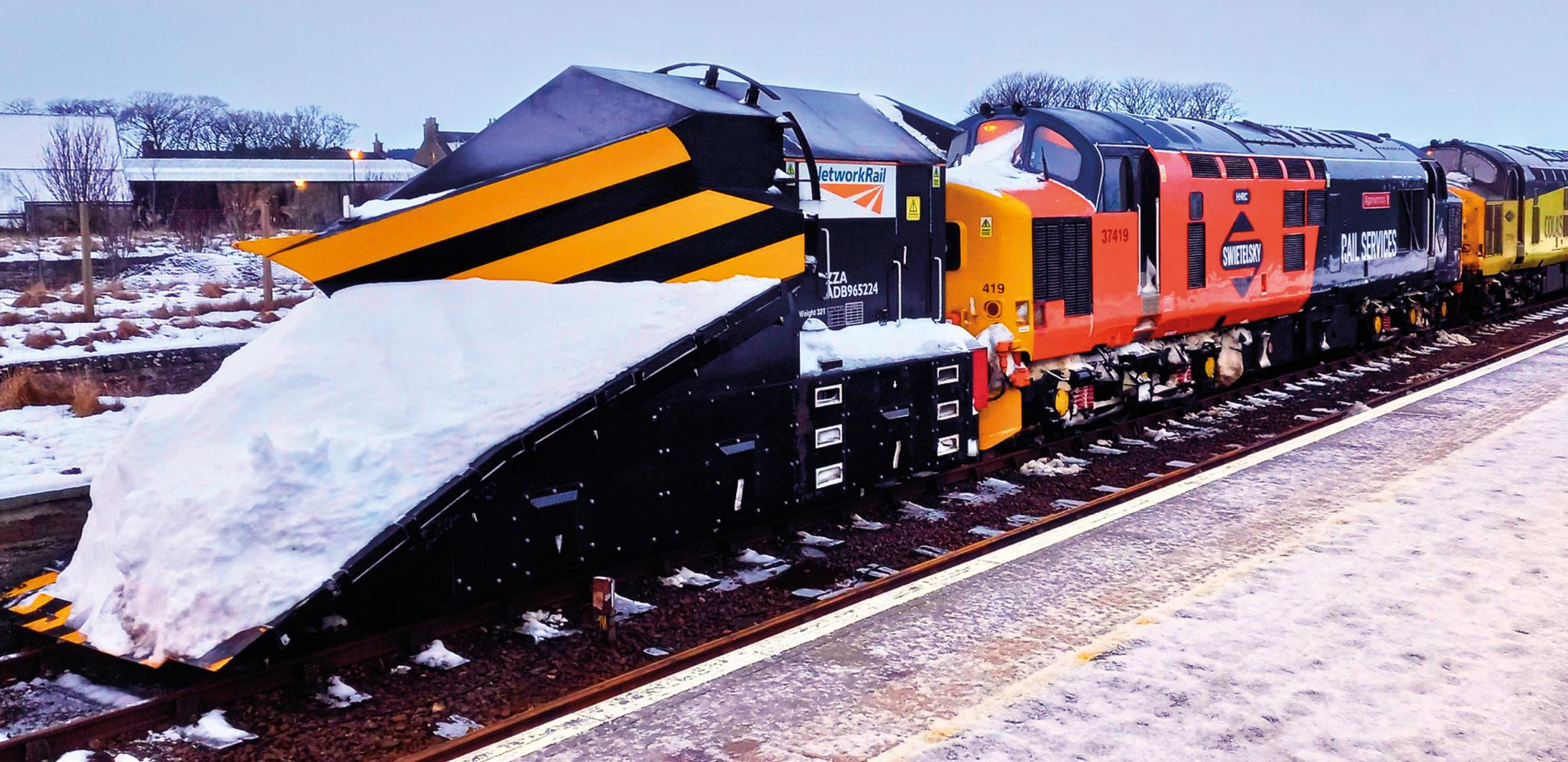
In a period of rapid development and renewed ambition, Swietelsky UK’s Worksop Traincare and Traction Depot has become a centre of significant activity, demonstrating the breadth and depth of expertise now available across the organisation.
Recent months have seen the successful handling of tank wagons for the first time, the arrival of a full eight-car high-speed train set with power cars, and the completion of complex refinishing and respraying projects on multiple fleets. Each milestone reflects a business evolving with purpose and confidence.
This momentum follows the completion of Swietelsky UK’s acquisition of the Harry Needle Railroad Company (HNRC) last year – a strategic move that has strengthened the organisation’s ability to offer one of the most comprehensive rolling stock service portfolios in the UK market.
“We can pick your rolling stock up and bring it here, look after it, maintain it, re-livery it, re-bogie it, wheelturn it, refresh the interior, carry out modifications until you are ready for it back, and then bring it back to you,” explained Daniel Ryder, Head of Rail Services.
“There are very few businesses in the UK offering such a wide range of services with the simplicity of one supplier and one invoice.”
Backed by Swietelsky AG – one of Europe’s leading
rail infrastructure specialists – the organisation is investing heavily in capability, facilities and people. The Worksop depot, with its excellent connectivity to both the Midland and East Coast Main Lines, now offers state-of-the-art overhaul facilities and the capacity to undertake maintenance at every level.
“We’re committed to being in the UK long term,” Daniel added. “We’re investing to create jobs, build a sustainable business and provide a dependable, high-quality service to the railway supply chain.”
Working with On Track Group, Worksop Traction & Traincare Depot is nearing completion of a full refresh of six Mark 4 vehicles for Transport for Wales, delivering the HD08 set in a striking new jet-black livery with silver roofs. The project showcased the facility’s ability to provide a turnkey solution – one site, one supplier, multiple services delivered seamlessly. Preparations are now underway to begin respraying the first Network Rail ERTMS Class 97 locomotive on behalf of Colas Rail.
Traction and rolling stock engineering has become the core of the organisation’s activity, with locomotive leasing continuing to grow under Swietelsky ownership. Significant investment has been made in Class 37s, 08s and 20s, returning them to reliable, revenue-earning service for the decade ahead. The arrival of the ROMIC Mark 3 HST set for maintenance work marks another step forward, opening new
opportunities with customers with these fleets.
New supplier alliances are also emerging, including a developing relationship with Mandy Rail for freight rolling stock storage and vehicle maintenance at Worksop. These collaborations reflect a strategic approach: understanding market needs and maximising the potential of the organisation’s skills, resources and facilities.
Longstanding relationships continue to strengthen too. Work for Colas Rail remains a key example, with the team delivering comprehensive F-exams overhauls on Class 37 locomotives – stripping them back to bare structure, completing bodywork and cab refits, overhauling braking systems and power units, and finishing with a full re-livery.
“We have some of the very best locomotive engineers in the industry,” Daniel said. “Having such a high concentration of expertise in one place makes us incredibly strong in traction maintenance. It’s an exciting time for everyone involved, working in an environment that is evolving for the benefit of the business, our customers and the wider industry.”
Swietelsky UK’s progress reflects a clear direction: a commitment to capability, quality and long-term investment. As the organisation continues to expand its offering, it is positioning itself not just as a supplier but as a trusted partner helping to keep the UK’s railways moving forward.
Craig Goldie, Managing Director of Swietelsky Construction UK and HNRC
refl ects on the organisation’s success and the direction of travel in the future
Craig Goldie describes himself as rail engineering through and through, a man whose passion for the sector remains as strong now as it did nearly 50 years ago when he joined British Rail as a Technical Officer.
“If you broke my arm in half like a stick of rock it would just say railways,” he joked. “From an engineering point I got fantastic training and experience from the word go and I continue to love the environment I work in, I learn something new every day and I’m proud of what I do.”
For the last two decades his role has been in growing Swietelsky AG’s business in the UK. The AG organisation is one of Europe’s leading construction companies in the field of rail infrastructure, operating in the UK since 2004.
The workforce has been built from scratch, having initially come over to the UK to commission, operate and maintain Network Rail’s new fleet of high output equipment Systems 2 and 3. Initially relying on a core of its Austrian, German and Polish colleagues, since then it has recruited all its staff from the UK and invested tens of millions in new on-track plant.
As the business has grown, so has its impact on the major UK rail projects, having been involved in High Speed 1, HS2 and the Transpennine Route Upgrade, to name but a few.
“For the first two or three years it was a very light touch but the UK business, Swietelsky Construction Company Ltd, has continued to do well and grow and recently that has accelerated with the acquisition of Harry Needle Rail Company (HNRC),” Craig said.
“This has added significant depot space, a locomotive fleet and a different but related income stream from rail services. We were very fortunate that taking over HNRC included a very high calibre
workforce, highly respected in the field.
“Up until now we’ve been reliant on Network Rail in the plant market, but having HNRC has given us another string to our bow and has already allowed us to attract the likes of Transport for London and several other companies within a different side of rail infrastructure and rail engineering.
“This is just the start. We’ve got aspirations to continue to grow bigger, which could be by going down the acquisition route or by targeting other contracts, such as track renewals, on the back of Network Rail setting out plans to appoint suppliers to continue the delivery of track works through Control Period 8 and 9 investment periods in a £5 billion pipeline.”
Swietelsky AG’s Bahnbau division is one of the largest private owner/operators of specialised high output track maintenance and renewals equipment in Europe, with in-house machine design and development capability backed up by a workforce of more than 1,700 who are fully engaged in the
The vision for the future is to continue to grow in the market and to be seen as one of the select group of specialists
Image:
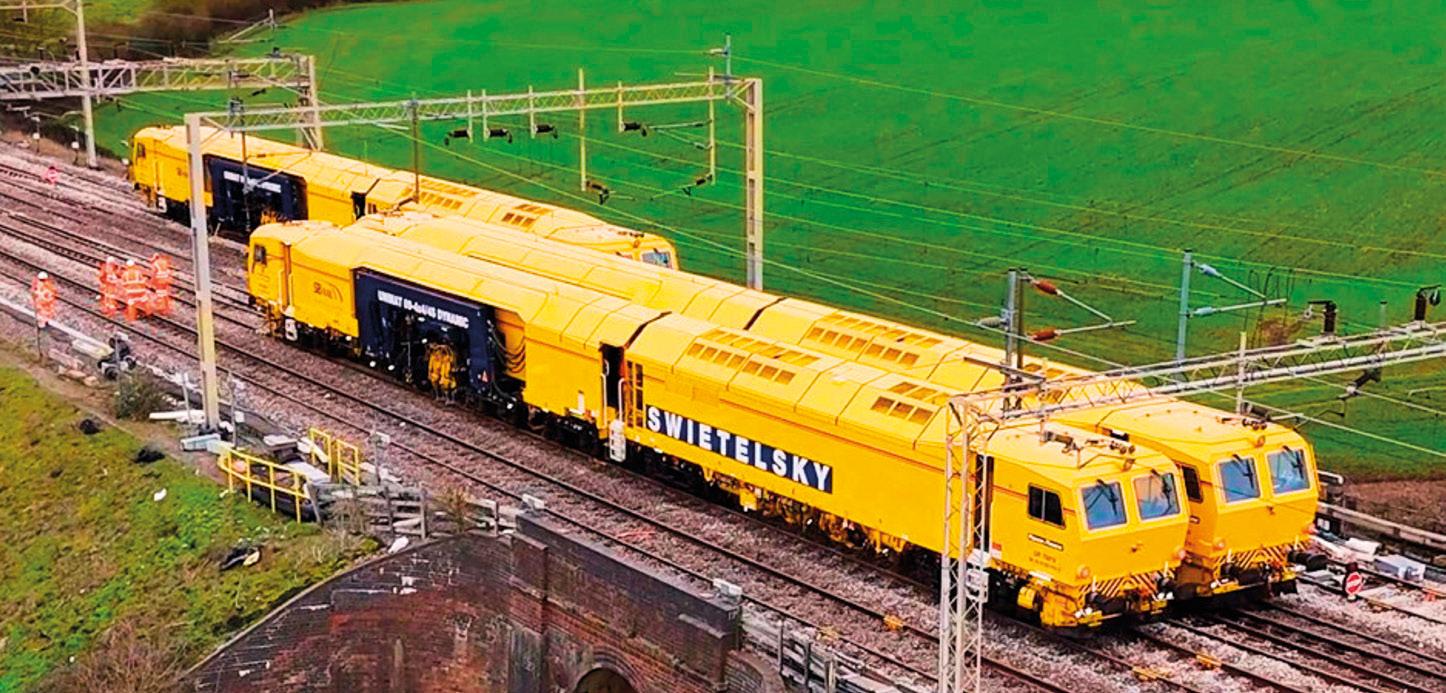
operation, maintenance and overhaul of the fleet of more than 1,000 on-track machines and on-track plant.
“The vision for the future is to continue to grow in the market and to be seen as one of the select group of specialists,” Craig said.
“We’re very much a plant-oriented business in Swietelsky Construction and rail services focused in HNRC, and it is a matter of when and not if we take steps into other related railway engineering work.
“Last year Swietelsky AG Bahnbau relayed or renewed about 1,200km of track throughout Europe. It’s all down to the equipment that we’ve got, but we don’t do all of the associated infrastructure work.
“We have the skills and experience so it is an aspiration to offer to turn up with a fully mechanised track rehabilitation solution in the UK.
“A success in the UK has been a joint venture relationship with Babcock (SB Rail), which includes a long-running joint venture offering Network Rail our full range of track maintenance and renewables equipment, including high output plain line and S&C tampers, track finishing machines and specially developed rail cranes with multi-purpose attachments.” Highlights this year include assisting Network Rail and the Central Rail System Alliance with the successful delivery of Hanslope Junction renewal, where we had all four Kirow cranes working and four of our 09 4S tampers in parallel for the first time.
“Another highlight was Swietelsky UK’s Class 37s assisting Colas on snow clearance operations during a spell of severe winter weather in the North Highlands of Scotland.”
Despite the success, Craig is honest in his evaluation of the UK railways in light of the transformation underway, and lack of a longer-term pipeline of work, and the challenges in recruiting the next generation of engineers. The latter is a wellpublicised industry issue, but something the team at Swietelsky is playing its part to change.
“It can be a struggle to get new people in the door to operate, maintain, repair, overhaul and even drive the locomotives and machines, but that situation is improving, albeit too slowly” he explained.
“We’re very focused on safety but that is underpinned by good training, and highly motivated staff who can see career progression ahead.
“Our efforts are bearing fruit through advertising and being part of the Armed Forces Covenant, having had success recruiting excellent people from the Army, Navy and Air Force.”

Key hires at Resonate bringing different perspectives as company evolves to meet rail’s opportunities and challenges

With the focus on a more reliable, efficient and passenger-focused railway, organisations are looking beyond traditional boundaries for perspectives, skills and experience.
At Resonate, that’s reflected in the recent appointments of Chief Operating Officer (COO) Camilla Gilchrist, and Chief Information Officer (CIO) Andy Scutt. Having joined the business over the past six months, both leaders are already making their mark.
Each brings a wealth of experience from outside rail and shared enthusiasm for the opportunity the industry presents. Their arrival signals a diversification of Resonate’s leadership team as the future of rail takes shape.
Who are Resonate?
Resonate’s mission is to enable rail operations by embedding intelligent, connected technology into the operational fabric of the railway. It develops digital tools that help rail operators plan, manage and optimise rail services in real time, giving controllers a clearer, more integrated view of the network and enabling faster, more informed decisions, especially during disruption.
Its product suite includes Luminate (traffic management), Initiate (access management) and
Scalable (signalling control), alongside operating Train Movement Viewer (TMV) nationally for Network Rail.
Combining deep rail expertise with advanced technology, these solutions are used across the UK to improve performance, increase capacity and enhance the passenger experience, supporting the industry’s ongoing shift toward greater digital integration.
As COO, Camilla brings a strong track record in operational leadership and service delivery in scaling tech businesses. Her career has been shaped by leading complex operations, driving performance improvements and delivering change in fast-paced environments where reliability and customer outcomes are critical. This combination is particularly relevant to rail, where performance, safety and customer experience must be carefully aligned.
For Camilla, the appeal of rail lies in its purpose and scale. For her, rail underpins economic growth and connects communities across the UK. At the same time, it faces growing expectations – from passengers, freight operators and Government – to deliver better performance, greater reliability and improved value.
She said: “That combination of challenge and
purpose is incredibly motivating. Rail matters in a very tangible way, and the opportunity to contribute to its improvement is something that really drew me to the sector.”
Since joining Resonate, Camilla has focused on ensuring the company’s operations are aligning to deliver maximum value for customers. This includes refining internal processes, strengthening collaboration amongst teams and ensuring the business is well-positioned to scale as demand for digital rail technology grows.
A key aspect of Camilla’s role is connecting operational delivery with technological innovation. In rail, even the most advanced digital tools must ultimately support real-world performance on a live network. Camilla’s background enables her to bridge that gap, ensuring that innovation translates into tangible improvements for the industry, its passengers and freight customers.
Importantly, her perspective from outside the rail industry enables Camilla to challenge established ways of working and lead teams working on complex programmes in partnership with the sector.
She brings fresh thinking on efficiency, business performance management and the customer.
Just a few months into the role, Camilla is already enjoying the pace and complexity of the sector. She highlights the collaborative nature of rail as
a particular strength, with multiple organisations working together towards a shared goal: keeping the network running safely and efficiently. She added: “That sense of shared responsibility, combined with the scale of the challenge, is what makes the role so engaging.”
As CIO, Andy brings extensive leadership experience from cloud-based business-critical software companies. His career has been defined by delivering large-scale technology programmes, modernising legacy systems and enabling organisations to unlock the full value of their data.
This background is especially relevant in rail, where fragmented systems and siloed data can limit visibility and slow decision-making. As the industry moves towards more integrated, real-time operations, the need for robust, secure digital infrastructure has never been greater.
For Andy, this is what attracted him to rail. Coming from outside the rail sector, he has been struck by both its complexity and its untapped potential. The railway generates vast amounts of data, but bringing that data together to create a single, coherent view of the network remains a significant opportunity.
He said: “Joining the rail and rail tech sector has been a new and rewarding challenge; one where I’m confident I bring a fresh perspective.
“While I’m continuing to learn a great deal –and thoroughly enjoying that process – the deeprooted operational and people leadership skills I’ve developed over many years are already proving highly valuable in a sector so fundamentally driven by people, operations, performance and safety.
“Rail is critical national infrastructure that needs to be supported by reliable technology. Technology is also critical to ensuring rail’s reliable and can keep growing to meet the demand and expectations of passengers and freight customers.
“There’s vast untapped potential in the data the rail industry produces and consumes, which with the right approach we can all benefit from. Resonate is focused on exactly those things and I’m delighted to lead and be part of the teams making it all happen.”
Since joining Resonate, Andy has focused on strengthening the organisation’s digital backbone. This includes ensuring its platforms are resilient, scalable and capable of supporting increasingly sophisticated applications, as well as enabling better integration with customer systems and wider industry data sources.
Andy’s experience provides valuable insight into how digital transformation can be delivered effectively. In parallel, he’s clear that rail has unique characteristics, particularly in terms of safety and security, and is looking forward to delivering against this backdrop.
Fresh perspectives in parallel with existing rail sector expertise
Rail has long benefited from deep technical expertise and a strong safety culture that is being enhanced
with outside perspectives like those of Resonate’s newest leaders.
At Resonate, this blend of skills is particularly powerful. The company sits at the intersection of technology and operations – an ideal environment for applying cross-industry insights to real-world rail challenges.
Camilla’s operational leadership expertise complements Andy’s strength in digital strategy and those of the existing Resonate executives and the teams they lead. This alignment is critical as the industry moves towards a more integrated, systemwide approach, the unification of track and train and the creation of Great British Railways.
Early impact and a shared vision
Looking ahead, both see significant opportunities for Resonate and the industry. The continued push towards digitalisation, better use of data, improving operational performance and passengers’ experience all point to a period of sustained transformation.
For Resonate, this is an opportunity to play a central role in supporting the industry’s evolution, which the company’s whole leadership team is really excited about.
https://resonate.tech/
Rail matters in a very tangible way, and the opportunity to contribute to its improvement is something that really drew me to the sector

The RIA Dinner & RISE Awards takes place next month, celebrating the excellence and achievements of the UK rail supply community across 11 categories
The Railway Industry Association (RIA) Dinner and Rail Industry Supplier Excellence (RISE) Awards returns to London next month.
With the shortlist announced, the focus is now on the ceremony itself – an evening dedicated to recognising excellence across the UK rail supply chain and bringing the industry together. Taking place on 25 June at the prestigious The Sheraton Grand London Park Lane, in London, the event has established itself as a flagship occasion in the rail calendar. Tickets are now available by visiting www.riagb.org.uk/RISE26.
RIA Marketing & Events Lead Aurélie Couet said: “Congratulations to all the individuals and suppliers shortlisted for the RIA RISE Awards 2026.
“We’d like to express our thanks to the expert judging panel for reviewing the nominations and to all who took the time to submit entries highlighting their achievements.
“We look forward to celebrating the very best of the industry at the awards ceremony in June. The evening dinner provides fantastic networking opportunities and is open to all in the rail industry.”
This year’s ceremony will spotlight the very best in innovation, sustainability, safety and collaboration. The awards will recognise the people driving progress across the sector, with individual categories highlighting emerging talent and leadership within the industry.
Guests will be welcomed with a drinks reception, followed by a formal dinner and the awards programme, culminating in the announcement of winners across multiple categories. This year will also include a keynote speech by Transport for London Commissioner Andy Lord.
Andy said, “I have attended the RIA Dinner &
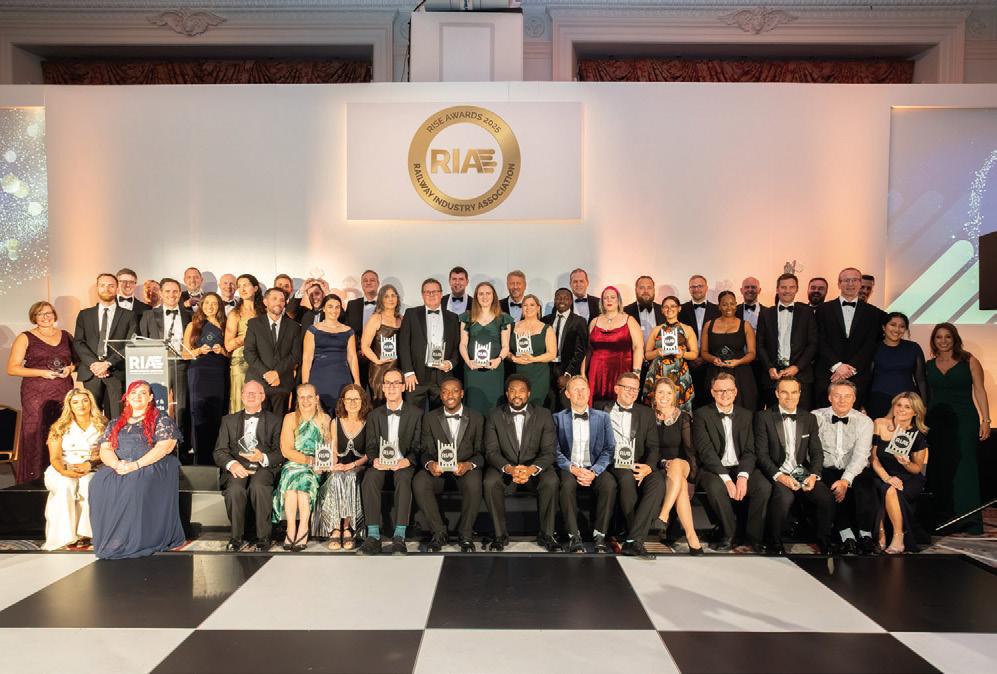
RISE Awards previously and was honoured to win the Client of the Year Award in 2023.
“It is a great opportunity to recognise excellence among rail suppliers and to network with the railway industry in a convivial setting. I’m really looking forward to addressing the Dinner on the night.”
Aurélie added: “For attendees, the RIA Dinner & RISE Awards 2026 offers a rare opportunity to step back from day-to-day operations and celebrate the progress being made across the rail sector.
“It is an evening that recognises not only outstanding projects and initiatives, but also the collaborative spirit that underpins the industry’s continued development.
“With expectations high and the calibre of finalists stronger than ever, this year’s ceremony promises to deliver a memorable evening – one that highlights excellence, fosters connection, and reinforces the vital role of the rail supply chain in supporting the UK’s transport ambitions.”
Application of Digital Technology Award – AECOM, Assertis, Cerclos, Cranmore Consulting Limited, CrossTech, Infinitive Group, LNER, Peninsula Transport STB, Rail Delivery Group, Resonate, Ultrabeam, Window Seater. Client of the Year Award – Alex Hynes, Huw Edwards, Liz Baldwin. Equality, Diversity & Inclusion (EDI) Award – AtkinsRéalis.
Employee of the Year Award – Kathryn Duncan, Sooyash Dosonyee.
Employer of the Year Award – Railway Project Service Consulting Ltd, Telent Technology. Innovation Award – Alstom, Clarus Networks Group, CML Civil Engineering, Electro Automation, Enable My Team, Gripple, Knorr-
Bremse Rail Systems, Machines With Vision, PA Consulting, Peninsula Transport STB, Translink NIR, Transmission Dynamics.
Partnership Award – AECOM (Led by Northumberland County Council, key partners include Network Rail, Department for Transport, Northern Trains, AECOM, SLC, Morgan Sindall Infrastructure, CRSA, Siemens Mobility and AMCO Giffen); Angel Trains UK Ltd (Partnered with Transmission Dynamics, Network Rail, West Midlands Trains and Avanti West Coast.
Supported by Siemens and Alstom); Bidvest Noonan (Partnership with TransPennine Express); Cerclos; First Travel Solutions; Fuel Learning (Partnered with Network Rail); JurnyOn (Partnered with Transport for Wales); Learn Live; Motion Applied (Partnered with
Around 400 people attended last year’s event, which included a keynote from Sir Andrew Haines OBE who was awarded a Personal Contribution Award, and saw Nick Millington MBE awarded Client of the Year for his leadership and collaborative approach as Route Director for Wales & Western at Network Rail.
Speaking at the awards last year Darren Caplan, RIA Chief Executive, said: “These Annual RISE Awards are a strong reminder of the high levels of talent and innovation operating right across the UK rail supply chain, and an occasion such as this really does help showcase the very best practice taking place over the year.
“The evening also demonstrates the significant role rail supply plays in generating economic growth, boosting social mobility, and delivering a better and more sustainable rail as the UK rail landscape changes with the establishment of Great British Railways.”
Peninsula Transport, Great Western Railway (GWR), Network Rail, Hitachi Rail); Project Leaders Ltd; Rail Gourmet UK Ltd; Universal Signalling (Partnered with Mobius Networks, Network Rail, Transport for Wales).
Rising Star Award – Aamir Zahabi, Aimee Pilling, Ben Goodyear, Caitlin Richardson, Charlotte Trevillion, Hamish Kuperus, Niall Mulvenna, Paloma Daniel, Sam Wadsley.
Safety Award – AARC Professional Services, Assisting Success Limited, J Murphy & Sons, RailSense Solutions Ltd.
SME Growth in Rail Award – MoniRail Ltd, Railway Project Services, TeamBA.
Wellbeing Award – Cleshar Contract Services Ltd, QTS Group.



The Railway Industry Supplier Excellence (RISE) Awards celebrate the talent and achievements of the UK rail supply community.
The ceremony will take place at RIA’s seventh Annual Dinner on 25 June 2026.
The evening will be hosted by popular magician and presenter Ben Hanlin, who has appeared on numerous television shows.


Andy Lord, Commissioner of Transport for London, will be delivering a keynote speech. Andy is responsible for delivering the safe and reliable transport systems that keep the capital moving.





Scan or visit



www.riagb.org.uk/RISE26












Paul Welford, Major Projects Director at Nexus, discusses three major programmes that will transform the Tyne and Wear Metro
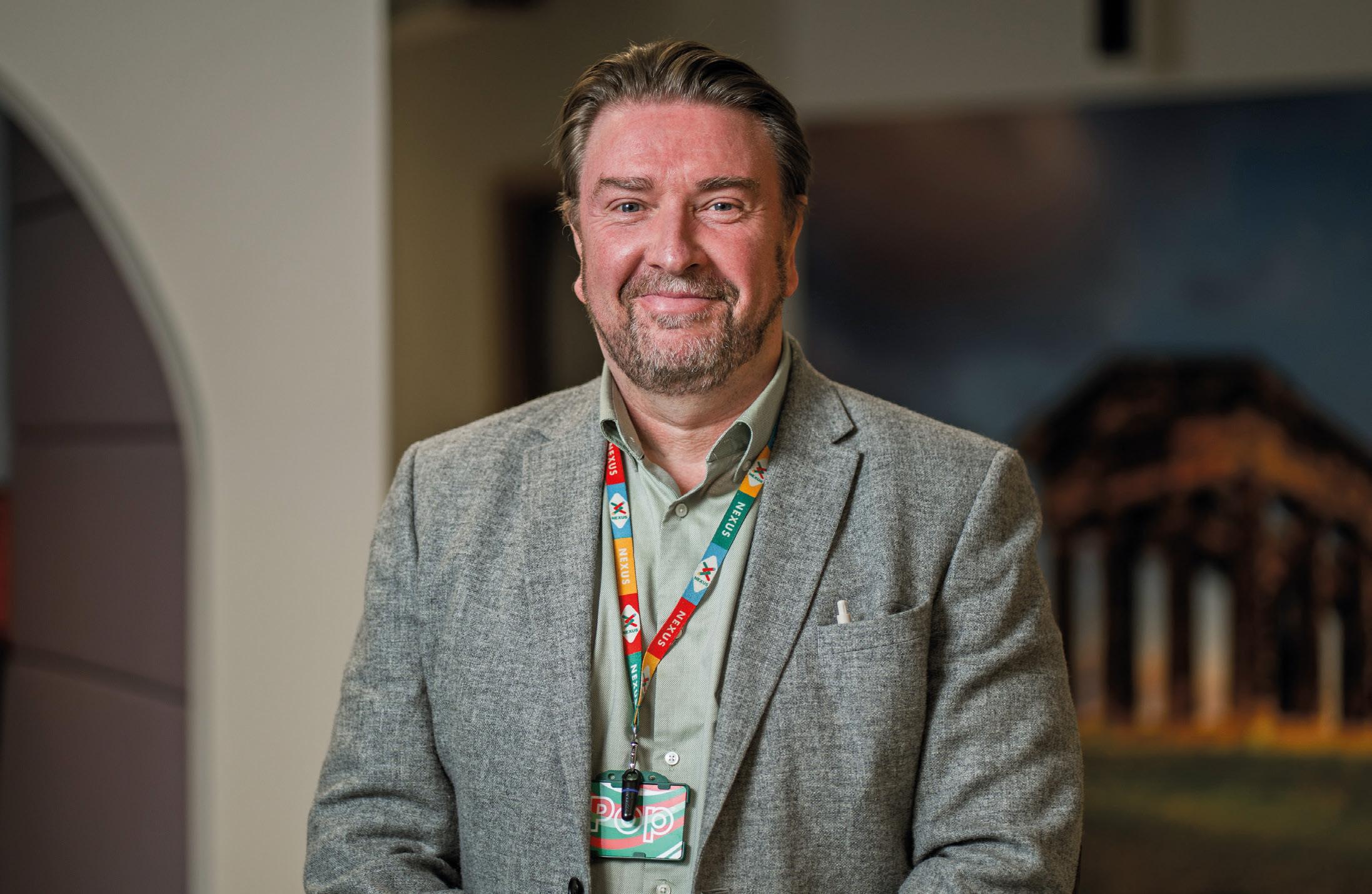
With the direction of travel set for the Tyne and Wear Metro, ensuring the plans stay on track falls to Paul Welford. As Nexus’ Major Projects Director, he oversees the delivery of projects spanning across rail, bus and ferry infrastructure.
It is a challenge he is more than up for, with experience in the design and implementation of large infrastructure projects through leadership roles with major consultancies in the railways and Network Rail, all matched with a passion to ensure successful delivery knowing the impact the work has on so many lives.
“There’s real satisfaction in turning development into infrastructure in the ground and seeing that output,” Paul explained.
“I’m driven by delivering these projects but then also thinking about the wider benefits that they bring to the region, and that is a pride shared by everyone else I work with.”
Paul joined Nexus last September after more than seven years at Network Rail, latterly as Programme Director (Strategy).
“Scale-wise you are talking fewer than 1,500
people at Nexus compared to approximately 40,000 at Network Rail,” he said.
“At Nexus you’re at the coalface, able to influence the direction of travel of the business and the impact it has on the region.
“I’m sat around the senior leadership team table working directly with operations and infrastructure and all other functions. The organisation is condensed into a smaller scale Great British Railways, where we’ve got track and train together in one place.
“That is what attracted me to the role, along with the major projects in flight with the Metro extension to Washington, a major re-signalling scheme, and quite a significant renewals portfolio on top of that.
“Another layer to that is it is truly multi-modal, with my team delivering infrastructure projects in the rail metro environment, but it also includes bus infrastructure and we’re delivering a new ferry landing as well.
“There are challenges, but with that comes the excitement of the impact of our work.”
Nexus is the Tyne and Wear Passenger Transport Executive and administers funds on behalf of the Joint Transport Committee of the North East Combined Authority. It is the delivery body for creating a world-
class public transport network envisaged by North East Mayor Kim McGuinness, these three major programmes are critical to that mission.
One of the major projects currently being worked up is the extension of the Metro network from Pelaw through to Washington. North East Mayor Kim McGuinness announced funding for the project in June last year, paving the way for the first extension to the Metro system for 30 years.
It involves a 13km extension using former railway alignments, including part of the Leamside Line, linking existing stations at Pelaw and South Hylton (where the existing service stops on Network Rail infrastructure) via Washington.
“At the moment we are envisaging three new proposed stations between Pelaw and Penshaw,” Paul explained. “There is also Network Rail’s Victoria viaduct which crosses the River Wear to incorporate, although there’s very little actual track on the route anymore.
“From Penshaw, we’re looking at options on the route to the south of the Wear through to South
Hylton, which could be around an existing bridleway or something a bit more independent to that.”
Metro to Washington forms a key part of the Mayor’s vision to transform local transport and create an integrated network spanning the region.
The work is seen as a key step towards the full reopening of the Leamside Line, with the North East Combined Authority currently examining the feasibility of reopening the section from the River Wear down to Ferryhill.
“Joining the two schemes together to reopen the full Leamside corridor wouldn’t only provide access and opportunities to the locations along the route, but also has the potential to alleviate capacity issues on the East Coast Main Line in various scenarios for freight and passenger use,” Paul said.
“While we are striving forwards on the Washington extension, we’ve got a close connection to the wider Leamside project and all of the benefits that brings to the southern part of our region.”
Metro asset renewal programme
Paul spoke to Rail Director ahead of a five-day major line closure this month, which will see 3,200 metres of new overhead wire installed on a busy section of Metro line serving South Tyneside.
It’s part of the organisation’s Asset Renewal Programme, which involves the modernisation of key items of Metro infrastructure, including tracks and overhead lines. As part of a new philosophy of fixed area planning, other work taking place includes track engineering, signalling maintenance, structural inspections, station maintenance and lineside estate management.
“Basically, we take chunks of the network out at distinct periods and do as much work in that period as possible,” he explained. “This is to minimise disruption to our customers while essential work take place.”
Alongside the ongoing delivery of asset renewals, Paul hopes an integrated transport settlement as part of Transport for City Regions funding will provide enhanced funding certainty from 2027 to 2032. This will result in better longer-term planning and efficiency when it comes to infrastructure renewals and managing the replacement of assets.
“Assets have a finite life so we need to plan in their renewal and repair, with the programme involving
a whole range of things such as track, structures, overhead line equipment etc,” he said.
“There’s also a lot of power and distribution work in our programme, so we need to go through a level of prioritisation to make sure we are spending the money on the right things over the five-year horizon.
“It is subject to approval, but we have proposed quite a significant programme of asset renewals that take us to 2032. It allows us to plan ahead better, make sure we’re engaged with the market better, ensuring we have the right partners on board and can deliver that portfolio much more efficiently.
“Funding certainty delivers workload certainty, and delivers more partnerships and efficiency.”
Metro Go – full system resignalling There is also work underway on a replacement signalling system, with obsolescence for some of the components already proving an issue, and the current system, some parts of which date back to the 1980s, expected to be unviable by 2030. The Metro Go project will replace the signalling system with a modern, technologically advanced system.
“It’s not possible to renew the signalling system in a piecemeal fashion, we’re dealing with a legacy signalling system that is reliant on parts that can be a struggle to get hold of,” Paul explained.
“Coupled with that, there’s a skills risk because there’s an element of specialist knowledge that goes into maintaining this legacy system.”
Highlighting its importance, Paul said that around 60 per cent of the infrastructure-related faults are to do with the signalling system. To address this ongoing risk, an outline business case is being developed this year for the resignalling project, with engagement via technical partners also due to take place in the short term.
“By the end of this year we will have a business case that supports a preferred direction in terms of technology and then we will work on future stages with contractor partners,” he said.
“Further market engagement sessions for Metro Go, the Metro extension to Washington and the renewals portfolio will take place during the summer. We’ll be interested in the views of the market on the operating model that most effectively delivers these programmes.”
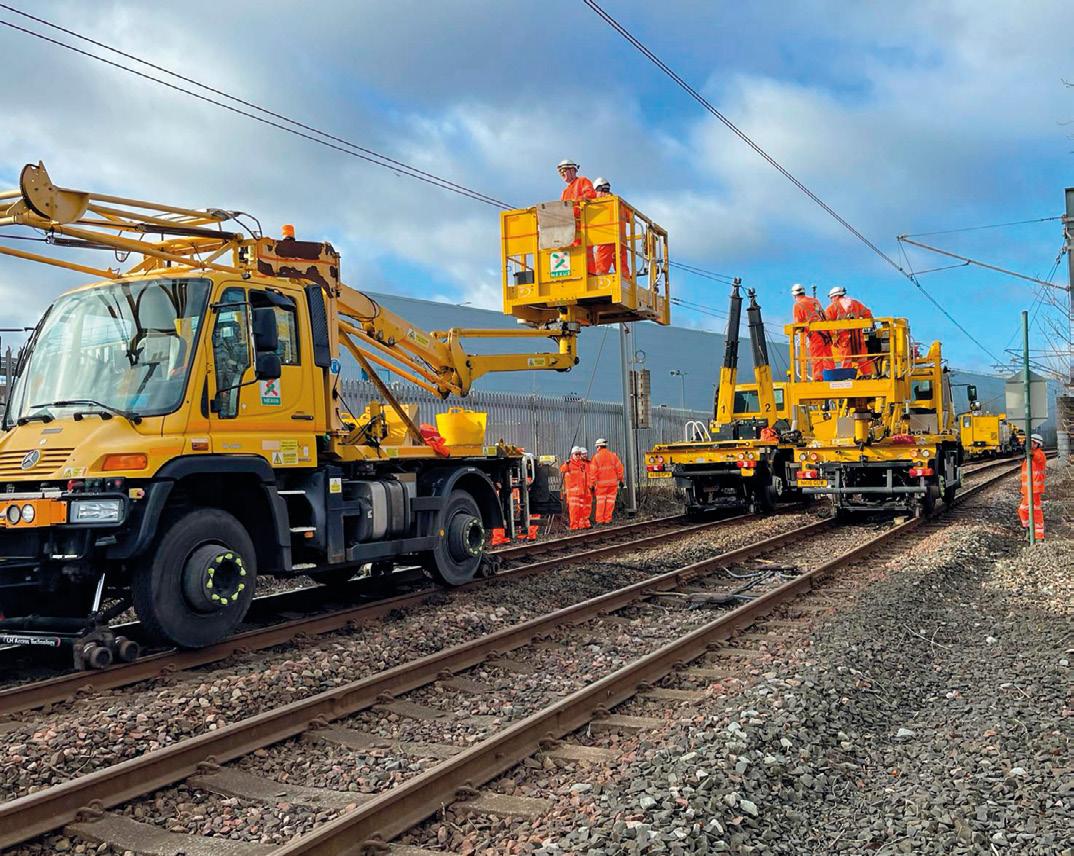
I’m driven by delivering these projects but then also thinking about the wider benefits that they bring to the region, and that is a pride shared by everyone else I work with
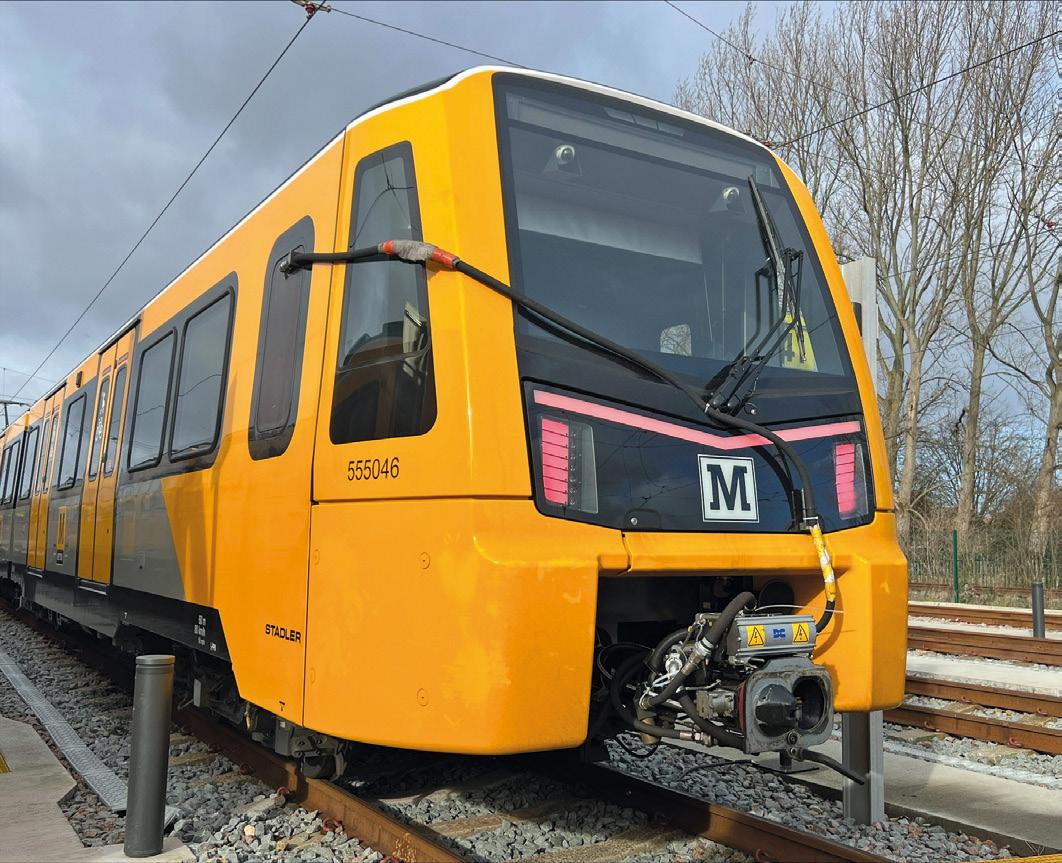
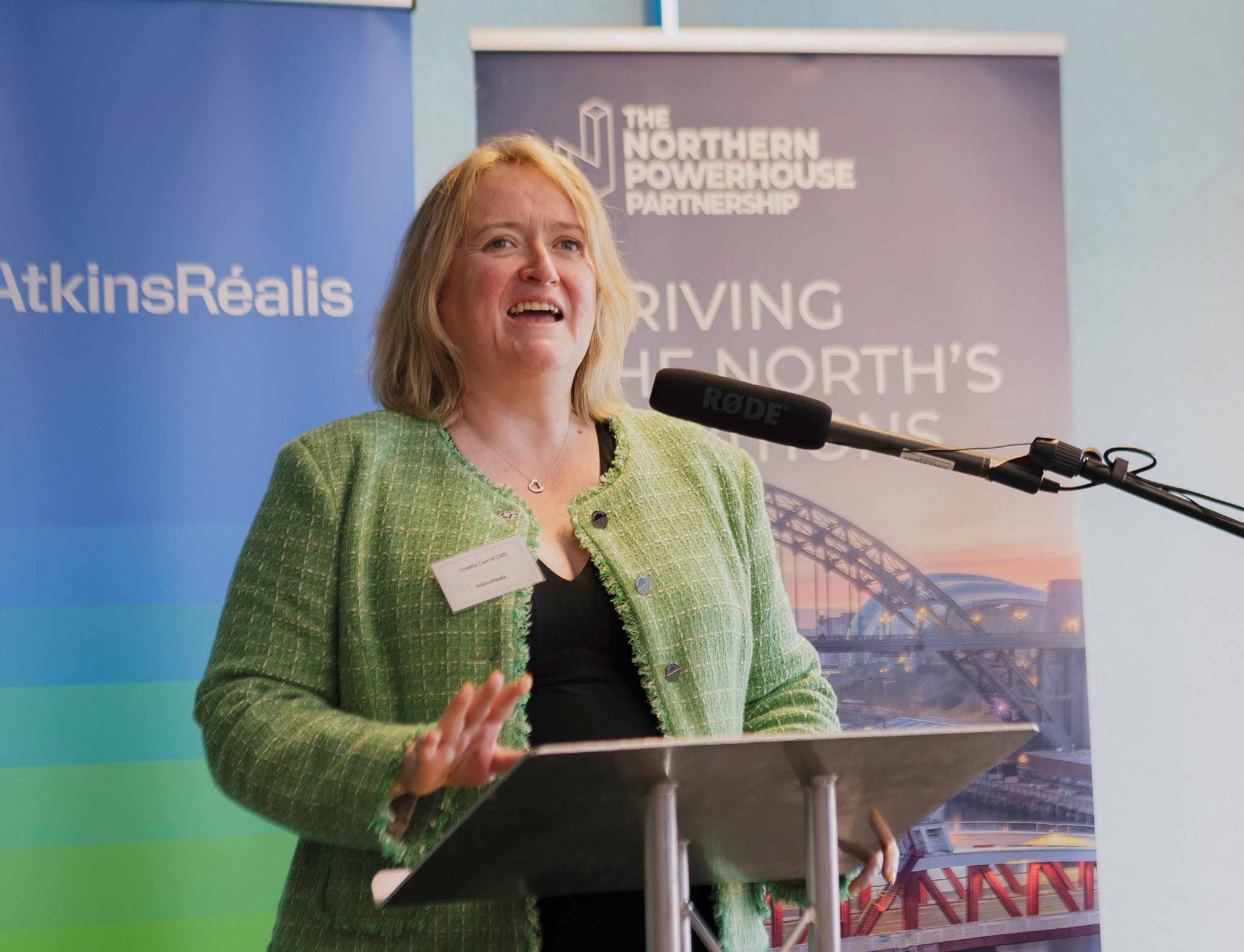
Colette Carroll has been appointed AtkinsRéalis’ new Global Market Lead for Rail. She has previously served as the organisation’s Managing Director of UK & Ireland Transportation market since late 2023
How does it feel to have been appointed AtkinsRéalis’ Global Market Lead for Rail?
Rail has been at the centre of my career for more than two decades, so taking on this role at a time of sustained global investment in the sector is a real privilege. AtkinsRéalis has an extraordinary depth of capability across the full rail lifecycle.
It is great to have the opportunity to bring more of that to bear for clients around the world at a time when there’s increasing awareness of how rail and connectivity influence economic outcomes. I’m extremely motivated by the fact better rail networks change how people access jobs and leisure, how businesses move goods and how regions grow.
What are the biggest changes moving into a Global Market Lead for Rail?
My new role is about how we bring decades of experience, knowledge and expertise into local projects around the world to support clients to plan and deliver complex programmes and navigate transformation in the sector. As Managing Director of Transportation for UK & Ireland, I led a team of more than 3,000 professionals delivering rail, highways and local transport projects, including programmes like East West Rail and the Midlands Rail Hub.
Given the depth of our UK expertise, we also supported rail clients in the Middle East and North America, so I’m familiar with our global business and rail projects we’re delivering around the world. This
role gives me the opportunity to bring the best of our business to our rail clients, no matter where in the world.
What are the biggest differences/ similarities to working in the UK rail market, compared to the oversees rail market?
Clearly, we’re facing some specific challenges in the UK around maintaining and extending the life of Victorian-era infrastructure – keeping a railway running while you modernise it is a discipline in itself. Different regions have different needs, from newbuild railways and asset management to adopting technology across the full lifecycle.
But whether planning and delivering new railway assets, improving railway operations and maintenance or managing existing assets, there are common needs in all our rail markets. How do we continue to provide safe, secure, efficient rail assets and services that let communities and economies thrive?
Highlight some of the global projects you are working on?
AtkinsRéalis’ rail portfolio speaks for itself – Alto in Canada, the Midlands Rail Hub in the UK, the Federal Way Link Extension in Washington State, and Dubai Metro, the longest automated driverless train system in the world. My role is to help us to continue to deliver excellence in our rail programme and ensure we’re positioned to deliver the next generation of programmes.
What is going to be the key in ensuring AtkinsRéalis remains a global leader?
Rail is one of AtkinsRéalis’ largest and most established markets, so the foundations are strong. The key is connecting our capabilities across regions. We have deep expertise in design, engineering, project delivery and O&M (operations and maintenance), but the real value for clients comes when we can draw on all of that.
The Global Market Lead role is designed to make sure a client in North America can benefit from what we’ve learned on high-speed projects, or lessons from the Canada Line inform how we approach a new automated system elsewhere.

What are your aims and aspirations?
To build strategic partnerships that position AtkinsRéalis for long-term growth in rail, and to make it easier for clients to access the full range of what we offer. We want all our rail clients to be able to access the full suite of our global capability and experience.
It is just such an exciting time to be working in the rail market. There is so much demand for safe, efficient, secure rail services – and how we are combining great technical expertise with technology genuinely excites me. Engineering a better future for our planet and its people is the heart of our mission and I am optimistic that we have a whole new generation who are totally focused on that mission for our clients.
Finally, just a reflection on your sense of pride working on these projects – what is the key in them being successful?
There is no prouder feeling for me than working on meaningful rail and infrastructure projects. Whether that is seeing new houses, schools and communities developing around stations we have designed, or seeing the connectivity that allows people to better access education and job opportunities, or seeing rail wagons moving essential freight around the network. You know your work makes a tangible difference to communities and economies.
And then there is the pride I have when I am out on site or in clients’ offices, seeing the great work our teams do, and the fantastic careers they are forging. It’s a privilege to have this role and be able to help clients and colleagues shape the future.

We have deep expertise in design, engineering, project delivery and O&M, but the real value for clients comes when we can draw on all of that










WSP has appointed Andrew Doyle as Country Director for Ireland. He joins WSP from Egis, bringing more than 30 years’ experience delivering major road and rail programmes across Ireland
Congratulations on your appointment –what attracted you to the role?
Thank you, it’s a role I’m genuinely excited about.
What drew me to WSP was the combination of its global capability and the opportunity to help shape something very tangible here in Ireland. WSP has a strong reputation in rail and infrastructure internationally, but what really appealed to me was the opportunity to help define what that looks like locally over the next number of years.
The timing also felt right. Ireland is at a pivotal point in terms of infrastructure investment, particularly in rail and public transport, and there’s a real opportunity to contribute to projects that will have a lasting impact on how people live and move. Being in a position to influence that, and to be part of a team and culture that can deliver it, was a big attraction.
On a personal level, after 30 years working across major programmes, I was looking for a role where I could bring that experience to bear in a broader leadership capacity, not just delivering projects, but helping shape strategy, develop people, and position a business for the future. This role brings all of that together.
Having delivered major road and rail programmes across Ireland for 30 years, what are the key learnings in delivering successful projects?
You learn quickly that projects are rarely just about engineering, they’re about people.
The biggest successes I’ve been involved in have
always come down to strong relationships and trust between clients, delivery teams, and stakeholders. When that’s in place, challenges get solved much more quickly and constructively.
I’ve also seen the value of building the right team around a project. Not just technically strong people, but people who are willing to take ownership, communicate openly, and keep the bigger picture in mind. That makes a huge difference, particularly on complex programmes.
Experience has taught me to think beyond delivery. The best projects are the ones that stand the test of time, where sustainability, resilience, and long-term value are considered from the outset, not added in later. That mindset is becoming even more important as expectations around infrastructure continue to evolve.
How excited are you about the opportunities in Ireland, particularly for rail?
I think it’s a genuinely exciting time for rail in Ireland, probably one of the most significant periods of investment and ambition we’ve seen in decades.
When you look at the scale of what’s planned, it’s very remarkable. Programmes like DART+, which will treble the electrified network in the greater Dublin area, and MetroLink, being progressed by TII, will fundamentally transform how people access the city and airport.
And it’s not just Dublin. The Cork Area Commuter Rail programme, Limerick to Limerick Junction upgrade, and plans to reopen the Western Rail
Corridor show a continued commitment to investment in the rail network.
What stands out to me is not just the scale of what’s planned, but the intent behind it. There’s a clear recognition that rail has a central role to play in how we address some of the big challenges ahead, whether that’s decarbonisation, reducing congestion, or supporting more balanced regional growth.
Rail offers something unique in that regard. It’s a proven, high-capacity, low-carbon mode of transport, and when it’s done well, it can really transform how people connect with cities and regions.
Having worked in the sector for many years, it’s encouraging to see that level of commitment. The opportunity now is to turn that ambition into delivery, and that’s where the real focus needs to be. If we can do that well, the long-term benefits for the country will be significant.
For me, the priority is to really listen and understand our people, our clients, and the opportunities and challenges in the market. That’s essential in setting a clear and realistic direction.
Over the first 12 months, my focus is on helping to build a strong, aligned team and making sure we’re set up to support our clients effectively on the programmes that matter most. That means bringing the best of WSP’s global expertise into Ireland, while also continuing to grow and develop our local capability.
Practically, that’s about joining up our capability across planning, rail systems, civils, environment and
consents so clients get one integrated team around the full lifecycle of a programme – and applying the lessons we’ve learned on major rail projects internationally to help de-risk delivery here. The application of proven systems engineering on major programmes, like the Elizabeth line in the UK, is just one way we are helping to navigate complexity for our clients.
I’m also keen to strengthen relationships across the sector. A lot of the challenges we face, particularly in rail, are complex and long term, and they require genuine partnership between clients, consultants, and contractors.
In terms of aspiration, it’s about positioning WSP as a trusted partner in delivering Ireland’s infrastructure ambitions. Not just in terms of technical delivery, but in helping shape solutions that are sustainable, practical, and deliver real value over the long term. Alongside that, helping to build a business where people want to work and develop their careers, because ultimately, that’s what underpins everything else.
From a leadership perspective, how do you get the best out of your team?
For me, it starts with trust.
People do their best work when they feel trusted to take ownership and make decisions. My role is to set a clear direction, create the right environment, and then give people the space to get on with it, while being there to support when it’s needed.
Culture is a big part of that. I think it’s about
creating an environment where people feel comfortable speaking up, challenging ideas, and learning from each other. You don’t get the best outcomes if everything is top-down.
Developing people is also something I place a lot of importance on. I’ve been fortunate to work with great teams over the years, and a big part of leadership is helping others grow, giving them opportunities, backing them, and recognising their contribution.
That really matters. Taking the time to acknowledge good work, whether it’s a major milestone or something smaller that made a difference, goes a long way in building a motivated and committed team.
On tougher days, what is it that drives you?
Like any role in this sector, there are challenging days, particularly when you’re dealing with complex projects and competing pressures.
What keeps me focused is the bigger picture. Infrastructure, and rail in particular, has a real and lasting impact on how people live, work, and connect. Being part of delivering something that improves that, even in a small way, is a strong motivator.
There’s also a sense of pride in delivery. Seeing a project come together, from concept through to something tangible that people use every day, never really loses its appeal, even after many years.
On a more personal level, living and working in Ireland, there’s an added motivation in knowing that the infrastructure we help deliver is something me,


There’s an added motivation in knowing that the infrastructure we help deliver is something me, my family, and our communities will use ourselves
my family, and our communities will use ourselves. That brings a different level of connection and responsibility to the work – you’re not just delivering a project, you’re helping shape the environment you live in. Ultimately, it’s about making a positive difference. Whether that’s supporting clients to achieve their goals, developing people within the team, or contributing to more sustainable outcomes, that’s what keeps me going.










Discover organisations that you want to do more business with. Find new rail suppliers, buyers, partners, and investment opportunities
The UK market leader in insurance solutions for railway companies. Jobson James Rail has a rail client base, currently at 1000+, growing month by month.
keven.parker@jjrail.co.uk www.jjrail.co.uk 07816 283949
A people driven consultancy specialising in complex transport and infrastructure programmes. We help reduce risk and deliver safe, efficient, sustainable outcomes across the UK and internationally.
enquiries@m3consult.co.uk www.mercury3consult.com
The Railway Industry Association – Championing a dynamic rail supply sector.
ria@riagb.org.uk
ww w.riagb.org.uk 02072 010777
We are here for all your signal sighting needs. We offer and deliver signal sighting forms, assessments and committee meetings. Working closely with client project teams, we provide clear, accurate and safe sighting decisions.
info@turnkeysignalsighting.com www.turnkeysignalsighting.com 07393 814780
Practical Asset Management for Light Rail and Urban Transit, delivering full lifecycle solutions and improvements.
Lindsay Murphy | LinkedIn LEMurphy@LEMentary.com 07714 277696

We focus on solving real-world industry problems by fusing new technology in the field of Video, IoT, Cloud, and AI.
info@onebigcircle.co.uk www.aivr.video 08458 387178

Smart Component Technologies (SCT) provide remote condition monitoring solutions for safety and performance critical assets in the rail industry.
info@smartcomptech.com www.smartcomptech.com 01223 827169
We solve your energy challenges through innovative solutions, delivery resilience, cost efficiency and sustainability to deliver a bright energy future.
enquiries@ukpowernetworks.co.uk www.ukpowernetworksservices.co.uk/rail 07938 740407

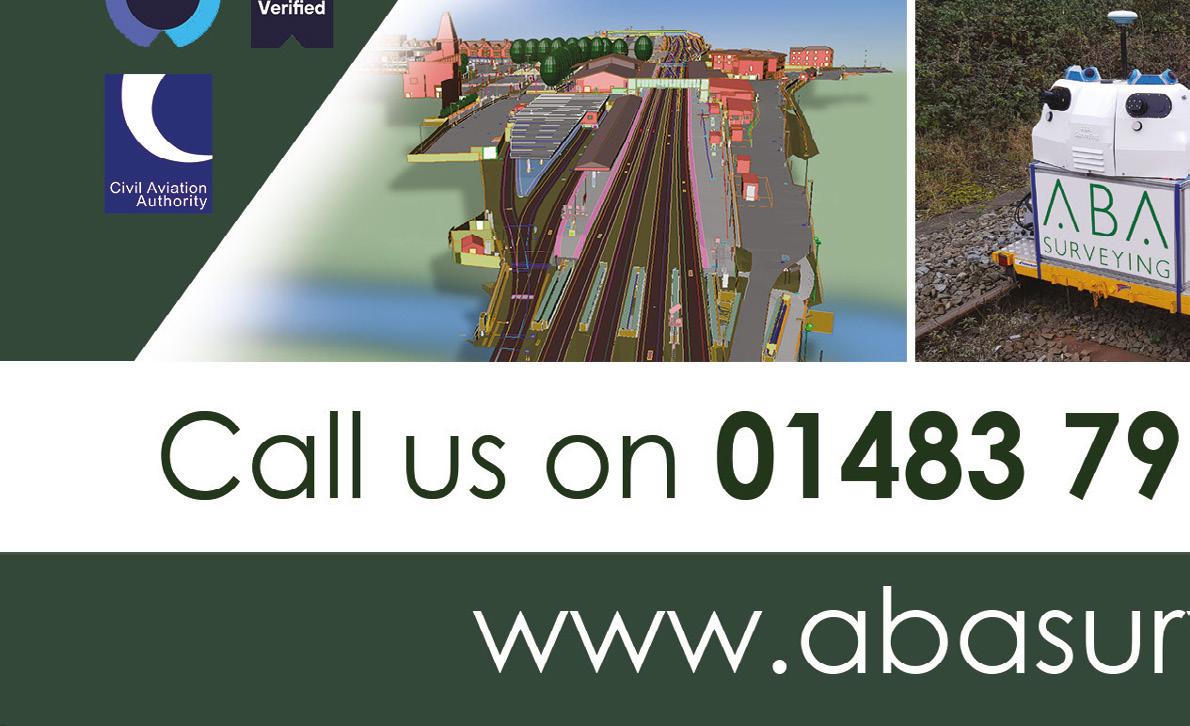
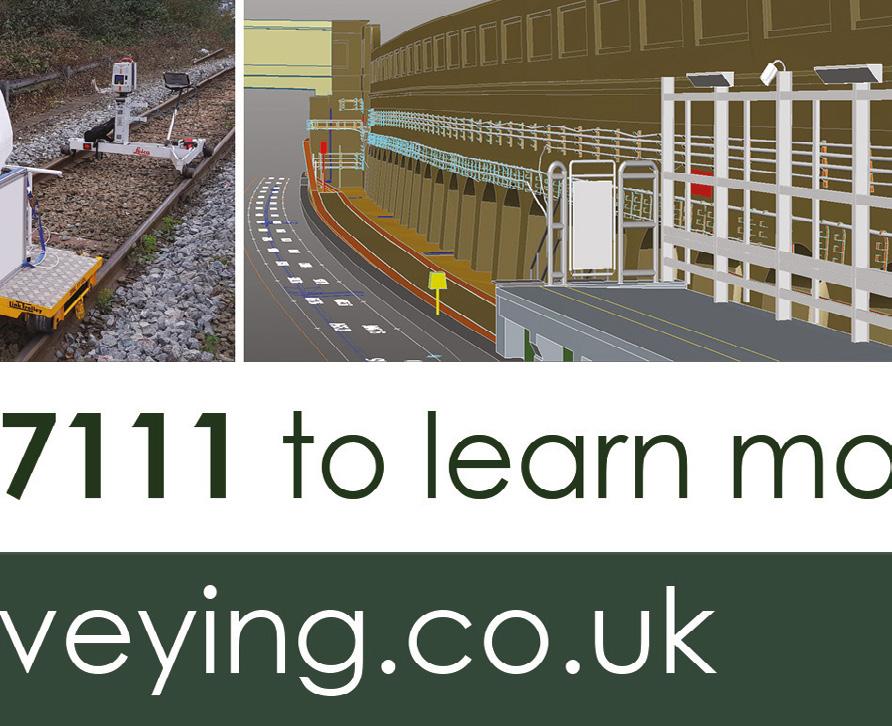

Toufi c Machnouk, Managing Director of GBRX,
rail is not inevitable, but that it requires
and clear pathways to
Bexplains how AI adoption in
deliberate action, capability,
move from potential to real-world use
ritain’s railway has launched its first ever joint AI action plan, which aims to further harness artificial intelligence to improve reliability, efficiency and passenger experience.
More than 200 rail leaders and technology experts gathered at London’s Science Museum to mark the milestone and align on a coordinated approach to AI adoption across the network.
To guide implementation, the Artificial Intelligence in Rail Action Plan has been developed following extensive cross-sector collaboration led by GBRX –the strategic technology body for Britain’s railway –establishing a more joined-up way of working as the sector moves towards Great British Railways (GBR).
The plan focuses on overcoming long-standing barriers around data, governance and skills, moving the sector beyond isolated pilots to a coordinated, railway-wide approach enabled by rail reform.
Toufic Machnouk, Managing Director of GBRX, said: “AI adoption in rail is not inevitable. It requires deliberate action, capability, and clear pathways to move from potential to real-world use.
“The action plan sets out how Britain’s railway will move from isolated AI pilots to safe, scalable, systemwide adoption. It recognises that rail is a complex, fragmented, safety-critical system where technology alone is not the barrier.
“The real challenge is not the technology itself but creating the conditions for adoption. Coordinating organisations, data, governance, skills and leadership so that AI can work in practice.
“AI adoption in rail is not guaranteed. This plan is about what it takes to make it happen.”
The plan focuses on:
Using AI to improve reliability, performance, and customer experience.
Building shared foundations such as data infrastructure, governance, skills, and commercial models.
Moving from a ‘pilot graveyard’ to real-world deployment through Pathfinders.
Embedding AI into the day-to-day work of the people who run, plan, and maintain the railway.
This is designed to move beyond a cycle of isolated pilots toward coordinated, system-wide deployment.
A new capability, the Artificial Intelligence Incubator Accelerator (AIIA), will orchestrate this across the sector.
Rail Minister Lord Peter Hendy said: “For more than two centuries, the rail industry has connected
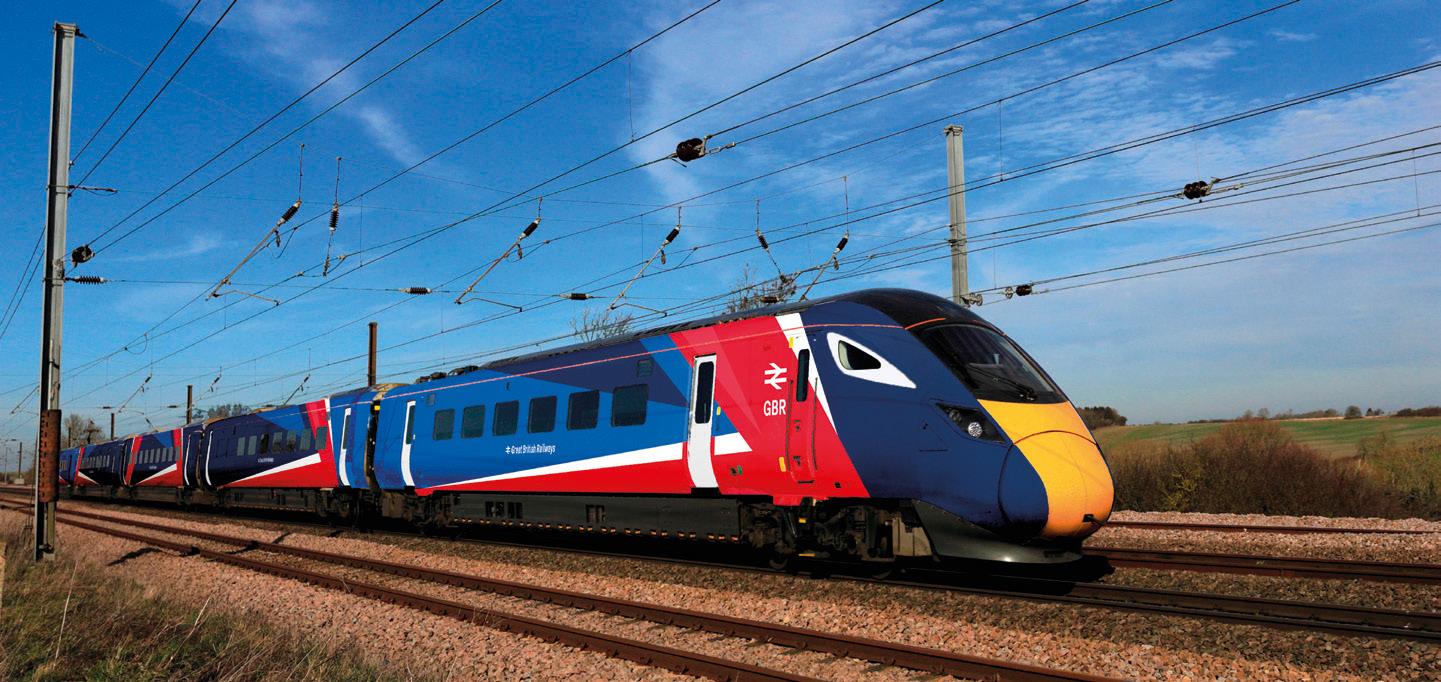
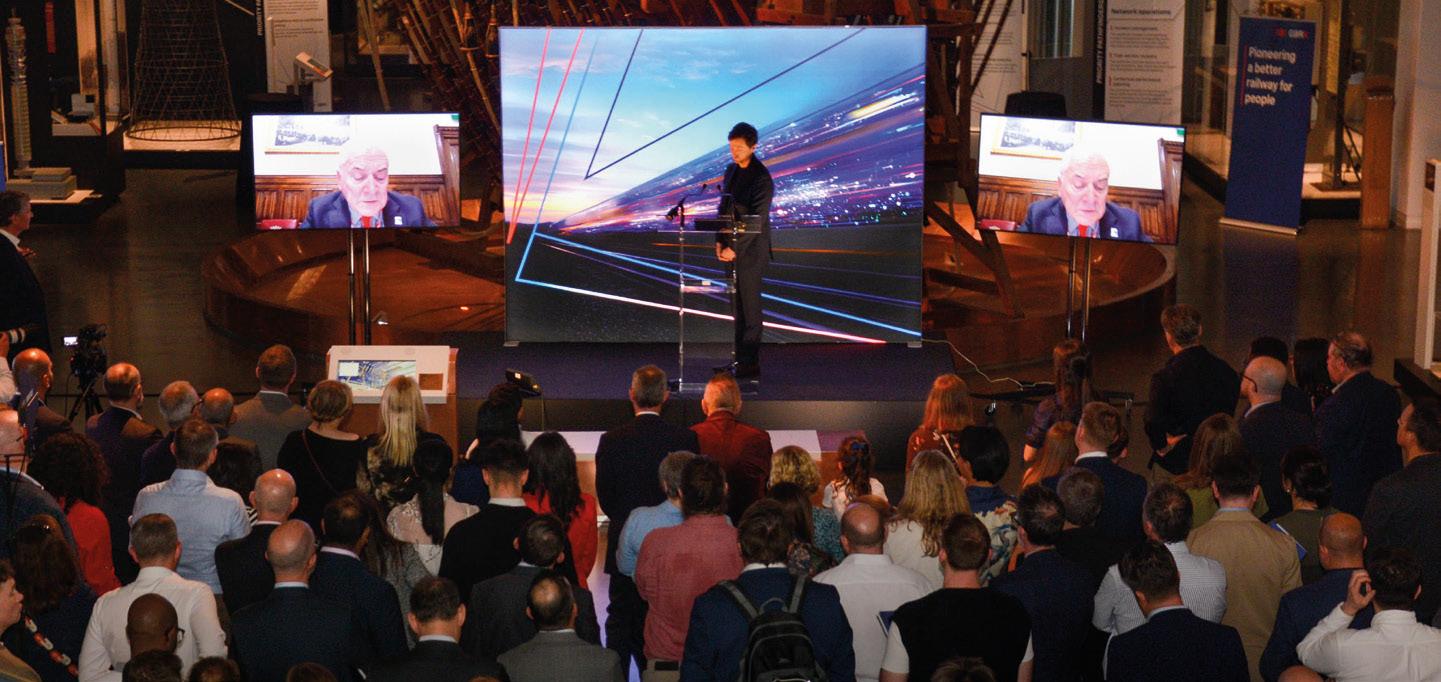
communities and driven innovation across Britain. Now, powerful new technology is redefining how we live, work and travel – and our railway must harness its potential.
“That’s why the Government published the Transport AI Action Plan last year, to seize the benefits and manage any potential risks of AI.
“It’s all part of our plan to modernise track and train under GBR, adopting world-leading technology that increases resilience to improve passenger experience while supporting growth, jobs and homes.”
AI presents a significant opportunity to improve how the railway works for people
Jeremy Westlake, Network Rail’s Chief Executive, said: “This action plan shows the rail industry at its best, coming together to deliver meaningful change as we move towards GBR.
“These technologies are already helping to improve performance and enhance the experience for passengers and freight users.
“The publication of this plan represents a defining moment for the sector, reinforcing that collaboration across the rail industry is essential to unlock the full benefits of AI, and positioning Britain’s railways at the forefront of responsible, coordinated adoption.”
Alex Hynes, Chief Executive of Department for Transport Operator, said: “Train operators and Network Rail are already using AI to retool the industry and drive improvements for passengers, bringing improved ways to manage infrastructure, services, grow revenue and improve reliability.
“The launch of a joint action plan provides industry with a roadmap on how AI can be used to make the railway more resilient and financially sustainable. This is vital if we are to deliver a better railway for everyone in Britain.”
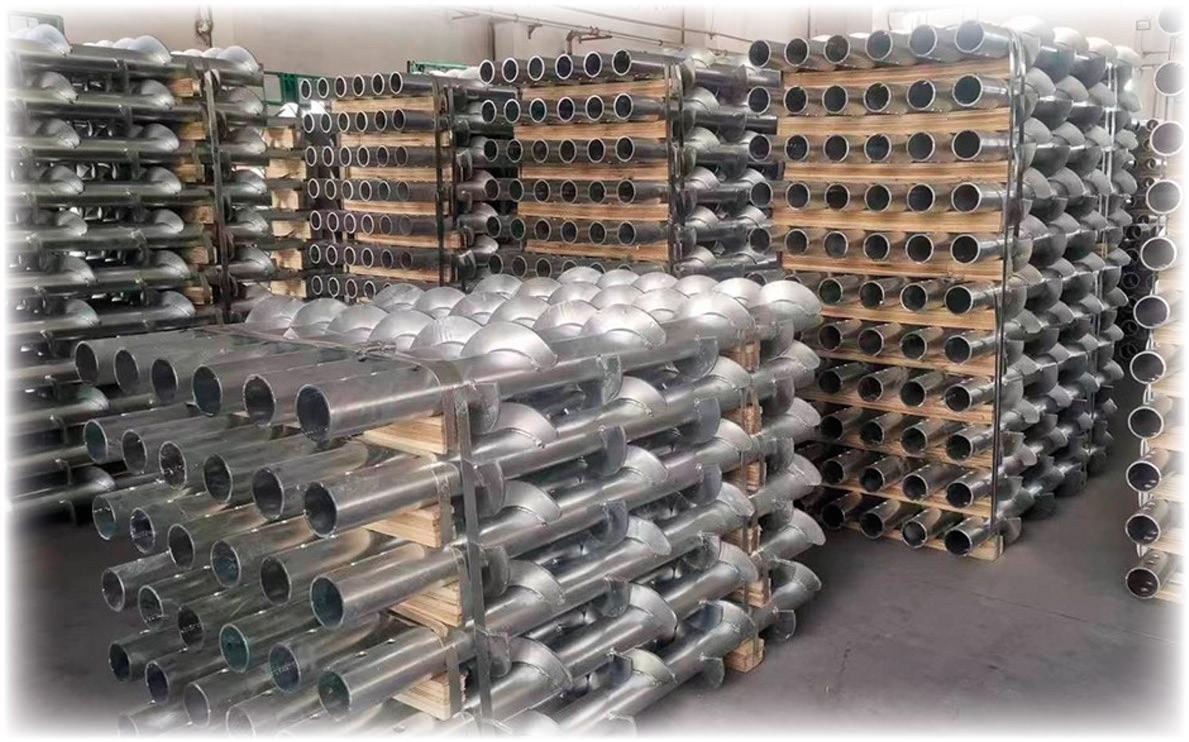
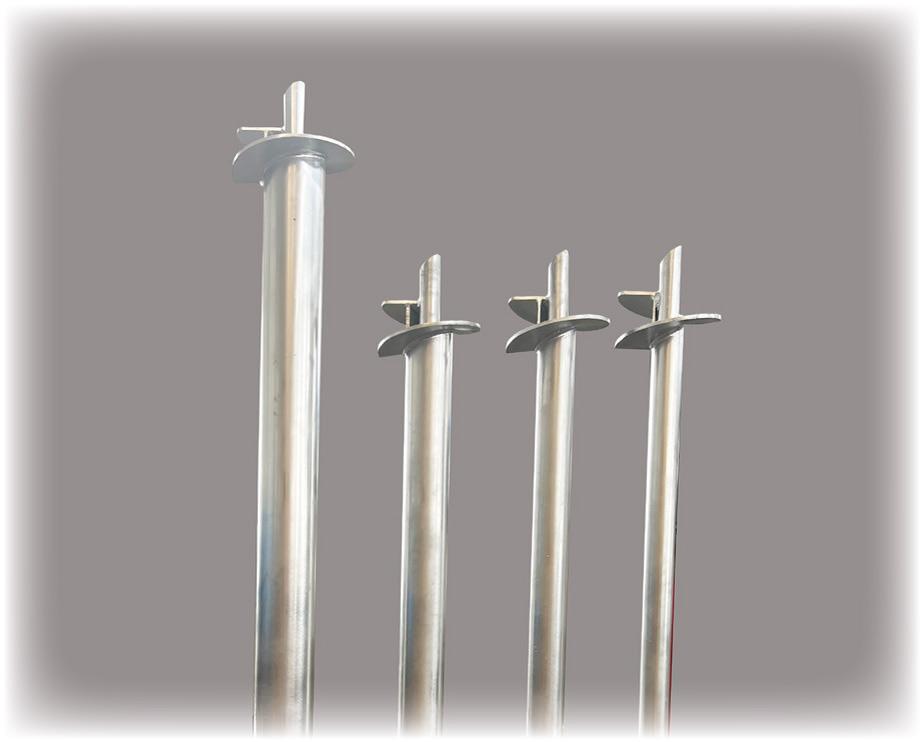
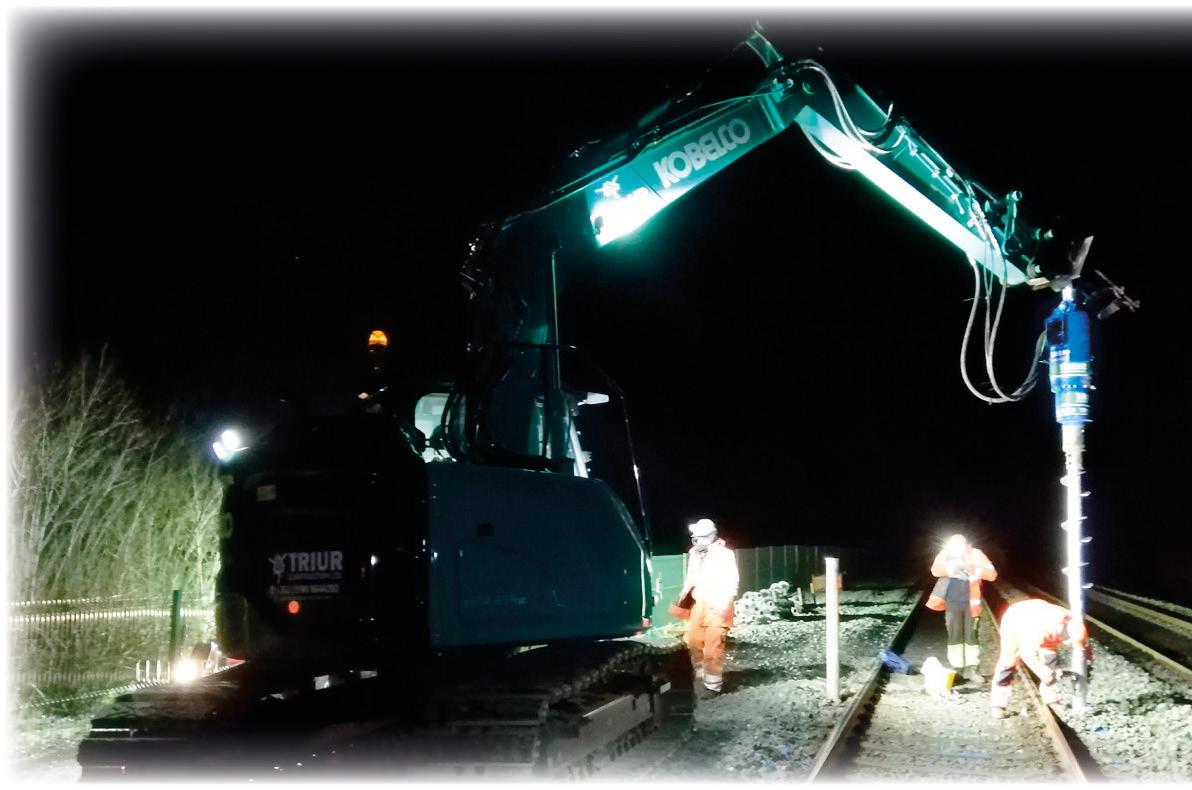

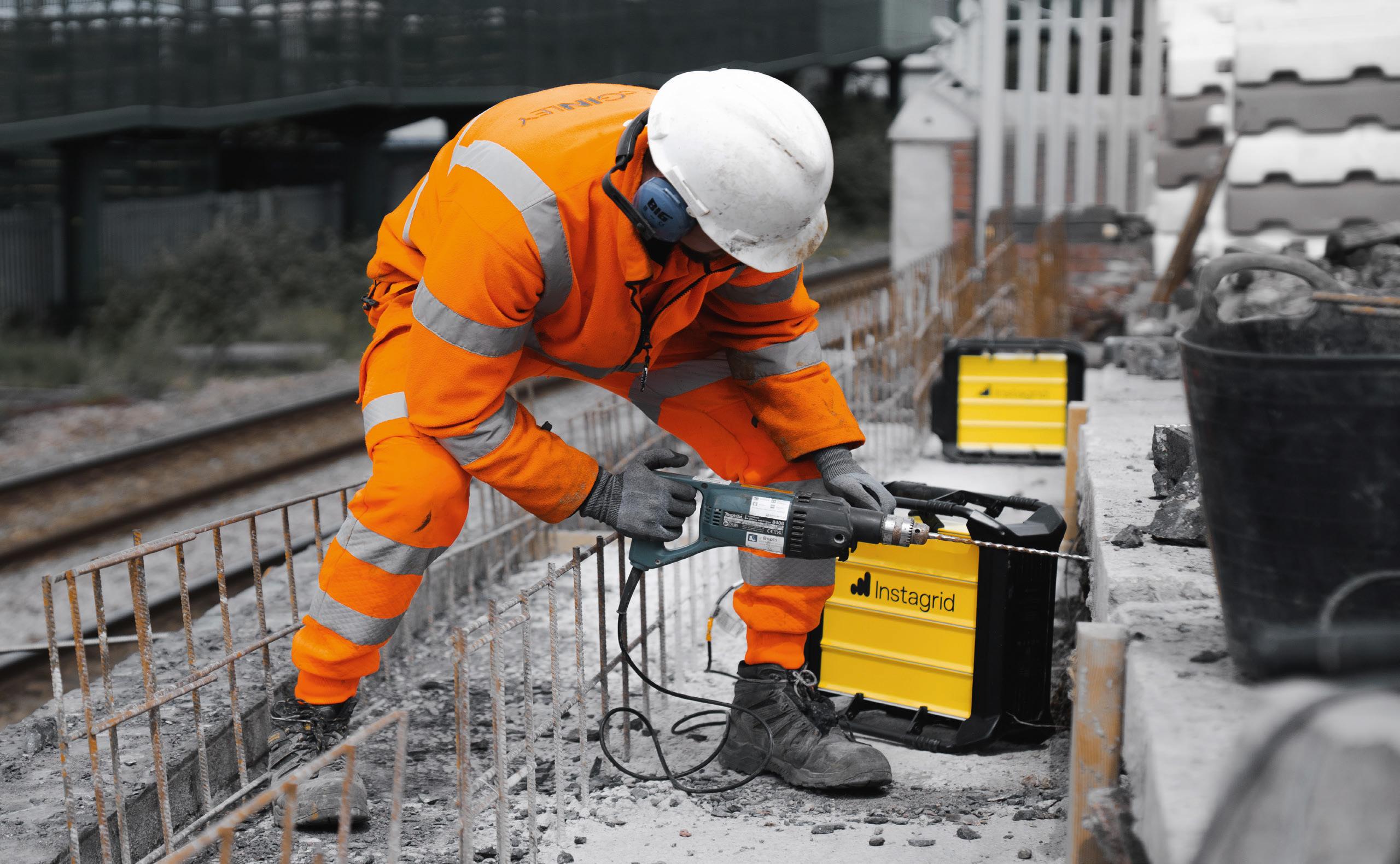
The world’s most advanced 110 V portable power station designed for professionals in the UK’s Rail Industry who need a grid-like supply in remote and off-grid locations. GO RAIL is approved for use on the UK Rail Network (PA05/08057) combining reliable performance with hand portability. Available to hire (via our rental partners) or purchase. To enquire or find out more scan the QR code.
https://instagrid.co/gb/products/go-rail