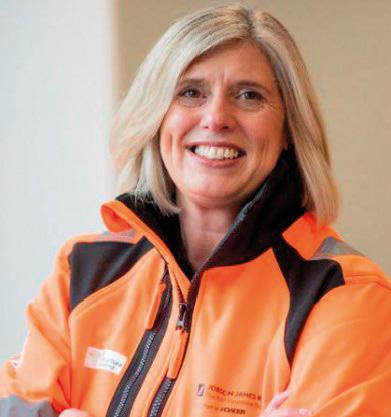
elcome to the latest edition of Rail Director. As I write this the Government has just announced its Better Connected national transport strategy, which is designed to make everyday journeys simpler, easier to pay for and more reliable from door to door.
On its launch the Transport Secretary Heidi Alexander has spoken about giving local leaders the powers to build transport networks that are simpler, more accessible and better connected, improving everyday journeys and supporting growth in every corner of the country. At the heart of this ambition has to be light rail, the theme of this month’s magazine.
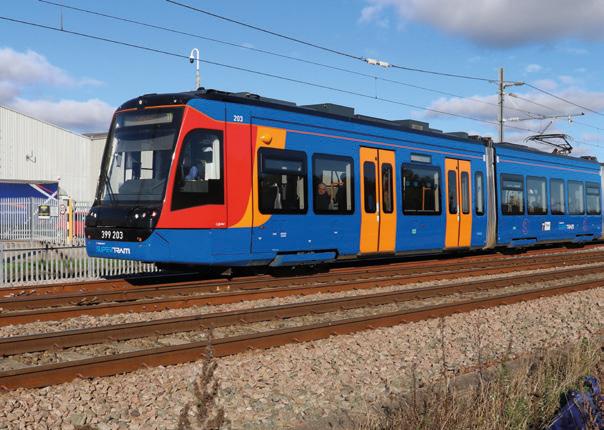
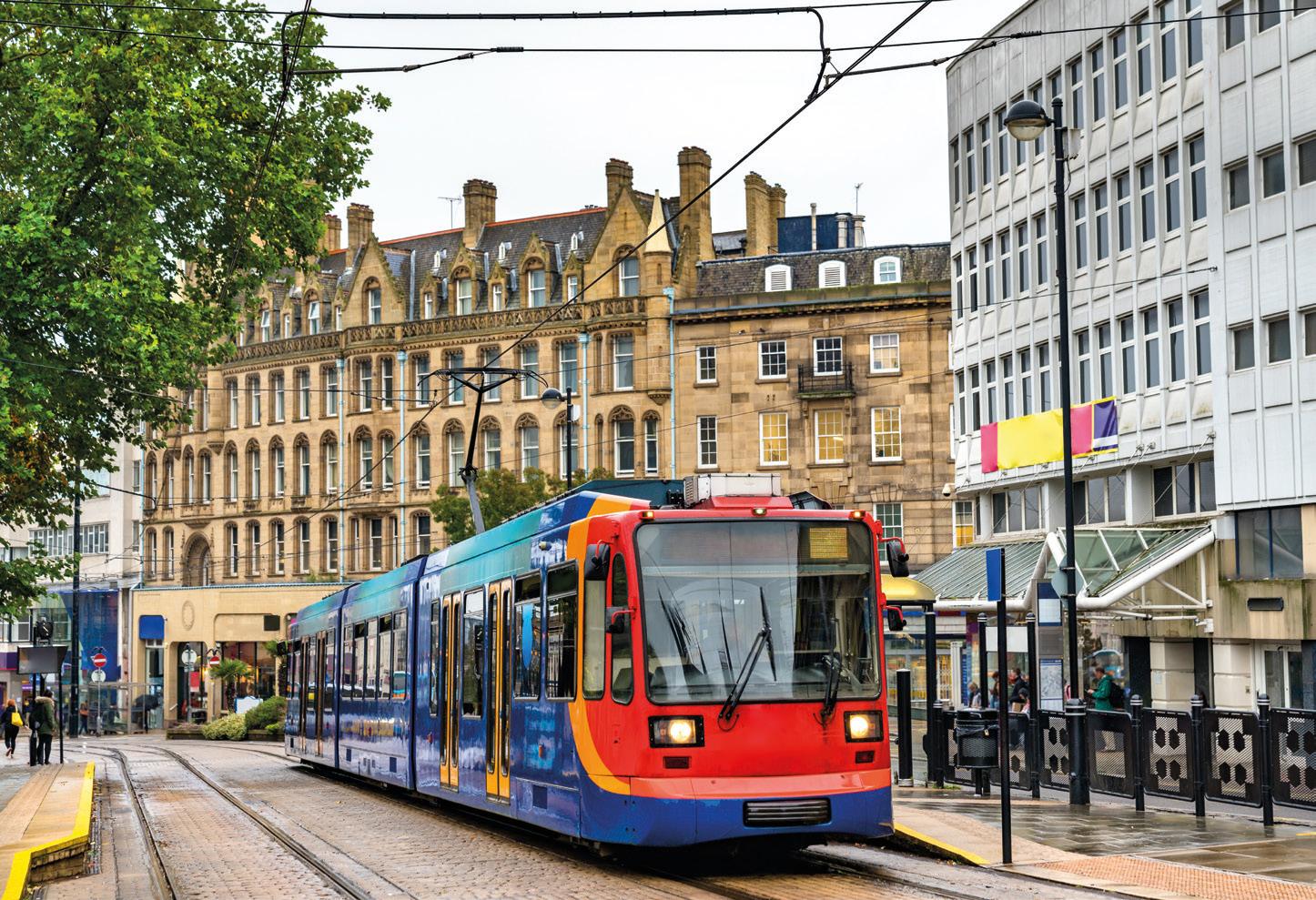
Light rail schemes are transformational, but it is a sector with a lot of untapped potential, evidenced by current systems which are going through extensions, and several proposals for new systems to be built in the UK. Carl Williams, Chief Executive of the Light Rail Safety and Standards Board (LRSSB) is predicting this year will be a landmark year for the sector, read more from page 24.
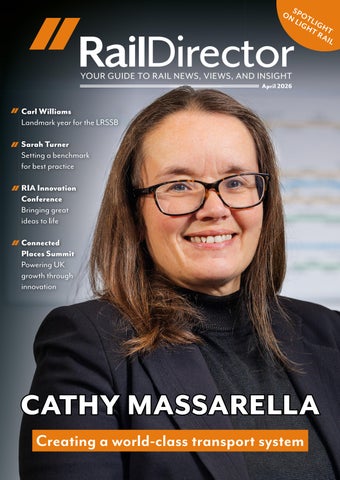
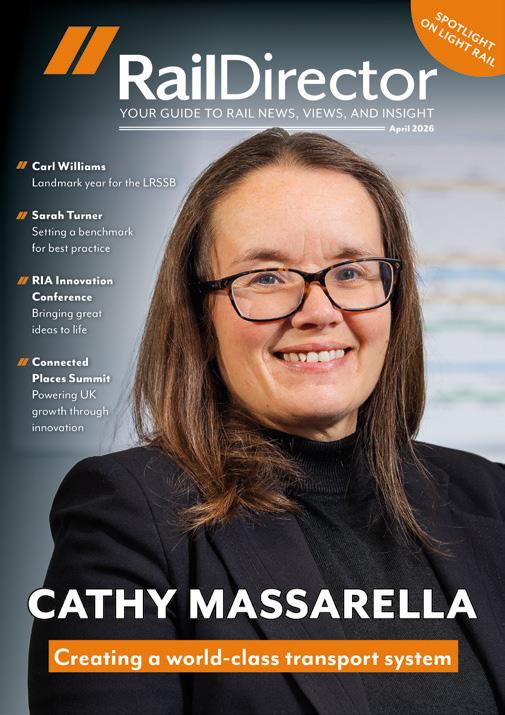
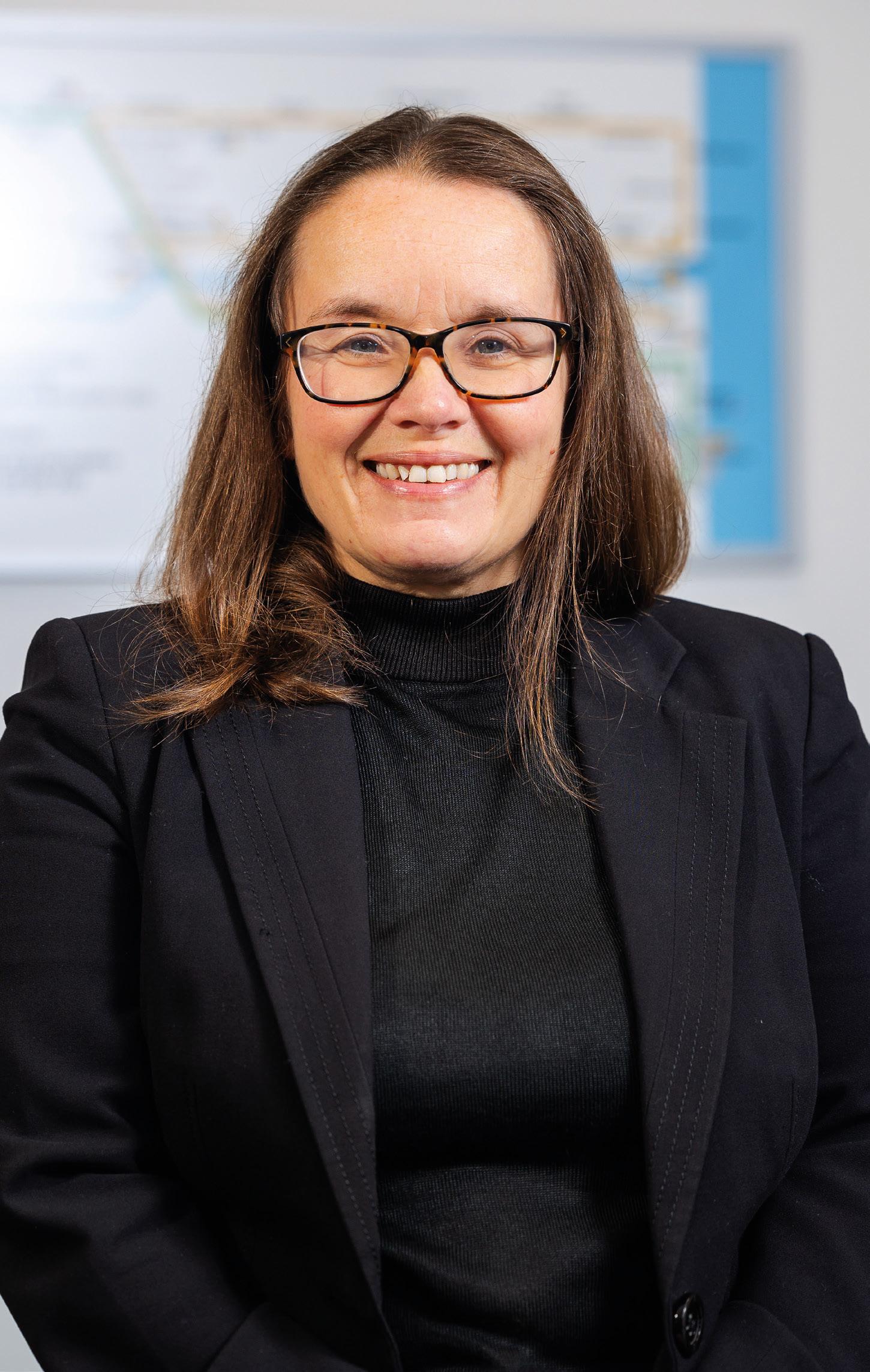
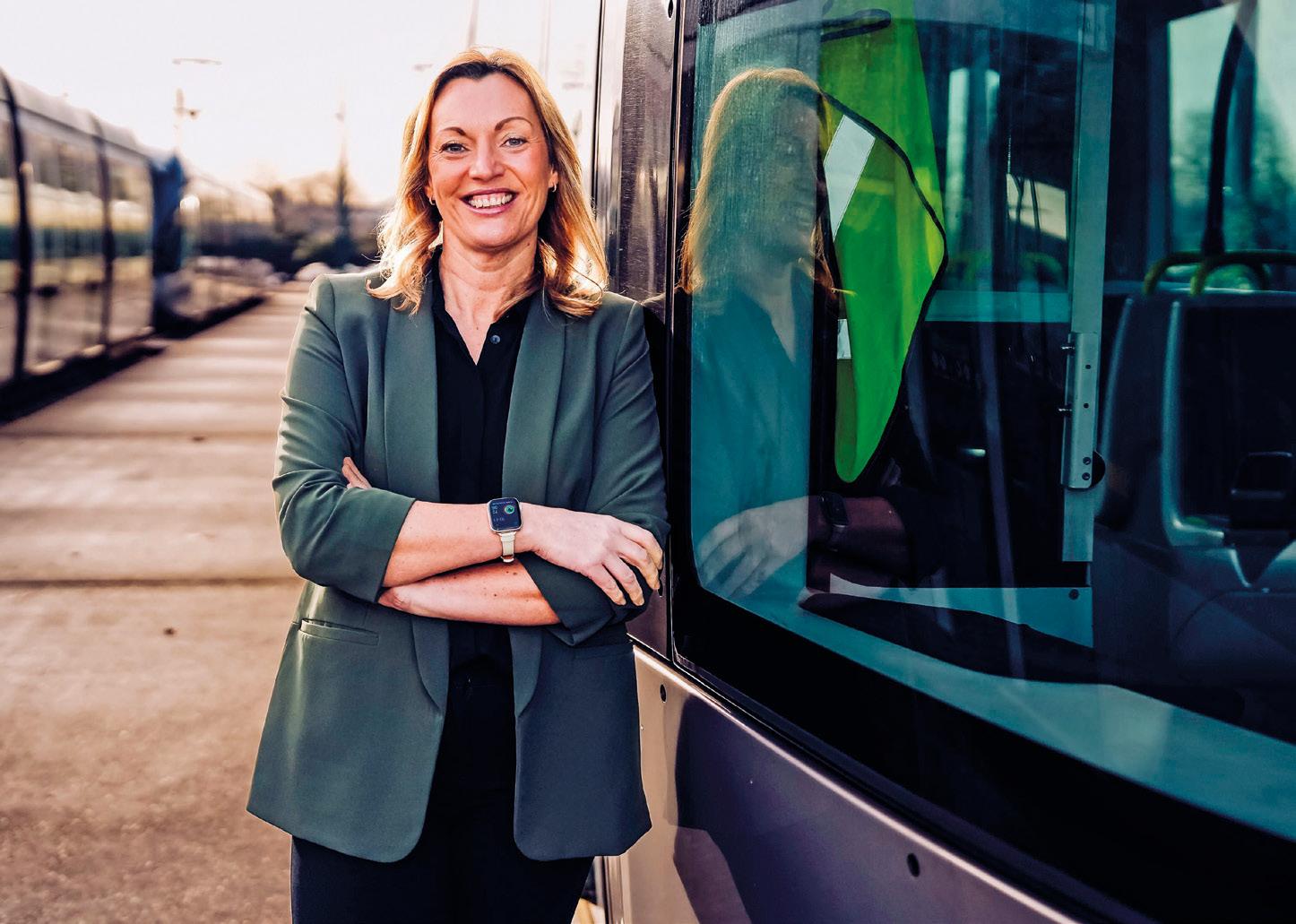
This month’s cover feature is Cathy Massarella, Tyne and Wear Metro’s Managing Director. Alongside the rollout out of £362 million of new trains, there is also its first new Metro line for 30 years. Cathy discusses the milestones and huge amount of work ahead in achieving the vision of a world-class transport system, and the important role the Metro has to play. The full article starts on page 6.
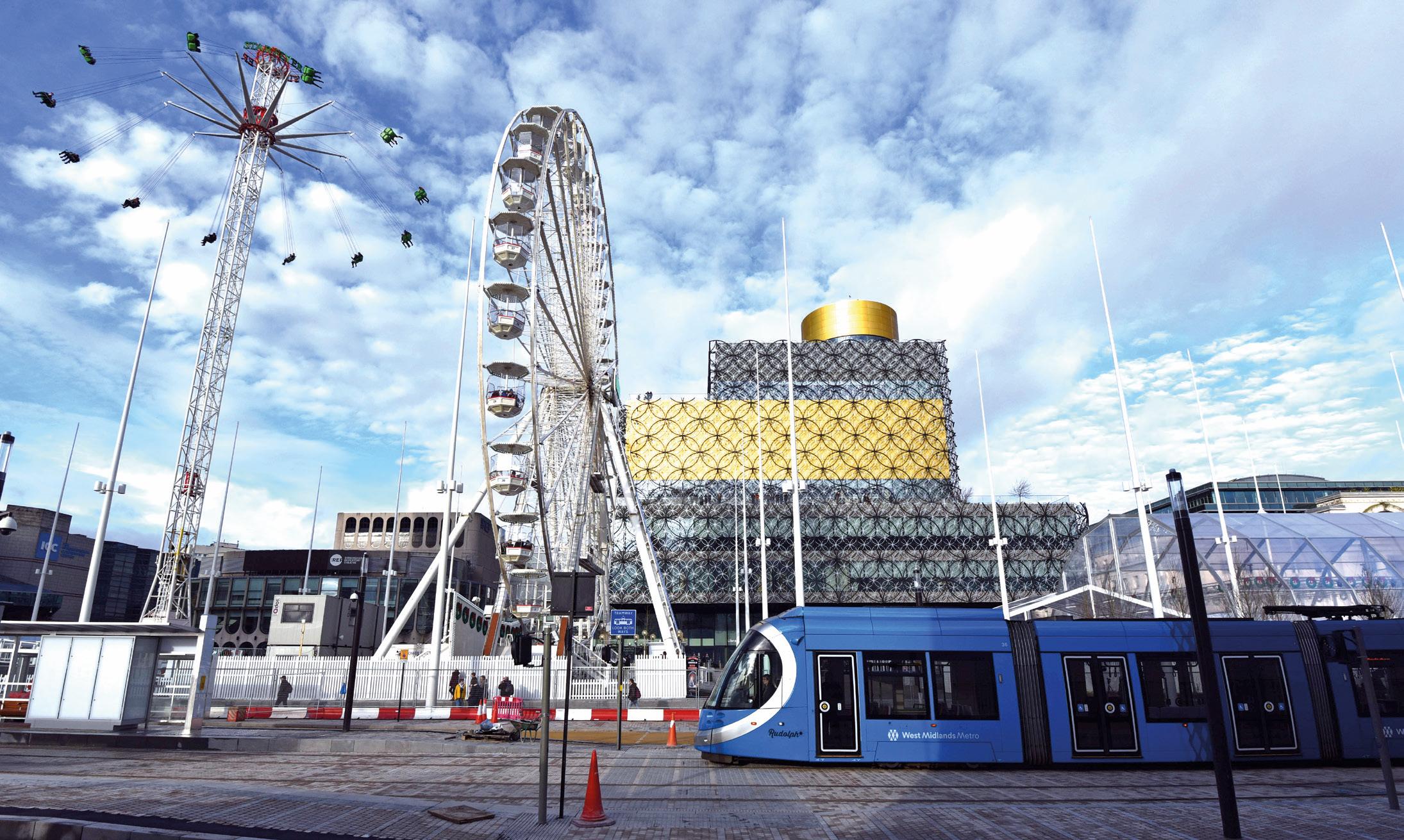
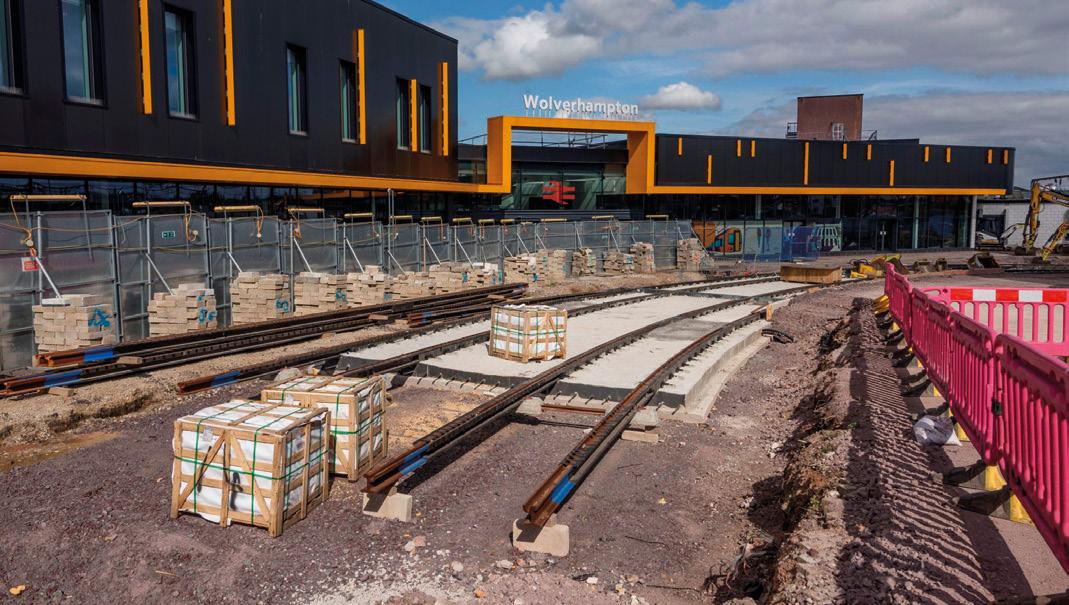
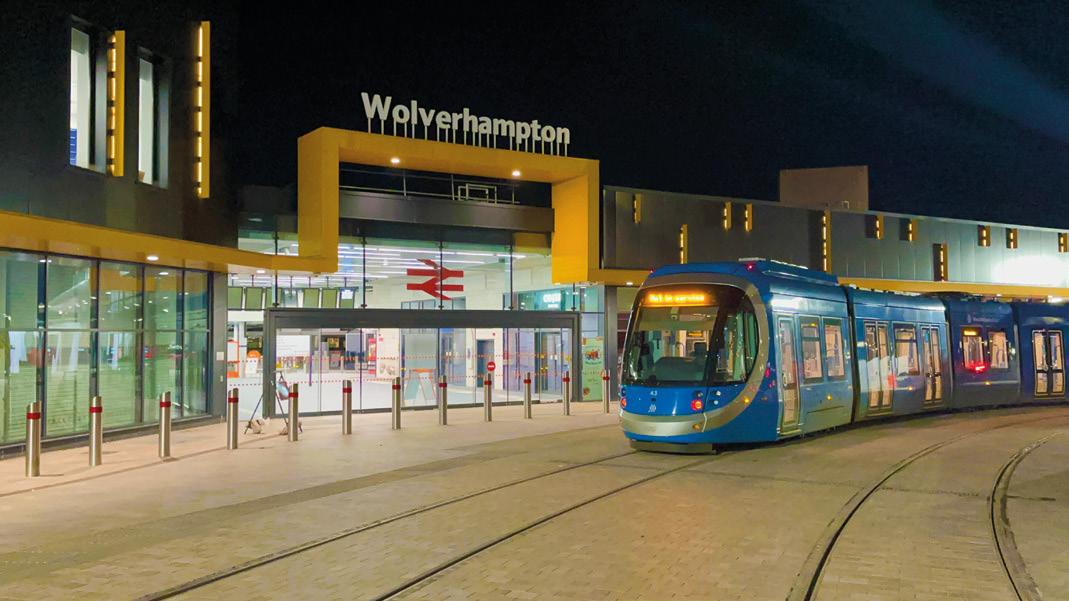
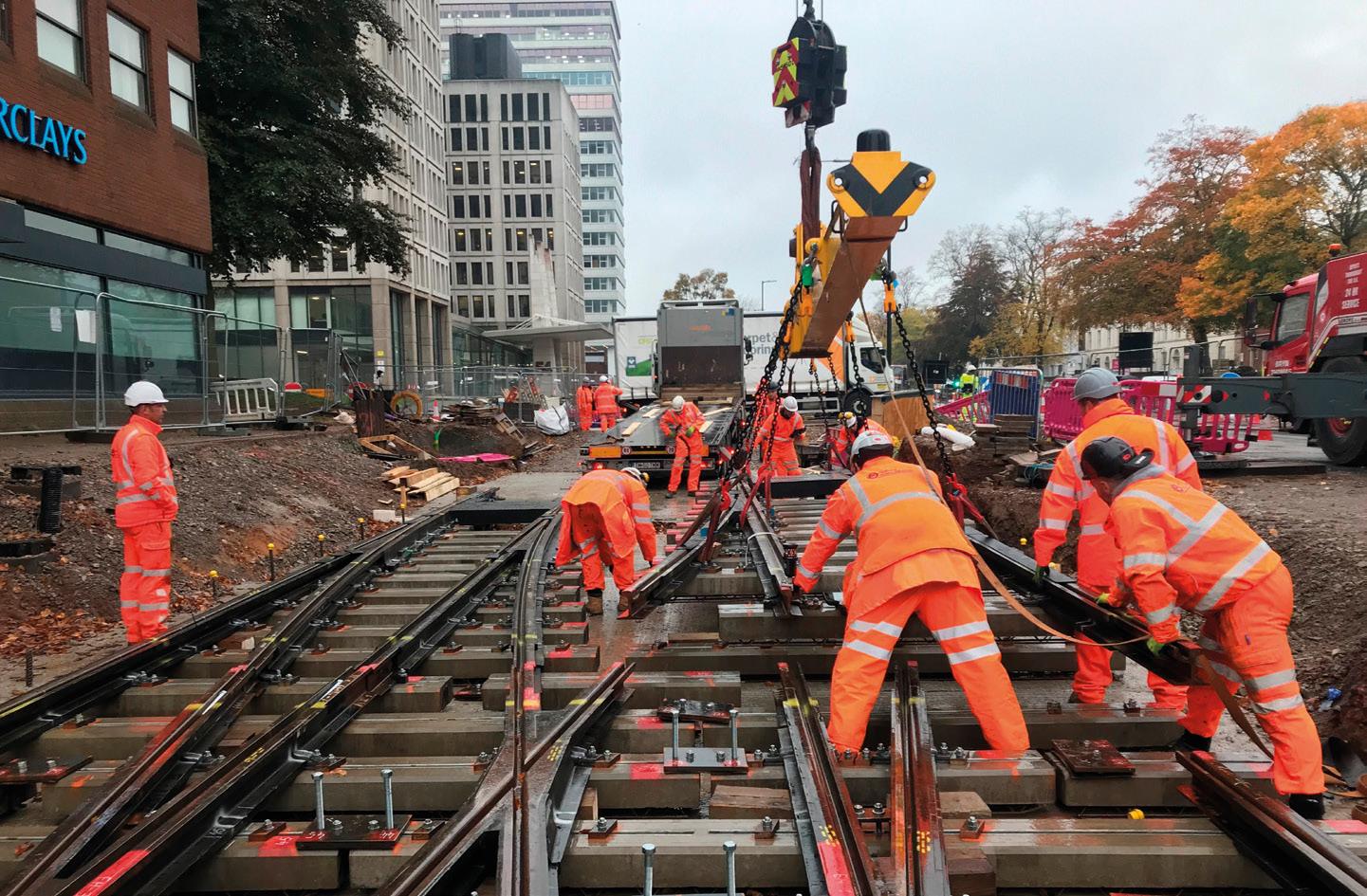
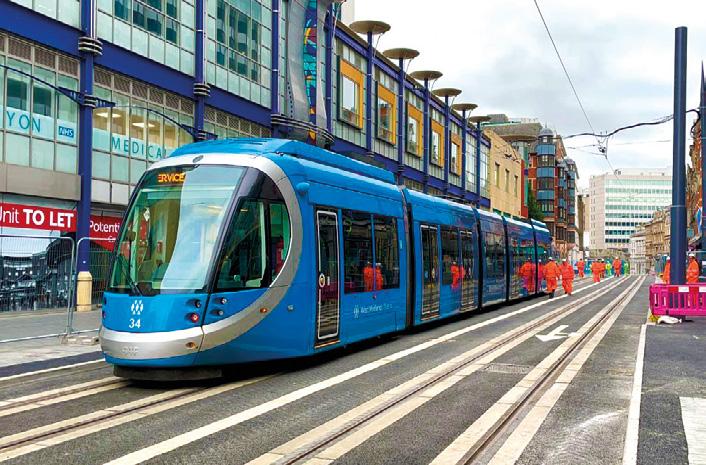
These projects are about more than just laying tracks, with the Midland Metro Alliance (MMA) an example of a project where the vision has been to act as a catalyst for social economic regeneration across the entire region to ensure that the West Midlands is a great place to live, work and visit. This year marks 10 years since MMA was created to deliver complex light rail programmes across Birmingham, Wolverhampton and the Black Country. You can read more about the latest extension from page 14.
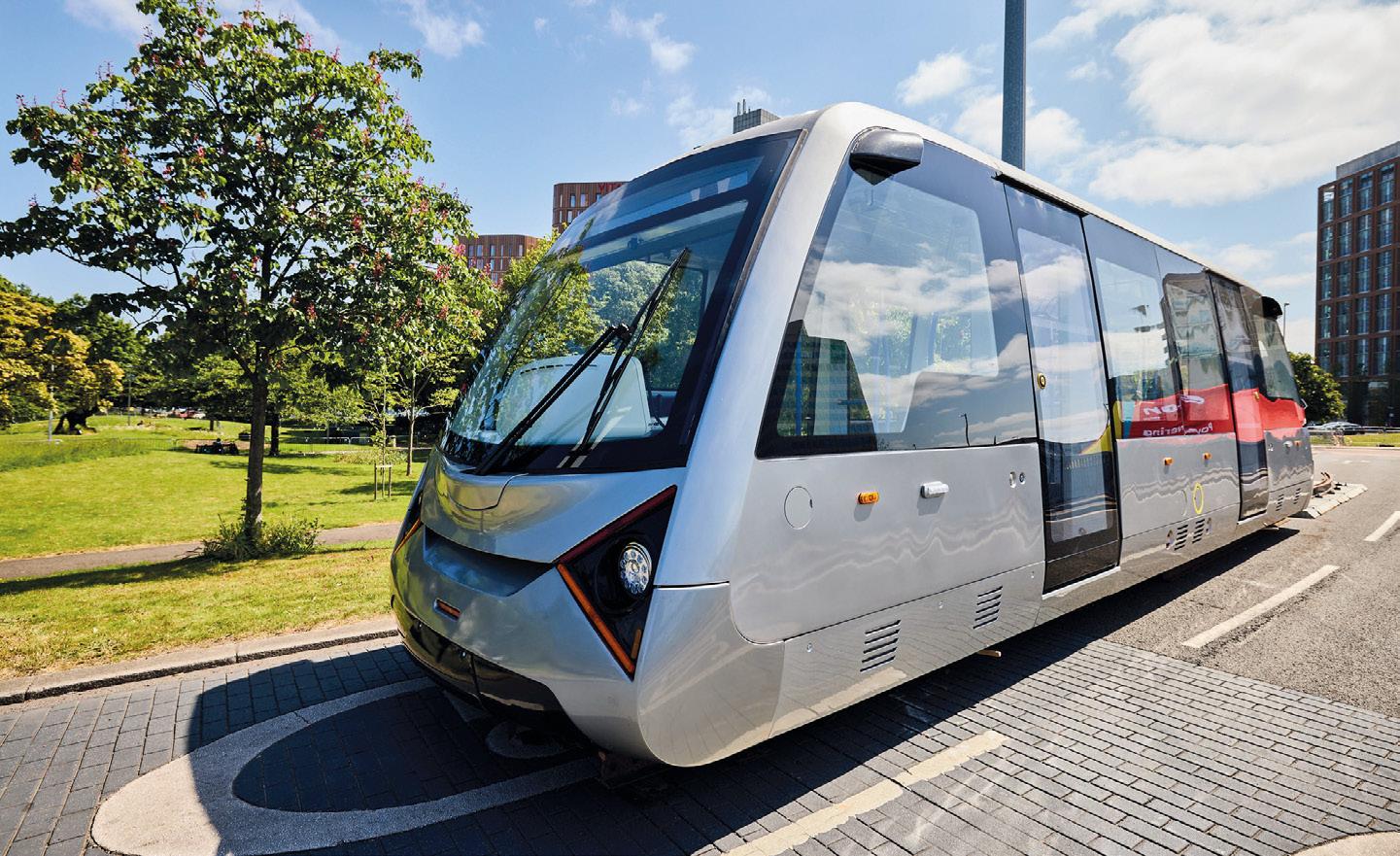
What is particularly exciting about the light rail sector is the passion to innovate to bring projects to life. Take Coventry Very Light Rail as an example, a project which aims to accelerate delivery, reduce risk and keep disruption to minimum. This could be a game changer for light rail projects, so there will be a lot of eyes seeing how the 800-metre twin-track connection between Coventry Station and Coventry University Technology Park goes.
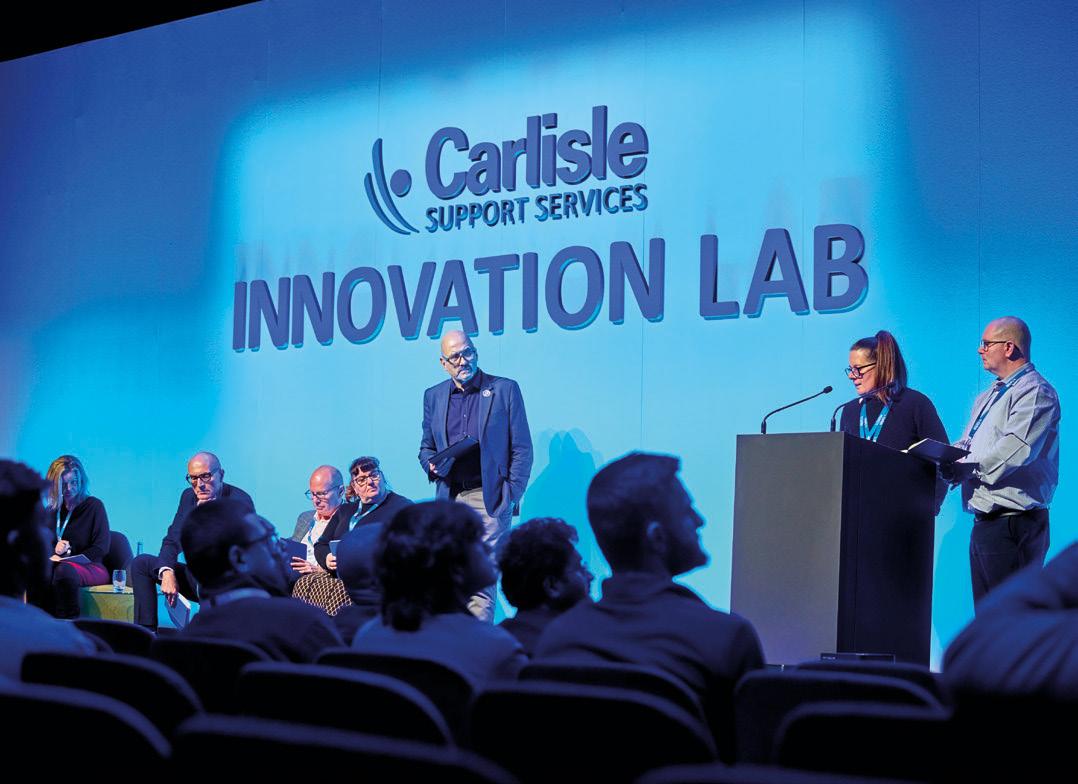
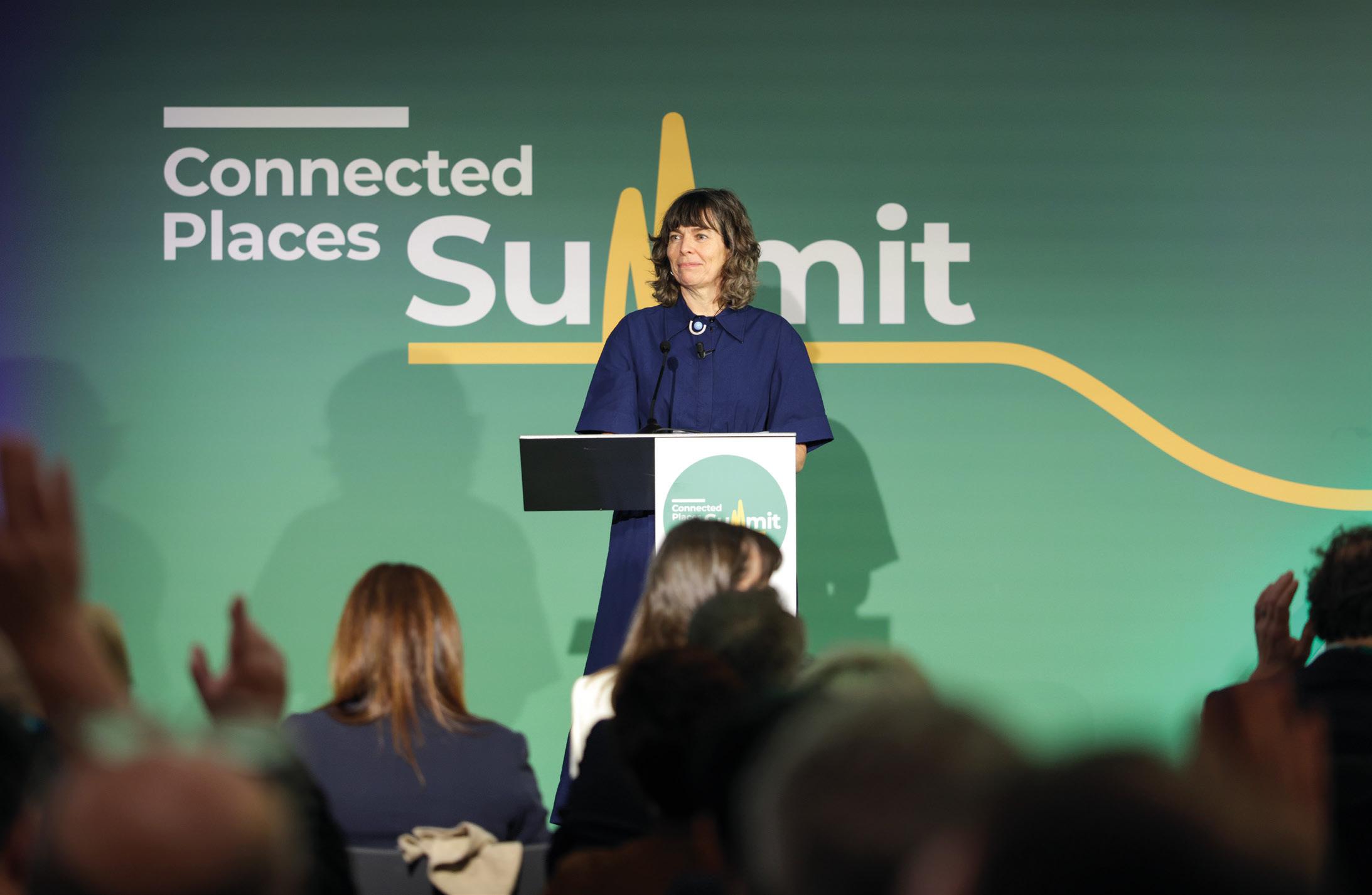
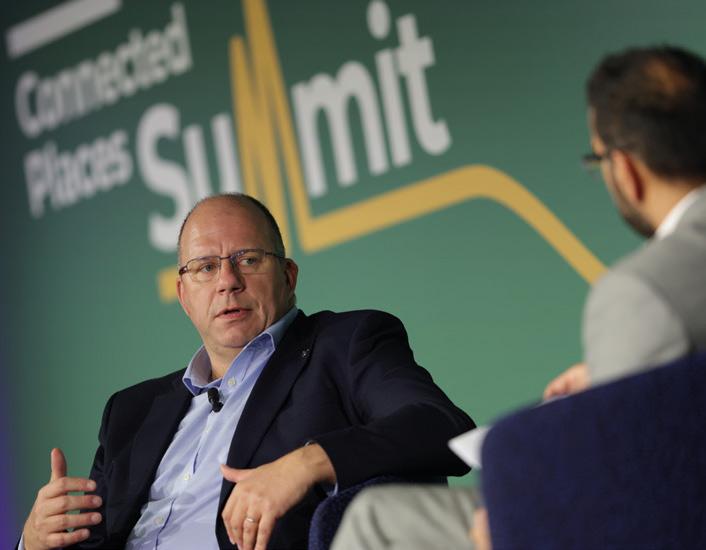
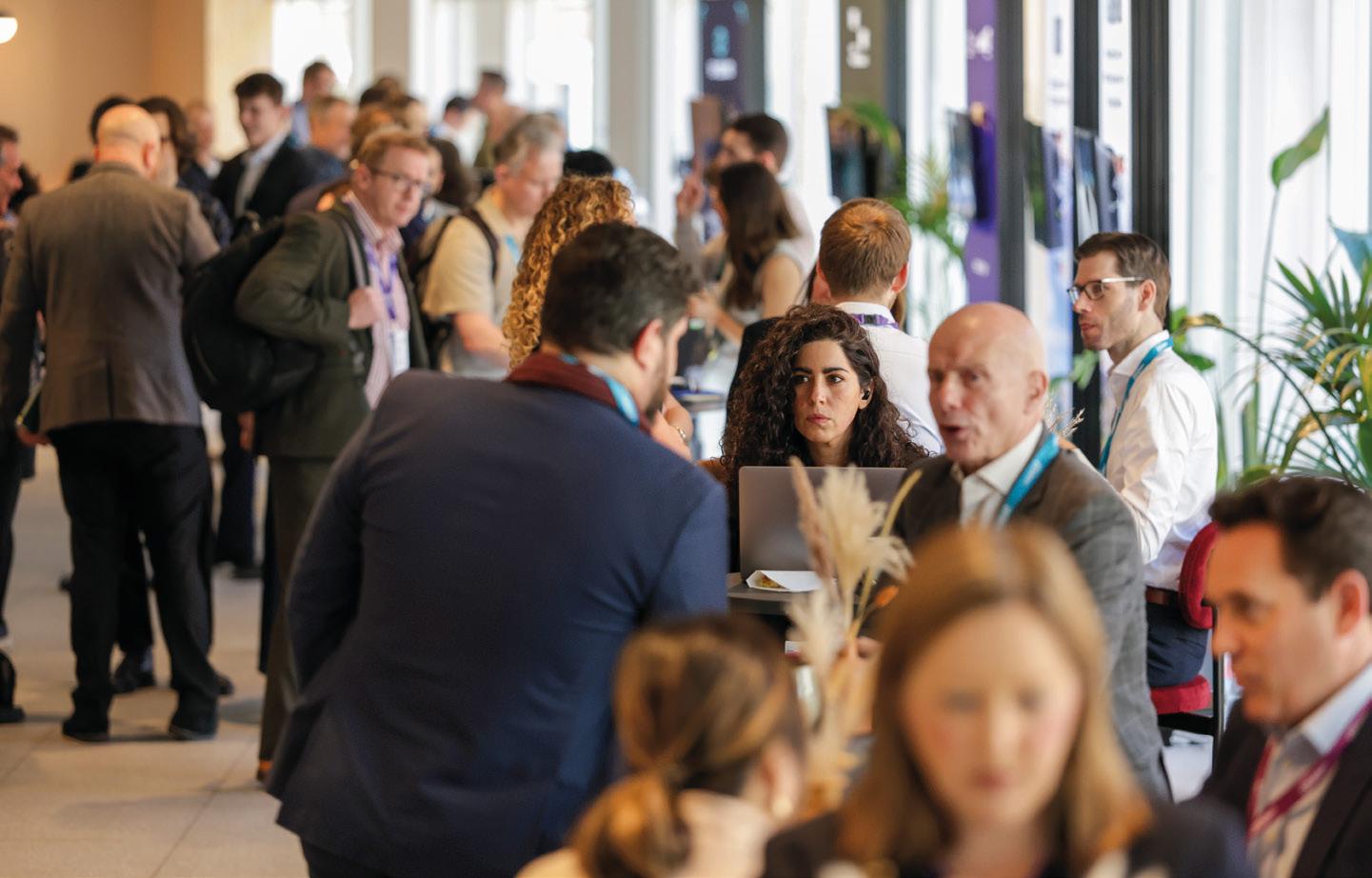
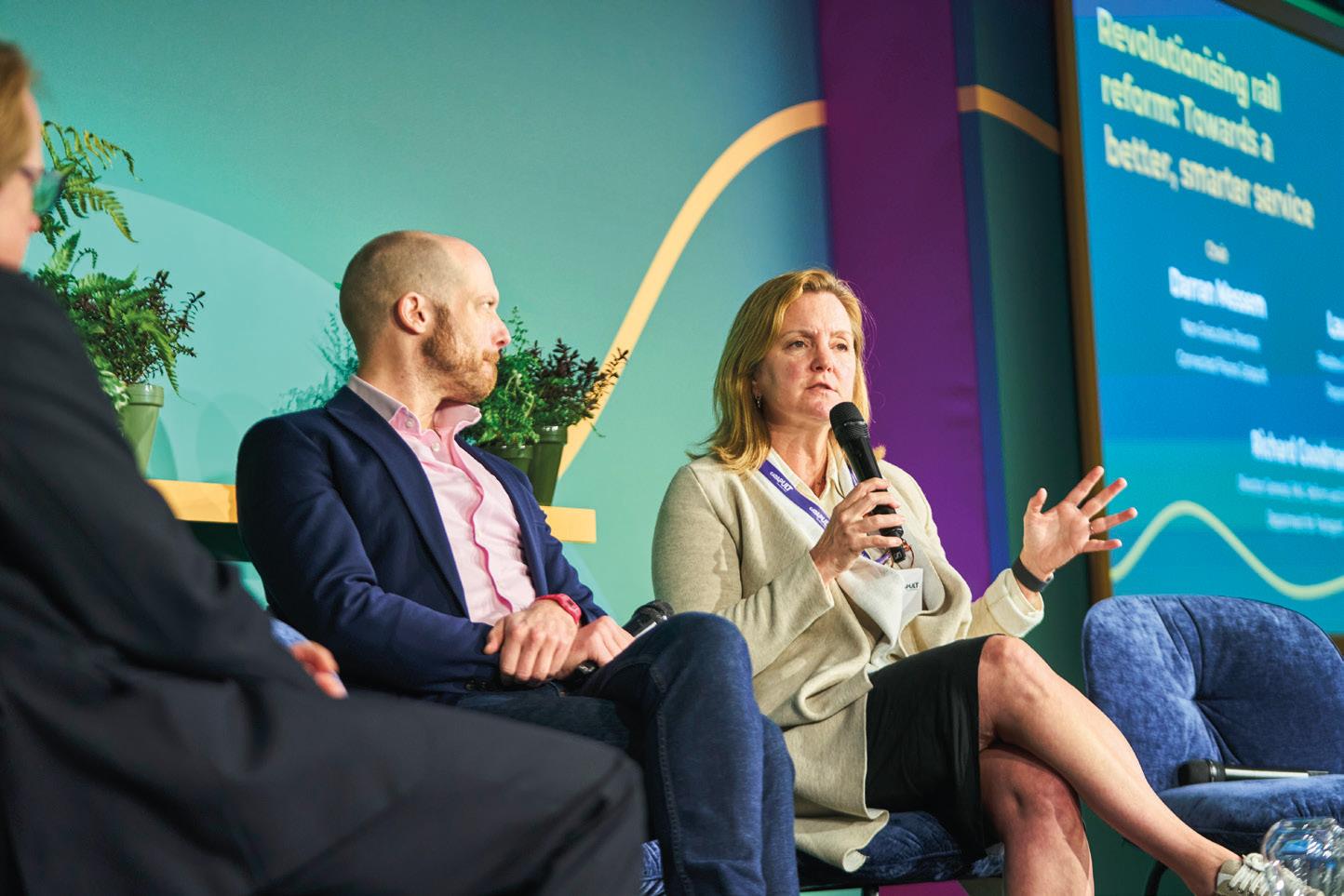
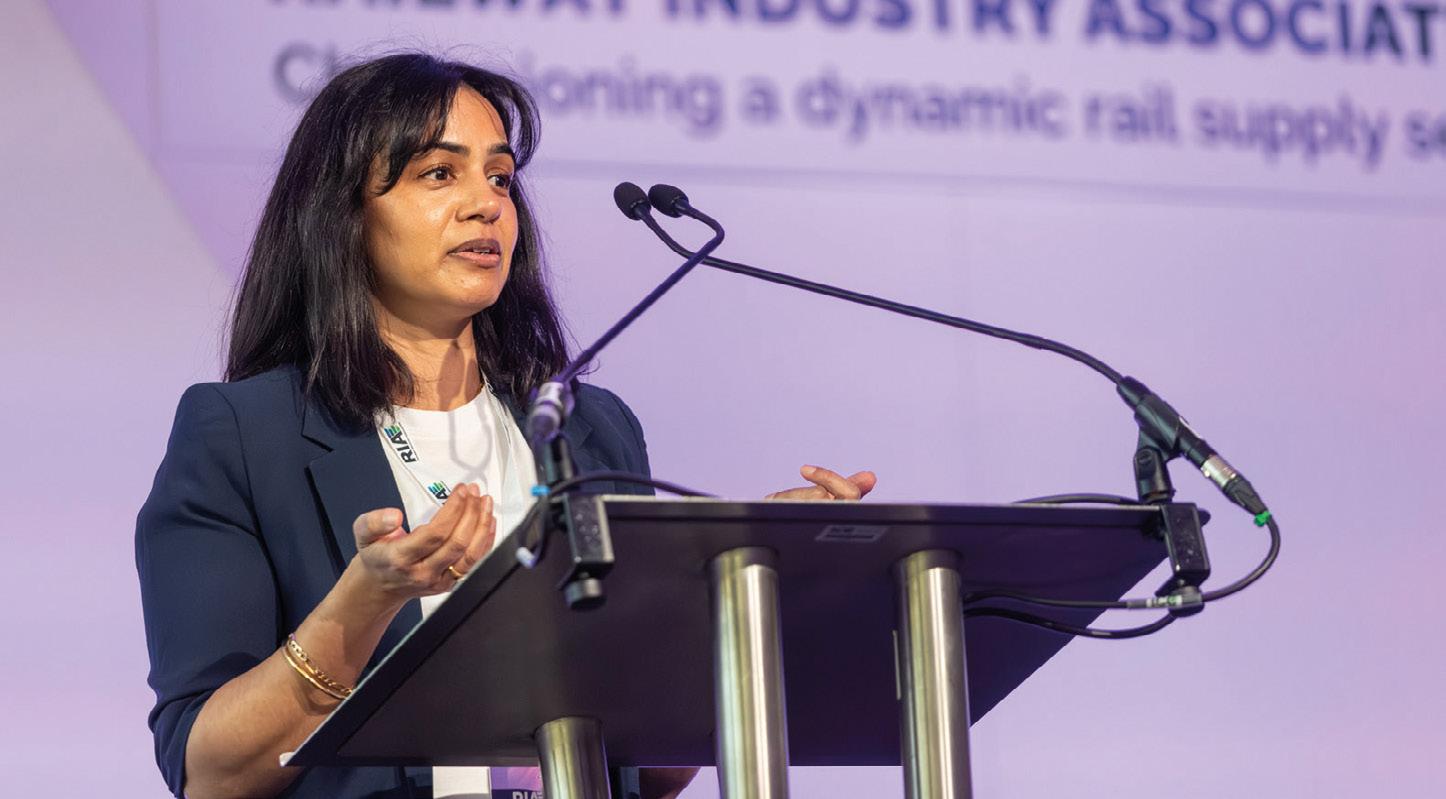
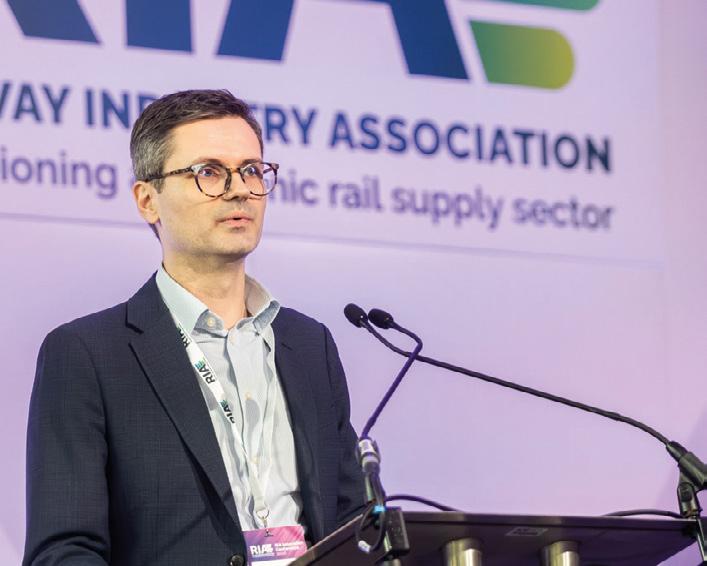
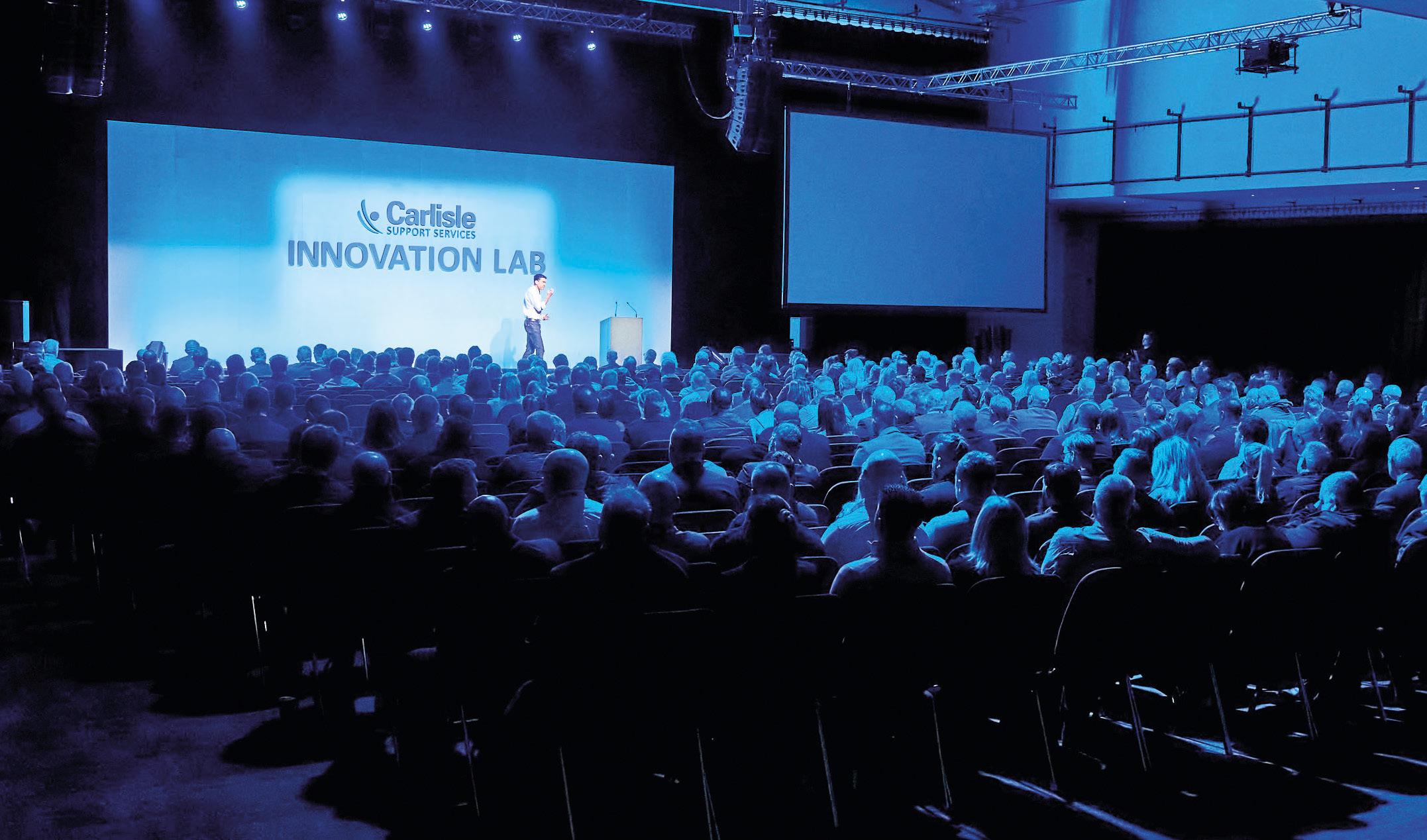
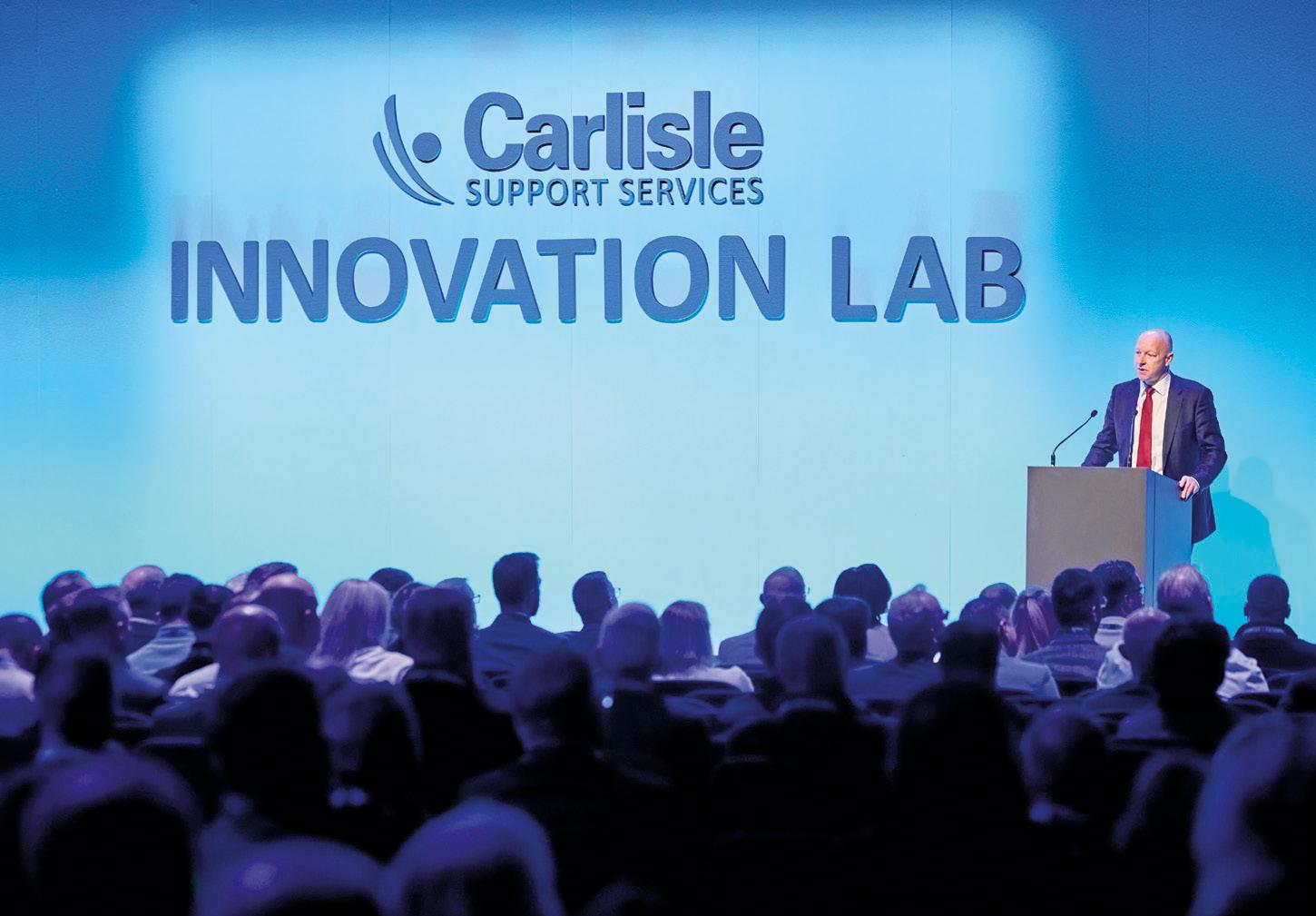
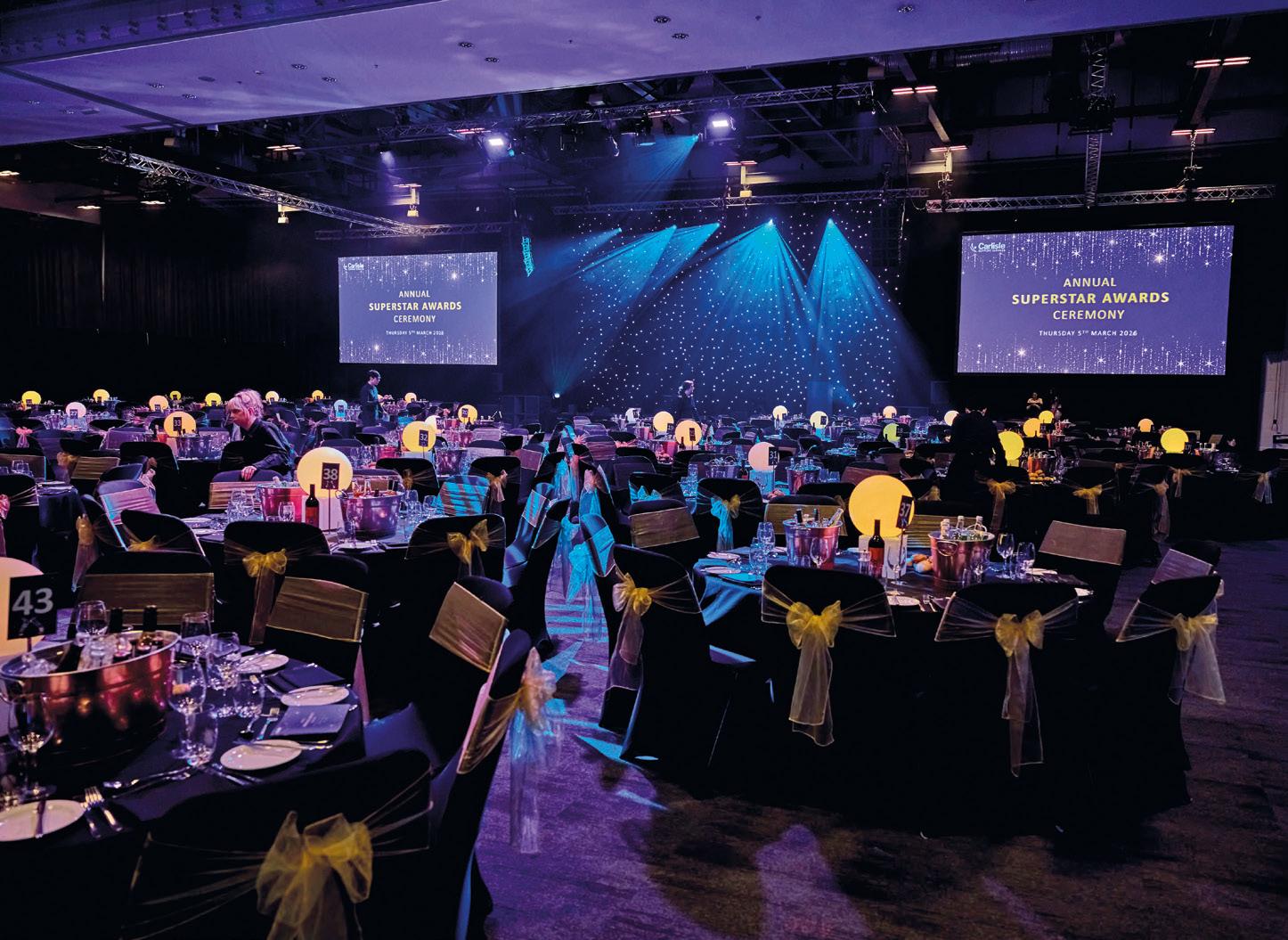
Alongside the light rail features you can also read our roundups on the recent Railway Industry Association (RIA) Innovation Conference (page 40) and Connected Places Summit (page 32). We were also at Carlisle Support Services’ Innovation Lab, another fantastic event aiming to provide a solid platform for new partnerships, sparking new thinking around service delivery, safety, and operational excellence.
A big thank you as always to everyone who has played a part in this magazine. Work is well underway with the May edition, which is focused on train operators, including a special section on Transport for London. It’s shaping up to be a great edition so please get in touch if you’d like to feature.
All the best,
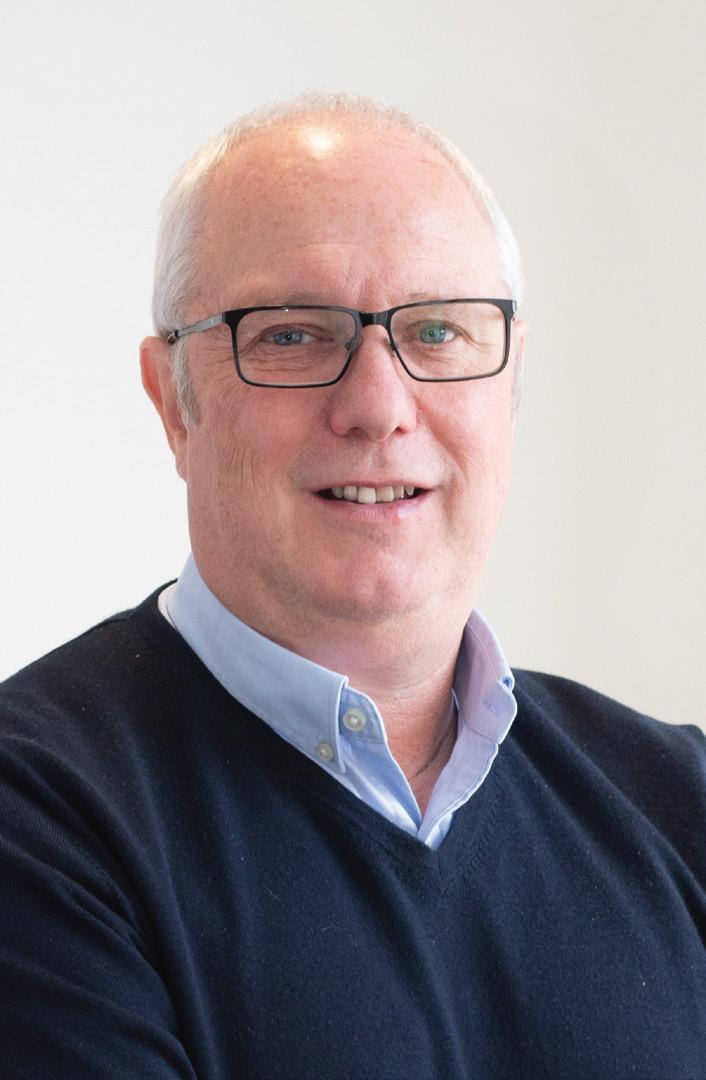
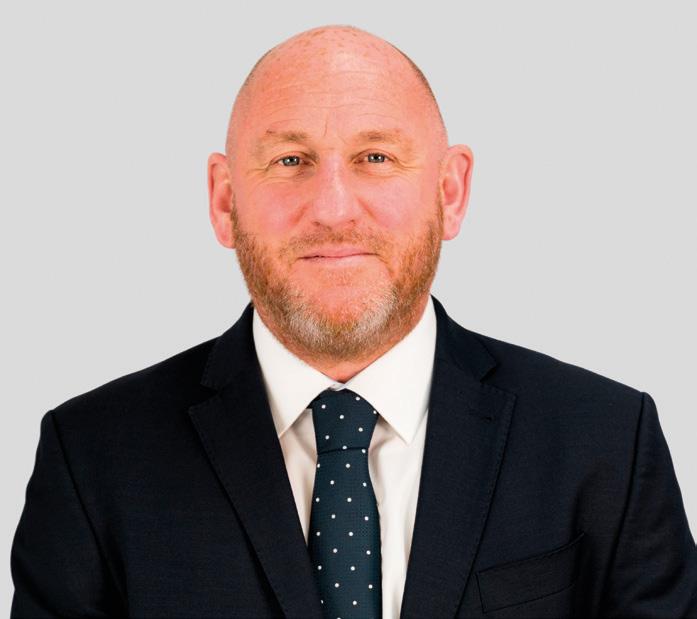
Danny Longhorn Editor
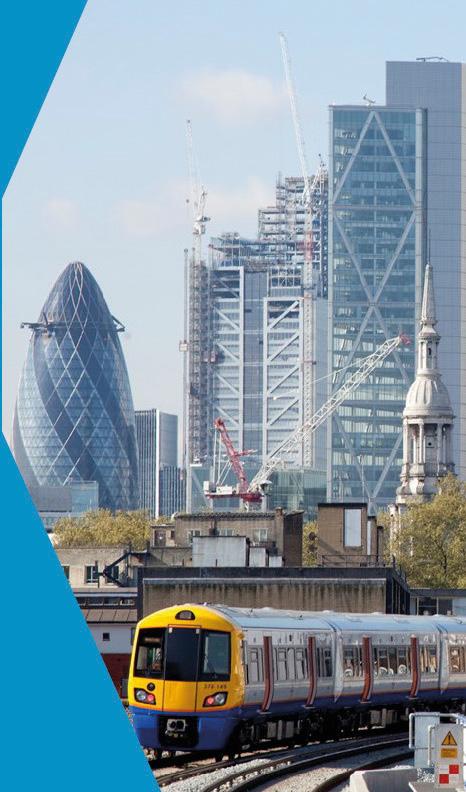
Light
are
but it is a sector with a lot of untapped potential
Rail Director magazine and Railbusinessdaily.com are assets owned by the Railway Industry Association. Railbusinessdaily.com delivers more than 70 stories a week to +50,000 rail industry professionals in our daily 7am newsletter. If you have not already subscribed, it’s free and it’s easy to do so at www.railbusinessdaily.com, please also encourage your colleagues to do the same. This is the very best way to keep abreast of what is happening on the UK’s railways. There is a digital copy of Rail Director on our website.
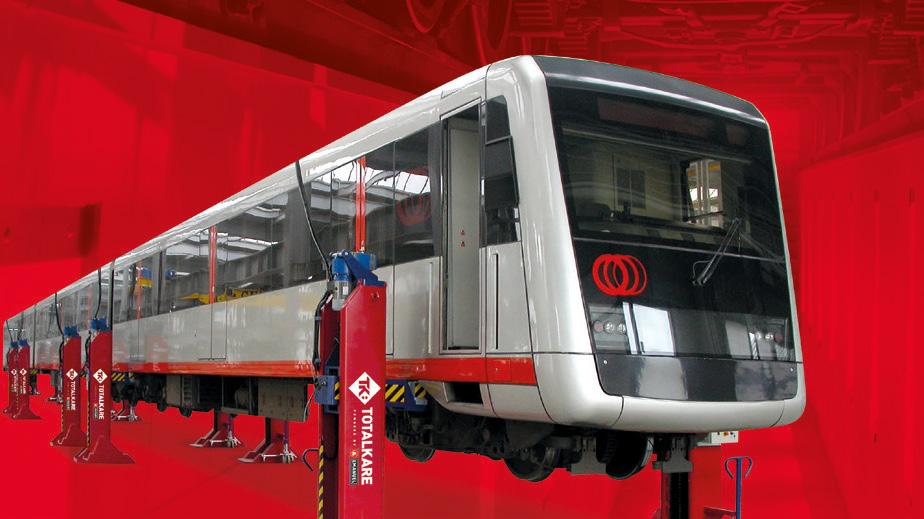
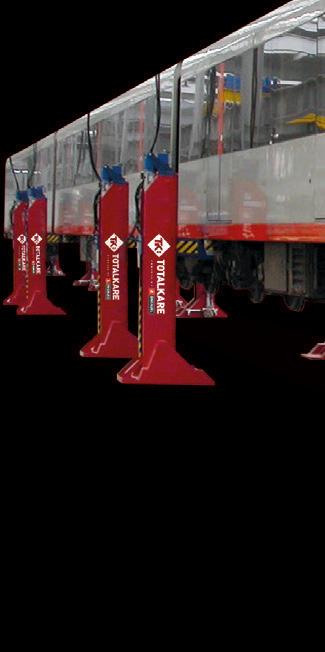
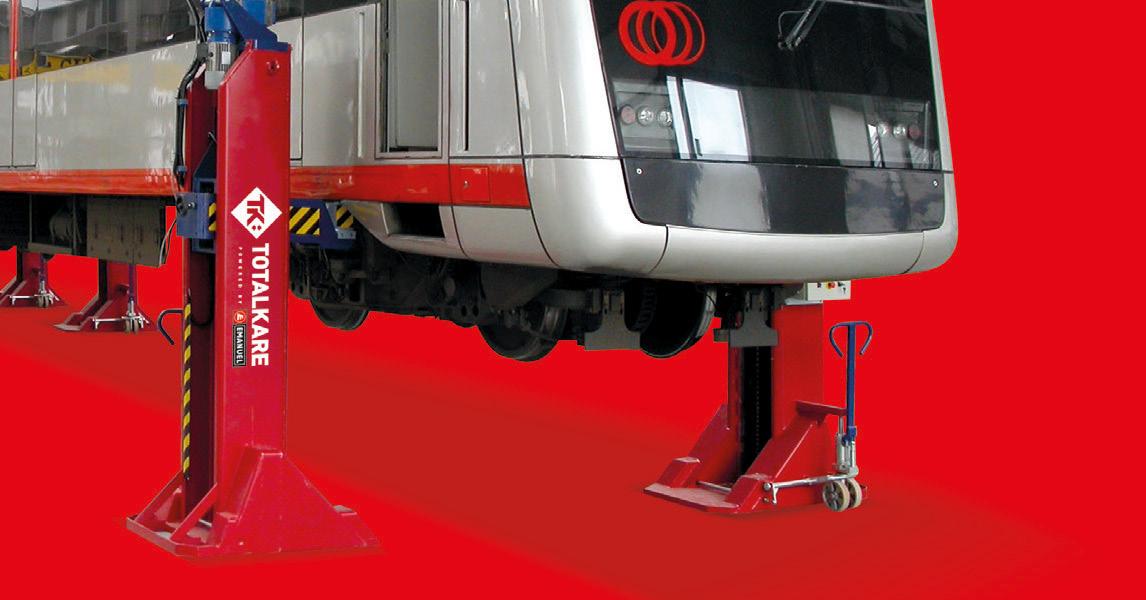
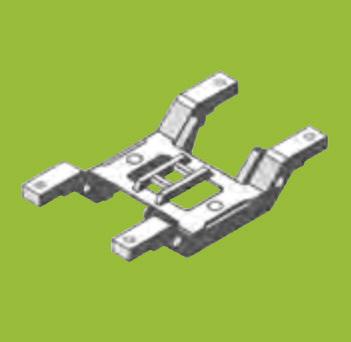
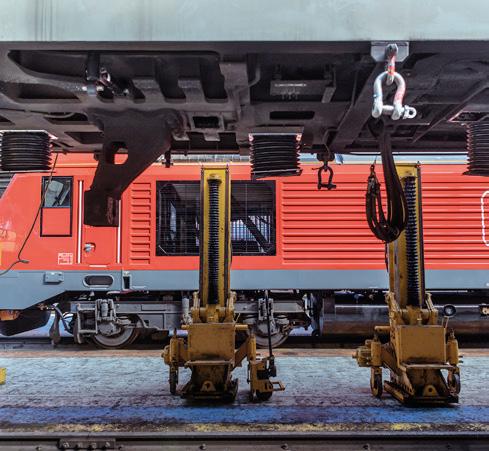
RAIL LIFTING JACKS
With over 40 years’ experience of high quality, heavy duty vehicle lifting, Totalkare combines world class products with industry leading support to facilitate effective maintenance and repair.
For more information or to request a site visit:
6 Creating a world-class transport system
Cathy Massarella, Managing Director at Nexus, which operates Tyne and Wear Metro, discusses milestones and challenges ahead on the journey to a world-class transport system
14 Customer satisfaction soars as Metro launches services to Millennium Point
Passenger tram services have started running to the Millennium Point stop. It’s the latest in an ongoing success story for the operator
16 Setting a benchmark for best practice
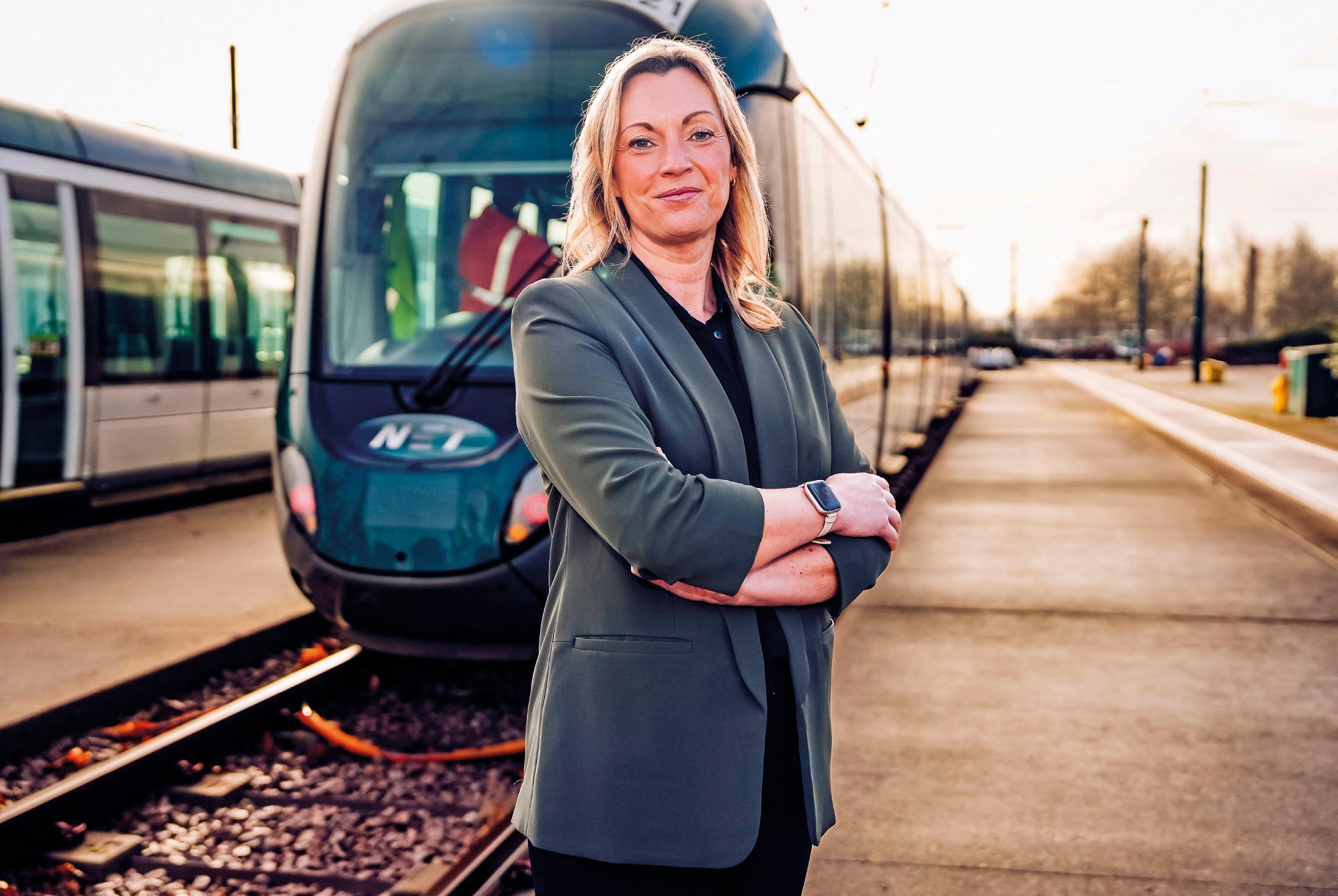
Sarah Turner, Managing Director at Nottingham Express Transit, reflects on her time at the operator, and shares advice to inspire future female transport talent
24 Light rail safety body evolves in line with sector needs
Carl Williams, the Light Rail Safety and Standards Board’s (LRSSB) Chief Executive, believes this year will be another landmark year for both the light rail sector and the LRSSB. He explains more
32 Connected Places Summit: Powering UK growth through innovation
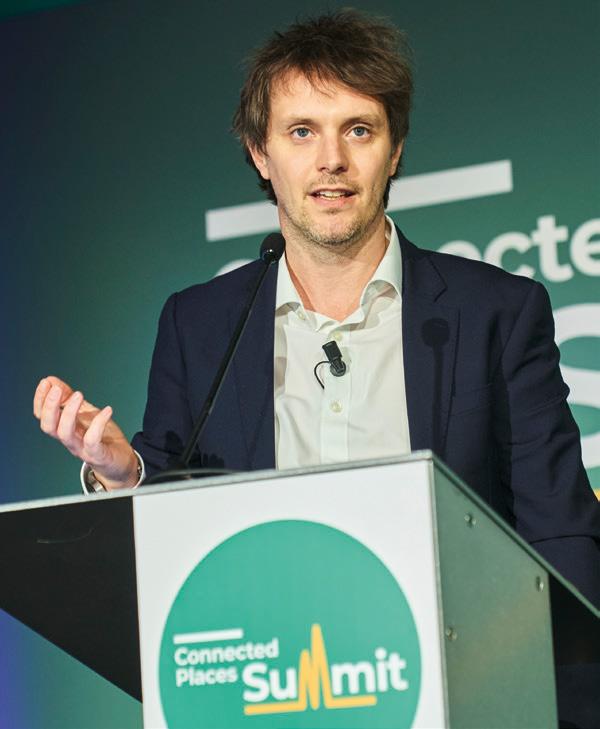
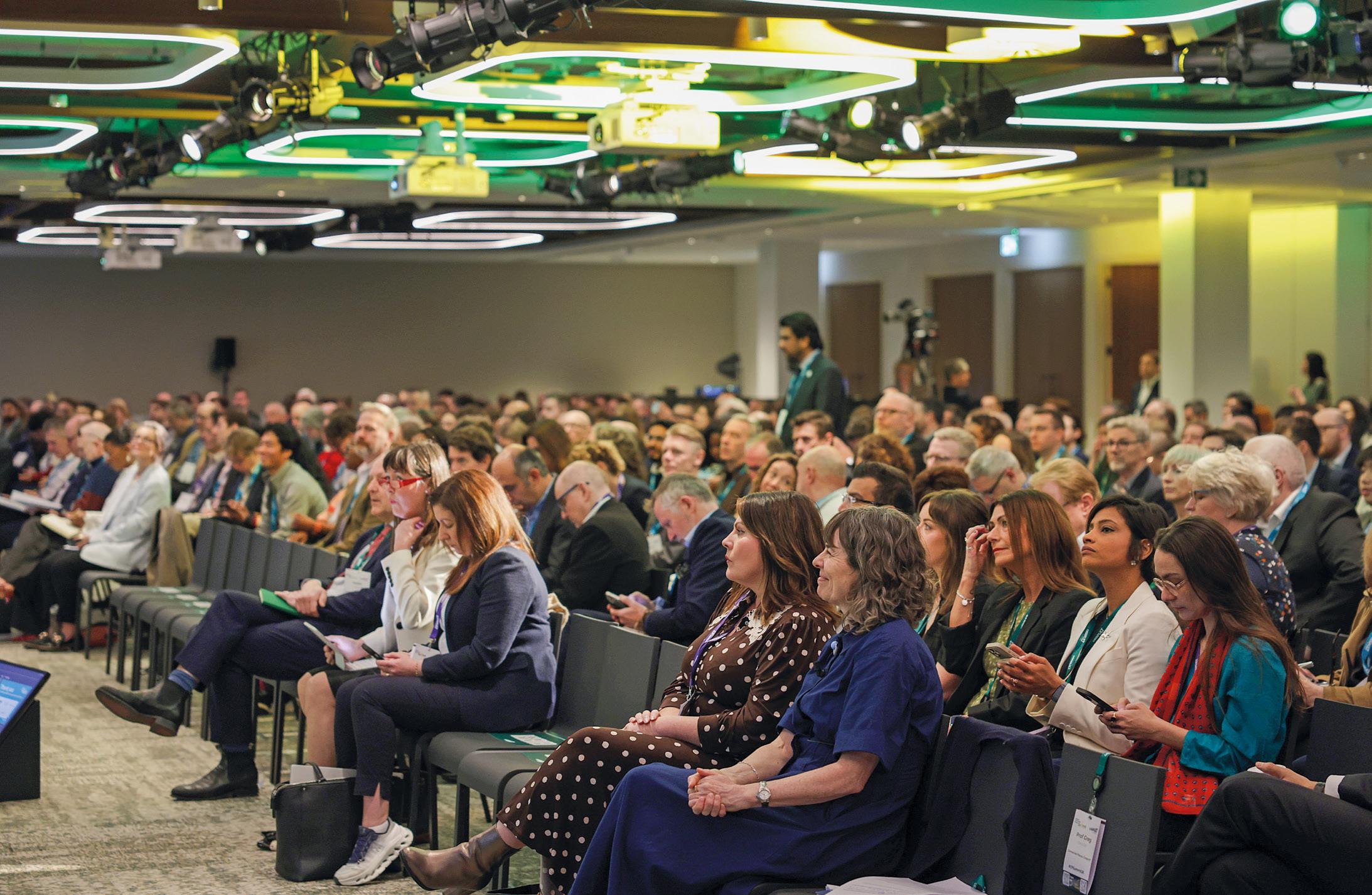
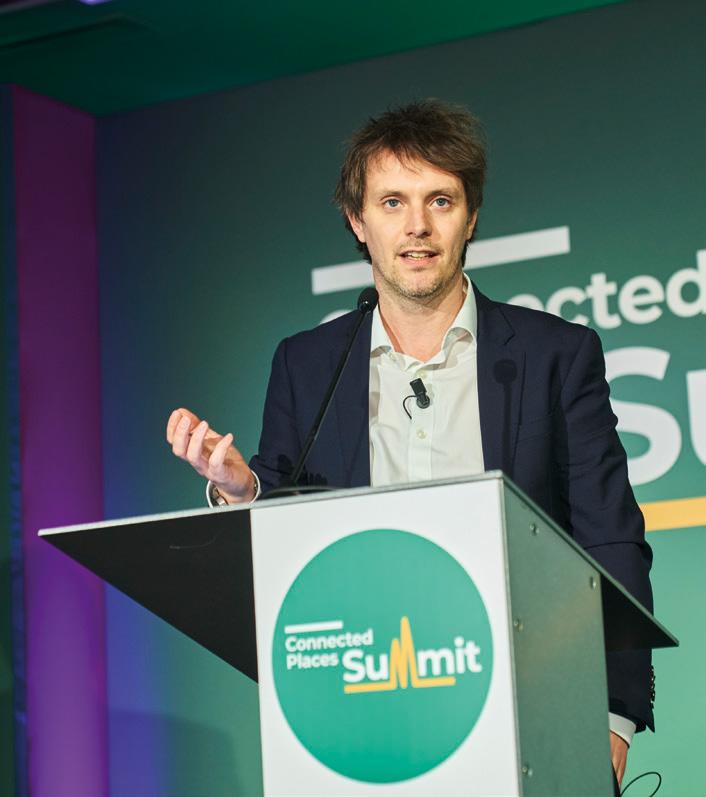
This year’s Connected Places Summit has taken place, attended by 1,100 in person and hundreds more online. Rail Director reports
40 RIA Innovation Conference 2026: Bringing great ideas to life
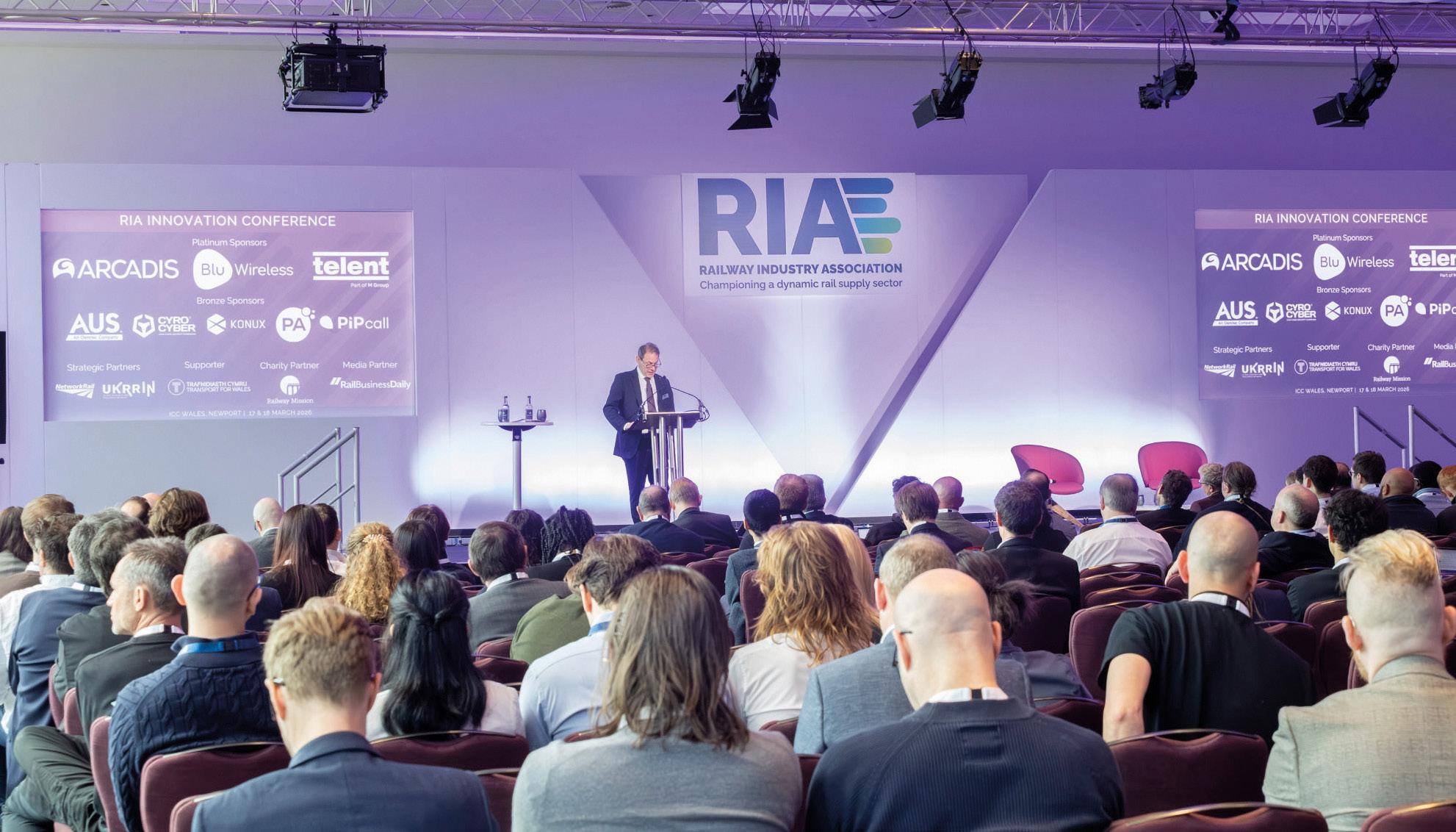
With its forward-looking theme, ‘Intelligent Systems on Track: Driving Innovation in Rail & Transport’, the Railway Industry Association (RIA) Innovation Conference 2026 invited attendees to ‘step into the future’ of mobility
56 Night At The Station raises thousands of pounds for charity
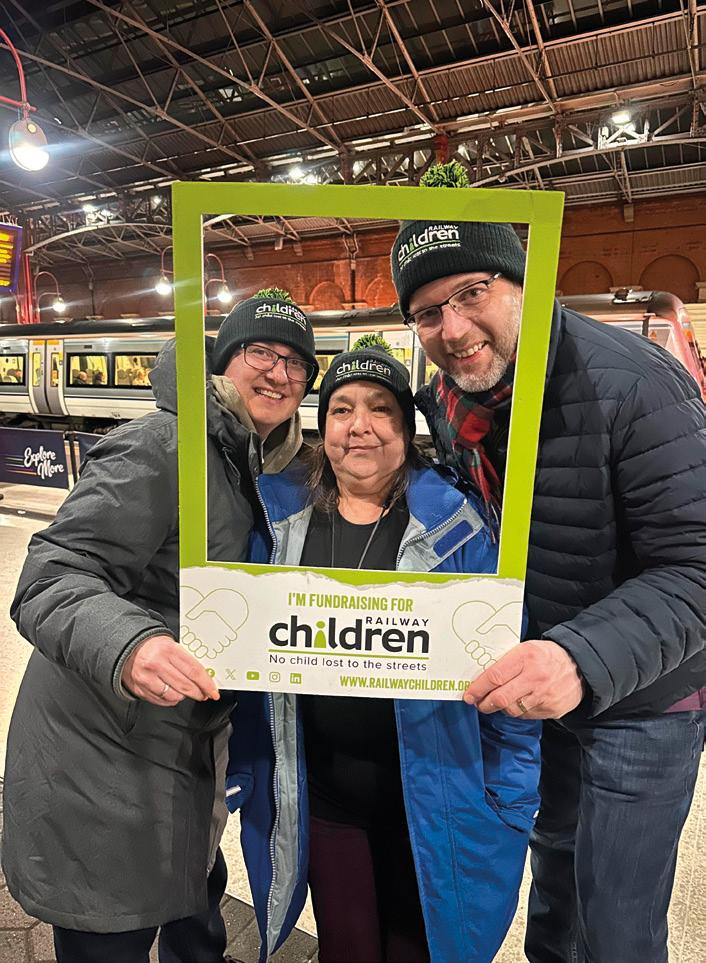
Hundreds of people have slept out at railway stations raising more than £60,000 for Railway Children
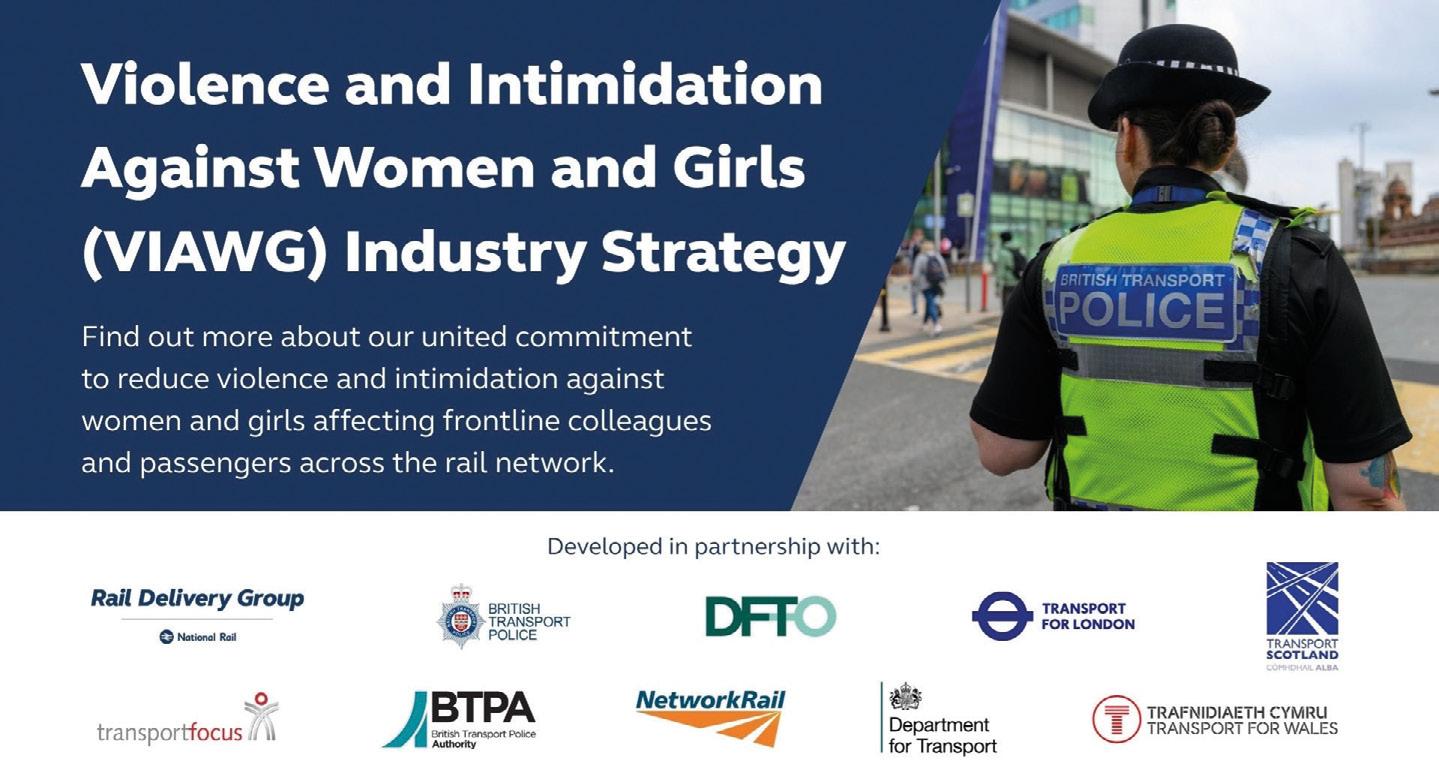
62 New actions set out to tackle violence and intimidation against women and girls
Over the next two years the rail industry has committed to use greater resources and enforcement measures to ensure customers and staff feel safe on Britain’s railways
64 Building capabilities together
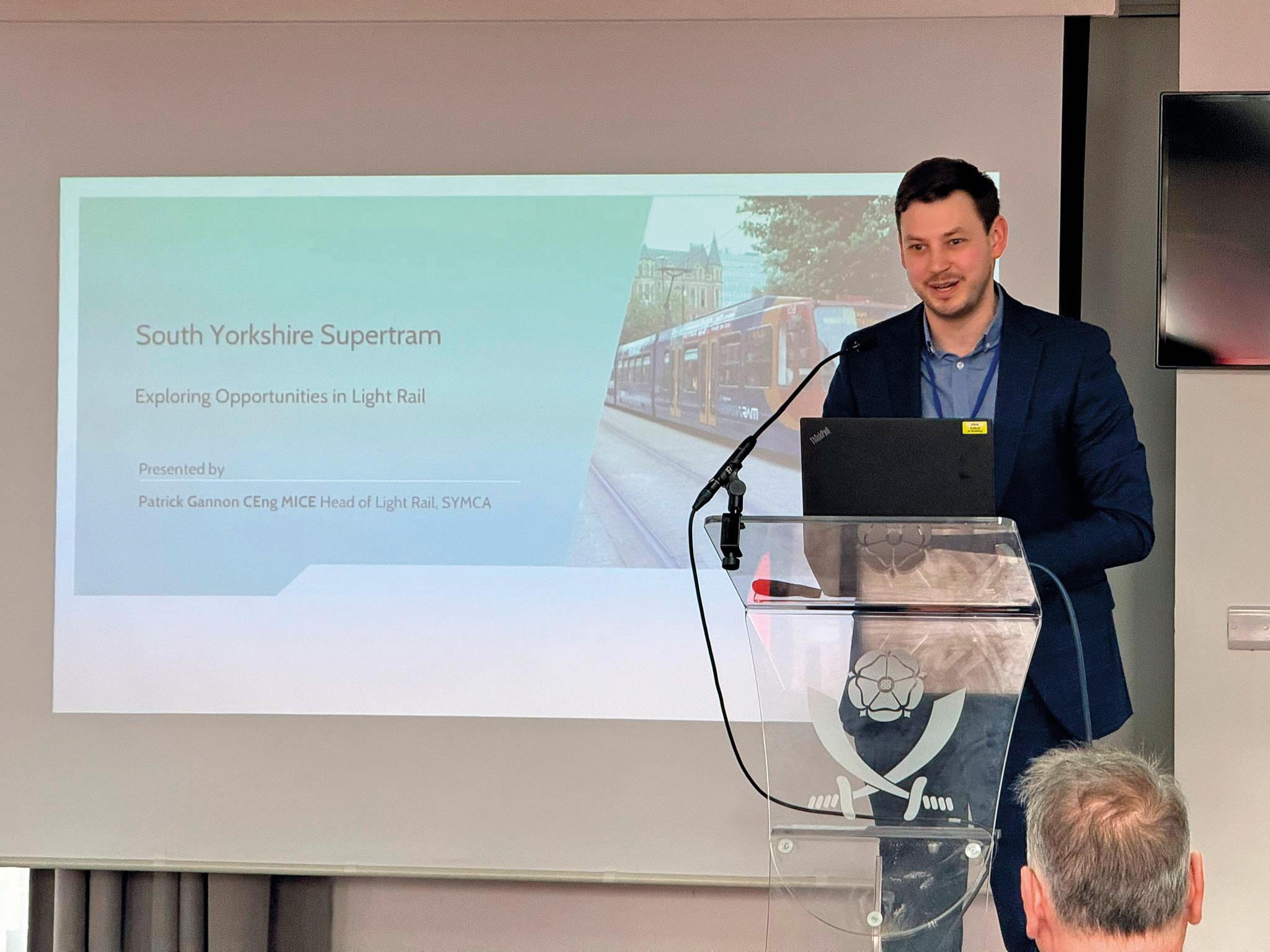
Hitachi Rail, the UK Rail Research and Innovation Network, Systra, and RIA, along with the supply chain, have come together to explore the light rail opportunities in Sheffield, South Yorkshire and beyond
70 The fragile world of trust and LEGO
In his latest quarterly column, Railway Chaplain Mike Roberts writes about the importance of trust
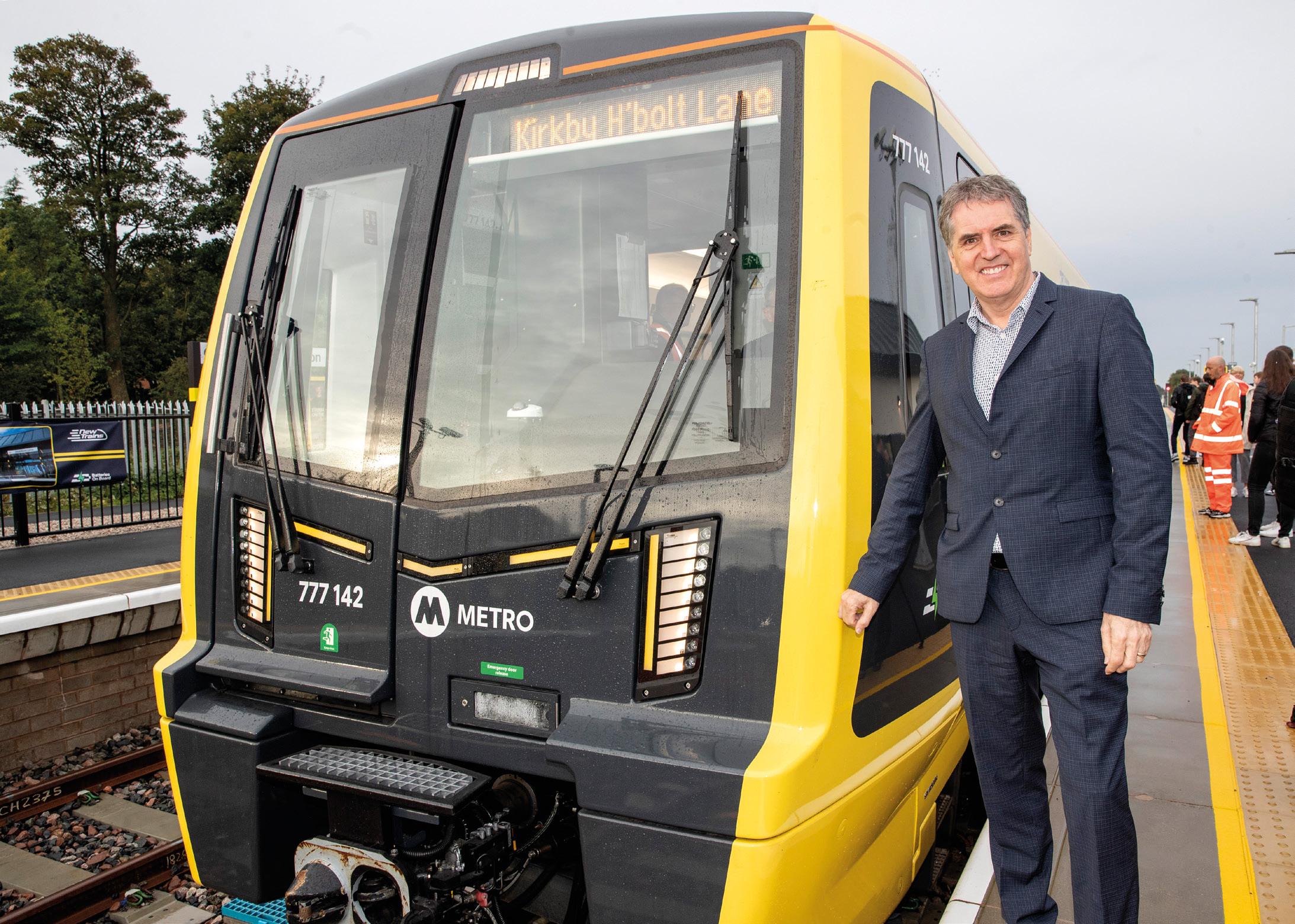
76 Liverpool City Region Mayor vows to bring the ‘public back to public transport’
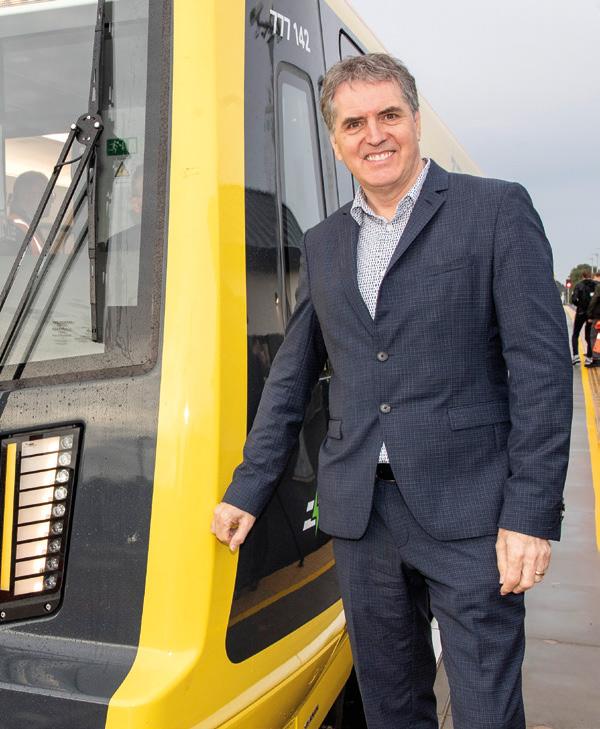
Liverpool City Region Mayor Steve Rotheram outlines his vision for an integrated, accessible transport system
80 Setting the foundations for innovation
Carlisle Support Services has hosted its ninth Innovation Lab, providing a solid platform for new partnerships, sparking new thinking around service delivery, safety, and operational excellence
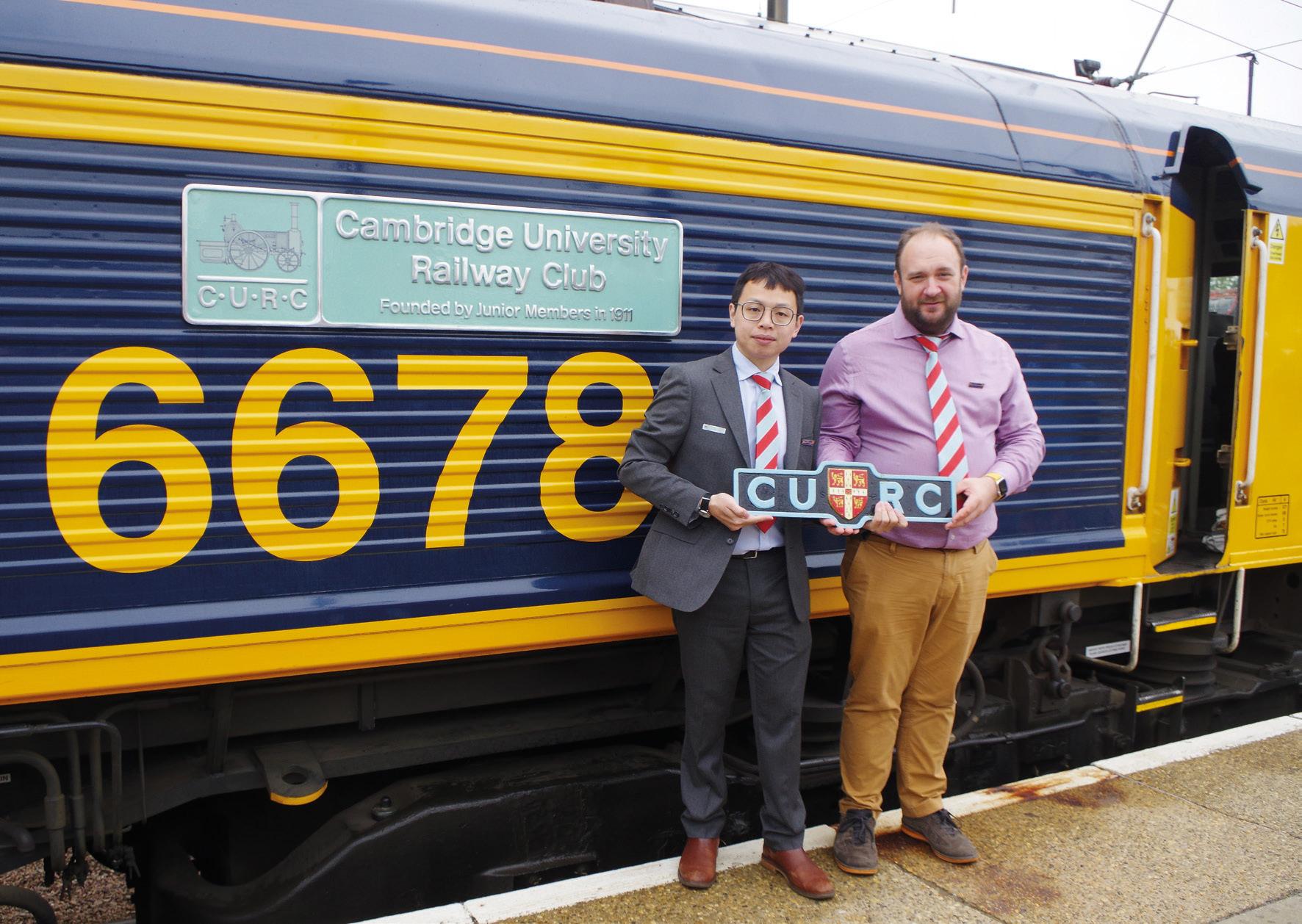
84 Cambridge University Railway Club: ‘A membership more diverse than ever’
Cambridge University Railway Club is one of the oldest railway enthusiast clubs in the world. Rail Director meets committee members
Ben Pattison, James Waine and Sean Huang
88 Movers and shakers
TransPennine Express has appointed Lindsey Tien-Rhimes as its new Head of Programmes of its part in the Transpennine Route Upgrade. She reflects on more than a decade in rail infrastructure and the journey ahead
94 And finally
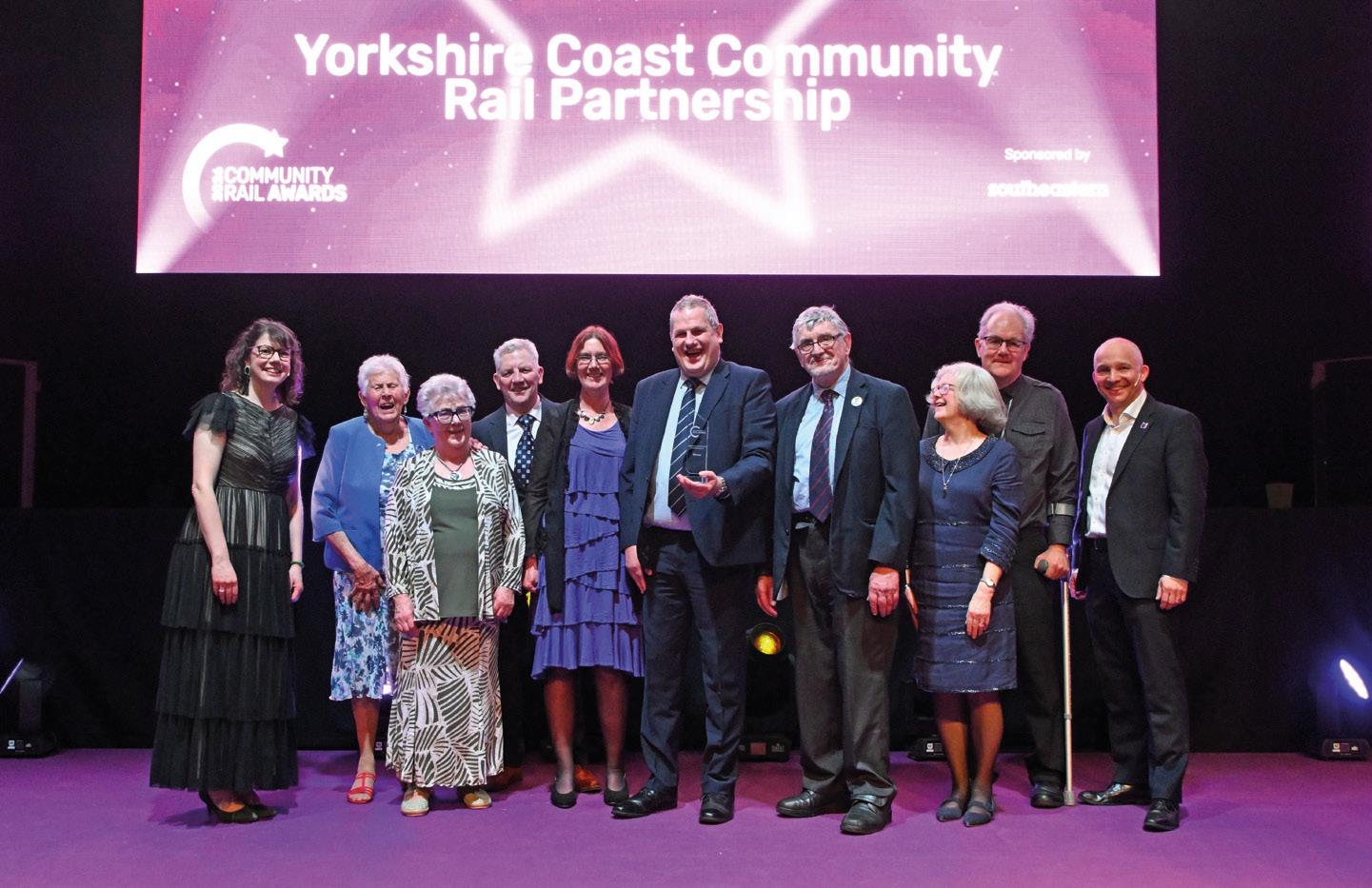
An inspiring range of rail projects bringing communities together across Britain have been honoured at the 21st Community Rail Awards
Reproduction of the contents of this magazine in any manner whatsoever is prohibited without prior consent from the publisher. For subscription enquiries and to make sure you get your copy of Rail Director please ring 01132 082620 or email info@railbusinessdaily.com. The views expressed in the articles reflect the author’s opinions and do not necessarily reflect the views of the publisher and editor. The published material, adverts, editorials and all other content is published in good faith.
Image: Nexus
Cathy Massarella, Managing Director at Nexus, which operates Tyne and Wear Metro, discusses milestones and challenges ahead on the journey to
a world-class transport system
Creating a world-class transport system
When Cathy Massarella speaks to current staff and potential new recruits to the Tyne and Wear Metro, she emphasises the important role the light rail rapid transport system operating over and underground has on so many lives.
Opened initially in 1980 and extended to Sunderland in 2002, it now consists of 60 stations, playing an important role in the daily life of many living in the region.
“What we do is help neighbours, family and friends get to jobs, training courses, hospital appointments and days out,” she said. “It is what we’re about, making the lives of people easier.
“The Mayor wants a world-class transport system and that is something I have the responsibility of achieving.
“For me that means an integrated, modern, reliable system that gives people modal choice and ease of access, whether that is through integrated ticketing or level boarding at stations.
“It can be challenging at times but it is also very rewarding, especially when you hear first-hand the impact of what you’re doing.”
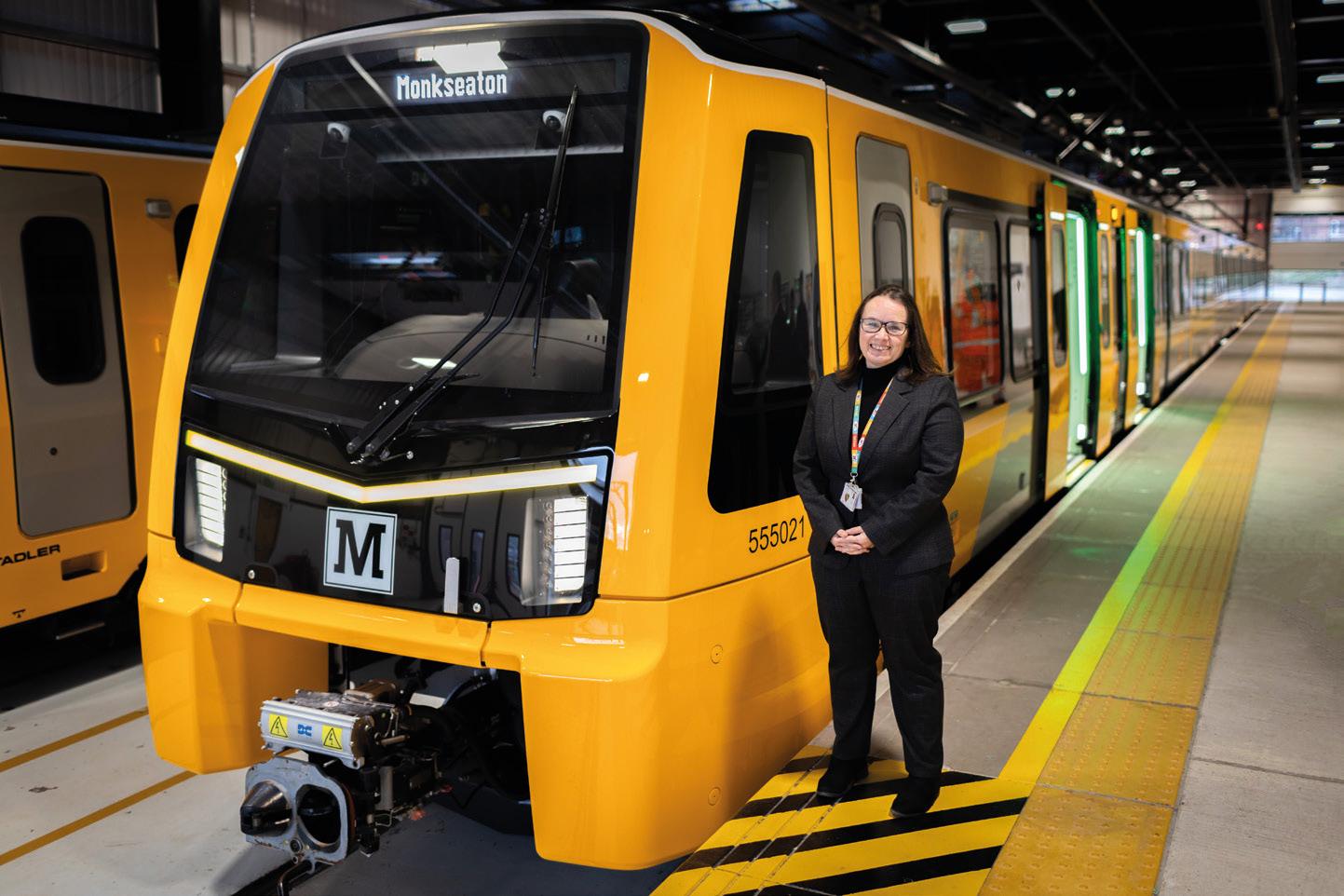
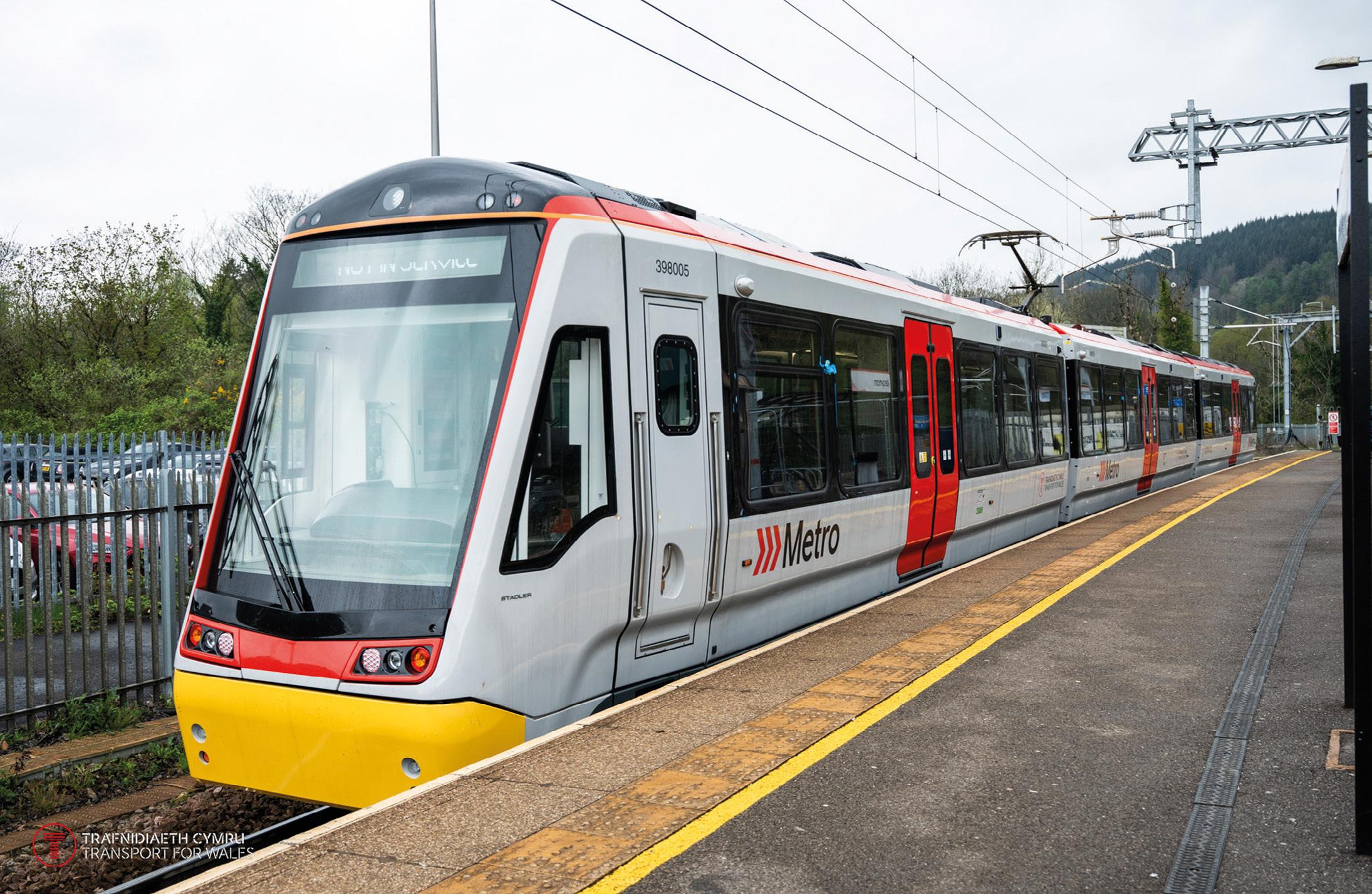
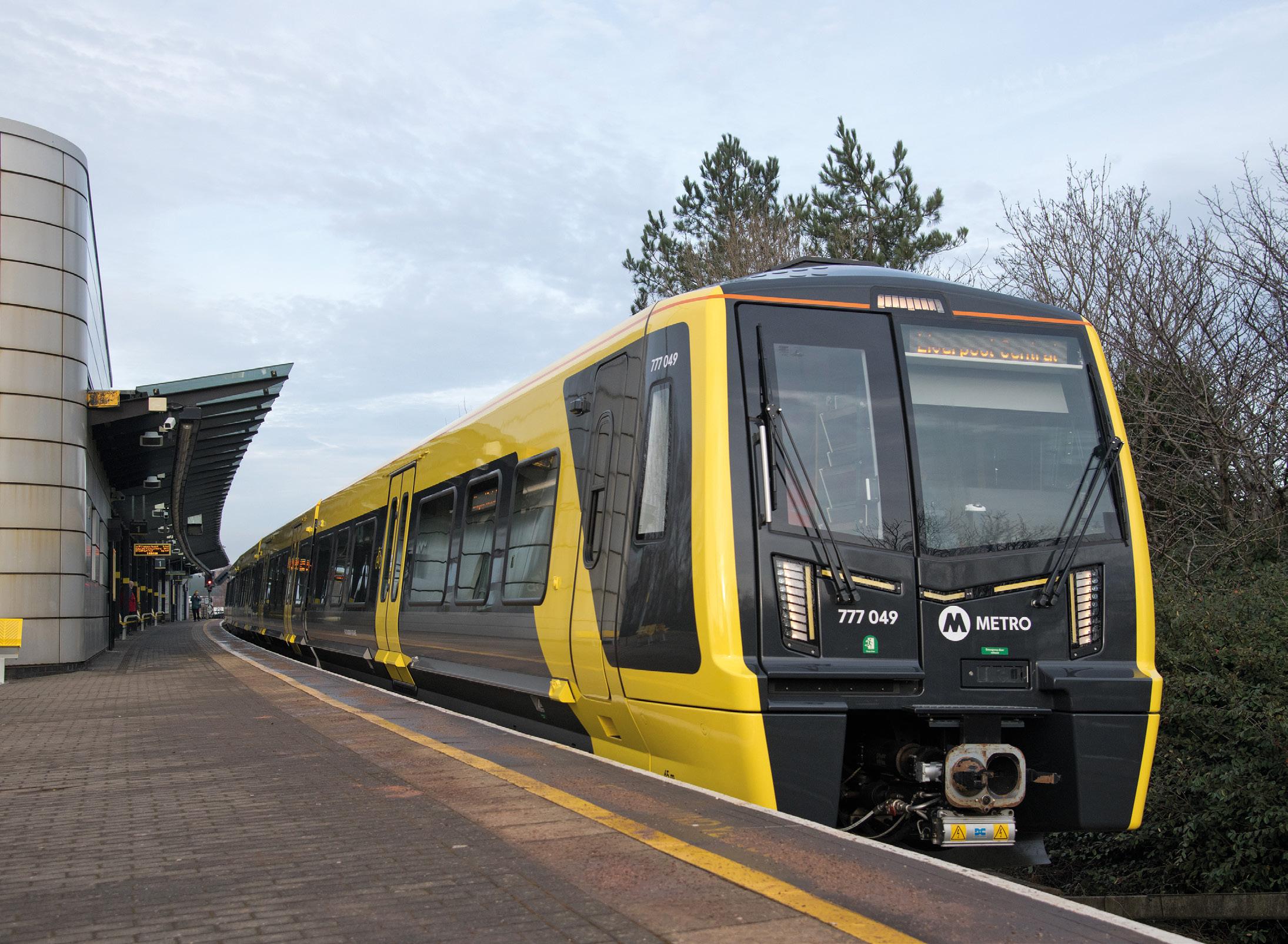
Achieving a world-class transport system is a huge task that involves constant evolution, ambition and investment – something epitomised by the operator’s current rollout of a £362 million fleet of new trains from manufacturer Stadler.
Driver training on the fleet has been successfully completed with more than 200 members of Metro train crew, including drivers and operations managers, having undertaken the intensive training programme. More than half of the 46 trains have arrived, with the full fleet expected to be available for service by the end of quarter one next year. It is hoped the whole timetable will be operating with the new fleet by this summer.
“It’s been a project that has traversed every challenge you can possibly imagine including Brexit, COVID, and the cost of living to overcome,” Cathy said.
“The electrics were being manufactured in Belarus, then when the war started we had to move out of there. We couldn’t get hold of kit, we couldn’t get hold of microchips.”
It got no easier when the first fleet arrived. The team has had 19,000 clauses to satisfy, had to run the distance of the equator in testing time, and train half of the cohort to different degrees to
Image: Nexus
interface with the new technologies.
“It’s been an enormous undertaking and even though I was Major Projects Director as we progressed with the project, I didn’t fully appreciate what this particular stage of the project would require us to do,” she explained.
“People undertaking the training have described it as going from a 1980s Ford Escort to a 2025 Lamborghini.
“It is far more complicated than going from a manual to an automatic car, it is how you interface with the whole unit and this period where we’re sat in this world with the mixed fleet of old and new is challenging.
“We took a decision two-and-a-half years ago that we would do the rollout slow and steady so we could learn in a measured way. We knew we would find things because these are entirely bespoke trains.
“The biggest learning has been not to underestimate the complexity of the rollout, and to not rush through it.
“We have tried throughout the project to externally communicate some of these challenges so people understand what we are doing, and my learning on that is to step that up even more.
“With the staff trained, now it is about seeing the new trains ramp up in reliability before the summer so we know when we’re putting them out there that they are going to be operating well for the customers.
“We are still working through some issues and the
solutions and we need to get to that point before we can put all our eggs in one basket of the new fleet.”
With the rollout of the fleet well under way, attention now turns to the infrastructure. This is something Cathy admits is extremely challenging, describing the impacts of 30 years of reactive investment.
“We had a 10-year plan with the Department for Transport between 2010 and 2020 and then the pandemic hit. Between then and now, some years we’ve had only one-year funding plans,” she said. “I can’t think of a project you can plan and deliver in one year.
“The infrastructure side of things is improving but still a struggle, particularly as when the new fleet really starts hitting the mark signalling is going to be a major cause of performance issues and operational concerns.
“If a train fails it causes you a bit of trouble but it is one unit; if the signalling system fundamentally fails the entire safety of the railway is in question and we can never ever get to that point.”
It’s believed the signalling will be economically unviable by 2030, but that the organisation is already in a space now where obsolescence for some of the parts is becoming more and more of an issue.
“It is a shame because the signalling system as it exists works effectively, but it is not a process or a system that is supported by the market anymore,” she explained.
“We just can’t get the parts to keep it going,
It can be challenging at times but it is also very rewarding, especially when you hear firsthand the impact what you’re doing has
With the plans for the future to take the Metro product to a new generation, with a new fleet, new signalling and extended operating, that impact is only going to be even greater in the future
therefore we’ve got to modernise and we’ve got to look forward.
“Having looked across the market we are getting down to option selection now, looking at the best value system. I hope we will be there later this year.
“We’ve got a £148 million pledge by the Government within this Parliament and although we won’t get a signalling system for that, we are in discussions about how we can bolster that to the potential cost of between £300 and £400 million for the full scheme.”
In terms of the more general infrastructure, with the region’s Mayor coming into power and devolution happening, there is an integrated transport settlement which will take the organisation from 2027 to 2032.
“This is going to be enormously valuable for us and we’re preparing for that now,” she said.
“We’ve done an awful lot of work to scope our whole programme for the five years so we can really prioritise where we need to prioritise and understand the risks we’re taking where we don’t.
“As a result, we’re going to be setting up supplier frameworks across the market and across the disciplines to enable us to deliver faster. That is going to be a game changer for us when it comes to infrastructure, allowing us to be far more efficient and plan far more effectively.”
There is also the ongoing work for the first new Metro line for 30 years, going through Washington, built as part of a £1.85 billion funding deal agreed with the Government. Cathy highlights how it builds on the success of its Metro Flow track dualling project, which during COVID saw an existing freight line upgraded and electrified in South Tyneside, making it capable of carrying Metro services.
She said: “We’re currently doing quite detailed design so we can properly understand the requirements of the extension that will take us from Pelaw through Washington and close the curve down to South Hylton and Sunderland. We’re hoping to have finished that work later next year.
“It’s about taking things to another level, which is a lesson we learned with Metro Flow. With this scheme
we gambled, and funded an outline design at risk but when we delivered it was delivered on time, £3 million under budget, and we delivered more than we set out to do.
“It was a success because we planned it so thoroughly. We were very aware of where the risks lay and how we were going to manage them. It really came to fruition in that project so we are trying to apply those learnings for the extension.
“It’s exciting times, but I’m keen to get the signalling solution understood and funded first because if you’re then going to extend your system you need to have key plinths in place to understand what technologies you are connecting into.”
With so much going on, it certainly doesn’t get any easier for Cathy, who became Managing Director of Nexus in December 2023 after six months as Interim, a role which alongside Tyne and Wear Metro also encompasses bus services in the region and Shields Ferry.
Reflecting on the more difficult days, she gives two examples that immediately spring to mind. One was the suspension of services between Heworth and Monument three days before Christmas in 2024 because structural integrity issues caused the closure of Gateshead flyover.
Another was a torrential downpour in September 2023, which caused major disruption to public transport on the same day tens of thousands of people were in the area to take part in and support the Great North Run half marathon.
“As I got into the South Shields Transport Interchange I could feel water lapping halfway up my calves,” she said.
“As I walked in my Infrastructure Director came in behind me, we both just turned and looked at each other and said ‘get everybody out’.
“Upstairs at the Interchange we had a lady who was 28 weeks pregnant and she started getting contractions. The paramedics couldn’t get near us in an ambulance so they walked in. We thought we were going to have a baby in the staff room!
“It was quite an experience that day. I got home at about midnight. It was pretty heroic what people did to get us moving again and really highlighted the efforts the of the team in providing a service.
“There were people in tunnels with handpumps. It was the worst but it was also us at our best.”
It is on those tougher days that Cathy reflects on the positive impact Nexus has on so many lives and the changes within the business.
“Just one example of the impact on people’s lives was a video a young wheelchair user sent of him using one of our trains after we’d completed work on sliding steps to ensure our platforms were level,” she said.
“He was able to go to college independently as a result of how the train operated and having level boarding.
“It is these kind of moments in which I think whatever we are going through and whatever stresses and strains we face, it is worth it because those are the life changes we can bring about in the long term.
“With the plans for the future to take the Metro product to a new generation, with a new fleet, new signalling and extended operating, that impact is only going to be even greater in the future.”
Antoinette Stevenson, Marketing and Events Manager at Jobson James Rail, looks ahead to RIN Glasgow 2026
Connecting Scotland’s rail industry for growth
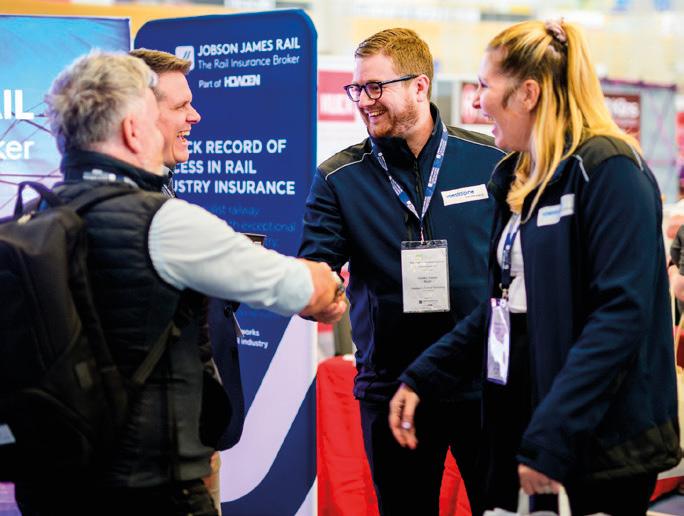
The Jobson James Rail team return to Scotland this May with the UK’s leading Rail Infrastructure Networking (RIN) trade show: RIN Glasgow 2026. Now at its new home - Hall 2 of the Scottish Event Campus - the event marks a major milestone as RIN Events celebrates its 10th anniversary.
Over the past decade, RIN has evolved from a simple idea to help suppliers meet buyers into one of the UK rail industry’s most effective platforms for genuine commercial connection. In that time is has supported hundreds of exhibitors and thousands of visitors. Across every event, the ethos remains unchanged: creating space for suppliers, SMEs, Tier 1 contractors and Network Rail to build meaningful relationships, develop partnerships and unlock new industry opportunities.
Last year’s Glasgow debut set a new
standard - not just for attendance, but for the depth of engagement on the day. With strong support from Network Rail Scotland and Scotland’s Tier 1 framework contractors, RIN arrived in Scotland with momentum and the welcome it received highlighted a very real appetite for collaboration across the supply chain.
Andrew Campbell, Head of Procurement for Network Rail
Scotland, captured the spirit of the event perfectly: “It’s absolutely fantastic to see so many SMEs, some we know and many we have never met before, coming together in Glasgow to meet key players in Scotland’s railways. It’s a great opportunity to explain what they can do, demonstrate innovation and show how they can support us.”
With Network Rail actively seeking suppliers who can collaborate with the Scottish Framework to deliver ambitious investment works, RIN Glasgow offers a unique and highly productive environment for companies of all sizes to connect directly with decision-makers.
One of the standout features of every RIN event is the Meet the Buyer (MTB) programme, offering exhibitors the exclusive opportunity to apply for 1:1 meetings with Tier 1 contractors and major rail buyers.
Among those taking part this
year is David Timmons, Procurement Manager at Story Contracting: “RIN Events are an important part of our engagement with the supply chain and we’re excited to return as exhibitors for RIN Glasgow 2026. At Story Contracting we value collaboration, innovation and fresh thinking. RIN Events consistently brings together exactly the kind of suppliers and SMEs who can help drive our projects forward. I’m delighted to join the MTB Procurement Panel this year to meet suppliers face to face and explore new opportunities for partnership.”
RIN Glasgow will feature 150 exhibitors and hundreds of visitors all powered by genuine industry enthusiasm and the renowned RIN hot breakfast rolls.
For more information on RIN Events and to register for your free visitor ticket, visit www.rinevents.co.uk
East West Railway Company has launched its latest consultation described by CEO David Hughes as a major step forward to help ensure communities see the benefits of the project sooner
East West Rail: Updated designs and accelerated construction plan
East West Railway Company (EWR Co) has launched its latest consultation which includes updated proposals for the new railway. This includes an accelerated construction programme to deliver the benefits of the railway to communities earlier and the delivery of up to five trains an hour.
The latest details are part of EWR Co’s last routewide consultation on the project, which will connect Oxford, Milton Keynes, Bedford and Cambridge before a Development Consent Order (DCO) application to build the railway is submitted in 2027.
David Hughes, Chief Executive Officer, EWR Co, said: “These updated proposals mark a major step forward for East West Rail to help ensure communities see the benefits of the project sooner as we finalise the design.
“Faster delivery, more frequent services and new stations will help unlock housing, support new jobs and attract investment, while giving residents and businesses better connections between Oxford, Milton Keynes, Bedford and Cambridge.”
These proposals now take into account the plans for the Universal Resort near Bedford and reflect the expected increase in passenger demand along the line and include provision for a station at Stewartby to serve the theme park.
As a result, EWR is now proposed to be built in new delivery phases - replacing the previous connection stages - with new stations and sections of the railway opening as soon as they are ready, rather than
waiting for the whole route to be completed.
This approach aims to bring forward better benefits to communities and passengers and accelerate the delivery of EWR in certain sections, allowing new communities to grow around the infrastructure in place, unlocking housing opportunities and drawing in more investment and businesses. It will also better align with getting highcapacity frequent services to the new Universal Resort earlier than previously anticipated.
A core EWR service of four trains per hour across the whole route is now proposed, with an additional fifth train running at peak times or potentially all day, if required. This fifth train could be used to enable service extensions to and from locations on the wider rail network beyond the EWR route. Five-carriage trains, rather than four carriages, are also proposed due to increased demand.
David added: “By bringing forward key elements of the railway and planning for increased demand, we are helping to ensure the infrastructure is in place to support future growth and opportunities for our communities.”
Latest proposals:
Tempsford - plans to connect the proposed new town of Tempsford to the rail network will be brought forward five years earlier than originally planned. Construction of a new station at Tempsford would start by 2030, giving Tempsford access to north-south services on the East Coast Main Line. EWR platforms would follow in the mid
to late 2030s. EWR would support increased train capacity from the west to Milton Keynes, where Universal plans to run a coach shuttle service to the new resort when it opens. Once everything is up and running, Tempsford will offer direct eastwest links to Oxford, Bedford and Cambridge, as well as services to Peterborough and London. Extending the station to include a southern entrance is now proposed to provide improved access on both sides of the A421 and support a phased opening. There would be north-south connectivity via a new underpass beneath the new A421, providing active travel and bus routes to and from the station.
Marston Vale Line - improvements on the Marston Vale Line will also be accelerated. This includes upgrades to the track, electrification and a new station at Stewartby to serve the Universal theme park - along with three new fully accessible stations at Woburn Sands, Ridgmont and Lidlington. These upgrades will allow four trains an hour to run between Oxford and Stewartby by the early 2030s. Universal will start with shuttle buses from Milton Keynes, but by fast tracking this part of the project, EWR trains can serve the park with four trains an hour within its first few years of operation.
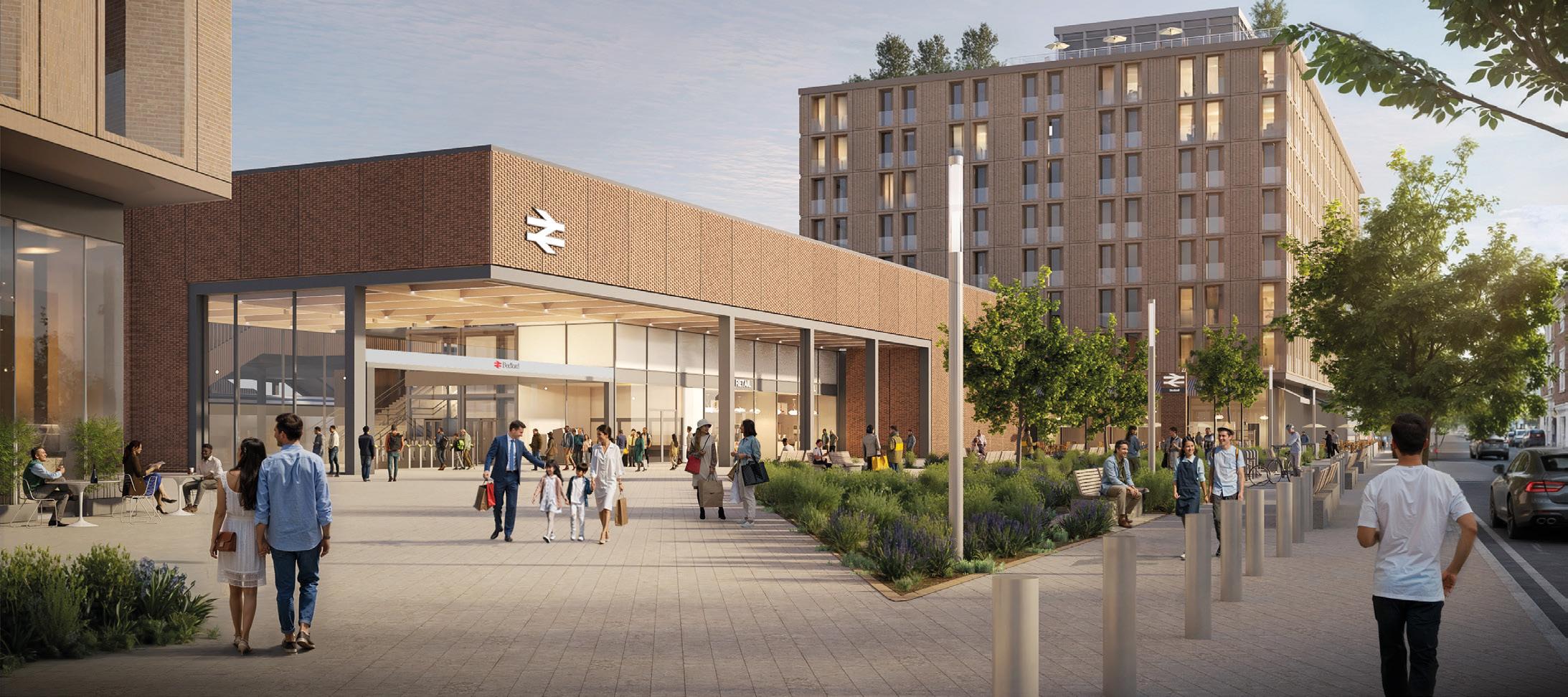
Bedford - the delivery of a brand-new station in Bedford, including a new western entrance, is being brought forward. This will regenerate a
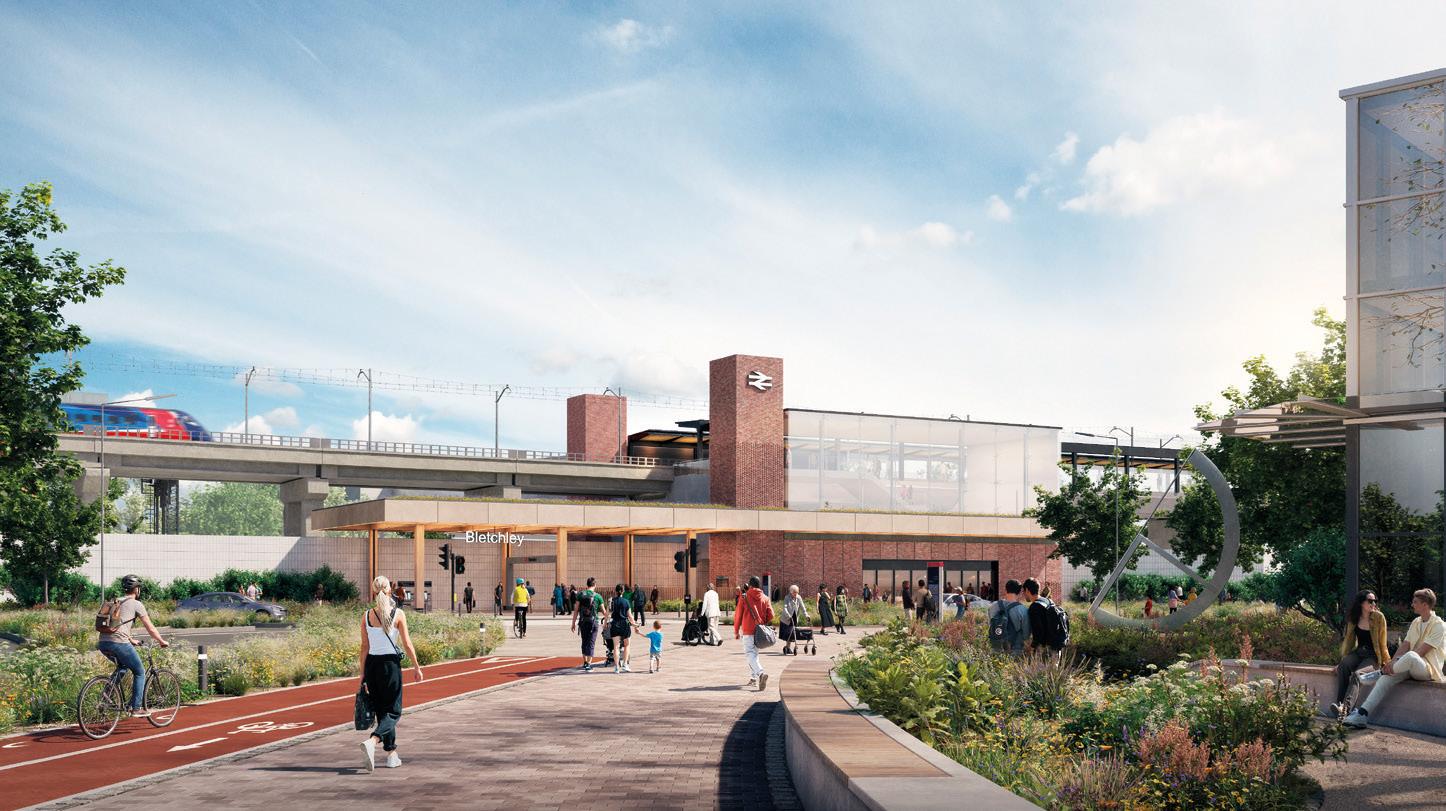
Images: East West Rail
key gateway to the town and create full connectivity in every direction. Once it’s complete, those four trains an hour between Oxford and Stewartby will be extended to Bedford by the mid-2030s.
Cambridge - improvements in Cambridge are also being accelerated. This includes a new entrance at Cambridge station and a new station at Cambridge East, which will be ready for other services — like Greater Anglia trains to Ipswich — before EWR fully launches. When everything is complete, Cambridge will be better connected than ever, with stations to the north, south, east, west (at Cambourne) and in the city centre.
Full-service timeline - the full end-to-end service with up to five trains an hour running all the way from Oxford to Cambridge will be operational by the mid to late 2030s.
Electrification - hybrid electric/batteryequipped trains are planned to operate along the railway to enhance decarbonisation, support UK net zero goals, and reduce emissions.
Modern stations - train stations will support multi-modal travel with integrated bus and active travel connections, mobility hubs, and improved station access for walking, wheeling, cycling, taxis, and parking.
Environment - to achieve sustainability goals, the designs seek to realise opportunities to enhance and strengthen green infrastructure networks,
to benefit local people and nature along the line of the route. Environmental assessment and mitigation proposals include habitat creation, flood mitigation, noise barrier location development, drainage pond and floodplain compensation locations, species connectivity (green bridges, corridors) and landscape integration and reduced cutting/embankment heights.
Rail Minister, Lord Peter Hendy, said: “East West Rail will unlock the potential of the OxfordCambridge Growth Corridor, providing greater
Railway engineering consultants
Strategic
Advice
◼ Independent advisor
Asset management
Due diligence
Early Design
◼ Routes / stations
Concept / feasibility
Systems integration
Project Management
Engineering management
Social value
Stakeholder management
connectivity across the region and delivering on our Plan for Change mission to drive economic growth, jobs and homes.
“This consultation reflects continuing progress on the final design for this critical railway and another step forward to delivering the benefits of this project to a multitude of individuals, local communities and businesses.”
The consultation, which runs until June 9, was launched earlier this month with feedback being taken into account as designs for the railway are finalised ready for the submission of a DCO in 2027. Visit https://eastwestrail.co.uk/ for more details.
Predict and Prevent Switch & Crossing and other Asset Failures with SWiX
remotely monitors track substructure and critical components to extend asset life, eliminate service affecting failures, reduce downtime and optimise maintenance activities.
The OPC is offering a fresh perspective on how non-technical skills can infl uence decision-making, performance and risk in complex environments, informed by mountaineering insights
Decisions at the edge: Strengthening performance when it matters most
In rail, much has been done to embed non-technical skills (NTS) into safety-critical roles. From drivers and signallers to engineering and operational teams, rail organisations increasingly recognise that safe and effective performance depends on more than technical competence alone.
Yet a key question remains for many leaders: how consistently do these NTS hold up when conditions change, pressure builds, and decisions need to be made quickly?
Across safety-critical environments, performance under pressure is rarely about knowledge alone. It can be shaped by the behaviours individuals demonstrate, including how they maintain awareness, anticipate emerging risks, communicate effectively and remain composed when faced with uncertainty. While these capabilities are better understood, their application in real-world operational settings can vary.
Drawing on more than 30 years of applied psychology and post-incident assessment work in rail and other high-risk industries, the Occupational Psychology Centre (OPC) has found that many operational challenges relate less to technical competence, but more often to how people respond in the moment. Human factors such as working on autopilot, missed subtle and accumulating risks, or reduced capacity under pressure can all influence safety outcomes.
To explore these challenges from a different perspective, the OPC has partnered with renowned mountaineer and expedition leader Squash Falconer. While rail operations and high-altitude mountaineering may appear worlds apart, the human challenges that shape performance when risk is elevated are strikingly similar.
In both environments, individuals are required to make decisions in complex, changing conditions, often with incomplete information and significant consequences attached. Success depends not only on what people know, but on how they interpret what is happening around them, anticipate what might happen next, and adjust their actions accordingly. These are some of the NTS that underpin safe and effective performance.
Image: Squash Falconer
By exploring these behaviours through a different perspective, we can help people think more clearly about how they apply them in practice
Squash’s experience in extreme environments brings these skills to life in a practical and highly relatable way. Whether navigating a mountain ascent or managing operations within a live rail environment, the same capabilities are at play: anticipating risk, maintaining structure in decision-making, and staying composed under pressure.
This cross-industry perspective sits at the heart of Decisions at the Edge, a new interactive one-day workshop developed by the OPC in collaboration with Squash. The workshop is designed to help organisations strengthen how NTS are applied in practice, particularly in situations where pressure, uncertainty and risk are heightened.
Through expert input, video, real-world case studies and facilitated discussion, participants gain practical insight into these behaviours in action. Drawing on mountaineering experience alongside applied psychology, the learning is vivid and memorable, helping delegates translate insight into practice.
Laura Hedley, Head of Consultancy and Talent Services at the OPC, said: “Non-Technical Skills are now well embedded across rail, but maintaining them consistently, particularly under pressure, can still be a challenge. By exploring these behaviours through a different perspective, we can help people think more clearly about how they apply them in practice.”
For senior leaders and decision-makers, the value lies not only in individual development, but in strengthening how teams and organisations approach performance in high-risk environments. Developing these human capabilities alongside technical expertise can support more consistent decision-making, improved risk awareness, and ultimately safer operational outcomes.
The Decisions at the Edge workshop will take place on Tuesday 12 May 2026 at the Leonardo Hotel, Watford. 9:30am-4.00pm.
Find out more
To learn more or register your interest, get in touch with the OPC team at: admin@theopc.co.uk
01923 234646
www.theopc.co.uk/contact/
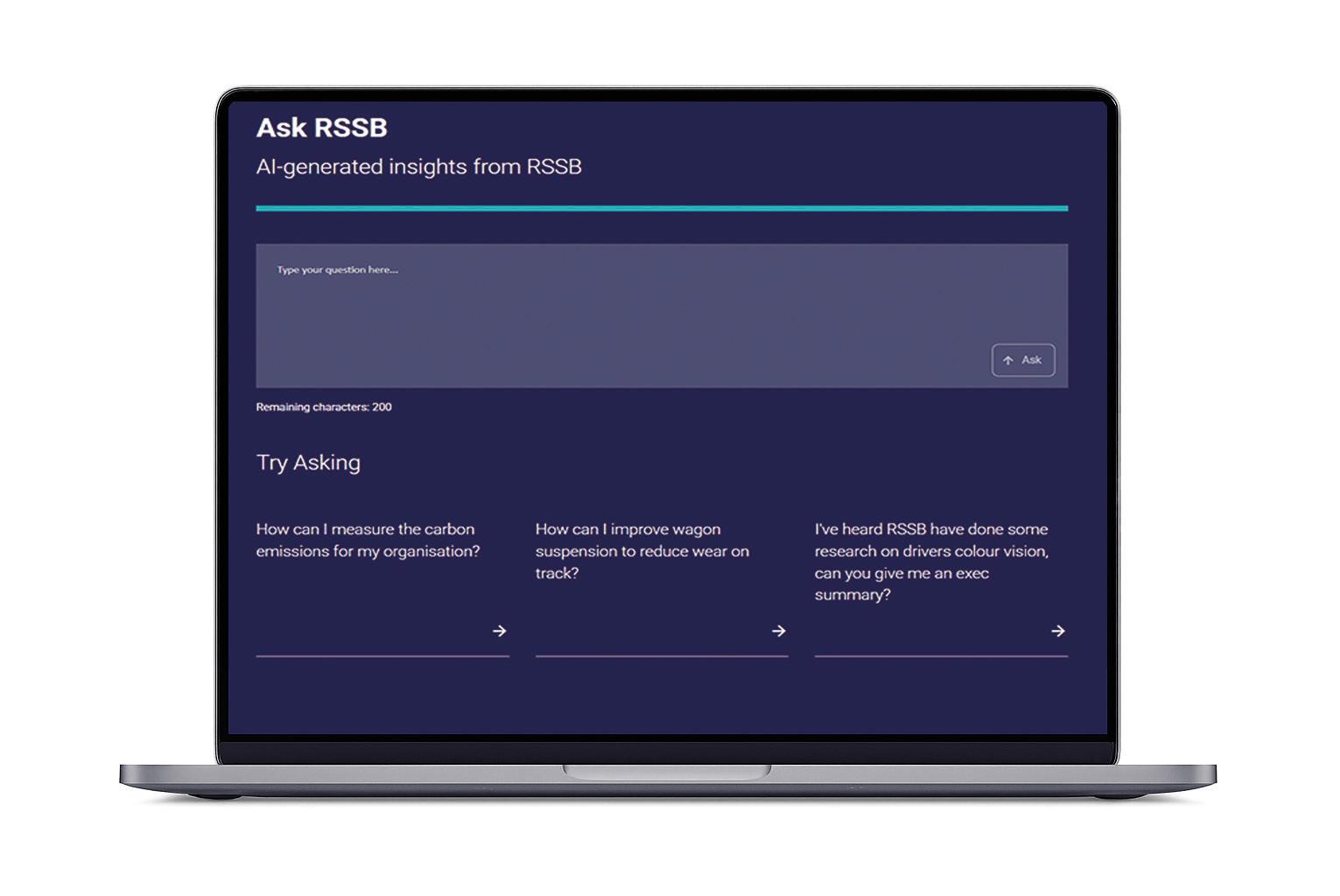
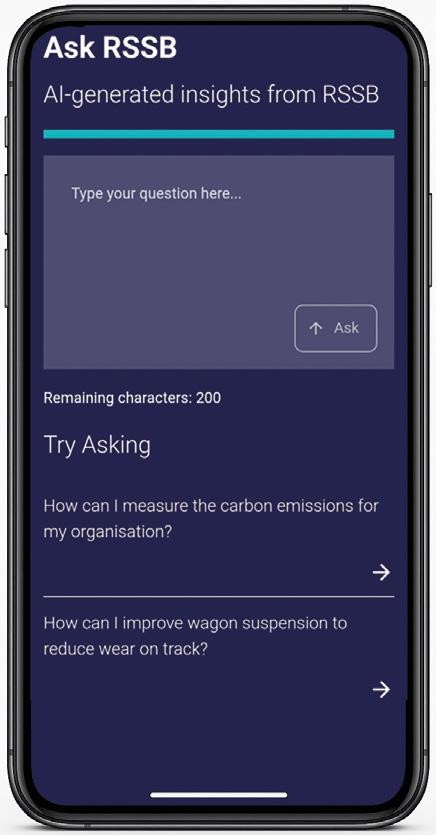
Ask RSSB
Ask RSSB gives you quick, easy access to the wealth of information on the Rail Safety and Standards Board website
One simple question delivers trusted guidance and the tools and services you need to support your role.
www.rssb.co.uk/ask-rssb
Passenger tram services have started running to
the
Millennium Point stop.
It’s the latest in an ongoing success story for the network
Customer satisfaction soars as Metro launches services to Millennium Point
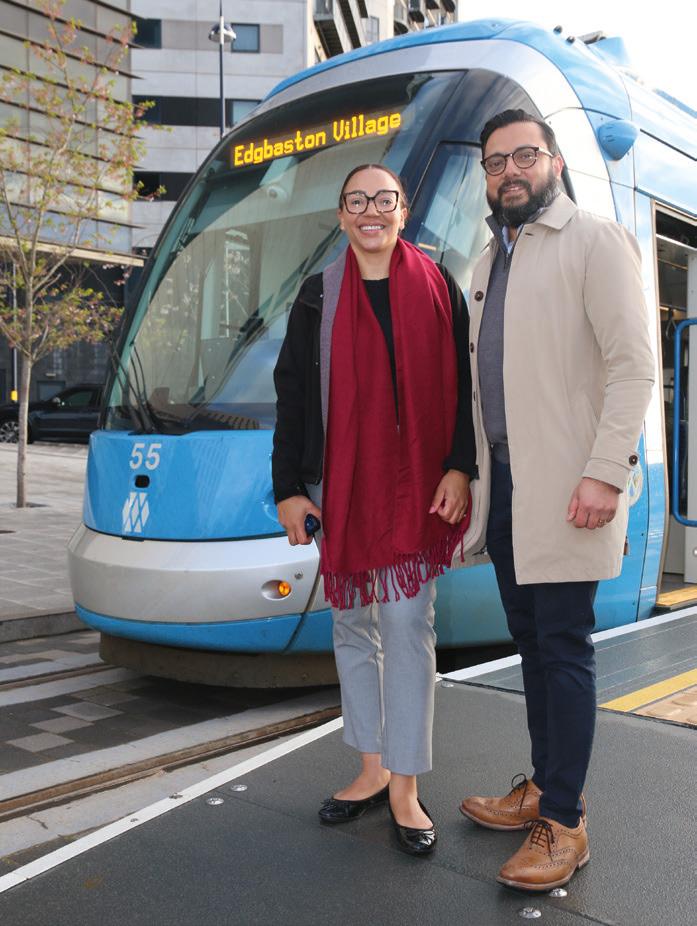
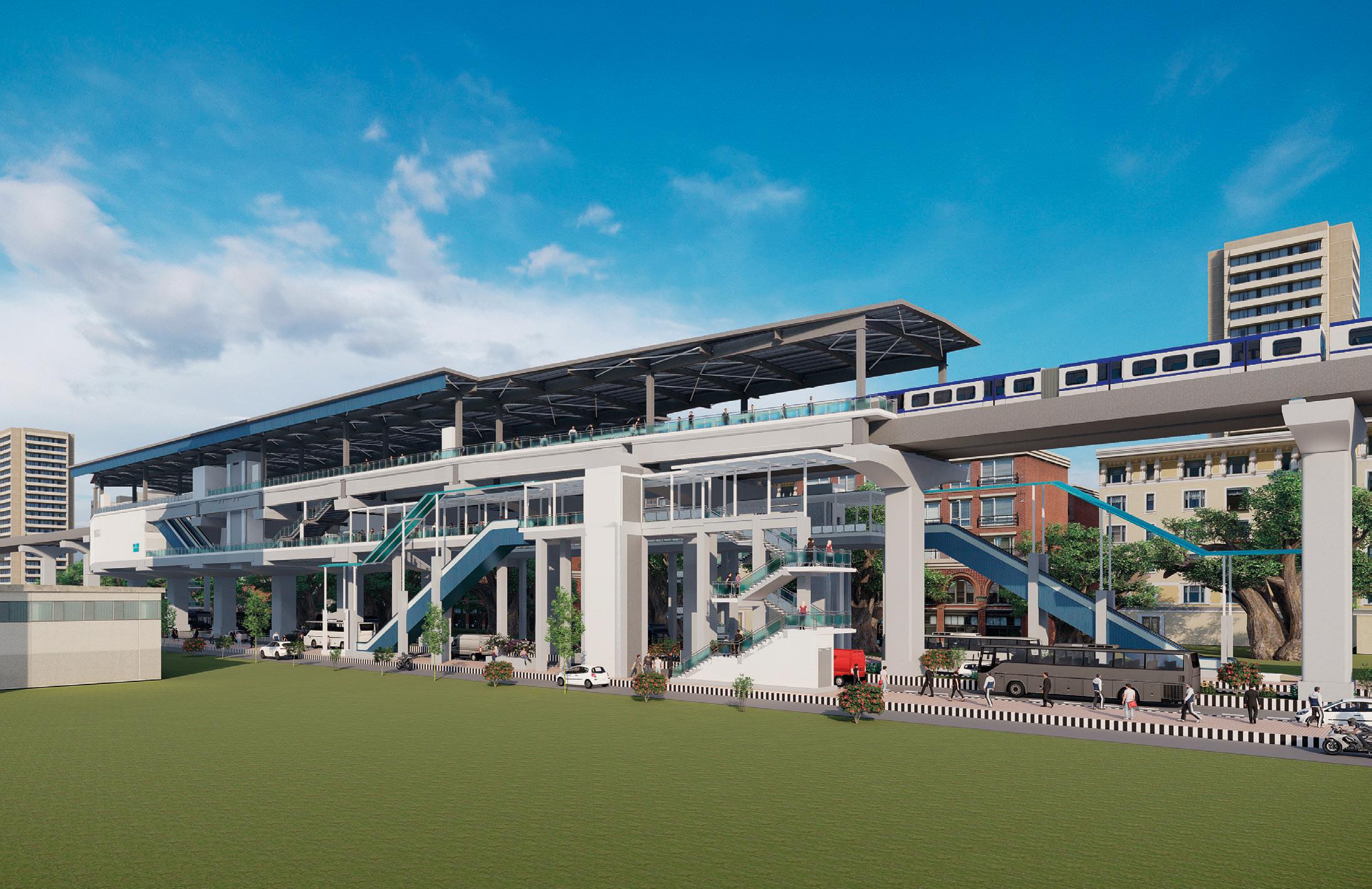
While the launch of passenger services on a new extension earlier this month marked another significant milestone in the expansion of West Midlands Metro, it’s just one element of an ongoing success story of one of the country’s most popular light rail systems.
In the lead-up to the opening of two new stops and the first trams to Millennium Point in Birmingham, the growing network published survey results showing an increasing number of passengers are giving the network’s existing services the thumbs up.
The research found that 93 per cent of respondents said they were satisfied or very satisfied with their Metro journey in 2025, a two per cent increase on the previous year.
The impressive figure was just one of many highlights found in the latest independent customer satisfaction survey, and Metro Managing Director, Sophie Allison, said they mark a huge vote of confidence in everything her team was doing to deliver a safe, sustainable and reliable tram service.
“The past 12 months have seen improvements across the board, with satisfaction in journey times also increasing by two per cent to 93 per cent, and satisfaction in the cleanliness of trams reaching a similar level following a three per cent increase compared to the previous year,” she said.
Other highlights of the survey include a two per cent increase in satisfaction with reliability to 91 per cent, while satisfaction with the frequency of services rose from 86 to 91 per cent.
Customers also recognised improvements in the helpfulness and attitude of members of the Metro team (up from 91 to 92 per cent), and the comfort of
their journey (up by four per cent to 88 per cent).
“We’re delighted at these latest customer satisfaction results that reflect the hard work of the entire Metro team and investment across the network,” Sophie said. “However, we will never become complacent and will continue to do everything we can to provide an even better service for both new and existing customers as we enter a new era with the opening of the new line and look forward to further extensions.”
The results couldn’t have come at a better time for the network, just a couple of weeks before the opening on Easter Sunday of the first stage of the Birmingham Eastside Metro extension.
Its two new stops offer passengers easy access to key destinations, including Moor Street Station, the Clayton Hotel, Birmingham City University campus and Millennium Point, and they arrived in time for families planning an Easter holiday visit to the popular Thinktank attraction.
“The launch has marked another important milestone in the expansion of the tram network, and the new stops will initially see trams every 15 minutes,” Sophie continued.
“They’ll deliver a wealth of benefits for local businesses and the travelling public by connecting another vibrant part of the city centre to the wider tram system.”
The new line also offers a direct tram link at the new Albert Street stop for the 400,000 bus passengers who use the Moor Street bus interchange every week, offering travellers seamless links between bus, tram and train for the first time in this part of the city centre.
It is also the first part of the route to branch off
from the main West Midlands Metro line between Birmingham and Wolverhampton, and a second branch will be opened later this year when trams start running between Wednesbury and Dudley.
Both are being delivered by Transport for West Midlands (TfWM), which is part of the West Midlands Combined Authority (WMCA), with services run by West Midlands Metro.
Sandeep Shingadia, Executive Director of TfWM, commented: “This new extension will bring people close to the places where they work, study and visit, while supporting local businesses.
“It is just the beginning of a much wider transformation of our Metro network to connect more communities, open up new opportunities to help our region grow and make travel easier and more accessible for everyone.”
Phil Edwards, Director of Infrastructure and Sustainability at Birmingham City Council, added: “It’s great to see the opening of new tram stops in Eastside, which will provide improved public transport access to Birmingham Knowledge Quarter, including Millennium Point and the Birmingham City University campus for residents and visitors alike.
“The council looks forward to working with WMCA to open further stops on the route through to Digbeth and beyond to the Birmingham Sports Quarter in due course.”
Construction was carried out by the Midland Metro Alliance on behalf of TfWM, and the organisation’s Project Director, Maria Ion, said it was incredibly rewarding to see trams run on the new route.
“This milestone has been achieved through close collaboration with our partners through all phases,
Image: WMCA
from planning and construction to testing and commissioning. We are grateful to residents and local businesses for their patience and cooperation throughout the construction process.”
The new line is already proving a hit with customers, and the first service to Millennium Point attracted a significant number of tram and rail enthusiasts from across the region and beyond.
The interest shown by residents and regular Metro customers also reflected the operator’s ongoing commitment to putting the needs of local communities and businesses at the heart of its operations.
“Over recent years, we’ve really stepped up our support for community groups in the areas we serve through sponsorships and charity fundraising,” Sophie said.
“This has included raising thousands of pounds for worthy causes, including more than £5,000 for Black Country Women’s Aid as part of our Charity of the Year initiative. In 2026, Midlands Air Ambulance looks set to receive a similar boost from the fundraising efforts of our team.
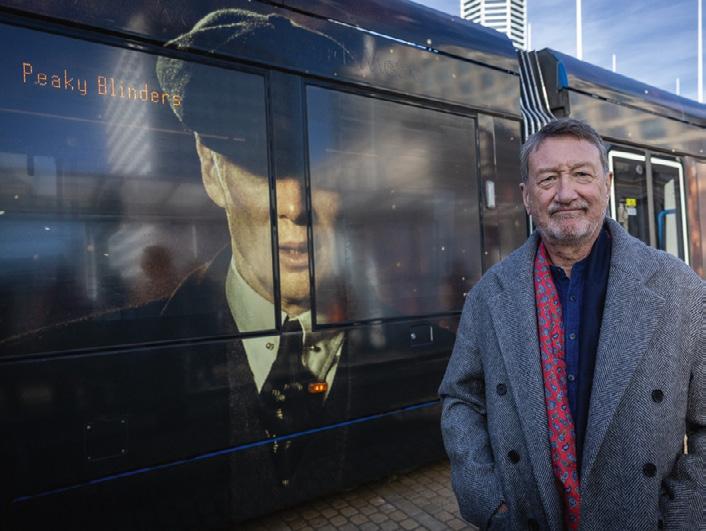
“We’re also playing an active role in helping the region celebrate its rich heritage and iconic place in popular culture. Recently, one of our trams played a leading role in events marking the premiere of the new Peaky Blinders film. The specially wrapped tram was named after series creator Stephen Knight, and it has since become a popular sight around the network.
“We’ve also forged strong relationships with
other cultural institutions, including the City of Birmingham Symphony Orchestra, and offered discounted travel to ticket holders of events such as Birmingham Pride.
“At the same time, we’ve introduced discounted travel for patients and their families visiting Birmingham Children’s Hospital – as well as hospital staff – a move that’s helped us to build even closer links with the communities we serve.”
While much has been achieved over the past couple of years, both in terms of enhancing existing services and the opening of the new line, this is not the end of the story. The extended route is just the start of a major expansion for West Midlands Metro through the east of Birmingham, with work already underway in Meriden Street to continue the line to Digbeth Coach Station.
Detailed plans are also being drawn up for a further extension to Birmingham City Football Club’s planned 60,000-seater Powerhouse stadium and, in the longer term, the route is expected to carry on through East Birmingham and North Solihull to Birmingham Airport.
In the meantime, on the opposite side of the existing line, an extension through to Dudley is expected to open later this year.
“As the network continues to grow, we can’t wait to welcome many more new customers and to connect even more communities across the West Midlands, and we will continue striving to deliver a public transport network the entire region can be proud of,” Sophie added.
It is just the beginning of a much wider transformation of our Metro network to connect more communities, open up new opportunities to help our region grow and make travel easier and more accessible for everyone
Sarah Turner, Managing Director at Nottingham Express Transit, reflects on her time at the operator, and shares advice to inspire future female transport talent
Setting a benchmark for best practice
Sarah Turner has a huge amount of pride in her role as Managing Director of Nottingham Express Transit (NET).
For the last two years she’s been at the helm playing a crucial role in keeping residents and businesses moving and in the tram’s role as an enabler for the city’s future growth, prosperity and green ambitions.
“My time as Managing Director has been both challenging and deeply rewarding and I feel privileged to be in a role that has so much variety, and to have the opportunity to get involved with so many things within the business and across the wider industry,” she said.
“With that comes a real weight of responsibility, which is why surrounding myself with a strong team is essential and leading with humility matters so much to me.
“I don’t see my job as being the subject matter
I think it’s so important that females see females doing roles that typically hold certain stereotypes and stigmas
expert in everything, but as being a strong leader who provides direction, support and guidance, drawing on the expertise and different strengths within the team.”
NET, which opened in 2004 and was extended in 2015, offers a sustainable, convenient and affordable way to travel through the city and the surrounding areas with trams from every seven minutes, seven days a week and 364 days a year.
“The role is extremely rewarding,” Sarah added. “Whether it’s seeing the team pull together in difficult moments and having those small but meaningful conversations where I learn something new about a colleague, or hearing from customers about how the tram enables them to live independently.
“It also has its challenges. The responsibility can feel heavy and, when times are tough, it can be lonely knowing the business is looking to you to make the right decisions and steer it through. But that is why
Images: Ash Stanley/A S Studios Ltd
Powering customer-first journeys across rail, bus
and beyond
Transport is evolving and expectations are rising.
Today, it’s not just about selling tickets. It’s about delivering seamless, connected journeys that feel simple from purchase to destination.
Worldline brings together retail, payments and data to make that possible.
From mobile and web ticketing (MTiS & WebTIS) to contactless Pay As You Go (Tap 2 Use), intuitive ticket vending (TVKs) and the rail network’s central ticketing and revenue system LENNON, we enable operators to modernise infrastructure while improving the customer experience at every touchpoint.
Our solutions are designed to:
• Connect every stage of the journey
• Simplify complex transport ecosystems
• Enable frictionless, customer-first mobility
• Deliver real-time insight and smarter operations
With decades of transport expertise and billions of transactions processed annually, we’re a trusted partner to operators, authorities and mobility providers shaping the future of transport.
Missed us at Transport Ticketing Global this March?
It’s never too late for a chat. Get in touch at worldline.com to book an appointment and discover how Worldline can support your network.
The transport industry is traditionally very male dominated and lacks diversity, so I want to be that advocate for other women in the sector, or those thinking of entering the sector, while also being someone they can look to for guidance and inspiration
I love the transport industry – there is never a dull moment and the rewards are huge.”
Tramlink has been the private investment partner in the Nottingham Trams since 2011, helping to build, maintain and operate the infrastructure. The concession runs until 2034. As for the immediate future, Sarah’s aspirations for NET include setting a benchmark for best practice in tram operations and leveraging technology to enhance customer experience.
“I want to see the business thriving as a highperforming tram operator recognised for safety and reliability,” she said.
“I want to continue to grow our passenger numbers beyond pre-pandemic levels, operating a timetable that supports and drives the growth of Nottingham’s economy, helping to re-establish the city as a core regional hub.
“Additionally, I aspire for us to be a leading voice in advocating for future tram extensions in Nottingham, while also pioneering diversity and inclusion, ensuring our team truly reflects the community we serve.”
Breaking the glass ceiling
Sarah has worked in the transport industry for 12 years, nearly a decade of those at East Midlands Railway. Her journey at NET started as Service and Safety Director before becoming Managing Director.
Alongside the responsibility of the role at NET, she is keen to promote the wider industry, particularly around diversity, advocating for more female representation and challenging stereotypes, to sharing her thoughts on the importance of leaning on allies.
“Without any of my support network in place, I admit that I would have struggled,” she said. “Being in a leadership role can be lonely at times, transitioning from being within a team of peers to being someone who those peers now look to lead the way is something that took me some time to get used to.
“It’s important to surround yourselves with people who will lift you up, and a good place to start is with a mentor. I am lucky to say that I have had incredible mentors, both male and female, throughout my career.
“Each one has pushed me to achieve things, even when I was out of my comfort zone, when otherwise I
perhaps would have struggled. Mentors also offer a place of guidance and advice that a line manager or peer may not always be able to give.”
NET offers a ‘reverse mentor’ scheme, where managers and leaders of the organisation are mentored by frontline teams, such as tram drivers and engineers, offering a similar experience to others in the team.
“I am mentored by one of our amazing tram drivers and the opportunity to hear about his experiences and perspectives is a prime example of being able to learn from others,” Sarah said.
“It is when you open yourself up to different perspectives that you can really grow and develop.”
Breaking stereotypes and encouraging diversity
There’s been a four per cent rise in female representation in the transport sector workforce since 2023 according to the Women in Transport Equity Index. However, while progress is being made, continuing this upward trend remains a key point on the agenda for gender equality within the sector.
Sarah is keen to play her role in changing this, advocating for diversity within the workplace, especially when it comes to female representation and breaking traditional stereotypes found in the transport sector.
“I think it’s so important that females see females doing roles that typically hold certain stereotypes and stigmas,” she said.
“The transport industry is traditionally very male dominated and lacks diversity, so I want to be that advocate for other women in the sector, or those thinking of entering the sector, while also being someone they can look to for guidance and inspiration.
“Women make up 27 per cent of the transport workforce and although this doesn’t surprise me, it does disappoint me that it’s still this low, and it is not something the industry should settle for.
“When you look at successful businesses, you can see that they have diversity at the top of their agenda, which is why it is so important for me within my role to ensure that this is, and remains, at the top of NET’s list.”
She added: “At NET, we have a tight agenda for encouraging diversity and this includes an increase
in women working at NET. Female focused open days and targeted recruitment drives are great places to start to get us on the way to reaching this goal, and it’s initiatives such as these that I think the industry should be leveraging more.”
Collaboration, communication and championing
Sarah spoke to Rail Director on International Women’s Day, which this year was themed around Give to Gain, encouraging a mindset of generosity and collaboration, and this is something that particularly resonates with her.
“The industry needs to come together to push this far and wide – it’s through collaboration, communication and knowledge sharing where true progress can be made,” she said.
“As an active member of the industry body, UK Tram, I’m regularly involved in conversations on how to make the sector more diverse.
“NET sits within the wider Keolis group, which has a very strong agenda for diversity. There’s a big drive at Keolis to champion under-represented groups, including women, and that also means I am pushed in my role as Managing Director to do what I can to extend this to NET.”
Sarah is proud that NET’s leadership team reflects the gender diversity that the wider sector should be striving for. With four females sitting within the sixperson team, the strong cohort of female leaders within the business highlights the depth of talent across the industry and underscores the importance
of creating pathways that enable women to progress into senior roles.
Similarly, Sarah strongly believes that those in leadership positions should reach out to future generations to show them what a career in transport can offer, highlighting the fast-paced nature of the sector being what she enjoys most and with no two days being the same, as well as the broad
range of roles available.
“It’s about encouraging the future generation to look outside traditional career paths and explore other options, such as in the transport sector,” she said.
“I want to use my role to push this as much as possible, not only at NET but also for the industry worldwide.”
World fi rst as development of quantum navigation technology advances onto Britain’s national railway
Britain’s railway has taken a major step in the development of quantum navigation technologies, with new systems designed to measure train position with extreme precision now being advanced for the national rail network.
Quantum inertial navigation uses ultra-sensitive sensors capable of detecting minute changes in motion and rotation. Unlike satellite-based navigation systems such as GPS, it does not rely on external signals, meaning it could provide highly resilient positioning even in environments where satellite signals are unavailable, including tunnels, dense infrastructure or areas affected by interference.
The technology is being developed as a potential future alternative to fixed trackside positioning infrastructure, which can be costly to install and maintain and is vulnerable to environmental disruption or equipment failures. Once developed, quantum will enable a lower cost, more reliable, more resilient system.
Rail Minister Lord Peter Hendy said: “For more than two centuries Britain’s railway has forged technologies that have shaped the modern world. The development of quantum inertial navigation continues that legacy.
“With these new capabilities, we’re preventing equipment failures, helping to boost our railway’s
reliability and keeping passengers moving.
“It’s all part of our plan to modernise track and train under Great British Railways, adopting worldleading technology that increases resilience to improve passenger experience while supporting jobs, growth and homes.”
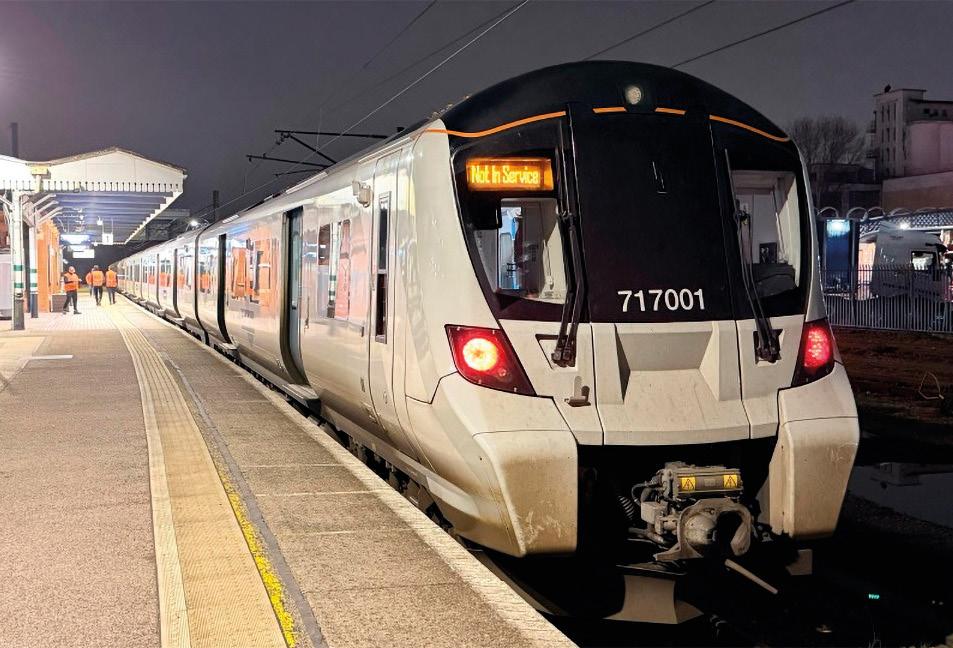
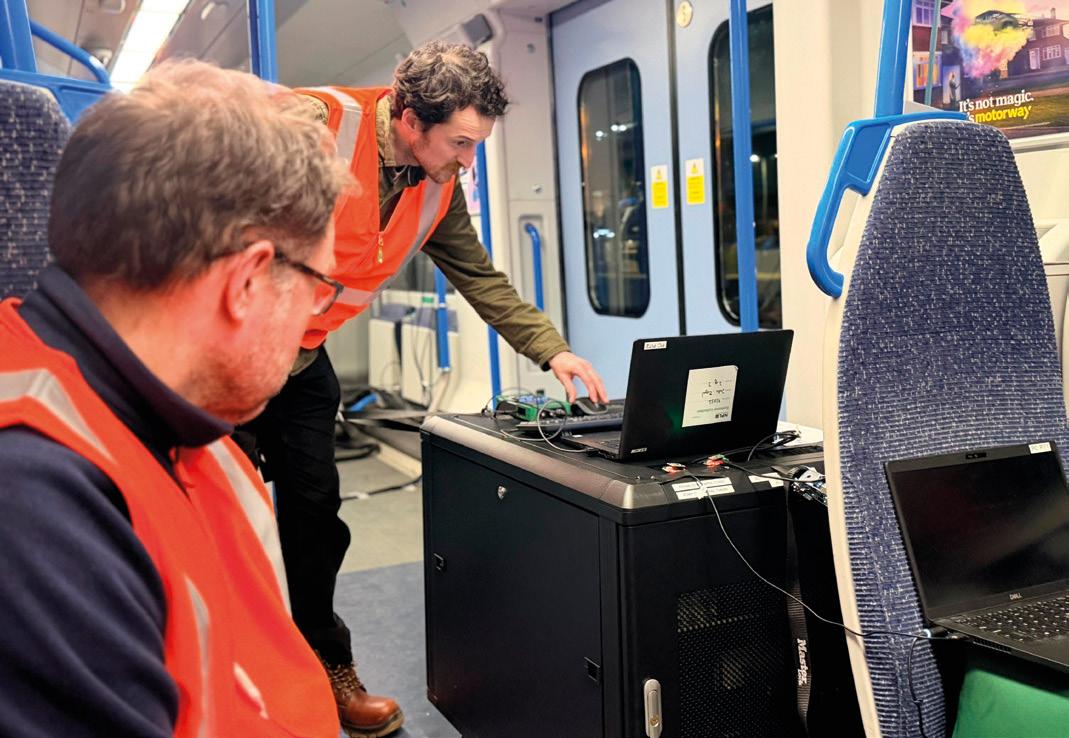
As part of this development programme, a Rail Quantum Inertial Navigation System (RQINS) has now been tested on a mainline railway for the first time anywhere in the world.
The system was carried on a Great Northern train operated by Govia Thameslink Railway (GTR) between central London and Welwyn Garden City last month, providing real-world data to help understand how quantum positioning technologies perform within the operational environment of a national railway network to inform its development.
This milestone builds on work undertaken by the Ministry of Defence and on Transport for London’s network and represents the next step in developing quantum sensing technologies for use on heavy rail.
The development programme is being progressed through a specialist consortium led by MoniRail, working with Imperial College London, the University of Sussex, QinetiQ, PA Consulting and the National Physical Laboratory, with support from Innovate UK and the Department for Science, Innovation and Technology (DSIT).
This development is convened by GBRX, the strategic innovation and technology body for Great British Railways, to accelerate the adoption of strategic technologies that improve the railway for passengers and freight.
Toufic Machnouk, Managing Director of GBRX, said: “Developing new technologies within the complexity of a railway network is essential to understanding how frontier technologies can be translated into operational capability.
“Quantum sensing is one of the UK Government’s frontier technological priorities. Railways, as one of the country’s most complex operational systems, provide a powerful platform for developing and scaling these capabilities for rail and beyond.
“This programme begins the process of understanding how quantum positioning could fundamentally reshape how railways work. In the future, it could reduce reliance on costly trackside positioning systems while enabling new capabilities for signalling, improved operational performance, network planning, enhanced condition monitoring and more intelligent railway operations.
“This test represents an early but important step in that development journey and demonstrates how collaboration between Government, academia and industry can accelerate the development of frontier technologies.”
New DLR trains returning to customer service by late summer
A phased reintroduction of Docklands Light Railway’s (DLR) new trains is expected by late summer. Transport for London (TfL) says this follows significant progress by engineering teams in carrying out detailed investigations, testing, and assurance to ensure the fleet is ready to enter to service safely and reliably.
In late 2025, a train stopped past its intended stopping point – the only time this occurred after
the new trains were introduced. However, as a precautionary measure all three new trains were withdrawn, with TfL working with the manufacturer CAF to identify the root cause and safely and reliably reintroduce the new trains.
To support the safe return of the trains, engineers are introducing a focused package of improvements, including braking software upgrades to improve performance in the type of specific low rail adhesion
conditions experienced during the incident. These are currently being tested on the manufacturer’s test track before further testing on the DLR network.
Once fully rolled out, the new fleet will replace the oldest trains on the DLR and boost overall capacity by more than 50 per cent. Customers will benefit from modern walkthrough carriages, airconditioning, improved accessibility, real-time travel information and enhanced safety features.
Images: Network Rail
James Hammett, UKTram’s Managing Director, outlines the organisation’s focus for the year ahead
Turning ambition into delivery
As the new business year begins, UKTram remains committed to helping the light rail sector turn ambition into delivery.
Interest in light rail is increasing across the UK and Ireland. New schemes are under consideration, existing systems are evolving and light rail’s role is widely recognised and appreciated.
Still, progress and expansion depend on several factors, from funding and delivery capacity to the wider complexity of developing viable schemes.
UKTram’s role extends beyond promotion to actively supporting sector progress. This involves helping move schemes forward and turning ideas into credible proposals and deliverable projects.
From ambition to delivery
This year, UKTram’s priority is to strengthen the pipeline of schemes and support members through the development stages. The sector has no shortage of vision, but greater consistency and confidence are needed in advancing schemes. UKTram supports this by serving as a trusted, independent voice, interpreting policy, aligning proposals with funding requirements and also sharing lessons and best practice from across the networks.
This includes engaging with scheme promoters earlier to support option development, business case preparation, delivery readiness and drawing on experience from multiple systems. UKTram’s aim is to identify challenges and offer solutions.
At the same time, there is a continued need to ensure that light rail is clearly understood by decisionmakers as a viable and deliverable solution. This means strengthening evidence-based advocacy to demonstrate how light rail aligns with wider priorities such as decarbonisation, economic growth, placebased development and improved connectivity.
Practical intervention
In addition to shaping the broader narrative, UKTram continues to provide support for developing schemes through its ongoing liaison with the Department for Transport (DfT) on CRSTS (City Region Sustainable Transport Settlement) funding, as well as maintaining the DfT-approved Tram Tracker, which provides a clear overview of schemes across the UK and British Isles.
Additionally, UKTram and its Centre of Excellence continue to support promoters at earlier stages of development through tools such as the Route Map and Pre-Route Map, helping shape proposals
into credible and deliverable schemes.
This work is complemented by continued engagement with Network Rail and the DfT on bid development and review, as well as contributions to wider initiatives, such as the Mixed-Use Railway working group.
UKTram is also strengthening the broader ecosystem for light rail delivery. This includes supporting the Very Light Rail working forum; participating in research and innovation with partners such as Light Rail Safety and Standards Board; and working with the Department for Business and Trade to emphasise the need for a stable pipeline and a UK-based supply chain.
Supporting members
Supporting members remains at the heart of UKTram’s work, and this support is progressively focused on providing timely and targeted assistance.
For operators, this means continued concentration on operational performance, safety and efficiency. By sharing experience across systems, operators can learn from one another and apply proven approaches in their own networks.
For local authorities and scheme promoters, support is centred on guiding them through complex
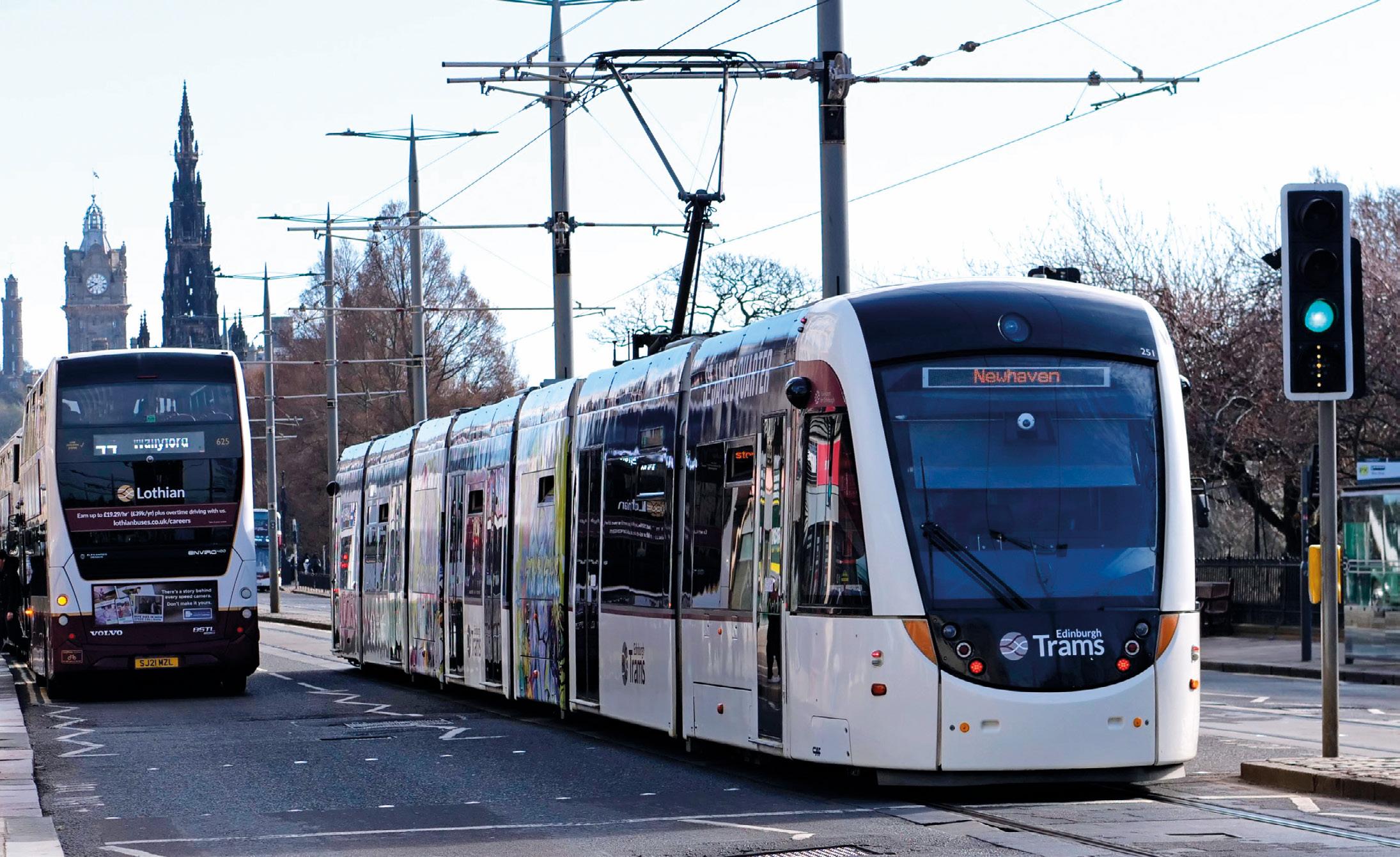
Edinburgh Trams. Image: Chelsea Branch
processes. Developing a light rail scheme requires consideration in many areas on top of funding structures, governance arrangements and technical requirements. UKTram provides guidance and insight to help members move through these stages with greater confidence.
For the supply chain, there is an important role in establishing a more visible and stable pipeline of work. Improved engagement between clients and suppliers supports better planning, encourages innovation, and helps ensure solutions are both commercially realistic and technically robust.
The ongoing development of the Members Hub will be central to this. As a dedicated space for knowledge sharing and sector insight, it provides members with access to resources and updates as well as an opportunity to engage with peers across the industry.
Alongside this, the Request for Information (RFI) service and library demonstrate its value, enabling members to seek advice and receive responses from across the network. This structured method to knowledge exchange supports faster problem-solving and helps avoid duplication of effort.
UKTram’s Best Practice Days and resources library are expanding, providing guidance informed by real operational experience. UKTram launched its first Trade & Trams event in March, where supply chain members shared project insights and success stories directly with the Light Rail Engineering Group (LREG), which offered a dialogue between operators and suppliers.
Functional groups in focus
Functional groups are a defining feature of UKTram’s work and remain central to information sharing and capability building across the sector.
Groups such as the Light Rail Operators Committee (LROC), Light Rail Engineering Group (LREG), and the Centre of Excellence provide structured forums for open, practical discussion.
The ongoing success of these groups demonstrates their value. Last year we saw record attendance, which set a positive trajectory for the year ahead. Discussions are grounded in real-world experience and focus on the most relevant issues for those delivering and operating light rail systems, allowing
members to learn from each other in directly applicable ways.
As networks mature, these groups will become even more important. They help identify common challenges and ensure lessons are shared across systems, but they also build on consistency and efficiency, contributing to a more informed sector.
Collaboration and growth
Building stronger connections with adjacent sectors such as bus, heavy rail, active travel, and planning helps position light rail within a wider, integrated transport system.
UKTram’s strategic partnership with Rail Forum sits alongside wider engagement, including UKTram’s corporate membership of the Permanent Way Institution, ongoing involvement with Women in Transport, and its role as a Corporate Champion of Campaign for Better Transport.
This year UKTram’s partnerships will continue to reflect a growing, joined-up approach to transport, helping position light rail within a wider, integrated system.
As the sector develops, UKTram has also grown, enhancing its ability to support members and deliver meaningful outcomes. This growth reflects the increasing relevance of light rail and the need for a coordinated, sector-wide approach to shared challenges. By expanding its capacity, UKTram is better positioned to provide the support and advocacy the sector needs to progress.
Proceed ahead
UKTram is preparing to publish its 2040 & Beyond long-term vision, which will position light rail as a viable option for sustainable, connected urban mobility, supported by integrated networks, innovation, a skilled workforce and evidence-based outcomes.
UKTram will continue to support members and focus on delivery, all the while playing a key role in ensuring that light rail remains a practical and effective solution for the challenges facing towns and cities across the UK and Ireland.
Activities this year must continue to represent a coordinated approach to supporting schemes both in principle and in practice.
By expanding its capacity, UKTram is better positioned to provide the support and advocacy the sector needs to progress
www.uktram.org
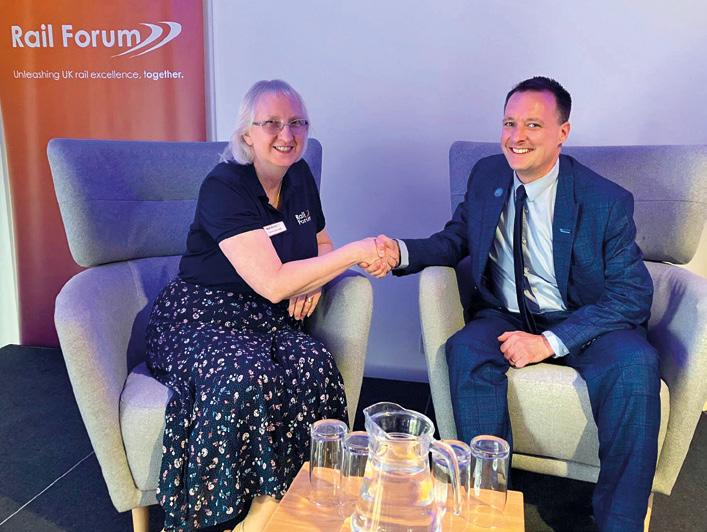
James Hammett UKTram MD and Elaine Clark CEO Rail Forum. Image: Rail Forum
Marilena Papadopoulou, Edinburgh Trams; Michael Evans-Prado, Transport for Wales; and James Hammett, UKTram
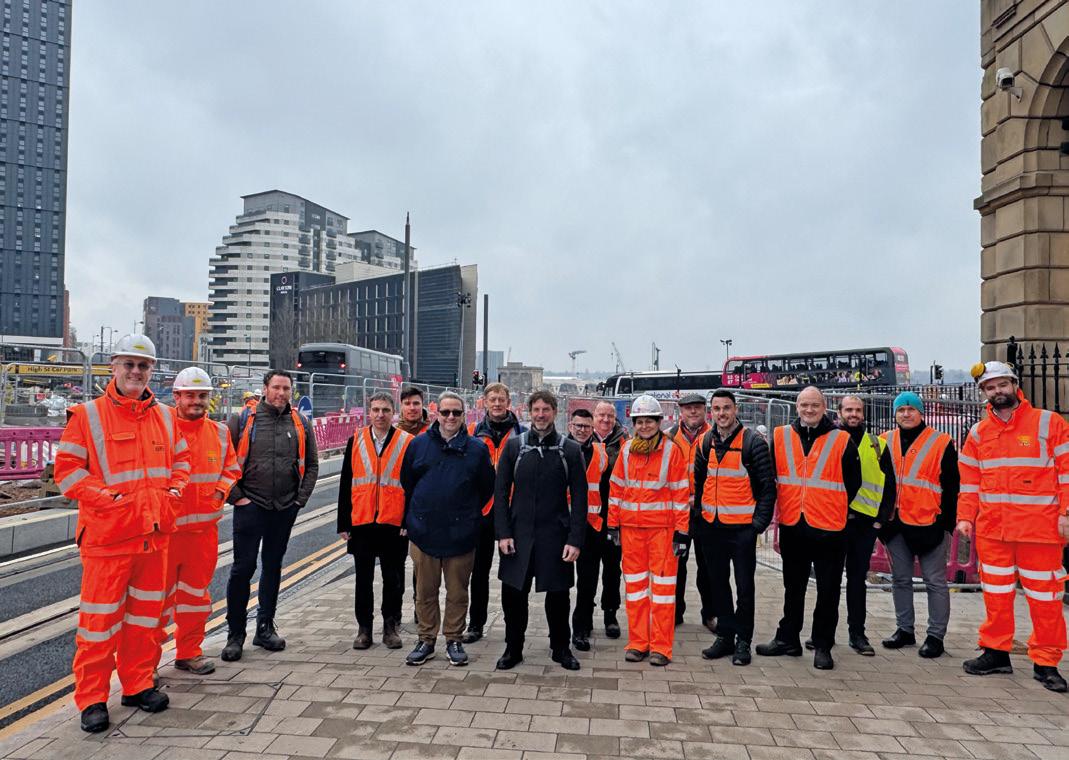
Light Rail Engineering Group visit of West Midlands Metro Extension. Image: UKTram
Carl Williams, LRSSB’s Chief Executive, believes 2026 will be another landmark year for the organisation and the light rail sector
Light rail safety body evolves in line with sector needs
The Light Rail Safety and Standards Board (LRSSB) has come a long way since it was formed in 2019, becoming the driving force behind enhancements to tramway safety over the last seven years.
Now, following changes to its governance structure earlier this year, the organisation is entering a new era and is set to accelerate its evolution in line with the needs of the sector it serves.
Carl Williams, LRSSB Chief Executive, explained: “With the opening of network extensions in the West Midlands and a host of other light rail projects taking shape across the UK, 2026 promises to be another landmark year for both the sector and the LRSSB.
“Benefitting from a share of £15.6 billion in Government funding for local transport across England’s city regions, the sector continues to grow and mature. As a result, a comprehensive and standardised approach to safety that embraces lessons from the past while rising to future challenges is more important than ever.”
By working in partnership with operators, network owners and statutory bodies such as the Office of Rail and Road and Department for Transport, the
LRSSB has already delivered huge advances in tramway safety, not least in meeting all the other relevant recommendations made by the Rail Accident Investigation Branch (RAIB) following the 2016 Sandilands accident.
Recommendations
“A tragedy is often a catalyst for change, and this was certainly the case following the Sandilands derailment in 2016 that resulted in the deaths of seven passengers,” said Carl. “As well as calling for the creation of a dedicated tramway safety body, the RAIB’s report also recommended a sector-wide approach to recording hazardous events, and our Tramway Accident and Incident Reporting (TAIR) system has since been adopted by all the UK’s modern light rail systems.”
The continued development of TAIR is also helping fulfil another report recommendation by providing vital data for sophisticated models as part of a wider risk management and mitigation framework, also developed by the LRSSB.
Together, these landmark projects have enabled network operators and owners to target
Images: LRSSB
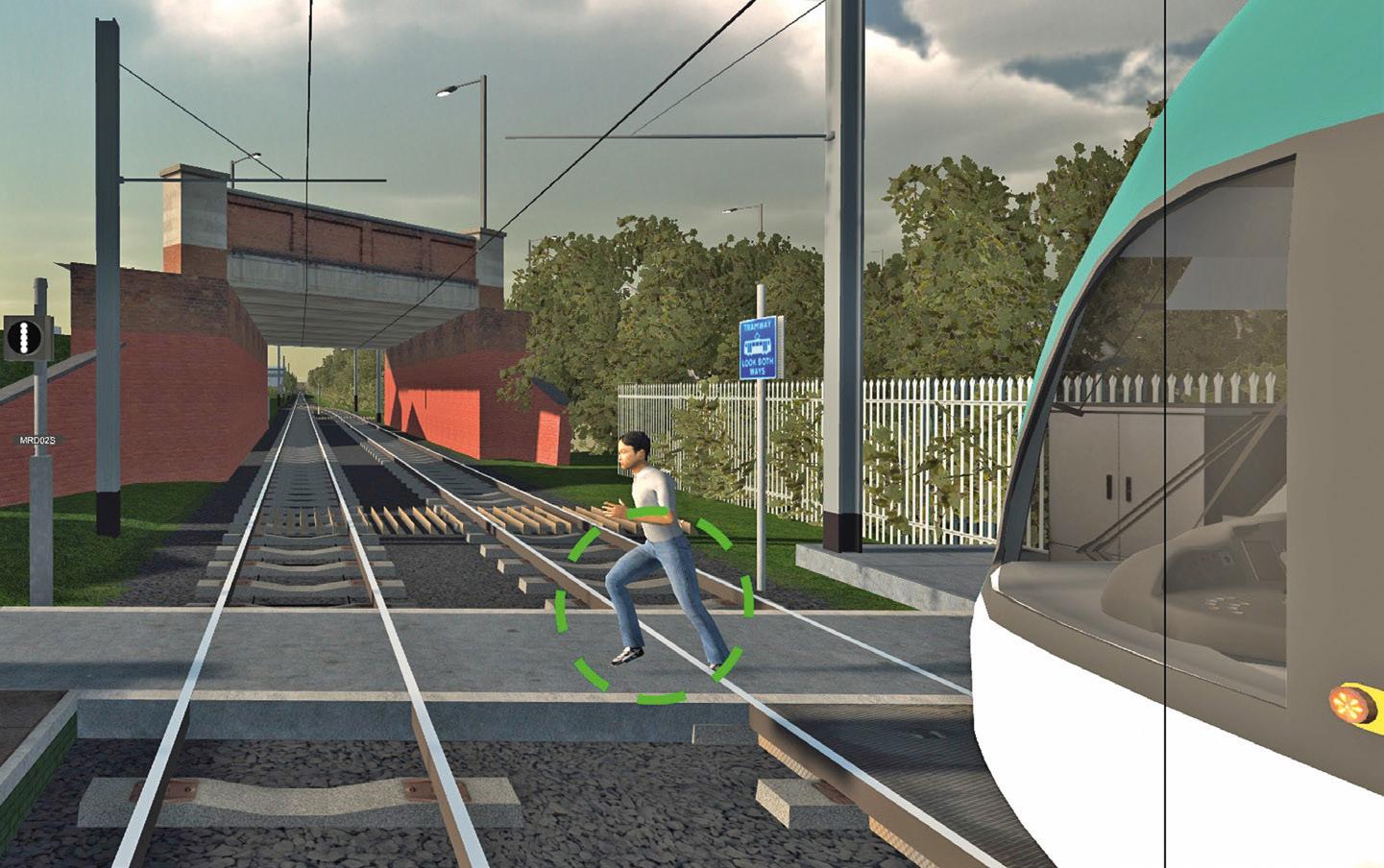
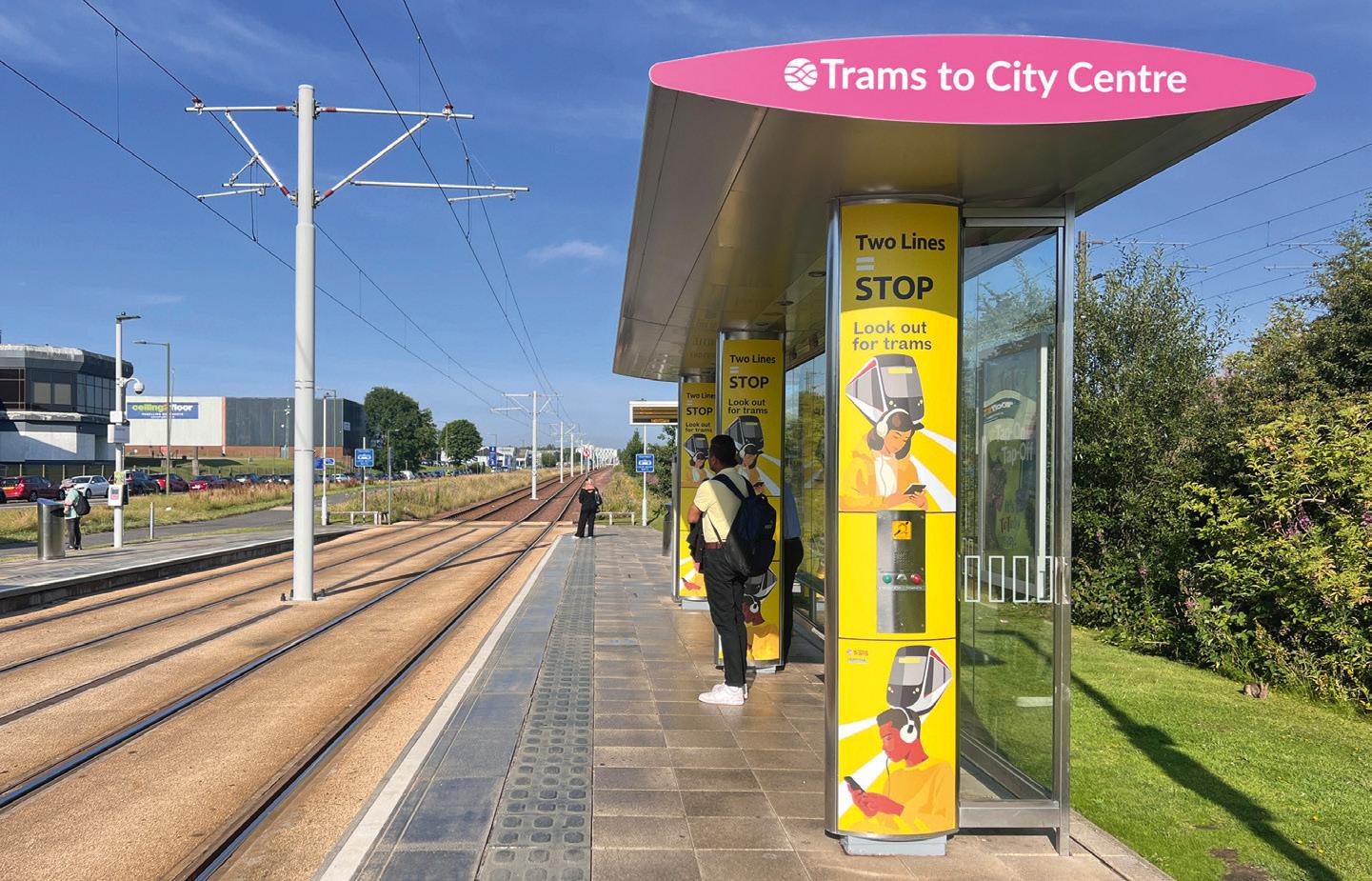
investment in appropriate safety measures more effectively, while helping to shape nationwide initiatives such as pioneering research into pedestrian behaviour and a subsequent public safety campaign.
Embraced by all second-generation tramways in the UK, the campaign with its message, ‘Two Lines = STOP’ has had a measurable impact on the behaviour of pedestrians near to tram tracks –identified by the risk model as a leading threat to tramway safety.
A recent survey found that up to 70 per cent of people who had spotted bold campaign graphics had changed their behaviour when close to a tramway or when crossing the tracks.
“This clearly demonstrates the value of taking a data-led approach to investment in safety initiatives, a philosophy that is also shaping our own spending on research into emerging technologies with the potential to provide further boosts to tramway safety,” continued Carl.
“We’ve now set aside around half a million pounds to support further research and development over the next couple of years, and we’re committed to building ever closer links with academia and commercial partners to explore innovative solutions to hazards identified by risk modelling.
“This includes building on the success of previous trials that have embraced artificial intelligence (AI), virtual reality (VR) and obstacle avoidance systems to deliver practical advances in tramway safety.
“Such projects build on the work we’ve already done to assess technologies that are now becoming commonplace on UK networks, including driver inattention and speed monitoring devices.”
Groundbreaking
Alongside groundbreaking projects that have seen the UK become a world-leader in light rail research, the LRSSB is also carrying out a wide-ranging review of all existing safety guidance covering all aspects of tramway design, operations and maintenance.
Accessed through the LRSSB’s online Safety Portal, many of these documents are now contained within an extensive reference library that’s constantly updated with the latest relevant standards and technical notes.
“One of the first things we have done following the governance restructure earlier this year is the
The huge strides taken by the LRSSB and its partners have helped to make the UK a world leader when it comes to light rail safety
reformation of the sector’s Standards Committee, to help set priorities for future guidance, a move that’s now particularly important with the rapid development of new technologies and the growth of the sector,” added Carl.
“Colin Kerr, former Head of Safety and Projects at Edinburgh Trams and now Technical Engineer and non-executive director at the LRSSB, was recently appointed Chair of the committee that will play a crucial role in helping the UK set the global gold standards when it comes to tramway design and operation.
“Drawing on expertise from across the sector, all committee members will continue to uphold the highest levels of technical integrity and public responsibility within light rail as networks expand and new systems are developed.”
Looking to the future, raising skills and standardising competencies has also been set as one of the organisation’s key priorities, and a new online resource is central to an ambitious drive to standardise tramway training. A sophisticated online platform that aims to standardise competencies across the sector, the LRSSB’s Skills Hub enables operators to
keep track of required certifications while helping them identify appropriate training courses.
“Across all of our activities, keeping stakeholders informed of the latest developments will always be one of our top priorities, and this is reflected in our continued investment in a host of communications channels - not least our popular series of ‘Let’s Talk Light Rail’ podcasts,” said Carl.
“Overall, the huge strides taken by the LRSSB and its partners have helped to make the UK a world leader when it comes to light rail safety. Our organisation is now regularly approached by operators from across the globe keen to emulate our success, with TAIR and risk modelling.
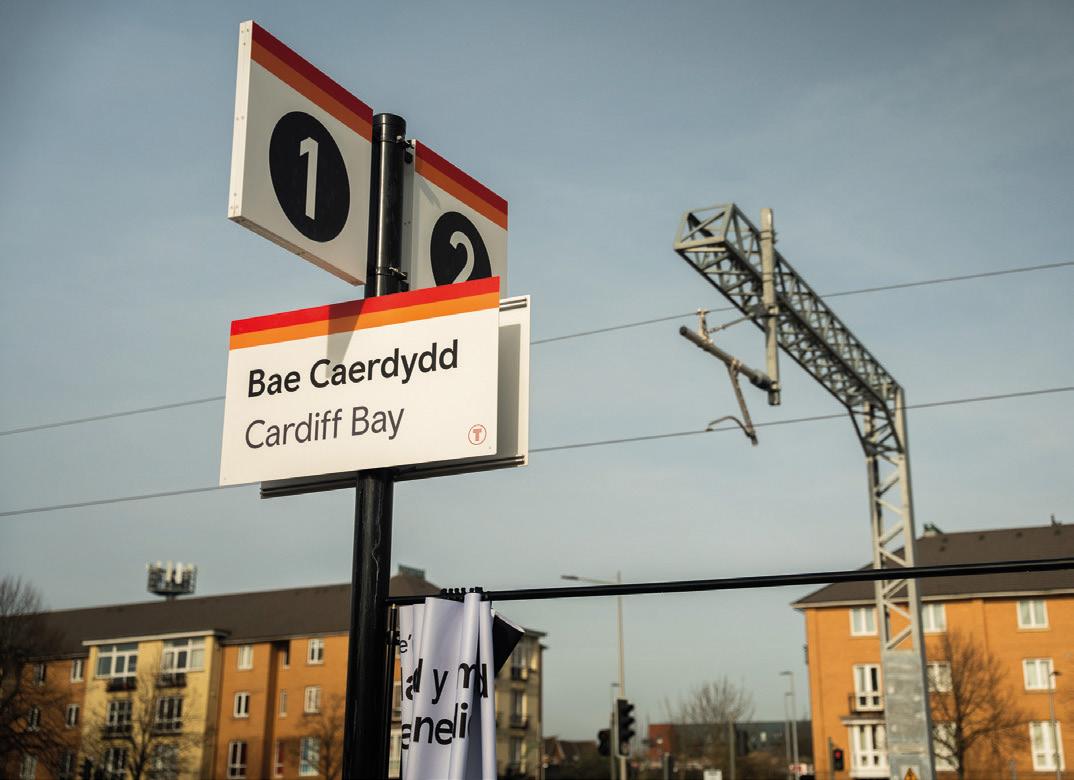
“Closer to home, we are also ready to provide support for a series of light rail and tram/train projects taking shape across the UK, including in Cardiff and the Very Light Rail project in Coventry.
“Since our organisation was established by the sector’s representative body, UKTram, we have set new standards for the management of risks across light rail, and this vital work will only intensify as we enjoy greater independence following the recent governance changes.”
How Carlisle’s Challenge Innovation 2026 swapped rail’s analogue past with a high-stakes VR future
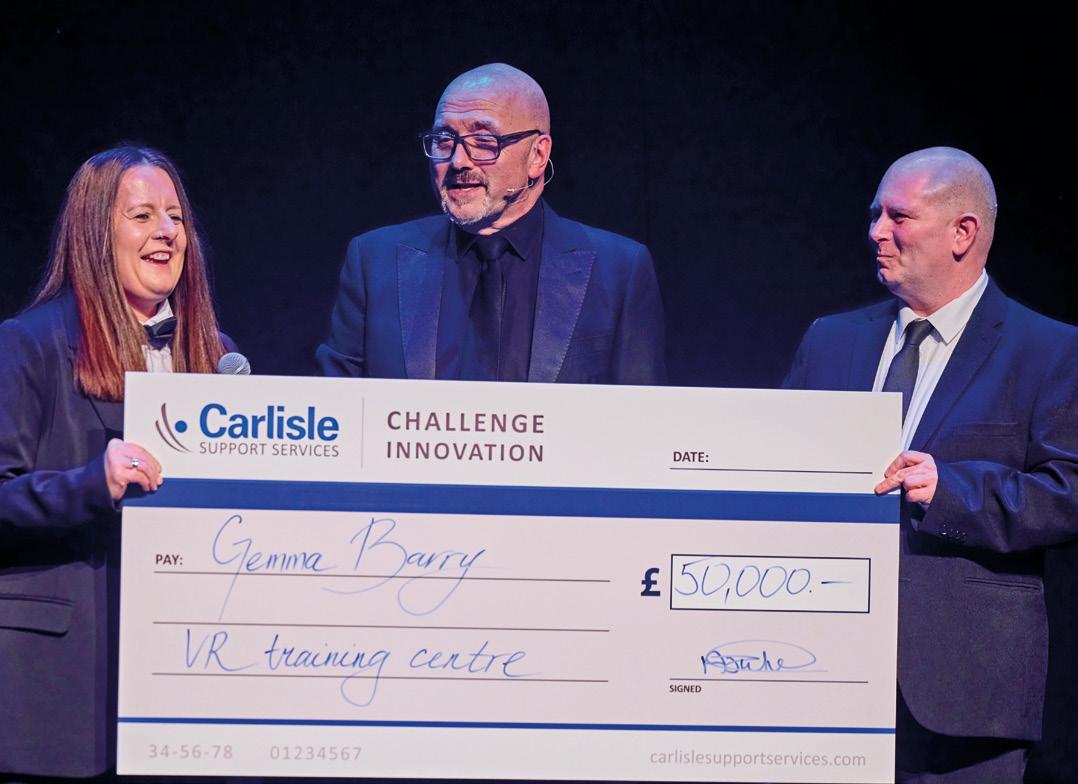
The £50,000 blueprint
Carlisle Support Services began a series of challenging questions on the floor and saw it unfolding into an industrywide transformative narrative.
In an era defined by high-definition, immersive digital landscapes, Carlisle is intentionally dismantling the analogue relics of the past.
The company is replacing the ritual of static endurance - hours spent in rooms absorbing one-way lectures - with a sophisticated, video-led reality. Carlisle is bridging the chasm between knowing and doing through Challenge Innovation, a people-led initiative that prioritises its employees’ instinct over business strategies.
This initiative has bypassed the era of the passive suggestion box to become what Carlisle’s Chief Operating Officer Adrian White defines as a “vehicle for instant action”. This is not talking about pilot schemes, but a proven trajectory of success.
While last year’s winners are already in their testing phase, addressing critical social impacts and operational flails, this year’s winner raised the stakes. By committing a £50,000 investment to a single frontline vision, the company has signalled a fundamental shift in the industry’s gravitational pull.
“We wanted to provide that freedom,” Adrian explained.
“Thinking big is the prerequisite for improving service. This is about providing the capital to bring a practical solution to life, moving beyond mere dialogue.”
The frontline architect
The spark for this year’s event was the lived experience of Gemma Barry, Contract Manager at Carlisle. Her ascent through the frontline ranks gave her an intimate understanding of the station’s unique frictions and the disconnect between fruitless training and the primitive reality of high-pressure spaces.
It is about making sure our people are as resilient as the infrastructure they manage
Her winning proposal establishes a Manchesterbased VR Training Hub for the TransPennine Express (TPE) contract, creating a Centre of Excellence for immersive rail training. It is a sophisticated integration of Department for Transport-funded VIAWG (violence and intimidation against women and girls) training, developed alongside Juice Immersive.
“In traditional training, maintaining presence is a challenge,” Gemma said.
“VR creates a scenario that transcends teaching; it evokes feelings. It provides a platform for staff to interrogate their own emotional responses and refine their decision-making in real-time.”
By letting staff step into a realistic virtual scenario, Gemma gives them the mental muscle-memory to handle a mental health crisis with calm and confidence.
“It opens up the floor and lets people express their feelings about what they could have done better,” she added, highlighting the emotional intelligence at the heart of the tech.
The inclusive patrol
Hosted within Innovation Lab 2026, Challenge Innovation exposes the industry’s most persistent
oversimplification of the Security Industry Authority (SIA) badge. While security personnel are vital, a truly inclusive environment recognises that the ‘unbadged’ – the cleaners, revenue teams, and station hosts – are also integrated guards of the network.
Ashley Hulse, Safeguarding and Crime Prevention Manager at TPE, said: “The world’s getting tougher, and the railway has become a beacon for vulnerable people. An SIA licence is a baseline, but it doesn’t touch the empathetic, high-pressure nuances we navigate daily.
“We have a duty to empower the person holding the mop or the ticket machine with the same tactical tools as a guard. It is about making sure our people are as resilient as the infrastructure they manage.”
The return on investment of authenticity
The heartbeat of this industry-leading initiative is the cultural mandate established by Carlisle’s leadership.
Alona Saskele, Head of Operational Support at Carlisle and a major force behind this initiative, views it as a permanent alteration of the corporate DNA.
“It is about recognising the latent potential in every individual,” she said. “When we invested £50,000 into Gemma’s vision, we validated the expertise of our people and their capacity to lead the business forward.”
Positioned as a blueprint for the Great British Railways era, the Manchester Hub scales beyond TPE, driving commercial growth and exporting a more inclusive safety standard across the national rail network.
Adrian White views this as a vital step: “The future of our rail offer will be secured on our ability to move innovation across the nation at pace.
“By creating these regional hubs, we are making the network feel smaller and ensuring our collective intelligence is accessible to every single person on the frontline.”
Images: Carlisle Support Services
Assurative AI for rail.
Assurative AI for rail.
Assurative AI for rail.
Assurative AI for rail.
Assurative AI for rail.
Ever y outp ut aud itab le. Ever y d ecis ion tr aceab le. T h e
as s ur an ce layer f or AI on th e r ailway.
Au di t able by desi gn
Au di t able by desi gn
Au di t able by desi gn
Au di t able by desi gn
Au di t able by desi gn
Eve r y i n fe r e n c e c ar r i e s i ts e vi de n c e tr ai l i n pu ts , mode l, r e as on i n g, an d r e vi e we r s o th e an s we r to “ h ow di d we r e ac h th at?” i s alr e ady wr i tte n down
Eve r y i n fe r e n c e c ar r i e s i ts e vi de n c e tr ai l i n pu ts , mode l, r e as on i n g, an d r e vi e we r s o th e an s we r to “ h ow di d we r e ac h th at?” i s alr e ady wr i tte n down
Eve r y i n fe r e n c e c ar r i e s i ts e vi de n c e tr ai l i n pu ts , mode l, r e as on i n g, an d r e vi e we r s o th e an s we r to “ h ow di d we r e ac h th at?” i s alr e ady wr i tte n down
Eve r y i n fe r e n c e c ar r i e s i ts e vi de n c e tr ai l i n pu ts , mode l, r e as on i n g, an d r e vi e we r s o th e an s we r to “ h ow di d we r e ac h th at?” i s alr e ady wr i tte n down
Eve r y i n fe r e n c e c ar r i e s i ts e vi de n c e tr ai l i n pu ts , mode l, r e as on i n g, an d r e vi e we r s o th e an s we r to “ h
S t andar ds-ali gned
S t andar ds-ali gned
S t andar ds-ali gned
S t andar ds-ali gned
S t andar ds-ali gned
O u tpu ts map to th e fr ame wor k s you r as s u r an c e te am alr e ady u s e s n ot a par alle l voc abu lar y i n ve n te d by a ve n dor
O u tpu ts map to th e fr ame wor k s you r as s u r an c e te am alr e ady u s e s n ot a par alle l voc abu lar y i n ve n te d by a ve n dor
O u tpu ts map to th e fr ame wor k s you r as s u r an c e te am alr e ady u s e s n ot a par alle l voc abu lar y i n ve n te d by a ve n dor
O u tpu ts map to th e fr ame wor k s you r as s u r an c e te am alr e ady u s e s n ot a par alle l voc abu lar y i n ve n te d by a ve n dor
O u tpu ts map to th e fr ame wor k s you r as s u r an c e te am alr e ady u s e s n ot a par alle l voc abu lar y i n ve n te d by a ve n dor
Engi neer ed for scr u t i ny
Engi neer ed for scr u t i ny
Engi neer ed for scr u t i ny
Engi neer ed for scr u t i ny
Engi neer ed for scr u t i ny
Bu i lt for s afe ty c as e s an d c ompe te n t-pe r s on r e vi e w, n ot for de mos . I f i t c an n ot be e xami n e d, i t doe s n ot s h i p
Bu i lt for s afe ty c as e s an d c ompe te n t-pe r s on r e vi e w, n ot for de mos . I f i t c an n ot be e xami n e d, i t doe s n ot s h i p
Bu i lt for s afe ty c as e s an d c ompe te n t-pe r s on r e vi e w, n ot for de mos . I f i t c an n ot be e xami n e d, i t doe s n ot s h i p W H Y I
Bu i lt for s afe ty c as e s an d c ompe te n t-pe r s on r e vi e w, n ot for de mos . I f i t c an n ot be e xami n e d, i t doe s n ot s h i p
Bu i lt for s afe ty c as e s an d c ompe te n t-pe r s on r e vi e w, n ot for de mos . I f i t c an n ot be e xami n e d, i t doe s n ot s h i p
H Y I N F R A M A T I C
W H Y I N F R A M A T I C
We sit be twe e n m ode rn AI and the railway’s assu rance re ality so the work you r e ngine e rs alre ady do to prove som e thing is saf e , com pliant, and corre ct is the sam e work the AI is he ld to.
We sit be twe e n m ode rn AI and the railway’s assu rance re ality so the work you r e ngine e rs alre ady do to prove som e thing is saf e , com pliant, and corre ct is the sam e work the AI is he ld to.
We sit be twe e n m ode rn AI and the railway’s assu rance re ality so the work you r e ngine e rs alre ady do to prove som e thing is saf e , com pliant, and corre ct is the sam e work the AI is he ld to.
We sit be twe e n m ode rn AI and the railway’s assu rance re ality so the work you r e ngine e rs alre ady do to prove som e thing is saf e , com pliant, and corre ct is the sam e work the AI is he ld to. INFRAM ATIC
INFRAM ATIC
INFRAM ATIC
We sit be twe e n m ode rn AI and the railway’s assu rance re ality so the work you r e ngine e rs alre ady do to prove som e thing is saf e , com pliant, and corre ct is the sam e work the AI is he ld to. INFRAM ATIC
A I fo r c ritic al in frastru
ssu rative™ A I fo r c ritic al in frastru c tu re
Lindsay Murphy, Director of LEMentary, refl ects on 30 years as a transport engineering specialist and the direction of travel moving forward
Delivering light rail operations and maintenance contracts
When the first tram in more than five decades started operation in Denmark’s capital Copenhagen late last year, it was a very proud and poignant moment for Lindsay Murphy.
A little over nine years ago she was called on by Metro Service to help with the development of the engineering aspects of its successful bid for the Hovedstadens Letbane, a 28km light rail line. It was one of her first projects after setting up her own transport engineering consultancy LEMentary.
“I’m really delighted for the team at Metro Service to see this success and for the chance to have been able to help them win this project,” she said. “It was fantastic seeing it open this year and the popularity it is already having.”
Her involvement in the early stages of this integrated transport project demonstrates a small part of the breadth of expertise that informs her consultancy approach, offering comprehensive advice on the technical aspects of urban transport, and in particular, light rail delivery.
LEMentary was launched off the back of 20 years’ experience in the delivery of major integrated transport projects, including metro, light rail, heavy rail and bus priority systems covering concept to operation.
Lindsay’s experience includes client-side scheme development, securing project funding, obtaining parliamentary and planning powers, project procurement, overseeing design and construction, testing and commissioning.
She’s also worked as Head of Engineering at Nottingham Trams for Keolis and at Manchester Metrolink for RATP Dev, with responsibility for maintenance and renewals.
“I feel lucky to have been involved in many schemes covering many aspects from the vision all the way through to operation and maintenance, delivering reliability and even beyond,” she said.
“Having an understanding of the assets that make up a light rail system, how the system is integrated and how it operates is really important to be able to provide advice for informed decision-making.
“It has been fantastic to see the industry embrace the ISO 55000 standard pack for Asset Management and to personally have been part of the implementation on multiple projects both at a strategic and direct level.
“People forget that, originally developed from the British Standard and Institute of Asset Management standard PAS 55, the ISO wasn’t launched until 2014 and we have come a long way in a short time.
Having an understanding of the assets that make up a light rail system, how the system is integrated and how it operates is really important to be able to provide advice for informed decision-making
“I enjoy helping organisations develop their systems in alignment with the standards making the benefits real, not just a paper exercise.”
A member of the Institution of Civil Engineers, Lindsay also has two decades of experience of working with local authorities, which is particularly useful with regard to potential UK light rail projects being led by combined authorities.
The fundamental pillars of LEMentary are project delivery, procurement, asset management, digital asset management and reliability improvement, all centred on helping people and organisations.
“I want to see us as an industry continuously move forward, being able to make a positive impact for customers,” she said. “I have supported bidding and procurement around the world, for example in Europe, North America and the Middle East.
“What I enjoy is getting into an organisation and understanding who they are, what they can do, and how are they going to practically deliver for their clients.
“I help shape ideas from my experience but more importantly from their own people. It is important to me that they can achieve what we promise.”
Lindsay’s passion to be a force for good for the light rail industry and in delivering sustainable and deliverable solutions extends beyond the job. She is on the Board at UKTram and the Business International Trading Alliance (BITA) Rail Division.
“Something I push with UKTram and something I’m building on with BITA is working with trade and the light rail industry to see what solutions are out there and to help trade to better understand the procurement mechanics of light rail, which is quite different to heavy rail,” she said.
“I guess that as a small, specialist company owner myself I can show that SMEs can have a voice.”
“The ability to be more innovative and trial ideas on a smaller scale is one of the brilliant things about light rail,” she added.
“Innovation is normal to us as we need to adapt each system to be able to fit into differing urban environments.”
Lindsay is excited for the journey ahead, especially the impact of UKTram, the partner organisation to the Light Rail Safety and Standards Board (LRSSB), but stresses the importance of the Government supporting pipelines of projects, and the value of properly integrated systems.
“I’m proud of what has been achieved by UKTram and how it has been developed and professionalised. Now there is a realigned relationship with LRSSB and a strong relationship with the DfT and ORR, there is an opportunity to have an even greater impact standing side by side promoting delivery of projects, best practice and safety, not just in the UK, but internationally.”
Note: The advice that Lindsay provides as a professional service is independent of and has no commercial connection to her supporting roles with UKTram or BITA.
This year’s Connected Places Summit has taken place, attended by 1,100 in person and hundreds more online. Rail Director reports
Connected Places Summit: Powering UK growth through innovation
The American anthropologist Margaret Mead famously said that a small group of thoughtful, committed citizens is the only thing that has ever changed the world.
She highlighted the power of a community in discovering what it cares about, pursuing it and driving impact.
“I couldn’t agree more, joining forces matters,” said Erika Lewis, Chief Executive Officer at Connected Places Catapult.
Her comments come after the organisation’s hugely successful two-day Connected Places Summit, which welcomed more than 1,100 delegates in person, alongside more than 500 people who joined online.
“Over the two days, I greatly valued the stimulating conversations, insightful sessions and the many new
connections that were formed,” she reflected.
“It was also a pleasure to meet so many of the SMEs whose work is helping to push the boundaries of innovation.
“Events like this demonstrate the power of collaboration and how bringing people together can help accelerate meaningful innovation and positive change at scale.”
It is an opinion shared by the Mayor of South Yorkshire Oliver Coppard, who was speaking on day one at the event, where he announced details of a Memorandum of Understanding (MoU) with Connected Places Catapult that will see a dedicated member of staff co-funded to work across both organisations.
“Innovation doesn’t happen in isolation, it happens
in places, it takes root in vibrant communities and regions that are prepared to push boundaries, take risks and work together to build something,” he said.
“Coal and steel were part of our story and we are incredibly proud of that, but our future will be built on clean energy, life sciences and the next generation of innovation. Our agreement marks the start of a long-term partnership, one focused on delivery, on investment and on building a stronger, more confident South Yorkshire.”
In her opening speech, Erika explained how the event in London was designed to offer an opportunity to think and link up, a space where ideas, plans, hopes and dreams can become a reality.
She highlighted The Industrial Strategy, which sets out the Government’s plans to spend at
Images: Connected Places Catapult
RAIL LIFTING JACKS & PIT EXPERTS
Wheel- Rail Lubrication
Sometimes
When trains move through tight curves, the friction between the wheel flange and rail can generate the well-known highpitch noise many people hear in cities
It’s a small technical detail, but with a big impact. Effective wheel-rail lubrication can help:
• Reduce curve friction and urban noise
• Lower wear on wheels and rails
• Improve system reliability
• Extend maintenance intervals
Contact: info.uk@klueber.com
Events like this demonstrate the power of collaboration and how bringing people together can help accelerate meaningful innovation and positive change at scale
least £725 billion on infrastructure over the next decade, and the National Infrastructure and Service Transformation Authority (NISTA), which is guiding the delivery of the programme and opening the door to innovation in the supply chain by making the pipeline visible and predictable.
“If just one per cent of the £725 billion is spent on innovation it could create 18,000 new solutions in new business ideas and 600,000 additional jobs,” Erika added.
Speaking on day two, Jon Loveday, Director for Infrastructure, Enterprise and Growth at NISTA, reflected on an expanded pipeline that details 734 planned projects covering £718 billion of private and public sector investment over the next decade, which will require an estimated annual average construction and infrastructure workforce of between 629,000 and 706,000 over the next five years.
“Have a look at the pipeline to really look at it from a regional lens and a national lens,” was his message.
“It’s also important to work with bodies to really join together in longer-term contracting arrangements so we can enable the investment that is needed both in the skills, technology and the productivity that we need to deliver the ambitious pipeline that is there.”
The Connected Places Summit is the UK’s leading event for showcasing the innovation, talent and technologies shaping the future of transport and construction. There are more than 180 speakers, including Transport for London (TfL) Commissioner Andy Lord, who concluded proceedings on the first day.
The organisation celebrated its 25th anniversary last year, with Andy explaining how it needed to
build on the success so far with more innovation, investment, and thinking about what more TfL can do in delivering value.
On the topic of innovation, he had this advice to delegates: “Give anything a go, be prepared to fail and don’t spend too long thinking about the business case.
“From a TfL perspective we can be difficult to do business with, but keep knocking and keep trying if you have something that you think can solve a problem or increase our revenues and reduce our costs.”
Driving innovation
The event organiser Connected Places Catapult is the UK’s innovation agency for transport, construction and data infrastructure. During day two of the event, its Rail Director Dr Alan Peters announced the names of four companies with rail-related technology to be selected to trial their products through the Station Innovation Zone at Bristol Temple Meads.
DataWharf, XRAI, Ampetronic, and Trace Surveys were picked for the initiative which the organisation is delivering in partnership with Network Rail and with support by Innovate UK. The programme serves as a testbed where rail technology innovators, buyers and investors can collaborate to shape the stations of tomorrow.
The companies selected for this year’s cohort answered two rail-related challenges: improving the interchange experience (by addressing passenger rushing, and reducing anxiety); and station weather resilience – predicting, preventing and responding to surface condensation.
Three six-month trials will begin in the spring, and each project will receive up to £45,000 to support deployment of their innovations at the station.
“These challenge areas focus innovation where it can have the greatest impact: creating calmer, safer journeys and enabling our stations to adapt to a changing world,” said Dr Peters.
“Through the Station Innovation Zone, we are backing high potential SMEs to turn bold ideas into real-world deployments for the benefit of passengers and the wider rail network.”
Connected Places Catapult is also supporting the HS2 project in partnership with the Department for Transport (DfT), with the HS2 Accelerator. Since launching in 2020, it has supported more than 40 small tech firms that between them have identified over £300 million in cost savings across the HS2 programme, £30 million of which have already been realised.
The project was highlighted by Huw Edwards, HS2’s Director of Stations and Placemaking, on day two of Connected Places Summit.
“We’re proud about the volume of energy we’ve put into those levels of innovation,” he said.
Huw, speaking as part of a panel session titled ‘Unlocking sustainable growth and connected infrastructure’, gave an update on HS2, saying they are half-way through what will be a two-year reset.
“It’s not a railway scheme it is an economic growth scheme,” he said. “The railway is purely a catalyst and in the West Midlands we’re talking about the creation
of 40,000 homes, 40,000 new jobs; west London working with Greater London Authority 20,000 new jobs, 20,000 new homes.
“In terms of growth, sustainability and of learning, the key point for me out of the HS2 journey is that once our reset is complete we will throw open the doors in terms of our learning.
“I know stuff about the lessons learned across the last five years and we are itching to get that information out and we will do that once the reset is complete. I can visualise roadshows, forums, briefings, industry events, because we want everybody regionally, nationally to avoid the pitfalls that we have fallen into as HS2.”
One of the key themes on day two was ‘Driving the rail revolution together’, which included a fireside chat with Laura Shoaf CBE, Chair of Shadow Great British Railways and Richard Goodman, Director General Rail Reform and Strategy in the Department for Transport, hosted by Connected Places Catapult’s Darran Messem.
Laura said: “Of all the modes of travel I’ve never known a passion like people have for the railway and what we need to do is to tap into everybody’s passion for the railway and to bring it to bear on the project.
“It is a huge opportunity (Great British Railways), but I appreciate people have been led up a hill before and come back down, and my plea now is that there is a bill going through Parliament, it is really happening, if you are passionate, if you have thoughts about innovation, if you want to make the railway better
Referrals Now Open
Level 4 Passenger Transport Operations Manager Apprenticeship
Applications now open for July 2026 start. Build leadership capability with an apprenticeship designed specifically for the rail industry. CIRO’s Level 4 programme is fully rail-contextualised, combining practical, real-world learning with the knowledge, skills and behaviours needed to lead effectively in a complex, safety-critical environment.
Supported by experienced tutors and coaches throughout, apprentices gain confidence, broaden their operational understanding of the whole rail system and develop the capability to lead people, performance and change across rail.
“CIRO was brilliant in ensuring I stayed on track by providing regular face-to-face sessions and online catch-ups. The
and drawing
The challenge is in ensuring that rail is seen as an attractive place for the investment community. There’s lots of potential funding available to invest in rail-applicable technology particularly if you can anticipate a stable return
please let us know and get involved because there is room for everybody’s expertise in that conversation.”
And that is one of the messages Dr Peters hopes the industry will take following this year’s Connected Places Summit.
Reflecting, he said another big strand is around the difficulty in data sharing, but that the event shows that people are making progress in solving that, highlighted in a panel discussion titled ‘Breaking down data barriers to transform delivery and assurance on HS2’ featuring Jonathan Kelly from HS2; Eric Ritchie from EKFB; and Harry Yates from BuildPrompt.
“They have learned how to share data and are making progress about how you build the most appropriate contractual mechanisms,” he said.
“It was a topic also picked up by Laura Shoaf, who also highlighted that Great British Railways (GBR) is more a process than an end goal.
“Laura and Richard (Goodman) also talked about the data sharing challenge, which is important when
you are trying to integrate into other transport modes, and when you see train operators starting to integrate with regional parts of Network Rail. They have to start sharing data more effectively.
“What was particularly pleasing to hear was Laura re-emphasising that there is a clear desire to include innovation from the private sector. It is still firmly part of the plans.”
Although the event was certainly impactful across the two days, the big question is what difference it will have longer term? Connected Places Catapult is certainly doing its bit with initiatives. Alongside revealing the latest cohort for its Station Innovation Zone, it also announced the names of three organisations with AI-powered technology that have been awarded further funding to develop their business cases.
KIGO, MoniRail, and Trackbase have been taking part in the Smarter Transport Systems – AI in Transport competition, delivered by Connected Places Catapult and funded by the DfT.
Dr Peters concluded: “The challenge is in ensuring that rail is seen as an attractive place for the investment community. There’s lots of potential funding available to invest in rail-applicable technology particularly if you can anticipate a stable return.
“Typically investors tend to invest in a category of technology or sometimes a region, what we haven’t really done yet at scale is persuade people to invest in rail technology innovation. Perhaps a single sector is seen as too risky.
“That is something Catapult is working hard on, basically bridging the gap between the investment community making it clear that there are lots of rail use cases, lots of exciting companies, and there are sizable commercial contracts available for innovators that get it right.
“And as such therefore the investment community can then get involved and that then allows you to scale up and avoid the second valley of death. That is a work in progress and something we’re trying to tackle as a logical next step in many of our transport projects.”
Stirling Kimkeran, Director at Aarvee Associates, discusses the organisation’s expertise in delivering light rail projects
Powering infrastructure that connects communities and futures
Aarvee knows all too well the problems facing light rail projects in the UK.
From building that business case to get the funding, through to the complexities of building a system through busy towns and cities where it is inevitable people and businesses will be impacted during the construction.
The difficulties don’t put off the global engineering consultancy, which has a proven track record in delivering transformative infrastructure across transport, water, urban development, energy and resources.
In fact quite the opposite, with Stirling Kimkeran, Director at Aarvee UK, driven by the positive impact completed schemes have on many lives.
“Let’s have the conversation,” is his message to
We believe we can deliver cost-effective, value added solutions
those looking to get light rail schemes off the ground. “Let’s see if we can help with some fresh ideas, collaborating with SMEs like ourselves that are agile to see if we can deliver these schemes, which aren’t going to break the bank and fundamentally will help the communities where the schemes are most needed.”
Stirling, an Institution of Engineering and Technology Fellow, believes that light rail is unfairly seen as the poor relation to heavy rail, despite its proven track record in the likes of Manchester, Birmingham and Sheffield in transforming communities.
“We believe we can deliver cost-effective, valueadded solutions through our UK expertise and by tapping into our global expertise, but also in our focus
Images: Aarvee
on the way we operate in delivering projects to a high quality, high standard and on time,” he said.
“The way we like to phrase it is that we go and deliver the project and then we are out, confident that based on the quality of what we’ve delivered we will get it right and be called on to deliver the next project.
“It’s not about going in at the lowest cost and then trying to vary the contracts with clients and staying there for years and years.
“That’s not the way we operate, we want to deliver what we said we were going to deliver, to the price we said we were going to deliver and are happy for the client to hold us to account on that.
“We’re a new player in the UK, with a different perspective to bring light rail projects to fruition despite budgetary constraints.”
Don’t underestimate Aarvee’s expertise because it is relatively new in the UK. The global expertise Stirling refers to is a company that dates back to India in 1989 and now has a presence spanning Australia, the Middle East, Africa and Asia, partnering with governments, multilateral institutions, and private developers to plan and deliver complex, large-scale assets in more than 20 countries.
With more than 4,000 professionals worldwide its multidisciplinary expertise, from surveying and geotechnical investigations to engineering design, digital engineering, and construction support, enables the organisation to deliver technically robust, practical, and lifecycle-optimised solutions.
“Light rail is something that we’ve been doing in different parts of the world globally for years, so we’re able to bring some value there,” said Stirling.
“We have to reduce the costs of how we do things when it comes to light rail projects but that doesn’t have to mean poor quality.
“We think we have a part to play in the light rail community in the UK, starting by having those conversations to see how we can help. We do various things from station design to mobile apps – for example, delivering the app used on the Mumbai Metro.
“The beauty of how we work, we work in collaboration, and that’s where we can generate the best value. We will do the bits with partners to deliver the best solution.”
A strong platform in light rail Aarvee is at home working on light rail projects. Among the programmes it has been involved in are planning and designing all the superstructures, substructures and foundations for the Rapid Metro Rail Project in Gurgaon; and successfully fulfilling the role of Project Management Consultant for Kochi Metro Rail Project Phase 1 Extension from Petta to Trippunithura, both in India.
“Globally we are used to dealing with complex, compact light rail schemes trying to move lots of people around from A to B,” explained Stirling.
“The problems are the same in terms of how effectively you can design a system that can make the impact and is going to deliver what it needs to deliver, but fundamentally it is cost, which is a shame because these schemes are vital in moving people away from cars and transforming areas.
“Light rail is a useful tool to connect communities and it doesn’t have to cost a fortune like heavy rail, but there is no one answer. I do think schemes can get overlooked but Aarvee can help support the business case, the user case, and working in conjunction with partners in terms of the modelling.
“As a company we have all of those relevant skills within the team, and that collaborative mindset in bringing the stakeholders and public together to deliver solutions.”
Aarvee is fairly unique in being able to tap into that global expertise, but at the same time in the UK has the agility of an SME. Stirling also sees its multisector, multi-discipline expertise in the likes of power and water as a big benefit for light rail schemes.
“We’re in that design space, but with our wider expertise we’re able to give that holistic view across all of the various disciplines that you might need in a light rail scheme,” he added.
“We’re also adept in the smart city digital city scape in terms of that smarter, integrated transport, crucial in holistic thinking about joining up all of the parts.
“The aim is to get people from A to B on the most cost-effective route and underpinning that is the design and the design options and also factoring in things like climate change, demographics, change in population.
“We’re involved in all those aspects, mainly from different sectors that you might not necessarily associate with light rail. Aarvee can bring value because we can easily tap into all those multidisciplines under one roof.”
Building a strong platform in the UK
Stirling joined the organisation three-and-a-half years ago, struck by the family feel of the global organisation and the passion for innovative technologies.
His job has been to develop its technological capabilities and grow its presence in the UK, something that has already been achieved with a strong local team and offices in London and York.
“It’s been good,” he reflected. “When I first came to the UK there was myself and a director exploring the markets, connecting with rail associations, and from there we’ve been able to organically grow a team.”
Alongside work in rail the team has also been called on in the power and water sectors, although Stirling emphasises that rail is very much in the organisation’s DNA and is an area the company is looking to continue to expand in in the UK and support as the sector goes through its biggest transformation in decades.
“We appreciate it is tough out there, but with the major transformation of the railways there is an opportunity for clients to look outside their traditional ways of doing things and speak to an SME like Aarvee to come up with different solutions,” he said.
“We’re here, we’re expanding and happy to have a conversation to offer that different perspective to the challenges that the rail community faces, tapping into the organisation’s wider global expertise and forming strong partnerships to ensure the industry thrives in the future.”
https://aarvee.com/regions/uk
We want to deliver what we said we were going to deliver, to the price we said we were going to deliver and are happy for the client to hold us to account on that
With its forward-looking theme, ‘Intelligent Systems on Track: Driving Innovation in Rail & Transport’, the Railway Industry Association (RIA) Innovation Conference 2026 invited attendees to ‘step into the future’ of mobility. Rail Director reports from the two-day event
RIA Innovation Conference 2026: Bringing great ideas to life
Opening the first day of the RIA Innovation Conference, Richard Carr, outgoing Technical and Innovation Director at RIA, urged delegates to “open their eyes and ears to the art of the possible”.
“The railway has never been short of great ideas,” he said. “Our task now is to turn more of them into a reality.”
The Innovation Conference is a key date in RIA’s Unlocking Innovation programme. Held at the ICC Wales, this year’s event brought together industry leaders, engineers, entrepreneurs and railway professionals, all keen to learn about – and showcase – the intelligent systems transforming UK rail.
As ever, the two-day conference featured a varied programme of keynote speeches, TechTalks, workshops and panel discussions. In the bustling exhibition hall, innovators shared their solutions, with spotlight sessions to encourage engagement.
It was a particularly significant event for Richard, who delivered his final speeches on behalf of RIA.
“What has always struck me is the sheer depth of
creativity that exists within the rail supply chain. From SMEs to global companies, there are organisations developing genuinely innovative solutions to real industry challenges,” he said.
Government funding as a ‘springboard’ for innovation
After Richard’s opening remarks, attendees heard from Chris McDonald, Minister for Industry, Department for Energy Security and Net Zero and Department for Business and Trade (DBT), who had recorded a video message for the conference.
“As the Member of Parliament for Stockton, the birthplace of the modern railway that celebrated its 200th anniversary last year, I know the difference investment in transport could make,” he said.
“That anniversary was proof that bold ideas of transport can change the world. People see Britain as the birthplace of railway innovation. I want them to see Britain as the future of railway innovation too.”
Chris also touched on the importance of rail innovation, commenting: “We believe innovation
is key to driving investment, job creation and sustainability within the sector. It’s why the Department for Business and Trade has been funding a host of different projects pioneered by British companies.
“They were fully on display last March at the Global Centre of Rail Excellence (GCRE) here in South Wales. The centre is itself a strong example of fruitful collaboration between the devolved administration, central Government and industry.”
The Minister namechecked companies that have developed and showcased innovations with the help of GCRE. He first called attention to Furrer+Frey, whose solution was designed to reduce the cost and complexity of rail electrification – adding that it has secured contracts in the EU and India.
Discussing Derby-based Universal Signalling, he called the Government funding it has received “a springboard” before revealing that One Big Circle (exhibiting at the conference) has benefited from DBT’s work with RIA at Innotrans 2024.
“Our work together enabled One Big Circle to
Images: Rob Finney
Low-carbon, future-proof engineering for critical rail assets.
Kaymac delivers sustainable solutions that extend the life of bridges, culverts, and embankments. We combine innovation, environmental responsibility, and over 45 years of experience to strengthen rail infrastructure for generations to come.
Ĺ Partner with Kaymac for sustainable, safe, and smart infrastructure.
Innovation in practice isn’t about how quickly you adopt new technology, but whether your organisation has the capability to learn, adapt and scale over time
engage with a global audience and reach new customers,” he said.
GBRX: Developing an AI action plan
Mark O’Connor, Portfolio Director at GBRX, echoed Richard’s call to action, urging railway professionals to get involved with its work on strategic technology.
“We want to unlock barriers and drive that adoption,” said Mark, who joined GBRX, the strategic innovation body for UK rail, earlier this year.
“And we need you to help us, combine with what we are thinking and engage with us to do so. But we need to think specifically, particularly around AI, about the guardrails we need to put in place.”
Mark reflected on GBRX’s first two years, revealing that it is keen to build on its progress to date.
“Particularly for our second year, we are focusing on the right next steps, and that’s a key thing for us in terms of where we focus our energy,” he said.
“Now, moving into year two, we’re activating and organising our capability to action those right steps.”
Mark pointed to GBRX’s Governmentcommissioned AI Action Plan for Rail – which looks at AI adoption in the sector – as an example of its mandate being “taken through to action”.
He described the organisation’s methodology as “wide and deep”, adding that he and his team had spoken to as many people as possible “both inside and outside the sector.”
“What we found from our maturity assessment is there are pockets of excellence in the sector, which I think we can all agree with, and there are some fantastic use cases,” he said.
“But consistently what we found was that they were not embedded in the day-to-day operations, in routine undertaking on the railway.”
The GBRX Portfolio Director shared a quote from Managing Director Toufic Machnouk, stating: “AI is a consequential foundational technology that we will be working on entirely in this sector. But it is not inevitable, as we’ve discussed, in terms of the barriers and challenges we already face.
“So it needs a strong narrative, combined with the thoughts of the sector, on how we may apply AI into our sector, into a safe environment.”
Mark concluded by encouraging industry professionals to engage with the AI plan, which
includes hundreds of actions and will be published this spring.
“AI is not just technology,” he said. “It also needs leadership, data, skills, governance, as well as operation processes to get it embedded.”
‘People will drive the success’
Chrisma Jain, Head of High Speed Engineering, Innovation, Network Rail High Speed, also touched on the important role skilled professionals played in technology adoption.
Explaining how HS1, the UK’s first high speed rail line, was employing new technologies, she said: “Our people are at the core of this transformation. Manual inspectors carry decades of skills, knowledge and experience to do these activities. What our strategy is to do is not replace the automated inspection 100 per cent.
“We only automate a proportion of it so that we still do a manual inspection in parallel to keep that skill, knowledge and experience in the business. The technology is the enabler and our people will drive the success.”
‘Grow your own’ digital skills
Neil Robertson, Chief Executive of the National Skills Academy for Rail (NSAR), echoed Chrisma’s sentiments, stating simply: “You need some skilled people to do this stuff!”
He added that, based on NSAR’s workforce plan, no rail industry professionals are expected to lose their jobs because of AI in the next two years.
“We will need domain knowledge, which is what
technical people would call knowledge about the environment that you work in,” Neil said. “And you’re keeping that knowledge alive.”
NSAR’s Chief Executive explained that, like other engineering sectors rail is facing a digital skills shortage, and warned that it could find itself competing for skilled professionals.
“What you have to do is grow your own,” he said, before revealing that NSAR plans to launch a digital apprenticeship programme in partnership with GBRX.
“So please sign up. It’s aimed at people like you, and it will create these cohorts for the future.”
Neil introduced NSAR’s digital competency tool, which was created as an industry resource, and explains why organisations should invest time in developing a digital business strategy.
Rail Sector Innovation Charter: Taking good ideas forward
Other day one speakers included Dr Jo White, Director of Engineering, National Highways, and Jason Marbeck, Vice-Chair, Rail Supply Group.
Jason gave an update on the Rail Sector Innovation Charter, developed to support innovation and enable lasting, industry-wide change.
A range of rail organisations have already signed the charter, which includes clear commitments to act, and is set to be launched in June 2026.
“Going back to one of the points Richard made, it’s about taking good ideas and successful pilots into widespread acceptance, and that’s absolutely the intent of the Innovation Charter,” Jason explained.
Jason closed the day’s speeches on a positive note, stating: “It’s about better practice – moving forward, one step at a time, towards a better place.”
Alongside keynote speeches, delegates enjoyed technical talks, exhibitor spotlight sessions and workshops, including a Rail Data Marketplace Hackathon.
Run by the Rail Delivery Group and judged by representatives from Network Rail, GBRX, and DFTO, this competition saw participants develop and pitch their own ticket eligibility finder. Winner Mikey Whiston, a Year 12 student and independent security researcher from Birmingham, impressed the panel with his submission, Sentinel.
Chrisma Jain, Head of High Speed Engineering, Innovation, Network Rail High Speed
Mark O’Connor GBRX
Day one drew to a close with an evening of street food, live music and games.
‘Transforming rail for the better’ Opening day two of the conference, RIA’s Technical and Innovation Director Richard Carr told delegates to expect keynote speeches and discussions with a distinct Wales and Western focus.
While companies showcased their innovations in the exhibition space, the audience heard from Ken Skates MS, Cabinet Secretary for Transport and North Wales, who had recorded a video message for the event.
The Member of the Senedd expressed his gratitude to the rail supply chain, stating: “You are transforming rail for the better, helping people to choose better options when it comes to transport, not having to rely on a private vehicle, and for many people, that is hugely liberating.”
He highlighted some of the innovative projects taking place across the Welsh rail network, including Transport for Wales’ (TFW) tram trains, the electrification of the Core Valley Lines (CVL), and the introduction of pay-as-you-go in the Metro area.
“We’ve seen improvements to stations, improvements to customer service, and of course we’re developing the Global Centre for Rail Excellence, which will take innovation to the next level,” he said.
In his video message, Ken also discussed TFW’s work to drive innovation. It is a subject the organisation’s Chief Transport Planning and Development Officer Geoff Ogden expanded on in his own keynote speech.
TfW: Innovation and integration
Discussing his team’s approach to innovation, Geoff said: “Innovation in practice isn’t about how quickly you adopt new technology, but whether your organisation has the capability to learn, adapt and scale over time.
“That’s why over the last few years we’ve been deliberately shifting how we think about innovation in Transport for Wales. We’ve moved away from seeing it as a series of isolated pilots, and towards building it into the fabric of how we plan, design and deliver.”
Geoff stressed the importance of collaboration and connectivity – ideas that underpin TfW’s vision for integrated transport system the T Network.
“You may have heard ‘one network, one timetable, one ticket, delivered by one team’” he said. “But the T Network is not just a brand, it’s also a technology approach, an organisational imperative and a transport planning philosophy.
“It reflects a simple belief: rail delivers its greatest value when it’s designed as part of a wider system, alongside buses, active travel, demand responsive transport, and clear passenger information.
“But just as with the development of the South Wales Metro, none of this can deliver in isolation. We cannot build the T network in a vacuum. So that’s a clear reason we need your engagement.”
Closing his speech with a look at Lab by TfW, which runs a 10-week accelerator programme for start-ups, Geoff urged: “Bring us your ideas, bring us your challenges, bring us your solutions to scale.
“And if they’re not perfect yet, so much the better. We’re ready for conversation and to start a collaboration to make them usable.”
Asset management: Doing more with less Neil Drury, Director of Engineering & Asset Management, Network Rail, Wales & Western Region, also had a message for the rail industry.
The endurance sports fan drew parallels between innovation and his ‘more-for-less’ approach to training, explaining: “We’ve got less and less in real terms... to spend on maintaining the assets that we have and running the service that we have.
“And it’s really important that we try to get out of the technology and innovation that ‘more for less’ mentality.”
Neil looked at the importance of using data more intelligently, building a holistic picture, and changing behaviours. He also believes the industry should make better use of existing equipment, stating: “We need to get better at using the kit that we’ve got and keeping it going.”
He closed his speech with a call to action: “We need to be collaborative, see ways to be successful together. And let’s not forget that it’s not just about assets, but how we can leverage technology and change people and do more with less.”
After a networking lunch, attendees enjoyed more panel sessions and speeches, including a talk from Leann Bliszko, Programme Manager, Network Rail. She discussed the The Joint Freight R, D&I Board, which was established to improve the coordination of publicly funded rail freight research, development and innovation activities.
During a panel discussion chaired by RSSB’s Luisa Moisio, ‘From research to commercialisation: what it takes to succeed’, Dr Alan Peters, Rail Director, Connected Places Catapult, made the case for more collaborative research and development, saying
it needs to be “orders of magnitude larger.”
Meanwhile Dr Monika Seisenberger, Associate Professor, Swansea Centre for Research in Digital Railway, Swansea University, stressed that interactions between academia and industry should be “quite directional.” She added that this relationship could be a productive one, with industry seeing good outcomes when it approached academia for support.
Innovation: More than a slogan
In the final keynote speech of the day, Susan Millington, Head of Programme Management, Network Rail, and the architect behind the Innovation Acceleration Forum, said: “You can feel the momentum in every session we’ve had, and what’s been powerful for me is how aligned we all are in where we need to go next.” She praised the supply chain’s ambition and creativity, paid tribute to its honesty and highlighted the importance of collaboration.
“As we look to close the RIA Innovation Conference, I just want to say that innovation is not a slogan,” said Susan.
“It’s a responsibility that we all carry to the next generation. This year marks a remarkable milestone, 200 years since the Stockton to Darlington Railway, the world’s first passenger railway.
“And today, we stand on the shoulders of that history. What we do next, how we collaborate, how we share, and how we accelerate will define the next era of our role.”
It is a message that brought the event to a close and captured the prevailing mood: one of optimism and determination, with delegates in agreement that the industry must work together to make great ideas a reality.
Next year’s RIA Innovation Conference will be held at The Royal Armouries, Leeds, on 23 and 24 March 2027.
Panel Discussion: From research to commercialisation: what it takes to succeed. Host: Luisa Moisio and panellists Dr Alan Peters, Kevin Blacktop, Professor Simon Blainey, Dr Monika Seisenberger, and Dr Jason Zheng Jiang
Dr Jo White, Director of Engineering, National Highways
Geoff Ogden, Chief Transport Planning and Development Officer, Transport for Wales
This year marks 10 years since the Midland Metro Alliance was established to deliver the long-term tram expansion and renewal programme for the West Midlands. Colas Rail UK’s Iain Anderson, Tom Maplethorpe, and Maria Ion reflect on the achievements to date and what is to come
A decade of delivering light rail in the West Midlands
The Midland Metro Alliance (MMA) has always been more than just laying tracks. The vision has been to act as a catalyst for social economic regeneration across the entire region to ensure that the West Midlands is a great place to live, work and visit.
This year marks 10 years since the MMA was created to deliver complex light rail programmes across Birmingham, Wolverhampton and the Black Country – coordinating multiple live projects while maintaining safety, performance and community confidence.
Its impact is seen in improved infrastructure, revitalised public spaces, stronger connections, skilled local employment and long-term regional growth. Since the MMA’s inception, more than 80 per cent of procurement spend has been with local suppliers and SMEs generating £400 million in social value since the MMA began.
“Our work is designed to support current regional
needs and support long-term development. The tram will play a central role in future investment and open the way for further regeneration,” said Maria Ion, Colas Rail UK’s Project Director, Birmingham Eastside Extension of the MMA.
It’s an opinion shared by her colleague Tom Maplethorpe, Colas Rail UK’s Midland Metro Alliance Director: “10 years ago the vision was created around leaving a legacy and we are now seeing it become a reality, something I am proud to have been involved in.”
Colas Rail UK is at the heart of the MMA, as principal contractor and a rail construction expert providing project leadership and safe coordination and delivery of all works, the alliance consists of the West Midlands Combined Authority (WMCA), which owns West Midlands Metro, and a consortium of design experts from Egis, Tony Gee and Pell Frischmann.
“This is a transport scheme, but the transport
is an enabling scheme for social and economic regeneration,” explained Iain Anderson, Managing Director of Colas Rail Urban and Industries.
Iain, Maria and Tom are among several of the Colas Rail UK team who have been involved with MMA since its inception.
“We’ve grown and trained a local workforce for the future of the West Midlands, who will be here and capable of both delivering future phases and maintaining what we have already created,” added Iain.
“We’ve established and grown a comprehensive team and built long-term stakeholder relationships, so our team members are in a great place to continue delivering the programme.”
The project is one of the UK’s most significant light rail expansion programmes – strengthening connectivity, supporting sustainable growth and improving everyday journeys across Birmingham and the Black Country.
Images: Colas Rail UK/ Midland Metro Alliance
In the past 10 years, 36.6km of track has been delivered, 572 overhead line structures installed, 15 substations delivered or refurbished and 17 bridges and major structures delivered.
The projects completed include:
Birmingham Eastside Extension: The first phase of the project extended the metro services to Millennium Point opening to passengers on Easter Sunday (5 April) 2026, adding two new stops to the network and a new bus interchange adjacent to Clayton Hotel Birmingham to enhance an efficient bus, Sprint, and coach interchange with HS2.
Birmingham Westside Extension: Extending metro services through the heart of Birmingham’s nightlife district to Edgbaston.
Wolverhampton City Centre Extension: Creating a new interchange with the new bus station and West Coast Main Line railway.
Buy Before You Board: Introducing modernised ticketing across the network.
Corporation Street Renewal: Renewing critical infrastructure within Birmingham city centre.
Tom said: “It’s been a huge programme of works building through the middle of towns and cities, involving a whole range of stakeholders including residents, businesses, highway authorities, bus operators and third-party developers.
“Ensuring success involves the understanding of the requirements of these stakeholders but also
making sure everyone works together towards that end shared goal.”
This is a core capability for Colas Rail UK, which has spent the last 25 years designing and delivering light rail systems in more than 50 cities around the world. At the heart of its success is the ability to work in partnership with customers to identify optimal engineering and value-based solutions through early contractor involvement, considering the impact of design decisions on a whole life cost basis.
“There is nobody else in the UK that has an established delivery team with this level of light rail experience and for this extended period of time,” explained Iain.
“We’re now delivering £100 million a year of new complex projects and maintenance activities, with a great team and our established supply chain partners that have grown alongside our organisation.”
The company tapped into their global expertise from day one, ensuring the foundations were in place for a successful programme. During the MMA programme, the organisation sent graduates and apprentices to France to gain experience from live projects, some of whom are now in senior roles leading the delivery of the work in the UK.
Tom said: “Most of the light rail schemes around the world have Colas Rail’s name involved in it in some way or another, so we have brought over some of that expertise which has evolved with the creation of a West Midlands-based team to deliver on the programme.
“With that global expertise comes a great supply chain, which is especially important when it comes to light rail where some of the requirements can be quite niche.
“Having that international capability means we
10 years ago the vision was created around leaving a legacy and we are now seeing it become a reality, something I am proud to have been involved in
Tom Maplethorpe
have access to shared best practice, giving us the ability to drive value and deliver better outputs for our clients.”
Explaining more about the benefits of the alliance, which brings together client, designer and delivery partner as one integrated team, Iain makes the comparison to a three-legged milking stool.
“You have a client, designer, and a contractor and if any of those are weak, the stool falls over,” he said.
“They all have to be strong, and you have to be prepared to help and support your partners for it to be a truly successful partnership.”
This programme has been unique in being responsible for delivering projects from concept, through development, consenting and Transport and Works Act, through to the design and approvals, into delivery, testing and commissioning.
“The longevity of the 10 years has given the ability for many of the lessons and best practices to be understood and then rolled out or implemented in the next scheme that has come along in the lifecycle,” said Maria.
“Having the alliance model provides a different environment to that of a standard transaction contract. As the collaborative nature means you need to come to it with a mindset that this is an alliance, we need to make things happen, find a solution and jointly act on that as quickly as possible.
“Overall, we are much more dynamic, agile and together driving this alliance to be a success.”
Maria praises the alliance approach and the importance placed on sustainability having allowed greater innovation, new products and technologies, and new ways of thinking. Every extension is CEEQUAL certified demonstrating that environmental performance is not an obligation,
Pictured left to right: Iain Anderson, Tom Maplethorpe and Maria Ion
but a defining standard of delivery.
Among the examples includes the refurbishment rather than rebuild of Parkhead Viaduct, which avoided approximately 1,500 tCO₂e while preserving a key heritage structure, fibre-reinforced concrete slab track reducing embodied CO₂ by 46 per cent; and hydrotreated vegetable oil has been used on Birmingham Eastside extension sites since 2022, delivering approximately 85 per cent lower carbon emissions than diesel.
“There have been so many awards and recognitions but particularly around sustainability,” said Maria.
“It has also been important to respect the character and ecology of the region, evidenced by a catenaryfree section section near to Birmingham Town Hall that reduces the visual impact on the infrastructure in sensitive areas; and a vast quantity of urban regeneration including the tree and shrub planning enhancing streetscapes, supporting biodiversity and creating new habitats.”
Tom adds that when it comes to the construction work itself only 25 per cent is light rail infrastructure (the actual track and systems), with 75 per cent covering the integration of the route into the wider surroundings and improvements to the urban realm and highways, to planting trees and in particular on the Wednesbury to Brierley Hill Extension upgrading life-expired structures up to new standards.
“It’s important to capture the benefits of regeneration and future investment this brings,” he added.
“This is not just about installing some track and a few tram stops, but all the work around that and the impact the work will have on connecting communities with jobs, education, leisure and family activities.”
The next chapter
The partnerships strengthened and standards established over the past decade have provided the confidence to shape what comes next – continued expansion, sustained investment and an enduring commitment to supporting urban and economic regeneration across the West Midlands.
Iain said: “The primary challenge is not about how to physically put the track in the ground, and the overhead lines up in the air, but about delivering complex infrastructure in a city centre while minimising disruption, which is akin to open heart surgery while keeping somebody alive.
“That ability is what we have grown in our teams –the expertise to deliver.”
Ongoing/future projects include:
Eastside Extension: Connecting Bull Street to Digbeth and HS2 Curzon Street.
Wednesbury To Brierley Hill: Reintroducing light rail connectivity across the Black Country corridor.
Traction Power Upgrades: Strengthening power infrastructure to meet the demands of the enhanced network and service offering.
Wednesbury Depot Expansion: Increasing capacity for both stabling and improved maintenance facilities.
“There’s been a huge breadth of work types and innovations that we’ve brought while we’ve been involved in the project,” explained Iain.
“We’ll be in double figures with the amount of different track forms that we’ve installed across the whole remit, but there’s a reason why each of those goes in, it will be the right one for that solution.
“But we’ve also then sought during this period to add back to the industry as a whole supporting UKTram and others with widening the message and continuing to work in promoting the benefits of light rail as a viable solution across the UK.”
Beyond the alliance, a key to Colas Rail UK’s success is that passion to drive forward the light rail industry, evidenced by its involvement in the Coventry Very Light Rail (CVLR) programme. Work has just started on delivering an 800-metre twintrack connection between Coventry’s station and its University Technology Park using innovative ‘thin slab’ technology.
“We’re excited about what is happening in Coventry. This innovation of the thin slab, which has been piloted and driven by Coventry City Council and its innovation team, could significantly change the light rail market,” explained Iain.
“We’ve been partnering alongside them since about 2018 and we’ve been able to do that because we’ve been here and have had the right expertise on the doorstep.
“We constructed the first 200m of track down in the ground in 2025 and will start on the next phase of 880m in March, but alongside the build we have been here to give advice and support to steer this
major piece of research and development because we’re in this alliance and Coventry are themselves part of the combined authority.”
The new track is laid just 30cm within the road’s surface, minimising the need to relocate pipes and cables, which is time-consuming and expensive. The new vehicle, which seats 56 people, runs on batterypower eliminating the need for overhead wires. It features an innovative turning system, enabling it to handle 15m radius curves, which benefits city centre logistics and planning.
“In my career I’ve seen a lot of brave new world things that are supposedly going to make a massive difference but then fizzle out, and I went to the first meeting to discuss the thin slab in 2018 with a strong degree of scepticism,” Iain said.
“But I was quickly taken with it, and the more I got involved in it the more I became convinced this could be a game changer not just for Coventry, but existing and potential networks around the world, reducing that initial capital cost down sufficiently that the outline and strategic business cases would actually stack up.”
While test vehicles could potentially start running towards the back end of next year, Iain added: “The priority for the development team is to build the right solution in the most efficient way.
“It is still an R&D project, and we need to demonstrate to key stakeholders such as Coventry City Council, WMCA, the Department for Transport to Treasury, that it can be delivered at less costs and in less time than conventional light rail systems.”
With its broad and exciting programme of work in the West Midlands, Colas Rail UK continues to demonstrate its commitment to innovation and excellence in the rail sector.
With a proven track record of delivering highquality projects and fostering strong partnerships, the company remains a driving force in shaping the future of light rail in the UK. Its expertise and forward-thinking approach ensure Colas Rail is well positioned to lead the industry towards more efficient, sustainable, and cost-effective solutions.
https://colasrail.co.uk/
Victoria Hodge, Managing Director at Petards Joyce-Loebl, discusses elevating the company’s market presence and share as the team builds on existing products with innovative pioneering AI technologies
Petards Rail: An SME with a proud heritage and big ambitions
Walking around Petards Joyce-Loebl’s Gateshead HQ there is a sense of a team passionate to play their part in making the rail industry safer and more efficient.
The experts in developing rail solutions have been at the forefront of technological innovation for more than 60 years, with exciting plans ongoing to ensure that remains the case in the years ahead.
“Our values and key performance indicators are on the walls around our HQ and if there are any problems with any of the targets there is always someone from another department more than happy to help,” said Managing Director Victoria Hodge.
“We have a fantastic team with everyone, including all of the software developers, in-house working collaboratively in a culture that pushes us where we are going and what we are trying to achieve as a collective.”
It’s a culture that Victoria is rightly proud of, and one which is providing a great platform for both the organisation, and the industry, to thrive. It’s not happened by chance, with an already impressive team strengthened by expertise from outside of the industry.
“We’re an agile team ambitious enough to look at new ways of thinking,” Victoria explained.
“In recent years we’ve worked hard to remove
blockers, identify bottlenecks and explore what we can do to make our products even more effective, being pushed from the bottom up as well as the top down.
“The ideas come from everyone within the business so my message to the industry is to come to us with your challenges because we could have the solution you are looking for.
“Alongside that we’re keen to work with the entrepreneurs in the supply chain developing their own ideas who we could work with where we could make a difference.”
A safer, smarter rail industry
Petards delivers advanced surveillance and monitoring systems designed specifically for the rail industry, enhancing safety, operational efficiency and compliance across train and trackside environments.
Among its most popular solutions is its Gen 6 Eyetrain System, which has been installed in some of the most reliable fleets in the UK, proving its performance in the toughest, real-world conditions.
“It is a fully modular offering, which means customers can have a fully integrated fleet or just a few parts from its solution giving flexibility,” explained Victoria.
“We have a fully functional SIL 2 rated Automatic
Selective Door Operation (ASDO) and Driver Controlled Operation (DCO) system. The ASDO system allows a beacon-free deployment and SIL 2 rated over air database updates.
“We have cutting-edge trap and drag prevention technologies (PTeye) and a host of new product developments, including analytics that are being brought to the market too.
“There is also a superior back-office service (EyeBOS) that can enable our clients to fault find and improve reliability remotely.”
A key to Petard’s success is the drive to continually look to improve its offering, illustrated by an upcoming series of data-driven product trials within live client environments, creating a significant opportunity to accelerate growth, deepen industry insight and advance innovation.
Victoria is remaining tight lipped on the specifics of what is being trialled, but says should they prove successful, it will be of great benefit to the railways.
“The plan isn’t to make a Gen 7, but to keep the existing product we’ve got and put new capabilities on it such as AI,” she said.
“I can’t say too much other than the fact we’ve got trials and developments under way, and what we’re doing will enhance capabilities giving better reliability and safety.”
Images: PJL
Victoria adds that it is part of a strong product roadmap which addresses clients emerging needs and a capable team to ensure the company remains ahead of competition.
“We have a talented in-house software development team who have helped shape the product roadmap and are invested in its development,” she said.
“We also have an amazing in-house test facility and being a UK SME enables us to be flexible so that if a client’s needs evolve or new challenges are identified, our plans are not too rigid and we can adapt to ensure success.
“Alongside this is a dedicated service team that encompasses repair and diagnosis capability, client training, in-service support services including data processing and on-train health checks to help customers identify where improvements can be achieved. This includes the implementation of predicative maintenance strategies.”
Its reputation has been cemented with a host of accreditations in recent years, including ISO 9001, 14001, 27001, 45001, Cyber Essentials Plus and EcoVardis Platinum accredited with products that comply to the current rail approvals.
“Being an SME with a talented, fully in-house North East-based team is our greatest strength, with strong processes and practices that have been developed to harbour agility,” said Victoria.
“Our team can be deployed to client bases at very short notice and big decisions can be made fast.
“For example, we have previously delivered a full fleet project including hardware, software, and SIL accreditation to our client within four months of contract signature. At the time we signed up to this deal a few people told me we would never do it, but I had every confidence we would – and we delivered two days early.”
Championing market presence and share Victoria joined Petards in 2018 on a maternity cover role and has been at the company ever since, holding a variety of commercial and operational roles. In January this year she became Managing Director, heading up both its rail and defence businesses.
“It’s been exciting to work in various roles at the company and I feel this route has provided me with a huge strength as I really do understand the business from the bottom up,” said Victoria, who has more
than 25 years’ experience in engineering industries.
“I’ve experienced where improvements can be made from an operational level, and even now if there’s a problem with a repair I have knowledge of the process, or if it’s transactional I might be able to help fix it. I’ve also got client relationships from people in depots, right up to director level.
“In regards to my position as Managing Director, I see it more as a mindset rather than a role –challenging perspective, breaking patterns and reinventing what innovation and growth looks like for us.”
And that is the route she wants to take the company in the years ahead, championing and elevating Petard’s market presence and market share as the team builds on existing products and introduces innovative, pioneering AI technologies.
Asked about her priorities, she highlights three:
Give exceptional customer services to the company’s existing clients and help them utilise its products to improve performance, reliability costs and the cost of asset ownership.
Growth, securing long-term strategic contracts along with collaboration to realise new technology and reduce the costs of doing business for its clients.
Identifying new markets for products, with an open mindset and a culture of looking to do things differently.
“Our team sees the future as an opportunity to reshape and redefine what is possible in the rail industry, while at the same continuing the development of our talent and culture to ensure a forward-looking organisation that is equipped to lead the sector into the future,” she added.
“It’s an exciting time to be involved in the rail industry and I think we can have a major impact on its future bringing new technologies that can dramatically increase safety and reliability, and we’ll do that through maximising the technological developments that are happening now.
“I get a massive sense of pride working in the industry, especially when I get on a train and the kit we’ve developed is being used. It will be even better with the new ideas we’re bringing to the market, so watch this space.”
We have a fantastic team with everyone, including all of the software developers, inhouse working collaboratively in a culture that pushes us where we are going and what we are trying to achieve as a collective
Richard Mansfi eld has recently been appointed UK Light Rail Leader at Arup. He refl ects on his passion for light rail and his aims and aspirations
Providing the foundation for light rail projects in the UK
There is no doubting the impact light rail systems have on transforming towns and cities throughout the UK, but with any new projects or extensions comes challenges around affordability, timescales and political pressures.
They are challenges consultancy Arup is all too familiar with. But with more than 40 years of global experience at the forefront of transformative urban rail, its experts have a track record of supporting clients to take projects from initial vision to operational reality, whether a completely new scheme or an extension to the existing network.
This has included designing a safe, sustainable tramway for Colombia’s second largest city, for Western Sydney’s new airport metro railway, and planning and designing Singapore’s longest underground MRT line.
Now, the organisation has appointed Richard Mansfield as its UK Light Rail Leader to become a focal point for light rail, tram, metro and mass transit schemes, and drive forward projects on these shores.
“Don’t be afraid to look for a slightly different answer and an alternative way to solve a problem, especially with the challenges facing light rail projects in ensuring the business cases stack up,” Richard explained.
“At Arup we’re prepared to look at the whole project with you, potentially offering a different approach to get schemes off to the right start.
“If we can see that there is a genuine opportunity to innovate for the benefit of the project and come up with something new, then we are prepared to invest
time to make that the right solution.
“We believe clients appreciate an organisation that will think about their problems and getting it right from the start.”
Richard, who joined the company in February, was drawn by its strong reputation for being a genuine leader in technical excellence and innovation, alongside how it treats staff, being inclusive, diverse, and people centric.
“The latter matches with my core values and beliefs,” he added. “On the topic of pushing the boundaries when it comes to innovation, just look to Arup as lead designer on the Coventry Very Light Rail project, the primary aim of which is to demonstrate that light rail can be delivered cheaper and quicker.
“Arup is one of the big players in engineering consultancy, with a huge amount of expertise and contacts. We’ve done a lot of light rail work in North America, Australia and the Middle East, with much of that work carried out by people based in the UK.
“My initial aim is to create a sense of gravitas to that skillset and demonstrate our capabilities and expertise in-house, and then longer term it is to help the organisation grow its profile and portfolio in light rail in the UK and further afield.”
Decades of experience
Richard has 30 years of experience in the railways, the majority of those in light rail. He’s carried out design work on Nottingham Express Transit, worked on the parliamentary process on Edinburgh Trams, and was heavily involved with the phase three extensions of
Metrolink in Manchester, which tripled the size of the network by adding 60km of route and 55 tram stops.
“It was a massive undertaking, at the time it was the third largest construction project in the UK,” said Richard, who adds that he’s also carried out work on track replacement schemes, asset management work, feasibility studies and strategies for Transport for Greater Manchester, Transport for West Midlands, Nexus and Blackpool Transport.
“I’ve had fingers in pies on the majority of the networks that we have in the UK and significant involvement in getting some of the schemes off the ground or significantly expanded.”
The work at Manchester Metrolink is particularly special to Richard, the city in which he currently resides, with a tram line going by his house and workplace.
“It’s ever present in my life and because I live near the scheme that I helped to expand, I can see first-hand what this does for communities and how development and investment occurs around a tram line,” he added.
“They have such a transformational effect and although they might not always be the answer, I think light rail is part of an integrated transport solution. There is definitely more that we can do in the UK, whether it is metro, tram or very light rail, there are potential solutions for different scenarios.
“We’ve got to find ways to make more of these schemes credible, in terms of affordability and approvability, to find the right solutions for the right location.”
www.arup.com
Richard Mansfield. Image: Arup
Coventry Very Light Rail. Image: Coventry City Council
RailEI TECHNICAL SEMINAR
LIGHT RAIL: MAKING CITY RAIL TRAVEL MORE SUSTAINABLE
ROYAL ARMOURIES MUSEUM, LEEDS
The government recognised the importance of city transport when it published its 10 Year Infrastructure Strategy in June 2025. This included a £15.6 billion investment for transport systems, including Light Rail. This mode helps to create local jobs, attract businesses, and make it easier for people to get to work, school, shops and night life.
In this Seminar, you will learn from major stakeholders as they describe the ambitious goals and future direction for Light Rail, with insights into ongoing projects, sector challenges, and the latest academic research supporting innovation and improvement.
TO
BY
| Malacca | Kuala Lumpur | Cameron Highlands | Penang | Phuket | Surat Thani | Hua Hin | Bangkok Embark on an enchanting journey through Singapore, Malaysia, and Thailand, travelling by a mix of trains, coaches and even a funicular railway. Immerse yourself in the heritage towns of the Malay Peninsula before venturing into the heart of the Cameron Highlands by train. In Thailand, spectacular scenery and scenic beaches await, with opportunities to explore, swim and relax. A poignant visit to Kanchanaburi o ers insight into WWII history, before your journey terminates in dynamic Bangkok
18 DAY FULLY INCLUSIVE TOUR FROM £5,880 pp
Cath Leech, Managing Director of Anturas, discusses the importance of mass transit schemes, and how Anturas has the expertise to put projects on the right track
Transforming cities and improving lives
Mass transit schemes are more than transport solutions, they transform areas and lives, are part of the fabric of the cities they service, and something communities take pride in.
“The shared movement of large numbers of people within urban areas creates space, creates community, and creates social mobility,” said Cath Leech, Managing Director of strategic and technical consultancy Anturas.
“An example would be the ambitious plans we are working on with the West Yorkshire Combined Authority (WYCA).
“Mass transit for the region represents a massive opportunity for growth and regeneration, including the delivery of thousands of new homes every year. By strategically weaving placemaking, housing, and regeneration elements, WYCA is positioning mass transit as a catalyst for comprehensive regional change.
“Recent updates to the Green Book further support WYCA’s integrated approach, creating new opportunities to demonstrate the wider economic and social benefits of investment in mass transit.”
Cath knows what she’s talking about, having delivered billions of pounds worth of critical infrastructure in the UK and Ireland for both public sector clients and leading international private organisations over the past 25 years.
“What we have seen in other cities is where mass transit stops, stations become focal points for community activity, with high-quality public realm that celebrates the built and natural environment.
“Mass transit also contributes massively to revitalising neighbourhoods, improving public spaces and enhancing connectivity..
“In the case of West Yorkshire, by connecting major employment centres across the region, mass transit can enhance labour market matching, knowledge spillovers, and supply chain efficiencies, which can
drive productivity growth.”
Cath has also seen first-hand the impact light rail schemes have on areas, most notably in Manchester when she was involved in the delivery of phase two of the network back in the 1990s. It was 20 years after moving on from the project that she returned to the area to attend an event at Old Trafford.
“I arrived at the event on Manchester Metrolink and looking at the changes to Salford Quay has been just incredible, from what in certain areas was wasteland. That one line has been transformational for the area, with knock-on effects generated in Salford and Manchester.
“There is also the Edinburgh Tram extension to Newhaven. When permission was granted and we started building the tramway, developers began building accommodation. As we finished the project, the land adjacent to the line had been transformed into a vibrant community with a link into the city centre.”
Image: iStock/ Serge Bertasius
Providing trusted support to help clients deliver large-scale projects and improving the built environment are the overarching objectives at Anturas, supporting schemes from early-stage strategy and business case development through to procurement, delivery, and operational optimisation.
“When it comes to mass transit we’ve done it, we’ve got the ability, and we understand the moving parts from the very beginning of the project to getting it into operation,” Cath said.
“We help the client and partners to communicate and more importantly deliver, ensuring we all stay on track with the outcomes, supporting everybody to get the supply chain working correctly.
“We work with the supply chain with the aim of making the delivery as smooth as possible. We use our subject matter expertise to monitor the expected outcomes, seeing where things are, what issues there could be and help to protect our clients from it. We support the client and the sponsor, being that critical friend.”
A proven track record Anturas’ three business owners (Cath, and Technical Directors Rob Leech and Sheena Smith) have been delivering mass transit projects worldwide since 1994.
Rob and Cath have both worked for contractors, clients and design consultancies, working on mass transit schemes such as phase two of the Manchester Metrolink, Dublin Luas and Metro (as client), Edinburgh Tram, and Sydney Metro.
Sheena, who the pair met while working on phase one of the Edinburgh Tram project, brings the regulatory, safety and assurance process expertise to the team.
“Mass transit is our pedigree, we understand the issues and the risks, especially when it comes to programme set-up and management, commercial and contract structuring, assurance and safety management systems,” Cath explained.
“Sheena is an expert in ensuring that what the capital delivery programme is doing will then work for the operator, as well as with what the regulator is expecting.
“Overall, we really understand the whole lifecycle of a mass transit project because we’ve done it from every angle of the industry.”
Cath is particularly proud of the work Anturas did on Edinburgh Tram.
“The extension to the Edinburgh Tram network came in on time and on budget, with us using our expertise to really galvanise the supply chain” she said.
“With the client and the contractor, we created a collaborative set of behaviours working well under the NEC4 contract, which is a flexible, collaborative suite of construction and engineering contracts designed to manage risk, cost, and project delivery efficiently.
“It was an excellent project and illustrates the insight we can bring to other clients and systems, highlighting our subject matter expertise, and that we can deliver as well.”
Providing that platform Cath explains that the key to success centres on targeted advice in terms of programme organisation
and governance, technical assurance, and safety engineering assurance which provides confidence the solution is safe.
“It is around understanding what it takes to put a mass transit scheme through a city centre. You must work with all the stakeholders, understand their needs and how these should be managed. A key element of this is establishing positive behaviours from the beginning of a programme” she explained.
“We’re keen to train people with this mass transit ability, so you are living it and it’s not just a textbook exercise of how you project manage and integrate a system. It’s about technical competence, trust and collaboration.
“It’s important to understand at the beginning of a project what the true risks are and who is managing those risks and are those people best placed to manage the risks?
“You also need to make sure you don’t treat it as just a capital delivery project because it is ultimately going to be an operational railway, so the operator is critical in some of the decisions that are made.
“At the end of the day it is about creating a transport system that should be integrated into the place and into other transport modes.”
Continuing to raise standards
Anturas will celebrate its 10th birthday this year. Although the organisation has evolved, its original aim of providing trusted support to help clients deliver large-scale projects and improve the built environment remains as true today as it was then.
Cath said: “Although a one-size-fits-all approach is not suited to all projects, the goal to make cities healthier, happier places to live and work while offering sustainable solutions to the challenges of climate change remains the same.
“The vision has always been to grow a sustainable business that has a team who share the passion and expertise that the three owners have with respect to delivering sustainable transportation” she explained.
“Our focus is around our set of values, expertise and competence, building that into the team.
Mass transit is our pedigree, we understand the issues and the risks, especially when it comes to programme set-up and management, commercial and contract structuring, assurance and safety management systems
“We’re a very value-driven organisation and that is what we expect in terms of this absolute subject matter expertise in whatever we do, that ability to respond to clients’ pain points, and that ability to be honest and respectful, but work in collaboration.”
As well as providing a solid platform for future mass transit projects in the UK, Anturas is also pivoting into Ireland, an area where both Cath and Rob have experience. The company is also looking into opportunities in Canada, confident its independent guidance and expertise can help empower clients to deliver sustainable infrastructure projects for the future.
www.anturasconsulting.com
Hundreds of people have slept out at railway stations raising more than £60,000 for Railway
Children
Night At The Station raises thousands of pounds for charity
More than 200 people from across the railway industry have spent a night in railway stations around the UK to support vulnerable children living alone and at risk.
Stations including Manchester Victoria, Birmingham New Street, London Liverpool Street, London Marylebone, London Waterloo, Nottingham, Plymouth and Leeds opened their doors after hours as railway colleagues braved an intentionally cold and uncomfortable night.
The Night At The Station event, sponsored for the fifth year by VolkerRail and supported by Network Rail, challenged participants to spend the night with only basic shelter, food and drink, and the support of friends and colleagues.
It has raised £60,000 for Railway Children, a charity committed to safeguarding children at risk of life on the streets across the UK, India and Tanzania, taking the total generated by the event (formerly known as Big Station Sleepout) since its inception to more than £900,000.
Railway Children Chief Executive Officer Rob Capener says that while the experience can never replicate the harsh realities faced by thousands of children worldwide, it shines a spotlight on the dangers they confront every day.
“Night At The Station is always an incredibly powerful demonstration of what our industry can achieve when it comes together,” he said.
“While the night is tough, it offers just a glimpse into the discomfort and insecurity that far too many children face every day.
“The funds raised will help us reach even more young people before their situations become desperate, and we’re hugely grateful to everyone who took part and to VolkerRail for their continued support.”
During the early hours at Manchester Victoria, participants witnessed first-hand why the work of Railway Children remains vital. Security staff from Northern Rail encountered three young people who were alone in the station and appeared vulnerable.
Remarkably, the security officer involved had completed Railway Children safeguarding training just one week earlier. Drawing on that training, he was able to identify the risks, approach the young people safely, and ensure they received the immediate support and professional help they needed.
The incident served as a powerful reminder to those taking part of the very real challenges vulnerable children face at stations every day, and the essential role that trained rail staff, and the wider rail community, play in protecting them.
Night At The Station marks the first major fundraising event in Railway Children’s 2026 calendar. The charity has a full programme of challenges and activities throughout the year, including Yorkshire Three Peaks Trek on 8 May and Ride The Route Cycling Challenge 3-6 September. Further information, sponsorship opportunities and registration for all events can be found at: railwaychildren.org.uk/events
While the night is tough, it offers just a glimpse into the discomfort and insecurity that far too many children face every day
Images: Railway Children
Transport for Wales has completed the full electrifi cation of the Core Valley lines, at the heart of the South Wales Metro. Ken Skates, Cabinet Secretary for Transport and North Wales, refl ects on the work and the journey to transform the railway
‘Landmark moment for rail in South Wales’
Welsh Government’s Cabinet Secretary for Transport and North Wales says they are seeing their ambition become a reality thanks to an investment of more than £1 billion to transform the Core Valley Lines (CVL), with £800 million on new trains, and years of hard work and commitment from Transport for Wales (TfW).
Ken Skates’ comments come after TfW has completed the full electrification of the CVL, at the heart of the South Wales Metro, described as one of Wales’ most ambitious rail infrastructure transport projects.
“This is a landmark moment for rail in South Wales,” he said. “This is another significant milestone on our mission to transform our railways.”
The overhead line equipment (OLE) on the final 800-metre section between Cardiff Queen Street and Cardiff Bay was completed and tested last month as TfW prepares for the full electrification of the 170km network, completing a six-year transformation programme that began in 2020. Dubbed the ‘Welsh Tube’, the £1 billion project brought electric tri-mode trains to the South Wales Valleys for the very first time in 2024. This spring, TfW will introduce the first of its 36 fully electric Class 398 tram-trains.
Ken added: “These new, faster, modern trains, offer increased capacity and more frequent services, helping to transform passenger experiences.”
Since work began in 2020, TfW and its partners have delivered an intensive programme of specialist engineering which includes:
281.5 miles of overhead wires installed.
Over 3,100 steel posts and 8,200 small steel parts installed to hold the wires in place.
14 railway track lowers completed to install wires under bridges.
Five substations installed.
Extensive vegetation clearance and fencing renewals to keep the network safe from trespass.
Working closely with partners Amey Infrastructure Wales, TfW introduced a world-leading smart electrification system that combines wired and wirefree sections made possible by innovative tri and bi-mode trains, capable of switching seamlessly
Images: TfW
Network rail approved p ortable p
Instagrid GO RAIL
The world’s most advanced 110 V portable power station designed for professionals in the UK’s Rail Industry who need a grid-like supply in remote and off-grid locations. GO RAIL is approved for use on the UK Rail Network (PA05/08057) combining reliable performance with hand portability. Available to hire (via our rental partners) or purchase. To enquire or find out more scan the QR code.
https://instagrid.co/gb/products/go-rail
This is another significant milestone on our mission to transform our railways
between overhead electric power and battery.
The approach has delivered carbon and cost reductions compared with traditional fully wired systems, while avoiding the need for lengthy and disruptive bridge closures.
Dan Tipper, Chief Infrastructure Officer at Transport for Wales, said: “Completing the electrification of the CVL is a landmark achievement for our infrastructure teams and construction partners.
“This has been one of the most complex engineering programmes undertaken in Wales in recent decades and delivering it safely and efficiently is a testament to the skill and dedication of everyone involved.
“I’m immensely proud of the work delivered and the benefits it will unlock for passengers across the Valleys, with greener and faster services connecting communities.
“We’re hugely grateful to our communities who have at times been heavily impacted by the work. They will now be able to reap the benefits of the improvements through more frequent and reliable services.”
The Bay line transformation project, part of the wider CVL transformation for the Metro, has been part-funded by the European Regional Development Fund through the Welsh Government.
Secretary for Transport and North Wales at last month’s Railway Industry Association’s Innovation Conference, where he said: “It’s been an incredibly busy time of late on the rail front with some fantastic news from UK Government who are backing the rail vision and that will provide us with an unprecedented opportunity to modernise the rail network across Wales and the Borders.
“We’ve also seen a huge amount of innovation within Wales led by TFW and we have, for example, the tri-mode trains, which are incredibly advanced.
“We’ve also got the tram trains being rolled out across the CVL, with the electrification of the line as well, a huge task that has been accomplished in a relatively short space of time, thanks to TfW being so innovative in the way that they’ve gone about modernising and upgrading the rail network in southeast Wales.
“Of course, we’ve also seen the rollout of payas-you-go technology in the Metro railway, which is leading to quite substantial increases in patronage. This always guarantees the best fare and this is what people need.
“They need the confidence that when they travel, they’re going to travel in a way that is seamless. They’re going to be able to rely on trains to turn on time and that they’re going to have the simplest fare structure available to them.
Core Valley Line programme timeline
2020: Work begins to install overhead line equipment (OLE) across the CVL.
2023: First lines electrified through Aberdare, Merthyr, and Pontypridd to Cardiff.
Early 2024: Treherbert line electrified following nine months of extensive engineering works.
2025: Coryton and Rhymney lines electrified, marking 99 per cent of the CVL network electrified.
2026: Cardiff Bay section tested in preparation for 100 per cent electrification of the CVL network.
It’s among several major projects transforming the Welsh railway as part of the overall Today, Tomorrow, Together visions for the Wales and Borders railway network. Launched in February this year, the document prepares a transformation pipeline of major projects that will shape train travel in Wales for the next two decades.
Short term that includes Cardiff Central station upgrades; service or frequency improvements to the City Line to enable four trains per hour; level crossing upgrades for Network North Wales and more services; and progressing five new Burns Stations on the South Wales main line, improvements to the relief lines and new cross-border services.
Longer-term projects include Network North Wales; Swansea Bay and West Wales Metro; future phases of the South Wales Metro; upgrades to the North Wales and South Wales main lines; and enhancements to Marches services and in Mid Wales.
The transformation was highlighted by the Cabinet
“I’m delighted that this year we’re going to see the same technology rolled out in North Wales.”
Addressing attendees at the Innovation Conference, Ken said: “I know that many of you have been at the forefront of what’s been happening. Passengers the length and breadth of the Wales and Borders area are seeing huge benefits of innovation and transformation in rail.
“£800 million pounds of new trains, many of which are built in Wales, and we’ve seen them right across the network. We’ve seen improvements to stations, improvements to customer service and of course, we’re developing the Global Centre of Rail Excellence, which will take innovation to the next level.
“So I’m incredibly grateful for everything that you’ve done. You are transforming rail for the better, helping people to choose better options when it comes to transport, not having to rely on a private vehicle and for many people, that is hugely liberating.”
Over the next two years the rail industry has committed to use greater resources and enforcement measures to ensure customers and staff feel safe on Britain’s railways
New actions aim to tackle violence and intimidation against women and girls
ew measures to tackle violence and intimidation against women and girls (VIAWG) on the railway have been launched by the rail industry and British Transport Police (BTP).
Violence and intimidation against women and girls accounts for one in five crimes in the UK, with the rail industry taking a whole-systems approach to this societal issue.
Jacqueline Starr, Executive Chair and Chief Executive Officer of the Rail Delivery Group (RDG), said the goal is simple: “A railway where safety is a live reality for every woman and girl, every day.”
She added: “As an industry our message is clear – any form of violence and intimidation on the rail network is completely unacceptable.
“Over the past year we’ve built real momentum including the continued success of our Zero Tolerance campaign, which sends a clear and unified message that harmful behaviours have no place on our network.
“But we know there is more to do. By deepening our partnership with BTP and uniting the industry behind bold, transparent action, we are setting a new standard for safety and accountability.”
The strategy will be delivered jointly by RDG and BTP, with the required support from signatories such as Transport for London (TfL), Department for Transport Operators (DFTO), Network Rail, British Transport Police Authority (BTPA), Transport for Wales, Transport Scotland and Transport Focus.
According to a 2025 survey of more than 2,000 passengers commissioned by RDG, nine in 10 people believe sexual harassment and violence against women and girls is an important societal issue. The findings also show that 85 per cent of people believe the rail industry has an important role in addressing this issue.
Building on commitments made last year, the rail industry has worked with BTP to set out a series of new measures including:
Enhanced CCTV connectivity and secure digital evidence transfer between rail operators and BTP.
Introducing a specialised BTP unit to investigate the highest harm sexual offences, delivering expert-led, suspect-centric investigations.
Identifying VIAWG hotspots across the rail network, along with greater use of enforcement powers to prevent harm and deter offenders. This will include a heightened police presence in affected areas and intelligence-led access restrictions for known perpetrators.
Increasing the use of body-worn video (BWV) with an ambition to equip 100 per cent of customer-facing staff with the technology by 2028. This can be a powerful deterrent and provide evidence that leads to prosecution.
A single, industry-wide framework for vetting customer-facing roles to ensure consistent robust background checks, giving passengers and rail staff greater confidence when travelling and at work.
Recent efforts have shown impact: BTP has campaigned heavily to raise awareness and improve reporting of VIAWG-related crimes, leading to a 24 per cent increase from same period in 2023/24.
BTP Chief Constable Lucy D’Orsi said: “Every woman and girl should feel safe and confident when they travel on our railway. The safety of women and girls is a top priority for me and for BTP.
“We will continue to do everything we can to make sure the railway is a safe way to travel for everyone. “Remember you can discreetly text us on 61016 if you need us or call 999 in an emergency.”
RDG has said that success will be measured against delivery of the commitments in the strategy, with rail industry partners taking joint accountability for progress. This will be monitored through year-on-year internal reporting, improved intelligence and data sharing. Additionally, independent passenger feedback, via surveys and VIAWG focus groups, will inform progress made.
Priti Patel, Network Rail’s Chief Health, Safety and Wellbeing Officer, said: “Safety is at the heart of everything we do and we’re proud to stand alongside rail industry partners and BTP to deliver this strategy, strengthening prevention, improving reporting and taking clear action to ensure women and girls feel safe and supported across our network.”
Image: Rail Delivery Group
Expert Edit is a new app from the Rail Safety and Standards Board, bringing you essential insights, guidance and expertise. Each edition features a selection of concise and engaging stories by specialists on a range of subjects from across the Rail industry. Download the Expert Edit app – the smarter way to
Hitachi Rail, the UK Rail Research and Innovation Network, RSSB, and the Railway Industry Association, along with the supply chain, have come together to explore the light rail opportunities in Sheffield, South Yorkshire and beyond
Building capabilities together
etails have recently been revealed for the South Yorkshire People’s Network –a new vision and brand for the region’s public transport, marking a once-in-a-generation change.
South Yorkshire Mayor Oliver Coppard’s vision is one of a joined up, sustainable transport system; one that’s reliable, affordable, welcoming and easy to use, and one that puts people at the heart of every decision.
It was among Patrick Gannon’s, Head of Light Rail at the South Yorkshire Mayoral Combined Authority (SYMCA), talking points at a Member Interest Group hosted by the Railway Industry Association (RIA) in partnership with Hitachi, RSSB and the UK Rail Research and Innovation Network. The event explored the light rail opportunities in Sheffield, South Yorkshire and beyond.
“The Supertram system forms a key part of South Yorkshire’s public transport network,” he said.
“The tram system has never really got to achieve the system that the planners wanted it to achieve back in the 1970s and 80s. However we really have that opportunity to create an integrated public transport network which will bring so many benefits to the region.
“We have got a commitment of investment and as we launch the South Yorkshire People’s Network the Supertram system will play a key part in allowing us to deliver those sustainable journeys that
Patrick Gannon Head of Light Rail at South Yorkshire Mayoral Combined Authority.
world of opportunity accessible
GOSS Consultancy Ltd
Consultancy Ltd (GCL) are working across the Rail Industry to hardwire access and inclusion project management and delivery.
Our
Access
Goss Consultancy Ltd (GCL) are
include:
Access and Inclusive Design Appraisals
Access and Inclusive Design Appraisals
Access and Inclusive Design Training
services include:
Goss Consultancy Ltd (GCL) are working across the Rail Industry to hardwire access and inclusion into project management and delivery.
Our services include:
Our services include:
Access and Inclusion Project Management Support
Access and Inclusive Design Appraisals
Access and Inclusive Design Appraisals
Access and Inclusion Strategy Reviews
Our services include:
Access
Access and Inclusive Design Training
Access Audits/Reviews
Access and Inclusive Design Training
• Access and Inclusive Design Appraisals
Access and Inclusion Project Management Support
Access and Inclusion Project Management Support
Digital Accessibility Reviews
Access and Inclusion Strategy Reviews
• Access and Inclusive Design Training
Access and Inclusion Strategy Reviews
Access Audits/Reviews
Access Audits/Reviews
Diversity/Equality Impact Assessment Training and Development
• Access and Inclusion Project Management Support
Digital Accessibility Reviews
Equality, Diversity and Inclusion Audits/Reviews
Digital Accessibility Reviews
• Access and Inclusion Strategy Reviews
Diversity/Equality Impact Assessment Training and Development
Inclusive Customer Service Training
Diversity/Equality Impact Assessment Training and Development
• Access Audits/Reviews
Equality, Diversity and Inclusion Audits/Reviews
Equality, Diversity and Inclusion Audits/Reviews
Policy/Practice Development
• Digital Accessibility Reviews
Inclusive Customer Service Training
Stakeholder Engagement
Inclusive Customer Service Training
• Diversity/Equality Impact Assessment Training and Development
Policy/Practice Development
Stakeholder Engagement
We
Policy/Practice Development
We
Policy/Practice Development
Stakeholder Engagement
• Equality, Diversity and Inclusion Audits/Reviews
• Inclusive Customer Service Training
Stakeholder Engagement
• Policy/Practice Development
are supporting the transport sector to future-proof the Rail Industry, for all. clients
We are supporting the transport
We are supporting the
• Stakeholder Engagement
Industry, for all.
Industry, for all.
We are supporting the transport sector to future-proof the Rail Industry, for all.
Clients include:
What is really important about this technology partnership is that we are here for the long run, we are here to stay
help support our region’s growth and achieve that mission that we have set out to do within South Yorkshire.”
As part of the plan to transform the Supertram, more than £110 million is currently being invested, which includes a new tram train station at Magma (which opened this month), rail replacement, and upgrades to traction power substations, overhead lines, and the start of procurement to upgrade its depot.
“We’re starting to upgrade technology to work with the supply chain to solve problems together to take an analogue system into the digital world, and there’s some heavy work that needs doing on our existing fleet,” Patrick said.
“It’s a really exciting time and with the recent news to franchise buses we really have that opportunity to create an integrated brand, an integrated network where we have buses and trams that complement each other, where we have ticketing and routes and networks which make sense.
“The vision also includes major investment. From 2027 to 2032, £540 million is being invested into the system, which will include upgrading tram stops and customer facilities, further rail replacement, investment in our bridges and structures, power systems and overhead lines.
“The Mayor’s vison for transport noted a number of potential options for growing the network with an option of looking at conventional tram vehicles or tram trains; and with the recent Northern Powerhouse Rail announcement we secured development funding to start looking at where to expand the tram network, with work starting on a feasibility study.”
Last year SYMCA signed a 15-year Technology Partner Framework Agreement with Hitachi Rail to modernise the South Yorkshire Supertram network, providing modern, digitally enabled solutions that enhance operational performance and passenger experience.
Speaking at the Member Interest Group, Hitachi UK’s Mark Smalley, Sales and Business Development
Director, and Martin Smart, Technical Solutions Manager – Tram, outlined the organisation’s capabilities, and the benefits of the Technology Partner Framework Agreement.
“Close collaboration between the customer and the technology partner enables you to get a common understanding of the transport vision of where they want to take this system, and a common understanding of the day-to-day operational and maintenance support challenges,” said Martin.
“What is really important about this technology partnership is that we are here for the long run, we are here to stay. We end up with a joint implementation of tactical plans and strategic plans, where we are working closely with the customer.
“We’re working closely on delivering the transport vision and looking for the synergies and opportunities.
“This allows tramway operators and owners to focus on what they do best, which is delivering the transport service to passengers, while the technology partners can focus on what they do best, leveraging
Roger Lewis Professor of Mechanical Engineering at the University of Sheffield
Martin Smart Technical Solutions Manager – Tram at Hitachi Rail
What we talk about today won’t just influence the thinking around South Yorkshire but will potentially inform standard practice for a growing UK light rail opportunity
their global experience, deep technology knowledge and their deployment expertise.
“So, then we realise the transport vision together through long-lasting collaborative relationships.”
RIA’s Member Interest Groups are specialist events run by the organisation to support members’ diverse interests across the rail sector. They are platforms for learning, discussion, and knowledge-sharing, giving members the opportunity to connect on topics essential to their business.
During his talk, Andrew Dugdale, Market Director Light Rail at SYSTRA, reflected on the similarities between Sheffield United (with the event taking place at the football club’s Bramall Lane home) and the light rail sector.
“The first goal in the Premier League was scored at Bramall Lane a few days after the first of the second generation light rail network in the UK opened in Manchester,” he said.
“Since 1992 the fortunes of Sheffield United have been stop-start, with a few relegations and promotions, a change in the rules of the game, cries for more investment in football. It sounds a bit like the light rail industry.”
Andrew also discussed SYSTRA’s capabilities in the light rail sector, saying that around 50 per cent of the world’s trams have got SYSTRA DNA in there somewhere.
He highlighted the importance of projects starting with the end in mind and working back from there and how in Sweden and Italy the organisation had been involved in projects which from concept to commissioning happened within 10 years.
spade in the ground within 10 years?” he asked.
“That is a real challenge for us all, something which for me comes back to affordability and that we’ve got to find better ways to make UK tram networks more affordable.
“We need to get the UK tram market moving, we need to focus on the rules of the game today in parallel with lobbying for changes for the future to make us more attractive.”
Last month’s light rail event also included talks, supply chain engagement groups, and panel discussion with representatives from The UK Rail Research and Innovation Network (UKRRIN), the Rail Safety and Standards Board (RSSB), and Hitachi one-to-one innovation pitches in association with Rail Innovation Group.
Opening the event, Martin Little, RIA’s Business Engagement Manager for Midlands and Eastern, explained how UKRRIN and RSSB are looking to assemble specifications and good ideas for best practice, centred on innovation, safety and efficiency in the UK light rail sector.
“We’re in a space today for getting some alignment in terms of what good might look like,” he told attendees.
“What we talk about today won’t just influence the thinking around South Yorkshire but will potentially inform standard practice for a growing UK light rail opportunity.
“Today is a knowledge exchange, with a goal of contributing to an exemplary UK light rail capability – an opportunity to have conversations, share your ideas for technologies and innovations, exchange
Andrew Dugdale Market Director Light Rail at SYSTRA
Professor Paul Allen Director of the Institute of Railway Research at the University of Huddersfield
In his latest quarterly column, Railway Chaplain Mike Roberts writes about the importance of trust, especially when ownership, operating models, procedures and policies are in constant flux, and trust between people becomes even more critical
The fragile world of trust and LEGO
Is it 25kV? Diesel? Coffee? Chocolate? You can hear different answers when you ask the question what the railway runs on.
We’re constantly challenged to reduce costs and drive up revenue, but I want to suggest that the currency of the railway is not recorded in pounds, caffeine or anything as measurable as that, but in the economy of trust.
Trust is like an investment which, like the small print in the advert, always says, ‘may go up and down in time’ and ‘you may get less back than you expected or hoped for’. Trust is a commodity that so many human
activities rely upon. Trust is the catalyst for great working relationships, and the absence of trust is the breaking point for so many teams.
So many working environments fail to achieve their potential because what is missing is not resource, nor time, nor experience, but the presence of the bond of trust within. So many work issues come down to a famine of trust.
If you consider challenges like workplace bullying, micromanagement or industrial relation disputes, they often are rooted in a lack of trust between people. It may be between peers, linked to managers or with executive leaders, but when the reservoir of trust
is leaking it can be a difficult challenge to recover from.
Trust is not like a plant that can be uprooted from one setting and planted somewhere new at full maturity, but trust is something that must be nurtured from a small beginning, attended to and not neglected.
If you’ve ever had that moment when you’ve tried to use a cash point and got the message of insufficient funds or a card transaction declined when there isn’t the amount of money in the bank to allow the withdrawal or purchase, you can understand the relational maths when the levels of trust are in the red
and a transaction is attempted, then the response comes back insufficient funds, or drags you into an unauthorised relational overdraft.
A few weeks ago I was on a train with a local manager discussing a situation at the train crew depot they work at. We were discussing the recent run of challenging events that had occurred and how best to support the team, and the manager said to me, “they trust you...” and that statement humbled me, moved me and challenged me, all in one sentence.
I may have mentioned before that one of my stress coping mechanisms revolves around small plastic building blocks of Danish origin. I am, unashamedly, an AFOL – an adult fan of LEGO, and it’s my go-to way of getting away from a tough day. But LEGO can also teach us a lot, and my many hours of LEGO building taught me some things about trust that I want to share with you.
Find your own way
Firstly, there are instructions, but there’s not a correct way to build. Sure, if you want the LEGO New Orleans townhouse or the Millennium Falcon to look exactly like the box, then follow the step by step; but sometimes it can be just as good to learn your own way and to explore.
Trust doesn’t have to mean following the 1-2-3 of a Steven Covey or Simon Sinek book on leadership. Trust grows from the relationships you share with the other people you interact with, in the settings you work in.
Relationships in the train crew offices in
Manchester are formed very differently than those in the train operating company head offices, and relationships between peers develop very differently. Religiously copying the way others lead or work can be great to an extent, but we all need to find the ways to relate and to lead as our own character and person shapes us. People trust authenticity, and the only person who you can be with any level of authenticity is yourself. I’ve lost track of the number of times I’ve quoted the famous Oscar Wilde saying, ‘be yourself, everyone else is taken’.
I learn from other leaders and take parts from all of those who are continually shaping who I am, but I am learning – slowly – to be myself. It’s really hard to accept that you can be yourself and excel. But you can only imitate others, whereas you can thrive being yourself.
Learn from the instructions, but thrive in your own identity. Seldom did the amazing role models, innovators, creatives and leaders learn by conforming to the example of their predecessors.
Cheating is impossible
One of my earliest sporting memories was the 1988 Seoul Olympic games and a world-record setting 9.79 second 100 metres sprint by Ben Johnson. It was the final act of a long-lasting feud between Johnson and Carl Lewis to be the ‘greatest sprinter of all time’. Days after that race, Johnson was disqualified for taking performance-enhancing steroids. To achieve his goal, he’d cheated and would be remembered alongside names like Lance Armstrong of faking
In a time when ownership, operating models, procedures and policies are in constant flux, trust between people becomes even more critical
Trust can’t be cheated. You can’t performanceenhance trust or replace genuinely built trust with trust based on nice cakes or Krispy Kreme doughnuts. Just like you can’t cheat to get your finished LEGO build, you can’t fake it until you make it with trust
and illegitimately attaining greatness.
Trust can’t be fraud, and genuine trust doesn’t come from faking it. In a world increasingly influenced by Artificial Intelligence (AI) we can ask for immediacy in almost anything. In my submissions for a CPD course I’m undertaking I must click a box to confirm that I’ve not answered the assessments using AI. They want me to confirm the legitimacy of my work and know it’s me.
Colleagues are the same – they don’t want a quick, superficial answer. They look for trust to find psychological safety. I’ve met managers who have admitted that they say ‘what someone wants to hear to keep them happy’. While it might cause a shortterm satisfaction, it cheats at building trust and risks the compromise and collapse of the relationship as time goes on.
Trust grows organically as relationships grow. Think back to the awkwardness of first dates, second dates (and in my case, the awkwardness of lots of dates after that).
When you say something to a colleague or someone who reports to you, does that person trust that your words are authentically you and can be believed, or have you been guilty of making a promise or a statement to end a conversation or move on?
Trust can’t be cheated. You can’t performanceenhance trust or replace genuinely built trust with trust based on nice cakes or Krispy Kreme doughnuts. Just like you can’t cheat to get your finished LEGO build, you can’t fake it until you make it with trust.
Slow to build, quick to destroy
Just as we’ve considered that trust must be built and can’t be imposed, installed or ordered like a commodity from Amazon with 24-hour delivery, so it’s important to recognise that trust is knocked down quicker than it can be built (or rebuilt).
May 4 2019 is a day I’ll remember. It is (of course) Star Wars Day – May the fourth be with you. I’d gone off to work as usual, and my wife, Rebecca, had gone to lead school assembly. Unbeknown to me, she’d needed a visual aid and, planning to talk about Star
Wars, had taken my LEGO Millennium Falcon.
Yes, you can already guess where this story is going. I got back home at the end of the day to a giant box of my favourite chocolate, and my prized LEGO model in multiple pieces, looking like it had come off worst in a battle with an Imperial Star Destroyer, or the school hall floor.
Rebuilding it took a while – when trust gets damaged, we have to recognise that the restoration process isn’t immediate. We don’t have a magic wand that puts things back. Life, unfortunately, doesn’t have the undo button that is the most used feature on my copy of Microsoft Office.
It gives us greater reason than ever to be cautious in being faithful to ourselves and those around us and never taking advantage of the trust that may be placed in us.
Trust is not the remit or responsibility of the employee engagement lead or the wellbeing manager. Trust comes from everyone who leads, whether in a named role or in a leadership role that becomes unofficially assumed within a team.
Trust is a lubricant for every other action and operation that is undertaken. If trust breaks down between manager and team it leads to higher employee turnover, it results in impact to customer service, productivity and even safety.
In a time when ownership, operating models, procedures and policies are in constant flux, trust between people becomes even more critical. People will instinctively trust people more easily than they trust a huge entity or an idea (people will trust Mary’s independent coffee stall more than they trust Starbucks). Therefore, let us be people who others can trust and model that way of leading so others learn that being their authentic selves is something to aspire to and not avoid.
A railway powered by trust will deliver better on all those KPIs we monitor because it is a railway that becomes authentic, with a better vision for its own, sustainable future.
www.x.com/birdsnestsblog www.railwaymission.org
Alstom
will deliver a fully integrated, turnkey metro solution in Serbia, including 32 Metropolis trains
Alstom to deliver Belgrade’s fi rst metro
Alstom has secured a €915 million turnkey contract to deliver Belgrade’s Metro Line 1, the first fully automated metro system in Serbia.
Cutting directly through the city centre, the first phase of Metro Line 1 will span 15km and 15 stations, including 11km of tunnels. By moving a significant portion of the city’s transit underground, the project aims to alleviate chronic surface congestion and unlock Belgrade’s potential as a more accessible, functional European capital.
Andrew DeLeone, President of Alstom Europe, said: “Belgrade’s decision to build its first fully automated metro is a pragmatic and bold investment in the city’s future and it reflects the strong leadership and vision demonstrated by the Serbian authorities.
“Metro Line 1 will fundamentally change how nearly two million residents navigate their city, providing a reliable and safe alternative to road transit.
“This project is not just about mobility, it is about delivering the modern infrastructure necessary for Belgrade to sustain its growth and meet its long-term economic and climate objectives.”
In this project for the public utility company Belgrade Metro & Train, Alstom as system integrator will deliver a full turnkey metro solution, including 32 Metropolis driverless three-car trains, signalling and telecommunications, power supply, trackwork, platform screen doors, depot equipment, a centralised control centre, and comprehensive
Gornergrat Bahn orders further Stadler trains for Alpine route
Stadler is to supply four additional POLARIS cogwheel trains to the Gornergrat Railway (GGB).
The trains will operate from Zermatt to the Gornergrat. This route is renowned for its unique view of the world-famous Matterhorn. The new trains will be delivered from autumn 2028. The order is worth around 30 million Swiss francs.
Dennis Laubbacher, CEO of Stadler Bussnang, said: “The Gornergrat Railway operates one of the most spectacular and famous railway lines in the world.
“This repeat order is a strong sign of confidence in our rolling stock and our expertise in the field of rack-and-pinion railways.”
cybersecurity systems.
The metro will be equipped with Alstom’s advanced Urbalis Communications-Based Train Control technology, enabling fully automated, highcapacity and reliable operations. The Metropolis trains will be manufactured at Alstom’s Valenciennes site in France.
The introduction of driverless metro technology will bring tangible benefits, including increased frequency, higher passenger capacity, improved operational resilience and enhanced safety.
The turnkey system will enable reliable, energyefficient operations, with headways of up to 90 seconds, supported by a state-of-the-art integrated control centre and cybersecurity platform.
Metro Line 1 will fundamentally change how nearly two million residents navigate their city, providing a reliable and safe alternative to road transit
Leo Express to operate Prague to Munich Line
Leo Express trains will be operated on the line Prague, Pilsen, Holýšov, Domažlice, Furth im Wald, Schwandorf, Regensburg, Landshut, Freising and Munich from 13 December 2026.
The operator will run eight connections a day in a two-hour frequency on the 439km route from Prague in the Czech Republic, to Munich in Germany.
Leo Express says it offered the lowest price of CZK 427 million for five years without infrastructure access charges.
Modernised Intercity coaches, made available through its strategic partnership with Renfe,
with a maximum speed of 200km per hour, air conditioning, Wi-Fi and an audiovisual system, which will be pulled by a multi-system locomotive, will be deployed on the route.
Peter Köhler, Chief Executive Officer of Leo Express, said: “We will introduce popular Leo Express services to this route and at the same time offer through connections via Prague towards Warsaw, Krakow, Przemy l, Prešov or Bratislava.
“Our services will also include modern and efficient catering services in a fully air-conditioned 200km/h train with Wi-Fi, electric sockets, racks for bicycles and wheelchair and pram places.”
Non contractual design for illustration purposes. Image: Alstom Advanced & Creative Design
COMPONENT SERVICING
quality without compromise.
On-depot engineering isn’t just convenient - it’s efficient and operationally smart.
Tecforce
Photo Jack Bowley
Liverpool
City Region Mayor Steve Rotheram outlines his vision for an integrated, accessible transport system
Liverpool City Region Mayor vows to bring the ‘public back to public transport’ as future of Merseyrail network to be explored
Liverpool City Region Mayor Steve Rotheram feels an enormous sense of pride when he sees the words ‘owned by you’ on the sides of the Class 777 Merseyrail fleet. It’s been more than three years since the £500 million trains came into service.
“I’m not having a second-class public transport system in my city region and that’s why we bought our trains, because we want that public buy-in,” he said.
“The ‘owned by you’ will also feature in the 128 electric buses we’ve bought because we want public transport to be something that people are proud to use.
“We’ve got yellow buses and yellow trains, all of which starts to give you an identity – this is a place where people have had something invested in them and for them.”
Speaking at the recent Interchange event in Manchester, the Mayor said his epiphany on putting the public at the heart of public transport stems back 17 years, when as a serving MP he was in London catching a bus near the Houses of Parliament, seeing people of all ages and occupations mingling, knowing that should they miss a bus another would come along shortly.
“You don’t even have a timetable now for the
Tube in London because if you miss one there will be another one shortly after,” he said.
“Sometimes for us in the Liverpool City Region it can be more than an hour between buses. This needs to be better. Public transport should be so good that you use it in everyday life.”
Things have certainly progressed in recent years. The Mayor has rolled back the 1980s by re-taking control of the region’s buses, launching the country’s first publicly owned trains in a generation, and making transport more affordable by capping bus fares and freezing rail ticket prices.
There has also been the opening of new railway
Image: Liverpool City Region
I’m not having a second-class public transport system in my city region and that’s why we bought our trains, because we want that public buy-in
stations with Liverpool Baltic station expected to open in the coming years, and plans for future stations at Daresbury in Halton, Woodchurch in Wirral, and Carr Mill in St Helens. In addition, a new ferry is also being built to transport passengers across the River Mersey.
“Devolution has really allowed us to do our bit when it comes to transforming public transport and also our little bit for climate change,” he said.
“When we look at Merseyrail it is one of the best performing in the country, and that is because it is a devolved system.
“We’ve invested half a billion pounds into new trains, the most accessible in the country. Around 100,000 journeys are made every day on the train and 82 per cent of our journeys are made by bus, so next up we’re also taking control of our buses.
“We want a public transport system to work in the interests of the public. Pulling the bus back into public control enables us to regulate the timetable through an integrated public transport system so trains and buses are linked, making sure it really is in the interests of the passengers who use it.
“We’re well advanced on franchising. The first part of that is in September, the second part next year, and by the end of next year buses will come back into full control.
“This then means we can start to do things that address the needs of communities and help the economic growth of the Liverpool City Region.”
Mayor Rotheram also outlined potential options for the future of Merseyrail, one of which would be for the network to be taken back into full public control from 2028.
Particularly important to the Mayor is accessibility – he vows that by the end of this decade there will be a fully integrated and accessible transport system in the Liverpool City Region.
“We’re miles ahead of anywhere else, with 82 per cent of our stations fully accessible and our new trains have got level boarding,” he explained, adding the importance of including dedicated spaces within the trains for wheelchair users.
“The new buses we bought include two separate spaces where there is space for four wheelchairs or pushchairs.
“There are people being marginalised in our communities who feel isolated because they can’t go on a bus or train. The station they’re getting on may well be fully accessible, but they might not know if their destination is.
“We have to make everything fully accessible, including building things like neurodivergence into our thinking around our stations so they are not add-ons.
“They don’t have to be really expensive, especially if you build them in at the start, but we have to ensure that we can facilitate people to get around on a good public transport system no matter what their needs.”
Safety tailored solutions, designed with your employees and their wellbeing in mind
With over three decades of safety-critical expertise, the OPC delivers bespoke solutions that strive to improve people performance, identify talent and nurture a safer culture.
Our expert psychologists help to:
Discover top talent through specialised recruitment support and role profiling.
Improve performance using Non-Technical Skills and safety initiatives.
Develop best practices, stand-out safety leaders, and deliver post-incident support for a safer culture.
Partnering with the OPC means collaborating with a dedicated team focused on safety and people performance. Trust us for tailor-made solutions from pre-selection to employment. We prioritise safety and strive to enhance your processes to go beyond industry standards.
Carlisle Support Services has hosted its ninth Innovation Lab, providing a solid platform for new partnerships, sparking new thinking around service delivery, safety, and operational excellence
Setting the foundations for innovation
“It is important to create an atmosphere where creativity is possible. Give people time to think and the space to step aside from their jobs to focus on fresh ideas. This isn’t just about innovation but it’s about everything else we do.”
This was the message from Jason Bevan, Co-Founder of Content Creator Studios, who has spearheaded creative projects at Warner Bros Studios.
“We need an environment where people have the permission to be creative,” he added. “That means being tolerant of ideas, even if some in the room may not agree with them, because creativity can truly transform a business. Trying, adapting, and pulling new levers is vital for change.”
Jason, known for delivering high-impact campaigns for global franchises including Harry Potter, DC and LEGO, was a keynote speaker at Carlisle Support Services’ Innovation Lab 2026, where he urged attendees to “connect back to their inner child.”
That is the environment Carlisle Support Services
has created with its annual flagship event, Innovation Lab, which this year was a dynamic day of solution exploration, professional development, and peer-topeer networking at ACC Liverpool.
The event featured a bustling exhibition space with more than 40 innovators, subject matter experts, and more than 700 attendees sharing the same vison of helping to overcome today’s challenges while providing a platform to take on those of tomorrow.
A key highlight was a panel discussion on Martyn’s Law implementation, focused on organisational responsibilities and an overview on the development of the law, which is being managed by the Security Industry Authority (SIA) throughout a two-year rollout period.
Leading by example
Carlisle Support Services is a leading supplier of value-added solutions to the UK’s largest brands, providing cleaning and facilities management (FM), events, security, counter-terrorism, risk and
intelligence, training and courses, vegetation, and landscaping.
The event highlights the organisation’s commitment to playing its part in improving the sectors it works in with a clear focus on the people who keep the railway running every day.
“The Innovation Lab in Liverpool was a fantastic showcase of the ideas and technologies shaping the future of our industry,” explained Steve Cere, the company’s Director of Transport.
“With rail accounting for around 40 per cent of Carlisle’s business, it was particularly encouraging to see such strong engagement from across the sector, alongside the wider FM and security community.”
Among the innovations showcased at the Innovation Lab included AI-driven situational awareness software and advanced X-ray screening, designed to help rail hubs meet upcoming legislative requirements without slowing down passenger flow.
Station security is a massive concern for train operating companies right now. Carlisle is testing
Images: Carlisle Support Services
Data available
TAPI Bus Information
TAPI Bus Performance
TAPI Bus Disruption
Data available
TAPI Bus Information
TAPI Bus Performance
TAPI Bus Disruption
TAPI Bus Fares
TAPI Rail Information
TAPI Rail Performance
TAPI Bus Fares
TAPI Rail Information
TAPI Rail Performance
TAPI Journey Planner
TAPI Places
TAPI Journey Planner
TAPI Places
The Innovation Lab
in Liverpool was a fantastic showcase of the ideas and technologies shaping the future of our industry
tech that spots risks early, helping them stay compliant while keeping the commuter experience frictionless and crowds safe.
By using autonomous robotics for cleaning and smart asset management tech, Carlisle is aiming to help the rail industry reduce operational costs. There is a scope to do more with less and that is exactly the kind of operational excellence both the Department for Transport and Great British Railways (GBR) are looking for.
A unified front
Opening this year’s event Paul Evans, Chief Executive Officer at Carlisle Support Services, quoted Charles Darwin, saying, “it’s not the strongest of the species that survive, nor the most intelligent, but the ones most responsive to change.”
He also reflected how Innovation Lab had evolved from a small group of six people around a table in
Birmingham to this year more than 700 attending, bridging gaps between train operating companies, Network Rail, and the supply chain.
Carlisle is moving beyond a simple client-supplier setup to something closer to real partnerships, particularly important with GBR on the horizon, illustrating how getting everyone around the table and sharing best practices is key to breaking down silos as the industry is looking to unified standards.
Paul acknowledges that while innovation can feel daunting, it also presents significant opportunities. Sharing a quote by Peter Druker and Alber Einstein, he said: “Try and see a different challenge in a different way and very much no doubt the opportunity will present itself.”
An evolving organisation
This year’s event took place as Carlisle Support Services announced exciting plans to grow from traditional FM to broader Hard FM services and more strategic role, offering business consulting that aims to let operators focus on running trains while it manages the complex infrastructure.
Think of it as a one-stop shop for the future of rail. Reflecting on the Innovation Lab, Steve adds that the Lab showcases how partnerships, people and innovation can come together to create a safer and smarter railway.
The event was carbon-neutral for the second consecutive year and the company initially donated £7,500, with the charity auction generating an additional £2,750. This takes the grand total to more than £10,000, which is being split between Railway Children and Mind, and reinforces their deep-rooted commitment to the communities they serve.
Steve noted: “The presence of organisations such as Railway Children, Rail Safe Friendly and the Railway Benefit Fund was also a powerful reminder that innovation in our industry is not only about technology, but about strengthening the support, safety and wellbeing of the people who keep our railway moving every day.”
Cambridge University Railway Club is one of the oldest railway enthusiast clubs in the world. Rail Director meets committee members
Ben Pattison, James Waine and Sean Huang
Cambridge University Railway Club: ‘A membership more diverse than ever’
Founded 115 years ago from the Cambridge University branch of The Railway Club, Cambridge University Railway Club (CURC) is one of the oldest railway enthusiast clubs in the world, with its members’ interest covering the whole of the railway scene both in Britain and throughout the world.
Although it became dormant during the First World War, service resumed in 1933 and the club developed a strong relationship with the operator LNER, which involved visits to motive power depots, steam driving experiences for students, and talks from senior personnel.
Under British Railways, the CURC continued the tradition of steam driving every year on the Haverhill branch, on a special charter service with a CURC headboard. In the 1950s and 60s, students often dressed up to bid a final farewell to branch lines in the East of England.
However, Ben Pattison says the club also had its eyes on the modern. “Many CURC members progressed directly out of university into British Rail,” he said. “Leaner years followed for railway enthusiasm in general in the 1990s and CURC took on town members in order to survive.”
Fast forward to the present and the group is thriving, as Sean Huang explained: “In recent years I have also observed a shift in the demographics of CURC,” he said. “I think this is partially because of certain rail enthusiasts gaining popular attention on social media.
“However, increased awareness about climate issues and a growing reluctance to fly has also led to interest in the railways as a sustainable transport solution.
“Therefore, we are increasingly trying to cater our events to appeal to a range of audiences, so that people with a more tangential interest in railways are
keen, in addition to more traditional trainspotters.
“I am proud that we welcome a membership that is more diverse than ever, in terms of their railway interests, but also gender and their academic disciplines.”
The club is primarily run by students and staff of the University of Cambridge and is not all about train talk, but a direct pathway to potential graduate employers, illustrated by its celebrated history of CURC alumni who now work at the most senior levels within the industry.
Ben, who’s been a member for two-and-ahalf years, said: “There have been many notable members over the years and under nationalisation many members progressed directly from Cambridge onto the British Rail (BR) management graduate programme.
“One of our most famous members from the club’s early days was John Bonham-Carter, who
Sean Huang
Ben Pattison
James Waine
GBRf class 66 locomotive is named after the CURC at Cambridge station on 18 June 2022 to mark the club’s 111th anniversary. (Then) President Schoen Cho and Vice President Dr Sebastian Gibson mark the occasion with the CURC headboard. Images: CURC
I have learned so much by being a member here; it is impossible for an enthusiast to have anywhere near the knowledge of those who work in the industry, so I am always amazed and thoroughly enlightened after every one of our talks
helped to revive the club in the 1930s, joined LNER and later progressed to become a senior manager in BR in the 1960s as General Manager of Eastern Region, London Midland Region and then Western Region.
A selection of notable CURC members currently in industry includes Olly Glover MP (Liberal Democrat Transport Spokesperson); Andy Hellawell and Andrew Grantham (Railway Gazette); Georgia Ehrmann (CrossCountry); and Jonathan Prince (Great Western Railway battery train).
Only time will tell which, if any, of the current members will pursue a career in the railways, but Sean and Ben believe it is an industry that should be attractive to students.
“There are so many great reasons to work in the railways,” Sean said. “It’s a public service which truly makes people’s lives, and Britain, better every day.
“I do think the railway is forgotten as a career path by some students at Cambridge as certain industries with a specific local presence are more prominent, so we do everything possible to promote railway careers to our student members.
“One of my proudest achievements was helping to erect a permanent display promoting the railway in Cambridge’s engineering department.
“With help from some brilliant people at Angel Trains, we used the nameplate from 317507 University of Cambridge 800 Years 1209-2009 to create an eye-catching reminder of this vital industry, which we hope will spark people’s interest in a career in it.”
Ben added: “Internationally and in the UK, there are huge ongoing investments in rail infrastructure that give confidence in the long-term sustainability of the industry.
“Nevertheless, uncertainty about the future
structure of Great British Railways (GBR) may be off-putting for students considering rail alongside other industries, but in the long-term GBR presents the opportunity for graduate management schemes similar to BR.”
And James Waine believes that transformation of the industry in the UK makes it an exciting time for students to be looking to join the industry.
“Not just with the beginnings of GBR and the operational changes to the network, but also in the rolling stock and new line and station construction,” he said.
“It is great to see that rail investment is being made, and students can have confidence that this is an industry in which a fulfilling, lifelong career can be built.”
The CURC tries to arrange an event in Cambridge every week during full term, with at least one event holding a member’s formal to allow the conversation to continue with the speaker over dinner.
On most occasions this involves an invited speaker giving an illustrated talk on a specific subject, and this is almost always a professional from within the rail industry or preservation.
“We are incredibly fortunate that so many in the industry are willing to come and speak to us,” said James.
“We find most of our speakers through cold emailing and I think that we are in the fairly unique position as a student society that most of these are responded to positively, with many great industry professionals coming to Cambridge to speak to us.
“It is fantastic to see there is so much enthusiasm and support to come and speak to young people about potential rail careers, inspiring us on what opportunities and challenges lie ahead in the industry, and what an interesting industry it is to join.”
Sean added: “I have learned so much by being a member here; it is impossible for an enthusiast to have anywhere near the knowledge of those who work in the industry, so I am always amazed and thoroughly enlightened after every one of our talks.
“Because my biggest railway interest is in sustainability and driving modal shift, I especially enjoy hearing about all the initiatives organisations are promoting to aid that. It is also brilliant that we can build a community of members with different railway experiences and learn from each other.
“We hold a Students and Members’ Talks Evening every term in which anyone can give a short presentation on any railway topic that interests them, from historical artefacts to travels in Tanzania, and they are always fascinating.”
James concluded: “Having been supported through sixth form by a Hitachi Rail-funded Arkwright Engineering Scholarship, my eyes had already been opened to the varied and exciting career opportunities on offer in the rail industry, and the club has given me the opportunity to continue to engage with amazing professionals from across the industry.
“My two favourite elements to the club are being able to host some of the rail industry’s top professionals in Cambridge, hearing about their work, and how they got to where they are. It is fantastic that so many in the industry are willing to spend their time with us.
“The second is the connection with my peers with a similar interest, facilitating some of the most amazingly niche but fascinating conversations about the state of the railways, not just in the UK, but across the world.”
Email enquiries@curc.org.uk for more details about the club.
CURC visit to Angel Trains’ Ely facility on 30 April 2025
DB Cargo UK provides specialist locomotive maintenance and engineering support for rail operators. Our capabilities support freight and passenger fleets across the UK network.
MAINTENANCE
FACILITIES & EQUIPMENT
• Heavy locomotive maintenance including bogie and engine overhauls
• Extensive depot facilities with pitted maintenance roads, wheel lathes and lifting equipment
• Field technicians, breakdown and recovery support across the UK
• Additional specialist maintenance and engineering support available
TransPennine Express has appointed Lindsey Tien-Rhimes as its new Head of Programmes of its part in the Transpennine Route Upgrade. She reflects on more than a decade in rail infrastructure and the journey ahead
Driving delivery on the Transpennine Route Upgrade
How excited are you to be TransPennine Express’s Head of Programmes?
I’m really excited to be TransPennine Express’s Head of Programme Delivery for the Transpennine Route Upgrade (TRU). It’s a huge opportunity, and I’m proud to lead a highly experienced and dedicated team working on TRU. I’ve joined at a particularly busy time, with infrastructure delivery in full flow — especially at our flagship station in Huddersfield.
What is the key in delivering complex programmes?
It’s simple — the people. Both those delivering the programme and those we’re delivering it for. We have more than 5,000 people working on TRU in an enterprise model that brings together the
infrastructure owner, train operators and delivery partners. Success depends on how well we unite that expertise to achieve the best outcomes for customers. While programmes are often judged on time and budget — which we are meeting — we’re also measuring customer satisfaction during and after the works. That keeps us focused on the real purpose behind what we’re delivering.
What do you expect to be the biggest challenges, and what will be the key in overcoming them?
Like any major programme, delivering a safe, coordinated and technically complex scheme is a challenge. Working on an operational railway adds another layer — maintaining customer
confidence through years of disruption.
To address this, our TRU customer team is involved in key decisions, helping us understand the real impact on customers.
This challenge also applies to our people. The pace of delivery is intense, with milestones achieved monthly that might take years elsewhere. Success lies in how we plan for that — developing our teams and future leaders to sustain delivery over the long term. That also presents a real opportunity to create lasting benefits for the north.
How has your 11 years at Network Rail helped in your new role, and how does it differ working for an operator?
My 11 years at Network Rail gave me a strong
NEWARK SHOWGROUND
The Big Rail Diversity Challenge is back for its eleventh year! Suitable for all abilities, the event provides participants with the opportunity to network, team build and fundraise, whilst completing a series of fun - yet challenging - team activities, promoting Women in Rail’s key message:
Gender Diversity: Better for People, Better for Business, Better for Rail.
Join the fun with over 600 industry personnel and promote the business benefits attained when engaging a gender diverse workforce.
Get in on the action today!
bigrail@nimblemedia.co.uk 01780 432930
grounding in infrastructure delivery — from managing complex programmes to delivering safely on time and to budget. That experience is invaluable, particularly on something as complex as TRU.
The key difference now, working for TransPennine Express, is being closer to the customer. There’s a sharper focus on how decisions affect customers dayto-day, not just the infrastructure. It’s about ensuring what we deliver works for the whole system — from track to train to customer experience.
My time in sponsorship, programme delivery, planning and operations at Network Rail has also helped significantly in this role, as I understand the priorities and perspectives of different teams. This makes it easier to bridge gaps when there are differences of opinion
How does it feel to be involved in a transformation scheme that when complete will impact so many lives?
It’s incredibly exciting and a real privilege to be part of something that will have a lasting impact across the north.
What stands out most is knowing the improvements — better journeys, increased capacity and more reliable services — will make a tangible difference to people’s daily lives. Being part of that transformation is both inspiring and rewarding.
Having grown up in Manchester, with my mum born in Leeds, we often travelled between the two
cities to visit relatives. This gives me a personal connection to the scheme and a real sense of pride in helping improve the links between those cities.
What attracted you to the rail industry and how has your journey been?
I’ve been really fortunate that my foster mum worked in the rail industry for more than 40 years, so from an early stage I understood how diverse the opportunities are and the real difference you can make to customers and communities.
I was drawn to rail because of that opportunity to make a visible impact on connectivity and people’s everyday lives. Sometimes I still feel new to the industry, but that’s where curiosity is key — learning from others and recognising you can’t be an expert in everything. I’ve been lucky to have supportive managers, colleagues and mentors along the way who’ve helped shape my journey.
Over the past 11 years, I’ve worked across major infrastructure projects and with a wide range of organisations, which has been both challenging and rewarding.
More recently, I wanted to broaden my experience by joining an operator and gaining a different perspective. Seeing strong role models from diverse backgrounds across the industry also inspired that move.
Overall, it’s been a journey of continuous learning, collaboration and growth.
The scale, pace and ambition mean we’re seeing progress at a rate that would take years on other programmes, which is hugely motivating
GB Railfreight Founder to step down and senior promotions
GB Railfreight (GBRf) has announced the start of a planned leadership transition, alongside two senior promotions to support the business’ continued growth.
GBRf Founder and Chief Executive Officer John Smith is to step back from his role. As a result, and as part of its long-standing succession planning, the company and its shareholder, Infracapital, have begun the process to appoint his successor, with the transition expected to take place over the coming year.
John will continue to lead the business during this period and will support a smooth handover once a successor is in place.
He said: “It’s been a privilege to lead GBRf for the last 25 years. We’ve achieved things I wouldn’t have thought possible when I founded the company and that is due to the talent, dedication and passion of the people who have worked here.”
The organisation has also announced two senior appointments:
Liam Day has been promoted from Asset Director to Interim Managing Director.
Ian Langton has been promoted from Production Director to Chief Operating Officer (COO).
John added: “This transition is being carefully managed over the coming year, and I remain fully committed to leading the business throughout this period.
“I would also like to congratulate Liam and Ian on their well-deserved promotions. Their leadership will be instrumental as we continue to build on our success and look ahead to the next decade of growth.”
Liam began his career on Network Rail’s graduate management training programme before moving into rail freight.
He joined GBRf in 2014 as Terminal Development Manager before progressing through roles as Head of Estates and General Manager in the commercial team, and later becoming Commercial Director in March 2020. He was appointed Asset Director in September 2024.
Ian joined GBRf in April 2012 from DB Schenker, where he spent 22 years, having begun his career at British Rail. He joined the business as Head of Operations before becoming Production Director in 2018, where he leads the day-to-day delivery of GBRf’s operations.
James Cooper, Chairman of GB Railfreight, said: “On behalf of the Board, we’d like to thank John for his leadership of the business that he helped create and grow over the past 25 years from a start-up to becoming the UK’s largest rail freight operator.
“As GBRf builds on this extraordinary legacy, we look forward to continuing to work with John in an advisory capacity, lending his invaluable experience in supporting the company in the next phase of its development.”
Ian Langton. Image: GB Railfreight
Liam Day. Image: GB Railfreight
+ Proven thyristor-based technology
+ 20+ year operational lifespans
+ Battery tripping units for safe operation
+ Secure substation telecoms & SCADA integration
Managed
Discover organisations that you want to do more business with. Find new rail suppliers, buyers, partners, and investment opportunities
The UK market leader in insurance solutions for railway companies. Jobson James Rail has a rail client base, currently at 1000+, growing month by month.
A people driven consultancy specialising in complex transport and infrastructure programmes. We help reduce risk and deliver safe, efficient, sustainable outcomes across the UK and internationally.
enquiries@m3consult.co.uk www.mercury3consult.com
The Railway Industry Association – Championing a dynamic rail supply sector.
ria@riagb.org.uk
ww w.riagb.org.uk 02072 010777
We are here for all your signal sighting needs. We offer and deliver signal sighting forms, assessments and committee meetings. Working closely with client project teams, we provide clear, accurate and safe sighting decisions.
We solve your energy challenges through innovative solutions, delivery resilience, cost efficiency and sustainability to deliver a bright energy future.
Transforming Rolling Stock Maintenance and Inspection.
MAINTENANCE PITS
WASHDOWN & ASH COLLECTION PITS
SAFETY COVERS
PIT ACCESSORIES
• Welded construction to ensure a water tight finish
• Quicker installation time compared to precast concrete
• High quality finish
• All internal service ducts fitted prior to installation
• Easy to clean
• Rail attachments fitted prior to installation
Premier Pits has led the way in pit manufacturing for over 35 years, supplying workshops worldwide. From inspection and maintenance to ATF, rail, and wash pits, we don’t just manufacture - our experienced Installations Teams handle the complete fitment, ensuring your pit is installed safely, efficiently, and with total peace of mind.
An inspiring range of rail projects bringing communities together across Britain have been honoured at the 21st Community Rail Awards
The Chief Executive of Community Rail Network has emphasised the importance of community rail at the organisation’s annual awards ceremony.
A record 610 guests attended to celebrate rail partnerships and station volunteers that work with the railway to make stations more welcoming, help people feel confident using trains, and ensure railways better serve the communities around them.
Judges reviewed more than 300 entries this year, showcasing the incredible scale of work taking place across Britain’s 76 community rail partnerships and around 1,300 station volunteer groups.
Jools Townsend said: “Our Community Rail Awards are a national celebration of the remarkable partnerships and community-led innovation taking place across Britain to strengthen the bond between railways and the communities they serve.
“This year’s winners show how community rail enriches local places, builds travel confidence, champions inclusion, and turns stations into catalysts for connection, opportunity and positive change.”
The full list of winners
Community Rail Network Award for Outstanding Contribution to Community Rail sponsored by Southeastern Jointwinners:YorkshireCoastCommunityRail PartnershipandFarnboroughStreetResidents Association
Community Rail Network Board’s Special Recognition Award
Jayne Sumner (formerly of Essex & South Suffolk Community Rail Partnership)
Outstanding Volunteer Contribution sponsored by Cross Country Dominic Noades of Kent Community Rail Partnership
Involving Children and Young People sponsored by London North Eastern Railway
Gloucestershire and Oxfordshire Community Rail Partnerships for Youth Transport Forum
Empowering Diverse Groups sponsored by East Midlands Railway
Southeast Communities Rail Partnership with Optalis for Travel Ambassadors
Community Creative Projects and Station
Arts sponsored by Avanti West Coast
Large groups: Community Rail Lancashire with
Arts2Heal for The Clitheroe Line: A Picturesque Railway Journey
Medium groups: Thomas Pocklington Trust and Essex Sight Loss Council for Do You See What I See Small groups: Wokingham Learning Disability Partnership Board for Railway 200 Artwork
Small Projects Award (under £500) sponsored by Hitachi
Friends of Burton Joyce and Lowdham Station for Newark Brake Trials
Most Effective Communications Campaign sponsored by Govia Thameslink Railway
Abbey Line Community Rail Partnership for From Rail to Reel: Celebrating the Abbey Line through Film
Best Community Engagement Project sponsored by RSSB
Marston Vale Community Rail Partnership and Bedfordshire Rural Communities Charity for Rails to Roots at Ridgmont Station Heritage Centre
Tourism and Leisure Award sponsored by TransPennine Express
Devon & Cornwall Rail Partnership for More Time in Looe
Influencing Positive Change and Sustainability sponsored by Northern Community Rail Lancashire and Lancashire Archives for The English Queen
Most Enhanced Railway Spaces sponsored by Greater Anglia
Friends of Birkdale Station for Birkdale Station
Master’s House Community Hub and Library
Railway 200 Legacy Award sponsored by Trip.com
Large groups: Southeast Communities Rail Partnership for 200 Blue Plaques
Medium groups: Tyne Valley Community Rail Partnership for A Song for Edmondson
Small groups: Motspur Park Station Adopters for Motspur Park 100
It’s Your Station sponsored by Merseyrail
Lead Bronze – Open Orchard Project, West Norwood Station
Lead Silver – Edale Station Friends
Lead Gold – Friends of Kents Bank Station & Foreshore
Lead Platinum – Friends of Hindley Station
Photo Competition | capturing theessence of community rail sponsored byPorterbrook
Friends of Brighouse Station for Brighouse Busy Lizzies
ACHIEVING MORE
• OLE installation, foundations, vegetation management and specialist labour.