Easy Telecom Secrets and Wireless Guide with eSIMGlobo
Introduction Mobile devices link families and friends across distant oceans every single second. Tiny numeric identifiers make this global magic work behind the scenes. Cellular towers constantly shout unique number sets through clear open air. Your handset catches these digital signals and connects you to chat. Understanding these numeric codes used to puzzle common phone shoppers. So, eSIMGlobo gathers all these public telecom records into one easy place. You can find official network assignments without getting confused by technical terms. This independent reference point makes telecom research fun and simple for all. Now, let us examine how digital codes power our modern mobile world. You will discover smart tips to explore these numbers like a pro.
Radio Signals and Cell Tower Number Tags Tall radio masts guide your cellular phone across towns and busy highways. Each antenna sends a friendly greeting out to your pocket screen.
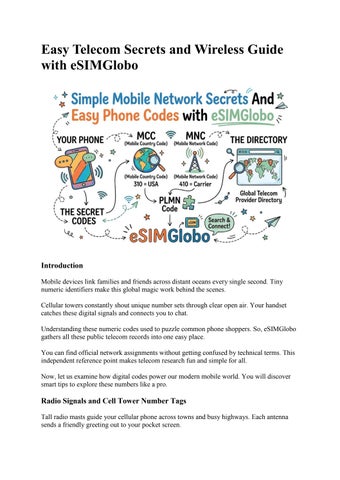
Your smartphone reads those quick digits before showing signal bars. If the numbers match your carrier, calls go through right away. Telecommunications experts run a MCC MNC Lookup to confirm each wireless company. Three digits always identify the country where the tower stands. Two or three extra digits reveal the brand providing your cellular data. Because of this balance, your device never connects to incorrect radio towers.
Travelling Across Borders with Roaming Partners Vacation trips take millions of people to new and exciting foreign cities. Your phone must find a trusted regional network as soon as you land. Local foreign towers check your numeric account details in a flash. When foreign operators recognize your home brand, your mobile data starts working. This global team effort keeps friends in touch over thousands of miles. eSIMGlobo arranges verified telecom carrier lists into clean visual groups. Travelers can review partner carriers before boarding their big morning flight. That makes international travel relaxed and stress-free for regular families.
Instant Searches with Combined Identifiers Flipping through paper telecom books used to take many wasted hours. Fast computer search bars now give you immediate answers on screen. A direct PLMN Code Lookup displays the exact company behind any code. The letters PLMN simply describe the whole public land mobile network. Engineers and digital creators check these combined number sets every day. You simply paste the five or six digits to locate the network owner. Then, you see the true operator behind your wireless signal. Clear results remove confusion so you get back to your day.
Official Records for Physical Network Owners Thousands of major phone brands operate physical metal antennas worldwide. Some large companies manage thousands of towers across entire continents. Other smaller providers serve remote mountain valleys or quiet coastal islands. The Mobile Network Operator Directory organizes these hardware owners systematically. You can check which company builds real towers in your favorite region. You can also review transparent facts about verified network boundaries.
Researchers locate accurate company details without wasting any time on confusing forums. Everything stays open, verified, and simple to browse.
Comparing Common Types of Wireless Providers Provider Style Builds Real Towers Sells Data Plans Common Customer Network Operator Yes, always Yes, directly Families at home Virtual Operator No, rents capacity Yes, discount deals Bargain shoppers Digital SIM Provider No, uses cloud Yes, online plans International tourists
Worldwide Telecom Knowledge in One Spot People want reliable wireless reception whenever they travel to foreign countries. Searching dozens of confusing foreign company pages wastes precious afternoon hours. The Global Telecom Provider Directory brings international network archives into one shared space. It holds thousands of verified carrier records from every populated territory. You can filter results by country name, company title, or numeric tag. Next, you can check whether a brand holds proper active licenses. This helps tourists choose dependable mobile data packages well in advance. It also helps software developers design better international phone apps.
Reading Mobile Identifiers by Land Area Each country claims its own special three-digit national phone code. Huge nations occasionally use multiple sets to manage heavy mobile traffic. Smaller island nations generally require only one single country tag. You can browse Mobile Network Codes by Country to inspect them all. Select any region to see every registered wireless code right away. Then, check the organizations linked to those specific numeric tags. Young students also explore these handy lists to study global communication. Simple navigation makes telecom research enjoyable and educational for everyone.
Exploring the Global Region Number List The Mobile Country Code List organizes national codes by world continents. You can browse through Asian, African, and European records without friction. The International Telecommunication Union creates these official global numbers carefully. The ITU makes sure two different countries never share identical digits. Because of these global agreements, calls move smoothly across international borders. Handsets never confuse one country with a totally different land.
eSIMGlobo displays these country groups in clean, readable order. You compare international numbers side by side with zero hassle.
Inside the Master Network Database Reliable network knowledge comes from rigorously verified official sources worldwide. Global telecommunications agencies review and record every code before activation. The Telecom Operator Database holds these verified records and historical tracking notes. It records company mergers when big phone carriers combine operations. Because businesses change names often, database records must update quickly. The main database logs these commercial updates without any delay. So, users always see accurate and fresh information on their screens. Network engineers rely on these updated archives for crucial technical research.
Exploring Clever Virtual Phone Companies Many popular cellular brands never construct their own metal towers. Instead, they buy surplus transmission capacity from primary network builders. Industry workers call these clever businesses virtual network operators. A specialized MVNO Directory tracks these flexible, low-cost options clearly. You can discover which physical towers power each virtual cellular service. Next, you can learn how these brands share local radio equipment. This helps smart shoppers pick cheaper mobile plans with total confidence. It also helps researchers track rapid shifts in modern cellular markets.
The Modern Shift to Digital SIM Chips Old plastic phone cards are quickly disappearing from modern gadget stores. Newer smartphones carry small programmable computer chips inside their frames. Users download their network settings right from the open web. An eSIM Provider Directory lists these innovative digital airtime brands. You can compare holiday data bundles across hundreds of vacation spots. You can also confirm which phones accept these new digital profiles. Because activation happens over the internet, you bypass crowded airport counters. Your phone starts loading online maps the moment your airplane touches down.
Fast Search Tools for App Developers Modern software engineers need rapid methods to verify cellular network numbers. They create banking apps, fraud alerts, and international travel utilities.
A reliable MCC MNC Lookup API sends fresh network facts directly into software. Computer programs connect to the database in just a few milliseconds. Banks can block fraud by checking where a customer's phone connects. Travel tools can suggest the fastest local data partner automatically. This clever system saves programmers hundreds of exhausting work hours. It turns complex telecommunications numbers into fast, dependable app solutions.
Understanding Key Network Number Formats Code Name Number of Digits Primary Purpose Practical Use Country Code 3 digits Flags the host nation Global roaming tests Network Code 2 or 3 digits Names the carrier brand Cell tower linkage Complete PLMN Code 5 or 6 digits Identifies the full operator SIM security setup
A Practical Lesson from an App Creator A dedicated app builder named David designed a mobile travel tool. His program kept failing whenever test phones crossed into nearby regions. Incomplete carrier records triggered annoying system bugs during initial trials. Then, David discovered eSIMGlobo to sort out his confusing number records. He matched each local cell code with its verified carrier identity. His mobile software worked flawlessly on the very next field trial. His engineering team launched their final application two weeks early. Today, thousands of travelers explore remote cities using his smooth software.
Five Easy Steps to Check Any Mobile Code 1. 2. 3. 4. 5.
Locate the five or six digits on your device status screen. Read the first three numbers to find the country code. Open your favorite telecom lookup tool in your internet browser. Type the complete number sequence into the clear search box. Review the company profile to verify the authentic carrier owner.
Frequently Asked Questions About eSIMGlobo What purpose does this global directory serve? It collects complex cellular network files into clean, readable lists that anyone can browse freely. Who searches for these network numbers? Tourists, mobile app builders, and students use these records to verify wireless connections.
What does MCC stand for in plain language? MCC means Mobile Country Code, and it names the specific country where a network operates. What does MNC tell a phone user? MNC means Mobile Network Code, and it pinpoints the exact phone company providing your service. Why do technicians check combined PLMN codes? A PLMN code merges country and company digits so you identify any cellular operator accurately. Can people explore these records for free? Yes, visitors can search and read public telecom lists without paying any service fees. Why do carriers update their numbers? Carriers update numbers when they purchase rival companies, install new antennas, or update gear. How do mobile developers use code tools? Coders connect their apps to search tools to verify user regions and stop online fraud. What is a virtual mobile brand? A virtual brand sells cellular plans by renting spare tower capacity from larger phone carriers. Why do travelers prefer digital SIM cards? Tourists pick digital plans online to avoid purchasing tiny plastic SIM chips during travel.
Closing Reflections Modern wireless networks rely on tidy, structured numbering rules. Learning these easy basics helps everyone understand global cellular communication. Accurate network archives save valuable time for travelers, engineers, and curious students. eSIMGlobo gathers all these essential numbers into one welcoming directory. You can investigate countries, verify operators, and compare digital packages anytime. Clear, accessible information keeps our entire world connected every single day.