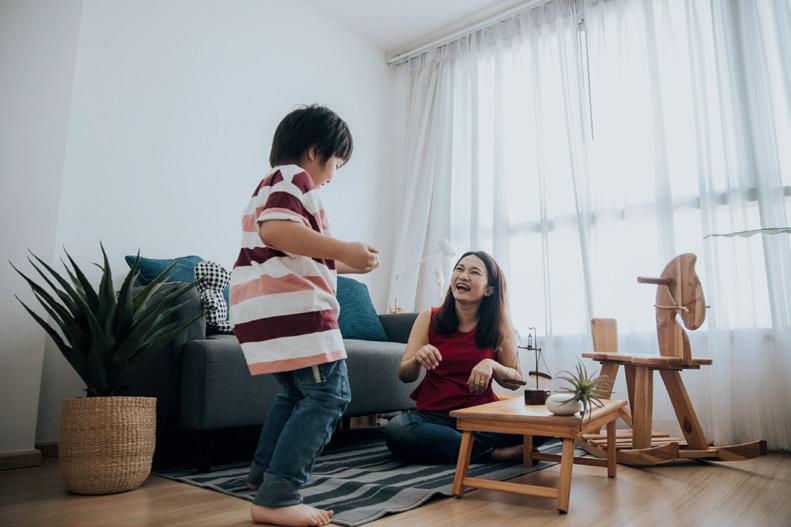
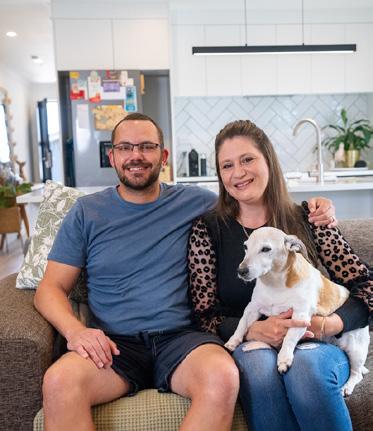
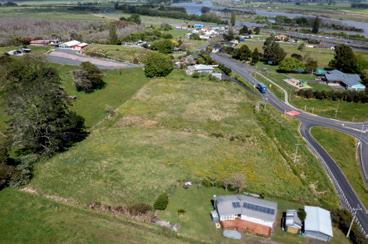
On the cover: Moving to Te kauwhata: Chanel and Tewis Slabbert . Photo courtesy of Bench Eje, Image | Kainga Ora. Full story on page 6.
Tim’s News
Waikato boasts creation of a broad range of world-class products, transported to markets locally, across New Zealand, and exported around the world. Securing and maintaining favourable global market access is a vital element to support our local Waikato exporters, expand export revenue potential, and strengthen our Kiwi economy.
I am proud to be part of the Government which has signed a historic, significantly important, Free Trade Agreement (FTA) with India, opening the door to one of the world’s largest markets.
Why is this FTA with India beneficial for New Zealanders? A quarter of all employment is intrinsically tied to trade. By increasing our international trading potential, we support and create jobs and lift wages. Fundamentally, that puts more money into Kiwi household budgets. This NZ-India FTA is wide-reaching, across multiple export products including kiwifruit, wine, sheep meat and wool, mānuka honey, mussels, salmon, cherries, avocados, persimmons, blueberries, apples, forestry products, leather goods, and industrial products. This agreement reduces or removes tariffs on 95% of our exports. From day one, more than 50% of New Zealand exports to India will be duty free, rising to 82% over time. With export goods produced locally here in the mighty Waikato, the dutyfree access and tariff cuts included in this FTA mean direct benefits for local exporters, benefitting their employees, and expanding job opportunities. The Indian market (1.4 billion people) is the fastest growing in the world. We are a trading nation that relies on our export goods being sold overseas. Our exporters can now more easily access that massive market, with more New Zealand products sold in India returning more money to local communities.
In the nearly three years since becoming the Government, through our stewardship and with prioritisation on expanding exports they have grown by more than $17 billion. We clearly defined our goal to double the value of exports in ten years and we’re on track to achieve this. We understand that strategic management of the fiscal and relationship elements of international trade and export access strengthens the economy, and that this brings benefits including employment and higher wages to Kiwi families. Accordingly, we secured the New Zealand–United Arab Emirates Comprehensive Economic Partnership Agreement and the Gulf Cooperation Council group of countries. Now, we have secured this FTA with India, bringing additional revenue into our economy for years to come. It’s a huge boost for exporters and will bring benefits for everyone in our amazing country.
Should you wish to share your views on an issue, or reach out for my support, please feel welcome to contact my Waikato Electorate Parliamentary Service team on 0800 GET TIM (0800 438 846) or email Tim.vandeMolenMP@ parliament.govt.nz. I’m regularly in all the communities around the electorate and look forward to connecting with you. Tim van de Molen – MP for Waikato.
The NZ Arms Bill –what it means for rural New Zealanders
Councillor’s Corner
Marlene Raumati
Waerenga-Whitikahu
General Ward Councillor
Manypeople in our rural communities rely on firearms as everyday tools – for pest control, animal welfare, farm safety, and recreation such as hunting and target shooting. I have a firearms licence myself and am fully aware of what this responsibility means.
Not surprisingly, the Arms Bill, currently before Parliament, has drawn strong interest from rural communities across the country. Set to repeal and replace the Arms Act 1983, the Bill’s stated aim is to improve public safety, simplify the law, and make it easier for responsible firearms users to comply with the rules.
The Justice Select Committee, which I chair, called for public submissions earlier this year, and thousands of individuals and organisations took the opportunity to have their say.
A clear message from submissions is that most people support the idea of modernising the law, but not at the expense of practical, lawful firearms use in rural areas.
Many submissions backed the Bill’s overall focus on public safety and keeping firearms out of the hands of criminals. Rural submitters generally agreed that licensing should remain the main safeguard and that those people who are ‘fit and proper’ should continue to be able to own and use firearms lawfully.
At the same time, submissions stressed that licensed firearms owners are not the source of criminal misuse, and that the law must clearly distinguish between criminals and responsible users, particularly those managing pests, protecting livestock, or participating in lawful hunting seasons.
A widely supported aspect of the Bill is its attempt to simplify licensing and business requirements, including longer licence durations for renewals, clearer definitions, and reduced paperwork for low-risk activities. Rural stakeholders noted that complex or unclear rules can unintentionally discourage compliance, especially in areas where travel to compliance services can involve long distances and time off farm.
Cost was a recurring concern. Many rural submitters warned that higher fees, frequent renewals, or additional compliance costs could place unreasonable pressure on farmers and hunters who already use firearms responsibly and sparingly.
There were also concerns about enforcement provisions, with some cautioning against overly harsh penalties or ‘reverse onus’ provisions that could penalise otherwise lawful people for technical breaches rather than genuine risks to public safety.
Submissions also highlighted the importance of firearms in biosecurity and conservation work. Organisations such as Fish & Game supported provisions recognising pest control, hunting, and organisational ownership of firearms, while opposing sudden classification changes that could affect commonly used shotguns and rifles without proper consultation.
There was also strong support for practical visitor licence settings, which allow overseas hunters to return easily for repeat visits – an important contributor to rural economies.
The Justice Select Committee’s report to Parliament is due on 9 June 2026. For rural New Zealanders, the key test will be whether the final law maintains public safety while still recognising that firearms are essential tools for life and work in rural areas.
ANDREW BAYLY
TeKauwhata Domain proposed works will involve a series of practical upgrades and refinements that aim to improve access, safety, and long-term functionality across the reserve.
Key elements include installing and realigning gates and fencing, improving, and extending footpath connections (with potential upgrades to concrete), removing redundant structures such as tree stumps, fencing, troughs, and a container, and reshaping works to stabilise slope and maintain drainage.
Additional improvements include reinforcing sections of path for farm vehicle access, clearing swale to enhance water flow, and investigating opportunities such as wetland planting. The overall intent is to streamline the layout, improve usability for both community and agricultural needs, and ensure the site is safe, maintainable, and fit for purpose
Council has confirmed a below inflation rates increase at the Draft Annual Plan meeting. Council approved a general rate increase of 2.8% and a resulting average rate increase of 3.79% including targeted rates.
Individual rates increases will vary for ratepayers according to the capital value of each property and the specific services they receive, such as rubbish collection. For properties connected to water services, there is a $31.50 increase for drinking water and a $110.72 increase for wastewater for the year – a total fixed charge increase of $142.22 for 2026/2027.
The Annual Plan will be presented to Council in June, inclusive of forecast financial statements for the relevant year and will highlight any variations for the 2025/2026 LTP, such as the reduction. The Annual Plan will be adopted on 30 June together with the rates strike for the upcoming fiscal year.
Central government has approved the Green Steel Fast Track Application for the Hampton Downs Steel Manufacturing Plant. The new plant will process about 200,00 tonnes of recycled steel annually. The project will reduce structural steel imports and reduce the amount of scrap steel being exported. Green Steel has collection yards in Auckland, Hamilton, Putaaruru, Wellington and Christchurch. These yards recover metal resources from end-of-life vehicles, sheet metal, and beams.
The project is expected to create about two hundred skilled jobs in the region and will mean that the domestic industry can now re-use steel, using material sourced from across the country.
Council’s Rates Rebate Scheme is designed to aid homeowners, who are on a low income. Eligibility is determined by how much income is coming into the home, the number of dependants and how much one’s annual rates bill is.
The maximum rebate is $805.00. The closing date for property rebates for the 2025/2026 fiscal year is 30 June 2026. If you think you might be eligible for a rates rebate, I encourage you to enquire https://www.waikatodistrict.govt. nz/services-facilities/rates/rate-rebates
Chatter Community Newspaper is published fortnightly on a Wednesday and circulated throughout the North Waikato.
Readers contributions of articles and letters are welcome. Publication of contributions are entirely at the discretion of the Editor.
Contributions will only be considered for publication when accompanied by the author’s name and surname, telephone number and residential address. All reasonable steps are taken to ensure accuracy. Opinions expressed are not necessarily those of the owner or publisher.
If you have a council related concern, please feel free to contact me either by email at marlene.raumati@waidc.govt. nz or by phone on 020 - 40012548.
Te Kauwhata Stands United in Remembrance on ANZAC Day
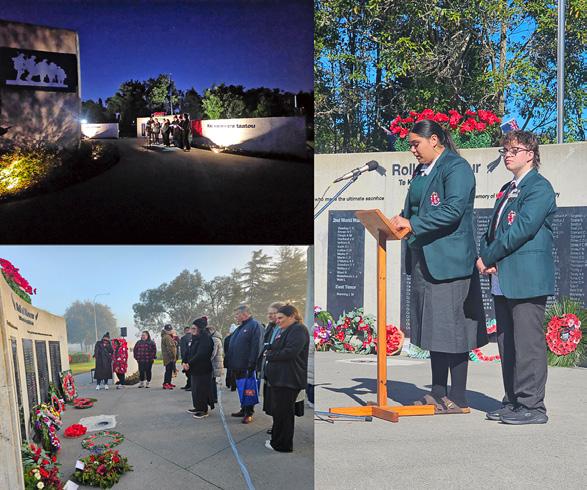
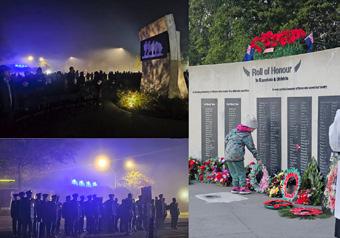
Te Kauwhata came together in strength, reflection and unity on Saturday 25 April 2026, as the community marked ANZAC Day through three meaningful services held across the township and wider district.
From the stillness of dawn through to a sunlit civic gathering, each service carried its own tone and character, yet all were tied by a shared purpose: to honour those who served and sacrificed and those that continue to do so.
The day began at 6:00am with the Dawn Service, where locals gathered under a blanket of fog and early morning chill. Despite the cold conditions, there was a strong turnout, with attendees being young and older standing shoulder to shoulder in quiet remembrance.
The service was led by Glen Tupuhi, with Father Turi Hollis offering prayer. The Ode of Remembrance was delivered by Wendy Phillips and Vince Hapi, while Atareiha Hema, Head Girl of Te Kauwhata College, shared a moving extract from a fallen soldier of the Māori Battalion.
Historical reflections were also shared by Navtej Randhawa (4th generation whaanau farm in Waerenga) and Cathy Miller, providing insight into the experiences and legacy of those who served. Supporting the service were Peter Reid as flag bearer, Larry
Simmonds on sound, and the Te Kauwhata Community Choir, whose voices added depth and emotion to the morning. Lee ensured attendees were welcomed with programmes, and the presence of so many community members created a powerful atmosphere of collective remembrance.
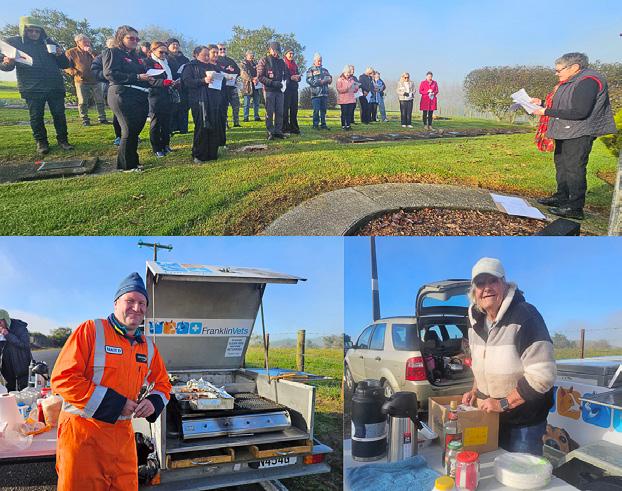
Later that morning, the community took to the Waerenga Cemetary at 7:45am for the Waerenga Service, which brought a slightly different but equally heartfelt tone. Led by Anne Goodin, the service reflected the closeknit nature of the rural community.
Attendees were warmly supported by Matt and Anna, who provided a traditional gunfire breakfast and hot drinks. Once again, the Te Kauwhata Community Choir played an important role, accompanied light-heartedly by “baby calf backing singers,” adding a uniquely local charm to the morning. The roll that stands at the Waerenga Church of those that served was read out aloud. From those that served, were wounded, had died or who were killed, those names were felt in that moment.
Judith shared an interesting story of just how those from the WW2 were not so welcomed into the RSA’s back then, her father who returned from WW2 decided that was not on so a new formed ‘place of belonging’ was created and all were welcome. So many more stories have been shared among the generations and the great thing of ANZAC Day is hearing these come to light.
The final service of the day, held at 11:00am, saw around 100 people gather under welcome sunshine for the Civic Service at the Te Kauwhata Soldiers’ Memorial. This service brought together a wide cross-section of the community, including families, local organisations, and community leaders.
A highlight of the civic ceremony was the reading by Kiyara-Lee and Izzie, who shared an eyewitness account from Lieutenant Colonel Dyer, Commanding Officer of the 28th Māori Battalion, titled “Ma Te Reinga – The Way of the Māori Soldier.” The account held special significance for the local community, as it referenced Waerenga whānau members Bill and Harold (Howe) of the Iwihora family creating a deeply personal connection to the stories of service and sacrifice.
Cathy Miller also spoke, sharing the story of her father and his close friend Billy Frisk, a Canadian who served under the guise of an American and is remembered as one of the first from the United States to lose his life in service to England and his comrades.
Reverend John Marcon offered a reflection, speaking of the emotional experience of flying over waters where his ancestors and many others who lost their lives in times of conflict. His words reinforced the enduring connection between past and present, and
the weight of remembrance carried across generations.
Across all three services, a strong theme of unity emerged. The collective effort of volunteers, organisers, and community members ensured the day was both meaningful and inclusive, reflecting the values at the heart of ANZAC Day.
As outgoing Chairperson of the Te Kauwhata Community Events Committee, Kris Bryant acknowledged the many hands involved in bringing the commemorations together, expressing gratitude for the continued support and mahi from the community.
“Unity as a community is as important as a squadron in battle—moving forward together,” Kris shared.
This year’s ANZAC Day services once again demonstrated the strength of Te Kauwhata’s community spirit. Through remembrance, storytelling, and shared experience, the legacy of those who served continues to live on.
Lest we forget.
Looking for the best in animal bedding?
Our premium untreated dry pinewood shavings, chipper fines or woodchip offer superior comfort and cleanliness for your pets or livestock. Don’t wait until the last minute-purchase early and take advantage of our summer deal for bulk or bagged deliveries.
Enquire now at 07 888 1955 or order at orders@moorey.co.nz
3 Stirling Place, Huntly —
1 Whites Way, Te Kauwhata
Avenue, Huntly
Working together to keep tamariki safe
Road changes have made it safer for Te Kauwhata students, says the local primary school.
Last year, Te Kauwhata Primary School contacted Waikato District Council because they had safety concerns about Wira Street, where parents drop off and pick up their children.
The mix of buses, cars and children was dangerous, says Principal Brian Martin. “We had a few misses with children crossing the busy road in front of buses.”
The school roll has increased from 298 children in 2024 to 360 so there were more children and more cars. The road was very narrow, which made it difficult for buses turning into the street.
“Every morning our staff would put out cones to allow the buses to turn into the street without clipping parked cars. Often, cars would double park or stop in the middle of the street because there weren’t enough car parks. The angled car parks were really tight and cars had to reverse back out onto the street, where children were crossing.”
Council worked with the school to understand the issues and suggested relocating the bus stop to Mahi Road as a possible solution. The school worked with the bus operator to move the bus stop, and Council was then able to create a new pick up / drop off area. Council also moved the crossing so that it is directly opposite the school entry.
The changes were made in February and, since then, it has been much safer, says Brian.
“Our parents have been very accommodating with the change and the new
pick-up and drop-off zone is working well. It has made a huge difference. There is now less traffic on Wira Street, and students can funnel out one gate and cross at the crossing.”
Brian says there has also been no damage to vehicles since the road was altered.
Janette Underwood, Council’s Road Safety and Traffic Engineer, says moving the bus stop made it possible. “We were able to work together to find a solution that was suitable. Being able to separate the busses from the cars has made it so much safer. It meant we could use the bus stop area as a designated pick up/drop off zone. It also meant parks that had been blocked off by cones could be used again.”
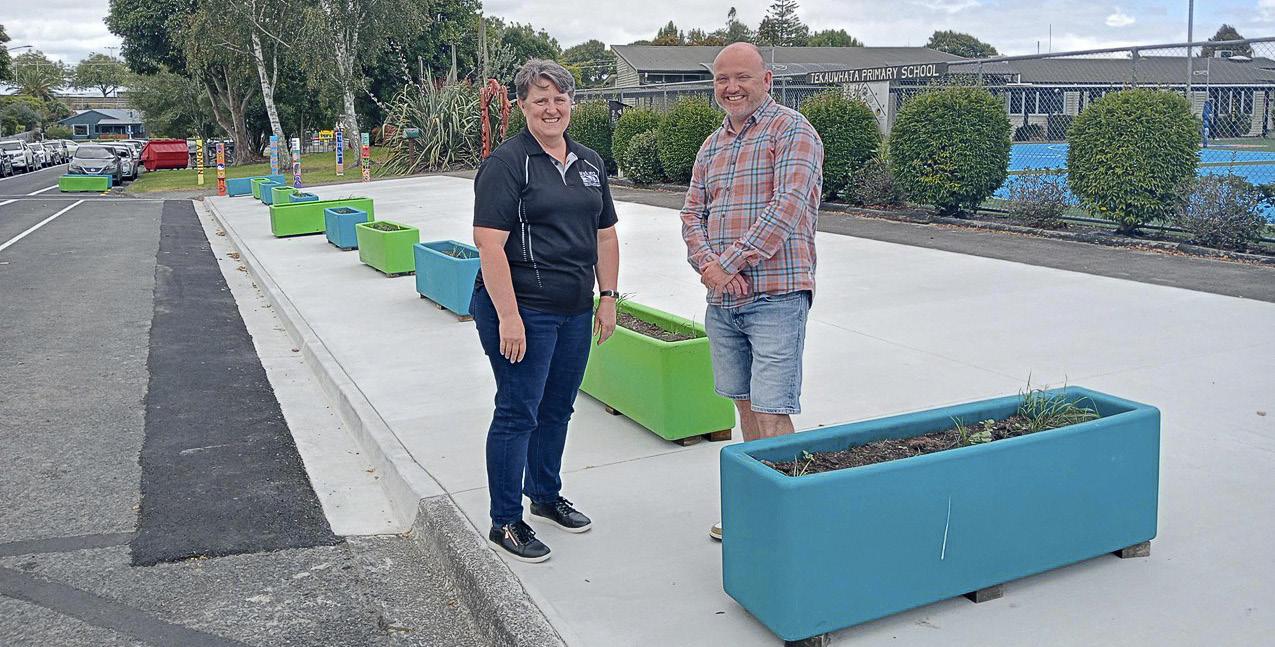
Changes also include new, bright coloured planter boxes.
“The planter boxes had been used by Waipa District Council but were no longer needed,” says Janette. “We are very grateful that they gave them to us for free.”
Brian says they will be used by the students.
“We have around 30 kids involved in the Enviroschools programme so they will use them for planting.”
Enviroschools is an environmental action-based programme where young people are empowered to design and lead sustainability projects in their schools. The school plans to put in a covered bus shelter for children to use while waiting for the buses.
Waikato District Council
Where (nearly) Everybody Knows Your Name
Te Kauwhata is growing, slowly but steadily. Long-time locals lament they “don’t recognise anyone in the village anymore”. So, we spoke to some new faces to see what made them decide to call Te Kauwhata home.
For many it’s the lifestyle (semi-rural blocks close to the township) and the chance to live a small version of the good life. For others, it varies from affordability, location, being closer to family – or a chance to escape big city rat race life.
Here’s what some of our new residents told the Chatter about their ‘why’ and what challenges they faced on their journey. Some are happy to add their names; others prefer a bit of anonymity.
Lakeside’s Chanel and Tewis Slabbert loved the semi-rural charm of Te Kauwhata. Longing for a slower pace of life, and a genuine sense of community, they imagined unwinding with a leisurely evening stroll by the lake. Location and price point were attractive drawcards.
“More than anything, we looked forward to knowing our neighbours. We didn’t spend much time in the village before deciding. Our minds were made up from the first moment we stepped foot in Lakeside.
“Location and price point made it an easy decision, and we’ve become involved in the wider community.”
Fellow Lakesiders Gurinder Singh and Harjeet Kaur are 5-year veterans, relocating from Auckland after a friend suggested checking out Te Kauwhata.
“We instantly fell in love with this beautiful little village. It felt calm, welcoming, and just right.
“I’ve been teaching at the Primary School since 2021” says Harjeet. “My husband works at Auckland Airport which means a long commute. While we absolutely love living here, the limited schooling options after primary and the long travel distance for work can be challenging at times.
“Te Kauwhata holds so many special memories; it’s where I landed my first teaching job in New Zealand, where we received our permanent residency, where we got the keys to our first home, and where our son started his first school. It has been wonderful to see the village grow and become more diverse but remain friendly.”
Echoing the sentiments of other newcomers, Waikare Estate residents Derek and June Peel decided to relocate from the ‘chaos of Auckland’ but remain close enough for family and events.
“June fell in love with Waikare Estate, its section sizes, build quality and country views. We both loved the smaller size of the village and friendly welcome from local businesses,” says Derek.
“We expected a quieter lifestyle and getting involved with the community,” he says. “It’s nice to wake up to the view of fields and animal, and we find the community can be as welcoming as you want and you can get as involved as much as you want, but you have to make the effort.”
Semi-rural residents adjacent to Waikare Estate agree with the Peels’ view. Like many they were looking for an escape from Auckland, and a better lifestyle that was more aligned to their values. The ‘old-style’ friendliness was a big drawcard, as well as the ability to get involved in the community in a meaningful way.
Lakeside’s Aidan Picot was already working in the area and joined family who had previously relocated to the village. He
cast a professional eye over Te Kauwhata, driving around the area and exploring what was on offer.
“We looked at different neighbourhoods and the types of properties available, thinking about the stepping stones we could see ourselves achieving in the future.”
An Aparangi resident, who preferred not to be named, now has two years under his belt in the village. He says the location and affordability was a big drawcard, along with the continuum of care offered in a retirement village set within a few minutes’ walk from Te Kauwhata’s facilities.
Semi-retired from his Auckland education role, this fit and active local says another plus is the public transport that allows him to travel by bus to Pukekohe and then by train to his old haunts.
Aparangi Retirement village is also attractive for similar reasons. It’s operated by Te Kauwhata Retirement Trust and board chair John Cunningham says affordability and an informal’ street style’ is a winner against larger corporate retirement villages.
“Residents in the village are delighted that they are so close to the main road shops and services such as the supermarket, library and doctors,” he says. “This is a huge advantage for residents to be involved in the wider community and differs from many other places which are set in outlying areas and not walkable to services.
Did Te Kauwhata live up to expectation? Some snapshot comments.
# We expected a small, tight knit rural town with a quieter lifestyle and less hustle and bustle. Those expectations were definitely met and exceeded. One of the standout features for us has been the local food trucks in the evenings. It’s great to see the community supporting small local businesses.
Good People Make Great Events
Behind every good event, is a great group of people. The Chatter talked to Te Kauwhata’s Community Events Committee about what goes on behind the scenes.
What does the Committee do?
It was set up many years ago, to mastermind events like Anzac Day and the Christmas Parade along with other events during the year. For some years now the Community Events Committee has assisted in running the entertainment side of the annual A&P Show in December.
As an Incorporated Society, TKCE can apply for funding, and it also works in association with the Te Kauwhata Community Committee, which is the local committee liaising with the Council.
Because a number of members are on both Te Kauwhata Community Events committee and the Te Kauwhata A&P Association committee, meetings are held on the same night and run in parallel.
Sounds like a lot of work?
Not really, there are obviously peak times when you might have more to do- up to seven hours a month, but mostly just a couple of hours a month keeps things ticking along. Also, the Lions help a lot and we are very appreciative of their on-going support along with that of Te Kauwhata Community Patrol.
Are you looking for more people -and what would they actually do?
We’re always keen to have new people join us. It’s not as scary as it might sound as we all pitch in and the tasks themselves
# We like to arrive home and wave to everyone in the street as we pass. We truly struck gold with our neighbours and the wider community.
#It’s a change getting used to not having all the shops you want/need in a short distance. Projects, or things not available in the village, take some planning and a 30-minute commute.
# Generally, everyone has been very friendly. Facebook warriors sometimes complain about being “invaded” by outsiders, but we quickly found friends amongst our neighbours and volunteer organisations.
#People often say it’s hard to make new friends or feel like you fit in, but for us, settling in was the easiest thing in the world. When you’re surrounded by like-minded people, finding your feet comes naturally
*#One of my proudest moments was helping organise the Diwali Festival celebration last year, it was heart-warming to meet so many amazing people and see the community come together
# We don’t have a lot of choice in restaurants, but the food trucks bring everyone together for great food and even better company.
#Take time to stop and chat with the locals, you’ll quickly discover most people are more than happy to share their experiences and explain what makes this area and community so special.
#The easiest part was how convenient everything is. It’s a quick drive to both Pukekohe and Hamilton, which has been a real bonus.
# The most challenging part was adjusting to local shop hours, coming from a larger city where something is always open, it took a bit of planning to make sure dinner was sorted before everything closed!
Top tips for newcomers
The consensus is: Take time to stop and chat with locals, you’ll quickly discover that most people are more than happy to share their experiences and explain what makes this area and community so special.
Check out the Community House for events. Call in on a Community Committee meeting to find out what’s coming up. Events are often posted on the noticeboard by the railway lines.
Playgrounds are fantastic spaces for families with children to connect, and there’s always something happening.
And the final word, from new community committee member and local teacher Harjeet; “Te Kauwhata has so much to give us in so many ways. If we embrace this little village and support one another, it gives back beautifully. It’s important to avoid divisions like “old TK” and “Lakeside” — we’re all part of the same community.
By Chris Davies
are not that onerous. It’s more a matter of working alongside others at meetings and having input. If you’ve got an idea, we’d like to hear it. And, then when we get to events, it might be talking to potential stall holders or making phone calls.
On the day, we all tend to help as required, which is the fun part seeing all the planning come to life. Really it’s just ‘regular folk’ with average health and fitness and keen to get involved with the community. It’s a really good way to dive in and get to know people.
Any specific skills needed?
Not really, although like any committee we are thinking of succession planning especially around basic book-keeping and leadership. Do you prefer to work in the background with paperwork and documents? Are you creative with a flair for posters and
Facebook posts? Are you keen to work with entertainers and ride providers? Do you enjoy the food providers and stalls at the Christmas Parade and the A & P Show? Have you got some good ideas about new activities or attractions that you would like to see at our Events?
We would love to have you on the team. And we’re keen to hear from any student leaders who might be interested; it would be good to have a youth perspective towards making Te Kauwhata’s events even better!
How do people get in touch?
Firstly, we have the AGMs of both Te Kauwhata Community Events Committee and Te Kauwhata A&P Association on Monday May 11 at St Andrews Church Hall at 7.30pm. Come and meet us then, or email tekauwhatashow@gmail.com or tkcommunityevents@gmail.com
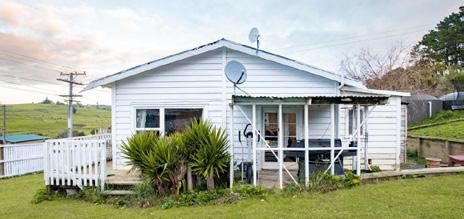
Chanel and Tewis Slabbert . Photo courtesy of Bench Eje, Kainga Ora
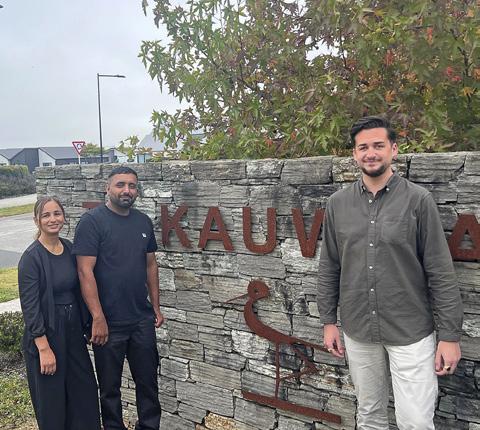
Harjeet Kaur, Gurinder Singh and Aidan Picot
John Cunningham, chair Te Kauwhata Retirement Trust Board
Host a Pink Ribbon Breakfast this May and help raise vital funds
Awomanfrom Taupiri is hosting a Pink Ribbon Breakfast to raise vital funds for Breast Cancer Foundation NZ and she’s encouraging others in the region to get involved.
Sharin Singh Ark says the cause is deeply personal and fundraising is her way of giving back: “I want to bring the women in my family together to honour my aunt who passed 17 years ago of breast cancer at the age of 35, the age I currently am, and my grandmother who had breast cancer last year and is thankfully now in remission.
“Being a woman of North Indian descent, I’ve seen how women in my culture hold everything in. Hosting a Pink Ribbon Breakfast is a great way to express ourselves, have fun together, and also have important conversations about our health.”
Around 310 women are diagnosed with breast cancer every year across Waikato. Hosting a Pink Ribbon Breakfast is a meaningful way to support them, helping fund groundbreaking research, free patient services and early detection education.
Ah-Leen Rayner, chief executive of Breast Cancer Foundation NZ, says the flexibility of Pink Ribbon Breakfast means anyone can get involved: “We know many households are feeling the pressures of rising living costs right now, but hosting Pink Ribbon Breakfast doesn’t have to be fancy or expensive. It can be as simple as a morning tea at home or work, or catch-up at your local cafe. What’s important is coming together, because every effort counts.
“As a charity that doesn’t receive any government funding, we desperately need more hosts to make sure our programmes can continue supporting the thousands of Kiwi women who rely on them. Every dollar raised makes a massive difference – by hosting a Pink Ribbon Breakfast, you’re turning coffee and conversation into something powerful.”
Pink Ribbon Breakfast Day is 21 May, but events can be held any time from March to June. Once registered, people will be sent a free host kit with ideas and resources to get them started.
For more information and to register to host a Pink Ribbon Breakfast, visit pinkribbonbreakfast. co.nz. Registrations close on 31 May.
Waikato District Council –Community Boards Update
Tuakau Community Board highlighted progress on road safety improvements at Geraghtys Road, planned upgrades to George Street, and the approved Harrisville Road Bridge replacement.
Work continues on stormwater resilience, wastewater upgrades and the Pipinui Playground project, alongside planning for a new dog kennel facility.
Upcoming Meetings
1. Taupiri Community Board meets Monday, 11 May 2026
2. Huntly Community Board meets Tuesday, 12 May 2026
3. Tuakau Community Board meets Monday, 09 June 2026
4. Raglan Community Board meets Wednesday, 10 June 2026
5. Ngaaruawaahia Community Board meets Tuesday, 16 June 2026
6. Rural–Port Waikato Community Board meets Thursday, 18 June 2026
Collecting 30 Years of Love
“M
y late husband died early. So I put my love into my house.”
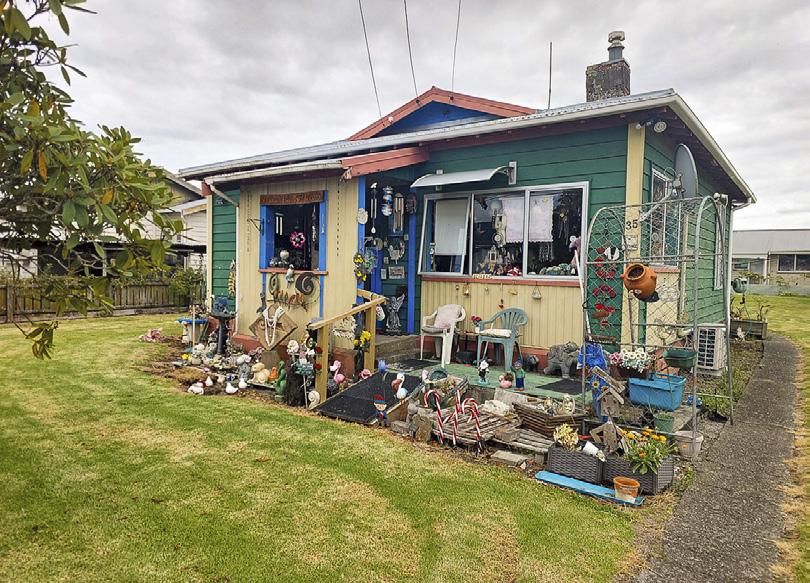
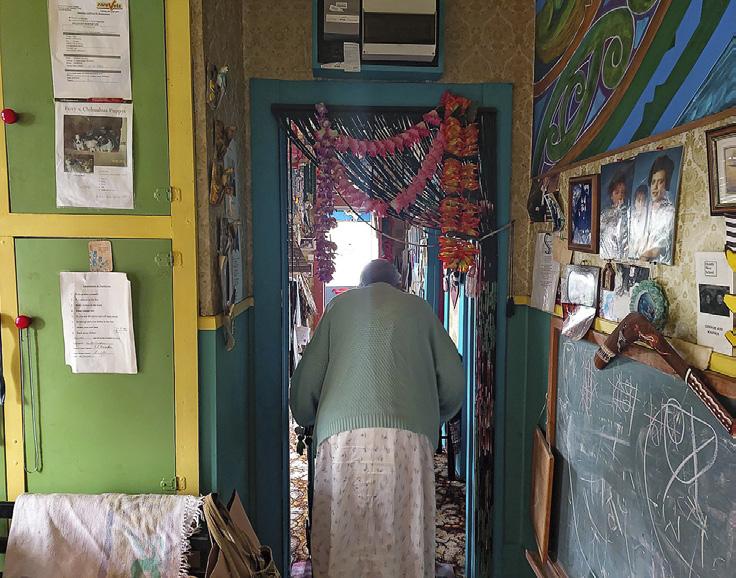
Those are the words of Christine Manukau, owner of arguably one of the most decorated homes in Huntly.
Having lived in the one bedroom house for over 30 years, Manukau has made the space uniquely hers using the things she finds beautiful.
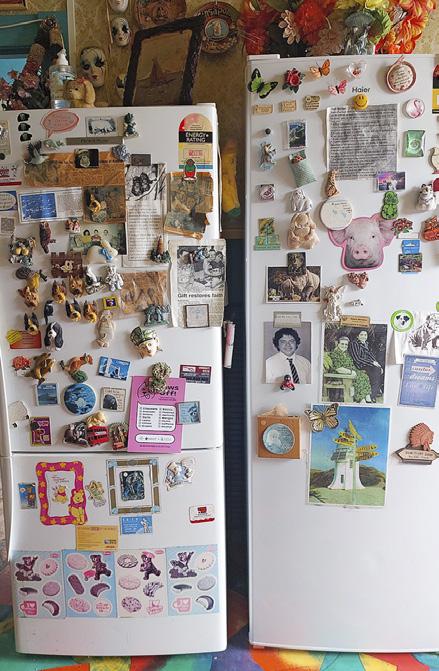
Over a dozen dream catchers and windchimes hang from the ceiling in the lounge, and photographs line the walls. Underfoot in another room is the flooring of an old indoor playground.
But nothing is messy; each trinket, picture, or postcard is carefully lined up to the next.
“We’ve got a little knick-knack shop in town. So when I get a spare bit of money I go and buy something. Then there’s all my photos and that up [on the walls],” Manukau says.
“My son put the dream catchers up on the ceiling for me. He’s a big tall bugger.”
When Manukau says her son, she refers to her biological grandson, who she raised herself. She and her husband began in Pukemiro, a good while before she would move into her Huntly home.
“Then we moved to Rotowaro. And that got destroyed.”
Manukau is a previous resident of Rotowaro, the Waikato coalfield area just west of Raahui Pookeka that was once a small town.
The town was closed and its some 400 residents dispersed in 1987 when the land beneath it was wanted for mining.
“We moved to Huntly. It was my husband, my daughter, and I. Then my daughter died, and I brought up my grandson. So I call him my son.
“Now he has a son. I’m a great grandma. I never thought I’d be one.”
There was more loss in Manukau’s life when her husband died. Her doctor advised her to put the love she had for her husband into other aspects of her life. Manukau put it into her house.
“I go to the shop in Huntly, and there’s a variety shop in Hamilton, and people give me stuff as presents as well.”
The front of her house is adorned with trinkets and treasures too. Plants grow from funky pots placed along the porch and the house itself is painted yellow and green and blue.
Manukau said the house has brought her joy and loved ones over the years.
“It makes me feel good. And people come in and look around and they love it too.”
Huntly Garden Circle Report April 2026
3
2 members of the Huntly Garden Circle met at the Huntly RSA on Thursday 2nd April, with 33 entries into the competition. Produce was abundant.
Competition Table
Blooms: 1st Judy, 2nd Laureen, 3rd
Gloria
Fruit: 1st Trish, 2nd Val, 3rd Audrey
Vegetables: 1st Eilleen, 2nd Liz, 3rd Judi
Preserves: 1st Trish, 2nd Audrey, 3rd
Denise
Raffle Winners
Lynn, Sue, Anne, Judi, Audrey, Edna
Monthly Meeting
Reminder: AGM in June, so we are asking for nominations for President, Secretary and Treasurer, as these are all standing down. We would also like new members for our committee.
Feedback was given on a questionnaire regarding barriers to attending extra garden visits outside meeting day. Time and other
commitments were the main factors, with requests to have some on Saturdays for those who work. Details of these visits will go on our Facebook page and all members are welcome.
Wasps do not seem to be a major problem this year. Weeds are a major problem for many.
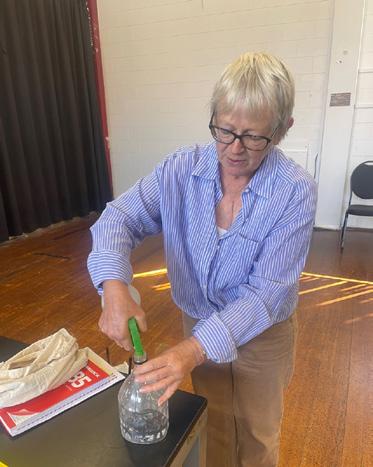
Eilleen has devised a solution to spray individual oxalis weeds without harming surrounding plants by placing the cut top of a large soft drink bottle over the offending plant to shield surrounding plants, then spraying the weed. Gloria uses a 10cc syringe and spot-sprays her offending plants with good effect.
Garden Visits
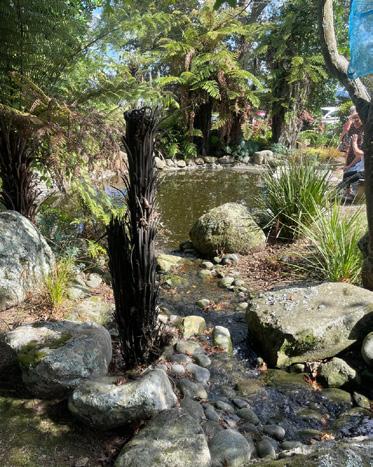
The weather was perfect for enjoying the gardens. Jenny’s large, established garden in Taupiri was the envy of many, with her extensive hard landscaping, including a stream and a beautiful variety of planting — such a real joy to visit. Sue’s garden near the Hunua area was also extensive; she had inherited her father’s garden, with
a great variety of majestic mature trees and plantings.
We are so grateful for the generosity of Jenny and Susan in allowing us to share in their gardens and appreciate the work that goes on to prepare for our visits.
Liz Johnson on 022 074 1223.
Next month we will be visiting three members’ gardens: Val, Trish and Barbara. Please feel free to attend our meeting, held on the first Thursday of the month at the RSA at 11am. For any queries, contact
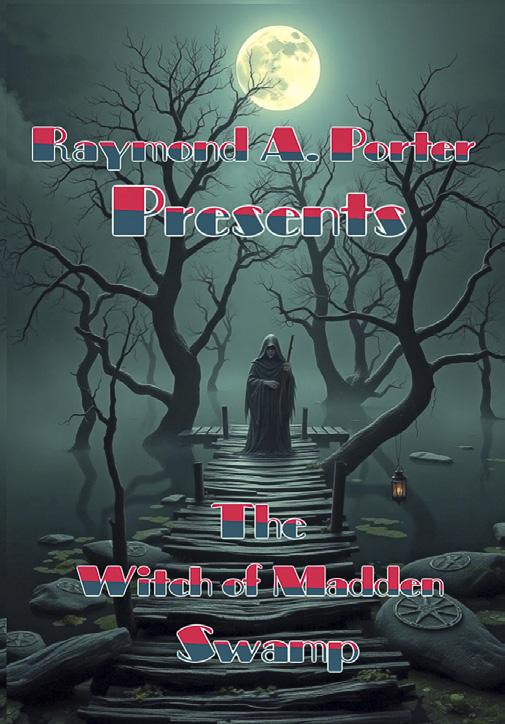
Local Filmmaker Raymond A. Porter to Shoot Atmospheric Horror Feature in District
L
ocal Indie film producer, Raymond A. Porter, is set to start shooting his latest production in and around the district. Porter has assembled a cast and crew that have award winning credits from National and International Film Festivals. With several awards for film and writing himself, he is confident the project will do the district proud.
Porter is also an author, with five fiction books to his credit. Three of which are available to check out and read, from the library. Having been involved in a few TV shows and major films shot in NZ, giving technical advice to prop and wardrobe departments, it was suggested that he turned his hand to writing screenplays. This led to producing and directing a handful of short films. Porter has also had a short film, The Taxi, made by another producer, and recently had a feature length screenplay optioned by a production company. Porter has one film, Mr John, available for viewing on a number of platforms, and a second film, Highway Justice, that has screened on Sky TV’s channel 83.
The project Porter is in pre-production with currently, falls into the horror drama genre. No zombies, no vampires, and definitely not a slasher movie, it is a good old-fashioned horror. As a local resident with an extremely active imagination, what better way to make use of and highlight the regions swamps and waterways. The first pieces of footage will be shot in June, to take advantage of the fog that can hang in the air until midday in some areas.
Though not set in New Zealand, the story will make use of the regions landscape and history. Set in both the 1880s and modern times, the old coal mines will be mentioned. A blend of reality and fiction, it is hoped audiences will feel a connection. Porter hopes that the exciting storyline, relatable characters and use of the regions landscape will not only entertain but will draw audiences into the story. It is Porter’s plan that The Witch of Madden Swamp, will be the first of several feature films to be shot locally.
Local Volunteer Lights Up Museum
If you’ve walked into the Huntly Museum lately, you’ve likely been greeted by one of the town’s most dedicated and infectious smiles.
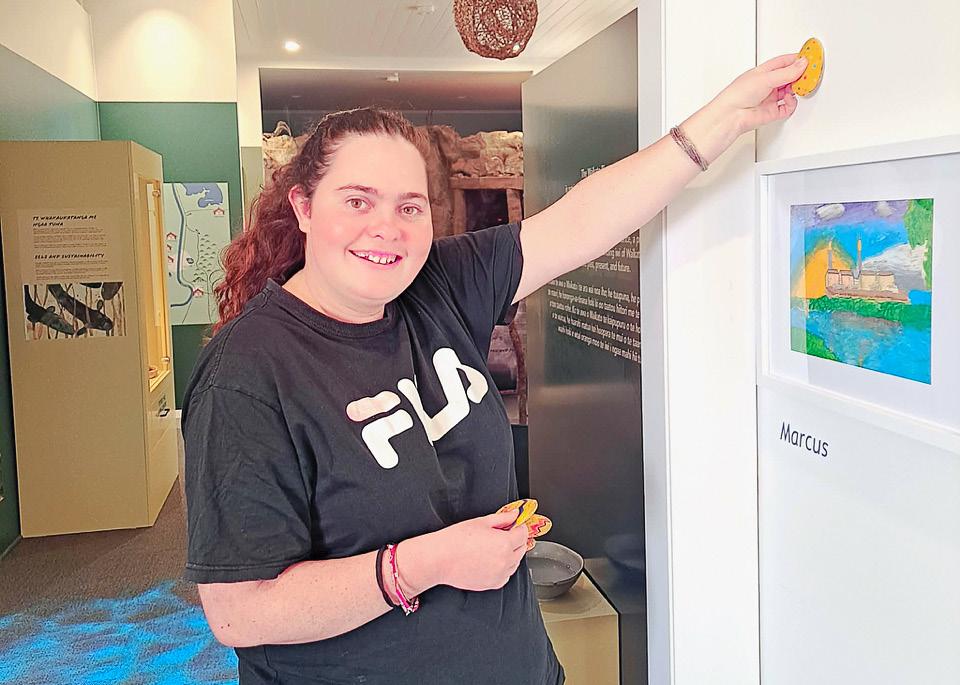
Today, we are shining a well-deserved spotlight on Toriesa, a superstar volunteer who has been a cornerstone of the museum team for nearly three years!
Toriesa is best known for her kindspirited nature and smile that seems permanently fixed, regardless of the task at hand. Her reliability makes her a fantastic asset to the Museum, when Toriesa commits to something, you can trust it will be done with excellence and a great attitude, whether it’s helping with events or supporting staff when needed , her enthusiasm and passion is outstanding.
But her hard work doesn’t stop at the museum doors! Toriesa is currently levelling up her talents by taking a Life Skills course, where she is mastering the tools to navigate the world with even more confidence and independence.
When she’s not busy being a hometown hero or studying hard, you can find Toriesa staying active. She’s a big fan of the outdoors, often spotted enjoying local walks or cruising around on her bike scooter.
Huntly Museum is lucky to have her, and we can’t wait to see what she achieves next. Go, Toriesa!
Te Whare Taonga o Raahui Pookeka Huntly Museum is open Wed, Thurs, Fri, Sat 10am - 4pm at 2a Glasgow St, The Station.
Remembering a Spitfire pilot uncle
Reflection shared at Te Kauwhata ANZAC service.
In 1994 I, with my wife Joyce and our teenage daughters crossed the Channel from Dover to Calais.
Leaning over the side of the ferry as the sea swirled past the ship’s side I was reminded of Uncle Ken, a flight instructor who left New Zealand to join the RAF.
Six weeks later, his Spitfire was shot down over the English Channel. Staring over the side of the Channel Ferry I became deeply aware that somewhere under these waters Uncle Ken remains in his aircraft along with hundreds and thousands of other men, women and children at the ocean floor, victims of
centuries of human conflict and tragedy at sea.
It was a strange experience sensing an affinity with a man who died when I was just 3 years old. Uncle Ken gave his life so far away from home convinced, as were so many other Kiwis, of the need to challenge and conquer Hitler’s evil empire so we, the following generations, might be free of violently aggressive criminal men who start wars and seek to hold the world to ransom. It appears we have some way to go yet.
To honour the fallen and protect our young people we will never give up the goals that were there’s and ours that a just peace may yet prevail in our world.
John Marcon
Issue 34 of Rex Hohaia History of Rugby League: The Waikato Country Fare Cougars
The French game in Huntly helped lift the ‘spirits’ of the townsfolk and the rugby league pundit conjointly, from the Market Day to the Match Day champagne breakfast at the iconic Huntly Hotel through to the after-match function at Waahi Pa.
France had graced the hallowed turf of Davies Park a couple of times before, with the infamous 1955 loss, 20–28 to a NZ Māori side in front of 5,000 spectators, as one to remember. The main drawcards for that game were the three local coal miners and Taniwharau ‘legends’ Andy Berryman, Joe Tupaea and Sammy George, who all picked up a ‘pork pie’ each. The modernday event ran smoothly and comments were favourable (except for the humiliating loss, 24–2; the spin was that we would dine out on ‘escargot’ – yeah right!), and I had written in my Cougar report that a hearty round of thanks needed to be extended to everyone, both individually and collectively.
MERCI BEAUCOUP TOUT LE MONDE! (thank you everyone)
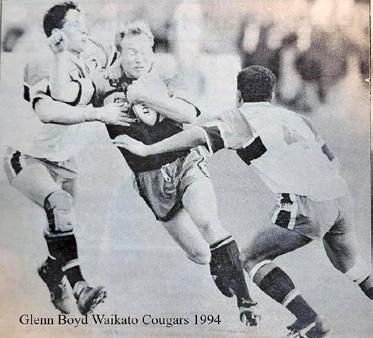
The Cougar juggernaut then kicked back into action. Rounds 10 to 16 were your ‘everyday’ weekends. Round 11 had two standout features though, in that (1) 1994 skipper Tukere Barlow returned to the bench after an enjoyable stint with Warrington in the north of England, and (2) Glen ‘Robocop’ Boyd was kitted up ‘against’ us, for the Wellington Dukes. Boydy was one of the ‘standouts’ for the 94 Cougars.
Round 16 saw the delayed clearance for ex-Huntly South player Trevor ‘Heathrow’ Clark (with reference to a certain airport he frequented during his professional 12-year playing career with Bradford Northern and Featherstone Rovers) finally arrive in the NZRL offices. Named on the bench for the Cougars v North Harbour clash at Davies Park, Huntly, it didn’t bode too well with Heathrow and he later withdrew from the squad. “I’m not a bench player!”
The game also had another unique set of circumstances for the Hohaia whānau. Number 1 son Tama was playing fullback; number 2 and 3 sons (Lance and Matthew) were ball boys; number 4 son (Royce) was on kicking-tee duties; and father (Rex) was Football Team Manager. Mum (Jennifer) was in the ‘cheer squad’, singing her heart out in the grandstand! Yeah right… but I digress!
Trevor Clark is now a doctor after graduating with a PhD from Massey University and is Head of Department, Sport Performance and Sport Business, based at
Sydney’s Olympic Park. An example of what can be achieved for players who ‘plan’ for life after footy.
That Round 16 clash with North Harbour also saw the first red card when Harbour prop Ben McLean became annoyed with Aaron ‘Mouse’ Tucker and slammed him headfirst into the turf in a spear tackle. Whilst the man-mountain Harbour lads have been our ‘bogey’ team since the inception of the LRC, they were a rather subdued mob this time round. Cougars won 22–12. Maybe the Mouse did get under their skin!
By Round 18 and in fourth place on an 11/6 win/loss ratio, it was time to go ‘up country’. Cellar dwellers, the Bay of Plenty Stags, now coached and managed by Lawrence Brydon and Alby Pouaka respectively, with Tony ‘Tank’ Gordon handling finances, had managed to ‘wangle’ a venue that sat midway between Rotorua and Huntly, and the Waharoa Domain became ‘party central’. Whilst it was a Cougar home game, I can’t recall too much about the whys and wherefores, but word on the street was that these ‘sulphur city soldiers’ were on the rise and we had better have our game day suits on.
One player who did have his gameday suit on that day for us was Hekewaru ‘Houdini’ Muru. Length-of-the-field tries are a sight to behold and, throw in a few sidesteps, change of pace and fends to the face, the new nickname becomes painfully obvious. The other aspect was the sponsorship provided by the Waharoa Tavern, who catered for the after-match function. A lone building down a dead-end street did seem to be an out-ofthe-way venue. Records show a comfortable 26–16 win.
Counting down to September footy, the Cougars’ Round 21 game was played at our ‘other’ home ground – the Hopuhopu Sports Complex. A women’s game was the curtainraiser and the Taniwharau girls came up trumps. Did you play in that game? Make a comment if you did. Chur!
The main game was against the Christchurch City Shiners and the contest rapidly developed into a 1990s version of this crazy new fad nowadays called ‘Run It Straight’; big hit after big hit – sadly ‘Nugget’ broke his arm (again!).
“Right down to the wire” is a cliché often used by many sports commentators when describing a close finish, and the last round of the 1995 Lion Red Cup was to prove
inevitably so. A 21-all draw against the Wellington Dukes at the Basin Reserve in the final round gave us one more Championship point than Hutt Valley. The Warriors’ Colts, disguised as the Auckland City Vulcans, had the top spot tied up for a month or so, but the other four placings weren’t decided until after the completion of Round 22.
Counties Manukau (2), North Harbour (3), Waikato Cougars (4), Hutt Valley Fire Hawks (5) put us into the sudden-death Elimination Final, with 2 v 3 playing in the Minor Semi-final, both games to be at Ericsson Stadium in Auckland on Saturday 26 August. All teams were chock full of Kiwi stars and the tempo lifted considerably.
The team/squad that day were: T Hohaia, M Eriksen, G Bright, H Muru, P Morrison, D Beazley, A Tucker (Capt.), J Brewer, T Barlow, M Woods, C Rapira, B Tua, T Raumati. Bench: T Waikato, J Koopu, B Whitiora, S Hill. Management: Coach J Gwynne, Assist. Coach B Kells, Manager R Hohaia, Trainer W Ford, Masseuses B Kingi, K de Barry, Dr D Young. Out injured: M Thomson, D Hemopo, B Ransfield. Extended squad: T Clune, S Heslop, N York, E Whare, K Cox, F Morunga, T Clark, W Moke, K Clune.
The Hutt Hawks had beaten us both times in round-robin and were looking for a hattrick, but the lads were ‘tuned in’ at Ericsson and a second-half blitz resulted in a 28–14 win. That sent the Hawks away on Mad Monday and the lads advanced, albeit into
another sudden-death play-off game.
“Shut down Tucker and Beazley and you shut down the Cougars!” was the message from inspirational North Harbour Head Coach Graeme Norton to his troops.
Ericsson Stadium had become the new computer-aged home of New Zealand Rugby League after the historic Auckland RL venue Carlaw Park had been laid to rest over expansion issues. The stadium provided plenty for the rugby league tragic but didn’t hold the same mana as Carlaw and sadly it will always be remembered as the venue where the Mighty Cougars came to within 80 minutes of a LRC Grand Final, going down 32–16.
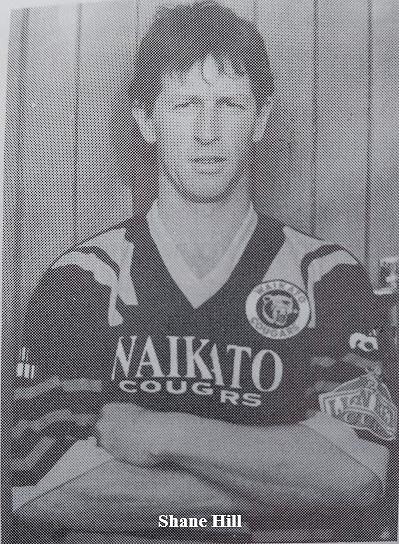
The 1995 Annual Awards was a lowkey affair at Hopuhopu Gym. A unanimous choice saw Aaron Tucker take out Player of the Year as well as Best Back, and a cash prize from the Clendon Tavern. Other awards were: Most Improved Butch Tua, Sportsman of the Year Shane Hill, Best Forward Jody Brewer, Most Points Greg Bright, Most Tackles Ben Ransfield, Most Hit-ups Mark Woods.
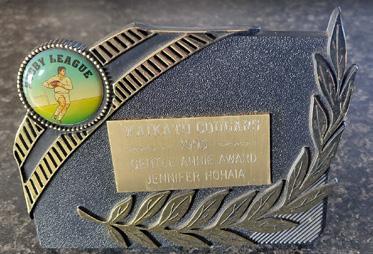
…and as a token of appreciation shown by the Cougar Directors, they presented my wife Jennifer with a small ‘Gentle Annie’ plaque of thanks for laundering the football gear – mine must be still in the mail, brahaha. …to be continued Researched by Rex Hohaia
02 December 2025
Lake Waikare and Whangamarino Wetland Action Plan
We are now at the stage where the Lake Waikare and Whangamarino Wetland Action Plan is in its final draft and this month we will be running some open days to enable further discussion of what this means for our community. Keep an eye on our facebook pages (Te Kauwhata, Meremere and Lakeside) for more information about these open days.
How did our lake and wetland get so degraded?
As a westernised community we had economic and social needs that led to significant changes being imposed on our environment. These included modifying the Lake and Wetland’s water flow and levels to help protect our growing community from flooding, and to make a living via farming, which also meant that wetlands were drained, hills were cleared of forests and fertiliser was applied to improve grass growth. Erosion occurred as a result of changes in land cover and use, sediment which once might have deposited in wetlands along a streams course, was transported from hills to the lake and Whangamarino wetland.
Some people get stuck on idealistic ideas about what we should be able to do in a country for Stewart Joseph Smith from East London he thought that everyone should be able to fish like he used to as a child in London. This lead him to become one of our most damaging environmental vandals. Over many years he introduced many thousands of fish to our waterways, and it is most likely that he introduced koi and catfish to both the lake and wetland and the streams and drains that connect them. As the koi population has grown they have displaced our native taonga/ treasured species, such as eels/tuna, inanga/native fish as well as kaeo/ freshwater mussels and along with other influences (loss of habitat and feeding areas) Australasian Bittern/ Matuku huurepo and other wetland birds.
Koi also damage stream and drain banks, causing problems for our farmers who have to try to control their impacts. And along with wind
they stir up sediment in our shallow lake, making it turbid a lot of the time.
As a community we can no longer use the lake and have very limited access to it,, and the wetland. The Action Plan aims, over a number of generations, to address these issues in the hope that our great grandchildren/ mokotuaroa will be able to once again enjoy boating, swimming and food gathering in the lake and wetland.
How will the Action Plan help?
The problems are interrelated and complex, there is no simple fix.
The Plan has identified actions that will help to address the state of our Lake and Wetland. Some of these actions are simply good management/ kaitiakitanga/ stewardship of our land, others require much more work to be done. In particular actions identified as “Transformative” will take many years to develop and implement, but they are the actions that will make a transformative difference to the current state of the both waterbodies.
The action plan is not statutory, meaning no one will be forced to do anything as a direct result of the plan, but if we do nothing the condition of the lake and wetland will only get worse. Implementation of the actions identified will fall to the institutions who do have statutory requirements to look after our conservation land and water – DoC, Fish & Game, Waikato Regional Council and Waikato District Council. The Waikato River Authority, Waikato Tainui, mana whenua, land owners and the wider community will need to be closely involved. The Plan identifies that a governance body should be established with representatives from all of these sectors. The work the governance will undertake has yet to be determined, but will likely be to determine what when and how actions should be taken. The implementation of the plan is your chance to be involved, it will take years, it will certainly cost money and we will need central government help, but more than anything we will need a whole of community approach.
Come along to an open day (remember keep an eye on the FB pages for dates, times and places). Learn what you need to know and if you have a great idea feed it back to the team.
Fruit & Vegetable Co-op Huntly
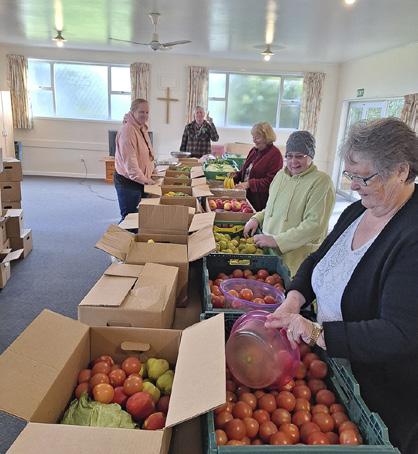
The Huntly Fruit and Vegetable Co-op continues to make a positive difference in the community by providing access to affordable, fresh produce for local households. This simple but impactful initiative helps whānau put nutritious food on the table each week—without breaking the budget.
Run in partnership with Raahui Pookeka Community Centres Trust and Food Together, the co-op offers a weekly produce pack for just $15. While the exact contents vary depending on what’s in season, each pack typically includes a generous mix of fruit and vegetables—usually around three varieties of each. A recent example included broccoli, potatoes, carrots, onions, mandarins, gold kiwifruit, and apples.
The co-op is open to everyone, and there’s no long-term commitment required. Some members order every week, others fortnightly, and some as needed. As long as orders and payments are received by 4pm on Mondays, the team can place the order on Tuesday for delivery on Wednesday.
Behind the scenes, a dedicated group of volunteers gathers each Wednesday morning at Friendship House to unload the delivery truck and carefully pack individual orders. Their efforts ensure everything is ready for collection later that day from either Friendship House or Te Whare Awhi.
Participants are encouraged to bring their own bags when collecting their produce, helping to keep the initiative environmentally friendly.
The co-op is more than just a food service— it’s a community effort powered by local people supporting one another. Organisers extend heartfelt thanks to the volunteers who generously give their time each week to keep things running smoothly.
For more information or to place an order, contact:
• Nau mai, haere mai—everyone is welcome to take part and enjoy fresh, nutritious kai.
Creative Space Programme
Toi Ako Te Kauwhata is a creative space governed by Te Kauwhata Community House. We offer a wide range of classes, clubs and events for people of all ages and abilities. Find us at 3 Waerenga Rd, bottom of the driveway to the left of St Margaret’s Hall.
Check out our website for more details - www. toiako.org. Contact us if you are interested in any of our programmes artstekauwhata@gmail.com / 021 222 5682.
SPECIAL EVENTS
Puuoro Maaori Waananga, Thursday 14 May, 10.30am to 12.30pm – an immersive cultural experience to learn about and engage in Maaori Puuoro, traditional wind instruments. You will make your own instrument. Generously presented by Te Runanga o Ngaati Naho. No cost. Register at teia@ngaatinaho.com / 021423628.
Potions Class, Tuesday 26 May, 6-8pm –Louise is back with more potion fun. Create your own magic potion with charm, wax seal and scroll. Perfect for kids and adults alike. $20 per person.
Felted Scarves, Saturday 30 May, 9am to 3pm - Fibre artist Dianne Appleton will share an introduction to wet felting and you will make your own cobweb scarf and small artwork to take home. This is a workshop for adults. $90 per person.
Whaanau Art Night: Tuesday 9 June, 6pm to 8pm – A fun night to make art together as a family. We will work with a range of art materials in response to a creative invitation. By koha.
Leathercraft Workshop, Sunday 5 July, 10am to 3pm – Fern Reid from Whimsical Workshop will lead this introduction to leathercraft for 9yrs – adult. You will learn how to design a pattern, stamp, carve and dye leather and to assemble your piece with stitches and rivets. Take home a purse, pouch, belt or sheath for a knife. $100 per person
WEEKLY CLUBS & CLASSES –STARTING MONDAY 20 APRIL
Mondays
Art for All, 10am to 12noon - a friendly open studio space. You are welcome to bring your own project or ideas or respond to a creative invitation.
This group is primarily aimed at adults but children from 8yrs and up may attend with an adult. Casual drop in Mondays 10am to 12noon. $5 per person, per session.
Creative Kids - classes for 6-12yrs where we explore a range of visual and craft media. Grow your confidence, skill and imagination. $120 per term. Registration required - artstekauwhata@ gmail.com
Tuesdays
Creative Arts Therapy – for those experiencing anxiety, grief, living with trauma or just wanting to enhance your wellbeing. Individual sessions available by appointment with an ANZACATA registered creative arts therapist. We will discuss funding options with you.
Wednesdays
Knit & Natter, 10am to 12noon - a friendly and supportive gathering of knitters, crochet and embroidery artists. Bring your own project or get started with the needles and yarn on site. Casual drop in. By koha.
Thursdays
Craft and Communi-tea, 10am to 12noon at Meremere Hall – All are welcome for morning tea and crafting in Meremere. This group is currently exploring junk journals and book binding with JJ. Entry by koha.
Community Choir, 5.30pm to 6.45pm – Choir director Sandra invites along all adults who enjoy singing in the company of others. We sing a wide range of music nominated by the singers. No experience needed. All voices welcome. By koha
Fridays
Youth Drop In, 3.30pm to 5pm – Join Lisa and Lauren in a safe space each Friday for rangatahi Year 7 and up to come and create. We will offer a different creative invitation each week. By koha.
Weekends
Weaving with Wendy, Casual - Flax artist Wendy Katipo meets regularly with a small roopu of weavers. They warmly welcome beginners who would like to learn and experienced weavers who would like to work in the company of others. Please phone to be connected with the group.
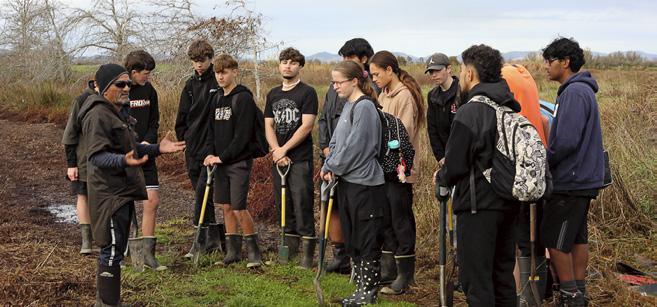
Students from Te Kauwhata College learning about maatauranga with Kelvin Tupuhi at a planting day in June 2025.
Life Uncomplicated:
Reflections on work, life, and the little things that make a difference
This column considers the small patterns that quietly shape our days – unpacking everyday moments to reveal deeper meaning. It doesn’t claim to offer answers but hopes to bring perspective and perhaps a little calm.
It Doesn’t Feel Like Fear (But It Is)
In the course of my work, I spend a fair bit of time helping people navigate digital technology. There are different groups, different backgrounds and different starting points, but often the same hesitation appears. On the surface, it looks like a reluctance to learn new things.
But over the years, I’ve come to recognise it as a kind of quiet fear. This is not fear in the dramatic sense but something more subtle. The fear of pressing the wrong button, or of making a mistake that can’t be undone. Of the fear of being scammed, embarrassed or exposed as not knowing enough. And so, the safest option from that perspective naturally becomes not to try at all.
What I’ve noticed, though, is that this fear doesn’t go away on its own. If anything, it grows quietly in the background, especially as technology becomes more present in everyday life. But interestingly, the way through it is rarely dramatic. It doesn’t come from mastering everything overnight or from getting it right the first time. More often, it comes from simply adopting the willingness to try and accept what happens next.
In terms of technology, that would be to click the button and see what happens, or to make a small mistake and realise that it wasn’t as final as it felt, then pause, recover and try again. And in those moments, something begins to shift because the fear has been met with a bit of patience and a bit of kindness toward oneself.
And from my experience, that changes the person’s relationship with technology entirely. What once felt intimidating begins to feel manageable, and what once felt risky begins to feel familiar.
A Thought to Carry With Us?
It made me reflect on how often we think the goal is to avoid mistakes, when perhaps the real goal is to become comfortable making them. Because with technology (as with many things in life) it’s not the stumble that matters but whether we allow for space to steady ourselves again.
Perhaps what we label as resistance isn’t always resistance at all. Perhaps it’s just fear waiting to be met with a little patience. And if so, the way forward wouldn’t be to eliminate that fear but to move gently alongside it, one small step at a time.
Ganga Sudhan enjoys finding small insights in everyday moments and sharing them as reflections on work, life and the in-betweens. You can reach him at ganga@rte.co.nz or find him on LinkedIn via the QR Code to follow his latest musings.
Te Kauwhata Community Garden
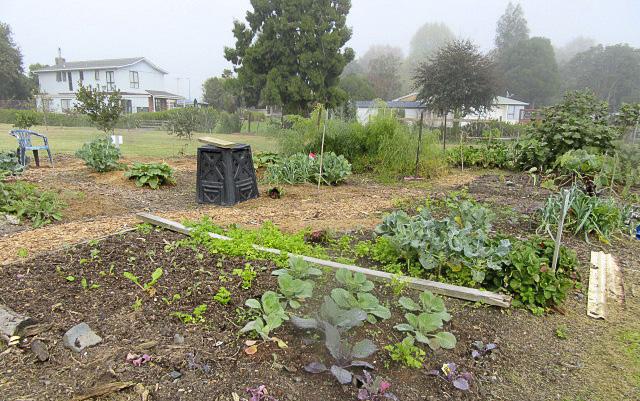
The plants that have been producing food over summer are being pulled from the soil as they are dying. If the plants are tough and bulky, they are taken to the compost bins. If the plants are soft, like the kamo kamo vines, they can be left to do their composting on the soil where they fall.
The garden soil is being developed further by having composting material raked over it, as well as compost from the bins, dumped wood chip, and used animal bedding. Small food plants are now being planted.
Between food seasons, production is greatly reduced. Because we take vegetables off the plants for as long as possible, the ground is covered and there is no space for new crops. Also, cool-weather plants cannot tolerate heat and so must wait their time to be planted. As a lot of the winter crops are of the brassica family, they must also wait until the predator white butterfly caterpillars are sleeping in their cocoons.
Crops that can be present in the garden and provide fresh green food all year round are silver beet and parsley. The outer leaves of the silver beet can be picked and steamed or boiled, or put into soups or pies, while the inner leaves continue to grow. After a while, the silver beet stalk becomes like a tree trunk and the leaves become smaller.
Then it is time to remove it to the compost, but first be sure that you have younger plants growing and ready for harvesting.
Parsley can be used in the same way. Outer leaves can be taken for cutting finely and tossing over meals and into sandwiches.
If your home growing space is limited in size but you have a good sunny spot, then these two plants can provide your family with fresh food that provides a dose of vitamins, minerals, and fibre any day of the year.
Warm, Dry, Healthy Homes – Free Support for Huntly Whānau
Keeping your home warm, dry, and healthy is one of the most important ways to protect the wellbeing of your whānau, especially during the colder months. Raahui Pookeka Community Centres Trust is helping make this easier by offering free Healthy Homes assessments to local households, delivered by their dedicated Energy Navigator.
This practical and supportive service is available to both tenants and homeowners across Raahui Pookeka. The assessment includes a visit to your home, where the Energy Navigator will learn how you use your space, work through a simple checklist, and provide tailored advice to improve warmth, reduce dampness, save some $$ and create a healthier living environment. Whānau can also be connected to helpful services such as the RPCCT Curtain Bank, Habitat for Humanity, EECA, and Warmer Kiwi Homes.
Even small, everyday changes can make a noticeable difference. For example, drying clothes outside or using a vented dryer helps reduce moisture indoors. “Blast ventilation”,opening windows and doors for around 15 minutes, is another effective way to refresh the air while keeping heat stored in walls and furnishings.
Maintaining a healthy indoor temperature is also key. Homes should ideally be kept at a minimum of 18°C, or 20°C where there are babies, young children, or kaumātua. Cold and damp housing can contribute to respiratory illnesses and make it harder to recover from common
winter illnesses such as the flu or RSV. Structural issues like poor insulation can also make homes harder to heat, making insulation an important first step toward a warmer, more efficient home.
Alongside in-home assessments, the Trust’s Energy Navigator is available during the week at Te Whare Awhi to answer questions, offer guidance, and support whānau to better understand their electricity options. Community workshops have also been delivered in partnership with Go Eco, as well as through parenting programmes and cooking classes, sharing practical tips on reducing power costs while maintaining warm, dry homes.
For those wanting to learn more, Healthy Homes workshops are also available. These practical sessions cover home maintenance, moisture control, ventilation, heating, and energy efficiency. Suitable for renters and homeowners alike, workshops can be tailored for small groups and delivered in the community or at the centre.
If you’re ready to take steps toward a warmer, healthier home, get in touch today:
• 07 828 0066
• healthyhomes@huntly.co.nz
https://forms.gle/bWi1QLq936v3FaBz9
https://rpcct.huntly.co.nz/healthy-homes/ Creating a healthy home doesn’t have to be overwhelming, support is available to help you every step of the way.
PUBLIC NOTICE
Huntly RSA Over 50’s Club will be holding their AGM on the 21st May. Everyone welcome.
LEASE LAND WANTED
North Waikato
Any size considered Competitive rates Rod 0277141749
PUBLIC NOTICE
Te Kauwhata A&P Association & Te Kauwhata Community Events Incorporated Society
7:30pm Monday 11th May 2026 St Andrews Church Hall, Scott Road, Te Kauwhata
All Welcome Enquiries welcome: tekauwhatashow@gmail. com
PANUI WHAANGA 1B2C2B to all beneficiaryshareholders. Hui to be held 30 May 2026, 14 King St, Ngaruawahia at 10.30 am. Resolutions for mandate: Form Customary Trust & Maori Authority. File s131 TTW Maori Act 1993 MLC Application. Re-activate contingency Ahu Whenua Trust. Approve papakainga, custodian to unsucceeded shareholders, protection of dormant shares. Form K&R Rongo Whanau Trust. To register online attendance and proxy/postal voting contact Kathy +64201113708 for details.
Mass Saturday Vigil 5:00pm OUR LADY QUEEN OF PEACE CATHOLIC CHURCH
Huntly Fire Station call outs
17/04 08:56 Medical call, unconscious/fainting, Bond St, Huntly.
19/04 00:41 Medical call cardiac arrest, Kimihia Rd, Huntly.
19/04 20:18 Motor vehicle crash, Car v barrier, Waikato expressway, Taupiri.
22/04 01:25 Assist ambulance with patient lift, Harlock Pl, Huntly.
22/04 18:18 Medical call cardiac arrest, Paki St, Huntly.
23/04 11:51 Medical call cardiac arrest, Webb St, Huntly.
23/04 20:18 Motor vehicle crash car v fence, Main St, Huntly.
24/04 00:26 Backyard bonfire, Smith Ave, Huntly.
27/04 15:11 Motor vehicle crash car v barrier, Waikato expressway, Rangiriri.
28/04 10:27 Fire alarm activation, Paki St, Huntly.
29/04 10:07 Medical call, cardiac arrest, Great South Rd, Taupiri.
CHATTER ADVERTISING
Contact us to feature your business: info@chatternews.co.nz