













































































June 2026
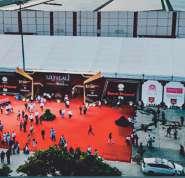
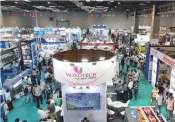
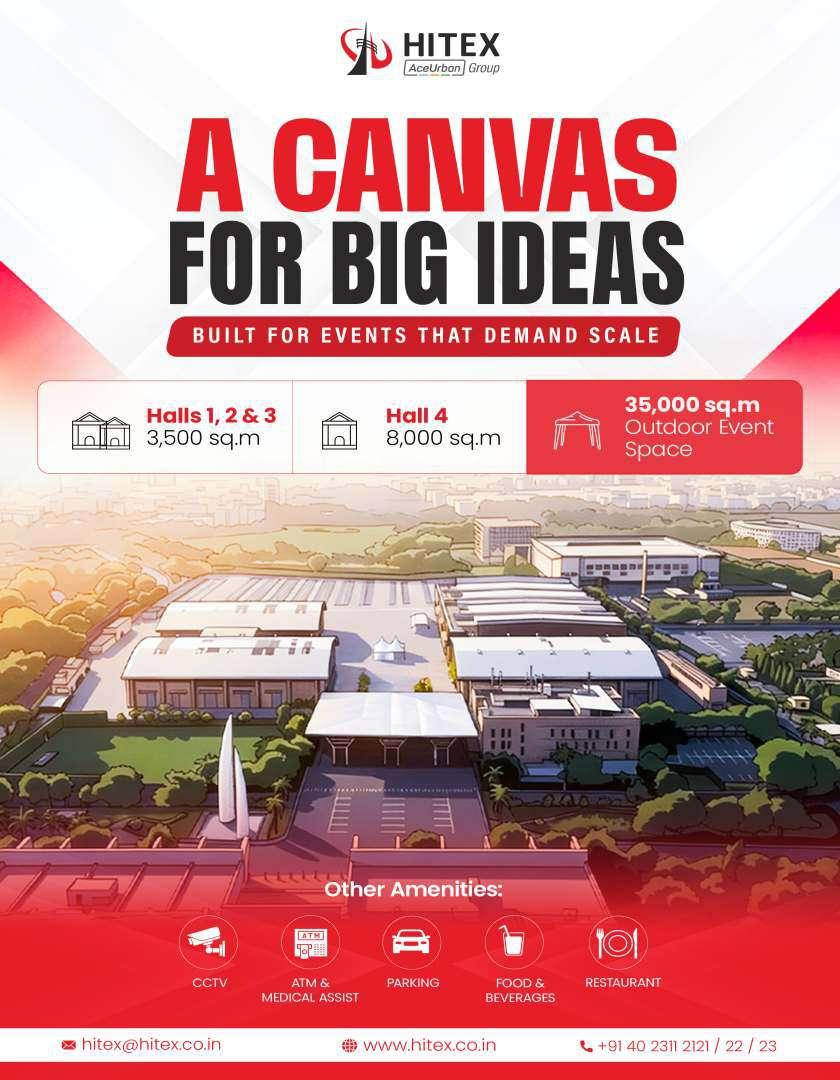
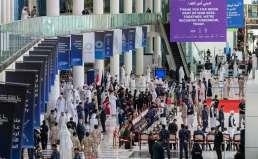
needs of poultry farmers, integrators, equipment manufacturers, feed companies, veterinarians, and technology providers. The 17th edition itself was a recordbreaking showcase with over 500 exhibitors from 50+ countries, attracting 51,251 industry visitors across 35,000 square meters of exhibition space spread over seven worldclass air-conditioned halls at Hitex exhibition centre in Hyderabad.
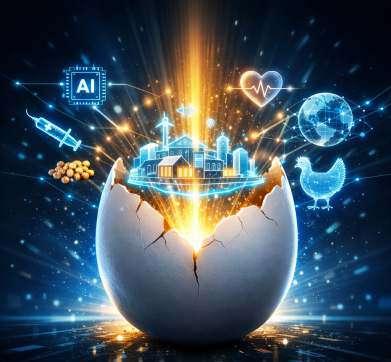
Second, the expo has consistently positioned itself as a technology and innovation hub. Visitors witnessed live advancements in breeding and genetics, hatchery automation, feed milling technologies, EC housing systems, ventilation solutions, veterinary diagnostics, biosecurity, sustainable egg processing, and manure management solutions. The industry today is rapidly moving toward smart farming, automation, and sustainability, and Poultry India Expo has become a leading platform enabling that transition. Another important factor is our strong emphasis on knowledge dissemination. Through initiatives like Poultry Knowledge Day, we facilitate discussions on critical issues such as emerging poultry diseases, feed planning strategies, sustainability frameworks, raw material volatility, rural market expansion, and future career opportunities in the poultry sector.
The expo’s growth has also been driven by India’s expanding role in global food security and protein production. Poultry is one of the fastest-growing agricultural sectors in India, and the exhibition serves as a strategic business gateway connecting Indian enterprises with global markets.
Importantly, our vision aligns with the Hon’ble Prime Minister Shri Narendra Modi’s vision of “Viksit Bharat 2047.” By empowering farmers, entrepreneurs, researchers, students, and global business leaders, Poultry India Expo contributes toward building a modern, self-reliant, technology-driven, and globally competitive poultry ecosystem for India
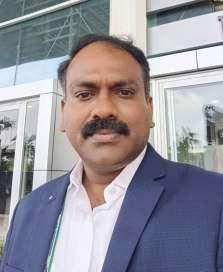
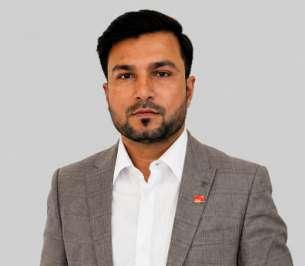
ES. From traditional trade fairs to more focused, technology-driven, and sector-specific platforms, how have you seen the exhibition industry structurally evolve over the past few years?
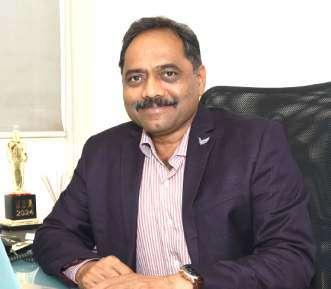
Uday Singh Bayas. The exhibition industry globally has undergone a major structural transformation over the last decade. Earlier, exhibitions were primarily viewed as
transactional trade fairs focused mainly on buyer-seller interactions. Today, they have evolved into integrated business ecosystems that combine networking, knowledge exchange, innovation showcases, strategic collaborations, and industry influence under one platform. One of the biggest changes has been the rise of highly specialized and sector-focused exhibitions. Industries today seek targeted audiences, deeper engagement, and domain-specific solutions rather than generic mass-scale events. This shift has significantly increased the importance of niche platforms like Poultry India Expo, where every stakeholder — from farmers to multinational technology companies — finds direct business relevance.
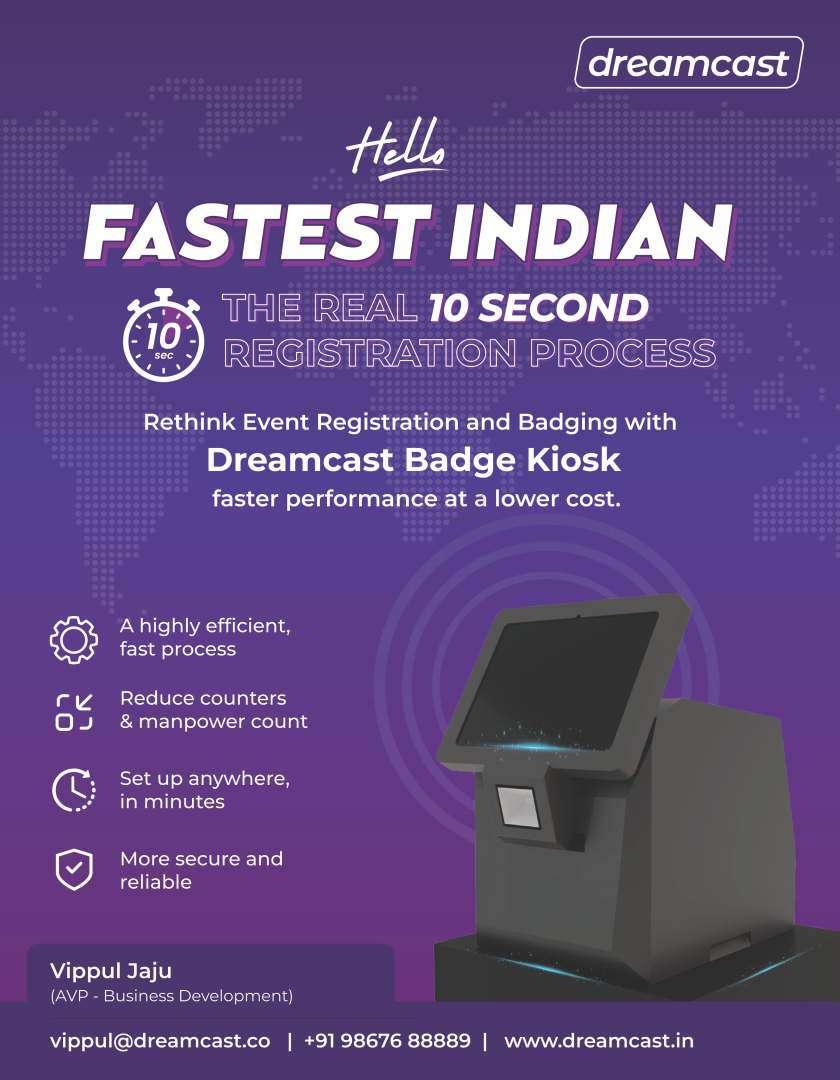
Technology has also fundamentally changed the exhibition landscape. Digital integration, virtual networking, smart registrations, live product demonstrations, hybrid engagement models, influencer-driven outreach, and data analytics have made exhibitions more measurable and outcome-oriented than ever before. Today, exhibitions are not just physical spaces; they are year-round engagement ecosystems supported by digital connectivity. Another important evolution is the increasing role exhibitions play in policy dialogue and industry development. Platforms today are expected to facilitate discussions around sustainability, innovation, supply chain resilience, skill development, and economic growth. In sectors like poultry, exhibitions now contribute directly toward addressing industry challenges such as disease management, biosecurity, food safety, sustainability, and technological adoption.
The post-pandemic business environment has further reinforced the value of face-to-face interactions. While digital tools have become important enablers, physical exhibitions continue to remain irreplaceable for trustbuilding, product experience, live demonstrations, and relationship-driven industries like agriculture and food production.
India, in particular, is witnessing tremendous growth in the exhibition and convention sector due to rapid infrastructure development, expanding domestic industries, government support for MICE initiatives, and increasing global business interest in India. Going forward, exhibitions will continue evolving into strategic growth platforms that directly contribute to economic development and industry transformation.












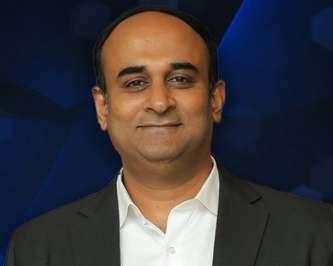





















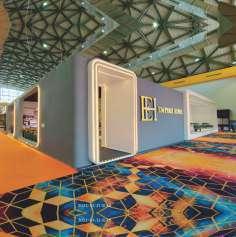
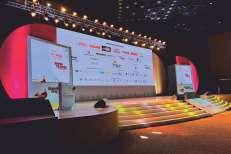
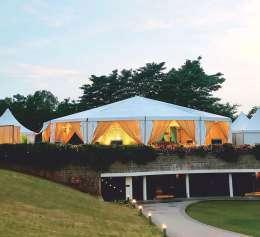




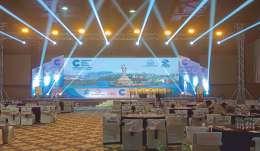














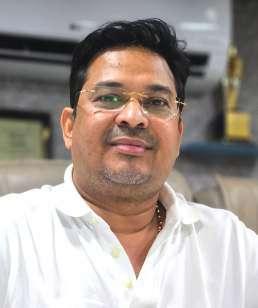







FORAM SHAH
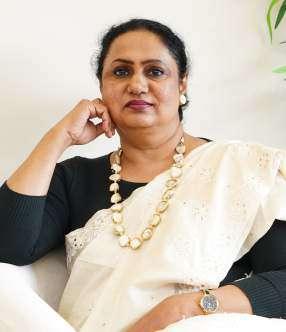
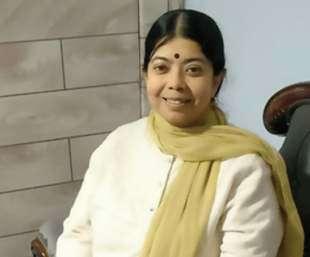
Founder, 4AM Designs
ES. 4AM Designs is a name that instantly sparks curiosity What is the story behind it, and how has your journey shaped the studio?
Foram Shah. 4AM Designs usually breaks the ice before I do. The name comes from Foram, my own name, so it began as something personal. Over time, it started meaning much more to me. It carries the feeling of 4AM, even of Brahma Muhurat, a time of quiet clarity, fresh energy, and focused thought. That idea is very close to how I approach design.
I am an alumna of Sir J. J. School of Art and SCAD, and I have spent over 16 years in branding and design. Along the way, I have also had the opportunity to serve as a member of IEIA's Fantastic Under 40 sub committee, as faculty for the PEM program by IEIA, and to receive two CAG Awards. All of this has shaped how I see design. For me, it is not decoration. It is a way to create meaning, recall, and real business impact
ES. Working with startups and fast growing companies, how do you approach branding for businesses at different stages of scale?
Foram Shah. The core remains the same, but the need changes with the stage of the business. Startups need branding that creates trust quickly. They need to look clear, credible, and differentiated from the beginning.
“
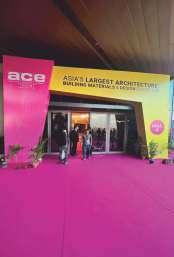
Astrong brand makes an exhibition feel important, credible, and memorable
“
For more established or fast scaling businesses, the work becomes more about structure and consistency. At that stage, branding has to hold more weight. It has to work across teams, markets, and larger expectations. So the thinking becomes more systematic. In one case, you are helping build belief. In the other, you are helping build long term credibility.
ES. Exhibition spaces are crowded and competitive. What makes event branding truly effective today?
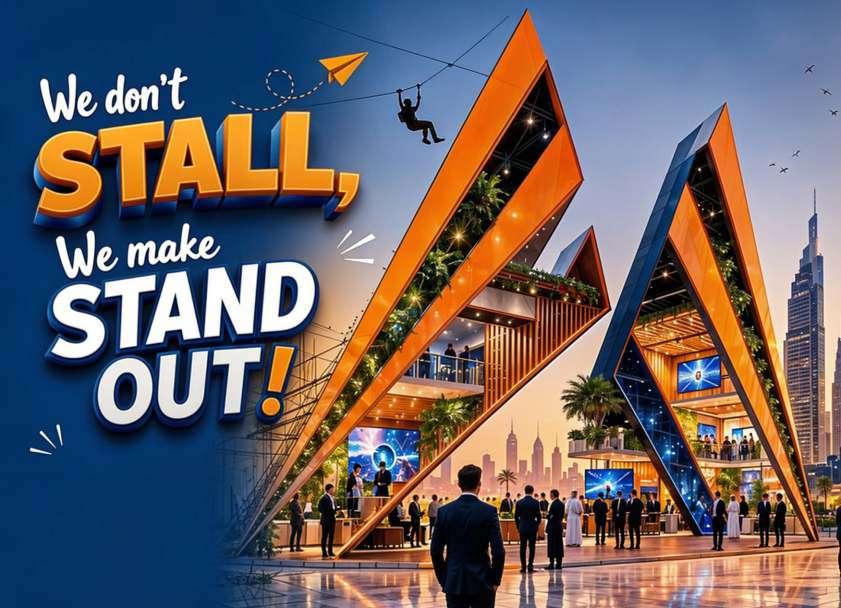
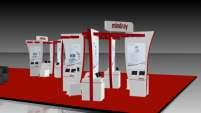
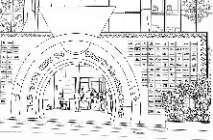
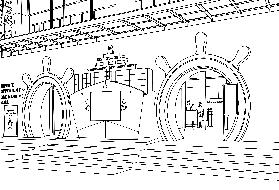
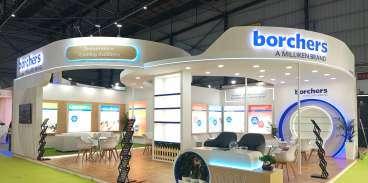
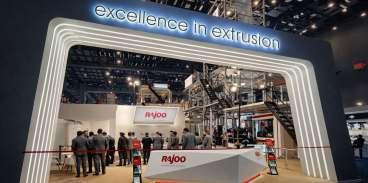
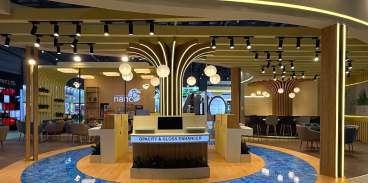
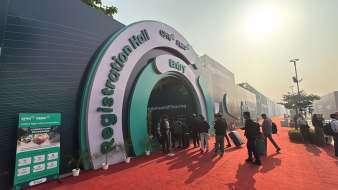
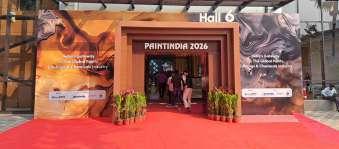
Foram Shah. I think the biggest mistake is when branding is treated like a layer added at the end. In exhibitions, branding has to attract attention, create clarity, guide movement, and shape the overall experience.
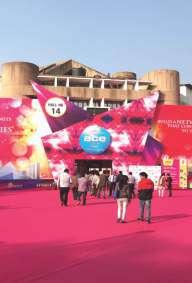
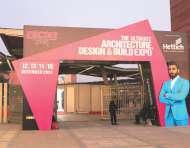
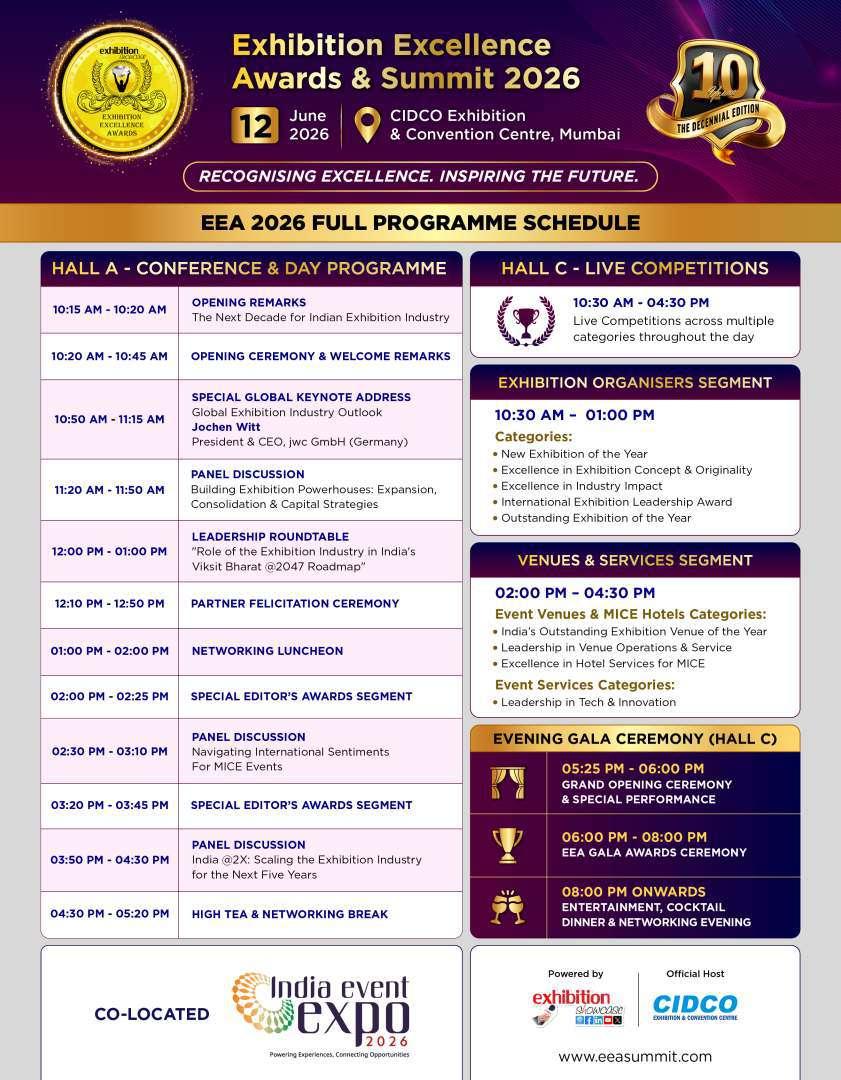
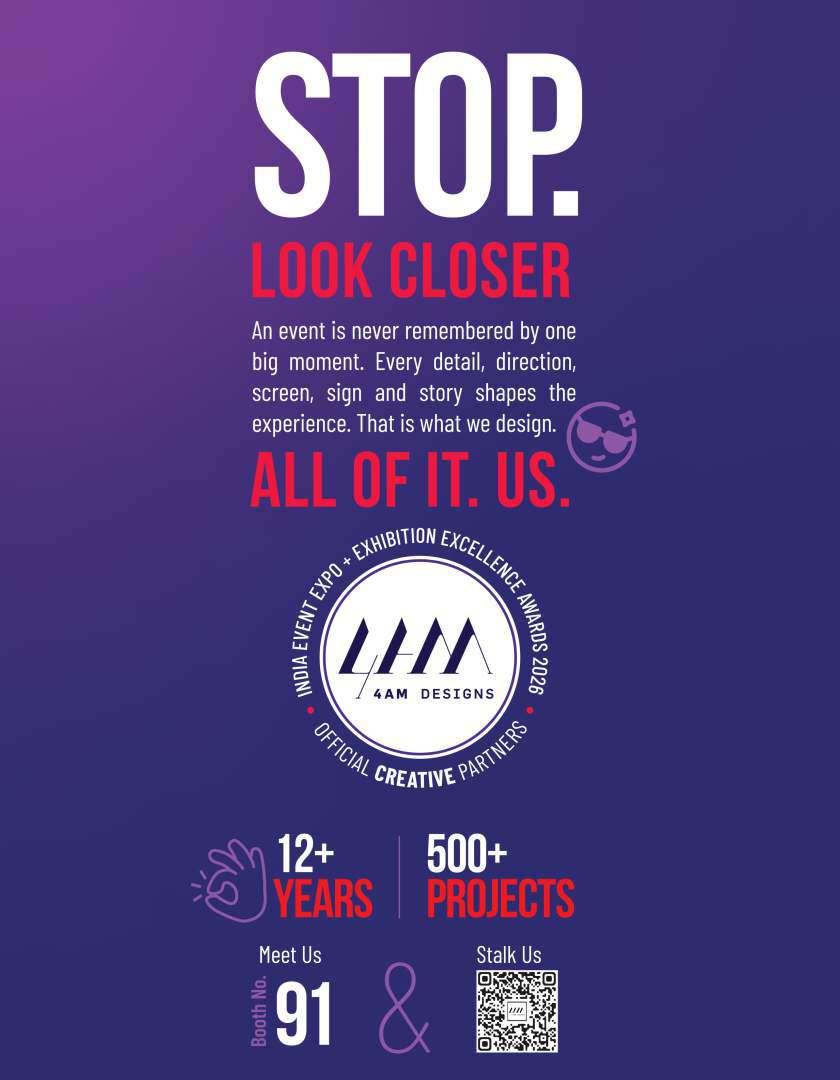
People may not remember every message on a panel or every line in a brochure, but they will remember how the event made them feel. That is why a strong central idea and consistency across every touchpoint matters so much Having worked on IPHEX 2025 and now IPHEX 2026, and we are official partner as IEIA Open Seminar 2026 and EEA 2026, this belief has only become stronger Event branding is not decoration. It is experience design
ES. How do you see branding shaping the future of the exhibition industry in India?
Foram Shah. I think branding will play a much bigger role than many people still realise. As exhibitions become more ambitious and experience led, branding will be one of the key things that separates a generic event from one that feels important. It is not just about visibility. It is about perception. Good branding can make an event feel more relevant, more organised, and more credible. It can influence how people engage, what they remember, and whether they want to come back. For the exhibition industry in India, that shift is already beginning, and I think it will only become more important from here.