2 minute read
Designing a rural oak home

Using exposed oak elements establishes an easy rapport between inside and out, making this style of home particularly popular for projects in the countryside. Oak homes look comfortable in rural settings because the wood on display is echoing natural surroundings. Plus, traditional designs have a long history of being established as part of the UK’s countryside vernacular, with some buildings hundreds of years old.
“Building with oak introduces a timeless quality, and an immediate character and charm,” says Craig Alexander, an architect from Oakwrights’ in-house design team. “Working in a rural location, regardless of your chosen style – either contemporary, traditional or somewhere in between – it is important that the design of a new home is sensitive, re ective and sits comfortably within its context, and an oak frame certainly helps with that process. External oak features weather-in sympathetically and quickly, and views out from the inside,
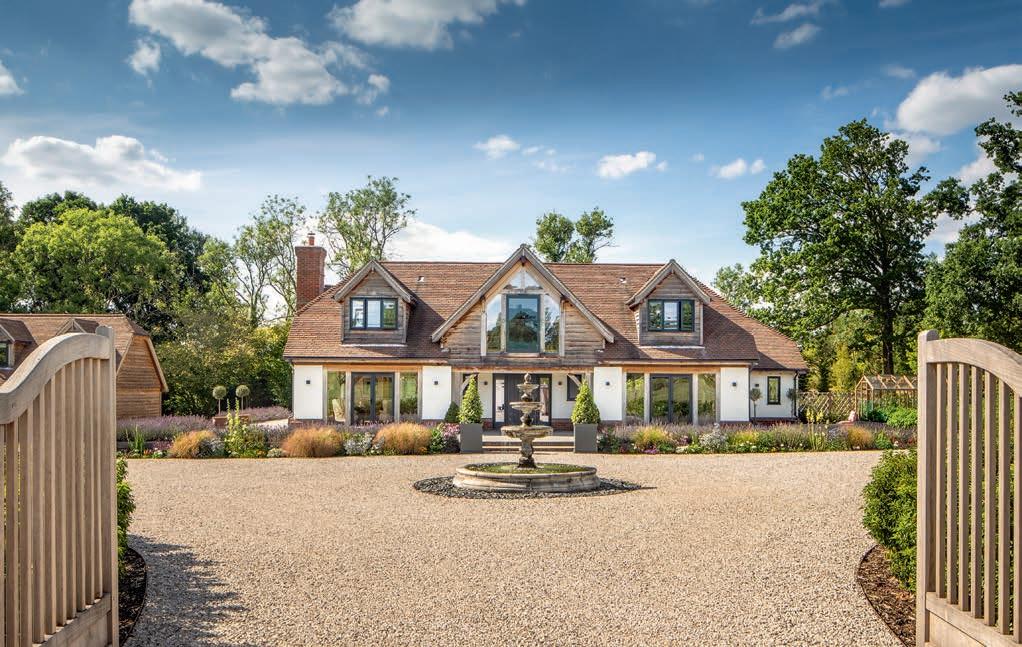
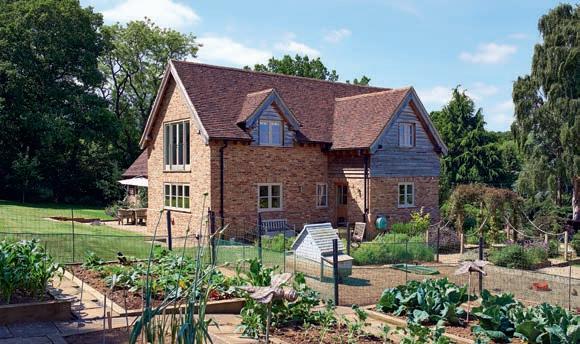
Above: Build It readers Deirdre and David Rook built a stunning oak frame home on the land beside their family farm, working with Oakwrights to create the contemporary one-and-a-half storey property
Inside & out
It’s an appealing idea to use oak inside and out in a rural area, to help a building look truly rooted in its landscape. However, energy e ciency requirements mean that the structural system on the inside is no longer the same seen on the outside. Traditionally, the same piece of oak is displayed on the interior and exterior, but today that wouldn’t pass Building Regulations. Instead, any oak on the outside of a building is added separately and not part of the structural frame.
Rather than viewing this as a negative that the external oak isn’t structural, try seeing the freedom it gives you to clad the building how you want and as an opportunity to add some further rural character. “What is fantastic about oak framing is that it can complement a range of external materials,” says Craig. “Principally, I suggest focusing on two elements: complementary natural materials and re ecting your specific vernacular, for e ample by using slate over tile. Oak weatherboard cladding is always a great place to start. It requires no finishing or repainting, is incredibly durable and can speak to a simple, agricultural conte t.
Traditional or contemporary?
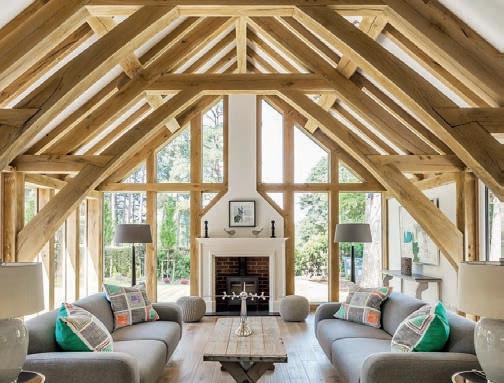
Many self builders turn to oak frame because of its traditional style. Medieval manor houses, ancient barns and country churches are some of the most charming buildings we have in this country, so why not emulate them? It’s also possible to create beautiful modern homes with the same soaring ceilings and e posed internal timber, but a slightly different aesthetic that still fi ts in well with a rural setting.
Traditional designs tend to have lots of oak on display, often close together. Modern styles typically feature less oak because they don’t need the timber to work structurally in-between the main posts and beams. Oak frame offers opportunities to have fun with the design, especially with wow factor glazing helping to show off the oak and add a contemporary spin.
A planning advantage?
As far as winning planning permission is concerned, specifying an oak frame build won’t make a difference if there are other elements of your design that don’t conform with local policies. If it’s too big, has poor access or your plot simply isn’t viable, then you’re still going to get turned down no matter what build system you use.
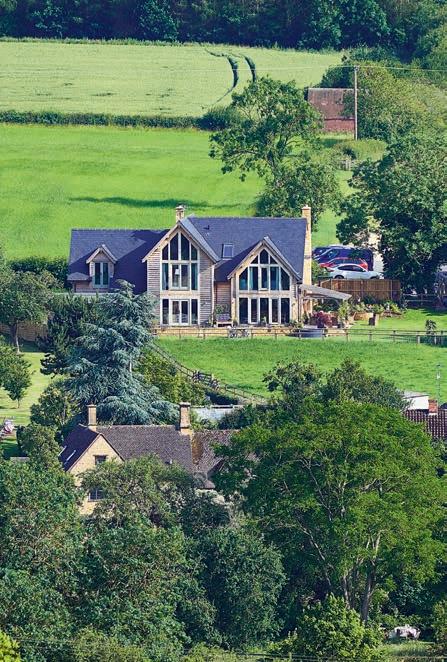
If you’re designing a new bespoke home from scratch then you can tailor your oak frame building to match what the planners are after. ou can also e plain the thought that has gone into creating a design that works with and supports the locality and surroundings. Oak’s sustainability credentials, with its low embodied energy, can also be a persuasive factor.