ON FOOT IN TOKYO

 RACHAEL VERDUGO
01
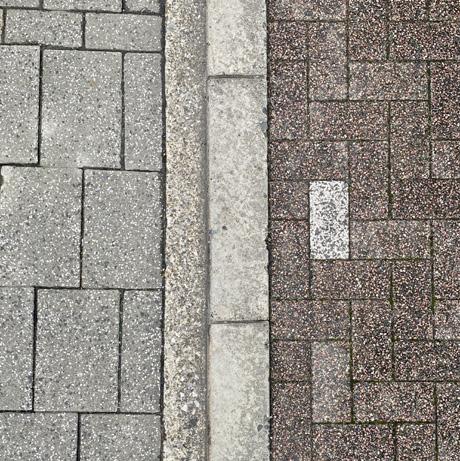
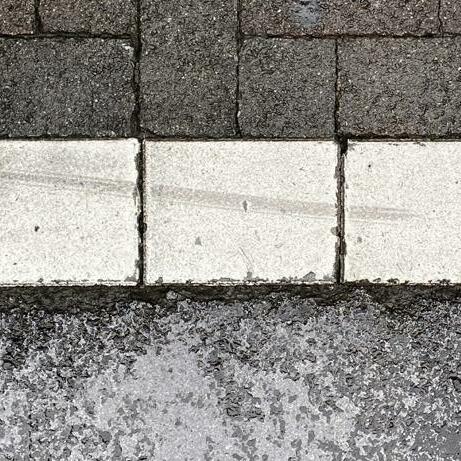
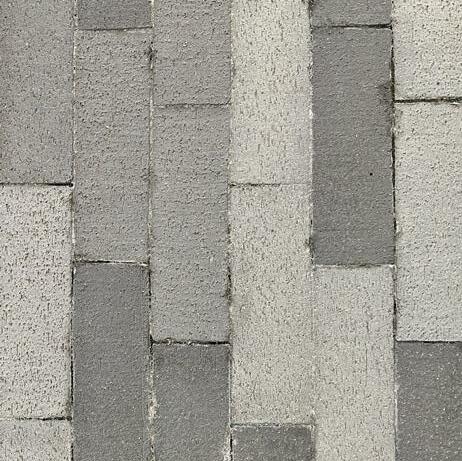
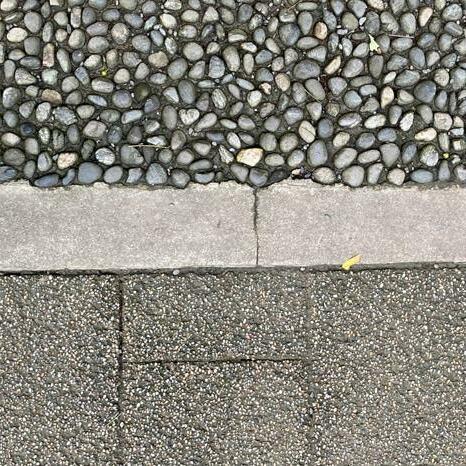
This small publication titled ‘On Foot in Tokyo’ is a photographic collection of commercial, mixed-use, and residential sidewalks. Themes such as walkability, green spaces, public furniture, and accessibility are discussed purely on a reflective level as a visitor of Tokyo.
The photographic representation exam ines the chaotic, spontaneous, and vibrant spirit of Tokyo streets, whilst at tempting to decipher some of the issues that have arisen as a consequence of market-driven development, redevel opment, and escaped redevelopment
The publication was conducted in a six-week time frame at the Tokyo In stitute of Technology for the Summer Exchange Research Program (SERP).
On Foot in Tokyo Tokyo Street Typologies
© 2022 Rachael M. Verdugo
© Photography: Rachael M. Verdugo
Tutor: Ryo Murata | Aiko Kawanishi
Tokyo Institute of Technology (Tokyo Tech)
Department: School of Environment and Society
SERP Scholarship: Universidad Politécnica de Madrid
Escuela Técnica Superior de Arquitectura de Madrid (ETSAM)
03 02
Commercial Sidewalks
Pedestrian Crossings 012
Single Solid White Line Sidewalks 020
No Line Sidewalks, Coloured Line Sidewalks 024 & Paved Sidewalks
Raised Sidewalks 034
Raised Sidewalks with Base Separator 040 Pedestrian Only - Sidewalks 042 Street Vegetation 046 Public Furniture 050
Mixed-Use Sidewalks
Pedestrian Crossings 058
Single Solid White Line Sidewalks 060 No Line Sidewalks, Coloured Line Sidewalks 064 & Paved Sidewalks
Raised Sidewalks 072 Pedestrian Only - Sidewalks 082 Street Vegetation 084 Private Street Vegetation 090
Residential Sidewalks
Single Solid White Line Sidewalks 096 No Line Sidewalks, Coloured Line Sidewalks 0104 & Paved Sidewalks
Raised Sidewalks 0118 Private Street Vegetation 0120 Conclusion 0128
05
1 2 3 4 5
Bibliography 0131

07 06
Commercial Sidewalks
Pedestrian Crossings
1Single Solid White Line Sidewalks
No Line Sidewalks, Coloured Line Sidewalks & Paved Sidewalks

Raised Sidewalks Raised Sidewalks with Base Separator
Pedestrian Only - Sidewalks Street Vegetation Public Furniture
011 010
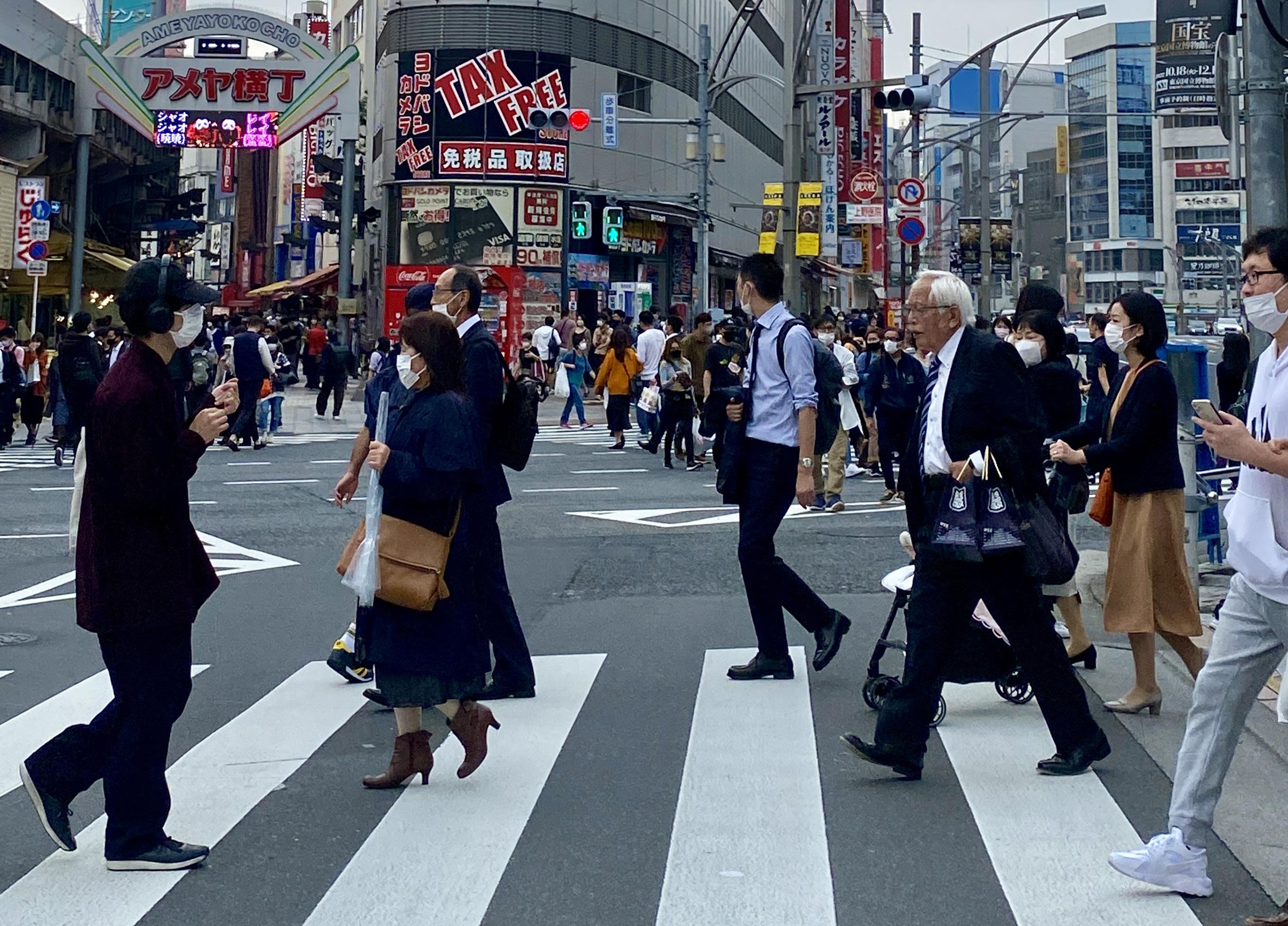
Pedestrian Crossings
‘Tokyo. Off the busiest connective carways and exhaust streams run dense and conjunctive footways and well-worn tracks. Streets without raised footpaths that necessitate the jostled per sonal negotiation of people, bicycles, unicycles, walking sticks, wheelchairs, and the occasional powered vehicle. Cars are at a distinct disad vantage on Tokyo’s narrow, winding internal corridors where pot plants and pedestrians often trump automobiles, as limited space and per sonal preference bring gardens across driveways and side streets.´
Text Source: Tokyo Totem / Julian Worrall
Drawing Source: Emergent Tokyo_Designing the Spontaneous City / Joe McReyn
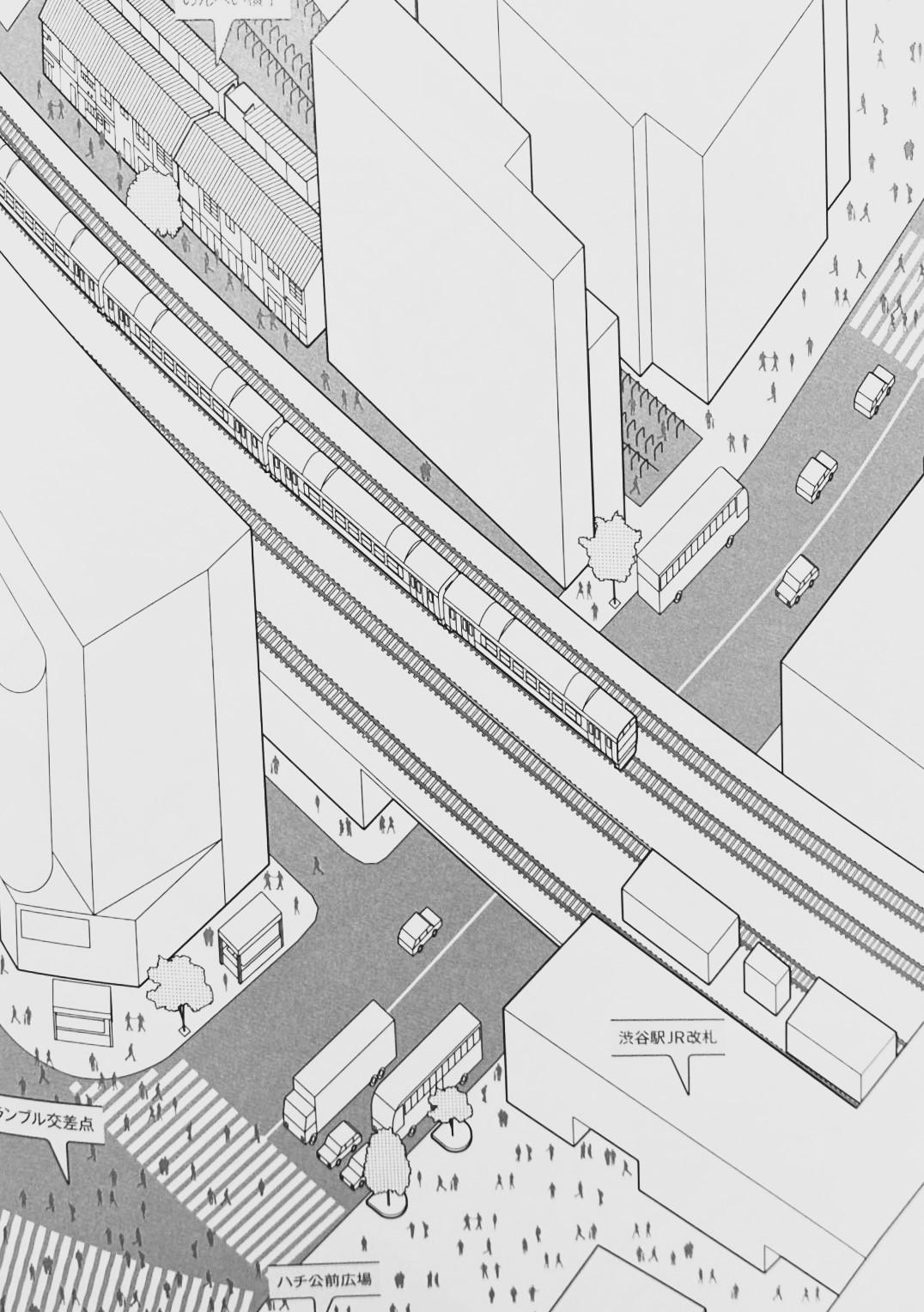
Shibuya Scramble
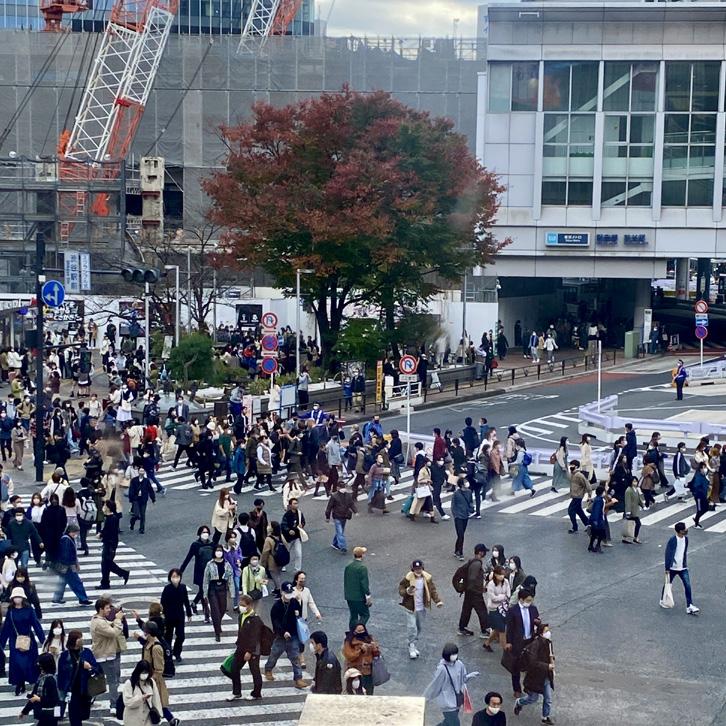
Also known as the epicenter of modern Japanese culture, Shibuya pertains to one of the busiest intersections one has ever or yet to experience. The Shibuya scramble crossing is an experience like no other with masses of traffic, high-rise buildings, limited vegetation, and billboards on every corner. Just like Shinjuku, Shibuya has elevated sidewalks on the main streets however, in the smallest streets, the sidewalks are positioned on the same level as the road.
013
Commercial Sidewalks Pedestrian Crossings
015 014
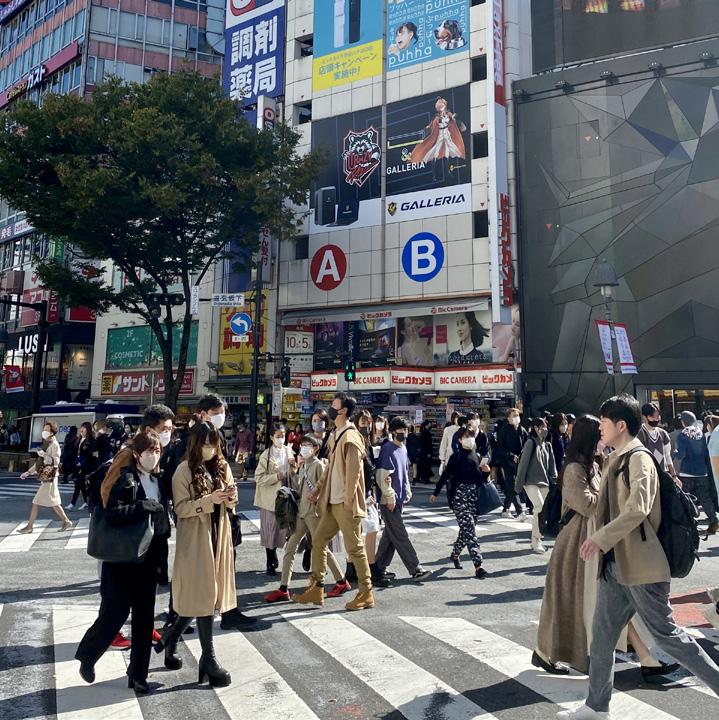
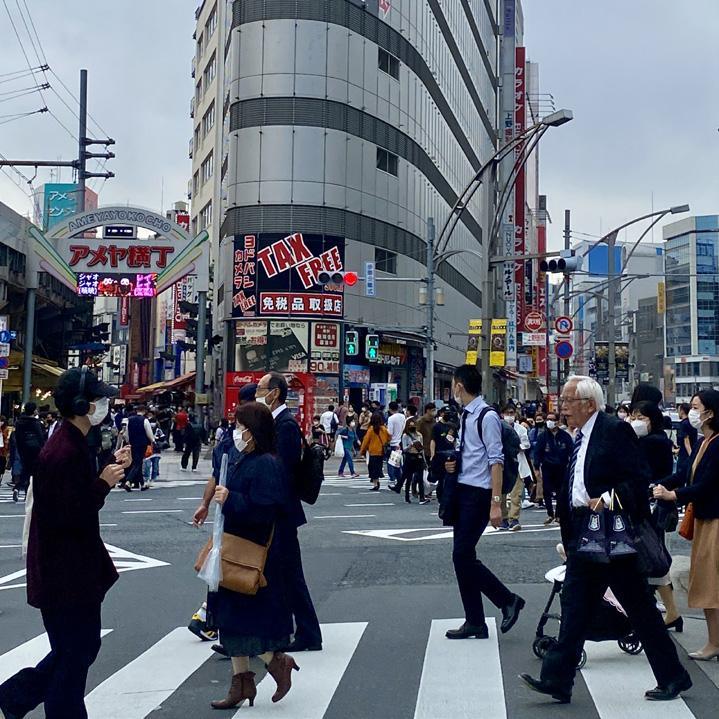
Ueno Onshi |Ueno Koen-Dori Avenue Shibuya - Dogenzaka |Bunkamura - Dori Avenue
Commercial Sidewalks Pedestrian Crossings
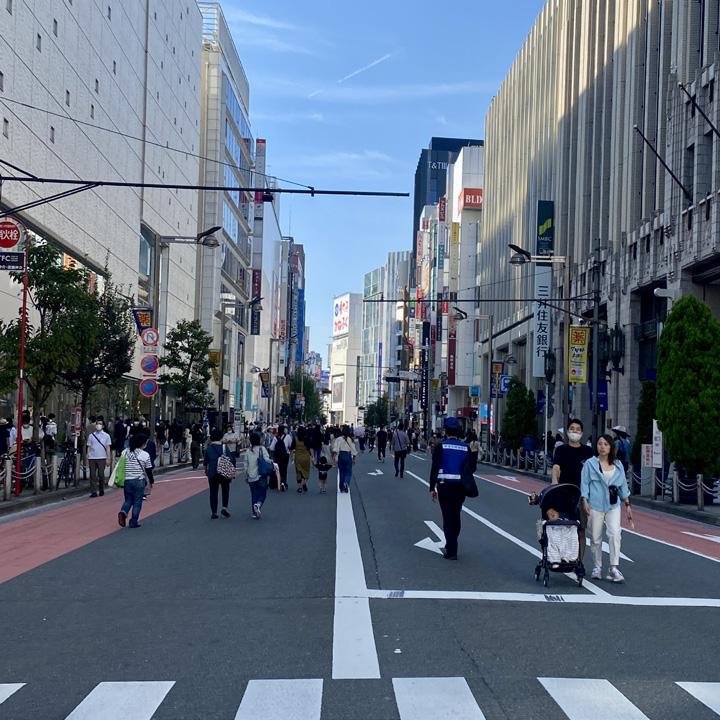
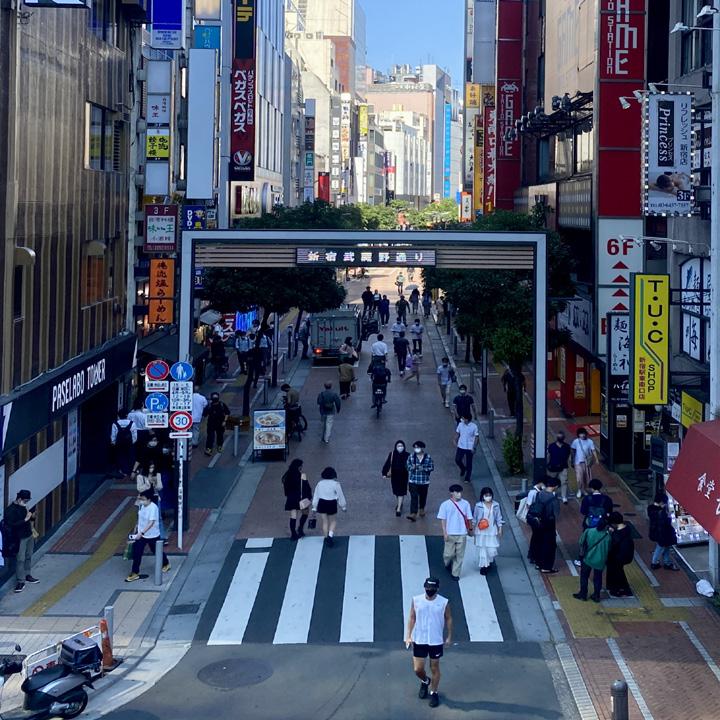
017 016
Shinjuku Shinjuku - Shinjuku - Dori Avenue Avenue open to pedestrians on weekends
Commercial Sidewalks
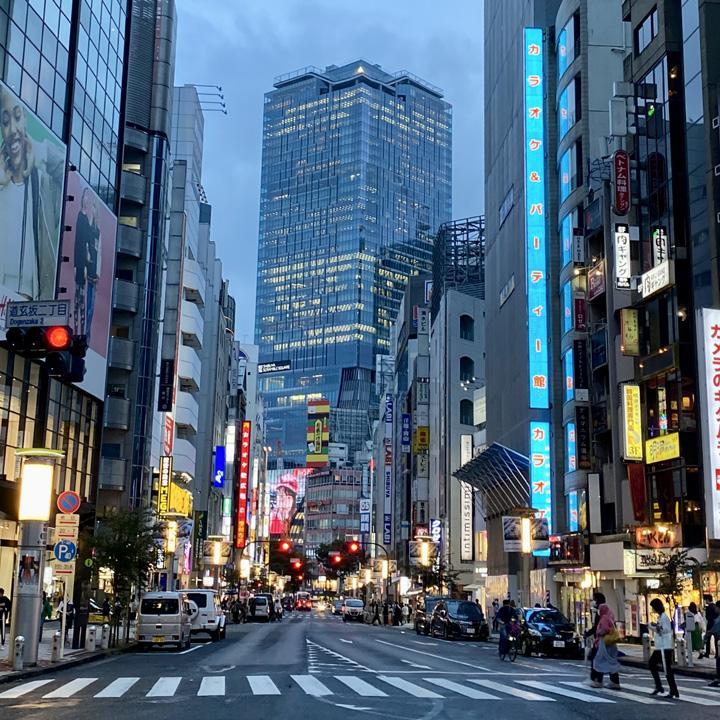
Pedestrian Crossings
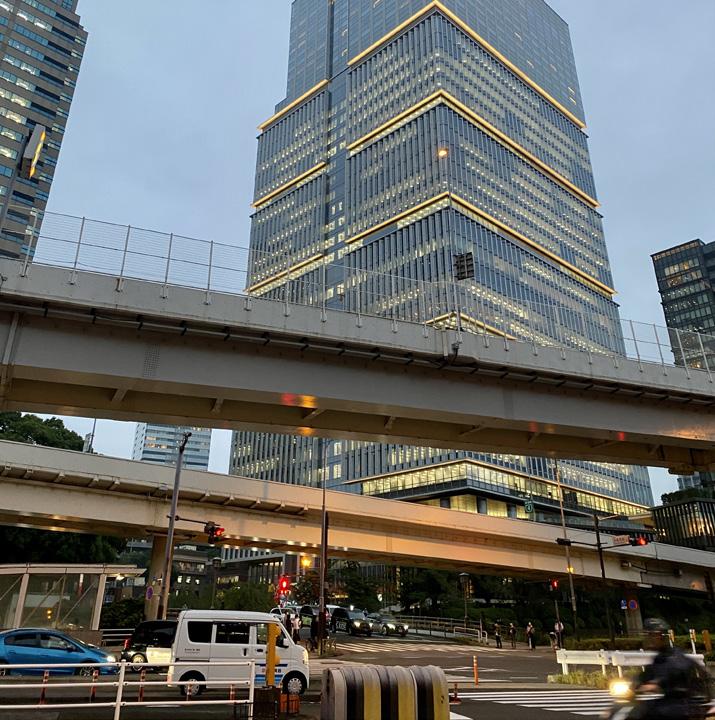
019 018
Minato - Motoakasaka
Shibuya - Udagawacho |Orchard Road
Commercial Sidewalks
Single Solid White Line Sidewalks
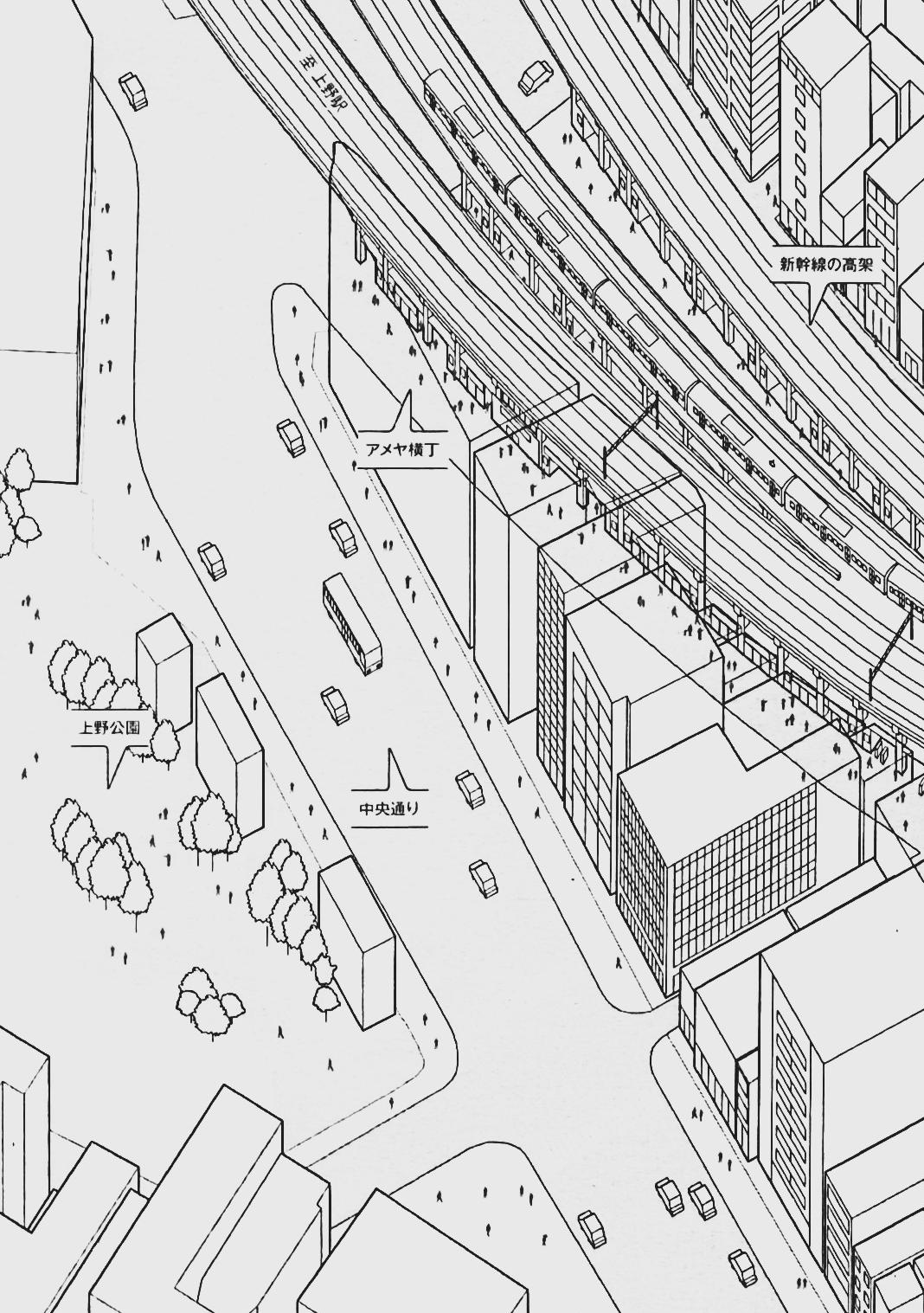
‘Tokyo has one of the most relentless urban landscapes ever created by man. It is a place where the natural contours of the land are hid den behind buildings and touch screens, under neath roads and sidewalks. It is a place where the stars are replaced by the slow pulsating red lights adorning skyscrapers, and where the wind is sometimes deflected by the heat dome. Tokyo almost feels like an interior. But behind, beyond and below the city lies the land. And this land is still defining how Tokyo is build and how it functions. To walk the land is to know the city.´
Text Source: Tokyo Totem / Julian Worrall
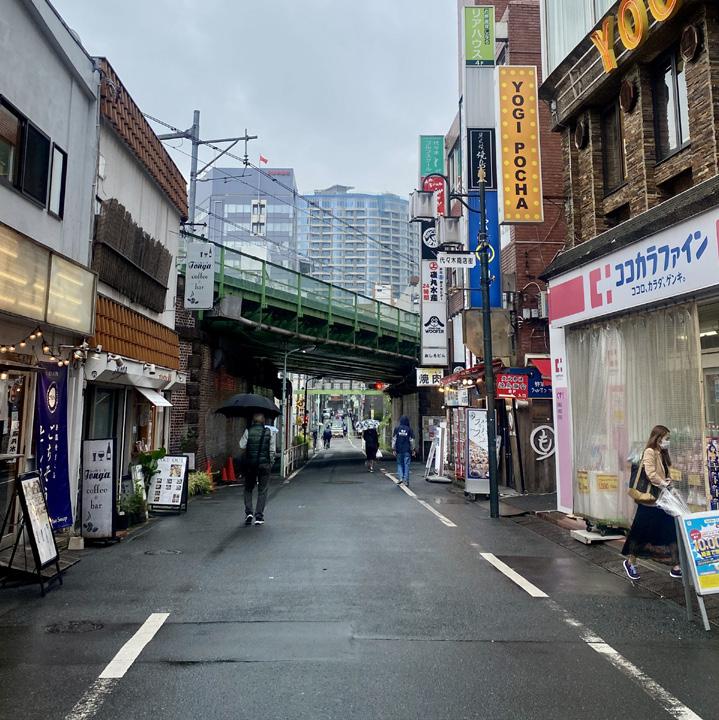
Drawing Source: Emergent Tokyo_Designing the Spontaneous City / Joe McReyn
021
Shibuya - Yoyogi
Commercial Sidewalks
Single Solid White Line Sidewalks
Nishishinjuku
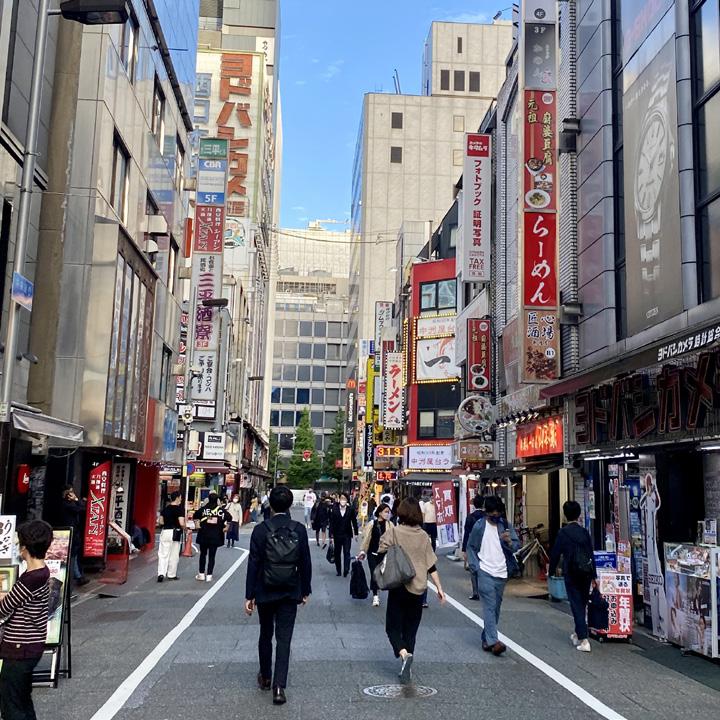
Minimal public vegetation is present. Main streets have a series of trees every 12-15 metres. The area pertains to a large park that attempts to compensate for the lack of greenery within the area.
Musashino - Kichijojiminamicho
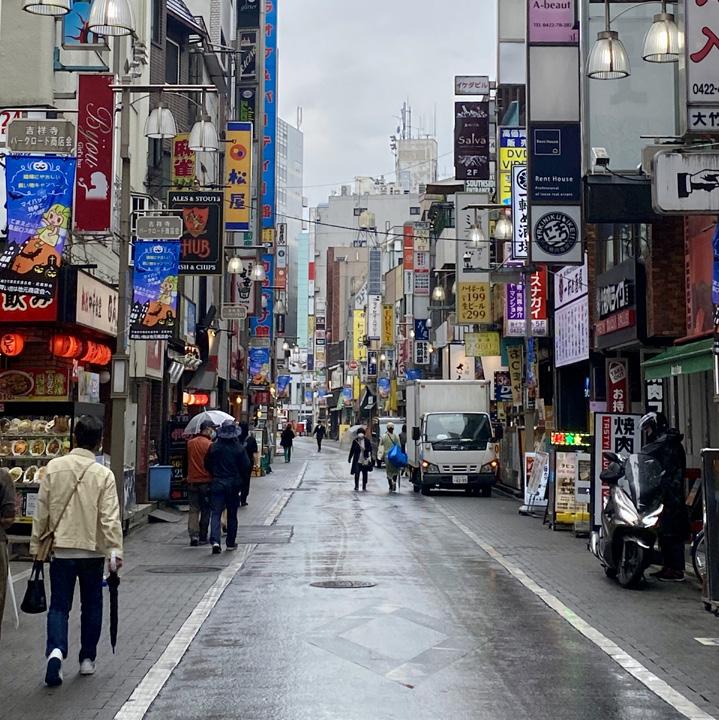
Cars tend to park on the sidewalk whilst unloading or to park temporarily. This can cause dangerous situations when visibility is poor for the pedestrian or if space is too constrained to walk.
023 022
Commercial Sidewalks
No Line Sidewalks, Coloured Line Sidewalks & Paved Sidewalks
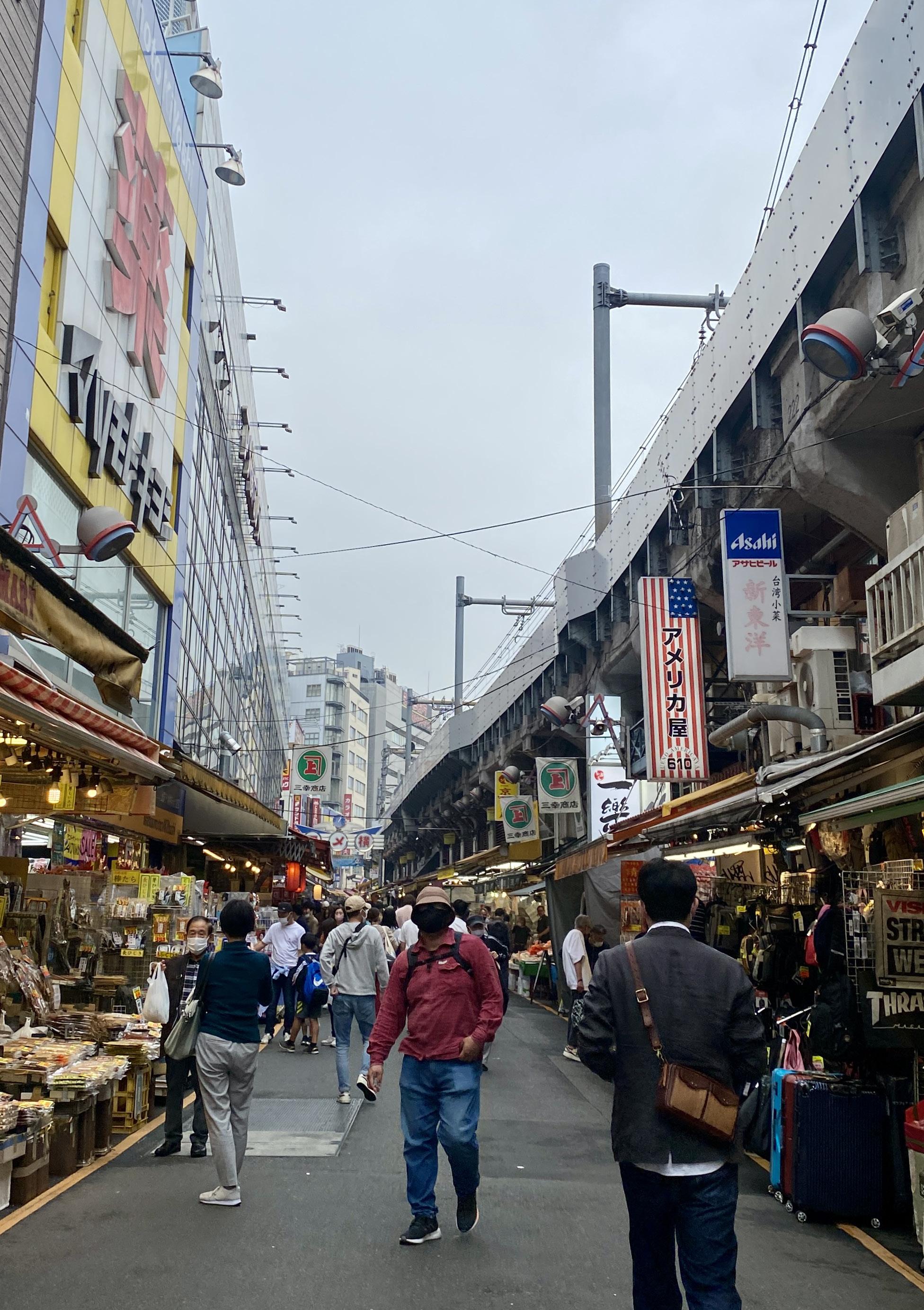
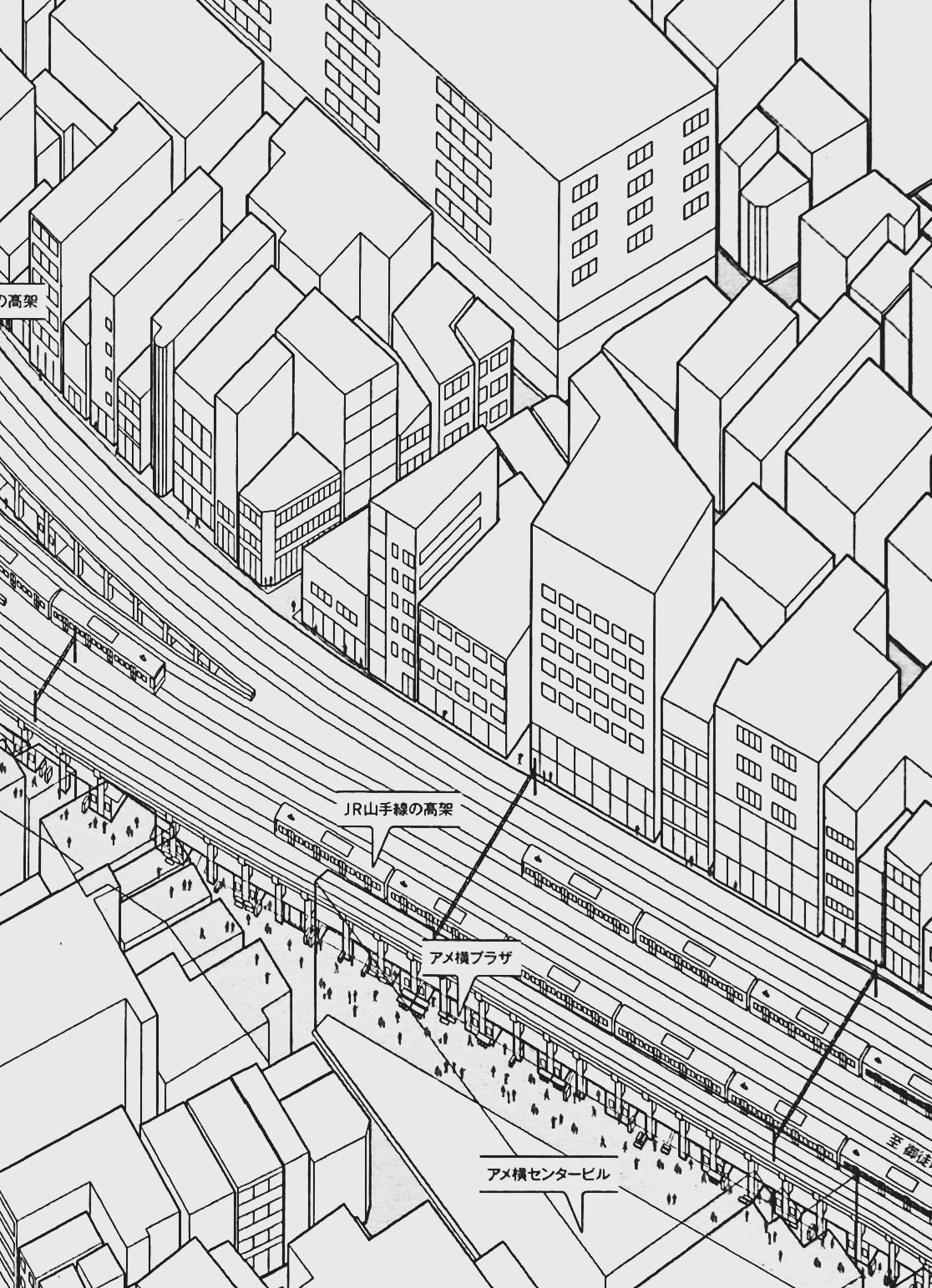
´In many areas of Tokyo, spaces under elevat ed tracks have been developed and successfully incorporated into the existing urban structure, creating a mutually beneficial relationship between the railway network and pedestrian spaces. If you pass under the elevated tracks, you will find a row of lively restaurants, shops, and even government service counters... Tokyo’s oldest underpass architecture began with the elevated railway built before World War II.
The earliest example is the section connecting Hamamatsucho Station and Ueno Station on the Yamanote Line built between 1910 and 1914; After the war, many of these under pass spaces were occupied by the black market, some of which were given to repatriates from the battlefield as places for small trade. In line with the national policy of promoting the con tinuous grade-separated crossing project, many of the railways connecting central Tokyo and suburban residential areas have been elevated, and local governments have decided to increase the number of railroad crossings that cause accidents and traffic jams by raising railways or making them underground.´
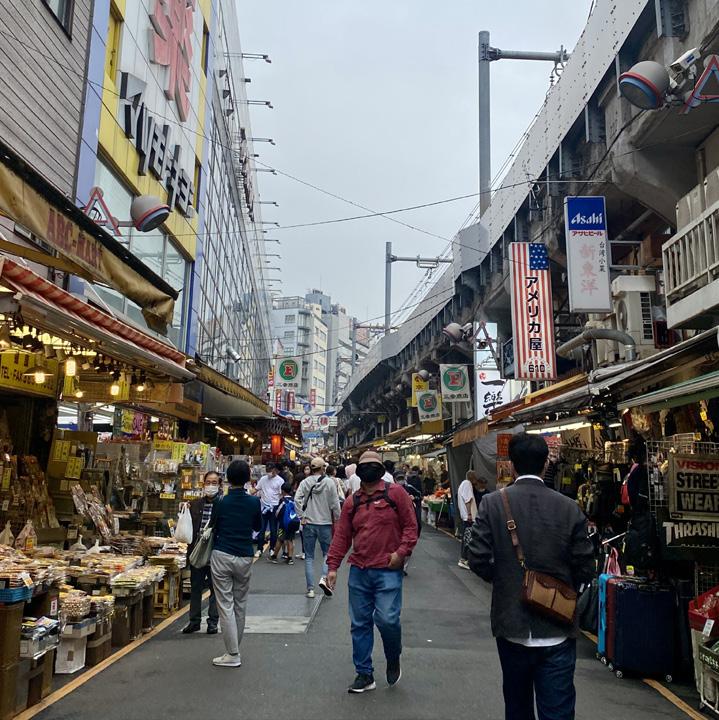
Text & Drawing Source: Emergent Tokyo_Designing the Spon taneous City / Joe McReyn
024
Taito - Ueno|Keihin–Tōhoku Line|´Underfill´ Street market positioned underneath train tracks
Commercial Sidewalks
No Line Sidewalks, Coloured Line Sidewalks & Paved Sidewalks
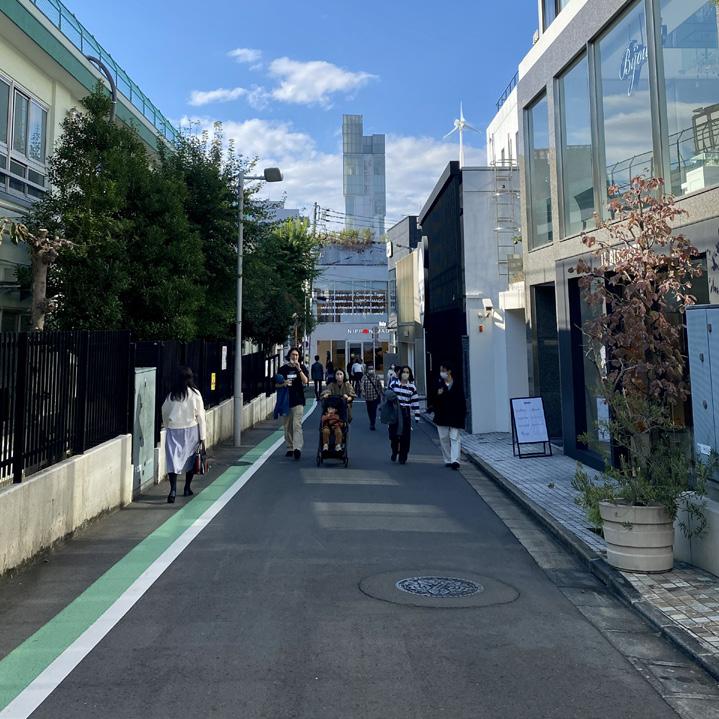
Shibuya - Jingumae
Paved elevated sidewalk to the right created by local shops. People still continue to walk on the road instead of the sidewalk due to its uncomfortable and narrow typology which is spotted by plants and signs. The thin sidewalk to the left is only for one pedestrian at a time, meaning that pedestrians are forced to walk on the street.
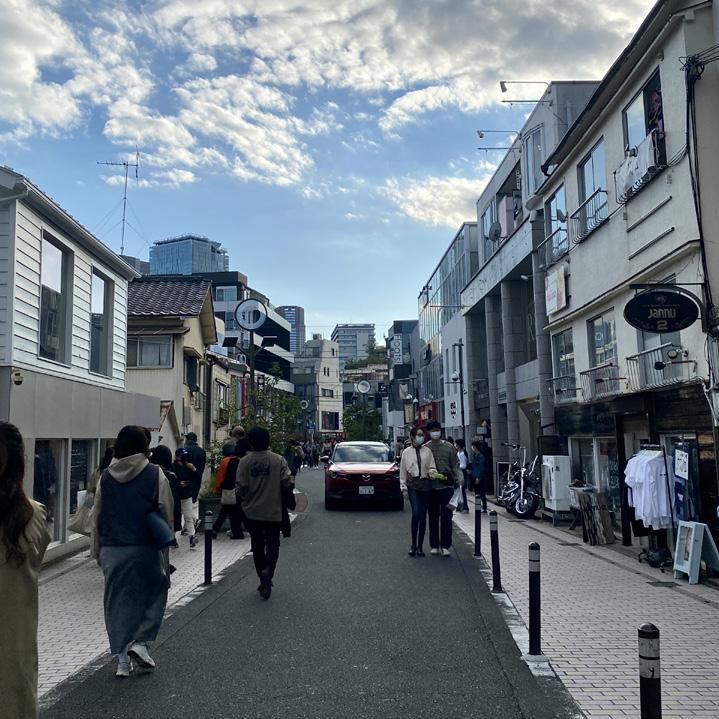
Shibuya - Udagawacho
Previously a residential area turned into a trendy shopping zone
027 026
Commercial Sidewalks
No Line Sidewalks, Coloured Line Sidewalks & Paved Sidewalks
029 028
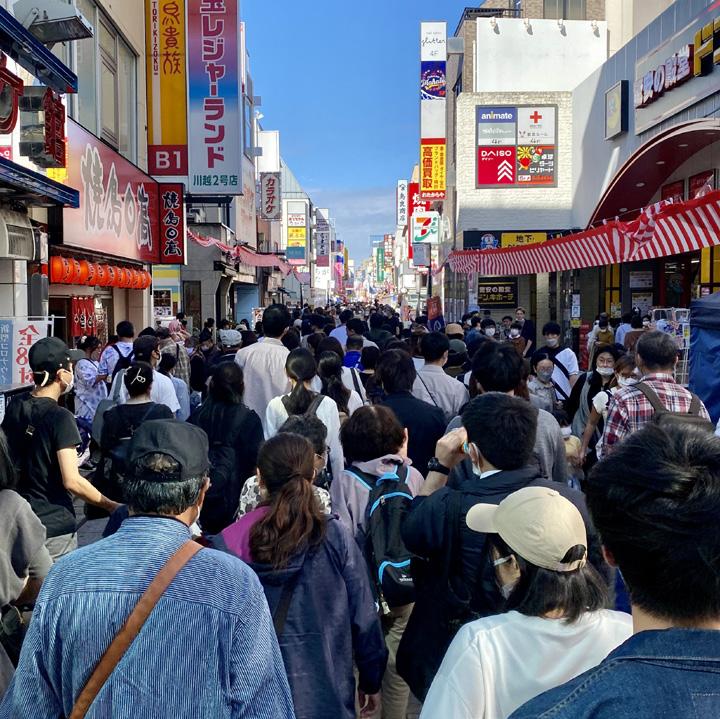
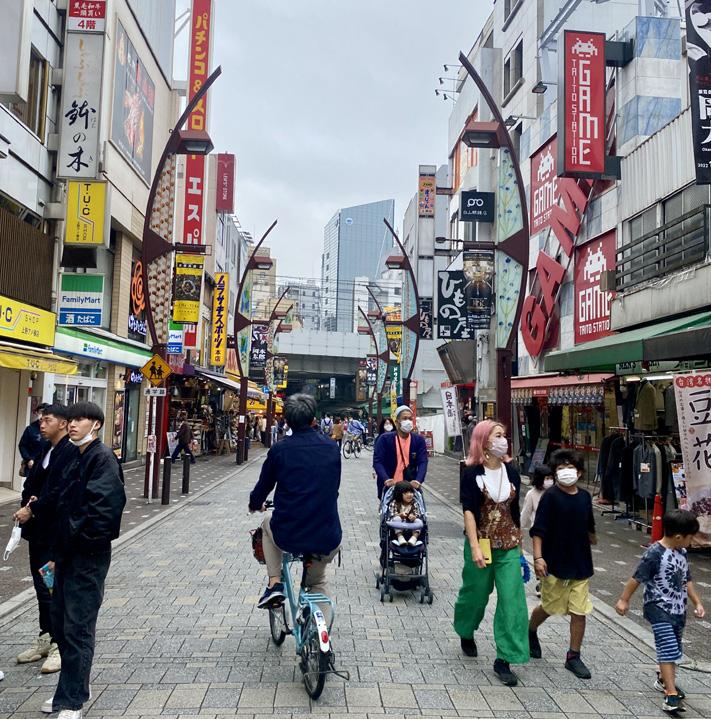
Taito - Ueno
Kawagoe - Wakitamachi |Sambancho - Dori Street Street closed for festivals and special city events
Commercial Sidewalks
No Line Sidewalks, Coloured Line Sidewalks & Paved Sidewalks
031 030
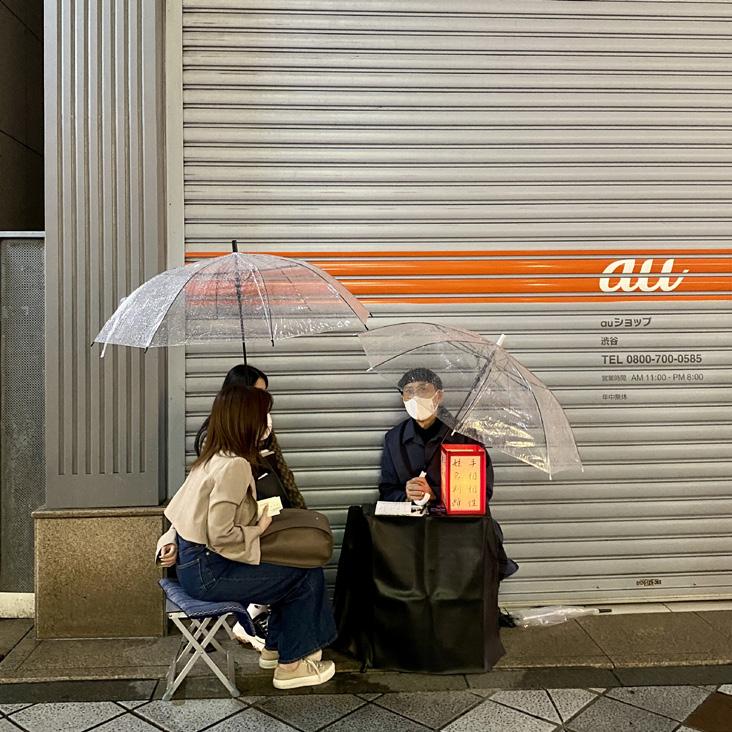
Shibuya - Udagawacho| Bunkamura - Dori Avenue Fortune telling spot in Shibuya
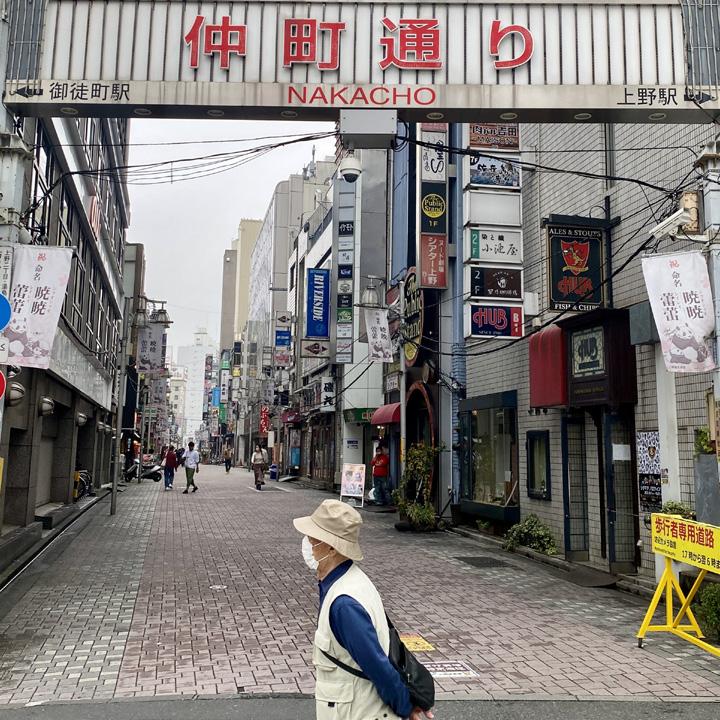
Taito - Ueno |Nakacho, Chuo - Dori Avenue
Commercial Sidewalks
No Line Sidewalks, Coloured Line Sidewalks & Paved Sidewalks
033 032
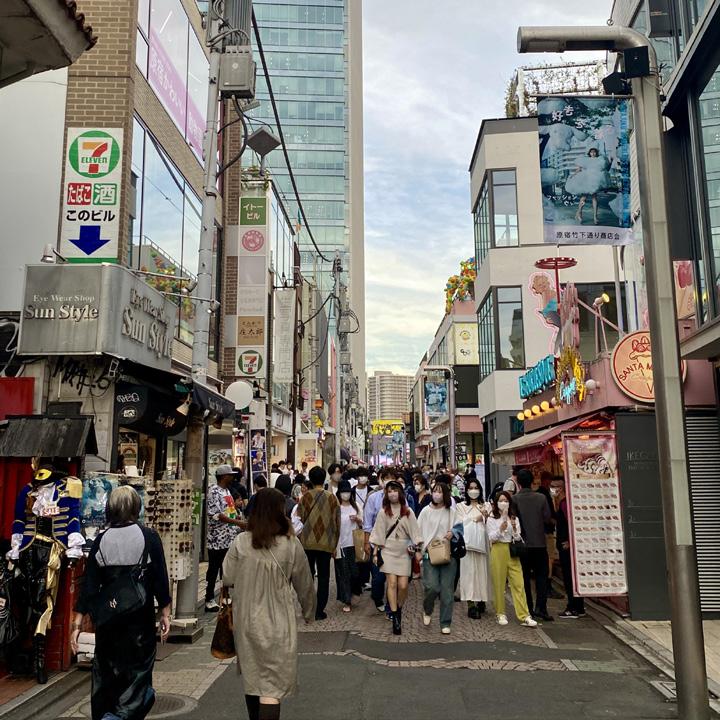
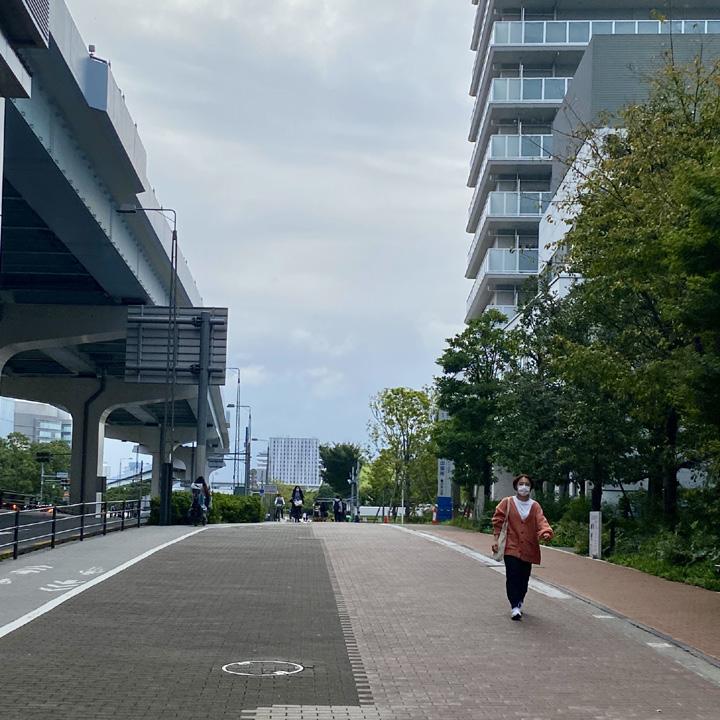
Shibuya - Jingumae| Takeshita - Dori Street Koto - Toyusu Wide sidewalk including bike lanes and vegetation
Commercial Sidewalks Raised Sidewalks
035 034
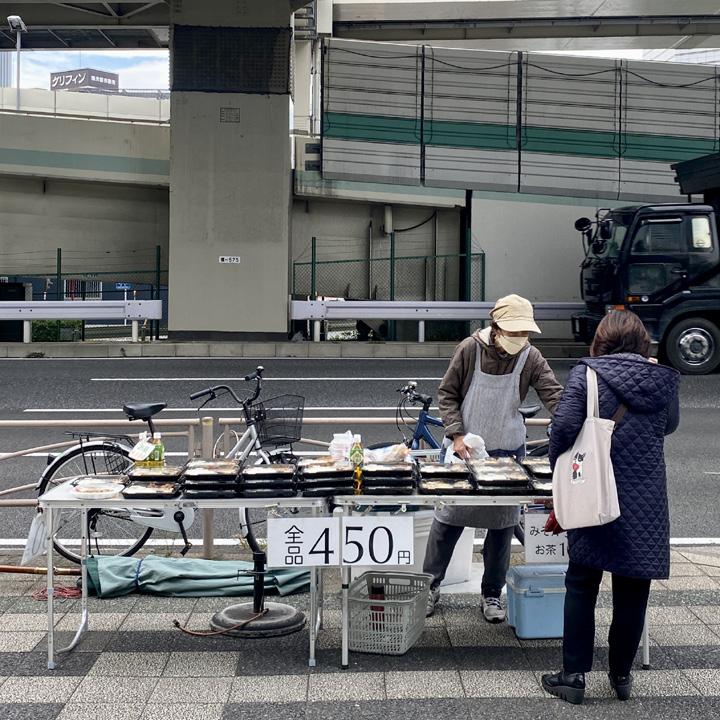
Chuo - Ginza Nishi, Yokohama - Takashima A local selling lunch boxes on Tochinoki - Dori Street
Commercial Sidewalks Raised Sidewalks
Shibuya
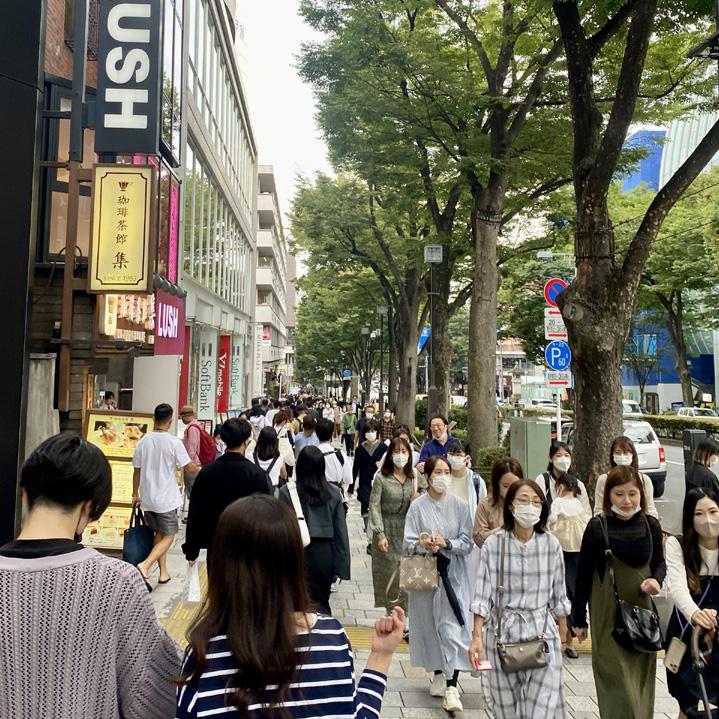
Yoyogi Park
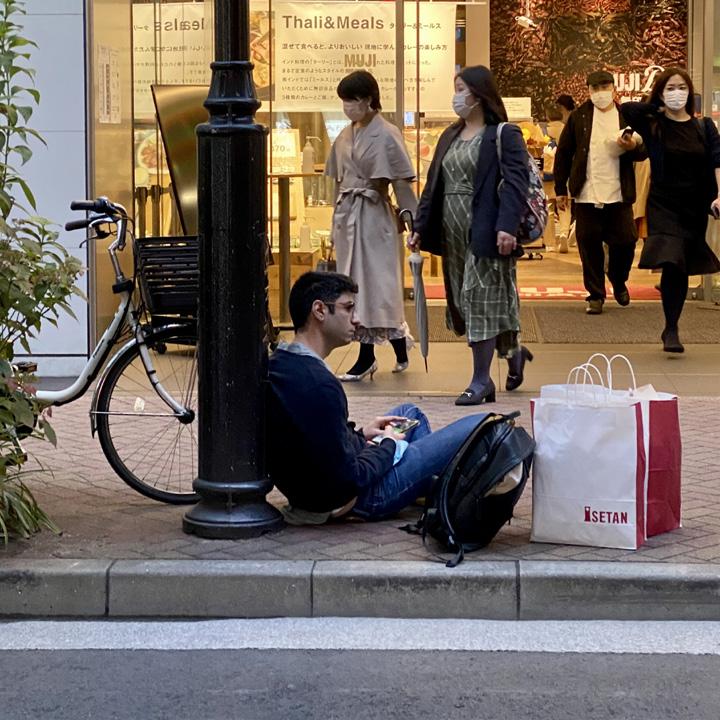
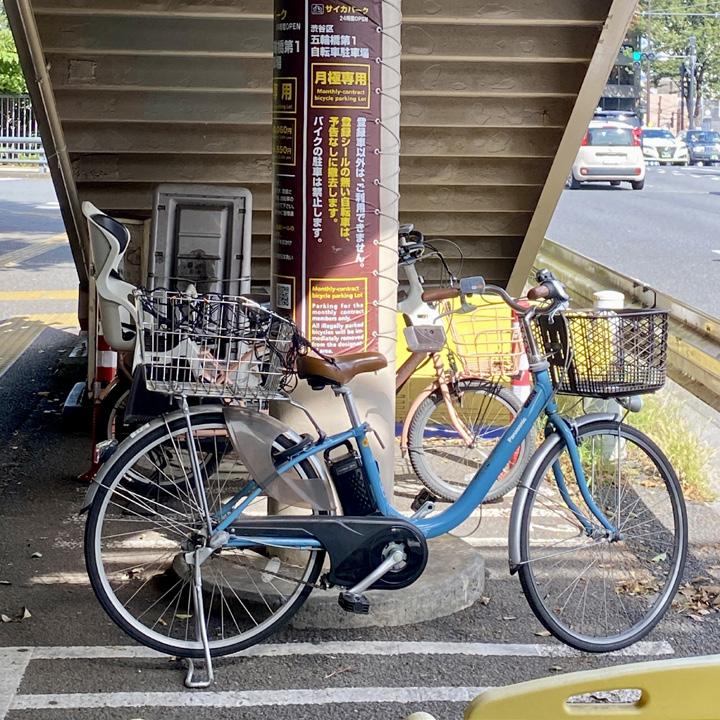
One urban solution for the lack of bicycle parking within the city
037 036
- Jingumae
Commercial Sidewalks
Raised Sidewalks
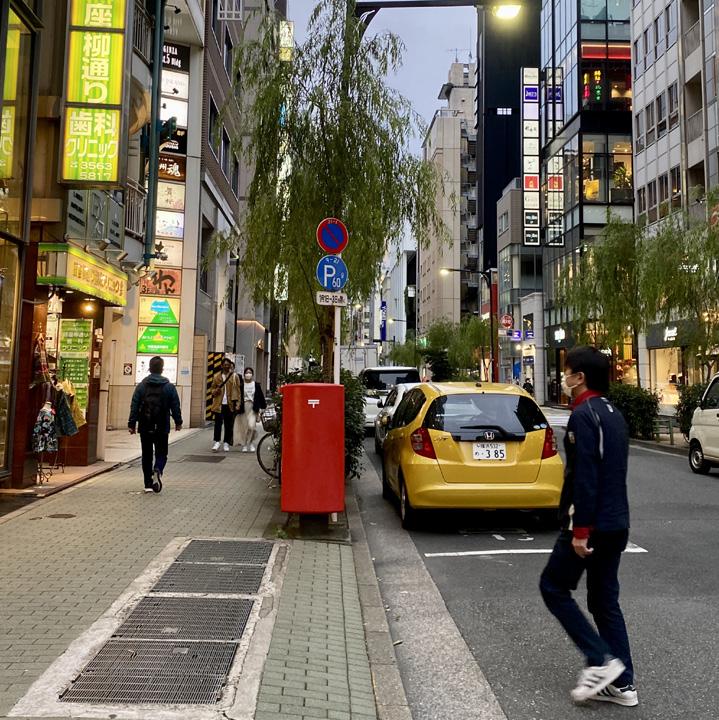
Chuo - Ginza| Ginza Yanagi - Dori Avenue
Ginza provides a sidewalk typology very similar to many capital European cities. With a similar width, height, and overall feel.
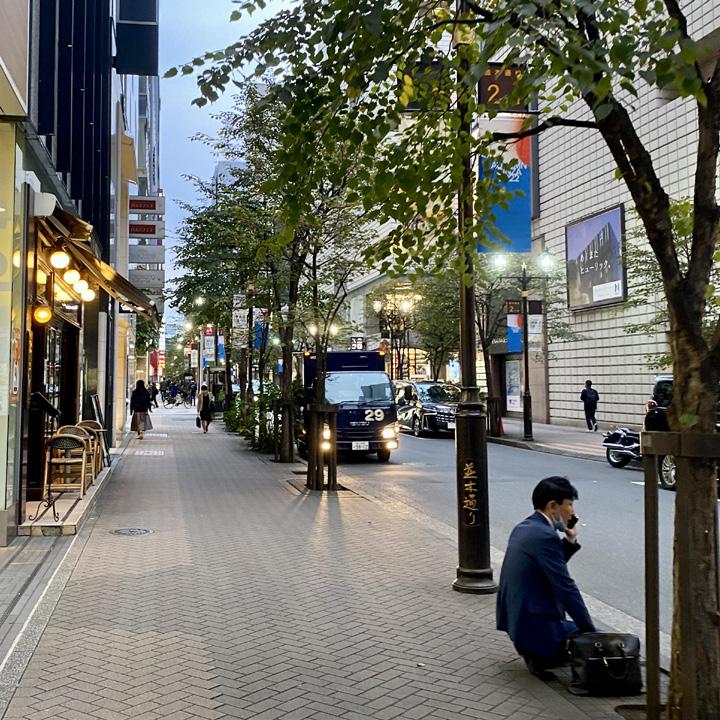
Chuo - Ginza
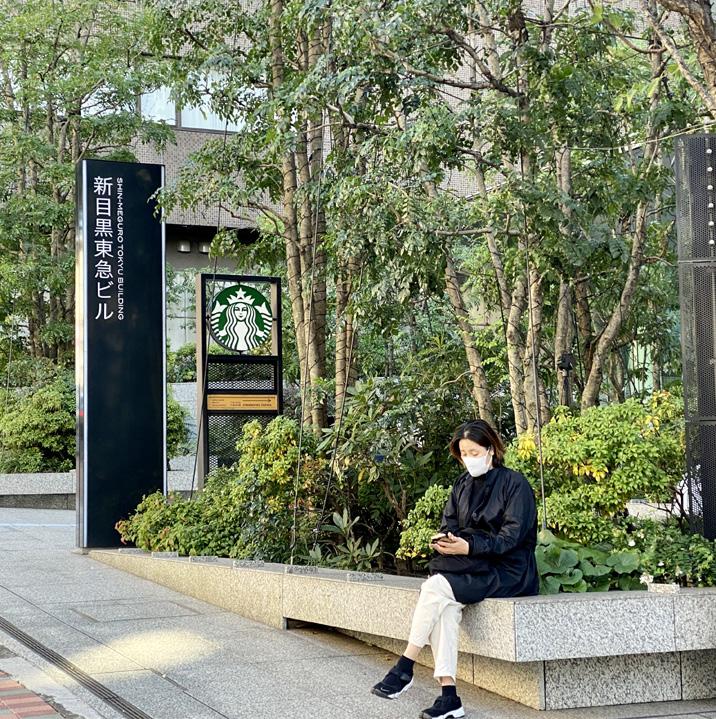
Public seating is a scarce necessity within the city of Tokyo. Points of gathering, rest, and observation are thus reduced to the bare minimum.
039 038
Commercial Sidewalks
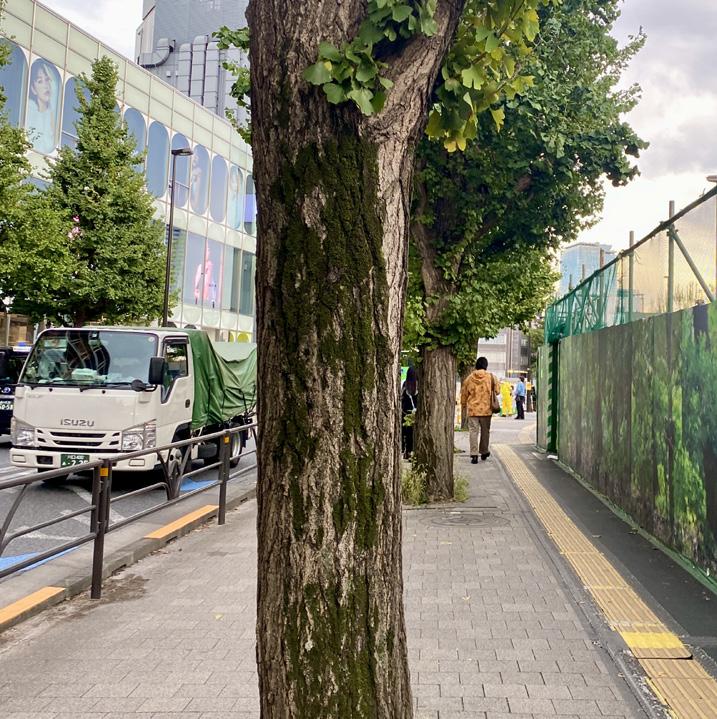
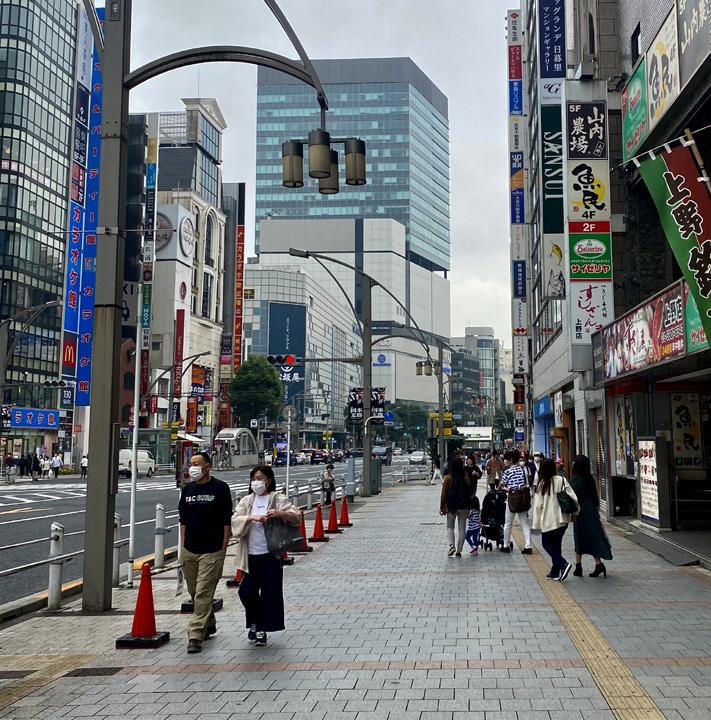
Raised Sidewalks with Base Separator
Base separators refer to the concrete drainage blocks that border the sidewalk from the road. They appear to be used predominately for water overflowing purposes and are sometimes accompanied by a metallic fence.
041 040
Shibuya - Jingumae| Takeshita - Dori Street
Taito - Ueno |Nakacho, Chuo - Dori Avenue
Commercial Sidewalks
Pedestrian Only - Sidewalks
Shibuya - Jingumae
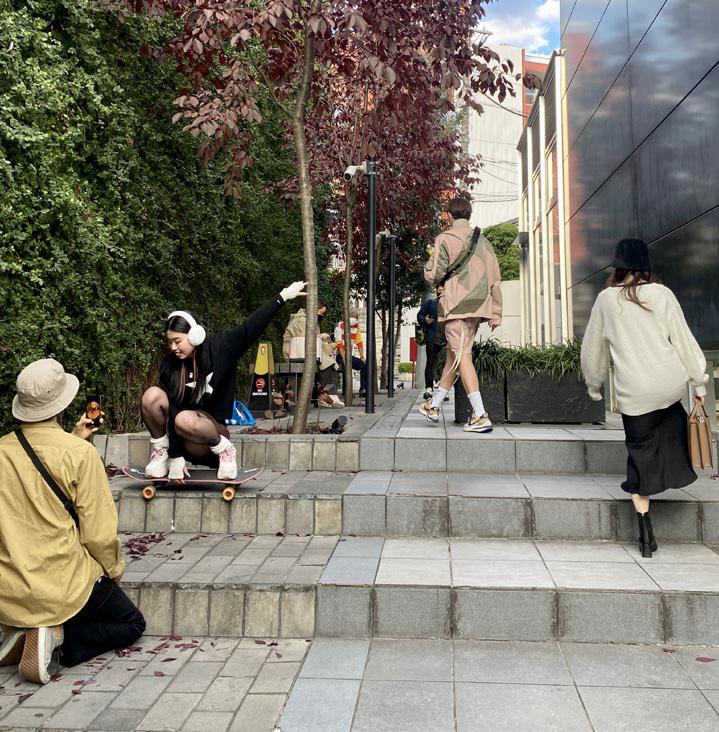
A rare staircase and walkway fitted with seating and vegetation
Fact//
´ The distinction between high-land and low-land was very clear during the Edo era (1603-1868). On the higher plateau, which is called Yamanote, were the living areas of the Samurai and Daimyos. In the Shitamachi val leys lived lower-Class people and merchants. The areas were separated and were not connected directly by Streets. This layout of the city is still present today. Most large streets run along the ridge or valley but do not go directly down or up, linking the high- to the low-city. Often only staircases allow you to go from one area to the other.´ Source: Tokyo Totem / Julian Worrall
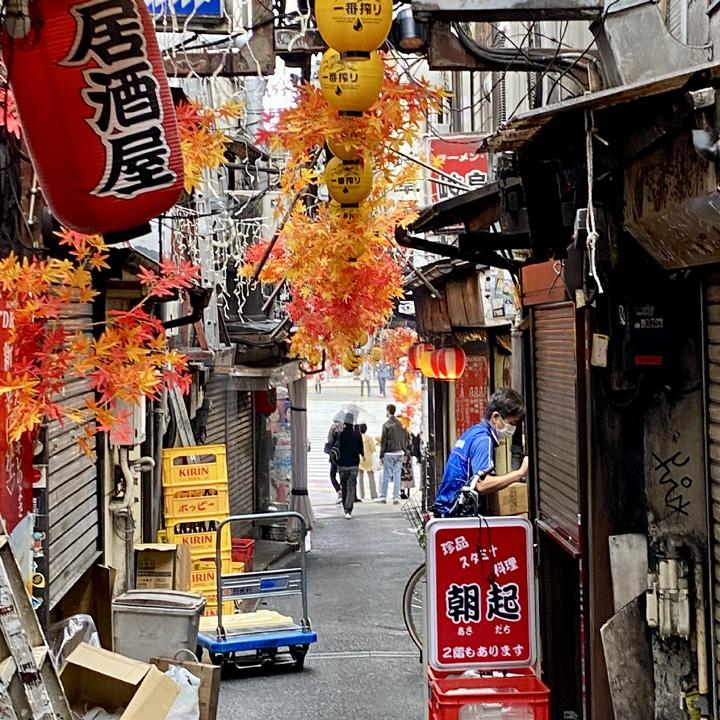
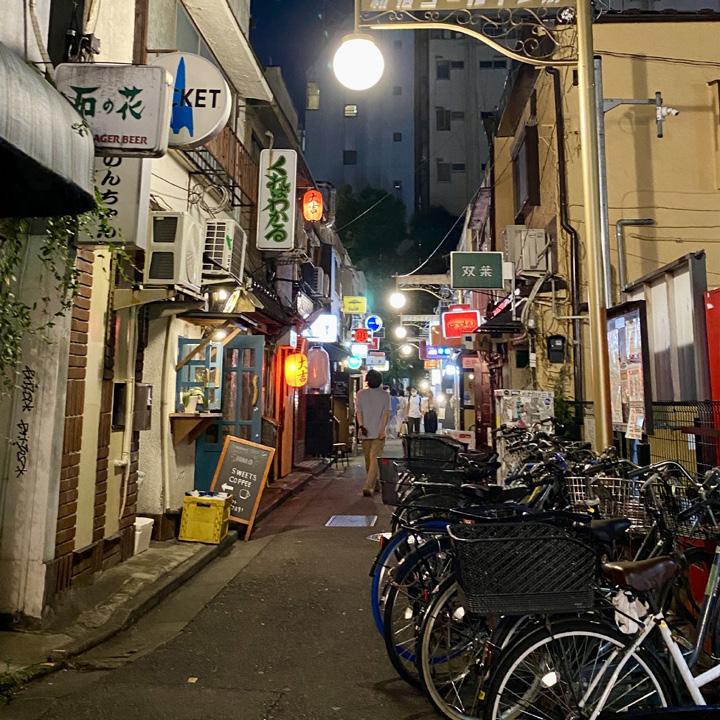
Nishishinjuku - Omoide Yokochō
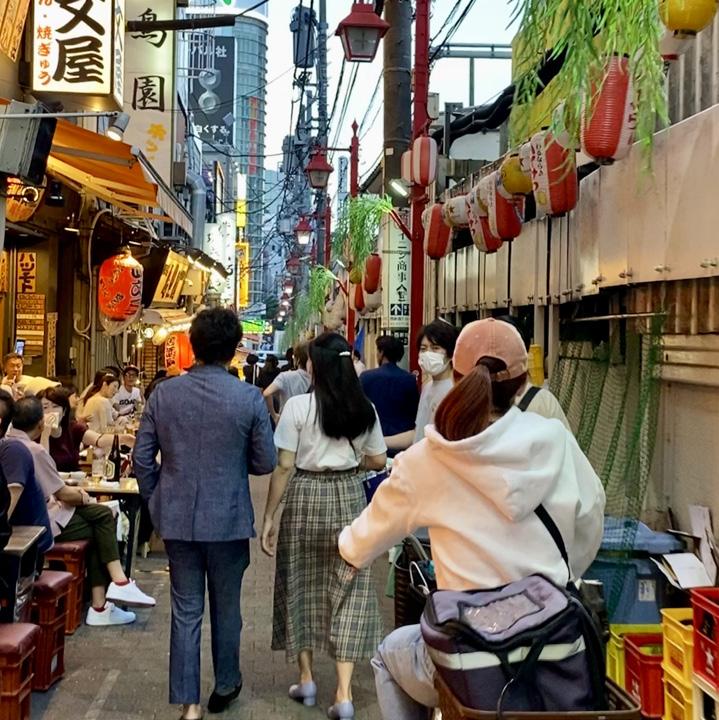
There are a series of alleyways, Omoide Yokocho, that pertain very narrow streets, which are filled with restaurants. All of these streets are pedestrian, including the area of Golden Gai Pg: (044-045).
043 042
Commercial Sidewalks
Pedestrian Only - Sidewalks
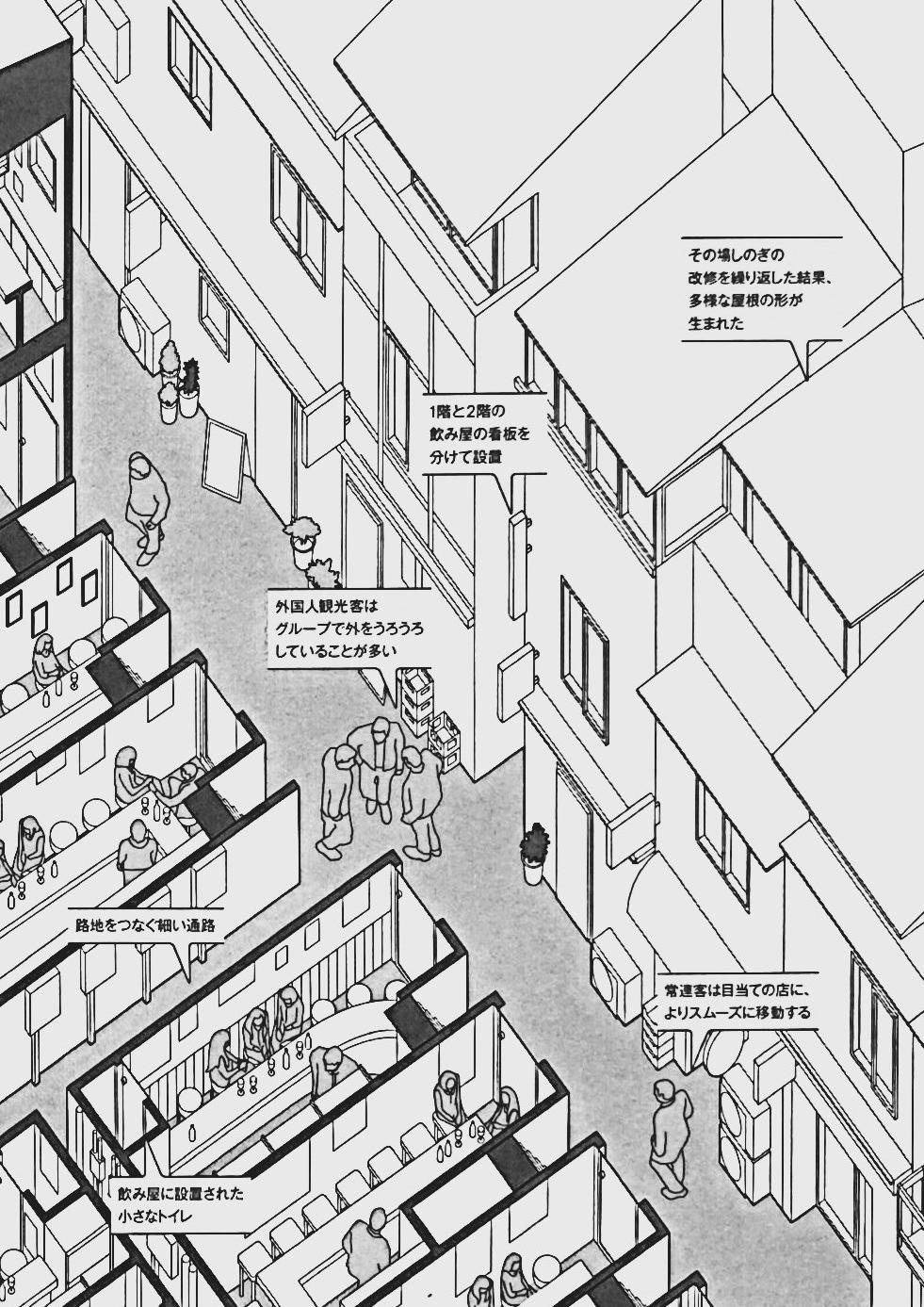
´It looks like there is a balance. Originally, the bars in Golden Gai were diverse depending on the bar, but now there is a clear difference in the way they treat foreign tourists. Half of the pubs respond kindly, or actively accept foreign tourists, but the other half vary from those who are indifferent to customers who do not speak Japanese to those who refuse to serve first-time visitors. The tourism boom has increased the common awareness among Golden Gai shop keepers of the importance of fostering and maintaining a local identity. Tourist corpora tions to Golden Gai have sparked a “yokocho boom” among Tokyo’s 20-somethings.
Many of them said, “I grew up hearing that Golden Gai was a dangerous and unsafe place, but seeing the enthusiastic support of foreigners made me realize its value again”. Golden Gai has survived according to the systems and social conditions of each era. There is a high level of power, which is the supple charm of this city.´
Text Source: Tokyo Totem / Julian Worrall
Drawing Source: Emergent Tokyo_Designing the Spontaneous City / Joe McReyn
044
Shinjuku - Kabukicho |Golden Gai
Commercial Sidewalks Street Vegetation
Yoyogi Park
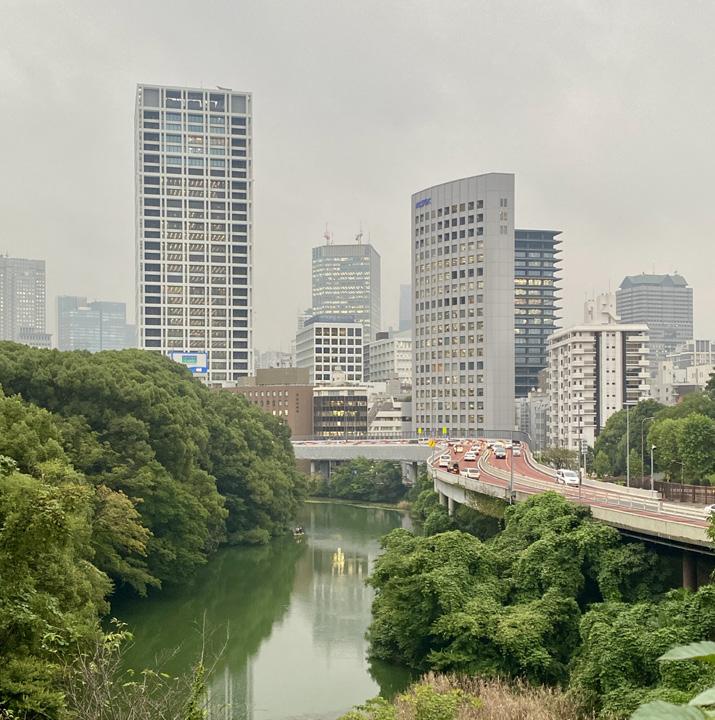
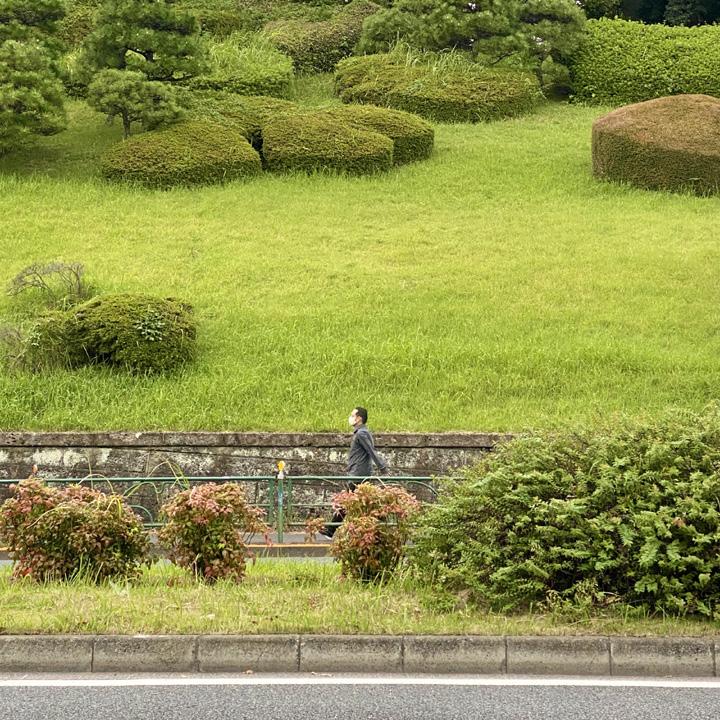
Where there are parks there is greenery seeped onto the nearby streets. Sidewalks are generally wider and filled with greenery. Fact//
´In the Edo era, Samurai estates were often situated on the edges of hills, with large gardens along the slopes. A lot of these gar dens were transformed into public parks during the Mely era; this is the reason parks are often situated in unique spatial settings today. Incorporated water bodies indicate a low point surrounded by higher ground.´ Text Source: Tokyo Totem / Julian Worrall
047 046
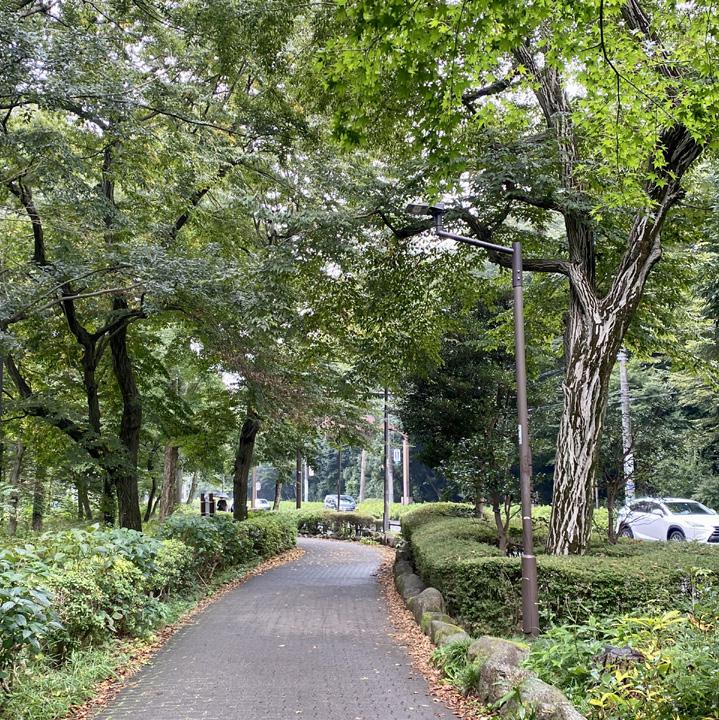
Chiyoda - Kioichō
Commercial Sidewalks Street Vegetation
049 048
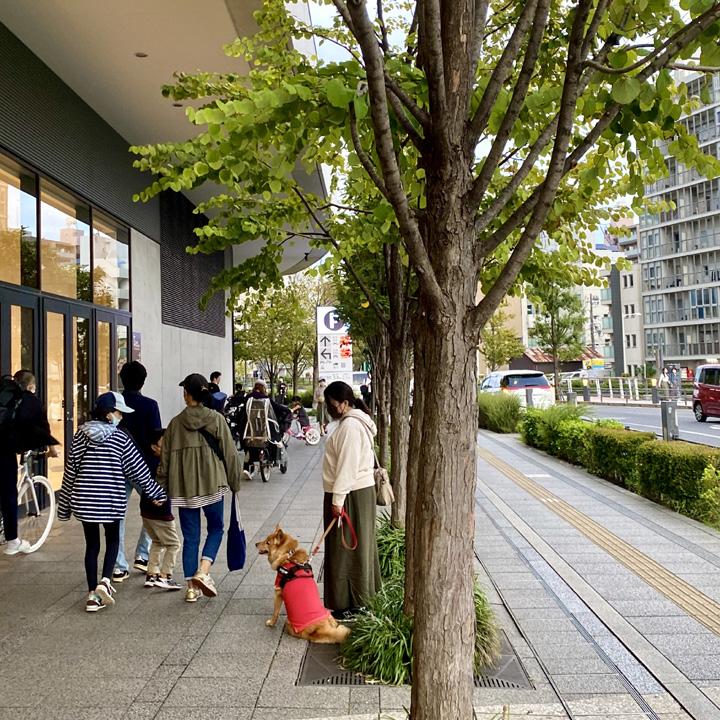
Sumida - Oshiage
Steet providing ample walking space and vegetation
Inokashira Onshi Park |Kichijoji - Dori Avenue
Commercial Sidewalks
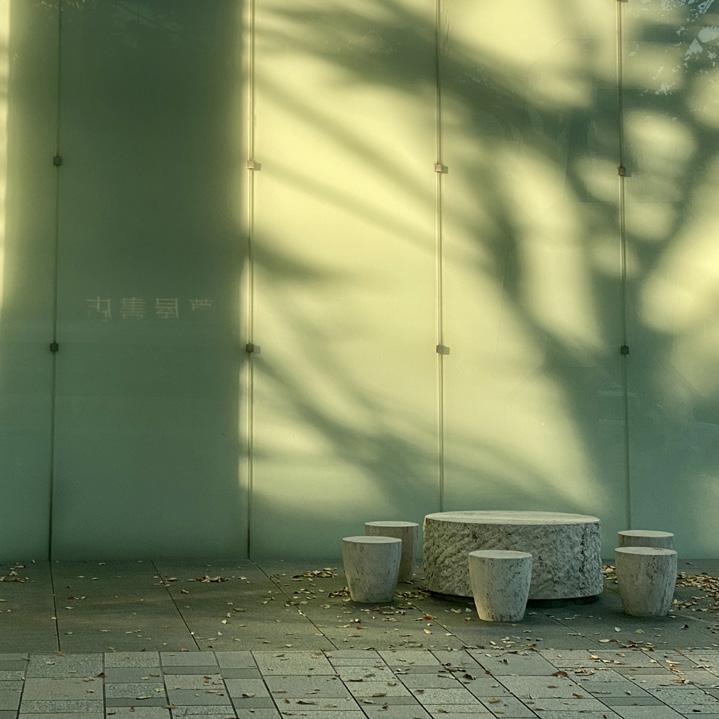
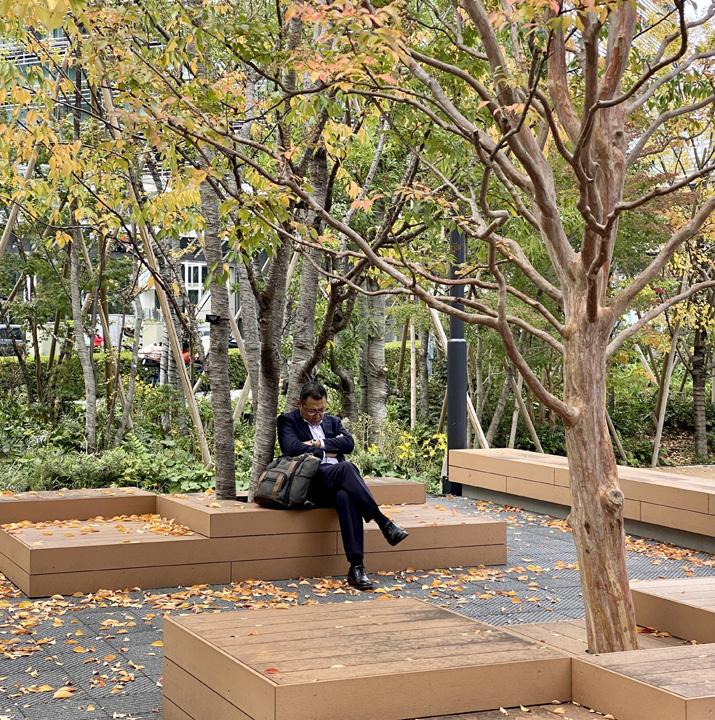
Public Furniture
Roppongi Hills
The majority of public furniture in commercial areas can pre dominately be found only in front of upmarket public buildings. Furniture such as this one is barely used.
Nishi, Yokohama - Minatomirai
New urban regeneration projects in Yokohama have incorporated a series of resting spaces such as this one located next to the BankART Station | BankART1929.
051 050
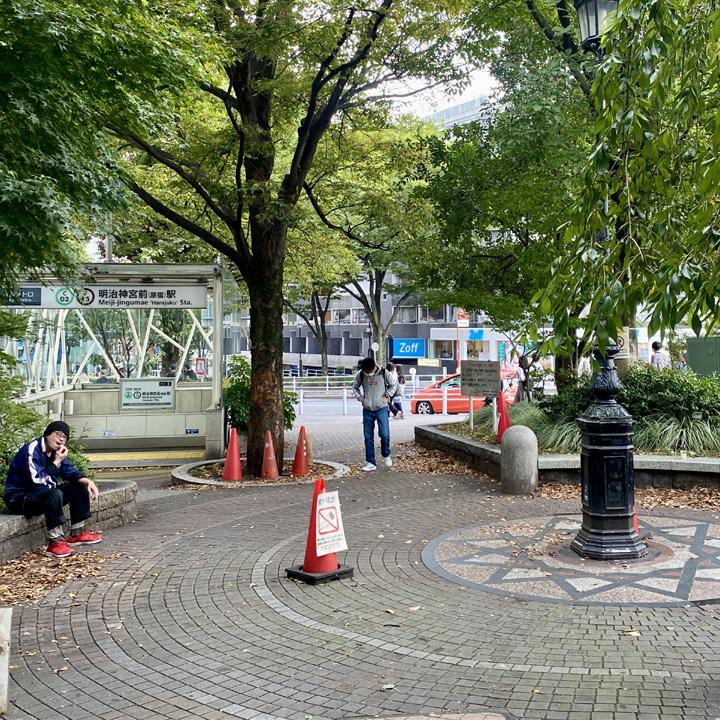
Shibuya - Jingumae
It is rather rare to find benches like this in a closed-off ‘plaza’. Nonetheless next to Harajuku Station a small space of rest, gathering, and place to snack is tucked away in front of one of its exits.
053 052
Meguro
Commercial Sidewalks Public Furniture

Mixed-Use Sidewalks
Pedestrian Crossings
2Single Solid White Line Sidewalks
No Line Sidewalks, Coloured Line Sidewalks & Paved Sidewalks
Raised Sidewalks Pedestrian Only - Sidewalks Street Vegetation Private Street Vegetation

057 056
Mixed-Use Sidewalks
Pedestrian Crossings
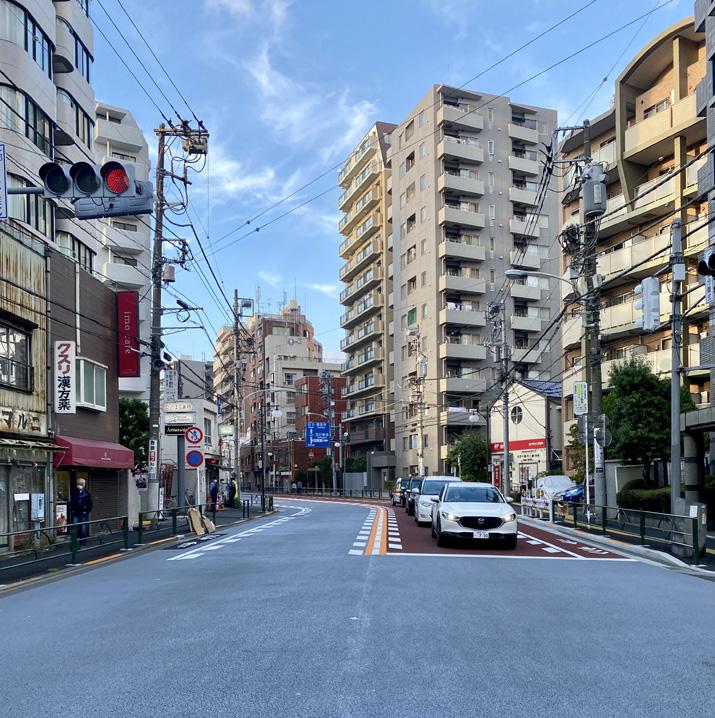
Bunkyo - Sendagi
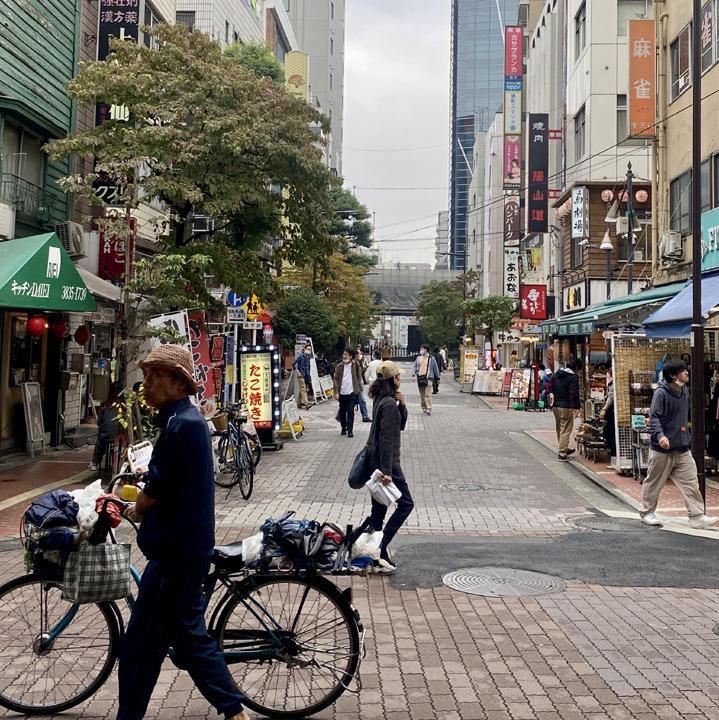
An unusual sight and choice of colours for one of the main streets in Bunkyo - Sendagi. The road is fitted with a bicycle lane and elevated sidewalks accompanied by a metallic fence.
059 058
Taito - Ueno
Mixed-Use Sidewalks
Single Solid White Line Sidewalks
Shinjuku Taito - Ueno
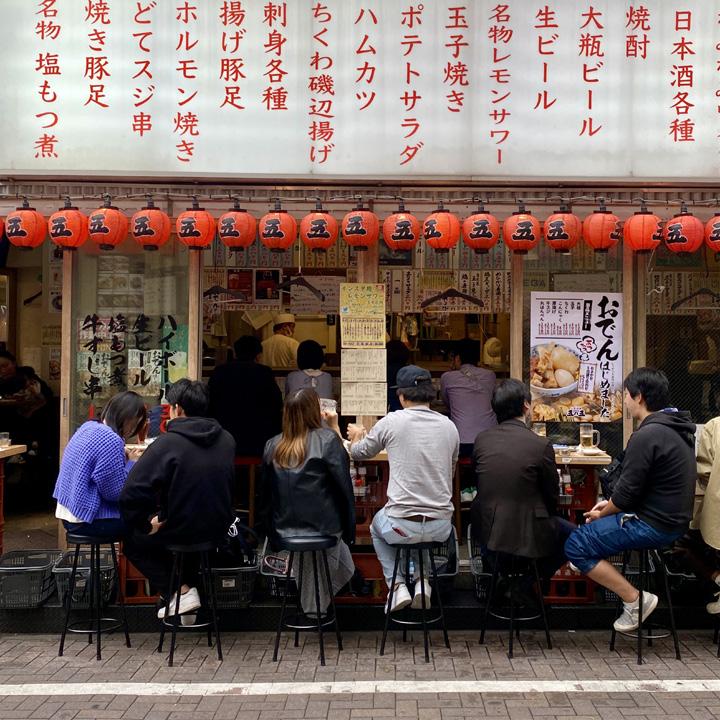
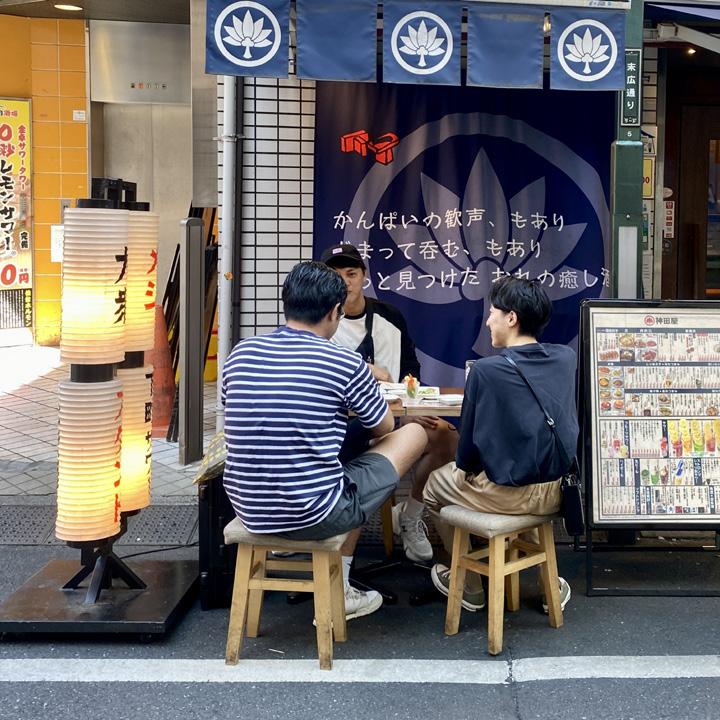
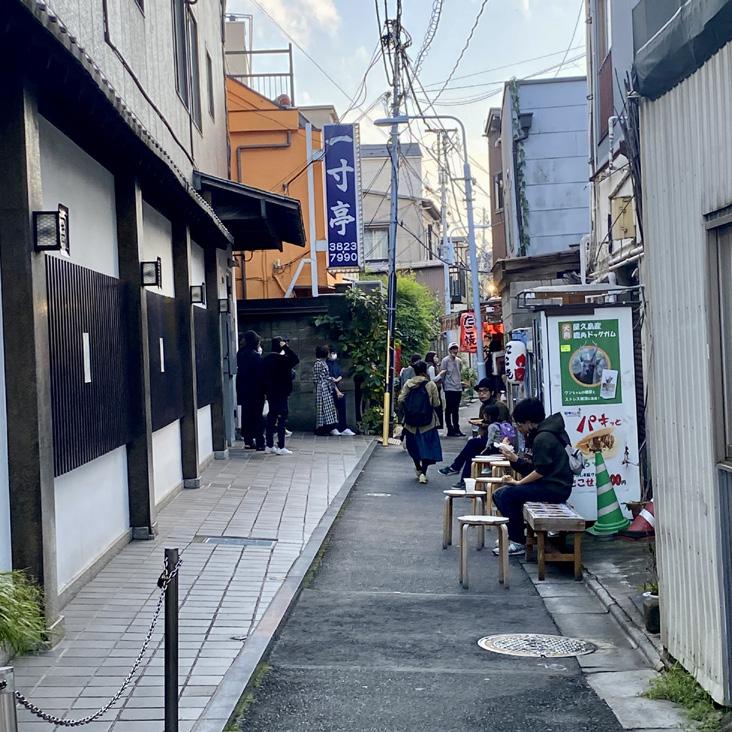
On many commercial or mixed - use sidewalks tables and chairs expand onto the footpath, thus forcing pedestrians to walk onto the road. This generally is not an issue as drivers are quite cau tious, in addition to cyclists.
061 060
Mixed-Use Sidewalks Single Solid White Line Sidewalks
Shinjuku
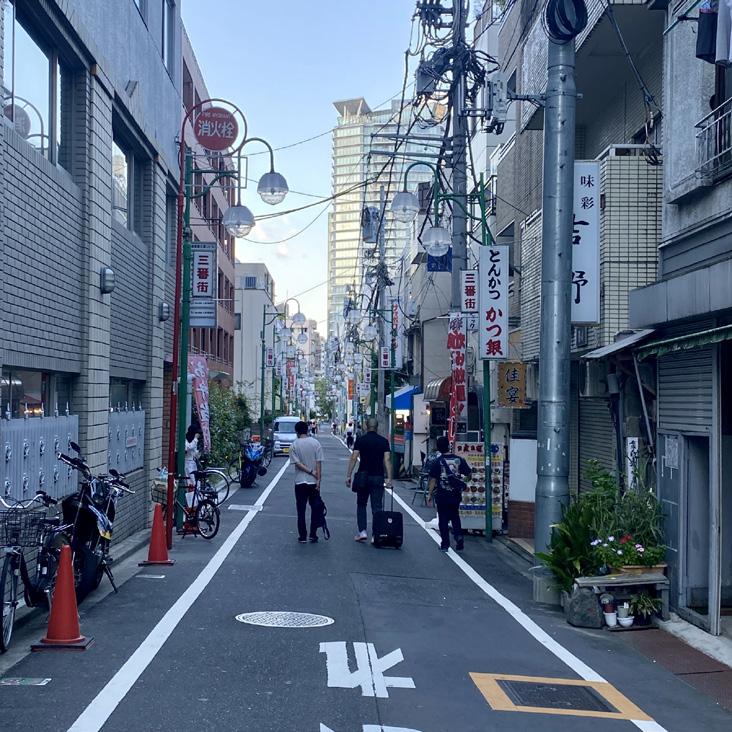
Occupying the street with seats and tables. The small restaurant takes over a small lane adjacent to a popular street market.
063 062
Taito - Yanaka
Mixed-Use Sidewalks
No Line Sidewalks, Coloured Line Sidewalks & Paved Sidewalks
Shinjuku
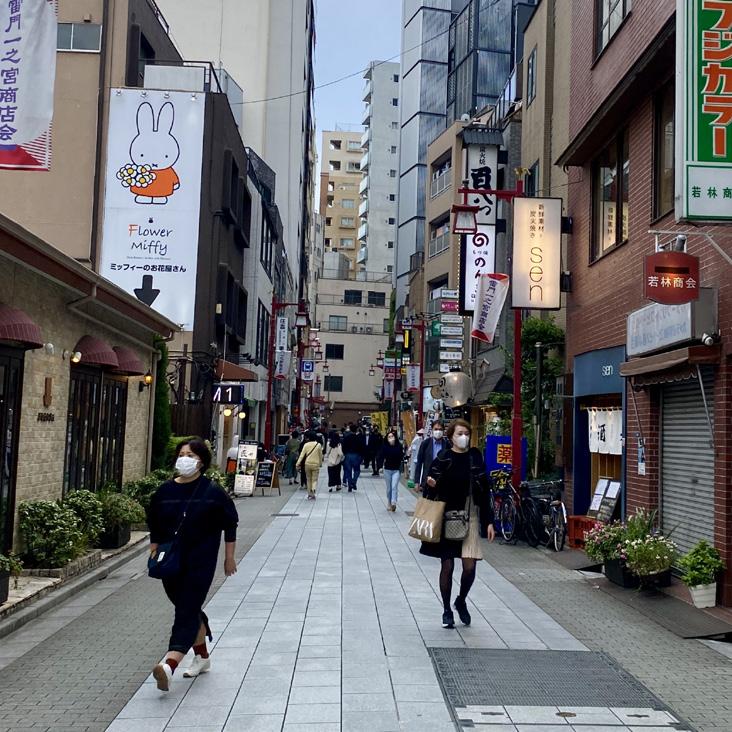
Taito - Kaminarimon
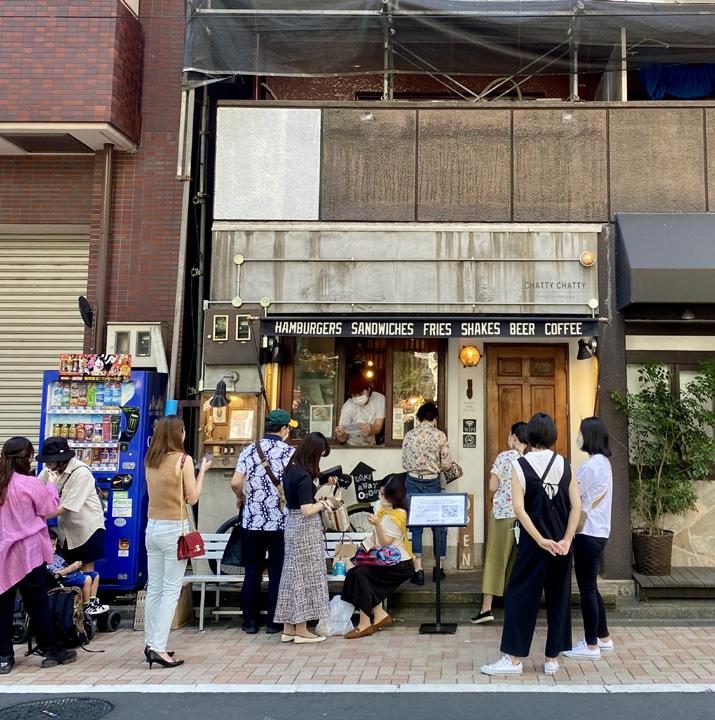
Restaurants and small businesses colour the streets with small pot plants and flowers
065 064
Mixed-Use Sidewalks
No Line Sidewalks, Coloured Line Sidewalks & Paved Sidewalks
Taito - Ueno
Taito - Ueno
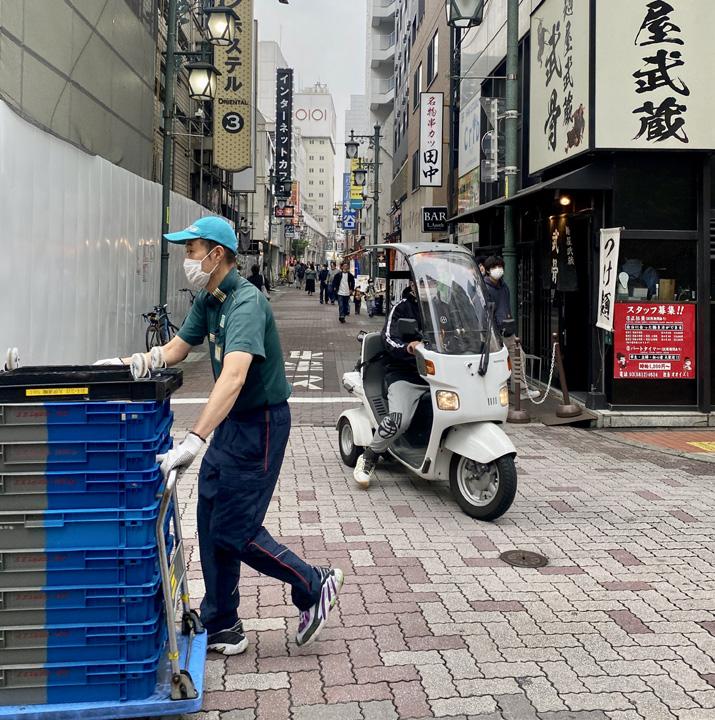
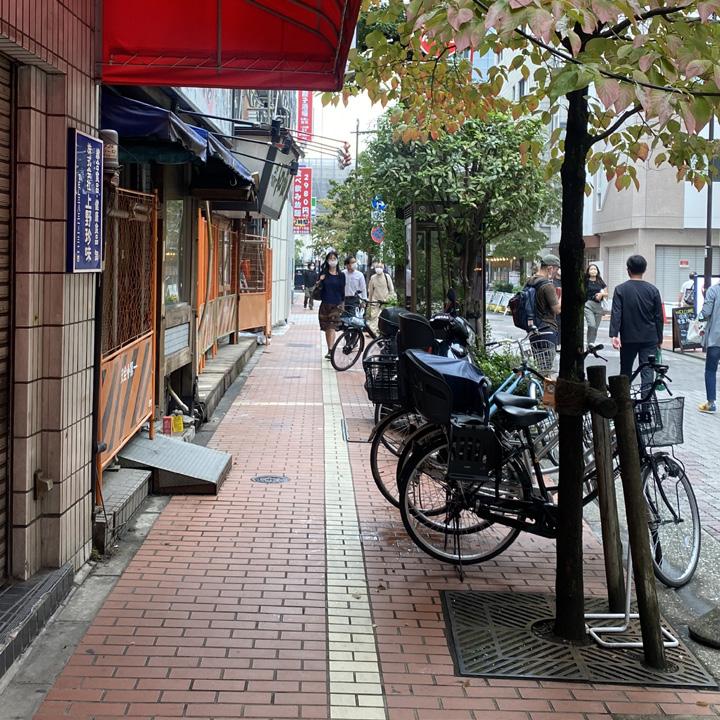
Bike parking in the city can be an awkward reality, taking away ‘prime real estate’ for pedestrians
067 066
Mixed-Use Sidewalks
No Line Sidewalks, Coloured Line Sidewalks & Paved Sidewalks
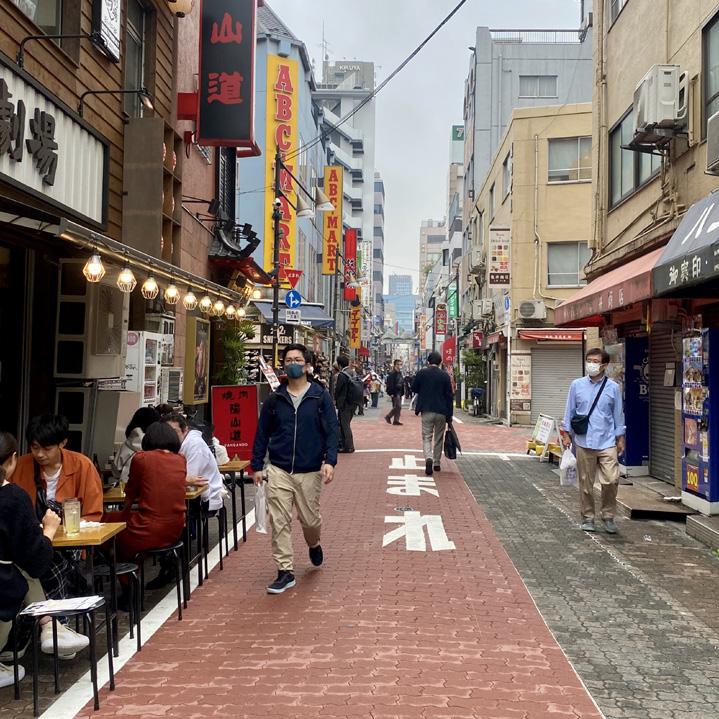
Commercial signs are frequently found on sidewalks. In dense pedestrian traffic, this can be cumbersome and sometimes even dangerous.
069 068
Taito - Ueno
Taito - Ueno
Mixed-Use Sidewalks
No Line Sidewalks, Coloured Line Sidewalks & Paved Sidewalks
Suginami - Koenji Minami
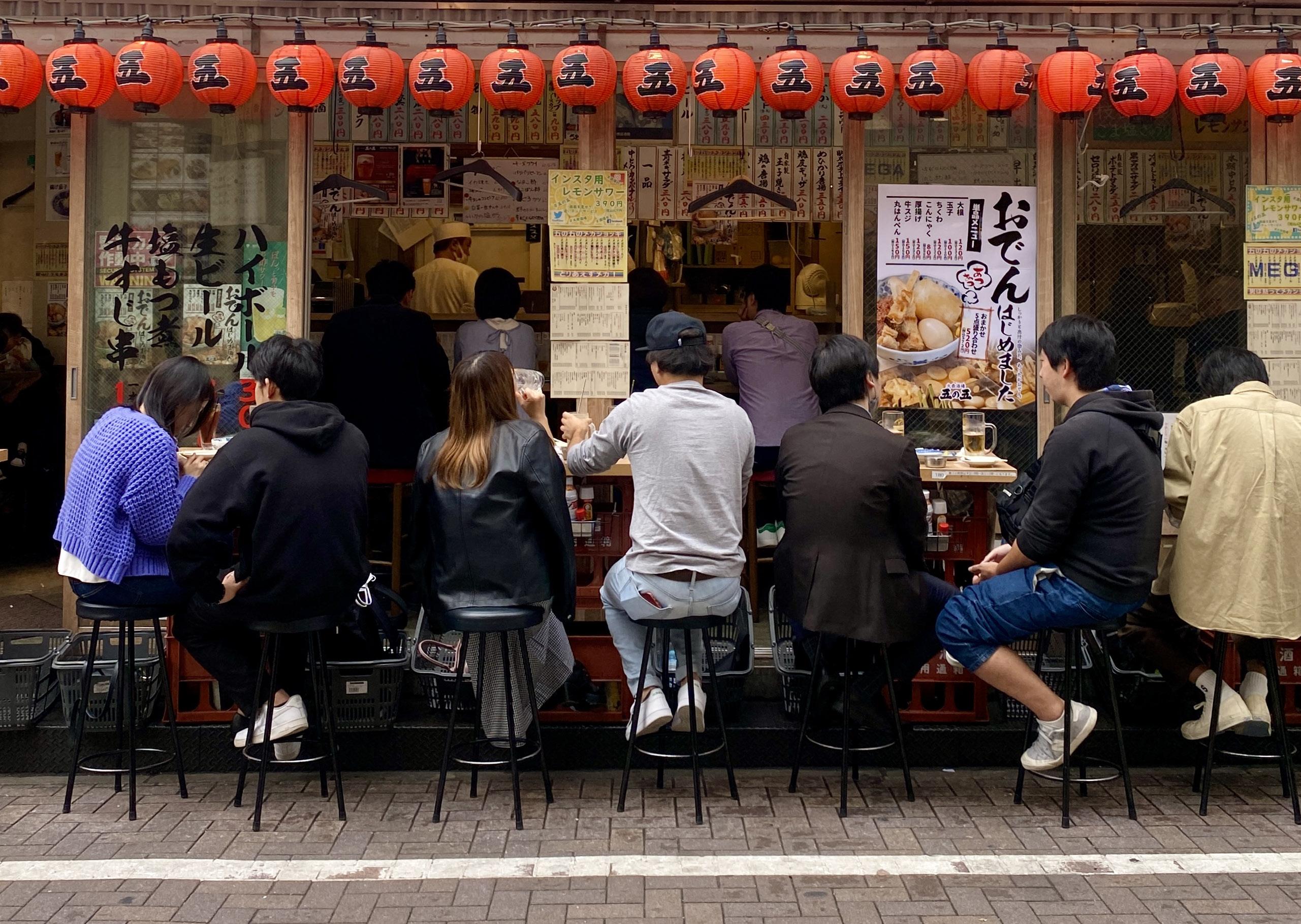
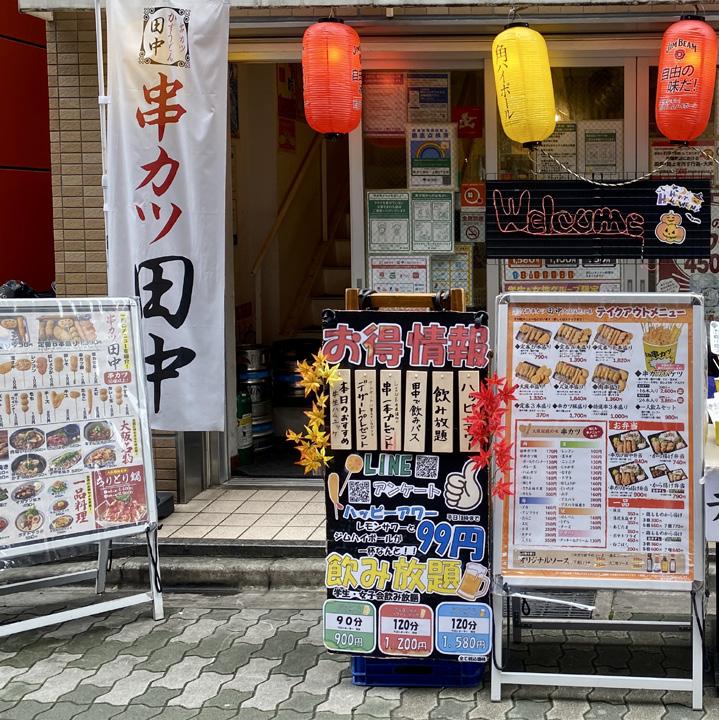
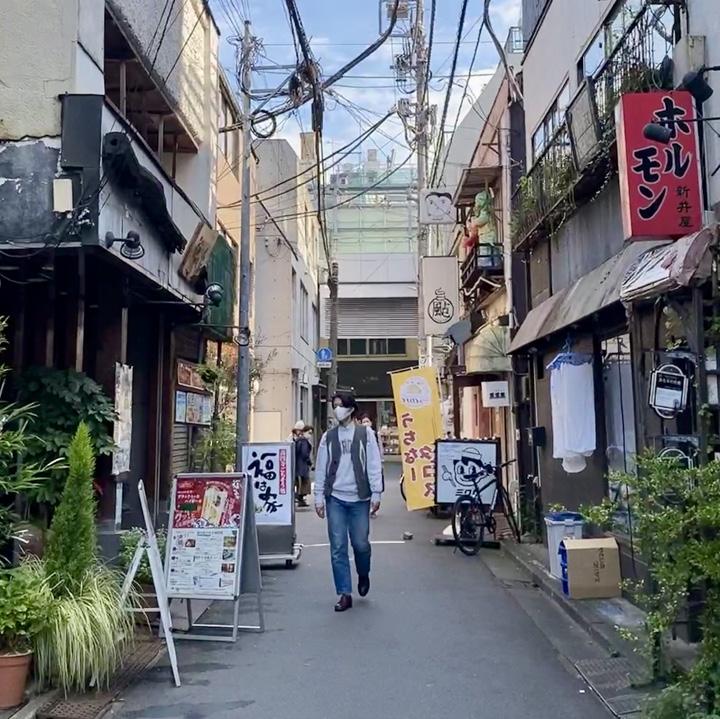
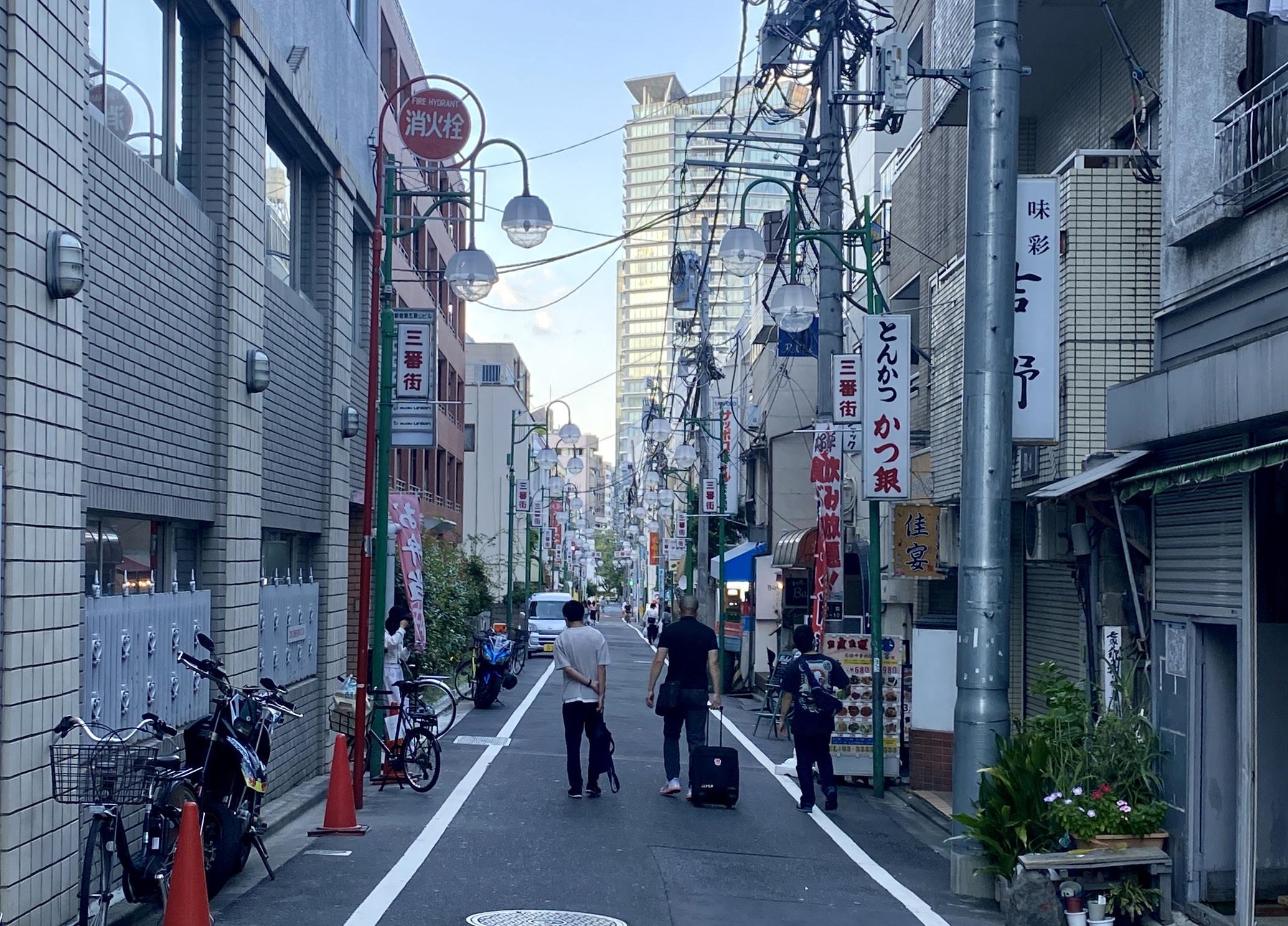
A typical shopping street comprising of restaurants and small/ medium size businesses. In Japan, there are over 10,000 of these shopping streets. A typical sign that you are on one of these streets is by overhearing instrumental music played on a public address system. In this photograph, you also see a rubbish bin. This is a very rare sight in Tokyo due to the sarin gas attacks in 1995.
Shibuya - Tomigaya
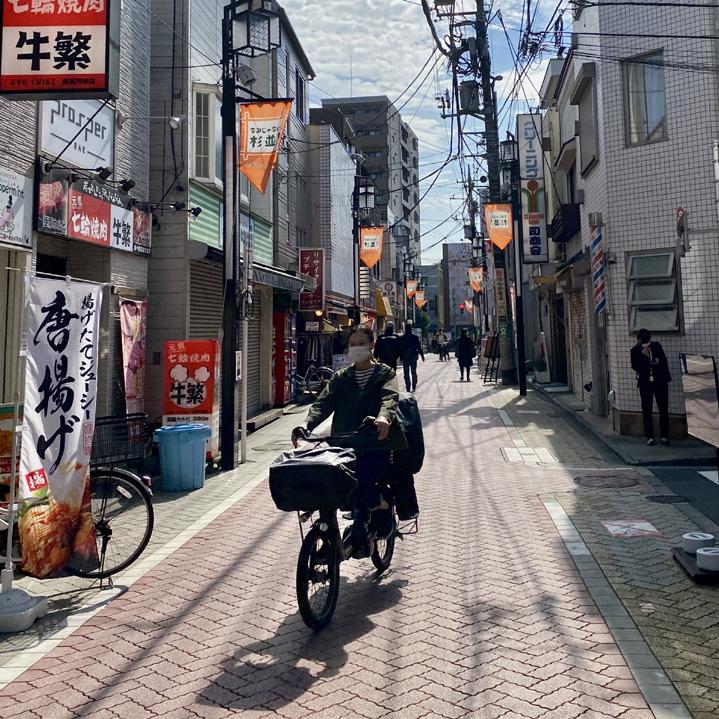
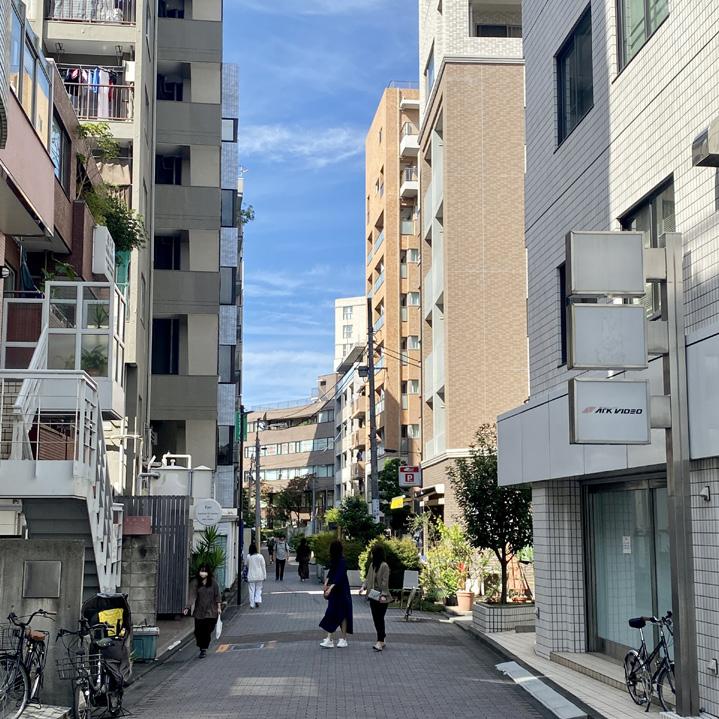
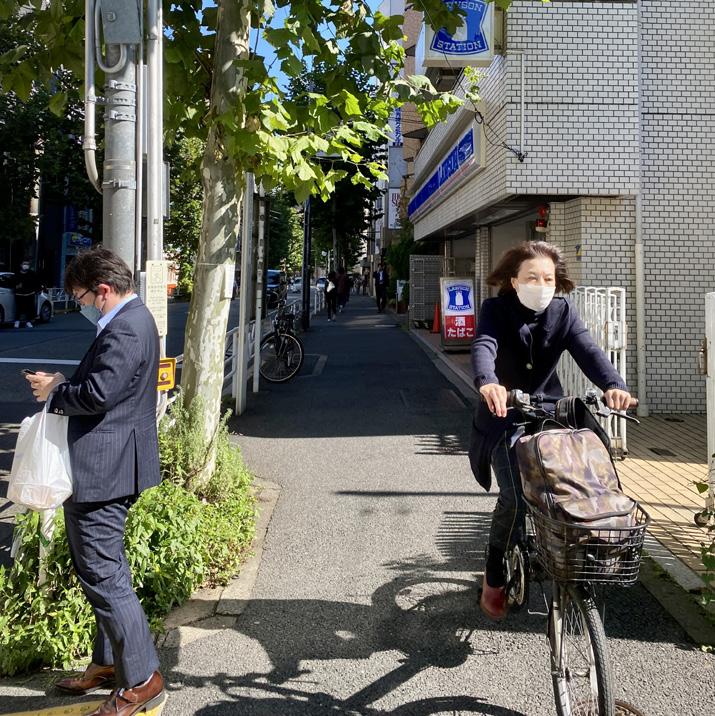
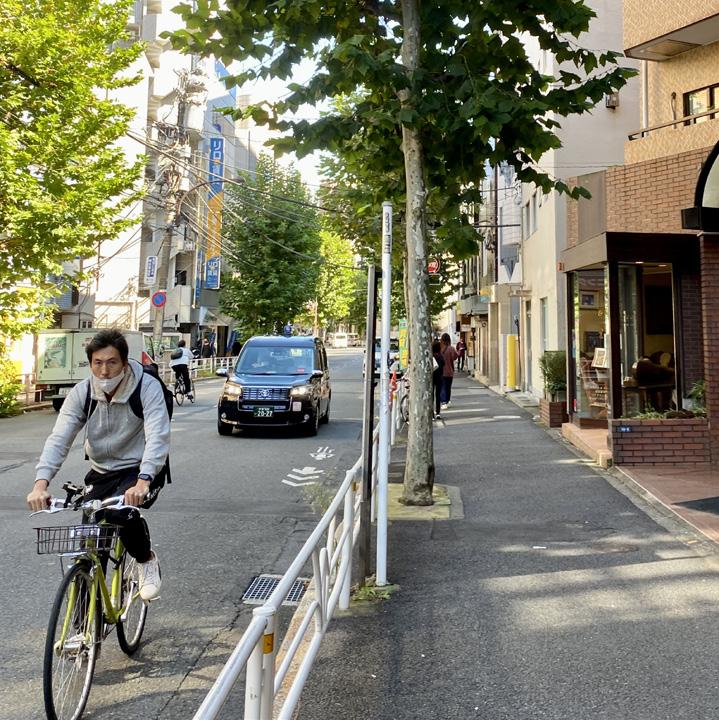
Some roads within Tokyo are equipped with bike lanes, however, a lot of them do not have any. Some residents tend to use the sidewalk as they feel safer. In most cases, the cyclists are patient, never ring their bell or voice, and respect pedestrians. On other occasions, you can find yourself almost getting trampled by one.
071 070
Mixed-Use Sidewalks Raised Sidewalks
073 072
Shibuya - Yoyogi Shibuya - Yoyogi
Mixed-Use Sidewalks Raised Sidewalks
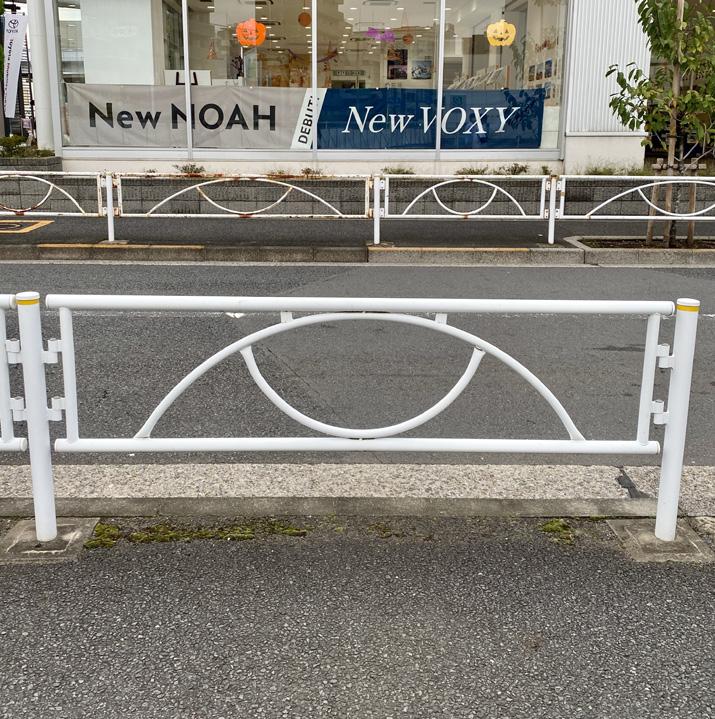
075 074
Sumida - Azumabashi Sumida - Azumabashi
Mixed-Use Sidewalks
Raised Sidewalks
Sumida - Azumabashi
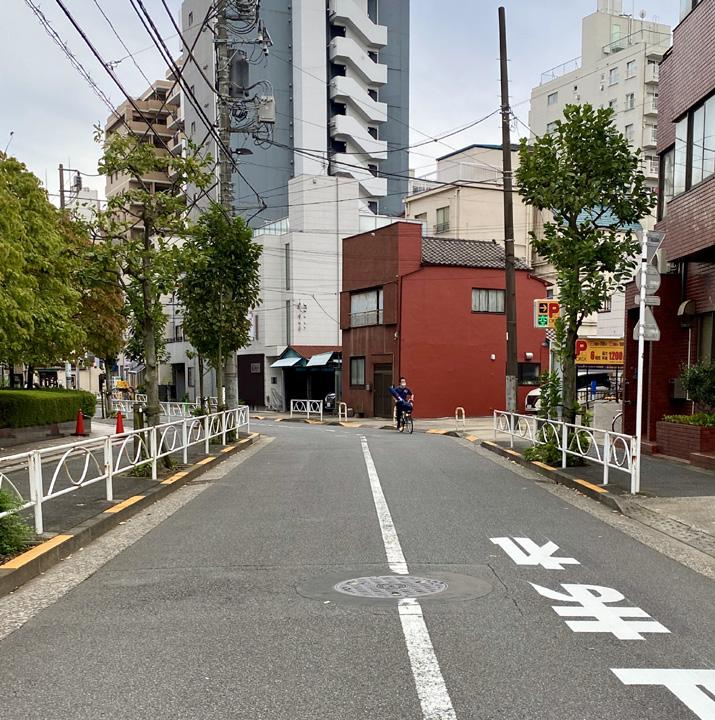
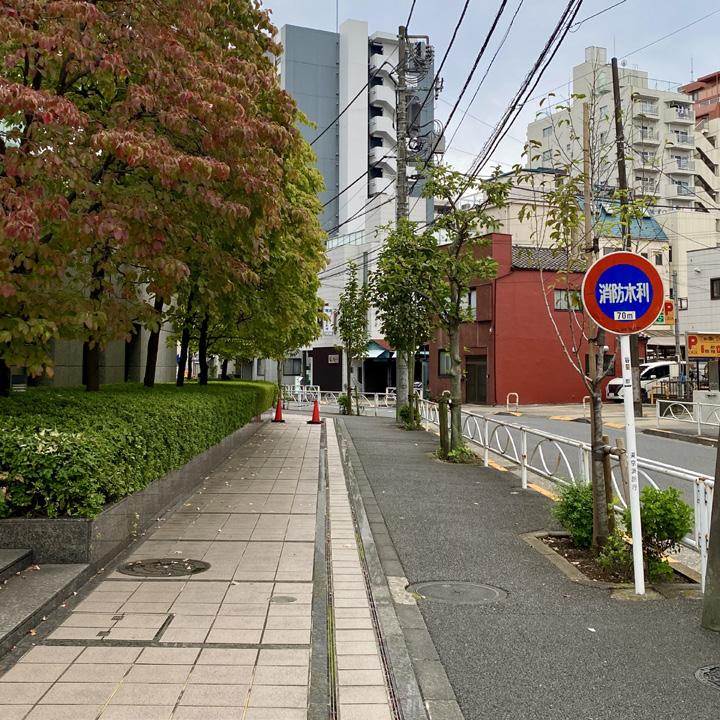
The pavement offset as seen in the photograph above (between the building and the sidewalk) is completely random. At times you may find a wide ´extended pavement´, aka offset, and other times a thin one which at best can fit one pedestrian. In this example, a very comfortable width is attained although only lasts for the span of the building, afterward the pedestrian has to continue walking on a one to two-person sidewalk.
077 076
Sumida - Azumabashi
Mixed-Use Sidewalks Raised Sidewalks
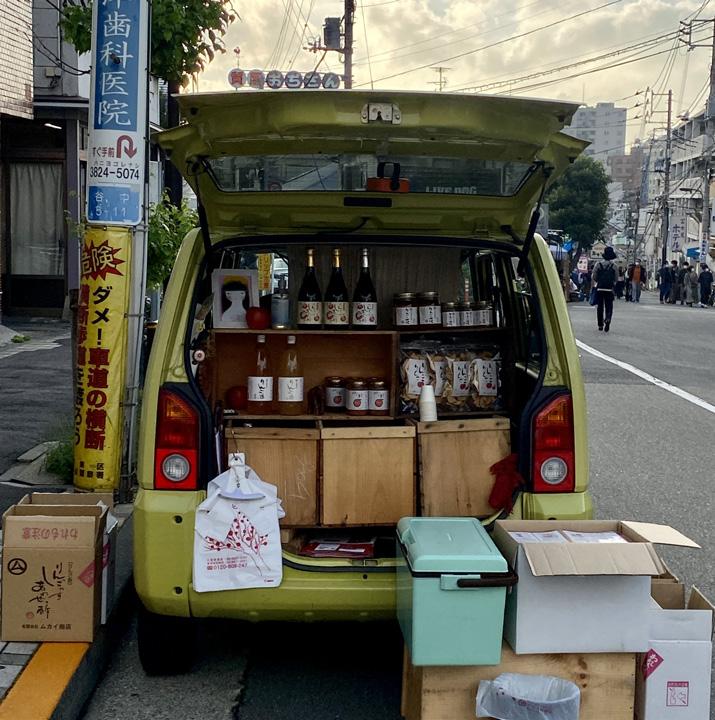
Arakawa - Nishinippori
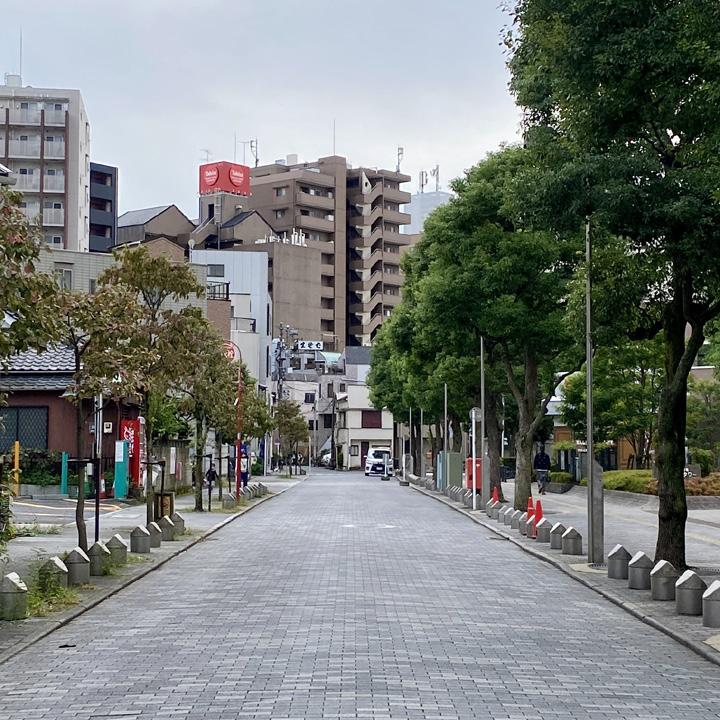
Whether you are looking for a bottle of Sake, some fruit, vegeta bles or an afternoon snack, you can habitually find them parked in the back of a car or a truck outside some residential train stations or market streets.
079 078
Sumida - Azumabashi
Mixed-Use Sidewalks
Raised Sidewalks
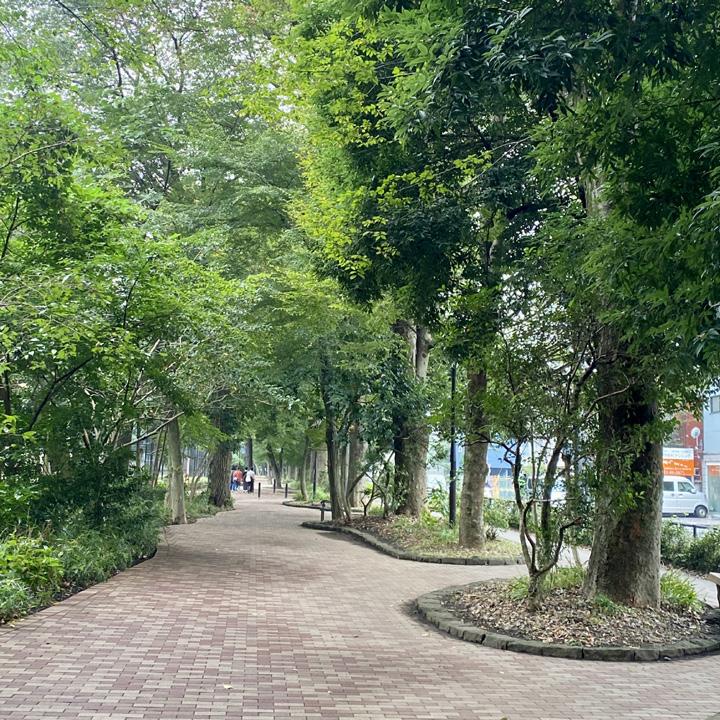
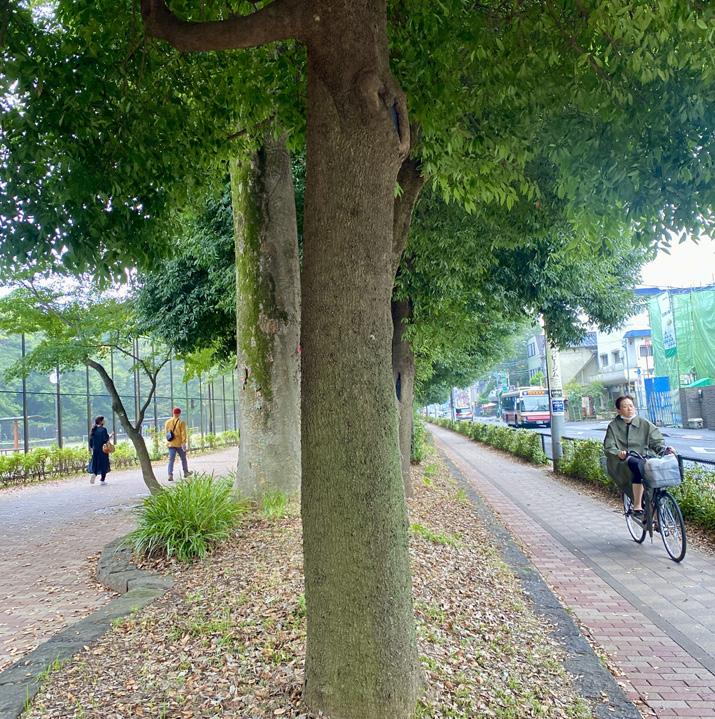
Inokashira Park|Kichijoji - Dori Avenue
´On a small scale, Tokyo is a very green city. Narrow, intimate streets are filled with potted plants that form personal gardens. The larger-scale green parks and the boulevards that are lined with trees were made during the Meiji era, but the oldest and highest trees you will find on shrine grounds. So look out for tall trees at the skyline and you’ll most likely find a shrine´.
Inokashira Park|Kichijoji - Dori Avenue
Close to Inokashira park, this pleasant sidewalk can be found adjacent to a tennis facility. Divided into three parts: a walkway, green strip, and bicycle lane, this sidewalk provides a comfortable kind of ‘getaway’ from the sidewalks of Tokyo. The sidewalk is amply providing all necessary functions, besides public seating.
081 080
Mixed-Use Sidewalks
Pedestrian Only - Sidewalks
083 082
Suginami - Koenji Minami
Nishishinjuku
Mixed-Use Sidewalks Street Vegetation
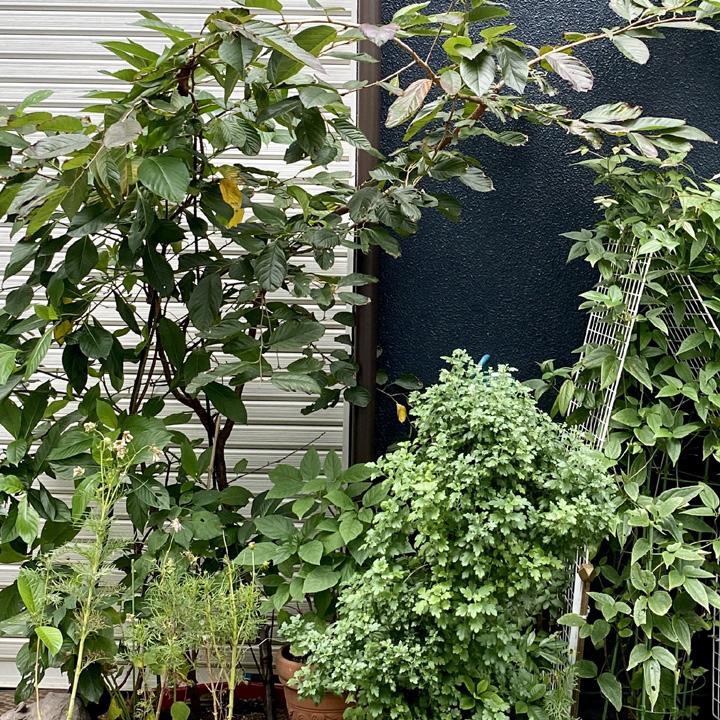
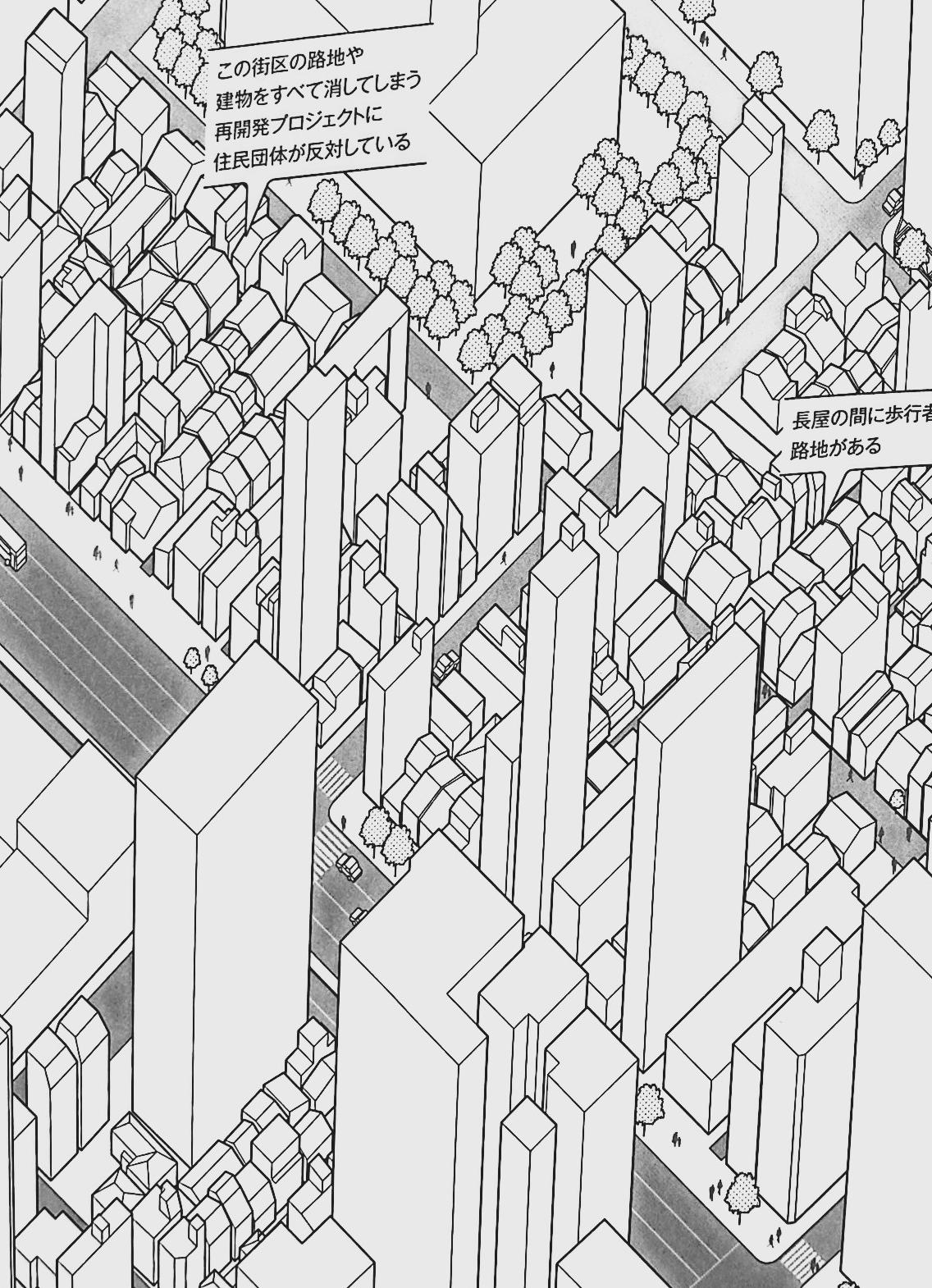
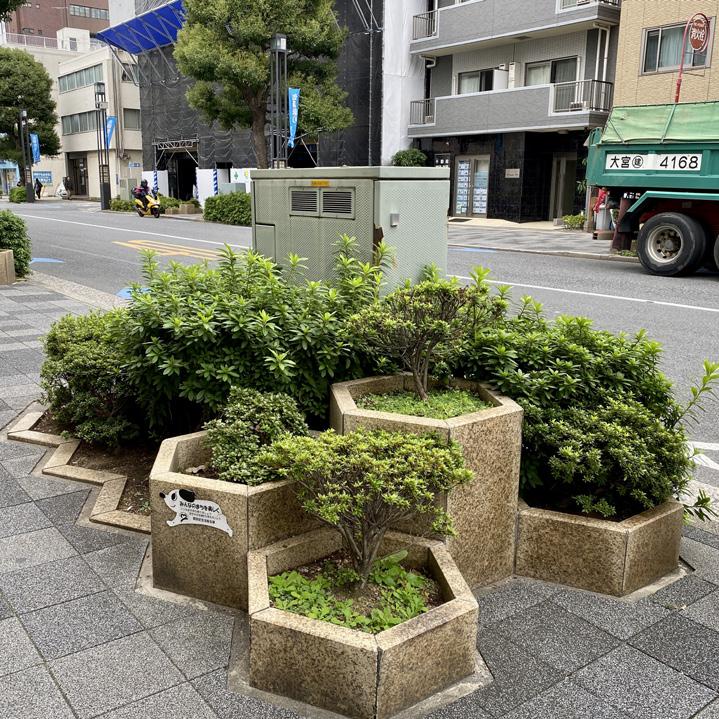
‘The idea of Japanese closeness to nature took hold during the Meiji period (1868-1912), when Japan tried to define its identity in re lation to the west. Western orientalist imagery was appropriated by the Japanese. Character istics that were meant to suggest the weakness of Western people were redefined as strengths. Westerners had supposedly become alienated from nature, whereas the Japanese had stayed true to their close relation with it. The love of nature was presented as the nature of the Jap anese. In Tokyo nature is far away, and there aren’t a lot of parks. Inhabitants of the city create makeshift gardens in front of their door. Nature is present in the many potted gardens you see throughout the city.´
Text Source: Tokyo Totem / Julian Worrall
Drawing Source: Emergent Tokyo_Designing the Spontaneous City / Joe McReyn
085
Sumida - Kamezawa
Mixed-Use Sidewalks Street Vegetation
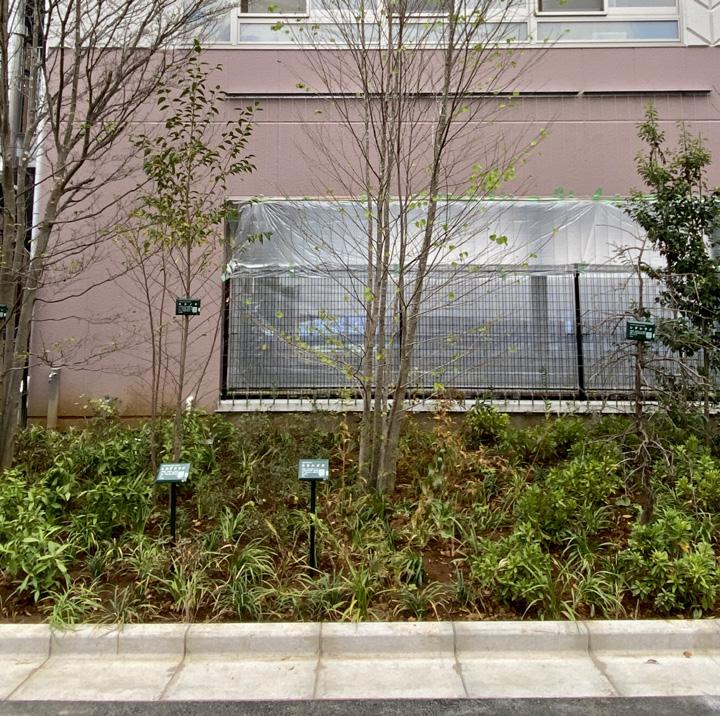
Both public and private vegetation can be found here. Cars in conveniently parked in the walking areas and signs taking up the sidewalk.
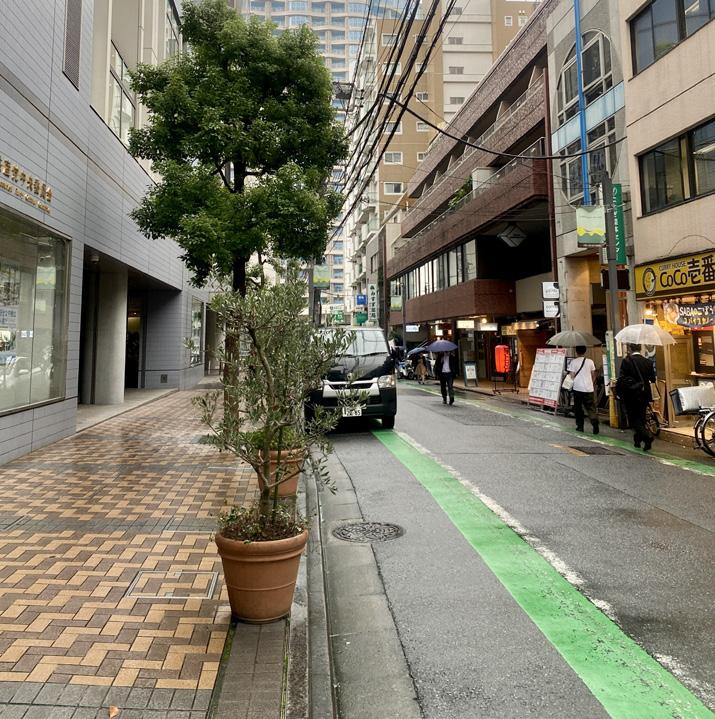
087 086
Koto - Tomioka
Shibuya - Sendagaya
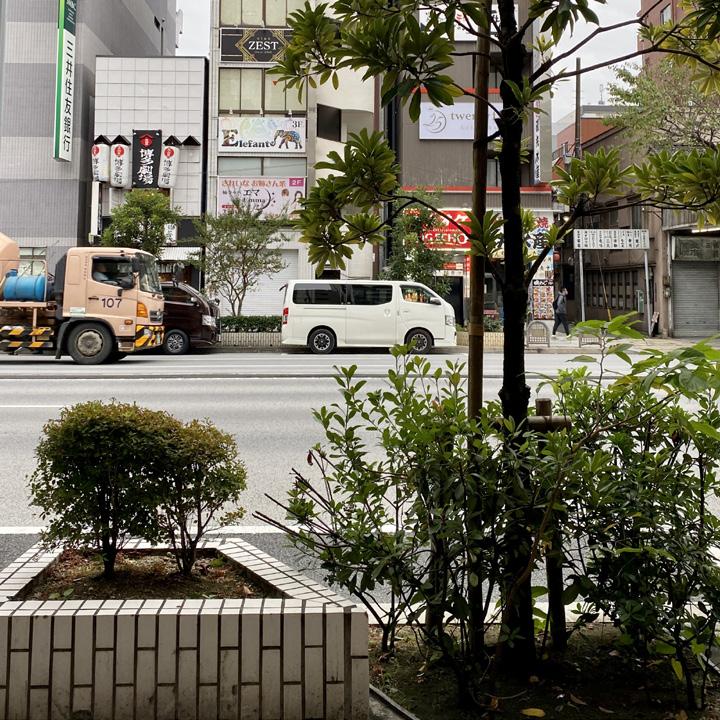
Mixed-Use Sidewalks Street Vegetation
089 088
Sumida - Kamezawa |Hokusai - Dori Avenue Sumida - Kamezawa |Hokusai - Dori Avenue
Mixed-Use Sidewalks
Private Street Vegetation
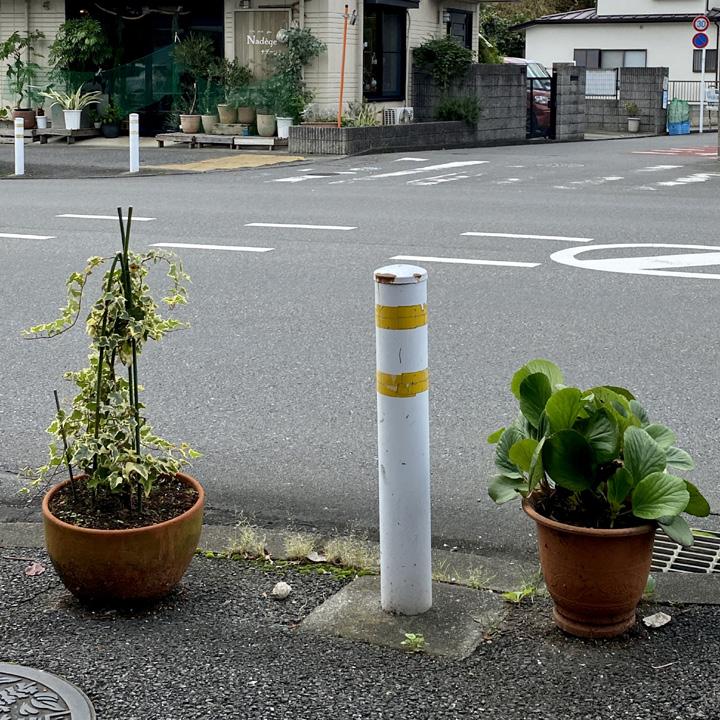
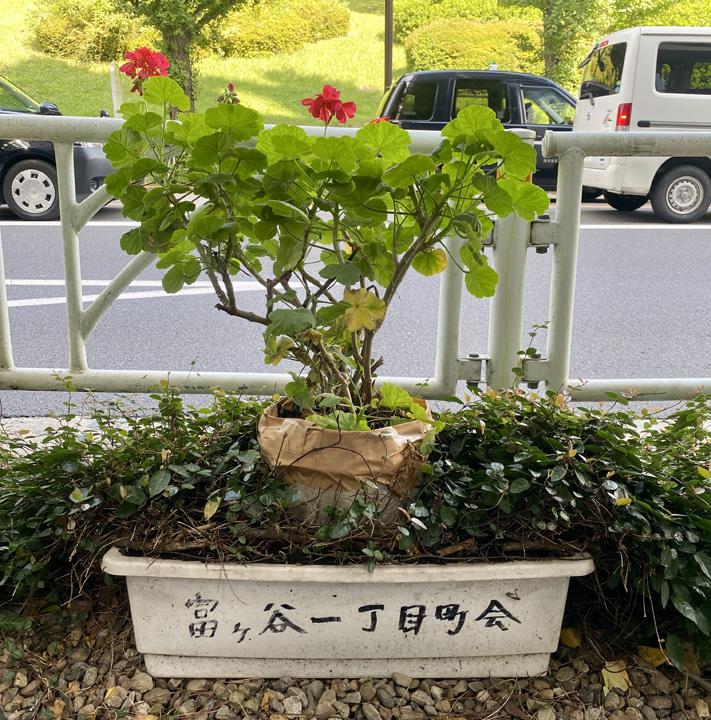
Shibuya - Yoyogikamizonochō
Expensive bonsais, small plants, and even large planters can be found on sidewalks. People respect these additions and do not steal them. The value that they add to the street is not only for the neighbours but for everyone passing by.
091 090
Machida - Oyamamachi |Kubogayato - Dori Avenue

Residential Sidewalks

Single Solid White Line Sidewalks No Line Sidewalks, Coloured Line Sidewalks & Paved Sidewalks Raised Sidewalks
Private Street Vegetation
095 094
3
Residential Sidewalks
Single Solid White Line Sidewalks
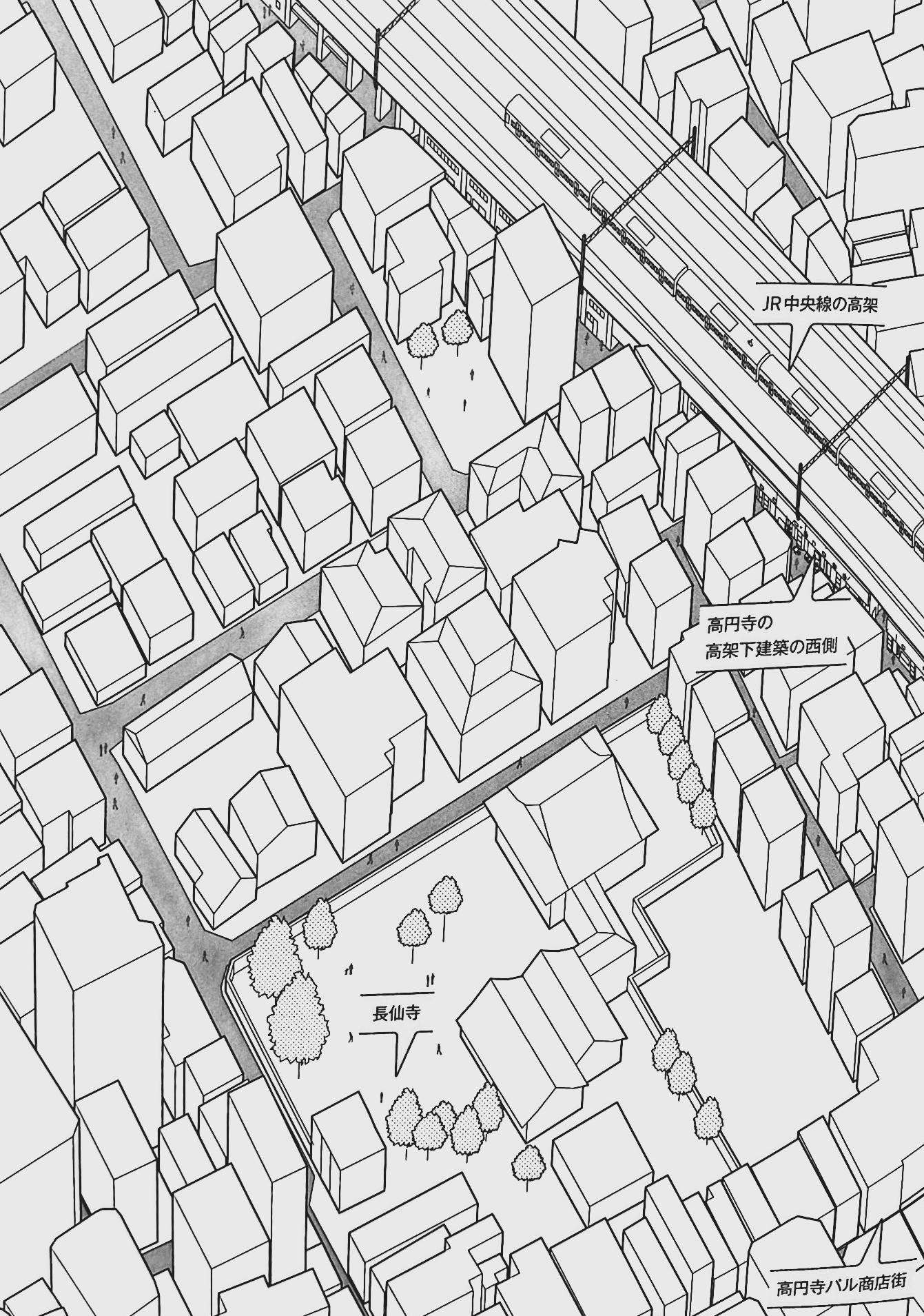
‘The urban organism of Tokyo has reached its maximum size. Its individual parts are taking on their own patterns of development, at differ ent paces, and different scales. There is a con stant and fluid internal reorganization taking place: gradually, the car doesn’t fit into the ga rage; the man doesn’t fit through the door. Even the size of man, which used to be the point of reference holding it all together is changing.’
Text Source: Tokyo Totem / Julian Worrall
Drawing Source: Emergent Tokyo_Designing the Spontaneous City / Joe McReyn
097
Minato - Nishiazabu
Residential Sidewalks
Single Solid White Line Sidewalks
Sumida - Mukojima
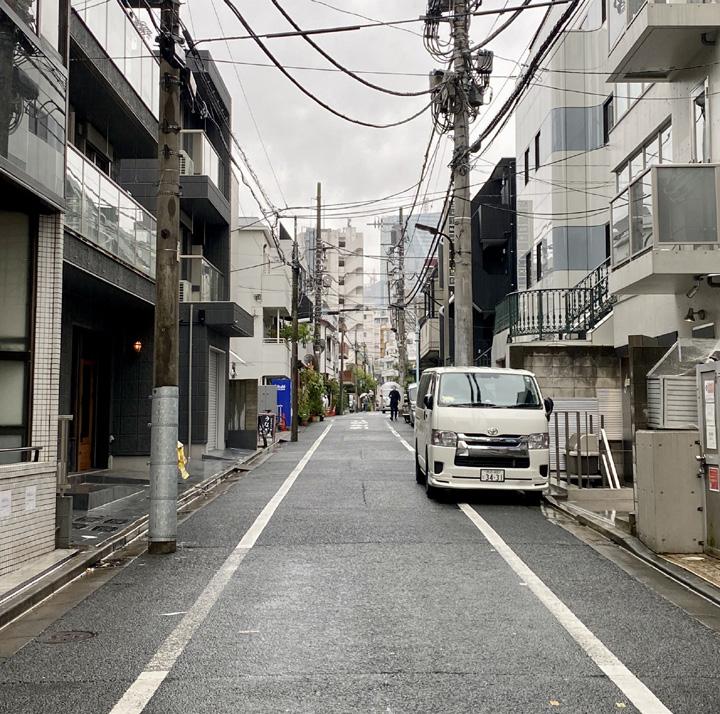
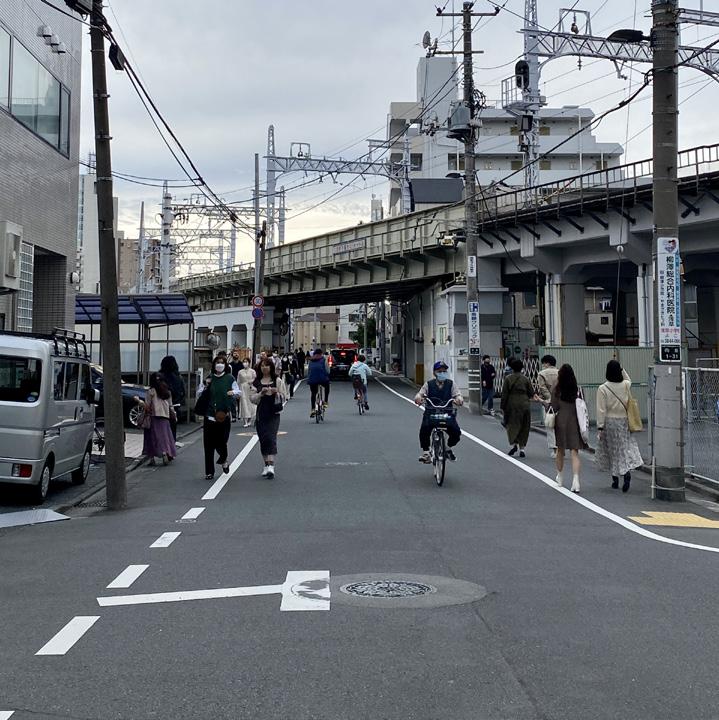
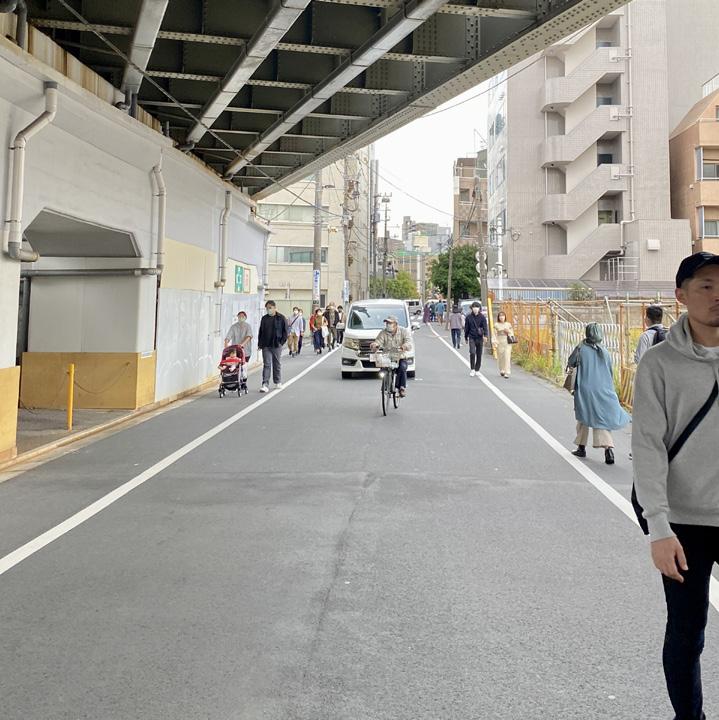
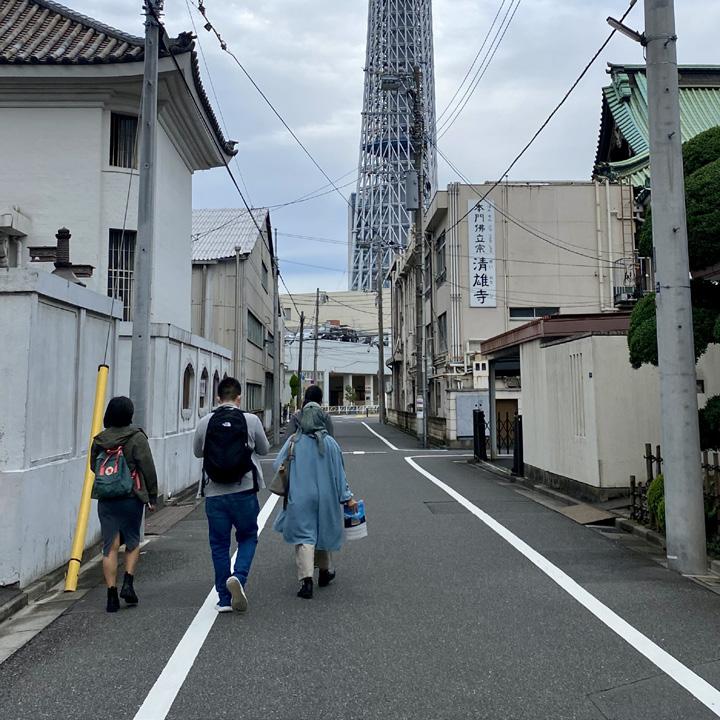
A usual sight on many of the streets in Tokyo. Slight chaos in sidewalk and road use. There is a kind of unspoken common un derstanding between cars, cyclists, moto cyclists, and pedestrians, whereby when the road is unused it can be used by other users. In this case, there is no bike lane and as the sidewalk is occupied by pedestrians the car must wait their turn.
099 098
Sumida - Mukojima
Residential Sidewalks
Single Solid White Line Sidewalks
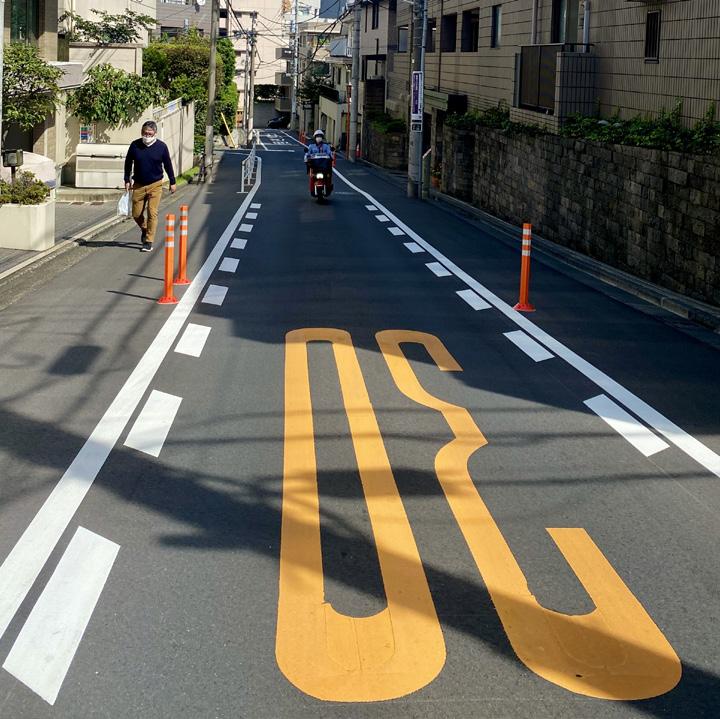
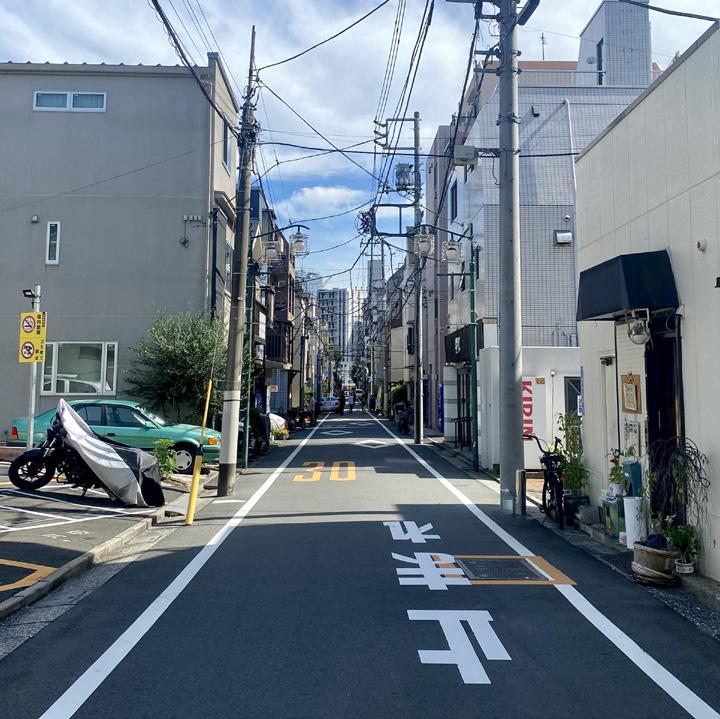
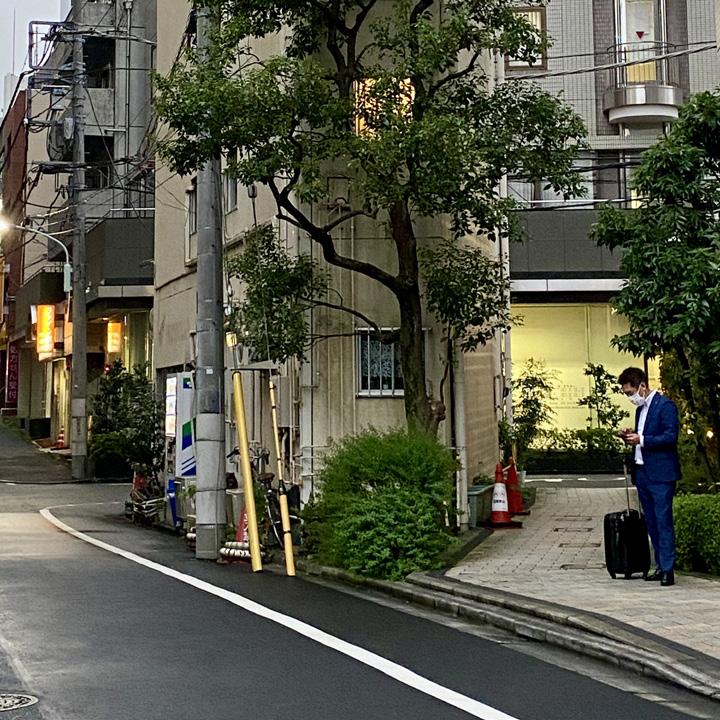
Every so often you will bump into some metallic or plastic el ements/bollard. There is no explanation I can offer for their placement, their position on every occasion appears very random.
0101 0100
Shibuya - Tomigaya Shibuya - Tomigaya
Residential Sidewalks
Single Solid White Line Sidewalks
This corner building splits the street allowing access to the adjacent street. This is not a common typology.
0103 0102
Sumida - Azumabashi Minato - Motoakasaka
Residential Sidewalks Residential Sidewalks
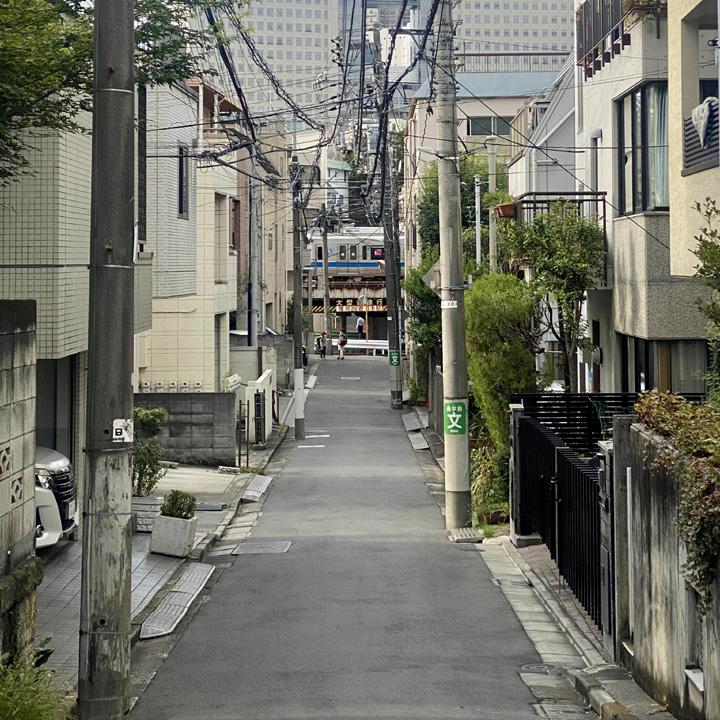
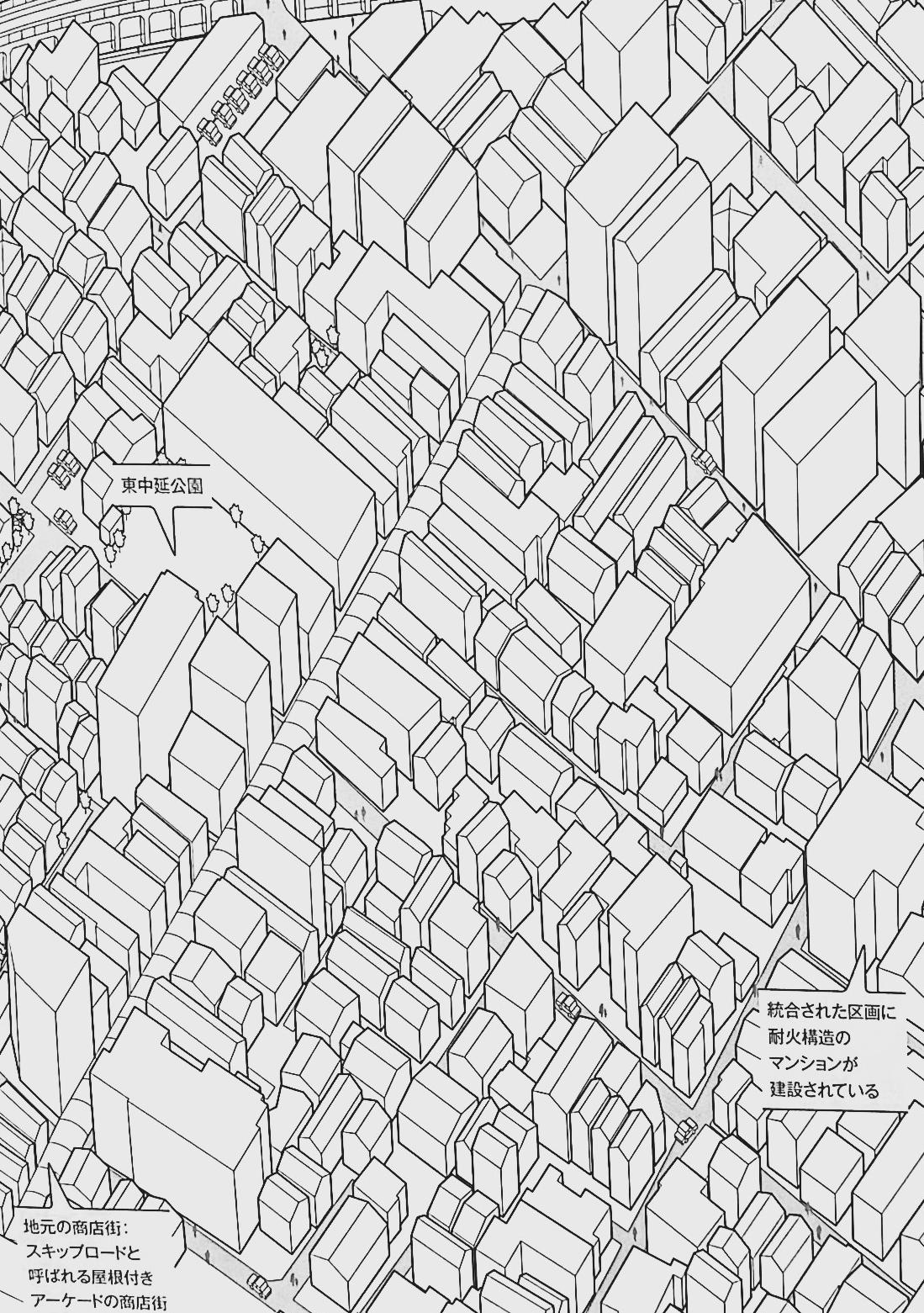
‘The chaotic appearance of Tokyo results from the fact that the layout of Edo was based on height differences in the natural landscape. This is still visible in the city’s fabric today. Although the buildings are very different, the original spa tial arrangement has not changed much since Edo times. High-lands and valleys defined where Samurai houses and merchant quarters were built. With the abolishment of the Samu rai system during the Meiji Restoration (1868-1912), the Samurais’ large estates became the grounds for public buildings and govemment facilities. The number of small plots belonging to houses in the low-land made it difficult to develop large buildines on them. This smaller scale of housing still exists in the valleys of central Tokyo.’
Text Source: Tokyo Totem / Julian Worrall
Drawing Source: Emergent Tokyo_Designing the Spontaneous City / Joe McReyn
0104
No Line Sidewalks, Coloured Line Sidewalks & Paved Sidewalks
No Line Sidewalks, Coloured Line Sidewalks & Paved Sidewalks
Yoyogi PA (Outbound)
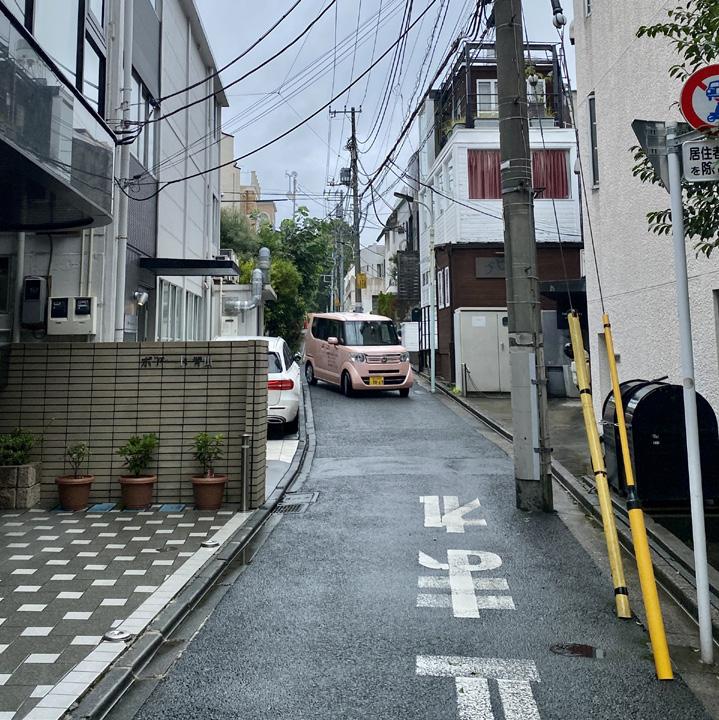
Offsets are now turned into extra private spaces for the homeown er, private garages, or small gardens
Residential Sidewalks
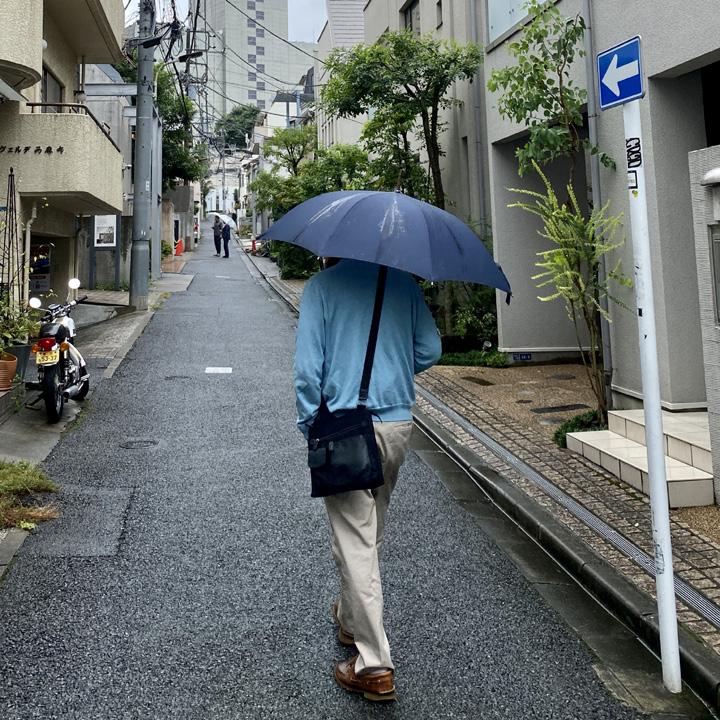
No Line Sidewalks, Coloured Line Sidewalks & Paved Sidewalks
0107 0106
Minato - Minamiaoyama Minato - Nishiazabu
Residential Sidewalks
No Line Sidewalks, Coloured Line Sidewalks & Paved Sidewalks
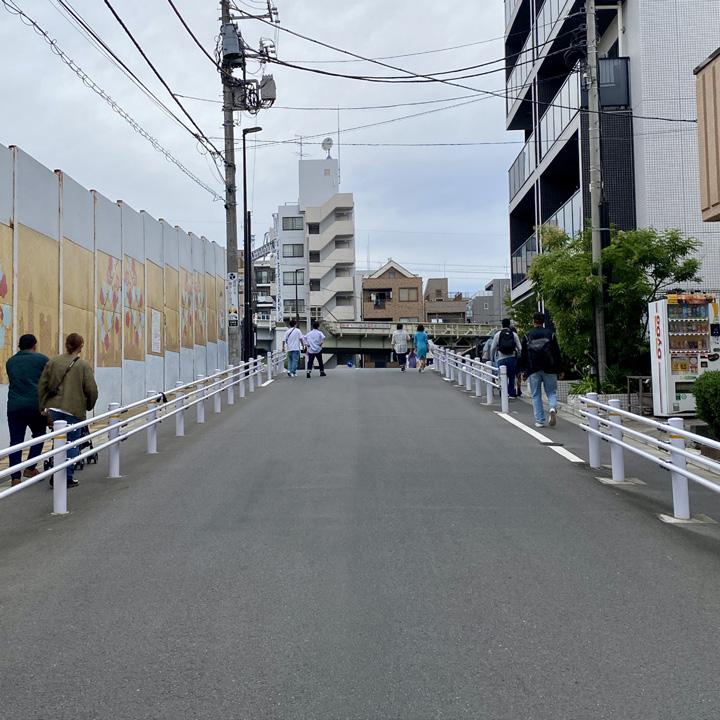
Sumida - Azumabashi
Protected sidewalks such as these are infrequent and pertain to a short span. On the right-hand side, you are able to see a very habitual drink vending machine. These can be found all over the city and are a daily part of Japanese day-to-day life.
0109 0108
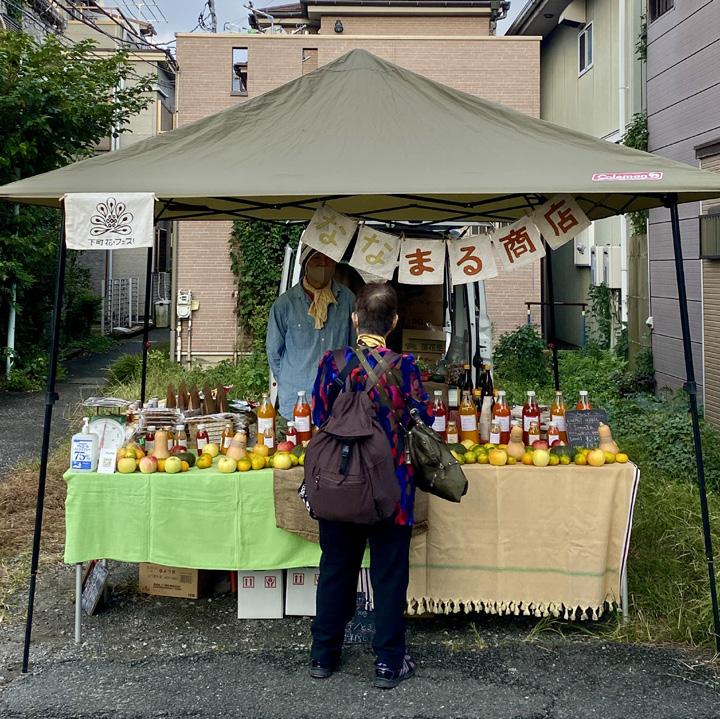
Taito - Yanaka
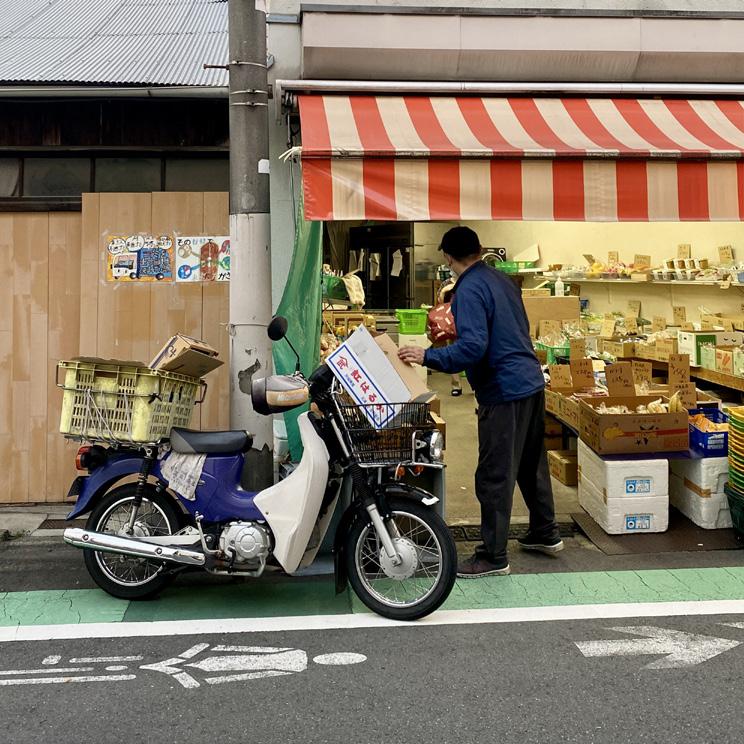
A small market stand selling fruit and juices
Residential Sidewalks
No Line Sidewalks, Coloured Line Sidewalks & Paved Sidewalks
Minato - Nishiazabu
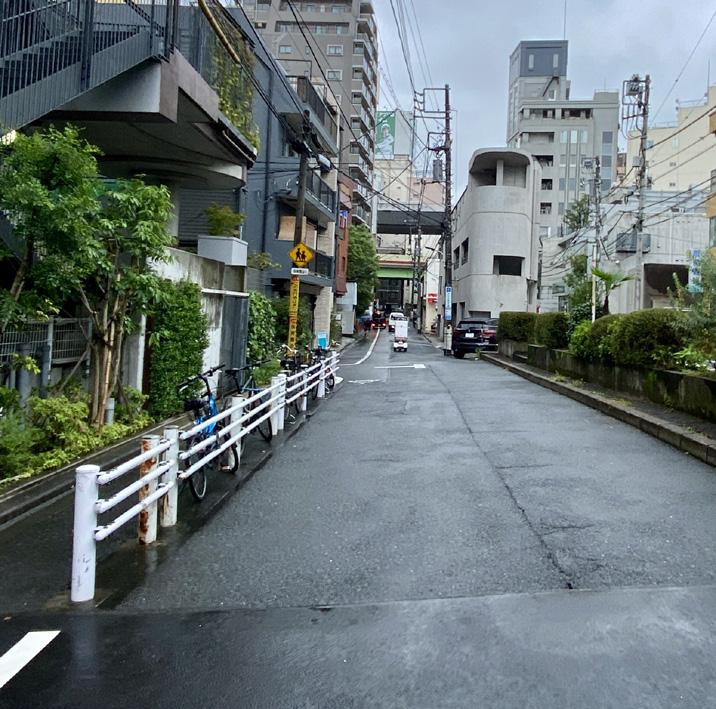
Providing a protective metallic sidewalk to the left but no sidewalk to the right. The metallic fence lasts only a few meters and then the solid unprotected white line sidewalk continues.
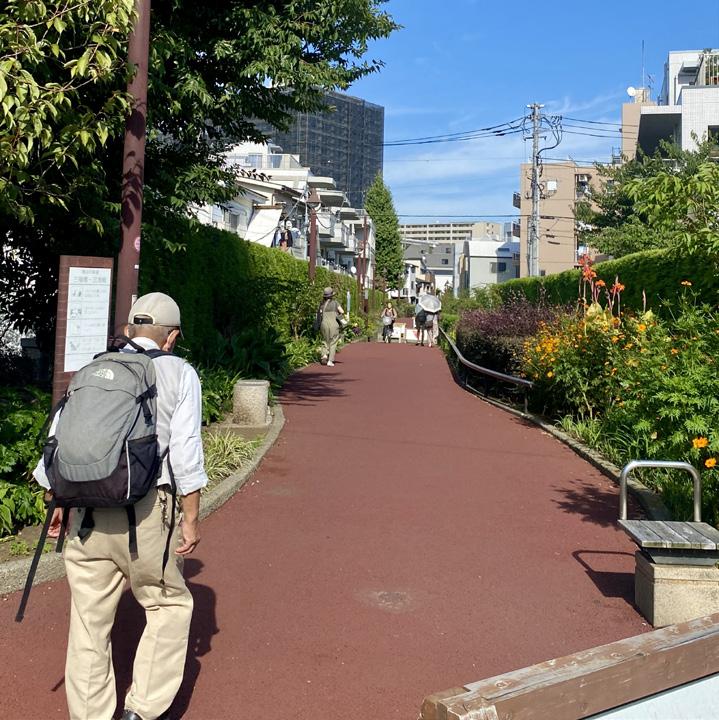
Setagaya - Ikejiri
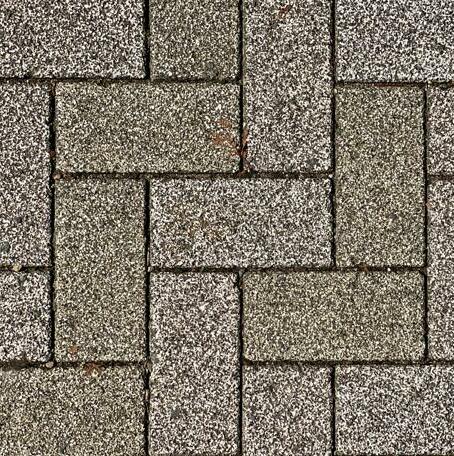
A coloured bitumen sidewalk intersects a large road in Setagaya - Ikejiri also encompasses public furniture seating blocks to the right and public plants.
0111 0110
Residential Sidewalks
No Line Sidewalks, Coloured Line Sidewalks & Paved Sidewalks
0113 0112
Shibuya - Tomigaya Meguro - Komaba
Residential Sidewalks
No Line Sidewalks, Coloured Line Sidewalks & Paved Sidewalks
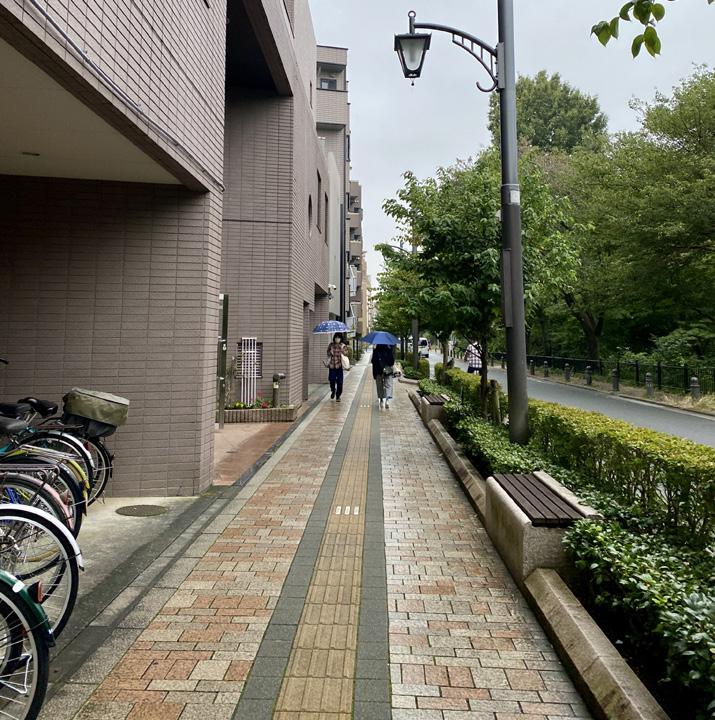
Mitaka - Shimorenjaku
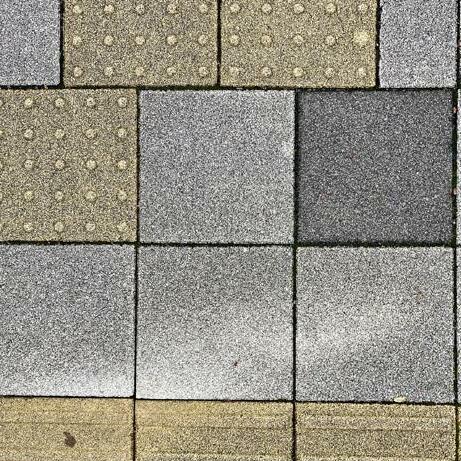
In the middle, a yellow bumpy strip dissects the sidewalk. In Ja pan, this type of typology is used to guide the blind.
Mitaka - Shimorenjaku
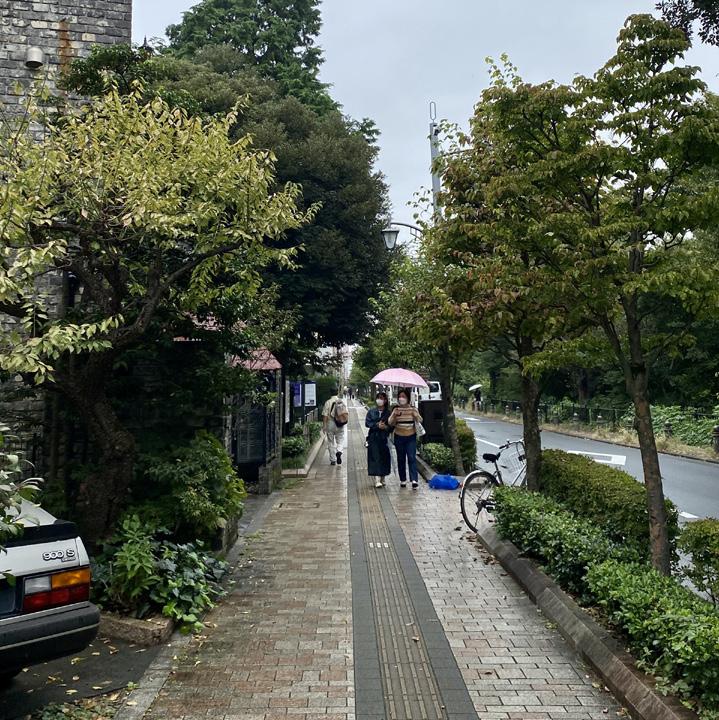
In this image, both public and private vegetation are intersecting, creating a green and pleasant walking path. Also including a safety barrier from motor traffic, and the concrete perimeter houses trees, and bushes.
0115 0114
Residential Sidewalks
No Line Sidewalks, Coloured Line Sidewalks & Paved Sidewalks
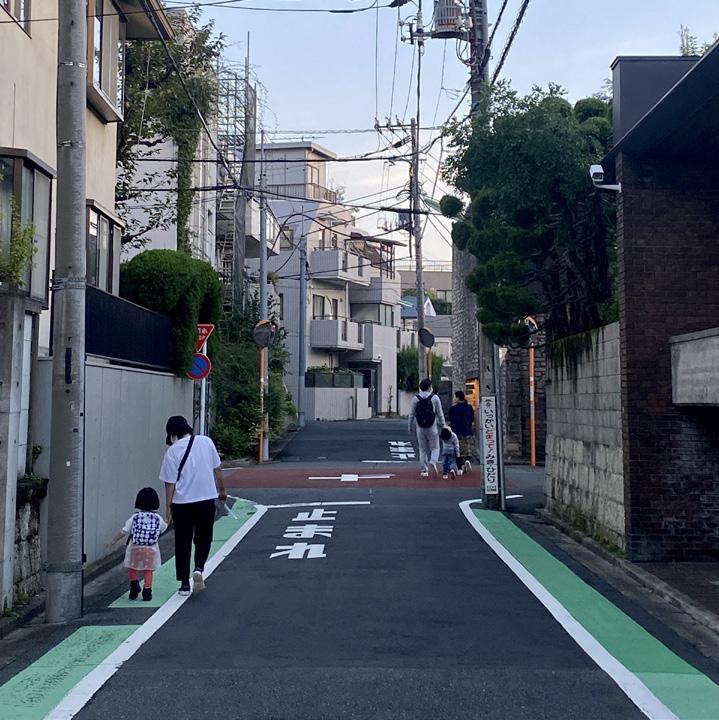
Setagaya - Kitazawa
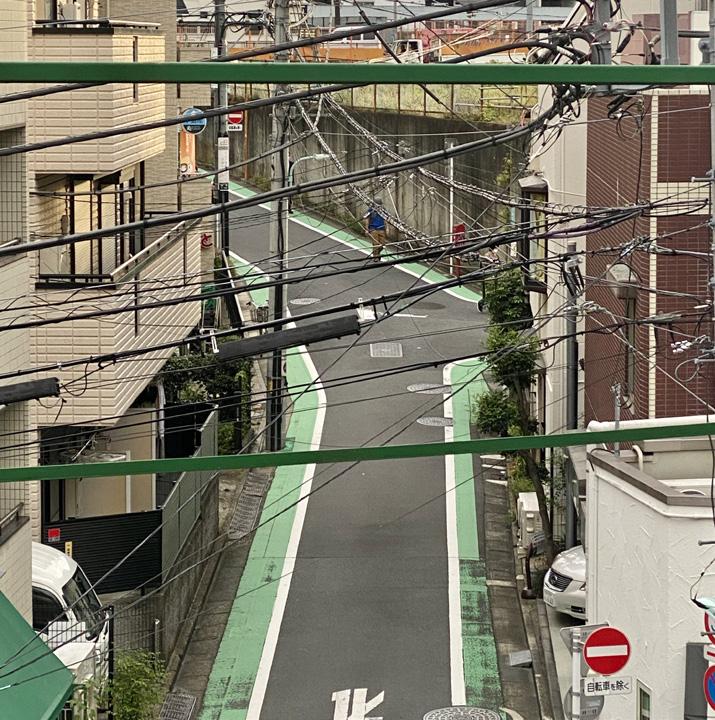
Families walking on the road whilst a scooter approaches. They will quickly move to the sidewalk, however, prior to this pedestri ans take advantage of the empty space without motor traffic. The red lines could refer to the need to decrease speed due to a curve.
Setagaya - Kitazawa
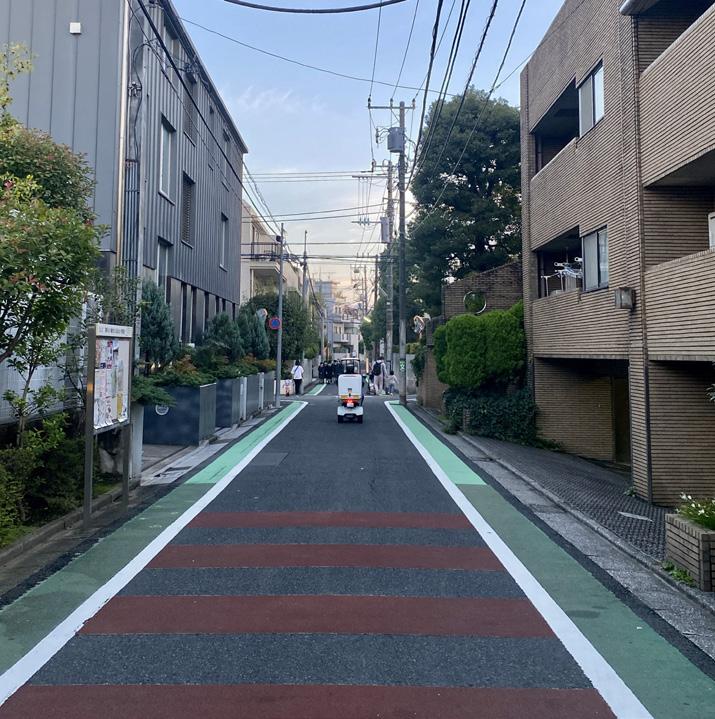
No crossings are painted, the pedestrian needs to make sure that it is safe to cross
0117 0116
Residential Sidewalks
Raised Sidewalks
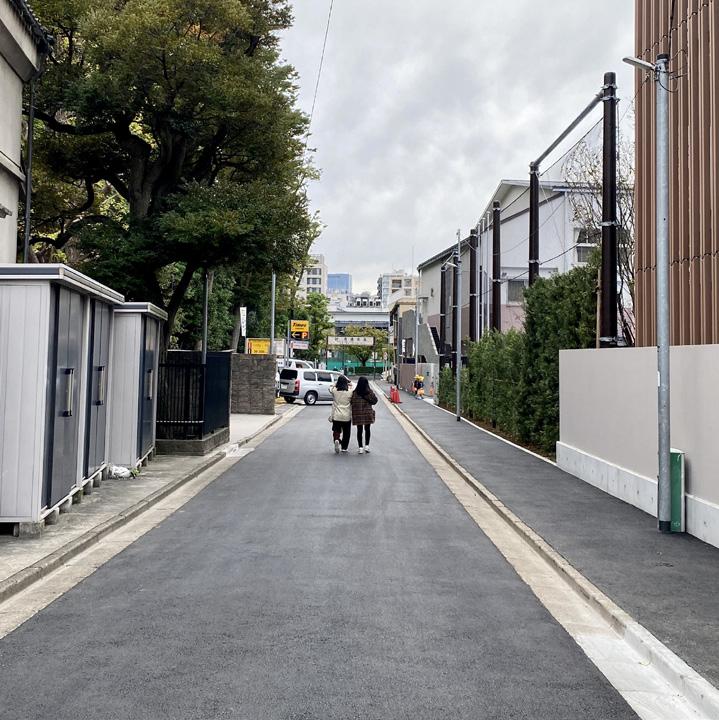
Koto - Tomioka
Pedestrians take a stroll despite the elevated asphalted sidewalk to the right. The width of the road results in a more comfortable walking space for pedestrians.
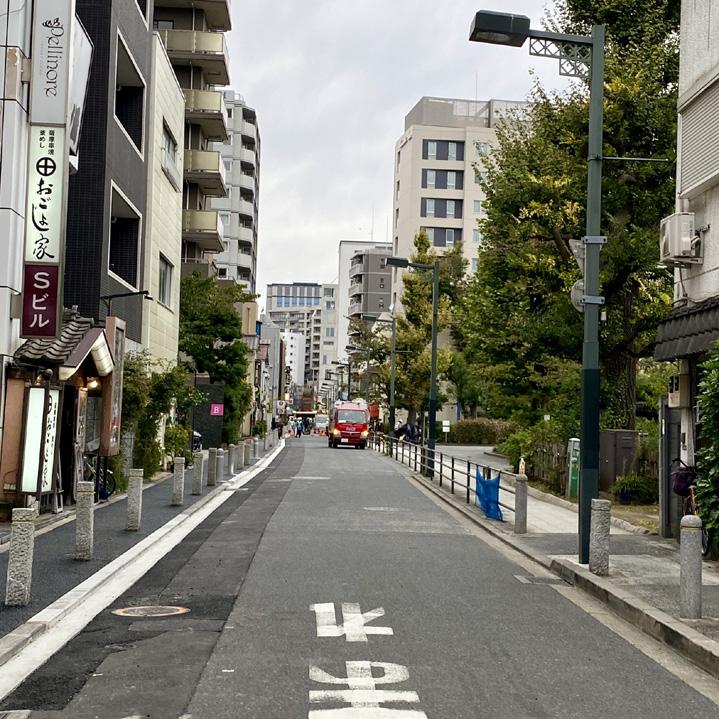
Koto - Tomioka
A mixture of metallic fences and bollards
0119 0118
Residential Sidewalks
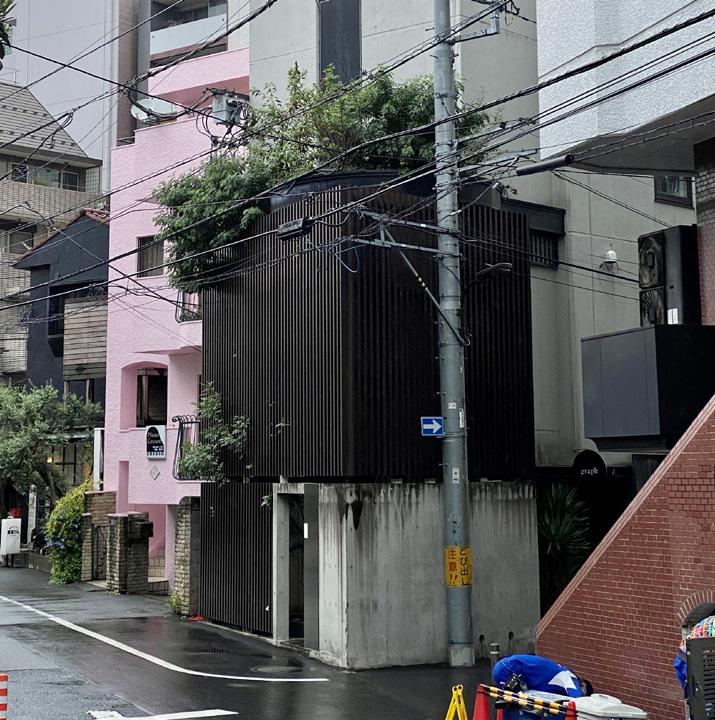
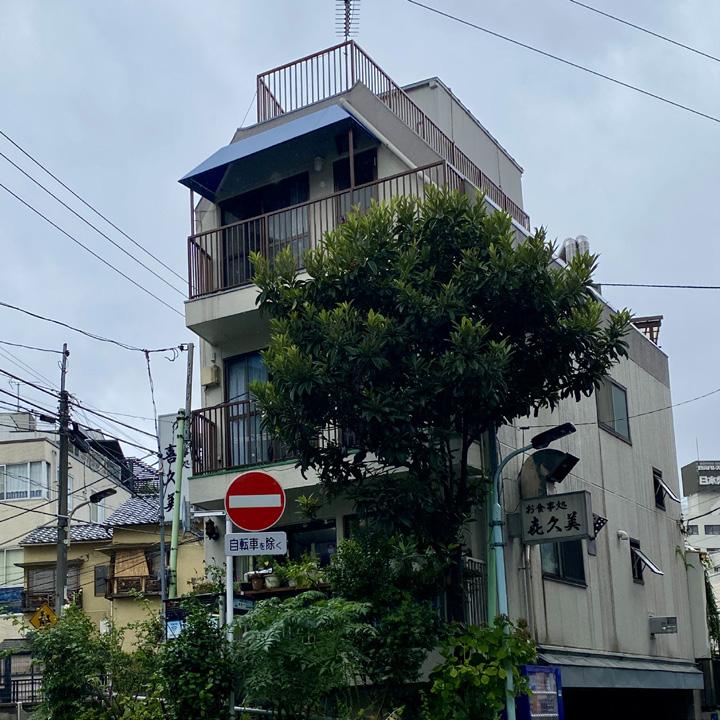
Private Street Vegetation
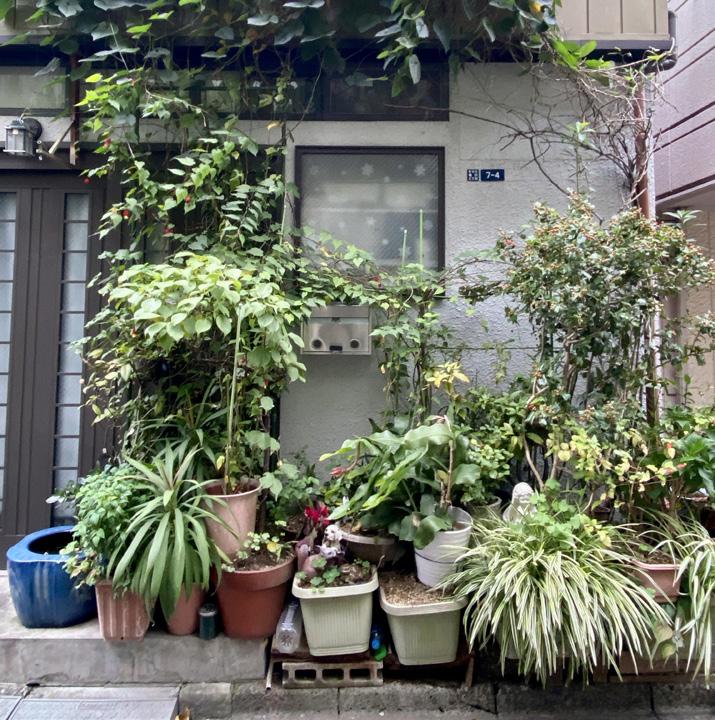
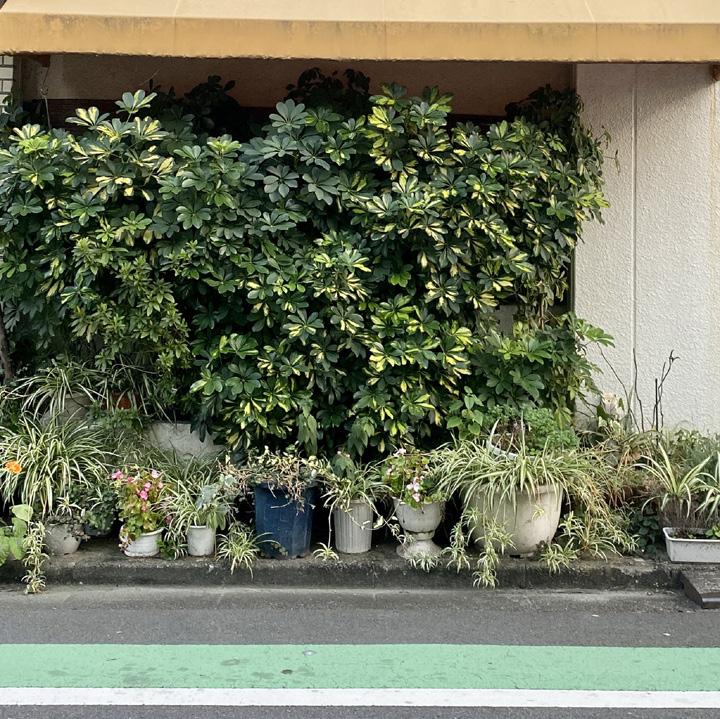
Green roofs in Tokyo are not frequent, however, one can enjoy the sight of plants on the facades of buildings
0121 0120
Minato - Nishiazabu Minato - Nishiazabu
Residential Sidewalks
Private Street Vegetation
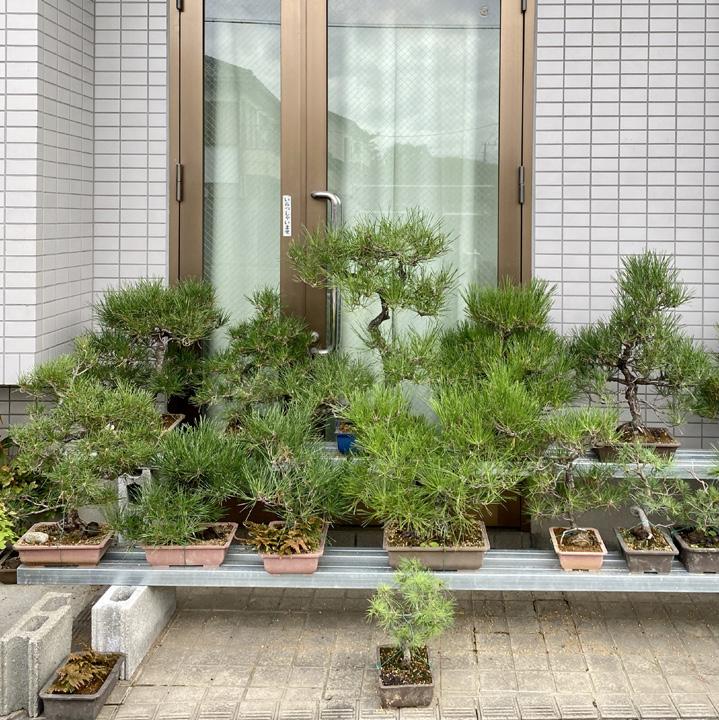
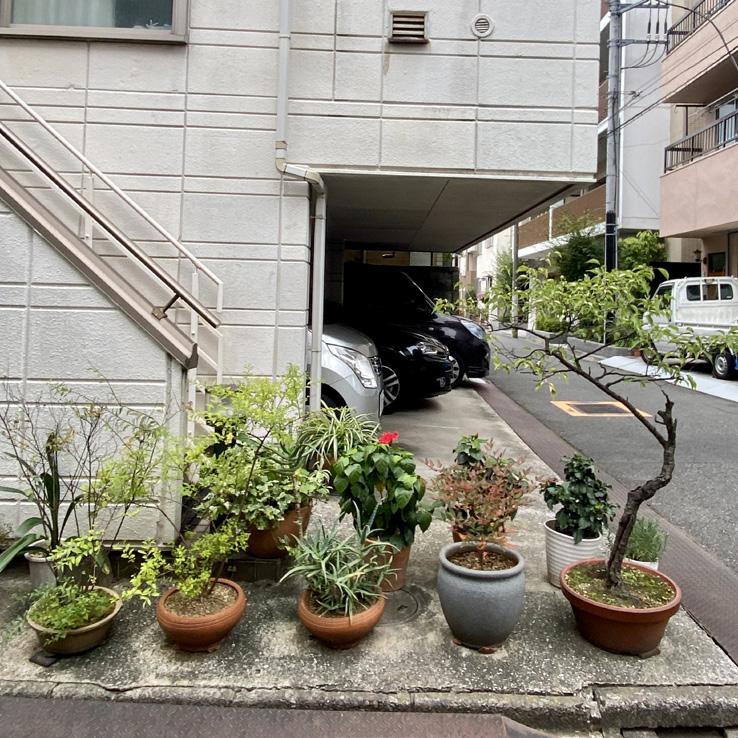
A collection of bonsais can see observed in front of a residential property on the busy avenue Kubogayato. Despite their price, the plants are not stolen from residents or people passing by.
0123 0122
Sumida - Kamezawa Machida - Oyamamachi|Kubogayato - Dori Avenue
Residential Sidewalks
Private Street Vegetation
Chuo - Hatchobori |Garden & House / SANAA
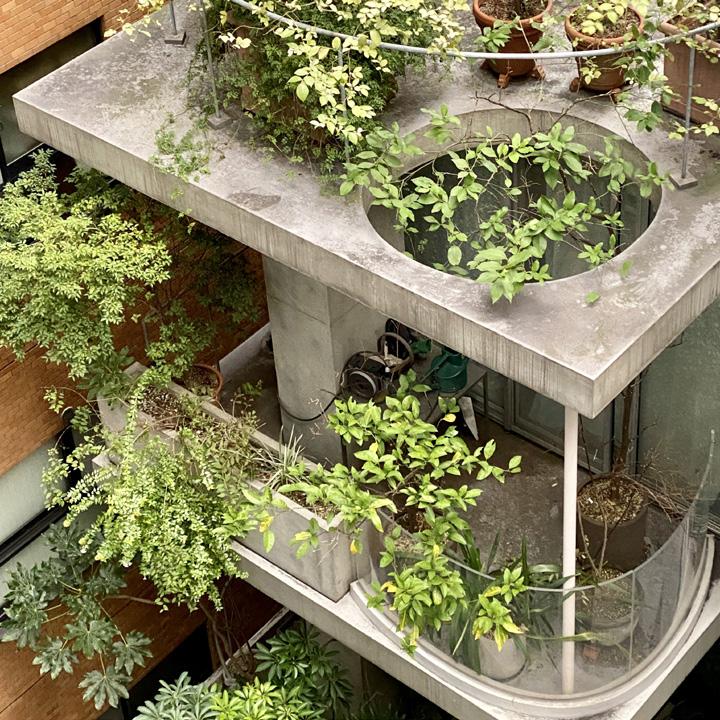
As seen on Pg. (0120), facade and roof vegetation are a great addition to Japanese neighborhoods. Garden & House by SAN AA, 2009 is a prime example of how nature and architecture can intermingle in a harmonious form.
0125 0124
Sumida - Kamezawa
Residential Sidewalks
Private Street Vegetation
0127 0126
Shibuya - Tomigaya Shibuya - Tomigaya
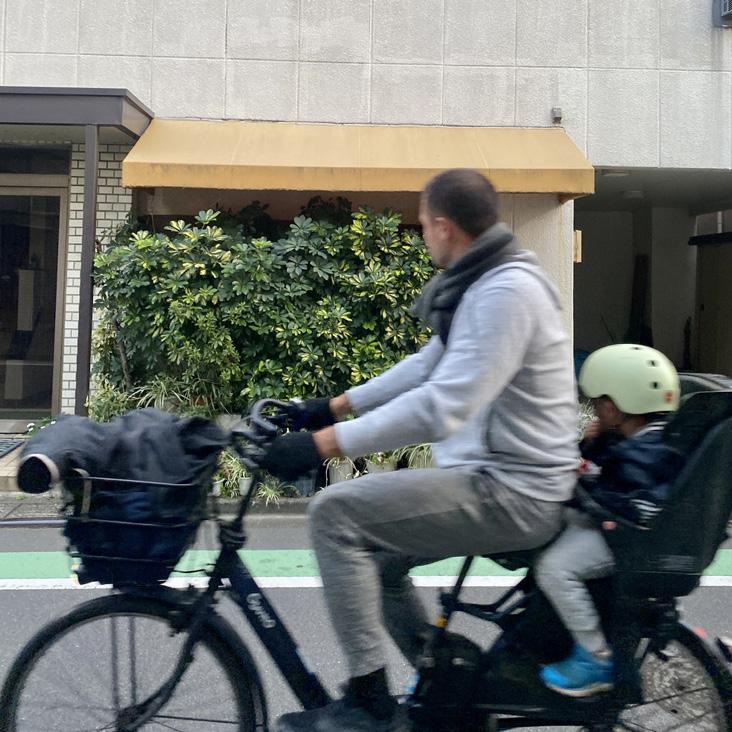
The narrow typology of sidewalks in Tokyo creates a fusion of dy namic functions, giving the car, motorbike, cyclist, and pedestrian the same power and responsibility to share the street in a harmoni ous and respectful manner. The driver here is not seen as superior but rather an active member partaking in the safety and movement within the urban fabric of the city.
There is a unique blurriness present, a mutual line of commu nication between all sidewalk and road users. A balance is attained whereby pedestrians examine the walking conditions and choose the safest and most comfortable route depending on the presence of motor vehicles.
Concluded observations are demonstrated below in dot point for mation:
• When there are no motor vehicles in sight pedestrians in residential areas use the road instead of the sidewalk, this being whether there are large sums of pedestrian traffic or not. Further more, cyclists, use their designated bicycle lane, cycle on the road, or alternatively cycle on the sidewalk. Cyclists peddle on the side walk as a result of feeling safe when the roads are full of traffic or not.
• Commercial sidewalks are generally elevated and ac companied by a metallic fence. Residential side-walks are nor mally not elevated (rest on the same level as the road) and have a single solid white line, two lines (green and white) or no line, in ad dition to no crossings, meaning that the pedestrian needs to decide when it is safe to cross. Mixed-use sidewalks commonly have some offsets providing vegetation and a more ample sidewalk, strictly where the building is positioned.
• Offsets between the building and the sidewalk within To kyo is completely random. At times you have a wide offset and other times a thin one which at best can fit one pedestrian. Offsets in residential areas can be turned into extra private spaces for the homeowner, private garages, or small gardens.
• The lack of public furniture within the city creates ur ban streetscapes that do not promote rest, gathering nor ob servation. Public seating can only be found in public parks, or found in front of upmarket buildings which are barely used due to their cold heavy design and placement. If one needs to sit down in the city generally one has to consume; whether outside a supermarket, at a restaurant or at a bar nearby. This tends to lead to a more capitalistic form of socialising within the city. Public furniture is only found in commercial areas and on some occa sions in mixed-use and residential areas. Within residential areas it is a result of redevelopment.
• Within the city personal fitness such as jogging on the sidewalk is generally not undertaken due to the dense urban atmosphere, obstacles such as signs and seating which inter feres with the sidewalk and large crowds of pedestrian traffic Joggers tend to exercise in local parks, however there are no outdoor urban gyms available.
• Playgrounds for children can scarcely be found at local parks and also in some public residential squares. On many oc casions, children can be seen interacting with public sculptures.
• Public and private vegetation within the city is present on almost every street. As a great sum of greenery comes from private properties and small/medium businesses, the streets appear more inviting and pleasant. When private vegetation collides with public vegetation, an ideal biophilic environment is created. Street vegetation in residential areas is solely a source from private properties, there is no public vegetation present.
• Sidewalks close to parks are slightly wider and pertain vegetation. This also applies to sidewalks next to a river or body of water.
0129 0128 Conclusion
• Raised sidewalks with base separators for mixed-use sidewalks and residential sidewalks are exceptionally rare. Used predominately for water overflowing purposes and are some times accompanied by a metallic fence.
• Disabled access can be found in many contemporary ur ban projects, parks and stations, however, movement throughout the city can be exceptionally awkward due to random elevated sidewalks, offsets and narrow streets.
In conclusion sidewalks on the same level as the road provide op portunities for social interaction and future activities, in addition to creating a safe walking environment. This is a direct result of the road user needing to slow down and pay attention to pedestrian and cycling traffic. Ideally, this street typology would be much improved if the pedestrian lane was expanded and offsets removed due to their bothersome and potentially dangerous typology. This change would also improve disabled mobility within the city.
Worrall, Julian. Tokyo Totem - A Guide To Tokyo . Flick Studio, 2015.
Kuroda , Junzo, et al. Made in Tokyo. Kajima Institute Publishing, 2001.
Almazán Jorge. Emergent Tokyo: Designing the Spontaneous City. ORO Editions, 2022.
0131 0130 Conclusion
Bibliography
On Foot in Tokyo Tokyo Street Typologies
© 2022 Rachael M. Verdugo
© Photography: Rachael M. Verdugo
Tutor: Ryo Murata | Aiko Kawanishi
Tokyo Institute of Technology (Tokyo Tech)
Department: School of Environment and Society
SERP Scholarship: Universidad Politécnica de Madrid Escuela Técnica Superior de Arquitectura de Madrid (ETSAM)
0132