ON FOOT IN TOKYO
RACHAEL VERDUGO
©
Tutor: Ryo Murata | Aiko Kawanishi
Tokyo Institute of Technology (Tokyo Tech)
Department: School of Environment and Society
SERP Scholarship: Universidad Politécnica de Madrid
Escuela Técnica Superior de Arquitectura de Madrid (ETSAM)
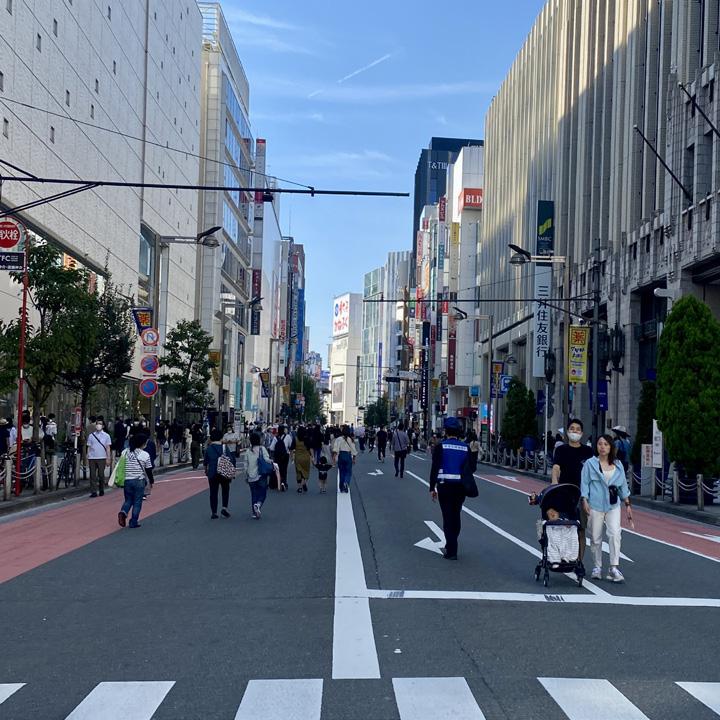
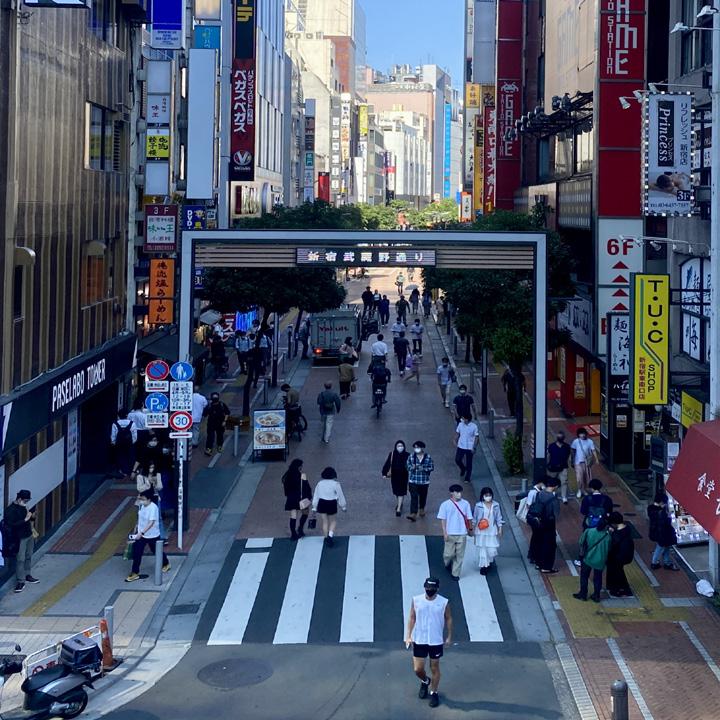
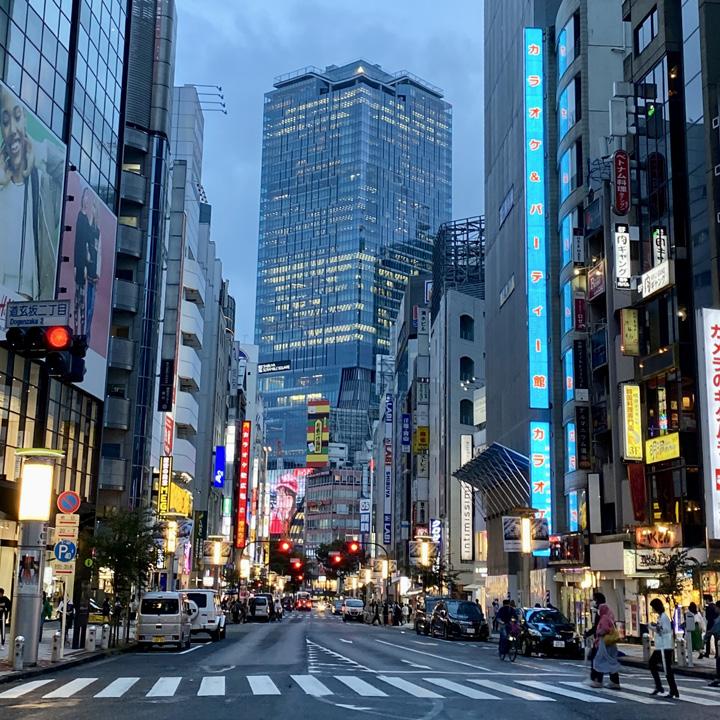
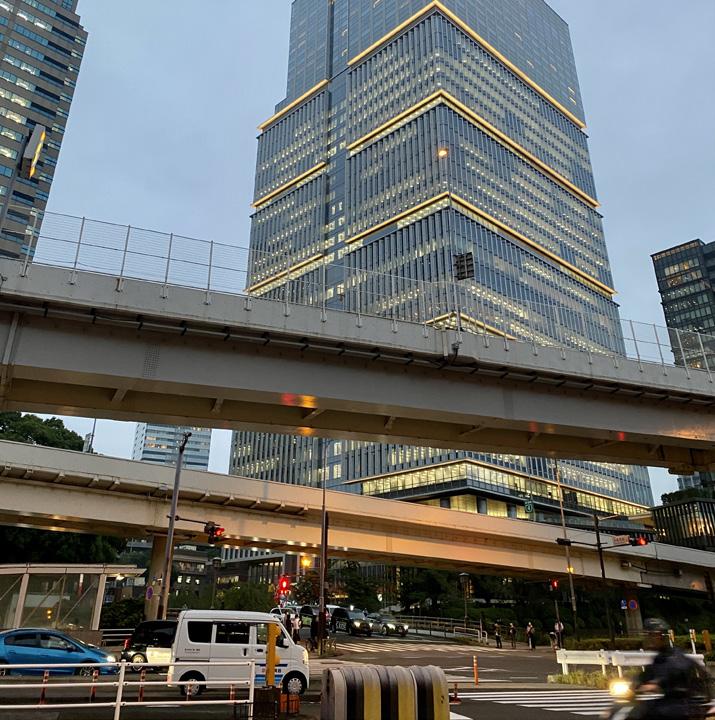
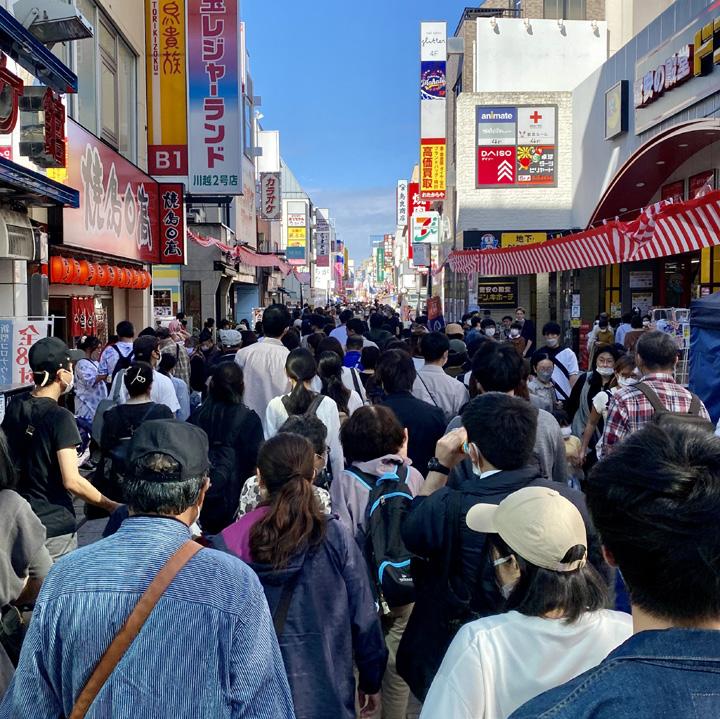
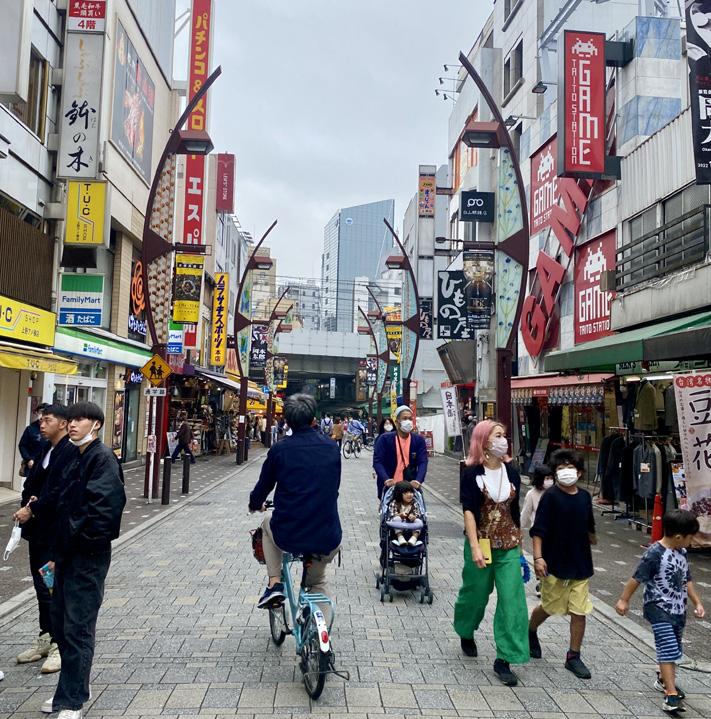
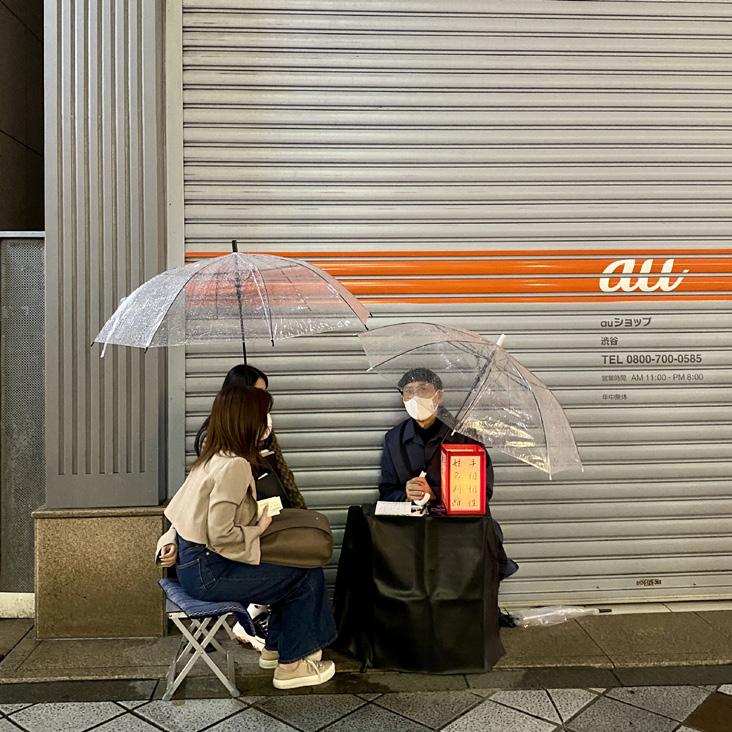
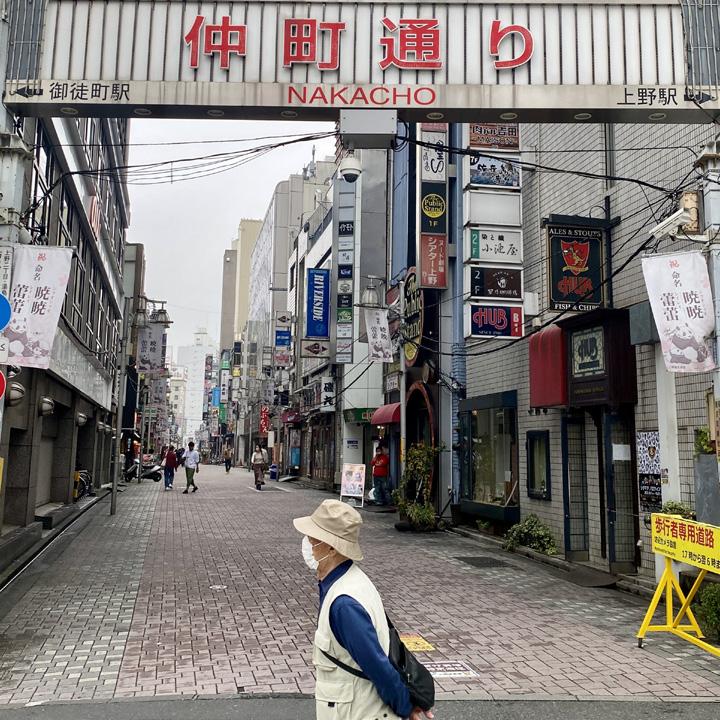
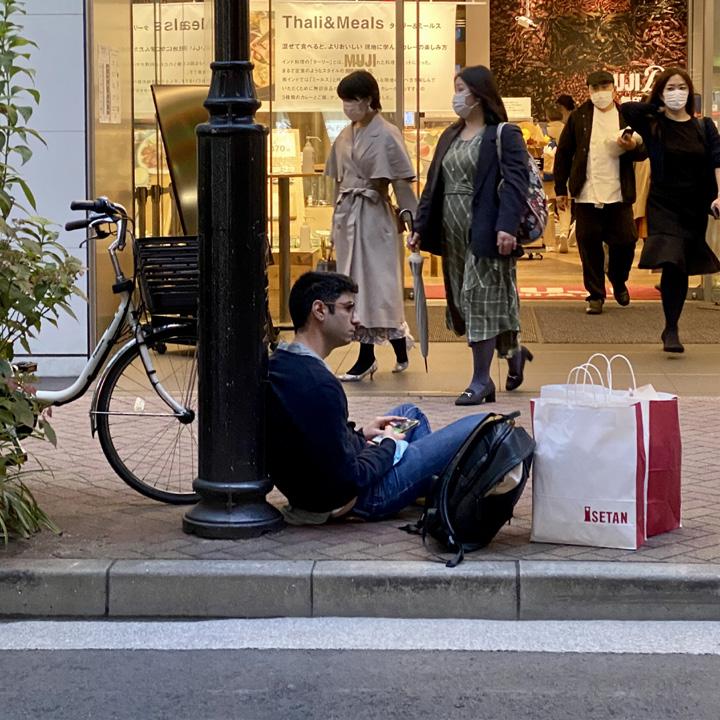
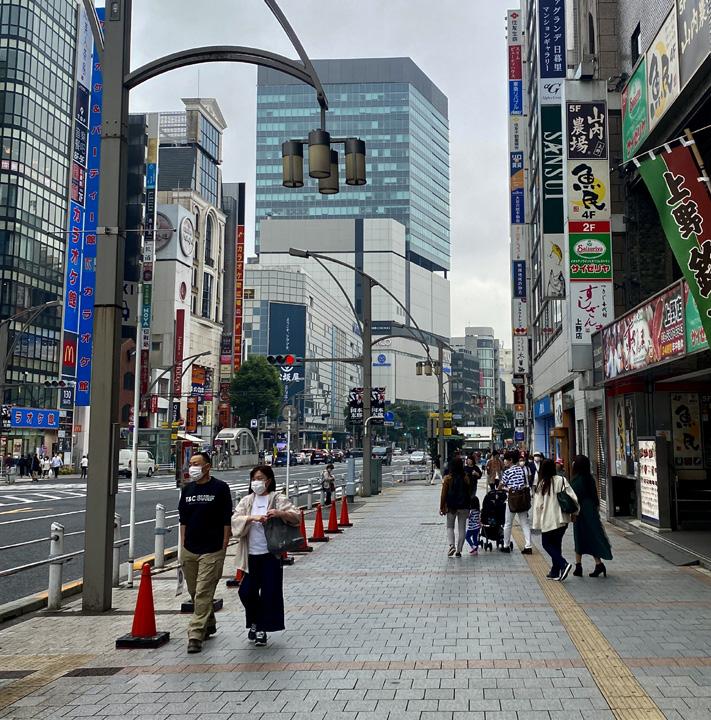
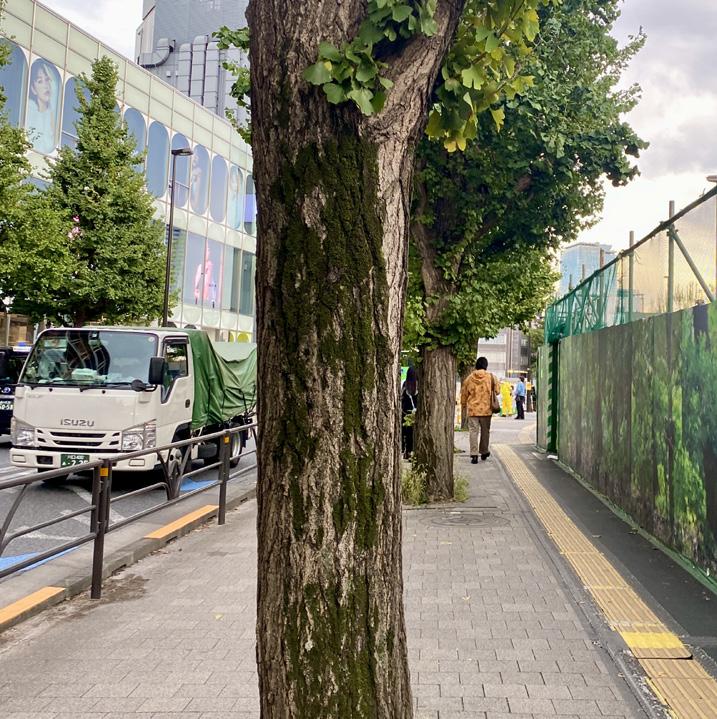
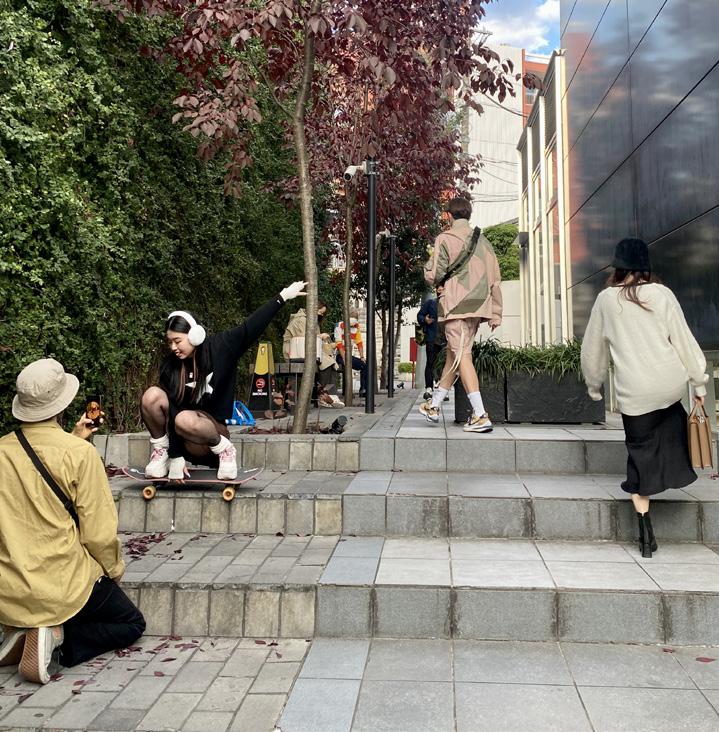
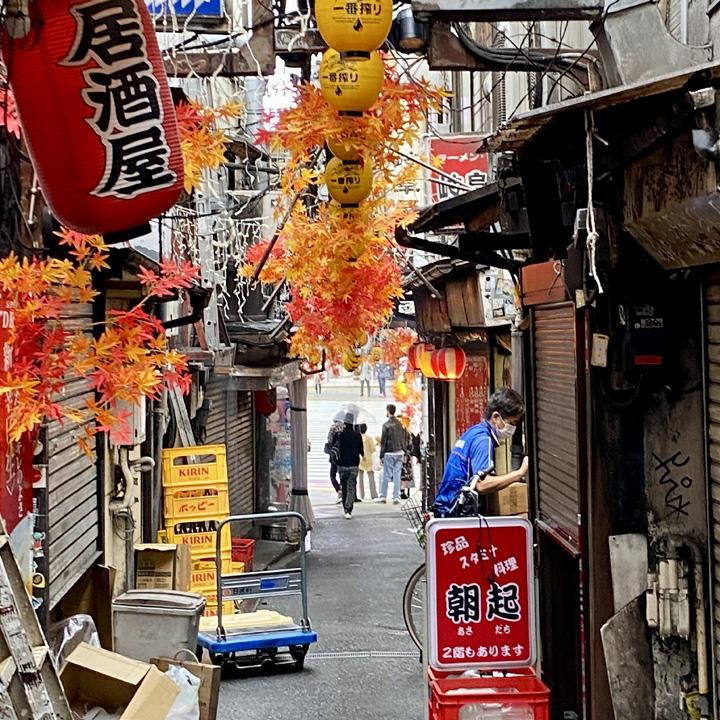
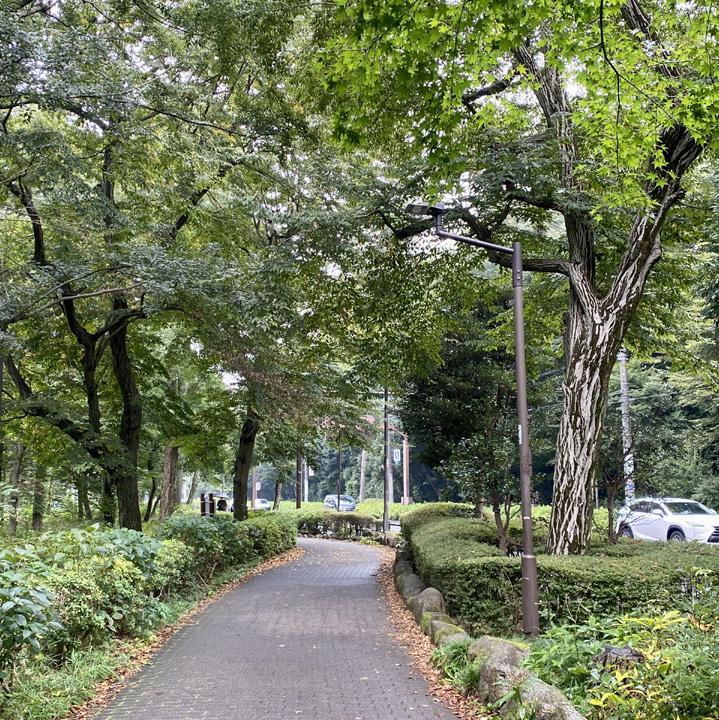
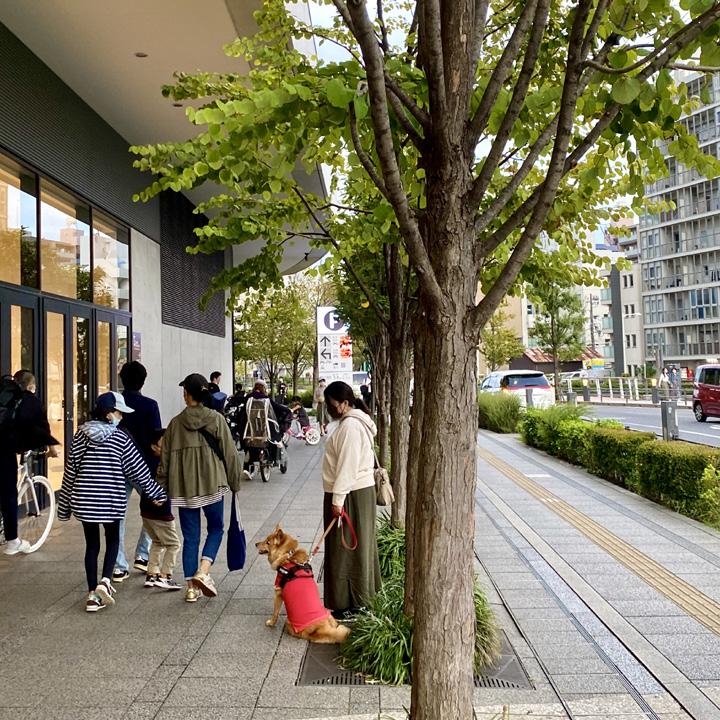
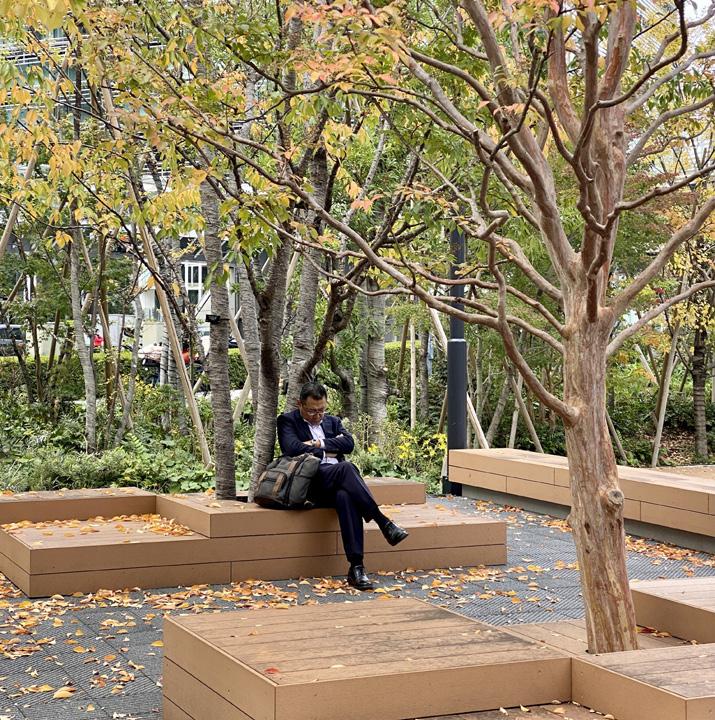
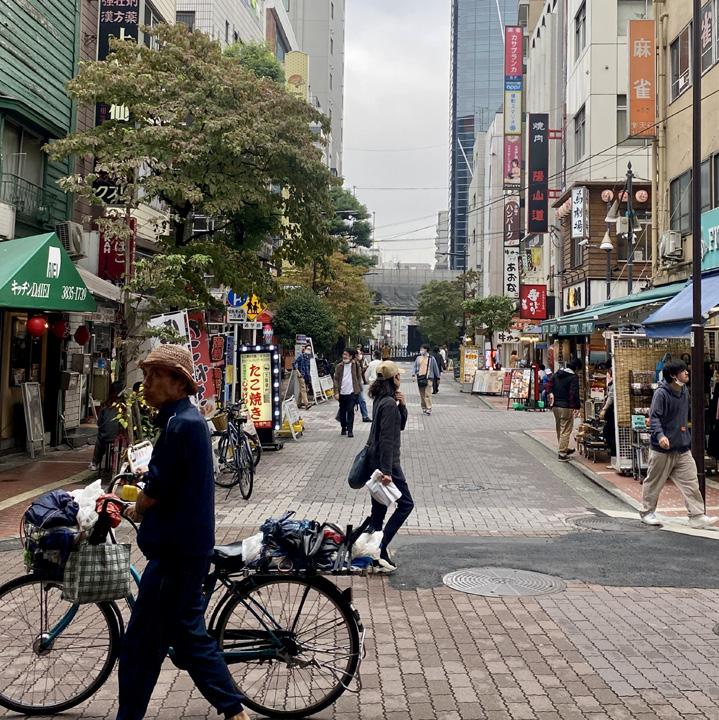
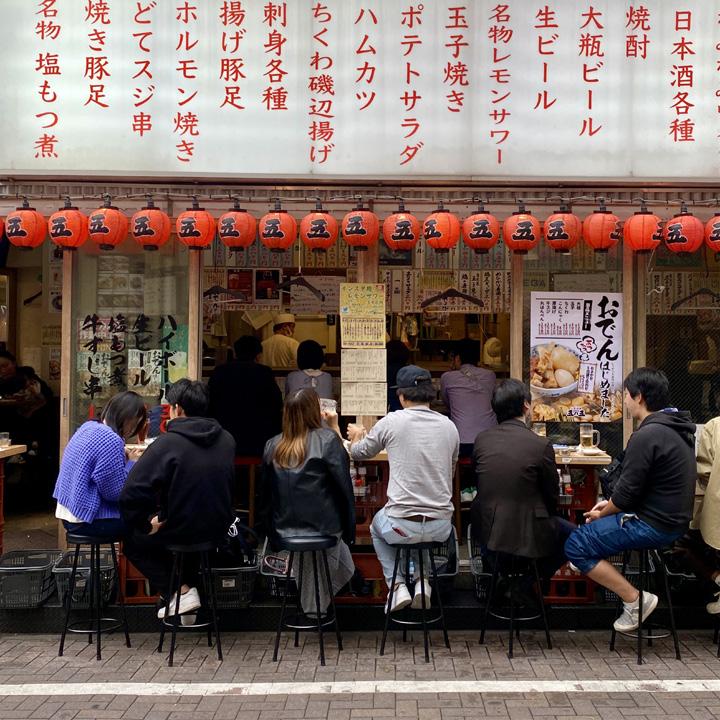
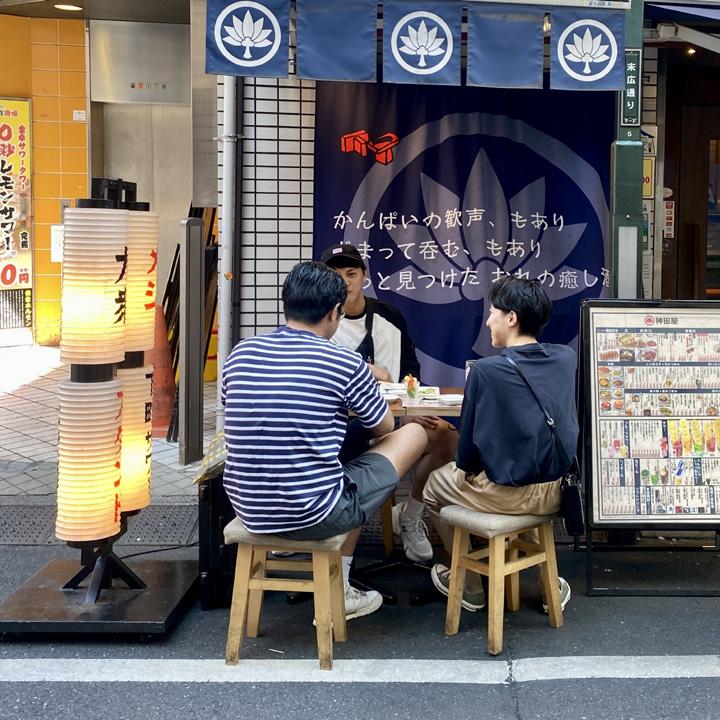
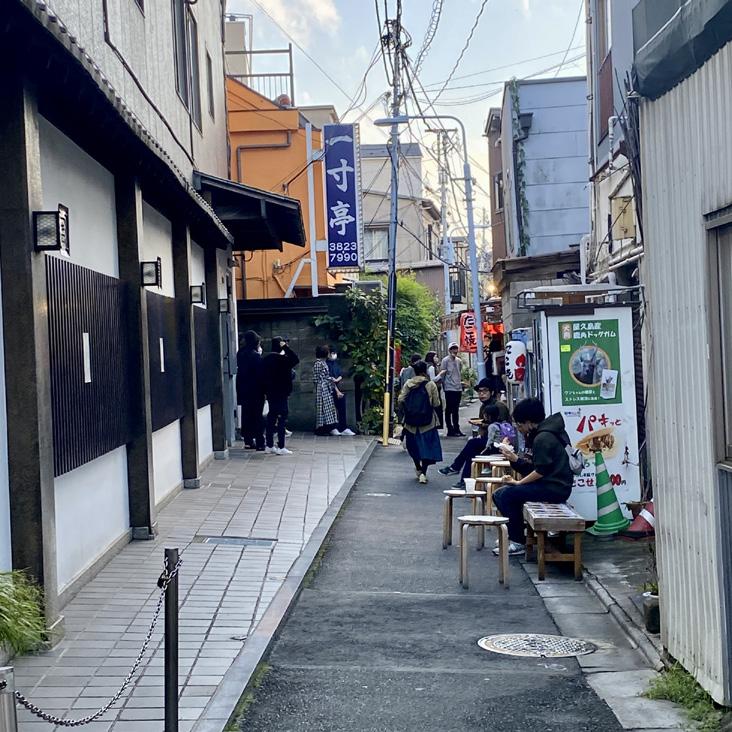
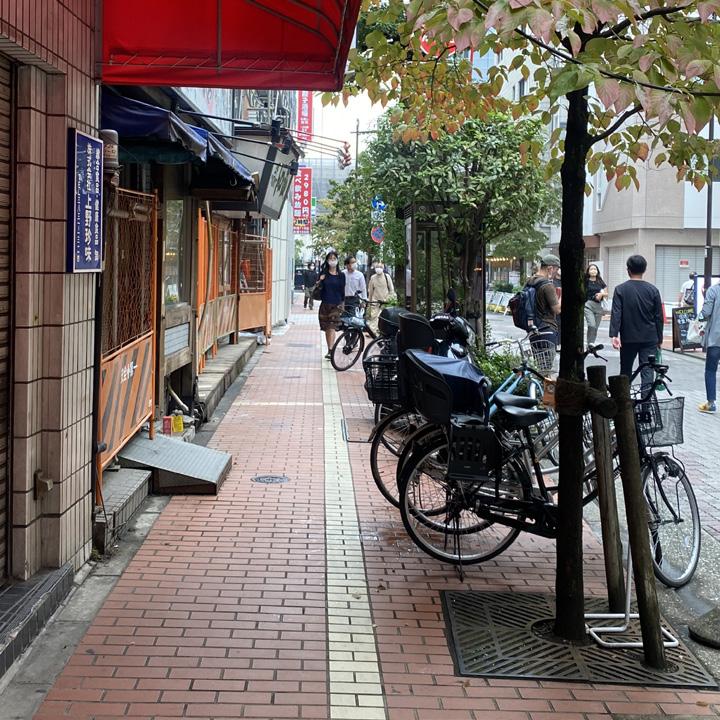
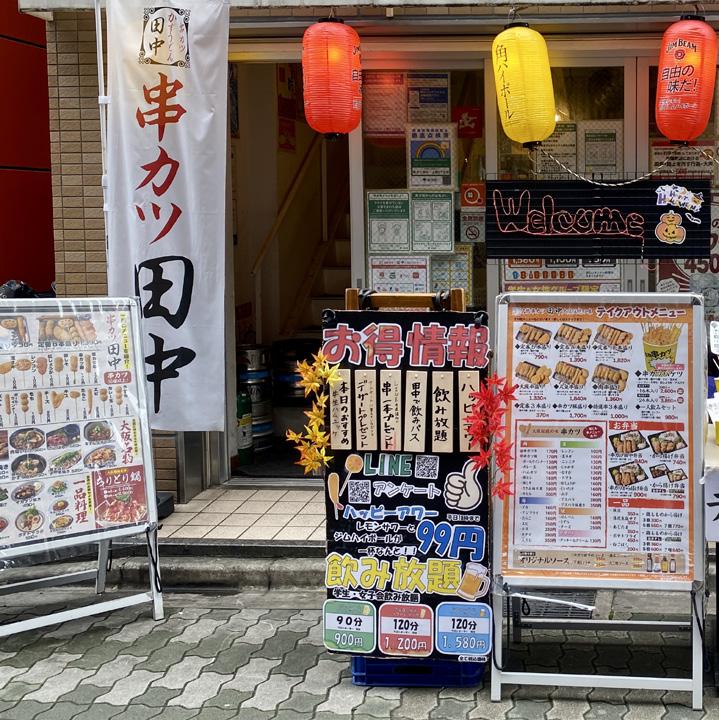
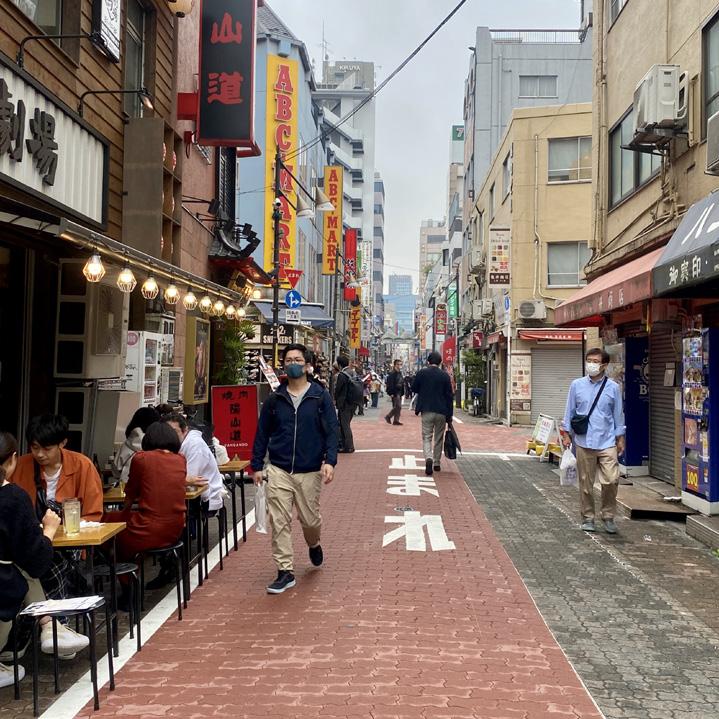
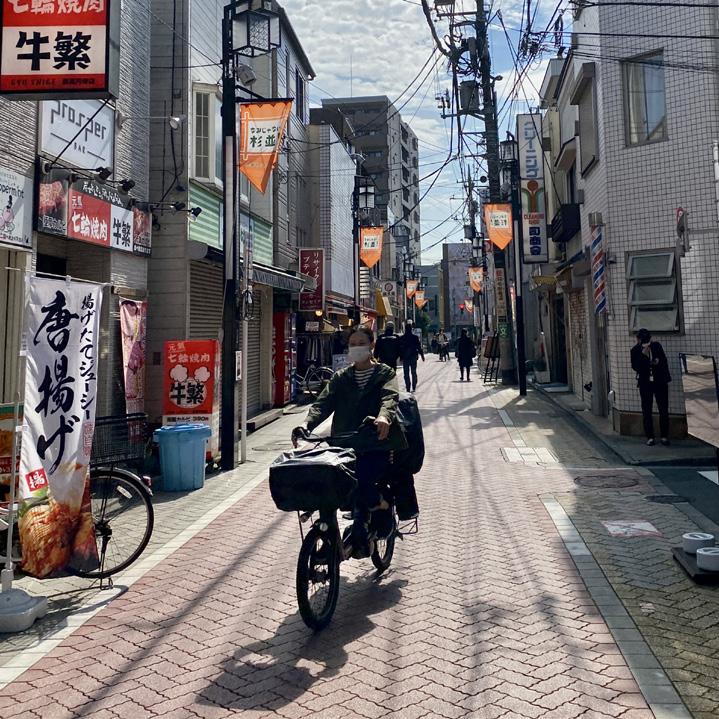
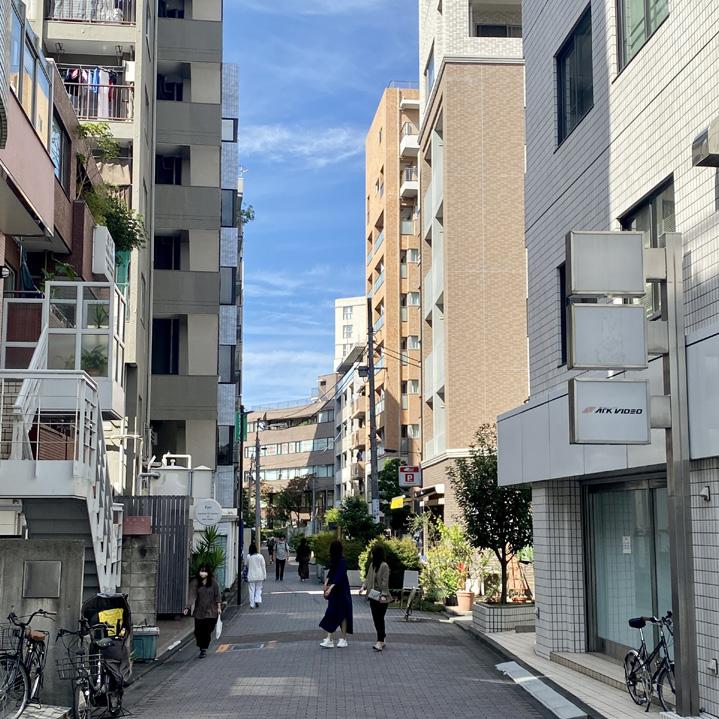
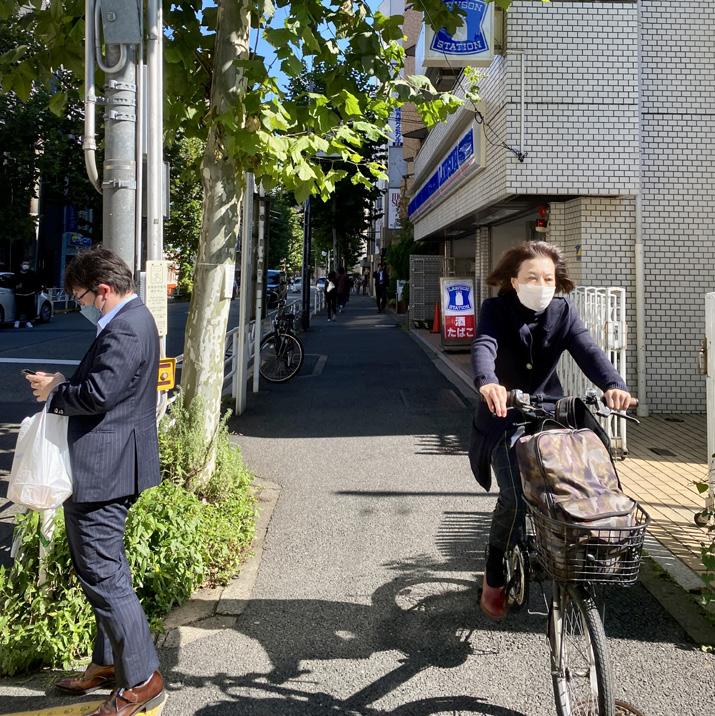
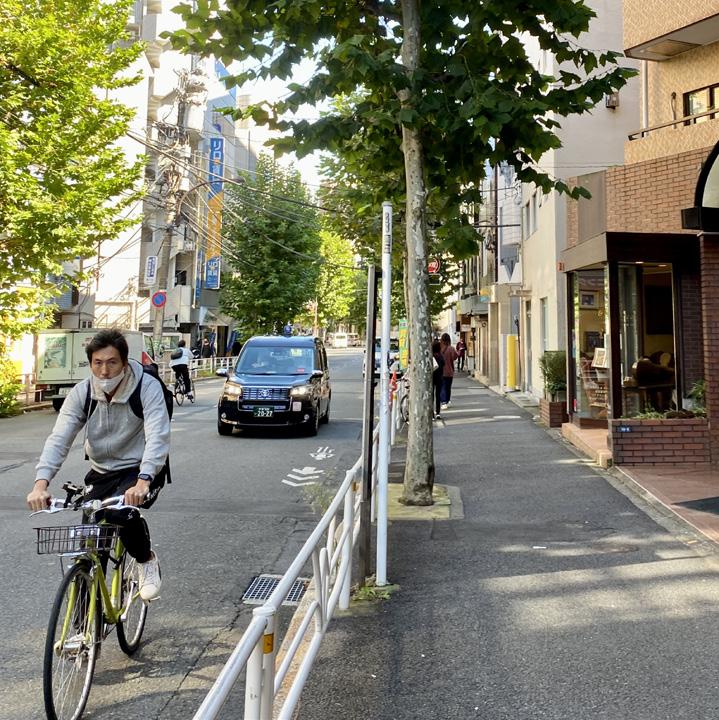
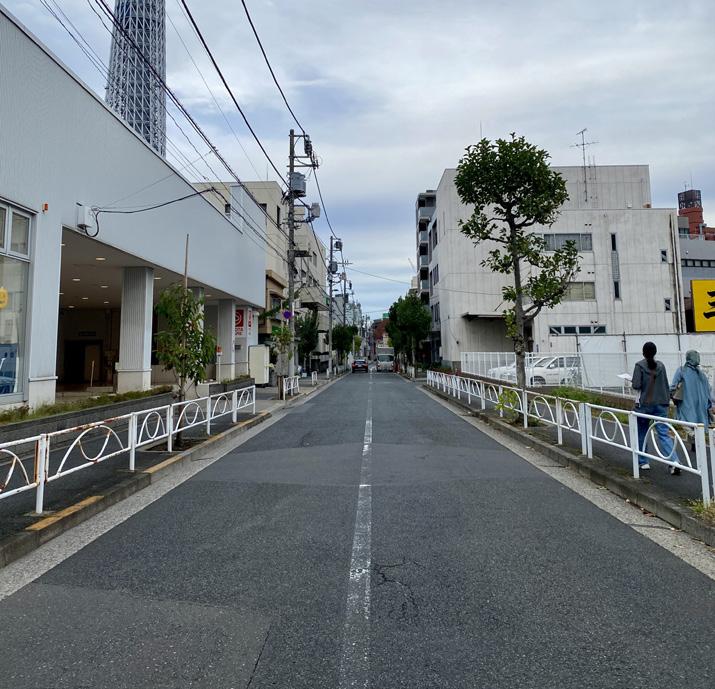
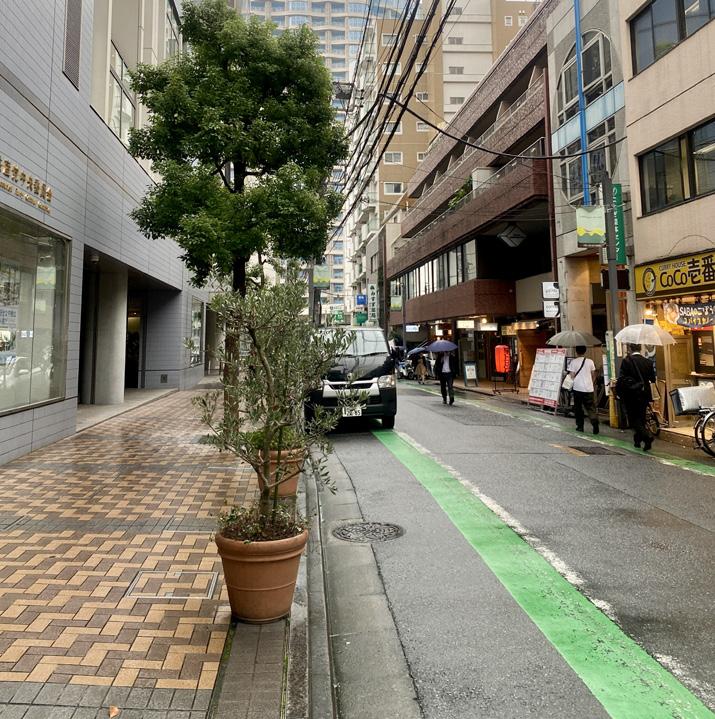
This small publication titled ‘On Foot in Tokyo’ is a photographic collection of commercial, mixed-use, and residential sidewalks. Themes such as walkability, green spaces, public furniture, and accessibility are discussed purely on a reflective level as a visitor of Tokyo.
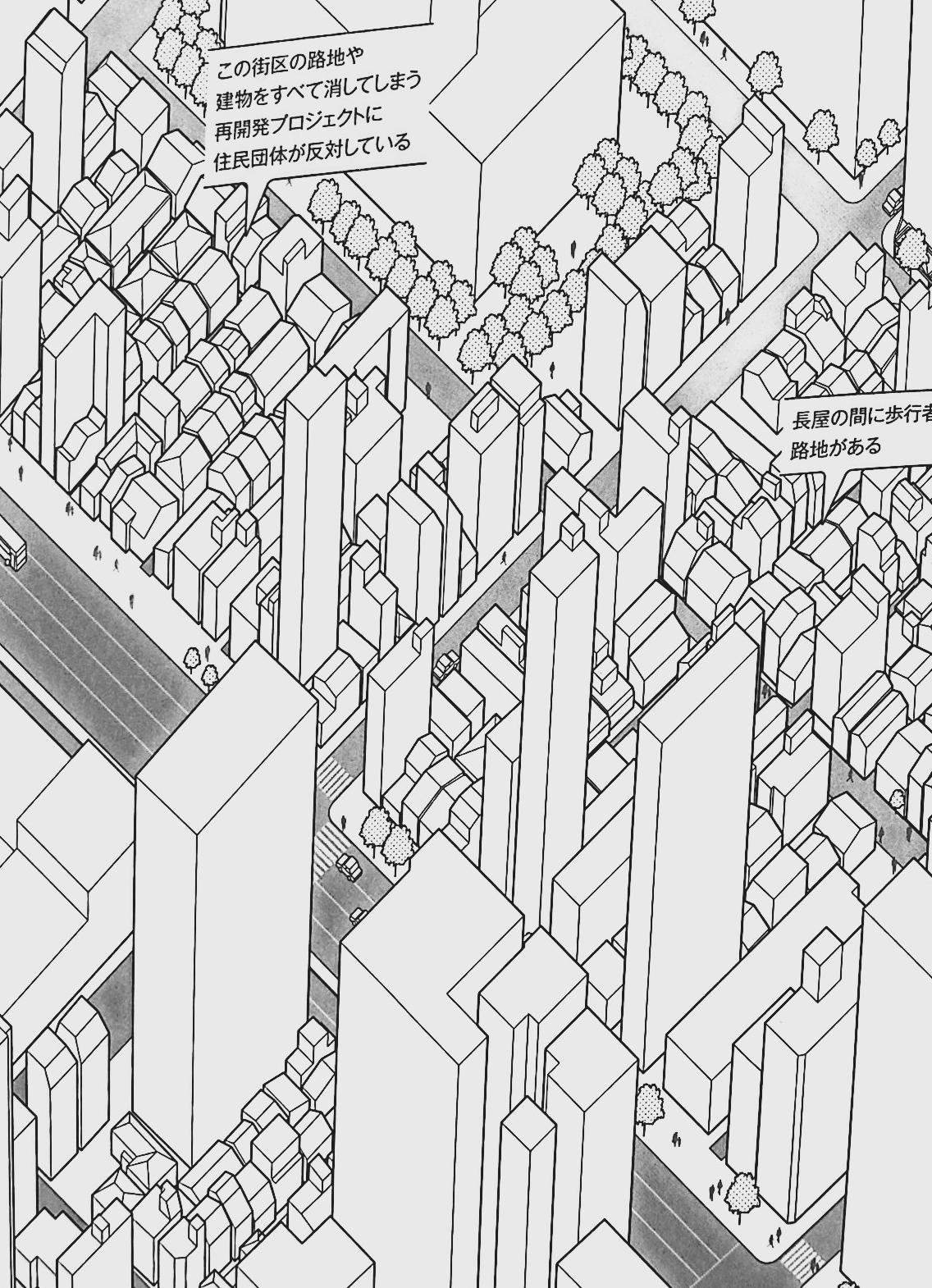
The photographic representation examines the chaotic, spontaneous, and vibrant spirit of Tokyo streets, whilst attempting to decipher some of the issues that have arisen as a consequence of market-driven development, redevelopment, and escaped redevelopment
The publication was conducted in a six-week time frame at the Tokyo Institute of Technology for the Summer Exchange Research Program (SERP).
On Foot in Tokyo
Tokyo Street Typologies
© 2022 Rachael M. Verdugo
Photography: Rachael M. Verdugo
1 2 3 4 5
Commercial Sidewalks
Pedestrian Crossings 012
Single Solid White Line Sidewalks 020
No Line Sidewalks, Coloured Line Sidewalks 024 & Paved Sidewalks
Raised Sidewalks 034
Raised Sidewalks with Base Separator 040
Pedestrian Only - Sidewalks 042
Street Vegetation 046
Public Furniture 050
Mixed-Use Sidewalks
Pedestrian Crossings 058
Single Solid White Line Sidewalks 060
No Line Sidewalks, Coloured Line Sidewalks 064 & Paved Sidewalks
Raised Sidewalks 072 Pedestrian Only - Sidewalks 082 Street Vegetation 084 Private Street Vegetation 090
Residential Sidewalks
Single Solid White Line Sidewalks 096 No Line Sidewalks, Coloured Line Sidewalks 0104 & Paved Sidewalks
Sidewalks
Street Vegetation
1
Commercial Sidewalks
Pedestrian Crossings
Single Solid White Line Sidewalks
No Line Sidewalks, Coloured Line Sidewalks & Paved Sidewalks
Raised Sidewalks
Raised Sidewalks with Base Separator
Pedestrian Only - Sidewalks
Street Vegetation
Public Furniture
Pedestrian Crossings
‘Tokyo. Off the busiest connective carways and exhaust streams run dense and conjunctive footways and well-worn tracks. Streets without raised footpaths that necessitate the jostled personal negotiation of people, bicycles, unicycles, walking sticks, wheelchairs, and the occasional powered vehicle. Cars are at a distinct disadvantage on Tokyo’s narrow, winding internal corridors where pot plants and pedestrians often trump automobiles, as limited space and personal preference bring gardens across driveways and side streets.´
Text Source: Tokyo Totem / Julian Worrall
Drawing Source: Emergent Tokyo_Designing the Spontaneous City / Joe McReyn
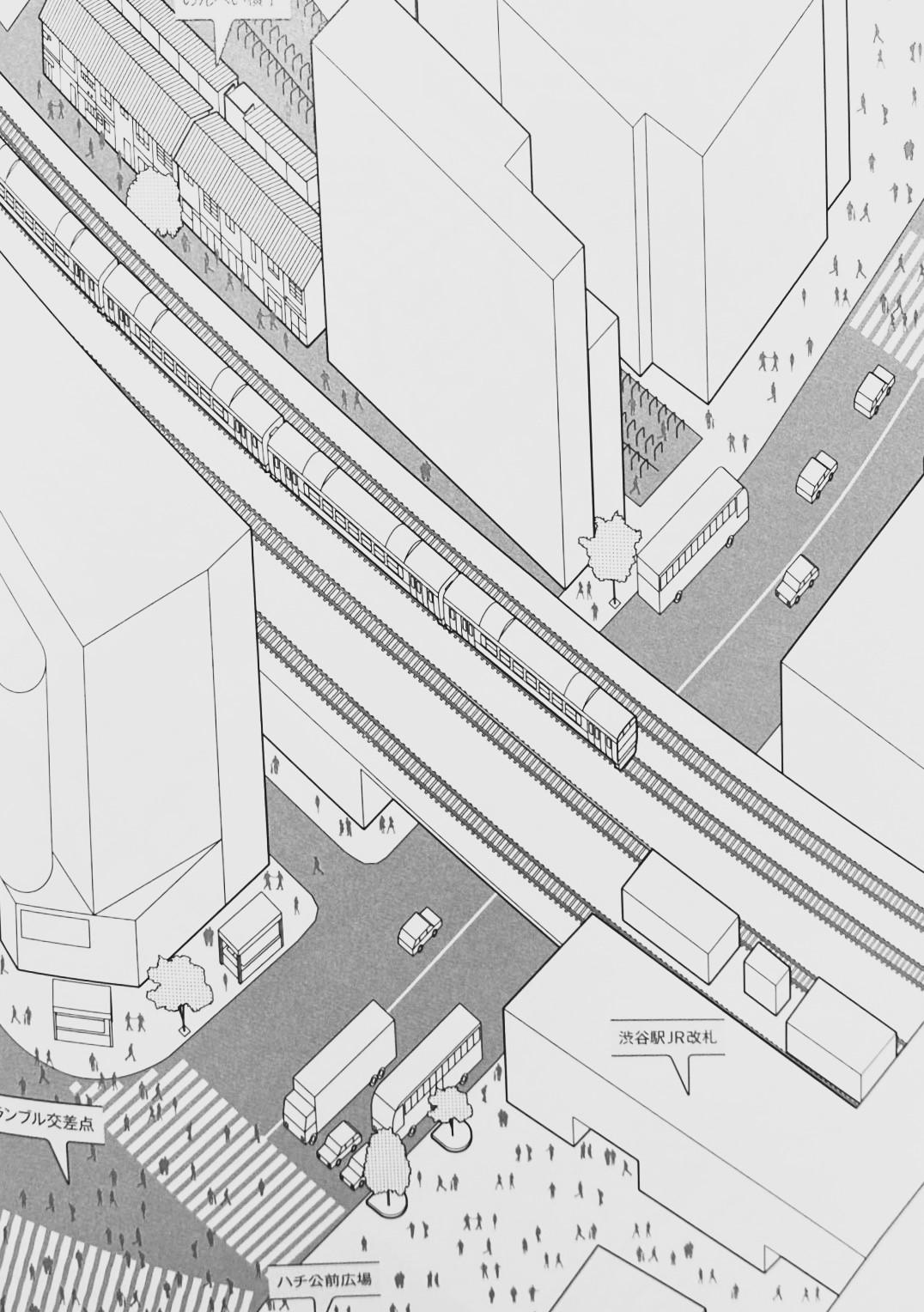
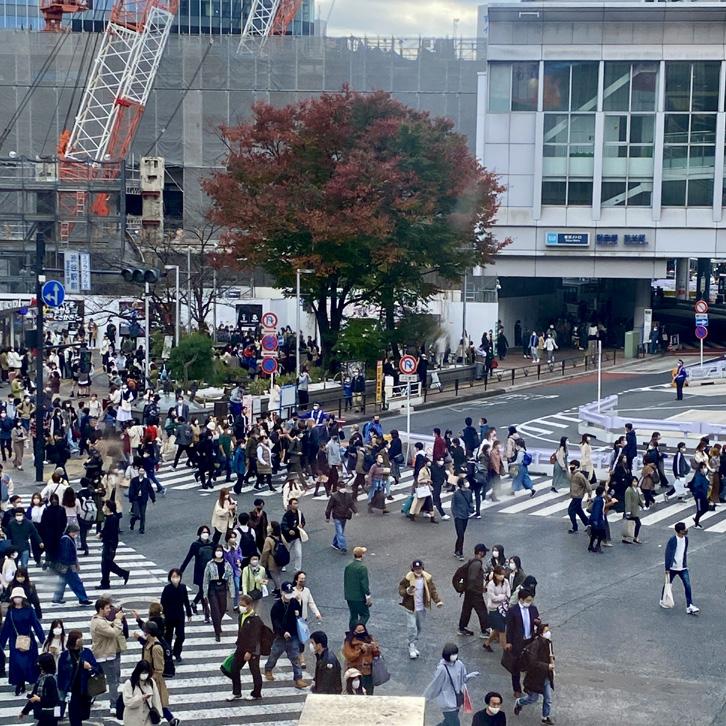
Also known as the epicenter of modern Japanese culture, Shibuya pertains to one of the busiest intersections one has ever or yet to experience. The Shibuya scramble crossing is an experience like no other with masses of traffic, high-rise buildings, limited vegetation, and billboards on every corner. Just like Shinjuku, Shibuya has elevated sidewalks on the main streets however, in the smallest streets, the sidewalks are positioned on the same level as the road.
Shibuya Scramble
Ueno Onshi |Ueno Koen-Dori Avenue
Shibuya - Dogenzaka |Bunkamura - Dori Avenue
Commercial Sidewalks
Pedestrian Crossings
Shinjuku Shinjuku - Shinjuku - Dori Avenue
Avenue open to pedestrians on weekends
Commercial Sidewalks
Pedestrian Crossings
Minato - Motoakasaka
Shibuya - Udagawacho |Orchard Road
Single Solid White Line Sidewalks
‘Tokyo has one of the most relentless urban landscapes ever created by man. It is a place where the natural contours of the land are hidden behind buildings and touch screens, underneath roads and sidewalks. It is a place where the stars are replaced by the slow pulsating red lights adorning skyscrapers, and where the wind is sometimes deflected by the heat dome. Tokyo almost feels like an interior. But behind, beyond and below the city lies the land. And this land is still defining how Tokyo is build and how it functions. To walk the land is to know the city.´
Text Source: Tokyo Totem / Julian Worrall
Drawing Source: Emergent Tokyo_Designing the Spontaneous City / Joe McReyn
Shibuya - Yoyogi
Commercial Sidewalks
Single Solid White Line Sidewalks
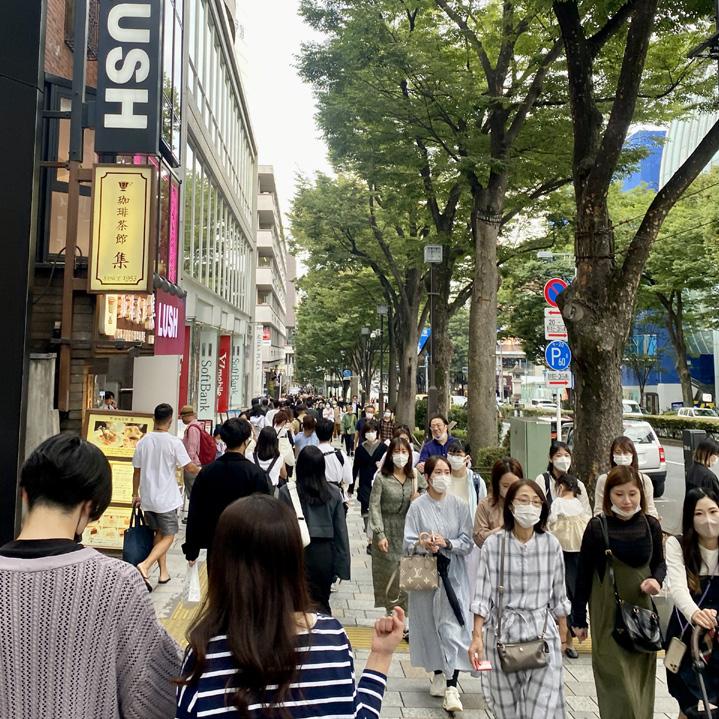
Minimal public vegetation is present. Main streets have a series of trees every 12-15 metres. The area pertains to a large park that attempts to compensate for the lack of greenery within the area.
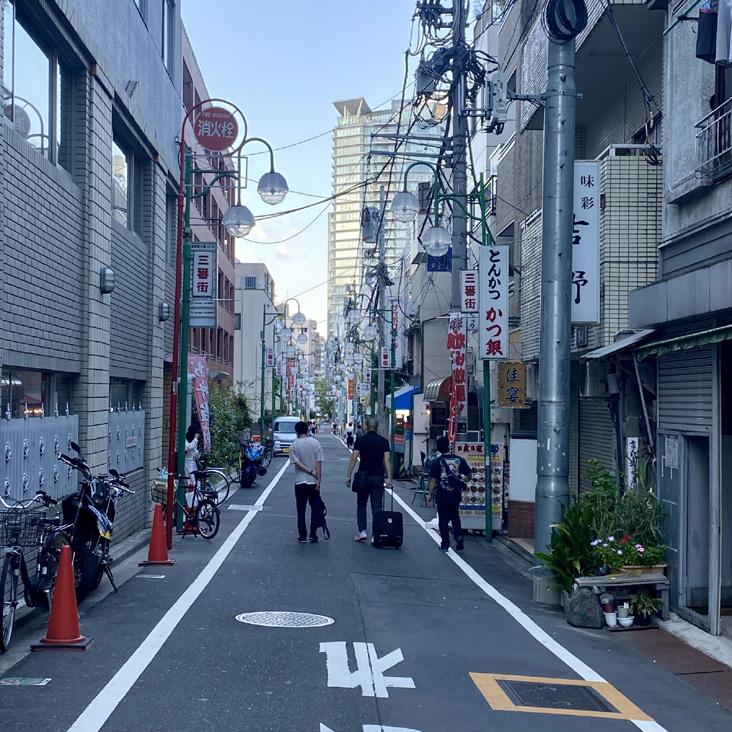
Cars tend to park on the sidewalk whilst unloading or to park temporarily. This can cause dangerous situations when visibility is poor for the pedestrian or if space is too constrained to walk.
Musashino - Kichijojiminamicho
Nishishinjuku
Commercial Sidewalks
No Line Sidewalks, Coloured Line Sidewalks & Paved Sidewalks
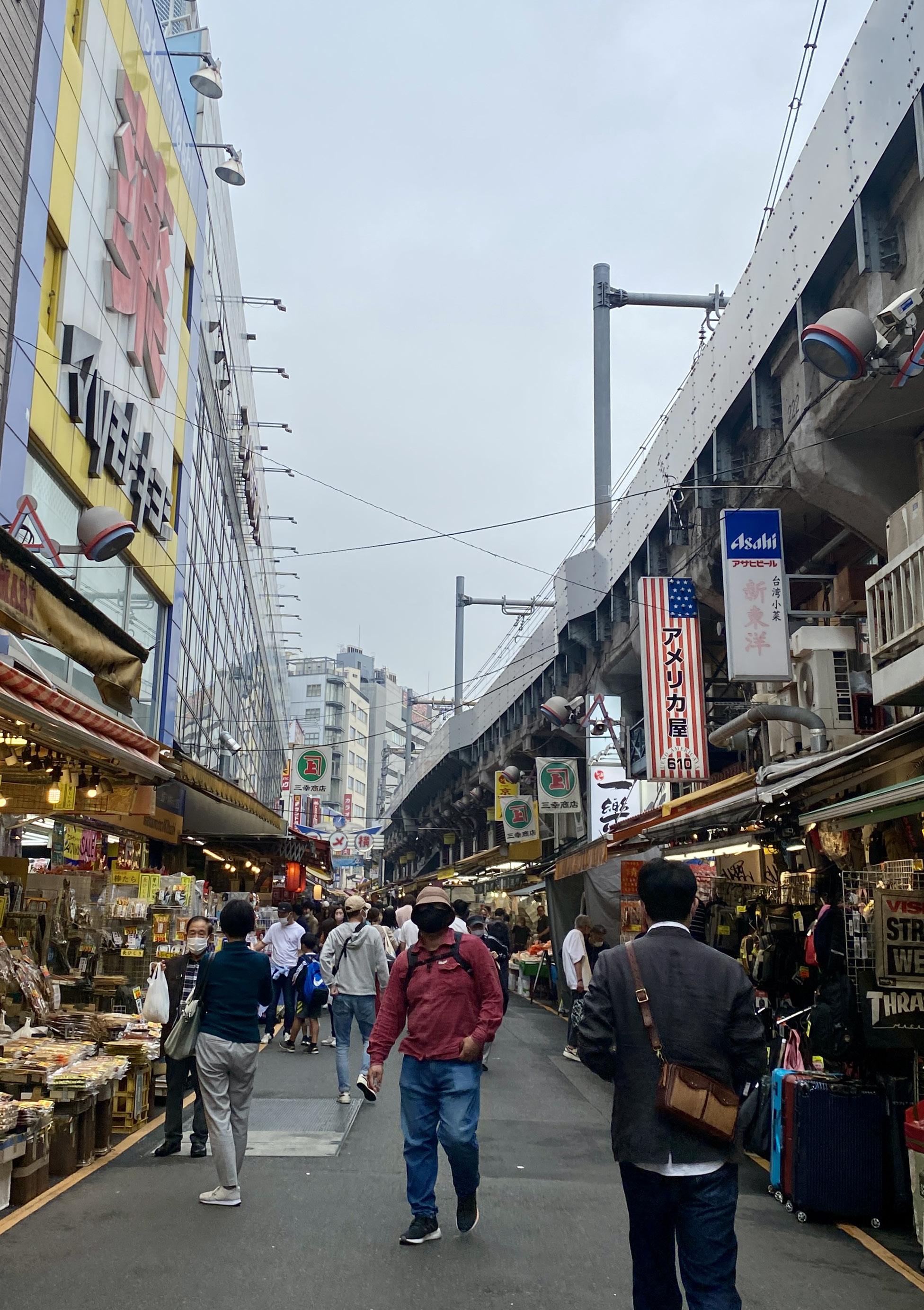
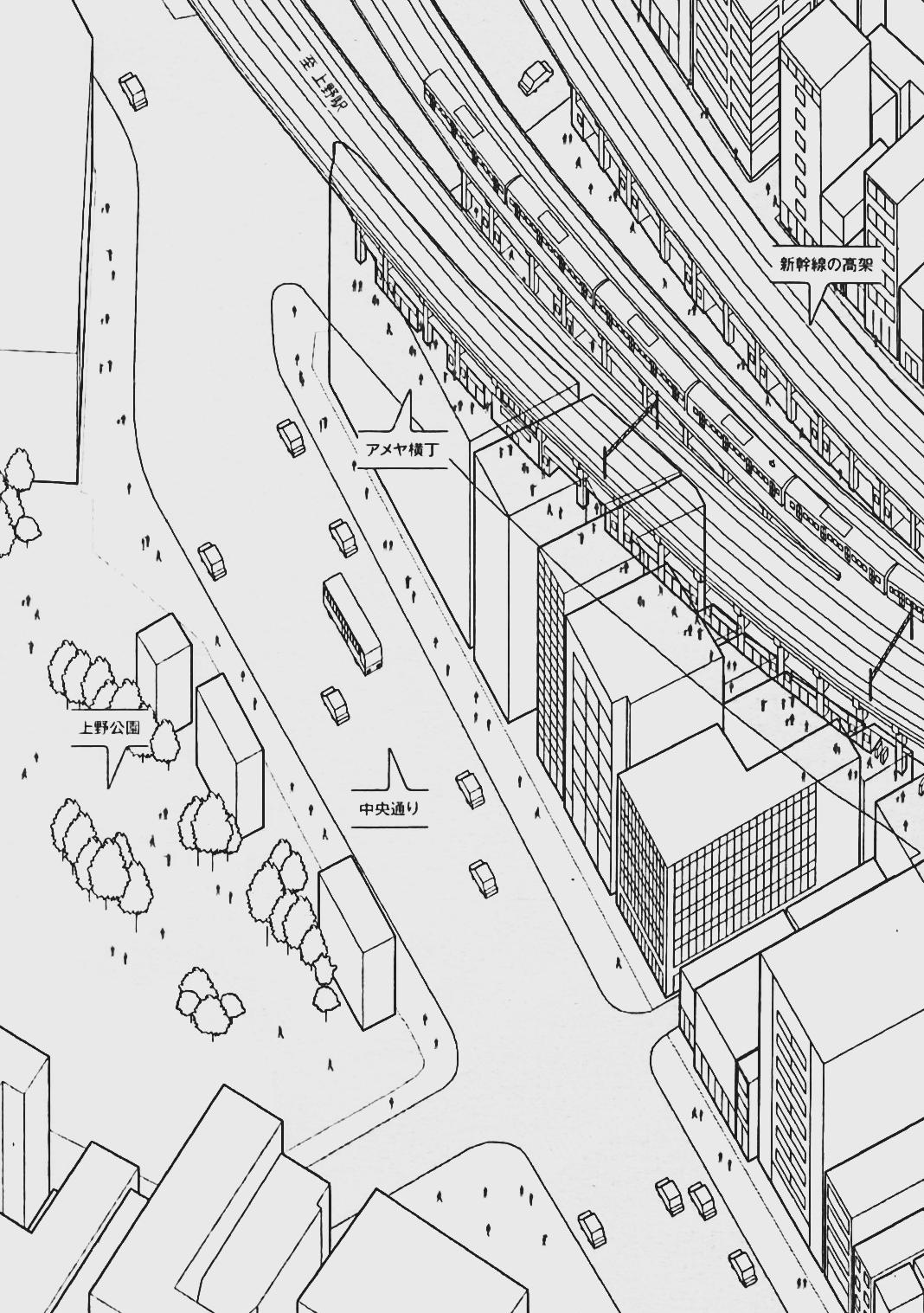
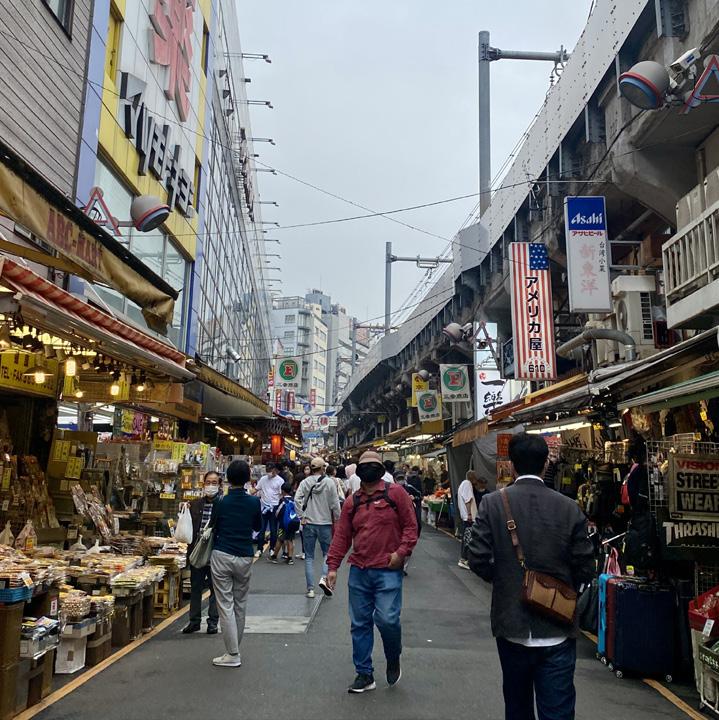
Street market positioned underneath train tracks
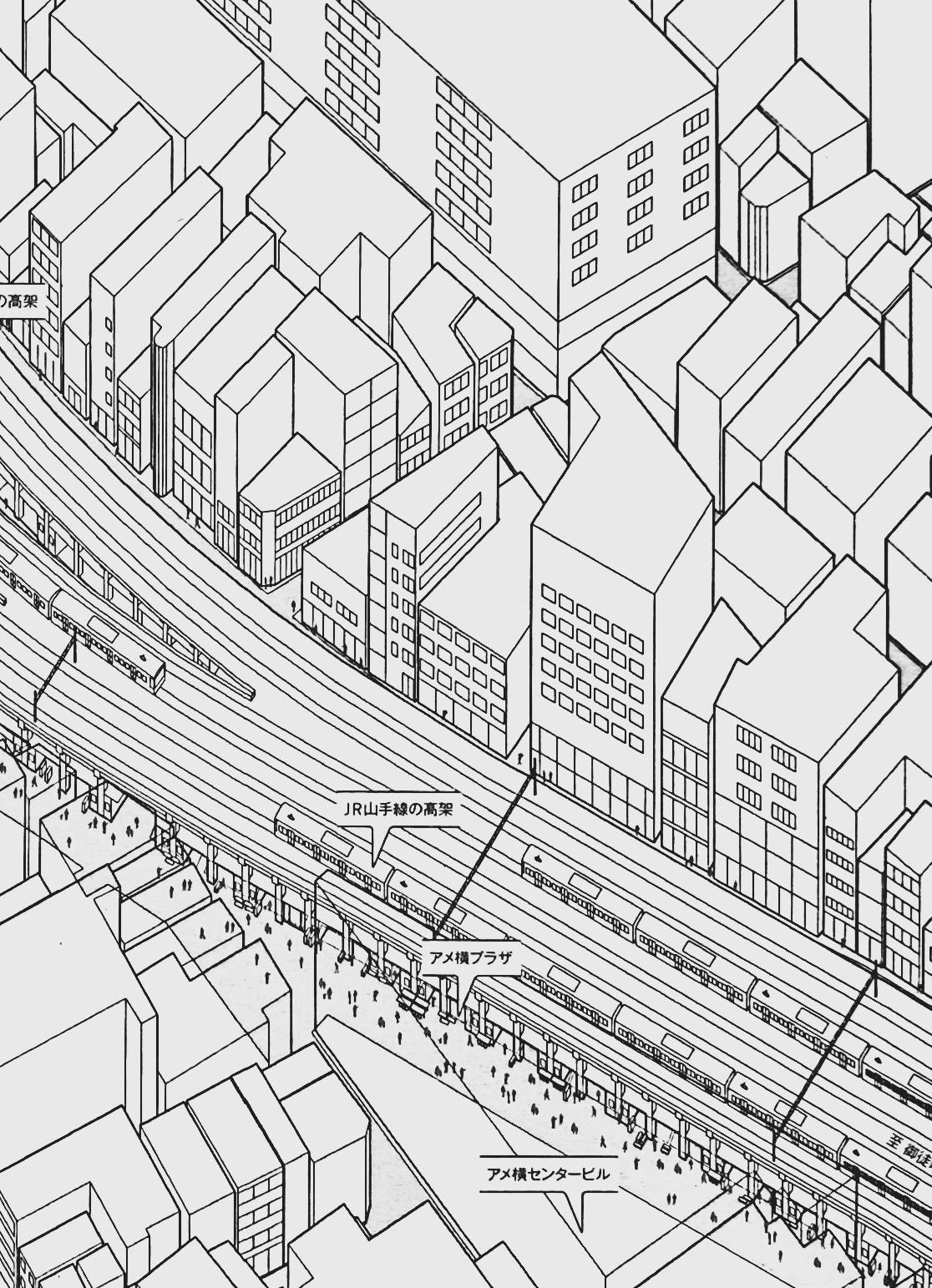
´In many areas of Tokyo, spaces under elevated tracks have been developed and successfully incorporated into the existing urban structure, creating a mutually beneficial relationship between the railway network and pedestrian spaces. If you pass under the elevated tracks, you will find a row of lively restaurants, shops, and even government service counters... Tokyo’s oldest underpass architecture began with the elevated railway built before World War II.
The earliest example is the section connecting Hamamatsucho Station and Ueno Station on the Yamanote Line built between 1910 and 1914; After the war, many of these underpass spaces were occupied by the black market, some of which were given to repatriates from the battlefield as places for small trade. In line with the national policy of promoting the continuous grade-separated crossing project, many of the railways connecting central Tokyo and suburban residential areas have been elevated, and local governments have decided to increase the number of railroad crossings that cause accidents and traffic jams by raising railways or making them underground.´
Text & Drawing Source: Emergent Tokyo_Designing the Spontaneous City / Joe McReyn
Taito - Ueno|Keihin–Tōhoku Line|´Underfill´
No Line Sidewalks, Coloured Line Sidewalks & Paved Sidewalks
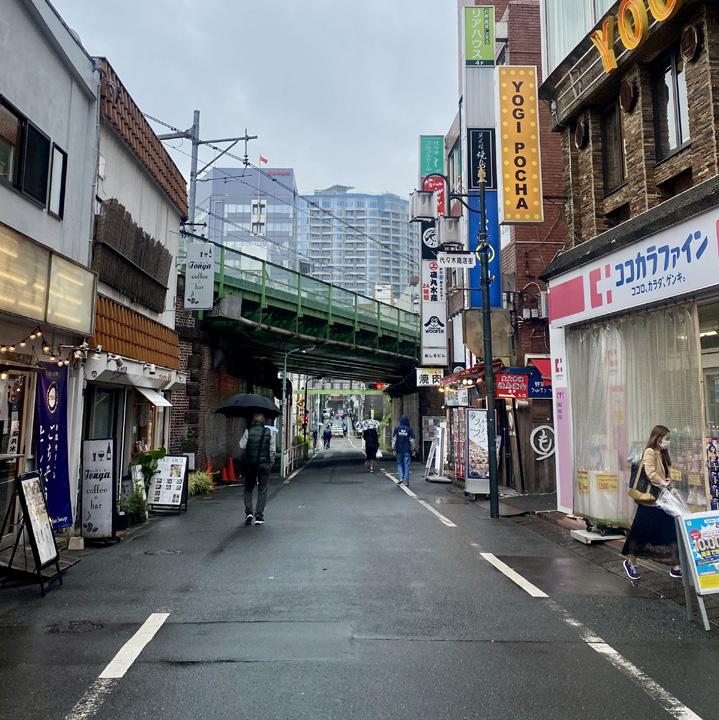
Paved elevated sidewalk to the right created by local shops. People still continue to walk on the road instead of the sidewalk due to its uncomfortable and narrow typology which is spotted by plants and signs. The thin sidewalk to the left is only for one pedestrian at a time, meaning that pedestrians are forced to walk on the street.
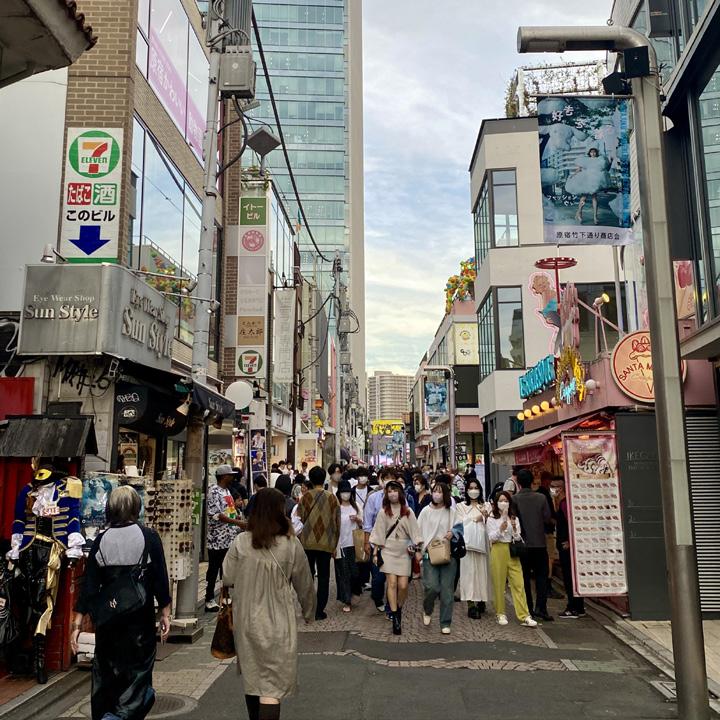
Previously a residential area turned into a trendy shopping zone
Shibuya - Udagawacho
Shibuya - Jingumae
No Line Sidewalks, Coloured Line Sidewalks & Paved Sidewalks
Taito - Ueno
Kawagoe - Wakitamachi |Sambancho - Dori Street
Street closed for festivals and special city events
Commercial Sidewalks
No Line Sidewalks, Coloured Line Sidewalks & Paved Sidewalks
Shibuya - Udagawacho| Bunkamura - Dori Avenue
Fortune telling spot in Shibuya
Taito - Ueno |Nakacho, Chuo - Dori Avenue
Sidewalks
No Line Sidewalks, Coloured Line Sidewalks & Paved Sidewalks
Shibuya - Jingumae| Takeshita - Dori Street
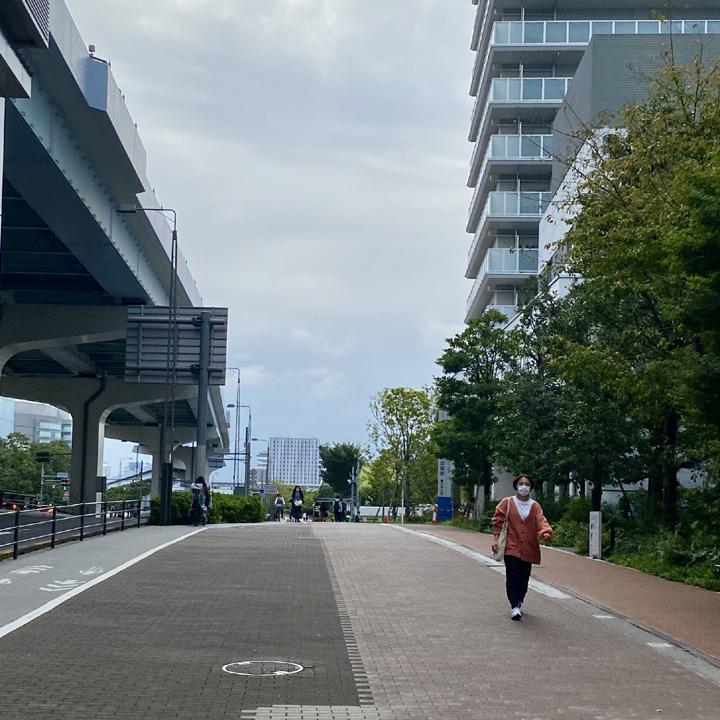
Koto - Toyusu
Wide sidewalk including bike lanes and vegetation Commercial
Chuo - Ginza Nishi, Yokohama - Takashima
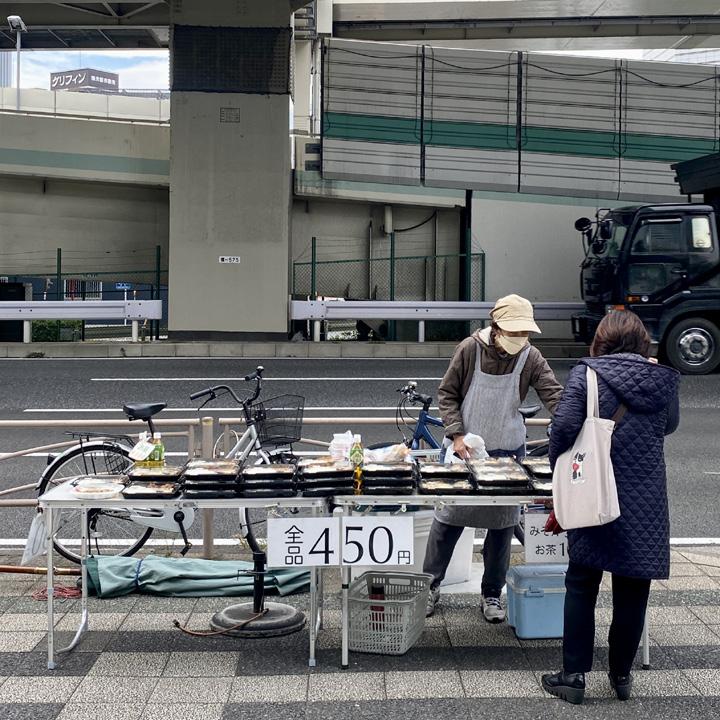
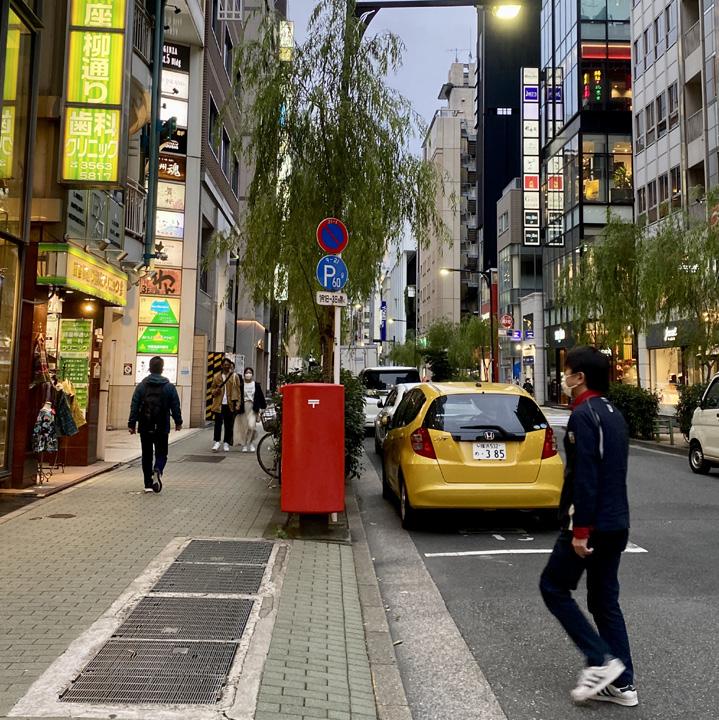
A local selling lunch boxes on Tochinoki - Dori Street
Commercial Sidewalks
Raised Sidewalks
Commercial Sidewalks
Raised Sidewalks
Shibuya - Jingumae Yoyogi Park
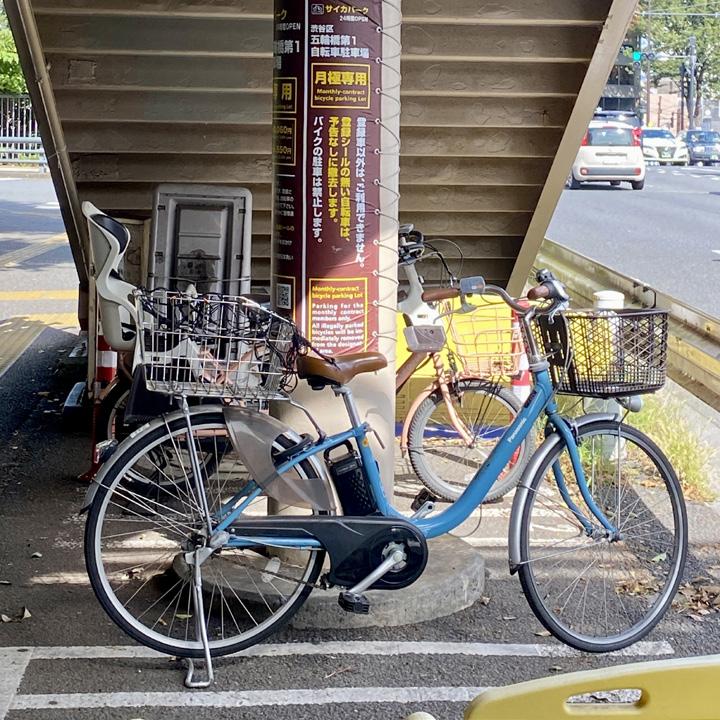
One urban solution for the lack of bicycle parking within the city
Commercial Sidewalks
Pedestrian Only - Sidewalks
A rare staircase and walkway fitted with seating and vegetation Fact//
´ The distinction between high-land and low-land was very clear during the Edo era (1603-1868). On the higher plateau, which is called Yamanote, were the living areas of the Samurai and Daimyos. In the Shitamachi valleys lived lower-Class people and merchants. The areas were separated and were not connected directly by Streets. This layout of the city is still present today. Most large streets run along the ridge or valley but do not go directly down or up, linking the high- to the low-city. Often only staircases allow you to go from one area to the other.´ Source: Tokyo Totem / Julian Worrall
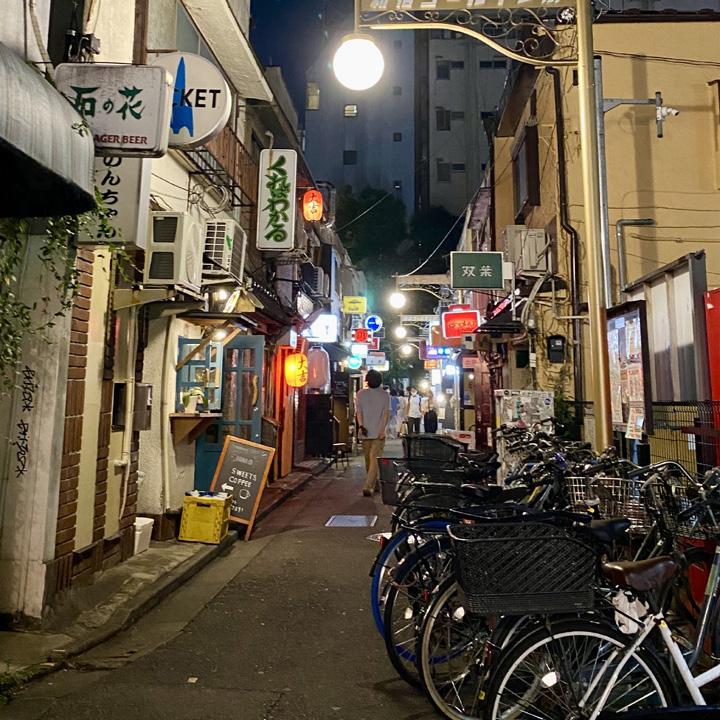
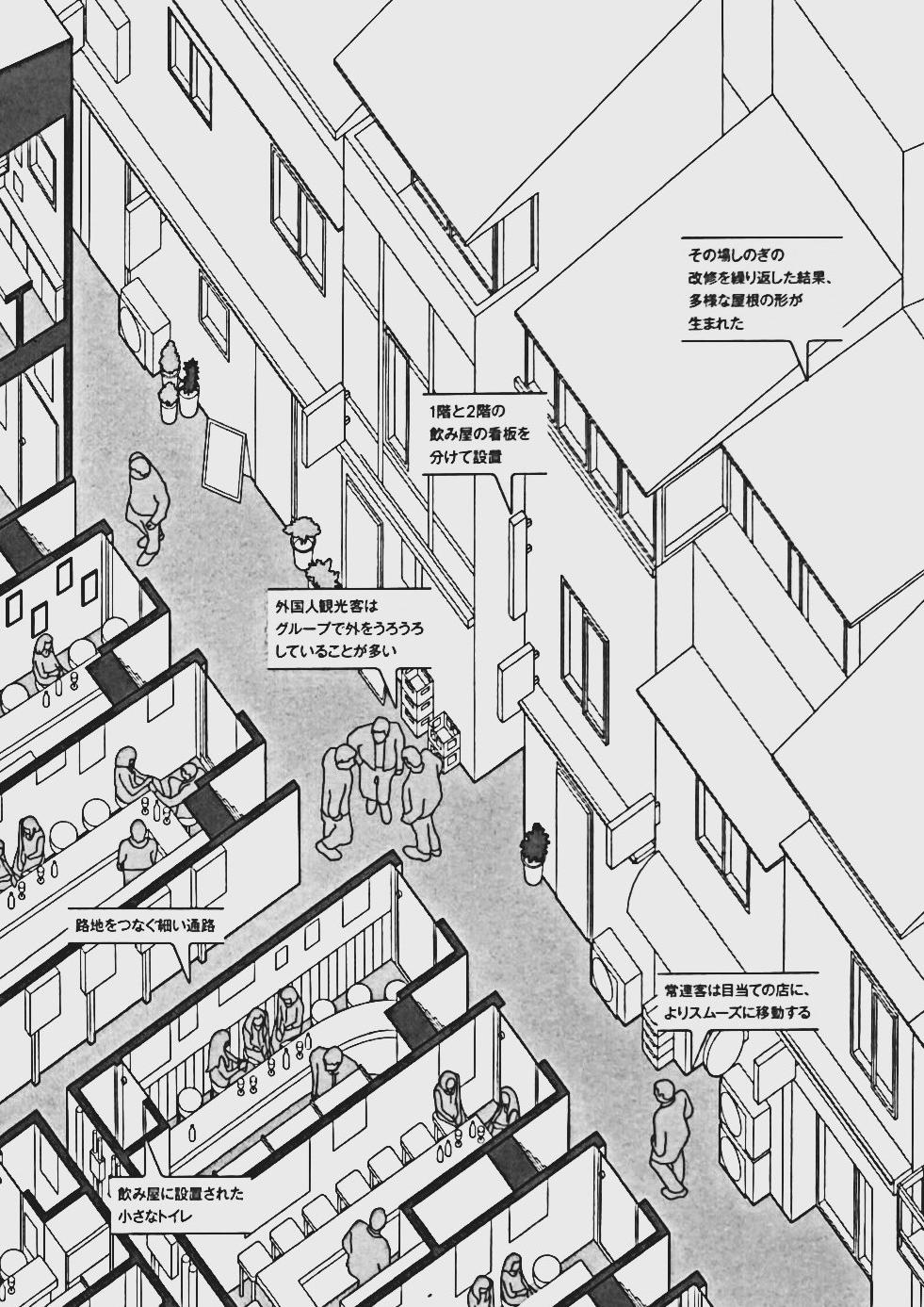
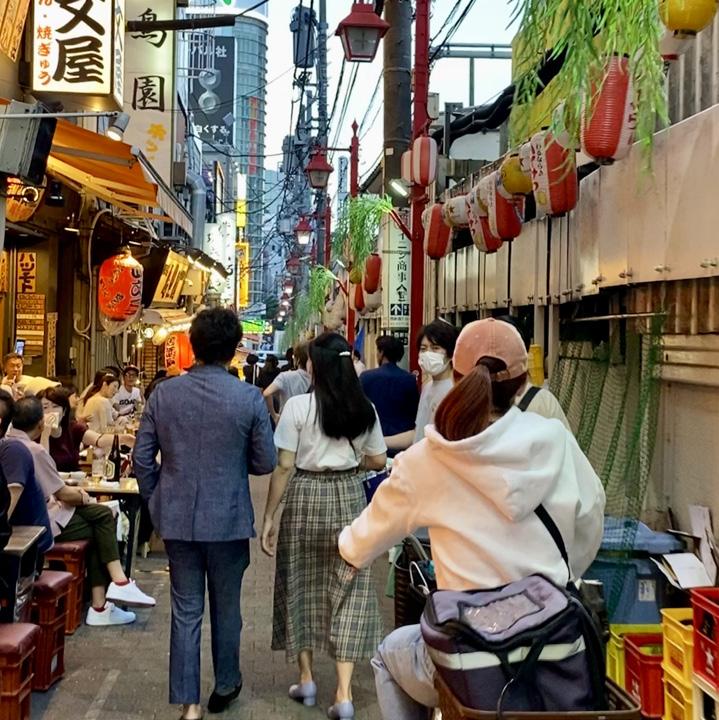
There are a series of alleyways, Omoide Yokocho, that pertain very narrow streets, which are filled with restaurants. All of these streets are pedestrian, including the area of Golden Gai
Pg: (044-045).
Nishishinjuku - Omoide Yokochō
Shibuya - Jingumae
Pedestrian Only - Sidewalks
´It looks like there is a balance. Originally, the bars in Golden Gai were diverse depending on the bar, but now there is a clear difference in the way they treat foreign tourists. Half of the pubs respond kindly, or actively accept foreign tourists, but the other half vary from those who are indifferent to customers who do not speak Japanese to those who refuse to serve first-time visitors. The tourism boom has increased the common awareness among Golden Gai shopkeepers of the importance of fostering and maintaining a local identity. Tourist corporations to Golden Gai have sparked a “yokocho boom” among Tokyo’s 20-somethings.
Many of them said, “I grew up hearing that Golden Gai was a dangerous and unsafe place, but seeing the enthusiastic support of foreigners made me realize its value again”. Golden Gai has survived according to the systems and social conditions of each era. There is a high level of power, which is the supple charm of this city.´
Text Source: Tokyo Totem / Julian Worrall
Drawing Source: Emergent Tokyo_Designing the Spontaneous City / Joe McReyn
Shinjuku - Kabukicho |Golden Gai
Where there are parks there is greenery seeped onto the nearby streets. Sidewalks are generally wider and filled with greenery. Fact//
´In the Edo era, Samurai estates were often situated on the edges of hills, with large gardens along the slopes. A lot of these gardens were transformed into public parks during the Mely era; this is the reason parks are often situated in unique spatial settings today. Incorporated water bodies indicate a low point surrounded by higher ground.´ Text Source: Tokyo Totem / Julian Worrall
Yoyogi Park
Chiyoda - Kioichō
Sumida - Oshiage
Steet providing ample walking space and vegetation
Inokashira Onshi Park |Kichijoji - Dori Avenue
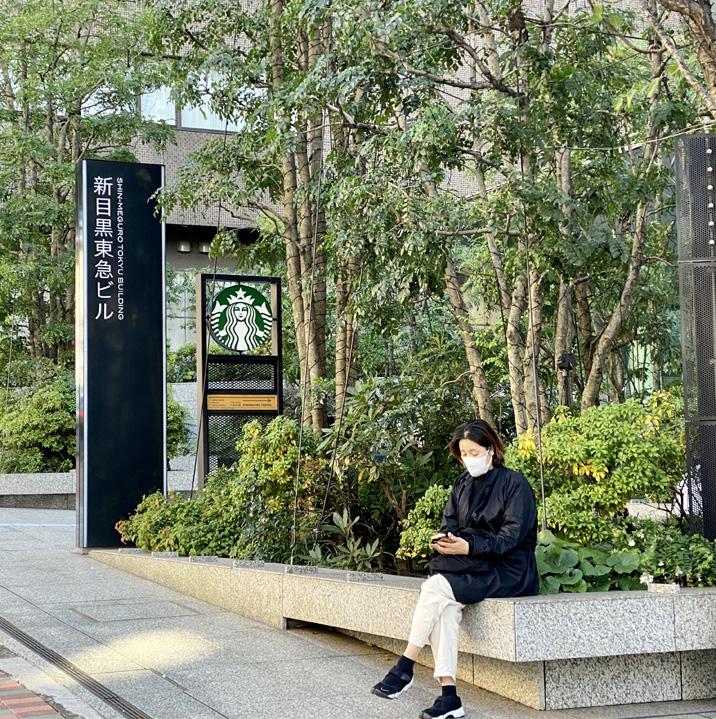
The majority of public furniture in commercial areas can predominately be found only in front of upmarket public buildings. Furniture such as this one is barely used.
New urban regeneration projects in Yokohama have incorporated a series of resting spaces such as this one located next to the BankART Station | BankART1929.
Nishi, Yokohama - Minatomirai
Roppongi Hills
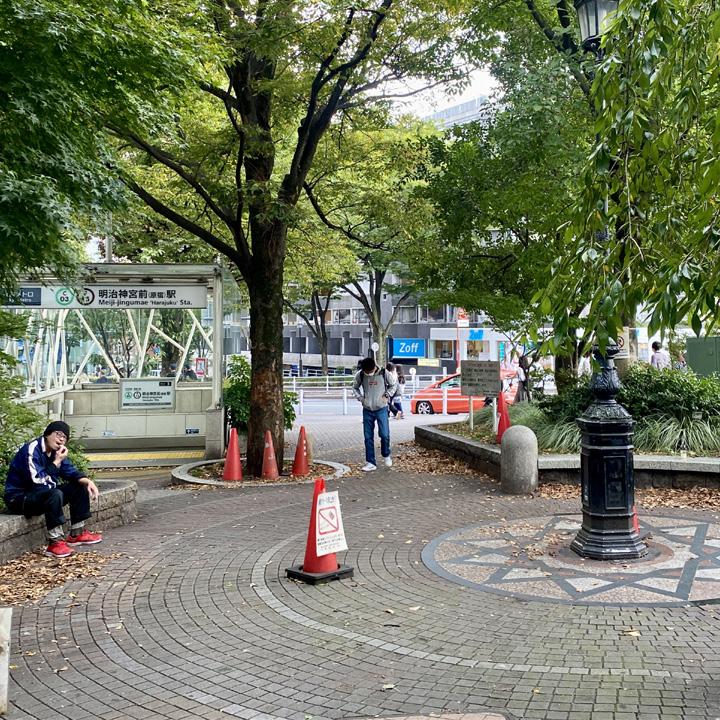
It is rather rare to find benches like this in a closed-off ‘plaza’. Nonetheless next to Harajuku Station a small space of rest, gathering, and place to snack is tucked away in front of one of its exits.
Shibuya - Jingumae
Meguro
2
Mixed-Use Sidewalks
Pedestrian Crossings
Single Solid White Line Sidewalks
No Line Sidewalks, Coloured Line Sidewalks & Paved Sidewalks
Raised Sidewalks
Pedestrian Only - Sidewalks
Street Vegetation
Private Street Vegetation
Mixed-Use Sidewalks
Pedestrian Crossings
An unusual sight and choice of colours for one of the main streets in Bunkyo - Sendagi. The road is fitted with a bicycle lane and elevated sidewalks accompanied by a metallic fence.
Taito - Ueno
Bunkyo - Sendagi
Mixed-Use Sidewalks
Single Solid White Line Sidewalks
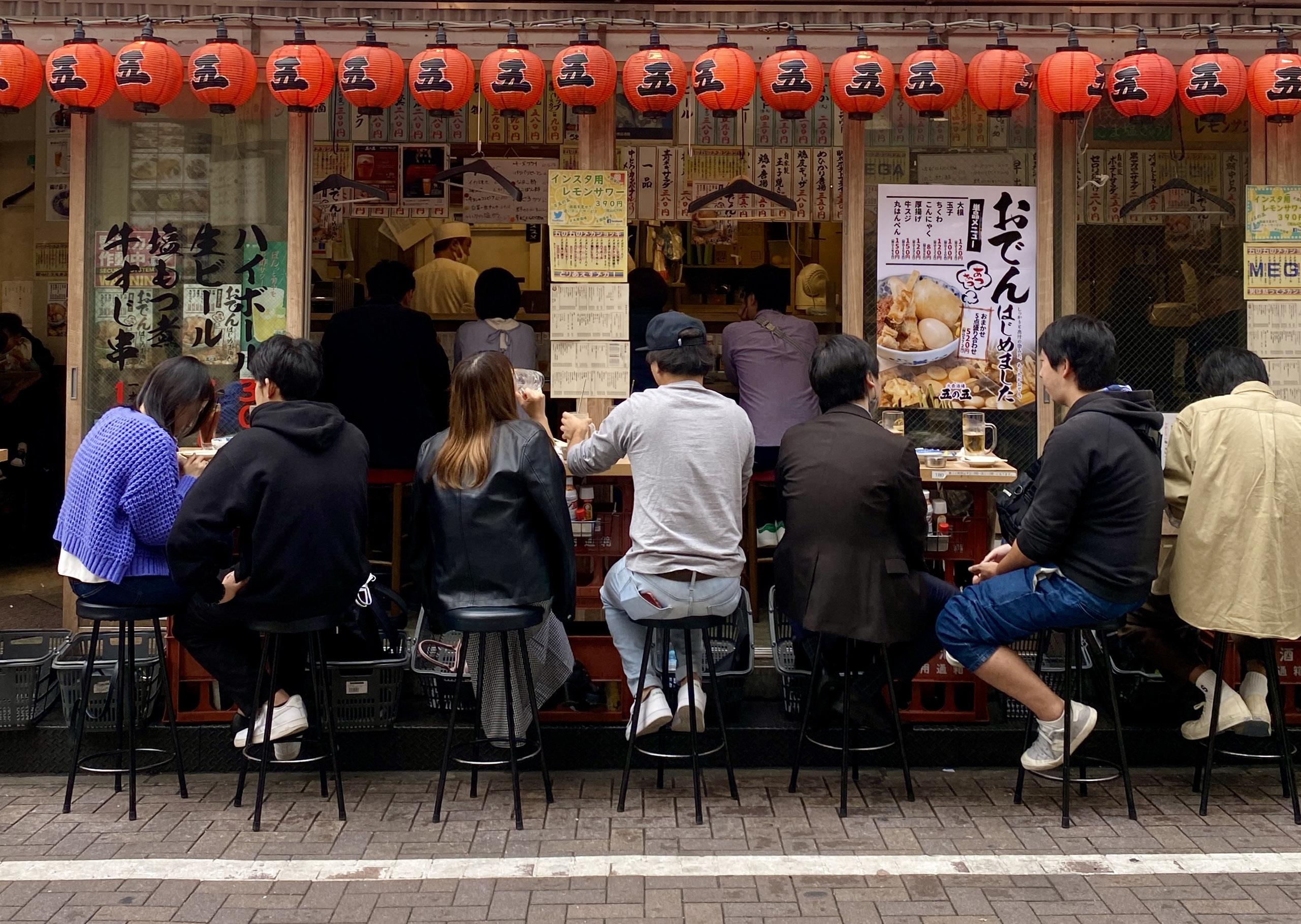
On many commercial or mixed - use sidewalks tables and chairs expand onto the footpath, thus forcing pedestrians to walk onto the road. This generally is not an issue as drivers are quite cautious, in addition to cyclists.
Shinjuku
Taito - Ueno
Mixed-Use Sidewalks
Single Solid White Line Sidewalks
Occupying the street with seats and tables. The small restaurant takes over a small lane adjacent to a popular street market.
Taito - Yanaka
Shinjuku
Mixed-Use Sidewalks
No Line Sidewalks, Coloured Line Sidewalks & Paved Sidewalks
Taito - Kaminarimon
Restaurants and small businesses colour the streets with small pot plants and flowers
Shinjuku
Mixed-Use Sidewalks
No Line Sidewalks, Coloured Line Sidewalks & Paved Sidewalks
Taito - Ueno
Bike parking in the city can be an awkward reality, taking away ‘prime real estate’ for pedestrians
Taito - Ueno
Mixed-Use Sidewalks
No Line Sidewalks, Coloured Line Sidewalks & Paved Sidewalks
Taito - Ueno
Taito - Ueno
Commercial signs are frequently found on sidewalks. In dense pedestrian traffic, this can be cumbersome and sometimes even dangerous.
Mixed-Use Sidewalks
No Line Sidewalks, Coloured Line Sidewalks & Paved Sidewalks
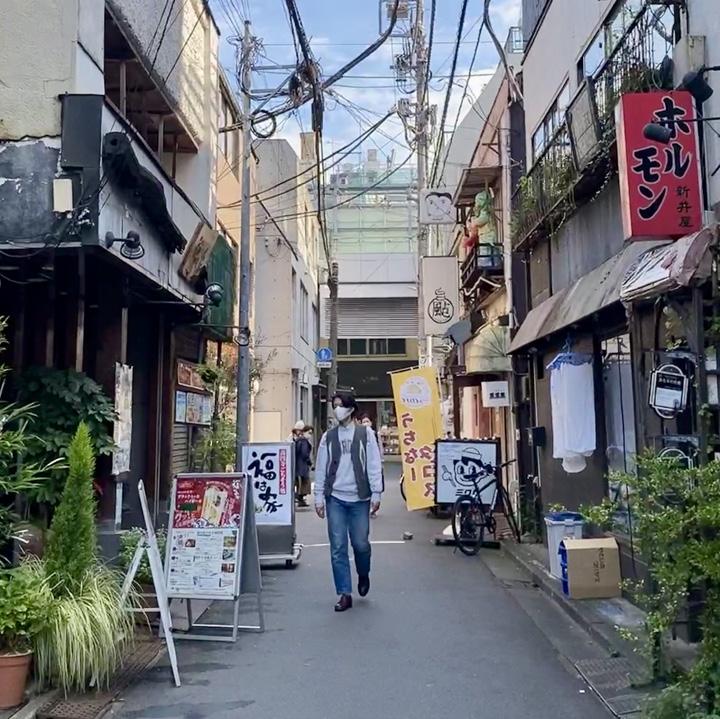
A typical shopping street comprising of restaurants and small/ medium size businesses. In Japan, there are over 10,000 of these shopping streets. A typical sign that you are on one of these streets is by overhearing instrumental music played on a public address system. In this photograph, you also see a rubbish bin. This is a very rare sight in Tokyo due to the sarin gas attacks in 1995.
Some roads within Tokyo are equipped with bike lanes, however, a lot of them do not have any. Some residents tend to use the sidewalk as they feel safer. In most cases, the cyclists are patient, never ring their bell or voice, and respect pedestrians. On other occasions, you can find yourself almost getting trampled by one.
Shibuya - Tomigaya
Suginami - Koenji Minami
Mixed-Use Sidewalks
Raised Sidewalks
Shibuya - Yoyogi
Shibuya - Yoyogi
Mixed-Use Sidewalks
Raised Sidewalks
Sumida - Azumabashi
Sumida - Azumabashi
Mixed-Use Sidewalks
Raised Sidewalks
The pavement offset as seen in the photograph above (between the building and the sidewalk) is completely random. At times you may find a wide ´extended pavement´, aka offset, and other times a thin one which at best can fit one pedestrian. In this example, a very comfortable width is attained although only lasts for the span of the building, afterward the pedestrian has to continue walking on a one to two-person sidewalk.
Sumida - Azumabashi
Sumida - Azumabashi
Mixed-Use Sidewalks
Raised Sidewalks
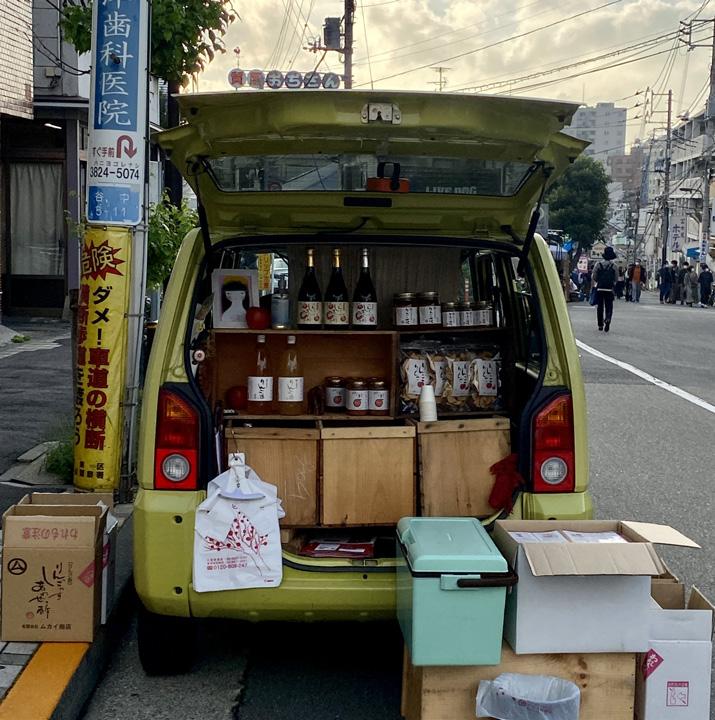
Whether you are looking for a bottle of Sake, some fruit, vegetables or an afternoon snack, you can habitually find them parked in the back of a car or a truck outside some residential train stations or market streets.
Arakawa - Nishinippori
Sumida - Azumabashi
Mixed-Use Sidewalks
Raised Sidewalks
´On a small scale, Tokyo is a very green city. Narrow, intimate streets are filled with potted plants that form personal gardens. The larger-scale green parks and the boulevards that are lined with trees were made during the Meiji era, but the oldest and highest trees you will find on shrine grounds. So look out for tall trees at the skyline and you’ll most likely find a shrine´.
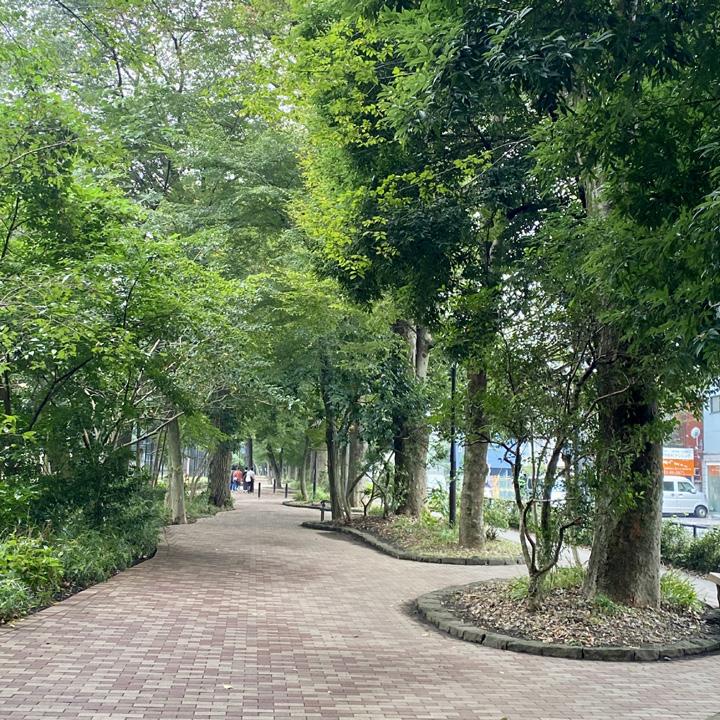
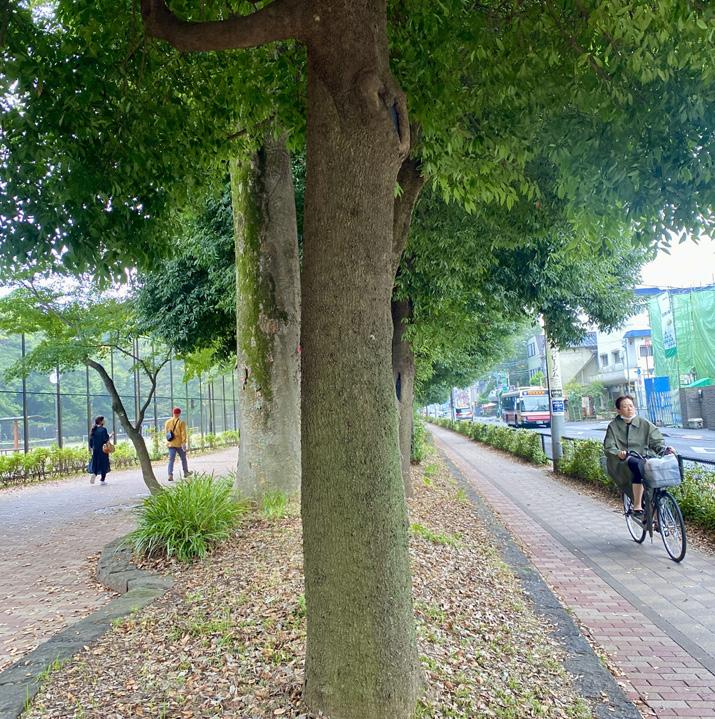
Close to Inokashira park, this pleasant sidewalk can be found adjacent to a tennis facility. Divided into three parts: a walkway, green strip, and bicycle lane, this sidewalk provides a comfortable kind of ‘getaway’ from the sidewalks of Tokyo. The sidewalk is amply providing all necessary functions, besides public seating.
Inokashira Park|Kichijoji - Dori Avenue
Inokashira Park|Kichijoji - Dori Avenue
Pedestrian Only - Sidewalks
Suginami - Koenji Minami
Nishishinjuku
‘The idea of Japanese closeness to nature took hold during the Meiji period (1868-1912), when Japan tried to define its identity in relation to the west. Western orientalist imagery was appropriated by the Japanese. Characteristics that were meant to suggest the weakness of Western people were redefined as strengths. Westerners had supposedly become alienated from nature, whereas the Japanese had stayed true to their close relation with it. The love of nature was presented as the nature of the Japanese. In Tokyo nature is far away, and there aren’t a lot of parks. Inhabitants of the city create makeshift gardens in front of their door. Nature is present in the many potted gardens you see throughout the city.´
Text Source: Tokyo Totem / Julian Worrall
Drawing Source: Emergent Tokyo_Designing the Spontaneous City / Joe McReyn
Sumida - Kamezawa
Both public and private vegetation can be found here. Cars inconveniently parked in the walking areas and signs taking up the sidewalk. Mixed-Use
Koto - Tomioka
Shibuya - Sendagaya
Sumida - Kamezawa |Hokusai - Dori Avenue
Sumida - Kamezawa |Hokusai - Dori Avenue
Private Street Vegetation
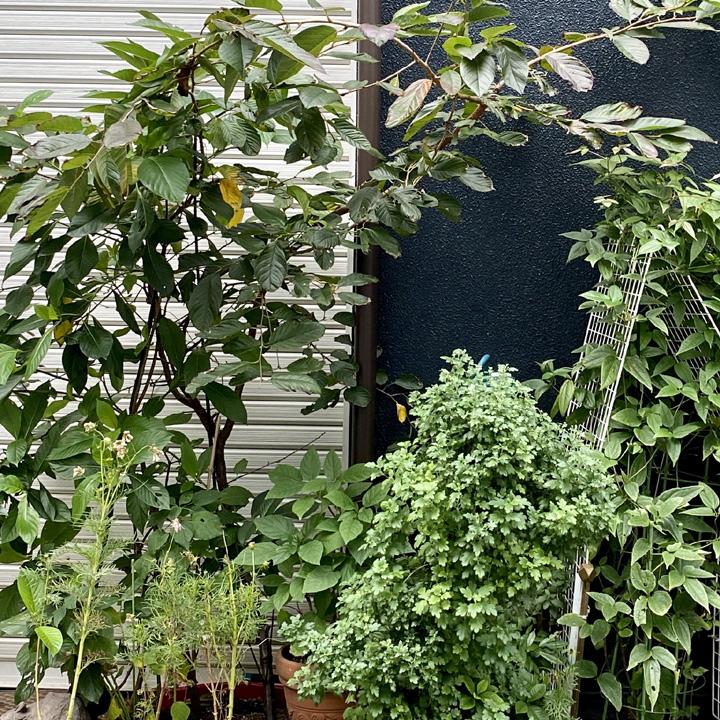
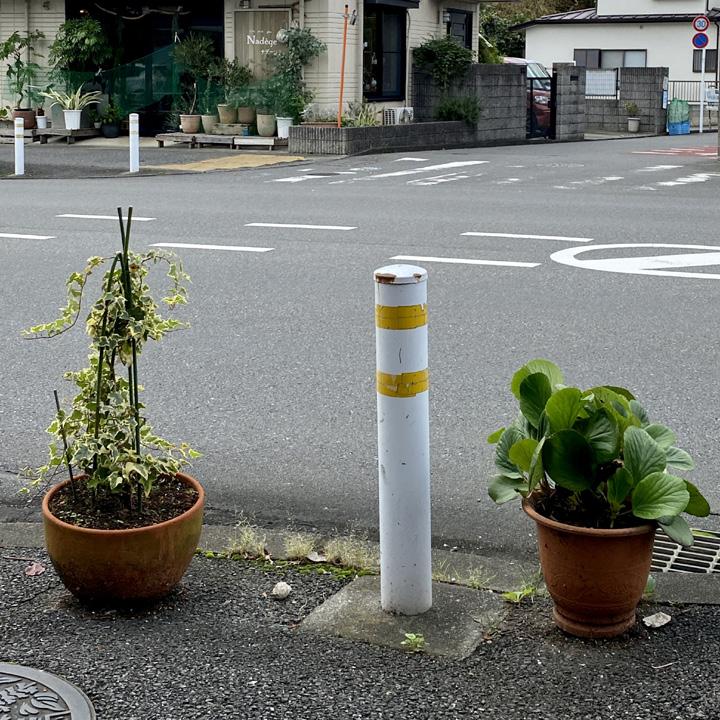
Expensive bonsais, small plants, and even large planters can be found on sidewalks. People respect these additions and do not steal them. The value that they add to the street is not only for the neighbours but for everyone passing by.
Shibuya - Yoyogikamizonochō
Machida - Oyamamachi |Kubogayato - Dori Avenue