QVNA provides community stewardship, advocacy and service to help improve quality of life for Queen Village residents.
BOARD OF DIRECTORS (2025–2026 TERM)
OFFICERS
Cait Allen – PRESIDENT
Chris Mullen – VICE PRESIDENT
Philip Holzhauer – TREASURER
Andrew Jarrah – SECRETARY
DIRECTORS
Ernest Cuni
Kevin Farrell
Mae Johnson
Patricia Kucker
Dennis Mahoney
Amanda Maize
David Suisman
Rich Villa Kim Vo
EMERITUS DIRECTORS
Inez Green
Michael Hauptman
Marian Buczek
OFFICE: 709 S. 5th Street
Meet Your Neighbor Contributors
QVNA sincerely appreciates the time and talent of the volunteers who helped create this issue of the QV Crier
Trishia Campie is approaching 10 years in Queen Village. She’s a social scientist, musician, and author. Her book, Just Around the Corner: The Story of the Sons of Robin Stone, is an homage to Philadelphia’s first integrated music act, and will be released later this year.
Maureen Brady Weir has been a Queen Village neighbor since 2000 and a member of The Friends of Moyamensing Point since 2008. A communications director by trade, she is also a certified Pennsylvania Master Naturalist.
Hilary Young is a Queen Village mom and owner of Hilary Young creative, a brand strategy and marketing consultancy.
Shawn Rybacki was born and raised in Queen Village. Her parents owned a small business on South Street in the 80s, so she considers supporting the QV community a legacy. Shawn is a licensed professional counselor, artist, and wellness nerd.
Jack Galle is a newcomer to Queen Village. He is an architectural historian by trade and can be seen wandering around the Village on his lunch break.
Theresa Kinsella has been a Queen Village resident since 2021 and a caretaker of Beck Park since 2024. A registered dietitian in private practice specializing in eating disorders and sports nutrition, she is often seen around the neighborhood with her husband, Dan, and their vocal Australian Shepherd, Claire.
Nicole Maley moved here in early 2022, so is relatively new to Queen Vil-
lage, but she already considers it home. By day, she works as a director of media for a New York City marketing agency. By night and on the weekends, she’s an avid walker, amateur historian, and diehard 76ers fan.
Katie Mears is an editor, an avid reader, and a Queen Village local. When she’s not at Shot Tower, you’ll find her working on story drafts, running around Philadelphia, or playing fetch with her cat, Franklin.
Cait Allen is the president of QVNA and has lived in Queen Village since 2019.
Sam Thompson is the executive director of QVNA. She received her Bachelors in Science at Lehigh University. In her personal life, Sam is a dog lover, food enthusiast, and Philly sports fan. ■
Letter from the President
It’s good to be back!
By Cait Allen, QVNA President
After a brief one-issue hiatus, the QV Crier has returned with tips and tricks to get ready for spring and some updates of things going on in the neighborhood.
It’s been a busy few months at QVNA. We’ve focused on supporting our local schools by purchasing wish list items not in their budget (shout out to Meredith’s new garden lending library and Nebinger’s new soccer team!); providing more opportunities for residents to meet with their local elected officials through a se -
ries of town halls; and beginning to plan our fourth annual fundraiser with New Wave Café to support the Summer at Courtyard program.
But the biggest news since our last issue: We were awarded almost $400,000 by the Pennsylvania Department of Community and Economic Development (DCED) to renovate Bainbridge Green (the park located along Bainbridge Street between 3rd and 5th Streets).
This money will allow us to fix the broken concrete, install LED lighting, revital-
ize the soil, and cultivate native plants. Our goal is to maximize the usable space available in the park and make this a gathering point for everyone who lives in and visits the neighborhood.
We’re still working through the paperwork. (There’s quite a bit!) But we cannot wait to share more with the community as things come together.
Happy spring!
QVNA PARKING AVAILABLE
$195/MONTH
Less than half the rate of nearby lots
Immediate availability. You do not need to live in Queen Village to enroll.
Front & Christian St. Covered/Off-Street
Welcome Back, Welcome Back, Welcome Back
By Katie Mears, Photos by Maxine Mayer
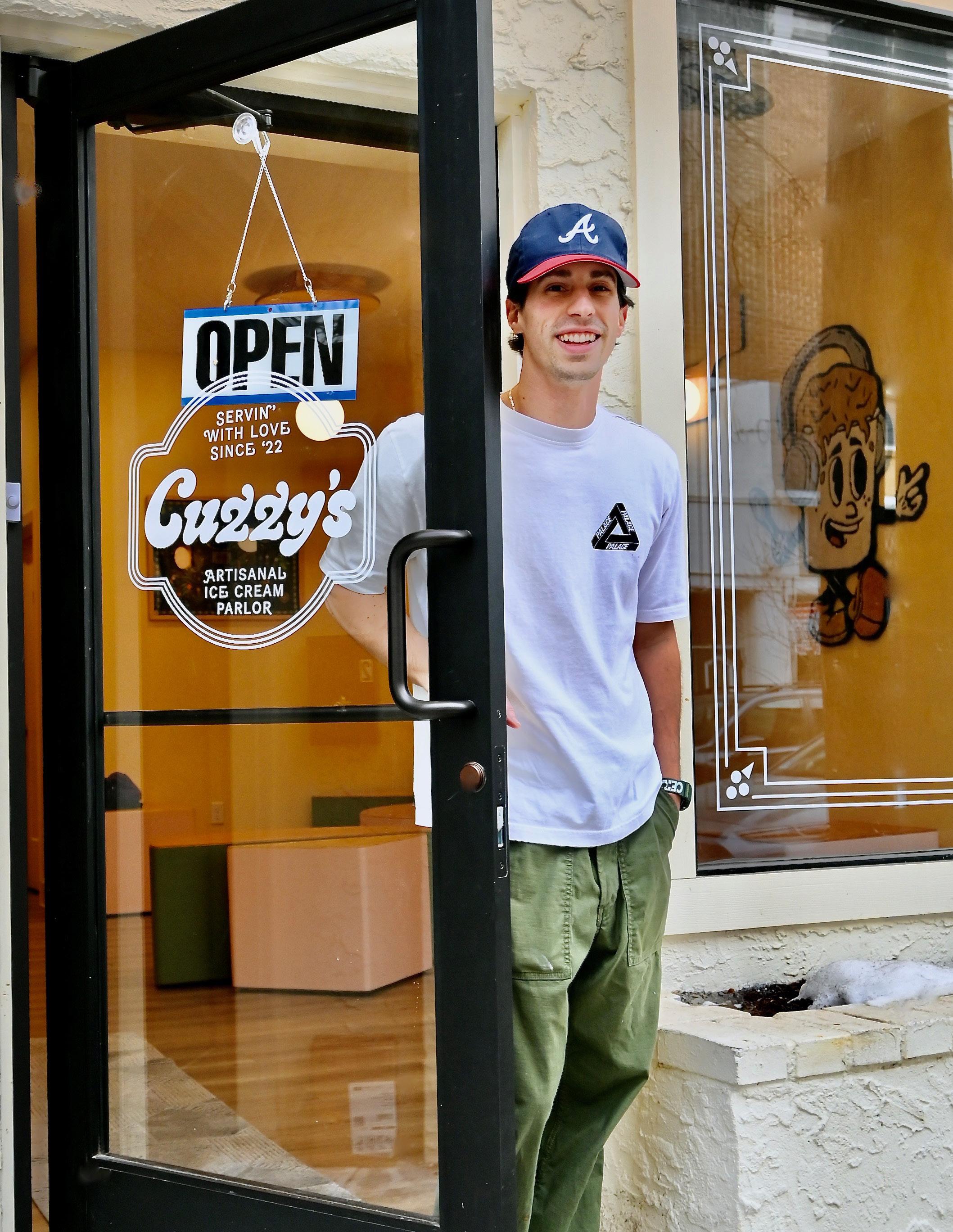
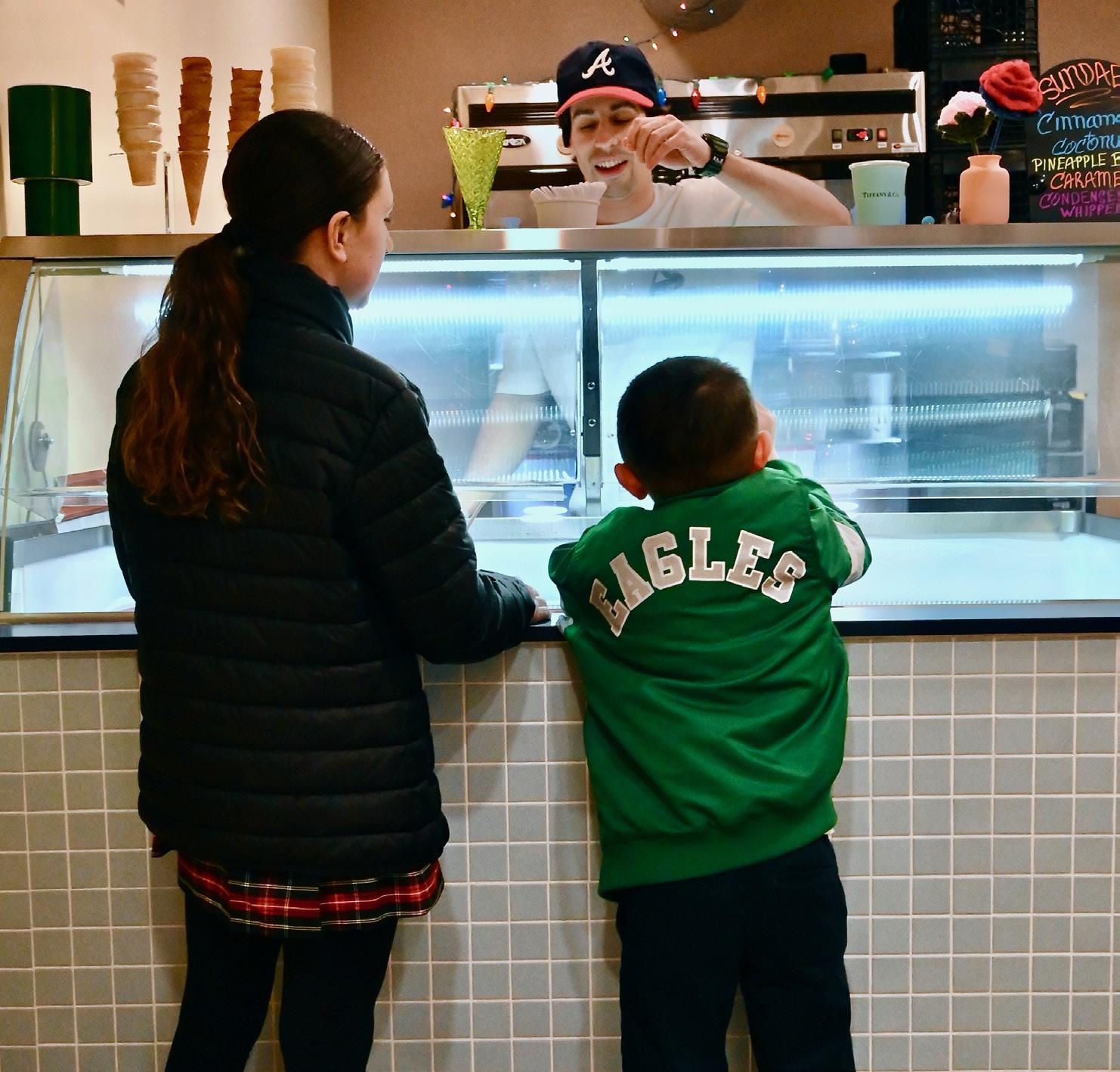
Through consistency, love, and attention to detail, Cuzzy Angiolillo has made Cuzzy’s Ice Cream a true Queen Village institution. In an average week, Cuzzy’s produces 45 to 50 gallons of ice cream, and the line often stretches out the door. The shop continually makes Best-of-Philly lists, with the Cinnamon Apple Strudel and the Lemon Curd flavors being particular stand-outs. Even a simple flavor like vanilla is treated with intention and love at Cuzzy’s. Their version is made with two types of vanilla beans, Tahitian and Madagascan, a combination that creates a deeper, more layered flavor. Hence the name on the menu: Vanilla Beans, not Vanilla Bean.
When I sat down with Cuzzy at a local cafe to discuss the reopening of his famous ice cream shop, now located on 4th & Fulton on Fabric Row, I had a difficult time with the interview. Not because Cuzzy was anything but kind and open— far from it. No, the interview was difficult because we were constantly interrupted by people stopping to say hi to Cuzzy. I felt like I was sitting with a local celebrity, as friends and neighbors kept cutting in for quick hellos, handshakes, and hugs. He’s hard to miss, with dark hair and bright eyes, and a charming South Philly accent. But these interruptions told me more than any interview question ever could, and it made it clear why Cuzzy’s Ice Cream has become such an institution. And the connection the community
feels for him isn’t just a result of him being loved, it’s a result of being missed
As Queen Village locals know, Cuzzy’s current shop isn’t his first. In April 2024, Cuzzy’s original location, one of the neighborhood’s most beloved storefronts, closed without announcement or explanation. There was no farewell, no timeline for a return. It was there one day, gone the next. For weeks, then months, the space sat empty. Handwritten notes appeared
on the door, and children’s drawings were taped to the glass, reading, “We miss you, Cuzzy.” Online, neighborhood message boards filled with speculation as residents tried to understand how such a beloved shop, with such a loyal following, could vanish overnight.
Questions lingered for more than a year, until rumors began to spread that Cuzzy was planning to open a new place on 4th Street. Finally, in October 2025,
Cuzzy opened the doors to a new ice cream shop, marking a homecoming for one of Queen Village’s favorite sons. “For reasons outside my control, I was forced to shutter the shop,” Cuzzy told me, “and legal circumstances prevented me from explaining the situation further. But I was blown away by the support I received from the community,” he said, smiling. “In short: It’s good to be back.”
On its inaugural weekend, a long line stretched through the shop and out the door. “I didn’t promote the reopening online,” says Cuzzy. “I wanted the neighborhood to know first. I wanted locals to see it, the people just walking by.” Still, word spread quickly. I stood in line with half the neighborhood that weekend, and not a single person seemed bothered by the wait. Instead, the mood was electric. Everyone was excited for ice cream, yes, but also excited to reach the counter, see Cuzzy, and welcome him back to Queen Village. There was laughter and tears usu-
ally reserved for close family members, not neighborhood shopkeepers. One father, his daughter perched on his shoulders, paused before ordering. “I’m just so happy to see you back,” said the man, blinking back tears. The uncertainty surrounding the first shop’s closure seems only to have strengthened the community’s attachment. People rallied around Cuzzy, offering support and encouragement as he searched for a new space and a place to land. “It takes a village,” he says. “And this is the best community of people ever.”
At the new shop, Cuzzy says he has a sense of stability that was missing before. “This is finally mine,” he told me. With a rotating list of flavors, his love and sense of pride are evident in every detail. Day after day, he stands behind the counter, chatting with kids in line and greeting regulars by name. The ice cream is made from scratch, as is much of the interior, from the artwork to the furniture. The
cushions were upholstered with fabric sourced from Fabric Row, and the dairy and the produce are locally sourced.
The shop is, in many ways, a family operation: Cuzzy’s mother helps with bookkeeping and decorations; his brother, Vinny, regularly works shifts; and Olivia, a friend and team member since the early days, remains a central presence. Asked what he hopes customers feel when they visit, Cuzzy didn’t hesitate. “I want people to enjoy being here. I hope it feels like their living room,” he says. “I hope someone leaves and thinks, ‘I needed that scoop today.’” Despite the shop’s popularity, Cuzzy has no plans to expand. For now, he’s content to be present, keep the shop small, and continue building something familiar rather than aspirational. “I want to be here,” he says. “That’s the point.” After a tumultuous few years, Cuzzy’s Ice Cream is here to stay, for today, tomorrow, and for years to come. ■
Changes at Beck Park
By Theresa Kinsella, Photos by Sam Thompson
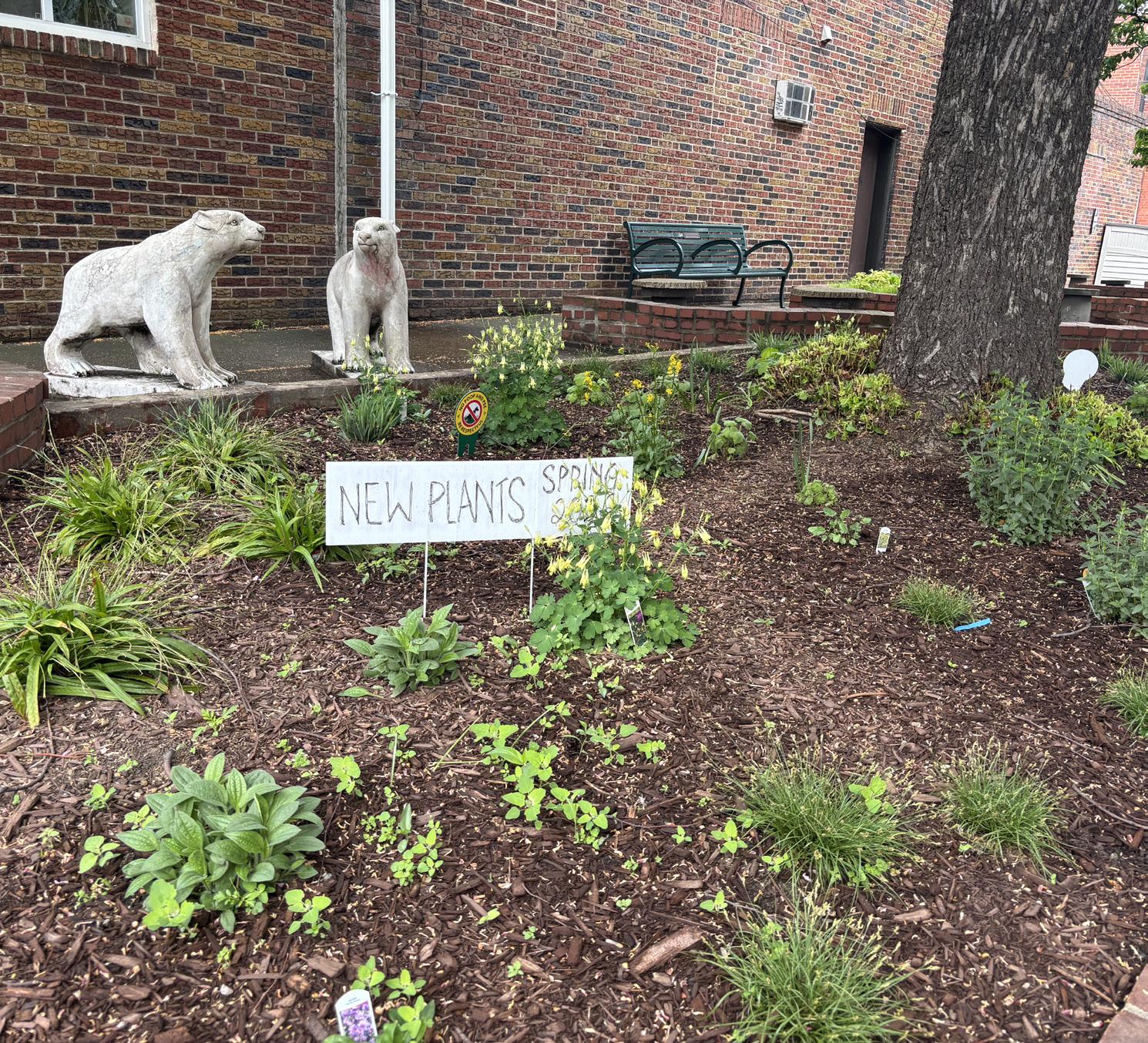
Are you familiar with Beck Park on the corner of 2nd & Beck Streets? It is a small neighborhood park which houses a sculpture of two bears. We are excited that Beck is becoming a native plant pollinator garden and is being replanted.
Beck has been lovingly preserved by a dedicated group of neighbors who have kept it clean and maintained the landscaping for over 20 years. It was originally planted in 2006 with a plan from the Pennsylvania Horticultural Society (PHS). Since then, gardening practices have changed and an interest in native plants has grown exponentially
due to increased environmental awareness, an elevated need to support pollinators, and benefits like reduced water and pesticide needs.
What are native plants and why are they important? Native plants are indigenous to our region and provide food and shelter for the insects and birds with which they evolved. Their importance has never been greater. The rise of manicured lawns, the introduction of plants from other countries (many of which are considered “invasive” or “alien”), and climate change have disrupted our native ecosystems. This has led to drastic population declines for the insects and birds
that subsist on them. For example, monarch butterfly populations have declined more than 80% since the 1990s. Some scientists believe that the monarch butterfly might be a canary in the coalmine for environmental impacts to come, particularly for pollinators. (https://xerces. org/monarchs/conservation-efforts)
The Friends of Beck Park volunteer group has been working hard to prepare the park for replanting with pollinatorfriendly, drought-tolerant native plants. From October through December, neighborhood volunteers worked countless hours to prepare the garden beds. Thank you to all of them!
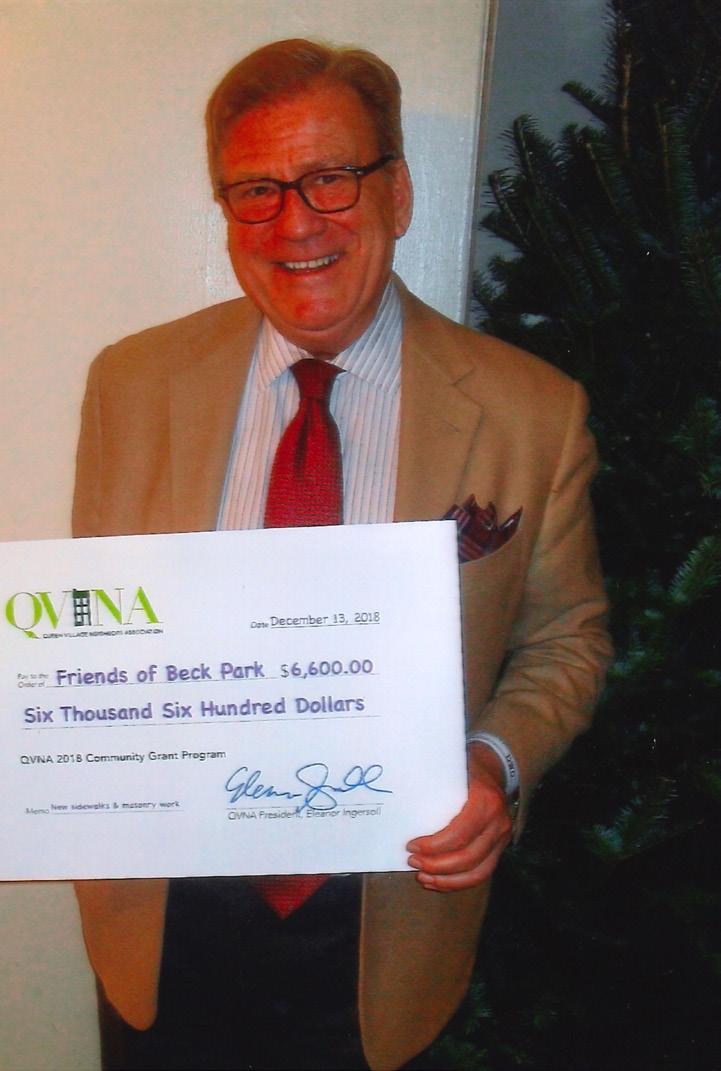
With the help of a QVNA grant, the front two beds were replanted in March. We would like to thank Dan Rosin, developer of the building at 2nd & Christian Streets, for his generous financial donation and the water access to make this project possible.
Please be patient as it will take at least a year for the plants to be established. We plan to plant the remaining two beds this fall using a grant from the Philadelphia Committee of the American Garden Club and we continue to seek out funding to remove the park’s broken concrete stools.
In the future, we hope to host educational events about native plants and pollinators. If you are a local educator, we’d love to work with you!
If you would like to contribute, donations can be earmarked to Beck Park through QVNA. Want to volunteer? Please contact Theresa Kinsella at friendsofbeckpark@qvna.org ■
Dessert B4 Dinner Is Sweetening Philly’s Social Scene
By Shawn Rybacki, LPC, Photo by Maxine Mayer
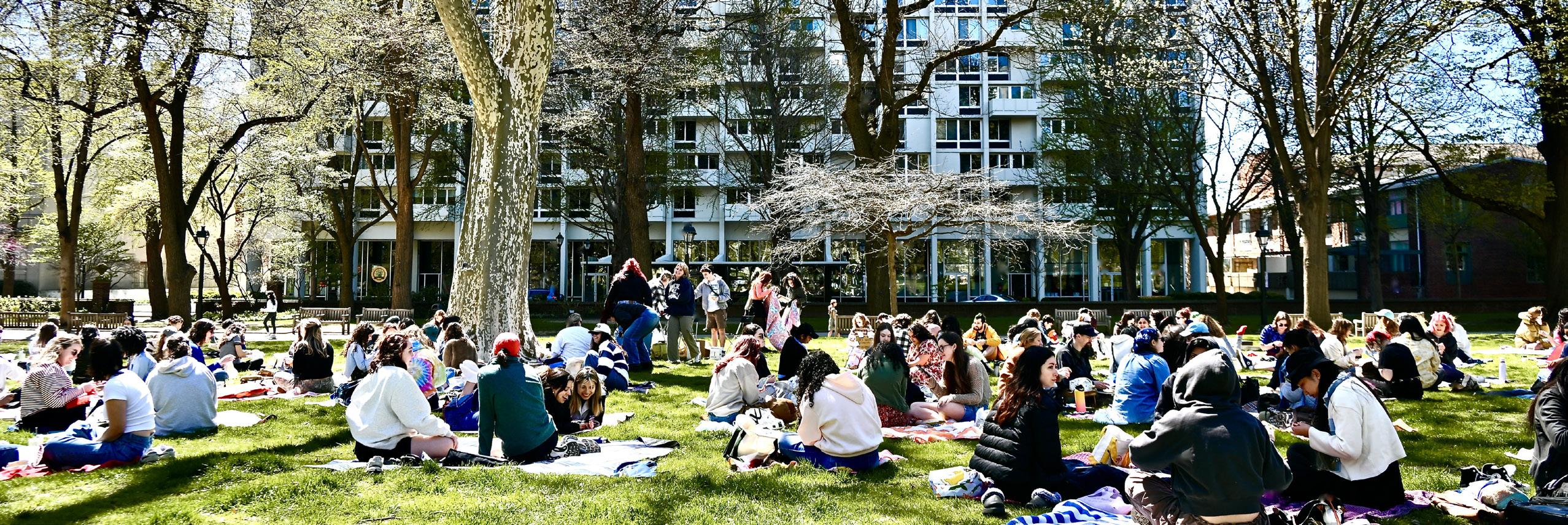
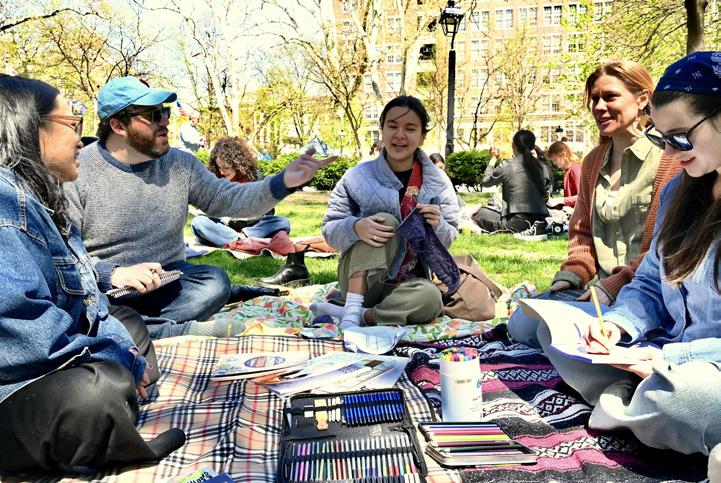
In a cultural moment defined by endless digital content and increasing realworld isolation, making new friends can feel surprisingly difficult. Many people crave connection but struggle to find spaces where relationships can form naturally rather than feeling forced. If this resonates, Dessert B4 Dinner may be the antidote you’ve been looking for! From yoga groups to junk journaling, this new social club offers playful, creative events where like-minded people can gather, connect, and have fun.
Founded by local creative Madison “Madi” Seidel, Dessert B4 Dinner is a social club built on a simple idea: bring people together in welcoming, lowpressure environments where crafting becomes a shared experience rather than a measure of talent. There’s no expectation to be good at art or pressure to impress. The result is that Dessert B4 Dinner has quickly become a place where friendships are not only possible, but common.
Madi has watched countless connections take root—people exchanging numbers, making plans beyond the events, and returning week after week together. Many attendees arrive alone, unsure of what to expect, and leave having formed meaningful bonds. For some, these friendships become anchors in the city, transforming a large and sometimes lonely place into something that feels like home. Others find the space unexpectedly empowering, using it to network organically and feel supported as they pursue creative or small business goals. With Philly’s deep history of makers and artists, it’s no surprise that Dessert B4 Dinner has resonated so strongly.
As a therapist, I believe Dessert B4 Dinner is worth its weight in gold. Engaging in creativity and playfulness can help regulate the nervous system and reduce anxiety. Community itself is a protective factor for mental health. The environment is intentionally inclusive and especially affirming for women and LGBTQ+ folks, while remaining open to anyone who shows up with respect and kindness. When people create together, we heal together!
Inspired by the success of Dessert B4 Dinner, Madi encourages others to trust their ideas and take creative risks. Looking ahead, she hopes to expand through collaborations, sponsorships, new cities, or a permanent space -without losing the whimsy, inclusivity, and sense of connection at its core.
Sometimes all it takes to make a friend is a shared table, a creative spark, and the courage to show up! You can find Dessert B4 Dinner events by following them on Instagram @_b4dinner ■
Building Community, One Zaftig at a Time
By Cait Allen, Photo by Maxine Mayer
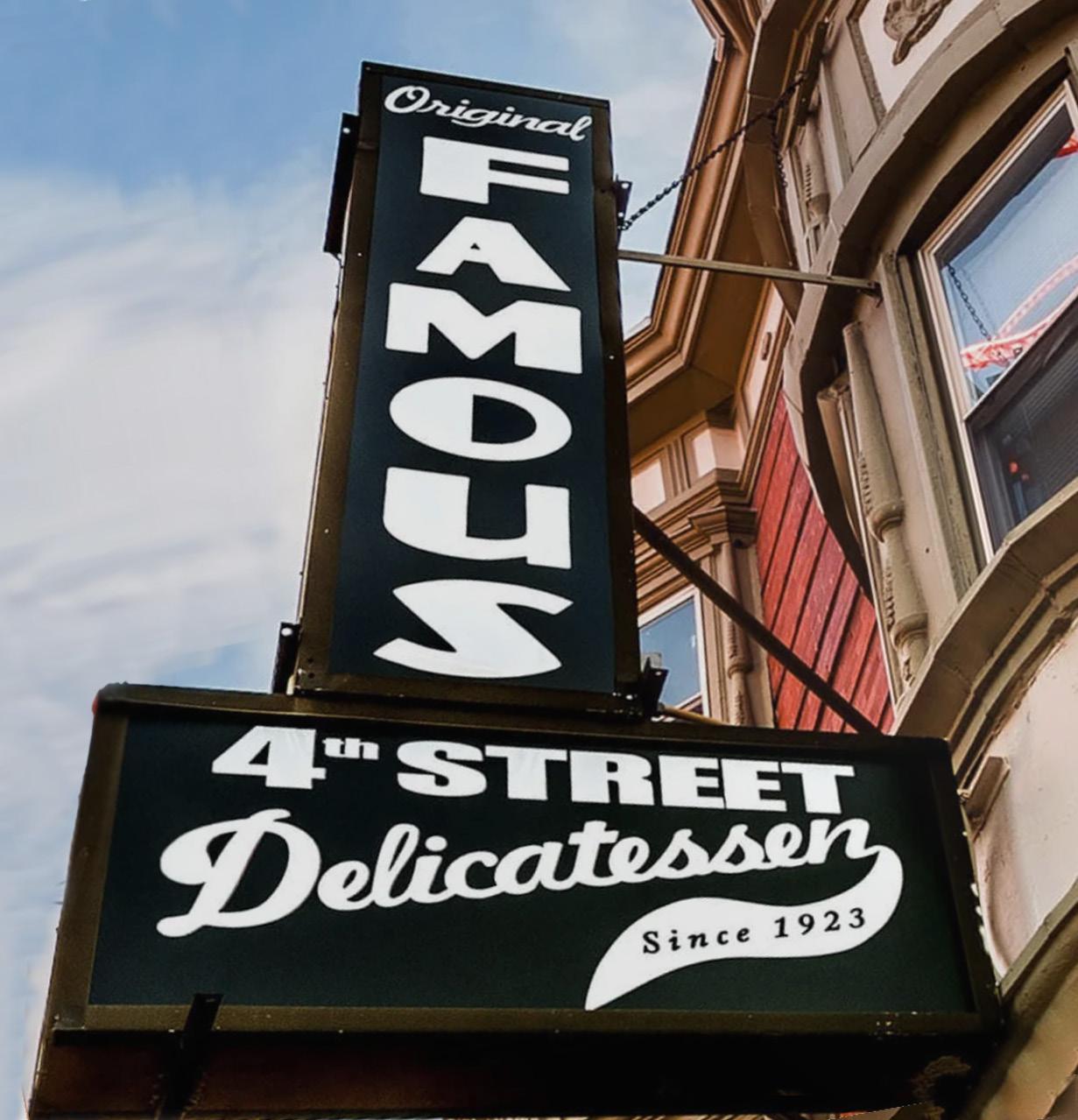
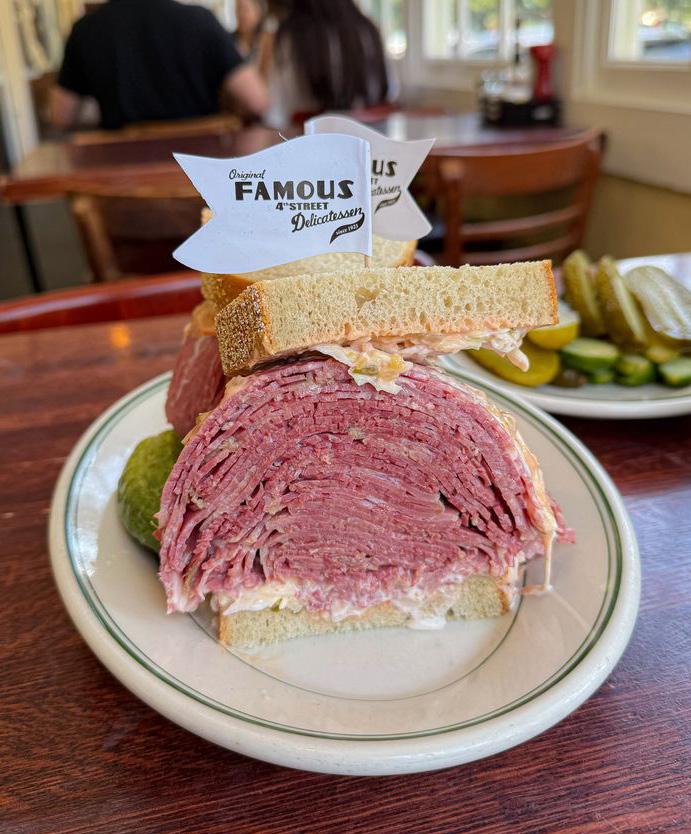
We want to be a neighbor for the entire city,” says Lou Novak, General Manager of Famous 4th Street Deli. “Whether you’re a regular or a first timer, if you’re here, you’re one of us.” Novak tells me this on a busy Tuesday evening, as he personally thanks everyone who walks past us for coming.
Novak has been managing Famous for the past year after spending more than three decades in the restaurant business. “I’ve done just about every job you can do: dishwasher, operations, bartender, manager. Definitely a ‘lifer.’”
From the moment he met current owner, Al Gamble, he knew that Famous was going to be his new home. The power went out during his interview. Unfortunately, some delivery trucks still showed up, so unloading them was a priority. Without hesitation, Novak and Gamble both instinctively got up to help.
“That’s when I knew I could work for this guy. We’re cut from the same cloth. If anyone is busy, we’re all busy.”
This “we’re in this together” spirit radiates from Novak as he discusses his goals for the restaurant. His first priority is delivering the highest quality food he can, but a close second is bolstering ties with the neighborhood. Whether it’s providing refreshments during Love Your Park Day or co-sponsoring Nebinger School’s soccer team, he proactively seeks out opportunities to partner with others.
Unsurprisingly, Famous has been an integral part of the community since opening its doors 102 years ago as the Auspitz Brothers Famous Delicatessen. This century-old legacy envelops you once you walk through the door, with decor dating back to the 1920s. The restaurant feels like a living museum that lets you step back into history as you enjoy a
legendary 24-ounce pastrami zaftig (Yiddish for plump) sandwich.
While their oversized Jewish delicacies may be what put them on the map, Famous has stayed famous for its reputation as Philly’s go-to political destination.
“If you’re on the campaign trail, of course, you’re coming to Famous,” confirms Novak. Most recently, Vice President
Kamala Harris spent the day at the delicatessen while campaigning in Philly, and Mayor Cherelle Parker celebrated part of election day there this past November. If you’re wondering who else has visited the restaurant, check out the hundreds of photos of celebrities and elected officials lining the walls. (They move around periodically, so keep an eye out!)
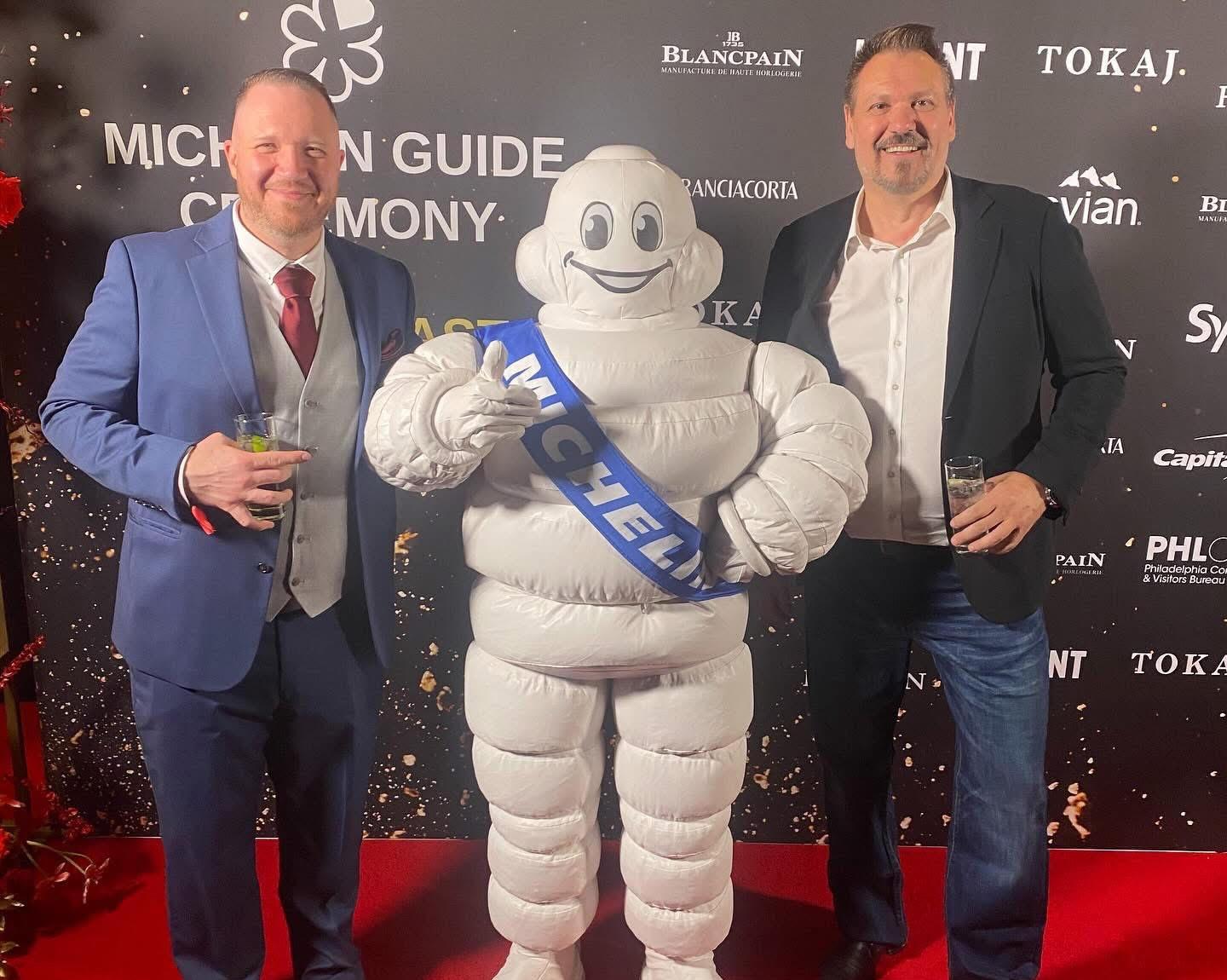
Of course, one of the most exciting moments in recent memory was Famous’ well-deserved designation as a Bib Gourmand in Michelin’s Philadelphia guide.
“I honestly thought I was getting scammed at first,” admits Novak. “You get a random phone call letting you know that you’re in consideration. Of course, the quality of our food and our staff is second to none, but it was still a shock.” The reality didn’t start to sink in until No vak reached out to other restauranteurs, who hadn’t received a similar invitation to the awards ceremony.
“I’m not sure how many times the Mi chelin scouts came into the restaurant. One? Ten? However often it was, it means that their experience was consistently good. That’s what I’m most proud of.”
Novak and his team know that with this honor does come with great respon sibility to maintain the same level of qual ity that got them recognized. They will continue to slow smoke their own pastrami, use surgical preci sion when filleting whole fish, and make their signature cookies from scratch. Above all, they will keep putting the customer first.
“Kindness will get you far in life.” ■
Simple Sidewalk Gardening Tips
By Maureen Weir
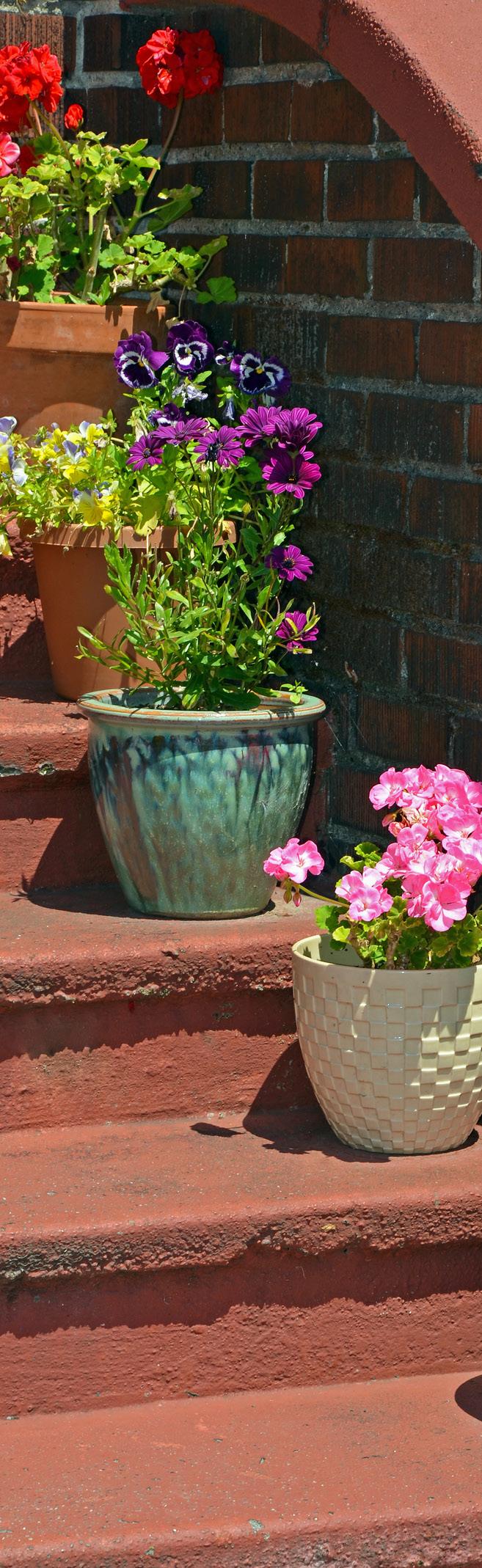
Summertime can be busy and not everyone wants to spend their free time tending to a sidewalk garden. But the good news is that there are plenty of ways to keep your outdoor spaces looking good with minimal effort so you can spend more time making fun summer memories.
A good place to start is with some light cleaning. Take a few minutes to sweep front steps, doorways, and sidewalks. Shake out outdoor rugs and door mats, wipe down railings and windowsills, and hose off sidewalks. If you don’t have a hose, no problem. Rinse off the area using a watering can or bucket. These little
steps can make a big difference without taking up a lot of time.
Next, clear out any dead leaves, twigs, and debris from planters, flower boxes, and tree pits. Weed sidewalks and around trees and add a bag of mulch to tree pits to give the area a fresh, clean look. Sprucing up will not only make the area shine but also create the perfect backdrop for adding a few green touches.
Remember, you don’t have to jump into a full gardening project. Keep it simple, and you’ll be sure to get the job done. Start with a quick stop to our neighborhood hardware store for a container plant, an herb pot, or a hardy flower or
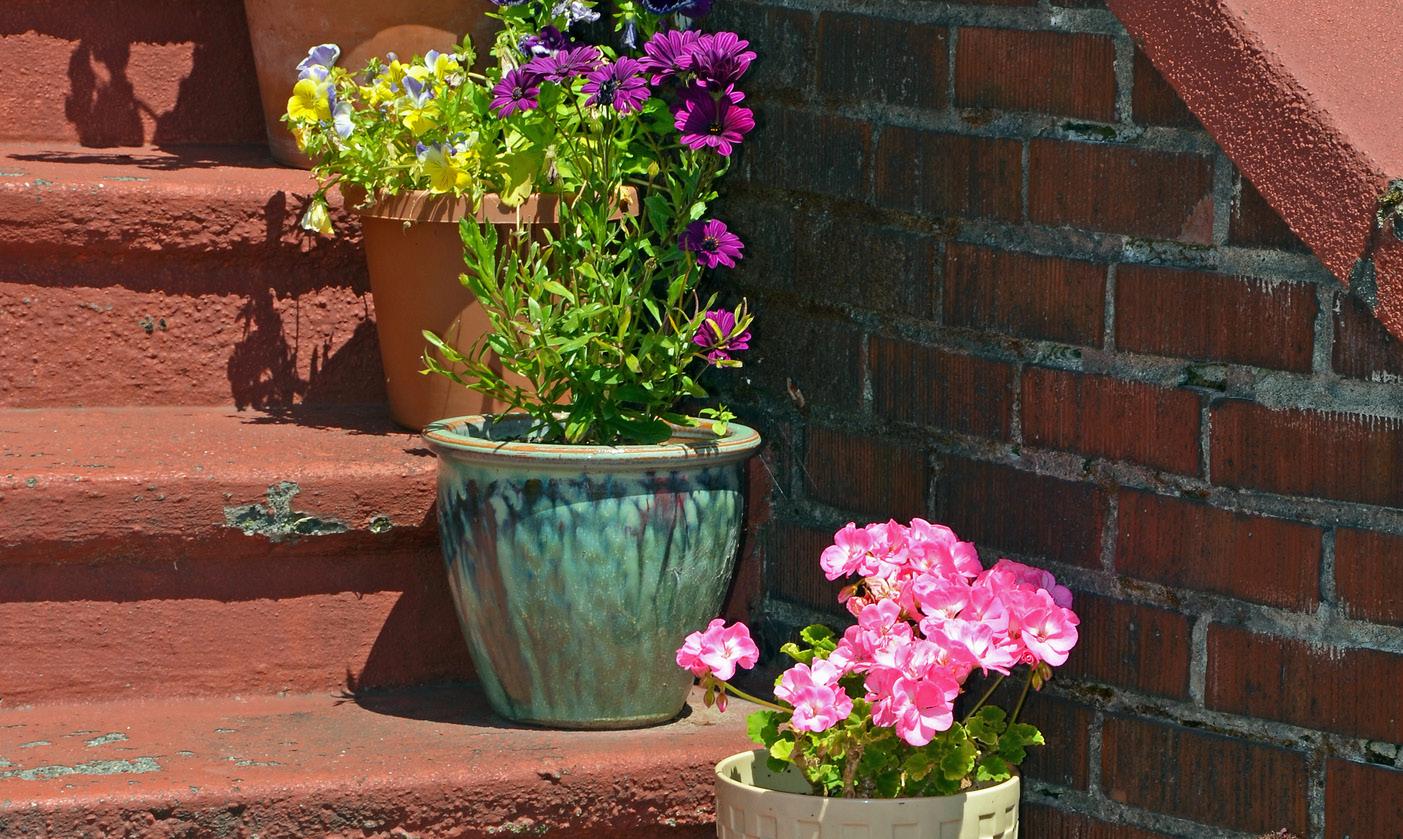
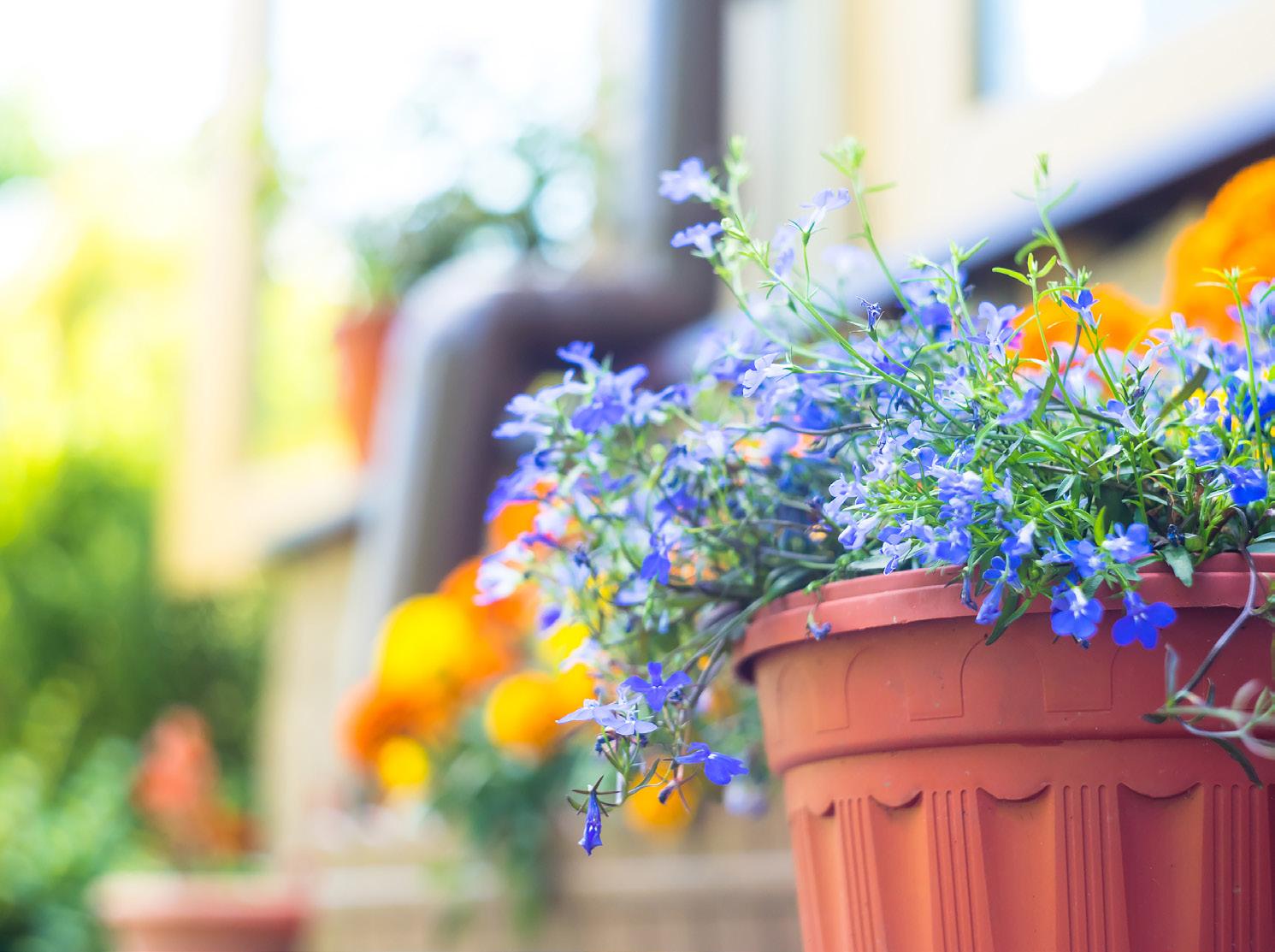
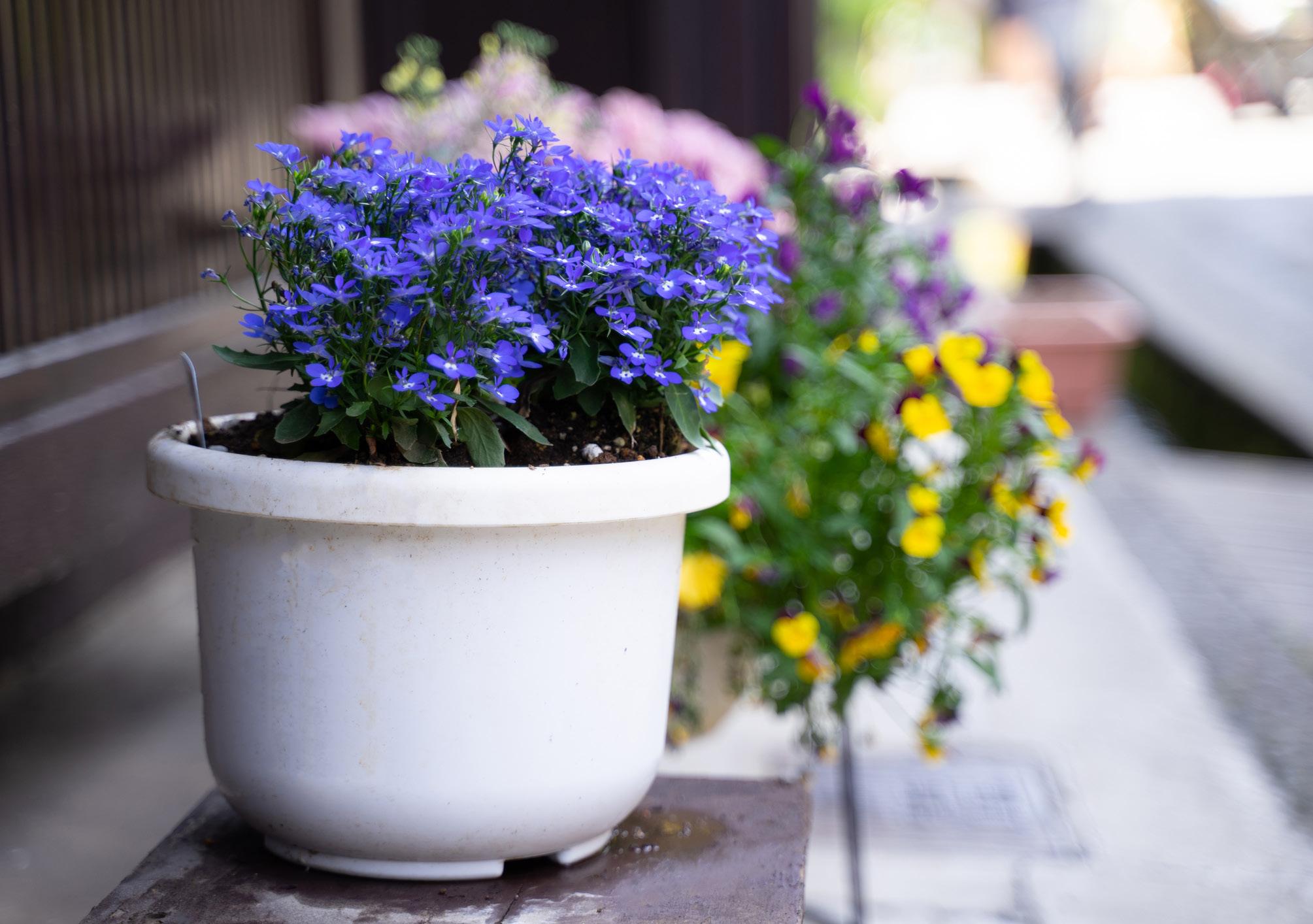
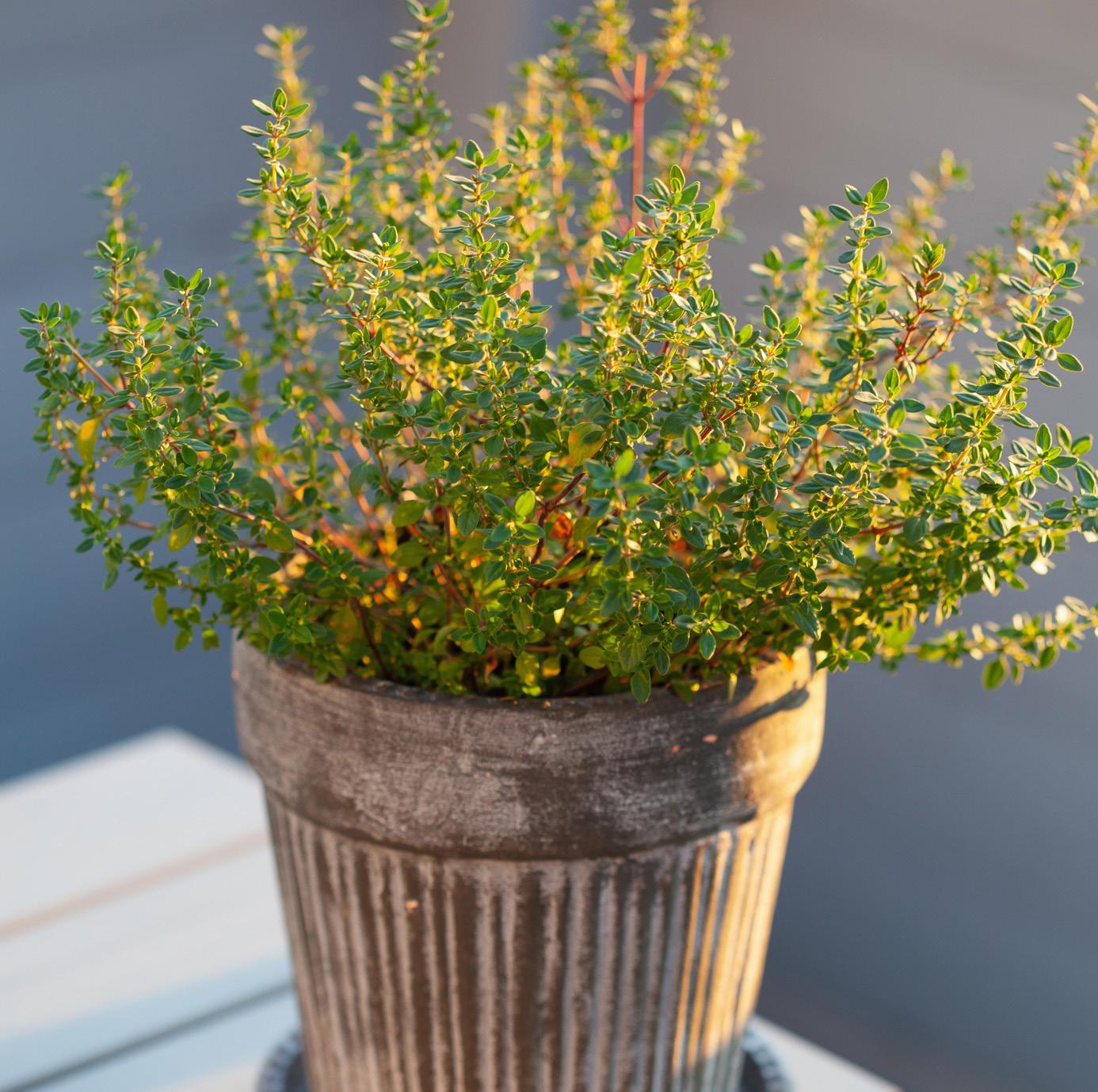
two. Small additions like these are quick ways to add a little life to your outdoors. Herbs such as basil, rosemary, mint, or thyme grow well in containers and are convenient for cooking. When buying flowers, consider marigolds, petunias, or zinnias, which add a splash of color without demanding too much attention.
If your outdoor area is small, don’t worry Even adding one simple pot can make a difference. Also, throughout the warmer months, consider moving your indoor plants to a sunny spot outdoors. They will love the fresh air, and you can always bring them back inside as needed. Remember, it doesn’t have to be anything elaborate but rather just a small touch of green that is easy to maintain.
Experience the joy of keeping your gardening approach simple. Water plants when the soil feels dry. Spend a few minutes each week sweeping and tidying up. If a plant doesn’t thrive, let it go. That’s what nature teaches us: Nothing lasts forever, and it’s nice to change things up now and again.
As the seasons change, keep the same easy approach and make small adjustments as needed. Easy efforts can keep your outdoor spaces looking good without it feeling overwhelming. Remember, this is real life, not HGTV, and it’s perfectly okay not to go overboard.
The beauty of sidewalk gardening is that it doesn’t have to be complicated. You don’t need to be a master gardener or spend a lot of money and time to enjoy the rewards. The goal isn’t perfection. It’s simply to invite a bit of beauty into your life, in a way that feels easy and meaningful to you. So, start where you are and take it from there. Create a space that makes you feel happy every time you come home without turning it into another chore. ■
A New Flagship Mural for Queen Village
By Nicole Maley, Photos by Maxine Mayer
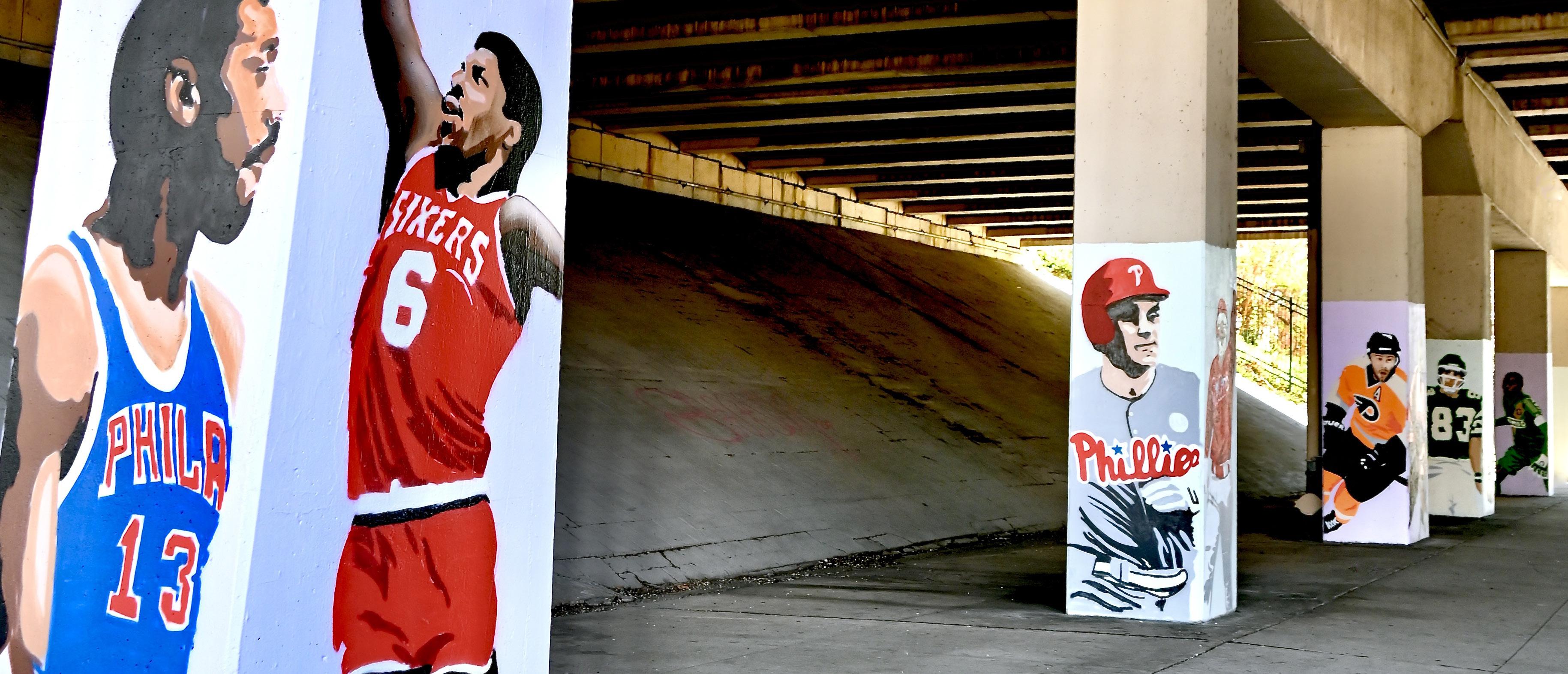
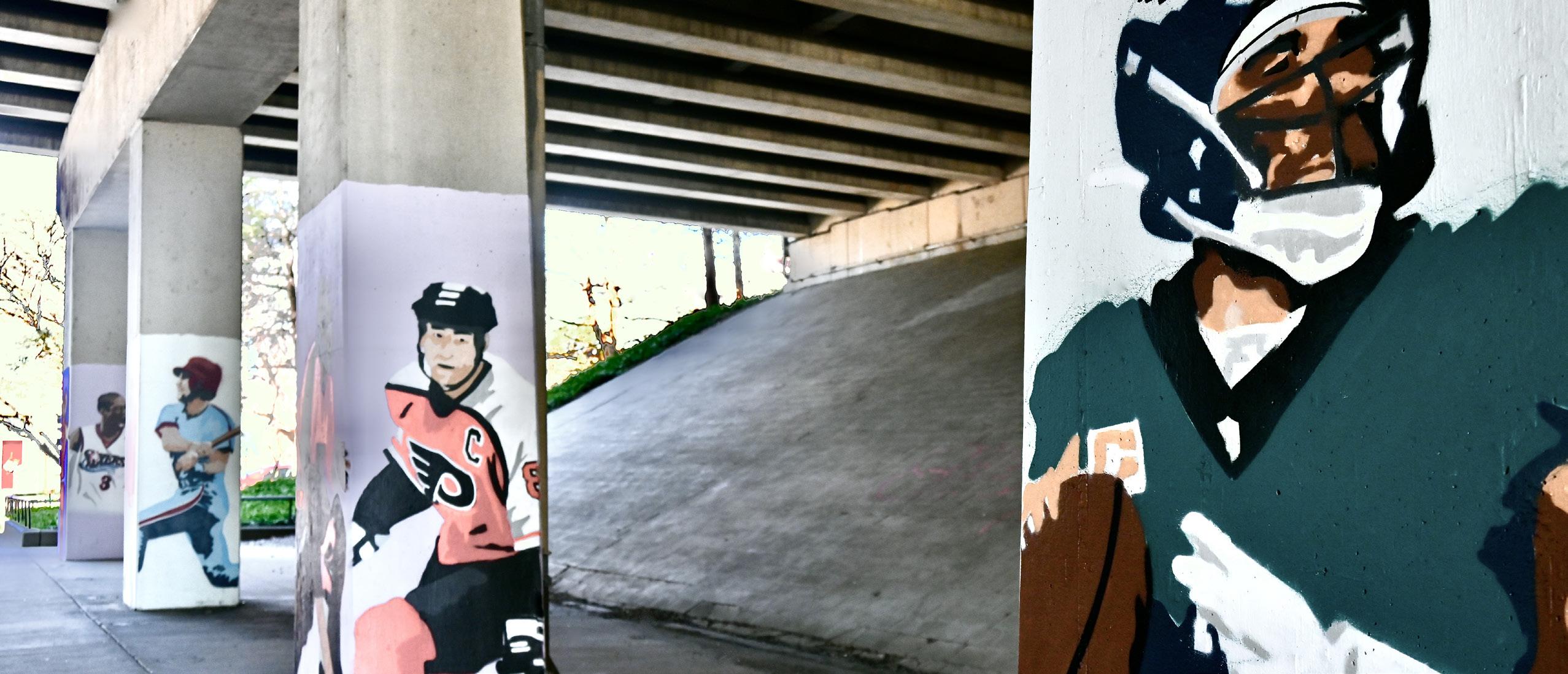
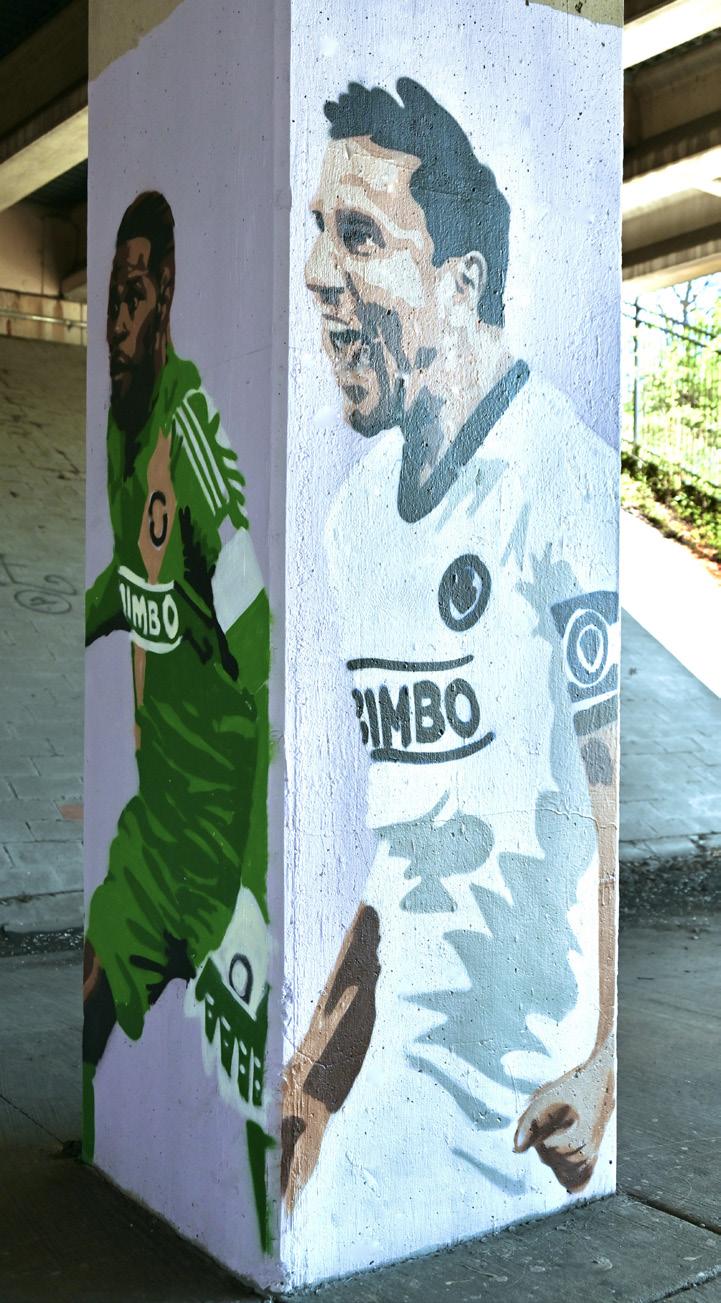
When arriving in the Village via Christian Street, you may catch a glimpse of a new welcoming sight to the neighborhood. In partnership with the Queen Village Neighbors Association (QVNA), five new Philly sports murals (with a sixth on the way) now adorn the pillars adjacent to Front Street under I-95. This commissioned work, completed by local artist Mike Hammond, showcases stars from various eras of the big five in Philadelphia Sports: the 76ers (basketball), Eagles (football), Phillies (baseball), Flyers (hockey), and Union (soccer).
Hammond is a Philly native, growing up in Mayfair. He honed his artistic approach in San Francisco for many years, actively participating in their blossoming urban art scene. Returning to Philadelphia in 2012, he’s continued his career as
a street artist, as well as an established DJ. On the subject of his art, he remains grounded and is not too precious about his technique or subjects.
“I don’t take it too seriously,” Hammond said. “I just do fun stuff that I think people are going to like. In South Philly, (a sports mural) is a no-brainer.”
Some of his prolific sports-themed art is how QVNA identified him as their choice for this project. During the Birds’ victorious Super Bowl run a few years ago, Hammond embarked on a number of Jason Kelce likenesses throughout the city, including a depiction of his now legendary green tracksuit dance right on one of these Christian Street pillars. When someone unceremoniously painted over the rendering, QVNA got in touch with Hammond for a round two homage to
the iconic Eagles lineman. In classic Philadelphia tradition, a partnership between a community and a local artist emerged.
“There’s plenty of times where there’s a way more qualified or technical artist for a project,” Hammond explained. “But there is that element of just doing it on the street that gives a different story to it.”
The most surprising aspect of the project is the way it evolved: QVNA and Hammond didn’t set out to create a full representation of the Philadelphia sports experience. It started off as merely painting another Jason Kelce likeness but then turned into a detailed spotlight of Philly sports stars of then and now.
“I tried to pick players from each championship era and fan favorites,” Hammond added, detailing his process.
He also joked, “I knew who people didn’t like and made sure not to include them.”
There were few QVNA special requests that Hammond happily accommodated, including Eagles legend and Queen Village resident, Vince Papale, as a celebration of both the neighborhood and Philly’s underdog spirit.
As of writing this, the full showcase isn’t finished, but Hammond has big plans for the sixth and final pillar under the overpass. The big five of Philly sports is turning into a big six, with a pillar especially dedicated to the fans. This last piece will be a little less straightforward than the other pillars, as it will combine paintings of mascots, championship years, and well-known Philadelphia super-fans.
“I’m going to take my time with that one,” Hammond said of the last pillar “The fans are such a big part of the teams so it makes sense that they’re there.”
As for the chosen super-fans to be immortalized in concrete, he’s sticking to the “real identifiable characters, the real outlandish ones in costume that you could pick out right away.”
Hammond is finishing the final pillar in the next few months, capping a great addition to the neighborhood and a perfect kick-off to a busy summer with World Cup matches, the MLB All-Star Game, and 250th anniversary celebrations all hosted in Philadelphia. But the unfinished product is already a hit with motorists zooming down Christian Street.
“I’ve had multiple cars stopping traffic as I’m working to ask me for my Ins-
tagram handle,” laughed Hammond. “I'm just like, ‘no, you’ll make it look like I'm the reason that these people are going to be late for work now.’”
Hammond tags all of his work with his instagram handle (@getupart). When not painting, he is the Saturday night resident DJ at Attico Rooftop at 219 S Broad Street and spins records at a number of popular Eagles and Phillies tailgates at the South Philly sports complex.
“Murals add character to the city. Who wants to look at boring blank walls?” he said, speaking of his passion for the medium. “It’s also not meant to be super detailed or to be studied for hours. People are just driving by quickly, you’re supposed to know exactly what it is.” ■
Current Players Included
76ers: Julius Erving, Wilt Chamberlain, Allen Iverson
Phillies: Chase Utley, Mike Schmidt, Bryce Harper
Flyers: Eric Lindros, Simon Gagne, Bernie Parent
Union: Sebastien Le Toux, Alejandro Bedoya, Andre Blake
Eagles: Vince Papale, Brian Dawkins, Jalen Hurts
The Ripple Effect
Creating Conditions for Cleaner Water and Better Living
By Trishia Campie
The Semiquincentennial is upon us, celebrating 250 years of history as a nation. When Philadelphia hosted similar festivities in 1976 for the country’s bicentennial, the Delaware River was still recovering from decades of pollution. A U.S. Army pilot famously claimed that he could smell the river when flying 5,000 feet above its murky depths.
During WWII, the river was rife with sewage, oil, and waste from the vibrant riverside industries that earned the city the nickname, “Workshop to the World.”
Ships refused to dock in the river for fear their hulls would turn brown. Philadelphia was not the only city struggling with heavily polluted waterways at this time. In 1969, Ohio’s Cuyahoga River caught on fire, generating public outrage after an article from Time magazine described the Cuyahoga as a river in which a person “does not drown but decays.”
Why do we need clean waterways?
Recognizing the declining state of lakes and rivers after WWII, Congress passed The Federal Water Pollution Control Act (FWPCA) in 1948. But the law lacked the federal regulatory muscle to effectively clean up the waterways it sought to protect. It wasn’t until 1962 when acclaimed marine biologist Rachel Carson inspired a global conservation movement with her book Silent Spring where she document-
ed the environmental harm caused by the indiscriminate use of DDT.
Her book became a galvanizing force to educate the public on the harm that pesticides can do when infiltrating waterways that animals live in and people depend on for their water supply. Short-term exposure to pesticides, heavy metals, and other toxic pollutants may only cause stomach upset or diarrhea, but long-term consumption through drinking water or other contact carries a deeper risk of nervous system damage, reproductive health issues, or chronic diseases like cancer.
Building from the work of Carson and other scientists and activists, the FWPCA was heavily amended in 1972 over a pres-
idential veto by Richard Nixon and is now commonly known as The Clean Water Act. More than fifty years later, decades of research and experience have confirmed the reciprocal relationship between a green city, clean waters, and quality of life in cities like Philadelphia.
Where do things stand in 2026?
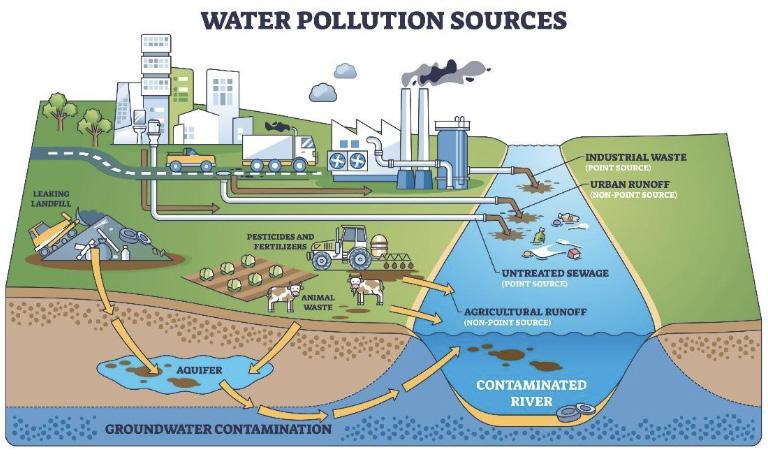
Despite steady progress to reduce the flow of industrial waste into our waterways, manufacturing plants remain as a leading contributor to water pollution, discharging contaminants into rivers, lakes, and groundwater. Heavy metals such as lead, mercury, and arsenic, as well as toxic chemicals, degrade water quality, harm aquatic ecosys-
tems, spread water-borne diseases, and make water unsafe for people and wildlife. The same is true for the fertilizers and pesticides used to boost crop yields, but these chemicals do not stay in the fields.
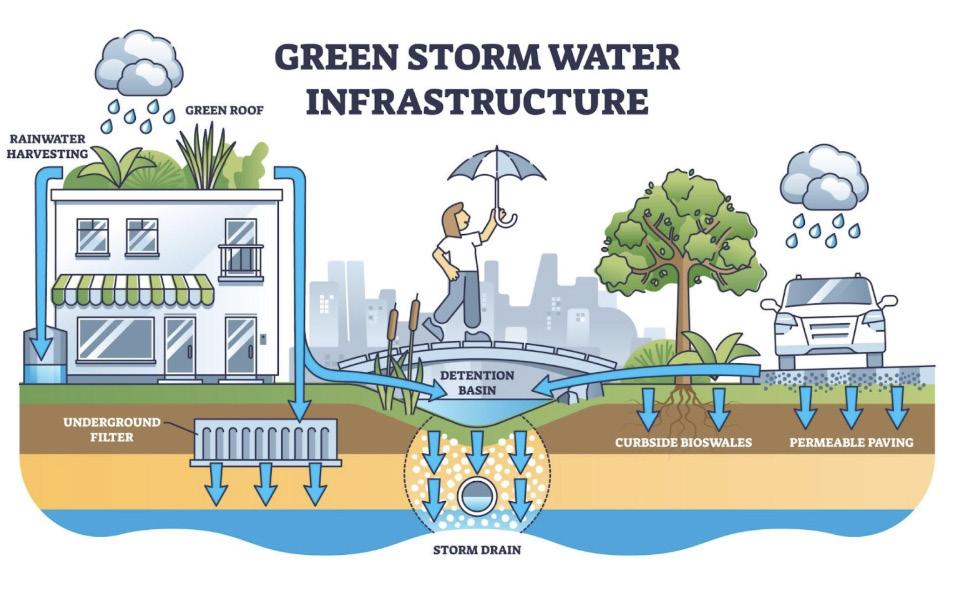
Rainfall and irrigation wash nitrogen, phosphorus, and pesticide residues into streams and lakes. Industrial and agricultural pollution are targets for regulation under the Clean Water Act, but the place where cities can most effectively protect their waterways comes from the third source of pollution: urban and stormwater runoff. Surfaces like asphalt and concrete prevent water from soaking into the ground.
Instead, rainwater rushes over streets and parking lots, picking up oil, grease,
chemicals, trash, and even pet waste. This runoff carries contaminants directly into streams and rivers. Without natural soil filtration, these pollutants reach water sources quickly, raising risks for both people and the environment. As cities grow larger through construction and populations increase, so does the potential threat of pollution from urban and stormwater runoff.
What is Philly doing about urban and stormwater runoff?
Urban and stormwater runoff prevention is an area where Philadelphia is widely recognized as a national leader. Launched in 2011, the Philadelphia Water
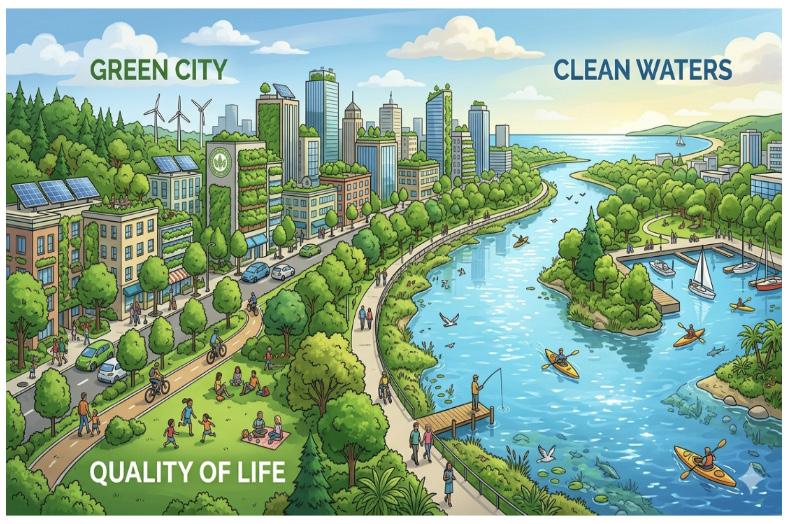
Department’s (PWD) “Green City, Clean Waters” is a 25-year mission to transform the city using nature-based solutions (i.e., green tools), such as rain gardens, green roofs, and tree trenches. By aiming to “green” over 9,500 acres, the program manages stormwater and cuts down on sewage overflows. Beyond just cleaning the water, it’s designed to cool down neighborhoods, create local jobs, and make urban life better for everyone.
Through 2025, the program has installed more than 2,800 green tools at close to 800 sites across the city, diverting more than 2.7 billion gallons of polluted water from our waterways. The locations and nature of the projects can be visualized in real time on the PWD website: water.phila.gov/gsi
How can Queen Village get involved?
“Free the Flow” is a new volunteer-led storm drain labeling and cleanup initiative that aims to reduce the amount of garbage and debris around curbside storm drains in Queen Village. The project has two components:
1. Storm drain labeling. This component begins with initial surveillance to identify which storm drains need labeling. Once the locations are identified, a labeling event is organized with Village volunteers using the free “Keep it Clean” labeling materials supplied by PWD.
2. Adopt-a-Drain. Once drains are labeled, we will be recruiting Villagers, including local businesses, to “adopt” their corner drains and keep them clear of trash and debris, as needed, on a regular basis.
The project will run through December 2026 with more information coming in the QVNA newsletter on how you can get involved. If you want to learn more in the meantime, contact the project organizer, Trishia Campie at trishiae@gmail.com ■
Gilded Age Recycling in Queen Village
By Jack Galle
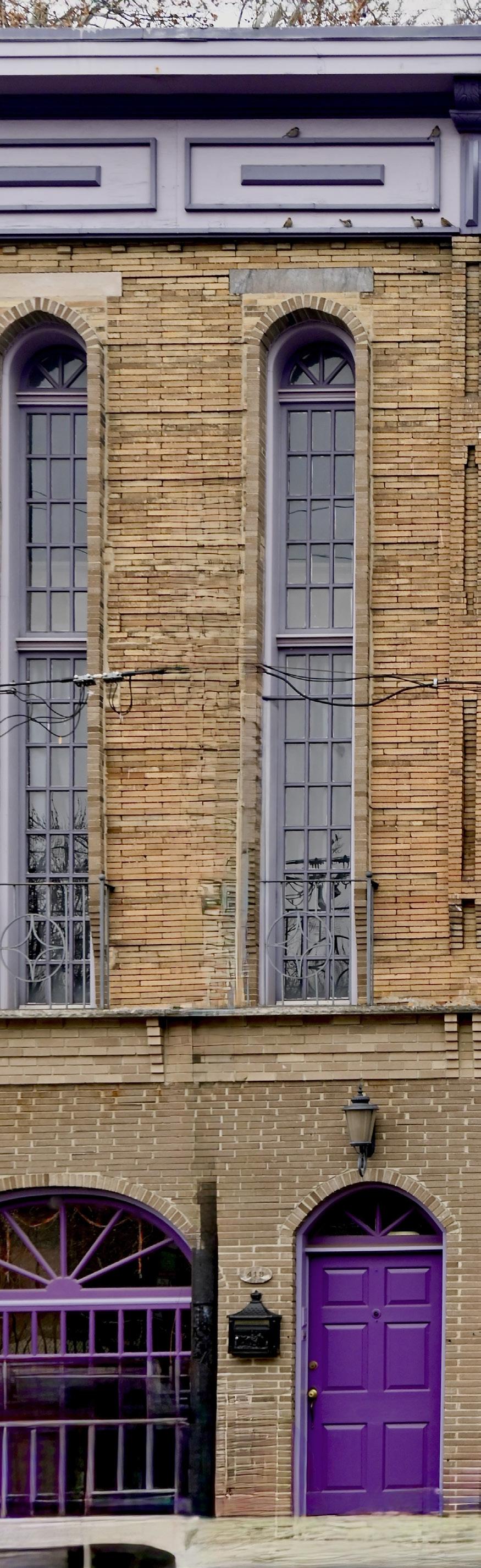
Across from the Weccacoe Playground on Catharine Street, there is a house with a purple door, purple windows, and purple entablature. Its yellow brick veneer is a striking difference from the red brick that dominates Philadelphia. Perhaps coming from Minnesota, the combination of purple and yellow (Skol, Vikes) is what inspired this article. Whatever the case may be, 419 Catharine Street is unique in the neighborhood not only for its color scheme but for its past.
The first floor of the south-facing facade has matching garage and front doors, both ornamented by a wooden fanlight and brick arches. There is a shallow concrete deck supported by corbelled brick brackets between the first and second levels. There is no indication that the second and third stories are separate units due to two thin, multipaned, two-story wooden arched windows.
The windows are the building’s standout features with each ornamented by a continuous surround of header bricks with corbelled bases. The spaces between the windows and the corners of the building are ornamented with a stack of recessed rectangles. There are columns of bricks at each edge of the building thrust from the facade with corbelled recessed rectangles leading up to pilasters on each end of the entablature. The potentially imposing facade is softened by the lavender and yellow colors of the brick and fenestration.
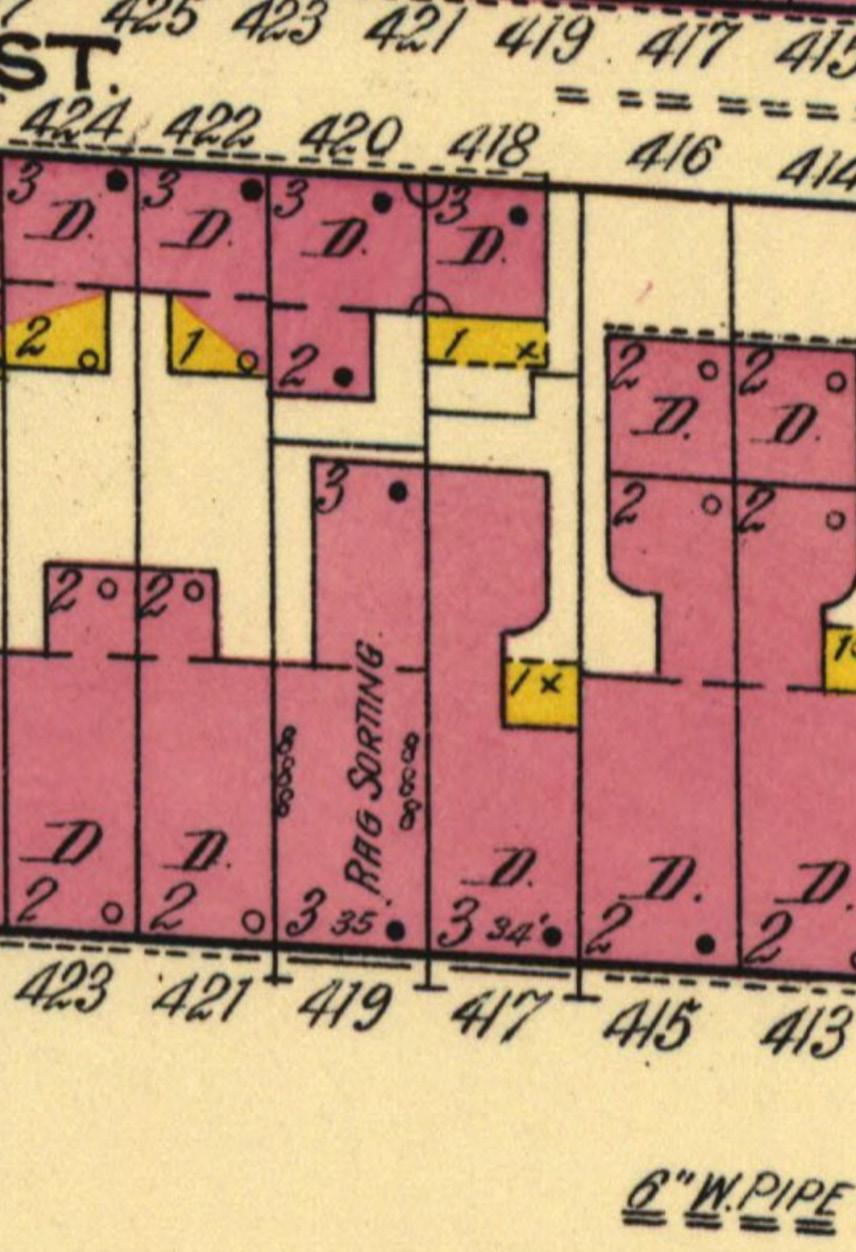
I imagine that at one point the facade was imposing. The 1917 Sanborn Fire Insurance Map, a color-coded treasure trove of information about historic houses, indicates that 419 Catharine was a “rag sorting” establishment. American cities used to be dirty, really dirty. Streets, alleys, and gutters were littered with detritus consisting of ash barrels, animal bones, discarded pieces of metal, and “rags.” Rags were discarded pieces of cotton or linen from clothing, wrapping, or even large toys.
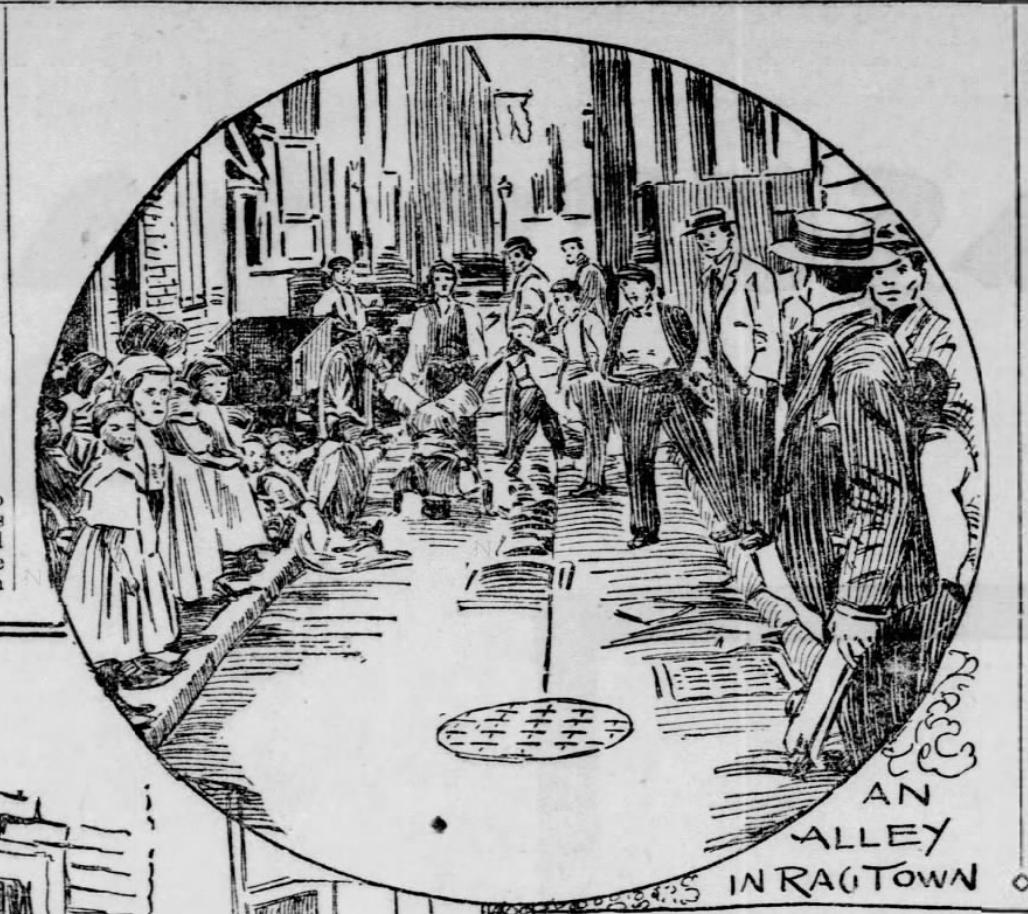
For much of history, rags were critically important to the production of paper. By 1850, rags accounted for half of the cost of paper making. Necessitating millions and millions of pounds of rags were mostly sourced by men, women and children, typically Italian or German immigrants, called rag pickers. A description of rag picking from an 1887 issue of the Inquirer says, “As early as three o’clock the male and female denizens of the street
troop out with bucket and bag hanging on their arms, and separating on Bainbridge or Fitzwater streets; start on their scavenging tour… old shoes, pieces of iron, rags, bottles…and other refuse are carried to the abodes.”
Once the rags were scavenged, a doorto-door rag vendor purchased the rags for a pittance, then the vendor would sell them to a sorting house where the rags would be separated by fabric type and quality, cleaned, shredded and then sold to a paper company. It’s not hard to picture the rag pickers mentioned in the Inquirer making a trip one block south past 419 Catharine to watch the fruits of their labor be torn to shreds.
Throughout the years, several families lived above the rag sorting operation, breathing in the bleach and manganese fumes created by the sorting and cleaning process. Social reformers like the Society of the Prevention of Cruelty to Children and the proliferation of zoning and housing laws sought to eliminate rag picking as a profession and clean up cities. By WWII, they had largely succeeded and as a result, 419 Catharine Street was a “Laundry Shop” in 1940 and its past in the paper business forgotten. ■
By Maureen Weir
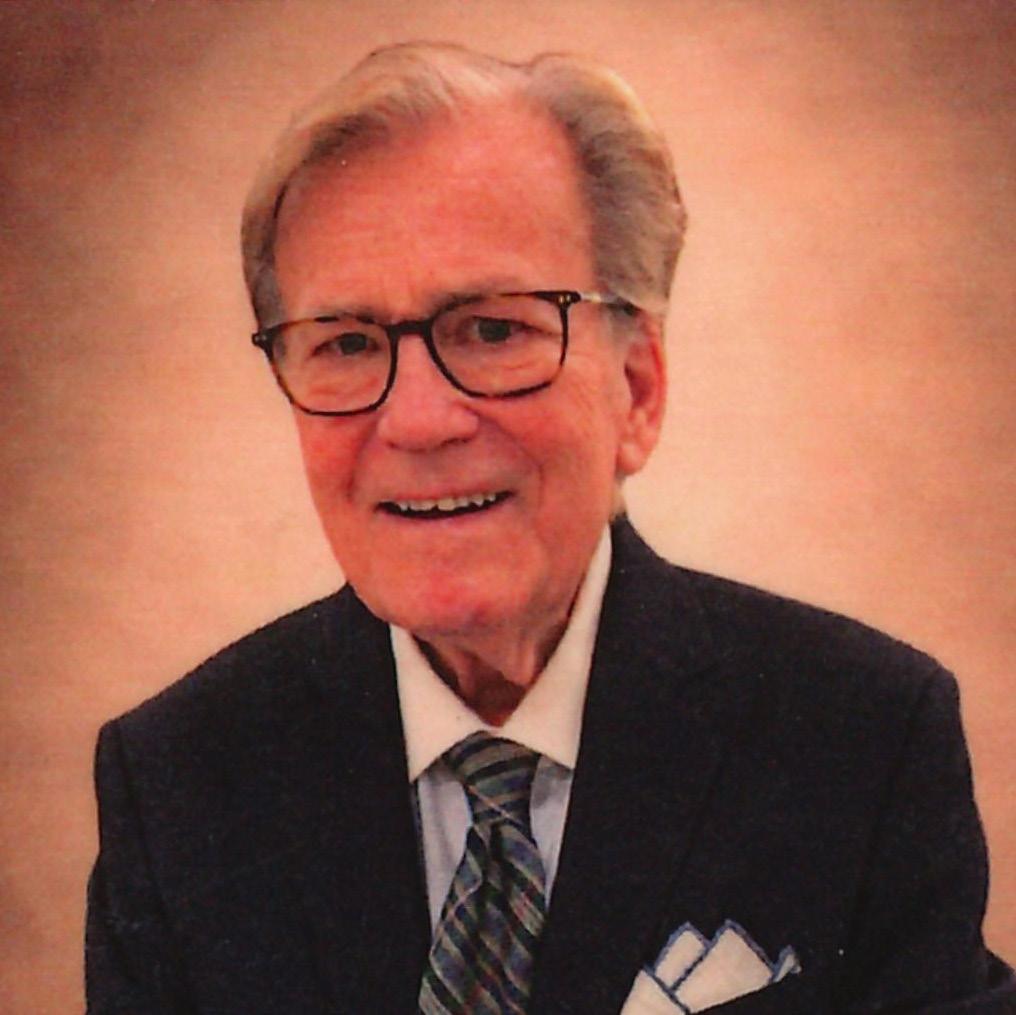
Our community recently lost one of the good guys. David O’Donnell, a Queen Village resident for over 40 years, passed away in February at the age of 74, leaving behind a legacy as vibrant as his personality and as lasting as the mark he made on many corners of our neighborhood both literally and figuratively. David was larger than life, the kind of person who entered the room with enough energy to light up every streetlight in Queen Village. “Call me,” he would
Thank You for Everything, Mr. O’Donnell
say after almost every conversation about neighborhood projects or concerns. “I can help with that.” And, in fact, he always did.
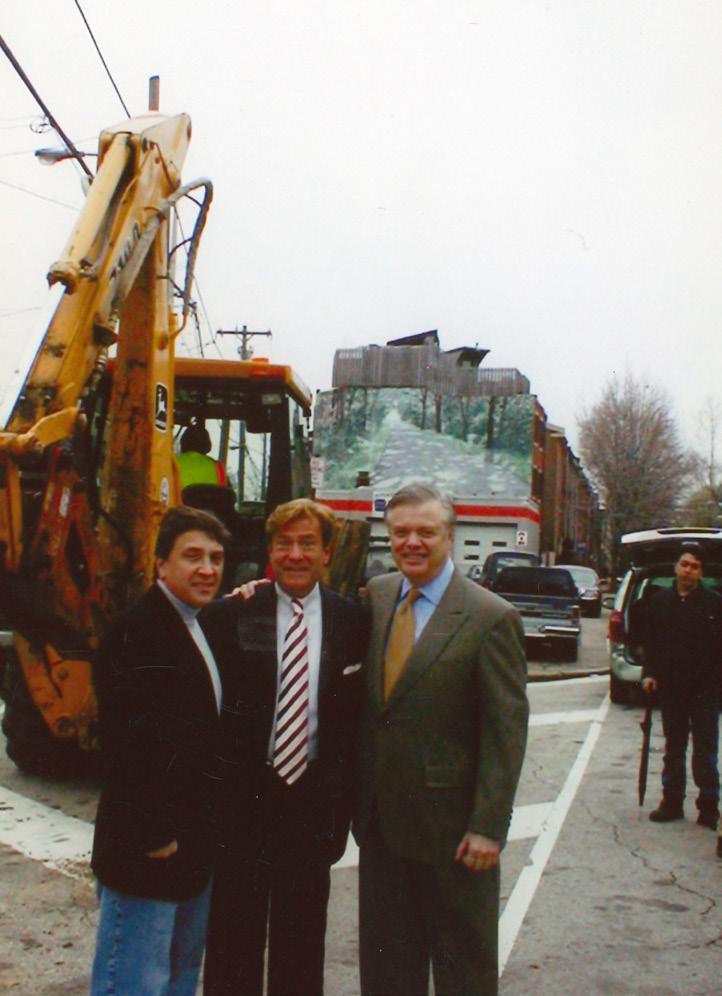
He was the rare kind of person who when he saw something needed to be fixed didn’t sit back and complain. He got to work. Nowhere is that more evident than in his contributions to Queen Village. Serving as QVNA president in the early 2000s, he didn’t just linger on the sidelines. He jumped in feet first and, in his own self-assured style, with both tenacity and grace, made sure he was heard.
That same drive was grounded in a deep understanding that preserving a neighborhood’s history is critical to its future. He worked tirelessly to ensure that as Queen Village evolved over the decades, its core character remained intact. At times, that meant going head-to-head with developers and politicians to the benefit of our community, but David also understood that adversaries can become allies, and support often comes from unexpected places.
This perspective allowed him to persuade a developer to preserve two 18th century homes rather than bulldoze them for a new development. It also fueled his commitment to creating and protecting green space in Queen Village which included the establishment of Beck Park
and the creation of Moyamensing Point, both located near Second and Christian Streets while also advocating for the preservation of St. Mary’s Garden on League Street.
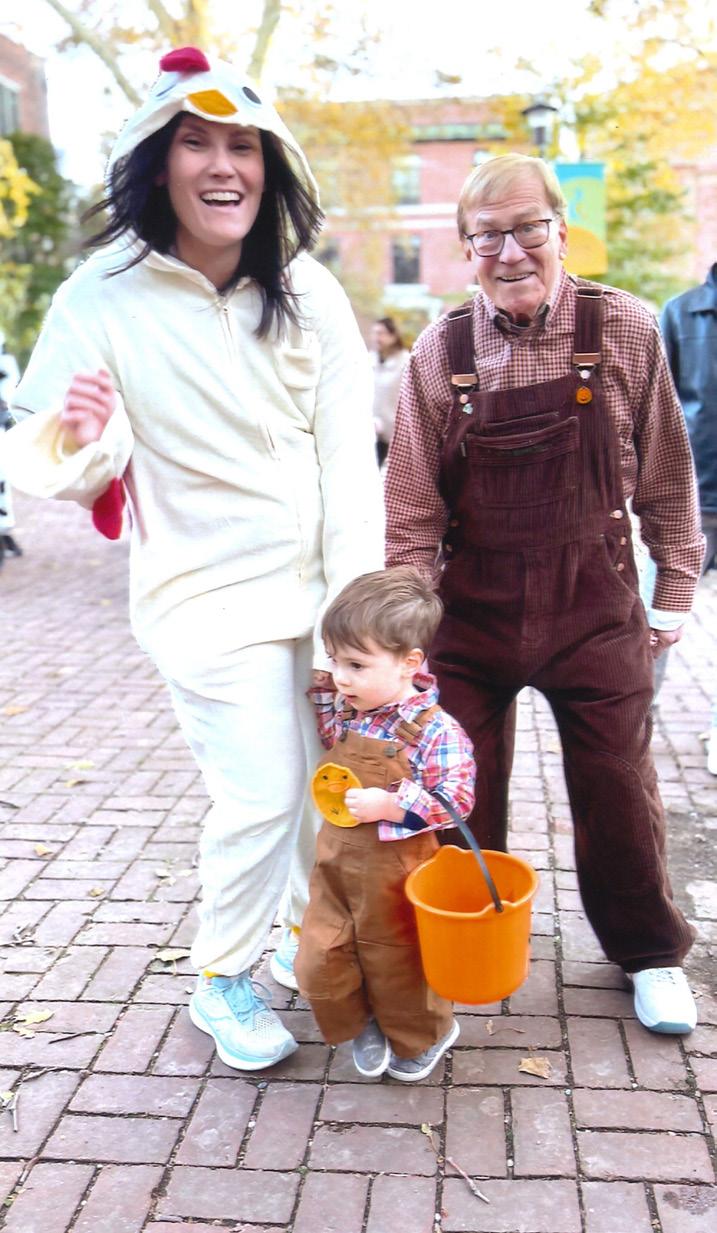
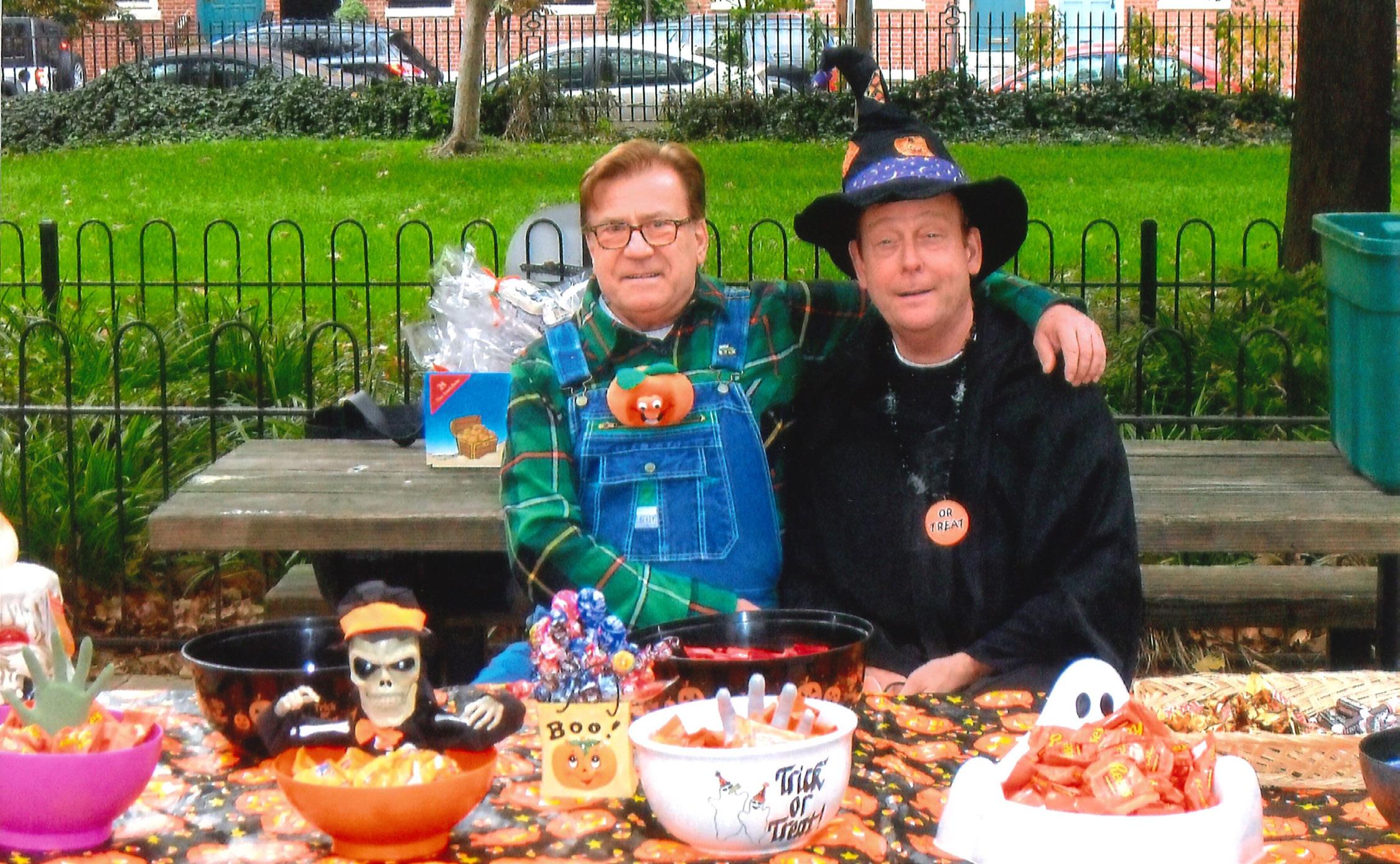
But David’s love for Queen Village extended beyond hands-on activism. Together with his husband, Tony Moran, he hosted an annual Halloween event for children and their families in Mario Lanza Park, a well-loved neighborhood tradition for 20 years.
David met Tony in 1988 and in 1990 they bought and restored their own 18th Century House on Christian Street. Both
the home and his marriage were a source of pride for David, reflecting something he strongly believed—history matters. David’s own story was an interesting one. Born and raised in the Halford Tract neighborhood of West Norriton, he left the area to study fashion photography at the Kansas City Art Institute. He returned to Philadelphia in the early 1980s, where he began working at Boyd’s, selling high-end shoes. From there, he moved to Brooks Brothers on Walnut Street, where he excelled at selling tailored menswear. He was so skilled at what he did that he was selected by the company to go to New York City and train as a Master Fitter. In this role, he visited the homes and offices of some of the area’s top executives, doctors, lawyers, and politicians to provide custom fittings for high quality suits. His attention to detail and eye for the perfect fit made him one of the city’s most respected clothiers.
Later, he partnered with colleagues to start Allan Petrie Clothiers, serving a discerning clientele that included VIP patrons at the Atlantic City casinos, before going on to found and lead David Williams Clothiers Custom Clothing and
Accessories. That same sense of style carried into his own life, where he was often seen in a jacket and tie, a reflection of the gentleman he was. “Always going to a cocktail party” was his personal credo and a guiding philosophy for life.
In addition to his husband, Tony, David is survived by his sister, Kaylan, as well as his nieces and grandnieces.
His loss is deeply felt by those who knew him best, and by a neighborhood that is truly better because he was part of it.
David O’Donnell didn’t just reside in Queen Village; he truly lived here in every sense of the word. He showed up, got involved, and when something needed to change, he answered the call. He will be missed, but the best way to honor David’s memory is to follow in his footsteps, get to know your neighbors and together, make a positive difference wherever you can. ■
Welcome to the Village, Alli Ferrara!
By Hillary Young, Photo by Maxine Mayer
If you’ve gone out for a stroll on 4th Street recently, you have probably spotted all the new businesses that have chosen to set up shop in Queen Village. One of the new names that you may have noticed is on the storefront at 761 S. 4th Street: Alli Ferrara’s art studio.
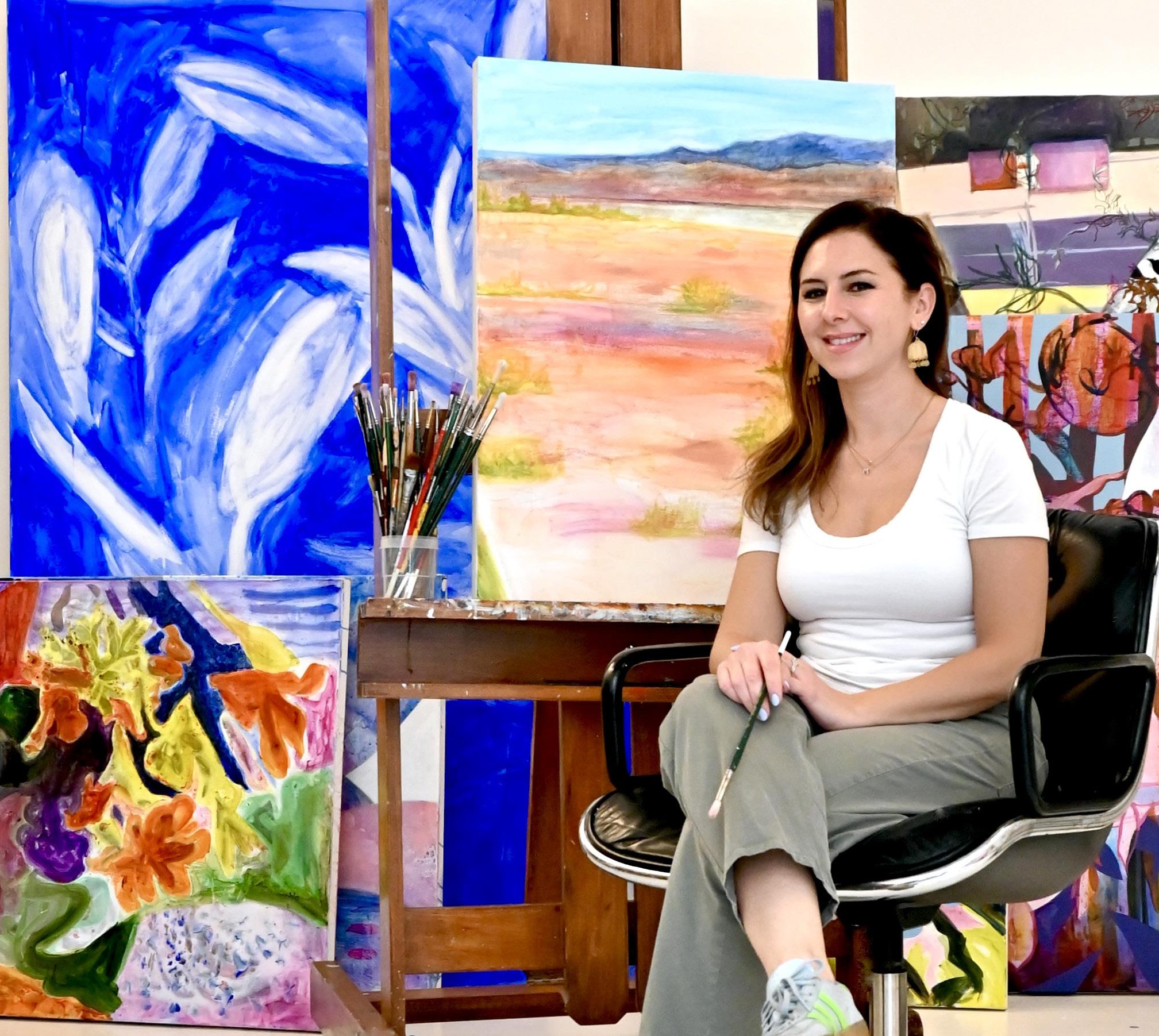
Alli is an accomplished artist, working in a variety of mediums over the years. She paints mostly organic abstractions right now—although she has dabbled in painting and sketching the human figure—and she is currently working on turning some of those de -
signs into textiles that can be used for clothing and accessories.
“People have been so welcoming since I moved in this past fall,” said Alli. “They are friendly and very curious about what I’m doing in here all day. Right now, it’s really just a studio space where I can work, but people can come check out my art by appointment.”
Prior to moving into the 4th Street space, Alli had studio space at a loft in Callowhill.
“The light in there was phenomenal,” Alli said. “But it lacked a true sense of community. Queen Village has been so welcoming to me, and I’ve received overwhelming support from local business owners and neighbors alike.”
Getting to meet more of the wonderful people in this neighborhood has been especially rewarding for Alli, as she and her family have been Queen Village residents since 2017.
“So many of my neighbors only know me as a friend or a mom, but they are getting to see my creative side as an artist and the reactions I’ve gotten have been really fun.”
For more information about Alli and her artwork, visit www.alli-ferrara.com ■