


An except from her latest book, Dr Yolana-Lewis Ragland offer insights into lives of frontline wokers in during the Pandemic.
Fitness After COVID
Fitness tips to help you get back into shape.
RESPECT Was it Oscar Worthy?
Dr. Eddie Sloan and Erik Humphrey share their thoughts on the film.
The Reinvetion of James Elcock
ERIK HUMPHREY Publisher
Quiet on the Set Magazine
During the summer of 2001, with assistance from a few of my colleagues, we set out to create a production company with spirit and enthusiasm using an approach that would allow them to venture into new territories of film, video, and internet media.
While on a music video production shoot that I produced and directed, the assistant director of cinematography was taking photographs and gathering footage of the cast and crew as they were on the set hard at work. While viewing this material, I began thinking of different ways to utilize it. That’s when the idea struck me. I immediately said, “Let’s do a film magazine!” That day the concept of “Quiet on the Set Magazine” was born. We started designing a hardcopy version in 2007 and 2014 we decided to go digital.
What has followed since our beginning has been a joyous exploration. A search for an ideal, which challenges the traditional concepts of film and internet media, is our goal. “Quiet on the Set” is constantly forging new ways of thinking for its team of writers, producers, and directors as well as the many talented and driven artists who are the focus of our magazine.
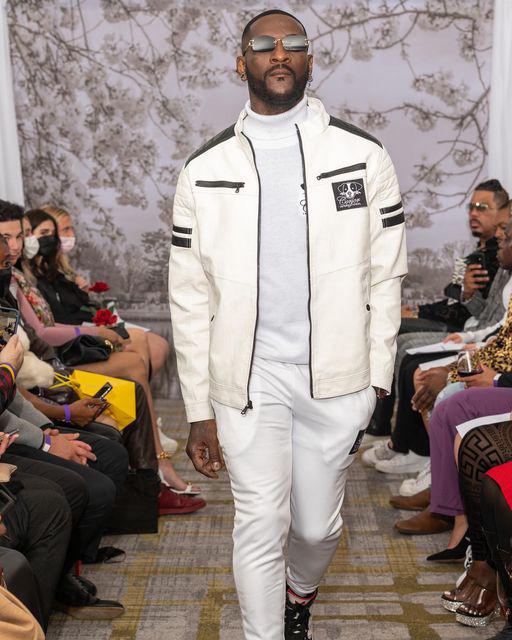
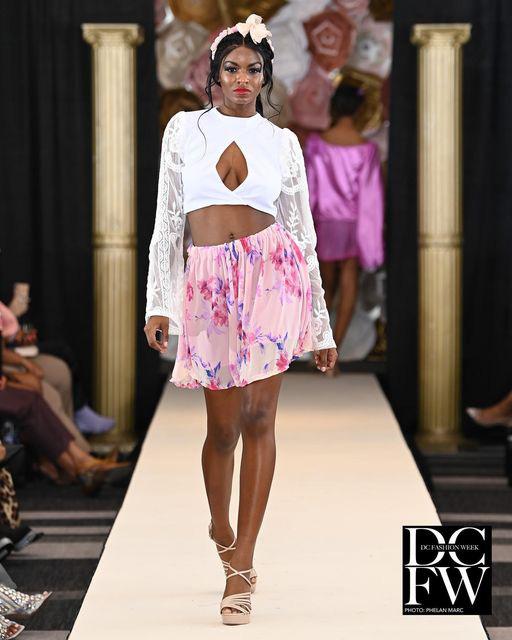
Quiet on the Set magazine offers a blend of film making, arts and entertainment , business, fashion and style, health and fitness, that gives its readers an inside look at Quiet On The Set.
by Dr. Yolanda Lewis-Ragland
As a little girl looking for a role model, I was free to choose from Disney’s collection of princesses like Cinderella, Snow White, Sleeping Beauty and Arielle. These characters were thought to be beautiful, kind and loving, but even at an early age I was bothered by the fact that each of these characters required a man to save her to achieve her “happily ever after,” and, above all else, they were all EXCEPTIONALLY white. It wasn’t until years later that Disney thought to expand its idea of beauty and value in women to include the exotic and adventurous Princess Jasmine, the poised and brilliant Princess Tiana and the brave and honorable Mulan—neither of whom needed saving, but saved a few men of their own along their journeys.

As I traveled through my life, I began to recognize that role models mattered. How we see ourselves and how the world sees us can be empowering or debilitating. Confidence that police officers care about you and are trained to protect you allows positive interactions with said officers. I grew up with “Officer Friendly” visiting my school and, as a result, my childhood images of police were kind and helpful. Today’s children of color are burdened with the images of police brutality and probable over-policing in their neighborhoods which may create negative feelings and mistrust.
The above is an excerpt from Dr. Yolanda’s newest book, “Navigating a Triple Pandemic: Black and Brown Healthcare Providers on Managing Racism, Health Disparities and the Trauma of COVID-19.”

The book can be purchased on Amazon.com or by using the link https://bit.ly/TriplePandemic.
by Craig Davenport
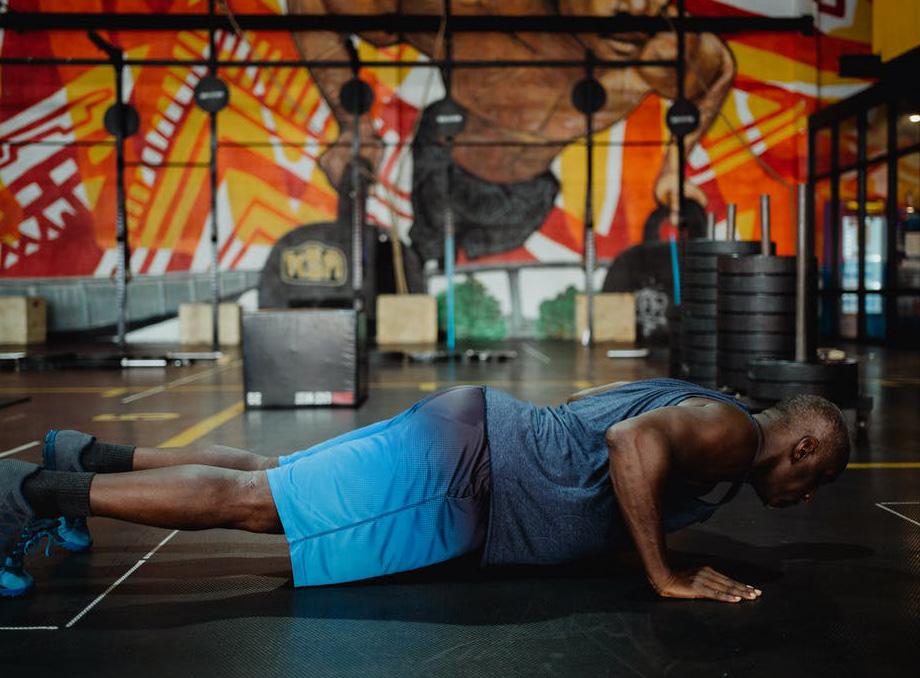
Let’s be truthful. Maintaining a regular exercise program can difficult during the best of times. Our workout routines normally consist of exercises such as walking, running, yoga, strength training, etc.
Then a once-in-one-hundred-year pandemic hits the world and, pow, just like that, all things fitness related comes to a grinding halt. Gyms and spin studios were closed. Yoga classes cancelled. Pilates has been put on hold until further notice. Even local walking and hiking trails had been shut down and not allowing anyone to step foot on their paths.
Covid-19 and the conditions surrounding it made working out in a familiar fashion an even more difficult task. Couple that with fear and uncertainty of the virus and you get an extremely sedentary, inactive individual. Researchers found that during the Covid crisis those who worked out regularly prior to the pandemic reduced their aerobic activity and strength training by an average of 30-40 minutes per week, compared to six months before the pandemic.
People also reported increased minutes of sedentary time per day as we all sat with not much to do except watch the latest Netflix series. Other fitness barriers found their way into our lives also, such as lack of access to fitness equipment, low motivation, anxiety, stress of possible job loss, and general fear to be amongst others. All the reasons for exercise suddenly became less important during Covid. Things such as weight loss, strength building, appearance goals, social engagement, physician’s recommendations, and overall health enjoyment had lost its priority in our lives. Without a doubt the recent pandemic did a brutal job on all our physical and mental fitness.
by Erik Humpheys
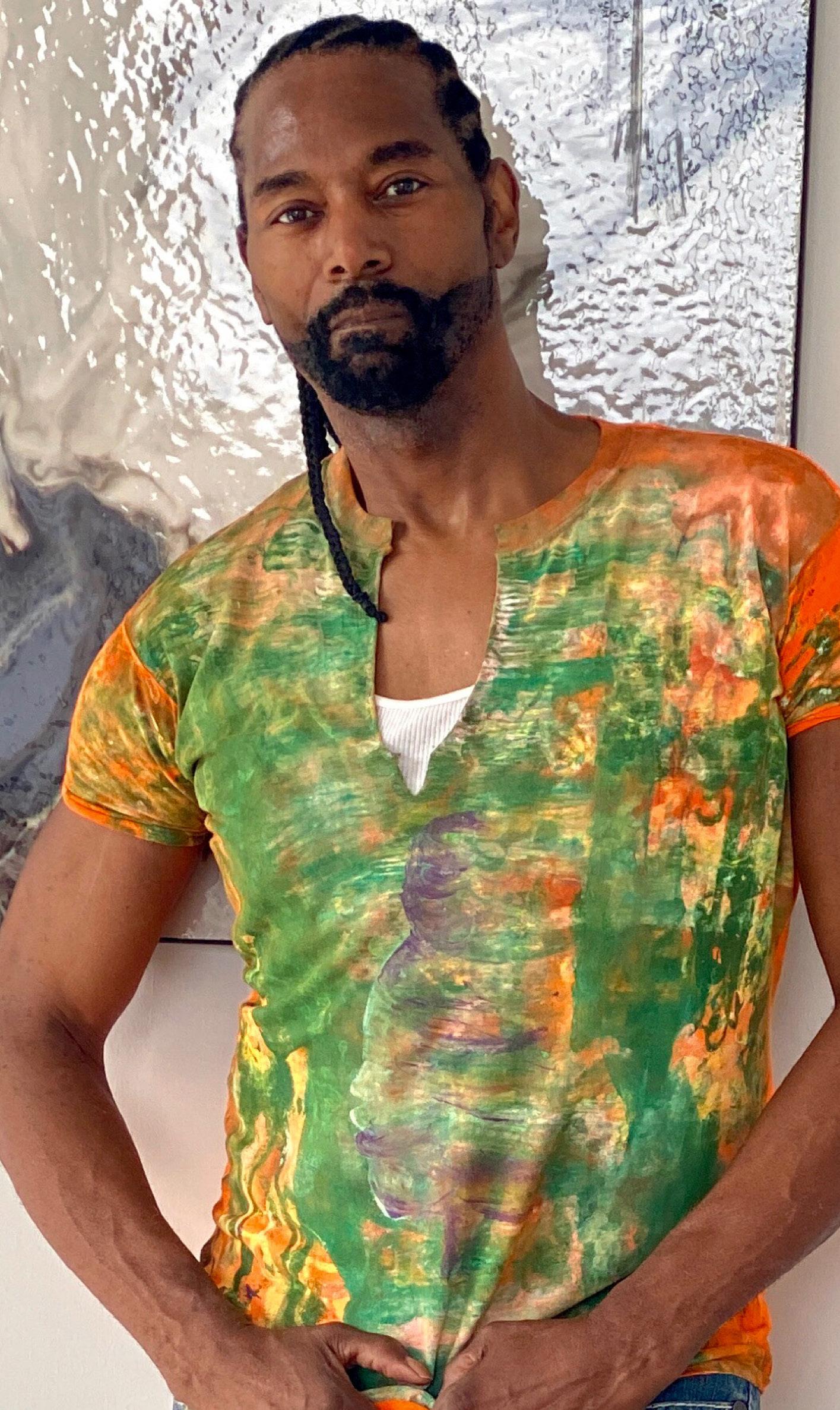
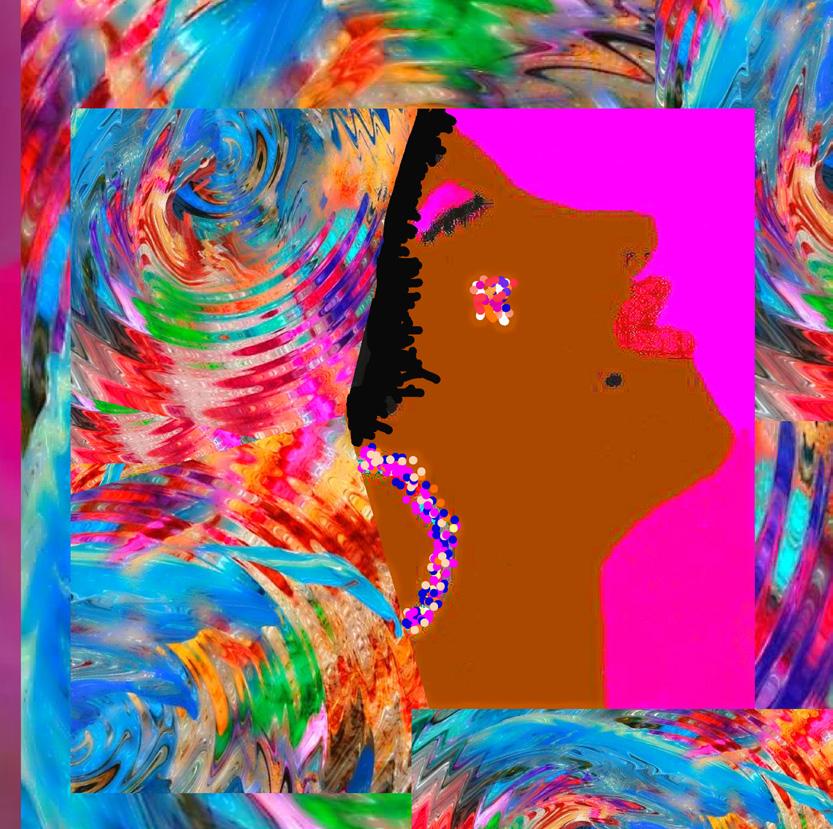
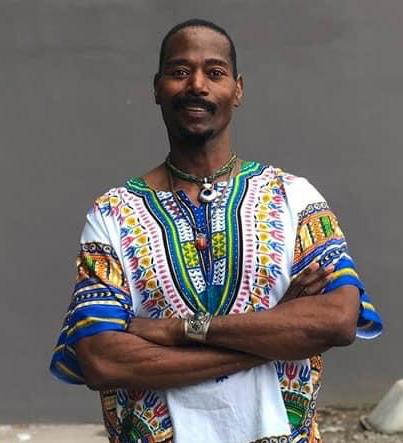
As one of 21st century’s progressive artist, James Elcock contended with a lengthy rehabilitation after first spinal surgery due to an unfortunate accident while directing a show. Years later, he had to undergo a second procedure during the Covid-19 Pandemic. Elcock made a full recovery, reinvent himself, and create his most captivating art collection to date.
James has a plethora of new works in his repertoire. We had the privilege of interviewing him during the pandemic and garner new information about what processes it took him to remain focus to be creative.
Learn more about James Elcock’s electrifying art in our upcoming issue.
by Dr. Eddie Sloan
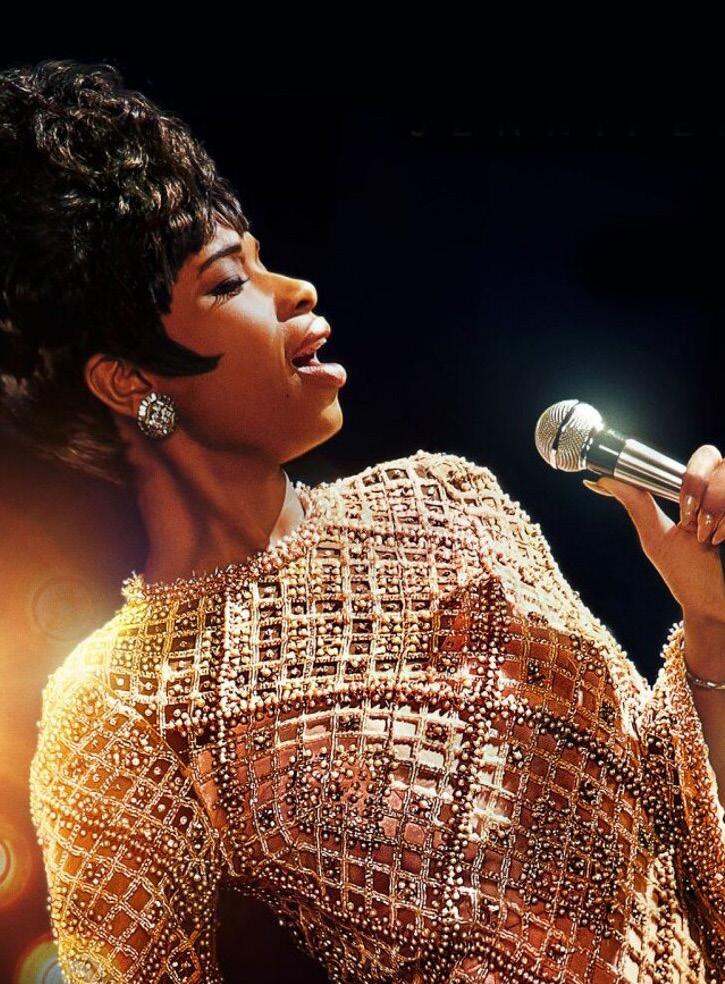
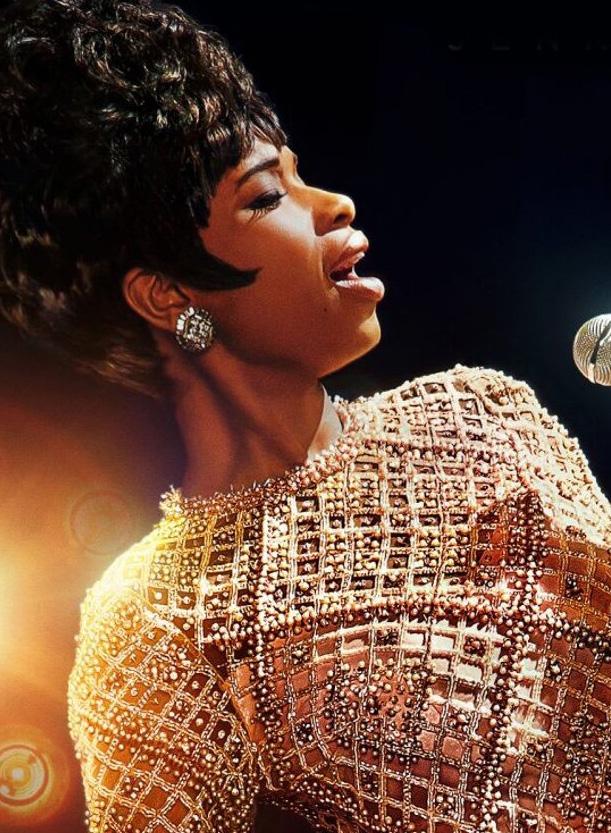
Ienjoyed this movie tremendously, from the cinematic coloring to the costumes, and production design. I was captivated to my seat from the opening credits to the ending of the movie. I believed every part of the story being told here. Jennifer Hudson transformed in a riveting Oscar contending performance as the queen of soul, Aretha Franklin. The in-depth performance left me speechless. The depth of feeling that it must have taken to bring Aretha out of Jennifer Hudson in my opinion was miraculous.
In my opinion, she (Jennifer Hudson) literally transformed into Aretha Franklin and for a moment there I forgot who the real queen was and maybe for a second thought that Aretha had returned. Her level of acting was on the same tier of Jamie fox, Angela Bassett, Audra Day, and Chadwick Boseman in the Biopics that they performed in.
by Erik Humphrey
Each frame is a literal picture: a moment frozen in time, in a little box. And everything in that boxexcept the actors- was an element of production design. The design of this film helped tell the story. The colors of the walls in the house that Aretha was raised in, the style of furniture, the specificity of the props, the cut of the costumes, make up/hairstyles -each choice helped the director clearly communicate the story that she was telling about the Queen of Soul life and It also truly depicts the era of R&B music.
The director choices made in this film illuminated the characters exterior and interior lives. The production design offers a feeling that the audience picked up. I felt when the Aretha or other characters were happy or sad, sick, or well, determined, or depleted. None of the action delivered by Hudson is unpretentious.