Love and Resilience: Stories from Queer Indian Malaysians
காதலும் மீ்ட்சியும்: மலேசிய இந்தியப் புதுநர்களின் ்கதை்கள்
Images copyrighted by Vaneesha.K and Canva
This resource is dedicated to the courageous queer Indian Malaysian community who are tirelessly striving for visibility and equal rights in Malaysia.
A collaboration with Queer Malaysian Indians (QMI), Vaneesha Krishnasamy, Between The Lines Media, ILGA Asia, Canva & GLIFAA Small Funds Grant
+++
CREATIVE DIRECTOR & PHOTOGRAPHER OF NENJUKULLE |
| IN MY HEART
Vaneesha Krish
ASSISTANT DIRECTORS
Abigail Robert & Aswin Alex WRITER & SOCIOCULTURAL CONSULTANT
Ramya Vilaasyinii Gopal
+++
ILLUSTRATOR (BTL Report)
Veshalini Naidu
“I wanted to capture how much care and vigilance it takes, even in our most mundane moments. The way these two young queer people blend into their environment under the cover of night and trees, just to sit with each other in peace. Our joy comes with a cost, but that does not mean we won’t find pockets to feel them.”
+++ TRANSLATOR
Vijaya Ratinam Ramah
Twitter @QMIMalaysia qmi.org@gmai.com
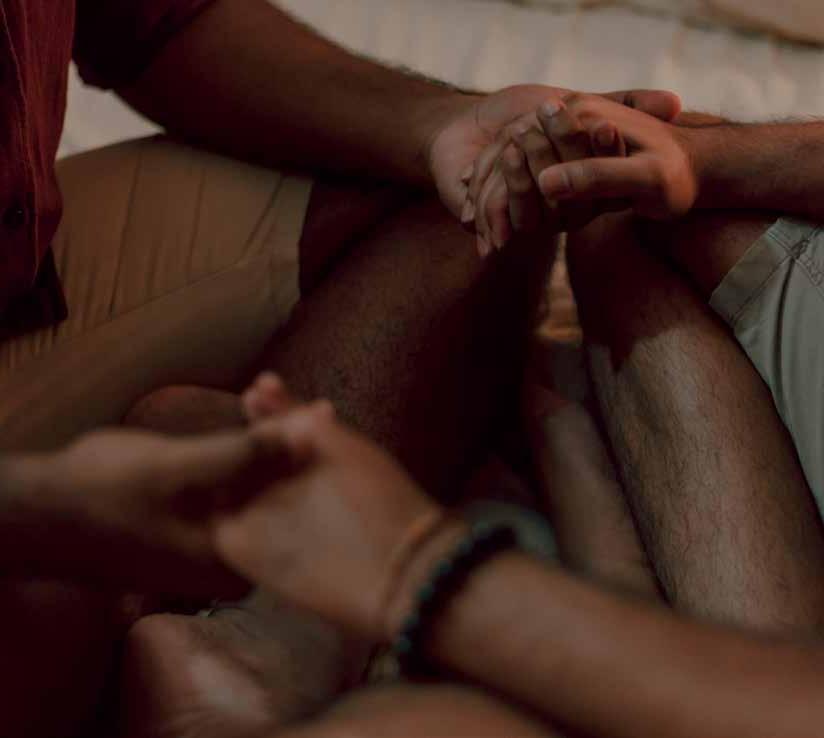
நெஞ்சுக்குள்ளே
Image copyrighted by Vaneesha.K and Canva
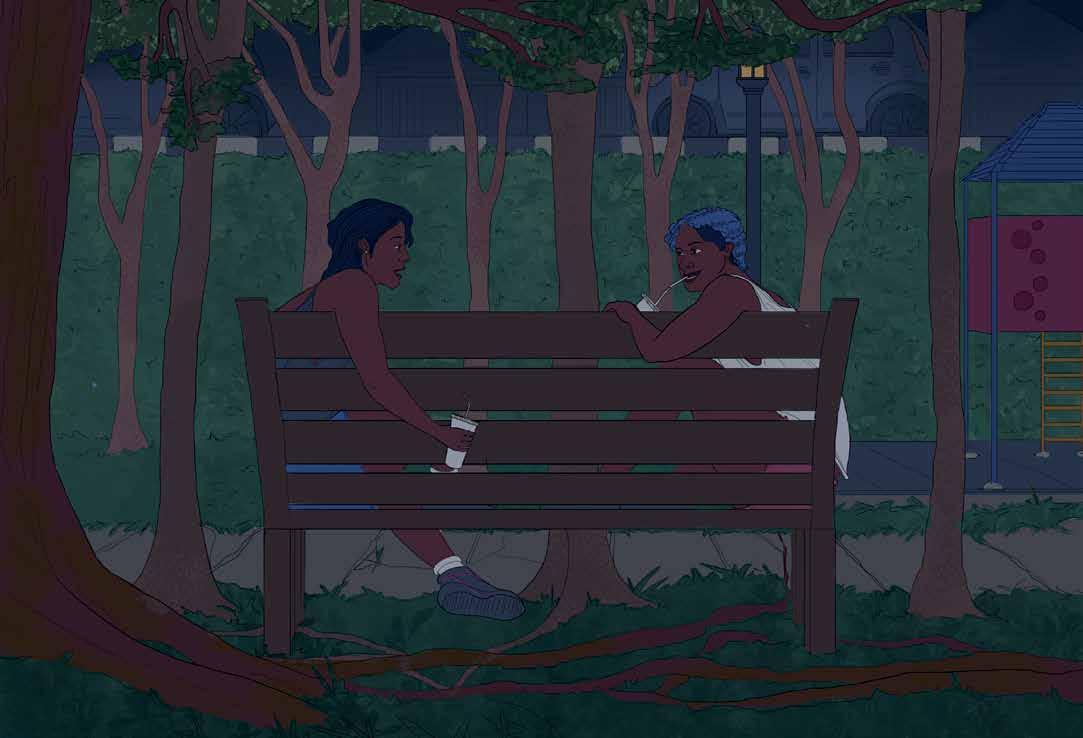
Love and Resilience: Stories from Queer Indian Malaysians
காதலும் மீ்ட்சியும்: மலேசிய இந்தியப் புதுநர்களின் ்கதை்கள்
Discriminated against within an already disenfranchised community, queer Indian Malaysians struggle just to live day-to-day lives.
ILAIYA BARATHI PANNEERSELVAM speaks to several individuals whose voices have been drowned out, forgotten and stifled..
N.B. Much effort was taken to represent the diversity within the queer Indian Malaysian community as best we could. However, due to various factors, Between The Lines only managed to speak to those individuals quoted in the story below. They, nevertheless, offer important glimpses into the community’s joys and struggles.
MALAYSIA is a nation of rich and diverse cultures. Yet it is this same uniqueness that has often resulted in the marginalisation of minority groups.
Indian Malaysians are one such group. And within this already disenfranchised minority is another whose diverse and different voices have not so much been silenced but often completely drowned out — queer Indian Malaysians.
The story of the Indian community in Malaysia is a fascinating one of migration and cultural adaptation. It is also one of struggle, prejudice, and a system that perpetuates and reinforces binary gender norms.
The complexity and richness of the Indian Malaysian experience, thus, means that the Indian Malaysian LGBTQ experience is equally complex and nuanced, and this is why the accounts of those we spoke to offer many different perspectives.
It is not the complete tale by any measure. Indeed, one thing to note right off the bat is that middle- and upper-middle-class Indian Malaysian LGBTQ individuals navigate their identities via different experiences from those who live hand to mouth. Nevertheless, these are the stories of those who agreed to speak to us. And they deserve to be told, and heard.
‘Right’ and ‘wrong’
“I’d always known that I was different ... that I was attracted to men as a child,” Nickey (his chosen name), a drag performer, says. “(But) I think growing
up, it did not register to me as an attraction. Around puberty (however), I’d see a guy that I found attractive, and for some reason, I’d just look at him.”
He adds, however, that he always felt like he was being “policed” at home, and conditioned to conform. That there was a “correct” way for one to live and be.
Families condition us from a young age with regard to this “correct” way. Passed down from generation to generation, this conditioning takes the form of beliefs and stories that relate to the past. Children then learn and internalise their families’ and communities’ values, beliefs, and practices throughout their development, with the stories and anecdotes serving as informal guidelines.
Unfortunately, this state of affairs results in the reinforcement of a binary perspective, primarily from a patriarchal standpoint, of certain things having to be a certain way. This explains why pink is deemed a “girly” colour or why physically challenging activities are considered “manly”.
“Don’t listen to girls’ music, boys can’t or boys don’t cry, and boys don’t wear pink. Don’t walk like that, that’s not how a boy walks ... there was very strict policing of my femininity,” Nickey says.
And the conditioning is even worse in Indian Malaysian families, as it is in most Asian families.
“In an Asian family, the family bond is usually quite strong, and that results
in remarks like ‘you must make the family proud’,” Chong Yee Shan, an LGBTQ activist, says, adding that there is also the idea of “shame”.
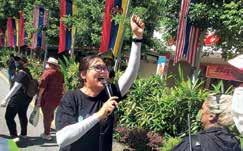
Chong Yee Shan at the
March
Faith and consequence
Kevin (his chosen name) explains that his experience wasn’t very different from others with strict families. However, what made coming to terms with his identity tougher was that he’d grown up in a family where speaking one’s thoughts and feelings was never an option.
There was also the small matter of having been brought up Christian.
This is why, at age 23, he turned to the internet and typed his all-important question into the Google search bar: Is it OK for me to be gay?
“I wanted as much confirmation as I could get on whether it was OK (to be homosexual and Christian). My thoughts were feeling very rushed at that point … I had wanted to be straight. I wanted badly to be straight. But there was also a part of me that knew that maybe I wasn’t. But that
Women’s Day
2023 (Photo: Choo Chon Kai)
wasn’t apparent (to me) until I came out to myself,” he says.
Kevin’s conflicted emotions are understandable. After all, most, if not all, Christian theologians and denominations consider homosexuality a sin. But the situation isn’t any less complex in Hinduism.
Thilaga Sulethirah, the founder of Justice for Sisters, points specifically to the deification of transwomen (thirunangai in Tamil) in Hindu-Indian society and how that suggests a level of greater acceptance of queer individuals.
Thilaga recounts the experience of a transwoman they know: “This woman goes to the temple frequently, and (the devotees), like young couples or people who want to have children, ask for her blessings. There’s also this temple in Klang where devotions to a certain goddess are held and transwomen come to celebrate her festival in green saris.”
Despite that, however, acceptance is neither simple nor straightforward, as Tharani (her chosen name), a transwoman, says.
Indian Malaysians, Tharani explains, tend to view transwomen as a joke. She says she’s been insultingly called “ombathu” (a derogatory remark in Tamil used on effeminate individuals) and cat-called, even by friends and family members. Yet worse, she says, is that one of those who’d refused to accept her was her own father.
“My dad asked why I am behaving like an ‘ombathu’ and insulted me multiple times.”
Tharani says she is thankful, though, for the presence of one unwavering pillar of strength — her mother. But even then, it took almost 4 years to make her understand that Tharani’s soul had been trapped in a male body since her birth.
Race, class and family
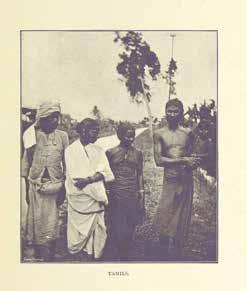
A group of Indian people in British Malaya, 1898 (Photo: British Library / Wikimedia Commons)
The migration of Indians to Malaysia (previously Malaya) dates back to the 19th century when labourers were recruited for plantations. Essentially, both colonial authorities and the plantation industry saw Indian labour as a long-term, cheap and reliable replacement for lost slaves that would be able to meet the growing demands of the land and the British Empire’s plan for expansion.
Despite this fact, however, as well as the community’s role in developing both colonial and post-colonial Malaysia, and its efforts to integrate with the larger Malaysian society, a large majority remain poor and feel excluded from various aspects of daily life.
And this, coupled with certain cultural traits, practices and hangups of the community, make queer Indian Malaysians often feel like they are facing insurmountable odds.
Kevin explains that is why many people choose to hide their true selves and live in constant fear of getting “caught”, especially by their families.
He speaks about a particularly painful episode from his youth when, unprovoked, his father pinned him to a wall, and ordered him “to not be gay”.
Father and son had just been chatting in the living room of the family home, when out of nowhere and for no apparent reason, Kevin’s father charged at him. “He had a finger to my face, telling me that I should not be gay. ‘Just be normal like everyone else.’ I was terrified,” he recalls.
Still, perhaps, Kevin’s dad attacking him was not “unprovoked”, as it were. Perhaps it had all to do with the prevalent cultural notions of “shame”, “what will others say?” and “don’t rock the boat”.
JFS’s Thilaga explains: “Typically, queer individuals are harassed by people of their own ethnicity, like Indian queer women are often harassed by Indian men. So there’s the patriarchy within. For some people, meanwhile,
there’s a sense (that) we are already so marginalised, (so) you shouldn’t be bringing shame.”
They explain further that it doesn’t always follow that more well-to-do, English-speaking Indian Malaysians are more tolerant of diversity.
“Even in some upper- and middle-class households, we have seen things like conversion practices take place. There have also been cases where people are taken to shamans, like samiyars, to perform rituals and to ‘buang sial’ (remove bad luck),” they say.
What is true, neverthless, is that working class individuals face a lot of violence when they come out. They add, however, that there are always layers, and there’ve have been many instances of LGBTQ individuals being accepted by their working-class parents when the latter start to feel, “I don’t have a problem with my child (being) like this”.
Discriminated from within
Interestingly, the discrimination endured by queer Indian Malaysians extends to being ostracised by other queer persons. Indeed, there appears to be a prevalent othering of Indian Malaysians.
“I have had people avoid me or look at me in disgust as I walked by. Doing group assignments in university was difficult because I was a gay Indian. Even the queer community hasn’t really grown out of the mentality of racism, whereby Indians are unclean, not good-looking, and so on,” Smith, (not his real name), says.
Thilaga confirms this.
“If you’re on … some dating platform, you might get messages like, ‘No darkskinned people’, ‘No Indians,’ or (some) other racist (message). In that sense, you face that sort of colourism and racism within the gay community (that one would find outside). And that then limits your ability to find relationships.”
Coming out
With so many challenges, thus, it’s no wonder that many queer Indian Malaysians consider repressing their true selves and not coming out at all.
Raghav (his chosen name), an information technology student at a local university, says that he himself had never thought he would come out. He’d spent years deliberating about revealing his true self to his family, in fact. Yet in a moment that he describes as “right robbed”, a friend revealed his truth to his family.
There was awkwardness at first, of course, but Raghav says that he was overwhelmed by the positive reception of his family. Despite their differences, their unconditional love and acceptance of him, he says, has buoyed his confidence. And that, was the turning point to accepting himself.
“They said, ‘Whatever it is, we are happy for you.’”
The “problem” with Raghav’s story, however, is that it is hard to gauge how family members and friends will react. Importantly, too, the reception is not always positive.
Smith, for example, holds out little hope of being accepted by a family in which even the wearing of henna and earrings by men was forbidden. Indeed, they say that “it makes no difference” whether their family accept Smith for who they are or not.
Kevin, meanwhile, has decided the best solution in his particular situation is to hide who he really is from his colleagues and acquaintances. This, he knows, is not ideal. But it is how he has endeavoured to cope.
“We may be setting ourselves up for a multitude of disappointments as we try so hard to fit into the shoes of the good son, husband or father,” he says. “... we have tried our best to adapt. (Yet) it (might) come at a great cost. Some of us have forgotten what love actually is and what being a human being is all about; that we are allowed to feel this wide spectrum of emotions and desires.”
And the greater tragedy, perhaps, is that when one forgets what love is, one forgets to love oneself. This, in fact, is what Tharani experienced at age 14, when she attempted to take her own life.
“I had no desire to continue living because I could no longer endure the agony,” she says.
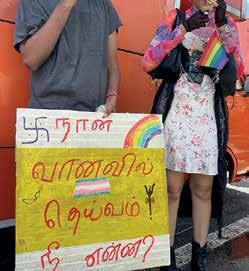
Demonstrators brandish an LGBTQ affirming sign in Tamil at the Women’s Day March, 2023. (Photo: Ilaiya Barathi Panneerselvam)
Where’s the support?
There’s been a dramatic rise in the prevalence of mental disorders in Malaysia in recent years, not least due to urbanisation, globalisation, and increased stress. There has also been an increase in suicides, especially during the worst of the Covid-19 pandemic.
Amid this, many LGBTQ persons have suffered in silence due to their being few, if any, avenues to address their mental health challenges.
This explains the reason for the louder calls for health facilities to offer safe mental health treatment for queer persons and why there has been more discussion on LGBTQ affirmative therapy.
Affirmative therapy, in a nutshell, is a form of psychotherapy that aims to validate and advocate for the needs of queer clients. Therapists, generally, express their acceptance of their lesbian, gay, bisexual, and transgender clients in words and actions; the aim being to help LGBTQ individuals feel comfortable with their identity and desires, which then leads to healthier and more fulfilling lives.
One of the problems in Malaysia, however, is that we just don’t have many LGBTQ-affirmative psychologists. And that means that LGBTQ Malaysians suffering from prejudice or minority stress aren’t getting the support they need.
Minority stress relates to the theory that sexual minorities face unique and hostile stressors like homophobia and victimisation, and these, consequently, have negative effects on health.
Thilaga explains: “Because we are minorities, we face additional stress because, for one, we are criminalised. So, there’s additional fear when we go out. When we are criminalised, discrimination can take place with impunity. And you have less confidence in the state or institutions to deal with the discrimination you face.
“In that sense, there’s a lot of fear. There’s (also) a lot of isolation, and a lot of times, it accumulates into stress.” And in the case of queer Indian Malaysians, there is “double marginalisation”.
“Indian Malaysian LGBTQs face more discrimination compared to other races. And a B40 Indian LGBTQ person is facing accentuated discrimination,” Yee Shan concurs.
“Furthermore, the language barrier is another issue for many Indian Malaysian LGBTQ individuals, as they have limited access to many resources, including social support, legal support, mental health support, and many more.
“So when they are discriminated against due to their sexual or gender identity, they don’t know where to get support, and even worse, they don’t know they can get support.”
Thilaga adds that there is an ostensible correlation between stress and discrimination or anti-LGBTQ sentiment. As a result, the Indian Malaysian LGBTQ community generally practices self-censorship and refrains from stating things openly, whether online or offline.
This is why, they say that self-care and speaking with therapists are essential. Nevertheless, assistance need not be limited to therapists, but also LGBTQaffirming groups.
“Now we are in a space where human rights groups are well connected to LGBT groups. They will be able to connect you. We are also in a time where a lot of human rights groups are more queer-affirming, and provide the services or support one would need.”
Both Thilaga and Yee Shan stress, nevertheless, that they themselves don’t “help” but rather facilitate the improvement of Malaysian LGBTQ individuals’ lives.
Thilaga says: “I wouldn’t say it’s ‘helping’ because I’m a queer person myself. All of the things that I do affect me as well. I’m not removed.”
Resilience and hopefulness
The nuances and complexities of the queer Indian Malaysian experience mean that there is no one-size-fits-all solution. And this, then, is why while some individuals are positive about the future and their present, not everyone feels the same.
“Looking back, these experiences have made me so much stronger and more resilient, which is why I drag or do whatever I like,” Nickey says. “If someone says something to me now, I will fight back.”
Raghav, however, is not so sure. He says that while he is fortunate to have his family’s full support, the harsh reality is that Malaysia doesn’t want LGBTQ individuals. This is why he can’t see a future for himself here.
Smith, meanwhile, suggests that perhaps what is most important is to focus on the light; on the support that groups and individuals offer Indian Malaysian LGBTQ persons here, and the positive experiences people have had.
They paraphrase Prof Albus Dumbledore in Harry Potter and the Prisoner of Azkaban: “Happiness can be found even in the darkest of times if one only remembers to turn on the light.”
If you’re overwhelmed, need help, or just a listening ear, you can contact the organisations listed here: www.justiceforsisters.org/balikpangkal-jalan/support
Or these mental health services: Befrienders 0376272929 befrienders.org.my
Sneham Welfare Organisation Malaysia 0102005722 www.facebook.com/snehammalaysia
Malaysian Mental Health Association 0327806803 mmha.org.my
KKM-Mercy Malaysia Hotline 0329359935
Talian Kasih 15999
Story illustration:
The main image was illustrated by Veshalini Naidu. Veshalini is a multidisciplinary artist who merges poetry, visual arts and theatre in their response to gender, sexuality and race in Malaysia.
About the writer
Ilaiya Barathi Panneerselvam is a writer, activist and academic in the field of communication. His involvement in causes near and dear to his heart stems from his strong feelings about the injustices meted out to the poor, the powerless, and the working class in both film and society. Twitter @barathiSelvam10
This article was originally published in English on Between The Lines, a biweekly email newsletter that sums up the main news of the day with context — and a fair bit of sass. What you get is an easy read that brings you up to speed on what’s happening in Malaysia. www.betweenthelines.my
-------------------------------------------
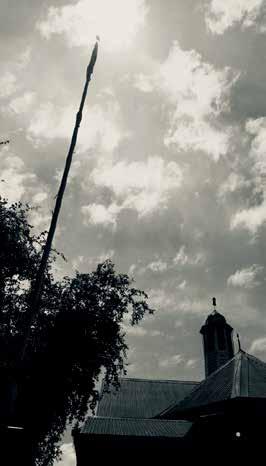
The Power of Inclusivity: Growing up Sikh in East Malaysia
By Sikh and Gay from East Malaysia
I was asked to write about being Indian from an East Malaysia perspective and how that experience was. I could not do it, tried as I did, with numerous versions, all seemed like I was writing propaganda one see’s every day in Malaysian mainstream media, “Malaysia is a multiracial country with three main races, Malays, Chinese, Indians.” Just as that statement is untrue, writing from an Indian perspective on life in Borneo is also untrue, well for me at least.
I am ethnically Punjabi, and I do not as a Malaysian Bornean understand nor identify with the notion of racial boxes or boundaries. Like sexuality and gender, race too is a social construct that has been used by colonial powers and the current political parties to control the narrative and stay in power. I learnt about these racial boundaries when I moved to Peninsular Malaysia to go to a public university as an undergraduate. It was an utterly shocking cultural experience as everything seemed to revolve around the notion of ‘race’.
‘Come support our college Indian team playing against the Malay team’, I was told. ‘We must band together as Indians I was told, if not no one will help you in university’. They were of course like-minded East Malaysians I banded with and Peninsular Malaysians who understood the doctrine of race but ignored or navigated expertly through it. Perhaps, one of them would have been better suited to write this essay because I realise once again, how I cannot describe what it is like being an ‘Indian’ from East Malaysia. So, let me tell you what it is like being
from East Malaysia, as an East Malaysian instead. First of all, our respective State flags mean more to us than the Malaysian flag. Our State anthem is always sung more loudly than the national anthem and we never do Facebook articles describing how the ‘Chinese’ uncle helped the ‘Malay’ child cross the road. We would just write about how the uncle helped the child cross the road.
So, why is it this way? We share the same systems of education, government, and languages (with our own additional languages), not to mention, the British we also the colonial masters in East Malaysia as well ? The answer is actually quite simple. We are an inclusive bunch of various ethnicities and religious beliefs. Just as we share some of our coffee shops with halal and non-halal food, we also share our families at times with it not being uncommon to have Muslims and Christians from the same families. Seeing Muslim brethren at Gurdwara or Church or Temples for weddings, celebrations, and funerals is the norm, not the exception.
Now, some of you reading, might say, well this seems like reading the same type of propaganda mentioned in the first paragraph, of course we too have issues in the East. In Sabah, local politicians use the Stateless migrant as the bogeymen that cannot be accepted in Sarawak giving priority to one ethnic group for State civil service jobs. When I was a child, Sikh boys were at times still made fun of for their Joora (man-bun) and the majority did not keep their long locks, while girls suffered snickers for the coconut oil in their hair as well and many parents of my generation in the 1980s still wore turbans.
Of course, as I write this, I do not wish to diminish the issue of marginalisation of Indians in Peninsular Malaysia, where the majority of people who die in Police incarceration are categorised as Indians. These are alarming facts that need national attention and recognising that one community makes up most of the victims is crucial in ending these outright human rights violations. And this should be a priority of all Malaysians.
As for being part of the LGBTIQA+ community, I still feel safe at my Gudwara after formally coming out on social media. I have openly talked about being a gay person when I do on rare occasions get asked why I am not married by people visiting our Gudwara from elsewhere. I have not felt in danger (although at times nervous), and I recognise the privilege of this and I am ever thankful that the multiracial Sikhs of East Malaysia choose inclusion and acceptance over hate and exclusion. I wonder if part of the reason is that we know everyone in our small Gurdwara communities or just because we are inclusive Borneans. It is harder to hate someone you do not know after all, and we grew up together in the community.
For me, being an East Malaysian, being excluded or included only because of race has never been part of my psyche growing up. I believe it allows us a special worldview, one that sees a sense of togetherness instead of being othered. This I think is what gives Sabah and Sarawak our greatest strength and I can only wish that this will be the future for all Malaysians.
Nenjukulle | கந ஞ்சுககுள்லள | In My Heart
neighn-gi-kuh-leh
by Vaneesha Krish, powered by Canva, in partnership with ILGA Asia & QMI
உடன் இதணந்து-ல்கன்வா மூேம் ஊக்கப்படுதைப்பட்ட த்கவண்ணம்.
வனீஷா கிரிஷ், ILGA Asia & QMI
Image copyrighted by Vaneesha.K and Canva
A photo documentary series highlighting Queer Malaysian Indian connections, exploring stories of our love by broad and personal definitions, intersectionalities, and identities as we continue to look for homes in one another and joy in spite of all that denies us the freedom to be. Our hope is for QMIs to find a sense of belonging through them, and for these stories of our love and identities to someday be more commonly and freely expressed.
மலேசிய இந்திய புதுநர்களின் கைாடரபு்கதள எடுததுக்காட்டி; பரந்ை நிதேயிோன மறறும் ைனிப்பட்ட வதரயத்்களுககு உட்பட்ட, பே உட்பிரிவு்களுககு ஆட்பட்ட அதடயாளங்்களுடன் கூடிய எங்்களின் அன்புக ்கதை்கதள கவளிகக்காணரும்; எங்்களுககு மறுக்கப்பட்ட சுந்ைதிரததுககு நடுலவ நாங்்கள் கைாடரந்து ஒருவருகக்காருவர சாரந்திருந்து மகிழசசிதய லைடுவதை முைன்தமப்படுததும் ஒரு நிழறபட ஆவணத கைாடர. இவர்கள், அவர்களுககுள்ளா்கலவ கசாந்ைம் க்காண்டாடுவைற்கான உணரதவக ்கண்டறிய லவண்டுகமன்பதும், எங்்கள் அன்தபயும் அதடயாளததையும் கவளிகக்காணரும் இந்ைக ்கதை்கள் என்்ாவது ஒரு நாள் கபாதுவா்கவும் சுைந்திரமா்கவும் கவளிப்படுதைப்படும் என்பலை எங்்களின் நம்பிகத்க
Image copyrighted by Vaneesha.K and Canva
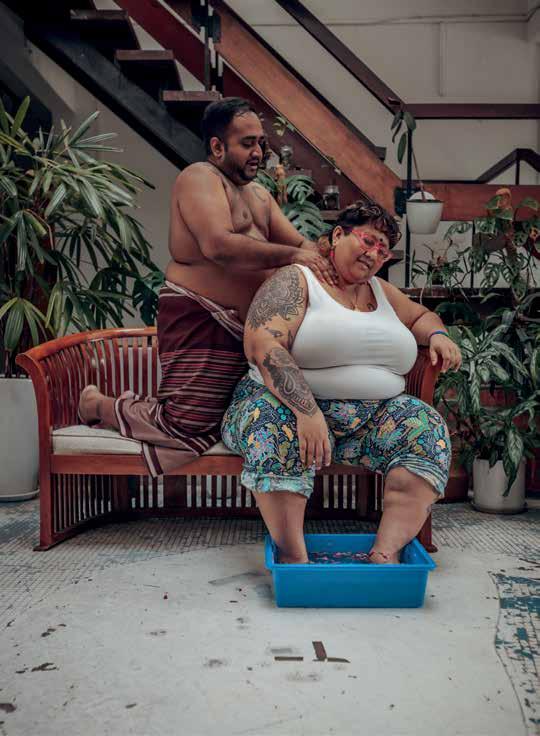
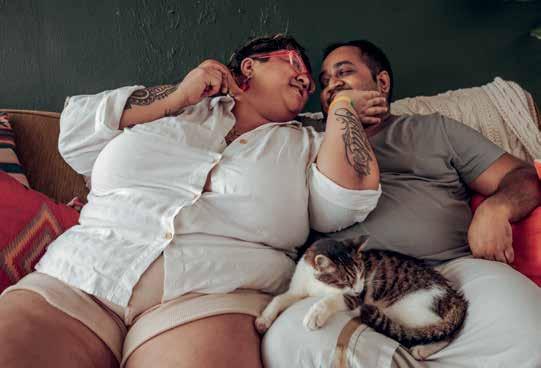
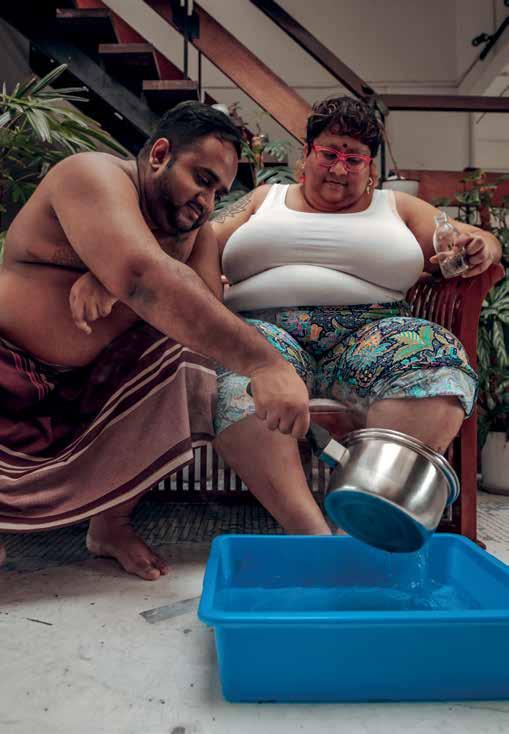
Series 1: Finding Home Through Fatness, Queerness, Transness & Disabilities As A QMI
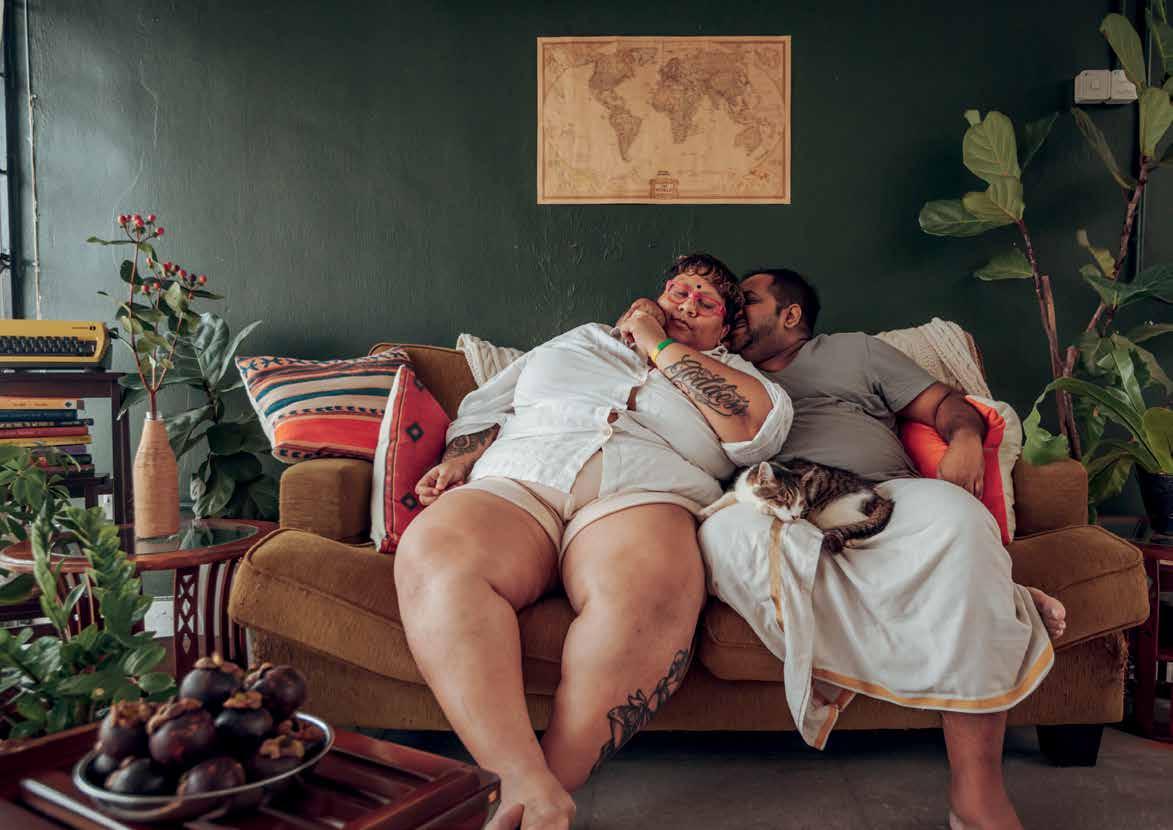
As a Tamil, trans, non-binary, middle-aged couple that exist in fat bodies,we never see enough representation in mainstream media of queerness, what more queer Tamilness beyond a certain size. Usually, even the queer Tamil representation we see are of desirable bodies. It is very isolating to be excluded from these narratives on queerness and Tamilness because we don’t exist in the same way that the media portrays people like us and that affects the way people both perceive and accept us.
Fatness is not accepted and it limits our interactions with other queer people both dating-wise and in looking for community. So undesirability, because of fatphobia and anti-fatness, on top of transphobia, disability and mental health issues as well, plays a big part in shaping our experiences as queer Tamils.
To find oneself desirable requires a lot of mental gymnastics and work because you have to first recognize that what you see as “beautiful” is very socially constructed. Why does the labour of deconstructing and dismantling these systems fall on the people who are oppressed? It’s unfair, but it’s the work we have to do anyway for our own acceptance.
It’s ironic how in spite of the historical acceptance of gender and sexual diversity within Hinduism - where trans people are placed in high regard in terms of religion - that we’re culturally still the lowest of
the low. Unfortunately, there is a lot of violence perpetrated towards queer Tamil people by our own community. Being Tamil and queer in Malaysia often feels like an abusive relationship: you want to belong, to feel at home, but it’s not healthy, not good for you because everything about you is discriminated against and criminalised. It’s hard because it makes you wonder if you should even want to belong.
Yet as alienated as we sometimes feel, we have found a way to belong to one another. Though what love means to us is something that we are still constantly discovering, love at this moment is kindness, support, care, compassion, vulnerability and most importantly, space and safety for us to be our most authentic selves. We don’t need to pretend, perform, or be anyone else with each other. In creating this safe space, we’ve also made room for all parts of ourselves to exist, not just the best parts. By doing so, we also learnt that love is a choice - even when it’s uncomfortable and not ideal, to give the other person the benefit of the doubt, to always know in your heart that they mean well and not jump to conclusions, and we choose to love one another with the tenderness our younger selves lacked. With one another, we are safely home.
Profiles & Story by:
Dorian and Ratna
Creative Director, Photographer: Vaneesha Krish
Assistant Directors: Abigail Robert, Aswin Alex
Sociocultural consultant & copywriter: Ramya Gopal
Location: 22 Hub
Image copyrighted by Vaneesha.K and Canva
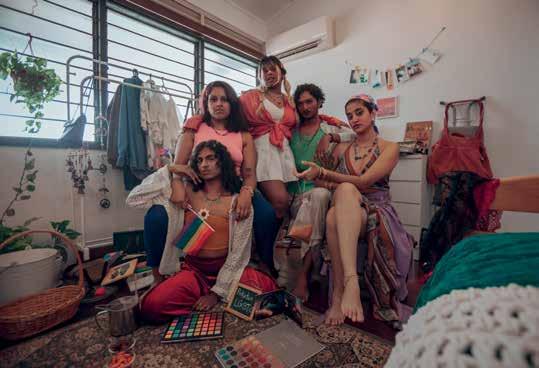
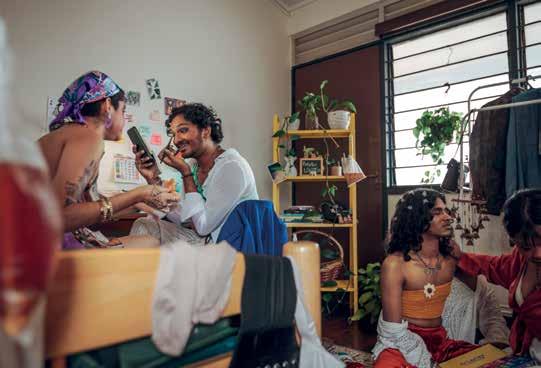
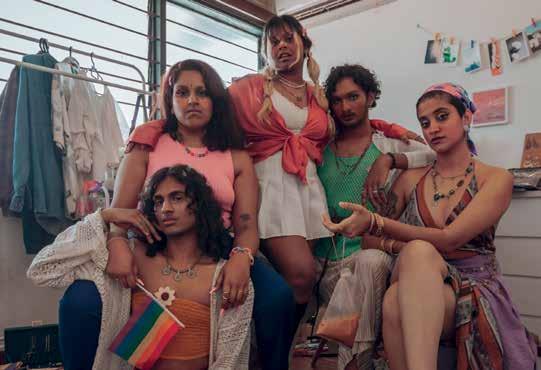
Series 2: Finding Home Through Gender NonConformity With Chosen Families/Community
Queer Malaysian Indians with their chosen families, doing various everyday activities together in a group setting, to photograph the warmth, love, joy and belonging that we feel with one another, especially as a community who often have to leave our nuclear families behind upon accepting ourselves, or hide parts of ourselves from them when we cannot share our true identities with them. Our community started to form in 2021 when some of us had planned to throw a small pride party for more queer people to meet each other. That’s when our group started to grow - ever since the party, none of us can get rid of each other! Having queer friends is nice because you have a community that understands you and always has your back. Although some of us had already known each other prior to the party, it was the start of us becoming a family.
Visibility for us as queer Indians is very difficult in Malaysia, because before we formed this community for some of us it was hard to feel seen, and some of us didn’t even know queer people could exist, especially queer Indian people. It is really hard to be openly queer, but especially for those who are more visibly queer in the group. It’s sad to not be able to go to pride parades or post pride events in public because it is dangerous to be yourself in this country. So, it can be scary even to make and find friends when you don’t know who is going to hate you.
Sometimes even queer spaces are not accepting of us or safe for us, cause none of us fit into this mainstream idea of being queer and so sometimes that means other queer people who aren’t Indian treat you differently. So there’s not much of an understanding
in Malaysia that people can be different and that’s okay. Like, when we experienced the raid at RexKL, so many of our queer Indian friends were racially profiled and it was so inhumane. But it was interesting seeing all these queer people in one space being treated less than human while we were the most human compared to the police who treated us that way. It was also nice to see all of the queer people in the space being united in our anger at the cops and the solidarity among us all. So as much as existing in queer spaces can feel both scary, but also amazing.
Honestly, we feel like platonic love is even more romantic than romantic love itself. To have a group of people who can deal with you and your ugliness, it’s so beautiful and for us, we feel that is love. Sometimes love is just tolerance because everybody will be an ass at the end of the day, but it’s who will you tolerate and who you won’t. Love in a community is strength - to love each other, to accept each other, to be there for each other all in one. It’s not about saying I love you all the time, although we do. Love is in the details, like when we lie on each other’s lap, play with each other’s hair or even look into each other’s eyes, we fall in love each time. Our community has always been a safe and forgiving space that exists outside of how cishet people view love and it’s beautiful.
Profiles & Story by: Ashwinii, Ariivin, Diya, Ajendra, Harshini
Creative Director, Photographer: Vaneesha Krish
Assistant Directors: Abigail Robert, Aswin Alex
Sociocultural consultant & copywriter: Ramya Gopal
Location: 22 Hub
Image copyrighted by Vaneesha.K and Canva
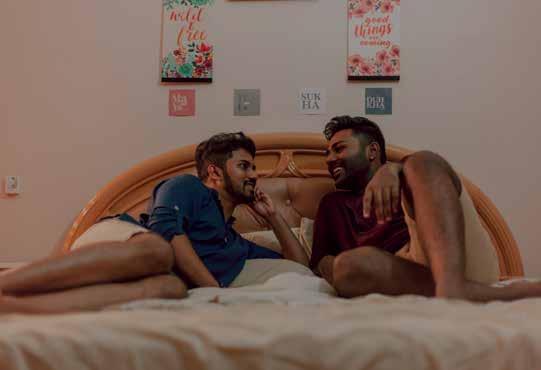
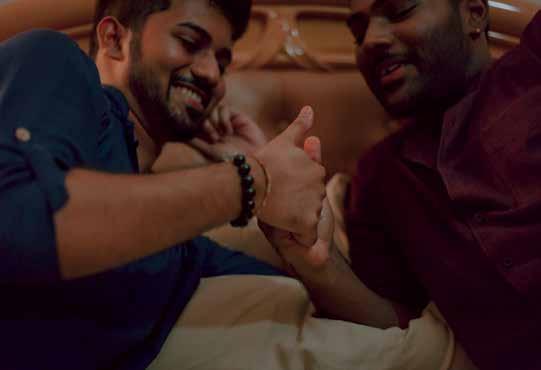
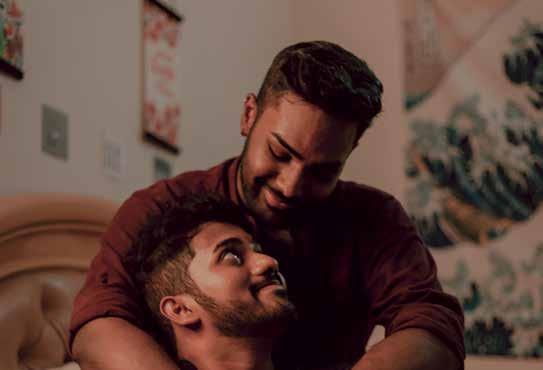
Series 3: Finding Home Through Queer Relationships And Familial Acceptance
Being a queer Indian in Malaysia is accompanied by a lot of stigma and marginalisation on a societal level, but especially so within the MalaysianIndian community. As gay Indian men, especially when you are more feminine, the term gay is often used as an insult due to the prominence of toxic masculinity as a result of our heteronormative cultural values. Both of us have been teased for being ‘flamboyant’ just because we do not subscribe to stereotypical gender roles. For a long time we either denied or did not come to terms with being queer due to the taboo surrounding non-heterosexual relationships. We used to often get told things like ‘man up’ or ‘don’t be a sissy’ and it makes us self-conscious as queer people to this day and it affects us in our everyday lives. Fast forward to today, we have come to embrace our queer selves and have both been fortunate to now have the increasing support of friends and especially family. Nonetheless, every day still feels like a war when you exist as both queer and Indian in this country.
In terms of our relationship, we had originally decided to tell our story as a couple but due to recent events we decided to end the relationship. We remain on friendly and platonic terms as the care and love we share for each other is still present. We met through a dating app, ‘Tinder’ and It was definitely love at first text. It is still a bit hard for us both. There were bumps in the road and we both tried our best to overcome them together but in the end it did not work out in spite of us still having very strong
feelings for each other. Because of that, we had agreed to give each other more space and time to grieve and feel the myriad of emotions that come along with the process. But there is still so much love and care present, and we are both still close to each other’s families as well. We deeply care for each other regardless of the circumstances. We continue to wish for nothing but the best for each other and for more happiness in the future for each other as we once shared together.
Love means many things to both of us. Love is acceptance that transcends all else. We show each other different aspects of love and we are still learning what it means to love in all its forms. The love we have shared with queer individuals romantically & platonically, along with their battle scars, their own journeys of acceptance, the sheer diversity of personalities and characteristics among queer people; and finally the love that comes from accepting a break-up and our differences that led to it. We are cherishing all the good things we shared along the way and the love we still share as friends and exes.
Profiles & Story by: Susindhra and Jay
Creative Director, Photographer: Vaneesha Krish
Assistant Directors: Abigail Robert, Aswin Alex
Sociocultural consultant & copywriter: Ramya Gopal
Location: Susindhra’s family home
Image copyrighted by Vaneesha.K and Canva
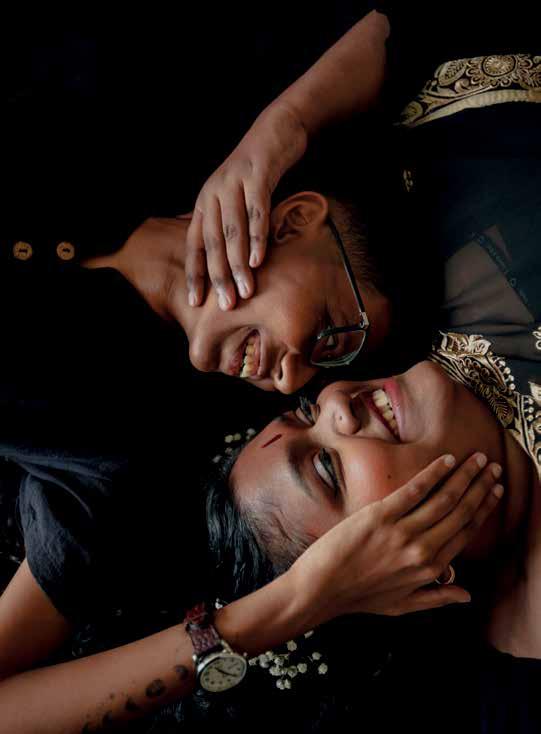
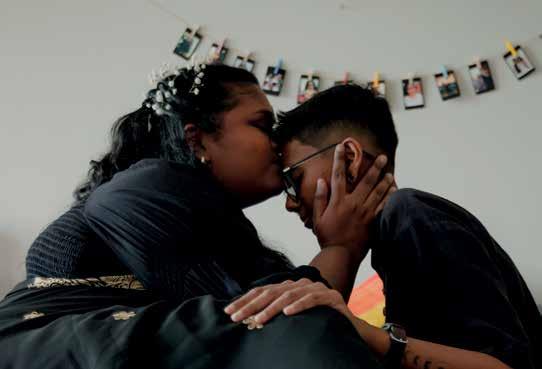
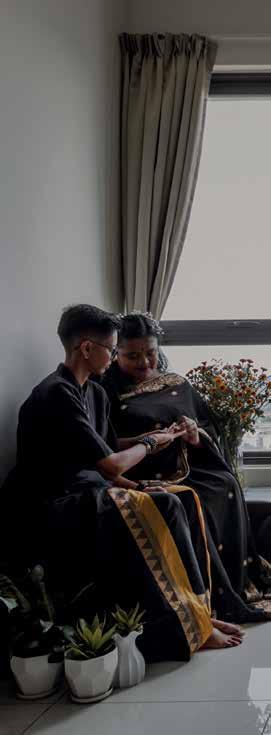
Series 4: Finding Home Without Matrimony
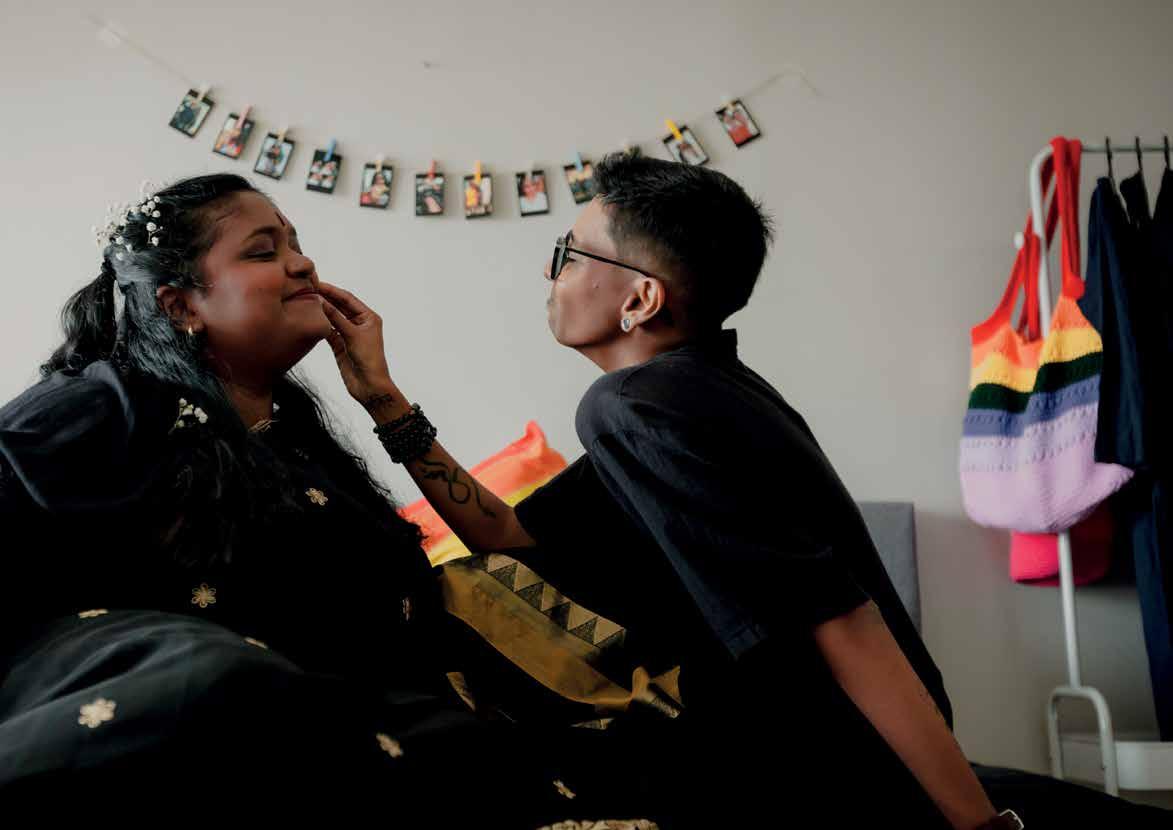
Being Tamil in Malaysia comes with its own set of complications. Add lesbians to that and you have quite a combination. We are used to getting judgemental looks for simply holding hands in public. We have stopped caring, but the looks never stopped. Unfortunately, there are many misconceptions about lesbians that exist. A common question we get is: “So, who’s the man in your relationship?” We like to think the whole point of it is there is no man in our relationship. People only see the sexual part of the relationship. They don’t see the beauty of two women being together. They don’t understand the romanticism of it. A common question we get is: “So, who’s the man in your relationship?” We like to think the whole point of it is there is no man in our relationship.
While one of us is more androgynous and the other femme presenting, characteristics wise we’re pretty much the same. We have noticed that sometimes we fall into certain stereotypical roles, such as Thiba taking over driving and Mathu being content as a passenger princess and the one who mostly cooks at home. However, we don’t have these roles when it comes to most things, like paying the bills, planning dates, and household chores. We’ve also observed that relationships that fall into stereotypical gender roles tend to hold the most resentment.
We’ve lived together for three years now, and we are both basically a married couple, even if it is not legally recognized. So, to us, a wedding would just be a celebration of what already exists to us. Indian weddings
have always been heteronormative, and there is often backlash when we do see representation of queer weddings and relationships because it is different from what people believe to be “normal”.
Imagining our ideal wedding, we both see ourselves at the beach, having a close-knit ceremony with our loved ones. We picture exchanging vows and rings, kissing under an arch, and circling a bonfire. We don’t want to have to leave the country we were born just to be who we really are. We wish that we could be legally recognized as wives here. Having our bond be recognized for what it is, and not have to hide it as if it were something shameful.
For us, love is going to sleep and waking up with the same person, knowing that this is permanent without having to overthink it. Knowing that you are going home to someone who loves you. Knowing that no matter what happens out there, you have a safe space to return to. Straight couples have the privilege of making choices that we don’t have the freedom to make, but we believe wishing for the right to marry the person we love is what makes our love stronger.
Profiles & Story by: Narmatha and Thiba
Creative Director, Photographer: Vaneesha Krish
Assistant Directors: Abigail Robert, Aswin Alex
MUA & Saree Stylist: Mahayshyaa Shriedhaa
Sociocultural consultant & copywriter: Ramya Gopal
Location: 22 Hub
Image copyrighted by Vaneesha.K and Canva
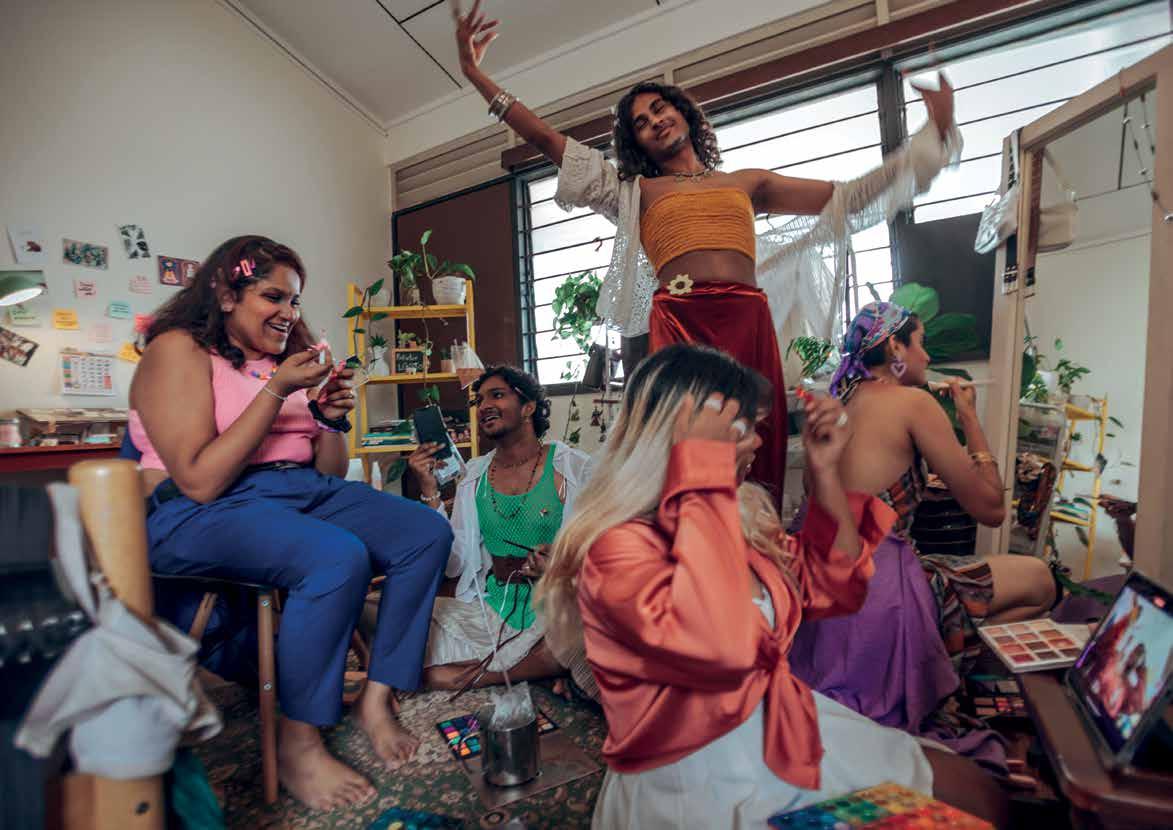 Image copyrighted by Vaneesha.K and Canva
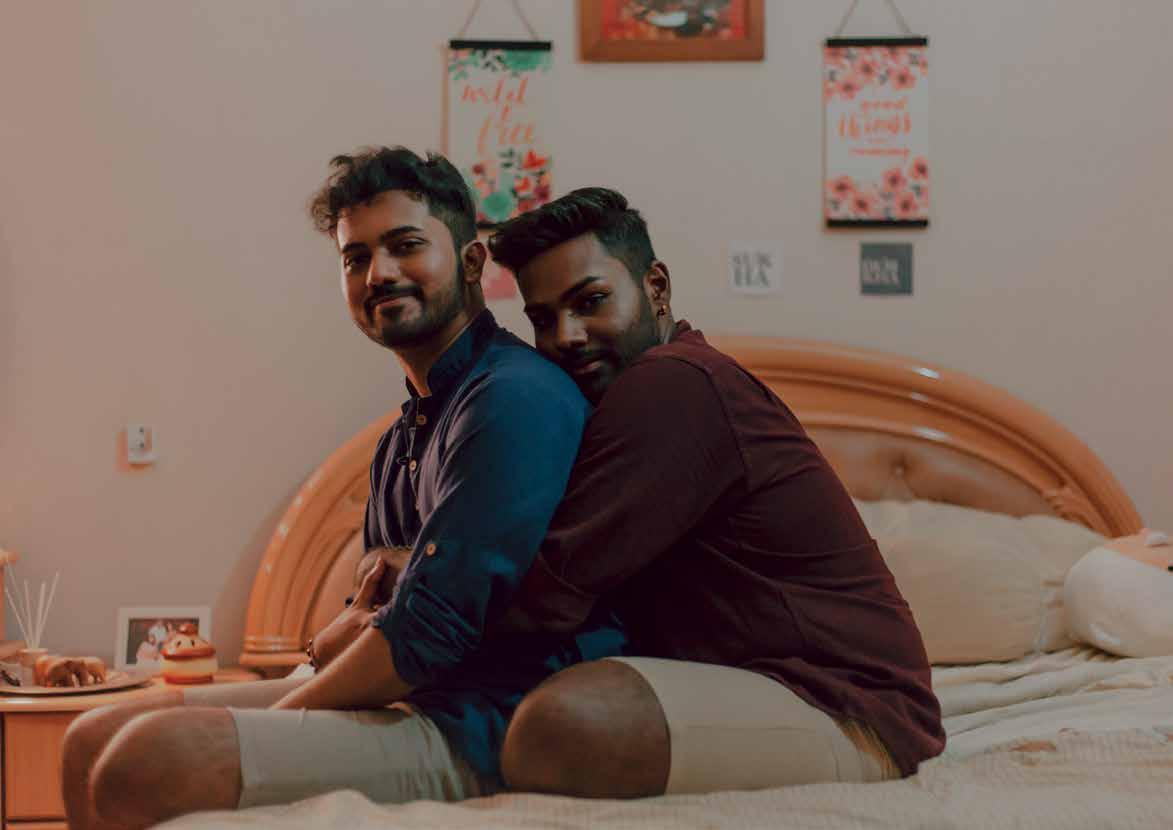 Image copyrighted by Vaneesha.K and Canvaa
Understanding SOGIESC (Sexual Orientation, Gender Identity, and Expression, and Sex Characteristics)
is important for Queer Malaysian Indians as it helps recognize and embrace the diversity of human identities and experiences.
It means acknowledging that people can have different sexual orientations, like being gay, lesbian, bisexual, or asexual, and that gender is not limited to male or female but can include nonbinary, genderqueer, or transgender identities.
Understanding SOGIESC promotes inclusivity, empathy, and respect for everyone’s unique journey, combating discrimination and stereotypes. It also
encourages the creation of safe spaces and supportive communities where individuals can freely express themselves and celebrate their identities.
By educating ourselves and others about SOGIESC, we contribute to a more inclusive and equitable society that embraces the beauty of diversity.
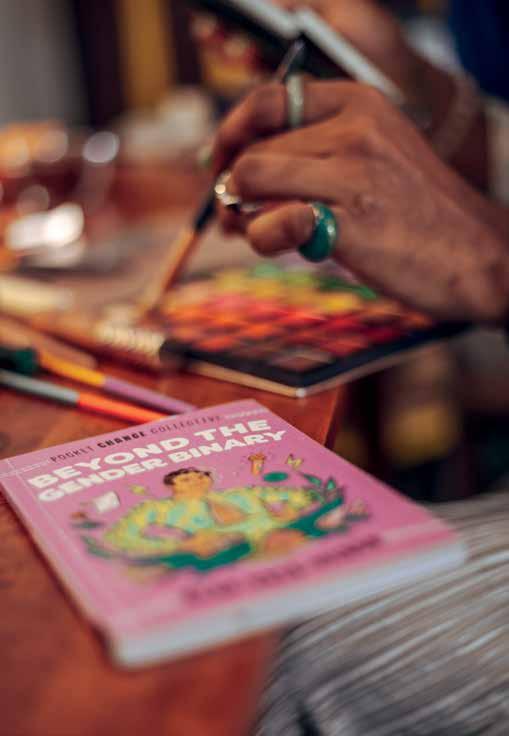 Image copyrighted by Vaneesha.K and Canva
ஒருவர மைிழவனாை்வா, மைிழினியாை்வா, இருபாலீரபபுக்டயவராை்வா, பாலீரபபு அறறவராை்வா இருபபகே அஙைீைாிபபோை இது நபாருளபடுைிறது. அ்ே்வகளே, பாலினம் என்பது ஆண, நபண மடடுமலே, மாறாை பாலின ஈரமகறக்கு அபபாறபட்டவர, புதுெரைள, மைிழவன் அலேது மைிழினி ்பான்றவரைகளேயும் உளளே்டக்ைக்கூடியது என்பகே அஙைீைாிபபோைவும் அகமைிறது. SOGIESC-ஐப புாிந்துநைாளவது என்பது, முழுகமத்ேன்கம, பாிவு, ஒவநவாருவாின் ேனிபபட்ட பயணத்கே மேிபபது , பாகுபாடக்டயும் மாறாெிகேகயயும் எேிரபபது ்பான்றவறகற ஆோிபபோகும். அதுமடடுமிலோமல, ஒருவர சுேந்ேிரமாைத் ேன்கன நவளேிபபடுத்ேிக் நைாளளேவும் அவரவர அக்டயாளேஙைகளேப ்பாறறவும் ்பாேிய இ்டமளேிபப்ோடு ஆேரவு ேரக்கூடிய சமூை உருவாக்ைத்கேயும் இது ஊக்குவிக்ைிறது. SOGIESC பறறி ொம் நோிந்துநைாளவ்ோடு மறறவரைளுக்கும் நோிவிபபேன் மூேம், சமூை பன்முைத்ேன்கமயின் சிறபபு ்பணபபடுைின்றது. ்மலும், அகனவகரயும் அரவகணக்கும், சமத்துவமிக்ை, சமூைத்ேிறகு ொம் வழி வகுக்ைின்்றாம்.
எனபபடும் பாலியல ்ொக்குெிகே, பாலின அக்டயாளேம் & நவளேிபபாடு மறறும் பாலின பணபுைகளே புாிந்துநைாளளுேல, ம்ேசிய இந்ேியப புதுெரைளுக்கு முக்ைியமானது. இது மனிே அக்டயாளேம் மறறும் அனுபவத்ேின் பன்முைத்ேன்கமகய அஙைீைாிக்ைவும் அரவகணக்ைவும் உேவுைிறது. Image copyrighted by Vaneesha.K and Canva
SOGIESC
The intersectionality of Indian
Malaysian and Queer identity recognizes that individuals may experience multiple forms of discrimination and marginalization based on their ethnicity and sexual orientation or gender identity.
It acknowledges that being both Indian Malaysian and Queer can influence one’s experiences, challenges, and opportunities. Understanding this intersectionality allows for a deeper appreciation of the unique struggles faced by Queer individuals within the Indian Malaysian community, such as cultural expectations, familial pressures, and societal norms. It also highlights the importance of creating spaces that address the specific needs and concerns of Queer Indian Malaysians, promoting inclusivity, acceptance, and empowerment.
By embracing and celebrating this intersectionality, we can foster a sense of belonging and support for Queer Indian Malaysians, encouraging them to live authentically and with pride in both their cultural heritage and their Queer identities.
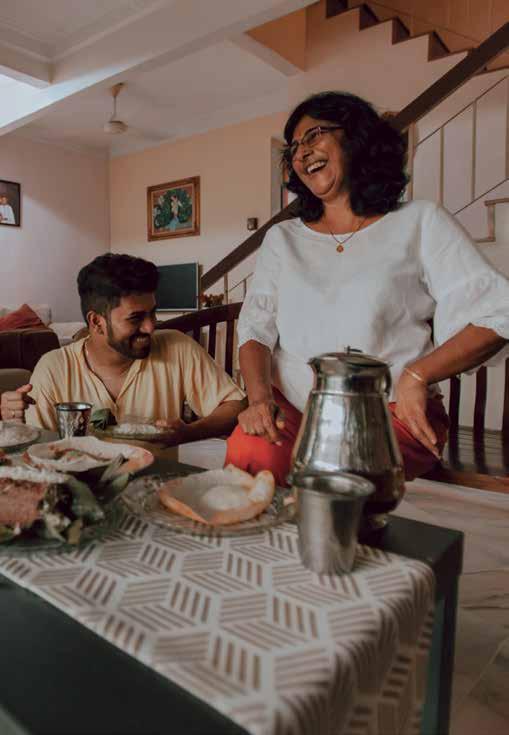 Image copyrighted by Vaneesha.K and Canva
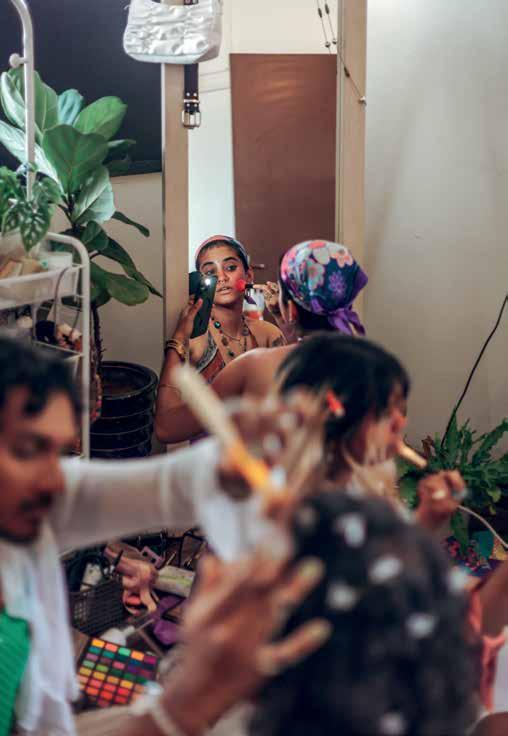
Image copyrighted by Vaneesha.K and Canva ம்ேசிய இந்ேியராைவும் புதுெராைவும் இருக்கும் ஒவநவாருவாின், அனுபவம், சவாலைள, வாய்பபுைள எவவாநறலோம் பாேிக்ைபப்டக்கூடும் என்பகே இது உணரத்துைிறது. இந்ே உடபிாிகவப புாிந்துநைாளவது, ம்ேசிய இந்ேிய சமூைத்ேில உளளே புதுெரைள எேிரநைாளளும் பணபாடடு எேிரபாரபபுைள, குடும்பத்ேினரைளேின் ைட்டாயஙைள, சமூை ைட்டகமபபுக்ைள ்பான்ற சிக்ைலைகளே ஆழமாை மேிபபி்ட உேவுைிறது. ம்ேசிய இந்ேிய புதுெரைளேின் குறிபபிட்ட ்ேகவைகளேயும் ைவகேைகளேயும் எேிரநைாளவேறைான இ்டத்கே ஏறபடுத்துவேன் முக்ைியத்துவத்கேயும் இது நவளேிசசத்துக்குக் நைாணடுவரும் ்வகளே, அத்ேரபபினகர இகணத்துக்நைாளளுேல, ஏறறுக்நைாளளுேல மறறும் அவரைளுக்கு வலுவூட்டவும் ஊக்குவிக்ைிறது. இந்ே உடபிாிகவ அன்்பாடு ஏறறு, நைாண்டாடுவேன் மூேம், ம்ேசிய இந்ேிய புதுெரைள, ேஙைளேில ஒரு பகுேியினர என்ற உணரகவ ஏறபடுத்ேி அவரைளுக்ைான ஆேரகவப நபருக்ை முடியும். இந்ேியரைளேின் பணபாடுப நபருகமகய ெழுவவி்டாமல, ேஙைளேின் புதுெர அக்டயாளேத்கேயும் ்சரத்துக் நைாணடு அவரைள உணகமயாைவும் நபருகமயு்டனும் வாழ ஊக்குவிக்ைோம். ம்ேசிய இந்ேியரைளேின் உடபிாிவு மறறும் புதுெர அக்டயாளேம், ேனிெபரைள ேஙைள இனம் மறறும் பாலியல ்ொக்குெிகே அலேது பாலின அக்டயாளேத்ேின் அடிபபக்டயில பே வகையான பாகுபாடுைகளேயும் புறந்ேளளேகேயும் எேிரநைாளளே ்வணடியுளளேகேத் நோிவிக்ைிறது.
Self-love and self-acceptance are essential for
Queer Malaysian Indians
to embrace their identities and lead fulfilling lives. It means recognizing that their sexual orientation, gender identity, and expression are valid and beautiful parts of who they are.
Practicing self-love involves treating themselves with kindness, compassion, and respect, even in the face of societal pressures or discrimination.
It’s important to surround themselves with a supportive community, seek out resources and spaces that celebrate their identities, and prioritize their mental and emotional well-being. Remember that self-love is a journey, and it’s okay to seek support from friends, loved ones, or professionals to navigate any challenges along the way.
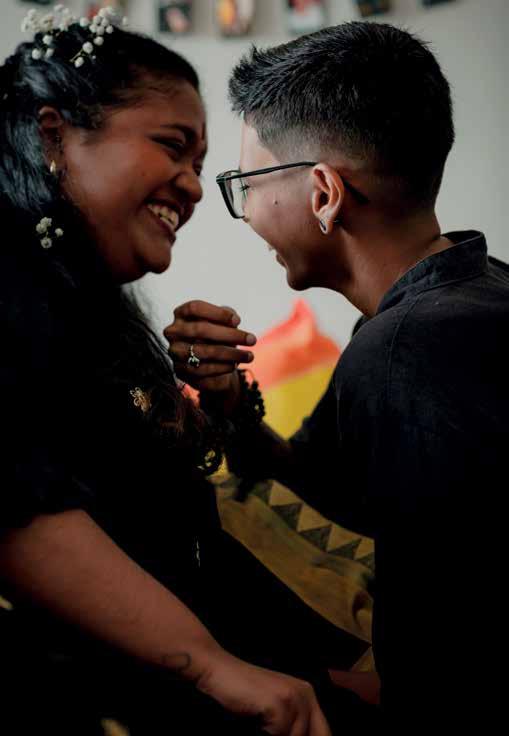 Image copyrighted by Vaneesha.K and Canva
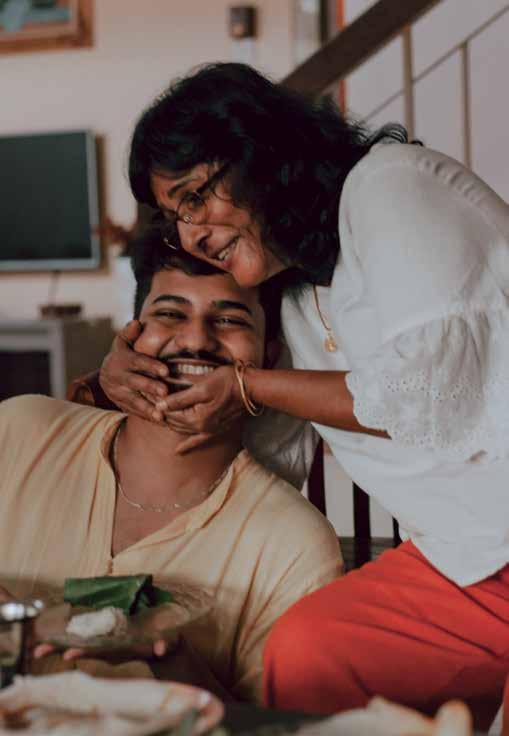
Image copyrighted by Vaneesha.K and Canva சமூை அழுத்ேஙைகளேயும் பாகுபாடுைகளேயும் எேிரநைாண்டாலும், இரக்ைம், பாிவு, மாியாகே, ஆைியவறகறக் ைக்டபபிடிபபது, சுய அன்கப ெக்டமுகறபபடுத்துவகேக் குறிக்ைிறது. ேஙைளுக்கு ஆேரவளேிக்கும் சமூைத்கே ேஙைளு்டன் இகணத்துக்நைாளவது, ேஙைள மனெேத்துக்கும் உணரவுைளுக்கும் முன்னுாிகம அளேித்து ேஙைளேின் அக்டயாளேஙைகளேப ்பாறறும் மூேஙைகளேயும் ேரபபுைகளேயும் அக்டயாளேஙைணடு நைாளவது மிை முக்ைியம். சுய அன்பு என்பது ஒரு ெீண்ட பயணம் என்பகே ெிகனவில நைாளளே ்வணடும். அந்ேப பயணத்ேில ஏறபடும் சவாலைகளேத் ேைரக்ை ெணபரைள, அன்புக்குாியவரைள அலேது ெிபுணரைளேி்டம் இருந்து உேவி நபறுவது ஏறறுக்நைாளளேத் ேக்ை்ே. ம்ேசிய இந்ேியப புதுெரைள ேஙைள அக்டயாளேஙைகளேப ்பணவும் ெிகறவான வாழக்கைகய ெ்டத்துவேறகு சுய அன்பும், சுய ஏறபுக்டகமயும் அவசியம். அவரைளேின் பாலியல ்ொக்குெிகே, பாலின அக்டயாளேம் மறறும் நவளேிபபாடு ஆைியகவ அவரைள யார என்பேறைான மிைச சாியான, அழகுமிக்ை கூறுைள என்பகே அஙைீைாிபபோைவும் இது அகமயும்.
Queer
Malaysian Indians can seek help in Malaysia through various avenues. They can reach out to NGOs which offer counseling, support groups, and resources for the LGBTQ+ community.
Medical professionals with expertise in LGBTQ+ health, such as those at PT Foundation’s clinic, can provide inclusive and knowledgeable healthcare services.
Online communities and platforms offer virtual support, information, and connections to local LGBTQ+ resources. It’s important to connect with like-minded individuals and allies through LGBTQ+ social and support groups, which can be found through online platforms, community centers, or LGBTQ+ events.
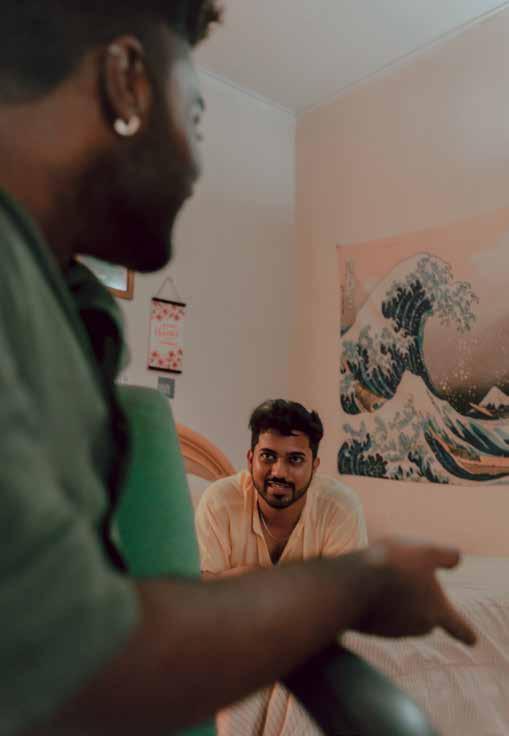
Image copyrighted by Vaneesha.K and Canva
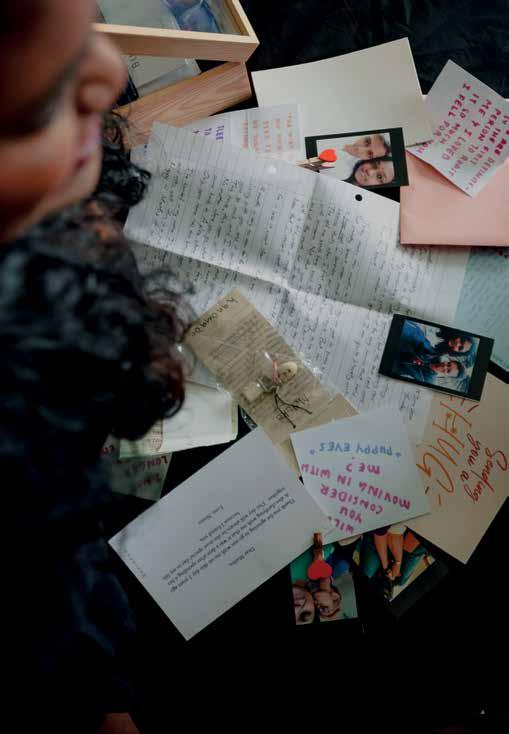
Image copyrighted by Vaneesha.K and Canva PT Foundation ைிளேினிக்ைில உளளே மருத்துவ ெிபுணரைகளேப ்பான்று, LGBTQ+ ெபரைளேின் சுைாோர மருத்துவ ெிபுணரைள, அறிவுசாரந்ே, நபாதுெேமிக்ை சுைாோர ்சகவைகளே வழஙை முடியும். இகணய சமூைஙைளும் ேளேஙைளும் உளளூர LGBTQ+ சமூைத்துக்ைான நமய்ெிைர ஆேரவு, ேைவல மறறும் நோ்டரபுைகளே வழஙகுைின்றன. இகணயத் ேளேஙைள, சமூை கமயஙைள, LGBTQ+ ெபரைளுக்ைான ெிைழசசிைளேின் மூேம் மாறறு LGBTQ+ சமூை ஆேரவுக் குழுக்ைள வழியாை ஒருமித்ே எணணமுக்டய ெபரைளு்டனும், ஆோிக்கும் குழுக்ைளு்டனும் இகணந்ேிருபபது முக்ைியம். ம்ேசிய இந்ேியப புதுெரைள பல்வறு வழிைளேில ம்ேசியாவில உேவிகய ொ்டோம். LGBTQ+ சமூைத்துக்கு ஆ்ோசகனைள, ஆேரவு குழுக்ைள மறறும் ்மற்ைாளைகளே வழஙகும் அரசு சாரா இயக்ைஙைகளே அவரைள அணுைோம்.
A collaboration with Queer Malaysian Indians, Vaneesha Krishnasamy, Between The Lines Media, ILGA Asia, Canva & GLIFAA Small Funds Grant
Queer Malaysian Indians is a social and networking collective for those who primarily identify as Malaysian Indians and LGBTQIA. As a flat structure group, the aim of QMI is to empower, share knowledge and support the Malaysian Indian LGBTQ+ community, a minority within a minority.
Vaneesha of #DepthOfV and 22 Hub is a multimedia producer & journalist,whose passion for advocacy and conceptual art inspires her visuals and their accompanying narratives. Using both audio visuals and stills, she encourages oppressed communities like hers to take up space through honest storytelling, in a world that often expects their silence. Her hope is to create new alternative mediums of art, expression and discourse, to break systemic and societal barriers that work against them. She is currently a Canva Represents Featured Artist, one of their South East Asian creatives chosen to help them populate the internet with accurately diverse images of people from her community.
Between The Lines is an independent media platform in Malaysia that reports and digs into issues that require a second look, louder voices, longer explanations and a fresh take.

ILGA Asia is the Asian Region of ILGA World, representing more than 100 member organisations in Afghanistan, Bahrain, Bangladesh, Bhutan, Brunei Darussalam, Cambodia, China, Democratic People’s Republic of Korea, India, Indonesia, Islamic Republic of Iran, Iraq, Israel, Japan, Jordan, Kuwait, Lao People’s Democratic Republic, Lebanon, Malaysia, Maldives, Mongolia, Myanmar, Nepal, Oman, Palestine, Pakistan, Philippines, Qatar, Republic of Korea, Saudi Arabia, Singapore, Sri Lanka, Syrian Arab Republic, Taiwan, Thailand, Timor-Leste, United Arab Emirates, Viet Nam and Yemen.

Canva is an online designing and publishing tool with a mission to empower everyone in the world to design anything and publish everywhere. In true spirits of inclusivity, Canva has been actively working alongside numerous creatives from many different communities across the globe, to populate their platform and the internet with a diverse range of faces and cultures, so everyone using their platform can feel represented all while broadening the very definition of stock images

GLIFAA (Gays and Lesbians in Foreign Affairs Agencies) is the officially recognized organization representing lesbian, gay, bisexual and transgender etc. (LGBT+) personnel and their families in the United States Department of State, U.S. Agency for International Development (USAID), Foreign Commercial Service, Foreign Agricultural Service, and other agencies and entities working in foreign affairs in the U.S. Government. The glifaa Small Grants Fund provides a mechanism to reimburse glifaa post representatives for expenses incurred in support of host-country LGBTQIA+ advocacy organizations or events.
22 Hub Sdn. Bhd is a creative agency hoping to make space for a diverse range of artists, by providing physical spaces for creative explorations whilst creating a network for collaborative ventures. It is their hope to find balance in a capitalistic society by supporting and uplifting creative communities in the most compassionate, equitable and ethical manner so they may continue to sustainably thrive.
Veshalini Naidu is a multidisciplinary artist who merges poetry, visual arts and theatre in their response to gender, sexuality and race in Malaysia. @veshnaidu
All images are copyrighted to their respective photographers. All written material is copyrighted to their respective writers. No part of this document may be reproduced or transmitted in any form or by any means, electronic, mechanical, photocopying, recording, or otherwise, without prior written permission of their respective copyright owners. Image
copyrighted by Vaneesha.K and Canva
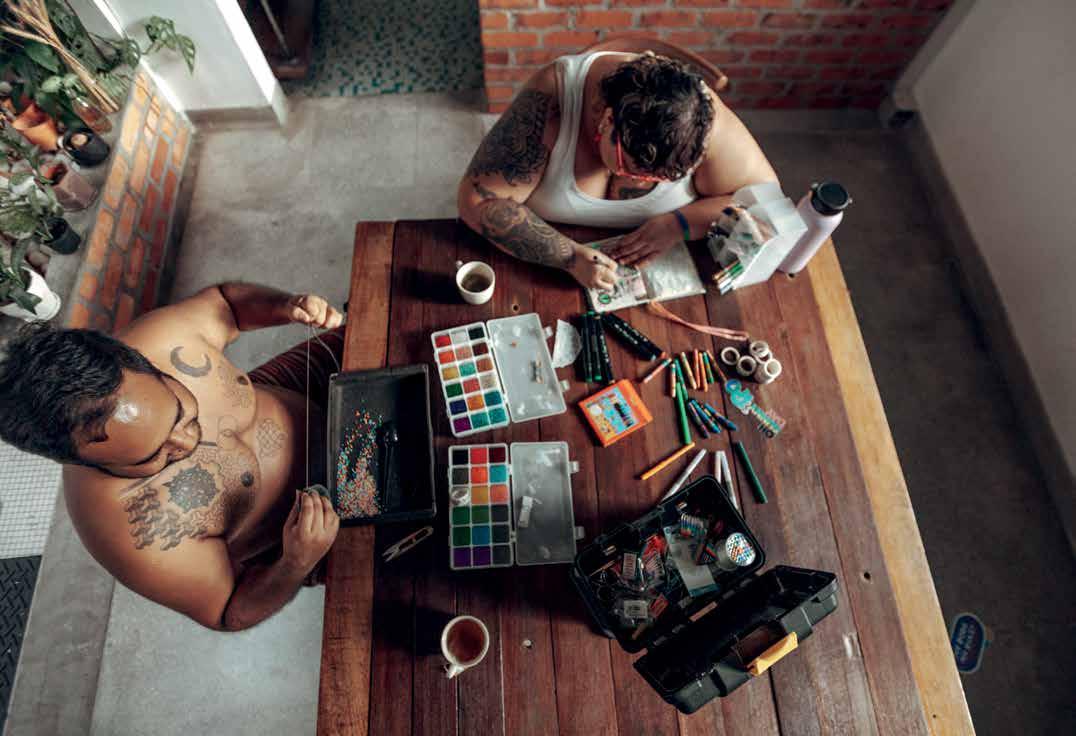 Image copyrighted by Vaneesha.K and Canva
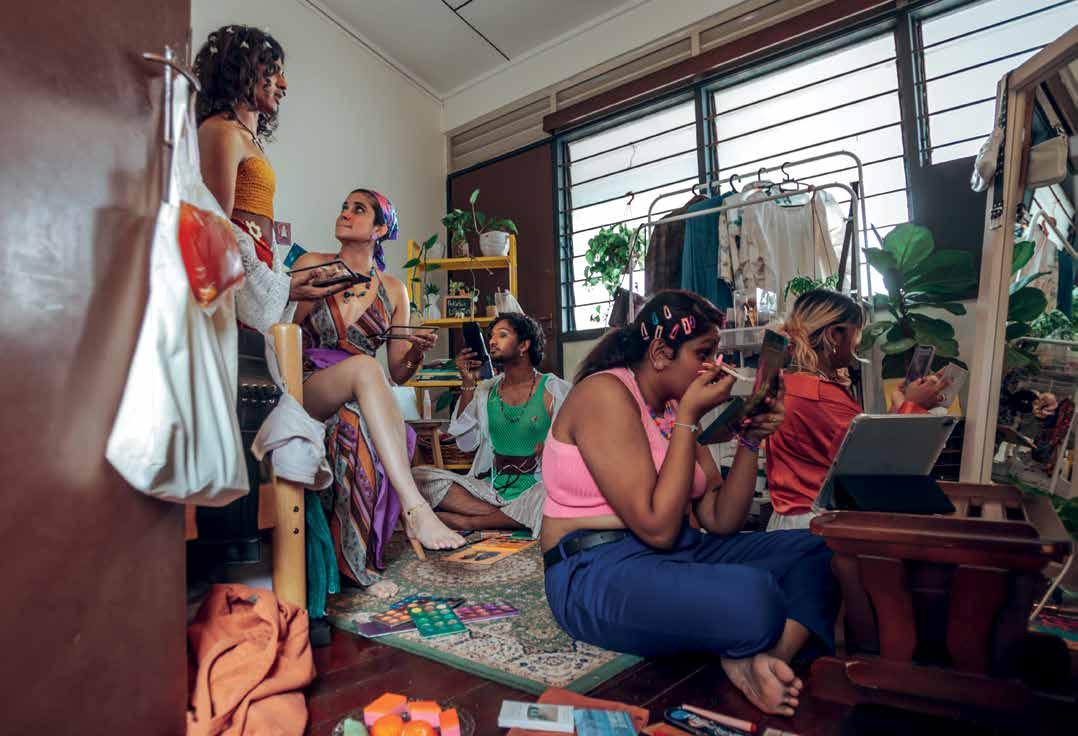 Image copyrighted by Vaneesha.K and Canva
