THIS BOOK BELONGS TO
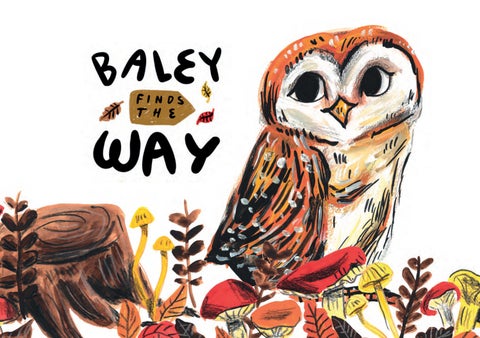
BALEY FINDS THE WAY
Illustrated by Sophie Heywood Designed & produced by House Creative Agency
This book is dedicated to our friends at The Barn Owl Trust and to all the children who are looking for a way to discover the joy of learning.
“Throughout the forest, in the shade of the waving trees and along the banks of the winding, sparkling river, in the soft ferns, the lily-clad ponds, the bushes and the bracken, of all the creatures that live in the countryside, none are as wise as the owl.“
Baley the young owl sat with his little clawed feet, clutching his favourite branch and cleaning his beak, wondering how owls become wise. “Mr. Moon, can you show me the way?” he asked. “The way to where?” said the bright, silvery moon, who was hoping to go to sleep sometime soon. “I can light the way to the mountains, the sea, or anywhere a young owl might want to be.” “Can you show me the way to be wise, like grown up owls?” asked Baley. “Hmmm, that’s a good question, I can’t say right now. But I’ll be up all night wondering how,” said the moon, yawning. So Baley swooped down with his feathers unfurled to ask Hedley the hedgehog, who in a ball was curled, snoring quietly away. Up above, a small voice said, “Don’t ask me! I’m on the web all day I’m only a spider, you see!” “And I don’t know either!” croaked his friend, Flora the frog, as she jumped merrily away, under a log.
Just then, Grandpa owl flew past, wings outstretched, swooping low, flying fast. As he stopped, the little owl asked, “Grandpa, how can I become wise like you?” “Hmmm… good books, nice teachers and… I think as a rule, you just can’t beat a good Forest School”, âÊʈÊńĘõ¨åûÊÆɉ “Forest School? I’d really, really like to go there!” said the young owl, his eyes sparkling with wonder. “The thing about Forest School is, it makes learning a joy, with fun things to do for children.” “Children? I often see them in the woods. They’re always playing, I’d join in if I could,” said Baley. “Wait until morning, I’ll show you the way, but get a little sleep or you’ll be tired all day,” said Grandpa.
RÊńĦʇúāěûåûÝɊʇ ¨õÊŅʇĿÊûĦʇĦāʇĦâÊʇoěÊʨě¨ĦāěŅʇvÊÀĦåāûʇ¨ĦʇqīÊÊûʇ#õåō¨¿ÊĦâɶğʇvÀâāāõɊʇâ¨ĘĘŅʇ¨ûÆʇÀāûĦÊûĦÊÆɊʇ ĿåĦâʇ¨ʇğĘěåûÝʇåûʇâåğʈğĦÊĘɉʇ When he arrived, a nice teacher greeted the young owl, “If you want to be wise, first, you’ll need to learn how.” ɳoõʨğÊɊʇÀ¨ûʇŅāīʇğâāĿʇúÊɐɴʇ¨ğóÊÆʇ ¨õÊŅɉ “At this school you can learn indoors or out because we enjoy better adventures when we move about. Out there we can make things and ask why, we do all kinds of things, you never know till you try…” When Baley heard that, he was so glad. “I just can’t wait to tell Mum and Dad,” he said, as he waved goodbye to Grandpa. Off Grandpa flew, and into the school Baley walked. Down the long, bright corridor, he talked and he talked. :åğʇõåĦĦõÊʇâʨÆʇĿ¨ğʇÜåõõÊÆʇĿåĦâʇğāʇú¨ûŅʇĚīÊğĦåāûğɉʇ:ÊʇĿ¨ğʇğāʇÊńÀåĦÊÆɊʇâÊʇÀāīõÆûɶĦʇĿ¨åĦʇĦāʇğĦ¨ěĦʇõÊğğāûğɉ A boy smiled as he walked happily by. Baley wanted to walk with him, even though he was shy. âÊûʇĦâÊʇ¿āŅʇğâāĿÊÆʇâåúʇâåğʇʨåûĦåûÝɊʇâåğʇÊńÀåĦÊúÊûĦʇÝěÊĿɉʇ:ÊʇĿ¨ûĦÊÆʇĦāʇÆě¨ĿʇĦâåûÝğɊʇú¨óÊʇĦâåûÝğʇ¨ûÆʇʨåûĦʇ things too. Inside and outside he could see inviting learning spaces. He passed class after class full of joyful faces.
ɳXīěʇÀõ¨ğğÊğʇ¨ěÊʇğú¨õõʇåûʇğåōÊʇ¨ûÆʇõʨěûåûÝʇåğʇÜīûɊʇ¿ÊÀ¨īğÊʇāīěʇĦʨÀâÊěğʇ⨾ÊʇĦåúÊʇÜāěʇÊľÊěŅāûÊɊɴʇĦâÊʇĦʨÀâÊěʇ said, stopping at a classroom full of children learning to read. “What are they doing?” said Baley, having a really good look. “They’re reading, because a love of learning starts with a love of books!” ɳvāúÊĦåúÊğʇĿÊʇğåĦʇĚīåÊĦõŅɊʇğāúÊĦåúÊğʇĿÊʇğåûÝɌʇğāúÊĦåúÊğʇĿÊʇÊńĘõāěÊʇ¨ûÆʇú¨óÊʇõāĦğʇāÜʇĦâåûÝğɉɴʇ Baley thought about this for a moment and then he said, “I can be quiet, especially when I fly. My soft feathers are so light, you can’t hear me fly by.” ûÆʇõåóÊʇ¨õõʇāĿõğʇ=ʇ⨾Êʇr# LL ʇ¿åÝʇÊŅÊğɊʇğāʇåÜʇ=ʇÀ¨ûʇěʨÆɊʇ=ʇĿāīõÆûɶĦʇ¿Êʇ¨Ħʇ¨õõʇğīěĘěåğÊÆɉ I can see really well, even when it’s dark, whether I’m flying over hedgerows, rivers or parks.” “Well, reading is different but I’m sure you’ll be fine. We select the best books so you’ll love story time,” said the teacher. “I’m sure I will, watching and listening are some of my best features.” “Well, you seem to me like a sensible, friendly bird. I’m sure you’ll enjoy picking up new sounds and words,” agreed the teacher. “If you don’t mind, I won’t sit on a chair. Is it OK if I perch over there?” asked Baley, pointing to the bookcase. “Of course!” said the teacher.
So there he sat, quiet as a mouse. And the teacher added, “How would you like to be in a House?” “What’s a House?” he asked. ɳ}âÊěÊʇ¨ěÊʇÜāīěʇ:āīğÊğʇɪʇ ÊûĦõÊŅɖ õ¨óÊŅʇɜ ÊõõāĿɝɊʇ ¨ľÊɖ õ¨ŅĦāûʇɜ5ěÊÊûɝɊʇ4ěÊÊğĦāûɖLÊÊʇɜ õīÊɝɊʇv¨ľåõÊɖQ¨ÀóåÊʇ ɜrÊÆɝɉʇ āīɶõõʇñāåûʇÀâåõÆěÊûʇ¨ûÆʇĦʨÀâÊěğʇåûʇ¨ʇ:āīğÊʇĦʨúɉʇ āīɶõõʇÜÊÊõʇěåÝâĦʇ¨ĦʇâāúÊɊʇĿåĦâʇõāĦğʇāÜʇāĘĘāěĦīûåĦåÊğʇĦāʇÝÊĦʇåûľāõľÊÆʇåûʇāīěʇâ¨ĘĘŅʇğÀâāāõʇÀāúúīûåĦŅɉɴʇ ĦʇĦâ¨ĦɊʇ ¨õÊŅʇñīúĘÊÆʇīĘʇ¨ûÆʇÆāĿûɉʇɳ ¨ûʇ=ʇñāåûʇ ¨ľÊɖ õ¨ŅĦāûʇɜ5ěÊÊûɝʇĘõʨğÊɐʇ5ěÊÊûɶğʇúŅʇܨľāīěåĦÊʇÀāõāīěɌʇ åĦʈěÊúåûÆğʇúÊʇāÜʇĦěÊÊğɎɴʇâÊʇğâāīĦÊÆɉʇ The teacher smiled and said, “I’ll see what I can do. ûÆʇĿÊʇ⨾ÊʇõāĦğʇāÜʇÀõī¿ğʇ¨ûÆʇ¨ÀĦåľåĦåÊğʇĦāāɉʇ}âÊěÊʇ¨ěÊʇú¨ûŅʇĦāʇÀâāāğÊʇÜěāúɊʇ¨Ħʇ¿ěʨóɊʇõīûÀâʇ¨ûÆʇ¨ÜĦÊěʈğÀâāāõɉ Whatever your hobbies and interests, we do all sorts, from ballet, gardening and painting to chess ¨ûÆʈúīõĦåğĘāěĦğɉɴ ɳ āĿɊʇĦâ¨Ħɶğʇ¨ú¨ōåûÝɎɴʇğ¨åÆʇĦâÊʇŅāīûÝʇāĿõɉ “Talking of Wow…” said the teacher. ɳ Êğɐɴ ɳ#¨ÀâʇŅʨěʇĿÊʇ⨾Êʇ¨ʇ X ʇ ÊÊóɊʇĿåĦâʇ¨ʇĦāĘʇğÊÀěÊĦʇğīěĘěåğÊɉʇ=ĦɶğʇğāʇʨÀóÊÆʇĿåĦâʇ¨ÆľÊûĦīěÊɊʇŅāīʇĿāûɶĦʇ ¿ÊõåÊľÊʈŅāīěʇÊŅÊğɉʇ Êʇ⨾ÊʇğĘÊÀå¨õåğĦʇĦʨÀâÊěğʇ¨ûÆʇ¨ğʇŅāīɶõõʇğÊÊɊʇĦâÊŅʇĦʨÀâʇ¨ěĦɊʇ }ɊʇúīğåÀɊʇݨúÊğɊʇõ¨ûÝī¨ÝÊğʇ¨ûÆʇoɉ#ɉɴ ɳ=Üʇ=ʇõʨěûʇĦāʇÆāʇ¨õõʇāÜʇĦâāğÊʇĦâåûÝğɊʇĿåõõʇ=ʇ¿ÊÀāúÊʇĿåğÊɐɴʇ¨ğóÊÆʇ ¨õÊŅɉʇɳ ¨åĦʇīûĦåõʇŅāīʇâʨěʇúŅʇûÊńĦʇğīěĘěåğÊɉɴʇ ğ¨åÆʇĦâÊʇĦʨÀâÊěɉʇɳ āīʇĿāûɶĦʇ¿ÊõåÊľÊʇŅāīěʇʨěğɉɴ
“I have really good ears, or so Mum and Dad say. I can hear a mouse playing a long way away! LåóÊʇ¨õõʇ¿¨ěûʇāĿõğɊʇāûÊʇāÜʇúŅʇʨěğʇåğʇğõåÝâĦõŅʇâåÝâÊěʇĦâ¨ûʇĦâÊʇāĦâÊěɉʇvāʇ=ʇÀ¨ûʇâʨěʇÊń¨ÀĦõŅʇĿâÊěÊʇğāīûÆğʇ¨ěÊʇÀāúåûÝʇ from, just like my brother.” “Well then, you’re really going to like this!” said the teacher. She gave Baley some headphones. “Ready to start? Now press play.” “This sounds fantastic, I could do this all day!” ɳ=Ħʇ¿ěåûÝğʇğĦāěåÊğʇĦāʇõåÜÊʇ¨ûÆʇĦ¨óÊğʇŅāīʇāûʇ¨ûʇ¨ú¨ōåûÝʇñāīěûÊŅɉʇ=Ħɶğʇ¨ʇĿāûÆÊěÜīõʇÊńĘÊěåÊûÀÊɊʇ¨ʇÜīûʇĿ¨ŅʇāÜʇõʨěûåûÝɉɴ “Can I listen again later?” he asked, jumping for joy. “I’d like to go to Forest School now with all the children!” The teacher laughed “OK let’s go outside then. As you’ll soon see, it even has an Owl’s Den.” When they got there, Baley’s big eyes opened wide with wonder. “I may spend my time sleeping in barns, standing on branches and flying around farms, ¿īĦʇ=ɶľÊʇûÊľÊěʇğÊÊûʇ¨ûʇXĿõɶğʇ ÊûʇĦâåğʇğåōÊɊɴʇğ¨åÆʇ ¨õÊŅɉʇ When he saw all the children learning outside, his little white chest was bursting with pride. His little wings fluttered and into the air he flew. “Do you mind if I go up there for a better view?” he said. ɳ īĦʇŅāīʇÀ¨ûɶĦʇ¨ğóʇĚīÊğĦåāûğʇīĘʇĦâÊěÊʇåûʇĦâÊʇğóåÊğʇ¨ûÆʇåÜʇŅāīʇÆāûɶĦʇóûāĿʇĦâÊʇ¨ûğĿÊěğɊʇ X ɶLLʇR# #rʇ #ʇ =v#Ɏɴʇ said the teacher a little louder, so Baley could hear him. He knew she was right, so he gave everyone a wave. “The first lesson I have to learn, is the way to behave.” he thought to himself.
With wings outstretched down to the Forest School he flew. “Here, children can do everything they like to do,” said the teacher. ɳ āīʇÀ¨ûʇõʨěûʇûÊĿʇğóåõõğʇāīĦğåÆÊʇĦâÊʇÀõ¨ğğɊʇݨĦâÊěåûÝʇóûāĿõÊÆÝÊʇĦâ¨Ħʇõ¨ğĦğʇ¨ûÆʇõ¨ğĦğɉ āīɶõõʇ¨õğāʇõʨěûʇ¨õõʇ¨¿āīĦʇĦâÊʇğʨğāûğɊʇĿâåÀâʇåğʇåÆʨõʇÜāěʇÝÊāÝě¨ĘâŅʇ¨ûÆʇ¨õõʇóåûÆğʇāÜʇěʨğāûğɉ Studying animals and plants is such fun and it’s part of the science curriculum. āīɶõõʇÊûñāŅʇÆāåûÝʇÀěʨĦåľÊʇĿāěóʇ¨ûÆʇ¿īåõÆåûÝʇĦâåûÝğɌʇåĦɶğʇÝāāÆʇÜāěʇÆÊğåÝûɊʇĦÊÀâûāõāÝŅʇ¨ûÆʇĘěā¿õÊúʇğāõľåûÝɉʇ Connecting with nature gives you a wider sense of the world; you’ll learn new social skills with other children. ûÆʇĦâÊěÊʇ¨ěÊʇĘõÊûĦŅʇāÜʇĘõ¨ÀÊğʇĦāʇú¨óÊʇûÊĿʇÜěåÊûÆğɉʇLåóÊʇğåĦĦåûÝʇěåÝâĦʇâÊěÊʇāûʇāīěʇ īÆÆŅʇ ÊûÀâɉɴ “While you tell me more about the things that are taught, I’ll just sit here and think owly thoughts,” said Baley. Just then, the boy with the painting strolled by. “My name’s Joe, I just thought I’d say hi!” And from that moment on, Baley just knew, that he would make lots of friends here too. When Baley met Mum, Dad and his grandparents at the gate, he told them all about this day and how he couldn’t wait… }āʇÀāúÊʇ¿¨ÀóʇĦâÊʇľÊěŅʇûÊńĦʇƨŅʇ¨ûÆʇÊûñāŅʇõʨěûåûÝʇåûʇ¨õõʇóåûÆğʇāÜʇûÊĿʇĿ¨Ņğɉʇ “Just wait until I tell hedgehog and frog! They just won’t believe it, they’ll be agog!” he said, jumping up and down happily.
Then later, when he nestled into his straw at night Baley said, “Grandpa you were right, I feel wiser already. But if you don’t mind, I think I’ll still hug my teddy.” So Grandpa gave him his teddy and said, ɳ āīʇóûāĿʇĦâÊʇ¿åÝʇĦâåûÝʇ¨¿āīĦʇõåÜÊʇåğɊʇåĦɶğʇÜīûûŅʇâāĿʇĦåúÊʇÜõåÊğɊʇğāʇ¿ÊÜāěÊʇŅāīʇÝāʇĦāʇğõÊÊĘɊʇâÊěÊɶğʇ¨ʇõåĦĦõÊʇ word to the wise. LåÜÊʇåğʇ¨ʇñāīěûÊŅʇ¨ûÆʇŅāīʇğĦåõõʇ⨾Êʇ¨ʇõāûÝʇĿ¨ŅʇĦāʇÝāɊʇ¿īĦʇåÜʇŅāīʇõåğĦÊûʇÀ¨ěÊÜīõõŅʇŅāīěʇóûāĿõÊÆÝÊʇ will grow. Then, when you move to Seniors you’ll see, at this school, you can be who you want to be.”
}:#ʇ#R
ɜ ûÆʇĿâÊěÊʇ¿åÝʇÜīĦīěÊğʇğĦ¨ěĦɉɝ
Grandpa’s Glossary vāúÊʇ¿åÝÝÊěʇĿāěÆğʇåûʇāīěʇoěāğĘÊÀĦīğʇ ĿÊʈÀāīõÆûɶĦʇÜåĦʇåûĦāʇ ¨õÊŅɶğʇõåĦĦõÊʇ¿āāóɉ A is for Academically Focused Activities and Tasks =ûʇāīěʇ#¨ěõŅʇ ʨěğɊʇõʨěûåûÝʇåğʇ¨ʇÝě¨ûÆʇ¨ÆľÊûĦīěÊʇāÜʇÆåğÀāľÊěŅʇĿâÊěÊʇ children lead the way, selecting activities that spark their curiosity while teachers gently guide their development. As the children ‘fly’ into Key Stage 1, this independence evolves into more structured challenges; pupils begin to apply their skills to focused projects, finding joy in mastering reading, writing, and numbers. By the time they reach Key Stage 2, the focus shifts to academic rigour and deeper enquiry. :ÊěÊɊʇğĦīÆÊûĦğʇĦ¨óÊʇĦěīÊʇāĿûÊěğâåĘʇāÜʇĦâÊåěʇõʨěûåûÝɊʇĦ¨ÀóõåûÝʇÀāúĘõÊńʇ problems and collaborative tasks that prepare them for the wider world. Across every stage, we ensure the “energy of the day” balances focused â¨ěÆʇĿāěóʇĿåĦâʇĦâÊʇÊńÀåĦÊúÊûĦʇāÜʇûÊĿʇåÆʨğɉ
B is for Buddy Bench All friendships have to start somewhere. At our school, it’s often on the īÆÆŅʇ ÊûÀâɉʇ#ûğīěåûÝʇĦâ¨ĦʇÊľÊěŅāûÊʇÀ¨ûʇñāåûʇåûʇ¨ûÆʇûāɨāûÊʇåğʇõÊÜĦʇāīĦʇāÜʇ the fun is a big part of school life, and our bench is somewhere children know they can go to meet new buddies and form lasting friendships.
C is for Curriculum and Context #¨ÀâʇŅʨěʇÝěāīĘʇâ¨ğʇ¨ʇÆåÜÜÊěÊûĦʇÀīěěåÀīõīúɉʇvĦ¨ÜÜʇĘõ¨ûʇĦâåğʇĦāÝÊĦâÊěʇ¿īĦʇ it may look slightly different in each class within the year. We teach in ¨ʇĦâÊú¨ĦåÀʇĿ¨ŅɊʇĿâåÀâʇúʨûğʇĦâ¨ĦʇõʨěûåûÝʇāÜĦÊûʇâ¨ğʇ¨ʇğâ¨ěÊÆʇÀāûĦÊńĦʇ ¿¨ğÊÆʇāûʇ āěóğâåěÊɉʇ=ûʇ# 4vʇĦâÊʇÀīěěåÀīõīúʇåğʇ¿¨ğÊÆʇāûʇóÊŅʇĦÊńĦğɊʇåûʇ JvȞʇåĦɶğʇ¿¨ğÊÆʇāûʇÆåğÀāľÊěåûÝʇ āěóğâåěÊʇ¨ûÆʇåûʇJvȟʇåĦɶğʇ¿¨ğÊÆʇāûʇú¨óåûÝʇ connections. A curriculum overview is produced each year so take a look at what learning looks like for each year group.
D is for Different XīěʇÊńĘÊěåÊûÀÊÆʇĦʨÀâÊěğʇěÊÀāÝûåğÊʇĦâ¨Ħʇ¨õõʇÀâåõÆěÊûʇõʨěûʇÆåÜÜÊěÊûĦõŅʇ ¨ûÆʇ¨Æ¨ĘĦʇÊńÀÊĘĦåāû¨õʇĦʨÀâåûÝʇĦāʇĘÊěğāû¨õʇûÊÊÆğɉʇ âåõÆěÊûʇÆÊľÊõāĘʇ¨Ħʇ different rates and progress at their own pace, so we tailor our education to meet the needs of both.
E is for Early Years Foundation Stage curriculum (EYFS) }âåğʇÊûÀāúʨğğÊğʇoÊěğāû¨õɊʇvāÀå¨õʇ¨ûÆʇ#úāĦåāû¨õʇ ÊľÊõāĘúÊûĦʇɢov# ɣɊʇ oâŅğåÀ¨õʇ ÊľÊõāĘúÊûĦʇ¨ûÆʇ āúúīûåÀ¨Ħåāûʇ¨ûÆʇL¨ûÝī¨ÝÊɊʇĦāÝÊĦâÊěʇ ĿåĦâʇLåĦÊě¨ÀŅɊʇQ¨ĦâÊú¨ĦåÀğɊʇ ûÆÊěğĦ¨ûÆåûÝʇĦâÊʇ āěõÆʇ¨ûÆʇ#ńĘěÊğğåľÊʇ ěĦğʇ¨ûÆʇ ÊğåÝûɉʇoīĘåõğʇ¨õğāʇ¿ÊûÊÜåĦʇÜěāúʇğĘÊÀå¨õåğĦʇĦʨÀâåûÝʇåûʇoâŅğåÀ¨õʇ Development, Music and French. At the start of lessons, teachers focus āûʇ¨ʇğĘÊÀåÜåÀʇ¨ěʨʇāÜʇõʨěûåûÝʇĿåĦâåûʇ¨ʇğī¿ñÊÀĦʇ¨ěʨɉʇoīĘåõğʇĦâÊû take part in a focused adult-led activity, designed to put a key skill in ¨ÀĦåāûɉʇ=ûʇĦâÊʇ īĦīúûʇĦÊěúɊʇāīěʇÜāÀīğʇāûʇov# ʇúʨûğʇĦâ¨ĦʇĘīĘåõğʇõʨěûʇ to play together, share, make friends and develop life skills. As the year ĘěāÝěÊğğÊğɊʇĦâÊŅʇĘěÊʨěÊʇÜāěʇ ʨěʈȞɊʇ¨ÆāĘĦåûÝʇğóåõõğʇěÊĚīåěÊÆʇÜāěʇúāěÊʇ formal learning.
Beyond the classroom walls, our children discover a world where learning â¨ğʇûāʇõåúåĦğɉʇXīěʇ#ûěåÀâúÊûĦʇ¨ûÆʇ āɨÀīěěåÀīõ¨ěʇĘěāÝě¨úúÊʇåğʇÆÊğåÝûÊÆʇ to ignite passions and build the “soft skills” that form a child’s character - resilience, empathy, and leadership. In the early years, this starts with Forest School adventures and creative play, but as pupils progress, ĦâÊʇâāěåōāûʇÊńʨûÆğɉʇJÊŅʇvĦ¨ÝÊʇȞʇ¨ûÆʇȟʇğĦīÆÊûĦğʇÆåľÊʇåûĦāʇ¨ûʇ¨ěě¨ŅʇāÜʇ clubs ranging from competitive sports and orchestral music to coding ¨ûÆʇÆÊ¿¨ĦåûÝɉʇ}âÊğÊʇ¨ÀĦåľåĦåÊğʇ¨ěÊʇûāĦʇñīğĦʇÊńĦě¨ğɌʇĦâÊŅʇ¨ěÊʇÊğğÊûĦå¨õʇ threads in our school fabric, helping every child find their voice and the confidence to try something new. By challenging themselves outside ĦâÊåěʇÀāúÜāěĦʇōāûÊɊʇāīěʇÀâåõÆěÊûʇÆÊľÊõāĘʇ¨ʇěā¿īğĦʇğÊûğÊʇāÜʇğÊõÜʇĦâ¨ĦʇğĦ¨Ņğʇ ĿåĦâʇĦâÊúʇõāûÝʇ¨ÜĦÊěʇĦâÊŅʇõʨľÊʇĦâÊʇoěÊĘʇğÊÀĦåāûɉʇ
skills that tie our school community together. Reading is our lifeblood; åĦʇÜõāĿğʇĦâěāīÝâʇÊľÊěŅĦâåûÝʇĿÊʇÆāɊʇÜěāúʇĿÊÊóõŅʇoâåõāğāĘâŅʇÜāěʇ âåõÆěÊûʇ ɜoȡ ɝʇğĦāěåÊğʇĦâ¨ĦʇğʨěóʇÆÊÊĘʇÊûĚīåěŅʇĦāʇĦÊńĦğʇÀ¨ěÊÜīõõŅʇÀâāğÊûʇĦāʇúåěěāěʇ our curriculum themes. Whether it’s a story shared during Form Time or a quiet moment of reading for pure enjoyment, we cultivate a lifelong love ÜāěʇĦâÊʇĿěåĦĦÊûʇĿāěÆɉʇ āúĘõÊúÊûĦåûÝʇĦâåğʇåğʇāīěʇÀāúúåĦúÊûĦʇĦāʇLʨÆåûÝʇ ¨ûÆʇ=ûÆÊĘÊûÆÊûĦʇ}âåûóåûÝɉʇ īěåûÝʇāīěʇÊûÆɨāÜɨƨŅʇ4āěúʇ}åúÊɊʇĿÊʇÊńĘõåÀåĦõŅʇ teach the mechanics of metacognition, helping children understand how they learn, and the leadership skills they need to navigate the world. From ĦâÊʇ#¨ěõŅʇ ʨěğɊʇĿâÊěÊʇĿÊʇÊûÀāīě¨ÝÊʇĦâÊʇÜåěğĦʇğʨěóğʇāÜʇɳĿâŅɐɴɊʇĦâěāīÝâʇJÊŅʇ Stages 1 and 2, where pupils become architects of their own education, these Golden Threads ensure that every child develops the resilience to think for themselves and the wisdom to lead others.
F is for First Aid
H is for House
QāğĦʇāÜʇāīěʇğĦ¨ÜÜʇ¨ěÊʇĦě¨åûÊÆʇåûʇo¨ÊÆå¨ĦěåÀʇÜåěğĦʇ¨åÆɉʇ}âåğʇúʨûğʇĦâ¨Ħʇåûʇ the unlikely event that a pupil has an accident at school, they will be compassionately cared for and well looked after. As a matter of course, parents are also informed by telephone of a head bump, while a first aid slip/form is sent home for other injuries.
õõʇÀâåõÆěÊûʇɜ¨ûÆʇğĦ¨ÜÜɝʇ¨ěÊʇ¨ğğåÝûÊÆʇĦāʇ¨ʇ:āīğÊɉʇ}âÊğÊʇ¨ěÊʇ ÊûĦõÊŅɖ õ¨óÊŅʇ ɜ ÊõõāĿɝɊʇ ¨ľÊɖ õ¨ŅĦāûʇɜ5ěÊÊûɝɊʇ4ěÊÊğĦāûɖLÊÊʇɜ õīÊɝɊʇv¨ľåõÊɖQ¨ÀóåÊʇɜrÊÆɝɉʇ Houses are assigned when pupils start and, wherever possible, we ensure siblings are accommodated in the same one.
I is for Individuality
F is for Form Time
Our small, stimulating classes enable teachers to give all pupils individual attention, nurturing a genuine love of learning through bespoke and managed activities that encourage curiosity and interest. We enhance, accentuate and build upon children’s passions, interests and uniqueness to help them become true individuals. This ensures their time in school gives them the best chance to understand how to use their own talents for future happiness and success.
E is for Enrichment
At the end of each day our children gather for their Form Time. This isn’t just a moment to pack bags, it is a vital space for reflection and connection. In these sessions, Form Teachers lead their groups through circle time discussions, mindfulness,journalling and a recap of the day’s triumphs. For our younger learners, it is a chance to share a story and celebrate kindness, while in Key Stage 2, it evolves into a time for deeper pastoral support and goal-setting for the morning ahead. By ending the day together, we ensure every child leaves the school gates feeling âʨěÆɊʇľ¨õīÊÆɊʇ¨ûÆʇěʨÆŅʇÜāěʇĦâÊåěʇûÊńĦʇ¨ÆľÊûĦīěÊɉʇ
G is for Golden Threads Xīěʇ5āõÆÊûʇ}âěʨÆğɋʇrʨÆåûÝɊʇLʨÆåûÝɊʇ¨ûÆʇ=ûÆÊĘÊûÆÊûĦʇ}âåûóåûÝɊʇěīûʇ through the very heart of our curriculum, connecting every lesson and every child’s growth. These are not mere ideas; they are the intentional
J is for Joy ĦʇĦâÊʇoěÊʨě¨ĦāěŅʇvÊÀĦåāûʇ¨ĦʇqīÊÊûʇ#õåō¨¿ÊĦâɶğʇvÀâāāõɊʇāīěʇ¨åúʇåğʇĦāʇ introduce children to the joys of learning. We believe that every child brings their own unique talents and strengths into the classroom and we are here to bring them out, building confidence in their natural abilities and creating strong, independent individuals who care about others, embrace new challenges and have a growing awareness of the world around them.
K is for Knowledge and Kindness
M is for Meals
In our school Knowledge is the map, but Kindness is the compass. Êʇ¿ÊõåÊľÊʇĦâ¨Ħʇ¨À¨ÆÊúåÀʇÊńÀÊõõÊûÀÊʇ¨ûÆʇ¨ʇĿ¨ěúʇâʨěĦʇÝāʇâ¨ûÆɨåûɨ hand. From the earliest years, we support our children to build their foundational knowledge through curious play and “I wonder” moments. ğʇĦâÊŅʇĘěāÝěÊğğʇåûĦāʇJÊŅʇvĦ¨ÝÊʇȞʇ¨ûÆʇȟɊʇĦâåğʇÊńʨûÆğʇåûĦāʇ¨ʇěåÝāěāīğɊʇ knowledge-rich curriculum where pupils are challenged to master ÀāúĘõÊńʇğī¿ñÊÀĦğʇ¨ûÆʇĦâåûóʇÀěåĦåÀ¨õõŅɉʇ:āĿÊľÊěɊʇĿÊʇĘõ¨ÀÊʇÊĚī¨õʇĿÊåÝâĦʇāûʇ ĦâÊʇJåûÆûÊğğʇāÜʇāīěʇÀāúúīûåĦŅɌʇāīěʇāõÆÊěʇÀâåõÆěÊûʇ¨ěÊʇÊńĘõåÀåĦõŅʇĦ¨īÝâĦʇ to use their growing knowledge to help others, acting as mentors and buddies. This dual focus ensures that our children do not just become “smart,” but become the kind of wise, compassionate people who use their intellect to lift those around them.
¨ěåÊĦŅʇåğʇĦâÊʇğĘåÀÊʇāÜʇğÀâāāõʇõåÜÊʇ¨ûÆʇÀâåõÆěÊûʇÝÊĦʇ¨ʇÀâāåÀÊʇāÜʇõīûÀâʇʨÀâʇ day. We offer a range of delicious meal options and ask that children try a little of everything, gently encouraging them to try new foods whilst always ensuring they have plenty to eat. We can also provide a specific, nutritious menu for children who have bespoke requirements – please ask at the office so we can put this is in place for you.
L is for Launchpad
N is for Nurturing Nature
The learning that children have access to in their primary years is so important, because it provides the launchpad for a future without limits. We believe that the more individually focused this learning is, the more likely it is to help them fulfil their early promise as they go on to be who and what they want to be.
L is for Leadership We empower our children to look out for one another and lead with ĿåğÆāúɉʇXīěʇLʨÆÊěğâåĘʇoěāÝě¨úúÊʇåğʇ¨ʇÀāěûÊěğĦāûÊʇāÜʇğÀâāāõʇõåÜÊɊʇ ěÊÀÊûĦõŅʇěÊÀāÝûåğÊÆʇ¿ŅʇĦâÊʇ=v=ʇɜ=ûÆÊĘÊûÆÊûĦʇvÀâāāõğʇ=ûğĘÊÀĦāě¨ĦÊɝʇ¨ğʇ a significant strength of our community. We don’t just hope leadership â¨ĘĘÊûğɌʇĿÊʇÊńĘõåÀåĦõŅʇĦʨÀâʇåĦɉʇvĦ¨ěĦåûÝʇåûʇĦâÊʇʨěõŅʇŅʨěğʇĿåĦâʇğåúĘõÊʇ responsibilities, the journey moves into Key Stage 1 and 2, where children learn about communication, empathy, and decision-making during their form time. These skills are then put into action through a variety of official ěāõÊğɊʇÜěāúʇvÀâāāõʇ āīûÀåõʇrÊĘğʇ¨ûÆʇ#Àāɨ ¨ěěåāěğʇĦāʇ:āīğÊʇ ¨ĘĦ¨åûğʇ¨ûÆʇ oõ¨ŅÝěāīûÆʇ īÆÆåÊğɉʇ ŅʇÝåľåûÝʇÊľÊěŅʇÀâåõÆʇĦâÊʇĦāāõğʇĦāʇõʨÆɊʇĿÊʇÊûğīěÊʇ they leave us not just as confident learners, but as young pioneers ready to make a positive mark on the world.
N is for Nibbles and Snacks Children in Foundation Stage have a snack provided for them by school. âåõÆěÊûʇåûʇ ʨěʇȞʇĦāʇȣʇÀ¨ûʇ¿ěåûÝʇåûʇ¨ʇâʨõĦâŅʇğû¨ÀóʇÜěāúʇâāúÊɉʇoõʨğÊʇ ú¨óÊʇğīěÊʇåĦʇÆāÊğʇûāĦʇÀāûĦ¨åûʇûīĦğʇ¨ğʇğāúÊʇoěÊĘʇĘīĘåõğʇ¨ěÊʇ¨õõÊěÝåÀʇĦāʇ ûīĦʈĘěāÆīÀĦğɉʇ Whether it is a tiny seed in a pot or the tall trees that Baley calls home, we believe that nurturing nature is essential for a growing mind. In the #¨ěõŅʇ ʨěğɊʇāīěʇ4āěÊğĦʇvÀâāāõʇ¨ûÆʇāīĦÆāāěʇÀõ¨ğğěāāúğʇ¨ěÊʇĦâÊʇğÊĦĦåûÝʇ ÜāěʇÀâåõÆɨõÊÆʇÊńĘõāě¨Ħåāûʇ¨ûÆʇğÊûğāěŅʇÆåğÀāľÊěŅɉʇ ğʇÀâåõÆěÊûʇúāľÊʇ through the school, this connection to the environment evolves into a ğāĘâåğĦåÀ¨ĦÊÆʇīûÆÊěğĦ¨ûÆåûÝʇāÜʇğīğĦ¨åû¨¿åõåĦŅʇ¨ûÆʇÝõā¿¨õʇÀåĦåōÊûğâåĘɉʇ XīěʇJÊŅʇvĦ¨ÝÊʇȞʇ¨ûÆʇȟʇĘīĘåõğʇõʨÆʇ#Àāɨ āúúåĦĦÊÊğʇ¨ûÆʇāīĦÆāāěʇğÀåÊûÀÊʇ investigations, learning that they are the stewards of the world they inhabit. By spending time in nature, our children develop a sense of “Awe and Wonder” that keeps their curiosity alive and provides a natural boost to their mental wellbeing.
O is for Outdoors Connecting with nature helps pupils feel part of the world and has a positive impact on their health and wellbeing. Simply being outdoors can have a real calming influence, improving mental and spiritual health, communication skills, social relationships and behaviour. Our Forest School also connects pupils to many areas of the curriculum. Being outdoors all year round helps children learn about weather and the
ğʨğāûğɊʇɜʨěĦʇāÜʇĦâÊʇĘěāÝě¨úúÊʇāÜʇğĦīÆŅʇåûʇ5ÊāÝě¨ĘâŅɝɊʇğĦīÆŅåûÝʇ animals and plants relates strongly to Science, while tasks like den building and woodwork link strongly to Design & Technology. Forest School also helps children develop many skills that are hard to teach in the classroom. Children learn to assess, appreciate and take risks, making sensible, informed decisions about how to tackle the activities ¨ûÆʇÊńĘÊěåÊûÀÊğʇĦâÊŅʇÊûÀāīûĦÊěɉ
P is for Prepared Our proven academic approach gives our very youngest pupils the best possible preparation for life. From the age of three, children are ĿÊõÀāúÊÆʇåûĦāʇāīěʇğÀâāāõʇ¿ŅʇÀ¨ěåûÝɊʇÊńĘÊěåÊûÀÊÆʇğĦ¨ÜÜʇĿâāʇ¨ěÊʇÆÊÆåÀ¨ĦÊÆʇ to creating a happy and enjoyable environment which enables them ĦāʈĦâěåľÊɉ
R is for Reading At our school, reading is not just a lesson; it is the heartbeat of our ÀāúúīûåĦŅʇ¨ûÆʇĦâÊʇÀāěÊʇāÜʇÊľÊěŅʇĦâÊúÊʇĿÊʇÊńĘõāěÊɉʇ=ûʇĦâÊʇ#¨ěõŅʇ ʨěğʇ¨ûÆʇ Key Stage 1, we dedicate significant, focused time to establishing the core literacy skills, phonics, fluency, and comprehension, that provide the sturdy foundation for everything to come. As these skills flourish in Key Stage 2, the magic truly takes flight. We move from “learning to read” ĦāʇɳěʨÆåûÝʇĦāʇõʨěûɊɴʇīğåûÝʇõåĦÊě¨ĦīěÊʇĦāʇīûõāÀóʇÀāúĘõÊńʇâåğĦāěŅɊʇğÀåÊûÀÊɊʇ ¨ûÆʈÊúʨĦâŅɉʇ
#ľÊěŅĦâåûÝʇĿÊʇÆāʇâÊěÊʇåğʇÆÊğåÝûÊÆʇĦāʇâÊõĘʇÀâåõÆěÊûʇĦě¨ûğåĦåāûʇĦāʇqīÊÊûʇ #õåō¨¿ÊĦâɶğʇvÊûåāěʇvÊÀĦåāûɉ
Our Golden Thread of reading ensures that stories are woven into every ʨěĦʇāÜʇĦâÊʇƨŅɌʇÜěāúʇoȡ ʇÆÊ¿¨ĦÊğʇğʨěóÊÆʇ¿Ņʇ¨ʇğåúĘõÊʇĘåÀĦīěÊʇ¿āāóɊʇĦāʇ ÆÊÊĘɨÆåľÊʇûāľÊõğʇĿâÊěÊʇĿÊʇÊńĘõāěÊʇĦâÊʇľåěĦīÊğʇ¨ûÆʇ¿ě¨ľÊʇÀâāåÀÊğʇāÜʇĦâÊʇ characters. We do not just teach children how to decode words; we ignite ¨ûʇåûÜÊÀĦåāīğʇÊńÀåĦÊúÊûĦʇÜāěʇÆåğÀāľÊěåûÝʇûÊĿʇĿāěõÆğʇ¨ûÆʇĘÊěğĘÊÀĦåľÊğɉʇ By fostering an authentic love for reading, we ensure our pupils become õåÜÊõāûÝʇÊńĘõāěÊěğʇĿâāʇóûāĿʇĦâ¨ĦɊʇĿåĦâʇ¨ʇ¿āāóʇåûʇâ¨ûÆɊʇĦâÊʇâāěåōāûʇ åğʈõåúåĦõÊğğɉ
Q is for Questioning
R is for Resilience
ĦʇāīěʇğÀâāāõɊʇqīÊğĦåāûåûÝʇåğʇĦâÊʇğʨěóʇĦâ¨ĦʇõåÝâĦğʇĦâÊʇÜåěÊʇāÜʇõʨěûåûÝɉʇ 4ěāúʇĦâÊʇľÊěŅʇÜåěğĦʇƨŅğʇåûʇ#¨ěõŅʇ ʨěğɊʇĿÊʇúāľÊʇ¿ÊŅāûÆʇğåúĘõÊʇ¨ûğĿÊěğɊʇ encouraging a quintessential curiosity that challenges our pupils to look ÆÊÊĘÊěɉʇ}âåğʇåğʇĿâÊěÊʇāīěʇoȡ ʇɜoâåõāğāĘâŅʇÜāěʇ âåõÆěÊûɝʇěʨõõŅʇğâåûÊğɌʇ during our weekly sessions, even our youngest learners begin to ask big, weighty questions about the world, fairness, and nature. As they progress into Key Stage 1 and 2, this evolves into a sophisticated ability to interrogate evidence and think critically across all subjects. By teaching our children how to ask the right questions, rather than just memorising the right answers, we ensure they leave us as independent thinkers who are never afraid to seek the truth, no matter how high they have to fly to find it.
School life is rich and varied, with each child championed and empowered with the ‘bouncebackability’ that will propel them forward with the strength of character to prevail against life’s challenges. Children learn to be self-sufficient and take care of themselves, which boosts their confidence and self-esteem.
Q is for Queen Elizabeth’s School
Through trial and error they learn to deal with failure and develop the resilience to keep trying, vital qualities in learning and life.
LʨěûåûÝʇĦāʇğĿåúʇåğʇ¨ʇóÊŅʇʨěĦʇāÜʇ¨ûŅʇÀâåõÆɶğʇÆÊľÊõāĘúÊûĦʇ¨ûÆʇĿÊʇ¿ÊûÊÜåĦʇ from having our own pool, located at the Senior School. Children have ěÊÝīõ¨ěʇğĿåúúåûÝʇõÊğğāûğɊʇÜěāúʇĦâÊʇ¨īĦīúûʇĦÊěúʇāÜʇ ʨěʇȞɉʇ
character. Whether it is through a challenging lesson or a moment on the playground, our values and virtues ensure every child progresses with a strong internal compass and a heart ready to make a positive mark on ĦâÊʈĿāěõÆɉʇ
T is for Teamwork
W is for Wellbeing
S is for Swimming
4ěāúʇĦâÊʇ¿īğŅʇÀõ¨ğğěāāúğʇāÜʇĦâÊʇ#¨ěõŅʇ ʨěğʇĦāʇĦâÊʇĘõ¨ŅåûÝʇÜåÊõÆğʇāÜʇJÊŅʇ Stage 2, teamwork is at the heart of everything we do. We believe that learning to collaborate, listen and share ideas with others is just as åúĘāěĦ¨ûĦʇ¨ğʇ¨ûŅʇ¨À¨ÆÊúåÀʇõÊğğāûɉʇ=ûʇāīěʇoěÊĘʇğÊÀĦåāûɊʇÀâåõÆěÊûʇÆåğÀāľÊěʇ that by working together, they can solve trickier problems, create bigger projects and support one another through every challenge. Whether they are building a den in Forest School, singing in the choir or passing the ball on the pitch, our pupils learn that every individual voice matters, but we are always stronger when we work as a team.
U is for Unique experiences XīěʇĘěåú¨ěŅʇÜāÀīğʇåğʇāûʇú¨óåûÝʇÊľÊěŅʇõʨěûåûÝʇÊńĘÊěåÊûÀÊʇÜīûʇ¨ûÆʇ ÊńÀåĦåûÝɊʇ¿ŅʇåÝûåĦåûÝʇÀīěåāğåĦŅɊʇ¿īåõÆåûÝʇāûʇåûĦÊěÊğĦğʇ¨ûÆʇÆÊľÊõāĘåûÝʇĦâÊʇ talents, passions and potential that will help our children on their way Ħāʈ¨ʈğīÀÀÊğğÜīõɊʇâåÝâɨ¨ÀâåÊľåûÝʇÜīĦīěÊɉ
V is for Values and Virtues As a highly respected independent prep school for girls and boys, our ethos and values are very much in evidence from nursery right through Ħāʇ ʨěʇȣɉʇXīěʇ ¨õīÊğʇ¨ûÆʇ åěĦīÊğʇÜāěúʇĦâÊʇÜāīûƨĦåāûʇāÜʇÊľÊěŅĦâåûÝʇĿÊʇ ÆāɉʇXīěʇğÀâāāõɶğʇâʨěĦ¿Ê¨ĦʇåğʇÆÊÜåûÊÆʇ¿Ņʇ r#ɘʇĿÊʇ ¨ěÊʇÜāěʇāûÊʇ¨ûāĦâÊěɊʇ Êú¿ě¨ÀÊʇÊľÊěŅʇ ÆľÊûĦīěÊɊʇ¨ğĘåěÊʇĦāʇrʨÀâʇāīěʇĘāĦÊûĦå¨õʇ¨ûÆʇ#ûݨÝÊʇÜīõõŅʇ with the world around us. These are not just words on a wall; they are woven into our curriculum, our assemblies, and our wider community. We have a set of virtues which underpin these values and enable the children ĦāʇĦâåûóʇ¨¿āīĦʇâāĿʇĦâÊŅʇÆÊľÊõāĘʇ¨ğʇ¨ʇĘÊěğāûɉʇ=ûʇĦâÊʇ#¨ěõŅʇ ʨěğɊʇĿÊʇĘõ¨ûĦʇ these seeds through kindness and play, while in Key Stages 1 and 2, ĘīĘåõğʇÊńĘõāěÊʇâāĿʇĦâÊğÊʇľ¨õīÊğʇ¨ûÆʇľåěĦīÊğʇÝīåÆÊʇĦâÊåěʇÆÊÀåğåāûğʇ¨ûÆʇ
Our children need to feel strong, balanced, and happy. Wellbeing is not a standalone lesson; it is woven through our curriculum, our enrichment, and our quietest moments. We believe that emotional intelligence is just ¨ğʇľåĦ¨õʇ¨ğʇ¨À¨ÆÊúåÀʇğīÀÀÊğğɊʇĿâåÀâʇåğʇĿâŅʇĿÊõõ¿ÊåûÝʇğóåõõğʇ¨ěÊʇÊńĘõåÀåĦõŅʇ taught during our dedicated end-of-day Form Time. Through guided journalling, pupils are given the space to pause and reflect on their õʨěûåûÝɊʇĦâÊåěʇÜÊÊõåûÝğɊʇ¨ûÆʇĦâÊåěʇ¨ÀĦåāûğɊʇĦīěûåûÝʇĦâÊʇƨŅɶğʇÊńĘÊěåÊûÀÊğʇ åûĦāʇĘÊěğāû¨õʇÝěāĿĦâɉʇ4ěāúʇĦâÊʇûīěĦīěåûÝʇÊûľåěāûúÊûĦʇāÜʇĦâÊʇ#¨ěõŅʇ ʨěğʇ to the mindful independence of Key Stage 2, we equip our children with a toolkit of resilience and self-awareness. By making wellness a daily habit, we ensure that every pupil develops the inner strength to navigate life’s adventures with confidence and a calm heart.
W is for WOW Week Once a year a very special WOW Week happens – besides being an ÊûݨÝåûÝʇ¨ûÆʇåúúÊěğåľÊʇÀīěěåÀīõīúʇÊńĘÊěåÊûÀÊʇÜāěʇĦâÊʇĿâāõÊʇğÀâāāõɊʇåĦɶğʇ ¨õğāʇ¨ʇĦāĘʇğÊÀěÊĦʇğīěĘěåğÊʇğāʇāīěʇĘīĘåõğʇɜ¨ûÆʇʨěÊûĦğɝʇ⨾ÊʇûāʇåÆʨʇĿâÊûʇ it will happen. So prepare to be WOWed!
X is for X-Curriculum (Cross-Curricular) In Baley’s world, the forest isn’t made of separate trees; it’s one big, ÀāûûÊÀĦÊÆʇÊÀāğŅğĦÊúɉʇXīěʇ ɮ īěěåÀīõīúʇɜ ěāğğɨ īěěåÀīõ¨ěɝʇ¨ĘĘěā¨Àâʇ mirrors this by breaking down the walls between subjects. We do not just learn history or science in isolation; we link them together, allowing ĘīĘåõğʇĦāʇ¨ĘĘõŅʇĦâÊåěʇóûāĿõÊÆÝÊʇ¨ûÆʇğóåõõğʇåûʇÀěʨĦåľÊɊʇāīĦʇāÜʇĦâÊʇ¿āńʇĿ¨Ņğɉʇ This method is backed by educational research, such as the interleaving and dual coding theories, which suggest that when children connect ûÊĿʇåûÜāěú¨ĦåāûʇĦāʇĿâ¨ĦʇĦâÊŅʇ¨õěʨÆŅʇóûāĿʇ¨ÀěāğğʇÆåÜÜÊěÊûĦʇÀāûĦÊńĦğɊʇ åĦʈÀÊúÊûĦğʇĦâÊåěʇīûÆÊěğĦ¨ûÆåûÝʇ¨ûÆʇ¿āāğĦğʇõāûÝɨĦÊěúʇúÊúāěŅɉʇ
By tackling big questions that span multiple disciplines, our pupils move beyond rote learning to genuine problem-solving. Whether they are using mathematical ratios to scale a historical Viking longship or applying scientific principles to environmental poetry, they are learning to adapt to real-world situations. This approach fosters the cognitive flexibility that modern research identifies as a “future-proof” skill, ensuring that by the time they leave Key Stage 2, our children are not just experts in a subject, they are resourceful thinkers ready to navigate a complex, interconnected world.
Y is for Years FS1 – Y6 These years enable all pupils to build strong foundations in English and Mathematics. From the start, they become fully involved in their own learning, evaluating their work and taking responsibility for achieving personal targets. Each teacher, often supported by an assistant, introduces cross-curricular lessons, making connections across all subjects, instilling the idea that all learning is connected and can be researched further, in a way that expands horizons and encourages the development of independent learning skills. This is complemented by a rich programme of external visitor sessions and workshops and lessons from subject specialists in Modern Foreign Languages, music, swimming and P.E. All children take part in a Philosophy For Children session a week. These sessions are based on a shared book each week which all ÀâåõÆěÊûʈěʨÆɉ
Z is for ZZZs after an adventure-packed day To give children as fully rounded an education as possible, we ensure that every day is packed with adventure. Throughout the day pupils can learn, participate and enjoy exciting new experiences as they grow their imaginations and their capabilities. So like Baley the Owl, they’ll go to bed happily dreaming of their next day at Queen Elizabeth’s School.