
introduction
hogwarts
12 20
content
of
house founder of hogwarts house the magical sorting 05



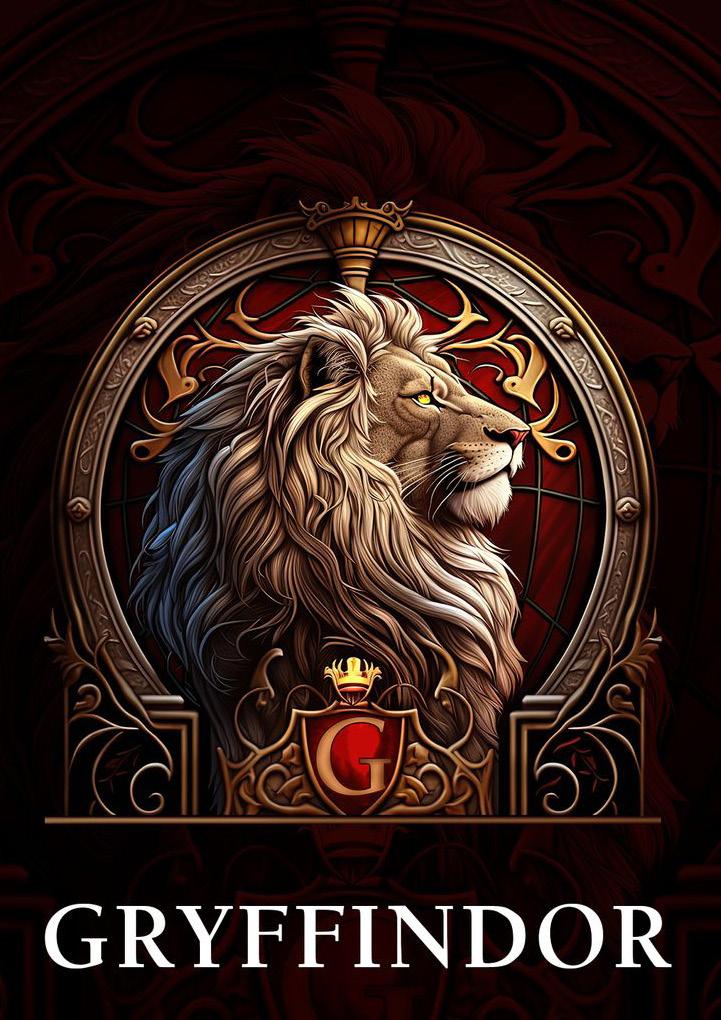
Gryffindor, one of the distinguished houses at Hogwarts School of Witchcraft and Wizardry, stands as a beacon of valor, daring, and chivalry within J.K. Rowling’s renowned Harry Potter series. Embodying the courageous spirit of its founder, Godric Gryffindor, this house places immense value on qualities such as bravery, daring, nerve, and a strong sense of honor.
Symbolized by the mighty lion, Gryffindor exudes strength and leadership. Rubies, the house’s representative gemstone, symbolize passion and courage, while scarlet and gold serve as Gryffindor’s signature colors, evoking images of fire and royalty.
At the helm of Gryffindor’s leadership sits the esteemed Minerva McGonagall, whose unwavering dedication to her house and its values echoes throughout Hogwarts’ halls. Meanwhile, the jovial yet enigmatic Sir Nicholas de Mimsy-Porpington, known fondly as “Nearly Headless Nick,” adds a touch of spectral charm as the Gryffindor House Ghost.
Located in one of Hogwarts’ highest towers, the Gryffindor common room exudes an air of regal warmth. Guarded by the portrait of The Fat Lady, entrance is granted only to those who utter the correct password—a testament to the house’s emphasis on wit and resourcefulness.
Throughout Hogwarts’ storied history, Gryffindor has been home to some of the most illustrious witches and wizards. From the wise and enigmatic Albus
Dumbledore to the legendary “Boy Who Lived,” Harry Potter himself, Gryffindors have left an indelible mark on the wizarding world.
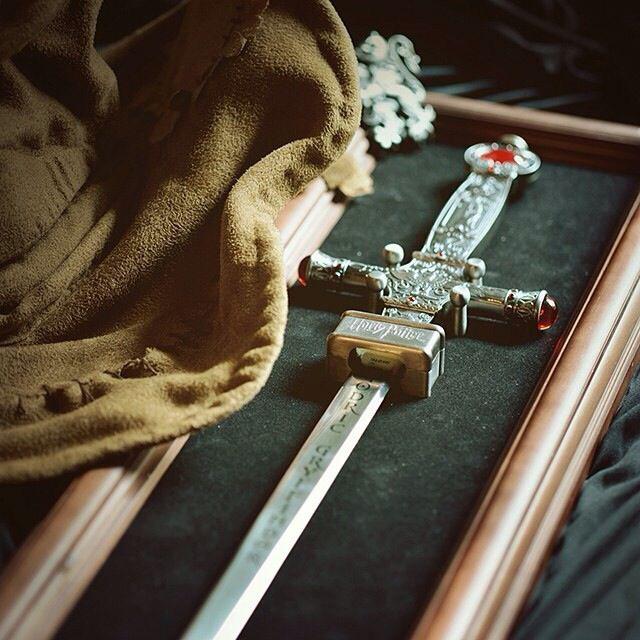
Central to Gryffindor’s identity is the revered Sword of Gryffindor, a symbol of bravery and heroism passed down through generations. Emblazoned with the motto “Forti Animo Estote,” meaning “Be Brave,” Gryffindors are inspired to face challenges with unwavering courage and determination.
In essence, Gryffindor House serves as a bastion of noble ideals and unwavering bravery, shaping the destinies of countless witches and wizards who pass through its hallowed halls.
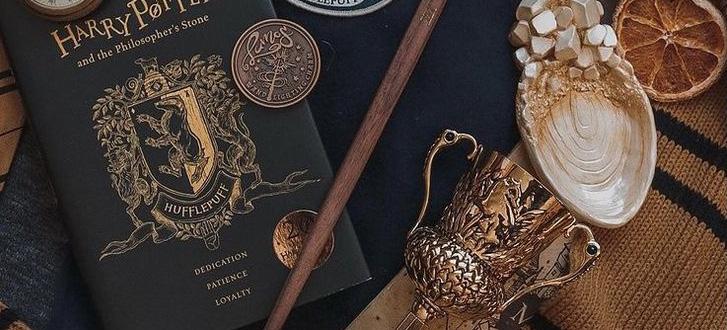
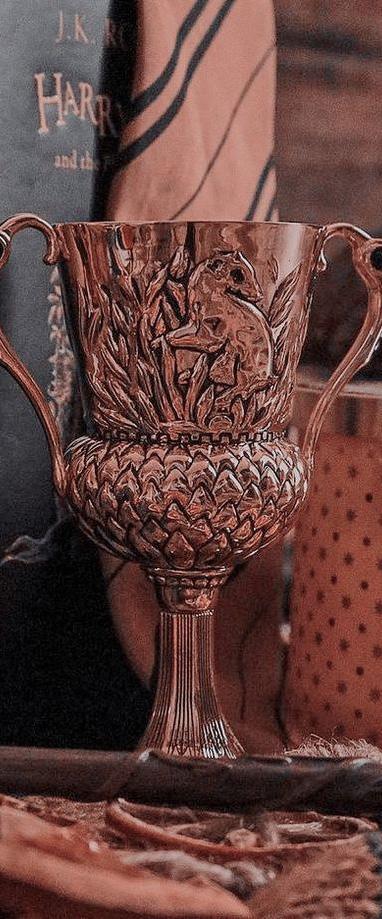
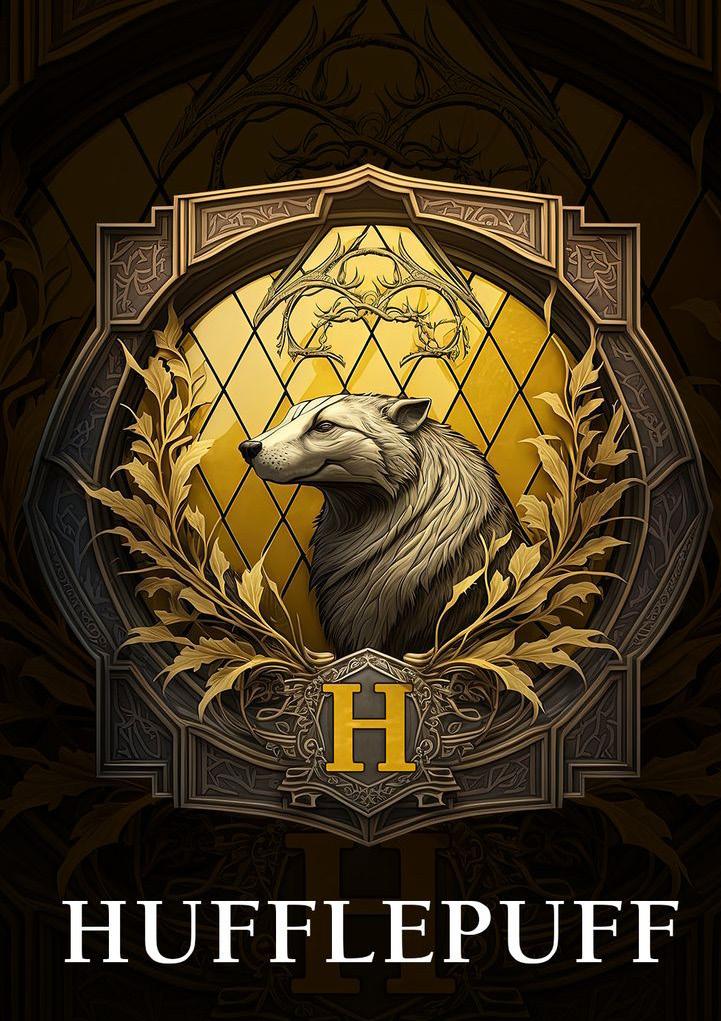
Hufflepuff, one of Hogwarts’ esteemed houses, embodies values of hard work, patience, loyalty, and fair play, symbolized by the resilient badger and vibrant yellow and black colors. Led by figures like Pomona Sprout, its succession remains a mystery. With the jovial Fat Friar as its ghost, and founded by Helga Hufflepuff, Hufflepuff fosters inclusivity and fairness.
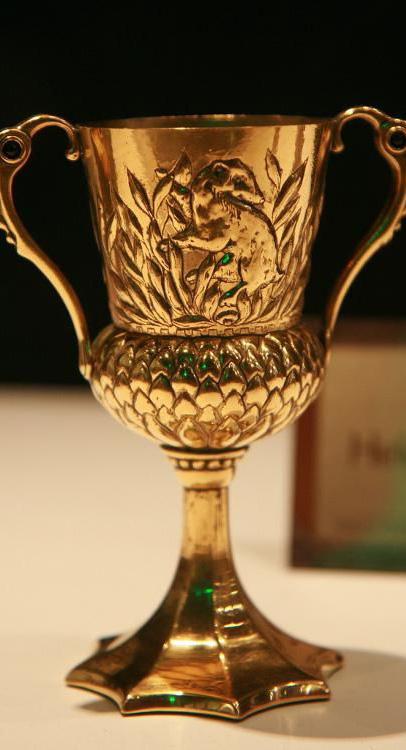
Located near the castle’s kitchens, Hufflepuff’s cozy dormitories are accessed by tapping a specific barrel and chanting “Helga Hufflepuff.” Notable alumni include Hengist of Woodcroft and Newt Scamander, while Helga Hufflepuff’s Cup,
though turned into a Horcrux, symbolizes the house’s enduring spirit of loyalty and fairness.
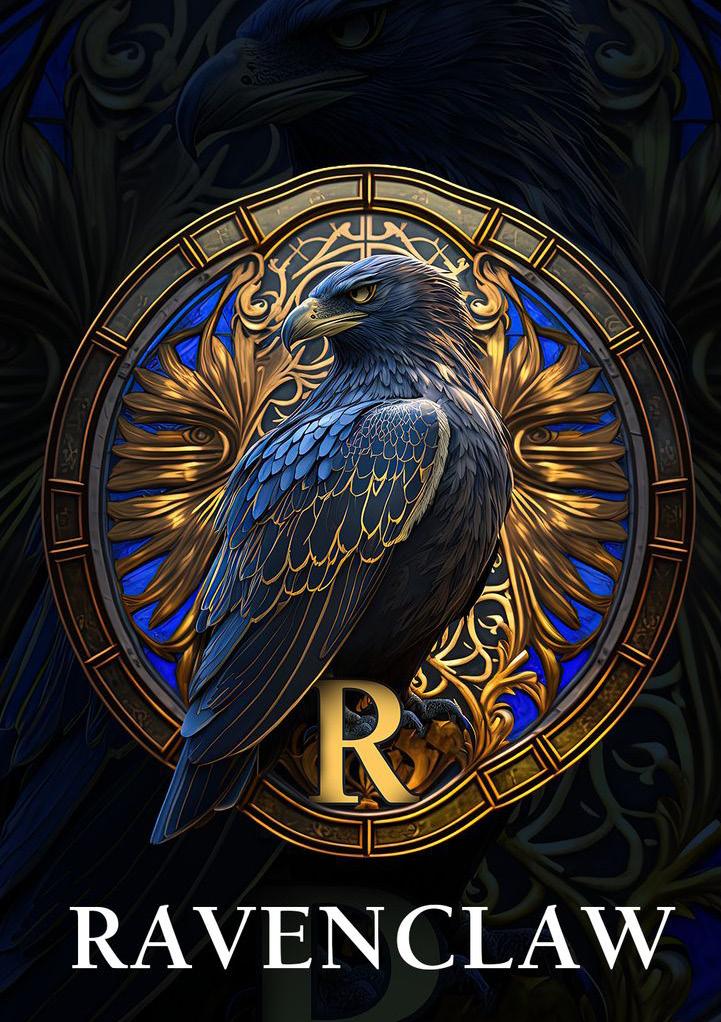
Ravenclaw, one of the esteemed houses at Hogwarts School of Witchcraft and Wizardry, prides itself on its reverence for intelligence, knowledge, curiosity, creativity, and wit. Symbolized by the majestic eagle and adorned with the colors of blue and bronze, Ravenclaw exudes an aura of wisdom and enlightenment.
Filius Flitwick, a respected figure, served as the Head of Ravenclaw House during the 1990s, ensuring that its values were upheld with diligence. Adding to the intrigue of Ravenclaw is its resident ghost, the enigmatic Grey Lady, who was none other than the daughter of Rowena Ravenclaw, the house’s esteemed founder.
Aligned with the element of air, Ravenclaw finds its sanctuary in a tower on the west side of the castle, where its common room and dormitories reside. Unlike other houses, Ravenclaw students must solve a riddle to gain entry to
their dormitories, a testament to their intellect and problem-solving abilities. Notably, non-Ravenclaws are also welcome to attempt the riddle, fostering an atmosphere of inclusivity and camaraderie.
Among the illustrious Ravenclaws who have graced Hogwarts are Luna Lovegood, known for her unique perspective and unwavering spirit; Gilderoy Lockhart, famed for his charm and charisma; Ignatia Wildsmith, the brilliant inventor of Floo powder; and Garrick Ollivander, renowned for his mastery in wandlore.
Central to Ravenclaw’s identity is Rowena Ravenclaw’s diadem, a significant object unfortunately tainted by dark magic when it was turned into a Horcrux by Tom Riddle. Despite this shadow, Ravenclaw remains a beacon of intellectual pursuit and scholarly excellence within the wizarding community.
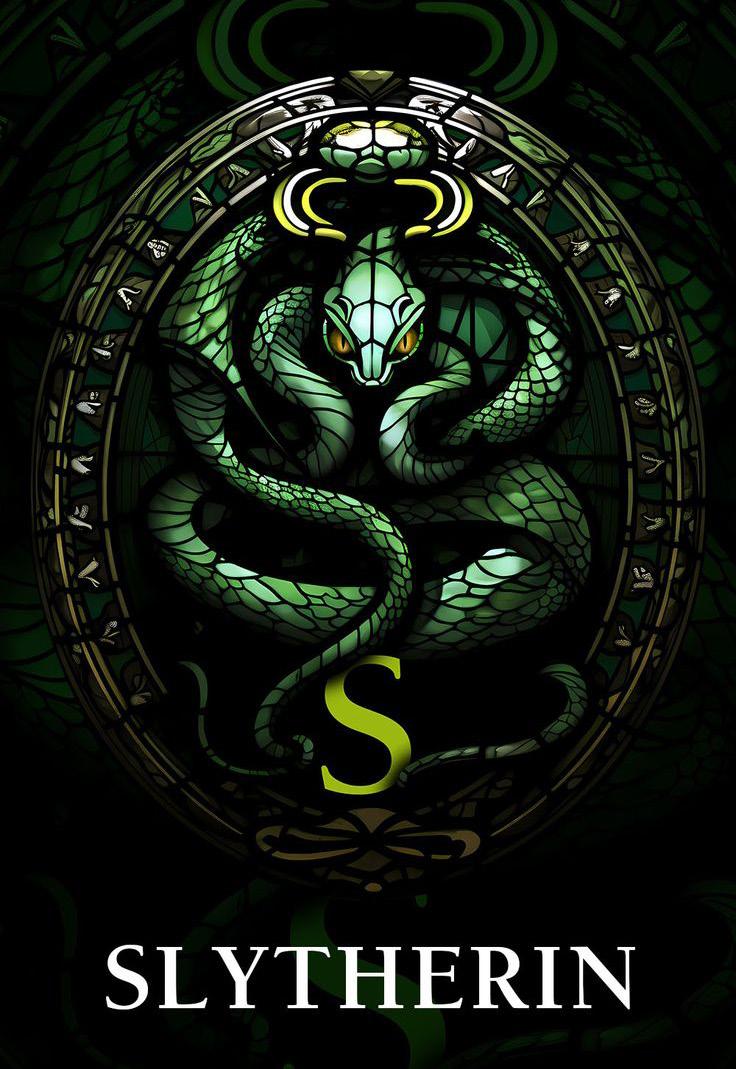
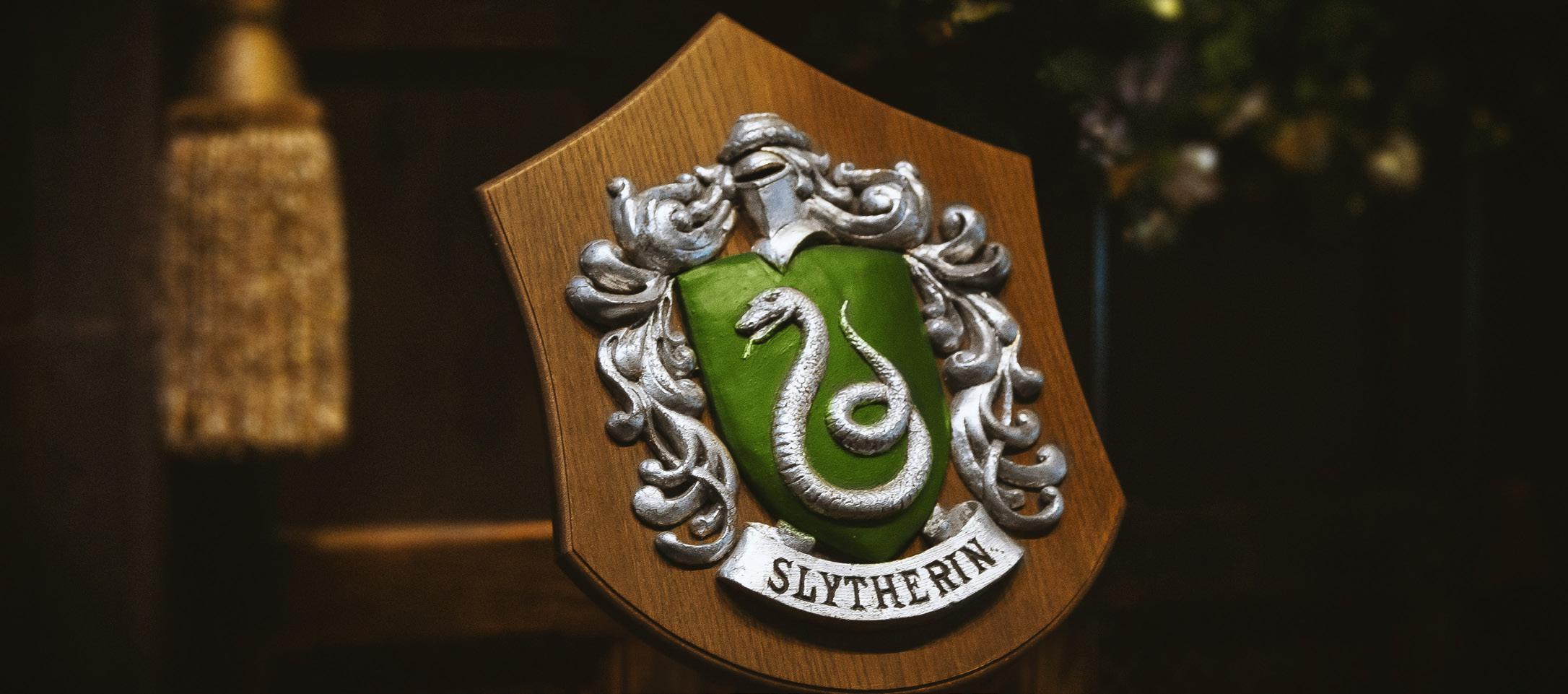
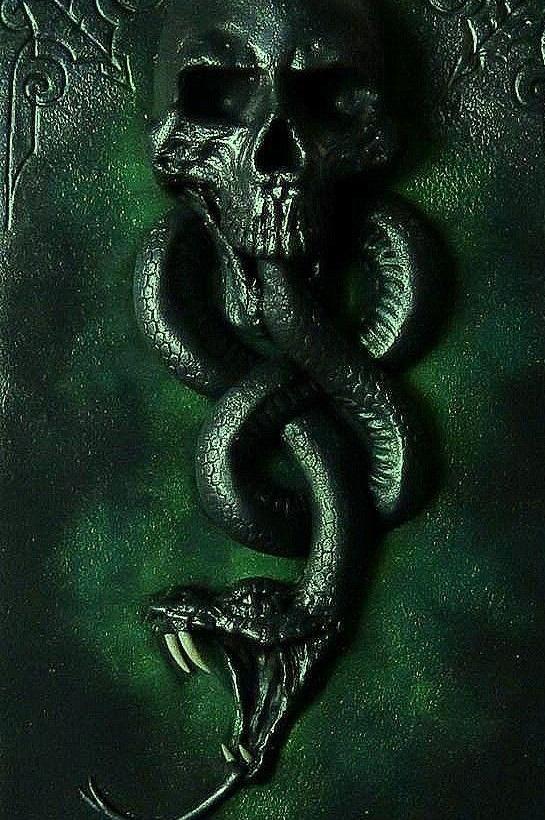
Slytherin, one of the illustrious houses at Hogwarts, holds ambition, leadership, cunning, and resourcefulness in high esteem, as instilled by its founder, Salazar Slytherin. Symbolized by the serpent and bedecked in emerald green and silver, Slytherin exudes an air of sophistication and cunning.
Throughout its history, Slytherin has been led by distinguished figures such as Professor Horace Slughorn, who took over as Head during the 1997–1998 school year. Notorious for its association with dark magic, Slytherin has produced a significant number of Death Eaters and Dark wizards, including the infamous Tom Riddle, Bellatrix Lestrange, and Lucius Malfoy.
The house’s ghost, the Bloody Baron, adds to its enigmatic allure, while its dormitories, nestled in the Dungeons beneath the Black Lake, reflect its secretive nature. Notable Slytherins, such as the legendary Merlin, Tom Riddle, Draco Malfoy, and Dolores Umbridge, exemplify the house’s diverse legacy.
Central to Slytherin’s identity is Salazar Slytherin’s locket, a significant
object turned Horcrux by Tom Riddle, embodying the darker aspects of Slytherin’s history. Despite its controversial reputation, Slytherin continues to uphold its values of ambition and cunning, shaping the destinies of its members within the hallowed halls of Hogwarts.
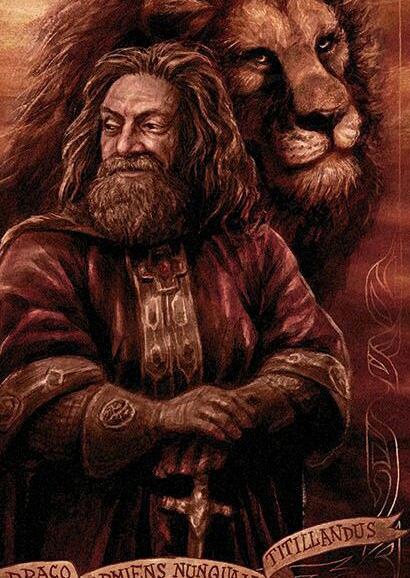
The founder of Gryffindor House was Godric Gryffindor. Described as a fair man, he held a belief that any child displaying magical abilities before their 11th birthday should have the opportunity to attend Hogwarts. Godric highly valued courage and bravery, considering them to be the most virtuous qualities a person could possess.
One of his notable creations was the Sorting Hat, of which he was the original owner. Alongside his fellow founders, he enchanted the hat to sort students into their respective houses by delving into their minds and determining if they possessed the qualities valued by each founder.
Additionally, Godric Gryffindor commissioned the creation of a sword, which had the remarkable ability to present itself to any true Gryffindor in times of dire need. This sword gained significant importance a thousand years later and played a pivotal role in defending Hogwarts against a descendant of Slytherin.
Legend suggests that Godric Gryffindor was once the best friend of Slytherin before the latter’s departure from Hogwarts. Gryffindor’s house is associated with the element of fire, reflecting the fiery spirit and determination characteristic of its members.


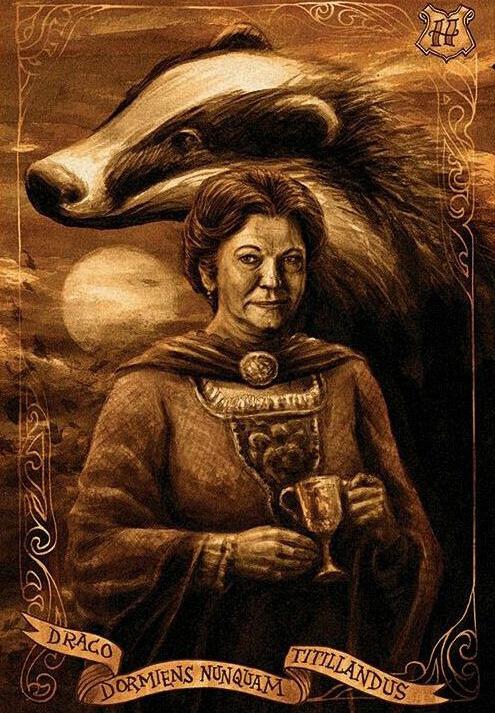
Helga Hufflepuff, founder of Hufflepuff house, was celebrated for her inclusive ethos at Hogwarts. She valued loyalty, patience, and hard work above all, welcoming students of diverse backgrounds. Helga’s advocacy extended to house-elves, reflecting her compassion for all magical beings.
Despite her humble possessions, including a golden cup of significance, Helga’s legacy faced challenges when Lord Voldemort targeted it for dark purposes. Yet, her enduring friendship with Rowena Ravenclaw and commitment to inclusivity continue to define the nurturing atmosphere of Hufflepuff house, inspiring generations of students to embrace their unique strengths.
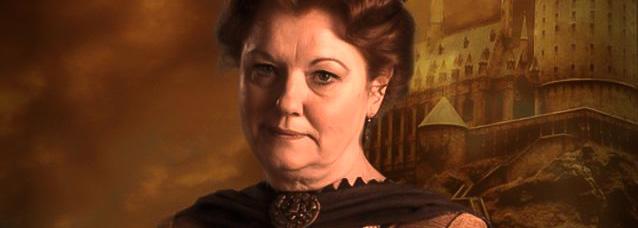
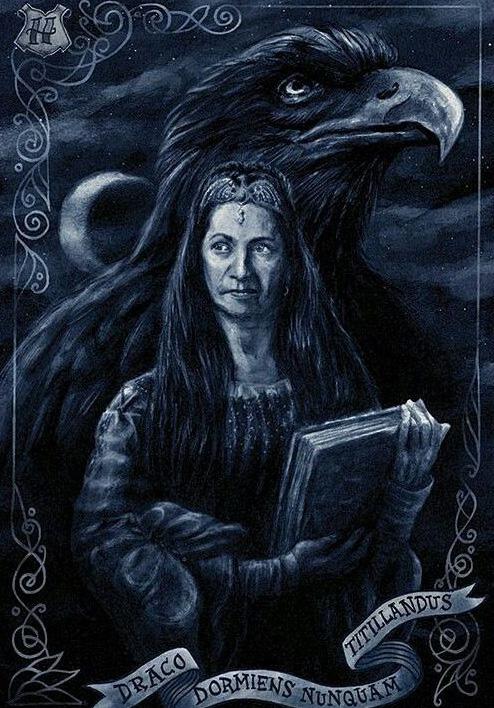
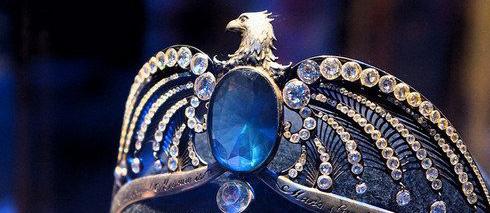
Rowena Ravenclaw was a Scottish witch and one of the four founders of Hogwarts School of Witchcraft and Wizardry. She was noted for her intelligence and creativity. Ravenclaw died sometime in the eleventh century, after she fell fatally ill. Legend had it that a broken heart was the cause — because her daughter Helena ran away with her diadem. Rowena’s portrait remained at Hogwarts.
A Legacy of Intellect and Intrigue Rowena Ravenclaw, founder of Ravenclaw house, epitomized intellect and foresight, shaping Hogwarts into a bastion of knowledge. Her belief in nurturing the brightest minds underscored Ravenclaw’s ethos. Despite her profound contributions to education, Rowena’s personal life was marked by intrigue. Her daughter, Helena, became the enigmatic Grey Lady of Hogwarts,
while the saga of her lost diadem, turned Horcrux by Lord Voldemort, added complexity to her legacy. Rowena’s friendship with Helga Hufflepuff and her house’s alignment with the element of air further enriched her story, reflecting her enduring influence on Hogwarts and the wizarding world.
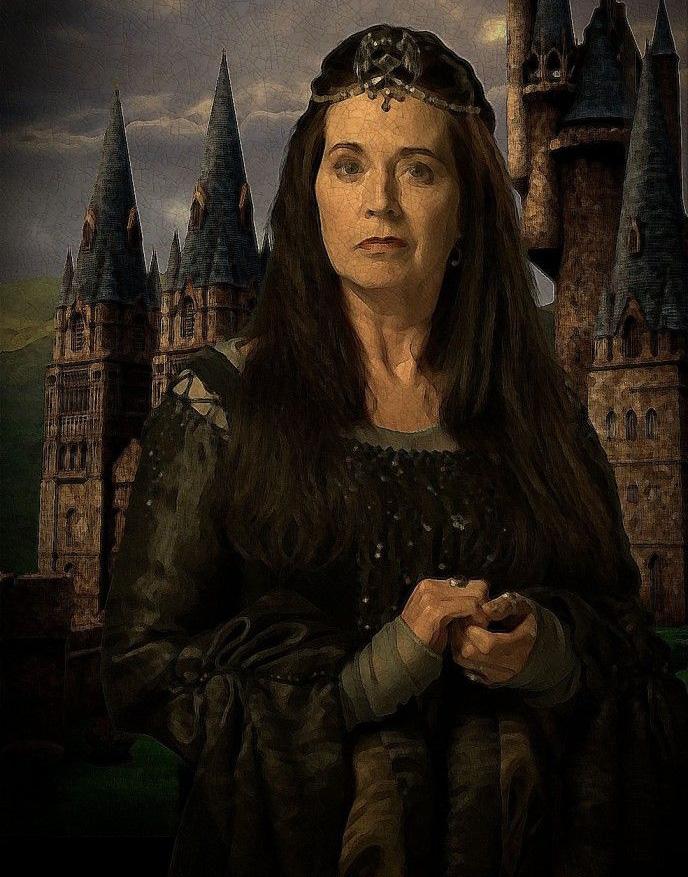
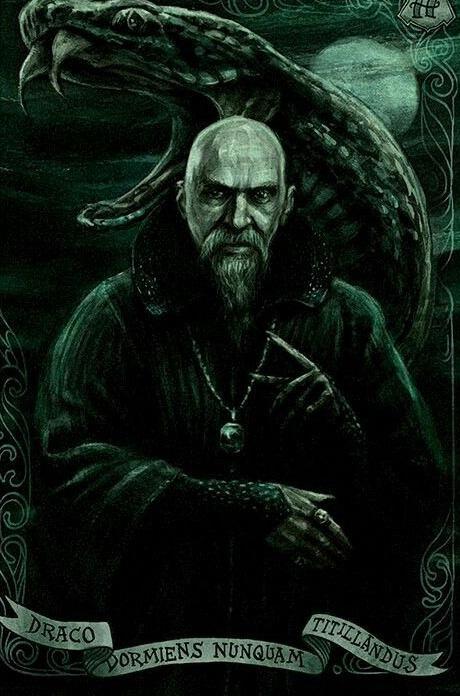
Salazar Slytherin was a pure-blood wizard, noted for his cunning and determination. He was regarded as one of the greatest wizards of the age, regarded for his abilities as a Parselmouth and as a skilled Legilimens Slytherin was one of the four founders of Hogwarts School of Witchcraft and Wizardry along with Godric Gryffindor, Helga Hufflepuff, and Rowena Ravenclaw.
Salazar Slytherin, the founder of Slytherin house, is known for his cunning and talent. Like many am -
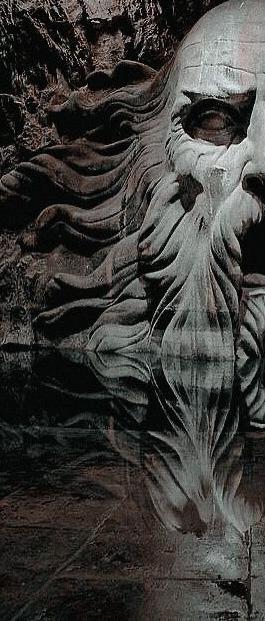
bitious students he selected for his house, Slytherin believed that only pure-blood witches and wizards should be allowed to attend Hogwarts. This belief sparked much controversy with the other founders, eventually leading to a permanent rift with Gryffindor and Slytherin’s departure from the school. Before leaving, he created the Chamber of Secrets, complete with a large statue of himself and a fearsome monster lurking inside.
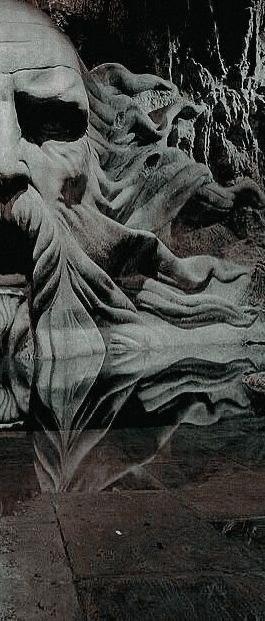
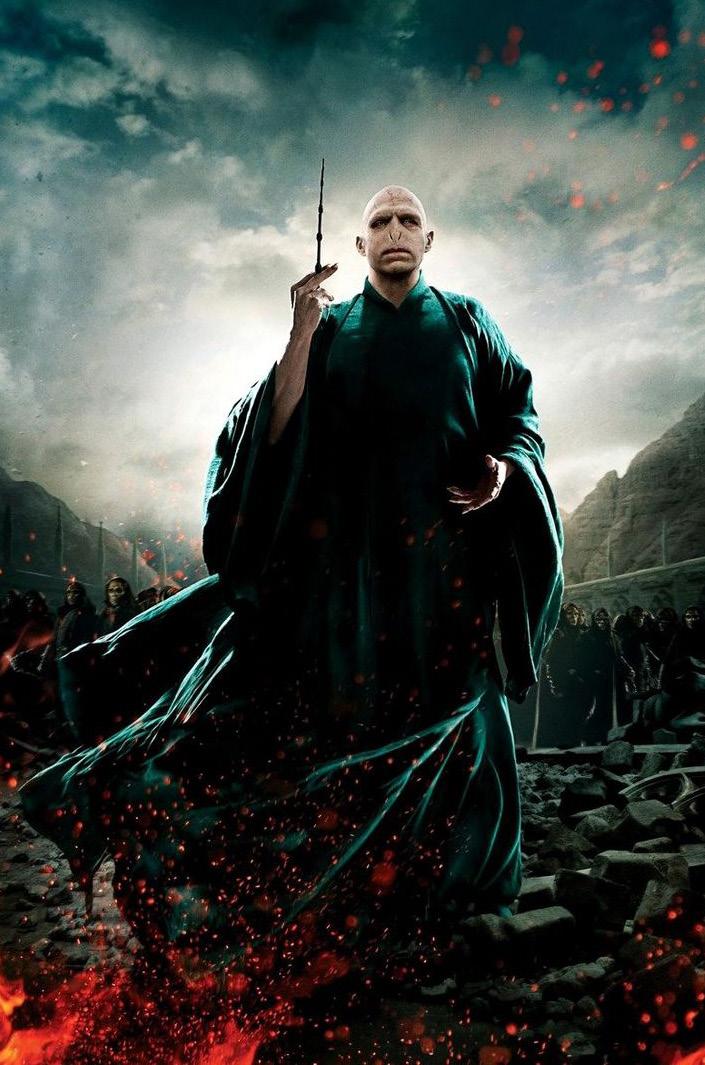
Almost 1,000 years later, Slytherin’s descendant, Tom Riddle, sought to fulfill his desires of expelling Muggle-borns fro m Hogwarts and exterminating them. One of his personal possessions, a locket, was later claimed by Voldemort to be used as a Horcrux. Slytherin was the best friend of Godric Gryffindor before the rift occurred and he left Hogwarts. His house corresponds to the element of water.
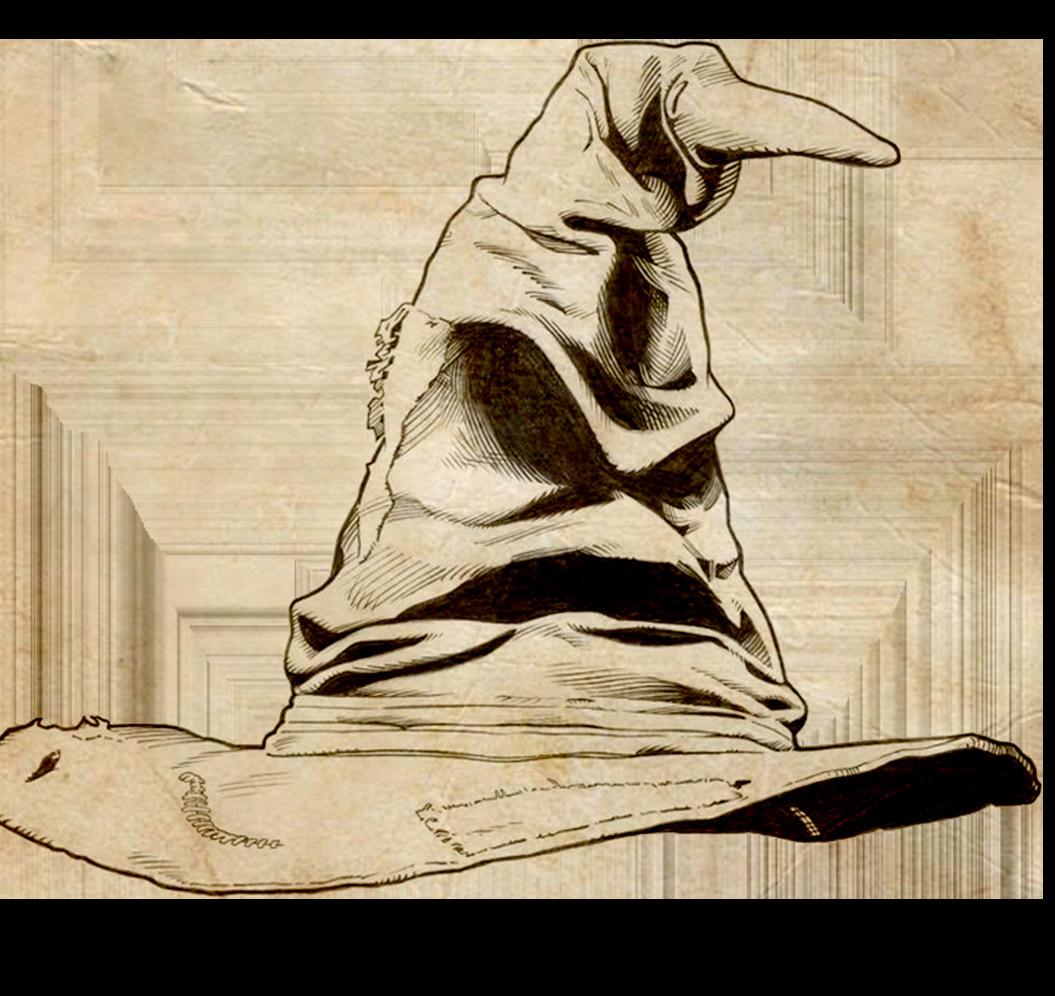
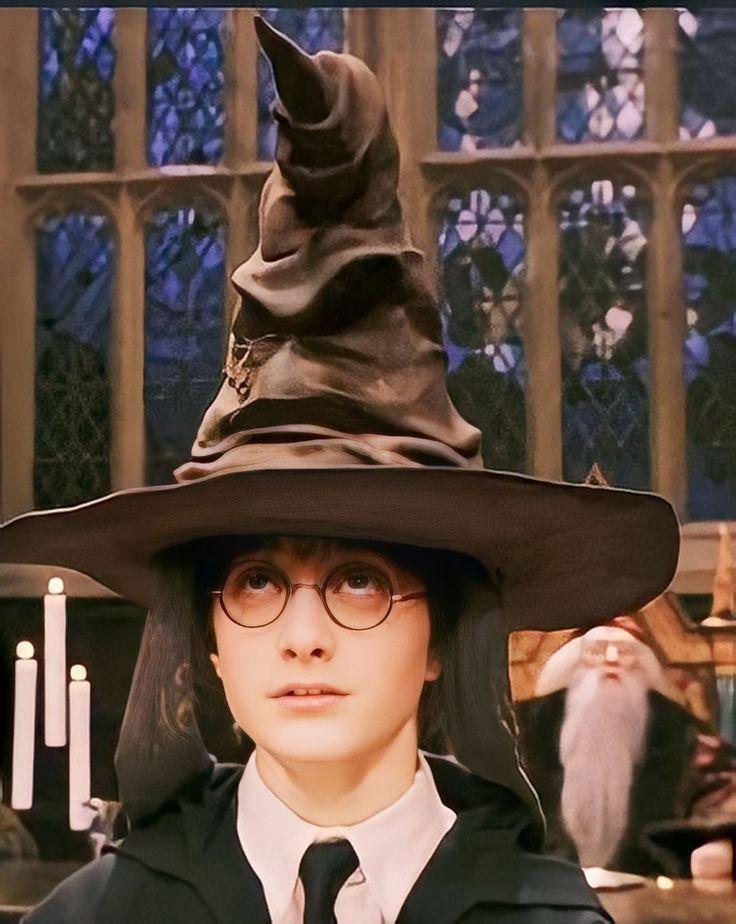
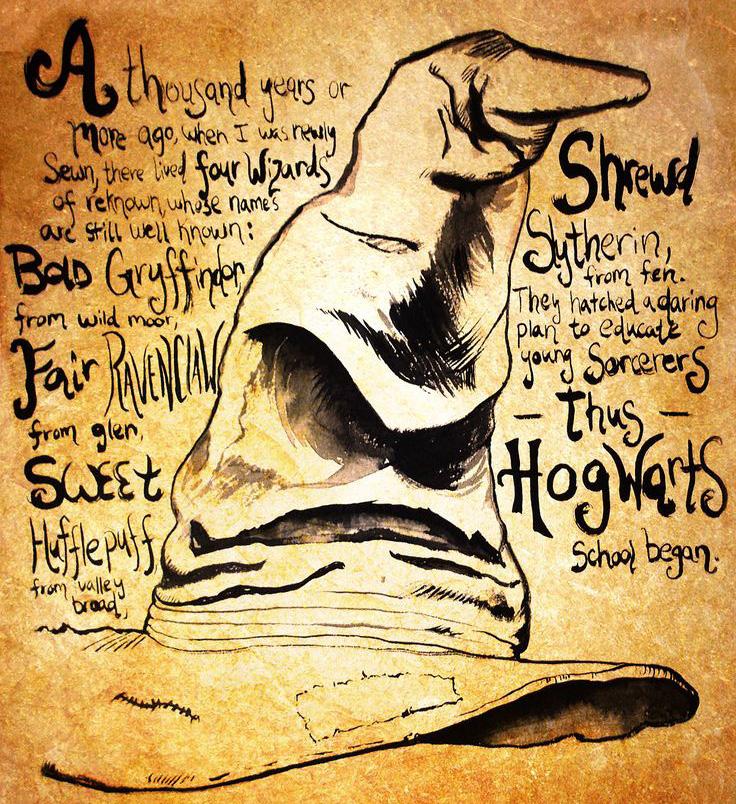
In the early days of Hogwarts, the four founders handpicked students for their Houses. When the founders worried how students would be selected after their deaths, Godric Gryffindor took his hat off and each “put some brains” in it, creating the Sorting Hat to choose future students for each House.
The Sorting Hat was a sentient magical hat
at Hogwarts that was used to determine which of the four school Houses was the best fit for each new student. These four Houses were Gryffindor, the house of bravery, Hufflepuff, the house of hard work, Ravenclaw, the house of intelligence, and Slytherin, the house of ambition. The Sorting Hat originally belonged to Godric Gryffindor, one of the four founders of Hogwarts. It was normally kept in the Headmaster’s office until it was needed for the Sorting Ceremony at the annual Start-of-Term Feast.
Although most people believed that the Sorting Hat used its Legilimency to see which House would be the most suitable for the student, the Hat actually used its Legilimency to see which House the student would be happiest in, which it judged by the student’s mental reaction to mention of the House. This, it claimed, was the reason why it was never wrong when picking a House, as it wasn’t the Hat picking the House at all but instead the students themselves.