PHOTO: TONY LUONG FOR UNCLOSETED MEDIA.

BACHAUER GOLD MEDALIST
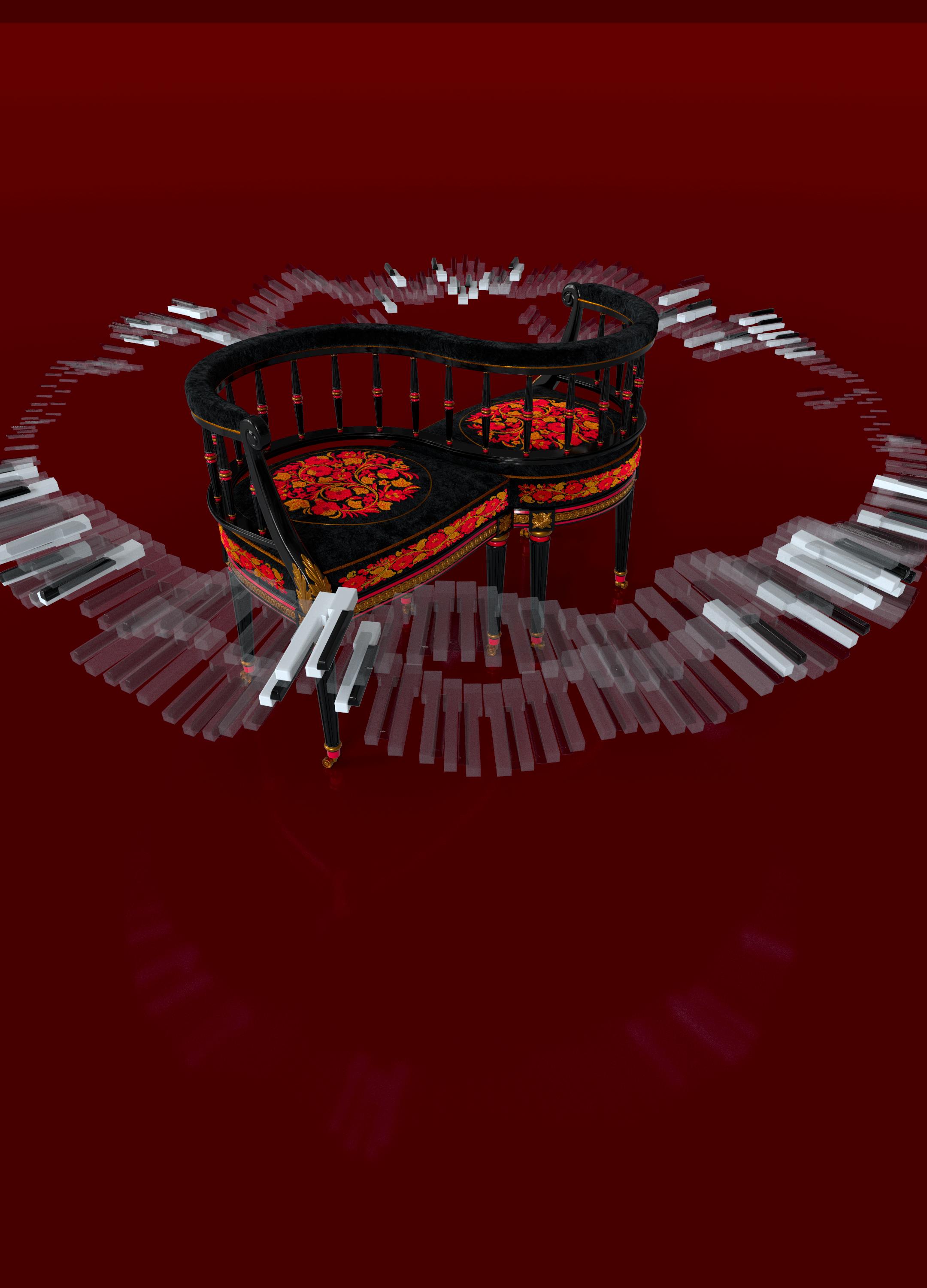
CLIBURN SILVER MEDALIST
LUKAS GENIUŠAS AND ANNA GENIUSHENE
LUKAS GENIUŠAS
HUSBAND AND WIFE SHARE A CONVERSATION ON TWO PIANOS
FEATURING RACHMANINOFF, ADAMS, AND COPLAND
13 | 7:30 PM
• Skin cancer
• Mohs surgery
• Acne
• Moles
• Eczema
• Laser hair removal
• Vbeam & IPL
• Tattoo Removal
• CO2 resurfacing
• Botox
• Juvederm
• Dysport
• Belotero
• Radiesse
• Sculptra
• Microneedling
• Microneedling w/ PRP
• Chemical peels
• Facials
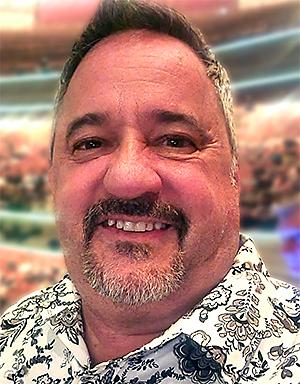
BY MICHAEL AARON
Gentle Readers
,
For more than two decades, QSaltLake Magazine has existed to inform and entertain the LGBTQ+ community and tell our community’s stories honestly, proudly, and without compromise. From moments of celebration to times of uncertainty, we’ve been here documenting LGBTQ+ life in Utah because those stories matter.
Today, I’m writing to share an important step toward ensuring that work continues for years to come.
We’ve partnered with News Revenue Hub, a nonprofit that helps independent publications like ours build sustainable, reader-supported funding. This collaboration gives us new tools and guidance to strengthen our future, not by changing who we are, but by deepening our connection with you, the community we serve.
Like many local publications, we’ve seen the landscape shift. Advertising alone can no longer sustain the kind of thoughtful, community-driven journalism that QSaltLake is known for. But rather than scale back, we’re choosing to move forward by inviting you to be part of what comes next.
If QSaltLake has ever informed you, connected you, or made you feel seen, I ask you to consider supporting us directly. Your contribution helps us continue covering the stories that too often go untold, from local arts and culture to the ongoing fight for equality, to the everyday lives that make this community so vibrant.
You can make one-time or monthly contributions here:
HTTPS://QSALTLAKE-MAGAZINE.FUNDJOURNALISM.ORG/CONTRIBUTE/
This isn’t just about sustaining a publication. It’s about preserving a voice. It’s about ensuring LGBTQ Utahns continue to have a platform that reflects who we are — past, present, and future.
I’ve always believed that QSaltLake belongs to this community. Now, more than ever, that’s true.
Thank you for reading, for supporting, and for being part of this journey.
With gratitude,
Michael Aaron Publisher & Editor
QSaltLake Magazine
publisher/editor Michael Aaron
designer Christian Allred
sales Michael Aaron, 801-997-9763 x1 sales@qsaltlake.com
Rivendell Media, 908-232-2021 ext 200 sales@rivendellmedia.com
national neWs editor Craig Ogan
contributors Joshua Adamson Pickett, Diane Anderson-Minshall, Chris Azzopardi, Paul Berge, Jeff Berry, Paul Campbell, Laurie Bennett-Cook, Roger Cox, Stephen Dark, Jennifer Dobner, Jack Fertig, Greg Fox, Ian Giles, Oriol Gutierrez Jr., Tony Hobday, Blake Howell, Ashley Hoyle, Joshua Jones, Christopher Katis, Alpha Mercury, Sam Kelly-Mills, Craig Ogan, Peter Reynolds, Mikey Rox, Terri Schlichenmeyer, Mark Segal, Gregg Shapiro, Petunia Pap Smear, Steven Petrow, Ed Sikov, Justin Utley, JoSelle Vanderhooft, Ed Walsh, Ben Williams, D’Anne Witkowski distribution Roger Cox publisher Q Media Group
222 S Main St, Ste 500 (by appt. only) Salt Lake City, Utah 84101
tel: 801-997-9763
CONTACT EMAILS:
general: info@qsaltlake.com
editorial: editor@qsaltlake.com
arts: arts@qsaltlake.com
sales: sales@qsaltlake.com
Check us out online at: QSALTLAKE.COM
FACEBOOK.COM/QSALTLAKE INSTAGRAM.COM/QSALTLAKE TWITTER @QSALTLAKE
QSaltLake Magazine is a trademark of Salt Lick Publishing, LLC., dba Q Media Group
Copyright © 2026, Salt Lick Publishing, LLC. All rights reserved. No material may be reprinted or reproduced without written permission from the publisher. Free printed copies are limited to one per person. For additional copies, call 801-997-9763. It is a crime to dispose of current issues or otherwise interfere with the distribution of this magazine. Printed locally in the USA on recycled paper. Please recycle this copy when done.

Bus: 801-254-4441
dan.rodriguez.pmkr@statefarm.com
BY CRAIG OGAN
If this were the least bit humorous, it might rival Abbot and Costello’s old routine of “Who’s on First?” Farah, a 21-year-old Moroccan lesbian, sought refuge in the United States after fleeing escalating family violence in Morocco, where homosexuality is criminalized. She had no criminal record, and her case proceeded entirely through the civil immigration system. After requesting asylum at the U.S. border, she spent months in civil ICE detention. A U.S. immigration judge issued a protection order halting her removal while her asylum claim moved forward. Despite that order, ICE deported her, invoking a broad reading of its civil authority under the Immigration and Nationality Act. The agency argued the judge’s order barred removal to Morocco but not removal from the United States. Using the “third-country removal” provision, ICE sent her to Cameroon — a country she had never visited and where same-sex relationships are also criminalized. Detained on arrival, she was later released and ultimately returned to Morocco, where she now lives in hiding. The struggles of asylum seekers in the U.S.A. are farcical but not a joke.
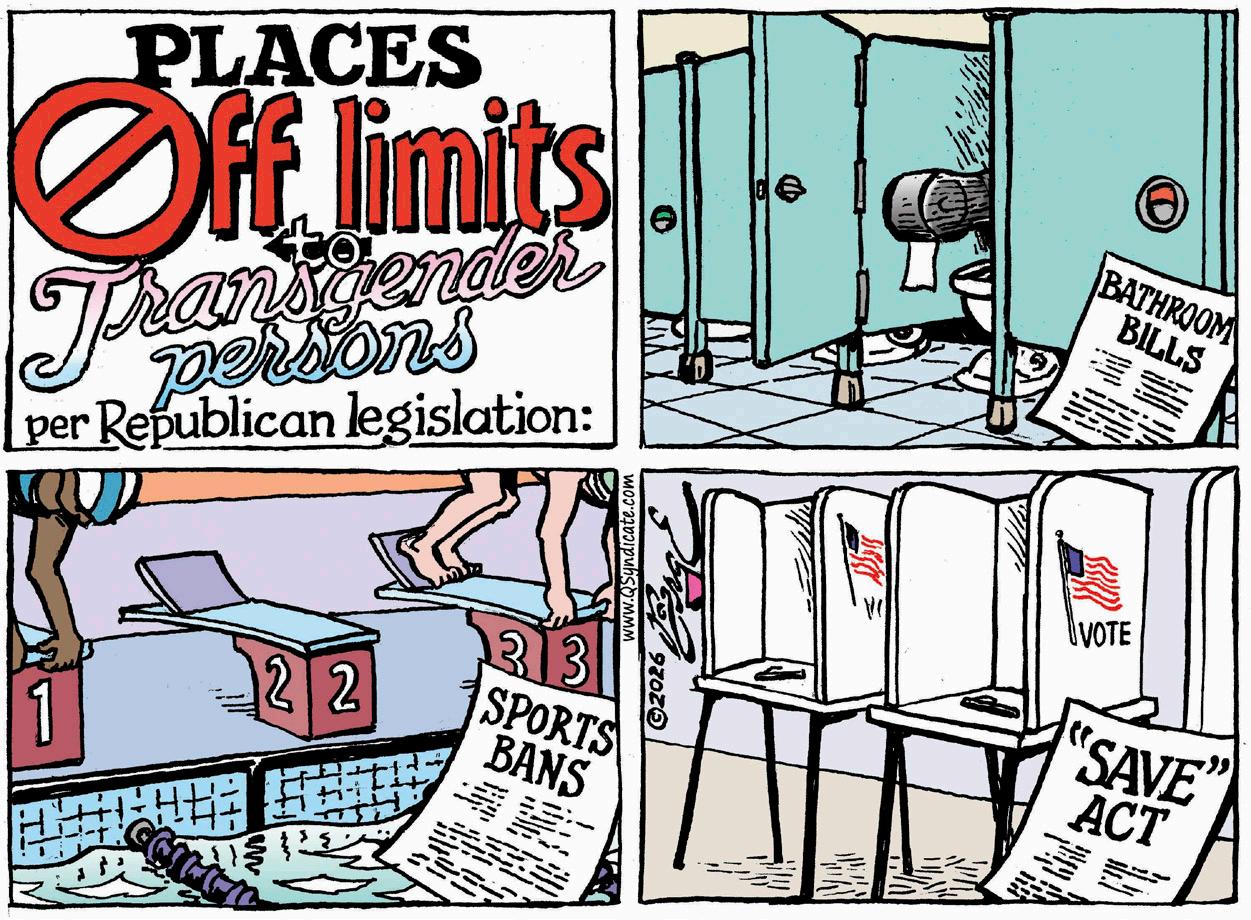
Transgender advocacy groups in Kansas moved swiftly to challenge a new state law that voids updated driver’s licenses and birth certificates for trans residents. Passed over Democratic Gov. Laura Kelly’s veto, the measure forces Kansans to surrender their licenses or face penalties and misdemeanor charges. S.B. 244 also bars transgender people from using restrooms or locker rooms in government buildings that don’t match their sex assigned at birth and even prohibits multi-stall gender-neutral facilities. The ACLU, representing unnamed plaintiffs, argues the law violates equal‑protection guarantees by denying accurate identifying information routinely granted for other changes, such as names or military status. About 1,700 Kansans are affected. The legislation, trans advocates say, is a direct attack on transgender residents’ dignity and safety. The judge found the plaintiffs hadn’t met the legal standard for emergency relief and denied an injunction, so the law is in force while the case proceeds.
As much chatter as there is about LGBT issues by the U. S. political class, a majority of U.S. citizens, 61 percent, do not consider homosexuality “morally wrong.” On homosexuality, the U.S. falls roughly in the middle globally, with 39% viewing it as morally wrong, comparable to Israel (47%), Hungary (34%), and Greece (30%). In Sweden, Germany, Spain, and the Netherlands, over 90% of
people do not consider homosexuality morally wrong.
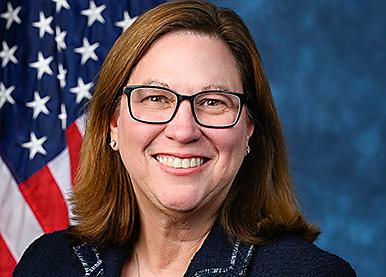
U.S. Rep. Julie Johnson made history as the first out LGBT person elected to Congress from Texas and the broader U.S. South, winning a special election after Rep. Colin Allred resigned to run for the U.S. Senate. When Allred later exited that race as Rep. Jasmine Crockett entered, he returned to seek his former House seat, setting up one of the most unusual intraparty matchups of the 2026 cycle. Johnson and Allred are now headed to a May 26 runoff after neither surpassed 50 percent in the Democratic primary for Texas’s 33rd Congressional District, one of several closely watched contests shaped by mid-decade redistricting. With 74 percent of votes counted Wednesday morning, Allred led 44.8 to 33.7 percent, according to NBC News. Johnson currently represents the 32nd District and previously served three terms in the Texas House, where she helped establish the Texas House LGBTQ Caucus and frequently opposed anti-LGBT legislation. The 33rd District is lucky, as either candidate will be good in Congress. Too bad the nation loses one of the two from serving because an unelectable narcissist ran and lost in the Senate primary.
Among the many highlights at the annual GLAAD Media Awards was a sentimental — and at times cringe‑worthy — surprise appearance by Liza Minnelli. GLAAD, founded in the early 1990s as the Gay & Lesbian Alliance Against Defamation, dropped its full name in 2013 to better reflect its commitment to the full LGBT community amid the rise of transgender visibility and advocacy. Considered a quintessential “gay icon,” Minnelli, who turns 80 next week, appeared onstage flanked by a phalanx of dancers, prompting a standing ovation at the Beverly Hilton. The daughter of Judy Garland, one of the patron saints of gay culture, Minnelli was serenaded with “Happy Birthday” by the
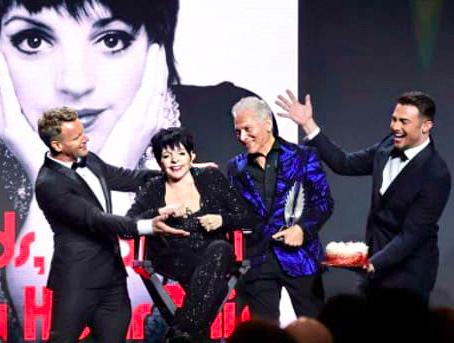
crowd. She has faced physical and cognitive challenges in recent years and at moments appeared startled by the choreography, though she remained mostly delighted. “You make me so proud because you’re strong and you stand up for what you believe. You really do. And it’s so nice to be here with you,” she told the audience. In addition to her milestone birthday, the EGOT (winner of Emmy, Grammy, Oscar, and Tony award) legend is preparing to release her highly anticipated memoir, “Kids, Wait Till You Hear This.”. Watch the 37th annual GLAAD Media Awards HERE
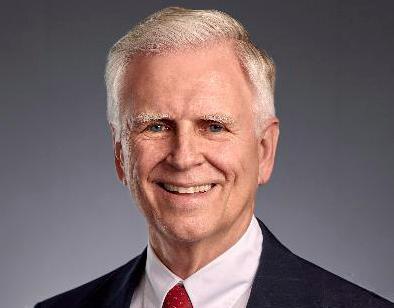
For the second time in two years, the Idaho House of Representatives passed a measure urging the U.S. Supreme Court to overturn its 2015 Obergefell v. Hodges decision, which legalized same-sex marriage nationwide. The resolution, House Joint Memorial 17, passed 44–26 but lost three Republican votes compared to an identical measure approved by the House last year. Introduced by Republican Rep. Tony Wisniewski, the memorial argues that Obergefell created a constitutional right that the nation’s founders would not have recognized and improperly treated the Fourteenth Amendment’s Due Process Clause as a source of substantive rights. The measure now heads to
the Idaho Senate, which declined to take up last year’s memorial. Even if approved, it would does not compel the state government to do anything but send the memorial to the Supreme Court to revisit Obergefell, and the Court recently declined to hear a challenge to the ruling, and except for a couple of justices shows not willingness go take it up
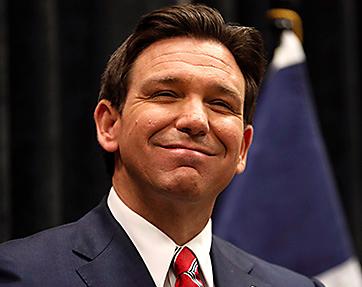
Florida lawmakers have approved SB 1134, a sweeping measure that would bar cities and counties from funding, promoting, or formally supporting diversity, equity, and inclusion programs. The bill now goes to Gov. Ron DeSantis for signature. The bill authorizes the governor
to remove local officials who violate its provisions and allows residents to sue local governments over perceived noncompliance. Supporters argue the legislation curbs what they describe as costly and divisive DEI initiatives, while opponents warn its broad language could chill routine local activities like Pride activities, from cultural celebrations to community outreach. The proposal prohibits local DEI offices and inclusion officers, and Democrats contend it could discourage recognition of community observances or programs benefiting marginalized groups. Republican sponsors maintain the bill is clear and narrowly targeted, noting it does not affect state or federal holidays. The measure follows earlier statewide restrictions on DEI spending in higher education.
Gay or straight, British men share the same political ethic. The political party, Reform
UK, founded in 2018 as the Brexit Party, has rebranded around anti-immigration, eurosceptic and anti-“woke” positions, including a pledge to repeal the antidiscrimination 2010 Equality Act. A “More in Common” poll of 8,921 adults recently found Reform is the top choice for both gay and bisexual men (25%) and straight men (33%). There’s no surprise, too, women are different from men and lesbians are different from straight women. The Green Party, which ranked second among gay and bisexual men (19%), and was the leading choice for lesbian and bisexual women (37%). Among straight women, Reform led with 29%. Conservatives polled 23% with straight women. Reform’s 2024 manifesto proposed overhauling the Equality Act, eliminating DEI programs and banning “transgender ideology” in schools. Research in 2024 found 69% of Reform voters oppose legal gender change via GRCs and 65% support same-sex marriage, still the gay boys like it. Q



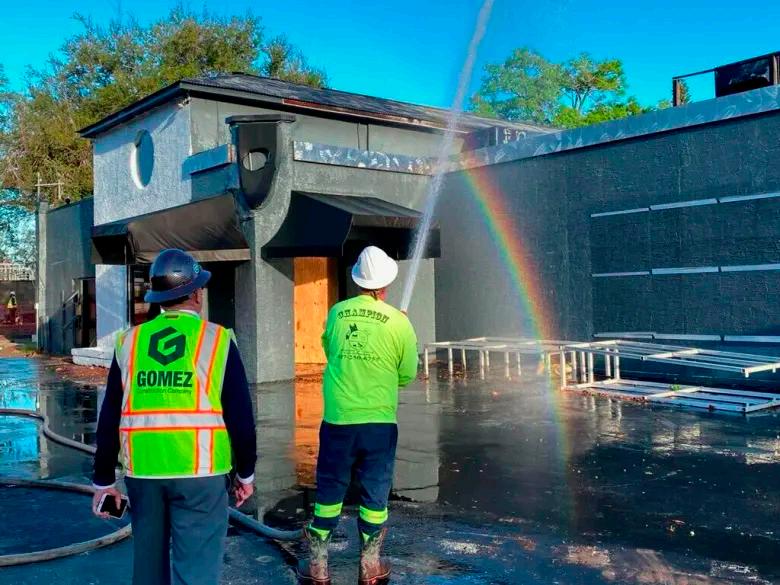
Nearly a decade after one of the deadliest mass shootings in U.S. history, the former Pulse nightclub is being demolished, clearing the way for a long-planned permanent memorial honoring the 49 victims killed on June 12, 2016.
Demolition of the LGBTQ±focused venue began March 18, a significant and emotional turning point for survivors, victims’ families, and the broader Orlando community. The building, which had remained standing as a site of mourning and remembrance, will now give way to a purpose-built memorial intended to support healing and reflection.
City officials took control of the project in 2023 after the collapse of earlier efforts led by the onePULSE Foundation, which had faced criticism over finances and design direction. Orlando purchased the property and formed a memorial advisory committee made up of survivors and victims’ relatives to guide a new vision.
tural feature known as the “angel ellipse” (or eclipse)—a structure incorporating vertical elements or pillars, each dedicated to one of the 49 victims. These pillars will include names and, in some cases, flags representing victims’ countries of origin, reflecting the largely Latino community present on the night of the attack.
A fountain or water wall will display victims’ names alongside a bilingual inscription—“For all those who just
as concrete, will be recycled and integrated into the site, maintaining a solid connection to Pulse’s history.
Additionally, artifacts removed from the building, including signage and interior elements, have been preserved for possible inclusion in the memorial.
A shift toward community-led healing
The decision to demolish the nightclub followed years of debate over whether the structure should be preserved. Ultimately, the advisory committee recommended removal, concluding that a newly designed space would better serve as a place of remembrance.
Memorial design centers on reflection and remembrance
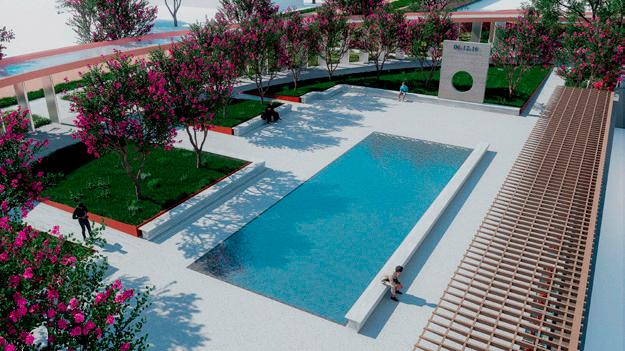
The permanent Pulse Memorial, expected to open in 2027, is designed as a contemplative environment that both honors the victims, often referred to as the “49 angels,” and acknowledges the history of the site.
At the heart of the design is a reflection pool, located within the footprint of the original nightclub, offering a central space for quiet remembrance.
Surrounding this space will be a curved architec-
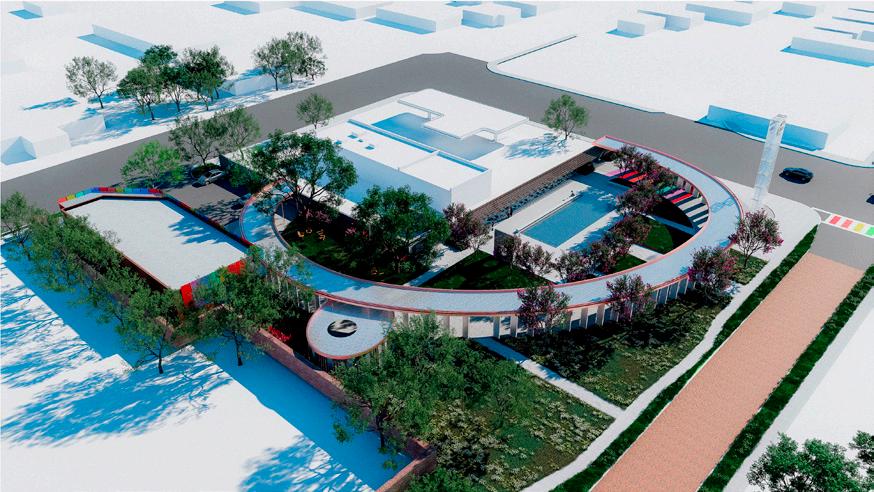
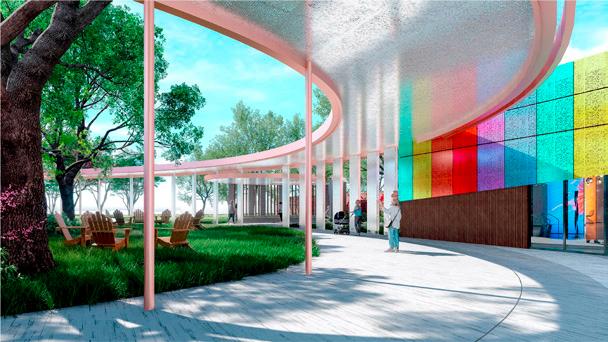
wanted to dance”—serving as a unifying tribute in both English and Spanish.
The larger memorial grounds will include private gathering and contemplation spaces for families and visitors, a survivors’ commons and spaces for community reflection, and a memorial plaza containing elements of the original building’s footprint.
Designers have also incorporated physical remnants of the nightclub into the memorial. Materials from the original structure, such
The updated design is a deliberate shift away from earlier plans for a large-scale museum, instead stressing accessibility, reflection, and survivor input. The advisory committee’s process utilized feedback from families, survivors, and the wider community to ensure the memorial reflects collective memory and cultural meaning.
Construction is expected to begin in late 2026, with completion planned for 2027.
For many, the demolition represents both loss and progress, closing a painful chapter while creating space for a memorial intended to honor lives lost and provide a lasting place of remembrance for future generations. Q
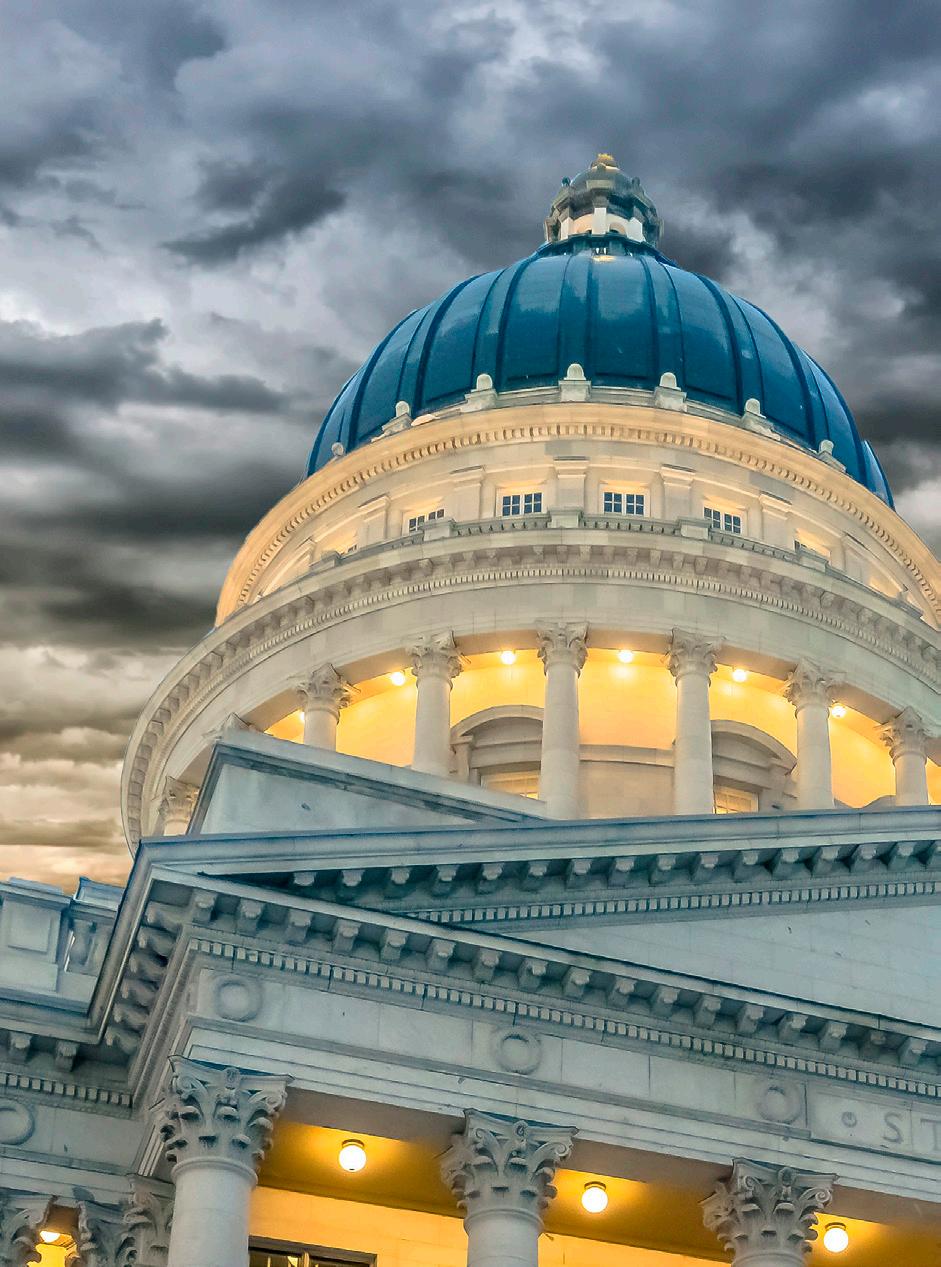
The 2026 session of the Utah State Legislature ended March 6 after nearly seven weeks of debate, with several bills affecting LGBTQ Utahns introduced and heavily contested. As in recent years, many of the proposals focused on transgender people and gender affirming medical care. By the end of the session, some measures stalled in committee, others died in the final days of the legislative calendar, and a handful advanced further than advocates expected. While LGBTQ advocates warned of continued legislative attacks, the failure of several high profile bills also signaled divisions among lawmakers over how far the state should go in restricting LGBTQ rights.
HB174: Attempt to permanently ban genderaffirming care for minors
One of the most closely watched bills was HB174, Sex Characteristic Change Treatment Amendments, sponsored by Rep. Rex Shipp. The bill sought to convert Utah’s existing moratorium on gender affirming treatments for minors into a permanent prohibition. It would have barred health-care providers from prescribing hormone therapy or other gender-transition treatments to anyone under 18 and required minors already receiving such care to end treatment by a set deadline. Supporters argued the bill was necessary to protect
minors from what they described as experimental medical therapies. Opponents, including medical professionals and LGBTQ advocacy groups, said the proposal would override medical decisions made by families and physicians.
The bill drew extensive testimony during committee hearings and sparked protests at the Capitol. Despite early momentum and strong backing from conservative lawmakers, the proposal ultimately stalled before reaching final passage during the session, leaving Utah’s existing restrictions on gender affirming care unchanged.
Another highly debated measure was HB183, Sex Designation Amendments, originally sponsored by Rep. Trevor Lee and later carried by Rep. Tiara Auxier.
The bill proposed replacing most references to “gender” in Utah state law with the term “sex.” It also initially included broader provisions affecting birth certificates, employment involving children, and other areas of state code before several of those provisions were removed in committee.
Supporters argued the change would create clearer legal definitions. LGBTQ advocates and other critics said the proposal erased recognition of gender identity and could create new barriers for transgender and nonbinary people.
HB183 passed through
committee and the House of Representatives, but it ran out of time during the final legislative days and was ultimately filed among bills that did not pass.
Advocates described the outcome as a narrow escape, noting that the bill had advanced further than similar proposals in previous years.
HB193, Transgender Medical Procedures Amendments, sponsored by Rep. Nicholeen Peck, proposed restricting public funds from covering gender-affirming medical care.
The measure would have prohibited taxpayer-funded insurance programs, including coverage for public employees, from paying for
gender affirming hormones or surgical procedures. At the same time, the bill required insurers to cover “detransitioning” treatment if they had previously covered transition-related care.
The House approved the bill earlier in the session, but it stalled in the Senate.
During a Senate committee hearing, lawmakers from both parties raised concerns about prospective costs and medical consequences.
In a 5-1 vote, the Senate committee rejected the bill, effectively ending its chances for the year.
Some legislators argued the policy could actually increase costs for state insurance plans by preventing early treatment and resulting in more expensive care later.
Another measure that drew attention from LGBTQ advocates was HB196, Highway Designation Amendments, sponsored by Rep. Trevor Lee.
The bill sought to give the Legislature authority to designate names for locally owned roads, a power typically held by cities. Its first target would have been a stretch of 900 South in Salt Lake City that bears the honorary name Harvey Milk Boulevard, commemorating the late LGBTQ civil rights leader.
Under the proposal, the road would have been redesignated “Charlie Kirk Boulevard,” honoring a conservative activist killed in Utah in 2025. The idea provoked immediate backlash from local officials and LGBTQ organizations who argued
it undermined local control and erased recognition of a historic LGBTQ figure.
Although the bill was introduced early in the session, it met significant political pushback and never gained the momentum needed for final passage.
While several anti-LGBTQ proposals failed, at least one measure affecting transgender people advanced.
HB404, which received approval during the session, allows landlords operating single-sex housing to deny renters whose gender identity differs from their gender assigned at birth.
Supporters argued the law protects privacy in gender-segregated housing arrangements. Critics say it effectively permits
discrimination against transgender tenants and weakens protections created under earlier compromise legislation in the state.
The 2026 legislative session marked the fifth consecutive year in which Utah lawmakers introduced multiple bills targeting transgender people or LGBTQ-related policies.
Advocacy groups say the continued focus on transgender issues is part of a broader national trend. According to civil-rights organizations tracking legislation across the country, many states have considered proposals restricting gender affirming health care, limiting recognition of gender identity, or regulating transgender participation in public life.
In Utah, debates over such
bills frequently draw hundreds of residents to the Capitol for public comment. Testimony during hearings often includes transgender individuals describing how proposed policies could affect their ability to access health care, employment, and housing.
LGBTQ advocates described the 2026 session as both troubling and somewhat less severe than previous years.
Equality Utah and the ACLU of Utah criticized the repeated introduction of bills focused on transgender people, arguing that the measures target a small and vulnerable population.
However, advocates also noted that several high-profile proposals ultimately failed, suggesting that some lawmakers may be reluctant to pass additional restrictions after years of contentious debate. Q
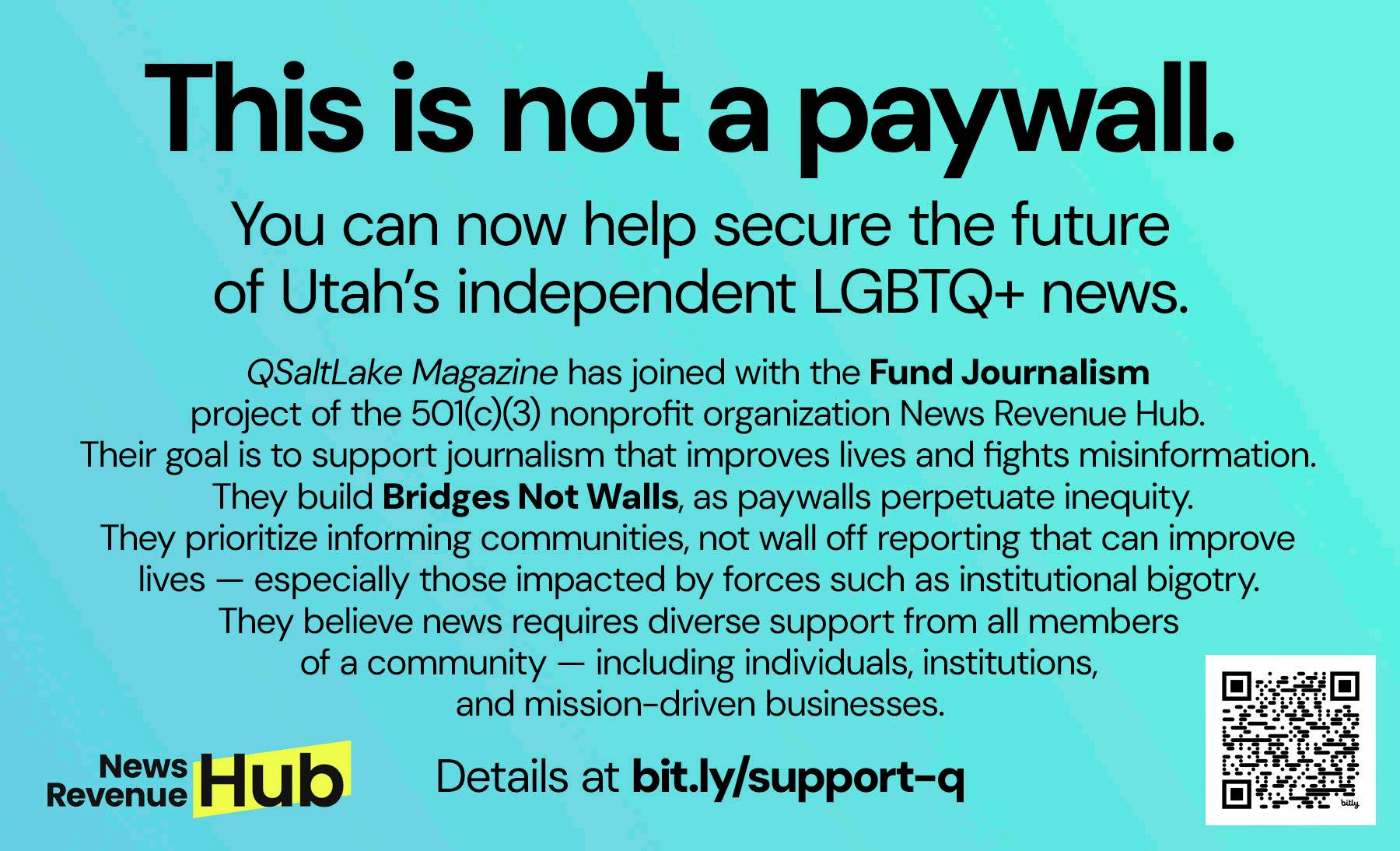
Advocates, community members, and allies will gather at the Utah State Capitol later this month for a rally and march celebrating the annual Transgender Day of Visibility and calling attention to the lives and experiences of transgender Utahns.
The event, organized by the Utah Pride Center and Glitter Foundation Utah, is scheduled for Sunday, March 29, at 3 p.m. Organizers say the gathering will mark the second year the groups have hosted a statewide rally and march dedicated to the day, which celebrates transgender people while raising awareness of discrimination they continue to face.
Participants will assemble on the steps of the Capitol for a rally featuring local transgender leaders, advocates, and community members who will share personal stories and messages of resilience, hope, and visibility.
Following the rally at 4 p.m., attendees will march from the Capitol down State Street to the Salt Lake City & County Building while carrying what organizers describe as the largest transgender pride flag in the state. An open mic event will go through 6 p.m. on the city hall grounds.
Organizers say the large scale flag display is meant to provide a powerful visual statement of solidarity and pride for transgender people in Utah.
“We want this to be a bold and visible show of community pride,” organizers said in an announcement promoting the event. “Visibility matters. Community matters.”
Carrying the oversized flag requires significant community participation. According to organizers, roughly 200 volunteers are needed to hold and move the flag safely along the march route.
Community members interested in helping carry the flag can sign up to volunteer ahead of the event. Organizers say the participation itself is symbolic, representing collective support for transgender people in a state where political debates around transgender rights have intensified in recent years.
The rally is expected to highlight both celebration and advocacy. Speakers are expected to bring attention to the importance of visibility, particularly for transgender youth and adults who may feel isolated or marginalized.
Events tied to Transgender Day of Visibility have become increasingly prominent nationwide in recent years as advocates push back against misinformation and discrimination while promoting acceptance and understanding.
In Utah, transgender advocates have often used the day to bring attention to issues including access to health care, legal protections, and safe and inclusive schools and workplaces.
Organizers say the rally and march also serve as a reminder that transgender people are an integral part of Utah communities.
“Events like this take tremendous coordination, care, and community support,” organizers said. “If you believe in uplifting and protecting
transgender lives in Utah, please consider supporting the work that makes these events possible.”
Along with recruiting volunteers, organizers are also seeking donations to help fund visibility events, advocacy work, and affirming community programs throughout the year.
The Utah Pride Center and Glitter Foundation Utah say they hope the rally and march will provide a space for celebration, connection, and solidarity for transgender Utahns and their allies.
Participants are encouraged to bring signs, wear pride colors, and join the march route through downtown Salt Lake City.
Transgender Day of Visibility is observed annually on March 31. First recognized in 2009, the day celebrates transgender people and raises awareness about the challenges the community continues to face, and highlights the contributions of transgender people across society.
Organizers say the Salt Lake City rally and march aim to send a clear message: transgender people belong, are valued, and deserve to be seen.
“Visibility matters,” organizers said. “And every person who shows up helps make that visibility stronger.” Q
ranks No. 3 in U.S.
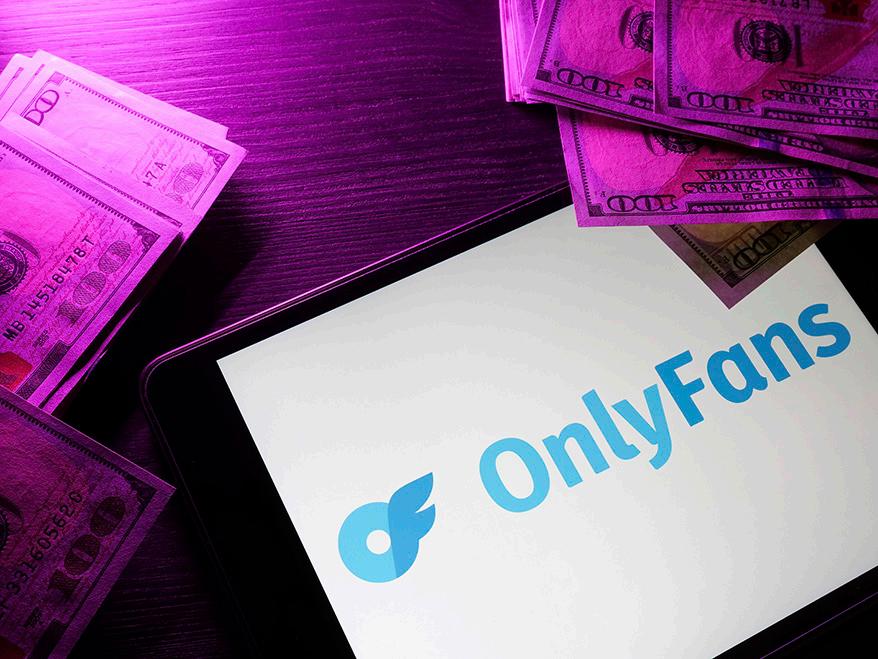
Salt Lake City has landed near the top of an unexpected national ranking: spending on the adult subscription platform OnlyFans.
According to a 2025 analysis by the OnlyFans search engine and data platform OnlyGuider, Salt Lake City ranks third among U.S. cities for per-capita spending on OnlyFans, trailing only Atlanta and Orlando. The study found that residents spend an estimated $412,038 per 10,000 people annually, placing Utah’s capital ahead of larger metro areas such as Miami, Denver, Seattle, and Las Vegas.
In total dollars, Salt Lake City users were estimated to have spent about $8.2 million on the platform in 2025, according to the report. According to the most recent Census data, that comes to about $45 per adult in the city.
OnlyFans, a subscription-based platform where creators share exclusive
content directly with paying subscribers, has become a major component of the global creator economy. Researchers estimate Americans collectively spent about $2.63 billion on the platform in 2025, highlighting the scale of the online marketplace built around subscription-based content and online intimacy.
While Utah might not immediately come to mind for widespread adult content consumption, the Mountain West States show surprisingly high engagement with the platform. States such as Nevada, Colorado, Arizona, and New Mexico all rank among the top ten nationwide for per-capita spending.
The study suggests that the region’s younger population, strong tech sector, and high rates of digital engagement may help drive usage of subscription-based creator platforms.
Though best known for adult material, the platform hosts a wide range of creators,
from fitness instructors and musicians to sex educators and adult performers. For LGBTQ creators in particular, the platform has often served as a space to build audiences and generate income outside traditional entertainment industries that can be less inclusive.
Salt Lake City’s high ranking may also show the complex relationship between public culture and private behavior in the region. Utah frequently ranks among the nation’s most religious states and is known for socially conservative politics, yet the data points to

substantial participation in digital adult entertainment.
Researchers say that the dynamic is not unusual. Online subscription platforms allow users to consume content privately, lowering the social barriers that might otherwise discourage participation in smaller or more conservative communities.
The report also highlights a general trend: spending patterns on digital content often cluster in mid-sized cities where residents are highly connected online but face fewer entertainment options than in major coastal hubs. Q

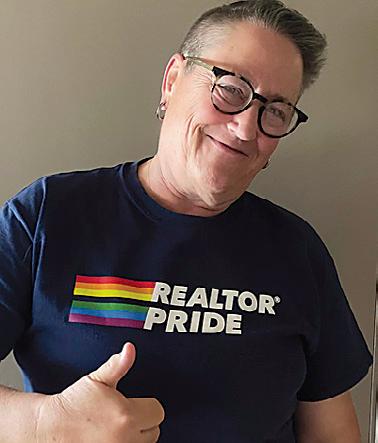
When buying or selling real estate, you don’t want a part-time agent working a side hustle, but a professional who’s versed in winning multiple offer battles, marketing strategies to get the best price, knowing LGBTQ vendors and allies for mortgages, inspections, attorneys, etc. With four decades as a full-time agent/broker and the first ‘out’ REALTOR® in Utah, I’d love to help you with this huge financial decision. I sell downtown condos in Salt Lake, homes with casitas in St. George, homes of those who have passed, and 1031 exchanges on income or commercial properties. Text or call anytime. Babs De Lay, Urban Utah Homes and Estates 801.201.8824



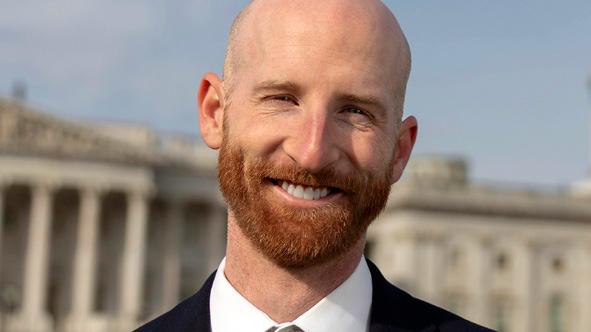
In a statement released on his social media platforms, Derek Kitchen has announced he will not file to run for Congress in the newly formed Democrat-leaning district.
“Over the past few months, I’ve been seriously exploring a run for Congress and speaking with people across Utah about the future of our state. We had incredible conversations with voters and built a strong team of supporters and volunteers along the way,” Kitchen began. “After careful reflection, I’ve decided not to file during this week’s congressional candidate filing period.”
He continued that he is grateful for those who encouraged him to run.
“While this won’t be my race, I care deeply about Utah’s future and look forward to continuing the work ahead,” he said. “Utah has always been built by people who care deeply about their communities, and I’m grateful to be part of that work.”
The former state senator, Salt Lake City councilmember, and LGBTQ+ civil rights figure launched his campaign for the U.S. House of Representatives in November after declaring that Utah’s newly redrawn 1st Congressional map “finally has a Democratic district, and it deserves a real progressive champion who has what it takes to fight back against Donald Trump and the MAGA Republican agenda.”
Former representative Ben McAdams stated, “I’ve worked alongside Derek for more than a decade as we’ve both served in different roles. Even as opponents in this race, he elevated the dialogue and focused on the issues that matter to Utahns. He’s a dedicated public servant who cares deeply about our state. He may be changing lanes, but I know he’ll keep working to move Utah and our country forward. I look forward to continuing the work alongside him.” Q
The University of Utah will host its annual Pride Week celebration March 30 through April 3, offering a campus-wide series of events honoring LGBTQIA+ histories, cultures, and communities.
Organizers describe Pride Week as a celebration centered on this year’s theme, “Visibility Through Authenticity,” with programming designed to foster connection, creativity, and dialogue.
The week begins March 30 with Pride Palooza at the Union Patio, a high-energy kickoff featuring music and community gathering. On March 31, Crimson Conversations will bring student-led discussions and a panel inspired by the Creating Change Conference, followed by Gayme Night, a tabletop gaming event focused on storytelling and community.
Midweek events include the Pride Market on April 1, showcasing LGBTQIA+ artists, makers, and organizations, and Community Cuts on April 2, where local stylists will provide free haircuts in a space emphasizing self-expression.
The celebration culminates April 3 with Pride Prom, themed “True Colors,” featuring drag performances, interactive art, and other activities. A closing Gayla on April 4 will include live music, food, and a silent auction supporting future programming.
University officials say the events continue efforts to build community and engagement both on campus and across Salt Lake City. Q More info at pride.utah.edu
The Church of Jesus Christ of Latter-day Saints this week updated its General Handbook to clarify that temple ordinances performed for transgender members must be consistent with a person’s biological gender assigned at birth in order to be considered valid.
The update, published Wednesday, adds language to Section 26.5.6 stating that if a temple ordinance is performed using a gender that does not match an individual’s birth sex, “that ordinance is not valid” and must be repeated. The policy specifies that approval from the church’s First Presidency is required before any such ordinance is performed again.
From the handbook:
38.2.6.6
A Temple Ordinance Does Not Match the Person’s Biological Sex at Birth
All temple ordinances are received according to a person’s biological sex at birth (see 28.2). If a person receives a temple ordinance for a gender that does not match his or her biological sex at birth, that ordinance is not valid. When this occurs, the temple ordinance must be repeated so the person receives the correct ordinance. First Presidency approval is required before repeating the ordinance.”
Church leaders noted that the clarification reinforces existing doctrine rather than introducing a new standard. Previous guidance already stated that
ordinances of salvation and exaltation, including temple rites, are administered according to biological gender at birth. The updated section also reiterates eligibility guidelines for transgender members. Individuals who identify as transgender but do not pursue medical, surgical, or social transition may receive a temple recommend and participate in temple ordinances if they are otherwise considered worthy. Those who transition and later return to living according to their biological gender at birth may also regain eligibility under the same conditions.
Broader policies outlined in Section 38.6.23 remain unchanged. The handbook persists in emphasizing that transgender individuals “should be treated with sensitivity, kindness, compassion, and Christlike love,” while also stating that gender is defined by the church as biological gender at birth. Members who transition may face restrictions on priesthood participation, temple recommends, and certain callings, though they are still encouraged to attend meetings and participate in church life.
Local leaders are instructed to counsel with higher authorities to address individual circumstances, with an emphasis on pastoral care alongside adherence to church doctrine. Q
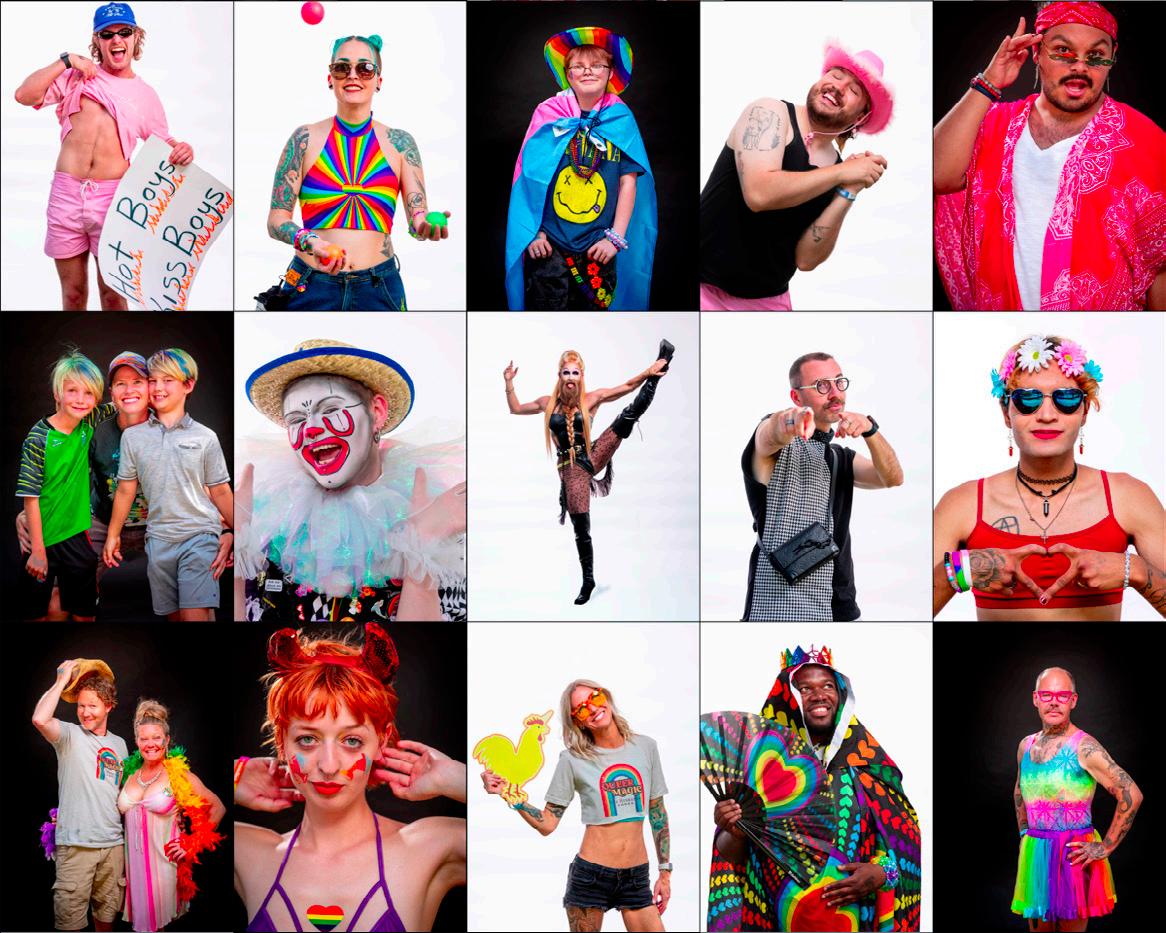
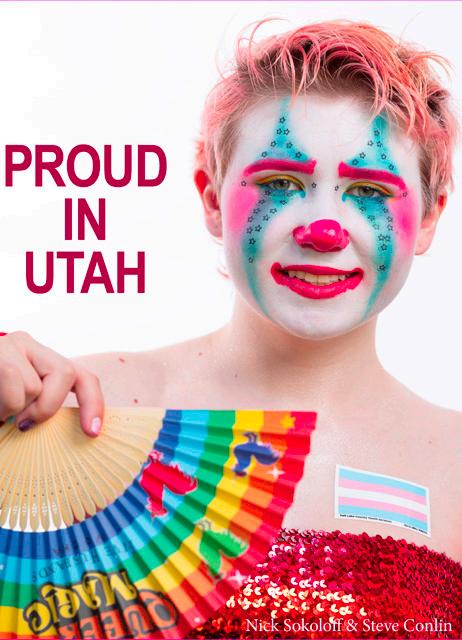
who show up, who live authentically, and who make Utah’s LGBTQ+ community vibrant and visible.”
A new photography book celebrating the faces of Utah’s LGBTQ+ community is now available for pre-order, offering a lasting visual record of the people who attended the 2025 Utah Pride Festival.
Proud in Utah 2025 is a full-color hardcover portrait book featuring
more than 500 individuals photographed during the two-day festival. What makes the project unique is its inclusive scope: every single person who stepped into the photographers’ booth during the festival is included in the book, creating a sweeping visual snapshot of Pride in Utah.
Photographers Steve Conlin and Nick Sokoloff set up a professional studio-style booth at the festival, inviting attendees to sit for portraits against simple black or white backdrops. Over two days, hundreds of festivalgoers — individuals, couples, families, and friends — stepped in front of the camera.
The result is a striking 9-by-12inch coffee-table book, printed on 100-pound matte paper, spanning 184 full-color pages. Portraits appear in a variety of sizes throughout the book, emphasizing both individuality and the collective power of the community.
“This book is about community,” Conlin said in announcing the project. “It’s about honoring the people
The book also features an introduction by Michael Aaron, publisher and editor of QSaltLake Magazine, which places the portraits in the broader context of Utah’s evolving LGBTQ+ community and the significance of Pride celebrations in the state.
Pre-orders for Proud in Utah 2025 are available now for $49.99 through March 31. After that date, the book’s regular price will increase to $59.99, and only a limited number of copies will be available.
Organizers say pre-orders will help determine the size of the initial print run and keep the book affordable.
Beyond serving as a keepsake for participants, the project also supports the community it documents. One hundred percent of profits from the book will be donated to the Utah Pride Center, helping fund programs such as youth services, mental health resources, advocacy efforts, and community events.
Books will be available for in-person pickup in mid-April at several locations, including Pictureline, the Utah Pride Center, City Weekly offices, Ogden’s Own Distillery, and Underground Books in Ogden.
Preorder at PROUDINUTAH.COM
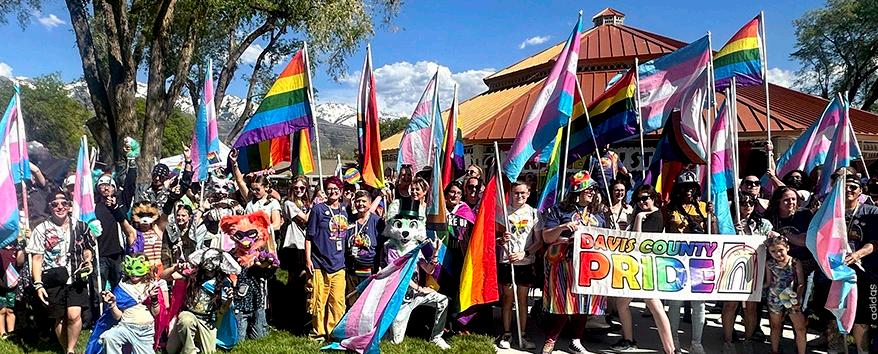
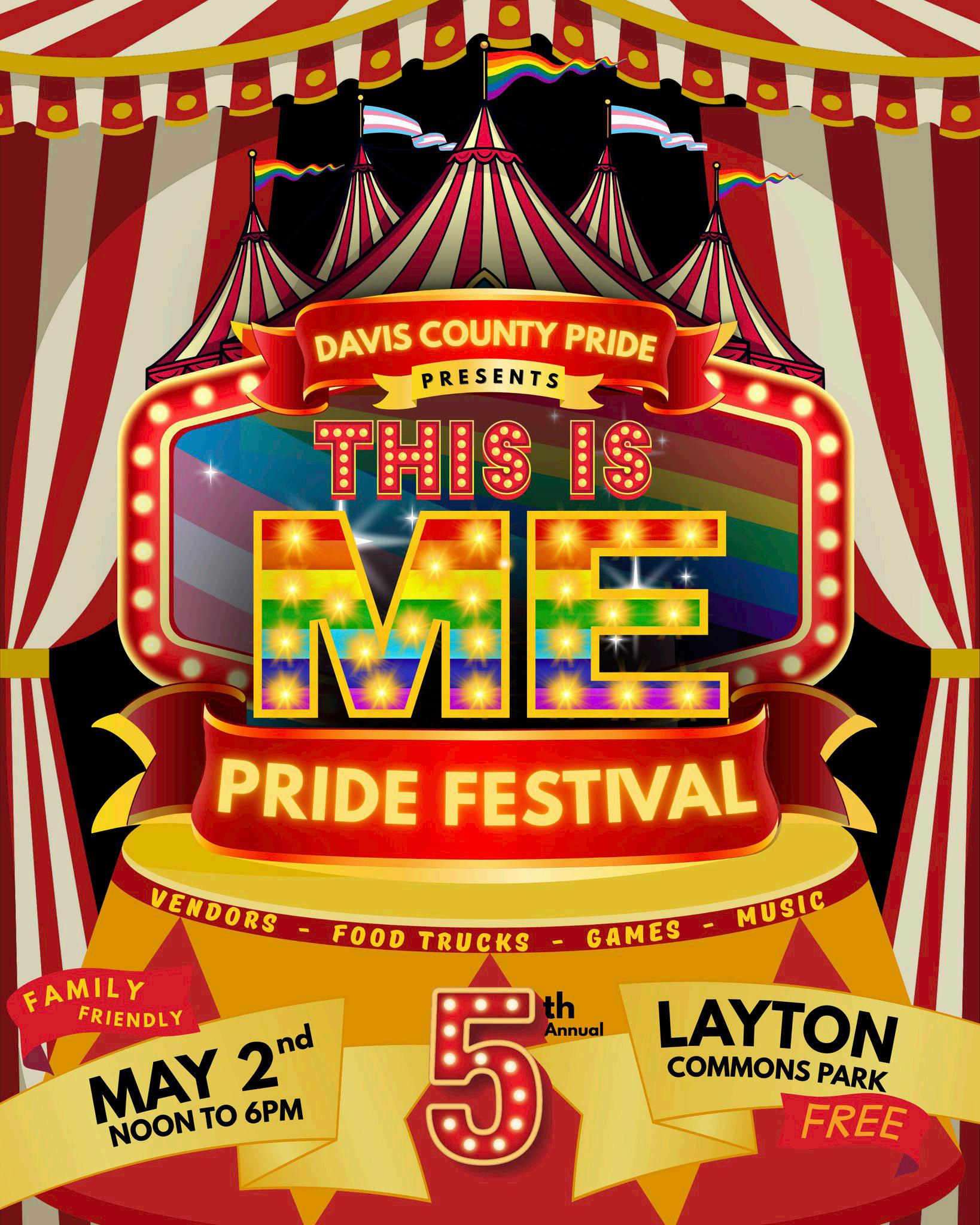
The 5th Annual Davis County Pride Festival will be bigger, bolder, and more visible than ever, as organizers invite the community to “Join the Circus” under the theme “This Is Me.”
The free festival is set for Saturday, May 2, 2026, from noon to 6 p.m. at Layton Commons Park. Attendance is expected to exceed 6,000 people, with more than 130 vendors, exhibitors, and food trucks filling the park.
Organizers are promoting a message of visibility and resilience.
“We won’t hide in the shadows and we won’t be erased,” they wrote. “The stage and spotlight are big enough for all of us.”
Now in its fifth year, the festival continues to grow as a centerpiece LGBTQ+ gathering in northern Utah. This year’s programming includes returning crowd favorites such as the “Love Train,” a lively march through the park, and the “Hell Together” Mom Hugs, which offer messages of unconditional love and support. Attendees will also find interactive experiences that encourage self-expression, along with appearances by community partners.
Organizers also introduced new attractions for 2026, leaning into a circus-inspired theme. Additions include acrobatic performances by Cirque du Kairos, busker-style stages, a children’s
midway game area, and a popup boutique marketplace.
Entertainment will also feature family-friendly drag bingo hosted by the Matrons of Mayhem, with proceeds supporting the festival.
Funding support is being boosted this year through a matching grant from Project Rainbow, which will double community donations up to $3,000. Organizers say the funding helps keep the event free and accessible to the public.
The festival is also expanding opportunities for small businesses. In partnership with the Utah LGBTQ+ Chamber of Commerce, a new Emerging Entrepreneur Scholarship will help first time vendors and small businesses offset booth costs and gain exposure. Email CONTACT@DAVISCOUNTYPRIDE.ORG to apply.
Organizers say volunteers are crucial to the event’s success, with more than 70 individuals needed to help with setup, operations, and cleanup. Past vendor feedback has consistently praised the festival’s volunteer corps for being welcoming, visible, and highly supportive.
With vendor booths already two-thirds sold out and can still be ordered at DAVISCOUNTYPRIDE. LUDUS.COM/
“The tent is big enough for all,” they wrote. “This is me.”

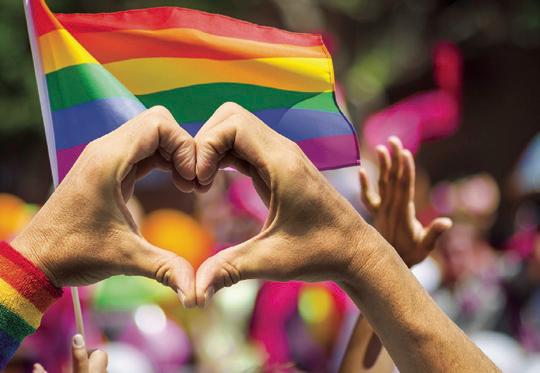

THU, APRIL 16, 6PM
SIGNATURE BOOKS, 508 W. 400 N.
Join three Utah historians, CONNELL O’DONOVAN, RANDELL HOFFMAN, and MEGAN WEISS to hear about their recent work for the Utah Historical Society’s “Peoples of Utah Revisited” research project. This roundtable will be facilitated by Jordan Kiyak of the Utah State Historical Society and include a discussion of the legacy of the “1976 Peoples of Utah” book, the importance of LGBTIQ+ perspectives in Utah history, and the challenges of Queer Utah history work. Relevant projects include the history of Transgender Utahns, Queer Utah activism, Utah’s early drag history, gender & sexuality in the Civilian Conservation Corps, and the history of the Utah Pride Parade.
WED, APRIL 15, 7 P.M., UTAH FILM CENTER
Sanctuary is a feature-length documentary that exposes the plight of LGBTQIA+ individuals within modern faith systems, told through the eyes of a visionary architect whose passion project becomes a lifeline. As doctrine collides with identity, a sacred space rises from rejection, offering refuge and hope. Alongside his journey, scholars and spiritual leaders from a variety of religious traditions share how they are transforming their institutions to welcome the marginalized and reimagine what it means to belong.
Featuring a Q&A with Co-Directors, Autumn McAlpin and Vienna Boyes, and “Sanctuary” architect Doug Staker.
RSVP FOR FREE
Organizers of West Valley Pride are calling on community members to help shape this year’s celebration, issuing an open invitation for food vendors, performers, artists, nonprofits, and volunteers to participate in the 2026 event.
Scheduled for June 13 at the Utah Cultural Celebration Center, the all-ages Pride event aims to showcase local talent and connect residents with resources in one of Utah’s most diverse communities.
Event organizers are actively recruiting food vendors to provide a variety of dining options throughout the day, as well as retail vendors offering unique, locally made goods. The call emphasizes creating a vibrant marketplace atmosphere that reflects the creativity and diversity of West Valley City.
Performers are also encouraged to apply, with organizers seeking a wide range of acts to fill the event’s entertainment lineup. Musicians, dancers, drag performers, and other artists are invited to take the stage as part of a program highlighting LGBTQ+ voices and local talent.
In addition to entertainment and food, West Valley Pride is prioritizing space for community organizations to host informational booths. Nonprofits, advocacy groups, and service providers are invited to table at the event and share resources with attendees, reinforcing Pride’s role as both a celebration and a point of connection for those seeking support.
Organizers are also seeking chalk artists to create largescale, temporary artworks. The interactive element is intended to enhance the event’s visual impact while providing artists with a platform to showcase their work in a public setting. Applications and additional details are available through culturalcelebration.org/pride
SUN, JULY 19 10AM–CLOSE LAGOON AMUSEMENT PARK
Each summer, Utah’s LGBTQ+ community claims a day of joy, connection, and roller coasters at Lagoon Amusement Park. This year, QSaltLake Lagoon Day is set for Sunday, July 19.
The annual gathering draws hundreds of queer Utahns and allies to the iconic Farmington amusement park. Attendees are encouraged to wear red to stand out in solidarity and celebration. Our chill space will be available as an all-day hangout for picnics, rest, and meeting new friends. A group photo is scheduled for 4 p.m. Lagoon, Utah’s largest amusement park, boasts ten major coasters, dozens of games and rides, a water park, and the historic Pioneer Village. Opened in 1886 and still family-owned, the park also carries a legacy of civil rights. Under the leadership of Robert Freed, Lagoon formally desegregated in the 1940s, ahead of many public venues in the state, a move that earned Freed recognition from the NAACP.
The discount code will be announced around July 1. Q
For more information about the park, go to LAGOONPARK.COM. For more information about the QSaltLake Lagoon Day, see our FACEBOOK EVENT
Looking for a simple, welcoming way to socialize? This newly renamed social group meets Mondays from 2–4 PM at La Puente Restaurant, 3205 S State St. This independent, no-membership, no-fundraising gathering is open to everyone, especially LGBTQIA+ seniors, who want to share a meal, connect, and enjoy good company. Just drop in whenever you can, pay for your own food, and bring your best self. Info at











“LGBTQ+ rights in Europe are caught in a ‘chill wind’ from east and west… I’m afraid of where things are going.”
—Former Ireland Prime Minstier Leo Varadkar
“Now that’s queerbaiting.”
—Harry Styles hosting Saturday Night Live, joked about long-running speculation about his sexuality, ending the bit with a same-sex kiss
“Not only has [coming out] not been a bad thing for me, it’s been the opposite and a great thing for me.”
—Jim Parsons of “The Big Bang Theory”.
“To anyone out there who has ever felt they didn’t belong or weren’t loved; there’s nothing wrong with you and you’re not behind ... You’re exactly where you’re supposed to be. You’re exactly the person that you were meant to become — be proud of every piece of yourself cause there’s no one else in the world that can be you.”
— Stranger Things star Noah Schnapp at the GLAAD Media Awards
“Well, I don’t expect anything from a guy anymore because I’m dating a woman, and it’s great.”
—”Pitch Perfect” star Anna Camp
Kelly and
BY CHRISTOPHER KATIS
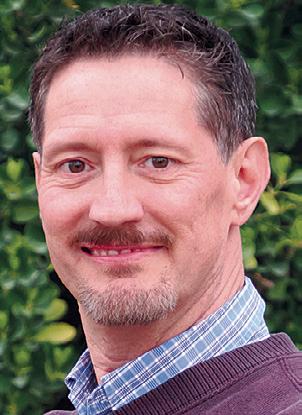
I watch a lot of tennis. And naturally, we have our favorite players. I’m a big fan of (the GOAT) Novak Djokovic. Kelly likes the up-and-comer Ben Shelton. For years, however, we did agree on who our least favorite player was, Daniil Medvedev. The Russian-born, 2021 U.S. Open winner and former world number one was just a jerk. He famously mocked a New York crowd that jeered his perceived poor sportsmanship on the court.
But about five years ago, something changed in his demeanor. He became kinder and nicer. He was more pleasant in interviews and in his interactions with fans. Perhaps not coincidentally, this shift in his behavior coincided with the birth of his first child.
This all made me think: now that the boys are adults, how has fatherhood changed me? Because I do think LGBTQ+ people are changed, for better or worse, more dramatically than our straight peers.
For me, becoming a dad has brought overwhelmingly positive changes. I mean, I wasn’t that bad in the first place, but still…
Now, there are members of my family who are going to call bullshit on me, but being a parent has made me more patient. To their point, going from zero patience to having a little isn’t a huge leap, but it’s still growth.
It’s no secret that in the past, I had a lot of control issues. I still have plenty, but with kids, you can’t really be a control freak and expect to raise functional adult humans. Unless, of course, you’re OK with having a tell-all book written about you after you’re dead, ala Mommie Dearest.
You might remember that last year I was privileged to be featured on the becoming babyReady podcast. The
final question interviewer Sam Leeson asked was what was my favorite part of the parenthood journey. Being a dad has allowed me to experience a level of joy that I otherwise wouldn’t have had, from the excitement of a five year-old Gus getting a pair of plastic Horton Hears a Who elephant ears at a movie to three-year-old Niko seeing candy in his plastic pumpkin and declaring trick-or-treating a “really good idea” – as if I had invented Halloween.
The level of love I have for my husband has grown exponentially because the boys came into our lives. It wasn’t a flood of passion; it was in little, everyday ways. It was his love for our sons that, in turn, made me fall deeper in love with him. The way he cared so gently and kindly for them when they were little. How he shows the patience of Job toward them, while reminding me to find my own calmness.
I’ll also say that the shift from being Christopher and Kelly to Dad and Papa brought a realignment of priorities that forced Kelly and me to make decisions that we otherwise wouldn’t have made – like foregoing frequent travel and living in Utah. More importantly for me, I often felt as if my identity as a gay man had, on some level, disappeared completely. But here’s the reality: I am gay. And embracing myself as a gay dad has allowed me to reprioritize how I present my identity. That in turn has led me to become an outspoken advocate for queer led families.
I’m happy Medvedev’s fatherhood has allowed him to be a better person. Although he hasn’t yet won another Grand Slam title since becoming a dad, he has made it to two more finals. But there’s still hope – after Djokovic’s first kid was born, he went on to win 15 more Grand Slams and an Olympic gold medal Q!
for people like me?
BY: ANONYMOUS
This story was originally published by Uncloseted Media, an LGBTQ-focused investigative news outlet.
‘That’s fine dude. I’m not mad at you.” Those are the first and last words I heard Renee Good say, seconds before she was brutally murdered on Jan. 7 by ICE agent Jonathan Ross.
I came across the video as I watched my fiancée scroll through her social media feeds while sitting in our Brooklyn apartment. We proceeded to scour TikTok to gather more information. Overwhelmed by the sheer number of videos of the shooting — all from various angles — I asked her to put the phone down.
We sat in silence as I interrogated the pit forming in my stomach. I was sickened by the ease of which we just witnessed violence, and began questioning my decision to try and build a life in the U.S. with my soon-to-be wife.
I was born in London to Black parents who migrated from Nigeria in 1990. It was a classic immigrant story: They were in search of a better life overseas, desperate to give their unborn children the opportunities they never had growing up in a country that was rebuilding after centuries of British colonial rule.
My immigration journey, however, is a classic lesbian love story. My fiancée, an American citizen from Los Angeles, met me at a party while she was studying in Europe. She moved back to the U.S. soon after our first date, and serendipitously, I’d just been accepted to grad school to study journalism in New York City. So, after a year of long distance, I flew across the pond and she moved across the country, and we started a life together.
I was ecstatic to embark on this journey. I was raised on Black television, music and film from the U.S., feeling a strong affinity to Afri-
can-American culture from a young age. I was always watching “My Wife and Kids” and “That’s So Raven,” and was obsessed with listening to Beyoncé, Usher and gospel music.
Although I inherently knew that the American Dream was built on broken promises, my inner child still romanticized it. I watched women in New York City newsrooms and magazine offices build electric lives: Jenna Rink running through Manhattan in “13 Going on 30”; Andy Sachs surviving the chaos of “The Devil Wears Prada”; and Betty Suarez stubbornly proving she belonged in “Ugly Betty.”
I believed that I could be like them. That I could work in New York media and earn enough to live alone and write long, beautiful stories. The U.S. felt bigger than England. Like a place where a girl could arrive with nothing, but leverage her talent and hunger, and somehow make it.
But just three months after arriving in August 2024, Trump was elected for his second term. And a few months after that, my dream was punctured as he introduced a slew of executive orders attacking people like me: He ended DEI programs; he introduced harsh anti trans policies; and he enacted some of the strictest immigration enforcement the country has ever seen.
Good’s murder was a consequence of Operation Metro Surge, which started in December 2025 as a supposed attack on illegal immigration. Yet many — mostly Black and Brown — lawful residents and U.S. citizens have been subject to violent attacks and unlawful detention.
In addition, Trump has arrested journalists in Minnesota. And days after completing my degree, I read that the U.S. press has suffered about as many violent assaults this year as in the previous three years combined.
This wasn’t the diverse country that enamored me. Unlike the media I’d consumed growing up, I’m now the intersecting face of the identities the federal government is targeting.
I am a Black. I am gay. I am an immigrant. I am a journalist. I am a woman. And I am scared.
Renee Good’s murder was a chilling development in an already dark time in the U.S. If white citizens are not safe, what chance do I really have to build a life here?
As a Black lesbian, my existence has always felt political. Wanting to exist on my own terms has required constant defense and justification. I left England because I could no longer handle living in the same country as my parents. After I came out to them at 22, they told me that I was a sinner in the eyes of their God. “She won’t be joining me in heaven,” my mom once told my sister.Subscribe
Now, in the U.S., my resident status is under scrutiny too.
I’m working with an immigration lawyer, and will be submitting my supporting documents for a marriage-based green card in a few weeks. And even though I’m doing everything by the book, I’m still worried: ICE agents have shown up at court dates and immigration interviews.
My lawyer says I shouldn’t worry, but she can’t guarantee it won’t happen to me. And experts agree: “People are trying to follow the rules and they’re being arrested, detained and deported,” Rachel Kafele, director of programs and advocacy at Oasis Legal Services, told me. “There’s a sense that all the pathways for people are really closing, and that’s just created a huge climate of fear.”
I know that my situation isn’t as dire as it is for the many LGBTQ asylum seekers who fled countries where identifying as LGBTQ is a crime.
“[The federal government] is doing whatever they can to not give asylum to anyone,” Kafele says. “And that’s what really worries me, because LGBTQ people need asylum. It’s a human rights safety issue. People will die.”
This unpredictability scares me too, and it’s ramping up. In November 2025, a gay man was detained by ICE in New York during a green card application. That could have been me.
And on Jan. 29, former CNN journalist Don Lemon—who is Black and gay—was arrested. After that, my fiancée and I contemplated whether I should be honest about my journalism career in my green card application, in case this increases my likelihood of running into ICE.
That’s why I decided to write this article anonymously.
I’ve had thoughts of terminating my immigration application out of fear of being in contact with such a hostile administration. What will happen if I get caught by ICE, with no proof of legal residency? What if my Blackness betrays me when I’m running errands? What if my extensive digital footprint exposes me as a “traitor”?
People on both sides of the aisle aren’t doing enough to stand up to the Trump administration, says Isa Noyola, director of programs at the Transgender Law Center. “We are lacking leadership in the Democratic Party around being pro-immigrant and pro trans and pro queer,” she says. Just recently, seven Democrats voted in favor of funding ICE.Subscribe
Alex Brophy of Brophy Lenahan Law Group says immigration judges are also being targeted: “They’re creating this culture of fear not only amongst immigrants and their attorneys, but also amongst the judges, because there’s definitely the message that if you don’t follow the program, they’re just gonna fire you.” In 2025, more than 100 judges with a history of showing favor to asylum seekers have been fired in the U.S.
It’s terrifying for me to think that some of the judges who still have their jobs might be afraid of being let go and wanting to make the administration happy at my expense. We are all just in “survival mode,” Noyola says.
“What worries me is that the courts may become complicit in the breaking of the law,” says Aaron Morris, execu-
tive director at Immigration Equality. With less immigrant-friendly judges on the bench, those left behind might show more support of the government’s illegal activities, including its use of detention centers. “Unfortunately, now we’re seeing … people getting caught up in the immigration detention and deportation machine who are not even undocumented.”
Even as a New York resident, I’ve had to reckon with the possibility of being detained if I go through with the green card application. This isn’t me being overly cautious, but realistic: ICE has been knocking on doors in neighborhoods close to me.
“ICE and DHS generally do not pro-
I am a Black. I am gay. I am an immigrant. I am a journalist. I am a woman. And I am scared.
vide adequate health care, particularly for people that are transgender or for people living with HIV,” Morris says. I’m on life-saving hormone medication to treat a long-term health condition, and not having access to it for a few days could be fatal. Detainees with diabetes have had access to insulin denied and others have had requests to visit cancer doctors rejected.
Brophy says most detainees whose immigration proceedings continue in detention don’t have access to their files and are not informed of their hearings. “It’s incredibly hard for lawyers to prepare a detained client,” he says. “[The detainees] are not getting enough time and access for counsel to be able to effectively present their case.”
As terrifying as this is for me to think about, Kafele says immigrants outside of big blue cities are arguably in greater danger. “In more rural areas and areas where the local government is very conservative and anti-immigrant and anti-LGBTQ, those people are more at risk.
Their local governments, their police officers, the sheriffs, they’re working with ICE and Border Patrol to help detain immigrants and deport people.”
There was an acronym brought up in my conversations with experts: ACAs, or Asylum Cooperative Agreements, which are pacts made between the U.S. and other countries where asylum seekers are transferred to process their claims. Agreements have been made with countries like Uganda, whose 2023 Anti-Homosexuality Act means that gay intimacy in some cases can lead to the death penalty. “You have people who are not only afraid to go to their home country, they’re being threatened to be removed to a country they have no ties to that may be even more hostile,” Brophy says.Subscribe
While I feel incredibly lucky to hold an English passport, I can’t move back because I want to live far away from my parents. But even if my green card application is successful, my fiancée and I don’t feel safe under Trump: We’ve talked about moving to Europe or Canada once I am more financially stable.
Still, part of me wants to make it work. I’ve found my voice as a writer in New York. The events I attend, friends I’ve made and communities I’ve been exposed to have made my decision to move here worth it.
When I told Brophy I was afraid that my work as a journalist could put me at risk, he quickly responded, “Clearly your passion and your interest is in being a journalist. I wouldn’t want to tell you to stop doing what you’re doing any more than I would tell someone to change their gender identity or their sexual orientation.” Then he said something that really stuck with me: “Because once you do that, we’re all just giving into this.”
I think about that often. About what it would mean to shrink myself in order to survive. I’ve done that with my parents, and I don’t want to do it again. I will continue to follow the legal judicial process, not as a statement or act of defiance. Simply because, for now, I am choosing to stay for the woman I love.
But I’m very scared. Q
BY D’ANNE WITKOWSKI
going to go ahead and say something very controversial here that will probably make it impossible for me to ever run for public office as a member of any major political party: War is awful and bad and everyone who disagrees can go fuck themselves.
I’m sure you’re wondering why I believe such a thing. And I have to say it comes down to a few things that I believe are objectively bad and cause immense suffering. These things include, but are not limited to: Death, disfigurement, dismemberment, disembowelment, destruction, debris, denudement, depravity, division and a bunch of other words that don’t even start with D.
On March 6, The Onion ran a piece titled, “Trump To Americans: You Won’t Have To Pay Your Son’s Cell Phone Bill When He Dies At War.”
And, yes, The Onion is satire. But it isn’t hard to imagine Trump actually saying the quotes The Onion attributes to him in the article, such as this one: “You may be grieving at first, but, believe me, you’ll be smiling when you see how much less you’re shelling out every month.”
I saw this article on the very same day that my wife and I updated our car insurance plan to add our son, a 16-yearold newly licensed driver. The cost was pretty staggering and honestly made his cell phone bill seem like pocket change.
But here’s the thing: I still don’t want him to die. And I certainly don’t want him to die fighting in a war started by the most corrupt, incompetent and selfish person ever to be called president.
My son has also been getting military enlistment propaganda in the mail lately. Now, Trump hasn’t, at least not before this was written and submitted, said that he wants to reinstate the draft. But Trump’s war with Iran is not exactly going well. And that
region of the world is not exactly known for stability and peace. So even though Trump and his administration have said that things will be quick and easy and over before we know it, there’s no reason to believe that.
So, yeah, I’ve been feeling pretty anxious lately that the war Trump started with absolutely no real plan of what to do after he blows things up will have repercussions for generations.
I posted about this on Bluesky and received a response that included a link to a document from the Department of Defense about conditions that make someone disqualified from serving in the military. There are, it turns out, a lot.
The very first section of this document makes clear that transgender people are disqualified unless there’s, like, a really good reason for the government to give them a waiver. But only if they meet criteria such as “36 consecutive months of stability in the individual’s sex without clinically significant distress or impairment in social, occupational or other important areas of functioning,” no attempt to ever “transition to any sex other than his or her sex,” and the willingness and ability “to adhere to all applicable standards, including the standards associated with his or her sex.”
In other words, you can’t actually be transgender. But maybe if you flirted with the idea once and can prove that you are cisgender in your heart (and in your genitals), they might begrudgingly let you join their little war club.
Now, look, I don’t want my child to be part of the military. Nor has he ever expressed an interest in enlisting. But even if his life and safety being at risk weren’t an issue, I still wouldn’t want him to be part of an organization that so blatantly discriminates against transgender people.
That we have transgender people who are willing and able to join

the military only to be told by Pete Hegseth, the semi-sentient wad of chewing tobacco we have in charge of the Department of Defense, that they aren’t fit to serve is enraging. Hegseth has made it his mission to make the military less “woke.” Remember last year when Hegseth made all the generals and admirals fly in to watch him give his anti-woke speech in person?
“This administration has done a great deal, from Day 1, to remove the social justice, politically correct and toxic ideological garbage that had infected our department, to rip out the politics,” Hegseth said. “No more identity months, DEI offices, dudes in dresses.”
As if removing social justice and DEI and transgender military members aren’t political decisions.
The people most unfit to serve in the military are the people who are literally in charge of it right now. They want us to think that transgender people are the real threat. But it’s clear from every move they’re making that they are making this country and, indeed, the world, less safe for all of us. Q
D’Anne Witkowski is a writer living with her wife and son. She has been writing about LGBTQ+ politics for nearly two decades. Follow her on Twitter @MamaDWitkowski.
traditionally marks one of the busiest periods for the performing and visual arts across the Salt Lake Valley and northern Utah. Theatre companies launch new productions, major classical organizations present season finales, galleries rotate exhibitions highlighting regional artists, and cultural festivals bring thousands of people into downtown public spaces. The coming months feature everything from Tony-winning Broadway musicals and classic opera to contemporary dance premieres, visual art exhibitions exploring environmental themes, and community events celebrating the region’s diverse cultural traditions. For longtime arts patrons and beginners alike, the calendar between late March and the end of June offers a broad range of performances, exhibitions, and festivals to explore. Below is a guide to many of the season’s highlights.
Located on the campus of the University of Utah, Pioneer Theatre Company is Utah’s only fully professional resident theatre operating under a contract with Actors’ Equity Association. The company regularly produces Broadway-caliber musicals and contemporary plays, often presenting regional premieres shortly after they appear on major stages in New York or other cities.
MARCH 28 – APRIL 11
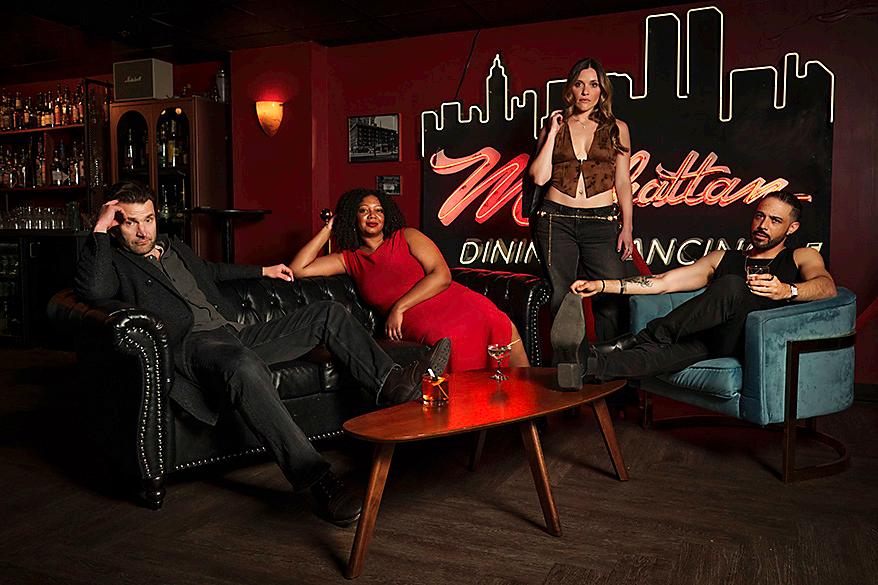
Playwright Rajiv Joseph’s King James is a sharply written two-character play that explores friendship, loyalty, and identity through the lens of sports fandom. The story begins in Cleveland in 2004, where two strangers meet while waiting in line to buy season tickets for the Cavaliers. Their common passion for rising NBA superstar LeBron James sparks an un-
likely friendship that unfolds across more than a decade.
As the Cavaliers rise and fall and James’ career evolves, the play traces the ups and downs of the men’s personal lives and their relationship with each other. While basketball provides the backdrop, the heart of the play rests in its exploration of how friendships form in unexpected ways and how cultural icons can shape community identity.
APRIL 24 – MAY 9
This Tony-nominated musical tells the remarkable true story of what happened when 38 airplanes were diverted to the small town of Gander, Newfoundland, on September 11, 2001. Nearly 7,000 stranded airline passengers suddenly found themselves welcomed by a community of only about 9,000 residents. Through an energetic score inspired by Celtic and folk traditions, Come From Away captures the generosity, humor, and concern that emerged during those tense days when the town’s residents opened their homes, schools, and community centers to complete strangers. The show has become widely known for its ensemble storytelling and uplifting
message about human connection during times of crisis.
Salt Lake Acting Company— known locally as SLAC—has built a reputation for producing contemporary plays, regional premieres, and original works by Utah playwrights. The theatre’s intimate venue allows audiences to experience powerful storytelling in a close, immersive setting.
APRIL 8 – MAY 3
This dark rock musical tells the story of Sara, a woman caught in a love triangle between two very different men. One represents stability and comfort, while the other embodies passion and danger. As the plot unfolds, the characters find themselves pulled deeper into a cycle of desire, jealousy, and betrayal. With a pulsing contemporary score and a gritty, emotionally intense story, Murder Ballad blends the structure of a traditional musical with the energy of a live rock concert. The show’s themes explore how past relationships and unresolved emotions can resurface in ways that dramatically alter people’s lives.
JUNE 24 – AUGUST 16
The theatre’s long-running satirical summer revue returns with a fresh batch of sketches, songs, and comedic commentary about Utah culture and politics. First launched in the late 1990s, the annual show has become a treasured local tradition.
Each year, writers and performers collaborate to create new material lampooning everything from state politics and religious culture to local quirks and social trends. For many audiences, the production offers both comic relief and a reflection of the quirky dynamics that shape life in Utah.
Lucky Stiff
MAY 1 – MAY 16
Utah Cultural Celebration Center
This fast-paced musical farce combines classic screwball comedy with clever musical numbers. The story centers on Harry Witherspoon, an unassuming English shoe salesman who learns he has inherited a fortune from an eccentric American uncle.
The inheritance, however, comes with a strange condition: Harry must escort the uncle’s embalmed body on a vacation to Monte Carlo. If he succeeds, he receives six million dollars. If he fails, the fortune goes to a dog home in Brooklyn.
As Harry attempts to fulfill the unusual requirement, he becomes entangled with shady relatives, mistaken identities, and a chaotic series of events that lead him across Europe. The musical’s humor and energetic pacing make it a favorite with fans of classic musical theatre farce.
CenterPoint Legacy Theatre has become one of the region’s most ambitious community theatre companies, known for elaborate sets, large casts, and professional-level production values. Located in Centerville, the theatre draws audiences from across Davis County and the Wasatch Front.
MARCH 20 – APRIL 23
This musical tells the story of playwright J.M. Barrie and the experiences that inspired him to create the beloved story of Peter Pan. When Barrie befriends a widowed mother and her four imaginative sons, their shared adventures awaken his creativity and help him rediscover the joy of childhood imagination. The show combines theatrical spectacle with moving storytelling, exploring creativity, grief, and the importance of holding onto wonder even in adulthood.
MAY 15 – JUNE 18
Set in a Jewish village in early-20th-century Russia, the beloved musical follows Tevye, a poor milkman struggling to maintain tradition while his daughters pursue love and independence in a rapidly changing world.
Featuring iconic songs such as “Tradition,” “If I Were a Rich Man,” and “Sunrise, Sunset,” the musical explores family bonds, cultural identity, and the tensions between tradition and change.
JUNE 5 – AUGUST 3
Based on the Disney animated film, Tarzan tells the story of a young man raised by gorillas in the African jungle who ultimately discovers his human origins. The musical features music by Phil Collins and often includes visually dynamic staging that incorporates aerial choreography and athletic movement to evoke the jungle environment.
The Ziegfeld Theater continues producing energetic musical theatre in downtown Ogden. The company’s productions often blend community performers with professional direction and design.
Later in the year, the theatre plans productions of “Avenue Q,” the irreverent puppet musical that humorously tackles adulthood and identity, and “Little Shop of Horrors,” the cult-favorite horror comedy about a man-eating plant that brings unexpected fame and chaos to a struggling florist.
The Legend of Sleepy Hollow
MARCH 27 – MARCH 28
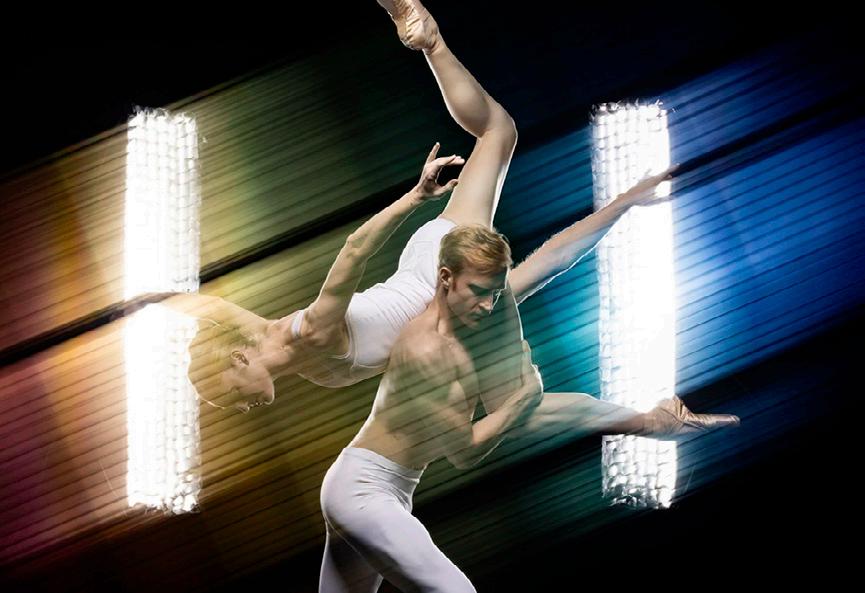
This narrated ballet adapts Washington Irving’s famous ghost story about Ichabod Crane and the mysterious Headless Horseman. Designed especially for families, the production condenses the classic tale into an accessible one-hour format combining dance, narration, and theatrical effects.
West Side Story Suite
APRIL 3 – APRIL 11
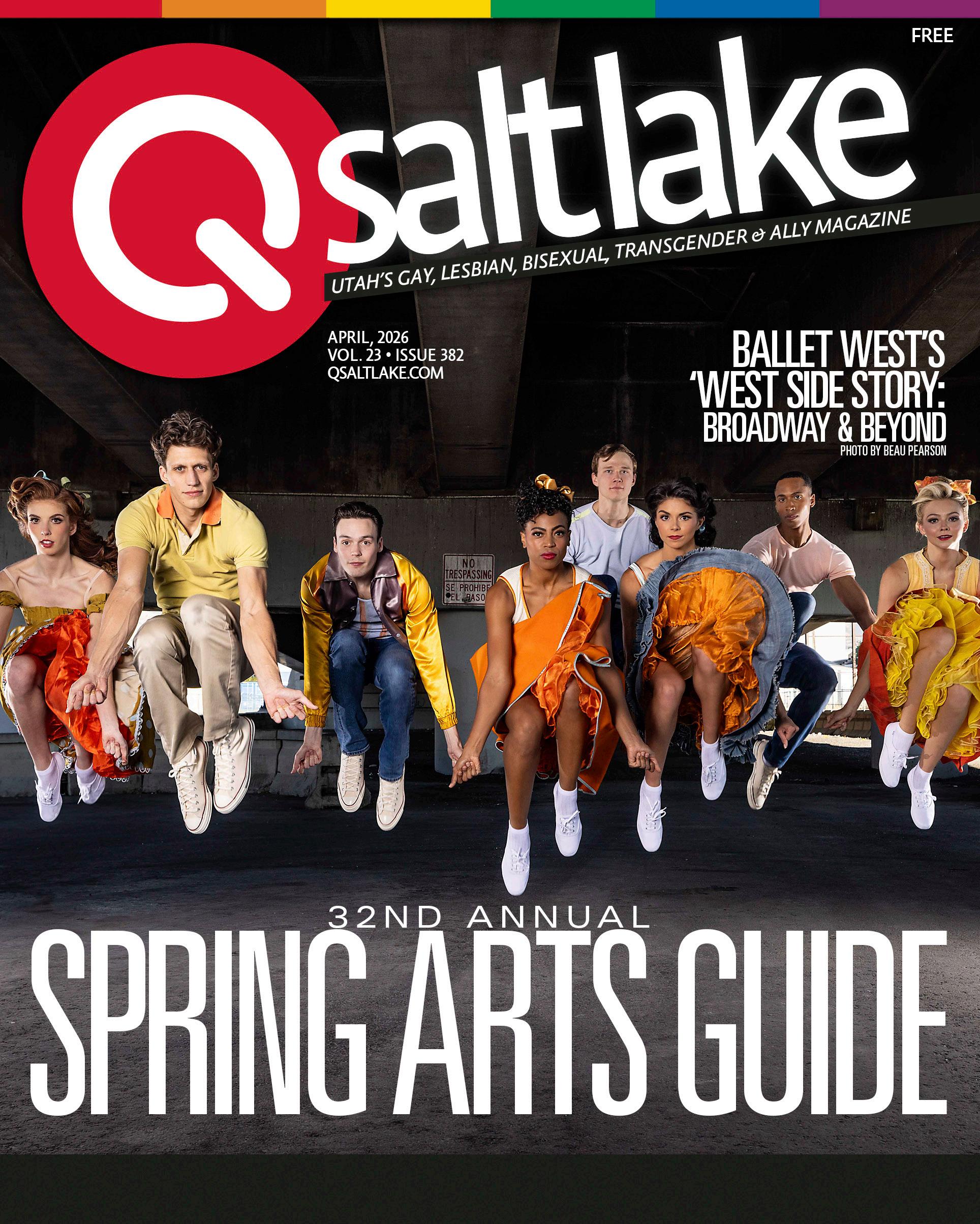
Featuring choreography originally created by Jerome Robbins, this ballet adaptation brings Leonard Bernstein’s iconic score to the stage through dynamic dance. The production captures the emotional tension and explosive energy of the original musical’s story of rival gangs and forbidden love.
Choreographic Festival
MAY 15 – MAY 23
This annual festival highlights new dance works created by Ballet West dancers themselves. By stepping into the role of choreographer, company
Gay clubs, bathhouses and even ‘RuPaul’s Drag Race’ face questions about AI-generated promo images — and what they cost queer artists
BY SAMUEL SCHWINDT
Fistsclenched, nipples mirrored like identical twins — their bodies are practically carbon copies. You could call them “boyfriend twins” or, if you’re feeling cheeky, “doppelbangers.”
Or maybe it’s just AI. Because the next time you see an ad for your favorite gay club or bathhouse, that perfect pair might not even be real. I recently spotted this kind of questionable couple on Instagram, posted by Body Zone, the longstanding Detroit bathhouse. I ran a screenshot through Sight Engine and other detection websites, the closest AI verification we have, according to CNET and Popular Science. It flagged the pic as 99% AI. (We cannot, of course, authoritatively say this is AI, and Body Zone did not respond to our request for comment).
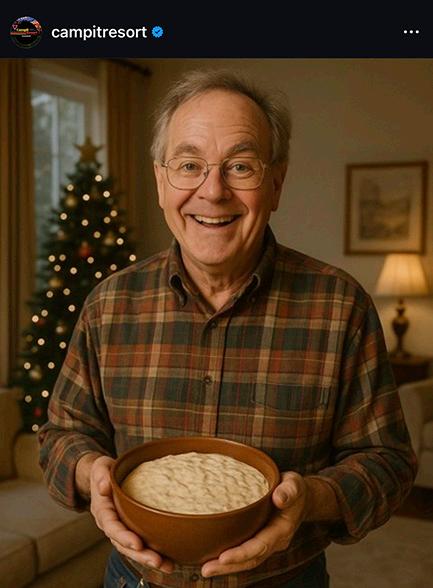
Body Zone isn’t the only one dabbling in “AI generated” queer content — intentionally or not. Plenty of small businesses rely on stock photo sites for their visuals, which, not-so-coincidentally, are stuffed with AI fantasies of shirtless, smoldering dudes. Campit Outdoor Resort in Saugatuck, a coastal town in Southwest Michigan, posted a glorified grandpa holding what one commenter called a “big old bowl of AI slop” to promote holiday events at their campgrounds. Beef Dip, the name of the themed week where gay Bears gather
in Puerto Vallarta, posted an idealized daddy as Poseidon. Dads Of Love, a popular Chicago day-time party, repeatedly posts swirling, fantasy-like graphics that are seemingly AI. Even the new season of “RuPaul’s Drag Race” generated comments accusing the creators of using an AI-generated image. The image featured RuPaul in a sparkling night-sky, about to trapeze over buildings. Notably, the post was deleted from the show’s official page. Distinguishing AI-generated images from real ones can be challenging, as I discovered. Popular Science advises the use of online-detectors, such as NoteGPT, warning human-detection is slumping. In the article, David Nield wrote, “We may be past the point of six fingers on hands.” However, the online-detectors suggested by Popular Science have issues with 100% authentication of AI, according to The Global Investigative Journalism Network They created a guide for distinguishing human versus AI-generated work, remarking on online verification failures. Their suggestions range from gut reactions, to five minute visual analysis, to deep detection that involves forensics and physics.
Scientific investigations of potentially fake hot bodies behind me, I took a deep dive into how AI has become an uneasy bedfellow for queer people and their community spaces. What harm is there with AI generated images of sexy gay men, beyond potentially upsetting some audience members? Plenty, as it turns out. First, the use of AI images can make people skeptical about the event being promoted. Ethical concerns also arise, particularly regarding how AI-generated art devalues the work of queer artists and designers. Before I dove into Instagram and Reddit comments, interviewed a professor of internet culture and discussed the design behind event promotion with a prominent DJ in the scene, I needed concrete experience in AI image generation. I offered this prompt to
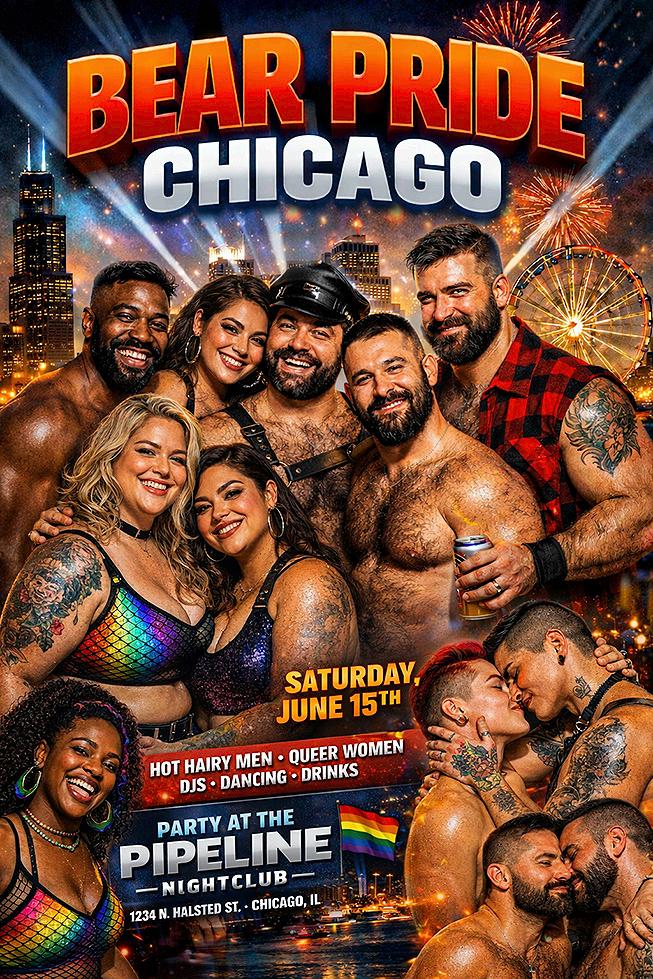
ChatGPT: “Make me a poster for a gay party in Chicago. Lots of hairy men.” It created a packed image of white leathermen. I asked it to “make it more diverse.” It added a single Black man. Then I prompted: “make it more gender diverse.” It added a few women. Blandness and stereotypes resulted, even with my evolving prompts.
I’m not the only one who has something to say about AI promotion in gay spaces. Instagram user @chrismascima commented on a post from Dads of Love about their flyer: “Love the concept,” he commented, “but the AI artwork not so much. So many talented gay designers who would love to design for this.” On the original Dads of Love post, the tell tale signs of AI are there — one of the men had seven fingers. While Dads of Love did not respond to requests for comment, Chris Mascima reflected on his Dads of Love comment: “I have a lot to say about that, especially since my company hosts queer art markets,” he wrote, “and we design all the graphics and support queer artists and makers.”
The stereotypes AI draws upon in generating images, coupled with audience skepticism — from daytime party imagery to references to “RuPaul’s Drag Race” — reflect broader patterns
within the LGBTQ+ internet. First we need to understand what makes queer promotion actually work. “Artistic intention plays a big role in online event promotion these days, and creativity and uniqueness really matter,” commented Oliver Haimson, a University of Michigan associate professor in the School of Information and an expert on LGBTQ+ social encounters. “An exciting and artistic flyer that a person clearly puts effort into designing is likely going to be much more successful for event promotion than, say, a generic image that features the trans flag or rainbow flag colors.”
The use of AI, however, showcases a lack of diversity and an over-simplification of the event: “When you ask an AI system to create a queer or trans visual, it tends to return a bland image that overly features things like the rainbow flag or the trans symbol — that very few people in the community actually use,” he said.
“AI systems are also fundamentally built on classifying things into catego-
ries, and nonbinary people resist being placed into categories,” he added. My own foray into image generation showcased that very lack of gender diversity.
Still, in the face of AI’s stereotypical categorizations, diversity issues, skewed facts and ever-growing power, there are queer artists working against AI’s troubling image classifications. I reached out to Harry Cross, a prominent queer community DJ and party promoter who uses real-life experience and an experimental nature to create artworks for his events: He is the counterpoint to image-generators. His inspired art that he creates for The Dunes Resort in Saugatuck unambiguously emphasizes the diverse queer community of the region. For the Loose Ends weekend at the resort every year, Cross creates new illustrations, drawing queer characters based on real people he’s met there, and others who have competed in the pageant. One of my “friends got in trouble for getting his ass eaten in the pool,” Cross said. He included that
moment in a poster the following year. When it comes to what Cross sees online for event promotion, Cross said he’s “just biased” against AI. “If you take the time to get an artist to make [a flyer], or you make it yourself, it reflects that you’re going to also put care into the sound system and the lineup of DJs and show your party was planned out,” he said. If you’re going after “a quick fix” with something AI generated, Cross said, then “you’re just doing it to make money.”
AI versus custom art in promotions is a tale of two diverging paths. If you just need something to get the word out, you could generate it. But if you’re seeking seductive translations of dynamic, diverse queer events, hire an artist. Speculation aside, remember: that hairy Poseidon isn’t at Beef Dip’s pool parties, and no daddy in Chicago actually has seven fingers. Q
Samuel Schwindt works as commission-based leather-gear crafter, archivist, sculptor, curator, freelance writer and educator. Find his work and publications at www.samuelschwindt.xyz.








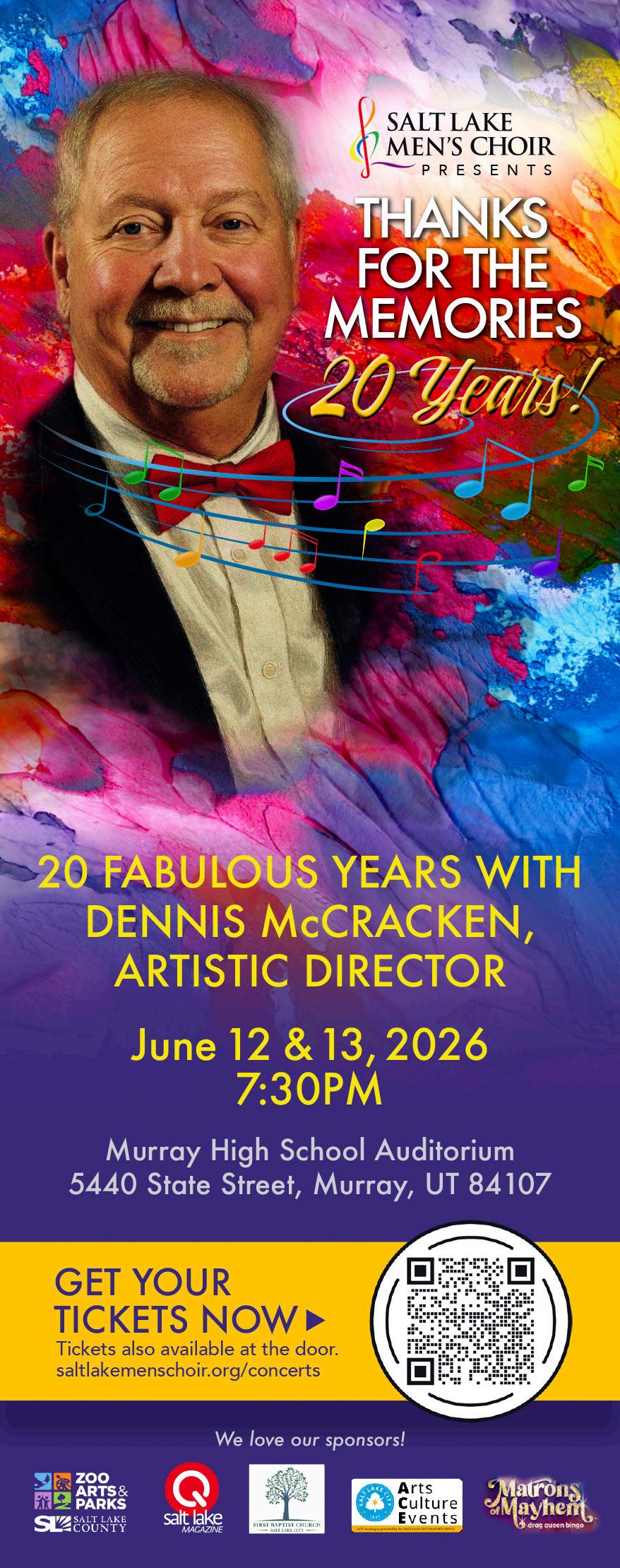
members experiment with new movement styles and storytelling approaches, giving audiences a glimpse into the creative process behind contemporary dance.
MAY 9 – MAY 17
One of the most beloved works in the operatic repertoire, La traviata tells the tragic story of Violetta Valéry, a glamorous Parisian courtesan who falls deeply in love with the young nobleman Alfredo Germont. Despite their genuine affection, societal expectations and family pressure force Violetta to sacrifice the relationship for Alfredo’s future. The opera’s emotionally powerful music—including the famous drinking song “Libiamo”—has made it a mainstay of opera houses worldwide.
The Utah Symphony continues its concert season with several major programs at Abravanel Hall.
Prokofiev Piano Concerto No. 3
APRIL 24 – 25
Internationally acclaimed pianist Simon Trpčeski joins the orchestra for Sergei Prokofiev’s virtuosic and rhythmically electrifying Third Piano Concerto.
Copland, Ives & Guitar Concerto
MAY 1 – MAY 2
This program celebrates American composers with music by Aaron Copland and Charles Ives alongside a contemporary guitar concerto.
Ben Folds with the Utah Symphony
MAY 12
Singer-songwriter Ben Folds performs with the orchestra in a genre-blending concert combining pop music and symphonic arrangements.
Bruckner Symphony No. 4
MAY 22 – 23
The season finale features Anton Bruckner’s sweeping Fourth Symphony, often referred to as the “Romantic” symphony.
Thanks for the Memories
JUNE 12-13
Artistic Director Dennis McCracken finishes his 20th and final year with the baton before the men of the Salt Lake Men’s Choir. This is a mixture of his favorite songs the choir has performed over those years.
Heart to Heart
APRIL 13
The Gina Bachauer International Piano Foundation presents Heart to Heart on April 13 at the Rose Wagner Performing Arts Center, featuring acclaimed piano duo Lukas Geniušas and Anna Geniushene. The husband-and-wife team brings dynamic synergy to a bold two-piano program including works by Sergei Rachmaninoff, John Adams, Aaron Copland, and Colin McPhee—blending virtuosic power with expressive depth.
JUNE 14-27
The Gina Bachauer International Piano Foundation marks its 50th anniversary this June with the 2026 Junior & Young Artists Piano Competitions, running June 14–27 in Salt Lake City. Divided into two age groups—Junior (11–14, June 14–20) and Young Artists (15–18, June 21–27)—the prestigious biennial event draws top young pianists from around the world. This year, 316 applicants from 28 countries competed in preliminary rounds held in cities including Hamburg, New York, Seoul, Shanghai, and Salt Lake City, with 56 advancing to the live rounds. Competitors will perform across two weeks for more than $60,000 in prizes, culminating in the Young Artists Final Round at Abravanel Hall with the Utah Symphony. Tickets are now available for audiences to experience the next generation of world-class pianists.
The gallery’s rotating exhibitions highlight Utah artists, with themes including landscape, environment, and memory.
Jill Saxton Smith | Benjamin Childress Through April 10
Susan Jacobsen Kirby | Hannah Vaughn April 17 – May 29
Laura Hope Mason, Claire Tollstrup, Elizabeth Sanchez | Michelle Wentling June 8 – July 17
MAY 15 – MAY 17
Presented by the Salt Lake City Arts Council, this annual festival celebrates cultural traditions from communities across Utah through music, dance, crafts, storytelling, and food.
Street performers—including musicians, magicians, comedians, and circus artists—transform downtown Salt Lake City into an outdoor performance space.
Beyond major theatre, dance, and classical performances, a number of community-centered events, screenings, literary gatherings, and LGBTQ+ arts programs will take place across Salt Lake City this spring. These smaller-scale events commonly highlight emerging artists, local filmmakers, independent authors, and grassroots creative communities, providing opportunities for audiences to engage directly with the people creating art and culture in Utah today.
MARCH 25
Presented by the Utah Film Center in partnership with Utah Women in Film & Television at Artist Foundry. This special screening program highlights short films created by Utah filmmakers exploring gender identity,
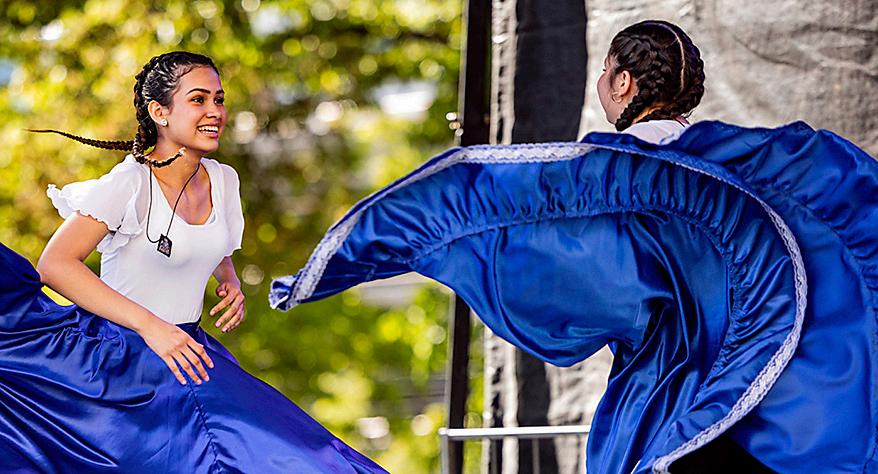
gender expression, and the experiences of gender-expansive communities. The showcase elevates local voices working in independent cinema while providing a platform for storytelling that reflects the diversity of gender experiences within Utah and beyond.
Organizers describe the event as part of an ongoing effort to support filmmakers whose work deals with identity, representation, and social issues. Screenings such as this have become an important outlet for emerging filmmakers searching for opportunities to show their work outside traditional festival circuits.
In addition to the film program itself, events like this often encourage discussion among filmmakers and audiences about the challenges and possibilities facing independent cinema in Utah, particularly for LGBTQ+ creators and stories that have historically received limited representation.
MARCH 26
Presented by MILK+. Named in honor of pioneering gay rights activist Harvey Milk, this recurring open mic night offers a welcoming stage for LGBTQ+ performers and allies to share creative work in a
supportive environment. The monthly showcase regularly features an eclectic mix of performers, including musicians, comedians, drag artists, poets, storytellers, and spoken-word performers.
The event has quickly grown into a lively gathering that celebrates queer creativity while encouraging emerging artists to try new material in front of a receptive audience. Organizers emphasize the importance of providing accessible performance opportunities that foster community connection and artistic experimentation. Each edition of the open mic typically features both first time performers and established local artists, making it an engaging evening for audiences interested in discovering new voices from Salt Lake City’s LGBTQ arts scene.
MARCH 28
Hosted by Under the Umbrella Bookstore at the Utah Museum of Fine Arts. Award-winning fantasy and science fiction writer Amal El Mohtar visits Salt Lake City to celebrate the release of her latest book, Seasons of Glass & Iron. The event will feature a reading from the new work followed by a conversation about the
book’s themes, writing process, and literary influences.
El-Mohtar is widely recognized for her imaginative storytelling and lyrical prose. She previously co-authored the critically acclaimed novel This Is How You Lose the Time War, which received multiple awards in the science fiction and fantasy community.
The evening will also include discussion and moderation by members of The Legendarium Podcast, a group known for its deep explorations of speculative fiction. Literary events like this provide an opportunity for readers to interact directly with authors while highlighting the growing role of Salt Lake City’s independent bookstores in encouraging literary culture.
MARCH 31
Hosted at the Utah Cultural Celebration Center.
Each year on March 31, communities around the world observe the International Transgender Day of Visibility, a day dedicated to celebrating transgender people while raising awareness about the challenges they continue to face.
The West Valley City event will include performances, speakers, community resources, and opportunities for attendees to connect with organizations serving transgender residents across Utah. Events marking the day often focus on both celebration and advocacy, highlighting the accomplishments of transgender individuals while stressing the importance of visibility and inclusion.
Organizers say gatherings
like this create space for community support and dialogue at a time when transgender issues remain a central topic in political and cultural discussions nationwide.
APRIL 4
Hosted at Brighton Ski Resort.
Pride Ride Utah returns to the slopes of Brighton Ski Resort for a day combining winter sports with LGBTQ community celebration. The event invites skiers and snowboarders of all experience levels to participate in a day of riding, socializing, and building community on the mountain. Participants often decorate gear with rainbow flags and pride-themed apparel, creating a vibrant and visible gathering of LGBTQ outdoor enthusiasts and allies. Events such as Pride Ride highlight the growing presence of LGBTQ communities within outdoor recreation spaces traditionally viewed as less inclusive.
Organizers say the goal is to create an environment where LGBTQ athletes and outdoor lovers feel welcome while also encouraging greater visibility in Utah’s ski and snowboarding culture.
APRIL 15
Presented by the Utah Film Center.
This screening of Sanctuary will be followed by a panel discussion featuring the film’s co directors, Autumn McAlpin and Vienna Boyes, along with architect Doug Staker, who contributed to the project’s design elements. The film explores themes
of safe space, identity, and community through both narrative and documentary storytelling approaches. Following the screening, the filmmakers and moderator from the Utah Queer Film Festival will discuss the creative process behind the project and its relevance to broader conversations about architecture, belonging, and the spaces communities build for themselves.
Events like this highlight Utah’s growing independent film scene and the collaborative relationships forming between filmmakers, artists, and community organizations.
MARCH 9 – APRIL 18
Presented by the Salt Lake City Public Library at the Main Branch.
This multi-week exhibition features visual artwork created by transgender artists
and allies with themes of identity, resilience, and community. The show includes a range of media—from painting and photography to mixed-media installations—reflecting diverse artistic approaches to storytelling through visual art.
Organizers say the exhibition was designed both as an artistic showcase and as a platform for greater visibility of transgender voices within Utah’s arts community. Visitors to the exhibition can expect deeply personal works that address both the joys and challenges of gender identity while celebrating the creativity of artists whose perspectives are commonly underrepresented in mainstream gallery spaces. By hosting the exhibition in a highly accessible public venue, the library hopes to encourage broader engagement with transgender artists and foster conversations about representation, visibility, and how art can share lived experiences. Q

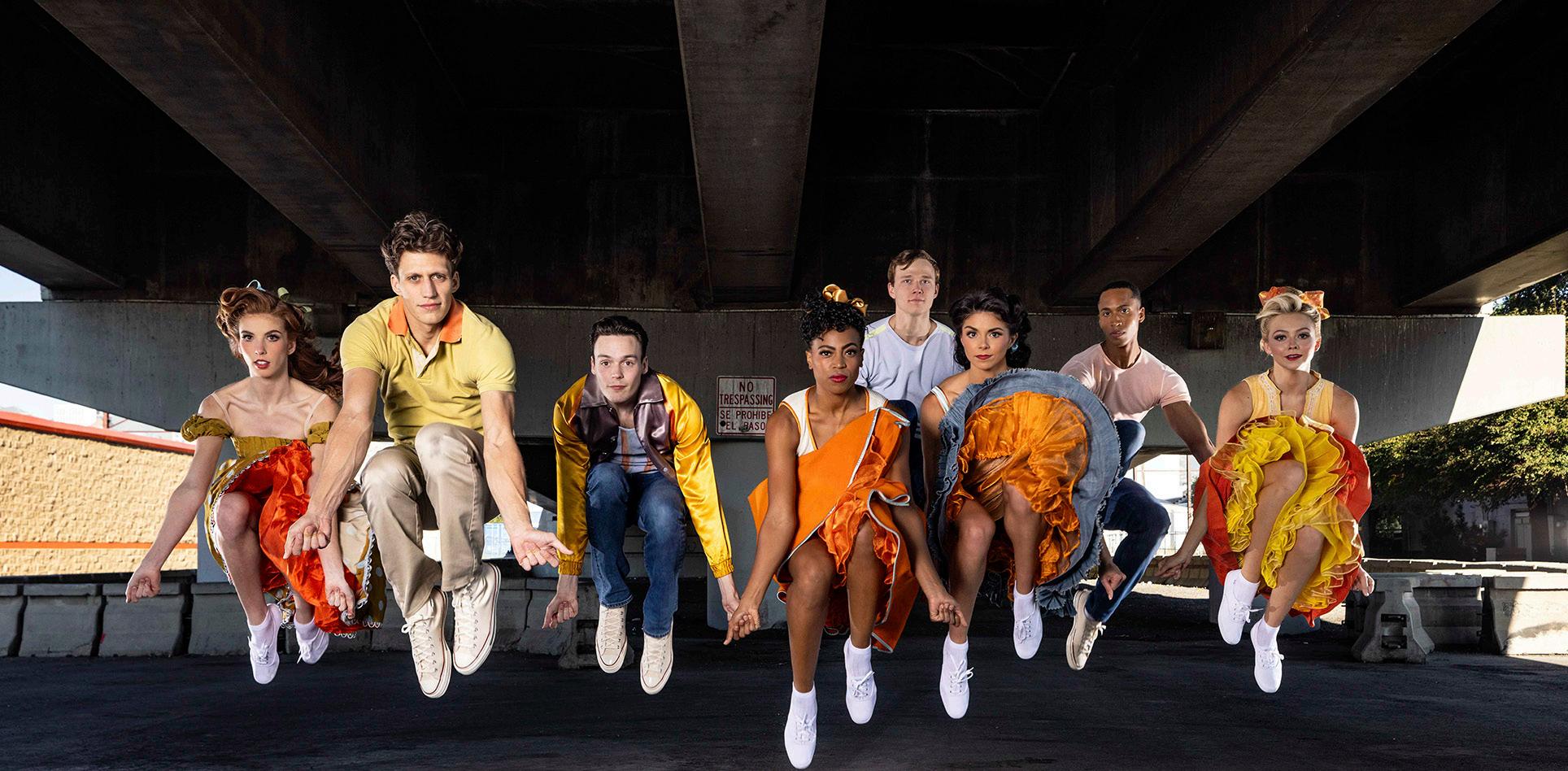
BY SCOTT C. MORGAN
Utah’s LGBTQ+ community can find plenty to connect with in Ballet West’s “West Side Story: Broadway and Beyond,” which not only showcases the work of two globally famous gay choreographers but also features ancient Greek and contemporary queer connections.
“Both [choreographers], JEROME ROBBINS and CHRISTOPHER WHEELDON , have had renowned careers both on the Broadway stage, but also in the ballet world,” said Ballet West Artistic Director ADAM SKLUTE
Indeed, Robbins (1918–1998) won Tony Awards for choreographing the original Broadway runs of “Fiddler on the Roof,” “High Button Shoes,” and “West Side Story” (the latter co-choreographed with Peter Gennaro). Wheeldon, a 53-year-old U.K. native, won choreography Tony Awards for the Michael Jackson musical “MJ” in 2022 and “An American in Paris” in 2015.
All four of the featured pieces in “West Side Story: Broadway and Beyond” were originally created for the New York City Ballet. On the show-
biz “Broadway” side are Wheeldon’s 2005 duet “Carousel: A Dance” featuring music from the 1945 Rodgers and Hammerstein musical “Carousel,” plus Robbins’ “West Side Story Suite.”
The “Beyond” pieces are more abstract contemporary ballets. Wheeldon’s “After the Rain Pas de Deux” is drawn from a larger 2002 work featuring music of Estonian composer Arvo Pärt. Robbins created “Antique Epigraphs” in 1984 for an ensemble of eight women inspired by classical Greek friezes, and it features an orchestrated version of Claude Debussy’s “Six Epigraphes Antiques.” This 1914 piano piece was written to accompany Pierre Louys’ “Chansons de Bilitis,” which are French interpretations of ancient Sappho’s poetry.
The most famous of the four pieces is “West Side Story Suite,” which premiered in 1995. It’s an outgrowth of the 1989 Tony Award-winning stage revue “Jerome Robbins’ Broadway,” which concluded its first act with a suite of dances from the iconic 1957 musical “West Side Story” by gay or bisexual creators Robbins (original concept, direction and choreography), Arthur Laurents (book), Leonard Bernstein (score) and Stephen Sondheim (lyrics). Robbins notably added new choreography to the “West Side Story Suite” by including “Something’s Coming.” This
early Act I song is typically just sung, not danced, in the musical by the updated “Romeo and Juliet” character, Tony.
Gay dancer Robert La Fosse played Tony in both “Jerome Robbins’ Broadway” and the 1995 debut of “West Side Story Suite.” Sklute said La Fosse will be in Salt Lake to help reset “West Side Story Suite” on Ballet West’s dancers.
“Ours is a company of theatrical artists,” said Sklute about the Ballet West ensemble tackling “West Side Story Suite.” “They get to be dancers, but they also get to be characters and individuals.”
Ballet West usually doesn’t conduct singing auditions. But Sklute said vocal tryouts are part of the licensing agreement for any ballet company staging “West Side Story Suite.”
“The dancers have to sing ‘Somewhere’ at the very end,” Sklute said. “A number of the women sing ‘America,’ and Riff has to sing ‘Cool’ and dance it, too.”
For the “West Side Story Suite,” Ballet West is also bringing in high profile guest artists.
GEORGINA PAZCOGUIN , a former
New York City Ballet dancer and veteran of the 2016 Broadway revival of “Cats,” is set to play the role of Anita (she sings and leads the rousing Act I number “America”). Pazcoguin learned the role of Anita in “West Side Story Suite” in part from the late Chita Rivera (1933–2024), who created the role on Broadway.
Ballet West is also welcoming Salt Lake native and former New York City Ballet dancer ROBERT FAIRCHILD to play Tony, the romantic lead. Fairchild is a 2015 Best Actor Tony Award nominee who starred as Gene Kelly’s Jerry Mulligan in Wheeldon’s “An American in Paris” in Paris, New York, London, and many cities across Australia. There’s another “Cats” connection, since Fairchild starred as Munkustrap in the 2019 film version. Fairchild also has publicly come out of the closet after a 3-year heterosexual marriage ended in 2017. Fairchild recently discussed his past as a former convert to the Church of Jesus Christ of Latter-day Saints who enrolled himself in conversion therapy at the age of 19 in a January 2026 episode of Louis DeFelice’s ballet podcast “Notes on Stage.”
“It always comes down to the cast, and I felt like we have a great company for this,” Sklute said. “I started in musical theater before I even started dancing, so I really connected with (‘West Side Story Suite’) when it entered the repertoire of New York City Ballet in the 1990s. I thought one day we should be doing this at Ballet West.” Q “West Side Story: Broadway & Beyond” plays six performances only from April 10 to 18 at the Janet Quinney Lawson Capitol Theatre, 50 W. 200 S.. Tickets are $36–115. Call 801-869-6920 or visit SaltLakeCountyArts.org/events or BalletWest.org.
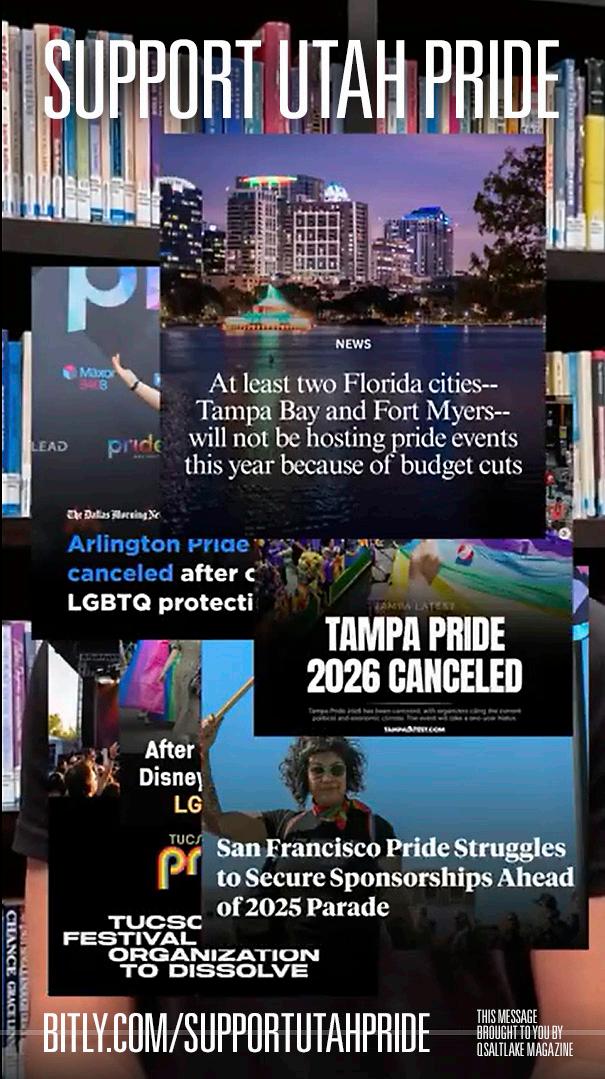
BY MARIA ELENA PEREZ
Miller understands the importance of visibility for many people living with HIV. As a Black queer woman sharing her life openly online, Miller has built a platform on and off social media rooted in honesty, joy, and community — challenging longstanding stereotypes about what it means to live with HIV today.
In this Q&A, Miller spoke to TheBody about why she chose to tell her story publicly, how she confronts stigma, and how she sustains hope and selfcare while navigating activism in an increasingly stressful political moment.
What motivated you to start sharing your HIV story online, and what was the moment you realized people were really listening? I started sharing because I was tired of silence. As a Black queer woman living with HIV, I did not see myself reflected in the narratives that were out there. HIV stories were either overly clinical or overly tragic. I wanted to show that you can be joyful, ambitious, sexy, political, and still living with HIV.
The moment I realized people were really listening was when I started getting messages from other Black women saying, “I’ve never seen someone talk about this like you do,” or “You make me feel less alone.” That is when it clicked for me that visibility is not vanity; it is service. It is survival. When people see you thriving, it disrupts the lie that HIV is the end of your story.
Perez: There is still so much stigma surrounding HIV, especially in Black and Brown communities. How did you navigate around that stigma, and what can we do to combat it The stigma is real. It is layered with racism, sexism, homophobia, transphobia and medical distrust. I navigated it by grounding myself in community. I did not try to carry it alone. I found other people living with HIV who were honest, brilliant and unapologetic. That changed everything. Combating stigma requires more than awareness campaigns. We need accurate education about U=U [undetectable equals untransmittable]. We need faith leaders, family members and cultural influencers to speak truth publicly. We need to stop whispering about HIV like
it is a moral failure. And we need to invest in people living with HIV as leaders, not just as testimonials. The more we are in positions of power and visibility, the harder it is to dehumanize us.
Perez: For people living with HIV who worry about dating or long-term relationships, what would you want them to know based on your own love story? I would want them to know that you are not damaged goods. You are not a burden. You are not “lucky” if someone loves you. You are worthy of deep, intentional, healthy love and multiple orgasms.
There was a time when I wondered if my diagnosis would make people hesitate. I questioned whether I would always have to overexplain myself or prove my worth. What I learned is that the right person does not see HIV as a flaw to tolerate — they see you as a full human being.
In my relationship, what matters is honesty, communication and mutual respect. Yes, disclosure is important. Yes, education matters. But what mattered most was that I showed up confident in who I am.
When you do not shrink yourself, you
give other people permission to meet you at your level. The love I have now is rooted in truth. There is no hiding. There is no walking on eggshells. There is peace.
I am happy because my relationship is not defined by diagnosis. It is defined by partnership, laughter, shared vision, and choosing each other every day. HIV is a part of my life, but it is not the headline of our love story.
So, to anyone scared that a diagnosis disqualifies them from marriage, intimacy, or long-term commitment, I want you to hear me: You are not damaged goods. You are not a burden. You do not have to accept crumbs. You deserve the kind of love that feels steady and expansive. The kind where you can exhale. And it exists; my partner and I are proof.
Perez: How do you balance activism and self-care during politically stressful times for people living with HIV? I used to think rest was a reward. Now I understand it as a strategy. Burnout helps no one. If we are fighting systems that want us exhausted, then rest becomes resistance. I balance activism and self-care by building rhythms instead of waiting for a crisis. Therapy. Time offline. Movement. Herbal support. Laughter. Reality TV. Real conversations with people who know me beyond my title. I also delegate. I do not have to carry every fight personally. Collective leadership is protective. The work is long. We have to
treat ourselves like we plan to be here for decades.
Perez: What gives you hope when the political landscape feels overwhelming, and how do you turn that hope into action? What gives me hope is my people. I have seen what happens when people living with HIV organize. We have changed laws, shifted funding and forced institutions to listen. History reminds me that progress has never come from comfort — it resulted from collective pressure. When things feel overwhelming, I zoom out, and then I zoom in. Zoom out to remember the bigger arc of justice. Zoom in to ask, what can we move this month? This quarter? Who can we mobilize? Hope for me is not passive. It is tied to strategy. It looks like training new leaders, writing policy demands, showing up at hearings, [and] building community spaces where people feel powerful again.
I believe deeply that thriving while living with HIV is revolutionary. And I am not interested in surviving quietly. I am interested in building a future where the next generation does not have to fight the same battles. Q
This interview has been edited for clarity. Marnina Miller is co-executive director of the Positive Women’s Network-USA. She also works with the Southern AIDS Coalition, The Well Project, Youth Across Borders, NMAC, and Health Not Prisons Collective. This column originally appeared on TheBody.com and is a project of THEBODY, PLUS, POSITIVELY AWARE, POZ and Q Syndicate, and QSaltLake Magazine. Visit their websites for the latest updates on HIV/AIDS.


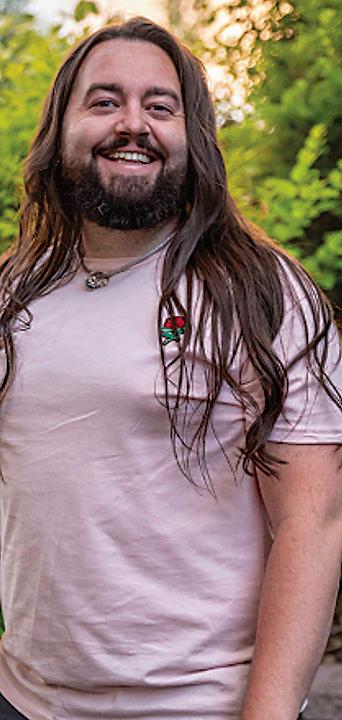


REVIEW BY TERRI SCHLICHENMEYER
‘La Lucci’ by Susan Lucci with Laura Morton C.2026, BLACKSTONE PUBLISHING, $29.99, 196 PAGES

They’re among the world’s greatest love stories. You know them well: Marc Antony and Cleopatra. Abelard and Heloise. Phoebe and Langley. Cliff and Nina. Jesse and Angie, Opal and Palmer, Palmer and Daisy, Tad and Dixie. Now read “La Lucci” by Susan Lucci, with Laura Morton, and you might also think of Susan and Helmut. When she was a very small girl, Susan Lucci loved to perform. Also when she was young, she learned that words have power. She vowed to use them for good for the rest of her life. Her parents, she says, were supportive and her family, loving. Because of her Italian heritage, she was “ethnic looking” but Lucci’s mother was careful to point out dark-haired
BY SAM KELLEY-MILLS
ARIES March 20–April 19
April shifts your focus from pursuit to presence. There’s power in staying instead of chasing. Let connection build naturally, and you’ll find that desire deepens when it’s not rushed but fully felt.
TAURUS Apr 20–May 20
Comfort expands into something more intentional this month. You’re craving depth within the familiar. Slow down and savor each moment, allowing connection to unfold with both ease and meaning.
GEMINI May 21–June 20
Conversations carry more weight now, even when they feel light. There’s something
beauties on TV and elsewhere, giving Lucci a foundation of confidence.
That’s just one of the things for which Lucci says she’s grateful. In fact, she says, “Prayers of gratitude are how I begin and end each day.”
She is particularly grateful for becoming a mother to her two adult children, and to the doctors who saved her son’s life when he was a newborn.
Lucci writes about gratitude for her long career. She was a keystone character on TV’s All My Children, and she learned a lot from older actors on the show, and from Agnes Nixon, the creator of it. She says she still keeps in touch with many of her former costars.
She is thankful for her mother’s caretakers, who stepped in when dementia struck. Grateful for more doctors, who did heart-saving work when Lucci had a clogged artery. Grateful for friends, opportunities, life, grandchildren, and a career that continues.
And she’s grateful for the love she shared with her husband, Helmut Huber, who died nearly four years ago. Grateful for the chance to grieve, to heal, and to continue.
And yet, she says of her hus-
real beneath the playfulness. Be clear with your intentions, and watch how quickly curiosity turns into something lasting.
CANCER June 21–July 22
Your openness continues to draw others in, but April asks you to trust it fully. Let yourself be seen without retreating. The right connection won’t overwhelm you, it will meet you where you are.
LEO July 23–August 22
Attention feels less important than alignment now. You’re drawn to those who understand you beyond the surface. Let yourself be known without performance, and connection will feel more genuine than ever.
VIRGO August 23–Sep 2
You’re learning that not everything needs to be refined to be meaningful. Let moments be imperfect and real. There’s a quiet
band: “He was never timid, but I know he was afraid at the end, and that kills me down to my soul.”
“It’s been fifteen years since Erica Kane and I parted ways,” says author Susan Lucci (with Laura Morton), and she says that people still approach her to confirm or deny rumors of the show’s resurrection. There’s still no answer to that here (sorry, fans), but what you’ll find inside “La Lucci” is still exceptionally generous.
If this book were just filled with stories, you’d like it just fine. If it was only about Lucci’s faith and her gratitude – words that happen to appear very frequently here – you’d still like reading it. But Lucci tells her stories of family, children and All My Children, while also offering help to couples who’ve endured miscarriage, women who’ve had heart problems, and widow(ers) who are spinning and need the kindness of someone who’s lived loss, too.
These are the other things you’ll find in “La Lucci,” in a voice you’ll hear in your head, if you spent your lunch hours glued to the TV back in the day. It’s a comfortable, fun read for fans. It’s a story you’ll love. Q
intimacy growing when you allow things to unfold without control.
LIBRA Sept 23–October 22
Harmony comes from honesty this month. You’re stepping into a more grounded version of yourself. Choose what feels true over what simply keeps the peace, and connection will feel more fulfilling.
SCORPIO Oct 23–Nov 21
Intensity softens into something more sustainable. You’re still deep, but less guarded. Let someone in without overanalyzing it. Trust that connection doesn’t have to be tested to be real.
SAGITTARIUS
Nov 22–December 20
There’s a shift from movement to meaning. You’re drawn to experiences that feel emotionally engaging, not just exciting. Stay
present, and you’ll find connection in places you didn’t expect.
CAPRICORN Dec 21–Jan 19
You’re loosening your grip just enough to let something real in. Structure gives way to feeling. Let yourself experience connection without needing to define it right away.
AQUARIUS Jan 20–Feb 18
Authenticity continues to guide your connections. You’re drawn to those who feel easy and natural. Let things evolve without overthinking, and trust what feels steady and real.
PISCES Feb 19–Mar 19
Your intuition is especially clear this month. You’re sensing what’s genuine without needing words. Follow that quiet knowing, and let connection develop at its own pace. Q
Greg Fox
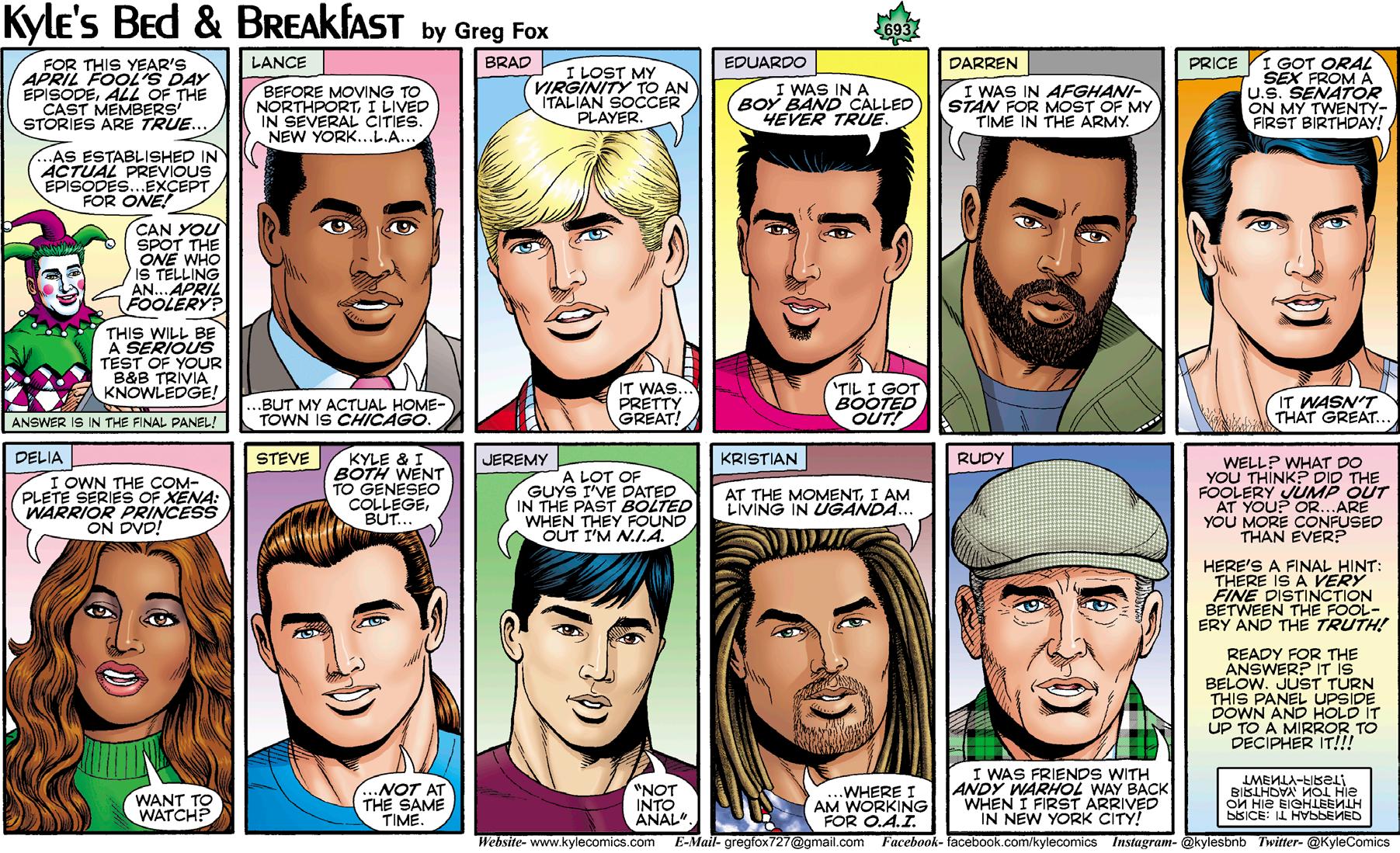
46 Warship group
49 Michael Jackson’s ex, familiarly
1 Praises profusely
Type of personal lubricant
Georgeís sitar teacher
City on the Ruhr
Eight, in Ecuador
“I ___ no mood to argue!”
17 Start if a quote by 52-Across 19 Divide with a comb 20 High-ranking angels 21 Swinger’s joint?
22 “Out of Africa” author Dinesen 23 Disney lamp rubber
25 More of the quote 29 Grip tightly 30 Enjoys Quentin Crisp 31 Ending for velvet
Lickety-split
Language of Bangkok
End of the quote
Rabble, for short
52 First major presidential candidate (1984) to name queer Americans in a convention speech
54 Cheerios, once 55 Diva’s offering 56 Lent a hand to 60 Former South Korean president 61 Clark of Superman fame
62 Drink slowly 63 Changes colors 64 Slight advantage
65 Get wind of DOWN 1 “I’m game!”
2 Arthur of the AIDS Quilt 3 Person with a PC
Gets off the track 5 Grabs greedily
Lewinsky, and others 7 Very long-range projectile
HBO competitor 9 Stranded driver’s need
10 River challenges
11 Bearse of “Married... with Children”
12 Madonna’s “Like a ___”
13 Have in mind
18 Peter, Paul, and Mary’s “If ___ a Hammer”
21 Harry and family
23 With a wide-open mouth
24 Young boy
25 Chilled, as tea
26 NY Met, for example
27 Fop prop
28 “Kiss From a Rose” singer
32 WWI troop group
33 Metal named for Greek deities
34 Stage show with “Sodomy”
35 “No” voter
36 Voyeur’s confession?
38 Prepares to go out
39 Money from ticket sales
41 Sites for three women in a tub
42 Laments
44 Like bell-bottoms
Patrick
50 It tops the cake
51 Imitate Dick Button
53 Gyllenhaal of “Brokeback Mountain”
57 Eminem’s mentor
58 Immigrant ed. choice
59 “Runaway” singer Shannon
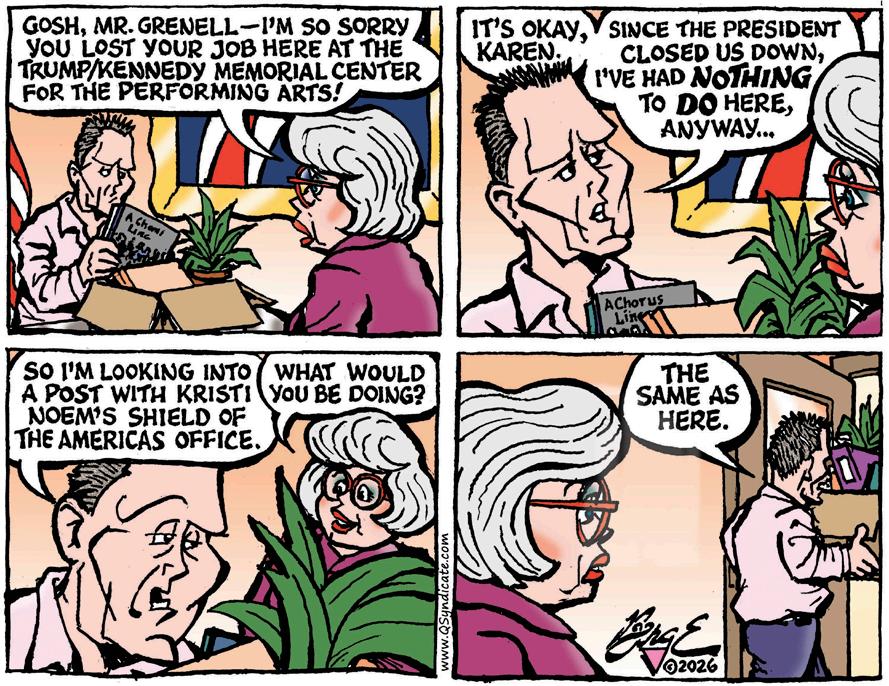

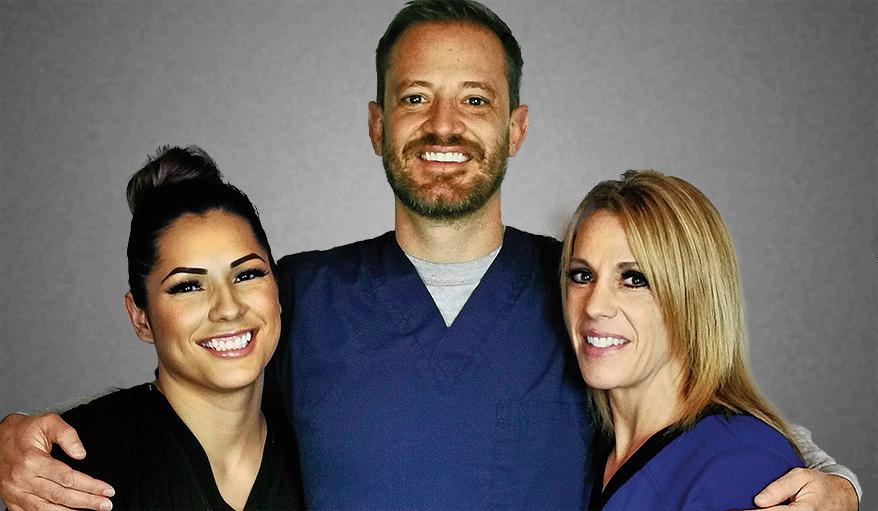
BY SEBASTIAN FORTINO
a long time, I was afraid of teenage boys. My high school experience was not one of bullying by jocks or “cool kids.” After being tormented in grade school, my small prep school in Philly was welcoming. I was a cool kid. We didn’t have jocks, as the school was academic in nature. Sports were regulated to exercise or soccer in a local park.
That park, I later learned, was once a gay cruising spot. Called, affectionately, Judy Garland Park.
I was not the closeted boy only welcomed by girls. I had lots of straight guy friends. After I came out and embraced being a twink in Manhattan, I noticed something: If I was on the subway and a group of teenage boys got on, I put my head down.
I’m a history nerd, when reading Antonia Fraser’s biography of Elizabeth I on the subway, I’d peel the cover back. Walking through the city was no different. If I was walking headfirst into a group of teenage boys I’d duck into a doorway. There was an urban legend that skateboards were used to gay bash. So, any boys with skateboards made me panic. Later, I got on my Nokia pretending to have a conversation.
In my current day job, I sell clothes at the town’s only department store. This is my third year in the Four Corners selling menswear. Teenage boys shopping for prom purchase their suits ready to wear. Rarely will they order a custom design. Where would they wear it after prom?
Imagine my surprise when selling a custom suit for a teenage auctioneer:
“Oh, we love antiques!”
“No, sir, cattle auction. If you need a cow, come see me.”
Currently, but maybe later, we don’t need a cow.
Last year, I sold about 100 suits. As we enter prom season the number should be roughly the same. Generally these are nice, church-going lads. Except for
one boy from last year who asked if I could measure him “down there.” I felt that panic from the subway.
Most of the young men come in with mom or dad. One father said no to anything slim fit. “After LDS prom,* he’s going on mission. He doesn’t need slim cuts.” Yet, the father bought the slim cut, as it looked best.
*To readers raised LDS, I did not know a separate LDS prom was a thing.
Yesterday, at closing, I had a group of several boys. Their alpha was there for a suit. He wore dirty baseball pants, two had swim team goggles around their necks. Jocks!
I call them Prombies. Instead of saying “brains” they just say “prom.” They have all the braggadocio of a boulevardier or flâneur. Words describing the main character in my favorite novel “Bel ami” by Guy de Maupassant.
Not a certain adult film company.
Prombie also comes from my asking them to make “zombie arms” to see if the cuff on the jacket is the right length.
“How can I help you, fellas?”
This species responds well to fellas. Maybe my use of the word makes them know I was once a teenage boy.
Another boy, this one wearing a Broncos tee-shirt, responded.
“My buddy needs a suit for prom. You helped me last year. Can you…” here was my trigger, “… measure him? He got bigger.”
I flashed back to the nasty kid from last year and must have looked panicked.
“His chest. He wants a fitted suit this year.”
I breathed a sigh of relief. Not only was he respectful but the alpha looking for a suit turned around and smiled. His “girl” wanted him to wear something new.
I didn’t want to use my tape measure. I’d have to wrap the tape around his chest. What if being polite was a ruse? I guessed his chest measurement, handing him a 42R. Perfect fit.
His other friend, with a diamond in his nose, asked to be measured. I wondered, was he their gay friend? I don’t measure the inseams of teenage boys. I do the inseam by process of elimination. Because a chest measurement for suits is neutral territory. As nice as my rural customers are, I refrain from inseams. I don’t want any conservative father screaming, “Why’d you stick your tape measure in my son’s crotch?”
The boys continued their banter. “He can’t dress right. When he comes outta the dressing room tell’im he looks awful. Then, get the ugliest tie you have. Tell’im he looks great!”
The next 10 minutes or so I felt like one of the boys. The golden laughter of their boyhoods recalled the remembered peals of my own.
“So, It’s cheaper to rent, right,” asked the alpha with no taste in clothes.
“No, it costs more,” Look at me, dropping knowledge.
“See, I told you,” said my repeat customer. “Sebastian knows his shit.”
Buying your first suit, represents growing from boys into young men. We can say cis-gendered young men. But I’ve also measured suits for gender non-conforming women for prom. So, for this, and our reality, we’ll say it’s a right of passage for teenagers who like suits.
And, I’m no longer afraid of teenage boys. Q


BY PETUNIA PAP SMEAR
home from the doctor’s office is fraught with danger and excitement.
I entered my medical clinic with much reluctance, because I knew that things were going to be unpleasant. My heart began pounding intensely when the handsome nurse came into the waiting room to get me. He was the most beautiful, tall, dark, and handsome piece of God’s creation that I had ever had the privilege of lusting over. He led me down a very narrow hallway. It was the kind of hallway that one would have to turn sideways in order to pass someone else. In fact, it was narrow enough that due to my caftan-bursting commodious blubbernaught of a physique taking up all the room, I would need to press intimately up against the body of any passerby.
He led me into a small room that had a padded exam table, which I thought could easily function as a makeshift bed. The space was about the size of an average room that one might find in a bathhouse. However, the garish lighting was brightly fluorescent, thereby showing every single flaw in my makeup and fading out my beautiful pink beehive wig. There was no TV playing porn, and the music playing over the sound system was calm elevator music, not the deep resonant thump, thump, thump of dance music I was used to hearing in such a small room. His name tag said “Trent.” Oh, what a glorious name. I imagined myself screaming out “Trent” in the throes of passion so loudly that the neighbors would call the cops on me for disturbing the peace. My revelry faded quickly as this encounter took a not-so-glamorous turn when we entered the examination room. Our banter involved more awkward conversation starters than a family reunion. And when the doctor joined us, I received more poking and prodding (but not the fun kind) than I usually get on a successful night in a bathhouse. Subsequently, the doctor left Trent and me alone in the tiny room. My hopes began
to rise again. Then Trent spoke the words that every geriatric queen longs to hear, “Turn around, drop your drawers, and brace for impact.” Then I heard him say, “Prepare yourself, I’m going to give you an injection in your ass.” Oh, the passion! Oh, the danger of being caught! Oh, the lack of lube! Oh, the bad lighting! My revelry was brought back down to earth as Trent began to explain that he was going to give me an injection of medicine rather than the “hot beef injection” I had so wildly imagined and desired.
To my horror, Trent then produced a syringe and needle that looked to be much larger and longer than I thought should be necessary. Trent then began what I could only describe as an imitation of Captain Ahab in his pursuit of Moby Dick, while he harpooned my “great white ass.” I heard him quietly giggling as I was pulling my pants back up. I began to regret having worn my best Star Trek Captain Kirk underwear. The only thing that saved Trent from me hitting him with my purse was that he was so gorgeous, and he was still armed with that gawd-awful harpoon.
After being released from the exam, I emerged from the clinic building with one singular craving: an ice cream cone from McDonald’s. Surely, I deserved this tiny, creamy triumph over adversity. With hope in my heart and a prescription in my purse, I pointed Queertanic, my beloved 1975 Buick Electra 225 land yacht, toward the Golden Arches, humming a tune of frosty anticipation.
For reference, Queertanic was the largest production car that Detroit ever produced. One time, I parked beside a 60-person school bus. I got out and measured, the bus was only five feet longer and one foot wider than Queertanic
After carefully maneuvering said Queertanic into the narrow McDonald’s drive-thru, fate (and a suspiciously cheerful cashier) had other plans.
“Sorry, our ice cream machine isn’t working,” she chirped, dashing my
dreams in cold, fluorescent light. Undeterred yet still determined, I sought out a second McDonald’s, convinced the universe wouldn’t be so cruel twice. Spoiler: it was. The second machine, too, had “technical difficulties,” which I suspect is code for “taking a nap.” My spirits, like the elusive vanilla swirl, began to melt. But never let it be said that Petunia Pap Smear surrenders at the first or even the second sign of foiled desserts. I pressed on to the Arctic Circle, where, lo and behold, the machine whirred like a vibrator with fresh batteries. There, bathed in the glow of neon signage, I finally held my ice cream cone aloft like Excalibur — victorious, gloriously sweet, and a little drippy. As I licked my hard-won prize in the parking lot, I reflected: life is full of disappointments, but sometimes, if you’re persistent (and willing to drive across town), you get your happy ending and your ice cream cone, too.
This story leaves us with several important questions:
1. Could my heart jumping for joy have actually been my A-Fib acting up?
2. If my car is bigger than a school bus, does that make me the captain of the Queertanic?
3. Did my Star Trek Captain Kirk underwear help me boldly go where no patient had gone before?
4. Was Trent’s needle longer than Queertanic on a good day?
5. Was this Trent’s version of catch and release of a great white whale?
6. Should I have just asked Trent for a cold compress instead of chasing ice cream across town?
7. Is “technical difficulties” McDonald’s code for “we’re eating all the ice cream ourselves”?
8. If Arctic Circle’s machine had been broken too, would I have just licked the neon sign?
These and other eternal questions will be answered in future chapters of The Perils of Petunia Pap Smear. Q
BY CHRISTOPHER SNOW
Thelease was 37 pages long, which felt personal.
They were all crammed around the dining table, except Mateo, who was pacing, and Alex, who was upside down on the couch like gravity might offer insight.
“I swear this wasn’t here before,” Paige said, flipping pages with surgical precision. “This addendum—‘Behavioral Compliance Clause.’ That is not standard.”
Jonah rubbed his temples. “It says the landlord can impose ‘reasonable conduct guidelines’ to preserve neighborhood harmony.”
“Neighborhood harmony is straight code for ‘don’t be loud and queer,’” Eli said.
Nora stabbed a highlighted paragraph. “And this part about ‘occupancy reassessment’ — does that mean he can kick people out individually?”
“Yes,” Paige said. “With notice.”
Alex sat upright. “Wait. Individually?”
Mateo stopped pacing. “So he could decide, say, that one of us is a problem.”
Everyone looked at Mateo.
“What?” he said. “I host one drag karaoke night, and suddenly I’m the threat?”
“You host it weekly,” Jonah said.
Their phones buzzed almost in unison.
Another text. Same unknown number.
“Just a reminder: first inspection is Friday. Please ensure common areas are presentable.”
“It’s Tuesday,” Eli said. “That’s not legal notice.”
Grant had thought of that.
Alex groaned. “I can feel my chakras closing.”
The inspection happened exactly at 9 a.m. Friday. Grant arrived with a clipboard and a woman in a blazer who did not smile once. She took photos. Of everything.
The bookshelf. The art. The Pride flag draped over the banister.
Grant paused in front of it. “This,” he said gently, “might be better kept in private spaces.”
Nora stepped forward. “Touch that and lose the hand.”
Grant smiled. “Duly noted.”
Upstairs, the tension escalated. The inspector measured bedrooms. Counted toothbrushes. Opened closets.
When she reached Eli’s room, she frowned. “Two dressers?”
“I have layers,” Eli said. She wrote something down.
In Mateo and Jonah’s room, she lingered. “Only one bed?”
Mateo wrapped an arm around Jonah. “Monogamy. Try it.”
Grant chuckled. “That won’t be an issue—unless, of course, guests become habitual.”
“Define habitual,” Jonah snapped.
Grant closed the portfolio. “Three nights a week.”
Alex’s room was last. The incense. The crystals. The altar.
Grant tilted his head.
“Is this religious?”
Alex met his gaze. “Yes.”
Grant nodded. “Good. Religious expression is protected.”
Alex exhaled in relief.
Then Grant pointed
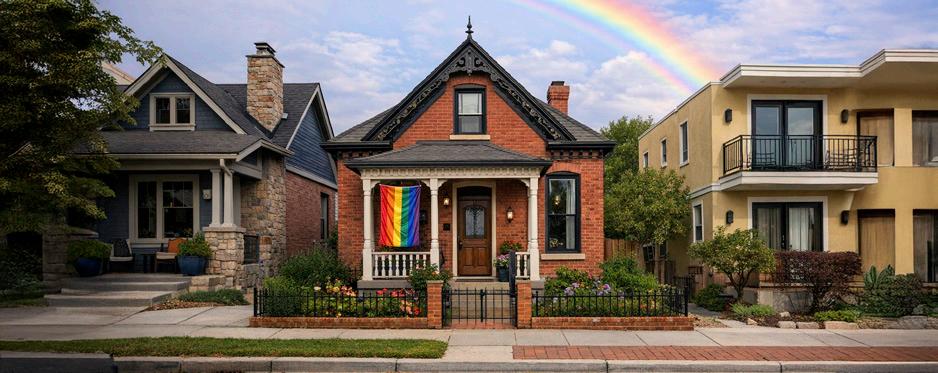
to the fire escape outside Alex’s window. “Though blocking emergency access with wind chimes is not.”
“They’re protective,” Alex said weakly.
Grant checked his watch. “I’ll be sending notices by Monday.”
After they left, the house felt smaller.
“They’re going to pick us off,” Mateo said. “One by one.”
Paige stood up. “Then we don’t let them.”
“How?” Eli asked.
Nora smiled grimly. “We document everything.”
Jonah’s laptop chimed.
“Guys,” he said quietly. “You need to see this.”
He turned the screen around.
Grant Whitaker. News article. Five years ago.
“Developer Sued for Displacement of Tenants in Portland Arts District.” Settlement. No admission of wrongdoing.
Below it, a photo.
Grant, smiling. Eli swallowed. “He’s done this before.”
Outside, the wind rattled the fire escape. And something heavy thumped against the side of the house. Q
Bricks & Rainbows of Marmalade is a 12-part series running through 2026. See previous issues on QSALTLAKE.COM
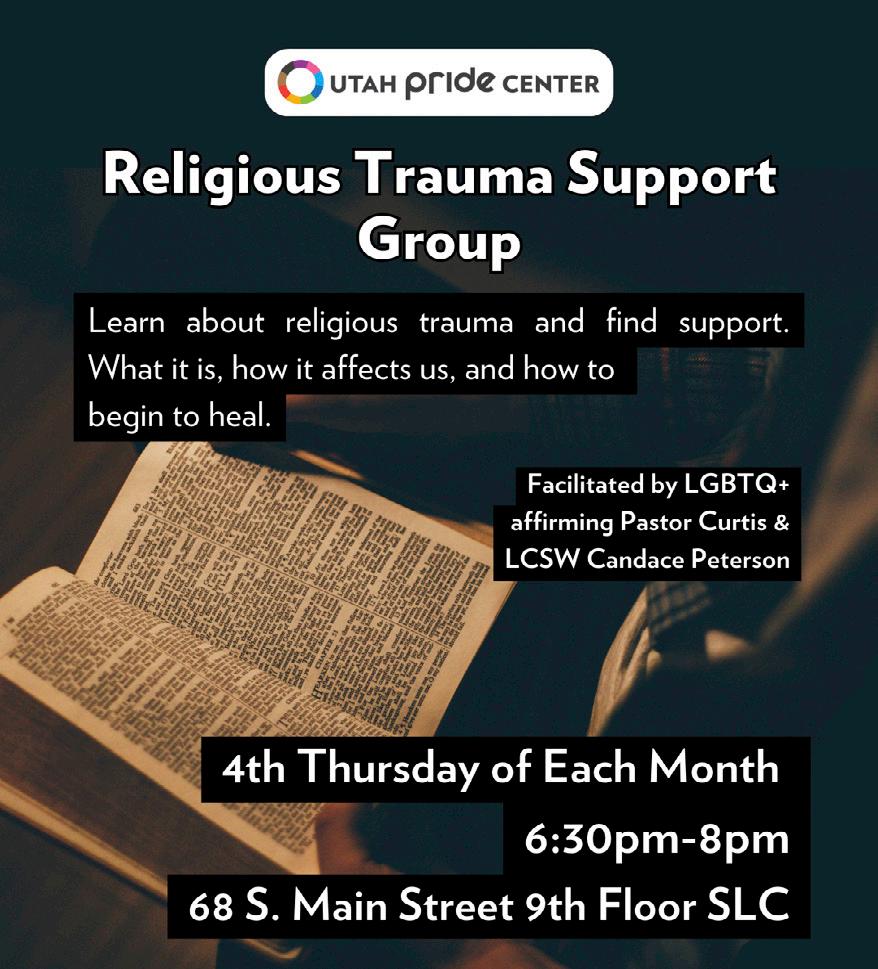
BUSINESS
LGBTQ+ Affirmative
Therapists Guild
lgbtqtherapists.com
* robin@lgbtqtherapists.com
Utah LGBTQ+ Chamber of Commerce
utahlgbtqchamber.com
* info@utahgaychamber.com
Utah Independent Business Coalition
utahindependentbusiness.org
801-879-4928
DOMESTIC VIOLENCE
National Domestic Violence Hotline
1-800-799-7233
YWCA of Salt Lake
YWCAUTAH.ORG
322 E 300 S 801-537-8600
HEALTH & HIV
Planned Parenthood
BIT.LY/ PPAUSLCHIV
654 S 900 E 801-322-5571
Salt Lake County Health Dept STD Clinic
SLCO.ORG/ HEALTH/STD-CLINIC/
610 S 200 E, 2ND FLOOR
WALK-INS M-F 8A-5P APPTS 385-468-4242
UAF Legacy Health
UAFHEALTH.ORG
150 S 1000 E 801-487-2323
Weber-Morgan Health
Mon., Weds 1-4:30p 477 23rd St, Ogden Appt 801-399-7250
HOMELESS SVCS
VOA Homeless Youth
Resource Ctr, ages 15—21
880 S 400 W 801-364-0744
LEGAL
Rainbow Law Free Clinic
2nd Weds 6-7:30pm
Olpin Student Union, Panorama East probono@law.utah.edu
POLITICAL
Equality Utah
equalityutah.org
* info@equalityutah.org
376 E 400 S 801-355-3479
Utah Libertarian Party
129 E 13800 S #B2-364 libertarianutah.org
866-511-UTLP
Utah Stonewall Democrats
utahstonewalldemocrats.org
fb.me/ utahstonewalldems
SPIRITUAL
Center for Spiritual Living
spirituallyfree.org
10:30 meditation, 11am celebration svc Sun
LGBTQIA+ support group 4th Sat, 11am
4516 S 700 E Ste 102
The Divine Assembly
thedivineassembly.org
10am Sunday worship
389 W 1830 S, SLC
11:15am meditation, 12:30pm mtg 532 E 800 N, Orem
First Baptist Church
firstbaptist-slc.org 11a Sundays
777 S 1300 E 801-582-4921
Mt. Tabor Lutheran Church 10:30a Sunday worship
175 S 700 E 801-328-0521
mttaborslc.org
Sacred Light of Christ
SLCCHURCH.ORG
823 S 600 E 801-595-0052
11A SUNDAYS
SOCIAL
Alternative Garden Club
UTAHAGC. ORG/CLUBS/ ALTGARDENCLUB/
* ALTGARDENCLUB@ GMAIL.COM
1 to 5 Club (bisexual)
E @1TO5CLUBUTAH
blackBOOTS Kink/BDSM
Men’s leather/kink/ fetish/BDSM 4th Sats; blackBOARD class, 2nd Tues; Leather Church 3rd Sundays at Try-Angles
BLACKBOOTSSLC. ORG
CUB Adventures
thecubadventures.com fb.com/groups/312955669422305/
Gay Men’s Sack Lunch Noon Weds.
utahpridecenter.org
68 S Main St 801-539-8800
Gay Men’s Support Group
Noon Wednesdays
utahpridecenter.org
68 S Main St 801-539-8800
Mindfully Gay
MINDFULLYGAY. COM
OWLS of Utah (Older, Wiser, Lesbian Sisters)
bit.ly/owlsutah
qVinum Wine Tasting
qvinum.com
Seniors Out and Proud
soaputah.org
E soaputah
* info@soaputah.org 801-856-4255
Temple Squares Square Dance Club
templesquares.org 801-449-1293
Utah Bears
utahbears.com
E utahbears
* info@utahbears.com
6pm Weds Salt Lake
Roasting Co 860 E 400 S
Utah Male Naturists
umen.org
fb.me/utahmalenaturists
* info@umen.org
Utah Pride Center
utahpridecenter.org
* info@utahpridecenter.org
1380 S Main St
801-539-8800
Venture OUT Utah
bit.ly/GetOutsideUtah
SPORTS
Cheer Salt Lake
CHEERSALTLAKE. ORG
EQ @ CHEERSALTLAKE
QUAC — Queer Utah
Aquatic Club
quacquac.org
* questions@ quacquac.org
7pm Tues, Thurs; 10:15am Sun, Fairmont
Aquatic Ctr, 1044
Sugarmont Dr. Salt Lake Goodtime
Bowling League
bit.ly/slgoodtime
Stonewall Sports SLC E SLCStonewall
stonewallsaltlakecity. leagueapps.com 385-243-1828
Utah Gay Football League E UtahGayFootballLeague
Venture Out Utah E Venture.OUT.Utah
SUPPCLASSIFIEDSORT
Alcoholics Anonymous
801-484-7871
utahaa.org
LGBTQ+ meetings: Sun. 3p Acceptance
Group, All Saints, 1710
Foothill Dr
Tues. 7p Live & Let Live, Mt Tabor Tues. 7p Pride in Recovery, Narcotics
Anon. UPC, 68 S Main Wed. 7p Sober Today, 1159 30th St , Ogden Wed. 7p Bountiful
Men’s Group, Am. Baptist, 1915 Orchard Dr, Btfl
Fri. 7p Stonewall
Group, Mt Tabor Lutheran, 175 S 700 E Crystal Meth Anon
crystalmeth.org
USARA, 180 E 2100 S Clean, Sober & Proud Sun. 1:30pm
Leather Fetish & Kink Fri. 8pm
Genderbands
genderbands.org
EQ @genderbands
LifeRing Secular Recovery
801-608-8146
liferingutah.org
Weds. 7pm, Sat. 11am
How was your week?
First Baptist, 777 S 1300 E
LGBTQ+ Affirmative Therapists Guild
lgbtqtherapists.com
* robin@lgbtqtherapists.com
YOUTH/COLLEGE
Encircle LGBTQ Family and Youth Resource Ctr
encircletogether.org
EQ @encircletogether
91 W 200 S, Provo, 190 S 100 E, St. George 331 S 600 E, SLC 81 E Center, Heber City Gay-Straight Alliance Network
gsanetwork.org
OUT Foundation BYU
theout.foundation
fb.me/theOUTfoundation
Salt Lake Community College LGBTQ+
slcc.edu/lgbtq/ UofU Student Pride Ctr Q uofupride
USGA at BYU
usgabyu.com
fb.me/UsgaAtByu Utah Valley Univ Spectrum
linktr.ee/spectrumqsa
uvu.edu/lgbtq/ * lgbt@uvu.edu
801-863-8885
Liberal Arts, Rm 126
Youth Discord Virtual Hangout
6p Wednesdays
Open to all youth 14-20. Email jay@ utahpridecenter.org to get access
Monday through Friday 3-5PM
AFTER-SCHOOL / QUIET STUDY
Students of all ages are invited! Get access to free Wi-Fi, computers, printers, and snacks.
Mondays
QUEER WOMEN’S PEER SUPPORT GROUP, 7-8pm
Peer-led support group for queer women and fem-identifying people 18+.
Tuesdays
GAY MEN’S PEER SUPPORT GROUP, 6:30-8pm
Open to men ages 18+ who identify as gay, bisexual, or questioning. It is a peer-led support group with discussions guided by volunteer facilitators.
PRIDE IN RECOVERY, 7-8pm
Weekly Narcotics Anonymous recovery meeting for LGBTQ+ adults 18+.
Wednesdays
GAY MEN’S SACK LUNCH, 12-1pm
Bring your lunch and enjoy lively conversations with other guys in the community. Open to gay men 18+.
YOUTH ONLINE PROGRAMS, 6-8pm
A welcoming, virtual space where LGBTQ+ youth can come together to talk, share experiences, and support each other. Open to youth 14-20. Email Jay at jay@utahpridecenter.org to get access to the UPC Youth DiSCORD.
Thursdays
YOUTH IN PERSON DROP IN HOURS, 4-8pm
The UPC History Library is a place to curl up with a good book. Check out. The Computer Lab is a good place to catch up on some homework. Welcoming ages 14–20 to join for fun, connection, and support
SIT & STITCH, 6-8pm 1st & 3rd
Mondays
Get your stitch on with friends! Bring your knitting, crochet, cross-stitch, or any other craft you’re working on. Meet new people, give/ receive crafting tips, and enjoy snacks, movies, and music in a safe, welcoming space.
GET CONNECTED TO HEALTH INSURANCE, 4-6pmfirst Tuesdays Utah Health Policy Project will help get you connected to an affordable health insurance plan no matter your current economic situation. Open to queer folx and allies. No appointment required.
RELIGIOUS TRAUMA SUPPORT GROUP, 6-8pm, 1st & 3rd Tuesdays
Religious trauma among the LGBTQ+ community looms large and has left deep wounds for many. Right now in the world (and in Utah particularly), the religious culture can make coming out and becoming one’s true self a difficult and costly process. Often it means losing family, losing community, and losing faith. UPC is proud to offer a monthly support group for those with Religious Trauma to help understand what it is, how it affects us, and how to begin to heal. Our dear friends Pastor Curtis and LCSW Candace Peterson will be there to help facilitate the discussion.
More info at UTAHPRIDECENTER.ORG

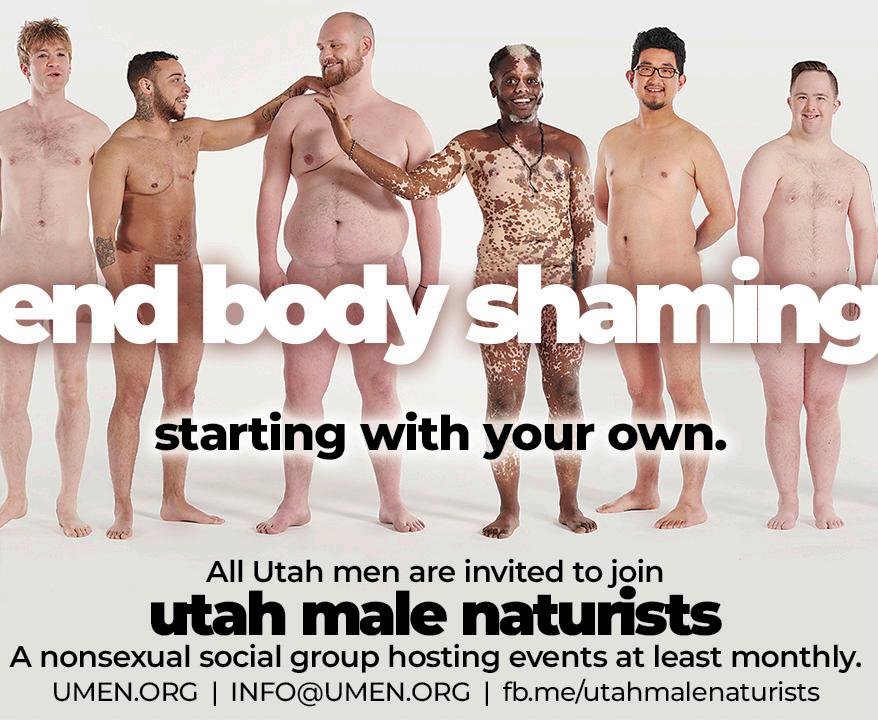

Our Vision is to reduce social isolation and loneliness, improve the health and well-being of older adults and to empower them to lead meaningful and connected lives in which they are engaged and participating in the community.
Our Mission is to reimagine aging by empowering older adults to live life to the fullest potential guided by these five pillars:
• Cherish the Journey
• Encourage the Body
Recent events: Snowshoeing, Bingo, Valentines Pot Luck & Dance, Movie Night, Walking Groups, Theater groups
• Inspire the Mind
• Nurture the Spirit
• Empower the Future
Find us at SeniorsOutAndProudUtah.org and Facebook.com/SOAPUtah