Cultivating community and compassion
Grow Hope project spreads across Saskatchewan
By Kim Umbach
Alongside Hope Volunteer Coordinator
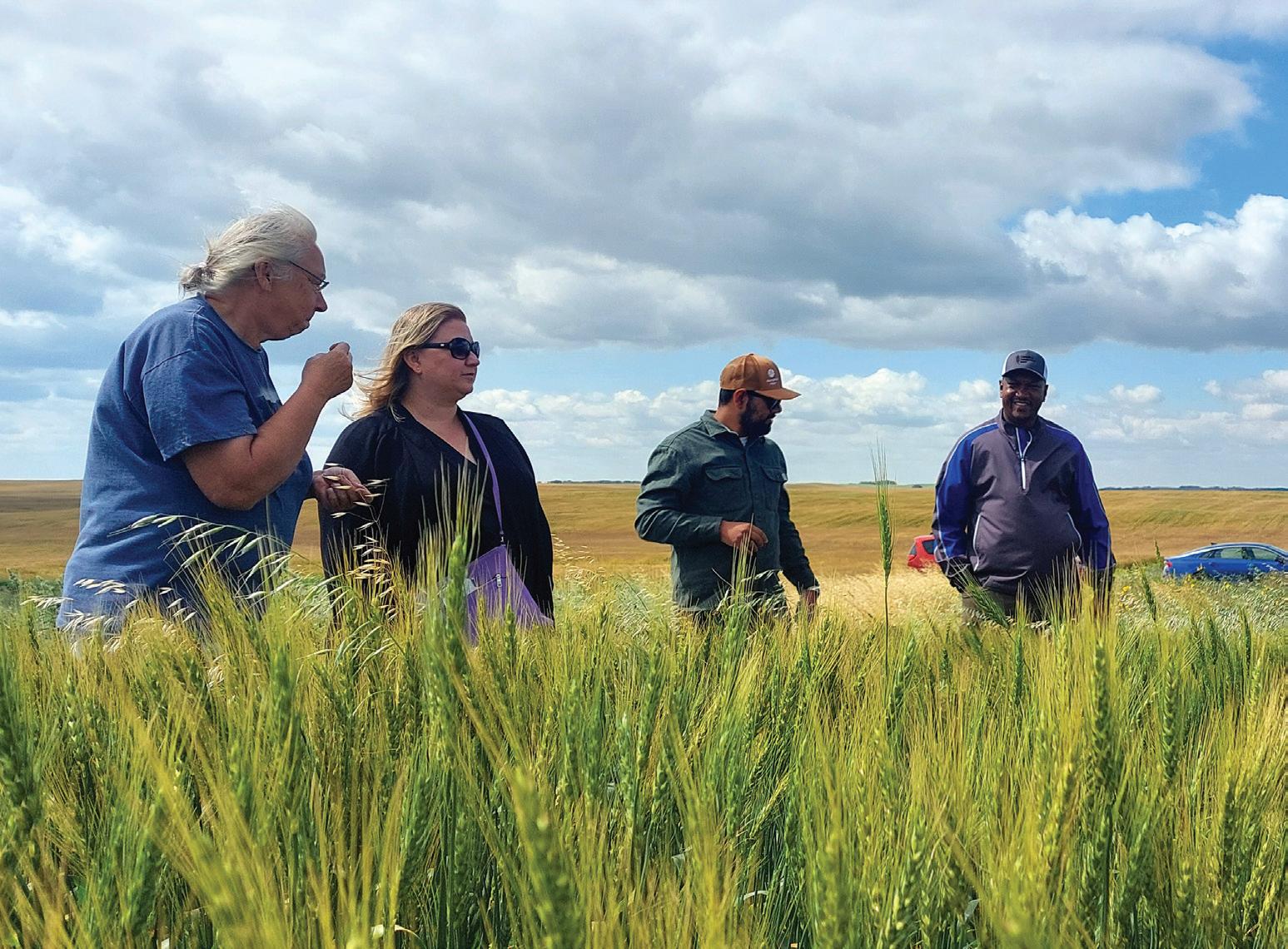
Last summer, after the Canadian Lutheran Anglican Youth (CLAY) gathering in Saskatoon wrapped, a group of Alongside Hope staff and CLAY leaders travelled to the town of Biggar. They toured the farm of Dianna Dolack, who had recently designated 80 acres to Grow Hope Saskatchewan, an ecumenical partnership led by the Canadian Foodgrains Bank bringing together farmers, churches and donors to help end hunger far from home.
Dolack handed out grains of oats to everyone in the group, recalls Anslim Hameed, Alongside Hope’s Fundraising and Donor Relations Facilitator. “She asked us to squeeze the grain open. If it was black inside, the oats in the whole section were unusable. I didn’t know there were good oats and bad oats.” For Hameed, who focuses on tracking donations, it was eye-opening to see the effort involved in a growing project, and the inevitable loss than can occur.
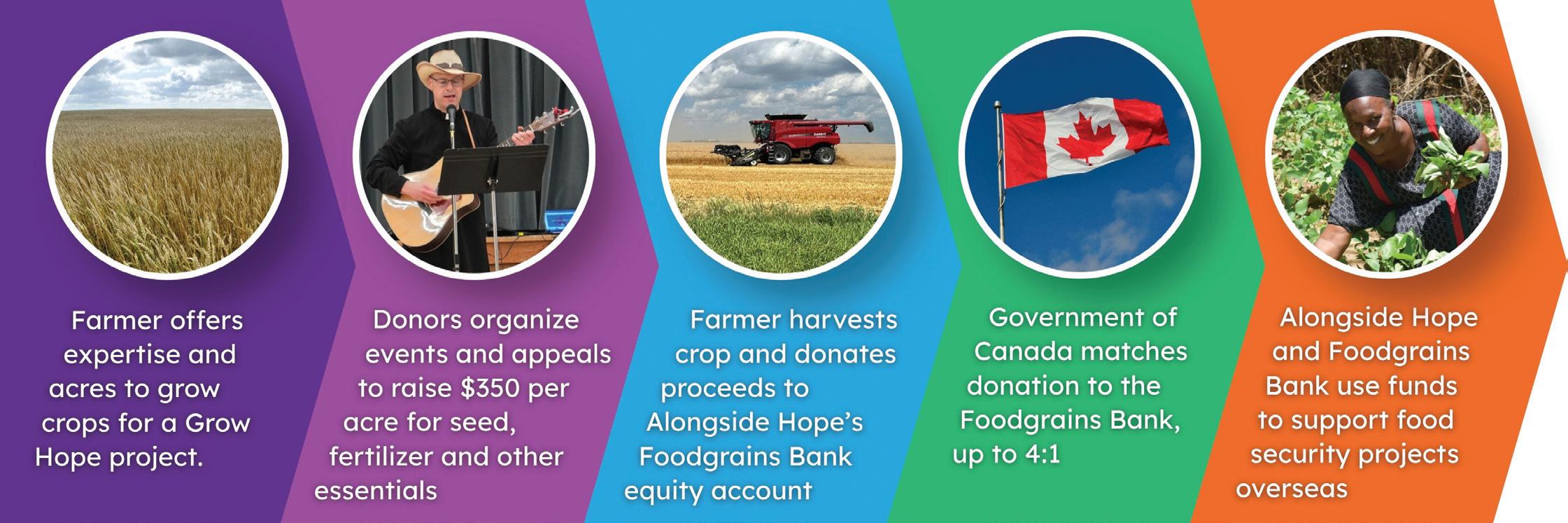
Dolack is one of several farmers who has offered acres and expertise to grow a crop for Grow Hope Saskatchewan. Churches and other supporters fundraise up to $350 per acre to cover the cost of seed, fertilizer, fuel and other essentials. When the crop is harvested and sold, the proceeds — often as much as $600 per acre — are donated to the member equity accounts of the Canadian Foodgrains Bank. Those proceeds are then matched by the Government of Canada up to 4:1, depending on the kind of project. Thanks to this match, a $350 acre sponsorship can grow into more than $3,200 worth of food security support for communities in crisis around the world.
In 2025, seven farm families, six member agencies, and hundreds of donors supported 508 acres, raising a record-breaking $326,671. Since the project began, more than $1.675 million has been forwarded to the Foodgrains Bank, supporting lifesaving food assistance, nutrition programs, and long-term agricultural training around the world.
For Alongside Hope and the Diocese of Qu’Appelle, which joined the project in 2023, this partnership has allowed us to extend our global impact while strengthening relationships across denominations. Last year communities across Saskatchewan gathered for six summer field days — from the Bruno Cherry Festival to the Doerksen family threshing bee — to learn, share stories and celebrate the dedication of local farmers. It was at CLAY that the National Youth Project “And It Was So” was launched, using initiatives like Grow Hope to help young people see what hope in action looks like.
In a world where headlines are often filled with conflict, climate instability and economic uncertainty, Grow Hope Saskatchewan tells a different story. What began with just a handful of partners in 2017 now includes the Mennonite Central Committee Saskatchewan, Development and Peace - Caritas Canada, Canadian Baptist Ministries, Synod of Saskatchewan of the Presbyterian Church in Canada, Alongside Hope and most recently, Canadian
on page 2
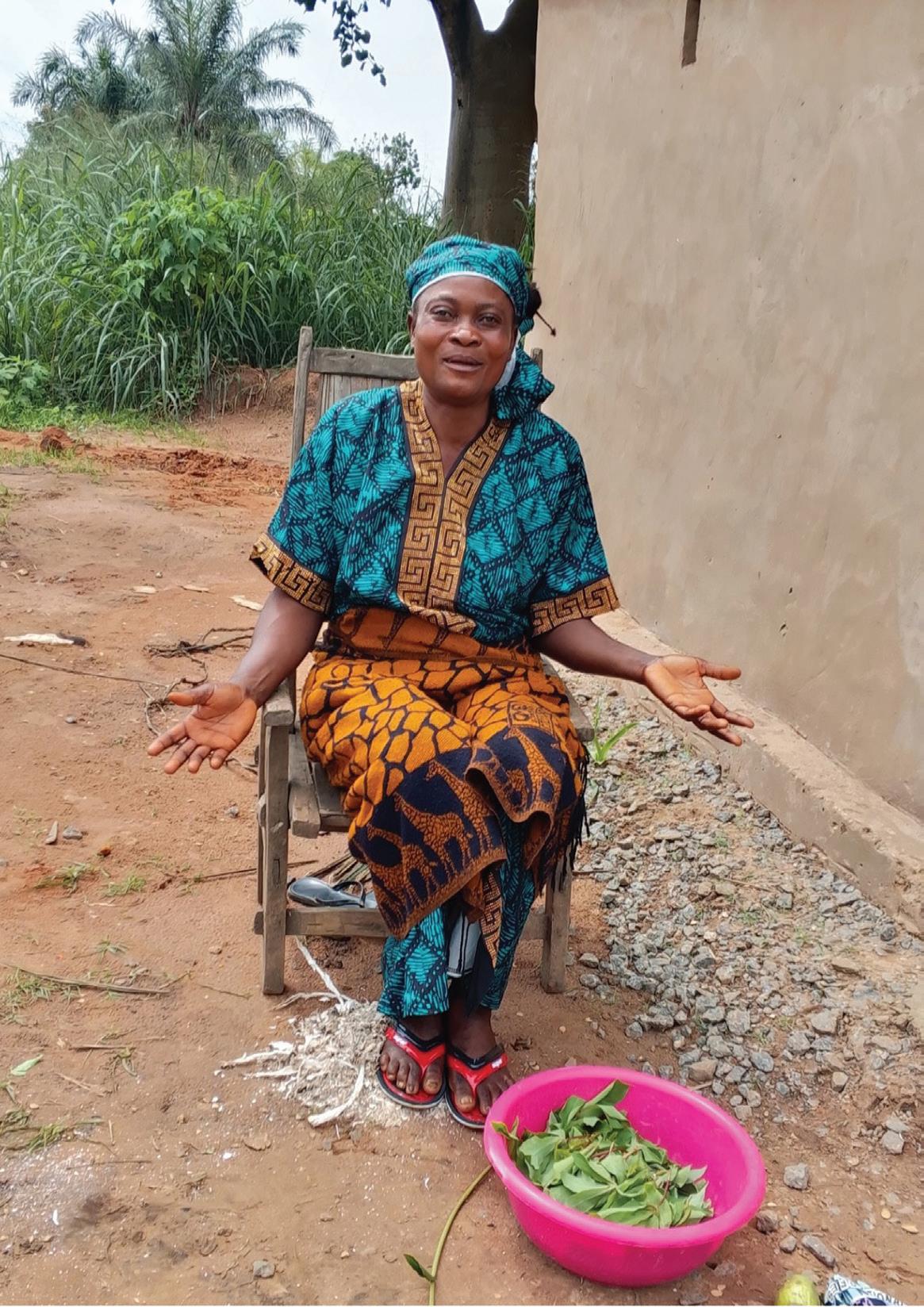
“Having enough to feed my children means regaining my dignity and my place in life.”
The armed conflicts of 20152017 in the Democratic Republic of the Congo (DRC) caused people to flee their homes and abandon their crops, leading to a food crisis that we are witnessing to this day. Victorine Tshilomba Kazamba is one of the many people receiving cash and seeds from Church World Service, with support from Alongside Hope and the Canadian Foodgrains Bank. Read on page 3 how this project is restoring life and livelihoods in the DRC.
Faith and learning in solidarity
By Jackie Koster Director of Programs and Partnerships, Alongside Hope
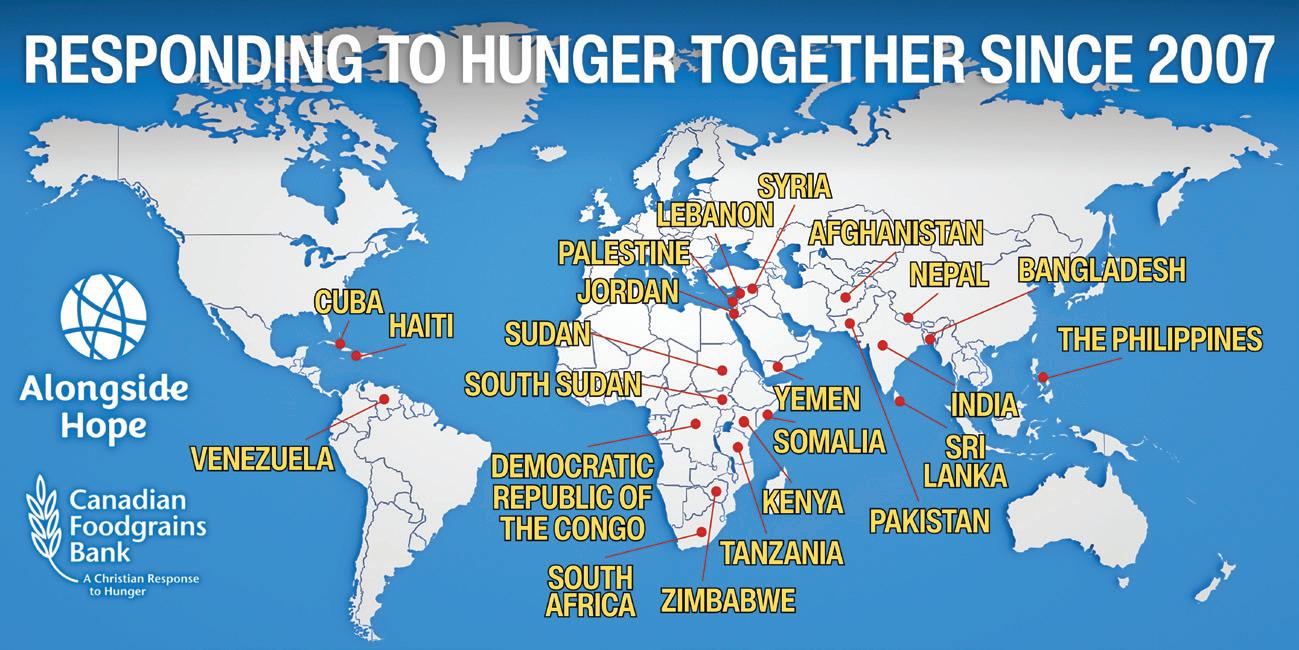
Responding to hunger satisfies immediate needs — but it is also an act of faith, compassion and solidarity. The Canadian Foodgrains Bank brings together 15 church-based relief and development organizations who believe that working together to end hunger is part of our Christian calling.
Alongside Hope has been part of this shared work since 2007. What makes the Foodgrains Bank especially powerful is its practice of working in solidarity with partners and communities. Sometimes, that solidarity is shown through learning together. In February, Alongside Hope and its partner TSURO Trust joined other Foodgrains Bank members and local partners to exchange knowledge on managing rangeland. Together, they explored practical ways to strengthen cattle
grazing, improve agricultural productivity, and protect the environment — helping communities build sustainable food systems. Sometimes, solidarity means sharing financial resources to make our support stretch further. Alongside Hope provided equity from its Foodgrains Bank account to Presbyterian World Service & Development — a fellow Foodgrains Bank member — as it supported a local partner in
Afghanistan during the harsh winter months. This funding ensured vulnerable families received the food they needed to survive during a critical time. And sometimes that solidarity radiates from faith. The Canadian Foodgrains Bank shows what is possible when church-based organizations come together. Not only does it respond to urgent hunger needs today, but it gives communities the strength to imagine a tomorrow.
Ecumenical collaboration reaps rewards
from page 1
Lutheran World Relief.
Grow Hope SK is a provincewide expression of generosity, collaboration and hope. It shows that abundance is possible when communities work together, and that faith and hope endure, even in challenging seasons. God is able to accomplish more than we can ask or imagine (Ephesians 3:20), and in fields across Saskatchewan, we see this truth lived out year after year.
As we look toward the 2026 growing season, Alongside Hope is grateful for every farmer, donor and partner who makes this work possible. Through Grow Hope Saskatchewan, we witness an inspiring expression of shared compassion that turns uncertainty into hope, and far away communities into neighbours.
How a Grow Hope Project works
Learning tour brings Kenyans’ vision into focus
By the Rev. Canon Nicola Skinner
Ihad always expected Kenya to be stunning, but when I took part in the Canadian Foodgrains Bank Learning Tour this March, I was left in awe of the breadth and beauty of the country and its peoples. I was honoured to represent Alongside Hope, one of 15 member agencies.
The tour was intensive and wide-ranging. We covered much of the country, travelling far north to the deserts of Marsabit county and back down to Embu and Makueni counties. Despite tremendous areas of drought, we also passed through some of the lushest and most verdant land I have ever seen. In each place we met small scale farmers, all of whom had been given the opportunity start homebased projects to support their families and send their children to school. Foodgrains Bank, its member agencies like Alongside Hope and local partners work together to provide valuable training and education that lifts people from surviving to thriving.
In Embu we met chicken farmer Pauline Kagendo.
Pauline had started out with 10 chickens and a desire to raise her family out of poverty. After three years of determined work her business has expanded to selling 300 chickens per month, and she is now planning a joint venture in the chicken feed industry. There was no end to Kagendo’s plans for her family’s future. She was a force of nature and an impressive role model for her community.
In each village we visited the local Village Savings and Loans Association (VSLA), witnessing the solidarity and organization of local women supporting and encouraging each other. Loans are to be repaid within three months, shares can be purchased at each meeting and dividends are paid out annually. We learned that VSLA members decide together who to invite to participate in the group, as they expect commitment, hard work and honesty. As a result, projects are producing great results.
In Nthugoni village in Makueni we visited the homestead of Jacinda and Francis Mutuku, who have been learning with Utooni Development Organization
Planting a brighter future
By Colin Dorrian
I
n a year when energy seemed limited, so many parishes were struggling, and distractions were many, our small Grow Hope team in the Diocese of Rupert’s Land said “yes” to launching Grow Hope 2025. This year of all years when USAID had cut funding around the world, and our partner Church World Service (CWS) had to lay off 750 staff, we felt we had to keep going.
Over the next six months, generosity overcame our doubts. Ten parishes and eight individuals contributed $18,000. Those funds subsidized the input costs of Fred Wiebe’s soybean crop which was then sold for $39,500. Those funds were then donated to Alongside Hope’s account at the Canadian Foodgrains Bank, to support the work in Kenya with CWS. With the matching dollars from the Government of Canada, all our efforts together created approximately $150,000 of food and agricultural assistance to small holder farmers in Marsabit County, Kenya.
“The food you provided gave us hope,” said one recipient. “The seeds and tools you are providing allow us to grow hope.” This profound statement captures the essence of the Grow Hope initiative: planting seeds of hope for a brighter future.
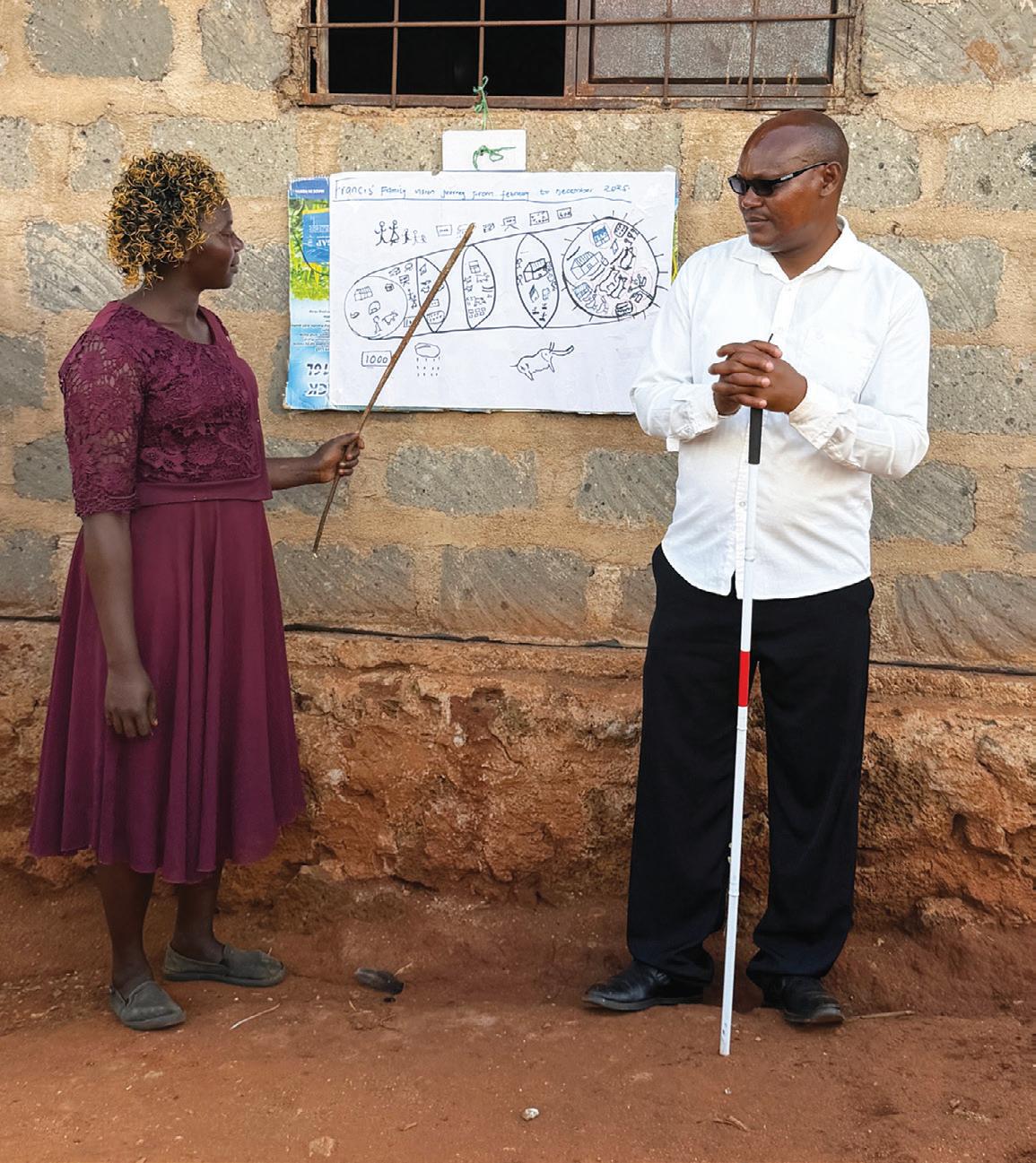
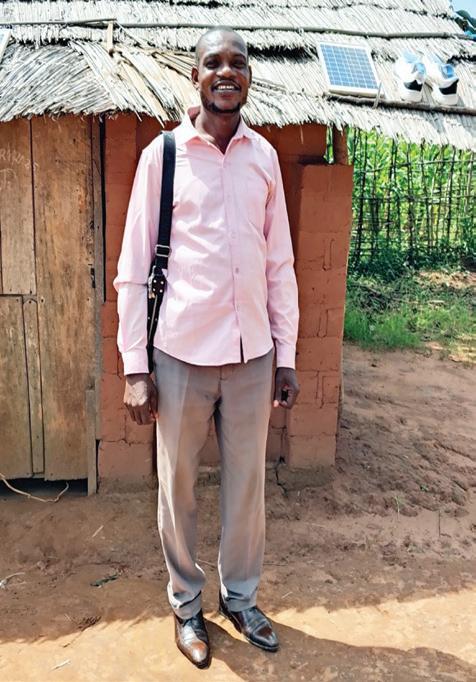
(UDO). Alongside Hope has been building shallow wells with UDO since 2019. Francis is legally blind but it has not stopped him from having a vision for his family. Jacinda showed us the family’s Vision Map for 2025 and 2026. From a small garden vegetable plot and a few chickens they have big dreams for a homestead with larger livestock, expanded chicken
production and greater vegetable and tree plantations. Their two children now attend a good school, and Francis is able to participate in much of the work despite his disability. He is also vice president of the local VSLA. Their story was one of many success stories that we witnessed.
If there was a difficult part of the tour it was saying farewell to the Samburu and
Rendille villagers in Marsabit County, where Alongside Hope has been working with Church World Service (CWS) on improving food security. The community greeted us so joyfully with their singing and dancing, and we were in awe of the beautiful decorative beadwork worn by the women. However, their daily reality is drought. They have the training and the knowledge to grow food, but without water it is simply not possible. We did view their beekeeping, beadwork and chicken farming projects, but the lack of water looms over the community affecting every facet of daily life. We left determined to pray for the community and to support Foodgrains Bank and the partners on the ground going forward.
The tour ended in Nairobi visiting local animal sanctuaries, a reminder of the commitment to care for creation. I cannot speak highly enough of participating in a Learning Tour. We made new friends, saw first-hand the great work that the Foodgrains Bank achieves together with its Kenyan partners, and we have returned with a determination to share the good news back in Canada.
The Rev. Canon Nicola Skinner is Rector of Grace Church in Markham, Diocese of Toronto.
Dianna Dolack (left) welcomes youth leaders from CLAY and Alongside Hope staffer Anslim Hameed (second from right) to her farm.
Jacinda and Francis Mutuku proudly display their vision board for the future.
Hope rises in the DRC
Cash distribution project feeds families and restores dignity
By Janice Biehn Communications and Marketing Coordinator, Alongside Hope
The memories of the war still haunt Victorine Tshilomba Kazamba. Almost 10 years ago, amid the fields near her home about 45 kilometres from Kananga, soldiers were spreading terror. They killed her husband; her brother died while in the ranks of a rebel militia. Suddenly a widow at 50, she found herself alone, taking care of her nine children and her brother’s five children. In a region where subsistence farming is the main source of life, the violence and insecurity prompted people to flee. Since then, the death rate has skyrocketed and the population is struggling to survive.
Kazamba’s story is not unusual. The armed conflicts of 2015-2017 in the Kasai region of the Democratic Republic of the Congo (DRC) led to a food crisis that we are witnessing to this day. Alongside Hope and the Canadian Foodgrains Bank are supporting local partner Church World Service in a project to distribute cash to internally displaced persons (IDPs), so they can buy food and improve food security and nutrition.
In Kasai Central province, the majority of the population relies on a diet of maize and cassava, typically eating one to two meals per day, with alarming acute malnutrition rates among children under five. In some areas, up to half of all children under five were reported as acutely malnourished in recent years, indicating a serious public health concern.
It’s not easy to re-establish agricultural output. There is vast farmland available but no clear land ownership structure. Women are worst affected by land ownership conflicts. For those who are able to plant some crops it is the husband who has the power to decide on how the harvest will be utilized. A nine-month rainy season supports robust crop growth, enhances soil health, and allows for multiple planting cycles. However, seeds are hard to come by in the local markets and must be imported from Kinshasa. There are limited finances to invest in modern agriculture methods.
Experiencing severe hunger, Kazamba’s family lacked the strength to go and work in the field. Every day, she and some of her children travelled seven kilometres to collect palm nuts and sell them to artisanal soap manufacturers. But she seldom earned enough to feed her household. As a result, her children often suffered from malnutrition.
Now with the distribution of cash from CWS, Kazamba can buy enough food to provide her children with two to three meals a day. They have also been able to return to school. She also received seeds from CWS, which produce a more diverse range of vegetables for the household.
Kazamba joined forces with eight other women in a solidarity group to take turns working in their fields. And to assure her family’s food supply after the project, she invested part of the money to clear a large field where she sowed corn, beans, peanuts and other seeds.
“Having enough to feed my children means regaining my dignity and my place in life,” said Kazamba. Not only has the project provided money and seeds and training, but it has restored participants’ faith that they are not alone.
—with files from CWS
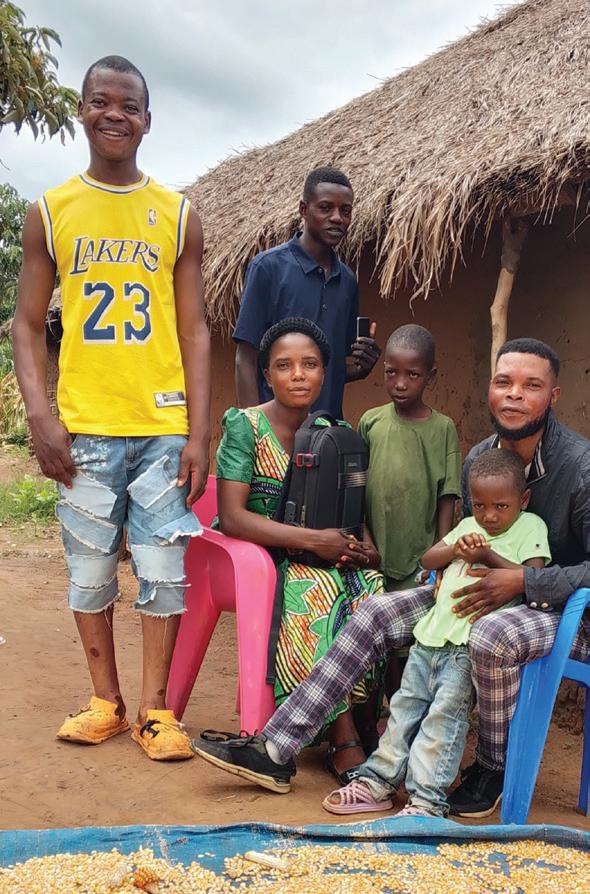
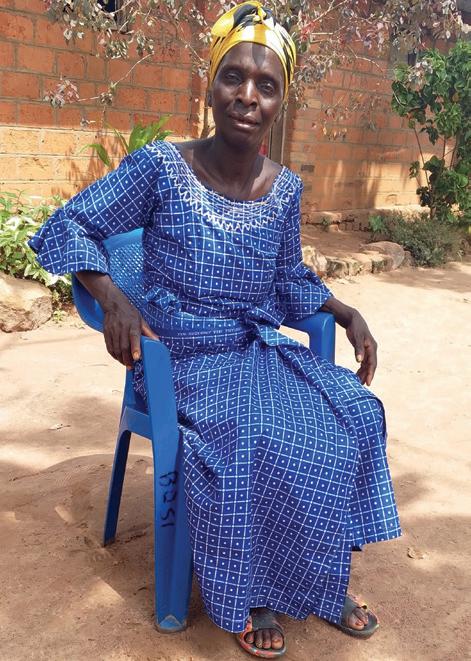
“I couldn’t imagine … there were sincere people left in this world.”
“I lost my father but my other family CWS and Alongside Hope rescued me,” said Jeannot Lumgonzo Tshimanga, who lives about 50 kilometres from Kananga. In 2016, his father was killed amid land disputes. Orphaned and landless, Tshimanga says he still finds it hard to articulate what he and his brothers have gone through. He used small portions of land for subsistence agricultural activities, but it was hardly enough to feed the 13 people in his household. Tshimanga’s family lived mainly on foufou, a dish made from maize and cassava leaves. As though in a dream, Tshimanga saw his name on the list of people who would receive cash for food assistance from CWS and Alongside Hope. “I couldn’t imagine that transparency was still there and so were sincere people left in this world.”
With the cash distribution, he is able to buy food and vary the meals. Tshimanga planted seeds of amaranth, okra, eggplant and Chinese cabbage received through the project. Since the funds were unconditional, he also bought a small amount of arable land to work, instead of renting. “This will allow me to feed my family for the rest of my stay with them.”
“I am honoured by the support of CWS and Alongside Hope.”
Marie-Jeanne Misenga Kaditshia, 62, has 10 children with her husband, who is over 70. Collecting and selling palm nuts to soap makers rarely provided her with more than $1 US a day, insufficient to feed her dependents.
With the cash received from CWS, Kaditshia was able to buy food for her family. “I am honoured by the support of CWS and Alongside Hope. I can now stand in front of the merchants and order anything I want. In addition to nourishing my family, I have seen my dignity restored. CWS means a miracle for me.”
CWS also provided support for Kaditshia to grow her own food.
“Thanks to the agricultural training and technical supervision, I bought food seeds and opened a large field using additional labour with a margin of this food cash. The rice and maize harvests will be used to feed my family now and to keep a reserve of seeds for the next agricultural seasons. With God’s help, everything is possible.”
“It was a real relief.”
For Fidèle Kasonga, 48, the CWS project came just in time for seed sowing. Kasonga received cash for four months to buy food for his wife, four children and members of his extended family in need. No longer must they only eat cassava leaves. Household members can choose what they would like to eat and the number of meals per day has grown from only one, to two or three. “It was a real relief.”
With hunger no longer an issue for his family, Kasonga is now actively participating in community work and agricultural activities. His children have gone back to school, and he prepared for the next farming season by working hard with his other family members, even hiring additional labour to help work his land. Besides the seeds received from CWS, he also bought seeds for maize, beans, rice, soybeans and cabbage.
With the help he received, he not only fed his family, but he also reshaped their future. Today, his fields are a source of hope for the entire community.
Huge investment will boost disaster resilience in The Philippines
By Janice Biehn Communications and Marketing Coordinator, Alongside Hope
Last year in The Philippines, eight typhoons claimed hundreds of lives, triggered mass flooding and displaced millions of people. The island nation is consistently identified as the world’s most disaster-vulnerable country, typically experiencing up to 20 tropical storms in a year.
To improve farming and food security there, Alongside Hope will be partnering with E-CARE, the relief and development arm of the Episcopal Church in the Philippines, in a seven-year climate disaster resilience initiative. The $9.1-million project will be funded by the Government of Canada and the Canadian Foodgrains Bank, of which Alongside Hope is a member. (Fellow Foodgrains Bank members ADRA Canada and ERDO are also participating.) Alongside Hope will be contributing
funds from its Foodgrains Bank equity.
E-CARE has supported partner communities in installing solar-powered irrigation systems, organic farming, restoring upland farm aquatic food ecosystems wiped out by destructive inputs and invasive species and food processing. These initiatives have helped ensure food security in the midst of the country’s worsening exposure and vulnerability to climate change and disasters.
“The project that Alongside Hope and E-CARE will be working on will greatly advance our resilience initiatives,” says Floyd Lalwet, National Development Officer for E-CARE. “It will broaden the reach and increase the number of participating communities, build economies of scale, enlarge organic ecosystems, enhance sustainability, and deepen knowledge and experience and intensify our advocacies.
Disaster Resilient and
Climate Adaptive Food Systems in the Philippines will work with 15,000 farming households in rural areas of Northern Luzon and Eastern Visayas. In these regions, climate change — especially higher temperatures and changing rainfall patterns — has made it challenging to farm and therefore provide enough food for people or sufficient income for farmers. Women, girls and other marginalized groups are
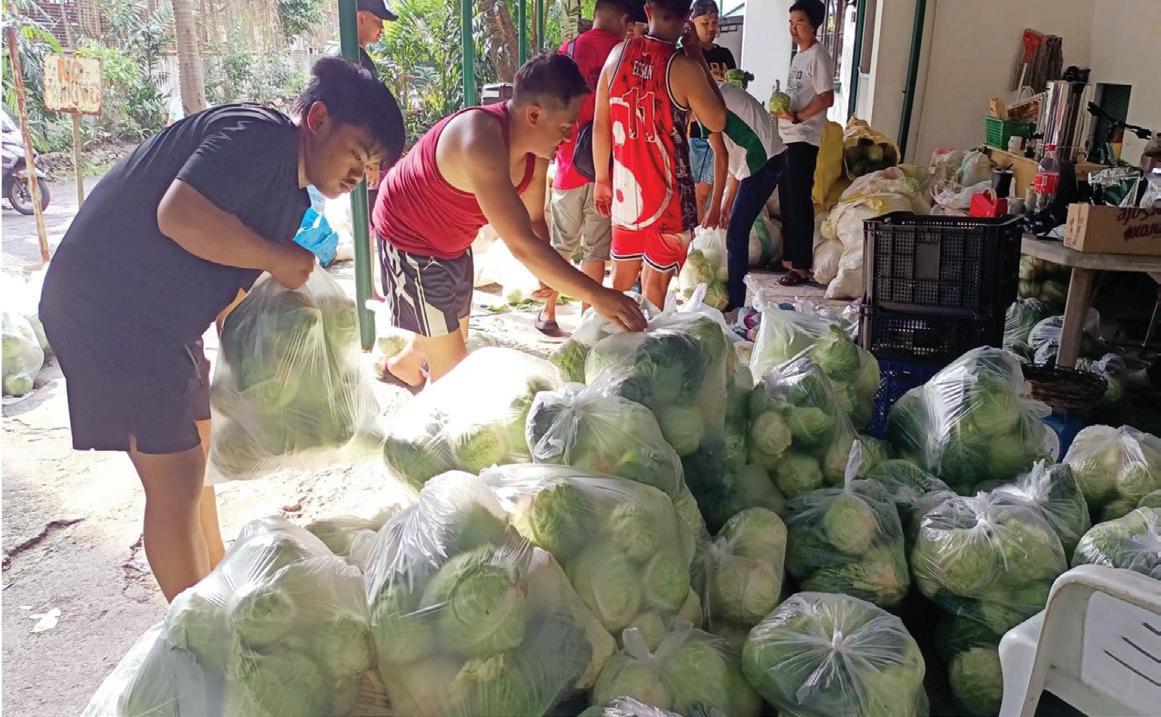
Volunteers with E-CARE distribute emergency food relief.
disproportionately affected. Rising sea levels also threaten coastal communities, forcing families to relocate and taking away their livelihoods. These groups will be encouraged to become leaders in climate adaptation and disaster risk resilience in agri-food systems. Farming communities will learn about the right to adequate food through climate-smart innovations, improved market access, savings groups, and fostering
stronger collaboration in disaster preparedness with local authorities.
The project aligns with priorities of the Government of the Philippines’ Development Plan for 20232028 and also contributes to the Government of Canada’s strategy to reduce disaster risk in the IndoPacific region. It will bring together the technical expertise of Canadian and Filipino organizations to create sustainable solutions to the ongoing challenge of climate change and disaster risk. This new knowledge and policy influence will have a positive impact on thousands more beyond the farming communities.
“This initiative will create sustainable solutions for generations to come,” says Foodgrains Bank executive director Andy Harrington. “Together, we’re tackling the disaster risks that threaten food security and agri-food systems.”
Thanks
By Abdi Ali, Supporter Relations Program Officer

Baking
a world of difference
During Advent, the Alongside Hope Youth Council and alumni rolled up their sleeves for a festive gingerbread house fundraiser in support of the World of Gifts. Ten participants each assembled and decorated their own unique structures, depicting houses, cottages and even churches. Participants invited supporters to vote for their favourite creation by making a donation. The initiative raised more than $1,700 in support of two vital projects: Buzzing for Hope, which empowers rural communities in Colombia through sustainable beekeeping, and Praying for Peace, which brings essential healthcare to families in the Holy Land.

Alongside Hope wants to hear from you! Please share your fundraising success stories to inspire others and to spread the word about the good work you have done! Email info@alongsidehope.org and tell us all about it. Many thanks to all of our donors.

Souper supper
At St. John the Evangelist in Ottawa, the annual Ash Wednesday Soup Supper was an evening of learning, sharing and generosity. More than 50 people gathered to sample a wide variety of homemade soups. Valerie Maier, former President of the Alongside Hope board, offered an engaging overview of Alongside Hope’s work and impact, leading parishioners to reflect on how they can be part of a wider movement of justice and compassion. The event raised $1,625 for Alongside Hope initiatives, turning a meal into much more.

Open mic, open
hearts
At St. Peter’s Anglican Church, Calgary, a vibrant evening of local talent came together in their inaugural Community Coffeehouse & Open Mic Night. Parishioners and new friends enjoyed exciting performances of music, poetry, reflection and dance. The evening also featured six original works of art and a delicious assortment of homemade baked goods. The group raised $260 in support of the Canadian Foodgrains Bank through Alongside Hope.


A small light makes a big change
When folks at the Church of St. Andrew’s, Dartmouth were looking at ways to support Alongside Hope’s World of Gifts, a light bulb went on. For every $50 donated towards a generator and solar panels for families in Cuba, a light bulb was added to a display. What began as a small glow grew brighter week by week, becoming a shining symbol of their generosity. In total, the campaign raised $1,420.


Carols for a cause
The annual Christmas concert at Holy Trinity Guildwood in Scarborough, Ont., supported Alongside Hope’s In-Canada Emergency Response Fund. The concert featured a talented lineup of musicians, including Evan Desaulnier on guitar, Roslyn Addison-Rudat, Jenn Burford and Ryan Spratt, with the parish choir under the direction of Marilyn Lind. Naba Gurung, Alongside Hope’s Humanitarian Response Coordinator, was the featured guest speaker. He described how Alongside Hope responds to emergencies across Canada, the increasing frequency of extreme weather events and their impacts (evacuations, anxiety and loss of livelihoods), and how the fund helps families recover and rebuild.
YOUR GIFT WILL MAKE A WORLD OF DIFFERENCE. THANK YOU!
To make your gift, scan the QR code, visit alongsidehope.org/give-today, or mail this form to the address below.

OR c I would like to make a monthly gift of $ by credit card (info at left)
c I would like to make a monthly gift of $ by pre-authorized chequing to be withdrawn on c 1st of month c 16th of month
Please enclose a personal cheque marked “Void.”
at


Bring Alongside Hope into your parish
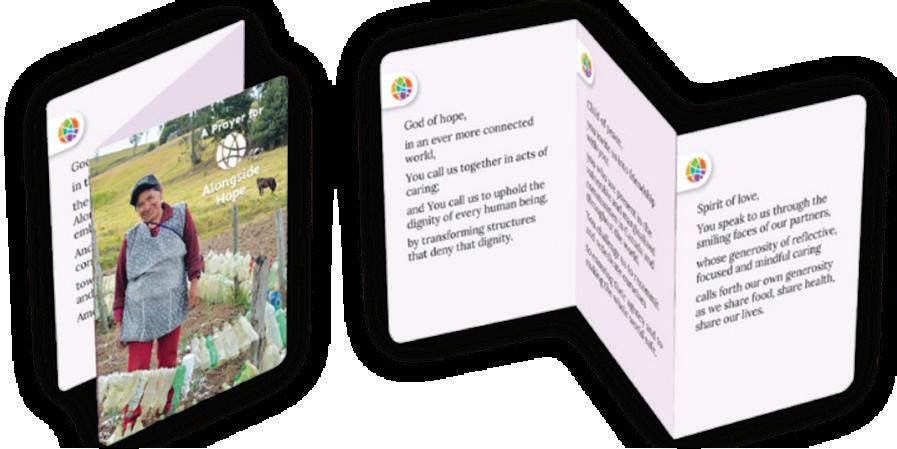
Share and promote our work with colourful place mats, bulletin covers, offering envelopes, our new prayer card (shown) and more.
Scan the QR code or go to alongsidehope.org/ annual-resources to order yours today.