2025 Research & Innovation Highlights
The Vice President’s Initiatives
R2 Classification REAFFIRMING AND SUSTAINING OUR MOMENTUM
RISE to R1
OUR STRATEGIC ASCENT TO RESEARCH EMINENCE
Investing In The Future
RESEARCH INFRASTRUCTURE
Advancing Knowledge
RESEARCH THEMES AND FOCUS AREAS
Panther RISE
ACCELERATING THROUGH PRISE
Powering Progress
STRATEGIC PARTNERSHIPS & COLLABORATIONS
Launching Leaders
NEW FACULTY STARTUP & TRAINING
Fueling Innovation
FACULTY RESEARCH DEVELOPMENT
Shared Governance
INCLUSIVE RESEARCH LEADERSHIP
Summer Surge
FACULTY RESEARCH & SCHOLARSHIP
Tools of Discovery
EQUIPMENT & INFRASTRUCTURE SUPPORT
Prep For Excellence
POSTDOCTORAL DEVELOPMENT
Scholars In The Making
DOCTORAL ASSISTANTSHIP SUPPORT
Celebrating Excellence
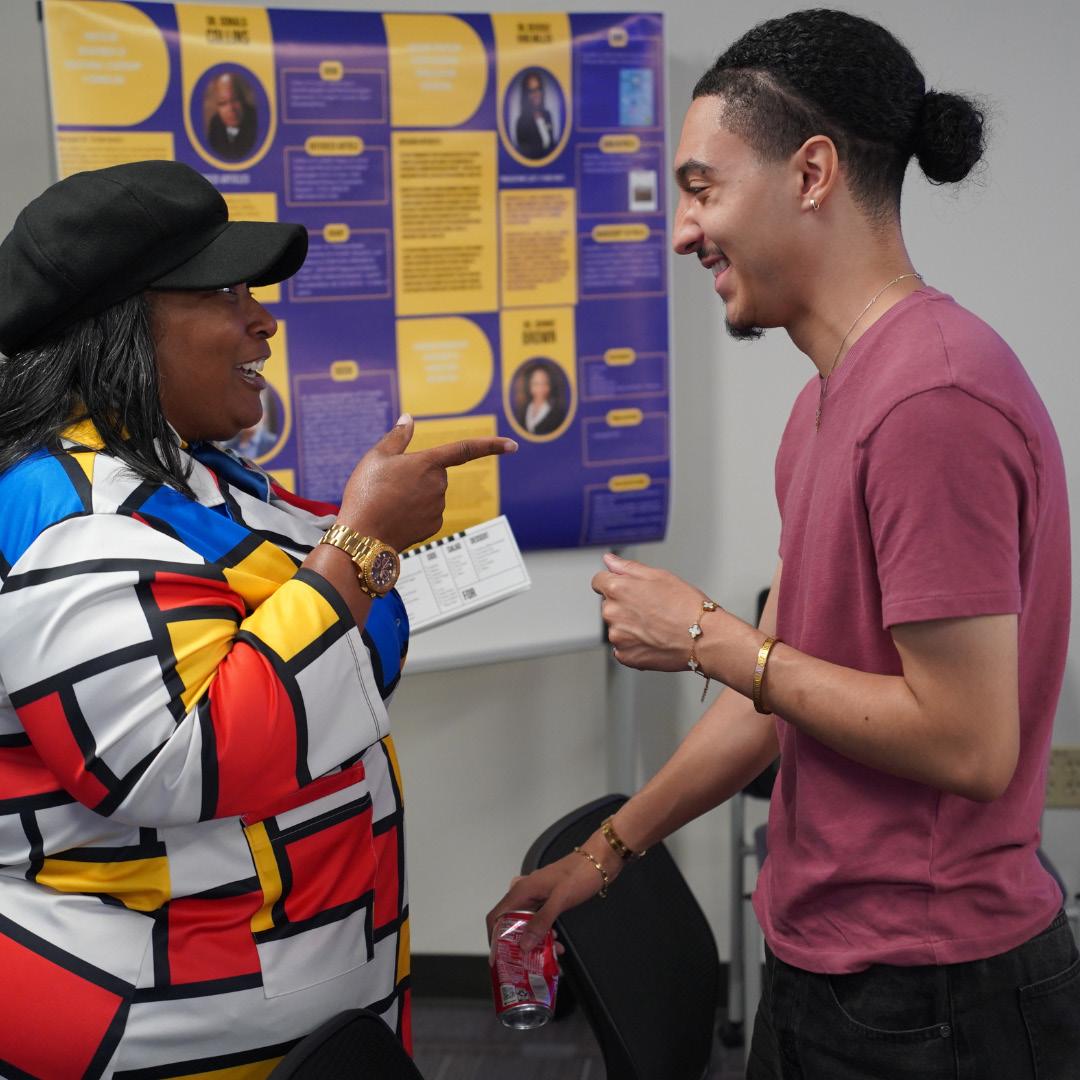
RESEARCH & INNOVATION MONTH
Principal Investigator Spotlight
HONORING RESEARCH EXCELLENCE
Engaging Moments
EVENTS THAT SHAPED OUR YEAR
Research & Innovation 2025 Accomplishments
SCALING THE RESEARCH ENTERPRISE
RESEARCH GRANTS AND CONTRACTS
RESEARCH COMPLIANCE
RESEARCH DEVELOPMENT INITIATIVES
STUDENT RESEARCH
RESEARCH COMMUNICATIONS
TITLE III PROGRAMS
CENTER FOR ICEED
CENTERS & INSTITUTES
CATALYSTS OF INTERDISCIPLINARY RESEARCH
As Vice President for the Division of Research & Innovation at Prairie View A&M University (PVAMU), I am proud to present the 2024–2025 (FY25) Year in Review. This report reflects a year of meaningful progress—one defined by strategic growth, collaborative achievement, and a deepened commitment to advancing research excellence across the University.
Throughout FY25, the Division of Research & Innovation continued to serve as a central hub for faculty, students, and staff, supporting discovery and innovation across disciplines. Our efforts remain closely aligned with PVAMU’s Journey to Eminence 2035 and are reinforced by the University’s reaffirmation as a Carnegie R2 institution—an important milestone that underscores sustained research productivity, doctoral education, and national impact.
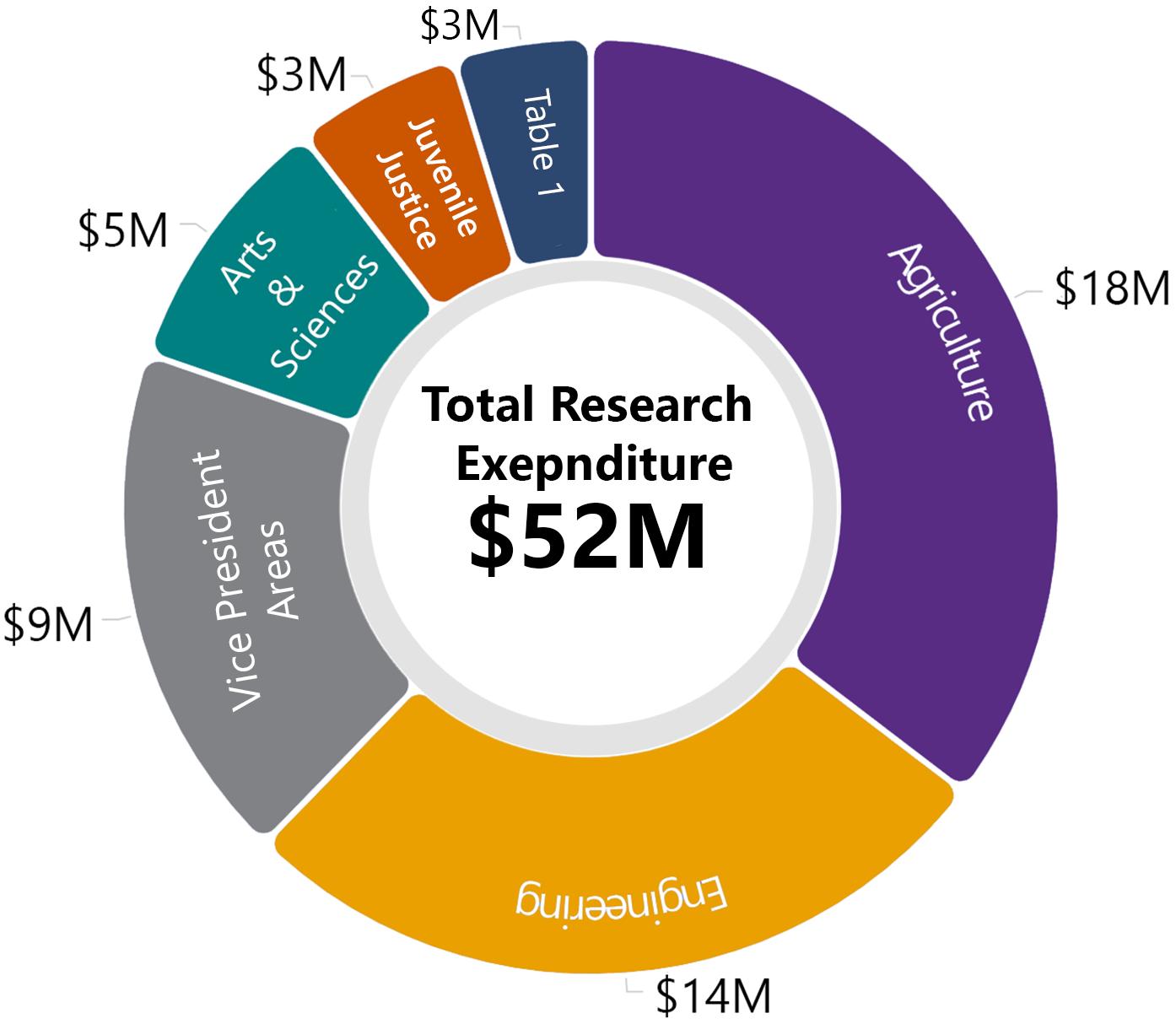
This year marked notable progress in strengthening the foundation of our research enterprise. Through intentional investments in faculty development, research infrastructure, and administrative capacity, we expanded our ability to support competitive scholarship and high-impact research. The continued implementation of the RISE to R1 strategic plan reflects our commitment to aligning people, processes, and resources in ways that position PVAMU for long-term research growth and distinction. As a result of these strategic investments, PVAMU generated $52 million in research expenditures in FY2025—surpassing one of the two Carnegie R1 research activity benchmarks.
Equally important is our focus on cultivating the next generation of scholars and innovators. From undergraduate and graduate research opportunities to faculty mentorship, postdoctoral development, and doctoral assistantship support, our programs are designed to ensure that research at PVAMU is both rigorous and inclusive—preparing scholars to address complex challenges and lead with purpose.
Our momentum is amplified through strong partnerships with federal agencies, industry leaders, national laboratories, and peer institutions. These collaborations expand the reach of PVAMU’s research enterprise, strengthen workforce development, and reinforce our role as a land-grant institution committed to discovery that benefits society at large.
The expansion of Research & Innovation Month provided a powerful reflection of this growing ecosystem. By celebrating faculty scholarship, student discovery, and interdisciplinary collaboration, the University reaffirmed a culture where research excellence is visible, valued, and shared across campus.
None of this progress would be possible without the dedication of our faculty, staff, students, and partners. Their commitment continues to shape PVAMU’s research identity and propel us forward. As we look ahead, I am confident in our trajectory and excited by the work before us. Together, we are rising—thoughtfully and strategically—toward greater research excellence and impact.
Vice President for Research & Innovation
59
ARTICLES ON FACULTY SUCCESS
16 R&I VIDEOS PRODUCED
STAFF EMPOWERMENT & RECOGNITION
$14M+
TITLE-III PROGRAM SUPPORTED FOR INSTITUTIONAL INFRASTRUCTURE
50+
GRADUATE RESEARCH STUDENTS SUPPORTED
59%
INCREASE IN SOCIAL MEDIA FOLLOWERS
$85M+
TOTAL SPONSOR AWARDS
464
TOTAL NUMBER OF PROPOSALS SUBMITTED
$210M+
TOTAL AMOUNT OF PROPOSALS SUBMITTED 60+
FACULTY SUPPORTED FOR PROPOSAL DEVELOPMENT
63+
NEW RESEARCH COMPLIANCE PROTOCOLS/ AMENDMENTS REVIEWED
$33M+
RESEARCH GRANT AWARDS
$52M+
TOTAL RESEARCH EXPENDITURES
69%
INCREASE IN RESEARCH COMPLIANCE TRAININGS OFFERED
RESEARCH COMPLIANCE TRANSITIONING TO ELECTRONIC PROCESSING
20
NEW INVENTION DISCLOSURES FILED
6
ICEED SEMINARS & WORKSHOPS HOSTED
4
PROVISIONAL PATENTS FILED
50
GRADUATING RESEARCH STUDENTS RECOGNIZED
STUDENTS PARTICIPATED IN STUDENT RESEARCH DAY DURING R&I MONTH SYMPOSIUM 150
SPONSORED UNDERGRADUATE RESEARCH STUDENT PROJECTS 100+
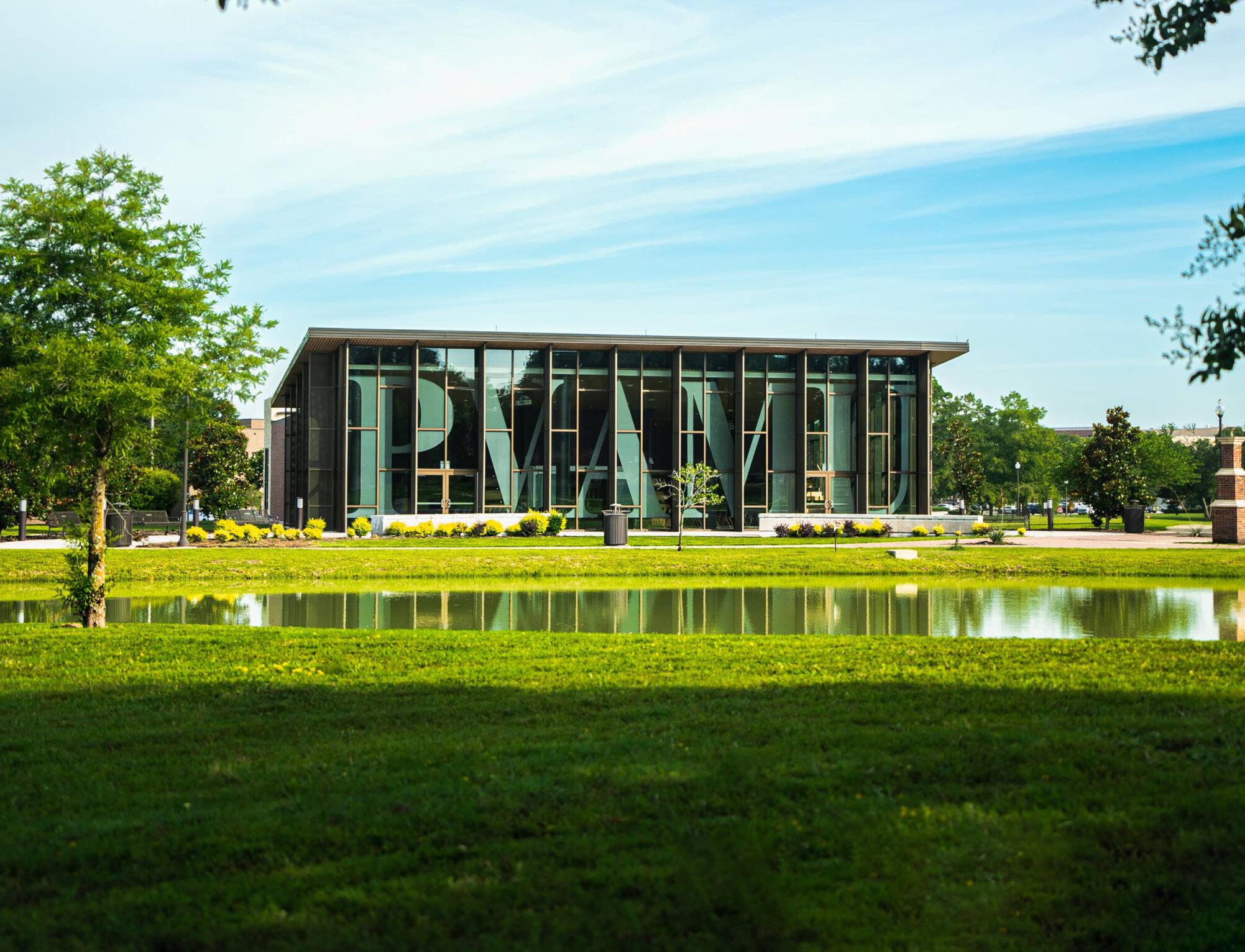
Vice President Rajan has championed a series of bold initiatives that are strengthening Prairie View A&M University’s research enterprise and shaping a new era of innovation. These efforts—designed to elevate faculty excellence, empower student success, and expand the reach of our research community—embody the University’s mantra: Excellence Lives Here
Guided by a vision to confront pressing challenges and embrace emerging opportunities, the Division of Research & Innovation is fostering collaboration and advancing PVAMU’s mission as a premier Texas land-grant institution. These initiatives propel the pursuit of RISE to R1 and support the University’s Journey to Eminence 2035 goals—driving the pursuit of knowledge and discovery to even greater heights.
Prairie View A&M University (PVAMU) has reaffirmed its standing as a leading research institution with the renewal of its R2 classification—Doctoral University: High Research Activity—under the updated Carnegie Classification system. This distinction reflects the university’s steady growth in research productivity, graduate education, and national impact.
The revised Carnegie framework requires universities to sustain $50 million in annual research expenditures and confer at least 20 doctoral degrees annually. In FY25 alone, PVAMU generated $52 million in research expenditures, exceeding one of the two Carnegie research activity benchmarks. Over the past three years, the university has awarded nearly 100 doctoral degrees, reflecting sustained strength in graduate education. With this reaffirmation, PVAMU remains one of only 13 historically Black colleges and universities (HBCUs) to hold R2 status and one of just five institutions in the Texas A&M University System to earn this distinction.
Since first achieving R2 designation in 2022, PVAMU continues to grow it’s research portfolio with on-going initiatives across multiple disciplines, including cybersecurity, space exploration, renewable energy, transportation infrastructure, engineering, education, business, agriculture, and the humanities. The University’s research performance continues to enhance its influence in these fields while directly addressing challenges that impact underserved and marginalized communities.
PVAMU has demonstrated a strong upward trajectory in funding as well, surpassing $34 million in annual research expenditures in FY24. This represents a 75 percent increase in just three years, further solidifying its place among the nation’s top research-producing HBCUs.
The reaffirmation of R2 status marks another step in PVAMU’s Journey to Eminence: 2035 strategic plan. With continued focus on expanding research, mentoring future scholars, and fostering innovation, the university is advancing its mission as both a land-grant institution and a national leader in higher education.
In alignment with the University’s Journey to Eminence 2035 strategic plan, the Division of Research & Innovation has launched the RISE to R1 strategic plan to accelerate the institution’s research growth over the next ten years to position the institution as a premier, public, research-intensive Historically Black College and University.
The RISE to R1 strategic plan focuses on four goals:
• Grow Research Capacity: Recruit and retain researchintensive faculty to enhance and expand the research enterprise.
• Streamline Research Administration Processes: Modernize systems, improve efficiency, and expand research support staff.
• Strengthen Graduate Programs: Increase doctoral research support to enable completions to 70 research Ph.D. degrees annually.
• Invest in Research Infrastructure: Acquire new technology, expand labs, and secure resources for longterm growth.
The planning process was both collaborative and datainformed. Guided by input from the faculty, staff, and external partners, a Strengths, Weaknesses, Opportunities, and Threats (SWOT) analysis was conducted to identify subgoals, strategies, and measurable benchmarks to ensure accountability and progress. Each action step is tied to a timeline and key performance indicators, thus making the plan both aspirational and practical.
The strategic plan also acknowledges critical challenges, such as heavy teaching loads, outdated systems, and limited number of research doctoral programs, and outlines targeted strategies to overcome them.
Through cross-campus collaboration, the RISE to R1 strategic plan charts a path toward not only achieving the Carnegie R1 designation, but also preparing the next generation of creative minds to tackle the current and future global challenges.
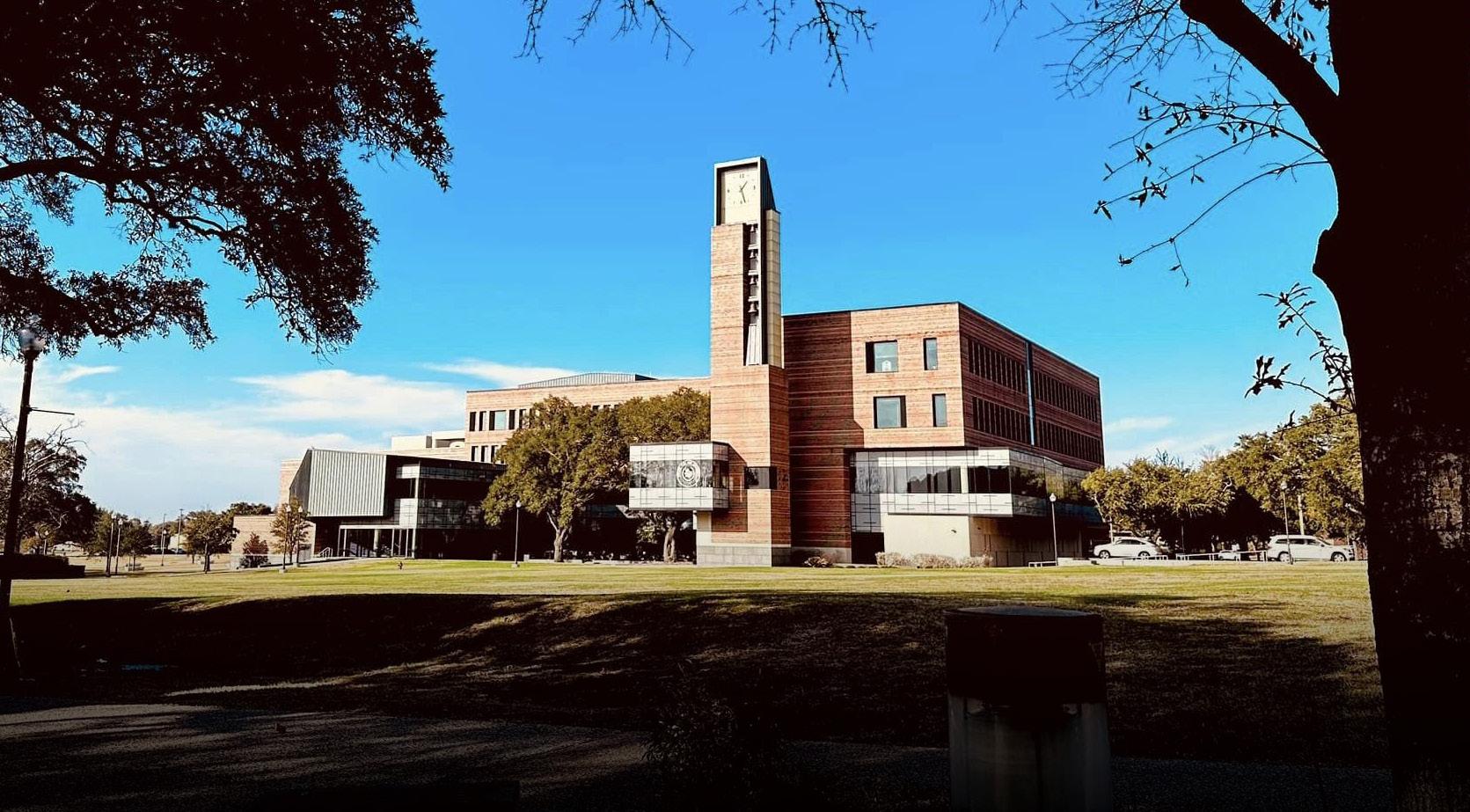
A University's ambition is reflected in its actions. Our strategic goal is to lead Prairie View A&M University into its next chapter of becoming a very high research activity institution. Successful research universities are built on a foundation of capable and innovative people, efficient processes, and dedicated research resources.
By investing in our research infrastructure, expanding laboratory space, acquiring new technology, and strengthening support staff, we are creating a dynamic ecosystem for discovery. The State-of-the-art facilities are essential for attracting and retaining exceptional scholars who will drive innovation and help propel Prairie View A&M University to its next stage of excellence. These investments also provide the advanced environment needed to grow
our graduate programs and empower students to tackle the world’s biggest challenges
The revised Carnegie framework requires universities to sustain at least $50 million in annual research expenditures and confer a minimum of 20 research doctoral degrees each year. In FY25, PVAMU generated $52 million in research expenditures, surpassing one of the two Carnegie research activity benchmarks. This achievement demonstrates clear and meaningful momentum in our research growth."
Every investment in our infrastructure is ultimately an investment in people and ideas—one that will define our future and amplify our impact on the national stage
Artificial Intelligence and Data Science
The partnership between International Business Machine (IBM) and the Prairie View A&M University CREDIT Center aims to enhance the research and education capacity that has brought numerous training opportunities to faculty, students, and the community over the years. IBM donated two stateof-the-art power servers to the CREDIT center to process large datasets using cutting-edge deep learning methods and strengthen the high-performance computing infrastructure at PVAMU.
• Machine Learning Applications in Agriculture
• AI in Public Health and Disease Prediction
• Natural Language Processing for Education
• Intelligent Systems for Smart City Infrastructure
• Data Security and Privacy in AI Systems
• Predictive Modeling
• Data Visualization and Analytics
• Simulation-Based Decision Support
• AI Applications in Engineering and Health
• Big Data Infrastructure and Verification Systems
• Algorithm Development and Optimization
Advanced Technologies
Explores cutting-edge innovations such as cybersecurity, space technology, quantum information sciences, and smart systems. This theme supports technological advancements and workforce development.
• Cybersecurity in Critical Infrastructure
• Advanced Materials and Nanotechnology
• Robotics and Autonomous Systems
• Quantum Computing and Information Sciences
• Space Technology and Next-Generation Wireless Communication Systems
• Transportation Systems and Smart Infrastructure
• Aerospace and Avionics Systems
• Software Development for Mission-Critical Systems
• Semiconductor Design and Fabrication
• Cyber-Physical Systems
• Technology Prototyping and Integration
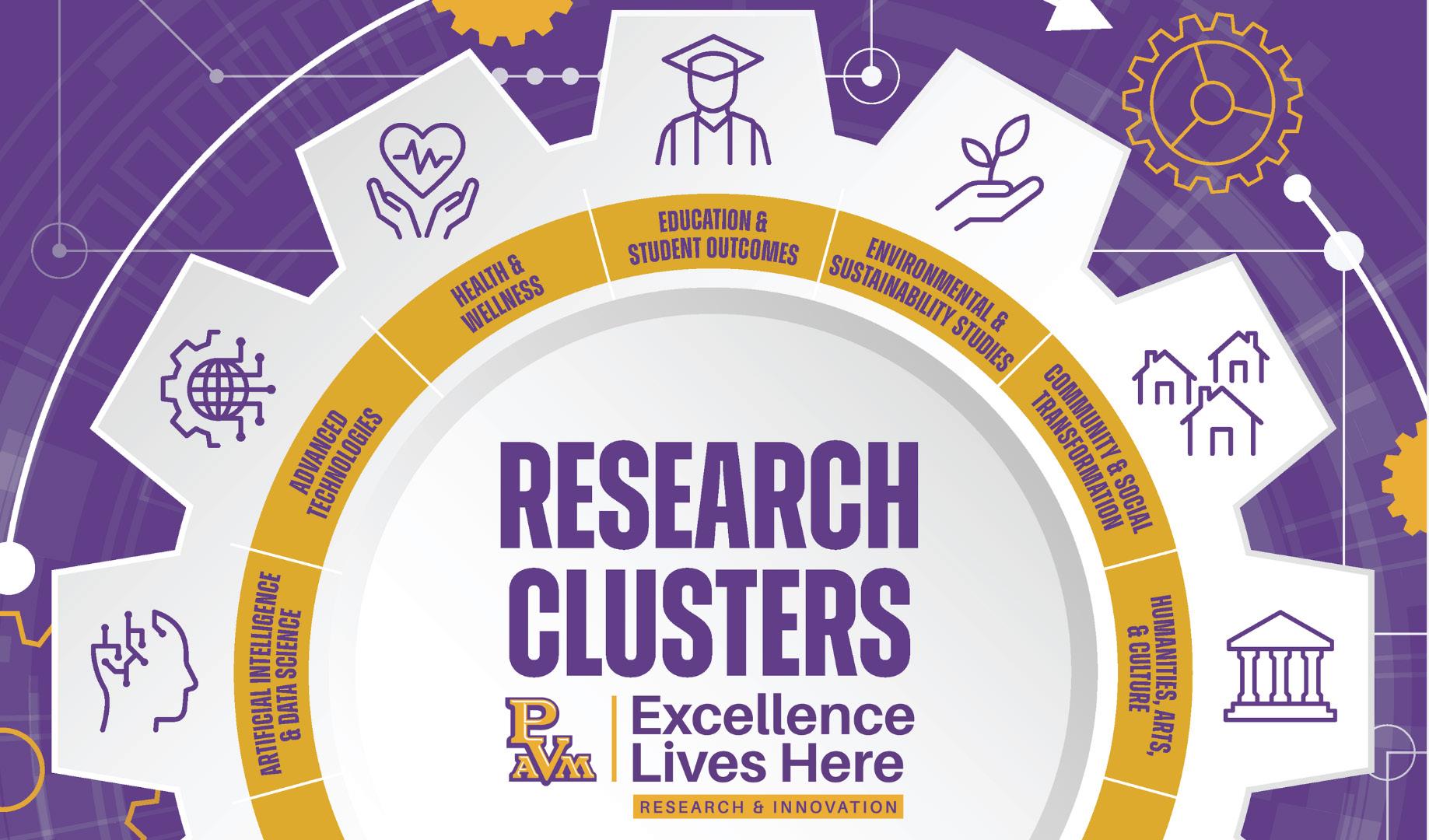
Emphasizes interdisciplinary research on health promotion and wellness and disease prevention across the lifespan among diverse populations; research is inclusive of current and new innovative strategies such as AI, telemedicine/ telehealth and emerging health technology.
• Health Challenges to Populations
• Behavioral health Interventions (behavioral health is inclusive of mental health)
• Maternal and Child Health Outcomes
• Family, community and environmental health
• Telehealth, Mobile Health Solutions & emerging health technology
• Nutritional Science and Food Security
• Chronic Disease Prevention and Health Promotion
• Health disparities and health equity/justice
• Interdisciplinary health workforce issues and development of interventions (reducing burnout/ supporting transition to practice/role)
• Biomedical Engineering and Diagnostics
• Mental Health Interventions and Access
• Public and Community Health Initiatives
• Nutrition, Food Security, and Wellness
• Nursing Practice and Workforce Readiness
Focuses on improving educational practices, academic achievement, and self-efficacy. This theme addresses relevant teaching and leadership development in education.
• Pedagogical Leadership
• Educator Preparation and Effectiveness in STEM Education
• Academic Self-Efficacy in Students
• Digital Learning and Technology Integration
• Assessment of Learning Outcomes in Higher Education
• Culturally Responsive Pedagogy
• K-12 STEM Education and Pipeline Programs
• Curriculum Innovation and Instructional Design
• Student Success and Retention Models
• Digital Learning and EdTech
• Faculty Development and Training Programs
Explores disaster management, and urban development. This theme promotes community engagement, policy research, and economic resilience.
• Disaster Management and Community Support
• Workforce Development and Economic Progress
• Youth and Juvenile Delinquency Prevention
• Housing and Urban Development
• Community-Based Participatory Research (CBPR)
• Public Policy and Urban Development
• Justice in Social Systems
• Rural Population Services
• Nonprofit and Faith-Based Partnerships
Examines digital humanities, historic preservation, and the arts.
• Digital Humanities
• Historical Preservation
• Art and Media in Community Empowerment
• Community Engagement through Performing Arts
• Heritage and Identity Studies
• Cultural Preservation and Oral Histories
• Global and Diaspora Studies
• Cultural Impacts of Agriculture and Land Use
• Performing and Visual Arts as Cultural Commentary
Focuses on advancing innovative solutions focusing on resource management and energy and infrastructure resilience.
• Urban Planning and Smart Cities
• Energy Solutions and Connectivity for Rural Communities
• Wastewater Treatment and Water Quality Management
• Sustainable Agriculture and Food Systems
• Food-energy-water nexus
• Energy Resilience
• Soil and Water Conservation
• Sustainable Agriculture and Biochar Research
• Renewable Energy and Resource Efficiency
• Coastal Ecosystems and Marine Science
• Environmental Justice and Policy

The 2025 Panther-RISE Grants were awarded to the following projects:
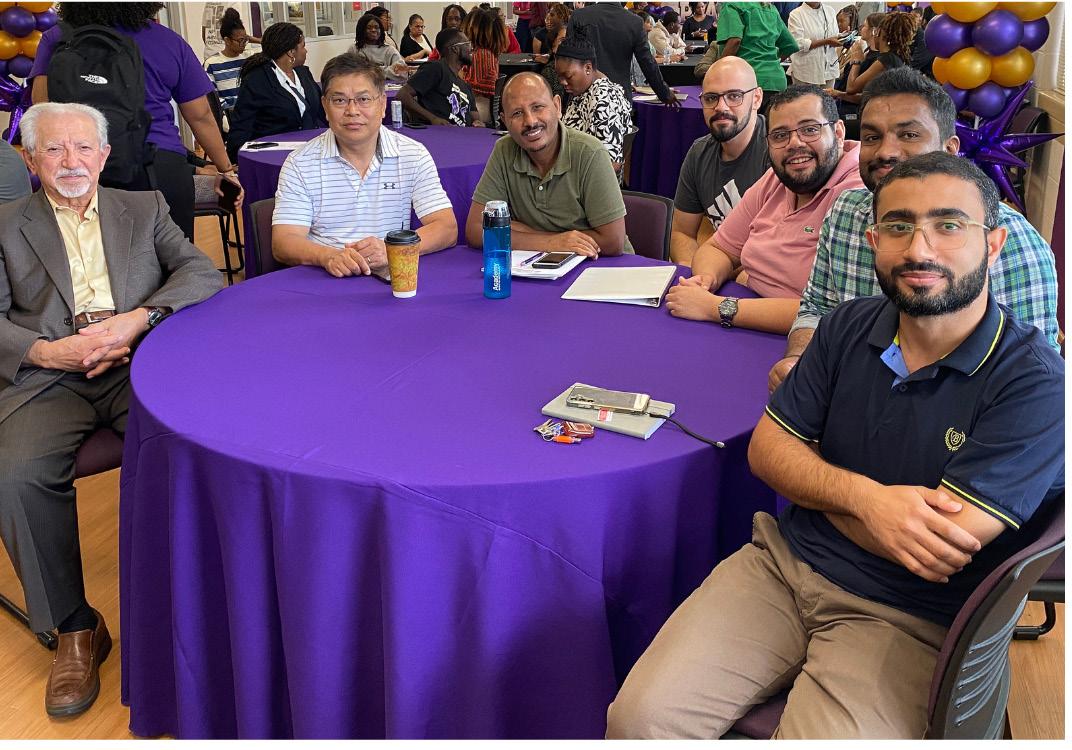
The 2025 Panther Research and Innovation for Scholarly Excellence (PRISE) Grant Program, in its fifth year, has awarded $520,000 to 13 collaborative teams of faculty investigators from Prairie View A&M University (PVAMU) and Texas A&M University (TAMU) for fostering innovative projects that address complex national and global challenges.
Each funded team includes at least one investigator from each university and was required to submit a proposal aligned with one of six research themes: Community and Economic Resilience, Emerging Technologies and Innovation, Health and Quality of Life, National Security, Space Exploration, and Sustainability and Environment.
This year, a total of 55 proposals were reviewed by a joint panel of PVAMU and TAMU faculty. Each selected project will receive $40,000 in funding for one year, providing teams with the resources to advance their research and position themselves for larger, external grant opportunities.
Sequential Targeting of Alzheimer's Disease by Novel Gamma-Secretase Modulator and Fyn Kinase Inhibitor Seungchan Kim Engineering Hamed Alyismail Pharmacy
AI-Driven High-Performance Algorithms and Tools for Stability-Constrained Optimization in Modern Electric Power Systems Lin Gon Engineering Xin Chen Engineering
FLARE: Fault Attacks and Hardware Evaluation Akshay Kulkarni Engineering Jeyavijayan Rajendran Engineering
Designing Radiation Sensitivity and Tolerance in Low-Dimensional Materials for Space Exploration
AI-Powered Virtual Reality: Transforming Undergraduate Math Engagement with AI-MathVerse
Merlyn Pulikkathara Arts and Sciences
Anne Lippert Arts and Sciences
Modulating Electron-Hole Dynamics using Quantum Light inside Optical Cavities Orion Ciftja
H3EAR: Exploring the Heat-HealthHousing (H3)-Energy Nexus for Community Adaptation and Resilience Using a Hybrid Citizen Science and GeoAI/ML Approach
Donggil Song Engineering
Ayodeji Iyanda Arts and Sciences Tobi Morakinyo Arts and Sciences
Visible-Light-Driven Photocatalysis for Micro-/nano-plastics Removal from Wastewater Yingchun Li Arts and Sciences Qiu, Jingjing Engineering
Integrative Precision Agriculture Technologies for Hot and Humid Texas Climate through Robotic Sensing and Data-Driven Irrigation Strategies
Ali Fares
Agriculture, Food, and Natural Resources Sivakumar Rathinam Engineering
Enhancing Law Enforcement Response to Human Trafficking: A Collaborative, Trauma-Informed Training and Research Initiative Salami, Temilola Arts and Sciences Anka Vujanovic Arts and Sciences
Magnetic and Electronic Properties of New Layered Altermagnets
Rapid additive manufacturing parts qualification and design using in-situ three-dimensional material mapping
Ecological Momentary Assessment of Physical and Psychological Distress in Home Hospice Caregivers: A Mixed Methods Study
Kevin Storr Arts and Sciences
Noushin Ghaffari Engineering
Joseph Ross Arts and Sciences
Mohsen Taheri Andani Engineering
Tuzhen Xu Nursing Ya-Ching Huang Nursing
Each collaboration reflects the shared vision of PVAMU and Texas A&M—to drive discovery through partnership and empower faculty to compete on a national stage, tackling the world’s toughest challenges.
From Soil to Solutions: A Partnership Rooted in Excellence
Prairie View A&M University (PVAMU) is pushing the boundaries of agricultural and environmental innovation through its collaboration with Shell’s Nature-Based Solutions (NBS) Research Project. The initiative develops soil amendments, growth substrates, and microbial inoculants while generating critical data to inform sustainable strategies in agriculture.
Field trials are testing liquid-based nitrogen fertilizers in corn production and evaluating biochars, hydrogels, and legumebased microbial inoculants. These efforts align with Shell’s global NBS strategy to reduce greenhouse gases through biologically driven processes.
At the helm is Dr. Raghava R. Kommalapati, Honeywell Endowed Professor and Director of the Center for Energy & Environmental Sustainability, who is modernizing soil analysis with an unmanned ground vehicle (UGV) equipped with robotics, RTK-GPS, and machine learning. This system delivers real-time soil data and spectrum analysis, eliminating manual sampling and boosting efficiency. Supporting him are research scientist Dr. Hongbo Du, computer science expert Dr. Yonghui Wang, mechanical engineer Dr. Lai Jiang, and agricultural scientist Dr. Peter Ampim, together creating a powerful cross-disciplinary team advancing smart soil technology.
A complementary effort is led by Dr. Ram L. Ray, Professor in the College of Agriculture, Food, and Natural Resources, who oversees large-scale experiments designed to improve soil health and carbon storage. His team’s 50-acre field trials in sorghum, corn, and pasture systems measure greenhouse gas fluxes, soil conditions, and microbial activity using advanced monitoring systems. Collaborators include soil scientist Dr. Richard Griffin, chemist Dr. Laura Carson, food scientist Dr. Javad Barouei, chemist Dr. Yunxiang Gao, plant scientist Dr. Aruna Weerasooriya, water security expert Dr. Ali Fares, and electrical engineer Dr. Lijun Qian—together blending expertise across disciplines to design cost-effective amendments and sustainable farming practices.
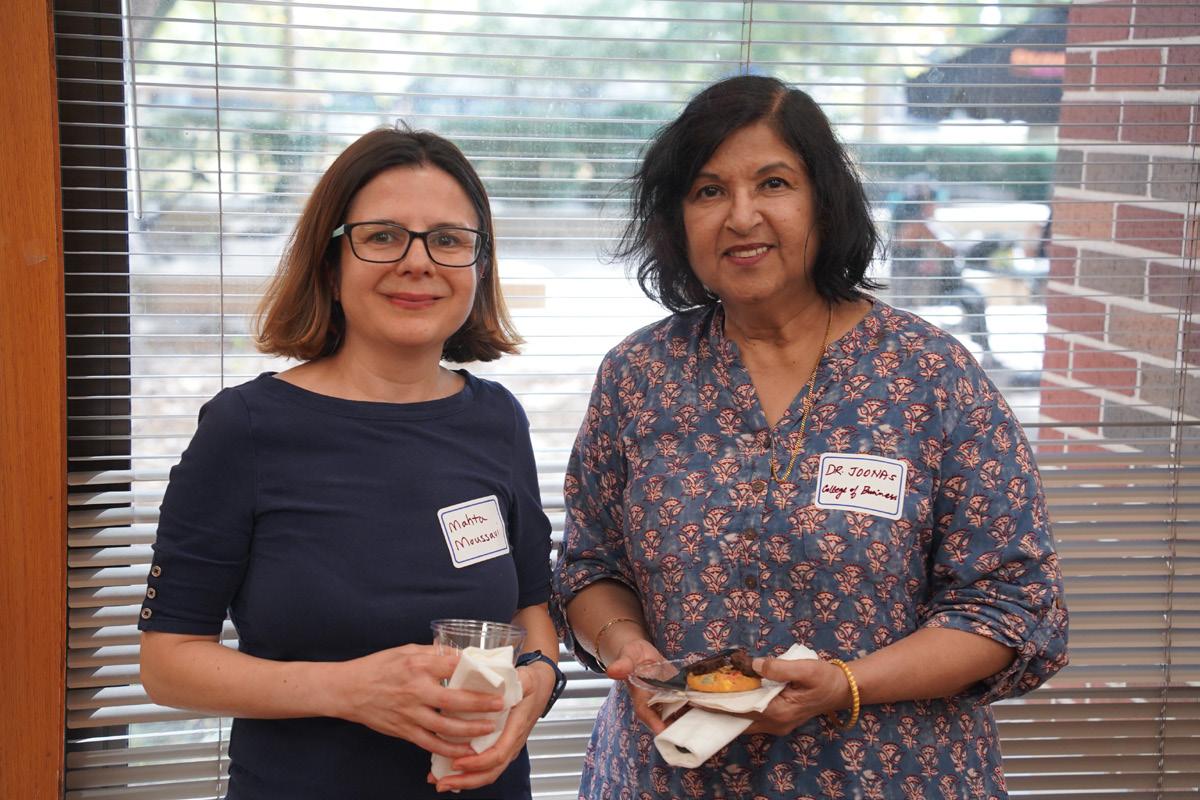
Meanwhile, Dr. Javad Barouei, Associate Professor of Food Science & Technology, is leading research on microbial inoculants that both fix nitrogen and reduce nitrous oxide emissions—one of the most potent greenhouse gases. He works alongside research scientist Dr. Tesfmichael Kebrom and postdoctoral researcher Dr. Mahta Moussavi to identify and test bacterial strains that can convert nitrous oxide into harmless nitrogen gas. Their upcoming field trials in legumes could provide farmers with a natural solution to reducing agriculture’s nitrogen footprint.
Beyond advancing discovery, the PVAMU–Shell partnership strengthens workforce development by engaging students in hands-on research at the intersection of engineering, computer science, agriculture, and environmental studies. This integration underscores PVAMU’s leadership in sustainability research and highlights agriculture’s potential as a powerful climate solution.
Through this work, PVAMU is demonstrating how smart soil science and nature-based strategies can transform farming into a force for environmental resilience and a sustainable future.
PVAMU’s application to the Texas Semiconductor Innovation Fund (TSIF), a TAMU-PVAMU administered by the Texas A&M Semiconductor Institute (TSI), has been successful,

and for workforce development initiatives in semiconductor manufacturing, $1.98M has been approved. The basis of this match has been PVAMU grants from the Department of Education, DARPA, and R&I internal grants, among others.
Lijie Zhou, and Jason Martin—have each engaged deeply with the project, with Shormin and Zhou completing master’s thesis fully based on the collaboration. Shormin graduated in December 2023 with a thesis on algorithmic approaches for mobile genomic element discovery, while Zhou graduated in May 2025 with a focus on unsupervised machine learning methods for genomic island categorization. Rabeya Nazara and Jason Martin are on track to graduate in 2025 and 2026, respectively. The team has also made notable scholarly contributions, including a 2024 journal publication in PLOS ONE and multiple conference papers, with presentations at the PEARC’ (July 2023), IEEE Electro Information Technology Conference (May 2024) and the Galaxy Bioconductor Community Conference at Cold Spring Harbor Laboratory (June 2025).
For over 70 years, Sandia National Laboratories (SNL) has produced vital science and technology research to resolve some of the most challenging U.S. security issues. As a contractor for the U.S. Department of Energy’s National Nuclear Security Administration (NNSA), Sandia National Laboratories (SNL) seeks out the best research talent and provides them with world-class facilities and opportunities to collaborate with experts from a variety of scientific disciplines. The START HBCU (Securing Top Academic Research & Talent at Historically Black Colleges and Universities) program initiated by SNL about five years ago with PVAMU as one of the HBCUs has provided not only funding, but, more importantly, opportunities for impactful research collaborations with the Sandia scientists through the Laboratory Directed Research and Development (LDRD) program. Students across various disciplines enjoy research training through internships they gain valuable experience that may enhance their prospects for future employment. They also can learn about Sandia's graduate programming and potential career paths. The following collaborative projects are in progress:
1. Advanced Algorithms for Discovery of New DNA-Editing Enzymes
Dr. Noushin Ghaffari at PVAMU and Dr. Kelly P. Williams at Sandia National Laboratories have been actively training six Computer Science graduate students in computational biology, high-performance computing, and data analytics using R and Python. Two graduate students who worked on the project in early years, Bernard Nyarko and Thomas Okonkwo, gained invaluable experience in computational biology. The students—Fatema Shormin, Rabeya Nazara,
Dr. Kevin Storr is leading a collaborative research project with Sandia focused on minealloy materials—metallic compounds known for their exceptionally high magnetic flux density, far surpassing that of pure iron. These properties make minealloys highly valuable for use in in transformers and inductors. The current phase of the study is examining the heat capacity of minealloys across a temperature range of 50 to 400 K and in magnetic fields up to 3 tesla. Beginning this summer, the team will advance the research by conducting torque magnetometry measurements using a piezoelectric cantilever system at much more extreme conditions—magnetic fields up to 15 tesla and temperatures as low as 0.4 K. The insights gained from this work could pave the way for the more widespread integration of minealloys into everyday electronic devices.
Dr. Merlyn Pulikkathara at Prairie View A&M University, in collaboration with Dr. Andrew Padgett of Sandia National Laboratories is leading a research project aimed at developing a lightweight, low-iron-content electromagnetic absorber capable of delivering up to 20 dB attenuation across a broad frequency range—from 100 MHz to 18 GHz—at just 1 mm thickness. Designed to be only one-third the density of copper, the absorber targets mixed radiation threat environments. In June 2025, the team focused on characterizing materials using Raman spectroscopy before and after X-ray exposure to assess how ionizing radiation affects defect density. Highly purified carbon nanotubes and other candidate materials were studied, with attention to the
G/D ratio (graphitic order to defect signal) as a function of increasing X-ray doses in 500 MRad increments. This work is helping to quantify how radiation exposure alters material properties and inform the design of more resilient absorber materials.
Dr. Lijun Qian at Prairie View A&M University, in collaboration with Dr. Sapan Agarwal and Dr. Benjamin Feinberg of Sandia National Laboratories led a Sandiasponsored research project titled “Compilers for Neuromorphic Systems for RAD-EDGE LDRD”, focusing on advancing edge computing for next-generation AI applications, particularly in space environments. The project aimed to develop analog computing capabilities that could be embedded directly at the sensing point—an approach crucial for future satellite systems. Dr. Qian’s team at Prairie View A&M University developed a compiler framework for integrating analog accelerators with digital processors which was successful transferred to Sandia for further development. Additionally Dr. Qian’s team performed the first analysis of super-resolution applications—algorithms that combine multiple images to create a higher resolution image—on analog hardware, demonstrating the suitability of these algorithms for analog acceleration.The project provided hands-on training for several students and yielded impactful research outcomes, including the publication and presentation of the paper “Comparative Analysis of Inference Performance of Pre-trained Deep Neural Networks in Analog Accelerators” at the 2024 IEEE International Conference on Machine Learning and Applications, which had a competitive 24% acceptance rate.
of HBCU and Princeton faculty members. Currently, six PACRI projects, funded at $842K, are in progress at PVAMU:
1. Unraveling and Modeling Non-Monotonicities for
Blend-In Sustainable Aviation Fuels
Princeton PI: Dr. Michael Mueller
PVAMU PI: Dr. Ziaul Huque
This collaborative research project between Prairie View A&M University (PVAMU) and Princeton University focuses on the combustion of Sustainable Aviation Fuels (SAFs). Initial experimental data will be generated at PVAMU using a Multiphase Droplet Combustion Apparatus under development. Two graduate students will spend two summer months at Princeton conducting SAF combustion simulations, offering them valuable research experience. Progress so far includes completing the drop tower’s release mechanism and designing the deceleration tank. Upcoming tasks involve building a reaction chamber, droplet generator, and support system, ignition system, and deploying high-speed cameras to capture fuel droplet combustion.
2. Computer Vision for Underwater Exploration
Princeton PI: Dr. Olga Russakovsky
PVAMU PI: Dr. Suxia Cui
This collaborative project between Princeton University and Prairie View A&M University (PVAMU) brings together expertise in image processing, generative modeling, and explainable AI to advance underwater image enhancement using transformer-based architectures and generative diffusion models. The team has maintained regular bi-weekly meetings to ensure steady progress and collaboration. As a result, one paper has been submitted to the prestigious IEEE Transactions on Image Processing, and a second manuscript is ready for submission. Princeton researchers also engaged with PVAMU Ph.D. students at CVPR 2024 (Computer Vision and Pattern Recognition Conference, 2024), strengthening academic ties. Looking ahead, the team plans to expand research in advanced computer vision, further strengthening PVAMU’s role in cutting-edge technological innovation.
3. The Impact of Proteins and Dietary Fibers on the Microbiome: Is Digestibility the Understudied Driver of Metabolic Dysregulation?
PVAMU PI: Dr. Javad Barouei
carbohydrates increased intestinal inflammation, while plant-based proteins—being less digestible—had greater anti-inflammatory effects compared to animal proteins. These findings suggest that digestibility may be a key factor in dietdriven metabolic dysregulation. The project has also offered hands-on research training for PVAMU students in both institutions’ labs. Future work will explore digestibility within obesogenic diets to further understand its metabolic impact.
4. Exploring Applications of Machine Learning for DNA Methylation Experiments with the Goal of Trait Discoveries
Princeton PI: Dr. Bridgett vonHoldt
PVAMU PI: Dr. Noushin Ghaffari
This collaborative project applies machine learning (ML) to DNA methylation (DNAm) data to explore species-level traits and regulatory patterns in pinniped species, including seals and sea lions. Leveraging next-generation sequencing technologies, the team analyzes regulatory modifications that influence gene expression and genomic stability. PVAMU researchers utilized the Methyl Kit pipeline to identify differentially methylated sites and regions across various tissue types, sexes, and species groups. A key outcome was the successful classification of methylation patterns using Bayesian Neural Networks, achieving near-perfect accuracy without traditional bioinformatics tools. These findings, including a completed Master's thesis and a conference presentation, have set the stage for multiple journal publications, with one manuscript under preparation and others in development to explore both phenotypic correlations and ML-based predictive models of methylation.
5. Unpacking the Dynamics of Co-Racial Voting
Princeton PI: Dr. Ismail White
PVAMU PI: Dr. Melanye Price
A paper entitled “Assessing Racial Identity as Constraint on Democratic Accountability” was presented at the annual meeting of the American Political Science Association.
6. Deepfakes Detection: Solutions for a Growing Cybersecurity Concern
PVAMU PI: Dr. Yonghui Wang
Princeton PI: Dr. Jia Deng
using traditional signal processing techniques like wavelet transforms. By integrating these conventional methods with deep learning, the research team designed a hybrid approach that improves the ability to distinguish fake images from real ones. The project has led to the submission of one NSF proposal, with another underway, and papers are in preparation for publication. Several graduate students have been trained through this research, contributing to both academic advancement and workforce development in cybersecurity and computer vision.
Princeton University, in partnership with the United Negro College Fund, selected five HBCUs--PVAMU, Spelman College, Howard University, Jackson State University, and the University of Maryland-Eastern Shores—to initiate the Princeton Alliance for Collaborative Research and Innovation (PACRI). PACRI provided funds for research teams consisting
Princeton PI: Dr. Joshua Rabinowitz
This collaborative study investigates how food digestibility influences metabolism, immunity, and gut microbiome composition, highlighting its role in health disparities. Using a mouse model, researchers found that highly digestible
This collaborative project between Prairie View A&M University (PVAMU) and Princeton University focuses on developing generalizable deepfake detection methods by leveraging local artifact features commonly found in images generated by GAN-based and diffusion-based models. These artifacts, introduced by specific operations within image generator architectures, can be effectively captured
PVAMU and PURDUE have started working on curriculum development for AI in Smart Agriculture. Purdue has developed a course for students in agricultural sciences, which will be available to the College of Agriculture, Food, and Natural Resources for implementation and feedback.
PVAMU recently became a member of the EDGE (Education Group for Diversification and Growth in Engineering) Consortium, consisting of Dartmouth College, Indiana University, Brown University, University of California-Berkeley, University of Rochester, and University of Washington. The consortium facilitates the transformation of semiconductorrelated education and training in alignment with industry workforce needs and enhancement of university infrastructure for research and education in the semiconductor field. EDGE recently provided content for a Request For Information (RFI) in response to a National Semiconductor Technology Center (NSTC).
PVAMU is advancing its Journey to Eminence by investing in interdisciplinary and transdisciplinary research that tackles complex global challenges. PVAMU has launched a multiphased interdisciplinary faculty cluster hiring initiative. The initiative is guided by the Promising Innovations in Education and Research (PIER) program. This effort is designed to build research capacity, promote academic leadership, and embed innovative scholarship into both teaching and community outreach. Colleges and schools are invited to propose research initiatives tied to one of seven strategic themes, positioning PVAMU as a leader in impactful, cross-cutting research.
The Division of Research & Innovation introduces the RISEFaculty Startup Support Program to accelerate the success of newly recruited faculty. The program provides critical resources that allow new faculty to establish their research quickly and competitively. Support includes summer salary, small equipment funds, research supplies, and both undergraduate and graduate student assistance. These resources enable faculty to launch projects quickly and prepare competitive grant applications that sustain long-term scholarly and creative activities.
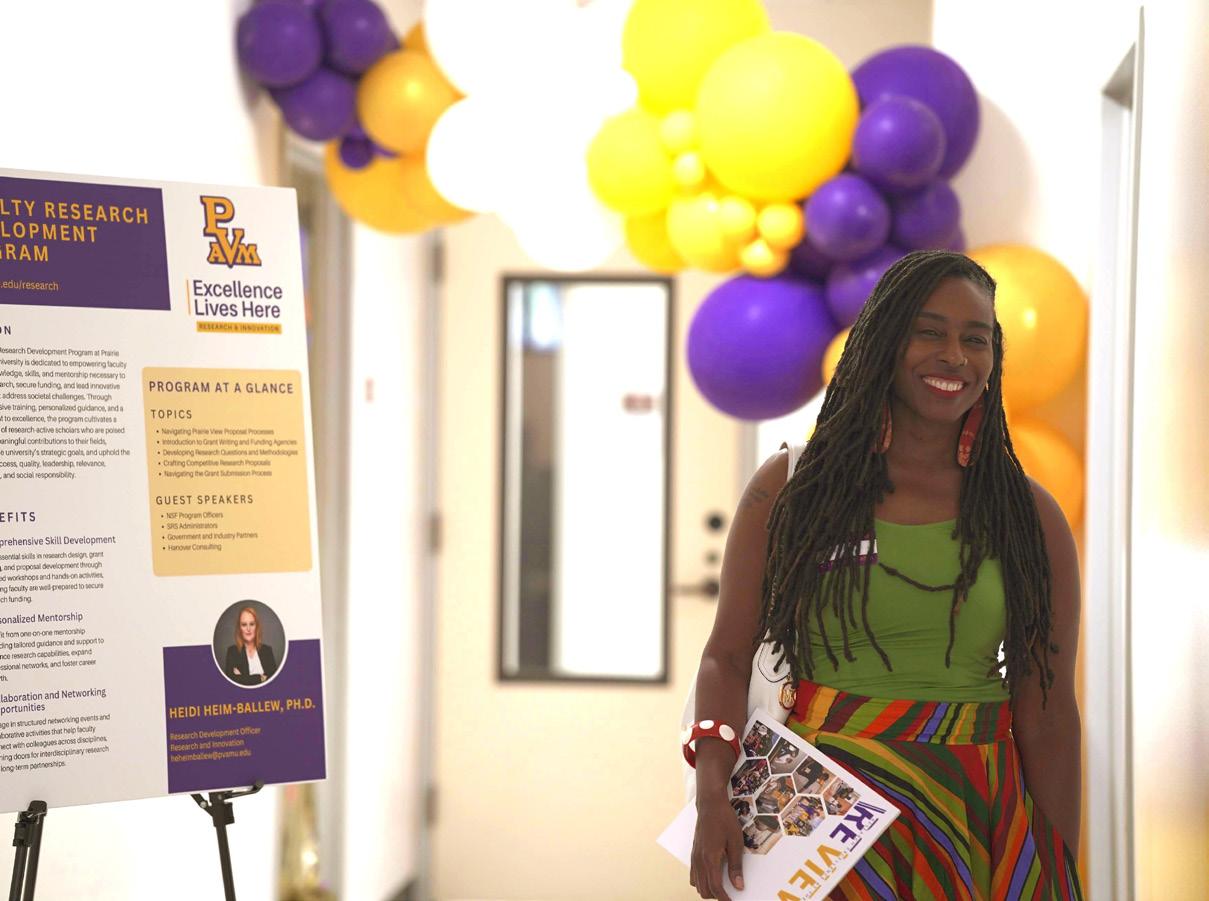
Fiscal Year 2025
College of Arts & Sciences
$397,777
$69,076
Lanre Akinyemi, Department of Mathematics
Samuel Ivy, Department of Mathematics
Bridgett Tate, Department of Psychology
College of Business
$33,222
Brandy Edmonson, Department of Management & Marketing
Rajat Mishra, Department of Management & Marketing
College of Engineering
$188,491
Yuntong Zhang, Department of Computer Science
Md Hossain Shuvo, Department of Computer Science
Lening Wang, Department of Computer Science
Akshay Kulkarni, Department of Electrical & Computer
Engineering
Daniel Doe, Department of Electrical & Computer Engineering
Lin Gong, Department of Electrical & Computer Engineering
Anthony Hill, Department of Electrical & Computer Engineering
Wenhua Yang, Department of Mechanical Engineering
College of Juvenile Justice
Serita Whiting Wa’ed Alshoubaki
College of Nursing
Sonya Carothers
School of Public & Allied Health
Sandhya Lohani
$79,222
$2,488
$25,278
Faculty Research Development Program (FRDP)
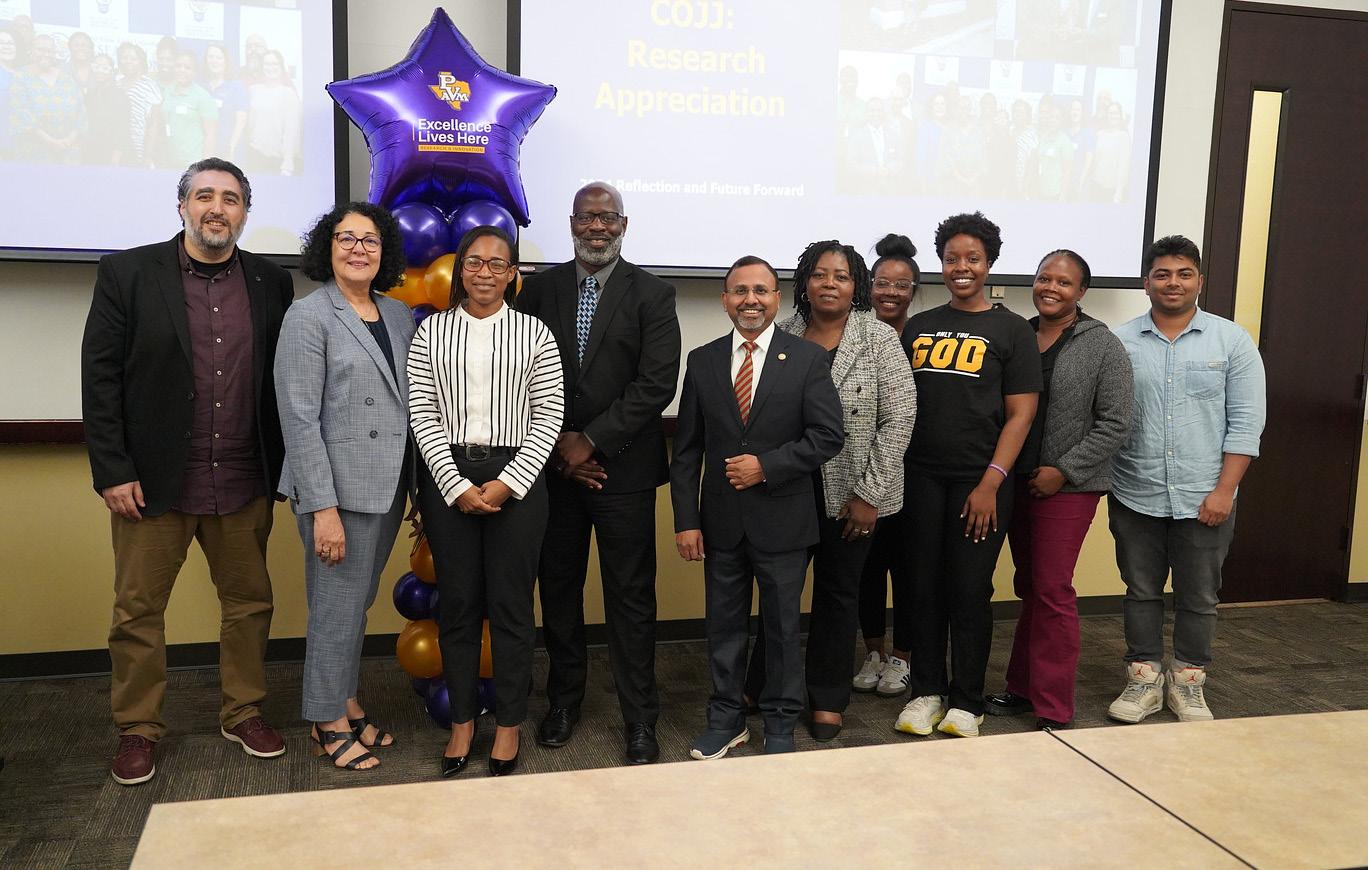
R&I launched its inaugural Faculty Research Development Program (FRDP) in the 2024–25 academic year to strengthen faculty research, mentorship, and external funding efforts.
The first cohort included 21 faculty members from diverse disciplines such as STEM, humanities, engineering, nursing, public health, and agriculture. Participants engaged in a series of structured activities, including grant process overviews, proposal-writing workshops, individualized consultations, peer and mentor feedback, and guidance on navigating funding opportunities from agencies like NSF, NIH, and DOE.
The program aims to enhance faculty competitiveness for external grants, foster interdisciplinary collaboration, and build sustainable research capacity at PVAMU. Early results show strong participant engagement, with several proposals already submitted or in development.
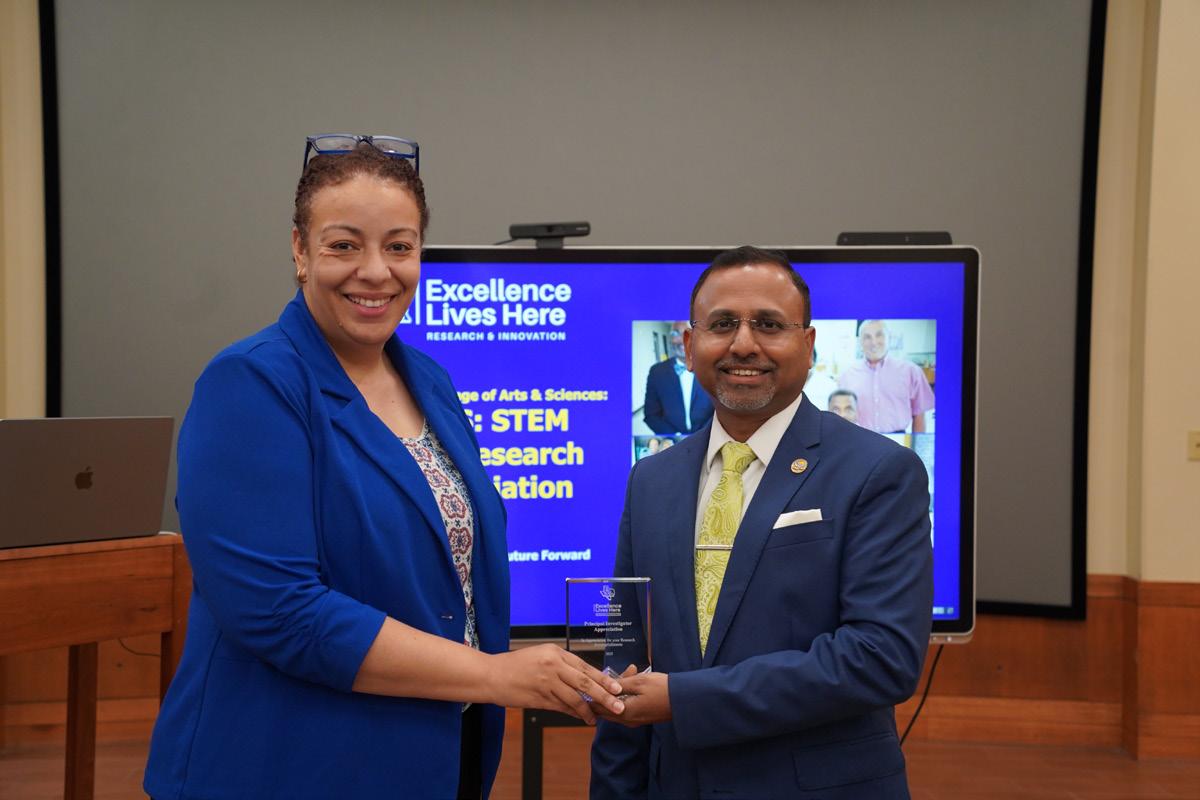
The Division of Research & Innovation continues to invest in faculty whose ideas are helping to shape the future. Through the RISE–Faculty Support Programs, faculty members received support for meritorious projects that narrowly missed local funding or were recognized at professional conferences.
RISE-Faculty Research Grant Program $397,777
The following faculty members were each awarded $10,000 for their highly ranked, but not funded, projects submitted to the 2024 PRISE program:
Lori Banks, College of Arts & Sciences, Telling the Hole Story: Molecular Mechanisms Bacteriophage Use to Kill Bacteria.
Eric Welch, College of Arts & Sciences, Rare Earth Metal Doping in Gallium Oxide for Next Generation Transparent Conducting Film Applications.
Ayodeji Iyanda, College of Arts & Sciences, Street-edge in Small Texas Cities for Equity, Sustainability, and Quality of Life.
Tamika Baldwin-Clark, College of Arts & Sciences, Immersive Reminiscing Program
Britine Perkins, College of Education, TexEd Trails: Pathways to Social Studies Certification for Texas Teachers
Stella Smith, College of Education, Silenced Voices: Exploring Medical Gaslighting in Underrepresented Communities.
Robin Jackson, College of Juvenile Justice, From Disparity to Action: A Cross-Institutional Study of Behavioral Health among Black and Hispanic College Students at Two Demographically Distinct Institutions
Tiffany Johnson, School of Architecture, Researching disaster communication readiness in Houston
Angela Branch-Vital, School of Public and Allied Health, Developing a Community-Based Well-being Framework for Enhancing Resilience and Engagement in Higher Education
Catherine Kisavi-Atath, School of Public and Allied Health, Epigenetics: Knowledge and Perceptions among Health Educators in the United States.
RISE-Conference Travel Support Program $10,580
Two faculty members received support to present their research at national and international professional venues:
Sameh Abdelwahed, College of Arts & Sciences, American Chemical Society Southwest Regional Conference
Douglas Hermond, College of Education, Global Leadership for Doctoral Students in Belize
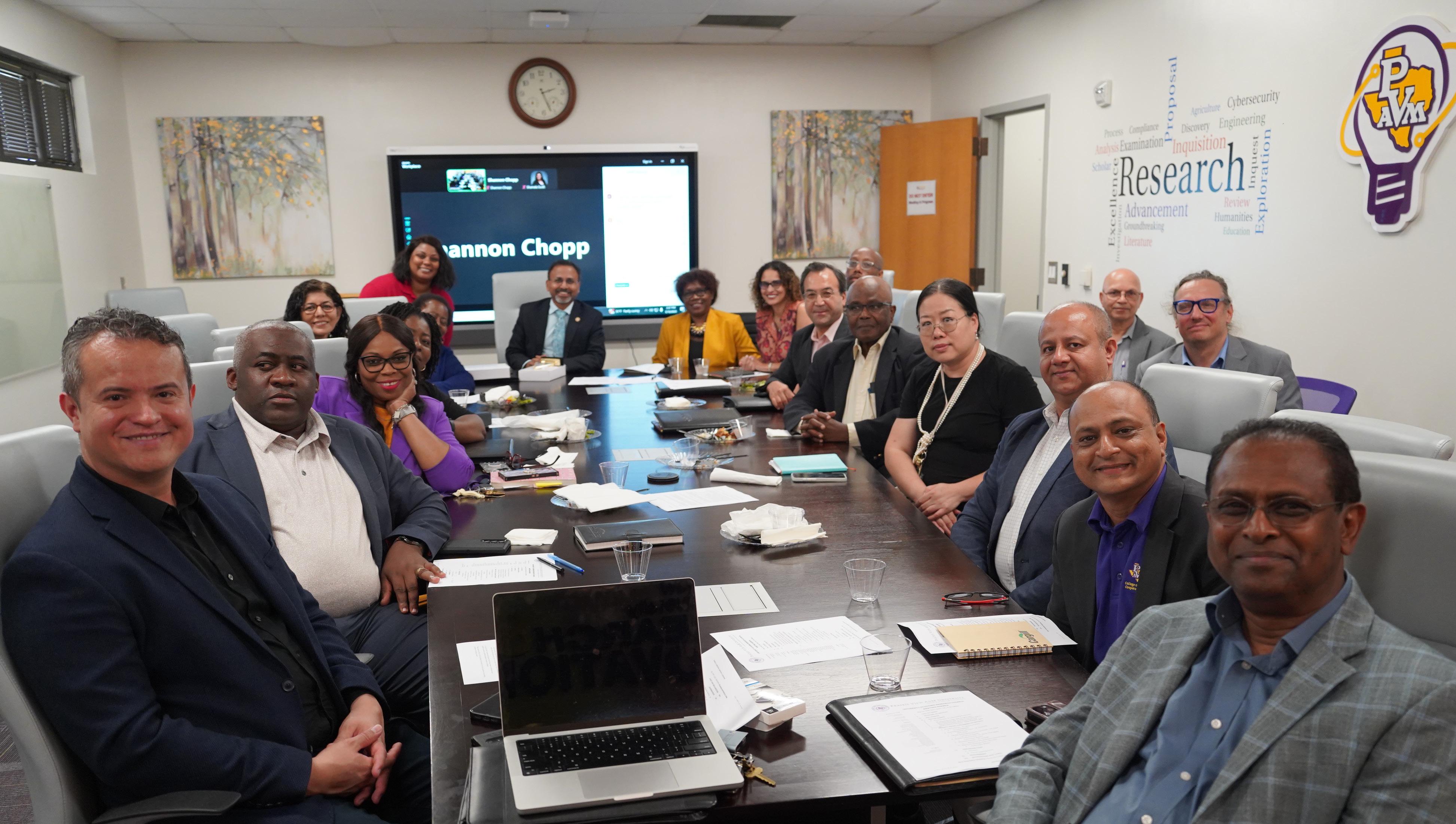
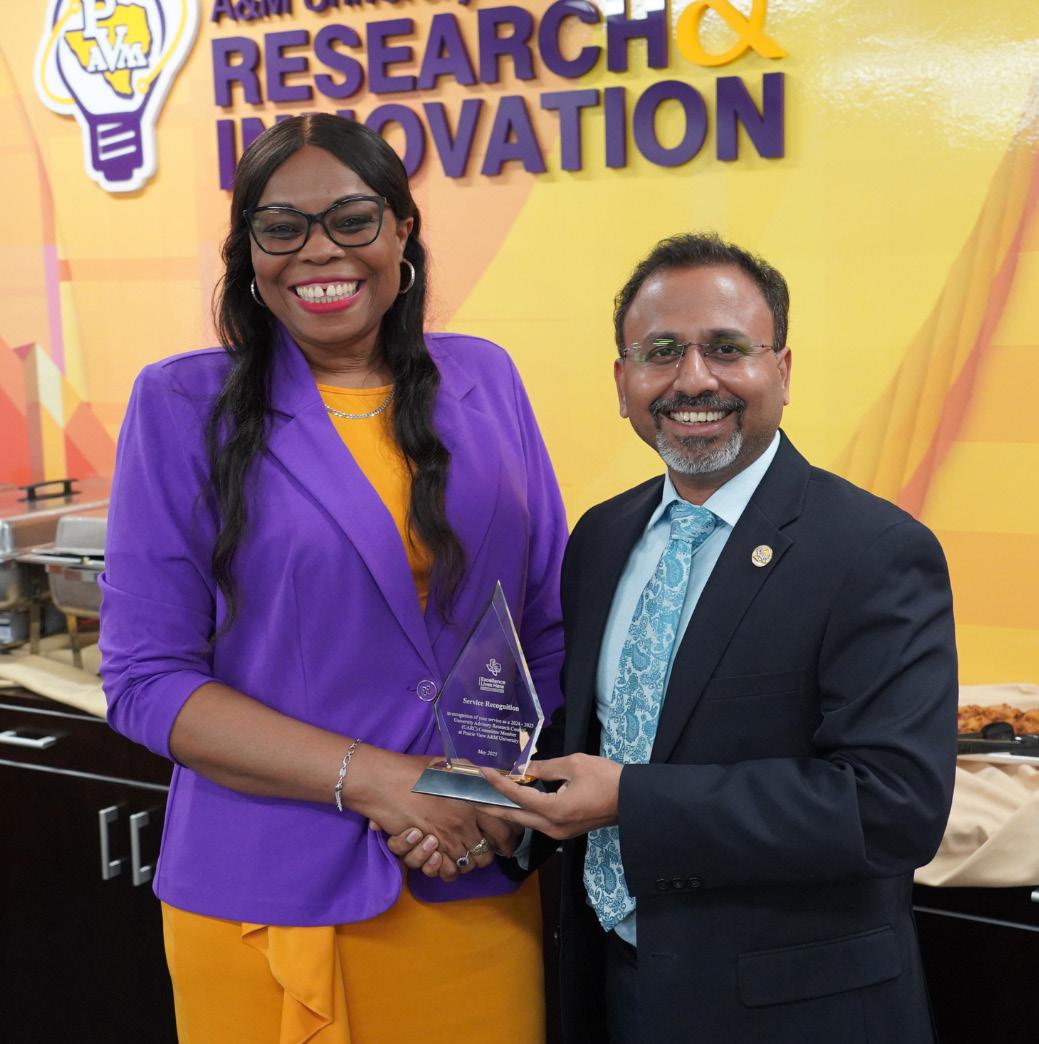
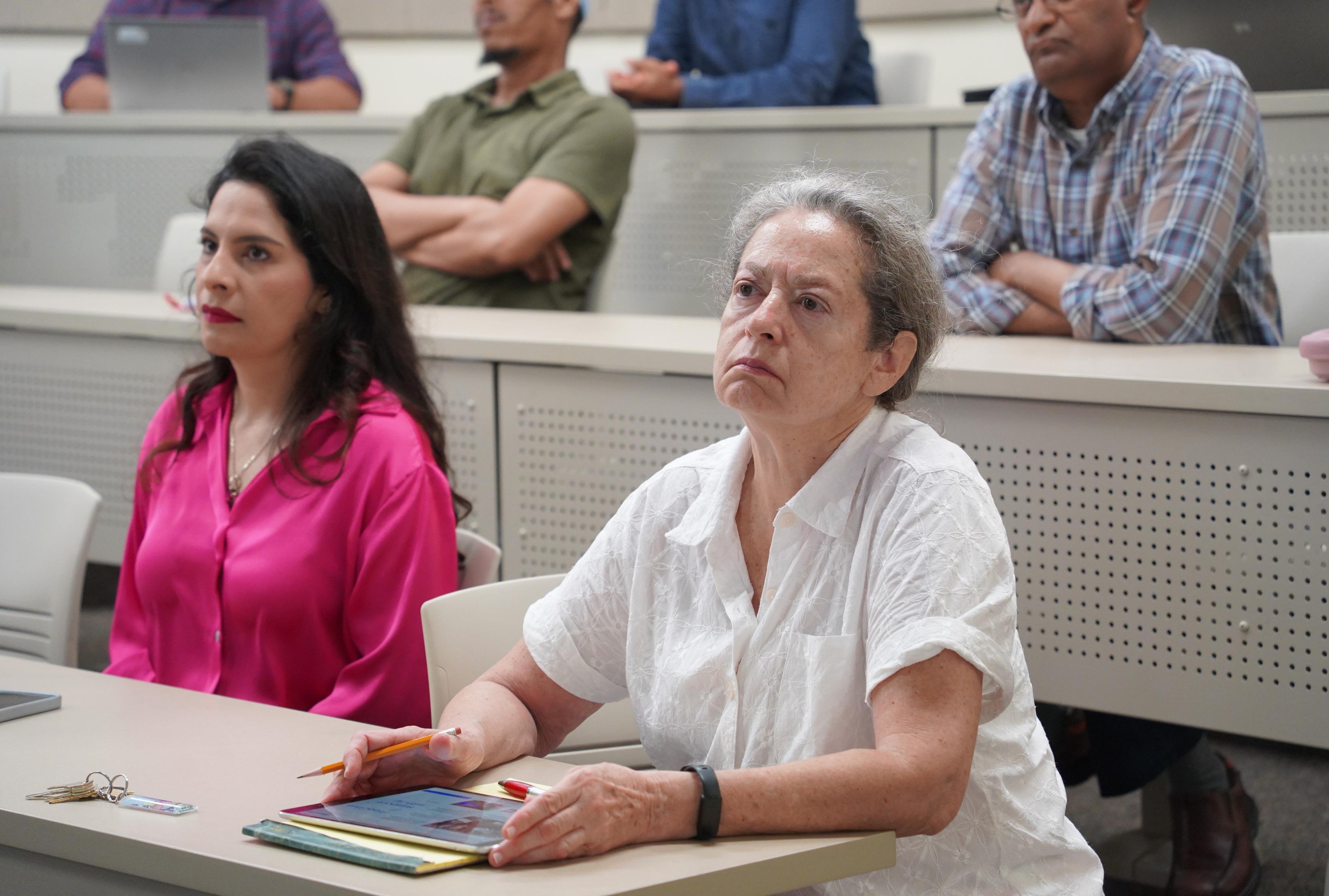
The University Advisory Research Council (UARC) advocates on behalf of the research enterprise at Prairie View A&M University and advises the Vice President for Research & Innovation on the needs and challenges faced by the research community. The Council is part of our thriving ecosystem of shared governance and is composed of faculty, researchers, administrators, and research staff from all academic colleges.
The Deans’ Research Council plays a pivotal role in advancing Prairie View A&M University’s Research & Innovation (R&I) mission. Each month, R&I leadership meets with the Deans and Associate Deans of Research to share updates on faculty development initiatives, major funding opportunities, and proposal-writing resources. These conversations also create space for exchanging feedback on departmental research capacity and faculty progress reports tied to internal funding. By fostering regular dialogue, the council has become a
trusted channel for communication, collaboration, and accountability, strengthening shared governance across colleges and helping faculty push their research further.
Alongside this work, R&I continues to uphold the highest standards of compliance and oversight through its regulatory committees. The Institutional Review Board (IRB) expanded support for researchers through onboarding, post-approval monitoring, and updated policies. The Institutional Animal Care and Use Committee (IACUC) reinforced quality through program reviews, inspections, training workshops, and new member recruitment. Meanwhile, the Institutional Biosafety Committee (IBC) advanced safety by refining procedures, coordinating registrations, and leading awareness efforts. Together, these committees safeguard research integrity and ensure PVAMU’s investigators have the guidance and protections needed to conduct their work responsibly.
The RISE Summer Faculty Research Development Program provides partial summer salary (about a month) to the faculty to engage in research, proposal development, scholarly, and creative activities. The awardees conduct research, prepare scholarly publications, including books, or develop proposals for submission to external funding agencies.
FACULTY RESEARCH FUNDING TOTAL $322,732 STEM | $43,212 Faculty Name
Kenshara Cravens Project: Institutional practices and their impact on youth in juvenile detention centers
William Hoston Project: From the Hill to The Hall, chronicling the extraordinary contributions of Prairie View A&M University athletes to American and global sports
Daniel Pardo Project: From A Land Far Away--a 12-song CD project with self-arrangements of World Music themes celebrating music and culture
Jolie Rocke
Project: Planning a Prairie View A&M University Community Arts Center for diverse arts programming, creative expression, and artists’ entrepreneurial development
Mathew Minus Project: Energy storage and plastic degradation
Victoria Mgbemena Project: Germline mutations in DNA repair genes and epithelial cell metastasis of cervical and prostate cancers
Yingchun Li Project: Synthesis and characterization of new UV-sensitive photochromic compounds
Tefera Tesema Project: Development of Benzothiophene-Derived Surfactants for Plasmonic Nanoparticles
Sameh Abdelwahed Project: Targeted cancer therapies and drug delivery systems
Emmanuel Appiah Book: Second edition of “Probability, Statistics, and Stochastic Processes for Engineers and Scientists”
Samuel Ivy Project: Lie Theory--symmetric spaces and generalized Cartan decompositions
Manouchehr Misaghian Proposal: Research Experience for Undergraduates to NSF
Shannon Solis Project: Effectiveness of various types of math interventions on the academic success of college students
Justin Mabiala
Kevin Storr
Proposal: Production of Astatine-211 using petawatt laser-driven nuclear reactions and its potential for targeted alpha-particle cancer therapy
Project: Use of magnets at the National High Magnetic Field Laboratory in Tallahassee, Florida, to conduct resistivity measurements
COLLEGE OF BUSINESS | $30,000 SUMMER 2025
Sanzid Haq
Elvis Ndembe
Hesam Shahriari
Project: Development of a comprehensive Personal Finance literacy scale
Project: Building freight transportation service resilience under global supply chain disruptions
Project: The impact of non-compete agreements on corporate value creation.
Justin
Douglas Hermond and
Project: TexSTEM: Producing PV STEM Teachers for the 21st Century Student and Ventaja Panama: Bringing STEM to Underserved English Language Learners
Project: No one knows what we have done if we don’t tell our stories
Publication: Data from AERA Fellowship on the Study of Deeper Learning (SDL)
Book Project: Emotional, social, and psychological dimensions of caregiver loss through critical qualitative inquiry
Proposal: Doctoral Degree in Organizational Leadership
COLLEGE OF ENGINEERING | $47,622
Faculty Name Planned Activity (Project/Proposal/Publication)
Akshay Kulkarni Proposal: Hardware security and trust
Daniel Doe Proposal: Blockchain-driven trust models for AI systems in adversarial cybersecurity environments
Lin Gong Proposal: Parallel algorithms and high-performance computing coupled with machine learning for integrated multienergy systems
COLLEGE OF JUVENILE JUSTICE | $18,834
Faculty Name Planned Activity (Project/Proposal/Publication)
Ling Wu Project: Combination of spatial econometrics and machine learning models to detect behavioral shifts in parks usage
COLLEGE OF NURSING | $9,444
Faculty Name Planned Activity (Project/Proposal/Publication)
Shannon
Project: Effects of academic, environmental, and professional integration and socialization factors on semester one nursing students’ retention and success
SCHOOL OF PUBLIC AND ALLIED HEALTH | $30,000
(Project/Proposal/Publication)
Adwale Adbero Project: Impact of social media dance trends on physical activity levels among adults
Howard
Project: Impact of Recruiting in Today’s Name and Likeness Era of College Baseball on the NCAA, NAIA, NJCAA, and NCBA Levels of Sport
Oluwaseyl Yusef Project: Effects of e-scooter usage on the safety, physical, and mental well-being of students at HBCUs in Texas
Park Atatah Project: Health and public health implications of the rising rates of homelessness in four major U.S. cities
Kentya Ford Project: Cancer-related risk behaviors among African American college students at HBCUs
Project: Health status investigation of five main community subgroups of Asian Americans.
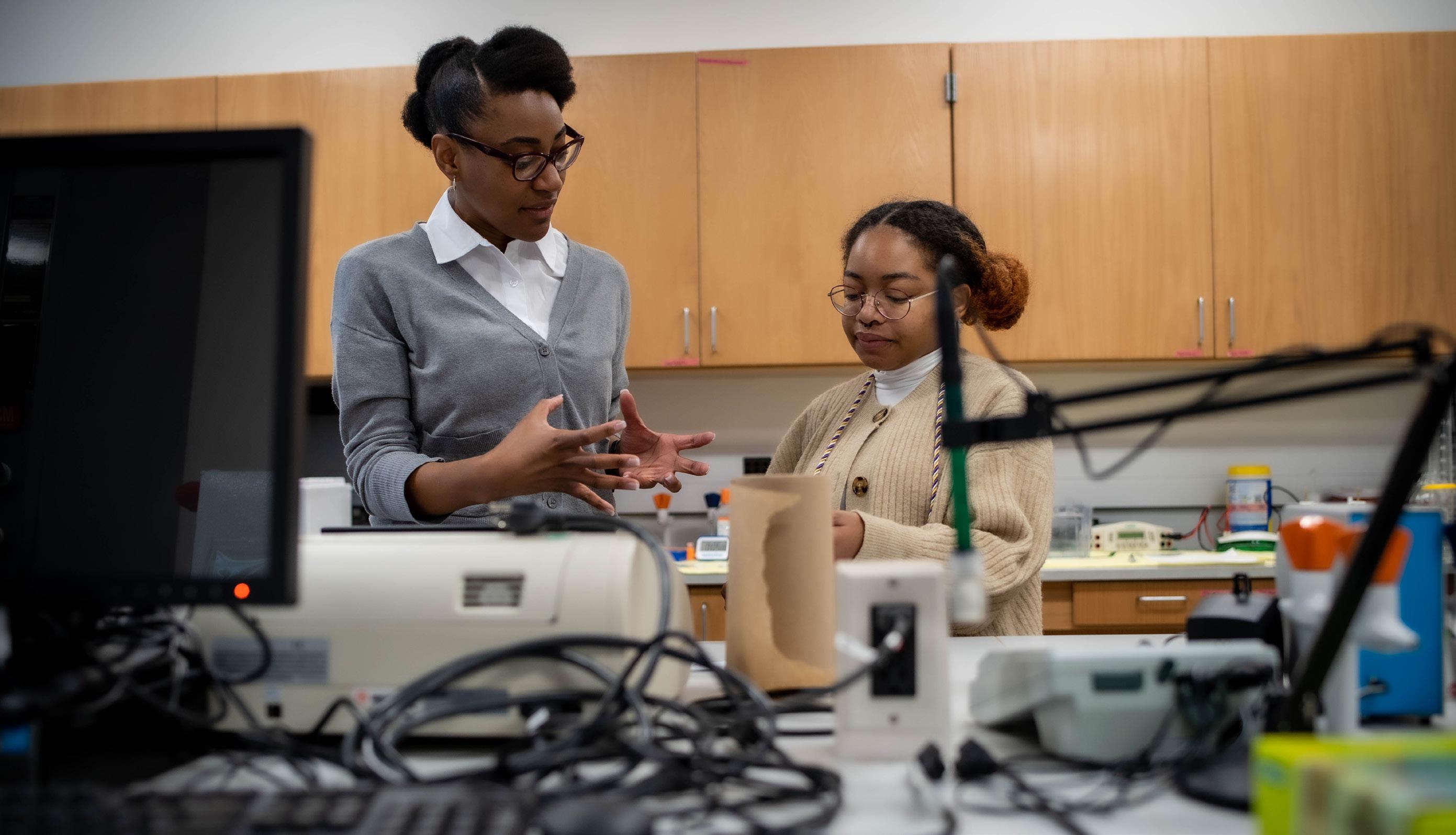
Funds from the $2.4M grant awarded by the Department of Education have been utilized to purchase sophisticated equipment and laboratory instruments that support both research and educational needs of undergraduate and graduate students in the College of Engineering and the College of Arts & Sciences, with investments of approximately $856,000 and $388,000, respectively. In addition, the RISE–Equipment & Infrastructure Support Program provided the College of Engineering with $10,091 to acquire a 3D scanner and the College of Arts & Sciences with $11,660 to enhance the capabilities of a Scanning Electron Microscope. The strategic investment in advanced scientific instrumentation across multiple departments and research centers has significantly expanded Prairie View A&M University’s research enterprise. Recent acquisitions—spanning communication technology, data science infrastructure, manufacturing systems, and physico-chemical instrumentation—are enabling transformative educational experiences, strengthening faculty-led research programs, and fueling competitive grant proposals. The following highlights illustrate the collective impact of these advancements under four thematic pillars.
At the forefront of communication systems research, the Center of Excellence for Communication Systems Technology Research (CECSTR), under the leadership of Dr. Cajetan M. Akujuobi, has installed a state-of-the-art 5G testbed suite. This includes a 5G Broadband Solution Testbed, a 5G Edge Chain Computing Solution, and a Broadband Spectrum 5G Measurement System. The operational Dell and CRFS components are already supporting advanced research in next-generation communication protocols. The testbed has contributed to a successful RISE proposal and is enabling new submissions to the National Science Foundation (NSF). Multiple journal articles and conference presentations—some scheduled for the NSF PI Conference and CISR 2025— underscore the research productivity made possible by these tools.
Complementing this momentum is the work of Dr. Lin Gong in the Department of Electrical & Computer Engineering, who has deployed a Dell Precision 7875 Tower Workstation for
algorithm testing, debugging, and simulation. Serving both instructional and research purposes, the system is now a critical component in the graduate-level course ELEG6365, providing hands-on demonstrations of multi-core computing. A master's student is being trained on the system, which will also be featured at the upcoming Energy and Power Group Seminar at Texas A&M University in March 2025.
Dr. Lijun Qian is spearheading the university’s expansion into big data and artificial intelligence research with the installation of a custom-designed Big Data Visualization System in the Big Data/ML/AI Lab located in the EnCARB building. Developed in partnership with OneDiversified, this high-resolution video wall is tailored to support advanced visualization of machine learning models and large-scale data analytics. With its anticipated launch soon, the system is expected to significantly enhance both research and instruction in the university’s new MS program in Data Science and Engineering. Once operational, it will provide an interactive platform for course development, faculty collaboration, and high-impact research.
Dr. Lai Jiang in the Department of Mechanical Engineering has established a robust manufacturing research platform with the installation of four advanced systems: the FILABOT EX6 Extruder, Lumedica OQ Labscope 3.0, a 3D Cultures Tissue Scribe Bioprinter, and a SH-FU-11MH Lab Furnace. These tools are regularly used by students for custom filament production, bioprinting, and nondestructive imaging. Data generated from these efforts have supported successful grant proposals, including a PRISE grant, and results were presented at the 39th ASC Annual Technical Conference. The platform continues to enhance lab instruction and student research engagement.
In the Department of Physics, Dr. Sunil Karna has received a high-performance Arc Melter Furnace capable of heating above 3500°C for advanced alloy synthesis, powder
melting, and material densification. The upcoming installation of this tool will further elevate the department’s solid-state materials research capabilities, supporting high-temperature experimental work in compound synthesis and metallurgical engineering.
The Department of Chemistry has experienced significant upgrades in analytical instrumentation. Dr. Harshica Fernando, supported by a Department of Energy equipment grant, has enhanced her teaching and research lab with twelve new computers, two UV/Vis spectrometers, and a Litesizer DLS 700. The Litesizer enables detailed particle and molecular characterization across seven measurement types. These instruments are utilized daily by students and have extended their impact to researchers in the Agriculture Department. Already, the upgraded facilities have contributed to research publications, including recent work from Dr. Gao’s group.
Similarly, Dr. Yingchun Li has installed the TR500 and P9 spectrophotometers, along with a desktop freeze-dryer actively used by her student research team. These instruments are central to sample preparation and chemical analysis and are driving data collection for an upcoming research proposal.
In the Department of Chemical Engineering, Dr. Sheena M. Reeves is leading the deployment of an AGILENT GC/QTOF 7250A BUNDLE for advanced gas chromatography and time-of-flight mass spectrometry. Final stages of installation
are being coordinated, and once operational, this instrument will significantly expand analytical capabilities and support a wide array of research projects in environmental and process chemistry.
The Surface Science Facility continues to play a vital role in supporting diverse research initiatives. A key component, the JEOL JSM-6010LA Scanning Electron Microscope (SEM), has been instrumental in the Departments of Chemistry and Physics in advancing multidisciplinary studies and fostering collaborative research. The facility has supported over 35 faculty members and contributed to numerous scholarly outputs.
The recent acquisition of the EinScan 2X V2 3D scanner strengthens research in geometry analysis, mechanical design, and robotics. This cutting-edge tool enables precise scanning of intricate geometries, streamlining reverse engineering, and detailed 3D modeling for simulation. With support from high-performance GPUs, it also enhances data processing, advancing robotics research through accurate spatial data for design and testing.
The integration of these high-performance instruments marks a pivotal phase in the university’s efforts to scale up its research infrastructure, enrich experiential learning, and foster interdisciplinary collaboration. These investments are enhancing individual labs and shaping Prairie View A&M University's broader capacity to lead in emerging fields such as 5G communication, AI, advanced manufacturing, and chemical analysis.
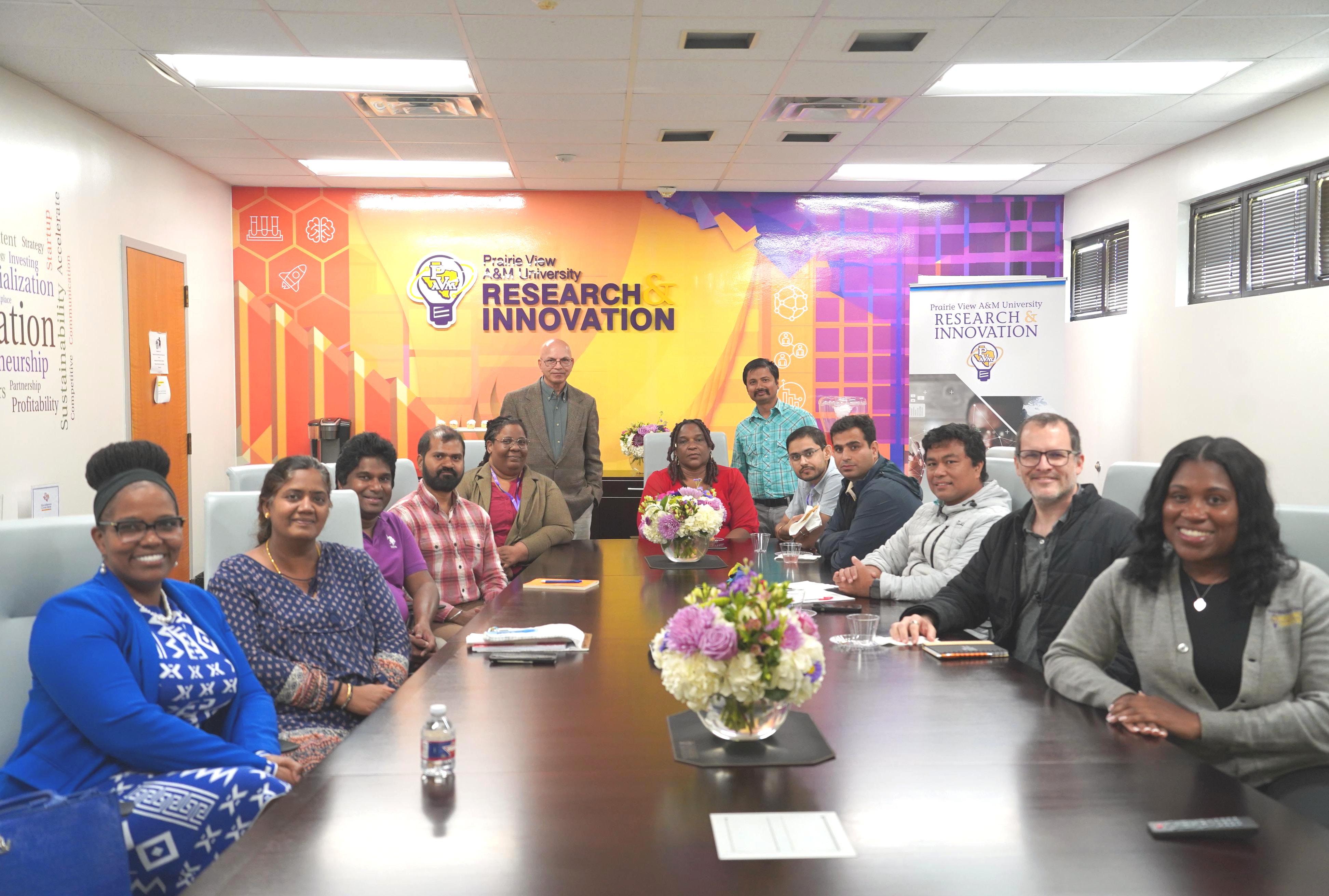
The Postdoctoral Research Experience Program (PREP), launched in April 2025, is an active initiative at Prairie View A&M University that supports the university’s research enterprise by advancing the professional development of postdoctoral scholars. The program offers targeted workshops, training sessions, and interdisciplinary networking opportunities that help postdocs strengthen their research skills, enhance their mentoring capacity, and prepare for successful research careers. PREP also fosters a collaborative
environment by encouraging postdoctoral scholars to mentor undergraduate and graduate students, promoting crossdisciplinary engagement. By expanding research capacity and supporting postdocs in contributing to competitive grant efforts, the program aligns with Goal 4.3 of PVAMU’s Journey to Eminence 2035 strategic plan to grow and strengthen graduate programs through sustainable research funding and expanded mentorship.
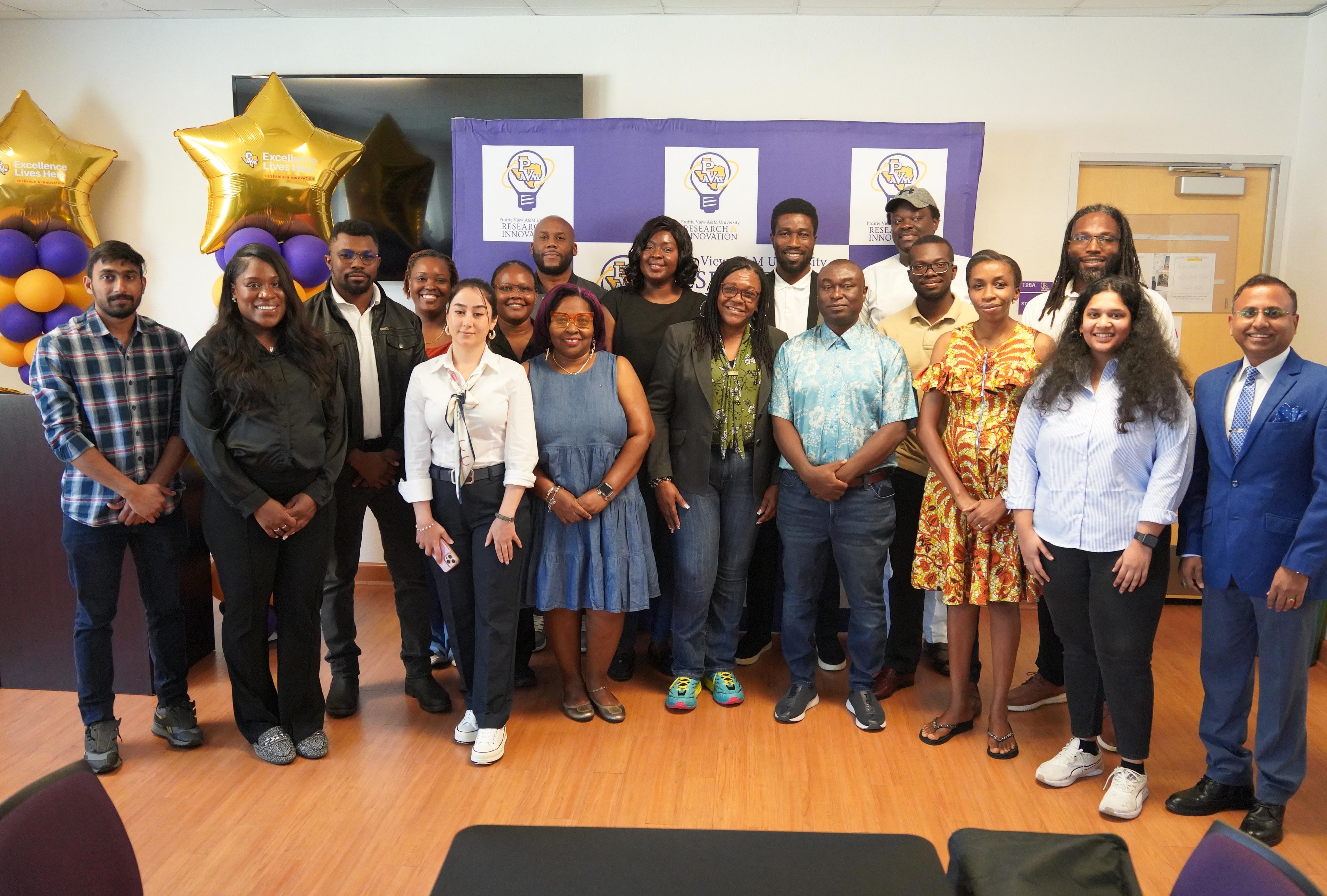
The RISE Doctoral Research Assistantship Program, launching in Fall 2025, is a new initiative designed to support PVAMU’s strategic research growth while advancing doctoral student development. Faculty will have the flexibility to choose their own students, allowing for strong alignment between research projects and student interests. The program can also serve as a valuable recruitment tool to attract top-tier doctoral candidates. By providing financial support through a monthly stipend and tuition coverage, the program ensures students can fully participate in faculty-mentored research experiences that boost their academic and professional growth. At the same time, faculty benefit from increased research capacity and enhanced competitiveness for external funding. The program directly supports Goal 4.3 of PVAMU’s Journey to Eminence 2035 strategic plan by securing sustainable funding for graduate education, strengthening the university’s research infrastructure, and building a strong pipeline of future researchers.
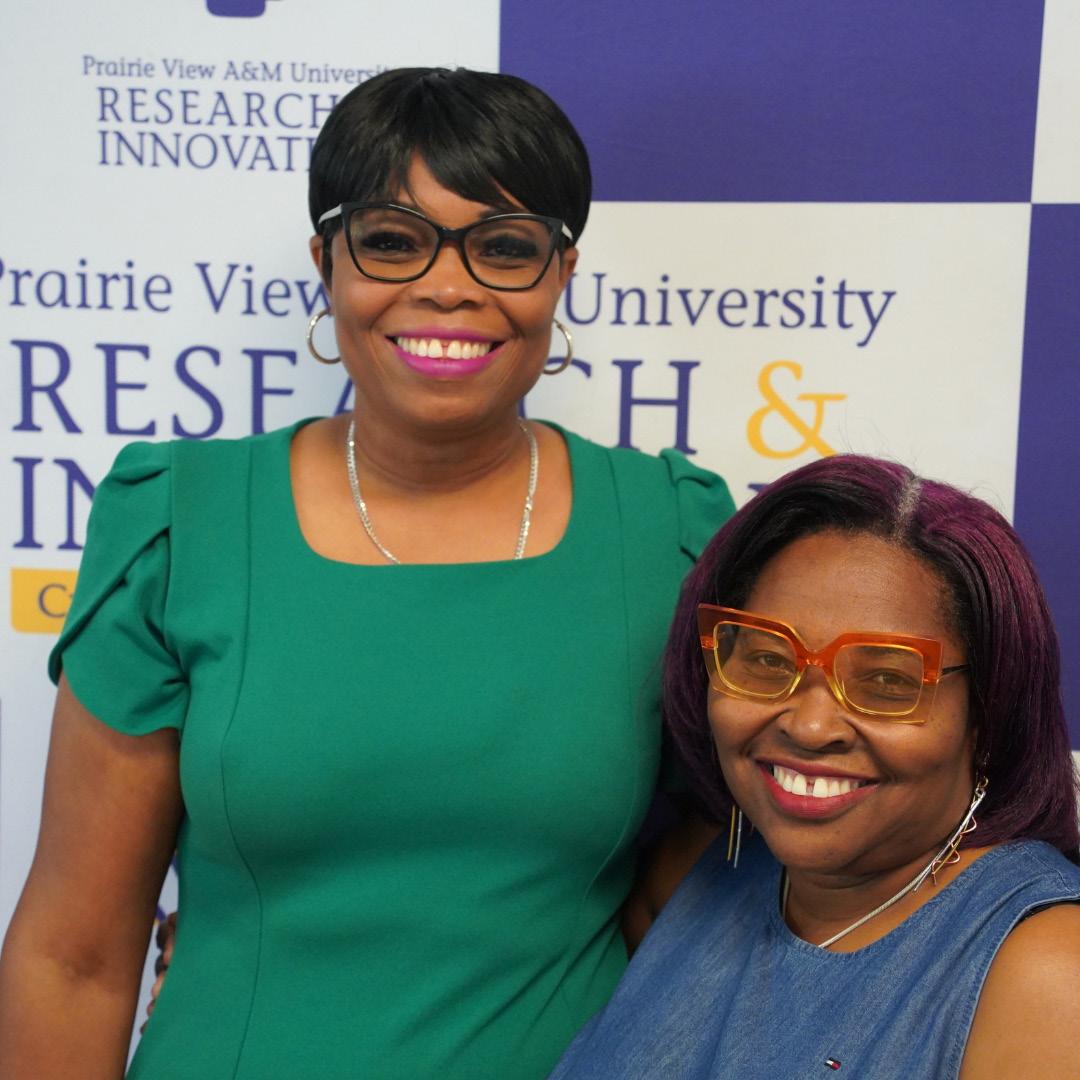
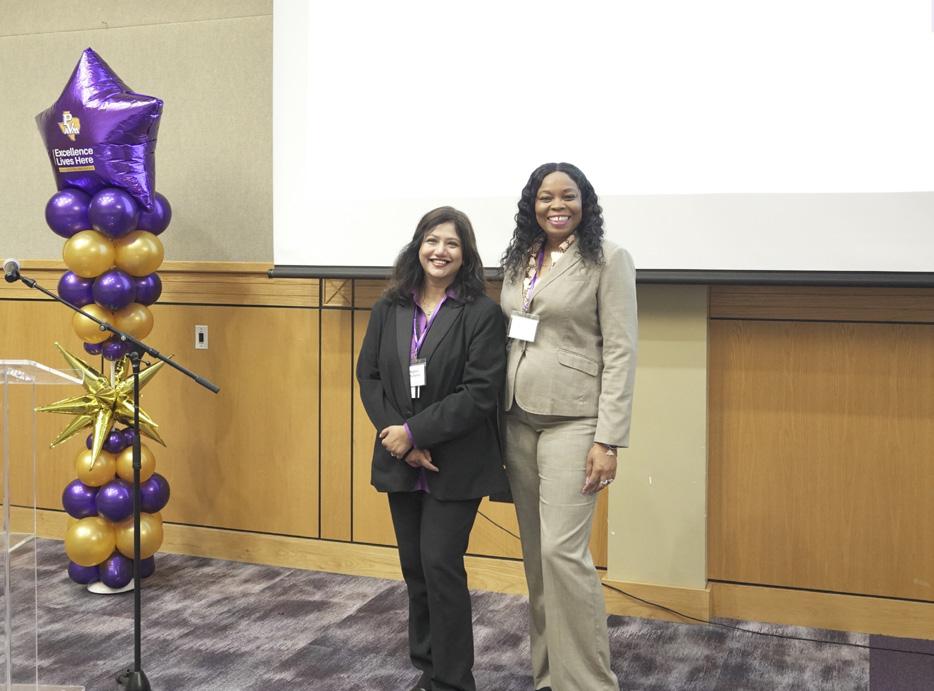
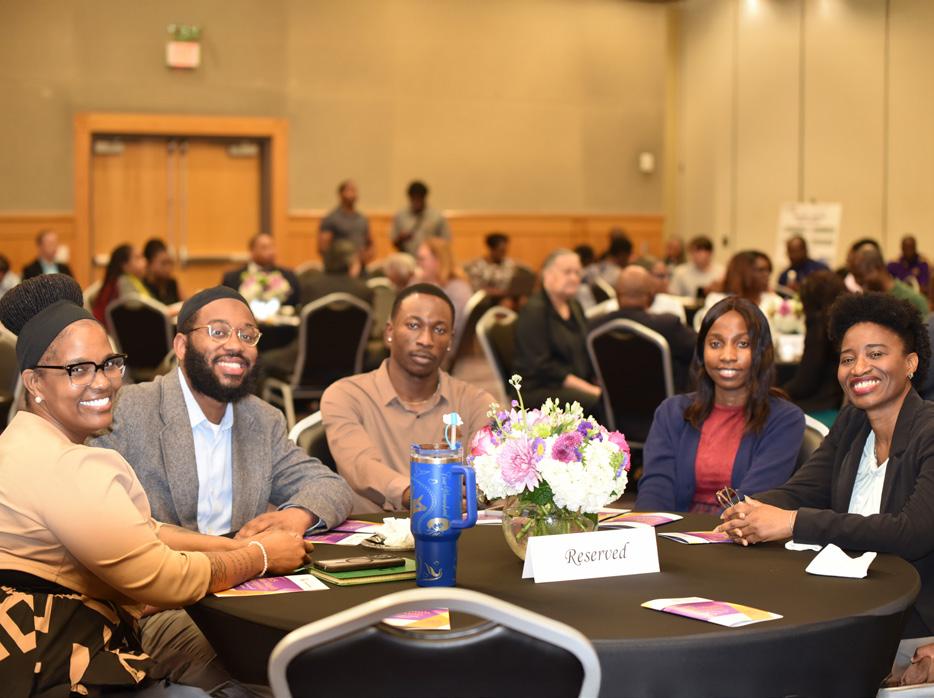
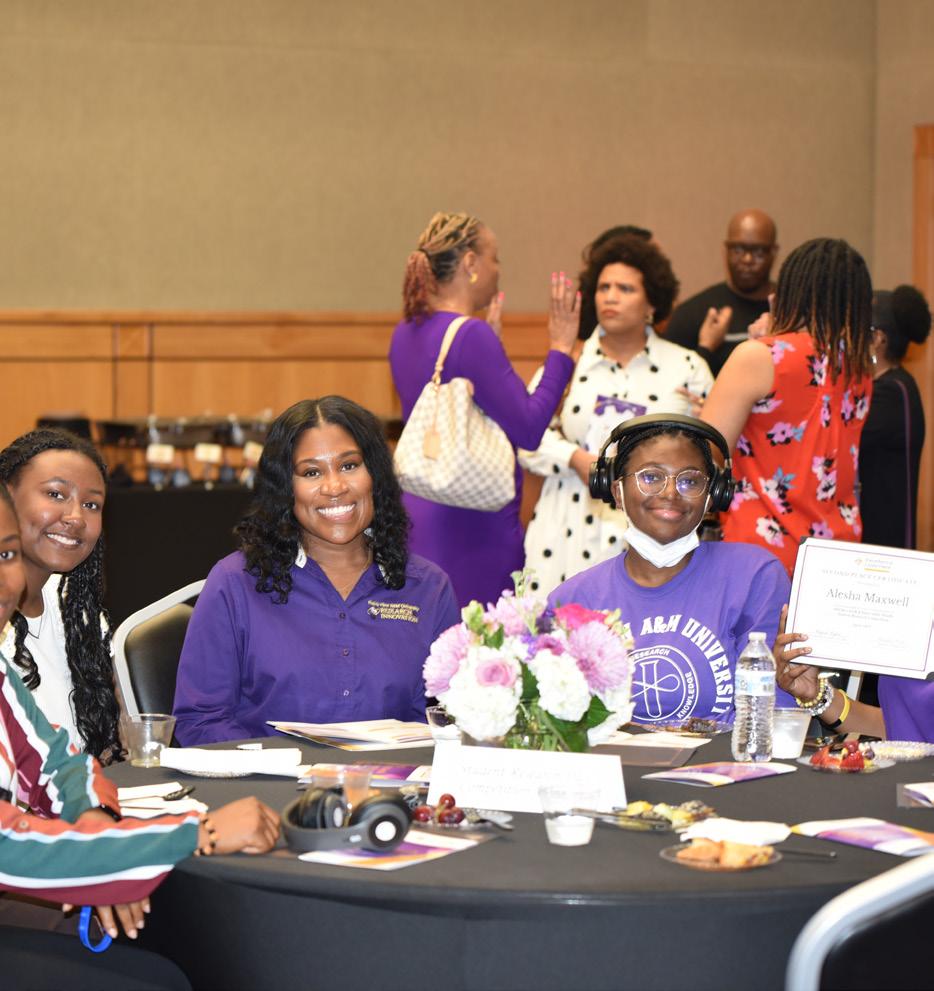
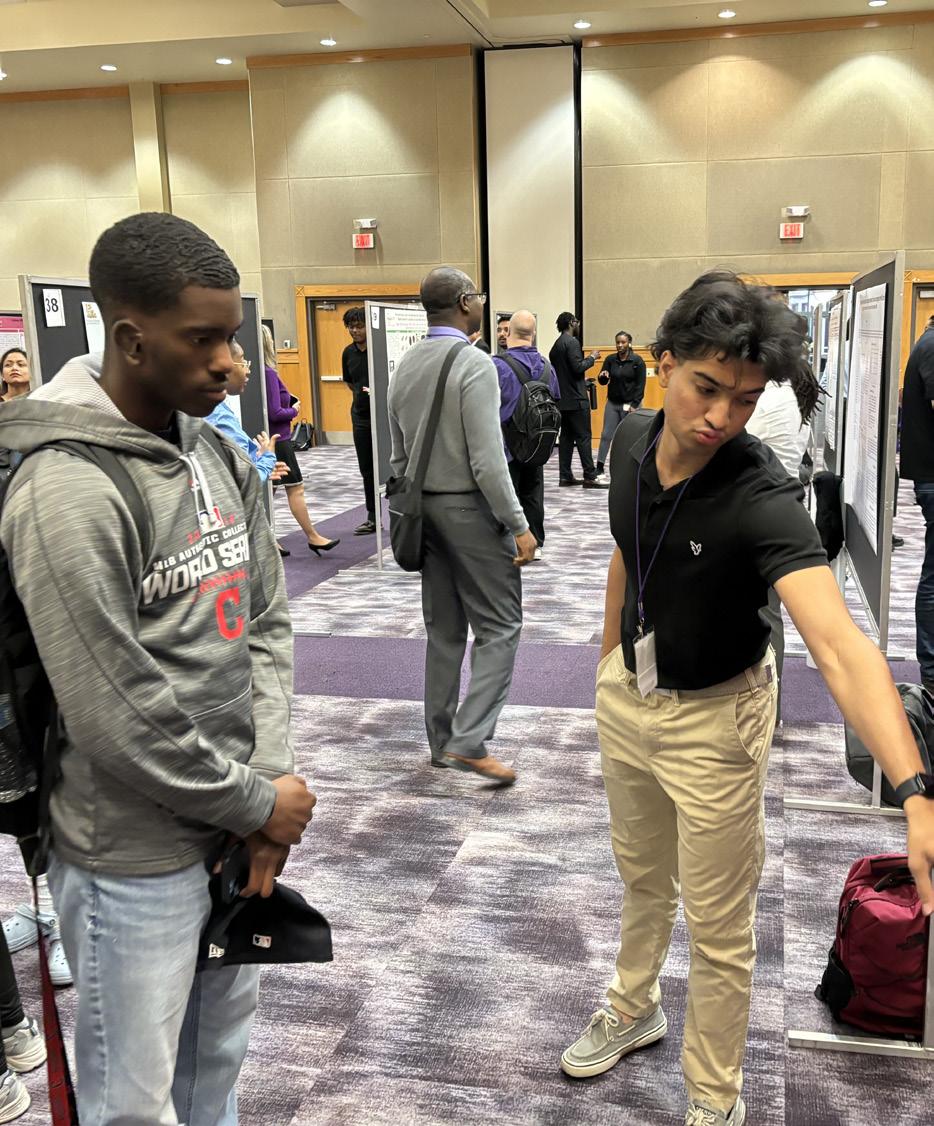
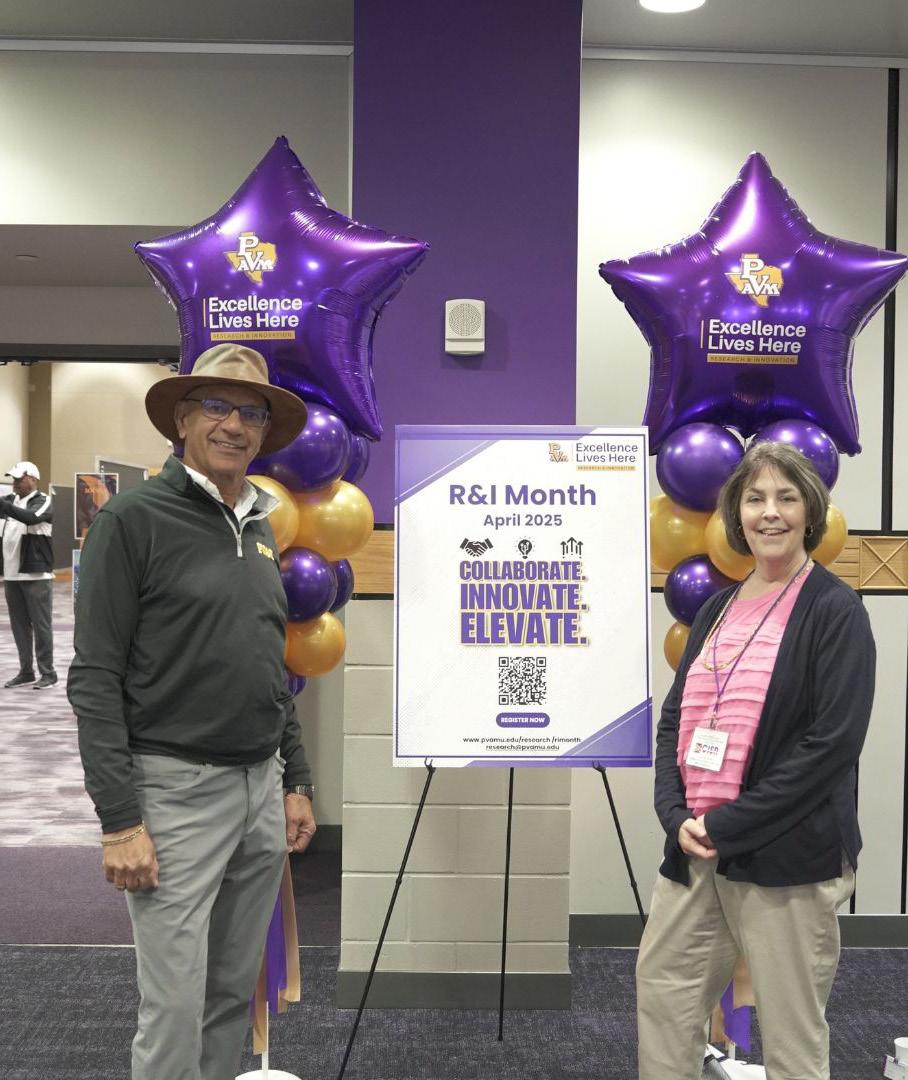
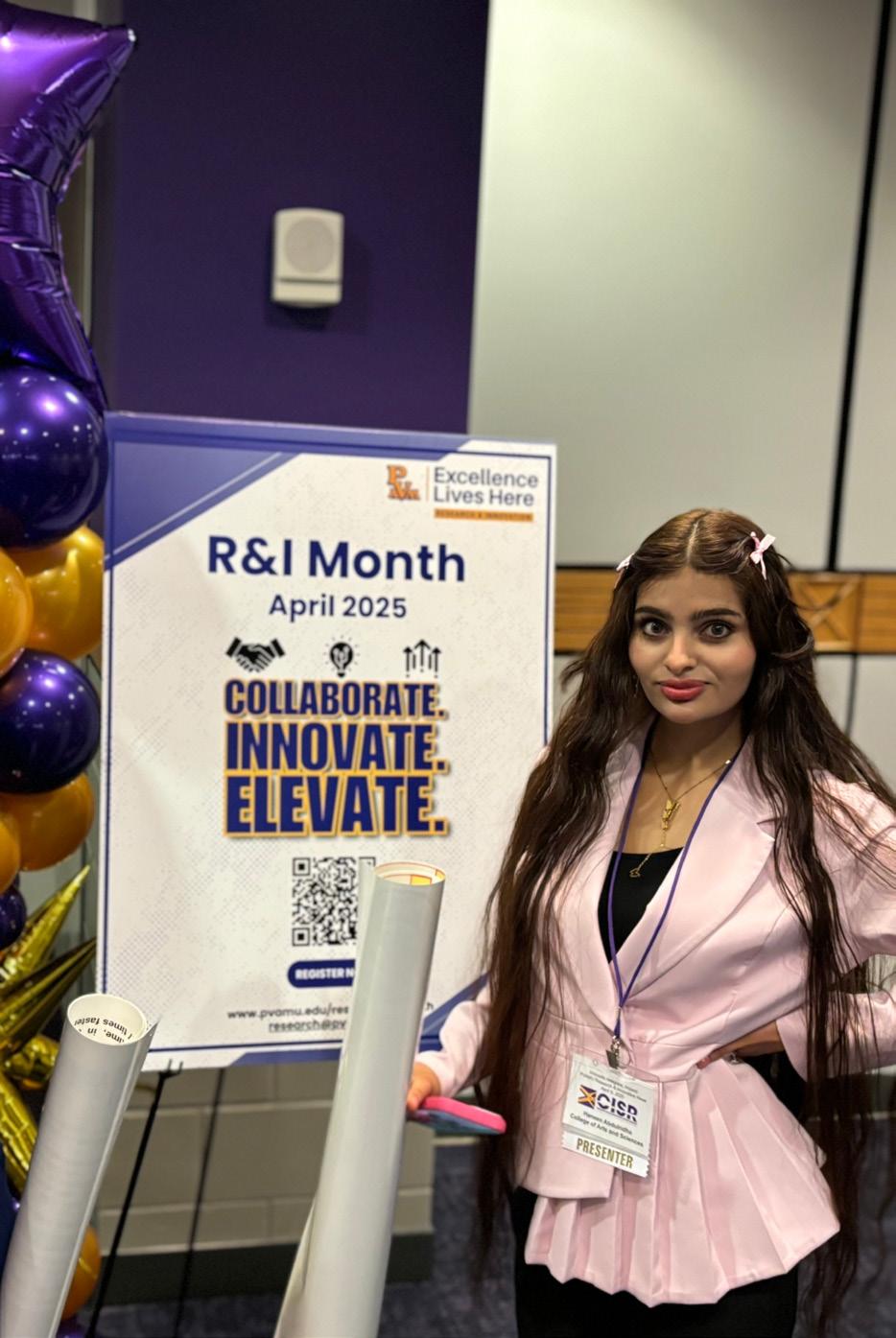
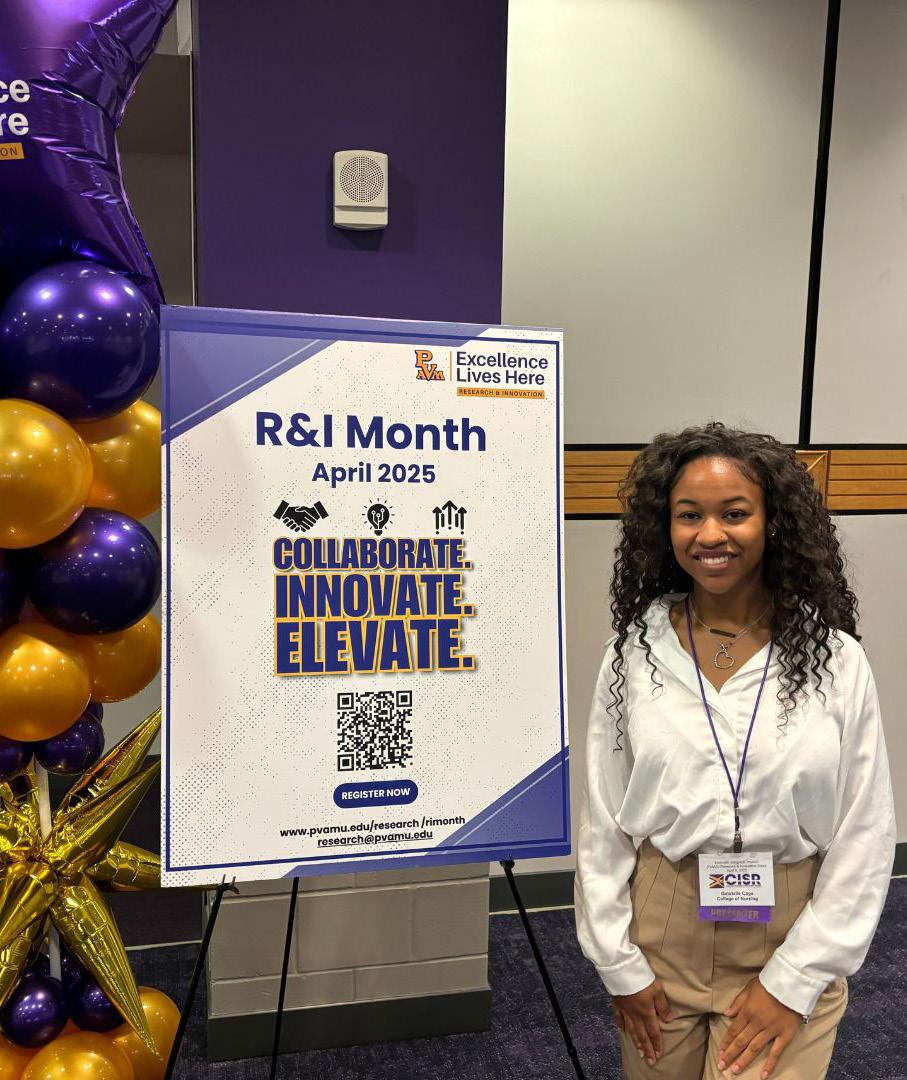
This April, Prairie View A&M University (PVAMU) marked its most ambitious celebration of research and innovation to date with the launch of R&I Month—a campuswide, monthlong commemoration that signaled a major expansion from previous years. The events highlighted the growing reach and impact of research and innovation across the University.
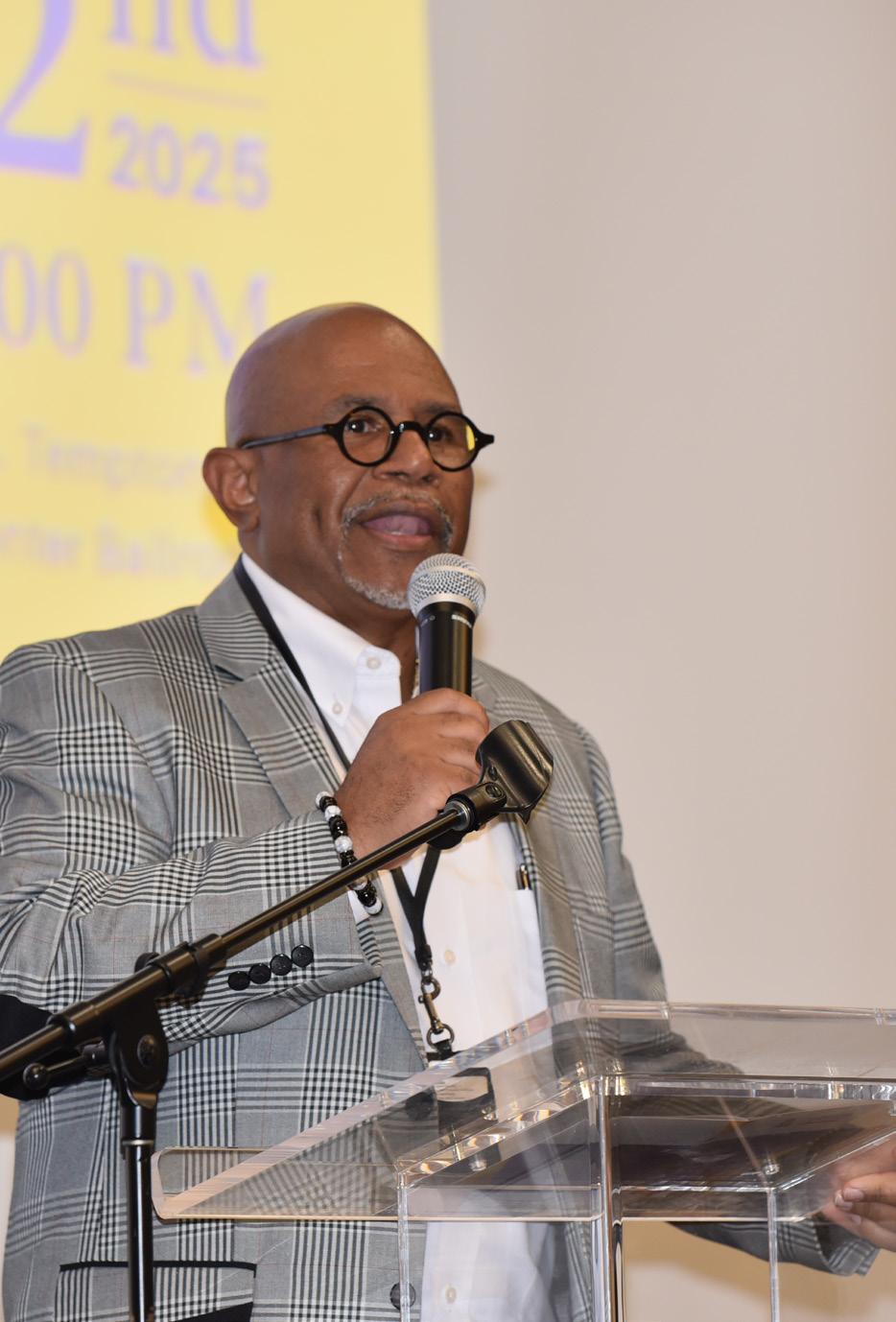
Magesh Rajan, Ph.D., vice president for Research and Innovation, set the tone by calling on students, faculty, and staff to recognize the extraordinary scholarship, creativity, and discovery that distinguish PVAMU.
“Led by our faculty, driven by our students, and supported by our dedicated staff, each of you plays a vital role in moving the mission of PVAMU forward,” Rajan said. “Whether you are pushing the boundaries of science, exploring the depths of human behavior, advancing technology, or addressing real-world challenges in our communities—your efforts are the heartbeat of this institution’s growing research enterprise.”
Two cornerstone events—Student Research Day and Faculty Research Day—showcased the breadth and depth of PVAMU’s scholarship.
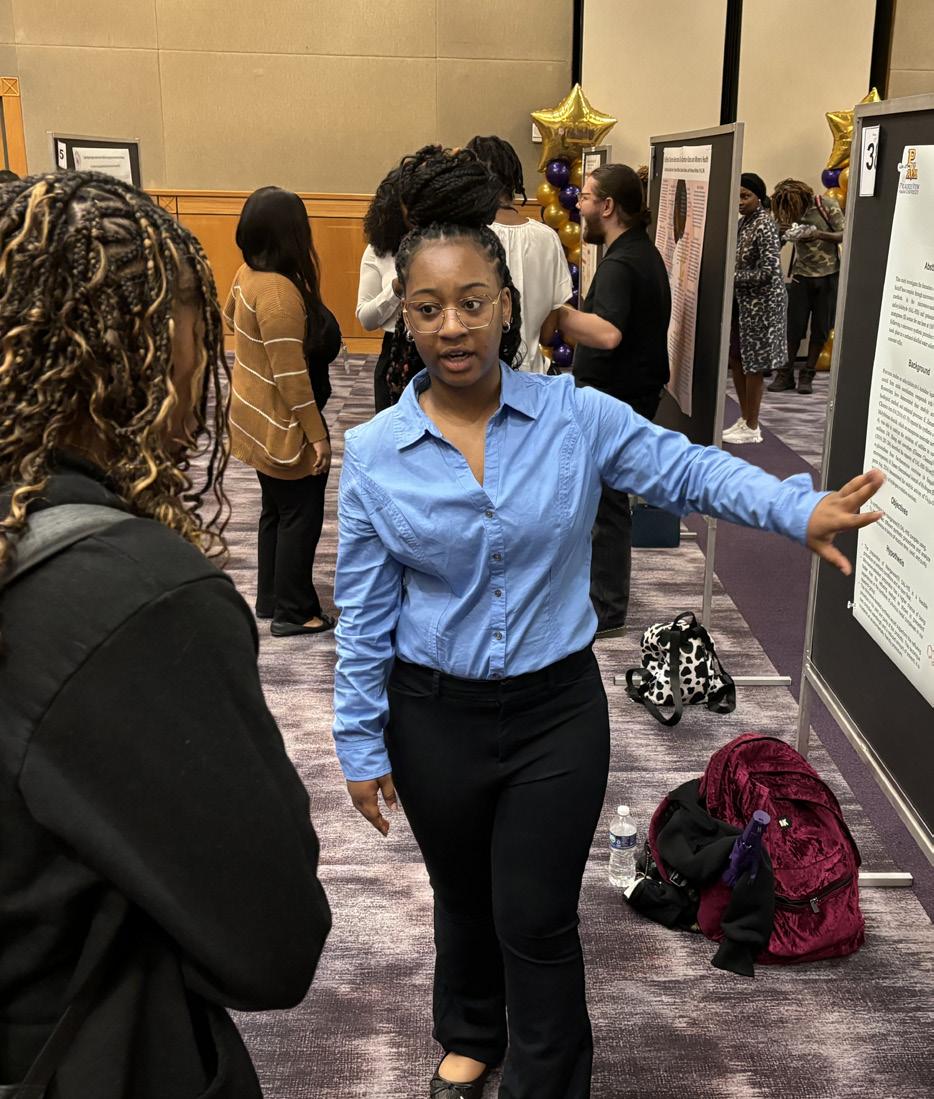
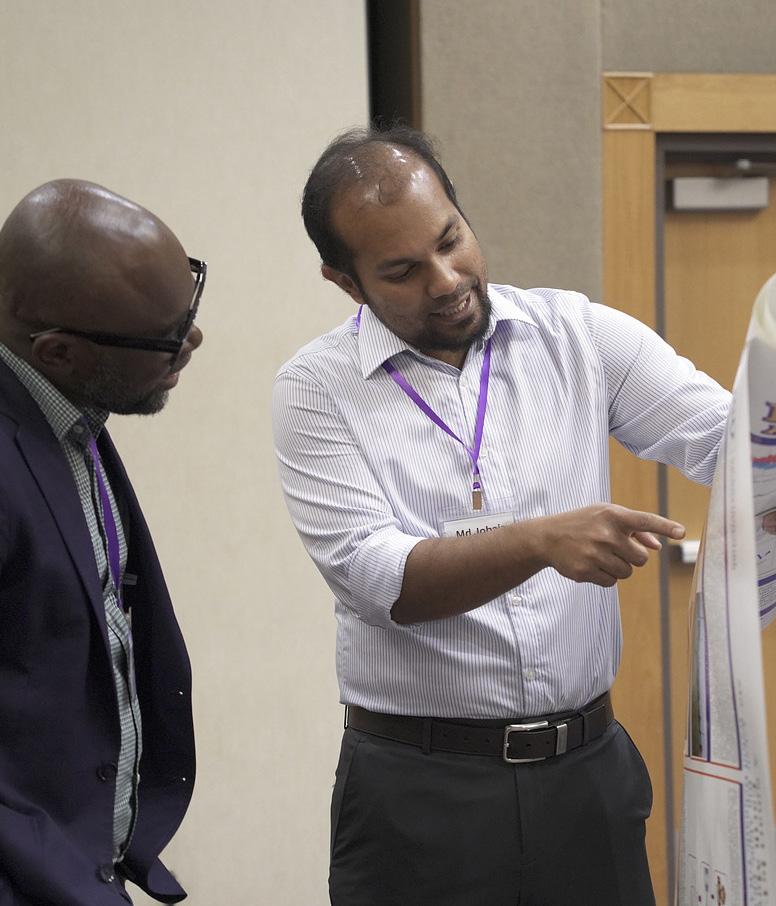
Student Research Day, held in partnership with the Conference for Interdisciplinary Student Research, featured more than 180 undergraduate and graduate students presenting projects that spanned science, technology, agriculture, health, social equity, and more.
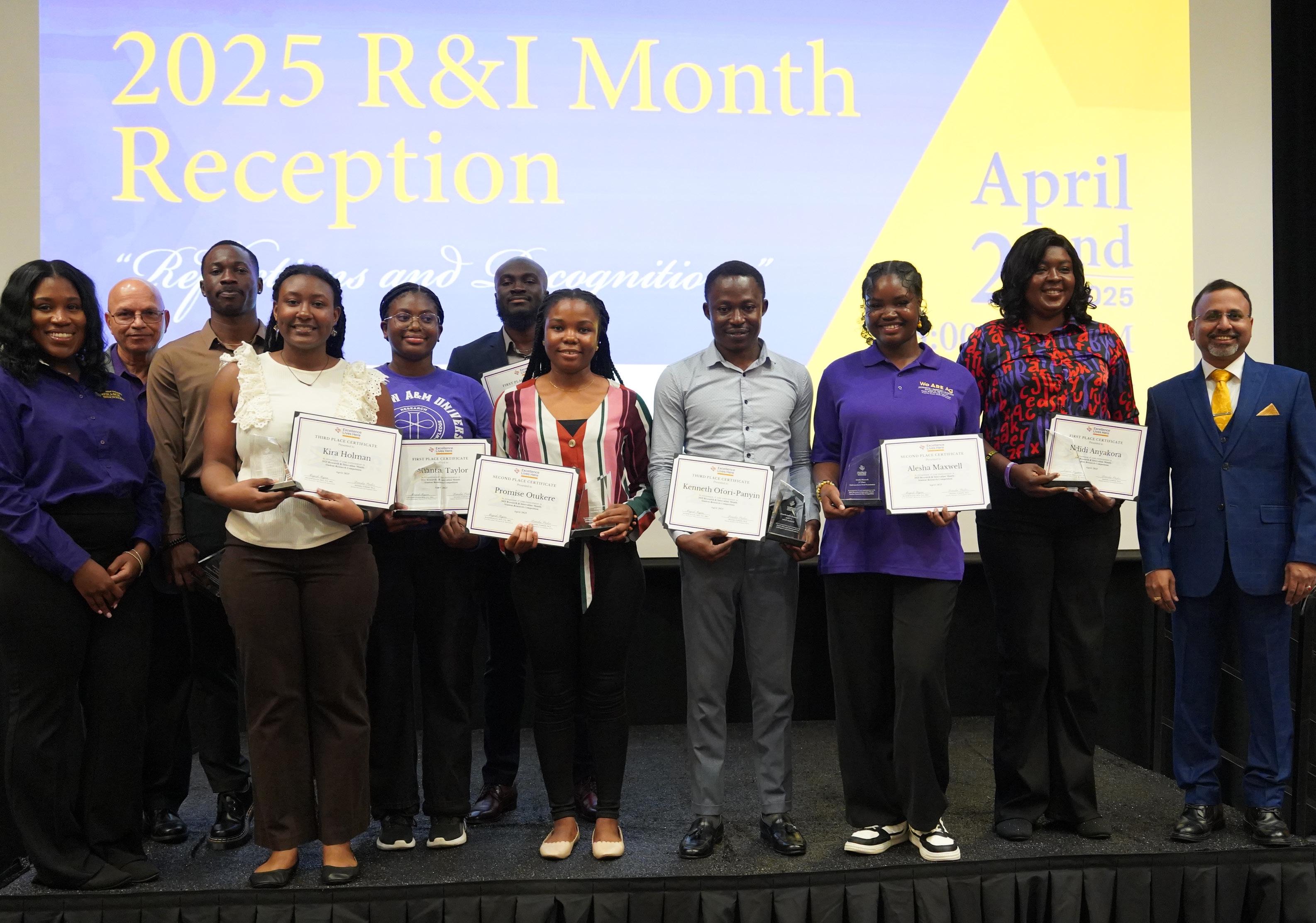
Presentation winners included:
PowerPoint Presentations – Undergraduate
1st: Shantal Taylor
2nd: Alesha Maxwell
3rd: Kira Holman
PowerPoint Presentations – Graduate
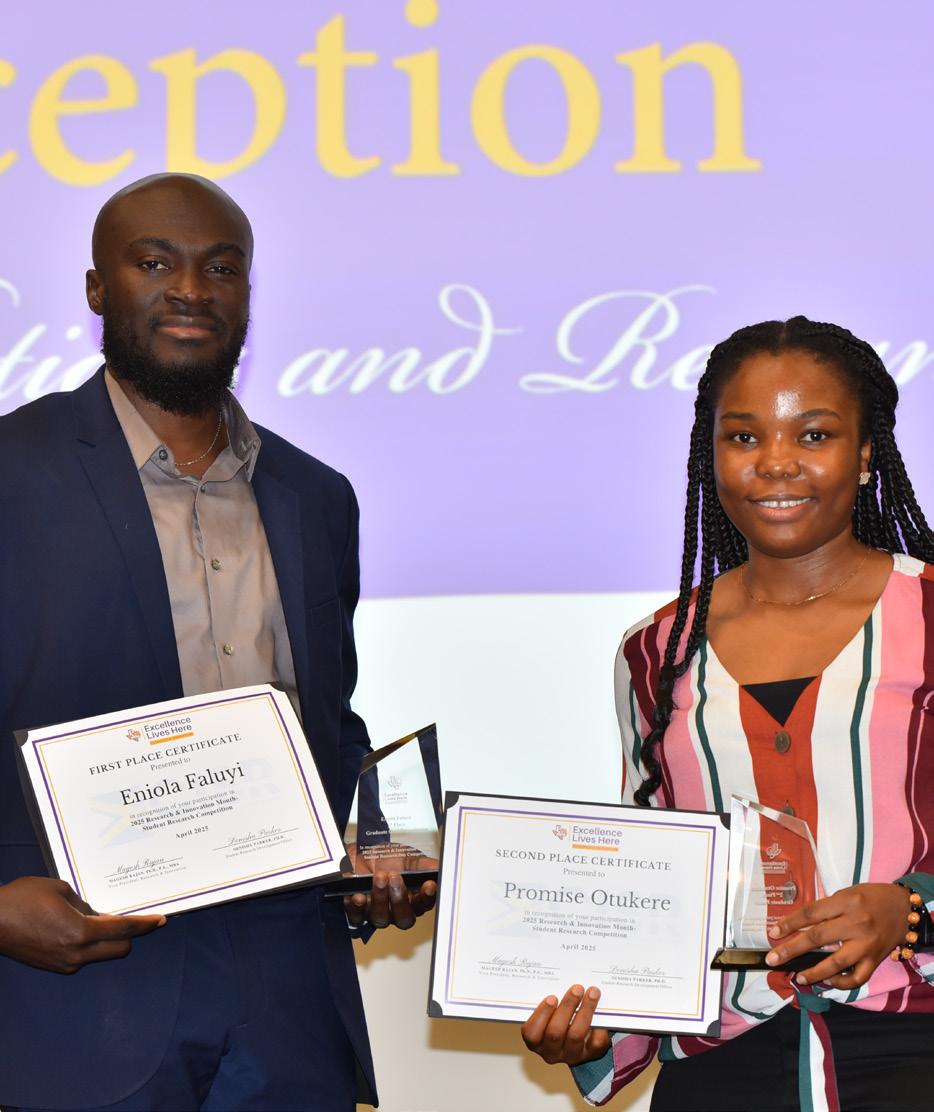
1st: Eniola Faluyi
2nd: Damar Wilson
3rd: Edesiri Albert Ukusajuya
Poster Presentations – Undergraduate
1st: Janiya Johnson, Sasha Scott, Kehli Gray, and Sydney
Soileau
2nd: Keeland Harville
3rd: Jaqualah Fisher, Jaiden Smith, Kariz Scott, and Kiarra Robertson
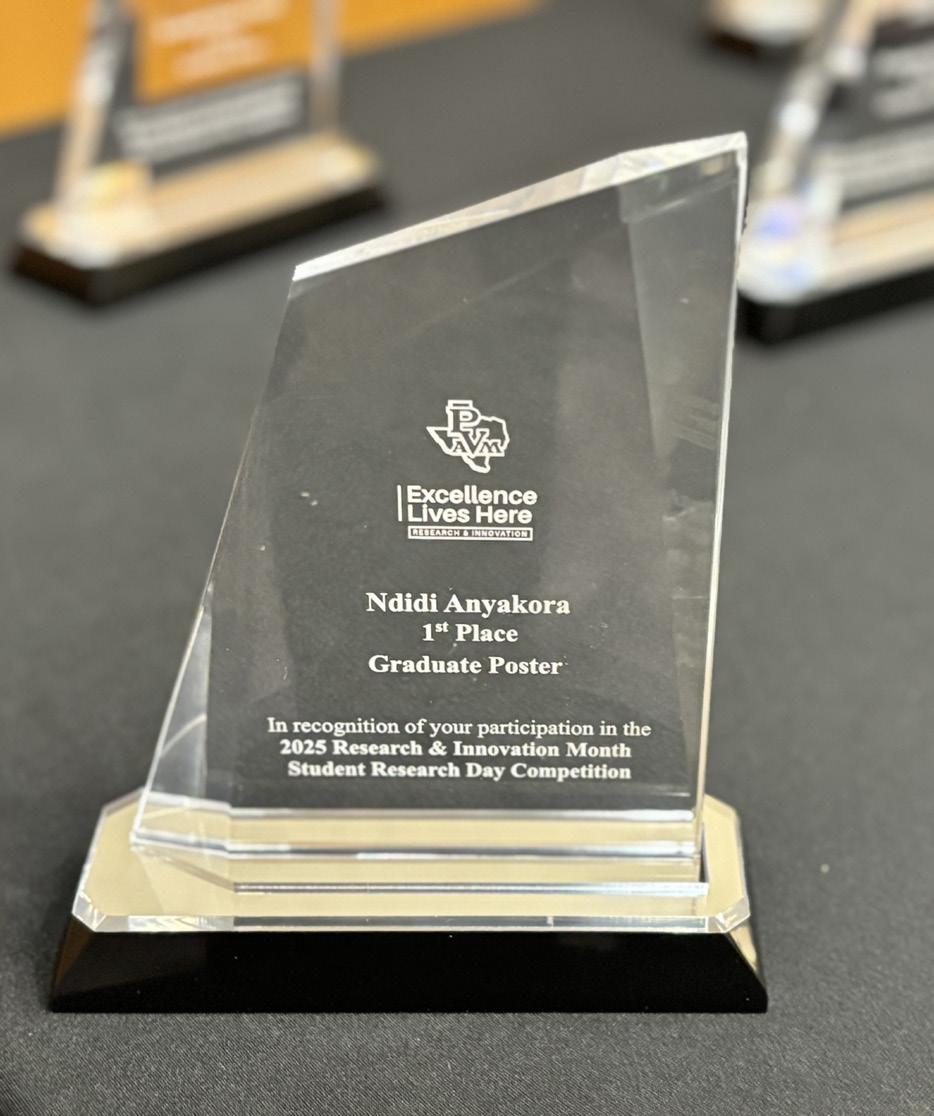
Poster Presentations – Graduate
1st: Ndidi Anyakora
2nd: Promise Otukere
3rd: Kenneth Ofori-Panyin
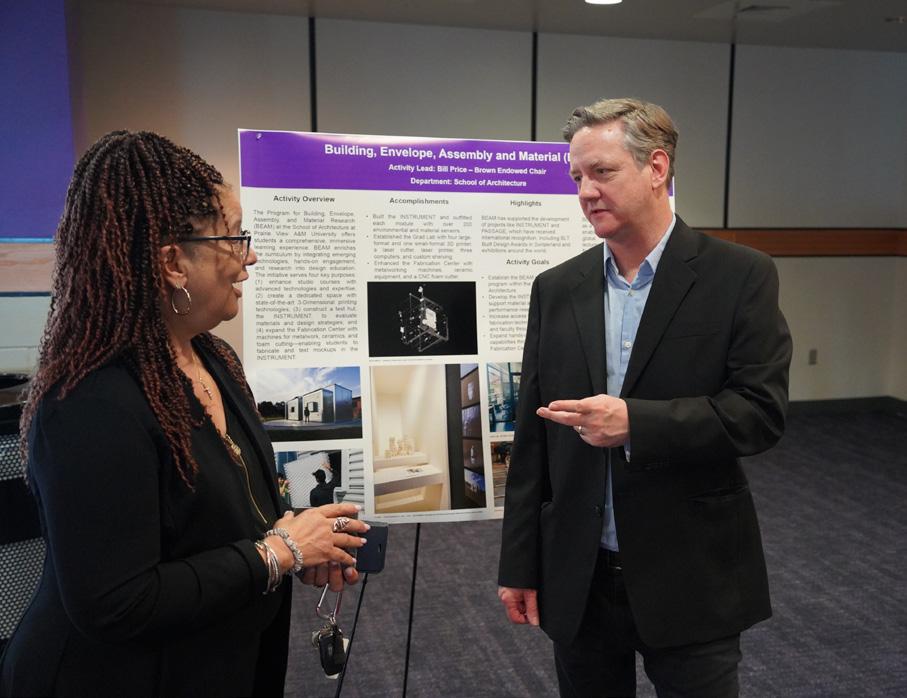
Faculty Research Day followed, spotlighting nearly 50 faculty members across engineering, business, health, humanities, and education. The event emphasized not only PVAMU’s diversity of expertise but also its commitment to fostering interdisciplinary dialogue that strengthens the University’s research culture and reputation for excellence.
This year’s celebration also introduced College Day, which gave each college and school—from Arts and Sciences to Engineering, Juvenile Justice, Agriculture, Business, Education, and Public and Allied Health—the opportunity to showcase their principal investigators and celebrate contributions to research excellence. Keynote addresses and faculty-led sessions underscored both the diversity and the collaborative spirit fueling PVAMU’s growing research enterprise.
Innovation took center stage with NextGen Innovation Connect, hosted by the Division’s InnovationCommercialization-Entrepreneurship-Economic Development (ICEED) unit. The forum connected entrepreneurs, researchers, and industry experts through panel discussions, Q&A sessions, and networking designed to help innovators turn ideas into impact.
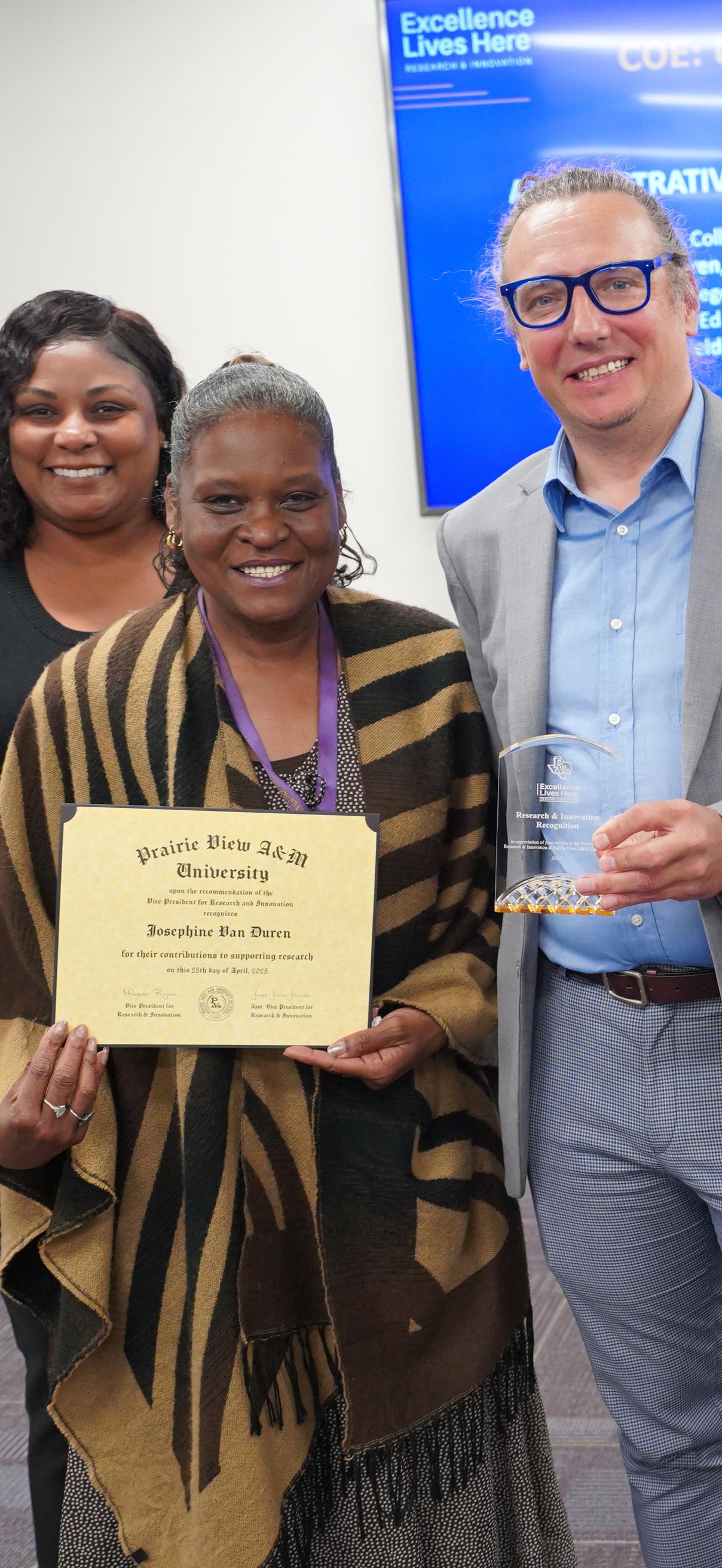
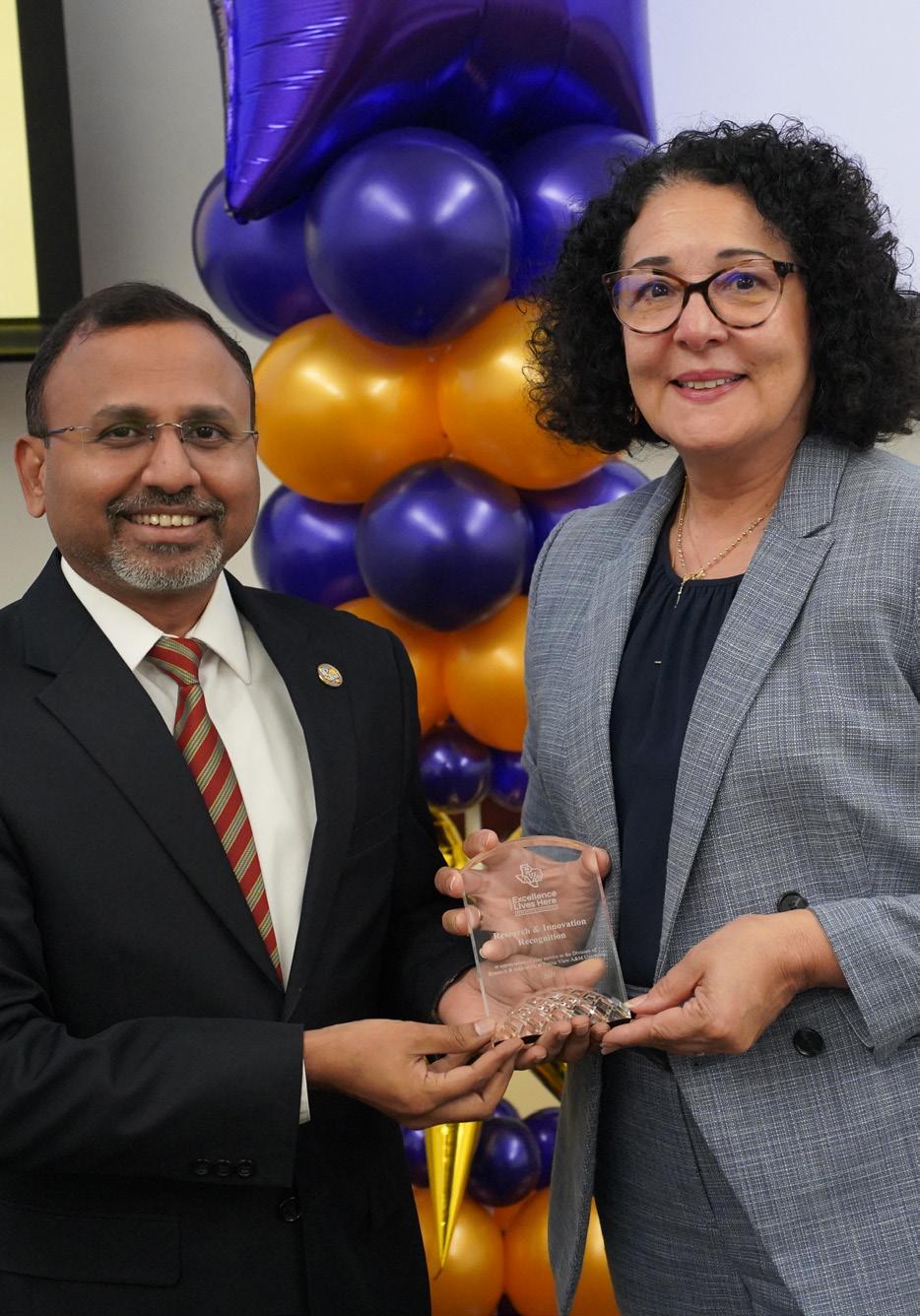
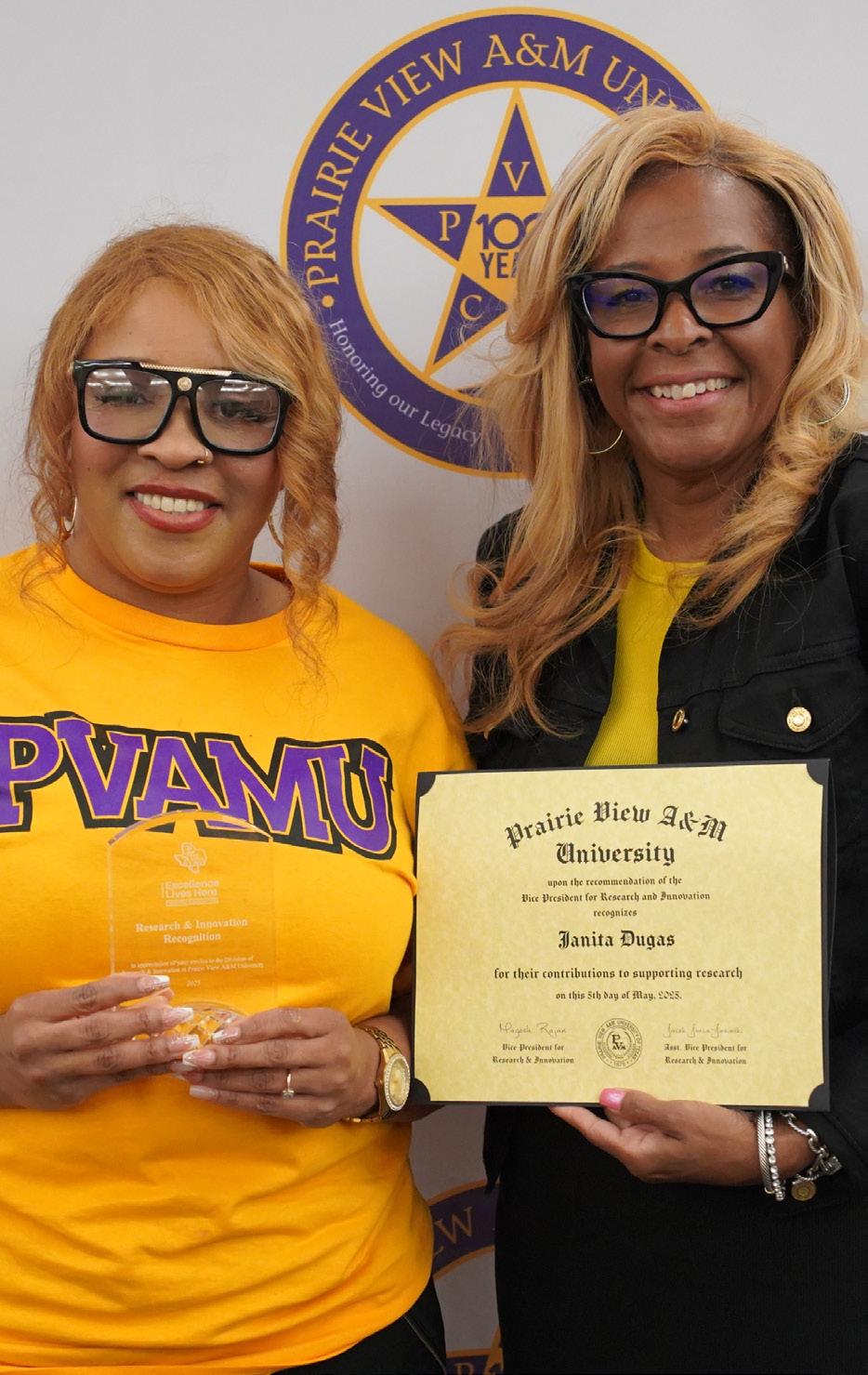
The month concluded with Reflections and Recognitions, a reception honoring student award winners, Faculty-RISE program graduates, Title III project directors, and members of the R1 Strategic Planning Committee.
The final week placed a spotlight on ethics and administrative excellence, with training sessions on responsible research conduct and a workshop at the John B. Coleman Library designed to strengthen collaboration between faculty and business administrators. These sessions reinforced integrity and accountability as cornerstones of a thriving research culture.
“What a wealth of brilliance we have to celebrate today,” said PVAMU President Tomikia P. LeGrande, Ed.D. “If you were a student researcher who participated in Research and Innovation Month, your passion, dedication, and innovative thinking are truly inspiring. You embody the spirit of inquiry that defines PVAMU.”
“What a wealth of brilliance we have to celebrate today,” said PVAMU President Tomikia P. LeGrande, Ed.D. “If you were a student researcher who participated in Research and Innovation Month, your passion, dedication, and innovative thinking are truly inspiring. You embody the spirit of inquiry that defines PVAMU.”
Ultimately, R&I Month was more than a showcase of accomplishments. It created new opportunities for collaboration, celebrated the University’s talent, and reaffirmed PVAMU’s role as a leader in research and innovation. With a strong foundation and renewed momentum, the University is poised to expand its reach and impact even further.

Excellence in Research and Innovation
At Prairie View A&M University, excellence is not just a standard, it is a tradition. Each year, the University pauses to recognize the faculty and staff whose dedication to teaching, discovery, and service drives PVAMU’s mission forward. The 2025 Faculty and Staff Awards Recognition Luncheon, held during the annual Faculty and Staff Conference, was a moment to honor those who exemplify innovation, scholarship, and a deep commitment to student success.
This year’s honorees represent the very best of Panther excellence. They are pioneering researchers, inspiring educators, and dedicated staff members whose work extends far beyond campus. From advancing solutions in agriculture and engineering to expanding knowledge in the sciences and humanities, their contributions strengthen PVAMU’s role as a leader in research and innovation.
This year, the awardees are:
Presidential Award
The University’s highest honor, awarded in recognition of broad and sustained excellence.
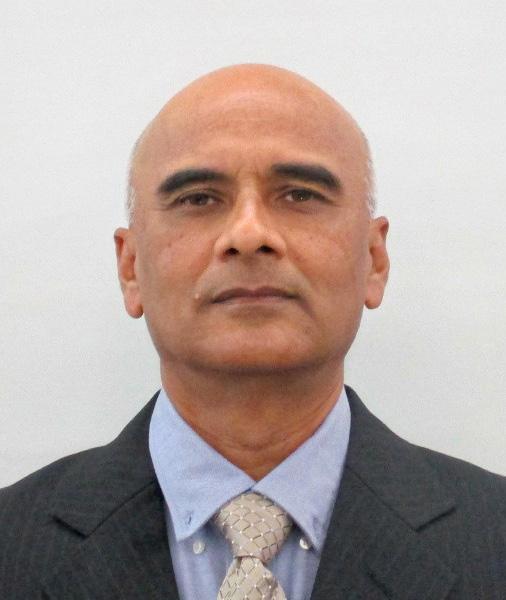
Outstanding Achievement as a Researcher: Dr. Ram L. Ray Professor, College of Agriculture, Food, and Natural Resources

Excellence in Sponsored Research: Dr. Raghava R. Kommalapati
Honeywell Endowed Professor, Civil & Environmental Engineering, Roy G. Perry College of Engineering

Excellence in Scholarly Research: Dr. Temilola Salami
Associate Professor, Psychology, Marvin D. and June
Samuel Brailsford College of Arts and Sciences
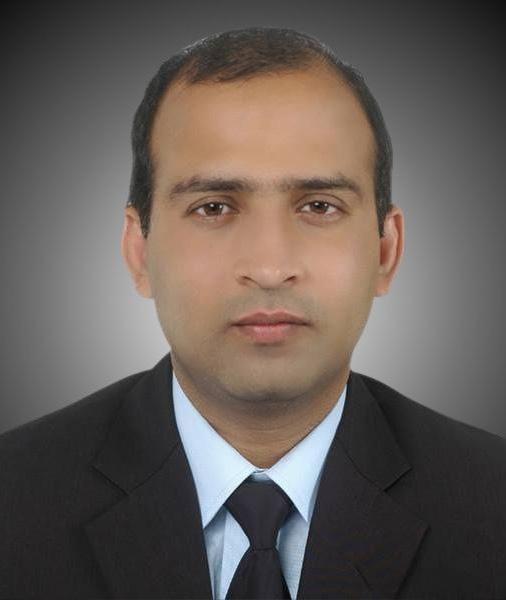
Outstanding Early Researcher: Dr. Sunil K. Karna
Assistant Professor, Physics, Marvin D. and June
Samuel Brailsford College of Arts and Sciences
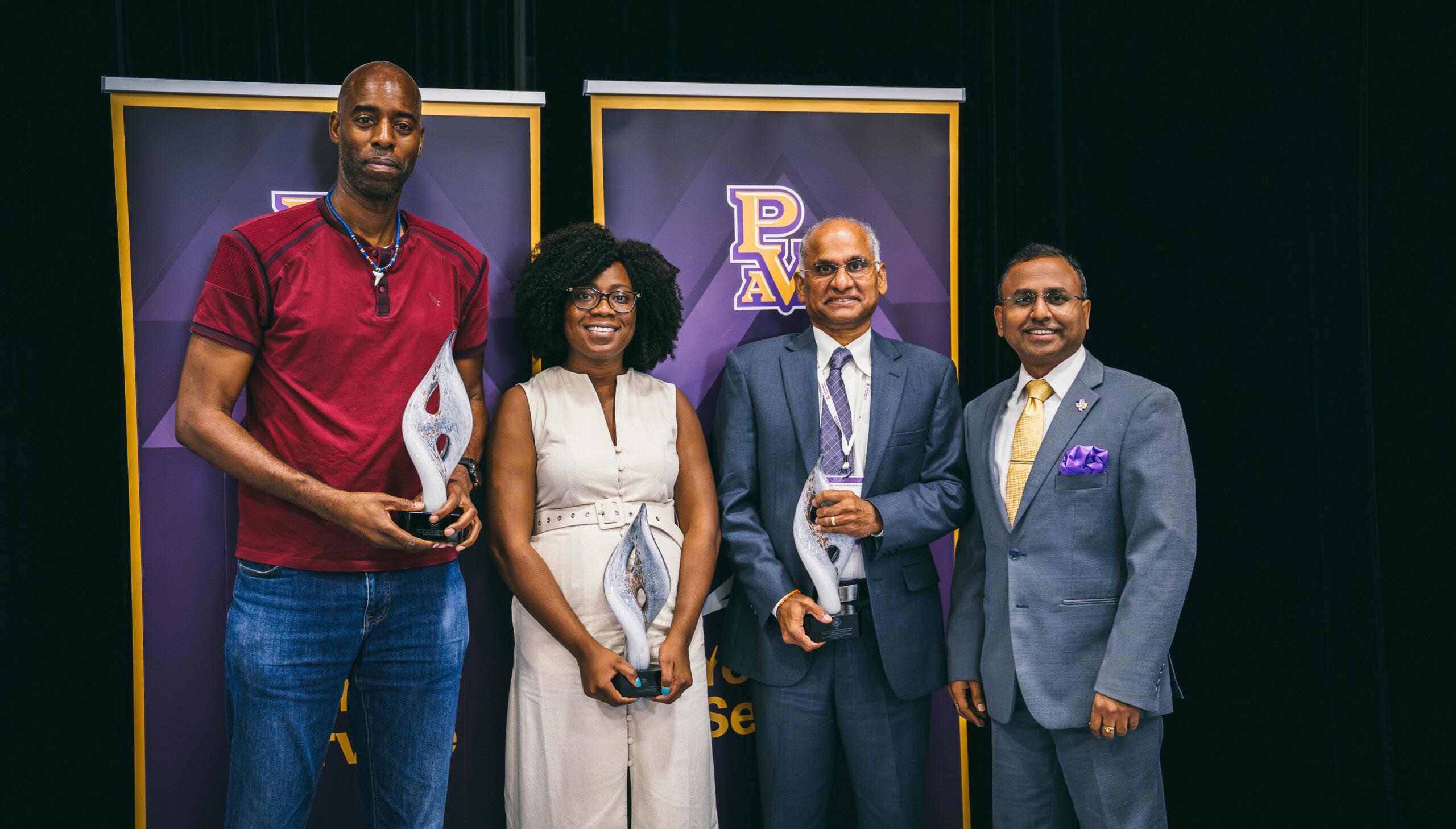
These faculty awardees embody PVAMU’s mantra, Excellence Lives Here, through their pursuit of discovery, their mentorship of students, and their drive to address the challenges of our time. Their work not only advances PVAMU’s growing research enterprise but also leaves an indelible mark on communities locally, nationally, and globally.
Principal Investigators Recognition:
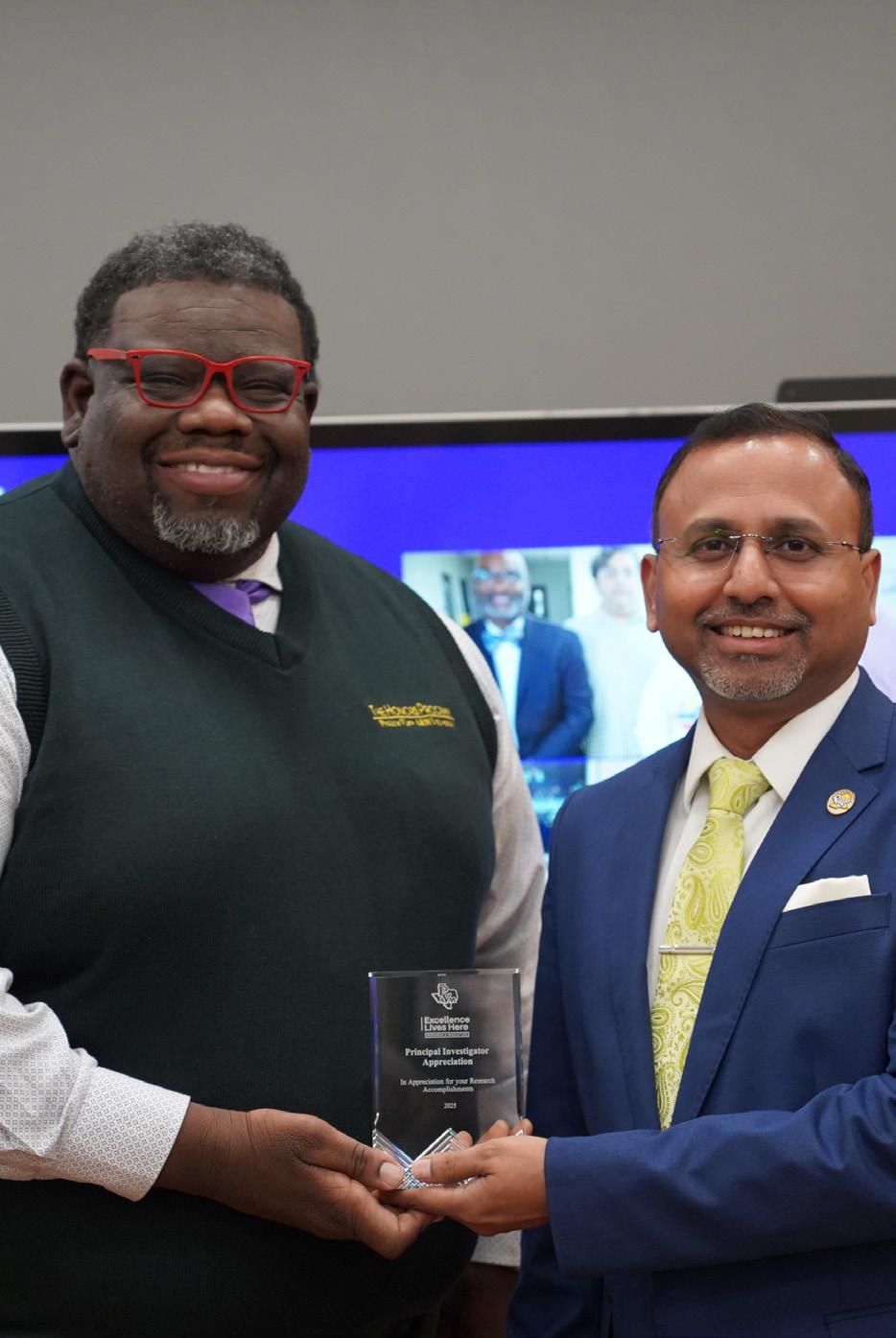
As part of Research & Innovation Month, Principal Investigator (PI) Appreciations were held during the respective college days to recognize the faculty who drive discovery and innovation at Prairie View A&M University. These events celebrated investigators across disciplines for their dedication to advancing scholarship, securing external funding, and mentoring the next generation of researchers. By honoring their work, R&I reinforced its commitment to supporting groundbreaking research and fostering the collaborative spirit that strengthens the university’s research enterprise.
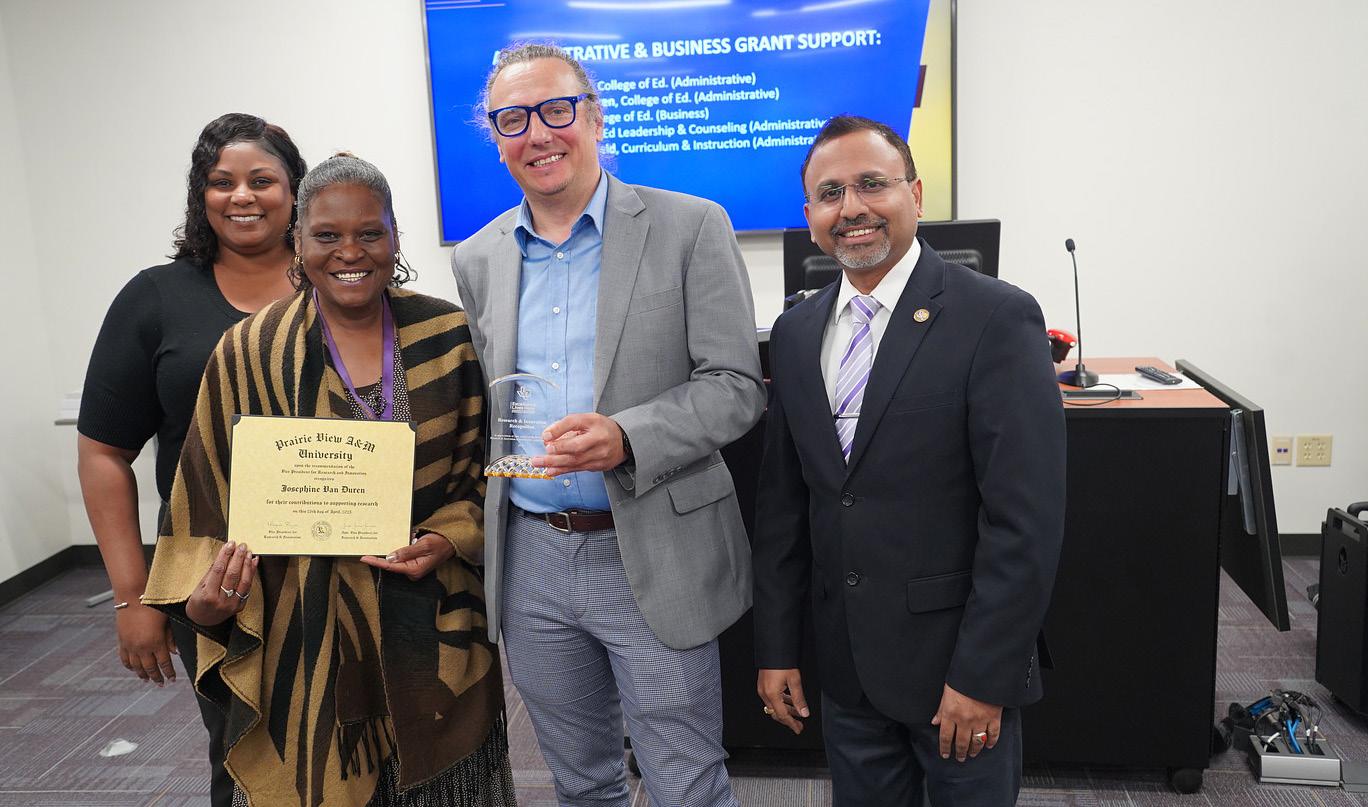
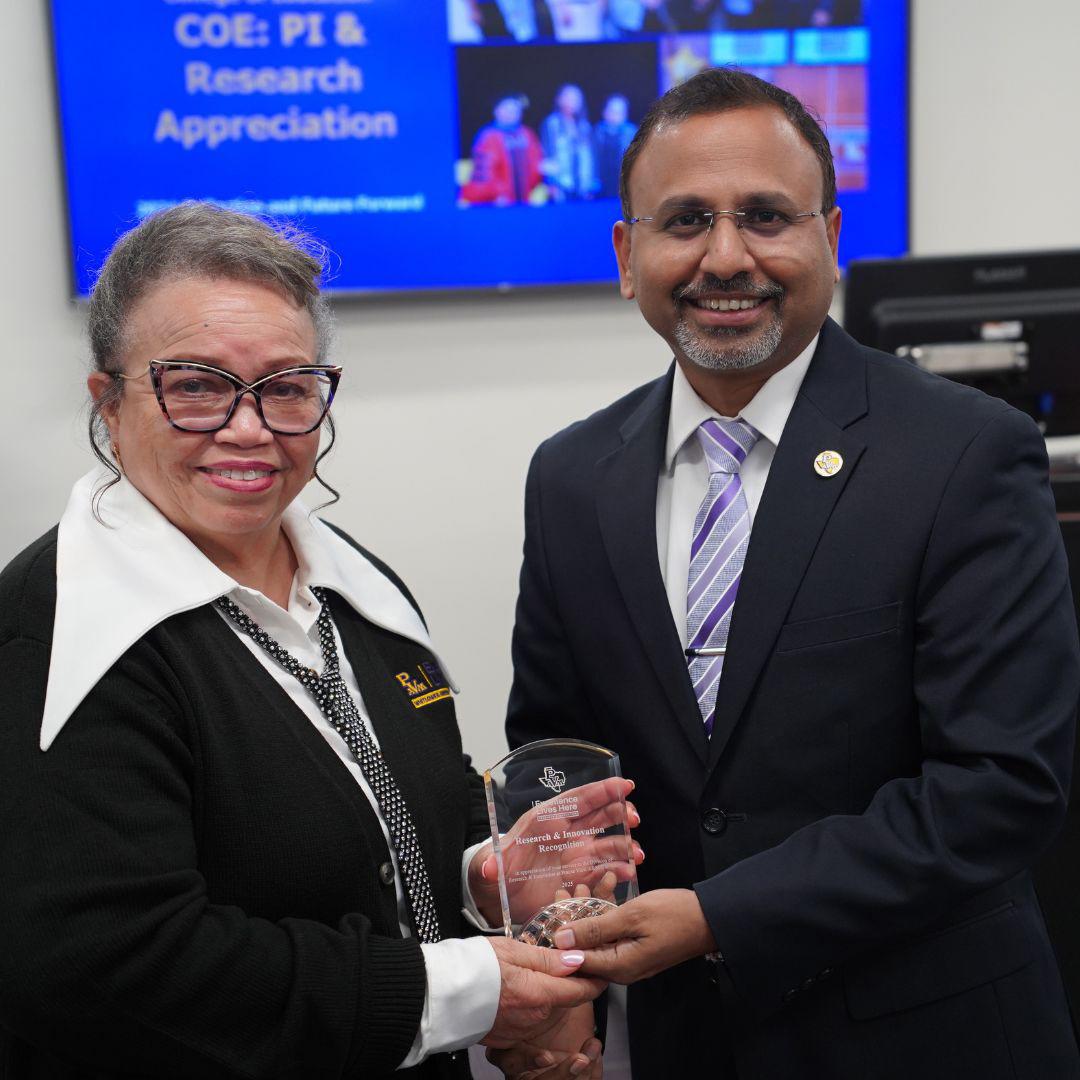
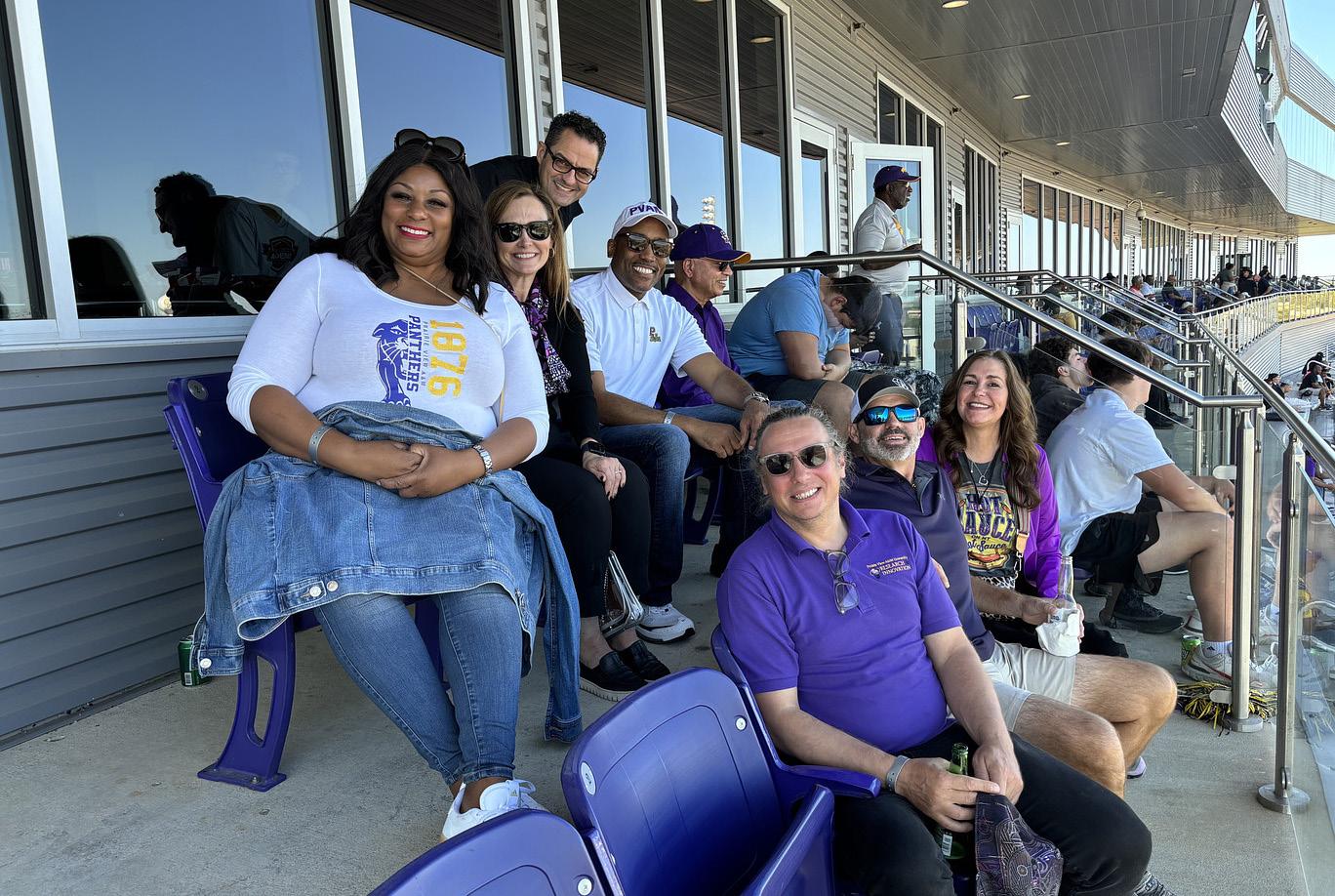
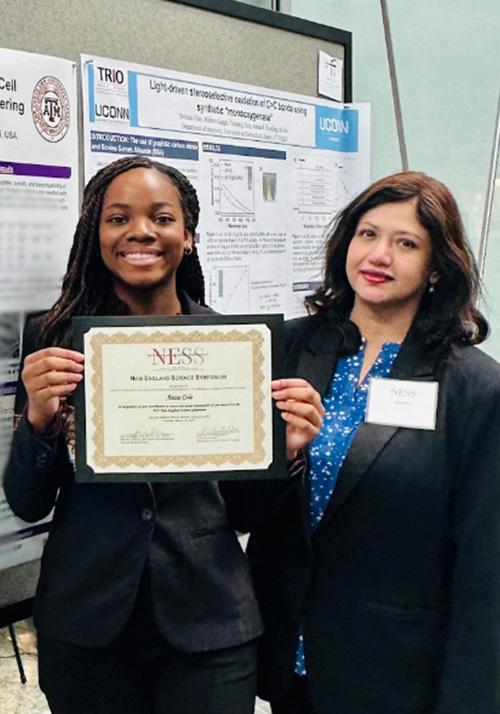
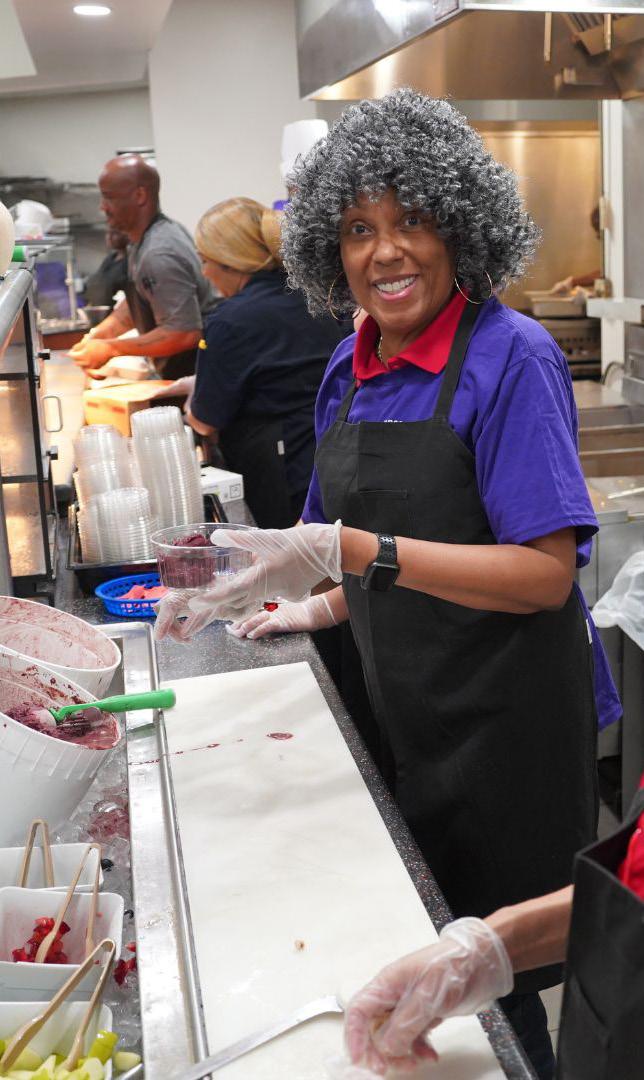
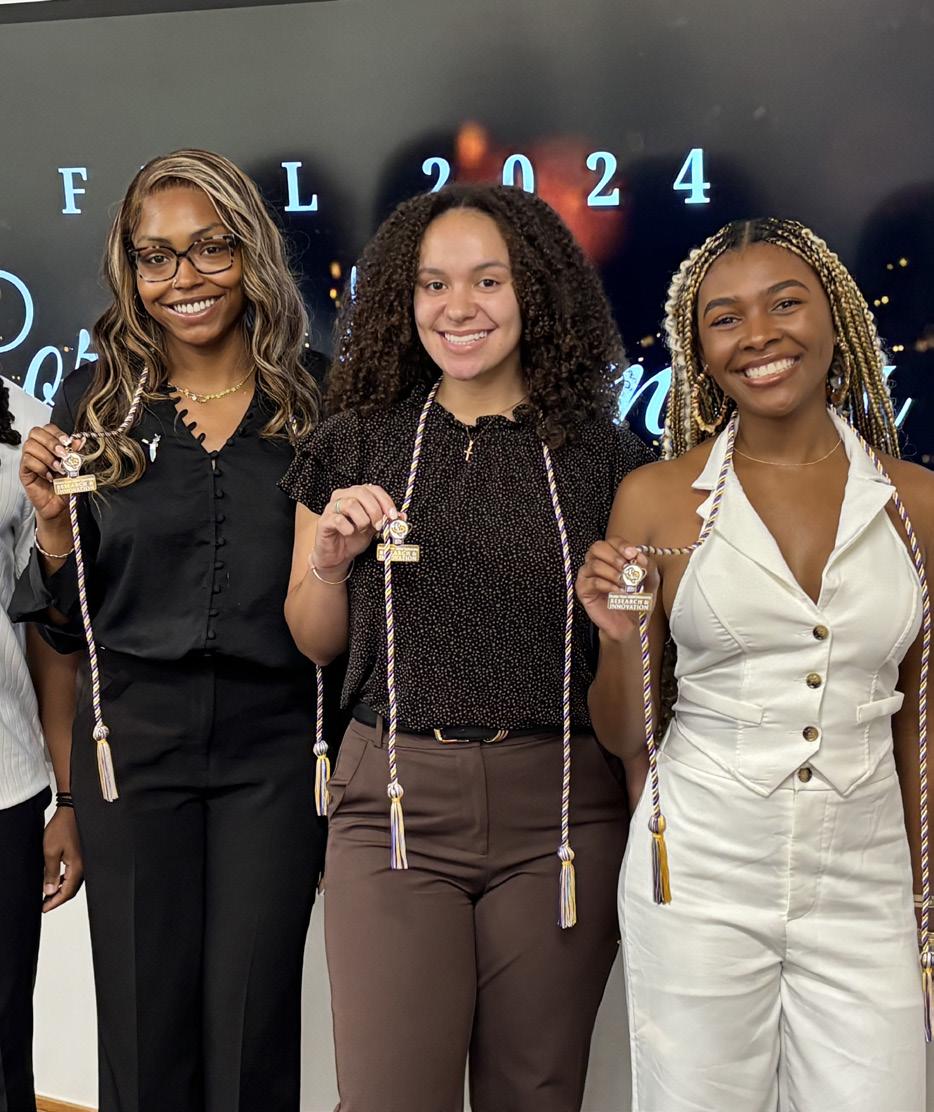
Over the past year, the Division of Research & Innovation has hosted a dynamic slate of activities that highlight both academic excellence and community spirit. Signature events such as Research & Innovation Month, Panthers Invent, the Faculty RISE program, and the Fall Cording Ceremony were complemented by new opportunities, including the launch of the Faculty Research Development Program. The Division also strengthened partnerships by
welcoming Texas A&M University System and corporate partners during the PVAMU vs. Florida A&M University football game. Equally important, staff connected through monthly R&I meetings and socials that fostered camaraderie and collaboration. Together, these efforts reflect the Division’s commitment to advancing research while cultivating a vibrant and engaged community.
Excellence at the Core of Research Support
Behind every breakthrough discovery is a team of often unseen but indispensable professionals—the business administrators, budget specialists, and HR partners who form the backbone of Prairie View A&M University’s research enterprise. These experts navigate the intricate world of grants and compliance, ensuring that resources are managed with precision so faculty can focus on what matters most: advancing knowledge, solving problems, and driving innovation.
As PVAMU advances on its journey toward R1 designation, strengthening this essential infrastructure is more than a priority. The Division of Research & Innovation has launched a comprehensive, data-driven assessment of our grant support systems. By benchmarking staffing levels and analyzing workloads against research expenditures, we are identifying where the pressure points lie.
Our path forward is intentional: close the gaps, modernize with smart technologies, streamline processes, and invest in people. By equipping our research support professionals with the tools, training, and resources they need, we are laying the groundwork for a scalable, resilient system that can sustain growth at the highest levels.
Empowering the people behind the process is not just operational, it’s transformational. It ensures PVAMU is prepared to accelerate discovery, expand impact, and lead at scale.
Mission
Facilitating Research Success Through Comprehensive Support
To empower our research community through comprehensive support and training while driving the advancement of the research enterprise.
Strengthening Research Excellence: RGC Training Initiatives for FY25
The Office of Research, Grants & Contracts (RGC) continued to elevate Prairie View A&M University's research enterprise throughout fiscal year 2025 by delivering a series of targeted training sessions in collaboration with the Texas A&M University Research Information Systems and the TAMU Division of Research. Each event featured two sessions, drawing between 15 and 40 participants eager to strengthen their research administration skills.
Key FY25 Workshops
• Time and Effort Training
Conducted on Jan. 14 and June 24, 2025, these workshops provided PVAMU leadership and business administrators with expert guidance on Mastering Time & Effort Reporting. Participants gained a deeper, compliant understanding of procedures and system responsibilities critical to supporting funded research activities.
• Maestro Researcher Portal Training
Held on Sept. 25, 2025, this hands-on session guided researchers and faculty in navigating the Maestro portal more effectively—enhancing their ability to monitor account balances, transactions, and payroll with confidence and precision.
Special Focus on Communication
A key highlight of the year was RGC’s collaboration with Sponsored Research Services (SRS) during April’s Research & Innovation Month. The focused session, Communicating for Research Success: Empowering Business Administrators, provided advanced strategies to help administrators communicate more effectively with researchers and external partners. The training emphasized the vital role communication plays in managing complex research projects and fostering collaboration across the university’s research ecosystem.
NUMBER OF PROPOSALS 464
NUMBER OF RESEARCH PROPOSALS 227
PROPOSAL FUNDING REQUESTED $210M
RESEARCH PROPOSAL FUNDING REQUESTED $102M
TOTAL RESEARCH EXPENDITURE $52M SPONSORED AWARDS $85M RESEARCH AWARDS $33M
TOTAL NUMBER OF AGENCIES RECEIVING PROPOSALS 91
TOTAL NUMBER OF AGENCIES RECEIVING RESEARCH PROPOSALS 87
Aligning with PVAMU's Strategic Vision to Elevate Research Excellence
Research Compliance (RC) is committed to aligning with the Division of Research & Innovation’s strategic vision to elevate the Prairie View A&M University research enterprise. It supports research and scholarly activities by ensuring institutional and investigator compliance with applicable regulations, policies, and guidelines. This assurance applies to human subject research, use of animals in research, research involving hazardous materials, use of recombinant materials (rDNA and synthetic nucleic acids), research integrity, ethical conduct of research, conflict of interest, and export control.
RC provides training to all faculty, students, and staff engaged in research and scholarly activities to promote intellectual curiosity and a culture of compliance through shared responsibility.
RC is committed to providing support for the following activities:
• Aiding faculty, students, and staff in meeting compliance requirements and securing approval for human subjects (IRB), use of animals (IACUC), and use of recombinant and hazardous materials (IBC)
• Assisting faculty, students, and staff in preparing forms and research protocols for submission to the appropriate review committees
• Providing resources and training to University constituents in the Responsible Conduct of Research (RCR) as established by the federal Office of Research Integrity (ORI) and Prairie View A&M University to enhance public trust in research and scholarly activities in science, arts, social sciences, and engineering
• Reviewing declarations of conflict of interest from both funded and non-funded investigators no less than annually and presenting conflicts of interest to the Committee for management and monitoring
• Monitoring and administering procedures for issues related to export-controlled technologies not protected by the fundamental research exemption (15 CFR 734.8) that remain subject to the EAR and ITAR
New employee training offered
Doctoral classes, IRB trainings Training supported for compliance committee members and PIs 63 69% 42 increase
Facility 23Reviews
Prairie View A&M University introduced its first-ever Faculty Research Development Program (FRDP) in the 2024–25 academic year as part of an institutional drive to elevate faculty research, mentorship, and external funding capabilities.
The program kicked off with a strong start: 21 faculty members across multiple colleges—including STEM, humanities, engineering, nursing and public health, and agriculture—were selected for the inaugural cohort.
Participants engaged in a structured suite of development activities designed to build their research portfolio, including:
• PVAMU Grant Processes
• Proposal-writing workshops & grant strategy sessions
• One-on-one consultation with research development officer
• Peer and mentor review of drafts
• Funding navigation for agencies like NSF, NIH, DOE
The program’s primary goals are to help faculty:
• Secure external grants
• Increase grant competitiveness
• Launch collaborative, interdisciplinary projects
• Build long-term research capacity at PVAMU
Early outcomes include positive feedback from participants, several draft proposals under review with plans to submit later this year or have already been externally submitted.
R&I FUNCTIONAL AREA
Advancing Knowledge, Shaping the Future
Mission
Graduate and Undergraduate Student Research at Prairie View A&M University is committed to enhancing the research landscape through robust support to promote and facilitate high-quality mentored student research, scholarship, and inquiry.
Through programs like RISE, students at all levels are provided with opportunities to engage in meaningful research that enhances their critical thinking, creativity, and professional development.
This year, the Division of Research and Innovation launched the RISE Doctoral Assistantship Program, which provides stipend and tuition support to doctoral students to help alleviate financial burdens and allow them to focus on completing their degrees in a timely manner. This initiative strengthens the University’s commitment to student success as outlined in Journey to Eminence 2035
150 STUDENTS PRESENTED POSTERS AND ORAL PRESENTATIONS DURING R&I MONTH.
SPRING 2025 KICKED OFF THE POST-DOCTORAL RESEARCH ENHANCEMENT PROGRAM (PREP)
12 CHEMISTRY & ENGINEERING STUDENTS BEGIN THEIR FINAL YEAR AS GRADUATE STUDENTS PARTICIPATING IN THE NSF LSAMP BRIDGE TO DOCTORATE PROGRAM
100 UNDERGRADUATE STUDENTS FUNDED THROUGH THE FACULTY RISE- UNDERGRADUATE RESEARCH PROGRAM IN DURING THE 24-25 ACADEMIC YEAR
50 GRADUATE STUDENTS FUNDED THROUGH THE FACULTY RISE-GRADUATE RESEARCH PROGRAM
DOCTORAL RESEARCH GROWTH
RISE DOCTORAL RESEARCH ASSISTANTSHIP PROGRAM OPENED APPLICATION IN SPRING 2025, FUNDING 26 PVAMU DOCTORAL STUDENTS BEGINNING CLASSES IN FALL 2025
Elevating Research, Inspiring Excellence
At Prairie View A&M University, Research Communications brings the Division of Research & Innovation to life with bold storytelling and creative strategy. From spotlighting groundbreaking discoveries to highlighting the people behind them, the team shapes how PVAMU’s research is seen and celebrated. Their work amplifies the university’s voice, ensuring that PVAMU’s innovation and scholarship stand out locally and nationally, while aiming for global recognition.
This year, social media engagement reached new heights as we celebrated graduate and undergraduate achievements, faculty research milestones, and principal investigator
recognitions. Major announcements—from new funding awards to groundbreaking research initiatives—were featured across PVAMU’s digital platforms, R&I web pages, and signature publications, including On the RISE and the 2024 Year in Review.
The R&I website continues to serve as a dynamic hub for all things research and innovation. Visitors can explore the latest news, view researcher spotlight videos, access an updated calendar of events, and read inspiring features on student success. The site also fosters valuable connections by opening doors for collaboration around innovation, scholarship, and impact.

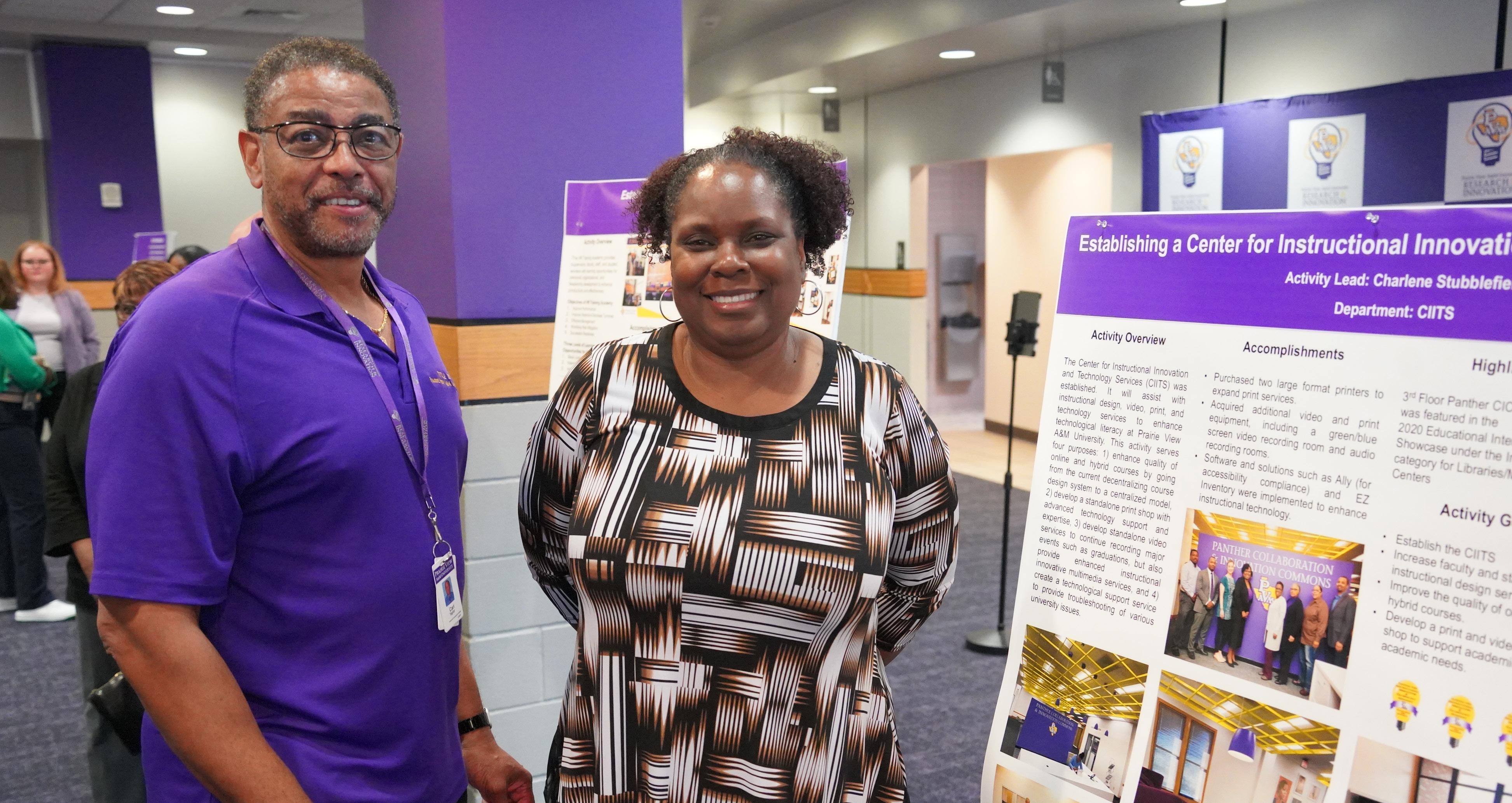
Mission
The Office of Title III Programs oversees the administration of grants from the U.S. Department of Education, ensuring their implementation aligns with federal, System, and University regulations. Projects funded by the Historically Black Colleges and Universities (HBCU), Historically Black and Graduate Institutions (HBGI), and the Fostering Undergraduate Talent by Unlocking Resources for Education (FUTURE) Act grants strengthen the university’s academic, administrative, and fiscal capabilities.
FY2025 Accomplishments
Title III Programs supported initiatives in Academic Affairs, Business Affairs, Research & Innovation, Strategy and Transformation, and Student Affairs.
Historically Black Graduate Institutions (HBGI) Grant Projects
$1,488,453
• Enhancement of the PhD Program in Electrical Engineering - Microprocessor/Clean Room Lab and Solar Lab (Academic Affairs)
• Expanding Access to a Doctor of Nursing Practice Degree (Academic Affairs)
Historically Black Colleges and Universities(HBCU) Grant Projects
$11,078,078
• Modernizing Learning Environments and Blended Pedagogies (Academic Affairs)
• Enhancement of Audio and Radio Curriculum and Infrastructure through KPVU (Academic Affairs)
• Repurposing Library Space for Success (Academic Affairs)
• Preparing PVAMU Students for a Seamless Transition into the Global Workforce (Student Affairs)
• The Enhancement of the College of Nursing Undergraduate Program (Academic Affairs)
• Strengthening the Center for Entrepreneurship and Innovation - College of Business (Academic Affairs)
• The Center for Excellence in Writing and Public Discourse (Academic Affairs)
• Convert Traditional Classrooms into SMART Interactive Classrooms (Academic Affairs)
• Digital Transformation & Research Security Compliance (Business Affairs)
• DesignBridge Innovation Lab: Fostering Undergraduate Applied and Qualitative Research in Digital Media Arts (Academic Affairs)
• Research and Innovation Enhancement (Research & Innovation)
• Renovation of the Prairie View Owens Franklin Health Center Student Health Clinic (Student Affairs)
• Prairie View A&M University Leadership Development Program (Strategy and Transformation)
• Development of the B.S./B.A. Public and Allied Health Programs (Academic Affairs)
Fostering Undergraduate Talent by Unlocking Resources for Education (FUTURE ) Act Grant Projects
$1,598,950
• Integration of Technology to Enhance STEM Teaching and Learning for the Acquisition of 21st Century Skills (Academic Affairs)
• Enhancement of Analytical Chemistry Facilities to Improve Curriculum and Student Participation (Academic Affairs)
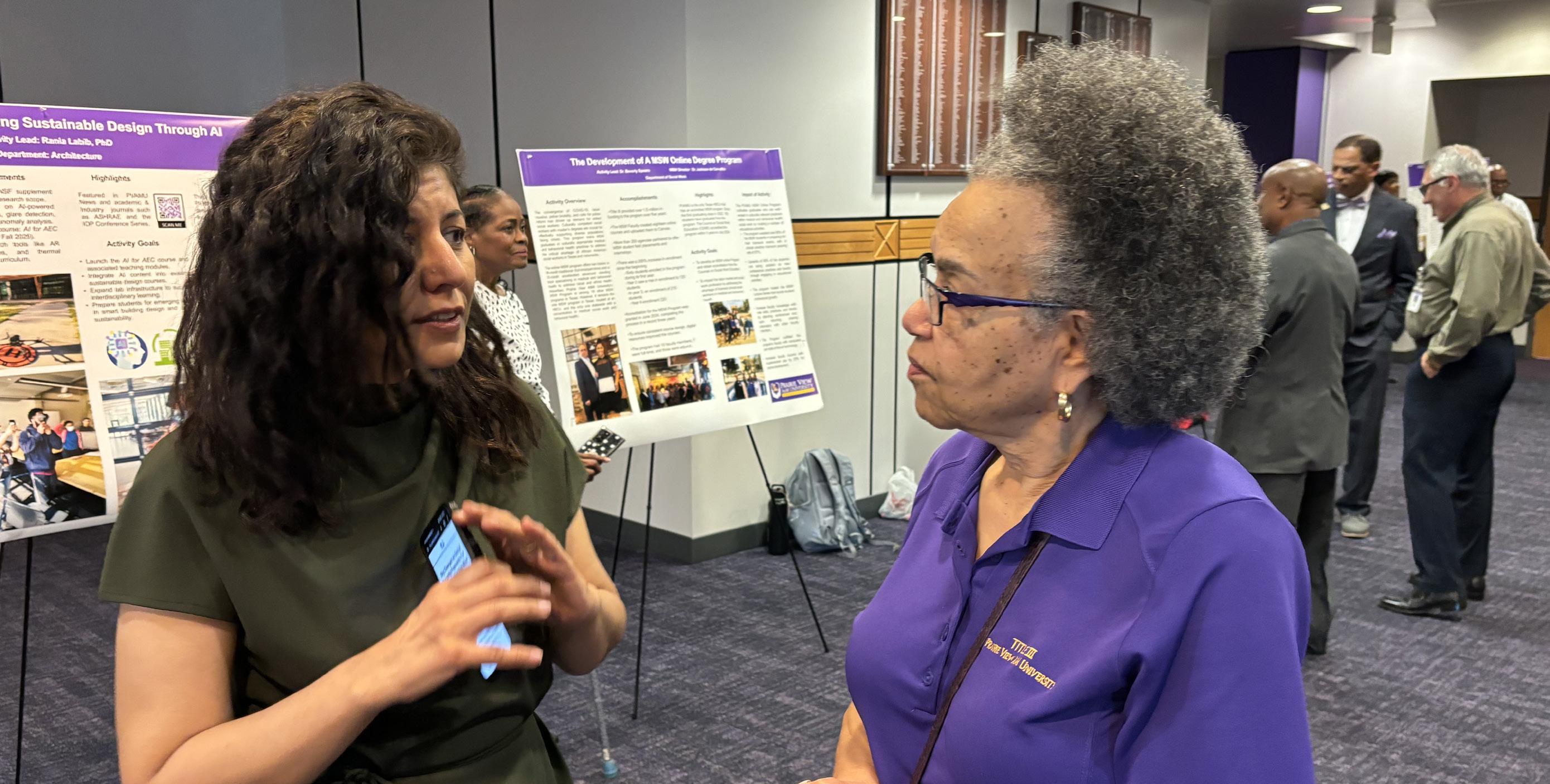
• The Development of the Online Master of Social Work (MSW) Degree Program (Academic Affairs)
• Life Science Interdisciplinary Learning Center (LSILC) (Academic Affairs)
Innovation, Commercialization, Entrepreneurship & Economic Development
Mission
The ICEED Innovation-Commercialization-Entrepreneurship-Economic Development Center is committed to advancing the innovation and entrepreneurship enterprise by significantly increasing the innovation and commercialization activities by faculty, students and staff researchers. In alignment with the Division of Research & Innovation’s strategic vision to elevate PVAMU’s Innovation enterprise, the ICEED is dedicated to providing strategic as well as broader services
Panther’s Invent 2024: Igniting Creativity and Entrepreneurial Spirit!
Prairie View A&M University hosted its fourth annual Panther’s Invent in October 2024, bringing together innovative minds from across campus for a weekend of creativity, collaboration, and entrepreneurial problem-solving. Organized by ICEED (Innovation, Commercialization, Entrepreneurship, & Economic Development), this year’s competition challenged students to develop forward-thinking solutions to real-world issues in partnership with Sandia National Laboratories.
Over the course of three days, interdisciplinary teams from engineering, business, and other academic programs worked intensively to design prototypes and craft business concepts addressing modern challenges. With guidance from mentors representing both academia and industry, participants refined their ideas and delivered professional pitches to a panel of expert judges.
The competition concluded with the announcement of outstanding projects that showcased the ingenuity and technical skill of Prairie View A&M students:
• First Place – Team Fan-XR2: An innovative concept designed to enhance user experience through technology integration and functionality.
• Second Place – Team Pantherneers: A creative solution emphasizing practical innovation and collaboration.
• Third Place – Team Inspector Gadget: A multidisciplinary project focused on inventive problemsolving and design.
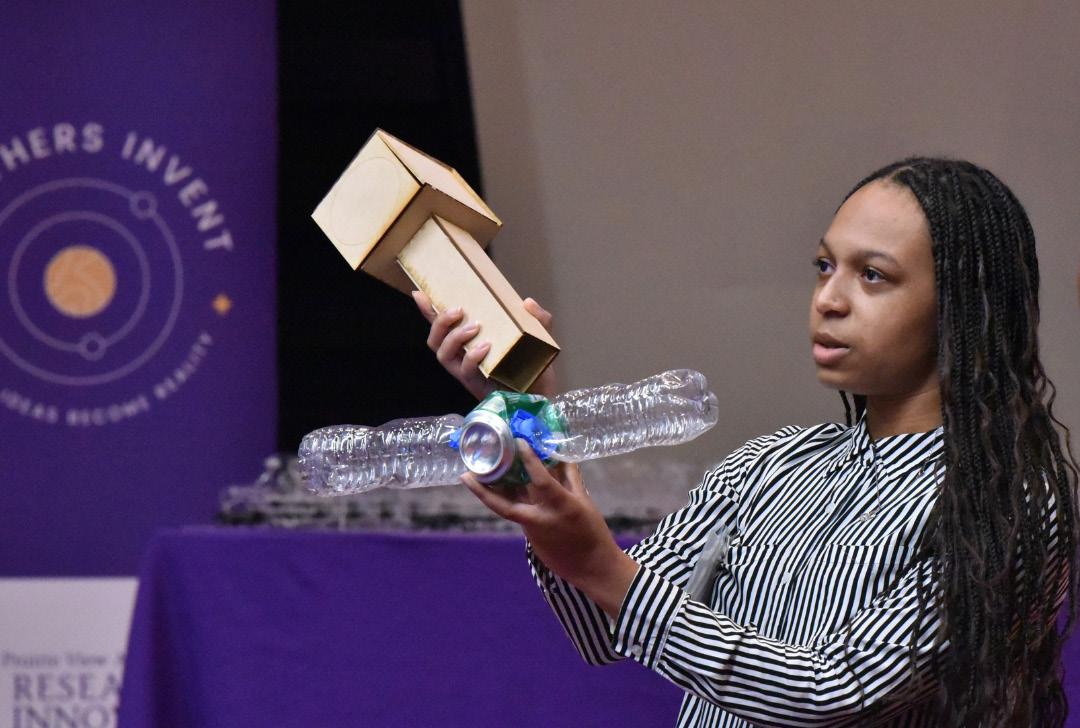
• Pitch Readiness – Providing guidance on how to communicate ideas effectively to potential investors, mentors, and competition judges.
• Entrepreneurial Mindset – Reinforcing resilience, adaptability, and perseverance as key traits for innovators.
Together:
The Innovation Together seminar highlighted the power of teamwork and interdisciplinary collaboration in driving entrepreneurial success. Hosted by ICEED, the session brought students from diverse majors—engineering, business, computer science, and the arts—into a shared space to explore how varied perspectives can spark stronger ideas.
Key elements of the seminar included:
• Conflict to Creativity – The workshop addressed how to navigate differing viewpoints constructively, showing how tension can fuel innovation rather than stall it.
• Community Building – Emphasis was placed on forming networks across disciplines, ensuring ideas and ventures are supported by a wide range of knowledge and experience.
• Intellectual Property Basics – An overview of patents, copyrights, trademarks, and trade secrets, with guidance on when and how to use each.
• Real-World Case Studies – Examples of how entrepreneurs have successfully protected their ideas, as well as lessons from ventures that failed to secure proper protections.
• Commercialization Strategy – Discussion on how safeguarding innovation strengthens business models, builds investor confidence, and creates competitive advantage.
R&I Month Participation: NextGen Innovation Connect: Empowering the Entrepreneurs of Tomorrow
The NextGen Innovation Connect seminar was designed to bridge the gap between student innovators and the wider entrepreneurial ecosystem. Organized through ICEED, the event created opportunities for participants to connect with mentors, industry leaders, and peers while exploring the pathways that turn bold ideas into thriving ventures.
Key aspects of the seminar included:
The From Ideas to Impact seminar was designed to equip students with the practical tools and entrepreneurial mindset needed to transform creative concepts into real-world solutions. Hosted under ICEED’s mission to grow entrepreneurship on campus, the session walked participants through the critical stages of venture creation— idea generation, validation, business modeling, and implementation.
The workshop emphasized:
• Creative Problem-Solving – Encouraging students to identify pressing challenges in their fields and think beyond traditional boundaries.
Beyond the awards, Panther’s Invent 2024 fostered an environment of mentorship, networking, and hands-on learning. Students gained valuable experience in teamwork, communication, and critical thinking while connecting with professionals who could help bring their ideas to life. More than just a competition, Panther’s Invent 2024 celebrated the spirit of innovation and entrepreneurship at Prairie View A&M University—empowering students to think boldly, collaborate effectively, and transform their ideas into real-world impact.
The Protecting Innovation seminar focused on one of the most critical aspects of entrepreneurship—ensuring that innovative ideas are safeguarded as they move from concept to market. Hosted through ICEED’s entrepreneurship series, the session provided students with a practical introduction to intellectual property (IP) rights, legal protections, and strategic planning.
Highlights of the seminar included:
• Mentorship Connections – Students engaged directly with entrepreneurs, alumni, and professionals who shared insights on navigating challenges in innovation and business creation.
• Networking for Growth – The seminar emphasized building lasting relationships, highlighting the role of networks in securing resources, guidance, and opportunities.
• Future-Focused Conversations – Sessions explored trends shaping the future of entrepreneurship, from emerging technologies to sustainable business practices.
• Center for Computational Systems Biology (CCSB)
• Center for Energy and Environmental Sustainability (CEES)
• Center for Radiation Engineering and Science for Space Exploration (CRESSE)
• Center of Excellence in Research and Education for Big Military Data Intelligence (CREDIT)
• Radiation Institute for Science and Engineering (RaISE)
• Secure Cybersecurity Center of Excellence (SECURE)
• Smart Microgrid Advanced Research and Technology Center (SMART)
• The Achievement, Research, Creativity, and High-Ability Center (ARCH-III)
• Agro-Innovation and Technology Center (AITC)
• Cooperative Agricultural Research Center (CARC)
• Integrated Food Security Research Center (IFSRC)
• International Goat Research Center (IGRC)
• Texas Juvenile Crime Prevention Center (TJCPC)
• Small Business Development Center (SBDC)
• Fabrication Center (FC)
• Texas Institute for the Preservation of History & Culture (TIPHC)
• Ruth J. Simmons Center for Race and Justice
• National Center for Infrastructure Transformation (NCIT)
• Community Urban Rural Enhancement Service Center (CURES Center)
• DesignView Media Center