

A Guide to Self-Care for Persons
with Spinal Cord Injury
Edited by: Stephen P. Burns, MD • Itala M. Wickremasinghe, MD
You Can
A Guide to Self-Care for Persons with Spinal Cord Injury

Here’s to Your Independence!
The goal of rehabilitation is to help you design a lifestyle that will allow you to function as independently as possible within the realm of your ability. This manual has been put together to help you. It covers many things you learn while you are in the hospital. When you get home, the manual will serve as a resource for what you have learned. The information is there to answer any questions that may arise about caring for yourself. This manual does not replace your SCI clinic or physician. If you really get in a jam, call

Paralyzed Veterans of America (PVA) is honored to partner with the Veterans Affairs (VA) Spinal Cord Injury and Disorders System of Care to present this 5th edition of Yes, You Can!
Over the past four decades, Yes, You Can! has been an effort of dedication, leadership, and advocacy of clinical and administrative professionals in the Department of Veterans Affairs (VA) Spinal Cord Injuries and Disorders (SCI/D) System of Care. In this edition, nearly 100 VA SCI/D expert clinicians from around the country have contributed to make this the consummate reference manual for individuals living with SCI/D, their families, and is used in rehabilitation hospitals and community-based Spinal Cord Injuries (SCI) programs across the country, well beyond those in the VA, including in numerous countries around the world. It is certainly the most requested of PVA’s many publications. This new edition has been long awaited and will likely redouble our
The 5th edition was edited by Stephen P. Burns, MD, Chief of the SCI/D Service at VA Puget Sound Health Care System and Itala Manosha Wickremasinghe, MD, FABPMR, Executive Director of the VA SCI/D System of Care.
The 5th edition includes new cutting-edge topics, including women’s health and SCI, participation in clinical research, what to expect during rehabilitation, transportation and travel, neurocognitive disorders, aging, and caregiver support. In addition, illustrations have been updated with photos and videos of people living with SCI/D.
applies to all levels of SCIs and provides valuable information for individuals with SCI, their families and caregivers.
With sincere gratitude to all those who contributed and to our patients who have taught us so much about life and living with a SCI, PVA is pleased to provide you with this 5th edition.
Paralyzed Veterans of America
Acknowledgments
We wish to thank all contributors to this fifth edition of Yes, You Can! For this edition, we expanded chapter authorship to draw on the expertise of staff from many of the 25 VA SCI/D centers. We are greatly appreciative of the time and effort contributed by our Associate Editors: Jelena Svircev, Kendra Betz, Jacqueline Black, Jan Tackett, Carrie Ann Henry, and Sunil Sabharwal. We wish to recognize Nicole Burns, who provided additional copy editing for chapters in Section 1. Because so many people and organizations have contributed to the current and four prior editions of Yes, You Can!, we apologize if we have inadvertently failed to recognize someone’s contribution. We additionally acknowledge those veterans with SCI who have contributed to the knowledge and expertise of the authors and editors. Finally, we would like to acknowledge the notable support and guidance that have been provided by Paralyzed Veterans of America for the four prior editions of this book, as well as for this new edition.
Associate Editors
Jelena Svircev (Section 1)
Kendra Betz and Jacqueline Black (Section 2)
Carrie Henry and Jan Tackett (Section 3)
Sunil Sabharwal (Section 4)
Contributors (by chapter)
Wei-Han Tan, MD: 1
Gail Slotnick, MBA/MS, AGPCNP-BC, CWS: 2
Kevin White, MD: 2
Elamin Elamin, MD: 3
Tommy Yu, MD: 3
Melvin Mejia, MD: 3
John Cunneen, MD: 3
Claire Yang, MD: 4
Steve Stiens, MD, MS: 5
Beth Tammaro, BSN RN CRRN: 6
Marika Hess, MD: 6
Elaine Rogers, MSPT, ATP: 7
Michelle Lanouette, PT, MS, NCS: 7
Alan Phillips, OTR, ATP/SMS: 7
Stephen Burns, MD: 8
Katherine Stenson, MD: 9
M. Regina Reyes, MD: 10
Jenny Kiratli, PhD: 11
Doug Ota, MD: 11
Sally A. Holmes, MD: 12
Luis John Kertz, PT, MPT, NCS: 12
Jacqueline Black, MSPT, ATP: 13
Elaine Rogers, MSPT, ATP: 14
Michelle Lanouette, PT, MS, NCS: 14
Alan Phillips, OTR, ATP/SMS: 14
Jody Bastien, OTD, OTR/L, SCEM, ATP: 15
Todd Keanan, RKT, CDRS: 16
Carol Gibson-Gill, MD, MSCS: 17, 37
Joyce Williams, MSW, LCSW: 17, 37
Tomicka McMillan, RN, DNP, MSCN: 17, 37
Katie Powell, OTR/L: 18
Angela Kuemmel, Ph.D., ABPP (RP): 18
Maggie Kazmierski, MSW, LCSW-C: 18
Thomas M. Dixon, PhD: 19
Jan Tackett, PhD: 20
Randi Lincoln, PhD, ABPP (RP): 20
Alicia Smith, LCSW: 21
Lisa Ottomanelli, PhD: 22
Carrie Ann Henry, LCSW: 23
Michael Lally, LCSW: 24
Steven Brose, DO: 25
Aiga Rakhesh, MD: 25
Stephen P. Burns, MD, Editor, 5th edition
Itala Manosha Wickremasinghe, MD, Editor, 5th edition
Ann Landes, PhD: 25
Jon Rose, PhD: 26
Vance Pease, CTRS: 27
Gayle Phaneuf, RDN: 28
Jessica Boutin, MSTOR/L WCC: 28
Kendra Betz, MSPT: 29
Heather Jennings, PT, DPT: 29
LeeAnn Morris, PT, DPT: 29
Michael Mcdonough, PharmD: 30
Jon Rose, PhD: 31
Stephen Burns, MD: 32
Sunil Sabharwal, MD: 33
Sameer Siddiqui, MD: 33
Donna Huang, MD: 33
Sally Holmes, MD: 34
Janine Copsey, OTR: 34
Stephanie Boyle, MD: 35
Ileana Howard, MD: 36
Melanie D. Younger, LCSW: 36
Stephanie L. Bush, LICSW: 36
Kathleen Decina, PT, DPT:
Appendix A
Erin Stone, OT: Appendix A
Chapters are authored by health care providers from many VA SCI/D Centers.
The views expressed in this work are those of the authors and do not necessarily reflect the views or opinions of the Department of Veterans Affairs.


Yes, You Can! | Table of Contents


SECTION 1: How SCI Affects Your Body
What happens to the body when the spinal cord is injured? The first thing most people notice is that muscles in the legs or arms become weak or completely paralyzed. This happens because the spinal cord normally carries signals from the brain to the muscles, allowing you to move. However, spinal cord injury (SCI) affects much more than the strength of arm and leg muscles. The spinal cord carries signals of feeling from the body to the brain. It also helps control parts of the body that work automatically, like the bladder, bowel, and even the heart. When these things do not work correctly, serious medical problems can develop. Because all these body functions rely on the spinal cord, you need to understand how your SCI has affected your body and become an expert on how to take care of yourself so you can maximize your function, enjoy life, and stay healthy.
Chapter 1 | Anatomy, Physiology, and Research
Imagine the spinal cord as a highway that runs from the base of the brain down to the lower part of the back carrying information between the brain and all parts of the body. It looks like a long rope about the width of the little finger, and it is fragile. Spinal cord injury can lead to loss of movement and feeling. It can also affect how the brain controls the internal organs. When the spinal cord is injured, the parts of the body below the level of the injury are affected.
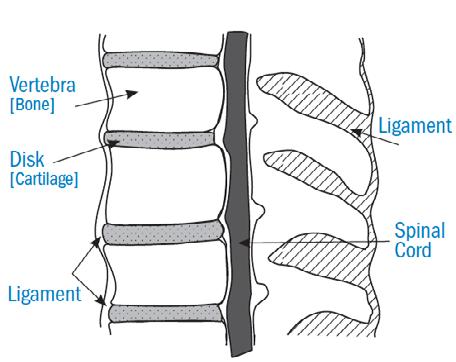
The spinal cord is protected by the spine. The spine is made of small bones stacked on top of each other. These bones are called vertebrae. Each vertebra has a hole in it—a hard, bony tunnel through which the spinal cord passes. This is called the spinal canal. To allow the back to bend and to lessen jarring, each vertebra is cushioned from the next by vertebral disks. The disks are made of a spongy material and act like shock absorbers. Spinal ligaments hold the vertebrae together and allow the neck and back to twist and bend. The vertebrae, disks, and ligaments together are called the spinal column (see Figure 1).
The spine has four sections. The top section located in the neck is the cervical section The next section down is the thoracic section, which extends from the lower neck to the lower ribs. The third section is the lumbar section (lower back). And the last section is the sacral section (the tailbone) (see Figure 2). The sacral section is really one bone, with five nerve pairs coming out through holes in it. The cervical section contains eight pairs of nerves and seven vertebrae. There are 12 thoracic nerves, five lumbar nerves, and five sacral nerves on each side.
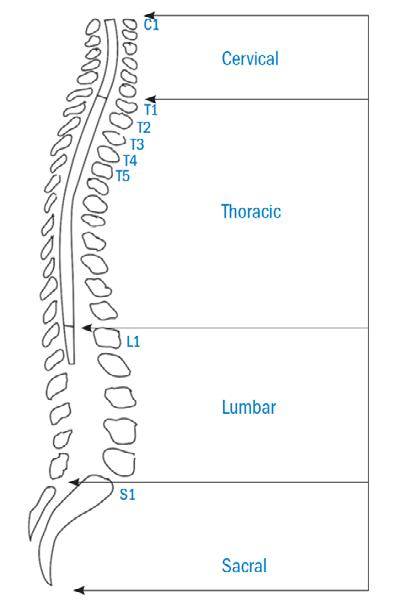
Figure 1 | The Spinal Column
Figure 2 | The Spinal Cord
At the lower end of your spinal cord (below the second lumbar vertebra), the nerves travel long distances before they exit the spine. This is because the spinal cord itself ends much higher, at about the level of the L1 vertebra. The lower lumbar and sacral nerves look like a horse’s tail inside the spinal column. In fact, this area is known as the cauda equina, which means “horse’s tail” in Latin.
How the Spinal Cord Functions
The spinal cord works to send messages between the brain and the rest of the body. You may wonder how the spinal cord keeps these messages from getting confused, while running back and forth between the brain and body. Within the spinal cord itself, the nerve fibers are organized into groups called spinal tracts. Each spinal tract carries messages in one direction, either up for sensation or down for movement. Imagine the spinal cord as a highway; the spinal tracts are the lanes of the highway (see Figure 3).
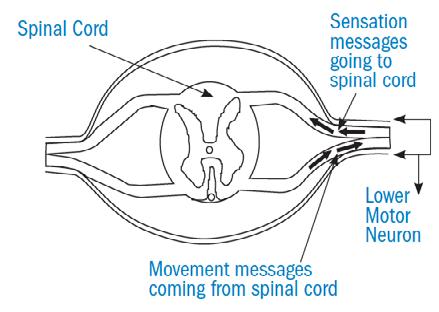
The spinal cord is the communicating link between the spinal nerves and the brain. The long nerve fibers inside the spinal cord are called the upper motor neurons (UMNs). They run between the brain and the spinal nerves. The spinal nerves branch out from the spinal cord into the tissues of your body. Spinal nerves are called lower motor neurons (LMNs) (see Figure 4).
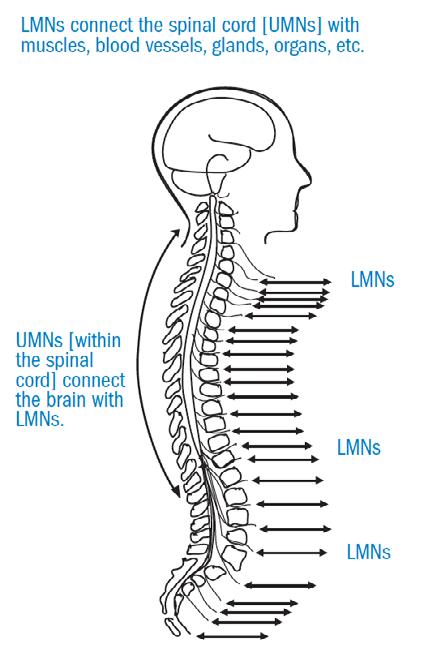
Figure 3 | Spinal Tracts for Nerves
Figure 4 | Spinal Tracts for Nerves
For movement, the brain sends messages through the spinal cord UMNs to the spinal nerve LMNs. The spinal nerves then carry these messages to the muscles to coordinate movements such as walking. In this way, the brain controls movement. With sensation, nerves in the body collect information and send it up the spinal cord to the brain. This allows you to be aware of feelings such as heat, cold, touch, or pain.
What Is a Spinal Nerve and What Does It Do?
Each spinal nerve has two main parts. One part carries information related to movement from the spinal cord to the muscles. It is called a motor nerve. Each motor nerve connects to specific muscles. Each level of the spinal cord causes movement in a certain group of muscles.
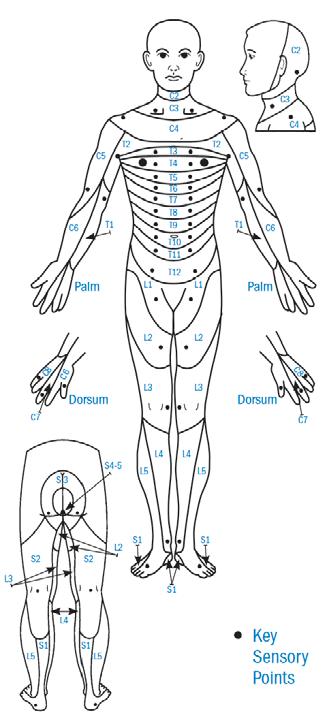
The other part of the spinal nerve carries messages of sensation, such as heat and cold, from the body to the spinal cord. It is called a sensory nerve. Different types of sensation are carried up the spinal cord to the brain. These include pain, touch, heat, cold, vibration, pressure, and proprioception (knowing where a body part is located in space without looking at it). Each sensory nerve collects information about feelings from a given body part or area of skin. A dermatome is an area of skin that matches a specific spinal cord level (see Figure 5).
SPINAL CORD INJURY
Many types of injuries and diseases can cause spinal cord injury (SCI) or dysfunction. For example, if the space in the vertebrae for the spinal cord, the spinal canal, becomes narrowed, the spinal cord can become injured. This can happen when the bones in the back or neck are broken, or when ligaments are torn and the vertebrae move in different directions. Gunshot wounds, stab wounds, or fragments from explosions can directly damage the cord without much breaking of the vertebrae. Infections and tumors near the spine can compress the spinal cord. Sometimes, arthritis can affect the bones and slowly compress the cord. Finally, the blood supply
Figure 5 | Map of Dermatomes
to the spinal cord can be blocked, causing part of the spinal cord to die. (This is similar to how a stroke affects the brain.)
Damage to the spinal cord can cause changes in movement, sensation, bladder control, bowel control or other bodily functions. The changes depend on where and to what extent the spinal cord was injured. Using the analogy of the spinal cord as a highway for the flow of information between the brain and the body, imagine an accident on the highway and how it impacts the flow of traffic. The main problem in SCI is that the “highway” between the brain and the body is impaired.
CLASSIFICATION OF SPINAL CORD INJURY
Health care providers and researchers use a standardized naming and numbering system (called the ISNCSCI – International Standards for Neurological Classification of Spinal Cord Injury) to describe and classify the loss of movement and sensation due to SCI. The “neurological level” refers to the lowest nerve root (for example, C6 for cervical root number 6) that has normal function. The neurological level can be different from the numbered spinal level for where the spine was injured. When the SCI is at a cervical level, the injury is called “tetraplegia” or “quadriplegia.” Most of the nerve supply to the arm and hand comes from the cervical level. This means that people with tetraplegia can have numbness or weakness in their arms or hands and their legs. When the SCI is at a lower level (thoracic, lumbar, or sacral), the injury is called “paraplegia.” People with paraplegia have numbness or weakness in their legs. Paraplegia does not affect the arms or hands.
Levels of Injury - Terminology
Neurological levels are defined separately for sensory and motor, and for right and left sides. The “sensory level” is the lowest level on each side of the body where there is normal sensation to sharp and light touch and all sensation above it is normal. The “motor level” is the lowest level on each side of the body where there is strength to move against gravity and all strength above it is normal. The neurologic level of injury is the highest of the 4 levels (right sensory, left sensory, right motor, left motor).
Injury Completeness and the ASIA
Impairment Scale - Terminology
As you think about the spinal cord as a highway that connects the brain to all parts of the body, the farthest destination on the highway is the sacral 5th nerve located at the rectum and anus. A complete spinal cord injury, also known as impairment scale A (“American Spinal Injury Association (ASIA) Impairment Scale” A, or AIS A), is the complete disruption of the flow of information between the brain and the farthest destination at the rectum and anus. This is represented by the inability to voluntarily contract the anus (squeeze like holding in a bowel movement), inability to feel rectal pressure, and absent feeling around the anus. A complete injury means that the highway is completely blocked to the final destination, both for brain signals descending to the lowest muscles and for sensory signals coming from lowest segments up toward the brain. Sacral sparing is the presence of any feeling near the anus and rectum or voluntary contraction of the anus. If there is any element of Sacral sparing that is partially intact, even one single lane on the highway, this is an incomplete spinal cord injury. Incomplete spinal cord injuries are further classified as impairment scales B, C and D. A sensory incomplete SCI, also known as impairment scale B, is the ability to sense
rectal pressure or feeling around the anus, but the inability to voluntarily contract the anus or have voluntary movement greater than three levels below the motor level. A motor incomplete SCI, also known as impairment scales C and D, is the ability to either voluntarily contract the anus or have rectal pressure or feeling around the anus with voluntary movement greater than three levels below the motor level. The difference between impairment scale C and D is the percentage of key muscles below the neurologic level of injury that can move completely against gravity. Less than 50% of key muscles can move against gravity with impairment scale C while 50% or greater are able to move against gravity with impairment scale D. An impairment scale E represents complete recovery from SCI with no deficits in strength or sensation detected on physical exam.
Upper Motor Neuron and Lower Motor Neuron Injuries
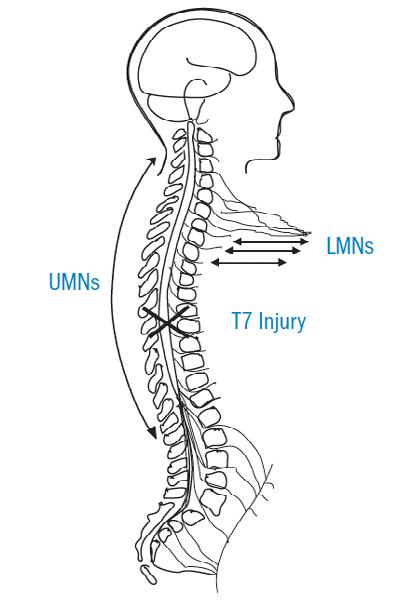
Earlier in this section, the difference between UMNs and LMNs was described. A complete injury affects all the UMNs running down the spinal cord. This disrupts the connection between the brain and the parts of the body below the injury. However, the LMNs below the SCI are not damaged. Because LMNs carry reflex actions, the reflexes below the level of injury are still working. This is an UMN injury (see Figure 6).
The LMNs are still carrying out reflex actions below the level of injury, but this may cause a problem. With reflexes, the brain normally controls how much the nerves react. In a UMN injury, messages from the brain can’t get past the point of injury, so the LMNs act by themselves, which may cause uncontrolled reflexes. One example is spasticity, which is an involuntary contraction of a muscle when it is stretched. (For more about spasticity, see Chapter 7, Muscle, and Bone).
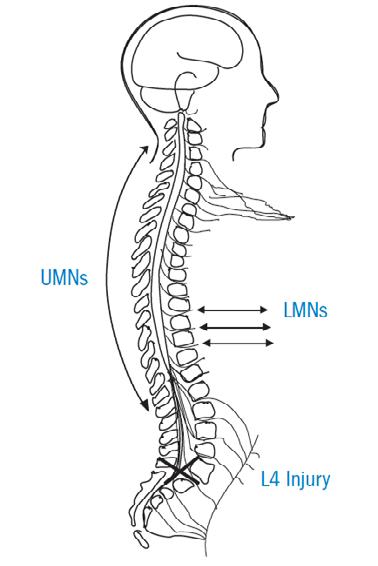
LMN injuries are different. This kind of injury is usually at the lower tip of the spinal cord (at or near the cauda equina). The cauda equina is made up entirely of LMNs, so damage to it impairs reflex actions (see Figure 7). Spasticity does not occur with LMN injuries, because the muscles no longer have any nerve contact to stimulate them.
RECOVERY AND REHABILITATION
The recovery for each individual with SCI is unique. There are many factors that contribute to recovery including how the injury occurred, the level of injury and the impairment scale. The role of SCI rehabilitation is to provide education on how the function of the body is impacted by SCI, teach new techniques or utilize special equipment to optimize function,
Figure 6 | Upper Motor Neuron Injury
strengthen and stretch muscles, evaluate home and community access, and assist with returning to life after hospitalization and rehabilitation. Rehabilitation begins immediately and is unique to each individual.
REGENERATION RESEARCH
Regeneration research is the study of renewing or restoring the spinal cord after injury. Progress has been made in the past 25 years, and some partial regeneration is possible in animals with SCI. Spinal cord nerve fibers can regrow if they have the proper stimuli to make the nerves grow and to guide where they go. A goal of current research is to make these treatments work in humans.
Some physicians are offering experimental treatments to people with SCI even though the treatments may not be effective or even safe. Complications such as spinal infections
can happen after these treatments. When considering having a procedure done, the scientific evidence should be reviewed, and the risks and benefits considered. Many questions should be asked: How safe is the procedure? Who will be performing the procedure? What are the chances of losing strength and sensation or developing pain after the procedure? Also, if you receive one of these treatments now, will you be eligible to have other treatments in the future? When you hear of a new treatment, gather as much information as you can, then discuss it with a SCI physician or SCI researcher to determine whether it is something you should consider. (See the ICORD resource for a list of factors to consider before participating in an experimental treatment or a clinical trial, as well as Chapter 11, Participation in Clinical Research).
Resources
The International Collaboration on Repair Discoveries (ICORD) publishes a free booklet titled Experimental Treatments for Spinal Cord Injuries. It contains a summary of experimental approaches to treat SCI, as well as information that you should know if you are thinking about participating in a clinical trial. www.icord.org
Leading research journals require scientists to register experimental research on humans (“clinical trials”) before the research begins. ClinicalTrials.gov provides regularly updated information on federally and privately supported clinical research using human volunteers. The website gives you information on a trial’s purpose, who may participate, locations, and phone numbers for more details. Enter the search term “spinal cord injury” to find studies of spinal cord regeneration, spasticity, pain, and other conditions.
Figure 7 | Lower Motor Neuron Injury
Chapter 2 | Skin Care and Pressure Injuries
What Skin Does
The three main functions of the skin are protection, sensation, and temperature regulation.
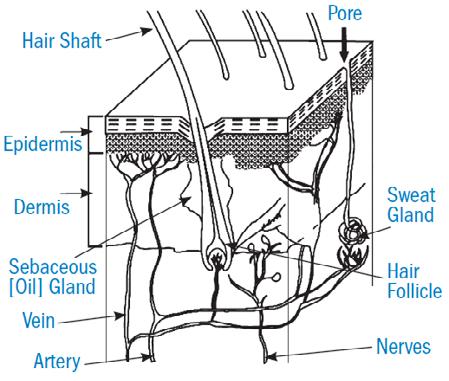
The skin serves as a shield against most physical and chemical agents, such as bacteria, dirt, foreign objects, and ultraviolet rays from the sun. The sensations of touch, pain, pressure, and temperature travel from nerve endings in the skin through the spinal cord to your brain (figure 8). A major function of the skin is to regulate the body temperature. Sweat glands are always producing water and salts, changing the fluid content of the body. When liquid from the sweat glands evaporates, it helps maintain a stable body temperature. The body can change the amount of blood that goes to the skin, which also helps to control body temperature.
Spinal cord injury (SCI) results in changes to the chemical and mechanical properties of the skin. It becomes harder to protect the skin and to heal skin injuries and wounds. Being aware of skin conditions and how
skin functions is critical in helping you stay healthy and active. Table 1 shows how skin functions are affected by SCI and what you can do to prevent problems
SKIN CARE
Nutrition for the Skin
Protein, carbohydrates, lipids (fats), vitamins, and minerals are all needed to maintain healthy skin. These nutrients can be obtained by eating a well-balanced diet and a variety of foods. (For tips on how to eat a well-balanced diet, see section 4-c, Nutrition and Weight.) Review any herbal or nutritional supplements with your provider or nutritionist. Some herbs and supplements can interfere with prescription medications.
Weight Control
Maintaining an appropriate weight may help lower the risk of skin breakdown. (See Chapter 28, Nutrition and Weight) If you are overweight, you might have difficulty protecting your skin when moving between your bed and wheelchair, or it may be more difficult to relieve the pressure on your skin. If you’ve gained weight, wheelchairs or other equipment may no longer fit correctly. Being underweight can also cause problems. You might have less padding over bony areas where pressure injuries most commonly form. Being underweight may mean you are malnourished, which makes it easier to injure the skin and harder to heal skin problems.
Basic Hygiene
Regular bathing is encouraged during younger adulthood. With time, the skin becomes drier, thinner and less elastic. Careful attention to overall skin condition and response to daily cleansing is
Figure 8 | Skin
Table 1 | How Skin is Affected by SCI and How to Prevent These Problems
Functions Change You Need To
• Avoid cracked, dry skin
• Avoid overly moist, wet skin
• Wear properly fitting footwear
• Avoid direct sun without protection
• Drink enough fluids to maintain good hydration
Protection
Sensation
• Higher levels of inflammation, weaker immunity
• Be aware of how your skin reacts to medications, detergents, soaps, cleansers, and lotions
• Do not use tobacco products
• Inspect the areas of skin that come in contact with braces and splints
• Inspect skin twice a day for changes
• Use a flexible mirror to help with inspection
• Relieve pressure while lying, sitting, riding in a car, or standing
• Avoid using hot or cold packs, especially if you have no feeling in that area
• Decreased or no feeling to touch, pain, pressure below the level of SCI
• Increased or more (hyper) sensation below the level of SCI
• Inspect clothes and shoes for exposed or hard seams or bumps that could rub against your skin
• Wear clothing suited for the weather
• Be cautious when handling and carrying hot foods, beverages, cookware, and utensils
• Talk to your provider before wearing elastic stockings or wraps designed to help support your blood pressure or to help with extra fluid accumulating in your legs
• Remove elastic stockings and compression wraps daily and inspect your skin underneath
Temperature Regulation
Fluid Regulation
• Reduced sweating to cool the body below the level of SCI
• May have excessive sweating above the level of SCI
• Lack of voluntary muscle action below the level of SCI can produce edema, swelling of the tissues due to pooling of fluids
• Regulate the indoor temperature of your home
• When outside in warm weather, stay hydrated by drinking fluids
• Dress in layers that are easy to remove and replace
• Avoid using electric blankets or heating pads
• Elevate your legs higher than your heart to help shift the fluid away from your lower legs. It is best to do this by reclining, either in a wheelchair or in bed.
• Wear compression stockings if recommended by your provider
recommended for everyone, but especially older people with SCI. Skin should be washed any time it is soiled, and areas such as armpits, the groin, and under skin folds still need daily cleaning. Soaps, body washes, laundry soaps may contain harsh chemicals or additives that can strip the skin of natural oils. Look for cleansing products that won’t cause excessive dryness. If you rely on adhesives to secure urinary drainage catheters, ostomy appliances or other devices, cleansers with lubricants can cause poor adherence of these devices.
Hygiene Tips Specific to SCI
Sitting in a wheelchair all day long with the legs close together doesn’t allow air to circulate in the groin and buttocks areas. Also, unusual sweating patterns and poorly controlled bowel and bladder function may cause excess skin moisture. The following are hygiene tips:
• Wash your groin area twice a day, in the morning and again before going to bed at night.
• Air out the groin area daily by sitting in the frog position (heels together, knees apart) for at least 20 minutes.
• Thoroughly dry your groin area after bathing.
• Moisture barrier creams and pastes may be recommended by providers. These are applied to groin folds, skin creases or under breasts and arm pits.. Some creams can help with fungal rashes as well. Skin powers should be lightly dusted to the groin area. Too much powder can cake and lead to irritation.
• Clean your urine-collecting equipment every day. (For more information, (see Chapter 4, Bladder Management.)
• After bathing, apply moisturizing lotion daily to areas of dry skin, including between your toes after you dry them. Dry skin can crack open.
• Keep fingernails clean and trimmed to prevent them from embedding into your palms.
• Keep your toenails short to prevent them from catching on things or scratching the other leg. If ingrown toenails develop, ask your provider or see a podiatrist for recommendations on how to cut your nails.
• Thick nails may need to be cut by a nurse or podiatrist.
• Wear breathable socks that are large enough for your feet and are not constricting at the calf or ankle.
• Inspect your shoes closely on the inside for adequate toe space, any seams or hard dents that will have contact with your feet.
Why You Should Worry About Pressure
Wounds to the skin have been called many things over the years: pressure sores, bed sores, decubitus ulcers, “decubes”, pressure ulcers, and, most recently pressure injuries. Skin and wound experts https://npiap.com/ page/PressureInjuryStages have looked at the old definitions and upgraded the names to better describe the effects and damage pressure can create on the skin or body. The term pressure injury will be used in the remainder of this chapter.
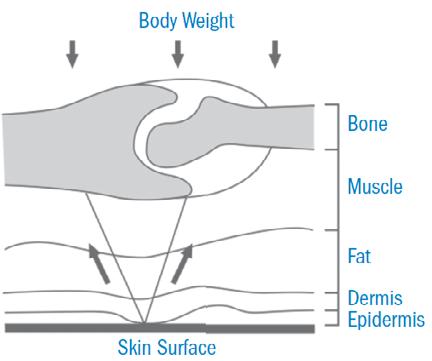
A pressure injury is an injury to the skin and the tissues underneath. It is caused by excessive or prolonged pressure. When pressure is applied for too long, the blood supply is cut off (Figure 9). This deprives the cells of oxygen and nutrients, which leads to skin breakdown. Pressure injuries can form in two ways—from the outside of the skin downward (these are shallow when they start) or from the bone outward toward the skin (these are quite deep by the time they reach the surface of the skin). The pressure is always greatest on the deep tissues that are near the bone. Your tailbone (sacrum and coccyx), hips (trochanters), sit bones (ischia), and heels
are the main places to watch. Tissues here get squeezed between a “rock” (the bone) and a “hard place” (a chair or mattress, for example). The harmful pressure can come from sources outside your body, such as the seat of your wheelchair, hand or leg braces, devices such as tubing from catheters against your skin or the mattress on your bed. Before your injury, your body signaled you to squirm around in a chair or change positions to get blood to an area. After SCI, you may not have the same warning system. Unless you think about it and move yourself by doing a pressure release, the blood supply to an area can be cut off. Pressure is greatest at the bone, so the most damage is done there. A pressure injury may look small on the surface but can be much larger underneath. Pressure injuries can be caused by a large amount of pressure applied to the skin for a short period of time or less pressure on the skin over a longer period. Sometimes other medical problems—such as poor nutrition, diabetes, peripheral vascular disease, or an illness that requires hospitalization—can lead to pressure injuries very quickly with only a small amount of pressure.
Regular pressure releases when you’re up in your wheelchair and position changes
when you’re lying down will allow the blood vessels to open and will prevent skin breakdown. Your equipment should help relieve and distribute pressure over your bony areas—you can use special bed surfaces or wheelchair cushions that help prevent pressure injuries.
Fortunately, pressure often causes changes in the skin that can provide early warning signs that the cells are not getting adequate circulation. These early signs of damage include both color and texture changes. For example, redness can develop after excessive pressure. Be aware that color changes, burns, scars, and chronic irritation may not be as visible or appear differently in people with darker skin. This highlights the importance of twice daily skin inspections.
It’s always better to prevent pressure injuries. Even after a wound heals, especially if it is deep, the skin and soft tissue below will never be as strong and elastic as they were. And each time you have skin breakdown in the same place, it becomes weaker and less elastic after it heals. The most important thing to do to prevent pressure injuries is to regularly do pressure releases.
Shearing and Friction
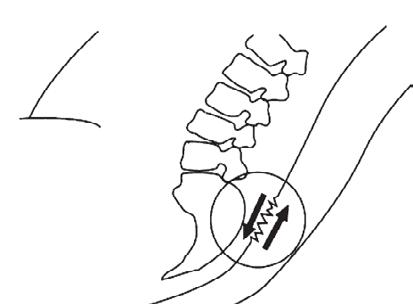
Shearing occurs when two layers of tissue right next to each other are pulled in opposite directions. The blood vessels in the layers of the skin are closed off by the pulling. This can lead to skin tears, blisters, and more serious breakdown (Figure 10). Shearing can happen if you slip down in your wheelchair or while you are sitting in bed—if the head of your bed is raised, you might slide down and shear the skin over your tailbone (sacrum and coccyx). Shearing can occur when you drag any body part across a bed, toilet, or other surface during a transfer. Shearing plus direct pressure from the weight of your body increases your risk of getting pressure injuries. Friction is what happens when a part of your body
Figure 9 | Pressure on Skin
rubs against another object or body part. An example would be ankle bones rubbing against each other when you lie on your side at night or from the side of your shoe rubbing against your ankle bone. Repeated friction can cause blisters and can make existing wounds worse. Spasticity also can increase the risk of damaging the skin, because it may pull you out of good alignment in your chair or in bed.
DAILY SKIN CARE
Skin needs special attention every day because of the decreased feeling and movement in your body below the level of SCI. Pressure injuries can develop quickly, so prevention is essential. If a wound does develop, it is important to recognize and treat it promptly. Examine the skin for possible problems:
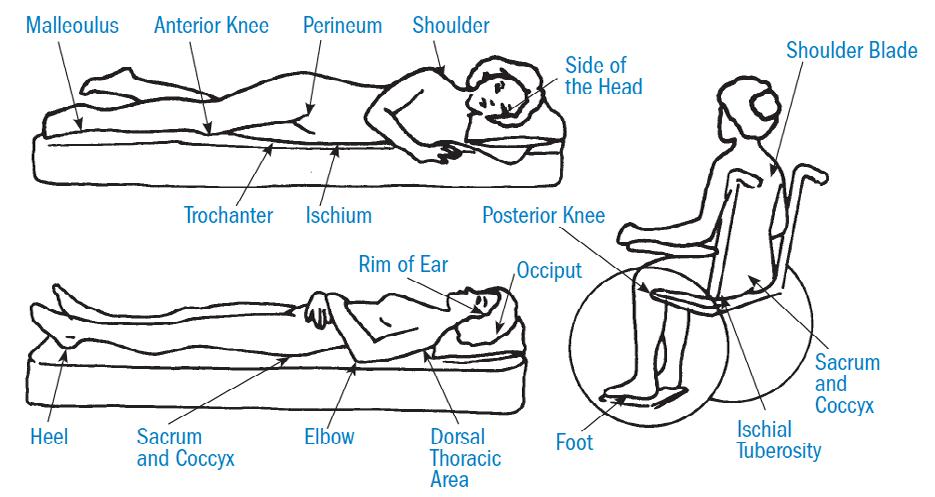
• Check your skin twice a day. Before you get out of bed, inspect the areas that had pressure while lying down. After getting into bed, inspect the areas that had pressure while sitting. (Figure 11)
• Avoid laying on rumpled linen, tubes or cords while in bed.
• Make sure your feet are not pressing against the footboard of the bed
• Check all the bony places (ankles, elbows, heels, hips, tailbone) below the level of your injury. Use a mirror to see the bony areas behind you, like your sit bones (ischial tuberosities), sacrum, and tailbone.
• If you can’t check your skin yourself, get someone (a caregiver or a family member) to check those areas for you.
• Look for reddened areas, cuts, scrapes, blisters, and bruises. Carefully check anything that seems different.
• If you develop skin redness after having pressure on a bony area of your body, see how long the redness takes to fade. If it takes longer than 15–20 minutes or doesn’t fade at all, the pressure was too much for the skin and you must take action: First of all, do not massage red marks! Don’t put pressure on the area until the redness fades completely. The next time you sit or get into the position that caused the red mark, reduce the time spent there. Make sure your wheelchair cushion and mattress are functioning correctly. Make sure you’re doing pressure releases and position changes correctly and frequently. Talk with your health care provider about these problem areas.
• Feel the bony areas on your body for lumps or spots that are firmer or warmer than the surrounding skin. If the tissue feels either extra firm or mushy, contact your provider.
Ensure proper fit of your clothes, shoes, and equipment. Avoid the following:
• Thick seams, especially on denim jeans
• Tight bras with underwires that than press into skin
• Binding in the groin area or pressure to scrotum.
• Tight shoes, especially if you have swollen feet.
Figure 10 | Shearing
Figure 11 | Skin Inspection Points
• Socks with elastic tops that bind around the lower leg.
• Straps holding your urine drainage system that are too tight or too narrow.
• Condom catheters that have been applied too tightly.
• Sitting on urinary tubing, utensils, pens, remote controls, wayward pieces of food. Consider these factors in choosing clothing and wearing adaptive equipment:
• Wash new clothes before they are worn and check your skin after one or two hours for redness or chafing.
• Buy jeans that have low-profile seams (not bulky). Consider removing back pockets or buying jeans that don’t have them.
• Buy pants a size larger than your usual size to prevent constriction.
• Wear clothes made of “breathable” fabric, such as cotton.
• Avoid plastic incontinence briefs that trap moisture or urine/stool against your skin.
• If you are male, adjust your scrotum after you transfer to your chair. Be sure you are not sitting directly on the scrotum.
• Unless your doctor has prescribed compression socks, wear socks that are neither too tight nor too loose.
• Check the fit of shoes carefully and watch your feet for signs of swelling. After you’ve worn your shoes for six months or more, recheck the interior cushioning to make sure the padding isn’t wearing down.
• Alternate the position of your urine drainage system from right to left side every day.
POSITIONING AND TURNING
Changing the position of your body takes pressure off the bony areas. This can be done in many ways.
In Bed
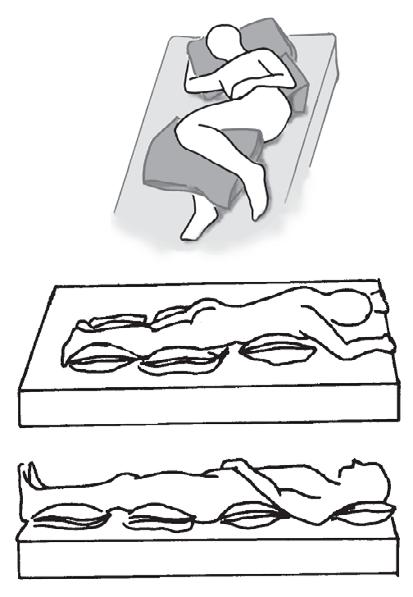
• When in bed, turn from side-to back-to side. If possible, spend some time sleeping on your stomach (prone) (Figure 12).
• Avoid pressure on your heels and ankles by “floating” them over the edge of a pillow. Some people wear special foot splints to protect the skin over the ankles or heels.
• When side-lying, turn only part of the way. The side-lying position should put pressure on the fleshy part of the buttocks, not the bony side of the hip bone (trochanter).
• If the head and knee portions of your bed elevate, try raising the knee portion first. This helps prevent shearing at your tailbone area when the head of the bed is raised.
• Sitting in bed for prolonged periods is hazardous to the skin over your tailbone. Raise the head of the bed for short functional activities only.
• Use an alarm clock to wake you for turns during the night. After a while, turning in bed may become automatic for you.
• Get someone else (like a caregiver) to turn you if you can’t do it by yourself.
• You may need a special mattress to distribute pressure over your bony parts. There are many different types of mattresses and bed overlays. Discuss this with your health care provider.
In a Wheelchair
• Perform pressure releases every 15 minutes to take the pressure off the tailbone and sit bones. Different kinds of pressure releases are described below. Work with your therapist to find which is best for you. If you can do more than one type of pressure release, vary them. This can minimize strain to the shoulders and arms.
• Push upward from the seat of your wheelchair and hold for 30–60 seconds.
• Lean side to side, staying in a sideleaning position for 30–60 seconds per tilt.
• Bend your chest forward onto your knees and hold this position for 30–60 seconds.
• Tilt your wheelchair back or use the recline mode if you have one. Follow your therapist’s instructions about how far back the chair should be tilted.
Figure 12 | Sleeping positions
Usually, you’ll have the lowest pressure if you tilt or recline the chair as far as it goes. Stay reclined for 1–2 minutes. Some people develop skin problems from remaining in a tilted or reclined position for more than 30 minutes, so don’t stay in that position long.
• Perform pressure releases routinely throughout the day. Shift your position as much as possible. Avoid remaining in one position for a long time. Don’t get distracted by other activities and forget to relieve pressure.
• If you are forgetting to do pressure releases, consider using an alarm (like a watch alarm or cellular phone) to remind you.
• Check your posture by looking at yourself in a full-length mirror after you’re up in your wheelchair. Make sure that your ankles, the sides of your knees, and your hipbones are not leaning against parts of your wheelchair. Your body has a natural balance and symmetry. Your knees and feet should appear to be “even.” Spasticity and muscle strength imbalances can disrupt your balance and cause a change in posture. Tight muscles in your trunk and legs can do the same. Pay attention to these things:
• Curving or twisting in your back (spine).
• Tightness in your legs or trunk that prevents your body from keeping its normal balance.
• One knee looking “higher” than the other.
• Any appearance of slumping or leaning to one side of the wheelchair.
• Make sure the foot plates of the wheelchair are adjusted for your height.
• Sit up as straight as possible in your wheelchair.
• Always use a well-maintained cushion (see section 2-b, Equipment).
• Be aware that any change in your positioning to ease pressure in one area may affect the pressure on other areas.
PREVENTING INJURY
Before SCI, sensations warned you to move away from harm. Now that your ability to feel or move your body has decreased, your skin is at risk for injury.
• Be aware of how close your body is to possible hazards. Are you too close to a heater, fireplace, campfire, or exposed hot water pipes? After transferring to an overstuffed chair, are your feet squarely on the floor?
• When transferring or moving around, be careful not to bump into things. Look out for potential obstacles. Remember: when you are in your wheelchair, your feet stick out farther than the rest of you. Wear shoes to protect your toes. If necessary, your provider can consult a foot specialist (Orthotist or Podiatrist) to help you select the best footwear for you.
• Do not attempt new maneuvers in your wheelchair until you’ve been trained.
• Spasms can lead to skin trauma. For example, a spasm during a tilt back can result in a fall.
• Do not sleep in your wheelchair. You can’t do a pressure release if you’re asleep.
POTENTIAL HAZARDS TO SKIN
Other illnesses and diseases can affect skin health and wound healing. Anemia (not enough red blood cells), poor nutrition, diabetes, lung disease, and problems with circulation can limit how quickly the skin heals. Emotional stressors and mental health illnesses, such as drug or alcohol use
or depression can have a negative effect on your ability to practice good skin care.
Cold Injuries
Loss of skin sensation puts you at risk for injury from things that are too cold:
• Prevent frostbite by wearing warm socks and sturdy shoes when outside. Cover your head, ears, and hands when you go out. If your ears are getting cold and tingling, your feet probably are, too.
• If you’re using ice or a chemical cold pack for swelling, wrap it in a towel. Don’t ice longer than 10 minutes at a time.
• Beware of holding frozen foods on your lap. Use a protective pad under frozen items.
• Wheelchairs and their parts can get cold enough to cause injury if they’re used or stored in a cold place. Wear gloves to push your manual wheelchair during cold weather. Exposure to the cold parts of your wheelchair can dry your skin, causing cracks and splits that are hard to heal. Some wheelchair cushions with gel packs have caused injury after being stored outside.
Heat Injuries
Things that are too hot can cause burns to the skin.
• Check the water temperature by placing a body part with normal sensation into the water and holding it there for five seconds. If it feels comfortable, the water temperature is safe. If you cannot check the water temperature yourself, have someone else check the water temperature or use a thermometer. Water temperature should typically range between 100- and 104-degrees Fahrenheit for bathing.
• Be sure the hot water heater is not set higher than 120 degrees Fahrenheit.
Scalding burns occur very rapidly at temperatures above 120 degrees Fahrenheit.
• Don’t use a heating pad or chemical hot packs on skin you can’t feel.
• Make sure your feet are not too close to the heater in a car.
• Don’t use electric blankets.
• Don’t move too close to fireplaces, radiators, hot water pipes (especially under a sink), or campfires. If your equipment (such as your wheelchair) gets too hot, it may cause a burn.
• Don’t carry hot fluids or foods in your lap without a tray. The tray should support the entire surface of the dish or pan to keep it from touching your legs.
• Use cup holders on your wheelchair.
• Don’t overfill cups and bowls with hot liquids.
• Keep pan handles over the stove surface to avoid bumping them and spilling the contents.
• Be careful reaching across hot stove burners.
If you burn yourself, apply cool water to the skin immediately. Do not use ice, other frozen things, or butter on a burn. If you spill hot food or fluids on yourself, you may not be able to detect all the places with which it came in contact. Remove the clothing and inspect your skin. Pay close attention to your groin and buttocks area.
Ingrown Toenail
If the area around the nail is red and pus is seen when the edge of the nail is pressed, the nail may be cutting into the skin.
• Soak your foot in soapy water, wash it well, rinse, and blot dry.
• Place a small piece of cotton under the nail to keep the edge of the nail away from the skin. Change the cotton daily.
• If it does not begin to heal in two or three days, call your health care provider.
• Make sure socks and shoes leave plenty of room for your toes.
• Keep your toenails trimmed following the curve of the toe (not straight across).
Moisture
Anything that makes your skin wet— sweat, urine, or diarrhea—puts you at risk for skin infections.
• Keep your skin clean and dry.
• Pay special attention to cleanliness in more sweaty areas of the body (arm pits, under breasts, skin folds, groin).
• If you have skin folds, clean and dry well under them.
• Apply antiperspirant in moist skin folds.
• Use ointments or preparations with lanolin, petroleum jelly, or zinc oxide as barriers against moisture. If you develop a reddened area due to moisture, try one of these. As you would with any other reddened area, pay close attention to it. If the redness doesn’t go away in a week, call your health care provider.
• If you think you might have a skin infection, call your health care provider.
Scar Tissue
A scar is a mark or change in the skin that remains after a wound has healed. Scar tissue has fewer blood vessels and is less elastic than normal skin. It can’t withstand the same amount of pressure or stretch. When scar tissue forms in a weight-bearing area, the skin is at a high risk of breaking down again.
• Prevent wounds that result in scar formation.
• Do careful skin inspections of areas with scars.
• Not all scars will turn red as the first sign of a problem; they may get pale and feel hard to the touch. If the scar area starts getting red or becomes whiter for a long period, keep pressure off of it.
• If you have a significant amount of scar tissue in a weight-bearing area, you may need to limit time in that position to prevent recurrent breakdown.
Sun
SCI does not change the skin’s sensitivity to sunburn.
• Use a sunscreen with a sun protection factor (SPF) of 15 or greater.
• To avoid burns, check sun-heated plastic, vinyl, or metal surfaces before you put any part of your body on them.
• Wear protective clothing when out in the sun; for example, a hat and a long-sleeved shirt.
• Certain medications, such as antibiotics, can make the skin more sensitive to sunburn.
Smoking
• Tobacco smoking and nicotine use will reduce the available oxygen to your skin delaying skin healing.
Soaps/Cleansers/Herbals
• Many retail soaps, body washes and other products may strip skin of its protective moisture and increase risk for skin breakdown. Products with emollients (moisturizers) can add to new skin problems. Greasy or creamy lotions may prevent bandages, ostomy supplies or
other adhesives from adequately “sticking” to your skin causing the bandage or ostomy device to dislodge from the body.
• Products with heavy dyes or perfumes may cause skin eruptions or irritation.
Medications/over-the-counter
Remedies/Herbals
• Some types of medications can slow healing. It is important to review current medications with your provider when you have a wound.
• Some non-prescribed remedies may interact with medications you are taking. Please discuss use of any supplement, vitamin, salve, ointment or skin treatment with your provider before consuming or applying it.
Other Illnesses or Conditions
• Other illnesses such as urinary tract infections, upper respiratory infections, and diabetes act as stressors to your skin. Being sick can make you more susceptible to new pressure injuries or can worsen existing ones. Be aware of this and stay vigilant with your twice daily skin checks.
PRESSURE INJURY CLASSIFICATION
If you do develop a pressure injury, get off it and stay off it until it is healed. There are many ways to manage pressure injuries, depending on the severity.
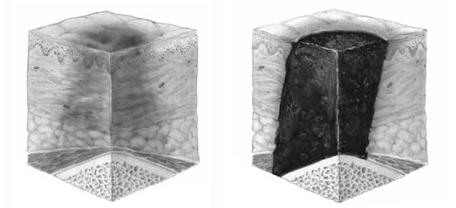
Health care providers use a rating system to describe the severity of pressure injuries. The deeper the pressure injury, the more serious the problem. The rating system has several categories and each category describes what is happening at the skin surface and below (Figure 13 & 14):
• Stage 1 An area of redness that does not fade or blanch. In darker skinned people, it may look dark red, blue, or purple. The skin is intact (unbroken). The soft tissue may feel either extra firm or mushy. The skin may feel warmer or cooler than other skin close by.
• Stage 2 If the skin is broken at all, the wound is at least a stage 2. It will look like a scrape, blister, or shallow crater with pink tissue at the base of the wound. An intact water-filled blister or a popped blister is also classified as a stage 2 wound.
• Stage 3 This wound is deeper; going through the skin layer into the soft tissue below. It may contain dead or non-viable tissue called slough. Slough can be yellow, green, gray, black or brown.. This wound may have undermining or tunneling into deeper tissue layers.
• Stage 4 This wound is deep enough to extend to a tendon, bone, or muscle. Tunneling and undermining are common.
• Deep tissue injury This may look like a deep bruise or feel like a large swollen area. It can start as intact skin but over time as the bruise rises to the skin surface, the deep tissue injury may break through
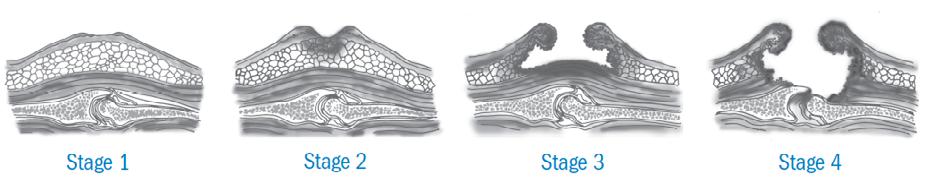
Figure 13 | Pressure Injury Stages
the skin. Even with pressure relief, it can turn into a deep pressure injury. There are times when the bruise will go away without erupting on the skin. Deep tissue injuries can be occur within minutes of a high pressure situation or they can be brewing deep near bone for days or weeks before they appear on the skin surface. They may take longer to heal than other pressure injuries.
• Unstageable If the pressure injury is covered with black, tan, yellow, gray, or brown tissue, nobody can tell how deep wound really is. The dead tissue must be removed to properly categorize or stage the wound.
COMPLICATIONS OF PRESSURE INJURIES
Pressure Injury Worsens
The pressure injury can get longer, wider, and deeper. In deep wounds, tunneling or “tracking” between layers of muscle, fat, or bone can occur. You can usually keep a pressure injury from getting worse by immediately getting off it and following the guidance of your health care provider. A pressure injury will not heal if pressure is still being applied.
Infection
Skin and wound infections can occur with pressure injury. In deep wounds, the bone can also become infected. This bone
infection is called osteomyelitis; it can prevent or prolong healing of the wound. Symptoms of wound infection include increasing redness around the wound, pus draining from the wound, and fever. Follow the recommendations of your health care provider to prevent such infections. Seek immediate care if you notice any of these changes or you develop a fever; especially if you have an active wound.
Scarring
All but the most superficial injuries heal by forming scar tissue. In the future, this scar tissue will break down faster than normal skin, because scars have poor blood supply. Scar tissue is also less elastic and may not stretch as well. The best way to avoid scarring is to prevent pressure injuries altogether. It’s important not to let a superficial pressure injury (which is likely to heal without a scar) turn into a deeper one.
HEALING SKIN BREAKDOWN
Healing a pressure injury can take a few days for a very superficial wound to many months for a deep wound. All ways of treating pressure injuries require keeping pressure off the area.
Pressure Management
The most important part of treating a pressure injury is to remove the cause. To treat any stage pressure injury:
• Remove pressure and shearing. For example, if the pressure injury is on an area that gets high pressure when sitting, don’t sit until the pressure injury heals.
• If the injury is on a pressure area related to lying down (like the tailbone or hip bones), do not lie in that position again until the pressure injury heals.
• If you are on bed rest, do not sit upright in bed.
Figure 14 | Pressure Injury Stages
• Do not use a donut shaped cushion or other “cut-out” device to reduce pressure to a body location like your tailbone. This adds more pressure to the surrounding area and may worsen the wound.
• Do not sit on a pillow. This adds more pressure to the injured area.
• Reduce pressure to heal wounds by wearing a special splint or suspending your heel over the edge of a pillow.
• Do not hang your leg over the side of the bed to keep pressure off the foot. This creates new pressure areas where the leg hits the side of the bed.
• If you are sitting or must sit, be sure that your wheelchair cushion is properly maintained.
Management of Other Body System Problems
Other problems can increase your risk of developing a pressure injury. Think carefully about factors in your environment that may have contributed to the development of your pressure injury. For example, urine leakage that causes the skin to be wet for long periods of time can lead to skin breakdown. Find a way to manage urine leaks. Spasticity that pulls the body out of alignment when seated might cause uneven weight distribution and a higher risk for skin breakdown. Correct your sitting posture so there is even weight distribution over your sit bones.
Healing a wound requires good nutrition. If you’re anemic or malnourished, healing will be slow. The pressure injury may add to problems of anemia and malnutrition, especially if there is a large amount of drainage. Your provider can offer advice about treating anemia or malnutrition. You may need help from a dietitian to get a wellbalanced diet. You may need extra calories, protein, vitamins, and minerals.
Smoking impairs your skin’s ability to heal because nicotine constricts blood vessels and limits the absorption of some nutrients. If you have a pressure injury, try to stop using nicotine in any form. Ask your health care provider to help you stop smoking. Do whatever it takes to stay nicotine-free even after your wound heals.
Other medical problems, such as diabetes and chronic lung disease, can add to the challenges of healing a wound. Your provider can guide you in the best management of those problems.
Problems associated with pressure injuries aren’t always physical. Emotional, mental health, and social issues, as well as alcohol or drug abuse can have a big impact on skin health. Depression, for example, can get in the way of protective skin care. Unreliable caregivers can make it difficult to manage your skin well. Substance abuse can impar overall self-care, including skin health. Do everything you can to remedy the physical, emotional, mental health, and social problems that contribute to pressure injuries. You may need the assistance of one or more members of the rehabilitation team to address these problems: doctor, nurse, occupational and physical therapist, psychologist, social worker, or vocational counselor.
Wound Treatment
If you develop a pressure injury, take immediate action.
Do:
• Do seek guidance from a health care provider.
• Do keep your wound moist (not wet) and covered.
• Do irrigate your wound with normal saline solution or by taking a shower and letting the water run down over the wound.
• Do blot the area dry, then cover it with
a clean dressing, such as gauze, foam, or hydrocolloid dressing. Your wound will make “soup” under these kinds of dressings. Don’t be alarmed if there’s a puddle of smelly drainage when you take off the old dressing—this is normal!
• Do call your provider if the pressure injury does not start to heal within a week or if the skin around the wound keeps getting redder.
Do not:
• Do not massage areas of redness.
• Do not clean your wound with soap, iodine (e.g., betadine), hydrogen peroxide, alcohol, vinegar, or bleach solutions. These solutions are toxic to your exposed tissues.
• Do not soak in the bathtub.
• Do not try to dry your wound with a heat lamp or hair dryer.
• Do not put sugar, vitamins, or antacids into your wound.
• Do not use antibiotic ointments in your wound unless they’re prescribed by your provider.
• Do not use creams or ointments unless they are prescribed by your provider.
Time and Process for a Pressure Injury to Heal
Everyone will heal pressure injuries at different speeds. It is hard to predict how slow or how fast a wound will heal because many factors play a role (Table 2).
SURGERY
Sometimes total pressure relief and good wound care are not enough to heal a pressure injury. In these cases, surgery may be needed. The surgical procedure depends on the location and severity of the pressure injury. Some procedures involve moving muscle and skin from somewhere near the pressure injury to close the skin opening and provide padding. This is often referred to as a “flap surgery”. Sometimes the bone under a pressure injury needs to be removed because it is infected. Each pressure injury is evaluated for the most effective surgical procedure. There are limits to the number of times repair surgery can be performed. It is much better to prevent a serious pressure injury from developing in the first place.
Stage What Happens in this Stage
First Stage of Healing
The wound area gets red and hard to the touch. This happens because red and white blood cells are sent to the area to clear away dead tissue and fight infection.
Second Stage of Healing
Third Stage of Healing
New blood vessels are formed to provide oxygen and nutrition to the area. This looks like bumpy, red tissue. At the same time, new cells are laid down at the bottom of the wound. After the first layer is formed, other cells grow underneath, filling in the wound. This is an extremely slow process. The sides of the wound are building layers in the same way. The wound gets smaller, and scar tissue forms on the skin surface. In deep wounds, it is very important that the sides do not close in first. If they do, a pocket may remain in the middle of the wound and form an abscess. This space can become larger and may reopen the wound from the inside out.
Scar tissue becomes stronger and may fade in color. The tissues “remodel,” but scar tissue is never as strong as skin. The remodeling can take up to two years.
Table 2 | Time and Process for a Pressure Ulcer to Heal
Getting Ready for Surgery
Before surgery, the pressure injury must be well cleaned. This can take several weeks and may involve frequent dressing changes or surgically removing all the dead tissue from the wound. If the pressure injury is infected, your doctor may prescribe antibiotics. Signs of infection include redness and swelling around the wound, foul-smelling drainage, and fever. A dietician may evaluate you to see if you need more protein, vitamins, or minerals to improve the chances of a successful operation. Most surgeons will insist that you be nicotine-free for three to six weeks before and after your surgery. Ask your provider for assistance in stopping your nicotine habit.
After Surgery
After surgery, you will be on bedrest for three to six weeks to allow the surgical site to heal. You may be laying on a special bed to reduce pressure to the newly operated skin. It is very important not to put pressure on the surgical site and not to pull or stretch the skin in that area. You will need help in turning. After healing, you will learn rangeof-motion exercises to slowly stretch the scar and nearby muscles. Next, there will be a gradual buildup of weight bearing or pressure on the site by lying or sitting on it in carefully timed sessions. The process of building pressure tolerance should be very slow. Follow the guidance of your health care team.
This surgical area will need special care for the rest of your life. It will never be as strong as it was before you had the pressure injury. Transfers and pressure tolerance need regular evaluation. Your seating system and how pressure releases are performed may need to be reevaluated or after you have had a pressure injury. Often, modification of wheelchairs and cushions can reduce pressure and decrease the chance of developing new pressure injury.
The most important part of healing, whether by conservative methods or surgery, is to determine what caused the pressure injury and to have a plan for prevention in the future.
Resources
Pressure Ulcers: What You Should Know: A Guide for People with Spinal Cord Injury: https://pva.org/wp-content/ uploads/2021/09/consumer-guide_ pressure-ulcers.pdf (800) 424-8200
TTY (800) 795-3427
National Pressure Injury Advisory Panel: www.npiap.org
Review of research on special mattresses to prevent pressure injuries: https://www. cochrane.org/CD001735/WOUNDS_canpressure-ulcers-be-prevented-usingdifferent-support-surfaces
Chapter 3 | Respiratory Care
Breathing is the voluntary or automatic movement of air in and out of the lungs, through the mouth or nose. Breathing moves oxygen from the air into the bloodstream, which supplies all the cells of the body while moving carbon dioxide out the body. Without this exchange, all parts of the body will stop working.
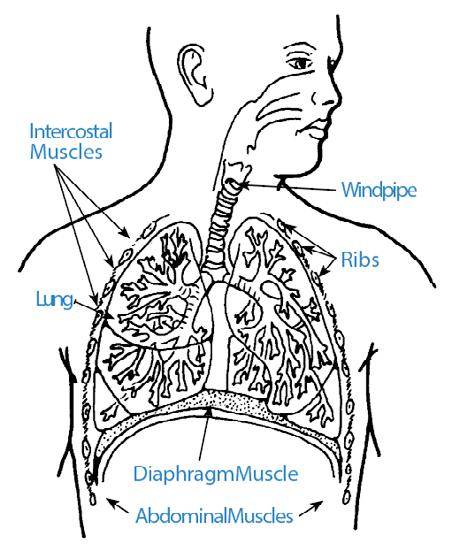
Oxygen is brought into the lungs when you breathe in, or inhale. Carbon dioxide is carried out to the lungs when you breath out, or exhale. Air tubes (bronchi), come down from your windpipe (trachea) into your chest (Figure 15). These tubes keep branching until they are very tiny. At the end of the smallest branches are air sacs that look like little clusters of balloons called alveoli. Alveoli are located next to the blood vessels in the walls of your lungs. When you inhale, air is sucked into the alveoli to inflate them. Coughing is the forceful movement of air and secretion/mucus out of the lungs. Breathing and coughing require different muscles (Table 3).
BREATHING, VENTILATORS, AND TRACHEOSTOMIES
The degree of breathing difficulty after a spinal cord injury (SCI) depends on the neurologic level and completeness of injury. Typically, individuals with higher level injuries and complete injuries will have more significant issues with breathing than people with incomplete and lower injuries. The breathing muscles that could be weakened after SCI include the diaphragm, the intercostal (chest wall) muscles, and the abdominal muscles. A ventilator (or respirator) is a breathing machine that pushes air into the lungs through a tube that usually goes through the mouth and down the trachea. About two-thirds of people with tetraplegia will require
assistance for breathing in the first few days after injury. Sometimes it takes longer to begin breathing without the support of a ventilator. The process of gradually breathing without depending on the ventilator is called weaning. Some people with very high SCI or bad lung disease may permanently require a ventilator for part of the day or at all times.
If a person needs to use a ventilator for more than a few days, a surgery is performed to make a small hole in the front of the neck (tracheostomy) that goes into the trachea; a tube is placed in this hole and can be connected to the ventilator. Having a tracheostomy allows most people to speak and swallow, which they could not do with the breathing tube in the mouth. If the ventilator is no longer required, the tube is removed and the hole in the neck usually closes on its own.
Figure 15 | Respiratory System
Table 3 | Some of the muscles used in breathing and coughing
Respiratory Muscles Function
Diaphragm
The main muscle of breathing. It is found just underneath your lungs.
Intercostals These muscles run between your ribs. They are used in coughing and deep breathing.
Abdominals These muscles help you cough. They run between your ribs and hips.
NOVEL TECHNIQUES
Novel technologies have been developed to help with the weaning process and provide support to those individuals with SCI who require ventilator support to breath. These include systems that improve the function of the diaphragm after spinal cord injury (such as the diaphragmatic pacing system and phrenic nerve stimulator), and functional electrical stimulation devices that help create or generate a cough, which assist in clearing of secretions. Your doctor will help determine whether you are eligible for these devices.
RESPIRATORY PROBLEMS
Problems that affect the lungs are the most common cause of death in persons with a SCI. Pneumonia, an infection of the lungs, causes most of these deaths. The risk of death from pneumonia is increased in people with high-level SCI and more complete paralysis. There are three main reasons that increase the risk for pneumonia after SCI. First, sustaining a SCI can lead to weakness of the coughing muscles, making it difficult to fully clear secretions from the lungs. Secondly, the weakness of the breathing muscles
Spinal cord injury level and its effect on breathing
An injury above C5 may require the use of a ventilator (breathing machine) for a while or permanently, because the diaphram and most other muscles may not work.
An injury above T8 will reduce the strength of these muscles, but diaphram and neck muscles can help you breathe.
An injury above T12 will reduce the strength of these muscles, but intercostal, diaphragm, and neck muscles can help.
(ie, diaphragm in particular), can lead to difficulties in fully expanding the lung, causing the lower parts of the lungs, the alveoli,) to deflate or collapse. Lastly, these changes in the respiratory function can lead to the production of more secretions or mucus that can be difficult to expel, especially considering the already weakened coughing muscles. Other serious respiratory infections can also occur, such as bronchitis and influenza. These infections can lead to pneumonia if too much secretion is built up in the lungs.
You may experience any or all the following symptoms of a respiratory infection:
• Shortness of breath
• Cough
• Rapid breathing
• Increased congestion or secretions from your lungs
• Early morning headaches or unusual drowsiness
• Confusion
• Fever
TREATING RESPIRATORY PROBLEMS
The following are ways to treat respiratory problems:
• Stay hydrated. Drink more fluids to help thin your secretions. Thin secretions are easier to cough up.
• If you have a machine that helps with your cough )a mechanical insufflator-exsufflator, also known as MI-E), use it regularly throughout the first few days until the secretions diminish. This is often performed at least twice per day and as needed.
• Change your position more frequently by moving from sitting to lying and by turning from side to side. This will change the areas of your lungs that get air and will keep all areas of your lungs working.
• Increase the number of times you do breathing exercises. Devices such as an incentive spirometer or a flutter valve (a device that creates vibrations in your lungs to clear secretions), may be prescribed.
• Chest percussion or chest physiotherapy are techniques that help to shake secretions loose and make them easier to clear. Chest percussion is when a caregiver cups their hands and claps on your chest or back. Chest physiotherapy can be performed in number of ways. Caregivers must be taught how to do these techniques properly. Mechanical devices can be used to provide vibration to the chest and help loosen secretions, and some specialized beds may also be capable of vibrating.
• Postural drainage. If you put your head and chest down (reclining the head of the bed), gravity helps the secretions drain toward the upper lung, where they can be coughed up more easily.
• Take a warm (not hot!) bath or shower. This will warm and humidifies the air, and
the steam can help liquefy secretions, so they become easier to cough up.
• Manually assisted coughing (“quad coughing”) can increase the effectiveness of your cough. This is done by having someone push your abdomen at the same time you cough. This technique must be demonstrated by a healthcare professional before it can be performed safely. If you have an inferior vena cava (IVC) filter, special caution should be exercised. There is a risk of the IVC filter breaking loose and traveling to the heart with quad coughing, especially if the IVC filter was recently placed, so only use this technique if a health care provider advises you to do so. Manually assisted coughing works best if you take a very deep breath before your caregiver helps you produce a cough. If you know how to do glossopharyngeal (“frog”) breathing, a method of “gulping air” to increase lung volume, can increase the efficacy of a manually assisted cough. Self-assisted coughing can be done by bracing your arms, leaning forward, and putting pressure on the abdomen.
• Your doctor may prescribe medications that help to open your airways )bronchodilators) or medications that help to thin secretions or reduce the amount of mucus.
If your symptoms don’t go away in 5-10 days, if they get worse, or if your treatments don’t seem to help, call your healthcare provider. Fever, chills, or a cough associated with shortness of breath should be evaluated by a healthcare provider as soon as possible. Some respiratory infections require antibiotics to kill bacteria or medications to help you breathe more easily. Serious respiratory problems such as pneumonia often require treatment in a hospital. Make sure the hospital staff understands what needs to be done to get the secretions out of your lungs, as they may be unfamiliar with caring for persons with SCI . Your family or caregivers might
need to discuss this with hospital staff if you’re too sick to do so yourself.
SLEEP DISORDERED BREATHING
Sleep disordered breathing includes three forms of sleep apnea: obstructive sleep apnea, central sleep apnea, and mixed sleep apnea.
People who have sleep apnea stop breathing for at least 10 seconds at a time while they’re sleeping. This can happen for two reasons. Most commonly, the soft tissue at the back of the throat or the back of the tongue blocks the flow of air into the lungs when you inhale; this is known as obstructive sleep apnea. Less commonly, your brain temporarily stops trying to breathe; this is central sleep apnea. When both issues occur together, it is mixed sleep apnea. These short pauses in breathing can happen up to 400 times a night. When your breathing stops, you might wake up slightly from deep sleep. If you’re waking up often all night long, your sleep will not be restful, and you’ll be tired all day. Also, sleep apnea can cause problems with the heart and lungs.
How do you know if you have sleep apnea?
• You may notice daytime sleepiness (falling asleep at work, while driving, or when talking) and irritability or fatigue. But remember that many medications taken by people with SCI also can cause sleepiness.
• You may notice morning headaches, forgetfulness, or mood changes.
• A caregiver may notice heavy snoring or long pauses in your breathing during sleep.
• Your doctor can diagnose sleep apnea by ordering special breathing tests while you sleep. The tests are usually done by specialists in sleep medicine.
Who should be tested for sleep apnea?
• People with complete tetraplegia and incomplete tetraplegia are at significantly increased risk for sleep apnea. They should undergo testing if any signs or symptoms of sleep apnea are present.
• People with paraplegia may also be at increased risk for sleep apnea. If any of the sleep apnea symptoms are present, a sleep study should be considered.
• Oftentimes, a sleep study can be performed at home. Home-based studies have been shown to be accurate and reliable for detecting moderate and severe sleep apnea.
You can take some steps to help you sleep better:
• Stop all use of alcohol and sleep medicines.
• Avoid excessive weight gain and work to maintain a healthy weight with diet and exercise.
• Be judicious about using opioid pain medications and anti-spasm medications. Minimize the use of these medications, if possible.
• Sleep on your side or stomach, instead of on your back.
• Sleep apnea can be treated with a machine called continuous positive airway pressure (CPAP) or bilevel positive airway pressure, (BIPAP). This device blows air into your nose (or your mouth and nose) through a small mask while you sleep. The flow of air from the machine keeps your airway open by adding pressure to the air you breathe.
• If these options don’t work, a surgeon can remove the extra tissue in your throat. This is helpful for some types of sleep apnea.
KEEPING YOUR LUNGS HEALTHY
Stop smoking. Smoking damages the lungs, increases secretions and put you at higher risk of getting infections.
• Get Vaccinated. The Centers for Disease Control and Prevention (CDC) recommend annual influenza (flu) vaccination for all individuals > 6 months of age, and it is strongly recommended that all individuals with SCI receive it. Pneumococcal vaccinations reduce the chance of pneumonia due to the bacteria Pneumococcus, which is the most common bacteria that causes pneumonia. Pneumococcal vaccinations are advised for all adults age 65 years or greater. Most experts recommend that all people with SCI receive pneumococcal vaccinations, since pneumonia is the leading cause of death following SCI.
• Do breathing exercises regularly if you have cervical or high-thoracic level of injury and if the exercises have been recommended to you. Take as deep a breath as you can. Hold it for a count of three; then push all the air out. Do that 5–10 times at least two or three times a day. If you have an incentive spirometer or flutter device, use it at least two or three times a day.
• If you have been prescribed a MI-E machine, consider using it once per day as part of your breathing exercises to help keep your lungs expanded.
• An abdominal binder can increase respiratory capacity by substituting for a paralyzed abdominal wall. Use one while you’re seated in your wheelchair if it is recommended by your health care provider.
• Learn “frog breathing” (glossopharyngeal breathing) to help you increase the amount of air in your lungs. This breathing exercise is usually taught by a speech therapist.
• Try to stay away from pollutants, such as smoke, dust, and dangerous chemicals.
• If you get a cold or sore throat, do more breathing exercises. If you have bronchitis or a respiratory tract infection and have secretions in your lungs, perform manual assisted coughing techniques or use the MI-E machine two or three times a day. This should help prevent the buildup of secretions and decrease the risk of pneumonia. If a cold or sore throat does not go away in 5–10 days, contact your health care provider.
SMOKING
The nicotine in tobacco products causes blood vessels to get smaller, and smaller blood vessels reduce the amount of blood, oxygen, and nutrients that get into the tissues of the body, including the skin. Lack of oxygen and nutrients increases the likelihood of skin breakdown. In addition, hot ashes from cigarettes can cause burns.
If you smoke electronic cigarettes, you should be aware that this contains the same chemical, nicotine, found in regular cigarettes. Although the long-term health consequences of electronic cigarettes are currently unknown, the nicotine from these devices is addictive. It is recommended that you avoid using nicotine in any form, including electronic cigarettes.
The only way to prevent the harmful effects of nicotine is to stop using it in any form. Smoking cessation classes are available. Contact your health care provider for help. Medication is available to help with nicotine craving. Strategies to help quit include:
• Set a quit date, ideally within two weeks.
• Get support from your family, friends, and co-workers.
• Review any past attempts to quit—what helped and what led to relapse.
• Anticipate challenges, including nicotine withdrawal, especially during the first two weeks.
• Write down your reasons for quitting and the benefits of quitting.
• Call 1-800-QUIT-NOW for additional information. Note: This will connect you with the official state quit-line that is associated with your phone number’s area code.
Resources
WEBSITES FOR PATIENTS:
For information on performing manually assisted coughing, go to https://youtu.be/ cmzZkdACei4
For information on managing breathing problems with various nerve and muscle diseases, including SCI, go to www.doctorbach.com.
Chapter 4 | Bladder Management
Bladder management is the term used to describe the ways to treat (or bypass) bladder problems that occur following spinal cord injury (SCI). Before your SCI, you probably didn’t pay much attention to your urinary system. During the first few months after your injury, you and your SCI team will be spending what seems like a great deal of time managing your bladder. Eventually, the care of your bladder will become routine.
THE URINARY SYSTEM
The urinary system consists of the kidneys, ureters, bladder, and urethra (Figures 16 and 17). The primary differences between the male and female urinary systems are the length of the urethra and the presence of a prostate in the male. Otherwise, the systems are the same.
Healthy Bladder Function
The primary function of the bladder is to store and empty urine, and this requires fine coordination of nerve signals between the brain, spinal cord and the nerves to the bladder and sphincter muscles. The kidneys filter blood to remove waste and excess water, and process them into urine. The urine then flows down the ureters, which are small tubes draining urine from the kidney to the bladder. The bladder is a muscular sac that stretches to hold urine until it is time to void (urinate). As the bladder starts getting full, nerve signals are sent to the spinal cord, and then to the brain, and there gradually is a growing sensation that the bladder is filling up. There is a conscious decision to urinate or hold urine until a more appropriate or convenient time. When it is time to void, the brain will send messages back to the urinary system so that the two sphincters (circular muscles that hold urine in the bladder) open, the bladder squeezes (contracts)
long enough and hard enough to empty the urine, and then urine passes through the urethra, the tube that delivers urine from the bladder out of the body. After the bladder is empty, the sphincter muscles close, and the cycle starts over.
Changes in Bladder Function After SCI
Following SCI, your ability to control the storage and release of urine is decreased or lost. After SCI, nerve signals from the bladder may no longer tell your brain that your bladder is full or to allow you control over when you void. Depending on the level and completeness of your injury, two general kinds of bladder dysfunction can occur. The term “neurogenic bladder” refers to any of these changes in bladder function following SCI.
Hyperreflexic (overactive, reflex, or spastic) Bladder
The hyperreflexic bladder contracts without the ability to control it, resulting in urine leakage, and the contractions are not long enough or strong enough to empty the bladder, so urine is left behind. Just like your other muscles, your bladder may spasm and contract on its own, and will hold less urine than it did before the SCI. The result is frequent, small urinations with varying amounts of voluntary control, depending on the severity of your SCI. Loss of urine control is called incontinence. However, although the bladder may contract more frequently than it did before your injury, it does not necessarily empty with each contraction. This type of bladder is common with SCI above the sacral level, and is the most common type of bladder in patients with SCI.
Areflexic (flaccid) bladder
The areflexic bladder has lost its ability to contract and can be easily stretched, allowing large amounts of urine to accumulate. Because the bladder does not contract, it can overfill and leak out, if it is not drained with a catheter. This bladder activity is common when SCI affects the cauda equina, or the spinal nerves in your sacral spinal cord.
With all types of SCI, your bladder sensation is significantly changed, so that you will not be able to tell when your bladder is full, or feel the sensations that you did prior to SCI.
TESTS OF KIDNEY AND BLADDER HEALTH
Because the kidneys and bladder are connected, if one organ loses its ability to function properly, it can negatively affect the other. For this reason, the kidney and bladder function are checked during your annual visit with a SCI provider. In years past, the primary cause of death following SCI was kidney disease and kidney failure. This was due to the complications of poor bladder function. But, with good attention to managing the storage and emptying of the bladder, kidney failure is now a rare cause of death in people with SCI.
A number of tests can evaluate the structure and function of the urinary system. Your kidney function should be checked during annual check-ups, and your bladder function may be checked as well (although not usually as frequently). You may have one or more of these tests.
KIDNEY TESTS
KUB (kidneys, ureters, bladder) x-ray
X-ray image of the abdomen. This test is used to look for stones in the urinary tract but can also identify bone or other abdominal organ problems.
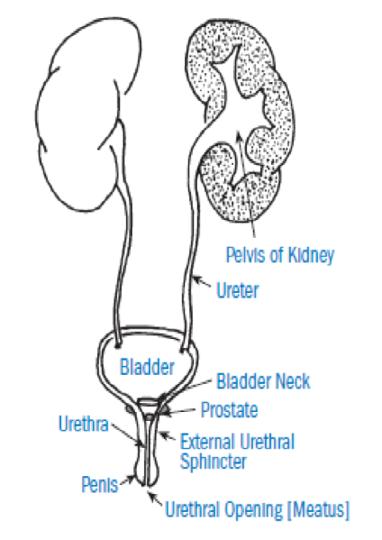
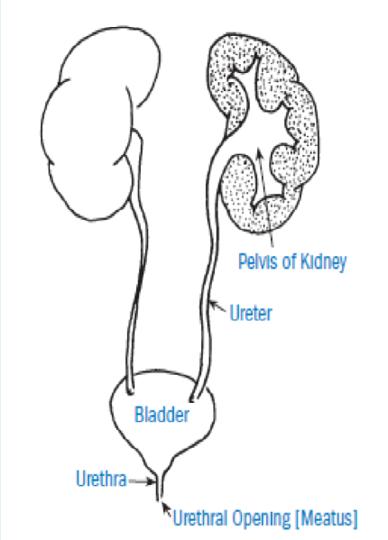
Figure 16 | Male Urinary System
Figure 17 | Female Urinary System
Ultrasound
Sound waves are bounced off tissue surfaces, then picked up by a probe to form an electronic picture on a screen. This test is useful to identify kidney stones or blockage of urine drainage. It’s also used to check other organs in the abdomen.
Computed tomography (CT) scan
This x-ray study is used to more carefully define the presence of kidney abnormalities, stones or other abdominal organ problems.
Nuclear renal scan
In a renal scan, a radioactive substance is injected into a vein and the radioactivity in the kidneys is measured. The level of radioactivity used is extremely low. The scan shows the filtering function and the blood supply to the kidneys. This test is ordered if there is concern for kidney function problems.
BLADDER TESTS
Cystogram
In a cystogram, contrast material is injected into the bladder through a catheter. This test shows the size and shape of the bladder, whether urine moves backwards from the bladder back up to the kidneys (reflux), and whether the sphincter muscles are working properly.
Cystometrogram
A cystometrogram (siss-toh-METT-trohgram) (CMG) shows how the bladder reacts when it is filled. A catheter is used to fill the bladder with water. This mimics the way it would usually fill with urine from the kidneys, but faster. The test measures the pressure that builds up in the bladder, while it is filling and when it contracts.
Urodynamics
Urodynamics (yurr-oh-die-NAMM-icks) refers to a combination of tests used to evaluate the bladder. The tests may include a cystometrogram, cystogram, and electromyography (EMG, a test of muscle activity) of the urinary sphincter.
Cystoscopy
Cystoscopy (siss-TOSS-koh-pee) allows the urologist to look at the inside of the urethra and bladder using a small, lighted telescope inserted through the urethra. This test is used to diagnose and treat problems inside the bladder or urethra.
Other Laboratory Tests
A number of tests are available to evaluate the blood and urine, and to show how the urinary system is functioning:
Serum Creatinine and Blood Urea Nitrogen (BUN)
These blood tests are standard measures of kidney function.
Creatinine (kree-AT-en-een)
Clearance
This test involves collecting all your urine for a 24-hour period. Chemicals in the urine are measured and compared with chemicals in your blood.
Urine cultures
A urine specimen is sent to a laboratory to look for bacteria. If bacteria are detected in large enough numbers, a sensitivity test is also done to determine which antibiotics are effective in treating the bacteria.
Urinalysis
Urine is analyzed for a number of different chemical and cellular products.
BLADDER MANAGEMENT
If the bladder does not function properly, the kidneys may lose their ability to filter waste products from the blood. Urine that does not drain from the bladder can lead to increased rates of infection and stone formation. And urine leakage can cause problems with odor and skin breakdown. So, it is very important that neurogenic bladders following SCI are managed properly.
If you have a very incomplete injury, you may eventually regain some or all voluntary control of your bladder. Your bladder management may change over time. If you have a complete injury, you will likely need one or a combination of the following bladder-management techniques.
Common Treatment and Techniques to Improve Bladder Emptying
Many people with SCI will not be able to empty their bladders completely, even with uncontrolled bladder contractions. As a result, urine builds up in the bladder and can back up into the kidneys, resulting in kidney damage and failure. Thus, the bladder will need to be emptied using methods other than “natural” voiding. These principles should be followed when choosing a bladder emptying technique:
• The bladder should be emptied regularly and completely. If this cannot be done with voluntary voiding, catheterization, either intermittent or continuous, should be used (see descriptions below).
• In general, bladder emptying should not make you dependent on someone else. For example, clean intermittent catheterization (CIC – see below), where a person inserts a small catheter into his or her own bladder at regular intervals through the day, is beneficial because it reduces some medical complications that arise from having a catheter continuously
in the bladder. However, it takes good hand function and an intact memory to do CIC independently. The benefits aren’t as great if someone has to do intermittent catheterization for you. If you use a leg bag to collect your urine, someone will show you how to empty it. If you don’t have enough strength in your hands to empty the leg bag, you can use an electric leg bag opener (if available).
Clean intermittent catheterization (CIC)
At first the nursing staff will do this for you, but you’ll learn how to do it so you can continue at home. If you’re managing your bladder with CIC, you’ll want to limit your bladder volume to around 300–500 mL. Overstretching your bladder makes you prone to infection or reflux. (See Avoiding Infections, below.) You should adjust the frequency and interval of catheterizations, as well as your fluid intake, to produce around 1,500 mL of urine output per 24 hours. And you should catheterize at least four times a day. If your fluid intake is greater, you may need to catheterize more often.
If you can’t use your hands or you can’t remember to empty your bladder on a regular schedule, CIC may not be the best bladder management method for you.
Indwelling catheter
Two types of continuous drainage are urethral and suprapubic (SP) catheters. A Foley catheter is a hollow tube with a small balloon on the end that goes inside you and can be used as a urethral or suprapubic catheter. When the catheter is placed inside your bladder and the balloon is inflated, it will stay in your bladder. A urethral catheter is inserted through your urethra and a suprapubic catheter is placed in your bladder through a small opening in your lower abdomen. A surgical procedure is required to place the tube for the first time. In both situations, the catheter balloon
keeps the catheter from falling out of your bladder. Indwelling catheters are changed about once a month.
Stimulated voiding
Some bladders can be mechanically stimulated to empty. Just as a spastic muscle might move when it’s tapped or brushed, so might a bladder. “Reflex voiding” can be induced by tapping over the lower abdomen or tugging on pubic hairs. This is not an effective method of bladder emptying.
Spontaneous voiding into a condom catheter
Some bladders spontaneously contract. If your bladder contracts on its own or you are a male who has had a sphincterotomy to open the sphincter muscles and allow urine to flow, wearing an external collecting device (a condom catheter) will keep you dry. However, you will need to document that your bladder does empty reasonably well after voiding (post void residual measurement), because you may be leaving a lot of urine behind after a bladder contraction. There are many different types of condoms, and your SCI team will work with you to find the best device for you. This method is not available to women, who cannot wear a condom catheter.
Common Treatments and Techniques to Improve Bladder Storage (or Continence)
A common bladder problem after SCI is uncontrolled urine leakage, or incontinence. This is most often due to high bladder pressures or bladder contractions that occur without control. There are a number of oral medications that are used to control the leakage. Oftentimes, these medications are prescribed together with a catheterization program (e.g., CIC).
If oral medications are not effective in controlling the leakage, or if the medication
side effects cause too many problems, then paralyzing the bladder with botulinum toxin injections may be an option. This can be done as a short procedure by a urologist.
PROBLEMS RELATED TO THE URINARY TRACT
Urinary Tract Infections
Having a SCI can put you at risk for infection, because you are using mechanical methods to empty the bladder. Bacteria are more likely to enter the bladder, and these bacteria often don’t get flushed out when the bladder is drained. Three sites of infection common to SCI are the kidney, bladder, and, in men, the testicles. A kidney infection is called pyelonephritis; a bladder infection is called cystitis; and an infection involving the testicles is called epididymitis. (Table 4) will help you understand these infections and the diagnostic tests and treatments that may be required.
Avoiding Infections
• Maintain an adequate and consistent fluid intake to wash out bacteria and limit stone formation. Generally, 1500 mL (if doing CIC) or 2000 mL (if you have an indwelling catheter) of urine output every 24 hours is a good goal.
• Empty the bladder regularly and prevent overfilling.
• Maintain a good bowel program to avoid constipation (see Chapter 5, Bowel Management).
• If you wear an indwelling catheter, keep it well secured, so the catheter does not get accidentally tugged, and cause damage to the inside lining of the bladder and urethra.
Autonomic Dysreflexia
If your SCI is at the sixth thoracic level (T6) or above, you may develop autonomic
Table 4 | Types of Urinary Tract Infections (UTI)
Type of Infection Signs and Symptoms*
• Fever, chills
• Flank pain
• Hematuria (bloody urine)
• Urinary frequency
Kidney (pyelonephritis)
Bladder (cystitis, oftentimes called UTI)
• Cloudy urine
• Foul-smelling urine
• Burning upon urination
• Increased spasticity
• Autonomic dysreflexia
• Urinalysis
• Culture + Sensitivity (C+S)
• Possible kidney imaging
• Increased fluid intake
• Antibiotics
• Foley catheter placement, if not already using indwelling bladder catheter
Other Considerations
Reevaluation of bladder management
Testicles (epididymitis)
Same, although you may not have a fever and chills
• Urinalysis
• Culture + Sensitivity (C+S)
Any of the above, plus:
• Hot, red swollen scrotum
• Testicular pain
• Urinalysis
• Culture + Sensitivity (C+S)
• Possible scrotal ultrasound
• Increased fluid intake
• Antibiotics
Recurrent infections require reevaluation of bladder management
• Increased fluid intake
• Antibiotics
• Foley catheter placement
• Scrotal support to elevate scrotum if uncomfortable Reevaluation of bladder management
*You may not have all of the signs and symptoms, especially if you do not have normal sensation
dysreflexia. The most common cause of autonomic dysreflexia is overfilling of the bladder, although anything that irritates the urinary tract can cause it. It is important that you read chapter 9, Autonomic Dysreflexia. You need to know the symptoms and how to take care of this condition immediately, as it can be a serious problem.
Urinary stones
Stones can develop in the kidneys, ureters, or bladder. Stones are mineral deposits that develop because of infection, high calcium levels, or an increase of certain chemicals in the blood and urine. They are usually small enough to pass through the urinary system and appear in the urine as sediment that looks like sand. If they get large, they may block the urinary system and can damage the kidneys or cause a severe kidney infection. Stones in the bladder may lead to frequent catheter clogging. Table 5 describes symptoms and treatments for urinary stones. You may have the symptoms listed in the table, or the stones may develop without symptoms—your yearly evaluation will check for them.
Note: If you see blood in your urine, call your doctor or the SCI clinic. This often happens if the catheter irritates the urethra or bladder. If there is enough bleeding, blood clots can block the catheter or prevent you from emptying your bladder. Blood can also be a sign of a more serious problem in your urinary tract.
Incontinence, and Keeping Your Skin Dry
The best way to keep your skin dry is to carefully follow your bladder management program.
• Routinely empty your bladder using the method that works best for you.
• Wear appropriate appliances, such as condoms, external devices, or protective pads.
• Change your clothes as soon as they get wet.
• Pain in lower back or lower abdomen, which may radiate to groin
• Nausea
• Vomiting
• Recurrent infections
• Fever and chills
• Bloody urine
• Blood specimen
• Urinalysis
• CT scan
• Cystoscopy
May include:
• Increased fluid in take
• Straining urine
• Medication
• Surgery Reevaluation of bladder
management Chemical analysis of urine and blood
*You may not have all of the signs and symptoms, especially if you do not have normal sensation
Table 5 | Urinary Stones
Chapter 5 | Bowel Management
What are the bowels?
The bowels refer to the intestines or guts, and include their final section called the colon. This two to six-inch thick tube encircles the abdomen and is also called the large intestine. It fills with and stores the waste products of digestion.
How does the digestive system produce a bowel movement?
The digestive system includes all parts of the anatomy that facilitate the passage and absorption of food in the body, beginning at the mouth and ending at the anus. Your fluid intake, diet, activity, medications and gut function all contribute your health and enjoyment of life. Digestion begins with food choices and the first bite. Since most of the mechanisms of appetite are hormonal and act through the autonomic nervous system, the very first steps of digestion are unaffected by spinal cord injury.
• Mouth: As you chew, saliva coats each morsel of food. Choosing fruits and vegetables high in fiber will come with a variety of textures and require patience and enjoyment in the chewing process. Plant fiber attracts and holds moisture and requires moisture in the food content as well as drinks. This is why you should be sipping fluids regularly during each meal.
• Esophagus: This is the tube that carries and propels the food from the back of the throat to the stomach. Just before the stomach, the esophageal sphincter (a sphincter is any circular muscle) works like an elastic drawstring that keeps food down. From there, food is squeezed into the stomach a bit at a time by a wave of contraction from each swallow.
• Stomach: Once confined in the stomach, the food is kneaded and combined with swallowed fluids, acids, and digestive enzymes that begin to transform food from particles to molecules of carbohydrates, fats, proteins, and fiber that promote gut activity. A group of vitamins and liquids are absorbed here. The food has now been broken down into a soft liquid paste and are is squirted into the intestines. (See section 4-b, Nutrition and Weight, to find out why these processes are important.)
• Small intestine: As this soft liquid mixture moves through, more digestive juices are added like bile from the gall bladder that darkens the color of the liquid paste and helps absorb fats. The pancreas secretes enzymes to break down protein for absorption to build muscle and skin. The rest of the small intestine has a vast surface area to completely remove essential nutrients and vitamins.
Large intestine (colon): Near the end of the small intestine, the liquid paste, which has had nearly all nutrients removed, squeezes past another sphincter into the colon which is home to a variety of good bacteria called probiotics that process vitamins and thrive on waste products that are dried and formed for elimination. The colon typically circles the abdomen from the lower right to the lower left like an arch.
When food waste products travel through the large intestine too quickly, bowel movements become very liquid (diarrhea). When they move through the large intestine too slowly, water continues to be absorbed and the waste dries into round hard stools that are difficult to pass (constipation).
• Rectum: The rectum is the final segment of the colon. When stool hits the
rectum, it expands triggering an urge to have a bowel movement and voluntary anal sphincter contraction to prevent incontinence. If you lack feeling in the rectum, you won’t get this urge.
• Anus: The anus, or rectal opening, is surrounded by a voluntary sphincter muscle. When you relax the anal sphincter, you release a bowel movement. When you tighten it, you hold stool in until the pressure to empty reduces.
What goes wrong with bowel function after spinal cord injury (SCI)?
Neurogenic bowel dysfunction refers to the changes of gut function which occur as the result of injury to the spinal cord. There are two basic patterns of neurogenic bowel dysfunction that are caused by differences in spinal cord damage and that depend on the level of the injury. The upper motor neuron pattern (upper motor neuron neurogenic bowel) of neurogenic bowel dysfunction is caused by an injury to the spinal cord from the cervical 1 to the thoracic 12 level. These injuries spare the reflex functions below the injury but prevent sensory messages from reaching the brain and transmitting motor messages down to the anal sphincter. Stool accumulates in the colon, held there by reflex tightness of the external anal sphincter.
The lower motor neuron neurogenic bowel is caused by an injury to the conus medullaris and cauda equina (lumbar level one and below) and to the nerve pathways to the colon, muscles of the pelvic floor, and the anal sphincter. There is reduced reflex tone of the sphincter because there is damage to the nerves that carry messages to and from the sphincter signaling a contraction. As a result, when stool begins to accumulate, it can slip out in small round pieces, soft blobs or smears.
What can rehabilitation do to improve continence and bowel movements after SCI?
Understanding of the level of SCI and the effect on the normal processes of digestion and elimination is the first step in developing a treatment plan to manage neurogenic bowel. Applying this knowledge of bowel function and integrating bowel habits successfully used before SCI is a start. Success in all aspects of the rehabilitation program will contribute to mastery of bowel management.
BOWEL PROGRAM
The bowel program is the total active process each person with SCI performs to manage neurogenic bowel dysfunction. It is designed uniquely for each person with the consideration of their neurological level and injury completeness, previous bowel pattern and habits, capabilities, resources and life demands. The components of a bowel program include at a minimum: fluids, diet, exercise, medications, and scheduled adapted bowel care. The goals of the bowel program are to prevent accidents (unplanned bowel movements), to produce bowel movements at regular and predictable times, and to minimize bowelrelated complications.
Bowel Care
Bowel care is the most important component of the bowel program. It’s the scheduled process for starting and completing a bowel movement. The goals are to regularly start a bowel movement that progresses at an acceptable rate and empties sufficient stool to clear the lower colon to prevent incontinence.
The bowel care procedure is individually taught and trialed for each person to get the best results. Some people find bowel care is more successful after drinking a hot beverage or eating a meal within an hour before bowel care, after performing range
of motion exercise, or with massage over the abdomen starting on the lower right and following an arch pathway to the lower left. To stimulate peristalsis, the wave-like tightening of the intestines, you can use a rectal suppository, mini-enema, or digital stimulation of the muscular rectal wall. Bowel care can be done on a commode, on a toilet, or in bed with disposable pads— whatever works best for you.
Your bowel program will be designed based on the pattern of bowel your SCI causes: upper motor neuron (reflexic) or lower motor neuron (areflexic). The rehabilitation nurse and your health care provider will work with you to assess your sensation, strength, and reflexes in order to establish the most effective routine. The following is a description of tools, medications, and techniques commonly used in bowel programs. Table 6 lists medications that may be prescribed as part of your bowel program.
Do:
• Design a bowel program to achieve the best quality of life.
• Establish a regular time for bowel care that will fit into your daily and weekly schedule. Your bowel care can be every day or every other day. In the first weeks after your injury, it will be every day.
• Eat a moderately portioned well-balanced diet including some high-fiber foods.
• Accept assistance and recommendations from the rehabilitation team and attendants.
• Develop a comfort and humor for discussions related to the bowels
• Exercise regularly (range-of-motion exercises, position changes, wheeling)
• Maintain adequate intake of fluids as your bladder management allows.
Don’t:
• Put off bowel care and break your schedule.
• Use large enemas, because they can stretch the bowel. Mini-enemas may be prescribed.
• Take strong oral laxatives routinely.
• Over-eat spicy foods, or particular foods that could disrupt stool consistency.
Typically Used Supplies:
• Suppository or mini-enema
• Suppository inserter (if you need one)
• Scissors to open, if using mini-enema
• Lubricating jelly
• Disposable waterproof pads, plastic bags or Chux pads
• Protective disposable gloves
• Antibacterial soap and warm water
• Toilet paper or moist wipes for cleansing
Routines to get the best bowel care results
If you have sufficient arm and hand function, you’ll learn to do your own bowel care. If you’re not able to do your own care, you’ll learn how to instruct others in the process.
Try to time bowel care 30–45 minutes after a meal or hot drink, because stomach contents stimulate peristalsis and promote stool movement in the colon. Most people choose to do bowel care as part of their morning routine or in the evening after dinner to accommodate life schedules. Empty your bladder before bowel care to avoid leaking, if you do not use a continuous urine drainage method.
1. Wash hands: Wash your hands and put on a clean pair of disposable exam gloves.
Type of Medication
Table 6 | Bowel Medications
Medication Names What They Do
Oral Laxatives
Stimulants
Osmotic Laxatives
Bulk-forming laxatives
Stool Softeners
Prokinetic Agents
Bisacodyl, Cascara, Castor Oil, Senna
Lactulose, Magnesium
Citrate, Magnesium
Hydroxide, Magnesium
Sulfate, Sodium biphosphate, Sodium Phosphate
Polyethylene Glycol (PEG 3350)
Hydrophilic Mucilloid, Methylcellulose, Psyllium
Docusate Calcium (DOSS), Docusate Potassium, Docusate Sodium, Mineral Oil
Metoclopramide
Increase the wave-like action of peristalsis to move stool through the bowel faster and keep it soft.
Makes stool soft by pulling water into the colon. You need to drink extra luids with these.
Suppositories
Enemas
Bisacodyl
Carbon Dioxide Releasing
Glycerin
Mineral oil
Mini-Enema
Adds bulk and moisture to stool. You will need to drink extra fluids with these.
Helps stool retain fluid, stay soft, and slide through the colon.
Stimulates stomach and small intestine peristalsis.
Increases colon activity by stimulating the nerves in the lining of the rectum.
Produces carbon dioxide gas in the rectum, which inflates the colon and stimulates peristalsis.
Stimulates peristalsis in the colon and lubricates the rectum to help pass stool.
Lubricates the intestine.
Stimulates the rectal lining and softens stool.
Adapted and updated from Neurogenic Bowel: What You Should Know, Consortium for Spinal Cord Medicine Clinical Practice Guidelines, March 2020, p. 27.
Rectal Stimulants
2. Setup and positioning: Arrange all the supplies you will need so they are within easy reach. Many people sit on a commode chair for bowel care, as gravity may help with emptying the bowel. Some transfer to the commode chair after the insertion of rectal medication (step 4). Others do their care in bed, for a variety of reasons. If you are side lying, the left-side-down position is usually recommended.
3. Check for stool: Lubricate a gloved finger. (Be sure to use a water-soluble lubricant.) Check your rectum for stool and gently remove any stool that may be there.
4. Insert stimulant medication: If you need stimulant medication, insert a welllubricated suppository high up into your rectum with a gloved finger or adaptive device. Place it next to the intestinal wall (Figure 18), so it comes in contact with surfaces of the rectal wall to provide optimal stimulation. Another medication choice may be an enema. Gently insert the enema tip into the rectum to the neck of the container. Squeeze the container and wait 5–15 seconds before removing the tip.
5. Waiting period: Wait 5–15 minutes after inserting any stimulant medication before starting digital stimulation. Be attentive to bowel sounds and the passage of gas, as these are signs that peristalsis is becoming more active. Stool should begin to pass. When stool flow stops, start digital stimulation. If no stool passes after 20 minutes, start digital stimulation.
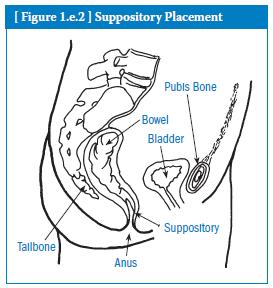
6. Digital stimulation: Digital stimulation is a technique that can both start and enhance the strength and frequency of peristalsis. Digital stimulation relaxes the anal sphincter, loosens stool, and triggers reflex rectal wall contraction. Gently insert a lubricated gloved finger or adaptive device into your rectum. With a firm circular motion, rotate your straight finger, maintaining contact with the bowel lining all the way around until the anal sphincter relaxes (15–60 seconds). You may need to do digital stimulation as frequently as every 5–10 minutes to promote and prolong peristalsis while the anus relaxes. This allows stool to pass through the anus until gas and stool flow have stopped.
7. End of bowel care: Do a final check with a lubricated gloved finger or adaptive device to confirm your rectum is empty. Other signs that a bowel movement is complete are no more stool after two digital stimulations, passing mucus without stool, and gentle contraction of the upper rectal wall. Recognition of completion improves with experience.
Figure 18 | Suppository Placement
8. Clean up: Wipe the anal area with water and gently pat dry. Wash hands with soap and water. Hand-washing is important to maintain a clean environment and reduce the risk of infection fr om stool contamination.
COMPLICATIONS
Autonomic Dysreflexia
If you experience symptoms of autonomic dysreflexia (AD) during bowel care, you may need to use a smaller dose or milder stimulant medication, or an anesthetic cream for medication insertion and digital stimulation. Ask your health care provider to problem-solve and treat symptoms. (See Chapter 9, Autonomic Dysreflexia.)
Things That Can Affect Your Bowel Program
• Exercise stimulates peristalsis. Try doing range-of-motion exercises before bowel care or after inserting the suppository and before digital stimulation.
• Some medications can affect peristalsis. For example, many narcotics (such as oxycodone or morphne) and anticholinergics (such as oxybutynin) can slow peristalsis and cause constipation.
• Emotional stress can cause either constipation or diarrhea.
• Delaying the time of your bowel care may lead to incontinence.
• Your fluids, diet, and bowel care schedule determine stool consistency. (Table 7)
PROBLEM SOLVING
Diarrhea
Diarrhea (loose or watery stools) may cause unplanned bowel movements and smears.
Causes:
• Spicy foods or foods containing caffeine, such as coffee, tea, cocoa, and many soft drinks.
• Medications such as antibiotics, or an increase or decrease in medications you are already taking.
• Overuse of laxatives or stool softeners.
• Severe constipation (see the third item under Solutions).
• Flu or intestinal infection.
• Psychological stress.
Solutions:
• Eat the recommended foods for when you have diarrhea (Table 7).
• Stop using stool softeners and bowel stimulants. After the diarrhea stops, adjust the dose to get the stool consistency you want.
• Evaluate whether there is a chance that you have a blockage—no stools, hard stools, or small, hard bowel movements. Blockage is a common cause of diarrhea, since only liquid and soft stool can get past it. Call your health care provider.
• After the diarrhea clears up, reevaluate your bowel program, the use of stool softeners and your diet.
• When you take antibiotics, eat yogurt with active cultures to help restore the normal bacterial flora in your bowel.
• Call your health care provider if diarrhea lasts more than 24 hours.
Constipation
Constipation is a common condition in which stool does not pass as often, as fast, or as completely as desired. The stool may be hard and dry. It can be difficult to determine if you
Food Group
Table 7 | Dietary Effects on Bowel Management
Foods That Harden Stool
Milk Milk, yogurt made without fruit, cheese, cottage cheese, ice cream
Bread & Cereal
Enriched white bread or rolls, saltine crackers, refined cereals, pancakes, waffles, bagels, biscuits, white rice, enriched noodles
Fruits & Vegetables Strained fruit juice, apple sauce
Meat Any meat, fish, or poultry
Soups
Any creamed or broth-based without vegetables, beans, or lentils
Fats None
Desserts & Sweets
Any without seeds or fruits
are constipated until you have had incomplete results or no results for two or more episodes of bowel care. Be sure to check the amount of stool produced with each bowel movement as a measure of what is normal for you so incomplete results are recognizable.
Causes:
• Lack of regularly scheduled bowel care.
• Incomplete emptying during bowel care.
• Dehydration.
• Diet that is low in fiber.
• Bed rest or low levels of physical activity.
• Medications: narcotics, anticholinergics, iron, or aluminum hydroxide; or an increase or decrease in medications you’re already taking.
Solutions:
• Perform bowel care on a schedule. You may need to do it more often.
• Eat high-fiber foods. (See chapter 28,
Foods That Soften Stool
Yogurt with seeds or fruit
Whole grain breads and cereals
All vegetables except potatoes without the skins
Nuts, dried beans, peas, seeds, lentils, chunky peanut butter
Soups with vegetables, beans, or lentils
Any
Any made with cracked wheat, seeds, or fruit
Nutrition and Weight.)
• Take supplemental fiber
• Take docusate sodium (DOSS).
• Increase physical activity and range of motion.
• Maintain an adequate intake of fluids
• Try milk of magnesia or senna the night before scheduled bowel care.
• Talk to your health care provider about trying a rectal stimulant medication or a stronger one if you’re already using one. Also discuss whether any of your medications might be causing constipation and, if so, whether they can be changed or stopped.
Impaction
An impaction is a partial or complete blockage of the colon by stool.
Causes:
• Same as for constipation.
Solutions:
• Gently break stool up and remove from the rectum with finger.
• Call your health care provider for advice.
Rectal Bleeding
Rectal bleeding appears as bright red blood on your stool, toilet paper, or glove.
Causes:
• Hemorrhoids.
• Hard stools (constipation).
• Rectal fissures (cracks or breaks in the skin creases of the anal opening) .
• Trauma from digital stimulation (for example, damage from long fingernails).
• Bleeding from above the rectum unrelated to bowel care.
Solutions:
• Soften stools with docusate sodium, psyllium powder, and increased fluid intake.
• Do gentle digital stimulation using a lot of lubrication.
• If bleeding occurs during two or three consecutive bowel care episodes, consult your health care provider.
• If bleeding does not stop between scheduled bowel care episodes, consult your health care provider immediately.
Autonomic Dysreflexia (see chapter 9, Autonomic Dysreflexia)
Causes (bowel-related causes only):
Anything that can cause a pain stimulus even if you can’t feel it, such as:
• Hemorrhoids or fissures.
• Full or overdistended bowel (constipation, skipped bowel care, impaction).
• Rough digital stimulation.
Solutions:
• Regularly scheduled bowel care with adequate emptying. You may have to increase the frequency of your scheduled bowel care.
• Comfortable positioning during bowel care.
• Anesthetic ointment applied to the anal area 5–10 minutes before suppository insertion and with digital stimulation.
No Bowel Movements for Two or Three Scheduled Bowel Care Episodes
Causes:
• Constipation.
• Impaction.
• Not eating.
Solutions:
• Determine cause with review of diet and bowel program.
• Call your health care provider.
Excessive Gas
Causes:
• Gas-forming foods (Table 8).
• Constipation.
• Swallowing air while eating or drinking.
• More than normal bacterial breakdown of bowel contents.
Solutions:
• Eat slowly, chewing with your mouth closed; avoid gulping food.
• Certain foods may give you gas. Try omitting certain foods one at a time to determine which ones cause you to have excess gas.
• Schedule bowel care often enough to reduce excess stool storage
• Trial of oral enzymes: lactase (for milk products) or alpha-galactosidase, invertase (for beans, legumes and whole grains)
Table 8 | Foods That May Cause Gas Vegetables
• Beans (kidney, lima, navy)
• Broccoli
• Brussels sprouts
• Cabbage
• Cauliflower
• Corn
• Cucumbers
• Kohlrabi
• Leeks
• Lentils
• Onions
• Peas (split or black-eyed)
• Peppers
• Pimentos
• Radishes
• Rutabagas
• Sauerkraut
• Scallions
• Shallots
• Soybeans
• Turnips
• Apples
• Avocados
• Cantaloupe
Fruits
• Honeydew melon
• Watermelon
Resources
Great next steps for you, your family, attendants, and heath care providers
Publications
Neurogenic Bowel: What You Should Know: A Guide for People with Spinal Cord Injury www.PVA.org
Chapter 6 | Sexual Health and Reproduction
Sexuality is much more than just your gender (male or female) or having intercourse. People show their sexuality in many ways, such as the way they present themselves in interactions with others, clothing, body image, grooming habits, hobbies and interests. Sex, on the other hand, is the physical interaction between people. It may or may not be a very intimate experience. It may or may not be with someone of the opposite sex. It does, however, express sexuality. Spinal cord injury (SCI) has a significant impact physically and psychologically, and often necessitates learning new ways to manage bodily functions. Often, during and after rehabilitation, there exist sensitive, yet often unspoken questions of “Can I still have sex?” and “Can I still have children?” These questions are often not asked first but thought about early on after a SCI. Your whole rehabilitation team is prepared to discuss ways that you can! Your team will offer you privacy, dignity and respect while discussing these personal topics and develop a plan based on your readiness to learn.
While there are expected changes in sexual function based on the level and completeness of your SCI, the ability to experience sexual satisfaction and orgasm is based on many factors. Adjustment, knowledge, openness and communication are all very important in restoring and maintaining a healthy sex life. Most people gain self-esteem and sexual esteem over time. Intimacy and sexual pleasure require open and honest communication. This section provides information that will help you accomplish these goals. The topics include myths and misconceptions about sexuality and disability, anatomy of sexual functioning, changes in sexual functioning after SCI, effects of SCI on fertility and pregnancy and treatment options for you and your partner.
MYTHS AND MISCONCEPTIONS ABOUT SEXUALITY AND DISABILITY
Myth: It is not appropriate for persons with SCI to discuss sex with health care providers or clinic staff
Fact: Sex is a natural part of life. Sex and sexuality is affected by a SCI. It deserves attention in your rehabilitation program. Sex and sexuality are normal health topics and should be discussed between you and your health care providers including your medical providers (MD, PA, NP, RN), PT/OT, psychologist, social worker as well as peer counselors. These discussions can begin during your rehabilitation and carry over to clinic visits throughout the continuum of your life.
Myth: People with disabilities are no longer sexual beings.
Fact: All people are sexual beings and that does not change after SCI. However, SCI often affects self-esteem, body image and sense of being attractive. Getting out and socializing may seem difficult and that can lead to social isolation. Most people need time to adjust to their new self and that time is variable. Don’t let the fear of rejection stop you from dating; rejection is a part of dating and happens to people with and without disabilities. Getting involved in community activities, recreational activities, volunteering and work are all places to interact and mingle with a variety of people with and without disability. In this era of social media, the opportunity to meet and network with people is much easier and readily accessible. Focus on what you can do and do not limit yourself. Dating websites and apps make it easier to sift through potential matches and establish communication prior to an actual date.
Remember, you are still you!
If you already have a partner, you may be somewhat timid about reinitiating sex with them. If you are, it may come from a fear or anxiety about being able to perform sexually with a “new” body. You may not know how to begin, or what to expect, which can be very frightening. You will discover and learn how to have sex in new ways. Education, experimentation and open social and communication skills, will help you approach sex with less anxiety or confusion. There is much more to sex than just sexual intercourse. For example, foreplay, touching, massaging, caressing, oral sex, and masturbation are all ways to express sexuality and intimacy. Communication with your partner is key.
Myth: I will damage my spine or spinal cord during sex
Fact: It is perfectly fine and normal to want to have sex after your body heals from a SCI. Once your spine heals, activity will not cause more damage. You should ask your providers when it is safe to resume sex.
Myth: Marriage and parenting are not options for people with SCI.
Fact: People with SCI fall in love and have fulfilling relationships. Men and women with SCI become parents, raise children, and establish social networks.
In the long run, the effect of SCI on your sexuality has a lot to do with how you feel and care about yourself—your self-esteem. Your skill and confidence in relationships will affect your ability to function sexually. You must accept yourself as a sexual being, practice and use your learned skills until it become second nature. You need to explore your body for sensation, movement, and reactions that are pleasing. To successfully guide your partner, you need to know your territory. Keep the following in mind:
• The presence of SCI does not mean the absence of desire or romance.
• Inability to move does not mean the inability to please or be pleased.
• Absence of sensation does not mean the absence of emotions.
• Loss of genital function or sensation does not mean loss of sexuality.
Myth: Sex should be spontaneous and occur in the moment effortlessly.
Fact: Not always! Planning and preparation can enhance the experience and allow you to enjoy the experience without worry. Ideally, you can plan for intimacy after bowel and bladder programs are complete, when your medications are most effective, you feel rested and you have time to enjoy the experience.
ANATOMY OF SEXUAL FUNCTIONING
This section identifies and describes areas of the body involved in sexual functioning.
Male Sex Organs (Figure 19)
• Scrotum: A sack of thin muscle and skin that houses and protects the two testes.
• Testes: Two egg-shaped organs that produce and secrete the male sex hormone testosterone and produce sperm.
• Prostate gland: A small gland shaped like a walnut that adds fluid to the sperm to make semen. This gland is just below the bladder. The urethra passes through it.
• Urethra: A tube in the penis that is a passageway for the sperm to exit the body during ejaculation. It also carries urine out of the body.
• Penis: The organ that contains the urethra, through which sperm and urine pass. It
becomes hard or erect (engorged with blood) during sexual stimulation, which enables penetration. it to
Female Sex Organs
(Figure 20)
• Clitoris: The organ located just above the urinary opening and just below where the tops of the labia minora meet. It is made of the same type of tissue as the penis. Unlike the penis, the only purpose of this organ is for sexual excitement.
• Vagina: A tube leading from the labia to the uterus. The penis is inserted into the vagina during vaginal intercourse. During childbirth, the baby passes through the vagina from the uterus.
• Uterus: A thick, hollow muscle in the lower abdomen. Its purpose is to carry and nurture a fetus. The lining of the uterus is shed monthly during menstruation.
• Ovaries: Two small organs that take turns every month producing eggs. They also produce the female sex hormones estrogen and progesterone.
SEXUAL FUNCTIONING AFTER
SCI
You may wonder what sex feels like after your SCI. Most people describe sex being equally pleasurable after SCI, but it takes effort to rediscover your body. You will need to discard preconceptions of how to have sex and what it should feel like. Take time to learn what turns you on, explore how your new body feels and responds to touch and new sensations, talk to peers and search the internet for new ideas. Use relaxation techniques and your senses like vision, sound, and smell to enhance your pleasure.
After a SCI your spinal cord changes in how sensation is processed. Many people describe developing “erogenous zones”, areas other than the genital areas and nipples that are particularly sensitive and produce sexual arousal when touched. Use them and your other senses to heighten sexual feelings with the help of the largest sex organ of all: your brain. Sexual function requires a fine-tuned coordination of different parts of the nervous system. New areas, other than the genital area, may become super sensitive and create an orgasmic feeling when stimulated.
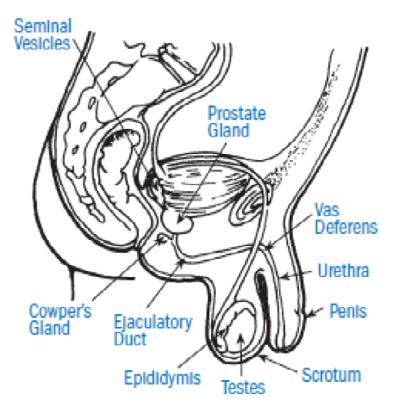
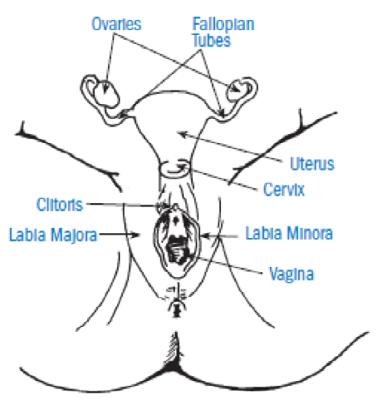
Figure 19 | The Male Sex Organ
Figure 20 | The Female Sex Organ
In males, the changes after SCI are typically related to erection, ejaculation, and orgasm or climax. In women, changes in sexual function include decreased vaginal lubrication and difficulty achieving an orgasm. Changes in feeling, movement and bowel and bladder dysfunction affect the sexual experience for both men and women.
Male Sexual Function
Can I get an erection?
There are two types of erections— psychogenic and reflexogenic—and they involve different pathways of the spinal cord. The extent to which each is affected depends on your neurological level and how complete or incomplete your injury is. Other factors may affect your ability to achieve an erection such as tobacco and alcohol use, diabetes and certain medications. Discovering ways to achieve erections may require experimentation with different techniques and positions, communication with your partner, patience and practice.
Psychogenic erections. These erections stem from the brain; they occur from sexually charged thoughts (fantasy), seeing an attractive person, looking at erotic pictures/ movies, reading sexually exciting material, recollection of sexual experience or hearing sounds that are sexually stimulating.
If your SCI is in the lower lumbar or sacral area or is an incomplete SCI, you may be able to have a psychogenic erection.
Reflexogenic erections. Direct stimulation to the genitals may cause an erection even if you are not feeling aroused. Your brain plays no part in this type of erection. You may notice that you get an erection during bladder catheterizations, having a shower or by any physical contact of the genital area including digital stimulation during bowel care. The erection stops when the stimulus is removed. For example, if your penis becomes erect during catheterization,
the erection will fade once catheterization is completed. Typically, the higher the level of injury the more likely you will be to have a reflexogenic erection.
If you have unsatisfactory or no erections there are many things you can do. See the section below on adaptive equipment and medications to enhance male sexual functioning and discuss these options with your health care provider or other rehabilitation team members.
Will I be able to ejaculate?
Ejaculation occurs when the semen is discharged from the penis. Many men with SCI report that their ability to ejaculate improves with sexual frequency and length of time since injury.
Most men with a complete SCI do not have ejaculations.
If ejaculation occurs, the amount may be less and may come out less forcefully, (like a dribble instead of a spurt), or the fluid can go back into the bladder instead of coming out of the penis. This is called retrograde ejaculation (Figure 21) and does not harm your body in any way. You may not have the same orgasmic sensation when you have an ejaculation as you used to, or you may experience orgasm without having an ejaculation.
If ejaculation does not occur for you, your body will continue to make sperm. The excess sperm is reabsorbed into your body without harm. The use of vibrators to various areas on and around the penis may sometimes promote ejaculation.
Figure 21 | Ejaculation
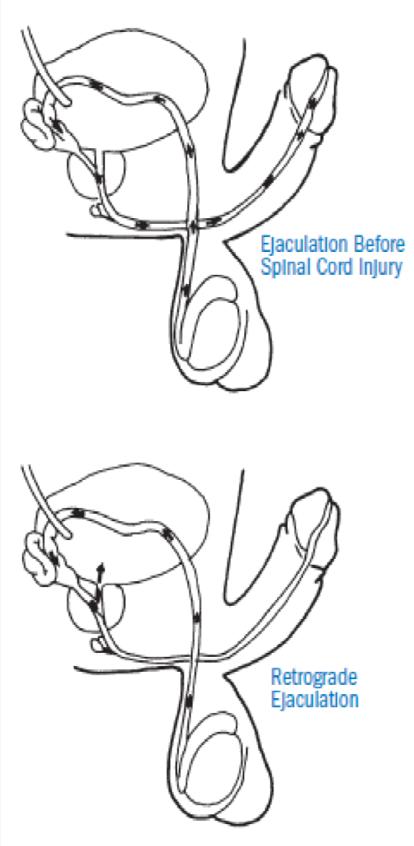
Will I be able to have an orgasm?
Orgasm is the pleasurable release of sexual tension after achieving a peak of sexual stimulation. Although the ability to orgasm may be reduced following SCI, pleasurable sensation can still be experienced with stimulation. The level and completeness of your injury will affect whether and how you achieve orgasm. Using a vibrator to your genitals or pleasurable areas of your skin (erogenous zones) can enhance your ability to experience an orgasm. Areas above your level of injury may become super sensitive and create the feeling of orgasm
when aroused. Explore and discover these new sensitive areas. Practice with different sensations to achieve a satisfying release.
You should be aware that men with SCI can climax without having an erection or ejaculating. Your ability to have erections or ejaculate do NOT define your sexuality. Some couples achieve sexual satisfaction and orgasm by having sex that isn’t focused on having an erection or genital penetration. Finding sexual activities that you and your partner enjoy can put the fun back into your sex life.
Female Sexual Function
Does SCI affect lubrication?
Normally, during sex the clitoris, much like a man’s penis, becomes engorged and erect while the vagina becomes moist or lubricated. After SCI, the vagina may take longer to lubricate or not lubricate enough. Lubrication can be enhanced or added by using a water-based, non-petroleum lubricant, like KY jelly to prevent irritation.
Will I be able to have an orgasm?
Women with both incomplete and complete SCI can experience arousal and orgasm, even when genital sensation is absent. Orgasm can be brought on by stimulating pleasurable areas on your body, fantasy, listening to sounds and words and watching movies that turn you on. Use all your senses when you are intimate or have sex. You may find that it takes longer than before to become aroused and climax. This is normal so be patient with yourself and with your body.
Enhancing sexual function
Will I feel like having sex again?
A significant number of people experience lower sexual interest after SCI which is mostly temporary. Physical, psychological and social consequences may all play a role in reduced sex drive. Many medications
that are commonly prescribed, such as medications to treat pain, spasticity, bladder dysfunction and mood may negatively affect your sexual desire. Testosterone levels decrease after SCI and may affect sexual desire. Talk to your providers about your concerns
After SCI you may also experience loneliness and social withdrawal. You may feel overwhelmed, anxious or depressed, and sex may take on a lower priority. These feelings are normal and do not mean that you will not have and enjoy sex again. Studies have shown that people become more sexually engaged with time, and sexual activity increases.
How can I increase my arousal?
Sex toys
Traditionally sex toys have been regarded as taboo and few people discuss them as an option. However, tasteful adult stores, websites and even sex toy parties are becoming more socially acceptable. Sex toys can help improve the pleasurable sensation in body parts that have little sensation and make up for the lack of movement in some parts of your body. Just like walking aids may help you move, these devices may help you experience better sex.
Finding new pleasurable area
Neuroplasticity is a process where new nerve connections form after SCI, producing new movement and sensations. You may find that touching certain areas on your body, such as your head, neck, arms become sexually pleasurable when you are being intimate. Using body oils, experimenting with caressing, kissing, sucking and licking different body parts can enhance the pleasure experience. Everyone is different, and you will have to find out what works for you! Remember to continue what feels good; avoid things that feel unpleasant.
Talk to your provider about your medications
Many people get placed on a variety of medications after their injury and many medications can affect your energy level and your sexual desire. Talk your provider about either discontinuing some of these medications or reducing the dose. Make sure you do not stop or adjust your medications on your own.
Male
How can I achieve erections?
If spontaneous erections do not occur, are insufficient, or do not last long enough, there are many options that can help. Treatment options should be discussed with your provider, but many commonly used treatments are discussed here. They may be used singularly or in combination:
Vacuum pump
Vacuum erection/constriction devices produce an erection by creating a vacuum, which diverts blood flow into the penis causing an erection. The erection is maintained by placing a tension band or constriction ring around the base of the penis. The application of the vacuum pump and placement of the constriction ring can be integrated into foreplay. Although this is a fairly simple method, it’s important to receive instruction from your health care provider. It is important to use plenty of lubricant to protect your skin and remove the constriction ring from the base of the penis within 30 minutes so as not to harm you. Set a timer if necessary and remember to inspect your skin for irritation after using this device.
Penile injection
This treatment involves injecting a medication directly into the shaft of the penis about 20 minutes before sexual activity. The most commonly used
medication is called alprostadil. The medication increases blood flow to the penis and results in an erection. The dose is individualized, so testing and training are necessary and can involve your partner. The injection sites must be rotated along the side of the penis to avoid tissue injury. After just a few experiences, most become quite proficient and master the technique of giving the injection. Erections using this method usually last 1-2 hours. Your medical team will educate you about what to do if an erection lasts too long.
Transurethral therapy
MUSE (Medicated Urethral System for Erection) is a small pellet containing alprostadil (the same medication that can be injected into the penis) that is inserted directly into the urethra. The medication is absorbed into the body and produces an erection. It is important to receive specific training if you want to use this form of therapy.
Phosphodiesterase 5 inhibitors
PDE5 inhibitors such as sildenafil (Viagra), vardenafil (Levitra), tadalafil (Cialis) and avanafil (Stendra) come in tablet form and help restore penile blood flow and erection in response to sexual stimulation. These medications act by dilating the blood vessels in the penis, but only if there is arousal and stimulation. They are usually taken about 1 hour before sexual activity and work better without a heavy meal to digest or alcohol. They are generally safe, although they can cause a drop in your blood pressure. For this reason, do not take medications with nitrates (such as nitroglycerin) together with PDE5 inhibitors. Talk to your provider about side effects with other medications you may be taking.
Penile prostheses
These are devices that are surgically implanted into the penis to create an erection. There are 2 types of prosthesis:
One is a flexible/bendable yet rigid prostheses that can be moved into an erect position during sex and then moved back to a non-erect position. The other is a hydraulic/inflatable device which has fluid chambers that can be inflated before sex to create an erection. It is a surgical procedure, therefore risk of infection, skin breakdown, scar formations and other complications must be taken into consideration. Since this surgery is irreversible you should investigate all other options before you consider penile implant surgery.
Female
You may experience vaginal dryness either from SCI menopause or both. Without sufficient lubrication, soreness and vaginal trauma can occur when you have vaginal sex. Lubrication can be added by using a water-based, non-petroleum lubricant, like KY jelly to prevent irritation. Avoid oil-based product like Vaseline or perfume-based lubricants, because these don’t dissolve in water, can cause an infection and may interact with certain types of contraceptive barrier protection.
Sexual self-exploration will help you discover how your body responds to sexual stimulation and what feels good. Sex toys can be very helpful in enhancing pleasurable sensation in body parts that have lost sensation. However, you may need more intense stimulation and more time to reach an orgasm. Medications such as sildenafil that are commonly used in men to achieve erections have not been shown to increase sexual pleasure in women. Presently there are no medications available for this purpose.
WHAT DO I NEED TO THINK ABOUT BEFORE HAVING SEX?
Compared with before your SCI, sexual activity requires some planning. Knowledge and preparation will enhance the moment.
Experiment with yourself and encourage your partners to join you in researching resources.
Positioning
Getting into a position that is comfortable and conducive to intimacy is very important. If you require assistance to transfer, or undress, and your partner is willing and able, these activities can be part of your foreplay. As an alternative, your personal care assistant can assist with preparation.
Couples may have sex on various surfaces, such as wheelchairs, shower chairs, or lifts to see what works for them. Be sure to learn the safe weight limits for your wheelchair, shower chair or tub bench. Other positioning aids are wedges, bumpers, blocks, harnesses, and leg straps. Stretching can be done before or during sex to loosen tight body parts. Ask your occupational therapist to assess and help you modify equipment to best suit your needs. For example, vibrators can be built up to improve your hold, cushions can be adapted to assist with sexual positioning. Remember, as you age, your flexibility and positioning needs may change.
Autonomic Dysreflexia
In some persons with a SCI in the mid thoracic to cervical region, sexual activity can trigger an episode of autonomic dysreflexia (AD). This may be triggered by the stimulation of the genital area, any constrictive devices or vibrator and may be heightened near orgasm or ejaculation. You should learn how to recognize AD and know how to readily treat it (see Chapter 9, Autonomic Dysreflexia). If AD occurs during sexual activity slow down or stop to see if the symptoms subside. Make sure you remove sexual toys and devices that may be constricting your body. Of course, if AD persists after the sexual activity has ceased, check for other triggers such as bowel or bladder fullness. Sometimes AD can be related to a particular position or
lack of enough lubrication causing too much friction.
Bladder Management
If bladder control is a problem or concern, and you have planned to have sex at a certain time, reduce your fluid intake for three to four hours before sex. Emptying your bladder by catheterizing or voiding just before sex is the best assurance against incontinence. You may choose to remove catheters and other urinary equipment. If you do not want to remove them, the following are some things to consider:
• You can use longer connective tubing with a larger volume “night bag.” This will allow less restrictive movement. Check occasionally to make sure the tubing is not pinched or kinked.
• Men can bend a Foley catheter against the side of the penis and place a condom over it. This will decrease pulling or tugging on the catheter. If you do this, you may need extra lubrication around the tubing coming into contact with the penis to prevent chafing the skin. If you wish to remove the catheter, make sure you, or your partner know how to replace it following intimacy. Have the supplies ready to replace the catheter following sexual activity.
• If you are male and wear an external collecting device (a condom), you can remove it and then replace it after sex.
• Women who do not want to remove their Foley catheter can tape the catheter tubing to the stomach or upper thigh area.
• If you have a colostomy or urostomy, you may want to use extra tape to prevent leakage. Avoid direct pressure against the ostomy bag during sexual activity.
If you have a suprapubic catheter, tape the tubing out of the way. Be sure to use a tape that will not pull on your skin.
Leaks and accidents are not the end of the world. They can happen even with all proper preparation and planning. People without SCI sometimes have problems with incontinence, too. You may want to place a waterproof pad over your mattress, “double make the bed” for ease of changing and keep towels at bedside in case of an accident. Using humor to deal with unexpected outcomes can help in the moment.
Bowel Management
The nerves that control the bowel and bladder also control genital function within the spinal cord. Because these nerves are in such close proximity to each other, sometimes when one nerve is stimulated it can unintentionally trigger neighboring nerves. To avoid accidents with your bowels, plan ahead for bowel care. You may want to perform your bowel care just before intercourse, so it won’t be a problem. Establishing and maintaining a bowel program can minimize incontinence episodes. If you have a colostomy, be sure to empty it of gas and fecal material. There are also covers that can fit over the ostomy bag to keep the appliance covered. Similar to bladder accidents, bowel accidents may occur. Have the cleanup supplies nearby for a speedy cleanup. Your SCI care team can offer helpful suggestions if this is problematic.
Preparation as Foreplay
A bath or shower can be part of foreplay and eliminate body odors at the same time. If you require assistance to transfer, position, undress, or handle hygiene, and your partner is willing and able, these activities can be part of your foreplay. Positioning yourself for sex will depend on your mobility, your body type and the sexual activity you wish to engage in. Check with your health care provider, physical therapist, or occupational therapist for ideas on positioning. Remember, shower chairs and tub benches become slippery when
wet. Be safe if engaging in sexual activity in the bathroom.
Surroundings
Sexual activity is always better in a comfortable setting. Environmental barriers may limit accessibility for sexual activity. For example, you may have an accessible residence, but your partner’s home may not be accessible. Think about your surroundings. Where are you most comfortable having sexual activity—in your wheelchair, a bed, a couch? At home, in a hotel? Smart technology can control the lighting, music, set the phone to silence and lock doors. Pillows and wedges can be used to optimize positionings.
Spasticity
Limb spasticity can be a hassle during sex for both men and women and can prevent certain sexual positions. Maintain your range of motion as outlined by your therapist. Consider a warm shower, followed by stretching prior to sex. During your therapy process, you may learn to position and move your body in ways that will minimize spasticity or utilize your spasticity to your advantage. Try different positions until you find some that are comfortable, allow the most movement and conserve energy. Lying on your back can free up your hands.
Sexually Transmitted Infections
Sexually transmitted infections (STIs) can affect sexually active persons with SCI as easily as anyone else. STIs may not be visible and are usually spread by having vaginal, oral, or anal sex and with any exchange of body secretions (semen, genital secretions, or blood). Always practice safe sex and use a condom to reduce the risk of disease. Condoms can be placed over a bladder catheter or over toys. Dental dams which are a thin, flexible piece of latex are used to protect against direct mouth-to-
genital or mouth-to-anus contact during oral sex. Discuss options with your healthcare provider. If you notice any abnormal discharge or abnormalities of the skin on your genitalia, consult your health care provider for an evaluation
Skin Integrity
It is important to consider the possibility of skin injury due to shear, pressure, friction or excessive moisture. Be sure to inspect your skin at least twice daily and additionally inspect your buttocks and genitalia after sexual activity. Avoid excessive pressure or weight from your partner by using padding or pillows to offset pressure.
Be sure to clean yourself following sexual activity. Be aware that some sex toys contain latex; some individuals with SCI are sensitive to latex containing products.
Sex and aging
Normal aging brings on physical changes which may further affect your ability to have and enjoy sex. Medical problems, physical limitation, chronic pain, surgeries and medications can all play a role in loss of libido, physical functioning and endurance. If sex is important to you think of ways to work around these changes. Do not equate genital penetration to being sexually intimate. Make time to be intimate with your partner and communicate what you want and what feels good. For many people, emotional and physical closeness become increasingly important. As you age, sex may not be the same as it was in your youth, but it can still be very fulfilling.
Final note
For any treatment to be successful, it’s advisable to include your partner in research and learning sessions. Sexuality after a SCI evolves at a different pace for everyone. Your team can help with an individualized, multistep, multidisciplinary approach.
FERTILITY AND REPRODUCTION
Individuals with SCI can have children. Important things to consider for any person desiring to have children include practicing healthy living habits: maintain your health, exercise, avoid smoking, alcohol, recreational drugs, eat healthy, manage stress and get restorative sleep.
Male
If you can ejaculate or you have any mucuslike fluid from your penis during sex, you should use birth control if you don’t want your female partner to get pregnant. Any fluid from the penis might contain sperm. However, most men with SCI have trouble with fertility. Two problems are very common in males with SCI: inability to ejaculate and poor semen quality. If pregnancy is the goal, you will probably need to have a consultation with a fertility clinic. Most major medical centers will have techniques to help you retrieve sperm. These include:
• Penile vibratory stimulation (PVS): A medical grade vibrator is applied to the penis to stimulate an ejaculation. This can be performed in a clinic setting or for some men can be performed at home.
• Electroejaculation: An electrical probe is applied through the rectum to cause ejaculation. The ejaculate is then harvested to fertilize the egg. This procedure is performed in a clinic setting.
• Surgical sperm retrieval: Sperm is obtained directly from the man’s reproductive tract using minor surgery
Once sperm are obtained, there are many ways to use them to achieve pregnancy— these methods are called assisted reproductive techniques (ARTs). For specific information, get a referral from your health care provider.
Female
Menstrual periods frequently stop following a traumatic SCI injury but usually return within six months. You can manage your periods the same way you did prior to SCI with either tampons, pads or menstrual cups. You may need to talk to your OT on how to best manage this if you have limited hand function. Remember, you may still experience menstrual cramps which they may trigger AD if you have an injury of T6 or higher.
Once menstruation returns, your fertility is similar to what it was before your injury, therefore, pregnancy can occur easily if you are of child-bearing age. If you don’t want to get pregnant, discuss birth control options with your health care provider. Use of condoms may be the easiest method of birth control. Using other barrier methods such as foam or a diaphragm with spermicidal jelly is still possible but may be difficult to insert. Adaptive devices, or a woman’s partner may assist with insertion. Remember birth control can be a shared responsibility.
If your menstrual cycle has not returned 9 months after SCI, consult with your medical provider. If you want to become pregnant, talk with your gynecologist about special medical considerations related to your SCI. In pregnancy, you will face increased risks of blood clots, premature labor, AD, urinary tract infections, and pressure injuries. Some commonly used medications used to treat pain and spasticity should not be used during pregnancy. Your physical therapist can help with transfers and wheelchair and cushion needs as your body changes throughout pregnancy.
Are there risks of birth defects?
Generally, there is no greater chance of having children with birth defects. It is important to take good care of your health before, during and after pregnancy. Your medical provider can discuss and prescribe medications that are safe for you and your unborn child. You can eat healthy, get restful sleep, exercise and manage stress. Remember it is advisable to avoid tobacco, alcohol and recreational drugs to keep you and your baby as healthy as possible.
Both assistive reproductive therapy and adoption are options for women and men with SCI who want to raise children.
Resources
Web Resources
http://www.facingdisability.com/ Families facing SCI
http://www.sexsci.me/ Sex, intimacy and Spinal Cord Injury Forum
https://sci-bc.ca/resource/pleasureablesexual-device-manual-for-pwd/ PleasureABLE Sexual Device Manual for People With Disabilities
https://www.pva.org/research-resources/ publications/clinical-practice-guidelines/ Sexuality and Reproductive Health in Adults with Spinal Cord Injury: What You Should Know, A Guide for People with Spinal Cord Injury
https://www.uab.edu/medicine/sci/dailyliving/sexuality-a-sexual-function
https://msktc.org/lib/docs/Factsheets/ SCI_Sexuality.pdf
https://www.spinalcord.com/blog/howto-explain-your-injury-to-a-new-sexualpartner
http://www.themiamiproject.org/wpcontent/uploads/2015/07/male-fertilitybooklet-2010-lowres.pdf Male Fertility Following Spinal Cord Injury: A Guide For Patients. Second Edition by Nancy L. Brackett, PhD, HCLD Emad Ibrahim, M.D. Charles M. Lynne, M.D. 2011
http://www.msktc.org/sci/factsheets/ Pregnancy Pregnancy and Women with Spinal Cord Injury Amie McLain, MD, Taylor Massengill, BA, and Phil Klebine, MA SCI MSKTC 2015.
http://www.lookingglass.org Through the Looking Glass National Center for Parents with Disabilities and their Fam
Books
Sexuality after Spinal Cord Injury-Answers to Your Questions (Spinal Cord Injury Education & Training Foundation), by Stanley H. Ducharme & Kathleen M. Gill
Sexual Function in People with Disability and Chronic Illness: A Health Professional’s Guide, by Marca L. Sipski & Craig J. Alexander
Regain That Feeling: Secrets to Sexual SelfDiscovery: People Living With Spinal Cord Injuries Share Profound Insights Into Sex, Pleasure, Relationships, Orgasm, and the Importance of Connectedness Paperback; January 13, 2015 by Mitchell S. Tepper, PhD, MPH, 2015.
The Ultimate Guide to Sex and Disability: For All of Us Who Live with Disabilities, Chronic Pain, and Illness Paperback use preformatted date that complies with legal requirement from media matrix –November 28, 2007 by Miriam Kaufman (Author), Cory Silverberg (Author), Fran Odette (Author).
Videos
http://sci.washington.edu/info/forums/ reports/sexability.asp
http://sci.washington.edu/info/forums/ reports/sex_sci_2011.asp
http://sci.washington.edu/info/forums/ reports/love_marriage.asp
http://sci.washington.edu/info/forums/ reports/communication.asp
https://askus-resource-center. unitedspinal.org/index.php?pg=kb.printer. friendly&id=39
http://www.bu.edu/nerscic/consumereducation/past-education-program-videos/ sexuality-after-spinal-cord-injury/
Chapter 7 | Muscle and Bone
Many conditions can affect your nerves, muscles, and bones after spinal cord injury (SCI). These conditions can occur independently of one another or can happen at the same time. It is important to address each condition in order to minimize the negative impacts on your ability to function.
SPASTICITY
When a muscle contracts (tightens) in response to stimulation—like when a doctor taps your knee—it’s called a reflex. Spasticity is the name for increased muscle reflexes or muscles moving without your direct control. Before SCI, the brain sent messages down the spinal cord to keep your reflexes suppressed. After SCI, these messages may be blocked, and your reflexes can become overactive. Some people don’t get spasticity until a month or more after injury; others never get it. The onset of spasticity after SCI is not an indicator of muscle strength recovery, although both can occur at the same time.
Many things can trigger a muscle spasm. Even simple things like touching your skin, changing body position, stretching your muscles, or letting your bladder filling with urine can cause a muscle contraction that you can’t control. One common type of reflex muscle contraction after SCI is extensor spasm—rigid straightening of the arms or legs. Another type of spasm is flexor spasm—bending of the joints. During a spasm, many people have clonus, a rapid repeating muscle contraction that shakes the limb.
The pattern and amount of spasticity can change over time, especially during the first year after SCI. Sometimes a significant increase in spasticity may be a sign that something is wrong in a part of the
body where you do not have sensation; for example, a urinary tract infection, a pressure injury, a kidney stone, appendicitis, or an ingrown toenail Notify your health care provider if you notice a significant increase or decrease in spasticity.
Possible Benefits of Spasticity
• An increase in spasticity can be a warning sign of a problem in areas where there is decreased or no sensation for pain.
• Spasticity may help maintain some of muscle size and bone strength.
• Spasticity may help promote circulation of the blood from the legs back up to the heart.
• You may be able to learn to use your spasticity functionally; for example, extensor spasms in the legs can help when transferring from a bed to a wheelchair.
Disadvantages of Spasticity
• Spasticity can interfere with transfers, bathing, dressing, staying positioned in a wheelchair, driving a vehicle, and walking.
• Spasticity may be uncomfortable or may interfere with sleep.
• Spasticity can cause scraping or shearing of your skin, which may cause skin breakdown.
• Spasticity may cause you to lose joint movement (range of motion). It is hard to move the joint through the full range of motion when the muscles around the joint have spasticity. (See Contractures, below.)
Spasticity needs to be treated only if it is causing a problem. For many people, it causes no problems. The goal of treatment is to keep spasticity from interfering with activities or causing health problems. Here are some ways to minimize spasticity and its effects without medications or surgery:
• Perform daily range-of-motion exercises. (see Chapter 14, Limb Preservation and Posture.)
• Avoid stimulation that aggravates spasticity, such as fast movements or certain body positions.
• During a spasm, protect your feet and legs from striking sharp or hard objects, like hitting your wheelchair during a transfer. Ask your therapists about the use of padded straps and splints to help control spasticity.
• Take a warm (not hot!) bath or shower.
• Talk to your health care provider about wheelchair options to minimize spasticity. If equipment is not adjusted to fit your body, it can worsen existing spasms.
• Talk to your health care provider about other treatment options.
• For spasticity that cannot be controlled with therapy interventions. Other options include:
• Oral medications (but, like all medications, each one has side effects).
• Injection of medications into a muscle or nerve. This can be a temporary or permanent solution, depending on the medication used.
• Intrathecal medication—medication delivered directly to the spinal canal from a pump implanted under the skin by a surgeon. The pump is refilled with medicine at regular intervals by a health care provider.
• Surgery to nerve roots or to the spinal cord.
MUSCLE ATROPHY
Atrophy is the shrinking of muscle size when a muscle is not used. Some people with SCI develop more atrophy than others. Atrophy generally is not a medical problem. However, if the muscles get smaller, there will be less padding over bony spots where pressure injuries can form—such as sit bones (ischia), heels (calcaneus), or shoulders (scapula)—. Spasticity may help decrease the amount of atrophy by keeping the muscles active. Atrophy of paralyzed muscles can sometimes be partially reduced by using electrical stimulation treatments to make the muscles contract. However, each muscle must be stimulated, and if the treatments are stopped, atrophy will return. This treatment is usually very timeconsuming and costly compared with the benefits.
CONTRACTURES
Contracture is tightness of tissues around joints and in muscles that limits joint movement and function. Contractures can be a serious problem, but they may be preventable. If you neglect range-of-motion exercises, contractures can permanently limit joint movement. Contractures can interfere with transfers and daily activities, and can change posture, which can lead to pressure injuries.
In some people with tetraplegia, tightness of finger muscles is actually promoted to improve the grip. When the wrist is extended (raised backward), muscle tightness causes the fingers to bend down toward the palm and thumb. This method of adaptive grasp and release is called tenodesis—it can give a weak but functional grip to people whose finger muscles are paralyzed. (Figure 22)

Prevention
Contractures can be prevented by moving joints through their full range of motion regularly. Joints in body areas where the muscles do not work must be moved manually by you or your caregiver. Shoulders, elbows, hips, knees, and ankles are the most important to prevent contractures. If you have severe spasticity, range-of-motion exercises may be particularly important and you may need to do them several times per day (see Chapter 14, limb preservation and posture)
Once a contracture happens, it is very hard to reverse. It may require physical therapy, occupational therapy, or surgery to release or cut the muscle to regain flexibility. The longer the contracture is present there, the less likely it can be reversed; eventually, the joint may become stuck (frozen). Even if a contracture has developed, a regular range-of-motion program can keep it from getting worse.
HETEROTOPIC OSSIFICATION
Heterotopic ossification (HO) is the growth of a knot-like piece of bone in the soft tissues near joints. It occurs below the level of SCI. Bone is formed most commonly around the hips and knees, in the space between muscles. The cause of HO is not known. Up to half of people with SCI will develop at least some HO. It can be seen on a x-ray 4–10 weeks after SCI. The growth stops on its own after 8–30 months, leaving behind a chunk of bone. It is just like any other bone in your body, except that it serves no particular function, and it can cause problems in joint range of motion.
Effects
The worst complication of HO is severely decreased range of motion. Like a contracture, HO can interfere with self-care and mobility tasks and cause problems with sitting, lower extremity dressing, transfers, bathing, and walking. Fortunately, most people don’t develop a large enough piece of HO to cause problems.
Symptoms of HO
• Decreased joint range of motion—this may develop slowly or quickly.
• Swelling.
• Redness.
• Increased skin temperature over a swollen region.
• Pain or autonomic dysreflexia during joint movement.
• Changes in positioning in your wheelchair.
Other Causes of These Symptoms
These other conditions can have the same symptoms as those for HO, so you should be evaluated if you have them:
• A skin infection.
• A broken bone.
• Bleeding into the muscle.
• Deep vein thrombosis (blood clot).
• Your health care provider can do tests to
find out which condition is causing the symptoms.
Testing and Treatment for HO
Several tests can be ordered to determine if HO is developing and to rule out other causes of these symptoms. These tests can include blood tests, x-rays, bone scans, and other types of scans. If HO is detected, medications can be used in the first few months of HO development. They can reduce the amount of bone that is actively forming, but will not eliminate bone that has already developed. Medications are sometimes prescribed soon after injury to reduce the chance of developing HO. As with all medications, there are side effects. Most people think that full, gentle range-of-motion exercises help. You should try to maintain the range you have (see Chapter 14, limb preservation and posture).
If HO is so severe that it prevents you from moving safely and effectively, surgery may be considered. For example, some people have so much HO around their hips that they cannot sit upright in a wheelchair. Surgery is usually delayed until the HO has stopped growing. HO often comes back after the surgery, so patients often receive medications or even radiation therapy to reduce this risk of recurrence. Fortunately, most people with HO do not need surgery.
Osteopenia (some bone loss) and Osteoporosis (greater bone loss)
Bones are normally kept strong through muscle activity and walking. Bones are bent by actively contracting muscles and vibrated with each step. These normal forces from standing walking stimulate bones to remain strong. The bones following SCI do not bear as much weight or get pulled on as strongly by contracting muscles. Other factors, such as changes in hormone levels, also contribute to bone loss. The bones lose minerals that help them stay strong, leaving them much easier to break. This bone loss is
called osteopenia or osteoporosis depending on how much bone is lost. Both conditions commonly affect bones below the level of SCI, and most significantly affect the leg bones. The greatest bone loss occurs during the first five years after SCI.
There is no single treatment that completely prevents or treats bone loss. Medications that prevent or treat osteoporosis in people who walk do not work as well in people with SCI. Walking with braces, standing frames, using a wheelchair with a standing function, or using an exoskeleton robotic walking device might help build bone that has been lost, but can also place you at risk for leg fractures in the process.. Talk to your health care provider about the risks and benefits of devices, and consider having your bone density checked before starting a standing or walking program. Novel therapies, such as functional electrical stimulation and vibratory stimulation may help decrease bone loss, but research is still in process. In order to maintain bone health, people with SCI should consume adequate amounts of dieatary calcium and vitamin D or take supplements, as recommended by their health care provider. Tobacco smoking can contribute to bone loss, so every effort should be made to quit smoking.
FRACTURES
Due to bone loss, people with SCI break their legs more easily than those without SCI. Most of these leg fractures are caused by low-speed, low-impact activities, such as twisting a leg during a transfer, hitting a leg on something while driving a power wheelchair, or a seemingly small fall from the wheelchair. The treatment of the fracture will depend on the location and severity of the bone break. Some fractures can be treated without surgery; some will require surgery to ensure the bone heals in a correct position. Having a fracture can lead to additional complications. They can lead to pressure injuries or deep vein thrombosis (DVT, a blood clot). Complications
are very common with both surgical and nonsurgical treatment of fractures.Be sure to work with a health care provider and a physical therapist who have experience treating people with SCI.
Things to consider if you have a fracture:
• The fracture should not be secured with a cast or splint that cannot be removed for skin checks. Many people develop severe pressure injuries as a result of leg swelling inside a cast.
• If you have been given a cast or splint, your skin should be checked frequently to ensure there are no pressure injuries developing.
• You should get out of bed as soon as possible after fracture, once cleared to do so.
• Your wheelchair and bathroom equipment setup, transfers, and overall mobility should be reviewed after you get a cast or splint. You may need to learn new techniques to transfer and get around in your wheelchair. Your wheelchair and other equipment might need modifications to accommodate the cast or splint.
• After the fracture heals and the cast or splint is removed, have your equipment readjusted to ensure proper fit.
• People with SCI who walk should generally receive the same fracture treatment as anyone who walks.
• The goals of fracture care should be to heal the bones with the best alignment possible, with few or complications, and to return you to the same level of activity as before the fracture. Bone that does not heal in good alignment can interfere with your posture and cause problems in your wheelchair seating. Although you may need extra help while a fracture is healing, your functional abilities should be unchanged after the it has healed and the cast or splint has been removed.
SPINE BONES
Whether or not your SCI was caused by a traumatic injury, the bones, discs, and ligaments of your spine need special care. When you have SCI, the muscles in your back and abdomen may be paralyzed along with your legs and arms. These muscles work together to hold you up against gravity and to protect your spine. If they are not working, or only partially working, you will probably need extra support. You may have had stabilization surgery with metal rods, wires, or plates soon after SCI to fix the injury to the bones in your back. This surgery can cause a large segment of your spine to lose its flexibility. In response, the areas right above and below the surgery site may start to move excessively and become loose. This increased movement can cause increased pain and arthritis in the spine. In addition, changes in walking patterns can increase stress to the lower back and can cause spinal problems later in life.
To Maintain Spine Health
• Work with a therapist who is familiar with SCI to make sure you are in the best possible position when you are sitting in your wheelchair.
• Avoid overstretching the spine during range-of-motion exercises.
• If you are walking, work with your SCI therapist to learn the best possible walking pattern. If your walking pattern is greatly altered, consider using a wheelchair for long distances to reduce stress on the spine. Also, look for alternative kinds of exercise besides walking.
• Work with your therapist to use spineprotective techniques for all activities. (see Chapter 14, Limb Preservation and Posture.)
Chapter 8 | Circulatory System
The circulatory system is made up of the heart, arteries, capillaries (CAP-ill-air-ees), and veins. Blood travels throughout the body by way of this system (Figure 23). The circulatory system moves oxygen, nutrients and waste products such as carbon dioxide throughout your body. SCI causes changes to the circulatory system.
HOW THE CIRCULATORY SYSTEM WORKS
Getting blood to every cell in the body is the job of the heart. It acts as a pump, sending blood through a system of tubes (blood vessels). The heart pumps blood through the lungs, where it picks up oxygen. The blood returns to the heart and is then pumped to all the other parts of the body. It first travels away from the heart through large blood vessels called arteries. The arteries carry it to tiny blood vessels called capillaries, which run through all the tissues of your body. The blood next travels from capillaries into larger blood vessels called veins. The veins return the blood to your heart, where the cycle begins again (Figure 24).
To make the blood move through the body, the heart and blood vessels keep the blood under pressure. The nervous system controls the size or diameter of your blood vessels. The diameter is always adjusting, depending on the position of the body and level of activity. This helps keep the blood pressure stable. For example, when you move from sitting to standing, the blood vessels in your legs get narrower to force the blood up to your heart. Otherwise, the blood would pool in your legs.
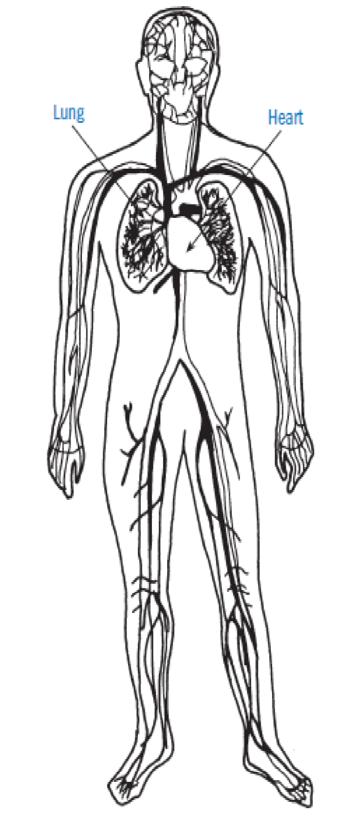
HOW SCI AFFECTS THE CIRCULATION
SCI can change how the body controls blood pressure, and how well the blood moves back and forth between the heart and the rest of the body. You need a stable blood pressure that is high enough to circulate nutrients and oxygen to your body quickly and efficiently but not so high that it causes
Figure 23 | Circulatory System
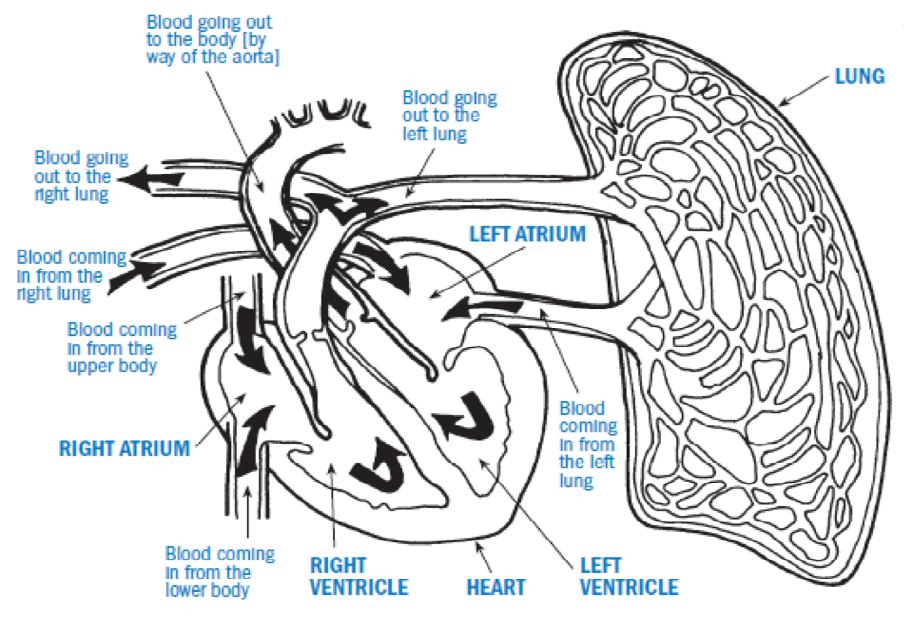
problems. After SCI, the arteries tend to stay wide open, because the nervous system may have lost the ability to adjust the diameter of the arteries. They can’t get as narrow as they did before. The result is that your blood pressure may be lower than it was before your injury.
The action of the muscles, contracting and relaxing, helps keep the blood moving from the arms and legs back to the heart. The muscles affected by SCI may not be able to do this anymore (although spasticity can help somewhat). These changes in circulation increase risk for developing the following conditions:
• Edema (swelling).
• Deep vein thrombosis (DVT): formation of a blood clot in a deep vein, usually in the leg.
• Pulmonary embolism (PE): a blood clot that has moved into the lung.
• Orthostatic hypotension (low blood pressure when you sit up).
• Decreased heart rate.
• Reduced control of body temperature.
Edema
Edema is a condition in which fluid collects in and around tissues, causing swelling. Depending on the level of your injury, your feet and legs, and perhaps your hands, may swell. Swelling occurs when fluid leaves your blood vessels and goes into the spaces between tissue cells. This swelling is called “dependent edema.” (Dependent refers to any area that is below the level of your heart.) This edema is caused by muscle weakness in your legs or arms, because
Figure 24 | How The Circulatory System Works
muscle action and movement normally help return blood to your heart. If the blood returns to the heart too slowly, more fluid will leak out of the blood and into the spaces between tissue cells. This type of swelling is usually chronic and needs to be managed to prevent complications. Complications can include: wounds, infection and pain.
To prevent your legs from swelling or to reduce edema, you can do the following:
• Wear compression stockings if they’ve been prescribed for you. These are tight elastic stockings that usually come up to the top of your thigh or just below the knee. They help move blood back up to your heart and keep it from pooling in your legs.
• If you have compression stockings but find they are too difficult for you or your caregivers to put on, please notify your physician. There are numerous devices that can help put them on, and there are alternative compression wraps that may be easier for you to use.
• Make sure your braces, splints, clothing, and urinary devices are not too tight.
• Elevate your hands, legs, and feet often if they are affected by edema. Elevate your legs up to or above the level of your heart for 10–15 minutes four to five times a day. Sleep with your legs slightly elevated, if possible.
• Do your range-of-motion exercises every day, and make sure you move your legs from one position to another every two to three hours.
• If you often have swelling, buy shoes one size larger. Make sure thereis plenty of room from top to bottom in your shoe, not just from one end to the other.
If the swelling continues in your legs for more than a week despite your efforts to treat it or if you notice a sudden increase in
swelling, contact your health care provider. If the swelling is only in one leg, you may have a blood clot in your leg. (see the next paragraph.)
Blood Clots
Blood clots in your legs, arms, or lungs are serious medical problems. Blood tends to stick together and form a clot when it isn’t moving at its usual steady pace. The lack of muscle contraction in your legs slows the blood and allows clots to form. Blood clots begin in veins, especially those in your legs. If it’s in a vein deep inside your leg, it’s called a DVT (Figure 24).
These blood clots can break free and travel to other parts of your body. A clot that stays in one place is called a thrombus. A clot that breaks free is called an embolus (plural = emboli). The most common place for an embolus to go is the lung. This is called a pulmonary embolus, or PE.
Blood clots are very common after SCI, especially during the first two months after injury, when activity is suddenly decreased and the blood is moving slowly through the leg veins. Eventually, the risk of blood clots goes down, but itis always a concern. People cannot avoid some things that increase the risk—like having cancer or broken leg bones, needing surgery, being older, or having heart failure. But you should try to avoid risky conditions that you can control, like weight gain, cigarette smoking, dehydration, and unnecessary inactivity. Pregnancy also increases the risk of blood clots. Finally, if you’ve already had a blood clot, it’s more likely that you will have another.
Doctors often use drugs and other treatments to try to prevent blood clots. They usually start by suggesting the same things that are used to treat swelling (see the list above). Your doctor might also prescribe a “blood thinner” or anticoagulant to reduce the chance of clot formation.
Sometimes doctors also use plastic air pumps on the legs to push the blood out of the legs and back up toward the heart. These treatments reduce the risk, but some people will still get blood clots.
Figure 25 | Blood Clot (Thrombus) in Leg
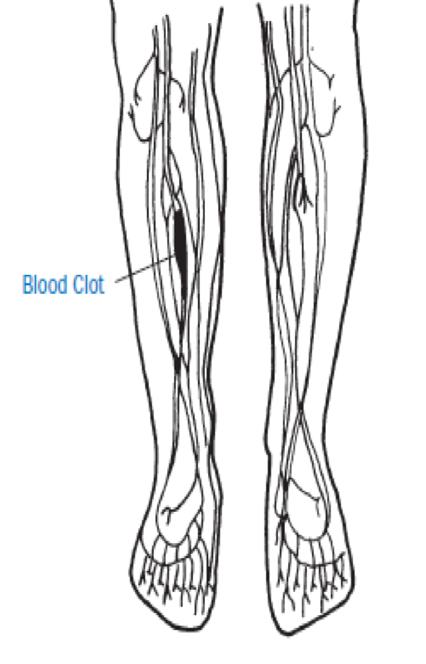
Deep Vein Thrombosis
The following are common signs and symptoms of a DVT in the leg:
• One calf or thigh feels warmer than the other, and it might be red.
• One calf or thigh is more swollen than the other. A simple way to check for swelling is to measure the size of both calves or thighs. A clot can develop and cause the leg to swell quickly.
• One leg may be painful, tender, or feel heavy. However, if you don’t have normal feeling in your legs, you may not feel anything.
Often, you and your doctors can’t tell if you have a blood clot without doing special tests. If one calf or thigh becomes larger than the other:
• Do not increase your activity level.
• Do not do range-of-motion exercises.
• Do not move the leg. Increasing your activity might cause the clot to break loose.
Call your health care provider for instructions. If you do have a clot in your leg, it will be treated to help dissolve it and prevent it from breaking free and moving to your lungs. Most people with a blood clot must take anticoagulants for three to six months after the clot is discovered.
Pulmonary embolus (PE)
A PE, a blood clot in your lung, can be lifethreatening. Most PEs are caused by clots in the legs. The way to prevent them is to prevent blood clots from forming in your legs.
The following are common signs and symptoms of a PE:
• Sudden shortness of breath and possibly a feeling of tightness in your chest.
• Pain in your side, chest, or back. The pain is usually worse when you breathe in and lets up when you breathe out.
• Sudden development of a new cough. This cough might produce sputum or phlegm that is slightly pink or red.
If you think you might have a PE:
• Call 911. A pulmonary embolus is an emergency.
• Contact your health care provider.
• If you feel short of breath, sit up in a chair; this sometimes helps.
This problem requires further tests and treatment in a hospital.
Blood thinners (Anticoagulants) and treatment of blood clots
If you get a blood clot in your leg, or if it goes into your lung, you’ll probably receive blood thinners (anticoagulant medications) to help your body dissolve the clot. The main side effect of these drugs is bleeding. Bleeding can be minor, like a nosebleed, or serious, like a bleeding stomach ulcer. Because of these risks, people on blood thinners need close medical follow-up. Frequent blood tests might be needed to make sure you’re getting the right dose of the blood thinner. Also, some of these medications can interact with other drugs, or even with certain foods. If you need to take blood thinners after you leave the hospital, be sure to ask the doctor or pharmacist for information about interactions, other precautions, and your plan for follow-up monitoring. It is important that you take these medications exactly as prescribed, and do not stop taking them unless instructed to do so by your health care provider. If you miss a dose, you should contact your health care provider or review the information provided to you by the pharmacist.
Orthostatic Hypotension
Blood pressure is a measure of the force with which your blood goes through your blood vessels. It is determined by two things:
1. How well your heart can pump blood out.
2. How much tension is in your arteries. Your blood pressure might be lower after SCI, because your blood vessels can’t constrict to help keep it at a higher level. Most people get used to a lower blood pressure and don’t have problems with it.
However, when you sit with your legs down or when you stand up, your blood pressure may drop even lower. This happens because
blood tends to collect (pool) in the veins of your legs and feet instead of being pushed back up to the heart. If your blood pressure drops like this, it’s called orthostatic hypotension. Orthostatic means “changing positions,” and hypotension means low blood pressure. If your blood pressure is too low, not enough blood will go to your brain. This will make you feel lightheaded or dizzy when you change positions, and you might pass out. This can be a problem soon after your SCI, when you first get out of bed. Fortunately, the problem usually fades away with time in most people.
If you faint or feel dizzy:
• Lie down and elevate your legs to above the level of your heart.
• If you’re in a manual wheelchair, have someone tilt the wheelchair back about 45 degrees for a few minutes. (Be sure to lock your brakes first.)
To prevent lightheadedness and dizziness:
• When you get up from lying down, do it in steps:
• Sit up slowly.
• Rest for a few minutes.
• Move your legs to a lower position.
• Continue your activities.
• Don’t change positions quickly. Take your time.
• Wear your compression stockings and abdominal binder (if prescribed). They help move blood back up to your heart and prevent it from pooling in your legs.f you have a continuing problem with dizziness, make sure you’re drinking enough fluids.
If you continue to feel dizzy or lightheaded despite following all these tips, call your health care provider. You may need to take a medication to increase your blood pressure.
Decreased Heart Rate
After an SCI, your heart rate will tend to be slower. The same parts of the nervous system that control your blood pressure also control your heart rate. Most people don’t feel any different with a decreased heart rate, but some people feel dizzy or lightheaded if their heart rate drops below 50 beats per minute. Your brain might have trouble increasing your heart rate if your injury is above the mid-thoracic level. If you can’t raise your heart rate when you need to (like when you’re exercising), you may feel dizzy or lightheaded.
If you do feel dizzy, call your health care provider for instructions. It’s a good idea to memorize your usual blood pressure and heart rate. That way, if you’re treated by different doctors who don’t have your medical records, you can tell them what’s normal for you. Otherwise, they may think you have a new medical problem.
Control of Body Temperature
When people get sick, they often have a higher body temperature or a fever. “Normal” temperature is considered to be 98.6 degrees Fahrenheit (F) or 37 degrees centigrade (C), although many people have temperatures that are slightly higher or lower. Temperatures also tend to run higher in the afternoon and evening than in the morning. There is no absolute normal. Learn what’s normal for you. A fever is generally considered to be a body temperature that goes up more than 1.5–2.0 degrees F or more than 0.8 degrees C.
Your SCI may have affected your body’s ability to regulate your temperature. Your body can’t adjust how much blood goes to the skin, because the control of the blood vessels is altered, so you might be very sensitive to the temperature of the air around you. If you sit in the hot sun for several hours, your body temperature might go up even though you’re not sick.
Some people with SCI can’t sweat normally, so their bodies have even more difficulty staying cool. If you’re in a cold place, you might lose too much heat through your skin and become cold. Because of muscle paralysis, it’s difficult for you to shiver and create heat inside your body. Many people with SCI wear extra layers of clothing when it’s only a little bit cold.
The following are some suggestions to control your body temperature:
• Carry a spray bottle of water to mist yourself if you’ll be out in hot weather.
• Wear a broad-brimmed hat if you’ll be in the sun on a warm day.
• Drink more than your usual liquids to make up for the loss of fluid from fever or heat.
• Wear extra layers of clothing if you’ll be in a cold place.
If you have a fever and you think you’re sick, call your health care provider. If you have a fever after you’ve been in the heat, take a cool bath or sponge yourself with a cool cloth, especially your head, neck, feet, hands, under your arms, and around your groin. If a fever lasts for more than a day, or if you have other new symptoms, call your health care provider.
Chapter 9 | Autonomic Dysreflexia
Autonomic dysreflexia (AD) is a sudden and dramatic increase in blood pressure brought on by pain or discomfort below the level of spinal cord injury (SCI). It is a complication that almost anyone with a SCI at or above the sixth thoracic level (T6) can experience. While it can happen sooner, most cases first occur 3-6 months after injury, and it is most common in people with complete injuries. AD is a potentially life-threatening emergency—uncontrolled blood pressure can get high enough to cause a stroke, cardiac arrest, seizure or even death. It is very important to recognize the symptoms and know what to do if this happens to you.
(Table 9) shows what happens in your body during an attack of AD.
Table 9 | Signs and Symptoms of Autonomic Dysreflexia
• Increase in systolic blood pressure by more than 20 mm Hg above your baseline
• Severe pounding headache
• Seeing spots in front of your eyes
• Blurred vision
• Slow heart rate (uncommon)
• Goosebumps above level of SCI
• Sweating above level of SCI
• Flushing of skin above level of SCI
• Nasal stuffiness
• Anxiety CAUSES
Autonomic dysreflexia is generally brought on by something that would have caused discomfort or pain before your SCI. Even
though you cannot feel it, the parts of your body below your injury level can sometimes react to pain or discomfort, causing AD. The following are possible triggers for AD, with the most common ones listed first:
• Overfull bladder (frequently caused by a blocked or kinked catheter or by a missed intermittent catheterization)
• Overfull bowel (severe constipation)
• Infections (of the bladder, kidney, etc.)
• Tests and procedures (cystoscopy, gynecological exam)
• Pressure injuries or ingrown toenails
• Pain from injury (severe cuts, burns, or broken bones)
• Hot or cold temperatures
• Blisters or sunburn
• Tight clothes
• Pressure on the testicles or penis
• Severe menstrual cramps or labor (uterine contractions)
• Stomach ulcers, gallstones, appendicitis, or other problems in the abdomen
• Sexual intercourse or ejaculation
WHAT TO DO
1. If you are lying down, sit up. This will reduce your blood pressure.
2. Loosen your clothing, remove your abdominal binder and compressive stockings if you wear them.
3. Find and remove the cause. AD usually will not go away until the problem has been corrected.
• Check for bladder problems first. If you do not have a catheter in place, catheterize yourself. Before catheterizing, you can insert a numbing medicine, such as lidocaine, into the urethra and wait 2 minutes for it to work. If you have a catheter in place, look for kinks or blockages. For a kink, gently fix it. For a blockage, you or your caregiver may try irrigation of the catheter with a small amount of saline. If the blockage does not clear, the catheter can be changed. Empty your bladder slowly by raising the draining end of the catheter. If you empty your bladder too fast it could also cause problems.
• Next, check for bowel problems. Check for stool. If there is stool in your rectum, remove it manually. Before removing the stool, you can apply a numbing medicine, such as lidocaine, to the rectum and then wait a few minutes for it to work. This will prevent irritation to the area, which could cause your blood pressure to go up even more.
• Check for skin problems. If neither your bladder nor your bowel seems to be the cause, remove your clothing and look for cuts, bruises, or pressure injuries on your body.
4. If the symptoms don not go away or your blood pressure continues to be high (top number at or over 150), consider using a medication to temporarily lower it. Many health care providers prescribe blood pressure medications you can keep on hand to treat AD, along with instructions on how to use them. The medicine will lower your blood pressure while you are trying to find out what is causing the AD. If you have been given nitroglycerin ointment, apply it to the skin above the level of your injury. If the cause has been recognized and removed and the blood pressure comes back down, wipe off the nitroglycerin ointment so that the blood pressure does not go too low as this can also cause problems.
5. If you can not find the cause, get help. Notify your health care provider immediately, because this is a medical emergency. Call or go to the nearest hospital. AD is an unusual problem, and not all health providers know how to treat it. Present your medical alert card for AD (Figure 27) or ask the medical personnel to look up the treatment guidelines for AD published by the Consortium for Spinal Cord Medicine. These guidelines are available on the PVA website at www. pva.org.
PREVENTION
In many cases, you can prevent AD. The most common cause is an overfull bladder or impacted bowel, so make sure that your bladder is emptied routinely, your catheter is draining well, and you have regular bowel movements.
It is possible to have multiple bouts of AD daily and it is also possible to have AD without any symptoms. Talk to your health care provider about what your “baseline” blood pressure is, because it is often lower after SCI. If the top number of your blood pressure is 20-40 points higher than your baseline, you likely have AD. If you have problems with AD, you should have a blood pressure cuff at home and know how to use it.
If you are one of the people who has this problem often, your health care provider might put you on medication to prevent it or talk to you about other possible treatment options based on what may be causing the AD.
CARRY A CARD
(Figure 26) shows an example of a card you can cut out and carry in your wallet. Put your name on the card in the space after “The bearer of this card.” Let people know you have the card and use it with health care providers to help them give you the right emergency care. It may save your life!
Figure 26 | How Autonomic Dysreflexia Happens
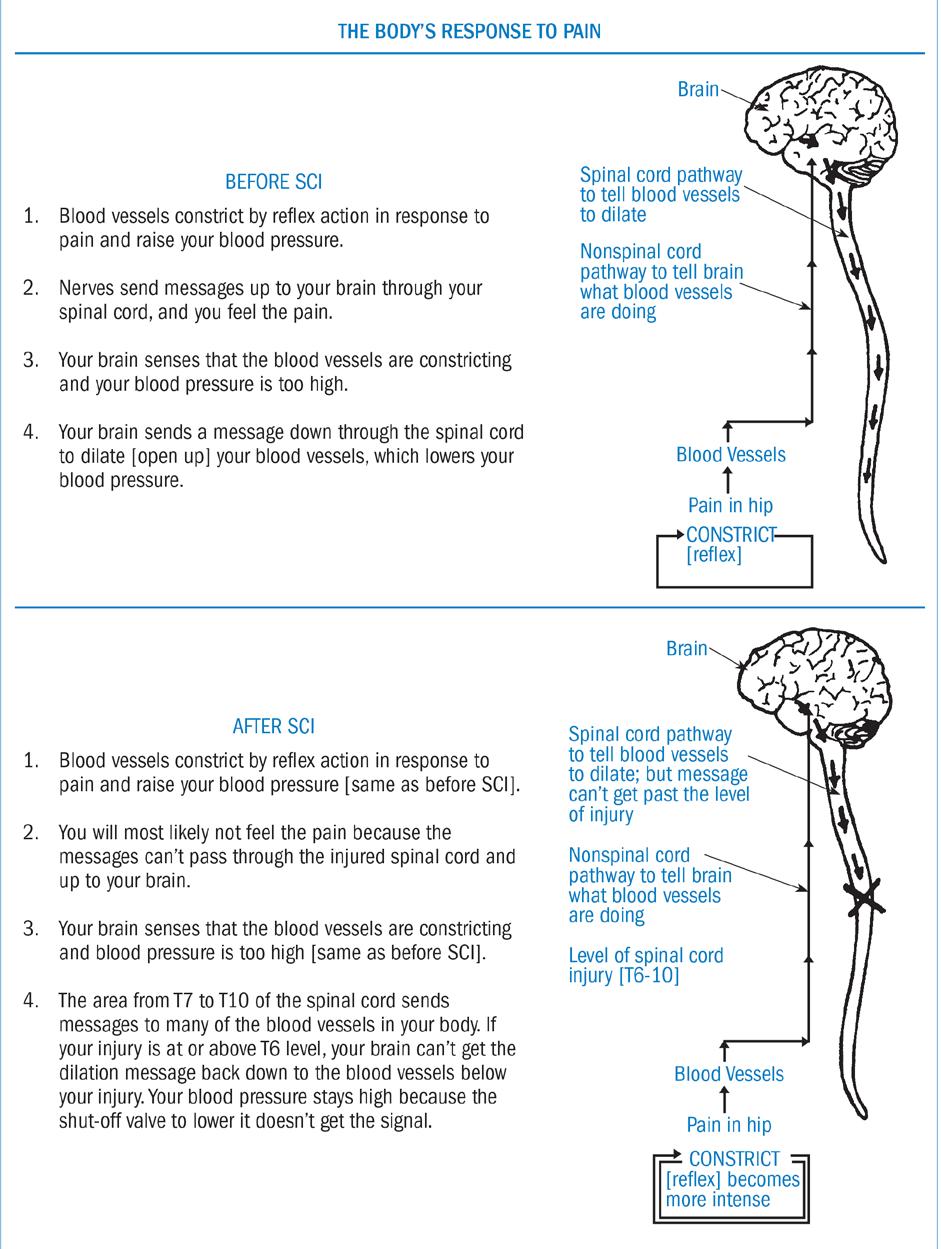
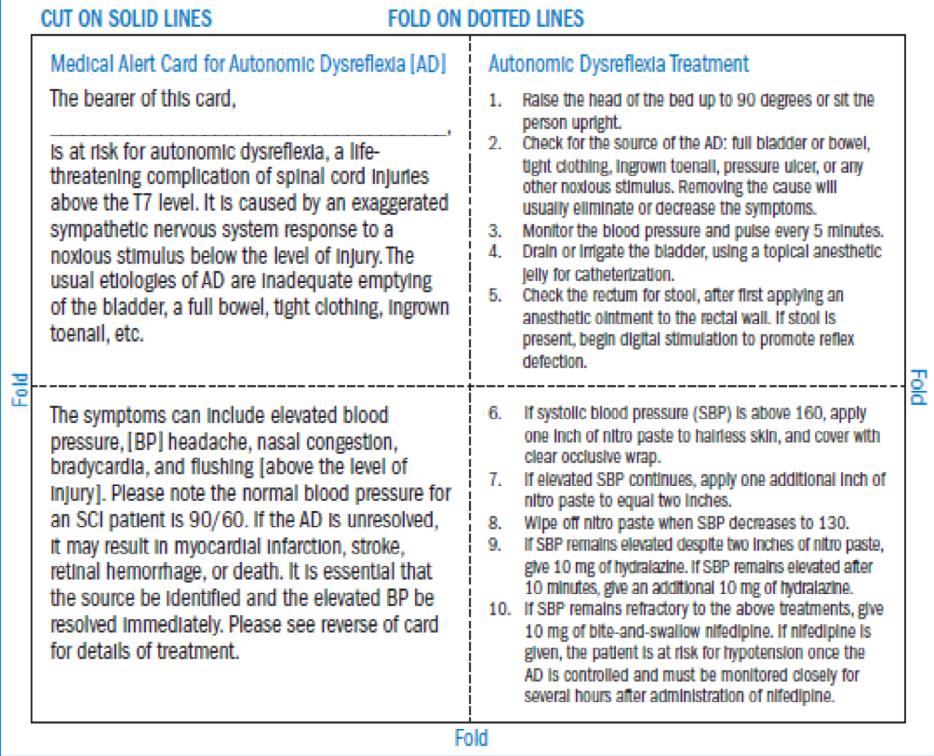
Resources
Guidelines for people with SCI
Autonomic Dysreflexia: What You Should Know
PVA Distribution Center P.O. Box 753
Waldorf, MD 20604-0753 (888) 860-7244
https://pva.org/wp-content/ uploads/2022/05/Autonomic-DysreflexiaConsumer-Guide-2022.pdf
Also available in Spanish.
Guidelines for health care providers
“Acute Management of Autonomic Dysreflexia: Adults with Spinal Cord Injuries Presenting to Health-Care Facilities.” This clinical practice guideline gives instructions for health care providers who may not be familiar with SCI or how to manage AD. It is available on the PVA website at: https://pva.tfaforms.net/15
Figure 27 | Wallet Size Card for Autonomic Dysreflexia
Chapter 10 | Women’s Health and Spinal Cord Injury
WOMEN AND SPINAL CORD INJURY (SCI)
Many SCI health issues are common to both men and women. However, differences in anatomy, function, social factors and roles lead to specific conditions and concerns that are unique to women with SCI. This chapter reviews these differences and the special considerations in properly meeting a woman’s health care needs.
Reproductive Health
Most published studies on women’s health issues after SCI are about reproductive and gynecologic health.
Menstrual Cycle
Right after the SCI, changes in hormonal function occur. Most women stop menstruating for several months after SCI, but most will have return of their usual menstrual cycle by 6 months. If your period fails to resume by that time, your provider will do more evaluations to check for other hormone imbalance. Some women may experience unexpected production of breast milk, and this is also usually temporary. In some cases, health care providers may prescribe medications to correct hormonal function.
Around the time of your period, you may notice symptoms such as worsening of muscle spasticity, bladder spasms, sweating or flushing. Similar to women without SCI, you are prone to developing a bladder infection around your period. Managing menstrual flow can be challenging after SCI, especially if a woman has limited hand function, dexterity, and sensation. Extra time or assistance may be needed to change tampons, pads or clothing. Lack of sensation may prevent you from feeling when the tampon or pad should be changed. Make
sure to change your tampon regularly to reduce the risk for toxic shock syndrome, which is caused by overgrowth of bacteria that produce a toxin. Monitoring your skin for irritation or breakdown with longer exposure to moisture is important during this time. Some women prefer to stop or reduce the frequency of their menstrual cycle by using different forms of hormonal therapy or surgery. Some of the options would also work for contraception. Your gynecologist or primary care provider can discuss and compare the indications, known versus uncertain risks and benefits of each option in SCI, to help you weigh your options.
Fertility and Sexually Transmitted Disease
While men experience reduced fertility after SCI, women with all levels of SCI maintain their ability to get pregnant as long as they are not in menopause. If you do not wish to get pregnant and plan to resume sexual activity, talk to your health care provider about the best option to prevent pregnancy. There are many options available, with considerations for each including risks related to poor sensation and intrauterine devices (IUDs), and possibly the risk for blood clots with certain preparations of oral contraceptive hormones. Sexually active women with and without SCI should also be counseled about protection against sexually transmitted infections. In certain age groups, this may include vaccination against human papilloma virus or HPV, a virus that can raise your risk for cervical cancer.
Sexual Function and Intimacy
Many women with SCI express feeling selfconscious about their bodies as they adapt to a change in body functions. You may feel intimidated or fearful of entering into,
or discussing, intimacy and sexual activity with a partner, or may have less desire for sexual activity. Your health care providers, including psychologists, other rehabilitation team members, gynecologists or urologists may be able to help when you feel ready. Peer experiences can be especially helpful, keeping in mind that each person’s perspective, experiences, preferences and approach may differ.
In women with SCI, if you have sensation in the genital area, there is the potential that when these body parts are stimulated, you will experience sexual arousal. Your provider will complete a careful and detailed examination of this body region, in addition to the sacral nerves and autonomic nervous system. You may notice challenges due to less vaginal lubrication because of the SCI. Review your medications with your health care provider to ensure these are no sexual side effects related to one of your medications. Women with SCI report more success in achieving orgasm if the injury does not involve the sacral region of the spinal cord. However, it may take more time to reach orgasm than without the SCI. With some exploration, you may discover new erogenous zones, including body areas where your feeling transitions from normal to less normal.
Use strategies to address concerns about bowel or bladder accidents and adequate lubrication. Empty your bowel and bladder by catheterizing and completing a bowel program before sexual activity, use medications that suppress bladder overactivity, use enough lubricant during sex (make sure the lubricant is compatible with contraception products used), and maintain open communication with your partner. Consider whether your spasticity control is adequate. Discuss other strategies for arousal and orgasm with your health care provider, which may include the use of devices such as a clitoral vacuum stimulation device or vibrator. Occupational
or Physical Therapy may help troubleshoot positioning challenges and know of other equipment that may be helpful. Couples therapy may also be pursued.
Be cautious to avoid rough or prolonged stimulation in areas where your feeling is decreased, as this may lead to irritation or skin breakdown.
Pregnancy
Women are subject to the same fertility issues faced by women without SCI. Although your capacity to become pregnant is usually unchanged by the SCI, there may be other physical, social, age or psychological factors that affect pregnancy rates. Because pregnancy with a SCI can be complex and affect several body systems, working with a team of providers can help keep you healthy throughout pregnancy. If you are planning a future pregnancy or are early in your pregnancy, meet with a high risk obstetrician, rehabilitation provider, therapists and other consultants such as urologists, to discuss specific considerations during pregnancy, labor, delivery and beyond.
With pregnancy, be aware and prepare for the following:
• Some medications may be unsafe or may have uncertain side effects on the fetus. All medications should be reviewed, but you should discuss commonly used medications in SCI such as baclofen, tizanidine, diazepam, mood and pain medications. If you decide to temporarily stop these medications, your rehabilitation provider can discuss other ways to manage your spasticity, mood, or pain. Consider how this change in medications may affect your ability to move around or transfer.
• Urinary system changes are common with pregnancy. Urinary tract infections (UTIs) can occur more frequently and have
been associated with lower birth weight infants and higher risk for preterm delivery. Some women are particularly careful about their catheterization technique during this time. If the UTIs become problematic, obstetricians may select an antibiotic given continuously or periodically to suppress UTIs. However, how effective antibiotics are in preventing preterm labor or on the rate of antibiotic resistance development is unknown. Self-catheterization may become more difficult as the fetus and belly enlarge, and assistance or a change in bladder management may be needed. Bladder leakage is more common as the growing fetus transmits pressure on the bladder.
• Pregnant women may experience constipation because of iron supplements and the growing uterus putting pressure on the bowels, which can lead to hemorrhoids or autonomic dysreflexia. Your program, including your diet, medications and equipment and frequency may need to be adjusted to prevent this.
• As the fetus grows, it exerts upward pressure on the diaphragm, limiting your lung capacity and breathing. Monitor for unusual shortness of breath, difficulty with cough or voicing.
• As the pregnancy progresses, your changing body results in new needs. Ask your rehabilitation therapists to re-evaluate your seating on different surfaces, wheelchair mobility, and transfers to prevent skin breakdown and falls. You may need different equipment or additional help for reaching, dressing, bathing, skin monitoring, catheterization, transportation or transfers.
• The growing fetus may also compress the large veins in the pelvis and abdomen, leading to worsening leg swelling and increase the risk for blood clots. Keep your feet elevated when possible and wear compression hose, watching for skin problems. Discuss these risks and
the management with your health care providers to decide if you need any medications. More information on blood clots is available in Chapter 8, Circulatory System.
• Preeclampsia, a cause for persistently high blood pressure and protein in the urine of women without SCI during late pregnancy, should be distinguished from the episodic high blood pressure of autonomic dysreflexia (AD) in women with SCI at T6 or above (see Chapter 9, Autonomic Dysreflexia for more information).
Labor and Delivery
Women with SCI at or above T10 may not feel contractions. This means that labor can start and progress without recognizing typical signs and symptoms. Your obstetrician may observe you more closely for this. Watch for symptoms that may indicate labor, such as shoulder or other unusual pain, worsening spasticity or even AD, if you are at risk for this.
Vaginal delivery is possible after SCI. Assisted delivery with forceps or suction may be needed. If your leg spasticity or contractures are pronounced, or you have a hip dislocation, it may interfere with the ability to position you for vaginal delivery. Consider a Cesarean section to prevent vaginal and urethral trauma.
If your SCI is at T6 or above, your providers will be most concerned about your risk for AD during labor and delivery. Epidural or general anesthesia should prevent AD, and prompt delivery of the baby is the goal to prevent AD complications.
Studies have found that women with disabilities, including SCI, may give birth to smaller babies and do so earlier than women without disabilities. There is no evidence at this time that the newborns are at higher risk of health complications.
After Delivery: Aftercare, Lactation
After the birth, care for the vaginal and abdominal areas will be important in order to prevent skin breakdown. Be aware that you may feel lightheaded due to low blood pressure after the delivery, so arise cautiously and slowly. Occupational Therapy may have suggestions for positioning and equipment to help with nursing and caring for your baby. Review your medications with your health care provider to determine which of them may be secreted in breast milk and may have effects on your infant. Women with SCI above the T6 level may have difficulty with milk production. The risk for blood clot formation may be higher for many weeks after a surgical procedure or infection, so be aware of signs and symptoms of blood clots and report any concerns to your provider. New mothers should also be monitored for signs and symptoms of postpartum depression.
Neurogenic Bladder
Changes in bladder function after SCI and forms of bladder management are detailed in Chapter 4, Bladder Management.
Women with SCI identify bladder issues as one of the most impactful consequences of SCI because of the additional planning, care, and time that affect their daily activities, roles and independence. There may be several options to manage your bladder, and the choice will be different from personto-person. Consider your lifestyles, abilities such as hand function and transfer or dressing skills, bladder function, need or availability of caregivers, daily schedule, and your priorities or preferences as you weigh your options. Your management may change over time as your needs and preferences change.
Intermittent cathetherization considerations for women include positioning, transfers, and clothing to access the urethra. Using extension tubing, along with learning to
carefully position yourself in the wheelchair, can eliminate the need to transfer onto a toilet or bed and the time needed for transfers. Some catheterization products are specifically designed for women’s anatomy with a shorter urethra. Some women choose to have a catheterizable channel surgically created from the bladder to an opening (stoma) on the abdominal wall or near the belly button, to make intermittent self-catheterization easier. This is a complex surgical procedure, and careful discussion with your urologist about whether this is suitable for your circumstances, and the possible risks and benefits is important. Consider wearing clothing that provides easier access to the urethra or a stoma, such as skirts or specially designed clothing.
Chronic indwelling catheterization may be via the urethra or via a suprapubic tube. A suprapubic catheter is similar to the urethral catheter, but is inserted thru a surgically made stoma in your lower abdomen to drain your bladder. Your urologist can help you decide which option is best for you. Factors to consider include whether your abdominal anatomy and the effects of previous surgeries make it possible to place a suprapubic tube, or needing to study whether your urethra will leak urine when a suprapubic tube is placed. In general, a suprapubic tube may be preferred by women to prevent long-term trauma or enlargement of the urethra which may lead to urinary accidents or prolapse (protrusion of the inner lining of the urethra) over time. For some, it simplifies their care needs and allows more independence. In addition to overnight and leg bags, a collection bag that attaches to your low abdomen with a strap and empties via a twist valve may be a good option (also known as a “belly bag”).
While men with SCI can use an external or condom catheter to manage urine collection, there is no equivalent collection system for women.
Urinary Leakage
If urinary leakage around a urethral catheter becomes a problem, see your urologist. The most common reasons for this include bladder spasms (depends on the type of neurogenic bladder you have after SCI) or continued urethral enlargement over time. Constantly upsizing (using a larger size) of urethral catheter is not recommended, as this may lead to more enlargement over time. Treatment for leaking around an enlarged urethra may require surgery to close the urethra (bladder neck closure) and placement of a suprapubic tube (see above). Options for managing an overactive or spastic bladder causing problems with leakage are the same in men and women. UTIs or frequent coughing during an illness can also cause leakage between catheterizations. If you are concerned about accidents, having extra clothing with you or using liners can be helpful. Minimize use of incontinence diapers to prevent excessive moisture that may lead to yeast infections in the groin or folds, or skin breakdown.
Urinary Tract Infections
Repeated UTIs can lead to kidney damage or failure over time. UTIs are more common in women than men, even without SCI. Do what you can to minimize infections, and understand that difference with usual or expected bacterial colonization (normal bacterial growth in urine that does not cause illness) and a symptomatic UTI that needs antibiotic treatment. Antibiotics should only be used when you have a UTI, as their use changes the composition of the normal bacterial community in your body, and can lead to other serious health problems and to antibiotic resistance.
Annual Urinary Tract Surveillance
The annual health maintenance for neurogenic bowel is similar, with studies to check your kidney and bladder health. However, if you have issues with any leakage, trouble maintaining the catheter in the urethra, pregnancy, or concerns about your urethral health, discuss this with your health care provider who may refer you to a urologist.
Aging and Menopause
Information on menopause and aging effects on women with SCI is limited. Women lose estrogen when they enter menopause and stop menstruating. Although some women with SCI have reported slightly earlier age of menopause compared to women without SCI, other studies have not clearly demonstrated this. You may experience changes in blood pressure control, flushing or sweating, and even symptoms that are similar to AD as you transition through menopause. If the symptoms become too bothersome, speak with your primary care provider or gynecologist to find the best option for you.
Heart Disease
Estrogen loss is accompanied by a trend towards less healthy lipid (cholesterol, triglyceride) profiles, which have been associated with higher risk for heart disease. Early studies suggest that a similar trend is seen in women with SCI after menopause, but it is not known if the risk is higher in women with SCI versus those without SCI.
Bone Health
Loss of estrogen also leads to lower bone density and higher risk for fractures. There are different levels of bone density loss, ranging from mild (osteopenia) to more severe (osteoporosis). In general, a higher degree of bone loss increases the risk for fractures. Refer to Chapter 7, Muscle and Bone for more details.
Women with SCI are at risk for bone density loss even before they reach menopause, but this usually involves areas of the body below the injury level (legs in women with paraplegia, arms and legs in women with tetraplegia). After menopause, more widespread body involvement is seen, including the spine, wrist, and hips. It is unknown whether menopause in women with SCI leads to further bone loss in areas already affected by the SCI.
Medications for osteoporosis after menopause exist, but research isn’t conclusive on whether they are effective following SCI. Your physician can discuss the options best suited to you. Some factors that may be considered include whether you can give yourself the medication, your own or your family’s history of blood clots or cancer, whether you can sit upright for the necessary period after a medication is taken, have normal kidney function, or intend to become pregnant.
Social Roles and Considerations
Women play multiple roles in their personal and professional lives. While an SCI can affect the ability to fully participate in these roles, your rehabilitation team aims to help you return to many or all of these activities. The spectrum of considerations specific to women include traditional roles that women hold in child and home care, issues encountered with dating and relationships, vulnerability to abuse, finding caregivers and aging concerns deserve special consideration in rehabilitation, among others.
Preventive Health
Your need for monitoring to detect early evidence of disease such as cancer and other health conditions is the same as in the general population. This includes following current practices for screening for breast and gynecologic cancers, and routine kidney health screening as recommended for men and women with SCI. Many centers have
the ability to complete mammograms from a seated position, and with assistance for positioning.
Many exam rooms do not have accessible exam tables or positioning devices for gynecologic exams, or staff who are familiar with managing spasticity, protecting skin, or able to safely help with transfers. Clinics and providers who are less familiar with SCI needs may not consider the time and assistance required to complete the same examination as in people without SCI.
Consider calling the clinic in advance to inform them of your SCI specific needs, which may include an adjustable exam table or bed, extra time and assistance for transfers and positioning for the exam. Offer resources for SCI information, such as your Rehabilitation provider and other SCI consultants, and other resources for primary care providers. Be prepared to advocate for your needs and share your experience and knowledge in SCI issues. While it may be difficult to find a primary care provider who is knowledgeable about SCI issues, most are willing to work collaboratively with their patients and SCI clinicians to optimize your health.
Resources
Jackson (McLain) AB, Massengill T, Klebine PA. Pregnancy and Women with Spinal Cord Injury. Model Systems Knowledge Translation Center Fact Sheet. https://msktc.org/sci/factsheets/Pregnancy
Shepherd Center: www.myshepherdconnection.org/sci/
Chapter 11 | Participation in Clinical Research
Research is the process of learning new knowledge in a systematic and objective manner. Clinical research is being done all the time to better understand medical and behavioral changes after spinal cord injury (SCI). After your injury, you may have the opportunity to participate in a research study. This chapter is about things you should know about research and how research is done so you can make an informed decision about participating.
TYPES OF RESEARCH
Research is going on all the time and generating useful information to improve the lives of people with SCI. There are many different types of research studies that you might be invited to join. Research may involve testing a new drug or device, evaluating a novel therapy, comparing existing interventions with one another, generating population-specific standards for identifying disease risk, or studying how people adapt after their injury. Because there are so many different areas to study, scientists must use different research techniques to advance knowledge and generate evidence for improving diagnosis, treatment, and care.
Clinical Trials
A clinical trial is a study which enrolls people who meet certain eligibility criteria and introduces an intervention that will be tested over time. The intervention can be a drug, a device, a therapeutic treatment, or a training program. The advantage of a clinical trial is that it provides a strong level of scientific evidence that can be used to change clinical practice.
Participants enrolled in a clinical trial may get assigned to a control group; that is, people who meet the same eligibility criteria
and are enrolled in the same study but do not get the same intervention. People in the control group are an essential part of research, as their study outcomes will be compared to those get into the intervention group. The benefits of the treatment under study cannot be validated in the absence of a control group. In some studies, the people in the control group receive “usual care” which means that nothing is changed for them by joining the study. In other studies, the people in the control group receive a “placebo” which looks and/or feels the same as the intervention but does not have any real activity.
The most common form of placebo is a pill with no active ingredients, but there can also be physical placebos; for example, a vibrating pad that mimics electrical stimulation. The point of a placebo treatment is that in most ways, the people in this study group are managed exactly the same way as the people who receive the real intervention, including study visits and interactions with the study team. People in the placebo group do not know that they are receiving the placebo; this is called “blinding.” Depending on the trial and type of intervention, the study team members may also be blinded and not know whether any given participant is receiving the real intervention or the placebo (“double blinding”). When a clinical trial has two or more groups, people are usually assigned to groups by the process of randomization. Random assignment means that neither the participant nor the study team chooses the group. It is very important that you understand this process of random assignment when you join a study and that you are agreeable to accepting whichever group you get.
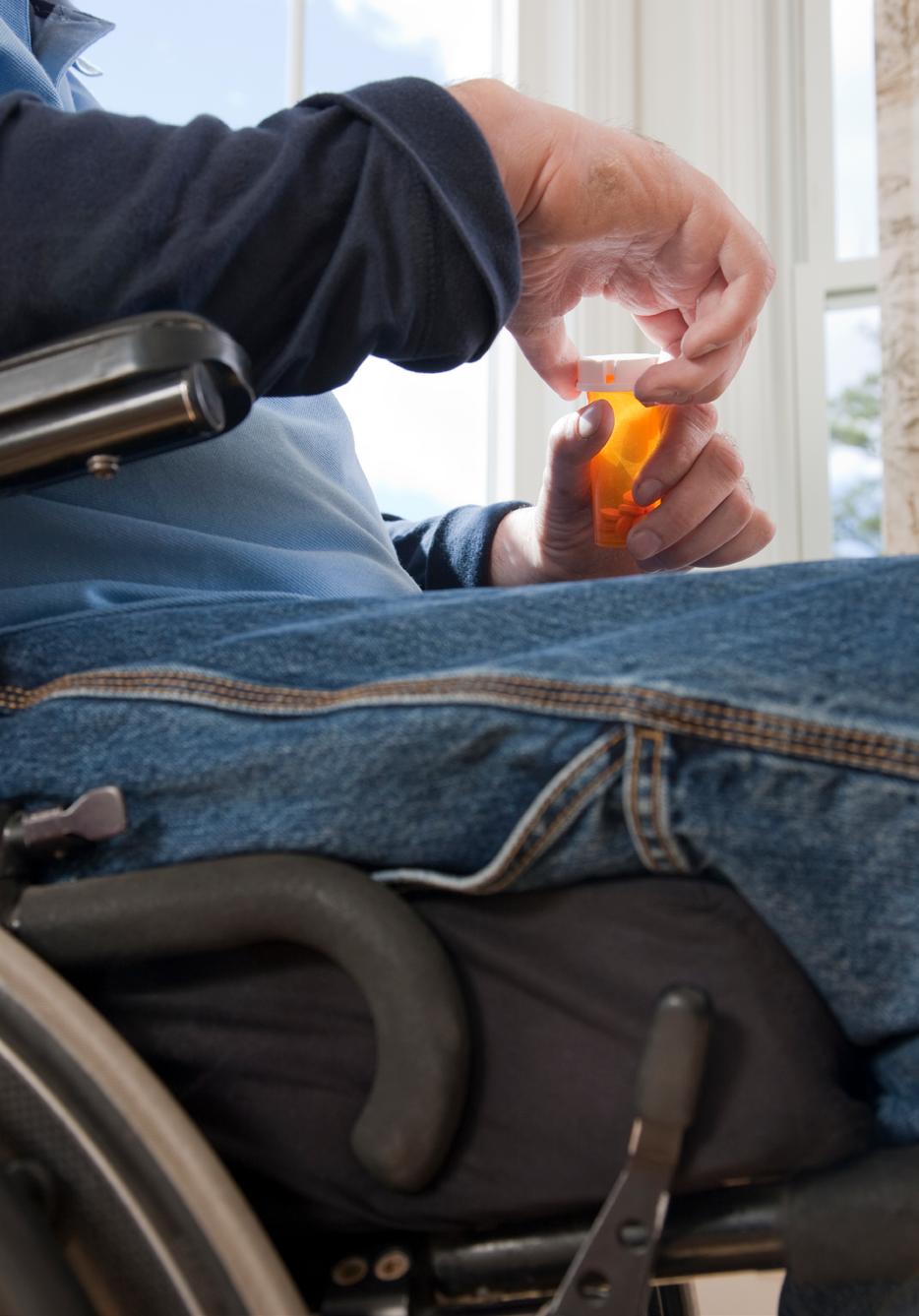
Participating in a clinical trial will involve a time commitment. Depending on the study design and what is being tested, you may be expected to enroll for many months and even a year or longer. There may also be many visits to the lab or clinic for therapy sessions or evaluation; these will all be required in order for the final results to be meaningful. You should carefully consider the time commitment before you agree to participate, as too many missed visits or sessions will interfere with the study’s validity.
Prospective Cohort Studies
A prospective cohort study is designed to follow people over time and make measurements but does not introduce an intervention. Such studies often will compare different groups of people, referred to as cohorts, or simply follow a group of people with specific characteristics over time to observe changes in behavior, physical or mental function, or responses to the environment. An advantage of prospective cohort studies is they are observational of real-world situations and do not impose a great amount of burden on the participant.
Cross-Sectional Studies
A cross-sectional study is also observational, does not involve an intervention, and may include different cohorts, but it only measures at one time point. This can be a way to understand the prevalence of a given condition by measuring many people at one point in time and calculating the percent who do versus do not have the condition. An advantage of cross-sectional studies is that it is possible to gather information from many participants over a short time period and learn about frequency of conditions relative to different characteristics. These results can identify trends that might not be apparent in a smaller study and provide estimates of how conditions change over time which can then be studied further with a prospective study.
Survey Studies
A survey study is designed to obtain information by use of questionnaires or surveys that may relate to your perception or opinion as well as subjective assessment of your abilities, function, health status, etc. These can be offered online, via interview, or using paper and pencil/pen. You may be asked to rate or categorize your response in pre-determined ways such as answering if you agree, neither agree nor disagree, or disagree, to a specific statement. Sometimes you will be asked to score by choosing a number along a scale. In many cases, the researchers will use “validated” surveys or questionnaires which means they have been tested with many different people to determine that the answers are representative of the topic that is being measured Use of validated surveys and questionnaires allows different researchers to compare their results across studies and between populations which may identify information that did not appear in just one study. An advantage of a survey study is that information is derived directly from the person in a form that can be analyzed and interpreted; associations with clinical measures or other characteristics can then be made to learn about the factors that influence participants’ responses.
Qualitative Research
Qualitative research involves interviews, interactions, and observations. Qualitative researchers often start with a focus group, asking a small group of participants about a specific topic in order to identify their key concerns. Then the researchers will conduct interviews with other participants to learn about attitudes, knowledge, and opinions related to the topic. Interviews are frequently audio and/or videotaped, and the research team will review these tapes for subtle behavioral information in addition to hearing exactly what was said. The quotes become the data. Through a structured analysis, key themes will be identified from the interviews that can lead to conclusions about the topic. An advantage of qualitative research is that may lead to unexpected findings.
Research without Direct Involvement of Participants
There are also types of research that do not directly involve participation but instead the researchers review medical charts, records, or databases for information. These studies can provide valuable information about the utilization of health services as well as associations between medical conditions, lab values, psychological diagnoses, equipment or medication prescriptions, or admission rates on a very large scale. Researchers are required to protect personal information of individual participants from disclosure outside the study team because they are accessing this information without your explicit permission and authorization.
Rights and Responsibilities
You have certain rights when you decide to volunteer for a research study. These are guaranteed by federal and state laws and regulations. Your rights include the following:
• be informed of the nature and purpose of the study;
• be given an explanation of the procedures to be followed in the study and any drug or device to be utilized;
• be given a description of any potential discomforts and risks reasonably to be expected and told that there may be unforeseen risks that are not yet known;
• be given an explanation of any benefits that may reasonably be expected;
• be given a disclosure of any appropriate alternatives, drugs or devices that might be advantageous to you and their relative risks and benefits;
• be informed of the availability of medical treatment, if complications should arise;
• be given an opportunity to ask questions concerning the study or the procedures involved;
• be instructed that consent to participate in the study may be withdrawn at any time and you may discontinue participation without prejudice;
• be given a copy of the signed and dated consent form;
• and be given the opportunity to decide to consent or not to consent to participation without the intervention of any element of force, fraud, deceit, duress, coercion or undue influence your decision
You also have certain responsibilities that are important to understand so that the research is scientifically valid. You should not enter a study if you do not think you will finish. You should follow all the study procedures such as taking medication, doing exercises as instructed, participating in training programs, or using a device, , and you should adhere to the schedule of participation (hours, days, weeks) that you agreed to when you joined. You should keep all of your study appointments. If you cannot follow the study protocol or cannot go to your study visits, you should contact the research team.
IRB Review and Research Ethics
Before any study can be undertaken by a research team, the person responsible for the study (the Principal Investigator, or “PI”) must obtain approval from the Institutional Review Board (IRB) which is designed to protect human participants in research. The IRB will review that the study has been designed in a manner that is as fair and safe as possible and minimizes risks to all participants. After the study has started, the IRB will continue to review any adverse events or problems that occur.
Informed Consent and Voluntary Participation
The very first step in joining any research study is for you to learn about the purpose of the study, what is expected of you if you join, any possible risks you may expect, any possible benefits, and alternatives to participation. You will also be told about how your confidential information will be used and where and how it will be stored, any payment you may get, and who to contact if you are hurt or something goes wrong related to the study. There will usually be a form for you to sign that describes the study in detail and covers all topics that the study team has discussed with you. This is called the Informed Consent Form. You should never feel pressured to join a research study. You should not feel your medical care will change if you do or do not decide to join. Participation in a study should be your voluntary choice.
Risks and Benefits / Positives and Negatives
Depending on the type of research, there may be some chance that you will be harmed by participation, such as a study of a new drug or stem cell treatment. Some studies do not involve any kind of physical harm, but there are other possible risks such as getting upset by personal questions or the potential for your confidential information to be accidentally shared outside the study. It is the responsibility of the research team to explain any potential physical, psychological, economic, or other types of risks and what they are doing to protect you as much as possible from harm.
Risks of the study may be relatively minor and not outside regular medical care, such as pain or inflammation at the site of a blood draw or potential loss of confidentiality if your research record is accidentally shared outside the study team. Risks might be more substantial in a study
of a new drug or stem cell treatment. While animal and other safety studies should have been done before a treatment moves into clinical testing, there still may be unknown risks for humans, and you must be told that you may experience harm while participating in the study so that you have all the relevant information before you make a decision. It is always a good idea to talk with your medical team about any research participation that you are considering.
Adverse Events
Research studies are designed to be as safe as possible, but there are always risks associated with any study, as discussed in the section above. There are also things that may happen to you while you are participating in a study such as illness or injury that you don’t think are related to the study. Both related and unrelated problems are called “adverse events” and need to be reported to the study team. Thorough reporting of adverse events adds important information and helps the researchers interpret their findings. For instance, you may experience an injury or illness that doesn’t seem related or hasn’t been reported in previous studies, but after the researchers carefully collate all the data from all the participants, they may detect a pattern from the series of reported events. If you have a medical problem or any kind of adverse reaction or experience during the study that you think may be related to the intervention, even if you are not certain, be sure to contact the study team to tell them about it.
Reasons to Participate
There are many different reasons that people join research studies. This is an individual choice that only you can make. Any research participation adds to the expansion of clinical knowledge and may lead to improvements in quality of life for people after SCI. People may volunteer for
research for access to cutting edge care, for the chance to improve their function and better understand their SCI, or to learn about their health. Many people with SCI join studies to help others and give back to the community regardless if they receive any direct benefit. Each study has different commitments, benefits, and risks and so there are different factors to consider before deciding to join. Participation in research by people living with SCI is essential to advance medical knowledge and lead to the best care in the future.
International Research and Medical Tourism
While there is good clinical research being conducted around the world, this is not always the case. “Medical Tourism” refers to “cures” that are not backed by evidence, may not work at all, and could be harmful. Through word of mouth, the internet and news articles, you may hear about medical treatment and research being done in a different country to treat or cure paralysis from a SCI. You may believe that these treatments are promising and a way to correct the loss of bowel and bladder function and regain your ability to walk. Often, these treatments may come with a high out-ofpocket cost and are often not covered by health insurance. For you to benefit, whether such treatments are presented as clinical trials or as medical treatments, they should be held to the same standards that would be applied to studies and treatments in countries with well-established rules and thorough review, as described in this chapter. When considering travelling or paying large sums of money for a clinical treatment or study, you should question the evidence that supports any results that are claimed. How valid is the reported treatment – or is it hype, taking advantage of your hope for a cure? Discuss with a provider who understands clinical trials and treatment to help guide you on the legitimacy and value of any clinical treatment that is being offered.
How to Find Out about Research Studies
There are various ways you can learn about studies that you might want to join. If you are affiliated with a medical center and/ or university that has a clinical or research focus on SCI, you may receive direct invitations from the Principal Investigator and/or research team if they think you qualify for particular studies. You may receive a letter in the mail with a brief description of the study asking you to call if you or interested or, alternately, letting you know to expect a call from the research team to tell you more about the study.
You may also learn about studies from newsletters, posted fliers, or via social media. If you are interested in volunteering for research studies, you should seek out organizations that advertise SCI research and add your email address to receive information about study recruitment.
Questions to Ask Before Deciding to Participate in a Clinical Research Study
If you are invited to participate in a research project, you might want to ask the following questions to help you decide whether or not you want to take part in the study.
• Who is doing this study and what questions might it answer?
• Who reviewed or approved this study?
• What could happen to my health, good or bad, if I take part in this study?
• Is it possible that I will receive a placebo (inactive substance)?
• What tests or procedures will I have during the study?
• How long will this study last?
• If I decide to participate, how will it affect my daily life?
• Will I have to make extra trips to the hospital/clinic/lab?
• Could my condition get worse during the study? What happens if it does?
• Will I be charged anything or paid anything to be in this study?
• Who will be in charge of my care? Can I continue seeing my own doctor?
• Who will be told I am taking part in this study? What information will they receive?
• What happens to any specimens that I give?
• What happens after the study ends?
• Will I be told the results of the study?
• How do I end my participation in the study if I change my mind?
• What other options do I have if I decide not to take part in this study?
• Whom do I contact for questions and information about the study?
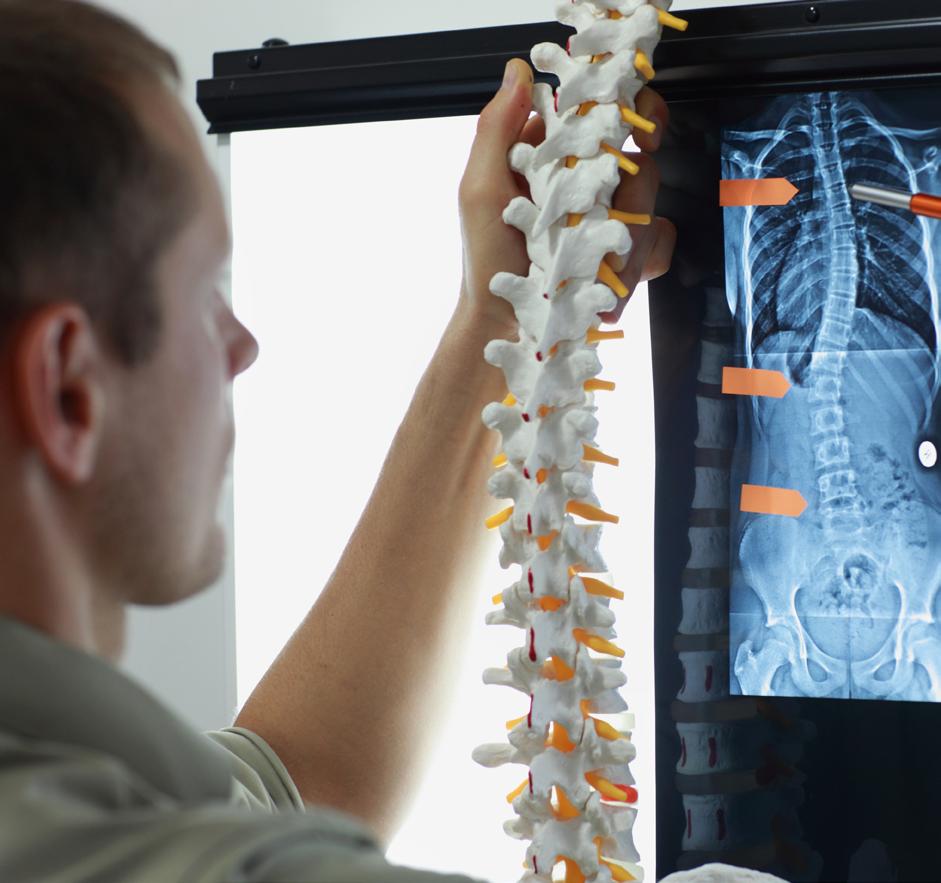
Resources
Reference: VA Research Service pamphlet, “Volunteering in VA Research.” https://www. research.va.gov/for_veterans/default.cfm Websites
https://nasciconsortium.org/ North American SCI Consortium (NASCIC) is an organization made up of persons who live with SCI, their families and caregivers, and like-minded individuals and organizations working together to improve research, care, cure, and policies impacting the SCI community. NASCIC has developed an SCI Research Training Course to expand knowledge about the research process for people with SCI and their caregivers so they can become advocates for SCI Research.
https://www.fda.gov/patients/clinical-trialswhat-patients-need-know (“Clinical Trials – What Patients Need To Know”). The U.S. Food & Drug administration web site guides patient on learning more about clinical trials and finding a trial that might be right for you.
http://clinicaltrials.gov – is a registry and results database of publicly and privately supported clinical studies of human participants conducted around the world. You can search for studies using the following search terms:
Condition: SCI-Spinal Cord Injury, Paralysis, Paraplegia, Paraparesis, Tetraplegia or Quadriplegia, Tetraparesis or Quadriparesis
Other Terms: Include any specific topic such as Exercise, Wounds, Depression, Stem Cells, etc
Location: You can see all the studies in the US (and even around the world); you can also select a particular state and city.
http://icord.org/ - ICORD (International Collaboration On Repair Discoveries) is an interdisciplinary research center, located in Vancouver Canada that is focused on spinal cord injury. There is a section with information for the public entitled “SCInfo Blog.” This website also has an excellent and detailed publication designed for persons with SCI and their family and caregivers as well as health care professionals entitled, “Experimental treatments for spinal cord injury: What you should know (versions 2); it is available to download as pdf from the ICORD website:
http://icord.org/wp-content/ uploads/2014/01/Clinical-Trials-Document-
SECTION 2: Maximizing Your Function
Before 1940, people with spinal cord injury (SCI) usually died within the first month after their injury. Since then, we’ve learned how SCI causes medical problems and what to do to avoid those problems. Now, people with a new SCI can focus on making hemselves as independent as possible or learning to direct others to provide assistance. In this section you’ll learn about equipment, home modifications, driving, and managing attendants who provide assistance for you. You’ll also learn how to protect your limbs and posture.
Chapter 12 | What to Expect During Rehabilitation
Many people with a spinal cord injury (SCI) say that getting through the first few months after their injury is the most challenging thing they have ever done, and challenges like this come with lots of questions. Here are some questions that people who have a new SCI often think about but may not ask out loud. You may be wondering about some of these same things:
• What changes did this SCI cause to my body?
• Will there be any recovery or improvement?
• How long will I be in the hospital?
• How will I get back to my goals and priorities in life?
There are also more personal questions that you will probably want answers to:
• Will I be able to walk again?
• Will I be able to feed myself?
• Will I be able to dress myself?
• Will I be able to bathe myself?
• Will I be able to have sex again?
• Will I be able to drive a car again?
• Will I be able to go back to work?
• Will I be independent doing these things or will I need help from a family member or caregiver?
• Will I need special equipment to do all of these things?
These questions, and many more, will be addressed by your healthcare team during rehabilitation.
Functional Outcomes is a term your healthcare team may use to describe these kinds of everyday activities that you will be working on and how much help you need to do them. What you are able to do and how well you can do it will probably change as you progress through rehab. You are encouraged to give your input to your healthcare team so they can revise what they believe your Functional Outcomes will be as you progress through your rehab stay.
Relying on your healthcare team is one of the most effective ways to help you achieve good outcomes during rehab and the best way to get answers to your questions. The expertise of your doctors, nurses, therapists, and other team members will help you pull through the tough times and celebrate the successes that everyone with an SCI experiences.
The doctors will address your medical challenges to help you stay healthy. The physical therapist will help you problem solve how to get stronger and move around to the best of your ability. The occupational therapist will help you figure out how you will achieve your “daily routine” activities like eating, brushing your teeth and hair, and going to the bathroom. A recreational therapist can help you figure out how to get back to the fun things you used to enjoy before this devastating event. The psychologist will help you make more sense of all the emotions that you might be going through. Your social worker will help you coordinate your healthcare team and help with the process of getting back home. You may have more team members or fewer team members on your healthcare team. Many of their roles may overlap with each other while they are helping you and your family. You have probably come up with many more questions about your future and
goals for yourself, just while reading this page. Remember that your goals are what the team builds their goals around. They will help you identify what are short term goals and what are much longer-term goals. Don’t forget, you are engine that drives the train, and your team helps steer it in the right direction. If you have questions, don’t hesitate to ask your healthcare team – they are there to help you!
Most people with SCI want to know, “Will I be able to get back to my normal life once I’m done with rehab”? Your individual healthcare team will give you the best answers to that question. That’s because SCI is personal and complicated. Each person’s SCI is different from anyone else’s. There are many reasons why one person might seem to have more strength and ability after rehab while someone else may not seem to have as much.
Much of the recovery after SCI has to do with how severely your spinal cord was injured (called a “complete” or “incomplete” injury). Your spinal cord carries the messages from your brain to your legs and arms to do their jobs. If your legs and arms don’t get the message, they won’t move when you ask them to move. So, if your spinal cord was severely injured, that means the message from your brain may not be getting to your hands or arms or legs or feet (called a “motor-complete” injury). You might have to work with your team more closely to make the modifications necessary to get back to doing the things you used to do. If your spinal cord was not as severely injured as a “complete” injury, you might find that you can physically do more things that help you get back to your normal life (this is called an “incomplete” injury). A “motor-incomplete” injury means at least some of the message from your brain is getting to your hands or arms or legs or feet. Being injured high in your neck or lower in your back can also make a difference in how much strength you see in
your hands or arms or legs or feet after your injury. Injuries higher up in the neck can mean less of your muscles do what you ask them to do, while injuries lower down can mean more muscles do what you ask. (Refer to Injury Completeness and the ASIA Impairment Scale - Terminology on page 5 for more information about complete and incomplete injuries.)
Whether your injury is “complete” or “incomplete”, high or low, getting through rehab takes LOTS of work, and your participation with your team is the best way to get the most recovery you possibly can.
Whether you will walk again depends mostly on whether your injury is “complete” or “incomplete”, and how high or low the injury is. The lower (closer to your low back) and more “incomplete” the injury, the more the chances of walking. The higher the level of injury (more towards your neck) and more “complete” the injury, the less the chance a person will be able to walk. Walking means different things for different people, and walking takes coordination, balance, and problem solving, in addition to strength. After an SCI, some people can walk down the street, others can only walk in their house, others can’t walk at all. It’s not because they’re not trying hard enough or doing the right things, it’s more likely because of their severity of their injury, and other medical conditions they may have that can limit function.
People who can’t walk still get back to their lives in many ways. Some who have strength in their arms and hands (but not their legs and feet), use a manual wheelchair to get around. They can often move in bed, do their own daily routine, and get into and out of bed without anyone helping them.
Some people who can’t move their arms or legs effectively may use a power wheelchair to move around. They may need more help to do their daily routine.
The following parts of this chapter will give more details about how you can get back to your life after an SCI, and what your healthcare team can do to help you get there.
The Consortium for Spinal Cord Medicine has consumer guide pamphlets describing the expected abilities (Functional Outcomes) for different levels of SCI. Keep in mind
that if you have an “incomplete” injury that your medical team calls “AIS C” or “AIS D”, you have strength and movement below your level of injury and your ability may be different from the charts. Your previous fitness before injury and other medical conditions can also affect your recovery. Again, ask your healthcare team any questions you may have about your injury.

Chapter 13 | Equipment
This chapter describes some of the equipment commonly provided to people with SCI, including wheelchairs, cushions, and devices for self-care.
Each person will require different types of equipment. Keep the following things in mind when you’re considering equipment needs. Equipment can—
• Increase your independence.
• Protect you against injury.
• Protect your skin.
• Provide postural support and prevent deformity.
• Help prevent injury to a caregiver.
• Improve your comfort.
• Require a lot of maintenance.
There are a few things that equipment should not do. It should not—
• Make life more difficult or complicated.
• Be harmful to you or your caregiver.
• Increase the clutter in your home.
• Break the bank.
Selecting the correct equipment can be confusing. A tremendous amount of medical equipment is advertised. Often, people see equipment and think it would be perfect for them. Purchasing the wrong equipment can be costly not only financially but to your health. Your rehabilitation team can evaluate and recommend the equipment that will best fit your specific needs. Ask if the particular item is useful for people with your injury. Whenever possible, try the equipment out first. Your therapist may be able to help set this up.
To ensure safety, avoid costly repairs, and extend the life of your equipment, it is important to perform routine maintenance. Refer to instruction manuals for the proper care and functioning of all equipment. You are responsible for maintaining your equipment. You can either do it yourself, have a caregiver help you, or use a local medical equipment supplier. Before your equipment needs repairs or maintenance, identify someone in your community who can help you. To speed up maintenance and repairs, try to find a supplier who’s familiar with your specific equipment.
Funding for equipment varies. Depending on your health insurance, the cost of the equipment might be covered completely or not at all. Most funding sources require equipment to be “medically necessary.” Your health care provider can help write a medical justification for equipment you need. Funding for replacement equipment also varies.
The process for ordering equipment varies from one rehabilitation center to another. It is helpful to have a therapist and equipment supplier and/or technician who are familiar with the process to get you the proper equipment needed for a safe discharge to home. There are often both short term and long term solutions. Plan ahead—delivery can take several weeks.
WHEELCHAIRS
There are many types of wheelchairs; for example, a wheelchair can be for everyday use or for recreational use. It’s important to match the kind of wheelchair you get with—
• Your type of injury.
• Your skill level.
• Your home environment and community needs.
• Your postural needs.
• Your means of transportation.
• Your skin protection needs.
Get the right size wheelchair for your body. A poorly fitting wheelchair can lead to deformities and contribute to back, shoulder, neck, and arm pain. (See Chapter 14, Limb Preservation and Posture.) Your wheelchair should provide comfort, mobility, and skin protection, and should ensure good posture. Work with your therapist to determine the best wheelchair for you. Whenever possible, try out the model of chair before you order it. Be sure the one you’re trying is set up just like the one you’ll order, so your test ride will be accurate.
There are three categories of wheelchairs: manual, power-assist, and power.
Manual Wheelchair
Manual wheelchairs can serve many functions. They can be your main way of getting around, or they can act as a backup to another chair or to walking. They can be designed specifically for sports. There are many different kinds of wheelchairs, each with its own setup and options to provide you with the best fit. Wheelchairs can have rigid or folding frames. You should be involved in choosing your manual wheelchair, but your therapists will help you decide what you need and what will work best for you. They can anticipate what you’ll need according to your level of injury and what you’ll be able to do. Some things to consider in selecting a manual wheelchair are your home environment, lifestyle, transportation, postural needs, and function.
Anyone with SCI who uses a manual wheelchair full time should have a high-
strength, fully customizable wheelchair made of the lightest possible material. A light chair requires less effort to propel and to stow in a vehicle. A customizable chair can be adjusted for the correct fit, so there will be less wear and tear on your body, and your seated posture will be better. And a high-strength chair is made of components that are not likely to break. Over the long run, this kind of chair will last much longer and be cheaper to operate.
Power-Assist Wheelchair
There are many products that are designed to improve the ease of pushing your wheelchair and decrease strain to your shoulders. Some power-assist wheelchairs combine the frame of a manual chair with powered rear wheels. The wheels have a built-in motor that makes pushing the wheelchair easier. In most cases, these wheels can be put on your manual wheelchair. Because of their weight, they are not as easy to put on, take off, and stow as regular manual wheelchair wheels. Power-assist wheels can help you push farther and longer than you would otherwise be able to.
Power add-on technologies allow you to use your manual wheelchair like a power wheelchair, with a motor that propels your manual wheelchair. There are a variety of controls in this category, including joystick, tiller control (like a scooter), or through a wearable device (like a watch). These systems can also add significant weight to your chair, which is important when considering the transportation of your wheelchair. There are also geared and lever devices designed to improve the ease of pushing your wheelchair.
There are many technologies available in this category. Many of these devices are programmable and can be modified to meet your specific needs and preferences. These devices can be very helpful, but they also add weight and may change the overall
footprint of your chair. It is important to trial these devices before deciding if they are useful and safe for you in your environments.
Power Wheelchair
A power wheelchair is motorized. People who are unable to push a manual wheelchair in their environment should receive power wheelchairs for mobility. Power wheelchairs have three main parts: the base, the seating system, and the drive control. Bases come in rear-wheel drive, front-wheel drive, or mid-wheel drive. You and your therapist should determine the right base for you to match your home, recreational environments, and transportation needs. Some bases are meant for level indoor surfaces, while others are designed to drive outside on rough terrain. You and your therapist will also choose the seating system—it will depend on your postural and skin protection needs. Some seating systems are similar to those in manual wheelchairs, while others may tilt, recline, and elevate. Finally, power wheelchairs can be driven with a joystick, head control, breath control, or by someone else. You and your therapist should select your drive control based on your level of function and on safety.
Basic Wheelchair Maintenance
Your wheelchair is your mobility. If you don’t take care of it, you might be stranded somewhere if it breaks down. A few things to remember:
• Keep your wheelchair clean.
• Maintain the wheel bearings.
• Make sure the wheel locks are adjusted correctly.
• Make sure the tires have the recommended air pressure.
• Keep all nuts and bolts tight.
• If you use a power wheelchair, be sure to maintain the batteries Check with the manufacturer guidelines for specific recommendations for your power wheelchair battery care.
CUSHIONS AND POSITIONING EQUIPMENT
People with SCI often do not have good strength in back and stomach muscles to help maintain good posture. Positioning equipment helps you maintain posture. It can be used in bed or in a wheelchair. Positioning equipment is anything that’s used to keep your body in a certain position, including a cushion, a backrest, and other supportive devices. The backrest helps keep you in an upright position. All positioning equipment should—
• Protect your skin.
• Help maintain correct alignment.
• Be comfortable.
Positioning devices can be as basic as foam, or they can be custom made. Some cushions use air, gel, foam, or a combination of materials. If you have complicated postural or skin protection needs, the positioning device can be custom molded to fit your body exactly. Sometimes pressure mapping (using a device that measures where you put most of your weight) can help you decide whether a cushion will give good pressure distribution. Wheelchair cushions are designed and tested with the covers that come with the cushion. You will be negatively affecting the pressure relieving qualities of your cushion if you add things, such as lift slings padding or pillows, over your cushion. Rememberyou still need to do regular pressure reliefs and consistently inspect your skin, even when you use a skin protection cushion.
Some other things to consider when you’re choosing a cushion are—
• How much postural support you need.
• Your wheelchair skill level.
• Your skin protection needs.
• Your ability to care for the cushion (some are more complicated than others).
HOSPITAL BEDS AND MATTRESSES
Hospital beds can increase your independence. They can also make it easier and safer for caregivers to help you. Hospital beds are available in fully electric or semi-electric styles. You can take off the wheels to make the bed the same height as your wheelchair. A wide variety of mattresses are available—choose one that matches your needs for skin protection, comfort, and ease of mobility for changing position in bed. If you change your mattress, be sure to check your skin thoroughly the first few days for any pressure problems. Your medical team can help you choose the best bed and mattress for your needs. Bed rails and trapezes are available, but remember that trapezes can cause shoulder injuries if they’re used incorrectly.
BATHROOM SAFETY EQUIPMENT
Choose your bathroom equipment on the basis of your ability, skin protection needs, and body size. The size and layout of your bathroom will also factor into the choice. One example of equipment is a bathtub transfer bench—it extends over the side of the tub to make transfers easier and safer. Other examples are raised toilet seats, grab bars, and handheld showers.
Check your equipment regularly for cracks in the surface and framework, and make sure grab bars are installed
securely, following the manufacturer’s recommendations. Damaged or unsafe bathroom equipment can cause falls and injuries to the skin.
TRANSFER EQUIPMENT
Mechanical Lifts
If you can’t transfer yourself independently, a lift can increase your safety and the safety of your caregivers. Lifts work well for transferring to and from the bed, wheelchair, and shower/commode chairs. Some lifts allow transfers off the floor. They can be electric or hydraulic; for the most part an electric lift is easiest for your caregiver to use safely. They’re relatively easy to use but can be dangerous if they’re used incorrectly, used with the wrong sling, or broken.
Different kinds of slings are available. It’s best to use one that’s easily removed. Don’t sit or lie on the sling for any length of time, as it might cause skin breakdown. It’s very important to get training to use lifts and slings safely.
Transfer Boards
Transfer boards bridge the distance between one surface and another to increase safety and improve independence. The type of transfer board you might use depends on your size and ability. Many shapes, sizes, and lengths are available.
Check equipment regularly. If your transfer board is cracked, replace it to reduce the risk of a fall or injury. And remember— always lift your bottom when you’re using a transfer board. Sliding across the board can cause skin breakdown.
EQUIPMENT FOR SELF-CARE
Adaptive equipment is available to increase independence and improve safety while you’re performing self-care. There are
devices for feeding, food preparation, dressing, bathing, grooming, toileting, and communication. For example, you can use reachers (which come in many varieties and lengths) as an extension of your arm to reach items from your wheelchair. A dressing stick can make it easier to put on or remove clothing.
You may only need an adaptive device during early rehabilitation. Once your muscle strength improves or you learn special techniques, the device may not be necessary. For example, at first you may need to use an adapted spoon to feed yourself. If you learn to weave a regular spoon handle between your fingers, you might no longer need to use the adapted version. Or, an adaptive device might allow you to do things with little or no assistance. People have different opinions about the use of adaptive equipment. Some people don’t like to use it. Others don’t mind. It’s your choice. Your therapist can help you decide what equipment will be most useful.
SPLINTS AND BRACES
Splints and braces for upper and lower limbs are prescribed to prevent or correct deformity, prevent joint stiffness, decrease pain, or immobilize a body part while it’s healing. Splints and braces can substitute for weak or no muscle strength, and they increase function and safety. They may be made of metal or molded plastic. Some are simple and others are complex, with many moving parts. Splints and braces must fit correctly to be useful. Learn how yours should fit so it functions correctly and doesn’t harm your skin.
Your therapist will give you a schedule for wearing the splint or brace, and will discuss precautions to protect your skin and joints. Be sure to look at your skin at least twice per day for pressure areas. If you see a red spot that doesn’t fade within 20 minutes, or you have swelling or pain, stop wearing the splint or brace and notify your therapist.
AMBULATION DEVICES
There are many different devices to help people walk more easily, including canes, crutches, and walkers. Specialized shoes and shoe inserts can also be used. Using special shoes or a cane can correct your walking pattern, and a good walking pattern can—
• Increase your safety.
• Increase the distance you’re able to walk.
• Increase your walking speed.
• Decrease pain.
• Prevent future muscle and joint problems.
Walking patterns are very subtle, so it’s important to have a trained professional help you decide what’s best. Even if you’ve gained new strength in your legs and can walk without crutches or braces, check with your health care provider before throwing them away. There may be another reason for you to use them. For example, they may be helping to protect your back and hips from problems years down the road.
Use your ambulation devices as directed to avoid falls and protect your joints. And check devices and specialized shoes for uneven wear or cracks, which can lead to falls.
There are also high tech devices to help with ambulation, such as functional electrical stimulation (FES) devices and robotic exoskeletons. Talk to your rehab team to discuss if you are an appropriate candidate for this evolving technology.
EXERCISE EQUIPMENT
Persons with SCI may have special exercise needs. Talk with your therapist about setting up a home exercise program that’s right for you. Be aware of any medical or physical restrictions or limitations due to your spinal cord injury. Exercise equipment can
enhance your home exercise program and help you maintain or increase your function.
It’s not necessary to turn your home into a gym. Many people purchase a lot of expensive equipment and end up not using it. Your therapist can recommend a few small pieces of equipment that will allow you to have a successful home exercise program without taking up a lot of space or costing a lot of money. Adaptive equipment is available for persons with limited arm or leg function. (See Chapter 29, Exercise).
DRIVER TRAINING AND ADAPTIVE EQUIPMENT
Technology has made it possible for people with very little muscle strength to be safe and independent drivers. There are many factors to consider in selecting a wheelchair and vehicle combination. Work with an expert in this field to ensure that the vehicle and the wheelchair are compatible with the modifications you require. (See Chapter 16, Driver Rehabilitation and Training).
COMPUTER ACCESS
Adapted access to computers, including tablets and smartphones, has greatly increased over the past several years. A computer can change the life of its user. It can provide access to communication, education, work and recreation. Before you buy a computerized device, make sure you have a thorough understanding of your abilities and goals. Adaptive devices can range from a pointer stick to a modified mouse to voice-activated software or software controlled by the movement of your eyes. An assessment by a trained provider can help you determine things like how mobile the computer must be, what input devices are needed, and how the output will be received.
ENVIRONMENTAL CONTROL DEVICES
An environmental control device is anything that helps you manipulate aspects of your environment, such as the heating and cooling system, lights, and appliances. It can be as simple as a garage door opener or as complex as a multitasking voice-activated environmental control unit (ECU). Due to the advances and popularity with home automation, there are also many standardmarket options for home automation that may work for you.
People with SCI, especially those with highlevel tetraplegia, may be unable to activate environmental control functions in the usual way. They may be unable to open and close doors, turn lights on and off, operate the thermostat, or answer the phone.
You may be able to perform all but a few activities. If this is the case, just some devices can be modified. For example, if you have the mobility but not the arm strength or hand control to pick up the phone receiver, you can use a speakerphone. One-item controllers, such as X-10 modules (small electronic boxes that plug into electrical outlets and receive signals through the home wiring), are readily available and inexpensive. They allow you to operate a device like a light from a remote switch the way you use the remote on a television. Often, technology is built into power wheelchair electronics to allow for access to devices in your environment through your power wheelchair controls. Smart home automation may also help with many of your environmental control needs
An environmental control device is a system that allows people with extensive disabilities to independently perform tasks they would otherwise be unable to perform. It may enable the user to manage several electronic functions (such as lights,
television, radio, or door opener) with a single device. Environmental control can also provide peace of mind by giving the user the ability to call for help.
Devices to control your environment can be set up for use in bed, in the wheelchair, or both. One-room units are available, as well as multiroom units. They can be activated using any kind of switch, breath control, voice control, or a combination of switch and voice control.
All options have advantages and disadvantages. To select an environmental control that will meet your needs, first have a thorough evaluation of your abilities and your goals for accessing your environment. Training and technical support are also necessary for successful use of the unit.
Funding for environmental controls is often a challenge. Not all insurance companies or health care providers pay for them. Your rehab team can help you brainstorm potential resources.
RESPIRATORY EQUIPMENT
Some persons with SCI use a ventilator or continuous positive airway pressure (CPAP) device to help them breathe while sleeping. They may also use a suction machine or insufflator-exsufflator (for example, CoughAssist) to help with secretion removal and respiratory care. If you require frequent suctioning, you should have a portable suction machine to take with you when
you leave your home. Your health care provider, respiratory therapist, home health nurse, or medical equipment supplier will be able to answer questions about this equipment. A backup generator is essential for ventilator users.
CONCLUSION
A tremendous amount of medical equipment is available, and new equipment becomes available all the time as technology advances. Your insurance or health care provider may help you pay for equipment. It’s important to consult with your rehabilitation team when you’re evaluating and purchasing equipment, to ensure that it fits your specific needs. And remember, it will be your responsibility to make sure the equipment is maintained so it stays in safe operating and mechanical condition.
Chapter 14 | Limb Preservation and Posture
Daily activities—like sitting, transferring, or pushing a wheelchair—put people with SCI at risk for injuries to their limbs and postural changes to their spine. This section describes some important ways to maintain good posture and prevent injuries to your joints.
LIMB PRESERVATION
Both your upper limbs (arms) and your lower limbs (legs) are at risk for injury after SCI. Active use of your nonparalyzed limbs requires strong muscles and a working nerve system. Paralyzed limbs need special care to avoid injury and other challenges. Limb injury can have serious effects on your health and well-being. It can lead to postural deformity, pressure injuries, and chronic pain. It can cause you to lose functions, such as the ability to dress yourself, to transfer, or to propel a wheelchair.
Limb preservation means keeping your arms and legs in the best possible health by protecting the joints, nerves, muscles, and bones. Limb protection is important for both paralyzed and nonparalyzed limbs.
Range of Motion
The flexibility of a joint—how far it will move in any direction—is also known as “range of motion.” All the joints in your body are surrounded by muscles, tendons, ligaments, and a joint capsule that provides stability. The muscles that cross a joint create movement of the bones on either side. How tight or loose the structures surrounding your joints are will determine the available range of motion in each joint.
For limbs with normal strength and mobility, everyday movements are enough to keep your joints and the muscles that cross them loose and flexible. However, the weakness
caused by your spinal cord injury (SCI) may restrict the range of motion of your joints. Because of this loss of movement, you need to learn other ways to stretch your muscles and maintain flexibility in your joints and surrounding structures.
If you don’t move a joint through its full range often enough, the tendons and joint capsule will begin to tighten. Over time, tightness of the structures around a joint can lead to a permanently decreased range of motion. This is called a “contracture.” Contractures can cause problems such as pressure injuries, postural changes, and loss of ability to perform some physical activities. Limited range of motion in your joints can significantly interfere with hygiene and make it difficult for you or your caregiver to reach certain areas of your body during bathing. Treatments for contractures includes static stretching (prolonged positioning and stretching of the muscles and joints) and heat treatments. Consult your physical or occupational therapist for more advice on using heat treatments. Severe contractures sometimes require surgery. The best plan is to avoid contractures. For more information, see Chapter 7, Muscle and Bone.
Loss of joint motion often shows up in predictable patterns after SCI. Sitting in a wheelchair shortens the muscles that cross the front of the hips (hip flexors) and the back of the knees (hamstrings). If you’re not sitting in a fully erect posture—if you’re slouching—you may develop tightness in the front of the shoulders and neck. The effect of gravity pushing downward also contribute to poor posture and tightness in your neck and trunk. Take breaks from gravity by transferring to bed or use the power seat functions of your power wheelchair to move out of an upright seated position. When laying on your back
in bed, pressure from blankets can cause your feet to point downward while you’re lying in bed, which can shorten the muscle at the back of your ankle (gastrocnemius). It’s important to stretch these muscles to prevent shortening, or the tightness can become permanent (a contracture) and can limit your ability to move. Tightness of your joints—whether it’s in your hips, knees, ankles, shoulders, elbows, wrists, or hands —can limit the positions into which you can move your body. This, in turn, can limit the activities you can do for yourself.
For some people with hand weakness, therapists may allow or encourage a certain amount of tightening to develop in hand and finger tendons. This selective shortening can increase the function of your hands through an action called “tenodesis.” In tenodesis, when you raise your wrist, the fingertips draw together, which allows you to use your hands even though there is no strength in the muscles that bend the fingers. For a picture of what tenodesis looks like, see Chapter 7, Muscle and Bone. Your occupational therapist may also use hand or wrist splints to aid in functional range of motion for activities of daily living. If tightening of the tendons of your hands and wrists is severe, your therapist may recommend “resting hand splints” for night wear. Maintaining range of motion is very important, Ask your therapist which exercises are the most critical for you and how you can incorporate them into dressing, bathing, and other daily activities. You may be able to design a program with exercises that rotate from one day to the next. If you have a high cervical SCI, you may need assistance with many daily tasks, so it is helpful to combine range of motion with other daily activities.
If your SCI is at a lumbar level, you’ll have a different challenge—your muscles will probably have minimal or no spasticity or resting tone, and your lower limb joints may get too loose. Ask your therapist to show
you how far you should be moving for all motions of your legs. Your physical and occupational therapists can show you how to perform appropriate range-of-motion exercises in an exercise program designed specifically for you. If you can’t do the range of motion exercises by yourself, learn how to instruct others to do them for you. Remember, even if you’re unable to do the exercises yourself, you’re responsible for what is done to your body. (See Appendix A in this book for specifics on performing range-of-motion exercises.) Range of motion exercises by yourself or caregiver should never cause severe pain!
Common Upper Limb Conditions
Most people with SCI rely on their upper limbs for mobility. Using a wheelchair, especially a manual wheelchair, requires much more effort from your arms than if you were walking. Many people with SCI who are able to walk may rely on a walker or crutches. This, too, increases the weight carried by your arms and hands, and it causes increased stress on your shoulders, elbows, wrists, and the hands.
Overuse injuries are less likely if you follow some simple advice:
• Cuts, blisters, and abrasions on your hands: You can get wheelchair push gloves to protect your hands when pushing your wheelchair.
• Carpal tunnel syndrome: The nerves that enter your hand are surrounded by a bundle of tendons. If these tendons get swollen or inflamed, they can squeeze the nerves, which causes hand tingling, numbness, or weakness. This is an overuse syndrome that can interfere with the ability to use your hands. Avoid extreme and repetitive wrist motions, especially flexion (bending your wrist down) and extension (bending your wrist up).
• Ulnar nerve compression: The ulnar nerve travels very close to the surface at the elbow. This is your “funny bone”—but it’s not so funny when you bang it. Avoid leaning on your wheelchair armrests or a desktop, because the weight on your elbows puts pressure on the nerve. This can cause problems with feeling and movement in your wrists and hands. If you lean on your arms or hands for balance, talk to your therapist about a better wheelchair setup that gives you more trunk support and upper limb protection.
• Shoulders: The main problems that affect the shoulders are biceps tendonitis, impingement syndrome, and rotator cuff strain/tears. Biceps tendonitis is caused by overuse of the muscle, often from reaching overhead. Impingement syndrome occurs when tendons get squeezed between bones near the shoulder joint. This happens if your arm and elbow are at or above your shoulders and your palm is facing down; for example, reaching to a high shelf that is in front of you. Both problems relate to muscle imbalance, poor posture, and poor habits in transfers. A rotator cuff tear is more serious. With a major injury, like a fall, or many minor injuries due to poor shoulder movement, the “cuff” of tendons that holds the ball in the socket of the shoulder joint can tear. Two other common conditions that cause pain in the shoulder region are arthritis and myofascial pain (tight, painful muscles with tender points). Your shoulder protection program should include stretching the anterior (front) shoulder muscles, strengthening the posterior (back) shoulder muscles and rotator cuff muscles, and avoiding motions that squeeze or compress tendons or nerves.
Shoulder subluxation (when the ball part of the shoulder joint comes part way out of its socket) is primarily an issue for people with high-level tetraplegia who
do not have normal shoulder strength. The problem is gravity—the weight of the arm pulls the upper arm away from the shoulder. The result can be very painful. The best prevention is to support your arm. Don’t let your arms dangle, and don’t let anyone pull on them. If you are using a wheelchair your therapist may recommend arm troughs or a tray to support your arm or arms.
• Edema: Swelling of the hands can be a problem, especially for people with high tetraplegia, and swelling makes your hands more vulnerable to skin breakdown. Elevation and compression are the best way to manage edema, combined with daily range-of-motion exercises. Consult your therapist for more advice on treating edema. Chronic edema can be a symptom of other problems. If elevation and compression don’t reduce the swelling, contact your health care provider.
Common Lower Limb Conditions
The problems that affect the legs are different from those that affect the arms. They are also less common, but when they occur they can be just as troublesome.
• Fractures are very common among people with SCI. (For a detailed discussion, see (Chapter 7, Muscle and Bone). Be aware of the risk of falling during transfers and while propelling a manual wheelchair or driving a power wheelchair. Avoid quick, aggressive stretches. If you’re standing or walking, even a small fall can cause a fracture. The risk of fracture increases with age.
• Joint degeneration (arthritis) is common among people with SCI who have leg weakness but are able to walk. This is because walking with only part of your muscles working causes you to have a different walking pattern. Cartilage on joint surfaces provides a cushion to protect against stress in the joint. When
the direction or location of the stress on the cartilage changes, it wears down more easily. Even a slightly different walking pattern can cause cartilage to wear down sooner in all joints in the legs and lower back. The most common places to see this are in the low back, hips, and knees, including the kneecap (patella). It may take 5–10 years of altered walking before the effects are felt. Sometimes joints gradually become too loose because the ligaments get stretched by the different walking pattern, or the limbs may be overstretched during range-of-motion exercises. Most commonly, it’s the back or sides of the knee that get overstretched. What you do today can influence the health of your joints and your pain level for years to come. (See the section below on Ambulation for ways to minimize these effects.) Sometimes using a wheelchair for longer distances can decrease the effects of altered walking on your legs.
• Wounds are a common problem in the legs and feet, which can get scraped during daily activities, get too close to a heat source, or get burned by spills. Even nonparalyzed legs and feet can get hurt by falls or ill-fitting braces. Protect yourself from scrapes and cuts in any activity, especially if you’re out of your wheelchair. Rarely, leg wounds can lead to amputation if there is poor blood flow (circulation), edema, and/or, infection of the wound. You should wear shoes while in your wheel chair to support and protect your feet. Be sure that the wheelchair is not causing pressure on your legs. If you are using accessories on the wheelchair to position your legs or feet be sure they are padded.
• Hip dislocation (subluxation) occurs when the leg bone (femur) becomes too loose in the hip socket (joint) and slips out of place. The hip is generally held together by the strong muscles around
the hip and the ligaments that surround the joint. When muscles are paralyzed, the ligaments can become overstretched and allow the hip to dislocate. The most common direction of dislocation is backward (the ball from the hip joint moves toward the buttock), as a result of overstretching the rear hip muscles (hamstrings and gluteal muscles). To keep this from happening, avoid overstretching your hamstrings (see Appendix A, “Range of Motion Exercises). Your therapist can give you some guidelines—the goal is to maintain a normal amount of tightness in the hamstrings, not to stretch your foot all the way to your head. In addition to muscle looseness, some leg positions leg may cause increased stress on the ligaments over time. (See Leg Management below for positions that avoid putting stress on the rear hip region.) Dislocation generally does not occur if most of the muscles in your leg are working.
Prevention
Ergonomics means matching the design of devices and the techniques you use with your functional abilities. The following ergonomic principles can help you prevent injuries:
• Avoid repetitive arm motions.
• Avoid heavy weight bearing through your arms.
• Avoid lifting heavy loads.
• Avoid tasks where your hand is higher than your shoulder. If your hand is reaching above your shoulder, be sure your thumb is pointed up. Don’t use an overhead trapeze, grab bar, or car roof to lift your body.
• Avoid extreme positioning or overstretching your joints.
• To reduce the weight on all your joints, maintain an ideal body weight and avoid gaining weight.
• Whenever possible, push—don’t pull— objects, including your own body.
• Have an SCI specialist help you set up all your equipment (manual wheelchair, power wheelchair, leg braces, crutches, bathroom equipment) to reduce stress on your joints.
• Have your SCI therapist educate you on energy conservation tips for activities of daily living, such as dressing or bathing yourself. Your occupational therapist can also educate you on kitchen and home safety.
• Discuss with your therapist safe ways to exercise and perform range of motion, without increasing stress on your limbs.
• Be sure all your wheelchairs are set up properly, including those you use for sports and recreation.
• Pain is an early indicator of joint problems. If you have pain in one of your joints or part of your shoulder or arm, contact a health care provider who understands SCI to help you troubleshoot and solve the problem. Early intervention is best.
• For transfers, always REMEMBER: Hands down on the surfaces you are transferring to/from, head down and weight down for decreased stress on your upper extremities. (See transfer section below)
FUNCTIONAL ACTIVITIES
Range of Motion
Never use force when you’re stretching. You or your caregiver should go slowly and gently with range-of-motion exercises. Do the exercises with the idea of eventually reaching the full movement possible at each joint. If full movement is not possible
at first, try gentle stretching, using only enough force to allow the muscle to stretch. Hold the position still instead of bouncing, especially if you have spasms. This allows your muscle to relax and stretch. A good time to do your stretching program is in the morning during your self-care routine or in the evening, when you or your caregiver inspects your skin.
Sleep Positioning
Think about waking up with your hand “asleep.” This probably happened because your arms were positioned overhead or your elbow or wrist was bent to an extreme. Try to sleep with your arm and wrist extended (straight) to encourage good circulation and avoid nerve compression. (see Figures 28 and 29)
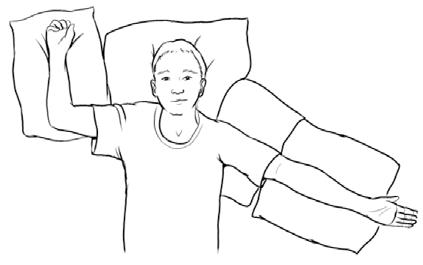
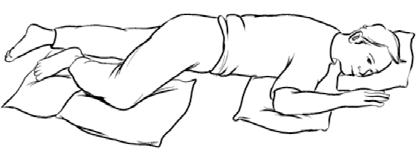
Sleeping on your stomach is a very good way to stretch muscles that are otherwise difficult to stretch, like the front of your hip. If your arms are paralyzed, don’t allow caregivers to move your upper body by pulling on them. Instead, have them change
Figure 28 | Sleep Position 1
Figure 29 | Sleep Position 2
your position by reaching under or behind you, and making contact in the area of your shoulder blades. Place a pillow under your lower legs to suspend your feet in the air— “floating” your heels this way will protect your skin. Be aware of the position and placement of each of your limbs, and avoid catching them in bed rails, call light cords, or other obstacles.
Bed Mobility
Surprisingly, arms and legs can be injured just moving around in bed. Here are some simple tips to avoid injuries:
• If you need help to roll over, have your helper use your shoulder blade and hip to roll you. Don’t ever let anyone pull on your arms. Caregivers can use a draw sheet, or other lifting/positioning device, to assist with rolling or turning in bed.
• Whenever possible, avoid pulling on bed rails to turn. Pulling on bed rails can damage your upper arm muscle (biceps tendonitis).
• Sit up to scoot on your bed (up or down, or side to side) and lift your bottom to avoid shear on your skin. Scoot using your hands on the mattress surface. Don’t use a trapeze for repositioning in bed, as it places the shoulder at risk for injury.
• Follow the leg management guidelines below for getting your legs on or off the bed. Whenever possible, use your body weight to counterbalance the weight of your legs and feet.
• Avoid ladders, ropes, and rails. It’s better to use your hands on the bed surface and to push your body rather than pulling it. Pulling devices can stress your shoulder joints.
• Always watch where your legs are to avoid stress or fractures from catching them under the bed rails or falling off the bed.
Leg Management
Leg management means lifting or moving a paralyzed or partially paralyzed leg with your arms. When you do this, remember that your legs are heavy—protect your arms by using your body weight instead of your biceps to lift your leg. For example, reach down to your leg, place your hand under your thigh, tighten your arm muscles, and then rock your body back to lift your leg. When you’re lifting your leg over an edge (an edge of a bathtub, car door jamb, into a bed, into a boat…), remember the rule that your first leg goes knee first and your second leg goes foot first. This means you may have to reach down to your ankle and lift from there to bring your second leg over. It’s very important to follow this rule, so you don’t place your paralyzed leg in a position that will stress the hip or cause it to dislocate. Practice this until it becomes second nature. And remember to avoid hitting your ankle on the way over.
Dressing
Whether dressing in bed or in your wheelchair, position yourself so you can safely take rest breaks. Pull sleeves and pant legs onto the more impaired limb (arm or leg) first. Then dress the limb that is stronger or has better range of motion. Avoid bracing or balancing yourself with your elbows on a bedrail, or armrest. If you use assistive devices to reach, make sure they’re nearby. Your occupational therapist can work with you to improve your body mechanics and energy conservation, which will increase your independence with dressing.
Transfers
Manual wheelchairs can cause shoulder and wrist problems, but independent transfers can cause problems, too. Poor technique, hand placement, and wrist position all cause stress on your joints. Your arms must lift your body many times a day. It’s important to do it right.
• Transfers between surfaces of equal height (level transfers) are much less stressful for your arms than transfers to a higher surface (over-height transfers). Try to avoid over-height transfers whenever possible.
• All transfers should be done with your hands down—as low as possible— and with a trunk-forward position, so your head and upper body create a counterbalance that reduces the weight you’re putting on your shoulders. Your head should be down and away from where your bottom is going. This is the best joint position for your shoulders and provides the best skin protection, too.
• Learn balance skills so you’re very steady during transfers. This will help you develop a good transfer technique.
• Avoid placing a flat hand on surfaces if possible. Instead, grasp the wheelchair frame or the edge of your seat cushion to reduce stress on your wrists. Positioning your hand in a fist, not with your palm flat on a surface, will keep you from overstretching the muscles and tendons in your wrist. This may protect against carpal tunnel syndrome and preserve your hand function.
• Keep your body weight down. The heavier you are, the more stress to your joints. (See section 28, Nutrition and Weight, and section 29, Exercise, for guidance on weight management.)
• If possible, reduce the number of transfers you must do each day. Talk to your therapist about how to reduce the number of transfers. Options could include use of a rolling shower commode wheelchair. This can eliminate difficult transfers in the bathroom while also providing a padded surface for skin protection and postural support during bowel and bladder care, and bathing. Consider an overhead lift in the bedroom or bathroom that you might be able to use independently or with caregiver support.
• Consider a 6-way seat in a van or a vehicle transfer seat to maintain level vehicle transfers.
• Avoid placing your hands on backrests, armrests, trapeze bars, overhead grab bars, and car door jambs during transfers. Remember, keep your hands, head, and weight down.
Power Wheelchair Setup and Protection
Wheelchair setup is critical. It is very important to avoid positioning your shoulders too high (where they are susceptible to impingement) or too low (where they are susceptible to subluxation, in which your upper arm becomes loose and pulls out of the shoulder joint). Also, the positioning of your forearms can contribute to hand swelling. Ask yourself, “Is my wheelchair joystick installed where I can use it without straining or losing my balance?” The same principle applies if you need to use a tilt switch. Can you reach it when you’re tilted all the way back in your chair? Typically, your headrest is meant to be used only when you’re tilting back. When you’re sitting upright, your head shouldn’t be touching the headrest. Your chair should be set up to allow you to sit “at rest.” This means that you don’t have to push down on your armrests to avoid falling forward. Make sure that your legs and feet are well protected and not pressing against any part of the wheelchair. Make sure that your arms, hands, legs, and feet are secured when you’re driving your power wheelchair. If you are using a power wheelchair with power seat functions, use the power seat functions for pressure relief and repositioning your body in the wheelchair. Your physical or occupational therapist will recommend pressure relief intervals, and methods.
Manual Wheelchair Setup and Propulsion
Minimize the stress on your arms when you’re
using a manual wheelchair. Poorly setup wheelchairs can cause shoulder, wrist, and hand problems, as well as increase the risk of leg injuries. Your manual wheelchair should be set up with the following goals in mind:
• Adjust the setup so you’ll have wellbalanced posture and won’t need to scoot your bottom forward or use your arms for balance. Poor posture puts your shoulders and wrists in a bad mechanical position during pushing.
• Push technique is important. Using a circular pattern may reduce repetitive stress on your shoulders. (Figure 30) Don’t lift your hands above the wheels when you return them to the hand rim during a push stroke.
Figure 30 | Push Technique
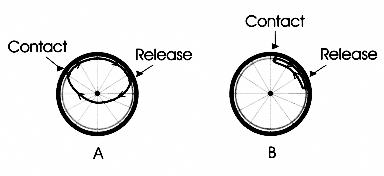
• The wheelchair should be set up for maximum efficiency to minimize the stress on your arms. Keep the weight of your wheelchair as low as possible. Fully adjustable (or customized) ultralight manual wheelchairs are the most appropriate type for people with SCI who rely on a wheelchair for all of their mobility related activities of daily living. Avoid items that add weight to the chair unless they’re needed for safety or access to your environment. Avoid items that decrease push efficiency (like rear shocks) unless you need them for other medical conditions or environmental access.
• Set up your wheelchair with the rear wheels as far forward as possible without causing the chair to become too tippy. Ask
your therapist about proper wheelchair set up.
• Check the rear wheel height in relation to your arm length—your elbow should be bent at about 100–120 degrees when your hand is at the top of your push rim.
• Work with your therapist on advanced wheelchair skills and adjustment of your rear axle position. Moving the axle forward makes it easier to push your wheelchair and reduces stress on your upper limb, but it also makes the chair more likely to tip backwards. Simple falls from a wheelchair can cause fractures, injuries, and wounds. If you are not able to do wheelies consistently and safely, you should have anti-tippers on your wheelchair.
• Make sure the leg rests fit well to avoid pressure injuries on your legs, and to avoid your legs falling off the rests and getting caught.
• Consider ergonomic hand rims to decrease stress on your wrists and hands.
• Avoid a tight grip on hand rims. The main point of contact between your hand rim and your hand should be the meaty part of your palm, just above your thumb.
• Avoid carrying large objects in your lap that block your view of the ground. Instead, carry things using a luggage carrier, wheelchair backpack, or underseat net on your chair, or find some other way to transport them. Avoid carrying too much in your backpack on your wheelchair. Increased weight in your backpack, causes your wheelchair to be more likely to tip backwards due to increasing the amount of weight behind the axle.
In addition to a well-set-up chair for posture and good push mechanics for arm protection, it’s important to stretch the front of your shoulder muscles (which get
overused and tightened in a wheelchair) and to strengthen the muscles on the back of your shoulders. Your physical therapist can show you some simple exercises that should be part of your daily routine. In order to help you use a manual wheelchair for as many years as possible and avoid transitioning to power wheelchair use, your therapist may recommend power assist options. For more information, see Chapter 13, Equipment.
Ambulation (Walking)
Many people strive to return to walking, but walking can have some consequences for joint preservation. To compensate for weak leg muscles, many people with SCI bear more weight on their arms through crutches or a walker when they walk. This can cause problems for the shoulders and wrists. Weak muscles can also cause unusual movement patterns, looseness and instability in joints and, eventually, degeneration (arthritis) in the joints of your legs or low back.
You can minimize these risks by working with your therapist to normalize your walking pattern (your gait) through exercise, stretching, and gait training. You may need to use leg braces, as well as crutches or a walker, to help make your walking smooth and safe. Instead of looking at these devices as “disabling,” consider them enablers of your walking for the long term. Be sure the device is properly fitted and has good hand grips to reduce stress on your hands, wrists, and shoulders.
If you have a significantly altered walking pattern, carefully consider your exercise activities—walking or running may increase joint stress. You might want to do more joint-protective activities like biking, swimming, or rowing for exercise and use walking only for getting from point A to point B. Also consider more protective options (like a wheelchair) for long-distance mobility.
Pressure Releases
Pressure releases are extremely important to protect your skin, but remember to also protect your arms while you do them. The best way to do this is to vary the techniques you use and avoid using the same arm motions over and over. Your therapist can show you different ways to do pressure releases. The main one to avoid doing repeatedly is the straight arm press-up, especially pushing up on the armrest or tires of your chair. This press-up starts with your arm in an elbow-up, hand-down position, which puts your shoulder into an impingement position. It’s better to do a press-up from the front of your wheelchair frame, leaning forward and using the weight of your head to balance while you lift.
Even better than a full lift is to simply lean forward into your lap, which means little or no arm stress. It’s always a good idea to roll your wheelchair back allowing your front caster wheels to point forward, before applying your brakes. This puts your wheelchair in the most stable position for leaning forward. Your therapist can use a pressure map to show you that you don’t have to lean very far to relieve the pressure. In addition to a front lean, you can do side-to-side leans. To reduce stress on your shoulders, hold one wheel or the backrest post and lean over toward the opposite side. You can also lean onto an object, if your chair is parked near a stable surface. It’s best to avoid hooking your arm around your push handles, but if this is the only way you can safely lean side to side, it’s acceptable. The most important thing to remember is to vary your technique throughout the day to avoid repeating the same motion.
Equipment
Your equipment plays a large role in injury prevention, for both you and your caregiver. Work with your therapists to select the equipment that will best suit your needs
and your environment. Assistive devices like a reacher or other long-handled pieces of equipment can help you reach items without stretching overhead. Manual and power wheelchairs can help you get around while also meeting your balance, stability, positioning, and functional needs. Adaptive equipment such as patient lifts and padded bathroom equipment can also help you prevent injury. Using a padded tub bench rather than transferring down into and back out of your bathtub will mean more safety and independence and will preserve the joints of your arms and legs. See section 2-b, Equipment, for comprehensive information.
Home Management
Your occupational and physical therapists will help you with safety and accessibility in your home. They may recommend modifications and additional equipment. (See Chapter 13, Equipment, and Chapter 15, Home Modifications.) For preserving your upper limbs, keep the following in mind. Whenever possible, choose furniture (beds, chairs, couches, etc.) that will allow level transfers. Avoid recliner chairs, as they are often difficult to transfer out of and can cause pressure injuries. Consider the setup of work or office stations and appliances (laundry, sink, and shop environments) that will give you plenty of access and promote relaxed and supported positions for your shoulders, arms, and hands as you perform your daily routine, home management, and leisure tasks.
Exercise
To protect and maintain your mobility and functional ability, it’s essential to have an exercise program that includes flexibility and range of motion. It’s also important to incorporate strength training into your program to increase your strength and endurance. To maintain limb joint integrity and function and protect yourself against injury, you must make a commitment to overall health and consider using different
techniques in your self-care routine, mobility, and daily activities. Vary your techniques. Practice energy conservation. Take rest breaks when you need them. As always, you are in charge of you. Remember: Protect yourself! See Chapter 29, Exercise, and Appendix A, Range of Motion Exercises, for more detailed information.
POSTURE
You probably heard it as a child: “sit up straight” or “stand up—stop slouching.” Well, your parents were right—good posture is important. After SCI you may not have the same control over your posture, but it is even more important. If you use a wheelchair full time, your seated posture will have a lot to do with your health and function. Posture is also a form of communication. It expresses your confidence or authority, readiness or pride.
Poor Posture
Poor posture can interfere with breathing, making it harder to exercise or even carry on a conversation. Poor posture can interfere with skin health, especially if you’re sitting slouched or leaning to one side, which will cause uneven pressure distribution. Poor posture can interfere with your ability to push a manual wheelchair or safely drive a power wheelchair. Poor posture can cause headaches, neck and back pain, and upper limb pain.
If you use a wheelchair full time, you will require postural support from the wheelchair. You should be able to sit upright without having to hold yourself up with your arms or a strap. You should be able to sit with your bottom at the back of the seat and not have to slide forward on the seat to feel stable. You should also be able to look forward without feeling as though you have to work to hold your head up. Unless you have a condition that limits your range of motion, you should appear centered and
even when you look at yourself in a mirror. You should sit straight up, without a “fold” at the bottom of your ribs on either side. Postural support accessories can provide to assist with upright position in your wheelchair.
Seating Evaluation
If you don’t feel comfortable in your wheelchair, or you don’t feel as though you’re sitting as erectly as you could, request a seating evaluation from a therapist. You should also request this evaluation if you’ve had a change in your range of motion. A seating evaluation involves assessing your posture in your wheelchair, sitting on a firm surface, and lying on a mat. The therapists will gather information that allows them to match your postural support requirements to your body.
Range of motion: Range-of-motion limitations can affect your ability to sit with good posture in your wheelchair. For example, if you don’t have full hip flexion, you won’t be able to sit fully upright in your wheelchair without some modifications to the chair or the cushion.
Standing and Walking
Posture also matters when you’re standing or walking. If you’re not standing straight, you’re fighting gravity and working harder to stay upright. With SCI, you may be missing some of the muscle power used to stand and walk. Braces and assistive devices (crutches or a walker) can make up for some of this missing strength, but if you’re leaning heavily on the devices, you might be creating new problems for your hands, wrists, or shoulders. Also, you might create low back pain.
Another way to compensate for missing strength is to hyperextend (“lock out”) a joint. This may seem like a good solution,
because it makes the limb stable. But be very careful about using this technique— if you do it too often, it can cause joint instability and pain. Even if you don’t have sensation in the joint, damage can occur. Locking out can also cause increased spasticity or autonomic dysreflexia in persons who are prone to either of these conditions.
Because all the parts of the body are connected, there will be “upstream” and “downstream” consequences of any odd positioning in a joint. For example, if you hyperextend your knee, you’ll bend forward at the hip, placing stress on the lower back as you try to keep your head upright and looking forward.
If you use braces or assistive devices to stand and walk, keep them in good working order. If you think something has changed about your equipment or it’s not working as well as it did in the past, ask a therapist to evaluate it. If you know you’ve lost range of motion for any reason, contact your therapist to see if your equipment needs to be modified. Work with your therapist to stand and walk as tall and straight as possible.
Resources
Preservation of Upper Limb Function Following Spinal Cord Injury: A Clinical Practice Guideline for Health-Care Professionals. Available through www.PVA.org. This guideline, published by the Consortium for Spinal Cord Medicine, contains detailed information on how the setup of a wheelchair can affect the upper limbs. It also contains information on the best techniques for pushing manual wheelchairs and how to position your upper limbs when you’re in bed. The guideline is written for health care providers, not consumers, so most of the information is very technical.
Chapter 15 | Home Modification
Making your home accessible for your needs can mean many things. Your home may need only a few simple changes to the physical environment, such as a ramp to the entrance or grab bars in the bathroom. Or it may need more involved structural modifications, such as wider doorways and hallways, a new bathroom, or an elevator or lift.
Early in your rehabilitation program, your therapists may make a home visit or ask for pictures to visualize and understand your home environment. They will take measurements and discuss accessibility issues with you, so you can plan for any modifications you’ll need. If you live far from your SCI rehabilitation center, you or a friend or family member may be asked to take the measurements, and the therapists will use them to suggest modifications.
In making your home accessible, many guidelines exist so you can make sure the changes are safe and meet your needs. Your occupational and physical therapists are good resources for this kind of information. Also, your therapists can help you set up your wheelchair to maximize accessibility in your home. Your social worker can help you identify financial resources for home modifications.
This section makes recommendations for heights, widths, distances, and other specifications for home modifications. Before you jump into anything, consult with your therapists to figure out exactly what you may need. Your accessibility and safety needs are unique and should be considered in any modification. The drawings have blank spaces where you can fill in the requirements for your own modifications. (Note: Throughout this section, we use “ for inches and ‘ for feet.)
The diagrams of wheelchair dimensions and levels can get you started in making sure work counters, tables, doors, and so on are accessible to you and your wheelchair. (Figures 31 and 32) Your therapist can help you measure your chair and figure out turn spaces and your reach from the chair.
PLANNING FOR ACCESSIBILITY
Ramps
Sometimes it seems that all the world is a staircase. Many places are wheelchair accessible because they have ramps, but many others are not. Your own home may be appropriate for a ramp, which can be a safe replacement for stairs. The following are some considerations for building ramps.
• Length: Safe ramps have a reasonable slope. For each one inch of height (rise), there is one foot of length (run). This means a slope of 1:12, or an 8.33 percent incline. For example, if you have two 7” steps (a total 14” rise), you’ll need a 14’ long ramp.
• Width: The recommended width for ramps is 36”–48.” A 48” width is convenient if you use plywood (exterior or marinegrade), which comes in 4’ x 8’ sheets.
• Landings: Landings are necessary at the top and bottom of a ramp, and at any intermediate level where the ramp changes direction. All landings should be at least 5’ x 5’. Ramps longer than 30’ should have a small landing every 30’ to provide a resting spot. The top landing should extend 1’6” on the latch side of the door. This means that if you want to center the platform on a 3’ opening, you need a 6’ platform. If the door opens in, the platform can be 3’ deep x 5’ wide. (Figure 33) If the size of the platform is
not feasible, equipment such as an electric door opener may be an alternative.
• Railings and edges: Railings should be built on both sides of the ramp, approximately 34” high and securely fastened to the ramp. They can be made of 2” x 2” or 2” x 4” lumber, or 1.5” diameter pipe. The edges of the ramp should be at least 2” high to prevent wheelchair casters from going over the edge.
• Surfaces of ramps: Uncovered outdoor ramps can become extremely slippery and dangerous unless you use a nonslip surface like adhesive nonskid strips, ribbed rubber matting, or a rough roofing material. A broom-swept finish works well on a concrete ramp. A painted surface is not recommended, because it can be very slippery when wet. However, paint mixed with sand (one pound of silica sand mixed thoroughly with one gallon of paint) and nonskid deck paint are okay. The surface
should not be so rough that it makes wheelchair travel difficult or unpleasant.
• Materials for ramps: To build a longlasting ramp, treated lumber (such as exterior or marine-grade plywood), concrete, or 2” x 4” slats placed crosswise are recommended. Prefabricated modular metal ramps are another alternative. They usually can be installed with less effort than constructing a ramp out of building materials. Their surfaces are non-slip, and the ramp pieces can be uninstalled and moved to a different home if you move elsewhere.
Walkways, Entrances, and Thresholds
Walkways in and around your house are important to provide a solid, constant surface for your mobility needs. For rough terrain in your yard use concrete, lightly stamped concrete, or large pavers positioned close together. Select a surface texture that’s easiest to roll on. That way, you won’t have to worry about getting
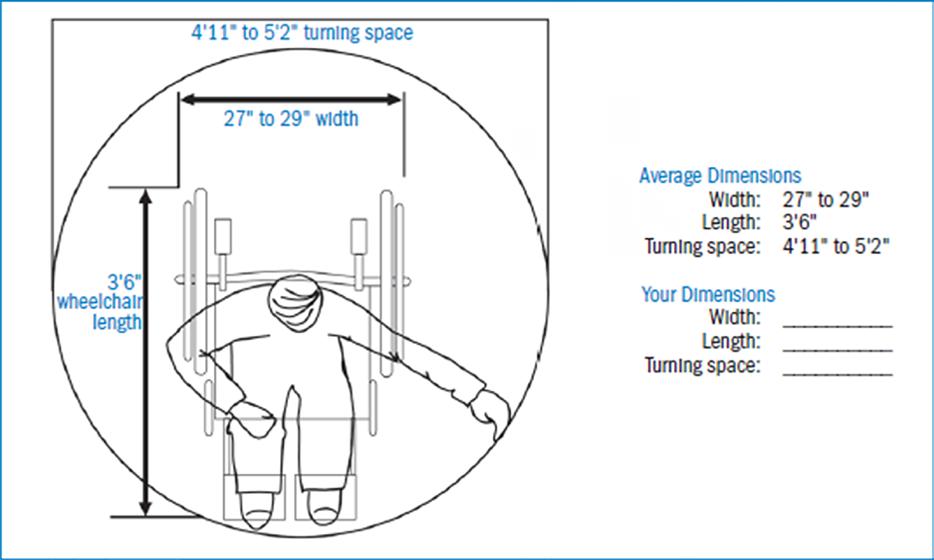
Figure 31 | Turning Space Required
stuck, especially when the ground is soft after rain or snow. Inside consider low pile tightly woven carpet, wood, or tile to reduce resistance to the wheels of your mobility device.
Walkways should be a minimum of 42” wide to lower the risk of a wheel slipping off the edge. They should be 5’ wide on corners or switchbacks to allow for wheelchair turns. Doors and open entrances should have a clear, unobstructed opening of at least 32” (36” is better).
Thresholds edged should not be more than ¼” higher than the floor or ¾” if threshold is beveled. You may need to consider removing the threshold or adding a small ramp if the threshold is too high.
Doorways and Hallways
Ask your therapists to help you determine your wheelchair width. (Figure 34) The minimum width of doors should be 36” This will provide at least a 32” opening, even if the open door partially narrows the opening. Special attachments on your
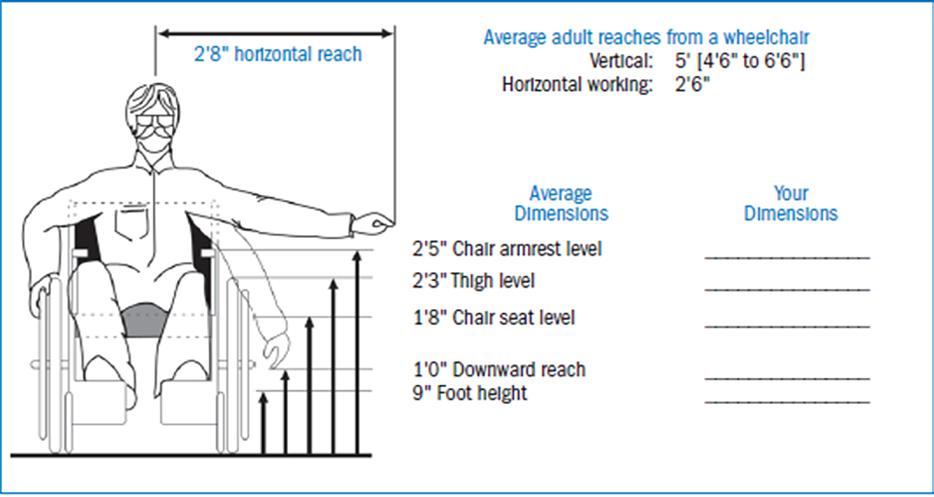
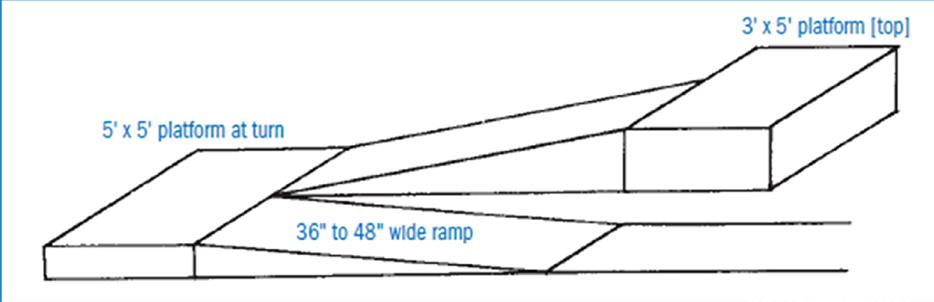
Figure 32 | Wheelchair Dimensions
Figure 33 | Ramps
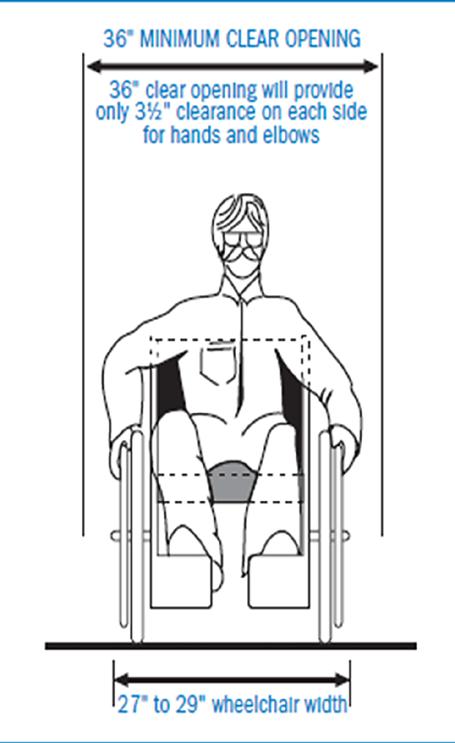
wheelchair may require even wider doors. Remember to take both door and door frame widths into consideration when you’re measuring clearance. Measure the narrowest point of the doorway opening. Usually this is the distance from a rectangular strip of wood or metal on the doorframe near the latch across to the same strip on the hinge side of the doorframe. In many cases, the fully opened door blocks part of the doorway, so measure from the strip near the latch to the closest edge of the fully opened door. Sometimes standard hinges can be replaced with off-set hinges so the opened door doesn’t block the opening at all.
Doorways into bathrooms or other confined spaces should swing out. If you have a
large bathroom with plenty of maneuvering space, you could have an in-swinging door; although it could be a hazard if you should fall and block the door. Sliding doors and pocket doors are great space-saver alternatives to a hinge door.
• Doors can be one of the biggest obstacles in your daily life. There are several things about them that you should be aware of:
• Any door must be capable of being opened in a single motion.
Lever-style handles are easier to grasp than round ones. Your therapist can recommend various ways to adapt door handles, cabinet door handles, and so on. (Figure 35)

The best height for door handles is about 3’. Your therapist can help you evaluate your reach and determine what height works best for you (Figure 35).
• No matter how careful you are, the footrests on your wheelchair will scratch the doors from time to time. Kick plates on both sides of your doors will protect them from this kind of damage.
• Hallways should be a minimum of 36” wide allow wheelchair access to rooms; however, 48” is better. If a doorway is too narrow, turning may be difficult. Figure 36 shows the best hallway-doorway configurations for accessibility.
• To help you close an exterior door, screw a small robe hook into the center of the door within arm’s reach. Another solution is to use a long pole with a hook at the
Figure 34 | Door Width
Figure 35| Lever Style
end; use the hook to grab the handle and pull the door shut.
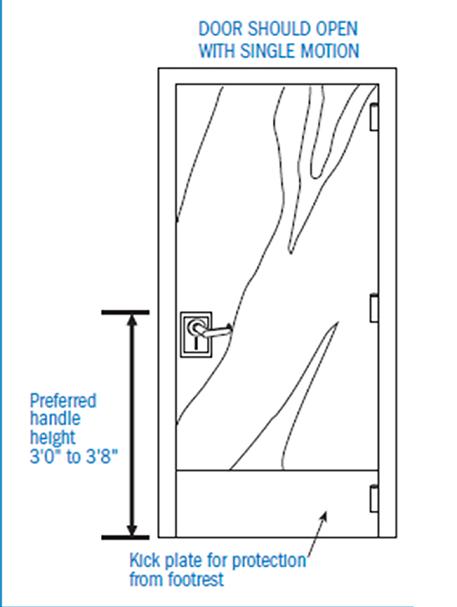
Convenient Heights
Small details are important. Make sure to check the following measurements. The heights given are optimal for wheelchairs:
• Counters, tables, and sinks: 27”–34” (standard counters are 36” high)
• Electrical outlets: 18”–48”
• Light switch/thermostat: 36”–42” from floor
• Wall-mounted telephones: 32”–40” recommended; maximum, 48”
• Closets:
• Clothes hanger rod: maximum 48”
• Shelves: maximum 54”
• Windows: For viewing, a low sill height is recommended (no higher than 30”)
Figure 36 | Door Dimensions
Figure 37| Hallways
• Toilet: use a low residential model. When personal bathroom equipment is added (a raised, padded seat), the height should be level with your wheelchair seat. This will allow side access for bowel care and easier transfers. If a rolling shower commode chair is needed, the low residential model will allow clearance over the toilet.
Bathrooms
You and your therapist should thoroughly evaluate all bathroom fixtures and equipment. The height of toilet seats and the placement of grab bars will depend on you and the kind of bathroom you have and your transfer ability. It’s important to securely attach the grab bars into the studs in your wall. In new construction, reinforce walls where grab bars will be installed, like shower surround and walls next to toilets.
It may be necessary to modify or redesign your shower for walker or wheelchair access. A tub can be replaced with a walk-in or roll-in shower for increased accessibility. Your therapist can make recommendations for design and durable medical equipment options for maximum mobility and safety.
As your rehabilitation proceeds, your needs may change. Your therapist can re-evaluate your bathroom facilities and make recommendations for changes or adaptations.
SAFETY CONSIDERATIONS
• Exposed hot water or drain pipes (like those under a sink), motors, and other sources of burns or abrasions should be covered or insulated.
• Preset hot water heaters to less than 120 degrees Fahrenheit and install antiscald devices.
• Doors to any confined space with only one exit should swing out. In-swinging doors pose a potential danger if the wheelchair user falls and blocks the door.
• You may want to have two separate accessible emergency exits in the rear or side of the home in case of emergency.
• Consider an emergency warning signal—a system to alert neighbors, fire department, or police in case of an emergency. You may choose to notify your local fire department that a person in a wheelchair lives at your address.
• Install smoke detectors throughout your home (hallways, kitchen, upstairs, basement, and bedrooms). If you have difficulty hearing, use a system that alerts you with lights or other means.
• Install carbon monoxide detectors if any appliances (including furnaces and stoves) use natural gas, propane, oil, wood, or any other fuel that is burned. If you have just one detector, it should be in sleeping area.
• Fuse boxes or circuit breakers should be accessible.
• Provide adequate, even lighting throughout the house.
• Have an accessible telephone near the bed and a phone jack in the bathroom; consider carrying a cordless or cellular phone with you as you move about your home.
• Have a fire extinguisher in the kitchen, readily available and within reach.
• If you walk, be aware of obstacles like area rugs and cords.
• Have some battery-operated lights on hand for emergencies.
• Have an emergency exit plan or emergency alert button.
Resources
Publications
Accessible Home Design
PVA Publications Distribution Center
P.O. Box 753
Waldorf, MD 20604- 0753 (888) 860-7244
www.pva.org
Organizations
Center for Universal Design North Carolina State University Box 8613 Raleigh, NC 27695-8613 (800) 647-6777
https://projects.ncsu.edu/ncsu/design/ cud/
The Ramp Project Metropolitan Center for Independent Living 1600 University Avenue West, Suite 16 St. Paul, MN 55104 (651) 646-8342 www.mcil-mn.org
Websites
www.UDLL.com
“The mission of the Universal Design Living Laboratory is to bring about awareness of the quality of indoor and outdoor lifestyle through universal design, green building, safety, and healthy home construction practices to the public and the building industry. The website provides information about this national demonstration home, which incorporates unobtrusive universal design, resource- and energy-efficient green building methods, advanced automation technology, a healthy home construction approach, and the design principles of feng shui.”
www.ap.buffalo.edu/idea
The Center for Inclusive Design and Environmental Access offers resources on designing environments and projects incorporating principles of universal design.
www.hometime.com
Hometime is an online source for home improvement, remodeling, and repair information. It includes information on accessibility and universal design. www.falconhomesinc.com
This site offers information on homes that are suited to the needs of your family— whether that means a home with main floor living for family members who have difficulty with stairs or a home with total wheelchair access throughout.

Chapter 16 | Driver Rehabilitation and Training
Driving is an important aspect of our lives. It allows us greater independence for participation in activities. Many people with spinal cord injury (SCI) can relearn this skill with the assistance of a therapist who has specific education in driver rehabilitation, a certified driver rehabilitation specialist (CDRS), or a qualified driver training instructor. These professionals can evaluate your need for appropriate adaptive equipment and provide behind-the-wheel training. Adaptive driving equipment, such as hand controls and steering devices, can enable people with SCI to operate a vehicle.
LEGAL CONSIDERATIONS
To get a license, first contact your local department of motor vehicles (DMV). Your state may require a physician to complete a form stating that you’re medically able to drive. The form has sections that include information about your current medications, history of seizures, and need for adaptive driving equipment. Even if your current license won’t expire for years, you are responsible for updating your status with the DMV to reflect the change in your medical condition.
The next step is to complete an evaluation with a CDRS or qualified driver training instructor. This person will help you determine the specific equipment you’ll need and provide the behind-the-wheel training in using it.
Finally, if you’re driving with adapted equipment, you’ll probably be required to take a driving skills test in your state. Your license will be updated with the equipment restrictions. In most states, it’s illegal to drive with adapted equipment that is not reflected on your license.
INSURANCE
Inform your insurance company of the change in your medical status and your equipment needs. The company may require proof that your license has been updated with adapted equipment restrictions and that your physician believes you are a medically safe driver. Your insurance company cannot cancel your policy because of an SCI. It’s important to list the adapted equipment you’ve installed on your vehicle. This will ensure that it’s covered in your policy.
DRIVER ASSESMENT AND TRAINING
You’ll want to have an assessment with a certified driver rehabilitation specialist or qualified driver training instructor. Many rehabilitation centers and VA hospitals have driving programs for people with disabilities. The instructors are usually experienced therapists with additional training and certifcation as driver training instructors. If you can’t find a qualified driver training instructor in your area, contact the DMV, the American Automobile Association (AAA), or the Association for Driver Rehabilitation Specialists (ADED). (See Resources at the end of this chapter.)
Many driving schools have hand controls installed in their vehicles and may be able to offer training with this equipment, but they may not know about disability and the seating requirements for maintaining your balance when you’re driving. To resume safe driving, you’ll need behind-the-wheel training from a qualified instructor.
WHEN SHOULD YOU START?
Your health care provider and therapist should guide your decision of when to start training to drive. Some orthopedic or neurological restrictions and medications may affect your readiness. In the first months after your injury, you should focus on the medical and therapeutic aspects of your rehabilitation, so you can achieve your maximum level of independence and strength. Driver training usually happens closer to discharge, or six months to a year after the injury. Before that, you can work on the endurance and skills you’ll need to prepare for driving.
Especially if you have tetraplegia, be sure to take all the time you need to maximize your functional skills before you consider driving. One reason to take it slowly is a practical one: if you invest in costly equipment and changes occur in your skills, the equipment may no longer be useful or appropriate in a few months. If your injury included loss of consciousness, seizures, head injury, or stroke, there may be a six-month mandatory waiting period before you resume driving. Contact your local DMV for details.
TRAINING
The training process starts with a complete assessment. A therapist who has specific education in driver rehabilitation will check your vision and spatial orientation and evaluate your strength, active range of motion, sensation, balance, coordination, and reaction time. They will ask about your previous driving record and experience, and about what type of driving environment and weather conditions you will encounter in your community. This information will allow you and your therapist to develop a training program that meets your specific needs.
After the in-clinic assessment, the therapist will educate you on the types of adaptive equipment available and what will meet your needs. This equipment may be set up
on a driving simulator to help determine your abilities. After the appropriate equipment is chosen, you’ll have a behindthe-wheel assessment and will be trained to use the equipment. The therapist will begin teaching you to drive in a parking lot or other safe practice area. Most training vehicles have a dual-control brake for safety. As you become more skillful, you’ll drive in more complex environments and will learn defensive driving techniques.
At the end of the training, you should be knowledgeable, safe, and prepared to take the DMV road test. If you haven’t had the time or money to have your own vehicle modified, you can probably arrange to use the training vehicle for your driving skills test at your local DMV office.
EQUIPMENT OPTIONS
A large selection of adaptive driving equipment is available—you’ll work with your driver training instructor to figure out what is appropriate for you. Most adaptive equipment will not prevent other people from driving your vehicle using the standard controls (also known as OEM, or original equipment manufacturer, controls).
Mechanical Hand Controls
Hand controls are mechanical levers attached to the foot pedals of the vehicle and mounted under the steering column. Hybrid hand controls are also available, which have an electronic interface to the gas pedal, and a mechanical brake. This style of control requires activation of the hand controls upon ignition; otherwise, acceleration defaults to the OEM gas pedal. The standard method of operation is to push forward to brake. The accelerator action may be at a right angle/ downward, rock backwards/downward, or pull backwards. Hand controls eliminate the need to use foot pedals and can be mounted for right- or left-hand use. Low-
effort braking is available if you don’t have the hand strength to brake (Figure 38).
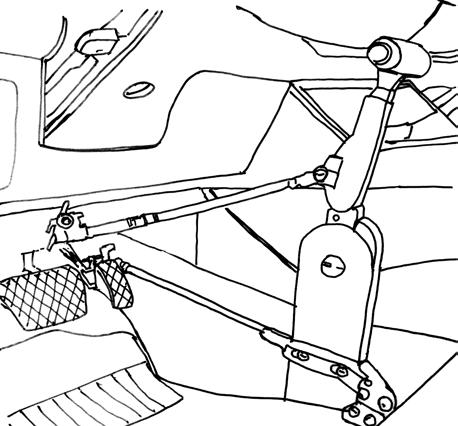
Steering Devices
When you’re using hand controls, one hand must operate the gas and brake while the other hand does all the steering. To make this easier, a knob, yoke, or vertical steering device can be installed to help with the full rotation of the wheel, making turns faster and easier (Figure 39). The device must be removable so other drivers can use hand-over-hand turning.
Steering Force Reduction
If the standard OEM steering wheel requires too much force or range of motion to turn, the vehicle’s steering box can be removed and rebuilt. The steering force can be reduced by altering the gear ratio. This modification is permanent and must include an emergency pump and backup system in addition to the standard power steering. For vehicles that come equipped with electronic steering, a wiring harness is installed with a backup and monitoring system. A return to OEM steering mode is also available for other drivers not needing a reduced effort steering system. A smaller steering wheel may be installed, but that installation alters the air bag, so this is only done if there are no other options.
Left-Foot Accelerator
If you’ve lost the use of only the right side of your body, a left-sided gas pedal can be installed to enable your left foot to operate the gas and brakes. An accelerator guard is installed over the standard gas pedal to prevent you from accidentally hitting it. Electronic left foot accelerators are also available. Just like the hybrid hand controls, activation of the left foot accelerator is required upon ignition; otherwise, acceleration defaults to the OEM gas pedal.
Electronic Switches
If you have limited reach or hand function, it can be hard to operate the gearshift, ignition, turn signals, headlights, wipers, heater/air conditioning, and cruise control. Electronic switches to control these functions can be installed in most positions accessible for the driver—they require only light pressure and can be operated with an elbow or by voice control.
Electronic Hand Controls
For people with high-level tetraplegia, standard hand controls may require too much physical strength, range of motion,
Figure 38 | Mechanical hand control
Figure 39 | Steering wheel knob
or endurance. Your sitting balance might limit how you use your arms to control the vehicle. Computer-interfaced steering and hand controls can enable a person to drive with a small-diameter wheel close to the lap and hand controls that operate with a push/ pull motion, only a few ounces of force, and less than six inches of movement. This equipment is customized for the user—it is placed in the driver compartment to specifically match your functional abilities. Electronic hand controls are typically used by persons who cannot transfer into an adapted driver’s seat and cannot use mechanical equipment.
Transfer Seat Base
In a modified van, the transfer from wheelchair to driver’s seat usually requires that the seat pivot away from the steering wheel and move forward and back with height adjustments. The power six-way transfer seat base allows a transfer inside the vehicle. The seat can be adjusted to a height close to that of the wheelchair seat, then it will swivel toward the steering wheel. You’ll have to be able to lift and position your legs and feet.
Personal Entry Transfer Seat
For vehicles that are not modified for wheelchair accessibility, and are too high to transfer into the vehicle, a personal entry transfer seat may be used. This product may use the factory seat installed on a base or after-market seat and base to rotate out of the vehicle and lower to allow for a lateral transfer from the wheelchair. These seats typically can be installed on the driver’s or passenger’s side.
SELECTING A VEHICLE
Your choice of vehicle will depend on whether you can transfer into and drive a vehicle, or if you need to use a van with an entry lift or ramp modifications. If you use a power wheelchair, you’ll need a van with
entry equipment. Although portable power wheelchairs are available, they usually require assistance to take them apart and lift them into the trunk for storage. Your choice of a vehicle will also depend on who else will be driving it and where you will park.
If you use a manual wheelchair, you’ll need to choose a vehicle that matches your ability to transfer and to store the wheelchair. If you use a rigid frame wheelchair, you’ll have to disassemble the parts and load them separately.
The seats on some cars are at the right height for the transfer to and from a wheelchair. On a truck, you might have to transfer up 10 or more inches if you don’t have a personal entry transfer seat, which may be difficult. Over the long term, transferring and loading a wheelchair can cause repetitive trauma to the arms and shoulders. The method you use to load the wheelchair should be efficient, provide personal security, and not expose you too much to bad weather.
What to Look for in a Car
Certain vehicles are better suited for transfers, wheelchair storage, and installation of hand controls. Your therapist can give you specific information on equipment and vehicle selection criteria. Some models need more customization than others, and manufacturers make changes every year. The following are general guidelines for buying an accessible car.
• A two-door vehicle is easier to access because longer doors open wider. This means you can position the wheelchair closer and have more space for your transfer.
• A medium-sized or large car is generally recommended because the seat is probably higher and there’s more legroom under the column where the hand controls
are installed. Before you buy a vehicle, call the vendor who installs hand controls to make sure the vehicle can be modified. Adjustable steering columns, air bags, and under-dash vents make hand control installation more challenging and costly.
• Power seat options make the transfer easier and allow better positioning for trunk balance while you’re driving.
• If you use a folding wheelchair, there should be enough room for storage between the front and back seats. Also check that seat belt anchors don’t interfere with access.
• Seat belts must be worn in all vehicles. Seat belts and shoulder harnesses can help maintain stability and balance on stops, during turns, and on banked road surfaces. Operation of the seat belt may require some minor customization for hand function.
• A four-wheel-drive vehicle is recommended if you will be driving on snow and ice. Four-wheel-drive is available on many different makes and models.
• Automatic transmission is required to operate hand controls. Some newer devices will allow an experienced hand control driver to use a hand clutch, but this makes steering and trunk balance difficult.
• Power stering is recommended for improved turning and to avoid overtiring your arms. Most people who use hand controls use their stronger arm and hand to steer—they use a one-handed technique and a spinner knob.
• The steering column must be designed so the bracket for the hand controls can be attached. Check with your equipment vendor before you purchase the car.
• A tilt steering column allows more legroom for entering and exiting, and
allows you to adjust the wheel height. In some cases, a tilt or telescoping steering column must be locked in place before hand controls can be installed. Discuss this with your vendor to make sure that you won’t lose the positioning flexibility you want.
• An antilock braking system and power brakes require less force—you may need these for safety and to control the vehicle.
• Cruise control allows you to maintain a steady speed without having to constantly press on the accelerator. This helps prevent arm fatigue during long-distance driving with hand controls.
• Power windows are recommended for drivers with limited hand function and for hand control users.
• Power door locks are recommended for drivers with limited hand function or limited mobility. You may want to carry the remote entry device on a strap or secured to your wheelchair to prevent it from falling on the ground.
• Air conditioning is recommended for people with respiratory problems. In some climates, it’s a medical necessity for temperature regulation.
• Remote adjustable outside mirrors give the driver optimum rear vision. Backup sensors can be a valuable addition—they alert drivers with limited neck or turning range of motion to obstacles behind the vehicle. Wide-angle rearview mirrors are also useful for seeing traffic in the blind spot.
• A rear window defroster and wiper will improve overall vision and safety.
What to Look for in a Van
Buying and modifying a van with a wheelchair entry can be very expensive. The general guidelines for a van are similar
to those for a car, but the type of van and equipment you need will be a personal matter. In selecting a van, work closely with your driver training professional. Not all vans can be modified, and your van will have to meet the national standards for conversion with crash-tested equipment.
You’ll have to decide whether a full-sized van or a minivan meets your lifestyle needs and the space requirements for transporting your equipment when you travel. A full-sized van may require a raised roof so you can get through the door on a wheelchair lift. The minivan conversions have a ramp entry with a lowered floor and lower suspension system to reduce the ramp angle, which is often too steep for manual wheelchair users.
You’ll need your measurements in the wheelchair to plan the height of the entry, headroom, and turnaround space inside the van. A critical factor will be whether you plan to transfer into the driver’s seat or use the wheelchair as the seat. It is recommended to transfer to the driver’s seat when possible. Your therapists will assess your ability and help you decide which option is best suited for you, and what special accommodations will be needed to your wheelchair for postural support and balance, if indicated. Some wheelchairs are not designed to be used for seating in a van—only some makes and models have been crash-tested and can be secured in a power lockdown system.
Choosing an Installation Vendor
Installation of the driving and entry equipment is critical for your safety, the warranty, and long-term repairs. The vendor should have the required training and certification to install specific equipment and should carry liability insurance to cover the equipment and the work performed. Ask your driver rehabilitation specialist to recommend a qualified local vendor or contact the National Mobility Equipment
Dealers Association. (See Resources at the end of this section.)
Rebates
Some of the major vehicle manufacturing companies offer cash reimbursement for adapted driving equipment. These rebates range from $500 to $1,500. The following are general guidelines for all programs:
• Equipment must be installed on new/current model vehicles by a certified vendor.
• Customers must have a prescription for adapted equipment written by a qualified driver trainer professional.
• Customers who receive outside funding are eligible for reimbursement for their out-of-pocket expenses; the funding agency does not receive the rebate.
• Programs are offered in addition to any other applicable cash rebates in effect at the time of purchase.
• Reimbursement is intended for adapted driving aids or conversion equipment only.
For rebate applications and additional details, contact the manufacturer and the vendor. The following are just three of these programs:
• Chrysler, Dodge, Jeep, and Ram: FCA DriveAbility. https://www. fcausdriveability.com/program-overview/
• Ford Accessibility https://www.fordupfits.com/accessibility/
• General Motors Accessibility https://www.gmfleet.com/vehicles/upfitapplications/accessible-vehicles
• Other auto manufacturers https://www. themobilityresource.com/financinghandicap-accessible-vehicles/oem-rebates/
TIEDOWN/LOCKDOWN SYSTEMS
If you use a cabulance service, public transportation, or even ride in your van in your wheelchair, the wheelchair must be secured with a tiedown system—straps that secure it to the floor of the vehicle. You should also use a pelvic and chest belt to secure yourself to the wheelchair. The tiedown prevents your wheelchair from moving around. Your wheelchair brakes are not sufficient, especially in a crash. It’s your responsibility to tell people the best way to attach the tiedowns to your specific wheelchair. Review this with your driver trainer or therapist.
The following are some general guidelines for tiedowns:
• Tiedown systems should be attached to the frame of the wheelchair. Never secure them to removable parts like footrests or armrests.
• A four-point tiedown system is required for safety. This system uses straps secured at four points on the wheelchair—two in the front and two in the back.
• In addition to securing your wheelchair, you want to have a separate wall-mounted shoulder/lap harness. This will keep you in the wheelchair in case of a sudden stop.
• Whenever possible, tiedowns should allow you to position the wheelchair so you’re facing forward in the vehicle. You don’t want your back lined up against a wall or window.
• If you use the wheelchair as the driver’s seat in your van, you must have a power lockdown to secure it to the floor. This is a floor-mounted box with an electrical latch system that interfaces with pinand-bracket hardware installed on the frame of the wheelchair. Some makes and models of power and manual wheelchairs, are not suitable for use with power lockdowns. Check with the vendor to see
if your wheelchair will work. Driving from a wheelchair requires an additional front lockdown to prevent it from rotating left or right, and tipping to keep the front wheels from coming up off the floor of the van.
DISABLED PARKING PERMITS AND ASSISTANCE AT GAS STATIONS
Contact your local DMV to get an application for a disabled person’s parking permit. Most states require that your physician sign a form indicating your need for this type of parking. Most states will issue a removable placard that you can place on the dashboard or hang from the rearview mirror. Placards are more versatile than disabled license plates, because they allow you to use disabled parking when you’re in someone else’s car. If you travel, make sure that other states will honor your parking permit. The license plate permit is used by most independent drivers.
Find out about the state policy for getting help at a gas station. In many states, your disabled parking permit entitles you to purchase gas at self-service prices even though the attendant pumps it. This is meant to prevent price discrimination against persons who are physically unable to complete the task. You may want to develop a relationship with your local station and find out the best days and times for attendant assistance.
FUNDING SOURCES
Your state department of vocational rehabilitation (DVR) may provide funding for evaluations, training, and vehicle modifications. Technology services and devices may be considered as a provision of the 1992 reauthorization of the Rehabilitation Act of 1973. This legislation authorizes your state to handle assistive technology services under vocational rehabilitation. To establish your eligibility,
you’ll have to outline your vocational goals, how driving is critical for your plan, and what services you’ll need. The DVR may help you with your individual written rehabilitation plan. The VA provides assistive technology equipment and related professional services to some veterans.
LOOKING TO THE FUTURE
It’s your responsibility to become a safe driver and to maintain your vehicle and adapted equipment. If your medical condition changes; if you have new neurological or orthopedic problems, increased spasticity, or new medications; or if you change your wheelchair (whether or not you use it as the driver’s seat in your van), you should reevaluate your driving. Periodic professional reevaluations by your CDRS or qualified driver trainer can help you stay safe to drive.
Advances in technology have enabled people to drive a vehicle using a joystick for gas, braking, and steering. Voice control can operate the windshield wipers and turn signals, making these operations completely hands-free. Although costs and risks are involved in using such technology, people with SCI have many resources and options to facilitate and prolong their ability to drive.
Resources
Organizations
National Highway Traffic Safety Administration (NHTSA) 1200 New Jersey Avenue, SE Washington, DC 20590 www.nhtsa.gov
Adapting Motor Vehicles for People with Disabilities
The Association for Driver Rehabilitation Specialists (ADED) 200 First Ave NW, Suite 505 Hickory, NC 28601 (866) 672-9466
ADED provides educational support for professionals in the field of driver education, transportation options, and equipment modifications for people with disabilities. ADED has a list of the certified driver rehabilitation specialists in your area. www.aded.net
National Mobility Equipment Dealers Association (NMEDA) 3327 West Bearss Avenue Tampa, FL 33618 (866) 948-8341; (813) 264-2697 www.nmeda.org
NMEDA maintains the standards of practice for manufacturers and vendors of vehicles and adaptive equipment.
Websites
The Association for Driver Rehabilitation Specialists (ADED): www.aded.net/
American Occupational Therapy Association (AOTA) https://www.aota.org/practice/ practice-settings/driving-communitymobility
Rehabilitation Engineering and Assistive Technology Society of North America (RESNA) is an interdisciplinary association of people with a common interest in technology and disability www.resna.org
AARP. See the AARP Driver Safety Online Course at www.aarp.org/drive
AAA. See the AAA Driver Improvement Classes at www.aaa.com
Chapter 17 | Transportation and Travel
The ability to get where you need or want to go is always a priority, whether it’s getting around town or going on a trip for vacation or work. When you have a spinal cord injury (SCI), transportation and travel are absolutely possible – they just require a bit more planning, research, patience, and flexibility. Almost all modes of transportation are accessible to people who use wheelchairs or have limited mobility, but you will need to understand and evaluate your options and communicate your accessibility needs in advance.
YOUR LEGAL RIGHTS
It’s helpful and important to be aware that when traveling within the United States (domestic travel), the requirements for accessibility of public areas are covered by the Americans with Disabilities Act (ADA), which was passed in 1990. The ADA Title III, states, “No individual shall be discriminated against on the basis of disability in the full and equal enjoyment of the goods, services, facilities, privileges, advantages, or accommodations of any place of public accommodations”
This means the physical environment must be wheelchair accessible, including but not limited to:
• Curb cuts
• Ramps
• Entrances
• Restrooms
• Elevators
• Signage
• Parking
• Public transportation
When traveling beyond the United States to another country (international travel), there’s no comprehensive law like ADA in most countries. Each country has multiple legal documents and councils that oversee disability legislation. In addition, the age and design of architecture in a certain country may limit accessibility. Before traveling to another country, be sure to gather as much information as possible so that you have reasonable expectations about accessibility.
Discrimination based on disability when flying is prohibited under the Air Carrier Access Act, which was passed in 1986 and updated in 2018 with the Air Carrier Amendment Act (ACAA). It provides rights for people with disabilities who fly on commercial airlines owned by companies in the United States. It requires:
• The airlines to assist with boarding and un-boarding passengers who need assistance.
• Primary wheelchair and medical equipment or supplies be exempt from luggage fees.
• Ventilators and respirators allowed to be used in the cabin of the aircraft.
• A complaint resolution officer to be available to handle any issues that arise.
Public Transportation
For getting around your local area, the ADA requires that all public transportation must be wheelchair accessible and have at least two spaces for wheelchairs. Generally, users with disabilities complete an application process to have access to lowered rates and special services. Call your transit system or explore their website for an explanation of their services and processes. Paratransit services (accessible vans or small buses)
are used when conventional public transit vehicles don’t meet the needs of people with disabilities. If you’re eligible for paratransit in your hometown, other cities must honor that eligibility when you visit—but be sure to notify them of the dates of your travel, and check for any restrictions.
When traveling, research the public transportation online before you go. Find the “Accessibility” section to review maps, fares, and information sessions. Tips to look for:
• Review accessibility of train/rail stations: not every station may be accessible on a train service, or only one route (northbound vs. southbound)
• Check the percentage of the bus fleet that can accommodate wheelchairs
• Explore service advisories, such as elevators that are currently out of service
Air Travel
Similar to traveling by plane before your SCI, there are several steps in the process to coordinate the trip. The following are suggestions that are helpful if you are now traveling with a wheelchair or other mobility device.
Purchasing a ticket: When booking a flight, you can book online, over the phone, or with the assistance of a travel agent. It’s recommended to book direct flights (no connections) whenever possible to minimize potential issues that can arise with layovers and handling your wheelchair. If you can’t book a direct flight, search for a layover of at least 90 minutes to accommodate the extra time needed for deplaning and boarding your next flight. When purchasing your ticket online, there is generally a section to input accessibility needs. After you select the flights, you will input your name/birthday – in this section, look for the international symbol of accessibility (Figure 40). You are allowed to fly alone; if you do
bring a caregiver, you will need to pay full price for their ticket since they will be using a seat on the airplane.
Figure 40 | The International Symbol of Accessibility
Check-in/Ticketing Agent: When you arrive at the airport to check-in, the airlines will provide a tag for your chair and will ask you questions about the make/model to record it in their system. They may ask about your battery if you have a power chair– it is a dry cell battery. If you are traveling alone, you can ask the ticketing agent for a gate pass for your caregiver to escort you through the security checkpoint, managed by the Transportation Security Administration (TSA), and to the gate. Otherwise, you can ask for the airport personnel to escort you.
Luggage: If you decide to check a shower/commode chair or other medical equipment, notify the airline (ticketing agent during check-in). They will ask what it is, and you will not be charged to check it. Medical equipment and wheelchair accessories do not count towards the carry-on baggage limit; some airlines allow unlimited medical carry-ons. Be sure to bring medication, a set of bowel and bladder supplies, and potentially a change of clothes in your
carry-on luggage in case checked luggage is lost. If you use a power wheelchair, be sure to carry-on your chair charger. If you use a power assist wheelchair, be sure to carry-on your chair batteries and charger. TSA may do extra checks on batteries, chargers, or power components of wheelchairs.
TSA security checkpoint: You should be sent through a designated wheelchair accessible lane and will be able to skip the standard line. The TSA Agents are required to ask if you can walk – do not be offended by their question, it is part of their protocol. If you cannot walk, you need to explain that you cannot walk through the metal detectors and ask for a pat down. If you have a travel companion, she or he will need to take all your bags through security. This generally takes an additional 10-15 minutes. Be clear when communicating about any sensitivities or limitations. If interested in extra assistance, there is a TSA Cares Program. You can call TSA (Phone: 1-855-787-2227) 72 hours before flight to ask questions and arrange an escort through the airport. Additional information is available at https://www.tsa.gov/travel/ special-procedures
Gate Agent: Immediately upon arriving at the gate, ask the gate agent for a “preboard” pass and explain you need extra time to board the plane or if you need an aisle chair (the special wheelchair that fits in the plane aisles (Figure 41). You will also receive a tag for your wheelchair to pick it up at the gate of your destination. You can request to have your assigned seat moved to the first row (the bulkhead), as this is often a more spacious place to complete a transfer; although the arm rest doesn’t always go up to allow for an easy transfer. Availability of first row seats depends on the needs of other passengers on the plane.
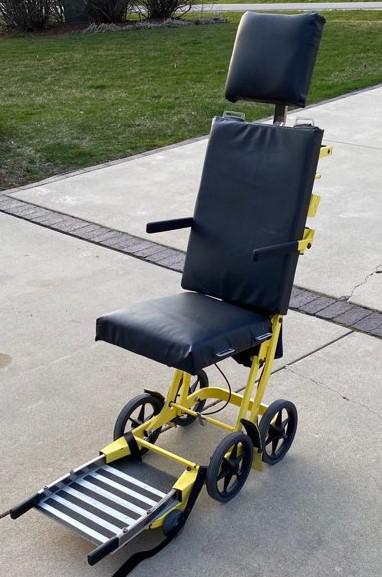
Boarding: Your expectation for getting on and off the plane should be, “first on and last off.” You will need to be one of the first to board the plane. You will transfer into the aisle chair in the jetway, then the airport staff will move the aisle chair onto the plane and down the aisle, moving backward. You will then transfer into your assigned seat, usually an aisle seat. Some seats have movable armrests in order to make transfers to and from the seat easier; in older planes, you may need to transfer over an armrest. If you can transfer yourself, complete the transfers and do not allow others to lift you. If you are unable to transfer yourself independently, you will be lifted in and out of the aisle chair by airport staff. It’s important that
Figure 41 | An aisle wheelchair
before traveling, you learn how to direct others how to lift you safely. Remember: Be clear about what assistance you need, if you don’t communicate with the airlines or escort personnel, you can’t expect them to understand how to best help you!
Wheelchair Storage: There is an onboard closet on most planes that can accommodate a folding manual wheelchair and/or wheels. If this is not available or you are a power wheelchair user, your wheelchair will be stowed with luggage in the cargo section of the plane. Prior to handing over your chair, remove all accessories and seat cushion and keep them with you. If it’s a manual chair, you should also collapse it as much as you can. Take a picture of your chair before the flight, so you can demonstrate evidence of any damage that occurred during flight.
You should package and protect your power wheelchair as much as possible, including:
• Attach instructions for how to drive the power chair in manual mode. Educate airline cargo staff on how to properly push the chair and safe places to lift the chair (the best place to hold a power wheelchair when lifting is the base versus the seat). Some airlines now have specific forms for you to fill out with instructions on how the ramp agents should handle your chair.
• “Package” the chair: remove all moving parts such as armrests, headrest, laterals, cushion, joystick, and other accessories. Pack them in a duffle bag and carry them on the plane. Put a large t-shirt, plastic bag or wrap over the backrest of chair to cover the components.
On the flight: Be sure to sit on your cushion for the duration of the flight and complete pressure reliefs consistent with your usual schedule. Complete side to side or forward weight-shifts, or seated push-ups on the armrests, asking your caregiver for
assistance as needed. Air-filled cushions may have changes in pressure during the flight, so be sure to check the inflation during and following air travel. When sitting on your cushion, your feet may not touch the floor. Consider placing your feet on a piece of luggage during flight; however, luggage will need to be stowed under the seat in front of you during take-off and landing, so request assistance if needed. An extra-long chest strap or a gait belt can be used for trunk support by wrapping it around the entire seat. However, you will need to discuss this with the passenger seated behind you as it will limit the use of their seat-back tray. Airline personnel will not provide personal assistance on the plane. They’ll help with boarding, stowing luggage, and helping you get to and from the bathroom. They won’t assist in the bathroom or with eating.
Lavatories on airplane and airport: Most single aisle airplanes do not have accessible bathrooms; airplanes with more than two aisles are required to have accessible bathrooms, however there may not be adequate space for a wheelchair transfer to the toilet. Many people opt to utilize an indwelling catheter for long flights; this can be discussed with your provider prior to traveling. The airport is required to have accessible bathrooms and stalls, and some airports now have bathrooms with adultsized changing tables to support caregivers.
Upon arrival: When you arrive at your destination, you will transfer (or be lifted) to the aisle chair and airport staff will move you to the jetway where your wheelchair will be delivered. Before transferring to your wheelchair, carefully check it for damage. If you notice ANY damage that was NOT there prior to flying, you need to file a claim with the airline’s Complaint Resolutions Officer (CRO) preferably BEFORE leaving the airport, and absolutely with 24 hours. The airline is responsible for paying for damage
and to contract with local wheelchair repair companies to complete repairs. If there is no damage to your wheelchair and/or it is safe to use, you will transfer to your wheelchair on the jetway so that you can then propel or drive yourself through the airport to baggage claim to pick up your luggage.
Trains
Amtrak has a special discount program for rail passengers with disabilities. Amtrak personnel will help with boarding, information, and at-seat services such as delivering meals, stowing luggage, and helping you get to and from the bathroom. They will not assist with eating, personal hygiene, or medical services on the train. Discounted tickets for travel companions are generally available. Wheelchair users can generally remain in their chair for short train rides; there are accessible bedrooms for overnight trains. In some countries you need to book a specific accessible ticket; even though it may not specify that on the website.
Bus Lines
Greyhound Bus Line assists passengers with disabilities. When booking your trip by phone or online, you need to notify them you’re traveling with a wheelchair and if you plan to sit in it during your journey. When booking online, you can select this when you enter the number of passengers. All buses are equipped with wheelchair lifts and each bus can fit 2 passengers sitting in wheelchairs. The buses do have a weight limit for the passenger and their chair, ranging from 600-1000 pounds, depending on the lift. Power outlets on the bus cannot support charging power wheelchairs. If you are not remaining in your manual chair, it can be stored in the cargo compartment. You can travel alone on Greyhound buses; however, staff cannot help you with using the restroom, dispensing medication, or any care during travel.
Megabus also accommodates passengers with disabilities. You can book by phone or online and notify them of your accessibility needs using the “assisted travel” option when booking online. Personal care attendants are not charged for a standard seat. You can travel alone; however, staff cannot help you with using the restroom, dispensing medication, or any care during travel. Each bus has space for 2 wheelchairs. The buses do have a weight limit for the passenger and their chair, which is 600 lbs.
Tour Buses
Tour bus services are regulated by the ADA, but lift-equipped vehicles may be limited. Call ahead to make arrangements, whether you’re taking a tour or a regularly scheduled bus trip.
Rental Cars
Many rental car companies rent hand controls; however, it is recommended you contact the company in advance to check availability of hand controls and a vehicle that meets your needs. There are also accessible van rentals available. Two national companies are Wheelchair Getaways and Mobility Works.
Wheelchair accessible taxis
Accessible taxis are available in some cities, especially those with large tourism industries. Prior to traveling, search online “(City Name) accessible taxis” to locate companies. Often, advanced reservations are needed.
Ridesharing
Ride share companies like Uber and Lyft have accessible vehicles in some major cities, but not all locations. They can be booked through the apps under Uber WAV and Lyft Access. You may need to wait a bit longer for an accessible vehicle or find there are no vehicles available at peak times. Planning ahead and making a reservation,
when possible, is recommended. On a positive note, the fare is comparable to nonaccessible vehicles.
Airport Shuttles
Some cities have airport shuttles that have wheelchair lifts. Prior to traveling, search online “(Airport Name) accessible shuttle” to locate companies. Often, advanced reservations are needed. Some hotels have airport shuttles, these are often not accommodated with a lift. If your hotel has a free airport shuttle offered to other guests which is not accessible, you can ask for a reasonable accommodation under the ADA that they reimburse the cost of your accessible transportation to the airport. Most hotels would have great difficulty proving that denying reasonable accommodation would cause them undue hardship.
Ship Travel
The ADA covers foreign-flagged ships operating in U.S. ports; however, standards for compliance haven’t been developed yet. Generally, the bigger the ship, the better the chance that it’s accessible. There are mixed reports on crew availability to help. Contact the shipping line for information. Ask if they have an ADA coordinator (a person in charge of ensuring compliance with the Americans with Disabilities Act). See below under Hotels and Motels for questions you might want to ask.
Hotels & Motels
Hotels and motels within the USA are regulated by the ADA. Remember that the ADA is a minimum set of guidelines, so a room may have “accessible” features that do not meet your needs. Many third-party and hotel company websites allow filters to select accessibility needs and/or allow booking of ADA accessible rooms online.
Note: hotels also have ADA rooms for
those with vision and hearing impairments, so be sure to book the “ADA Mobility Impairment” room.
Hotel rooms vary greatly in terms of how accessible they are; you will need to call and ask specific questions:
• How wide is the doorway to the bathroom?
• Are there grab bars and a handheld shower?
• Are shower chairs with backrests available? Is it padded or hard plastic?
• How high off the floor is the top of the mattress?
• Is there room under the bed to allow for a portable wheeled lift?
• Is there a tub, roll in shower, or a step to enter shower?
• How high is the toilet seat?
• How much space surrounds the toilet?
• How heavy is the door?
Don’t take at face value the statement that the room is accessible—if it doesn’t work for you, it isn’t accessible. If you get to the hotel or motel and find that the room doesn’t meet your needs, talk to the hotel staff immediately. They may have a different room or different equipment that will be safer and easier for you. As examples, if the bed is too high, ask for the frame/mattress to be lowered, or request a rollaway bed. If the tension on the door is too heavy for you to open independently, ask them to remove the tension.
The ADA was revised in 2010 and now many hotels have an accessible entrance to their indoor/outdoor pools; be sure to ask if they have a ramp or lift seat to enter the pool if you’d like to use it.
A hotel few tips:
Hotels with attractions within walking distance can limit your need for accessible transportation in your destination city.
Hotels with complimentary breakfast are more cost effective and can save you and caregivers time and energy in the morning.
When traveling internationally, you will need to ask even more specific questions when booking by phone call or customer service email, as there are accessibility requirements and many hotels are in historic buildings. Some examples of specific questions:
• Are there steps to enter your hotel through the front entrance? Is there an alternative entrance without steps?
• How wide is the entrance door?
• How wide is your elevator door?
• How wide is the door to enter the bedroom?
• How wide is the door to enter the bathroom?
• How high is the bed? How much space is next to the bed?
• How high is the toilet seat?
• How wide is the path of travel around the room?
• Is there a tub or a shower? How high is the tub? Is there a step to get in the shower?
• What is the wattage or voltage of power outlets?
Outings
Restaurants: Prior to going to a restaurant – call ahead and ask specific questions, such as if they have an entrance with a ramp or an entrance without steps. Generally, if you ask if they are “wheelchair accessible” they might say “yes” but the facility might not be accessible for you.
Attractions: When planning to visit a museum, monument, zoo, park or other similar attraction, checking accessibility in advance is strongly recommended. Check out the website for the specific venue (look for an “Accessibility” section) or call ahead to insure they have a wheelchair accessible entrance, wheelchair accessible bathrooms, and an elevator and/or wheelchair lift that is operating that day.
A few tips for attractions:
• Ancient ruins and historical homes often have parts that are inaccessible. Call ahead to ask for accommodations (such as a photo book or video of the inaccessible parts), or discounted tickets if your access will be limited.
• National parks and museums often have great accessibility accommodations.
• Beaches or parks may have all-terrain or beach wheelchairs available to rent or borrow. Reservations are strongly encouraged. When using an alternative wheelchair (different than your own), make sure that it is safe for you to use, including skin protection, postural support and safe/effective operation in that environment.
Sporting Events: All sporting events in the U.S. are required to offer ADA accessible seats – these often must be booked over the phone instead of online. You must purchase in advance, as there are a limited number available. Under the ADA, accessible seats can be sold to the general public once all other seats in a specific section or price range are sold out. Note there are not accessible seats at all price ranges and groups greater than 2 may not be able to sit together. Upon arrival, if the seats do not meet your needs (such as your view is blocked), talk to customer service
immediately. If you have inaccessible seats, often a venue can find a new seat for you, but it’s not guaranteed.
Amusement Parks: Major theme parks like Universal Studios and Disney World have made commendable efforts to adapt their new rides and some of their older rides for wheelchair users. However, the rides at smaller local or regional amusement parks have minimal accessible features. Prior to booking, check the theme park website for an accessibility riders guide and/or contact customer service.
Durable Medical Equipment
Durable medical equipment specifically for travel can be helpful to improve your independence and reduce the burden on your travel companions in an unfamiliar environment. Some examples of this equipment include:
• Portable shower/bowel chair that can collapse
• Power-assisted or manual third wheel add-ons for a manual wheelchair to allow for navigation on uneven terrain
• Portable mechanical lifts that fold/collapse
• Portable ramps
Talk to your providers to see if this equipment is appropriate for you and how it can potentially be funded.
GENERAL TRAVEL TIPS
Make a packing list: Without a list, medical supplies can easily be forgotten, especially if other people are helping you pack! Make your list by thinking through your typical day/week, write down all supplies you use. Bring extra clothing, and bowel and bladder supplies. As you change your diet and sleep schedule, it will likely impact your bowel and bladder schedule and may cause incontinent episodes.
Consider what adaptive mobility devices to take on your trip. Some power wheelchair users think about traveling with a manual wheelchair instead. Although a manual wheelchair is easier to transport, you may be less independent and require more assistance from caregivers or travel companions. Weigh the pros and cons of each device with your travel companions to help you decide.
Consider traveling with your durable medical equipment versus renting equipment. Transportation companies (like airlines) do not charge extra for medical equipment. If you have specialized equipment (like a shower chair or extra wheelchair), it will be safer for you to travel with them versus renting generic equipment at your destination.
Consult the appropriate healthcare provider with any questions about:
• your medication, bowel or bladder schedule/routine. Call your primary SCI provider.
• your wheelchair or need a brush up on advanced manual wheelchair skills or power wheelchair driving skills. Contact SCI physical and/or occupational therapy.
• leisure and recreation options. Contact SCI recreation therapy.
• coping with travel stress and anxious travel companions. Contact SCI psychology professionals.
Remember that despite having a SCI, there are many options available to get out and about, ranging from local transportation to fun travel destinations! With careful preparation, thorough research, flexibility, and strong problem solving and coping skills, you’ll be all set for your next outing or adventure.
Wheelchair User’s Guide to Air Travel: https://wheelchairtravel.org/air-travel/
SECTION 3:
Coping and Living with SCI
Now that you’ve learned about medical conditions and how to maximize your function, it’s time to think about other challenges. Leaving the hospital or rehabilitation unit to live somewhere else and resume your life activities is a big step. Resources are available to help you with this transition. Some people must cope with mental health conditions, pain, or the consequences of spinal cord injury (SCI). For more, returning to school or employment is a high priority. Almost everyone must pay attention to the financial impact of SCI. This section covers some of the issues you’ll face after you complete your initial rehabilitation.
Chapter 18 | Transitions
Whether you’ve recently sustained a spinal cord injury (SCI) or have lived with one for many years, you’ll probably be making decisions about where you want to live and the type of social life you’ll have. If you can perform all your daily activities without help, such as bathing, dressing, transferring, etc., you might choose to live totally on your own—this is sometimes called independent community living. If you need assistance various options are available for living with supervised and structured assistance or care. Another choice is to live on your own, independently, with family members or with roommates who might or might not be involved in your care. Or you might decide that you want to live alone and have a home care attendant come into your home for part of the day. As persons with disabilities age, they may choose to move from their home to a different setting, such as with family, assisted living community or perhaps a nursing facility/long term care facility There’s no right or wrong answer—what you do depends on your personal desires, resources, and goals.
PLANNING YOUR TRANSITION
Leaving a hospital or other structured living situation can be a complicated process. The questions in the forms that follow will help you plan your transition. Try to answer these questions with your family, friends, and all the members of your rehabilitation team. You can use this chapter as a workbook to formulate your plan. Additional home safety and other checklists are available on the websites listed at the end of this section. Here are a few tips to guide you as you search for the environment best suited to you.
Living Situations Where Assistance Can Be Provided
Selecting a living situation is a highly personal process. It’s always best to ask exactly what type of help is available, as the names vary in different parts of the country. You should decide what features are most important to you and find a way to visit the facility. Ask for references, take a tour, and use the checklists that follow and those from the websites. Here are some options:
• Private home You can receive home care services in a private home. You can arrange this through an agency or set it up yourself and hire the caregivers. If you’ll be in a private home, make sure to review a safety checklist. Make sure to also look at health insurance or community programs that will offer this type of service at home and if you are eligible. Many health insurance carriers do not cover home care attendants, but its best to verify.
• Senior residence an apartment or single home setting in which most residents are older adults, some with physical disabilities. Meals, laundry, and housekeeping services are often available but may have a fee or cost. In some cases, physical assistance can be provided, but you may need to arrange this separately. These homes generally have better wheelchair accessibility than other housing in the community. Sometimes these residences are called Senior Housing and maybe supported by HUD (Housing and Urban Development). Many times, they require residents to have low income.
• Assisted living—an apartment setting that provides some physical assistance with daily activities, in addition to meals, laundry, and housekeeping. Some Assisted Living facilities may have shared bedrooms, and some offer single rooms. You will need to ask the particular assisted living facility for specific living arrangements.
• Adult family care home or adult family home- similar to assisted living, but usually in a single-family home setting, with caregivers available at all times. Most states require inspection and certification of these homes. Not all states have this type of home arrangement. The VA offers the Medical Foster Home Program.
• Nursing Facility or Long Term Care—a nursing facility with 24-hour staffing by registered nurses (RNs) and/or licensed practical nurses (LPNs), These facilities are regulated by state (Medicaid) and federal (Medicare) agencies and can handle complex medical problems. Levels of care range from basic to skilled or subacute (regular care from an RN). For long term care at a Nursing Facility, you would have to meet certain income guidelines in order to qualify for care funded through Medicaid.
• Continuing care retirement community-sometimes called CCRC’s—a setting that can provide various levels of assistance and care, from a retirement residence through nursing home care. When patients’ care levels change, they just move to a different part of the facility instead of to an entirely new residence. These residences require a substantial upfront deposit prior to moving into the community.
Resources
www.medicare.gov/publications
Includes information on financing and choosing long-term care and tools for locating and comparing nursing homes. Search for “Guide to Choosing a Nursing Home” and “Compare Care – Nursing Home Brochure.”
www.acl.gov Aging and Disability Resource Center
www.eldercare.com
CareGuide@home provides general information and resources on housing, legal planning, assisted living, and home care by geographic area based on a client profile of needs that you provide. Includes checklists to evaluate assisted living and nursing home facilities.
Where you live Matters: www.whereyoulivematters.org
MEDICATIONS AND SUPPLIES
Your OT, PT, nurse, doctor, pharmacist, or prosthetics team member can answer these questions for you. For additional information, refer to Chapter 30, Medications.
1. What are your medication and supply needs?
2. What are the side effects of your medication?
Medication:
Side Effects:
Medication: Side Effects:
Medication: Side Effects:
Medication: Side Effects:
Medication: Side Effects:
Medication: Side Effects:
3. How and where will you get your medications and supplies refilled? (There may be a lag time between request and obtaining the refill.)
How:
Organization:
Address: Phone:
DESTINATION TRANSITION
Your social worker and other team members can explore the answers to the following questions with you. For additional information, check out Chapter 15, Home Modification, and Chapter 21, Community Resources.
1. Where will you be living?
Street Address:
City: State: Zip: Phone: ( )
2. Is your residence accessible or does it need modification?
Accessible Needs Modification
3. What modifications are needed?
4. How are you going to make your environment accessible?
5. How can you obtain the equipment you will need to make your transition?
6. Who can you contact for modifications?
Company or Organization:
Street Address:
City: State: Zip: Phone: ( )
Company or Organization:
Street Address:
City: State: Zip: Phone: ( )
7. Who will pay for the adaptations?
Individual Organization or government agency
Organization:
Contact Person: Phone: ( )
8. How will you pay for your living expenses?
Individual Organization or government agency
Organization:
Contact Person: Phone: ( )
FAMILY, ATTENDANT, AND CAREGIVER EDUCATION
Your occupational therapist, nurse, social worker, or other team member can help answer these questions. For additional information, refer to Chapter 2, Skin Care and Pressure Injuries, and Chapter 5, Bowel Dysfunction.
1. What is your care routine?
2. How much help will you need?
How long do these tasks take to perform?
At what times of day and on which days of the week do these tasks have to be done?
3. Who will pay for the assistance you need?
Individual Organization or government agency
Organization:
Contact Person:
4. If you need an attendant, how will you find that person?
Phone: ( )
5. When can the attendant receive training? Who will train them? When can they begin providing care?
6. Can you train someone else in your care routine? Yes No If so, how are you going to do it?
If not, who can do it for you?
Organization:
Contact Person: Phone: ( )
7. How will the spinal cord injury/rehabilitation staff be involved with the training?
8. Who can you contact if you have a crisis, such as an attendant who is sick and cannot provide care that day?
Name: Phone: ( )
Name: Phone: ( )
THOUGHTS ABOUT THE TRANSITION TO A NEW LIVING ENVIRONMENT
Your rehabilitation team, peers on the SCI unit or in the community, and others can help answer these questions. For more information, refer to Chapter 6, Sexual Health and Reproduction, and Chapter 19, Psychosocial Adjustments.
1. How can you be sure that you are ready for the transition?
2. Are your family members, friends, and/or attendant ready for your discharge?
3. Have you thought about the questions others may ask you about your injury or your wheelchair? What will you say?
4. If you need emotional/peer support, where would you go to find it?
5. Will you talk with your family or friends? Do you want to meet other individuals with spinal cord injuries?
6. Support group?
Organization:
Contact Person: Phone: ( )
7. Peer Counseling?
Organization:
Contact Person: Phone: ( )
8. Individual Counseling?
Organization:
Contact Person: Phone: ( )
TRAVEL AND TRANSPORTATION SERVICES
Your physical therapist, occupational therapist, or social worker can be your resource. For more information, refer to Chapter 16, Driver Rehabilitation, Chapter 21, Community Resources, and Chapter 27, Recreation.
1. Do you have accessible public transportation in your area?
Yes (list organizations and phone numbers below for easy reference) No
Organization:
Phone: ( )
Organization: Phone: ( )
Organization: Phone: ( )
Organization: Phone: ( )
Organization: Phone: ( )
If no, how will you get around?
Who can you call for assistance?
Name: Phone: ( )
Name: Phone: ( )
2. What do you need to know about accessible public transportation, paratransit services, and special parking permits?
3. What about driving? Will you be the driver or will you need someone to drive for you?
4. How do you get a valid driver’s license?
5. How will you pay for transportation?
Individual (you personally) Organization or government agency
Organization:
Contact Person:
Phone: ( )
PERSONAL GOALS AFTER TRANSITION
The entire team can be a resource in answering these questions. For additional information, check out Chapter 19, Psychosocial Adjustment, Chapter 22, Employment and Vocational Rehabilitation, and Chapter 27, Recreation.
6. In addition to your personal care, what will you do all day?
7. What kind of vocational training, employment, or volunteer opportunities are you interested in?
Where can you find assistance to help you get started in those areas you listed?
Organization:
Contact Person:
Organization:
Contact Person:
8. What will you do for fun and relaxation?
Phone: ( )
Phone: ( )
Where can you find assistance to help you get started in those areas you listed?
Organization:
Contact Person:
Organization:
Phone: ( )
Contact Person: Phone: ( )
9. What will you do if a crisis occurs (for example, if your wheelchair breaks down or your accountant quits)?
10. What is your financial situation?
Chapter 19 | Psychosocial Adjustments
Having a disability like a spinal cord injury (SCI) creates a lot of questions about who you are, who you want to be, and how other people, including your family, will perceive and connect with you. You need to figure out how you’ll live your life as a person with a disability. This section offers some ideas for ways to think about these personal questions. You’ll be faced with many new emotions and challenges. Unlike questions about your physical needs, personal and social questions are highly subjective and have no exact answers. What you decide to do with your personal and social life is up to you, depending on your values, beliefs, and choices.
YOU’RE STILL THE SAME PERSON
If you were excitable, silly, quiet, physical, intense, relaxed, very social, or a loner, chances are you’ll be the same after your injury. SCI results in some physical changes, but it usually doesn’t change your personality. Difficult emotions like sadness and frustration are normal reactions to a physical loss, and like any feelings, they may change over time. Overwhelming negative emotions about disability typically lessen for the majority people. In fact, research has shown that most people respond to SCI with a sense of personal resilience or recovery. You can help to decrease the stress of having a disability by learning more about your condition, preparing for some difficult times, and using all the social and emotional resources available to you.
NORMAL FEELINGS
As time passes, the personal and psychological issues you face will be less focused on your injury and more on everyday life, including any struggles you were dealing with prior to SCI. The
following discussion of feelings applies to emotions of crisis (right after your injury) as well as emotions that may come and go throughout your life. It’s normal for people to experience a wide range of emotional reactions after a major crisis. Shock, confusion, fear, sadness, anger, and loneliness are common. Your feelings will not be exactly like those of others in this situation, but there are probably many similarities. In this section, we discuss what you can do to deal with your emotional reactions. Not all the emotions will be uncomfortable ones—the process of rehabilitation also involves humor, pride, hope, a sense of accomplishment, and feelings of acceptance. You can even grow into a stronger and happier person.
In general, people don’t necessarily go through certain “stages” after a loss like this. Instead, they experience all kinds of feelings at different times, or sometimes many feelings at once.
Sadness and Grief
It’s common to feel sadness after a major loss or significant change in health. This is similar to the grief you might feel when someone close to you has died. People express this sadness in different ways: for example, tearfulness, numbness, difficulty concentrating, withdrawal, or feeling that you are on an emotional rollercoaster. These are normal, common reactions. It can be beneficial to talk openly about grief with people you trust such as family, close friends, clergy, or members of your health care team. Avoidance—not acknowledging grief or sharing it with anyone—is usually not helpful and may complicate your situation.
For some people, a loss and period of
grieving may trigger significant depression or anxiety. In grief, sad feelings may be intense but tend to decrease over time, leaving you with a belief that life must go on despite the loss. If you find yourself constantly wishing the loss never occurred, feeling hopeless, withdrawing from activities, believing you would be better off dead, or having thoughts of suicide, it is critical to reach out to people who support you, particularly your healthcare team. You can get help! (See section 3-c, Mental Health Conditions, for more information on depression.)
Anger
Anger is a normal reaction when things go wrong. After SCI, people may struggle with anger if they see the injury as someone else’s fault, such as a crash caused by another driver. People may also feel angry at themselves if they blame the injury on their own actions—for example, doing something hazardous when under the influence of alcohol or drugs. If you find yourself snapping at others, yelling when things go wrong, scolding yourself, or boiling over, you’re not alone. But it may be difficult for you to stay motivated and work with others if your anger carries over into everything you do. A good test is to consider, “Would I like to be treated the way I treat others?” “Would I punish others for making a mistake or having an accident the way I am punishing myself?” If the answer is no, ask yourself, “Who or what is getting in my way? Why am I angry?” This kind of selftalk can help you step back from a problem, cool off, and develop a positive plan of action. Also, ask others to help you stay calm by talking about problems openly and trying to find practical solutions, rather than letting something build up to the boiling point and exploding in anger.
Self-Esteem
Some people experience a loss of self-worth because they physically can’t do some of the things they used to do. In addition, there are false beliefs and negative stereotypes (also known as stigmas) about disability in society, such as the view that having a disability means that a person is miserable or must be superhuman to accomplish anything. If you feel this way, take a look at your own opinions and experiences with disability. Changes in self-esteem may result from taking these negative beliefs to heart. Another pitfall is seeing one thing— your SCI—and making it the only thing that matters, forgetting other parts of your life: your relationships, passions, and interests.
Acceptance
Having an SCI means accepting the fact that you may need to do things in a different way and some tasks take more time, effort, and assistance. At an emotional level, acceptance involves living life to the fullest in the face of challenges and staying committed to your personal goals. For some, the notion of acceptance sounds like “giving up” but is really about staying engaged. Acceptance may also mean experiencing strong emotions without letting them sway you from whatever path you’ve set for yourself
The Long Run
Your feelings will change over time. Some people start to feel pretty good by the end of their rehabilitation, with all their new knowledge and accomplishments. A few people experience a letdown when they leave the rehabilitation unit and go through difficult feelings again for a while. It helps to be prepared for the big changes that come with leaving rehabilitation and to build up a strong support system that includes family, caregivers, friends, and the staff from your SCI program. If you’re ready for the transition, the period of adjustment can go smoothly.
ADJUSTMENT TO SCI
Everyone’s reaction to SCI is different, and you might have some unexpected feelings about it. The most frequent experience people report is that they are able to bounce back from their injury, do not become depressed by it, and even find ways to grow from it. How can that be? It is because of the human capacity for resilience. Studies of people following trauma, illness, and natural disaster show that resilient coping is widespread. After a serious challenge like SCI, many people feel glad to be alive, with a renewed commitment to themselves, their families, and their life. You may see your injury as a “wake-up call” and a change opportunity to build a more meaningful life or get closer to others. You may find you are stronger than you thought you could be. For more information on building resilience, see https://www.apa. org/helpcenter/road-resilience
Ways of Coping
Most people have typical ways they cope with life, and they use the same coping skills to deal with all kinds of challenges. Most likely, your experience with an SCI will be like that. You might not even be aware of your typical coping pattern. Ask yourself: What was the hardest thing I ever went through before this? What things am I most proud of? What worked? What kinds of things didn’t work or weren’t worth the cost? You’ve probably dealt with many obstacles in your life so far. Your job now is to identify the skills you used then and apply them to this new situation.
Understanding Your Values
Having an SCI may create an opportunity for you to truly consider your personal values— that is, the things you find important and meaningful in life. Some of your values may focus on personal qualities that you want to have like honesty, courage, creativity, humor, kindness, boldness,
fairness, and so on. For example, if you valued generosity, you could perform volunteer activities or work for a charitable organization. Other values center on what you find fulfilling. Placing a value on active recreation, for instance, may prompt you to join a gym, play sports or go whitewater rafting, whereas a value on artistic creation might lead to taking a class on painting or attending a film festival. After SCI, you may need to examine your values and consider the ways you can continue to live in accord with them, placing emphasis on the nonphysical aspects of yourself.
The Importance of Hope
People who have a positive attitude about the future cope and adjust better after a traumatic medical loss. Everyone has a different amount of hope about the future, and you have only so much control over this. You can build hope in yourself, but it takes a lot of attention and effort to maintain hope. The development of hope comes in many forms—some people look to religion, others find hope in their family or elsewhere. Everyone is different.
RECOVERING WELL
Getting back to your life after an SCI takes a lot of work. Learning all the skills you’ll need to stay healthy takes commitment and time. Several things can help you succeed in this challenging task:
• Take advantage of your social support network—the people in your life who are encouraging and positive.
• Don’t let the things that you can’t do physically take away from the things that you can still enjoy.
• If you encounter people who have negative or uninformed perspectives on disability, remember that you don’t have to see yourself that way.
• Use effective problem-solving approaches. Take time to evaluate your options when you run into a barrier, and ask for help from an expert if you need it.
• Think back to a time when you became an expert at something, like driving a car. This feeling is called “mastery,” and it helps people have a positive experience when they’re learning a complex thing.
• Set goals for yourself. Your rehabilitation team will help with this. Goals need to be hard enough to be challenging but easy enough to be reasonable. It will help you in the long run to pick up this habit of setting goals and reaching for them.
• Pay special attention to the good things about yourself. Note every success, each thing you accomplish, and every change in the right direction, no matter how small. Keep these thoughts like bank deposits of positive feelings when you need them later.
• It’s fine to compare your situation with those around you. Most people have something they do better than others— give yourself credit where it’s due.
• Use the stress management skills you’ve learned along the way. Better yet, learn some new ones during your rehabilitation. One simple thing you can do is to stay focused on your experience right now. If you spend less time thinking about the past or worrying about the future, you’ll have more energy to succeed today. This takes practice—ask your rehab team for resources on “mindfulness.”
If, despite your efforts to stay positive, you find that you’re having trouble coping with your injury, are becoming depressed, or are anxious or worried about the future, seek out help from a member of your team for support and guidance. (Also read section 3-c, Mental Health Conditions.)
SOCIAL CHANGES
When you have an SCI, parts of your social life will have to be reevaluated and possibly changed. As you gain experience living with your SCI, you’ll develop more confidence in social situations. There are around 300,000 people with SCI due to injury in the United States, along with others who have SCI from other causes, and millions with other forms of disability. Socializing with SCI peers or finding a mentor can be a great way to promote your own ability to handle your situation. Many organizations, local support groups, and websites offer information and peer support for persons with SCI. Two highly established groups that provide advocacy and support are Paralyzed Veterans of America (www.pva.org) and United Spinal Association (www.unitedspinal.org); both offer free membership, resources, and publications.
Making Decisions
Social decisions—like where to live or whether to go back to school—are crucial to your future. There are no right or wrong answers to these questions. The answers depend on personal goals and values, which may change throughout your life.
To handle the social challenges your disability may create, you have to fall back on the relationships and social skills that you had prior to your injury. In addition, you may need to pick up new skills to deal with negative beliefs about disability. First, take stock of whether you have the basic social and communication skills that everyone needs. Second, decide if you need some special skills to deal with reactions to your disability. Meeting new people after your SCI is really no different from before your injury. Be yourself and talk about sports, weather, or whatever you used to talk about.
Think about yourself as a person first and then as a person who happens to have
a disability. Many social challenges— like finding a sexual partner, meeting new people, or wanting to be more assertive—are common to all people. Some challenges—like having a server ask your companion, “What does he want to eat?”— are directly related to having a disability. Many of the challenges you’ll encounter can be resolved by learning general social skills, like assertiveness and how to handle anger. The special skills related to your disability can include how to deal with negative stereotypes regarding physical disabilities.
Social Survival Tactics
Social survival tactics are the tools you use to get the services, emotional support, and physical help you need. Tools for survival and independent living include general communication skills as well as an understanding of the responses of nondisabled persons, family, and friends.
Why a person with SCI needs social survival tactics:
• You are a member of a minority group in our society.
• You will run into negative stereotypes that people have about wheelchairs or mobility impairments.
• You’ll have more dealings with agencies and health care systems than the average person does.
• You may have to explain your limitations to strangers or occasionally request assistance from someone you don’t know.
Steps for Social Problem Solving
1. You are your own best resource. Whenever possible, speak for yourself.
2. Other people have valuable experience they can share with you. When you encounter a new situation and need information, find peer support.
3. People who work for agencies can be strong advocates. Find ways to engage people who are willing to help you get services and who understand how the system can work for you.
4. Legal remedies are often available. If you believe you’ve experienced discrimination, use the agency or program’s grievance process. As a last resort, hire an attorney. (See Chapter 24, Your Rights.)
Making Decisions
Independent living means being in charge of your life and taking responsibility for your actions. The concept of independent living began in the 1970s as a social movement led by persons with disabilities. The goal was to gain civil rights and full access to the community. Judy Heumann, a well-known disability rights advocate, put it this way: “Independent living is not doing things by yourself. It is being in control of how things are done.” This is a great way to approach your day-to-day life in society.
Free choice means making a decision based on
• Your needs.
• What you would like to happen based on your values
• The resources available to you.
• Your willingness to accept the consequences of your choices.
Basic Communication Skills
There are three basic communication styles: assertive, aggressive, and passive. Regardless of how much help you need after SCI, it is vital to assert yourself, so you can manage and direct your care in your own best interests. While selfassertion may come naturally to some, others need to consciously practice
becoming assertive, particularly when asking for assistance. Using aggression to get your needs met or passively waiting for things to occur tend not to work well in the long run. In the following discussion, we describe communications styles and specific behaviors that are typical of each style. Notice that these describe behaviors, not just the words you use. How you say something (facial expression, tone of voice, etc.) can be just as important than the words you say. As you consider these styles, think about not only how they apply to you but also the people around you. Even if you have strong assertiveness skills, dealing with others who have aggressive or passive styles may create challenges.
Assertive communication
Assertion is the ability to express your ideas and feelings directly and honestly, while still taking other people’s feelings into account. In assertive behavior, your goal of is clear communication to achieve a common understanding, based on direct statements of your wants and needs.
Aggressive communication
Aggression is one way to express yourself, but it ignores the feelings of others and may trigger strong negative reactions in whoever is around you. Keep in mind that anger is a normal emotion. Many people lose their temper sometimes, saying things they regret and make amends for later. In addition, being able to discuss what you are angry about is an essential relationship skill. In an aggressive communication style, however, there is a pattern of behaviors that degrade or demean the other person. These behaviors may include staring someone down, a voice that’s too loud and forceful for the situation, a sarcastic or condescending tone, body gestures such as finger pointing, threats of harm, or swearing. The usual goal of aggression is to humiliate, degrade, belittle, or overpower other people so
they become weaker and less able to express and defend themselves. Although bullying people may get you something you want in the moment, it usually has negative consequences in the long run. For example, if you act aggressively toward a home health worker who is assisting you, the person might meet your demands at the time and then simply refuse to come back again. Along the same lines, health care organizations typically have policies against aggressive behavior by patients toward staff and ways of restricting care for those who are deliberately or repeatedly aggressive. People with disabilities also have to be mindful to protect themselves from aggressive communication or abuse.
Passive communication
Passivity is a fear and inhibition to express honest feelings, thoughts, and beliefs. By withholding your true thoughts and feelings or expressing them, you allow others to easily disregard you. Passivity is nonassertion. It’s conveyed by a soft voice, hesitant speech pattern, and submissive body gestures, such as avoiding eye contact, wringing your hands, or hunching your shoulders. The goal of passivity is to appease others, avoid conflict or offense, and show how helpless you are. Passivity is not an effective way to communicate your true feelings and get your needs met.
Effective Communication in the Community
People with disabilities need to understand how nondisabled people think and act. At times, their attitudes and reactions may be frustrating or difficult to understand. The most helpful factor in developing an inclusive attitude toward disability is exposure and real-world positive experience with individuals who have disabilities. This is something you can bring to table in your own social network.
Nondisabled people may not know what to do or say when they encounter a person with a disability. Social encounters can be awkward for both parties, so you’ll need to think about how to handle them. If your disability is visible, you may come across people who want to do things for you, even if you don’t want the help; for example, push your wheelchair when you prefer to do it yourself or try to assist you in and out of your vehicle. While they are attempting to be kind and supportive, their behavior may make you feel like a “captive” of their need to show how much they care. You may need to set limits on people who offer unwanted help. Another common experience consists of receiving comments about how inspiring or heroic you are for doing something ordinary like shopping for groceries or going to a movie. You will probably come across people who are unsure what to do or say, so they avoid eye contact, act as though you’re not there, and generally convey a sense of discomfort.
When you’re doing your best and things are still not going well, you may need to develop some understanding and specific skills. You can learn these skills by experiencing the situations firsthand, comparing notes with other people who have disabilities, and knowing about stereotypes so you can seek effective ways to overcome them. Sometimes, you will have to acknowledge that you cannot control how other people feel and move on. While it’s not easy, being a member of a social minority group may mean having to teach others about disability. You can increase your self-esteem and selfdetermination by getting good at managing people’s expectations about disability. For example, you can learn to judge when and how to discuss your disability with new friends and potential employers.
FAMILY AND FRIENDS
When you experience an SCI, the people close to you also undergo emotional and social turmoil. Try to remember that the
sudden change in physical function for you was also unexpected for them. Give yourself and your loved ones time to adjust to all the changes.
Loved ones may concentrate on helping to coordinate your health and rehabilitation needs following SCI. You should be focused on your survival and health. As time goes by, you and your family will reestablish common goals based on planning for the future. The best way to communicate with your family and friends is to decide how you feel about your situation and communicate assertively. Here are some tips for dealing with family and close friends.
• Your close friends and family may be afraid to bring up certain subjects for fear of causing you or themselves more pain, so you might have to start the ball rolling. It will be hard, but it may be best in the long run. Timing is critical; choose a moment when you both have an opportunity to reflect and talk. Adjustment is a healing process, so try trusting your gut feelings in dealing with certain issues. There will come a time when you will both feel right about it.
• You don’t have to be strong all the time for your family and friends. This may make it harder for them to talk with you about their own struggles.
• Remember that your family and friends are part of the nondisabled population and may have misconceptions and uninformed attitudes about people with disabilities. As opportunities come up, talk to them about things you’ve learned about living with a disability.
• Sometimes, family and friends go overboard trying to do everything for you. This can make you feel smothered. Figure out how much help you’d like to have. If your family and friends are doing too much, talk to them about it. Let them know how it makes you feel and why you’d
prefer that they not do so much for you. Remember that they’re expressing their love and caring, even though it doesn’t seem ideal for you. In other situations, family members may be reluctant or unable to help, so you have to work on accepting their limitations and using other resources to meet your needs.
• Let your loved ones know as your emotions and beliefs about your injury change over time from the feelings you had when you were first injured. You may be more comfortable with the changes in your body and what you need to do to stay healthy. Let them know about your determination and confidence as well as your struggles.
Adapting to SCI is a unique and lifelong journey. Each person does it in his or her own way. Whatever way you choose is okay, as long as it keeps you healthy in both mind and body. Your family and friends will also adapt to your SCI. Many will come to realize that you’re still the same person they’ve always loved. A few may not be able to adjust to the new physical you because of their own fears and irrational beliefs, no matter how much they love you. Relationships change in everyone’s life, whether they’re disabled or not, and everyone has the potential for growth.
INTIMACY AND SEXUALITY
A physically and emotionally intimate relationship can be part of your life after SCI. Many people continue passionate relationships that they had before the injury, while others find new partners over time. This section contains information about dating and sexuality. Chapter 6 , Sexual Health and Reproduction, contains information on how SCI can affect sexual function, the treatment options available to improve function.
Dealing with sexually intimate relationships may sometimes involve counseling
to address your emotions and the practical challenges of having sex while accommodating the physical aspects of your injury.
Sexual Counseling
In ideal circumstances, your healthcare team will ask you about any concerns you have about sexuality and offer specific suggestions based on your injury. However, don’t hesitate to bring up the topic of sexuality if you have unanswered questions. You may have to break the ice to get connected to the professionals to help you.
Once you have started a dialogue about your sexuality, it’s helpful to determine what you want to focus on. Is the concern related to performance issues such as having an erection, vaginal lubrication, positioning, reproductive health, or dealing with your bowel, bladder, or autonomic dysreflexia? Then, your physician, nurse, or occupational therapist may be your best resource. For concerns about finding a relationship, a desire to feel better about yourself, or working through complexities like past sexual trauma, you may need intensive therapy with a psychologist or counselor. Psychologists and social workers who practice in rehabilitation settings typically have knowledge and experience in addressing sexuality concerns or can refer you to specialists if needed.
Not all sexual concerns are due to your disability. Sexual and relationship problems can occur in anyone’s life. One way to get practical information about these issues is to talk with other people who have disabilities. Some communities have peer support groups or independent living centers, where you can probably talk to someone who has found a way of adapting sexually to a disability. Your SCI team can also be a source of information about resources in your community, and you can learn from books, magazines, pamphlets, and websites.
PARENTHOOD
Persons with disabilities, including those with SCI, may choose to become parents. As discussed in section 6, Sexual Health and Reproduction, fertility in women is reduced for only a short time after SCI. Men with SCI who wish to become biological fathers can usually do so, although it may require medical support. Adoption is another route to becoming a parent. In any event, parenting is an adventure that’s full of joys and challenges.
It’s common for all parents to be concerned about providing financial, physical, and emotional support for their children. Having an SCI certainly does not prevent you from being able to love and raise a child or children, although there will probably be some challenges. Your healthcare team may be able to assist you by:
• Helping you clarify your values and concerns.
• Considering how to educate your children about your SCI
• Educating you about alternatives.
• Referring you to other rehabilitation team members who can assess your equipment and home needs related to parenting.
• Finding mental health support for you family if needed
Resources Publications Depression: What You Should Know: A Guide for People with Spinal Cord Injury. https://www.pva.org/publications/ consumer-guides
A Mindfulness-Based Stress Reduction Workbook. B. Stahl and E. Goldstein. New Harbinger Publication, 2010
Regain That Feeling: Secrets to Sexual SelfDiscovery. Mitchell Tepper. The Sexual Health Network, 2015.
The Relaxation and Stress Reduction Workbook (7th edition). M. Davis, E. Eshelman, and M. McCay. New Harbinger Publications, 2019
Roll Models: People Who Live Successfully Following Spinal Cord Injury and How They Do It. Richard Holicky. Trafford Publishing, 2004
Websites
www.facingdisability.com
www.disabledparenting.com
Chapter 20 | Mental Health Conditions
There is no doubt that spinal cord injury (SCI) is a major stressful life change. It can increase a person’s risk for depression or anxiety. However, most people with SCI live a good life without serious mental health problems. The purpose of this chapter is to make you alert to the early warning signs of trouble with mood and anxiety, so you can get on top of it if it does occur. When you identify it and seek treatment, there is a good chance you can continue building a meaningful life.
DEPRESSION
In addition to focusing on your physical health after SCI, it is also important to pay attention to your mental health, including making efforts maintain your mood and coping over time. As noted in Chapter 19, Psychosocial Adjustment, not everyone with an SCI develops depression or has difficulty coping after their injury. About 25-30 percent of people with SCI have depression at some point, which compares with about 10 percent among the general population. People with SCI are most likely to struggle with mental health difficulties right after developing a SCI and right after discharge from their rehabilitation. Even if you’re not having any trouble with depression now, it’s important to know what it looks like in case you develop symptoms in the future. Symptoms of depression are listed in Figure 42
Some of the symptoms are fairly obvious: feeling blue, hopeless, down, or discouraged. Other symptoms are less obvious. For example, people who are depressed often have changes in their appetite—eating more or less, or changes in sleep—trouble sleeping or sleeping more than usual. Energy and motivation may be low, and people might lose interest in things they used to enjoy. Sometimes people
also notice changes in their thinking. For example, memory and concentration may not be as good, and it can be hard to make decisions when you’re depressed. Mood changes can appear, like becoming more irritable. Some people with depression develop most of these symptoms, while others have only a few. Other people might send the message that these symptoms are a normal part of having a disability, but they are not – they need to be treated like for any other person.
• Feeling sad most of the time
• Having no interest in activities you usually like
• Crying for no reason
• Having trouble sleeping, or sleeping too much
• Getting careless about your appearance or health
• Feeling tired all the time, or not being able to sit still
• Having no appetite, or eating too much
• Avoiding your friends or family
• Using alcohol or drugs when you feel sad or angry
• Having a decline in sex drive
• Feeling irritable much of the time
• Having thoughts about death or suicide
Figure 42 | Symptoms of Depression
A very serious symptom of depression is thinking about suicide. People with SCI are at higher risk for suicide in the first five years following their injury; after that, the rate decreases to that of the general population. Suicide in people with SCI can take several forms besides actively taking one’s life, including self-neglect, or refusing needed care. Asking a loved one if they are suicidal is a caring act and doesn’t increase their risk of suicide.
How Can SCI Increase the Risk of Depression?
Chronic pain and SCI
Sometimes people with chronic pain may feel hopeless. In fact, people with both pain and SCI are prone to struggle with depression symptoms. A cycle can happen in which people feel depressed due to being in pain, and then depression symptoms worsen their pain. It can be very helpful to work with your SCI treatment team to get assistance in coping with both pain and depression. There are many things that you can do to help, such as remaining involved in enjoyable activities, exercising, and learning pain coping skills. Your treatment team can help you find ways to do these things, tailored to your type of SCI.
Life events, losses, and personal circumstances
Soon after SCI, many people experience feelings of grief, loss of self-esteem, and changes in their body image. Often many aspects of their life change, including independence, mobility, housing, employment, income, and recreation. Your thoughts and beliefs about yourself as a person with SCI can have a significant effect on your mood. It can help to talk with your mental health provider about these thoughts to help you maintain self-esteem and a positive identity.
Not everyone receives the support they hope for from friends and family. Maintaining supportive relationships and finding new relationships can be crucial to your long-term mental health. Often, new supportive and rewarding friendships develop with other people with SCI. Learning how others have coped and lived a good life with injury can help you continue to build a high quality of life and maintain a good mood and positive outlook.
Disrupted sleep
Studies have found that disrupted sleep can lead to depression. Having an SCI may make it harder to sleep well; for example, you might have to wake up several times a night to turn, catheterize yourself, or take medications. A breathing disorder called sleep apnea is also common after SCI. It can interrupt sleep and lead to excessive daytime sleepiness. Treating sleep apnea can improve your sleep, mood, and cognitive abilities. Good sleep hygiene is also important for sleep. This can involve things like avoiding caffeine and turning off devices prior to bedtime. Your mental health provider can help you improve your sleep hygiene, or address nightmares or worry that might be affecting your sleep.
Alcohol and substance abuse
As discussed in Chapter 31, Alcohol and Substance Abuse, using substances to excess can have a negative effect on your life, health, and relationships, which in turn can lead to depression. Alcohol is a central nervous system depressant and interrupts your natural sleep cycle, so it can also contribute to the development of depressive symptoms in these ways.
Medications
Narcotics and some other medications can have the same effect as alcohol, making you more likely to develop symptoms of depression.
Traumatic brain injury
One-quarter to one-half of all people with SCI also received at least a mild brain injury at the time of their accident. Brain injury causes changes in the brain that can make you more prone to depression.
Depression risk factors unrelated to SCI
If you’ve had depression in the past, you’re more likely to develop depression after a stressful event, such as having an SCI. Skills you learned in the past to cope with depression can help you if it recurs.
How Can Depression Affect Your SCI Care?
Sometimes symptoms of depression affect a person’s ability to manage their health well. Lack of interest, fatigue, changes in appetite, and concentration difficulties from depression can lead to difficulties such as:
• Fewer improvements in rehabilitation
• Weight gain
• Decreased ability to be independent and mobile
• Greater need to hire attendants for care
• Longer hospital stays
• Increased rates of preventable complications, such as pressure injuries
• Urinary tract infections
• Increased medical expenses
What to Do if You Develop Symptoms of Depression
It’s important to know the symptoms of depression so that if you see them in yourself, you can do something about it. Therapy, medications, or a combination of the two are very effective in treating depression. It’s important not to let yourself suffer needlessly. One powerful symptom of depression is the belief that difficult feelings will never end. If you become depressed, remember that it’s a temporary
state. Mental health providers, along with your SCI team, can help you identify and remember your strengths, learn healthier ways of thinking, and make changes that allow you to live a meaningful life in line with your values.
ANXIETY
Most people experience worry or mild stress on occasion. About one in four people with SCI has trouble with ongoing anxiety or nervousness. Just like depression, not everyone has the same symptoms. Symptoms of anxiety may include worrying a lot, feeling tense or fearful, difficulty sleeping, loss of appetite, shakiness, or a racing heart. Anxiety can affect how you feel physically—it can cause nausea or tension headaches. Anxiety that prevents you from participating in your life should be addressed with mental health care. Some people experience panic attacks, which are intense episodes of anxiety that can involve feeling dizzy, sweating, having a pounding heart, feeling panicked, trembling, and having a fear of losing control or dying. Panic attacks can be very distressing, but they are treatable.
• Nightmares or unwanted thoughts about an upsetting event
• Avoidance of activities that remind you of the event
• Being easily startled or vigilant of your surroundings
• Feeling as if you are reliving the traumatic event
• Avoidance of close relationships with others
• Irritability or easy anger
• Feelings of excessive guilt
Figure 43 | Symptoms of PTSD
Another form of anxiety is post-traumatic stress disorder (PTSD). PTSD can develop after experiencing a traumatic event, such as an accident, natural disaster, assault, combat, or any situation in which a person feels that their own life or another person’s is in danger. PTSD has many symptoms, including nightmares about the event, avoiding things that remind the person of the event, being prone to anger or irritability, and having difficulties in relationships with others (Figure 43). Like other forms of anxiety, PTSD is treatable with therapy, medications, or a combination of the two.
How Can Anxiety Affect Your SCI Care?
Anxiety can affect your care in several ways. For example, during your rehabilitation, anxiety can keep you from participating in your therapies, especially if it keeps you from trying new things. After discharge, it can interfere with getting a good night’s sleep or prevent you from going out into the community. If fear or anxiety is keeping you from living your life fully, it may be time to address these symptoms.
MANAGING STRESS
Having an SCI, or being a caregiver for someone with SCI, can be stressful. Research has shown that people with SCI who report more stress in their lives also report lower life satisfaction and more symptoms of depression. It’s important to learn how to manage stress so it doesn’t negatively affect your life. Physical exercise, relaxation exercises, mindfulness meditation to address worried thoughts, and learning to “let go” of tasks and issues that really aren’t important are ways to reduce stress. A mental health provider can help you learn to manage stress if you find it difficult to do so on your own. Alcohol and drug use don’t function well as a long-term stress coping method, and they can cause more problems than they solve.
WHERE TO GO FOR HELP
Most SCI programs have psychologists who can either work directly with you or refer you to a qualified mental health provider close to your home. You can also ask your primary health care provider for a referral for therapy or treatment with medication. Another option is to go to your community mental health clinic. The good news is that there are many treatments that have proven effectiveness for keeping depression and anxiety from decreasing your quality of life. Discuss treatment options with your mental health provider and choose the one that feels right for you. There’s nothing shameful about having trouble with anxiety or depression—these symptoms are quite common throughout the general population. And treating anxiety and other mental health issues can help prevent some medical complications.
PREVENTION OF DEPRESSION AND ANXIETY
The best way to avoid depression is to stay active and involved in your life. Studies suggest that people who keep doing activities they usually like, even if they feel down, are less likely to get depressed. Keep an eye on your mood and look for symptoms of anxiety. Let your family, friends, and providers know if you are struggling.
Resources
Depression: What You Should Know: A Guide for People with Spinal Cord Injury (1999), Consortium for Spinal Cord Medicine.
VA Mindfulness Coach app: https://mobile.va.gov/app/mindfulnesscoach
VA PTSD Coach app: https://mobile.va.gov/app/ptsd-coach

Chapter 21 | Community Resources
Every community has resources (services and programs) that may be helpful for you and your family. Depending on where you live, these services may be provided by the state, county, city, or community. Your social worker can guide you if you need assistance.
Because of the many available resources, we’ve separated them into general areas, like housing, financial programs, and transportation. Each area has a brief summary and general contact information.
Here are some tips for contacting a community resource:
• Call at the beginning of the workday and know there will possibly be a long time on hold. Be prepared before you call with a pen, paper, and list of questions or needs.
• Always write down the name, title, and phone number of the person who gives you information, as well as some notes on your conversation and the date. If you still have questions, call the agency again.
• Write all your personal information on a note card: social security number, insurance coverage, VA benefits, hospitalization dates, doctors’ names, and family contact names and numbers. You might as well be organized, because you’re going to have to give this information many times.
• Be persistent. If the line is busy, call again. If the person is out, leave a message. Keep calling until you get the information you need. Don’t give up!
• You may be able to get information faster if you visit the agency. If you can’t do this yourself, appoint a spokesperson or advocate to go on your behalf. Or, visit the agency with your spokesperson.
INFORMATION AND REFERRAL SERVICES
An information and referral service provides general information over the telephone. This is done confidentially, so you can ask whatever you’d like without having to identify yourself. This kind of service offers general information about all the programs that are available in your area. Ask if the program you’re interested in includes disabled persons. When you discuss your specific need, tell the person what your disability is. This will help them know exactly how they can accommodate you. Information on Eldercare and 2-1-1 information and referral services can be found in the resources section of this chapter.
HOUSING
Accessible housing is very important for persons with physical disabilities. Such housing may include ramps, accessible doorways and bathrooms, and, if possible, modified kitchen areas. When you’re choosing a living arrangement, look for specific features that will accommodate your wheelchair. (See Chapter 15, Home Modification.)
Housing Authorities
Many counties and towns have housing authorities for low-income families, lowincome elderly, and low-income physically disabled people. The waiting lists for lowcost accessible housing are usually very long (months to a year). Call your county or city housing authority to get an application and get on the waiting list as soon as possible. If you’re not ready or you don’t need the housing when your name reaches the top of the list, you can always decline. Financial eligibility is based on a national formula.
Many low-paid working people qualify. If you qualify, the basic payment formula is usually about one-third of your income.
Section 8
Rental assistance program funds are available to help eligible persons and families lower their monthly rental costs. Eligibility is based on gross annual income. The program uses existing housing. Usually, the applicant must find the housing and negotiate with the landlord.
Housing Assistance Organizations
Programs are available in certain areas to help people locate housing. Call an information and referral agency about accessible housing.
Specially Adapted Housing for Veterans
This VA program is designed to pay some of the costs of buying a house. Eligible veterans with a service-connected disability who meet other requirements may receive a VA housing grant, which can be used only once. Contact your local VA office to apply.
VA Home Improvement or Structural Alterations
This program is designed to pay for some of the costs of remodeling your own house or a rental. Any eligible veteran may receive funds for major structural alterations and home improvements that comply with specific guidelines. Contact your local VA office or medical center.
Independent Living Programs
Some independent living programs provide transitional housing as well as peer counseling, advocacy, transportation, recreational activities, and more. Check with your social worker and the resources at the end of this section to locate independent living programs in your area.
VOCATIONAL SERVICES
You may be eligible for vocational rehabilitation services through federal and state government programs. (See Chapter 22, Employment and Vocational Rehabilitation.) Vocational rehabilitation services have different names in different states, such as the department or division of vocational rehabilitation (DVR), rehabilitation services, or vocational rehabilitation. Your vocational rehabilitation counselor can explain all the services DVR can provide. These services may include the following:
• Medical, psychological, and vocational evaluations to help with job planning. Appropriate treatment can be authorized as well as equipment to aid in DVR programs.
• Counseling and guidance to implement your rehabilitation plan and achieve your employment goal.
• Vocational education in college, trade school, or commercial school, and on-thejob training.
• Maintenance and transportation funds while you’re pursuing vocational goals.
• Job placement assistance and follow-up to determine whether a job is suited to your highest capabilities.
VA Vocational Program
The VA administers programs for education and training for eligible veterans. Seek out the vocational counselor at the nearest VA SCI center to determine your eligibility for vocational rehabilitation programs and general education or training.
IN-HOME SERVICES
Please talk with your social worker to determine what services are available to you.
Maintaining your health is up to you. However, help may be available through county or city resources, the VA, and nonprofit nursing services (for example, visiting nurse services). These agencies have health professionals who will come into your home and help you with care needs on a limited basis if you meet the eligibility criteria.
Many hospitals have home care programs that send staff into homes, depending on geographic location and insurance coverage. The cost of the service and who pays for it vary by agency, and a physician’s order is usually needed for these services. Ask your social worker or the local public health department for the names of agencies.
Veterans may be eligible to have homemaker and home health aides provided through your VA based upon eligibility criteria. Respite care is another VA resource that allows in-home or facility care to allow caregivers a block of time to take care of their own medical needs, vacation, etc. Respite care can ease caregiver stress. Speak with your local VA social worker to determine if these in-home services are available to you.
FINANCIAL ASSISTANCE
Loss of income after a crisis like a spinal cord injury can be a major worry. Specific programs are available for persons with a financial need and a medical disability. The following is a general outline of federal and state programs.
Federal Financial Programs
The Social Security Administration operates many federal programs that can provide benefits to people with disabilities. These include Social Security Disability Insurance (SSDI), Supplemental Security Income (SSI), the Medicare Prescription Drug Plan, and Retirement and Survivors Benefits.
• SSDI may provide a partial income for persons who have been employed and are now disabled. There is up to a seven-month waiting period before benefits begin.
• SSI provides some income to people in financial need without regard to past work experience. Eligibility is determined on the basis of income, age (over 65), resources, and disability. If you receive SSI, you will also be eligible for Medicaid health insurance through the state.
• Medicare, a federal government health insurance program operated by the Center for Medicare and Medicaid Services, is available to recipients of SSDI after two years of receiving benefits.
Applications for SSDI, SSI, Retirement and Survivors Benefits, and Medicare can be taken over the telephone. You don’t need to apply in person; a family member or representative can apply for you. It may take months or even longer before you begin receiving these benefits. Learn the social security rules and guidelines, and keep up to date. Call the toll-free number (800-772-1213) or visit the Social Security Administration website (www. socialsecurity.gov) for more information.
State Assistance Programs
State assistance programs are run through offices known as departments of social services, health and social services, welfare, or human services, to name a few. The eligibility requirements for income and Medicaid benefits vary from state to state.
Many programs may be available to you and your family. Call your county department of social services if you need help with the following services.
Medicaid
Medicaid is a state-operated program for low-income people. It provides medical
coverage for hospitalization and treatment; homemaker, home health aide, and visiting nurse services; transportation related to medical needs; and equipment. The services vary from state to state.
Food Stamps
The Food Stamp Program helps people with low incomes buy the food they need for good health. If you’re eligible to participate, you’ll usually receive an electronic benefits transfer card (similar to a debit card) that you can use to pay for groceries. Your eligibility and monthly benefits are based on your income and the number of people in your household.
Aid to Families with Dependent Children
This program is designed to provide financial assistance and benefits to families with dependent children who are in need. Financial assistance provides money to help pay for food, fuel, clothing, utilities, personal needs, and shelter.
Chore services/attendant care
This program helps persons living in their own homes by providing essential housekeeping or personal care. The monthly cash grant can be paid to you as an employer of an attendant or chore worker, or it can be paid to an agency under contract to provide services to you. Some states have different administrative structures for housekeeping (chore services) versus personal care (attendant care services). Contact your local, county, or city department of social services. Each state has its own eligibility requirements, some of which are very restrictive.
Workers Compensation
This state-regulated program provides employees injured on the job with health care, weekly income payments, and rehabilitation services.
Financial support and coverage by workers compensation is tied to insurance company support and coverage. It is ordinarily much more substantial than other statesupported financial programs.
To be eligible, an employee must be injured while working for an organization that has workers comp coverage. Each company contracts with its own insurance company, so benefits will vary.
You can get more information from your state department of labor and industries, workers comp, or industrial commission. Workers compensation agencies go by various names—contact your employer’s human resources or personnel department.
VA Assistance Programs
Veterans with disabilities may be eligible for hospitalization, medical treatment, educational programs, pensions, and other federal programs. You may have a state Veterans service office in your city or town (usually in city hall). Under extreme circumstances, this office can provide emergency financial assistance. Look in the phone book or on the Internet (www.va.gov) for the VA offices closest to you. A Veterans benefits counselor should be available to speak with you at any VA SCI center.
EMPLOYMENT
For many people with SCI, employment is a significant part of their lives, not only for financial freedom but also for selfsatisfaction. The Americans with Disabilities Act (ADA) prohibits discrimination in employment on the basis of a person’s disability. (See Chapter 22, Employment and Vocational Rehabilitation, and Chapter 24, Your Rights, for more information on these topics.)
Government agencies help promote equal hiring opportunities. The federal Office of Personnel Management (OPM) conducts a
rigorous program to ensure that people who have disabilities are hired. Other sources of employment information and assistance are the state department of employment security, the Federal Job Information Center, and VA vocational counselors. Talk to your vocational counselor for more specific information.
MENTAL HEALTH COUNSELING AND CRISIS INTERVENTION
Community health centers, family service agencies, and centers for independent living can provide crisis intervention and counseling when difficulties arise. Talk to your social worker, psychologist, or community mental health center, and remember these general guidelines:
• Consider the experience and training of the person who is providing counseling services. Pay special attention to his or her experience with people who have SCI or other physical disabilities.
• Discuss your expectations for counseling sessions, such as issues to be discussed, number of sessions, and cost.
• Ask if the counselor is willing to consult with your doctors and others on your rehabilitation team.
Information on the Veterans Crisis Line, as well as resources for Intimate Partner Violence, can be found in the resources section of this chapter.
ATTENDANT SERVICES
If you need an attendant to help with your personal care and household maintenance, programs are available to pay for these services. A variety of funding sources and methods of attendant management have been set up by different funding sources. National Medicaid policy has increased the options for state attendant care programs. Consult your local Medicaid agency.
LEGAL ASSISTANCE
Local Legal Aid Services
Most communities throughout the United States offer sliding-scale legal aid services. This means that your cost is determined by your ability to pay. If you can’t locate your community legal aid office, contact the state bar or law association, which will refer you to the office closest to your home. Many law schools offer free or low-cost legal services. Information and referral services can help you find a lawyer.
Protection and Advocacy Systems
The federal government has mandated a system in each state and territory to protect the legal rights of people with disabilities. These protection and advocacy systems were established in response to abuse, neglect, and lack of programming in institutions for people with disabilities. Congress has created laws and programs to address the needs of different populations of people with disabilities.
What Can You Do?
You can become active in the disability rights movement, working with other people with disabilities who share your views. Changing the system requires strength in numbers. Keep in touch with consumer organizations around the country to learn what they’re doing. Federal programs and policies can influence many issues that affect the disability community. Activists should bring these issues to the attention of nondisabled consumers and reform groups to add strength to their organization through the media. Become knowledgeable and get involved!
TRANSPORTATION
Travel always requires planning—when you have a disability, it just takes more planning. Almost all modes of transportation are
accessible to people who use wheelchairs, but it’s worth double-checking to avoid surprises.
When you’re making arrangements, ask the right questions. What services can you expect from transportation personnel? Is there a charge for an attendant/personal assistant? Don’t assume that policies are consistent from one transportation provider to another, or that they’ll stay the same. Ask these questions each time you make a reservation.
The key to success in traveling is good planning. Develop a travel plan that covers all aspects of your personal needs: comfortable clothing, time requirements, bowel and bladder scheduling, meals, transfer techniques and tools, who might need information from you (like airline or train personnel), and access to medication. Make your travel plan part of your trip.
Some VA hospitals provide Veterans Transportation Services. Please speak with your local VA social Worker to determine if there is transportation assistance available through your site.
Public Transportation
For getting around town, many public transit vehicles are now wheelchair accessible. The ADA requires new transit buses to be wheelchair accessible and have at least two spaces for wheelchairs. Call your transit system to see if it’s fully accessible; if not, it may accommodate you by putting an accessible vehicle on your route. Paratransit services (accessible vans or small buses) are used when conventional public transit vehicles don’t meet the needs of disabled persons. If you’re eligible for paratransit in your hometown, other cities must honor that eligibility when you visit—but be sure to notify them of the dates of your travel, and check for any restrictions.
Air Travel
Discrimination on the basis of disability is prohibited under the Air Carrier Access Act. Carriers must have policies and training programs to ensure that airline personnel know what is required. For example, a passenger who preboards and has a foldable wheelchair may stow the wheelchair in an onboard closet if it doesn’t displace other passengers’ luggage already in the closet. You may want to keep your wheelchair cushion with you—it can help protect your skin during the flight. Don’t forget to do pressure releases during the flight.
Airlines are responsible for assisting you in boarding and deboarding, helping you make connecting flights, and returning your mobility equipment to you in the same condition that you released it to them. If you’re unable to walk, you usually will board the plane using an aisle chair, a narrow wheeled chair that airline personnel can maneuver down an airplane aisle. Half the aisle seats on new planes must have movable armrests in order to make transfers to and from the seat easier; in older planes, you may have to transfer over an armrest. Be assertive in asking for assistance and telling airline personnel how to help you.
If you can’t evacuate the plane in an emergency, you must bring (and pay for) an assistant. If the airline thinks you need such assistance but you disagree, the airline will pay for an assistant, but it may choose the person, perhaps an airline employee. That person is responsible for assisting only in the event of evacuation. If you do travel with an assistant, the airline must seat you next to each other on the plane.
Airline personnel will not provide personal assistance on the plane. They’ll help with boarding, stowing luggage, and helping you get to and from the bathroom. They won’t assist in the bathroom or with eating.
Trains
Amtrak has a special discount program for rail passengers with disabilities. Amtrak personnel will help with boarding, information, and at-seat services such as delivering meals, stowing luggage, and helping you get to and from the bathroom. They will not assist with eating, personal hygiene, or medical services en route. Amtrak’s web site (www.amtrak.com) has a section on services for travelers with disabilities and special needs.
Bus Lines
Greyhound Bus Line provides assistance to passengers with disabilities. All Greyhound buses are now equipped with a wheelchair lift to help you get on board. Each Greyhound bus can fit two passengers sitting in a wheelchair or scooter Call Greyhound ADA Assist Line at (800) 752-4841 at least 48 hours before your departure to reserve one of the available spots for wheelchairs. You will be asked for information to help Greyhound personnel provide the assistance you need. If you can’t notify them in advance, Greyhound will make every reasonable effort to accommodate you without delaying bus departures. With some restrictions, personal care assistants may travel free on Greyhound. The ADA Personal Care Attendant ticket will be issued only to the personal care attendant, only at the time of travel, and only as a one-way ticket. Other major bus lines have similar policies, but it is best to check with them in advance.
Tour Buses
Tour bus services are regulated by the ADA, but they’ve been allowed to phase in new lift-equipped vehicles. Call ahead to make arrangements, whether you’re taking a tour or a regularly scheduled bus trip.
Rental Cars
All rental car companies must provide cars with hand controls. The amount of notice needed by rental car companies will vary by location. It is recommended to call and make a reservation with as much advance notice as possible.
Ship Travel
The ADA covers foreign-flagged ships operating in U.S. ports; however, standards for compliance haven’t been developed yet. Generally, the bigger the ship, the better the chance that it’s accessible. There are mixed reports on crew availability to help. Contact the shipping line for information. Ask if they have an ADA coordinator (a person in charge of ensuring compliance with the Americans with Disabilities Act). See below under Hotels and Motels for questions you might want to ask.
HOTELS AND MOTELS
Hotels and motels within the USA are regulated by the ADA. While most hotels have accessible rooms, you still need to ask the right questions:
• How wide is the doorway to the bathroom?
• Are there grab bars and a handheld shower?
• Are shower chairs with backrests available?
• How high off the floor is the top of the mattress?
Don’t just take at face value the statement that the room is accessible—if it doesn’t work for you, it isn’t accessible. If you get to the hotel or motel and find that the room doesn’t meet your needs, talk to the hotel staff immediately. They may have a different room or different equipment that will be safer and easier for you.
If traveling abroad, please note that other countries may not have regulations for accessibility. Please see Travel and Transportation section below for resources.
Resources
Information and Referral
Information and referral hotlines are available 24/7 to provide assistance. Some examples of resource referrals this service can assist with are emergencies and disasters, jobs/employment, housing, intimate partner violence, physical and mental health needs, childcare, state and federal resources.
2-1-1 is a national information and referral system for health, human, and social service organizations. You can access this resource online at http://www.211.org/ or by simply dialing 2-1-1 from your phone. 2-1-1 also is familiar with resources that are specifically for veterans and military members.
Eldercare is a public service of the U.S. Administration on Aging connecting you to services for older adults and their families. You can access this resource online at https://eldercare.acl.gov/Public/Index.aspx or by calling 1 (800) 677-1116.
Disability Law and Advocacy
www.ada.gov
Provides information and technical assistance on the Americans with Disabilities Act. The U.S. Department of Justice may also provide this information through a toll-free ADA Information Line: (800) 514–0301 (voice) (800) 514-0383 (TTY).
Many states have a non-profit Disability Law Center or equivalent. Please speak with your social worker to determine if this resource is available in your state.
Disaster/Emergency Planning
The American Red Cross site below have several tools to help prepare for disaster and emergency planning. Additionally, the information and referral sites above can provide access to local resources such as emergency shelters and food banks.
https://www.redcross.org/get-help/howto-prepare-for-emergencies/inclusivepreparedness-resources.html
Housing
The sites below are for different programs provided by the US Department for Housing and Urban Development (HUD) including rental assistance, Section 8 housing, and Section 811 Supportive Housing for Persons with Disabilities Program. You will find links to local offices on these sites. HUD sites can also assist you with filing a housing discrimination complaint.
https://www.hud.gov/topics/rental_ assistance/phprog
https://www.hud.gov/topics/housing_ choice_voucher_program_section_8
https://www.hud.gov/program_offices/ housing/mfh/grants/section811ptl
Travel and Transportation
https://www.transportation.gov/ airconsumer/new-horizons-informationair-traveler-disability
New Horizons: Information for the Air Traveler with a Disability is a publication from the US Department of Transportation on air travel with a disability.
www.nadtc.org
Site for the National Aging and Disability Transportation Center. This site offers resources and publications related to transportation and disability. On this site there is a button you can check that
says “Need a ride?” that you can click to be linked to an individual in your area to discuss transportation needs, resources and barriers.
https://www.amtrak.com/accessibletravel-services
This is the site for Amtrak’s section on Special Needs and Accessibility. The site contains tips from Amtrak about accessible travel that includes information on such topics as station accessibility, oxygen guidelines, service animals, accessibility services and tips for making your travel as barrier-free as possible. The site also includes information on routes, schedules, meals, and accommodations.
www.fhwa.dot.gov
This site provides links to Department of Transportation ADA regulations and enforcement, and features information on the Air Carrier Access Act.
www.greyhound.com
Visit this site for trip planning information and to learn about Greyhound’s services for travelers with disabilities. Or call Greyhound’s ADA Assist Line at (800) 752-4841.
travel.state.gov
Helps travelers with disabilities research their destination’s standards of accessibility. This site allows you to enter a country or area to find information for mobilityimpaired travelers in the Special Laws & Circumstances section. Unlike the United States, many countries do not legally require accommodations for persons with disabilities.
Mental Health
If you are a Veteran and are experiencing a mental health emergency, please call The Veterans Crisis Line at 1(800) 273-8255, https://www.veteranscrisisline.net/. The Lifeline provides 24/7, free and confidential support for people in distress, prevention and crisis resources for you or your loved ones, and best practices for professionals. You may also access services by sending a text to 838255, or accessing the online chat feature through the website above.
Intimate partner violence, a type of domestic violence, refers to physical, verbal, emotional, sexual violence, or stalking between current or former intimate partners. Resources can be found at https://www.socialwork.va.gov/IPV/Index. asp. To connect with help at your local VA, start by talking to your Primary Care Social Worker or Intimate Partner Violence Coordinator. Find help in the community by calling the National Domestic Violence Hotline at 1(800) 799-7233 (SAFE) or TTY 1(800) 787-3224.
General Resources
www.easterseals.com/our-programs/ military-veterans/
A vast array of resources for Veterans, caregivers, and people with disabilities such as VA resource information, educational resources, and caregiver support resources.
www.ncil.org
Centers for independent living are organizations that provide four core services for people with disabilities: systems and individual advocacy, information and referral, peer support, and independent living skills training. The goal of these centers is to create opportunities for independence and to help persons with disabilities achieve their maximum level
of independent functioning within their families and communities. This site links to Independent Living Centers in your area.
Medicare and Social Security
www.medicare.gov
Not only does this site provide information on Medicare and applying for it, it has a list of Extended Care Facilities you can search by zip code. Each Extended Care Facility is accompanied by a Medicare rating of that facility based on overall score, health inspections, staffing, and performance on quality measures. You may also use this site to search for medical professionals in the community.
www.ssa.gov
The official website of the Social Security Administration posts recent news releases from the administrator’s office about changes in social security benefits. The site also provides access to social security forms, laws, and regulations.
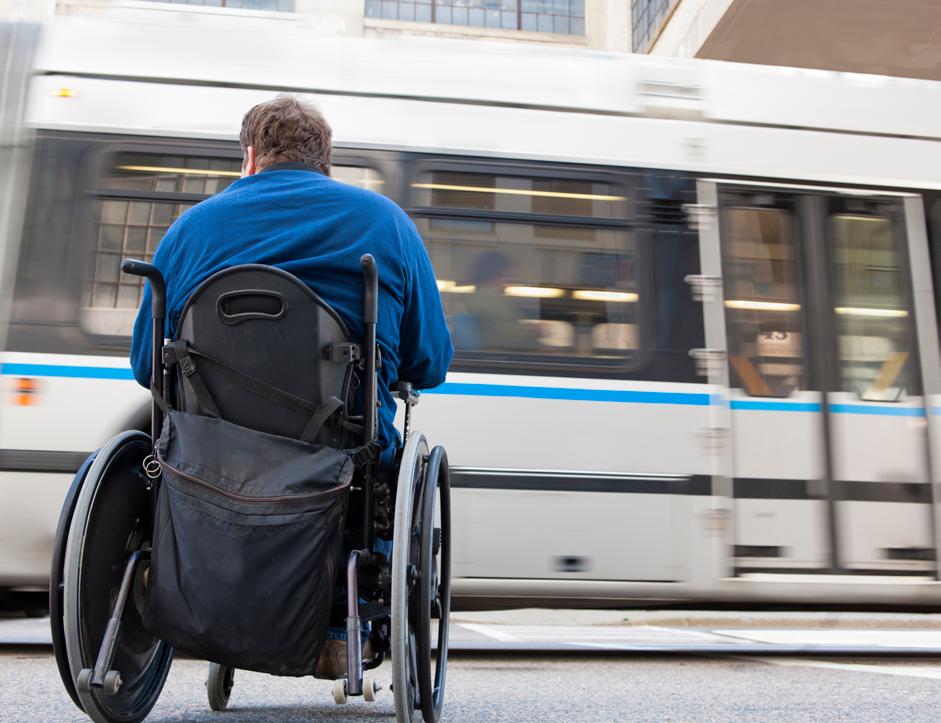
Chapter 22 | Employment and Vocational Rehabilitation
Productive, goal-oriented activities help people adjust to disabilities. Employment, education, and athletic activities can all contribute to successful adjustment. Of all the goal-oriented behaviors, employment seems to be one of the activities with the most impact. After all, in America, work is highly valued. In addition to helping you stay connected with others, use your talents, develop new skills, and feel good about your accomplishments, working also can provide independence and financial stability. Based on all that, it is not surprising that people with spinal cord injury (SCI) who continue working live longer and more satisfying lives.
Some people follow the same career path throughout most of their adult lives. Others switch career fields for a variety of reasons—because their vocational interests change, economic developments affect their career field, or life circumstances lead to a career change. Whatever the reason, the good news is that you can follow certain steps that will enable you to either continue working in the same field or make a career change. There’s a lot of help available to you as you pursue your vocational goals.
WHERE TO START
Since your SCI, you may be wondering what, if any, jobs you can do. Your life circumstances have changed, and you might not be able to return to the job you had. You also might have to look at your work life in a different way. For example, you might need to consider the physical demands of a job, which you may not have paid much attention to in the past.
You might think that since you were injured you’ve “lost” important job skills. What is the level of your injury? Has it caused you to lose some of your previous physical abilities? Don’t short-change yourself! You probably have many job skills that you take
for granted. You can still communicate, persuade, teach, negotiate, direct, and listen. And how about the personal traits you’ve developed over the years? Are you friendly, empathetic, curious, assertive, imaginative, practical? Don’t forget your ability to learn new job skills. If you are a Veteran, remember that many employers are looking to hire Veterans because they know Veterans are goal-oriented, disciplined, and bring valuable experience working on or leading teams to achieve a common mission.
If you expect to go back to work after SCI, start thinking about what a job might look like and talking about it with people you trust, such as family and friends, coworkers, your healthcare team, and people employed in jobs that appeal to you. These are people who can help you think about developing vocational goals for yourself and returning to work. A good way to begin the process is to think about your dreams, desires, strengths and limitations. What do you like to do? What are your interests? What are your transferable skills—things you did in your previous jobs that you can take with you to a new job? What are you good at? Where are your abilities? You’ll also need to think about any limitations you have and how they might impact pursuing certain jobs. Another important consideration is the job market. What is it like in the area where you want to live? What employers are in your area, and what kind of workers do they need? Do you want to consider self-employment? If so, do you have the self-discipline and motivation to successfully own your own business?
The reason it’s important to talk to others about your interests and gather information is most jobs openings are not advertised but are filled through personal contacts. With that in mind, it’s clear that you need to
keep your eyes and ears open when you’re searching for job possibilities. Don’t keep your interest in work a secret—let everyone know you’re in the market for a job. Listen to advice and follow up on any job leads people give you.
HOW TO GET A JOB
Need Some Help?
You may be one of the lucky people who’s always known what you wanted to do. An SCI hasn’t changed that. You also may be the type who knows how to get what you want. If so, you’re a rare breed. Most of us spend much of our work lives searching for the “right” job, but few of us enjoy all the work that goes into getting that job.
Finding the motivation to begin and continue a job search is key. It can be even harder if you aren’t sure where to begin. Not to worry—as we said earlier, there’s a lot of help available to you.
If you want to get started on your own, there’s a lot of information on the internet and in books about conducting a successful job search. These do-it-yourself resources can give you a step-by-step approach for matching your skills with a suitable job. If you don’t have a computer, your public library probably has some for general use as well as books on jobs and job searches.
VOCATIONAL REHABILITATION PROGRAMS
Services
Many of us do better in career planning if we get some help. Fortunately, there are many state-funded and federally-funded vocational rehabilitation programs that will provide you with personal assistance. These programs offer a wide variety of services to help people with disabilities join the workforce. Trained vocational rehabilitation counselors can help you to prepare for,
obtain, and keep employment. They can help you assess your job interests and skills, academic capabilities, personal traits, and physical capabilities. They can help you set career goals and define ways you can achieve those goals. If necessary, they can help you get on-the-job training, specific vocational skills training, or college-level training, depending on the requirements of the job you’re interested in pursuing. If you’re ready to go to work, they can help you plan your approach to the job market. Vocational rehabilitation counselors can offer you the following specific services:
• Vocational evaluation—an assessment of your vocational interests, aptitudes, and abilities.
• Career exploration and career counseling—to help you select an appropriate vocational goal.
• Development of an individualized rehabilitation plan—a strategy to help you achieve your vocational goals.
• Training assistance—on-the-job, vocational, or educational (college classes) to help you meet the qualifications for a specific job.
• Ongoing guidance and counseling to help you adjust to your life circumstances.
• Training in job-seeking skills and assistance with resume writing, interview skills, and job search methods.
• Job placement assistance.
• Job modifications.
• Independent living skills to improve your ability to deal with activities of daily living.
Vocational rehabilitation services can be a very useful resource. Whether you just want to discuss some career concerns or you’re ready to start some serious career planning, a vocational rehabilitation counselor can help you.
There are many vocational rehabilitation programs. When choosing a program, look for one that includes these best practices:
• Competitive integrated employment is the goal. You should be able to get a full – or part-time job in the open labor market that pays at minimum wage or higher where you interact with and receive similar benefits to other employees without disabilities.
• Consumer choice. You determine what type of job is right for you. The vocational counselor is expected to take the time to learn about you and what kind of work you want and to help you pursue a plan to find that job with the hours, setting, and type of work you want.
• Integrated services. Your vocational counselor works closely with you and your SCI interdisciplinary rehabilitation team to coordinate the employment supports you need.
• Follow-up Support. Vocational supports continue after you get a job to help you be successful and keep the job or transition to a different job.
The following are descriptions of different vocational programs and the populations they serve.
State Vocational Rehabilitation Programs
State vocational rehabilitation agencies provide a wide array of services to help people with disabilities return to work. These agencies are designed to provide consumers with training or other services needed to return to work, enter a new line of work, or enter the workforce for the first time. Every state has a vocational rehabilitation program with offices throughout the state. To find out about the vocational rehabilitation agency in your state:
• Use the Internet to locate your state’s home page—search for the name of your state plus “vocational rehabilitation services.”
• Ask your rehabilitation team how to get more information about vocational rehabilitation programs in your state.
PVA Vocational Rehabilitation Program
The Paralyzed Veterans of America (PVA) established a Vocational Rehabilitation Services Program in July 2007. This PVA program offers vocationally oriented services to Veterans with disabilities, especially Veterans with spinal cord disabilities. Through this program, a vocational rehabilitation counselor in a Department of Veterans Affairs Medical Center will:
• Meet with Veterans to discuss and explore their career options as early as possible in the medical rehabilitation process.
• Serve as the hub or coordinator for the various federal, state, and private vocational rehabilitation resources.
• Inform Veterans about benefits available to them and, when appropriate, help them apply for social security, state vocational rehabilitation programs, and communitybased programs.
• Develop a network of employers who are willing to train/provide jobs for Veterans.
For more information about PVA’s Vocational Rehabilitation Services Program, visit the PVA website at www.pva.org.
VA Compensated Work Therapy Program
If you’re a Veteran with SCI receiving VA health care, you can receive vocational services from VA’s Compensated Work Therapy Program (CWT). As part of your ongoing health and rehabilitation care, CWT provides a full range of vocational services to help you obtain and maintain employment, and services are provided for as long as you need them. Further, receiving CWT does not impact any other VA benefits such as service-connected disability compensation or pension payments; these benefits are protected by law when you participate in CWT. Services include:
• Supported Employment—highly individualized services to help you find the kind of competitive employment you want, including ongoing job supports to ensure success at work.
• Community-based Employment—a range of job supports leading to direct placement in competitive employment.
• Supported Self-Employment—training, networking opportunities, guidance on business practices, and linkages with community financial institutions that will assist you in achieving self-employment.
• Career Development-Supported Education—provides individualized supports and linkages with educational facilities to help you achieve educational goals and your desired career.
For more information, a list of CWT program sites and contact information can be found on the location page at the CWT website: https://www.va.gov/health/cwt/.
VA Vocational Rehabilitation and Employment Program
If you are a service member or Veteran with a service-connected disability, you may apply for VA’s Vocational Rehabilitation and Employment (VR&E) Service (also referred to in Chapter 22). This program is designed to provide all the necessary services and assistance to help Veterans with service-connected disabilities prepare for, obtain, and maintain employment in a suitable occupation. VR&E’s services include individualized support to pursue a suitable occupation; a wide range of educational and career services; training (Non-Paid Work Experience, On-The-Job, Special Employer Incentives, short and long-term college programs, and other); and work-readiness and/or job accommodation assistance, if needed. VR&E delivers services through a network of nearly 350 office locations across the country. For more information about the program, including how to apply and where the closest office is, see the VR&E home page at www.benefits.va.gov/vocrehab; visit your local VA Regional Office to speak with a VR&E representative you can find your closest VA Regional Office here: https:// www.benefits.va.gov/benefits/offices.asp; or, call VA at 1-800-827-1000.
Americans with Disabilities Act
The Americans with Disabilities Act (ADA) is a civil rights law established in 1990 to protect people from discrimination based on disability. It’s a wide-ranging law that prohibits discrimination against a qualified person with a disability with regard to job application procedures, hiring, advancement and discharge, job training, and other conditions of employment. It’s important to be aware of your rights when you start your vocational planning activities. To learn more about ADA, see section 3-g, Your Rights, or go to the ADA website (http://www.ada.gov).
Resources
There are many websites that can provide you with useful information about finding employment that suits you and your situation. You can start with the following websites:
• https://www.dol.gov/odep/. This is the website of the Office of Disability Employment Policy (ODEP), the section of the U.S. Department of Labor (DOL) specifically for people with disabilities. The website has a wealth of information on job seeking.
• www.bls.gov/ooh. This DOL website contains the Occupational Outlook Handbook, an excellent source of career information for people who are making decisions about their future work lives. It’s revised every two years and includes information about:
• Specific job requirements, including required training and education
• Salaries
• Job prospects
• What workers do on the job
• Working conditions
• http://AskJAN.org. Funded by ODEP, the Job Accommodation Network (JAN) offers free consultation on workplace solutions for people with disabilities
Information specifically for Veterans:
• www.dol.gov/vets. Another DOL website, the Veterans’ Employment and Training Service (VETS) serves veterans and separating service members by preparing them for meaningful careers, providing employment resources and expertise, and protecting their employment rights.
• fedshirevets.gov. This is a site with information about the Federal employment process in general and as it applies specifically for Veterans and is intended for Veterans, transitioning military service members, their families as well as Federal hiring officials.

Chapter 23 | Financial Planning
You’re doing all the right things: studying this book, taking care of yourself, and staying connected with friends and family members. But when was your last financial checkup? Everyone should periodically look at their financial plan. Your injury has probably changed your circumstances, so it’s especially important now to have a financial plan.
THE FINANCIAL PLANNING PROCESS
Financial plans are developed through a series of small, measured steps toward the desired result, and you may have to address each of these steps more than once. It’s important to remember that just like achieving your rehabilitation goals didn’t happen all at once the same is true for finances. It may take some time and hard work but you can do it!
The six basic steps of intelligent financial planning are:
• Clarify your goals and objectives.
• Gather information.
• Analyze information.
• Create your plan.
• Implement your plan.
• Monitor your plan regularly and adjust it as necessary.
STEP 1: CLARIFY GOALS AND OBJECTIVES:
There are as many styles of living as you can imagine, and they change throughout our lives. Don’t be surprised if your ideas about what you want out of life have changed since your injury. Whether you see yourself
headed in a slightly altered or entirely new direction now is the time to identify your goals and objectives.
Goals are your general personal aspirations. For example, you may feel very strongly about not being a financial burden to relatives or living independently as long as possible. Goals are generally pretty easy to identify. Objectives are your detailed, specific aspirations. Your objective may be to arrange your financial affairs to ensure you have money to pay 10 hours per week of attendant care. Another may be to ensure you have a specific savings account in the event you have to repair your adaptive vehicle or install a new ramp. Think specific and tangible objectives. You may find that you need some guidance on how to do this in your new situation, so looking to others that have suffered an injury or your care team for guidance can be beneficial.
STEP 2: GATHERING INFORMATION:
This is the most time-consuming step. You’ve decided what you want out of life. Now it’s time to gather as much information as you can.
Current assets: The assets may include your home; collectibles or antiques; retirement accounts, such as individual retirement accounts (IRAs), 401(k), and pension accounts; investment assets, such as certificates of deposit (CDs) and stocks and bonds; annuities; and real estate holdings.
Cash outflows: Try to be as accurate as possible to avoid unpleasant surprises later. List the following current expenses, paying attention to any changes in the recent past, near future, or on the horizon: mortgage/ housing expense, utilities, transportation
expense/car payment, medical services/ prescription medications and devices, credit card expenses, student loans, other debts, home health care and attendant expenses, and personal care supplies.
Track your spending habits for at least one month, preferably two or three. Make notes about any one-time or unusual expenses. Don’t forget to identify expenses that you know are looming on the horizon. Estimate your future cash flow needs. These numbers can have a significant impact on your future standard of living, so try to project your needs as thoroughly as possible.
Income sources: Your current income sources will generally include earnings (yours and your spouse’s, if any), insurance benefits payable, and any income from investments.
Potential sources of income might be more difficult to pin down, especially where government and community assistance are concerned. You might be eligible for Social Security Disability Insurance (SSDI) and/or Supplemental Security Income (SSI). These are federal programs that provide income for people who become disabled. There is no age requirement, but SSI is a needs-based program. The Social Security Administration (SSA) will determine your eligibility for benefits. For eligibility purposes, SSA generally requires a physician’s statement that your disability prevents you from performing gainful employment and is expected to last 12 months or longer. Utilize this link to learn more about Social Security Disability: https://www.ssa.gov/pubs/EN05-10029.pdf . (See section 3-d, Community Resources, for more information on these programs.)
STEP 3. ANALYZE INFORMATION
This may be a difficult step for you, as gathering your income and tracking your
spending may have brought new awareness to spending habits. You may have found you have a deficit between your income and your spending. Or expenses came up that you weren’t expecting. It is also important in this step to closely examine spending in the prior month to identify any harmful spending habits to avoid money pitfalls in the future. One the easiest ways to look at your spending is to classify it in two categories; needs verses wants. By using these categories it will help to ensure all your essential needs like paying bills for rent, utilities, and attendant care are met but avoids overspending for things like takeout meals or movie tickets.
STEP 4. CREATE YOUR PLAN
Depending on your assets you may wish to enlist the assistance of a financial planner or accountant at this stage to help guide through the complexities of making a financial plan. This should be strongly considered if investments, retirement funds, and passive income sources are a part of it.
However, if you create a plan on your own remember to look back at your goals and objectives as this will help to keep your plan focused and create momentum to follow through with it. Be sure to make a plan that is feasible and accounts for all your needs with wants only included if there is excess. This step can take time and many drafts before it is finalized. Allow yourself to take the needed time to ensure a comprehensive plan that accounts for your needs today and in the future.
Taxes
When filing taxes for the first time after your injury, it may be helpful to utilize a tax preparer such as an accountant, financial planner, or tax attorney as income sources often change and any government benefits are accounted for differently than tradition income. In addition, if you own a home,
it will be important to contact your local county or township property appraiser’s office to see if you injury changes your property tax requirements.
Future Financial Planning:
Life is ever-changing. Your financial future may also be ever-changing, so it is important to prepare for it. There are some legal documents that you should consider having drafted to ensure your wishes and any assets are protected in the future. These documents are important all individuals, not just those that have suffered an injury, so be sure to discuss them with your family and friends to ensure everyone is prepared.
Estate planning documents: State laws vary dramatically concerning the specific language required in these documents, so it is generally a good idea to consult an attorney. If cost is a concern, reach out to your local city or county government as most areas have Legal Aid Services to see if you qualify for help.
1. Durable power of attorney (DPOA). Use this document to name a trusted person to handle your financial affairs if you are incapacitated. The powers you give can be as broad or narrow as you wish. The power may be “springing” (it becomes effective if you are incapacitated); it should always be “durable,” so that it will not be revoked if you become incapacitated.
2. Will. Your will divides your assets among your survivors after your death, identifying who gets what, when, and how. It must coordinate seamlessly with any trusts you have.
3. Trusts. Trusts and their uses vary widely by state. Persons with a disability often use a version of the special needs trust, which can hold assets that may be made available to you but will not cause you to
lose your government benefits.
(See section 3-g, Your Rights, for information on living wills, durable powers of attorney for health care, and physician orders for lifesustaining treatment.)
STEP 5. IMPLEMENT YOUR PLAN
The Nike motto: “JUST DO IT” comes to mind in this phase. Once your plan is made, you have to commit to following through with it. You will have put in a lot of work by the time you get to this stage, so you should feel proud of the hard work that you have invested, and the work to keep the plan on course.
STEP 6. MONITOR AND ADJUST YOUR PLAN
You’ll need to monitor and adjust your plan on an ongoing basis. Things are constantly changing: economics (housing markets, food prices, etc.); interest rates; the return on your investments; family situations (a child going to college, a grandchild being born, or the passing of a loved one, etc.). These changes may alter your goals and objectives, which may in turn affect your financial plan. If changes do have to be made, don’t be afraid of them. Embrace the change, and look again to make a financial plan that will allow you to live your life!
OBSTACLES OVERCOME
As Henry Ford (founder of the Ford Motor Company) once said, “Obstacles are those frightful things you see when you take your eyes off your goal.”
You’ve probably realized by now that financial planning takes some work. But if you make the effort you can do a lot to ensure a solid financial plan: another obstacle overcome!
Chapter 24 | Your Rights
This section covers your legal rights as a person with a disability. This information primarily applies to residents of the United States, but many countries have similar laws. You’ll find more information on these topics in other sections throughout the book.
SOCIAL AND LEGAL RIGHTS
Exercising Your Legal Rights and Responsibilities
People with SCI have the same constitutional rights as all other U.S. citizens. In addition, many federal laws support the legal rights of citizens with disabilities in the areas of vocational rehabilitation, education, transportation, accessibility, social and medical services, tax exemptions, and social security benefits. Each state guarantees various legal rights. This section identifies some of the major federal laws and shows how you— a person with a disability—can exercise your rights. We’ll start with some general guidelines on how you can assert your rights and get the best results.
Be an Assertive Citizen
1. Know your basic rights!
2. Vote.
3. Keep a record of your transactions with agencies and programs. A file folder for each agency or program is a good idea. Include the following information:
• Name and title of the person you talked to.
• Copies of letters, applications, and other paperwork.
4. If you think your rights have been violated, ask to talk to a supervisor, the administrator, or the person in charge of grievances relating to civil rights.
5. Learn the channels for complaints in the agency.
It’s your responsibility to be assertive (not aggressive), learn the established steps for civil rights complaints, and listen carefully.
MAJOR LAWS AND HOW THEY AFFECT YOU
A number of laws are in effect that can work for you. (See table 10)
Table 10: U.S. Laws That Affect People with Disabilities
Year Law # Title of Law
1968 90-480 Architectural Barriers Act
1970 91-453 Urban Mass Transportation Act
1973 93-87 Federal Aid Highway Act
1973 93-112 Rehabilitation Act
1975 94-173 National Housing Act
1975 95-602 Rehabilitation Comprehensive Services and Developmental Disability Amendments
1980 96-265 Social Security Disability Amendments
1984 98-435 Voting Accesibility for Elderly and Handicapped Act
1986 99-435 Air Carrier Access Act
1988 100-430 Fair Housing Amendments Act
1990 101-336 Americans with Disabilities Act
1990 101-476 Individual with Disabilities Act
1998 105-220 Workforce Investment Partnership Act of 1998
1998 105-394 Assistive Technology Act
Key Provisions
Requires that buildings built with federal funds or leased by the federal government be made accessible.
Requires eligible local jurisdictions to plan and design accessible mass transportation facilities and services.
Requires that transportation facilities receiving federal assistance under the act be made accessible; allows highway funds to be used to make pedestrian crosswalks accessible.
Prohibits discrimination against qualified handicapped people in programs, services, and benefits that are federally funded; creates Architectural and Transportation Barriers Compliance Board.
Provides for the removal of barriers in federally supported housing; establishes Office of Independent Living in the U.S. Department of Housing and Urban Development to serve disabled people.
Establishes independent living as a priority for state vocational rehabilitation programs; provides federal funding for independent living centers.
Removes certain disincentives to work by allowing disabled people to deduct independent living expenses in computing income benefits.
Provides for access to polling places and ballots and all activities related to voting.
Prohibits discrimination on the basis of disability in the provision of air transportation.
Prohibits policies that discriminate on the basis of disability in housing; requires newly constructed multifamily housing to provide accessible units.
Extends to people with disabilities civil rights similar to those available through the Civil Rights Act of 1964.
is a four-part (A-D) piece of American legislation that ensures students with a disability are provided with Free Appropriate Public Education (FAPE) that is tailored to their individual needs.
Seeks to consolidate, coordinate, and improve employment, training, literacy, and vocational rehabilitation programs in the United States.
Provides federal funding to assistive technology state grant programs that provide information, demonstration centers, and referral services to people with disabilities, allowing access to different types of assistive technology. Establishes advocacy services for individuals needing legal assistance in obtaining assistive technology services.
Creates a federal/state partnership funding program that provides low interest loans in order for individuals with disabilities to purchase assistive technology devices.
1999 106-170 Ticket to Work and Work Incentives Improvement Act
2010 111-148 Affordable Care Act
2014 113-128 Workforce Innovation and Opportunity Act
Americans with Disabilities Act
Key Provisions
Provides vocational, employment, and health care supports to people on SSDI and SSI who want to work.
One major provision of this legislation is that insurers cannot discriminate against people with pre-existing conditions by denying coverage, charging higher premiums, or refusing to cover care related to those conditions.
WIOA increases individuals with disabilities’ access to high quality workforce services and prepares them for competitive integrated employment. It mandates that American Job Centers will provide physical and programmatic accessibility to employment and training services for individuals with disabilities. WIOA also requires that State vocational rehabilitation agencies will set aside at least 15 percent of their funding to provide transition services to youth with disabilities
The following are the activities affected by the ADA:
The ADA, passed in 1990, was the most significant piece of civil rights legislation since the 1960s. The ADA is a comprehensive ban on public and private discrimination against people with disabilities. Almost everyone in America is affected in some way by the need to comply with this federal law. The five major sections (titles) of the ADA cover employment, state and local government, public accommodations, telecommunications, and miscellaneous provisions. The law and the regulations that have been issued by federal agencies are very specific about requirements. The Department of Justice, Department of Transportation, Equal Employment Opportunity Commission, Federal Communications Commission, and Architectural and Transportation Barriers Compliance Board have all published regulations to implement the ADA and provide technical assistance to help people apply the law. The Internal Revenue Service offers two tax incentives for businesses to assist in the cost of making access improvements:: (1) a tax credit that can be used for architectural adaptations, equipment acquisitions and services such as sign language interpreters and (2) a tax deduction that can be used for architectural or transportation adaptations.
Title I (Employment). This section defines disability, establishes guidelines for the reasonable accommodation process, and addresses medical examinations and inquiries. No employer with more than 15 employees may discriminate against a qualified person with a disability in any area of employment. This includes hiring, promotion, fringe benefits, and sick leave. An employer must make reasonable accommodations to enable an individual with a disability to perform the essential functions of a job, unless the accommodation causes an undue hardship.
Title II (State and local governments).
State and local governments and all their departments and agencies must ensure that their programs are accessible. These requirements apply to all parts of state and local governments, regardless of whether they receive federal funds. The most important consequence of this section is the creation of ADA coordinators for most government agencies. When consumers encounter accessibility barriers, they can get information and advice from a person who is knowledgeable about disability issues.
Buses used in public transportation must be equipped with lifts, and paratransit (vans or small buses that operate on demand) must be provided to persons with disabilities who
are unable to use the established fixedroute system.
Title III (Public accommodations). The coverage in Title III affects almost all private businesses, services, and agencies. A place of public accommodation is a facility operated by a private entity that falls into one of the following categories:
• Place of lodging, such as a hotel
• Establishment serving food or drink
• Place of exhibition or entertainment, such as a theater or stadium
• Place of public gathering, such as a convention center or auditorium
• Sales or rental establishment
• Service establishment, such as a bank, dry cleaner, or the office of a lawyer, doctor, or accountant
• Station used for transportation
• Place of public display or collection, such as a museum or library
• Place of recreation, such as a park or zoo
• Place of education, such as a private school
• Social service establishment, such as a senior center, day care center, or homeless shelter
• Place of exercise or recreation, such as a gym, swimming pool, or golf course
Places of public accommodation must remove architectural and communication barriers where it is readily feasible to do so. All new construction is to be accessible. Private entities that provide transportation services must, depending on the circumstances, acquire accessible vehicles or provide equivalent service to persons with disabilities. This means that if it’s relatively easy and inexpensive to take out a barrier, it must be done.
Barriers include steps, narrow spaces, lack of TDD (telephone device for the deaf) phone service, or a policy prohibiting a waiter from reading a menu to a visually impaired person. If barrier removal would cause undue hardship, each entity has an identified ADA appeal process. Revised ADA requirements also address issues such as selling tickets for assigned events such as concerts, plays and sporting events. There are also revisions to for guidance in regards to service animals.
Title IV (Telecommunications). This title reformed the national telephone system to include people with hearing and speech impairments. Providers of telephone service must provide “relay” service. This includes services that enable two-way communication between an individual who uses a TDD or other nonvoice terminal device and an individual who does not use such a device. This service must also be available 24 hours per day, 7 days per week.
Title V (Miscellaneous). Title V of the Americans with Disabilities Act (ADA) sets forth miscellaneous provisions:
• Requires the U.S. Access Board to issue accessibility standards.
• Allows for attorney’s fees to be awarded to prevailing parities in suits filed under the ADA
• Requires federal agencies to provide technical assistance.
• State specifically that illegal use of drugs is not a covered disability.
• Intimidation, coercion, threats, and retaliation against those who exercise their rights are strictly prohibited.
• An individual can’t make a claim of “reverse discrimination” in other words, they are unable to make a claim if they feel that they were discriminated against because they do not have a disability.
• Certain federal agencies are directed to develop plans to provide technical assistance to entities and individuals who have rights and responsibilities under the law.
Section 504
Section 504 of the Rehabilitation Act of 1973 prohibits discrimination against any qualified person on the basis of his or her disability by an entity that receives federal funding. The regulations apply to every program of the federal government. Three very important areas covered by Section 504 are education, employment, and community services.
Ticket to Work and Work Incentives Improvement Act
The 1999 Ticket to Work program is an approach to providing vocational services with an emphasis on customer choice in providers. It was designed to increase flexibility in delivering services.
The Work Incentives Improvement Act (1999) was developed to provide more services for working people with disabilities to allow greater opportunities for people with disabilities in the workforce. The act extended Medicare Part A (hospitalization) benefits without any premium payments to eight and a half years including the trial work period (the previous limit was four years). Medicare now continues for at least 93 months after the trial work period.
The law gave state Medicaid programs the option to provide coverage for people with disabilities who are working. It calls for expedited reinstatement of social security benefits if a person leaves work status and does not allow medical review if a person using the Ticket to Work program returns to work.
Work and Education
Work is an important part of our society and our personal identity. Laws exist to protect you in the workplace and in educational environments. Post-high-school educational programs and institutions must provide reasonable access to admission exams, classrooms, testing, student housing, and support services. In some instances, the educational institution provides onsite assistive devices. If you’re interested in continuing your education and/or getting a job, meet with a vocational rehabilitation specialist. (See Chapter 22, Employment and Vocational Rehabilitation.)
LEGAL OPTIONS FOR PLANNING YOUR FUTURE
Advance Care Directives
An advance care directive, directive to the physician, living will, durable power of attorney for health care, do not resuscitate order, and physician order for life-sustaining treatment are all documents that let you control the health care you receive. They specify the scope and type of health care you wish to receive in a life-threatening situation if you are unable to communicate your desires, or they allow another person to make those decisions for you. The formats for these documents may be different from state to state. Hospitals and other care facilities are required to inform you about the option of establishing an advance care directive.
A do not resuscitate (DNR) order is a physician order that directs hospital or nursing home staff not to perform cardiopulmonary resuscitation (CPR)if your heart or breathing stops. (If you don’t have this order, you’ll receive CPR, which may involve artificial respiration, chest compression, electrical shocks to the heart (defibrillation), and medications. Some states allow you to prepare a DNR order for emergency personnel in the community.
That DNR order is sometimes called a physician order for life-sustaining treatment (POLST). Ask your health care provider if this option is available in your state.
A durable power of attorney for health care allows you to designate a person who will make health care decisions on your behalf if you are unable to communicate. The person you choose does not have to be a family member. To further give direction to your designated durable power of attorney, a living will is also often completed. A living will lets you specify the health care procedures you would or would not want done if you were unable to communicate. You need to show your durable power of attorney for health care your advance care directives and discuss your health care wishes with him or her.
LEGAL OPTIONS FOR ANOTHER PERSON TO HANDLE YOUR MONEY
A time may come when you need another person to help you manage your money. The terms used to describe this process can be confusing, and they may vary from state to state. If you aren’t sure, consult an attorney.
Power of Attorney
This document gives someone else the authority to manage your money and may include the power to sell property. Power of attorney means that you and the other person can both do your business—you’re sharing the power, not giving it away.
VA Fiduciary
This is an internal VA process through which it is determined that you are unable to handle your own money. The VA appoints an official (fiduciary) to handle your VA money and possibly your other income from government sources. The fiduciary controls this money and pays your bills.
Court-Appointed Guardian of Estate (Money)
This is a court procedure through which it is determined that you are unable to handle your money. The court appoints someone to handle it for you. You don’t control your money, but the guardian is required to make reports to the court.
Court-Appointed Guardian of Person (Social and Health Decisions)
This is a court procedure through which it is determined that you are unable to make decisions about your medical care or social well-being—that you are a danger to yourself or others. The court appoints someone to make these decisions for you. This guardianship has nothing to do with your money.

Resources
To find local resources, contact information and referral agencies, vocational rehabilitation agencies, and your state’s independent living centers. Also see section 3-e, Community Resources.
Websites
Individuals with Disabilities Education Act https://sites.ed.gov/idea/
Project Ideal
Other Major Federal Legislation for Individuals with Disabilities www.projectidealonline.org
Overview, Workforce Innovation and Opportunity Act (WIOA), Employment and training Administration (ETA) – U.S. Department of Employment and Training.
WIOA Overview www.doleta.gov
Ticket to Work and Incentives Improvement Act of 1999 (P. L. 106-170)—Overview www.secure.ssa.gov
United States Department of Labor: Office of the Assistant Secretary for Administration and Management
Section 504, Rehabilitation Act of 1973 https://www.hhs.gov/sites/default/files/ocr/ civilrights/resources/factsheets/504.pdf
An overview of the Americans with Disabilities Act https://adata.org/factsheet/ADA-overview
Tax Incentives for Improving Accessibility www.ada.gov/reachingout/taxpac.htm
U. S . Department of Justice
The ADA home page on the Justice Department website links to technical assistance materials, the Department of Justice information line, status reports, enforcement information, and more. www.usdoj.gov/crt/ada/adahom1.htm
Equal Employment Opportunity Commission
This website provides information on laws, regulations, and policy guidance regarding employment. www.eeoc.gov
Chapter 25 | Pain
This section deals with a difficult issue: pain. What is pain? Pain is defined by the International Association for the Study of Pain (IASP) as “an unpleasant sensory or emotional experience associated with actual or potential tissue damage, or described in terms of such damage.”
Pain is classified as acute if it lasts less than 12 weeks, and chronic if it continues greater than 12 weeks and persists despite an apparent lack of ongoing injury. If you’ve had long-lasting pain in the past, you understand the impact it can have on your life. Many people with SCI develop a chronic pain syndrome several months to years after SCI. On average, two-thirds of people with SCI experience chronic pain and more than one quarter have severe pain that significantly affects quality of life. But pain does not have to interfere with happiness. With the right diagnosis, treatment, and attitude, people with chronic pain can maintain a very high quality of life over the long run.
TYPES OF PAIN
A person with SCI might have no significant pain, one primary pain issue, or pain resulting from a variety of sources. Understanding what type of pain you have is important for choosing the right treatments. To better understand your pain, your doctor will ask you about details of pain, including its location, severity, duration, what makes it worse or better and so on. Your doctor also may ask you to undergo tests such as an x-ray, ultrasound or magnetic resonance imaging (MRI) to better understand the type of pain you are experiencing and to choose the right treatment choice for you.
Neuropathic pain
Neuropathic pain (or nerve pain) is the most common type of pain after SCI and is often
difficult to treat. Cutting the spinal cord does not cause immediate pain, but SCI can, over days to weeks, lead to pain. It originates in the spinal cord or brain and is often called central pain or neuropathic pain. It might be felt at the level of the SCI as a band around the body that is hypersensitive to touch, or it may tingle or burn. Another type of central pain is a burning, tingling, or freezing sensation below the level of the injury—this may be felt in the feet or around the anus. Another type of central pain is a brief shock or jolt, or a series of quick shocks, often in the legs. Spinal cord pain can develop days to weeks after a spinal cord injury, or even years later if there is additional damage to the spinal cord—for example, if an expanding fluid-filled cyst (called a syringomyelia or syrinx) develops in the spinal cord. Persons with incomplete SCI or cauda equina injuries (low-level SCI at L1 or lower) often have the most severe pain. In some individuals, nerve pain can come from ongoing pressure, irritation, or stretching of individual nerves. This can occur at the neck or back where the nerves leave the spine; for example, with a slipped disk. Nerves can also be compressed at the elbow or the wrist. One type of wrist pain due to nerve compression is carpal tunnel syndrome—it can feel like aching, heaviness, tingling, or numbness in the fingers or hand.
Treatment options
Various treatments can lessen the nerve pain.
• Non-medication treatments –Stretching, active exercise, transcutaneous electrical nerve stimulation (TENS), and relaxation exercises can help.
• Medications – there are a number of medications that can be used to treat nerve pain. These include
antiseizure medications like gabapentin and pregabalin, and antidepressant medications like venlafaxine and amitriptyline. Antidepressants can help reduce pain by increasing neurochemicals in the brain that act as natural pain killers. Topical pain medications (e.g. capsaicin cream, diclofenac gel) can also help to some extent.
• Opiate medications – these medications have disadvantages for treatment of chronic pain and are not always effective. They may provide temporary pain relief, but the side effects (constipation, urinary retention, sleepiness), dependence, and risk of overdose pose significant concerns. Because of these concerns, long term opioid treatment should be a treatment of last resort, when possible.
• Surgery – this may be an option for some people with chronic SCI pain that has not responded to conservative therapy. Surgery procedures include implantation of an electrical stimulation device (dorsal column stimulator) or a pump with medication close to the spinal cord or nerve roots.
Current treatments often can’t fully relieve spinal cord nerve pain, so the focus should be on improving your quality of life.
Musculoskeletal Pain
This kind of pain often results from injury to muscles, bones, or tendons that might occur from overuse, overstretching, falls, or wear and tear of the joints. This pain might feel like aching, grinding, or gnawing. Activity often makes this pain worse, and it is relieved by rest. This kind of pain can occur in any part of the body, though common sites are low back, shoulders, neck, knees and hands. It be caused or aggravated by heterotopic ossification (bone formation in soft tissues), arthritis, or shoulder impingement. Muscle, bone, and tendon pain can often be reduced or cured.
Treatments include cold or heat application, stretching, range of motion exercises, massage, mild analgesics (e.g., acetaminophen), anti-inflammatory medications (e.g., aspirin, ibuprofen). Muscle relaxants and anti-spasticity medications such as baclofen and tizanidine are used to treat muscle spasm-related pain.
Other treatments for persistent pain might include improving your posture, modifying your mobility techniques, injections into a muscle or joint, and electrical stimulation to the skin using TENS. Acupuncture can be helpful. This involves inserting tiny needles into the skin at specific points on the body. This method is thought to work by stimulating the body’s pain control system.
Intrathecal baclofen pumps are sometimes used to treat pain due to muscle spasticity.
Organ Pain
This kind of pain is also called visceral pain. Your internal organs—like your stomach, intestines, or bladder develop pain if they’re overstretched. This type of pain is often described as cramping and/or dull and aching. If you’re constipated and your intestine overstretches, or if your bladder overfills, you may feel internal abdominal pain. Internal organs can also develop pain if they lose their blood flow; for example, in a heart attack, chest pain occurs when blood flow to the heart is interrupted. If a pain suddenly worsens, it’s important to seek medical attention.
Pain that comes from a visceral problem can be felt in an area away from the source of the problem. This is called referred pain. After SCI at the cervical or upper thoracic level (T6 or higher), sensation from the heart, stomach, intestines, and bladder may be dulled and difficult to pinpoint.
Treatment involves managing the underlying cause of pain, such as medications to relive constipation, or reducing urinary retention.
TIPS FOR MANAGING CHRONIC PAIN
‘B.E.S.T Coping Strategies’
Chronic pain poses challenges to daily living for many people. Learning to live successfully with pain is a journey, which begins with knowledge about the type of pain you have and potential impacts upon your family, work, social, and spiritual life. The next important step is choosing how to cope with pain, a decision that is best made collaboratively with your family and medical team. Information earlier in this chapter was developed to assist you and your family in learning more about your specific pain issues. This portion of the chapter focuses on ways to live a healthy and meaningful life with chronic pain.
Pain can impact many aspects of your daily life, making it difficult to function at times. The way that you manage pain is a personal choice. While some prefer a more passive role, others decide to become actively engaged in addressing their pain issues. Active coping focuses on purposeful actions that manage symptoms, allowing you to gain confidence in your ability to move forward despite limitations. Studies have shown that active coping strategies improve mood, adjustment to pain, relationships, and overall functioning. The B.E.S.T checklist of active coping strategies will help you lead a more satisfying life with chronic pain.
Behaviors: Successful management of pain involves the practice of healthy behaviors. These are examples of health habits: eating a nutritious diet; maintaining a healthy weight; getting needed rest; engaging in activity that strengthens your body mind, and spirit; quitting smoking; and avoiding excessive alcohol use. It is important to collaborate with your medical team to determine the best regimen for you, which may include medications, physical therapy, therapeutic massage, acupuncture, or TENS
Suggestion: Set realistic goals that promote wellness and decrease physical decline across your lifespan.
Education: Effective treatment for pain requires the ability to clearly communicate about your symptoms with medical providers. In order to do this, you must have knowledge about the type, location, duration, intensity, and frequency of your pain. Learn as much as you can about your injury by reading books, attending seminars, asking questions of health care providers, and talking with peers who also have a SCI. Remember, knowledge empowers by giving you greater understanding of your chronic pain experience.
Suggestion: Keep a journal to record your specific symptoms, questions, and successful strategies for managing pain.
Supports: A sufficient social support network can improve adaptation to pain. Social supports are typically emotional (i.e., feeling cared for), instrumental (i.e., help with transportation), and/or informational (i.e., provision of knowledge) in nature. A strong social network will help you feel less alone, preserve physical and psychological functioning, and improve quality-of-life. Find what gives you meaning and purpose, get to know others, and get connected.
Suggestion: Explore various opportunities for increasing social supports, such as participating in therapy/support groups; volunteering; joining a club; engaging in adaptive sports; attending educational events related to your medical issues. Thoughts: Thoughts and beliefs can greatly impact behaviors, which often determine how well you cope with pain. The first step is to identify your thought patterns and beliefs about chronic pain. Then, monitor to see if those thoughts and beliefs lead to healthy, active coping or unhealthy, passive coping behaviors. If you find that it is the latter, try and alter the thoughts and beliefs to ones
that motivate engagement in life, strengthen hope, and give you confidence to face each new day.
Suggestion: Schedule an appointment with a mental health provider to work on improving your pain management skills by attending to your thoughts and beliefs. This approach is known as cognitive-behavioral therapy.
Learning to live successfully with pain is a journey that begins with gaining knowledge about your pain and then choosing how to best manage it. Speak with your health care providers today to gain more information about additional resources available to you.

Chapter 26 | Neurocognitive Disorders
Neurocognitive disorders are conditions that cause a decline in your memory or other cognitive (thinking) skills, such as attention, language, and learning. This can interfere with performing everyday activities. It can occur due to brain injury, stroke, multiple sclerosis, neurodegenerative diseases such as Alzheimer’s disease, or due to other medical illnesses.
BRAIN INJURY
Brain injury is common in people with SCI. Between one quarter and one half of people with traumatic SCI may have had a traumatic brain injury (TBI) at the same time as their SCI. When a TBI happens, the brain may be shaken around and get bruised from hitting the inside of the skull. Like a black-and-blue mark on your arm or leg, this bruising will heal over time. Your brain has many thousands of long, thin nerve fibers called axons. Some of these nerves can be permanently damaged in an injury. Also, your brain has blood vessels that can tear
and cause bleeding in or around your brain. Finally, other severe injuries at the time of SCI may have temporarily lowered the flow of oxygen or blood to your brain, causing brain injury.
Not everyone recovers from brain injury at the same rate. People younger than 40 recover faster and have fewer complications while they’re recovering. People who are older should expect recovery to take 6–12 months, even after a mild brain injury. During the second year, improvements will be more gradual, and some symptoms may never go away completely.
Symptoms
What Symptoms Can I Expect? The most common symptoms after a mild TBI are called the “post-concussion syndrome.” If your brain injury was moderate or severe, you probably have more symptoms, at least at first. These symptoms are listed in Table 1.
Source: www.cdc.gov/traumaticbraininjury/symptoms.html
Table 11: Symptoms of Traumatic Brain Injury
Many of the memory problems people notice after a brain injury are caused by poor concentration and being tired. To remember something, you have to pay attention to it in the first place. If you can’t concentrate long enough, the information is never stored in your memory.
Concentration problems are a normal part of recovering from a brain injury. You’ll probably be able to concentrate and remember better when you are well rested. The main cause of poor concentration is fatigue. When it’s hard to concentrate on what you’re doing, take a break. Fifteen to 30 minutes should be enough. If you continue to have problems, temporarily shorten your schedule. Learn how long you can work before being exhausted, and take a short break before that. Trying to do too much will only make things worse. Reducing distractions can help. Turn off the TV or radio, or try to work where it’s quiet. Don’t do too many things at once. Writing while you talk on the phone or taking notes as you listen to someone talk are examples of doing two things at the same time.
Neuropsychological Testing for Cognitive Problems after Brain Injury
If you show symptoms of impaired cognitive functioning, your health-care team may want you to have neuropsychological testing. This involves a visit with a psychologist, where you’ll answer questions, solve problems, and possibly do paperand-pencil tests. The purpose is to see what is wrong, help diagnose the cause, and determine how you can best learn and function during your SCI rehabilitation and afterward. The test results can give important information to you and the rehabilitation team about how you can compensate for any problems found. Also the results can show if your cognitive functioning can be improved with therapy and the best way for you to return to work and/or other activities.
If you are a Veteran who enlisted in the US military after 2008, you probably completed a brief computerized cognitive assessment during your basic training. This looks a bit like a video game and measures processing speed, attention, vigilance, concentration and other basic skills. Your military liaison can help your psychologist locate your test results. These can be very helpful in determining how much your current problems are due to a brain injury vs. other causes.
Coping with Traumatic Brain Injury
Fatigue. Increase your activity level gradually after brain injury. Most people with brain injury have more energy in the morning than later in the day. You may benefit from scheduled rest breaks or naps. If your symptoms get worse, you’re pushing yourself too hard. Many of the medications taken by people with SCI also can cause fatigue. Poor sleep is another common cause of fatigue soon after SCI. This can be caused by many things, including nursing care during the night, noise from other patients, spasms, or nighttime breathing difficulty such as sleep apnea.
Ignoring your post-concussion symptoms and trying to tough it out can make the situation worse. However, pacing yourself and scheduling naps does not mean avoiding all rehabilitation activities. It is important to follow your doctor’s recommendation about participation in PT, OT, psychology and other therapies. You need just the right amount of rest – not too little or too much.
Memory problems: Writing things down or using a voice recorder are excellent ways of coping with temporary memory problems. Doing these things will help recovery, not slow it down. If testing shows that you do have a memory problem, psychologists and speech pathologists can give you specific exercises to help you recover.
Headaches. Occasionally, headaches are caused by serious medical problems, so be sure to discuss it with your health care provider. On the other hand, headaches are very common during the recovery process after a brain injury and usually do not indicate a serious problem. Headaches are another cause of irritability and concentration problems after a brain injury.
One of the most common causes of headaches after a brain injury is stress or tension. This may be the cause if the headaches start several weeks after the injury. Stress and worry can cause tension headaches—the muscles in your neck or forehead become tense and can stay tight without your realizing it. And once a headache starts, they can get even tighter, because muscles automatically tense in reaction to pain. This makes the headache worse. If you have tension headaches, you’ll need to learn ways to relax and reduce your stress. It might be helpful for you to learn meditation, relaxation techniques, or better ways to manage stress. Doing these things regularly to prevent headaches is more effective than only doing them after you get a headache.
Dizziness, visual problems, and light sensitivity. Have your health care provider check these symptoms. They usually go away by themselves within three to six months—and sometimes sooner. If you find them troublesome, talk to your provider about appropriate treatment.
Irritability. Irritability can be caused by injury to the frontal lobes, which are located at the front of the brain. As your brain heals, you’ll become less irritable. Fatigue makes people irritable, too. People lose their tempers more easily when they’re tired or overworked. Adjust your schedule and get more rest if you notice yourself becoming irritable.
Everyone gets angry from time to time, sometimes with good reason. Being irritable
becomes a problem when it interferes with your ability to get along with other people. If you find yourself getting into arguments, try to change the way you think about things. Our thoughts often make us angrier than we should be.
If you find that you’re more irritable since your injury, acknowledge it and plan accordingly. You may need to learn to (1) watch your interactions with others closely, (2) remain calm, (3) take a break from an interaction if it gets heated, and say you’d like to “come back” to a subject later. Problems are more likely to be solved if you stay calm and explain your point of view. Try to remind yourself of this when you find yourself getting irritable.
Depression. Some
people become depressed after a brain injury. Depression after brain injury can be situational, meaning that you’re depressed because you have a new problem. It can also be caused by physical changes — the injury may have affected some of the areas of your brain that control your feelings and emotions. Counseling and/or medications can help with depression after a brain injury.
SCI Rehabilitation with a Brain Injury
SCI rehabilitation can be challenging after brain injury, because you need to learn so much new information. Also, fatigue from your brain injury may keep you from getting the most out of therapy sessions. If you’ve had a moderate or severe brain injury, you may need to take part in a brain injury rehabilitation program before you can fully participate in a rehabilitation program for your SCI.
When you start your SCI rehabilitation, let your therapists know if you’re having any trouble remembering information or learning new skills. They can work with your psychologist to determine the best way for you to learn. Let people know when you’re starting to feel frustrated, and try
some of the suggestions above for dealing with irritability. It’s important for you to communicate your needs and symptoms so you can learn and participate in the ways that work best for you. Don’t be shy or embarrassed. It’s normal to have these symptoms after a brain injury. Also, don’t give up! Rehabilitation is hard work and the sooner you get started, the better your outcome is likely to be. Your rehabilitation team will be happy to work out the best pace for you.
NEURODEGENERATIVE DISORDERS
Neurodegenerative Disorders (formerly called dementias) are conditions that cause a progressive decline in memory or other cognitive (thinking) skills severe enough to reduce your ability to perform everyday activities. Examples of cognitive skills include complex attention, reasoning, flexible thinking, self-control, learning, memory, language, and how we interact with others. Sometimes these problems are minor and only have minimal impact on daily activities. For some people, they are so severe that they prevent performing daily tasks independently and safely, or even being able to instruct someone else to help them. People with neurodegenerative disorders often try to hide their symptoms from others. This is usually not effective and always not helpful. Others will see your symptoms but may believe you are behaving that way on purpose. It is best to acknowledge problems and ask for help.
It is important to distinguish neurodegenerative disorders from normal aging. Normal cognitive decline usually begins when people are in their 70’s. Depression and anxiety can also mimic neurodegenerative disorders. Cognitive screening and neuropsychological assessment are tools your psychologist or neurologist can use to find the cause. These tools compare your functioning to people
your age with similar years of education. Ideally, they also match you to peers with similar cultural backgrounds. The tests can also be used to track your functioning over time, to see if you are declining and how fast. Finding the correct diagnosis is important for finding the best treatment.
People with SCI may be at greater risk of developing neurodegenerative disorders. Researchers in Taiwan studied adults with and without SCI over 7 years. People with SCI were about twice as likely to develop neurodegenerative disorders. Current research does not show if this is due to Alzheimer’s disease, the most common neurodegenerative disorder, or due to other disorders.
Alzheimer’s disease affects people in a variety of ways. The most common symptom is difficulty learning new information. Other symptoms include having less energy and drive to do things; being less interest in work and social activities and spending more time just sitting, watching TV, or sleeping; loss of recent memories (like forgetting conversations and events that just happened); and language problems, like trouble putting their thoughts into words or understanding others. Sometimes the first symptoms are depression or changes in personality. If you have moderate Alzheimer’s disease, you may start to forget details about your life, like where you went to high school or when you got married. You may not recognize or remember family members and friends. You might also forget where you leave things and can’t retrace your steps to find them. Finding the most likely diagnosis or diagnoses is the best way to determine the most effective treatment.
Vascular dementia is the second most common neurodegenerative disorder. Vascular dementia can occur suddenly, from a stroke (also called cerebral vascular accident, or CVA). It can also happen from a series of small strokes, causing a gradual
increase of symptoms over months or years. These can result from poorly controlled blood pressure or diabetes. People with SCI are at greater risk of developing diabetes. A good reason to optimize diet, exercise, relaxation and sleep is that those things may prevent you from developing diabetes and dementia. High levels of “bad cholesterol” (low density lipoprotein, or LDL) can also cause vascular dementia by clogging arteries and depriving the brain of adequate blood supply. High LDL can usually be reversed by healthy diet and medications called statins.
Alcohol-related dementia. Excessive alcohol consumption and use of other recreational substances can cause dementia. Falling while intoxicated can cause additional brain damage beyond that caused by alcohol. Patients with alcohol dementia may be able to hold onto information for brief periods of time, but memories fade after hours or days. False memories (confabulation) may take their place, so you believe things occurred when they did not. Other symptoms include poor impulse control, visuospatial deficits, loss of planning and judgment, and poor insight. Long-term sobriety may allow your brain to recover, but it is difficult to know in advance how much recovery is possible.
People with Parkinson’s disease, Multiple Sclerosis and ALS sometimes develop dementia. Between 30 to 70% of patients with Multiple Sclerosis (MS) develop cognitive impairment. Symptoms can vary depending on where plaques form on the brain. Most commonly, people with these diseases are able to learn new information but need prompts to recall it. Psychologists, OTs and Speech Pathologists can help you and your family learn the most effective ways to cue your memory.
Parkinson’s Disease. Between 25 and 40% of patients with Parkinson’s disease will develop cognitive impairment. People who first develop Parkinson’s at a later age and
live long are at greatest risk. If you have cognitive impairment caused by Parkinson’s disease, you can probably still learn new things but need hints or cues to recall what you learned. Slowed thinking and difficulty switching conversation topics and multitasking are also common symptoms. Your mind and your body may get frozen at times. At other times, you may find it hard to stop whatever you are doing or thinking. Medications prescribed to improve motor functioning in Parkinson’s disease may make cognitive symptoms worse. You will have to work with your doctor to find the balance between moving and thinking clearly that is best for you.
Amyotrophic lateral sclerosis (ALS). Early symptoms of cognitive impairment from ALS are different. About half of all patients with ALS will experience mild changes in cognition and behavior. Ten to 15% will have more serious symptoms of frontotemporal dementia. Repeating words or gestures are common symptoms of frontotemporal dementia. You are likely to have difficulty controlling impulses. Consequently, you may eat any food you see, or act out sexually, even when you know it is wrong. You may develop grandiose false beliefs, called “delusions,” believing you have accomplished things you have not. You may also display emotions like laughing or crying that do not reflect how you actually feel. That can be due to damage to the bulbar region of the brain stem known as bulbar palsy. It can also be due to damage to the frontal lobes that direct the “emotional gate” in the bulbar region. That is called pseudo-bulbar palsy. Other people may be very confused by that symptom. Explaining it to them will help improve their ability to understand you. Your memory may be intact until later in the course of disease.
There are many other conditions that can cause symptoms of dementia, including some that are reversible, such as thyroid problems, normal pressure
hydrocephalus and vitamin deficiencies. It is important to have a thorough medical examination to rule-these out if you are experiencing cognitive symptoms, since these other conditions can be treated quickly if identified soon. Unfortunately, neurodegenerative disorders are not mutually exclusive. You can have more than one cause, and it can be impossible to determine which symptom is caused by which disease.
Delirium is a temporary state of confusion that can look like dementia. Delirium is common after general anesthesia. It can also be caused by medications such as opiate pain medications. The longer you are under anesthesia or the higher the dose of pain medications, and the older you are, the longer delirium is likely to last. If you are frail, or in poor general health, delirium after a long surgery can last 6 to 8 weeks, or even longer.
Depression can mimic dementia. It is important to have your mood evaluated by a psychologist or psychiatrist during your rehabilitation.
SCI REHABILITATION WITH NEURODEGENERATIVE DISORDERS
If you have a mild neurodegenerative disorder, you can still participate in SCI rehabilitation. Like patients with traumatic brain injuries, you may tire faster, process information more slowly, have difficulty concentrating, have memory problems and trouble thinking. You may be depressed or anxious.
Even with mild to moderate cognitive impairment, you can still learn. Your rehabilitation team uses different strategies to teach new information and skills to people with neurodegenerative disorders. Pacing, quiet time, tablet computers with short videos and recordings of familiar
people and music can all help to keep you focused and ready to learn. If your treatment team determines you have or may have Alzheimer’s disease, the behavioral treatments can be started while you are in SCI rehabilitation. Your physical, occupational and recreation therapists can help you establish an enjoyable aerobic exercise routine. Your doctor and nutritionist can evaluate your labs and put you on a customized diet to improve generation of new brain cells to replace those damaged by Alzheimer’s disease. Your sleep schedule can be regulated in the hospital. Your psychologist can help you find the best way for you to learn, and help you cope with negative emotions you may experience. The skills you learn to adapt to your SCI will serve as a cognitive challenge that forces your brain to grow new neurons. It may take up to a year to see improvement, but there is a good chance you will regain cognitive abilities if you keep the program up. As you regain your cognitive abilities, you will be better able to participate in ongoing outpatient SCI rehabilitation.
Spaced Retrieval is a very effective way to teach new skills or information to people with learning or memory impairments. Using this technique, your therapist, family member or other person will have you repeat the new skill after 20 seconds, then after 40 seconds, then 60 seconds, then increasing the time between practices by 30 seconds until an interval of 5 minutes is reached. Then allow 5 minutes to pass before the final rehearsal. This practice pattern should be repeated at least daily until the new skill is mastered. Skills involving multiple steps should be mastered one step at a time in the correct sequence.
Smartphone software can help you organize, prioritize and remember things. One example is PEAT from BrainAid. Simpler software like a smartphone calendar with reminder alarms can help you keep on
schedule. Writing notes can be useful, but be careful to write down only the most important things you need for later, and keep your notes as short as possible. If you take too many notes, it will be difficult to find the information when you need it. Your occupational therapist, speech pathologist or psychologist can help you learn to use these aids effectively.
You may find that you hate notebooks and calendars because they remind you that you have a memory problem. You will be wise to tell yourself each time you use your calendar that this is the way you can manage your schedule independently.
It is important to find activities you can enjoy. These may be things you have always loved that you can adapt to your current abilities, or new activities you haven’t tried before. You will gain skills faster if you find ways to enjoy life now, rather than putting off pleasant activities until your rehabilitation progress levels off.
Resources
https://www.als.org/
ALS Association. Local resources, information, research, advocacy.
https://parkinson.org/ Parkinson’s Foundation. Information, tips for living better, treatment centers, research.
https://Alz.org
Alzheimer’s Association. Local resources, information, research, help and support.
https://www.nationalmssociety.org/ National Multiple Sclerosis Society. Information, resources, support, tips for living well with MS, Research.
https://www.caregiver.org
Family Caregiver Alliance. Many resources are available here. Search “TBI/SCI waiver” for information about Medicare funding for home health aides, home modification, case management etc.
https://www.brainline.org/article/ traumatic-brain-injury-guide-caregiversservice-members-and-veterans
Traumatic Brain Injury: A Guide for Caregivers of Service Members and Veterans. The Family Caregiver Guide provides caregivers with information and resources not only to care for their loved ones, but themselves in the process.
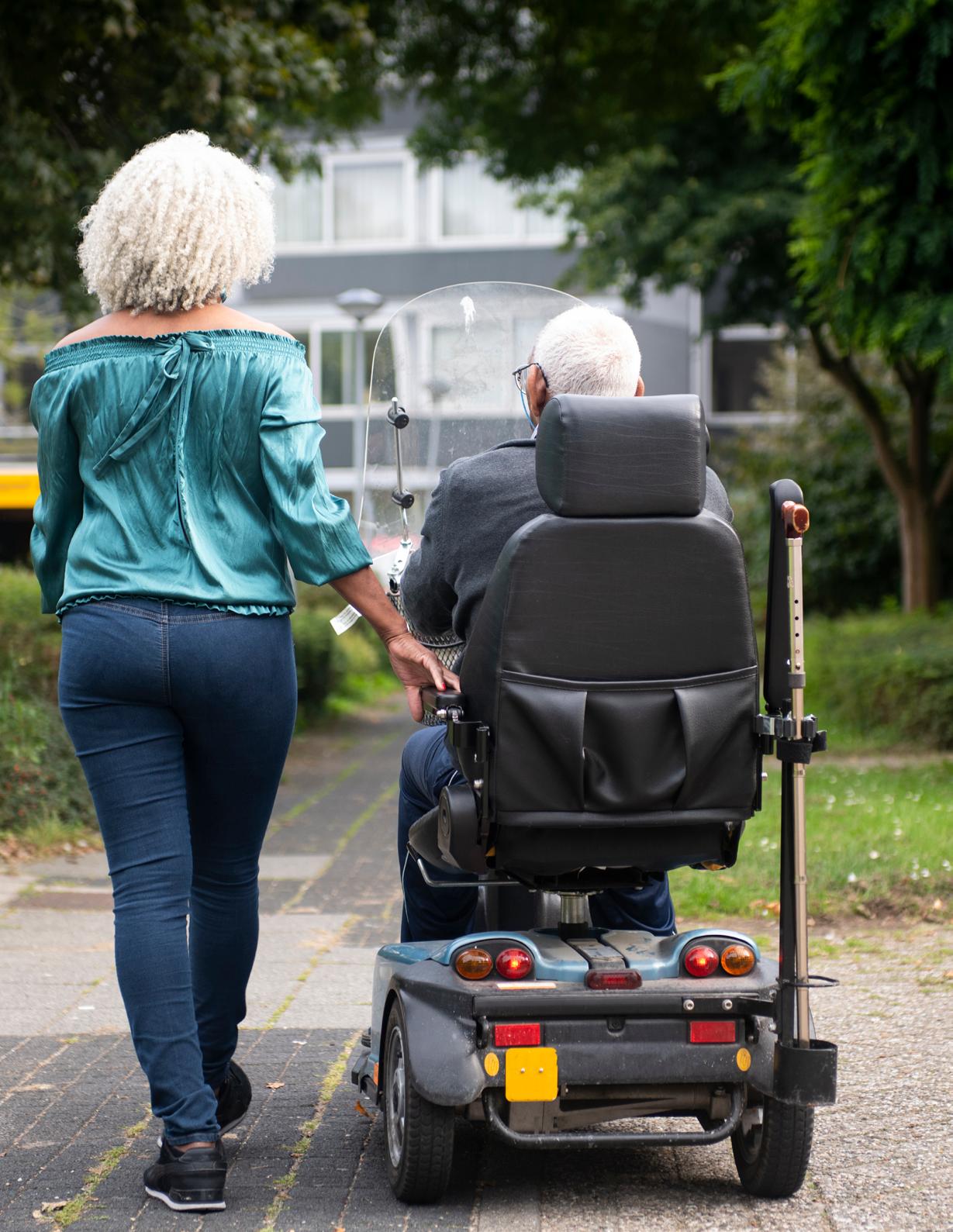

SECTION 4: Staying Healthy after
SCI
Not so long ago, staying healthy after a spinal cord injury (SCI) wasn’t possible. Most people died of medical complications within the first year after their injury. Now, life expectancy is not reduced much at all for many people with SCI. The same things that keep people healthy if they don’t have SCI—exercise, nutritious foods, and avoiding obesity and substance abuse— work for those with SCI. It’s also important to receive regular medical folloup and preventive services. This chapter covers some of the things you should consider to maintain your health.
Chapter 27 | Recreation
From the time we were old enough to plan, we all have done what we had to do, in order to then do what we wanted to do. Whether it was going to school and completing homework, or working an 8-hour shift at our job, we did it and looked forward to spending time on what is important to us. This treasured block of time that is unobligated and self-directed is leisure.
Leisure activities have many meanings in our life. They allow us to express ourselves, release tension, master skills, meet people, and improve our health. We need these activities to experience risks and challenges, to be exposed to new ideas, to accomplish things, and to build pride. Most important, though, we need them to help us relax and have fun. Your recreational activities are the options that make up your leisure lifestyle.
RECREATION IN REHABILITATION
Following a spinal cord injury (SCI), leisure time is no less important than before your injury. On the contrary, it may be even more important. It is simply not enough to wake up, complete your care routine, exist until bed time, and then repeat. A person with SCI once said “Rehab allows you to exist. Recreation allows you to live.” Let that sink in for a moment.
Your treatment team is made up of doctors, nurses, therapists, psychologists, social workers, etc. They are all working to help you become as independent and functional as possible while you live your life. How do you want to live that life? Exist or live?
What does the word recreation mean to you? We all have a unique combination of interests, desires, values, and goals. One person may love gardening to help create
beauty and order, while someone else may only see it as work and allergy fuel. Golf can be relaxing, peaceful, challenging, and great competition; or it can be seen as frustrating and pointless to be hitting a little white ball. The point is, that the activity is only recreation if it is important to you.
Don’t cross interests off your list simply because you don’t know how, or don’t think you can continue to participate in them. It is true that it may be difficult and frustrating at first. You may need a different technique or different equipment. Be patient with yourself, give yourself time to heal, and take advantage of opportunities to develop skills so you can enjoy your interests again.
Participating in recreational interests can help improve strength, endurance, balance, coordination, fine and gross motor skills, memory, mood, and pain management. Challenge your Recreation Therapist with questions that will help you to learn about the adaptations and equipment that can support your participation in your recreational interests.
RECREATION AND ADAPTATION
When you’re thinking about participating in an activity, there are some things to consider. Has your injury affected your mobility – the way you get around? How much strength and coordination do you have in your arms and hands? Are people available to provide assistance if you need it to participate in the activity? How have your endurance and stamina been affected? Talk with your therapists and doctors and get a clear idea. It’s important to understand the effect your injury has had on you. There may be some medical or safety precautions that you should consider when you’re making decisions about specific activities. You need to know what these precautions
are. Whether you use a community-based recreation service or try something for the first time with family or friends, it’s up to you to consider the needs of your body. It’s your job to make sure an activity is healthy, not harmful, for you. Don’t let the excitement of your friends and family talk you into doing something that you know, or even suspect, may risk your health. Your rehab team is available to help you.
You may benefit from adaptation or assistance to do the things you enjoy. The purpose of assistance and adaptation is to help you participate in an activity as independently as possible. Assistance comes in many forms – it might be equipment or another person. Could you benefit from a power fishing reel and fishing pole holder? Or maybe you just need someone to bait the hook for you. A minor adaptation to the rules or techniques might be all it takes to increase your independence with an activity. Not every person or every activity requires modification. Also, not every person who requires a modification will always require it. As you make progress, also make adjustments to the modifications.
Many sports and games have modified rules that are a form of adaptation. These modified rules don’t really change the game; they just make it practical for the competitors or participants. An example is the two bounces allowed for wheelchair tennis. This double bounce allows the player using a wheelchair to keep the game challenging and competitive. Some sports allow for crossover so a team can be comprised of a mixture of ability levels and equipment needs. One example is curling, where a team can be made up of members who use no modifications, those who use a wheelchair and a standard or modified curling stick, to those who use a power wheelchair with sip ‘n puff and a curling stick that is mounted to the chair. Some games and sports are exclusively wheelchair sports, like power soccer and quad rugby.
These two sports have unique rules of play that differ significantly from the rules for the original sport, but they retain their intense and competitive nature. Golf is a game where you can use adaptive equipment, but the rules remain the same. For safety reasons and practicality, some sports – like softball, hockey, and basketball – require that everyone use a sport chair to play. In fact, some community centers keep a stock of basketball chairs on hand so nonwheelchair-users can play with wheelchairusers. Most team sports have a classification system that evaluates a person’s function and regulates the competition.
Not into team or organized sports? Fine. This is all about identifying an activity that’s rewarding for you. Equipment may be available to support nearly any interest you might have. Your functional level will determine your equipment needs. You can hunt, shoot, and take photographs using a sip-n-puff or bite trigger mechanism. Some mounts allow chin control of a joystick to make fine target adjustments. Painting with a mouth-stick might require little more than the mouth-stick, an easel, and someone to set it up for you. Significant advancements in access to video gaming have been made in recent years, including the ability to customize the controller’s configuration by converting the buttons into various switches that can be placed anywhere within your reach. For example, a switch can be placed by your right elbow, with another attached to your shirt, while another by your head, knee, foot, etc. For some pursuits, the equipment is customized; for others, standard gear is all you might need. Camping? Get a tent with a large enough opening for your wheelchair to pass through. If you use a power wheelchair, get a campsite with power hook-up so you can charge your chair at night. Inflatable camping mattresses are easy to find. A tall inflatable mattress makes for a good night’s sleep and a relatively level transfer surface. However, the mattress might not meet your
skin protection needs – consult with your healthcare provider for recommendations; you may only need to turn more often during the night. Swimming? You might be independent and not need any floatation equipment, or you might need someone to support you and help you move through the water.
RESOURCES FOR RECREATION
Some recreation resources are right around the corner. For internet searches, add “adaptive”, “wheelchair accessible”, or similar terms to the search. For example, “adaptive recreation Boston” – or whatever your location may be. Contact your local YMCA, community centers, and the parks and recreation department for information on events and organizations. Call local rehabilitation professionals and ask about recreation organizations, or ask them to refer you to other people with disabilities. Peers are a terrific resource to let you know what’s happening and to provide support. Colleges and community centers offer many classes that are a great way to start increasing your activity. Take a cooking class or learn a language. Parks and recreation departments, churches, and Veteran organizations also offer classes and programs. Try something different. For example, getting involved in local government is a good way to effect change to accessibility issues and even to meet people.
A number of sports and outdoor recreation resources are listed under Resources at the end of this section. Many of these organizations have been very successful in developing equipment and resources to support greater independence and more opportunities. Look for ideas in bookstores under Outdoor Recreation and Sports. Don’t feel as though you should stick to disabled sports resources – every sport has a magazine full of opportunities and ideas. Be creative!
Depending on your interests, recreational equipment can be very expensive. Handcycles, for example, can cost thousands of dollars. Buying this kind of equipment yourself might not be an option, but there are other ways to obtain it. Talk with your healthcare provider and explain your goals for getting the equipment (like exercise, strengthening, weight-loss, and healthier living). Ask the provider to write a prescription for that equipment, just like they would for a wheelchair or other assistive device. With a prescription, your health insurance may pay for the equipment. You can also check out grants from organizations like the Challenged Athletes Foundation – there will probably be an application process to determine your goals, financial need, and so on. If you are a Veteran, your VA hospital might be able to purchase adaptive sports equipment for you. Check with the local VA facility to determine your eligibility. Two other options are to search the internet for used equipment or to network with others in your area to borrow equipment. Before you purchase or borrow equipment, make sure it’s in good condition, it fits right, and it meets your needs. Sports equipment should be customized for you just as much as your everyday wheelchair. If having and using recreational equipment is important to you, be persistent.
LOCAL, STATE, AND FEDERAL RECREATION PASSES
Many local, state, and federal agencies offer free or discounted recreational programs for people with disabilities. Look on the internet and call your city, county, and state parks and recreation departments and ask what programs they offer. When you are looking for programs, consider all the categories that might apply to you – person with a disability, senior citizen, Veteran, and so on. Always ask if a recreational program or business offers a discount for you and
possibly for your attendant as well. Some movie theaters, museums, and so on will give you or your companion a discount or free pass. The following are just a few examples of the programs that exist.
Many cities have programs for people with disabilities, and some offer reduced or free admission for parks, zoos, aquariums, and so on. For example, Seattle offers the FLASH card (Fun Leisure Access Savings and Health), which offers a host of free admissions & discounts on a variety of topics. States may offer similar programs. California offers a disabled pass that gives a 50 percent discount on the use of all basic facilities at any unit of the California state park system. California also offers the Distinguished Veteran Pass, which provides free access to all state park system facilities for those Veterans with 50 percent or greater service-connected disability or former prisoners of war. Every state has its own set of permits and regulations for hunting, fishing, and outdoor recreation for people with disabilities. Some discounts and permits require a physician’s signature.
The National Park Service offers a Golden Access Passport to permanently disabled U.S. citizens. This program offers lifetime free entrance to all national park system areas and 50 percent off camping fees in federal campgrounds.
Recreation is a very important part of your life. Leisure activities are a significant source of self-confidence and satisfaction in life. Be patient and start by setting small goals. You may look back in a year and be amazed at how far you’ve come. Have fun – recreation is great medicine!
Resources
The following is a small list of available resources. Search your local community, county, and state for opportunities in your area.
Sports Organizations
Amputee Sports
Amputee Coalition https://www.amputee-coalition.org/ resources/adaptive-sports-programs/
Archery
Move United Sport https://moveunitedsport.org/sport/ archery/
Arts
The Department of VSA and Accessibility at the John F. Kennedy Center for the Performing Arts http://education.kennedy-center.org/ education/#Access
Mouth and Foot Painting Artists (MFPA) https://mfpausa.com/
National Veterans Creative Arts Competition & Festival
https://www.blogs.va.gov/nvspse/nationalveterans-creative-arts-festival/
Basketball
National Wheelchair Basketball Association www.nwba.org
Canadian Wheelchair Basketball Association http://www.wheelchairbasketball.ca/
Billiards
National Wheelchair Poolplayer Association, Inc. www.nwpainc.org
Bowling
American Wheelchair Bowling Association www.awba.org
Flying
Able Flight https://ableflight.org/
Freedom’s Wings International www.freedomswings.org
Golf
U.S. Adaptive Golf Alliance https://www.usaga.org/
National Disabled Veterans Golf Clinic https://www.veteransgolfclinic.org/
Handcycling
Disabled Sports USA https://moveunitedsport.org/sport/handcycling/
Hockey
United States Sled Hockey Association https://www.usahockey.com/sledhockey
Horseback Riding
PATH International https://www.pathintl.org/
Multisport
Move United https://moveunitedsport.org/
Disabled Athlete Sports Association https://www.dasasports.org/
National Sports Center For The Disabled https://nscd.org/
National Veterans Wheelchair Games http://wheelchairgames.org/
Parks
National Park Service www.nps.gov
Golden Access Passport and information on national parks for people with disabilities. www.nps.gov/fees_passes.htm
Power Soccer
United States Power Soccer Association https://www.powersoccerusa.org/
Rugby
United States Wheelchair Rugby Association https://www.uswra.org/
Racquet Sports
International Tennis Federation (Wheelchair Tennis Department) www.itftennis.com
United States Tennis Association https://www.usta.com/en/home/aboutusta/who-we-are/national/about-adaptivetennis.html
Shooting
NRA Adaptive Shooting Program
https://adaptiveshooting.nra.org/
Skiing
Alpine/downhill skiing
https://moveunitedsport.org/sport/alpinedownhill-skiing/
Nordic/cross-country skiing
https://moveunitedsport.org/sport/nordicskiing/
National Disabled Veterans Winter Sports Clinic
https://www.wintersportsclinic.org/
Softball
National Wheelchair Softball Association www.wheelchairsoftball.org
Table Tennis
U.S. Paralympics
https://www.teamusa.org/US-Paralympics/ Sports/Table-Tennis
Travel
Wilderness Inquiry https://www.wildernessinquiry.org/
Video Gaming
Xbox Adaptive Controller
https://www.xbox.com/adaptivecontroller/
Quadstick http://www.quadstick.com/
Water Sports/Recreation
Kayaking
https://moveunitedsport.org/sport/ kayaking/
Sailing https://moveunitedsport.org/sport/sailing/
Handicapped Scuba Association International www.hsascuba.com
Adaptive Diving Association http://www.adaptivedivingassociation.org/
USRowing
http://www.usrowing.org/adaptive-rowing/
Magazines
Sports ’n Spokes and PN/Paraplegia News www.pvamagazines.com/sns
Sports Equipment
Access to Recreation http://www.accesstr.com/
Bike-On https://bike-on.com/
Spokes’n Motion http://www.spokesnmotion.com/
Be Adaptive Equipment http://beadaptive.com/
Chapter 28 | Nutrition and Weight
What should you eat to stay healthy? Hardly a day goes by without someone trying to answer that question. Social media, television, newspapers, magazines, books, and radio give us a lot of advice about what we should or should not eat. Much of this advice is confusing and ever changing as research evolves. We don’t know enough about nutrition to identify the “ideal” diet for each person. People differ, and their food needs vary depending on their age, sex, body size, physical activity, and other conditions—like a spinal cord injury (SCI).
The 2015-2020 Dietary Guidelines for Americans recommend a healthy eating pattern that accounts for all foods and beverages within an appropriate calorie level. A healthy eating pattern includes: a variety of vegetables, fruits, whole grains, fat free or low-fat dairy, variety of protein foods, and oils
A healthy eating pattern limits saturated fat, added sugars, sodium, and alcohol as follows:
• Consume less than 10% of calories from saturated fat
• Consume less than 10% of calories per day from added sugar
• Consume less than 2300 mg per day of sodium
• If alcohol is consumed it should be in moderation, up to 1 drink per day for women and 2 drinks per day for men of legal age
CONSUME A HEALTHY EATING PATTERN THAT ACCOUNTS FOR ALL FOODS AND BEVERAGES WITHIN AN APPROPRIATE CALORIE LEVEL
To stay healthy, you need about 40 different nutrients, including vitamins, minerals, protein, carbohydrates, fats, and water. No one food supplies all the nutrients your body needs, so you should eat a variety of foods. It is suggested to include a variety of vegetables from all subgroups, whole fresh fruits, whole grains, low fat dairy or fortified soy beverages, protein foods such as seafood, poultry, eggs, nuts and healthy vegetable oils like olive and canola.
One way to ensure variety and a wellbalanced diet is to use the USDA food guidance system, (go to the website at MyPlate.gov). If you eat a wide variety of foods, you won’t need to take vitamin or mineral supplements. If you’re not able to do so, a multivitamin and mineral supplement might help you meet your nutritional needs. Check with your doctor or dietitian first.
A HEALTHY EATING PATTERN
A variety of vegetables from all subgroups
• dark green, like spinach, escarole, lettuce, broccoli, kale, brussels sprouts
• red/orange color such as tomato, carrots, squash, red peppers
• legumes – peas and beans (i.e. kidney, pinto, black, garbanzo)
• starchy – corn, sweet potatoes
Fruits (especially whole):
• like oranges, apples, pears, berries, grapes, peaches, plums, bananas, melon
Grains, at least ½ of which are whole grains:
• All-bran cereals, shredded wheat, oatmeal or oat bran.
• 100% whole wheat bread or whole rye bread, cracked wheat bread. Read the labels on packages—look for 3–5 grams of fiber per serving.
• brown or wild rice
• quinoa, barley, bulgur, faro
• popcorn
Fat – free or low-fat dairy including milk, yogurt, cheese and or fortified soy beverages
Variety of protein foods such as seafood, poultry, eggs, lean meat, legumes, nuts (like walnuts, almonds), seeds (pumpkin, sunflower) and soy
Oils – vegetable type oils, olive, canola, grape seed, peanut, sunflower
CONSUME LESS THAN 10% OF CALORIES FROM SATURATED FAT
Saturated fat, and trans fatty acids, can increase your risk of developing heart disease. Saturated fats are mainly found in animal foods (like meat, butter, and whole milk dairy products) and in tropical vegetable oils (coconut, palm kernel, and palm oils). Trans fatty acids are found in stick margarine, solid shortening, and many prepared foods, like crackers, cookies, doughnuts, snack foods, and commercially fried foods. Like saturated fats, they raise your blood levels of bad cholesterol and increase your risk of heart disease.
To Avoid Saturated and Trans Fatty Acids:
• Choose lean meat, fish, poultry, dry beans, and peas as your protein sources.
• Limit your intake of butter, cream, stick margarine, shortenings, coconut oil, and foods made with these products.
• Trim excess fat and skin off meats.
• Broil, bake, or grill food rather than frying it.
• Read labels carefully to see how much and what kind of fat is in the food,especially baked goods.
CONSUME LESS THAN 10% OF CALORIES FROM ADDED SUGAR
Sugar provides calories without the benefit of nutrients. Consuming added sugars make it hard to meet all your other nutrient requirements while keeping within calorie limits, especially if you need to lose weight. Eating patterns that include lower intake of added sugars are associated with reduced risk of heart disease, obesity, diabetes, and certain cancers.
To
Reduce Sugars:
• Use less of all sugars, including white sugar, brown sugar, raw sugar, honey, and syrups.
• Eat less of foods containing sugars, like candy, soft drinks, cakes, and cookies.
• Select fresh fruit or fruits canned without sugar or in juice rather than heavy syrup.
• Read food labels. If the words sucrose, glucose, maltose, dextrose, lactose, fructose, or syrups appear first on the list, that means there’s a lot of sugar in the food.
CONSUME LESS THAN 2300 MG PER DAY OF SODIUM
Table salt contains sodium and chloride. Both are essential elements, but too much sodium is a hazard for people who have high blood pressure or heart disease. It also can cause edema (swelling due to water retention). Sodium is present in many beverages and foods, especially certain processed foods, condiments, sauces, pickled foods, salty snacks, and sandwich meats. Baking soda, baking powder, monosodium glutamate (MSG), soft drinks, and even many medications (antacids, for instance) contain sodium. It’s not surprising that adults in the United States consume much more sodium than they need. It’s a good idea to reduce your sodium intake. Use less table salt. Don’t eat foods that contain a lot of sodium. Watch out for “hidden” sodium in preservatives or flavorings added to food. To avoid consuming too much sodium:
Spices
Allspice
Basil
Bay leaves
Caraway seeds
Chives
Cider vinegar
Curry powder
• Learn to enjoy the unsalted flavors of foods.
• Use only a little salt when you cook.
• Add little or no salt to food at the table.
• Limit salty foods, like potato chips, pretzels, salted nuts and popcorn, condiments (soy sauce, steak sauce, garlic salt), cheese, pickled foods, and cured meats.
• Beware of sodium from fast foods – like pizza, sub or deli sandwiches, canned soups and meals (beef stew, ravioli)
• Read food labels carefully to determine which foods have sodium in them.
• Use herbs and spices to season your food. Season lightly—a little goes a long way. Start with a quarter teaspoon per four servings. Some common spices and their uses are listed in Table 12.
Table 12 | Seasonings to Use Instead of Salt
Uses
Ground meats, stews, tomatoes, peaches
Eggs, fish, lamb, ground meats, liver, stews, salads, soups, fish cocktails
Meats, stews, poultry, soups, tomatoes
Meats, stews, soups, salads, breads, cabbage, asparagus, noodles
Salads, eggs, sauces, soups, meat dishes, vegetables
Salads, vegetables, sauces
Meats, chicken, fish, tomato soup
Dill Fish sauces, soups, tomatoes, salads, vegetables
Garlic (not garlic salt)
Lemon juice
Marjoram (sweet)
Mustard (dry)
Meats, soups, salads, vegetables, tomatoes
Meats, fish, poultry, salads, vegetables
Soups, sauces, salads, lamb, pot roast, pork, veal, fish, vegetables
Ground meats, salads, sauces
Spices Uses
Onion (not onion salt) Meats, vegetables, salads
Paprika Meats, fish, stews, sauces, soups, vegetables
Parsley Meats, fish, soups, salads, vegetables
Rosemary Chicken, veal, meatloaf, beef, pork, sauces, stuffings, potatoes, lima beans
Sage Meats, stews, biscuits, tomatoes, green beans
Savory Salads, egg dishes, pork, ground meats, soups, squash, green beans, tomatoes, peas
Thyme Eggs, meats, sauces, soups, peas, onions, tomatoes, salads
Tumeric Meats, eggs, fish, sauces, rice
Wine May be used in marinades
IF IS CONSUMED, IT SHOULD BE IN MODERATION
Alcoholic beverages tend to be high in calories and low in nutrients. Heavy drinkers often lose their appetite for foods that contain essential nutrients. They commonly have vitamin and mineral deficiencies, partly because they don’t eat right but also because alcohol changes the way nutrients are absorbed and used in the body. Heavy drinking can cause a variety of serious conditions, such as cirrhosis of the liver and some nerve disorders. Cancer of the throat and neck are much more common in people who drink and smoke than in people who don’t. If you drink, do it in moderation. And even moderate drinkers might need to cut back if they want to maintain their ideal weight. Moderate drinking can be defined as: up to 1 drink for women and 2 drinks for men. Average serving sizes for 1 drink:
• 5-ounce glass of wine.
• 12-ounce bottle of beer.
• 1.5-ounce shot of 80-proof hard liquor.
MAINTAIN AN IDEAL WEIGHT
If you’re too heavy, you’ll have a much greater chance of developing a chronic
disease. Obesity is associated with diabetes type 2, high blood pressure, and high levels of harmful fats in your blood. These can lead to heart disease, hardening of the arteries, and can increase your risk of having a heart attack or a stroke. Obesity can also increase your risk of developing pressure injuries and can impair your mobility. If you transfer independently, the extra weight may lead to shoulder problems. If you require assistance for transfers and bed mobility, the extra weight makes the job that much harder for your caregivers.
If you’re underweight or undernourished, you may be less able to fight infections, tire more easily and be at increased risk for developing pressure injuries.
So, the goal is to maintain your ideal weight. How do you determine what’s ideal for you? There is no absolute answer for this. Paralyzed muscles often become much smaller, so ideal body weight is thought to drop by about 10 pounds for people with paraplegia and 20 pounds for people with tetraplegia. Formulas for ideal body weight for the general population may not correctly predict the weight for people with SCI. Table 4b-2 gives acceptable weight ranges for most people with SCI. Ask your health care provider or dietitian what your ideal weight should be.
Do you need to lose weight? If so, the overall strategy is to take in fewer calories than you burn. Remember paralyzed muscles become smaller which is one reason why people with SCI have lower metabolisms. Therefore, calorie reduction is most important for a planned weight loss program.
Table 13 | Acceptable Weight Ranges
Height (feet/inches) Weight (pounds)
Men
5’1” 123-129
5’2” 125-131
5’3” 127-133
5’4” 129-135
5’5” 131-137
5’6” 133-140
5’7” 135-143
5’8” 137-146
5’9” 139-149
5’10” 141-152
5’11” 144-155
6’0” 147-159
6’1” 150-163
6’2” 153-167
6’3” 157-171
Women
4’9” 97-106
4’10” 98-108
4’11” 99-110
5’1” 101-113
5’2” 103-116
5’3” 109-122
5’4” 112-125
5’5” 115-128
5’6” 118-131
5’7” 121-134
5’8” 124-137
5’9” 127-140
5’10” 130-143
5’11” 133-146
Weight Reduction
Here are some strategies to reduce calories:
• Prepare your own home cooked meals based on the MyPlate method. Prepare meal with ½ plate of vegetables, ¼ lean protein and ¼ grains
• Limit take-out or restaurant-style eating which tends to have higher fat, calorie and sodium containing food choices
• Learn to cook for yourself – see the following section on Adaptive Cooking and Food Preparation
• Limit the size of your portions.
• Don’t go back for seconds unless it is low calorie vegetables.
• Practice mindful eating: eat slowly, and savor every bite allowing at least 20 minutes per meal.
• Make eating a separate activity (for example, don’t watch TV while you eat).
• Maintain an eating pattern through the day (3 meals per day) this may prevent overeating later in the day
• Don’t use food as a way of dealing with boredom, anger, fatigue, or anxiety.
• Consciously choose food for its nutritive value.
• Avoid keeping high-calorie, low-nutrient snacks around the house.
• Eat less fried foods.
• Eat less sugar, candy and sweets.
• Pay attention to your hunger, if you are busy and ignore hunger signals when you are more relaxed, you may overeat
• Know the danger periods during the day when you tend to overeat. Be prepared with other divergent activities.
• Be forgiving. No one’s perfect. If you fall off your eating plan for one meal or one day, eat less the next meal or the next day.
• Lose weight gradually so your body can adjust to the change. If you lose weight gradually, you’re less likely gain it back again. Long-term success depends on finding new and better habits of eating and exercise. As with any program that changes the way you eat or exercise, always talk to your doctor before participating in a weight management program. If you want to lose weight, your dietitian can help you with a plan that meets your needs.
There are many different weight loss programs available to assist with weight management. A few specific to the VA and, or SCI individuals are worth exploring.
The EATRIGHT® Home-Based Weight Management Program has a specifically detailed program for persons with SCI available at www.spinalcord.uab.edu. It is a 12 – week format which utilizes videos and workbooks that teaches skills to enable you to maintain a healthy lifestyle by incorporating diet, physical activity and behavioral changes. Some of the important aspects it addresses: choosing healthy foods, planning, shopping and cooking, physical activity, stress relief and creating
goals for long term success. The special program was funded by a grant from Paralyzed Veterans of America (PVA).
The MOVE! Weight Management Program is supported by VA’s National Center for healthy Promotion and Disease Prevention. All VA Medical Centers and many Community-based Outpatient Clinics (CBOC’s) offer MOVE! which is a weight management, health promotion process designed to encourage healthy eating behavior, increase physical activity to reduce risks of chronic diseases and promote quality of life. For more information go to www.move.va.gov.
Table 14 | 12 Elements of effective weight management
1. Getting started
2. Making heathy food choices
3. Improving sel-talk
4. Goals
5. Planning meals
6. Participating in physical activities
7. Shopping
8. Understanding nutrition
9. Cooking
10. Reducing stress
11. Dining out
12. Maintaining long-term success
(Source EATRIGHT* Program)
Weight Gain
If you need to gain weight, do it gradually. A steady gain of one to two pounds a week will allow your body to gain muscle mass and not just fat. The following are some ways to gain weight:
• Eat at least three balanced meals each day with planned snack times.
• If you have a small appetite, eat six small meals a day.
• Add foods that have healthy fat content, like nut butters, nuts, vegetable oils
• Add non-fat milk powder to hot cereals, creamy soups, casseroles
• Eat high-calorie snacks between meals, like dried fruit, nuts, Greek yogurt, and smoothies. If you’re busy during the day, carry your snacks with you.
• Make mealtime as pleasurable and relaxed as possible by planning your meals ahead of time and eating with a friend. Avoid arguments during mealtime.
• Prepare foods that look good and are tasty.
• Save foods that fill you up fast and eat them at the end of the meal (for example, liquids and high-fiber foods like salads, vegetables, and fruits).
Adaptive Cooking and Food Preparation
Food is a motivator that drives our most basic instincts for survival. Cooking is a skill that can provide enjoyment, creativity, and improve overall quality of life. Following SCI, things that once were easy for you now may require adaptations and assistance. You may need a variety of adaptive equipment and/or assistance to complete cooking tasks. Cooking is a skilled area that you may be able to relearn with training, practice, and adaptation.
Depending on your level of injury, there are a variety of tools and environmental modifications that may be helpful. If you have a higher level injury, you may require assistance for setting out foods, opening containers, or hand over hand assistance for chopping stirring etc. If you have a lower level injury, you may only require assistance with adapting environments for optimal success. i.e. reaching items in oven, pots and pans placed on counter top versus in
a cabinet. Trialing a variety of tools can be helpful, such as using an electric skillet/ griddle on the table for better wheelchair positioning versus a stove top or using a slow cooker or multicooker.
Adaptive equipment
• Plate guard
• Universal cuff
• Long handled utensils
• Dycem
• Single hand cutting boards
• Automatic can openers
• Built up handles
• Rocker knives
• Elongated straws
• Mobile arm support You can use adaptive equipment in numerous ways. You should speak with an Occupational Therapist and find out what may work best for you. It is important to find just the right equipment to maximize your full potential.
When cooking, positioning plays a major role for increasing independence and maintaining safety. When cooking, it is important for you to be seated in as much of an upright position as possible, which for some may require use of back supports, tilt, lateral supports, chest straps, or seat belts to improve safety. When cooking you should be comfortable and have your arms positioned in front of you so you can see what you are doing.
Food Safety with Cooking
Safety is key when cooking. It is important to make sure you consider the following:
• Be aware of any areas of your body with limited sensation
• Avoid objects that are too hot or sharp
• Use good hand hygiene
• Always make sure to check all expiration dates
Cooking group
Cooking can be done individually or with a group; trying new recipes can be more fun if you share them with others. Participating in a Whole Health (see Chapter 35, Whole Health) cooking group can allow you to:
• Broaden your diet
• Try new nutritious meals
• Experience comradery (bonding through sharing experience)
• Try adaptations for increased independence.
• Provide team support
• Motivate you to work towards goals for increased quality of life.
Trying new things can be difficult, and practice is the key to success. Even those who cannot cook for themselves can advocate to make interesting recipes; figure out what you like and try it!
Resources
Academy of Nutrition and Dietetics 120 S. Riverside Plaza, Suite 2000 Chicago, IL 60606-6995 (800) 877-1600 www.eatright.org
This website is maintained by the Academy of Nutrition and Dietetics (AND) the world’s largest organization of food and nutrition professionals. The site includes food and nutrition news, a marketplace, nutrition resources, Find a Dietitian, and other information. The AND promotes nutrition,
health, and well-being. It publishes a monthly journal on food and nutrition topics for professionals and consumers. Its programs include government affairs, which monitors food and nutrition-related regulations and legislation; education and registration for nutrition professionals; information on insurance coverage for nutrition services; and a nutrition hotline. The hotline, at (800) 366-1655, has recorded messages on nutrition topics and referrals to dietitians.
EATRIGHT Home-Based Weight Management Program for Individuals with SCI
The PVA Education Foundation funded the modification of the original EATRIGHT program to meet the needs of persons with SCI. For information on this program, go to www.spinalcord.uab.edu
Mayo Clinic 200 First Street, SW Rochester, MN 55905 (507) 284-2511 (507) 284-9786 TDD www.mayohealth.org
This is the Mayo Clinic’s Health Oasis, maintained by the Mayo Foundation for Medical Education and Research. Health Oasis provides information about patient care, research, and education programs. The website’s Nutrition button offers news, a reference library, recipes, a searchable cookbook, food quizzes, and more. www.ChooseMyPlate.org
A website by the United States Department of Agriculture (USDA) featuring the Dietary Guidelines for Americans 2015-2020 and the MyPlate tools and visuals to help with ideas and tips to create a healthier eating style to need individual needs.
Chapter 29 | Exercise
Nearly every day we hear or read something about the benefits of regular exercise. The positive physical and psychological effects of a fit and healthy lifestyle are well documented and widely publicized. Now that you have a spinal cord injury (SCI), consistent exercise is even more important. Right after your injury, during your rehabilitation, you’ll be exercising regularly under the guidance of skilled health professionals. After you leave the hospital, it will be up to you to make exercise a part of your daily life, to maximize your abilities and to improve or maintain your overall health.
WHY IS EXERCISE SO IMPORTANT?
SCI causes muscle paralysis, so you have fewer muscles that you can control. Some of those muscles that remain may have limited function. Targeted exercise, early in your rehabilitation, helps activate all the muscles that are still working with the goal of being able to use them to their greatest potential. Exercise will help to build strength and endurance in those muscles and helps you to learn new movement strategies. Exercise for the parts of your body that were affected by SCI is just as important for many reasons. This can include the following: possibility of regaining strength as your spinal cord is recovering, preventing joint contractures, help with maintaining bone density, improving circulation, and managing pain. Lifelong exercise will help you keep your muscles strong and conditioned, maximize your function, reduce your risk of injury, and help you stay healthy.
Exercise has several health benefits for the general population, as well as for people with SCI. Exercise can help prevent several medical conditions including heart disease,
diabetes, pulmonary disease, and high blood pressure as well as helping with pain management. For the SCI population, exercise may also have positive effects on bowel and bladder function, and it may help with maintaining bone density. Beyond the physical benefits, exercise also has several psychological benefits. Research has shown that exercise is effective in helping improve depression, decrease stress, and improve sleep.
Cardiovascular disease is common in people with SCI. In fact, it’s a leading cause of death for people who have lived with SCI for longer than 30 years and for those over 60 years old. The risk of developing cardiovascular disease rises at a faster rate among people with SCI because of cholesterol levels (not enough high-density lipoprotein (HDL), the “good cholesterol”), obesity, inactivity, loss of muscle mass, diabetes, and a related problem called “metabolic syndrome” (obesity, high blood pressure, excess fat in the blood, and a condition like diabetes).
Exercise is also important to manage body weight. For most people with SCI, ideal body weight is lower than their body weight before SCI. However, many people with SCI gain weight and have too much body fat. Paralyzed muscles don’t burn as many calories as contracting muscles, and people with SCI are typically less active than the general population, which results in a tendency to gain weight in the form of fat. Exercise and an active lifestyle are critical to prevent weight gain. Not only does exercise directly burn calories, it also increases your resting metabolism, which means that your body will burn more calories throughout the day. Chapter 28 (Nutrition, Weight Management, and Adaptive Cooking) has some great ideas for healthy eating
habits that have a direct impact on weight management. Staying at your ideal weight allows you to move more efficiently and lessens the risk of injuries. For example, pushing a manual wheelchair puts stress on your shoulders. The more you weigh, the greater the stress will be. Maintaining an ideal weight can help lower some of the stress burden on your shoulders, which can prevent pain and possible injury from pushing your wheelchair. This is similar to transfers from your wheelchair to other surfaces – less weight equals less load on the shoulders, which means less risk for shoulder injury.
Exercise is also important for supporting good posture. Whether you use a wheelchair full time or if you can stand and walk, specific exercises can help you to maintain the correct body alignment. A neutral upright posture, either sitting or standing, allows the body to move and operate most efficiently. It also minimizes discomfort and the risk of injury. In addition to properly adjusted equipment (wheelchair configuration), specific stretching and strengthening exercises can help you fight the force of gravity, which is the main culprit in postural compromise. (See section 2-c, Limb Preservation and Posture). Exercise can also help you keep your bones strong, participate in leisure and recreational activities you enjoy, sleep well, and feel good about yourself and your body.
PRECAUTIONS WHEN EXERCISING
Improving your physical fitness through exercise can be very beneficial. However, being successful also means knowing what to be aware of and when to stop. In general, you should stop exercising if you have any chest pain, irregular heartbeat, sudden shortness of breath or become abnormally short of breath, sudden wheezing, nausea, dizziness, blurred vision, chills or headache.
If you have a SCI, you should check with your physician before starting a new exercise program to screen for heart conditions and to assess such things as bone density, especially if you have not been active in a while. Consulting with your physical therapist can also help with providing guidance on exercise parameters, education about exercising with a SCI, and help provide recommendations for physical accessibility including specialized or adaptive equipment.
The following are some important considerations for exercising with SCI:
• Autonomic dysreflexia (AD): (for people with SCI at T6 or above; see Chapter 9, Autonomic Dysreflexia).Some kinds of exercise can cause AD in patients who are susceptible to it. AD can also be caused by other things such as, but not limited to, having your body is in a new position that it is not used to or using adaptive equipment that is not fit correctly. Know the symptoms, stop exercising if they arise, and seek medical attention immediately if you cannot treat it promptly. Symptoms of AD include: headache, flushed face or red blotches above the level of SCI, sweating above the level of SCI, nausea, slow heart rate, goose bumps below the level of SCI, and cold clammy skin below the level of SCI.
• Skin protection: Don’t forget to do your pressure releases when you’re exercising Avoid staying in one position for a long time, as this can damage your skin. If you’re using fitness or sports equipment, make sure it fits well with an appropriate cushion to reduce the risk of skin breakdown from both pressure and sheering forces.
• Fracture prevention: People with SCI often develop osteoporosis, which weakens your bones. To minimize the risk of a fractured or broken bone, be careful not to drop heavy weights on yourself,
avoid falling during exercise activities, and consult with your physician about the safety of standing if you’re not on a regular standing program.
• Temperature regulation: Your body’s ability to regulate temperature may be impaired by your SCI. Be especially cautious when you’re exercising in very warm or very cold environments. Moisture can lead to skin breakdown, so dressing in layers that can be added or removed can help with temperature regulation and preventing excessive sweating.. Consider wearing clothing that can wick moisture. For hot temperatures, use a spray bottle of water, ice packs, or cold compresses to help regulate temperature if you get too hot. For cold temperatures, in addition to layering with appropriate clothing to keep warm, be sure to check parts of your body that you cannot feel, especially your hands and feet. Extreme cold can cause frostbite which can lead to severe injuries.
• Hydration: Drink plenty of water before, during, and after exercise. Balance your water intake with bladder management.
• Bladder and bowel management: Empty your bladder or leg bag right before you exercise. Maintain a consistent bowel maintenance program to avoid autonomic dysreflexia or accidents during exercise.
• Body stabilization and hand supports: If your trunk muscles are paralyzed, you may need to use special straps or belts to stabilize your body while you exercise. If your hand strength is impaired, you may need to use special gloves, elastic wraps, or fasteners to secure your hands to the equipment. Always be certain that whatever you’re using for stabilization is not going to put your skin at risk, especially if it is on a part of your body that you can’t feel.
• Illness: If you’re sick, take a break from your exercise program until you’re feeling better.
• Low blood pressure (hypotension): If your upright resting blood pressure is less than 90/50, you should wear an abdominal binder and compression stockings while exercising. Blood pressure often drops in people with SCI when they’re exercising, so know the symptoms of hypotension and monitor how you’re feeling.
• Pain: Don’t do exercises that cause or aggravate pain. Consult your doctor or therapist for recommendations about alternative exercises that don’t cause discomfort.
BENEFITS OF SPECIFIC KINDS OF EXERCISE
A well-balanced program for improving fitness and function includes several different kinds of exercise.
AEROBIC CONDITIONING
Aerobic conditioning improves the body’s ability to use oxygen by training the heart, lungs, and muscles to work more efficiently during a sustained activity. Aerobic exercise is important for the following reasons:
• To improve your heart and lung function both at rest and during activity.
• To improve blood flow and oxygen delivery to muscles
• To decrease the risk of heart disease.
• To improve the body’s ability to burn fat.
• To provide the body with more energy for daily activities.
When you hear “aerobic exercise,” you might think of jogging, cycling, swimming, or other activities you did before your SCI. Now you’ll need to adjust the way you exercise and/or find other ways to improve your cardiorespiratory system through aerobic training. You’ll have different options depending on your level of injury and specific requirements of the
adaptive equipment. Some options include the following:
• Adaptive cycling
• Arm ergometry cycling with a stationary bike that you pedal with your arms
• Handcycling: riding a bike from a seated (reclined or upright) position while pedaling with your arms
• Recumbent cycling: riding a bike from a reclined seated position while pedaling with your legs
• Swimming with or without floatation support depending on your swimming skills
• Other adaptive sport options like basketball, wheelchair rugby, tennis, boccia, rowing, skiing, and wheelchair road racing (for more ideas, see section 4-b, Recreation).
• Functional Electrical Stimulation cycling (exercising with assistance of electricity to contract your muscles
• Exoskeleton ambulation (walking with robotic devices)
The goal of aerobic training is to get your heart and lungs working harder than they do during your everyday activities. The American College of Sports Medicine recommends the following for effective aerobic conditioning with SCI:
• Intensity: 50–80% of predicted peak heart rate (see below)
• Frequency: 3–5 days a week
• Duration: 20–60 minutes per exercise session
How to Measure Your Heart Rate
When you’re participating in an aerobic exercise program, it’s important to monitor your heart rate (pulse). If you can’t take your pulse yourself, teach someone to do it for you. Here’s how to do it:
1. Use a watch or clock that counts seconds.
2. Find your pulse with your first two fingers (not your thumb) at one of two places:
3. On the thumb side of your wrist with your palm up, just above the fold of your wrist
A. At one side of the middle of your neck, right next to your windpipe
B. Count the number of beats in a 10-second period.
4. Multiply the number of beats by 6 to get your heart rate in beats per minute (bpm).
Example: 20 beats in 10 seconds
20 x 6 = 120 bpm heart rate
Peak Heart Rate and Training Zones
In the recommendations for aerobic conditioning (above), you see that you’re supposed to work at 50–80% of your predicted peak heart rate. What does that mean?
Peak heart rate is the maximum number of times your heart can beat in one minute (bpm). The most accurate way to find your peak heart rate is with a laboratory stress test. But since stress tests aren’t always available, there’s a simple formula to figure it out: 220 minus your age. For a 40-year-old nondisabled person, the peak heart rate would be 180.
To calculate a heart rate training zone at 50–80% of peak heart rate:
220–40 = 180 peak heart rate
50% of 180 = 90 bpm (0.5 x 180 = 90)
80% of 180 = 144 bpm (0.8 x 180 = 144)
So, the training heart rate zone for a 40-year-old nondisabled person would be between 90 and 144 bpm.
If your SCI is at or above T6, your body might not control your heart rate the way it used to. When you exercise, your pulse doesn’t increase the way it should, so it’s hard to get to the training zone using your heart rate because the predicted maximal heart rate cannot be reached (see Chapter 8, Circulatory System). For example, you might not be able to make your heart rate go above 120 bpm. If that’s the case for you, measure your heart rate at rest and add 20–30 beats. For example, if your resting heart rate is 60, your training heart rate zone would be 80 to 90 bpm.
Rate of Perceived Exertion (RPE)
Another way to determine the intensity of exercise is to judge how hard it feels and compare it on a scale. Table 15 shows an RPE scale. When you’re working in an aerobic training zone to improve fitness, you should be exercising between level 4 “somewhat strong” and level 7 “very strong.” If the exercise feels “moderate,” you need to work harder; if it feels more than “very strong,” you need to slow down. Research has shown a good correlation between heart rate training zones and the RPE.
The RPE scale works well if your SCI is at or above the T6 level because it’s hard to tell how hard you’re working based on your heart rate response. Use the RPE scale instead and base the intensity of your exercise on how hard you feel you’re working. The RPE scale can also be used for injuries below T4. It’s often a more convenient way to measure how hard you’re working, especially if it’s difficult to stop the exercise to take your pulse.
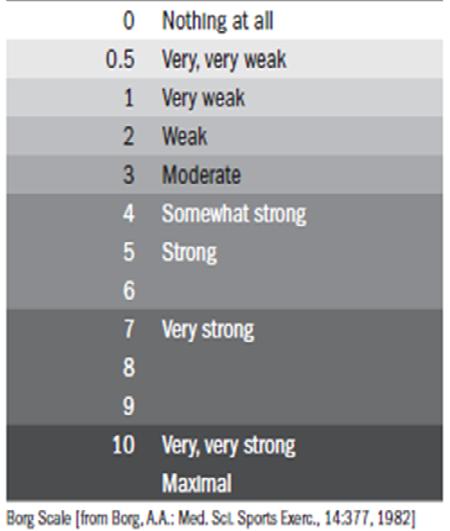
Importance of Warm-Up and Cool-Down
You shouldn’t ask your body to abruptly start or stop an intense exercise. To allow the muscles, joints, and cardiovascular system to warm up before and cool down afterward, do at least five minutes of lowintensity exercise before you move into your training zone and again when you finish your workout. Gentle stretching during the warm-up and cool-down periods will also help prevent injuries.
MUSCLE STRENGTH AND ENDURANCE TRAINING
Strengthening increases the force of contracting muscles, while endurance training increases a muscle’s ability to contract repeatedly without becoming fatigued. Exercise to improve muscle strength and endurance is important for several reasons:
Table 15 | Rate of Perceived Exertion
• To allow you to get where you need to go, whether you push a manual wheelchair, drive a power wheelchair with your hand or head, or walk.
• To enable you to move and take care of yourself as independently as possible.
• To protect you from injuries.
• To support good upright posture.
• To increase muscle mass, which makes it easier for your body to burn calories and maintain a healthy weight.
Depending on your injury level and amount of paralysis, you’ll have some muscles that you can control and some that you can’t (see Chapter 1, Anatomy, Physiology, and Research). The muscles above your level of injury should be unaffected, but they might be weak because of bed rest and inactivity after your injury. If you have a complete paralysis below your injury level, some muscles no longer work at all, so they can’t be strengthened with exercises. If you have a motor incomplete SCI, some of the muscles below your level of injury work, but they’re probably weak. The goal of strengthening exercises is to encourage the muscles that you can control to work as well as possible.
During your rehabilitation, your physical and occupational therapists will design an exercise program to target all the muscle groups that you can strengthen. Your program is tailored specifically for you. For example, people who can only move their heads and necks will have a program to target the neck and breathing muscles. They may also use functional electrical stimulation, the application of electricity through electrodes on the skin, to contract the muscles and receive the benefits of exercise. People who can move all their limbs will have extensive programs that target all muscle groups. Regardless of your level of injury, breathing exercises are important to keep your respiratory
system strong and healthy (see Chapter 3 Respiratory Care, for detailed information). There are many equipment options for strength training, including weights, pulleys, and resistance bands. Whether you’re just finishing your rehabilitation or have had your SCI for a while, the recommendations for muscle strength training are as follows:
• Intensity (resistance or weight): 50–80% of the most weight you can lift once.
• Duration: 8-12 repetitions per muscle group, working to the point of muscle fatigue.
• Frequency: at least twice a week; more frequent is more effective.
• Endurance training requires exercise at a lower intensity with more repetitions.
STRETCHING
Flexibility exercises help maintain or increase the length and mobility of muscles and tendons to allow the body to move as normally as possible. Daily stretching programs can be helpful in preventing a loss of range of motion. Prolonged stretching programs can deliver a lot of benefit to maintaining the length of muscles and tendons. Some ways to achieve this can be with lying flat either on your back or stomach for an extended time or using a standing device, such as standing frame or standing wheelchair. These will help maintain range and flexibility at the hips, knees and ankles which are often tight from sitting in a wheelchair. For details on stretching, (see Chapter 14, Limb Preservation, and Posture, and Appendix A, Range of Motion).
FUNCTIONAL EXERCISE
The best exercises are usually those that are “functional”—they mimic the activities you need to do in your everyday life. Your occupational and physical therapists
encourage these exercises because they help you learn to coordinate your movements while you’re improving muscle strength and endurance. For example, you might use your finger to move small objects from one place to another—this improves the use of your hand muscles for selfcare activities. Or you might practice your transfer technique over and over, so your shoulder muscles become trained to move your body weight. All the skills you practice in therapy sessions have a purpose; if you’re not sure why you’re doing an exercise or activity, ask your therapist to explain. Functional exercise also includes all the things you need to do each day to take care of yourself and move around. Managing your legs for dressing, driving or pushing your wheelchair, transferring, and writing are examples of everyday activities that help keep your muscles working well.
BASIC PRINCIPLES OF EXERCISE PROGRAMS
To make the most of your exercise program, you should know some general concepts about how exercise works. These principles are important whether you have a new SCI or have been injured for some time and are starting a new exercise program.
Overload Principle
To benefit from exercise, you must do it at an intensity that’s greater than your everyday activities. And you must progressively increase the intensity over time, so the exercise continues to be challenging. You can modify the frequency (how often), intensity (how much), and duration (how long) of any exercise to make it more challenging. A general rule is to increase the intensity of an exercise approximately every two weeks.
Specificity Principle
Your body reacts to an exercise based on what that exercise is intended to do, with little carryover in other areas. For example, lifting weights will increase your strength but will have little effect on your cardiovascular fitness. Also, the best way to train for an activity is to do that activity. For example, if you want to improve your cycling, you should cycle a lot.
Reversibility Principle
We’ve all heard the phrase “Use it or lose it.” The positive effects of exercise will keep coming as long as you continue and progress in your exercise program. As soon as you stop exercising, your body will get weaker and will lose all the hard work you’ve put into it. And, unfortunately, we lose fitness at a much faster rate than we gain it. It’s important to stick with your exercise program so you don’t have to start over from scratch.
Meaningfulness Principle
Your body will respond better to activities that have importance to you, so pick activities you enjoy or ones that are related directly to tasks you want to be able to do in your everyday life.
EXERCISE FOR LIFE
There are constant advances in technology such as robotic exoskeletons and electrical stimulators. While we do not know what the future holds for advances in treatment and rehabilitation after SCI, we do know there are some things that can keep you prepared to be a candidate for future treatment options.
• Prevent joint contractures. Regular stretching programs and use of postures that maintain full range of motion will help you to be able to adapt and fit into robotic devices that require certain amounts of movement.
• Maintain bone density. Standing and programs where you bear weight through your joints may provide some assistance with maintaining your bone density. Also, any exercise where the muscles are pulling on the bones such as aerobic conditioning or strength training may also assist with maintaining bone density.
• Cardiac Health. The heart is a muscle just like our leg and arm muscles. Regular aerobic conditioning will ensure your heart has the strength to participate in new and challenging activities.
• Weight management. Nutrition and exercise are important to maintaining a healthy body weight. Maintaining a healthy weight is important to be able to fit into devices that become available for rehabilitation.
A FEW FINAL SUGGESTIONS
• Choose activities you like. You’re more likely to continue a program that’s fun. Consider exercising with a friend or family member to keep things enjoyable.
• Don’t overdo it. “No pain, no gain” means you should work hard; it doesn’t mean you should work to the point of hurting yourself. You might feel some minor muscle soreness when you start or progress in an exercise program. This should fade away in a day or two.
• Smoking and exercise don’t go together. The many harmful effects of smoking negate the many benefits of exercise. There’s plenty of information and support out there to help you quit smoking.
• Fitness and function are more important than looks. Your goal should not be to have bulging muscles like a body builder but rather to have a healthy and fit body that allows you to do what you need to do without fatigue and pain.
• Eat well. Good nutrition is a very important aspect of your exercise program. Read section 4-b, Nutrition and Weight, and contact your dietitian if you have specific questions.
• Ask for help. If you’re unsure how to do an exercise or need guidance to start a new exercise program or ramp up an existing program, ask your SCI therapists to get you going in the right direction.
• Get an evaluation before you start an exercise program. It’s usually safe to start an exercise program without undergoing any special testing, but people with certain medical problems—like heart disease or diabetes—may need some testing before they start doing aerobic exercises. It’s a good idea to discuss your exercise plan with your health care provider before you begin.
Regardless of your level of injury, exercise is important to keep your body as physically fit as possible. You need your muscles to be strong, your heart to be healthy, and your body to be flexible to maximize your independence. Make a commitment to keep exercise a part of your healthy lifestyle.
Chapter 30 | Medications
This section provides general information about medications. It does not give you specific information about your own medications, although it’s important for you to learn about the medications you take. It will review how medications work, how they are delivered to the body, and why they are prescribed for you. It will provide some guidance on how you can play an active role in your medication management and health maintenance.
HOW MEDICATIONS WORK
The body is made up of chemical substances that are continuously undergoing chemical reactions to create effects. These effects might be to digest food, heal an infection, or maintain blood pressure. Medications are chemicals, too. This means that when you take a medicine, it interacts with your body’s own substances to cause a certain reaction. Some medication can be used by the body in the form it was delivered, and some has to be broken down into a substance the body can process. Most medicines are not things the body would normally create and use, so they’re eventually removed from the body, usually in the urine or stool. Each medication takes a certain amount of time to be processed and used by the body before it’s eliminated. Some are meant to pass through the body very quickly, while others build up in the body and have a longer-lasting effect. Many medicines are processed by the liver or filtered from the blood by the kidneys. If you have problems with your liver or kidneys, your health care providers might adjust the amount of medicine you receive or choose a different one.
NAMES AND FORMS OF MEDICINES
Medicines usually are known by at least two names: a generic (or common) name and a brand (or trade) name. This can be confusing. Learn both the generic and brand names of your medications, as well as the doses and how often you take them. Make a list of all the medicine you take and keep it with you at all times. A medication list is important to have when you receive routine or emergency medical care.
The medications you take come in different forms, including tablets, capsules, syrups, drops, inhalations, injections, ointments/ creams/lotions, skin patches, and suppositories. The form of the medicine affects how it works in the body. Your health care provider or pharmacist will give you information on how to take your medication effectively.
SIDE EFFECTS
Medicines are prescribed to have specific intended effects on the body, but almost all of them have additional effects that are called side effects. Your health care provider and pharmacist will tell you about possible side effects from medications before you take them. It’s important to report any new symptoms you experience after taking a new medicine. Side effects are classified in many ways, and they can be mild or serious.
Pharmacologic Side Effects
These are the additional effects of the medication that are predictable. Because a medication is absorbed by the entire body, it may affect more than one part of the body. Often, your body just needs some time to adjust to the medication and its effects. But
if the dose is too high, the medicine might have too much of the additional effect, and this can cause problems, too.
Allergic Reaction
This is an abnormal reaction to a medication. It has nothing to do with the action or dose of the medicine and is often unpredictable. Allergic reactions come in many forms and may show up immediately or weeks after starting a medicine. Skin reactions—ranging from redness and itching to swelling and blisters—are the most common. Keep track of any allergic reactions you have, so your health care providers can avoid prescribing similar medicines in the future. If you think you’re having an allergic reaction, call your health care provider immediately.
Anaphylaxis (ANN-ah-fil-AX-is)
This is an immediate, severe, allergic reaction to a medication, and it can be lifethreatening. You may experience difficulty breathing or a drop in your blood pressure. This is the same type of reaction as in people with severe allergies to bee stings. Stop using the medication and call 911 at once.
Medication Interaction
One medication can interact with another one, or with other substances like alcohol or food. Sometimes the combination will increase the effect of one or both medications. For example, alcohol will make a sedative even more sedating. On the other hand, an interaction might stop one medication from working correctly.
An Example
For examples of intended effects and side effects, consider the following about aspirin:
• The intended effect of aspirin is to reduce a fever or pain.
• The pharmacologic side effects include stopping platelets (small particles in the blood) from clumping together and forming blood clots. Aspirin is often prescribed when this side effect is desirable. However, this also increases the risk of bleeding stomach ulcers.
• Some people have an allergic reaction after receiving aspirin and will develop skin rashes or other symptoms.
• A few people have a more severe anaphylactic reaction when they receive aspirin. They will develop breathing problems or low blood pressure. Allergic reactions and anaphylaxis are especially common in people with asthma or allergies to other anti-inflammatory medications.
• Aspirin can have a medication interaction with some diabetes medications. It can make the diabetes medication more active and lower the blood sugar to a dangerous level.
PREGNANCY AND BREAST FEEDING
If you’re pregnant or think you might be, contact your health care provider immediately. Many of the medications you take can have serious effects on the fetus, especially early in the pregnancy. Many medications leave the body in breast milk. If you plan to breast feed, review all your medications with your health care provider to make sure your child is safe.
CATEGORIES OF MEDICATIONS AND DIETARY SUPPLEMENTS
In the United States, the Food and Drug Administration (FDA) determines how medicines and supplements are regulated and sold. Some medications require a prescription from a health care provider. Others—over-the-counter
(OTC) medications—do not, or are not regulated at all. The difference between an OTC medication and a prescription medicine is that OTC medications are generally safer, have fewer and milder side effects, and have no potential for abuse or addiction. Prescription medications must be prescribed by a licensed health care provider. They usually have more serious side effects or some potential for abuse and addiction, so their use is monitored.
Dietary supplements are products that contain dietary ingredients (including vitamins, minerals, amino acids, herbs, or other botanicals) that are taken by mouth and are intended to supplement your food. A botanical (herbal medicine or phytomedicine) is a plant or plant part. In the past, supplements were only found in health food stores, but now they’re in most pharmacies and supermarkets, and are sold over the Internet. Some supplements are being added to food and drink products sold in grocery stores.
The FDA treats dietary supplements like foods, not medications. The manufacturers must follow the same safety standards that are applied to foods, but supplements don’t have to be tested to see what ingredients they contain or how much of the active ingredient is in the product. The manufacturers don’t have to prove that there’s any health benefit from taking the supplement, so they’re not allowed to make claims about treating specific diseases. That’s why most of the health benefits claimed for these products are a little vague. Because more and more people are taking supplements, the U.S. government has established an Office of Dietary Supplements to collect information about the safety and effectiveness of supplements. Some supplements may be effective in treating certain conditions, but much more research and testing are needed before supplements can be classified as safe or effective.
Just because a substance is “natural” doesn’t mean it’s harmless. Used in excess or in combination with other medications, it might have a bad effect on your health. Herbs and supplements can enhance or block the action of other drugs. For example, ginkgo biloba (an herbal supplement) can interact with warfarin (a prescription blood-thinner) and increase the chance of internal bleeding. Supplements can also adversely affect bowel and bladder function. If you choose to take supplements, read the labels—some supplements contain trace amounts of toxic substances. If you’re also using an over-the-counter or prescription medicine, talk to your health care provider before you start taking a supplement. It might be helpful to bring in the substance in its labeled container so the health care provider can determine if it’s safe for you to use.
WHAT DOES YOUR PRESCRIPTION SAY?
Most prescriptions include the follow parts:
• Your name, birthdate, medical record number, and address.
• The prescription or Rx symbol, followed by the name and strength of the medication, how the medicine is to be taken (the doctor may abbreviate it, but it will be fully written out on the container), and the quantity.
• Refill information.
• The date.
• The health care provider’s name, address, and registration number.
• The provider’s signature.
Most medications can be prescribed by a health care provider to a pharmacist over the phone. But this may not be done with prescriptions for controlled substances,
including some pain, anxiety, and stimulant medications. These medicines can only be obtained with a written prescription that’s taken to a pharmacy , or in some cases using an electronically signed prescription sent directly from the provider to the pharmacy. Also, some controlled medications can’t be prescribed for longer than 30 days without a new written prescription. The original prescription for a medication will indicate how many refills are permitted. As long as you have refills left, you can get more medicine when you run out. If you’ve used your last refill or the medication doesn’t allow refills, you’ll have to contact your health care provider for a new prescription. Ask your providers about the procedure for getting refills and new prescriptions. It’s a good idea to contact them a couple of weeks in advance so you don’t run out of a medication. Most hospitals and pharmacies use a computerized system to order your medications and keep track of refills.
Try to fill all of your prescriptions at the same pharmacy or pharmacy chain. The pharmacist should be aware of all the medications you take in order to check for possible interactions between medications and ensure that they’re safe to take together. The pharmacist won’t be able to fully check for interactions if you fill prescriptions at several different pharmacies.
ADVERTISEMENTS ABOUT MEDICATIONS
As a health care consumer, you should know all about the medicine you take or might take, not just what an ad says about it. Read the package inserts to learn about possible side effects. Talk to your health care provider about medications you’ve heard about. Find out what they can do and whether they’d be safe and appropriate for you.
AT HOME
In the hospital, people tell you when and how to take your medications. At home, you’re responsible, so you need to know what you’re taking and when and how much to take. Be aware of any changes in your prescriptions, and monitor your body for possible side effects. Read the labels on everything you take. Contact your pharmacist or health care provider if you have any questions at all about your medications.
You also need to know how to store your medications. Most medications should be stored away from heat and humidity, so choose a place that is cool and dry. Some medications may need to be kept in the refrigerator. It is important to keep your medications organized and together in a secure location to ensure that a child, teenager, or even a pet doesn’t get into them. By keeping your medications secure, you can help prevent an accidental injury, as well as do your part to prevent possible abuse of prescription medicines.
YOU’RE THE LEADER
You’re the leader of your health care team, so you’re responsible for your medications—that means educating yourself about their purposes, uses, and effects. Your health care team will be happy to provide you with this information. It’s also important to be honest with your provider about all the medicines, supplements, alcohol, and illicit drugs you use. At any time, you may need to give your health care provider a complete medical history and a list of current medications. If there’s been a change in your health, let your provider know.
Resources
Publications
The Pill Book (15th Edition): New and Revised 15th Edition, Harold M. Silverman, Bantam Books, 2012.
Johns Hopkins Complete Home Guide to Pills & Medicines, Simeon Margolis, MD, PhD (ed.), Black Dog and Leventhal Publishers, 2005.
Websites
www.mayoclinic.com
The Mayo Clinic’s website has a Drugs and Supplements section with a searchable drug guide.
https://ods.od.nih.gov/factsheets/WYNTKConsumer/
The National Institutes of Health Office of Dietary Supplements website provides information on the use and safety of dietary supplements, as well as nutrient recommendations and database resources.
http://nccam.nih.gov
The National Center for Complementary and Alternative Medicine at the National Institutes of Health has information on complementary and alternative medicine for practitioners and the public.
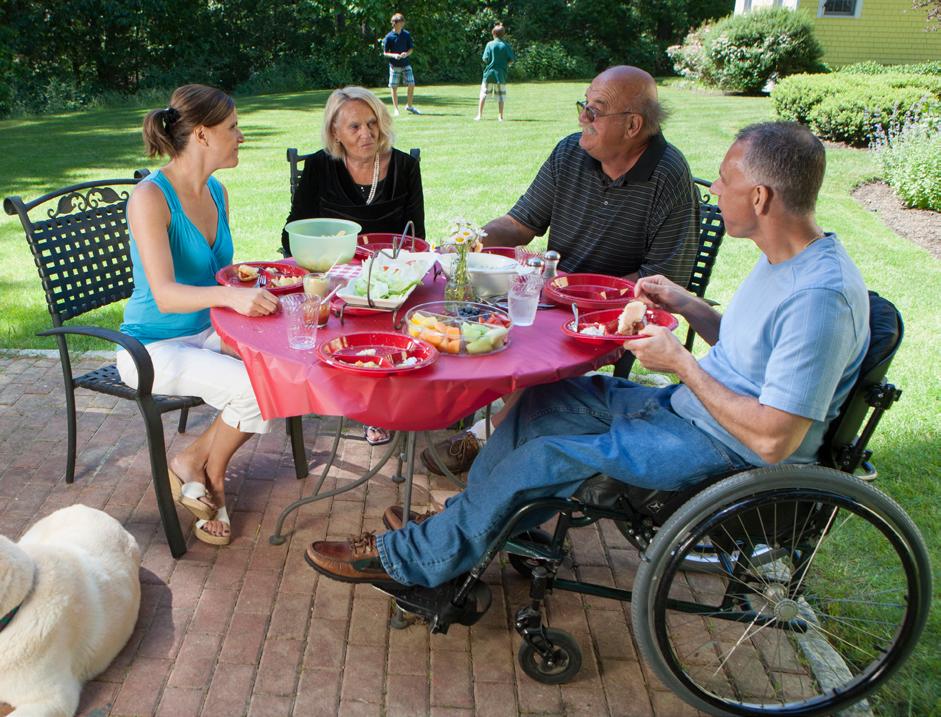
Chapter 31 | Alcohol and Substance Abuse
Spinal cord injuries (SCI) and disorders result in dramatic and profound life changes. Initially there is a great deal of uncertainty about how much recovery will be possible, and how the tasks of ordinary living will be accomplished. Later there are questions about family roles, work, recreation, identity and other concerns. You may need to learn how to conserve energy and control pain. You will need to learn how to respond to others who react to you differently than before your SCI. Alcohol and other substances may seem like a quick and easy way to cope, but they are likely to interfere achieving your goals in the long-run.
Individuals with SCI who continue to abuse substances are more likely to experience anger and anxiety, medical complications, reduced quality of life, psychosocial distress, lower functional independence, social isolation, and unemployment. This section will help you understand how substances may affect you.
WHAT IS ALCOHOL ABUSE?
Alcohol use is a complicated issue for people with SCI. On the one hand, it’s a socially acceptable and legal activity for adults under many circumstances. On the other hand, it can have many negative effects. Now that you have a SCI you may want to consider whether it’s safe for you to drink, and, if so, how much is a safe amount.
To understand your own situation, you don’t need formal definitions of alcohol use, abuse, and addiction. What you do need to consider is the fact that everyone is different in their physical reaction to alcohol, past experience with alcohol, and attitude about alcohol use. These change over the course of a person’s lifetime, so there’s no single right answer about what to do. Your body
is different now that you have an SCI. You can make healthy decisions only if you learn what you need to know about the possible consequences of your actions.
Nearly everyone agrees that alcohol use ranges from low-risk minimal drinking to high-risk unhealthy drinking—even in the same person. Because everyone has their own opinion about how much might be too much, let’s focus on the consequences of drinking. A simple way to look at alcohol use is to identify the problems it causes in people’s lives: legal, medical, and in personal relationships. In this section, when we refer to an “alcohol problem,” we’re referring to consequences in these areas.
HOW COMMON IS IT?
Alcohol use problems are very common among the U.S. population. In 2015, 27 % of people ages 18 or older reported that they engaged in binge drinking (having 5 or more servings of alcohol on a single occasion for men or 4 or more for women) in the past month. Binge drinking is common in people with SCI prior to their injuries. Most people with SCI reduced consumption following injury, but about 14% reported problem drinking, and the risk of problem drinking after SCI increases over time.
As you age, alcohol stays in your system longer. The same amount of alcohol that was safe when you were younger may have bad effects on your health at an older age. As you age, drinking can get out of hand much more quickly, sometimes in a matter of a few months.
Now that you have an SCI, you need to make your decisions about alcohol in the context of this greater risk for developing a problem, especially if you’ve had drinking problems in the past.
ALCOHOL USE AND REHABILITATION
We suggest you avoid alcohol altogether during your initial rehabilitation, for several medical reasons that will be discussed later in this section. The emotional and physical challenges of rehabilitation often lead people to fall back on their past methods of coping. Drinking to relieve stress, fear, and pain can be a tempting option, especially if this is what you did in the past. But there are problems with this approach
ALCOHOL USE AFTER SCI
It is recommended that you avoid all alcohol use for at least the first year after injury, and certainly avoid it during your initial rehabilitation. Alcohol use might interfere with your neurological recovery. Using alcohol to cope with challenges can keep you from developing alternative ways of coping with problems. Alcohol also increases your risk of falls and injuries by impairing balance and judgment, and by slowing your reaction time.
Decisions about alcohol are more complicated once you’ve settled into your post-rehabilitation life. It is not advisable to drink alcohol due to feeling tense or frustrated, feeling lonely, having pain, or in response to the challenges of life with an SCI. Generally, you’ll have the same social pressures as before, because most people will expect you to behave pretty much the same as you did before your injury. Some people might not understand that although you’re the same person, your body is different.
Plan ahead for dealing with typical social drinking situations. Ask yourself what you might say in response to an invitation to drink or what limits you might have for your own behavior. This kind of planning might seem a little awkward, but remember that
you’re at a much higher risk for developing drinking problems now that you have an SCI. Here are some things to consider when you’re thinking about alcohol and your health:
ALCOHOL AND INJURY
• After SCI, you’re at higher risk for being injured again. Drinking puts you at greater risk for falls out of your wheelchair, while transferring, or while walking. A fall or other injury could cause more damage to your spinal cord.
• It’s harder to remember to check your skin, relieve pressure, and transfer carefully when you’re drinking. Your risk for pressure ulcers might be increased if you drink.
• Alcohol causes you to urinate more and can make you dehydrated. Drinking more alcohol causes more dehydration, not less.
• If you’re not extra careful when you drink, you might overfill and overstretch your bladder. This can happen if you don’t have a Foley catheter or suprapubic tube. Stretching your bladder can damage your kidneys, which filter waste from your blood. Overfilling the bladder can also cause autonomic dysreflexia, which is a dangerous medical condition.
• Alcohol interacts with medications. Combining alcohol and antibiotics can cause headache, rapid pulse, rapid breathing and vomiting.
• Alcohol abuse contributes significantly to suicide after SCI. It is harder to imagine solutions to your problems if you are intoxicated.
• Dehydration can put you at increased risk for developing pressure ulcers. So can falling asleep in your wheelchair after drinking.
ALCOHOL AND SEX
• Alcohol causes disinhibition and may overcome shyness.
• You are less attractive when drunk.
• Alcohol reduces the production of the male sex hormone (testosterone) in men.
• Alcohol reduces sexual desire in men and women.
• Alcohol reduces sexual performance (erection and ejaculation) in men.
ALCOHOL AND INFECTION
• After your SCI, you’re at increased risk for urinary tract infections. Drinking alcohol may further increase your risk of these infections.
• Alcohol lowers your body’s ability to fight off infection.
• Even one drink temporarily lowers your immune function.
• Regular drinking lowers immune function, and the lowered immunity can last up to two months after you stop drinking.
• Abstaining from alcohol for two months allows your immune system to return to normal.
ALCOHOL AND MEDICATIONS
Alcohol can interact with medications, especially those used for pain, spasticity, and infection. The effect of medications may be increased or decreased. The main medications to worry about in connection with alcohol are baclofen, diazepam (Valium), warfarin (Coumadin), aspirin, antiinflammatories, antidepressants, certain antibiotics, and narcotics. Stopping your other medications so you can drink is not a good solution, because many medications stay in your system for several days. And, of
course, you’ll probably have adverse effects from stopping the medications.
ALCOHOL AND MENTAL HEALTH
Alcohol use is associated with depression, self-neglect, and suicide in persons with SCI. That doesn’t mean that alcohol will necessarily cause problems for you, just that drinking might be a warning sign that you need some help.
Excessive alcohol use can cause you to neglect your family and friends, resulting in problems in your relationships with important people in your life.
Warning Signs That You May Have a Drinking Problem
• Drinking to calm nerves, forget worries or reduce depression
• Loss of interest in food, or poor nutritional habits
• Drinking alone or in secret
• Making a ritual of drinking–such as before, during or after dinner
• Medical, social or financial problems due to drinking
• Acting irritable, resentful or unreasonable when sober
• Isolation or losing interest in hobbies or activities
• Falls or accidents, inadequate self-care, lack of exercise
• Housing problems
We’ve described some of the unique risks of drinking after SCI (health problems, drug interactions, etc.), so you probably understand that your relationship with alcohol needs to change now that you have an SCI. But how do you make a complex
decision like this? One way is to compare the good things about it with the not-sogood things (Table 16). Think of a scale on
which you balance the benefits and the risks. Use the columns below to list some of your thoughts.
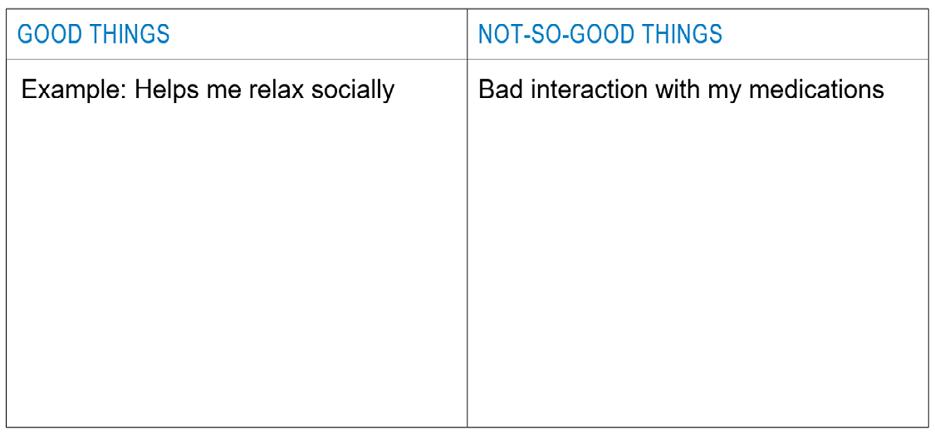
REDUCING THE RISK OF DRINKING
There are several things you can do to reduce your risk of alcohol problems. Of course, not drinking at all is the best bet— you run no risk. This is the most effective option, especially if you’ve had problems with alcohol in the past. If you do decide to drink, here are some ways to increase your safety:
• Ask your health-care provider about any specific alcohol-related concerns in your condition and with your medications.
• Avoid stretching your bladder.
• Watch out for autonomic dysreflxia.
• If you do drink, keep a record of the time and number of drinks.
• Leave at least an hour between alcoholic drinks.
• Alternate between alcoholic and nonalcoholic drinks.
• Avoid driving and situations where you might fall.
• If you find yourself using alcohol to treat sleep problems, pain, or spasticity, talk to your health-care provider to find alternatives.
• Associate more with people who don’t drink or who drink moderately.
OTHER SUBSTANCES
Tobacco
Breathing problems are the leading cause of death for people with SCI, and smoking increases your risk of both respiratory and heart diseases. Smoking increases the risk of pressure injuries, urinary tract infections, and pain. These are in addition to the many negative health outcomes associated
Table 16: Balance Sheet: Using Alcohol after SCI
with tobacco use for anyone. Nicotine causes constriction of small blood vessels in the skin, which slows down healing. For that reason, many surgeons will not perform surgery for pressure injuries if the patient is smoking or using other products containing nicotine.
Barriers to tobacco cessation after SCI include boredom, alcohol use, marijuana use, and a social environment that encourages smoking. Nicotine also reduces anxiety without causing drowsiness. Having a new disability is often a source of anxiety, and smoking may seem like an easy way to cope.
Quitting tobacco will improve your health and help you to live longer. Other reasons to quit include saving money, looking and smelling better, and protecting others from the effects of second-hand smoke. Ask your health care provider about programs to help you quit. Free programs are offered in many states. Veterans should ask their VA health care providers about the many convenient and free options available to them to support smoking cessation.
Marijuana
Medical marijuana is legally available in most states and the District of Columbia as of 2023. Recreational marijuana use and sale is legal in some as well. As of 2023, Medical providers in the Department of Veterans Affairs and other federal health care programs are prohibited from recommending or prescribing marijuana. Marijuana contains over 100 chemical compounds called cannabinoids. Various cannabinoid receptors are present in virtually all organs and tissues of the human body. The effects of most cannabinoids on the body are not known. The most understood of these are tetrahydrocannabinol (THC) and cannabidiol (CBD).
THC can increase appetite and reduce nausea. You need fewer daily calories to maintain body weight after a SCI, so appetite stimulants may cause you to become obese. In lower doses, THC can be calming. In higher doses it can be excitatory and hallucinogenic.
CBD potentially reduces neuropathic and other pain, reduces spasticity and can help reduce use of alcohol, opiates and other substances, though it may increase craving for tobacco. Topical use (e.g., creams) has no reported side effects at this time. Regular use of ingestible or inhaled marijuana, including CBD products, may result in poor initiation, and low energy among other negative outcomes. Smoking or vaping marijuana products has greater potency than topical use, but may have some of the same health risks as tobacco. There has not been enough research yet to know.
Prescription Medication Abuse
Most people with SCI need to take some kind of medication to stay healthy—often several each day. Some medications that are prescribed for pain, anxiety, and spasticity can pose a risk—people can develop unhealthy use patterns over time. Some examples of these are opioids (morphine, oxycodone, etc.) and benzodiazepines (Valium, Ativan, etc.). Your medical team will try to keep your medications at a minimum, and you certainly shouldn’t feel guilty about needing medications to handle pain. But you should understand the risks and benefits associated with each drug you take. Pain medications and benzodiazepines can be misused to treat depression and anxiety symptoms, or taken just to get high.
Use of Other Substances
At least one third of people with SCI used illicit drugs prior to their injury. Many people with SCI quit using recreational substances after their injury. Substance use increases the chances for ongoing
medical problems—mostly because these people don’t take good care of themselves. It’s important to remember that your body is very different than it was before your injury, and drugs can have unpredictable and unhealthy effects. Just like alcohol, marijuana and many illegal substances have unwanted interactions with prescription medications, which could cause serious problems. The safest choice is not to use recreational drugs at all. If you do, please let your provider know.
Methamphetamine, or “meth,” is a commonly abused substance with severe impact on health. Meth blocks normal neurotransmissions in the brain and spinal cord. By doing so it creates feelings of well-being and prolonged energy reserves. These properties make meth highly addictive. Frequent use also can lead to tolerance and withdrawal, so you need more of the drug just to feel normal. Additional effects of using meth can include anxiety and depression, chronic fatigue, paranoid or delusional thinking, and serious psychological illness. The psychological and medical effects of methamphetamine use can become permanent, even after long periods of abstinence. Using meth increases heart rate, blood pressure, and risk of stroke. Other negative consequences of long-term meth use are extreme weight loss, severe dental problems (“meth mouth”), and skin sores caused by scratching. High doses can cause the body to overheat to dangerous levels. Speak to your health care providers if you are tempted to continue using meth. No one is able to use methamphetamine often and stay in good health.
What if you have a problem with substance use?
There are many different ways to find and get help with an alcohol or other drug problem. Ask your health care provider to refer you to professionals for an evaluation to determine how they can help you. Most people cannot change a habit overnight, so don’t get discouraged if you have a setback. Health-care providers understand that many people experience a “relapse” after trying to quit. The important thing is to develop a plan that involves you, your family, and your health-care team to help you succeed. But it all begins with you. Only you can take an honest look at yourself and your behavior and decide to change the way you drink or use other substances.
A big part of relapse prevention is learning healthy alternatives to substance use. Your SCI treatment team can help you learn positive ways to reduce stress and treat depression and anxiety. Adaptive sports and other recreational activities can help build your support network and self-esteem. Physical therapy, pool therapy, acupuncture and clinical hypnosis can help you control pain. Participating in events sponsored by service organizations, such as Paralyzed Veterans of America, can help you find a sense of belonging and purpose.
Resources
Your health-care provider or any member of your SCI care team can refer you to a local resource. Contact the addictions treatment program at your local hospital or use the Substance Abuse and Mental Health Services Administration (SAMHSA) Treatment Facility Finder—a searchable directory of alcohol and drug treatment facilities throughout the country. http:// findtreatment.samhsa.gov/
Organizations
Alcoholics Anonymous—offices and meetings all over the world: http://www.aa.org
Narcotics Anonymous – Find a meeting: https://www.na.org/meetingsearch/
Moderation Management, 22 W. 27th Street, New York, NY 10001, (212) 871-0974: www.moderation.org
AlcoholScreening.org—an online resource that includes an alcohol screening self-test, information, and resources: http://www.alcoholscreening.org/Home. aspx

Chapter 32 | Health Care
Before you leave the hospital, make plans for how you’ll receive health care in the future. The person who provided your medical care before your injury might still be able to take care of you. However, many people with SCI didn’t go to a doctor regularly before their injury. Who should be involved in your health care? What should you consider when you’re choosing health care providers?
Only about one in a thousand people in the United States has an SCI. Because it’s so rare, you might be your doctor’s only patient with SCI. Many doctors don’t know about all the medical problems it can cause. A relatively minor symptom or problem for a person without SCI could be a serious and even life-threatening problem for someone with SCI. On the other hand, some patients end up having unnecessary testing or treatment because their doctors aren’t familiar with conditions that are common with SCI, such as these:
• Autonomic dysreflexia AD (see Chapter 9, Autonomic Dysreflexia). Since AD only occurs in people with SCI, doctors who are not familiar with SCI may not recognize and treat the AD, but order testing or treatment for other causes of headache or high blood pressure associated with AD.
• Heterotopic ossification. Some doctors mistake it for a rare bone tumor when they see it on an x-ray.
• Bladder colonization with bacteria. It is common to find bacteria on urine testing in people with SCI because of incomplete emptying and repeated catheterization of the bladder. This may be confused with a bladder infection, leading to unnecessary treatment with antibiotics.
If your health care providers aren’t familiar with SCI, share this book with them. If you’ve already studied the book, you may know more than your doctor!
PRIMARY CARE AND HEALTH MAINTENANCE
You’ll probably need someone to act as your primary care provider (PCP). This person is responsible for health maintenance, medical care for common conditions, and referrals to specialists for more complicated problems. It could be a physician, a physician assistant (PA), or a nurse practitioner (NP). Some insurance companies require you to choose a PCP, who is the only person who can refer you to specialists.
Make sure to ask if the exam rooms will be accessible to you. Some exam rooms are too small for someone who uses a large wheelchair. Exam table are often too high for transfers from wheelchair to exam table. Many offices do not have mechanical lifts or staff trained to assist with transfers. If you develop a pressure injury that needs to be evaluated by your provider or a nurse, will it be possible for you to transfer out of your wheelchair so they can look at it?
The Department of Veterans Affairs (VA) has policies for health care services provided to Veterans with SCI. If you live close to a VA SCI center, you’ll usually receive primary care through that center. If you live closer to a VA hospital that doesn’t have an SCI center, you should be assigned to a PCP who has received extra training about SCI. Your PCP will work with a team who treat patients with SCI and will coordinate services with SCI centers. An important member of this team is the SCI Coordinator, who is a social worker with training and understanding of SCI.
Some people (including many who are treated by the VA) receive their primary care from specialists who have had training about SCI, and can provide both primary and specialty care to people with SCI. You may also be treated by doctors from other specialties like Urology, Orthopedics, or Neurosurgery, depending on what kinds of problems you have.
You should plan to see a physician or other health care provider at least once per year. Some kinds of tests are recommended annually to detect medical complications of SCI. For example, your doctor should check on the status of your kidneys to make sure your bladder management program is preventing damage of your kidneys. They should also check your strength and sensation to pick up conditions that can cause you to lose some of your function. If you receive health care through the VA, you can be evaluated by physical or occupational therapists to check on your functional status and see whether you need new equipment. You’ll also have access to psychologists and social workers. If you’re not a veteran, check with your health care providers and discuss what services are available to you. In addition to special services, you should be receiving all the preventive services that are appropriate for any person. If you develop a new problem, don’t wait—make an appointment to get it checked out.
RETURNING TO THE HOSPITAL
In the first year after SCI, many people can become sick enough to be readmitted to a hospital. Even persons who were injured a long time ago are more likely to be hospitalized than people without an SCI. The most common reasons for hospitalization are urinary tract infections, pressure injuries, and breathing problems like pneumonia.
Don’t assume that every doctor and nurse knows how to take care of someone with your type of SCI. Spinal cord injury is a rare condition. Unless you’re in a hospital ward that takes care of many patients with SCI, you may be at higher risk for having problems. The nurses might not know how frequently you need to be turned to prevent pressure injuries. They may not know how to assist with a quad cough or other techniques to get secretions out of your lungs. Discuss your needs with them. Show them this book. Ask them to look up the guidelines published by the Consortium for Spinal Cord Medicine (available at www.pva. org). If you usually use a special mattress, request that the hospital provide something similar, or see if you can bring your own mattress from home. Let the nurses know if you need help with repositioning in bed. Make sure you can activate the call light for assistance. If you’re too sick to manage your care, your family or other care providers should step in and make sure nurses and doctors understand and are providing for your needs.
The following are the most common (and preventable!) problems that develop when people with SCI are hospitalized:
• Pressure injuries
• Contractures
• Low blood pressure (orthostatic hypotension) when you first start to sit or stand again after bed rest
• Pneumonia
If you know you’ll be hospitalized for surgery, ask about the kinds of patients the hospital treats. Do they perform surgery on many patients with SCI? Will the nurses know how to take care of you after the surgery? If you’re not satisfied with the care you’re receiving, discuss it with your nurses, physicians, social workers, and other care providers. If you’re still not satisfied, ask to speak to the hospital’s patient advocate.
What kinds of hospitals usually do a good job taking care of people with SCI? The same hospitals that take care of people with a new SCI are well-suited to care for those who need to be rehospitalized. The Commission for Accreditation of Rehabilitation Facilities (CARF) can provide you with a list of hospitals that have certified rehabilitation programs for people with SCI. Regional trauma centers and hospitals that are part of medical schools often take care of people with SCI. Your rehab doctor or your primary care provider can help you choose a hospital.
Resources
Clinical Practice Guidelines published by The Consortium for Spinal Cord Medicine. These guidelines help health care providers manage some of the most common and important complications in people with SCI. Development of the guidelines has been funded by Paralyzed Veterans of America. https://pva.org/research-resources/ publication/
The Commission on Accreditation of Rehabilitation Facilities (CARF) evaluates and certifies spinal cord injury rehabilitation programs. www.carf.org
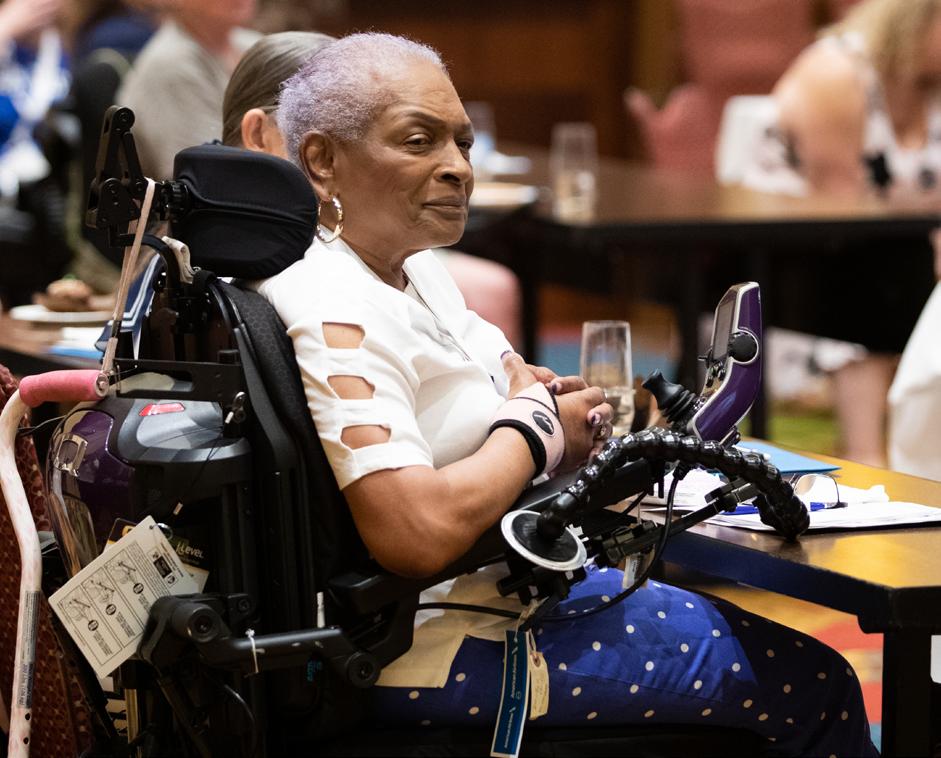
Chapter 33 | Aging
The aging process affects everyone, but aging with a spinal cord injury (SCI) can present its own challenges. This chapter reviews effects of aging with SCI and what you can do to maintain health and wellness, minimize complications, and maximize functioning and quality of life as you grow older.
Before the 1940s, most people with SCI died within a year because of medical complications from their injury, so little was known about how aging would affect people with SCI. The introduction of antibiotics and other specialized treatments gradually increased the life expectancy of persons with SCI. Now that people with SCI live much longer, we can see what problems might develop as they age.
NEUROLOGICAL FUNCTION AND LEVEL OF INJURY
The level of injury to your spinal cord will probably stay the same as you age. Some people with SCI develop a condition known as posttraumatic syringomyelia (syrinx) that can increase the injury level or completeness of injury. A syrinx is a cystlike, fluid-filled area inside the spinal cord near the original injury. It sometimes causes a loss of strength or sensation by injuring a part of the spinal cord that is still working. Other potentially correctable problems such as carpal tunnel injury can also affect nerve function.
What you should do: Whenever you experience a change in sensation or function from your baseline, report it to your health care provider right away so they can examine you and do additional tests if needed to determine the cause and treatment options.
SKIN
SCI increases your risk for skin injury because of reduced sensation and decreased movement. Prolonged pressure can lead to pressure injuries. As you age, your skin becomes less elastic and you lose the layer of fatty tissue under the skin that provides padding and protection from injury. Some people also have less blood flow to their skin, which causes slower and more difficult healing when skin breakdown does occur.
What you should do: As you age, it’s more and more important to do your pressure releases and use bed and seating surfaces that reduce pressure on your skin.
MUSCULOSKELETAL SYSTEM
After SCI, many people use wheelchairs or crutches for mobility. Activities like pushing a manual wheelchair, holding yourself up during transfers, and using crutches put increased demands on your arms. Repeated stress on the arms can increase risk for problems in the shoulders and wrists. Some of the most common injuries to the arms are rotator cuff tears (a tear in one or more of the muscles surrounding the shoulder), tendonitis (inflammation of the muscle’s connective tissue that attaches it to bone), and carpal tunnel injury (injury to the nerves in the wrists). The risk of overuse or repetitive stress injuries increases over time.
What you should do: To prevent loss of function, it is important to be aware of movements and activities that can cause repeated stress to joints of your arms and shoulders and find ways to avoid this stress. Many of these problems can be prevented with early attention to proper equipment and technique for transfers, wheelchair use,
and daily activities in ways that reduce extra stress placed on your joints (see Chapters 7, Muscle and Bone, and Chapter 14, Limb Preservation and Posture)
HEART DISEASE AND CIRCULATION
Heart disease is common among people with SCI and is a leading cause of death. SCI can lead to decreased physical activity and weight gain, which are two of the main causes of heart disease. Smoking, high blood pressure, diabetes, high cholesterol, and decreased levels of high-density lipoprotein (HDL) or “good” cholesterol” can all increase risk of heart disease.
What you should do: For your part, it’s crucial to establish and maintain healthy eating and exercise habits. Don’t smoke. Your doctor should check your cholesterol levels and blood pressure and test you for diabetes. If needed, medications are available to control these conditions and reduce your risk for heart disease.
RESPIRATORY CARE
People with SCI are at increased risk for pneumonia. Those who smoke are much more likely to develop serious breathing problems than those who don’t smoke. Breathing problems can get worse as people age.
What you should do: The number one thing you can do to avoid breathing problems after SCI is to not smoke. Vaccinations against respiratory infections (pneumococcal and flu vaccines) are recommended for everyone with SCI.
BOWEL
Chapter 5, Bowel Dysfunction: Understanding and Management describes the changes in bowel function after SCI. Further changes in bowel patterns occur as you age with SCI. You may
experience more constipation or hardness and difficulty passing stool, or more frequent involuntary bowel movements. It can take longer to complete bowel care. Problems like shoulder pain or weight gain can make it more difficult to perform bowel care, and some people lose the ability to do it independently. Colon cancer becomes more common as people age, including those with SCI.
What you should do: You should perform your bowel program at least every other day to avoid overstretching your colon. If you notice changes in your bowel pattern, review your program with a health care provider. Get screened for colon cancer once you turn 50.
BLADDER
SCI affects bladder function and increases risk of urinary tract infections and bladder or kidney stones, Kidney failure was once a very common complication of SCI, but with current bladder management programs, very few people with SCI will develop kidney failure. Aging can further reduce kidney function.
What you should do: To preserve kidney function, you need to adequately drain your bladder, take precautions to avoid urinary tract infections, and get prompt treatment for any complications, like kidney stones. Decreasing kidney function might not be obvious to you, so you should have kidney screening tests every year.
MUSCLE STRENGTH AND FUNCTION
As people age, they lose muscle mass; you’ll probably lose some strength in muscles that aren’t paralyzed. Some nerve cells are lost over time as well. This is part of the normal aging process, but it can make you tire more easily, make it harder to propel a manual wheelchair, and increase the amount of assistance you need to transfer out of a
wheelchair or to complete certain daily tasks. For people who can stand and walk, the loss of strength with aging may make it necessary to use leg braces or crutches to walk safely and avoid falls. Some people will use a wheelchair more often. Older people with SCI typically aren’t as active as younger ones, which can cause further loss of strength and weight gain.
What you should do: To minimize the loss of strength that comes with aging, it’s important to maintain your weight, eat well, and stay active (without causing overuse injuries to your joints). Your therapist can help you evaluate your strength and make specific recommendations for your mobility needs based on your current strength and can advise about ways to save energy during your daily activities.
BONES
People with SCI have reduced bone strength below the level of injury. This is called osteoporosis or osteopenia. It’s due to lack of weight bearing through the bones, lack of forceful muscle contractions, and other factors, and it develops in the first few years after injury. It’s commonly found in the pelvis, hips, and legs. The bones lose calcium most rapidly right after the injury, but bone density continues to drop with aging. Older adults with SCI are considered to be at an increased risk of broken bones. Because of this risk, it’s very important to prevent falls. Because of loss of sensation, people with SCI may not always feel pain with a broken bone.
What you should do: Work with your therapist who can evaluate your mobility, transfers, and walking, and make suggestions for preventing falls. Be careful to avoid falling during transfers. If you develop unexplained swelling or bruising in your leg, get it checked out to make sure you don’t have a broken bone.
RANGE OF MOTION
With aging, joint capsules tighten and muscles lose elasticity. This can reduce the range of motion in your joints, especially if you experience spasticity. Even a minor loss of joint motion can prevent you from performing simple tasks independently, like standing, walking, dressing, and transferring.
What you should do: It’s important to have a regular program for stretching your arms and legs to prevent loss of motion and maintain your independence. Your therapist can evaluate the motion of your upper and lower limbs, and give you some exercises to improve your range of motion. Even if you need assistance with stretching, it’s very important to make it part of your daily routine. For efficiency, you can combine stretching with bathing or dressing.
EQUIPMENT
As people with SCI age, they may need more assistance with mobility and caring for themselves because of loss of strength, pain, injury from repeated stress, or weight gain. Your therapist can evaluate your mobility, strength, and function, and suggest possible adaptive equipment to help you with your tasks. In some cases, older people with SCI might need to start using an attendant to help with their care.
What you should do: If you develop joint pain in your arms years after your SCI, a therapist can evaluate your transfers to make sure you’re using the right technique to avoid injury and pain. The therapist might suggest that you reduce the number of transfers to avoid stress on your arms. Some people start to use a mechanical lift for transfers. Older people can also develop difficulty with transfer into vehicles. A transfer board can be helpful and improve safety during vehicle transfers and uneven (overheight) transfers. You might also
think about modifying your wheelchair or vehicle. Many older people with SCI switch to a van with a wheelchair lift to eliminate difficult transfers.
Older people with SCI who develop pain or weakness in their upper limbs might not be able to push their manual wheelchair long distances, which can reduce their ability to participate in community life. If this happens to you, get an evaluation of your wheelchair setup and accessories and your posture to make sure your equipment is still appropriate. If you’re having a hard time using your manual wheelchair in the community, consider switching to a power wheelchair or other device for power mobility.
Finally, persons with SCI who can walk may lose strength and need to consider assistive devices. A walker, cane, crutches, or leg braces may improve your stability and prevent falls. Some people might need to consider using a wheelchair instead of walking.
AGING GRACEFULLY
Whether your injury occurred in your older adult years or it occurred a long time ago and you are aging, the goal is to maximize your potential in all areas. If you start off by working hard in rehabilitation, you’ll have the tools you’ll need to live a full life. As you age, appropriate equipment and training can help you maintain your health, independence and full life participation.
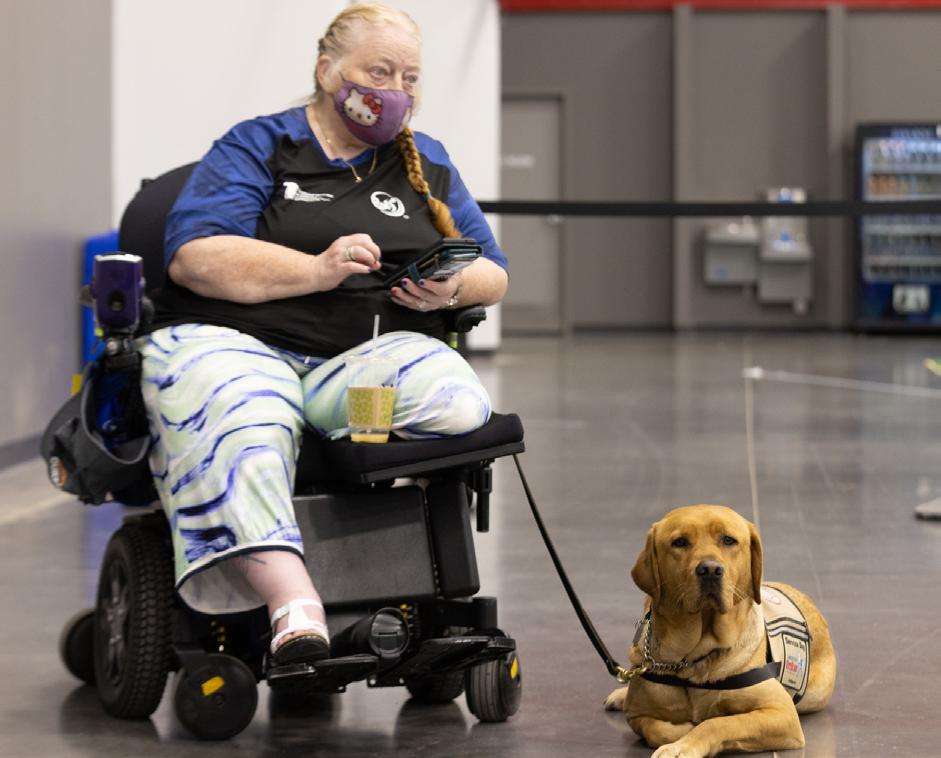
Chapter 34 | Disasters
Disasters happen! Some are predictable and can be prepared for in advance, like blizzards, windstorms, and hurricanes. Others are sudden and unexpected, like flash floods, earthquakes, and tsunamis. Most people can easily survive weather events like blizzards or windstorms by having adequate food and water supplies and a backup heating system in case the power goes out. A person with SCI needs some additional preparation to be ready for disaster possibilities.
KINDS OF DISASTERS
You should know what kinds of disasters are most likely to occur where you live. For example, if you live in Minnesota, you’ll probably have a few blizzards every winter, so you should be prepared to “shelter in place” for one to three days at a time. Shelter in place means stay where you are (which might be at work) and survive there until the authorities or your own common sense tells you it’s okay to go out. There are three major kinds of disasters: natural disasters (such as earthquakes, hurricanes, or winter storms), human-related disasters (such as terrorism or civil disturbances), and technological disasters (such as failure of utilities).
Think about the likelihood that a certain kind of disaster could happen in your community and make a plan to deal with it.
KNOW YOUR RESOURCES
Know where the closest health care facilities are, even if you don’t usually receive your care there. Be prepared to provide for your own health needs if you’re not injured. If staff at hospitals and medical facilities are busy taking care of seriously injured people, your routine care needs won’t be a priority for them.
Know where the nearest wheelchairaccessible emergency shelters are. You can get this information from your local emergency management department. Be sure to ask if the bathrooms are also accessible at these shelters. Contact the local fire department to see if they keep a list of people who might be at increased risk in an emergency. Contact the customer service department of your local power company to see if there’s a priority list for reconnection after a disaster and whether you qualify. Post emergency phone numbers (police, fire, poison control center, oxygen vendor) in your home and at work. Get a home phone with a cord—most cordless phones won’t work if the power goes out, even if the telephone lines are still working. Consider getting a cell phone with a car charger too, so you won’t have to depend on electricity from a wall plug or wall jack. If you are using a hospital bed and/or a specialty air mattress, ensure you know how to manually change the position of the bed and how to save/extend the air that is in the air mattress (different brands have different options) or have a mattress that does not require power (such as a Geo-Matt) available for emergencies if the specialty mattress does go flat.
HAVE A PLAN AND KEEP YOURSELF ALIVE
Being ready for a disaster is part of maintaining your independence. If you’re prepared in advance, you’ll be able to cope with it when it happens and recover from it faster. But remember that many people with disabilities who are self-sufficient under normal circumstances will need some assistance in a disaster.
Have a family disaster plan and include your caregivers in it. Have a network of caregivers, friends, and relatives you can ask for assistance. Ask them to check on you if you live alone. Consider giving one or two neighbors a key to your house so they can assist you without delay. When you’re establishing your networks, consider organizing your neighborhood into a mutual aid society. If you live in a multilevel building, how would you get to the ground floor if the power went out? Elevators and escalators won’t be operating unless the building has an emergency power supply. Learn, and be able to instruct others in, the proper way to transfer or move you. Be able to tell someone who’s assisting you which exit routes from your building are best.
Public transportation might not be working, or routes and schedules might be changed. Caregivers might not be able to reach you.
Put together a portable disaster kit. Use a drawstring bag, a pouch with lots of pockets, a fanny pack, or a small backpack. Keep it nearby. It should include a copy of your emergency information list and medication list; a small flashlight; a whistle or noisemaker; water; extra medication and copies of prescriptions; an extra pair of glasses; a hearing aid if you wear one; sanitary supplies; a pad and pencil or other writing device; a charger for your power wheelchair; air pump if you use an air cushion; and a pair of heavy work gloves for wheeling over glass and debris. Keep a small version of your emergency kit (also known as a “Go Kit”) with you or in your car/ van and at work at ALL times. Keep a basic first aid kit.
You should plan on at least one gallon of water per person per day, and plan on
using stored water for at least three days. Change your water supply every six months. If water supplies fail, boil any water you drink or use for food preparation. Have a two-week supply of nonperishable foods on hand. Choose foods that require no refrigeration, no cooking, and little or no added water. Keep refrigerator and freezer doors closed—foods will keep up to four or five days if the seal is tight.
SHELTERING IN PLACE OR EVACUATING
If you’re told to shelter in place, stay where you are. Tune in to a local radio station for information and specific instructions. Use your disaster supplies to meet your needs. Consider asking your caregiver and his or her family to live with you while you’re sheltering.
If you’re told to evacuate, leave immediately. Gather all your medications and take your pets and service animals with you.
Each person should have at least one change of clothing and footwear. Include shoes, rain gear, blankets or sleeping bags, egg crate or air mattress, hat, gloves (leather is best if there’s broken glass in the area), thermal underwear (for colder climates) and spray bottle with water (to keep from overheating in hot climates) and sunglasses. Include disposable incontinence pads as needed, and any supplies that you need for bladder and bowel care including disposable gloves and/or hand sanitizer. Don’t forget glasses and contact lenses, supplies for any babies (diapers, bottles, formula), and supplies for any pets. If you use a power wheelchair, consider bringing a backup manual wheelchair in case you are unable to recharge your battery.
Resources
There are many sources for disaster planning information, including these:
• American Red Cross: www.redcross.org
• World Health Organization: www.who.int/en
• Federal Emergency Management Agency: www.fema.gov
• Ready: https://www.ready.gov/disability
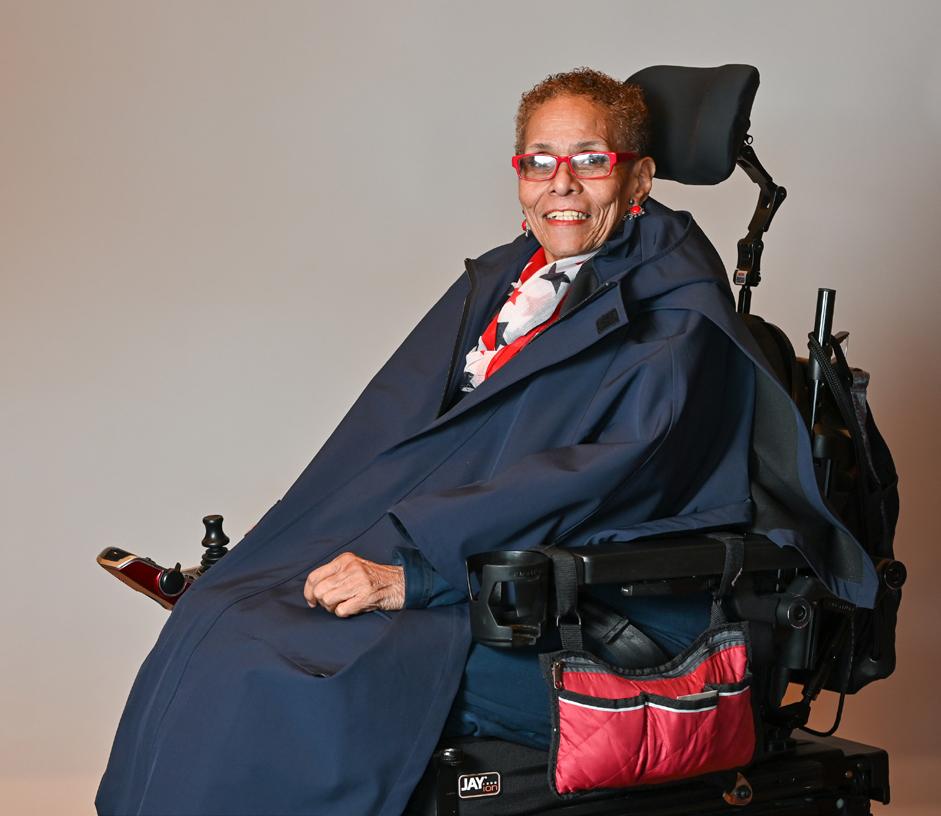
Chapter 35 | Whole Health
Sustaining a new spinal cord injury (SCI) is a life changing event. Many questions are likely going through your mind. Your SCI rehabilitation team is here to help you find that new normal in your life that is meaningful to you. With the advancement of medical knowledge, technology, and equipment, individuals with SCI are living longer and fuller lives. Whether it is getting a special wheelchair to be able to maneuver over uneven ground to return to hunting, learning to ride a hand cycle and participating in adaptive sports, or getting back into the work force using adaptive technology, resources are more available than ever to help you achieve your goals. Your SCI team will also stress the importance of remaining educated on the potential medical complications following your SCI that have been discussed in this book, such as obesity, heart disease, diabetes, chronic pain, depression, and substance abuse.
To live a healthy, fulfilled life following SCI, you will benefit from a new approach to care that empowers and equips you to take charge of your health and live your life to the fullest potential. It is important to engage in health-promoting behaviors that decrease the risk of obesity, heart disease, diabetes, depression, and substance abuse. Additionally, it is important for you and your health care provider to learn what matters most to you and focus on your goals for life. The Veterans Health Administration (VHA) has developed a model known as “Whole Health” to provide exceptional care to Veterans (Figure 44). The principles of Whole Health are relevant to both Veterans and non-Veterans living with SCI. The goal of Whole Health is to help you prevent future problems, prepare for any health problems that may come up and live your life to the fullest throughout your lifespan. The
Whole Health model involves addressing mind, body and spirit in an integrative approach to health and well-being. The approach is getting away from a “find it, fix it” model of medical care to one that is based on why you want to remain healthy. Your care should be based on your needs, values and how you want to live your life. Research shows that the most important ingredient in being healthy is how you take care of yourself. How you live your life between medical appointments makes the most difference. The VA is also providing complementary and integrative health approaches and self-care tools to be utilized in collaboration with traditional medical management. Self-care is at the center of health care. It starts with reflecting on your mission, aspiration, and purpose.
The following describes the details of Whole Health System that is available to Veterans. The redesign of healthcare within the VA that supports Whole Health is an overlap of three areas, each with a corresponding program component.
1. The Pathway is the process that introduces you to Whole Health concepts, provides opportunity to partner with peers and choose an area of your life that you may want to enhance, and start to create a personalized health plan to carry out your health goals and actions. There are multiple options to pursue these programs including in person, online, telehealth, and group or individual sessions.
2. Well-being Programs are developed to assist you to learn new self-care strategies and be aware of opportunities to pursue these strategies. These programs are not diagnosis or disease based, rather designed to support individual needs. Services include
proactive, complementary and integrative health approaches such as stress reduction, yoga, tai chi, mindfulness, nutrition, acupuncture, and health coaching. The complementary and integrative health options may be offered at your local VA or in the surrounding community. These programs may help with complications post SCI such as your pain management, weight control, mood and smoking cessation.
3. Whole Health Clinical Care: In the Whole Health approach, primary care, medical and surgical specialists and
specialty clinicians trained in Whole Health work together with traditional healthcare and Complementary and Integrative Health to maximize your care. This will be based on shared decision making. For example, think about pressure injury prevention and treatment in SCI. This is a major complication that can result in prolonged and recurrent hospitalizations. A whole health approach combining nutrition, support through health coaching, smoking cessation, and tools to manage pressure reliefs along with traditional wound care can make a significant impact.
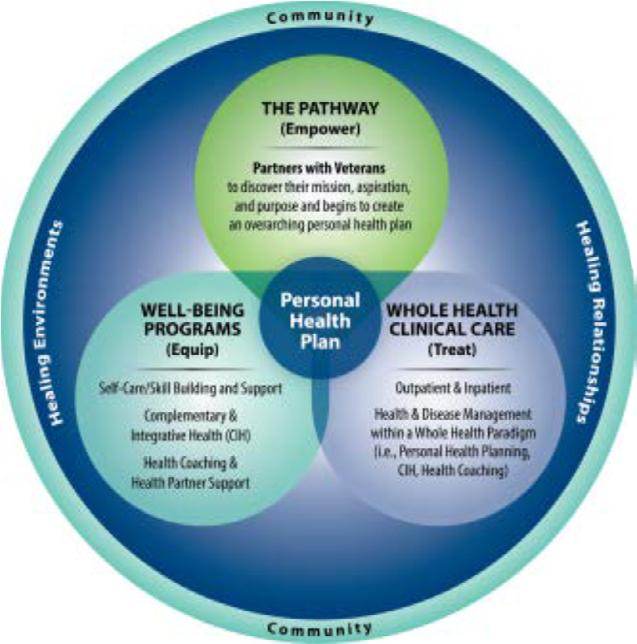
Figure 44 | Whole Health System
A Personal Health Plan is what ties these programs together for you. The development of your personal health plan starts with assisting you in identifying your mission, aspirations, and purpose in life. The Personal Health Inventory is a selfassessment tool that has been developed that can be utilized to help you explore areas of your life and how they may be different following your SCI. It can help you focus on what is important to you. It is based off the eight components of proactive health and well-being established by the World Health Organization that have shown to affect health (Figure 45). These eight selfcare areas are:
• Working your body: exercise to include strengthening, stretching and aerobic activities
• Surroundings: physical and emotional
• Personal Development: personal and professional life
• Food and Drink: eating well balanced meals
• Recharge: getting enough rest, relaxation, and sleep
• Family, Friends and Coworkers: relationships
• Spirit and Soul: growing and connecting
• Power of the Mind: relaxing and healing
See Appendix A of this chapter for the Personal Health Inventory
The “Wheel of Health” is the diagram illustrating the Whole Health approach. Each area of the circle is interconnected with the others.
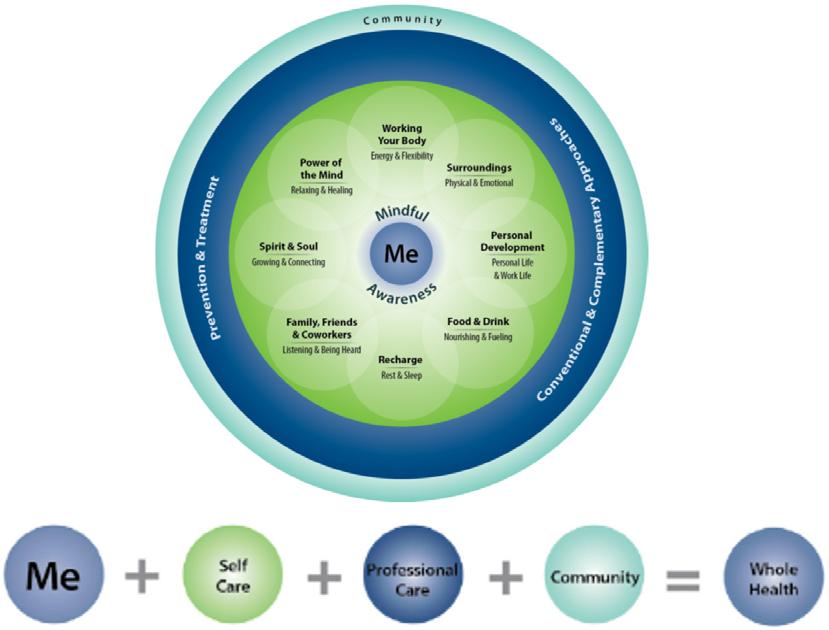
Figure 45: Components of Proactive Health and Well-being
You are in control of creating your health plan for life long care following SCI. Independent goals from your personalized health plan can be made with your healthcare team based off communication and results from the Personal Health Inventory. Whether the goal is blood pressure control, pain control, weight loss, smoking cessation, finding a job, travel, return to sports, or simply enjoying time with your family, it is your choice. You may want to start with just one or two areas. Your goals and objectives are built utilizing the acronym SMART. SMART is an effective tool that provides the structure and motivation you need to achieve your goals. SMART stands for: S: Specific; M: measurable; A: Attainble; R: Realistic; and T: Timely.
Once a personalized health plan is explored and SMART goals are made, your health care team will determine how to help you develop skills, identify where to reach out for support, and determine whether the addition of “Wellbeing Programs” such as health coaching, complementary and integrative health programs or services would be a helpful addition. “Whole Health Clinical Care” (your treatment) will be set up, with you in control. The personal health plan is a living document that is owned by you. It is updated as needed by you and your healthcare team to make sure it is current and reflects your wishes.
For an example of how a personalized health plan looks, see the appendix of this chapter or https://www.va.gov/ WHOLEHEALTH/docs/PHP-WalletCardMay22-fillable-508.pdf
The Veterans Health Administration has multiple opportunities to improve in each of the components of health and well-being. Some of the examples that are available include:
• Working your Body: VA National Sports Programs, Recreational Therapy, individualized exercise programs.
• Surroundings: HUD/VASH programs (spell out) Creative Arts Festival, VA Home Loans, Pet therapy
• Personal Development: Vocational Rehabilitation, Compensated Work Therapy, Voluntary Services, Veterans Health Library
• Food and Drink: Nutrition classes, Farmers Market, Horticultural Training, Demonstration Kitchen, MOVE program, Tobacco Cessation
• Recharge: Meditation, Guided Imagery, Progressive Relaxation
• Family, Friends and Coworkers: Peer Support programs, Marriage and Family Therapy, Caregiver Support, Care4Giver App, Veterans Center Counseling
• Spirit and Soul: Chaplaincy Service, Living History Project, Sweat lodges, Labyrinths, Drum Circles
• Power of the Mind: Mindfulness, Meditation, Tai Chi, Adaptive Yoga, Qi Gong, Guided Imagery, Breath2Relax App, Biofeedback
MY LIFE MY STORY
My Life My Story was started to help VA health care providers better understand you and provide them with insights and information that they may otherwise not have time to get at an office visit or on hospital rounds. VA staff and trained VA volunteers are available to conduct interviews with you and write brief stories about your life. With My Life My Story, you are free to talk about yourself, your family, your military experiences, your injury or
whatever you want. It is based on what do you want your care team to know about you as a person?” Your story is then added to your VA electronic health record with your permission so that any member of your care team can learn more about you. Your story helps your care team get to know you better as a person and helps build that bond that contributes to successful health care following your spinal cord injury. If you are interested in My Life My Story, let your VA health care provider know to help facilitate this.
VA SCI and Disorders life-long care philosophy integrates well with Whole Health. There are many resources that can assist you in attaining your goals and help you live a healthy life. You can learn more about Whole Health by
talking with your VA provider, attending a Whole Health Orientation Class at your facility, and/or accessing “Whole Health for Life” website: https://www.va.gov/ PATIENTCENTEREDCARE/explore/aboutwhole-health.asp
If you are interested in helping other Veterans regarding whole health, there is a group based program that encourages Veteran participants to become more proactive in their own health called Taking Charge of My Life and Health. Together Veterans and peers explore their life mission, aspirations and purpose; discover the practice of mindfulness and support each other as they set personal goals that allow them to be actively engaged in optimizing their own health and well-being.
APPENDIX A: THE PERSONAL HEALTH INVENTORY
PERSONAL HEALTH INVENTORY
Use this circle to help you think about your whole health.
• “Me” at the center of the circle: This represents what is important to you in your life, and may include your mission, aspirations, or purpose. Your care focuses on you as a unique person.
• Mindful awareness is about noticing what is happening when it happens.
• Your everyday actions make up the green circle. Your options and choices may be affected by many factors.
• The next ring is professional care (tests, medications, treatments, surgeries, and counseling). This section includes complementary approaches like acupuncture and yoga.
• The outer ring includes the people, places, and resources in your community. Your community has a powerful influence on your personal experience of health and well-being.
Rate where you feel you are on the scales below from 1– 5, with 1 being not so good, and 5 being great.
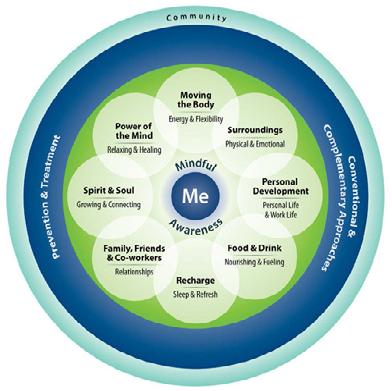
What matters most to you in your life right now? Write a few words to capture your thoughts:





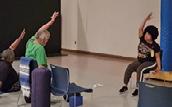
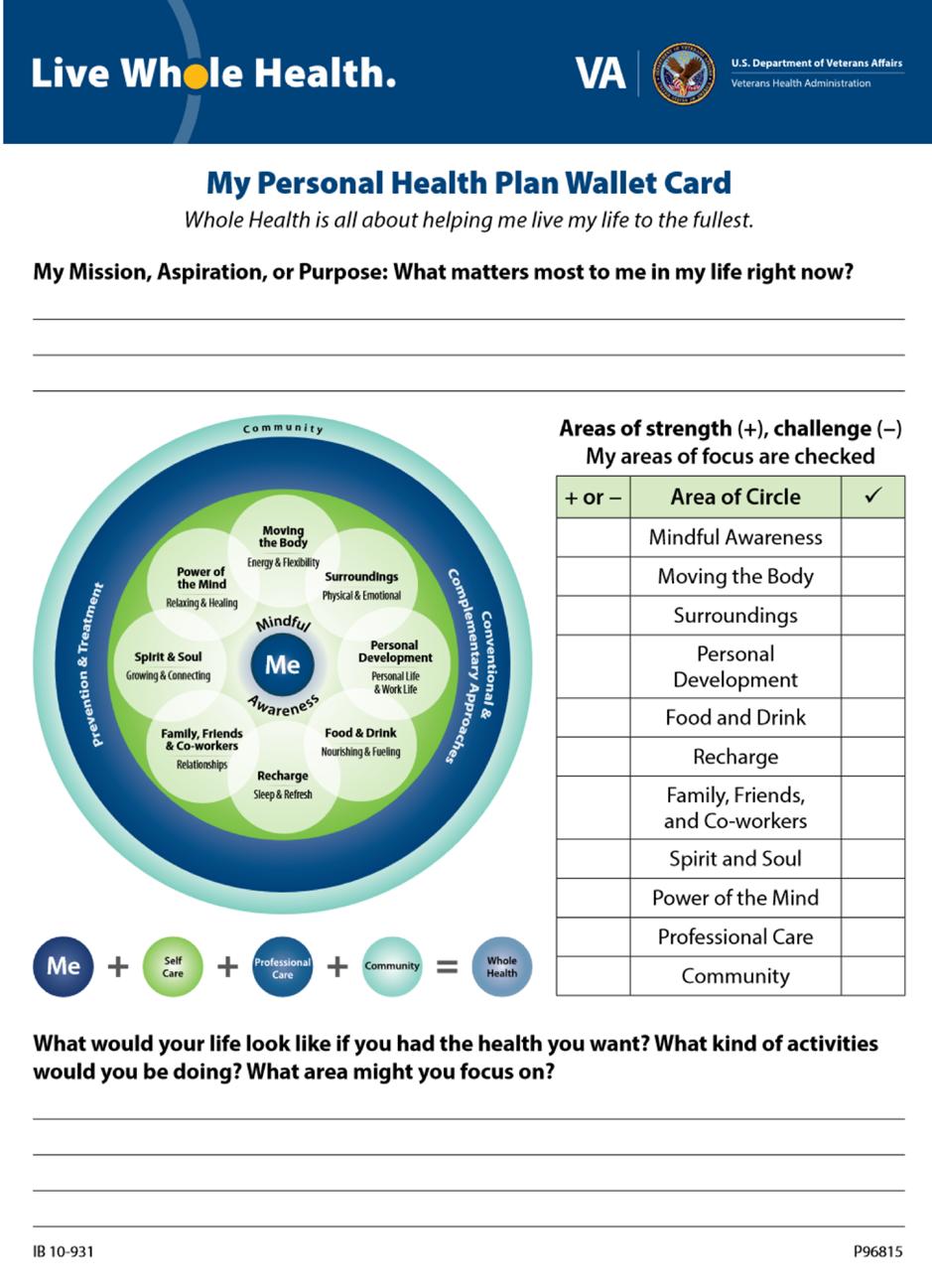
Chapter 36 | Caregiver Supports
Unpaid or “informal” caregivers are often loved ones who help you with your daily needs, like your spouse, partner, family members, friend, etc. Caregivers are also critical members of your care team. Caregiving by a loved one can be rewarding to both you and your caregiver. It can also change your relationship with your loved one. The dynamics and role of your relationship may change, especially if your caregiver is your spouse or intimate partner. This role change can sometimes be stressful. Caregiver stress can increase if your caregiving needs increase. It’s important to be aware of these changes and consider how to best support your needs and the needs of your caregivers. You can help keep your caregiver healthy by recognizing symptoms of caregiver burnout. You can also be supportive by letting your caregiver take a break by using respite resources.
CAREGIVING NEEDS FOLLOWING SPINAL CORD INJURY
Every person has different needs for the amount and type of assistance after a spinal cord injury (SCI). Some individuals may only require assistance with advanced selfcare tasks such as housekeeping, grocery shopping, meal preparation, transportation, laundry, medication management or managing finances. Others may depend on physical help with self-care tasks – such as bathing, dressing, grooming, feeding, transfers, wheelchair mobility, bowel or bladder care. Your rehabilitation team will likely make recommendations about how much caregiving help you will need during your initial inpatient rehabilitation admission or during other comprehensive
evaluations. Care needs often change over time, too, due to the effect of aging with a disability, new injuries, or changes in your health status.
Types of Caregivers
Just as there are a variety of care needs after SCI, there are several types of caregivers that may provide support to meet these needs, including paid or unpaid caregivers. Paid caregivers or attendants are discussed extensively in Chapter 37. Thus, the remainder of this chapter will focus on unpaid caregivers.
Unpaid caregivers, sometimes referred to as informal caregivers, may be your spouse or partner, family members, friends, or other community members who are able and willing to provide assistance to you in your activities of daily living and individual care needs.
Number of Caregivers
Persons with SCI often need more than one caregiver, depending on the extent of their care needs. It is important to consider having back-up caregivers available in case your primary caregiver is sick, goes on vacation, or is unavailable for other reasons. The number of caregivers you will need will depend on your specific care needs. For example, one person may need 24-hour caregiver support provided by 3 caregivers – 2 paid and 1 unpaid. Another person may need one caregiver with a split schedule in the morning and evening. Someone with less caregiving needs may only need a caregiver a few times a week for a couple of hours to help with household tasks like running errands, grocery shopping or doing the laundry – which could be provided by one or several unpaid caregivers.
Types of Outside Caregiving Help
When asking for outside help there are many things to consider. There are many programs in the community available to both Veterans and non-Veterans. These programs vary depending on the community you live in and may have financial requirements. Your Social Worker can help you explore these resources and programs. Examples of these programs include:
• Volunteer Chores through Catholic Community Services
• Respite Programs
• Adult Day Health
• COPES
Additionally, there are unique programs through the VA that are not available to the civilian population. These programs can be reviewed in detail with the Veteran’s VA Social Worker. Some of these programs include:
• VA Homemaker Home Health Aid
• VA Adult Day Health
• VA Caregiver Support Groups
RESPITE CARE
Respite care refers to using a substitute or temporary caregiver in order to give a regular or usual caregiver time off. This can come in various forms. The two most common forms of respite are referred to as “in-home” and “institutional.”
In-home Respite
In-home respite is typically provided through a caregiving agency. The care is provided in your home and can be set up in many ways. Some prefer to use it routinely on a specific day and time, or it can be used intermittently to accommodate appointments, hobbies, or self-care time. You can also use in-home respite to accommodate extended vacations or
medical leave by your caregiver. However, longer term respite would depend on your financial resources since most programs only pay for a certain number of days per year and hours per use.
Institutional Respite
Skilled Nursing facilities (SNFs) provide 24-hour care and can accommodate a wide range of physical and medical care needs. This type of respite is typically scheduled in advance to accommodate caregiver vacations or medical needs. You are admitted to the facility and the staff at the facility provide all your medical and physical care while your caregiver is unavailable. For Veterans with SCI, respite care may be available in additional institutional settings including VA SCI units.
CAREGIVER BURNOUT:
Caregiver burnout refers to a state of emotional, physical, and mental exhaustion as a result of caring for another person.
Just as caregivers monitor for signs and symptoms that may represent a change in your medical and/or mental health needs, it is also important for you to be aware of signs and symptoms that may indicate that your caregiver may be experiencing burnout.
Common signs of caregiver burnout include:
• anxiety, depression, and irritability
• feeling tired and run down
• difficulty sleeping
• changes in medical status, getting sick more often
• difficulty focusing
• feelings of resentment
• cutting back on activities
• withdrawal from family and friends
Awareness of available resources is key in prevention and management of caregiver burnout. Resources can range from periodic, scheduled, temporary placement in community facilities to daily self-care tasks and support groups with other caregivers – both in person and “virtually” (webbased or telephone). You are encouraged to talk to your local social worker or your state or county representative to explore the types of resources available in your area and how they are coordinated. You can review resources with your caregiver to determine which ones would meet both of your needs. It is recommended to explore and discuss these things prior to needing them; however, it should be noted that some resources can be coordinated more urgently.
ACCEPTING HELP
Asking for or accepting help from others can be very difficult for persons with SCI as well as their caregivers. In many cases, caregivers feel the need to provide care on their own. Your caregivers may even feel guilty about not being able to manage all of your care needs. It’s critical that caregivers realize how important their own health is. By accepting help, caregivers will ultimately protect not only themselves, but also their loved one.
Caregivers should keep in mind that they are not alone. There are many others in similar situations, and this caregiver community can also be a great resource. Connecting with others who have been through similar life challenges can not only provide comfort to a caregiver, but also invaluable ideas, as well as tips and tricks to make their caregiving jobs easier.
When you are faced with your own health challenges, it can be difficult to see the stress and negative impact it has on your caregiver. While it might feel awkward to accept help, especially personal
assistance from non-family members or friends, refusing to accept this help may inadvertently contribute to feelings of guilt and burden on the part of your caregiver. Giving your caregiver permission to seek outside help is a wonderful way to alleviate these feelings and care for your caregiver. Do not hesitate to discuss your concerns with your social worker or other healthcare providers. They want to help you and your caregiver with any concerns you both have and keep both of you healthy.
SELF-CARE FOR THE CAREGIVER
Physical Health
In focusing most of their energy towards providing care for another, caregivers may forget the importance of maintaining their own health and keeping up with preventative care. Caregiving can be a physically demanding job, and the risk of physical injury to both the caregiver and the person with SCI can be significant if the caregiver is in poor health.
Self-care doesn’t have to mean fancy massages or spa retreats. Caregivers should consider scheduling time for regular exercise, adequate sleep, and their own medical appointments with back-up caregiver support, if needed, to maintain caregiver physical and emotional health and prevent injury.
While caregivers don’t necessarily need to have a medical degree to perform their job, it’s important to have training on proper techniques to avoid injury while providing care for others. In fact, personalized caregiver training for the person with SCI is an important job of the rehabilitation team. In addition, caregiving needs for the person with SCI may change over time due to an injury, medical problem, or with normal aging. Never hesitate to ask the SCI team for assistance or guidance if there is a change
or difficulty with performing caregiving tasks. There may be alternative equipment, techniques, or strategies to minimize the strain or risk of injury to the caregiver. Let your rehabilitation team know if you have new caregivers that need training.
Fostering Resilience
Resilience refers to the ability to withstand, overcome, and grow through adversity. Challenges of caring for a person with SCI may result in distress, feelings of worry, anger, sadness, or lack of control.
Fortunately, there are many things that can help bolster an individual’s resilience. Finding support in social groups or community, through individual relationships with others or through involvement with a religious organization can help decrease feelings of isolation. Some individuals are reenergized through spirituality, hopefulness or an ability to find meaning through life’s challenges. Enjoying and spending time in nature is another outlet that is often used to enhance wellbeing. Self-reflection through journaling might be helpful to identify what activities work best for an individual. These are just a few ideas of strategies to help “fill up the tank,” or bolster a caregiver’s ability to “bounce back” from life’s challenges.
Mental Health
Addressing the mental health needs of your caregiver is also important. Family members or friends serving as caregivers may experience a range of strong emotions, such as grief, feelings of loss, feeling overwhelmed by responsibilities, or adjusting to changes in relationship dynamics since their loved one’s physical disability. There may be other life stressors unrelated to a loved one’s disability that impact their well-being. Being aware of symptoms of anxiety and depression can provide cues for when it might be time for your caregiver to get extra support. Symptoms of anxiety may include excessive
worrying, low energy, restlessness, problems paying attention, irritability, muscle tension, and/or sleeping problems. Depressive symptoms can include feeling down or depressed on most days or for 2 weeks or more at a time. Depression can also include losing interest in things that used to bring enjoyment, increased or decreased appetite, sleep problems, moving slowly or being restless, lack of energy, feeling that you let yourself or family down, difficulty paying attention, or having thoughts of suicide or not wanting to live any more. If you or your caregiver are having thoughts of suicide, urgent care resources are available. You can call 911, go to your nearest Emergency Department, or if you are a veteran you can call the Veteran’s Crisis Line (1-800-273-TALK).
Fortunately, there are many resources that can help promote the emotional well-being of caregivers of persons with SCI. Caregiver telephone hotlines exist to provide support, information, and guidance on resources for the caregiver. In-person support groups exist specifically for caregivers (not necessarily for caregivers of persons with SCI). Social media – and/or mobile-device based support groups offer a flexible option for accessing support as needed throughout the day. Meeting with a mental health provider one-on-one can provide an opportunity for closer follow-up about your caregiver’s individual concerns. Individual counseling and/or medications can help with mood management. There is no one right way to take care of your physical and emotional health, and what you need to do to take care of yourself might look different on different days. The more variety a person has in self-care practices, the more likely they are to find something that works when they need it most.
Resources
As mentioned throughout this section, there many resources available to assist with care for both Veterans and non-Veterans as well as respite programs which are specifically designed to help the caregiver. Many of these resources are dependent on the community in which you reside. It is best to meet with your social worker to fully explore what programs may be available to provide assistance in your area.
The internet can be a great resource for finding tips on caring for the caregiver. The following resources may be helpful:
• Aging and Disability Resource Centers; Area Agencies on Aging https://www.n4a.org/adrcs
• Family Caregiver Alliance (https://www.caregiver.org)
• Local Community Health and Human Services Referrals Dial 211 from any phone
• Today’s Caregiver (https://caregiver.com/topics/carecaregiver/)
• VA Caregiver Support Program www.caregiver.va.gov

Chapter 37 | Hired Caregiver Management
As the employer of a caregiver, you will be running a small business and will need the same skills as a personnel manager. The purpose of this section is to offer you some guidance that can help you succeed in this role.
DETERMINING THE CAREGIVER SUPPORT YOU NEED
The first step is to decide what activities you’ll need assistance with and what specific help you think you would need for those activities. This is called a “needs assessment.” This requires making a list of things you think you will need help with and then compare your list with the work sheet provided in Table 17. This work sheet serves as a guide. It provides a general outline of some of the duties a caregiver might be asked to perform. Remember that some needs are similar for many people but are not necessarily specific for all, so your work sheet should be customized to your personal situation (for example: physical and emotional needs, home situation and family caregivers). As you review the work sheet, mark each activity that you’ll need assistance with and combine these activities with what you have on your initial list to develop a thorough checklist that is personalized to your needs. If you do not live alone, you should discuss this list with those who live with you to see if they have anything to add that you might not have considered while constructing your list. Also note when and how often you’ll need certain kinds of care. This will help you figure out how many hours a day and how many days a week you’ll need an attendant. If you need assistance in areas that aren’t on the list, write them in the “other” spaces.
You may find that you need more than one employee; for example, one in the morning and another at night if you don’t need
assistance during the day. Or you may need one for weekdays and another for weekends, so they both have time off. You may also want to consider whether it might be better for you to have a live-in paid caregiver and then decide how that might work for you. You may want to ask someone you know to work for you when one of your regular employees is on vacation, needs time off, or is sick. Sometimes previous attendants who are no longer working for you may be interested, which is ideal, because they already know what you need help with and how to do it (remember that they may need a refresher so inquire about that during the discussion).
CHECKLIST FOR PERSONAL CARE
Now that you’ve outlined your needs, the next step is to outline what each task requires. This will help avoid conflicts about duties and ensure that you get the care you need. Table 18 is an example of a personalized care checklist—it gives stepby-step instructions for one element of your personal care.
It’s impossible to include every detail of every step in your checklist, but if you leave out important information, the task might not be done right. Here are some general guidelines for developing your checklist:
• Be brief. Try to make the steps as short as possible.
• Put the steps in the order they will be performed.
• Include what, when, where. Make sure the attendant knows what materials are needed, where materials are stored, and when and where the job will be performed.

• Avoid how. A lot of the “how to” of many steps is too detailed to include in the checklist—you can teach caregivers while they’re performing the task. But make sure to include steps that are essential or likely to be neglected.
The items on your checklists should come from your personal needs assessment, and they should be listed in a workable order. For example, if bathing is the first task to be done each morning, the bathing checklist should be first. Some people also find it helpful to arrange the checklists in daily (e.g., dressing, eating); weekly (e.g., shopping); and monthly (e.g., wheelchair maintenance) order. Arranging the checklists in an orderly manner will simplify both your and your caregiver’s responsibilities. The checklists can be the basis for a very clear and complete job description for your caregiver.
PREPARING A JOB DESCRIPTION
The job description needs to be very clear, so an applicant can tell if he or she is interested. Don’t try to make the job sound easier or less time-consuming than it is just to persuade someone to take it.
Please be mindful that many caregivers are not familiar with spinal cord injury (you are in a highly specialized category), plus every level of injury is different. You are your own specialist and you know your body best. Do not underestimate what you are learning through your rehabilitation. Pay attention to your care needs, what makes you unique, and what triggers certain physiological responses. With that in mind, you have the responsibility of providing direction of care to your caregiver.
The job description must be based on your specific needs and should include the following information:
• Duties and responsibilities (as described in the checklists)
• Number of hours of work per week
• Scheduled days and times
• Holiday and vacation policy
• Salary and benefits
• Qualifications (e.g., ability to lift a certain weight, first aid and cardiopulmonary training, driver’s license)
• Specialty training needed
If the caregiver is going to live with you, the job description should include specifics about the living arrangement:
• Work hours versus leisure hours
• Days off
• Sharing of common space, including kitchen and laundry
• Roles and rights of other members of the household
• Policy on visitors
• Housekeeping
• Caregiver’s share of utility bills
Table 17 | Sample Needs Assessment Work Sheet
Bathing
Dressing
Oral Hygiene
Grooming (shaving, hair care, makeup)
Meal Preparation
Eating
Bowel Care
Bladder Care
Transferring
Other:
Continued on next page
Table 17 | Sample Needs Assessment Work Sheet -
Instrumental Activities of Daily Living
Washing Dishes
Grocery Shopping
Turning on Computer
Setting up Equipment
Making Bed
Charging
Wheelchair Batteries
Driving Van
Errands
Mail and Paying Bills
Answering Phone
Laundry
Putting Away Items
Housecleaning
Child Care
Pet Care
Other:
Continued on next page
Care
Table 17 | Sample Needs Assessment Work Sheet - Continued
Pressure Relief/ Positioning
Medication
Range of Motion Exercies
Skin Inspection
Suctioning, Respiratory Care
Other
• Acceptable behaviors (e.g., smoking, drinking alcohol, partying, noise)
• Meals sharing
• Interaction between the caregiver and your family
If any of your caregivers are family members, (i.e., spouse, sibling or child), whether they are paid or unpaid, please be mindful of how this dual role may impact on your current relationship. Explore with your loved one how they feel about providing such personal care to you. It may be beneficial to discuss redefining your role as a member of the family and your expectations, as well as their expectations of how you can communicate as a member of the family.
• When deciding if it would be best to have a family member serve in the role as a primary/sole caregiver, please consider the job descriptions above and determine how it can also relate to your loved one.
• Financial compensation - determine how your family member can maintain their financial security.
IDEAS FOR RECRUITING
To find a caregiver, you can:
• Advertise in vetted and safe online sites (e.g. Care.com, Lean on we, ZipRecruiter, Linked In)
• Advertise in the local newspaper.
• Place flyers on bulletin boards (e.g., library, hospital, clinics, universities/ colleges).
• Use word of mouth through family, friends, churches, and clubs
• Use an agency, either for-profit or nonprofit, that will screen and refer applicants to you. Agencies can include the local employment security office (unemployment office).
ADVERTISING THE JOB OPPORTUNITY
Your first objective is to attract the attention of prospective caregivers. “Help Wanted” or “Handicapped Needs Help” will not do it. What is the caregiver’s incentive to help?
Table 18 | Sample Checklist for Morning Routine
Getting Ready
• Get clothes ready
• Prepare bath water
• Check water temperature
• Make sure needed materials are available
• Ensure privacy Routine
• Assist with bladder (e.g., catheterization).
• Assist with bowel care (e.g., suppository insertion and digital stimulation).
• Assist with clothing removal.
• Move from bed to bath.
• Wash and rinse body.
• Assist with hair care.
• Move from bath to dressing area.
• Dry body thoroughly.
• Conduct health check (e.g., for pressure ulcers).
• Apply lotion or powder.
• Apply deodorant, makeup, and/or shave.
• Assist in dressing.
• Move to wheelchair.
• Assist with dental care.
• Move to breakfast area.
Clean Up
• Put away all materials.
• Clean bathroom.
• Clean and disinfect bladder and bowel care materials.
Weekly salary? Apartment near campus? Use this as the heading to spark curiosity. Then reinforce the incentive with more detail to further develop interest. The ad should then give a brief but accurate idea of the obligation. If you don’t sugarcoat this part, you’ll get more serious, mature applicants. Finally, provide a way of contacting you (first name and phone number or email address). For your own safety and independence, do not include your last name or home address in the ad.
If space and expense allow, your ad could include days of the week, part-time or livein, your gender, nonsmoker if required, and time to call (see figure 46). Because of discrimination laws, you may not advertise a preference for sex, age, or race. You also may not ask for a specific height or weight, but you can require the person to be able to lift what is needed, including you.
FLYERS, BULLETIN BOARDS AND INTERNET WEBSITES
Various college campus locations, personnel bulletin boards, hospital staff lounges, and public bulletin boards in supermarkets, libraries, DMV offices, and community centers are good places to put up a recruiting flyer.
The content and layout for a flyer or index card are much the same as for a newspaper ad. Use a splashy headline to attract interest, then include the details. You’ll have more space on a flyer, so you can include more information. Copying costs are minimal, and you can be more creative with art. Be sure to include tear-tabs at the bottom of your flyer with your name and phone number (see figure 47). Here are some considerations for posting your flyers:
• If you can do your posting independently, fine; if not, bring a friend with you.
• To be sure your message is seen, pick a good place. Choose posting areas with a lot
ROOM NEAR CAMPUS IN EXCHANGE FOR WORK
Available to a quiet, reliable person able to assist a disabled woman with personal care and light housekeeping.
TWO POSITIONS AVAILABLE:
1. Monday through Friday. 2. Saturday and Sunday.
Two hours per day (evenings).
Nonsmoker preferred, no drugs or alcohol. References required.
of pedestrian traffic of the type of people who might be interested in your offer. For example, if you post an ad on a college campus, you’ll probably get responses from students who are goal-oriented, intelligent, and willing to learn; however, you should expect a high turnover rate because of school vacations, graduations, and transfers (see figure 48).
• Choose a place where people often check out notices (a job notice board or a favorite bulletin board), or where people will be waiting for something and may read from boredom (outside elevators or cafeterias). When you find a good place, look for the best spot, where your message will be seen.
• Observe any rules for the posting area and check your postings regularly to make sure they haven’t been covered up or taken down.
WORD OF MOUTH
Don’t overlook the obvious, like the people around you every day. Friends (e.g., from class activities or apartment living) might include today’s backups and tomorrow’s caregivers. The big advantage of recruiting this way is that you know the person. Ask family members and friends to identify reliable and dependable persons who might be interested in providing care for you–including themselves. You never know who might be interested in working for you.
Using an Organization or Agency
Several not-for-profit organizations can be sources of caregivers. Centers for Independent Living and many senior centers help people with disabilities live independently, and many maintain an information and referral service. Nursing schools may be able to help you locate nursing students who want to gain experience in the skills of their future profession.
State departments of developmental disabilities and vocational rehabilitation are another good resource. Sometimes a person with an intellectual disability can make a good caregiver, and people with various physical disabilities may be interested in working. A refugee agency can be an excellent source of help. You can offer the person one-on-one exposure to advanced English, and the agency may provide you with additional services. You can also use a home health care agency as a resource. These people may have more training than caregivers you find elsewhere, but you may not have the option of choosing your caregiver. Agencies provide insurance and other benefits for their employees; this means a more stable workforce, but using an agency is usually more expensive than hiring a caregiver on your own.
PEOPLE WHO MAKE GOOD CAREGIVERS
There is no specific profile of the perfect caregiver, but here are a few tips that might make the task of finding one a little easier:
• Consider many options when selecting a caregiver. Try to think outside the box remembering that one person may not have all the qualities you’re looking for. Expand your selection to include different ethnicities, cultural groups, education levels and ages. You should not anticipate a deep-rooted relationship but should expect dependable care.
• Employing a relative can be valuable, keeping in mind the advantages and disadvantages. Understand that he employer/employee role can be challenging.
• Use friends, the SCI team, and/or family members to help you check someone’s references if you’re really stuck or having trouble. But be careful not to overuse your privilege of friendship or family ties. Your local SCI Team may also be able to assist with referrals of qualified caregivers.
• Know your own likes and dislikes. Trust and dependable care depend on knowing yourself and letting others know what you prefer. What kind of people do you like to be around, and why?
• Learn how to assess personality (general style and standards of conduct) and emotions (how individuals express themselves). Focus on how people look, talk, and act. Notice whether they’re well-groomed and confident. Does the conversation flow freely? Trust your instinct: How do you feel being around the person? If you feel angry, sad, uncomfortable, or on edge around this individual, you most likely should not to invest much energy with this candidate. Attraction is another factor to be clear about: Remember, you’re hiring a caregiver, not a companion or a life partner. Enlist the assistance of your family member(s) or trusted friends to join the interview with you and/or to do a second interview if you need more information.
HOW TO HANDLE CALLS ABOUT THE JOB
When you get a call or message, give a brief description of what the job entails; for example, personal care, housekeeping, meal preparation, shopping, and driving. If the person is interested, ask some questions before you set up an appointment. Here are some topics you should cover before you meet an applicant:
• How do they feel about personal care? (You may have to be specific about what this entails, such as bathing and bowel or bladder care). Can they handle the nudity that goes along with personal care? If they can’t, there’s no sense wasting their time and yours. If they don’t mind, discuss basically what’s involved.
• Describe basic household duties and other chores.
• Describe your living environment. Emphasize the positive.
• If you need a driver, find out whether they can drive the type of vehicle you own and whether they have a good driving record.
• Discuss your lifestyle and what you consider appropriate and allowable in your home.
• Ask what kind of work they’ve done and whether they have work references.
• Ask if there are any physical or emotional limitations that would make it difficult or prevent them from doing this job.
• Ask if they are available to work the hours you need assistance and what flexibility they have for additional hours or filling in on short notice.
If you get satisfactory answers, arrange a convenient time and place to meet for an interview. For your own safety and independence, you may want to meet somewhere other than your home. If people call and you know you don’t want to hire them, tell them the position has been filled. Don’t hire anyone you haven’t met just because they sound nice on the phone.
INTERVIEWING
Experience has shown that as many as half the people who make appointments for in-person interviews don’t show up. Ask applicants to please call you if they change their minds about meeting.
Have a schedule and a job description the person can read. Be prepared to take notes like name, address, phone number, social security number, date of birth, ability to lift or transfer, driver’s license number, social interests, and at least two work references. Other acceptable references are counselors, teachers, and ministers. If you are severely disabled, have someone else there to assist with taking notes. This person can also provide support during the interview.
Discuss the job in greater detail. Tell the candidate what social conduct you permit,
what unforeseen occasions may emerge, what you like to do for fun, and what aspects of your life you prefer to be kept private.
Here’s a short checklist you can use to help discuss background:
• How many years of education have they completed?
• What kinds of work have they done and liked the best?
• Have they had any experience being around a person with a disability?
• How long have they lived in the area?
• What are their attitudes toward disability?
• How do they deal with boredom and stress?
• Will the work hours fit into their schedule? How much flexibility do they have?
• Will they feel comfortable driving a large vehicle like a van?
• Would they mind getting up in the night to turn you or help you go to the bathroom?
• Do they understand that some lifting may be required?
Find out how long the person would be able to stay. The longer, the better—but that shouldn’t keep you from hiring someone. Sometimes it’s okay to hire a qualified person for a short time if you know you’ll get good service. This can be helpful when you’re about to be discharged from a hospital. You can look for a replacement once you are home.
Encourage the applicant to ask questions about your disability and lifestyle. When the interview ends, tell the applicant you’ll call him or her with your decision. It’s never a good idea to hire someone on the spot.
CHECKING REFERENCES
Like any other employer, you shouldn’t hire a person without checking references, even if it means writing or calling out of state. People who are not US citizens must have a work permit and a social security number. If they don’t, you can’t hire them because of social security, federal, and state unemployment tax requirements (see Table 19)
When you call the references, identify yourself and explain that you’re disabled and are interested in hiring one of their past employees. Describe the nature of the work, stressing the need for someone dependable and honest. Consider asking the following questions:
• How long was the person employed?
• Was the person dependable?
• What about absenteeism?
• Did this person deal with money on the job?
• Do you consider this person to be honest?
• How well did the person take supervision and criticism?
• Can the person work independently?
• How was this person’s rapport with other employees and supervisors?
• What was this person’s reaction to stress?
• Why did this person leave the job?
• Would you rehire this person?
MAKING A CHOICE
When you’re checking references, carefully consider the appropriate responses surrounding trustworthiness, genuineness, hardworking attitude, and coexisting with others, and to the conditions under which the individual left and whether the previous manager would hire that individual again. Also inquire about their timeliness and attitude towards time management.
Do you have anything in common with the applicants? Don’t hire someone thinking that the person will change for you or that you have the right to control that person’s life. What the caregiver does off duty should not concern you if it doesn’t affect the quality of work. If you need a lot of driving, be sure the applicant has a good driving record, because that will affect both your safety and your insurance.
What can you tell about the person’s physical and emotional health? Emotional problems can be very difficult to deal with. If you think the person might not be able to handle the job, don’t hire them. It may be worth it to continue looking for help instead of settling for someone who’s not a good match.
Don’t hire anyone out of desperation. If for any reason you don’t feel comfortable with someone, do not hire that person. Pay attention to the person’s body-language and nonverbal cues during the interview. (Are they giving you eye-contact? Are they fidgety? Are they avoiding direct answers to questions?)
Try to stay calm and clear-headed. If you publicize as much as you can and have your schedule and job description in good order, your chances for success will be good.
USING A LETTER OF EMPLOYMENT
To avoid misunderstandings, write a letter of employment to your personal assistants. The letter should cover hours of work, salary, vacation and sick leave, unacceptable social behaviors (such as smoking, alcohol use, profanity), what can lead to termination, who pays when the caregiver accompanies you on social outings, and the required notice when the person decides to leave the job. It should also include a clear description of the arrangement for taxes, social security, and any noncash reimbursements such as food. The job description should be attached to the letter.
For live-in caregivers, you should also include information about utilities, newspaper, other shared costs, and use of your personal items such as shampoo, detergent, car, food, and so on. Keep a copy of the letter in your employment files.
HAVE A BACK-UP PLAN
There may come a time when you won’t have a caregiver for some reason or another. This may be due to sickness, weather, transportation or you decided to fire a caregiver. Or on the other hand you may very well need more than one caregiver to cover your needs especially if you need 24-hour care. Developing a backup plan may take some time as it is difficult to anticipate all your needs until the unexpected happens. When developing your backup plan, it may be best to overestimate your needs and scale back if necessary. After a month or two you can revisit the backup plan and adjust realistically knowing now what works for you and what can be eliminate without compromising your care.
Arrange with a family member or friend to know your personal care, so you can call on them to help you in an emergency. Consider making arrangements with a neighbor who’d like to occasionally earn a little extra money to know your care, so that you can call on that person when you need to. You might have an agreement with another person who has a caregiver to share the caregiver in an emergency.
Some communities have organizations that can supply caregivers on an emergency basis; for example, a visiting nurse service or an organization for persons with disabilities. These organizations often require an application and an assessment of needs and eligibility, so be sure to plan in advance, before you need the service. If you are a Veteran, also, check with your local VA SCI Team as they may be able to offer respite services during an emergency and help find services.

The same person doesn’t have to meet all your needs. A visiting nurse will help with bowel and bladder care but won’t clean your house or run errands. You (or your family, friends, and neighbors) might know a responsible teenager who’d like to earn some money performing those tasks.
The most important part of handling the sudden loss of your caregiver is having a backup plan for that situation. If you haven’t overused your relatives and friends, they’ll probably come through for you when you have no caregiver.
SUPERVISING YOUR CAREGIVER
Being a supervisor may be a new role for you especially as it relates to managing your SCI. Your “new” body is unique, and you know your body best. Use the knowledge and the skills that you have learned through rehab to guide your caregiver in providing safe care to you. To be effective, you need to understand the skills involved. It is very important to learn how to direct your care sot that you can guide others to care for you. Supervising doesn’t mean being a boss. It means working with your caregiver and guiding him or her to get the job done the way you expect it to be done to promote your safety and well-being.
This section reviews the basic skills of effective supervision. It stresses the need to work with your caregiver to solve problems and to be firm when necessary. Because of the close contact between you and your caregiver, the employee/employer roles can get confused. It’s important for you to use supervisory skills to stay in control, solve problems, and maintain a good relationship with your caregiver.
REMEMBER: YOUR CAREGIVER IS A HUMAN BEING AND NOT A ROBOT.
Your caregiver has formally agreed to be responsible for most of your needs. In return, he or she should expect your respect. Your caregiver is not bound to you for more than the hours stated in the letter of employment. He or she has a life, and helping you is only one part of it. You have a right to expect that services will be satisfactorily performed, but you don’t have an unlimited charge account on your caregiver’s time.
Don’t be demanding. Use the same tact and warmth with your caregiver as you would with a friend. If you find that you’re
often short-tempered with your caregiver, try to step out of yourself and see what’s causing it. Ask yourself before you snap at or argue with your caregiver, “Is this a real problem that affects my needs or is it just a personal habit that gets on my nerves?” Selfrefection is always a good thing and should be done daily. It is important not to be picky and to choose your battles. However, you must always speak up about any concerns for your safety. You should be clear and patient with explaining certain things and why you need things done a that way. This will facilitate a better working relationship with your caregiver. If you believe that your caregiver is at fault, wait for a calm moment and say you’d like to discuss something. Describe the problem as you see it and get your caregiver’s point of view.
On the other hand, if you find that you are mostly at fault, stop yourself. Thinking before you speak will help you maintain control. (See section 3-b, Psychosocial Adjustment, for suggestions on communication.) Even an experienced caregiver will sometimes forget parts of your daily routine. Try to be tactful with your reminders.
Finally, if you need help with a special project, give your caregiver some advance notice. If it’s time to change the bald tires on your wheelchair or to do a nonroutine spring cleaning of your apartment, let your caregiver know about it well in advance, so he or she can schedule the project at a convenient time. This will help prevent friction and increase the likelihood of a thorough job. Keep in mind that if this is not part of their regular job duties they have the right to say no. So be prepared to employ someone else for this task if needed.
In general, show the same gratitude and respect toward your caregiver as you would to any friend. Everyone appreciates “please” and “thank you.”
CONFIDENTIALITY
Before you hire a person, make confidentiality issues clear. Respect each other’s need for privacy when using the phone, having company, or handling financial, family, and social information. Have respect for each other’s bedrooms and personal property.
If you discuss personal problems with your caregiver and ask for an opinion, he or she may not be able to give the best feedback or advice. You’re not hiring a counselor. Many people are uncomfortable listening to the problems of others, much less giving advice. Don’t assume that your caregiver is willing to do this. However, if he or she is willing to listen to you, you should be willing to do the same.
PERFORMANCE CHECKS
As an employer and supervisor, you need to provide clear, helpful feedback about job performance directly to your employee. For many people, the idea of a performance check creates negative feelings such as fear, tension, or distrust. It’s up to you to make this a positive, motivating experience, including praise for good performance.
Caregivers should understand that performance checks benefit and protect them as well as you. They should be regularly scheduled, and a date should be mutually agreed upon. Schedule the checks when if works for you, but make sure they are scheduled in advance to allow you and your caregiver time to get your thoughts together. When you do them, use the same checklists you developed earlier for your routines. But there’s no rigid rule about scheduling—you should give feedback any time a job is not performed to your satisfaction. With a new caregiver, more feedback will mean that small problems can be solved faster.
Give plenty of positive feedback whenever duties are performed well. If your caregiver is working hard and doing a good job, a little praise goes a long way.
DEALING WITH CONFLICT
Many problems arise because people make incorrect assumptions. Although the job description and letter of employment should clarify basic issues, conflicts can arise. If the conflict involves duties, pay, time off, social conduct, or use of property, remind the caregiver about your agreement. If he or she refuses to comply, act promptly and firmly to find a replacement. When you depend on someone for survival, it’s not easy to fire that person and find someone else. But allowing the situation to continue could jeopardize your health. Don’t let things pile up. Deal with each issue as it arises. You may want to have an advocate help you and the caregiver settle disagreements.
COMMUNICATION
In communicating, it’s often not so much what you say as how you say it. When you’re talking to a person face-to-face, make eye contact. If you look away, you convey the message that you don’t want to listen to the person or deal with the issue, or you don’t really mean what you’re saying. If you think your caregiver won’t listen well, consider writing a letter about your concerns, or put them on tape if you can’t write. Have an advocate—a friend who can help settle problems and check to see that you’re okay. The advocate can also follow up on your progress. Don’t put things off, especially if they relate to your care. Being assertive is very important. (See section 3-c, Psychosocial Adjustment.) Assertiveness is a skill that can be learned and practiced, and several good books have been written about how to ask for what you need without being rude, nasty, or obnoxious.
ASSERTIVENESS EXAMPLES
A man with a disability had planned far in advance to attend a concert. The day before the concert, his caregiver asked him to find another driver, because the caregiver had just gotten a dinner invitation from a buddy. The disabled man told the caregiver that he appreciated and understood the caregiver’s desire to go to dinner with his friend. But he reminded the caregiver of the previous agreement to drive him to the concert and pointed out that it was too late for him to make other arrangements, so the caregiver would have to fulfill the commitment.
A woman with a disability hired a man to beher caregiver. At the time of the interview, she explicitly stated that she had no interest in combining work with romantic involvement. After a month of employment, the man started making suggestive remarks to her. She reminded him of their earlier conversation. She said she did not feel the same way about him, and that she would appreciate it if he did not bring up the issue again. If he did, she would have to let him go. The man said he was sorry for making her uncomfortable and he would respect her wishes. He gave his twoweek notice of termination, because he could not promise that his feelings would change if he stayed on.
Salaries and Fringe Benefits
As an employer, you will be paying a salary to your employee. This money may come from various sources. Your financial resources and the community’s going rate of pay will determine the salary. Depending on your community support you may also be providing room and board and benefits.
Paying Your Caregiver
Many programs exist that may pay for caregiver care. Each program has different eligibility criteria, application processes, and employer expectations. Consider using one or more of these programs for cash wages for the caregiver. With a live-in caregiver, you may offset the salary by things like
room and board, food and allowing access to a vehicle for personal use. Your social worker and other members of your health care team can help you explore various options. Review the material below and then discuss your caregiver plan with your social worker or others. It is usually less expensive to hire your care caregiver independent from a licensed agency. If you decide to hire privately, you are the employer—you’ll be responsible for recruiting, hiring, firing, paying wages, and reporting cash and noncash wages for tax purposes.
Please speak to your social worker or your primary care provider about whether your rehabilitation team can offer specialized training to your privately hired care caregiver(s) to support your transition into the community. Depending on resources available, your rehabilitation team may be able to provide training on use of mechanical lift, bowel care, bladder management and other specialized needs.
Possible Payment Sources for Caregiver Care
All these programs generally require paperwork, like medical documentation of need and financial statements. Check with each funding source about IRS and social security reporting requirements.
State Medicaid programs
Depending on your level of injury and your income status, you may qualify for your state’s Medicaid program. It is a good idea to speak to your social worker to determine if you meet income eligibility. Contact your local program about Medicaid Waiver programs which are an alternative to nursing homes and pay for home care and often pay for other related in-home support services to help the elderly or disabled individuals remain in least restrictive setting, at home.
Workers compensation
Each state and federal program has different requirements for funding caregiver care. Ask your agency contact person for more information.
Private insurance
Private health insurance or employer’s health care plan usually follow the same broad rules as Medicare. If they do include home care, it’s only for skilled, shortterm, medically necessary care, like postsurgery or an accident. Most private health insurances do not cover long term hired caregiver services. It is always a good idea to check your policy. Some policies cover caregiver care.
VA
Other than payments for bowel and bladder care, VA generally does not directly pay for caregiver care. VA may supply extra pension and service-connected income to help with other caregiver expenses. Many VA medical centers also provide some limited skilled nursing, and a few may also provide some unskilled help in your home. Ask your hospital benefits counselor or SCI center social worker for more information.
State vocational rehabilitation agencies
In rare instances, a vocational program may include coverage for caregiver care.
Home health services
Your SCI social worker is a good resource and can assist with providing you a list of referrals for local agencies who have home health services. Home health care is typically based on a need for skilled care as defined by state and federal regulations. A physician order is required. Depending on the funding source, you may also be able to get some additional unskilled assistance. Home health care may be skilled nursing or related to your occupational or physical therapy. The Joint Commission on Accreditation of Healthcare Organizations (JCAHO) certifies home health agencies that meet its standards; ask about this certification when you’re researching an agency.
Your Responsibilities When You Privately Hire Independent Caregivers
If you’re receiving funds to pay your caregiver, the funding source will probably tell you:
• What payment records you must keep.
• In what way and how often you will receive this aid.
• What procedure they suggest you use in paying your caregiver(s).
The funding source may want the names and social security numbers of each caregiver, so it can pay them directly. Try to persuade your funding source away from this plan. When a check comes automatically to a caregiver, it takes away some of your leverage as an employer to bargain with the caregiver. Also, if you change caregivers, the paperwork and delay in the payroll process can result in your former caregiver getting an extra paycheck or a long delay in the new caregiver’s first paycheck.
Ask your funding source whether it requires your caregiver to declare the income on federal, state, or city taxes. As a matter of courtesy, inform your caregivers of any taxes they must pay at the time you employ them.
Your Responsibilities When You Hire a Live-In Caregiver
A “Live-In” and “24 Hour Care” are entirely different types of care. A “Live-In” caregiver lives in the homes of the recipient of care and “24 Hour Care” are shift caregivers who typically divide care by three 8-hour shift providers. The expectations with care responsibilities are slightly different as it relates to rest and sleep.
Usually, live-in caregivers will receive a salary, which may be offset by things like room and board, food, or allowing access to a vehicle for personal use (non-cash wages). In contrast, the cost of “24 Hour Care” is typically more expensive, as caregivers work by the hour.
Please be mindful that due to the nature of a live-in caregiver or part-time hire paid caregiver, your employee will not be meet the legal criteria as an independent
contractor. IRS considers you a W2 “Household employer” and attempting to hire your caregiver as a 1099 “Independent Contractor” can be considered as tax fraud.
Understanding the difference between a 1099 independent contractor and a W2 employee is imperative. If the privately hired caregivers are required to come to your home on the days they’re told to come, work the hours they’re told to work and follow the procedures that you feel are best to care for you, then your caregiver would be considered a W-2 employee, since you are in control of these details. You, the employer, are responsible to withhold, remit and pay certain taxes, especially if the employee earns over $1,700 per year. Failure to pay (federal income tax, social security, unemployment and Medicare) taxes can result in serious consequences for you as the employer.
An independent contractor lets you know when they are free to work and comes when it is convenient for them to do so and complete a job on their terms.
Tax Deductible expenses
When you hire a caregiver to assist you with your daily needs as described previously, the cost of those services is considered a tax-deductible medical expense.
This may save you money when you file your income tax return. Think of it as a refund or rebate on the cost of the homecare or transportation. Please speak to your tax advisor for more specific details.
Keeping Track
It’s smart to keep a file on caregivers you’ve interviewed and the ones you hire. You’ll need to keep information for tax reporting and W-2 forms.
A file box is good for keeping verification forms, your copies of tax reports, and canceled checks. You can use a card file or a notebook for information on applicants.
The data should include:
• Name
• Address
• Phone Number
• Date of Birth
• SSN
• Driver’s License Number
• Date Hired
• Date Terminated
• Reason for Termination
Gracefully Parting Ways With a Caregiver
Even though you’re careful about screening and choosing a caregiver, the one you hire might turn out to be unsatisfactory. In that case, you’ll have to make your dissatisfaction plain and be firm in expecting better service. If there’s no improvement, move quickly to find a satisfactory replacement. An unreliable caregiver is not healthy for your mind or body. To meet your goal of independent living, you must control how your basic needs are met. If you terminate a caregiver, try to do so on the best possible terms, because you might want to call on them in an emergency. Also, consider developing a checklist for what should be completed before a caregiver leaves. For example,
• Make sure they’ve filled out whatever paperwork is needed to authorize payment for their last days of employment
• Make sure all basic duties are completed so the new caregiver can enter a clean and orderly household.
• Get their key to the house.
• Get a forwarding address or permanent phone number and keep this information in your files.
• Offer a letter of recommendation if the termination was not due to safety issues or gross negligence.
Preparing for the Recurring Schedule
The termination of a caregiver will mean either a smooth transition into the employment of someone else or a frantic scramble for a replacement. Even the most experienced employer with the best planning and preparation may feel insecure in the transition from one caregiver to a new one. Anxiety is natural feeling for anyone moving from a familiar situation into one a new one. For people with disabilities, the anxiety might be a little more intense because of the level of dependency involved. Please keep in mind that a new caregiver will have to learn how you prefer to be cared for which is a learning process. The best way to minimize anxiety is to analyze and prepare for as many aspects of the situation as possible. We hope the suggestions here will help you to do this.
W-4
Table 19 | Summary Chart of Federal Tax Forms for Employers
of Personal Assistance Services
Employee-desired amount of income tax to be withheld from cash wages (for “household to employment” tax may be withheld only if both
SS-4 To obtain employer’s identification number (EIN)
Schedule H (Form 1040) Used by household employers to report household employment taxes. Use this schedule to report household employment taxes if you paid cash wages to a household employee and the wages were subject to social security, Medicare, or FUTA taxes, or if you withheld federal income tax.
FUTA (Federal Unemployment Tax Act) Form 940
W-2
Federal and state unemployment tax paid by employers.
At beginning of employment. Each time employee wishes to change withholding status
For use when filing various IRS forms. One number is provided for employer’s life time.
Most filers must pay by April 15.
Cash income to employee
FICA taxes withheld from employee
Income taxes withheld (see note for W-4 form regarding household employment)
W-3 To be filed with Copy A of W-2 and sent to Social Security Administration.
1/31 for wages paid in preceding year; file Form-940 for household employees, those who were paid wages of $1,000 or more during any calendar quarter.
1/31 for wages paid in preceding year or within 30 days of employee’s termination if before the end of the year.
1/31, with W-2
Resources
Publication
Managing Personal Assistants: A Consumer Guide.
PVA Distribution Center
P.O. Box 753 Waldorf, MD 20604-0753 (888) 860-7244 www.pva.org
Websites
www.nfcacares.org
National Family Caregivers Association (NFCA) helps raise awareness and support for those who provide direct care to people who are ill or have a disability.
www.eldercare.com
For information on caregivers, go to the section on Independent Living Centers under Living Alternatives.
www.ilru.org
List of centers for independent living, listed by state or province. Many centers have resources for locating and training privately hired personal care caregivers.
https://www.kindlycare.com
https://www.specialneedsalliance. org/the-voice/the-pitfalls-of-caregiveremployment-paying-withholding-andreporting-requirements-
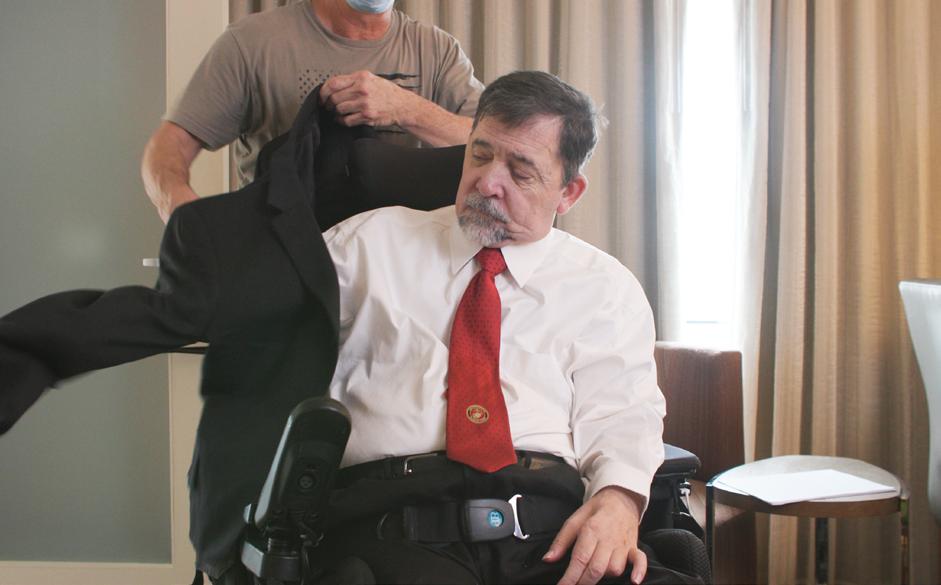
Appendix A: Range-of-Motion Exercises
The following are some examples of range-of-motion (ROM) exercises. Our recommendation is to have your PT or OT design a program for you that’s based on your specific needs, but these stretches are a good starting point for maintaining your flexibility.
This section contains examples of both independent self-stretching options and assisted stretching. For all these stretches, use a slow movement and a long hold.
View the excercise videos on Youtube: https://rb.gy/faaqtp
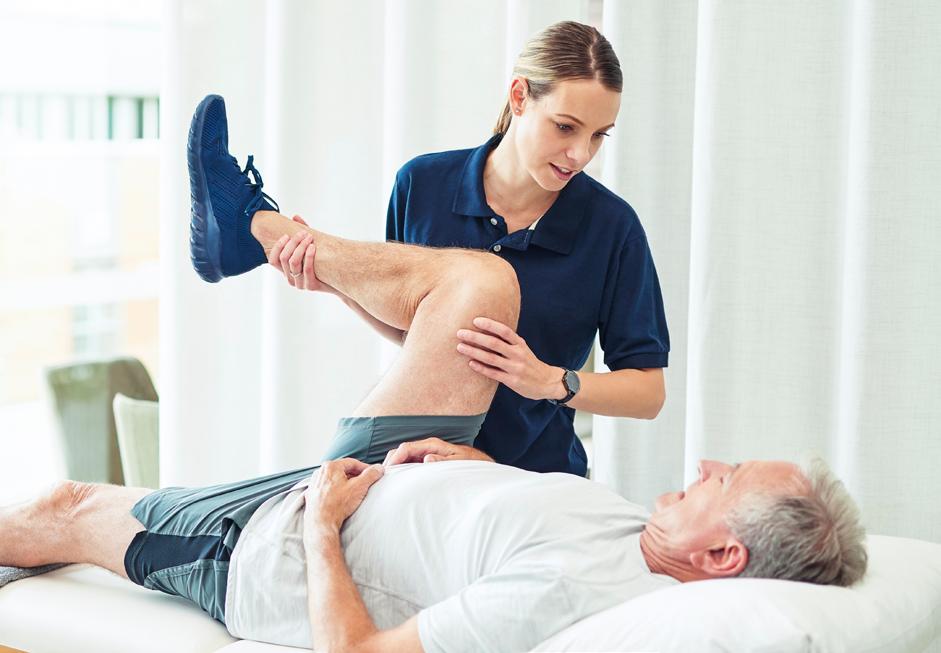
IMPORTANT POINTS TO REMEMBER
1. Never use excessive force when you’re stretching. All you need is enough force to allow the muscle fibers to lengthen (stretch). Too much force can result in fractures, torn or pulled muscles, or dislocated joints.
2. Hold the positions still rather than bouncing, especially if you have spasticity. This allows your muscle fibers to relax and stretch. Bouncing increases tension in muscles.
3. Good times for stretching are in the morning or in the evening when you do your skin inspections.
4. Do all of these stretches on both sides.
SELF-STRETCHING
The following is one example of a quick stretching program; your therapist can recommend specific stretches if you need them for other areas.
Hip Flexor Stretch (2 options)
1. (Pictured) Lay on your back towards the edge of your bed, positioned at a diagonal with your lower body closer to the edge of the bed compared to your upper body. Then grab your leg that is closest to the center of the bed by holding underneath your thigh and pull your knee towards your chest. Then, let your opposite leg gently hang over the edge of the bed to stretch the front of this leg that is hanging off. Then switch reposition your body to the other side of the bed and complete this on your other side
2. (Not pictured) If you have the flexibility for this, lay on your stomach with your feet off the bed, then move your elbows up towards your upper body, keeping your belly button on the bed surface. You can cross your arms above your head and rest your head on them if that is comfortable, or use pillows to support your head. Stay in this position for about 5 minutes, longer if you have a lot of spasticity.

Low Back Stretch
Lay on your back and place your hands behind your knees/thighs and pull both knees in to your chest until you either feel a comfortable stretch in your low back, or feel resistance in your arms. Hold for 20-30 seconds, then relax for about 10 seconds. Repeat 5 times.

Quadriceps Stretch
In long sitting (sitting with both legs out in front of you), use your arms or a towel/strap around your heel then gently pull your knee towards your trunk until you feel resistance. Hold for 20-30 seconds, relax for about 10 seconds, then repeat 5 times. Do on both sides.
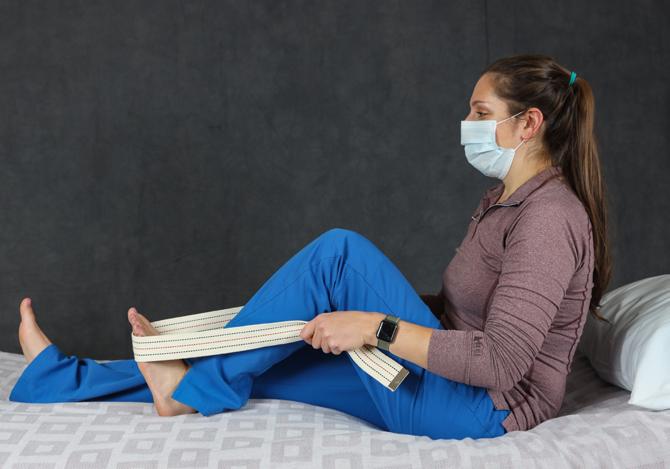
View the excercise videos on YouTube:
https://rb.gy/faaqtp
Piriformis Stretch
Only complete this if your spinal precautions have been cleared!
In long sitting, raise and cross one leg over the other. Use your arm that is on the same side of your bent leg to hold balance, then gently rotate your body towards this direction and use your opposite arm to gently push into your bent leg to stretch your hip into more rotation. Hold for 20-30 seconds, relax for about 10 seconds, then repeat 5 times. Do on both sides.

Inner Thigh/Groin Stretch
In long sitting, position one leg in a “half butterfly” position and place heel towards the inner thigh of your opposite leg. Apply a gentle downward pressure on the inside of your right thigh/knee until you reach a point of resistance. Hold for 20-30 seconds, relax for about 10 seconds, then repeat 5 times. Do on both sides.

Hamstring Stretch
In long sitting, position yourself in the same “half butterfly” position described above. Sit your trunk up straight, tuck the bottom part of your pelvis backwards if you are able, then keep your back straight and hinge your trunk forwards over your straight leg until resistance is felt. Hold for 20-30 seconds, relax for about 10 seconds, then repeat 5 times. Do on both sides.

Gastrocnemius Stretch
In long sitting, place a towel or strap around your foot with your leg and knee straight. Gently pull the towel towards you to flex your ankle back towards your body until you feel a comfortable stretch in your calf or until you feel resistance. Hold for 20-30 seconds, relax for about 10 seconds, then repeat 5 times. Do on both sides.
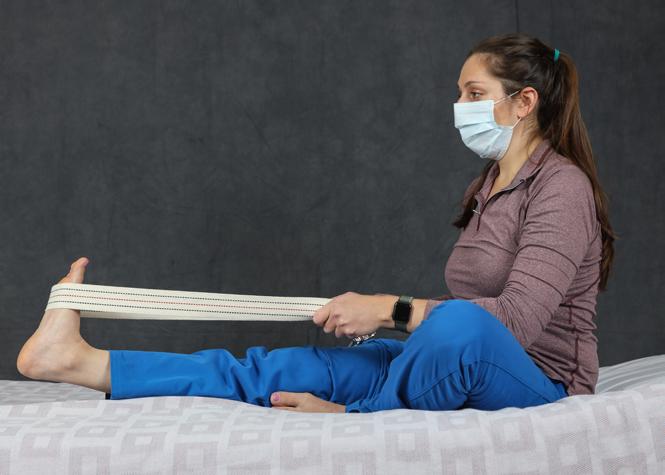
View the excercise videos on YouTube: https://rb.gy/faaqtp
Soleus Stretch
In long sitting, start with the “half butterfly” position then cross your bent leg over your straight leg further to make a “figure 4” position. Hold your foot/heel with one hand and hold your shin with your other hand. Gently push your foot towards your shin to flex your ankle until you feel a stretch in your calf or feel resistance. Make sure to keep your foot/ ankle in a neutral position, don’t let it twist. Hold for 20-30 seconds, relax for about 10 seconds, then repeat 5 times. Do on both sides.
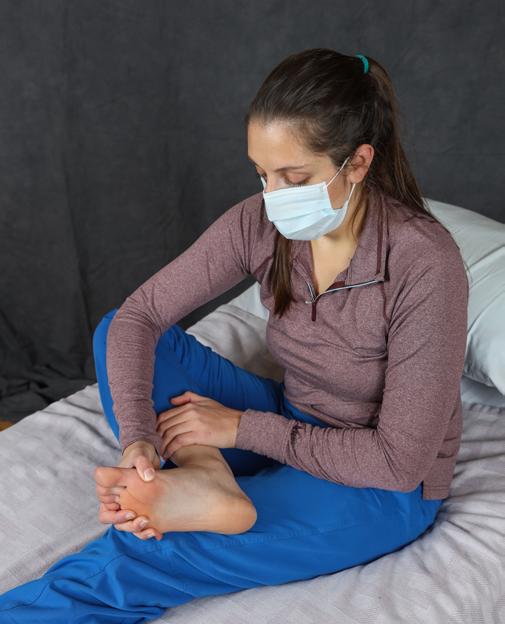
View the excercise videos on YouTube:
https://rb.gy/faaqtp
ASSISTED STRETCHING
These instructions outline the correct motions and body positioning required to perform range-of-motion exercises safely. Remind your attendants to use careful movements so they don’t hurt their own backs.
(SAM)
S: Your STARTING position
A: Your ATTENDANT’S position
M: The actual MOVEMENT
Trunk Rotation
S: Lying on your back with your knees bent to your chest.
A: Kneeling or standing at your feet with both hands placed on your knees.
M: Rotate your knees and hips to one side; bring them as close to the bed as they will go; keep your shoulders flat on the bed. Your attendant may need to put one hand on your opposite shoulder hold it down.
Trunk Bending
S: Lying on your back with your legs together and your knees bent toward your chest.
A: Kneeling or standing at your feet with both hands placed behind your knees.
M: Bend your knees to your chest, stretching your back muscles
Hip Abduction with Knees Bent
S: Lying on your back with your legs bent.
A: Kneeling or standing, stabilizing your feet to hold them in place, and a hand placed on each knee.
M: Spread your knees apart, and down towards the bed, applying a firm (but not heavy) pressure.
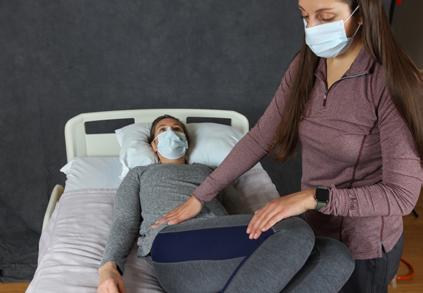

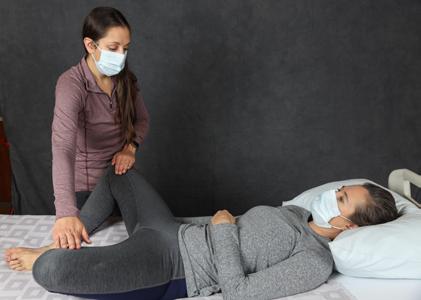
Hip Extension
S: Lying on your side, not leaning forward or back.
A: Kneeling or standing behind you, one arm cupping under your knee with your calf resting on his or her forearm, and the other hand holding your pelvis in place.
M: Pull your leg straight backward toward your attendant, stretching the front of your hip.
Hip Flexion
S: Lying on your back with your toes pointing toward the ceiling, one knee bent toward your chest.
A: One hand placed on your bent knee, the other hand placed just above the knee of your straight leg..
M: Bend your bent leg further toward your chest, keeping your other leg straight on the bed.
Hip Rotation
S: Lying in bed, your legs straight and relaxed.
A: Hands placed on top of your thigh, or one hand on top of your thigh, the other underneath your thigh, or both on top.
M: Roll your thigh in and out. Do not have your attendant’s hands placed below or directly on top of your knee or there will be excessive stress to your knee.
Heel Cord (Gastroc/Soleus)
S: Lying on your back with your knees straight.
A: One hand cups the inside of your heel, with the forearm pressed up against the ball of your foot.
M: Keeping your knee straight, pull down at your heel and press up with the forearm, bending your ankle & foot together toward your knee.


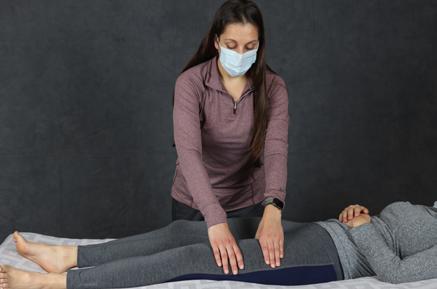
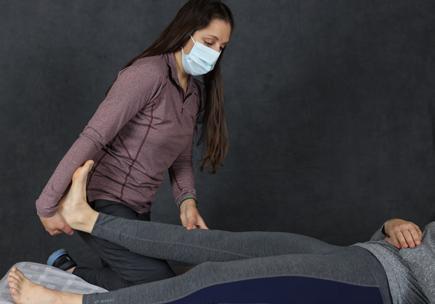
Straight Leg Raise (SLR)
S: Lying on your back with your legs straight and slightly apart.
A: Two options:
1. Kneeling or standing between your legs, with one hand cupping your heel or supporting behind your calf while the other hand is holding above the knee of the same leg.
2. Sitting at the side of your bed with your heel cord resting on the attendant’s shoulder. Attendant’s hands holding above your knee to keep your knee straight and supported. One of the attendant’s hands should be placed on that knee to keep it straight, the other hand should be on your other thigh to stabilize that leg on the bed
M: Slowly raise your leg up, keeping your knee straight. Do not allow your leg to rotate. When your raised knee begins to bend slightly from the tension, have your attendant lower your leg slightly and hold. Do not move beyond the leg pointing straight up to the ceiling.
Scapular Circumduction
S: Lying on your side with your arm resting on your hip or behind your back.
A: One hand cupping the front of your shoulder, the other placed so the web of the thumb meets with the angle of your shoulder blade.
M: Moving both hands circularly in the same direction, roll the shoulder blade slowly in a large circle.


Scapular Retraction/Protraction
S: Lying on your side with your arm resting on your hip or behind your back.
A: One hand cupping the front of your shoulder, the other placed so that the pinkie side of the attendant’s hand is next to your shoulder blade.
M: Applying a firm pressure backward on your shoulder to stretch the chest muscles, hold in this position, then switch directions and rotate shoulder blade forwards.
Shoulder Internal/External Rotation
S: Your arm out from your side at about 45 degrees, your elbow bent 90º
A: One hand cupping your elbow, the other supporting your wrist and hand. One hand may need to stabilize up higher on the shoulder joint.
M: Rotate your hand up toward the bed by your pillow, and then down toward your hip. Keep your elbow bent at 90º.
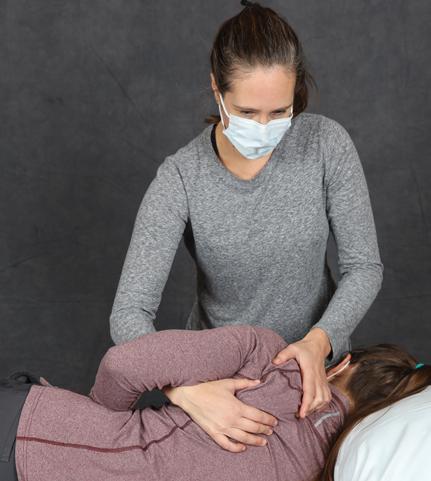

View the excercise videos on YouTube: https://rb.gy/faaqtp
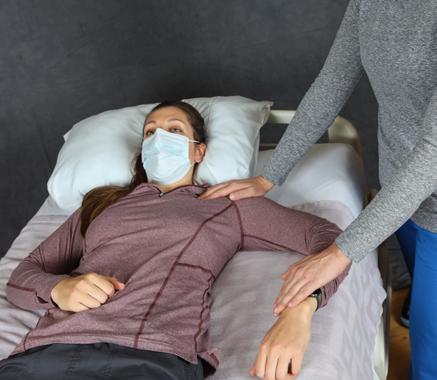
Shoulder Abduction
S: Lying on your back with your arm at your side and your palm up.
A: One hand supporting your hand and wrist, the other cupping your elbow.
M: Bring your arm out to your side up to your head (similar to the movement in jumping jacks).
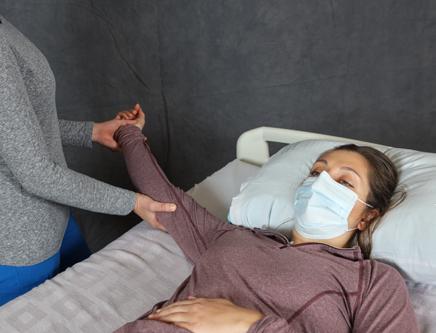
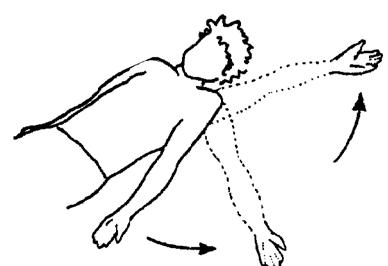
Shoulder Flexion
S: Your arm at your side, palm up.
A: One hand supporting your wrist/hand, the other supporting the back of your elbow.
M: Raise your arm up with the thumb leading towards ceiling and back towards wall. Do not force movement if experiencing sharp or shooting pain.
Shoulder Extension
S: Laying near edge of bed or in side lying position.
A: One hand stabilizing your shoulder, the other cupping your arm near your elbow.
M: Bring your arm back behind you as if you were going to reach into your rear pocket.
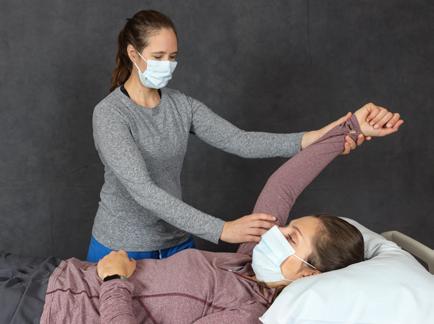

Elbow Flexion/Extension
S: Your arm straight at your side, palm up.
A: One hand supporting your wrist and hand, the other stabilizing your upper arm.
M: Straighten your arm to its fullest, then bend your elbow, bringing your hand to your shoulder.

Forearm Supination/Pronation
S: Your arm at your side with your elbow bent 90 degrees.
A: Supporting your wrist/hand and stabilizing your arm just above your elbow.
M: Turn your palm up; then turn your palm down. Repeat the above with your elbow straight.You can combine this exercise with elbow flexion/extension

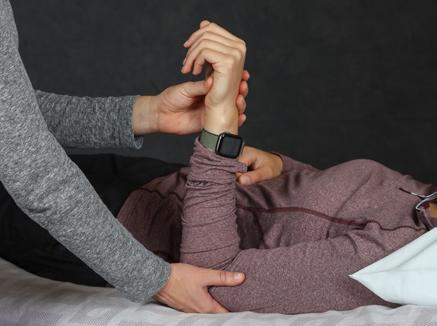
View the excercise videos on YouTube: https://rb.gy/faaqtp
Wrist Flexion/Extension
S: Wrist and fingers relaxed.
A: One hand supporting your forearm, the other hand clasping your palm—be certain that your fingers are free to move.
M: Bend your wrist down, allowing your fingers to straighten at will. Bend your wrist up, being certain that your attendant’s hand and fingers do not interfere with your fingers’ bending as this could over stretch the tendons.
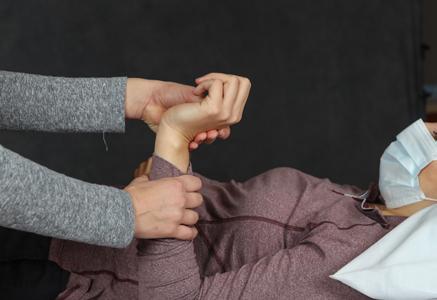

Wrist Deviation
S: Your wrist in line with your arm, not bent up or down.
A: One hand Supporting your hand, the other stabilizing your forearm.
M: Move your hand side to side, not allowing your wrist to bend up or down.


Finger Flexion
S: Your fingers relaxed, your wrist bent up.
A: Supporting your hand and wrist.
M: Gently bend your fingers toward your palm, being certain to keep your wrist cocked (bent) up.
Finger Extension
S: Wrist and fingers relaxed.
A: One hand supporting your forearm and keeping your wrist bent down, the other hand cupping your fingertips.
M: Keeping your wrist bent down to prevent over stretching tendons, straighten your fingers. The movement should come from your knuckles and the joints of your fingers, not your wrist.
Finger Abduction
S: Wrist straight, fingers and thumb relaxed.
A: Holding adjacent fingers straight.
M: Spread fingers apart.
Hand Mobilization
S: Your palm down with your thumb and fingers relaxed.
A: Cupping your hand in both hands, the attendant’s right thumb and index finger hold one knuckle while the left thumb and index finger hold the next knuckle over.
M: One hand gently pushes down on the knuckle it is holding while the other hand pushes up. Reverse directions. Move across your hand.




Thumb Abduction/Extension
S: Palm up with your fingers and thumb relaxed.
A: One hand stabilizing your palm, the other grasping your thumb with your attendant’s thumb at the base of your thumb.
M: Move your thumb out and away from your palm as if you were hitchhiking.
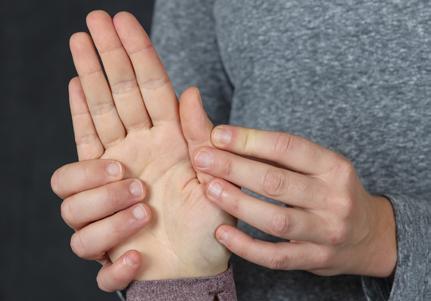
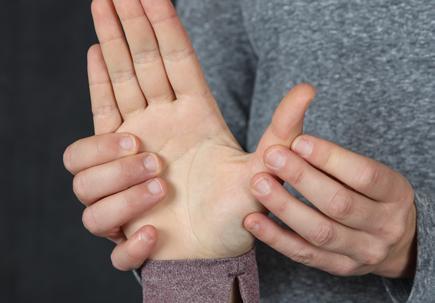
Thumb Opposition
S: Palm up with your fingers and thumb relaxed.
A: Holding your thumb over your nail.
M: Touch the tip of your thumb to the base of your little finger.
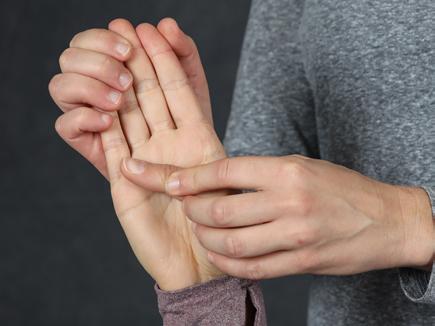
View the excercise videos on YouTube: https://rb.gy/faaqtp
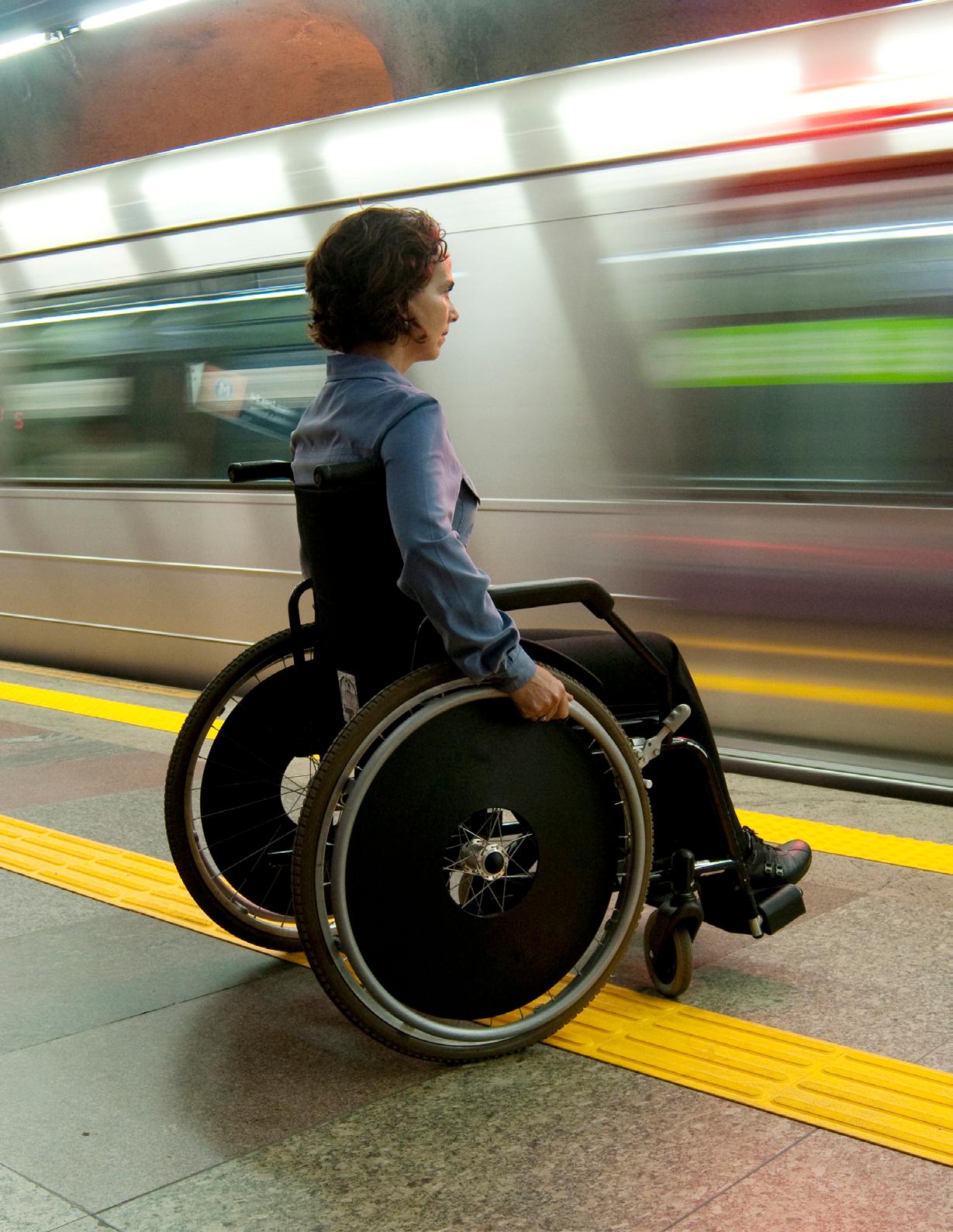
Appendix B: Resource Organizations
The following organizations have a wide range of goals, objectives, programs, services, and interests related to spinal cord injury (SCI).
Association of Programs for Rural Independent Living
2001 Pershing Cir., Suite 200 North Little Rock, AR 72114 (330) 678-7648
www.april-rural.org
Canadian Paraplegic Association (CPA)
1101 Prince of Wales Dr., Suite 230 Ottawa, Ontario, Canada K2C 3W7 (613) 723-1033
email: info@canparaplegic.org www.canparaplegic.org
(The CPA is concerned with every phase of SCI rehabilitation, from initial trauma to lifelong adjustment.)
Canine Companions for Independence (CCI)
P.O. Box 446
Santa Rosa, CA 95402-0446 (800) 572-2275
www.caninecompanions.org
(CCI is a nonprofit organization that provides highly trained assistance dogs to people with disabilities and to professional caregivers.)
Christopher Reeve Paralysis Foundation
636 Morris Turnpike Suite 3A Short Hills, NJ 07078 (800) 225-0292
www.christopherreeve.org
(The Christopher Reeve Foundation supports research to develop effective treatments and a cure for paralysis, and to improve the quality of life for persons living with disabilities.)
Christopher and Dana Reeve Paralysis Resource Center
636 Morris Turnpike Suite 3A Short Hills, NJ 07078 (800) 225-0292
www.paralysis.org
(This center promotes the health and well-being of people who are living with spinal cord injury, paralysis, and mobility impairment by providing comprehensive information, resources, and referral services. It publishes a comprehensive Paralysis Resource Guide.)
Disabled American Veterans (DAV)
P.O. Box 14301 Cincinnati, OH 45250-0301 (859) 441-7300
www.dav.org
(This veterans service organization provides assistance to all veterans and members of their families. Membership is open to all military service-disabled veterans.)
Easter Seals
230 W. Monroe St., Suite 1800 Chicago, IL 60606 (800) 221-6827; (312) 726-6200 (312) 726-4258 TTY
www.easter-seals.org
(A national organization with local chapters. Serves all people with disabilities. Comprehensive and individualized to meet each client’s needs.)
Helping Hands
541 Cambridge Street
Boston, MA 02134 (617) 787-4419
www.monkeyhelpers.org
(Helping Hands is a nonprofit organization dedicated to improving life for quadriplegic individuals by training capuchin monkeys to assist them with daily activities.)
International Campaign for Cures of Spinal Cord Paralysis (ICCP) www.campaignforcure.org
International Collaboration on Repair Discoveries (ICORD)
www.icord.org
(This organization promotes interdisciplinary research for the development of strategies for functional recovery after SCI.)
Job Accommodation Network (JAN)
West Virginia University P.O. Box 6080
Morgantown, WV 26506-6080 (800) 526-7234
www.jan.wvu.edu
(JAN is not a job placement service, but an international toll-free consulting service that provides information about job accommodations and the employment of people with disabilities.)
National Council on Independent Living (NCIL)
1710 Rhode Island Ave., NW Washington, DC 20036 (202) 207-0334 (202) 207-0340 TTY www.ncil.org
(NCIL is a membership organization that advances the independent living philosophy and advocates for the human rights of and services for people with disabilities.)
National Institute on Disability and Rehabilitation Research (NIDRR)
400 Maryland Ave., SW Washington, DC 20202-2572 (202) 245-7640, voice and TTY www.ed.gov/about/offices/list/osers/nidrr/ index.html
(This federal agency supports the regional model SCIcare system and related research efforts. It administers grant programs, including the Rehabilitation Research and Training Centers.)
National Institute of Neurological Disorders and Stroke (NINDS)
NIH Neurological Institute P.O. Box 5801 Bethesda, MD 20824 (800) 352-9424 (301) 496-5751 (301) 468-5981 TTY www.ninds.nih.gov
(Part of the National Institutes of Health, NINDS conducts, fosters, coordinates, and guides research on the causes, prevention, diagnosis, and treatment of neurological disorders and stroke.)
National Organization on Disability
910 Sixteenth Street, NW, Suite 600 Washington, DC 20006 (202) 293-5960 (202) 293-5968 TTY www.nod.org
(The National Organization on Disability promotes full and equal participation of America’s 54 million men, women, and children with disabilities in all aspects of life.)
National Spinal Cord Injury Association (NSCIA)
1 Church St., #600 Rockville, MD 20850 (800) 962-9629
www.spinalcord.org
(This organization provides advocacy, peer support,and other services to persons with SCI, their families, and their health-care providers. It supports research aimed at improving care for people with SCI and developing a cure. NSCIA has chapters in any states that can provide information about local resources, social activities, and advocacy.)
Paralyzed Veterans of America (PVA)
801 Eighteenth Street, NW Washington, DC 20006 (800) 424-8200; (202) 872-1300 (800) 795-4327 TTY
www.pva.org
(PVA is a congressionally chartered veterans service organization that works to improve the quality of life for persons with spinal cord injuries and disorders through research, education, and advocacy for health care, civil rights, and opportunities for its members and all Americans with spinal cord injury or disease.)
Office of Disability Employment Policy (ODEP) U.S. Department of Labor 200 Constitution Avenue, NW, Room S-1303 Washington, DC 20210 (866) 633-7365 (877) 889-5627 TTY www.dol.gov/odep
(This office communicates, coordinates, and promotes public and private efforts to enhance the employment of people with disabilities.)
Spinal Cord Injury Information Network
University of Alabama at Birmingham (UAB) Department of Physical Medicine and Rehabilitation
619 19th Street South, SRC529 Birmingham, AL 35249-7330 (205) 934-3283
www.spinalcord.uab.edu
(UAB hosts a model spinal cord injury center that supports research and patient education projects. The Rehabilitation Research and Training Center conducts research and training in the prevention and treatment of secondary conditions of spinal cord injury. Under a grant from NIDRR, it maintains a website that provides links to educational and research information.)
United Spinal Association
75-20 Astoria Blvd.
Jackson-Heights, NY 11370 (718) 803-3782
www.unitedspinal.org
(Dedicated to enhancing the lives of people with spinal cord injury and disease.)
University of Washington Box 356490
Seattle, WA 98195-6490 (206) 543-3600
www.sci.washington.edu
(The website of the Northwest Regional SCI System at the University of Washington in Seattle offers extensive resources for researchers, health-care providers, and consumers.)

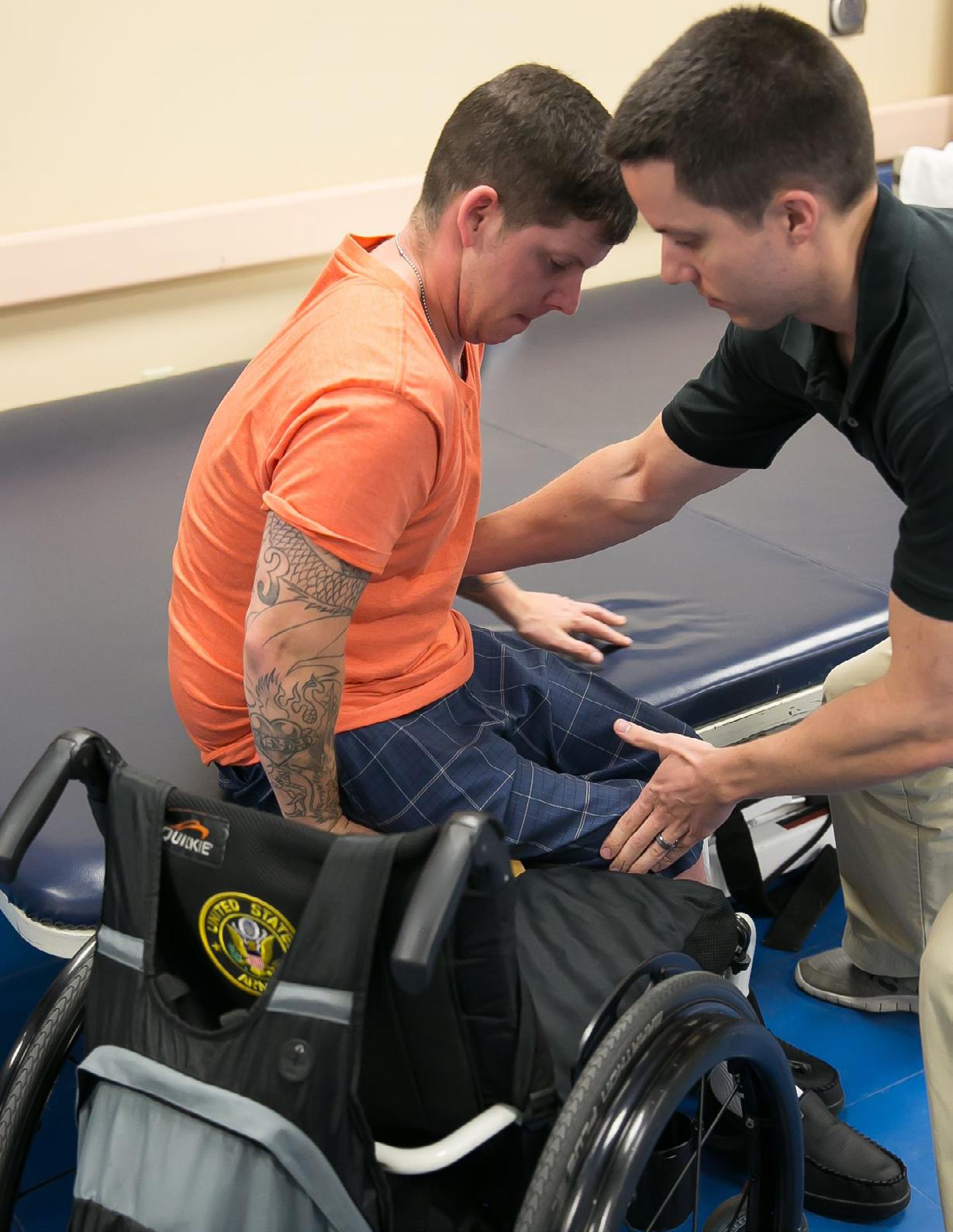
Glossary
A
Abdominal binder
A cloth and elastic support worn wrapped around the abdomen to provide support for the abdominal wall muscles or sometimes to improve breathing.
Acute stage
The time directly after injury when one is in the hospital and may have many kinds of medical problems.
Adaptive equipment
Equipment that is used to help adapt your environment to your personal needs. Examples include ramps, splints to hold pens or forks, and hand controls to drive vehicles.
ADL—activities of daily living
Self-care activities, such as bathing, dressing, toileting, eating, grooming, etc.
Advocate
Someone who supports and represents your best interests in a given situation.
Anemia
A lack of red blood cells carrying oxygen to the tissues of the body.
Appliance
A device used to perform or help you perform a certain activity.
ASIA classification of spinal cord injury
The International Standards for Neurological Classification of Spinal Cord Injury (usually called the ASIA classification system,as it was first developed by the American Spinal Injury Association) uses standardized muscle testing and sensory examination to classify the level and completeness of SCI. Completeness of SCI is recorded using the ASIA Impairment Scale.
Atherosclerosis
Thickening of artery walls; hardening of the arteries.
Atrophy
A condition in which muscles diminish in size as a result of lack of stimulation from nerves.
Attendant
An individual (family, friend, paid staff, etc.) hired to assist with household tasks or personal care on a routine basis.
Automobile adaptive equipment
Items and/or devices necessary to permit the safe operation of or the ability to get in and out of an automobile or other types of vehicles.
Autonomic dysreflexia
Episodes of high-blood pressure, often accompanied by headache or flushing, that can occur in people with SCI level T7 or above. It is triggered by painful conditions or things that would be perceived as painful by someone with normal sensation.
B
Bladder dysfunction
General term used to describe changes in the bladder’s ability to store and empty urine.
Bowel care
The procedure for starting and completing a bowel movement.
Bowel program
The total, individualized management plan to regularly empty the colon of stool. It includes diet, exercise, medication, and regularly scheduled bowel care.
Braces
Splints used to support, align, or hold parts of your body in correct position.
C
Capillary
A fine vessel that carries blood to tissues
Carbohydrates
Sugar and starches, a primary source of energy in the average U.S. diet. Complex carbohydrates (beans, peas, nuts, seeds, fruits, vegetables, whole grain breads, and cereals) supply fiber and many essential nutrients as well as calories.
Caregiver
General term used to describe any person who provides physical, emotional, psychological, or social care.
Cath Slang for catheterization.
Catheterization
Inserting a thin tube into your bladder to empty urine.
Cervical
Refers to conditions or things associated with the spine at the level of the neck; also refers to the cervix, the necklike end of the uterus.
Cholesterol
A waxy-like, nonfat substance found in blood that is made by your liver or taken in from food sources of animal origin.
Chronic pain
Pain that is present most of the time for more than three to six months. If the pain began with an injury, the pain lasts longer than the expected time for the body to heal from that injury.
Chux
Absorbent pads used to protect a mattress, also known as “blue” pads.
Cirrhosis
A disease of the liver aggravated by excessive alcohol consumption.
Clothing allowance
An annual sum of money specified by Congress to be paid to each veteran who, because if his or her service-connected disability, wears or uses a prosthetic or orthotic appliance (including a wheelchair) that tends to wear out or tear the clothing.
Contractures
Permanent limitation of joint movement usually due to neglecting severe spasms, poor positioning, or neglect of range-ofmotion exercises.
Contraindicated, contraindication
Bad for health; a symptom, condition, or medication whose presence indicates that some other treatment or medication should not be used.
Credé
A method of emptying the bladder by applying firm pressure on the abdomen with the hands to push the urine out.
D
Decubitus ulcer: see pressure ulcer
Deep vein thrombosis (DVT)
Formation of a blood clot in a deep vein of the lower limbs or, less commonly, the upper limbs. If the clot breaks free from the wall of the vein, it becomes an embolus.
Digital stimulation
Gentle movement of a gloved finger in a circular pattern in the rectum to relax the sphincter muscle so that stool may pass during bowel care.
D.O.: doctor of osteopathy
One of two medical degrees that permits licensure as a medical physician in the United States. Also see M.D.
Dosage
The amount of medication you should take and when to take it.
Drugs
Substances that affect the body or mind. This includes both medications taken to get better and substances that are abused.
E
Edema
Fluid collecting in a given area of the body, causing swelling.
Eligibility
The determination of whether one qualifies for certain entitlement programs. VA benefit payments are based on certain facts, including your period of service; whether one has had an honorable or other discharge from the service; income guidelines; and a documented physical disability.
Electrodiagnostic testing or electromyography (EMG)
Tests to find out how your nerves and muscles are working, using electronic equipment.
Extension
Unbending of a joint, for example, straightening your arm.
Extremity
A medical term referring to your arm or leg.
Upper extremity
includes your arm, forearm, and hand; lower extremity includes your thigh, lower leg, and foot.
F Fabricate
To construct, assemble, or manufacture.
Flaccid
Lacking muscle tone.
Flexion
Bending of a joint, such as when bending your leg at the knee.
Foley
Short for a Foley catheter, a tube used to continuously drain urine from your bladder.
G
Gait
Description of an individual’s style of walking.
HBHC—hospital-based home care
The service offered by a hospital that provides care for people in their own homes.
Health promotion
Activities and attitudes that help you live a healthy life.
Health risks
The things, such as living conditions, heredity, attitudes, or activities, that increase your chances for poor health.
Hygiene
Condition or practices leading to health; usually used in reference to personal cleanliness.
Hypersensitive
Excessively sensitive, a condition in which there is exaggerated response by the body to stimulation, such as touching, stretching, or movement.
ICP: see intermittent catheterization program
Impaction
Something that gets lodged in and clogs a space, such as an impaction of the bowel.
Incentive spirometer
A device used to build lung volume and breathing strength.
Incontinence
Inability to exercise voluntary control over your bowel or bladder, leading to leaking or other accidents.
Independent living unit
A full apartment on the rehabilitation unit where patients can test new skills and be evaluated on what they have learned in therapy sessions.
Involuntary
Independent of the will; not under voluntary control.
L
Ligament
A band or sheet of fibrous tissue connecting two or more bones, cartilages, or other structures.
LPN—licensed practical nurse
A person trained and licensed to provide routine nursing care.
Lumbar
Refers to a condition or thing in the area of the lower back.
M
M.D.: doctor of medicine
One of two medical degrees that permits licensure as a medical physician in the United States. The degree is received on completion of medical school. Also see D.O.
Medical history
The important information about your (and your family’s) past and present health.
Medication—medicine
A therapeutic substance you take that is prescribed by your doctor or purchased “over the counter.”
N
NA—nursing assistant
Someone who assists nurses by performing routine, nonclinical tasks, such as serving meals and making beds.
Neurogenic
Refers to a condition or thing that is controlled by nerves or in which the control by the nerves has been damaged.
Neuropathic pain
Pain that is caused by injury or dysfunction in the nervous system (spinal cord, nerves, or brain).
Nutrition
The food you eat and how your body uses it to live, grow, keep healthy, and get the energy it needs for work and recreation.
O
Occupational therapy or therapist—OT
The profession or professional that focuses on the range of motion, strength, and coordination of fine, or small, movement of muscles and joints, with or without adaptive devices. The end result is to enable you to perform ADL tasks or various vocational skills.
Oral
Pertaining to or taken through your mouth.
Orthosis, orthotics
A device applied to the exterior of the body to support, aid, and align the body and limbs or to influencemotion by assisting, resisting, blocking, or unloading part of the body weight. These devices may include, but are not limited to, braces, binders, corsets, belts, and trusses.
Orthostatic hypotension
A form of low blood pressure that occurs in a standing posture.
Osteomyelitis
Bone infection. This can occur when a deep pressure ulcer extends to the bone.
Pandemic
An epidemic that affects an unusually large area and population.
Para—paraplegia
Paralysis of the legs and lower body.
Paralysis
The inability to control movement of a part of your body.
Paraparesis
Incomplete paralysis or weakness of the legs only.
Personality
Thoughts, feelings, and behaviors that are specific to an individual, often representing a particular pattern or style of life.
Physical therapy, physiotherapy, physical therapist, PT
The profession or professional that deals with the strength, coordination, and range of motion of gross movements of your muscles and joints.
Pneumonia
Inflammation of the lung tissue and filling of the airspace with fluid. Most cases are due to infection by bacteria or viruses.
Pressure reliefs
Changes in position in the wheelchair or bed to let your skin rest and increase circulation of blood flow in the buttocks or areas of pressure; used to prevent pressure ulcers.
Pressure ulcer (bed sore, pressure sore, decubitus ulcer)
A reddened area or open sore usually found on the skin over bony areas, such as your hipbone or tailbone. Too much pressure on those areas for too long a time usually causes them.
Primary care
The medical care of routine illnesses, such as colds, flu, etc.
Prone
Lying flat, especially face down.
Prosthesis
An artificial substitute for a missing body part.
Prosthetic appliances
All aids, appliances, parts, or accessories that are required to replace, support, or substitute for a deformed, weakened, or missing anatomical portion of the body. Artificial limbs, terminal devices, stump socks, braces, hearing aids and batteries, cosmetic facial or body restorations, eyeglasses, mechanical or motorized wheelchairs, orthopedic shoes, and similar items are included under this broad term.
Psychological
Related to mental and emotional factors that influence behavior (motivation, awareness, personality, etc.).
PT—physical therapy, physical therapist: see physical therapy
Pulmonary
Having to do with your lungs and breathing.
Pulmonary embolism
A thrombus, or blood clot, that has broken loose from the wall of a vein and become stuck in an artery to the lungs.
Quad—quadriplegia, tetraplegia
Paralysis of all four limbs.
Quadriparesis
Weakness or incomplete paralysis involving the arms and legs.
Range of motion—ROM
An arc of movement of a joint of your body, also used to refer to the exercises done to maintain and increase the arc of movement.
Registered nurse—RN
A professional, trained and authorized by a state board of nursing examiners, who plans and provides nursing care. Your primary care planner is usually an RN.
Rehab—rehabilitation
The process of doing away with, adapting to, or compensating for disabilities.
Residual
In the case of bladder voiding, urine left in the bladder after voiding has taken place.
Respiratory
Having to do with breathing.
Respiratory therapy, respiratory therapist—RT
The profession or professional that centers on therapy of the lungs and breathing.
Sacral
Relating to the area at the lowest part of your spine around your tailbone.
Sensation
Physical feelings of vibration, touch, pain, hot and cold, or awareness of where a body part is in space.
Side effects
The effects of something, usually medication, that are different from and additional to the outcome for which it was originally planned.
Sleep apnea
Pauses in breathing during sleep.
Spasm
A sudden, often uncontrolled, contraction of a muscle; a muscle jerk.
Spasticity
Movement in your arms and legs due to muscle spasms that may occur as a result of spinal cord injury. It may be somewhat controllable. Spasticity may also be useful in maintaining muscle size, bone strength, and circulation.
Spine immobilizers
Braces or devices that keep you from moving your back or neck.
Spine stabilization
Use of spinal surgery or external bracing to hold the bones of the spine in correct alignment and treat an injury to spinal bones or ligaments.
Splint
A rigid or flexible appliance used for the fixation (holding in place) or support of a displaced or movable part of the body.
Stones
Solid, hard masses that form and can become stuck in the urinary tract. This can block normal urine drainage from the kidney or bladder, or it can cause urinary infections to recur.
Suctioning
Removal of mucous from the throat and lungs by a small tube attached to suction.
Support system
The people who are important to you because they strengthen your emotional, physical, and social well-being. They include your family, friends, coworkers, neighbors, and members of your church or veterans group.
T
Tenodesis
The action of fingers and thumb pinching together when the wrist is bent backward. Most commonly this refers to passive finger and thumb movement when the muscles to those digits are paralyzed.
Tetraplegia: see Quadriplegia Therapy
Treatment of diseases, disorders, or disabilities.
Thoracic
Refers to a condition or thing in the region of the spine at the chest or mid-back level.
TRS—therapeutic recreation specialist
The person responsible for your recreational therapy.
U
Urinalysis
A sampling test of urine to evaluate the contents of the urine and check for problems.
Urinary system
The body parts that turn wastes into urine, store it, and eliminate it. Kidneys filter blood to wash it clean and make the urine. Ureters are tubes to bring the urine from the kidneys to the bladder. The bladder is a dynamic storage tank for the urine. The urethra is a tube to bring the urine from the bladder to the outside.
VA—U.S. Department of Veterans Affairs
The branch of the federal government responsible for providing health care and other benefits to eligible veterans of the armed forces.
VBA—Veterans Benefits Administration
Branch of the U.S. Department of Veterans Affairs responsible for administering compensation and pension benefits to eligible veterans.
Ventilator
A piece of equipment that helps you to breathe when you cannot do it yourself.
Vital capacity
The largest full breath that can be breathed in or out. People with weak breathing muscles have a smaller vital capacity.
Vocational
Work or job-related activities.
Voc rehab—vocational rehabilitation
Developing skills to improve work habits or to increase employment potential.
Void
To empty the bladder.
VRS—vocational rehabilitation specialist
The person who assists you in developing skills and determining changes or improvements in your job or vocational status.
Index
Page numbers followed by f denote figures and t denote tables.
A
AAA. see American Automobile Association
AARP website, 123
Abdominal binders, respiratory capacity and, 27
Academy of Nutrition and Dietetics, 207
Activities of daily living. see Needs assessment
Acute pain, 181
AD. see Autonomic dysreflexia
ADA. see Americans with Disabilities Act
Adapted spoons, 95
Adaptive cooking, 206
Adaptive driving equipment electronic dash switches, 118 electronic hand controls, 118–119 left-foot accelerator, 118 mechanical hand controls, 117–118 rebates for, 121 steering devices, 118 steering force reduction, 118 transfer seat base, 119 vehicle buying guidelines, 119–121
Added sugars, 201
ADED. see Association for Driver Rehabilitation Specialists
Adult family care homes, 135
Advance care directives description, 178–179 do not resuscitate orders, 178–179 living wills, 179
Aerobic conditioning goal of, 210 heart rate measurement, 211 importance of, 210 options, 211
Aggressive communication, 147
Aging
bladder management and, 232 bones and, 233 bowel management and, 232 circulatory system and, 232 equipment issues, 233–234 level of injury and, 231 maximizing your potential, 234 muscle strength and, 232–233 musculoskeletal system and, 231–232 range of motion and, 233 respiratory care and, 232 skin and, 231
Aid to Families with Dependent Children, 159
Air Carrier Access Act, 161, 175t
Air travel, 161
Alcohol and substance abuse alcohol abuse description, 221 balance sheet: using alcohol after SCI, 224f bladder management and, 222 depression and, 152 finding help, 226 moderate use of, 203 prescription medication abuse, 225 reducing the risk of drinking, 224 rehabilitation and, 222 resources, 227 risk of injury and, 222 sexual health and, 223 spinal cord injury and, 222
Alcohol Screening website, 227
Alcoholics Anonymous website, 227
Alcohol-related dementia, 189
Allergic reactions anaphylaxis, 217 medications and, 217
Alprostadil, 52
Alzheimer’s disease, 188
Ambulation devices correcting your walking pattern and, 95 uses for, 95
American Automobile Association driver training programs, 116 website, 123
American Occupational Therapy Association, 123
American Red Cross website, 237
Americans with Disabilities Act employment provisions, 176 five major sections, 176–178 hotel and motel accommodations, 162, 177 job discrimination provisions, 159, 169 provisions, 175t, 176 public accommodations and, 177 state and local governments and, 176–177 tax incentives for businesses, 176 telecommunications and, 177 transportation issues, 161 website, 163
Amtrak accessibility issues, 162 website, 162, 164
Amyotrophic lateral sclerosis, 189
AND. see Academy of Nutrition and Dietetics
Anxiety effects on care, 154 possibility of experiencing, 153–154 post-traumatic stress disorder, 153f, 154 prevention strategies, 154 symptoms of, 153–154
AOTA. see American Occupational Therapy Association
Architectural and Transportation
Americans with Disabilities Act and, 176 Barriers Compliance Board, 175t, 176
Architectural Barriers Act, 175t
Areflexic bladder, 31
Arthritis description, 100–101 walking patterns and, 101
ARTs. see Assisted reproductive techniques
Assertive communication, 147
Assisted living, 135
Assisted reproductive techniques, 55
Assistive Technology Act, 175t
Association for Driver Rehabilitation Specialists contact information, 123 driver training programs, 116
Attendant management family, attendant, and caregiver education (questionnaire), 138 payment sources, 160 state resources, 159
Automobiles. see Adaptive driving equipment; Cars
Autonomic dysreflexia
bladder management and, 35–36, 69, 71 bowel care and, 42, 44, 71 causes and solutions, 36, 44, 69, 70 description, 228 as emergency, 70 exercise and, 209 how autonomic dysreflexia happens, 71f pregnancy and, 56 prevention, 71 resources, 72 sexual activity and, 53 symptoms, 69t treatment, 69–70 triggers for, 69 wallet size card for, 72f
B
Bathing, 8, 10
Bathrooms accessibility guidelines, 114 doorways into, 112 height and placement of equipment, 113–114 safety equipment, 94, 107
Beds
hospital beds and mattresses, 94 leg management guidelines, 103 positioning and turning in, 14, 103 tips to avoid injuries, 103
Bilevel positive airway pressure, 26
Binge drinking, 221
BiPAP. see Bilevel positive airway pressure
Bladder function tests imaging procedures, 32 laboratory tests, 32
Bladder management aging and, 232 alcohol abuse and, 222 areflexic bladder, 31 bladder function changes after SCI, 30 bladder function tests, 32 bladder-emptying techniques, 33 clean intermittent catheterization, 33 during exercise, 210 female urinary system, 31f hyperreflexic bladder, 30 infection prevention, 34 male urinary system, 31f sexual activity and, 53–54 spontaneous voiding, 34 stimulated voiding, 34 types of infections, 35t urinary stones, 36t urinary system, 30–31 urinary tract infections, 34
Blood clots
blood cloth (thrombus) in leg, 66f causes, 65 description, 65 pregnancy and, 56, 65 pulmonary embolus, 65 treatment, 65–66
Blood pressure. see Autonomic dysreflexia; Circulatory system
Blood urea nitrogen test, 32
Body temperature control, 68, 210
Body weight. see Nutrition and weight; Weight
Bone(s). see Muscles and bones
Bone density, 215
Botanical, 218
Bowel management aging and, 232 autonomic dysreflexia and, 42, 44, 70 bowel care, 38–39 bowel medications, 40t bowel program, 38–42 dietary effects on, 43t dos and don’ts, 39 excessive gas, 44–45 during exercise, 210 goal of, 38 how the digestive system produces a bowel movement, 37–38 no bowel movements for two or three scheduled bowel care episodes, 44 problem solving, 42–45 resources, 45 routines for, 39–42 sexual activity and, 54 supplies needed, 39 suppository placement, 41f system components and functions, 37–38 things that can affect your bowel program, 42
Braces. see Splints and braces
Brain injury
concentration problems associated with, 186 coping with, 186–187 depression after, 187 fatigue associated with, 186 headaches associated with, 187 irritability caused by, 187 memory problems associated with, 186 neuropsychological testing for, 186 spinal cord injury rehabilitation in patient with, 187–188 symptoms of, 185t, 185–186
Bulletin boards, 256–258, 259f
BUN. see Blood urea nitrogen test
Bus lines, 162
Calcium, 61
Cannabidiol, 225
Cardiac health, 215
Cardiorespiratory conditioning. see Aerobic conditioning
Cardiovascular disease, exercise and, 208
Career development-supported education, 169
Caregivers advertising job opportunity for, 255–256, 257f assertiveness by, 266–269 back-up plan, 263–264 burnout of, 247–248 communication with, 266 confidentiality of, 265 conflict management by, 266 emotional well-being of, 249 flyers for, 256–258, 257f informal, 246 interviewing of, 260, 262 job description for, 252–253 letter of employment, 263 live-in, 268 mental health of, 249 needs assessment, 253t–255t number of, 246 organization for finding, 258 outside, 247 payment sources for, 267 performance checks for, 265–266 personal care checklist for, 251–252 physical health of, 248–249 recruiting of, 255–258 recurring schedule for, 269 references of, 262 resilience of, 249 resources, 250, 271 responsibilities after hiring, 267–268 selecting of, 262–263 self-care for, 248–249 supervising of, 264–265 tips for finding, 258, 260 types of, 246
Caregiving, 246
CARF. see Commission for Accreditation of Rehabilitation Facilities
Carpal tunnel syndrome, 99, 181
Cars. see also Adaptive driving equipment accessible, guidelines for buying, 119–120 rental, 162
Catheterization bladder management, 33 condom catheters, 34 indwelling catheters, 33–34 sexual activity and, 53
Cauda equina areflexic bladder and, 31 description, 3 effects of injury to, 6
CBD. see Cannabidiol
CBOCs. see Community-based outpatient clinics
CDRSs. see Certified driver rehabilitation specialists
Central pain, 181
Certified driver rehabilitation specialists, 116, 123
Children. see Parenthood
Chronic pain, 181, 183–184
Cialis, 52
Cigarette smoking. see Smoking
Circulatory system aging and, 232 blood clots, 65–66 body temperature control, 68 components and functions, 63 decreased heart rate, 68 edema and, 64–65 how circulation works, 64f orthostatic hypotension, 67–68 pulmonary embolus, 66 SCI effects, 63–68
Clean intermittent catheterization, 33
CMG. see Cystometrogram
Cold injuries, 16
Commission for Accreditation of Rehabilitation Facilities description, 230 list of hospitals, 230
Communication aggressive, 147 assertive, 147 basic skills, 146–147 in community, 147–148 passive, 147
Community resources employment, 159 financial assistance, 158–159 in home services, 157–158 housing, 156–157 information and referral services, 156 legal assistance, 160 mental health counseling and crisis intervention, 160 resources, 163–165 tips on contacting, 156 transportation, 160–162 vocational services, 157
Community-based employment, 169
Community-based outpatient clinics, 205
Complete spinal cord injury bladder management and, 33 description, 5 expected outcomes, 89 lower motor neurons and, 6 upper motor neurons and, 6
Computers, adaptive devices for, 96
Conflict management, 266
Consortium for Spinal Cord Medicine autonomic dysreflexia treatment guidelines, 70 Clinical Practice Guidelines, 230 limb preservation guidelines, 108 pamphlets on expected outcomes, 90 Constipation causes, 43 description, 37 solutions, 43
Continuing care retirement communities, 135
Continuous positive airway pressure, for sleep apnea, 26, 97
Contractures description, 59, 98 hospitalization and, 239 hygiene and, 98 prevention, 60 range-of-motion exercises, 59 reversal of, 60 tenodesis and, 59, 99 treatment, 98
Cooking, 206–207
Cool-down, 212 CoughAssist, 97
Coughing chest percussion and, 25 description, 23 glossopharyngeal (“frog”) breathing and, 25 manually assisted, 25 mechanical insufflator-exsufflator and, 25, 97
Court-appointed guardian description, 179 of estate (money), 179 of person (social and health decisions), 179
CPAP. see Continuous positive airway pressure
Creatinine clearance test, 32
Cushions and positioning equipment pressure mapping, 93 selection criteria, 94
Cystogram, 32
Cystometrogram, 32
Cystoscopy, 32
D
Decision making about independent living, 146 basis for, 146 social decisions, 145–146
Decubitus ulcers. see Pressure ulcers
Deep vein thrombosis fractures and, 61 signs and symptoms, 66
Delirium, 190
Dementia
alcohol-related, 189 depression versus, 190 vascular, 188–189
Department of Housing and Urban Development website, 163
Department of Justice
Americans with Disabilities Act and, 176 website, 180
Department of Labor
Occupational Outlook Handbook, 170 vocational rehabilitation programs, 170 websites, 170
Department of Motor Vehicles disabled parking permits, 122 drivers’ licenses, 116
Department of Transportation, 176
Department of Veterans Affairs assistance programs, 159 caregiver reimbursement by, 267
Compensated Work Therapy Program, 169 contact information, 169 employment counseling, 160 health-care service policies, 228 home improvement or structural alterations program, 157 specially adapted housing, 157 VA fiduciary, 179
Vocational Rehabilitation and Employment Program, 157, 169 vocational services, 157 website, 169
Depression alcohol and substance abuse and, 152, 223
brain injury as cause of, 187 chronic pain and, 152 dementia versus, 190 medications and, 152
normal feelings after SCI and, 152–153 possibility of experiencing, 151 pressure ulcers and, 20 prevention strategies, 154 risk factors for, 152–153 sadness and grief and, 143 sleep issues and, 152 symptoms of, 151t traumatic brain injury and, 153
Dermatomes, 4, 4f
Diarrhea causes, 42 description, 37 solutions, 42
Diet. see Nutrition and weight
Dietary supplements, 218
Disasters. see also Emergency situations evacuating, 236 family disaster plan, 236 food needs, 236 know your resources, 235 planning for, 163 portable disaster kits, 236 preparing for, 235–236 resources, 235, 237 sheltering in place, 236 types of, 235 water needs, 236
DMV. see Department of Motor Vehicles
DNRs. see Do not resuscitate orders
Do not resuscitate orders, 178–179
Doorways
accessibility guidelines, 111–113 into bathrooms, 112 door dimensions, 113f door width, 112f kick plates, 112 lever style, 112f lever-style handles, 112 pocket doors, 112 sliding doors, 112
DPOA. see Durable power of attorney
Dressing, 103
Dressing sticks, 95
Driver rehabilitation and training adaptive equipment, 96 behind-the-wheel assessments, 117 car, selecting of, 119–120 certified driver rehabilitation specialists, 116
disabled parking permits, 122 driver assessment and training, 116 equipment options, 117–119 funding sources, 122–123 gas station assistance, 122 installation vendor selection, 121 insurance, 116 legal considerations, 116 maintaining your vehicle and adapted equipment, 123 mandatory waiting period, 117 rebates for adapted driving equipment, 121 reevaluations, 123 resources, 123 starting, 117 tiedown/lockdown systems, 122 training process, 117 van, selecting of, 120–121 vehicle selection, 119–121
Durable power of attorney, 173. see also Power of attorney
DVT. see Deep vein thrombosis E
EATRIGHT® Home-Based Weight Management Program, 205, 207
ECUs. see Environmental control units
Edema dependent type, 64–65 description, 64–65 management of, 100 prevention, 65
Ejaculation description, 49 diagram of, 50f retrograde, 49
Eldercare, 163
Elderly persons, 8
Emergency situations. see also Disasters allergic reactions, 217 anaphylaxis, 217 autonomic dysreflexia and, 70 planning for, 163
Employment and vocational rehabilitation Americans with Disabilities Act, 159, 169, 176
community resources, 159 issues in getting a job, 167 resources for, 167 self-evaluation, 166 state departments of vocational rehabilitation, 122 Ticket to Work program, 178 vocational rehabilitation counselors, 167, 178 vocational rehabilitation programs, 167–169
Work Incentives Improvement Act, 178
Entrances, accessibility guidelines for, 110–111
Environmental control devices description, 96–97 funding for, 96 one-item controllers, 96–97 selection criteria, 97 Environmental control units, 96 Equal Employment Opportunity Commission Americans with Disabilities Act and, 176 website, 180
Equipment adaptive driving, 117–119 aging and, 233–234 bathroom safety, 94 computer access, 96 cushions and positioning, 93–94 driver training and adaptive, 96 environmental control devices, 96–97 exercise equipment, 95–96 funding for, 91
games and sports and, 195, 199 hospital beds and mattresses, 94 injury prevention and, 106–107 maintenance and repair, 91, 97 needs considerations, 91 ordering process, 91 pressure ulcers and, 12–13 respiratory care, 97 selecting, 91–92 for self-care, 94–95 splints and braces, 95 transfer, 94 wheelchairs, 91–93
Estate planning durable power of attorney, 173 trusts, 173 wills, 173
Exercise. see also Range-of-motion exercises; Recreation aerobic conditioning, 210–212 benefits of, 210–213 bowel management and, 38, 39 endurance training, 212–213 functional, 213–214 importance of, 208 overload principle, 214 pain during, 210 peak heart rate and training zones, 211–212
precautions during, 209–210 program principles, 214 rate of perceived exertion, 212 reversibility principle, 214 safety issues, 102 specificity principle, 214 strength training, 107, 212–213 stretching, 213 warm-up and cool-down periods, 212
Exercise equipment adaptive equipment, 96 home exercise program, 96 F
Fair Housing Amendments Act, 175t
Falls
aging and, 233 fractures and, 100 leg and foot injuries, 100
Federal Aid Highway Act, 175t
Federal Emergency Management Agency website, 237
Federal Job Information Center employment resource, 160
Financial assistance
federal financial programs, 158 state assistance programs, 158–159
Financial planning analyzing information, 172 cash outflows, 171–172 clarifying goals and objectives, 171 creating the plan, 172–173 current assets, 171 estate planning documents, 173 financial adviser role, 172–173 implementing the plan, 173 income sources, 172 information gathering, 171–172 monitoring and adjusting the plan, 173 steps involved in, 171–173 tax returns, 172–173
Flyers, 256–258, 257f
Foley catheters description, 33 sexual activity and, 53
Food and Drug Administration dietary supplements and, 218 medication regulation, 217
Food preparation, 206
Food safety with cooking, 206–207
Food Stamp Program, 159
Fractures causes of, 61 exercise precautions and, 209–210 falls and, 100 treatment of, 61–62
Friction, pressure ulcers and, 11–12
Frog breathing. see Glossopharyngeal breathing
Fruits, 201
Functional activities ambulation (walking), 106 bed mobility, 103 dressing, 103 equipment and, 106–107 home management, 107 leg management, 103 pressure releases, 106 range of motion, 102 transfers, 103–104
Functional exercise, 213–214
G
Games. see Recreation
Gas, excessive, 44–45
Gas station assistance, 122
General Motors Mobility Program, 121
Glossopharyngeal breathing air in the lungs and, 27 coughing and, 25
Golden Access Passport, 197 Grains, 201
Greyhound Bus Line, 162, 164
H
Hallways
accessibility guidelines, 111–113 poor access, good access, and excellent access, 113f
Hand controls electronic, 118 mechanical, 117–118 rental cars and, 162
Headaches, 187
Health care annual examinations, 229 common conditions associated with SCI, 228
primary care and health maintenance, 228–229
re-hospitalization, problems commonly requiring, 229
resources, 230 SCI specialists, 229
Healthy eating patterns, 200–201
Heart rate measuring, 211 peak, 211–212 training zone, 211–212
Heat injuries, 16 Herbs, 218
Heterotopic ossification causes, 60–61 description, 60, 228 effects of, 60 symptoms, 60 testing for, 61 treatment, 61
Hip dislocation description, 101 most common direction, 101 overstretching and, 101
HO. see Heterotopic ossification
Home management furniture selection, 107 modifications, 107
Home modifications accessibility planning, 109–114 bathrooms, 114 convenient heights, 113–114 doorways, 111–113 entrances, 110–111 hallways, 111–113 home visit by therapist and, 109 ramps, 109–110 resources, 115 safety considerations, 114 taking measurements and, 109 turning space required, 110f walkways, 110–111
Hospital beds and mattresses, 94
Hotels and motels, 162–163, 177
Housing authorities, 156–157
Housing resources
housing assistance organizations, 157 housing authorities, 156–157
independent living programs, 157
Section 8 rental assistance program, 157 specially adapted housing for veterans, 157
VA home improvement or structural alterations program, 157 websites, 163
Hydration, 210
Hyperextended joints, 109
Hyperreflexic bladder, 30
Hypotension, 67–68, 210, 229
I
Illegal substances. see Alcohol and substance abuse
Impaction, 43–44
Impingement syndrome, 101
Incomplete spinal cord injury bladder management and, 33 description, 5–6 expected outcomes, 89 shoulder subluxation and, 100
Independent living decision making about, 146 housing programs, 157
Individuals with Disabilities Act, 175t
Infections, 19
Informal caregivers, 246
Ingrown toenail guidance on, 16–17 spasticity and, 58
In-home respite, 247
In-home services, 158
Institutional respite, 247
Insurance
automobile, 116
Social Security Disability, 158, 172
Internal Revenue Service tax incentives, 176
Internet websites, 256–258, 259f
Intimate partner violence, 164
IRS. See Internal Revenue Service
J
Job description, 252–253
Joint contractures, 214. see also Contractures
K
Kidneys. see Bladder management
Kidneys, ureters, bladder (KUB) test, 31
L
Leg management, 103
Legal assistance local legal aid services, 160 protection and advocacy systems, 160
Legal rights advance care directives, 178–179 court-appointed guardian of estate (money), 179 court-appointed guardian of person (social and health decisions), 179 general guidelines on asserting your rights, 174 laws, 174–178, 175t legal options for another person to handle your money, 179 legal options for planning your future, 178–179 living wills, 179 resources, 179–180
Leisure activities. see Recreation
Letter of employment, 263
Levitra, 52
Limb preservation description, 98 ergonomic principles, 101–102 exercise, 107 functional activities, 102–107 lower limb conditions, 100–101 range of motion issues, 98–99, 234 resources, 108 upper limb conditions, 99–100
Live-in caregivers, 268
Living wills, 179
LMNs. see Lower motor neurons
Locking out joints, 109
Lower motor neurons description, 3–4 injuries to, 6, 7f
M
Manual wheelchairs
ergonomic hand rims, 105 functions, 92 push technique, 105, 105f setup and propulsion, 104–106, 109 vehicle accessibility, 119 weight of, 92
Manually assisted coughing, 25
Marijuana, 225
Mayo Clinic
Drugs and Supplements website, 220 Health Oasis, 207
Meaningfulness principle, 214
Mechanical insufflator-exsufflators, 25, 97
Mechanical lifts functions of, 94 types of, 94
Medicaid programs attendant care and, 160 caregiver payment from, 267 description, 158
Work Incentives Improvement Act and, 178
Medical marijuana, 225
Medicare
Prescription Drug Plan, 158 website, 135
Work Incentives Improvement Act and, 178
Medications. see also Pain; specific medication advertisements about, 219 alcohol abuse and, 223
allergic reactions, 217 anaphylaxis, 217 brand names, 216 categories of, 217–218 dietary supplements, 218 forms of, 216 generic names, 216 intended effects, 216 mechanism of action, 216 medication interactions, 217 over-the-counter, versus prescription medications, 217–218 pharmacologic side effects, 216–217, 219 pregnancy and breast feeding and, 217 prescription, 217–219, 225 prescription label information, 218–219 resources, 220 self-education about, 219 storing, 219
Mental health alcohol abuse and, 223 anxiety, 153–154 of caregivers, 249 depression, 20, 143, 151–153, 154 mental health counseling and crisis intervention resources, 160 post-traumatic stress disorder, 153f, 154 prevention strategies, 154 referrals for, 154 resources, 154, 164 stress management, 154
Metabolic syndrome, 208
Methamphetamine, 226
Moderation Management website, 227
Motor nerves, 4
MOVE! Weight Management Program, 205
Multiple sclerosis, 189
Muscles and bones. see also Exercise; Limb preservation; Posture aging and, 231–232 atrophy of, 59 contractures, 59–60 fractures, 61–62
heterotopic ossification, 60–61, 228 injuries of, 231
osteoporosis and osteopenia, 61, 233 repeated stress and, 231 spasticity, 58–59
spine bones, 62
Musculoskeletal pain, 182
Musculoskeletal system. see Exercise; Limb preservation; Muscles and bones
Myofascial pain, 100
N
National Aging and Disability Transportation Center, 163
National Center for Complementary and Alternative Medicine website, 220
National Council on Independent Living website, 164
National Housing Act, 175t
National Institutes of Health Office of Dietary Supplements, 218, 220
National Mobility Equipment Dealers Association contact information, 123 equipment installation, 121
National Park Service Golden Access Passport, 197
Natural disasters. see Disasters
Needs assessment, 251, 253t–255t
Neurocognitive disorders, 185–188
Neurodegenerative disorders alcohol-related dementia, 189 Alzheimer’s disease, 188 amyotrophic lateral sclerosis, 189 definition of, 188 delirium, 190 multiple sclerosis, 189 Parkinson’s disease, 189 resources for, 191 spinal cord injury rehabilitation in patient with, 190–191 vascular dementia, 188–189
Neurogenic bowel. see Bowel management
Neuropathic pain, 181–182
Neuropsychological testing, 186
NIH. see National Institutes of Health
NMEDA. see National Mobility Equipment Dealers Association
Nursing facility, 135
Nutrition and weight added sugars, 201 alcoholic beverages, 203 blood clots and, 65 bowel management and, 37, 42 exercise and, 208–209, 215 healthy eating patterns, 200–201 ideal weight, 203–204, 204t limb preservation and, 102 pressure ulcers and, 19 resources, 207 saturated fat, 201 skin care and, 8 sodium, 202 trans fatty acids, 201 weight reduction, 204–205
O
Obesity, 203
Office of Dietary Supplements responsibilities, 218 website, 220
Office of Personnel Management, job discrimination and, 159–160
Opiate medications, 182
OPM. see Office of Personnel Management
Organ pain, 182
Orgasm
female sexual function and, 50 male sexual function and, 50
Orthostatic hypotension description and prevention, 67–68 hospitalization and, 229
Osteopenia. see Osteoporosis and osteopenia
Osteoporosis and osteopenia
aging and, 233 description and treatment, 61
Outside caregivers, 247
Overactive bladder. see Hyperreflexic bladder
Overweight. see Nutrition and weight
P
Pain. see also Medications acute, 181 behaviors associated with, 183 central, 181 chronic, 181, 183–184 education on, 183 during exercise, 210 exercise and, 215 musculoskeletal, 182 neuropathic, 181–182 opiates for, 182 organ pain, 182 social support for, 183–184 surgery for, 182 treatment of, 181–182 types of, 181–182
Paralyzed Veterans of America contact information, 168 Vocational Rehabilitation Services Program, 168 website, 70, 168
Paraplegia, 5
Parenthood, 150
Parking, disabled, 122
Parkinson’s disease, 189
Passive communication, 147
PDE5 inhibitors. see Phosphodiesterase 5 inhibitors
PE. see Pulmonary emboli
Personal Health Inventory, 243f–245f
Personal health plan, 240
Phosphodiesterase 5 inhibitors, 52
Physician order for life-sustaining treatment, 179. see also Do not resuscitate orders
Pneumonia as cause of death after SCI, 24 coughing and secretions, 24–25 hospitalization and, 229
Positioning and turning in bed, 14, 103 camping mattresses and, 195–196 equipment for, 93–94 sleep positioning, 102–103 in wheelchair, 14–15
Post-traumatic stress disorder, 153f, 154
Posture exercise and, 209 importance of good posture, 107 poor posture, 107–108 seating evaluation, 109 standing and walking and, 108 wheelchairs and, 14–15, 92, 107–108
Power of attorney, 179. see also Durable power of attorney
Power wheelchairs bases for, 93 description, 93 drive controls, 93 selection criteria, 93 setup and protection, 104, 109 vehicle accessibility, 119
Power-assist wheelchairs, 92–93
Pregnancy medications and, 217 SCI and, 56
Prescription medications, 217–219, 225
Pressure releases description, 14, 22 importance of, 106 varying techniques, 106
Pressure sores. see Pressure ulcers
Pressure ulcers appearance of, 18 building pressure tolerance, 22
categories of, 18 clothing and, 12–13 complications of, 19 concerns involving, 10 contractures and, 98 description, 18 early signs of damage, 11 equipment and, 12–13 examining skin for problems, 12 fractures and, 61 friction and, 11–12 healing, 19–20, 21t hospitalization and, 229 infection and, 19 management of other body system problems and, 20 nutrition and weight and, 19 positioning and turning and, 14–15 pregnancy and, 56 pressure management, 19–20 pressure on skin, 11f pressure releases, 15, 22 resources, 22 scar tissue and, 19 shearing and, 11–12 sources of, 11 spasticity and, 58 stages of, 18f–19f surgery and, 21–22 what not to do, 21 wound treatment, 20–21
Private homes, 134
Psychogenic erections, 49
Psychosocial adjustment anger and, 143 communication in community, 147–148 coping, 144 decision making, 146 depression and, 143 family and friends and, 148–149 importance of hope, 144 intimacy and sexuality, 149 normal feelings, 142–143, 152 parenthood issues, 150 resources, 150
sadness and grief and, 142–143 self-esteem and, 143 sexual counseling, 149 social changes, 145 social decisions, 145–146 social problem solving steps, 146 social survival tactics, 146 support systems and groups and, 143, 149 tips on recovering well, 144–145 your basic personality and, 142
PTSD. see Post-traumatic stress disorder
Public transportation accessibility issues, 161 disasters and, 236
Pulmonary emboli description, 66 signs and symptoms, 66 treatment, 66
PVA Education Foundation, 207 Q
Quad coughing. see Manually assisted coughing
Quadriplegia, 5 R
Ramps, 109–110, 111f
Range of motion aging and, 233 description, 98–99 forceful stretching and, 102 patterns of, after a SCI, 98–99 posture and, 108
Range-of-motion exercises after surgery, 22 assisted stretching, 278–286 contractures and, 59 heterotopic ossification and, 61 points to remember, 273 program for, 99 self-stretching, 273–277 spasticity and, 59 spine bone care, 62
Reachers, 95, 107
Rebates, for adaptive driving equipment, 121
Recreation. see also Exercise adaptation and, 194–196 local, state, and federal recreation passes, 196–197 in rehabilitation, 195 resources for, 196, 197–199 sports organizations, 197–199
Rectal bleeding, 44
Reflexogenic erections, 49
Regeneration research, 7
Rehabilitation. see also Driver rehabilitation and training; Employment and vocational rehabilitation alcohol and substance abuse and, 222 in brain-injury patient, 187–188 neurodegenerative disorders and, 190–191 recreation and, 195 spinal cord injuries and, 6–7
Rehabilitation Act assistive technology service provisions, 122 provisions for people with disabilities, 175t, 178
Rehabilitation Engineering and Assistive Technology Society of North America website, 123
Renal scan, 32
Rental cars, 162
Reproduction. see Sexual health and reproduction
Resilience, 249
RESNA. see Rehabilitation Engineering and Assistive Technology Society of North America
Resources
alcohol and substance abuse, 227 autonomic dysreflexia, 72 bowel management, 45 caregivers, 250, 271
community resources, 163–165 disasters, 237 driver rehabilitation and training, 123 health care, 230 home modifications, 115 legal rights, 179–180 limb preservation, 108 medications, 220 mental health conditions, 154 neurodegenerative disorders, 191 nutrition and weight, 207 organizations, 288–290 pressure ulcers, 22 psychosocial adjustment, 150 recreation, 196–199 regeneration research, 7 respiratory care, 28 sexual health and reproduction, 57 transitions, 135
Respiratory care aging and, 232 breathing, 23 coughing, 23 equipment for, 97 keeping your lungs healthy, 27 pneumonia, 24 resources, 28 respiratory infection symptoms, 25 respiratory problems, 24–26 respiratory system, 23f sleep apnea, 26 tracheostomies, 23 treating respiratory problems, 25–26 ventilators, 23, 97
Respite care, 247
Reverse discrimination, 177
Rotator cuff injuries aging and, 231 description, 100 S
Safety issues
bathrooms, 94, 107 battery-operated lights, 114 carbon monoxide detectors, 114
emergency exits, 114 exercise, 102 fire extinguishers, 114
fuse boxes or circuit breakers, 114 home modifications, 114 hot water heaters, 114 smoke detectors, 114 telephone accessibility, 114
SAMHSA. see Substance Abuse and Mental Health Services Administration
Saturated fat, 201
Scar tissue, 17, 19
SCI. see Spinal cord injuries
Seasonings, 202
Section 8 rental assistance program, 157
Senior residences, 134
Sensory nerves, 4
Serum creatinine, 32
Sexual counseling, 149
Sexual function description, 49–50 ejaculation, 49 erections, 49 female, 55–57
male, 49–50
male sex organs, 47–48, 48f orgasm, 50 penile injections, 51–52
penile prostheses, 52 phosphodiesterase 5 inhibitors, 52 sexual dysfunction options, 51–52 transurethral therapy, 52 vacuum pumps, 51
Sexual health and reproduction
alcohol abuse and, 223 anatomy of sexual functioning, 47–48 assisted reproductive techniques, 55 effect of SCI on your sexuality, 47 equipment and medications, 51–52 erogenous zones, 48 female sex organs, 48, 48f female sexual function, 50–51
fertility and reproduction, 55–56 male sex organs, 47–48 male sexual function, 49–50 myths and misconceptions, 46–47 parenthood issues, 150 preparation for sexual activity, 52–54 resources, 57 sexual counseling, 149 sexual functioning after SCI, 48–52 sexuality and, 46 sexually transmitted diseases, 54–55
Sexually transmitted diseases, 54–55
Shearing illustration of, 12f pressure ulcers and, 11–12
Ship travel, 162
Shoulders, 100
Skin care. see also Pressure ulcers aging and, 231 autonomic dysreflexia and, 70 basic hygiene, 8, 10 cold injuries, 16 functions of skin, 8 heat injuries, 16 how skin is affected by SCI and how to prevent these problems, 9t hygiene tips specific to SCI, 10 ingrown toenails, 16–17 moisture and, 17 nutrition for the skin, 8 posture and, 107 preventing injury, 15 scar tissue, 17 skin, 8f splints and braces and, 95 sun exposure, 17 weight control issues, 8 Sleep apnea, 26, 152
Sleep positioning, 102f, 102–103
SMART goals, 241
Smartphone software, 190–191
Smoking blood clots and, 65
cessation strategies, 27–28 exercise and, 215 pressure ulcers and, 20, 22 respiratory infections and, 27
Social issues. see Psychosocial adjustment
Social Security Administration benefits for persons with disabilities, 158 contact information, 158, 165 eligibility for benefits, 172
Social Security Disability Amendments, 175t
Social Security Disability Insurance description, 158 eligibility, 172
Social Security Retirement and Survivors Benefits, 158
Sodium, 202
Spaced retrieval, 190
Spastic bladder. see Hyperreflexic bladder
Spasticity description, 58 disadvantages, 58 extensor spasms, 58 flexor spasms, 58 possible benefits, 58 pressure ulcers and, 20 range-of-motion exercises and, 59 sexual activity and, 54 treatment, 59
Spinal cord anatomy of, 2 description, 2 functions of, 3–4 map of dermatomes, 4f sections, 2f spinal column, 2, 2f spinal nerves, 4 spinal tracts for nerves, 3f
Spinal cord injuries
alcohol use after, 222 causes of, 5 changes associated with, 5, 221 complete, 5 conditions associated with, 228
incomplete, 5–6 levels of, 5, 231 rarity of, 228, 229 recovery from, 6–7 regeneration research, 7
Spine bones, 62
Splints and braces correct fit, 95 falls and, 100 maintenance and repair of, 108 skin care and, 95 uses for, 95
Sports. see Recreation
SSA. see Social Security Administration
SSDI. see Social Security Disability Insurance
SSI. see Supplemental Security Income States
Americans with Disabilities Act and, 176–177 assistance at gas stations, 122 attendant care programs, 159 disabled parking permits, 122 drivers’ licenses, 116 financial assistance programs, 158–159 funding sources for driver training, evaluation, and vehicle modifications, 122–123 recreation passes, 196–197 vocational rehabilitation departments, 122 vocational rehabilitation programs, 168
STDs. see Sexually transmitted diseases
Strength training exercise, 107 goal of, 213 recommendations for, 213 rehabilitation and, 213
Stress headache, 187
Stress management, 154
Stretching before exercise, 213 hip dislocation and, 101 range-of-motion exercises and, 273–286
Stroke, 188
Substance abuse. see Alcohol and substance abuse
Substance Abuse and Mental Health Services Administration, 227
Sugars, added, 201
Sun exposure, 17
Supplemental Security Income description, 158 eligibility, 172
Supplements. see Dietary supplements
Supported employment, 169
Supported self-employment, 169
Suprapubic catheters description, 33 sexual activity and, 53
Surgery contractures, 60, 98 post-surgery issues, 22 preparing for, 22 pressure ulcers and, 21–22 sleep apnea treatment, 26
Syringomyelia, 181, 231
Syrinx, 181, 231
T
Tax issues financial planning, 172–173 IRS tax incentives for businesses, 176
TBI. see Traumatic brain injury
TDD. see Telephone device for the deaf Telephone device for the deaf, 177 Telephones accessibility of, 114 telephone device for the deaf, 177
Tenodesis, 59, 99
Tension headache, 187
Tetrahydrocannabinol, 225
Tetraplegia. see Quadriplegia
THC. see Tetrahydrocannabinol
Ticket to Work program, 178
Tiedown/lockdown systems for wheelchairs, 122
Tobacco, 224–225. see also Smoking
Tour buses, 162
Tracheostomies, 23
Trains, accessibility issues, 162
Trans fatty acids, 201
Transfer boards, 94
Transfers
aging and, 233 equipment for, 94 management tips, 103–104 mechanical lifts, 94 transfer boards, 94
Transitions
adult family care home living situation, 135 assisted living situation, 135 continuing care retirement communities, 135 destination transition (questionnaire), 137 family, attendant, and caregiver education (questionnaire), 138 living situations, 134–135 medications and supplies (questionnaire), 136 nursing facilities, 135 personal goals after transition (questionnaire), 141 planning for, 135–141 preparing for, 143 private home living situation, 134 resources, 135 senior residence living situation, 134 thoughts about the transition to a new living environment (questionnaire), 139
travel and transportation services (questionnaire), 140
Transportation planning for, 160–161 public transportation, 161
Traumatic brain injury
concentration problems associated with, 186 coping with, 186–187 depression after, 187 fatigue associated with, 186 headaches associated with, 187 irritability caused by, 187 memory problems associated with, 186 neuropsychological testing for, 186 spinal cord injury rehabilitation in patient with, 187–188 symptoms of, 185t, 185–186
Travel. see Transportation Trusts, 173
Turning. see Positioning and turning 2-1-1, 163
U
Ulnar nerve compression, 100
Ultrasound, for bladder function, 32
UMNs. see Upper motor neurons
Underweight. see Nutrition and weight
United States Department of Agriculture, 207
Upper motor neurons description, 3–4 injuries, 6f injuries to, 6
Urban Mass Transportation Act, 175t
Urinalysis, 32
Urinary stones characteristics of, 36t description, 36
Urinary system components and functions, 30 voluntary and involuntary control, 30
Urinary tract infections pregnancy and, 56 sites of infection, 34 spasticity and, 58
Urine cultures, 32
Urine leakage, 20
Urodynamics, 32
USDA. see United States Department of Agriculture
V
VA. see Department of Veterans Affairs
VA fiduciary, 179 Vans, 120–121
Vascular dementia, 188–189
Vegetables, 200
Vehicles
car-buying guidelines, 119–120 installation vendors, 121 insurance, 116 van-buying guidelines, 120–121
Ventilators, 23, 97
Veterans Health Administration assistive technology equipment and related services, 123 driver education programs, 116
Viagra, 52
Visceral pain. see Organ pain
Vitamin D, 61
Vocational rehabilitation. see Employment and vocational rehabilitation
Vocational Rehabilitation and Employment Program, 169
Vocational services, 157
Voting Accessibility for Elderly and Handicapped Act, 175t
VR&E. see Vocational Rehabilitation and Employment Program
W
Walking patterns arthritis and, 101 hyperextended joints and, 109 normalizing, 106 posture and, 108 special shoes or canes and, 95 weak muscles and, 106 Walkways, 110–111
Warm-up, 212
Websites
AARP, 123
Alcohol Screening, 227
Alcoholics Anonymous, 227
American Automobile Association, 123
American Occupational Therapy Association, 123
American Red Cross, 237
Amtrak, 162, 164
Association for Driver Rehabilitation Specialists, 123
Center for Inclusive Design and Environmental Access, 115 community resources, 163–165
Department of Justice, 180 Department of Labor, 170
Department of Veterans Affairs, 159, 169 driver rehabilitation and training, 123
Equal Employment Opportunity Commission, 180
Falcon Homes Inc., 115
Federal Emergency Management Agency, 237
home modifications, 115
Hometime, 115
Mayo Clinic, 220 medications, 220
mental health conditions, 154
Moderation Management, 227
National Center for Complementary and Alternative Medicine, 220
National Council on Independent Living, 164
National Institutes of Health Office of Dietary Supplements, 220
Office of Dietary Supplements, 220 Paralyzed Veterans of America, 70, 168
Rehabilitation Engineering and Assistive Technology Society of North America, 123
Social Security Administration, 158, 165
Substance Abuse and Mental Health Services Administration, 227 transitions, 135
Universal Design Living Laboratory, 115
World Health Organization, 237
Weight. see also Nutrition and weight gaining of, 205–206 management of, 215 reduction of, 204–205
Wheelchair(s)
adaptive driving equipment and, 119–121 cold injuries from, 16 dimensions, 111f heat injuries from, 16 manual type. see Manual wheelchairs modifications to reduce pressure, 22 positioning and turning, 14–15 posture considerations, 14–15, 93, 107–108 power, 93, 104 power-assist type, 92–93 pressure releases, 15, 22 proper setup, 102, 109 seating evaluation, 108 selection criteria, 91–92 tiedown/lockdown systems, 122 turning space required, 110f vehicles and, 96 weight gain and, 8
Wheelchair sports. see Recreation
Whole Health, 238–242, 239f
Will financial planning and, 173 living, 179
Work Incentives Improvement Act, 178
Workers compensation, 159, 267
Workforce Investment Partnership Act of 1998, 175t
World Health Organization website, 237
Y
YMCA, 196
The information provided here is for general educational purposes only. The material is not a substitute for consultation with your health-care provider regarding your particular medical conditions and needs. The information provided does not constitute a recommendation or endorsement by Paralyzed Veterans of America (PVA) with respect to any particular advice, product, or company. PVA assumes no legal liability or responsibility that the information appearing in this book is accurate, complete, up to date, or useful for any particular purpose. Please note that medical information is constantly changing; therefore, some information may be out of date since the time of printing.
© 2025, Paralyzed Veterans of America (PVA)
No copyright ownership claim is made to any portion of these materials contributed by departments or employees of the United States Government.
Library of Congress Cataloging-in-Publication Data
Paralyzed Veterans of America
Yes, You Can! A Guide to Self-Care for Persons with Spinal Cord Injury
ISBN 0-929819-12-8
CIP 89-062035
Paralyzed Veterans of America
1875
D.C. 20006