

The convention halls have emptied, and the industry has entered a familiar stretch, the lull between gatherings. It is a quieter moment on the calendar, but not an unimportant one. In many ways, this is where the real progress takes shape.
The conversations that carried through the winter and spring conference circuit are still resonating, particularly the shift in how growth is defined. Pursuing new events remains important, but it is no longer the only measure of success. Increasing participation within existing events, improving the overall experience, and building stronger relationships with returning rights holders are taking on greater significance.
There is a growing recognition that some of the most immediate opportunities are already in place. Established tournaments and recurring events often have room to expand, evolve, and deliver more value without having to start from scratch. The focus is beginning to shift toward a balance between acquisition and optimization, which can influence your resource allocation and long-term planning.
That same thinking is influencing facility strategy. New builds will always generate attention, but more destinations are looking closely at what they already have. Upgrades, reconfigurations, technology enhancements, and even the acquisition of adjacent land are emerging as practical ways to stay competitive. Adaptability is becoming just as important as scale. Experience continues to rise to the forefront. The ease of navigation, the quality of amenities, and the overall flow of an event now play a major role in whether it returns. Small improvements, executed well, are proving to have a lasting impact.
This quieter window also highlights the importance of alignment. Destinations that coordinate across tourism, parks and recreation, and local leadership are well-positioned to act on ideas rather than revisit them months later. When everyone moves together, it creates a sense of collective progress and confidence.
The lull is not a pause. It is a proving ground. It is where strategies get refined, facilities are evaluated, and plans are put into motion before the next round of conversations begins, giving you a chance to shape future success.
When the industry gathers again, the conversation will not be about earlier-year discussions but will focus on who executed in the quiet in between.
We hope you enjoy Volume 6, Issue 6!
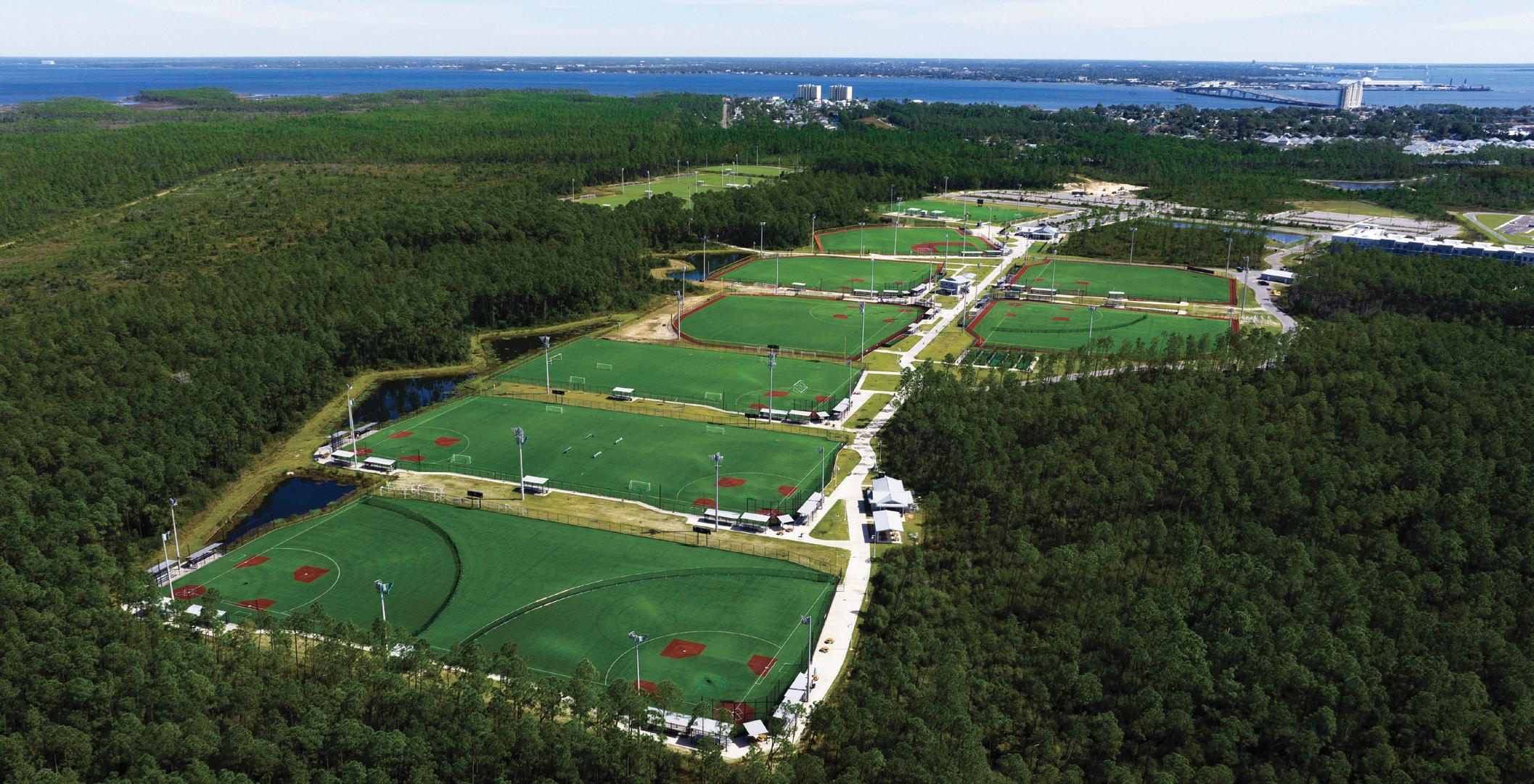
PLAy HERE AND HERE
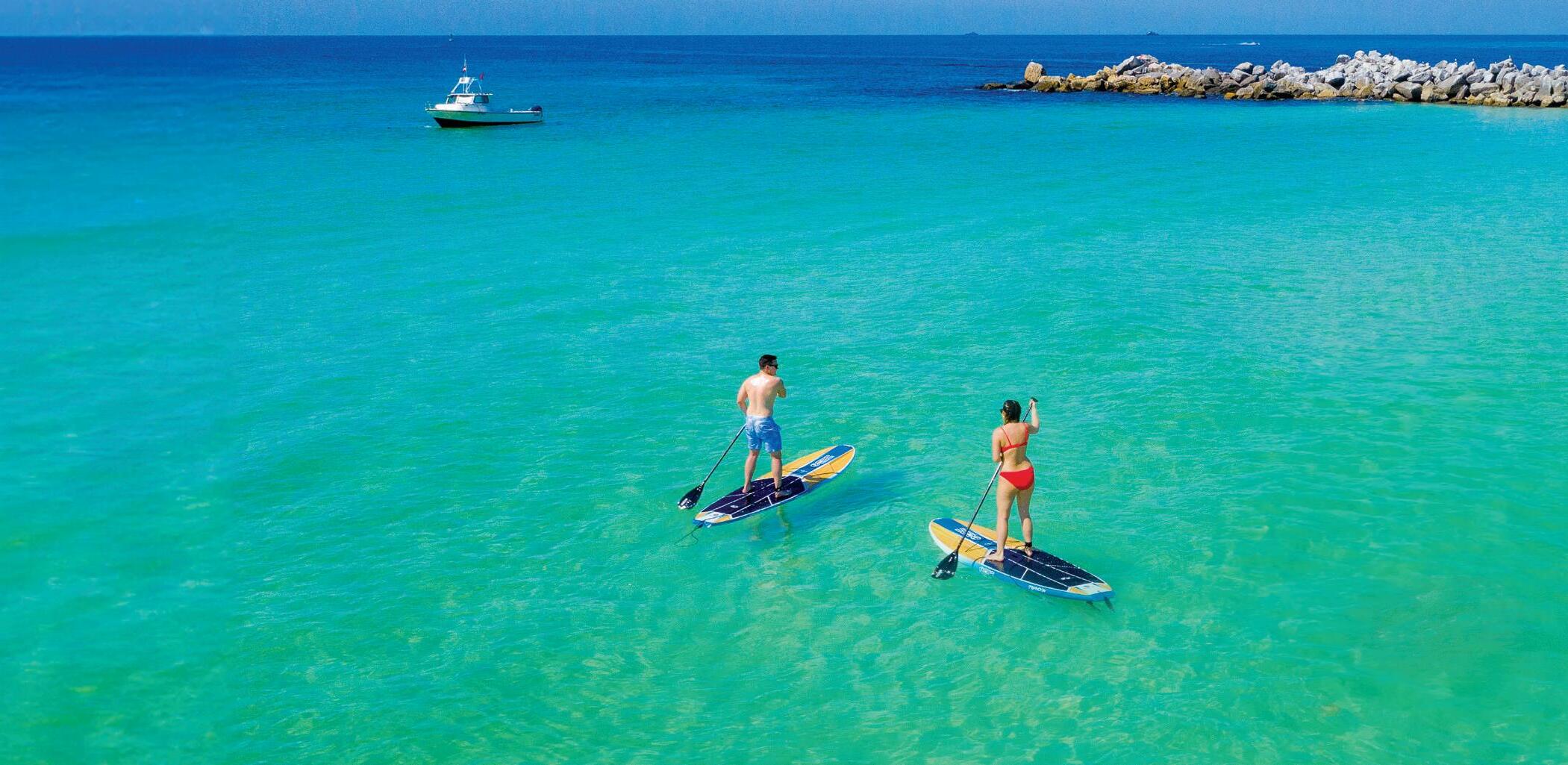
Host your next game or tournament at the world-class, 160-acre Publix Sports Park in Panama City Beach. Not only will you fi nd the best state-of-the-art facilities in the Southeast, but you’ll also be perfectly positioned to continue the fun along the sugar-white sands and turquoise waters of PCB.
CONTACT CHRIS O’BRIEN, DIRECTOR OF SPORTS MARKETING, AT 850-890-7738.



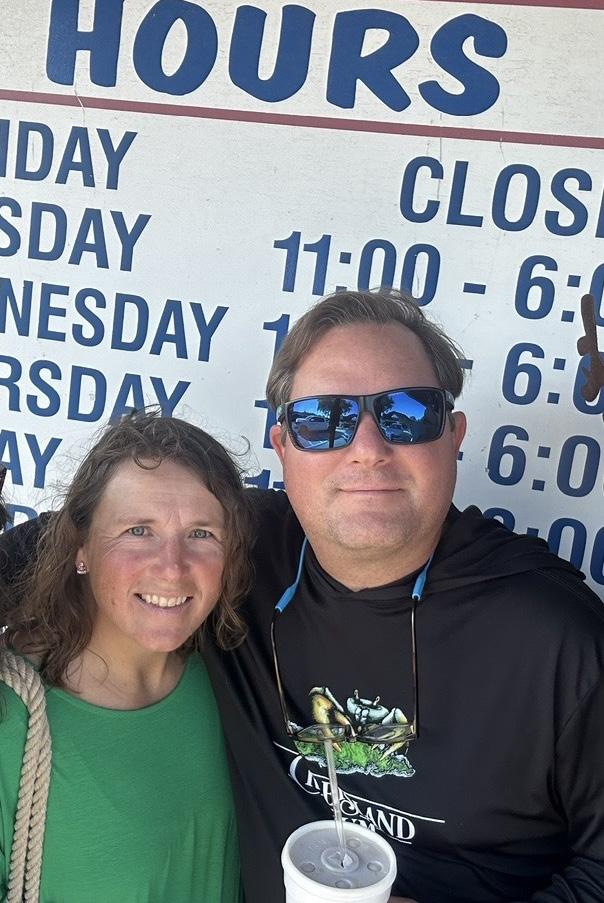
How did you first break into the world of sports tourism, and what hooked you for good?
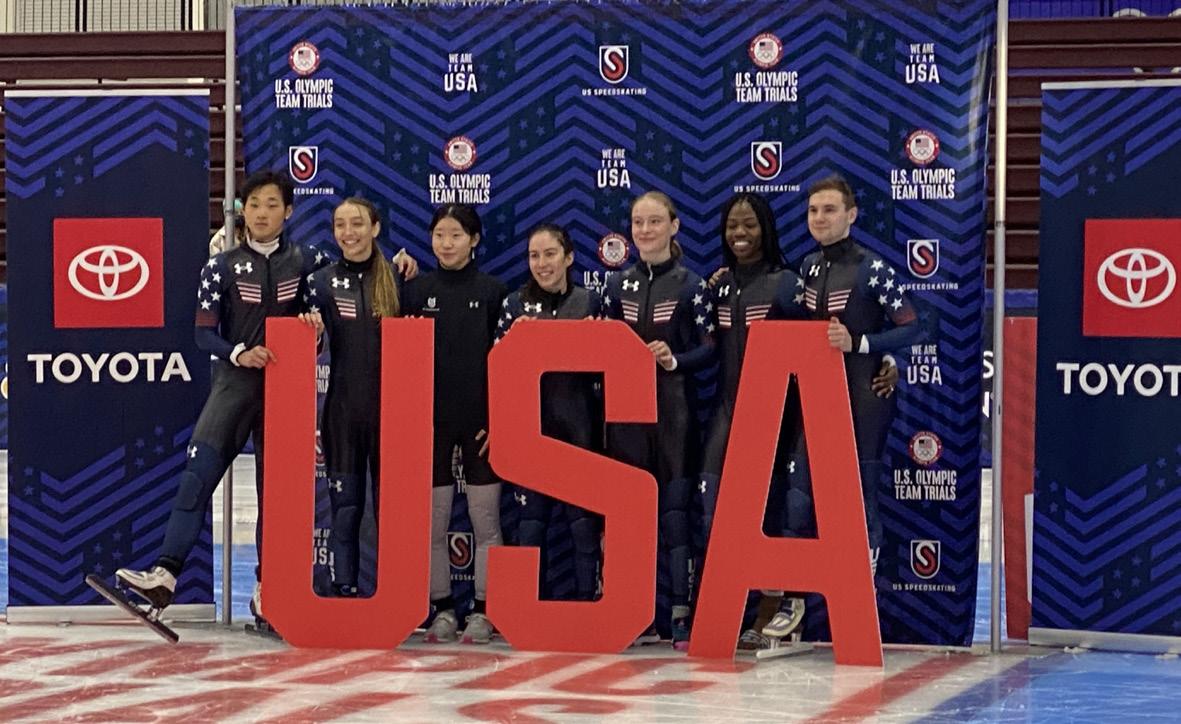
I realized I wanted to continue growing a career in sports when I was standing right next to the pads during the 2022 U.S. Olympic Team Trials for Short Track Speedskating and watching Maame Biney qualify for Beijing.
I shared office space with U.S. Speedskating, so I got to watch these athletes train almost every day. Seeing Maame’s reaction after qualifying was incredible. You could see the shock, relief, excitement and years of sacrifice hit her all at once during her interview afterward.
Being on that venue side, I had the opportunity to work with Clay Partain and the team at Sports Salt Lake. Clay invited me to a trade show and introduced me to the sports tourism industry itself. What really got me were the people. The relationships, the energy, the passion and the genuine love people had for what they did.

I remember thinking, “Whoa… People actually get to do this for a living?” I was hooked.
What’s a recent project or event you’re especially proud of, and what made it stand out?
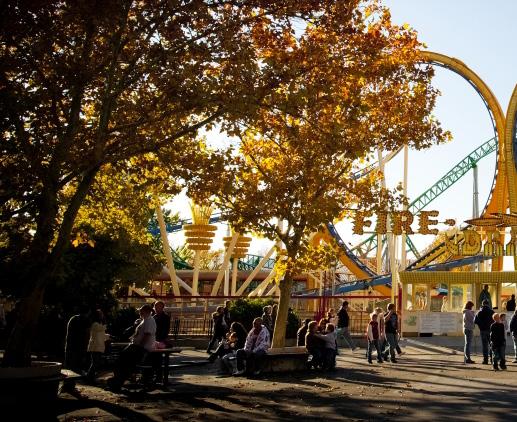
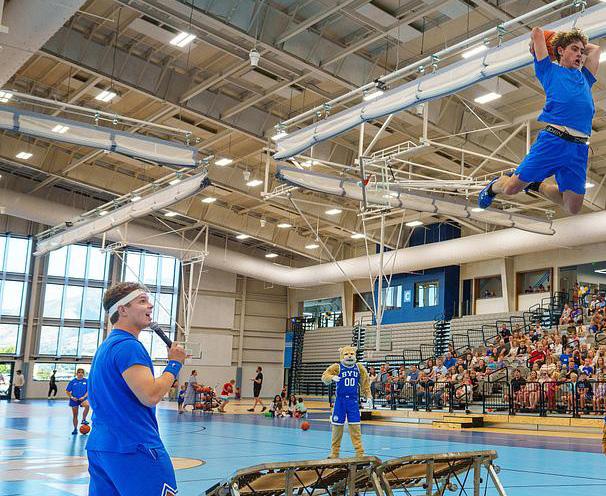
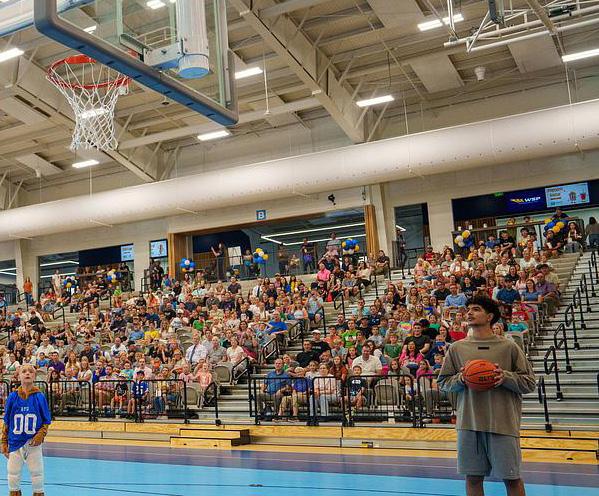
One project I’m proud of is being part of is the development and grand opening of Western Sports Park here in Davis County, Utah. It’s an indoor/ outdoor multi-sport complex that will be a game changer for sports tourism in our region.
What made it meaningful to me is that I spent nearly two years promoting the venue before it even opened. I got to be involved throughout the construction process, help position the facility within the industry and build relationships with rights holders who believed in the vision before they could see it. Watching it go from dirt and steel to a fully operating facility has been a huge career W!
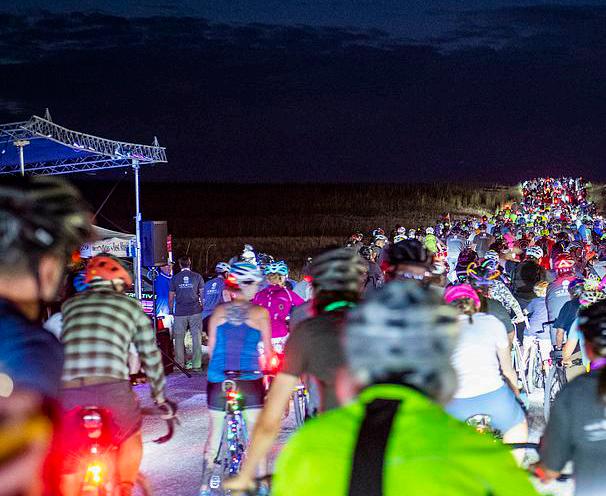
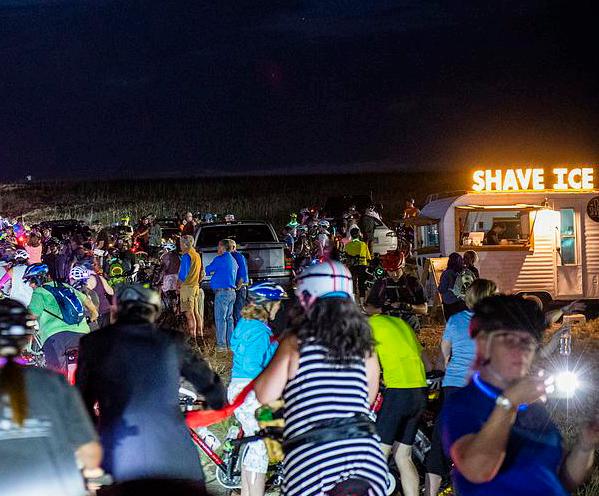
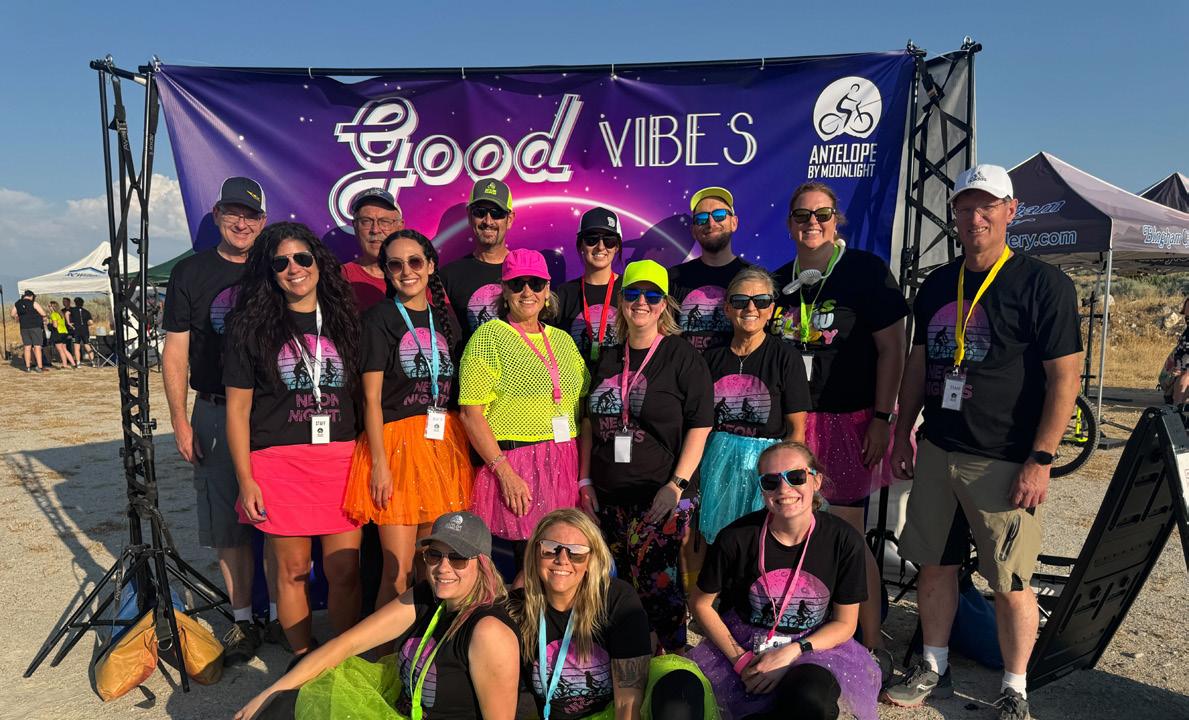
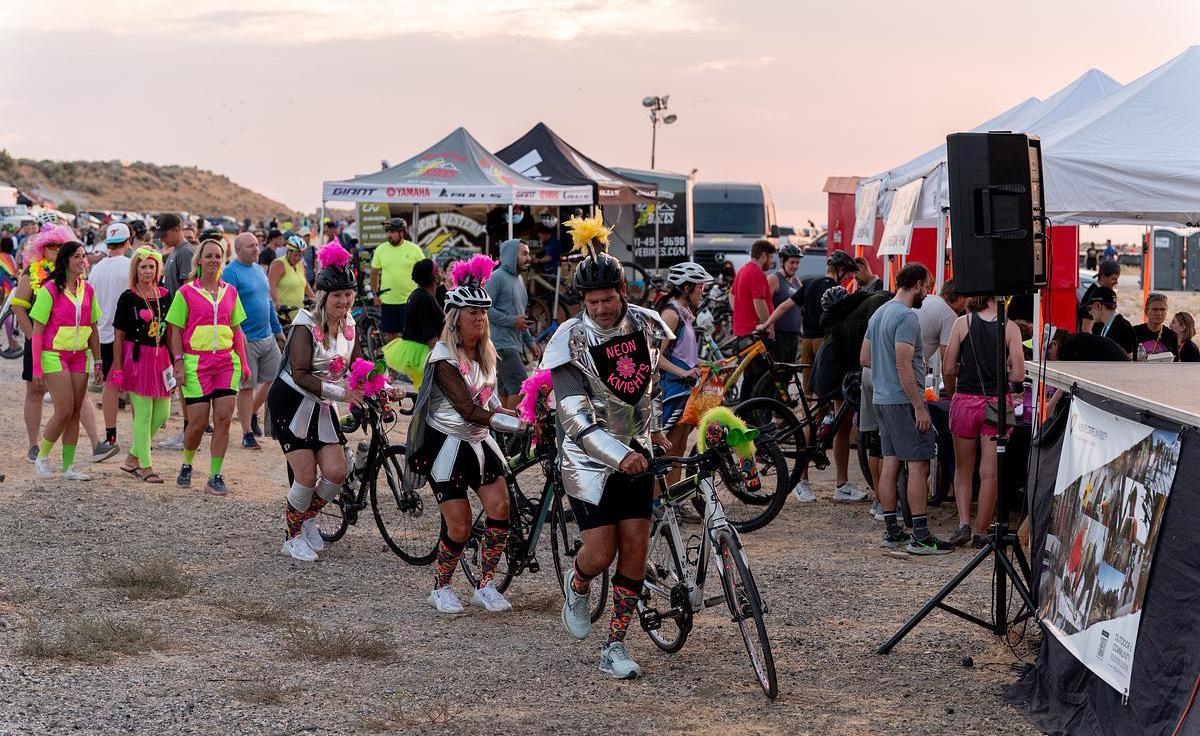
I’ve also loved partnering on projects like Valhalla, a mountain bike endurance event on Antelope Island State Park created with Ragnar co-founder Tanner Bell. What stands out about that event is how intentionally it is being built around the island itself, conservation efforts and the uniqueness and variety of the assets we have here in Davis County.
How have you seen the sports tourism industry evolve over the past few years, and where do you think it’s headed next?
I think it’s becoming far more experience-driven and intentional. It’s no longer just about booking fields, filling hotel rooms and hosting a tournament. People want a connection to a place. They want reasons to stay longer and engage more deeply with a destination.
I’ve also seen a major shift toward collaboration within the industry, especially between destinations within the same state or region; embracing the idea that “rising tides raise all ships”. That mindset is creating bigger opportunities for everyone. It’s opening the door for smarter partnerships and stronger regional sports ecosystems.
I’m currently the chair of the Rocky Mountain
Collective which is a group of destinations throughout the Rocky Mountain region that came together to build relationships and create a stronger presence together at industry events. It’s a reminder that we are friendly competitors.
As for what’s coming... I think we’re going to continue seeing huge growth in outdoor recreation, endurance sports, experiential events and women’s sports. Women’s sports are no longer the “emerging conversation.” It’s here and people are finally paying attention in a big way.
If you could fix one misconception people have about sports tourism, what would it be?
That smaller destinations can’t compete. Some of the most memorable sports experiences happen in places with strong identity, passionate communities and unique assets. Not every destination needs to be the biggest or have the flashiest facilities. The key is finding your niche, your hidden gems and the things that make your destination feel different and authentic. Those are often the places people remember most.
Community impact plays a huge role because, really, community is the reason we do this in the first place. Long-term success only happens when events positively impact the places hosting them.
I also think it’s important to ask how events can help shape and evolve a destination’s identity over time. Sports tourism should not just reinforce who we already are, but also help communities grow into new opportunities and see themselves differently.
Economic impact absolutely matters, but so do quality of life, community pride and creating something meaningful for both visitors and locals. The best events don’t just fill venues and hotel rooms. They become part of the story and identity of a place.
What’s one sports moment (personal or professional) that changed your life or career
path?
Working international events during my time with the Utah Olympic Legacy Foundation across three of Utah’s Olympic venues absolutely changed my career path. Being behind the scenes during elite competition showed me an unmatched level of passion and teamwork.
I had the opportunity to be a part of building and working events like World Cups, World Championships, Olympic Trials, and other international competitions while being surrounded by Olympians almost every day. I got to watch athletes train, evolve, overcome setbacks and perform at the absolute highest level over time. Even though I already understood the dedication required in sports, seeing it play out on that scale and at that caliber gave me an entirely new appreciation for athletes.
It also showed me how sports can unite people across cultures, backgrounds and languages in a way few things can. And I think that’s pretty rad. So I decided to stay in that space. Go Sports.
Outside of work, what sport, team, or athlete do you enjoy following the most?
Home state loyalty runs deep for me. Give me the Cincinnati Reds, Bengals, and Ohio State Buckeyes football all day, baby! O-H!
If you weren’t working in sports tourism, what would you be doing instead, and why?
I’d probably be fully immersed in the wellness, retreat and adventure travel world. Honestly, I’m already stepping into that space through a passion project called WĪLD Retreats, a brand focused on helping women reconnect with their most authentic, grounded and “wild” selves through nature, adventure and community.
The meaning behind WĪLD is about stripping away the pressure, expectations and noise of everyday life and returning to who you really are underneath it all. It’s about rediscovery and creating space for women to be empowered and fully alive again.

Looking back, it actually makes a lot of sense alongside my career in sports tourism. Both are rooted in bringing people together and creating transformation.
You’re working on a dream project within your dream destination. Where are we going and what’s happening?
Honestly, I don’t know if I truly have one “dream destination” because I’ve always had a bit of a wandering soul. I love discovering new places and finding the beauty and personality in wherever I am. Some of the most meaningful moments happen in destinations you never expected to connect with.
That said, I definitely feel most alive in places with mountains, rainforests or water! My dream project would probably blend outdoor adventure, sport, wellness, music and community into something immersive and transformational instead of just transactional.
Who’s someone in the sports world (living or legendary) you’d love to grab coffee (or a cold one) with, and what would you ask them?
Ashley Fiolek. She became the first woman signed to Honda’s factory motocross team and helped pave the way for women in a sport that is traditionally male-dominated. What makes her story even more awesome is that she’s deaf and still competed at the top in professional motocross, becoming the first female MX racer to win gold at the X-Games. She’s a leader for both women and adaptive athletes in action sports. A total badass!
I’ve always been drawn to people who challenge expectations and knock down walls. Ashley didn’t just compete - she changed perceptions and opened doors. I’d love to ask her what kept her going when people underestimated her.
What’s in your “event day survival kit”? (No judgment here… Energy drinks, lucky socks, secret Scooby snacks?)
Starbucks egg bites, a salted caramel cold brew,
a gallon of water and never forget the sunglasses. Even at indoor events, they remain part of the operation. They migrate from my face to the top of my head and basically become part of the uniform.
What’s the most unexpected or hilarious thing that’s ever happened at one of your events?
I can’t think of one specific event, but if you know me, you know my spatial awareness sometimes disappears when I’m yapping. I’m notorious for trying to talk to five people at once while power walking around a venue, which means I walk directly into signs more times than I’d like to admit. As if I need any more concussions.
If sports tourism were an Olympic event, I’d take gold in ________________.
Authentic relationship building with unapologetic passion and big energy!
I don’t know if that’s quite an Olympic event but I care deeply about this industry and the people in it, and I’m rarely going to be the quietest person in the room - or the most corporate. I think authenticity, perspective and real connection go a long way in this business.
What’s your go-to hype song when you need to get pumped for a long day on-site at an event?
She’s Country by Jason Aldean will always hype me up, even if it makes absolutely no sense for an event playlist. It takes me straight back to Ohio, in my twenties, going mudding, backroading and fishing, or heading into whatever random adventure the day turned into. I never turned down a fun time, and that song instantly brings that energy back.
Also, anything by Lil Wayne!
If PUSH Magazine gave you a free billboard in Times Square for one day, what message would you put up for the world to see?
Feel everything, live out loud, and keep it real!


The simple, effective nutrition strategies like omega-3 intake can boost your confidence in maintaining peak physical and mental performance, even during busy travel days.
• Marine-based omega-3s tend to provide more direct support for the body’s performance needs.
• Omega-3s can come from both animal and plant sources, making them accessible no matter your travel routine.
• Fish oil is a source of omega-3 fatty acids, while omega-3s are the compounds that deliver the health benefits.
Omega-3 fatty acids are essential fats your body needs but cannot produce on its own. Fish oil is simply one of the most efficient ways to get them, especially when your travel schedule limits consistent, high-quality meals.
There are three primary types of omega-3s:
• ALA, found in plant-based sources like seeds and nuts, offers benefits as well, but requires conversion in the body, making it slightly less efficient.
• EPA and DHA, commonly found in fish and seafood, are the most directly beneficial for heart, brain, and recovery support.
For professionals constantly navigating airports, convention centers, and competition venues, convenience matters. Fish oil supplements, or omega-3-rich meals when available, can help fill nutritional gaps that come with life on the road.

When your job demands energy, clarity, and resilience, omega-3s can help you maintain peak performance.
Whether you’re walking venues all day or squeezing in a quick workout between meetings, physical wear and tear adds up. Omega-3s have anti-inflammatory properties that can help reduce soreness and support recovery.
The sports tourism lifestyle can be high-pressure and unpredictable. Omega-3s may help stabilize mood and support overall mental well-being, especially during long stretches on the road.
From contract negotiations to event execution, sharp thinking is non-negotiable; DHA supports brain function, aiding memory, focus, and decision-making when it matters most.
Long travel days and inconsistent routines can impact cardiovascular health over time. Omega-3s support heart function and may help maintain healthy blood pressure, key for sustained energy throughout demanding event schedules.
Consistency is the biggest challenge for traveling professionals, but omega-3 intake doesn’t have to be complicated.
• Consider plant-based options if dietary restrictions apply, though they may require more planning.
• Keep high-quality supplements on hand for days when meals are less predictable.
• Aim for fatty fish like salmon or tuna when dining out, ideally a couple of times per week.
A general daily intake of a few hundred milligrams of combined EPA and DHA supports overall well-
ness, while higher amounts may be used strategically under professional guidance.
Omega-3s are widely used and generally well tolerated, but some people experience mild side effects, such as digestive discomfort or a lingering aftertaste, after supplementation. Taking supplements with meals can help minimize these effects.
If you’re managing medications or specific health conditions, it’s smart to ensure your nutrition strategy aligns with your broader health plan.
For sports tourism professionals, performance isn’t just about what happens at the event; it’s about how well you sustain energy, focus, and resilience across a demanding travel schedule. Omega-3s, whether through fish oil or other sources, offer a practical, portable way to support your health while you’re building and contributing to the industry on the road.





The power of soft skills lies in their ability to elevate individuals beyond simply completing assigned tasks to truly leading, collaborating, communicating, and adapting in an increasingly complex workplace. Recognizing these skills can make employees feel valued and capable, as they see their potential to stand out and lead effectively. While technical skills enable employees to perform the core functions of their roles, soft skills determine how effectively they engage with others and navigate challenges. These capabilities include behaviors, habits, and interpersonal traits such as communication, critical thinking, perseverance, and teamwork. Although they can be difficult to measure, organizations now recognize that soft skills are often the defining factor separating average performance from exceptional leadership.
As automation accelerates and digital transformation continues to reshape industries, uniquely human capabilities have become more valuable than ever. Machines can replicate processes and analyze data, but they cannot authentically demonstrate empathy, emotional intelligence, resilience, adaptability, or integrity. These qualities are now essential for long-term success in any organization.
At the same time, companies are rethinking how employees interact by creating environments that encourage connection and collaboration.
This shift reflects a growing understanding that strong interpersonal relationships contribute directly to higher productivity, greater engagement, and a more positive workplace culture. Soft skills play a critical role in building trust, strengthening communication, fostering collaboration, improving adaptability, and accelerating innovation, ultimately forming the foundation of effective leadership and high-performing teams.
In today’s fast-moving environment, adaptability has become a key competitive advantage. Roles evolve rapidly, expectations shift, and leaders must continuously learn and adjust. Soft skills en-
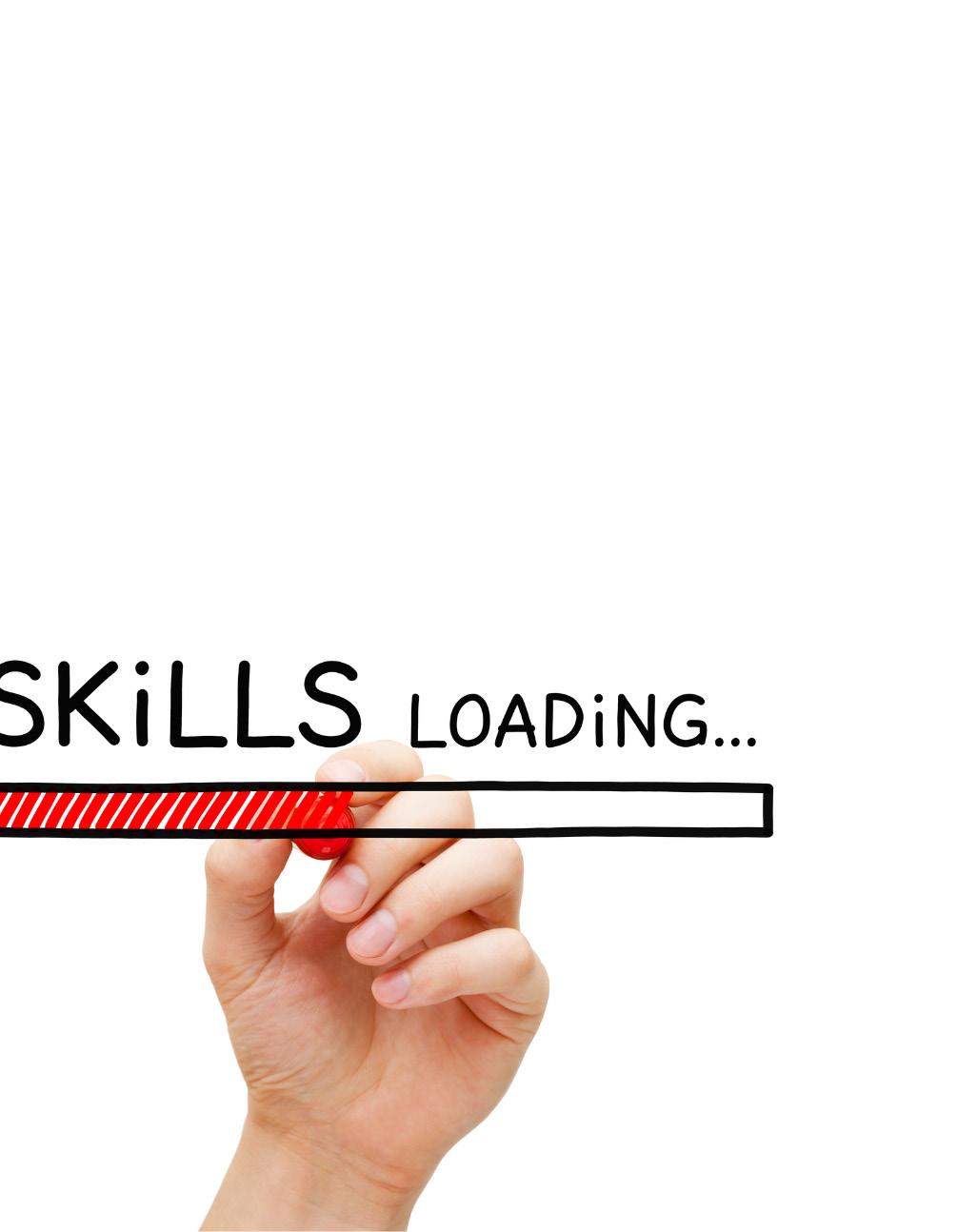
able this agility by equipping individuals with the mindset and behaviors needed to respond effectively to change. Research from MIT reinforces an important insight: top performers often share a common trait... Happiness.
When employees feel supported and fulfilled, their brains release chemicals such as serotonin, dopamine, and oxytocin, which expand their capacity for creativity, innovation, and problem-solving. Positive emotional states not only enhance individual performance but also influence team dynamics, making collaboration more fluid and productive.
Although soft skills are often intangible, their influence on career growth and organizational success is undeniable. Highly valued capabilities
include maintaining a positive attitude, building and nurturing professional networks, solving problems creatively, communicating effectively through both listening and speaking, demonstrating a strong work ethic, collaborating within teams, exhibiting leadership qualities, showing empathy, managing time efficiently, making sound decisions, thinking critically, and resolving conflicts constructively. These skills shape how individuals contribute to their organizations and how they are perceived as leaders, peers, and achievement.
Soft skills are essential for running a successful business for several interconnected reasons. They help create a healthy work environment by promoting empathy, active listening, and transparent communication, all of which foster trust and reduce unhealthy competition. When employees feel understood and supported, they are more likely to take initiative, share ideas, and collaborate effectively to move the organization forward.
Strong communication also facilitates positive change by aligning goals, minimizing misunderstandings, and increasing efficiency, allowing teams to address challenges proactively rather than reactively. In addition, soft skills improve decision-making, as leaders who actively listen and value diverse perspectives are better equipped to make informed and balanced choices that benefit the entire organization.
Customer service and sales outcomes are also significantly enhanced by strong soft skills. Employees who practice active listening and thoughtful problem-solving are better able to understand and meet customer needs, leading to stronger relationships and increased loyalty. Approaching interactions with empathy and positivity elevates the overall customer experience and can directly impact revenue growth.
Furthermore, organizations that invest in developing employees’ soft skills often experience higher retention rates. When individuals feel valued and see opportunities for personal and professional growth, they are more likely to remain engaged and committed. This creates a
more stable, motivated workforce that contributes to long-term organizational success.
Another often overlooked advantage of soft skills is their role in navigating uncertainty and complexity. Leaders who can communicate clearly, remain composed under pressure, and demonstrate empathy create a sense of reassurance and stability for their teams. In times of change or crisis, these qualities help teams feel supported and confident, even when external conditions are unpredictable. As a result, teams are more resilient, more focused, and more capable of sustaining performance through challenges, which can instill a sense of security and trust in leadership.
Ultimately, soft skills provide a powerful and sustainable competitive advantage. Strong communication, meaningful relationships, and authentic connections are at the heart of organizational success.
Developing these skills requires intention, self-awareness, and consistent practice, but the rewards are significant, including increased trust, reduced conflict, and stronger collaboration. Improving relationships begins with understanding one’s own perspective and recognizing how others may see situations differently, which enables more effective communication and thoughtful responses to challenges.
Emotional intelligence becomes just as critical as intellectual ability when navigating conflict, motivating teams, and adapting under pressure.
Organizations that align leadership approaches and empower employees create clarity and momentum, equipping their teams with the tools needed to build a high-performing culture. This alignment enables a shift from reactive problem-solving to proactive strategy, reducing friction and accelerating success.
In a world where change is constant and competition is intense, the ability to harness and develop soft skills is no longer optional; it is essential for sustained growth, innovation, and leadership excellence.

Presented
by:
In sports tourism, nobody improves by standing still.
Athletes develop through repetition, coaching, accountability, and competition. Teams improve through shared experiences, preparation, and real-time adjustments. The same is true for leadership.
That philosophy is exactly what powers the Sports Executive and Strategy Incubator from The Collective BEST, a professional development experience designed specifically for leaders who want more than another webinar, conference session, or one-day seminar.
The Collective BEST built the Incubator to create movement. It is immersive, collaborative, strategic, and designed to help sports tourism professionals sharpen their thinking, leadership, communication, and execution.
More than a traditional professional development program, the Incubator creates an environment that feels alive. It combines coaching, cohort learning, strategic advisory, and practical application into a system that helps leaders build momentum over time instead of collecting disconnected ideas they never implement.
At its core, the program reflects the same energy found inside successful sports organizations and destination ecosystems, people learning together, pushing one another forward, solving challenges in real time, and building confidence through action.

The Sports Executive and Strategy Incubator’s structure features integrated suites designed to support both individual leaders and entire organizations. Together, the suites create what feels less like a curriculum and more like a high-performance operating environment for sports tourism professionals and destination leaders.
What sets the Incubator apart from traditional leadership programs is its emphasis on cohort learning, a model built on shared experiences,

accountability, coaching, and continuous improvement. Instead of passive participation, leaders actively engage with one another, apply strategies in real time, and return to the group with insights, challenges, and wins that deepen the experience for everyone involved.
Here are seven reasons why cohort learning has become one of the most effective models for leadership development, and why The Collective BEST intentionally built the Incubator around it.
Adults learn best through application, discussion, and reflection rather than simply consuming information. Cohort learning creates an environment where participants actively engage with real-world challenges instead of sitting through static presentations.
Inside the Incubator, leaders move through a rhythm of strategic frameworks, peer collaboration, guest experts, coaching sessions, and practical implementation. The result is development that feels dynamic, engaging, and immediately useful.
Leadership can often feel isolated, especially in sports tourism, where executives are constantly navigating stakeholder relationships, revenue pressure, destination competition, and organizational expectations.
Cohort learning changes that dynamic by surrounding participants with peers who understand the realities of the industry. Leaders learn from one another’s experiences, share solutions, challenge assumptions, and build relationships that extend well beyond the program itself.
The energy becomes contagious. Conversations become sharper. Confidence grows faster because nobody is developing alone.
Traditional seminars often create temporary inspiration that fades once attendees return to daily responsibilities. Cohort learning creates continuity.
Participants apply strategies in real time, reflect on outcomes, and return to the group with new perspectives and experiences. That ongoing cycle transforms leadership development from a single event into an ongoing process of refinement and growth.
The Incubator reinforces this through continuous coaching, strategic guidance, and structured touchpoints that keep participants engaged and moving forward.
One of the biggest challenges in professional development is bridging the gap between theory and execution. Cohort learning closes that gap immediately.
Participants test ideas within their organizations, bring challenges back to the cohort, receive feedback, and adjust their approach. Much like athletes reviewing game films and refining performance, leaders develop confidence through repetition and practical experience.
The Incubator’s intentional design drives this cycle of application, reflection, adjustment, and momentum.
There is power in moving through a process alongside others who are equally committed to growth. Cohorts naturally foster accountability because participants share goals, timelines, discussions, and progress.
That shared commitment increases follow-through, encourages deeper engagement, and pushes participants beyond their comfort zones. As teams elevate performance through shared standards and preparation, cohort learning creates an environment in which progress becomes expected.
The Incubator embeds accountability into the experience through structured collaboration and ongoing peer interaction.
Some of the most valuable leadership insights come from hearing how others approach similar challenges. Cohort learning exposes participants to different leadership styles, organizational structures, market realities, and strategic approaches.
Within the Incubator, leaders from varying destinations and organizations contribute perspectives that broaden thinking and generate new ideas. Those conversations often become the catalyst for innovation, creativity, and smarter decision-making.
Participants gain more than knowledge. They gain perspective.
Leadership development has changed dramatically in recent years. Professionals need flexibility, accessibility, and learning experiences that align with fast-moving industries.
Cohort learning remains effective because it adapts while preserving the elements that matter most: relationships, experience, accountability, and reflection. The Incubator reflects that flexibility through its suite-based structure, allowing organizations and leaders to engage in ways that align with their unique goals and challenges.
This well-crafted model moves with the sports tourism industry instead of falling behind it.
Beyond the frameworks and strategy sessions, the Sports Executive and Strategy Incubator creates something many professional development programs fail to achieve: momentum.
Participants begin to feel sharper. More focused. More strategic. More confident in how they lead and communicate. Every session builds anticipation for the next. Every interaction reinforces growth. Over time, leaders begin to feel themselves leveling up.
That is what makes the experience different.
The Sports Executive and Strategy Incubator doesn’t provide accolades based on attendance. It expects and supports performance. A system specifically crafted for sports tourism professionals, destination leaders, and executives who want leadership development that feels practical, energizing, collaborative, and impactful.
It is a development designed to move people forward.
Learn more about the program at: https://www.thecollectivebest.com/programs










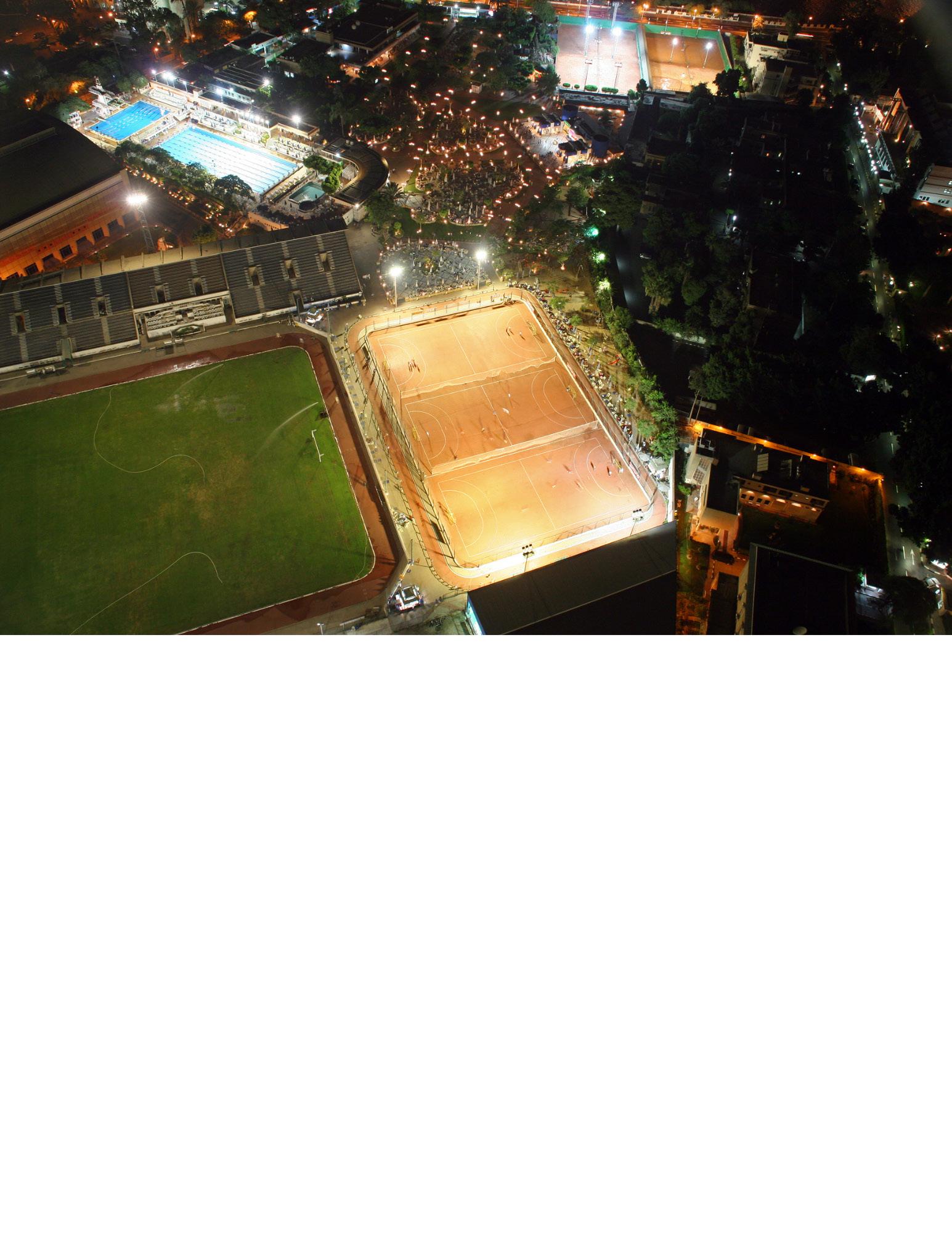
For destination parks and recreation professionals, a “smart” sports facility is no longer a luxury or an aspirational add-on. It is increasingly becoming a competitive differentiator in the sports tourism marketplace. Communities are no longer just competing on fields, courts, or seating capacity; they are competing on experience, efficiency, connectivity, and the ability to attract repeat visitation through technology-enabled engagement.
A well-rounded, smart facility is intentionally designed or upgraded to integrate technology across every layer of the visitor journey and op-
erational structure. When done correctly, it positions a destination to host higher-level events, improve visitor satisfaction, increase economic impact, and stand out in an increasingly crowded sports tourism landscape.
At the foundation of any smart facility is robust digital infrastructure. This infrastructure is the layer that determines whether everything else succeeds or struggles.
A competitive smart venue build includes high-capacity Wi-Fi, private 5G readiness, and strong internal connectivity that supports thousands of simultaneous users without degradation. This foundation, when paired with cutting-edge computing capabilities, also allows data to be processed instantly within the facility rather than relying solely on external systems.
For destinations, this means the venue can support modern expectations such as live streaming, mobile-first ticketing, digital payments, and real-time engagement without bottlenecks or service failures.
A truly smart facility is not passive; it is aware of what is happening inside it. This awareness comes to fruition through a network of sensors and connected systems that provide real-time visibility into operations and visitor behavior.
These systems monitor crowd movement, parking availability, concession line lengths, environmental conditions, and equipment performance. For parks and recreation departments, this level of awareness provides a major operational advantage, allowing staff to anticipate issues before they escalate and manage events more efficiently. Instead of reacting to problems, the facility begins to predict and prevent them.
Collecting data alone does not make a facility smart. The competitive advantage comes from integration.
In a well-designed smart facility, all systems, ticketing, security, concessions, parking, staffing, and fan engagement feed into a centralized data platform. This data hub creates a unified operational picture, allowing managers and destination leaders to understand what is happening across the entire facility in real time.
This integrated view is what enables better deci-
sion-making, improved staffing efficiency, and stronger event performance. It also provides valuable reporting capabilities for economic impact analysis and stakeholder communication.
Once data is integrated, artificial intelligence becomes the engine that drives optimization. AI allows facilities to move from reactive management to predictive operations. For example, AI can forecast peak concession demand, optimize staffing schedules, manage traffic flow before and after events, and enhance security monitoring. Over time, the system learns from past events, allowing the facility to improve performance continuously.
For destinations, this translates into smoother operations, reduced labor inefficiencies, and a higher-quality visitor experience, all of which directly impact reputation and repeat business.
One of the most visible advantages of a smart facility is the elimination of friction throughout the visitor journey. The goal is to make everything as seamless as possible from arrival to departure.
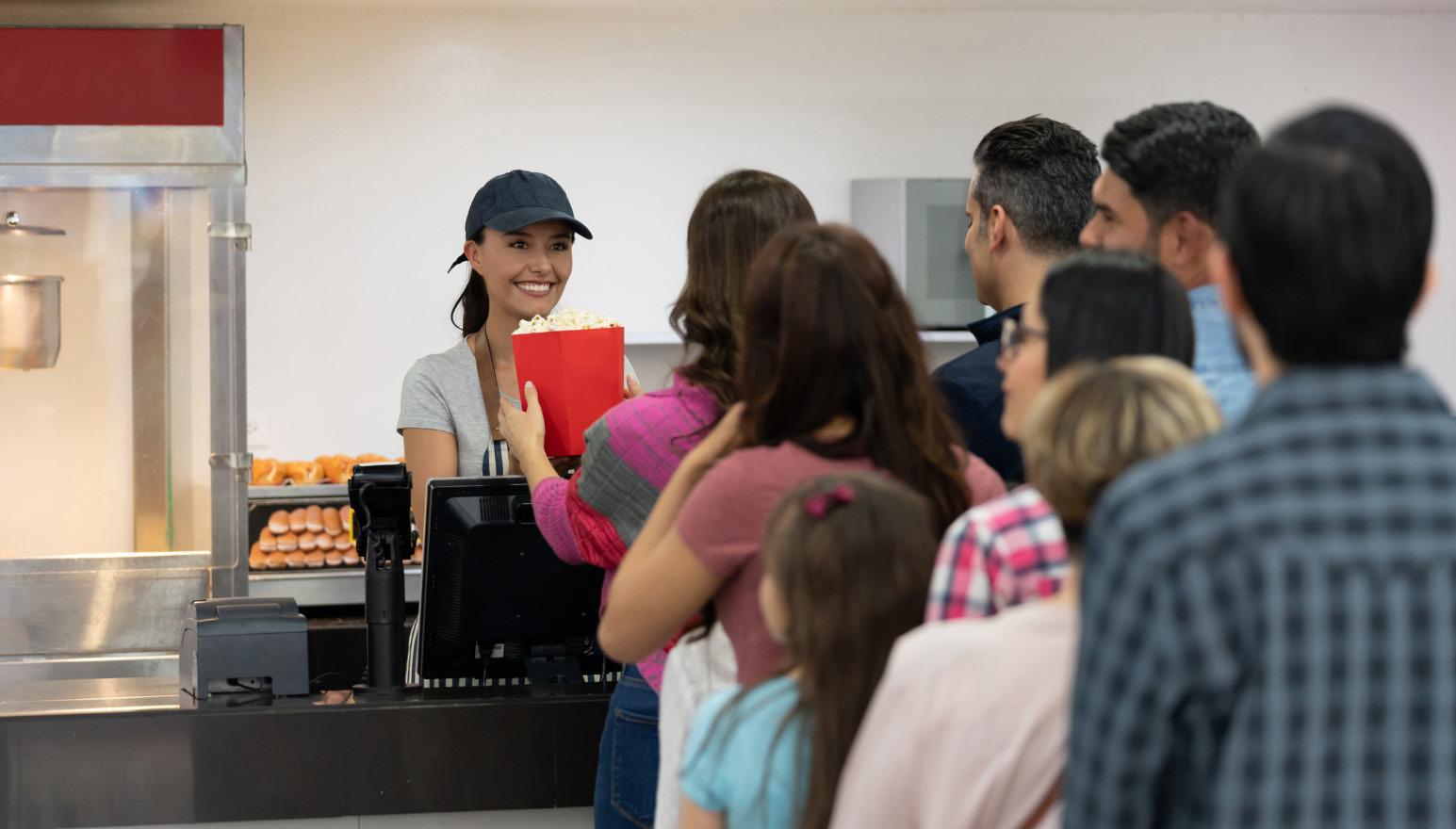
Visitors benefit from mobile ticketing, contactless or biometric entry systems, cashless payments, and app-based navigation. Food, beverages, and merchandise can be ordered digitally and delivered or picked up efficiently. Wayfinding tools help guests navigate large complexes without confusion or delays.
For destinations, this level of convenience is a major competitive advantage in attracting traveling teams, tournament organizers, and spectators who prioritize ease of experience.
Smart facilities are not limited to what happens on the field of play. They extend the experience
through digital and immersive technologies that enhance engagement.
This can include real-time statistics delivered to mobile devices, augmented reality features inside the venue, interactive screens, and multi-angle replay systems. These tools deepen fan engagement and encourage longer dwell time within the venue and surrounding destination.
For sports tourism professionals, this means the facility becomes part of a broader entertainment ecosystem rather than a single-purpose venue.
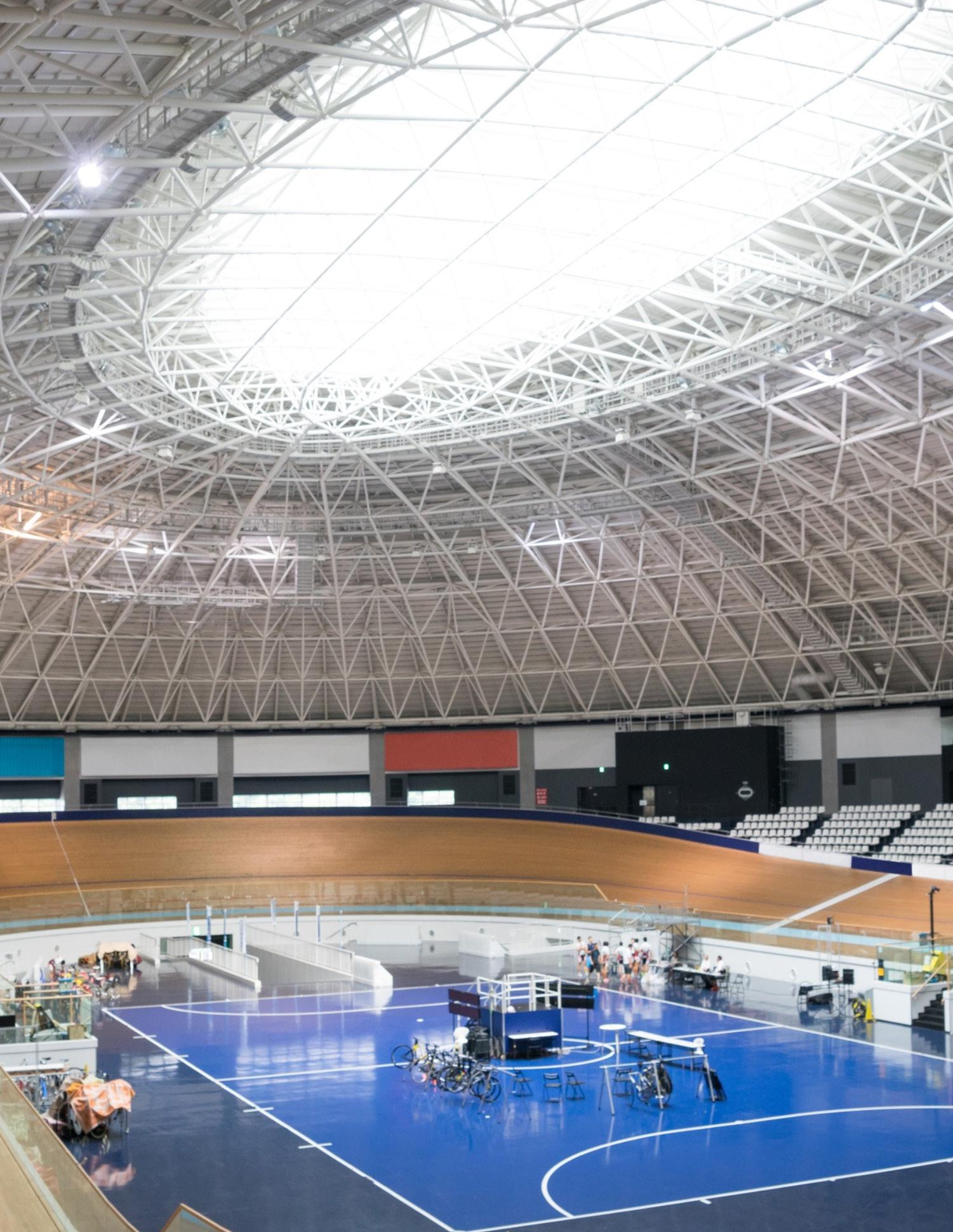
Modern smart facilities also improve safety and operational flow through advanced security technologies. Digital identity systems, AI-assisted surveillance, and automated access control help manage large crowds efficiently while maintaining high safety standards.
Importantly, these systems also reduce entry bottlenecks, improving the arrival experience for visitors and participants.
Smart facilities increasingly integrate sustainability into their core operations. Intelligent HVAC systems, adaptive lighting, and resource monitoring help reduce energy consumption and operating costs while improving environmental performance.
For public-sector parks and recreation departments, this is especially important as sustainability metrics are becoming central to funding, community support, and long-term viability.
A smart facility is also a more financially efficient facility. Dynamic pricing systems, targeted marketing, and real-time upsell opportunities allow destinations to maximize revenue per visitor.
Concessions, parking, merchandise, and sponsorship activations can all be adjusted based on demand patterns and visitor behavior. This turns the facility into a more responsive and profitable asset for the community.
For destinations and parks and recreation professionals evaluating upgrades or new builds, a facility can be considered truly “smart” when it achieves the following outcomes:
• Reliable, high-capacity digital connectivity across the entire venue
• Real-time awareness of operations through sensors and connected systems
• Fully integrated data systems that unify all operational functions
• Predictive decision-making powered by artificial intelligence
• A frictionless visitor journey from arrival through departure
• Enhanced engagement through immersive and digital experiences
• Efficient, technology-supported security and access control
• Sustainable operations supported by intelligent building systems
• Revenue optimization driven by real-time data and behavior insights
A smart sports facility is not defined by technology for its own sake. It is defined by how effectively that technology improves competitiveness.
For destinations, parks, and recreation agencies, investing in smart facility design is ultimately about positioning the community to win in a highly competitive sports tourism environment. It improves event attraction, strengthens operational efficiency, enhances visitor satisfaction, and increases long-term economic impact.
In today’s landscape, the most successful destinations are not simply building better fields or larger arenas, they are building intelligent environments that deliver a superior experience at every level.

For sports tourism professionals constantly moving from one destination to the next, air travel is not downtime. It is part of the job. Between tight event schedules, site visits, and client meetings, what you eat and when you eat can directly impact your energy, focus, and overall performance. While in-flight meals may feel like a convenient perk, they are not always aligned with the needs of professionals who rely on consistency and efficiency on the road.
At cruising altitude, your body experiences subtle but important changes that affect how food tastes. Cabin air is extremely dry, and combined with changes in air pressure, your senses, especially taste and smell, become less sensitive. As a result, foods that might taste balanced on the ground can seem bland in the air.
To compensate, airline meals are often adjusted with higher levels of salt and sugar to maintain flavor. While that might improve taste in
the moment, it can leave you feeling sluggish, dehydrated, or bloated after landing. None of those outcomes support a schedule filled with venue walkthroughs, stakeholder meetings, or event activations.
Inside an aircraft cabin, humidity levels are significantly lower than what your body is used to on the ground. Over time, this dry environment contributes to dehydration, which in turn affects your taste perception and overall comfort. Add in the constant background noise and cabin pressure changes, and your sensory experience shifts more than you might expect.
For professionals who depend on staying sharp and energized throughout travel days, this combination can quietly work against you. Foods high in sodium and sugar may provide short-term satisfaction but often lead to energy drops or discomfort later.
Bringing your own snacks is a simple and effective way to stay in control of your nutrition while traveling. It ensures you have reliable, familiar options that sustain energy and help you feel your best from takeoff to touchdown.
Consider packing items that are easy to carry, non-perishable, and nutrient-balanced. These types of foods fuel you without slowing you down. This approach becomes especially valuable when travel days stretch longer than expected or when airport and in-flight choices are limited.
Solid foods are generally permitted in carry-on bags, making it easy to bring your own snacks or

light meals. It is important to be mindful of items that fall into liquid or gel categories, as they must meet standard size requirements. Planning helps you move through security smoothly while maintaining your travel routine.
In the sports tourism industry, performance does not pause when you step onto a plane. Every detail, from your schedule to your nutrition, plays a role in how effectively you operate on the road. Packing your own snacks is a small habit that delivers a meaningful return in the form of better energy, greater comfort, and one fewer variable to manage in a fast-paced travel lifestyle.


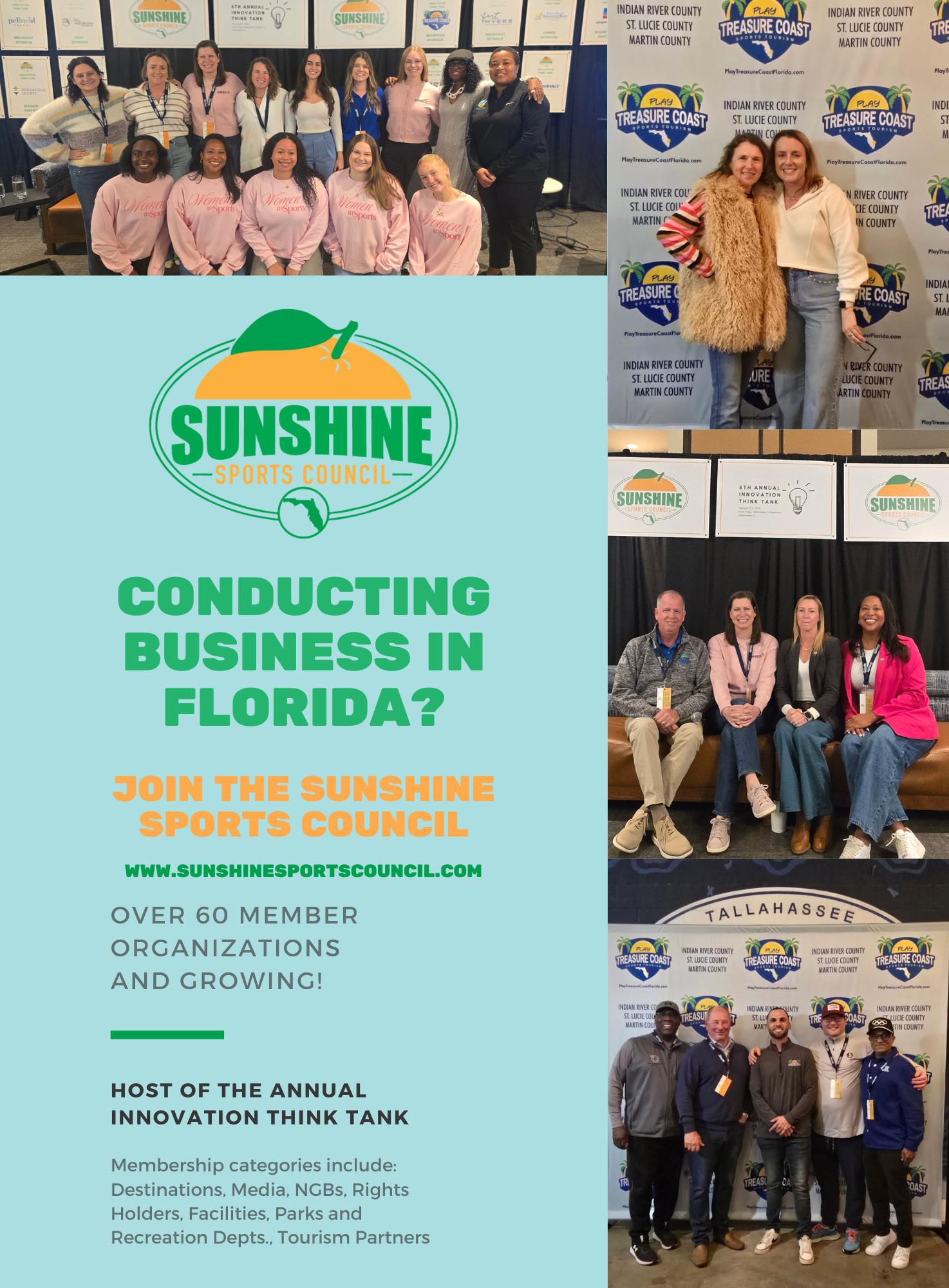
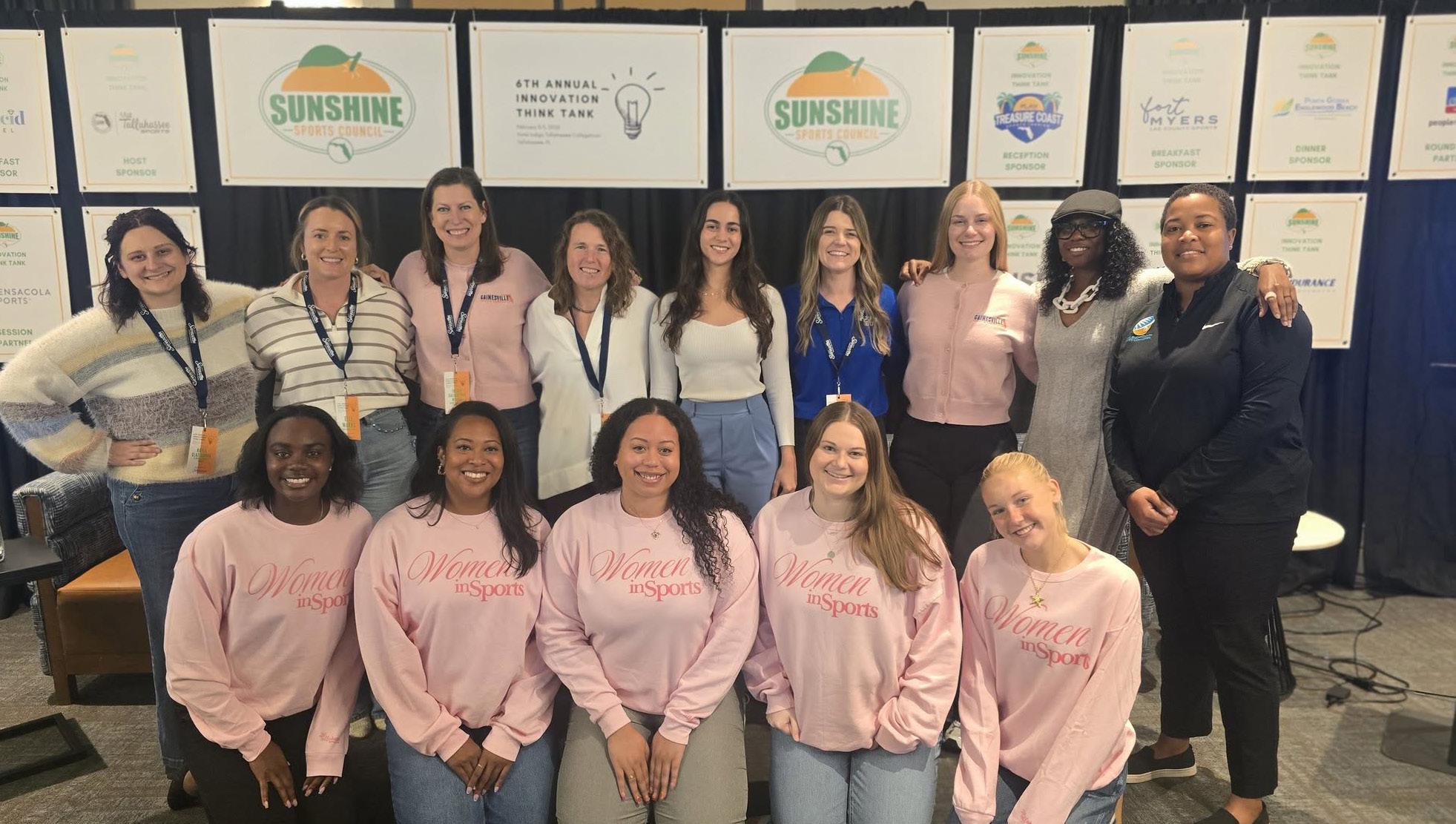
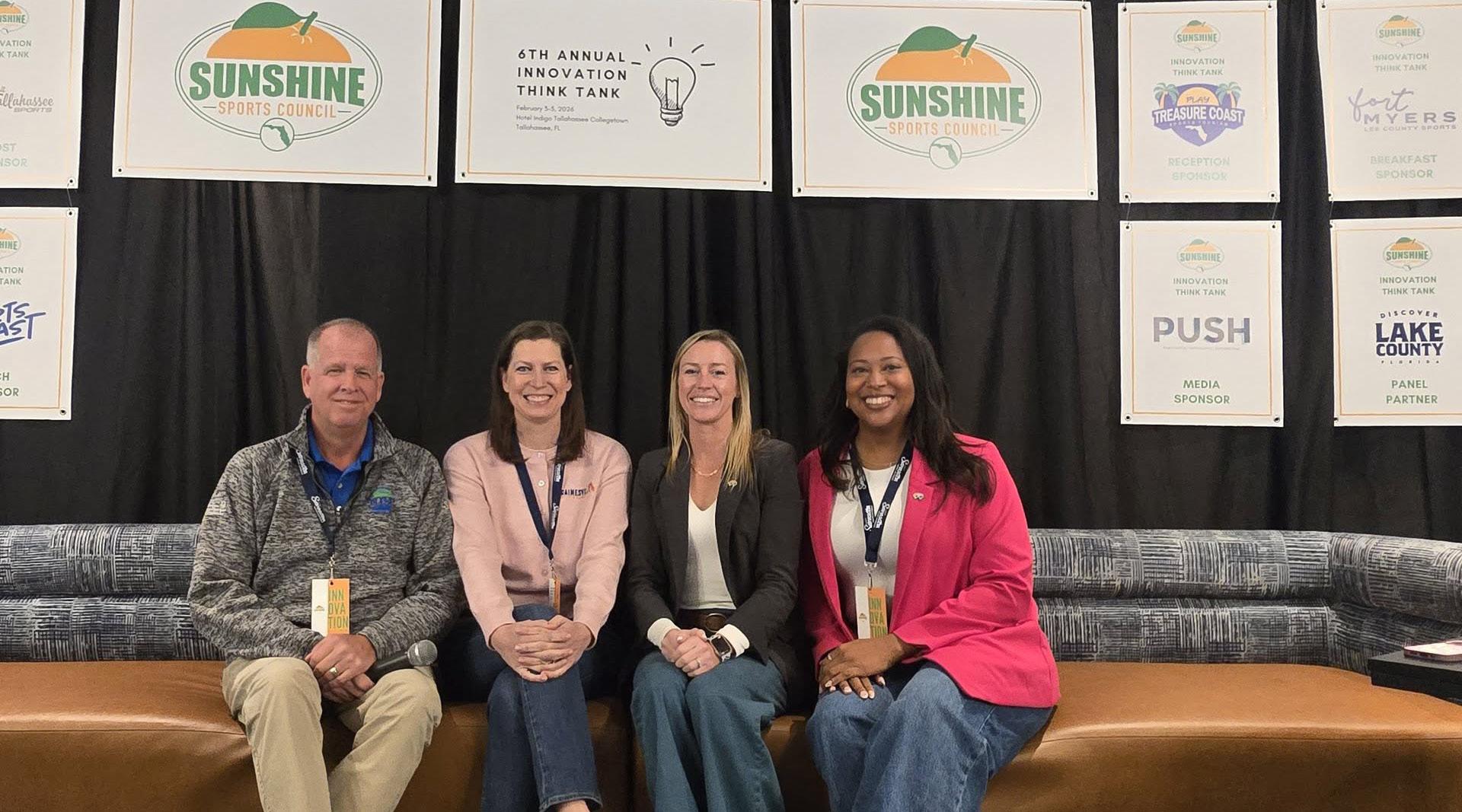
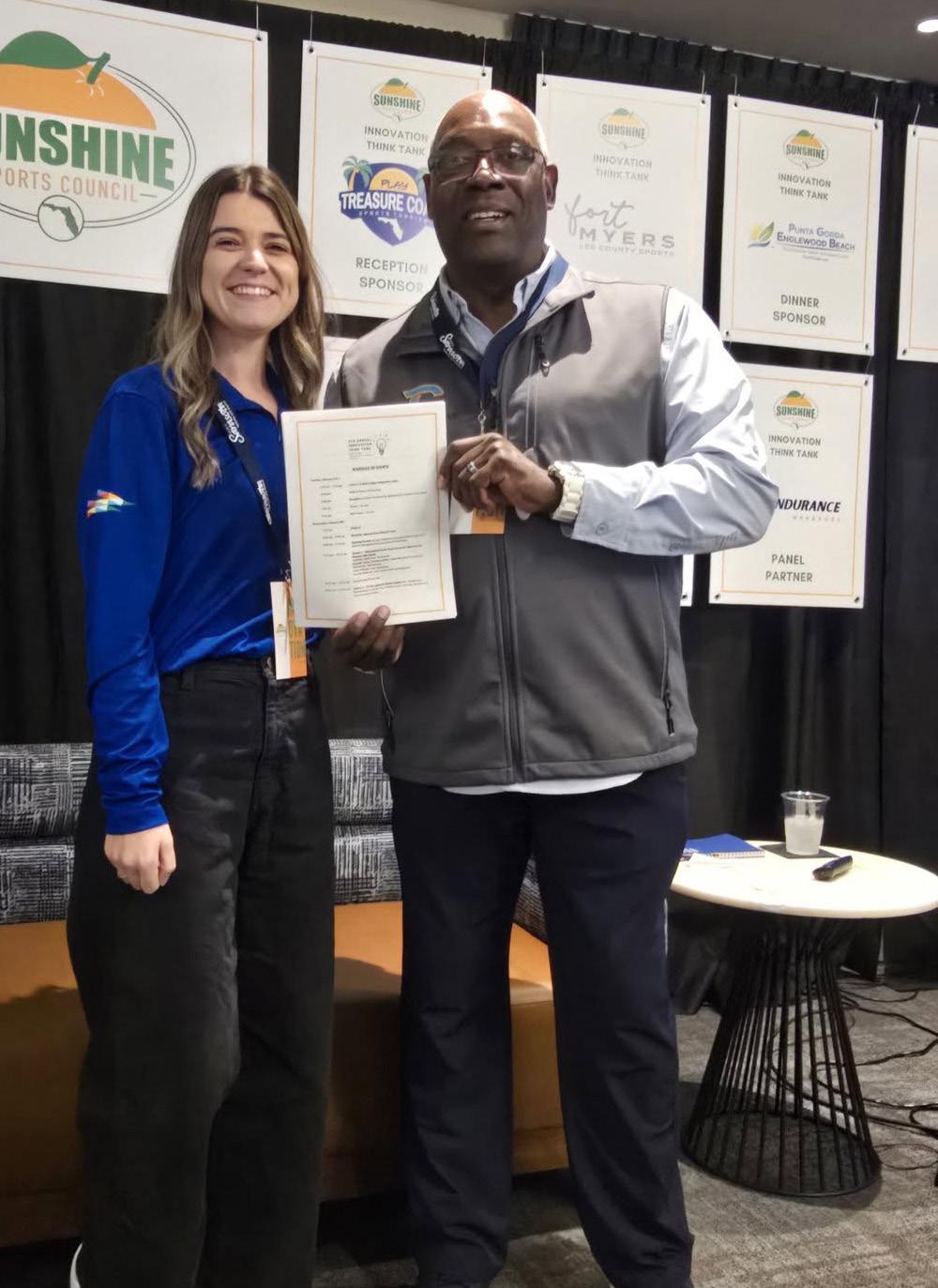
The 6th Annual Innovation Think Tank, hosted by the Sunshine Sports Council, once again proved why collaborative learning and open dialogue continue to shape the future of sports tourism in Florida and beyond. Held in Tallahassee, FL, the event brought together destination leaders, rights holders, parks and recreation professionals, event organizers, and industry innovators for two days of strategic conversations, idea-sharing, and relationship-building.
Hosted in partnership with Visit Tallahassee and Leon County, the Innovation Think Tank continued its mission of creating a collaborative environment where sports tourism professionals can openly discuss challenges, explore opportunities, and develop practical solutions that strengthen the industry.
The conference opened with a welcome reception at Oyster City Brewing Company, sponsored by Treasure Coast Sports Commission, setting the tone for an event centered on networking, relationship-building, and authentic conversation.
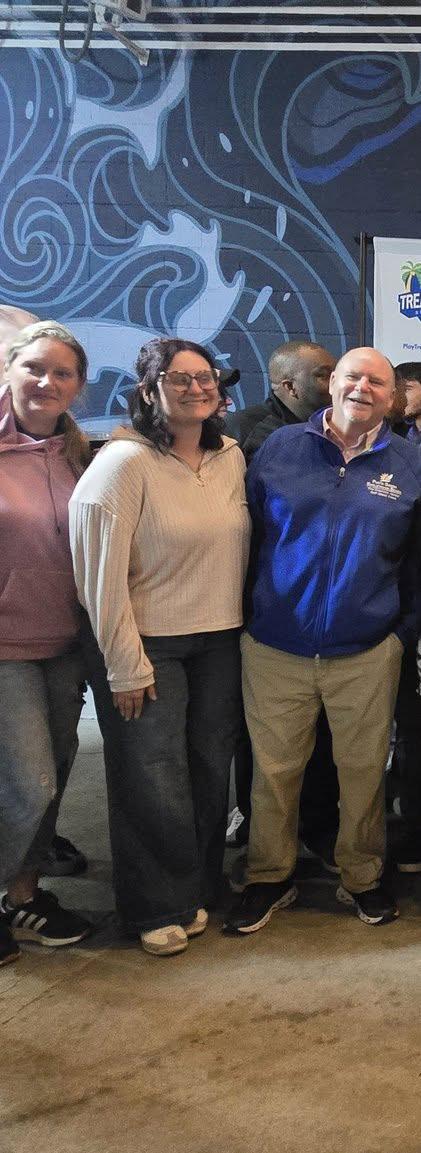
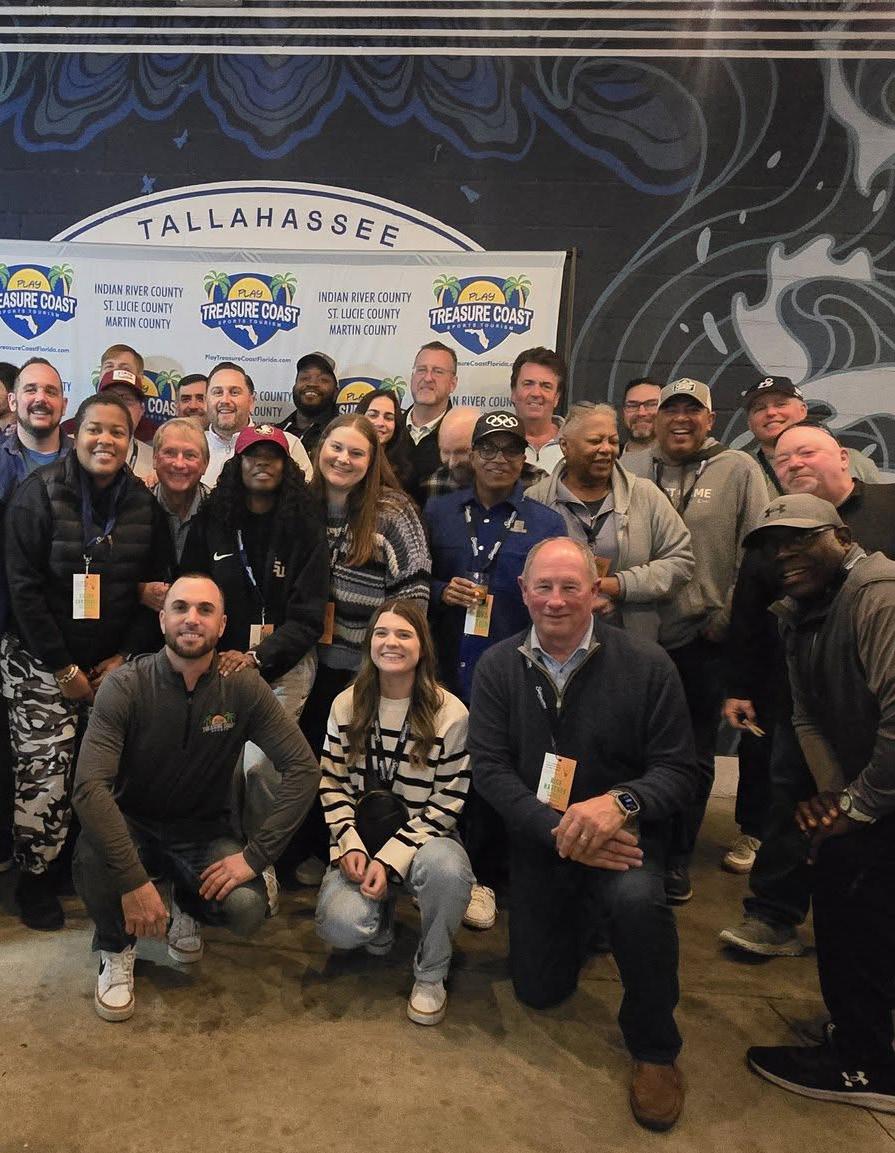
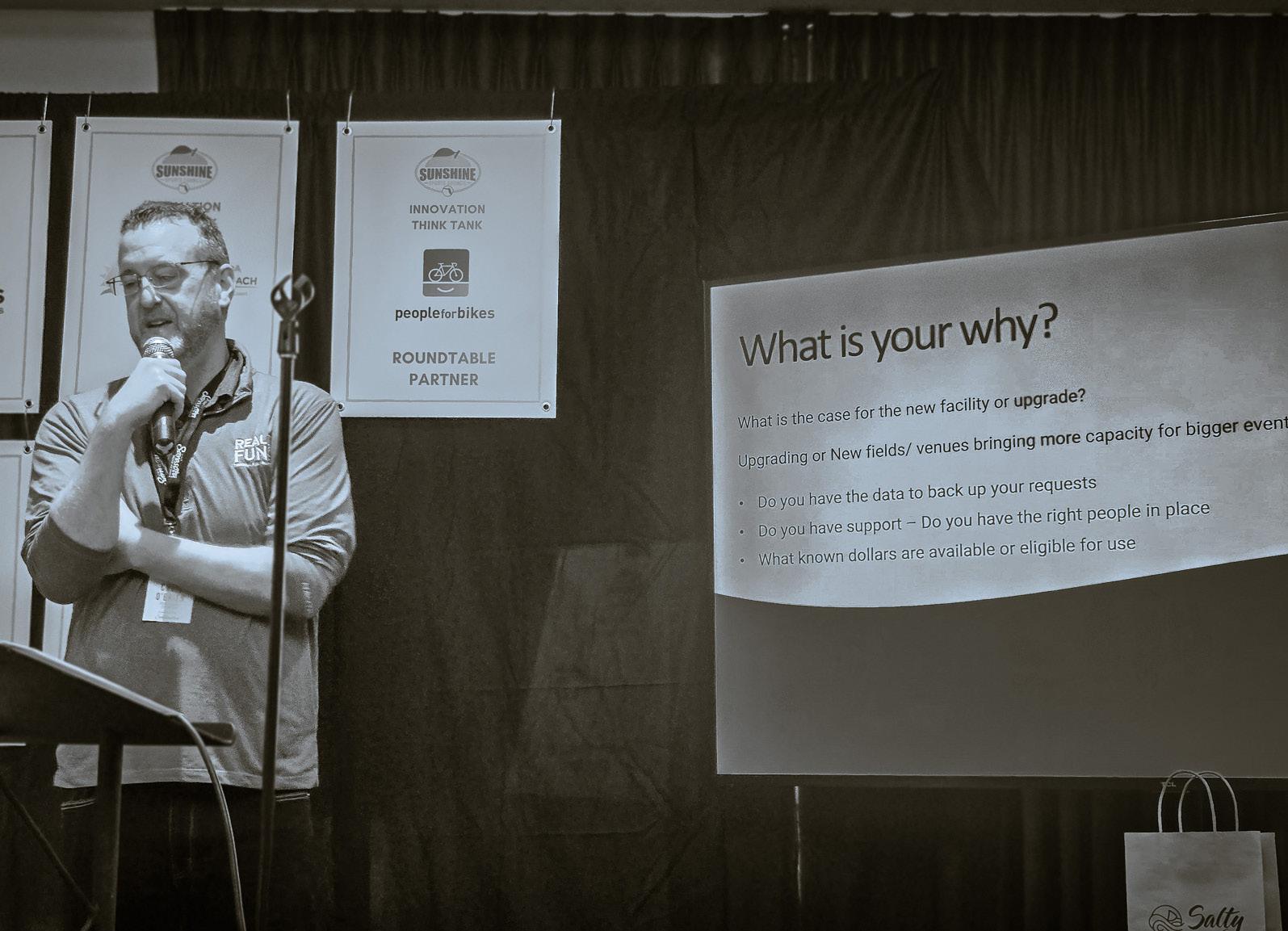
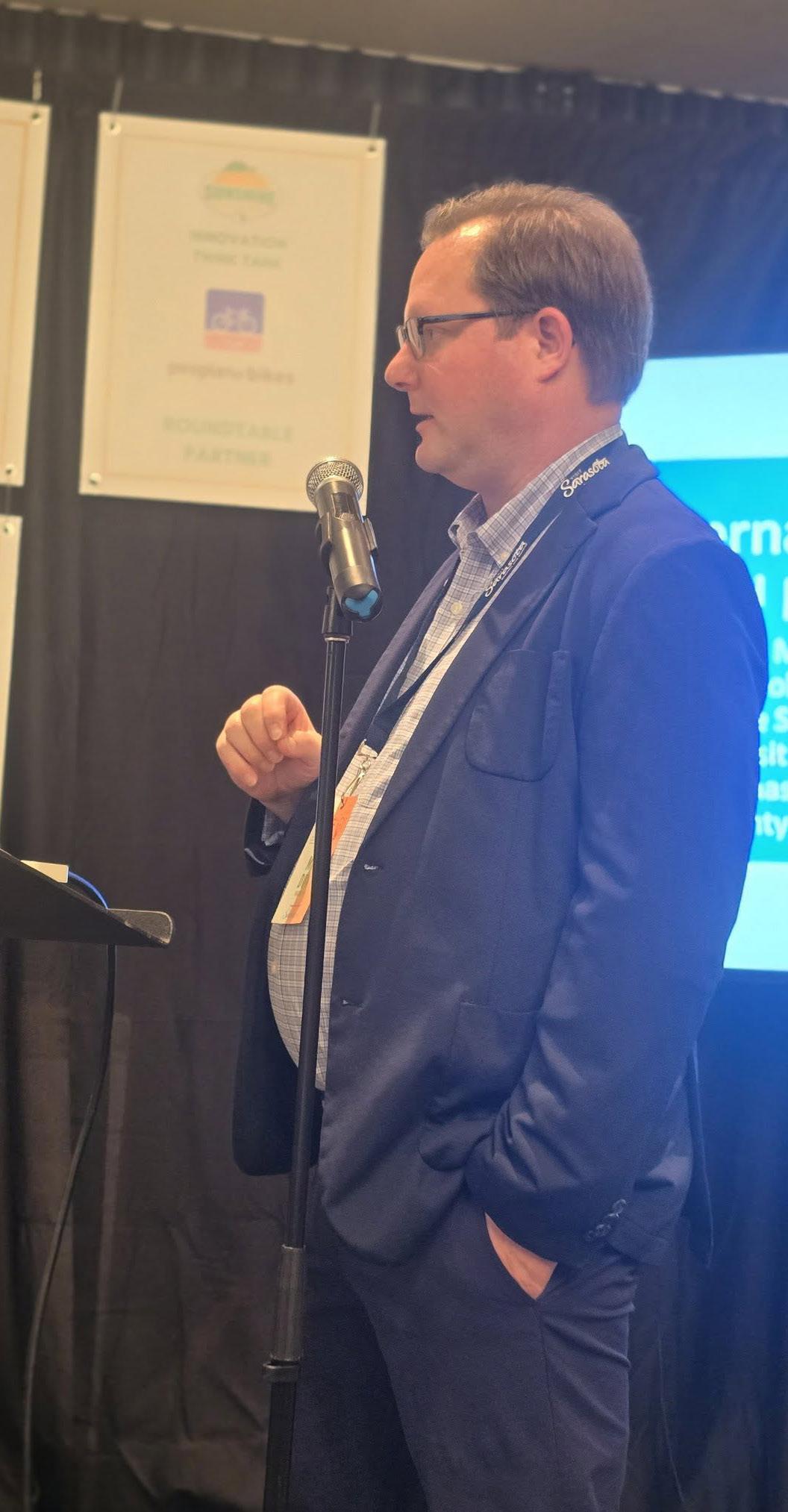
Throughout the conference, attendees engaged in discussions focused on some of the most pressing and evolving topics impacting sports tourism. International event attraction and readiness were explored in a panel discussion that featured perspectives on destination strategy, venue capabilities, and operational preparation for international competitions.
Legislative updates provided attendees with valuable insight into tourism, housing, infrastructure, and statewide priorities that may directly influence future sports tourism development across Florida.
Rights holders and event organizers shared firsthand perspectives on evolving expectations from host destinations, emphasizing collaboration, operational efficiency, participant experience, and community alignment. Casey Taker of Endurance Weekends presented the growing influence of endurance sports and the opportunities they create for destinations seeking year-round visitation, extended stays, and diversified event portfolios.
One of the defining elements of the Innovation Think Tank remained the Sports Tourism Power Pulse Sessions, which delivered concise, impactful presentations focused on actionable industry insights. Topics ranged from the growing role of artificial intelligence in sports tourism planning to creative funding structures for indoor and outdoor facilities, as well as discussions on how destinations can rethink RFP strategies to create broader community impact beyond competition alone.
Additional sessions explored training and club sports opportunities, updates from industry organizations, and preparations surrounding global sporting events expected to influence travel and tourism throughout the coming years. The Sunshine Sports Council Member Roundtable further reinforced the event’s collaborative spirit, allowing participants to openly exchange ideas, discuss shared challenges, and identify opportunities for future collaboration.
Beyond the educational sessions, the Innovation Think Tank also showcased Tallahassee’s grow-
ing sports tourism assets. Attendees participated in a tour of Doak S. Campbell Stadium. They experienced hospitality at Bowden’s Restaurant, highlighting how collegiate venues and community partnerships continue to play a role in destination positioning and in attracting events.
What continues to separate the Innovation Think Tank from traditional conferences is its emphasis on continuous engagement. Rather than limiting collaboration to annual gatherings, the Sunshine Sports Council continues to foster year-round conversations, monthly meetings, and peer-driven problem-solving, enabling members to stay connected and responsive to industry shifts.
The event also reinforced a larger theme currently shaping sports tourism: innovation is no longer optional. Destinations are increasingly being challenged to think differently about facilities, partnerships, event recruitment, transportation, funding models, technology integration, and visitor experience. The Innovation Think Tank created an environment where those conversations could happen openly, honestly, and collaboratively.
The Sunshine Sports Council also recognized the importance of partnership support in making the conference possible. Special thanks were extended to all event sponsors and partners, including Visit Tallahassee, Discover Lake County, Florida’s Sports Coast, Punta Gorda/Englewood Beach Visitor & Convention Bureau, Lee County Sports Development, Treasure Coast Sports Commission, Pellucid Travel, Endurance Weekends, People for Bikes, The Collective BEST, Pensacola Sports, Visit Sarasota County, OnPoint Sports Strategies, Raconteurs, and PUSH Magazine for their continued commitment to advancing Florida’s sports tourism industry.
As the sports tourism landscape continues to evolve, the Innovation Think Tank remains a valuable platform for collaboration, strategic thinking, and relationship development. More importantly, it serves as a reminder that some of the industry’s most impactful ideas often emerge not from presentations alone, but from conversations between professionals willing to share experiences, challenge assumptions, and build solutions together.

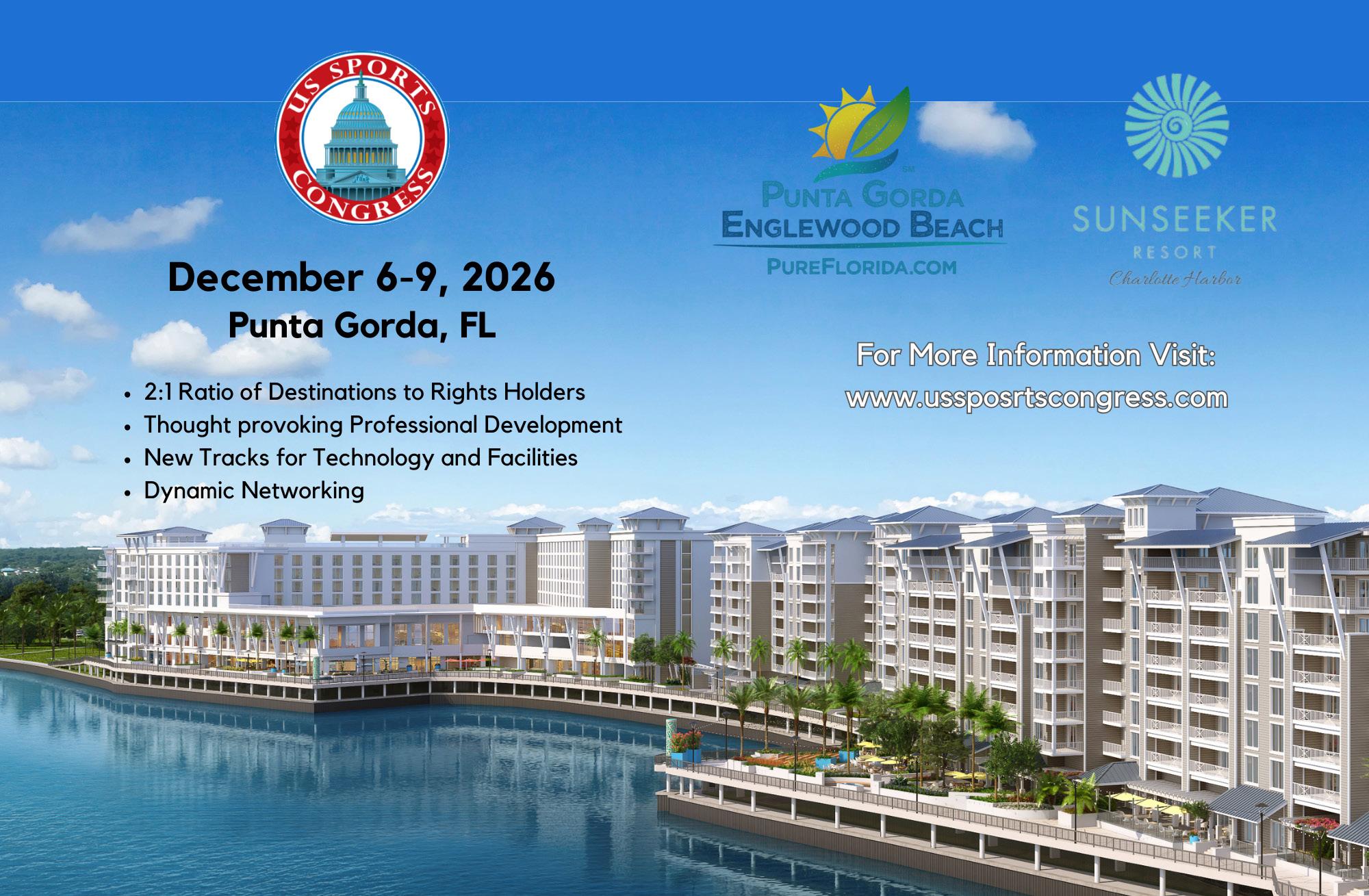
RISE: Sports ourism’s i st i t is the premier
industry gathering where destinations, rights
holders, event organizers, rands, and invest ors
come t ogether t o cele rat e excellence and activat e
the future of sports t ourism.

This is not a traditional awards gala. t is a high-
impact industry platform that lends recognition,
deal flow, and leadership positioning int o one
power ful night.


Hosted by The Collective ST
December 9, 2026
Sunsee er esort, Ch rlotte H rbor, F
Followin the US Sports Con ress
Check in every issue for the unfiltered thoughts of our guest writers and contributors as they discuss the hottest topics in sports tourism.
In this issue, our guest writer explores how volume driven sports are losing participant base.

In sports tourism, the drive to chase what’s new can feel constant. Destinations pursue new events, facilities, and amenities, believing that growth is always tied to expansion. But just as filling a home with meaningful, lasting pieces rather than temporary fixes, the industry faces a similar question: does everything need to be new to be valuable?
There is a natural pull toward attracting new events. Landing a first-time tournament or securing a headline event creates excitement, visibility, and momentum. It delivers a short-term surge of economic impact and attention that is easy to measure and promote. However, that pursuit can sometimes overshadow an equally important opportunity—maximizing and evolving the events already on the calendar.
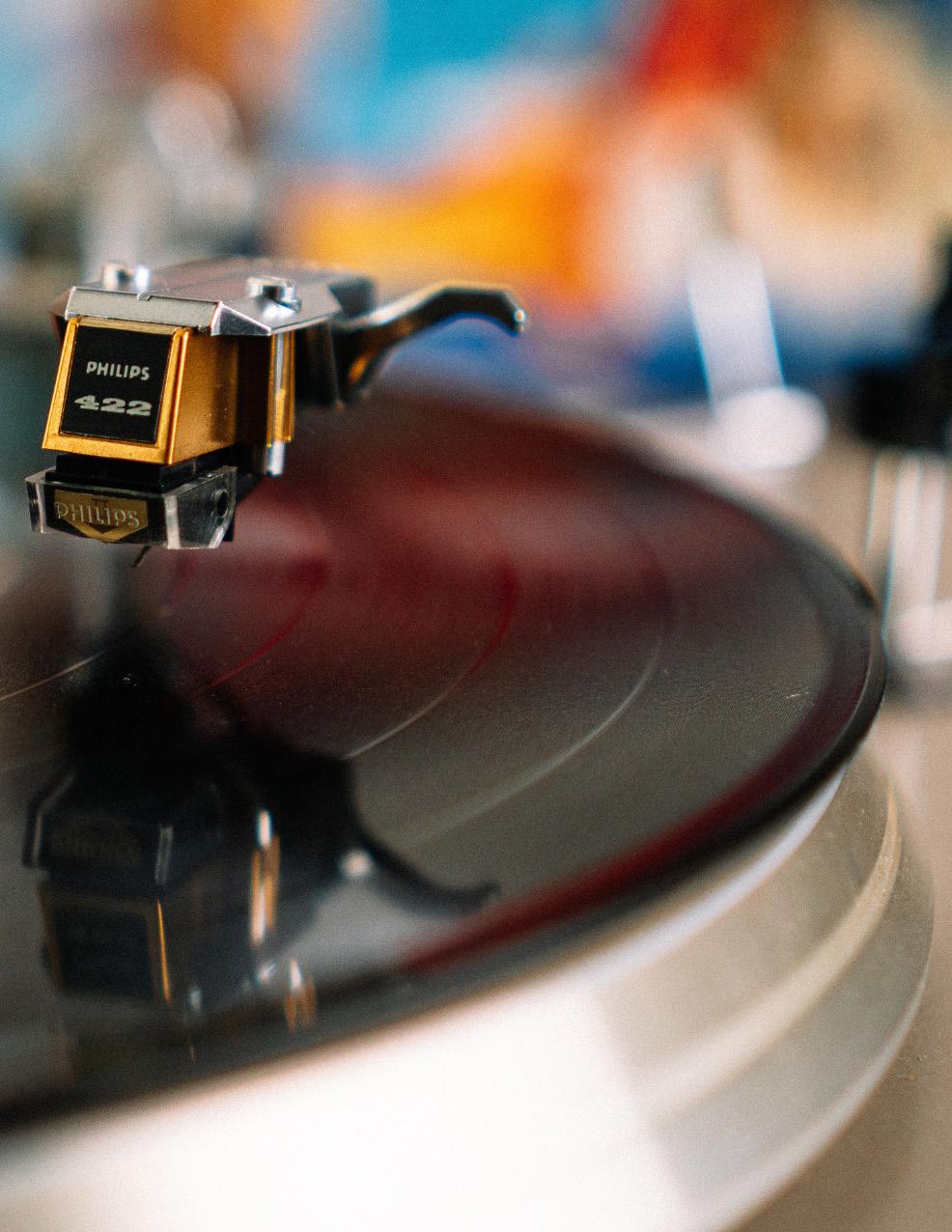
Existing events often hold untapped potential. With the right strategy, they can grow in participation, length of stay, and overall economic impact. Enhancing the participant experience, improving scheduling efficiency, and layering in complementary programming can elevate a long-standing event into a cornerstone asset. Retention and expansion of current events frequently provide a more stable and scalable return than constantly chasing the next new win.
The same dynamic plays out in facilities. There is undeniable appeal in building new venues—modern designs, cutting-edge technology, and the ability to market a destination as “state-of-the-art.” But new construction is not always the most strategic or sustainable path. Many destinations already have facilities with strong foundations that, with thoughtful upgrades, can compete at a high level.
Retrofitting existing venues can unlock significant value. Strategic renovations, technology integration, and improved amenities for spectators and athletes can transform aging facilities into highly competitive assets. Acquiring adjacent land to expand capacity, improve traffic flow, or add multipurpose space can extend the life and functionality of a complex without the cost and risk of starting from scratch. These incremental improvements often allow destinations to stay competitive while maintaining fiscal responsibility.
There is also a broader conversation about resources at play. Building new infrastructure and constantly replacing it come with financial, environmental, and operational costs. By contrast, investing in what already exists—whether events or facilities—encourages a more efficient and sustainable model of growth; it shifts the mindset from consumption to optimization.
At its core, the industry’s attraction to “new” is not entirely misplaced. Innovation, fresh experiences, and forward-thinking development are essential to staying relevant. But new does not always have to mean starting over. It can mean reimagining what is already in place, finding new value in existing assets, and creating fresh experiences through thoughtful evolution.
Destinations that strike this balance stand to gain the most. They pursue new opportunities with intention, while also nurturing and expanding what they already have. They invest in facilities strategically, blending new development with smart upgrades and expansion of current infrastructure. And they recognize that long-term success in sports tourism is not built solely on what’s new, but on how well they maximize everything they’ve already earned.
In a competitive landscape, the real advantage comes from resisting the urge to chase novelty for its own sake and instead focusing on sustainable, experience-driven growth.