








Pg 18


Estate Planning: Building and Protecting Family Wealth













Pg 16 The Technology of Family Pg 8 Helpful Tips for Single Parents

Pgs 10 12



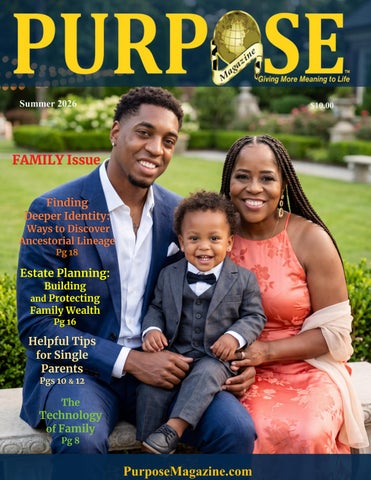
Pg 18
Estate Planning: Building and Protecting Family Wealth
Pg 16 The Technology of Family Pg 8 Helpful Tips for Single Parents
Pgs 10 12
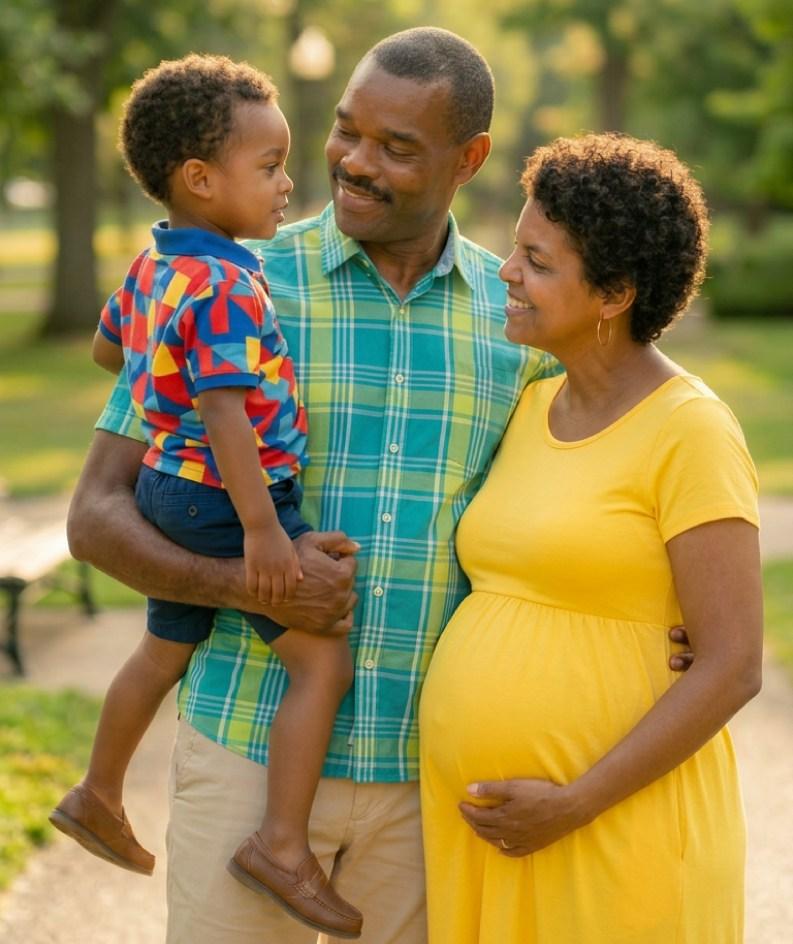
Summer has a unique way of bringing families together. Vacations, staycations, family reunions, cookouts, church picnics, hiking trails, amusement parks, and beach adventures create opportunities to reconnect across generations.
While this season invites us to enjoy life, it also reminds us to slow down. Families need more than full calendars. They need meaningful conversations, shared experiences, quiet moments, and the reassurance that comes from simply being present with one another. In the rush to accomplish more and do more, we must not overlook the people who matter most. Lasting purpose is discovered not only in what we achieve but also in the relationships we nurture every day.
In a world where busy schedules often pull loved ones in different directions, these moments remind us that family is one of God's greatest gifts. Yet beyond the laughter, photographs, and celebrations lies something even more important the opportunity to strengthen relationships, create lasting memories, and build a legacy that will endure long after summer has passed.
In a culture that celebrates busyness and achievement, many people unknowingly sacrifice their families on the altar of success. Careers, businesses, ministries, and personal ambitions all have value, but none can replace the love of a spouse, the laughter of children, the wisdom of grandparents, or the fellowship of family and close friends. One of life's greatest tragedies is discovering too late that the people we worked so hard to provide for no longer truly know us.
Today's families also face challenges previous generations could never have imagined. Technology has transformed the way we communicate, learn, and work. While it allows us to stay connected across miles, it can quietly disconnect us within our own homes. Text messages can never replace meaningful conversations. Social media cannot substitute for shared meals, family traditions, or quality time together. Healthy families learn to make technology serve their relationships not replace them.
Strong families are built intentionally. Parenting is one of life's highest callings, and no parent should underestimate the lasting impact of love, consistency, faith, and positive example. Single parents, who often carry the responsibilities of two people, deserve special encouragement. Their journey may be demanding, but with perseverance, community support, wise guidance, and God's grace, they can raise confident, compassionate, purpose-driven children who become productive leaders in the next generation.
Families also thrive when they prepare not only for today but for tomorrow. Building and protecting family wealth through wise stewardship, saving, investing, homeownership, and teaching financial responsibility creates opportunities that extend far beyond one generation A true inheritance includes not only financial resources but also faith, values, wisdom, integrity, and a vision for the future.
Perhaps one of the most meaningful journeys a family can take is discovering where it began. For African Americans whose ancestral connections were fractured by the horrors of slavery, tracing family lineage is far more than genealogy it is a sacred act of restoration. Learning the stories of those who came before us restores identity, honors sacrifice, strengthens self and gives future generations a deeper understanding of who they are. Knowing our roots often provides the confidence to reach even higher toward our purpose.
While reading the pages ahead, may you be inspired to cherish those you love, protect what matters most, and invest intentionally in your family's future.
With Purpose,
Ella Coleman






“So if the Son sets you free, you will be free indeed” (John 8:36).
In a world that glorifies busyness, control, and constant concern, the idea of “caring less” can sound irresponsible even unspiritual. Yet in the Kingdom of God, caring less is not about apathy; it is about surrender. It is the sacred art of releasing what was never yours to carry and embracing the freedom Christ has already secured for you.
Many believers unknowingly equate worry with responsibility. Some of us may feel that if we’re not thinking about it, stressing over it, or trying to manage it, then we must not care enough. But Scripture gives a different instruction:
“Casting all your care upon Him, for He cares for you ” (1 Peter 5:7).
Casting is not a gentle placement, but a deliberate release. It requires faith to throw your burdens onto God and trust Him to handle what you cannot. When you carry what God has asked you to cast, you limit His ability to move powerfully in your life.
Worry feels active, but it produces nothing. It drains your energy while yielding no solutions. God’s Word is clear:
“Do not be anxious about anything present your requests to God” (Philippians 4:6).
Worry is not diligence, but a subtle form of disbelief. It suggests that God is either unable or unwilling to intervene. Faith, on the other hand, takes action through trust. Instead of rehearsing “what if,” begin declaring “God will.” This shift transforms your posture from fear to faith.
One of the greatest sources of anxiety is the illusion of control. We often believe that if we plan enough, think enough, or manage enough, we can determine outcomes. But Scripture reminds us:
“Trust in the Lord with all your heart and lean not on your own understanding…” (Proverbs 3:5–6).
Control is often pride wrapped in fear. It assumes we know better than God. True peace comes when we surrender outcomes and trust His sovereignty. When you release control, you gain clarity, peace, and alignment with His will.
The battlefield of worry begins in the mind. Negative thought patterns replaying worst-case scenarios and expecting failure create cycles of fear. But transformation starts internally:
“Be transformed by the renewing of your mind” (Romans 12:2).
What you think shapes how you live. When you intentionally focus on what is true, pure, and praiseworthy (Philippians 4:8), you disrupt fear-based thinking and cultivate faith. Renewing your mind is not a one-time act; it is a daily discipline.
Jesus never promised a life free of challenges, but He did promise a life filled with purpose, peace, and abundance:
“I have come that they may have life, and have it more abundantly” (John 10:10).
Worry steals that abundance. Control diminishes it. Fear distorts it. But when you choose to care less by releasing burdens to God you create space to live fully in His presence.
Each day presents a new opportunity to choose freedom over fear. To trust instead of striving. To release instead of gripping tightly.
Caring less is not about doing less, but about trusting more. It is the art of living unburdened, anchored in the truth that God is in control. Cast your cares, renew your mind, and walk boldly in the abundant life Christ has already given you.

Publisher & Editor-in-Chief
Ella Coleman
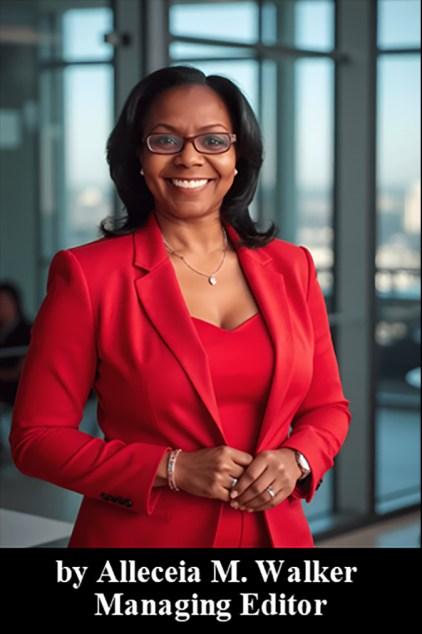
Managing Editor
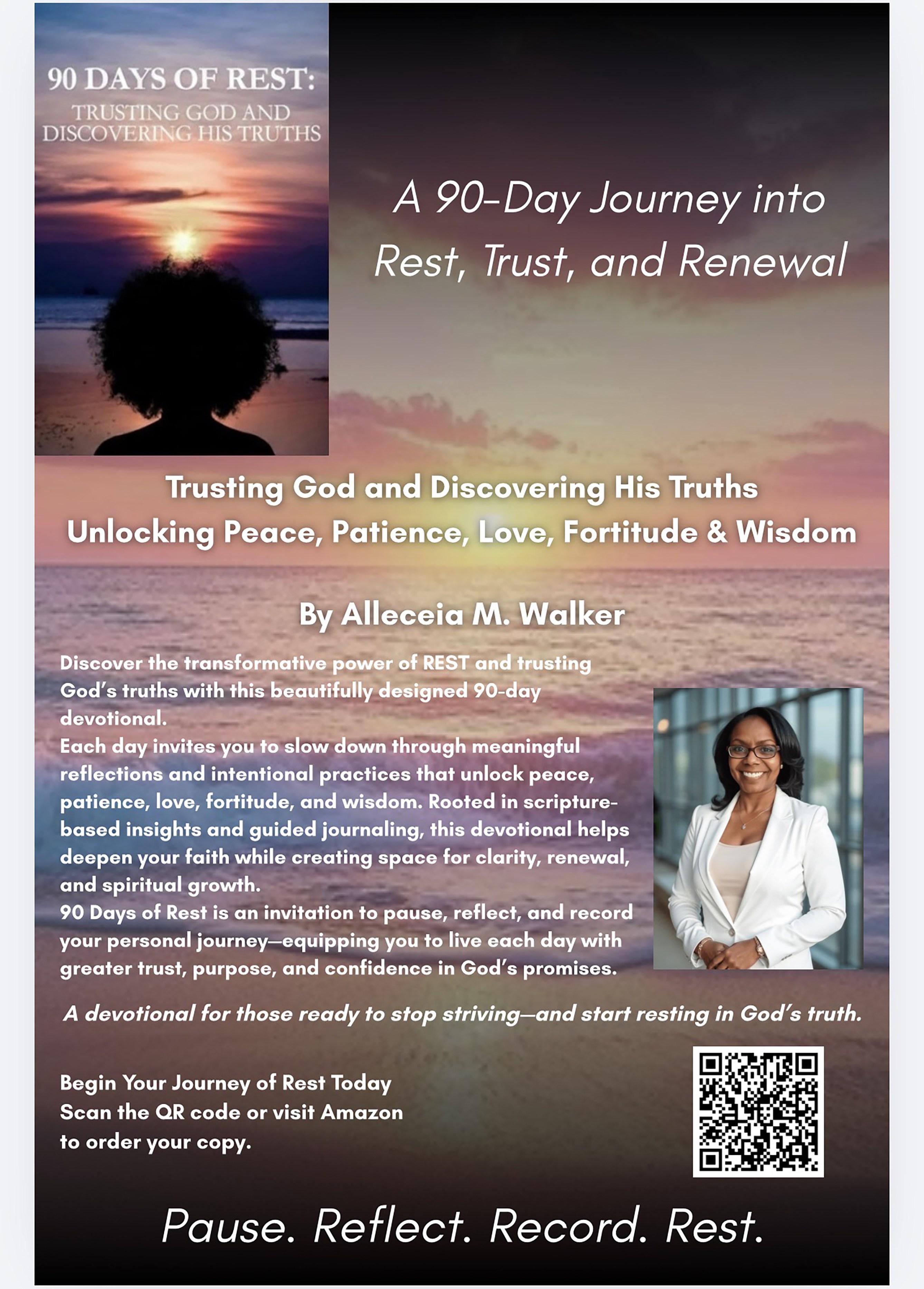
Alleceia M.Walker
WebsiteManager
Imani Haupt
Social Media
Aggrey Barnes
ContributingWriters
AlleceiaM.Walker
Dr.DanielHaupt

Next Generation NOW” is a dedicated section of PURPOSE Magazine that highlights our next generation voices. This is a platform for brilliant college and high school scholars, so they can make a lasting impact and positive change in the global community.
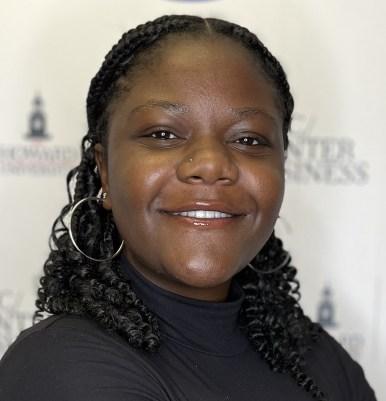
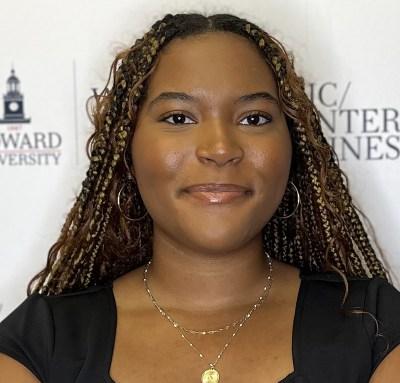
Howard University
Biology Major Class of ‘27
Khalid Scott Jaleel Shivers
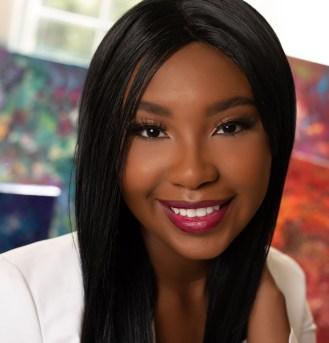
Destiny Selormey
PURPOSE Magazine is a quarterly publication, and registered trademark by Ella Coleman, Ellavation Publishing, copyright ©2026. All rights are reserved. No portion of this publication may be reproduced, distributed, or transmitted in any form or means in whole or in part without prior written permission from the publisher.

University of Alabama
Birmingham Biomedical
Engineering Major Class of ‘29

CCAD
Interior Architecture
Design Major Class of ‘27
Biology
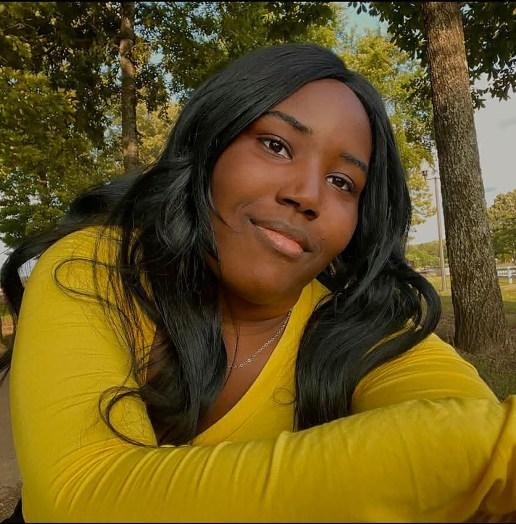
University of Tennessee, Martin Mass Media & Strategic Communication Major Class of ‘29
Congratulations to the 2026 Graduates of Next Generation NOW, Jaleel Shivers, Maurielle Cooper, and Cameron Lewis. May God bless you to live your purpose with wisdom, prosperity, success, and fulfillment.
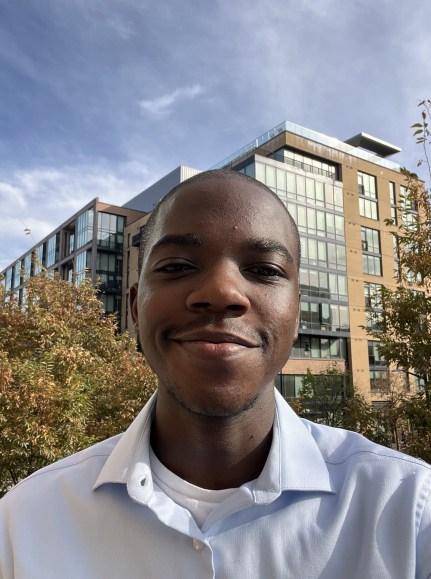
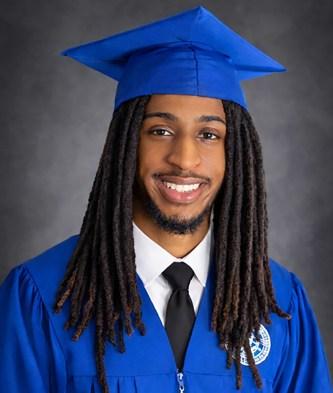

by Jaleel Shivers
Time has a way of surprising me. It feels like just yesterday I was arriving on campus, trying to figure out where I belonged, and now I’m preparing to graduate still holding onto goals I swore I’d complete years ago. Somewhere between then and now, time sped up, and I had no choice but to catch up.
My journey hasn’t been linear. I’ve watched people come and go friends who transferred, professors who transitioned, leadership that shifted. At times, it felt like nothing stayed the same long enough to get comfortable. And yet, in the middle of all that change, I changed too. The expectations I once had about college what it would look like, how it would feel were challenged. Some experiences exceeded what I imagined, others fell short. But all of them shaped me in ways I couldn’t have anticipated.
When I first arrived, I leaned into the social side of campus life. Like many others, I embraced the excitement, the energy, the sense of freedom. But eventually, something shifted. I grew up. I became more intentional. I started to take my purpose seriously. For me, that turning point came through academic challenges those classes that force you to either rise or fall back. They taught me discipline, but more importantly, they taught me resilience.
Choosing psychology was never just an academic decision for me. It was personal. Whether I realized it at the time or not, I was searching for understanding, for healing, for answers. Along the way, I didn’t just gain knowledge; I gained perspective. I became more compassionate, more reflective. I learned how to extend grace to others and to myself.
That’s where I began to understand the power of familiarity. In a world where people often feel
misunderstood, there is something deeply impactful about being seen without having to explain yourself. I’ve come to realize that in psychology, connection matters just as much as credentials. People respond to authenticity. They open up when they feel safe and recognized.
I saw this truth clearly in real-world spaces beyond the classroom. In environments where people were navigating deep pain and vulnerability, the greatest impact often came from those who felt familiar those who reflected shared experiences, culture, and understanding. It reminded me that who I am my story, my struggles, my growth is not something to hide, but something that can help someone else heal.
As I graduate from Howard University’s Psychology Department, I carry both pride and responsibility. I’m stepping into a field with a complicated history, one that has the power to either harm or heal. And now, I have a role in shaping what comes next.
So, I choose to trust what brought me here. Even when the path ahead feels uncertain, I can return to what is familiar my purpose, compassion, and commitment to helping others. And somehow, I know that will always be enough.
Jaleel Shivers is a graduating senior psychology major and political science minor from St. Louis, MO. He is working toward a career in psychiatry. This writing comes from a speech he gave at his senior Psychology Department celebration where his professor, Dr. Monique Major, asked him to write something based on the event’s theme: Comfort In The Familiar.
There are two important days in your life: the day you are born, and the day you discover why. What if the space between those two days is not left to chance? What if it is shaped intentionally by the system you grow up in?
Here’s the big idea: the family is not just a group of people it is a system that shapes the future.
Every day, more than 300,000 babies are born around the world. That’s a staggering number of new beginnings. But not every child will grow up with a clear sense of purpose. And the difference is often not talent or opportunity. More often, it comes down to something quieter, closer to home the system that surrounds them.
We live in a time when we invest billions into technology to fix problems in our world. We build smarter tools, faster platforms, and more advanced systems. Yet, we often overlook the most powerful system already in place the family. To close the gap between the day someone is born and the day they discover why, we must rethink how we build and live within our families not just as relationships, but as intentional systems.
by Dr. Daniel Haupt
chosen because God had prophetic intel that Abraham would lead his household with purpose, guiding them to live with Yahweh’s cultural logic model of righteousness and justice. God knew Abraham, the progenitor, would not simply raise children; he would build a system that carries values, identity, and direction across generations to be catalyzed to build a great nation.
In our own family, we’ve learned that systems don’t build themselves, they must be designed. For
us, that begins with being clear about what we believe. It is not just individual practice but dual exercise, a family alignment. During that same season, we observe Kwanzaa, reconnecting with principles like unity, responsibility, and creativity. These practices help us define our “code,” the values that guide how we live. Because if we don’t define them, something else will.
This idea is not new. In Genesis 18:19, Abraham is

However, value alone is not enough. Systems only work when they are lived out consistently. That’s why rhythm matters. At home, one of the most important rhythms is Sabbath. In my family, we intentionally pause on Friday at sundown from working to observe our family version of Shabatt. We rest, worship, eat, laugh, and simply enjoy being together. This may look simple, but it is deeply formative and intentional. During those committed moments of togetherness, our values are not just taught they are experienced. Over time, these repeated practices build stability and give our children something solid to stand on.
Still, family should not stand alone but with community. A family system becomes stronger when it connects to something bigger than itself. Each year, we gather for Juneteenth, which has become a kind of “social home base” for our family a place to celebrate Black excellence, history, and culture. It reminds us that our family story is part of a much larger story. More recently, we’ve also been intentional about engaging with African American church
vironment. This connection strengthens our sense of identity and roots our purpose in both faith and culture.
Through all of this, one truth keeps becoming clearer: families are not accidental they are designable. When a family is clear about its values, consistent in its practices, and connected to a larger purpose, it becomes more than a household. It becomes a living system that shapes not just individuals, but generations. Because when families work well, they don’t just raise children they raise purpose.
So now I’m curious about you. What rhythms, values, or practices are shaping your family? No matter the size or background, what are you building that will last?
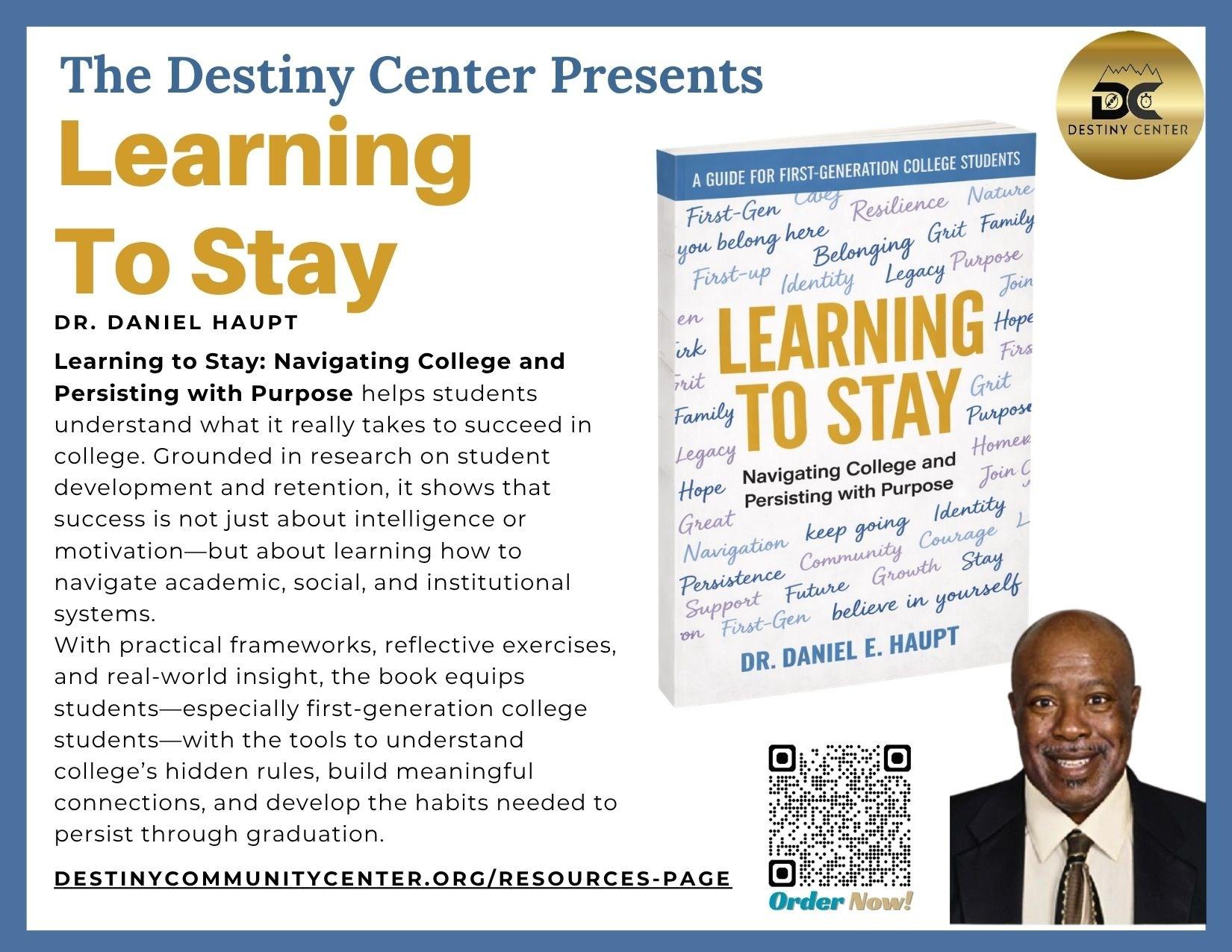
Dr. Daniel E. Haupt, EdD and PHD, is founder of the Destiny Community Center and author of and Learning to Stay. Visit DestinyCommunityCenter.org
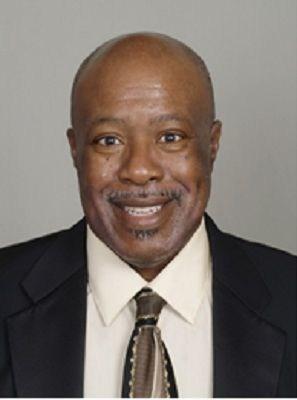
by Khalid Scott, LCSW, CADC
Prior to my divorce, I heard folks say that divorce is death for the living and never had a statement been so true. Every single area in my life was damaged (i.e. spiritually, financially, emotionally, mentally, and physically). I lost long term friendships that I cherished. Then, I understood that when you're a husband, you feel it more because you failed your family unit, community, and worst of all, yourself!
When my ex-wife asked me for divorce, it was surreal. I mean, in my head, I didn't do anything wrong. I was faithful, a provider, a protector, never physically harmed her, supported her dreams, and was an over participatory father to our daughter. My family and friends adored my wife. So then, why? Her only answer was that I was too controlling and made her feel suffocated.
Then after a long and grueling 8 months (6/6/12) of litigation, we were no longer man and wife. I remember asking myself after my divorce in 2012, “How was I going to raise a little girl by myself?” How am I going to do her hair, buy her clothes (including undergarments), feed her despite not knowing how to cook, teach her the importance of being ladylike, making sure she doesn’t have chipped nail polish (lol), make sure she excels in school, encourage her, wipe away her tears when she misses her mom’s presence in the house, tell her when she’s wrong without taking her confidence away, etc., etc., etc.? But guess what folks? I did well (In my head)!
In May of 2024, Anayah graduated from the #2 ranked Liberal Arts college, Amherst College, majoring in both Neuroscience and German Language. Also, she became a Fulbright Fellowship scholar doing neuro research in Berlin, Germany for a year. Now, she has completed her first year at University of Chicago Pritzker School of Medical (on a full academic scholarship).
From time to time she still gives me a big bear hug and says "Daddy, you're my HERO! REMEMBER: God made you, BUILT you and blessed you with the ability to be your child's HERO, so put on your cape Super Dads! Thanks for reading, family, and keeping Anayah and I in your prayers!
Below are 10 tips as a single father that I have put in place for my daughter:
• Tip 1: Be deeply “In-Love with yourself (If you love yourself, then you won’t and can't tolerate MESS!)
• Tip 2: Thank the Lord for every day you exist and tell him that you love and honor Him!
• Tip 3: Be Beautiful internally and externally (The world loves a beautiful woman.)!
• Tip 4: Value your loved ones (family and friends) genuinely!
• Tip 5: Don't ever BEG for someone's love... If nothing else, your Daddy loves you!
• Tip 6: Keep your hair done and no chipped nail polish on your finger and toenails!
• Tip 7: Conduct your entire life in an orderly fashion (to the best of your ability!)
• Tip 8: When you make errors in life, it's how you fix them that shows what kind of woman you are!
• Tip 9: Apologize if you treat another human being wrong!
• Tip 10: Find a Great Man like your DAD!
For fathers who are challenged with raising a daughter, these tips, along with love and prayer can help. As a protector and provider, your presence and communication is what matters most.
Khalid Scott, BS, MSW, LCSW, CADC, CODP-1, CSWHC, CWEL, CPLC, LPHA, is a 30-time award-winning Licensed Clinical Social Worker (LCSW) for the Department of Veteran Affairs and in Private Practice at International High Achievers. Khalid who’s a military veteran, has more than 33 years of experience in the social services, earning degrees in both Criminal Justice (BS) and Social Work (MSW). His love and commitment for people is why he has excelled in mental health, substance abuse, life coaching, mentorship, relationship training and development, writing and podcasting.
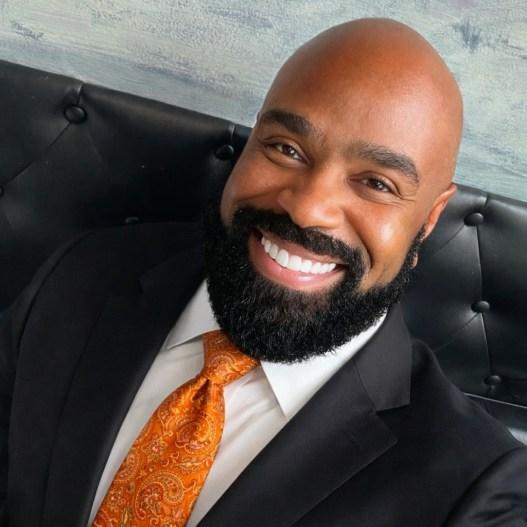
by Myeisha Lanae Thompson
To Motherhood alone is one of the hardest callings a woman can answer. But single motherhood? That is an entirely different weight one that comes without relief, rotation, or pause.
For 17 years, I have walked this road, becoming a mother at 19. And one truth has been constant: being a single mother means becoming everything your children need, often while trying to hold yourself together. There is no clocking out. Every decision, every sacrifice, every late-night worry rests on your shoulders. While the world applauds the title

of “strong single mother,” few understand that strength is often born from necessity, not choice.
One of the most common assumptions is that a woman cannot properly raise a man. I have never agreed with that narrative.
Our sons need guidance that teaches them real strength is not emotional suppression, but emotional intelligence, accountability, integrity, and respect for self and others. With my son, I have been intentional about teaching him that his value is not measured by approval or validation. The world will pressure young men to prove themselves through reckless choices. I have made it clear that self-respect is not something to trade for acceptance.
Being both loving and firm is not optional when raising boys. They need structure and consistency.
Daughters are always observing, even when you think they are not. They watch how you respond to stress, how you speak to yourself, what you tolerate, and what you refuse to accept. It is important that young women learn to affirm themselves and know who they are especially without a father in the home so they are not seeking that love and attention in the wrong places.
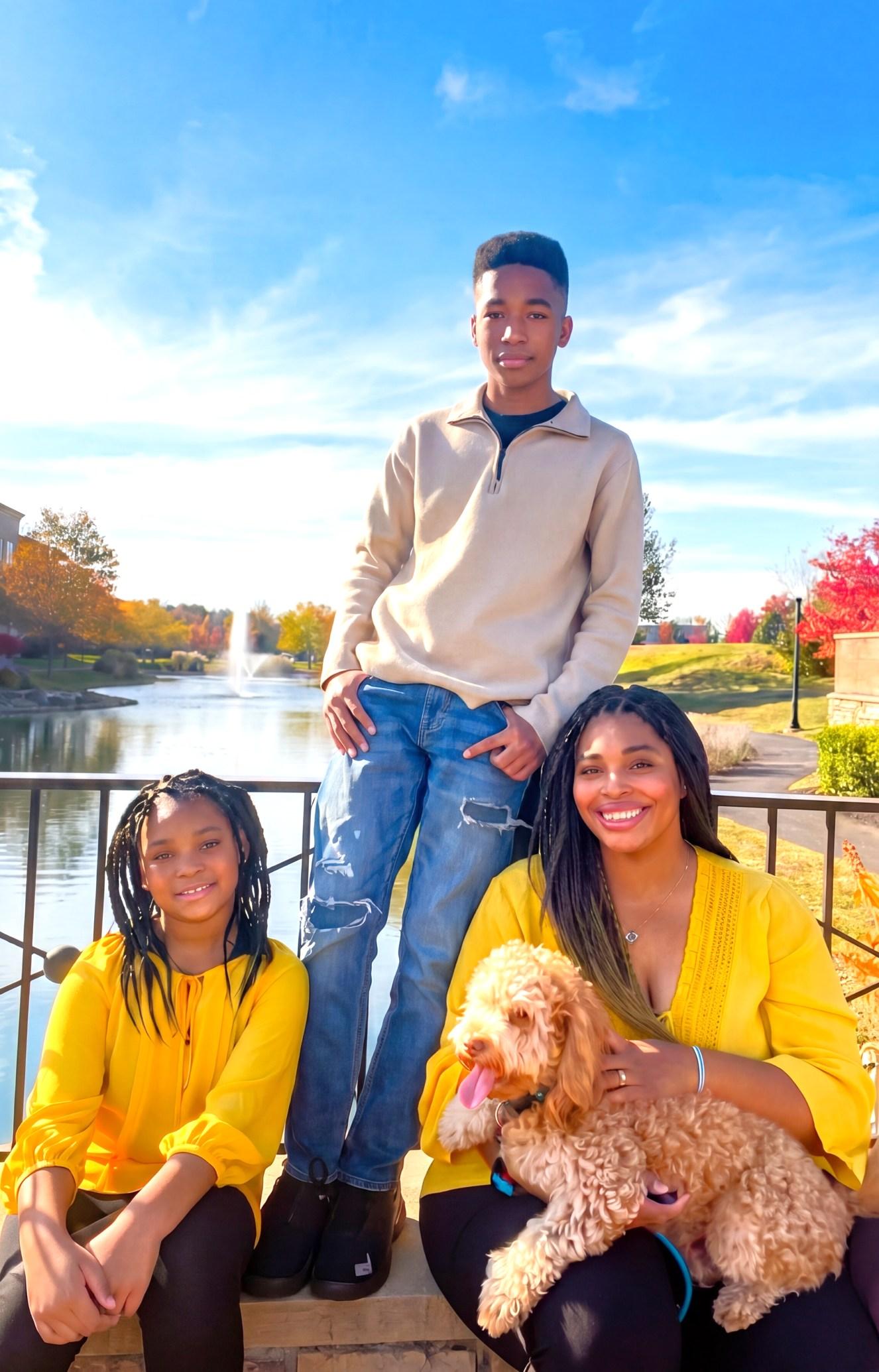
One of the most important lessons I am teaching my daughter is the importance of self-care. Many women do not learn that lesson until life forces them to slow down. For me, it became unavoidable through cancer and chronic illness. Self-care is not optional it is survival. You must put on your own oxygen mask first.
The greatest challenge of single motherhood is not financial pressure or physical exhaustion. It is carrying the emotional weight of wondering if you are enough.
Am I doing this right? Will they one day understand how hard I fought for them? The answer I have found is this: perfection is not the goal. Presence is.
Our children do not need flawless mothers. They need present ones mothers who apologize when they fall short, who keep going when life feels impossible, who show them that setbacks do not define us, but how we rise does.
Every challenge we overcome becomes part of the foundation our children stand on. They will look back and know they were raised by a woman who never gave up and because of that, neither will they.
Myeisha is a women’s empowerment entrepreneur and healthcare worker. She is very passionate about helping women reclaim their health, wealth and freedom. She resides in Ohio with her two children, Mykel and Malaya. Connect with her on Threads and Instagram:
@Myeisha _Lenae
Facebook and TikTok: Myeisha Lenae


by Dr. Robert L. Lawson
“Most people struggle with money because in school they only learn how to work for money. Rarely do they learn to have money work for them.” Robert Kiyosaki
In today’s economy, marked by rising prices and financial uncertainty, understanding how to manage money has never been more important. Financial literacy is not simply about earning more income, but making wise decisions with the money you already have. The good news is that successful money management is built on principles proven to work for generations.
Research consistently shows that financial knowledge improves financial outcomes. According to studies conducted by the FINRA Investor Education Foundation, individuals with higher levels of financial literacy are more likely to save regularly, plan for retirement, and avoid costly debt. Knowledge, however, is only valuable when it is applied.
One speaker at a leadership conference shared a striking observation: most people attend seminars, workshops, and conferences but never put what they learn into practice. The same can be true with financial education. Reading books, attending classes, and listening to experts are important, but real change happens when knowledge is transformed into action.
Creating a financial action plan is one of the most important steps toward achieving financial goals. An action plan serves as a roadmap, helping you move from where you are today to where you want to be tomorrow. As author Henriette Anne Klauser suggests in her bestselling book, Write It Down, Make It Happen, written goals often become the first step toward measurable results.
For people of faith, financial stewardship begins with recognizing that everything ultimately belongs to
God. Many believers practice tithing and charitable giving as expressions of gratitude, worship, and trust. Generous giving supports churches, ministries, community organizations, and individuals in need while helping cultivate a healthy perspective on money.
After giving, make saving a priority by setting aside a portion of your income for emergencies, future goals, and long-term investments. One timeless financial principle is simple: “A part of all I earn is mine to keep.” After honoring your commitment to giving, pay yourself by consistently setting aside a portion of your income. Even modest amounts saved regularly can grow significantly over time. Many employers offer retirement savings programs that automatically deduct contributions from employees’ paychecks. These “forced savings” programs can become powerful wealth-building tools because they encourage consistent investing over time.
Building an emergency fund should be a priority. Unexpected medical bills, car repairs, home maintenance, or job interruptions can create financial stress. Having savings available helps families weather difficult seasons without accumulating unnecessary debt.
Saving protects your financial stability For most people, earned income from employment is the primary source of financial support. However, lasting financial security often comes from developing additional streams of income.
Retirement accounts, pensions, annuities, investments, rental properties, royalties, and business ventures can all create passive income that continues to generate revenue beyond your working years. The earlier you begin planning and investing for the future, the more time your money has to grow.
Investing helps build your financial future. Before investing, it is important to understand some of the most common investment options.
Stocks represent ownership shares in a company. As the company grows, the value of its stock may increase, providing investors with potential gains.
Bonds are essentially loans made to governments or corporations. Investors receive interest payments and the return of their principal when the bond matures.
Mutual Funds pool money from many investors to purchase a diversified collection of stocks, bonds, or other assets. They are professionally managed and often provide diversification for beginning investors.
Exchange-Traded Funds (ETFs) are similar to mutual funds but trade on stock exchanges like individual stocks. They typically offer diversification and lower management costs.
Real Estate involves purchasing property for rental income, appreciation, or both. Many investors view real estate as a long-term wealth-building strategy.
Cryptocurrencies, such as Bitcoin, are digital assets that operate independently of traditional banking systems. While they have generated substantial returns for some investors, they are highly volatile and carry significant risk.
Retirement Accounts, including 401(k)s, 403(b)s, IRAs, and pensions, allow individuals to invest for retirement while often receiving tax advantages.
No investment is completely risk-free. Successful investors educate themselves, diversify their holdings, and make decisions based on long-term goals rather than emotions.
One of the greatest obstacles to financial freedom is high-interest consumer debt. Credit cards often carry annual percentage rates (APR) exceeding 20 percent. When only minimum payments are made, interest charges can dramatically increase the total amount repaid and extend repayment for many years.
Whenever possible, pay more than the minimum payment. Even modest additional payments can significantly reduce both repayment time and interest costs. For individuals facing substantial debt, reputable debt -consolidation or credit-counseling services may provide helpful options for regaining financial control. Reducing debt frees resources that can be redirected toward savings, investments, charitable giving, and long-term financial goals.

The Bible reminds us in Hosea 4:6, “My people are destroyed for lack of knowledge.” Knowledge is essential, but knowledge alone is not enough. Financial success requires discipline, consistency, and vision. A clear financial vision helps guide decisions and keeps long-term goals in focus.
Financial literacy is about more than dollars and cents. It is about stewardship honoring God, caring for family, serving others, preparing for the future, and wisely managing the resources entrusted to us. Many people already know what they should do with their money. The challenge is doing what they know. Financial literacy becomes financial success when knowledge is transformed into action.
Dr. Robert L. Lawson is a noted author, lecturer, professional speaker, and seminar presenter. For speaking engagements or media inquiries, contact Ella Coleman, publisher of PURPOSE.

by LaNae Desmond-Edwards
Despite the obstacles traditional Black Americans and other communities of color have faced historically, including limited access to credit, discriminatory housing policies, and unequal financial opportunities, there is a powerful truth that continues to emerge:
Across the United States, systemically marginalized people are buying homes, launching businesses, investing, and increasing financial literacy. This growing focus on economic empowerment is creating new opportunities for generational progress. But building wealth is only part of the equation. Protecting it is just as important.
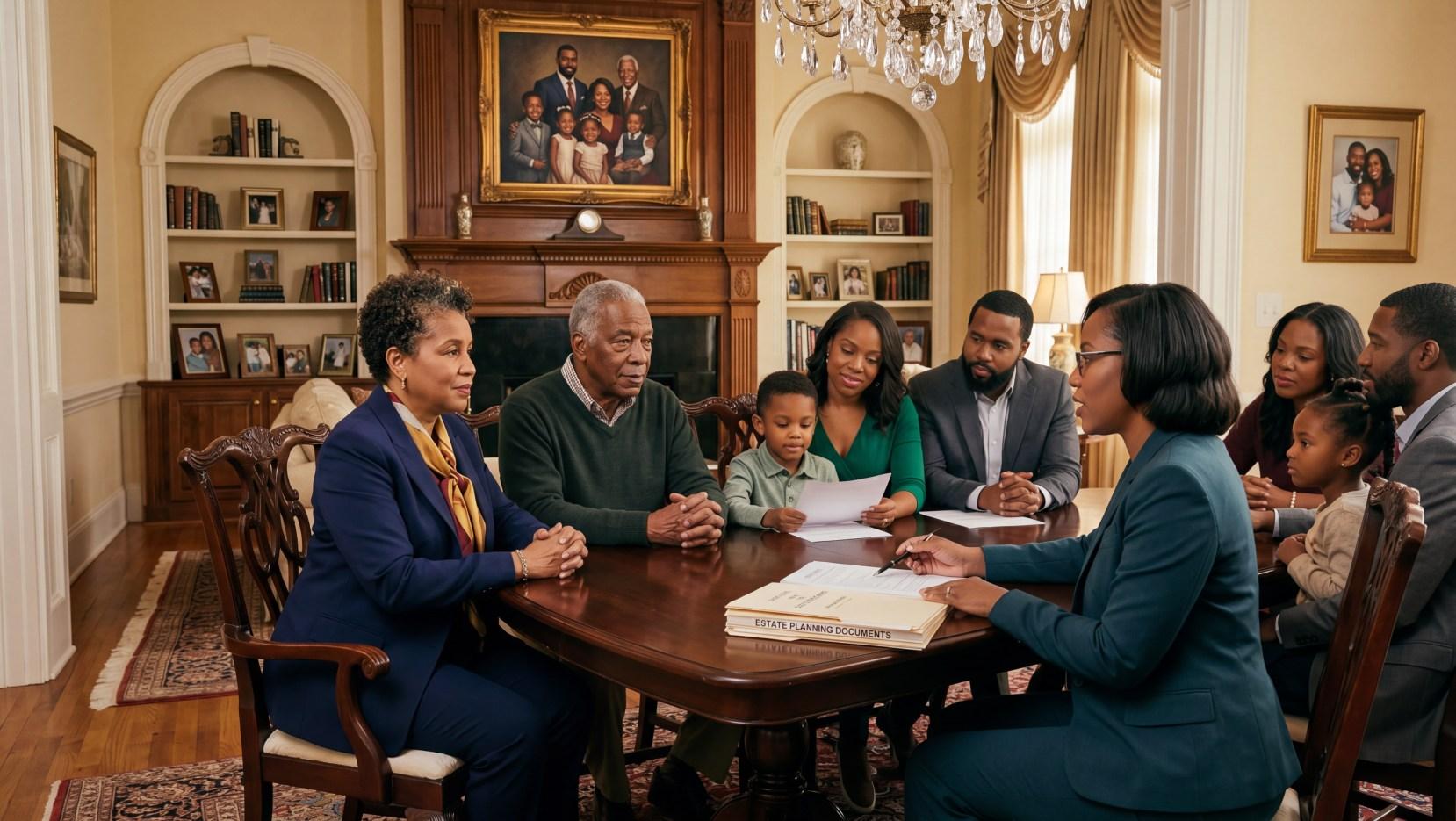
Legacy is not only about making money. It is about keeping it within the family and ensuring that what one generation builds can support the next.
Research consistently shows that many families lose a large portion of their wealth within one or two generations, not necessarily because of poor decisions, but often because there was no structured plan for transferring assets.
Estate planning, life insurance, and final expense preparation help families protect what they have worked hard to build. These tools help create continuity instead of a financial reset with every generation.
Funerals today can cost $7,000–$12,000 or more in the United States, depending on services, burial, or cremation choices.
Without preparation, families often rely on:
• Fundraisers or GoFundMe campaigns
• Loans or credit cards
• Emergency collections among relatives and friends
Final expense planning helps remove that burden. It allows families to focus on honoring and remembering their loved one instead of worrying about immediate financial stress. In many ways, it represents one of the most practical forms of financial responsibility and care for family members.
Today, there is a noticeable shift happening across many communities of color.
More individuals are:
• Learning financial literacy
• Starting businesses
• Investing in real estate and financial markets
• Teaching financial education to the next generation
This movement reflects a broader cultural focus on ownership, entrepreneurship, and generational stability. However, wealth building without wealth protection is incomplete. Income alone does not create legacy; planning does.
It is also important to acknowledge the historical relationship between Black communities and other people of color with the financial services industry. In the late 19th and early 20th centuries, many insurance
companies either denied coverage to Black people and other individuals of color or offered policies with higher premiums and lower benefits. Some policies even paid reduced death benefits based solely on race. These practices, often associated with industrial life insurance, contributed to deep and understandable skepticism toward financial institutions.
For many families, caution toward financial systems became part of the generational mindset. Understanding this history helps explain why trust in financial tools, including insurance, can still be complicated for them today.
Because of this history, education is essential.
Financial literacy helps families understand:
• Their options
• Their consumer protections
• How financial tools work
• How to use those tools strategically
When people have accurate information, they can make decisions based on knowledge rather than fear. Education creates clarity. Clarity creates confidence. Confidence leads to planning. Planning helps build legacy.
Estate planning and life insurance are not simply financial products. At their best, they are tools that help families:
• Protect their assets
• Reduce financial stress during difficult times
• Transfer knowledge and resources
• Create stability for future generations
Historically, too many families have been forced to start over financially in each generation. Intentional planning helps change that pattern.
Instead of asking, “Do I need life insurance?” a better question may be, “If something happens to me, does my family have a plan?”
Legacy is not defined only by what we earn, but by what we preserve, protect, and pass forward. And one of the greatest last acts of love and financial care we can show our families is ensuring that the work we spent a lifetime building does not disappear when we are gone.
LaNae Dedmond-Edwards is an Army veteran, financial educator, and estate planning advocate committed to helping families protect their wealth and preserve legacy, plus make informed financial decisions. Drawing from her background in military service, community leadership, law, and financial services, she focuses on bridging historical knowledge gaps through education and ethical financial guidance.
by Ella Coleman
What began as a teenager’s curiosity about names written in a family Bible became a decades-long journey. This life adventure and inner navigation directed accomplished journalist, Carol Hector-Harris, from Boston to Columbus and ultimately to Ghana, West Africa in search of her ancestral roots.
Along the way, she uncovered an Africa-born ancestor, discovered family members she never knew existed, and learned that genealogy is about far more than names and dates. “It’s not just an exercise in documenting your tree,” Carol says. “It’s finding yourself.”
Carol’s interest in family history began when her father inherited a Bible that had belonged to his mother. Inside were handwritten notes recording births, family relationships, and details about relatives she had never met. “There were all of these people listed as cousins,” she recalls. “Some of them I knew, but others I had never heard of.”
As the elders in her family began passing away, Carol realized how much family knowledge was disappearing with them. “My older siblings knew these people well, but I didn’t,” she says. “I wished I had been older and had known them better.”
At age fifteen, she began sketching out a family tree. Years later, after moving from Boston to Columbus, Ohio, she returned to the project with renewed determination. Without computers or the internet, researching family history required persistence. Carol spent years requesting birth certificates, marriage records, death certificates, and census documents. “It was a painstaking process,” she says. “But every new discovery made me want to learn more.”
Carol’s search eventually led her to an extraordinary discovery. Working alongside her sister Beverly, she traced one branch of the family back through centuries of census records. In 2010, a simple online search revealed a historical document that helped connect generations of family members.
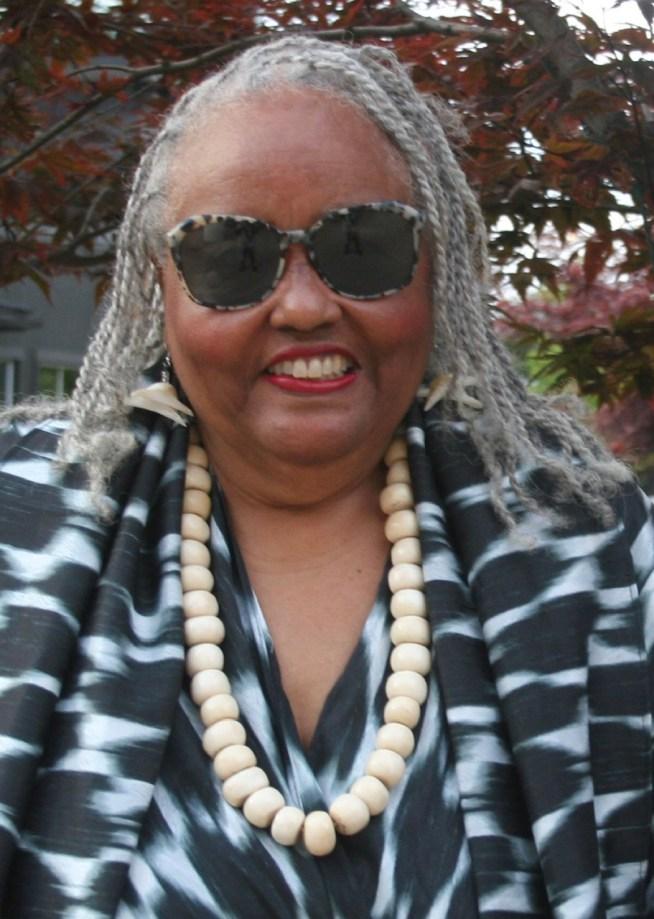
By carefully working backward through the records, Carol identified a man who turned out to be her fifth great-grandfather.
Then came an even bigger surprise. Research showed he had served in the American Revolutionary War. “Here we were, born and educated in Boston, and never once had we heard there were Africans in the Revolutionary War,” Carol says. When military records arrived, they confirmed what she had hoped to find. The document listed his birthplace simply as: Africa. “I thought, ‘This is what I’ve been looking for,’” Carol recalls. “‘I’ve found my Africa-born ancestor.’”
Years later, DNA testing revealed a connection to the Ga-Adangbe people of Ghana. The discovery inspired Carol to travel to Ghana in December 2013 through a study-abroad program while pursuing her doctoral degree at Ohio University. She visited Big Ada,
located at the mouth of the Volta River, which is easily found on a map east of Accra. She hoped to learn more about the people connected to her ancestry.
Instead, she found family. While attending a gathering at the Africa University College of Communication, Carol mentioned her DNA results during a lunchtime conversation. “I said I was looking for someone who was Ga-Adangbe,” she remembers. One woman immediately raised her hand, saying, “I’m Ga-Adangbe.” The reaction was immediate. “The other women started screaming and clapping,” Carol says. “They kept saying, ‘Carol found a cousin!’”
Carol and the women embraced as if they had known each other for years. “We hugged like there was no tomorrow.”
The surprises continued when Carol visited her new friend’s family home. As she stepped from the taxi, she noticed an older woman sitting outside. “I froze,” she says. The elderly lady reminded Carol of her grandmother not because she looked exactly the same, but because of her presence, her mannerisms, and even the way she laughed. “It was like seeing my grandmother all over again.”
Then another astonishing connection emerged. A family member asked where Carol lived. When she answered, “Columbus, Ohio,” he disappeared into another room and returned with an address. The address belonged to his brother. It was less than ten minutes from Carol’s home. “I traveled 4,000 miles to Ghana and found a relative who lived ten minutes from me,” she says.
Looking back, Carol believes the journey was divinely orchestrated. “It was all orchestrated by God,” she says. “Doors kept opening at exactly the right time.” Professors, researchers, students, and family members appeared when she needed them most, helping
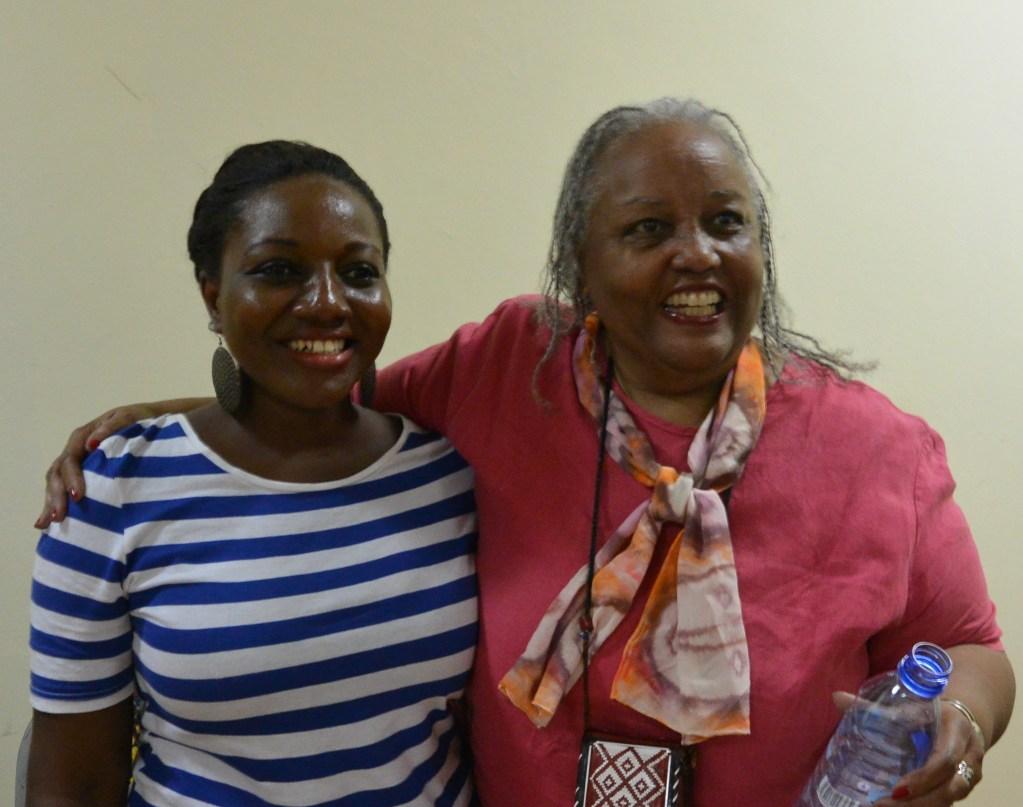
connect pieces of a story that had been scattered across centuries and continents.
One Ghanaian scholar even suggested that her ancestor may never have been enslaved. The fact that he knew his exact birth date, retained his African name, and left no record of enslavement pointed to a different possibility. For Carol, it was yet another reminder that history is more complex than people realize.
Today, Carol encourages others to begin their own family research by talking with the oldest members of their families. “Record them,” she advises. “At first they’ll tell you they don’t know anything. Then they’ll start talking and tell you everything.”
She also encourages families to consider DNA testing, noting that each family member carries unique genetic information that can unlock different parts of the family’s story.
Most importantly, she believes genealogy helps people better understand themselves. “As you find each relative, they’re going to tell you something about you,” she explains.
After decades of research, thousands of miles of travel, and countless discoveries, Carol’s search for her ancestors became something much larger. In finding her family, she found a deeper understanding of who she is. And that, she says, is the true reward of the journey.
SparkLife International, a non-profit community-based organization operating in Ghana (GH) and the United States (US) marked International Women’s Day recently, by honoring ten exceptional women across Ghana for their resilience, leadership, and contributions to their communities.
The celebration, organized by SparkLife International, highlighted the importance of empowering women and creating opportunities that promote dignity, independence, and social transformation.
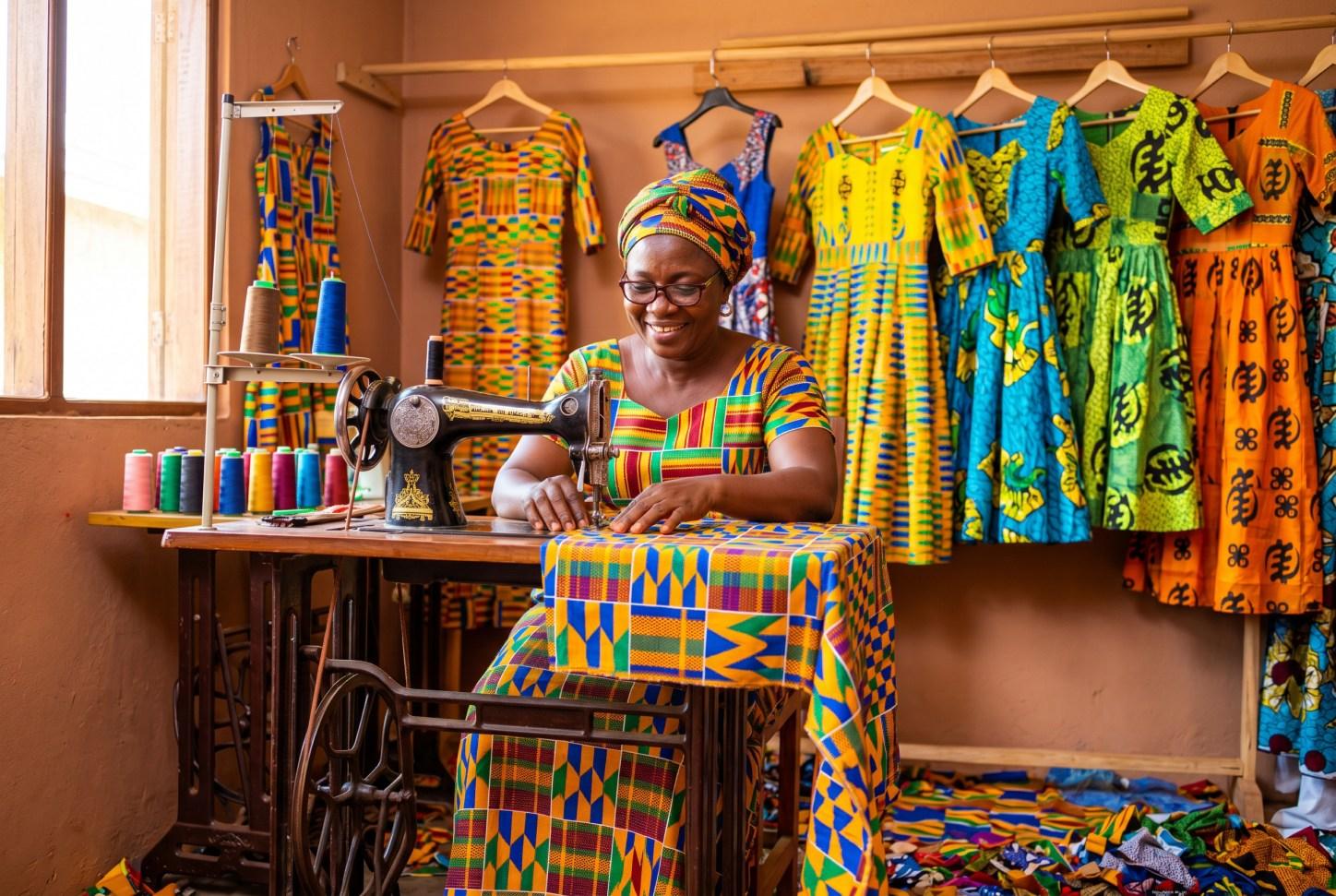
According to Destiny Selormey, Founder and CEO of SparkLife International, the initiative is part of the organization’s ongoing efforts to empower women and girls while addressing social issues such as exploitation and sex trafficking among vulnerable young females.
As part of the celebration, three adolescent girls currently undergoing apprenticeship in dressmaking were supported with sewing machines to help them build sustainable livelihoods. Additionally, a 65-year-old woman, who earns her living through door-to-door seamstress services, was also presented with a sewing machine to strengthen her work and support her economic independence. “Providing young women with skills and tools for economic empowerment is one of the most effective ways to reduce vulnerability to exploitation and trafficking,” said Selormey. “When women are financially empowered, they are better positioned to protect themselves, support their families, and contribute meaningfully to society.”
The remaining honorees represented diverse sectors of society, including professionals from the Electricity Company of Ghana (ECG), the Ghana Immigration Service, a lecturer from Accra Technical University, a respected Queen Mother, a dedicated trader, and a student from Dambai College of Education. Each was recognized for their dedication and contributions toward community and national development.
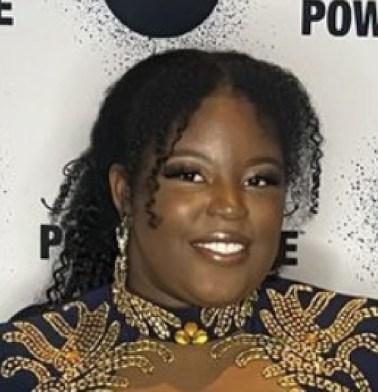
The event was also graced by a representative from the Ministry of Gender, Children and Social by Destiny Selormey
Protection, demonstrating the importance of collaborative efforts between civil society organizations and government institutions in advancing gender equality and protecting the rights of women and girls.
This year’s celebration was held under the theme “Changing Negative Perceptions About Women,” which emphasizes the need to challenge stereotypes, promote gender equality, and highlight the invaluable role women play in social and economic development.
SparkLife International has been organizing this initiative for several years and remains committed to continuing its mission of empowering women and transforming lives through advocacy, mentorship, and practical support.
Selormey expressed appreciation to the SparkLife International team and the Ambassadors of the International Women’s Day Group in the United States for their support and dedication in making the celebration a success.
Destiny Selormey is the Founder and CEO of SparkLife International in Ghana and the United States. He is a police officer, social worker, and global women’s advocate with an MSc in Security and Justice Administration, dedicated to advancing women’s empowerment, social justice, and community development.

by Kesa Black
From the beginning of creation, God established a clear purpose for how we are to live whole, nourished, and sustained by what He provided in the earth. In Genesis 1:29, it is written: “Behold, I have given you every herb bearing seed… and every tree… yielding seed; to you it shall be for meat [food].” This was more than instruction it was a blueprint for living a healthy and purposeful life. God, in His infinite wisdom, placed everything we need for well-being in nature, aligning our physical health with His divine purpose for each of us.
Throughout Scripture, herbs were not only used for food but also for healing. Ezekiel 47:12 declares: “Their fruit will be for food, and their leaves for healing.” This powerful verse reveals God’s intention that what grows from the earth carries restorative properties. Healing was never meant to be distant or complicated God embedded it into creation itself. Even in Revelation 22:2, ultimate healing for us awaits: “The leaves of the tree were for the healing of the nations.” Healing, therefore, is part of God’s eternal purpose for His people.
God’s provision extends even deeper into seeds, beans, and nuts powerful sources of nourishment designed to sustain the body. Beans such as lentils and chickpeas provide strength and endurance, while nuts like almonds and walnuts support brain and heart health. Seeds flax, chia, sunflower, and sesame carry concentrated life within them, filled with essential nutrients that fuel and restore. These small yet mighty foods reflect divine intention: within a seed is both nourishment and the ability to reproduce life. This mirrors the spiritual truth that God places purpose and potential within us.
Herbs such as ginger, turmeric, basil, and peppermint have been used for generations not only as food but as
medicine. From these plants come salves to soothe the skin, tinctures to extract healing properties, teas to calm, invigorate and restore, soaps to cleanse, capsules for daily support, and blended remedies to strengthen the body. These uses are not man-made inventions alone; they are discoveries of what God has already placed within creation. Just as Isaiah 38:21 records the use of figs for healing, and Luke 10:34 describes oil and wine used to treat wounds, we see that God’s natural provisions can be applied in many forms to bring restoration.
Modern research continues to affirm the value of many plant-based foods found in God’s creation. Studies highlighted by Harvard Health Publishing report that diets rich in fruits, vegetables, legumes, nuts, and healthy plant-based foods are associated with significantly lower risks of heart disease and chronic illness. One long-term study following more than 200,000 people found that those who consumed higher amounts of plant-based proteins had a 19% lower risk of cardiovascular disease.
Fruits and vegetables also play a vital role in fulfilling our purpose of living healthy, joyful lives. Bright fruits like berries, grapes, and citrus nourish the body and strengthen the immune system. Root vegetables and leafy greens build strength and endurance. These foods are not accidental; they are intentional provisions from a loving Creator. When possible, choosing organically grown produce can help reduce exposure to synthetic pesticides and chemicals while supporting a more natural approach to nourishment. While not everyone has access to organic foods all the time, making healthier, cleaner choices when available reflects wise stewardship of the body God has entrusted to each of us.
When we consume these God-given foods, we align with His design. The World Health Organization rec-
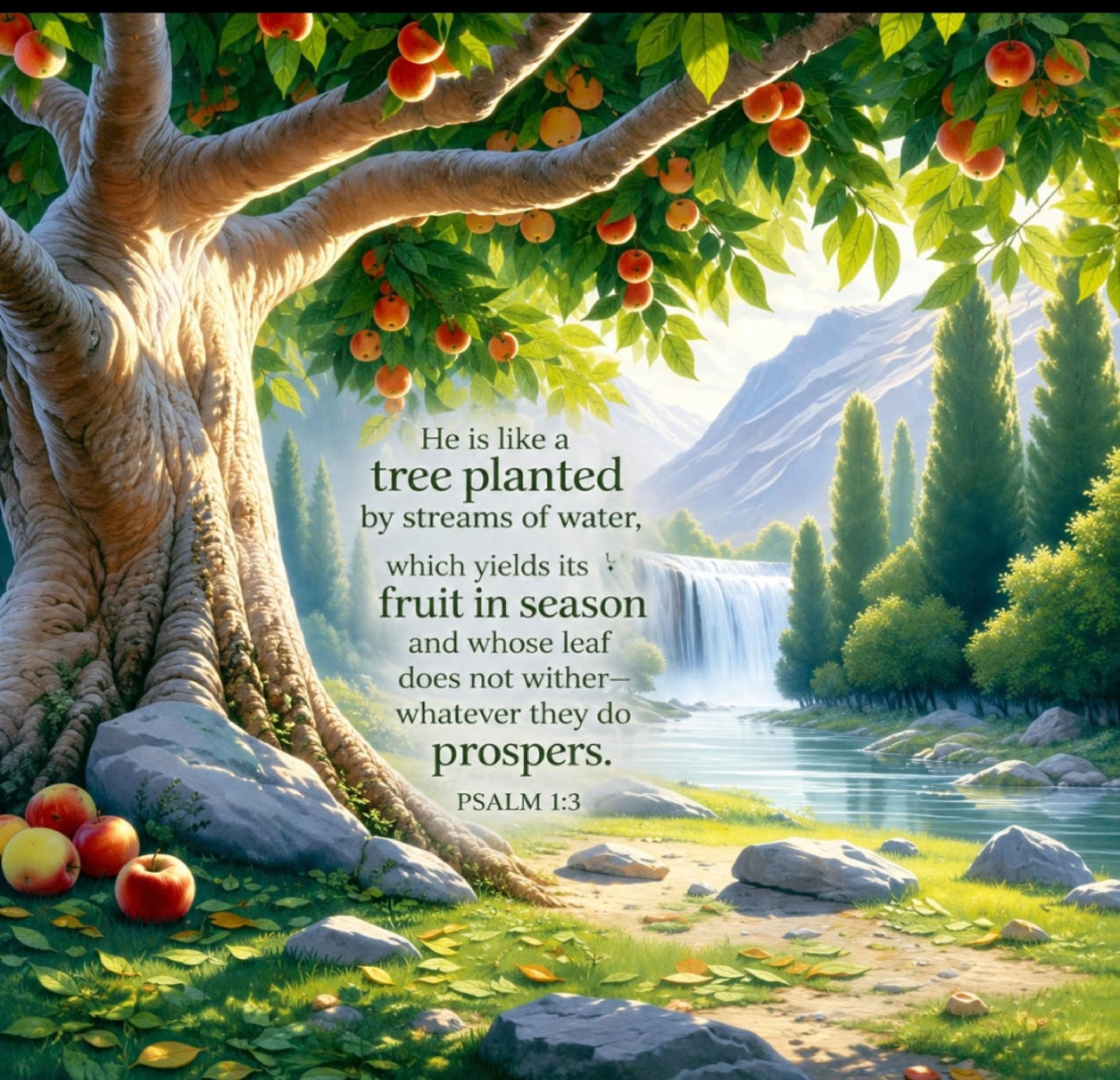
Yet, God’s purpose goes beyond physical nourishment. Overall health is connected to our spiritual and mental condition. In 3 John 1:2, it says: “Beloved, I wish above all things that thou mayest prosper and be in health, even as thy soul prospers.” This verse ties together body and soul, confirming that true wellness flows from a life rooted in God. When we care for our bodies with what He has provided and nurture our spirits through His Word, we are equipped to walk in purpose.
Choosing herbs, fruits, vegetables, beans, nuts, and seeds is more than a dietary decision. It is a spiritual act of obedience and alignment. It reflects a mindset that values what God has called good and His provision. In a world filled with artificial substitutes,
s natural design brings restoration. Each leaf, fruit, and seed carries a message: God has already made a way for us to live well. Through salves, tinctures, teas, and nourishment from the earth, healing and wholeness can be activated naturally. By embracing these God-given provisions, a holistic life of health and balance is attainable.
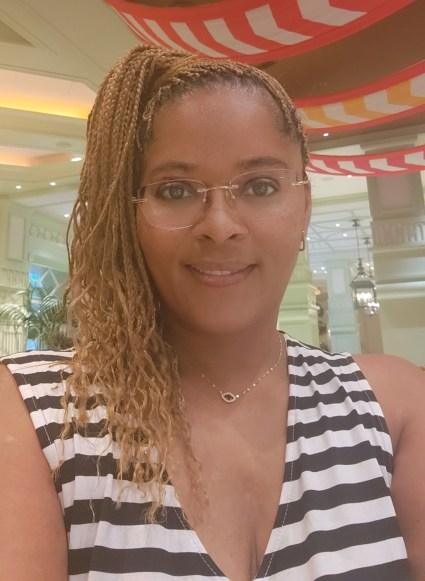
Kesa Black is a freelance writer, relationships advocate, and creator of the Seven In Heaven Series coloring activity books in memory of her grandson, Seven, to help families who have suffered the loss of a child. Also, she’s the founder of Emma’s Plants, an herbal brand offering healthy blends of teas and powders. Kesa can be contacted at: melaniebishop1971@gmail.com
DREAM BIG, HAVE FAITH, SETYOUR GOALS, and WORK.

It is a profound relief when you realize purpose isn’t something you magically know overnight. It is mystery you uncover through living, making mistakes, serving others, and paying attention to where your life naturally and spiritually flows. Whether you describe it as discovering your purpose or discerning God's calling on your life, few people find it all at once. It usually unfolds one step at a time.
When people feel overwhelmed trying to identify their unique role in making the world a better place, it helps to let go of the pressure of finding one grand, world-changing destiny. Instead, purpose is often found at the intersection of four simple observations.
If loneliness breaks your heart, perhaps your role is creating community. If financial exploitation troubles you, perhaps you are called to

Often, our purpose is hidden within the burdens we carry. What deceit, injustice, or pain makes you think, “Someone needs to do something about this? The needs that consistently stir your heart may reveal where you are uniquely equipped to make a difference. For people of faith, those burdens can also become one of the ways God gently calls them to serve.
teach financial literacy. If watching children fall through the cracks concerns you, mentoring or educating young people may be part of your purpose.
One of the biggest mistakes people make is believing they must become someone else before they can make a difference. Whether you call them talents, strengths, or God-given gifts, each of us already possesses tools that can be used to help others.
Ask yourself: What comes naturally to me that others find difficult? Are you a patient listener? An organizer? A writer, builder, teacher, cook, or encourager? Because these abilities often come easily, we tend to overlook them. Yet, what seems ordinary to you may become extraordinary in someone else’s life.
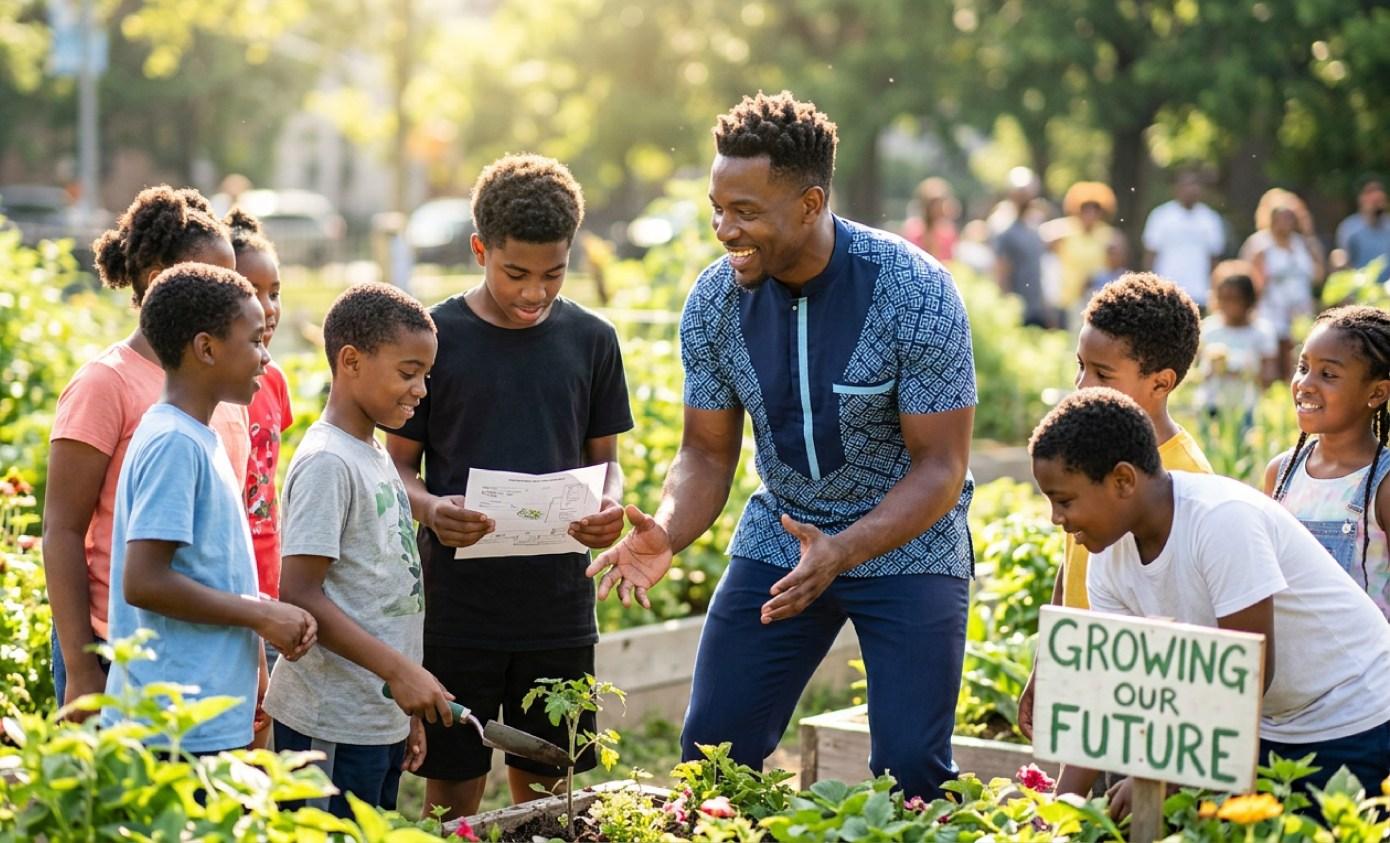
Think, too, about the activities that energize you and cause you to lose track of time. Even childhood interests can offer clues to the gifts that have been part of you all along.
Purpose becomes clearer by honestly evaluating where you are today. Think of it like a GPS. Before it can guide you to a destination, it must identify your current location.
Consider your capacity, responsibilities, and the people who already depend on you. If you are raising children, caring for aging parents, grieving, or rebuilding after hardship, your purpose in this season may look very different than it did ten years ago. For people seeking God's direction, prayer can bring clarity as they faithfully embrace the opportunities already before them.
Also, pay attention to your surroundings. What needs exist in your neighborhood, workplace, church, or community? You do not have to change the entire world to make a meaningful difference. Often, purpose begins with bringing truth, compassion, and hope to the people you encounter every day.
Many people postpone living purpose because they are waiting for the perfect opportunity. However, purpose rarely begins somewhere else. It begins where you already stand.
If you are a teacher, teach with empathy. If you own or work in business, operate with integrity. If you are a neighbor, be the one who genuinely cares. Small acts of kindness, honesty, generosity, and encouragement have a greater impact than we often realize.
Avoid comparing your journey with someone else's. Each person's experiences, gifts, and opportunities are unique. Some discover their purpose through family, career, or community service. Others come to recognize it as God's calling on their lives. However, it unfolds, purpose is revealed through faithful action, not endless waiting.
The world does not simply need more famous people or larger platforms. It needs ordinary people who are willing to shine more light wherever they happen to be. By faithfully using the gifts we've been given and serving those around us, we not only discover our purpose we help make a dark world brighter.