



Predictable. Flexible. Comfortable. Profitable














No two patients are the same.
Whitening shouldn’t be either.



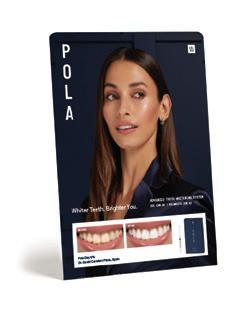
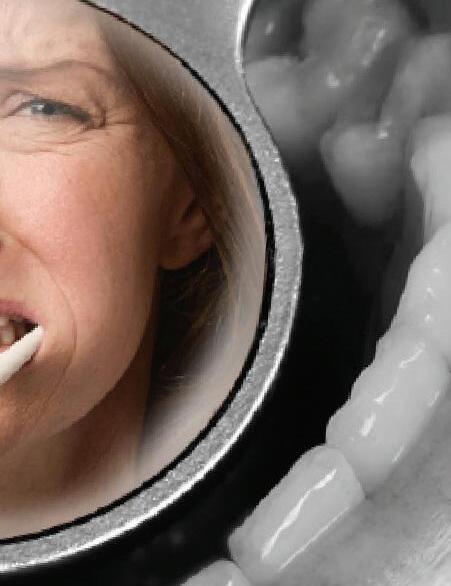
With over 25 years of clinical heritage, POLA delivers predictable whitening solutions designed for modern practice. Low-sensitivity formulations, flexible treatment protocols and professional-grade results make it easy to tailor treatment to every patient - helping improve uptake while supporting practice growth.



Fast-acting formulations for visible results
Professional-grade whitening across protocols


Consistent chairside & take-home performance
Flexible options to suit di erent patient needs

Discover your POLA solutions





Potassium nitrate + fluoride to calm nerve responses
Marketing & education support to help you thrive.


The dental world mourns the loss of a leader who spent nearly three decades transforming the Oral Health Foundation and championing prevention across UK oral health
The dental profession is paying tribute to Dr Nigel Carter OBE, the former Chief Executive of the Oral Health Foundation, who has died after devoting more than 50 years of his working life to improving oral health across the UK and beyond.
Dr Carter served the charity –previously known as the British Dental Health Foundation – as a Trustee, Chair of the Board of Trustees, and, for the last 29 years, as Chief Executive, overseeing a period of sustained growth in its influence and international reach.
Under his leadership, the Foundation became one of the most respected voices in oral health globally. He was an early and consistent advocate for prevention, long before it became a central plank of health policy, and worked to challenge inequalities and support the wider dental profession. He was instrumental in building some of the UK's best-known public health campaigns, including National Smile Month (which, celebrating its 50th year in 2026, has become Smile Month, removing the National moniker so that it can be adopted worldwide) and Mouth Cancer Action Month, both of which continue to reach millions of people each year.
Beyond the Foundation, Dr Carter held a wide range of appointments across dentistry and public health, including roles with the Royal Society for Public Health, the General Dental Council's Oral Health Committee, and various Department of Health advisory groups. His contribution to the profession was recognised with an OBE in the 2012 Queen's Birthday Honours.
Dr Carter's death came to light at a poignant moment, just as the profession was celebrating his life's work. On Friday 3rd July, at The Dental Awards 2026 trophy presentation, he was named the first ever inductee to the UK Dental Roll of Honour – a new initiative launched by The Probe to recognise individuals who have made an outstanding, lasting contribution

to dentistry in the UK. It was only in the course of presenting the award that news of his death reached the team, with the honour accepted on his behalf by Nigel’s husband, Yannis.
Nigel had been chosen as the Roll of Honour's inaugural recipient in recognition of a career that few in British dentistry can match: almost three decades steering the Oral Health Foundation, and a body of work in prevention and public health that has
shaped the profession for generations. That his passing coincided so closely with the announcement has given the accolade an added weight for everyone involved, and The Probe hopes it stands as a lasting marker of the esteem in which he was held.
Kerry Geldart, Interim Chief Executive of the Oral Health Foundation, said the sense of loss across the charity was profound, describing Nigel as having been not only its leader for
nearly three decades, but its heart and soul. “Nigel led with kindness, integrity and humility,” Kerry recalled.
“He cared deeply about people and had an extraordinary ability to bring people together. He gave his time generously, encouraged others to believe in themselves and always made people feel that their ideas and contributions mattered. He celebrated the success of others far more readily than his own.
“We will honour his memory by continuing the work that meant so much to him and ensuring his extraordinary legacy lives on.”
David Arnold, the Foundation's Director of Communications, who worked alongside Dr Carter for 15 years, said Nigel had been far more than a colleague or chief executive to those around him. “He was a mentor, a friend and someone who shaped the careers of so many people, including my own,” said David. “His passion for improving oral health never faded, but what I will remember most is his humanity. His warmth, humour, wisdom and quiet determination made him someone people naturally wanted to follow.
“Working alongside Nigel has been one of the greatest privileges of my life. I will miss him enormously, and I know that countless colleagues, partners and friends across the dental community will feel exactly the same.”
“It was a bittersweet moment as we bestowed the inaugural place on the UK Dental Roll of Honour to Nigel, while simultaneously learning of his passing,” said James Cooke, Editor of The Probe . “He leaves such a strong legacy in championing oral health behind but, more than that, he was a kind and caring man, offering valuable encouragement and advice earlier in my career. Thank you, Nigel.”
A tribute page has been set up by the Oral Health Foundation for those who wish to share memories or personal messages.
Dr Carter is survived by his husband, Yannis, and his wider family, friends and colleagues across the profession. ■










































































































































Scan to order samples






It’s been a bittersweet month.
At the start of July, we hosted the winners, judges and sponsors of The Dental Awards 2026 at the trophy presentation in London. During the ceremony, we were pleased to honour Dr Nigel Carter OBE – the former Chief Executive of the Oral Health Foundation, and a friend to us at The Probe for many years.
It was during the proceedings that we learned, with great sadness, of Nigel’s passing. His husband Yannis joined us for the event, receiving the honour on Nigel’s behalf posthumously.
For those who knew Nigel, his absence will leave a noticeable void, particularly at events he pioneered, including Smile Month and Mouth Cancer Action Month. For those who didn’t know him personally, Nigel was a force of nature for oral health in the UK and beyond. Above all, he was a kind and caring man, always happy to give up his time to share advice, as well as to help spread the message of oral health. This issue is dedicated to Nigel – the man and his legacy. If you haven’t already, I highly recommend reading the tribute to Nigel Carter on the previous page.
Thank you for reading.





The Probe is published by Purple Media Solutions.
Registered in England.
Registered number 5949065
Managing Editor: James Cooke
Commercial Director: Gary Henson
Divisional Administrator: Francesca Smith








Production Designer 1 : Lorna Reekie
Production Designer 2: Rob Tremain
Digital Content Manager: Stephen Wadey
Circulation Manager: Andy Kirk
Managing Director: Ed Hunt
Regular Contributors: Sara Hurley, Lisa Bainham, Alun Rees, Dhiraj Arora, Ollie Jupes and Pam Swain
E-mail news, stories or opinion to james.cooke@purplems.com
Circulation/Subscriptions: The Probe Subscriptions, Perception SaS, PO Box 304, Uckfield, East Sussex, TN22 9EZ, Tel: 01825 701520, https://purplems.my-subs.co.uk ©Purple Media Solutions Ltd, 2014. All rights reserved. ISSN 0032-9185. The publisher’s written consent must be obtained before any part of this publication may be reproduced in any form whatsoever, including photocopies, and information retrieval systems. While every effort has been made to ensure that the information in this publication is correct and accurate, the publisher cannot accept



liability for any consequential loss or damage, however caused, arising as a result of using information printed in this magazine. The views expressed in The Probe are not necessarily the views of the magazine, nor of Purple Media Solutions
Editorial Advisory Board: Dr Barry Oulton, B.Ch.D. DPDS MNLP; Dr Graham Barnby, BDS, DGDP RCS; Dr Ewa Rozwadowska, BDS; Dr Yogi Savania BChD, MFGDP; Dr Ashok Sethi, BDS, DGDP (UK), MGDS RCS; Dr Paroo Mistry BDS MFDS MSc MOrth FDS (orth); Dr Tim Sunnucks, BDS DRDP; Dr Jason Burns, BDS, LDS, DGDP (UK), DFO, MSc; Prof Phillip Dowell, BDS, MScD, DGDP RCS, FICD; Dr Nigel Taylor MDSc, BDS, FDS RCS(Eng), M’Orth RCS(Eng), D’Orth RCS(Eng); Mark Wright BDS(Lon), DGDP RCS(UK), Dip Imp Dent.RCS (Eng) Adv. Cert, FICD; Dr Yasminder Virdee BDS.




Scan to explore The Probe’s back catalogue online or visit the-probe.co.uk/issues









With Christopher Nolan’s The Odyssey now in cinemas, Greek epic has returned to the public imagination. For NHS dentistry, the metaphor is uncomfortably apt: warnings ignored, repeated battles, tactical diversions and a profession still trying to find its way home from activity to oral health. sara Hurley details the journey ahead

With Christopher Nolan’s The Odyssey now in cinemas, Homer has returned to public attention at blockbuster scale: a story of war, trauma, temptation and the long struggle to get home. Ancient stories endure because they help us recognise modern patterns: long campaigns, warnings ignored, clever devices mistaken for solutions, and the danger of forgetting the destination.
Nolan gives Odysseus a blunt opening impatience: 10 years on the beach, and the only thing left to say is that it is time to go home. NHS dentistry knows something about long campaigns. After nearly two decades of activity targets, access pressure, clawback anxiety and reform promises, the profession might ask its own Odyssean question: how do we get home to oral health?
That is the journey now: from activity to prevention; from episodic repair to stabilisation; from contractual survival to care designed around need. NHS England has introduced quality and payment changes for 2026/27, including unscheduled care, prevention, complex care and wider-team elements. These changes may offer some relief. They may allow practices and commissioners to begin doing things differently. But they are not yet home.
The latest parliamentary debate on 15 June was another reminder that the NHS dental reform journey is not short of political attention. MPs described the continuing access crisis facing patients, the pressure on dental teams, and the need for a clear timetable for fundamental reform of the dental contract.
There is also a new captain at the helm of the DHSC ship of state. Yvette Cooper was appointed Secretary of State for Health and Social Care on 20 July, in the new cabinet of Prime Minister Andy Burnham. She is not new to health (she worked on the first NHS cancer plan as a junior health minister 27 years ago) but this is her first appointment at the top of the department, and she arrives with no recent, developed public position on dental contract reform. That is not a criticism. It is an opening. The profession’s task is the same one it has faced with her predecessors: to make sure she hears the diagnosis clearly, before the next wooden horse is wheeled through the gates in her name.
The profession has warned repeatedly that the 2006 UDA contract was never simply a flawed payment mechanism. It was a system that would shape behaviour: making prevention harder to value, flattening complexity, distorting access, exhausting teams, and making good professionals behave defensively in a system that rewarded the wrong things.
In Homeric terms, the dental profession has played Cassandra for years. Cassandra’s tragedy was not that she was wrong. It was that she was right and still not believed. The same can be said of the profession’s warnings about the dental contract. The warnings were not melodrama. They were diagnosis.
The UDA contract has done more than allocate payment. It has built a culture, teaching practices what counts and commissioners what to measure. It has made visible intervention more powerful than invisible prevention, throughput more visible than stabilisation, and urgent repair more countable than avoided disease. This is the central problem, and it is not a flaw in dental professionals.
Dentists, therapists, hygienists, nurses and technicians do not enter the profession wanting to think in bands, targets and clawback. Their instinct is to diagnose, prevent, stabilise, restore and care. But systems train behaviour, and the UDA system has trained it well: target-chasing where there should be trust, defensive diary management where there should be clinical prioritisation, episodic repair where there should be continuity.
The critique is no longer marginal. The Health and Social Care Committee concluded in 2023 that the UDA-contract system was not fit for purpose and required urgent reform to support recruitment and retention. The Public Accounts Committee went further in 2025, warning that minor changes had failed to incentivise sufficient NHS dentistry. The British Dental Association has called the 2026 changes meaningful improvements, but not the final destination, maintaining that the UDA should be phased out and replaced with a preventionfocused contract.
The current contract has also created moral injury. Dental teams know what good care looks like, that prevention requires repetition and trust; that periodontal stabilisation is not a quick transaction; that anxious patients need acclimatisation; that children from high-risk families need more than a fissure sealant and a leaflet; and that urgent care without follow-up is often only the opening scene in the next crisis.
Yet the contract repeatedly pulls them back to one question.
What counts?
That is where the Homeric image matters. Troy was not taken by brute force but by a clever device that appeared to offer resolution, dragged through the gates because it promised progress, carrying consequences within it. Contract tweaks can feel the same: a new pathway, a new tariff, a new metric, often well-intentioned and offering real relief. Urgent care must be recognised. Complexity must be better valued. Prevention must be supported. Skill-mix must be operationalised. These are the right words. But we should be cautious. A tactical fix can still carry the logic of the old system inside it. If the underlying architecture remains activity based, each new reform risks becoming another wooden horse, welcomed through the gates for the promise it carries, only for new rules and new defensive behaviours to emerge once inside. The danger is not that reform is attempted. The danger is that reform is mistaken for transformation.
Heroic endurance is not a sustainable operating model. Dentistry has relied on it for too long. Odysseus’s journey home was not a straight line, and was filled with storms, diversions, monsters and temptations but he never lost the idea of home.
Urgent care payments may improve access for patients in pain, and no one should be left without help when they have acute need. But urgent care without continuity risks reinforcing the idea that NHS dentistry is a crisis service, the patient appears, the pain is managed, the activity is recorded, but where is the dental home, the stabilisation pathway, the relationship that prevents the next crisis? If urgent access becomes the most visible priority, the system may become better at firefighting without becoming better at fire prevention. That is not transformation. It is a slightly better fire bucket.
The same applies to complexity. For too long, the contract has flattened complexity into crude payment bands that bear little resemblance to clinical reality. A patient with active caries, periodontal disease, dental anxiety and years of unmet need cannot be managed within a system that pretends complexity can be neatly compressed. Complexity must be recognised but if it is simply turned into another fixed pathway within the same activity architecture, the patient is still being forced to fit the model. That is not whole-person care. Prevention items are welcome too: fluoride varnish, fissure sealants, supervised toothbrushing under wider-team delivery. But prevention cannot be reduced to occasional items sprinkled across a repair contract. It is a philosophy, a workflow, a team model and a funding logic. It begins with risk, requires continuity, and must be owned by the whole dental team, rewarding stabilisation and avoided disease, not merely counting procedures delivered.
A genuinely preventive system would ask different questions. Who is at risk? Who has gained access? Who has been stabilised? Who has moved from urgent to routine care? Whose bleeding score has improved? Whose caries risk has reduced? Which children avoided decay? Which older adults maintained function? Which patients gained confidence, agency and understanding? Which communities saw disease prevented rather than repaired?
Those are health questions. The UDA contract asks activity questions. That is the difference between a dental repair economy and an oral health system. This is where Homer’s second story matters. The Iliad is the story of war; the Odyssey is the story of getting home. NHS dentistry has spent long enough at Troy. The question now is not how to fight the contract more efficiently, but how dentistry finds its way home. Home is not nostalgia, nor another national promise that access will be solved by exhortation and goodwill. Home is oral health – prevention, stabilisation, continuity and care according to need: a system in which urgent care connects to routine care, children at risk are supported before disease becomes extraction, periodontal disease is managed as chronic disease, the wider team works to full scope, and patients with complex needs receive care designed around reality rather than throughput.
National reform is still needed. The UDA must be phased out in favour of a contract based on population need, risk stratification, prevention, stabilisation, continuity, urgent access, complexity, team-based care and measurable outcomes. The 2026/27 changes matter but if they remain trapped inside an activity architecture, they risk becoming another stage in the journey rather than the destination.
Practices cannot simply wait for national reform to arrive. There is work to do now, and a practice-level contract review conversation is one place to start.
Flexible commissioning will not, on its own, bring dentistry home. It will not abolish the UDA system or solve workforce shortages. But it can offer a route through the storm. NHS England’s framework for flexible commissioning confirms that commissioners can use local flexibility to support additional services within the current contractual framework, including approaches to prevent poor oral health, protect and expand access, and deliver high-quality care.
In the Odyssey , survival depends not only on courage but on judgement, knowing when to resist temptation, when to change course, when to hold fast to the destination. It also depends on memory: remembering what home is, even when every detour offers a reason to settle for something less.
Practices need that same discipline in contract review, arriving not with a defensive account of UDA delivery, but with an oral health proposition. Not “Here is what we delivered,” but “Here is the need in our population, here is where the current contract pulls us in the wrong direction, and here is what we could deliver differently if a defined element were flexed.”
That changes the conversation. Practices should ask commissioners to test practical shifts in five areas.
First, urgent-to-routine conversion. If commissioners want urgent access, ask for the pathway to include stabilisation and onward routine care. An urgent appointment should not be the end point; it should be the entry point into a dental home. Can a portion of activity be flexed to support assessment, stabilisation and planned follow-up rather than one-off crisis management?
s econd, high-risk children. If prevention is serious, children at high caries risk need more than episodic intervention. Ask for a defined pathway and tariff for delivering risk assessment, fluoride varnish, fissure sealants where appropriate, diet and brushing support, and recall intervals based on risk, not just treatment after decay has occurred.
t hird, periodontal stabilisation. Periodontal disease is chronic, behavioural and dependent on maintenance, it does not fit an episodic repair model. Can activity be flexed to support assessment, oral hygiene instruction, non-surgical therapy and appropriate escalation?
Fourth, wider-team prevention. If policy wants skill-mix, the contract must make it operational. Dental therapists, hygienists and nurses cannot be treated as rhetorical solutions while the payment architecture remains dentist-centric. Can flexible commissioning recognise and resource their contribution to prevention, stabilisation and maintenance?
Fifth, patients with complex access needs. Some patients do not fail to attend because they do not care, they fail because the system is difficult to
For anyone tempted to revisit the myths, Emily Wilson’s translations of The Iliad and The Odyssey are a brilliant contemporary route into Homer.
Pat Barker’s Trojan trilogy, The Silence of the Girls, The Women of Troy and The Voyage Home, gives voice to those often pushed to the margins of heroic stories, including the women who endure the consequences of war and prophecy ignored.
For a highly readable introduction, Stephen Fry’s Mythos, Heroes and Troy bring the Greek myths to life with wit, warmth and clarity.
navigate. Anxiety, disability, frailty, language barriers, homelessness and safeguarding concerns all change what “access” requires. Can we agree a local complexity pathway that recognises the time this takes?
These are not abstract ideas. They are practical contract review asks – a way of saying to commissioners: we are not asking for permission to do less, we are asking for permission to do the right work differently, with agreed measures, accountability and a clearer link to oral health gain.
Flexible commissioning must be disciplined. It must define the population, the pathway, the workforce, the activity being flexed, the outcomes being measured and the review point. Otherwise, the system repeats the same cycle: warning, tactical device, unintended consequence, exhaustion, and another long journey through rough seas.
Contract review can shift the pendulum, from “How many UDAs did you deliver?” to “What oral health value did your contract create?”; from “How do we recover activity?” to “How do we recover access, stabilisation and trust?” That is the conversation practices should take into contract review.
Heroic endurance is not a sustainable operating model. Dentistry has relied on it for too long. Odysseus’s journey home was not a straight line, and was filled with storms, diversions, monsters and temptations but he never lost the idea of home. Dentistry must not lose it either. After the Odyssey, the task is not simply to admire the epic. It is to learn from it. After Troy, the task is not simply to survive the war. It is to find the way home. n
1. House of Commons, Hansard, “NHS Dentistry”, debated 15 June 2026, Volume 787; NHS England, NHS dental quality and payment reforms: guidance, first published 26 March 2026, updated 8 July 2026; NHS England, NHS dentistry: quality and payment reforms contractual guidance, 2026.
2. House of Commons Health and Social Care Committee, NHS Dentistry, 14 July 2023; House of Commons Public Accounts Committee, Fixing NHS Dentistry, 4 April 2025; British Dental Association, UDA contract changes: information and advice, 2026.
3. Homer, The Iliad, translated by Emily Wilson, W. W. Norton, 2023; Homer, The Odyssey, translated by Emily Wilson, W. W. Norton, 2018. For the wooden horse episode, see Homer, The Odyssey, Book 8; Virgil, The Aeneid, Book 2, for the fuller later account of the fall of Troy.
4. NHS England, Opportunities for flexible commissioning in primary care dentistry: a framework for commissioners, 9 October 2023.
5. Universal Pictures, The Odyssey, official film information and release materials; Associated Press, “Behind Christopher Nolan’s 6-country epic undertaking to bring The Odyssey to the big screen”, July 2026; The Times, review of Christopher Nolan’s The Odyssey, July 2026.
About the author
sara Hurley CBe is a former Chief Dental officer for england. she writes with a particular interest in prevention, professional purpose, and the design of systems that help clinicians do the right work and patients receive the care they need. A lover of cinema and classical myth, she is drawn to stories of endurance, purpose and finding the way home. she wishes the new secretary of state for Health and social Care well in the important task of delivering meaningful nHs dental contract reform.
‘ And of course, you’ll be responsible for collecting your own bad debts,’ my new boss added at the end of my formal interview for my first-ever associateship. He could just as easily have added, ‘Your home may be repossessed if you fail to get the dosh owed by your patients,’ and I would still have sat there smiling, drinking in the cosy ambience of what would be, in a few days’ time, my new surgery, whether I gained my BDS degree or not.
It was 1988 and I had nipped back from dental school at the weekend for my second interview with Simon, who had just bought the practice on the advice of his accountant. Although Simon intended working at the practice a couple of days a week, I could sense that his heart really lay in his Cotswolds practice, so I would man his satellite enterprise three days a week, starting in nine days’ time, as soon as I’d finished my final exams. It was a heartwarming feeling, knowing that even if I failed BDS finals over the next few days, I’d still be taking up my position the following Monday, having acquired LDSRCS (England) a couple of months previously and already being on the dental register.
Don’t ask – it’s a long and painful story. It’s difficult to convey fully the confidence that knowing you are already qualified gives you when you walk into the clinic to take your final ‘cavity’ exam, but I was full to the brim with confidence and it worked: I passed my BDS finals and started my new job before my finals cavity patient had even thought, ‘Ooh… that filling feels a bit high.’
Before you start thinking about timelines — ‘How on earth could the NHS paperwork have been completed so quickly?’ — I had met Simon in the bar of a well-known luxury hotel in the Cotswolds a month or so before finals, and had accepted the job there and then, even though I hadn’t seen his practice. The NHS paperwork from the local FPC (remember them?) was completed within a couple of weeks, and my contract number was all in place ready for my start on the Monday morning. They were simpler and, to my mind, more efficient times.
My first few months in Simon’s practice were virtually trouble-free. Dental litigation, in those days, was almost unheard of and the General Dental Council was largely a hidden, benign fairy godmother, only smiting the occasional naughty dentist, but mainly reminding you it was still operational when it wanted your annual retention fee. In fact, in those days, you felt that the only way most people would be removed from the register was if they forgot to pay their ARF.
I say virtually . The only hassle I encountered from patients was when I found myself having to chase
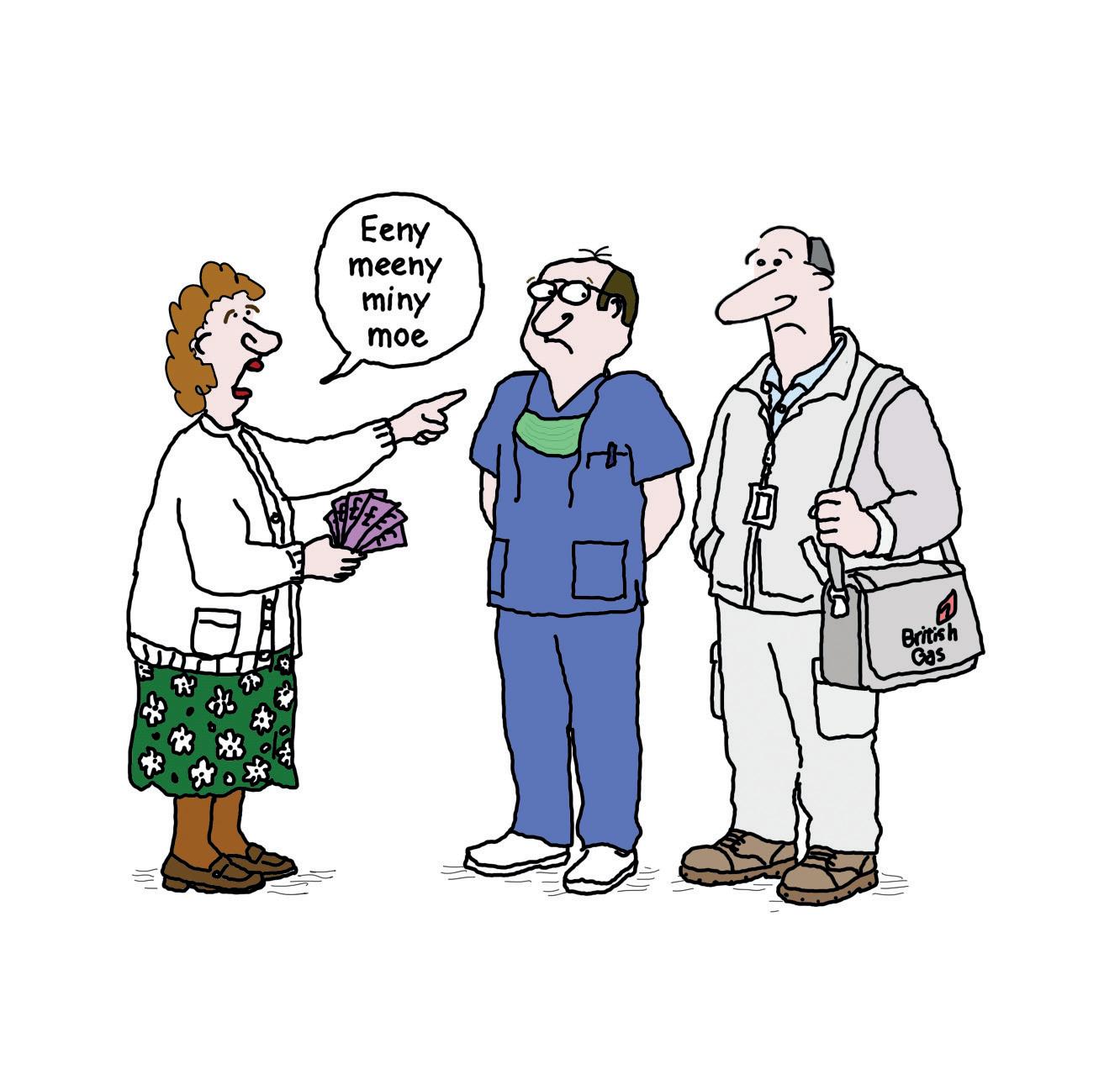
money owed by a chap for whom I had provided a set of complete immediate dentures. He owed the full patient NHS charge — about £60 in those days. (ChatGPT assures me that it was the equivalent of £200 in terms of general purchasing power, so it was worth chasing.)
He hadn’t even paid for his exam. He had ignored two gentle written requests for payment and Simon suggested that I give the patient a call, which I did. His wife answered. ‘I DO sympathise,’ she said, ‘but the thing is, with winter and Christmas coming, I either pay you or the gasman. And since it’s going into winter, I thought it had better be the gas.’ You couldn’t really argue with that, so I wrote the whole episode off to experience. These days, of course, the corporates would probably just dock my wages. Other than that, my first few years in practice were relatively troublefree and the very notion of facing regulatory proceedings from the GDC or litigation from a solicitor — almost unheard of in those days — was an abstract concept.
The reason for my rumination on my early career was the great news I heard a few days ago from two of my former corporate dental nursing colleagues. They were both highly valued members of staff, and they independently decided that they wanted to take their careers further by enrolling at the same dental school to pursue a BSc in Dental Therapy and Dental Hygiene. The news was that both of them had passed their finals. My two friends each had complex logistical problems to cope with over the three years they were studying, and everyone privileged to know them found their determination and success inspiring.
In the 1980s, dental therapists were quite rare, being unable to work in general dental practice and confined instead to salaried roles in the Community Dental Service, hospitals or the armed forces. In the bad old days, dental therapists could only treat patients under strict prescriptions and treatment plans after they had first been seen by a registered dentist. After the introduction of Direct Access in 2013, therapists could examine, diagnose and treat patients directly within their competence, and the scope of practice for dental therapists has widened tremendously, much to the benefit of practices and patients alike.
If the lot of the UK-based dental therapist has improved over nearly the last 40 years, it made me wonder how the plight of the dentist had fared over the same period, bearing in mind that about 1,100 new dentists will graduate in the UK this summer. In 1988, the paperwork seemed so much simpler for dentists. For example, I’d never even heard of a Waste Transfer Note until the mid-
2000s, and the idea of me writing on a patient’s notes “ST NTR” (Soft Tissues – Nothing To Report) was considered to be ‘more than thorough,’ I was once told by a Dental Reference Officer, ‘compared with a lot of practitioners.’ Handwritten notes were obviously the norm back then, and it wasn’t unusual to see disparaging acronyms pencilled in the margins, despite the slim chance that an RDO might see them if the patient was picked up for a post-NHS-treatment examination. I remember one colleague writing “BOAT” on the front notes pouch. In his head, the patient was a “Bit Of A Tw*t.” If challenged, the dentist would simply say the acronym stood for Buccal Occlusal ATrition.
That particular practitioner had an almost admirable “devil-may-care” attitude to record-keeping and, in the pre-dental-specialist-litigationlawyer era, probably got away with it.
In 1988, patient records were not only handwritten but often relatively brief. Consent discussions were undertaken but not always comprehensively documented. For new graduates, detailed electronic record-keeping is demanded. Consent processes are extensively documented and audits form a regular component of professional practice. New graduates will have been taught all about record-keeping standards. To dentists who qualified in the 80s and earlier, upping recordkeeping standards was a whole new ballgame, especially when the CQC sprang into existence. The whole point of the new ballgame would seem to have been primarily focused on keeping the GDC and solicitors
off your back. I have no idea what the current dental degree syllabus comprises, but I would hope it contains a module entitled “Defensive Dentistry? NOOOOOOO!!” The idea of altering your standard of care to avoid patient complaints or litigation, rather than prioritising the most ideal clinical treatment, is appalling; yet is that the environment into which new graduates are being birthed? I don’t know whether I’m wearing rose-tinted spectacles, but I feel that, in 1988, patients generally placed greater trust in professional judgment. Of course, that may have been because patients in those days had limited access to independent information about treatment options. These days, patients frequently research treatments online before attending appointments and may arrive with specific expectations regarding treatment outcomes. Social media has, of course, influenced patient perceptions and complaint behaviour. I have to say I’m really glad I became a dentist in the 1980s, well before practising conditions and regulations became much more arduous to negotiate. I take my hat off to my two dental therapist friends. They both knew what they were going into, yet they did it anyway. They will survive. If I were starting out now, I’m not sure I would. n
About the author ollie Jupes is the pseudonym of a former nHs dentist. He monitors dentistry on twitter X as @DentistGoneBadd

The current make-up of the dental register reveals a lot about changes in dental practice. According to the GDC’s latest analysis, the number of dentists grew by 3.4% to 47,916 in 2025 but the number of dental care professionals grew by 5.5% to 83,764.
The increase in dental care professionals is a positive development in the context of efforts to relieve the pressure on dentists by optimising the skills and knowledge of everyone in the dental team. Since Direct Access was first established, dental care professionals have more opportunities to get involved and work to their full scope of practice, including suitably trained dental hygienists and therapists being able to administer prescription only local anaesthetic as part of treatment, without a dentist’s prescription.
Recruiting dental care professionals to your practice could help you to do more for patients and spread the workload but it’s important to create an environment where different dental professionals can work effectively as individuals and as a team.
Here’s the DDU’s five-point plan:
1. Contracts ensure everyone knows where they stand
Well-drafted contracts help protect selfemployed dental professionals and the practice by clearly setting out the obligations of all parties over areas such as working hours, remuneration, leave, grounds for termination and targets. Not only will it make disputes less likely – but if a
dispute does occur, a contract should also make it easier to resolve.
As contracts are legal documents, it makes sense to get them reviewed by an independent expert, particularly as there can be a lot of variation in dental contracts and ad hoc changes can cause difficulties down the line. The DDU’s contract review service is available to members, including selfemployed therapists, hygienists, associate dentists as well as practice owners.
2. Familiarise yourself with the latest Scope of Practice guidance
The GDC’s revised Scope of Practice came into effect last November and it’s important that everyone in the dental team applies the principles to their own practice and when delegating tasks.
As before, the guidance sets out the skills and abilities each registrant group should have, along with additional skills that they can develop after qualification. However, it also introduces the concept of a ‘personal scope of practice’ and explains that just “because a task is mentioned in relation to a professional group, it doesn’t always mean that an individual will be trained, competent and indemnified or insured to undertake that task.”
3. Work collaboratively
The GDC expects dental professionals in a senior role to “take responsibility for ensuring collaborative working across the team” but teamwork and good communication is an essential part of every dental professional’s skillset. This includes:


About the author Rachael Simpson,
DDU Advisor.
• Understanding colleagues’ scope of practice, and the tasks that they are trained, competent, and indemnified or insured to do.
• Only delegating tasks to colleagues who are trained, competent and indemnified or insured to carry them out. They shouldn’t feel pressurised to take on a task.
• Being prepared to support a colleague when they carry out a new activity
• Establishing mutual agreement between you and your colleagues regarding tasks that are routinely delegated.
• Encouraging colleagues to ask questions and raise concerns if a task is outside their professional or personal scope of practice.
• If you’re asked to take on a task, be clear about what’s involved and comfortable that you have the necessary knowledge, skills and training. Get clarification if required or explain that you are unable to take on the task and why.
• The clinician delegating a task is responsible for this decision and remains accountable for the patient’s care.
4. Ensure patients understand direct access arrangements
While suitably trained and competent dental therapists and hygienists can work to their full scope of practice under direct access, it’s not compulsory and each practice is free to decide on the approach that works best with the skill mix and experience in the dental

team and for patients. Clarity about working arrangements will help you work collaboratively as a team and avoid interruptions to patient care
If your practice allows patients to make appointments directly with a therapist or hygienist you should provide clear information for patients about what treatments are available, how to make an appointment and what will happen if they need treatment which their DCP can’t provide. This should help manage patients’ expectations and reduce the risk of complaints.
More generally, practices should display information about the members of the dental team and their roles and everyone in the team should be able to answer any questions they might have.
5. Have a clear referral pathway There should be a clear process for DCPs to refer patients to a dentist and for all dental professionals to refer patients to a specialist if appropriate. This should minimise the risk of patients getting lost in the system and ensure referrals include all relevant information about the patient and the proposed treatment plan. Patient consent should be obtained and recorded as part of the process.
With the pressures on dental practices, it’s essential to make the most of the skills and capacity of everyone in the team. By following our advice, you can look after the interests of patients and help everyone in the team enjoy working to their potential.


When the owner of Langley Dental Practice first considered selling, they were introduced directly to a small group of corporate buyers through a trusted adviser. It felt simple and confidential.
But without an independent valuation or a tested market, the offers received did not reflect the value later achieved.
Lily Head provided a full valuation and created a structured sale process to generate competitive interest. The difference was clear.
Know your value. Maximise your outcome.






You do not need to be ready to sell to understand what your practice could be worth.
Scan the QR code to
Every practice wants to spend less time on paperwork and more time with patients. Duncan Leslie explains how the best AI makes that possible, quietly supporting every member of the practice team
Dental teams have seen no shortage of technology promising to make practice life easier. Some innovations have transformed the way practices work. Others have simply introduced new systems to learn, extra processes to follow or more screens competing for attention.
AI has the potential to change that, but only if it solves problems practices genuinely want solved and earns the trust to become part of everyday care.
A recent TechRadar Pro article caught my attention because it explored the growing use of unapproved AI tools in healthcare.1 It struck me that the issue is not whether clinicians see value in AI; they clearly do. The issue is whether the technology has been designed with the governance, security and professional oversight that healthcare demands.
Earlier this year, the Royal College of Physicians reported that while 70% of physicians support wider implementation of AI across the NHS, only 16% use it in clinical practice every day.2 Although the survey focused on medicine rather than dentistry, it reflects many of the conversations taking place across the profession.
time is the missing ingredient Practice owners and clinicians are not questioning whether AI has potential. They are asking sensible questions about where it genuinely improves the working day, how it fits into established workflows and whether it has been designed in a way that supports, rather than compromises, clinical judgement.
Dentistry has always been built on trust. Patients trust the team with their health, clinicians rely on accurate records to make informed decisions, and practice owners depend on every staff member to deliver safe, consistent care. Technology should strengthen those foundations.
That is why I have never found the debate about AI replacing people particularly useful. Dentistry has never been short of expertise, compassion or professional judgement. What it has lacked is time, and every practice can point to the same collection of tasks that quietly fill the day: clinical notes need completing; referral letters need writing; information has to be found, checked and shared.
Reception teams answer the same questions repeatedly, while practice managers spend valuable time pulling together information instead of acting on it. None of those responsibilities are optional, but neither are they why people chose careers in dentistry.
Patients remember feeling listened to, reassured and understood. They are unlikely to remember how efficiently a referral letter was drafted or how quickly a patient record was updated. Those tasks remain essential because they support safe, effective care, but they should never compete with the moments that matter most.
For me, that leads to a much more interesting question than whether AI can replace clinicians: which parts of the working day should highly-trained professionals never have had to spend time doing in the first place?
I suspect most practices would produce a remarkably similar list: documenting appointments; searching for information that already exists elsewhere; writing referral letters; updating records; and repeating administrative tasks. All those responsibilities matter, but they should not have to consume quite so much of the working day.
That shift in thinking has shaped my approach to technology for many years. Rather than asking what software is capable of doing, I find it more useful to ask what it should quietly take care of, allowing people to focus on the work only they can do.
One principle has guided the way we have always approached product development at Dentally: the best software is the software you never think about. It removes effort rather than creating it, becoming part of the background so people can concentrate on the task in front of them.
If software constantly asks clinicians to move between screens, complete another field or interrupt a conversation with a patient, it has become another demand on their attention. Good technology should adapt to the way practices already work, quietly removing repetitive administration so clinicians and practice teams can focus on applying their experience, judgement and expertise.

To learn more about Dentally Pulse and how its AI-powered intelligence layer is helping practices reduce administration, improve workflows and keep clinicians focused on patients, visit www.dentally.com/dentallypulse.

That is why I believe the real opportunity for AI lies in supporting the whole practice rather than solving one isolated problem. Every patient interaction generates valuable information, yet much of that information still has to be recreated, reformatted or manually transferred before somebody else can use it.
Intelligent technology should allow information to move naturally through the practice, reducing unnecessary administration while ensuring clinicians remain firmly in control of every clinical decision.
From the outset, our ambition at Dentally was to create an AI-powered intelligence layer that sits across the practice, turning everyday conversations, observations and interactions into practical information that supports the whole team. That ambition became Dentally Pulse.
If we take clinical notes as one example, documentation is an essential part of patient care, but it can also become one of the biggest demands on a clinician’s time and attention. Many clinicians have experienced the tension between maintaining eye contact with a patient while trying to capture an accurate record of the consultation. It is hardly the interaction either person wants.
Dentally Pulse puts that philosophy into practice. One of its first capabilities is clinical AI notes. By securely recording the appointment and summarising the conversation into an accurate clinical record, without storing the original audio, clinicians can remain focused on the patient rather than the computer screen. The draft record is then reviewed and approved before it becomes part of the patient’s notes, ensuring professional judgement remains exactly where it belongs: with the clinician.
The opportunity extends far beyond clinical notes, and the same information captured during an appointment can help generate patient summaries, draft referral letters and correspondence, reducing the need to recreate content that already exists elsewhere in the workflow.
Looking ahead, Dentally Pulse will continue to expand through capabilities such as voiceactivated charting and greater operational visibility across the practice, helping teams make better use of information they are already creating every day.
Far from replacing expertise, those developments help put it to better use across the practice, reducing administration, improving access to information and giving
every member of the team more time to focus on patients.
trust cannot be an afterthought If there is one lesson healthcare has taught us about AI, it is that technical capability alone is never enough. Practices need confidence that the technology has been designed responsibly, that it protects patient information and that it supports, rather than undermines, professional judgement. Trust is not something that can be added later. It must be built in from the beginning. That means recognising the role AI should play. It can analyse information, identify patterns and reduce repetitive administration remarkably well. It cannot replace clinical experience, professional accountability or the conversations that build trust between clinicians and patients. Those responsibilities will always remain with people.
For that reason, I do not believe practices should ever feel they have to hand control to AI. Dental teams should be able to adopt AI at a pace that feels right for them. What matters is that clinicians remain in control, review AI-generated outputs and understand exactly how the technology is supporting them.
Practices will choose AI because it helps them run a better practice. If it reduces pressure on the team, creates more time for patients and earns the trust of the people using it, AI will simply become part of everyday dentistry. Perhaps that is the greatest measure of success.
The best AI is not the technology people talk about most. It is the technology they barely notice because it quietly helps the practice run better. n
references
1. TechRadar Pro. Shadow AI is creeping into healthcare - leaders need to recognize the risk before it’s too late. 9 July 2026. Available at: https://www.techradar.com/pro/shadowai-is-creeping-in-to-healthcare-leaders-needto-recognize-the-risk-before-its-too-late. Accessed 13 July 2026.
2. Royal College of Physicians. Snapshot of UK physicians: Artificial intelligence in healthcare. London: Royal College of Physicians; 15 January 2026. Available at: https://www.rcplondon.ac.uk/policy-andcampaigns/policy-documents/snapshotof-uk-physicians-artificial-intelligence-inhealthcare/. Accessed 13 July 2026.
about the author
Duncan Leslie is Dentally’s Director of product and technology.
For many practices today, the question is no longer whether or not to introduce a digital workflow – it’s where to start. Intraoral scanners, 3D printers, CAD/CAM milling units, and integrated treatment planning software have moved from simply aspirational equipment upgrades to practical tools that a growing number of UK practices are using in dayto-day clinical life. It’s no longer “why would we?” but “why are we waiting?”
The answer to that second question is often the same: uncertainty. Which technology is right for this practice? How disruptive will the transition be? What does the return on investment actually look like? And who supports you once the equipment is installed? These are legitimate questions that need considered answers.
Traditional impression materials have served dentistry well, but the limitations are well understood. They are techniquesensitive, uncomfortable for patients with a strong gag reflex, and dependent on physical transportation to the laboratory, which introduces delays as well as the possibility of damage in transit. Remaking, of course, adds cost and frustration for clinician and patient both.
Intraoral scanning changes this: a full-arch digital scan can be completed in a matter of minutes, with the resulting file transmitted to the laboratory instantly and in a format that supports precise, predictable restorations. Practices adopting digital impressions report substantially lower remake rates and faster turnaround times – both of which have a direct impact on practice efficiency and patient satisfaction.
The difference for patients is immediate – the removal of impression trays and materials alone improves the experience, and the ability to show patients a real-time 3D representation of their own dentition on a chairside screen transforms how treatment options are communicated. Case acceptance rates for orthodontic and implant treatments in particular are reported to improve significantly when patients can visualise for themselves what will happen next.
Practices ready to go further should consider the added benefits that could come with an in-house 3D printer. Once scan data is available, producing in-house surgical guides, night guards, aligner models, temporary restorations, and study models becomes possible without the delays and costs associated with outsourcing to a laboratory. The upfront investment in printing equipment is offset over time by reduced lab fees and the ability to offer faster, more convenient treatment to patients.
The range of applications continues to expand. Orthodontic practices producing in-house aligner models, implant teams printing surgical guides, and restorative dentists offering same-day temporaries were, until recently, workflows reserved for well-resourced specialist centres. The technology is now accessible to general
dental practices, and the economic benefits are increasingly compelling.
The most common pitfall in digital adoption is treating it as a technology purchase rather than a change in workflow. Scanners and printers that sit underused because the team has not been trained, or that fail to integrate cleanly with existing laboratory relationships or practice management software, represent poor investments however capable the equipment might be. Choosing technology that integrates with the wider clinical and administrative ecosystem – and a supplier that provides post-installation support, training and servicing – is as important as the specification of the device itself. A scanner is only as useful as the workflow it fits into.
choosing a starting point
Dental Directory Group supplies a comprehensive range of digital dentistry equipment to practices across the UK, including intraoral scanners, 3D printers, and associated digital workflow solutions. Supported by one of the largest multi-skilled dental engineering teams in the country, Dental Directory provides installation, training, and ongoing maintenance to ensure the technology works as hard as the practices using it. With same-day dispatch on consumables and a team available to support product selection and account management, Dental Directory is the supply partner practices need when making the move to digital.
Not every practice needs to go fully digital overnight. Possibly the most straightforward entry point is intraoral scanning: it’s immediately applicable when it comes to restorative, orthodontic, and implant workflows, and the learning curve is manageable. The benefits to patients are felt from the very first appointment. 3D printing, CAD/CAM, and more advanced treatment planning integrations can follow in stages as confidence and case volume grow. What matters is approaching the decision with clear objectives, realistic expectations about the transition period, and a supplier relationship that supports the practice beyond the point of sale.
For more information on the products and maintenance services available from Dental Directory, please visit ddgroup.com or call 0800 585 586 n
about the author Dean Hallows, Managing Director of Dental Directory.

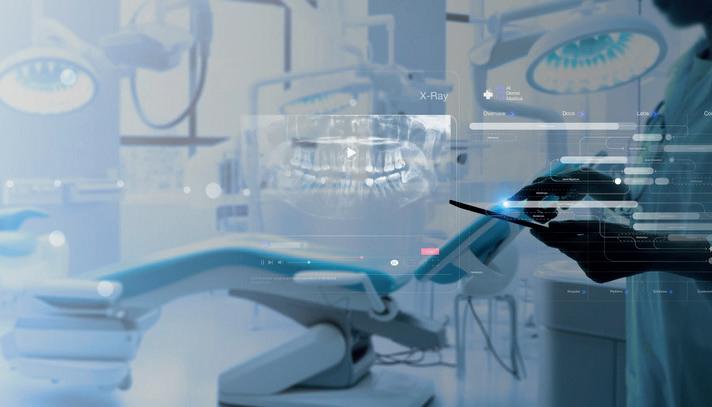
Dentistry has leapt into the arms of artificial intelligence (AI), embracing the multitude of benefits that AI tools can provide, from diagnosis support to clinical notes and treatment planning. But the technology is not just for clinicians, with the administrative team able to flourish with the help of an AI receptionist – no missed calls, no missed business.
However, AI is great until a human has to apologise for it. As dental practices increasingly integrate a range of AI systems into the workflow, it is essential that regulations are met and compliance is achieved. NHS and mixed practices must comply with the Data Protection Act 2018 and the UK General Data Protection Regulation (GDPR). Failure to do so can lead to a massive penalty.
Following the same regulations should also be the gold standard for private practices because, if something goes wrong, you will be asked why you did not do the correct due diligence. Compliance and AI security that meets the NHS standard better protects private dental practices, the dental team, patients, and the brand as a whole from AI-related complications. But what might this entail?
The introduction of AI has changed the game in dental healthcare, revolutionising diagnosis, treatment planning and patient engagement. AI receptionists in particular can automate routine tasks such as appointment scheduling and data entry, freeing the team up to focus on in-person patient care whilst also minimising human error. In the long run, this will save time for a more efficient workflow. As such, AI systems rely heavily on collecting and analysing sensitive patient information, from medical records to diagnostic records. To manage this, several areas must be considered for AI use:
• Patient care – how does it support the patient journey?
• Data security – is sensitive information safely stored?
• Professional accountability – are you compliant and confident in its use?
• Patient safety – it must not give medical advice as there is no room for AI hallucinations in healthcare
If the AI system and the practice fails to accommodate these concerns, issues arise that endanger patients, the dental team and the reputation of the dental practice.
There are several ways in which AI technology can lead to an error and these have the potential to become legal issues depending on severity and if the dental practice was compliant with the established regulations. One concern across AI technologies is inherited biases. As AI is trained by humans, its algorithms can inadvertently pick up behaviours which could lead to discriminatory outcomes in healthcare. It is vital that any bias is mitigated to establish equitable care. Similarly, technologies that originate outside of the UK and/or Europe may adhere to different data protection
policies. For this, dental practices are recommended to contact the company of any AI technology they are using and request their Digital Technology Assessment Criteria (DTAC) evidence pack. This comprehensive bundle demonstrates that their software meets the NHS baseline standards, which means that private practices should also aim to meet this trusted framework, covering the five core domains: Clinical Safety, Data Protection, Technical Security, Interoperability, and Usability & Accessibility.
Cyber threats are an increasing problem, with AI-tools used to break through protective firewalls and obtain sensitive data. This is often ransomed at a substantial price. There has been a 44 per cent year on year increase in the exploitation of public facing software or system applications, demonstrating that heightened security is needed for patient data. Dental practices should consider levelling up their cyber security as basic consumer-grade firewalls are no longer enough. Employing robust protection keeps dental practices compliant with CQC expectations around data storage and management. These regulations revolve around safeguarding of individuals, safe systems and transitions, and accountability. Much of the CQC assessment framework overlaps with wider data protection laws, such as the GDPR, which emphasises lawfulness, fairness, data minimisation, transparency, accuracy, storage limitation, integrity, and confidentiality. Meeting the regulations reduces the risk of unauthorised access, data breaches, and data leaks, whilst also providing a legal bubble that shows that everything that could be done was done.
a system that meets the criteria Meet the highest standards of compliance for private practices with RoboReception AI, a simple yet efficient system that is easy to integrate and brings about genuine growth. Able to support the administrative team by answering patient enquiries (including out of hours), scheduling appointments and handling many other tasks, ensures your practice never loses a lead. With 24/7 availability, the sophisticated, UK-based software is designed by dentists for dentists, raising revenue and allowing better support for your patients.
In a constantly changing digital world, AI tools can drive growth and improve outcomes. Private practices, in particular, must be wary of the systems they integrate, however. By following the gold standard of compliance that NHS and mixed practices should meet, you can ensure that your team, practice and patients are suitably protected. To find out more visit www.roboreception. co.uk or call us on 07511 085684 Book a demo at https://calendly.com/ roboreception/roboreception-demo-1 n
about the authors
Donna Hewitt and Dr Grant Mcaree (BDS)
Within dentistry, maintaining a successful, productive, and profitable practice is no easy feat. Dentists and their team must work consistently against the clock to ensure appointments are kept on time and patients can be treated to the high standards they expect. Of course, these are entirely reasonable demands, but achieving them is not always straightforward and requires a number of things to be put in place prior. In turn, efficiency can be maximised and practice turnover elevated, reflecting the positive experiences of patients and a practice running at full capacity.
Regardless of your years of experience, qualifications, or the types of dental treatments you provide, your patients will always remember their first impressions of your practice. When everything is running smoothly, patients spend minimal time in the waiting room. This supports a relaxed environment, allowing patients to feel comfortable and confident in your abilities. On the other hand, if patients are waiting a long time in the waiting room, they may start to feel nervous. This might put patients off returning to the practice, and accepting proposed treatment plans.
Dental practices are busy places, with full books meaning fast turnarounds are needed between patients to keep on schedule. Putting measures in place to facilitate this will this ensure you’re able to continue to provide high standards of care to each patient, and that your business is able to thrive in what is a very competitive landscape.
increase efficiency, improve business
There are a number of different ways practices can work to reduce patients’ time in the waiting room. First of all, reduce the number of paper forms that need to be filled in prior to appointments by transitioning to a digital model – allowing patients to fill out key information at home and reducing delays. Block scheduling can also help, by grouping similar types of treatments to reduce the transition time and equipment set up. Similarly, short buffer times around complex procedures can help to mitigate unexpected complications, leaving other patients’ scheduled appointments unaffected.
equipment suited for the job
A big part of maximising productivity is to ensure that the equipment available in the practice facilitates this. For example, amongst all of the jobs that must be completed in between appointments to prepare the treatment room for the next
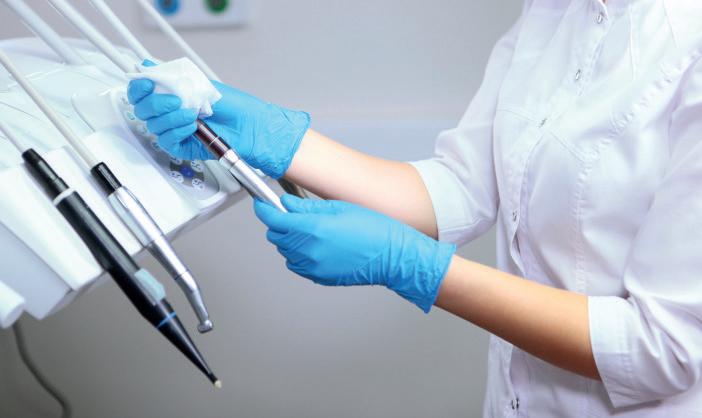
patient, it’s important that you’re not held up by an essential aspect – like having key instruments sterilised in time.
In order to reduce this likelihood, it’s important to utilise the most appropriate infection control equipment for your practice type. For very busy practices, who require very tight turnaround times in between patient exams, it is useful to have a small, fast autoclave on hand to support other equipment. This will ensure that the key pieces of equipment are ready for use in time, without the need to keep lots of duplicate instruments in the practice.
The STATIM G4 Cassette Autoclave range from Eschmann offers the world’s fastest sterilisation from start to sterile. They are ideal for busy practices who wish to boost productivity by eliminating instrument turnaround bottlenecks. With cycle times from just 6.45 minutes*, their compact size are designed for practices of all sizes
– with technology trusted by professionals for over 25 years. USB data download and optional external printer connectivity support compliant cycle record keeping.
practical steps that benefit all Often, factors that improve processes for the dental team are the ones that have big impacts on the patient experience. When the team can work effectively, and enjoy more productive workflows, their patients get the benefits of reduced waiting times and a better overall experience. When patients feel confident in their practice’s ability to provide them with timely care, they’ll be more likely to return, accept treatment recommendations, and even recommend your services to family and friends. For practices who wish to thrive in a competitive environment, it’s important to embrace solutions that work for all. For more information on the highly effective range of infection control products from Eschmann, including the industryleading autoclave range, please visit eschmann.co.uk or call 01903 753322 n
about the author Nicky Varney, Head of Marketing, eschmann.
Based in Essex, I have been delivering restorative dental treatments for over 20 years, with a special focus on dental implants and full mouth reconstruction. I became a practice owner in 2010 when I purchased Winning Smiles, located near Romford and Brentwood – this was sold 5 years ago. In the time since, I delivered treatments at five different practices but had been looking to set up my own.
The principal motivation for launching Love Implants was that I wanted to deliver more implant treatments and felt that, with a strong marketing approach and the right location, I could accrue more patients and build a successful business. For the location aspect, I was always going to stay in Essex, and Colchester in particular, because of the connections I have here and its proximity to London.

When looking at appropriate commercial premises, there were a few options to consider. The place that caught my eye was a Grade II-listed building. This was once a pub next to one of the train stations but was available at an affordable price.
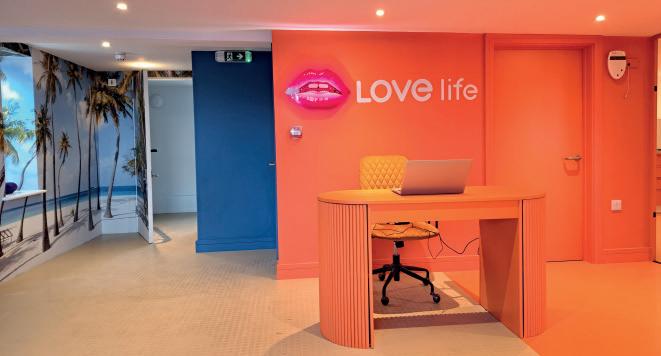
One aspect I carefully considered was its location: the site was relatively far from any other dental practice, which meant it might either have zero competition and could flourish, or it would face an uphill battle in raising awareness compared to the clinics more grouped in the city centre. However, the low rent for what was a reliable-looking building was a strong draw and no bank loan was needed to secure it.
I was aware of Clark Dental from working at a previous practice and they had always provided a great service. I got in touch with Matt Rowlingson, Chief Operations & Sales Officer at Clark Dental, who came to the first site visit. We kept in frequent contact to plan the process.
The goal was to have one main treatment room for myself, with the flexibility to turn it into two in the future. As the building was a former pub, the first step was to build walls inside and divide the space up. To do this I turned to a builder I had known for 20 years and who I knew would do an excellent job. Matt also worked closely with the builder to ensure aspects like the plant machinery were correctly mounted. Whilst this occurred, the Clark Dental team organised all of the equipment and fitting. This included:
• Intego Pro treatment centre
• Orthophos S CBCT X-ray machine
• Cattani plant equipment
• W&H Autoclave
• W&H Implant Motor
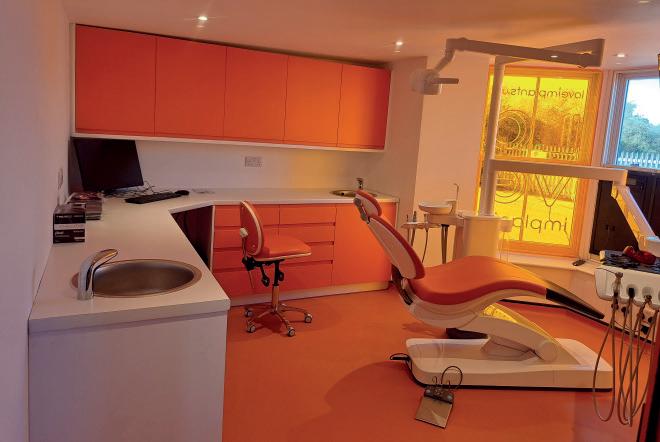
I also had the support of our practice RPA, who sent a team to check the X-ray machine for radiation protection.
The process took six months in all. During this time I worked 3-day weeks elsewhere to keep funding the operation – it was busy but a manageable solution that avoided bank loans.
Everything was ready for the open day, which was a great success due to a long marketing strategy. This started with a practice website that was live from last September. From there, Love Implants also had an active Instagram page, and business cards and leaflets were designed and shared. The building is shared with my colleague Tanya Mitchell, an Advanced Facial Aesthetics Practitioner. Tanya leads Love Aesthetics: the second arm of the business that provides teeth whitening and other facial aesthetic treatments. Our marketing therefore favours bright colours and a simple, accessible design that places
each of our skill sets at the forefront, as well as the excellent value of our treatments. Once added to the GDC register, the hope is for the marketing and word of mouth to grow the patient base, planting a flag in the sand that Love Implants can deliver the first-class, and potentially life-changing, restorative treatments that patients seek. The journey so far has been smooth, with very few delays or challenges. Setting up alone can be a worrying prospect, which is why I am so thankful to Clark Dental for the ongoing support the team have provided.
As well as a reliable dental outfit, I would strongly recommend using a trusted builder and having constant communication between yourself, the builder and the equipment suppliers. For those starting from scratch, it is vital to prepare an effective marketing strategy that begins long before the project is completed – the digital landscape is intensely competitive and it can take time to make an impact, so deciding on your branding and getting as many patients’ email addresses ahead of opening ensures you hit the ground running. I am excited to have my own dental practice and to continue delivering the longlasting treatments I am passionate about.
For more information call Clark Dental on 01268 733 146, email info@clarkdental.co.uk or visit clarkdental.co.uk n
about the author Dr andrew Fennell, practice Owner of Love implants.




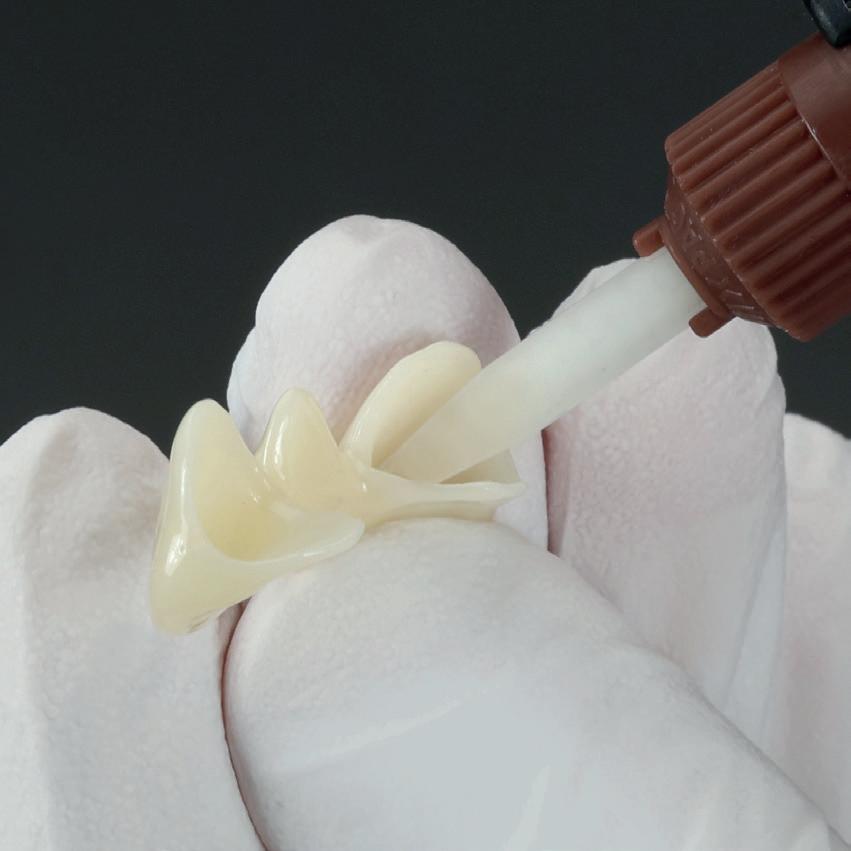




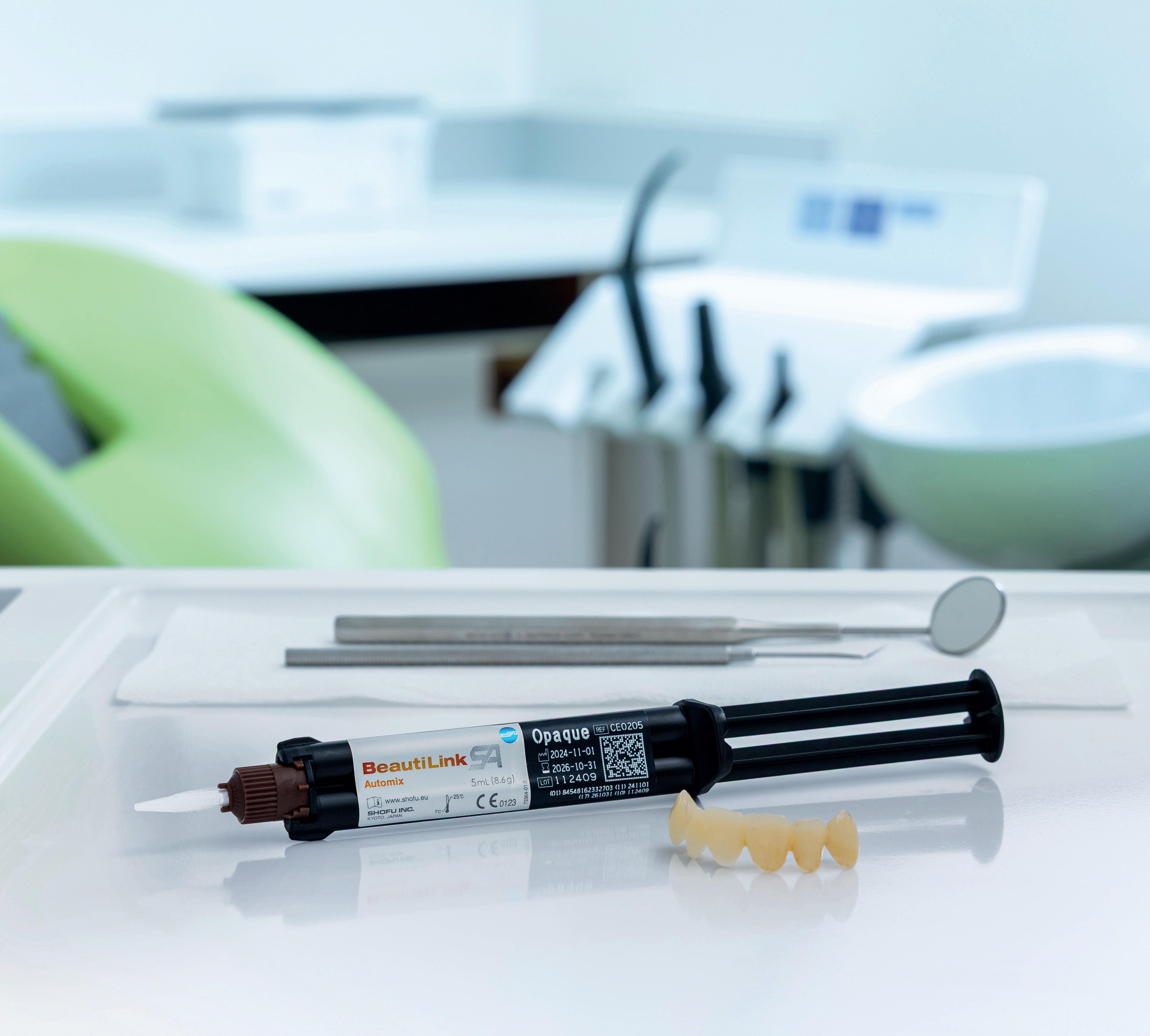
Universal, dual-cured, self-adhesive resin cement with ideal viscosity for easy handling
Reliable adhesion to enamel, dentine, all ceramics including zirconia, metal and composite
Minimal technique sensitivity, no primer required
Easy removal of excess material
Available in 3 shades: Clear, Ivoy and Opaque
Opaque shade for high masking ability
Thin film thickness (14 µm)
Storage at room temperature (1-25 °C) Scan
783580 or sales@shofu.co.uk
Making a strong first impression with patients begins well before the initial handshake in the practice room. Equally, a positive and lasting impression extends well beyond the appointment itself. From marketing and practice aesthetics to the overall patient experience and follow-up care, each stage of the patient journey plays a significant role in shaping the impact you and your practice make.
pre-screening from patients
Patients rarely arrive without first forming an impression of a practice, often relying on online sources to find, research, and evaluate providers before booking or attending an appointment. For this reason, it’s vital that your practice’s online presence delivers clarity and coherence in both information delivered and aesthetic. The website and social media channels should remain consistent across the board to ensure a straightforward and informative process.
Poor navigation and monotonous content are amongst the top reasons that customers leave a website within the first 15 seconds. Not only does a welldesigned and inviting website support increased patient uptake and a strong reputation, it also sets a positive tone for the patient’s experience with your practice, before they have even set foot inside.
As well as the website, when marketing to patients through online channels or physical copy, every detail matters towards making an impression. From the colour scheme choices and images selected, to phrasing and content, they represent the outlook that your practice seeks to promote. The tone and identity should remain consistent and tailored to your ethos, delivering professionalism with personality.
accommodating aesthetics
The congruity in aesthetics is equally as important in-person too, and should flow from the page into the practice. The way the practice looks is more important than many realise. Approximately 25% of people experience dental anxiety, and many patients opt for a practice that makes them feel safe and comfortable over a clinical outlook.
Furthermore, lasting impressions can be left by offering something that patients either don’t expect, or have not experienced in other dental practices. This includes a well-designed space, which has the ability to reduce dental anxiety. As coined by renowned behavioural scientist, Roger Ulrich, PhD, “supportive design” enhances the patient experience by eliminating environmental sources of anxiety and stress in the context of healthcare; and incorporating characteristics that support the patient’s ability to cope with stress. In the dental setting specifically, this can mean removing or minimising environmental sources of anxiety such as clinical odours or daunting noises from equipment, slamming doors, or overwhelming conversations. It can also mean accommodating additions like a water source for anxiety-induced xerostomia, or higher-quality seating to encourage comfort.
Each patient interaction with a staff member at your practice has an impact upon them. From the tone of the person answering phone calls and the first point of contact at the reception desk, to the facial expressions of the dental nurses and confidence of the clinicians, everyone has a role to play in the patient experience. Research shows that patient satisfaction with medical staff is the most significant factor which has a positive effect on satisfaction in healthcare, including trust and good communication skills.
This also supports the practice’s future, as building meaningful relationships with patients often encourages their long-term commitment to you and the practice. Additionally, word-ofmouth recommendations are much more likely to result from strong patient-practitioner relationships than they are from patients who feel inauthentically cared for and have a lack of trust in their clinician.
The patient experience is also influenced by the tools and equipment within the practice. Those with broken down equipment for example can lead to more cancellations and a growing distrust in the practice. Furthermore, outdated technology or tools inevitably leads to a lack of patient confidence in the practice – who might believe it to be less capable and advanced than other practices with more modern, faster-workflow-turnaround technology.
At the rate that digital advancements are happening, it’s vital for your practice to keep up, or quite literally fall behind. Some, like in-house CBCTs for example, are not going to inhibit your practice’s progression if you don’t invest. However, owning others like treatment planning software and 3D printers will absolutely set your practice apart from others – leaving your patients with an unforgettably positive impression.
One particular company ahead of the curve is SprintRay – positioning practices at the forefront of digital dentistry.
Specialising in dental-specific 3D printers and specifically formulated resins, the latest innovation, the Pro 2 3D printer, raises the benchmark. It has the ability to 3D print 6+ full arch dental models in a single job and supports more than 15 workflows across a variety of specialities.
positive patient impressions
Creating a lasting positive impact on your patients involves a plethora of specific adjustments and considerations. Ensuring that all staff members are giving their all to customer service, that marketing remains coherent, and investing in innovative technology each contribute to an impressionable practice.
For more information on the 3D printing solutions available from SprintRay, please visit https://sprintray.com/en-uk/ n
about the author
ross phillips, Sprintray area Manager, UK & Nordics.
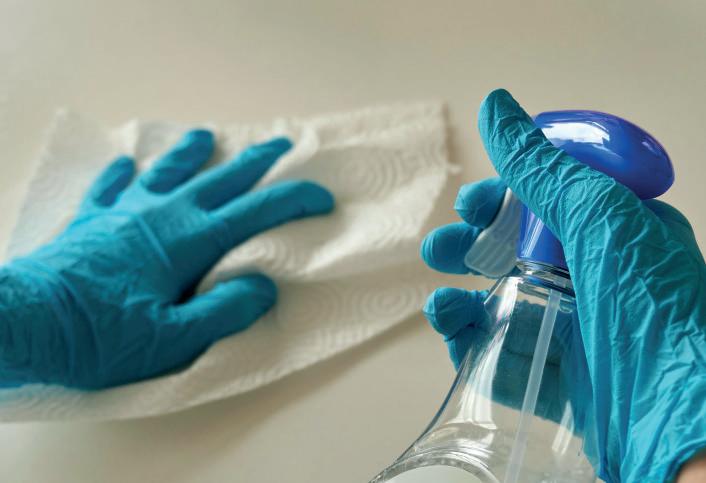
Effective decontamination is the foundation of every safe and successful dental practice. High standards must be maintained by all members of the team in order to prevent pathogenic transmission and protect both colleagues and patients from potential harm. Despite being a staple component of every professional’s knowledge and skill set, several myths surrounding infection control remain. It is important to be aware of any misinformation that might circulate and to ensure that you and your team are applying only evidence-based protocols that are HTM 01-05 compliant across your practice.
Myth 1: Hot water is more effective at killing bacteria than cold
This is only true when attempting to kill the majority of pathogens within water itself –boiling has been shown to reduce microbial load by approximately 86%–99%. The process is often used in rural communities to render water safe for drinking. In UK dental practices, however, there is no need to boil the water. When it comes to hand hygiene, skin can’t cope with water temperatures anywhere near boiling, so this is once again made redundant. As such, rinsing the hands with cold water is just as effective as rinsing with warm water for reducing key pathogens like E.coli. This is true for all temperatures between 15 and 38 ºC, assuming that an appropriate soap is used in the right way.
Myth 2: Gloves are safer than regular hand washing
This claim is false because gloves are never a replacement for hand hygiene. They remain vital to minimise the risk of professional exposure to blood and bodily fluids, but they do not protect patients from pathogenic transmission alone.
Perforation is also a risk, though use of an indicator glove has been associated with a two- to six-fold increase in detection of the same. There are even calls by some researchers to reassess the guidelines for glove wearing in medical settings due to their high environmental impact and the availability of alternative hand hygiene solutions in the modern world.
Myth 3: Duration of active hand washing has no impact on effectiveness
the hands in soap and avoids rushing or compromising the process.
However, further study is needed to determine the most effective duration with greater accuracy. For example, there is a lack of research assessing the impact of washing for 20-30 seconds, though the evidence does suggest sufficient bacterial reduction for anything between 20 and 30+ seconds. A systematic review commissioned by the GDC was also inconclusive on the relative effectiveness for 10, 20, and more seconds of hand washing. Once again, it highlights the need to allocate enough time to fully cover the hands with soap, rub, and rinse. Less than 20 seconds is likely to compromise results.
Myth 4: Disinfection, sanitising and cleaning are all the same thing
This myth is not so common in today’s highly educated dental community, but it never hurts to refresh understanding. Cleaning is the removal of physical dirt or impurities, sanitising reduces the pathogenic load, and disinfection kills the vast majority of germs on a surface. Decontamination of dental instruments takes all this one step further with sterilisation, which destroys all pathogens and endospores, and renders the item safe for reuse.
Myth 5: all disinfection and cleaning products are created equal
This is not true at all. A vast range of decontamination solutions are available to dental professionals today, but these vary significantly in effectiveness, reliability, value, ease of use, and application. For maximum results, practices should find a supplier they trust to elevate their infection control standards and ensure the safety of everyone on the premises.
Dentisan offers a highly-respected portfolio of solutions that supports exceptional hand hygiene, surface decontamination, dental unit water line disinfection, and so much more. All products are tried and tested to deliver results and ensure compliance with HTM 01-05. They are also designed to be easy-to-use and cost-efficient, giving your practice complete confidence in your infection control workflows.
Infection control protocols are constantly evolving in line with our collective understanding about pathogens and their transmission. However, the foundations of decontamination will likely remain the same and it is vital that all members of the team appreciate the role they play. To avoid following the myths and implementing incorrect workflows, professionals should seek training, advice, and products from trusted providers.
For more information about Dentisan, please visit https://dentisan.co.uk/ n
This myth is not so clear-cut – though if taken to the extreme it is absolutely incorrect. The NHS recommends washing hands for at least 20 seconds. This provides enough time to adequately cover every surface of
about the author Jenny Nixon, Dentisan.
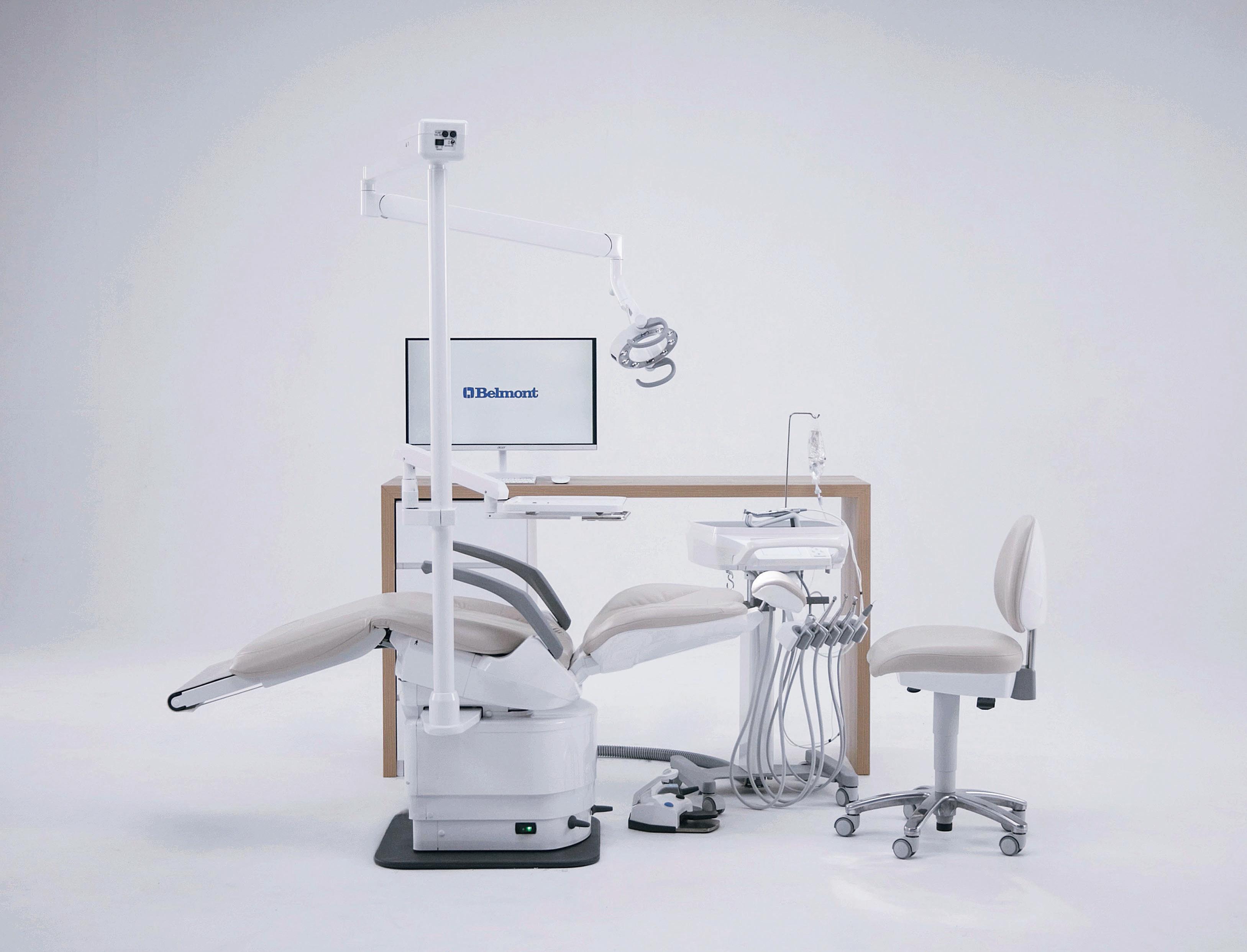
Experience closer consultations and effortless workflow with their standalone folding legrest Eurus Swivel Chair

Belmont’s folding legrest allows closer consultations, which importantly reduces patient anxiety and enables better communications. By pairing with the Eurus Mobile Cart or Cabinet Mounted Module the doctor table and instruments can be discreetly positioned out of sight, putting nervous patients at ease.
Features
• Twin-articulating headrest and adjustments in 7.5 degree increments
• Chair swivels over a radius of 210 degrees, auto-return feature plus programmable positions.
• Folding and extending legrest safety feature ensures that the legrest retracts if contact is made with any object.
• Integrated foot control stalks for chair movements including two programmable presets, Last-Position memory and AutoReturn.
Flexible comfort
The hydraulic mechanism ensures smooth and quiet adjustment of all moving parts. The new twin-axis headrest system can be fine-tuned in increments of 7.5 degrees across a wide spectrum, ensuring all patients from small children to tall adults are comfortable.
Practical armrests
The armrests are designed with a length and shape that makes it easy for patients to hold. The side-rotating mechanism helps elderly or disabled patients, as well as wheelchair users, to sit and to get out of the chair with ease. They can also use the armrests to support their weight.
Hands-free operation
The chair movements are controlled solely with your foot. It swivels over a radius of 210 degrees, with cable-free base rotation and there’s manual movement controls, plus programmable positions and auto-return. The last-position memory function makes operation quick and easy when patients need to rinse before returning to their precise treatment position.
Robust construction
The Eurus Swivel Chair has a maximum safe working patient weight of 200kg.
Attractive and hygienic
The chair features a new-style backrest cushion and soft-to-touch upholstery, with a choice of standard and luxury finishes. There’s also a wide colour range to choose from and whatever style you choose, we’ve ensured everything is easy to keep clean.
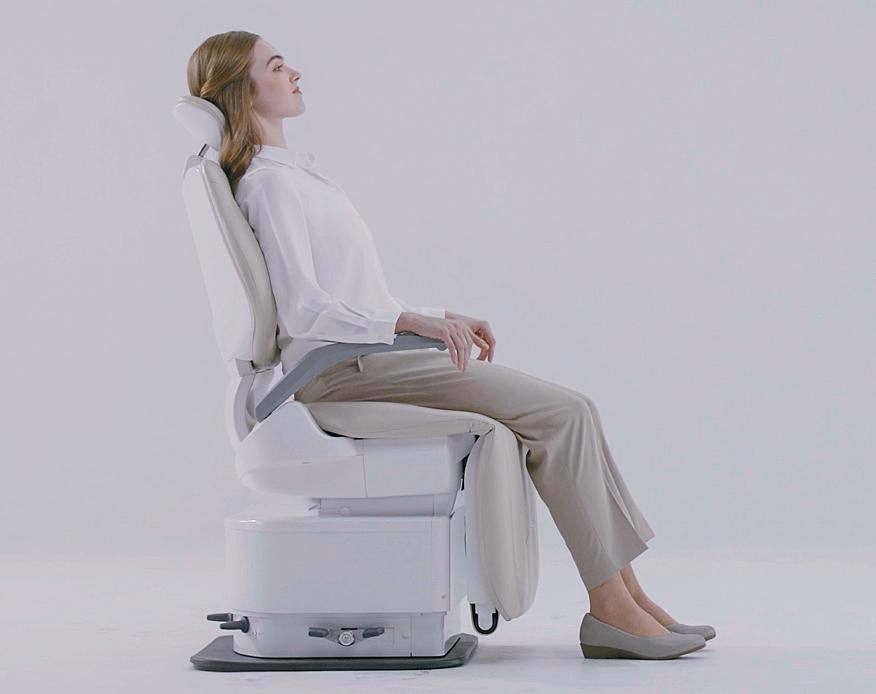
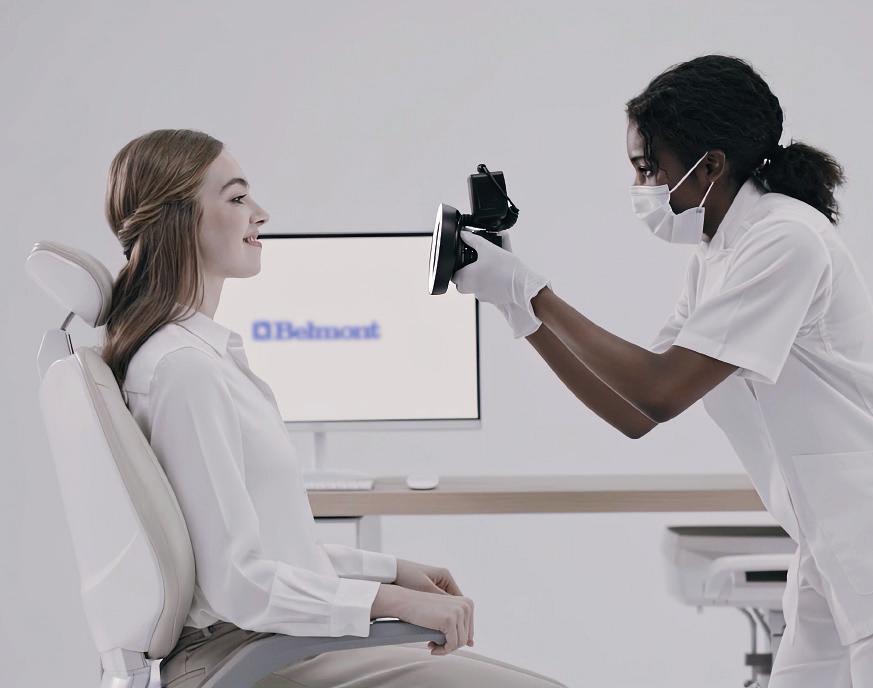
Dental professionals are increasingly supporting individuals who experience difficulties with manual dexterity – something that is often underestimated as a significant challenge for many. In the UK alone, approximately 7% of working-age adults, 6% of schoolaged children, and 50% of those over the age of 70 suffer with severe dexterity issues. While these patients may not necessarily lack the motivation, appropriate oral care routines can be significantly compromised. For clinicians, it is vital that a combination of both education and adapted tool recommendations are offered to support these patients. This preventive approach encourages better long-term oral health for patients, supporting practices by relying less on invasive treatments and more on everyday maintenance.
Understanding limited dexterity
Compromised dexterity, also known as reduced fine motor coordination, refers to the limited ability to perform delicate hand manipulations: affecting fine motor skills, coordination, and grip strength. Good dexterity requires muscle control, steadiness, and discrete muscle movements such as pointing or hand closure/opening. Impairments of dexterity can be the result of various circumstances, from congenital conditions to a neuromuscular disorder, and can be associated with a range of other diagnoses, including:
• Arthritis
• Multiple sclerosis
• Cerebral palsy
• Parkinson’s disease
• Osteoporosis
• Cubital and carpal tunnel syndrome, and more
Each of these can significantly affect a patient’s ability to carry out precise, controlled actions – essential for a comprehensive oral health care routine. Holding a toothbrush steady for two minutes, whilst altering angles and applying the correct and consistent amount of pressure is not as straightforward for these patients. Additionally, manipulating tools like floss or interdental brushes is something that many without dexterity limitations might take for granted. However, experiencing difficulty and frustration is the reality for so many people, meaning it is important for oral health professionals to assist.
Another thing to note is that these challenges are not always visible immediately and patients may not necessarily declare their need for support. Dental professionals therefore have a duty to assist where they can, even before they have been asked. Evidence suggests that the average clinician is not trained to appropriately and sufficiently support this population of patients, reinforcing the need for foundational education on the topic.
Patients with limited dexterity don’t always ask for help for several reasons, spanning from people not acknowledging a perceived lack of control or the required help not being available – often discouraging people from seeking support at all.
angulation or access – particularly in the posterior region. Even with regular brushing, if the technique isn’t effective, plaque can accumulate quickly, leading to further complications.
For this reason, regular dental routines cannot be generalised. Conventional oral hygiene advice is often based on full manual control. Standardised instructions around certain aspects like technique or cleaning duration for example, are commonly built around the conventional patient, who doesn’t suffer with dexterity challenges. But for patients who don’t possess the same abilities, the oral health expectations can be difficult to attain.
Interdental cleaning presents an even more significant challenge due to the precision and deftness required. In fact, many patients with limited dexterity may avoid this step altogether, leading to further issues. Studies on these patients show that they have more missing teeth and fewer restored teeth than people of the same age without limited dexterity.
tailored support
By adapting routines and advice to individuals with limited dexterity, the same level of oral hygiene can be achieved as those without these difficulties. Interdental areas are incredibly susceptible to plaque accumulation, which is why interdental tools are critical.
One such product ideal for those with restricted dexterity is the FLEXI interdental brushes from TANDEX. The unique non-slip rubber handle ensures a good firm grip, with a flexible – and extendable by attaching the cap – handle that offers facilitated access to the hardest-to-reach spots. This ergonomic handling is reinforced through the large assortment of 11 sizes, and 4 variants in the FLEXI UltraSoft range, meaning that every patient can experience comprehensive oral hygiene, tailored to them.
TANDEX is also running an exciting competition offering dental professionals the opportunity to win a free Educator Kit – allowing patients to learn first-hand from those who know best!
Supporting long-term oral health
Reduced dexterity presents a clear challenge in maintaining effective oral hygiene, but with the right advice and tool recommendations, nobody needs to suffer the consequences. The generic routines that have been established can be adapted and altered to find solutions fit for each individual.
Cancer treatment is associated with a number of oral health challenges, making an already difficult time even harder. While dental professionals can’t directly influence management of cancer, they can help increase patients’ quality of life by minimising dental symptoms during and after cancer treatment. In many cases, this can be something as simple as recommending a safe, non-invasive solution to integrate within their daily oral hygiene routine.

the dental effect
There are several dental challenges linked with cancer treatment. Firstly, a positive correlation has been established between cancer and periodontal disease. In some cases, a bi-directional relationship is suspected. In particular, periodontitis is linked with colorectal, gastric, bladder, pancreatic, oesophageal, breast, and prostate cancer. Periodontal-related microbial disturbances may influence the risk of cancer development, though further investigation is required to confirm a causal relationship. Inflammatory mechanisms via periodontitis-causing pathogens like Porphromonas gingivalis (P.g.) and Fusobacterium nucleatum (F.n.) as well as immune evasion are considered the main biological links.
But gingival problems are not only a concern for their potential role in increasing risk of cancer. Common treatment modalities for various types of cancer can also negatively impact oral health. Cancer treatment affects the blood vessels around the teeth, widening the periodontal ligaments and increasing the risk of impaired bone remodelling.
conditions, which can lead to xerostomia and taste disturbance. Secondary risks of xerostomia include caries and tooth wear, both of which can create long-term oral health issues for patients. In fact, dry mouth is one of the most common side effects experienced during and after cancer treatment, negatively impacting quality of life at an already challenging time.
This is why it is so important for dental professionals to collaborate with the medical team during and after cancer therapies. Managing oral symptoms may seem negligible in the presence of a lifethreatening cancer diagnosis, but reducing a patient’s discomfort can have a profound effect on their everyday life.
It is important that a strategic yet empathetic approach is taken in such situations. The research shows that patient education about oral hygiene, coupled with professional intervention, can reduce the risk of periodontal issues and dental pain. Addressing symptoms early and arresting the development of periodontitis is also vital and can reduce various oral symptoms like plaque index, bleeding on probing, and probing depth for patients undergoing cancer therapy.
The literature also promotes the use of fluoride and chlorhexidine products for individuals undergoing cancer treatment as a way of preventing caries and reducing bacterial load, especially with regard to streptococcus. Antimicrobial mouthwashes and soft toothbrushes may support at-home oral hygiene routines as well.
Standard routines
Tooth brushing can become ineffective when dexterity issues get in the way of
For more information on Tandex’s range of products, visit https://tandex.dk/ Find out more the exciting TANDEX competition that offers the chance of winning a FREE Educator Kit: https://form1.tandex.de/ n
about the author Jacob Watwood on behalf of tandexrodericks Dental Partners associate dentist at Fieldside Dental Practice.

It is estimated that 90% to 100% of patients receiving radiotherapy experience oral complications. These can be acute or chronic and remain a significant concern for individuals by drastically reducing quality of life. In particular, radiotherapy is associated with a relatively high risk of decayed, missing or filled teeth. Radiation-related caries (RRC) is also common in patients being treated for head and neck cancer, alongside oral mucositis, infection, trismus, and others. RRC usually follows atypical presentation patterns, showing as brown discolouration of non-cavitated enamel, incisal caries, and wearing of the enamel on molar cusps.
Reduced salivary flow is another major concern. Salivary gland hypofunction is typically reported following radiotherapy for head and neck cancer, but can also occur after chemotherapy, radioactive iodine, or total body irradiation. Therapy lowers salivary pH values creating more acidic
To protect patients from side effects associated with xerostomia, including caries and tooth wear, BioMin provides an innovative and safe solution. The bioactive toothpaste contains bioglass technology, which gradually dissolves when in contact with saliva to deliver a controlled and sustained release of 530 ppm fluoride, calcium, and phosphate ions over 10–12 hours. This creates an acid-resistant barrier on the teeth and occludes dentinal tubules, strengthening the enamel and reducing the risk of dentine hypersensitivity. It’s also easy to use and implement within a normal daily oral hygiene routine, promoting patient comfort before, during, or after cancer treatment.
Cancer treatment is associated with a range of side effects that can have a detrimental impact on an individual’s journey to recovery. Dental challenges are common and can significantly reduce quality of life while also increasing the risk of long-term oral health problems. It is crucial to address symptoms as early as possible with proven yet gentle solutions that will minimise discomfort and support patients throughout the treatment process.
The science is clear. The solution is simple. www.biomin.co.uk n
about the author alec hilton, Ceo of BioMin technologies ltd.
It may seem as though everybody who stops flossing daily does so because they forget, or because it feels inconvenient or time-consuming, but there is another reason that is often overlooked. Studies show that roughly 16% of people who do not floss daily cite oral pain or discomfort as their primary reason for avoiding it. In the absence of clear guidance from an expert, stopping the uncomfortable activity seems like the sensible choice. This can be one of the more frustrating patterns to unpick for clinicians, as the reality often is that interdental hygiene is far more important in times like these – not less.
Understanding what drives their decision, and how to counsel patients through it, is a more useful conversation than simply restating the importance of flossing. Patients already know they should floss. What they need is a reason to keep doing it when it hurts, as well as, ideally, a way to do it every day that does not make the pain worse.
Gingival inflammation & a self-reinforcing cycle
The most common reason patients report pain or discomfort during flossing is gingival inflammation. Inflamed tissue bleeds more readily, is more sensitive to contact, and is perceived as confirmation that flossing is causing harm rather than addressing it. The reality is the inverse: inflamed gingivae bleed on flossing precisely because interdental plaque has been allowed to
accumulate, and the solution is more consistent cleaning, not less.
This is a cycle that is well understood. Early gingivitis caused by plaque accumulation leads to tissue sensitivity, which discourages the interdental cleaning, which allows further plaque accumulation, which worsens the inflammatory state.
Breaking the cycle requires patients to floss through an initial period of discomfort with the knowledge that, within one to two weeks of consistent cleaning, bleeding and sensitivity typically reduce significantly.
The challenge is communicating this in a sensitive and empathetic enough way that the patient does not feel ignored or dismissed.
Mouth ulcers & soft tissue lesions
Aphthous ulcers present a different but related challenge. For patients experiencing a minor aphthous episode, particularly on the labial or buccal mucosa near interproximal spaces, flossing can make direct contact with the lesion that is painful enough to stop the routine entirely. As aphthous ulcers typically resolve within 1–2 weeks, this can mean a full fortnight of disrupted interdental hygiene at a time when the patient may already be immunologically stressed.
Counselling, for these patients, centres around two things: reassurance that gentle cleaning will not delay healing, and practical strategies to minimise trauma to the tissue. Treating the affected site with special care will allow the continuation of the habit without exacerbating the lesion.
Post-surgical and post-procedural sensitivity
Patients recovering from periodontal treatment, extraction, or other soft tissue procedures often receive guidance on avoiding the surgical site during healing. However, the risk is overgeneralisation. Explicit, specific guidance, identifying which teeth and which spaces should be cleaned as normal, could help to prevent a localised restriction from becoming a whole-mouth lapse.
orthodontic treatment & sensitivity
Patients in active orthodontic treatment represent another cohort at particular risk of interdental hygiene disruption. The combination of brackets and wires, increased plaque retention, and – particularly in the early stages of treatment or following adjustments –generalised dental sensitivity makes flossing feel like a significant effort. For many patients, it becomes one of the first habits to slip.
This is important not only for periodontal health but for the risk of decalcification and early carious lesion development near brackets. The topic of tool selection is particularly relevant here: a device that eliminates the need to thread floss behind archwires, that can be operated with one hand, and that offers a sensitive mode for use during periods of post-adjustment discomfort, substantially lowers the barrier to consistent cleaning.
the importance of tool selection
Patients are more likely to maintain interdental hygiene through episodes of discomfort when the cleaning process itself is perceived as gentle, controllable, and loweffort. Tool selection is vital here – a device with multiple cleaning modes, including a sensitive setting, and that doesn’t require dextrous manoeuvring, removes several of the barriers that typically cause patients to abandon the habit.
The Tahir Electric Flosser is a one-handed, rechargeable electric flosser with four cleaning modes – including a Sensitive setting designed for patients with gingival or soft tissue tenderness. For clinicians looking to support patient compliance through the episodes that most commonly interrupt it, this is a practical recommendation backed by evidence.
The patients who lapse may be experiencing more than the average discomfort, or have otherwise hit a barrier without the correct tools to address it.
The Tahir Electric Flosser is available for patients at tahiroralcare.com and through Oraldent, Amazon, and Harrods. For practice enquiries and professional ordering, visit tahiroralcare.com. n
about the author
Stefan White, Founder & Managing Director, tahir oral Care.
Areported 3.5 billion people suffer from oral diseases such as caries and periodontitis, creating a demand for consistent and effective oral hygiene solutions. But technological innovations and expensive gadgets cannot reliably enhance oral health; it is instead far better to improve each patient’s daily habits and make them more proactive in preventing the risk of oral disease in the first place.
The toothbrush is the most widely accepted and affordable way of removing bacterial plaque and can have various configurations and design elements to optimise oral prophylaxis. Finding the best toothbrush is a crucial step in a patient’s journey to being more proactive with their oral hygiene, but there are several elements to consider when choosing one, and each can lead to different cleaning outcomes for the patient:
The material of a toothbrush’s bristles makes a considerable difference. Hard and firm bristles are rough on the teeth, removing plaque and stains but also damaging the enamel and aggravating the gingivae when used regularly – these should be avoided in favour of softer bristles. Patients who report severe tooth sensitivity, bleeding gingivae and any discomfort should opt for ultra-soft toothbrushes for a gentler and more pleasant cleaning experience. What’s important is explaining to patients that using soft bristles does not mean they have to brush harder for plaque to be removed; gentle brushing that reaches every tooth surface is far more reliable for targeting harmful bacteria.
The shape of the brush head and the formation of the bristles are crucial too. For instance, electric toothbrushes may have rounded heads that can clean each tooth individually, as well as improving access to the posterior teeth, whereas manual toothbrushes are likelier to have longer shaped heads for greater surface area coverage. This accommodates the conventional back-andforth brushing motion, though this is less effective than doing smaller circular rotations with a rounder brush head.
Many patients may hold a toothbrush with all their fingers wrapped around the handle, gripping it tightly and therefore brushing with excessive force. It may surprise patients when you show them how to hold a toothbrush properly – like a pen. This looser grip lends itself to superior control and easier, smaller circular motions on each tooth. Toothbrushes with flat handles are uncomfortable to hold like so; rounded handles are more comfortable and angled ones, such as an octagonal handle, provide ample grip and guide patients to the correct brushing angle.
Whereas the bristles, brush head and handle are all associated with function, the look and style of the toothbrush plays a vital part: if a patient likes their toothbrush, they are more inclined to use it. This is especially true for paediatric patients, with a study finding that children aged 3-5 preferred animal shapes or cartoon characters on the brush and packaging,
as well as any interactive features like lights and sounds; 6–8-year-olds still enjoyed bright colours and playful features but also had an increased interest in functionality; and 9–12-year-olds sought more mature designs with sleek, modern aesthetics.
No matter the design and features of a toothbrush, patients must ensure that they rinse their toothbrush, shake the excess water off, and allow it to air dry after every use. This reduces the risk of bacteria settling on the bristles. Soaking the brush head in an antibacterial mouthwash can eliminate any pathogens too.
Indicators that a toothbrush needs changing should be explained to patients:
• Ragged and frayed bristles that have lost their shape
• The brush is odorous
• The teeth don’t look or feel clean after each brush
An approximate lifespan for a manual toothbrush is around 3-4 months, though
Athletes operate at the limits of human capacity. Training programmes are meticulously planned, recovery is monitored, and biomechanics are analysed in fine detail. Yet one structure frequently escapes routine scrutiny: the temporomandibular joint (TMJ).
Jaw clenching isn’t limited to elite sports – it’s common whenever people push their bodies hard. Whether bracing for heavy lifts, stabilising during contact, or tensing in highpressure moments, the jaw may tighten subconsciously. While this can feel like added strength or control, repetitive strain on the masticatory system can eventually lead to temporomandibular joint disorder (TMD).
A 2025 cross-sectional study of 337 elite German athletes found that 10 per cent reported self-reported TMD symptoms, with significantly higher rates in female athletes compared with males. For clinicians, understanding this relationship is essential. Subtle dysfunction in the TMJ can compromise recovery, alter neuromuscular patterns and ultimately influence performance outcomes.
Why athletes represent a unique risk group
Sport creates a distinct biomechanical and physiological environment. Maximal strength efforts encourage full-body muscular co-contraction, including activation of the jaw elevators. In contact disciplines especially, high-velocity impacts and repetitive microtrauma increase
mechanical stress to the craniofacial region. Even in non-contact sports, habitual bracing patterns may overload the TMJ.
Psychological stress compounds this picture. Competitive pressure elevates baseline muscle tone and can reinforce parafunctional habits such as clenching or bruxism. Sleep disturbance, frequent travel across time zones and cumulative fatigue reduce tissue recovery capacity. Over time, what begins as a temporary coping strategy may become a persistent neuromuscular pattern.
Importantly, TMD in athletes is rarely attributable to a single incident. Rather, it reflects the interaction between load, habit and recovery.
Clinical presentation: often overlooked TMD in patients who are committed to training rarely presents dramatically. Symptoms tend to develop gradually and may fluctuate in intensity. Those who are accustomed to training through discomfort may also not volunteer jaw-related complaints unless prompted.
Common symptoms include:
• Morning stiffness or tightness in the jaw
• Joint clicking, catching or deviation on opening
• Pain during mastication
• Headaches, particularly in the temporal or peri-orbital region
• Cervical tension or reduced neck mobility
• Fatigue during prolonged speaking or chewing
this depends on brushing technique and the quality of the brush itself. A well-made toothbrush that is used gently on the teeth and gingivae can therefore last a long time without compromising oral hygiene outcomes.
The Curaprox CS 5460 toothbrush delivers a high standard of care through its sleek, science-based design that optimises handling and improves overall brushing technique. Using densely packed ultra-fine Curen filaments to gently remove food particles and stains, the CS 5460 is now an MTick certified product, recognising it as a menopause friendly dental hygiene product that optimises the wellbeing of patients with sensitive gingivae. How a patient brushes the teeth ultimately defines the quality of their oral health. As incorrect cleaning techniques, old toothbrushes and inadequate bristles all increase the risk of oral disease, dental practitioners must demonstrate to patients how to improve their daily oral hygiene routine and recommend the solutions that enables them to be more proactive in protecting their oral health.
To arrange a Practice Educational Meeting with your Curaden Development Manager please email us on sales@curaden.co.uk
For more information, please visit curaprox.co.uk and curaden.co.uk n
about the author andrew turner, Curaden UK head of Marketing.
Because these symptoms are often low-grade, they can be dismissed as inconsequential. Yet, within the context of elite sport – where marginal gains are decisive – even minor dysfunction may erode training quality.
Targeted questioning during dental visits can facilitate early detection. Enquiring about jaw clenching during training and perceived tension during competition can uncover patterns that might otherwise remain hidden.
The TMJ does not function in isolation. It forms part of an integrated craniocervical system. Altered jaw mechanics may influence cervical posture, breathing patterns and neuromuscular coordination.
Forward head posture, commonly observed in fatigued athletes, increases strain on both cervical structures and the TMJ. Chronic masticatory muscle tension can contribute to headaches and restrict cervical rotation. Compensatory patterns may extend to the shoulders and thoracic spine, subtly affecting upper limb mechanics and overall kinetic chain efficiency.
For strength and conditioning professionals and physiotherapists and dentists treating athletes, this interconnectedness is clinically significant. Persistent, low-grade TMD may increase vulnerability to secondary injury or blunt performance adaptations.
a structured rehabilitation solution
Where restricted opening or persistent muscle tightness is present, structured home
rehabilitation may support clinical intervention. The OraStretch® Press Rehab System from Total TMJ is a user-operated device designed to gently stretch orofacial tissues and improve TMJ range of motion. It enables athletes to perform controlled, repeatable stretching outside of treatment sessions. As with all TMD management, device use should form part of a broader plan that includes behavioural modification and therapeutic exercise.
In sports, inefficiencies can accumulate, which can impact functioning, concentration and recovery. The jaw, though often overlooked, is part of the athlete’s performance system. By recognising repetitive clenching behaviours, screening proactively and implementing early, evidence-informed management strategies, clinicians can reduce the risk of persistent dysfunction. Protecting TMJ health is about safeguarding neuromuscular integrity, optimising rehabilitation and preserving the athlete’s capacity to perform at the highest level. For more details about Total TMJ and the products available, please email info@totaltmj.co.uk n
about the author Karen harnott, total tMJ operations Director.
Summer brings a predictable trend to the dental practice. Cold drinks, ice cream, barbecue foods and hot weather all combine to place new demands on patients’ teeth each year. Undiagnosed caries, hypersensitivity, failing restorations, or cracked tooth syndrome: all of these and more tend to turn from manageable background noise into a problem that can no longer be ignored.
Understanding the mechanisms behind this trend of seasonal dental pain, and having a clear and practical conversation with patients about managing it, is a good opportunity to support patient wellbeing in the time between pain onset and treatment.
Cold and dentinal hypersensitivity
Dentinal hypersensitivity is one of the most common presentations associated with temperature triggers. It affects an estimated one in three adults at some point in their lives, and cold stimuli are among the most common. When dentinal tubules are exposed – through gingival recession, enamel erosion or toothbrush abrasion – thermal stimuli cause fluid movement within the tubules, activating the hydrodynamic mechanism and triggering a sharp pain response.
Summer is a time for amplifying this. Frozen treats, ice-cold drinks – not to mention the temperature contrast of hot weather and cool foods, which can make the shock of the cold even more jarring than it would be the rest of the year. Patients who have been managing
borderline sensitivity with little difficulty may find that their pain threshold is exceeded during these months. The response here is twofold: to investigate the underlying cause of exposure and hypersensitivity, and to provide practical guidance on managing discomfort while treatment is planned or awaited.
acid erosion in a summer diet
The British summertime diet comes with a significant increase in acidic food and drinks. Carbonated drinks, fruit juices, ciders, prosecco, vinegar-rich salad dressings and citrus fruits, as well as many more, all present an increased acidic load to the enamel. For those already presenting with erosion and tooth wear, a summer filled with acidic exposure can accelerate an already progressing process.
This means that the summer is a perfect time to revisit dietary advice with at-risk patients, particularly those with existing erosion or a history of reflux. It’s important to remember that those arriving in pain after a summer event are likely experiencing the accumulation of months of erosion.
heat and sweets
It’s not only the cold and the acid content of common summer snacks – it’s also the sugar content that presents significant cariogenic challenges for patients with existing risk. An asymptomatic cavity, for example, may become symptomatic after being repeatedly doused in cold, sugary treats over the course of a summer weekend.
This is when careful history-taking, and discussions about triggers and duration, will help to distinguish between reversible and irreversible pulpitis and help to inform the subsequent course of treatment. If pain generally fades when the stimulus is removed, this is broadly more reassuring than if it continues for several minutes.
the gap between pain and treatment
Whatever the cause, the reality is that there is almost always a gap between the onset of pain and the completion of treatment. Appointments take time to arrange, and the commitments of the summer period can even extend this gap further than usual. In the meantime, it’s crucial to be able to offer patients relief and advice on managing their discomfort during this time.
Orajel® provides fast, targeted dental pain relief through a range of benzocainebased topical gels applied directly to the source of pain. Orajel® Dental Gel contains 10% w/w benzocaine for everyday dental pain, while Orajel® Extra Strength contains 20% w/w benzocaine – the maximum concentration available without prescription – for patients experiencing more severe or acute symptoms. Orajel® Mouth Gel offers the same targeted approach for patients with mouth ulcer pain or denture-related discomfort. All products can be applied up to four times daily for no longer than four days, providing consistent, localised relief while patients await their appointments. Summer doesn’t need to mean the acceleration of symptoms and the onset

of dental pain. Instead, it should present an opportunity to ensure patients are equipped with the right dietary and preventative knowledge to keep their teeth healthy during any periods of indulgence. And it’s a good time to have recommendations for dental discomfort in the back pocket. Preventing, keeping on top of, and managing discomfort can ensure that summer remains a time of fun and relaxation, not pain and stress, for your patients.
For essential information, and to see the full range of Orajel products, please visit https://www.orajelhcp.co.uk/ n
about the author Sumera Bashir, Medical affairs & Scientific engagement lead at orajel.

If there is one condition that continues to humble clinicians at every level of experience, it is cracked tooth syndrome. Not because it is rare, not because we lack the knowledge to manage it, but because it is, by its very nature, one of the most difficult diagnoses in dentistry to make with confidence. And, right now, it seems clear that we are seeing more of it than ever.
Dental practitioners have paid close attention to what has been happening to patients’ teeth since the pandemic. The data, when it began to emerge, confirmed what many of us were already observing. Several recent studies have found that over half of responding dentists reported increases in bruxism among their patients since the onset of COVID-19. A study examining endodontic practice records found that the rate of cracked teeth increased significantly during both the initial outbreak period and one year later. The researchers attributed this to pandemicrelated anxiety, disrupted sleep, and a rise in parafunctional habits – in short, to a stressed population grinding and clenching under enormous collective pressure. That pressure has not simply gone away. Chronic stress, sleep disruption, and the consequence of years of untreated parafunction do not resolve when the news cycle moves on. Bruxism can generate forces of up to 900N in some cases –more than sufficient to propagate cracks

through otherwise healthy, unrestored tooth structure. We are now several years on from the initial pandemic period, and the downstream consequences are still arriving in our surgeries.
Understanding what constitutes a cracked tooth, and how a crack behaves, is essential. The Oral Health Foundation describes four crack categories, ranging from ‘craze lines’ – superficial enamel fractures of no immediate concern – through to cracked teeth, cracked cusp, and split tooth. It’s the middle of this spectrum that causes the most difficulty. A cracked tooth may have an intact crown; it may cause no symptoms at all for months or even years. When symptoms do emerge, they are frequently inconsistent: pain on biting followed by relief on release, thermal sensitivity that the patient may struggle to localise. These are
not textbook presentations and they do not show clearly on a periapical radiograph. This is what makes managing cracked tooth syndrome genuinely challenging. The diagnosis rests heavily on clinical acumen – a methodical assessment and the right diagnostic tools applied in the right sequence. Transillumination can reveal crack lines invisible to the naked eye. Selective bite testing can reproduce symptoms and help isolate the affected tooth. Dye staining can identify crack progression. And, increasingly, CBCT is demonstrating its value in assessing the extent of cracks, particularly in complex or ambiguous cases.
What matters enormously, however, is what is happening to the pulp. A crack that extends into the dentine allows bacteria to penetrate towards the pulp over time, resulting in potential pulpitis – initially reversible, but eventually irreversible – and, if left untreated, pulp necrosis and apical periodontitis. There is some evidence that bruxism, again, can lead to these endodontic issues even in otherwise intact teeth. The diagnosis in these cases is particularly elusive, because conventional aetiological factors, such as caries, restorations, and trauma, are absent. If pulpitis is not identified, the tooth can go untreated far longer than it should.
This is why I would urge every practitioner to actively screen for signs of bruxism and other parafunction – not just when a
patient presents with acute symptoms. Enlarged masseter muscles, generalised tooth wear, tongue scalloping – these are signs of a patient placing their dentition under extraordinary force. It warrants a conversation, an assessment, and in some cases a protective appliance.
Mitigating a growing concern
For patients already presenting with pain, thermal sensitivity, and other symptoms consistent with cracked tooth syndrome, timely specialist referral can be the most protective response a clinician can offer. The prognosis for a cracked tooth is closely tied to the speed and accuracy of the diagnosis, extent of the progression of the crack, and the pulp status at the time of treatment. Once a crack has extended vertically into the root, the tooth is often unsalvageable. The window for intervention may close. We may not be able to undo the stress our patients have been living with, but we can take seriously the damage it is doing to their teeth through quick and proactive response.
For further information about the endodontic referral services available from EndoCare, please call 020 7224 0999 or visit the NEW website www.endocare.co.uk n
about the author
Dr Michael Sultan Clinical Director of endoCare, a group of specialist endodontic practices.
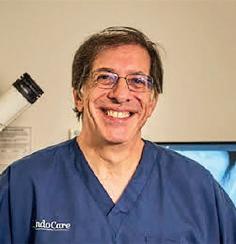


In 2021, I had the opportunity to deploy on board HMS Queen Elizabeth during the Royal Navy’s Carrier Strike Group 21 deployment, known as CSG21. It was the Royal Navy’s largest operational deployment in decades and the first operational deployment of the UK’s new aircraft carrier. Over seven months, the strike group travelled approximately 49,000 nautical miles across the Mediterranean, Indian Ocean and IndoPacific regions, working alongside allied nations and showcasing British military capability on a global stage.
For me personally, the deployment represented something even more significant. As a dental hygienist, I was part of the first to deploy on this inaugural world tour aboard HMS Queen Elizabeth. It was a unique privilege to contribute to such a historic operation while representing a profession that is not often visible in discussions around military capability.
The Warship: Tour of Duty, the BBC documentary series following life on board, gave the public a glimpse into the intensity and complexity of carrier operations. The focus was naturally on the fighter jets, military exercises and life at sea, but behind every operational headline were hundreds of professionals working constantly to keep personnel healthy, fit and deployable. Dentistry formed an important part of that support network.
A floating city at sea
HMS Queen Elizabeth is difficult to comprehend until you experience life on board firsthand. Carrying thousands of personnel, the ship functions more like a floating city than a warship. Sailors, pilots, engineers, Royal Marines, medics, chefs, logistics teams and aircrew all live and work together in a highly structured environment where operations continue 24 hours a day. Life on deployment quickly strips away the conveniences of civilian life. Space is limited, routines are demanding and privacy is minimal. Long shifts, interrupted sleep and constant movement become normal. There are no easy escape routes from stress or fatigue when you are deployed thousands of miles from home.
Working clinically in that environment requires adaptability. As dental professionals, we had to deliver care in a setting completely different from general practice. There was no option to quickly refer
patients externally or postpone treatment indefinitely. The dental department had to remain operational and prepared to manage whatever presented itself onboard.
The role of a dental hygienist on deployment
Many people outside defence dentistry assume the role of a dental hygienist is limited to routine scaling and polishing. In reality, our role within the military environment is far broader and directly linked to operational effectiveness.
Prevention is one of the most important aspects of military dentistry. A dental emergency at sea is not simply inconvenient. Pain, infection or acute dental problems can affect concentration, nutrition, sleep and, ultimately, operational capability. Every member of the ship’s company has a specific role, and when someone becomes medically downgraded or unable to work, it impacts the wider team.
As a dental hygienist on deployment, my responsibilities centred heavily around maintaining oral health readiness and preventing issues from escalating into emergencies. That included periodontal treatment, oral hygiene instruction, preventive care and supporting the wider dental team with urgent and routine treatment.
Education also became a major part of the role. Life onboard can make maintaining oral health difficult. Shift work, fatigue, stress, disrupted eating patterns and limited personal time all influence health behaviours. Encouraging personnel to prioritise their oral health in an operational environment was both challenging and rewarding.
One of the things I became increasingly aware of during deployment was how closely oral health links with wider wellbeing. When personnel are exhausted, under pressure and separated from home for long periods, even relatively minor health issues can have a much greater impact psychologically and physically.
The role also demanded resilience and flexibility. In civilian practice, clinicians often work within predictable structures and routines. On deployment, plans change constantly. Clinics must adapt around operational schedules, exercises, flying operations and wider ship activity. Learning to remain calm and clinically effective within that environment was one of the most valuable professional experiences of my career.
Being part of the first HMS Queen Elizabeth operational deployment carried a strong sense of history. There was a clear understanding amongst the ship’s company that this deployment mattered, not just militarily but symbolically. The carrier represented Britain’s return to carrier strike capability and was under international attention throughout the tour.
As one of the first dental hygienists to deploy on this world tour, there was also a sense that we were helping shape what future deployments and defence dentistry onboard these carriers would look like. Military healthcare is constantly evolving, and deployments like CSG21 demonstrate how essential comprehensive healthcare support is to operational success.
The deployment also highlighted the increasing visibility and contribution of women across defence roles, including operational healthcare positions traditionally less recognised publicly.
One of the most impressive aspects of HMS Queen Elizabeth was the scale of the onboard medical facilities. The ship contains an extensive medical complex with hospital beds, operating theatres, intensive care capability and emergency medicine support.
The medical department had to be prepared for everything from aviationrelated trauma to infectious disease management. Deploying during the COVID-19 era added another layer of pressure, with infection control and force health protection remaining critical throughout the operation.
The dental department worked as part of this much wider multidisciplinary medical team. Collaboration between medical and dental services was essential in maintaining the health and operational readiness of the ship’s company.
Challenges of deployment
Operational deployments are rewarding, but they are also demanding.
Extended periods away from family, high operational tempo and the confined nature of ship life all test resilience. Fatigue becomes cumulative. Small routines become important for morale. Even finding a quiet moment alone can be difficult onboard an aircraft carrier.
About the author

Rafina O’Brien is a dental hygienist, presenter, and speaker with experience across community, NHS, and private dentistry. Alongside her clinical career, she has served across the British Army and Royal Navy, shaping her approach to leadership, resilience, and patient care.
She is also involved in charitable healthcare initiatives supporting vulnerable communities and is passionate about empowering women to step forward with confidence in healthcare and leadership spaces. Outside dentistry, Rafina takes part in endurance challenges to raise awareness and support charitable causes, combining her passion for fitness, resilience, and community impact.
The BBC documentary showed some of these realities, including the pressure placed on personnel throughout the deployment. Cameras captured major operational moments, but what viewers perhaps did not fully see was the consistency required behind the scenes. Every department onboard had to function effectively every single day, regardless of exhaustion, weather, operational demands or global scrutiny. For healthcare staff, maintaining professionalism in that environment is essential. Patients still require reassurance, empathy and confidence regardless of where in the world you are operating.
Returning to civilian practice afterwards gave me a very different perspective on dentistry. In general practice, dentistry is often shaped around appointment books, business pressures and long-term continuity of care. On deployment, the focus shifts almost entirely to operational readiness and prevention.
You learn to work differently. You become more resourceful, more adaptable and often more decisive clinically. You also gain a much stronger appreciation for teamwork. Onboard a ship like HMS Queen Elizabeth, no role functions independently. Operational success depends on everyone contributing effectively, from aviation crews to engineers to healthcare teams.
At the same time, some aspects of dentistry never change. Communication, trust and patient care remain central regardless of whether you are working in a high street practice or on an aircraft carrier in the Indo-Pacific.
Serving onboard HMS Queen Elizabeth during Carrier Strike Group 21 remains one of the most defining experiences of my career. It combined dentistry, military service, travel and operational medicine in a way few clinicians ever experience. The world saw fighter jets launching from the flight deck and headlines about global defence strategy. What I experienced was the human side of deployment: thousands of individuals working relentlessly behind the scenes to keep the operation moving. As a dental hygienist, it reinforced to me that oral healthcare is not separate from operational effectiveness. It is part of it.





Discover how we’ve made a 30 year best-seller even better





Find out more - make an appointment to view in our London or Manchester showrooms

Perfecting the art of dentistry



Paediatric communication is a clinical skill, not a personality trait. emily Banks explains how to develop it — and why it’s worth the discomfort
People are often described as being “good with kids” – but is this something you can develop, or is a natural talent bestowed upon some people?
Just like many skills we learn within clinical practice, communication with paediatric patients is an ability that can be nurtured and grown with careful consideration and exposure. Many considerations will fall under this umbrella of skill development; control of tone, child-friendly language, observation, and trust building, to name a few.
As with many areas of professional development, there will be a differing level of pre-existing knowledge for clinicians, sometimes due to being exposed to different healthcare environments, familial relationships with children or from being a parent or carer themselves. Clinicians will often go through a period of novice level skill in undergraduate training, and aligning with the GDC Safe Practitioners Framework, should graduate at the level of a safe beginner in management of paediatric patients. Following this, people can often employ an element of choice for the patients and overarching treatments they see as they advance in their career and seniority. How many dental professionals do we know that display a slight panic when they see a paediatric patient booked in the diary? To develop a proficiency in paediatric communication will require frequent exposure to the correct patients and may come with a certain period of discomfort!
Watch what they don’t say Assessment of your patient often comes from history and verbal cues, however with children these cannot be relied upon. Closed questions may provide inaccurate information, especially as children may feel there is a right or wrong answer. Open ended questions may be relevant to guide some clinical and comfort-based decisions, with additional information provided by the patient’s guardian. Non-verbal cues should be assessed throughout management of the child, keeping an eye out for discomfort which may display as widened eyes, increases fidgeting in the chair, frequent looking for reassurance from their accompanying adult, or hands, feet or knees being raised. Having tinted sunglasses on the patient or ignoring their facial expressions completely may leave you missing clear signals from the child.
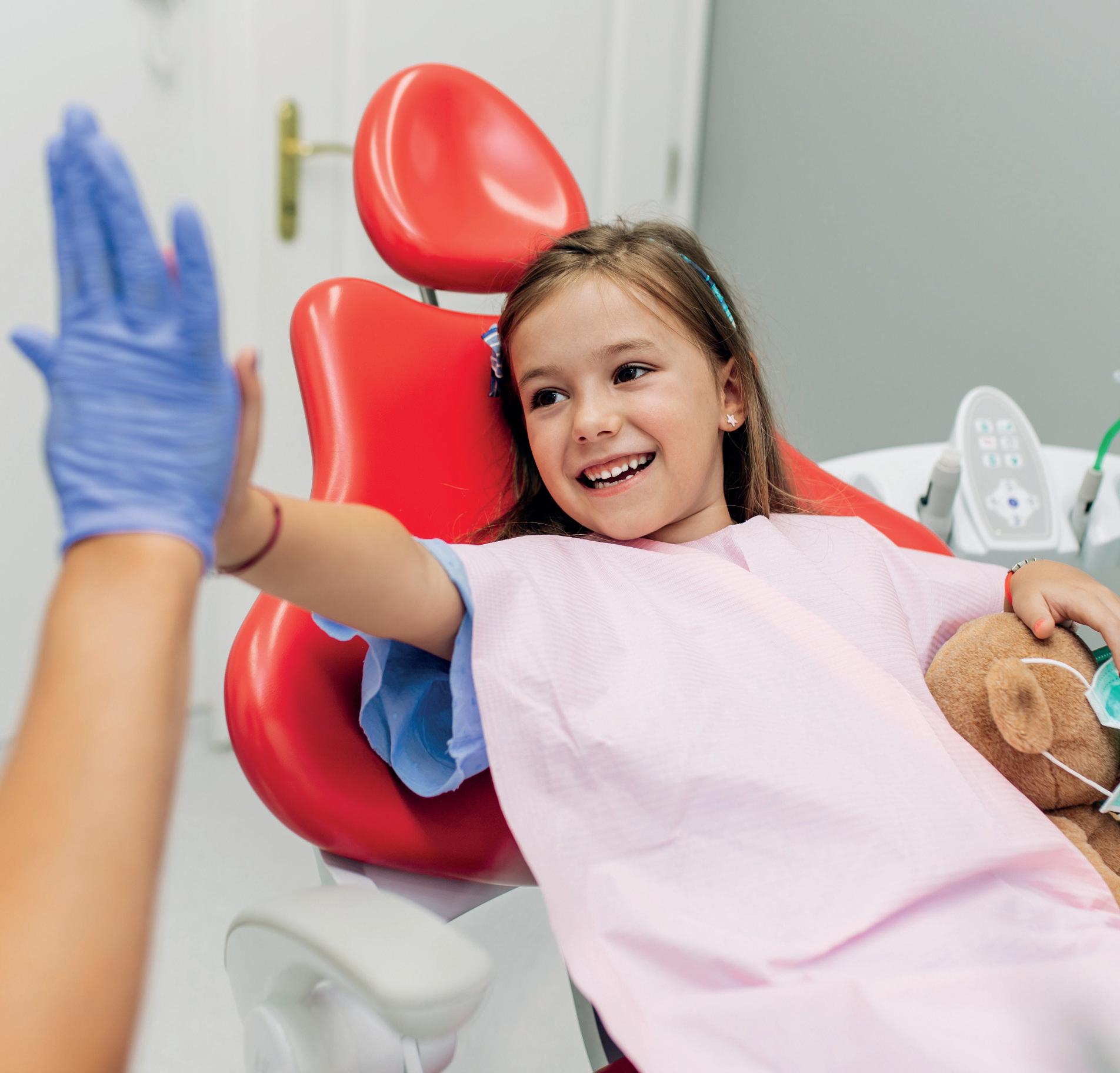
Assessment of the full patient, from waiting room to dental chair, will give you an inkling as to how you may best manage the patient. Happy and chatting all the way?
Then distraction and discussion are going to be your overarching management. Frequently looking to parent or guardian for reassurance? Then you may want to rely on rolemodelling from their accompanying adult or lean into praise from you and the team.
Non-verbal clues will also be useful for your planning and diagnosis. The information delivered by children cannot always be relied upon, and the memory skills of busy parents may also be ropey, so well-placed questions and observation can help you gain clues to arrive at your diagnosis or management. These are the same clues that will let you know whether you have a child who is ‘on board’ or not, helping you avoid failure in communication.
Your voice matters
Does tone of voice really have that much influence? Yes – it does! Children are very sensitive to authoritative tones, especially primary school age and below. Pre-teens start to develop an immunity to voice tone, so in this group you may see a decline in co-operation if tone control
is attempted. There may be some parents or children who are sensitive or opposed to authoritative tone shifts, so assessment of a child’s medical and social history before deployment of this technique is to be considered. An authoritative tone of voice may already be in a dental professional’s toolbox, as some adults require reminding of the safety or behavioural requirements of being a patient. However, this is not to be utilised too often with children, otherwise there will likely be an increase in anxiety levels associated not only with the individual, but the building or experience itself.
When thinking about child appointments, you and the team must schedule them with sufficient time to allow for flexibility and reassurance. You will set yourself up for a failure if you give minimal time for a procedure that may involve 15 minutes of acclimatisation. There is also a reward of time for a cup of tea if those extra buffer minutes are not required. With time, you will see your proficiency increase with this acclimatisation taking less time and being weaved into all interactions. You can then start adjusting your appointment timings for paediatric patients.
You will not see improvement in your management unless you are exposed to this type of patient. Each encounter will give you new areas to develop, and reflection on successes and failures will expedite your improvement in paediatric management. It may be that you ask for feedback from your assistant or even parents in your approach to the management of the child’s behaviour – but be ready for some harsh truths!
Children rarely show up to the appointment having read the behaviour management textbook, so you must rely on your delivery to shape this appointment to benefit this joint endeavour.
Managing parents can contribute towards successful communication with the child but this often provides a stumbling block. Approach this interaction as you would if you were inviting them and their child to your house; lay some ground rules, be inviting and friendly, and make sure they trust everything that you provide them.
it’s a skill – not a personality trait You do not have to be naturally “good with kids” to deliver comprehensive and effective child dental appointments. It is something you can develop, just as you would a clinical skill. It may feel like you want to resist this, as the need to push through discomfort is essential, but lean into that discomfort. On the other side promises more successful appointments and outcomes for your young patients.
Teamwork will help you mould your learning in this area. Get honest feedback on your interactions and actively practice your child-friendly communication skills – it may even help with your adult patients! The process of reflection of your experiences, the successes and failures, will contribute towards your increased communication skill.
Paediatric communication skill is not a personality trait – it is a clinical skill, and one that can be deliberately developed! n
About the author emily Banks is programme Lead for Dental Hygiene and Therapy at Cardiff University. she was named Dental Therapist of the Year at The Dental Awards 2025.
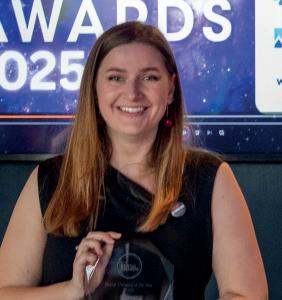













In the first of a two-part series, Andrew Walker, Dentolegal Consultant at Dental Protection, outlines the importance of the expert witness in both clinical negligence claims and matters before the General Dental Council (GDC). read part two next month!

Working in dentistry, either as a dentist or dental care professional (DCP), is an incredibly rewarding career. The whole dental team often has a sense of pride in helping patients improve their oral health, and the vast majority of patients are grateful for the care they have received.
Unfortunately, as with any profession, there are challenges that dentists and DCPs may face. The most obvious centre around the threat of receiving a claim for compensation, or a patient complaining to the GDC. These matters are both stressful and upsetting for the individual involved.
The majority of cases that Dental Protection manage, whether it be a complaint, GDC case, or claim for compensation can be managed with in-house clinical advice provided by a Dentolegal Consultant. Nevertheless, there will be a significant number that will require an independent expert witness to be instructed. If you are unfortunate enough to have had a case where an expert was involved, you will have first-hand knowledge of how influential their report is in determining the outcome.
One of the challenges all indemnity organisations are currently faced with is the lack of independent experts available for instruction.
This article will therefore explore the role of the expert in more detail, and will invite you to think about whether it is something you may wish to consider alongside your clinical work.
What is an independent expert?
When required, a suitably qualified expert is instructed on behalf of either the defence team (for example Dental Protection), or by the Claimant’s solicitor (in a claim for compensation) or by the GDC in a regulatory case. The most important issue for the expert is to be mindful that they truly remain independent. Their duty is to the Court, and not the instructing solicitor. They are not on either ‘side’, and so the report should be the same whether they are instructed by either a Claimant, Defendant, or the GDC.
An expert must not only have the correct clinical knowledge and expertise, but also an understanding of the relevant case law. Broadly speaking, an expert can be instructed on a civil matter (a claim for compensation), or on a regulatory matter (a GDC case). The two case types are very different, and experts will need to understand the differences in procedures and principles of both. It is possible for an expert to only take instructions on one case type, although there are experts who provide reports for both.
A claim for compensation can be broken down into two potential stages: Pre-action and litigation.
The pre-action stage describes the steps taken before Court proceedings are started. In more simple terms, it involves an initial Letter of Claim, initial investigations and often resolution. The resolution may be a successful defence, or an ‘out of court settlement’. In many cases, resolution is based on in-house clinical opinion from a Dentolegal Consultant. There are, however, many reasons why an independent expert would be of benefit. This may include a case where specialist knowledge is required (for example when the care has been provided by a registered Specialist Orthodontist) or when the patient needs to be examined to obtain an up-to-date clinical opinion.
If a claim cannot be resolved at the pre-action stage, the Claimant, or their legal advisor, may issue and serve Court proceedings and the litigation stage begins. This does not necessarily mean the matter will progress to trial, and indeed the majority do not.
The initial stages of litigation are similar to pre-action in that the Claimant will set out their case in a more formal Particulars of Claim document, and the Defendant is expected to provide
a formal written Defence. In order to do so, an independent witness is always required to assist in preparing this Defence.
In terms of the type of instruction for a civil claim, an independent expert may be asked to opine on one, or more, of the following areas:
• Breach of Duty. Was the care provided to a reasonable standard?
• Causation. What harm has flowed from any alleged breach of duty?
• Condition and Prognosis. What treatment is required by the patient at present and/or is likely to be required in future to remedy the harm?
Members, quite understandably, often conflate a claim for compensation with a GDC complaint/investigation. It is important to understand these are different matters, with different objectives.
Part Two will look deeper into regulatory matters and considerations to keep in mind when deciding if being an expert witness is right for you. n
About the author Andrew Walker, Dentolegal Consultant at Dental protection.
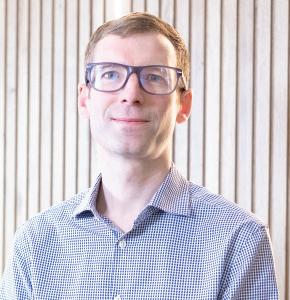




In the turbulent world of dentistry, support you can trust means a lot.
We can give you that, because it’s our world too.
Our discretionary indemnity gives us the flexibility to help even in the most unusual circumstances, while our legally trained dentists, specialist solicitors and case managers are ready to support you through the most daunting of legal challenges.

We’re here for you 24/7 in a dentolegal emergency – and to help you cope with the everyday challenges, we build counselling and wellbeing support into every membership.




On 23 June 2026, the Certification Officer signed the Instrument of Transfer merging BADN with Community the Union, thus breathing new life into the support and promotion of dental nurses and the dental nursing profession by the only bona fide organisation to represent dental nurses in the UK.
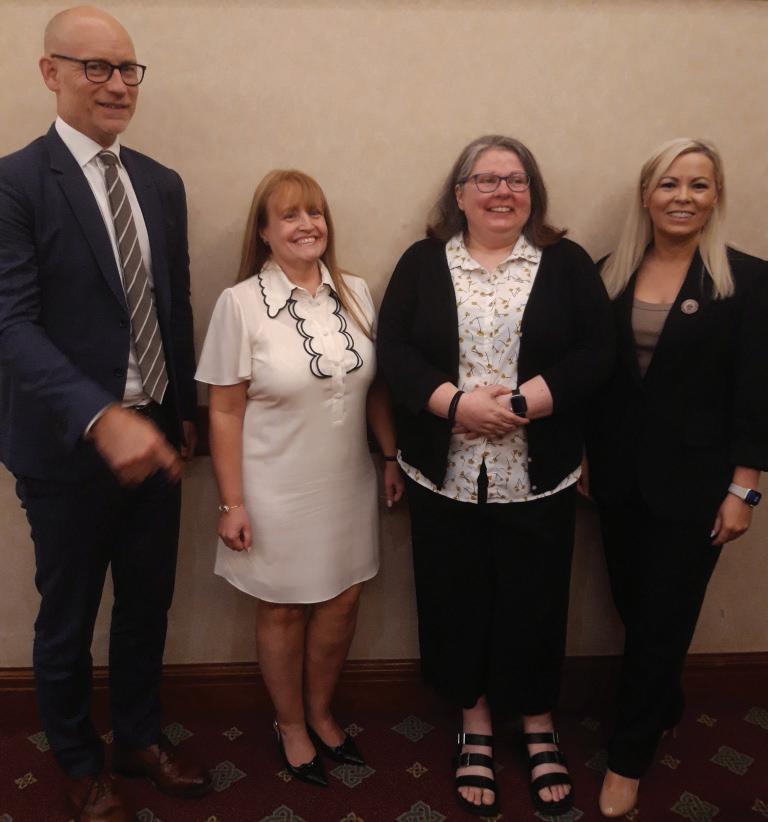
Members will notice small changes over the next year or so, but essentially BADN has become BADN Community, a sector of Community. The BADN Executive Committee has become the BADN Community Committee, chaired by former President-elect Carolyn
Roberts. The roles of President and Treasurer are now redundant, but Jane Dalgarno will continue as Education Representative/ Chair of the Education Committee. Former Chairman Ruth Garrity and former Treasurer Rebecca Silver will continue as members of the Committee - the former President having stepped down in May.
The Journal will continue to be produced, with its free CPD; the Coffee CatchUps will continue; and the Panel of Representatives will continue.
At the beginning of July, Community held its biennial Conference at the Celtic Manor near Newport in Wales – Carolyn Roberts, Jane Dalgarno, Jacek Drozdek and I were guests of Community at the first day of Conference… And what a Conference it was!
As well as UK delegates, there were also international guests representing trade unions from Australia, Canada, the United States, Germany, Belgium, the Netherlands, Hungary and Denmark; a Welsh male voice choir; three Welsh rugby players; and more MPs than you could shake a stick at.
And they don’t hang about – Day 1 opened at 9am with the male voice choir, followed by opening speeches by the Community President and the General Secretary – who welcomed BADN

into the Community fold. By midday, we had already heard speeches by local MP Jessica Morden, Minister for Employment Rights Kate Dearden MP (former Head of Research, Policy and Politics at Community), and met with the Minister of State for Care, Stephen Kinnock MP, to discuss, among other things, the GDC fee, the dental nurse recruitment/retention crisis, pay and conditions of employment, career pathways for dental nurses, and more – it was a whirlwind!
One of the things which struck me –apart from the friendliness of everyone (I sat down for a minute on a lobby sofa with my walking stick and every single Community person who went past stopped, asked me if I was alright, needed assistance, could they help with anything – I must have looked as if I needed it!) – was the commitment and passion of every single person I
met. Not in a political-rhetoric, banner waving way – just a deep commitment to doing whatever they can to change things for the better. We were particularly delighted to meet Jennifer Dean, Community’s Head of Equality, who runs various campaigns, including women’s health campaigns; and we look forward to Jen’s forthcoming visit to the BADN office in Fleetwood to discuss how BADN members can become more involved. n
About the author pam swain MBe is Chief executive of BADn

Twenty-eight years ago, I became a Dental Practice Manager. There was no Google, no Facebook groups, no WhatsApp communities full of people ready to answer a panicked question at midnight. There certainly weren’t consultants or mentors to ring when everything was going wrong. The advice, such as it was, amounted to: “Good luck – you’ll figure it out.” And somehow, I did.

Today, as a Dental Business Manager and Practice Consultant, I spend my time mentoring Practice Managers across the UK. I often smile when they confide that they’re worried they’ve made a mistake, because I know exactly how that feels. I’ve made hundreds myself. Some were small. Some were spectacular – the sort that keeps you awake at three in the morning wondering whether changing
your name and moving abroad might genuinely be easier than facing work the next day. Looking back, though, those mistakes were probably my greatest teachers. I wish someone had told me that you don’t become a good Practice Manager by avoiding mistakes but rather that you become one by learning from every single one of them.
One lesson took me far longer to learn than it should have. I genuinely believed I had to do everything myself. Rota needs sorting? I’ll do it. Complaint to investigate? I’ll do it. Staff disagreement? I’ll deal with it. Broken autoclave? Apparently, that was my fault too. For years I wore “busy” like it was an achievement, without realising that I wasn’t leading the team so much as preventing them from growing. The more I took on, the less responsibility anyone else took and, eventually, I became the bottleneck. Sound familiar?
These days I tell every Practice Manager I mentor exactly the same thing: if you’re the only person who can solve every problem in your practice, you’ve accidentally created yourself a second full-time job. Delegation was never about offloading work – it’s about developing people. One of the proudest moments in leadership isn’t fixing the problem yourself; it’s hearing
someone say, “Don’t worry, we’ve already sorted it.” That sentence is worth its weight in gold.
There’s a second thing I wish I’d understood much earlier: not every problem in the building belongs to you. As Practice Managers, we’re surrounded by emotion all day – an anxious patient, a stressed dentist, a frustrated receptionist, a dental nurse having a bad day, an owner worried about the figures. Without quite realising it, we absorb all of it, like some sort of emotional sponge, and then wonder why we’re exhausted by Friday lunchtime.
Burnout in dental management is real, and I think many of us have been guilty of wearing it as a badge of honour. “I haven’t stopped all day.”
“I worked through lunch.” “I answered emails until 10pm.” “I cancelled my holiday because the practice needed me.” I’ve said every one of those things over the years, and I know now they weren’t achievements – they were warning signs.
The best leaders don’t carry everyone else’s stress. They build systems, develop their people and create resilient teams, so the practice doesn’t depend on one exhausted individual holding everything together.
If I could give my younger self one piece of advice, it would simply be
this: be kinder to yourself. Nobody expects perfection. Your team doesn’t need a superhero – it needs a leader who is approachable, honest, willing to learn, and brave enough to admit when they don’t know the answer. After nearly three decades in dentistry, I can honestly say the biggest lesson was never CQC, compliance, KPIs or spreadsheets. It was people. Invest in them. Develop them. Trust them. Because when your team grows, your practice grows. And, who knows, you might even get to eat your lunch while it’s still warm. n
About the author Lisa Bainham is president at ADAM and practice management coach at practice Management Matters.




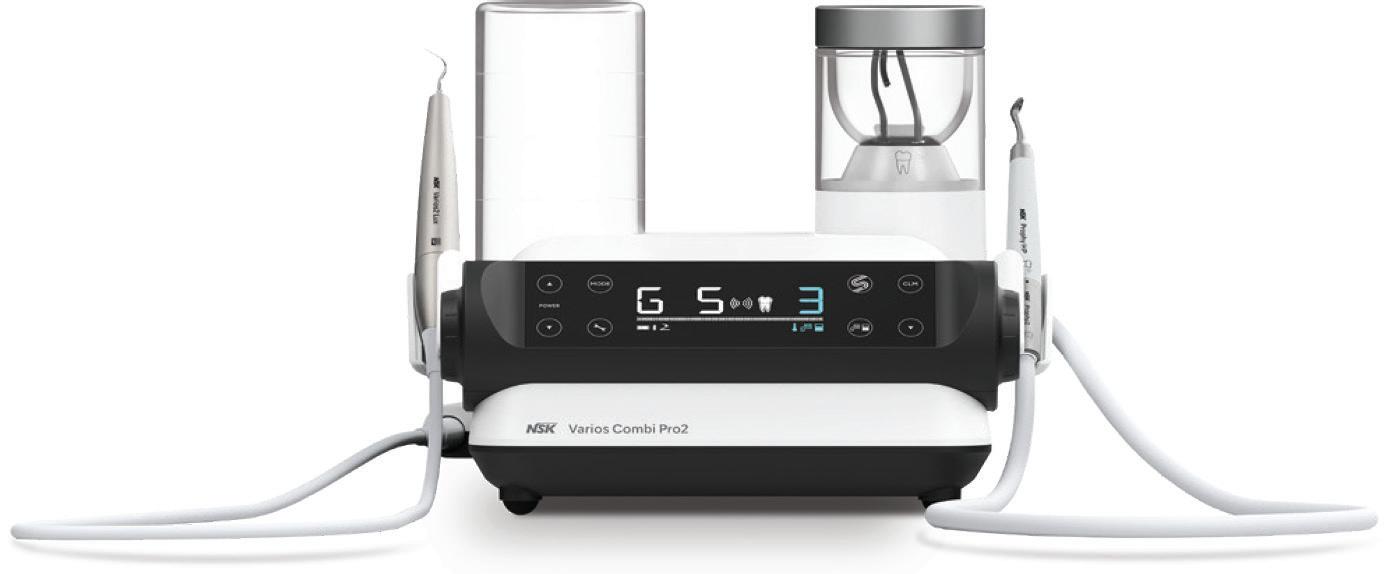


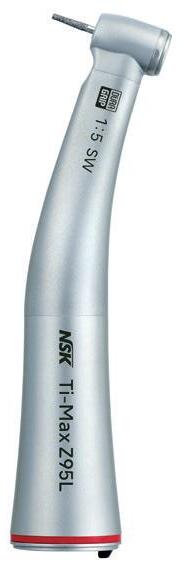
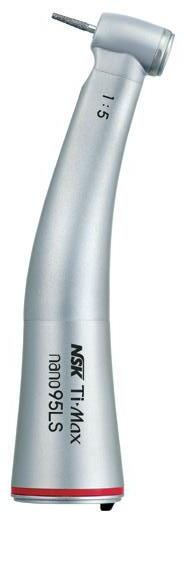
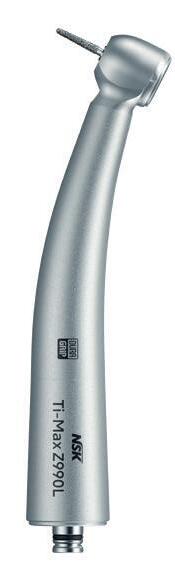
•
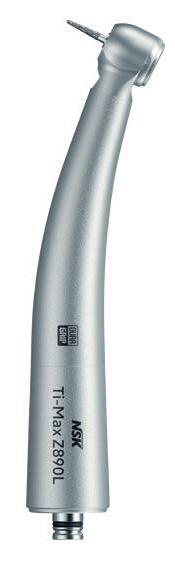
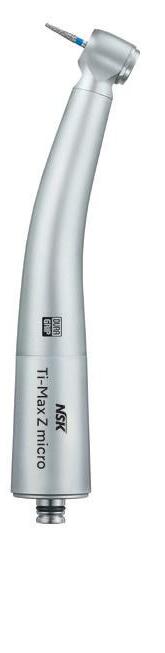
• Optic

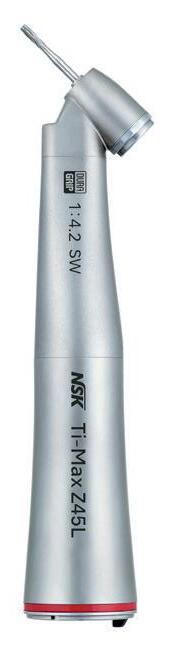

• Power 20w
• Micro head: Ø 9 x 10.8 mm
MODEL Z micro (ultra-mini head) CODE PA2357001 RRP £1,256
Also available in fittings for KaVo®, Dentsply Sirona®, W&H® Scan for full info on handpiece models/order codes
For regular or short shank burs

Gentle yet powerful, reliable and exceptionally durable, Varios Combi Pro2 has a host of advanced features designed to improve efficiency, control and enhance patient comfort. Engineered with meticulous attention to detail, Varios Combi Pro2 is an investment in clinical excellence and in the health of your patients.
• Superbly comfortable water temperature, for both ultrasonic & powder
• Durable titanium ultrasonic handpiece
• Jet Nozzle for Perio Handpiece
• Auto Cleaning
• Removable Powder Chambers*
• Multi-functional wireless foot control
Elevate your practice and patient care with the Varios Combi Pro2 - the future of ultrasonic and powder therapy.
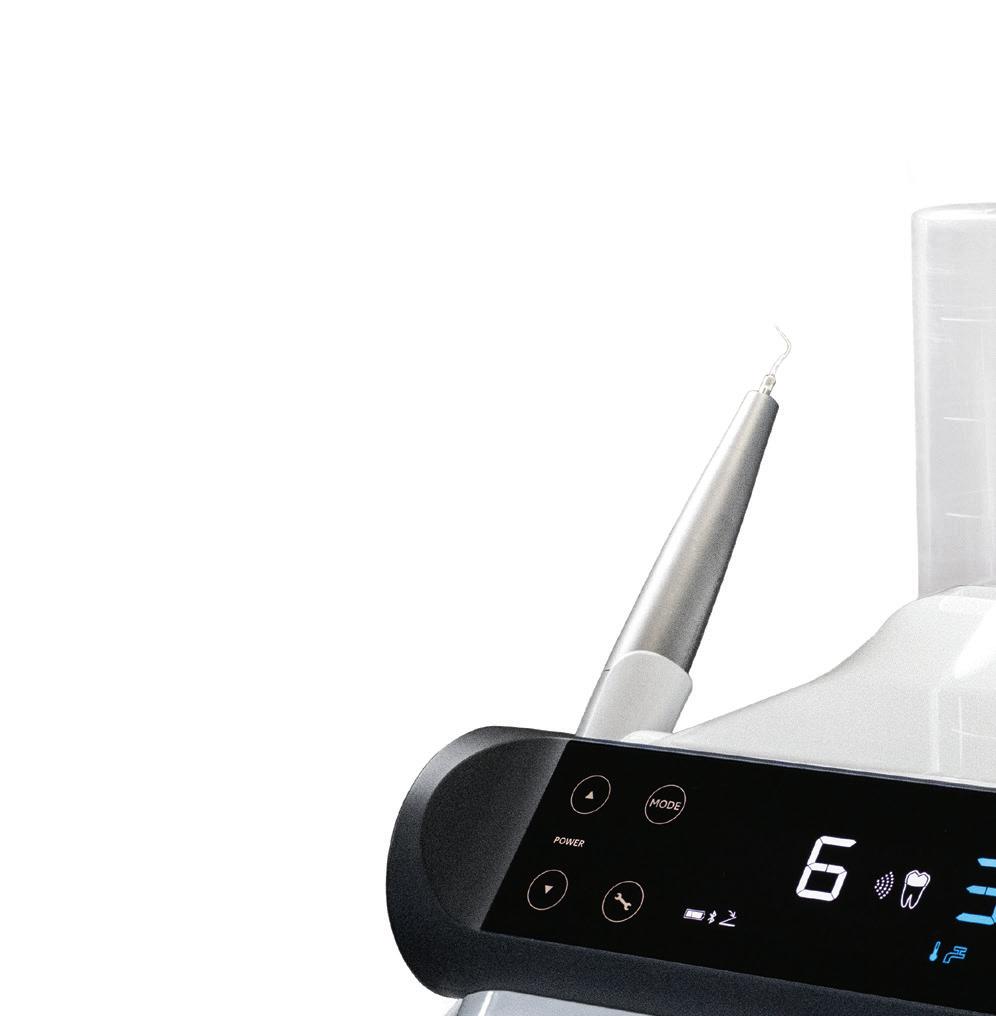
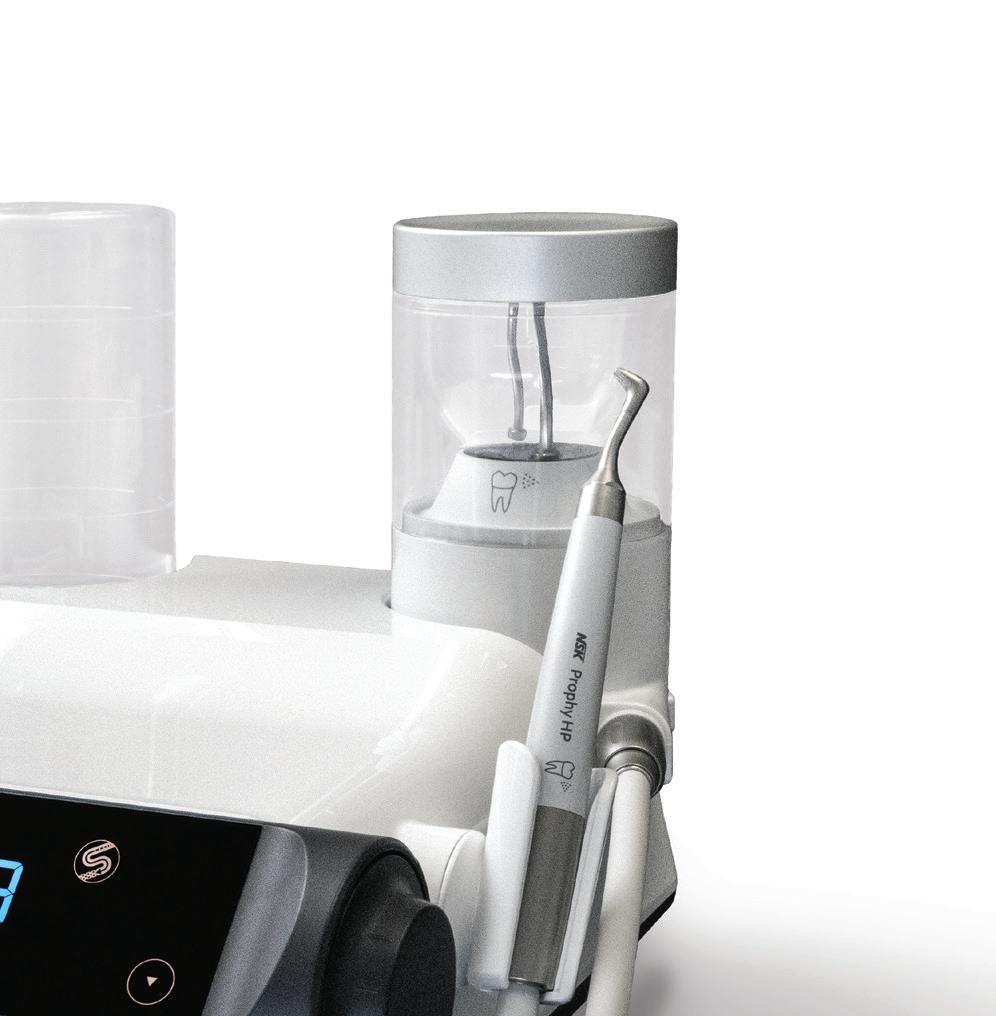
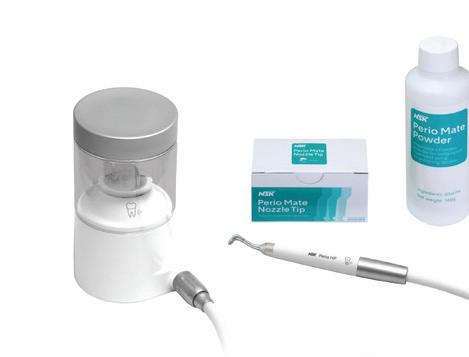

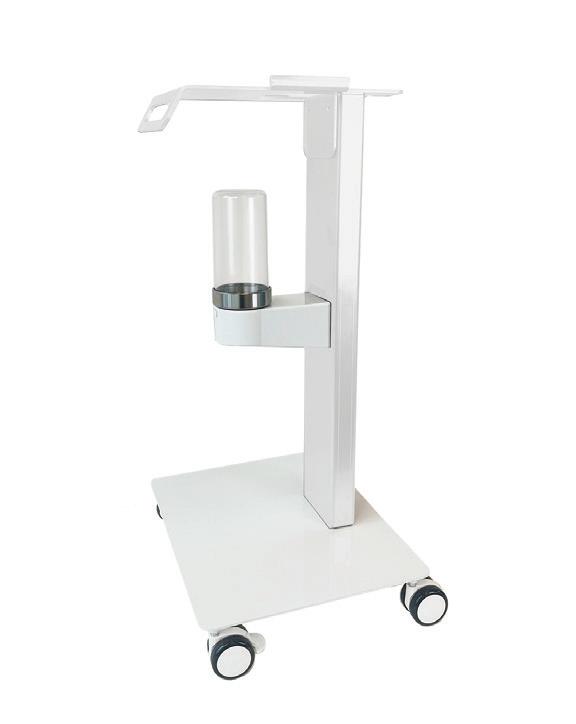
Heated Water
Both ultrasonic and powder handpieces inject water that is heated to the approximate temperature of the oral cavity, ensuring greater comfort, even for those patients with sensitivity.
Jet Nozzle for Perio Handpiece
Executes precise, targeted treatment to areas with staining or thick biofilm on roots or restorations.
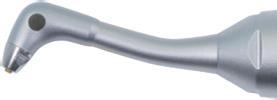
Titanium Ultrasonic handpiece
• Durable & lightweight, with unrivaled ergonomics
• Non-slip & scratch-resistant Duragrip coating
• Slim LED handpiece enhances visibility



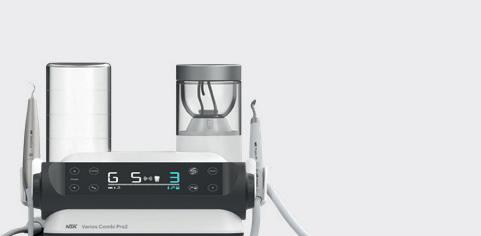

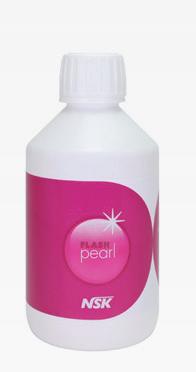
Supragingival powder for tough stains. Used with ProphyMate or the Varios Combi Pro (Prophy Chamber).
• Calcium carbonate powder (54
Supragingival powder for moderate stains. Used with Prophy-Mate or the Varios Combi Pro (Prophy Chamber).
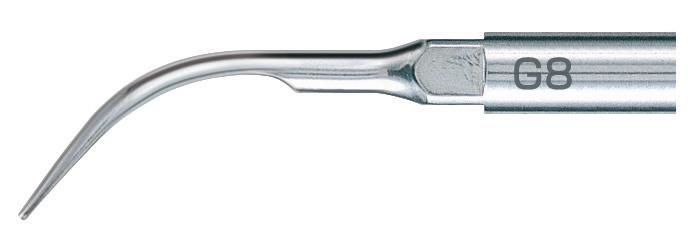
Perio Mate Powder
For subgingival biofilm removal or mild supragingival stains. Used with PerioMate or the Varios Combi Pro (Perio Chamber).
• Glycine based powder (25 µm) FLASH pearl
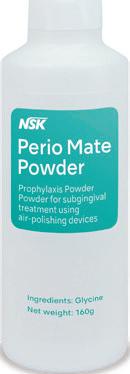

OF
powder (65
making



BUY ANY 2 PACKS OF FLASH OR SOFT pearl GET A FREE nozzle for Varios Combi Pro or Prophy-Mate 4
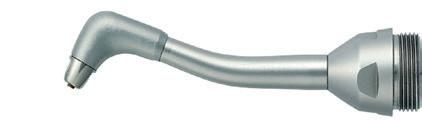
Available on request with Prophy-Mate neo, Perio-Mate and Varios Combi Pro purchases.


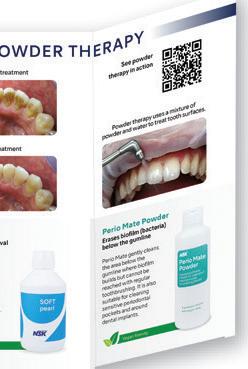

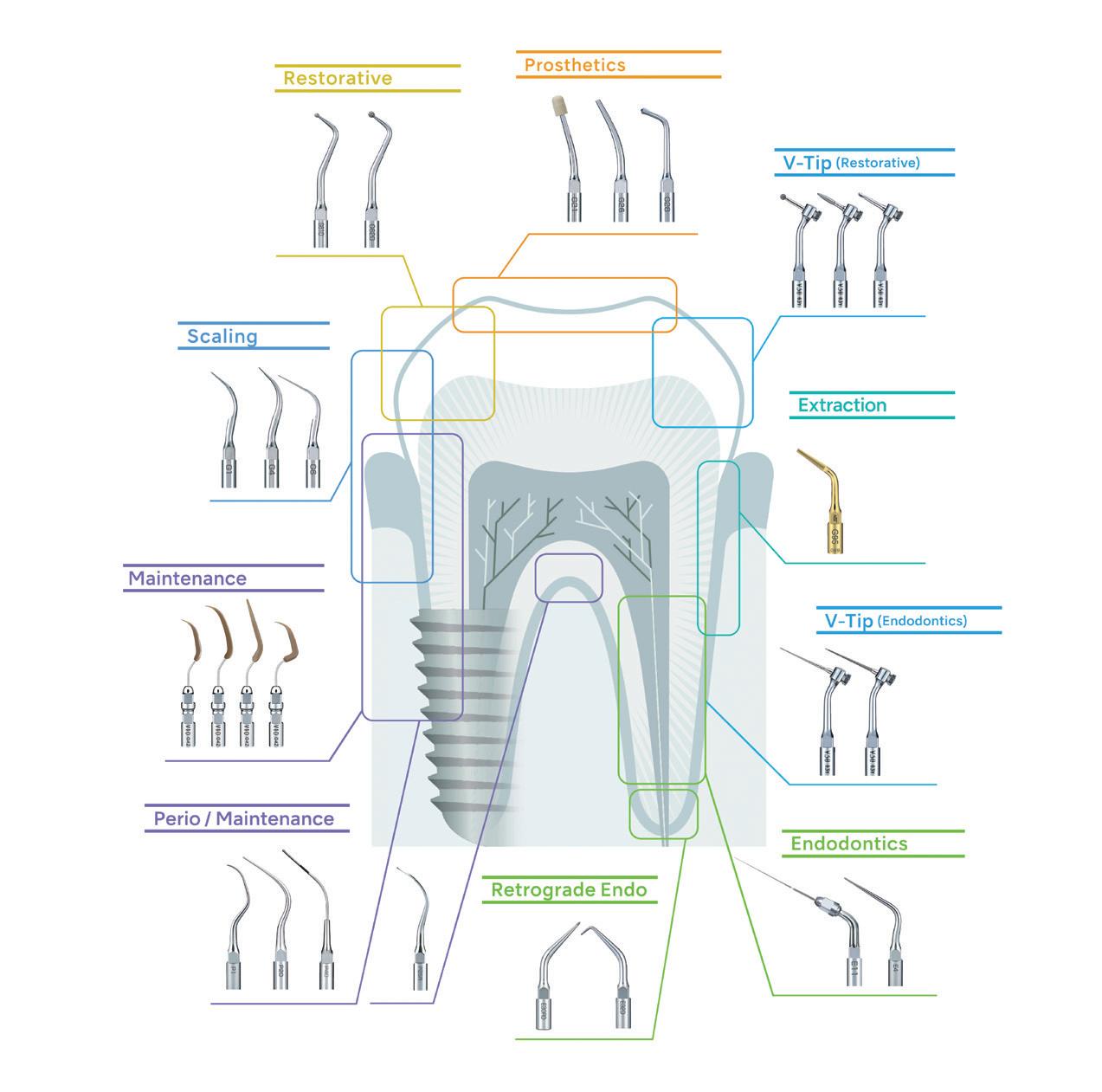
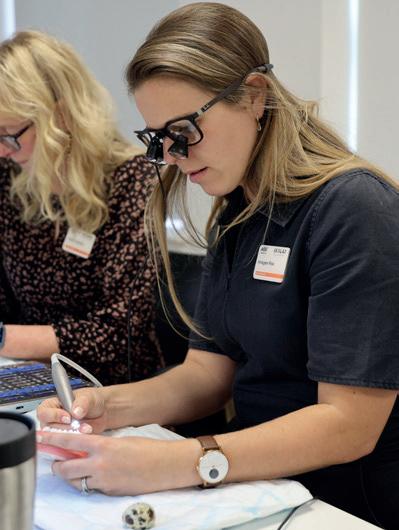

Including reciprocating and rotary endo features
NEW compact portable electric micromotor, for general & endodontic applications with contra angles (ie speed increasing/red band, 1:1 direct drive/blue band or speed reducing/ green band).
• Lighter motor with enhanced power/torque
• Ideal for general (restorative, prophy etc) and endo applications (rotary & reciprocating** modes)
• Enhanced patient safety function indicates when the handpiece needs repair to minimise it overheating
• Versatile installation options – portable or semi built-in
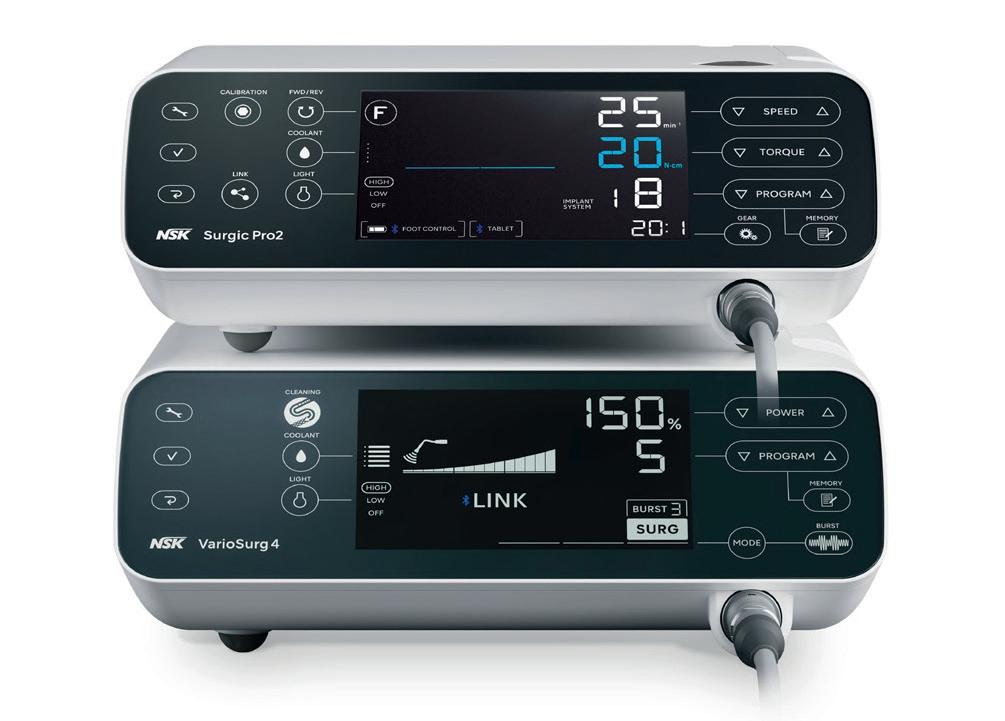






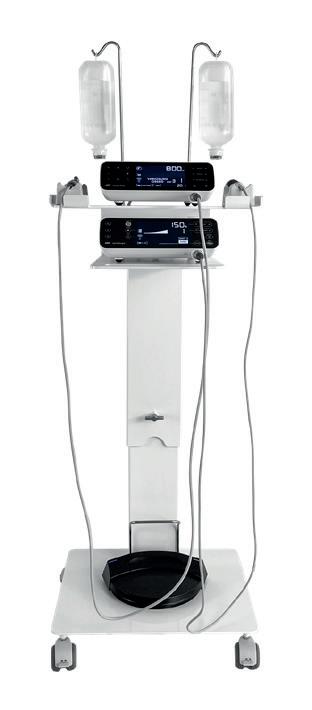
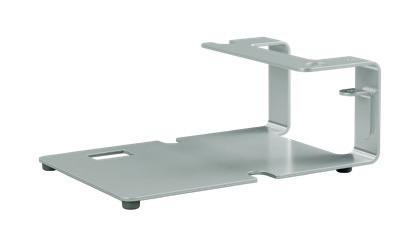
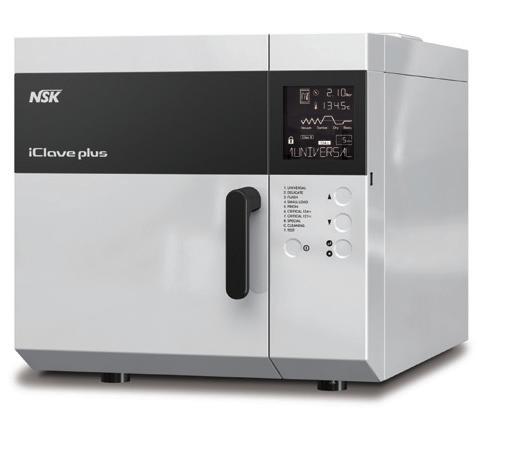
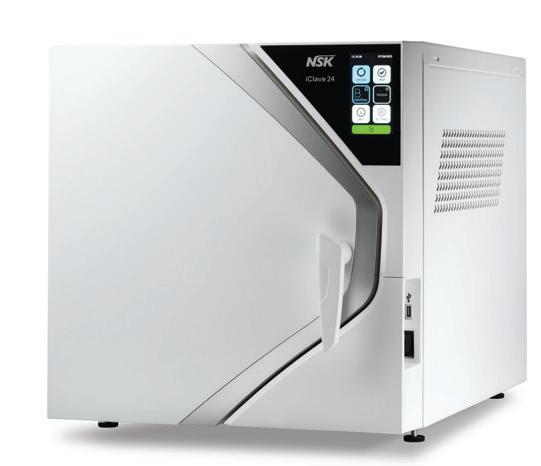
07900 246529
Derbys/Notts/Yorkshire/Lincs
07435 840097
Muirhead nmuirhead@nsk-uk.com 07353 969563
07545 786619
07872 824175


One of the things I enjoy most about teaching endodontics is the questions. Some are straightforward and well anticipated, whilst others might be completely unexpected. I’ve heard questions that stop everyone in the room. A lively discussion follows and, by the end of it, we realise that many of us had been wondering exactly the same thing but hadn’t quite found the confidence to ask.
We might hold back from asking questions, hoping that the answer will reveal itself as time goes on. We also don’t want to be the one who asks the seemingly obvious thing that everyone else absolutely, definitely knows. We don’t want to reveal ourselves as having any kind of knowledge gap.
I really enjoy the wonderful quote by Albert Einstein:
“Everything should be made as simple as possible, but not simpler.”
In meetings I have sometimes lost the thread of a conversation as I try to work out what an acronym stands for, especially in more commercial settings. The latest buzzwords and lingo can be quite distracting from the main focus. In dentistry we often have our own shorthand – I try to remember this, particularly when I am with newly qualified dentists.
I like questions, there’s a good chance that if one person is wondering, there will be several others thinking the same way. It’s good practice to align yourself
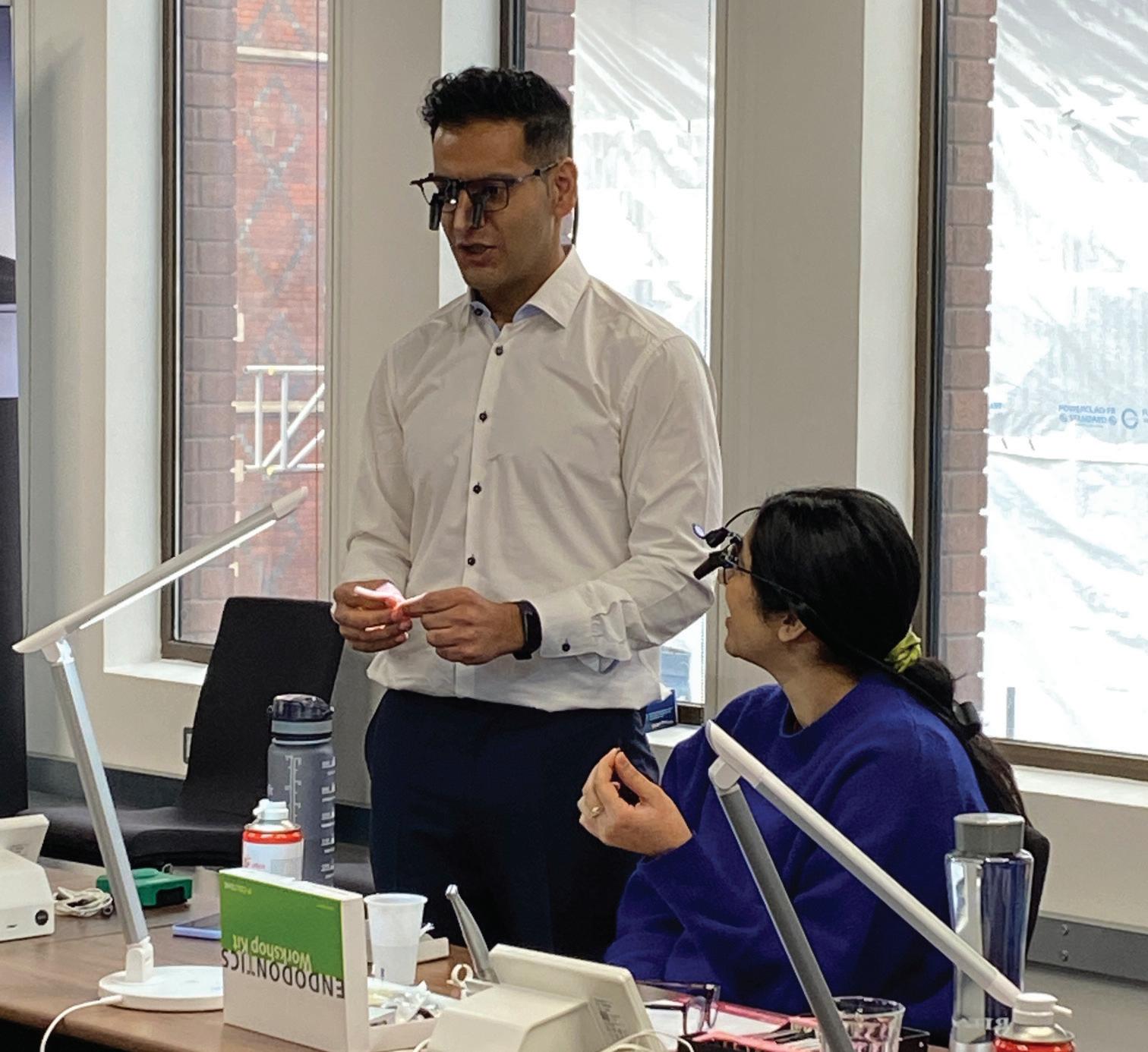
with the question at face value, without judgement, and express the answer in the way it’s needed. For example, if the person asking the question needs to draw something to explain themselves, it’s a good idea to respond visually.
Questions are so valuable to everyone, even the obvious ones. They tell me, as a trainer, to slow down and listen. Questions help teachers in particular. They tell us what people are finding
difficult, what assumptions we’ve made, and which areas deserve more time. Every course I teach is shaped, at least in part, by the conversations that happen because someone was prepared to put their hand up.
Perhaps we should think of asking questions as a professional skill rather than something reserved for students or newly qualified dentists. Curiosity doesn’t disappear as we gain experience. If
anything, it becomes more important. Dentistry continues to evolve, new materials and techniques emerge, and there is always something else to learn.
I really enjoy the wonderful quote by Albert Einstein: “Everything should be made as simple as possible, but not simpler.” I use it as a guideline – to explain things as cleanly as possible, without losing the actual meaning.
Creating an environment where people feel comfortable asking questions is just as important as providing the answers. Whether you’re attending a course, discussing a referral with a colleague or chatting with your team, the best conversations often begin with a simple question. You can also invite one-to-one question-and-answer opportunities or share your email address to encourage further engagement with your audience. One of the things I am looking to implement is an informal, online drop-in for anyone interested in endodontics –more of that soon!
So, if there’s something you’ve been wondering about, just ask. The chances are you’re not the only one. n
About the author
Dr Dhiraj Arora BDs MJDf rCs (eng) Msc (endo) pG Cert Ce owner of evo endo, with three practices (limited to endodontics) in Twickenham, Gerrard’s Cross and slough. Dhiraj is a passionate teacher and ambassador for all things endo. follow him on instagram: @drdij_evoendo
1) (via rohan’s “Learning a Day”) Given time and opportunity, people surprise you; or don’t always trust first impressions. Some folk unravel unexpectedly when the going gets tough; others come through for you in the same circumstances. And some have a knack of giving a poor first impression but, having set the bar low, follow on with actions and interactions that just keep getting better. Think about a junior team member who, with support and attention, grows to be a head dental nurse or practice manager.

The new patient who appears almost aggressive and uncooperative, turns out to have had several bad dental experiences in the past but didn’t want to tell you in case you looked upon them as ‘weak’.
2) Asking the patient (or client) where they can see themselves in 10, 15 or 20 years.
In dental terms, explaining disease process and how you can not only control and treat current diseases but also prevent further disease. The motivated patient wants more, examples being improvement of aesthetics or orthodontics. In my coaching practice I have found that the motivated client, once they have their business stabilised and profitable, is able to expand their business and increase profitability and ultimate sale value.
3) The happy patient or client becomes the ultimate source of new patients or clients.
“Throwing mud against the wall,” which describes much of the
Internet marketing methods in regular use, is often of even less use than the days of Yellow pages. Referrals from existing patients (or clients) is free, all it takes is a business card (remember them?) And the courage to ask the patient if they would pass it on “to someone who they think would benefit from the way we work.” No bribes, no raffle draws, no cheesy gifts. Just a handwritten letter or a phone call to say “thank-you” when a referred patient comes to see you. It doesn’t break confidentiality; someone wants to help someone else. Ask yourself how would you want to find professional help? With a personal testimonial from someone you know or via a cheesy algorithm lead to a website that makes exactly the same claims as all the others?
4) Abandon “dots” or “data points” and aim for continuous lines to measure progress, so handle with care. We have all had the mixed experience of someone with an
excellent telephone manner, or a genuinely smiling receptionist who is let down by the next “dot” along the line. It is easy to give someone a bad experience. That may be by not listening (in my book the worst sin, excluding actual pain), letting your attention wander from them, or not making them feel they are the most important patient in your practice. One good experience is a mere dot; seek the continuous line of good experiences.
5) Clarity in all things is vital. Just because you have treated 10,000 patients and never had anybody make a complaint doesn’t mean that this next patient hasn’t got a different “threshold of difficulty”. Their problems, their history and the challenge they face with you are unique to them, never forget it. Never presume. A professional relationship is a wonderfully robust thing, forgiving and flexible, until it breaks and then it is never quite the same again.
https://alearningaday.blog/
Andrew Lenden, founding technician and lab manager at Rose Lane Dental Technology, discusses the process of becoming a BioHorizons and Camlog Qualified Manufacturing Partner, as well as what it means for the team, and its clients
Rose Lane Dental Technology’s involvement with BioHorizons and Camlog developed organically via a relationship with Dr Paul Swanson – an implantologist and owner of both Rose Lane Dental Practice and Dental Technology. As my clinical and laboratory work expanded, I became increasingly involved with BioHorizons and Camlog systems, initially from a restorative and surgical perspective.
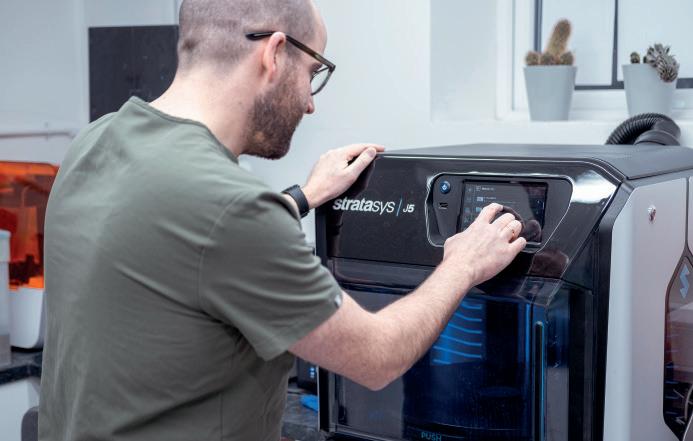
The investment in Technology
A key milestone in this relationship was the decision to invest in an IMES milling unit, allowing the laboratory to mill our own abutments in-house. This marked a shift from being a user of the system to becoming more deeply integrated with the BioHorizons and Camlog workflow, ultimately progressing to Qualified Manufacturing Partner (QMP) status. Alongside this, we worked closely on the development and use of surgical guides, strengthening the collaboration between clinical planning and laboratory execution. For practices without an established network of labs to integrate their digital workflow and fabricate milled implant restorations or guides, access is available to Qualified Manufacturing Partners (QMPs).
Benefits of using a QMp
These UK-based QMPs have undergone rigorous testing by BioHorizons and Camlog to ensure compliance with high standards. QMPs provide access to premium quality restorations, implant components, and surgical guides with fast turnaround times. This enables practices and other laboratories to fulfil digital implant requirements, such as custom milled restorations or surgical guides. Over time, the relationship evolved into a trusted partnership built on shared clinical standards, technical expertise, and open collaboration. This progression has enabled more efficient workflows leading to consistent outcomes, and a strong professional alignment between Rose Lane Dental,BioHorizons and Camlog.
Rose Lane Dental Technology is proud to uphold high standards, making it important for a partnership to reflect these values.
Benefits of using a QMp
The QMP concept aligns very closely with the ethos at Rose Lane Dental Technology, where
quality, precision, and consistency underpin everything we do. Our approach has always been meticulous and step by step, ensuring that each stage of the workflow is controlled and traceable, ultimately enabling us to deliver the highest possible standards. The QMP framework reflects this philosophy well. While it is thorough and clearly defined, it does not restrict innovation or efficiency. Instead, it provides a structured assurance that processes are being followed correctly, materials are validated, and outcomes are repeatable.
For us – and for our clients – this offers a high level of confidence and reassurance. The precision and accountability built into the QMP process allow us to deliver a level of accuracy and reliability that many dental laboratories simply cannot provide. Ultimately, it reinforces our commitment to excellence and gives clinicians tangible assurance that quality is never compromised.
The process of becoming a QMP was very straightforward and easy to follow. Each step was clearly defined, which made implementation both efficient and reassuring for the team. Rather than feeling complex or overwhelming, the structure of the process gave us confidence that we were working correctly and consistently. Most importantly, it reinforced that we are doing things to the highest standard that current technology allows. Having that clarity and validation throughout the process provided real assurance that our workflows, quality controls, and final outputs are aligned with best-in-class digital dentistry practices.
Becoming a QMP is significant for us, our customers, and BioHorizons and Camlog clinicians alike. For our laboratory, it raises our profile in the marketplace and clearly differentiates us as a provider operating at the highest technical and quality standards. It formally recognises the precision, consistency, and accountability that underpin our daily work at Rose Lane Dental Technology.
For our clients, QMP status provides reassurance and confidence that they are receiving the highest quality work, produced using validated workflows, approved materials, and tightly controlled processes. It offers a clear guarantee that restorations meet the highest standards and are fully aligned with manufacturerapproved protocols.
For product information from BioHorizons and Camlog, visit https://theimplanthub.com/ n
About the author
Andrew Lenden is the founding technician and lab manager at rose Lane Dental Technology.
Dr Rebecca Reid’s career has spanned multiple disciplines and job positions within dentistry. Now an Associate Dentist at City Dental in Glasgow, Dr Reid’s professional journey is a reminder of how dedicated hard work can open up new avenues and life-changing opportunities.
Reflecting on her unique climb up the ladder of dentistry, Dr Reid recalls the beginning of her dental odyssey:
“I originally started working in fashion. It wasn’t the plan to become a clinician, but in 2012 I began a front of house job at a private practice in Glasgow. Experiencing dayto-day practice life made me realise how interested I was in the clinical treatments being delivered. I applied for dental school but did not have the qualifications from school – it was recommended that I gain clinical experience.
“One aspect that appealed to me was the dental laboratory. I liked the idea of making prostheses and found a dental technology course in Edinburgh. I completed this for 2 years whilst attending night school to enter the clinical side of dentistry. From working in a lab I was able to transition into a dental therapy course in Dundee for 3 years, accruing hands-on experience.
“I pushed further as I wanted the full package: to be able to make decisions and execute them myself, delivering more to my patients. In my final year of studying Hygiene and Therapy, I applied for Dentistry with a friend who was on the same course. We were both accepted and began studying in Aberdeen – crossing off another Scottish city and completing my education after 10 years.”
By experiencing the workflows of three different professions, Dr Reid has an unparalleled insight into the disciplines of dentistry, allowing her to deliver firstclass patient care. She identifies the value of her career growth:
“Having wide-ranging experience is something I appreciate. Not only does it show how far I’ve come, but also how much I’ve learned. The people skills in particular can’t be taught: I have picked up the many ways people react, both verbally and non-verbally, allowing me to tailor my communication to what they want and how they feel. I have also found it essential to bring the patient and dental technician together to enhance the smile design and give credit where credit is due.”
Dr Reid’s training was not without its challenges, in particular the emotional toll the industry sometimes took. She explains:
“There is a lot of rejection and selfreflection in dentistry. It can be quite lonely sometimes, with intense workflows as both a student and a trained professional. Following a non-linear pathway like mine can also make you question your selfworth and whether the final outcome is achievable. You may also feel that your work is not appreciated – this is extra tough when you feel satisfied with your outcomes.
“What has helped is using social media. It’s an invaluable tool for sharing my work, something I began in my first year as a VT
trainer dentist. I take photos throughout my daily workflow and, by the end of each week, I can then flick through and reflect on each photo and decision. The ones I select for social media aren’t always the most complex treatments either, just simple, everyday dental appointments that I hope make dentistry seem more accessible to students and those at the beginning of their careers.
“This is where working for Clyde Munro has really helped. I was recruited by Jo Hood, head of Clinical Recruitment & Development at Clyde Munro, for my current position in Glasgow. I had worked with the practice manager there previously and the team felt like a good fit. I have been here for over 18 months and love it.
“After all the years of studying, I have now reached a position to reciprocate my knowledge. The Best Foot Forward (BFF) programme with Clyde Munro is designed to bring VT colleagues together and provide additional training across a range of topics. I out myself forward to deliver a session myself on how to do good ‘bread and butter’ dentistry; to master the basics, photography, and how to share on social media. The dentist next-door to me teaches photography, so we collaborated together for the first Clinical Photography and Introduction to Rubber Dam course as part of the BFF programme – it was well received and we have the course booked in again for next year already.
“The opportunities available through Clyde Munro provide a boost in clinical skills and knowledge, especially to those at the start of their career. Clyde Munro also supported me in my recent shortlisting for Young Dentist of the Year Finalist 2025, and as one of two finalists in 2026 from Scotland. I am immensely grateful for their help and feel tremendously valued, and look forward to continuing my dental journey with Clyde Munro.”
To discover more about the BFF programme from Clyde Munro visit https:// careers.clydemunrodental.com/best-footforward-programme/ n
About the author
Jo Hood, Head of Clinical recruitment & Development at ClydeMunro Dental Group.
Dr Mukul Verma was recently awarded the Poster Prize from the British Endodontic Society. He describes his career journey, and reason for applying for this Prize
Iam an endodontist with a strong interest in revision cases, clinical research, and continuous professional development. Throughout my career, I have focused on improving patient care through evidencebased dentistry, precision treatment, and ongoing learning. I have always been passionate about combining clinical practice with research and education as I believe innovation and knowledge-sharing are essential for advancing our profession. After practising endodontics for seven years, I began a PhD at Newcastle University, where my research focused on dental pulp stem cells, with particular interest in their immunomodulatory properties. The past five years in research have been incredibly rewarding and have allowed me to develop new skills, broaden my perspective, and explore areas that purely clinical practice may not have exposed me to.
I have thoroughly enjoyed the journey of combining academia with clinical expertise, and I am proud to have successfully completed my PhD.
I applied for the Poster Prize because it was an excellent opportunity to present some of my research work to fellow dentists and endodontists. It also provided a platform to share ideas, receive feedback, and contribute to the wider endodontic community. I found the process to be very positive, well organised, and rewarding. It encouraged me
to critically review my work, and present my ideas clearly and professionally.
My poster focused on the immunomodulatory properties of dental pulp stem cells (DPSCs) and their potential role in regenerative endodontics. While DPSCs are well known for their role in dentine formation and pulp repair, my research explored how they also respond to inflammation and bacterial stimulation through Toll-like receptors, particularly TLR4. The findings showed that DPSCs play an active role in regulating immune responses, balancing inflammation while supporting tissue repair. This work provided valuable insight into how stem cells within the dental pulp may contribute to healing and could help inform future regenerative endodontic treatments.
Winning the award was a very gratifying and meaningful moment. As a senior clinician and early stage researcher, it was particularly rewarding to see my PhD work recognised by such a respected organisation within the specialty. It was encouraging to know that the research resonated with colleagues and highlighted the value of continued scientific contribution alongside clinical practice. The award also created valuable conversations with delegates and peers during the event, allowing me to discuss the research, exchange ideas, and connect with others who share similar academic and clinical interests. The prize itself was a great honour,
but equally important was the professional recognition and engagement it generated. Professionally, winning the prize has been a valuable recognition of the work undertaken during my PhD and has reinforced my motivation to continue contributing to research, presenting at professional meetings, and advancing within the field of endodontics. It has also provided encouragement to continue building an academic pathway alongside clinical practice and to further develop my research interests within endodontics. The award has helped raise the profile of my work and created opportunities to connect with colleagues who share similar clinical and academic interests. Personally, it was a rewarding reminder that sustained commitment, curiosity, and hard work can lead to meaningful achievements.
I would strongly encourage others to apply. It is a fantastic opportunity to develop professionally, showcase your ideas, and gain recognition for your efforts. Even the application process itself is valuable because it encourages reflection, learning, and growth. One piece of advice I would offer for future applicants is to choose a topic you are genuinely interested in and passionate about. That enthusiasm will come through in your work. Also, focus on clarity, strong evidence, and presenting your message in a simple and engaging way.

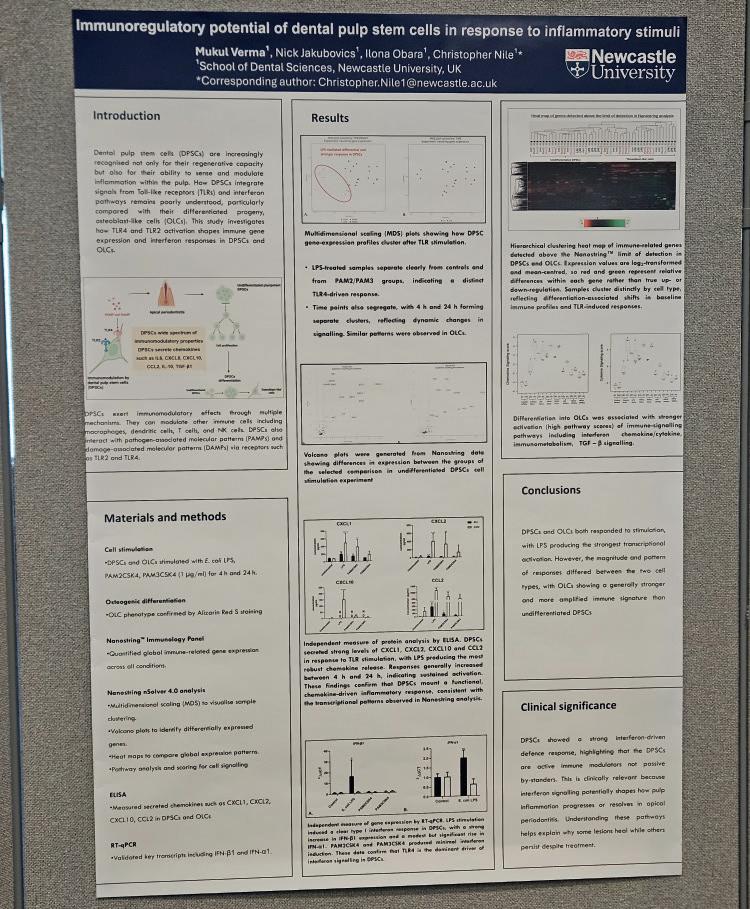
I would like to thank the organisers and judges for creating opportunities like this for clinicians and researchers. Awards such as these help encourage excellence, innovation, and professional development within dentistry, and I am very grateful to have been part of the experience. For more information about the BES, or to join, please visit www.britishendodonticsociety.org.uk n
About the author
Dr Mukul Verma, ATiMp Trials Manager at newcastle Upon Tyne Hospitals.










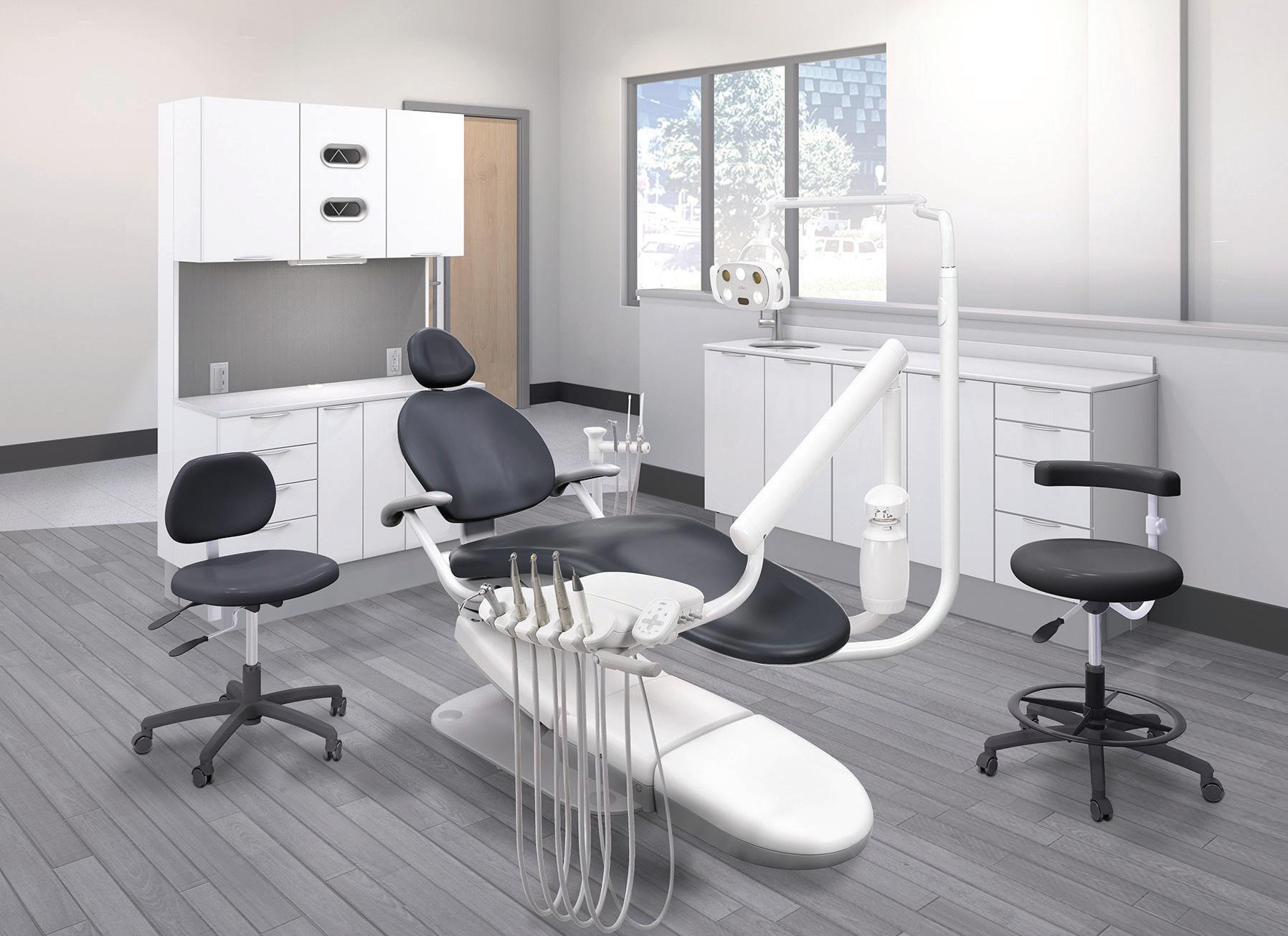
The latest addition to the A-dec brand, Performer eVo equipment combines A-dec’s renowned reliability and performance with designs that cater to today’s dental professionals. Engineered for comfort, efficiency and long life, Performer eVo is ideal for practices that want proven quality at an exceptional price.
With features like ergonomic chairs and energy-efficient LED lighting, Performer eVo meets the challenges of modern dentistry, offering a reliable, trustworthy choice at a fantastic value. Designed to fit more practices, more budgets and more workflows, it’s a smart and cost-effective solution, thoughtfully evolved to meet the needs of a wide range of dental practices.
At the heart of the A-dec Performer eVo package is a commitment to simplicity and reliability. Five essential elements, designed to work together seamlessly, form the backbone of the treatment room: dental chair, radius delivery, LED dental light, dentist’s stool and assistant’s stool.
The Performer eVo chair provides patients with exceptional comfort during procedures, while its ultra-thin backrest allows dentists to get close to the oral cavity, optimising access without sacrificing support. The Performer eVo LED light ensures that the treatment area is brightly lit for excellent
visibility. It features a touchless on/off sensor for better hygiene, a three-axis head for precise positioning and a curesafe mode to protect restorative materials.
With the addition of the A-dec 300 delivery system, dentists will find their instruments and tools within easy reach, creating a more natural and comfortable workflow. The Radius® design of the A-dec 300 delivery effortlessly adjusts to accommodate rightor left-handed users in just seconds - no tools or technician required.
Ergonomics takes centre stage with Performer eVo. The dentist’s and assistant’s stools have anatomically shaped backrests, ergonomic tilt mechanisms and rolled seat edges. These thoughtful features promote healthy posture, alleviate strain and provide all-day comfort for clinicians. By supporting proper body alignment and reducing fatigue, Performer eVo dental stools help create a more productive and sustainable workday, allowing clinicians to practice without the distraction of physical discomfort.
As Performer eVo equipment organises the treatment room for natural motion and efficient flow, each instrument, surface and touchpoint is intentionally positioned for seamless movement and total control. Like an airplane cockpit, everything the dentist and assistant need is within immediate
reach, supporting smoother procedures, better ergonomics and uninterrupted focus on the patient.
A-dec has built a solid reputation for its long-lasting equipment - and the Performer eVo series is no exception when it comes to reliability. Key components are rigorously tested for a 20-year lifespan, showcasing A-dec’s dedication to quality, durability and performance. In addition, the Performer eVo dental chair, stools and A-dec 300 delivery, are all backed with a 10-year warranty, giving dentists peace of mind and confidence in their investment.
But Performer eVo doesn’t just focus on reliability and long life; it also prioritises energy efficiency and environmental responsibility. The LED light uses up to 75% less energy than traditional halogen lights, and its touchless operation minimises contamination risks while simplifying cleaning. These features resonate with practices committed to sustainability as well as safe patient care.
Performer eVo is all about essential functionality, but it also provides a variety of customisation options. Dentists can enhance their core setup with additional components - including
assistant’s instrumentation, a Deluxe touchpad, monitor mounts, cuspidors and support centres to align with the way they prefer to work. When it comes to aesthetics, A-dec offers five standard formed upholstery colours for Performer eVo chairs and stools – or dentists can upgrade to sewn upholstery with even more colour choices, to create a personalised touch and compliment their overall practice decor.
With a solid global reputation, A-dec ensures that dentists get expert advice throughout the research process and ongoing customer service. A-dec is committed to providing the best ownership experience in dentistry, with personal, professional and consistent support that lasts not just for the life of your A-dec equipment, but for the life of your practice. Whether you’re setting up a new treatment room, upgrading your current equipment or building an entire practice from the ground up, Performer eVo offers a simple, reliable solution with a 10-year warranty - backed by trusted A-dec expertise.
Want to learn more?
Scan the QR code above or visit A-dec’s website: https://unitedkingdom.a-dec. com/dental-chairs/performer-evo.


Performer eVo™ brings you legendary A-dec reliability and performance at an impressive value. Get the essential features you want, the comfort your patients deserve, and the dependable quality A-dec is known for. Performer eVo is a solution made to fit more practices, more workflows, and more budgets. Including yours.
Visit unitedkingdom.a-dec.com to explore all the benefits of Performer eVo.
Choose Performer eVo with confidence. Chair, stools, and delivery have a 10-year warranty; the LED light has a 5-year warranty.




Fixed prostheses provide a wide range of patients with an effective solution to partial or complete edentulism. By restoring function and aesthetics, this treatment modality can have a significant impact on selfesteem and quality of life. However, there are a variety of aspects that must be considered for results to be optimised and maintained for many years to come. Both the clinician and patient have a role to play in ensuring a successful prosthesis and keeping it clean with excellent daily oral hygiene and professional intervention.
The design of the prosthesis provided to a patient is crucial for allowing sufficient cleaning during daily at-home oral hygiene regimes. Screw retention is often preferred to help reduce biological complications that are often associated with excess cement. The emergence profile should facilitate hygienic contours, with self-cleansable inter-implant pontic sections.
The prosthetic design is so important for implant success that it is a proven indicator for peri-implant health. Restorative contours and prosthetic cleansability have a direct impact on the risk of peri-implantitis, emphasising the need to prioritise access to the restoration for cleaning from the early planning stages of treatment. Other important prosthetic factors that determine treatment success include the risk of technical complications, function, and aesthetics. In addition, it is important to establish an occlusal scheme that protects the implants from overloading to further optimise outcomes.
Guided implant protocols have been developed in response to the increasing demands placed on clinicians. These facilitate prosthetically driven implant treatment from planning to execution, reducing the potential for biological or technical complications from the outset by ensuring highly accurate and predictable implant placement. The prosthetic material selected also contributes to treatment success and should be optimised accordingly.
Other considerations include the number of implants chosen to support the prosthetic, the use of augmentation procedures, and the implementation of night guards, all of which play a role. A choice must also be made between a fixed or removable implant-retained prosthesis, with the former associated with slightly better outcomes after 5 years. All these surgical aspects enable the delivery of a cleanable and highly successful prosthesis.
Always essential, effective patient education is equally vital for ensuring that individuals understand how to care for their implants and prosthesis in the long-term. Research suggests that awareness is fairly low among the general population with regard to techniques for cleansing implantretained prosthetics.
This emphasises the need for comprehensive advice and support when it comes to preparing a patient for implant rehabilitation. Long before treatment commences, the importance of ongoing oral hygiene maintenance must be impressed upon them. Individuals must understand their responsibilities when it
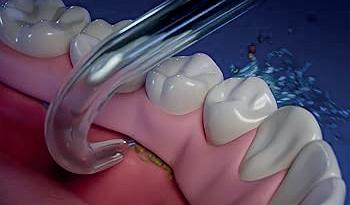
comes to effective at-home routines and regular dental check-ups.
The evidence shows that efficient patient education enhances compliance with professional advice and elevates dental outcomes. This requires a positive patient-practitioner relationship and effective communication, which can be enhanced through adjunctive tools such as animations and other visual aids that improve patients’ understanding of the information being exchanged.
Communication can be further optimised when guidance is tailored specifically to the individual. The dental team must ensure that they have truly listened to each patient in order to genuinely identify and address their concerns – no assumptions should be made or judgements passed. It is vital that this is a two-way conversation, inviting patients to ask questions and really appreciate the accountability they will need to assume for treatment success.
Advice should then be specific to them, taking any key factors into consideration. For example, if a patient’s time is limited, be sure to provide an efficient oral hygiene plan that they can realistically implement within their normal day.
It is also important to recommend oral hygiene adjunctive products by brand, as the use of copycat products may not deliver the same level of effectiveness as the original solutions. When it comes to cleaning around implant-retained prosthetics, for instance, the Waterpik™ Ultra Professional water flosser with dedicated Implant Denture Tip is unmatched in its advantages. It reaches hard-to-access areas of the prosthesis with a uniquely curved design that removes up to 99.9% of plaque from treated areas around and underneath implant-supported dentures. It’s a clinically proven, easyto-use, and highly effective oral hygiene solution that delivers genuine results for patients. Waterpik™ is also the #1 recommended water flosser brand among UK dental professionals and the only one approved by the Oral Health Foundation.
Beyond prosthetic delivery
Implant rehabilitation is an excellent option for many patients, restoring oral function and aesthetics. However, long-term success relies on effective maintenance and ongoing oral hygiene, which can only be achieved if the prosthesis is designed to with access and cleansability in mind. The patient-practitioner relationship will be key in the long-term, ensuring that patients have the tailored support they need to maintain results. For more information on Waterpik water flosser products visit waterpik.co.uk. n
about the author rachel Bennett, dental hygienist and professional advisor for Waterpik.
Successful restorations in adhesive dentistry rely on achieving a clean, caries-free, stable bonding surface with effective moisture control and adequate isolation throughout. Under ideal conditions, enamel provides a highly predictable surface to bond to thanks to its high mineral content and relatively uniform structure. However, in practice these conditions are not always available.
Compared with enamel, dentine contains a significantly higher organic component and intrinsic moisture content, both of which influence adhesive behaviour. The tubular structure of dentine and fluid movement within the dentinal tubules further affect adhesion and moisture control.
In deeper cavities, pulpal proximity may complicate adhesive procedures due to increased risk of post-operative sensitivity. Furthermore, the heterogeneous nature of dentine means bonding performance may vary depending on dentine depth, sclerosis and the presence of caries-affected tissue.
Caries-infected vs caries-affected
Unlike caries-infected dentine, which is typically removed during restorative treatment, cariesaffected dentine is partially demineralised but potentially remineralisable and is therefore often preserved during minimally invasive restorative procedures. This may help preserve pulpal vitality whilst reducing the risk of unnecessary pulpal trauma. However,
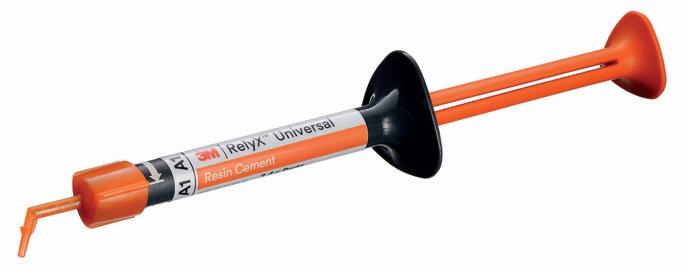
structural and chemical alterations within caries-affected dentine may reduce bonding predictability. Collagen disruption and thicker, less stable hybrid layers may also affect longterm adhesive durability.
Achieving predictable isolation in these situations is difficult, particularly where deep margins extend slightly subgingivally or moisture control is compromised. Small interruptions during adhesive procedures can have significant consequences for bonding predictability, especially in predominantly dentine-based restorations where clinicians are already working with a less-than-ideal substrate. Managing these clinical variables whilst balancing efficiency, patient comfort and aesthetic expectations places increasing pressure on clinicians to select effective adhesive systems used in everyday restorative dentistry. Time pressures within general practice are stressful for everyone, particularly during longer appointments where maintaining consistent isolation becomes increasingly challenging for both dentist and patient. Even
small amounts of contamination from saliva, gingival crevicular fluid or patient movement can influence bonding predictability, especially in deep posterior restorations where access and visibility are already compromised, despite careful isolation protocols. Clinicians are therefore required to balance technical precision with efficiency and patient comfort throughout treatment.
reducing unnecessary complexity
Clinicians are increasingly seeking adhesive systems capable of adapting to multiple restorative situations without introducing unnecessary complexity into everyday workflows. In many clinical situations, universal adhesive systems provide the flexibility to use self-etch, selective enamel etch or etch-andrinse strategies according to the restorative substrate and clinical requirements.
For example, a deep posterior composite restoration with limited enamel margins and caries-affected dentine within the cavity floor may benefit from a selective enamel etch approach. This helps clinicians balance strong enamel bonding with more conservative dentine management. Equally, smaller anterior restorations often have the advantage of greater enamel availability for bonding, but also demand highly aesthetic outcomes, where restoration failure may be particularly upsetting for patients. In these situations, an etch-and-rinse approach may be appropriate. Finally, deep dentine-heavy
cavities where isolation is compromised can present additional clinical challenges, and self-etch strategies may help reduce technique sensitivity, post-operative sensitivity risk and simplify the bonding process. By avoiding aggressive phosphoric acid etching of dentine, self-etch approaches may also help preserve residual hydroxyapatite within the collagen matrix, potentially improving adhesion in deep dentine restorations.
Together the 3M™ RelyX™ Universal Resin Cement and 3M™ Scotchbond™ Universal Plus Adhesive, from Solventum, are designed to support a more versatile approach across different clinical indications, reducing the need for multiple bonding protocols and cementation systems. The pair produces an enhanced adhesive bond strength to all substrates, whilst enabling simple clean-up due to innovative syringe and bottle designs. 3M™ Scotchbond™ Universal Plus is also the first universal adhesive with dentine-like radiopacity, adding confidence to future treatment. In practice, relying on the same adhesive approach throughout the day may help minimise material confusion chairside and support smoother coordination between dentist and dental nurse. Once effective isolation has been achieved, the focus should remain on the restorative procedure itself, not repeatedly pairing different bottles, materials and bonding approaches throughout the day.
To learn more about Solventum, visit solventum.com/en-gb/home/oral-care/ n





The panoramic radiograph is one of the most familiar images in dentistry. Practices use them routinely for assessments, treatment planning, orthodontics and implantology. They are generally taken quickly, interpreted quickly, and filed away. But there is a growing body of clinical evidence strongly suggesting that clinicians who treat the panoramic radiograph as a strictly dental document may be leaving potentially important information unread. Research consistently shows that a meaningful proportion of routine panoramic radiographs contain findings entirely unrelated to the primary dental indication. A study analysing over 2,000 panoramic radiographs found that 26% contained incidental findings beyond caries, periodontal, and periapical disease. These included carotid artery calcifications, maxillary sinus pathology, tonsilloliths, cysts, and bone lesions. More than a quarter of images, in other words, contained information that could be clinically relevant –and that could easily go unnoticed if the clinician’s focus is solely on the dentition.
Beyond the teeth and jaw
The most clinically significant of these incidental findings, and the one attracting the greatest research attention, is carotid artery calcification (CAC). The carotid region is frequently captured in the field of a panoramic radiograph, and calcified atheromatous plaques can appear as radiopaque nodular masses adjacent to the cervical vertebrae at the level of C3
and C4. Studies have found CAC in up to 38% of panoramic radiographs where the carotid region is adequately visualised, with prevalence increasing with age and in patients with known cardiovascular risk factors.
The implications of this are not trivial by any means: CAC detected on panoramic radiographs has been associated with elevated rates of cerebrovascular accident, coronary artery disease, hypertension, and hyperlipidaemia. One study examining 314 patients with radiographically identified CAC found a stroke prevalence of 15% and coronary artery disease in 28% of that group. A 2026 study further found that specific features of CAC on panoramic imaging correlated with more severe vascular disease on carotid ultrasound. It is important to be clear about the limits of these findings, however: the panoramic radiograph is not a vascular screening tool, and its sensitivity for CAC detection is imperfect.
A clinician who identifies a suspicious radiopacity in the carotid region should refer appropriately for further investigation without attempting to draw definitive conclusions. Nevertheless, the evidence supports a clear professional responsibility: when an image is in the patient’s record, every structure visible within it warrants some consideration.
Further to vascular findings, the panoramic radiograph offers a view of other structures easy to overlook in a quick appointment. Sinusitis in the maxillary sinus, for example, is visible on a panoramic image and may require onward referral to a medical colleague. Elongated styloid processes, found in up to 33% of panoramic radiographs in some studies, can be associated with Eagle’s syndrome and orofacial pain that patients may have attributed to dental causes. Bone lesions, including cysts and radiolucent areas beyond the periapical region, may require further investigation, too.
The point here is to simply recognise that a panoramic radiograph, taken for routine appointments, does capture a wider field than just the teeth and jaw. A more thorough interpretation of this data is an acknowledgement of this fact.
A clinician cannot act on a finding they cannot see clearly. The diagnostic value of a panoramic radiograph is fundamentally dependent on the clarity and consistency of the image produced. Poor positioning, artefacts, or inconsistent image quality will all reduce the likelihood that incidental findings will be identified, as well as increase the probability of retakes, which will subject the patient to extra exposure.
This is where investment in solid imaging equipment becomes a question of safety. The Carestream Dental CS 8200 3D Access is a compact 4-in-1 system combining panoramic
Composite resin, the tooth-coloured material used for direct restorations, has become a common aspect of modern restorative practice. It often offers a balance between ideal aesthetics and wear resistance, supporting the goals of the clinician and expectations of the patient. The choice of different resins means that multiple indications can be achieved, but longevity of each restoration should be prioritised. When assessing the reasons behind restorative failure, one must consider key factors including the material, the placement technique and conditions at the treatment site in order to improve going forwards.
Looking beyond the material
It’s easy to accredit clinical outcomes to the composite used and its properties; manufacturers are constantly improving to build the most aesthetic, durable, wearresistant, and easy to handle composite. However, these enhancements only serve so well, as even the highest performing material will not deliver predictable – nor satisfying – results when placed under compromised conditions.
A well-executed restoration using a reliable product can offer stability over time, across multiple patients. It is therefore a combination of both the material choice and the management and delivery of the treatment that determines the long-term result.
technique differences
The placement of composites has always been inherently sensitive to technique and the
effects of even the most minor inconsistencies can significantly compound. Moisture contamination, rushed curing, or even a lack of understanding in the material handling and properties can each impact the integrity of the final restoration – from the initiation. Even minimal technique discrepancies at the margins can create areas that are more susceptible to staining or plaque retention. This can result in the eventual breakdown of the restoration entirely, as these inconsistencies are not always immediate, but reduce the lifespan by introducing infection at the treatment site gradually. It is therefore vital that control is highly maintained at each stage of the restoration, for every patient. This offers a greater probability of both long-term aesthetics and performance.
the role of occlusion
Occlusion is frequently underestimated, but is an important factor is restorative longevity. Of course, over time composite materials have improved in their ability to withstand load, but restorations are still sensitive to excessive or poorly distributed force. Posterior regions must be considered with care, as occlusal demand is highest here making them extremely vulnerable areas if not appropriately managed.
Patient-driven variables
Clinical outcomes are also influenced by external factors, specifically patient behaviours. This stems from oral hygiene and dietary habits to parafunctional activity – all influencing
imaging, CBCT, 3D model scanning, and optional cephalometric capability – designed to bring advanced imaging within reach of general dental practices without sacrificing ease of use. Panoramic programmes include segmented bitewing, TMJ, and maxillary sinus views, ensuring that the full field captured in every image is supported clinically. CS MAR technology reduces metal artefacts for more accurate interpretation, a low-dose mode is available for both 2D and 3D examinations, and 75-micron CBCT resolution supports precise diagnosis across endodontic and implant indications when 3D imaging is required. The compact footprint and intuitive interface make it straightforward to integrate into practices of any size.
The panoramic radiograph has always offered more than a view of the dentition.
Recognising that, and ensuring that the images produced are consistently clear enough to act on, is a straightforward way to deliver more comprehensive care to every patient in the chair.
For more information on Carestream Dental visit www.carestreamdental.co.uk
For the latest news and updates, follow us on Facebook and Instagram @carestreamdental.ukn
about the author nimisha nariapara, trade marketing manager at Carestream Dental.

how a restoration performs after it’s placed.
For example, patients with uncontrolled plaque build-up due to inconsistent toothbrushing might experience more staining in the marginal areas. Similarly, frequent exposure to sugary or acidic diets can also impact restoration margins. Finally, uncontrollable habits like bruxism can place the restorations under repeated, unmanageable pressure which won’t always cause failure initially, but rather, months or years down the line. Despite the efforts of the clinical team to change behaviours, these outcomes are sometimes unavoidable. This means that it is in recognising and planning around these variables that affords more informed preparation and expectations regarding longevity.
Surface integrity and maintenance
If the finish is left rough or poorly contoured, it leaves an environment that is extremely susceptible to the accumulation of biofilm. Over time it can compromise both the restoration and its surrounding tissues.
This places finishing and polishing as more than aesthetic steps, but contributing factors towards the long-term structural success of the restoration too. Small adjustments at this stage can often prevent more significant failure later.
Supporting consistency in practice
Achieving predictable and satisfying restorative outcomes requires consistency across each stage of treatment, including the assessment and planning. Various
elements can impact the workflow and final result, so maintaining as much control as possible over different variables is crucial. Though not the only important factor, material selection can support this strive for consistency where handling, polishability, and wear resistance deliver more reliable results. One such composite is the BRILLIANT EverGlow from COLTENE –designed to deliver a balance between long-term strength and gloss. The formula allows clinicians to achieve restorations that are stable and aesthetic over time and under pressure. The material ensures excellent polishability, sculptability, and a versatile three translucency level shade system, making single-shade restorations easier and more predictable than ever before.
Composite longevity is determined by more than merely the material choice, but by this and other influences like technique, occlusion, and patient factors. With the careful consideration and management of each variable, including material choice, clinicians are on the right path to long-term success – delivering both functional and aesthetic excellence over time. For more on COLTENE, visit colteneuk.com/BRILLIANT-EverGlow n
about the author Vik Sharma, Sales Director, Coltene Group.
Poor treatment planning is a major risk factor for suboptimal outcomes in all dental disciplines. In implantology, the consequences of inadequate preparation can be considerable, leaving patients with serious ongoing complications and increasing the chance of implant failure. For clinicians providing implant surgery and restoration, it is imperative to conduct a thorough assessment and create a meticulous treatment plan before commencing any procedures.
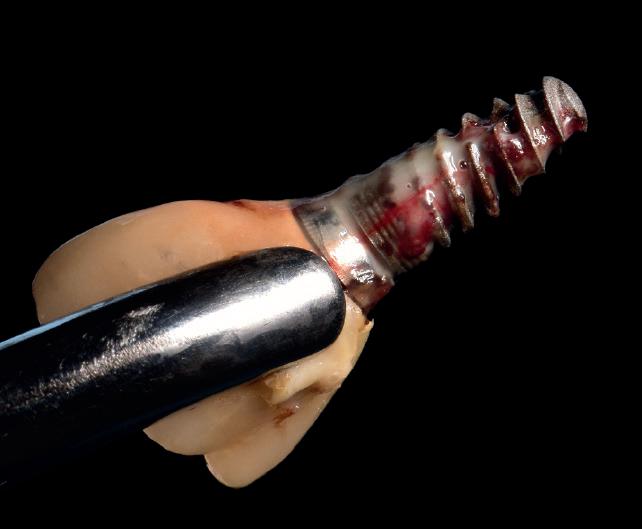
A number of patient-related factors impact the success and survival of dental implants. For instance, the patient’s dental and medical history must be explored in detail as part of the initial assessment and planning stage of treatment. The literature demonstrates that the presence or history of systemic health conditions can impact oral surgery, whether that is due to delayed healing, impaired osseointegration, or increased risk of infection. Common conditions like cardiovascular disease, diabetes mellitus, and osteoporosis are not contraindications to implant treatment, but they should be addressed during treatment planning to mitigate the added potential risks. The same can be said of patients with genetic factors that increase their risk profile, such as those with polymorphisms, Down’s syndrome, and other gene mutations.
In addition, systemic conditions and the associated medications are also often more important to understand in older patients, rather than approaching age alone as a risk factor for implant surgery.
Of course, the standard of oral hygiene maintained by the patient during and after implant placement is crucial for excellent long-term outcomes as well. Prevalence of peri-implantitis is estimated to be 20% at patient-level and 13% at implant level, showing that it remains a concern for many individuals. Supportive peri-implant therapy should be customised for each patient to encourage high-quality maintenance routines alongside regular professional monitoring. This should all be incorporated into the original treatment plan to ensure that patients understand exactly what to expect and encourage their engagement from the beginning for the best results.
Several surgical aspects must also be considered by the clinician during the treatment planning phase. Implant positioning is one of the main factors that can influence treatment success during surgery. Firstly, anterior versus posterior location can impact success and warrant specific
consideration by the oral surgeon. Beyond this, implants that are placed at a suboptimal angle, depth or area of bone are also linked with problems. In fact, mispositioned implants can cause an array of aesthetic, biological, and technical complications following placement. In the most extreme cases, they can make it completely impossible to restore the dentition, requiring removal and reassessment. This is true when placing single implants, though the impact can be much greater when approaching full-arch rehabilitation. The position of each implant within an arch – whether parallel to each other or tilted, for example – influences the outcome. The greater the number of implants placed in each arch, the more complex positioning becomes.
Finally, implants placed in sites where previous implants had failed are also associated with a higher risk of complications. However, with sufficient bone volume and appropriate technique, these implants can be successfully delivered in the right situations.
As such, carefully evaluating the anatomy and planning for optimal implant positioning – with regard to bone quality, prosthetic space, and restorability in the anterior zone – is crucial for predictable results.
Many other surgical factors must be reviewed to optimise outcomes too. The surgical protocols selected –including placement technique and bone management solutions – must be explored before the scalpel is in hand. The clinician’s skill and experience also play a role, emphasising the importance of high-quality training and education in the field before taking on complex cases in practice.
This training is widely accessible to all dental professionals, with courses of varying length, content, and prestige available across the nation. For education you can rely on completely, discover the MSc in Dental Implantology from the ICE Postgraduate Dental Institute & Hospital. The 3-year part-time programme discusses patient assessment and treatment planning in great detail, offering practical guidance to help practitioners approach every case with confidence. Further modules cover implant surgery, restoration, and maintenance, with first-class teaching delivered by a globally renowned faculty – featuring specialist Oral Surgeon, Professor Cemal Ucer – in cutting-edge teaching facilities. Find out more today to get started in the next cohort starting in September.
Implantology is a complex field of dentistry. Treatment can make a significant difference to patients, but achieving excellent outcomes depends on optimising a number of factors. Both patient and surgical considerations must be addressed in the planning phase in order to mitigate the risks and pave the way for excellent results.
www.ucer-clinic.dental
About the author
Professor Cemal Ucer, BDS, MSc, PhD, Oral Surgeon, ITI Fellow.

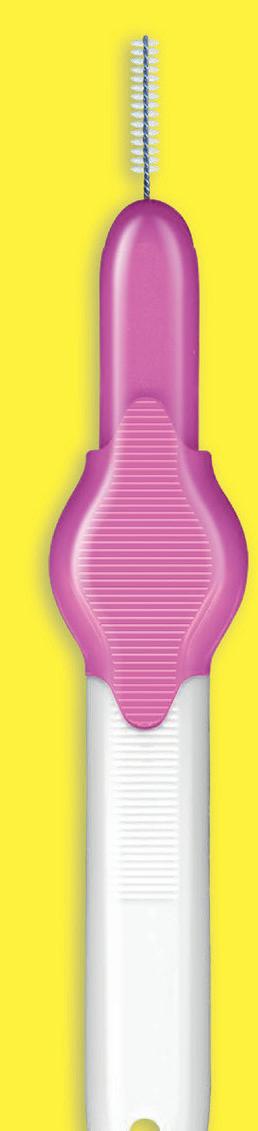

Great Price
Made in Great Britain

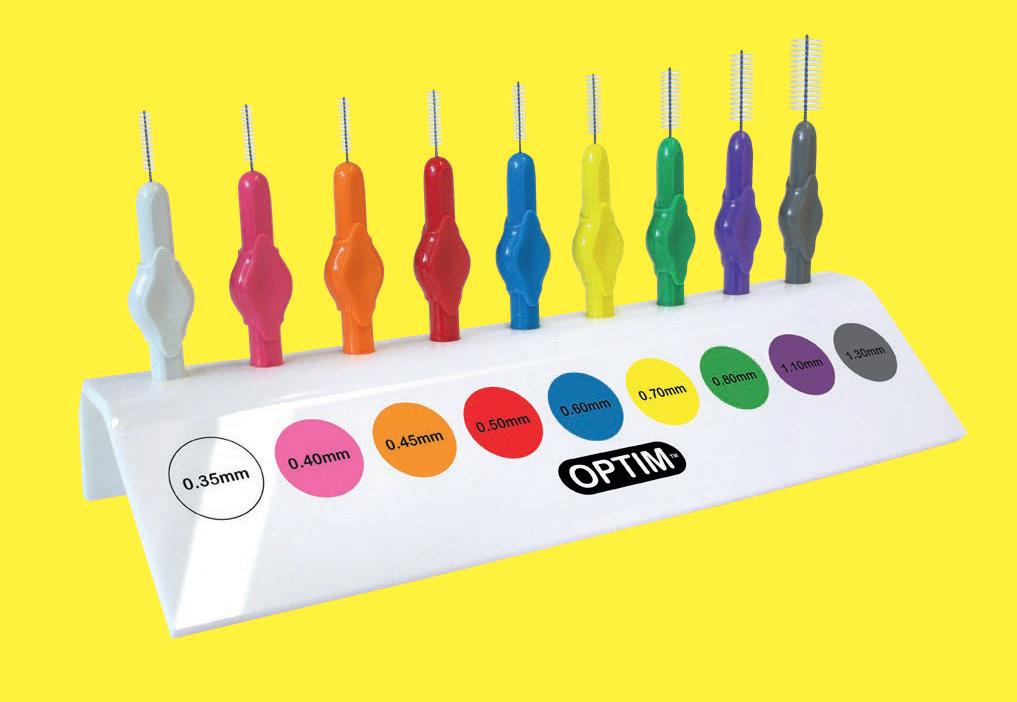
OPTIM Interdental brushes are precision made in the UK, using high tensile strength, plastic-coated, stainless-steel wire at the core, which helps to prevent the brushes from buckling, even on the smallest sizes. They are the same colour coded sizes that practices/ patients are already familiar with and are very competitively priced.

For more information or to request a sample, simply speak to your dealer, scan the QR code or visit https://optim-idb.uk/survey/
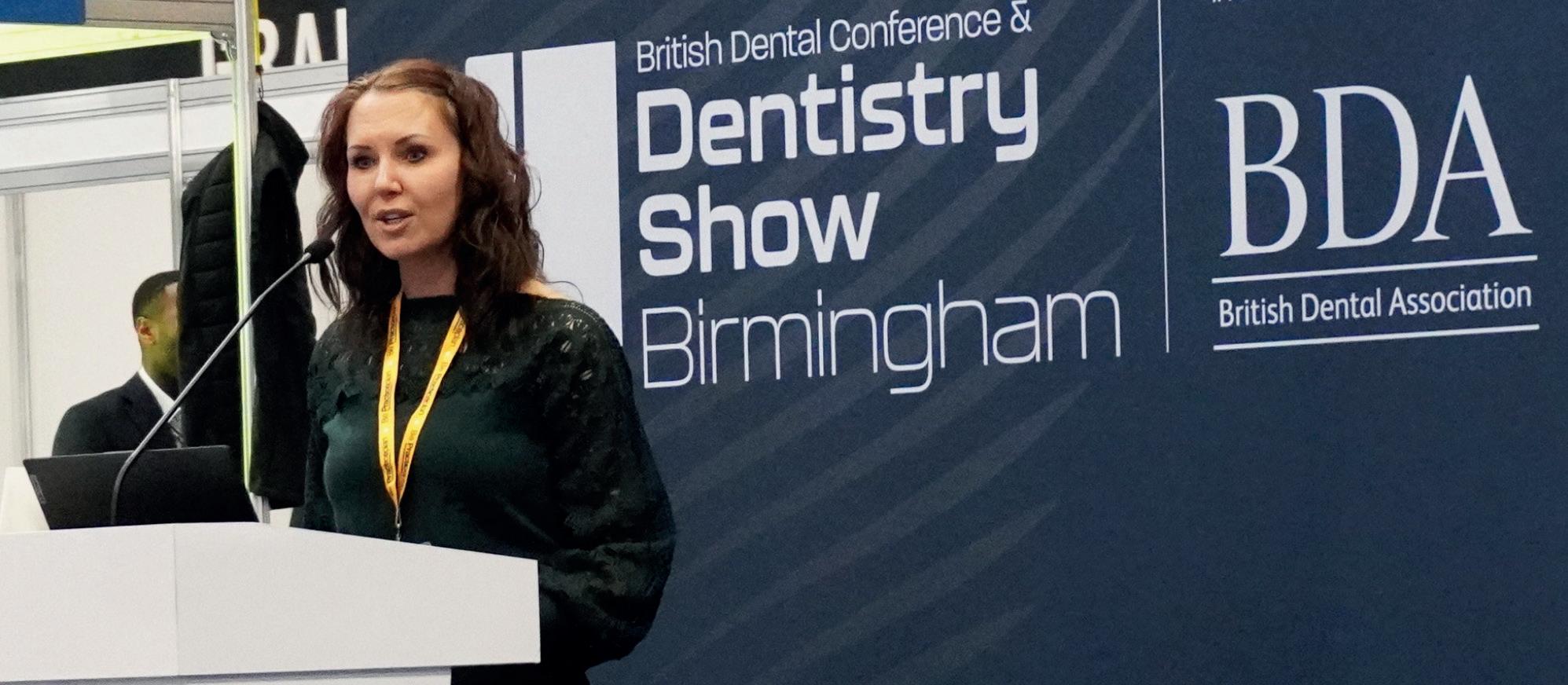
Sally Rayment, restorative dentist, speaking at the ADI Implant Theatre at the British Dental Conference & Dentistry Show 2026 in Birmingham, described one specific treatment for implant fractures as “an absolute game changer” that “100% works on every single case,” it may have sounded too good to be true. But, for those in the know, the data she brought to the room was anything but surprising.
Sally Rayment presented a ten-year clinical audit of Ankylos dental implant abutment fractures from her practice: a body of evidence that tells a clear and troubling story. Abutment fractures are a growing problem, the patient profile is fairly consistent (male patients account for 62% of cases; the first molar is involved in 84%), and the underlying driver, in the vast majority of cases, is parafunction. The clenching and grinding that loads the dentition far beyond what it was designed to bear is doing the same to dental implants, and the rates are increasing.
“A lot of dental problems were left to become worse during the pandemic,” Sally Rayment noted. “This is not a problem that is going to go away.”
Parafunction: a compounding risk What Sally Rayment describes is one something most dental professionals will recognise. Parafunction – the involuntary habitual loading of the dentition outside of normal function –is implicated not only in dental implant abutment fractures but across a wider pattern of damage: tooth wear, attrition, cracked teeth, and restorative failure. It is a risk factor that is frequently noted and inconsistently managed.
Part of the problem is that parafunction isn’t static: patients who do not present with bruxism at the point of dental implant placement may develop it subsequently – through stress, sleep changes, medication, or other factors.
“We need to get better at asking patients how they’re doing,” Sally Rayment said. A patient’s parafunctional status at one appointment is not necessarily their status at the next, and the consequences of missing the transition can be significant.
Meanwhile, the patients who most need intervention are frequently the ones least able to access it. “A lot of patients who need this help simply can’t get it,” Sally Rayment observed, and this is a reality that she believes the profession should confront more directly.
the limitations of conventional management
The standard approaches to managing parafunction are well established: occlusal splints, conservative measures, patient education, and behavioural advice. The Michigan splint, in particular, remains a widely used and clinically supported option. But Sally Rayment pointed out its major weakness: splint therapy depends on the patient wearing it, and motivation famously fluctuates. Truthfully, the patient who needs it most may find it the most intrusive. This is a familiar frustration for clinicians who have watched restorations and dental implant components, as well as natural teeth, fail in patients who were provided with a splint but did not use it. The barrier here tends to be human.

masseteric Botox: a game-changer?
Botulinum toxin injected into the masseter and, where indicated, the temporalis, addresses parafunction from a different direction entirely. Rather than asking a patient to modify their behaviour, it modifies their physiology directly. At eight to twelve weeks post-injection, bite force was reduced by approximately 40%. The clenching and grinding continues as a pattern, but the force it generates is substantially reduced. Critically, this does not rely on patient compliance. The injection is given, and the treatment is essentially complete. Sally Rayment described the treatment’s effects on her own time as a dental professional. “For myself, this is the most rewarding part of dentistry,” she said, reflecting on what it means to offer a treatment that works reliably and also sits at the intersection between two disciplines. One of her patients contributed with a quote that summarised Rayment’s own thoughts quite simply: “I presumed it’d be really painful, but it wasn’t. I lost the tension in my face… it was just heaven.”
are there still barriers?
The clinical case for masseteric Botox in the management of parafunction is, it seems, fairly well made. The barriers lie elsewhere in this case. Patient awareness is low – many simply do not know the treatment exists, or may associate Botox exclusively with cosmetic use. Clinician awareness and confidence in offering it remains variable, and stigma persists particularly among older male patients – precisely the demographic most at risk of dental implant abutment fractures – for whom the association is often a real deterrent.
This patient conversation, Sally Rayment made clear, requires patience and care. But it is still a conversation worth having. Clinicians who understand both the mechanics of parafunction and the options for managing it are best placed to lead it.
The ADI Implant Theatre at the British Dental Conference & Dentistry Show 2026 was a new initiative from the Association of Dental Implantology, bringing together some of the UK’s leading voices in dental implant dentistry for practical, evidencebased education across both days of the show. The ADI’s wider education programme, including its Fellowship Pathway and annual congress, supports dental professionals at every stage of their dental implant journey. The case for masseteric Botox in dental implant practice is an argument gaining more traction, and seemingly deservedly so. As a response to a growing issue, in any case, it appears to have the support of both the data and of the patients. n
Every year, a significant number of dental professionals complete orthodontic training courses. They leave with new knowledge, improved confidence, and renewed enthusiasm for orthodontic treatment. It’s after this, for many of them, that the real challenge begins.
The gap between learning a skill and applying it in an unsupervised environment is one of the more well-known challenges in healthcare. In dentistry, research has consistently shown that the transition from formal training to independent practice is where confidence and competency can diverge most sharply. The classroom, however good, cannot replicate the full complexity of a patient sitting in the chair –occlusal nuances and other judgement calls that textbooks can describe but cannot fully prepare you for. This is particularly true in orthodontics, where treatment decisions made early in a case have consequences that unfold over months or even years.
Why orthodontics demands more Orthodontics is not a field in which errors are immediately apparent. A poorly executed composite restoration reveals itself quickly. An ill-conceived orthodontic treatment plan may not show consequences for many months, by which point the case has already progressed in the wrong direction, and correction is significantly more complicated than prevention would have been.
The complexity is compounded by the fact that general dental practitioners (GDPs) entering orthodontics come with
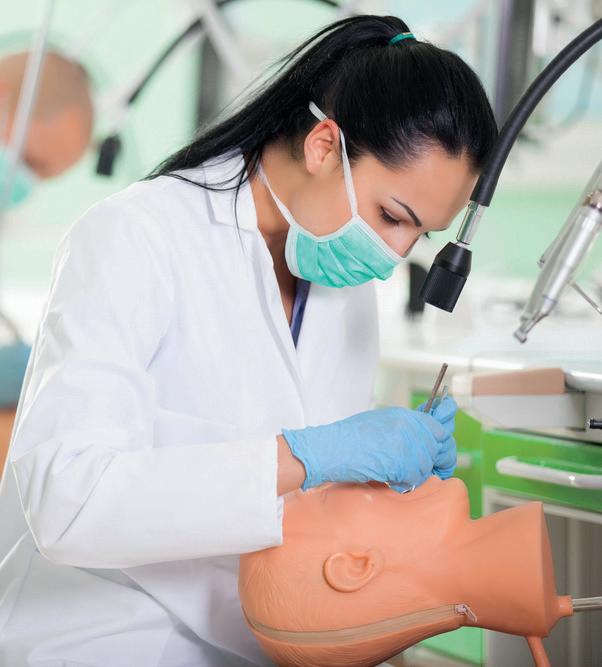
varying levels of baseline knowledge, different patient populations, and widely differing case mixes. A course, however comprehensive, cannot account for all of this variation. What it can do is build the foundation. Ensuring that foundation is built upon safely is what happens after the course ends.
This is the core argument for mentorship: an integral part of what a structured orthodontic education should deliver.
What the evidence says
The value of mentorship in dental education is well supported. A 2025 cross-sectional study of 550 dental students found that those receiving structured mentorship significantly outperformed their nonmentored peers across multiple domains
– with clinical competency scores above 90% seen in 38% of mentored students compared to just 15% of those without mentorship. Professional confidence was rated as high or very high by 78% of the mentored group, compared to 31% of those without structured support.
In healthcare more broadly, research consistently identifies the absence of structured accompaniment as a factor that delays the development of clinical autonomy and increases the risk of error in early career practitioners. The corollary is straightforward: structured mentorship accelerates competency development, reduces risk, and produces clinicians who are not just trained but fully equipped to practise independently.
For orthodontics specifically, the implications are significant. Case selection is arguably the most important skill a GDP offering orthodontic treatment can build. It is also a skill that develops through experience, case discussion, and guided reflection rather than through didactic learning alone. A mentored clinician approaching a complex case has access to expertise that an unmentored colleague might not. That difference has direct consequences for patient outcomes.
the structure that makes the difference
Not all mentorship is equal. Ad hoc access to a more experienced colleague – while valuable – is not the same as a structured, case-specific mentorship programme in which a clinician’s live patients are
reviewed, their decisions discussed, and their development tracked over time. The latter requires commitment from both the institution providing education and the clinician receiving it. It requires a culture in which not knowing the answer is not a failure, but a starting point.
For GDPs wanting to build their orthodontic skills, the IAS Advanced Diploma – a Level 7 programme leading to the CGDent Postgraduate Diploma in Primary Care Orthodontics – has structured, one-to-one specialist mentorship at the heart of its curriculum. Delegates bring their own active cases to course sessions, receive individual supervision across 10 treated cases, and engage in collaborative case discussion with both tutors and peers. The programme is designed not simply to expand knowledge, but to develop the kind of reflective, wellsupported practice that produces consistently safe and effective outcomes for patients.
Orthodontic training without mentorship is like learning to drive and then being handed the keys without ever having sat in traffic. The knowledge is there. The judgement, and the confidence to apply it safely, takes time and the right support to develop.
For more information or to book, visit courses.iasortho.com/courses n
about the author dr tif Qureshi, founder and a clinical director of iaS academy.
Avast number of factors influence the success of implant treatment. Case selection, assessment and diagnosis, treatment planning and execution must all be optimised if patients are to enjoy functional, aesthetic, and long-lasting results. In more complex cases, clinicians often have to manage unfavourable hard or soft tissue conditions before an implant can be safely and effectively placed. The application of appropriate techniques can accelerate healing, enhance implant stability, and ensure predictable and durable outcomes. With adequate training and experience, clinicians have several procedures to call upon.
Partial extraction therapy combines a number of surgical techniques to enhance the post-extraction socket environment for successful implant placement. It aims to preserve a slice of the tooth in the bone in order to minimise loss of bone and ligament attachment and reduce the remodelling and resorption of hard and soft tissue after extraction. It often combines versions of the socket shield technique, radicular burial technique, pontic shield technique, and proximal socket shield technique. When utilised by experienced hands, this approach delivers excellent mechanical, biological, and aesthetic outcomes. Research has demonstrated that 91% of implants survive without complications, and that good aesthetic results are achieved at least 1 year post-operatively. A low
failure rate has also been recorded after 10 years. The key is detailed assessment and meticulous planning, ensuring any potential complications are mitigated from the very beginning.
Platelet-Rich Fibrin (PRF) has been used in implant surgery for some time as a way to improve secondary implant stability for increased longevity and survival. It is an autologous material, derived from the patient’s own blood at the time of surgery, which contains a combination of fibrin matrix, platelets, leukocytes, and more to support tissue regeneration. The technique has been shown to support healing of the surgical site post tooth extraction, as well as enhancing the amount of keratinised tissue present for greater soft tissue health and thickness.
Plasma-Rich Growth Factors (PRGF) are an alternative solution, also shown to promote soft tissue health and reduce post-operative symptoms. Another autogenous blood-derived solution, PRGF differs from PRF in how it is prepared, meaning it releases growth factors more rapidly after placement. Both techniques improve outcomes by accelerating healing, so it’s important that clinicians understand the indications for each to ensure appropriate case selection.
augmentation procedures
A growing body of literature evidences the benefits of augmentation procedures when treating edentulous patients.
For example, research supports that dehiscence and fenestrations can be effectively addressed with guided bone regeneration (GBR) at the time of implant placement, resulting in high survival rates. It also shows good outcomes when a staged GBR approach is taken to treat horizontal and vertical bony defects. Soft tissue grafting is also associated with improved surgical results as it is found to significantly reduce marginal bone loss and vestibular recession, in addition to increasing periodontal tissue volume around an implant. Aesthetic outcomes are also improved, with a 2.2mm reduction in peri-implant soft tissue dehiscence reported following soft tissue augmentation with a coronally advanced flap.
Building a solid armamentarium
This is not an exhaustive list of the clinical skills required, but it does demonstrate some of the techniques that need to be understood when approaching more complex implant cases. To offer them to patients, clinicians must first undergo comprehensive training in the field, acquiring the relevant knowledge and practical abilities to effectively manage treatment from start to finish.
Finding the right programme that covers a wide enough range of topics is important for those wanting to advance their skills in a meaningful way. A combination of hands-on and theoretical teaching is vital, as is the availability of mentorship and ongoing support from a faculty of highly experienced clinicians. One to One
Implant Education provides a number of courses, including the PG Diploma in Advanced Techniques in Implant Dentistry, led by expert practitioners in implant dentistry and oral surgery. Across nine modules, attendees cover everything from the science of regeneration to GBR techniques, soft tissue augmentation procedures, sinus lifts, full-arch reconstruction, and so much more. The evidence-based teaching is supported by invaluable one-to-one mentorship, affording confidence that clinicians receive a truly comprehensive education.
Predictable and long-lasting implant outcomes rely on many factors. The clinician can optimise the chance of success with careful case selection, assessment, and planning, utilising the vast, evidence-based surgical techniques available to minimise the risk of complications and optimise implant stability, function, and aesthetics. The result is longer-lasting implants and happy patients – which is the ultimate objective for any dental treatment. To reserve your place or to find out more, please visit 121implanteducation.co.uk n
about the author dr Fazeela Khanosborne is the founding clinician of the one to one dental clinic.

Ahead of her presentation at Dentistry Show London, Dr Razan Mahgoub shares practical advice on assessing dental anxiety, building trust and using sedation appropriately to help more patients access the care they need
Dental anxiety exists on a spectrum, from mild nervousness to severe dental phobia. When an anxious patient first presents to you, how do you assess their needs and determine the most appropriate management approach?
Razan Mahgoub (RB): The first assessment begins before the first conversation. A patient’s body language can offer early clues: fidgeting, hesitating when called in, avoiding eye contact, or speaking excessively may all suggest underlying nervousness.
These are behaviours many dentists will recognise in everyday practice, and they should prompt a more sensitive approach. This is particularly relevant given that a recent UK Adult Oral Health Survey found that 42% of adults reported moderate dental anxiety, with a further 12% experiencing extreme dental anxiety.¹
Once the patient is in the surgery, I begin with open questions such as, “What worries you most about dental treatment?” or “Has something happened before that you do not want repeated?” These questions can reveal the nature of the patient’s anxiety, for example, loss of control, gagging or simply uncertainty about what is going to happen. Understanding this early helps us avoid unintentionally reinforcing that particular fear.
NHS England distinguishes between trait anxiety, which is the patient’s broader fear of dentistry, and state anxiety, which relates to specific triggers such as injections, drilling or extractions.² In practical terms, the first appointment is as much a behavioural and psychological assessment as it is a dental one.
A structured tool such as the Modified Dental Anxiety Scale (MDAS) is helpful as a baseline. However, it should never replace clinical judgement. Two patients may score similarly but need very different support. The next stage is assessing complexity, as anxiety rarely exists in isolation. The Indicator of Sedation Need (IOSN) is useful because it combines anxiety level, medical and behavioural factors, and treatment complexity, rather than viewing anxiety as a standalone indication for sedation. This assessment should take place before the

Dr Razan Mahgoub has a special interest in managing dental anxiety, conscious sedation, pain management, cosmetic dentistry, prosthodontics and Invisalign®. Based at Primo Dental in saltford, Bristol, she is known for her calm, compassionate approach, helping even the most nervous patients feel comfortable accessing dental care.
treatment appointment so that consent is not compressed into a moment of distress.
Conscious sedation is only one component of anxiety and pain control, alongside behavioural management and effective local analgesia. For mild to moderate anxiety, the most appropriate first step is often non-pharmacological: rapport building, environmental modification such as wearing headphones to reduce noise or attending at quieter times, a stop signal, guided breathing such as box breathing, longer appointments, or staged treatment.

For more severe anxiety or phobia, CBT-informed strategies or referral for psychological support may be appropriate, particularly if the longer-term aim is to help the patient return to routine dental care rather than remain dependent on sedation. However, sedation may be necessary at this point, and in selected cases where conscious sedation is not appropriate or has failed, referral for treatment under general anaesthesia may need to be considered.
the term “high-risk patient” can mean different things in different clinical settings. Which patients do you consider to be at greatest risk when anxiety is a significant factor, and why?
RB: The highest-risk anxious patient is not simply the person with the highest anxiety score; it is the patient whose anxiety interacts with medical instability, reduced physiological reserve, treatment urgency or behavioural complexity.
Patients I would regard as particularly high risk are those in whom dental anxiety interacts with reduced physiological reserve, especially patients with cardiovascular or respiratory vulnerability. In primary care dentistry, many patients
treated routinely will be ASA I or ASA II: either fit and well, or living with mild, well-controlled systemic disease such as controlled hypertension. The ASA status is a reminder that anxiety should not be assessed in isolation. Dental anxiety can increase heart rate, blood pressure and myocardial oxygen demand, while reducing a patient’s tolerance of treatment and amplifying pain and stress responses. A severely anxious ASA II patient may still be suitable for routine primary care treatment, including conscious sedation, with appropriate assessment and planning. However, once a patient moves into ASA III or above, the threshold for medical liaison, enhanced monitoring, modified treatment planning or referral to an appropriate setting should be much lower. In these patients, anxiety management becomes an important part of clinical risk management, rather than simply a measure to improve comfort.
Airway risk is particularly relevant when considering sedation. A simple screening tool such as STOP-Bang can help identify patients at increased risk of obstructive sleep apnoea.³ A raised STOP-Bang score does not diagnose sleep apnoea, but it should prompt caution, particularly with IV sedation, because airway obstruction and
respiratory depression are among the key risks clinicians must anticipate and be able to manage.
I would also consider severely phobic patients with urgent dental disease, and special care patients with behavioural or communication difficulties, to be high risk because anxiety can lead to late presentation, worsening infection and failed treatment attempts. Children and young people with severe anxiety are also vulnerable because traumatic dental experiences can reinforce avoidance into adulthood. Therefore, the highest-risk anxious patient is not necessarily the one who appears most visibly distressed, but the one in whom anxiety compromises medical stability, consent, co-operation, access to care or long-term oral health outcomes.
some patients avoid dental care for years because of fear, often returning only when they are in pain or facing extensive treatment needs. In your experience, what are the biggest barriers to re-engaging these patients, and how can clinicians help overcome them?
RB: The biggest barriers are often shame, fear of judgement, fear of pain, loss of control, cost concerns, and the belief that “it will be as bad as last time”. Many patients who have avoided dentistry for years are frightened; they often arrive expecting criticism before the appointment begins.
The first task is to remove shame from the room; this makes re-engagement more likely and preserves patients’ dignity. Another major barrier is the perceived size of the problem. It is helpful to separate urgent stabilisation from definitive treatment. For example, the first phase may simply involve pain relief, infection control, temporary restorations and prevention. Only once the patient feels safer should we move into more complex decisionmaking. This is particularly important in NHS settings, where appointment time and treatment options may be constrained, and in private settings, where costs can feel overwhelming. Written treatment plans, acclimatisation visits for patients, and agreed stop signals can all help replace uncertainty with structure.
There are, of course, limitations. Some patients will need specialist services, psychological therapy, special care input or sedation pathways. Others may disengage despite our best efforts. However, a gentle first appointment can still be clinically significant because it may be the first safe dental experience the patient has had.
Many patients assume sedation is the only way they will be able to undergo treatment. What non-sedation techniques have you found most effective in helping anxious patients feel comfortable and build confidence in the dental setting?
RB: The most effective non-sedation technique is to give patients control. This sounds simple, but a stop signal only builds trust if the clinician stops immediately when the patient uses it. Once patients realise they are not trapped, their threshold for coping often improves dramatically. I use a combination of graded exposure, clear communication and physiological regulation. For some patients, the first appointment is deliberately “small” so that success is achievable. Confidence is built through repeated experiences of coping, rather than a patient experiencing too much too soon.
CBT-informed techniques are also valuable, particularly for patients with moderate to severe or phobic dental anxiety.², 4
Some techniques to utilise in the clinic include:
1. Identifying catastrophic thoughts;
2. Correcting inaccurate expectations; and
3. Creating a personalised coping script that the patient can rehearse during treatment.
For example, if a patient says, “I know I will panic and won’t be able to cope,” this can be reframed as, “I may feel anxious, but I can use my stop signal, pause when I need to, and take the appointment one stage at a time.”
This is more helpful than offering vague reassurance because it acknowledges the fear while giving the patient a practical sense of control.
Breathing techniques, grounding, distraction, music, guided imagery and hypnotherapy-style language can all help. I will go further into this at Dentistry Show London,
giving some practical tips; the key is to use language that reduces threat.
Excellent local anaesthesia is fundamental. Many anxious patients are not afraid of dentistry in the abstract; they are afraid of pain because they have previously been inadequately anaesthetised or not believed. Topical anaesthetic, slow injection, anaesthesia testing, and permission to ask for more anaesthetic are all simple anxiety management techniques.
The dental nurse’s role is also vital. A reassuring nurse who notices body language, prompts pauses and reinforces coping can completely change the patient’s experience. Anxiety management should be a whole-team approach.
The key message I hope delegates take away is that anxiety management is not a niche skill reserved for sedation clinics; it is a core part of everyday dentistry
Conscious sedation can be transformative for certain patients. In which situations do you feel sedation offers the greatest benefit, and what should clinicians understand about its limitations and appropriate use?
RB: Conscious sedation offers the greatest benefit when anxiety is a barrier to necessary care and when the patient is otherwise suitable for sedation in that setting. It can be particularly helpful for severe dental phobia, traumatic previous experiences, complex or lengthy treatment, or patients who have repeatedly failed treatment with behavioural techniques alone.
In UK primary care, inhalation sedation with nitrous oxide and oxygen is often very useful for children, young people and some adults because it is titratable, wears off quickly and allows the patient to remain responsive. IV midazolam sedation can be transformative for adults with severe anxiety or for more invasive procedures, provided it is delivered by appropriately trained clinicians with the correct monitoring, equipment, staffing, governance and recovery arrangements.
However, sedation has limitations. It is not a cure for dental anxiety. It facilitates treatment, but it does not automatically build long-term coping skills. If every appointment is managed only pharmacologically, some patients remain dependent on sedation and never develop trust in routine care. I therefore see sedation as part of a broader anxiety plan rather than a standalone solution. There are also patients for whom primary care sedation may not be appropriate: those with significant airway concerns, severe systemic disease, complex drug interactions, or where co-operation and safety cannot be maintained. Referral to special care dentistry, secondary care or, in selected cases, general anaesthesia may be necessary. Used well, sedation can restore access to care. Used poorly, it can create false reassurance.
Anxiety management is often discussed in terms of clinical techniques, but communication and trust also play a significant role. How important are these factors in helping patients feel able to accept and complete treatment?
RB: Communication and trust are fundamental in treating anxious patients because they directly influence safety, consent and whether treatment can actually be completed. With sedation, it is easy to focus on drugs, monitoring and technique, but those interventions only work well when the patient feels safe with the clinician. For anxious patients, one of the greatest fears is unpredictability: that treatment will begin before they are ready, that they will not be believed if something hurts, or that they will lose control once they are in the chair. Clear communication reduces that uncertainty by explaining what is being done, why it is being done, what the patient may feel, what they should not feel, and how the appointment can be paused if needed.
This is particularly important because anxiety can affect decision-making. A frightened patient may nod along without fully processing information or avoid asking
questions because they do not want to appear difficult. Consent in anxious patients therefore has to be active and ongoing. I often slow the conversation down, check understanding, and make it clear that the patient can say no, delay treatment, or choose a staged approach. Trust is then built through consistency: if I say I will stop, I stop; if I say I will explain before doing something, I avoid surprises; and if we agree to take treatment one stage at a time, I do not push beyond what has been agreed.
From a sedation and trauma-informed perspective, this trust becomes even more important. We do not need to know every detail of a patient’s history to recognise that lying back, being touched, or feeling unable to speak can be deeply threatening. Asking permission, offering breaks and keeping the patient involved in decisions can make treatment feel safer without compromising clinical standards.
You will be exploring this topic in more detail at Dentistry show London. What key message do you hope delegates will take away from your session?
RB: The key message I hope delegates take away is that anxiety management is not a niche skill reserved for sedation clinics; it is a core part of everyday dentistry. Every practice sees anxious patients, and the way we respond can help us support them more effectively.
Sedation has an important role, but it should be seen as one part of a wider anxiety management pathway. Good anxiety management reduces failed appointments, emergency-driven care and loss of trust, while also making dentistry less stressful for the whole team.
I want delegates to leave with practical tools they can use immediately in surgery. I will be joined by a clinical psychologist who works with dentally anxious patients, so we can explore the psychology behind avoidance, catastrophic thinking and loss of control, but also translate that into chairside techniques: grounding exercises, breathing strategies, and a simple script to follow when an anxious patient is in the chair.
Many anxious patients arrive with a nervous system that has already decided dentistry is unsafe. If we can make anxiety assessment part of routine treatment planning, we can manage a difficult appointment and help change the patient’s relationship with dentistry. n
References
1. Office for Health Improvement and Disparities. Adult oral health survey 2021: service use and barriers to accessing care. London: Department of Health and Social Care 2024.
2. NHS England. Clinical standards for dental anxiety management. London: NHS England 2023.
3. Nagappa M, Liao P, Wong J, et al. Validation of the STOP-Bang Questionnaire as a Screening Tool for Obstructive Sleep Apnea among Different Populations: A Systematic Review and Meta-Analysis. PLoS One. 2015 Dec 14;10(12):e0143697. doi: 10.1371/ journal.pone.0143697. PMID: 26658438; PMCID: PMC4678295.
4. Kvale G, Berggren U, Milgrom P. Dental fear in adults: a meta-analysis of behavioral interventions. Community Dent Oral Epidemiol. 2004 Aug;32(4):250-64. doi: 10.1111/j.1600-0528.2004.00146.x. PMID: 15239776.
see Dr Razan Mahgoub at Dentistry show London!
Join Dr Razan Mahgoub at Dentistry Show London this October for a practical session exploring how behavioural techniques, communication and conscious sedation can help clinicians manage anxiety in high-risk patients.
Delegates will leave with practical strategies they can apply immediately to support anxious patients in everyday practice.
to find out more and register free of charge, visit london.dentistryshow.co.uk
On Friday 3rd July, the winners of the 2026 Dental Awards gathered in London to receive their trophies and celebrate their victories along with members of the judging panel and sponsors
Following the virtual presentation that streamed in May on The Probe website and Youtube channel, the winners of the 2026 Dental Awards were invited to a celebratory awards lunch to be presented with their trophies in person.
In the shadow of St. Paul’s Cathedral, The Happenstance set the scene perfectly. The weather was kind, the sun shining down as the best in British dentistry celebrated in the heart of the nation’s capital.
After guests were greeted with a champagne reception, James Cooke,
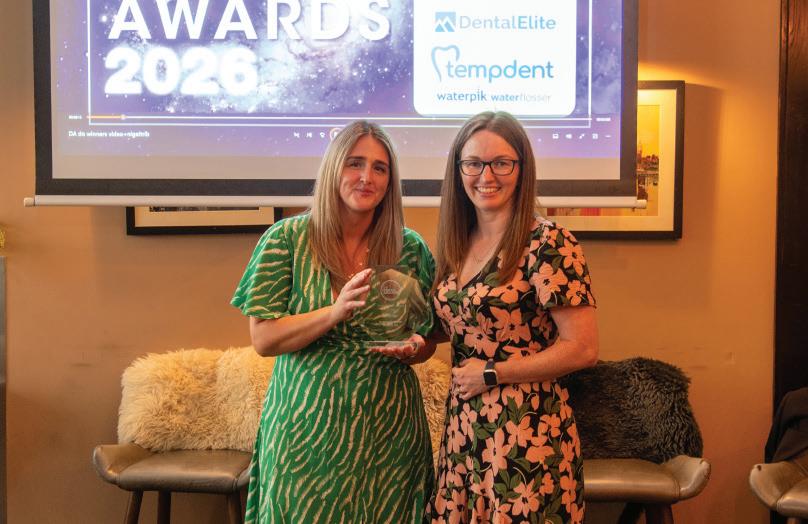






Editor of The Probe, presented the winners with their trophies.
As the plates were cleared and the dust settled, guests were treated to a performance from a renowned comedian, David Whitney.
Stay tuned in the coming weeks for details on how to enter the 2027 Dental
Awards, and you too could find yourself celebrating next year!
The Dental Awards is sponsored by B.A. International, Colosseum Dental, Dental Elite, Tempdent, and Waterpik, and is presented in association with the Oral Health Foundation, ADAM, BACDT, BADN, BADT, BSDHT, and CDTA.







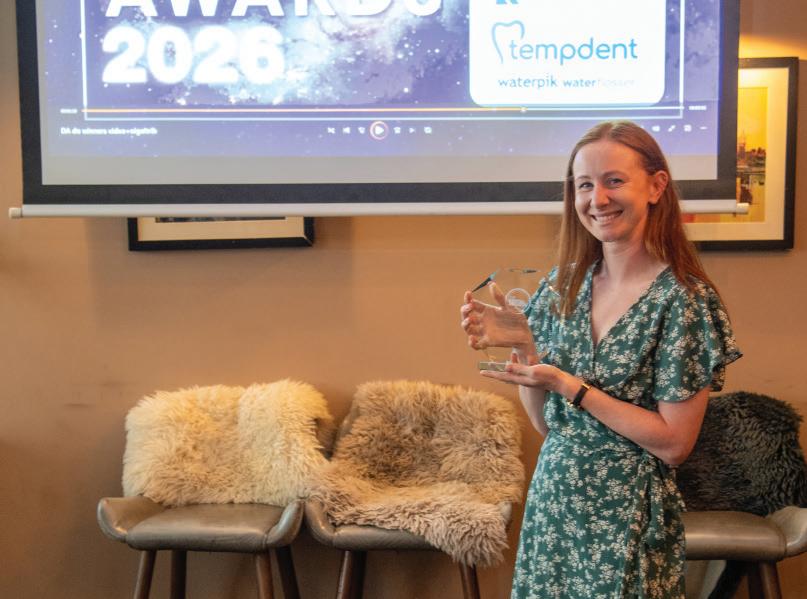
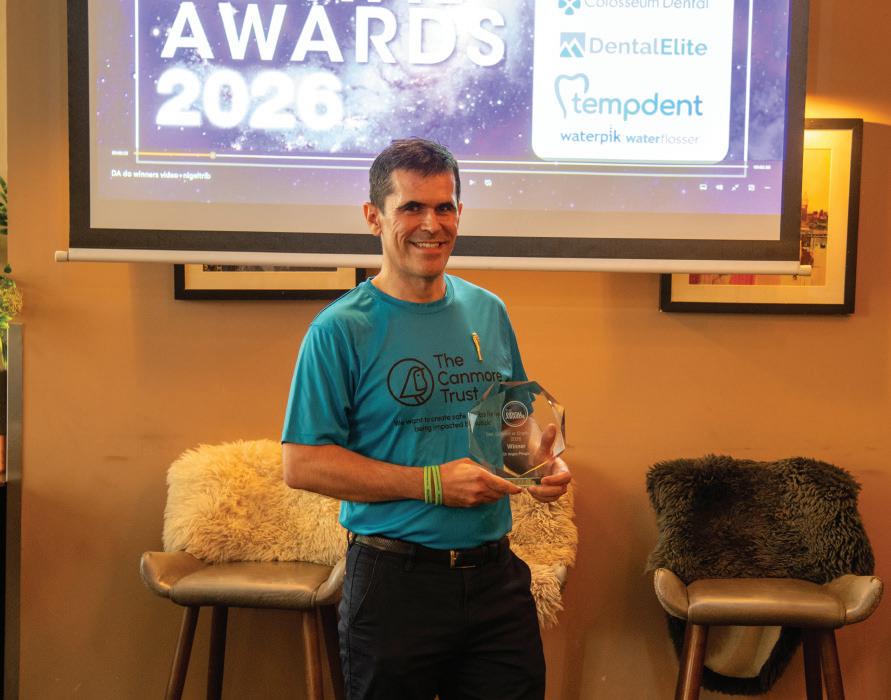


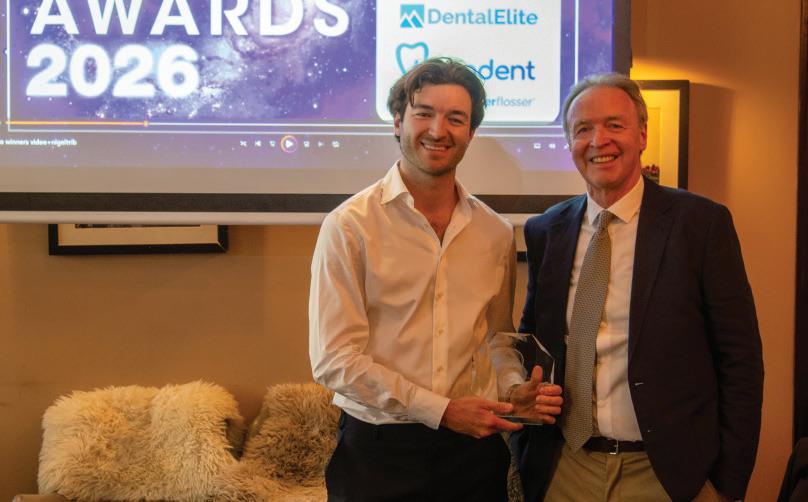








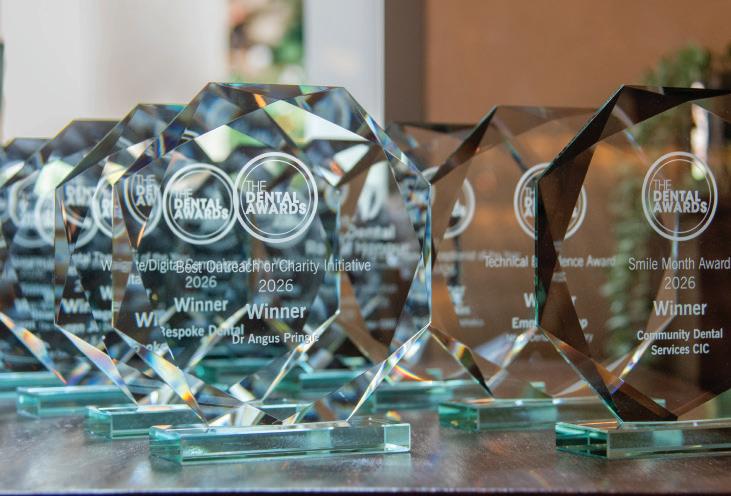


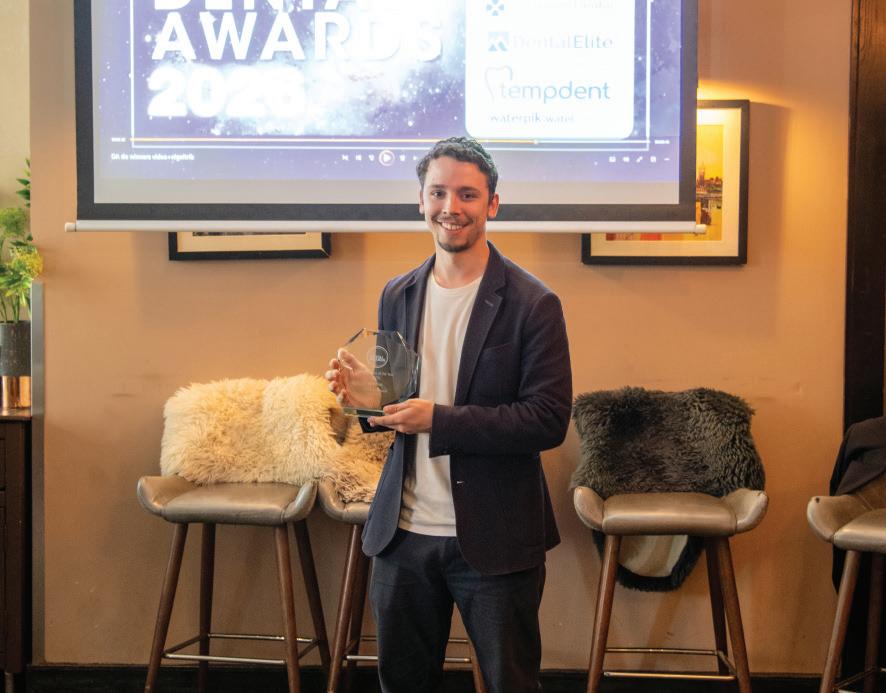




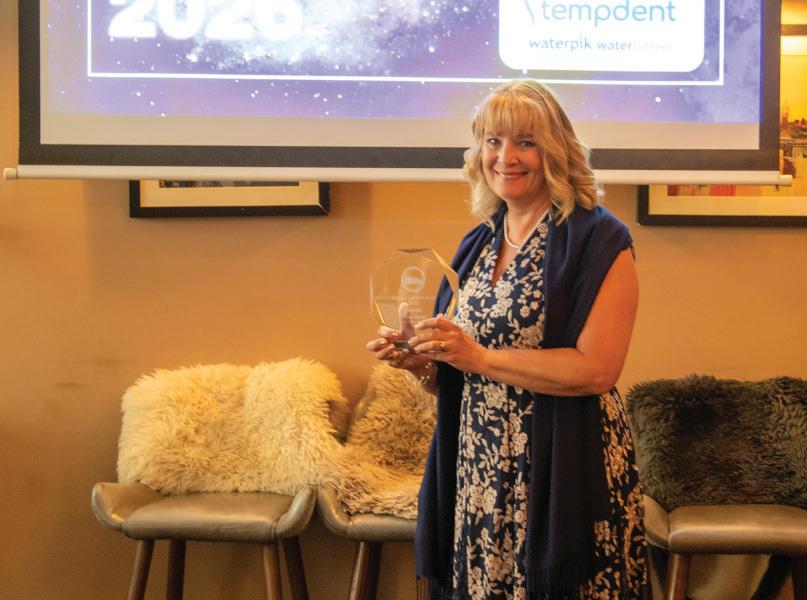
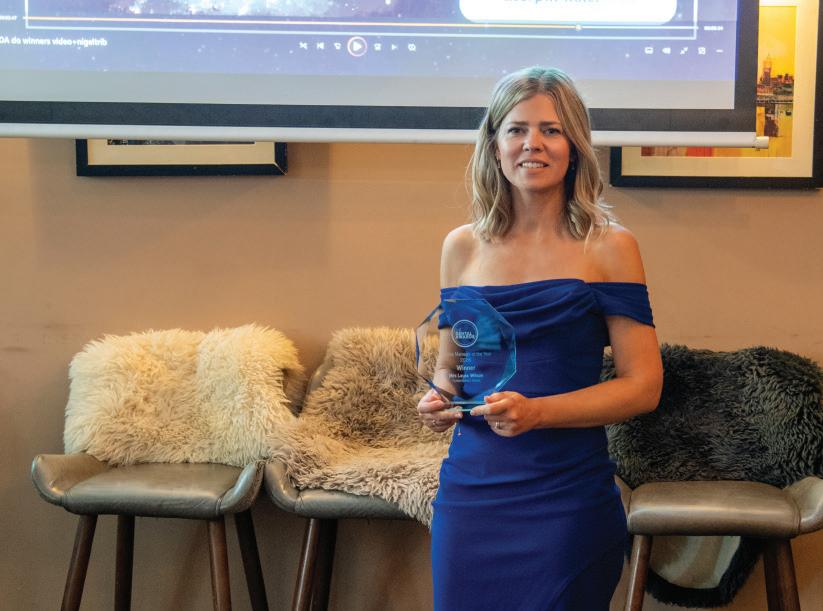







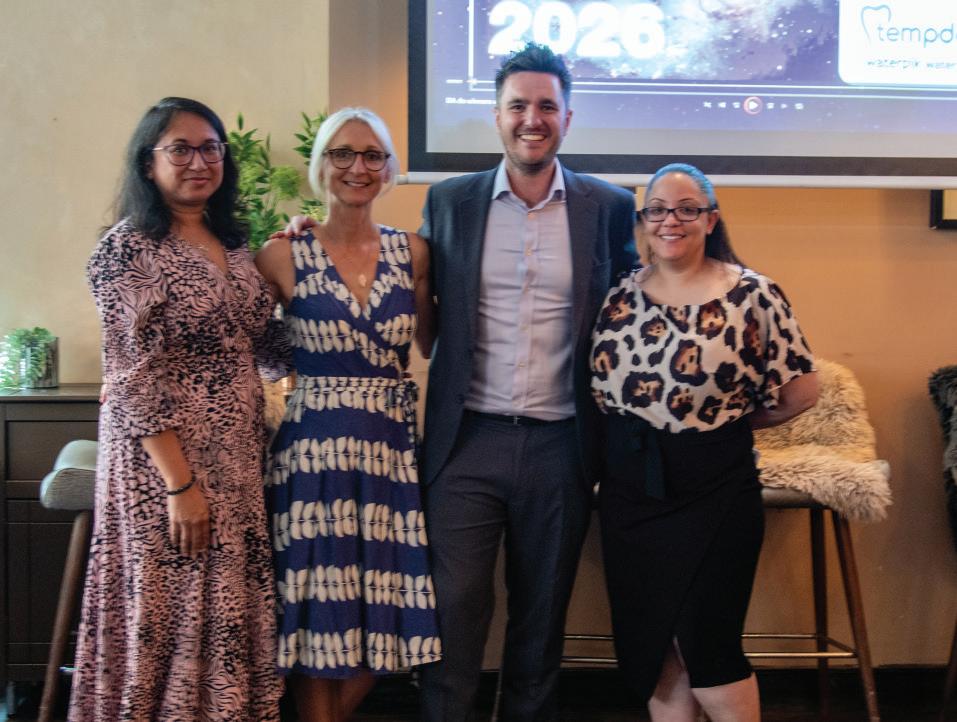



National Smile Month Award
Community Dental Services CIC [1]
Best Outreach or Charity Initiative
Dr Angus Pringle [2]
Bespoke Dental [3]
Front of House
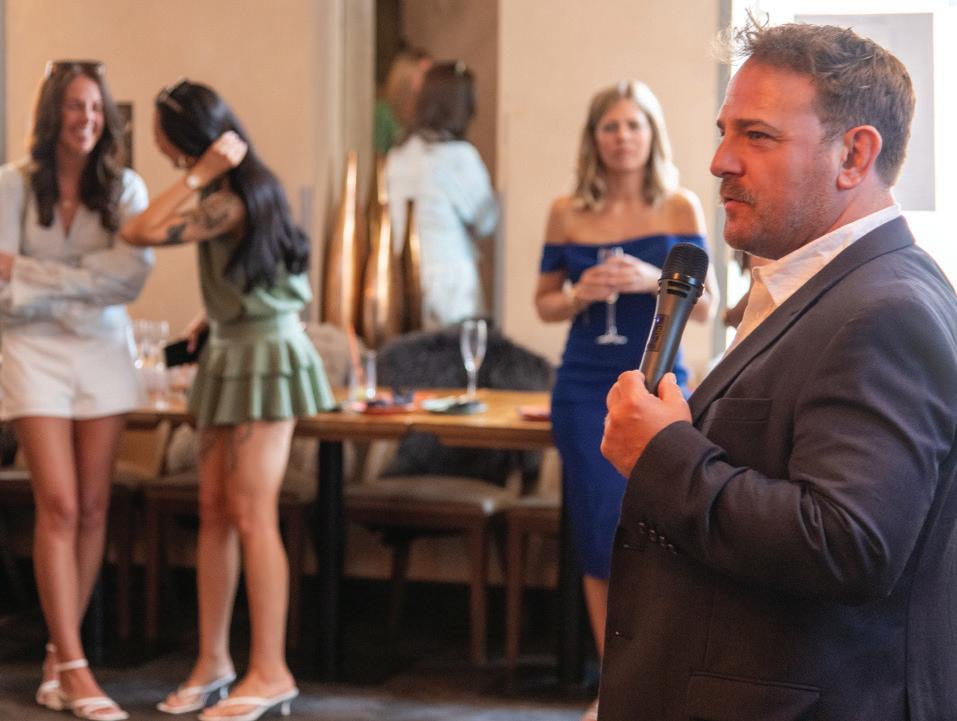








Website and Digital Campaign of the Year
Ellen Nokes, NUYU Dental & Aesthetics [4]
Dental Therapist of the Year
Imogen Johnson, NUYU Dental & Aesthetics [5]
Dental Hygienist of the Year
Rhianna Clarke, The Aspre Clinic [6]
Technical Excellence Award (DTs & CDTs)
Emma Allsopp, Nexus Dental Laboratory [7]
Dental Nurse of the Year
Adrien Chabaud, Be Dental [8]
Practice Manager of the Year
Laura Wilson, Contemporary Dental [9]
Young Dentist of the Year
Awaz Sharief, mydentist Padgate [10]
Dentist of the Year
Dr Chloe Harrington-Taylor, Hereford Dental Implant Clinic
Dental Team of the Year
Links Dental Practice
Practice of the Year
Hereford Dental Implant Clinic




















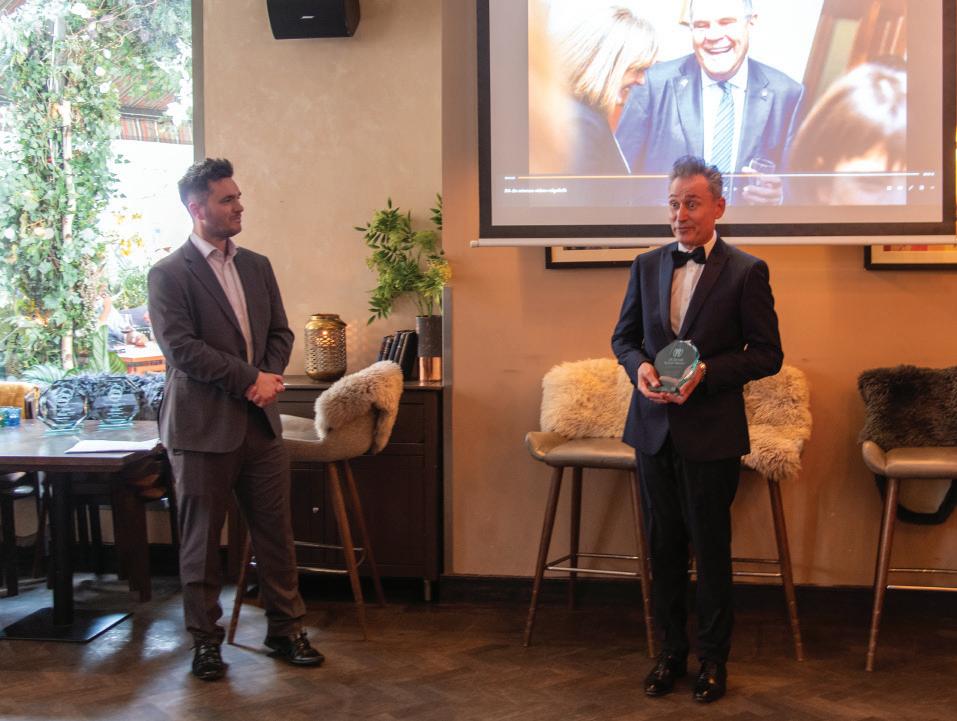

























Introducing the brand new Pro50™ S and Pro40™ dental units from Planmeca, designed to fit the way you work.
Planmeca Pro40 builds on the established side-lifting design with integrated digital intelligence and infection control features, while Planmeca Pro50 S offers a compact, ambidextrous configuration with wide adjustability and advanced connectivity. Pro40 offers an extensive movement range and clear access for dentists and assistants, with plenty of working space and easy reach to suction tubes and core instruments. Planmeca Pro40 supports six instruments and has a maximum patient weight of 200 kg.
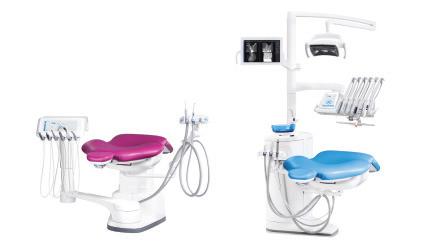
The Pro50 S is a compact dental unit with side delivery and hanging tubes that can fit in even the smallest of treatment rooms. The unit’s small pedestal, slim backrest, and extensive seat height range create optimal conditions for both two and four handed dentistry. Want to know more about our two new chairs? Call 02476 994160 or email ukmarketing@planmeca.com
From direct composite restorations to indirect restoration cementation, clinicians are often required to move between multiple adhesive protocols and restorative materials throughout the day. Together the 3M™ RelyX™ Universal Resin Cement and 3M™ Scotchbond™ Universal Plus Adhesive, from Solventum, are designed to simplify restorative procedures by reducing the need for multiple bonding and cementation systems across different clinical indications.
Relying on an effective, versatile adhesive bond system such as this for a variety of treatments reduces the need to pair up different bottles, materials and protocols throughout the day. Instead, treatment can be provided with confidence, for a range
of indications. Combining 3M™ RelyX™ Universal Resin Cement and 3M™ Scotchbond™ Universal Plus Adhesive streamlines material selection, allowing the focus to remain on the restorative procedure itself. Versatility where it matters. Simplicity where it helps. www.solventum.com/en-gb/home/oralcare/
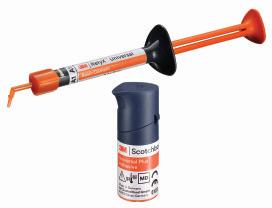
For more updates on follow us on Instagram at @solventumdentalUK and @solventumorthodonticsemea.
solventum.com/en-gb/home/oral-care/
The Association of Dental Implantology (ADI) has confirmed that its flagship biennial event, the ADI Team Congress, will take place at the ACC Liverpool from 15 to 17 April 2027. Bookings are now open.
One of the UK’s most significant gatherings for dental professionals with an interest in dental implants, the ADI Team Congress brings together clinicians, dental hygienists, dental therapists, dental nurses, practice managers, and students for three days of high-calibre education, handson workshops, clinical lectures, a trade exhibition, and networking.
The 2027 programme will bring worldrenowned speakers together to discuss and evaluate current questions in the dental implant world, with a mix of presentations,
Visualise, plan, execute – in three steps Clark Dental can create your ideal dental practice through its first-class surgery design service.
Having refurbished and transformed hundreds of practices across the UK, the team at Clark Dental have considerable experience and a proven track record at meeting and exceeding client expectations, offering support and innovative ideas throughout the process.
Using cutting-edge 3D software like AutoCAD 2026 and V-ray rendering, the team can create high quality images that match the vision for your dental practice. Being able to visualise the initial plan allows you to balance the aesthetics and function of the space, resulting in a practice that is
moderated discussions, and evidence-based looks at emerging concepts and techniques.
The ADI Team Congress is a cornerstone of the ADI’s mission to advance education in dental implants for the benefit of patients and professionals alike, and has earned a strong reputation for the quality of its international speaker programme and the breadth of content available to every member of the dental team.
For more information, please visit: www.adi.org.uk Join today!
efficient for the dental team and comfortable for your patients.
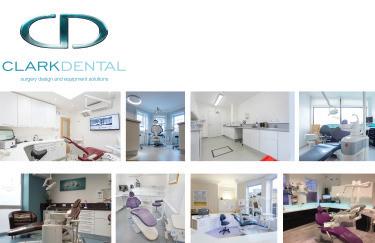
From there, Clark Dental will visit the site, discuss the logistics and oversee the full site installation of equipment for a seamless process.
Remove the pressure of surgery design by relying on the invaluable help of Clark Dental today.
For more information call Clark Dental on 01268 733 146, e: info@clarkdental.co.uk or visit www.clarkdental.co.uk.
Ensure accurate and dependable diagnostics in a wide range of treatment areas with the CS 8200 3D Access from Carestream Dental.
This innovative CBCT scanner puts state-of-the-art technology at the heart of patient care. Its versatile 4-in-1 capabilities cater to a broad range of clinical situations, delivering crystal-clear images of 75 microns for accurate diagnostics every time.
The game-changing CS MAR technology further ensures clinical confidence by automatically reducing metal artifacts for unprecedented clarity.
Despite its sophisticated features, the CS 8200 3D Access does not compromise ease of use, with an intuitive user interface
Dr Guy Laffan of Laffan Dental Care in Wales, describes his experience with COLTENE EverGlow as a non-negotiable for his restorative dentistry. He explains, “I’ve been using Coltene EverGlow for more years than I can honestly remember – it has become a true staple in my daily practice. It’s one of those products that, once you start using it, you simply don’t want to be without.”
In daily use, he values a variety of EverGlow’s features. “The polishability is absolutely outstanding. I genuinely believe there isn’t another composite on the market that polishes to such a highgloss, natural-looking shine so quickly and easily. The handling is beautiful, it sculpts effortlessly, and the consistency gives me
Fit-N-Swipe offers single-use cleaning and drying pads attached directly to the back of the glove to ensure they are always within easy reach.
They are incredibly straightforward to use. The pads can be attached to the glove in any position chosen by the user, allowing for onehanded use without any additional movements. Debris, blood or plaque residue can be wiped away quickly and efficiently without interrupting the workflow. This ensures shorter movements, greater control, and improved ergonomics during treatment.
The blue Fit-N-Swipe drying pads have been specially designed for use with dental mirrors. Their innovative multi-layer fabric ensures streakfree cleaning and clear, fog-free reflections, even when dealing with greasy or oily residues.
The effective cleaning of instruments is what the white Fit-N-Swipe cleaning pads are designed for. Their high-performance microfibre impresses with its high absorbency and retention capacity. They can also be used as a practical storage pocket for endodontic needles, which can be attached directly to the glove.
Too often wipes tear or lose their integrity before the job is done. That’s why Bossklein V-WIPE Ultra has been engineered with a premium 40gsm Ultra substrate that delivers exceptional strength, durability, and confidence during every clean.
and modern controls streamlining the professional workflow. Find out more by contacting Carestream Dental today.
For more information on Carestream Dental visit www.carestreamdental.co.uk
For the latest news and updates, follow us on Facebook and Instagram @carestreamdental.uk
Another advantage is that the pads can be sterilised. This makes them suitable for surgical applications.
Fit-N-Swipe is the key to achieving efficient workflows, improved hygiene and a noticeable reduction in workload in day-to-day practice.
Each wipe can disinfect a surface area up to 1.43m2, allowing users to be more efficient with every wipe. Whether disinfecting worktops, equipment, or hightouch surfaces, Ultra wipes help improve efficiency with high surface coverage.
Combined with a 60-second contact time, quick-drying alcohol formulation, and proven efficacy against a broad spectrum of microorganisms, V-WIPE
total control.”
COLTENE’s influence extends way beyond solely aesthetics too. “EverGlow has had a very positive impact on both my clinical outcomes and my patient satisfaction.” For Dr Laffan, it continues to be “one of those rare products that lives up to the claims.” Find out more about taking your practice to the level of Laffan Dental Care, discover COLTENE today!
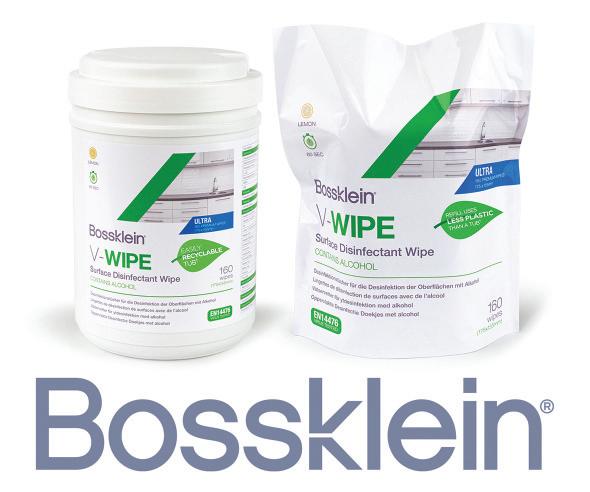
Ultra is designed for environments where reliability and performance cannot be compromised.
Bossklein V-WIPE Ultra are available now. For more information call 0800 132 373 or visit www.bossklein.com.
R4+ from Carestream Dental is a complete server-based practice management application. Offering one of the strongest and most comprehensive clinical workflows available, ease-of-use is far from compromised with its straightforward direction and design.
R4+ is a leading system used by the UK dental profession, offering a plethora of advantages for every practice. The software hugely reduces admin pressures with its clear calendar organisation, and easy patient record storage. Additionally, R4+ manages all your patient visits from appointment booking and clinical treatments to finances and communications.
A trusted toothbrush that improves oral health, the CS 5460 toothbrush from Curaprox is now GEN M approved, making it a menopause friendly dental hygiene product that continues to optimise patient wellbeing.
The MTick® from GEN M is a symbol of trust, guiding menopausal women to certified and suitable solutions where they previously may have struggled. Because of the heightened risk of periodontal disease during menopause, a consistent oral hygiene routine is needed to keep the teeth and gums healthy.
an angled head; design features that improve patient handling for correct brushing technique.
The Curaprox Travel Set has also received the MTick® This contains a portable CS 5460 toothbrush, a Be You toothpaste and two CPS interdental brushes for a comprehensive cleaning experience whilst on the move.
For the latest news and updates, follow us on Facebook and Instagram @carestreamdental.uk
The system comes with an abundance of supportive and digitally innovative integrations. E-signatures, imaging, and even SMS messaging are utilised to enhance patient convenience, lighten practice workload and facilitate building patient rapport. Remote forms assist time-management further, allow staff time to be better-delegated and increase patient autonomy. For more information on Sensei Cloud visit https://gosensei.co.uk/
The CS 5460 supports patients reporting inflammation and sensitivity at the gum line – its ultra-soft filaments are extremely gentle for a comfortable cleaning experience. The brush also features an octagonal handle and
For oral hygiene solutions that support menopausal patients, trust in MTick®certified products. To arrange a Practice Educational Meeting please email us on:sales@curaden.co.uk
The latest Dental Elite Goodwill Report reveals record practice sale prices and continued confidence across the UK dental market. For fiscal year-end 2026, the report confirms a continued upward trajectory for practice values across the nation. The average completed transaction price for all practices was £1,383,637 – the highest average sale price recorded in the 10 years that the report has been generated – representing a 7.5% rise on last year.
Group buyers continue to drive strong multiples with tier 2 (those with 20+ practices) buyers among the most competitive. With 69% of transactions completed by independent buyers, however, the market remains buoyant and provides opportunities for all to build and grow their businesses.
Clark Dental supplies state-of-the-art dental equipment to help make your practice a place of trust and clinical confidence – for both the dental team and patients.
The dental treatment centre sits at the heart of patient comfort, and the Intego Pro provides a safe and relaxing environment with its ergonomic design and intuitive technology. This extends to an ApexLocator, which can be integrated into the EasyTouch system to enable permanent control of the working depth during endodontic treatment and a reduction of X-ray exposure.
Committed to providing the best experience for you and your patients, the team at Clark Dental install, service and
To unpack the data further, and better understand where you stand in your practice sale or purchase journey, contact Dental Elite to download the full report or to seek bespoke advice and guidance. Whether you’re considering a sale, acquisition or valuation, understanding current market conditions is essential to making informed decisions.
Download the Goodwill Report from the website.For more information visit the website, email: info@dentalelite.co.uk or call: 01788 545 900.
Is running your practice becoming increasingly demanding? Do you wish you could spend more time focused on patients while also having greater support around the operational and commercial side of the business? And do you want to achieve that without stepping away from the practice you have worked so hard to build?
Our shared ownership model is designed to help principals continue leading their practices while gaining access to broader expertise, infrastructure and strategic support. Partners retain autonomy over their practice, team, patient experience and future direction, while benefiting from an expanded network of people focused on helping drive business performance,

innovation and longterm growth. Our central support services are flexible and tailored around the needs of each practice. Rather than replacing the principal’s role in leading the business, we help strengthen the support structure around it. If you are ready for a different way of working — but not ready to walk away from the profession or the practice you love — discover how DeNovo could help shape the next stage of your career. Arrange a confidential conversation with the team today.
maintain every dental treatment centre supplied, with the Intego Pro coming with a 5-year warranty for continual support.
For high quality clinical performance, you can depend on Clark Dental and the Intego Pro.
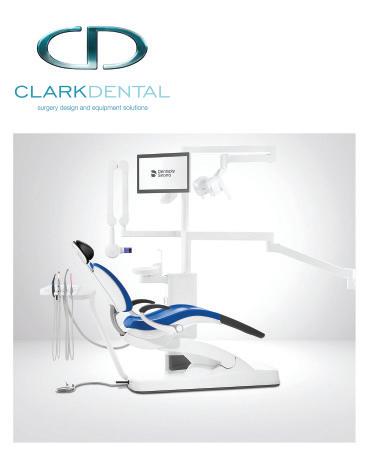
For more information call Clark Dental on 01268 733 146, e: info@clarkdental.co.uk or visit www.clarkdental.co.uk
Initial Medical provides leading support for clinicians and their waste management routines, including advice for efficient preacceptance waste audits.
These are a key part of the waste workflow, and are designed to ensure all healthcare waste is correctly classified, segregated and collected by a specialist waste disposal contractor. Initial Medical provides dedicated advice for complete data collection, as well as a range of clinical waste containers to ensure safe waste collection and transportation.
This includes the Eco Sharps Bin range, colour-coded in line with NHS guidelines, and made from at least 40% recycled plastic for an environmentally friendly

waste workflow. They are also puncture-resistant and seepageproof, providing enhanced protection to clinical teams and waste handlers. You can learn more about the support provided by Initial Medical by contacting the team today.
To find out more, get in touch at 0808 304 7411 or visit the website today www.initial.co.uk/medical.
Dr Francois Vannerem of Horbury Dental Care
came to the IAS Academy Fixed Brace Course with a clear goal. Already experienced in aligner therapy, he wanted to expand his skill set to treat cases where aligners were not the most suitable option, broadening both his clinical capability and the range of patients he could confidently help.
The course delivered exactly what he was looking for. “I left with a solid understanding of how to treat simple fixed brace cases, and a clearer picture of which cases are best suited to fixed appliances over removable options,” he said. “My expectations of this course were fully met.
“I feel confident to apply my new skills in
practice with the support of ongoing mentorship.
“I would absolutely recommend the course and IAS Academy to others,” he said.
The IAS Academy Fixed Brace Course provides dental professionals with the practical knowledge and supported foundation they need to introduce fixed appliance therapy into their practice safely and effectively.
For more information or to book the course, visit https://courses.iasortho.com/courses or call 01932 336470 (Press 1).
Dental professionals are increasingly well placed to incorporate facial aesthetic treatments into their practice offering, and having the right products, sourced from the right supplier, is fundamental to doing so safely and compliantly.
Dental Directory is the only UK supplier operating across both the dental and medical aesthetics markets. With an in-house pharmacy registered and regulated by the General Pharmaceutical Council, and a temperature-controlled supply chain designed for the safe handling of prescription-only medicines, Dental Directory provides an extensive range of facial aesthetics products – including toxins, dermal fillers, and medical-grade skincare – to over 6,000
medical aesthetics clinics across the UK.
For practices looking to expand into aesthetics, or those reviewing their existing supply arrangements,

Dental Directory offers both the product range and the regulatory infrastructure to support confident, compliant practice. Find out how DD can help you today.
For more information on the products and maintenance services available from Dental Directory, please visit ddgroup.com or call 0800 585 586.
For rapid, reliable and reassuring relief from dental pain, recommend Orajel® to your patients. It’s easy to apply to the affected area in the mouth and gets to work in just 2 minutes.i
Whether patients are experiencing pain due to broken or fractured teeth, dental decay, receding gums or dental treatments such as a loose filling, Orajel® provides a safe and effective solution.
Two versions are available –Orajel®Dental Gel containing 10% benzocaineii and Orajel® Extra Strength containing 20% benzocaine. The latter is designed to provide relief from intense dental pain, with the maximum

concentration of benzocaine available without a prescription.
Find out more today.
For essential information, and to see the full range of Orajel products, please visit https://www.orajelhcp.co.uk/.
orajelhcp.co.uk
The PerForm™Proximal Contact Instrument from Garrison Dental Solutions gives the clinician complete control over the formation of interproximal contacts on posterior composite restorations. Regardless of the matrix system employed, the PerForm’s simple push/ pull technique holds the matrix and composite material in the ideal position. The curing light is placed directly on the unique fresnel lens that aids in directing the light deep into the proximal box. Once cured, PerForm is easily removed and the restoration is completed resulting in perfectly formed tight contacts. PerForm comes in a set with instruments
for both large and small preparations. Each double ended instrument has a mesial contact former and distal contact former. Carefully engineered tips form the composite during polymerization without the risk of getting locked in place. The instrument is steam autoclavable and is the perfect complement to any matrix system or technique.
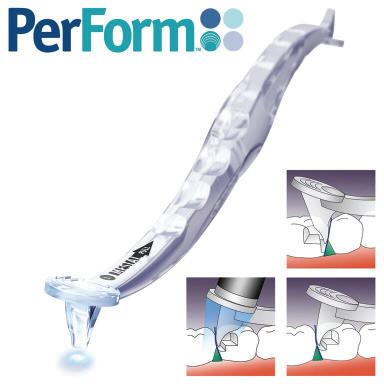
To ensure you can provide the most predictable treatment outcomes in facilities that promote patient comfort, your practice design is key. For expert help in assessing your current set-up, finding new equipment to elevate your patient care, and ensuring ongoing technical support, look no further than Dental Directory. We offer thousands of cutting-edge innovations and industry-leading products that enable exceptional dental care and superior productivity. Our professional team will provide all the information, guidance, and bespoke advice you need to make the best decisions for your business.
Beyond product selection, our experts remain available throughout the equipment
Toothache can strike at any time of year, but summer brings its own set of triggers. Cold drinks, ice cream, and chilled foods can aggravate sensitivity and underlying dental concerns, leaving patients in sudden and unexpected discomfort.
If toothache strikes, recommend Orajel® for fast and effective pain relief. The proven solution gets to work in just 2 minutes, allowing your patients to get back to whatever they were doing. Two versions are available: Orajel® Dental Gel contains 10% benzocaine, which is an anaesthetic that reduces pain associated with common dental concerns, like a broken tooth that might require a filling. If patients are experiencing more acute dental pain, the Orajel® Extra
Dr Haris Stratakis talks on his experience with the SprintRay Pro 2 3D printer.
As the fastest and most reliable 3D printer yet, the SprintRay Pro 2 never compromises on delivering the most accurate results.
“Every other printer has failed at some point, but the SprintRay Pro 2 3D printer hasn’t failed once. It is the best quality printer I’ve ever seen. I was looking for minimal possible errors… the Pro 2 3D printer is faultless every time.”
With everything made achievable in-house, SprintRay ensures that every stage of your workflow is made as easy and efficient as possible.
With everything achievable in-house, SprintRay ensures every stage of your
installation process and offer an array of maintenance services that will protect your investment for years to come. Find out more today.
More to smile about with Dental Directory. For more information on the products and maintenance services available from Dental Directory, please visit ddgroup.com or call 0800 585 586.
When your patient needs advanced endodontic treatment, EndoCare makes the entire process as smooth as possible for both you and them.
1.Complete the referral form on the website
2. Submit it to the Specialist Endodontists at EndoCare
3. Hear back from the team to get your patient booked in It’s that simple!
You can then relax in the knowledge that your patient will receive exceptional endodontic care by an expert team with access to cutting-edge technologies, ensuring excellent outcomes. Find out more by contacting the team at
EndoCare today. For further information about the endodontic referral services available from EndoCare, please call 020 7224 0999 or visit the new website: www.endocare.co.uk.
Strength containing 20% benzocaine may be more appropriate, offering greater relief with a similar fast-action mechanism.

By addressing pain there and then, Orajel® can help patients go about daily life until they can attend an emergency dental appointment to treat the cause of the issue. Start recommending Orajel® today.
For essential information, and to see the full range of Orajel products, please visit https://www.orajelhcp.co.uk/.
oraljelhcp.co.uk
chairside workflow is streamlined for maximum efficiency, simplicity, and clinical confidence.
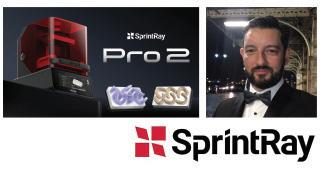
“Having everything in-house makes a massive difference from every single aspect. It used to take me over eight hours to work on eight teeth; the same case now takes just 27 minutes with the SprintRay Pro 2 3D printer – it is so fast that we can literally complete full composite bonding during a patient’s lunch break.”
Find out more about how your practice can reach new heights, contact the friendly team today!
Is your administrative team always busy? Are phone calls missed? RoboReception AI supports dental practices by shouldering simple tasks and freeing up the receptionists, creating a more efficient workflow.
When dealing with patients in-practice, it can be easy for phone calls to go unanswered. With RoboReception AI, the practice phone line refers the call to AI Joe after three rings (or as many as deemed fit), allowing patients to have their enquiries answered. Whether asking logistical questions or requesting a rescheduled appointment, patients can rely on AI Joe to provide the help they need. Missed calls can mean missed revenue, and the addition of RoboReception

AI reduces the missed call rate to 0%. Patient care improves too, with the reception team able to give their undivided attention to those in the practice, generating a warmer, friendlier environment.
For a streamlined workflow that supports the administrative team as well as patients outside of opening hours, choose RoboReception AI.
To find out more visit www.roboreception.co.uk or call us on: 07511 085684.
Effective preventive oral care extends far beyond solely toothbrushing, which is why the TANDEX Wash & Prevent mouthwash has been developed to compliment daily oral hygiene routines.
Wash & Prevent has been designed with the remarkable combination of fluoride (226 ppm) and chlorhexidine (0.12%), both working together to strengthen enamel and deliver an additional an antibacterial effect.
In the hardest-to-reach areas the Wash & Prevent supports, delivering a thorough clean. Its alcohol-free formulation makes it suitable for daily use, encouraging patient compliance, long-term oral health, and a comprehensive clean from the comfort of home.
Wash & Prevent is the perfect addition to all patients’ routines, guaranteeing a deeper, more consistent solution to preventive care. For more information visit https://tandex.dk/ Our products are also available from DHB Oral Healthcare https://dhb.co.uk/
Find out more about the exciting TANDEX competition and other remarkable TANDEX products that take patient experiences to the next level!
Enter the quiz by following this link https://form1.tandex.de/



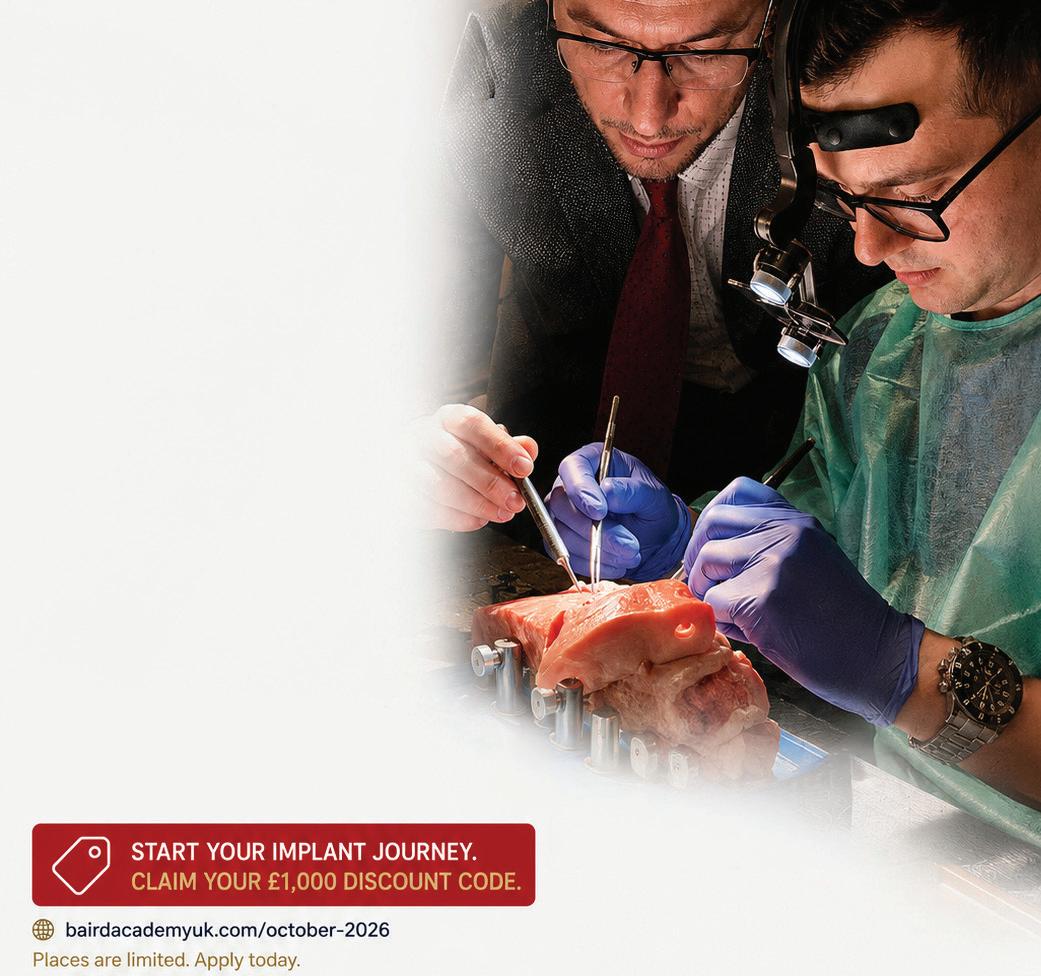












Practice sales are often viewed as end-of-career decisions — something principals begin considering later in their professional lives, when retirement starts to feel within reach.
But many of the principals exploring their options today are not at that stage. They are in their thirties, forties and fifties, still ambitious, committed to clinical practice and proud of the businesses they have built. They are not necessarily ready to step away or hand over the business completely. What they are looking for is a different way of working and a more sustainable way forward — because the pressures of practice ownership have become increasingly difficult to ignore.
The mid-career squeeze
Running an independent practice in 2026 looks very different from a decade ago. Compliance requirements have increased significantly, recruitment and retention remain ongoing challenges, and the cost of operating a practice continues to rise while NHS contract values have remained largely stagnant. At the same time, practice owners are having to make increasingly complex decisions about investment — from digital workflows and patient experience platforms to AI-enabled tools, equipment upgrades and the capital required to stay competitive.
For many mid-career principals, this creates a very specific kind of pressure. They have spent years building successful practices, loyal patient bases, strong teams and trusted local reputations. Walking away entirely does not feel right, but carrying the full weight of ownership alone can begin to take its toll. Too often, the conversation around

practice ownership is framed as a binary choice: remain fully independent or sell and step away. For principals who do not identify with either option, it can feel as though there are very few meaningful alternatives available.
The cost of waiting
One response to this pressure is to continue as things are, assuming the right moment to make a change will eventually arrive.
But waiting can carry its own costs.
As practices grow in value, principals often accumulate significant unrealised equity — value tied up within the business and inaccessible until some form of transaction takes place. For principals still in the middle of their careers, that equity could potentially be supporting wider personal, professional or business ambitions much earlier.
There is also the less visible cost of continuing to operate alone. Without a strong peer network or wider operational support, principals are often left making important decisions in isolation while balancing the growing demands of HR, finance, compliance and day-to-day operations alongside clinical responsibilities. Over time, that level of pressure can become normalised, even when it is no longer sustainable. Waiting can also mean postponing the investment needed to modernise a practice, whether in technology, facilities, new services or team capability. Over time, that can create a gap between what owners want the practice to become and what they have the capacity or capital to deliver alone.
Growth can also become increasingly difficult to achieve independently. Expanding services,
investing in technology, upgrading equipment, improving the patient experience, recruiting associates or developing additional sites all require time, capital and operational capacity. For principals already stretched thin, even positive opportunities can begin to feel overwhelming.
As a result, many practices can find themselves in a holding pattern — stable and successful, but increasingly difficult to evolve. Over time, that stagnation can begin to affect not only profitability and growth potential, but also the longterm enjoyment and fulfilment that comes with ownership itself.
Research consistently shows that isolation, especially professional isolation, is a significant factor in burnout among senior clinicians. The combination of clinical responsibility and sole business ownership only compounds this.
For many mid-career principals, the question is not simply whether to sell. It is whether the current structure of ownership is still serving them, and whether there may be a better way forward.
Too often, the value of a practice becomes intertwined with the dayto-day experience of running it. But the two are not the same. It is possible to unlock the value that has been built within a practice while also reshaping the ownership experience itself.
A transaction does not have to represent an ending. It can instead be a restructuring — one that releases equity, creates access to broader support and expertise, and connects principals to a wider professional community, while still allowing them
to retain autonomy over the practice they have built.
Viewed through that lens, the conversation around timing changes as well. Rather than waiting until retirement feels close enough to justify acting, principals can begin considering whether the right ownership model could make the next 10, 15 or even 20 years of practice more rewarding, sustainable and growth-focused.
At DeNovo Dental Partners, we work with principals who are not looking for an exit, but for a different kind of ownership model. Our shared ownership approach enables principals to realise full practice value upfront through a combination of cash and equity, while retaining clinical and operational autonomy. Partners also become significant shareholders in the wider group, creating opportunities to benefit from future growth and long-term value creation, while gaining access to support across areas such as HR, compliance, finance and operations. Importantly, the goal is not to change what makes a practice successful. It is to change the experience of carrying the full weight of ownership alone.
For many principals, exploring these conversations earlier in their career — while they still have years of ambition, energy and clinical practice ahead of them — is precisely what makes the model worth considering.
About the author
Caron Best, Chief Operating Officer, DeNovo Dental Partners.
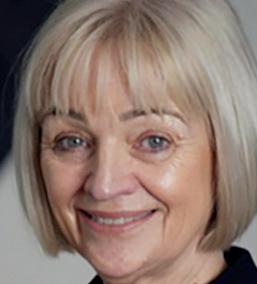







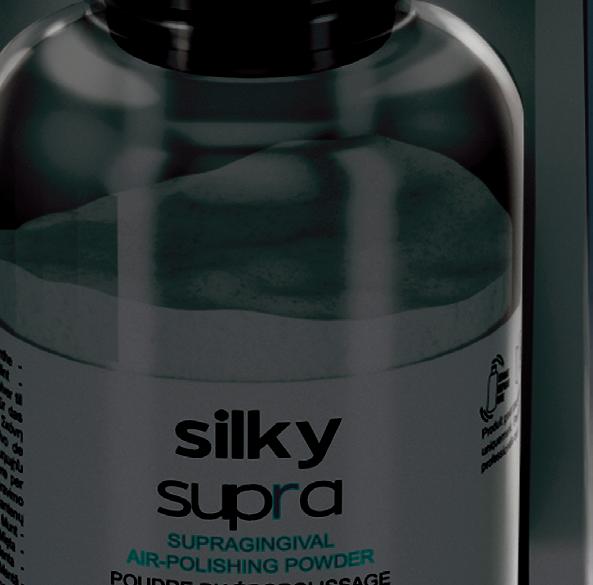









One of the first questions I always ask my clients is, “What’s changed since we last met?”
95% of the time, the answer is, “Nothing.”
I then often find, 20 minutes into the conversation, that something significant has changed in their circumstances. For example, they’ve switched from NHS to private dentistry, gone through a divorce or received an inheritance – all of which can materially affect their financial planning.
The fast-paced nature of modern life, particularly in dentistry, means it can be very easy to overlook events that could have long-term implications for your plans and objectives.
These changes are often personal, but sometimes they result from shifts in legislation or regulation – for example, in the Chancellor’s Budget. The danger with the latter is that you may not even be aware of the change, or its potential impact on your finances.
The two pillars of financial planning
There are two key parts to financial planning. The first is taking advice and implementing a plan. The second is regularly reviewing that plan to ensure it remains relevant and that you’re still on track to meet your short, medium and long-term objectives.
The second part is every bit as important as the first.
Why life has a habit of getting in the way
As an example, let’s say you’re a 30-year-old dentist implementing a
retirement plan. You decide to save £500 per month and feel that a higher-risk fund is appropriate, as you aren’t planning to retire for at least another 30 years.
You’re pleased with yourself (and rightly so) for starting a pension, and whenever you talk about your finances with friends you proudly say you have a pension and plan to retire at 60. However, life has a habit of getting in the way of best-laid plans.
Over the next 30 years you might get married and have children. Your income, and therefore your standard of living, is likely to increase. Inflation will erode the real value of money. Changes in pension tax efficiency could occur. A stock market crash just before retirement could significantly reduce your pension fund.
Without regular reviews, there are countless events that could seriously alter your plan.
The importance of regular reviews
Once a financial plan is in place, it’s essential to review it regularly. I tend to recommend every 12 months, as often only small tweaks are needed to reflect changes in almost real time. It’s also possible for someone’s attitude to risk to change over time. When you’re younger, you may be more willing to take risks. However, life events can significantly influence this.
Divorce and bereavement are two of the main drivers of a shift in risk attitude, though having children can also make people more cautious in their financial planning.
As you approach retirement, it becomes increasingly important to

ensure that the gains built up in your pension aren’t eroded by stock market volatility. Reviewing your fund choices with a professional and reducing risk where appropriate is therefore key.
The value of ongoing advice
Having a professional financial adviser on board is so important. They can continuously monitor your savings, investments, pensions, protection and mortgage arrangements against changing priorities, life goals and sometimes volatile markets.
Think of your adviser as a ‘challenging friend’. They’re always on your side, but they’ll challenge your thinking in ways you may not have considered. That’s invaluable.
What the research shows
Research conducted in 2017 saw that British people who took financial advice between 2001 and 2006 saw their assets increase by an average of £48,000 more over the following 10 years compared with those who did not take advice.
Significantly, the same research also found that those who reviewed their plans and took additional advice were, on average, 61% better off overall than those who only took advice once and never reviewed it.
This research highlights that taking advice, and reviewing it regularly over time, is essential to staying on track with your goals and avoiding unpleasant surprises at the very moment you have spent years preparing for.
In particular, given the added uncertainty that can come with
a career in dentistry, having an adviser who can act as your ‘challenging friend’ becomes even more important.
To speak to a Specialist Financial Adviser from Wesleyan Financial Services, visit wesleyan.co.uk/dental or call 0800 107 6748. Charges may apply. You will not be charged until you have agreed to the services you require and the associated costs. Learn more at wesleyan.co.uk/charges.
Wesleyan Financial Services Ltd (Registered in England and Wales No. 1651212) is authorised and regulated by the Financial Conduct Authority. Registered Office: Colmore Circus, Birmingham B4 6AR. Telephone: 0345 351 2352. Calls may be recorded to help us provide, monitor and improve our services to you.
About the author

Having vast experience as a dental Specialist Financial Adviser (SFA) over the years, Simon Cosgrove is now a Dental Regional Manager at Wesleyan Financial Services, guiding a team of dental SFAs to support dentists, their families, and their practices with financial planning to secure their financial future.

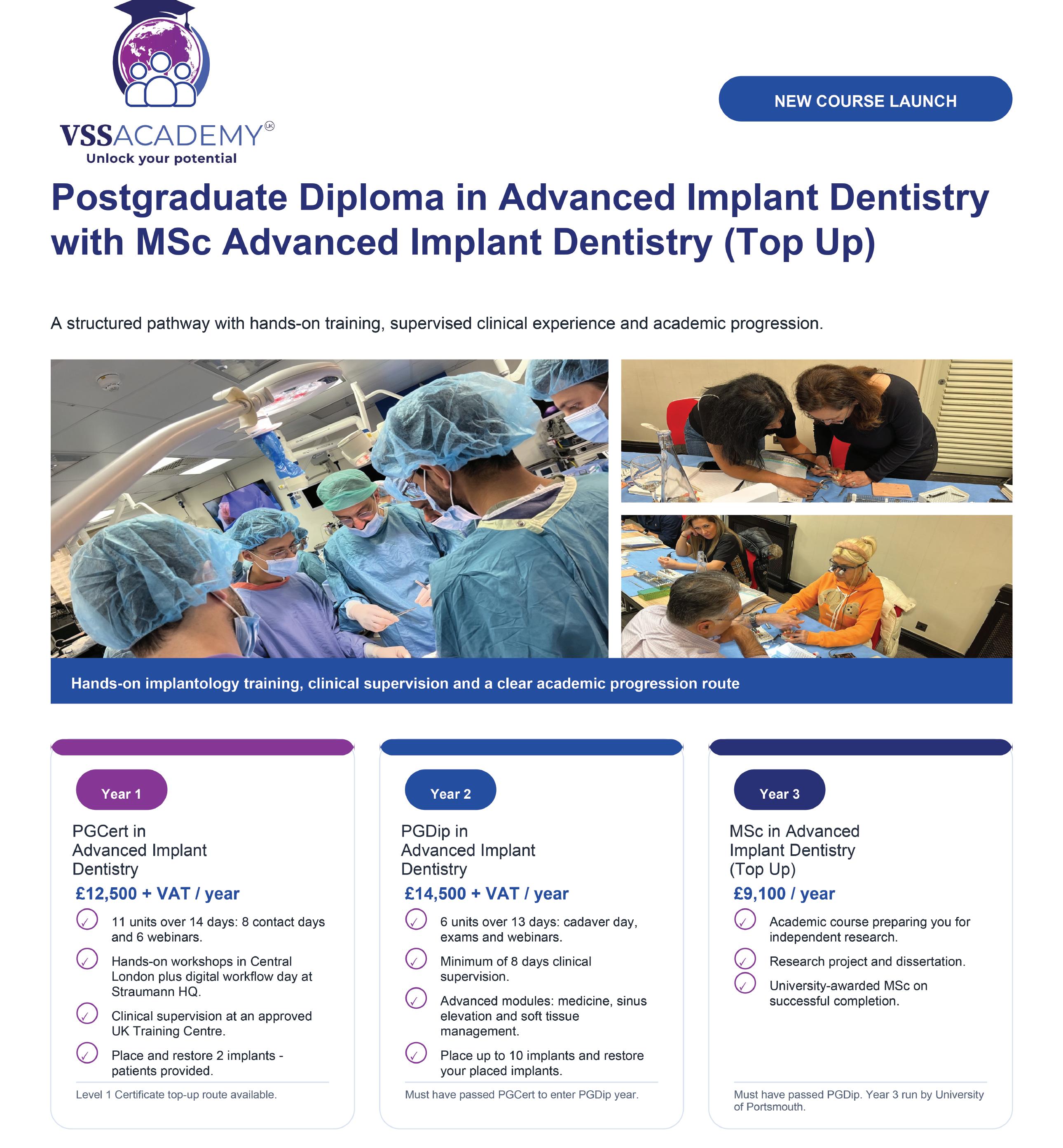
abi Greenhough from
NHS practices are attracting renewed buyer
It was only this time last year that we wrote about the quiet comeback of NHS dental practices. Twelve months on, that comeback no longer feels quite so quiet.
For several years, rising operating costs, recruitment pressures and uncertainty around NHS contract reform dominated conversations about NHS practice values. Many owners questioned whether NHS goodwill would continue to attract strong buyer interest.
Those challenges have not disappeared. However, the conversations we are having with buyers today tell a different story.
Practices that may once have struggled to attract attention are now generating stronger buyer appetite, competitive viewings and, in many cases, multiple offers.
The NHS dental market has not become easier overnight, but buyer confidence has grown, and that is changing the conversation.
buyers are looking differently at nHs practices
One of the biggest misconceptions is that buyers are only interested in private dentistry.
In reality, buyers are looking for sustainable businesses. They want predictable income, stable clinical teams, strong financial performance and opportunities to build on an already successful practice.
The questions buyers are asking have evolved. They want to understand whether a practice has the characteristics of a sustainable business.
Can the practice consistently deliver its NHS contract?
Is the clinical team stable?
Can associates be retained and recruited?
Is profitability maintainable?
Is there capacity for future growth?
Whether income comes from NHS, private dentistry or a combination of both is often less important than the security of that income and the opportunity to build on it.
We are seeing this reflected in our own market activity. Lily Head’s buyer database currently includes 1,238 registered buyers actively seeking NHS or mixed dental practices, including 94 established group operators looking to expand through acquisition.
Over the past 12 months, we’ve also seen a 24% increase in n H s buyer enquiries
As one of our brokers recently commented: “A quality NHS contract is no longer just income. It’s a strategic asset. Buyers value it as the foundation for growing private dentistry and building resilient, multiclinician practices.”
confidence grows as uncertainty reduces Markets rarely respond well to uncertainty.
For several years, many buyers adopted a cautious approach. As reforms have become clearer and buyers have gained a better understanding of how successful NHS practices operate, many have become more confident when assessing opportunities on their individual merits.
On balance, the NHS contract reforms have been viewed as a positive step, strengthening operational delivery while enhancing practice viability. This has contributed to renewed buyer confidence across the market.
That represents an important shift in the market.
The best nHs practices continue to stand out
Perhaps the biggest change is that buyers have become more selective.
Organic growth potential is now one of the most important investment criteria.
A well-managed NHS practice with consistent contract delivery, stable staffing, good compliance and maintainable profitability continues to generate significant interest.
Equally, practices with unresolved staffing issues, inconsistent financial performance or operational weaknesses are attracting greater scrutiny.
The distinction is becoming less about whether a practice has an NHS contract and more about the quality of the business behind it. The data reflects this trend.
NHS and mixed practices marketed by Lily Head are currently attracting an average of 11 viewings , with practices offering significant headroom in major cities recently generating more than 20 viewings Competition is equally strong for the right opportunities. One recent London transaction attracted 15 competing offers , demonstrating the level of demand that exists for high-quality NHS businesses.
The valuation data tells a similar story. The average EBITDA multiple achieved for NHS and mixed practices during the first half of 2026 was 7.42x , compared with 6.05x across 2025. Recent transactions have ranged from 6.0x to 8.4x ebi TD a , with geography, recruitment opportunities and future growth potential continuing to influence value.
Buyer demand remains particularly strong in locations where recruitment is less challenging, including London, Manchester, Leeds and other major cities.
continues to support the market
Another misconception is that finance for acquisitions has become increasingly difficult to secure.
In reality, lenders continue to support well-prepared acquisitions where the fundamentals are strong. Practices with sustainable profitability, realistic borrowing requirements and a clear commercial case continue to attract funding.
For buyers, access to finance remains an important part of maintaining confidence in the market.
For practice owners, there is an important lesson. The market is no longer judging NHS practices as a single category. Instead, buyers are assessing each practice on its own merits.
Owners who invest in operational efficiency, maintain clear financial reporting, support their teams and demonstrate growth potential are likely to be in a stronger position when they decide to sell. Improving these fundamentals not only creates a better business today but can also strengthen buyer confidence tomorrow.
The NHS dental market still faces challenges However, the conversation has changed. Buyers are increasingly looking beyond headlines and focusing on the characteristics that make any business attractive: resilience, consistency, profitability and future potential. Perhaps that is the real story. The comeback of NHS dental practices is not about changing perceptions overnight. It is about recognising that well-run businesses continue to attract confident buyers, regardless of where their income comes from. For owners who have invested in building strong, sustainable NHS practices, that should be an encouraging message.
Perhaps the quiet comeback we wrote about last year is no longer quite so quiet after all. n
about the author
abi Greenhough, Managing Director of Lily Head Dental Practice sales.



Our exclusive TrueFit® Technology analyses your unique facial features and working posture to deliver comfort, perfect visual alignment, and lasting ergonomic support.





CUSTOM MEASURED • CUSTOM FITTED • CUSTOM MADE
For many associate dentists, the focus during the first few years from qualifying is becoming clinically confident, building experience and increasing your income. In addition to these goals, long-term financial security requires long term financial planning.
Whether you’re newly qualified or several years into your career, taking control of your finances now can have a significant impact on your future.
Here are some important steps to consider as an associate dentist to build long-term financial security.
Protecting your income
Your earning potential is your greatest asset for financial freedom. An illness or injury that prevents you from practicing could impact your finance and long-term financial security. Dentistry is physically demanding and relies on fine motor sills, eyesight and your overall health. A hand injury, chronic back or a serious illness could prevent you from working for months, or worse permanently.
It would be important to consider the following key protection policies.
Income protection insurance
Income protection insurance is often considered one of the most important policies for dentists. If you’re unable to work due to illness or injury it provides a regular monthly income until you’re able to return to work, or until the policy ends – depending on the terms. Income protection for self-employed dentists can help cover essential living costs, especially for those doing private dentistry, they will not be entitled to any sick pay.
Critical illness cover
Critical illness insurance provides a tax-free lump sum if you’re diagnosed with a specified critical illness covered by the policy such as certain cancers, heart attacks and strokes. You can choose to spend the money however you wish, including but not limited to:
• Paying all or part of your mortgage
• Funding private medical treatment
• Replacing lost income
• Making adaptions to the home
• Giving you financial breathing space whilst you recover
Life insurance
Life insurance will help those who depend on your income if you passed away. The policy would pay a lump sum in the event of your death to your beneficiaries. This money can be used to repay outstanding debt, provide financial security for your family, leave a lump sum for your dependents and provide a replacement income.
Reviewing your protection
Your protection needs will change throughout your career. As your income grows, you buy a home, start a family or potentially move into practice ownership. It’s important to review your cover regularly to make sure it still reflects your circumstances.
A policy that was set up as a newly qualified associate may no longer provide adequate protection several years later.
Some associates delay investing because they feel they want to wait until they’re earning more, although this could become one of the most expensive decisions. Even modest monthly investments can grow substantially over decades due to compound interest. The earlier you begin, the less you typically need to invest to reach your long term-goals.
Utilising your tax-free allowances is a good place to start, you’re able to contribute up to £20,000 a year in a stocks and shares ISA, which benefits from tax-free growth.
Pension planning remains one of the most effective ways for associate dentists to build long-term wealth.
Many associates focus on increasing retirement income through ISAs, which overlooks the significant tax advantages that a pension can offer. Pensions can help reduce your tax bill, whilst funding retirement provision.
One of the biggest benefits of pension contributions is tax relief. As a sole trader, for


every contribution you make, the government adds tax relief based on your rate of income tax. If you’re a higher rate taxpayer, the net cost of a pension contribution is significantly reduced through the tax relief. If you’re a limited company, your ‘employer’ can make the pension contribution on your behalf, minimising the income hitting your personal tax regime. These contributions could also a valid business expense, reducing your corporation tax.
Whilst the NHS pension scheme is valuable, the retirement age for the 2015 pension scheme is in line with the state pension age. This is currently 68 and increasing. This means that also having a private pension in place can help meet your retirement needs.
Protecting your income, investing early and tax planning effectively can create a longterm financial strategy. The best time to start planning was when you first qualified and the second-best time is today.
About the author
Lyndsey Pickering is an experienced financial adviser and mortgage adviser looking after associate clients. PFM
Dental provides specialist advice to dentists: Financial Advice, Practice sales and valuations, Practice finance, Accountancy and Legal.
































• Immediate results

• No gingival barriers


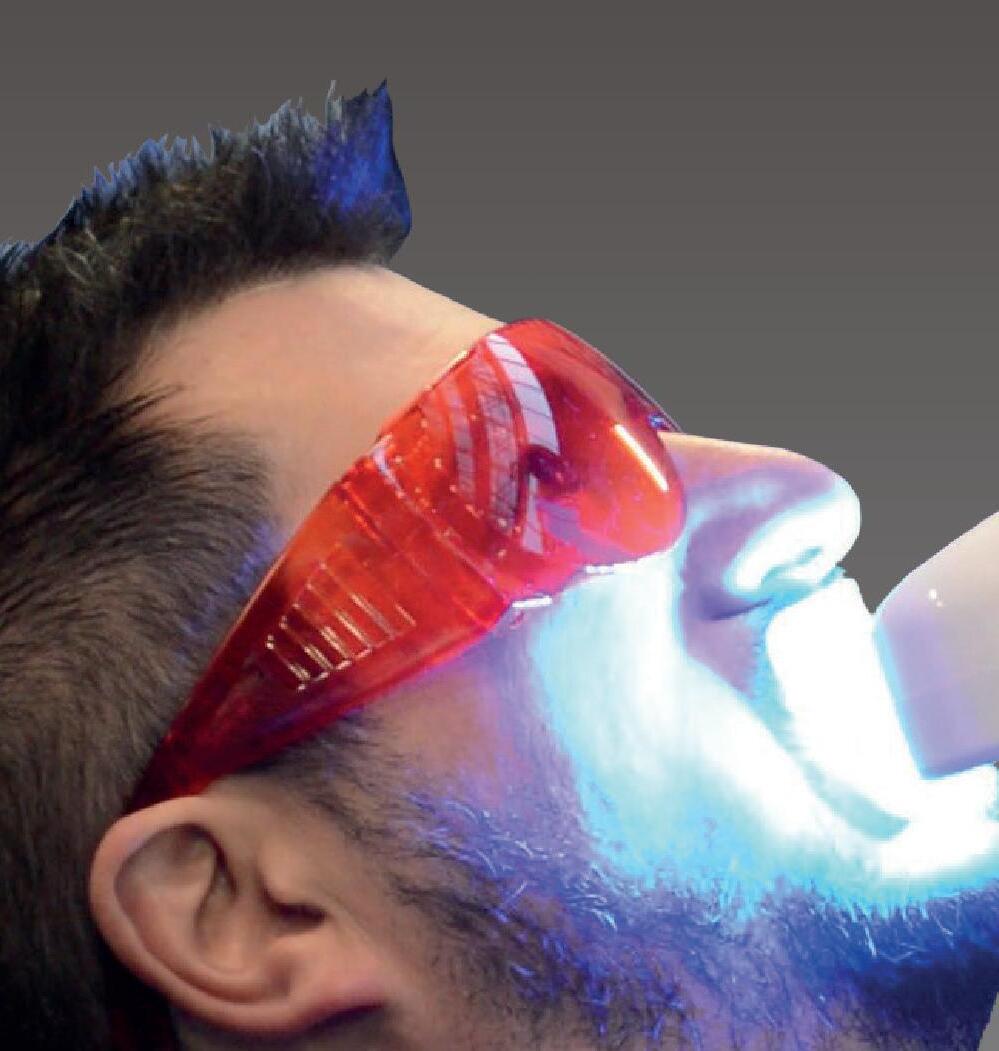





One Appointment, Double the Fee Hygiene +

• Low sensitivity
• Easy additional value



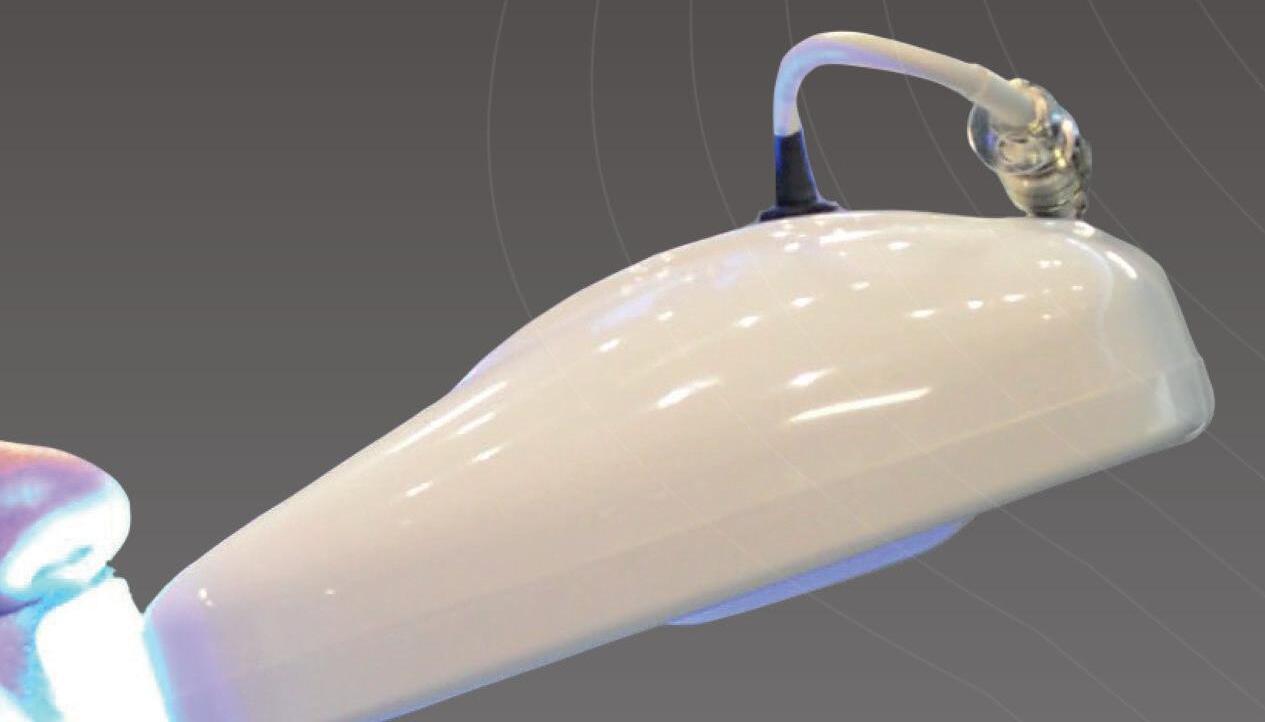



















The UK dental market continues to demonstrate remarkable resilience, with average sale prices reaching their highest level in the ten-year history of the Dental Elite Goodwill Report. The dental market is constantly moving in cycles, with an array of factors influencing average prices, profitability, turnover, and valuation multiples.
Over the last ten years, many have described the dental mergers and acquisitions market as a bubble that will pop. This, they say, would mean there is an urgency to sell now or that buyers are paying too much, with values inevitably falling. However, when we analyse the market over the last ten years, this simply isn’t accurate. It’s active and has been steadily increasing over time, with various aspects moving in regular cycles. For example, NHS practice values are increasing to a multiple of 7.68, reflecting a renewed vigour in the acquisition of this practice type – something we saw roughly five years ago.
The Goodwill Report 2026 provides in-depth insights into purchase and sales data for the UK from the 2025-26 fiscal year. The following explores some of the key findings.
Growth sustained
The latest report confirms a continued upward trajectory for practice values across the nation. Over the past five years, average turnover has risen by over 20.48%, and EBITDA values (Earnings Before Interest, Tax, Depreciation, and Amortisation) have increased by more than 37.59%.
The average completed transaction price for all practices in fiscal year-end 2026 was £1,383,637. This was the highest average
sale price recorded in the ten years that the report has been generated, representing a 7.5% rise on last year.
Whilst the market has been lightly dampened over the last two to three years, it is coming back round again – driven by stronger businesses, not just higher multiples. For deals agreed and due to complete in this fiscal year-end 2027, the average value is currently £1,375,921. This is predicted to increase to £1,450,000 by the next financial year.
a spotlight on the groups
Group buyers continue to drive strong pricing across the dental market. The average price for fiscal year-end 2026 was £2,500,709 – a considerable rise on last year of 5.96%.
Despite minor fluctuations, the multiple has risen steadily to 7.15x compared to 6.7x five years ago. The 2027 multiple projections currently sit at 7.37x. This supports a stable market with positive momentum – good news for vendors looking to maximise practice value.
The Goodwill Report 2026 shows group
activity by tier. For tier 1 buyers (the 5 groups with the largest number of practices in their portfolio), multiples increased last year across all practice compositions. This reflects the bigger groups return to the market having spent the last couple of years doing some portfolio management. Furthermore, tier 2 buyers (20+ practices) have become more competitive, driving multiples up from 7.67x to 7.78x and influencing the overall upward trend in the market. Contrastingly multiples fell slightly when isolated to acquisitions by Tier 3 and Tier 4 buyers albeit I think some of this is where they have offered competitively but have lost opportunities to the bigger two tiers.
But groups are not the only buyers making their mark on the UK dental market, with independent buyers accounting for 69% of all transactions. The average price paid by at year-end 2026 was £886,562 –that’s a substantial 11.39% increase on the previous year. The average multiple also rose from 3.31x to 3.44x.
The Pandora’s box of artificial intelligence (AI) is open. For its many benefits in dentistry, there is an overhanging question: when something goes wrong, who is responsible?
Is it the developer of the AI system? The AI itself? Or the clinician using it?
Culpability is becoming harder to decide, which means a dental professional’s legal protection needs firmer ground. As AI is unlikely to be covered by your indemnity, it is important to be aware of the legal limitations. Broadly, the common applications of AI in a dental practice include:
• Administrative tasks, such as website and phone call enquiries
• Transcription of dental appointments for clinical records
• Diagnosis support
• Treatment planning
Each of these can enhance the daily workflow, optimising tasks that benefit both the dental team and the patient. But each also brings a risk.
For instance, what if an AI oversells a dental treatment to a patient that cannot be delivered by the clinician? Or if an AI misinterprets a radiograph? Regardless of the complication, the use of AI does not wrestle
claim.

To prevent claims and better support patients, the Montgomery test places a legal obligation upon healthcare professionals to provide all the information around potential risks. This extends to the use of AI, with any involvement of AI technologies being declared to the patient due to the risk potential. For example, a dentist who uses AI-driven treatment planning should inform the patient of this, and that the proposed visual simulation is an accurate guideline rather than a guaranteed final outcome. This grounds expectations for the patient, ensuring a smoother treatment journey. Furthermore, the clinical notes of the appointment should include this
Several factors are driving this growth, including increased competition among independent buyers, and greater purchasing power among first- and secondtime buyers thanks to stable interest rates, favourable terms, and positive loan-to-value (LTV) conditions. Practice performance is contributing too – average turnover and principal earnings have sustained upward trajectories for several years, boosting profitability.
Average prices paid for mixed practices remain highest with an average price achieved of £1,042,399, with private practices closely following at £914,093, and NHS practices bringing up the rear at £613,846. There is also some variation by region, with London and the South East continuing to command the highest multiples.
unpacking
To unpack the data further, and to better understand where you stand in your practice sale or purchase journey, contact Dental Elite to download the full Goodwill Report or to seek bespoke advice. While challenges remain, the data continues to demonstrate a healthy, competitive market for both buyers and sellers. Well-performing practices remain highly sought after and we expect this trend to continue throughout 2027. Download the latest Dental Elite Goodwill Report from dentalelite.co.uk n
about the author Luke Moore, founder and Director of Dental elite.
conversation – easily achieved with an AI transcription software – to protect the dentist in the event of a dissatisfied patient’s claim.
The integration of AI into a practice’s workflow undeniably streamlines daily tasks, but dental professionals should never place blind trust in it. Transcription tools may mishear key words or scanners may overlook something in the mouth. Because of this, AI solutions should always be considered an assistive tool rather than a replacement for any part of the workflow – they must be closely managed and double-checked against the dentist’s own understanding of the conversation or oral scan. This allows no gaps in the process and bullet-proofs the dentist in the event of a legal challenge.
Another concern is in the use of AI receptionists, designed to answer calls when the administrative team is engaged or outside of practice hours. In some cases, these systems may triage emergency cases – this can lead to a serious penalty if the system is not considered a medical device and therefore not covered by the legal frameworks.
act competently and confidently
As AI is not the final authority, dental professionals must take clinical accountability
on the technology they use and should have the knowledge and skills to challenge AI technologies and explain to the patient why their judgement is superior. In the event of litigation, the dental professional must be seen to have acted competently given their understanding about the tool in question. As the proliferation of AI technologies continues in dentistry, so too does the introduction of regulations and subsequent claims risks. It is essential that dental practices assess their indemnity insurance to note where they are covered regarding new tools. The current cyber liability insurance, management liability and overall practice insurance should reflect the integration of more AI technologies. With this protection, dental professionals can competently use innovative solutions with the confidence that both they and their patients are safe. n
about the author
Dr Grant Mcaree, co-founder of RoboReception.
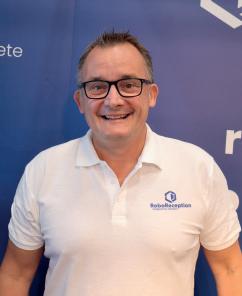











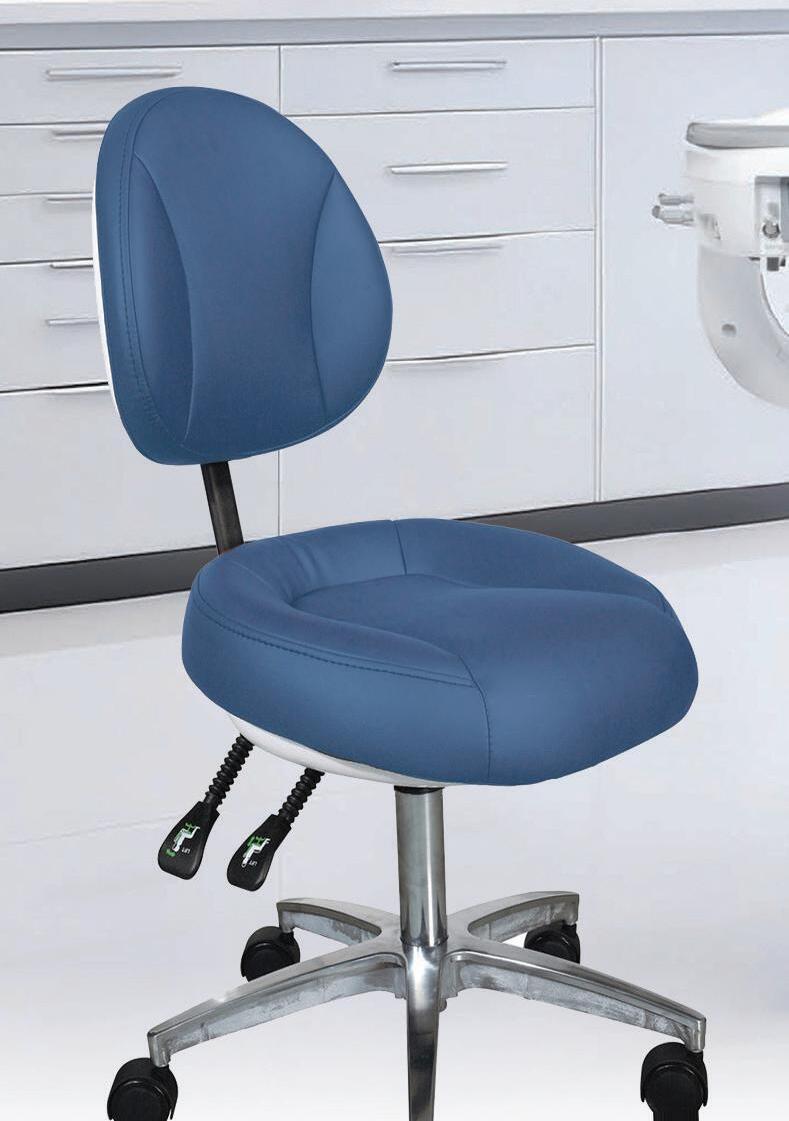





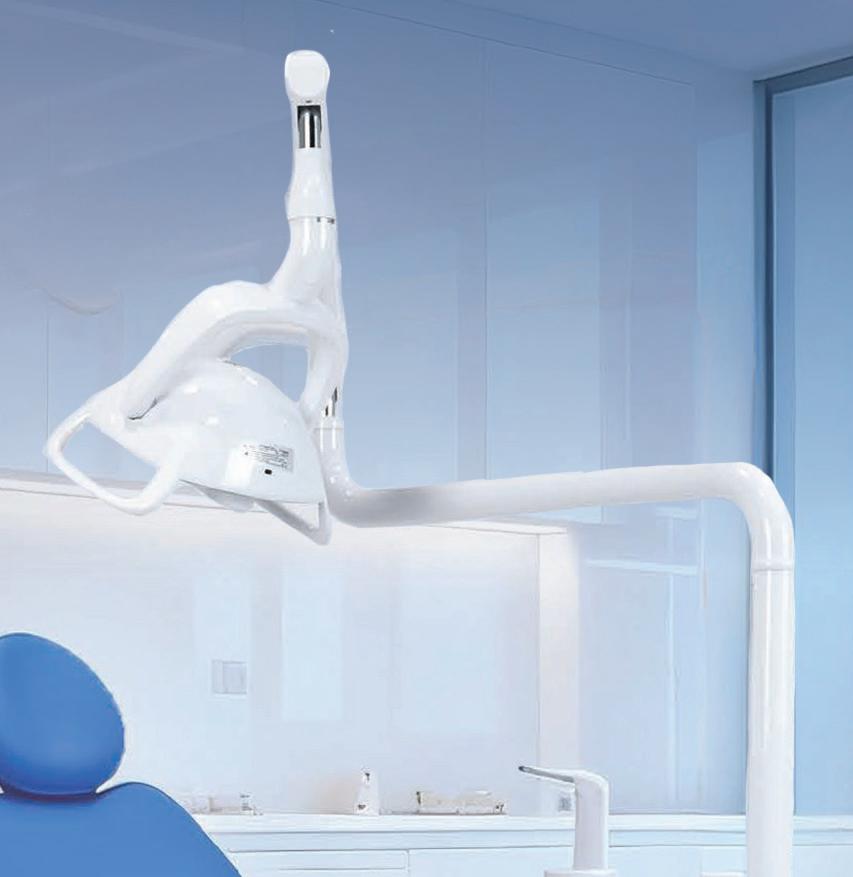


OUR NETWORK OF CERTIFIED AJAX DEALERS INSTALL DENTAL CHAIRS ACROSS THE UK