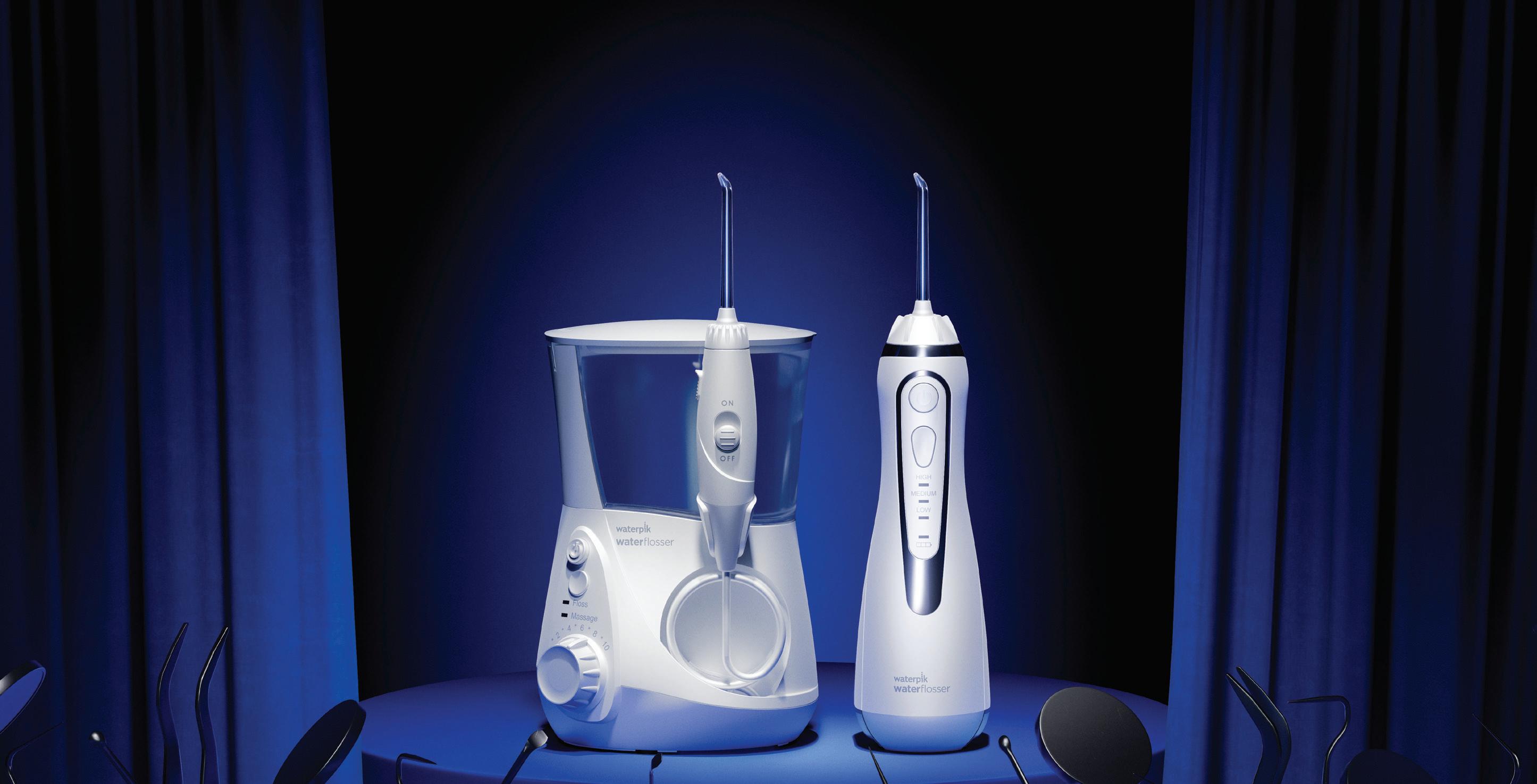
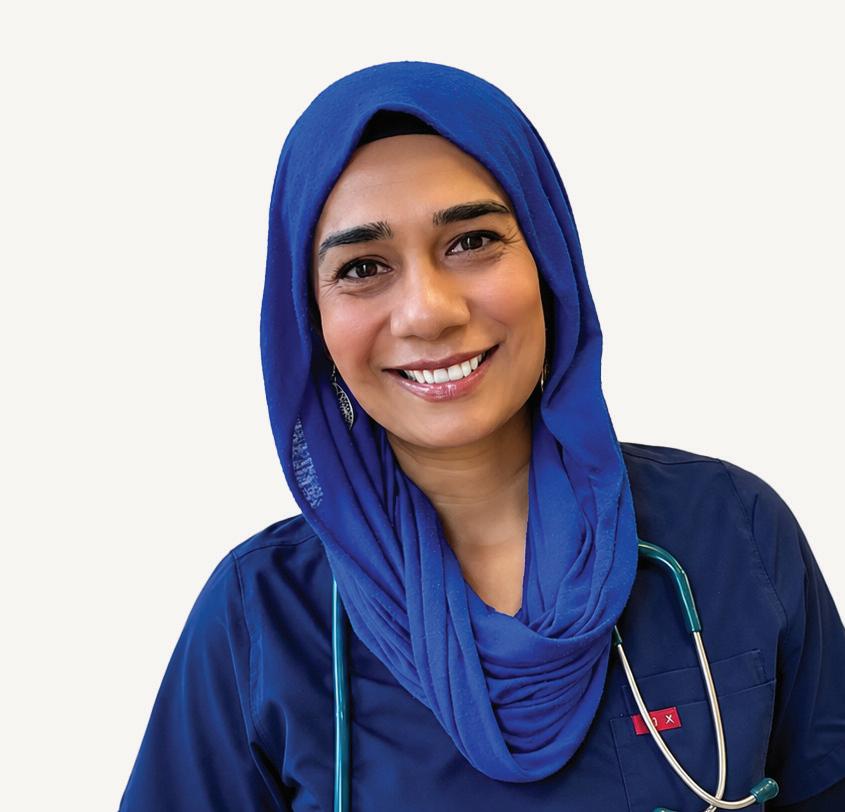
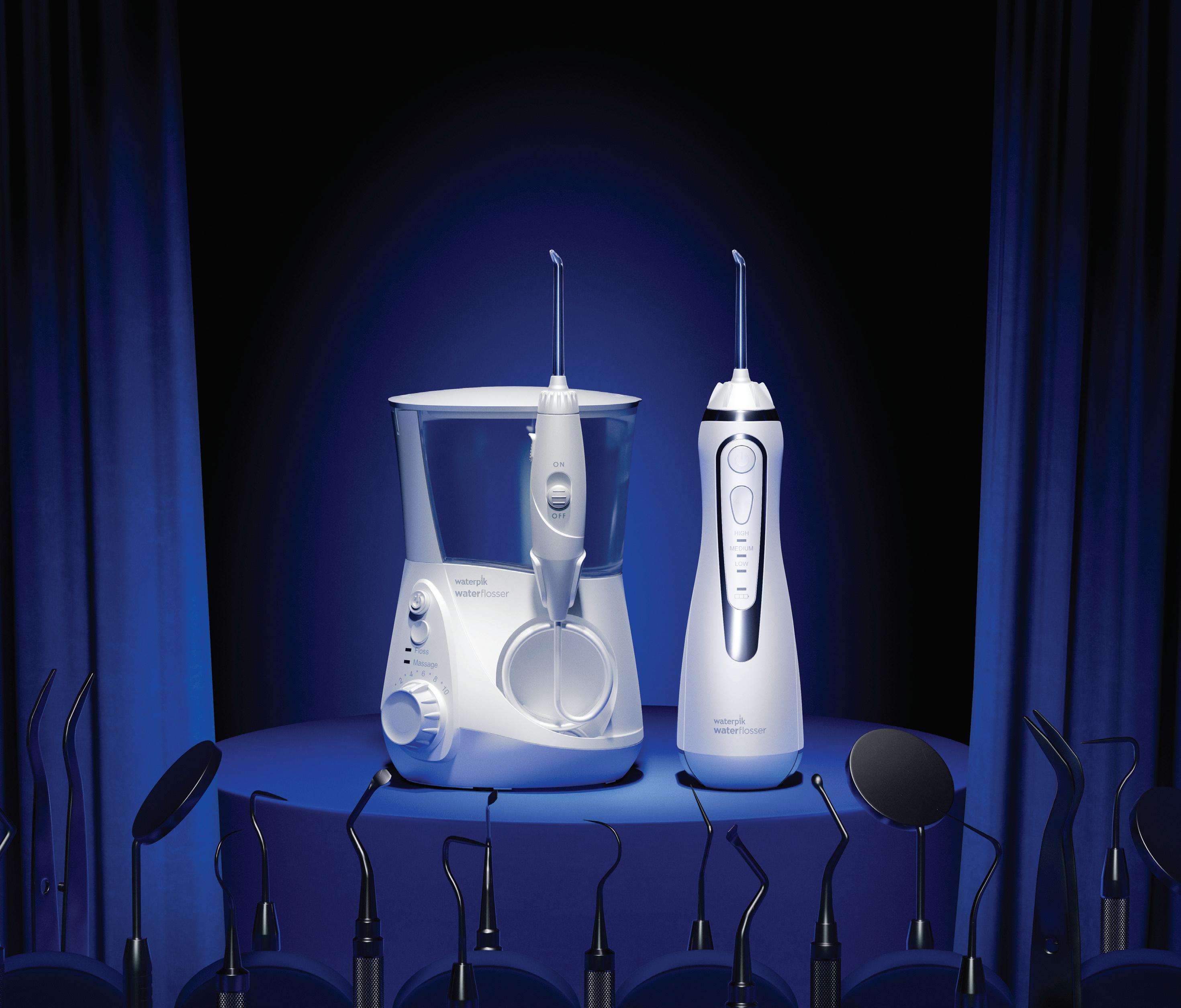
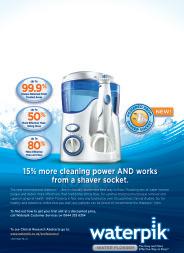
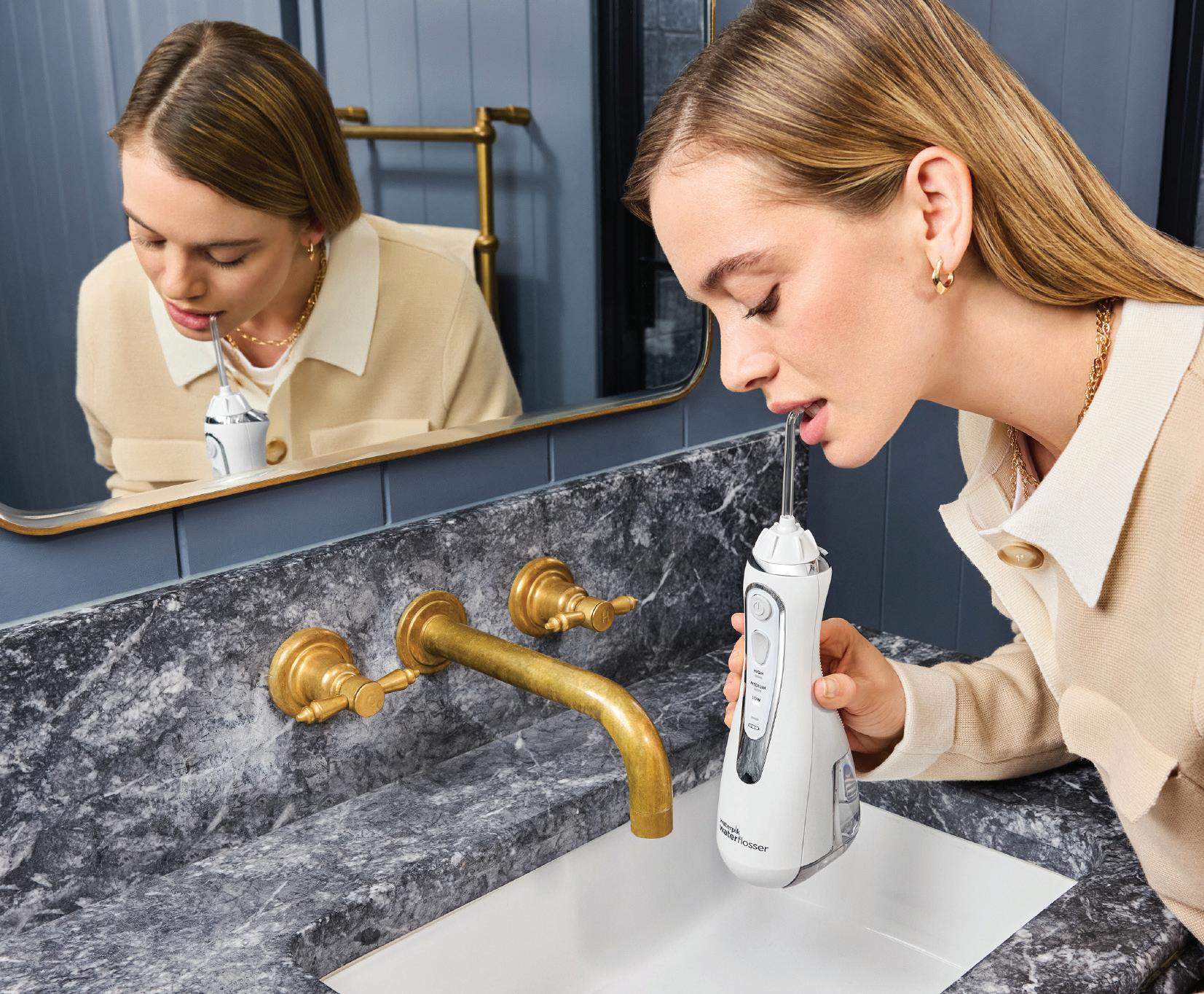
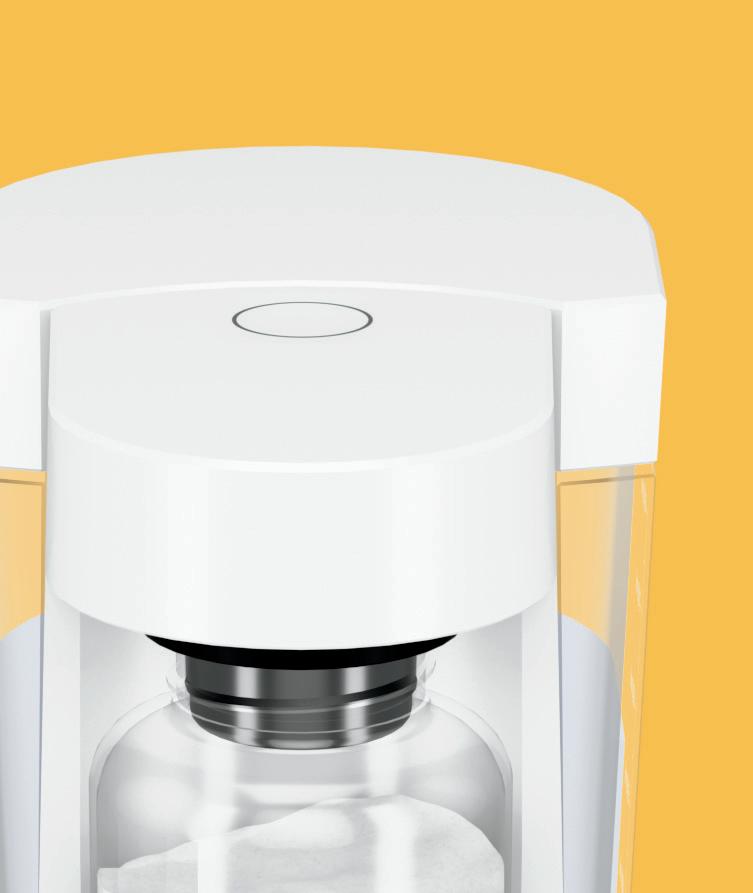
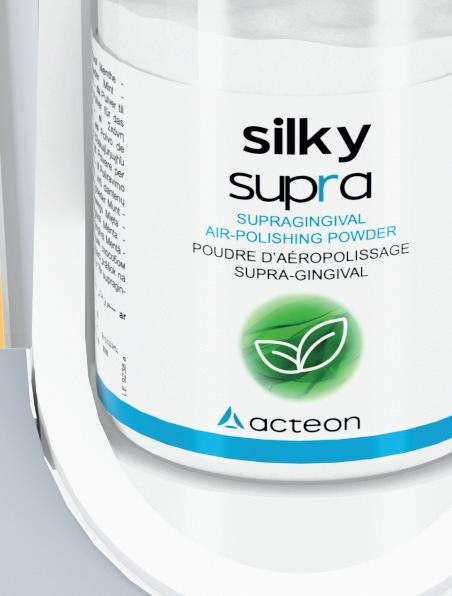
Recognised as the #1 selling water flosser brand in the UK and in the world.
Recommended by experts
The most recommended water flosser brand by dental professionals and the only one approved by the Oral Health Foundation. Not all water flossers are equal. Recommend by name.
Backed by science
Supported by over 80+ clinical research studies. Removes up to 99.9% of plaque bacteria in treated areas* and clinically proven to be 2X as effective as string floss for improving gum health.
*in vitro, data on file
Standing the test of time
With 60 years of innovation, WaterpikTM has been committed to a professional- level clean for over half a century.
Bring premium flossing to centre stage. Sign up on our website for the advocacy programme www.waterpik.co.uk
Not all water flossers are equal. Recommend by name.
Industry leader
Recognised as the #1 selling water flosser brand in the UK and in the world.
Recommended by experts
The most recommended water flosser brand by dental professionals and the only one approved by the Oral Health Foundation.
Bring premium flossing to centre stage. Sign up on our website for the advocacy programme www.waterpik.co.uk The stand-out performance patients need. The name professionals recommend.
Backed by science
Supported by over 80+ clinical research studies. Removes up to 99.9% of plaque bacteria in treated areas* and clinically proven to be 2X as effective as string floss for improving gum health.
*in vitro, data on file
Standing the test of time
With 60 years of innovation, WaterpikTM has been committed to a professional- level clean for over half a century. Based on 2025 independent survey of Dental Professionals; among those who recommended branded water flossers
Global oral health leaders united in call for broader approach to preventing periodontal diseases
Global leaders met at ISDH 2026, the International Symposium on Dental Hygiene, in Milan to review two landmark oral health reports from Europe and the US, built on the same global evidence base, and to discuss the role of clinically proven mouthrinse in the prevention of periodontal diseases.
Periodontal diseases affects more than 1 billion people worldwide and are a major global public health challenge.1 Despite being largely preventable, its burden continues to rise.1 At a press briefing during the International Symposium on Dental Hygiene (ISDH) in Milan, hosted by Kenvue, experts highlighted how two independently developed reports, from Europe and North America, reached remarkably similar conclusions on how prevention strategies should evolve, and on the role of a clinically proven mouthrinse alongside mechanical cleaning.
The two reports are the American Dental Hygienists’ Association (ADHA) white paper on redefining the management and prevention of periodontal diseases,2 and the Principles for Oral Health report convened by the SEPA Foundation.3
What makes this notable is how the two reports came about. They were developed separately, by different organisations, in different parts of the world, yet they draw on the same underlying evidence base and reach the same broad conclusions. Both rest on a shared scientific foundation, including the European Federation of Periodontology (EFP) S3-level clinical practice guidelines4, alongside guidance from the American Dental Association and the American Academy of Periodontology.
Across all of it, the finding is consistent. Whilst mechanical cleaning remains the foundation, mouthrinse may be considered to control gingival inflammation as part of a personalised treatment approach for specific cases, with Essential Oils formulations among the best supported by the available evidence. Both reports position mouthrinse as an adjunct to
mechanical cleaning (toothbrushing), never a replacement, to be recommended according to each patient’s risk. 2,3
The briefing brought four expert voices together to deliver that single message. Professor Luigi Nibali (King’s College London) set the scientific ground, on why a preventable disease is still rising and why gingivitis must be taken seriously. Dr Ana Molina (SEPA) explained the Principles for Oral Health report and how it turns guideline evidence into advice a busy clinician can use. Dr JoAnn Gurenlian (ADHA) set out the white paper’s conclusion that the dental hygienist is the front line of prevention, and why the profession made that recommendation itself. Simone Ruzario (PresidentElect, British Society of Dental Hygiene & Therapy) brought it back to the chairside, and what the evidence changes for dental hygienists and dental therapists in everyday practice the world over.
Each presentation landed the same point in its own words. From the European evidence, the EFP S3-level guidelines recognise specific antiseptics, with Essential Oils among the most efficacious, as personalised adjuncts to patient´s oral hygiene to help control gingival inflammation4 while the Principles for Oral Health report concludes that the use of specific antiseptics, as adjuncts to mechanical biofilm control, is recommended in certain group of patients, where either local or systemic factors make mechanical biofilm control insufficient to achieve and maintain periodontal health.3 From the US, the ADHA white paper reports that a mouthrinse with a fixed combination of four Essential Oils, added to brushing and flossing, significantly reduced wholemouth plaque, gingivitis and bleeding compared with brushing alone, and positions adjunctive antiseptic mouthrinse as a simple, affordable and widely available addition to daily home care.2
The practical message for dental professionals is consistent across both reports. Twice-daily brushing with a fluoride toothpaste and daily cleaning
between the teeth remains the foundation. A daily antiseptic mouthrinse, used as an adjunct rather than a replacement, should be recommended for those patients where mechanical cleaning alone is unlikely to be sufficient. This includes patients with persistent gingival inflammation, those with biofilmretentive features such as crowding, restorations, implants or orthodontic appliances, and those whose general circumstances, reduced dexterity, frailty, or conditions such as diabetes, make effective plaque control and inflammation control harder to achieve. The recommendation should be tailored to the individual, explained in plain language, and revisited at each visit, with flavour and intensity options used to support adherence.2,3
“The evidence base is clear and consistent enough for guidelines and reports across different regions to consider a clinically proven mouthrinse for some patients,” said Dr Ana Molina, Vice-President, SEPA. “While brushing and cleaning between the teeth is essential, the number of patients with periodontal diseases is growing and the evidence supports a clinically proven adjunctive mouthrinse to help support and maintain gum health for specific patients.”
Dr Simon Arnold, Medical Affairs Lead for EMEA, Kenvue, added: “It is unusual to see organisations working in different healthcare systems and professional environments review the evidence separately and arrive at such similar conclusions. That level of alignment gives clinicians confidence that the recommendations are grounded in a robust and consistent body of evidence.”
Dental professionals can explore the science and the practical guidance behind these findings at kenvuepro.com. To read the reports in full, visit the Principles for Oral Health report at principlesfororalhealth.com, or view the ADHA white paper, Redefining the Management and Prevention of Periodontal Disease, at adha.org. n
References available upon request
Remembering Dr Nigel Carter OBE
The dental profession is paying tribute to Dr Nigel Carter OBE, the former Chief Executive of the Oral Health Foundation, who has died after devoting more than 50 years of his working life to improving oral health across the UK and beyond.
Dr Carter served the charity – previously known as the British Dental Health Foundation – as a Trustee, Chair of the Board of Trustees, and, for the last 29 years, as Chief Executive, overseeing a period of sustained growth in its influence and international reach.
Under his leadership, the Foundation became one of the most respected voices in oral health globally. He was an early and consistent advocate for prevention, long before it became a central plank of health policy, and worked to challenge inequalities and support the wider dental profession. He was instrumental in building some of the UK’s best-known public health campaigns, including National Smile Month (which, celebrating its 50th year in 2026, has become Smile Month, removing the National moniker so that it can be adopted worldwide) and Mouth Cancer Action Month, both of which continue to reach millions of people each year.
Beyond the Foundation, Dr Carter held a wide range of appointments across dentistry and public health, including roles with the Royal Society for
Public Health, the General Dental Council’s Oral Health Committee, and various Department of Health advisory groups. His contribution to the profession was recognised with an OBE in the 2012 Queen’s Birthday Honours.
Dr Carter’s death came to light at a poignant moment, just as the profession was celebrating his life’s work. On Friday 3rd July, at The Dental Awards 2026 trophy presentation, he was named the first ever inductee to the UK Dental Roll of Honour – a new initiative launched by The Probe to recognise individuals who have made an outstanding, lasting contribution to dentistry in the UK. It was only in
the course of presenting the award that news of his death reached the team, with the honour accepted on his behalf by Nigel’s husband, Yannis.
Nigel had been chosen as the Roll of Honour’s inaugural recipient in recognition of a career that few in British dentistry can match: almost three decades steering the Oral Health Foundation, and a body of work in prevention and public health that has shaped the profession for generations. That his passing coincided so closely with the announcement has given the accolade an added weight for everyone involved, and The Probe hopes it stands as a lasting marker of the esteem in which he was held.
Kerry Geldart, Interim Chief Executive of the Oral Health Foundation, said the sense of loss across the charity was profound, describing Nigel as having been not only its leader for nearly three decades, but its heart and soul. “Nigel led with kindness, integrity and humility,” Kerry recalled. “He cared deeply about people and had an extraordinary ability to bring people together. He gave his time generously, encouraged others to believe in themselves and always made people feel that their ideas and contributions mattered. He celebrated the success of others far more readily than his own.
“We will honour his memory by continuing the work that meant so much to him and ensuring his extraordinary legacy lives on.” n
SJames Cooke
http://www.smile-ohm.co.uk/
ummer is upon us and things tend to slow down a little. If you’re not taking a break yourself, odds are that colleagues – and patients – will begin to disappear as the school holidays take hold. So, what can you do to fill the void?
Get ahead on CPD of course! And we have plenty for you this issue, with CPD articles provided by NSK, Tepe, and a pair from Tandex in the Brush Up section, making for a total of four hours to be gained from this magazine alone.
SUBSCRIBE TO SMILE
Rates: UK £39.95 per year; Overseas £83 - all cheques in sterling drawn on a UK bank made payable to ‘Smile’. 8 issues including 16 hrs CPD £39.95
Published by Purple Media Solutions The Old School House, St Stephen’s Street Tonbridge, Kent TN9 2AD Tel: 01732 371 570
Managing Editor James Cooke james cooke @purplems.com Tel: 01732 371 581
Commercial Director Gary Henson gary.henson@purplems.com Tel: 07803 505208
Production and Designer 1 Lorna Reekie lorna reekie @purplems.com Tel: 01732 371 584
Production and Designer 2 Rob Tremain rob.tremain@purplems.com
Divisional Administrator Francesca Smith francesca.smith@purplems.com Tel: 01732 371 570
We also cover oral health from vast angles this issue. I have particularly enjoyed reading Tatiana Brandt’s interview on dry mouth during menopause (page 12), as well as Dr Rachael England’s piece on the dental cleft crisis exposing oral health inequalities (page 10). And for something completely different, I’d highly recommend Rafina O’Brien’s account of a dental hygienist’s perspective from HMS Queen Elizabeth and Carrier Strike Group 21 (page 35).
Purple Media Solutions Editorial Advisory Board: Dr Barry Oulton, B.Ch.D. DPDS MNLP; Dr Graham Barnby, BDS, DGDP RCS; Dr Ewa Rozwadowska, BDS; Dr Yogi Savania BChD, MFGDP; Dr Ashok Sethi, BDS, DGDP (UK), MGDS RCS; Dr Paroo Mistry BDS MFDS MSc MOrth FDS (orth); Dr Tim Sunnucks, BDS DRDP; Dr Jason Burns, BDS, LDS, DGDP (UK), DFO, MSc; Prof Phillip Dowell, BDS, MScD, DGDP RCS, FICD; Dr Nigel Taylor MDSc, BDS, FDS RCS(Eng), M’Orth RCS(Eng), D’Orth RCS(Eng); Mark Wright BDS(Lon), DGDP RCS(UK), Dip Imp Dent.RCS (Eng) Adv. Cert, FICD; Dr Yasminder Virdee, BDS.
ORAL HEALTH
in association with:
Other titles include:
Circulation Manager Andy Kirk
Managing Director Ed Hunt ed.hunt@purplems.com Tel: 01732 371 577
Scan to explore Smile Oral Health Matters back catalogue online or visit smile-ohm.co.uk/issues/
As the pressure of practice grows, your wellbeing matters too. With confidential counselling and wellbeing support available at no extra cost, Dental Protection is by your side every step of the way. It’s time to put yourself first, with the support you deserve.
Small conversations, big impact
Recently, Cat Edney joined Rhiannon Jones on the BSDHT’s Dental Health Matters podcast to discuss how better communication can help patients feel more confident, informed and involved in their oral health
Rhiannon: Communication can shape how patients feel about dental care, particularly when it comes to confidence and trust. Why do you think so many people still arrive at appointments worried they are going to be ‘told off’?
Cat: I think it’s because we don’t all learn in the same way and we have to find a way that speaks to the patient. It’s that age-old thing where patients come in and say, ‘Well, my hygienist told me to floss and I’ve not been flossing.’ So, we know that communication is not working. Telling patients what to do is not working.
I really think that white coat syndrome, where we are the expert and therefore the patient must do as we say, is very old hat. What we need to do is find out what works for them and what they would like for their teeth in five or ten years’ time.
Rhiannon: A lot of what you describe is about understanding the wider picture around a patient’s health and lifestyle. How does that shape the way you approach appointments?
Cat: For me, it’s about making every interaction feel personalised and collaborative. I never sit behind my patient at the start of the appointment. I always sit in front of them and ask questions about their life, their children, their work, their habits, their stress levels and their sleep.
What I then do is link every part of my appointment back to the answers they have given me. So, if somebody tells me mornings are busy and stressful because they have young children, we talk about where brushing realistically fits into that routine. If they mention stress and I can see wear on their teeth, we talk about that too.
I think trust is built when patients feel seen rather than processed.
Rhiannon: Dentistry can still feel quite overwhelming for patients at times, particularly when we fall back on clinical terminology. How important is it that we simplify the language we use?
Cat: It is so important. When I first started university, everybody was speaking a completely different language to the one I was speaking. People were using words like ‘buccal’, ‘lingual’ and ‘fissure’, and they were numbering teeth. All those things came naturally to dental professionals, but as a lay person at that stage it felt completely foreign.
For me, health literacy is about translating dentistry for patients in a way that is not just telling them what they must have, but giving them as much knowledge about their dental health as I have, so they can make a really informed decision about where they want to go.
Listen to the full episode of Dental Health Matters from the BSDHT podcast series for more practical insights from Cat Edney and Rhiannon Jones on building confidence and supporting patients through better communication. Simply visit www.bsdht.org.uk/podcast.
Rhiannon: Do visual tools like scans and photographs help patients understand things differently compared with simply explaining them verbally?
Cat: Massively. A huge part of what I speak about is communication not just on a spoken level, but also on a visual level. We are moving away from tiny handheld mirrors and much more towards digital scans, photographs and showing patients the bigger picture. Patients understand things much more quickly when they can see what you are talking about. Communication becomes much easier and there are far fewer misunderstandings as well.
Rhiannon: A lot of patients probably feel overwhelmed by the idea of changing everything all at once. Is it more effective to focus on smaller, realistic changes first?
Cat: Yes, absolutely. We do not have to change everything about somebody’s life straight away. It is about showing them that one small change can improve part of their health outcome and showing them why that works for them on a personal level. Most patients are not looking for perfection. They just want their teeth to feel healthy and comfortable.
Rhiannon: It sounds as though that ongoing trust develops because patients feel involved in the process rather than simply being told what to do. Would you agree?
Cat: Absolutely. I often say to patients, ‘I’m your safety net.’ Of course, I will carry out treatment when it is needed, but what I really want is to achieve patients who do not need me in the same way because they understand their
mouths better and feel confident managing their oral health long term.
I want patients to come out of the surgery and say, ‘Wow, I never understood that before. I never saw those things before. I’ve learned so much about my mouth.’ n
Rhiannon Jones is a dental hygienist, current BSDHT President, and host of the Dental Health Matters podcast.
Cat Edney is a dental therapist, educator and founder of The Modern Therapist, a training platform focused on empowering dental therapists to work to their full potential and supporting practices to integrate therapy-led care.
RHIANNON JONES BSDHT
THE MODERN THERAPIST
CAT EDNEY
Buy 4 Get 1 FREE on
(OFFER ENDS 31/08/26)
200-300% More Contact than Leading Competitors
Greater adaptation means less scaling strokes. Better for you, better for your patients.
Less Sharpening PDT blades are thinner, sharper, and heat-treated for durability, lasting up to seven times longer.
Ultra-lightweight Design
Solid resin handle reduces fatigue and muscle strain during prolonged use.
Superior Tactile Sensitivity
Knurled grip provides superior tactile sensitivity for precise control during procedures.
FINER • SHARPER • STRONGER
Expertly crafted to provide maximum comfort and tactile sensitivity
What gaps in dental care for people affected by cleft tell us about oral health inequalities
For many oral health professionals, cleft care is often viewed as one of healthcare’s success stories. Advances in surgery, orthodontics, restorative dentistry and multidisciplinary care have transformed outcomes for thousands of people born with a cleft lip and/or palate.
Yet new findings from the Cleft Lip and Palate Association (CLAPA) suggest that for many patients, the journey does not end when specialist treatment is completed. Instead, a growing number face significant barriers when trying to access the routine and ongoing dental care needed to maintain their oral health throughout adulthood.
The findings should give our profession pause for thought.
According to CLAPA’s recent oral health access survey, people born with a cleft are twice as likely to experience difficulties accessing dental treatment. More than two-in-five (42%) report receiving inadequate care because of a lack of professional understanding or training, while nearly two-in-five (38%) say they have been unable to afford treatment for cleft-related dental issues. Most concerningly, around onein-fourteen (7%) report being denied treatment altogether because of their cleft.
These are not simply statistics. They represent patients who are struggling to access care in a system that should support them.
The findings were recently explored during a webinar I hosted, bringing together patient advocates, clinicians and dental professionals to discuss the growing concerns around dental access for the cleft community. While the challenges facing NHS dentistry are well documented, the discussion highlighted a broader question: are we doing enough to support patients whose needs fall outside the standard dental care pathway?
A lifelong condition, not a childhood condition
One of the recurring themes from both the survey and the webinar was the misconception that cleft treatment ends when a patient leaves a specialist cleft service.
In reality, many people born with a cleft require ongoing dental support throughout their lives. Complex restorative needs, missing teeth, orthodontic considerations, speech-related concerns and long-term maintenance can all continue long into adulthood.
Yet once patients transition away from specialist services, many report difficulties finding dental professionals with experience or confidence in managing cleft-related issues.
This presents a challenge not only for patients but for the profession itself.
Most dentists will encounter relatively few patients with a cleft during their careers. However, that rarity can contribute to uncertainty around treatment planning, referral pathways and long-term management. The result is a situation where patients can feel unsupported and clinicians can feel underprepared.
The training gap
Perhaps one of the most striking findings from the survey is that more than two-in-five respondents felt they had received inadequate care due to a lack of professional understanding.
For a profession committed to patient-centred care, this should be a cause for reflection. It would be unfair to interpret this as a criticism of individual dental professionals. Rather, it raises important questions about how cleft care
is represented within undergraduate education, continuing professional development and referral systems.
As dentistry becomes increasingly focused on prevention, personalised care and reducing inequalities, there is a growing need to ensure clinicians have access to the knowledge and resources required to support patients with more complex needs.
This is why CLAPA and the Oral Health Foundation are calling for standardised cleft training for oral health professionals, helping to improve awareness, confidence and consistency of care across the profession.
Access and affordability
The survey also highlights another issue that will be familiar to many dental teams: access.
Nearly two-in-five respondents reported being unable to afford treatment related to their cleft condition. While discussions about access to NHS dentistry often focus on appointment availability, these findings remind us that affordability remains a significant barrier for many patients.
At a time when NHS dental services continue to face workforce pressures, contractual challenges and growing patient demand, vulnerable groups can be disproportionately affected.
The cleft community is not alone in facing these challenges. However, the findings demonstrate how existing pressures within the system can have a particularly profound impact on people with ongoing and complex oral health needs.
From treatment to integration
Perhaps the most important lesson from the survey is that good outcomes require more than excellent specialist care. They require continuity.
Patients consistently highlighted the importance of better integration between specialist cleft services and routine dental care. Too often, treatment pathways can feel fragmented once patients leave dedicated cleft teams, creating uncertainty about where responsibility for ongoing care sits.
Oral Health Foundation wants to see greater integration between primary dental care and specialist cleft treatment pathways, alongside
improved transparency and reporting on dental access for people born with a cleft.
These recommendations align closely with wider conversations taking place across healthcare. Increasingly, policymakers and healthcare leaders are recognising that improving outcomes depends not only on treatment, but on coordination, prevention and continuity of care.
A challenge for the profession
The findings from CLAPA’s survey should not be viewed solely as a cleft issue. They are a reminder of the wider challenge facing dentistry as it seeks to reduce inequalities and improve access for all patients.
For us as oral health professionals, the message is clear. Clinical excellence remains essential, but so too does ensuring that patients can access the right care, from the right professional, at the right time. People born with a cleft have already overcome significant challenges. They should not face additional barriers when accessing the oral health care they need.
The survey offers an opportunity for reflection, discussion and action. By improving awareness, strengthening training and building more integrated care pathways, the profession can help ensure that every patient receives the support they deserve – not just during specialist treatment, but throughout their lives.
For more information, visit CLAPA’s End the Cleft Dental Crisis campaign. n
ABOUT THE AUTHOR
DR RACHAEL ENGLAND
Dr Rachael England, Head of Policy and Advocacy, Oral Health Foundation
G-Premio BOND
Universal one-bottle adhesive
“G-Premio BOND gives a fantastic hybrid layer between dentine and restorative material... and I don’t have patients coming back with any sensitivity.”
Cat Edney DH DT PgDip (Dist) Founder of The Modern Therapist
Thin nozzle
Clean and precise dispensing
Clinically proven performance
Benefit from the excellent long-term experience
HEMA-free
Less prone to water sorption and to causing contact allergy
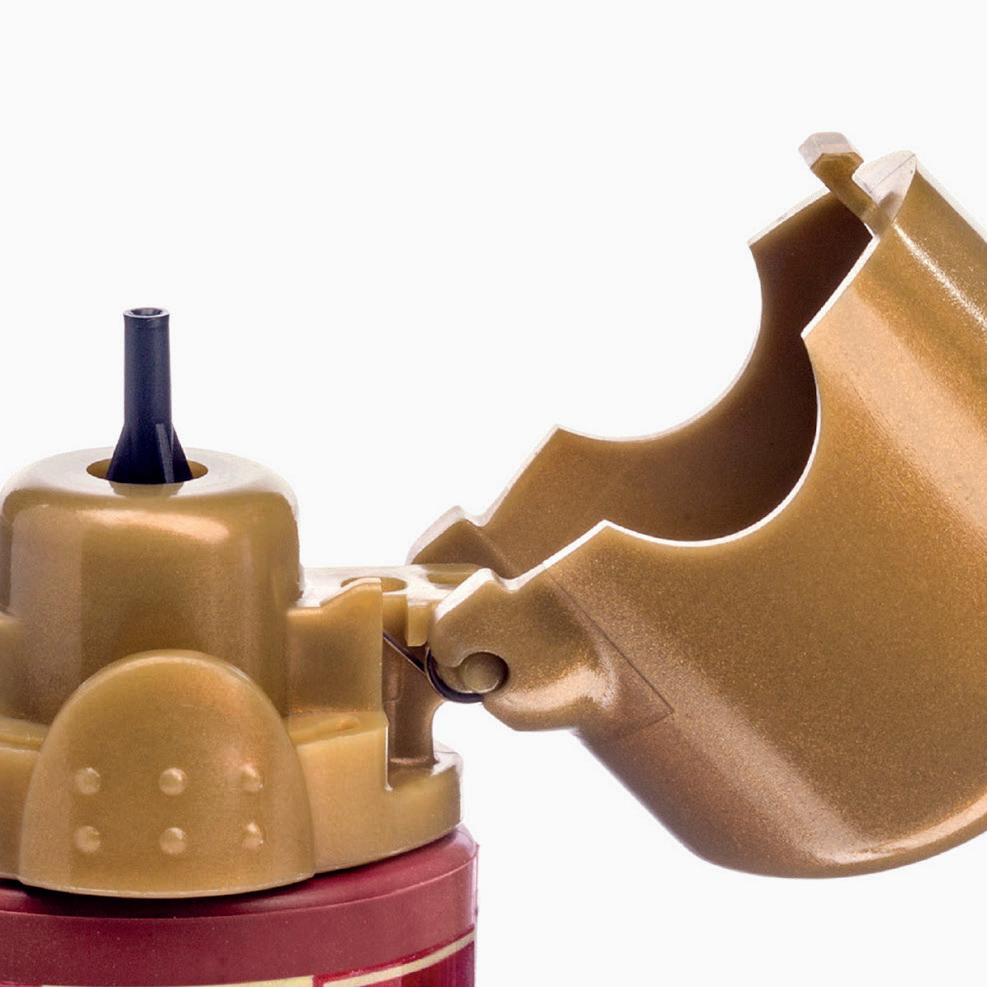
Ergonomic flip-top cap
Easy one-hand opening, no spilling
GC UNITED KINGDOM Ltd info.uk@gc.dental +44 1908 218999 www.gc.dental/europe/en-GB
Universal workflow
For all your procedures, can be used in all etching modes
SCAN HERE for more information about G-Premio BOND
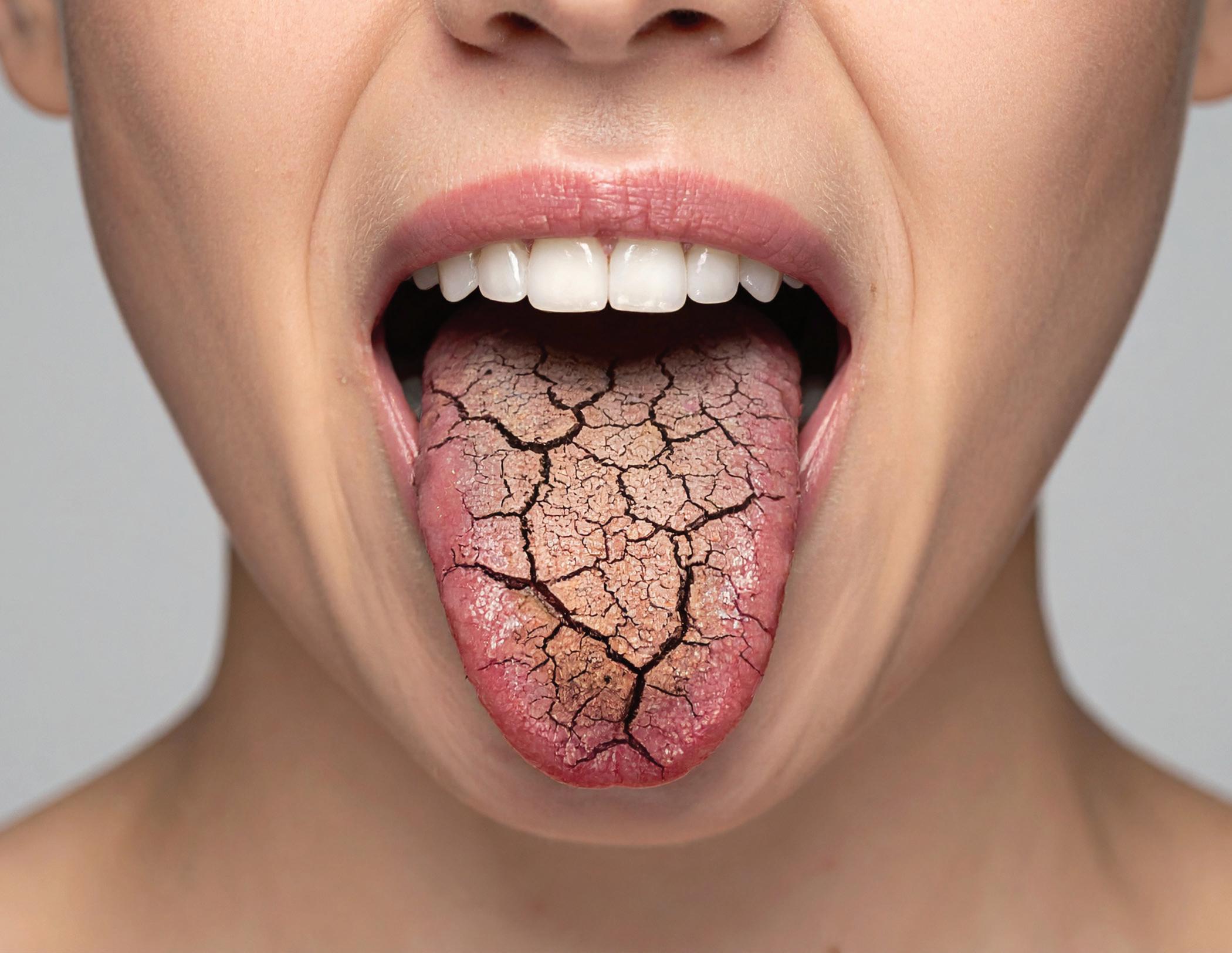
The menopause symptom no one talks about
An interview with Tatiana Brandt, MEd, RDH, Denmark
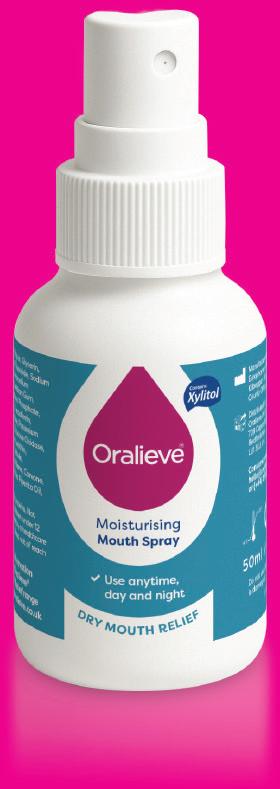
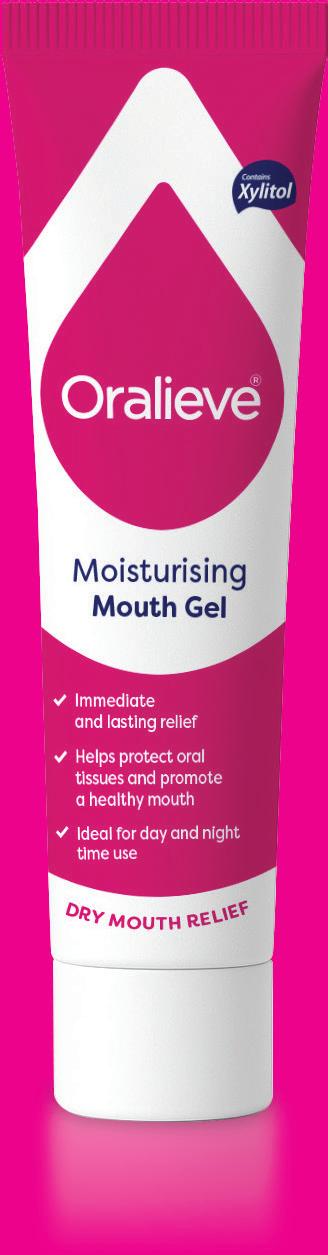
Menopause comes with a long list of symptoms most people can recite by heart — hot flashes, night sweats, mood swings. But there’s another change that often slips under the radar, even though it affects daily comfort, oral health, and overall wellbeing. Dry mouth, a surprisingly common yet rarely discussed symptom, can quietly reshape how women experience this stage of life. We spoke with dental hygienist and clinical lector Tatiana Brandt to understand the connection between hormonal changes and xerostomia, and what dental professionals can do to help.
Many women report dry mouth during menopause. Is there truly a link between menopause and xerostomia?
Tatiana Brandt: First, we need to clarify definitions. Many studies define dry mouth or xerostomia using both subjective symptoms and objective salivary flow measurements. 1,2 In Scandinavia, we distinguish between xerostomia - the feeling of dryness - and hyposalivation - a measurable reduction in saliva. 3 These don’t always correlate. Some women have reduced saliva without the feeling of dryness, and others experience an extreme dry feeling even with borderline normal flow. The composition of saliva in women is related to sex hormones and complex. 4
During menopause, the composition of saliva changes. Saliva is 99% water and 1% proteins and enzymes, and this 1% is heavily influenced by sex hormones. 5 When estrogen and progesterone decrease, we lose important protective effects on the mucosa, teeth, gingiva, and pulp. The mouth is full of receptors for these hormones 6 — and when the hormones disappear, so does the protection.
More research is still needed. Women have long been underrepresented in health research because the system was historically built around male bodies, and that legacy still influences funding, study design, and medical training. The good news is that awareness is growing and meaningful progress is being made, even though some gaps still remain.
How common is dry mouth in menopausal women?
Brandt: The conclusions vary depending on the study, and the available research has some limitations. We lack long term follow up research on the same cohort of women. But overall, the numbers range from 30% to 50% of menopausal women reporting xerostomia.7,8
In Denmark, the official number for postmenopausal women is 44%, though numbers vary widely — anywhere from 11% to 72%, depending on how the question is asked.
Do ageing men experience similar symptoms, or is this mainly a women’s issue?
Brandt: Dry mouth is associated with age in both men and women. But women over 60 take more medication than men, and polypharmacy is a major risk factor. 9 However, even when comparing men and women not taking medication, women still report more dryness — about 15% more in some studies. 10
But again, we lack reliable long term research because women are often excluded from studies due to hormonal fluctuations.
Another important point: women perceive symptoms more intensely. Evidence points to sex specific differences in mucosal biology, with women experiencing more marked thinning and fragility as hormone levels change. This may also explain why menopausal women often experience burning mouth syndrome, 13 even when other oral diseases have been ruled out.
Are there specific medications used during menopause that increase dry mouth?
Brandt: There are many. More than 1,000 medications have been reported to cause or contribute to xerostomia. 14 Polypharmacy is a strong predicting factor, especially when three or more medications are combined. 9,11,12
Individual reactions vary. One woman may develop severe xerostomia on a certain drug, while another has no symptoms at all. Dose and duration matter too.
Can hormone replacement therapy help reduce dry mouth symptoms?
Brandt: Yes, hormonal therapy — especially bioidentical estradiol and progesterone — can relieve symptoms for many women. But not all. Some women simply don’t respond. 15 One unverified hypothesis proposes that menopause associated reductions in mucosal receptor sensitivity may limit the effectiveness of therapy when it’s started too late. Further investigation in this area would be valuable. There is a clear gap in symptom burden and treatment.
Do symptoms improve after menopause, or do they continue?
Brandt: Unfortunately, the symptoms often become more pronounced over time. They tend to appear during perimenopause and become even more common after menopause, according to most studies. Overall, the likelihood of being affected increases with age.
From your clinical experience, how much does dry mouth impact women’s quality of life?
Brandt: A lot. I follow a Danish social media group with 27,000 women aged 40–60, and every day I see posts about burning mouth, sleepless nights, sticky saliva, difficulty swallowing, chronic coughing, loss of taste and smell, biting the cheeks and tongue… It affects eating, speaking, social life, everything.
Men rarely complain to the same extent. 10 Maybe they don’t experience it as intensely, or maybe they just don’t talk about it. Again, we don’t have comparative studies yet.
What preventive steps can women take before symptoms become severe?
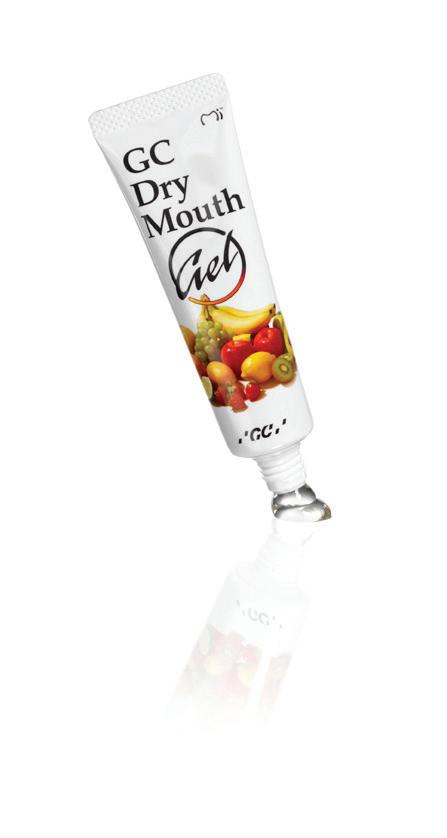
Brandt: There is hope, and lifestyle choices truly make a difference.16 Gentle oral care habits can help protect the mucosa: choosing toothpastes without sodium lauryl sulphate, using non abrasive products, staying well hydrated, reducing smoking and alcohol, eating moisture rich vegetables, and managing reflux all support healthier tissues. Products such as MI Paste Plus or GC Dry Mouth Gel can offer meaningful relief, especially during the night. I tend to favor high viscosity gels rather than sprays because they remain for a longer period. The neutral pH of these products, along with the added calcium and phosphate in MI Paste Plus, is particularly beneficial for women who struggle with acidity and the erosion that can follow.
I often explain it this way: we use conditioner and moisturizer on our hair and skin throughout our lives — we need to think about caring for our mucosa with the same consistency and intention.
It’s also important to remember that menopause is occurring earlier for many women, with some entering perimenopause in their 30s. When a woman in her 30s suddenly experiences dry mouth, or develops more caries mucosal lesions, it can sometimes be an early sign of hormonal change or perimenopause. Recognizing these shifts early allows women to take preventive steps sooner and maintain comfort and quality of life as their bodies change.
References
1. Niklander SE, Simms ML, Wiriyakijja P, Santos-Silva AR, Kuten-Shorrer M, Sankar V, Kerr AR, Jensen SB, Riordain RN, Villa A, Delli K. World Workshop on Oral Medicine
7. Ciesielska A, Kusiak A, Ossowska A, Grzybowska ME. Changes in the oral cavity in menopausal women—A narrative review. Int J Environ Res Public Health. 2022;19:253.
8. Rajpal N, Patel S, Pathak JR, Swain N, Bhor K. Prevalence of oral manifestations in menopausal and postmenopausal women: A systematic review and meta-analysis. J Orofac Sci. 2025;17:40–50.
9. Hafsah S, Syam S. Association of xerostomia and polypharmacy - A case-control study. Community Dent Health 2025;42(4):127-131.
10. Holtkamp A, Beuer F, Wolf TG, Naumann M. Sex-Specific Oral Health: A Narrative Review of Hormonal Influences and Disease Patterns. Dent J (Basel). 2026 Mar 6;14(3):147.
11. Smidt D, Torpet LA, Nauntofte B, Heegaard KM, Pedersen AML. Associations between oral and ocular dryness, labial and whole salivary flow rates, systemic diseases and medications in a sample of older people. Community Dent Oral Epidemiol. 2011; 39.; 276-88.
12. Villa A, Wolff A, Dawes C, Aframian D, Ekström J, Proctor G, McGowan R, Aliko A, Narayana, N, Sia YW, Joshi RK, Jensen SB, Kerr AR, Vissink A, Pedersen AML. Diagnosis, treatment and prevention of medicationinduced salivary gland dysfunction (MISGD): a systematic review. Clin Oral Investig. 2015; 19.; 1563-80.
VIII: Development of a core outcome set for dry mouth: a consensus study. Oral Surg Oral Med Oral Pathol Oral Radiol. 2023 Jun;135(6):885-892.
2. Sen S, Sen S, Dutta A, Abhinandan, Kumar V, Ajit Kumar Singh AK. Oral manifestation and its management in postmenopausal women: an integrated review. Prz Menopauzalny. 2020 Jul;19(2):101-103.
4. Mirzaii-Dizgah I, Agha-Hosseini F. Stimulated and unstimulated saliva progesterone in menopausal women with oral dryness feeling. Clin Oral Investig 2011;15(6): 859-862.
5. Cross BW, Ruhl S. Glycan recognition at the saliva - oral microbiome interface. Cell Immunol. 2018 Nov:333:19-33.
6. Cornejo Ulloa PE, Krom BP, Schoonmade LJ, van der Veen MH. Sex steroid hormones: an overlooked yet fundamental factor in oral homeostasis in humans. Front Endocrinol (Lausanne). 2024;15:1400640.
13. Vaidya R. Burning mouth syndrome at menopause: Elusive etiology. J Midlife Health. 2012;3(1):3-4
14. American Academy of Oral Medicine. (Sankar V, Rhodus N et al.). Xerostomia. Retrieved June 4, 2026, from https://www.aaom.com
15. Tarkkila L, Linna M, Tiitinen A, Lindqvist C, Meurman JH. Oral symptoms at menopause –The role of hormone replacement therapy. Oral Surg Oral Med Oral Pathol Oral Radiol Endod. 2001;92:276–80.
16. Ram S, Kumar S, Navazesh M. Management of xerostomia and salivary gland hypofunction. J Calif Dent Assoc. 2011 Sep;39(9):656-9. n
To find out more about GC Dry Mouth Gel scan the QR code, or go to: https://tinyurl.com/ fmzs54p6
Cease and de-cyst
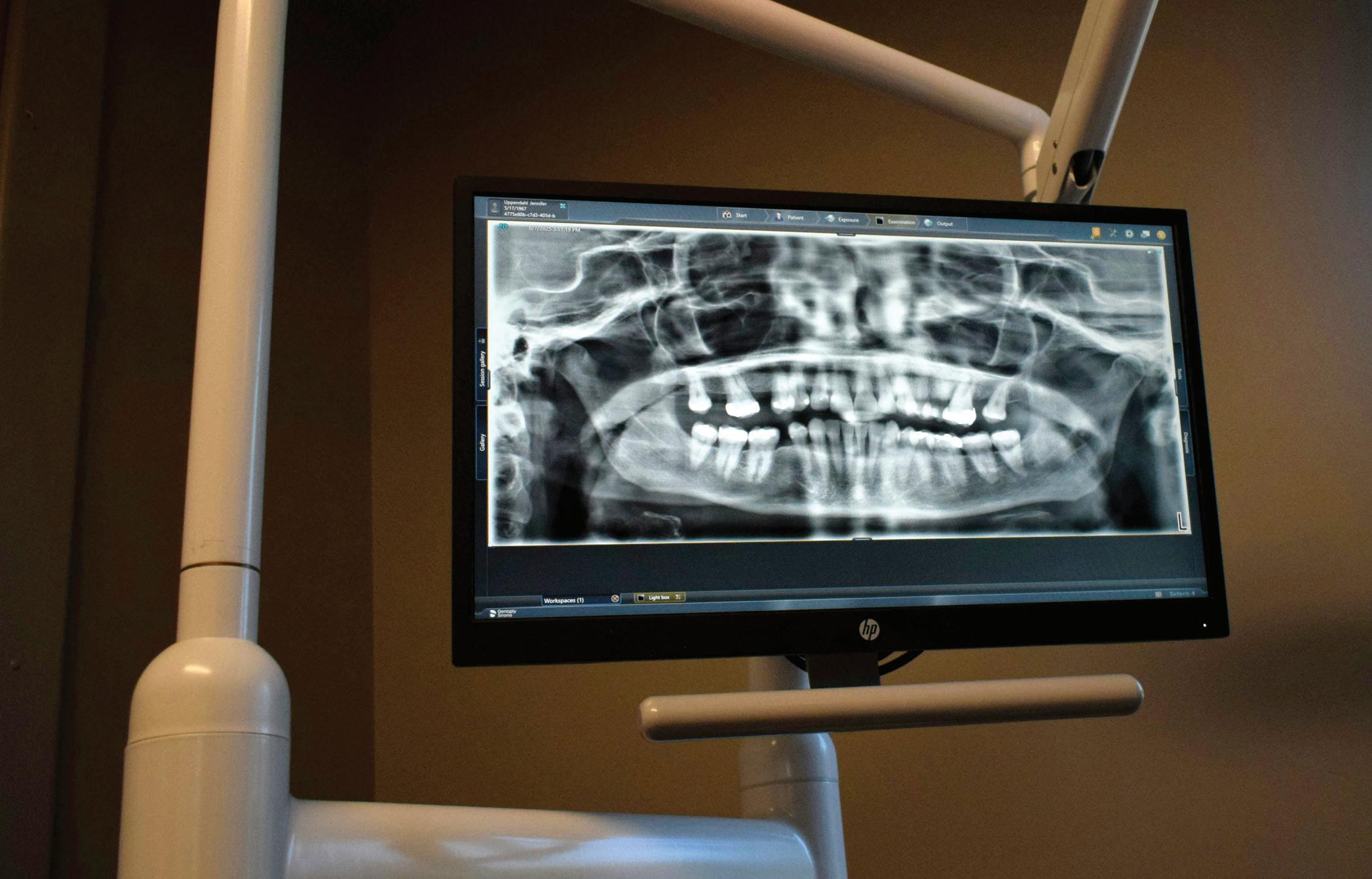
Whilst patients may recognise tooth pain, trauma and tooth loss as urgent reasons to visit their dental practice, they may easily overlook odontogenic cysts. This is unsurprising: the incidence of dental cysts among the UK population is unclear, and many may be unnoticeable to both touch and sight. i However, an odontogenic cyst can become an oral health risk if left undiagnosed and untreated. This poses a unique challenge for dental practitioners as the identification and management of such a cyst can be difficult, despite the jaw being the bone most frequently affected by cysts.ii Improving awareness for both patient and practitioner ensures early detection and, subsequently, a faster solution.
Types of cysts
A cyst is a closed-off cavity filled with semi-solid or liquid material, with odontogenic cysts found in the jawbone or the soft tissues in the mouth and face, having developed from the epithelium of the dentition.iii There is a higher prevalence in adult patients (13.8% of maxillofacial cases) than children (11.78% of cases). Each cyst varies in size, severity and aetiology, yet are often benign in nature. Despite this, they can disrupt the oral cavity if they expand –this is the concern for dental practitioners. There are two types of odontogenic cysts: inflammatory and developmental. These are broken down into further classifications, with the most common inflammatory cysts being periapical and residual, and the most common developmental form being called a dentigerous cyst.iv
Breaking it down
Approximately 60% of reported cysts are periapical.iv These are often unnoticed and are only visible through radiographic scans, found at the tooth root apex. If a periapical cyst becomes infected –an outcome that can occur due to the presence of dental caries and trauma – it can swell and
cause pain, with the increasing size able to loosen the teeth.v The inflammation caused by harmful bacteria then heightens the osmotic pressure, inhibiting cellular function and making the cyst – and other problems like caries or trauma – harder to manage. Dental practitioners may discover a periapical cyst when scanning a tooth with carious lesions.iv
In the case of residual cysts, at-risk patients are those who have recently had a tooth extraction, such as orthodontic patients or those who have experienced a physical trauma. iv A residual cyst is often preceded by a different cyst which has formed apical or adjacent to an extracted tooth – its incomplete removal leads to the formation of another. Because they are located at the site of an extracted tooth, residual cysts can present a risk to the local alveolar bone if left untreated.
Dentigerous cysts account for 20.6% of odontogenic cysts and occur when fluid accumulates around the crown of an unerupted tooth.iv Younger patients (10-30) are therefore vulnerable to dentigerous cysts. Patients whose third molars are beginning to erupt should be advised on the symptoms: diastemas between the affected teeth, displacement of the teeth, swollen gingivae, and sensitivity.vi
Tricky treatment
Managing patients with odontogenic cysts involves rigorous checks, such as tooth vitality testing. If left untreated, an odontogenic cyst can grow, putting pressure on the alveolar bone and weakening the support for the surrounding dentition. Whereas periapical cysts can be treated with root canal therapy, residual and dentigerous cysts require enucleation, with the latter also meaning the unerupted tooth is extracted too.iv
Closed for maintenance
To help prevent an odontogenic cyst from forming, and to protect their oral health following the extraction of one, patients must maintain a consistent daily oral hygiene routine. By adhering to effective dental care, such as toothbrushing twice a day and interdental cleaning once a day, patients can reduce the risk of caries and therefore the risk of an odontogenic cyst. For those who have had a cyst enucleated, as well as the removal of a tooth, a more powerful oral hygiene solution may be needed to optimise the healing process.
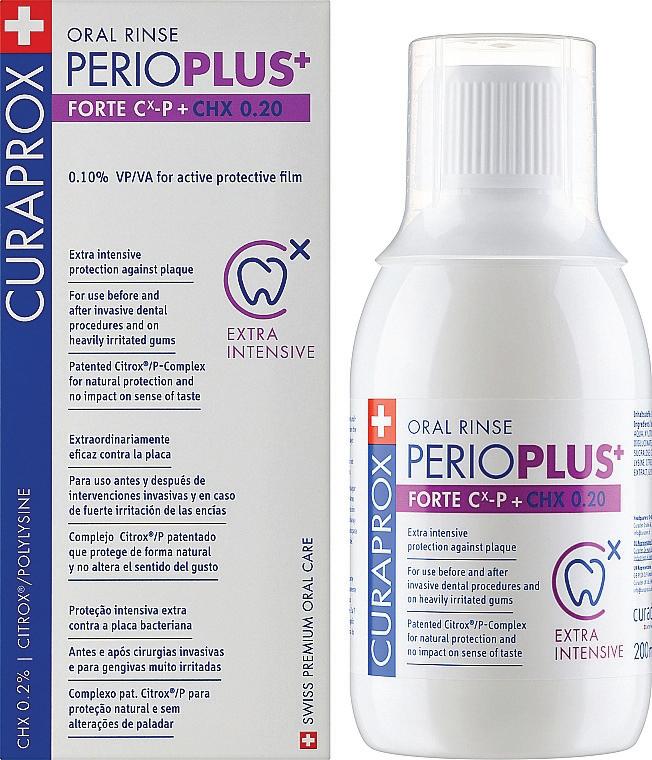
The Perio Plus range of mouthwashes from Curaprox add a reliable antibacterial boost for short term daily dental care. For the swift reinforcement of gingival health, the Perio Plus Forte contains 0.2% chlorhexidine, providing intensive care before and after dental surgery by fighting plaque build-up. Xylitol gives the mouthwash a pleasant taste and further ensures strong teeth for an all-round healthier smile, supporting a smooth healing process.
Odontogenic cysts take many shapes, forms and causes. Being able to identify the most prevalent, as well as the risk factors and type of patient who may be vulnerable, is vital for dental practitioners. With the correct management strategy, including a sound awareness on the role that oral hygiene plays, patients can be guided to healthier outcomes.
To arrange a Practice Educational Meeting with your Curaden Development Manager please email us on sales@curaden.co.uk
For more information, please visit www.curaprox. co.uk and www.curaden.co.uk n
References available upon request
ABOUT THE AUTHOR
Andrew Turner is Head of Marketing UK & Ireland, at Curaden UK
ANDREW TURNER
Improve brushing technique
Daily dental care is essential for maintaining a healthy smile. The core component is toothbrushing – the integral first step in achieving a 100% clean.
But, despite being taught at a young age, toothbrushing technique can decline in quality among patients of all ages. For instance, as people lead busier lives, their oral hygiene routine may be rushed.
There are many toothbrushing mistakes that patients may be making without even realising it:
• Brushing too roughly (which damages the enamel and gingivae)
• Holding the brush at an incorrect angle
• Skipping areas
• Failing to brush for 2 minutes
Many of these are crucial for manual toothbrushes; without the pressure sensors or automated timers that can be found on electric alternatives, it can be harder for patients to perfect their toothbrushing technique. This could affect a lot of people– in the UK, the government’s adult oral health survey noted that Brits in the 16-24 and 75+ age groups are more likely to use a manual toothbrush, rather than an electric. It is important that they choose the best solution for them.
Handle like a pro
To help patients elevate their routines, Curaprox offers the CS 5460, a toothbrush that combines cutting-edge science with a sleek Swiss aesthetic. It’s simple yet elegant design harnesses an octagonal handle that prevents overgripping and improves dexterity when switching which side of the mouth is being brushed.
The second handling feature is the slightly angled brush head. Driven by science, the design enhances oral hygiene outcomes by improving reach. The angled head therefore enables patients to easily access hard-to-reach teeth, such as the posterior molars, and optimise plaque removal. Moreover, the octagonal grip and tilted head work together to improve the brushing angle on the teeth, helping the bristles target the gingival margin to support an overall healthier oral cavity.
A gentle option
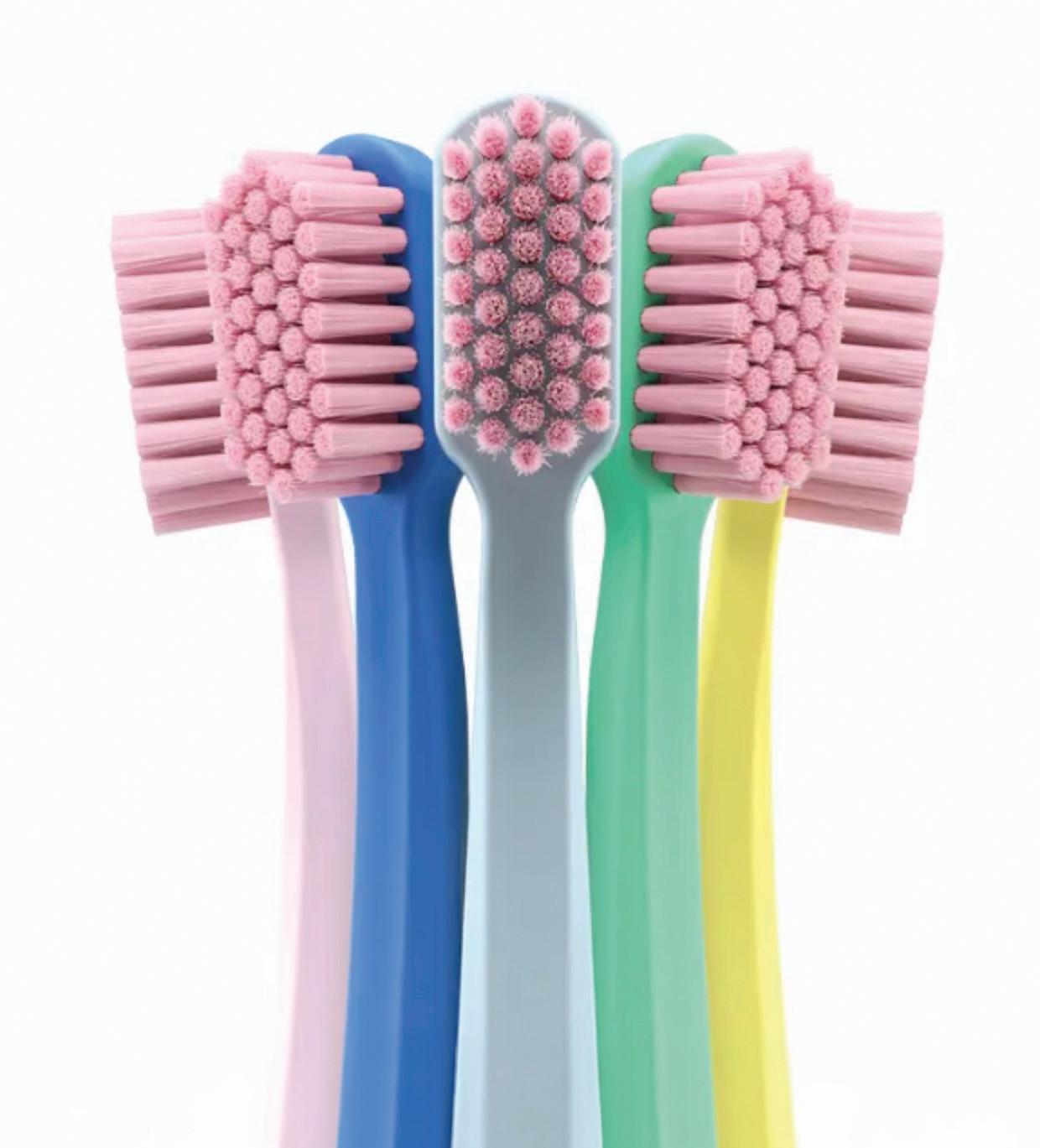
The CS 5460 takes its names from its 5,460 densely-packed bristles. These Curen ® filaments are a unique and game-changing aspect of Curaprox’s oral hygiene product range – they are ultra-soft and gentle on the teeth and gingivae yet pack a powerful cleaning punch. Able to remove plaque with ease when used in small circular movements, the highly effective Curen ® filaments polish the teeth for a comfortable, and therefore compliant, experience. Supporting a gentler toothbrushing technique, the CS 5460 reduces the risk of brushing too roughly and promotes the recommended angle to hold and brush at. For a more tailored approach, the toothbrush is also available in 12 handle colours, and each of these has three colours of bristles to choose from.
The eye-popping designs add vibrancy to what would otherwise be a forgettable part of each day, ensuring that, young or old, patients are confident and correct in their daily dental care.
Brushing cousins
The CS 5460 is not alone either. For an even more tailored experience, Curaprox also offers the CS 12460 Velvet. With more than double the number of bristles than the CS 5460, this densely-packed toothbrush is designed for advanced oral care, such as those with sensitive gingivae. Providing a sensationally gentle cleaning experience, its high bristle count better protects the enamel and the gingivae whilst removing harmful particles with ease.
For a more sustainable option, consider the CS Wood. Packing 4,400 ultra-fine Curen® filaments on its angled brush head, the CS Wood is made from a durable beech wood. As a biodegradable alternative, the toothbrush connects patients to nature and imparts a feeling of positivity – a healthy smile, a healthy planet.
The Curaprox range of CS toothbrushes can transform a patient’s oral health. These solutions don’t just remove plaque – they improve all parts of brushing technique to better educate patients going forwards. Recommend today so patients can begin and end each day feeling empowered in their dental care.
To arrange a Practice Educational Meeting with your Curaden Development Manager please email us on sales@curaden.co.uk
For more information, please visit www.curaprox. co.uk and www.curaden.co.uk n
References available upon request
Teenage trends and aesthetic worries
What do teenagers want? It’s a question with an ever-changing answer, as each year sees the explosion of new trends and fashionable looks. The recent phenomenon of ‘looksmaxxing’ – in which influencers encourage social media users to take extra steps to enhance their physical attractiveness – is the latest example of changing patterns in aesthetics and teenage behaviour.
A smile can define a person’s appearance; it is often one of the first things noticed when meeting someone new. For teenagers, their smile can be a source of confidence or self-consciousness, dictating quality of life during a time of intense physical and emotional growth. For dental practitioners, managing adolescent patients can be difficult, particularly when professional health advice, as well as how to enhance the aesthetic of the smile and jaw, is also competing with online trends. A firmer understanding what each adolescent patient wants is needed to inform effective support.
Causing a tough time
It is unsurprising that teenagers want to improve their smiles. Research has found that teens who lose their teeth due to caries or trauma are 42 per cent more likely to be bullied.i Assessing 4,400 children over a 6-year span into their teenage years, a 2024 government survey reflects the need for more preventive action – in England, 16.2 per cent of year 6 school children had experienced dental decay.ii The subsequent changes can impact selfconfidence if there is notable edentulism.
Being bullied for appearance has always been a problem, with the impact affecting children psychologically and physically – obesity is an adverse outcome associated with bullying.iii The cycle between oral health, bullying and overall wellbeing therefore needs interrupting. Studies have found that one-third of adolescents struggle with low self-esteem, particularly in the early teenage years.iv As such, the enhancement of their image positively correlates with attitude, personality and self-esteem. Pursuing treatment options to improve dentofacial aesthetics, such as a chipped tooth, may be an inevitability; the smile is at the core of both facial attractiveness and also how others perceive their psychological traits.v By restoring or improving the smile, teenage patients can feel more confident, especially in social situations and meeting new people.
Finding what adolescents want
Knowing how to manage adolescent patients can be tricky, especially finding out what they want from care. There is little consensus: one study group reported that 78 per cent of adolescents expressed a desire for orthodontic treatment, whereas another report only identified 22 per cent of patients looking for such care.vi The same is true for treatments that are the focus of online trends – not every teenager will be attracted to, or even know about, what others are doing on social media.
Online trends on how to improve facial appearance raises concerns about a teenager’s
ability to make fully informed decisions and the risk that aesthetic treatments strengthen the belief that image decides self-worth.vii They are often perpetuated by people without adequate medical training, meaning adolescents could be engaging with unsafe, unproven advice.
One specific trend is ‘hardmaxxing’, an extreme and unregulated form of ‘looksmaxxing’ that is considered dangerous. Among the viral practices is bone smashing, designed to sharpen the jawline by taking a hammer to the jawbone and regrowing the bone structure.viii Dental practitioners must shepherd teenagers away from such measures, with indirect communication such as leaflets or posters serving as a passive way of highlighting the risks and long-term damage.
By taking the time to talk with adolescent patients about any elements of their smile that they are dissatisfied with, dental practitioners can determine if an aesthetic treatment is genuinely in the patient’s best interest. More broadly, there must be a systemic intervention with schools and social media to champion healthy body images and mitigate the pressure young people may place on themselves to look a certain way.
Changes in the dental practice
In the dental practice, recommending a consistent oral hygiene routine ensures a preventive approach. It ensures the natural dentition is kept healthy and attractive, minimising problems including staining, chipping, and decay. This may offset the need for aesthetic dental treatments by reducing the risk of tooth loss and maintaining a healthy smile.
At the core of effective daily dental care and oral prophylaxis is interdental cleaning. The Cordless Advanced water flosser from Waterpik™ delivers a comprehensive clean to the teeth, gingivae and interdental spaces, with three pressure settings and four flossing tips providing a customisable experience for optimal compliance. Up to 2x as
effective as string floss for removing bacterial plaque and improving gum health,ix the Cordless Advanced is also suitable for orthodontic patients, thoroughly cleaning around the brackets and wire and lowering the risk of tooth decay.
The aesthetic demands for teenage patients fluctuate as fashions come and go. By encouraging diligent dental care and a preventive approach, teenage patients can feel happy with their smile, boosting their quality of life.
For more information on WaterpikTM water flosser products visit www.waterpik.co.uk. WaterpikTM products are available from Amazon, Costco UK, Argos, Boots and Tesco online and in stores across the UK and Ireland. n
References available upon request
ABOUT THE AUTHOR
SHARON KIDD
Sharon Kidd is an experienced Dental Hygienist from Surrey. Over the years she has practiced in a wide variety of clinical settings and worked closely with both specialist and general dental practitioners. During her career Sharon has met an extensive range of different patients and she stands by the philosophy for keeping things simple in order to help her patients to achieve the highest possible standards of oral health.
When it hurts more, they floss less
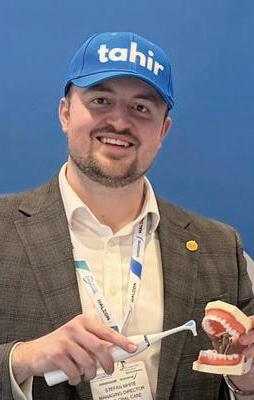
Stefan White, Managing Director of Tahir, unpicks a counterintuitive truth
It may seem as though everybody who stops flossing daily does so because they forget, or because it feels inconvenient or timeconsuming, but there is another reason that is often overlooked. Studies show that roughly 16% of people who do not floss daily cite oral pain or discomfort as their primary reason for avoiding it. In the absence of clear guidance from an expert, stopping the uncomfortable activity seems like the sensible choice. This can be one of the more frustrating patterns to unpick for clinicians, as the reality often is that interdental hygiene is far more important in times like these – not less.
Understanding what drives their decision, and how to counsel patients through it, is a more useful conversation than simply restating the importance of flossing. Patients already know they should floss. What they need is a reason to keep doing it when it hurts, as well as, ideally, a way to do it every day that does not make the pain worse.
Gingival inflammation and a self-reinforcing cycle
The most common reason patients report pain or discomfort during flossing is gingival inflammation. Inflamed tissue bleeds more readily, is more sensitive to contact, and is perceived as confirmation that flossing is causing harm rather than addressing it. The reality is the inverse: inflamed gingivae bleed on flossing precisely because interdental plaque has been allowed to accumulate, and the solution is more consistent cleaning, not less.
This is a cycle that is well understood in the literature. Early gingivitis caused by plaque accumulation leads to tissue sensitivity, which discourages the interdental cleaning, which allows further plaque accumulation, which worsens the inflammatory state.ii Breaking the cycle requires patients to floss through an initial period of discomfort with the knowledge that, within one to two weeks of consistent cleaning, bleeding and sensitivity typically reduce significantly.iii
The challenge is communicating this in a sensitive and empathetic enough way that the patient does not feel ignored or dismissed.
Mouth ulcers and soft tissue lesions
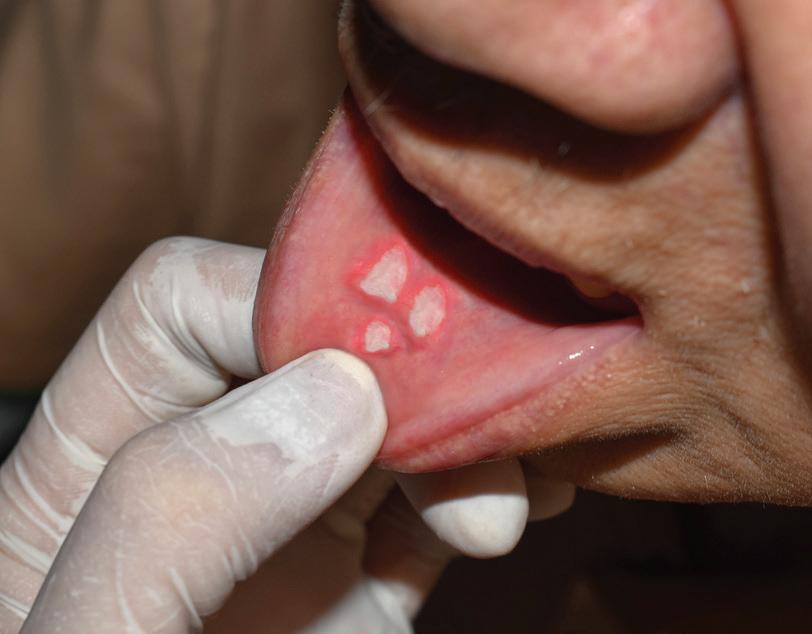
Aphthous ulcers present a different but related challenge. For patients experiencing a minor aphthous episode, particularly on the labial or buccal mucosa near interproximal spaces, flossing can make direct contact with the lesion that is painful enough to stop the routine entirely. As aphthous ulcers typically resolve within 1–2 weeks,iv this can mean a full fortnight of disrupted interdental hygiene at a time when the patient may already be immunologically stressed.
Counselling, for these patients, centres around two things: reassurance that gentle cleaning will not delay healing, and practical strategies to minimise trauma to the tissue. Treating the affected site with special care will allow the continuation of the habit without exacerbating the lesion.
Post-surgical and post-procedural sensitivity
Patients recovering from periodontal treatment, extraction, or other soft tissue procedures often receive guidance on avoiding the surgical site during healing. This is necessary; the risk, however, is overgeneralisation. Patients who are told to be careful during their oral hygiene routine may interpret this as a reason to avoid or lessen the frequency of all cleaning. Explicit, specific guidance, identifying which teeth and which spaces should be cleaned as normal, could help to prevent a localised restriction from becoming a whole-mouth lapse.
Orthodontic treatment and sensitivity
Patients in active orthodontic treatment represent another cohort at particular risk of interdental hygiene disruption. The combination of brackets and wires, increased plaque retention, and – particularly in the early stages of treatment or following adjustments – generalised dental sensitivity makes flossing feel like a significant effort. For many patients, it becomes one of the first habits to slip.
This is important not only for periodontal health but for the risk of decalcification and early carious lesion development near brackets.v The topic of tool selection is particularly relevant here: a device that eliminates the need to thread floss behind archwires, that can be operated with one hand, and that offers a sensitive mode for use during periods of post-adjustment discomfort, substantially lowers the barrier to consistent cleaning.
The importance of tool selection
Across all of these scenarios, the evidence points to a consistent theme: patients are more likely to maintain interdental hygiene through episodes of discomfort when the cleaning process itself is perceived as gentle, controllable, and low-effort.vi
Tool selection is vital here – a device with multiple cleaning modes, including a sensitive setting, and that doesn’t require dextrous manoeuvring, removes several of the barriers that typically cause patients to abandon the habit.
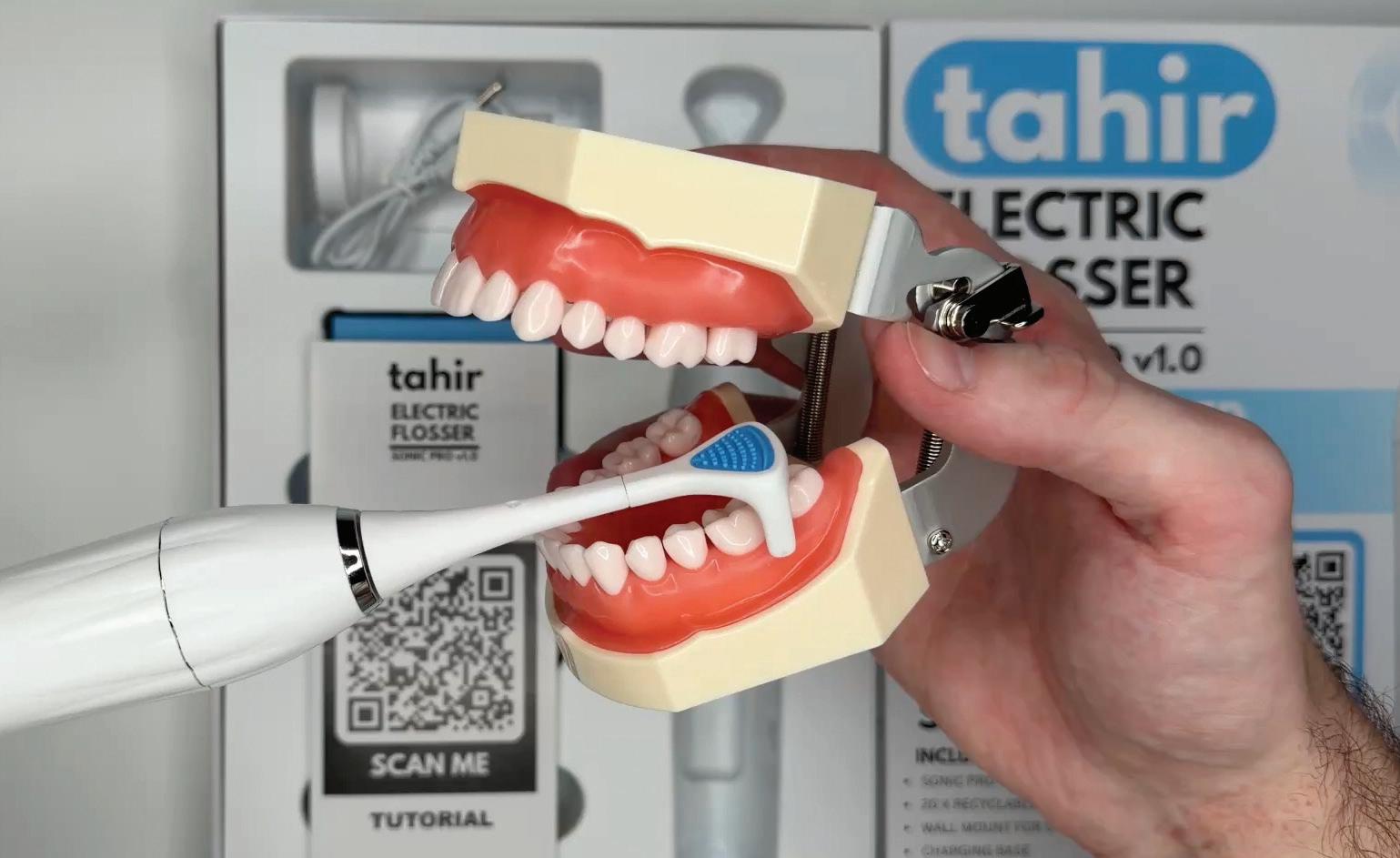
The Tahir Electric Flosser is a one-handed, rechargeable electric flosser with four cleaning modes – including a Sensitive setting designed for patients with gingival or soft tissue tenderness. For clinicians looking to support patient compliance through the episodes that most commonly interrupt it, this is a practical recommendation backed by evidence.
The patients who lapse are not necessarily the ones who don’t care about their oral health – they may be experiencing more than the average discomfort, or have otherwise hit a barrier without the correct tools to address it.
To identify the potential for moments like these, and respond to them rapidly, is what makes a truly exceptional practitioner.
The Tahir Electric Flosser is available for patients at tahiroralcare.com and through Oraldent, Amazon, and Harrods. For practice enquiries and professional ordering, visit tahiroralcare.com. n
References available upon request
ABOUT THE AUTHOR
STEFAN WHITE
Stefan White is the Founder & Managing Director of Tahir Oral Care.
The real cost of dental pain
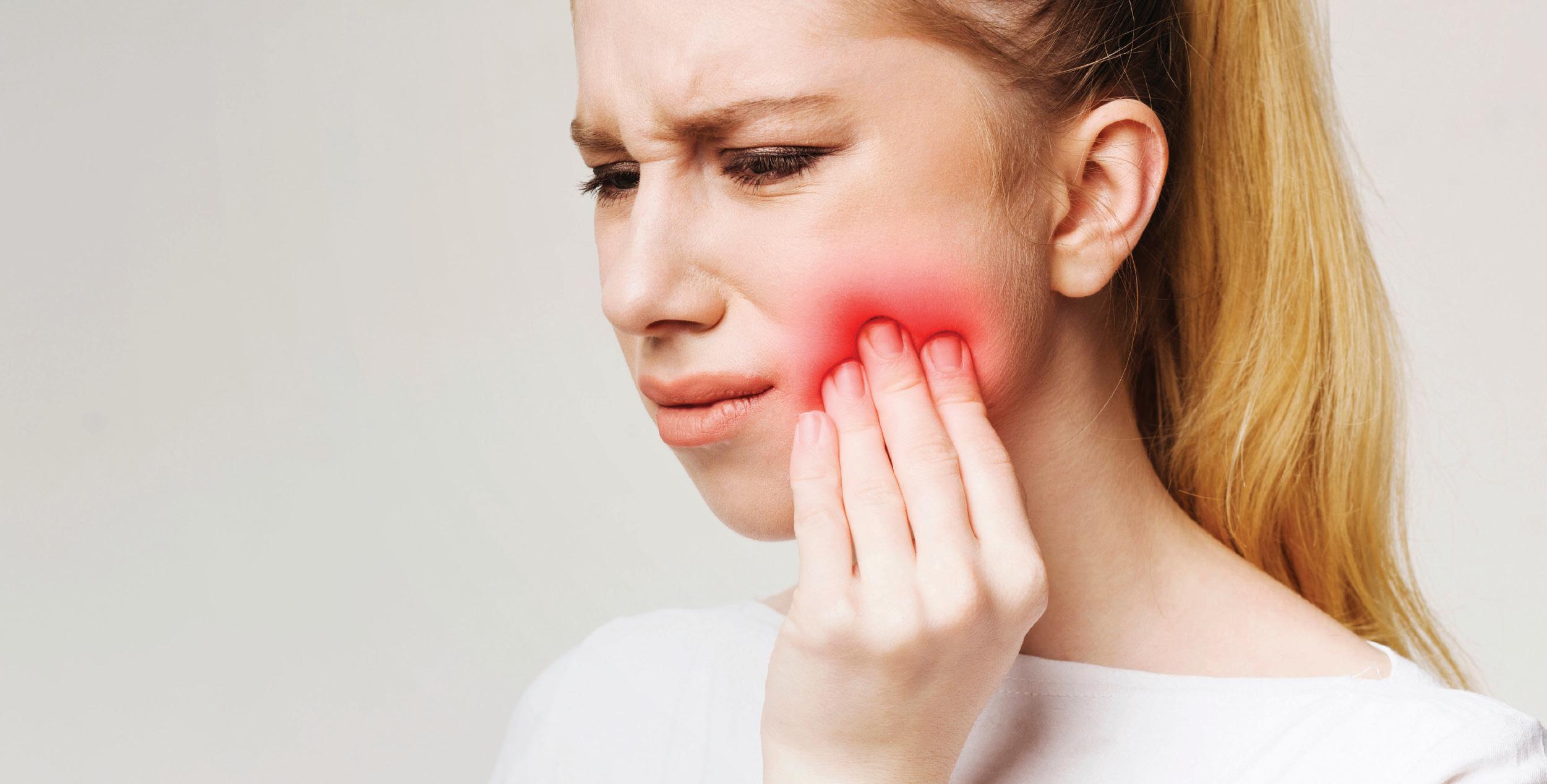
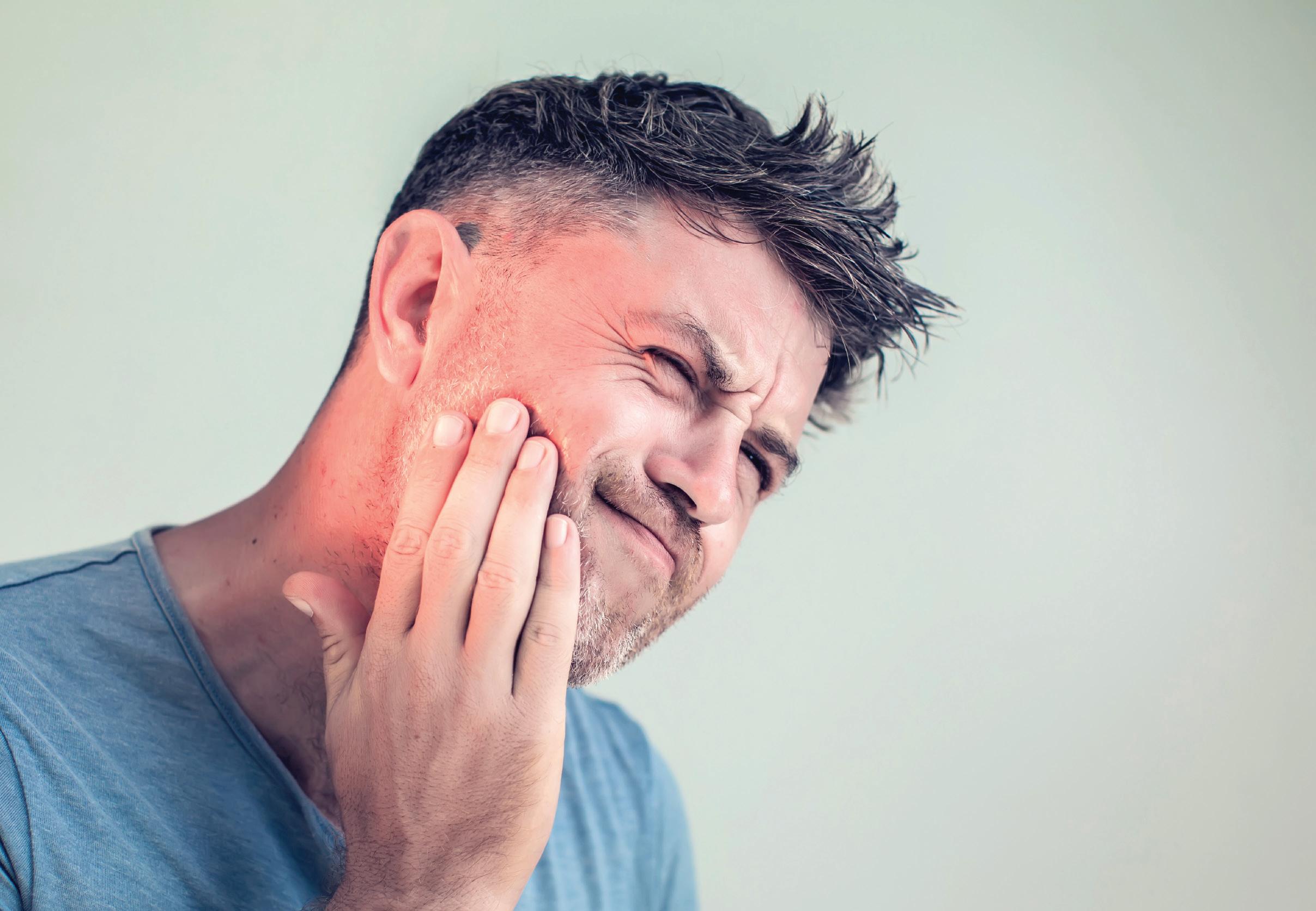
Dental pain is a common issue experienced by people across the nation. It can be caused by various factors and, therefore, requires professional assessment to determine appropriate treatment. However, this can take time – either while diagnostic testing is completed or during the wait for an available appointment. Considering the impact that this pain can have on an individual’s everyday life, it is important that the dental team can offer support to alleviate symptoms as quickly as possible.
Individual wellbeing
Crucially, toothache can have a detrimental impact on a patient’s quality of life. Oral pain – alongside tooth loss and impaired dental functionality – is associated with an increased risk of mental health conditions like depression. The literature has also established a link between dental pain and anxiety,ii with chronic dental pain associated with an overall poorer quality of life.iii
Mental health and wellbeing are further affected by the physical implications of chronic toothache. A bidirectional relationship exists between chronic pain and sleep, with higher pain levels leading to lower quality and quantity of sleep, and vice versa.iv Dental pain can also influence nutrition, as chewing problems can cause individuals to avoid certain foods, increasing the chance of malnutrition.v Clearly, toothache can have a significant effect on those who experience it. However, the impact of dental pain spreads far beyond the afflicted individual.
Economic burden
Oral health problems are estimated to account for 9-27% of work absences due to sickness, with toothache being a leading cause.vi It has been reported that almost three in 10 British people (28%) miss work due to tooth pain, which equates to 11.7 million individuals. Approximately 7% of working-age adults have taken an entire week off for dental pain, adding up to 23 million sick days.vii This costs the UK economy millions of pounds in lost production each year.
However, this may not accurately reflect the number of people who suffer from dental pain. It is thought that oral discomfort is often not enough – or perceived to be enough – to take the day off, meaning that a high proportion of affected workers will still attend. In the aforementioned study, 9% of respondents found toothache to negatively affect the quality of their work and reduce their productivity.
Just as worryingly, research has suggested that many individuals – up to 73% – will delay dental treatment specifically because they don’t want to take time off work.viii
Treatment costs
While this maintains work presenteeism, it ends up costing the population in other ways. Firstly, reduced productivity across UK industries is hindering economic growth. The UK is ranked in the lowest third of the 38 countries listed by the Organisation for Economic Co-operation and Development (OECD), having experienced slower growth compared to many other nations. Sluggish productivity, particularly in low-wage sectors, alongside low growth rates are preventing the UK economy from flourishing as others are.ix Dental pain is only the tip of the iceberg when it comes to improving workplace productivity, but it is important nonetheless.
Delayed dental treatment also has financial implications. When oral health problems are allowed to develop and advance, they often require more drastic intervention when the professional team is eventually consulted. Dental caries alone is estimated to cost the UK £18,000 per personx – a sum that could easily be reduced with more timely treatment and effective prevention strategies. Other estimations suggest that missing a £60 dental appointment could cost someone up to £4,000 in the following three years,xi demonstrating how quickly seemingly small problems can grow if left untreated.
Accessible dental care
Sadly, there is no quick fix. Dental professionals must make their services accessible to as many people as possible, tailoring what they offer to suit
their local demographics. Core messages should be centred around prevention, encouraging patients to take responsibility for their oral health, maintain effective at-home dental hygiene routines, and attend regular appointments.
When patients are in pain, they should understand the importance of seeking timely professional support. They will also need an immediate solution that will help to alleviate their symptoms while they await their appointment. In these situations, consider Orajel® Dental Gel – it contains 10% benzocainexii to deliver rapid pain relief xiii in just 2 minutes.xiv Alternatively, the Orajel® Extra Strength solution contains 20% benzocainexv for a greater local anaesthetic effect when needed.
Dental pain has wide-reaching consequences on individuals, with untreated dental health problems increasing treatment costs and affecting the nationwide economy. Professionals can help to address the issues by prioritising prevention strategies and helping patients to avoid the development of oral disease in the first place. When issues do occur, being able to recommend fast and trusted pain relief will be just as vital for a positive patient experience.
For essential information, and to see the full range of Orajel products, please visit https:// www.orajelhcp.co.uk/ n
References available upon request
ABOUT THE AUTHOR
SUMERA BASHIR
Sumera Bashir Medical Affairs & Scientific Engagement Lead at Orajel
From chairside to homecare: Supporting patients between visits
The aim of this article is to help dental clinicians navigate the physical, cognitive, and socioeconomic barriers that impact patient compliance at home. It explores practical communication strategies, tailored in-practice coaching methods, and digital tools to help transition patients from reactive treatment to long-term preventative care.
Learning objectives:
• Recognise the importance of supporting patients beyond the clinical appointment
• Identify common challenges patients face in maintaining oral hygiene at home
• Describe simple, practical tools and strategies to reinforce oral hygiene advice between visits
Learning Outcomes: A
When a patient attends a dental appointment, there is a wide range of advice that might be given to help them tackle particular oral health challenges. Tailored oral hygiene advice is key for supporting patients, enabling a shift from seeking reactive treatments to preventative care. Ultimately, good long-term compliance with oral hygiene improves clinical outcomes, helps to alleviate patient anxiety, and boosts patient retention. However, there are a number of potential barriers that must be overcome to achieve this. Clinicians must understand the value of supporting patients between visits, the challenges that patients might face at home, and the practical strategies that could help improve compliance.
Value of effective support for compliance
At the heart of supporting patients is effective communication. If achieved, dentists are able to ask the right questions, listen actively to their patients, and understand their needs deeply. If patients understand the advice and recommendations they’re being given, and feel understood by their practitioner, a trusting relationship can be built –beneficial for both parties.
Trust is a pivotal aspect of dental care, important for patients to feel comfortable sharing their personal details and concerns about their oral health. Plus, those with a stronger relationship with their practitioners are more likely to comply with oral hygiene instructions and visit the practice more regularly. Further to this, good communication can help to alleviate dental anxiety. Usually, dental anxiety stems from avoidance of dental visits, with patients becoming ashamed of their oral health as it deteriorates. As a result, many delay their treatments, and therefore become more fearful of the dentist. Research suggests that patients’ levels of dental fear can be significantly reduced if they thoroughly understand the treatment they need. Importantly, effective communication can also help to influence patient adherence to oral hygiene recommendations, ultimately facilitating prevention and improving the outcome of any treatment. Clear and open communication means that dentists translate complex information into simple and specific instructions, with patients able to ask questions.
When patients have a clear understanding of their oral health, and the treatments and management techniques required to make improvements, they are far more likely to demonstrate excellent compliance.i
What are the challenges for patients?
There are various physical limitations, cognitive barriers, and socioeconomic factors that should be taken into account when providing maintenance advice to patients.
For patients who are experiencing manual dexterity issues, such as those caused by arthritis or Parkinson’s disease,ii for example, simple daily tasks, including brushing the teeth, can become very challenging. As such, it’s important to tailor oral hygiene advice to ensure they are able to keep plaque levels down, and reduce the risk of oral disease. This might also mean recommending more frequent dental hygiene appointments, to ensure regular checks and cleans are undertaken.
For those experiencing cognitive decline, for instance caused by dementia or Alzheimer’s disease,iii remembering which interdental brushes
to use in which space, or to brush their teeth at all can become very difficult. As such, it’s important to arrange frequent dental check-ups, and ensure those who care for them have all the information they need to maintain their health in between appointments. In many cases, providing demonstrations can be helpful, to ensure plaque and debris can be removed effectively.
Socioeconomic factors should also be taken into account. Often, patients who are especially restricted by budget are likely to delay dental appointments until there is an emergency. iv It’s in these cases that clear preventative advice is
Brought to you by
CPD Questions
1. What benefits does effective communication between dentists and their patients offer?
a. Establishing trust
b. Alleviating dental anxiety
c. Improving patients’ compliance
d. All of the above
2. What factors might cause challenges to patient compliance?
a. Physical limitations
b. Cognitive barriers
c. Socioeconomic factors
d. All of the above
3. Why might a patient with arthritis struggle to comply with oral hygiene recommendation?
a. More likely to delay dental appointments
b. Tasks like brushing the teeth can be very challenging with limited dexterity
c. Less likely to remember to brush their teeth
d. There is no reason
vital, helping patients to take care of their teeth at home and, ultimately save money in the longterm. Very specific advice is particularly helpful here, taking the guess-work out of the tools that they might need and how best to keep all surfaces of their teeth clean.
Additionally, some patients may simply forget to complete tasks like interdental cleaning as part of their daily routine. In such cases, it is also important to recommend strategies to reinforce oral hygiene advice.
Strategies to reinforce oral hygiene advice
In order to provide patients with the right advice at the right time, it’s important to be aware of the practical strategies and tools at your disposal to help patients make significant improvements.
As mentioned, effective communication is essential for supporting patients. By asking the patient what their current oral hygiene routine involves, and if they have any challenges with it, you’ll be able to build a base level of understanding from which to build upon. From here, you’ll be able to offer explanations where there are gaps, and offer support where needed.v
The next step would be to ask the patient to demonstrate their oral hygiene routine. As you watch, identify any areas where support, or even a different tool, is needed to improve. Instructions and coaching at this stage should be personalised, not only improving their understanding but their skills in plaque biofilm removal. To deepen their understanding, ask the patient to hold a mirror whilst you demonstrate how to systematically clean each tooth using a toothbrush, interdental brush, or even a single tufted toothbrush if required. v
To help patients feel more confident still, ask them to practice cleaning their teeth whilst in the dental practice. This is a great way to address any concerns should a patient experience bleeding after cleaning interdentally. From here, create a
4. Patients who are experiencing socioeconomic challenges are likely to delay dental appointments until there is an emergency. True or false?
a. True
b. False
5. Which of the following is a recommended strategy for improving compliance?
a. Ask the patient about their current oral hygiene routine
b. Demonstrate how to systematically clean the teeth
c. Create a plan together to integrate their oral care regime
d. All of the above
6. TePe Recommend is an effective tool to help support patients with their oral care when they leave the practice. True or false?
a. True
b. False
plan, together with the patient, to specify how they’ll integrate their new oral hygiene routine into their day – and let them know that you’ll ask how they’re managing with these new tools and skills at the next appointment. v
Practical supportive tools for enhanced compliance
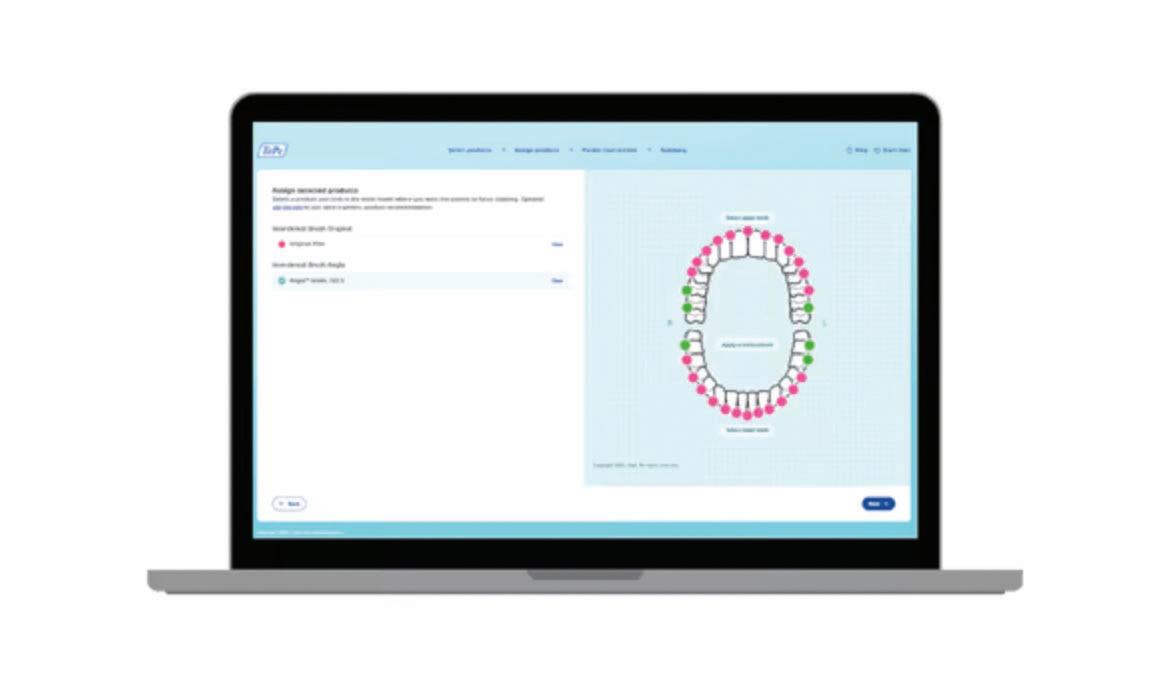
These strategies should not end when the patient leaves the practice. Implementing supportive tools, including digital resources such as the TePe Recommend tool, can help to aid patients’ understanding of their oral health needs, enhance compliance with oral hygiene between appointments, and encourage followup appointments. TePe Recommend serves as a practical support, allowing you to specify which interdental brushes should be used in which spaces through a digital platform that patients
can refer back to as they carry out their new regime. The recommendations are personalised, leading to better adherence to advice, and improved oral health outcomes.
One of the biggest challenges that practitioners face is ensuring patients comply with oral hygiene advice provided in the practice. Of course, there are many barriers that may limit patients’ abilities, but with personalised recommendations, clear communication, and ongoing support, clinicians can help patients make improvements in the long term. Over time, this will lead to a shift from treatment to prevention, and improved oral health for future generations.
Find out more about the TePe Recommend tool today: https://www.tepe.com/global/ tepe-recommend n
References available upon request
Periodontitis: Consensus, Collaboration and Co-operation
by Dr Varkha Rattu BDS MFDS RCSEng, MClinDent Periodontology (Hons) (KCL), F(Perio) RCSEng Specialist Periodontist
This article explores how dental professionals can bridge the gap between evidence and practice through three core pillars: standardizing diagnosis, utilising clear referral frameworks for complex cases, and improving patient communication.
Aim
To provide an evidence-based overview of the diagnosis, classification and management of periodontitis, highlighting the importance of recognising complexity factors, making appropriate specialist referrals, and communicating effectively with patients to support optimal clinical outcomes.
Learning objectives
By the end of this CPD module, the reader will be able to:
• Describe the current evidence-based criteria for diagnosing and classifying periodontitis
• Identify key periodontal complexity factors that indicate the need for specialist referral following initial non-surgical periodontal therapy
• Recognise the evidence supporting advanced periodontal treatment options for complex cases, including regenerative procedures and management of furcation involvement and ridge defects
• Apply effective communication strategies to explain referral decisions and the wider systemic implications of periodontitis to patients
GDC Anticipated Development Outcomes: A, C & D
Periodontitis is the sixth most prevalent health condition globally. According to the Global Burden of Disease study (2017), severe periodontitis affects approximately 11% of the world’s population — around 743 million people — while milder forms affect more than half of all adults.1 The global prevalence of severe periodontitis exceeds that of cardiovascular disease (7%), making it a public health challenge that demands serious clinical attention.
Bridging the gap between evidence and practice requires three things: Consensus on how we diagnose and classify disease; Collaboration in recognising when cases need specialist input; and Co-operation in communicating effectively with patients and colleagues.
PART 1: CONSENSUS
Diagnosing and Classifying Periodontitis
The Council of Europe defines consensus as “a public statement on a particular aspect of medical knowledge that is generally agreed upon as an evidence-based, state-of-the-art knowledge by a representative group of experts in that area.” In periodontology this takes the form of internationally agreed classification systems and clinical practice guidelines — the foundation of good clinical decision-making.
Diagnosis is underpinned by criteria established by the European Federation of Periodontology (EFP): 2
• Interdental clinical attachment loss (CAL) at ≥2 non-adjacent teeth
• Buccal or oral CAL ≥3 mm with pocketing >3 mm at ≥2 teeth
• Radiographic bone loss consistent with clinical findings
• Exclusion of non-periodontitis causes of attachment loss
Once confirmed, staging and grading characterises severity, complexity, and rate of progression. The 2017 World Workshop Classification (WWC) introduced complexity factors that shift a case to a higher stage. 3 Furcation involvement Class II or III, probing depths ≥6 mm, and vertical bone loss ≥3 mm escalate from Stage II to Stage III. The need for complex rehabilitation — masticatory dysfunction, secondary occlusal trauma, severe ridge defects, bite collapse, drifting or flaring, or fewer than 20 remaining teeth — escalates further to Stage IV. These complexity factors are especially useful because they identify which clinical features are most likely to make treatment more demanding, and therefore more likely to warrant specialist input.
PART 2: COLLABORATION
Complexity Factors as a Framework for Referral
From clinical experience, the following complexity factors should prompt serious consideration of referral following initial non-surgical periodontal therapy (NSPT):
1. Residual probing depths ≥6 mm
2. Vertical/infrabony defects ≥3 mm
3. Furcation involvement Class II or III
4. Complex rehabilitation requirements
(masticatory dysfunction, secondary occlusal trauma, severe ridge defects, bite collapse, drifting or flaring, fewer than 20 remaining teeth)
Residual Probing Depths ≥6 mm
Subgingival instrumentation is the cornerstone of active periodontal treatment. A systematic review by Suvan et al. (2020) reported a weighted mean PPD reduction of 1.4 mm overall, rising to 2.6 mm at initially deep sites of ≥7 mm, with a pocket closure rate of 74%.4 Where residual pockets of ≥6 mm persist following NSPT, this signals the need for more advanced intervention. The EFP S3 guideline confirmed that hand and powered instruments can be utilised effectively, and adjunctive measures such as systemic antibiotics may be considered in specific categories such as generalised Stage III/ IV periodontitis in younger adults.5
Vertical/Infrabony Defects ≥3 mm
Angular bony defects carry significant prognostic weight. Papapanou and Wennström (1991) found that deep intrabony defects were associated with 68% tooth loss at 10 years, compared with 13% for horizontal bone loss. 6 Rams et al. (2018) found that angular bony defects predicted progressive periodontitis with an odds ratio of 10.6. 7 The EFP S3 guideline gives a strong recommendation for periodontal regenerative surgery at residual deep pockets with intrabony defects ≥3 mm, supported by 22 RCTs in 1,182 teeth. 5 Techniques include barrier membranes and enamel matrix derivative, with papilla preservation flaps strongly recommended.
Furcation Involvement Class II and III
Furcation involvement is not, in itself, a reason for extraction.5 For mandibular Class II furcation, regenerative surgery carries a strong recommendation supported by 17 RCTs in 493 patients. For maxillary buccal Class II, regeneration is suggested. For Class III presentations, tunnelling, root separation, or root resection may be considered.
Secondary Occlusal Trauma
and Ridge
Defects
Secondary occlusal trauma — occlusal overload in the context of reduced periodontal support — is a Stage IV complexity factor. Temporary splinting and/or selective occlusal adjustment may be considered throughout therapy, 5 and cases of Grade 2 mobility with fremitus can be successfully stabilised through targeted occlusal adjustment, avoiding extraction.
Ridge defects (Siebert Class I–III) represent a further indication for specialist involvement, particularly where implant rehabilitation is planned. Horizontal augmentation options include GBR, ridge splitting, and onlay grafts.8 Vertical augmentation encompasses GBR, distraction osteogenesis, onlay block grafts, and sinus floor augmentation.9
PART 3: CO-OPERATION
The final pillar concerns communication: with patients and with colleagues. Evidence-based care is only effective if patients understand and accept the pathway offered.
When explaining the need for referral, language matters. The following phrasings help patients understand the clinical situation without causing alarm:
• “What you have is severe/very severe, and I want to make sure you’re seen by someone who specialises in exactly this. I think you’re at risk of losing X teeth without further treatment.”
• “Even if you’re not sure whether you want more advanced treatment, a second opinion ensures you have all the options — and you can make an informed choice.”
Helping patients understand the systemic dimension is equally valuable. Periodontitis is an immune-inflammatory condition – the body’s response to persistent bacterial challenge. The inflammatory mediators generated in the periodontium can travel systemically, with established associations between periodontitis and diabetes, cardiovascular disease, rheumatoid arthritis, and Alzheimer’s disease. Framing the mouth as the gateway to the body — and periodontal treatment as an investment in overall health — can meaningfully shift patient engagement.
SUMMARY
Managing periodontitis effectively demands:
• Consensus: Applying internationally agreed diagnostic criteria and classification systems rigorously in every patient encounter.
• Collaboration: Recognising the complexity factors most likely to warrant referral, and acting on them decisively.
• Co-operation: Communicating openly with patients, framing advanced care as an investment in their long-term health.
CPD Questions
1. What % of the world’s population are affected by severe periodontitis?
a) 3%
b) 7%
c) 11%
d) 19%
2. Diagnosis of periodontitis is underpinned by criteria established by the European Federation of Periodontology (EFP). Which of the below are examples of this criteria?
a) Interdental clinical attachment loss (CAL) at ≥2 non-adjacent teeth
b) Buccal or oral CAL ≥3 mm with pocketing >3 mm at ≥2 teeth
c) Radiographic bone loss consistent with clinical findings
d) All of the above
Advances in ultrasonic instrumentation continue to support more efficient and predictable periodontal treatment. Devices such as the Varios Combi Pro2 represent the evolution of this technology — combining ultrasonic and powder therapy in a single unit — and are one example of how thoughtfully integrated instrumentation can complement strong clinical frameworks to improve outcomes for patients. Periodontitis remains a disease of significant global public health impact. With the right clinical framework, dental professionals at every level are better placed to improve outcomes for this patient group. n
References available upon request
To learn more about NSK products to support your clinical practice, scan the QR code or visit mynsk.co.uk
3. Which clinical finding would escalate a periodontitis case from Stage II to Stage III according to the 2017 World Workshop Classification?
a) Gingival inflammation lasting less than one week
b) Probing depths of ≥6 mm
c) Mild tooth mobility without bone loss
d) Plaque accumulation around a single tooth
4. Following non-surgical periodontal therapy (NSPT), which residual finding should prompt serious consideration of specialist referral?
a) Residual probing depths of 2 mm
b) Mild gingival bleeding at isolated sites
c) Residual probing depths of ≥6 mm
d) 25 remaining teeth
To complete the questions and gain one hour of CPD, visit cpd.the-probe.co.uk
Infective endocarditis prevention: important new guidance
Professor Martin Thornhill has described the recent updates to NICE and SDCEP guidance as a landmark change in infective endocarditis prevention. Here, he explains what has changed and why it matters
Why is infective endocarditis such an important issue for dentistry, and what role does the profession play in its prevention?
Prof Thornhill: Infective endocarditis (IE) is an infection of the heart valves that has a very high mortality. Around 30% of patients die within one year of developing IE and survivors often experience serious lifelong health problems. It is caused by bacteria entering the circulation and affecting the heart valves of susceptible individuals.
In 35% to 45% of cases, IE is caused by bacteria that we know come from the mouth. These may enter the circulation during invasive dental procedures or during daily oral activities such as tooth brushing, flossing and mastication, particularly in those with poor oral hygiene and periodontal disease.
For individuals who are at increased risk of IE, prevention is extremely important. Modern dentistry is extremely safe, but IE is one of those rare situations where a dental procedure can result in serious harm or death to a patient.
Dentists can play a critical role by helping at-risk patients achieve and maintain good oral hygiene and, for those at the highest risk, by providing antibiotic prophylaxis (AP) before at-risk dental procedures.
These include patients with a previous history of IE, prosthetic or repaired heart valves, certain congenital heart conditions, and ventricular assist devices. Good oral hygiene and the appropriate use of AP can significantly reduce the IE risk for these patients.
What evidence has emerged in recent years that has changed the conversation around infective endocarditis prevention?
Prof Thornhill: The link between dentistry and IE has been known since the early 1900s and, in the 1950s, AP became the worldwide standard of care for individuals at increased risk of IE undergoing at-risk dental procedures.
In the early 2000s, concerns started to grow about the lack of data on AP efficacy, the risk of adverse drug reactions and the possibility of promoting antimicrobial resistance. As a result, guideline committees worldwide decided to restrict AP recommendations to those at the highest risk of IE.
This targeted AP on those most likely to benefit and reduced overall prescribing by around 75%.
The exception was the UK. In 2008, NICE recommended against all use of AP to prevent IE, making the UK the only country in the world where AP was not recommended.
Since then, studies have shown that AP is safe and antimicrobial resistance risk is low when AP is targeted only at high-risk individuals. Large clinical studies have also demonstrated that AP significantly reduces the IE risk following at-risk dental procedures.
You have previously described the recent NICE update and revised SDCEP implementation advice as a landmark change. What has changed, and why is it so significant?
Prof Thornhill: In November 2024, NICE changed the wording of its guidance by adding this sentence: ‘For advice on antibiotic prophylaxis for people at high risk of infective endocarditis undergoing dental procedures, and for relevant patient information, see the implementation advice provided by SDCEP.’
For the first time, NICE has acknowledged the existence of high-risk individuals who would benefit from AP and directed all UK dentists to follow SDCEP advice.
SDCEP published its updated advice in March 2026. This recommends AP for all high-risk patients undergoing extractions and oral surgery procedures and states that AP should be considered for all other at-risk dental procedures involving manipulation of the gingival or periapical region of the teeth. This includes scaling and periodontal examination procedures.
What do the updated recommendations mean in practical terms for dentists working in primary care?
Prof Thornhill: Dentists, dental hygienists and dental therapists must identify whether patients are at increased risk of IE before undertaking any dental procedures.
For all such patients, clinicians should explain the importance of maintaining good oral hygiene, the risks posed by at-risk dental procedures, and the potential risks and benefits of AP. Patients should be provided with the information they need to make an informed decision, and these discussions should be recorded in the clinical notes.
Whether they decide to have AP or not, all patients at increased IE risk should also be told about the symptoms of IE and what action they should take if these occur in the month following an invasive dental procedure, since early diagnosis is associated with better outcomes and reduced mortality.
Patient information leaflets are helpful in discussing the risks and benefits with patients and
in providing them with information about the signs and symptoms of IE and what action they should take, should these occur.
Ultimately, these updated recommendations represent a huge change from the situation between 2008 and November 2024, when NICE recommended against the use of AP to prevent IE. For those wishing to explore the topic in more detail, I will discuss what has changed, why it matters and how the updated guidance can be implemented in practice at the Dentistry Show London.
Professor Thornhill will present ‘Important change in the infective endocarditis prevention guidance’ at Dentistry Show London, taking place at Excel London on 9 and 10 October 2026. The session will explore the evidence behind the latest updates and what they mean for dental professionals in practice.
Register free at: london.dentistryshow.co.uk
ABOUT THE AUTHOR
MARTIN THORNHILL
Martin Thornhill is Emeritus Professor of Translational Research in Dentistry at the University of Sheffield and a leading international authority on infective endocarditis prevention. His research has helped shape national and international guidance on antibiotic prophylaxis and patient safety.
Gain more, grow faster, get ahead.
Dentistry Show London stands at the centre of a profession in transformation. As AI reshapes diagnostics, private dentistry grows, workforce dynamics evolve, and NHS reform shapes care, DSL unites the sector to navigate what’s next. With 100+ leading speakers, 100+ hours of Enhanced CPD education, and 180+ exhibitors, it delivers practical insights, new connections, and real opportunities, helping practices and teams thrive in a rapidly changing UK dental landscape.
The power of sleep
Around 7-8 hours of sleep keeps the body and mind refreshed,i lowering the risk of systemic health conditions like cardiovascular disease and diabetes.
ii Research into sleep medicine continues to grow, from investigating the impact on cognitive function to the importance of maintaining the circadian rhythm.
In the world of cosmetic dentistry, a focus on sleep medicine allows clinicians to treat patients holistically, achieving longer-lasting outcomes. However, enhancing understanding of sleep medicine in dentistry requires a cooperative effort between practitioner and patient, with a focus on sleep disorders and how they affect the mouth.
Dr Paul Reaney is a dentist with a special interest in orthodontics and has successfully incorporated a Dental Sleep Medicine Clinic, Snoring Solutions NI, within his general dental practice. His award-winning pathway of patient care and implementation of digital technology in Dental Sleep Medicine has been recognised internationally and he is currently a committee member of the Irish Society of Dental Sleep Medicine and a Board Diplomate of the European Academy of Dentists in Sleep Medicine. This unique experience offers a fascinating insight into how sleep impacts our daily life, in more ways than we know. Dr Reaney elaborates:
“Many of us place more importance on charging our mobile phone at night than recharging the most important digital technology we possess –our brain! Sleep is often the neglected foundation that supports our physical and mental wellbeing, allowing us to enjoy a good quality of life. It is only when we are sleep deprived that we appreciate how it compromises how we feel and negatively impacts our mood and personal relationships.
“Sleep is often overlooked when we consider our quality of life and wellbeing. Yet it has significant relevance on our clinical accuracy as we strive to deliver care to patients, and many dentists are unaware of the influence sleep has on the conditions we manage and the treatments we provide.
“As clinicians, we attend many courses on treatments that we never experience personally, yet we all experience sleep deprivation. 80% of patients with obstructive sleep apnoea (OSA) are undiagnosed, and many of them sit in our dental chairs each day – would you know how to identify if you, a family / team member or patient were undiagnosed and how to successfully manage their care?”
A wake-up call
To improve understanding in this area, Dr Reaney will be delivering a session at the BACD 22nd Annual Conference, held this year at the Royal College of Physicians, London, on 13-14 November. Dr Reaney’s lecture is titled “Wake Up to Dental Sleep Medicine… Changing Lives with Every Breath”
– he sets the stage:
“The talk will delve into the impact of sleep, spanning such topics as:
• Appreciating the importance of good sleep for our personal health and quality of life
• Recognising how sleep deprivation compromises the accuracy of all our clinical workflows
• Understanding sleep disordered breathing (snoring and OSA) and how it is associated to many dental conditions such as dental erosion, bruxism, temporomandibular joint disorder (TMD), perception of pain, and periodontal disease.
“Elsewhere, attendees will gain an insight how a general dental practice can work together with medical colleagues to deliver not just life-changing, but lifesaving care to patients with Sleep Disordered Breathing. There will also be a focus on the solutions, such as smartphone apps and wearable sleep monitoring devices, that can be reliable tools in managing patients, and mandibular advancement appliances that form part of an award-winning clinical and laboratory pathway in patient care.
“The BACD Annual Conference is an excellent educational event and I look forward to presenting my session, catching up with colleagues and hearing from the fantastic line-up of international speakers. I shall see you there!”
Multitude of benefits
As well as the rich programme of lectures and hands-on workshops for clinicians, the event will deliver another unmissable Gala Dinner – an annual tradition of gourmet food, awards, networking and a free bar. This year’s venue is One Marylebone, a luxury location with stunning interiors for an elegant evening. It cannot be missed.
This year’s conference theme is “Future Frontiers – Innovating Cosmetic Dentistry”. With Dr Reaney’s session looking at how to enhance the longevity of aesthetic treatments, and other eminent dental professionals sharing their invaluable expertise, the BACD 22nd Annual Conference is the best way for cosmetic dentists to position themselves at the forefront of positive change.
For further information and enquiries about the British Academy of Cosmetic Dentistry visit www.bacd.com n
Adapting oral hygiene for patients with reduced dexterity
Dental professionals are increasingly supporting individuals who experience difficulties with manual dexterity –something that is often underestimated as a significant challenge for many. In the UK alone, approximately 7% of working-age adults, 6% of school-aged children, and 50% of those over the age of 70 suffer with severe dexterity issues. While these patients may not necessarily lack the motivation, appropriate oral care routines can be significantly compromised.
For clinicians, it is vital that a combination of both education and adapted tool recommendations are offered to support these patients. This preventive approach encourages better longterm oral health for patients, supporting practices by relying less on invasive treatments and more on everyday maintenance.
Understanding limited dexterity
Compromised dexterity, also known as reduced fine motor coordination, refers to the limited ability to perform delicate hand manipulations: affecting fine motor skills, coordination, and grip strength. Good dexterity requires muscle control, steadiness, and discrete muscle movements such as pointing or hand closure/opening.
Impairments of dexterity can be the result of various circumstances, from congenital conditions to a neuromuscular disorder, and can be associated with a range of other diagnoses, including:
• Arthritis
• Multiple sclerosis
• Cerebral palsy
• Parkinson’s disease
• Osteoporosis
• Cubital and carpal tunnel syndrome, and more Each of these can significantly affect a patient’s ability to carry out precise, controlled actions –essential for a comprehensive oral health care routine. Holding a toothbrush steady for two minutes, whilst altering angles and applying the correct and consistent amount of pressure is not as straightforward for these patients. Additionally, manipulating tools like floss or interdental brushes is something that many without dexterity limitations might take for granted. However, experiencing difficulty and frustration is the reality for so many people, meaning it is important for oral health professionals to assist.
Another thing to note is that these challenges are not always visible immediately and patients may not necessarily declare their need for support. Dental professionals therefore have a duty to assist where they can, even before they have been asked. Evidence suggests that the average clinician is not trained to appropriately and sufficiently support this population of patients, reinforcing the need for foundational education on the topic.
Patients with limited dexterity don’t always ask for help for several reasons, spanning from people not acknowledging a perceived lack of control or the required help not being available – often discouraging people from seeking support at all.
Standard routines
Tooth brushing can become ineffective when dexterity issues get in the way of angulation or access – particularly in the posterior region. Even with regular brushing, if the technique isn’t effective, plaque can accumulate quickly, leading to further complications.
For this reason, regular dental routines cannot be generalised. Conventional oral hygiene advice is
often based on full manual control. Standardised instructions around certain aspects like technique or cleaning duration for example, are commonly built around the conventional patient, who doesn’t suffer with dexterity challenges. But for patients who don’t possess the same abilities, the oral health expectations can be difficult to attain.
Interdental cleaning presents an even more significant challenge due to the precision and deftness required. In fact, many patients with limited dexterity may avoid this step altogether, leading to further issues. Studies on these patients show that they have more missing teeth and fewer restored teeth than people of the same age without limited dexterity.
Tailored support
By adapting routines and advice to individuals with limited dexterity, the same level of oral hygiene can be achieved as those without these difficulties. Interdental areas are incredibly susceptible to plaque accumulation, which is why interdental tools are critical.
Find out more the exciting TANDEX competition that offers the chance of winning a FREE Educator Kit!
Enter the quiz by scanning the QR code or following this link https://form1.tandex.de
One such product ideal for those with restricted dexterity is the FLEXI interdental brushes from TANDEX. The unique non-slip rubber handle ensures a good firm grip, with a flexible – and extendable by attaching the cap – handle that offers facilitated access to the hardest-to-reach spots. This ergonomic handling is reinforced through the large assortment of 11 sizes, and 4 variants in the FLEXI UltraSoft range, meaning that every patient can experience comprehensive oral hygiene, tailored to them.
TANDEX is also running an exciting competition offering dental professionals the opportunity to win a free Educator Kit – allowing patients to learn firsthand from those who know best!
Supporting long-term oral health
Reduced dexterity presents a clear challenge in maintaining effective oral hygiene, but with the right advice and tool recommendations, nobody needs to suffer the consequences. The generic routines that have been established can be adapted and altered to find solutions fit for each individual.
For more information on Tandex’s range of products, visit https://tandex.dk/
Our products are also available from DHB Oral Healthcare https://dhb.co.uk/ n
References available upon request
ABOUT THE AUTHOR
Jacob Watwood on behalf of Tandex.
JACOB WATWOOD
Protecting antimicrobial efficacy
Antimicrobial resistance can affect a wide range of organisms, including bacteria, viruses, fungi, and parasites, which are usually treated with antibiotics, antivirals, antifungals, and antiparasitics respectively. There are a number of factors thought to accelerate antimicrobial resistance, including the inappropriate use of antimicrobial drugs and poor infection prevention and control practices.
Dental practitioners must remain abreast of the latest news regarding antimicrobial resistance in order to minimise the risks for their patients, and the wider public.
Antimicrobials in dentistry
Antimicrobial resistance is a growing global issue, including within dentistry, which accounts for around 10% of all antibiotic prescriptions in UK primary care.ii As mentioned, inappropriate use of antibiotics is a significant contributor to resistance, and there has been evidence of this in dentistry.iii Irresponsible use encompasses a variety of instances:
• Prescribing without infection or where local measures would be sufficient
• Prescribing prophylactically without indication
• Using incorrect dose or treatment duration
• Use of wrong antimicrobial for the type of infection
• Not adjusting treatment when culture data made available
• Administering with IV when oral appropriate
• Choosing incorrect medicine for patients with an allergyiii
In situations where they’re generally accepted to be indicated – as an adjunct to manage infections, where final treatment must be delayed, or to prevent infections associated with specific dental treatments – safe and effective use of antimicrobials is paramount. This means prescribing the right medicine for the right clinical indication at the right time, dose, and route with minimal risk of resistance for the patient and future patients.iii
What are the risks?
Antimicrobial resistance puts public health at risk as it undermines the efficacy of commonly used medicine – not just for individuals, but for the population in general. The UK government commissioned a review that found antimicrobial resistance may kill 10 million people per year by 2050iv – stressing the important role that individuals and the wider profession can play now to prevent further instances of this.
If resistance keeps rising, and infections become more difficult to treat, more people will be sicker for longer. Ultimately, this results in longer hospital stays, routine surgery becoming more dangerous, and death rates rising as predicted. Therefore, the impact of antimicrobial resistance is large and wide reaching – having a detrimental effect on dentistry and healthcare as we know it.
Enhanced infection control protocols for improved safety
When addressing antimicrobial resistance, infection control is critical. Preventing infection transmission reduces the need for antibiotics, in turn preventing the development and spread of resistant bacteria.v
By implementing effective infection control in the practice, dental professionals, their teams, and their patients can help to break the chain of infection. The chain of infection has multiple stages: infectious agent, reservoir, portal of exit, mode of transmission, portal of entry, and susceptible host. There are a number of points in this cycle at which the chain of transmission could be interrupted – stopping or slowing the spread of infection. These include hand hygiene, wearing appropriate PPE, decontamination of instruments and equipment in between patients, cleaning the environment, isolating infected patients, and safe handling of food, water, linens, and sharps.vi If at least one of these actions are taken to break the chain, the infection will be prevented from spreading further. For the best outcomes, these actions should be targeted depending on the specific organism or environment.vi
In order to stop the spread of infection between patients in the dental practice, high quality instrument sterilisation is vital. Eschmann has been designing and manufacturing autoclaves for more than 60 years. The modern range includes the Little Sister SES 3020B vacuum autoclave, which offers a 23-litre capacity, and a choice of both ‘B’ and ‘N’ type cycles to accommodate every type of instrument and load. It also has multiple microprocessors that independently control and verify each cycle, giving you peace of mind that your instruments are being sterilised effectively. Antimicrobial resistance presents a unique risk, which makes correct prescribing and effective infection control absolutely essential. By preventing the spread of infection within dental settings, fewer patients will require antibiotics to treat them, and resistant bacteria will be less likely to develop and spread. By breaking the chain of infection, dental professionals and their wider team can play their role in keeping their patients, the public, and themselves safer.
For more information on the highly effective range of infection control products from Eschmann, including the industry-leading autoclave range, please visit www.eschmann.co.uk or call 01903 753322 n
References available upon request
ABOUT THE AUTHOR
NICKY VARNEY,
Nicky Varney, Head of Marketing at Eschmann Technologies Ltd.
Clinical considerations during the summer months
Learning objectives
• Understand how seasonal changes influence oral health risk during the summer months
• Recognise key clinical factors associated with dehydration, diet, and behavioural changes
• Apply preventive strategies to support patients during these periods of increased risk
GDC Development Outcome: C
Among the plethora of factors that can have an impact on oral health, arguably one of the least discussed is seasonal repercussions. These effects are derived from the behavioural influence that certain seasons have on the oral cavity, with summer in particular introducing various changes.
Being that it is patient habits within these months that actually impact oral health, dental professionals are in the unique position to educate them with timely and relevant advice to support them in maintaining excellent oral health throughout this period. The effects may be temporary, but can of course worsen if not managed effectively.
Dehydration
One of the first elements of change in summer is, of course, the temperature increase. With warmer temperatures comes increased physical activity – from outdoor walks to summer sports – which can inevitably lead to an increased likelihood of dehydration. Any level of dehydration, no matter how mild, can affect salivary flow, altering the balance of the oral environment.
Supporting mechanical cleansing and remineralisation, saliva plays a critical role in maintaining oral health, so the reduction alters the balance of the oral environment significantly. The protective functions that saliva offers are compromised when saliva flow is reduced, which leads to an increased chance of plaque build-up and acids impacting dentine and soft tissue.
As patients may not be aware of the consequences of dehydration on oral health, it is crucial that dental
professionals inform them of such and recommend increased hydration on hotter days particularly.
Dietary patterns
Another shift that summer introduces is in dietary habits, with an influx of cold (and often sugary) drinks, convenient food, frozen treats like ice lollies, and acidic foods like citrus fruits and sauces. This is increased as individuals look to thermoregulate through various foods and cold beverages, many of which are filled with sugars.
Of course, sugar has well-understood negative repercussions on oral health, but it is also the increased frequency that impacts
oral health in the summertime, as sweet or icy snacks become more commonly consumed throughout the day rather than set meal times. As such, the enamel is under recurring impact, without insufficient time in between exposure, increasing the risk of demineralisation further.
The hotter weather also encourages on-the-go eating, as many leave their houses for longer periods and more frequently throughout the day. This combination means that access to comprehensive oral care usually carried out at home is not always available, and the risk of caries development over time is increased.
Up on CPD
Increased incidence of dental trauma
The change in diet also extends to the increased occurrence of events like barbeques in the summertime, where the consumption frequency of tough, charred, or bony foods like meat is higher. Tough foods can exert higher pressure on the teeth, potentially leading to an increased risk in tooth fracture, particularly for those with heavily restored dentitions.
The summer months also bring an influx of highly physical activity, such as sports and travel. Naturally, this leads to an increase in trauma-related presentations in practice, with one study evidencing that more than 35% occurred during the summer months. Patients should be advised to take extra caution, such as wearing mouthguards in high-risk activities, and seek immediate medical intervention for anything from minor fractures to more complex injuries. Early assessment is crucial for offering the best treatment options and for long-term prognosis. As summer introduces more travel, patients should also be advised of similar precautions, and to also scout prospective medical services in the area they are travelling to, in order to be prepared.
Disruption to oral hygiene routines
Summer, and particularly the surge in travel it encourages, also introduces changes in daily structure, often affecting established oral hygiene habits. From missed to less thorough or comprehensive routines, even patients who are usually consistent can lose momentum in their regular routines. Even short-term inconsistency can allow for the accumulation of plaque and calculus, leading to further issues down the line.
For clinicians, it is vital to communicate the importance and value of maintaining their oral hygiene routine, even during short periods of change. Adaptable advice can support patients in staying on track with their oral health without inhibiting their temporarily altered schedules.
Clinical implications and preventive strategies
Individually, each of these seasonal factors appear relatively minor. However, when compounded, they establish an environment where oral health is at risk.
Preventive care is, of course, the best option for working against seasonal risks. As mentioned, encouraging hydration remains crucial, supporting salivary flow and function to keep a balanced oral environment. Dietary advice should be delivered, ensuring that sugar intake is regulated, and the frequency of exposure limited throughout the day. Reinforcing the importance of routine is also vital, and encouraging regular dental visits to provide opportunity to identify early signs of disease. This is also particularly helpful advice for patients who are travelling imminently, or who have recently returned.
Supporting effective plaque control
Throughout the summer season, having portable tools on-hand can make a huge difference to oral health outcomes. Similarly,
To answer the questions below, visit cpd.the-probe.co.uk and register/log in. Click on ‘Courses’. Search for the course with the same headline as the corresponding article.
these options can be added to everyday oral health routines for an extra layer of support. One ideal summertime solution is the TANDEX FLEXI interdental brushes, designed to facilitate access to interdental spaces, with 11 different sizes to ensure the correct fit for every patient. The brushes also offer enhanced dexterity with their flexible, easy-grip handle, and the ability to use the cap as an extension.
Supporting long-term oral health
Often subtle but significant, seasonal changes can influence oral health in various ways. Deviation from normal routine, increased high-risk activities, and other factors each contribute to increased disease risk. Dental professionals that understand these influences have the opportunity to deliver targeted advice that makes a difference to patients’ oral health in the long term. For more information on TANDEX’s range of products, visit https://tandex.dk/ Our products are also available from DHB Oral Healthcare https://dhb.co.uk/ n
About the author Jacob Watwood on behalf of TANDEX.
CPD questions – Clinical considerations during the summer months
1. How can dehydration impact oral health during the summer months?
A. It increases enamel thickness
B. It reduces salivary flow
C. It improves remineralisation
D. It eliminates plaque
2. Why is frequency of sugar intake important in oral health?
A. It strengthens enamel
B. It increases saliva production
C. It leads to repeated acid exposure
D. It removes bacteria
3. What is a common cause of increased dental trauma during summer?
A. Reduced brushing
B. Increased indoor activity
C. Greater participation in physical activities
D. Lower sugar intake
4. How can disrupted routines affect oral health?
A. They improve plaque removal
B. They eliminate gingival inflammation
C. They can lead to inconsistent oral hygiene
D. They increase saliva production
5. What are the main roles of saliva in oral health, according to the article?
A. Changing tooth colour
B. Mechanical cleansing and remineralisation
C. Increasing plaque formation
D. Weakening enamel
6. What is the benefit of interdental cleaning?
A. Whitening teeth
B. Removing plaque from areas standard brushing cannot reach
C. Increasing tooth size
D. Replacing brushing entirely
Orthodontic treatment and risks
Learning objectives
• To be able to describe Orthodontically Induced Root Resorption (OIRR), including the role of the RANKL/OPG system
• To identify the risk factors, and recognise which teeth are the most commonly affected
• To outline the GDP’s role in radiographic monitoring, pre-treatment counselling, and supporting periodontal health to mitigate risk.
GDC Development Outcome: C
Orthodontic treatment is safe and effective in general, but it does carry risks. One of the most clinically significant is orthodontically induced root resorption (OIRR), also known as external apical root resorption (EARR). It is considered the second most common adverse effect of orthodontic treatment, after white spot lesions on the enamel.
Some degree of root resorption will occur in almost every orthodontic patient, but in a minority of cases it progresses to permanent root shortening, reduced tooth stability, and ¬– rarely – tooth loss. As orthodontic treatment becomes more common in general practice settings,
it is increasingly important for dental professionals to understand what OIRR is, which patients are most at risk, and what role they can play in monitoring and managing it.
What causes OIRR?
OIRR is driven by the inflammatory response that occurs when orthodontic forces are applied to the teeth. As a tooth is moved, areas of compression develop on the pressure side within the periodontal ligament (PDL). This triggers an inflammatory cascade that leads to the recruitment of osteoclasts – the cells responsible for breaking down bone and cementum. A key
regulator of this process is the RANKL/ OPG system. When the balance tips in favour of RANKL over osteoprotegerin (OPG), osteoclastic activity increases, and the root apex begins to resorb. The important point is that OIRR is not simply a mechanical injury but a primarily inflammatory one. The force itself initiates the process, but it is the biological response to that force that causes the actual tissue damage.
How common is it?
OIRR is more common than many clinicians might realise. A large retrospective study reviewing the panoramic radiographs of over 1,150 patients found that 72.8% showed some degree of external apical root resorption by the end of treatment, with the lateral maxillary incisors affected most frequently. A separate study of 1,356 orthodontic patients found that severe root resorption – defined as shortening greater than 4mm or one third of original root length –occurred in 14.8% of cases, with males affected more often than females. For most patients, the resorption is minor and has no long-term clinical impact. However, a meaningful proportion will experience more significant changes, which is why pre-treatment discussion and ongoing monitoring are both of importance. Knowing these figures can help when explaining risks to patient during the consent and planning stages.
Who is most at risk?
OIRR has multiple contributing factors, which can be divided into those related to the patient and those related to the treatment itself.
Patient-related factors include root shape – pipette-shaped or blunt-ended
roots are at significantly greater risk than normally formed roots. A history of dental trauma, pre-existing root resorption, and severe malocclusion also increase risk. Certain systemic factors are relevant too: asthma and the use of corticosteroids have both been linked to greater resorption severity. Interestingly, oral contraceptive use appears to be associated with a reduced inflammatory response and milder resorption, though the mechanism is not fully understood. Treatment-related factors are equally important. The longer active treatment continues, the greater the cumulative resorption. The type of tooth movement also makes a significant difference: intrusive movements produce up to four times more root resorption than extrusive movements, because all the compressive force is directed at the root apex. Extraction cases requiring significant retraction of the maxillary incisors carry added risk. Fixed appliances generally carry a higher risk than removable ones, though cone bean computed tomography (CBCT) studies suggest that some degree of resorption occurs in up to 91% of orthodontically treated teeth, regardless of the appliance type used.
Detection
and monitoring
Identifying OIRR relies on radiographic assessment. An OPG is the standard starting point and is appropriate for initial and end-of-treatment review. CBCT gives a more accurate three-dimensional picture of root volume loss, but it carries a higher radiation dose and should not be used routinely; it’s best reserved for cases where there is specific concern.
In patients with identified risk factors such as unusual root anatomy, an intermediate radiograph at around six to nine months into treatment is worth considering. Catching early resorption at this stage allows a change in mechanics or a planned rest period before the situation becomes more serious. Where patients are referred back for routine monitoring during the retention phase, clear communication with the treating orthodontist is essential to ensure an appropriate radiographic protocol is in place.
Why oral hygiene contributes more than you might think
The link between periodontal inflammation and OIRR is perhaps not always given the attention it requires. Active gingival or periodontal inflammation adds to the overall inflammatory load in the
Chance of winning a FREE Educator Kit!
supporting tissues and can worsen the osteoclastic activity that is already being triggered by orthodontic forces. In other words, poor oral hygiene during orthodontic treatment is not just a risk for gingivitis and decalcification; it may also make root resorption more severe. Fixed appliances make thorough cleaning considerably harder, with brackets, wires, and interdental spaces all trapping plaque. GDPs are ideally placed to reinforce good oral hygiene technique at routine appointments, and the right tools make a real difference to patient compliance. The TANDEX Orthodontic Kit brings together everything an orthodontic patient needs in one convenient pack. It includes an Advance Medium toothbrush for general cleaning, a
SOLO Medium brush for precise access around brackets and in tight interdental spaces, and four FLEXI Lime interdental brushes with a non-slip flexible grip that makes cleaning around wires more manageable. For patients who need an extra layer of protection, PREVENT Gel from TANDEX can be applied directly to the FLEXI brush – it contains chlorhexidine for antibacterial action and fluoride to help guard against the enamel demineralisation that is common in orthodontic patients.
Conclusion
Some degree of OIRR is almost unavoidable in orthodontic patients, but how severe it becomes is influenced by factors that can be identified, discussed, and managed. For the GDP, the key contributions are straightforward: understand which patients are at higher risk, ensure appropriate radiographic monitoring is in place, and support good oral
To answer the questions below, visit cpd.the-probe.co.uk and register/log in. Click on ‘Courses’.
Search for the course with the same headline as the corresponding article.
CPD questions – Orthodontic treatment and risks
1. OIRR is described as the second most common diverse effect post-orthodontic treatment. What is the most common?
a. Pulp necrosis
b. White spot lesions
c. Periodontal bone loss
d. Temporomandibular joint dysfunction (TMD)
2. According to the evidence cited in this article, approximately what percentage of orthodontic patients show some degree of external apical root resorption by the end of treatment?
a. 14.6%
b. 51.9%
c. 72.8%
d. 10.4%
3. Which teeth are most frequently affected by OIRR?
a. Mandibular central incisors
b. Maxillary lateral incisors
c. Maxillary first premolars
d. Mandibular canines
hygiene throughout treatment. As orthodontic care becomes an increasingly routine part of general practice, OIRR is a topic every GDP should feel confident about.
For more information on TANDEX ’s range of products,visit https://tandex.dk/ Our products are also available from DHB Oral Healthcare https://dhb.co.uk/ n
4. By how much does root resorption increase during intrusive tooth movement compared with extrusive movements, according to the article?
a. Twice as much
b. Three times as much
c. Four times as much
d. Five times as much
5. Which of the following patient-related factors has been associated with decreased severity of OIRR?
a. Asthma
b. Prior dental trauma
c. Pipette-shaped root morphology
d. Use of oral contraceptives
6. Which component of the TANDEX Orthodontic Kit provides both antibacterial action and fluoride protection when applied to interdental brushes?
a. FLEXI Lime interdental brush
b. Advance Medium toothbrush
c. PREVENT Gel
d. SOLO Medium brush
About the author Jacob Watwood on behalf of TANDEX.
TANDEX FLEXI and TANDEX PREVENT Gel
TANDEX FLEXI is a specially designed interdental brush with an ergonomic grip. The flexible grip makes it easy to reach for all patients even interdental spaces in the back of the mouth.
TANDEX FLEXI gives an e cient and gentle treatment for both teeth and gums. It includes 11 di erent sizes so there are brushes to suit small interdental spaces or more complex bridge and implant spaces. Your dentist or dental hygienist will help you find a size that is right for you.
TANDEX PREVENT Gel is a specially developed gel with 900 ppm fluoride and 0.12% chlorhexidine. Strengthens enamel and protects against plaque and cavities. It provides e ective cleaning between the teeth. An antibacterial gel designed especially for use with interdental/gum brushes.
For more information visit https://tandex.dk/
To request samples and place orders, please visit DHB Oral Healthcare at https://dhb. co.uk/ SCAN.ENTER.WIN.
Life below deck
A dental hygienist’s perspective from HMS Queen Elizabeth and Carrier Strike Group 21
In 2021, I had the opportunity to deploy on board HMS Queen Elizabeth during the Royal Navy’s Carrier Strike Group 21 deployment, known as CSG21. It was the Royal Navy’s largest operational deployment in decades and the first operational deployment of the UK’s new aircraft carrier. Over seven months, the strike group travelled approximately 49,000 nautical miles across the Mediterranean, Indian Ocean and Indo-Pacific regions, working alongside allied nations and showcasing British military capability on a global stage.
For me personally, the deployment represented something even more significant. As a dental hygienist, I was part of the first to deploy on this inaugural world tour aboard HMS Queen Elizabeth. It was a unique privilege to contribute to such a historic operation while representing a profession that is not often visible in discussions around military capability.
The Warship: Tour of Duty, the BBC documentary series following life on board, gave the public a glimpse into the intensity and complexity of carrier operations. The focus was naturally on the fighter jets, military exercises and life at sea, but behind every operational headline were hundreds of professionals working constantly to keep personnel healthy, fit and deployable. Dentistry formed an important part of that support network.
A floating city at sea
HMS Queen Elizabeth is difficult to comprehend until you experience life on board firsthand. Carrying thousands of personnel, the ship functions more like a floating city than a warship.
Sailors, pilots, engineers, Royal Marines, medics, chefs, logistics teams and aircrew all live and work together in a highly structured environment where operations continue 24 hours a day.
Life on deployment quickly strips away the conveniences of civilian life. Space is limited, routines are demanding and privacy is minimal. Long shifts, interrupted sleep and constant movement become normal. There are no easy escape routes from stress or fatigue when you are deployed thousands of miles from home.
Working clinically in that environment requires adaptability. As dental professionals, we had to deliver care in a setting completely different from general practice. There was no option to quickly refer patients externally or postpone treatment indefinitely. The dental department had to remain operational and prepared to manage whatever presented itself onboard.
The role of a dental hygienist on deployment
Many people outside defence dentistry assume the role of a dental hygienist is limited to routine scaling and polishing. In reality, our role within the military environment is far broader and directly linked to operational effectiveness.
Prevention is one of the most important aspects of military dentistry. A dental emergency at sea is not simply inconvenient. Pain, infection or acute dental problems can affect concentration, nutrition, sleep and, ultimately, operational capability. Every member of the ship’s company has a specific role, and when someone becomes medically downgraded or unable to work, it impacts the wider team.
As a dental hygienist on deployment, my responsibilities centred heavily around maintaining oral health readiness and preventing issues from escalating into emergencies. That included periodontal treatment, oral hygiene instruction, preventive care and supporting the wider dental team with urgent and routine treatment.
Education also became a major part of the role. Life onboard can make maintaining oral health difficult. Shift work, fatigue, stress, disrupted eating patterns and limited personal time all influence health behaviours. Encouraging personnel to prioritise their oral health in an operational environment was both challenging and rewarding.
One of the things I became increasingly aware of during deployment was how closely oral health links with wider wellbeing. When personnel are exhausted, under pressure and separated from home for long periods, even relatively minor health issues can have a much greater impact psychologically and physically.
The role also demanded resilience and flexibility. In civilian practice, clinicians often work within predictable structures and routines. On deployment, plans change constantly. Clinics must adapt around operational schedules, exercises, flying operations and wider ship activity. Learning to remain calm and clinically effective within that environment was one of the most valuable professional experiences of my career.
A historic deployment
Being part of the first HMS Queen Elizabeth operational deployment carried a strong sense of history. There was a clear understanding amongst the ship’s company that this deployment mattered, not just militarily but symbolically. The
carrier represented Britain’s return to carrier strike capability and was under international attention throughout the tour.
As one of the first dental hygienists to deploy on this world tour, there was also a sense that we were helping shape what future deployments and defence dentistry onboard these carriers would look like. Military healthcare is constantly evolving, and deployments like CSG21 demonstrate how essential comprehensive healthcare support is to operational success.
The deployment also highlighted the increasing visibility and contribution of women across defence roles, including operational healthcare positions traditionally less recognised publicly.
Medical facilities at sea
One of the most impressive aspects of HMS Queen Elizabeth was the scale of the onboard medical facilities. The ship contains an extensive medical complex with hospital beds, operating theatres, intensive care capability and emergency medicine support.
The medical department had to be prepared for everything from aviation-related trauma to infectious disease management. Deploying during the COVID-19 era added another layer of pressure, with infection control and force health protection remaining critical throughout the operation.
The dental department worked as part of this much wider multidisciplinary medical team. Collaboration between medical and dental services was essential in maintaining the health and operational readiness of the ship’s company.
Challenges of deployment
Operational deployments are rewarding, but they are also demanding.
Extended periods away from family, high operational tempo and the confined nature of ship life all test resilience. Fatigue becomes cumulative. Small routines become important for morale. Even finding a quiet moment alone can be difficult onboard an aircraft carrier.
The BBC documentary showed some of these realities, including the pressure placed on personnel throughout the deployment.
Cameras captured major operational moments, but what viewers perhaps did not fully see was the consistency required behind the scenes. Every department onboard had to function effectively every single day, regardless of exhaustion, weather, operational demands or global scrutiny.
For healthcare staff, maintaining professionalism in that environment is essential. Patients still require reassurance, empathy and confidence regardless of where in the world you are operating.
Comparing military dentistry to civilian practice
Returning to civilian practice afterwards gave me a very different perspective on dentistry.
In general practice, dentistry is often shaped around appointment books, business pressures and long-term continuity of care. On deployment, the focus shifts almost entirely to operational readiness and prevention.
You learn to work differently. You become more resourceful, more adaptable and often more decisive clinically. You also gain a much stronger appreciation for teamwork. Onboard a ship like HMS Queen Elizabeth, no role functions independently. Operational success depends on everyone contributing effectively, from aviation crews to engineers to healthcare teams.
At the same time, some aspects of dentistry never change. Communication, trust and patient care remain central regardless of whether you are working in a high street practice or on an aircraft carrier in the Indo-Pacific.
Looking Back
Serving onboard HMS Queen Elizabeth during Carrier Strike Group 21 remains one of the most defining experiences of my career. It combined dentistry, military service, travel and operational medicine in a way few clinicians ever experience.
The world saw fighter jets launching from the flight deck and headlines about global defence strategy. What I experienced was the human side of deployment: thousands of individuals working relentlessly behind the scenes to keep the operation moving.
As a dental hygienist, it reinforced to me that oral healthcare is not separate from operational effectiveness. It is part of it. n
ABOUT THE AUTHOR
RAFINA O’BRIEN
Rafina O’Brien is a dental hygienist, presenter, and speaker with experience across community, NHS, and private dentistry. Alongside her clinical career, she has served across the British Army and Royal Navy, shaping her approach to leadership, resilience, and patient care.
She is also involved in charitable healthcare initiatives supporting vulnerable communities and is passionate about empowering women to step forward with confidence in healthcare and leadership spaces. Outside dentistry, Rafina takes part in endurance challenges to raise awareness and support charitable causes, combining her passion for fitness, resilience, and community impact.
Guests join us from all areas of the industry to provide their own unique perspectives on a wide range of topics, from manufacturers and figureheads of various dental organisations, to those in the trenches working in practice, and more.
Nothing is off limits in The Probe Dental Podcast, so be sure to tune in wherever you get your podcasts! The Probe Dental Podcast features discussions that explore all areas of the British dental sector.
For more information, sponsorship opportunities or to book a podcast please contact
From Physical Performance to Professional Confidence
HYROX training and orthodontics may initially appear unrelated. One emphasises physical endurance, strength, and performance under fatigue; the other requires precision planning and clinical expertise. Yet, the principles of structured development and progressive improvement create a significant overlap.
Through a structured HYROX personal training programme with my trainer, Joe Massaro (@strength_movement_concierge), I have experienced personal growth far beyond physical fitness. Joe’s expertise ensures that every session is tailored, progressive, and purposeful, emphasising discipline, accountability, and longterm planning. These sessions challenge both body and mind, reinforcing resilience and selfefficacy – qualities that translate directly into professional growth within orthodontics.
The same skills developed through HYROX training – consistency, goal-setting and performing under pressure – are critical in clinical practice. Whether planning complex cases, delivering treatment with precision, or stepping into leadership and teaching roles, the confidence cultivated through disciplined training enhances professional performance.
In the IAS Academy courses that I have completed, we apply these same principles of structured, evidence-based development. Just as Joe Massaro turns physical effort into measurable performance gains, IAS Academy’s tailored education transforms clinical ambition into competence, confidence and professional progression. Integrating lessons from high-performance training into professional life demonstrates that confidence and resilience are built – not innate – and that intentional
development, whether physical or clinical, is key to achieving excellence.
Through both personal training and professional development in dentistry, it’s imperative that you take a long-term view for achievable, but aspirational, ambitions. This then defines the steps that you must take to reach them, helping to guide you at every step of your development.
My coach had encouraged me to train to the point of completing one HYROX event, and the training for that gave me the confidence to compete in four further solo events, achieving results including ranking 4th in my age group on the day of my latest competition. Each training session and event encourages focus and further fuels the desire to be the best version of myself.
The same can appear in orthodontic care; taking the time to complete focused courses can encourage further learning, which then improves the care provided to patients. With IAS Academy, the support received from tutors and mentors has enabled me to take on complex orthodontic cases, ensuring patients have effective functional and aesthetic outcomes.
This support has also been reflected in my sporting endeavours, with IAS Academy and my practice principles all sponsoring me at HYROX events, showing their support in me.
Encouragement in professional endeavours begins with other members of the dental team, including dental nurses, or practice principals, and continues with mentors in post-graduate training. In orthodontic care in particular, this support can come with clinicians referring patients to you so that your skills are routinely practised and developed. This sense of
community can be found from clinicians within your own practice, or professionals you meet at training courses or wider industry events.
At the IAS Academy, this support has come with mentors who provide advice and insights on the cases I perform, and having a second opinion can be really helpful. Tutors on the courses also ensure you learn actionable techniques, which give you confidence immediately upon returning to the practice.
For more information on upcoming IAS Academy training courses, please visit www.iasortho.com or call 01932 336470 (Press 1) n
ABOUT THE AUTHOR
DR REBECCA WILLIAMS
Dr Rebecca Williams is an Associate Dentist with the Cox and Hitchcock Dental Group in Cardiff, Wales. She focuses on delivering excellent orthodontic care. She has completed numerous training courses with IAS Academy, and speaks about the connection between orthodontic success and sport, in particular, HYROX competitions (an indoor fitness event combining running with functional exercises). Dr Williams’ work can be found on Instagram at @rebecca_dentist_hyrox.
THE DENTAL AWARDS 2026
‘And the winners are’ - Part Two
The Probe and Smile proudly present The 2026 Dental Awards
The 2026 Dental Awards marks the 28th edition of this prestigious event that, for more than quarter of a century, has sought to recognise the outstanding individuals and teams whose dedication and drive continues to raise standards throughout the UK dentistry profession.
Continuing from last issue, we shine at spotlight on the winners and finalists. The Dental Awards presentation video can be streamed on the-probe.co.uk, or Youtube. Scan the QR code (right) to see the winners of The Dental Awards 2026 react to their victories, as well as to discover who was named a finalist in each of the 13 hotly contested categories.
Best Outreach or Charity Initiative
Winner: Dr Angus Pringle
This category always presents a large number of people who are striving to make a real difference. They are all worthy of our praise and could all be winners. The judges had the unenviable task to choose one so the one that had the edge was Dr Angus Pringle. Unfortunately, it was a personal tragedy that provided the springboard for his efforts, fundraising and speaking at conferences and events, being an advocate for mental wellbeing for the dental team.
Judge Amanda Ooaky added that the team deserves huge recognition for their work but question whether it is really a community outreach or charity initiative when it’s clearly a case of who they are and what they do.
Highly Commended: The Magic Dentist
Commended: Imogen Dental
Taylored Dental Care
Finalists: Ali Lowe
Website and Digital Campaign of the Year
Winner: Bespoke Dental
The competition is fierce in this category, and the judges were impressed by entrants making bold claims such as this one: ‘We are Bespoke Dental, Reading’s highest rated cosmetic dental clinic,’ which is backed up when you look at the number of 5* reviews to find that is exactly the case. Clear and simple navigation, make it simple for patents to find the information they need.
Highly Commended: Serio Dental
Commended: The Dental Barns
Finalists: The Dental Place Warwick
The Dental Awards is sponsored by B.A. International, Colosseum Dental, Dental Elite, Tempdent, and Waterpik, and is presented in association with the Oral Health Foundation, ADAM, BACDT, BADN, BADT, BSDHT, and CDTA.
For more, scan the QR code to visit the-probe.co.uk/awards/the-dentalawards-2026/
Practice Manager of the Year –in association with ADAM
Winner: Laura Wilson
Judges Lisa Bainham and Amanda Reast described Laura as a standout, natural leader.
A team-orientated practice manager, Laura managed Contemporary Dental in doubling its income month on month. She displays clear operational and financial compliance, and ensures the development of her team.
Highly Commended: Alex McWhirter
David Drew
Finalists: Shaik Faizaan Ahmed
Bethany Williams
National Smile Month Award – in association with the Oral Health Foundation
Winner: Community Dental Services CIC
A programme of community engagement activities in a wide variety of settings allowed for the CDS team to increase awareness and encourage positive behaviour change, supporting families and carers with practical and accessible advice.
Judge Amanda Oakey commented that the numbers of counties, events, individuals, conversations, communications, competitions and reach were enough to show that CDS is a deserved receiver of the Dental Award for Smile Month. They took key oral health messages and shared them in an accessible, inclusive and engaging way, to a diverse population. They consistently exceed the estimations of what can be achieved by one organisation.
Dr Angus Pringle
Technical Excellence Award – in association with BACDT and CDTA to recognise both Dental Technicians and Clinical Dental Technicians.
Winner: Emma Allsopp
The judges had a tricky job here, with James Neilson noting that both Emma and Emily demonstrated very high standards and excellence in their field and that it was incredibly hard to separate one from the other; they are both clearly masters of their specific areas of practice with a passion to share techniques and skills as published authors.
That said, Stephan Avetoom gave the edge to Emma based on her excellent presentation, and Hugo Sousa, while praising Emily on what he described as ‘an absolute powerhouse of customdesigned clinical documentation’, also gave Emma the nod based on the extraordinary depth, chronological documentation, and published quality of her specific case workflows.
Highly Commended: Emily Pittard
Front of House/Receptionist Award
Winner: Ellen Nokes
In their feedback, the judges said that Ellen is exceptional. She continues to embrace further training and consistently offers a quality service for patients above and beyond the role – a natural communicator and vital part of the team.
Highly Commended: Jenine James-Pattison
Finalists: Mary Holroyd
Alison Wardley
Daria Siemieniuk
Practice of the Year
Winner: Hereford Dental & Implant Clinic
A very well-deserved award win for Hereford Dental & Implant Clinic. Judges Amit Patel and Anshu Sood were both impressed with Hereford Dental & Implant Clinic’s submission, which displayed a high level of clinical excellence supported by clinical cases and journal articles. Their team are clearly invested in the practice and patients, and this would appear reciprocated from the excellent reviews. On top of all of that, their community and charity initiatives are something they should be incredibly proud of.
Team of the Year
Winner: Links Dental Practice
Judge Paroo Mistry was particularly impressed with how clear it was that each member of the Links Dental Practice team plays their part and how they fit together, while Tim Newton commented upon the extra curricular work the team gets involved with for charity.
Highly Commended: Hydean Dental
Commended: Lismore House Dental Practice
Finalists: Colchester Orthodontic Centre
Hereford Dental Implant Clinic
Highly Commended: Rock Dentall
Commended: Crossbank Dental Care
Finalists: Dentistry on the Clyde Serio Dental
Emma Allsopp
A stunning environment for patients
To ensure you can provide the most predictable treatment outcomes in facilities that promote patient comfort, your practice design is key. For expert help in assessing your current set-up, finding new equipment to elevate your patient care, and ensuring ongoing technical support, look no further than Dental Directory.
We offer thousands of cutting-edge innovations and industry-leading products that enable exceptional dental care and superior productivity. Our professional team will provide all the information, guidance, and bespoke advice you need to make the best decisions for your business.
Beyond product selection, our experts remain available throughout the equipment installation process and offer an array of maintenance services that will protect your investment for years to come.
Find out more today.
More to smile about with Dental Directory.
For more information on the products and maintenance services available from Dental Directory, please visit ddgroup.com or call 0800 585 586.
Technical support from nationwide team
Keeping your equipment maintained and serviced is key to its longevity and long-term efficacy – and your compliance with HTM 01-05/ SHTM 01-05. Eschmann Care & Cover service plans help to keep your decontamination running optimally, and provides the technical support you need whenever you need it.
• Nationwide On-site Support from our team of over 50 engineers
• Unlimited Breakdown Cover
• Unlimited Parts & Labour
• Enhanced CPD User Training
• Technical Telephone Support
Summer Smiling
Toothache can strike at any time of year, but summer brings its own set of triggers. Cold drinks, ice cream, and chilled foods can aggravate sensitivity and underlying dental concerns, leaving patients in sudden and unexpected discomfort.
If toothache strikes, recommend Orajel® for fast and effective pain relief. The proven solution gets to work in just 2 minutes, allowing your patients to get back to whatever they were doing.
Two versions are available: Orajel® Dental Gel contains 10% benzocaine, which is an anaesthetic that reduces pain associated with common dental concerns, like a broken tooth that might require a filling. If patients are experiencing more acute dental pain, the Orajel® Extra Strength containing 20% benzocaine may
This means that, if something does go wrong, you can expect a rapid response from Eschmann’s team of nationwide engineers, using original parts. Optimise the efficiency of your decontamination equipment, minimise downtime, and ensure practice compliance with Care & Cover from Eschmann.
For more information on the highly effective and affordable range of decontamination solutions available from Eschmann, please visit www.eschmann.co.uk or call 01903 753322.
“I couldn’t have asked for a better team to work with” – Dental Elite
Selling a dental practice can be a daunting and complex journey.
Working with experts in the field who can guide you through the process and help avoid common pitfalls is key to success.
After working with the team to sell his practice, Baz Patel left a glowing 5-star review:
“I recently sold my dental clinic with the help of Luke [Moore] and Anil [Sokhi], and honestly, I couldn’t have asked for a better team to work with. Luke was great from the start – super professional, knowledgeable, and just made the whole process feel manageable and clear. Anil, who handled the day-to-day casework, was fantastic – always on top of things, quick to respond, and kept me in the loop throughout.
“They both made what could’ve been a really stressful time feel smooth and straightforward. If you’re thinking of selling your practice, I’d 100% recommend reaching out to them. They really know what they’re doing and genuinely care about getting the best result for you.”
To see how Dental Elite could support you through the next steps in your career, contact us today.
For more information on Dental Elite visit www.dentalelite.co.uk, email: info@dentalelite.co.uk or call 01788 545 900.
be more appropriate, offering greater relief with a similar fast-action mechanism.
By addressing pain there and then, Orajel® can help patients go about daily life until they can attend an emergency dental appointment to treat the cause of the issue. Start recommending Orajel® today.
For essential information, and to see the full range of Orajel products, please visit https://www.orajelhcp.co.uk/.
Supporting daily preventive care with TANDEX Wash & Prevent
Effective preventive oral care extends far beyond solely toothbrushing, which is why the TANDEX Wash & Prevent mouthwash has been developed to compliment daily oral hygiene routines. Wash & Prevent has been designed with the remarkable combination of fluoride (226 ppm) and chlorhexidine (0.12%), both working together to strengthen enamel and deliver an additional an antibacterial effect.
In the hardest-to-reach areas – where brushing alone does not clean entirely – the Wash & Prevent supports, delivering a thorough clean. Its alcohol-free formulation makes it suitable for daily use, encouraging patient compliance, long-term oral health, and a comprehensive clean from the comfort of home.
Wash & Prevent is the perfect addition to all patients’ routines, guaranteeing a deeper, more consistent solution to preventive care –from TANDEX.
Find out more by speaking to the team today.
For more information on Tandex’s range of products, visit https://tandex.dk/
Our products are also available from DHB Oral Healthcare https://dhb.co.uk/.
Enter the quiz by following this link: https://form1.tandex.de/
tandex.dk
Never miss a call
Is your administrative team always busy? Are phone calls missed?
RoboReception AI supports dental practices by shouldering simple tasks and freeing up the receptionists, creating a more efficient workflow.
When dealing with patients in-practice, it can be easy for phone calls to go unanswered. With RoboReception AI, the practice phone line refers the call to AI Joe after three rings (or as many as deemed fit), allowing patients to have their enquiries answered. Whether asking logistical questions or requesting a rescheduled appointment, patients can rely on AI Joe to provide the help they need.
Missed calls can mean missed revenue, and the addition of RoboReception AI reduces the missed call rate to 0%. Patient care improves too, with the reception team able to give their undivided attention to those in the practice, generating a warmer, friendlier environment.
For a streamlined workflow that supports the administrative team as well as patients outside of opening hours, choose RoboReception AI.
To find out more visit www.roboreception.co.uk or call us on: 07511 085684.
Book a demo at https://calendly.com/roboreception/ roboreception-demo-1.
roboreception.co.uk
ddgroup.com
eschmann.co.uk
oralhcp.co.uk
dentalelite.co.uk
Great Quality
Great Price
Made in Great Britain
OPTIM Interdental brushes are precision made in the UK, using high tensile strength, plastic-coated, stainless-steel wire at the core, which helps to prevent the brushes from buckling, even on the smallest sizes. They are the same colour coded sizes that practices/patients are already familiar with and are very competitively priced.
For more information or to request a sample, simply speak to your dealer, scan the QR code or visit www.optim-idb.uk