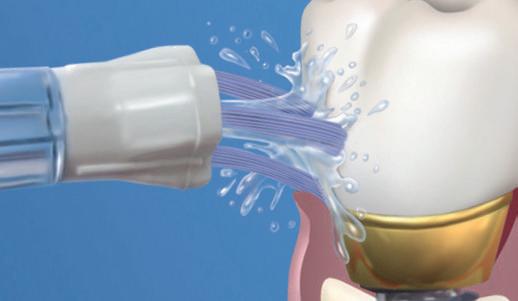
On the new Fluoride Varnish Application & Plaque Indices Online Course
Complete in as little as 4 weeks
A flexible online course designed for GDC-registered Dental Nurses
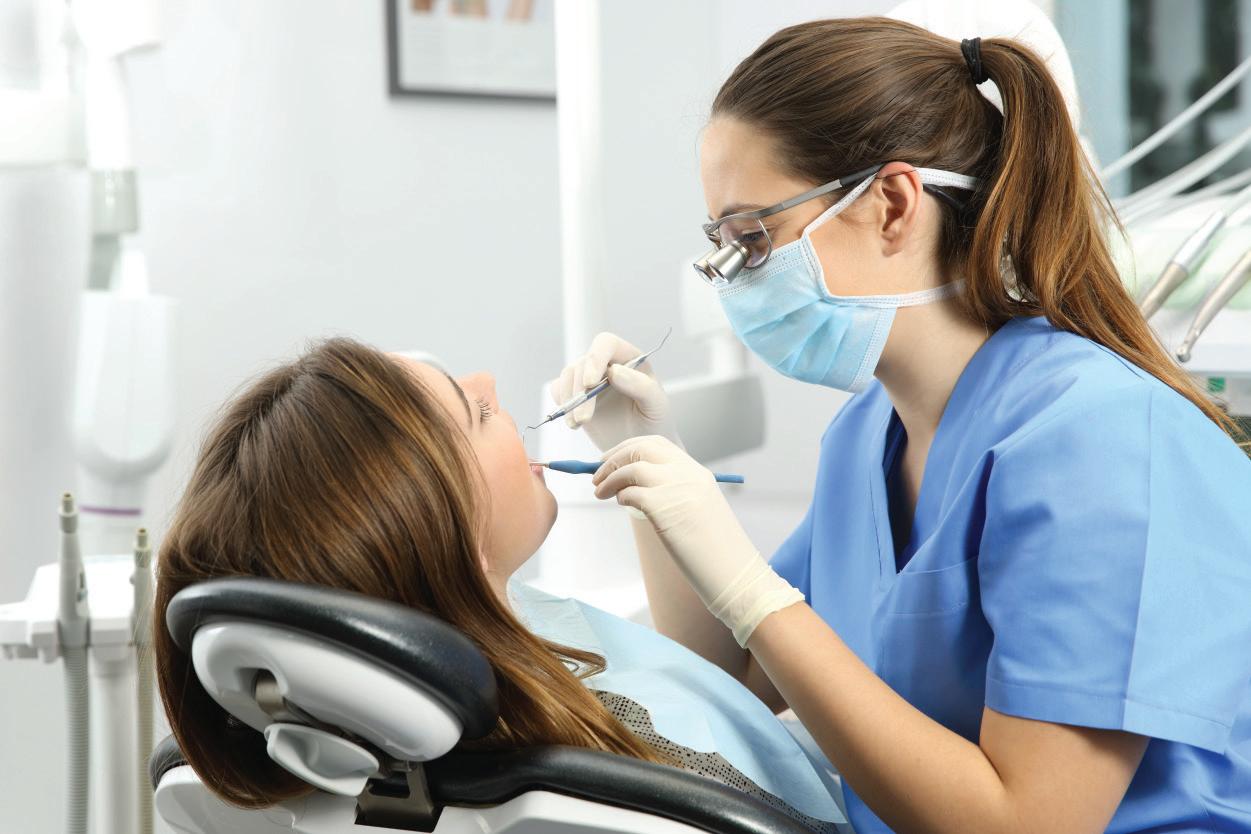
Gain the skills and hands on competence to apply fluoride varnish and accurately assess plaque indices
Learn via interactive e‑learning and an online practical session that fits around your schedule
Scan to book
Welcome to BADN Community BADN COMMUNITY COMMITTEE
Chairman Carolyn Roberts RDN chairman@badn.org.uk
Education Representative Jane Dalgarno RDN MSc education@badn.org.uk
Ruth Garrity RDN
Rebecca Silver RDN MSc FBADN
For BADN Community Committee member biographies, please go to the About Us page of the BADN website: www.badn.org.uk
Executive Editor: Pamela Swain MBE MBA FCMI
Managing Editor: James Cooke
Group Sales: Gary Henson
Production Designer: Rob Tremain
Divisional Administrator: Lorna Reekie
Managing Director: Ed Hunt
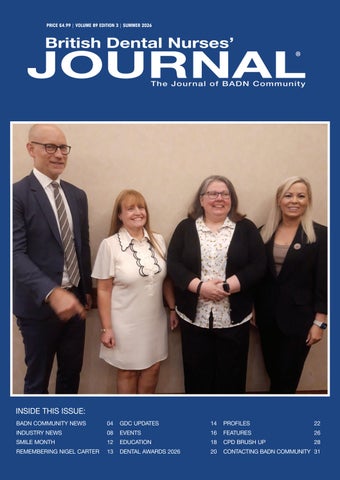
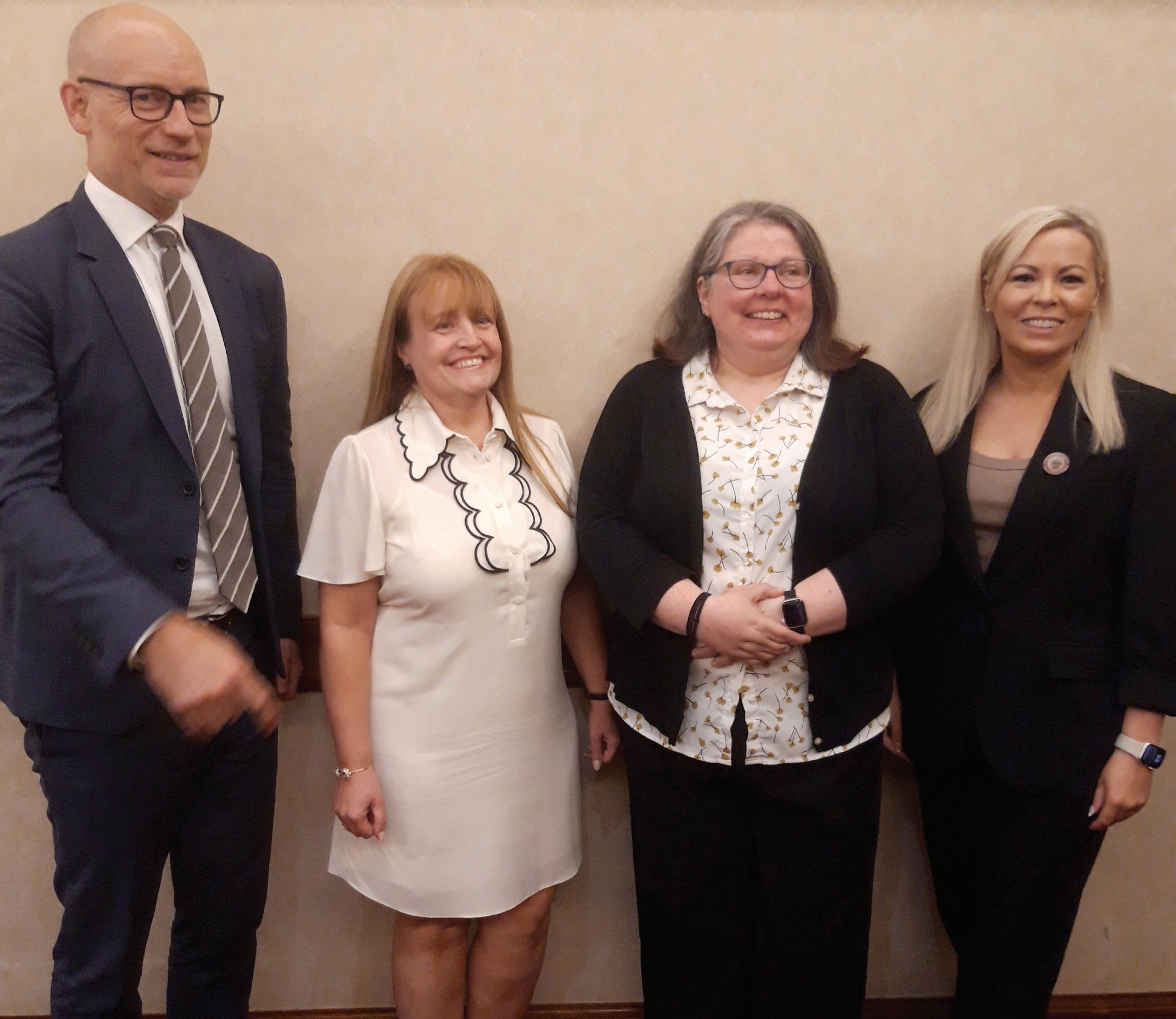
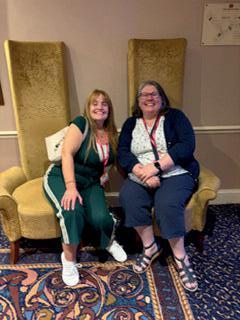
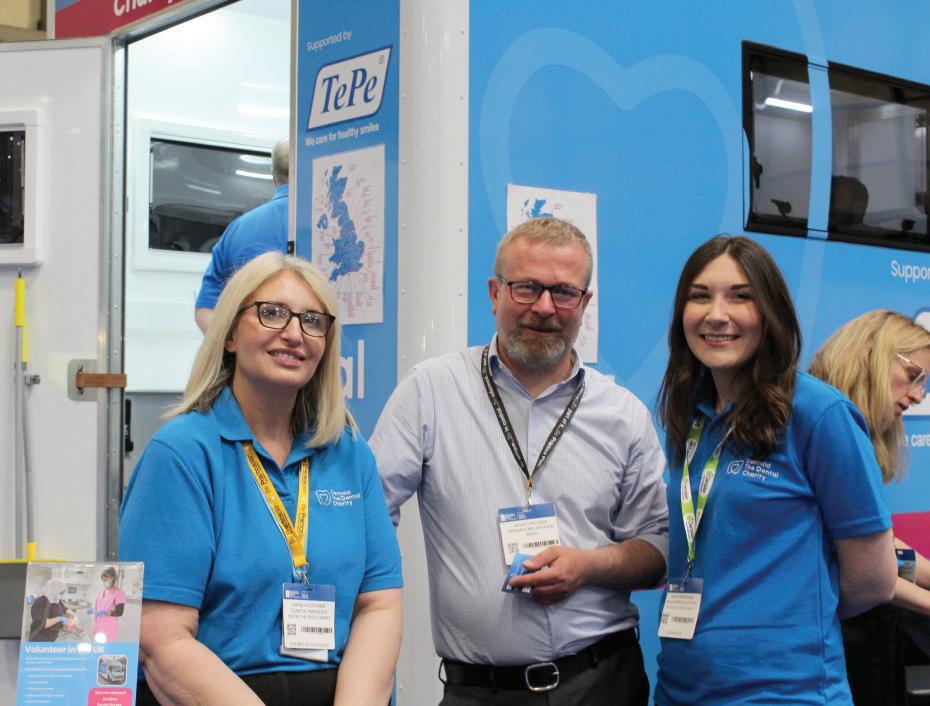
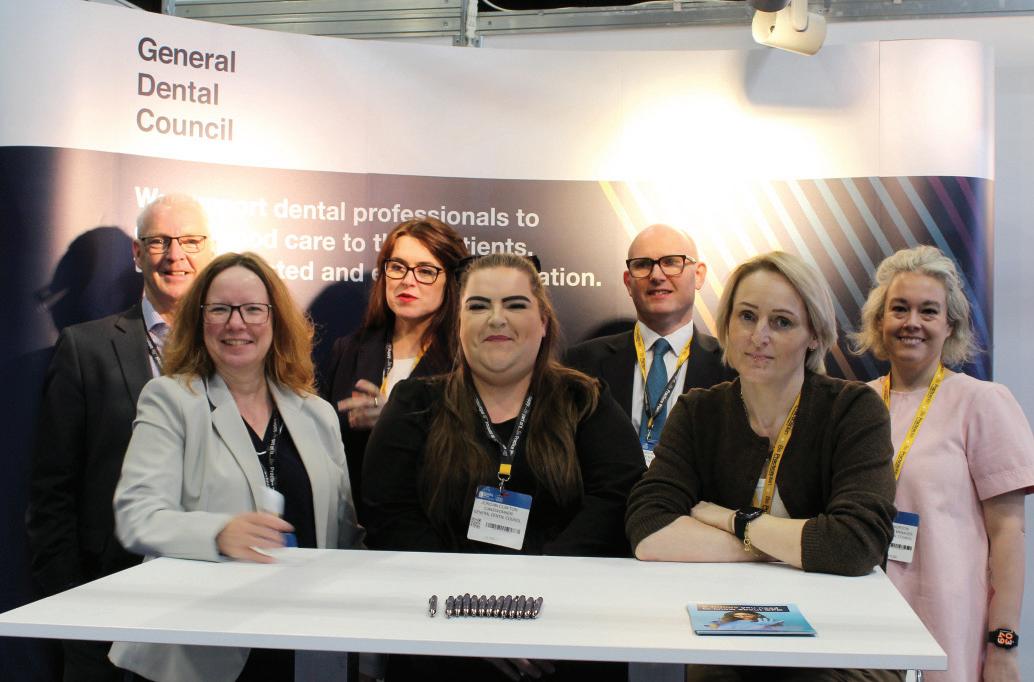
Front Cover: L–R Stephen Kinnock, Jane Dalgarno, Carolyn Roberts, Tiffany Gillies
It is my great pleasure, as Chairman of BADN Community, to welcome you all during what has been one of the most dynamic and forward-moving periods our profession has seen in recent years.
Please address all correspondence to: Executive Editor
Email: pam@badn.org.uk Tel: 01253 338365
Membership Subscriptions: Full Members – £55 Student e-Associates £15 Associates – £40
Journal Subscriptions:
£120 per annum (UK institutions only) £150 per annum (overseas institutions only)
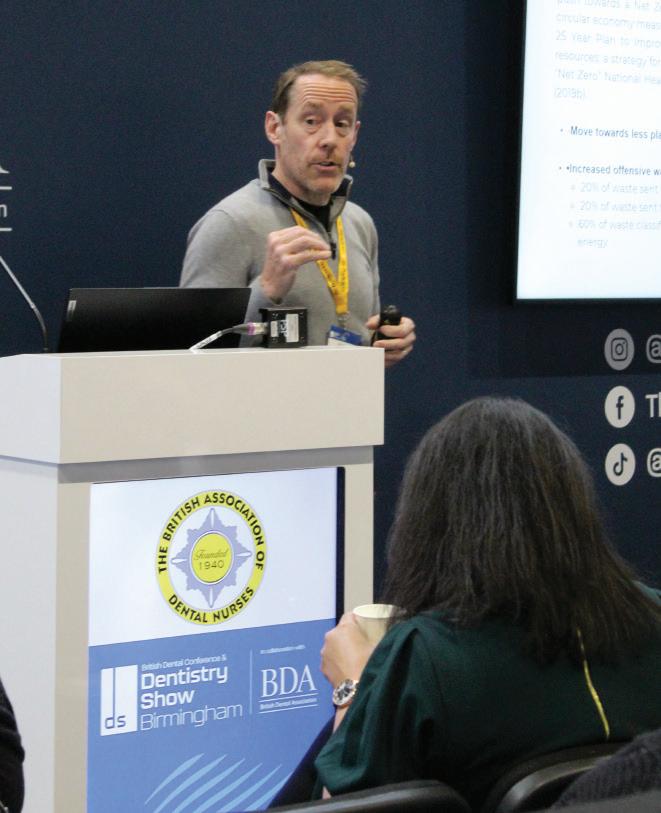
The last few months have been exceptional across UK dentistry. We began with the British Dental Conference & Dentistry Show in Birmingham, which once again brought together thousands of dental professionals under one roof. The energy throughout the event was remarkable, with packed lecture theatres, innovative clinical demonstrations, and an exhibition showcasing technologies that continue to shape the future of patient care. Dental nurses were strongly represented, demonstrating our expanding clinical role and the essential contribution we make to every aspect of modern dentistry.
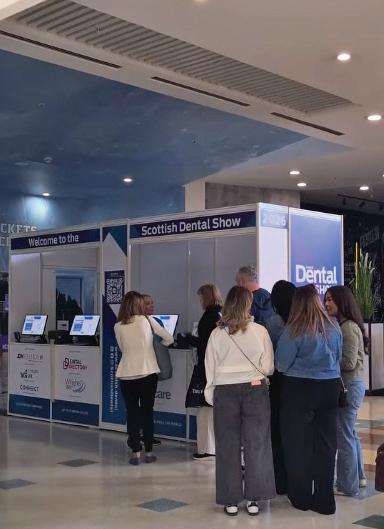
We then turned our attention to the Scottish Dental Show in Glasgow, which delivered an excellent programme of education, discussion, and engagement. It served as a reminder that innovation, professionalism, and enthusiasm for learning are thriving across the whole of the UK.
We also celebrate the ongoing achievements of Dentaid, whose outreach work continues to improve access to oral healthcare for vulnerable and underserved populations. Their commitment highlights the important social impact dentistry can have beyond traditional clinical settings.
A particularly significant milestone for BADN has been the overwhelming member vote in favour of merging with Community Union. This historic and successful merger represents a major step forward for dental nurses across the UK. By joining forces on 23 June, we have strengthened our collective voice, enhanced representation, and created greater opportunities to influence decisions affecting our profession.
The views expressed in The British Dental Nurses’ Journal are not necessarily the views of the magazine, nor of BADN Community.
Connect on Facebook: www.facebook.com/BADNUK
May also marked the 50th Anniversary of National Smile Month. For half a century, this important campaign has championed prevention, oral health education, and public awareness. It continues to remind us that our role extends far beyond the dental chair—we help create healthier communities and improve lives through education and prevention.
Importantly, we are already seeing the benefits of this partnership. A small group of representatives has met with Government Ministers to discuss issues affecting dental nurses. These early discussions mark an encouraging step towards ensuring that dental nurses are heard at the highest levels and that our contribution to healthcare throughput the UK is properly recognised.
Across all these developments, one theme stands out: collaboration. Our profession is strongest when we share knowledge, support one another, and work together towards common goals.
Thank you for your continued passion, dedication, and professionalism. Together, we are building a stronger, more influential future for dental nursing.
BADN merges with Community
BADN is delighted to announce that, on 22 June 2026, the Certification Officer signed the Instrument of Transfer, thus approving the merger of the British Association of Dental Nurses (BADN) and Community the Union.
BADN, founded in 1940, has represented and supported dental nurses for over 80 years – and will continue to do so as a sector of Community. BADN’s Executive Committee will continue as the BADN Community Committee, chaired by Carolyn Roberts, formerly BADN’s President-elect, and Committee members will continue – although the roles of President and Treasurer have become redundant. Former BADN Chief Executive Pam Swain MBE will become BADN Community’s National Officer until her retirement in June 2027, and other members of staff will be TUPE’d over.
BADN Community will continue to produce the “British Dental Nurses’ Journal”, the online Coffee CatchUps, the CPD Portal and other BADN staples.
Community – which has a lineage dating back over a century – emerged through a merger between two traditional industrial unions representing steelworkers and textile and footwear workers. Over time, it became a general union representing members regardless of where they work. Community now has seven official organised sectors, including an existing and growing cohort of dental nurses who have joined Community since March 2024. Community operates in a federal style, which enables the established sectors to operate with significant autonomy, rather than through top-down centralised control. Community also has a notable political influence, with almost 100 MPs affiliated to the union elected to Parliament at the last General Election
The merger of the BADN into Community will take place over a three year period, and current BADN members should not notice any immediate changes.
You could be losing money from every payslip!
More than 1,620 BADN members have used the tax review service available through BADN. The results may surprise you: almost half (48%) of those who completed a review discovered they had been paying too much tax.
Most people assume their employer automatically takes the right tax from their pay. In reality, employers follow the instructions they get from HMRC. If HMRC’s records contain errors, the wrong amount of tax will be taken from your pay month after month without anyone telling you.
That means you could be losing money every payday without even knowing it.
Although it is possible to reclaim overpaid tax, strict deadlines apply and HMRC has made it harder to recover money from past tax years. The longer an error goes unnoticed, the more money you could lose and the harder it may be to get it back.
As a BADN member, you can take advantage of a specialist tax review from Check My Tax. Their experts will check your tax position and provide a personalised report showing exactly what has been reviewed. If they find any errors, they will send you the necessary HMRC claim forms already completed, together with simple instructions explaining what to do next.
Correcting an error could mean more take-home pay, a tax refund, or both. BADN members checking their tax found they were owed an average £133 each.
The review costs just £25 and can be paid in three interest-free instalments. If you would rather not deal with HMRC yourself, Check My Tax can handle the process for you.
If almost 1 in 2 members who checked their tax found they were paying too much, can you afford not to check yours?
Find out more at www.checkmytax.co.uk/badn
BADN past president receives special recognition award
BADN is delighted to congratulate former BADN President, Chairman and current Education Representative, Jane Dalgarno RDN MSc on being awarded the NEBDN Individual Contribution Special Recognition Award, as an “individual who has made a significant impact on dental nursing developments and dental nursing education and training”.
Jane, a BADN Executive Committee member and Chair of the BADN Education Committee, has been awarded the NEBDN Individual SRA Award in recognition of her exceptional and sustained contribution to Dental Nurse education and professional development over more than 25 years. Through her extensive experience delivering and leading education across a wide range of NEBDN-linked and national programmes, alongside her work in qualification development, quality assurance, and Learner support, Jane has made a lasting impact on Learner success and professional standards. Her educational leadership, national influence, and unwavering commitment to excellence make her a highly deserving recipient of this Award.
Jane started her dental nursing career in General Dental Practice in 1986.Since qualifying in 1993, she has completed and passed
post certificates in Oral Health Education, Sedation and Dental Radiography; gained her Certificate in Education, in Post Compulsory Education, in September 2008 and holds the A1/A2 assessors award. Jane graduated in 2013 with a First-Class Honours Degree in Primary Dental Care with Kent University and holds an MSc in Advanced and Specialist Healthcare (Applied Dental Professional Practice), and currently teaches on the Dental Radiography, Dental Sedation Nursing and National Diploma in Dental Nursing. Jane was one of the Programme Directors for Health Education England’s (HEE) Foundation Degree in Advanced Dental Nursing Programme working in collaboration with the University of Kent and Mid Kent College and more recently, part of the HEE pilot for the Level 4 Oral Health Practitioner Apprenticeship. Jane is a Subject Matter Expert and examiner for the National Examining Board (NEBDN) for Dental Nurses; was editorial board member for the Dental Nursing Journal and was part of the Local Dental Education Committee.
Likewise, Jane was part of Skills for Health Dental Nursing Training Review; and was commissioned by Agilio, formerly, Isopharm, a specialist provider of online training, to write a suite of sedation modules for the dental team.
Jane is chair of the East of England Managed Clinical Network for Dental Care Professionals; is part of the College of General Dentistry’s Dental Nurse and Orthodontic Therapy Faculty Board and was the first dental nurse elected onto the College of General Dentistry’s Council representing the Dental Nursing and Orthodontic Therapy professions.
BADN welcomed into Community at union’s 2026 Biennial Delegate Conference
Representatives from across the dental sector gathered in Newport last week for Community’s 2026 Biennial Delegate Conference — the first since the British Association of Dental Nurses (BADN) transferred into the union earlier this year. Delegates spent the conference debating and voting on motions that will shape the union’s priorities and campaigns over the next two years, with a strong focus on securing better terms, fair pay and manageable workloads for members across all sectors, including dental nursing.
A warm welcome for BADN
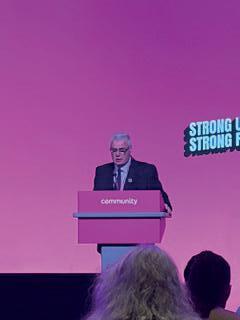
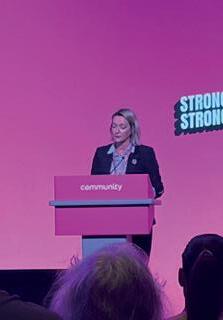
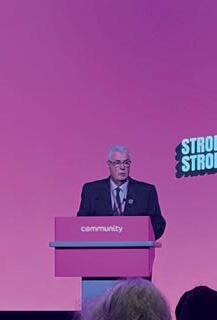
Opening the conference, Community’s General Secretary Roy Rickhuss CBE paid tribute to the union’s activist network and grassroots work before turning to BADN’s arrival. He described BADN as a professional association with a proud history spanning more than 80 years, and noted that BADN members had voted decisively earlier in the year to merge with Community. He extended a warm welcome to the BADN members attending conference and said the union was looking forward to growing its support for dental nurses.
Assistant General Secretary Alasdair McDiarmid echoed the welcome, highlighting Community’s growing influence and its commitment to improving members’ security and working lives.
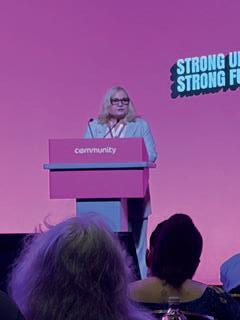
Real growth in the dental sector Community’s Assistant Director of Operations, Tiffany Gillies, told conference that the union’s organising work was delivering tangible growth in dentistry. She said she had been proud to lead the work
bringing BADN’s members into Community, adding that the union was already raising dental nurses’ concerns directly with government. She also pointed to progress in Scotland, where Community’s first Dental Nurse Branch Secretary had secured a seat on a skills panel and helped shape the new Dental Nurse Modern Apprenticeship course and qualification.
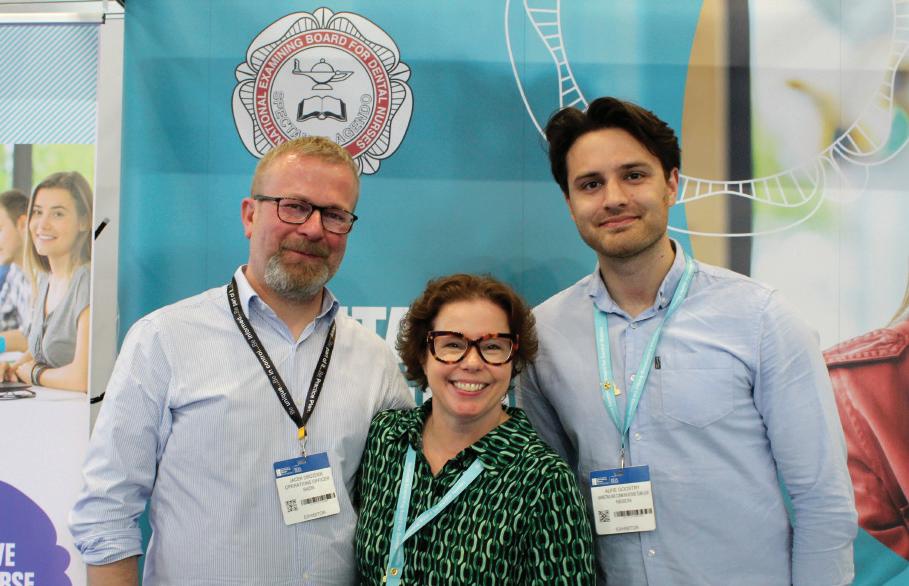
Ms Gillies also arranged a meeting at Conference between Chair Carolyn Roberts, EdRep Jane Dalgarno, Pam Swain and Health Minister Stephen Kinnock MP to discuss issues affecting the profession.
Motion passed on workplace access
A motion put forward by Community’s Dental Scotland and Northern Ireland branch was passed by conference. It calls on the union to:
• press government, employers and sector bodies for formal agreements giving trade unions access to dental practices;
• support union representatives in asserting their access rights; and
• raise awareness among dental nurses of their rights to union access and representation, and lobby for stronger enforcement to ensure small and independent practices comply with the law.
Delegates who spoke in support of this and other motions included Roksana Brzezinska, of the Dental Scotland branch, and Dean Cox, a member of Community’s National Executive Council.
What happens next
The motions passed at conference will now guide Community’s policy and campaigning priorities for the dental sector, with progress reported as the union’s National Executive Council meets over the coming months.
We are merged!
On 23 June 2026, the Certification Officer signed the Instrument of Transfer merging BADN with Community the Union, thus breathing new life into the support and promotion of dental nurses and the dental nursing profession by the only bona fide organisation to represent dental nurses in the UK.
Members will notice small changes over the next year or so, but essentially BADN has become BADN Community, a sector of Community. The BADN Executive Committee has become the BADN Community Committee, chaired by former President-elect Carolyn Roberts. The roles of President and Treasurer are now redundant, but Jane Dalgarno will continue as Education Representative/Chair of the Education Committee. Former Chairman Ruth Garrity and former Treasurer Rebecca Silver will continue as members of the Committee - the former President having stepped down in May.
will
The Journal will continue to be produced, with its free CPD; the Coffee CatchUps will continue; and the Panel of Representatives will continue. At the beginning of July, Community held its biennial Conference at the Celtic Manor near Newport in Wales – Carolyn Roberts, Jane Dalgarno, Jacek Drozdek and I [Pam Swain] were guests of Community at the first day of Conference…. And what a Conference it was! As well as UK delegates, there were also international guests representing trade unions from Australia, Canada, the United States, Germany, Belgium, the Netherlands, Hungary and Denmark; a Welsh male voice choir; three Welsh rugby players; and more MPs than you could shake a stick at!!
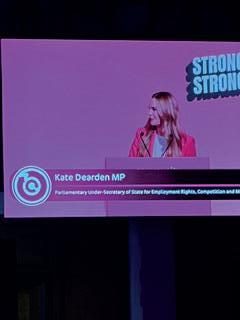
And they don’t hang about – Day 1 opened at 9am with the male voice choir, followed by opening speeches by the Community President and the General Secretary – who welcomed BADN into the Community fold. By midday, we had already heard speeches by local MP Jessica Morden, Minister for Employment Rights Kate Dearden MP (former Head of Research, Policy and Politics at Community), and met with the Minister of State for Care, Stephen Kinnock MP to discuss, among other things, the GDC fee, the dental nurse recruitment/retention crisis, pay and conditions of employment, career pathways for dental nurses…… it was a whirlwind!
One of the things which struck me – apart from the friendliness of everyone (I sat down for a minute on a lobby sofa with my walking stick and every single Community person who went past stopped, asked me if I was alright, needed assistance, could they help with anything – I must have looked as if I needed it!) – was the commitment and passion of every single person I met. Not in a political-rhetoric, banner waving way – just a deep commitment to doing whatever they can to change things for the better. We were particularly delighted to meet Jennifer Dean, Community’s Head of Equality, who runs various campaigns including womens’ health campaigns; and we look forward to Jen’s forthcoming visit to the BADN office in Fleetwood to discuss how BADN members can become more involved.
College opens Fellowships for the whole dental team
The College of General Dentistry (CGDent) has launched fellowships for each role in the wider dental team.
Recognising professional accomplishment in clinical and other areas of practice, the new fellowships are:
• Fellowship in Dental Nursing - FDN (CGDent)
• Fellowship in Orthodontic Therapy - FOT (CGDent)
• Fellowship in Dental Hygiene - FDH (CGDent)
• Fellowship in Dental Therapy - FDTher (CGDent)
• Fellowship in Dental Technology – FDTech (CGDent)
• Fellowship in Clinical Dental Technology – FCDT (CGDent)
CGDent is the first independent college for primary care dentistry in the UK. A professional body and registered charity serving the public interest in oral health, it is the UK’s only medical college run by and for dental professionals. Supporting development and recognition for the whole dental team, it is building on the achievements of the former Faculty of General Dental Practice (FGDP) in setting standards for general dental care, and is working towards Royal College status.
The launch of the new fellowships represents a significant advance in the professional recognition available to members of the wider dental team.
It is also the latest stage in the fulfilment of the College’s founding ambition to promote and develop the whole team, and follows the recent inauguration of Deans to lead its Faculty of Dental Nursing & Orthodontic Therapy, Faculty of Dental Hygiene & Dental Therapy and Faculty of Clinical Dental Technology & Dental Technology.
Every registered Dental Care Professional is eligible to join the College as an Associate Member. Those holding a recognised and relevant Postgraduate Certificate may join as (or upgrade to become) a Full Member (MCGDent), and those satisfying any one of the College’s five fellowship domains (see below) can qualify as an Associate Fellow (AssocFCGDent).
Eligibility for each of the six new fellowships is achieved by meeting the requirements of any two of the College’s fellowship domains. Each domain has a range of possible routes to eligibility.
University of Sunderland confirms launch of new Dental Academy
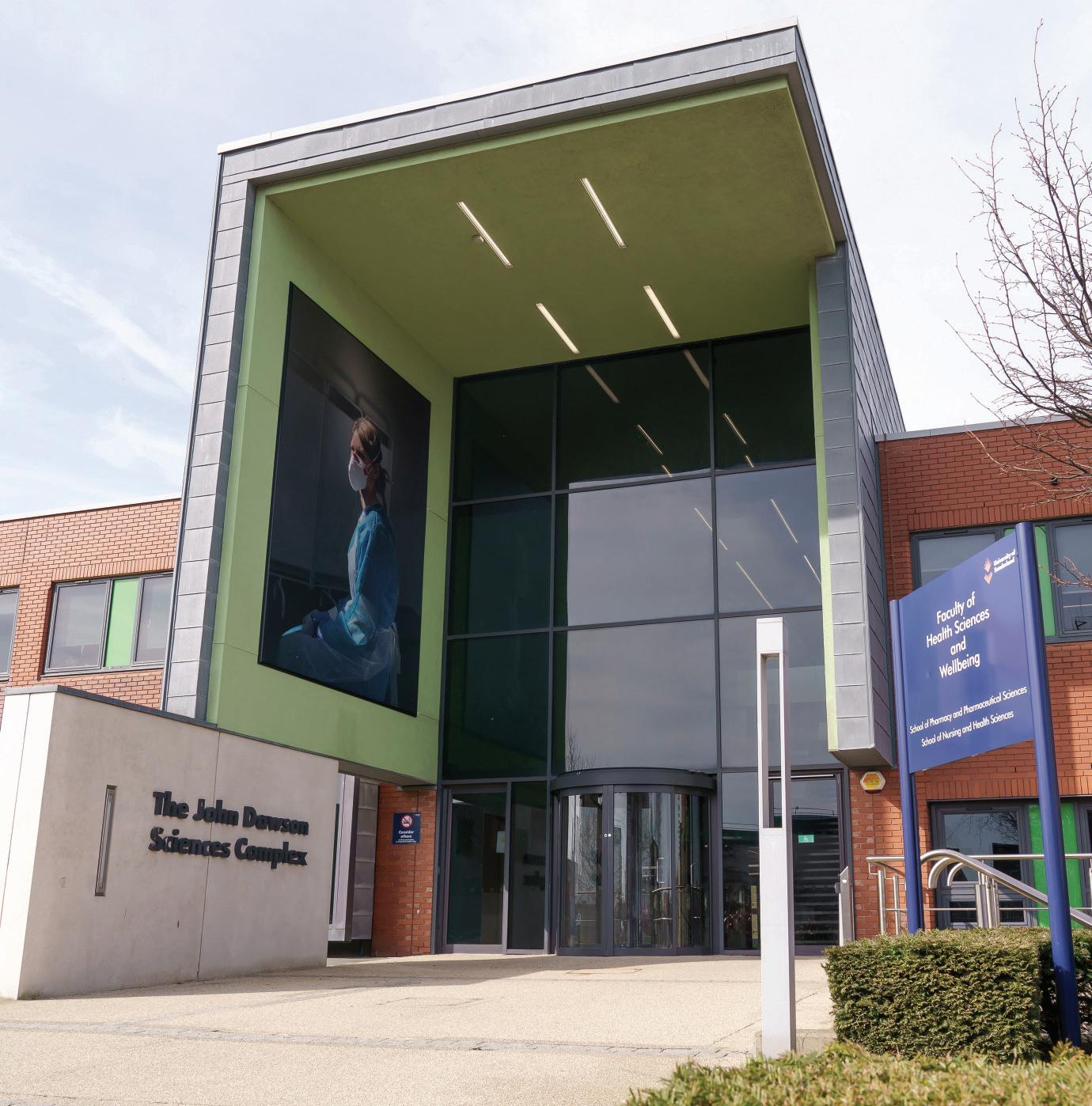
The University of Sunderland has confirmed its commitment to developing the region’s future dental care professionals with the launch of a new dental training academy.
The Dental Academy will offer a range of dental programmes, including Dental Hygiene, Dental Therapy, and Dental Technician training, with the first courses expected to launch in September 2027.
The academy will support talented students in dental care professions to achieve their full potential as well as create opportunities for underrepresented students to access to education in dental care.
Increased provision in this field will also help address local and national health inequalities in patient access to NHS dental care and support dental workforce recruitment and retention in the region.
Rachel Elliott, Associate Head of School for Biosciences and Dental Education at the University of Sunderland, is leading the project.
She said: “We know how difficult it can be for many people in our region to access dental care, especially in areas where NHS services are been limited. That is why our new Dental Academy is so important. By training skilled dental professionals locally, we can help people get seen sooner and improve the focus on preventative care.
“It also means we’re building a stronger local workforce, with more qualified dental care practitioners ready to meet growing NHS demand. Our programmes are designed to give students real hands-on experience, so they leave ready to deliver high-quality care to patients.
“Just as importantly, the academy will work closely with local healthcare partners, helping us take a more joined-up approach to training and patient care across the north-east.”
Professor Laura Stroud, Pro Vice-Chancellor of the University’s Faculty of Health Sciences and Wellbeing, said: “Access to dental services is much needed – with good oral health being a strong component of general good health.
“The academy supports our ambition to both serve our population and provide routes into professions, so I am delighted that through the launch of this new training facility, we are another step closer in realising this ambition.”
Find out more about the University of Sunderland’s new dental education courses here: https://www.sunderland.ac.uk/subjectareas/dental-education
GDC will not remove DCPs from register over MyGDC renewal issues
The General Dental Council (GDC) has confirmed that any dental care professional (DCP) who is struggling to renew their registration through MyGDC will not be removed from the register, provided they get in touch before the deadline.
DCPs must tell the GDC by 11.59pm on Friday 31 July that they have tried to renew but are experiencing difficulties.
The GDC has encouraged those who have not yet renewed to read its step-by-step guide to logging in to MyGDC, which has already resolved issues for some registrants.
Progress so far
The majority of DCPs have renewed using MyGDC without difficulty. As of 22 July, 64,298 DCPs (75% of the DCP register) have paid their annual retention fee (ARF) and 56,580 DCPs (66% of the DCP register) have completed their annual renewal.
What DCPs need to do
DCPs who have had trouble renewing must email the GDC at renewal@gdc-uk.org by 11.59pm on Friday 31 July. The email must:
• confirm the DCP’s name and GDC number; and
• confirm that they have tried to renew their registration but have had difficulties doing so through MyGDC.
DCPs who contact the GDC in this way by the deadline will not be removed from the register and can continue to practise. Registrants will receive an automatic acknowledgement from the GDC confirming receipt of their email. The GDC will subsequently be in touch with
affected DCPs to help them complete their renewal. No further action is needed in the meantime.
Tom Whiting, Chief Executive and Registrar of the GDC, said:
“MyGDC is a new online service, and as can happen with any new system, we have seen some issues. I’m sorry for the frustration and inconvenience this has caused. We are actively working to resolve these issues and are grateful to registrants for their patience while we do so.
“Dental care professionals (DCPs) are by far the largest proportion of the workforce and an essential part of the dental team. While the majority of DCPs are completing their annual renewal without any problems, we want to support those who cannot. I want to thank the professional associations who have explained the issues that their members are facing. This insight has helped us to better understand what DCPs are experiencing and to be able to respond.”
The GDC is working through a high volume of enquiries and is increasing capacity across its customer service team, including additional temporary support, to reduce waiting times.
To date, 13,276 (15%) of DCPs have not yet logged into MyGDC. The regulator urges them to do so, rather than waiting until 31 July, to ensure they are set up and can access their MyGDC account.
Dental professionals also use MyGDC to apply to join the register. Since April, 4,150 dental professionals have joined the register through this online service.
New report explores the growing shift away from NHS dentistry and what it means for practices
Amajor new report from Patient Plan Direct (PPD) is shedding light on one of the biggest pressures currently facing UK dentistry, as practices across the profession reassess sustainability, workload, recruitment and patient access in the wake of April’s contract revisions and ongoing debate around the long-term viability of NHS dentistry.
Drawing on first-hand experiences, clinician perspectives and data from practices across the nation, The State of NHS Conversion 2026 examines the financial, operational and personal factors shaping NHS to private conversion, helping to build a clearer picture of what the transition can look like in practice and why increasing numbers of practices are exploring alternative models of care.
What the data shows
Among the report’s headline conclusions, PPD’s long-term conversion data suggests practices often require a much smaller proportion of their NHS patient base than many expect to support a viable private model, with around 40% patient retention frequently sufficient depending on practice structure and patient demographics.
PPD’s findings also show that 70% of conversions currently take place as full-practice transitions, while 30% follow a phased or clinician-led approach, with almost a third of phased conversions later progressing to full conversion within two years.
Conversion timelines are continuing to shorten, with practices PPD has supported through conversion now reaching target plan patient numbers in an average of seven weeks, compared with 11 weeks three years ago.
Taken together, the findings suggest a profession under growing pressure to rethink what good dentistry, sustainable practice ownership and professional fulfilment could realistically look like in 2026 and beyond.
Simon Reynolds, Managing Director of PPD, said: ‘There has been a huge amount of discussion around NHS dentistry over recent years, but far less visibility around what conversion from NHS to private looks like in practice and how those decisions are being made.
‘What this report shows is that there is no single model or route forward. Every practice is different, but there are clear trends emerging around sustainability, patient behaviour and the factors shaping long-term decision making.
‘Our aim was to create something grounded in real experience and real outcomes that helps practices better understand the realities of conversion, rather than relying on speculation or assumptions alone.’
Voices from practice
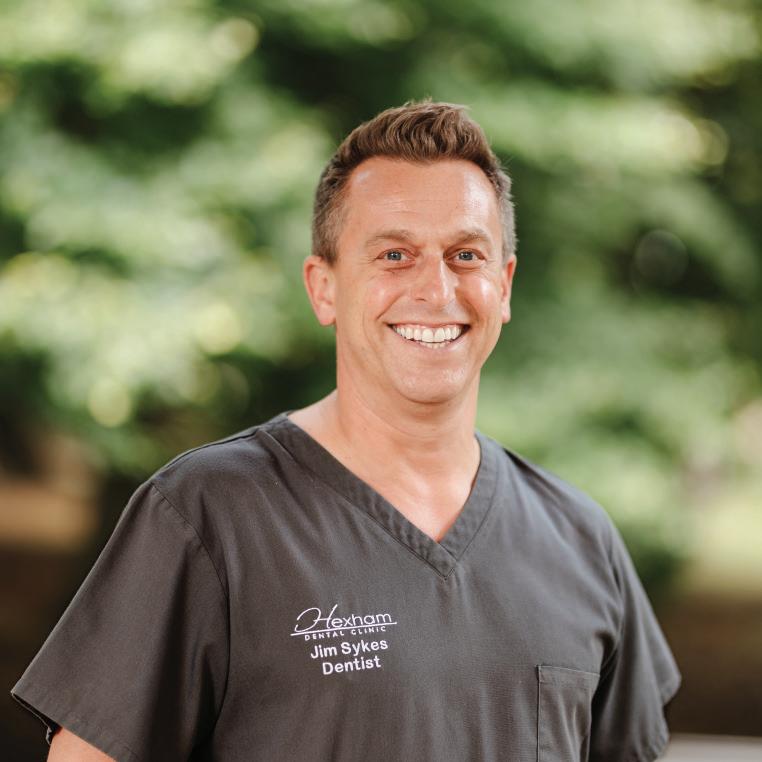
The report includes perspectives from practice owners who have already completed the transition away from NHS dentistry, including Dr Jim Sykes, Principal Dentist at Hexham Dental Clinic.
Dr Sykes said: ‘I felt like the NHS model was draining the quality and enjoyment out of dentistry. The only way to improve seemed to be to work faster, and eventually it became impossible to provide the level of care I wanted for my patients.
‘Moving away from the NHS gave me the time to focus properly on quality, patient conversations and the type of dentistry I had trained to do. It has completely changed how I feel about the profession again.’
The findings further suggest this shift is not limited to independent practices, with larger dental service organisations (DSOs) and other multi-practice operators increasingly reassessing long-term viability, workforce pressures and operational flexibility across multiple sites.
Todays Dental Group, which recently completed conversions across five practices in Wales, is among the organisations contributing to that growing conversation.
Lisa McKinnon, Chief Operating Officer, said: ‘As a group, we’ve seen first-hand how significantly the NHS conversation has shifted in recent years, particularly around sustainability, workforce pressures and long-term planning.
‘What’s important is having the right support, structure and communication in place throughout the process. Our experience working with PPD across multiple practice conversions has shown how valuable that preparation and ongoing support can be for both teams and patients.’
The bigger picture
Overall, the findings suggest NHS to private conversion is becoming an increasingly mainstream consideration for NHS practices reassessing long-term feasibility, clinical freedom and the future direction of their business.
For practices currently weighing up what comes next, the full report brings together practical insight, real-life perspectives and data-led findings to help support more informed decision making. It can be downloaded at: https://patientplandirect.com/report
Jim Sykes Hexamn Dental
Lisa McKinnon Todays Dental
Simon Reynolds PPD
RAPID RESPONSE
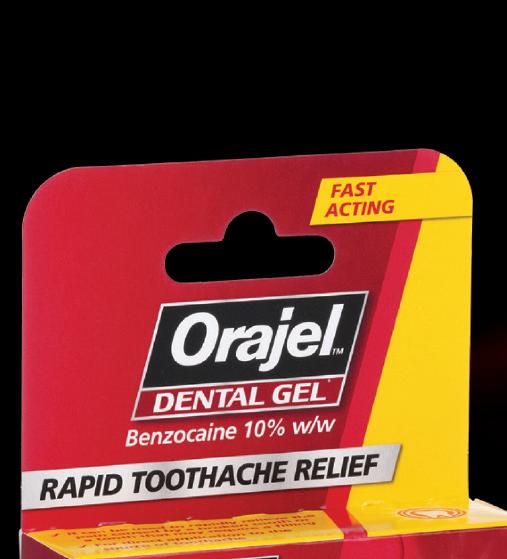
Clinically proven to get to work in under , relieving acute dental pain.4
TARGETED RELIEF
Benzocaine provides effective relief right at the source of dental pain.1-3
TRUSTED TOLERANCE
Orajel’s non-systemic formula is well-tolerated with minimal risk of side effects.1,2,4
WILL ORAJEL BE YOUR RECOMMENDATION FOR TARGETED, RAPID PAIN RELIEF?
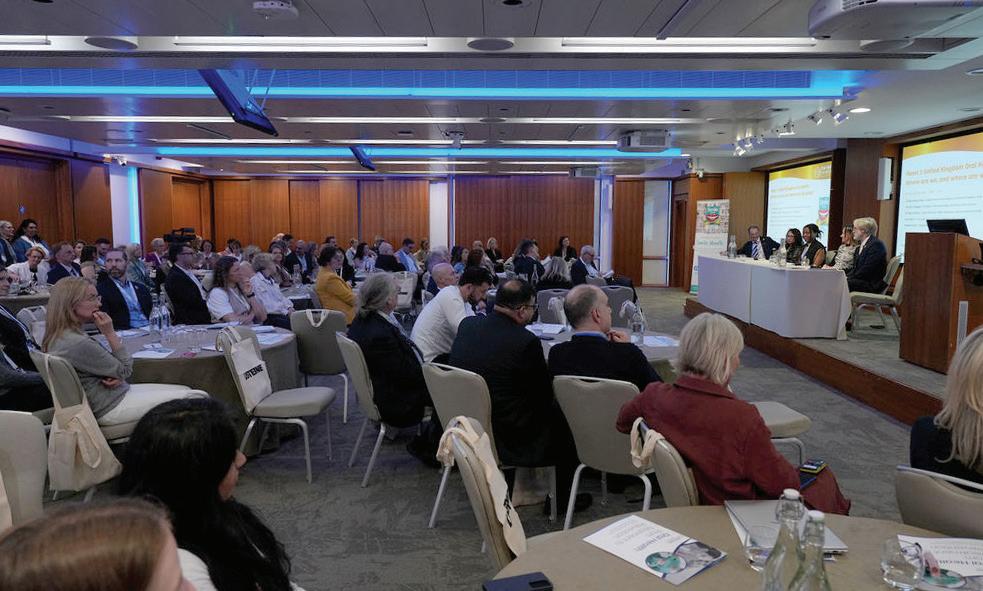
Dental leaders call for prevention to move from ‘afterthought’ to frontline care at Smile Month 50 th anniversary panel
Dental leaders, educators and future members of the profession have called for a stronger focus on evidence-based prevention, clearer patient communication and greater collaboration across the oral healthcare workforce during a special panel event marking 50 years of Smile Month
Hosted by the Oral Health Foundation, the discussion brought together voices from across dentistry to reflect on the progress made in oral health over the past five decades - and the challenges still facing the profession.
A recurring theme throughout the panel was the need to move prevention from the margins of dentistry to the centre of patient care.
Speakers highlighted the importance of giving both patients and dental professionals clearer, more consistent guidance on evidence-based prevention and daily oral health routines.
Supporting this ambition, the Oral Health Foundation is partnering with Kenvue on behalf of Listerine to help turn the latest clinical consensus on dental plaque biofilm management into practical advice for both patients and the wider dental team.
The partnership will develop new patient education materials and chairside support tools for the dental team. The aim is to help professionals communicate prevention advice more clearly and consistently, particularly around daily oral hygiene routines and the role of adjunctive plaque control.
The initiative follows a landmark professional consensus supported by the Oral Health Foundation, the BSP, BSDHT and BADT, which reinforced the importance of evidence-based prevention strategies and clearer public understanding of oral disease prevention.
Speaking at the panel event, Dr Fiona Sandom, a dental educator at Health Education and Improvement Wales and former President of the British Association of Dental Therapists, warned that prevention is still not receiving the attention it deserves within the system.
Dr Sandom said: “Students feel the system is reactive and that prevention is almost like an afterthought rather than being at the forefront.
“We talk about prevention, but we do not give it a consistent approach, and it is still secondary.”
The panel also highlighted the need for the profession to improve how it communicates prevention advice to patients and communities, particularly as oral health inequalities continue to widen.
Professor Iain Chapple, Professor of Periodontology at the University of Birmingham, stressed the importance of translating evidence into clear and practical guidance for patients.
Professor Chapple said: “The biggest behaviour change challenge we have is not in our patients. It is in our own behaviour.
“We need clarity and a very clear message that people do not feel is going to change every five minutes.”
The discussion closely reflected a growing movement across dentistry towards more consistent, evidence-based prevention messaging,
including greater awareness of the role of adjunctive plaque control in daily oral hygiene routines.
Professor Chapple added: “Mechanical plaque removal with fluoride toothpaste remains the foundation, but in some cases chemical agents in toothpaste and mouthwash absolutely have a role to play.”
The event also explored the future role of the wider dental team in delivering prevention and improving patient access to care.
Preetee Hylton, former President of the British Association of Dental Nurses, said the future of dentistry must be more collaborative and prevention-led.
Ms Hylton said: “We all contribute as a team to prevention, communication and patient safety.
“We have to start right at the beginning - educating mothers, going into communities and intervening earlier, not simply delivering restorative dentistry once disease has developed.”
The panel repeatedly returned to the importance of taking prevention beyond the surgery and into communities where oral disease and inequalities remain highest.
Dr Sandom added: “We need to take prevention out to the community rather than making patients come to us for prevention.”
The event also addressed the growing role of industry collaboration in supporting oral health education and improving public understanding of evidence-based prevention.
“Our industry partners have wonderful ways of improving health literacy in the community,” said Professor Chapple. “Whether it’s Haleon or Kenvue, we have the same objective - to improve oral health.”
The discussion comes as the Oral Health Foundation continues its work with partners across dentistry and industry to help improve patient understanding of evidence-based prevention strategies and support more consistent oral health messaging across the profession.
Smile Month, celebrating its 50th anniversary, remains one of the UK’s longest-running and most recognised oral health campaigns.
Remembering Dr Nigel Carter OBE
Everyone at the Oral Health Foundation is heartbroken by the death of our former Chief Executive, Dr Nigel Carter OBE, who has died after nearly three decades leading the charity he loved
For more than 50 years, Nigel dedicated his life to improving oral health and transforming the charity he loved. He served as a Trustee, Chair of the Board of Trustees and, for the past 29 years, as Chief Executive, leading the Oral Health Foundation through a period of extraordinary growth and influence.
Under Nigel’s leadership, the Oral Health Foundation became one of the world’s most respected voices for better oral health. He championed prevention long before it became central to health policy, tirelessly advocated for patients, challenged inequalities, supported the dental profession and helped millions of people improve their oral health through trusted information, education and public awareness campaigns.
Across his career he built and developed some of the most recognised oral health campaigns in the country, including Smile Month and Mouth Cancer Action Month, reaching millions of people every year. He grew the Foundation’s international reach, forged partnerships across the dental profession and the wider health sector. He was a leader in the creation of accessible, science-based oral health information and made it freely available to the public.
Those who knew Nigel will recognise that his impact reached far beyond any single organisation. He devoted an extraordinary amount of his time to supporting charities, professional bodies, government groups and advisory committees, always driven by a desire to improve oral health. Among his many appointments were:
• Council Member, Chairman and Chief Executive of the Oral Health Foundation (previously British Dental Health Foundation)
• Trustee Royal Society for the Promotion of Health
• Member Sandwell Local Dental Committee
• Member South Birmingham District Dental Advisory Committee
• Associate member General Dental Council Oral Health Committee
• Member Oral Health Education Co-ordinating Body
• Chairman Birmingham Health and Care Compact
• Committee member British Dental Migraine study group
• Secretary British Dental Migraine Study Group
• Editorial Board Member NHS Direct Online
• Trustee and Treasurer of the Royal Society for the Promotion of Health
• Trustee, Treasurer and Chair of the Royal Society for Public Heath
• Member Department of Health Dental Smoking Cessation Group
• Member Faculty of General Dental Practice at Royal College of Surgeons DCP Advisory Group
• Trustee of the Oral and Dental Research Trust
• Member and Chair of the Platform for Better Oral Health in Europe
His contribution to dentistry and public health was recognised with an OBE in the 2012 Queen’s Birthday Honours. On Friday 3rd July, his remarkable career was celebrated by being the inaugural inductee into the UK Dental Roll of Honour at the Dental Awards, accepted on his behalf by his husband, Yannis.
Nigel gave almost his entire working life to this charity and to the belief that good oral health should be within everyone’s reach.
The greatest tribute we can pay him is to carry his work forward with the same conviction he showed every day. His vision will remain our compass, and the standards he set will continue to guide us. We are determined that the Foundation he loved will honour his memory not only in words, but in everything we go on to achieve.
Kerry Geldart, Interim Chief Executive of the Oral Health Foundation, said: “It is impossible to put into words the sense of loss we are all feeling. Nigel was the leader of our charity for nearly three decades, he was also its heart and soul.
“Nigel led with kindness, integrity and humility. He cared deeply about people and had an extraordinary ability to bring people together. He gave his time generously, encouraged others to believe in themselves and always made people feel that their ideas and contributions mattered. He celebrated the success of others far more readily than his own.
“We will honour his memory by continuing the work that meant so much to him and ensuring his extraordinary legacy lives on.”
David Arnold, Director of Communications at the Oral Health Foundation, said: “For the past fifteen years, I had the privilege of working alongside Nigel every day. He wasn’t just a colleague or a chief executive - he was a mentor, a friend and someone who shaped the careers of so many people, including my own.
“His passion for improving oral health never faded, but what I will remember most is his humanity. His warmth, humour, wisdom and quiet determination made him someone people naturally wanted to follow.
“Working alongside Nigel has been one of the greatest privileges of my life. I will miss him enormously, and I know that countless colleagues, partners and friends across the dental community will feel exactly the same.”
Nigel leaves behind an extraordinary legacy - not only in the organisation he built, but in the countless lives he improved and the people he inspired.
On behalf of everyone at the Foundation, we extend our deepest condolences to Yannis, Nigel’s family, friends and colleagues. He will be profoundly missed, but his vision, values and life’s work will continue to inspire us for generations to come.
GDC publishes Annual Report and Accounts for 2025
The General Dental Council (GDC) has today published its Annual Report and Accounts for 2025. For the first time, the report includes a new ‘at a glance’ section, making it easier for readers to quickly understand the organisation’s key achievements, priorities and performance over the past year.
Dr Helen Phillips, Chair of the GDC, said: “Transparency is an essential ingredient of good governance. Our Annual Report and Accounts provide clarity on what we achieved in 2025 and the judgements we made to ensure good financial management while also delivering our commitments.”
In 2025, the GDC set about building the foundations for its new strategy, Trusted and effective: A strategy for dental regulation 2026-2028. The strategy was approved by Council in October and published in November.
Tom Whiting, Chief Executive of the GDC, said: “Our engagement with dental professionals over the past year has proved hugely important. This engagement has undeniably helped us to shape our new strategy. The time spent listening and understanding the issues was invaluable.
“We want to regulate modern dentistry, be more agile to understand and respond to changes in how dentistry is delivered, so that dental professionals can practise safely using modern and innovative digital technology.”
In 2025, the GDC received 1,766 fi tness to practise concerns, a 26% increase on 2024, and invested signifi cantly in strengthening its fi tness to practise processes, including expanding its legal and hearings teams to help cases be heard more quickly. The ‘initial inquiries’ process was also extended and now handles around 20% of cases received. As a result, the time taken to complete the initial assessment stage for these cases has reduced from 30 weeks to 16 weeks.
The GDC published revised Standards for Education, updated its Scope of Practice guidance, and approved 15 new education
programmes in 2025, including two for new dental schools at the University of Portsmouth and the University of East Anglia.
The GDC continued to engage widely with dental professionals, education providers, governments, professional bodies and patients throughout 2025, attending over 375 stakeholder meetings and completing nine visits to dental settings across the UK. Now in its seventh year, the GDC’s outreach programme delivered 51 online and in-person student and new registrant sessions, reaching over 3,850 people.
In early 2025, the GDC introduced priority Overseas Registration Examination (ORE) booking for candidates with refugee status, and in November 2025 introduced a new policy allowing alternative forms of evidence for refugee and displaced dental professionals.
In November 2025, following a procurement process, the GDC announced new arrangements for delivering the ORE, confirming UCL Consultants Ltd as the preferred bidder. The new contract is expected to more than double the number of dentists joining the register via the ORE route, with examinations under the new arrangements due to begin in Q3 2026.
The register grew to 131,680 dental professionals by 31 December 2025, a 4.7% increase on the previous year, comprising 47,916 dentists (up 3.4%) and 83,764 dental care professionals (up 5.5%).
Among other highlights, the GDC’s customer service team answered 95% of the 59,912 calls it received in 2025, up from 87% of 92,623 calls the previous year, with 84% of 2025 calls answered within 20 seconds, compared with 63% in 2024.
The GDC have recently announced that they will be leaving their Wimpole Street premises, after 70 years, and moving over the summer to new premises in Paddington. This move is projected to generate £3.2m in savings over fi ve years.
Scottish Dental Show
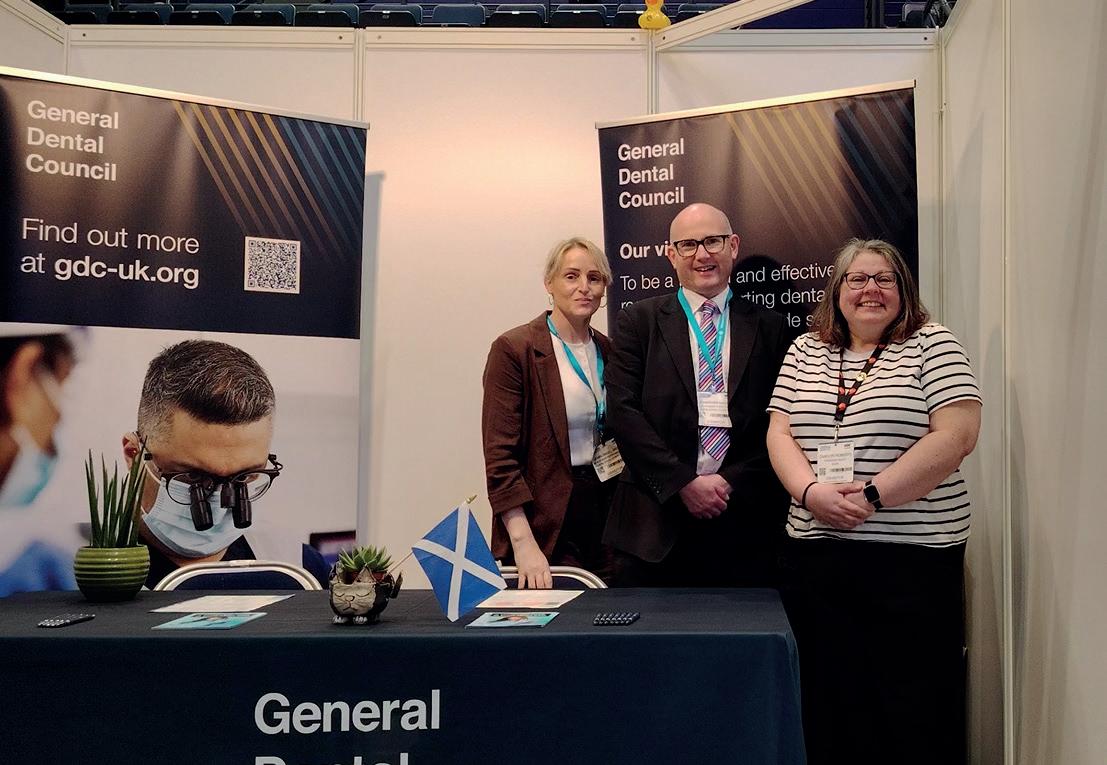
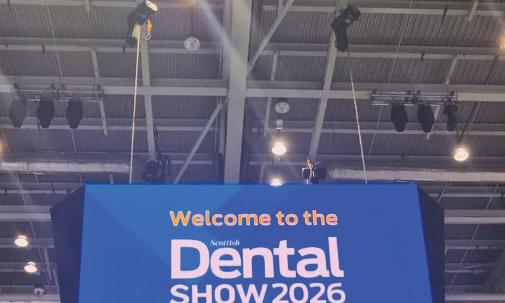
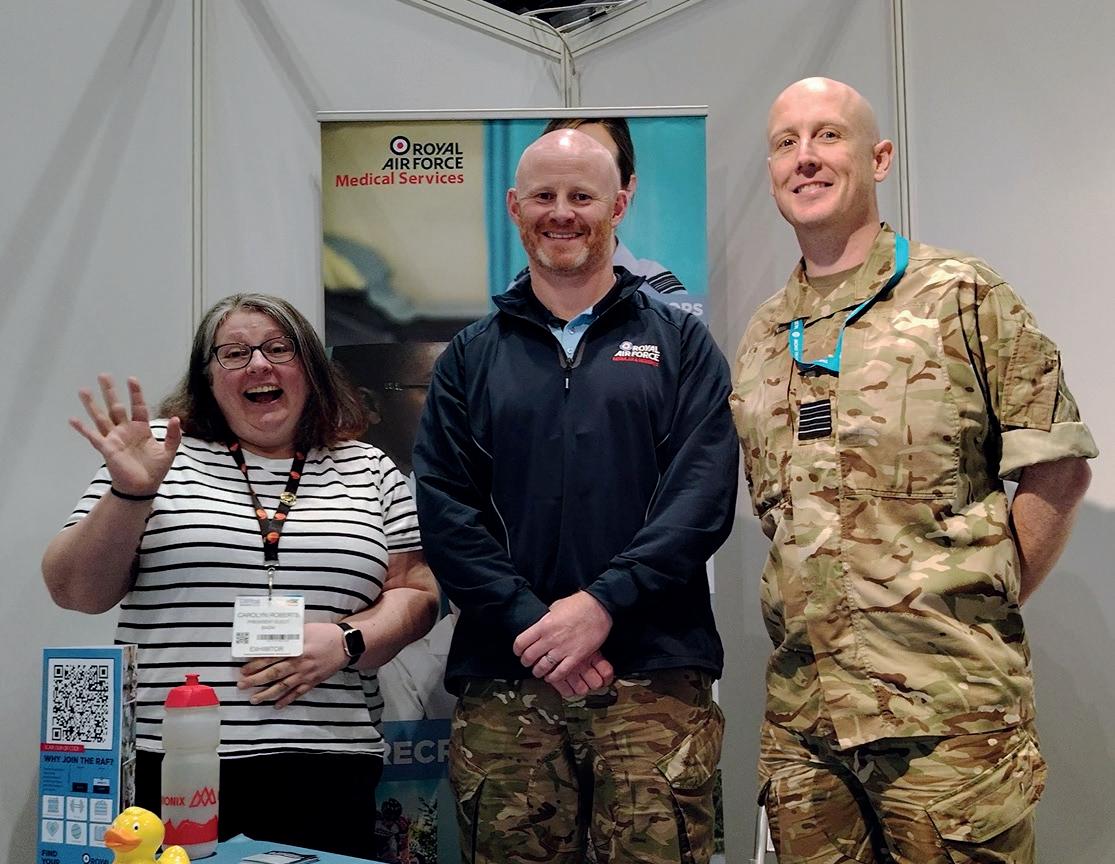
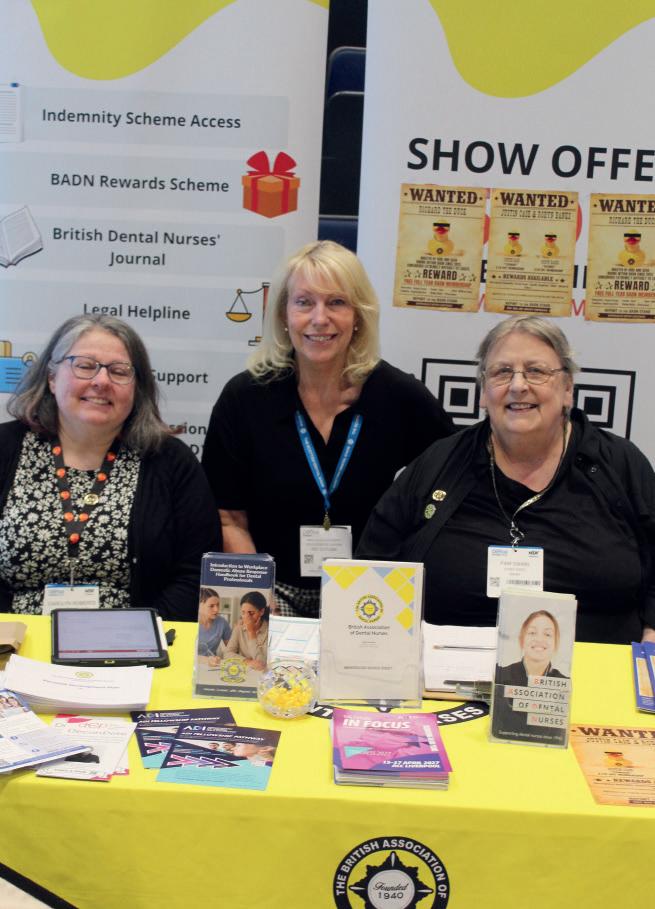
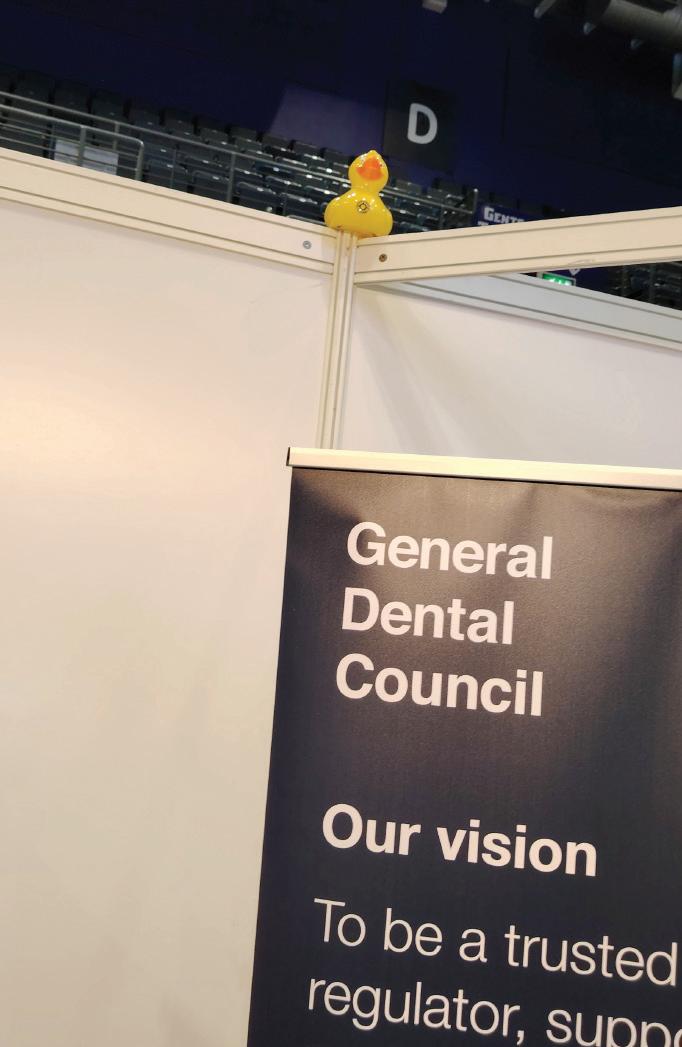
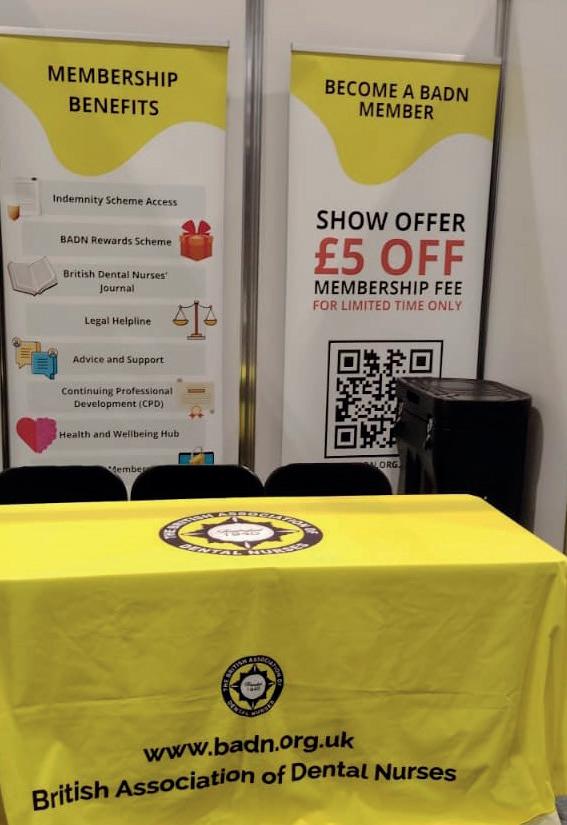
BADN was at the Scottish Dental Show at Braehead, Glasgow earlier in June – Carolyn Roberts stepped up and presented two Workshops at short notice on “The Modern Dental Nurse”. The BADN ducks – Dr Dick Duck and his brothers Robin Banks and Justin Case – hid themselves around the arena on various stands. Dental nurses who found them won £10 or £20 off BADN membership… or even a free year’s membership! We shall also be at the London Dentistry Show in October at ExCel, London.
The Dentistry Show
BADN recently attended the Dentistry Show at the NEC in Birmingham – a welcome return (almost!) to the shows of past years, with a large number of both exhibitors and punters, and not too many non-dental stands!
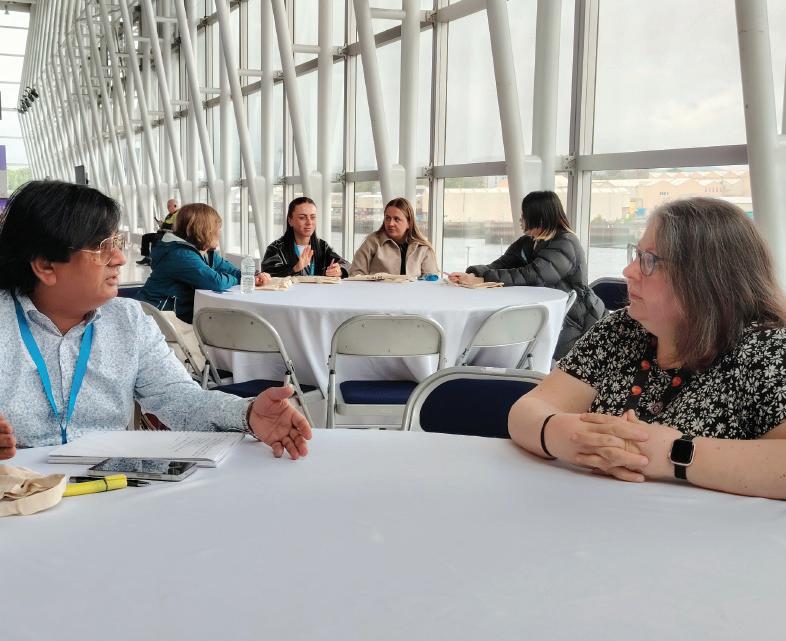
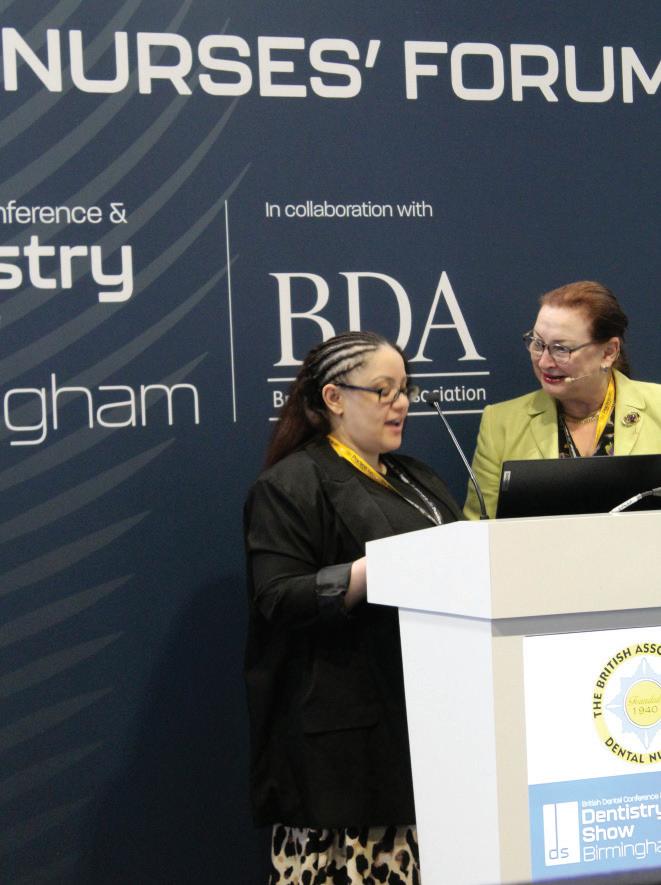
The Dentistry Show also has the advantage of a Dental Nurse Forum, which on the Friday was chaired by BADN. Many thanks to Janet Pickles of R A Medical, Rachel England of the Oral Health Foundation, DeCon Pete, Faiza Arshad and Hannah Lambourn, as well as BADN’s Rebecca Silver and Preetee Hylton, for their presentations.
There was also the Dental Nurse Lounge – a sad, unloved, empty space with a few tables and chairs… A million miles away from the Lounge which we hosted back in 2022 when it had coffee, cakes and goodie bags. If any companies are interested in sponsoring the Lounge next year, please contact me on pam@badn.org.uk!
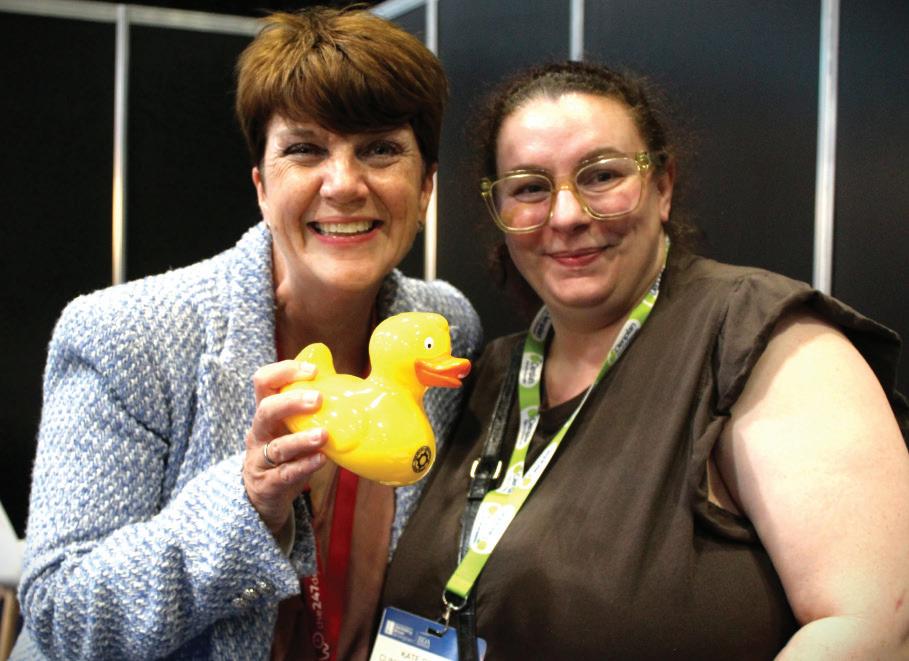
Following their success at Showcase, the BADN trio of ducks made a further appearance at this show – Richard Duck (aka Dick Duck) who, since his debut at ExCel has received a PhD so is now known as Doc Dick Duck, and his two brothers, Robin Banks and Justin Case, hid themselves on various stands. Any dental nurses spotting them and reporting back to the BADN stand received either £10 or £20 off their membership, or a free year’s BADN membership – according to which duck they spotted.
Be a part of the legacy to eliminate viral hepatitis in England: Access free CPD accredited training today
Across England, and around the globe, there is a shared ambition to eliminate viral hepatitis ahead of the World Health Organisation’s 2030 target. Thanks to sustained national efforts, incredible progress has already been achieved. Since 2015 NHS England and their extensive partners across the healthcare system have delivered a 37% reduction in hepatitis C mortality, a 79.6% reduction in liver transplants linked to hepatitis C and have treated over 100,000 people. This is a public health success story – but there is still more to do.
Dental professionals have a crucial role to play in the next chapter of this journey. Every day, you are working at the frontline of healthcare, combining clinical skill with infection prevention and patient-centred care. This means you are uniquely positioned to not only protect patients but also to contribute to the wider public health goal of eliminating hepatitis B and C.
Dental teams can help to support the early identification of viral hepatitis and ensure people are signposted to testing. But your impact can go further than clinical care - it can extend to improved knowledge, reducing stigma, and better experiences of care.
Increasing understanding about hepatitis B and C is essential to challenge misconceptions about transmission and reduce stigma. Stigma can prevent people from disclosing they are living with hepatitis B or C and stop them from seeking care or treatment – ultimately worsening health outcomes. Dental teams can help build trust and support patients to access the care they need.
Hep C U Later, a national initiative of the NHS Addiction’s Provider Alliance, are commissioned by NHSE’s Viral Hepatitis Elimination Team to support the elimination of viral hepatitis in England. Through delivering on the ground support, raising awareness, engaging professionals, providing resources and training, they are helping professionals play their part in elimination.
Take Action Today:
You can take action today to help Hep C U Later eliminate viral hepatitis and play a wider role in improving public health through:
• Completing free online CPD accredited training modules
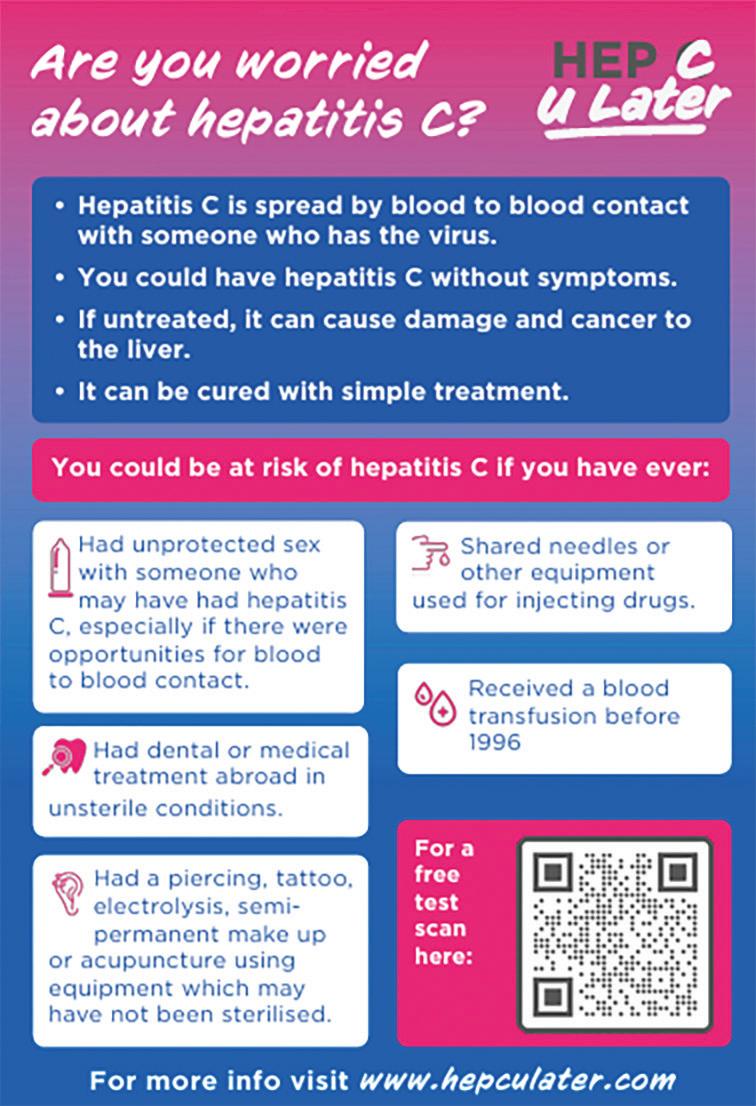
• Ordering and displaying free printed patient resources in your service, directing people to the free NHS hepatitis C at home test kit
• Sharing these resources with your colleagues Together, we can eliminate viral hepatitisand you can help us say ‘Hep C U Later!’
Hepatitis C can be cured with a simple course of tablets.
Anyone in England over the age of 18 can order a free NHS at home test kit for hepatitis C:
Order a test: https://hepctest.nhs.uk/ref/cul
Or scan the QR code
Free online Hep C U Later CPD accredited training modules:
1. 30 mins – Stigma and hepatitis C: PageTiger Reader Login: https://tinyurl.com/4br5jbkn
1. 60 mins – Basic awareness of hepatitis C: PageTiger Reader Login: https://tinyurl.com/nwn82fnz
1. 60 mins: Hepatitis C testing and results: PageTiger Reader Login: https://tinyurl.com/3uhfnnwz
1. 60 mins: Hepatitis C treatment: PageTiger Reader Login: https://tinyurl.com/4at5s28a Register for the training when prompted to receive your certifi cate.
Find out more, access information and resources: www.hepculater.com/about-us/
Email to order free printed resources to your service: connect. HepCULater@mpft.nhs.uk
Follow Hep C U Later on Social Media: Facebook & LinkedIn
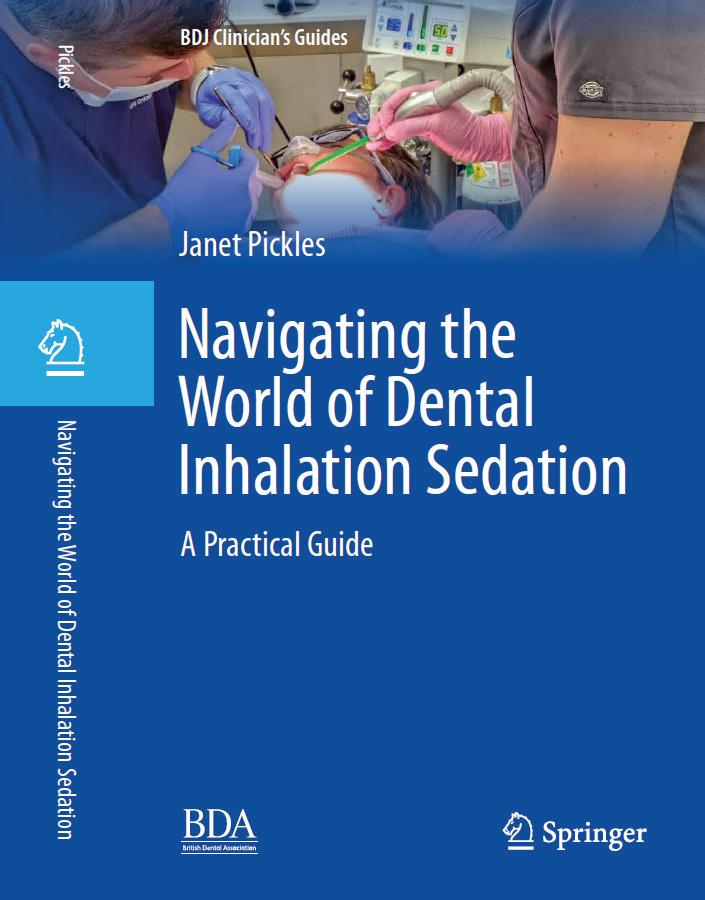
RA Medical
The Future of Inhalation Sedation
THE DENTAL AWARDS 2026
The Dental Awards Winners’ Presentation
On Friday 3rd July, the winners of the 2026 Dental Awards gathered in London to receive their trophies and celebrate their victories along with members of the judging panel and sponsors
Following the virtual presentation that streamed in May on The Probe website and Youtube channel, the winners of the 2026 Dental Awards were invited to a celebratory awards lunch to be presented with their trophies in person.
In the shadow of St. Paul’s Cathedral, The Happenstance set the scene perfectly. The weather was kind, the sun shining down as the best in British dentistry celebrated in the heart of the nation’s capital.
After guests were greeted with a champagne reception, James Cooke, Editor of The Probe, presented the winners with their trophies.
As the plates were cleared and the dust settled, guests were treated to a performance from a renowned comedian, David Whitney.
Stay tuned in the coming weeks for details on how to enter the 2027 Dental Awards, and you too could find yourself celebrating next year!
The Dental Awards is sponsored by B.A. International, Colosseum Dental, Dental Elite, Tempdent, and Waterpik, and is presented in association with the Oral Health Foundation, ADAM, BACDT, BADN, BADT, BSDHT, and CDTA.
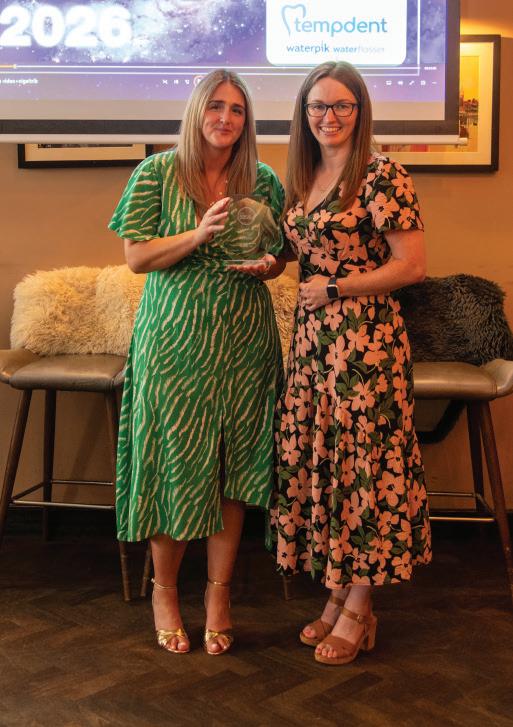
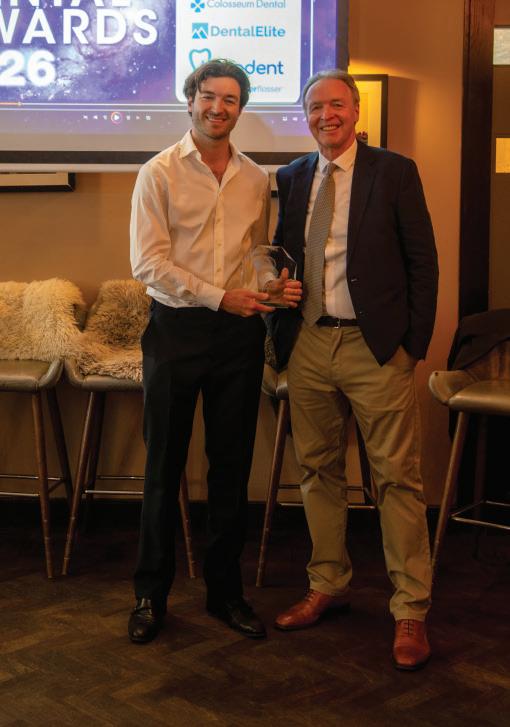
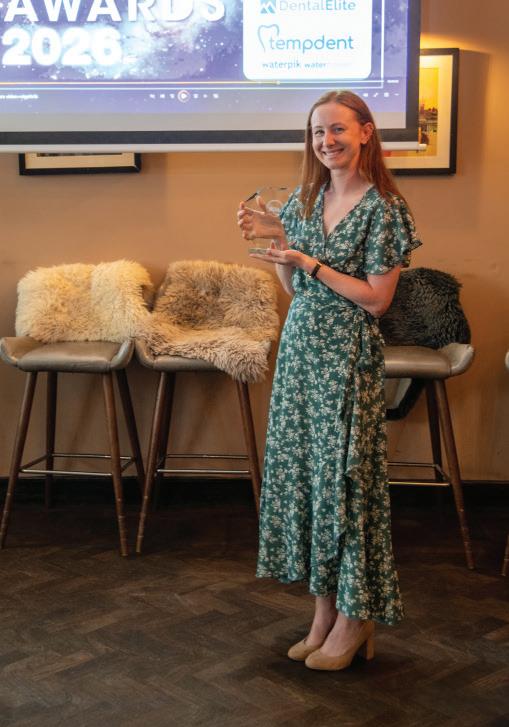
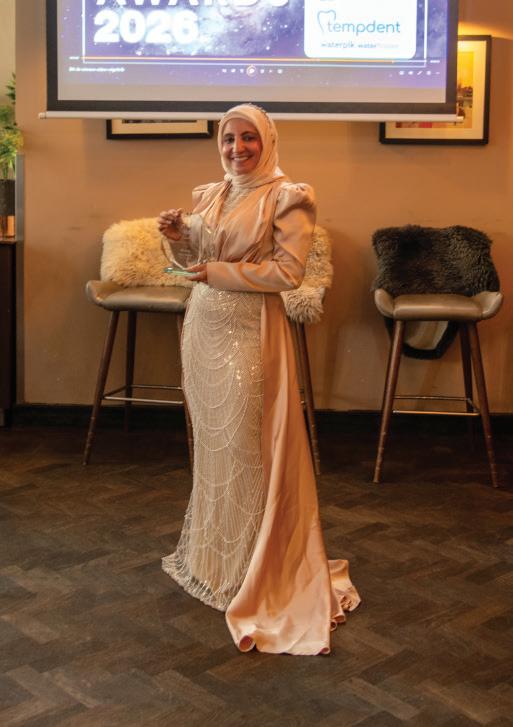
Adrien Chabaud Dental Nurse of the Year
National Smile Month Award
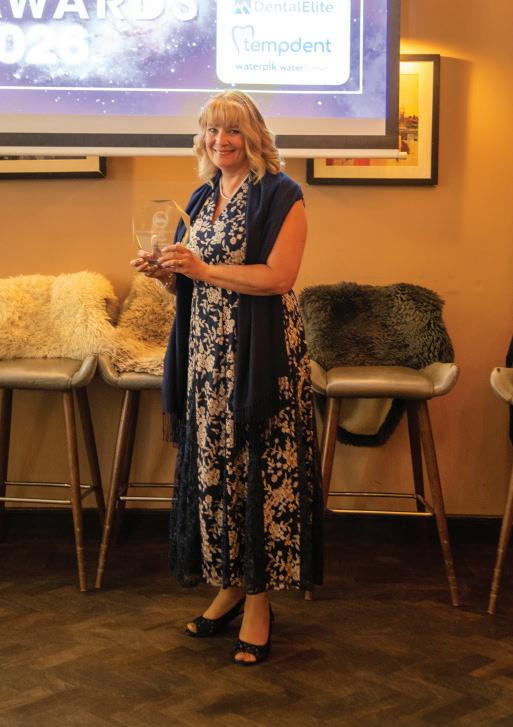
Community Dental Services CIC
Best Outreach or Charity Initiative
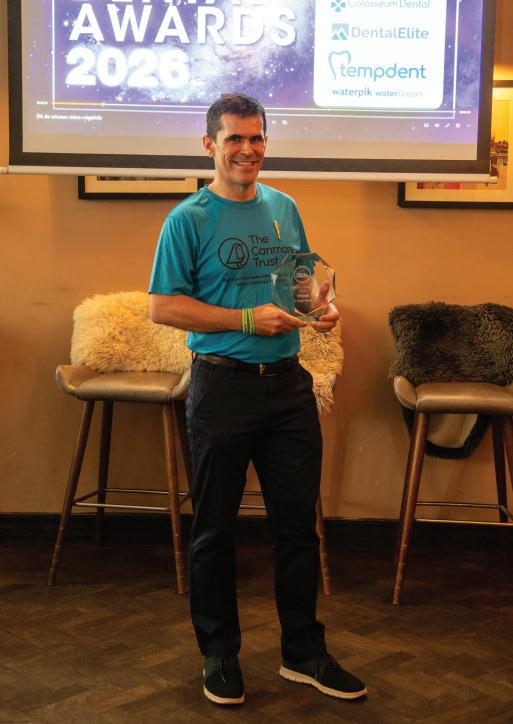
Dr Angus Pringle
Dental Awards 2026 Winners
Dental Nurse of the Year
Adrien Chabaud, Be Dental Practice Manager of the Year
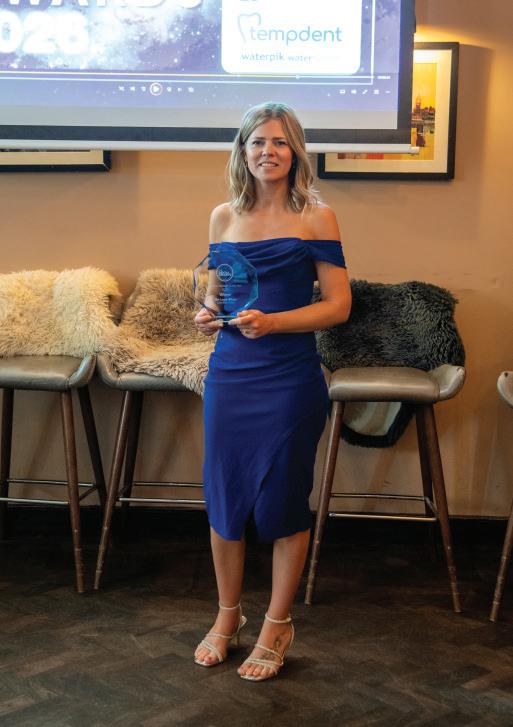
Laura Wilson, Contemporary Dental
Website and Digital Campaign of the Year
Bespoke Dental
Front of House
Ellen Nokes, NUYU Dental & Aesthetics
Dental Therapist of the Year
Imogen Johnson, NUYU Dental & Aesthetics
Dental Hygienist of the Year
Rhianna Clarke, The Aspre Clinic
Technical Excellence Award (DTs & CDTs)
Emma Allsopp, Nexus Dental Laboratory
Young Dentist of the Year
Awaz Sharief, mydentist Padgate
Dentist of the Year
Dr Chloe Harrington-Taylor, Hereford Dental Implant Clinic
Dental Team of the Year
Links Dental Practice
Practice of the Year
Hereford Dental Implant Clinic
Community Dental Services CIC National Smile Month Award
Bespoke Dental Website & Digital Campaign
Rhianna Clarke Dental Hygienist of the Year
Laura Wilson Practice Manager of the Year
Awaz Sharief Young Dentist of the Year
Ellen Nokes Front of House
Dr Angus Pringle Best Outreach or Charity Initiative
Emma Allsopp Technical Excellence Award
Imogen Johnson Dental Therapist of the Year
Bring the Sparkle because we all need it
So it would seem that I’m going to University! Yes, me the single mum of four, the dental nurse who didn’t quite get the grades I needed in the last year of school to do what I thought I wanted to do and wasn’t quite sure where the path would then lead me. I could have quite easily let all these stories and labels define what I was going to do – but I didn’t.
Instead, I applied for an MSc in Professional Education and Leadership at Stirling University. I have a vision of making things better for Dental Nurses in the Highlands that I wanted to take further and, well, I only went and got in! To add to my excitement my tutor has told me that they have never had a Dental Nurse on the course before, so as you can imagine I’m a bit blown away by it all.
The thing is, I was never “just” a mum, “just” a dental nurse, or “just” part time, even though I have at some point in my career had these things said to me. We are never any of these “just” labels that are given to us, and they are not ours to hold on to. These things only added to the momentum that I was already building in wanting to make changes. This isn’t about fixing the things in dental nursing that we know don’t work, it’s about building something completely different from the ground up.
Throughout this course, I want to include in my work 2 key influences that I feel are the fundamentals of teamwork and building a successful practice - these being rooted in kindness and compassion, and building psychological safety within the team.
These being based on the work of Dr David Hamilton on his research into the impact of kindness, and the work of Dr Amy Edmondson on building psychological safety and how this is the bedrock of any good team. Both of these areas can be transformative in an environment like a dental practice, where the stress levels are high and often have an impact on the staff’s wellbeing, thus impacting the team and, ultimately, the practice, as without these foundations being present is when things start to fall apart, as people no longer feel safe to take risks and be vulnerable without the fear of shame.
I have seen first-hand how teams can struggle when these elements are missing, and I want to use the platform this course provides to implement these principles across the four clinics at Morgan-Patterson Dental. By connecting these two concepts together, I feel I can foster a culture where we don’t just tolerate each other but actively lift each other up, knowing that our wellbeing is the key to our best clinical practice, and ultimately this leads to the success of all.
Being based in the Highlands, I’m all too aware of how limited educational opportunities are for dental nurses working here and further north. Between the costs, the travel and fewer local opportunities compared with places like the Central Belt or London, it’s easy for many dental nurses to feel stuck. A lot of people just aren’t sure there is a real route for career progression, and I’d love to help change that.
Building a sense of community is at the heart of what I want to achieve, because without it, our profession struggles. We are such a vital part of the dental team - let’s face it, the work just simply wouldn’t get done without every single dental nurse doing the fantastic job they do every day. I want to build a space where we can all feel truly proud of our work, which is exactly why I joined the BADN in the first place.
I am beyond excited to start the course, and I’m so lucky to have the support of my two principal dentists and practice owners, Jane
Patterson and Eilidh Morgan, who have encouraged me from the start. I know that this kind of support isn’t always the case, and unfortunately this is exactly why so many good dental nurses leave the profession. It’s also exactly why the work I want to focus on is so importanteveryone deserves to feel backed by their team.
So if you are sitting there thinking “I’m just a dental nurse” or “I’m just a single mum” or “I just couldn’t do that,” I hope you will read my story, and maybe it will give you a bit of sparkle to know that you can do the things you dream of doing, and the path to them might not look like everyone else’s or might take longer than you thought it would, but it’s your path and you get to decide what that is, no one else, and you are never ever “just” anything. My journey from someone who left school thinking that further education just wasn’t something that would be open to them, to now being a university student, is not because I am special; it was because I was not for one second going to let one single one of those labels other people gave me define what I can do.
Being a single mum is the greatest gift I could ever have asked for. It has given me compassion, empathy, grit and determination, all of which make me a better leader and dental nurse. Don’t let the fear of not being enough stop you from going for what you want. There is a whole world of opportunity out there, and this profession needs your voice. If I can navigate life’s storms, the ups and downs, and the sheer joy and the chaos that is the balancing act of 4 children, and still find the courage to pursue a dream, then I promise you, you can too. Take the first step, apply for the course, or simply start the conversation; you are capable of building your own future.
Let’s change the narrative together, one step at a time, building teams that make us feel happy, safe and seen, where the narrative on leadership is not based on hierarchies or who has held the position the longest, but one based on compassion, kindness and understanding, that the only way the practice works and benefits the patients is if we build it together.
You are and always will be so much more than an outdated narrative, a label or anything else that has been handed to you that you did not choose. Keep sparkling, and if you forget for one minute how amazing you are, I’ll always be here to remind you. Now go follow those dreams.
Lorraine (ld_dentalnurse) Keep Sparkling xxx
About the author
Lorraine Dingwall embarked on her dental nursing career in 1999 within a primarily NHS practice, simultaneously pursuing her NEBDN certificate, which she successfully obtained in 2001 through night classes. In 2001, she transitioned to a private practice, where she collaborated with a dentist specialising in implant treatment and cosmetic procedures until 2007. Taking a hiatus to focus on her family, Lorraine resumed her career in 2018 in another private practice setting.
Her dedication to professional development is evident as she obtained the BDA radiography qualification in 2022 and is currently working towards completing the NEBDN implant qualification. Beyond her personal achievements, Lorraine holds a strong belief in the power of collective support and encouragement among dental nurses to excel not only in their roles but also in personal growth.
Kevin O, Dentist
UK Dental Nurses Working in Australia: What You Need to Know
For many UK dental nurses, Australia represents far more than sunshine and beaches. It offers the opportunity for adventure, improved work-life balance, higher earning potential, and the chance to experience a different style of dentistry and healthcare.
Over recent years, increasing numbers of UK dental nurses have made the move to Australia, particularly to cities such as Perth, Brisbane, Melbourne, and Sydney. While the transition can be exciting, understanding the realities of working in Australia — including visas, pay rates, and career expectations — is essential before making the move.
Why Are UK Dental Nurses Moving to Australia?
Australia continues to attract UK dental nurses for a number of reasons, including:
• Better weather and outdoor lifestyle
• Higher hourly pay rates
• Improved work-life balance
• Opportunities to travel while working
• Demand for experienced dental staff
• Exposure to modern private dental practices and technology
Many UK dental nurses are also drawn to Australia’s more relaxed lifestyle and the ability to combine work with travel and new experiences.
Dental Nurses in Australia: Understanding the Role
One of the first things UK dental nurses notice is that the role is usually referred to differently in Australia.
In Australia, dental nurses are commonly known as “Dental Assistants.”
Unlike the UK, dental assistants in Australia are not currently registered healthcare professionals, and the role is not regulated nationally in the same way as UK dental nursing.
This means:
• Dental assistants are not registered with AHPRA
• There is no equivalent to GDC registration
• Qualification requirements can vary between employers
• Duties and responsibilities may differ from practice to practice
Despite this, experienced UK dental nurses are often highly valued because of their clinical training, infection control knowledge, and experience working within structured healthcare systems.
Differences Between UK and Australian Dental Practices
Although there are similarities between UK and Australian dentistry, there are also several noticeable differences.
Private Practice Focus
Australia has a much larger private dental sector compared to the NHSfocused system in the UK. As a result, many practices place strong emphasis on:
• Cosmetic dentistry
• Patient experience
• Digital technology
• Preventative care
• Treatment presentation & communication
Appointment times can often feel less pressured than in busy NHS practices.
Scope of Duties
Dental assistants in Australia may carry out a wider variety of tasks depending on the practice and level of experience.
Responsibilities can include:
• Chairside assisting
• Sterilisation and infection control
• Stock management
• Clinical room preparation
• Reception and administration
• Patient communication & coordination
Many Australian practices value team members who can work flexibly across both clinical and front-desk duties.
Workplace Culture
Many UK dental nurses report a more relaxed and informal workplace culture in Australia, while still maintaining high clinical standards.
Teamwork, flexibility, and personality are often highly valued by employers alongside technical skills and experience.
Salary Expectations
One of the major attractions for UK dental nurses considering Australia is the potential for significantly higher hourly pay rates compared to the UK.
Dental assistants in Australia can typically expect to earn between $30 and $40+ per hour, depending on:
• Experience
• Location
• Type of practice
• Specialist skills
• Casual versus permanent employment
In some regional areas or specialist practices, experienced dental assistants may earn even higher rates.
Casual employment is very common within the Australian dental industry and often offers higher hourly rates in exchange for reduced employee benefits such as annual leave and sick pay.
Many UK dental nurses are pleasantly surprised by both the earning potential and improved work-life balance available in Australia, particularly when working flexible schedules.
However, it is also important to consider Australia’s higher cost of living, especially in cities such as Sydney and Melbourne. Areas such as Perth and regional Western Australia can sometimes offer a more favourable balance between wages, lifestyle, and living costs.
Visa Options for UK Dental Nurses
For many UK dental nurses, the most practical and accessible route into Australia is the Working Holiday Visa.
UK passport holders aged 35 and under can apply for a Working Holiday Visa, allowing them to live and work in Australia for up to three years, subject to visa conditions and regional work requirements.
This visa is widely considered:
• The easiest pathway into Australia
• The quickest visa to obtain
• One of the most affordable visa options
• An excellent opportunity to experience Australian life and dentistry before making longer-term plans
Many UK dental nurses use the Working Holiday Visa to gain Australian experience, travel, and secure employment within private dental practices.
However, it is important to understand that in Australia, dental nurses — more commonly known as Dental Assistants — are not currently recognised as a registered or skilled profession for migration purposes.
Unlike dentists, hygienists, and some other healthcare professionals:
• Dental assistants are not registered with AHPRA
• The role does not currently sit on Australia’s skilled occupation lists
• Skilled migration visas are generally not available for dental assistants
As a result, employer sponsorship opportunities can be limited, and long-term migration pathways are often more challenging than many people initially expect.
The Working Holiday Visa therefore tends to work best for:
• Single applicants
• Couples where both partners are eligible for Working Holiday Visas
• Individuals seeking temporary work and travel opportunities
For applicants with children or partners who are not eligible for the visa, alternative migration options may need to be explored, although these are typically more complex and costly.
Because immigration policies frequently change, seeking current migration advice before relocating is always recommended.
Finding Work in Australia
Securing work as a dental assistant in Australia is often easier once you have your visa approved and travel plans confirmed.
Because many Australian dental practices recruit based on immediate staffing needs, employers are generally far more responsive to candidates who:
• Already hold a valid visa
• Have booked flights
• Have a confirmed arrival date
• Know which city or region they plan to live in
At Jobs4Australia, we can help connect UK dental nurses with potential opportunities across our national network of dental practices and recruiters throughout Australia.
Once you have your visa arranged and travel plans in place, we would be happy to reach out to our contacts and help explore suitable opportunities based on your preferred location, experience, and availability.
However, because hiring needs can change quickly, we are generally only able to assist much closer to your arrival date or once you have landed in Australia and confirmed where you intend to be based.
This approach gives candidates the best chance of securing interviews and finding work quickly after arrival.
Challenges to Consider
Although moving to Australia can be incredibly rewarding, there are also practical and emotional challenges to consider.
These may include:
• Relocation costs
• Finding accommodation
• Adjusting to a different dental system
• Understanding visa limitations
• Being away from family and friends
• Higher living expenses in some cities
Planning ahead financially and professionally can make the transition much smoother.
Tips for UK Dental Nurses Planning the Move
Before relocating to Australia, it is worth considering the following:
1. Research visa options carefully
2. Update your CV to Australian standards
3. Gather references and qualification documents
4. Research the cost of living in different states and cities
5. Connect with Australian dental recruiters and agencies
6. Join online expat and dental professional communities
7. Be flexible about location and types of work initially
Networking with other UK dental nurses already living in Australia can also provide valuable advice and realistic expectations.
Final Thoughts
For many UK dental nurses, Australia offers an exciting opportunity to combine career progression, travel, lifestyle, and financial benefits.
While the profession operates differently compared to the UK — particularly around registration and migration pathways — experienced UK dental nurses remain highly regarded within Australian dental practices.
For those eligible for a Working Holiday Visa, Australia can provide an accessible and rewarding opportunity to experience a new way of life while continuing to work within the dental industry.
With careful planning, realistic expectations, and a willingness to adapt, working as a dental assistant in Australia can be both professionally and personally rewarding.
Elmvia Australia is an International Recruitment brokerage specialising in supporting UK health staff moving permanently to Australia.
THE PROBE DENTAL PODCAST
The Probe Dental Podcast features discussions that explore all areas of the British dental sector.
Guests join us from all areas of the industry to provide their own unique perspectives on a wide range of topics, from manufacturers and figureheads of various dental organisations, to those in the trenches working in practice, and more.
Nothing is off limits in The Probe Dental Podcast, so be sure to tune in wherever you get your podcasts!
For more information, sponsorship opportunities or to book a podcast please contact James on:
FEATURES My Smilestar Trip sponsored by Perfection PlusYoung People
My recent journey to Zimbabwe was more than a trip. It was an experience that changed me in ways I will carry forever.
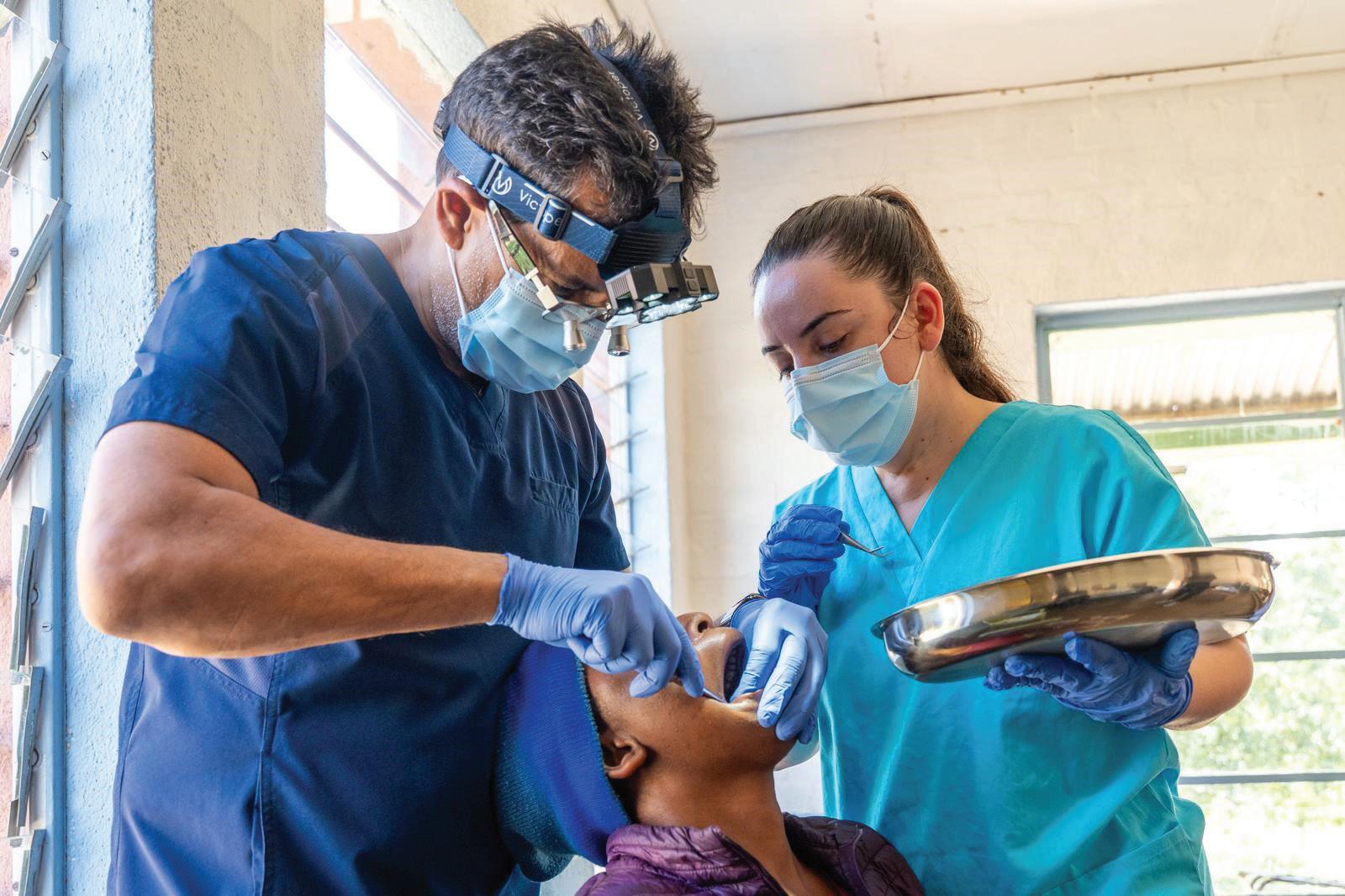
Our first three days at Mkhosana Clinic in Victoria Falls were intense and humbling. We treated over 700 patients, each one arriving with hope, patience, and the warmest smiles. Despite the pain many had endured for so long, they welcomed us with a kindness that is difficult to put into words. The hugs, the handshakes, and sometimes tears of happiness after being relieved of pain are moments, I will never forget.
Our next stop was Hwange, where we held a two-day clinic at Miombo Safari Camp and treated over 300 patients. Once again, the gratitude we received was overwhelming. People travelled unimaginable distances, some for over 36 hours by bus, others walking for more than seven hours, just to be seen. Yet they arrived with nothing but patience, resilience, and kindness. It was impossible not to feel deeply moved.
Our journey then took us on an eight-hour trip to Matopos, to Ethandweni Children’s Home in Matobo. Originally, we had planned to run clinics for two days. However, being part of such an incredible and selfless team, we all agreed to give up our rest day to extend the clinic for an additional day. Together, we treated over 300 more patients, including the children from the home, and staff members, an effort that truly reflected the spirit of the team.
The home itself left a very special mark on me. It is built on a story of care, resilience, and community. The children are not only looked after but empowered. They grow their own food, planting, gardening, and nurturing vegetables and fruits that sustain them. Each child has a role, a rotating list of chores, but what struck me most was how these responsibilities were carried out with laughter, with play, and with pride.
Even in conditions that many would find challenging, the children were full of life, smiling, laughing, and radiating happiness. It was both humbling and inspiring.
It was also incredibly special to see the Perfection Plus Teddy find a new home there. Watching the children welcome it with such excitement and joy was a beautiful moment, and it felt like leaving behind a small piece of love that would continue to bring comfort and smiles long after we had gone.
Every morning, getting to the clinic felt like stepping into something out of a dream. We would drive for 40 minutes through the breathtaking Zimbabwean bush, surrounded by raw, untouched beauty. Along the way, we were often greeted by elephants, giraffes, zebras, and even lions crossing our path, as if nature itself was accompanying us on our mission. Children would run towards us, waving and laughing, their joy so pure and infectious that it set the tone for the day ahead.
This journey reminded me of the power of human connection. Of kindness without expectation. Of resilience in its purest form. And of how even in the simplest moments, a smile, a wave, a hug, we can find something truly extraordinary.
On one of my days off, I joined Cimas Health Group, led by Dr Alan Gura, an organisation that has been the heartbeat of Zimbabwean healthcare since 1945, for an additional clinic day in Matabeleland. I wanted to immerse myself further, to meet more people, and to be part of another team equally dedicated to serving the community. That day, we treated over 100 patients, each interaction reinforcing just how meaningful this work is.
The SmileStar team was truly extraordinary. We came from different places, with different backgrounds and levels of experience, but were united by one simple purpose, to help. Some volunteers had never worked in dentistry before, yet they stepped into unfamiliar roles with courage, patience, and an openness to learn. Every challenge we faced, whether it was the heat, the pace, or the emotional weight of the work, we faced together.
What made this team so special was not just the work we did, but how we cared for one another while doing it. There was always someone ready with a reassuring word, a helping hand, or a moment of laughter when it was most needed. We lifted each other up on the hard days and celebrated the small wins together, the relieved smile of a patient, the quiet thank you, the moment pain turned into comfort.
We became more than colleagues. We became a family, built on kindness, respect, and a shared sense of purpose. I have never felt so supported, so understood, and so connected within a team. The love, compassion, and genuine care that flowed between us made even the longest, hottest days feel lighter.
Through our work, we provided immediate pain relief through extractions, along with aftercare, medication, and oral health advice. In total, we reached 1,752 patients, most requiring multiple extractions. The work was demanding and the African sun relentless, but somehow, we did not feel it. What we felt instead was purpose, fulfilment, gratitude, and a deep sense that what we were doing truly mattered.
I would also like to say a huge thank you to Perfection Plus for sponsoring this truly life changing trip. This experience has shaped me in ways I am still beginning to understand, both personally and professionally. I feel incredibly grateful to have been given the opportunity to be part of this
programme, to serve these communities, and to learn from every person I met along the way. It is something I will carry with me for the rest of my life.
A very special thank you to Mitesh Badiani for organising this incredible journey and for giving me the opportunity to be part of it. His dedication and vision made this experience possible, and I am deeply grateful to have been included.
There is so much more I could share from this journey that words here can hardly capture. I feel as though I would need to write a book to truly do justice to all the experiences, the people, and the emotions we encountered. For now, I have tried to keep this as short as possible while holding on to the moments that meant the most.
About the author
Georgiana Vlad is from Romania. She has worked in dentistry since 2016 and is currently a care-coordinator, enjoying helping patients feel comfortable and confident in their care, promoting healthy smiles and supporting those with dental anxiety.
Outside of work Georgina is am an animal lover, history nerd and enjoys long walks with her dog Rocky, spending time in nature.
The New Clinical Standard for Children and Young People
What Does it Mean for Dental Nurses?
The publication of NHS England’s revised Clinical Standard: Oral Health and Dental Care for Children and Young People marks a significant shift in paediatric dental services. Built around the principle of “the right child, in the right place, at the right time”, the new framework places prevention, equity and integrated care at the heart of children’s oral healthcare. For dental nurses, this is more than a policy update. It creates opportunities to expand preventive roles, support anxiety management, strengthen safeguarding and improve outcomes for children and young people, particularly those experiencing health inequalities.
Why Change Was Needed
Although oral health has improved, dental caries remains the most common preventable childhood disease and continues to be a leading cause of hospital admissions among children aged 5–9 in England.
Inequalities remain a major challenge, with children from the most deprived communities experiencing significantly higher levels of decay than those from less deprived areas. The revised standard recognises that improving oral health requires more than treatment alone; it requires prevention, early intervention, behavioural support and closer collaboration between health, social care and dental services.
Six Principles Guiding Future Care
The new standard is based on six key principles:
• Child and family-centred care
• Prevention first
• Care closer to home
• Equity of access
• Safeguarding
• Evidence-based practice
These principles support a more integrated approach, aligning dentistry with wider NHS priorities.
A New Model of Care
A major development is the introduction of a revised five-level care model. For primary care, the introduction of Level 1b Child-Focused Dental Practices is particularly important. These services aim to support children who need additional behavioural support, anxiety management and preventive care, reducing the need for referrals and general anaesthesia where possible.
The standard also extends its focus to young people up to age 25 with special educational needs and disabilities (SEND), recognising ongoing barriers to accessing dental care.
Prevention Takes centre Stage
A key change for dental nurses is the increased focus on structured prevention. Preventive care is moving from an additional service to an essential, measurable part of NHS dental care.
Fluoride varnish is a significant example. As part of NHS contract reform, fluoride varnish application can be commissioned as a standalone Band 1 activity, allowing it to be delivered between routine examinations. With appropriate training, competence and indemnity arrangements, dental nurses can deliver fluoride varnish under a dentist’s prescription. This creates opportunities to improve access, support consistent preventive care and make better use of the dental workforce.
Dental nurses also play an important role in promoting fissure sealants, supporting oral health education and helping families understand the value of prevention.
Supporting Anxious Children
The new standard places greater emphasis on managing dental anxiety. Evidence shows that anxiety can affect attendance, oral hygiene habits and long-term oral health.
Dental nurses are central to creating positive dental experiences through reassurance, communication, behaviour support and helping children build confidence during preventive visits.
Safeguarding and Integrated Care
Safeguarding responsibilities are strengthened, with greater emphasis on recognising concerns, accurate record keeping and effective communication. The shift from describing a child as “did not attend” to “was not brought” reflects a stronger focus on the child’s welfare.
The standard also encourages closer working with health visitors, school nurses, dietitians, early years providers and community health teams. Dental nurses are well placed to contribute to initiatives such as Dental Check by One and supervised toothbrushing programmes.
Looking Ahead
The revised clinical standard represents a move towards a more preventive, community-based approach to children’s oral healthcare. Dental nurses will play a vital role in delivering this vision through prevention, safeguarding, anxiety management and collaborative working.
The future of paediatric dentistry depends on making full use of the skills within the dental team—and dental nurses are central to achieving better oral health outcomes for every child and young person.
Safe Hands, Smart Tech: Addressing the Training Gaps in Dental Inhalation Sedation
by Janet Pickles, RA Medical Services Ltd
Aims
Nitrous oxide inhalation sedation is an extremely useful, safe, and patient-centric procedure.
However, its safety relies entirely on the competence of the operator. Years ago, I authored a Dental Nursing Guide focusing on the training requirements for inhalation sedation. The core learning outcomes focused on:
Learning objectives
• Understanding the vital importance of dedicated training
• Recognizing different types of sedation equipment
• Identifying active scavenging systems in the surgery
• Executing correct cleaning regimes to prevent equipment damage
• Evaluating textbook content and seeking verified expert advice.
GDC Development Outcome: C, D
While new equipment has since entered the marketplace, these core learning outcomes remain highly pertinent today.
The Literature Deficit
To date, the UK lacks a current textbook dedicated solely to inhalation sedation. Only a few publications touch upon the subject. The two primary texts listed on the National Examining Board for Dental Nurses (NEBDN) foundation reading list are:
1. Basic Guide to Dental Sedation Nursing (Nicola Rodgers, 2011)1
At 15 and 9 years old respectively, these books are outdated. They lack contemporary equipment images and modern technical information.3
To bridge this gap, a new textbook will be published by Springer Nature in July 2026. Entitled ‘Navigating the World of Dental Inhalation Sedation: A Practical Guide’, it offers up-todate equipment visuals, practical insights, and FAQs. Chapter 1 also preserves a vital historical timeline of the modern relative analgesia
machine from both a UK and US perspective—history that was in danger of being lost to time.
The Forgotten Cylinder: A New Syllabus Gap
The current NEBDN syllabus (V1.1, September 2021) contains distinct practical requirements.
cpd.the-probe.co.uk/courses
Section 3.5.4 requires candidates to demonstrate the preparation of notes, equipment, and the treatment area.
Section 3.5.9 requires them to select the correct equipment for various sedation modules.
Subsequent sections cover scavenging checks, breathing systems, and decontamination. However, the syllabus completely omits any mention of medical gas cylinders.
Environmental concerns over nitrous oxide as a greenhouse gas have prompted many clinics to decommission piped gas systems. Consequently, dental teams must now handle “point-of-use” cylinders. This includes managing quite heavy E-size cylinders and fitting on mobile four-cylinder stands. The care, transport, storage, and handling of these cylinders carry distinct safety risks, yet they are entirely absent from the current syllabus.
Current NEBDN Syllabus Coverage vs. Real-World Requirements:
[
] Equipment Selection & Setup
[
] Scavenging & Decontamination
[
] Point-of-Use Gas Cylinder Safety & Handling
Considering the current drive to decommission piped medical gases –specifically nitrous oxide and Entonox
– this is a potential knowledge gap amongst dental healthcare staff. With a full E size nitrous oxide cylinder weighing anywhere between 15 – 20 Kg there are also health and safety issues with handling, management and storage, especially as dental healthcare staff are primarily female. This is not sexist –merely a statement of fact.
Storage within a dental setting is also often problematic. The BCGA Code of Practice 44 The Storage of Gas cylinders4 advocates external storage as preferable; this is not always possible or even practical. With nitrous oxide now a Class C Drug, secure storage is more than ever vital to prevent theft of cylinders.
Internal safe storage is possible if some basic rules are followed:
• Secure, well-ventilated area
• E cylinders held upright in appropriate metal brackets or laid flat (never stacked)
• Correct compressed gas signage in place and no smoking signs if appropriate
• Reasonable level access for delivery & collection
• No electrical equipment in the same area
• No materials capable of supporting combustion.
• Notify the local Fire Brigade of presence of compressed gas cylinders on the premises
Staff who have previously used sedation flowmeters served by piped systems may have no knowledge of handling and placing cylinders on a 4-cylinder stand. They have to be made aware of issues such as pinindex systems and bodok seals. Simple but potentially costly mistakes can be made if staff are not fully trained on these areas. They also require training on how to successfully close a cylinder yoke gate and how to open a cylinder valve; whether BOC cylinders which require the use of a cylinder ratchet key or Air Liquide cylinders which have an integral valve knob. Opening a cylinder too quickly can result in damage to the equipment. Similarly, not opening a cylinder valve fully can result in equipment performance issues. Staff in these changed circumstances may also experience ‘gas’ anxiety related to how much is left in the cylinder between procedures. Whilst the oxygen pressure gauge on a 4-cylinder stand is usually accurate, the reverse is applicable to the nitrous oxide gauge.
CPD questions
1. A dental nurse is preparing a mobile four-cylinder inhalation sedation stand before a procedure. When opening an E-size nitrous oxide cylinder, which of the following practices must be followed to ensure safety?
A. Open the cylinder valve rapidly to maximize gas pressure flow.
B. Open the cylinder valve slowly while facing away from the pressure regulator.
C. Use standard surgical lubricant on the valve to ensure a smooth turn.
D. Keep the cylinder valve closed until the patient is actively breathing oxygen.
2. Following the decommissioning of a piped gas system due to environmental sustainability directives, practices are transitioning to point-of-use E-size cylinders. According to the British Compressed Gases Association (BCGA) guidelines, how should full and empty gas cylinders be stored in the practice?
A. Stored together alphabetically by gas type to save clinical space.
B. Laid horizontally on the floor of the surgery near the sedation machine.
C. Kept in a secure, well-ventilated dedicated area, clearly segregated and labelled.
D. Retained on the mobile stands in the clinical room at all times until collected.
As nitrous oxide is present in liquid form, the gauge will not reflect the true quantity of gas present until all the liquid has converted to gas – at which time the cylinder is nearly empty and the gauge now reflect the correct cylinder content. A new electronic sedation flowmeter called the Midas manufactured by Porter Instrument has a facility for registering the amount of gas used on the patient but will also offer a overview of what gas is available in the cylinders mounted on the 4-cylinder stand. This is however, dependant on the staff entering this information when cylinders are changed. It is predicted that this will significantly prevent cylinders being changed due to concern over gaseous quantities available when starting a sedation procedure.
Conclusion: User Knowledge vs. Equipment Failure
When troubleshooting gaseous sedation issues, whilst the root cause is sometimes the machinery. It is more often caused by user error. This error can be directly traceable to a lack of robust initial or ongoing practical training. If patient safety is paramount, our training paradigms must evolve. We must marry smart modern technology with safe, fully trained hands.
References available upon request
3. While performing a pre-operative safety check on a mobile relative analgesia machine, the dental nurse notices a hissing sound immediately after opening the oxygen cylinder valve. What is the most likely cause of this issue?
A. The nitrous oxide cylinder is completely empty.
B. The active scavenging system has been set to maximum flow.
C. The Bodok seal washer between the cylinder valve and the regulator is damaged or missing.
D. The patient’s reservoir bag has a structural tear.
4. When replacing an empty E-size medical gas cylinder on a mobile four-cylinder stands, which color-coding configuration must a UK dental nurse identify to verify they are connecting a Nitrous Oxide cylinder?
A. Blue body with a white shoulder.
B. White body with a French blue shoulder.
C. White body with a black shoulder.
D. Black body with a white shoulder.
CALENDAR 2026 CALENDAR
July
3 Copy date for Summer 2026 British Dental Nurses’ Journal (pam@badn.org.uk)
7 BADN Panel of Representatives meeting
13 Orangeman’s Day Bank Holiday (N. Ireland only)
15 NEBDN Apprenticeship Knowledge Test
23 NEBDN National Diploma OSCE/Level 3 Diploma Professional Discussion June Results
24 International Self Care Day
25 BADN Coffee CatchUp
27 Summer 2026 edition of British Dental Nurses’ Journal published
1 BADN Panel of Representatives meeting 3 National Diploma Written Exam/Level 3 Diploma Knowledge Test November Results
4 Hanukkah begins (ends 12 December)
25 Christmas Day
28 Boxing Day
Key
BADN – see www.badn.org.uk
UK Bank Holidays
New Year/religious dates – which are not UK Bank Holidays. If your faith is not represented, please send dates of New Year and/or the three major religious festivals to events@badn.org.uk.
Other dental dates – to add your event to the Calendar, please send details to events@badn.org.uk
Other notable dates which are not UK Bank Holidays
NEBDN – contact www.nebdn.org for details
NHSE South (Ox/Bucks/Berks/Hants/IoW Dental Nurse Forum 2025 – to book http://www.maxcourse.co.uk/heetvw/guestHome.asp
CONTACTING BADN COMMUNITY
BADN Community staff
BADN Community National Officer/Editor, British Dental Nurses’ Journal: Pamela Swain 01253 338365 pam@badn.org.uk
Membership, journal subscriptions, invoicing:
Val Forshaw 01253 338366 val@badn.org.uk
BADN Community events, social media, website, IT matters, etc:
Jacek Drozdek 01253 338364
General Enquiries
jacek@badn.org.uk events@badn.org.uk
enquiries@badn.org.uk
Our phone lines are very busy! If you are put through to voicemail, please leave a message stating your name, BADN Community membership number, and contact phone number, and we will get back to you as soon as possible – please do not hang up; or keep ringing round all the various phone numbers and hanging up – this just blocks the system!
Should you wish to contact members of the BADN Community Committee, please do so via the BADN Community office or use the email addresses below – for reasons of of privacy, work/life balance, etc, please do not use the individual concerned’s personal home or work email address.
Contact emails: chairman@badn.org.uk or education@badn.org.uk
For queries regarding BADN Community Rewards, please contact Katie Alvarez at Parliament Hill at katie@parliament-hill.co.uk
For queries regarding CPD in the Journal, or access to the CPD certificates, please contact Lorna Reekie at Purple Media on lorna.reekie@purplems.com.
For queries regarding indemnity, please contact Trafalgar Risk Management Ltd on trmadmin@trafalgar.uk.com
To advertise in the Journal, please contact Ed Hunt at Purple Media at ed.hunt@purplems.com
To obtain your long service member badge (5, 10, 15, 20, 25 years), please go to www.badn.org.uk/longservicebadge and complete the claim. You will then receive an email from Val confirming your eligibility and requesting an SAE. Please put a Self Addressed Envelope, with stamps to the value of £1.05 (second class mail) or £1.45 (first class mail), together with a note of your name and BADN Community membership number, into a second envelope addressed to the BADN Community office and with “BADGE” written in the top right hand corner of the outer envelope. Remember to stamp the outer envelope too!
To obtain your hard copy of the CPD Activity Log, Personal Development Planner or Menopause Policy, please go to the online shop in the members’ area of www.badn.org.uk, where you can order any or all of these for the just cost of P&P
You can obtain replacement membership badges (£5), 80th Anniversary brooches (£10.50) and BADN Community Bundles containing a BADN pen, coaster and keyring with trolly pound (£5) from our online shop at www.badn.org.uk/membershop