

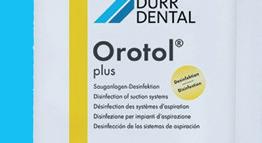











































































Bactericidal, with yeasticidal activity against enveloped viruses (enveloped viruses incl. HBV, HCV, HIV, and coronaviruses), non-enveloped adenoviruses and noroviruses.
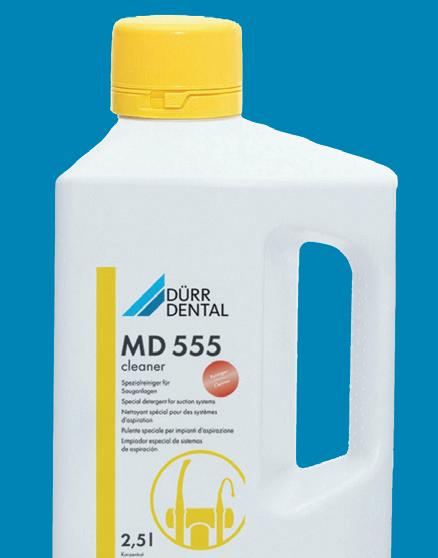
Orotol Plus disinfects, deodorises and cleans all suction and amalgam separating systems and spittoon bowls. Use alongside MD555 to descale and physically clean all components of the suction unit and drain lines.
Orotol Plus is non-foaming, designed to protect and care for your suction unit. It’s high-standard material compatibility ensures performance and longevity.
For more information visit www.duerrdental.com/en/products/hygiene


President Preetee Hylton RDN president@badn.org.uk

Chairman Michelle Brand RDN BSc MA chairman@badn.org.uk

Treasurer Ruth Garrity RDN finance@badn.org.uk

Education Representative Jane Dalgarno RDN MSc education@badn.org.uk

Immediate Past President
Joan Hatchard RDN LCGI FBADN FAETC president@badn.org.uk
For Executive Committee member biographies, please go to the About Us page of the BADN website: www.badn.org.uk
Executive Editor: Pamela Swain MBE MBA FCMI
Managing Editor: James Cooke
Group Sales: Gary Henson
Production Designer: Rob Tremain
Divisional Administrator: Francesca Colclough
Managing Director: Ed Hunt
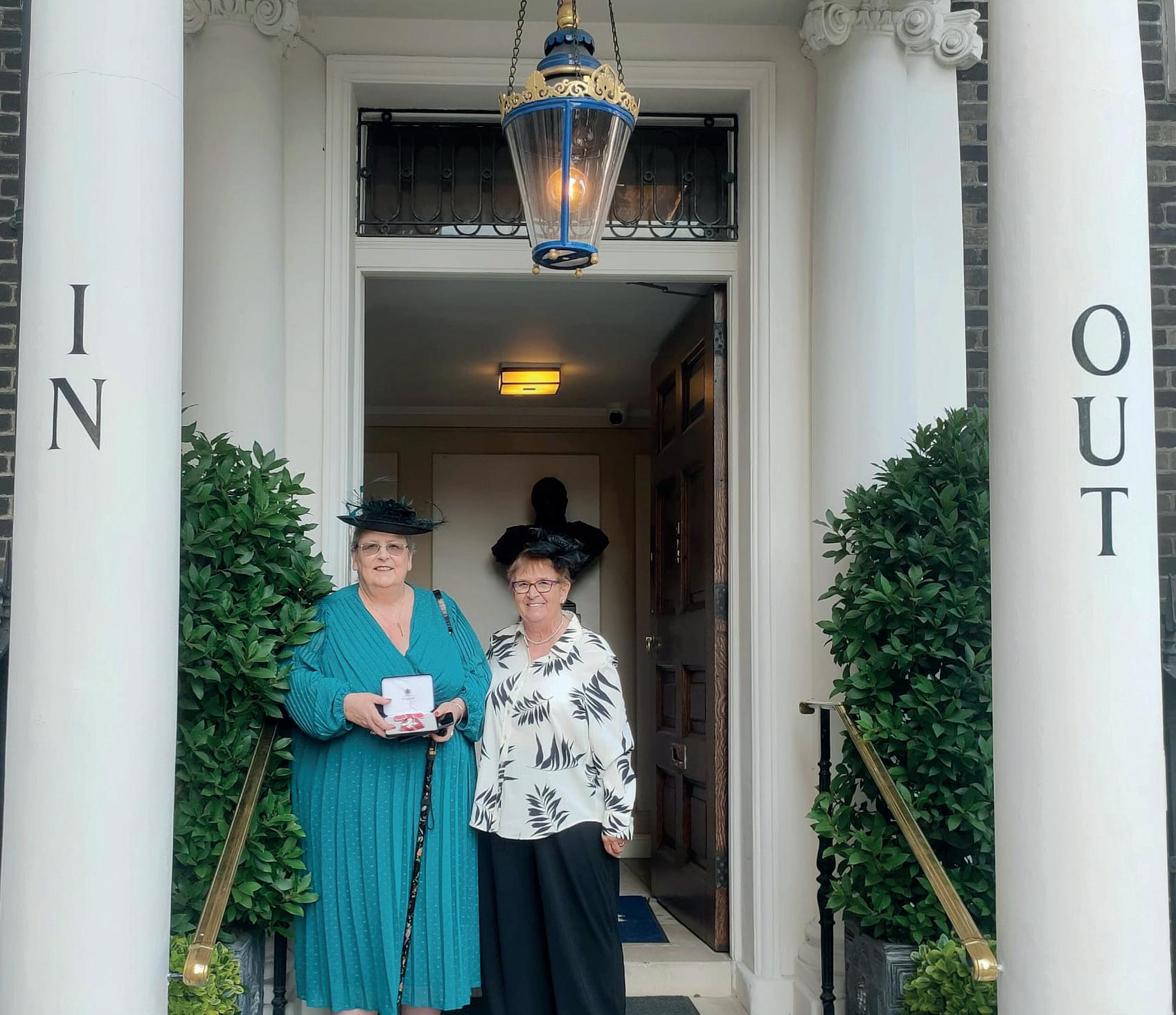
Front Cover: BADN Chief Exec Pamela Swain (left) receives her MBE alongside BADN Immediate Past President Joan Hatchard.

These past few months have reignited something powerful in our profession – pride, purpose, and presence.
In May, I had the honour of hosting the Dental Nurses’ Forum at the British Dental Conference and Dentistry Show. It was a weekend of brave conversations and professional affirmation. From tackling covert bullying and sexual harassment, to challenging outdated stereotypes and dental nurses becoming practice owners and paving their own career pathways. We spoke boldly and unapologetically.
have made it clear: dental nurses are not an afterthought. We are integral to oral healthcare delivery, and we belong at every table where decisions are made.
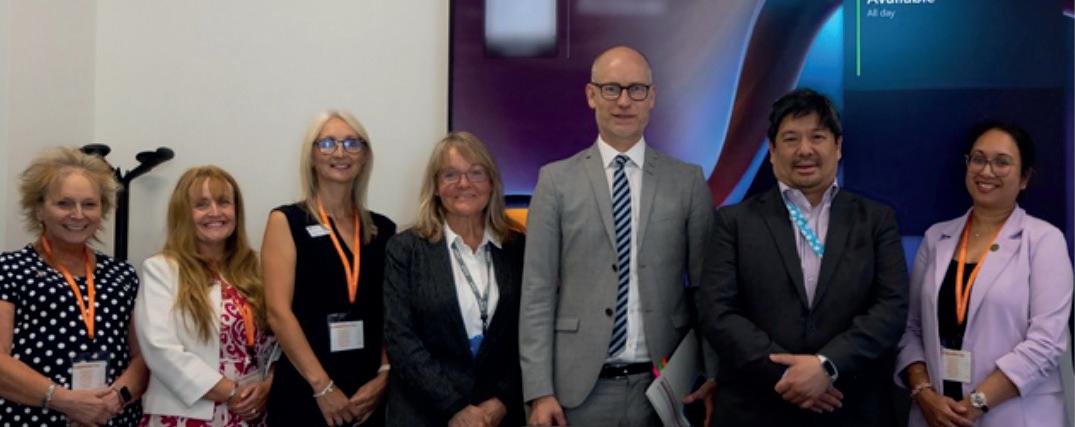
Most recently, I joined Jane Dalgarno at a roundtable chaired by Stephen Kinnock MP, Minister for State of Care, discussing the Government’s 10-Year Health Plan. We spoke firmly about dental nurses’ vital contributions, and the shocking pay and working conditions many still endure. Our message was clear: recognition and remuneration must include the whole oral health team.
Please address all correspondence to: Executive Editor Email: pam@badn.org.uk Tel: 01253 338365
Membership Subscriptions: Full Members – £50 Student e-Associates £15 Associates – £40
Journal Subscriptions: £120 per annum (UK institutions only) £150 per annum (overseas institutions only)
Printed by Buxton Press Limited ISO14001 certified © British Dental Nurses’ Journal Published by Purple Media Solutions Registered in England. Registered number 5949065
The views expressed in The British Dental Nurses’ Journal are not necessarily the views of the magazine, nor of BADN.
Follow us on X: @BADNUK Connect on Facebook: www.facebook.com/BADNUK


Dental nurses are not “glorified cleaners” – we are trained, registered, and regulated professionals. Our work is rooted in skill, empathy and accountability. It is time that truth was not only said but heard.
To every speaker who has enriched our BADN Coffee CatchUps this quarter: thank you, your expertise empowered us all.
Across the UK, I have continued championing our voice – from the LDC Dinner in Newcastle and the Dentistry Awards in Leicester, to the Scottish Dental Show in Glasgow and the 9th Dental Leadership Network in London. I
Speaking of leadership, please join me in welcoming Dr Helen Phillips as the incoming Chair of the General Dental Council. Her appointment is a vital opportunity to strengthen support and trust across the profession. We look forward to working closely with her to ensure dental nurses’ voices remain front and centre.
Dental nurses, we are not invisible. We are essential. We are powerful. Our voices will not be silenced.
Preetee Hylton RDN
BADN President

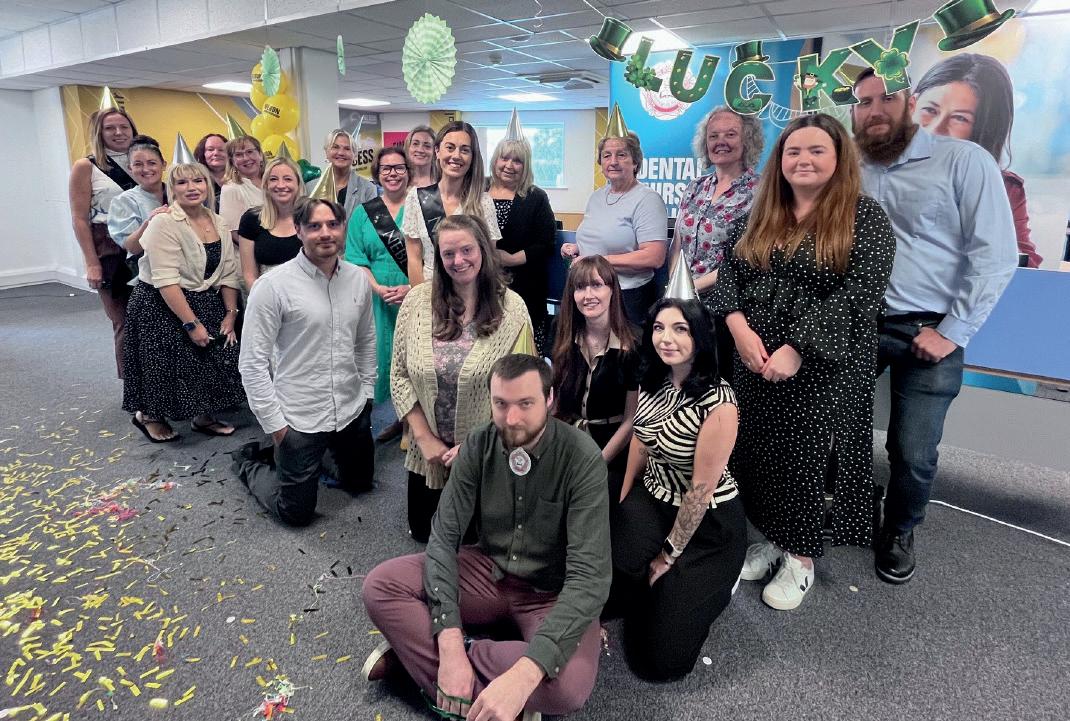
BADN are delighted to announce that Chief Executive Pamela Swain was presented with an MBE by the Princess Royal on Thursday 26 June 2025 at Buckingham Palace.
Pam, who has been BADN’s (formerly ABDSA’s) Chief Executive for 33 years, was awarded the MBE in the 2025 New Year’s Honours, for services to dental nursing.
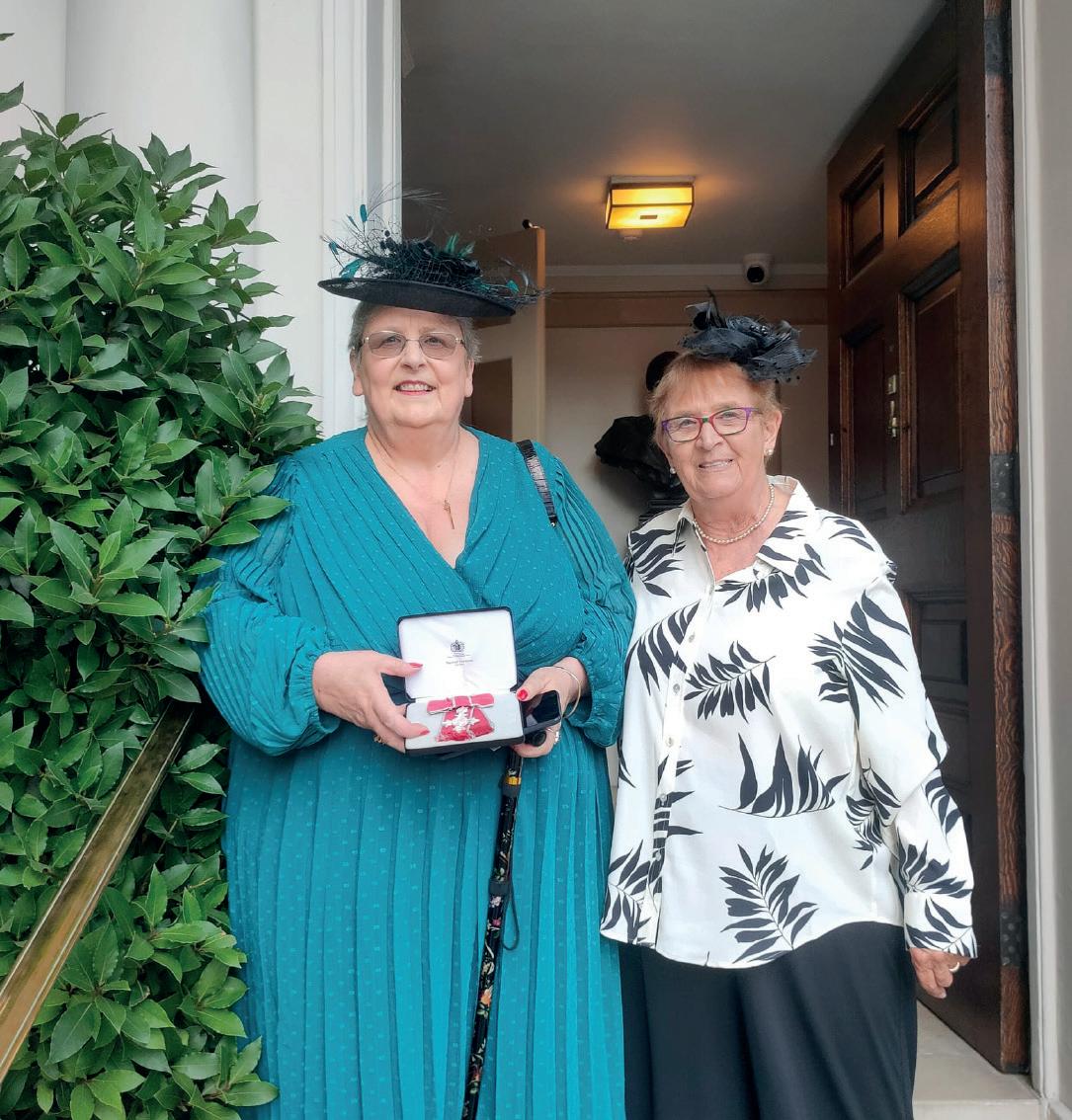
“BADN is, of course, a team effort” said Pam. “Not only the head office team of staff, but the team of volunteer dental nurses who make up our Executive Committee, Panel of Representatives and other Committees, Presidents - past and present - and former Council members. I was delighted to accept this MBE on behalf of all those who have given their time and expertise to make BADN, the professional association for dental nurses in the UK, what it is today – a lifeline of information, advice and support for dental nurses.”
Pam was accompanied to the Palace by BADN’s Immediate Past President and long time Council/Executive Committee member Joan Hatchard, and family members.
We’re excited to let you know about BADN Rewards, a brandnew web app provided by Parliament Hill – giving BADN members access to exclusive savings, perks, and discounts. With BADN Rewards, you can enjoy fantastic offers on travel, shopping, entertainment, and more – all as part of your BADN membership.
What Happens Next?
You’ll soon receive an email directly from Parliament Hill with a link and simple instructions on how to register for BADN Rewards. Be sure to check your inbox so you can start exploring your benefits right away!

Watch for the registration email from Parliament Hill – it’s your key to unlocking hundreds of member-only deals.
Thank you for being a valued member of BADN.
The British Association of Dental Nurses (BADN) – the professional association and independent trade union for dental nurses in the UK – acknowledges and welcomes the ambition and positive intent behind the Fit for the Future: 10-Year NHS Health Plan for England –especially its emphasis on children’s oral health, prevention and multidisciplinary, neighbourhood-based care.
Dental nurses make up the largest part of the oral health care workforce and are already embedded in school programmes, care homes, community clinics and outreach initiatives, often serving the very demographics this plan seeks to help.
We are trained and qualified professionals, and we are regulated by the General Dental Council (GDC). Fluoride application on the prescription of a dentist and the provision of oral health education in the community is not an emerging trend or innovative in any way – many of us are already doing this, despite receiving little structural support, recognition and remuneration.
With post-registration qualifications, dental nurses have an extended scope of practice as evidenced in the GDC’s Scope of Practice guidance document. The existing dental contract is designed solely around dentists, yet oral health care is delivered by an oral health team. Any long-term NHS dental reform that fails to include the whole team, will fall short of its potential.
Dental nurses cannot be asked to carry out more responsibility without improving their pay, their protection and the perception of their role by the public. This Plan refers vaguely to dental nurses leading “oral health education” but does not offer any commissioning framework, in terms of dental nurse-led prevention programmes (especially in areas of greatest need), and no funding for further training to support this.
BADN would like to see further clarity and commitment to the backbone of oral health – dental nurses; if the NHS wants to build a resilient, prevention-led oral health system, it must support and invest in the entire oral health care team.
The Plan speaks of innovation, equity and prevention – BADN welcomes the opportunity to discuss and work alongside various stakeholders and the government to ensure that dental nurses are not an afterthought but a valued and visible part of future oral healthcare, so that we work cohesively to provide safe, effective, accessible and compassionate oral healthcare to all those in need.
For more information on the 10 Year Plan, please visit 10 Year Health Plan for England: fit for the future - GOV.UK
Nominations are requested for voluntary posts. Nominees must be current BADN members, and registered with the GDC as a dental nurse. Job descriptions and nomination forms are available from the Chief Exec (pam@badn.org.uk) – nomination forms should be completed and returned to the Chief Exec by 31 August 2025. The posts are:
• President-elect 2025-26 ( President 2026-28, Immediate Past President 2028-29)
• Chairman and General Secretary 2025-27
• Treasurer 2025-27
Any member interested in standing for any of the above posts is invited to contact Pam on 01253 338365 to discuss informally.















NEBDN is pleased to announce that the Awarding Organisation has released a newly regulated qualification – the Level 3 Diploma in Dental Nursing. The qualification is regulated by Ofqual in England, and the Council for the Curriculum, Examinations & Assessment (CCEA) in Northern Ireland, and covers all the Learning Outcomes in the General Dental Council (GDC) Safe Practitioner Framework for Dental Nurses, making it a secure option for trainee Dental Nurses looking to qualify in this field. The qualification attracts UCAS points for those wishing to progress to higher education and is assessed via an online Portfolio, online Knowledge Test and online Professional Discussion.
Alongside the launch of their new Diploma product, NEBDN has also revised their Apprenticeship qualification to include requirements from the (GDC) Safe Practitioner Framework. Trainee Dental Nurses will be able to register on their chosen qualification, as of 1 July 2025.
Kate Kerslake, CEO at NEBDN, said: “This is a huge milestone for NEBDN and we’re very proud as a Team to reach this point.’
The Level 3 Diploma is a replacement to the former NEBDN National Diploma, although the previous National Diploma will still be delivered and assessed to allow Learners to complete this version for anyone registered before 1 July 2025.
NEBDN offering a regulated Diploma enhances the previous product, as the regulated version has additional benefits such as potential funding avenues, attracting UCAS points and being recognised by key regulators such as Ofqual and CCEA. NEBDN offering this product provides an exciting opportunity for the Awarding Organisation as it allows them scope to expand into new regions and attract new Training Providers, to support the ever-growing workforce of Dental Nurses and ensuring that they enter the dental profession with the appropriate knowledge and skills.
More information on these updates can be found on NEBDN’s website www.nebdn.org
NEBDN is a registered charity and a leading Awarding Organisation for Dental Nurses in the UK, delivering awards in Diploma, Apprenticeship, and 7 Specialised Post-Registration areas. NEBDN work with 100+ Training Providers across England, Scotland, Northern Ireland and Wales, to ensure that Learners’ knowledge, understanding and practical skills are assessed by highly experienced practitioners. NEBDN has been operating as an organisation for over 80 years.
Health Education and Improvement Wales (HEIW) has announced the launch of a new initiative designed to support newly qualified Dental Nurses (DNs) as they enter the workforce. The initiative is part of HEIW’s wider commitment to improving the quality of dental services and addressing workforce challenges in primary care across Wales.
The two-year programme that starts in Autumn 2025, is a structured preceptorship model tailored for graduates of the National Examining Board for Dental Nurses (NEBDN) Diploma. This period of transition will offer mentorship, guidance, and hands-on learning experiences led by seasoned professionals, helping new dental nurses consolidate their knowledge, sharpen clinical skills, and build confidence.
“This initiative is not just about supporting individuals—it’s about investing in the future of our dental workforce and, ultimately, patient care,” said Kathryn Marshall, Head of Dental Workforce Development for HEIW. “We recognise the challenges that come with transitioning from education into practice, and this programme provides the structure and support needed to help new professionals thrive from the very beginning.”
The initiative is a key part of HEIW’s Strategic Workforce Plan for Primary Care, which calls for a motivated and resilient workforce. By easing the transition into professional roles, the programme promotes early engagement and reduces the risk of burnout or attrition among new dental nurses.
The preceptorship also reinforces HEIW’s strategic priorities:
• National Workforce Solutions: By adopting a coordinated, all-Wales approach to workforce development, HEIW aims to move beyond reactive solutions to more proactive, sustainable planning. This initiative addresses long-standing gaps and supports strategic workforce growth.
• Workforce Transformation: The programme strengthens community and primary care teams, supporting patients with long-term conditions closer to home and improving preventative care at the grassroots level.
• Excellent Education and Training: The initiative exemplifies HEIW’s commitment to modern, innovative training systems that are responsive to the needs of today’s NHS workforce.
The benefits of this new initiative extend across the healthcare system. Dental practices will see improved collaboration and skill utilisation within their teams. For the dental workforce, access to continued professional development fosters job satisfaction and improves staff retention—critical in the face of ongoing NHS recruitment challenges.
Most importantly, patients stand to gain from the enhanced quality and efficiency of care. With confident, well-supported dental nurses at the front lines, patients can expect safer, faster, and more compassionate service.
HEIW’s move represents a positive step forward in shaping a more robust, prepared and sustainable dental workforce in Wales.
For further information contact heiw.dentalnursetraining@wales.nhs.uk






















Wipe material made of plastic-free and climate - neutral fibers









Increased coverage and more yield per wipe



Natural fibers from certified forestry


E fficient and environmentally friendly production process



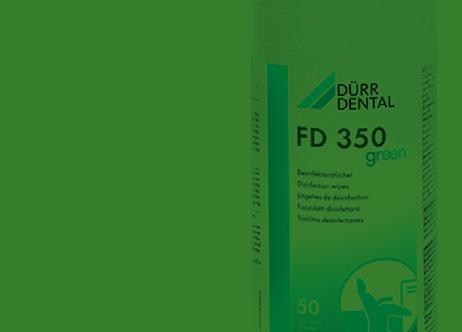

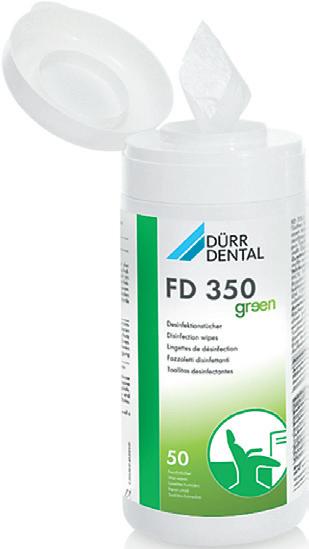


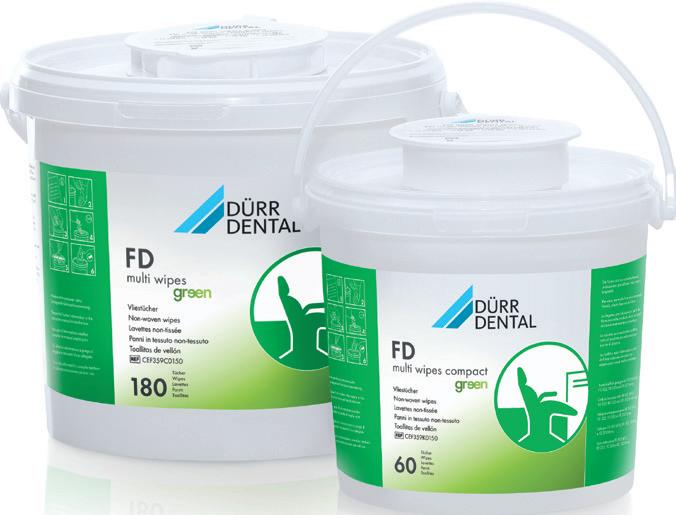



The new disinfection wipes
Itʼs now easier to bring sustainability into your practice disinfection protocols, with the new FD350 Green wipes from Dürr Dental. Each are made from plastic-free natural fibres and are manufactured in an environmentally friendly way. As well as being good for the planet, theyʼre also good for your pocket, as they provide greater coverage, without compromising efficacy. Dürr Dental – environmentally conscious for a better future. More at www.duerrdental.com
Nicola Okelly: PgCert, Dip ILM, RDN, Dental Nurse Training
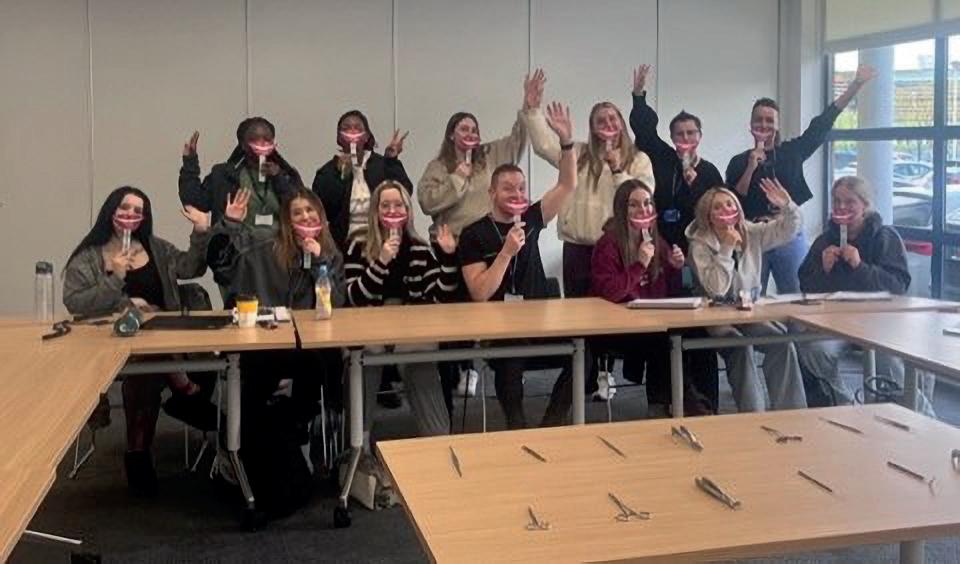
Health Education and Improvement Wales (HEIW) is currently preparing for the second cohort of trainee dental nurses, set to commence the NEBDN national diploma in dental nursing programme in October. The inaugural cohort began their 18-month training programme in 2023, achieving remarkable success through an all-Wales approach. This initiative attracted students from various locations, including Carmarthen, Brecon, Abergavenny, and Cardiff.
Supporting a Wales wide workforce need, the programme was delivered in a blended format, incorporating face-to-face study days at state-of-the-art postgraduate centre facilities, where students engaged in simulated practice scenarios utilising the latest materials and equipment to prepare them for registration with the GDC. The theoretical components were provided at Ty Dysgu, HEIW’s headquarters, as well as through online platforms. Students were employed in a range of settings, from general practice to hospital based clinical placements.
“I thoroughly enjoyed my experience on the dental nursing training programme with HEIW,” says Hannah Chapman, a recently qualifi ed dental student with HEIW. “The best part of this course was attending college on a weekly basis. I felt it was a great way to understand our role as a dental nurse and have better interactions.
“I also enjoyed having practical sessions where I was able to get more hands on. Training with HEIW was an honour and I’m so grateful I was able to get onto the course. I would highly recommend anyone who is looking to become a dental nurse to enrol.”
Students benefi ted from support provided by BADN, with HEIW granting student memberships to the trainees. Nicola Okelly, Dental Nurse Training Lead at HEIW, emphasises: “It is imperative for dental nurses as a profession to cultivate a community that amplifi es their professional voice as integral members of the dental team. BADN offers a broad spectrum of benefi ts for our students, highlighting significant issues, CPD resources and, not forgetting, a range of both financial and professional advantages.”
Several successful students from the programme are continuing their professional development by enrolling in HEIW’s newly established mentorship initiative, which provides support and guidance to newly qualifi ed dental nurses during their critical first year as a qualifi ed dental nurse. This programme guides them in their areas of interest and offers support in their long-term vision of continuing professional development. This was a key objective outlined in the Dental Strategic Workforce Plan for 2024, to help newly qualifi ed staff integrate into the dental workforce, which in turn will provide a sustainable workforce in terms of recruitment and retention for the dental nursing profession.
Kathryn Marshall, Head of Dental Workforce Development, states: “Having access to a trusted mentor is an essential element for building a successful career as a dental nurse. Not just during training; but also, for the early years of a career. As DNs progress, it is helpful to have a person (or persons), who do more than simply offer professional advice. This is because a mentor is also key to personal growth and development and can give a practical framework for finding genuine fulfilment in a chosen field.
“A mentor should be someone a DN can trust for their feedback and input. They can help support if feeling overwhelmed by challenges presented in ‘real life’ practise. They can encourage taking a different perspective when faced with a challenge, they can listen and help DNs realise ‘you can do this!’ Mentoring can improve the transition from training into the workforce for all dental roles.”
Some of the successful students have already looked ahead to further professional development by enrolling on HEIW’s oral health promotion programme and NEBDN post certifications in Radiography.
HEIW is dedicated to advancing the professional development of dental nurses, a commitment that signifi cantly enhances patient care, workforce development, and staff retention. The comprehensive development opportunities provided for dental nurses cultivate a highly skilled and engaged dental workforce in Wales, whilst creating enriching career opportunities.























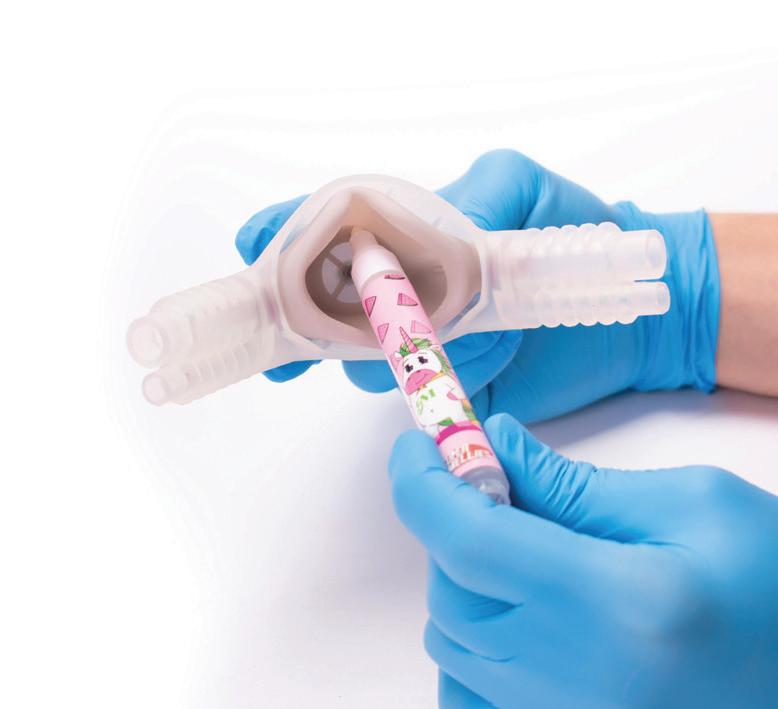
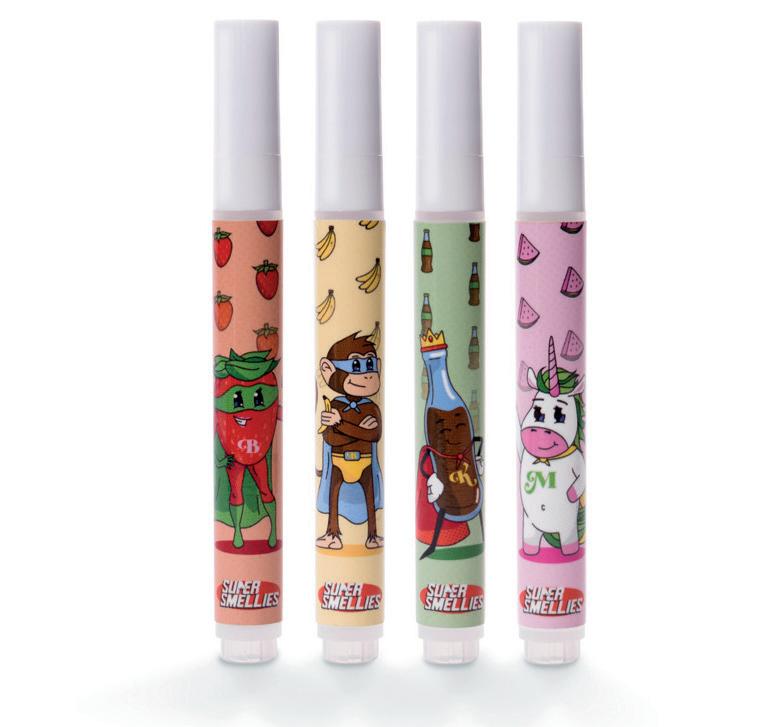
Introducing the new Super Smellie pens; A safe way to add a great scent to your unscented nasal masks.
The annual Robin Davies DCP Research Awards luncheon was held in May to celebrate this year’s award winners. The celebration was held at Linden House, London and was attended by the leaders of dentistry across the UK. The Oral and Dental Research Trust (ODRT) partner with Colgate annually to offer a research grant to award winners, exclusively DCPs. It was great to see a dental nurse as an awardee.
This year, we took the opportunity to explore the legacy, the impact and the exciting future of these awards. David Davies, Robin Davies’ brother, attended the celebration this year to share his personal view of Robin’s legacy as well as his profound impact on the dental profession: “He was enthusiastic about helping young researchers, including those in the wider dental team. He would have been very humbled by the honour you do him today”.
Iain Chapple, Chair of the ODRT, welcomed the guests to lunch and invited the 2023 awardees to share their research proposals with the audience:

The College of General Dentistry (CGDent) Summer Reception, incorporating the fourth annual College Fellows’ Summer Reception, was be an opportunity for networking with peers in the grand surroundings of the historic Cutlers’ Hall, and all dental professionals and those with professional interests in contemporary dentistry were invited to attend.
Representing BADN at the event – and pictured here – were Vandana Kanda, BADN EdRep Jane Dalgarno, Ken Binnah, BADN Panel of Reps member Rebecca Silver, and former BADN Chairman and long-time BADN member Dr Debbie Reed, who is also a CGDent council member.
Amy Rawsthorne, Dental Nurse Research Practitioner, is exploring dental nurses’ perceptions of their role in oral health prevention, along with the barriers and facilitators they encounter.
Morag Powell, Dental Hygienist & Dental Therapist, aims to investigate the impact of using a wellbeing app on student wellbeing.
Sian Cooper & Alison Crisp, Dental Therapists, will focus on developing the dental care pathway for children with Autism Spectrum Disorder (ASD) in the Derbyshire Community Dental Service.
Bal Chana, Dental Hygienist & Dental Therapist aims to increase awareness of minimum intervention oral care (MIOC) in patient management for dental therapists.
Colgate and the ODRT are pleased to be hosting this event once again, with the next celebration being held in Spring 2026. The call for papers will open on 1st October 2025. Applications for these awards must be received by Friday 6th February 2026.
For additional information, please scan the QR code or visit: https:// colgate-experience.co.uk/robin-davies/
Dental nurses involved in dental implantology were more than welcome at the ADI Team Congress 2025.
The dedicated programme covered a broad range of relevant topics, from aseptic techniques to the role of the dental nurse and TCO in dental implant treatment. Clinical topics like PRF management and building confidence in compliance also proved popular among attendees.

Dental nurse, Corinne, commented about her experience: “I’ve been impressed with the speakers and found sessions on asepsis and the TCO role. I would definitely encourage other dental nurses to come along – there’s loads to learn, nice people to chat to and you can get some great advice.”
A fantastic few days out for the entire dental implant team, the ADI Team Congress is a must for all professionals involved in the delivery of patient care in the field.
Current BADN members enjoy free dental nurse membership of the ADI – see www.badn.org.uk for details.
Have you signed up for our e-newsletters yet? Because of GDPR, we can’t send you details of special offers, events, Coffee CatchUps, news or BADN Rewards unless you sign up for our e-newsletters. So go to www.badn.org.uk/newsletter to sign up straight away and keep up to date!
CPD 4 DCPs is a fully veri able ECPD programme that enables each member of the dental team to complete one year’s ECPD requirement in a highly cost-effective manner. Covering all the highly recommended subjects, each volume is specially designed to cover the ECPD needs of up to 10 DCPs.
Providing 10 hours of veri able ECPD, one Volume covers the annual veri able ECPD needs of most practices.
Subjects
• The reality of mouth cancer
• Young patients and consent
• Complaints and how to avoid them
• Regulating X-rays



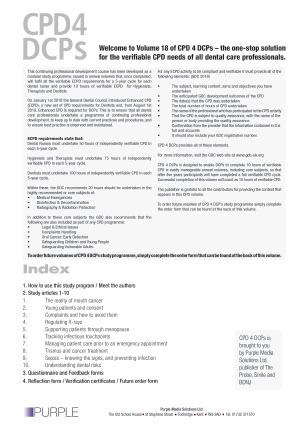


• Supporting patients through menopause
• Tracking infectious touchpoints
• Managing patient care prior to an emergency appointment
• Trismus and cancer treatment
• Sepsis – knowing the signs, and preventing infection
• Understanding dental risks
Alex Watson, Stakeholder and Communications Manager, General Dental Council

Dental nurses, your annual renewal period opened on 9 June. Before it closes on 31 July, you’ll need to make sure you’ve done three things:
• paid your Annual Retention Fee (ARF)
• checked you have indemnity cover in place
• completed your minimum number of CPD hours. This can all be done via eGDC, and you can log in at any time to check how many hours of CPD you need to complete. All dental nurses must complete at least 50 hours for each five-year CPD cycle.
The Annual Retention Fee, or ARF, is the fee all registered dentists and dental care professionals must pay each year to remain on the GDC’s registers. The deadline for all dental care professionals to pay is 31 July each year. Like last year, the fee is £96 for 2025. The easiest way to pay the fee is via your eGDC profile as part of your annual renewal.
For those registering for the first time, you will need to enter your personal details, contact address qualification details via the online application process. You will also have to provide a self-declaration of health, character and indemnity, which means that you need to have organised your indemnity cover much like those who are renewing their registration.
The application fee is £36.33, and applications are generally processed within 15 working days. Once your application has been processed, you will then need to pay the registration fee, which is the same as the ARF.
If you are already registered with the GDC as a dental nurse, but have since qualified as a dental hygienist, dental therapist, orthodontic therapist, or dental technician, you may register an additional title. It costs £12 to add an additional title to the register. Further information is available on the GDC website.
Declare your CPD now
You can make your CPD statement after the 31 July deadline, but it must be submitted by 28 August. Any CPD you do on or after 1 August will count towards the following year. You don’t have to complete CPD hours every year, but you do have to make a statement and do at least 10 CPD hours in every two-year period.
If you’ve not completed any CPD during the year, record zero hours when you make your statement and make sure you do enough CPD (at least 10 hours) in the following year to meet the minimum
requirements. Even if you’re in the first year of a new CPD cycle, you must make sure you have completed at least 10 hours of verifiable CPD over the last two years. There is a diagram on the GDC website that demonstrates the ’10 in 2’ rule.
Each dental professional is responsible for obtaining the necessary evidence from their CPD providers. Check that the provider can provide the evidence needed for verifiable CPD before completing it. You can find out more about the evidence you need in the GDC’s CPD guidance.
The GDC has recently reviewed the CPD scheme and has identified some parts where they could be more flexible, and simplify the language and the process. As a result, they revised the guidance documents and webpages that dental professionals use when they come to declare their CPD.
While the scheme and its rules have not changed, the updates they’ve made help to highlight where the scheme is now more accessible and flexible for dental professionals, especially when undertaking, recording, and submitting CPD.
For the second year running, the GDC will ask you to complete a short survey on your working patterns. It’s a few questions that take five minutes to fill in. To date, 30,066 dentists (66% of the dentist register) have answered the survey, the latest results of which were released in April. 43,692 dental care professionals (58% of the dental care professional register) have answered the questions so far since the survey went live for 2024’s renewal period.
This work is part of the GDC’s continued commitment to help the sector better understand its access challenges and illustrate the public debate on the dental workforce.
As of June 2025, there are just under 68,000 dental nurses on the register. That’s over half of the whole dental register (53%). If everyone completes the survey, we will get a much better picture of the workforce challenges that the profession faces.
Don’t leave it too late – make sure to meet the deadlines
Remember, you must make sure you pay your annual retention fee and confirm you have indemnity to stay on the register by 31 July. You’ve then got until 28 August to provide your CPD statement. Completing these steps means that those of you who want to stay on the register can do so, and you can keep delivering great dental care to your patients.







New For dry mouth – when just water is not enough











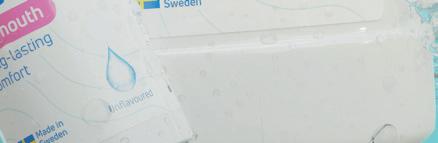



















1 in 5 suffer from dry mouth, and water is usually the standard remedy. But for many people, water only provides brief relief.







TePe’s new hydrating mouthwash and mouth gel ease the feeling of dry mouth, provides comfort, and protects teeth. We recommend the gentle, unflavoured products for those with a very dry mouth and mildly flavoured products for those with moderate problems.





TePe® Hydrating Mouthwash




TePe’s mouthwash moistens the mucosa and leaves a pleasant feeling in the mouth. Not only does it help with dry mouth, but the added 0.2 % fluoride also gives that extra protection against caries.



TePe® Hydrating Mouth Gel




TePe mouth gel gives immediate and long-lasting comfort*, moistens and soothes the oral mucosa and is convenient and easy to use whenever needed – great for on-the-go.


Available from dental wholesalers. Find out more at tepe.com.






Many people are not aware that BADN and NEBDN are completely separate, and different, organisations. They do, however, have a shared history, and were, in fact, the same organisation until the late 1980s.
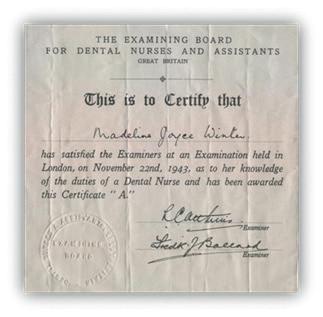
In 1940, during the Second World War, a dentist in Leyland saw a patient from the nearby US Air Force base. This unnamed airman told dentist PE Grundy and his dental nurse, Madeleine Winter, how dental assistants in the US had their own professional association, founded in 1924.
And so, in October 1940, the British Dental Nurses’ and Assistants’ Society – as the association was originally called – was born! Madeleine (known as Bunty) Winter was the first General Secretary, until 1946 when a full time General Secretary was employed and, in 1948, the legendary Jean Smith became General Secretary, remaining in post until 1985.

Until 1950, all the Presidents of the Association had been male dentists; but in 1950 Beatrice Green became the first Dental Surgery Assistant (DSA) – as dental nurses were known then – President. The Association became known as the Association of British Dental Surgery Assistants (ABDSA) sometime later. In 1976 it became an independent trade union, with no political or TUC affiliations.
In 1943, the Association founded the British Dental Nurses’ and Assistants’ Examining Board, and held the first exam. In 2005, Bunty Lee (nee Winter), then in her 80s, visited our Hillhouse offices and told us that she had received top marks in the exam (she and Mr Grundy’s other dental assistants trained for the exam early in the mornings before the first 8am patient arrived), but was denied the prize because it was considered unfitting that Mr Grundy’s dental assistant should win!

Originally, only dentists were allowed to be examiners, but in 1978 the Exam Board changed its rules so that DSAs with seven years’ experience could be elected to the Panel of Examiners. The Exam Board eventually became the National Examining Board for Dental Surgery Assistants (NEBDSA) and became a completely separate entity from the Association in the 1980s. The first dental nurse Exam Board Chairman was Diana Wincott in the early 90s.
Traditionally, qualified DSAs wore a bright yellow belt with a NEBDN buckle – which is why yellow is the dental nurse colour, and the colour of the BADN logo.
Jean Smith retired as Secretary of the Association in 1985, although she continued to work for NEBDSA until the mid-90s. Sue Ward became the Association’s Secretary; and Jennifer Lavery became NEBDSA Secretary. Sue left in 1992 and was succeeded by Pam Swain; Jennifer continued to run the Exam Board until 2008 – both titles were updated to Chief Executive. NEBDN’s Chief Executive is now Kate Kerlake.
In 1994, the Association’s Annual General Meeting voted to reclaim the title “dental nurse”; the Association then became the British Association of
Dental Nurses (BADN), and the Exam Board the National Examining Board for Dental Nurses (NEBDN). ABDSA and NEBDSA shared office premises, moving to Poulton-le-Fylde in 1960 and then to London Street in Fleetwood in 1978 (and to another building, also on London Street, in the mid-90s), before the Association moved to new premises in Pharos Street in 1997, and then to Hillhouse in Thornton-Cleveleys in 2004. BADN has recently moved back to Fleetwood and NEBDN is now in Preston.
NEBDN today
The National Examining Board for Dental Nurses (NEBDN) is an Awarding Organisation and registered charity based in Preston, Lancashire, delivering qualifications in both Pre-Registration and Post-Registration areas for dental nurses in the UK. NEBDN has been examining and awarding dental nursing qualifications for over 80 years and works alongside a network of 130+ accredited course providers to teach the students.
From 1 July 2025, NEBDN will offer the following initial qualifications: (All regulated by Ofqual (England) and CCEA (N.I))
• Level 3 Diploma in Dental Nursing (RQF) - replaces the National Diploma
• Level 3 Diploma in Dental Nursing (RQF) (Northern Ireland) - new!
• Level 3 Diploma in Dental Nursing (Integrated Apprenticeship) (RQF)replaces the current apprenticeship
Dental Nurses registered on the National Diploma before 30 June 2025 will still study that curriculum and be supported through their studies and assessments but there are no more registrations as of 1 July 2025.
To search for a course provider, or for details of post-registration courses in Dental Implant Nursing, Dental Radiography, Dental Sedation Nursing, Oral Health Education, Orthodontic Dental Nursing, Special Care Dental Nursing or Fluoride Varnish Application, please visit the NEBDN website www.nebdn.org
Please do not contact NEBDN with BADN membership, BADN Rewards, BDNJ, indemnity or CPD queries – please see below for appropriate contacts. NEBDN cannot discuss qualification or exam information with students, you must go through an accredited NEBDN course provider via www.nebdn.org
In 1976, the Association became an independent trade union. In brief, this means that BADN reports annually to the Certification Officer, publishes independently audited accounts, is subject to the relevant TU legislation regarding election of officers, etc. This ensures that:
• Our finances and membership levels are independently audited and a matter of public record
• Our President and Executive Committee are nominated and elected in accordance with current trade union legislation, i.e. by the members, by means of an independently scrutinised ballot where necessary, for a fixed term of office
BADN is one of only two dental associations who have this status (the other is the BDA). Like the BDA, BADN is politically independent, with no party political or TUC affiliations. It does not, however, offer individual representation – to be able to do this, our membership fee would have to be much, much higher!
BADN is run by an Executive Committee of volunteer, elected dental nurses (President, Chairman, Treasurer, Education Representative and






















Guests join us from all areas of the industry to provide their own unique perspectives on a wide range of topics, from manufacturers and figureheads of various dental organisations, to those in the trenches working in practice, and more.








For








































Nothing is o limits in The Probe Dental Podcast, so be sure to tune in wherever you get your podcasts! The Probe Dental Podcast features discussions that explore all areas of the British dental sector.






























President-elect or Immediate Past President). It is supported by the Panel of Representatives and the Education Committee, both of which are composed of volunteer dental nurses; and the head offi ce staff, who are BADN employees and who take care of the day to day running of the Association. The Executive Committee are also guided by the AGM or, in other words, the members themselves. Executive Committee members serve a specifi c term of offi ce, and the number of times they can hold that offi ce are limited.
Do you have any questions about your membership? Our Membership Admin Assistant Val is here to assist you with your enquiry. You can contact Val on 01253 338 366. Please don’t leave it till the last minute to renew your membership, especially if you also need to renew your indemnity, as problems can take time to solve!
Trafalgar Risk Management (TRM) are the brokers for the BADN Indemnity Scheme. Once you have purchased, or renewed, your BADN membership, you will see a link for the purchase, or renewal, of your indemnity cover. If, for any reason, you have missed the link, please contact Val on 01253 338 366 or email us at enquiries@badn.org.uk. A member of our team will then respond to you providing you with a link to access the indemnity scheme. Please note that BADN staff do not know if you have indemnity via TRM and are unable to assist with queries regarding cover, downloading of paperwork, etc – please contact TRM direct. Trafalgar Risk Management is authorised and regulated by the Financial Conduct Authority under Reference Number 311662. Registered Offi ce Address: 2nd Floor Grove House, 55 Lowlands Road, Harrow, Middlesex, United Kingdom, HA1 3AW, Registered in England & Wales, Registered number 03876370.
PLEASE DO NOT LEAVE PURCHASING OR RENEWING YOUR COVER TO THE LAST MINUTE! TRM will answer queries within 48 hours – so remember to allow at least this amount of time in case of any difficulties in purchasing/renewing. If you have questions about your cover, wish to make a claim, or having difficulty purchasing or renewing your cover, please contact TRM on 0333 8000 000 or trmadmin@trafalgar.uk.com.
Please do not contact TRM with membership, Journal, BADN Rewards, CPD or other queries – please see above and below for appropriate contacts. Contacting the BADN office with queries about your indemnity cover will delay TRM’s response, so please contact TRM direct.
To purchase indemnity cover at the special BADN member price, you must be a current BADN member. When you join BADN, or renew your membership, you will receive a confirmation email with a link to the page where you can purchase/renew indemnity at the special rate. If you miss this link, or your indemnity renewal date is different to your BADN membership renewal date, please contact enquiries@ badn.org.uk for a link to the page. (We don’t show the link on the website to prevent misuse!)
BADN rewards, legal helpline, health & wellness hub
Accessible through the members’ area of the website. Log in to your membership account to explore all your exclusive access in the Members’ Area. If you are having difficulty accessing the members’ area of our website www.badn.org.uk, please email us at enquiries@badn.org.uk.
BADN Rewards is run and managed by Parliament Hill Ltd, Britannia House, 21 Station Street, Brighton, BN1 4D. If you are experiencing difficulties with any of the benefits listed in BADN Rewards, please contact Parliament Hill on 020 8554 1100.
(Parliament Hill and BADN are not part of the same group as any of the product/service providers which together form the benefits scheme. The British Association of Dental Nurses is an Appointed Representative of Parliament Hill who is authorised and regulated by the Financial Conduct Authority for non-investment insurance mediation. You can check this out on the Financial Services Register by visiting www.register.fca.org.uk, under register number 308448. Benefits are designed with UK resident users in mind and may not be suitable for those resident outside the UK.)
Please do not contact Parliament Hill with membership, Journal, CPD, indemnity or other queries – please see above and below for appropriate contact details.
BDNJ is the official Journal of BADN, which is available to all members via the members’ area of the Journal. Please do not confuse the British Dental Nurses’ Journal with Dental Nursing magazine – the latter is a commercial subscription publication, which has no connection with BADN!
The digital version of the Journal is available to all current members. If you would like to receive a hard copy, please purchase a subscription (£20 pa) by visiting our members’ area online shop.
To submit an article to the BDNJ – please contact the Editor pam@badn. org.uk. To advertise in the BDNJ – please contact Gary Henson on 07803505208 or gary.henson@purplems.com
If you are having difficulties with the online Journal CPD – please contact The Probe, who manage the online Journal CPD on our behalf on 01732 371 570 or via email at info@purplems.com. (Please note: if you are having difficulties with the BADN CPD Portal, or Coffee Catch Ups or any BADN CPD other than that found in the Journal, please contact Jacek on 01253 338364 or jacek@badn.org.uk)
Please do not contact Purple Media with BADN membership, BDNJ editorial, BADN Rewards, indemnity or other queries – please see above and below for appropriate contact information.
In order to be kept up to date with events, news etc you need to sign up to our e-newsletters – for GDPR reasons, we cannot contact you with a lot of information we want to share with you unless you sign up for the e-newsletters. You can do this at www.badn.org.uk/newsletter.
Please note, from time to time, BADN publicise in our e-newsletters courses or events organised by other organisations. We do this as a courtesy to other bona fide organisations and to keep our members informed. However, we accept no responsibility for these courses/events and cannot assist with difficulties in registering, logging onto, quality of, CPD certificates from, etc these courses/events. You will have to contact the organisers - please don’t shoot the messenger!
All this, of course, brings us on to the General Dental Council (GDC) - the UK-wide statutory regulator of around 130,000 members of the dental team. All dental professionals, including dental nurses must be registered with the GDC in order to practice dentistry in the UK (except student dental nurses, who work under the supervision of a registrant).
Each year, you need to pay an annual fee, make an indemnity declaration and make an annual CDP statement to remain on the register. The Annual Retention Fee (ARF) for dental nurses – currently £96 - is payable by 31 July each year but may be paid in four Direct Debit payments of £24.00.
Please note that the GDC is NOT a membership organisation – payment of the ARF does not make you a “member” of the GDC, it merely allows you to work as a dental nurse in the UK.
Once qualified, dental nurses should register with the GDC as soon as possible by going to https://www.gdc-uk.org/registration/join-the-register/ how-to-join-the-register . A list of the qualifications currently recognised for registration is available at https://www.gdc-uk.org/education-cpd/ quality-assurance/recent-inspections/dental-nursing .
Fitness to Practise – as a regulated dental professional, you are expected to meet the standards of conduct, performance and ethics set out by the GDC, both at work and in your private life. You must also work within your appropriate Scope of Practice (see https://www.gdc-uk.org/standards-guidance/ standards-and-guidance). This is important as failing to meet these standards, which includes being convicted of a criminal offence (in which case the Court will automatically inform the GDC), or working outside your scope of practice, may result in a patient or colleague raising a concern with the GDC. This may in a very small number of the most serious of cases, lead to your removal from the Register – which means you won’t be able to work as a dental nurse in the UK.
Continuing Professional Development (CPD) – all dental nurses MUST log 50 hours of CPD per five-year cycle (10 including hours every subsequent two years). Please see GDC article on page 12.
Please do not contact the GDC regarding BADN membership, BADN Rewards, BDNJ, indemnity through BADN, CPD in the BDNJ, individual qualifications or training providers – please see above for appropriate contact details.





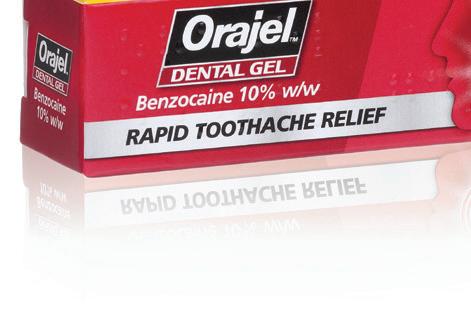
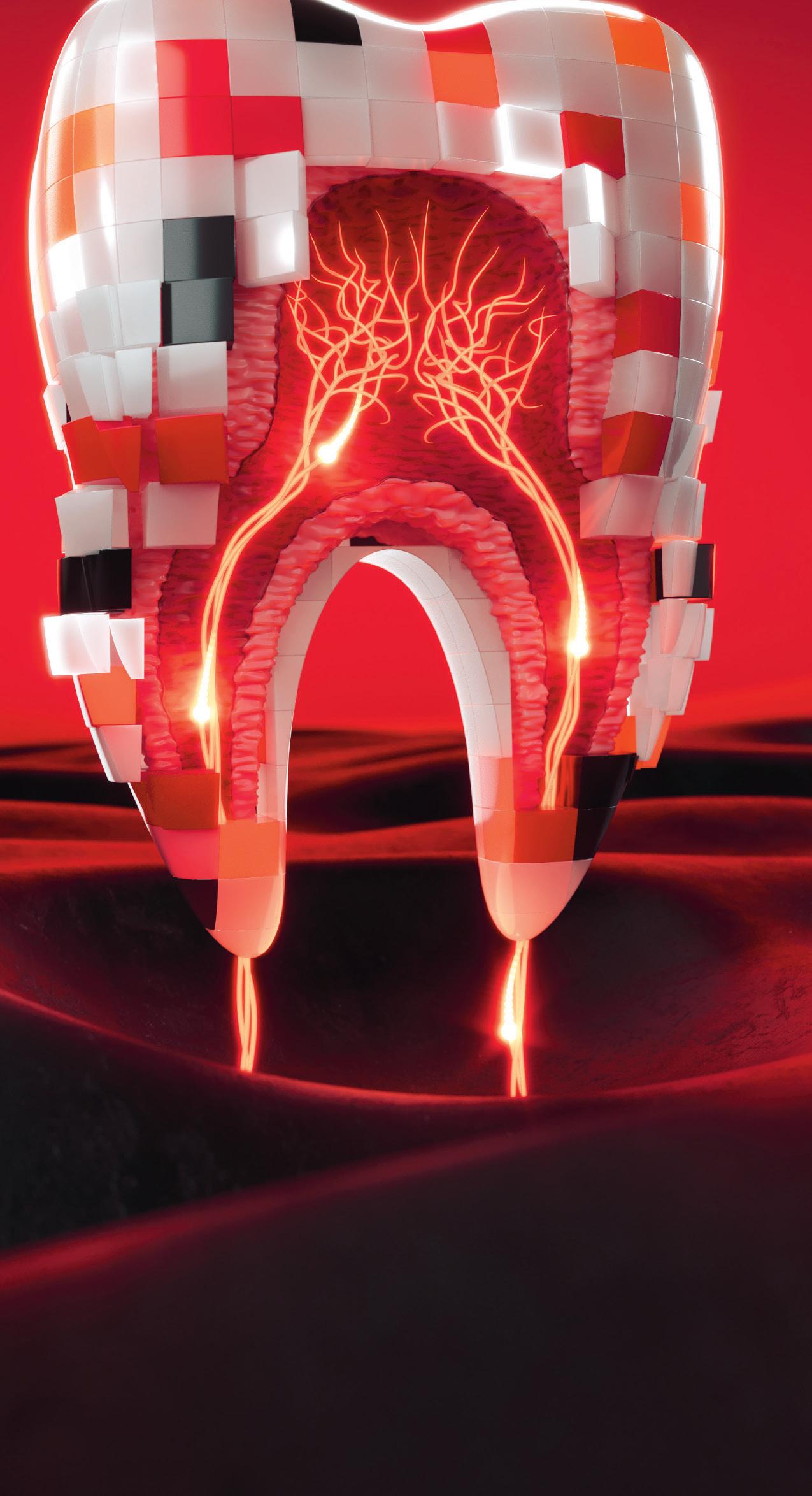
RAPID RESPONSE
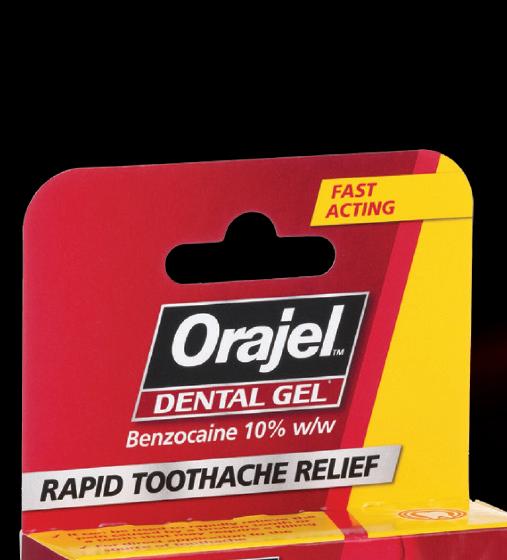
Clinically proven to get to work in under , relieving acute dental pain.4
TARGETED RELIEF
Benzocaine provides effective relief right at the source of dental pain.1-3
TRUSTED TOLERANCE
Orajel’s non-systemic formula is well-tolerated with minimal risk of side effects.1,2,4





WILL ORAJEL BE YOUR RECOMMENDATION FOR TARGETED, RAPID PAIN RELIEF?









Jo Dawson takes us on a journey of smiles from the state of children’s oral health across the UK, a look at national interventions and global inspiration, the challenges parents face and how we as dental professionals can make a difference locally and digitally
Children’s oral health is a complex issue and remains a problem. 2024 surveys have found that one in 10 children have tooth decay by age three, which rises to three in 10 by age fi ve. Tooth decay remains the leading cause of hospital admissions for children aged between fi ve and nine, and poor oral health is linked to school readiness.
Children in the North of England and deprived areas are disproportionately affected, and those in the most deprived areas are twice as likely to suffer from decay.
In 2023, only 50% of children had seen an NHS dentist in the past year. For under-5s, this figure was less than one-third.
What is happening in the 4 corners of the UK?
Our four nations are working independently as far as tackling children’s oral health. Table 1 shows how they compare in supervised toothbrushing interventions.
Nation Start Coverage Focus Notes
Scotland 2006 National (all nurseries & schools) Childsmile includes varnish and packs.
Wales 2009 National (all nurseries & schools) Designed to Smile includes brushing kits.
N. Ireland 2016 Poorest 20% of areas Daily brushing in nurseries.
England 2025 Poorest areas (voluntary) Newest programme, scaling up.
Oral health is a focus of the current Labour Government, targeting England to redress the balance with a supervised toothbrushing scheme, aiming to reach up to 600,000 children annually. A Colgate-Palmolive partnership is also donating 23 million toothbrushes and toothpastes over fi ve years, supporting both in-school brushing and home hygiene.
How we as Dental Professionals Can Help
1. Early Engagement
• Encouraging early and regular visits.
• Promote first dental visits by age one.
• Educate on brushing, diet, and check-ups.
• Offering clear, culturally sensitive guidance.
2. Supervision of Brushing
• Encourage brushing at home with assistance from adult until age seven.
• Reassuring parents that struggles are common.
• Demonstrate techniques and provide resources.
• Sharing practical tips (e.g. songs, timers).
3. Fluoride Use
• Recommend appropriate toothpaste strength.
• Apply varnish according to guidelines.
4. Diet Advice
• Encourage reduction of free sugar intake.
• Promote healthy snacks and drinks.
5. Build Trust
• Create a child-friendly environment.
• Use positive reinforcement and involve children.
6. Community Engagement
• Promote dental campaigns.
• Deliver oral health talks in schools and community groups.
• Support local oral health projects.
7. Advocacy
• Signpost families to local programmes.
• Support public health policies like fluoridation.
I had the great pleasure of attending a BASCD Scientific meeting in Cardiff and was excited to present a poster with results of our Awesome

Smiles primary schools survey. The number of schools delivering Oral Health Education (OHE), the number of year groups receiving OHE, the teachers’ confidence in sharing evidence-based OHE, and the children’s engagement all increased when offered practical hands-on activity stations compared to traditional PowerPoint/whiteboard lesson plans. It was a valuable learning experience for me personally as there were so many brilliant initiatives and research projects showcased.
For me, the joy of a face-to-face conference can’t be compared. This and many other exciting and powerful posters, presentations, and professionals left me feeling inspired and even more passionate about what we in the smile business have the potential to achieve. Collaborating locally, nationally, and globally expands the possibilities and makes it even more fun.
If your dental team is passionate about improving children’s oral health beyond the surgery, consider reaching out to your local primary school. Do you already have links with a nearby school? Could your dental care professionals (DCPs) visit classrooms to deliver fun, engaging oral health sessions?
Our “Raisin Awareness” project offers a practical way to build and strengthen these relationships. By sponsoring your local school, your practice can benefi t from creating a trusted link between education and care, whether you have time to spare or not.
We are going totally digital with our next adventure “Smiling is Awesome”. Beginning with a virtual club, we are sharing Smiles online and membership is free! and open to everyone including your team and your patients.
To join the fun, check out: www.awesome-oral-health.com or contact jo@awesome-oral-health.com
References
1. Oral Health Survey of 5-Year-Old Children (2024) – Office for Health Improvement and Disparities (OHID), published March 2025. Available via GOV.UK Oral Health Collection.
2. Child of the North: Improving Oral Health Report (2024) – Published by the N8 Research Partnership and the Centre for Young Lives. Available via N8 Research.
3. Parents’ Perceived Barriers and Enablers to Infant Oral Care – Published in BMC Public Health (2025), DOI: 10.1186/s12889-025-22487-9.

Jo Dawson is a dental nurse and oral health educator with a passion for improving children’s life chances by sharing healthy smiles. She combines working in general practice, with running not-for-profit Awesome Oral Health CIC. She founded it to develop and run community projects that aim to support and upskill teachers and parents as well as engaging primary school children about the many dental, general and mental health benefits. With the help of a diverse global team of Awesome Volunteers her innovative approach now really has no bounds as they look to share digital resources via the “Smiling is Awesome club” online.
Accidents happen. In healthcare, however, they can have significant consequences for clinicians and patients – physically, emotionally, and legally. This includes injuries caused by sharps in the dental practice.
For this reason, strict routines are in place for the management of sharp items, in hopes that individuals can avoid harm in all instances. When professionals are injured, it’s important that the correct workflows are in place for recovery to minimise distress. Dental teams need to also realise that accidents provide an effective chance for practices to learn, and make changes to protect professionals in future.

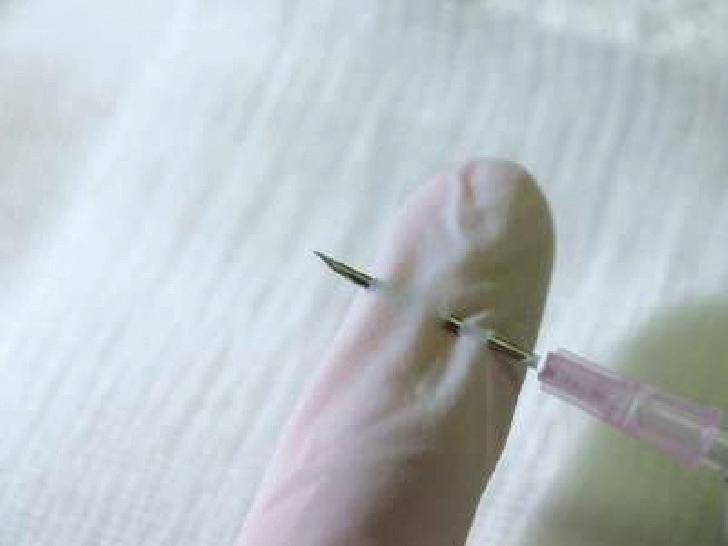
According to recent research carried out by Initial Medical with the British Association of Dental Nurses (BADN) in 2025, around 51% of dental nurses have had an inoculation injury.1 Around 76% of those that have been affected have had multiple inoculation injuries,1 which suggests that not only are many individuals affected in dentistry, but repeated events are somewhat common.
Of the injuries in the report, respondents said that 96% could have been avoided.1
A percutaneous injury carries many risks for dental professionals. The main problem is the potential exposure to infections, such as bloodborne viruses (BBVs). 2 The most common forms of BBVs include human immunodeficiency virus (HIV), hepatitis B (HBV) and hepatitis C (HCV). Prevalence in the UK population is generally low, with patients affected by each condition estimated to be <0.3%, <1% and <0.5% respectively. 3
Only a small number of percutaneous injuries are known to have caused infection that led to serious illness, but the injury and anxiety around its impact can still have a significant effect on a dental professional.2 To combat this, clinicians need two key factors considered: protections need to be in place to minimise injury risk, but equally as important, dental teams need to know what to do when a problem does occur. Knowledge of post-exposure procedures and next steps can alleviate some of these anxieties.
Safe sharps handling can avoid the majority of inoculation and percutaneous injuries in dental care. Clinicians should ask themselves whether a safer sharp device could be used, and seek out personal protective equipment (PPE) such as puncture-resistant gloves or finger coverings.4
Training should also be provided for all dental team members, ensuring they know how to work safely with the sharp equipment and procedures in everyday care.4 This could include the use of needles, scalers, and probes, which caused 38%, 27% and 27% of injuries from clinical items respectively.1
According to the BADN research, a third of injuries occurred after an item was used, but prior to disposal.1 Dental professionals need to have training dedicated to the management of sharp items during this phase of use. This includes awareness around recapping procedures, which should be avoided at all costs unless a risk assessment identifies it as a solution to another risk (such as reducing the risk of contaminating a sterile space), though appropriate devices, such as needle-blocks, need to be in place for this.4
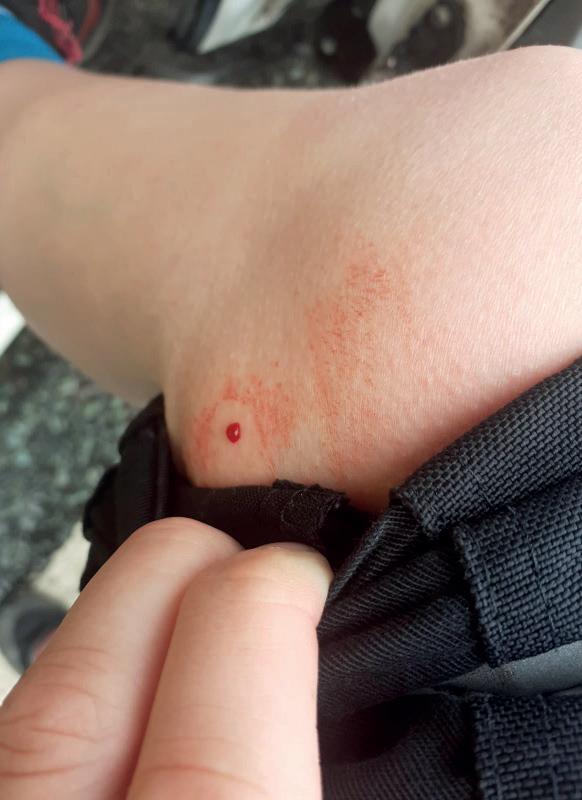
Safely managing sharp objects at any point of use protects not only clinicians and patients, but many unseen professionals who may have to handle the item later in the workflow. Between 2012 and 2022, the NHS as a whole processed 1,947 successful claims for professionals affected by needlestick injuries, and 1,460 of these were received from ancillary workers (including cleaners, porters, laundry and maintenance staff), with 432 from clinical staff.5
Dental professionals should also be aware of the actions they need to take when an injury occurs. This includes notifying the employer, recording the incident and supporting an investigation of the incident which may prompt changes.4 To facilitate this, dental teams need to encourage a culture of honesty and support, with investigations led by accident prevention, not blame placement in mind.4 If team members feel they will be in trouble, panic can ensue, and not only could incidences go unreported, but key opportunities to prevent future injuries may be missed.
Safe disposal of sharp items is paramount, as misunderstood workflows or inappropriately designed and positioned containers create the ideal environment for injury. Clearly marked and secure waste bins should be placed close to the point of use, alongside instructions for disposal.
Eco Sharps Bins from Initial Medical are compliant with current regulations, with colour-coded solutions to follow Health Technical Memorandum 07-01. They are made from at least 40% recycled plastic, and are puncture-resistant and seepage-proof to minimise the risk of injury. They are suitable for wall and trolley mounting brackets, ensuring clinical teams can position them wherever needed.
Sharps injuries present a significant risk to healthcare staff, but using current guidance and lessons learnt from previous incidents ensures teams can be kept safe. Amended workflows to avoid repeat injuries is key, and is possible with a culture of honesty and non-judgement throughout the dental team.
To find out more, get in touch at 0808 304 7411 or visit the website today www.initial.co.uk/medical
References available upon request
Rebecca Waters, Category Manager at Initial Medical, has worked in the Healthcare sector for the past 17years and was a Research Chemist with Bayer Cropscience prior to joining Rentokil Initial in 2003. She keeps up to date on all developments within the clinical waste management industry and is an active member of the CIWM, SMDSA and BDIA


Hello and welcome to Brush up on CPD. This program, produced by Purple Media Solutions, provides you with clinical features from which you can claim up to two hours of Continuing Professional Development (CPD), a mandatory part of registration with the General Dental Council. Each article offers an hour verifiable CPD on subjects.
Brush Up on CPD appears in The Probe throughout the year. All certificates are issued online. Readers must be registered with www.the-probe.co.uk in order to gain access to the CPD questions and multiple choice answers. Once you have logged in, click on ‘Brush Up’ to see the question and answer options. When you have submitted the correct answers for both articles, you will be able to print out your two hours’ verified CPD certificate.
To answer the questions below, visit cpd.the-probe.co.uk and register/log in.
Click on ‘Courses’.
Search for the course with the same headline as the corresponding article. Alternatively, follow the link at the foot of the respective article.
CPD questions – Dental anxiety – how to alleviate the fears of patients
1. What percentage of dental patients experience extreme dental anxiety?
a. 5%
b. 9%
c. 12%
d. 42%
2. How many patients report fear of anaesthetic injections?
a. 10%
b. 12%
c. 25%
d. 67%
3. Which of the following fears are among the most commonly experienced by patients?
a. Fear of choking
b. Fear of staff or dental team members being angry
c. Fear of blood
d. All of the above
4. Which of the following are mentioned as symptoms of anxiety?
a. Dizziness
b. Uncontrollable hiccups
c. Lucidity
d. A judgemental attitude
5. Dentally anxious patients are more likely to experience:
a. Caries
b. Edentulism
c. Periodontitis
d. All of the above
6. The scent of lavender has been found to:
a. Increase cortisol levels
b. Reduce cortisol levels
c. Increase blood pressure
d. Cloud patients’ judgement

CPD questions – Managing drug-induced gingival hyperplasia
1. How can gingival hyperplasia affect an individual’s dentition?
a) Growths make oral hygiene routines difficult to complete effectively
b) Growths create difficulties with mastication
c) Growths create difficulties with speech
d) All of the above
2. According to the article, what is one of the earliest typical protective measures against foreign pathogens in the oral cavity?
a) Inflammation
b) Natural teeth ejection
c) Abnormal saliva production
d) The body does not employ any protective measures
3. Which three types of drugs are linked to gingival hyperplasia?
a) Antidepressants, anticonvulsants, calcium channel blockers
b) Anticonvulsants, calcium channel blockers, immunosuppressants
c) Antidepressants, calcium channel blockers, immunosuppressants
d) Anticonvulsants, calcium channel blockers, antibiotics
4. What can be used as indicative markers of nifedipine-induced gingival hyperplasia?
a) Fibrinogen and C-reactive protein
b) Fibrinogen alone
c) C-reactive protein alone
d) Visually identified inflammation in the gingival tissue
5. How many patients taking the anticonvulsant phenytoin develop gingival enlargement?
a) 15%
b) 25%
c) 50%
d) 55%
6. Which of the following will make up one aspect of every treatment for gingival hyperplasia?
a) An effective oral hygiene routine
b) Tooth extraction
c) Guided bone regeneration
d) Inaction towards treatment
Dental anxiety – how to alleviate the fears of patients to ensure they get the care they need
Learning objectives
• Understanding some of the root causes of dental anxiety
• To assess the impact of dental anxiety on oral health, and oral health related quality of life for patients
• To help clinicians integrate anxiety-relieving strategies into everyday practice
GDC Development Outcome: D
Official government statistics published last year show that 42% of adults with natural teeth experience moderate to high dental anxiety and a further 12% experience extreme dental anxiety. The survey, commissioned by the Office for Health Improvement and Disparities (OHID), reports that 19% of patients have avoided seeking dental treatment due to their fear of the dentist.
Avoiding dental care has serious implications for the oral and systemicii health of patients, and evidence also indicates damaging consequences to their mental health and quality of life.iii Strategies to ensure anxious patients feel welcome, empowered and supported can improve their attendance, and increase the likelihood of early intervention against many oral diseases, such as cariesiv or oral cancer,v significantly improving outcomes.
The numbers in detail
The Modified Dental Anxiety Scale (MDAS)vi was used to gauge dental fear in the OHID survey cited above. Within this study, 13% of respondents reported anxiety about receiving treatment on the following day; 12% felt anxious when sitting in the waiting room; 28% reported fear when anticipating having a tooth drilled; 11% were trepidatious about having their teeth scaled and polished; and 25% were afraid of a local anaesthetic injection.
15% of respondents said that past experiences with a dentist had contributed to their anxiety, and a sex differential was also noted. 16% of women had an MDAS score of above 19 indicating extreme dental anxiety compared with

8% of men. Fears seem to reduce with age. 14% of those aged between 16 and 24 experienced extreme dental anxiety, compared with 6% of over-75s.
There is a socio-economic association with dental anxiety. The proportion of adults who reported extreme dental anxiety was 15% in the most deprived neighbourhoods and 9% in the least deprived areas.i Other studiesvii confirm the link between socioeconomic standing and dental anxiety, citing concerns about the cost of treatment.
Fostering effective patient communication is important to understand the source of anxiety. As commonly assumed, fear of pain is indeed a leading factor, but some surveys identify a range of other triggers.viii Among adults, common fears include:
• Discomfort around sensory factors, such as the sound of drills and other patients in distress, the smells of some commonly used materials in the dental treatment
https://cpd.the-probe.co.uk/courses/dental-anxiety/
room, and the sight of needles and dental instruments.
• A fear of procedures that may draw blood.
• A fear of gagging or choking.
• Fear of judgement by clinicians, anxiety about unfriendliness, or a condescending attitude, lack of sympathy and/or encountering angry reception staff or clinicians.
• Fear based on past traumas or negative experiences related by anxious family members or peers.
• Anxious patients have a more acute perception of pain, and fearful patients report feeling discomfort for a longer duration than those with greater confidence. Long waiting times in the clinic can exacerbate feelings of anxiety, giving patients too long to anticipate the treatment they might experience. Insufficiently long dental appointments may also make patients with a dental phobia feel rushed and confused, especially if they feel pressed to make decisions.vii
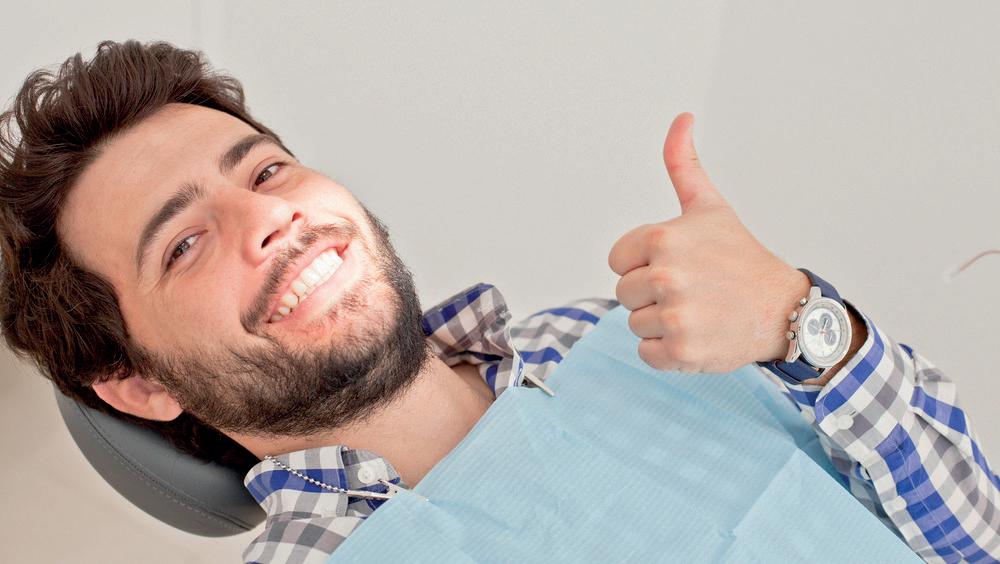
For an individual with dental anxiety, a visit to the dentist can provoke symptoms such as apprehension, irritability, defensiveness, heightened emotions and aggression, as well as somatic symptoms such as dizziness, weakness or pain.ix
Studiesx have linked dental anxiety, and related aggression, to depression. This link has been especially noted in men with dental anxiety. Clinicians are urged to note symptoms commonly associated with depression, such as low mood, a sense of hopelessness or helplessness, low motivation, fatigue, difficulty making decisions, and moving or speaking slowly.
on oral health and oral health related quality of life (OHRQoL)
The consequences to oral health of dental anxiety can be catastrophic. Even if anxious dental patients attend regular dental visits, they may avoid necessary follow up appointments to complete the required dental treatment. This avoidance of dental treatment results in a higher incidence of caries and a greater need for oral rehabilitation. Dentally anxious patients are also more likely to experience periodontal disease, chronic periodontitis, and edentulism.xi
Reduced anxiety levels have been linked with improved oral health literacy.iii A greater awareness of dental conditions has been shown to reduce patients’ experience of dental anxiety, and consequently have a positive impact on their wellbeing and oral health related quality of life (OHRQoL).
to make your practice and dental treatment more accessible to anxious patients
Many patients’ first experience of a dental practice will be through the website, advertising or other branded materials. Conveying a kind and caring ethos through these channels, with clear informationxii and friendly imagery can help to reassure patients in advance of their visit. Similarly, training for reception staff or team members who communicate with patients by phone, emails or letters, as well as in person can help to ensure a consistently approachable and friendly tone is maintained.xiii
Reducing waiting times in the clinic can help patients feel less anxious, and if they do have to wait, creating visual interest with the use of colour, soft lighting, artwork, posters, books and magazines can help to relax patients.xiii
Music can help create a calming ambience, and where possible, sounds from treatment rooms should be muted. The use of scents can help to alleviate feelings of anxiety. Lavender scent, in particular, has been shown to reduce levels of cortisol and systolic blood pressure,xiii but any pleasant essential oil scent can help to mask some smells associated with dental procedures that can trigger negative associations for some patients.xiii
Helping a patient understand what to expect can help them enhance their sense of control. The ‘tell, show, do’ technique can help shape behaviour by explaining procedures verbally, through demonstrations, showing the patient how the procedure will be undertaken, and then – without any deviation from the explanation and demonstration, carrying out the procedure. Modelling
– showing patients a video of a patient undergoing the selected treatment, and then leaving the practice to show no lasting effect – can also be highly effective. Another method to help empower patients is to stop treatment as soon as a patient gives a pre-agreed signal. This can help to increase trust between clinician and patient.xiii
Other recommendations for patients include CBT, hypnotherapy, systematic desensitisation and acupuncture. If anxiety is severe, conscious sedation or general anaesthesia can be considered.xiii
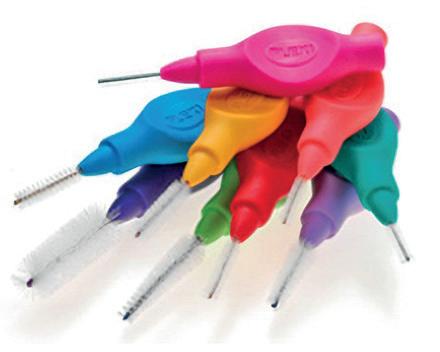
When demonstrating to patients how they can enhance their oral health, the FLEXI Educator tool from TANDEX puts power into patients’ hands. The tool reminds them which of the 11 FLEXI interdental brush size options are best for them. Using simple, friendly imagery and language indicates to patients how to keep their teeth healthy in between appointments.
Dental anxiety can have a severe impact on patients’ oral, physical and mental wellbeing. Helping them to feel more comfortable in the dental office, as well as using tools to enhance their sense of empowerment can greatly help improve their confidence.
For more information on Tandex’s range of products, visit https://tandex.dk/ Our products are also available from DHB Oral Healthcare https://dhb.co.uk/ n
References available upon request

https://cpd.the-probe.co.uk/courses/dental-anxiety/
Learning objectives
• Understand the challenges gingival hyperplasia presents to everyday life
• Recognise how select medications can lead to the development of gingival hyperplasia, and the role oral hygiene plays alongside them
• Set out an effective approach to treatment for patients with drug-induced gingival hyperplasia with acknowledgement of their wider health needs
GDC Development Outcome: A, C
It is a dental professional’s responsibility to care for problems in the oral cavity that affect the gingival and buccal tissue.
The health of the periodontal tissue can often be assessed visually, with one immediately recognisable concern being gingival hyperplasia, or the overgrowth of soft gingival tissue around the dentition. Dental professionals must be well equipped to identify the causes of this this, its potential effects on the health of the patient, and the actions that can be taken to reverse growth and restore optimal oral health.
This includes drug-induced gingival hyperplasia, which may require a more holistic approach to care.
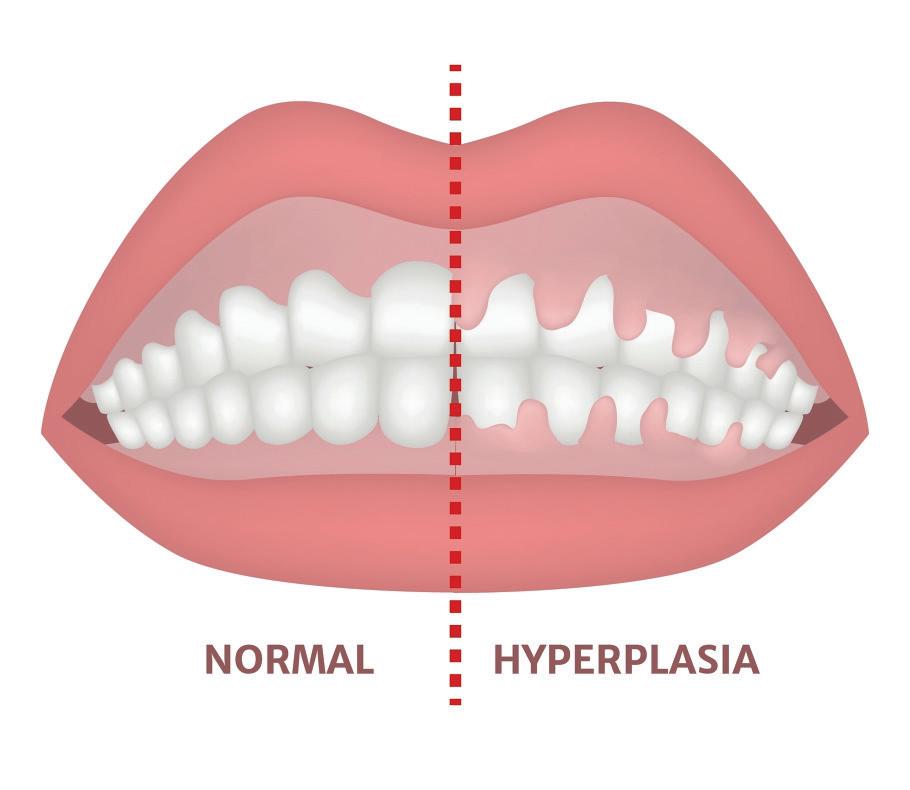
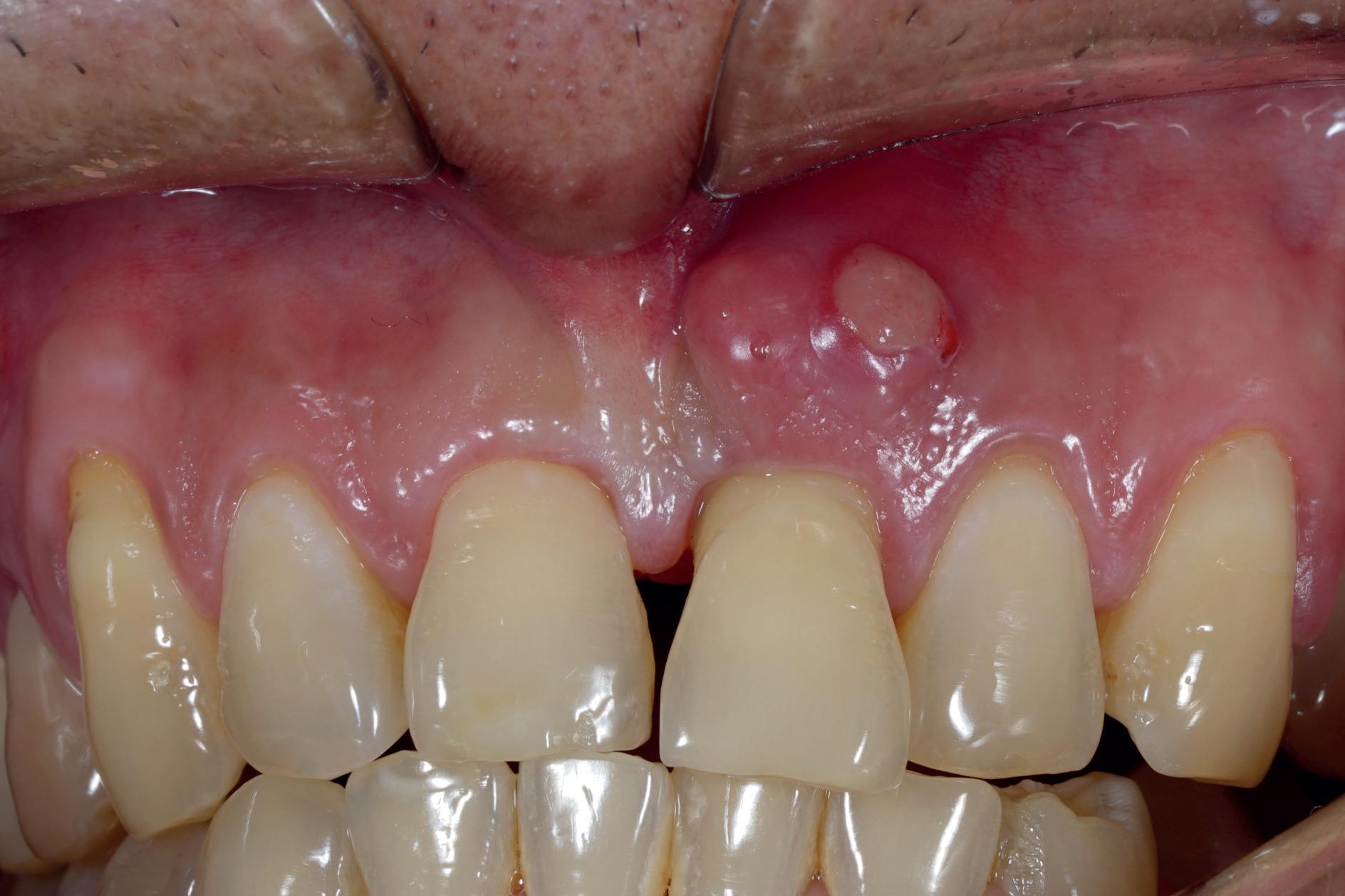
Gingival hyperplasia can have a variety of causes. The development of plaque and biofilm, and inadequate oral hygiene routines failing to displace them, is one recognised cause, but systemic diseases and a variety of medications can also play key roles.i In each case, patients may present with common symptoms: enlarged and inflamed soft tissue, which may grow over the dentition in extreme cases; gingival tissue that is tender to
touch; localised pain; bad breath; and/ or plaque build-up.ii Growth may be limited to a local site, or more generalised throughout the mouth.
Gingival hyperplasia not only affects aesthetics, but creates significant functional problems as it develops. Left untreated, the pronounced soft tissue can cover the buccal surfaces of the dentition, leading to potential tooth displacement and complicating routine oral hygiene procedures – this can lead to higher risks of periodontal diseases and caries.iii If gingival enlargement begins to interfere with occlusal and lingual surfaces, patients could experience difficulties with speech, mastication and occlusion.iii
The accumulation of supra-gingival plaque induces inflammatory responses in the individual; however, the aggression of the clinical response can vary greatly between people.iv Inflammatory responses are some of the earliest protective measures against foreign pathogensv and, in some cases, inaction towards plaque and biofilm may be enough to provoke gingival enlargement that is greater than that of typical periodontal diseases. The link to medication use is well observed in the literature. Gingival hyperplasia can occur either entirely or partly due to the use of drugs typically linked to non-dental treatments, however plaque scores and existing inflammation are seen to exacerbate results regardless of the initiating drug. vi Anticonvulsants, calcium channel blockers and immunosuppressants are the three types of drugs typically linked to gingival overgrowth.vi
Pathogenesis through each mechanism is not entirely known. Phenytoin, the anticonvulsant utilised as an antiepileptic drug, was introduced in 1938 and cases of gingival overgrowth were almost immediately observed. Other anticonvulsant agents have suffered a similar fate in reported (although rare) literature, and vigabatrin, another anticonvulsant drug, is linked with the adverse outcome despite being relatively new. Studies suggest that vigabatrin induces epithelial cell proliferation due to an overexpression of antigen Ki-67 and limits of CDK-inhibitors p27KIP1 and p21WAF1.vi Calcium channel blockers are primarily used in general healthcare to treat conditions of the heart and blood vessels and reduce the amount of calcium entering the cells of the heart and blood vessel walls.vii Links to drug-induced gingival overgrowth began in the 1980s, particularly with the medication nifedipine, amongst others.viii Nifedipine alters hormones like testosterone, creating the opportunity for cellular proliferation, and gingival enlargement ensues.ix Studies have identified that the use of fibrinogen and C-reactive protein as investigative markers can signal the level to which gingival enlargement is a result of nifedipine use and general inflammation –if these markers are elevated, it is thought that hyperplasia is caused at least in part by the medication.ix
Immunosuppressants are also well linked to gingival overgrowth. The literature notes that they interfere with gingival fibroblast function, especially concerning cytokines such
https://cpd.the-probe.co.uk/courses/managing-drug-induced-gingival-hyperplasia-2/
as transforming growth factor-ß1, interleukin-6 and -8, interleukin-1ß and fibroblast growth factor.x Low doses of immunosuppressive drugs can be safe in the long term, and are still effective for some patients’ general health. A 2020 study into the use of cyclosporin A and mycophenolate mophetil (two frequently used immunosuppressants) found that chronic use was proved to lead to gingival overgrowth, but other results in the literature differ, prompting the need for further investigation.x
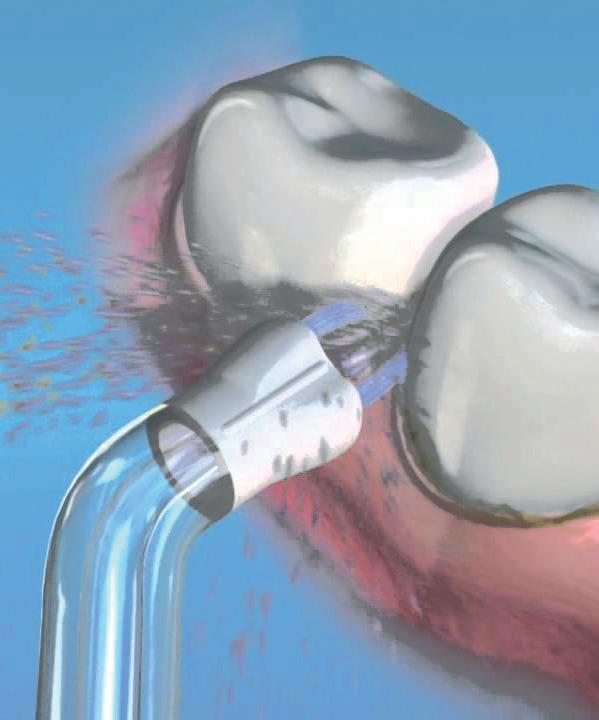
As mentioned, drug-induced gingival hyperplasia is affected by a number of other risk factors, including oral hygiene and systemic disease. Prevalence differs depending on the type of drug, though rates are clinically significant.
The use of phenytoin (anticonvulsant) develops gingival enlargement in 50% of patients, and up to 20% of patients who use nifedipine and diltiazem (both calcium channel blockers) experience symptoms.xi Another 25-30% of patients taking the immunosuppressant cyclosporin are subject to gingival overgrowth.xi
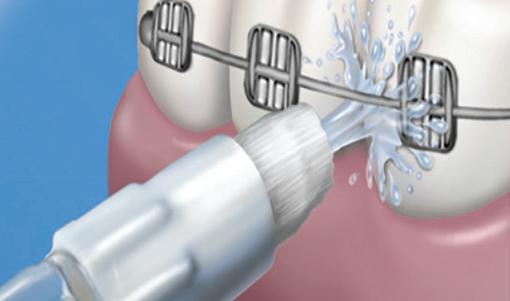
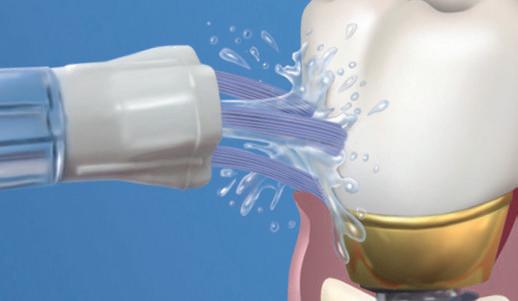
Treatment for drug-induced gingival hyperplasia will vary between patients. The first, and perhaps the most important step, is the need to provide oral health and hygiene education, and ensure plaque control is optimised to reduce plaquerelated inflammation.xii This includes regular tooth brushing, alongside the use of adjunctive interdental cleaners and mouthwashes to access difficult-to-reach crevices created by the enlarged tissue. Professional cleaning may be beneficial. Abscesses could require incisions and drainage with adjunctive antibiotics where there is evidence of the systemic spread of infection.xii
Clinicians and other general health practitioners or specialists involved in the patient’s care may collaborate to consider substituting the medication that causes gingival growth, or reducing the dose where appropriate and safe.xii Consideration should always be given to the patient’s medical health. Where growths do not alleviate with changes to the oral hygiene routine, and depending on the effect of changing/ maintaining medication, surgical intervention could be used by an appropriately trained clinician. A scalpel gingivectomy is the current gold standard
treatment, though excisional biopsies and periodontal flap surgery can also be effective given the patient’s needs.xii Postsurgical advice must include ways to keep the treatment site clean to avoid infection.
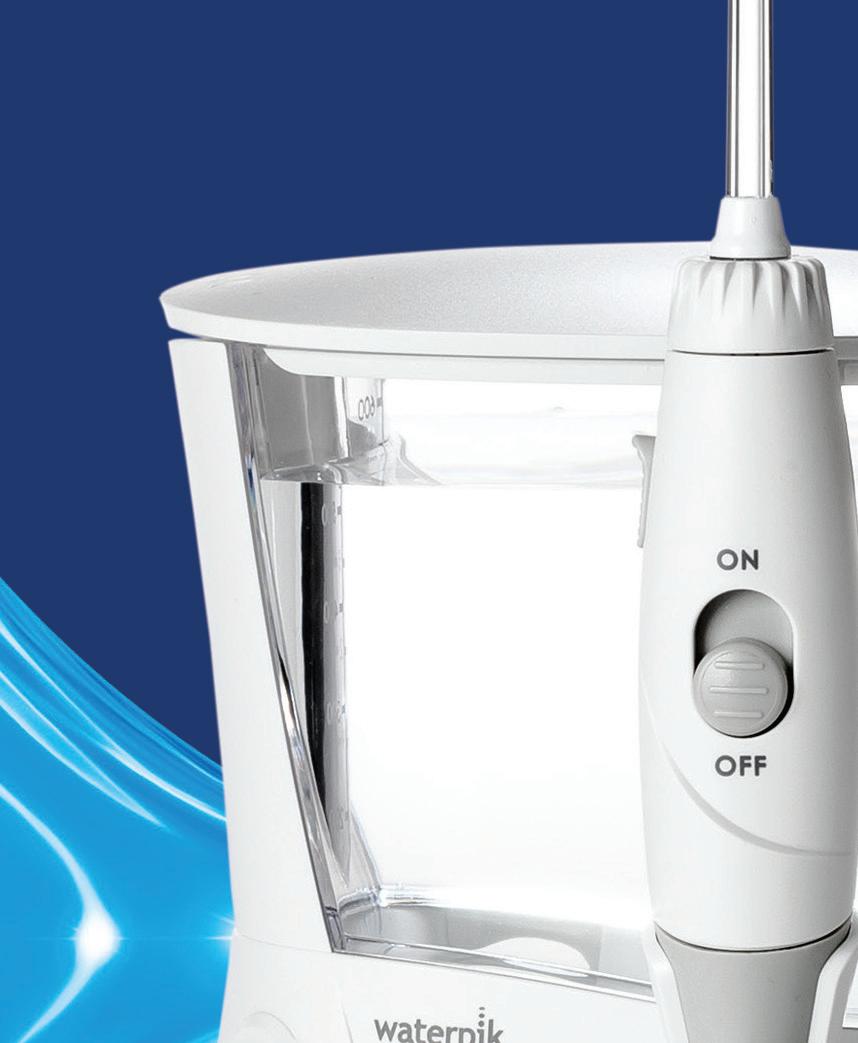
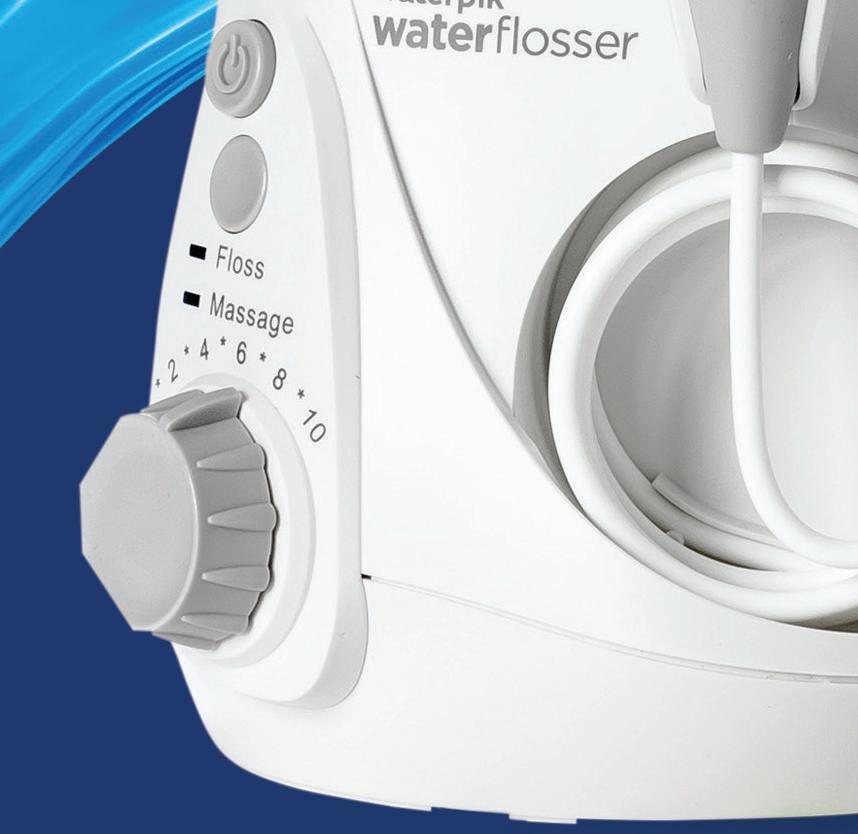
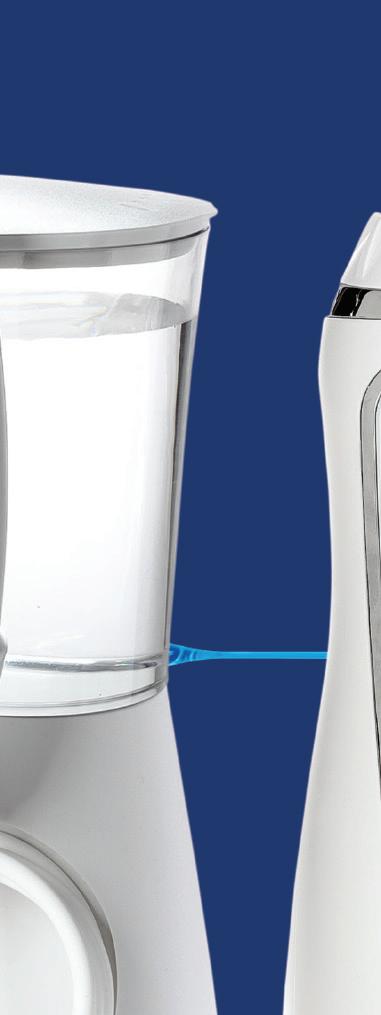
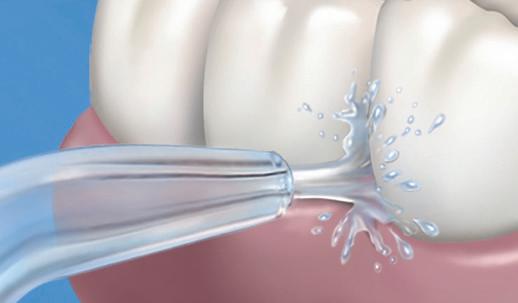
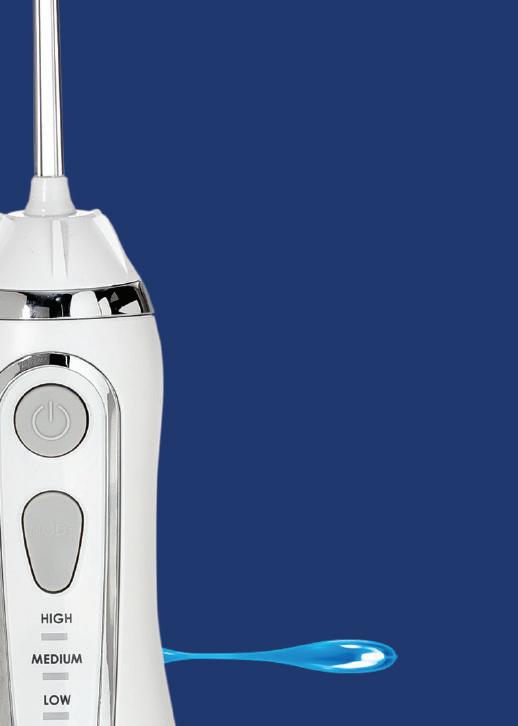
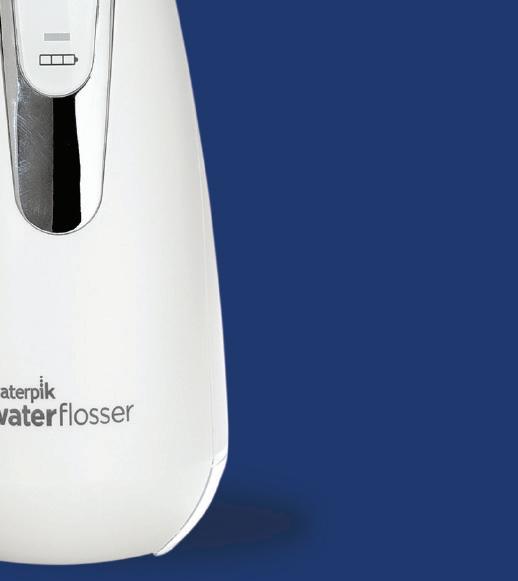
With both a surgical and non-surgical approach to recovery, oral hygiene plays an essential role. Patients therefore need tools they can trust to use to remove plaque from surfaces of the dentition. The Cordless Advanced water flosser from Waterpik™ is an exemplary oral hygiene adjunct that removes up to 99.9% of plaque from targeted areas in as little as three seconds.xiii With four pressure settings that ensure comfort around painful, sensitive tissue and surgical sites, the Cordless Advanced is an ideal solution for patients managing gingival hyperplasia, as well as those at risk of developing the condition.
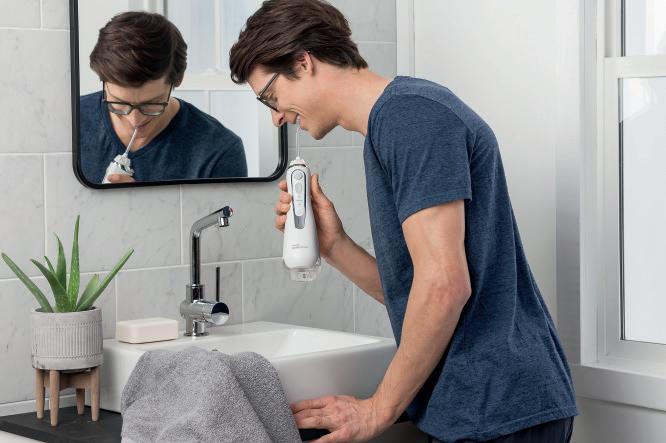
Gingival enlargement induced by medication use can be distressing and harmful to a patient’s quality of life. Supporting them whilst maintaining full consideration for their health needs is imperative, and possible through the everyday care of oral health professionals. For more information on WaterpikTM water flosser products visit www.waterpik. co.uk. WaterpikTM products are available from Amazon, Costco UK, Argos, Boots and Tesco online and in stores across the UK and Ireland. n
References available upon request
About the author
Anne Symons is a Dental Hygienist currently working in a Specialist Periodontal/implant practice and also a busy NHS surgery. She has previously worked in a Max Fax unit, and also taught Oral Health care to staff in Nursing and Residential homes.
https://cpd.the-probe.co.uk/courses/managing-drug-induced-gingival-hyperplasia-2/
first-hand account from
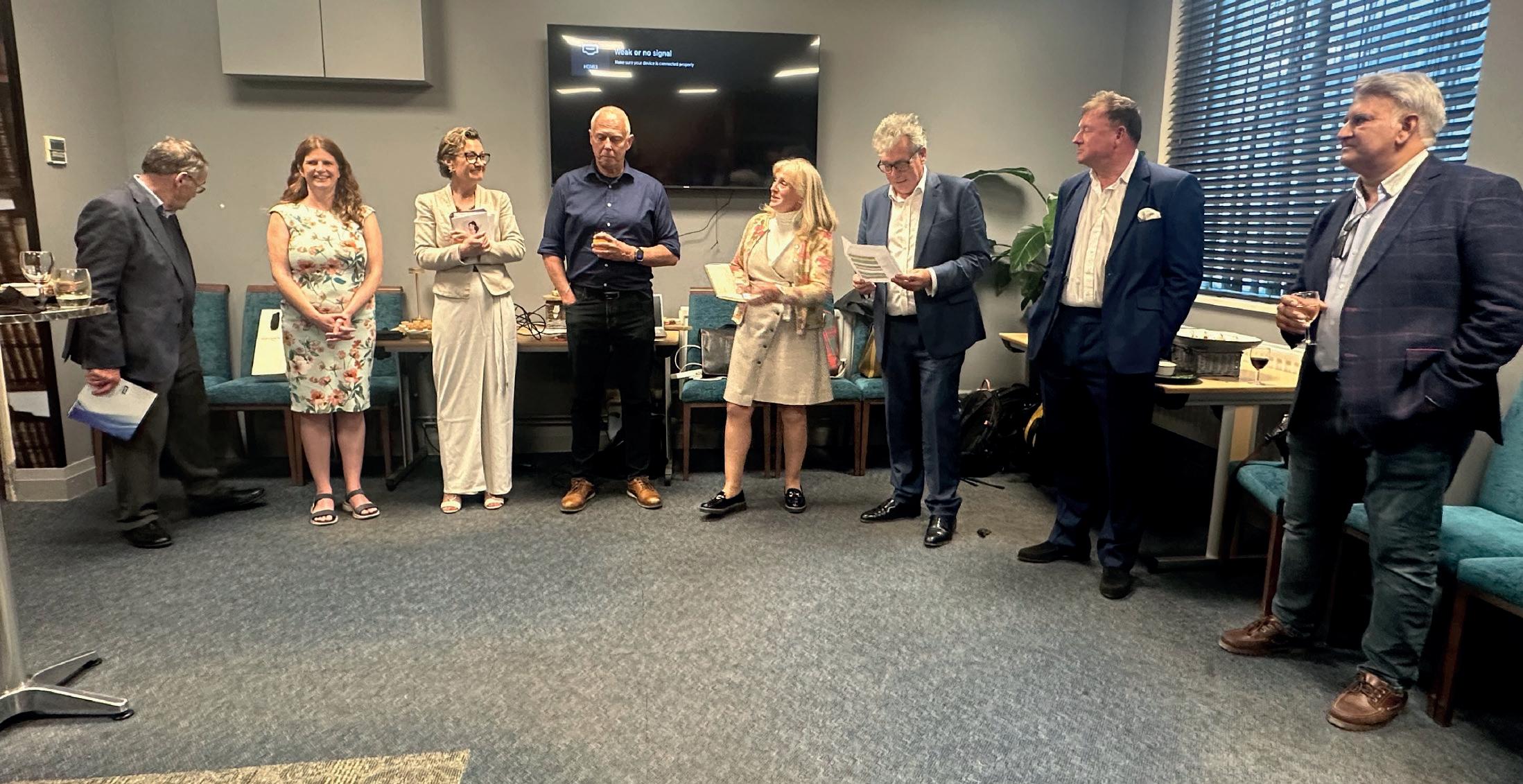
Iwas delighted to attend the ADG Dentistry Charity Reception — a wonderful opportunity for dental charities to come together, network, and showcase their initiatives.
The event provided a platform for a range of dental organisations — from The Magic Dentist and Dentaid to the British Fluoride Society, Oral Health Foundation, Smile Star, National Dental Organisation, and many more — to highlight their missions and the remarkable work they do within our communities.
A key announcement made during the reception was the exciting news that Colgate will be providing free toothpaste and toothbrushes for children for the next five years. This generous donation aims to support dental health education
initiatives and help children establish strong oral care habits from an early age.
The project has been backed by £11 million of government funding, reflecting its growing recognition as a health priority. The aim is ambitious — to reach 600,000 children, up from the 150,000 previously supported — and it’s a huge step forward in improving dental health outcomes for children across the UK.
It was a privilege to connect with so many passionate dental advocates and learn more about the important roles these organisations play in delivering dental care and education. The ADG Dentistry Charity Reception was a powerful reminder of what we can achieve when we come together to make a difference.

Shaping the Future of Dentistry: Innovation, Prevention, and Intervention
Friday 24th October 2025 • Marriott Hotel, Cardiff • Free to Attend (Wales)
Join us for a transformative day of learning, networking, and forward-thinking at the All Wales Dental Team Conference 2025. This year’s theme focuses on how we can embrace innovation, champion prevention, and enhance clinical intervention for the whole dental team.
The Annual All Wales Dental Team Conference will bring together the whole of the Dental team - This year’s theme, “Shaping the Future of Dentistry: Innovation, Prevention, and Intervention”, will discuss the transformative impact of Artificial Intelligence (AI), providing valuable insights for dental care professionals ready to embrace this technological shift. In addition, we will explore 3D printing, CAD/ CAM technologies, and digital workflows. With 6 hours of CPD, the conference will also focus on prevention and intervention strategies to help your patients reduce risk behaviours and improve their oral health outcomes.
Join us for a transformative day of learning, networking, and forward-thinking. To register and book your place scan the QR code.
Contact Lynne O’Sullivan Lynne.Osullivan@wales.nhs.uk for more information.




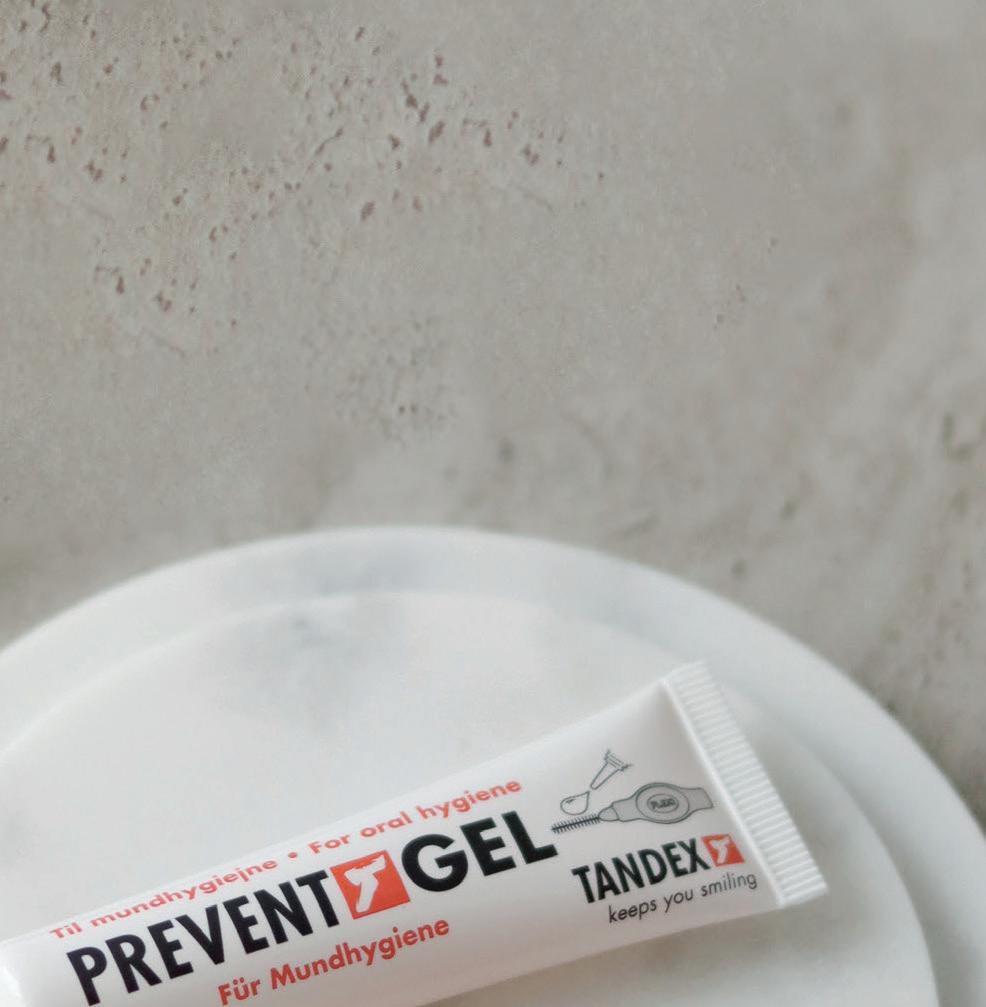

The couple that helps you to achieve even better oral hygiene

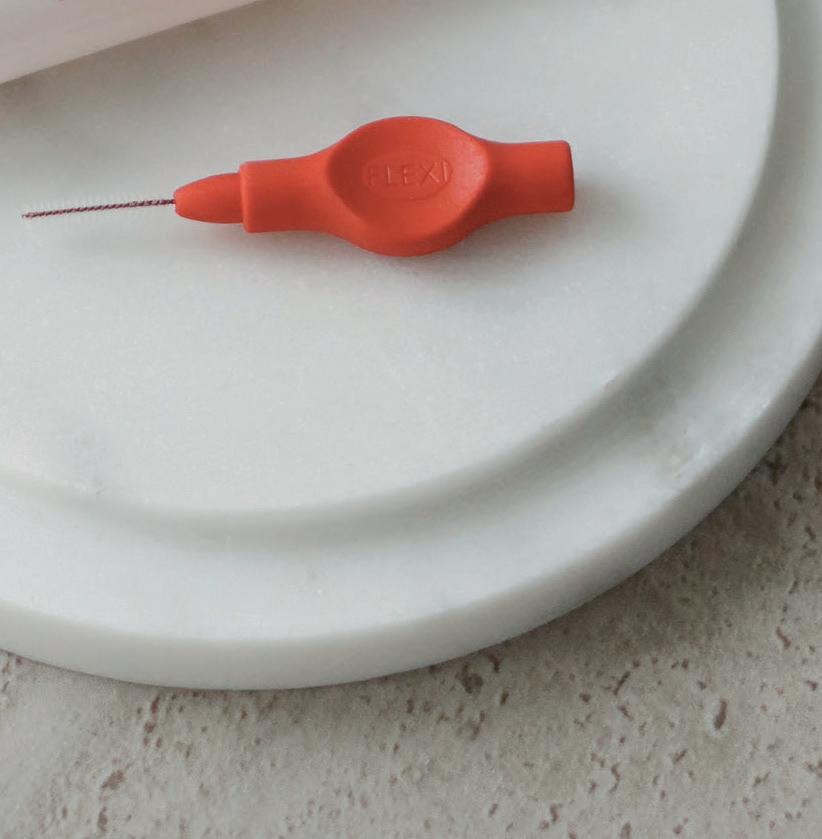


FLEXI
• The special flexible handle makes it possible to angle the handle to achieve better and easier access to all interdental spaces.
• The non-slip handle ensures good grip, even when fingers are wet.
• All brushes have plastic coated wire. This ensures no metal is in direct contact with teeth and gums, thus making them much more comfortable to use and preventing dental injuries.
• 11 sizes ensure that all needs are covered.
• Strengthens the enamel and has an anti-bacterial effect.
• 0.12% chlorhexidine and 900 ppm fluoride.
• The consistency combined with the needle shaped tube end make it easy to apply directly on the FLEXI brush and use wherever needed.
• Pleasant taste of peppermint.
• No alcohol or abrasives.
The 2025 Dentistry Show, held at the NEC on 16-17 May, was the biggest and best dental exhibition in the last few years, according to many. The organisers included all the members of the dental team – including dental nurses, with the Dental Nurse Forum and Dental Nurse Lounge.
This year’s Dental Nurse Forum, hosted on the Saturday by BADN, had a wide range of presentations. The Saturday programme started with Pam Swain’s Stealth Bullying presentation. Dr Debbie Reed RDN, former BADN Chair, and current Chair of the College of General Dentistry’s Dental Nurse Faculty, spoke on Dental Nurse Career Pathways and Routes to Recognition, covering in her presentation the CGDent Career Pathway and the BADN Fellowship.
BADN President Preetee Hylton RDN delivered her own presentation:
‘Dental Nurses – Glorifi ed Cleaners or Skilled Professionals?’, chaired the panel assisting dental nurses to ‘Find Your Fire, Shape Your Future’ along with Faiza Khatidja Arshad RDN and entrepreneur and Jo Dawson RDN, and stepped in to deliver the ‘Sexual Harassment – What has Changed in Law’ presentation for Rebecca Silver RDN.
The last presentation on Saturday, sponsored by NEBDN, “Knowing Me, Knowing You”, was from personal development coach Sarah Kenyon, an Institute of Leadership & Management certified business coach.
Finally, special mention goes to BADN member Rachel Dilley RDN, Chief Executive and Co-Founder of the Liberty Dental Group, who spoke on the Friday about her own personal journey from dental nurse to practice owner, the obstacles she had faced and empowering other dental nurses to follow in her footsteps.








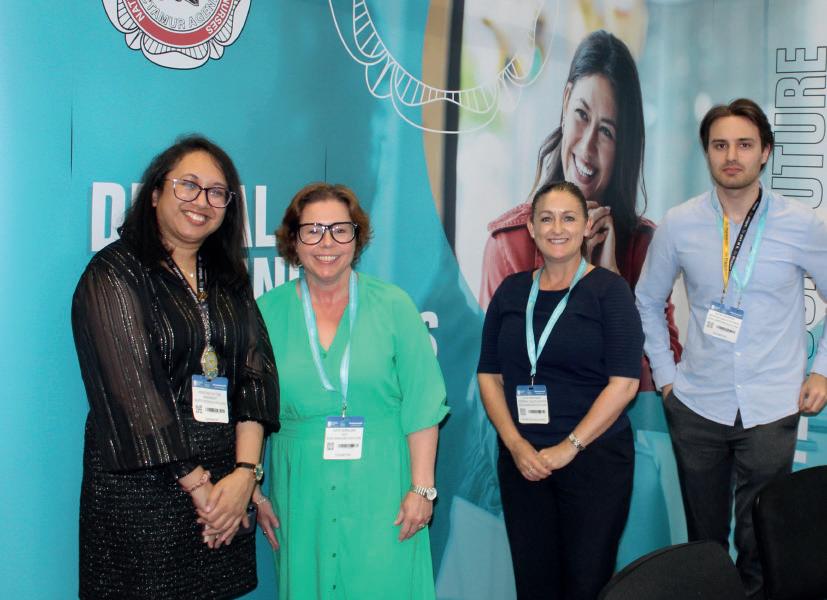













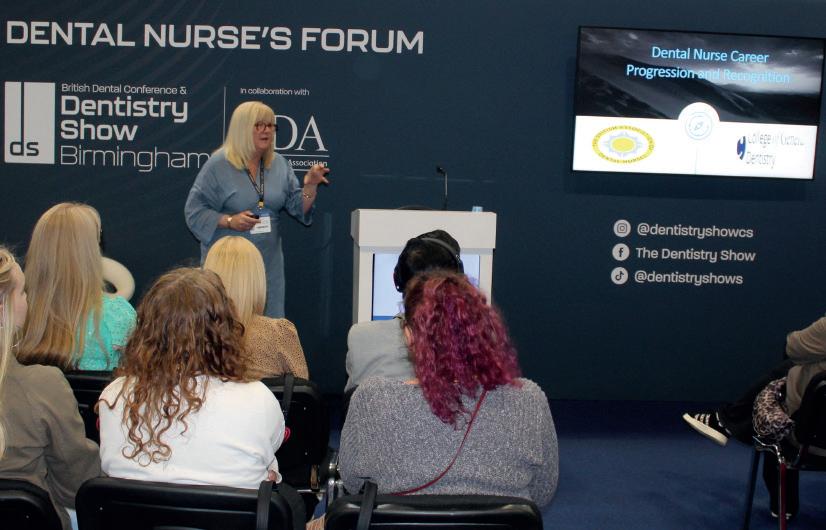





































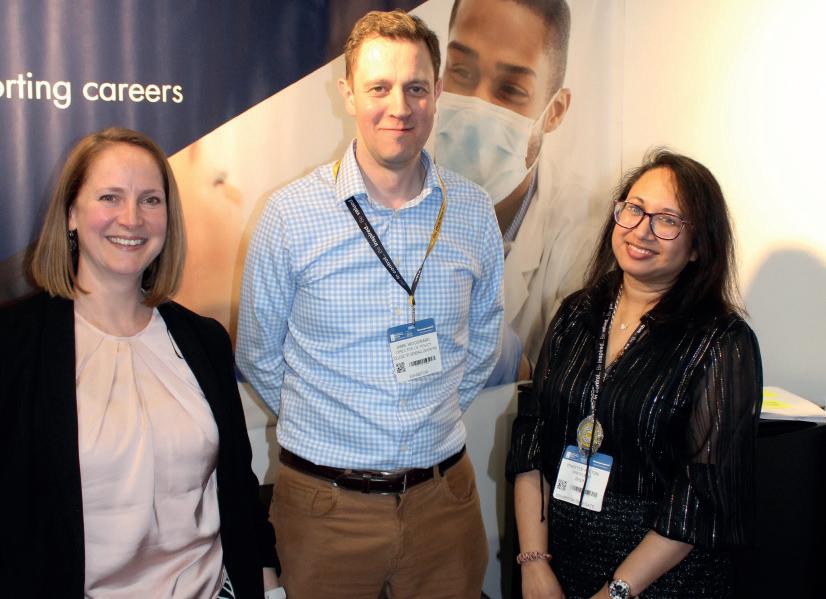



































As some of you may know already, we have launched another app, specifically for accessing all of your rewards and discounts. You should have received an email by now inviting to verify your account and download the app onto your phone.
This is a separate app from the BADN app so please do have both to have the full membership experience. You will still be able to access your rewards via the members area.

Along with all the benefits you know and love, our new discount gift card solution Everyday Savings is live on the app, allowing you to buy a gift card for your supermarket and high street favourites with just a few taps on your phone! Brands include ASDA, Tesco, B&M, Boots, Costa, Farmfoods, Greggs, Iceland, Morrisons, Primark, Sainsburys, Sports Direct, and many more.









1 Lammas 4 Bank Holiday (Scotland only)
BADN Panel of Representatives meeting
National Fresh Breath Day 7 NEBDN OSCE (June 25) appeals deadline
8 Closing date for NEBDN Post-Reg RoC and Exam entry (Sept 25)
12 BADN Executive Committee meeting 22 National Tooth Fairy Day 25 Summer Bank Holiday (not Scotland)
2 BADN Panel of Representatives meeting
5 NEBDN Post-Registration exams
7 Grandparents’ Day
10 World Suicide Prevention Day
11-12 British Society of Paediatric Dentistry Conference, London (https://www.bspd.co.uk/Professionals/ Annual-Conference)
13 Sepsis Awareness Day
18 OX180925DNF “The Role of the Dental Nurse in Safeguarding” – Rebecca Silver 22-28 Organ Donation Week
22 Rosh Hashanah (Jewish New Year) begins (ends 24 Sept)
27 BADN Coffee CatchUp
Menopause Awareness Month; Breast Cancer Awareness Month
1-7 National Vegetarian Week
2 Yom Kippur
2 NEBDN Post-Reg exam (Sept 25) results 3 World Smile Day
3 Copy date for Autumn 2025 edition of the British Dental Nurses’ Journal (pam@badn.org.uk)
3-4 Dentistry Show London (DSL) , ExCel London (www.london.dentistryshow.co.uk)
7 BADN Panel of Representatives meeting
9 OX091025DNF “Medical Emergencies and the Role of the Dental Nurse” – Lynn Fox
9-15 Baby Loss Awareness Week
10 World Mental Health Day
10 Closing date for NEBDN Diploma RoE and Written Exam (Nov 24)
Key
BADN – see www.badn.org.uk
UK Bank Holidays
New Year/religious dates – which are not UK Bank Holidays. If your faith is not represented, please send dates of New Year and/or the three major religious festivals to events@badn.org.uk.
Other dental dates – to add your event to the Calendar, please send details to events@badn.org.uk
Other notable dates which are not UK Bank Holidays
NEBDN – contact www.nebdn.org for details
NHSE South (Ox/Bucks/Berks/Hants/IoW Dental Nurse Forum 2025 – to book http://www.maxcourse.co.uk/heetvw/guestHome.asp
BADN Chief Executive & Editor, British Dental Nurses’ Journal: Pamela Swain 01253 338365
Membership, journal subscriptions, invoicing:
Val Forshaw 01253 338366
BADN events, social media, website, IT matters, etc:
Jacek Drozdek 01253 338364
pam@badn.org.uk
val@badn.org.uk
jacek@badn.org.uk events@badn.org.uk
General Enquiries enquiries@badn.org.uk
Our phone lines are very busy! If you are put through to voicemail, please leave a message stating your name, BADN membership number, and contact phone number, and we will get back to you as soon as possible – please do not hang up; or keep ringing round all the various phone numbers and hanging up – this just blocks the system!
Should you wish to contact members of the BADN Executive Committee, please do so via the BADN office or use the email addresses below – for reasons of of privacy, work/life balance, etc, please do not use the individual concerned’s personal home or work email address:
President (Preetee Hylton) & Immediate Past President (Joan Hatchard) president@badn.org.uk
Chairman (Michelle Brand) chairman@badn.org.uk
Treasurer (Ruth Garrity) finance@badn.org.uk
Educational Representative (Jane Dalgarno) education@badn.org.uk
For queries regarding BADN Rewards, please contact Katie Alvarez at Parliament Hill at katie@parliament-hill.co.uk
For queries regarding CPD in the Journal, or access to the CPD certificates, please contact Lorna Reekie at Purple Media on lorna.reekie@purplems.com.
For queries regarding indemnity, please contact Trafalgar Risk Management Ltd on trmadmin@trafalgar.uk.com
To advertise in the Journal, please contact Ed Hunt at Purple Media at ed.hunt@purplems.com
To obtain your long service member badge (5, 10, 15, 20, 25 years), please go to www.badn.org.uk/longservicebadge and complete the claim. You will then receive an email from Val confirming your eligibility and requesting an SAE. Please put a Self Addressed Envelope, with stamps to the value of £1.05 (second class mail) or £1.45 (first class mail), together with a note of your name and BADN membership number, into a second envelope addressed to the BADN office and with “BADGE” written in the top right hand corner of the outer envelope. Remember to stamp the outer envelope too!
To obtain your hard copy of the CPD Activity Log, Personal Development Planner or Menopause Policy, please go to the online shop in the members’ area of www.badn.org.uk, where you can order any or all of these for the just cost of P&P
You can obtain replacement membership badges (£5), 80th Anniversary brooches (£10.50) and BADN Bundles containing a BADN pen, coaster and keyring with trolly pound (£5) from our online shop at www.badn.org.uk/membershop
Our new address is:
BADN 13-15 Preston Street Fleetwood FY7 6JA
Our phone numbers and email/web addresses will remain the same.
Please don’t send any hard copy correspondence to the old Hillhouse address – the building is due to be demolished, and we wont be able to get back on site to collect mail!





Buy 2 get 1 free (while stocks last)
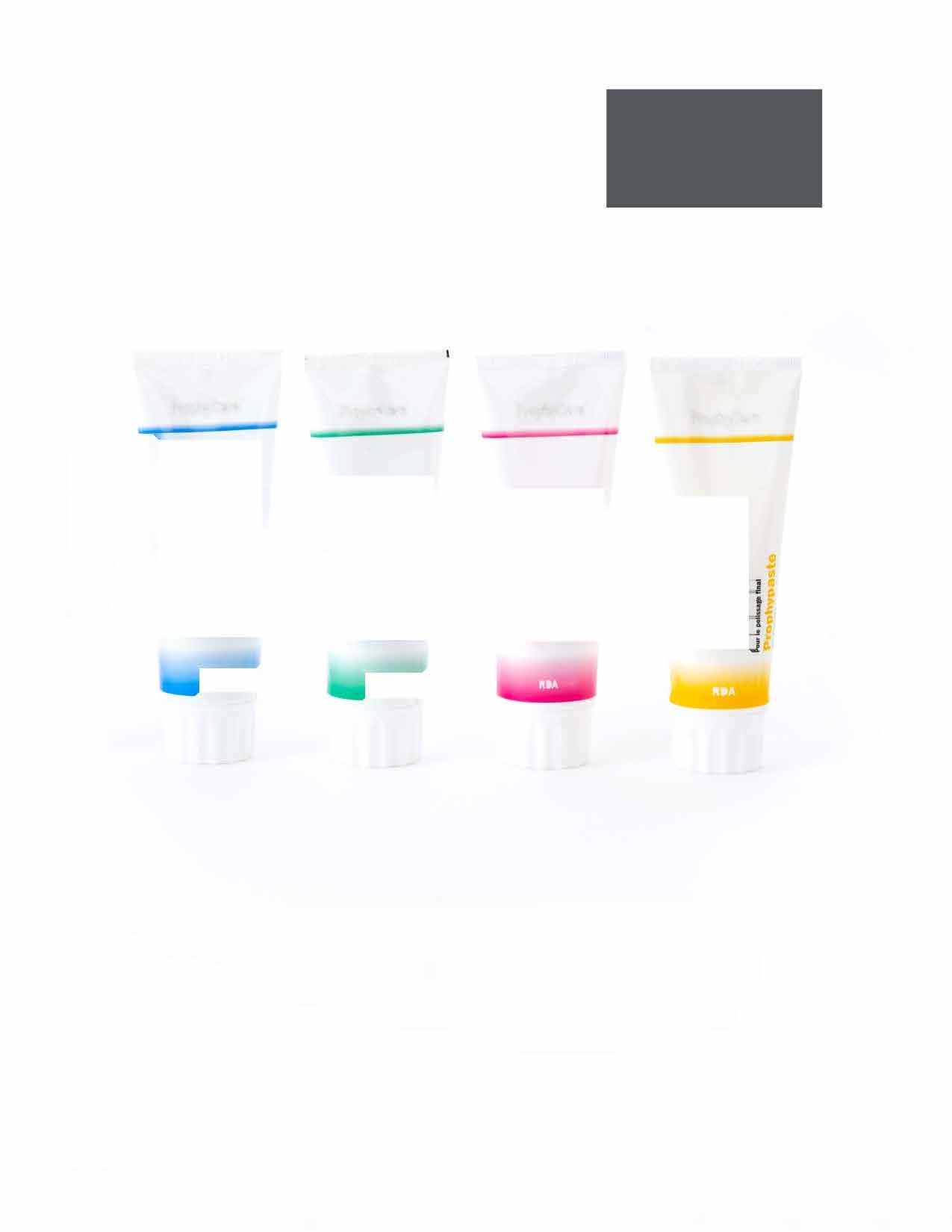
Directa’s ProphyCare, is one of the most well-known brands of prophylaxis paste worldwide, offering reliable results ranging from regular cleaning of the teeth to more complicated implant maintenance procedures.ProphyCare pastes are available in different grits from coarse to extra-fine and are colour coded for easy identification. All ProphyCare pastes have a mild minty taste and do not splatter, it stays in the polishing cup during the treatment.

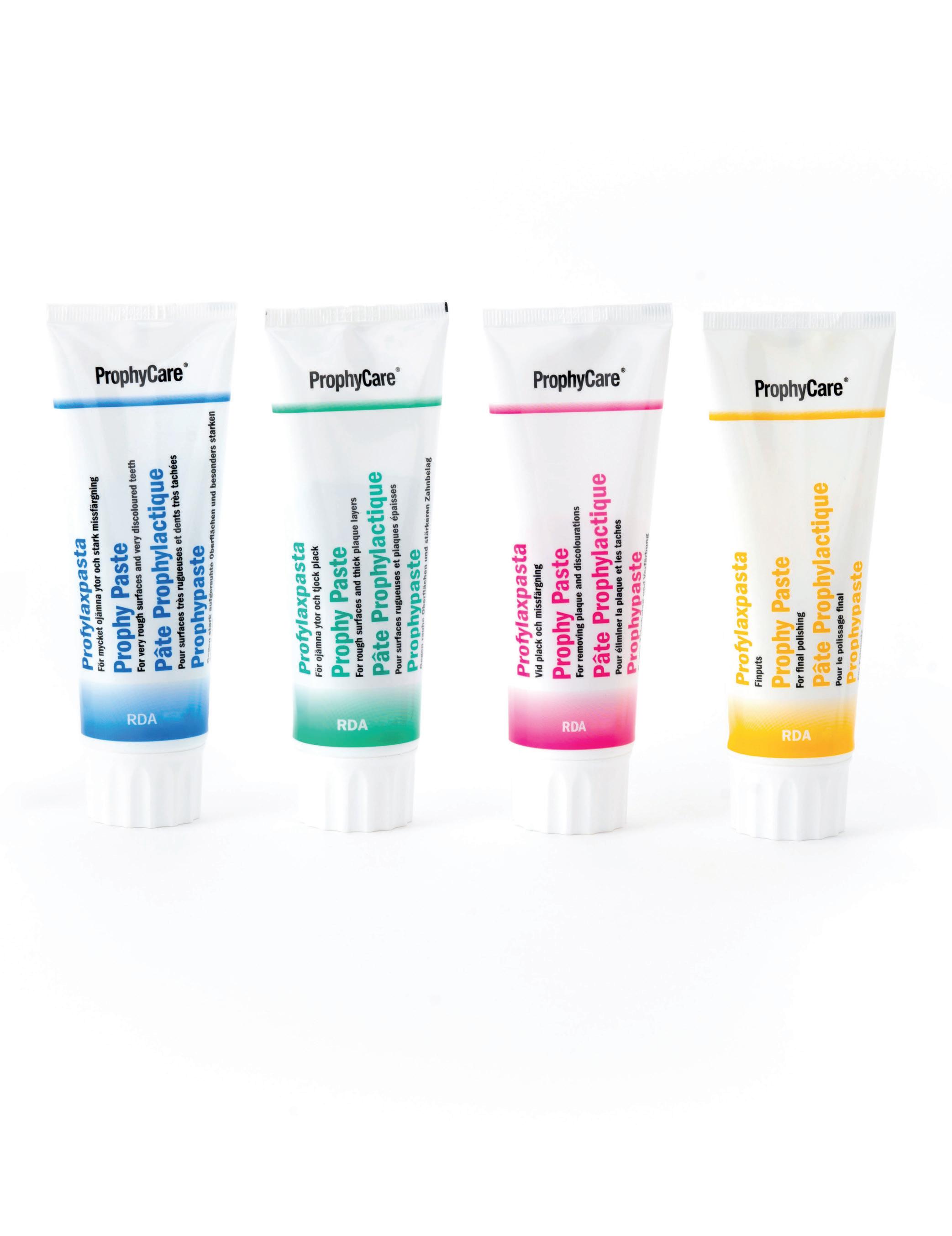

To order scan the QR code for DD Group website For more information scan the QR code or go to www.directadental.com