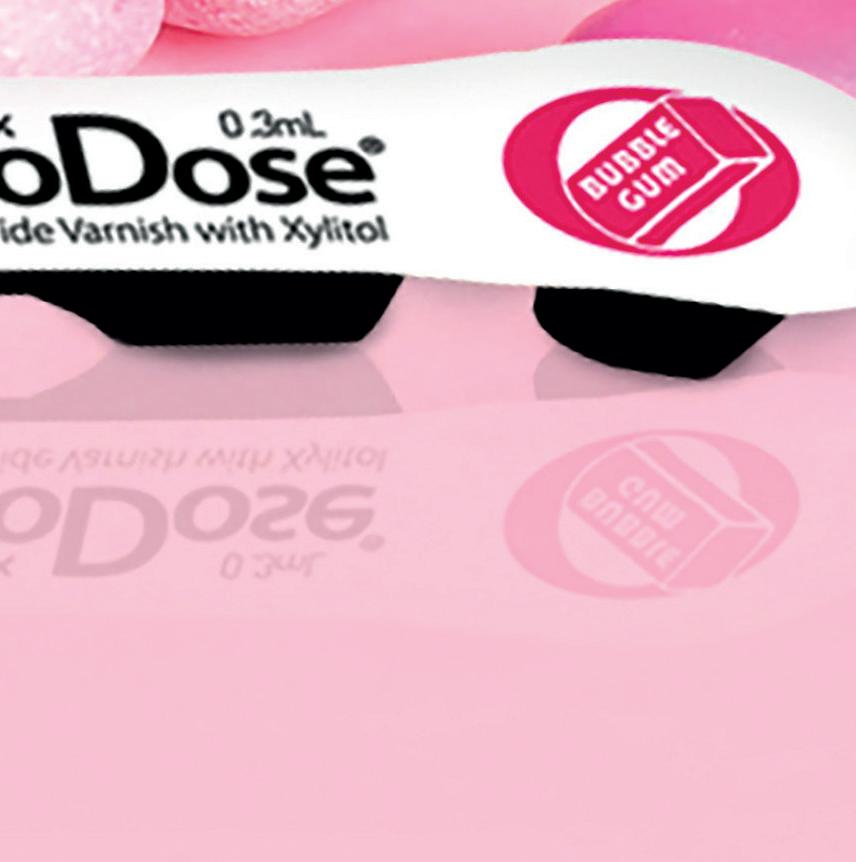
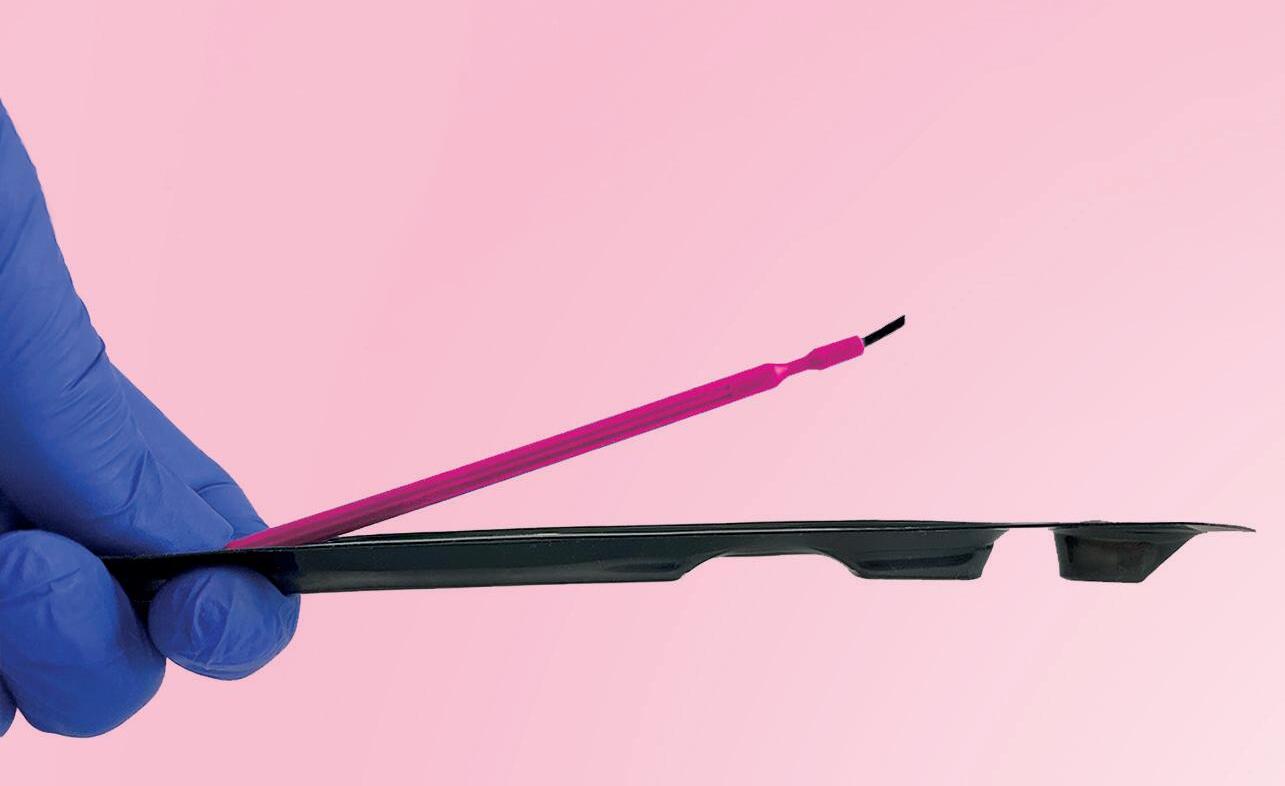
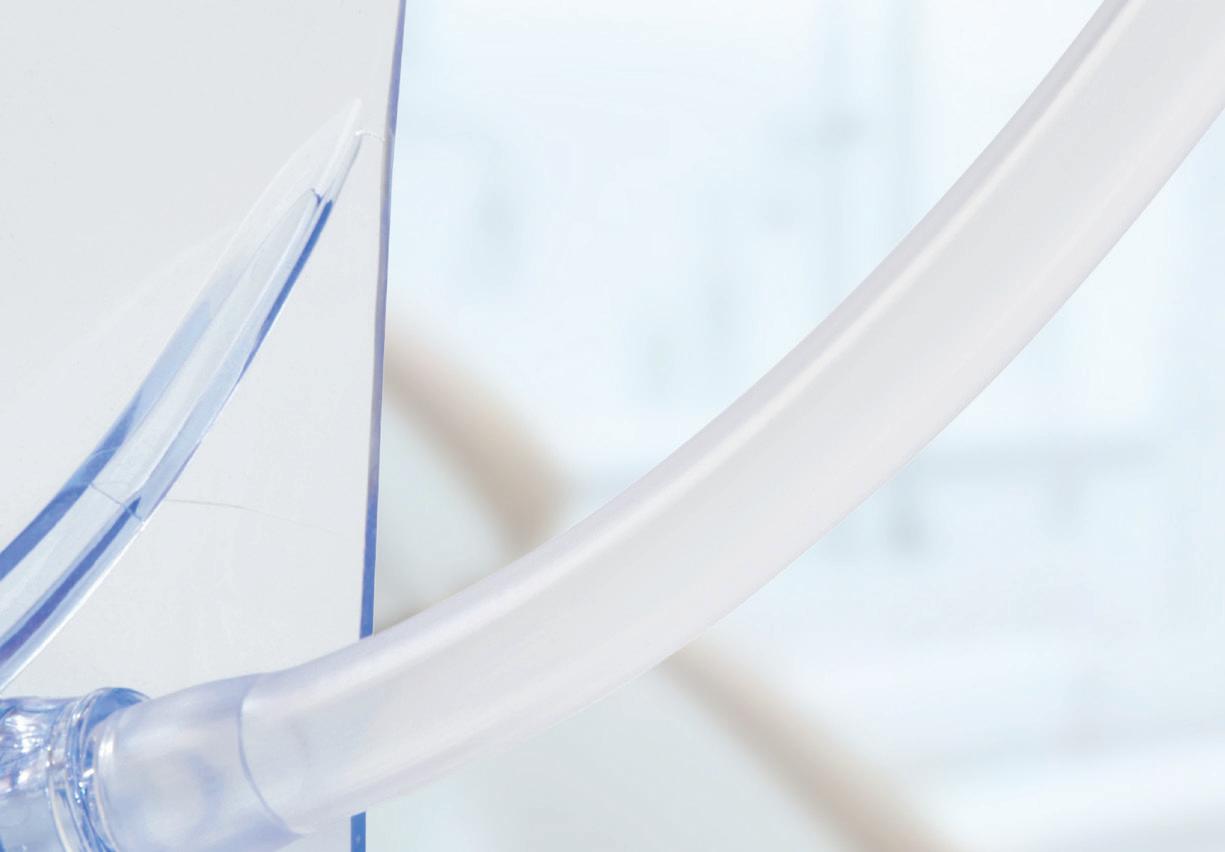
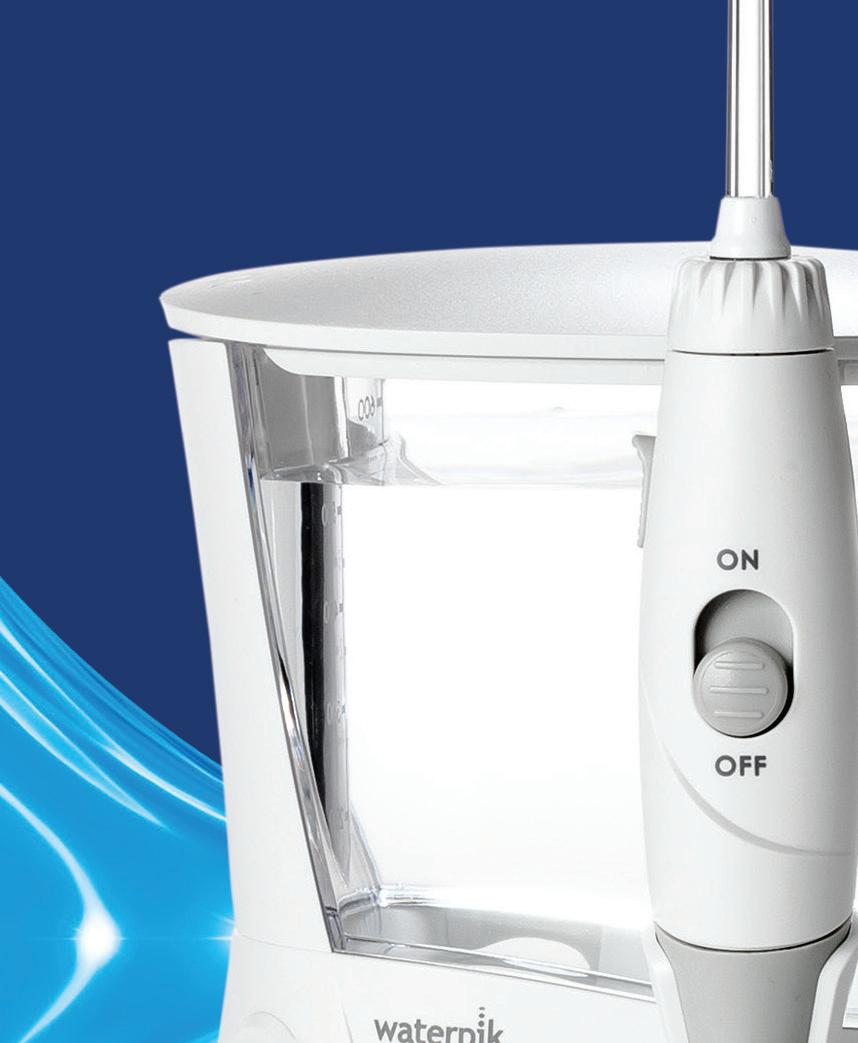
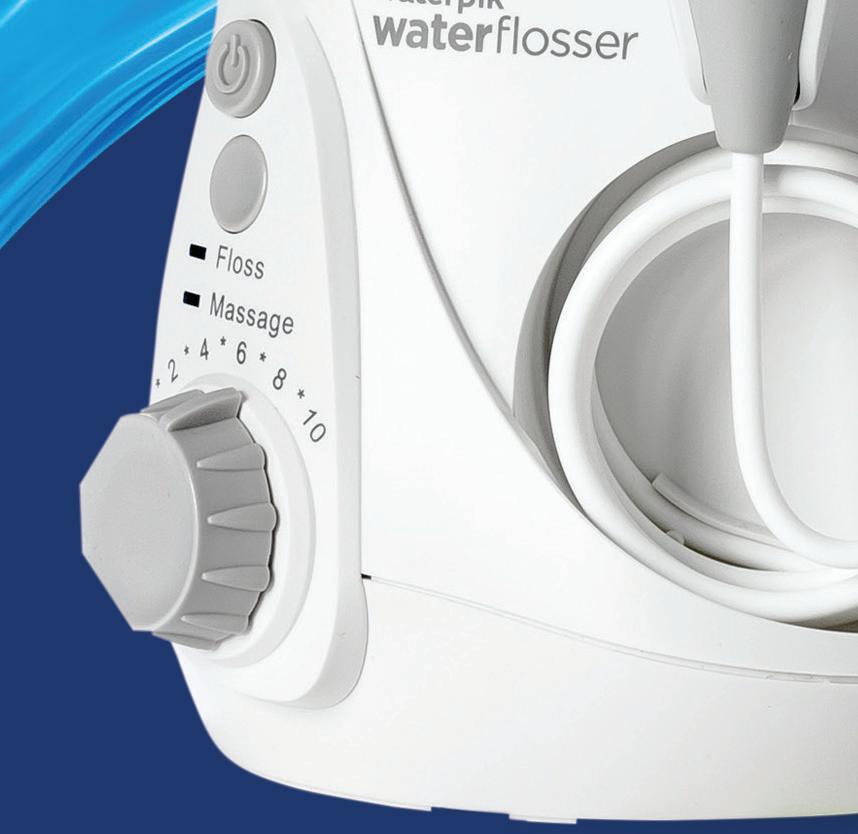
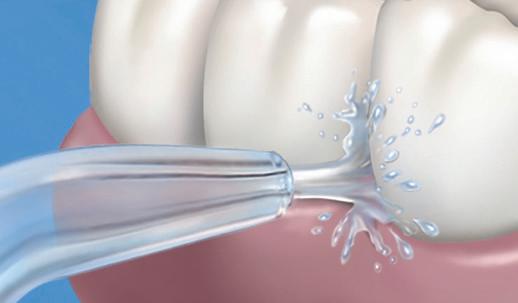
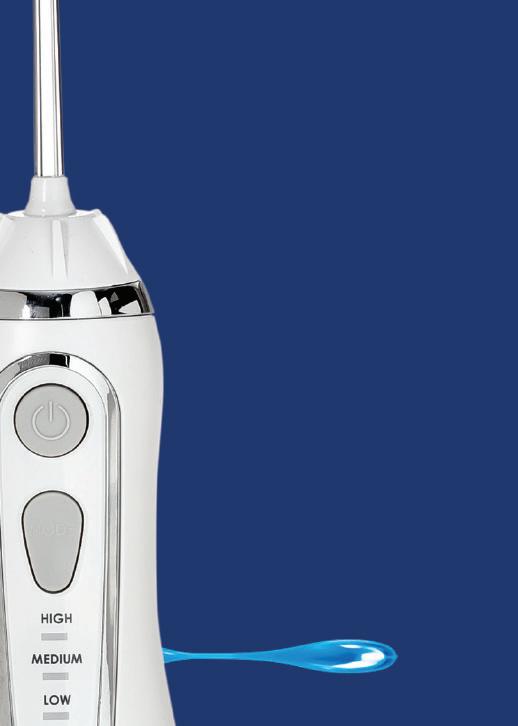
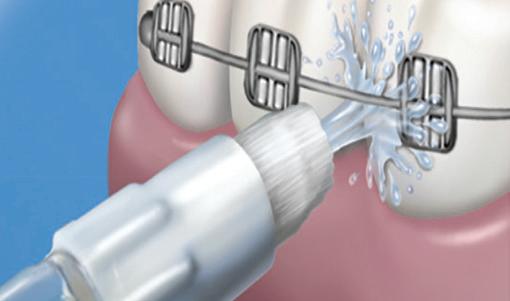
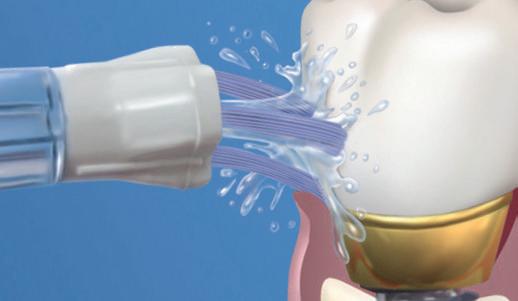
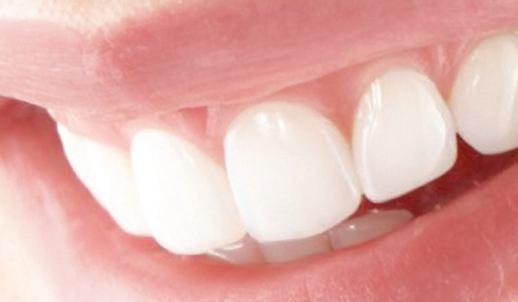
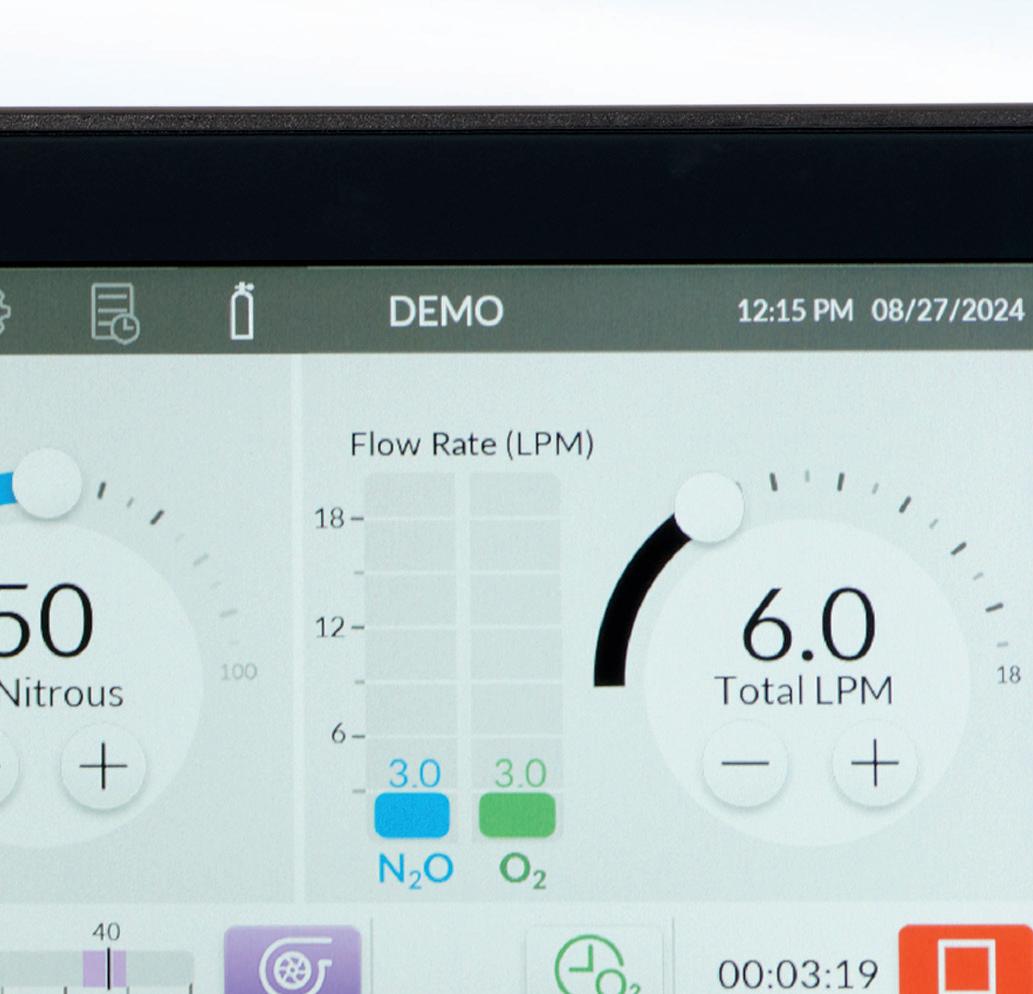
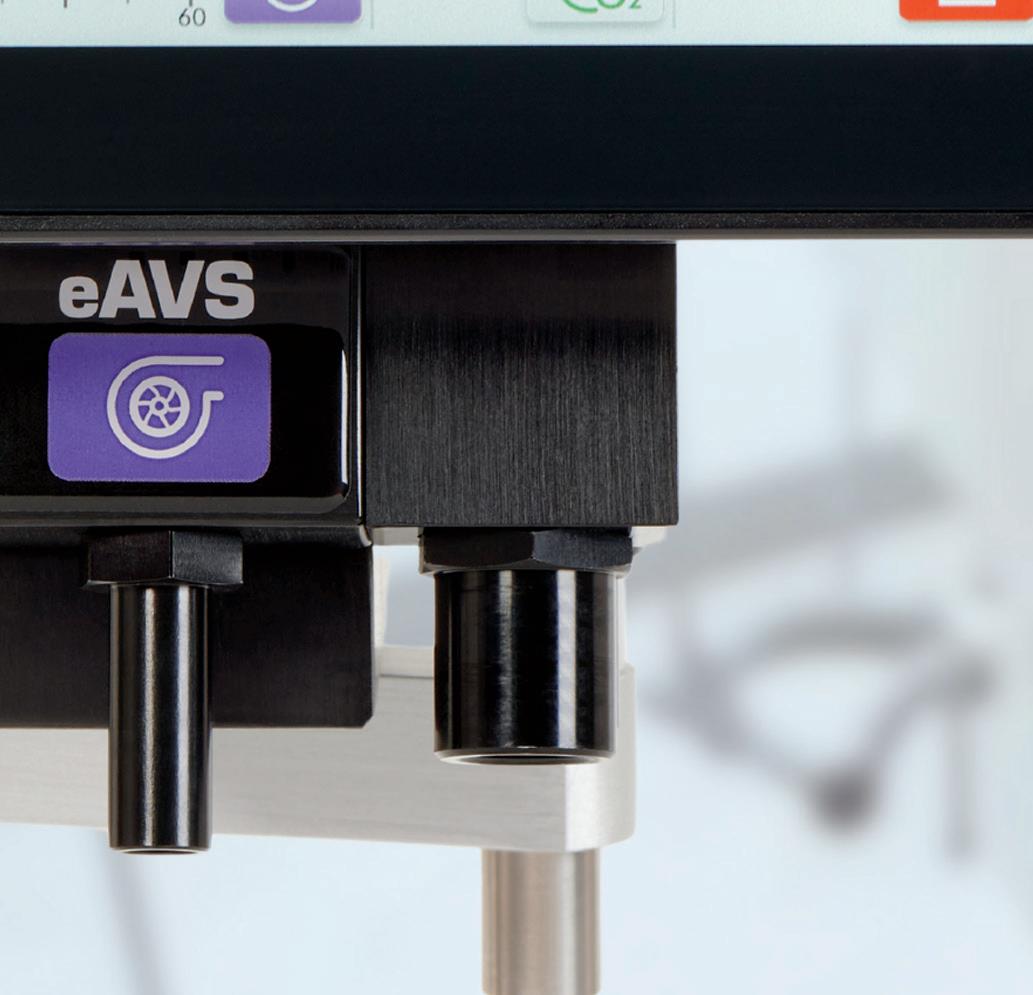
Engineered to make every application easier, safer, faster and more comfortable. Clinicians love that it is smooth, not clumpy. Patients love that it tastes and feels great.
Application takes less than 45 seconds! Exclusively
Education Representative Jane Dalgarno RDN MSc education@badn.org.uk
For Executive Committee member biographies, please go to the About Us page of the BADN website: www.badn.org.uk
Executive Editor: Pamela Swain MBE MBA FCMI
Managing Editor: James Cooke
Group Sales: Gary Henson
Production Designer: Rob Tremain
Divisional Administrator: Francesca Colclough
Managing Director: Ed Hunt
Front Cover:
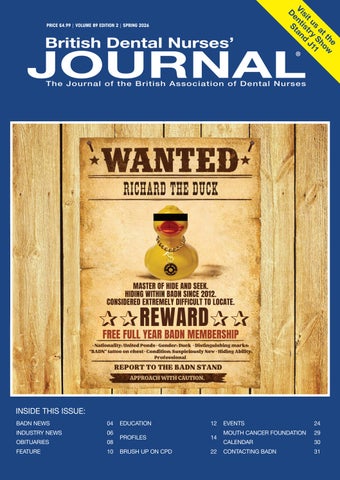
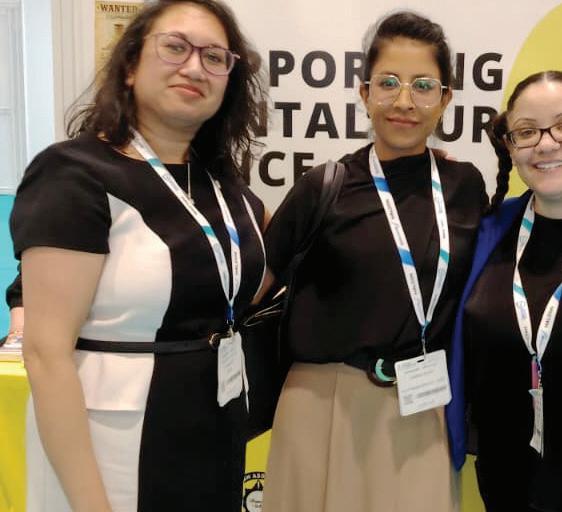
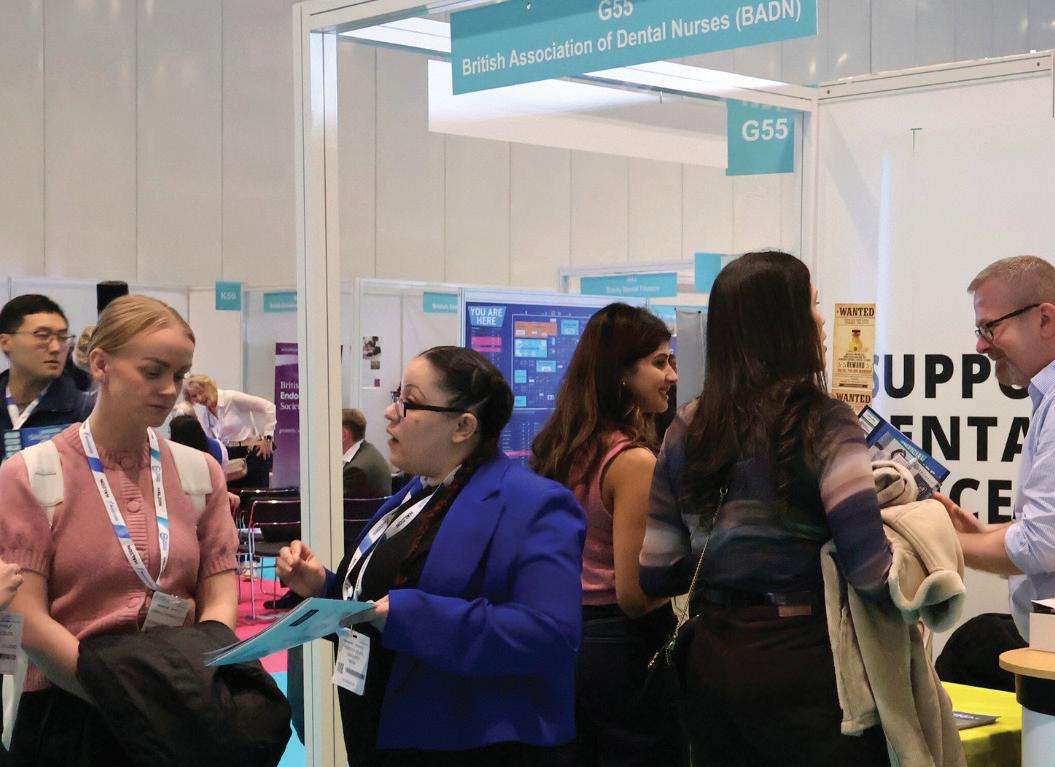
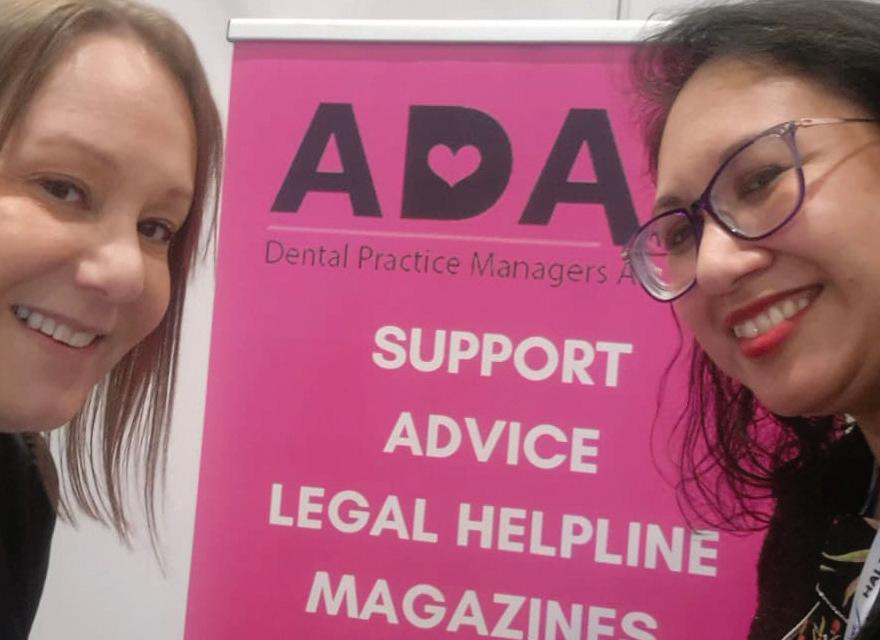
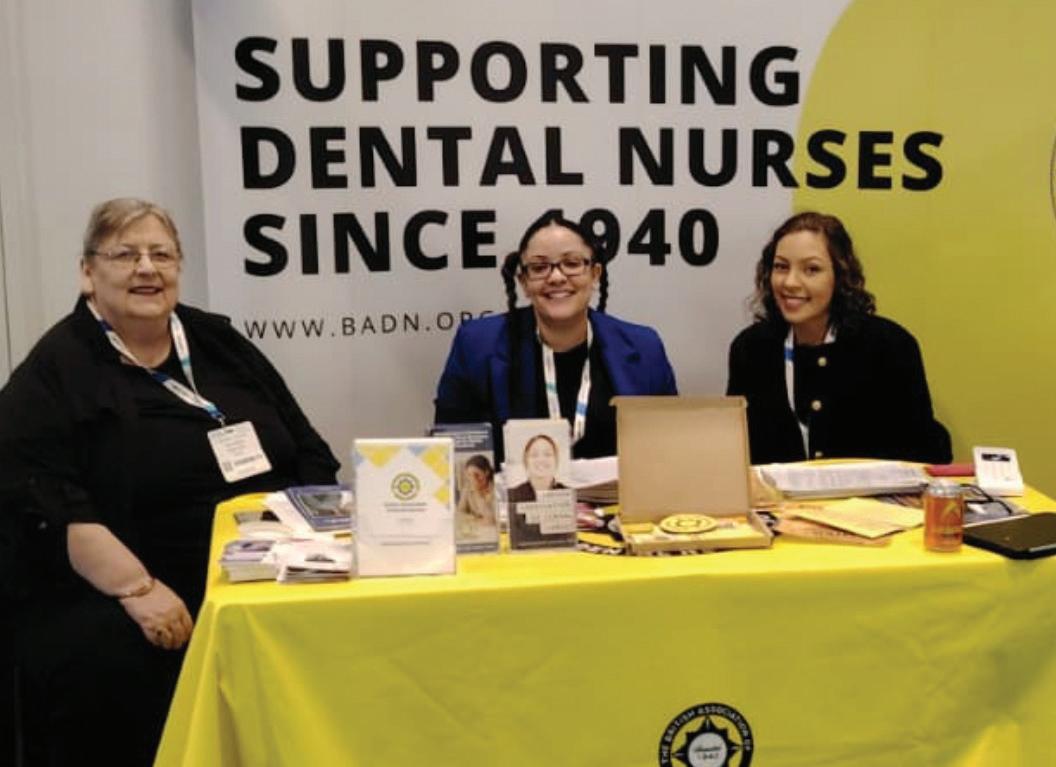
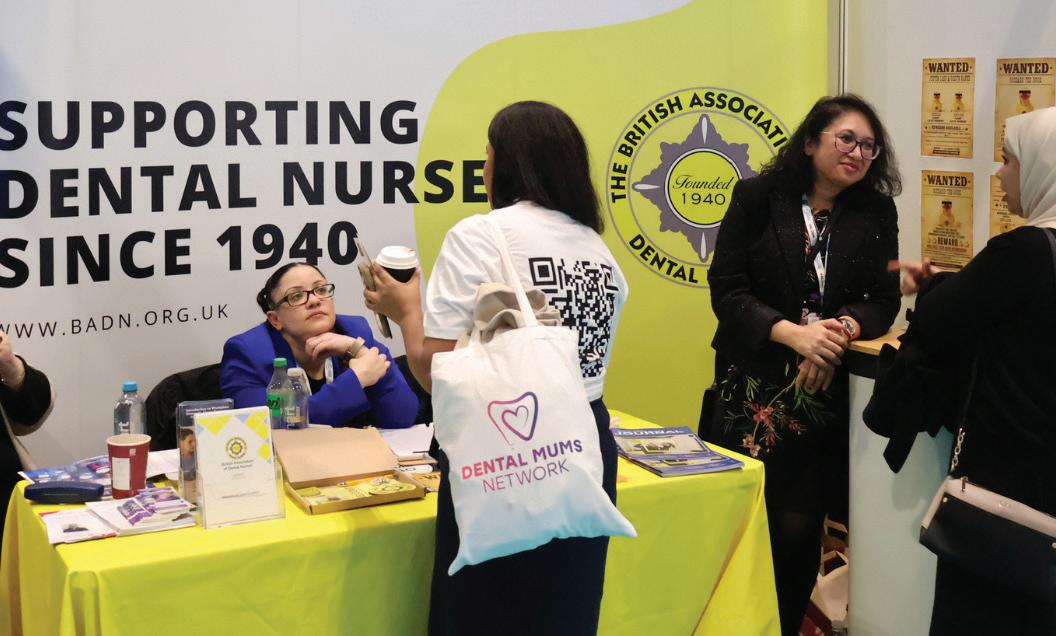
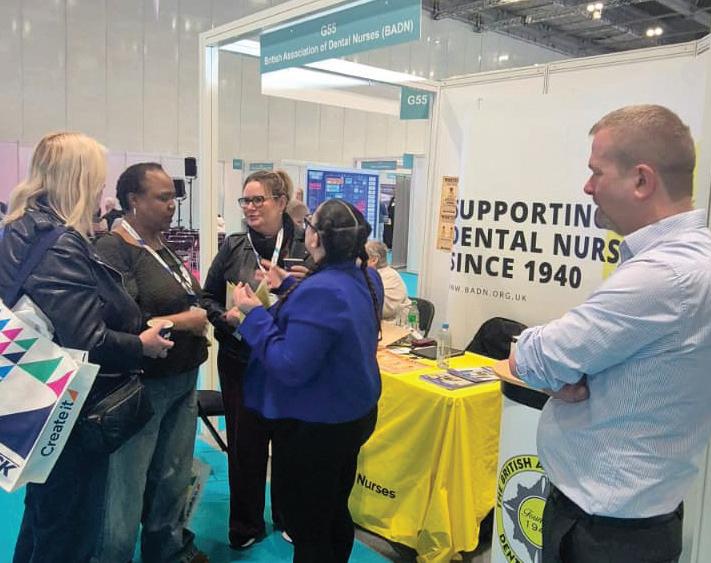
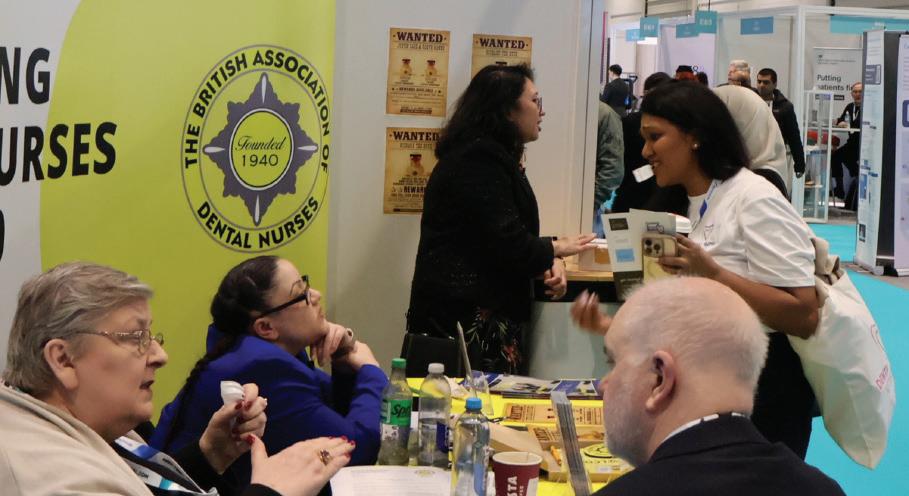
Find our missing ducks at the British Dental Conference and Dentistry Show to win a year’s free BADN membership.
How quickly the months pass us by! As we move further into the year and begin to welcome lighter mornings and longer days, there is a quiet sense of renewal in the air. It gives us a valuable moment to pause, not only to look ahead, but to reflect on how we continue to show up as professionals, as colleagues, and as leaders within oral healthcare.
At the start of the year, I had the privilege of attending the Chief Dental Officer’s Scientific Conference in Sheffield. It was a wonderful opportunity to reconnect with colleagues and be part of meaningful conversations about the future of our profession. There was a very real and honest acknowledgement of the pressures facing the system, balanced by a shared determination to move forward through collaboration, innovation, and thoughtful, long-term planning.
of 0.5 Units of Dental Activity for fluoride application in patients under sixteen. Preventive care is rightly a growing priority, and dental nurses already play a vital role in this space. However, as responsibilities expand, so too must clarity around recognition, accountability, and fair remuneration. These are not questions of division, but of fairness, transparency, and respect for the contribution dental nurses make every single day.
Please address all correspondence to: Executive Editor Email: pam@badn.org.uk Tel: 01253 338365
Membership Subscriptions: Full Members – £55 Student e-Associates £15 Associates – £40
Journal Subscriptions: £120 per annum (UK institutions only) £150 per annum (overseas institutions only)
Published by Purple Media Solutions Registered in England. Registered number 5949065 The British Dental Nurses Journal (BDNJ) is published by Purple Media Solutions Ltd on behalf of the British Association of Dental Nurses (BADN). The BADN has sole responsibility of the editorial content of this magazine. Any comments or questions regarding editorial content should be addressed to the executive
The views expressed in The British Dental Nurses’ Journal are not necessarily the views of the magazine, nor of BADN.
Connect on Facebook: www.facebook.com/BADNUK
What stood out most to me was the growing visibility of dental nurses within these national conversations. Our profession is increasingly being recognised as an integral part of workforce planning, service delivery, and the sustainability of oral healthcare. This is important. Dental nurses are central to prevention, patient experience, and continuity of care, yet for too long our contribution has not always been fully recognised. Encouragingly, that narrative is beginning to shift but recognition must continue to lead to meaningful inclusion and a stronger voice where decisions are made.
Workforce wellbeing also remains firmly on the agenda. While the change in season can bring a sense of renewed energy, wellbeing is not seasonal. It requires ongoing commitment, open and honest dialogue, and leadership that genuinely places people at the centre. As your President, I remain committed to ensuring that these conversations are not only heard but translated into action with integrity and purpose.
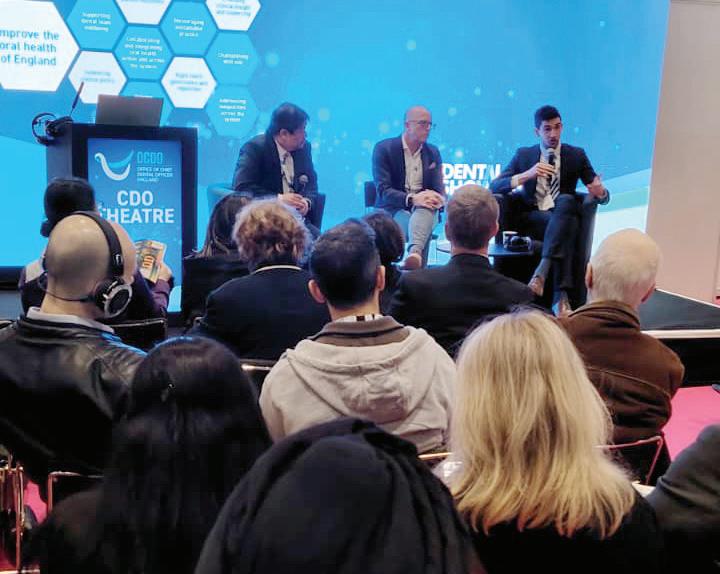
This past month has also been a reminder of the strength of our profession when we come together. Attending the BDIA Dental Showcase highlighted the importance of shared learning, innovation, and professional connection. I was particularly proud to speak about soft skills in dentistry - an area where dental nurses consistently lead. Empathy, communication, and emotional intelligence are not “nice to have”; they are essential to delivering safe, compassionate, patient-centred care.
Conversations at the Dental Leadership Network event, hosted by the General Dental Council, further reinforced the importance of collaboration across the wider healthcare landscape. There was a clear, shared commitment to improving access, experience, and outcomes for patients, particularly those most in need. It was especially powerful to see dental nurses represented within these discussions. I was incredibly proud of Sakina Needham, one of our BADN representatives, who delivered a powerful and inspiring lightning talk, bringing a genuine and grounded dental nurse perspective to the room.
Within BADN, I am also delighted to welcome Ken Binnah and Vandana Kanda to the Panel of Representatives. Their experience and insight strengthen the diversity and depth of our representation, helping to ensure that we continue to reflect the realities of dental nursing across a wide range of settings and communities.
We are also seeing continued developments in the evolving role of dental nurses, including the introduction
As we look ahead, there are also important strategic developments underway. The ballot for the proposed merger between BADN and Community opened recently, and I strongly encourage all members to engage with this process and make their voices heard in shaping the future of our profession.
Leadership is not about volume; it is about clarity, consistency, and integrity. It is about asking the necessary questions, standing firmly by our professional values, and ensuring that dental nurses are not only present, but respected and influential in shaping the future of oral healthcare.
There is much to be optimistic about. With continued collaboration, principled leadership, and a shared sense of purpose, we are well placed to shape a future that benefits both our profession and the patients we serve.
With warmth,
Preetee Hylton RDN BADN President
The BDIA and the British Association of Dental Nurses (BADN) Announce New Partnership
The British Dental Industry Association (BDIA) has partnered with the British Association of Dental Nurses (BADN) to work more closely together and better support the dental sector. Both organisations share a common goal: to support the people and businesses that keep dentistry moving forward, while maintaining high standards of patient care. By working together, the BDIA and BADN can offer greater support, share knowledge, and create new opportunities for their members.
Why this partnership makes sense:
• Bringing the industry closer together: This partnership connects dental suppliers with dental nurses, helping both sides better understand each other and work more effectively together.
• Supporting learning and development: The BDIA and the BADN will work together to provide useful updates, training, and insights to help dental nurses stay up to date with the latest products and best practices; and to help suppliers understand and appreciate the important role of the dental nurse in the dental team.
• Stronger voice for the profession: By working together, both organisations can speak more clearly on the issues that matter and help represent the needs of the dental community.
• More support for members: Members will benefit from access to more resources, ideas, and opportunities through this collaboration.
“We’re really pleased to be working with the BADN. Dental nurses are at the heart of patient care, and this partnership helps us build a stronger connection between the industry and the people using the products every day. Together, we can offer more support and share valuable knowledge.” — Edmund Proffitt, Chief Executive, British Dental Industry Association
“This is a great opportunity for dental nurses. Working with BDIA means our members can feel more connected to what’s happening across the industry and better supported in their roles. We’re excited about what we can achieve together.” — Carolyn Roberts RDN, President-elect, British Association of Dental Nurses
Over the coming months, BDIA and BADN will introduce joint activities, events, and updates to bring this partnership to life and deliver real benefits to members.
Catherine Rutland to deliver 2026 College Lecture
EThe College of General Dentistry (CGDent) has announced that Dr Catherine Rutland FCGDent will be delivering the 2026 College Lecture.
ntitled ‘The Ethical Shield: Protecting enamel, professional integrity and patient smiles’, it will explore how dental professionals can continuously integrate ethical values into their working lives in order to provide patients with assurance and confidence in the care they receive.
It will be the second annual College Lecture, and will build on both Martin Kelleher’s inaugural College Lecture in 2025, ‘Satisficing standards in dentistry’, and on the rich legacy of Malcolm Pendlebury Lectures previously hosted by the Faculty of General Dental Practice UK (FGDP).
Dr Rutland is Head of Clinical and Policy at Dentaid, representing the dental charity across the profession and engaging with MPs, public health teams and commissioners. She is also a Board Member of Dental Protection, which indemnifies and supports 70,000 dental professionals worldwide, and a Non-Executive Director and Council Member of the Medical Protection Society, which has a further 245,000 medical professional members in 40 countries. Part of the General Dental Council’s Dental Leadership Network, she is a Trustee of the Dentists’ Health Support Trust, which supports dentists facing mental health and addiction challenges, and was appointed a Trustee of CGDent earlier this year. She was previously Director of Policy and Clinical Affairs at the Association of Dental Groups, whose members work with over 22,000 registered dental professionals in treating over 10 million dental patients, and Clinical Director at Simplyhealth, including Denplan, where she chaired both the Clinical Governance Committee and the Denplan Excel Board.
After qualifying as a dentist in 1992 from the University of Leeds, where she achieved a Distinction in oral surgery, she spent two and a half years in secondary care as a House Officer in Leeds and
Senior House Officer in Newcastle before moving into general dental practice. She completed Vocational Training in Sunderland and spent a year there as an associate GDP before practising in Reading for three years. From 2000-2019, she was Principal Dental Surgeon and a joint partner at a private dental practice in Thatcham, West Berkshire. She joined Denplan as a Dental Advisor in 2010, and was later promoted to Senior Dental Advisor, Head of Professional Support Services and Head Dental Officer before working there full-time from 2019. In 2013, she completed a Master’s degree in Medical Ethics and Law at King’s College London, writing her dissertation on whether both professional integrity and patient autonomy can be satisfied in fulfilling patients’ cosmetic dental desires. She became a Certified Member of the Institute of Risk Management in 2015 and was awarded a Chartered Management Institute Level 7 Certificate in Leadership Mentoring and Coaching in 2016. She became a Fellow of the College of General Dentistry in 2023, and in 2024 was a keynote speaker at the CGDent Scotland Annual Study Day, the College’s largest annual CPD event, lecturing on ethical and legal considerations in the provision of aesthetic and cosmetic dental procedures.
The College of General Dentistry Lecture 2026 will take place at 3pm on Thursday 25 June in the historic Cutlers’ Hall in London, and is the centrepiece of the ‘Summer Day’ programme of events marking the College’s fifth anniversary.
All dental professionals, and others with professional interests in contemporary dental practice, are welcome to attend the 2026 College Lecture.
For further information, and to book your place, visit cgdent.uk/events
Dr Nigel Carter OBE retires from Oral Health Foundation
Dr Nigel Carter OBE has retired from his role as Chief Executive of the Oral Health Foundation as of March 2026. Nigel was on sick leave, and following thoughtful and supportive discussions with the Board, he has taken the decision to step away from a role he has cherished for many years.
Nigel has dedicated more than four decades of service to the Oral Health Foundation – as a Trustee, as Chair of the Trustee Board, and for the past 29 years as Chief Executive. Throughout that time, he has provided committed, thoughtful and visionary leadership. His work to improve the nation’s oral health and to support the people behind this mission has had a lasting impact on the organisation and the communities we serve. His contribution was recognised with the award of the Order of the British Empire in the 2012 Queen’s Jubilee Honours.
The Oral Health Foundation is in a strong position, with clear strategic priorities, committed partners and an exceptional team.
The Trustees have full confidence in the Senior Management Team, who will provide leadership on an interim basis and ensure continuity across all areas of our work. We are working closely with them to ensure that the charity continues to operate seamlessly, maintaining our focus on delivering impact and supporting our partners and stakeholders.
We know that many colleagues, partners and friends of the charity have worked with Nigel over the years and may wish to share their reflections. If you have a memory, message or story
by Tim Newto, Chair of Trustees
about Nigel that you would like to contribute, we would be very pleased to receive it. Please send your thoughts to pr@ dentalhealth.org.
The Board is committed to appointing a new Chief Executive in due course and to ensuring a smooth and considered transition in leadership. Our priority is to build on Nigel’s legacy and to support the organisation’s continued growth and impact in the years ahead. We will provide further updates as the process progresses.
During this period, our thoughts are with the Oral Health Foundation community and with Nigel as he begins this next chapter. He will be greatly missed, and we remain deeply grateful for his dedication and service.
Dr Carter adds: “I look back with real pride on all that the Oral Health Foundation and its people have achieved, and it has been a genuine privilege to be part of that journey. While stepping back means I won’t be directly involved in our current projects, I have complete confidence in the team to continue building our work and impact. I will always value the memories and achievements we’ve shared, and I look forward to seeing the charity continue to flourish under its next phase of leadership.”
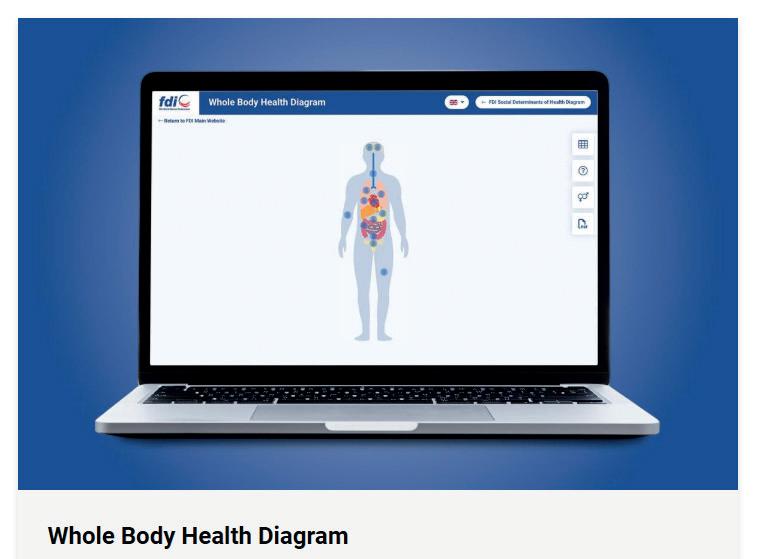
New interactive tool is putting the mouth back in the body
The World Dental Federation (FDI) have launched an interactive portal on their website as a tool for Dental Professionals to use and to share with their patients.
Whole Body Health | FDI
Developed to raise awareness of oral health as an indicator of overall well-being, as well as to offer guidance to dental teams on communicating messages, it is hoped will encourage national strategies for tackling noncommunicable diseases (NCDs) to include oral health.
Poor oral health and untreated oral diseases are associated with multiple health conditions including cardiovascular diseases and increased risk of stroke, and diabetes which have a bi-directional relationship with periodontal disease, each able to influence and worsen the other. Periodontitis during pregnancy is linked to low birth weight, preterm birth and pre-eclampsia.
In patients with chronic kidney disease, it may lead to a worse longterm prognosis. Further associations are known between oral health and osteoporosis, obesity, Alzheimer’s Disease, respiratory diseases, and rheumatoid arthritis and research is emerging that poor oral health may increase the severity of COVID-19
We can use this tool as a motivator to congratulate our patients on their homecare regime because what they do at home every day and each dental visit is an investment in their overall health and will extend their life expectancy!
Jennifer Lavery
Jennifer Lavery, a highly respected, and influential figure in Dental Nurse Education passed away peacefully on 6th February 2026. She devoted her professional life to advancing the education, status and recognition of Dental Nurses.
Career and Professional Contribution
Jennifer was a bright and capable student she went to Teacher Training College in Ripon.
In 1985 she began working at the shared Headquarters of The Association of British Dental Surgery Assistants and the The National Examining Board for Dental Surgery Assistants in Fleetwood Lancashire. Jennifer joined the office team led with distinction by Jean Smith MBE Jennifer’s mother and inspirational role model.
In 1993 both Organisations submitted evidence to The Nuffield Inquiry into the Education and Training of Personnel Auxiliary to Dentistry. The Inquiry’s final report recommended, for the first time, that all Professionals Complementary to Dentistry should be trained, qualified and registered. This landmark moment ushered in a transformative period for the profession.
That same year Jennifer was appointed Executive Secretary and later Chief Executive of the National Examining Board. Exceptionally well prepared for this role, she became a key figure, representing the Exam Board on numerous committees, working groups and workshops.
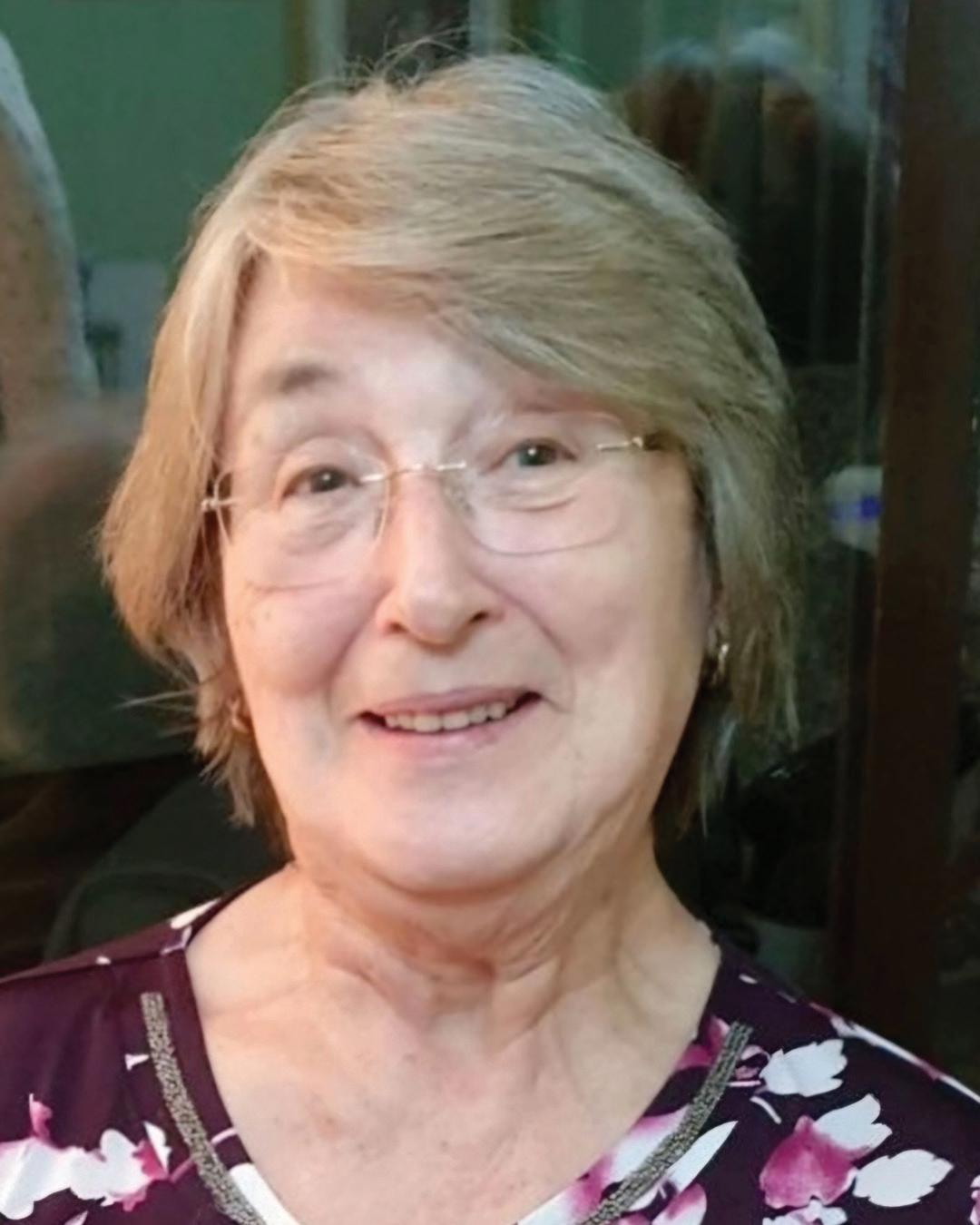
Sarah Richards (1947 - 2026) (1968-2026)
After working in the hospitality sector, Sarah retrained as a dental nurse in the early 2000s. She applied for a position at The Dental Practice in Evesham, Worcestershire and enjoyed it so much that she stayed there for the rest of her career. Sarah always said that the daily interactions with different people were her favourite part of the job and she was always known as someone who could calm and reassure even the most nervous patients.
Sarah lost her brave battle with breast cancer on 18th January 2026 and will be remembered with love by her husband Mark, daughter Elly and family, friends and colleagues.
The introduction of government funded training schemes and National Vocational Qualifications (NVQs) posed a serious threat to the future of the National Examination. Jennifer’s calm authority, administrative expertise and thoughtful positive approach enabled the organisation to navigate significant change while maintaining high standards.
Under her guidance new Post-Qualification Certificates in Dental Sedation Nursing, Oral Health Education and Special Care Dental Nursing were developed and piloted. These initiatives greatly increased the workload of the Examining Board, yet Jennifer led her team with dedication and care, ensuring their success.
How will Jennifer be remembered?
Jennifer will be remembered with gratitude by:
• Thousands of candidates who received her letters informing them of their Examination results - who found in her a sympathetic listener, offering reassurance, guidance and thoughtful advice.
• Dental Nurse Tutors, who relied on her support and expertise during the accreditation of training centres
• Examiners and Examination Helpers, who she guided to ensure fairness, consistency, and standardisation across examination centres.
• Chairs and Board Members, who valued her wise counsel when difficult decisions had to be made, supporting, encouraging and finding the best way to achieve their objectives
• The Headquarters Staff who she supported and led with kindness and enthusiasm, recognising their talents
A Personal Reflection
We are grateful to Sue Adams for sharing her memories of Jennifer I first met Jennifer in the spring of 1985 following my appointment as General Secretary of the Association of British Dental Surgery Assistants, for the next seven years we worked alongside each other. As a Dental Surgery Assistant (now known as Dental Nurses) myself I watched Jennifer’s remarkable attention to detail and learned many valuable skills from her. At that time she worked tirelessly for both the Exam Board and the Association, bringing immense knowledge and professionalism to both organisations and to Dental Nurses.
I consider myself very lucky to have known her.
Personal Life
Beyond her professional achievements Jennifer was a devoted wife, mother and grandmother.
She is survived by her husband Joe, her daughter Diane, her son Joel and her 4 granddaughters, who were all a great source of pride to her. For over 22 years Jennifer was a tireless advocate, skilled administrator and compassionate mentor, whose work helped shape modern Dental Nursing.
Diana Wincott MBE
Mind
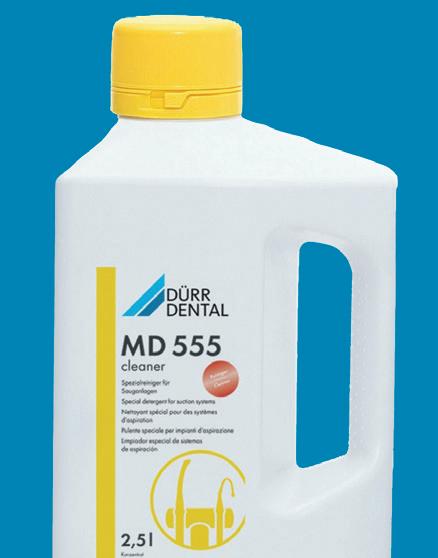
Bactericidal, with yeasticidal activity against enveloped viruses (enveloped viruses incl. HBV, HCV, HIV, and coronaviruses), non-enveloped adenoviruses and noroviruses.
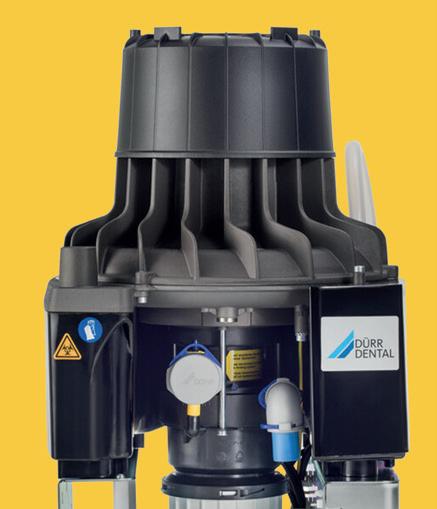
Orotol Plus disinfects, deodorises and cleans all suction and amalgam separating systems and spittoon bowls. Use alongside MD555 to descale and physically clean all components of the suction unit and drain lines.
Orotol Plus is non-foaming, designed to protect and care for your suction unit. It’s high-standard material compatibility ensures performance and longevity.
For more information visit www.duerrdental.com/en/products/hygiene
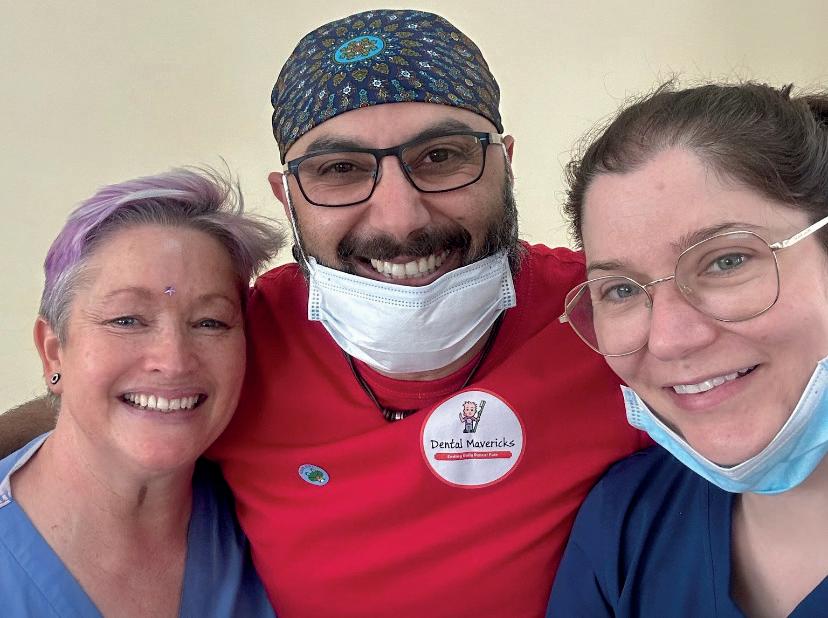
Volunteering with Dental Mavericks
The first I ever knew about volunteering with a dental charity was one day during my fluoride application course in Belfast. Our tutor Tracey, had volunteered with them a number of years previously and she spoke so excitedly and honestly about the trip.
Dental Mavericks was established in 2010 and work to relieve dental pain of children in Morocco. There are various locations throughout Morocco where the charity has been working for many years, more recently Peru has been added to the need for dental treatments, check out the charity on dentalmavericks.org
My friend Jennifer who I work with in the Trust was attending the course too, when Tracey told us about the chance to volunteer, Jennifer asked me would I consider it, I said yes – sometime. Well, Jennifer had her
application completed in the next 2 minutes and turned to me and said ‘application filled in, your turn!’ Well, within minutes, both of us had started our journey to Morocco, on paper.
A £100 deposit was payable to secure our place, and we had to raise £850 for our trip.
The money can be raised any way, whether its coffee mornings, sales, sponsored events or online platforms for donations, I used Just Giving.
Our trip was 5/4/25 – 12/4/25, in the afternoon we flew from Belfast
to Marrakesh, were met by Samantha – the coordinator of the charity, a woman who is a massive breath of fresh air and huge positivity on two legs! We waited for the other volunteers to arrive from other airports then made our way to Essaouira – a three and half hour drive, the same length of time to fly here, but we had an air conditioned, comfortable people carrier.
En route we stopped off at a roadside cafe and had our first taste of green tea Moroccan style, I was hooked, amazing, now I had found my beverage for the next week.
We arrived at our hotel just before 11:30pm, dropped the bags to our rooms, nipped back downstairs for a quick intro to each other, a supper and a quick run over the week – a more detailed timetable would become apparent the following day.
On Sunday we had breakfast and then carried out a stock check and expiry dates of the LA and any pastes, powders and liquids. That took us to midday and we had the afternoon off so headed into town.
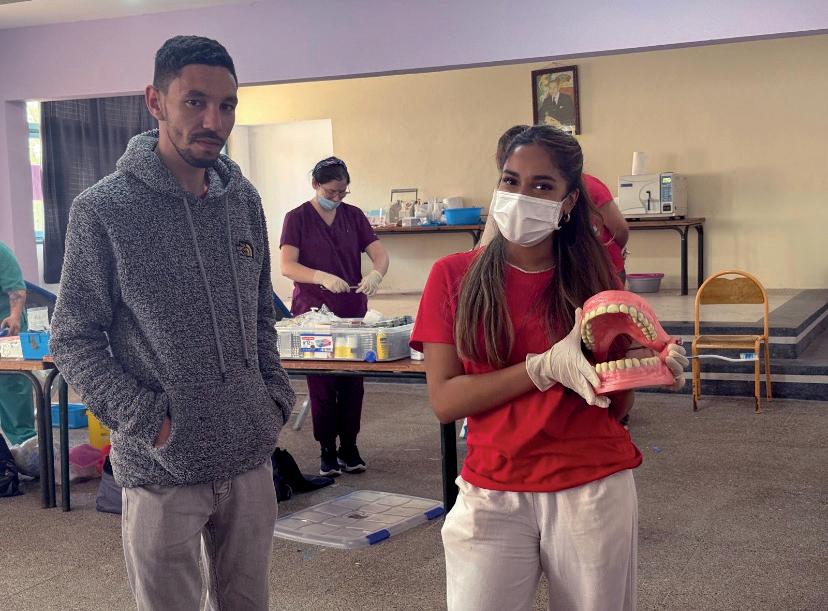
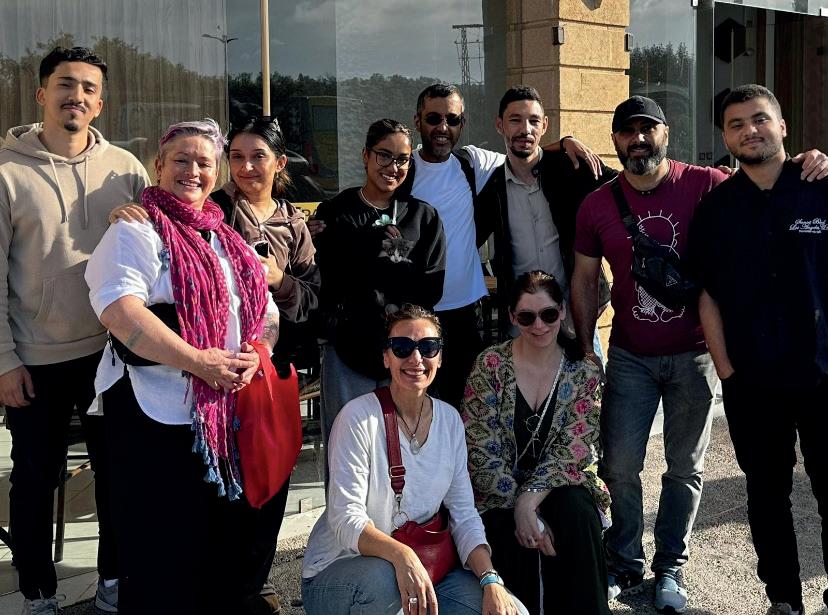
In the team we had three interpreters, two dentists, four dental nurses and Sam the co-ordinator. The interpreters are a vital part of the team, they accompany us wherever we go, to help with payments in shops, cafes and taxis and obviously the reason why we were here – to help us relieve dental pain for the children – the language barrier.
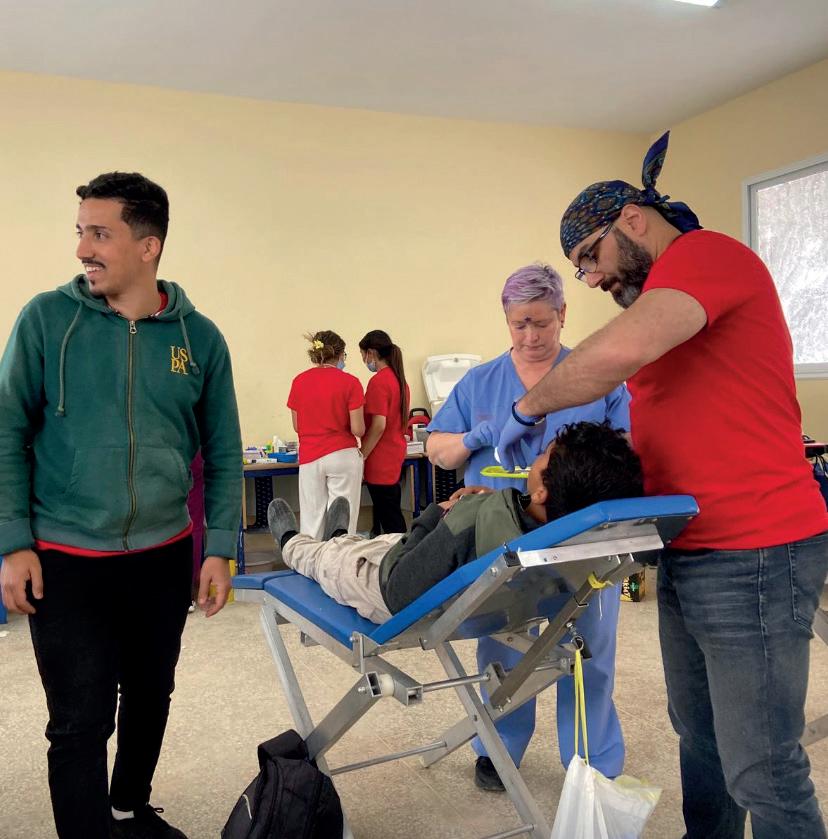
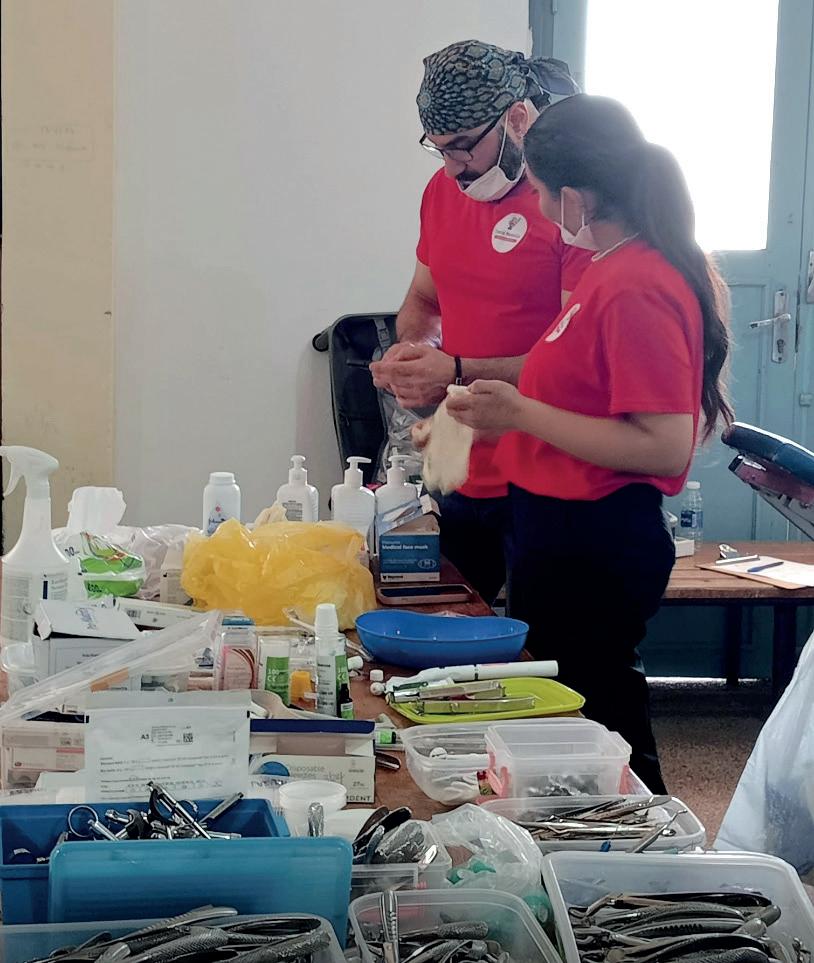
Days 1 & 2 : Taxi collected us at 08:15, we were starting our work in a city school, 15 minutes drive away. We built the three dental chairs, set all the instruments, LA, needles and equipment on the tables. We worked so well together, everyone just knew their roles and it worked so well.
A dental nurse triaged, wrote basic notes for the dentist ie, extraction, SDF or fluoride, the dentist confirms the work required assisted by another nurse.
There is a post extraction, OHI & fluoride application and decon stations (we borrowed an autoclave from the local hospital) which are manned by dental nurses, we alternate between the stations. We have a break for tea at 11am then lunch at 1:30pm, the food is amazing. We finish when school finishes and get tidied up, the usual working day is 8:30-4:30.
The equipment is taken to the next location for us by vans.
Days 3 – 5 : We moved to another school, this time we were in the mountains at a remote school. The routine was the same, it wasn’t long before the children were lining up ready for their check ups and we were back doing it all again and loved every minute.
The atmosphere is great, we have fun too and the children are so appreciative of our help.
On Friday afternoon we were entertained in the Mayors house to an afternoon tea and watched the beverage tea being made, then in the evening, we had a get together with all the team.
About the author
My name is Sarah Thornton-Roe, I live in Newcastle, a town in Northern Ireland. I am 55, married with a daughter who is 24 and studying her PGCE in Liverpool, I have 2 dogs and two cats, three of them are rescues, I would have many more if the house size would allow.
I have been working as a dental nurse for 31 years, 25 of these years is with the CDS working initially as a ‘school dental service’ and over the last 20years now treats additional needs patients.
I have completed a number of post qualifications since employment in the Trust and they have been invaluable using them on a daily basis.
I first heard of Dental Mavericks while completing my fluoride application course, my friend Jenn and I completed the forms before the end of play.
The work DM do is amazing and very humbling. Jenn and I went in April 25, and going again in two weeks in May 26.
I are returning to Essaouira in May this year and hope to see many of the kids we treated.
We all work hard and treat as many children as possible for the week, moving locations this includes moving all the equipment.
We are well rewarded - with thanks, and with food, by the children and by the authorities. You will learn a lot of the culture from other volunteers who have gone before us and from the locals.
Sam our Co-ordinator is amazing - endless energy, she will keep you right, plenty of hugs and reassurance, a big sister/mother figure.
The dentists usually go year after year so they know a lot of the routine and will keep you right. Please come and join us dentalmavericks.org
Saturday was the day we flew home, a long journey but we had many beautiful memories and made new friends.
Jenn and
Advancing Dental Nursing in Wales: Post-Registration Qualifications with Heath Education and Improvement Wales
by Sian Evans, Dental Nurse Educator, HEIW
RDN, Cert Ed (PCET), Dip in Management,
CEdexcel
4 IQA Assessment process & practice, D32/33, Cert in OHE and Orthodontics
areer progression in dental nursing is more than a personal achievement, it’s an investment that benefits individuals, patients and employers alike.
For dental nurses, advancing through structured qualifications and gaining additional skills and competencies fosters personal and professional growth. It enables them to work at the top of their Scope of Practice, leading to greater job satisfaction, enhanced clinical confidence, and a deeper sense of value within the dental team.
Patients benefit directly from this progression too. As dental nurses expand their capabilities, they help increase access to care, support more complex treatments, and contribute to improved health outcomes, aligning with national priorities around equitable and timely patient care.
Employers who support career development not only build a more skilled and resilient workforce but also strengthen staff retention and morale. Investing in structured learning pathways ensures that dental nurses are supported by expert guidance, peer collaboration, and a clear framework for growth. This creates a future-ready workforce equipped to meet evolving healthcare needs.
To build a future-ready dental workforce in Wales, Health Education and Improvement Wales (HEIW) offers several post-registration qualifications tailored for dental nurses living or working in Wales. These qualifications are designed to support career progression, enhance clinical competence, and improve patient care. Building on the Oral Health Education qualification featured in the previous BADN Journal, HEIW is also accredited to deliver the National Examining Board for Dental Nurses (NEBDN) post-registration qualifications in Dental Radiography, Dental Sedation Nursing, and Special Care Dental Nursing. These structured courses provide dental nurses with the opportunity to deepen their expertise, gain nationally recognised qualifications, and contribute meaningfully to the evolving needs of dental services across Wales.
These NEBDN courses offer a structured learning experience, following the NEBDN syllabus which comply with the core curricula in dental radiography and radiology for the dental team devised by the British Society of Dental and Maxillofacial Radiology (BSDMFR) and the Standards for Conscious Sedation in the Provision of Dental Care 2020 report of the Intercollegiate Advisory Committee for Sedation in Dentistry (IASCD). Ensuring learners receive consistent, high-quality education aligned with national standards.
Dental nurses undertaking these post-registration qualifications gain enhanced clinical skills and invaluable knowledge that significantly contribute to their professional development. This progression not only boosts their confidence and competence in delivering high-quality care but also empowers them to take on more advanced responsibilities within the dental team. As a result, patients outcomes improve and the dental workforce across Wales become more skilled, resilient and future- ready. These qualifications are specifically designed for dental nurses working within NHS settings, where they can gain the necessary clinical experience
under the supervision of a clinical supervisor. Each qualification includes online theory sessions, completion of the NEBDN electronic Record of Competence in the workplace, and a final NEBDN online examination. Successful completion leads to nationally recognised certification, equipping dental nurses with the expertise to thrive in specialist roles and contribute meaningfully to patient care.
Qualification Outcomes:
• NEBDN Certificate in Dental Radiography: Enables dental nurses to act under prescription as IR(ME)R operators, safely taking intra-oral and extra-oral radiographs of patients.
• NEBDN Certificate in Dental Sedation Nursing: Enables dental nurses to act as the second appropriate person when assisting with patients under dental conscious sedation.
• NEBDN Certificate in Special Care Dental Nursing: Enables dental nurses to care for patients whose health and/or social circumstances require specialised oral healthcare provision.
HEIW’s post-registration courses are delivered online via Microsoft Teams, offering flexibility for working dental nurses. For those undertaking the Dental Radiography qualification, practical sessions are held in the evenings at designated centres in Cardiff and Wrexham to accommodate clinical schedules. Qualification offerings rotate annually in response to workforce needs, ensuring relevance and accessibility across Wales. Dental nurses considering post-registration qualifications are encouraged to discuss their plans with their workplace manager or employer. This collaborative approach helps align learning with service delivery, ensuring the course enhances patient care while supporting career progression, professional development, and overall job satisfaction.
Learner Feedback:
Dental nurses who have completed these courses report enhanced confidence and skills in their respective specialisms. For example, our most recent Dental Sedation Nursing cohort achieved a 100% pass rate, and we are now gathering feedback on the application of their skills in practice. Similarly, our previous Special Care Dental Nursing cohort maintained a 100% pass rate, reflecting the high standard of HEIW training.
What Our Learners said:
“This extra post grad qualification has given me more knowledge and understanding of the patients that we see day to day in the Community Dental Service”
“It has brought me a deep sense of personal and professional fulfilment. This achievement enabled me to provide compassionate, tailored care to patients with diverse needs, enhancing their comfort and trust during dental visits.
“The course was very interesting and gave me a better insight into our patient’s needs”.
Dental nurses play a vital role in ensuring patients feel safe, supported, and cared for throughout their treatment. Their skill, compassion, and professionalism often go unsung, but they’re the backbone of dental teams across Wales and beyond.
We are extremely proud of the dedication, hard work, and achievements of our dental nurses, whose commitment continues to elevate patient care across Wales.
For further information on post-registration qualifications for dental nurses in Wales, please visit:
We look forward to welcoming you to our CPD and post-registration courses.
Diolch yn Fawr
Scan the QR code to search our learning management system Y Ty Dysgu !
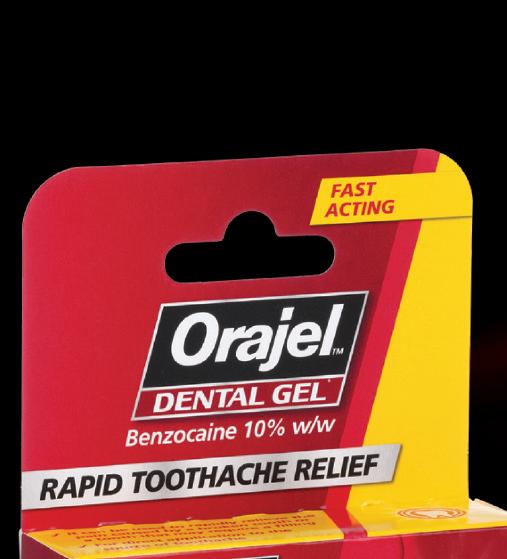
RAPID RESPONSE
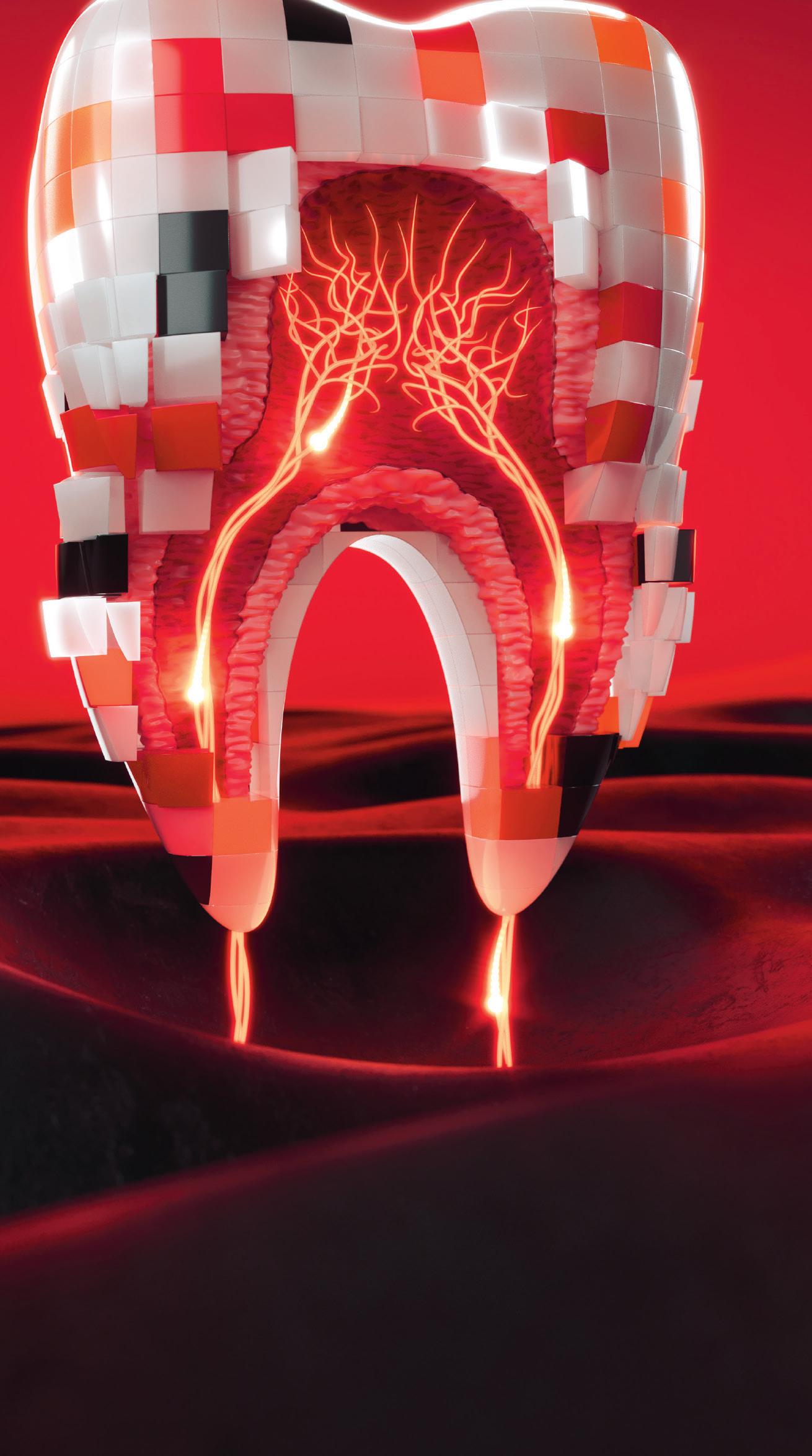
Clinically proven to get to work in under , relieving acute dental pain.4
TARGETED RELIEF
Benzocaine provides effective relief right at the source of dental pain.1-3
TRUSTED TOLERANCE
Orajel’s non-systemic formula is well-tolerated with minimal risk of side effects.1,2,4
WILL ORAJEL BE YOUR RECOMMENDATION FOR TARGETED, RAPID PAIN RELIEF?
From Redundancy to Resilience: My Journey in Dental Nursing
By Penelope Joanne Jowett, Senior Dental Nurse
Ibegan my career in dentistry in September 2014 as a trainee dental nurse at Freetown Way Dental Practice in Hull — a busy NHS practice where I was introduced to the pace and precision of clinical dentistry. I was fortunate to be trained and supported by a wonderful group of experienced dental nurses and receptionists — Carrie, Lisa, Jenny and Chris — whose guidance and encouragement shaped my earliest professional foundations. They are colleagues I will always remember with gratitude.
Working within an NHS setting required adaptability from the outset: managing full appointment books, supporting high patient volumes and maintaining strict cross-infection control protocols. It was there that I developed confidence chairside and learned the importance of teamwork and patient-centred care.
My journey, however, has not been without challenge. Early in my career, I experienced situations that affected my confidence and left me questioning my ability within a team environment. Learning to navigate professional dynamics and respond to criticism — fair or otherwise — became part of my development alongside clinical skills.
At the time, those moments felt isolating. With perspective, I now recognise how essential respectful communication and supportive leadership are within dentistry. Team culture matters. Feeling valued matters. Those experiences did not define me, but they shaped the colleague and leader I strive to be today — one who encourages and supports others, particularly those at the beginning of their careers.
In 2017, just before completing my qualification, I was made redundant. It was an unsettling experience so close to achieving my NEBDN Level 3 Diploma in Dental Nursing. However, it strengthened my determination. I went on to qualify and become a GDC registered dental nurse — a milestone that marked the beginning of my professional accountability within the role.
I subsequently joined MyDentist, supporting an experienced general dental practitioner and briefly assisting within orthodontic clinics. This period allowed me to consolidate my skills as a newly qualified nurse and build confidence across a broader range of treatments.
In January 2018, I moved to Genix Healthcare, Market Weighton, beginning what would become the most formative chapter of my career. Over the course of my time in dentistry, I have worked alongside 57 clinicians, each with their own clinical style and expectations. This breadth of experience has strengthened my adaptability, communication skills and ability to anticipate clinical needs in fastpaced environments.
At Genix, I have assisted with fixed orthodontics, endodontics and implantology, gaining insight into more complex and technically demanding procedures. In 2023, our practice welcomed its first fulltime private dentist, introducing a wider range of advanced treatments and expanding my clinical exposure further.
I have also been fortunate to work under compassionate and supportive management at Genix. Two managers in particular — Megan and later Kerry — have shown understanding, encouragement and leadership that significantly influenced my professional growth. Their guidance reinforced the importance of positive team culture and supportive leadership within practice.
My passion for prevention led me to qualify as an Oral Health Educator in 2022 with the British Dental Association. In 2024, I further expanded my scope by completing qualifications in dental impression taking and fluoride varnish application with Molar Mentoring. I also achieved my Assessor qualification, enabling me to support and mentor trainee dental nurses as they develop within the profession, further strengthening my commitment to leadership and education.
Alongside my clinical development, I became increasingly involved in infection prevention and control, audit processes and regulatory compliance aligned with HTM 01-05 guidance. In January 2024, I was promoted to Senior Dental Nurse and appointed Infection Prevention Control Lead and Decontamination Lead.
In this role, I oversee decontamination workflows, support audit cycles and maintain compliance standards. I am also responsible for ordering and managing stock for both NHS and private dentistry within the practice — ensuring safe and efficient service delivery.
With the ongoing reform of the NHS dental contract, I am keen to continue expanding my contribution to patient care. My next progression is to begin providing structured oral health sessions within the community, supporting stabilisation and preventative care. I believe dental nurses are well positioned to play an increasingly proactive role in education and early intervention, helping patients understand disease processes and empowering them to take ownership of their oral health.
Looking back, redundancy did not derail my career; it redirected it. Early challenges strengthened my resilience. Working with a diverse range of clinicians refined my adaptability. Continued education expanded my confidence and scope.
Dental nursing demands far more than chairside support. It requires professionalism, technical knowledge, communication skills and an unwavering commitment to patient safety. As our profession continues to evolve, so too should our belief in our own capability.
Confidence builds gradually — through experience, through challenge and through stepping forward when opportunities arise.
Dental nursing is not simply a job. It is a career built on skill, dedication and continual development.
And I am proud not only of how far I have come, but of the profession I am proud to represent.
RA Medical
The Future of Inhalation Sedation
Unlocking Dental Nurses’ Full Potential
Dental nurses are vital to the delivery of safe, effective and patient centered dental care, yet their professional contribution is often overlooked, particularly within secondary care. My own career has shown me both the opportunities dental nursing can offer and the frustrations that arise when skills and qualifications go unrecognised.
I entered dental nursing without formal academic qualifications, following a childhood that limited my educational options. Securing a trainee dental nurse position proved to be a turning point. After qualifying in 2009, I was keen to develop my skills and moved into orthodontic practice, where I gained extended duties in impression taking and radiography alongside additional in house training. Over eight years, I developed specialist knowledge within a practice that recognised the value of investing in an upskilled nursing workforce.
With a long standing ambition to work in secondary care, particularly in paediatric dentistry, I later transitioned into a hospital-based role. While excited by the opportunity, I was surprised by how restricted the nursing role felt compared to private practice. Many extended duties that support efficiency and improve patient care were unavailable to utilise, despite being well within my competence.
Dental nurses are regulated professionals who pay an annual fee to remain on the GDC register, maintain life support skills, and complete continuous professional development. Many also undertake additional nationally recognised qualifications that directly enhance patient care. Extended duties such as radiography, sedation support, oral health education and preventive interventions allow dentists to focus on complex treatments while improving workflow and patient experience. However, there remains a reluctance within some areas of secondary care to invest in dental nurses or to remunerate them fairly for these enhanced responsibilities due to financial restraints placed upon the service and by a lack of understanding of the role a dental nurse and the value we bring.
Within NHS secondary care, additional skills are often underutilised due to limited Band 5 roles and restrictions put in place to prevent them being increased, despite growing
service demand and the proven value of skilled dental nurses in improving patient care and capacity.
Dental nurses may hold valuable qualifications without any corresponding role progression or recognition. This creates professional frustration, particularly when nurses are using advanced skills without appropriate structure, reward or goal. In contrast, private practices often invest in training and make full use of extended duties, contributing to the steady movement of experienced dental nurses away from the public sector or from dentistry altogether. In some areas, non-clinical administrative roles offer higher pay and progression opportunities without the requirement for professional registration fees or ongoing development, further driving skilled dental nurses away from the profession entirely.
Throughout my 17-year career, I have often heard the phrase, “I’m just a nurse.” This light-hearted comment masks a deeper issue: a persistent misunderstanding of the dental nurse’s role. Such perceptions can affect morale, confidence and career aspiration, particularly when progression pathways feel limited. Meaningful change is achievable. Recognising dental nurses in secondary care as skilled health care professionals, encouraging the use of extended duties, and offering clear progression pathways would improve morale, retention and patient care. Empowering dental nurses and valuing their expertise is essential to creating a sustainable, motivated and effective dental workforce for the future.
About the author
Jessica Conlin
I have been a qualified Dental Nurse since 2009 and have worked across a wide range of dental specialities, including NHS and private practice, orthodontics, and secondary care hospital services. I hold multiple extended duty qualifications, including orthodontic nursing, dental radiography, dental sedation, impression taking, and fluoride application. I currently work within a paediatric dental department, supporting patients with additional learning needs, complex medical histories, and high levels of dental anxiety. I am passionate about advocating for dental nurses and highlighting the vital role they play in delivering high quality patient care and supporting clinical services. Outside of work, I am a mother of two young daughters, who I hope to inspire to realise their full potential and capabilities.
An insight into Maxillofacial and Orthodontics
Iwork in the Maxillofacial and Orthodontic Department within an NHS Trust in North London. From the very beginning of my dental nurse training, I knew I wanted to pursue a career in this speciality.
Working in a hospital environment gives me the opportunity to experience a wide variety of complex cases involving the head and neck region. Our Maxillofacial Department focuses primarily on surgical procedures, including facial trauma, orthognathic (jaw) surgery, temporomandibular joint (TMJ) surgery, salivary gland surgery, and the management of benign and malignant head and neck tumours — including skin cancers. We also focus on oral surgery that cannot be completed in primary care. The nature of our work means we often see patients at very different stages of their journeys, from emergency trauma through to reconstructive and follow-up care, which makes the role both challenging and rewarding. Unlike some maxillofacial departments in other trusts that also focus on oral medicine, our department is predominantly surgical. Alongside this, our Orthodontic Department manages complex orthodontic cases. We frequently work in collaboration with the surgical team to plan and deliver combined orthodontic and surgical treatments (Orthognathic surgery). These multidisciplinary cases — where
orthodontics and surgery come together — can completely transform a patient’s occlusion, function, and overall facial appearance. I really enjoy being part of such a skilled and dedicated team. Every day is different, and I’m constantly learning — whether that’s assisting in local anaesthetic procedures, supporting clinics, or helping to prepare patients for surgery.
Seeing the positive outcomes and the confidence that patients gain after treatment is incredibly fulfilling. Working in this specialty has broadened my knowledge of both dentistry and surgery, while reinforcing my commitment to Maxillofacial and Orthodontic care. It’s a truly dynamic and evolving field, and I feel privileged to contribute to it.
About the author
Charlotte Painter
I’ve worked as a Maxillofacial and Orthodontic Nurse since qualifying in 2011. Having grown up in the department where my mum worked as a medical secretary, it’s always felt like home. I’m proud to now be part of the team, supporting patients in a specialty I’ve known all my life.
Kevin O, Dentist
Brush Up on CPD appears in The Probe throughout the year. All certificates are issued online. Readers must be registered with www.the-probe.co.uk in order to gain access to the CPD questions and multiple choice answers. Once you have logged in, click on ‘Brush Up’ to see the question and answer options. When you have submitted the correct answers for both articles, you will be able to print out your two hours’ verified CPD certificate.
To answer the questions below, visit cpd.the-probe.co.uk and register/log in. Click on ‘Courses’.
Search for the course with the same headline as the corresponding article. Alternatively, follow the link at the foot of the respective article.
CPD questions – The Role of Dental Nurses in Compliance: More Than Just Following Rules
1. According to the author, what is the primary reason teams often feel stressed about compliance?
A. A lack of effort from the dental nurses.
B. High costs associated with software.
C. A lack of clear structure and systems.
D. Too many CQC inspections.
2. Which statement best describes the role of compliance software?
A. It replaces the need for team responsibility.
B. It is a tool that still requires consistent manual task completion.
C. It is only effective if it is the most expensive option on the market.
D. It automatically ensures a practice is compliant once purchased
3. What is suggested as a method for maintaining accountability and tracking outstanding jobs?
A. Only checking tasks once a year.
B. Using a visible whiteboard to list and tick off jobs.
C. Leaving all compliance tasks to the practice manager.
D. Avoiding paperless systems.
4. How should compliance tasks be managed within a busy practice diary?
A. By waiting until a CQC visit is officially announced.
B. By overloading one specific staff member with all duties.
C. By utilizing gaps in the diary or small actions between patients.
D. By ignoring expiry dates until an audit occurs.
CPD questions – What do Dental Nurses know about surgery design?
1. Why does the author argue that dental nurses are essential to the design process?
A. They are the only staff members who understand the practice budget.
B. They bring lived experience of clinical flow, compliance, and patient behavior.
C. They are usually the ones who draw the final architectural blueprints.
D. They are the only team members affected by poor ergonomics.
2. Which regulatory guidance do dental nurses instinctively apply when evaluating surgery layouts?
A. GDPR data protection rules.
B. HTM 01-05 (or WHTM 01-05 in Wales).
C. The Health and Safety at Work Act 1974 only.
D. Building Regulations Part M.
3. What is a key benefit of designing a surgery with “ambidextrous flexibility”?
A. It allows for more storage cabinets to be installed.
B. it reduces the need for any dental nurse assistance.
C. It allows clinicians with different working styles to work safely and comfortably.
D. It is a mandatory requirement for all private practices.
4. According to the article, how can a surgery’s sensory environment be improved for anxious or neurodivergent patients?
A. By using high-contrast colors and bright fluorescent lighting.
B. By removing all visual aids to keep the room “clinical.”
C. Through soft-close cabinetry, sound-reducing materials, and muted color schemes.
D. By ensuring the patient chair is kept in a fixed, non-adjustable position.
The Role of Dental Nurses in Compliance: More Than Just Following Rules
Aims
The aim of this article is to empower dental nurses and the wider dental team to move beyond a “tick-box” mindset toward compliance. It explores how to implement sustainable structures, such as delegation and digital systems, to reduce workplace stress and ensure continuous patient safety.
Learning objectives
• Explain why compliance is a shared daily responsibility rather than just a pre-inspection task.
• Identify the structural elements required for effective compliance management, including clear calendars and proper delegation
• Evaluate the role of compliance software as a tool that requires consistent team input and training to be effective
• Implement practical, small-scale strategies—such as using whiteboards or gap-time in diaries— to manage tasks efficiently
• Recognise the importance of regular CPD in staying current with evolving dental regulations and guidelines.
GDC Development Outcome: B
Compliance in dentistry is often seen as a checklist — something to tick off before an inspection.
But in reality, it’s part of the dayto-day responsibility of every dental professional, especially dental nurses.
From my experience working both clinically and within compliance, I’ve seen how much dental nurses contribute to keeping a practice safe, organised, and inspection-ready at all times — not just when a CQC visit is due.
When I go into different dental practices, one of the main things I notice is how stressed the team feels around compliance. There often isn’t a clear structure in place, and things can become overcomplicated very quickly.
In reality, compliance doesn’t need to feel overwhelming. Sometimes it just needs a reset — a fresh start where everything is simplified and organised properly.
A lot of staff don’t know where to begin, and it can feel like something that’s beyond their role or responsibility. I’ve seen this across multiple practices, and the pattern is often the same — not a
lack of effort, but a lack of structure. With the right systems in place, such as simple spreadsheets, clear calendars, and proper delegation within the team, compliance becomes much more manageable. Once there’s structure, everything starts to fall into place.
There are a few software systems out there that can really help with compliance, and they can make day-to-day processes a lot easier. However, it’s also important
cpd.the-probe.co.uk/courses
to consider whether they fit within your practice’s budget. Not every solution needs to be expensive to be effective.
Sometimes, it’s about finding what works best for your team rather than just following what everyone else is using. We also need to look at how these systems are being used. Even the best software won’t make a difference if the team isn’t trained properly or if there isn’t consistency in using it.
Because even when practices do invest in compliance software, one of the most common mistakes I see is that it ends up being left to the side. Tasks aren’t completed consistently — whether that’s daily, weekly, monthly, quarterly, or annual checks.
There can be this mindset of “we’ve paid for the software, so the job is done.” But in reality, the software is only a tool. It doesn’t replace responsibility.
Compliance still relies on the team completing tasks properly and on time. Without that consistency, even the best systems lose their value. It comes back to accountability and making compliance part of the daily routine, rather than something that’s only looked at when there’s an inspection coming up.
What’s really needed is a clear system that works for the practice. That means having audits in place to track what has been completed, ensuring everything is saved in the correct folders and properly backed up, and making sure tasks are delegated across the team.
It’s also important not to overload one person with everything. Responsibilities should be shared, but with the right level of oversight to ensure tasks are completed properly and consistently.
Where possible, moving towards a paperless system can also make a
big difference. There’s nothing more frustrating than trying to find storage space for endless folders and paperwork, or wasting time searching for documents that should be easy to access.
With busy practices, it can be difficult to find time to stay on top of everything. One simple approach is to set aside a specific day or time where there are gaps in the diary or when the practice is slightly overstaffed, and use that time to focus on compliance tasks.
Small actions throughout the day can also make a big difference. For example, in between patients, nurses can check expiry dates or complete quick tasks. Having a visible whiteboard in the practice with outstanding jobs listed can help keep everyone on track, allowing tasks to be ticked off once completed. Simple systems like this create accountability within the team and stop things from being forgotten or left until the last minute.
Another key part of compliance is ongoing learning. It’s important not to overlook CPD courses, as they are highly informative and keep you up to date with current guidelines. Regulations are always changing, and it’s essential to understand what needs to be implemented within your own surgery to remain compliant.
cpd.the-probe.co.uk/courses
At the end of the day, compliance should support the team, not add extra pressure. With the right structure, systems, and mindset, it becomes part of the daily routine rather than a constant source of stress.
From what I’ve seen across multiple practices, it’s never a lack of effort — it’s simply a lack of structure. And once that’s in place, everything changes
About the author Vandana Kanda is a registered dental nurse with over 11 years of experience across general and specialist dentistry, including sedation, orthodontics, implants, endodontics, Invisalign, and minor oral surgery. She holds multiple post-qualifications in sedation, decontamination and cross-infection control, fluoride application, and impression taking, and has a strong focus on dental compliance and patient safety. Vandana is the Director of Compliance and Locum Solutions Ltd (CLS), a growing dental staffing agency that supports practices across the UK with fully compliant, highly trained dental professionals. She is also a member of the Dental Nurses Faculty Board at the College of General Dentistry (CGDent).
What do Dental Nurses know about surgery design?
Aims and Objectives
The aim of this article is to explore the critical role of dental nurses in the design and refurbishment of dental surgeries. It examines how hands-on clinical experience informs practical decisions regarding infection control, ergonomic health, and the creation of sensory-friendly environments for patients with additional needs.
On completion of this article, the reader will be able to:
• Explain how dental nurses bridge the gap between theoretical architectural planning and realworld clinical practice
• Identify key design elements that support HTM 01-05 compliance, such as safe zoning and instrument flow
• Discuss the benefits of ambidextrous surgery design for team ergonomics and staff wellbeing
• Describe specific environmental adjustments – such as lighting and acoustics – that improve the experience for neurodivergent or anxious patients
• Recognise how the rise of dental nurse-led clinics provides a unique dual perspective on operational and clinical surgery functionality.
GDC Development Outcome: B, C
I’ve been a Dental Nurse for more than 30 years, and during that time I’ve seen dentistry undergo major transformations, not only in the way we deliver care, but also in the way clinical environments are designed. Traditionally, surgery design has been driven by practice principals, architects, estates teams, or managers, with Dental Nurses included only after the room is already built. Often, we are hired once the surgery is completed, expected to adapt to a layout that may not fully support the realities of day-to-day clinical flow.
However, within my role as a Lead Clinical Senior Dental Nurse, I’ve had the opportunity to contribute to new-build community dental clinics and refurbishment projects. This has been both rewarding and eye-opening. What became immediately clear is that when Dental Nurses are actively involved, the entire design process becomes more grounded, more practical, and better aligned with patient and staff needs. By working in a multi-professional team, we bridge the gap between theoretical planning and real-world clinical practice.
So, what do Dental Nurses actually know about surgery design? Quite a lot—
and much of it is gained through decades of hands-on experience.
Designing rooms that meet the standards
Dental nurses live and breathe compliance, applying national guidance in real time throughout every clinical session. Because we routinely implement HTM 01 05 (WHTM 01 05 in Wales), we instinctively know whether a
cpd.the-probe.co.uk/courses
surgery layout genuinely supports safe zoning, instrument flow, and effective decontamination. We recognise when storage promotes best practice, when surfaces are suitable for clinical cleaning, and when a design may unintentionally introduce cross contamination risks. Our daily experience ensures that compliance is not just theoretical, it is practical, achievable, and embedded in how the room functions.
Infection Prevention considerations:
Infection prevention must be embedded into the surgery from the very beginning, not treated as an afterthought. Dental nurses understand the full clean to dirty journey of instruments, materials, and people, and we see how even small layout decisions affect contamination risks. We know how sink placement, airflow, surface choice, and equipment positioning either support or obstruct safe working. Because we carry out decontamination processes daily, we can immediately identify when a room enables smooth, compliant flow, and when its design could compromise infection control. A well-designed surgery also includes integrated storage, clear worktops, and organised cable management to maintain a clutter free environment which supports mitigation of cross contamination.
Ergonomics
and Ambidextrous Design: protecting the team and supporting all clinicians
Dental Nurses experience first-hand the physical strain caused by poorly designed surgeries, so we understand how essential ergonomic planning is for preventing musculoskeletal injuries and supporting long term staff wellbeing. We also work with multiple clinicians who have different working styles, making us acutely aware of the limitations of single sided rooms. A surgery designed with ambidextrous flexibility, adaptable delivery systems, and correct ergonomic positioning allows every clinician to work safely, efficiently, and comfortably, while enabling dental nurses to support care without unnecessary strain or workflow disruption
Dental Nurse Led Clinics:
Expanding
Perspective on Surgery Design
Dental Nurse led clinics offer a unique dual viewpoint, combining the experience of chairside assisting with the responsibilities of independent clinical practice. This gives dental nurses a deeper understanding of how a surgery must function from both operational and clinical angles. Running our own clinics highlights the importance of intuitive layouts, efficient access to equipment, clear documentation space,
and patient centred design. It also reveals how small adjustments in workflow, storage, or ergonomics can significantly improve safety and efficiency. This dual perspective enables dental nurses to contribute informed, practical insight to surgery design that truly supports modern, flexible models of care
Patient centred care:
Designing dental surgeries for our patients is key. The environment must remain clinical and compliant but balanced with modernity and welcoming as well as inclusive. Our patients that are anxious or individuals with additional needs require more than meeting clinical standards, we would need to design environments that support emotional comfort, sensory stability, and accessible communication. Dental nurses witness daily how colour, lighting, layout, and noise influence behaviour, especially for neurodivergent patients, those with sensory processing challenges, dental phobia, or cognitive impairments. Soft, muted colour schemes, warm lighting, and minimal visual contrast help reduce overstimulation, while consistent colour cues aid orientation. Visual supports such as symbol based signage, social story displays, and distraction screens improve understanding and reduce fear. Sound reducing materials further create calmer, more predictable spaces that support cooperation. Accessibility must extend through the entire patient journey, from entering the clinic to completing treatment. Wide doorways, clutter free pathways and height adjustable chairs enable physical access, while clear floor space
About the author
Carolyn Roberts, RDN LCGI, President-elect began dental nursing in 1989, as a Saturday girl at a local practice. She has worked in two GDS Practices between 1989 and 1998 and then in North Wales Community Dental Service since 1999; and is currently the Lead Clinical Senior Dental Nurse for Betsi Cadwaladr University Health Board, covering 25 Community Dental Service clinic across the whole of North Wales and remaining clinical as well as moving up the management pathways. Her specialties are Sedation, General Anaesthetics, Special Care and also patient and staff wellbeing. She is currently part of the Senior Management and Improvement Team for NWCDS. She is also a member of the College of General
cpd.the-probe.co.uk/courses
supports carers without disrupting workflow. Predictable layouts, quiet waiting areas, and low sensory rooms help prevent anxiety before treatment begins. Dental nurses also recognise the importance of reducing sensory triggers through soft close cabinetry, odour controlled ventilation, adjustable lighting, and the discreet availability of comfort items. As the team most consistently supporting anxious or vulnerable patients, dental nurses understand how well designed spaces improve communication, reduce distress, enhance cooperation and ultimately create safer, more effective clinical experiences
So what do Dental Nurses know about surgery design?
Dental Nurses are central to great surgery design because we bring a deep, lived understanding of how a clinical space functions in real time. Our daily experience of workflow, infection control, compliance, ergonomics, patient communication, and behavioural management gives us insight that cannot be gained from plans alone. We recognise how small design choices influence safety, efficiency, and comfort for both patients and staff. By contributing practical knowledge of zoning, equipment placement, accessibility, and clinical flow, Dental Nurses help create surgeries that are safer, more adaptable, and genuinely inclusive for every member of the dental team especially our role is evolving to be more clinical with Dental Nurse led clinics.
Don’t underestimate the value of your voice in surgery design, we see what others don’t.
Dentistry Dental Nurse/Ortho Therapy Faculty Board since September 2024 and previous Examiner at NEBDN from 2004 to 2014. A first language Welsh speaker, one of Carolyn’s goals is to help increase membership of Welsh speakers and possibly look at developing resources in Welsh. Carolyn is currently studying for a BSc (Hons) in Public Health and Wellbeing. Carolyn’s aspirations are to raise the profile of Dental Nursing in North Wales in both professional and academic aspects both locally and nationally. She is passionate about career development and committed to being an advocate for this.
Delivering safe and effective oral health for those most in need: Reflections from the DLN event
On 24th March 2026, I had the privilege of attending what I can genuinely describe as one of the most meaningful and impactful Dental Leaders Network (DLN) events I have experienced. The focus - delivering safe and effective oral health for those most in need - was not only timely, but crucial. It is a topic that goes beyond policy or practice; it speaks to our shared values as a profession.
I would like to begin by extending my sincere thanks to the General Dental Council (GDC) for organising such a thoughtful and well-curated event, and for inviting the British Association of Dental Nurses (BADN) to be part of this important conversation. BADN was proudly represented by myself as President, alongside Pam Swain (Chief Executive), Carolyn Roberts (President-elect), and Jane Dalgarno (Education Representative). It was a pleasure to attend together, and to stand alongside colleagues who care so deeply about the future of our profession and the people we serve.
From the moment the event began, there was a genuine sense of connection in the room. It did not feel like a typical conference; there was an openness, a willingness to listen, and a shared understanding that we were there for a common purpose - to improve oral health outcomes for those who are too often overlooked. That sense of unity stayed with me throughout the day.
Joanne Rewcastle opened the session with warmth and clarity, setting the tone beautifully. Her emphasis on collaboration and communication felt both grounding and inspiring. She reminded us that meaningful change is built on strong relationships and a genuine commitment to working together.
Dr Rakhee Patel delivered a truly outstanding presentation. Her ability to bring together the themes of equitable access, patient experience, and outcomes was both powerful and thought-provoking. What stood out to me most was not only her expertise, but the way she connected with the audience; there was authenticity, passion, and a clear sense of purpose in her delivery. It was one of those presentations that stays with you long after the event has ended.
Matt York and Dr Harriette Wilcock brought an important and necessary focus on research and insight. Their session highlighted how vital it is that we use evidence to shape the services we provide. What I particularly appreciated was how they translated data into something meaningful and practical, reminding us that behind every piece of research is an opportunity to improve someone’s experience of care.
A moment of pride for me was seeing BADN Representative Sakina Needham take to the stage to deliver her lightning talk. In just five minutes, she captured the attention of the room with a message that was both heartfelt and impactful. Sakina spoke with authenticity and confidence, sharing insights that were grounded in lived experience. It was a powerful reminder of the voice and value that dental nurses bring to these important conversations.
Sakina later reflected on her experience:
“Attending the Dental Leaders Network for the first time, and doing so as a speaker, was a really surreal experience for me. Being part of a space supported by the GDC and centred around developing dental leaders felt both inspiring and validating—particularly as a dental nurse who is so passionate about making a difference through oral health and scope of practice.
The focus on oral health really resonated with me, not just from a clinical perspective, but from a community and preventative standpoint. Hearing like-minded professionals share the same passion as myself reinforced just how important these conversations are, especially when we’re looking to reduce inequalities and reach the communities who need us most.
Delivering my 5-minute lightning talk was a highlight. In such a short space of time, I wanted to make it count - sharing my perspective on oral health in a way that was relatable, practical, and demonstrated the breadth of lived experiences. It was important that my message reflected the reality of the people we serve, as well as the professionals delivering that care.
The biggest takeaway was the collaborative and inclusive environment. The Dental Leaders Network, underpinned by the GDC’s vision, is creating a platform where voices from all areas of dentistry are heard and valued. I left feeling energised, proud to represent dental nurses in that space, and even more committed to continuing to champion oral health and leadership within our profession.
I look forward to continuing to contribute to these important conversations and to playing an active role in shaping the future of the dental industry through leadership, education, and advocacy.”
Her words capture the spirit of the day perfectly, and as an organisation, we are incredibly proud of her contribution.
Eloise Moller’s contribution was deeply moving. She brought the patient perspective to life in a way that was both honest and powerful.
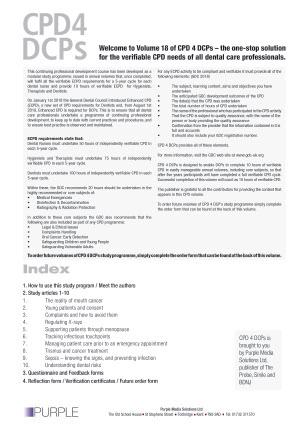
ECPD for your whole practice
CPD 4 DCPs is a fully veri able ECPD programme that enables each member of the dental team to complete one year’s ECPD requirement in a highly cost-effective manner. Covering all the highly recommended subjects, each volume is specially designed to cover the ECPD needs of up to 10 DCPs.
Providing 10 hours of veri able ECPD, one Volume covers the annual veri able ECPD needs of most practices.
Subjects
• The reality of mouth cancer
• Young patients and consent
• Complaints and how to avoid them
• Regulating X-rays
• Supporting patients through menopause
• Tracking infectious touchpoints
• Managing patient care prior to an emergency appointment
• Trismus and cancer treatment
• Sepsis – knowing the signs, and preventing infection
• Understanding dental risks
EVENTS
Her refl ections on the challenges faced by individuals experiencing homelessness served as an important reminder of why this work matters. It encouraged us to think beyond systems and structures, and to focus on people - their stories, their experiences, and their needs.
The panel discussion that followed brought together Natalie Bradley, Jyoti Sumel, Nicola Blake, and John Darby, each offering a unique and valuable perspective. What I found particularly impactful was the honesty of the discussion; there was a genuine willingness to explore challenges, to question assumptions, and to learn from one another. It reinforced the idea that “safe and effective care” means different things in different contexts, and that we must remain open, reflective, and inclusive in our approach.
The afternoon workshop provided an opportunity to reflect more deeply on the barriers faced by those most in need. The discussions were thoughtful, honest, and at times challenging. We explored the experiences of a wide range of groups, including people experiencing homelessness, older adults, migrants and refugees, individuals with disabilities, and those living with mental health conditions.
What stood out to me during these discussions was the balance between realism and hope. Indeed, the challenges are complex, and there are barriers that require systemic change, but there was also a strong sense of determination in the room. There was a belief that, by working together, we can find practical solutions. There was a generosity in the way people shared ideas and experiences, and a genuine commitment to making things better.
As the day came to a close, there was a sense that something important had taken place. Not just a sharing of knowledge, but a
strengthening of relationships and a reaffirmation of our shared purpose. For me, this event was a reminder of why I am so proud to be part of this profession. Dental nurses, and the wider oral healthcare team, play a vital role in supporting patients, often in the most challenging circumstances. We bring compassion, resilience, and dedication to our work every day. This was more than just a professional gathering; it was a moment of connection, reflection, and inspiration. It reminded us that, at the heart of everything we do, is a simple but powerful goal - to provide safe, effective, and compassionate care for all, especially to those who need it most.
As President of the British Association of Dental Nurses, I believe strongly in the importance of ensuring that our voices are heard and that we continue to advocate for both our profession and our patients. Events like this highlight just how important that is. I left the event feeling encouraged, inspired, and quietly optimistic. When we come together with shared purpose and genuine intent, we can achieve meaningful and lasting change, and that is something worth holding onto.
About the author
Preetee Hylton RDN is BADN President. Preetee is a dental nurse and safeguarding lead at a private dental practice in London. She delivers the NCFE CACHE Level 3 Diploma in Principles and Practice in Dental Nursing, and serves as an Associate Examiner for the National Examining Board for Dental Nurses (NEBDN).
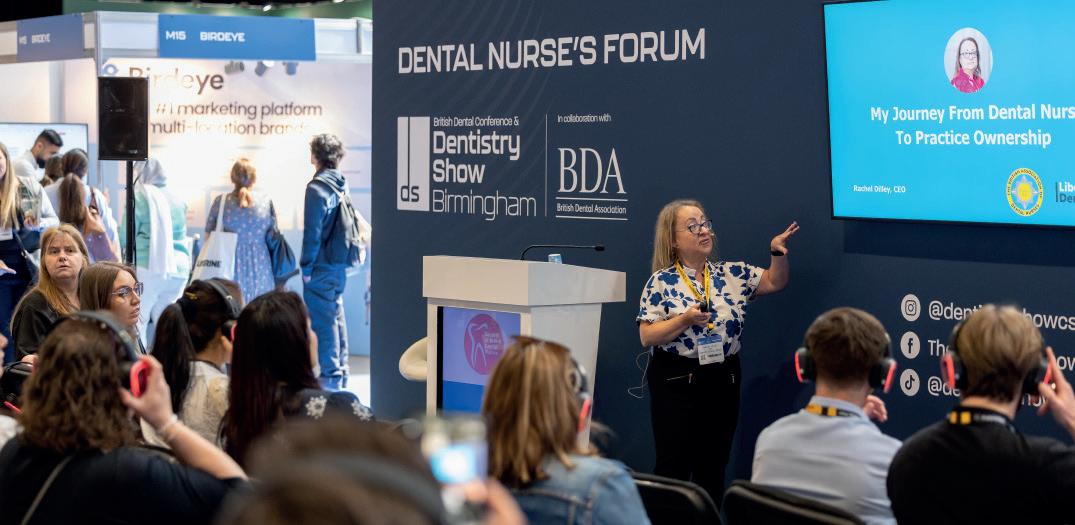
Empowering Dental Nurses at BDCDS 2026
Dental nurses are the backbone of every dental practice, contributing to patient care, clinical delivery and team success. As the profession continues to evolve, so do the opportunities for dental nurses to grow, develop and take on new responsibilities.
The British Dental Conference & Dentistry Show (BDCDS) 2026, taking place on 15-16 May at the NEC Birmingham, offers the perfect platform to support that journey.
Bringing together thousands of dental professionals from across the UK, BDCDS is more than just an event, it’s a space for dental nurses to feel informed, connected and inspired.
Designed to support your development
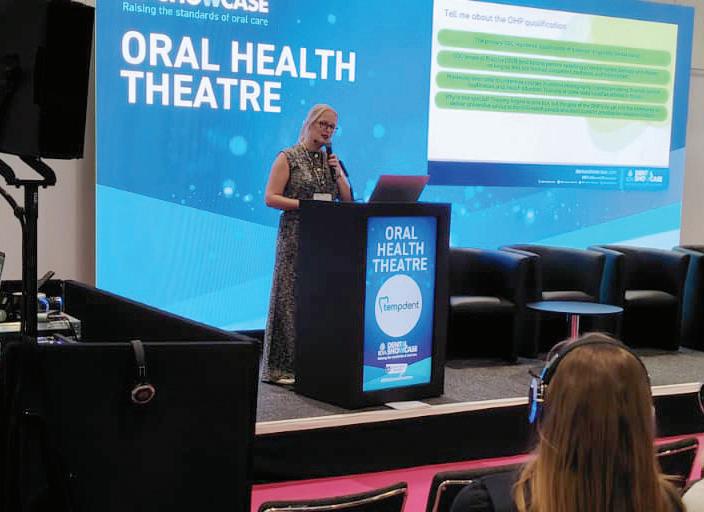
The Dental Nurses Forum offers a dedicated space for dental nursing, where you can gain enhanced CPD across a wide range of relevant topics. This dedicated theatre delivers high-quality education tailored to the realities of modern practice, covering everything from clinical skills and compliance to communication, patient care and career progression.
Led by industry leaders and respected voices within dental nursing, these sessions are designed to share practical insight, real-world experience and advice you can confidently apply in practice.
Take a look at just some of the sessions you can attend:
• Digital dentistry: the future for DCPs with Rebecca Silver
• 50 years of smiles: what really shapes oral health and what comes next with Rachael England
• Small moments matter: how dental nurses can strengthen teams, reduce stress and feel seen at work with Christina Radics
• Laughter to legislation with Janet Pickles
Explore 400+ leading brands
Step onto a buzzing exhibition floor packed with 400+ suppliers, showcasing the latest innovations in dentistry. Whether it’s new materials, digital solutions or everyday essentials, you’ll find tools and ideas to make your role easier and more effective.
Connect with your community
BDCDS isn’t just about learning, it’s about networking! Meet thousands of like-minded professionals, share experiences and be part of a community that truly understands the value of dental nurses.
Join us on 15-16 May 2026 at the NEC Birmingham. Register for your free pass today: https://forms.reg.buzz/ dentistry-show-splash?utm_source=partners&utm_ medium=reg&utm_campaign=BADN
Guests join us from all areas of the industry to provide their own unique perspectives on a wide range of topics, from manufacturers and figureheads of various dental organisations, to those in the trenches working in practice, and more.
For
Nothing is o limits in The Probe Dental Podcast, so be sure to tune in wherever you get your podcasts! The Probe Dental Podcast features discussions that explore all areas of the British dental sector.
BDIA Dental Showcase
Mouth Cancer Foundation marks new chapter
The Mouth Cancer Foundation announces a significant leadership transition, marking a new chapter in its mission to improve outcomes for people affected by mouth, head and neck cancers.
Dental Hygienist, Joss Harding is appointed President, succeeding Maxillofacial Surgeon, Mahesh Kumar, who will continue to support the charity as Past President and Clinical Ambassador. Specialty Registrar in Restorative Dentistry, Tripat Mahajan steps into the role of President Elect, bringing further clinical expertise and leadership to the organisation.
Joss Harding, who was voted in at a recent AGM held by the Charity’s Board of Trustees, takes over the unpaid day-to-day Presidency following three years as President Elect.
“I am honoured to lead the Mouth Cancer Foundation at such an important time,” she said. “We are building on a powerful legacy, one where patients are at the heart of what we do and we will continue to make real patient impact. My focus is to strengthen the Mouth Cancer Foundation; expand our reach and ensure we continue to support those who need us most.”
Under Joss’s leadership, the Charity will prioritise: Support: Strengthening patient support services, including offering patient grants to head and neck cancer patients in the UK, late effects for patients post treatment, offering increased online
and helpline opportunities for patients. For professionals we could support small, local research projects.
Education: Expand mouth cancer awareness in Dental Schools, Schools of Dental Hygiene, Dental Therapy and Dental Technicians, as well as launch the Dental Team Accreditation Scheme for all Dental professionals working in practice.
Growth: Driving sustainable growth through increased fundraising activities and growing the Mouth Cancer Foundation Awareness Walks programme.
Joss also emphasised the importance of collaboration: “We are proud to work alongside leading organisations in oral health and cancer care. The next step is to deepen those partnerships and amplify our collective impact.”
Tripat Mahajan, a Specialty Registrar in Restorative Dentistry based in Manchester, joins the leadership team as President Elect.
“I feel honoured to take on this role and to support the Mouth Cancer Foundation’s vital work in raising awareness of this devastating disease,” she said. “Together, we will continue to push forward initiatives that make a tangible difference to patients and families.”
Mahesh Kumar welcomed the transition, stating: “The Mouth Cancer Foundation has grown tremendously over the past 20 years. Now is the right time to hand over to a new generation who will take the organisation even further.”
With a renewed leadership team and a clear strategic vision, the Mouth Cancer Foundation is poised to scale its impact: raising awareness, improving early detection and enhancing support for patients, survivors and carers across the UK.
For full details of ‘Who is Who’ and what they do at the Mouth Cancer Foundation visit the charity’s website: https://www. mouthcancerfoundation.org/our-team/
CALENDAR 2026 CALENDAR
May
Smile Month 12 May – 12 June
1 Beltane
4 May Bank Holiday
5 BADN Panel of Representatives meeting
7 National Diploma Written Exam/Level 3 Diploma Knowledge Test April Results 11-17 Coeliac Awareness Week 11-17 Mental Health Awareness Week
13 NEBDN Apprenticeship Knowledge Test
13 National Receptionists’ Day
13 Root Canal Awareness Day
15-16 Dentistry Show, NEC (www.birmingham.dentistryshow.co.uk)
19 Record keeping - surely it can’t be that difficult! – Online – 10:30-12:30 - £95 for Dental nurses https://www.bda.org/learning/courses-and-events/ online-record-keeping-jan-2026/
21 Fathers’ Day
21 NEBDN National Diploma OSCE/ Level 3 Diploma Professional Discussion window Ends
All Full and Student Members (as at 31 March 2026) should have received their ballot papers to vote on the proposed merger with Community. The closing date for the completed ballot papers to be received by the independent scrutineer is Tuesday 5 May 2026. Please post your completed ballot in good time to arrive by 5 May – bearing in mind that Monday 4 May 2026 is a Bank Holiday, and that delivery is dependent on Royal Mail!! Ballot papers which arrive after midday on 5 May 2026 will not be included. For information on the merger, please go to the members’ area of www.badn.org.uk
July
3 Copy date for Summer 2026 British Dental Nurses’ Journal (pam@badn.org.uk)
7 BADN Panel of Representatives meeting 13 Orangeman’s Day Bank Holiday (N. Ireland only)
15 NEBDN Apprenticeship Knowledge Test
23 NEBDN National Diploma OSCE/Level 3 Diploma Professional Discussion June Results
24 International Self Care Day
25 BADN Coffee CatchUp
27 Summer 2026 edition of British Dental Nurses’ Journal published
31 Deadline for GDC registration renewal, confirmation of indemnity, logging of CPD
August
Lammas 3 Bank Holiday (Scotland only) 4 BADN Panel of Representatives meeting
National Fresh Breath Day 12 NEBDN Apprenticeship Knowledge Test 22 National Tooth Fairy Day 26 NEBDN Apprenticeship Structured Clinical Assessment/Professional Discussion
31 Summer Bank Holiday (not Scotland)
September
1 BADN Panel of Representatives meeting 4 NEBDN Post-Reg Exams 9 NEBDN Apprenticeship Knowledge Test 10 World Suicide Prevention Day 11 Rosh Hashanah (Jewish New Year) begins (ends 13 Sept)
13 Sepsis Awareness Day 22-28 Organ Donation Week
25 BDA Core CPD study day –Friday 25 September 2026 - London 26 BADN Coffee CatchUp
Black History Month UK; Menopause Awareness Month; Breast Cancer Awareness Month; Speak Up (National Guardian’s Office) Month
1 International Coffee Day
1 NEBDN Post-Reg Exam Results
2 Copy date for Autumn 2026 edition of the British Dental Nurses’ Journal (pam@badn.org.uk)
2 World Smile Day
4 Grandparents’ Day
6 BADN Panel of Representatives meeting
7-9 British Society of Periontology Conference, York
Key
BADN – see www.badn.org.uk
UK Bank Holidays
New Year/religious dates – which are not UK Bank Holidays. If your faith is not represented, please send dates of New Year and/or the three major religious festivals to events@badn.org.uk.
Other dental dates – to add your event to the Calendar, please send details to events@badn.org.uk
Other notable dates which are not UK Bank Holidays
NEBDN – contact www.nebdn.org for details
NHSE South (Ox/Bucks/Berks/Hants/IoW Dental Nurse Forum 2025 – to book http://www.maxcourse.co.uk/heetvw/guestHome.asp
BADN events, social media, website, IT matters, etc:
Jacek Drozdek 01253 338364
pam@badn.org.uk
val@badn.org.uk
jacek@badn.org.uk events@badn.org.uk
General Enquiries enquiries@badn.org.uk
Our phone lines are very busy! If you are put through to voicemail, please leave a message stating your name, BADN membership number, and contact phone number, and we will get back to you as soon as possible – please do not hang up; or keep ringing round all the various phone numbers and hanging up – this just blocks the system!
Should you wish to contact members of the BADN Executive Committee, please do so via the BADN office or use the email addresses below – for reasons of of privacy, work/life balance, etc, please do not use the individual concerned’s personal home or work email address:
President (Preetee Hylton) & President-Elect (Carolyn Roberts) president@badn.org.uk
For queries regarding BADN Rewards, please contact Katie Alvarez at Parliament Hill at katie@parliament-hill.co.uk
For queries regarding CPD in the Journal, or access to the CPD certificates, please contact Lorna Reekie at Purple Media on lorna.reekie@purplems.com.
For queries regarding indemnity, please contact Trafalgar Risk Management Ltd on trmadmin@trafalgar.uk.com
To advertise in the Journal, please contact Ed Hunt at Purple Media at ed.hunt@purplems.com
To obtain your long service member badge (5, 10, 15, 20, 25 years), please go to www.badn.org.uk/longservicebadge and complete the claim. You will then receive an email from Val confirming your eligibility and requesting an SAE. Please put a Self Addressed Envelope, with stamps to the value of £1.05 (second class mail) or £1.45 (first class mail), together with a note of your name and BADN membership number, into a second envelope addressed to the BADN office and with “BADGE” written in the top right hand corner of the outer envelope. Remember to stamp the outer envelope too!
To obtain your hard copy of the CPD Activity Log, Personal Development Planner or Menopause Policy, please go to the online shop in the members’ area of www.badn.org.uk, where you can order any or all of these for the just cost of P&P
You can obtain replacement membership badges (£5), 80th Anniversary brooches (£10.50) and BADN Bundles containing a BADN pen, coaster and keyring with trolly pound (£5) from our online shop at www.badn.org.uk/membershop
BADN has moved
Our new address is: BADN 13-15 Preston Street Fleetwood FY7 6JA
Our phone numbers and email/web addresses will remain the same.
Please don’t send any hard copy correspondence to the old Hillhouse address – the building is due to be demolished, and we wont be able to get back on site to collect mail!
Brand new course
Fluoride Varnish Application & Plaque Indices Online Course
A flexible online course designed for GDC-registered Dental Nurses
Gain the skills and hands‑on competence to apply fluoride varnish and accurately assess plaque indices
Learn via interactive e‑learning and an online practical session that fits around your schedule
Complete in as little as 4 weeks
Tempdent is the UKs leading provider of dental apprenticeships, training, recruitment and online CPD