


Kevin O, Dentist









Kevin O, Dentist
Honorary President
Joan Hatchard RDN LCGI FBADN FAETC president@badn.org.uk
Chairman
Michelle Brand RDN BSc MA chairman@badn.org.uk

President-elect
Preetee Hylton RDN president@badn.org.uk
Treasurer Ruth Garrity RDN finance@badn.org.uk

Education Representative Anita Stanforth RDN FDSc MSc education@badn.org.uk
For Executive Committee member biographies, please go to the About Us page of the BADN website: www.badn.org.uk
Executive Editor: Pamela Swain MBA LCGI FIAM FCMI
Managing Editor: James Cooke
Group Sales Manager: Ed Hunt
Production Designer: Rob Tremain
Divisional Administrator: Francesca Colclough
Managing Director: Steve Hardiman
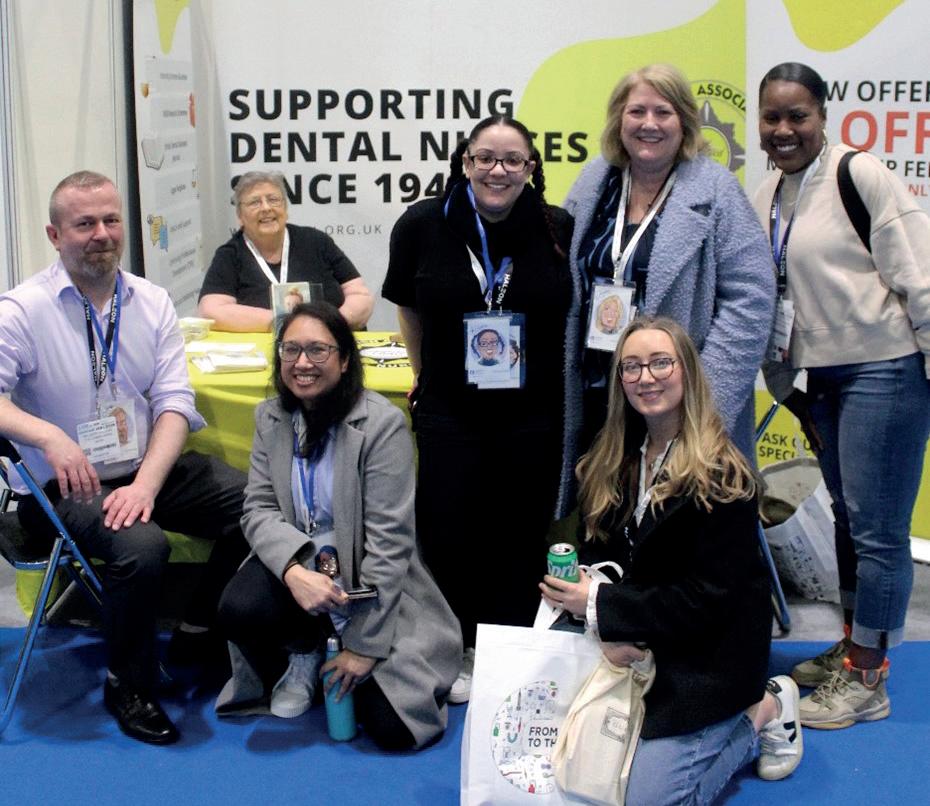
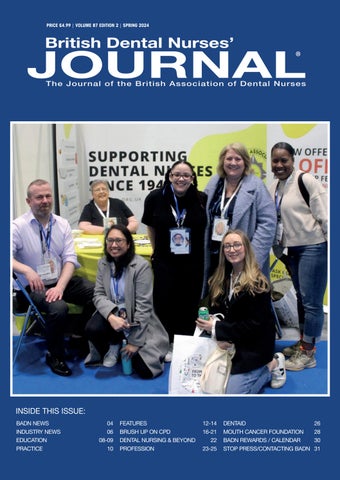
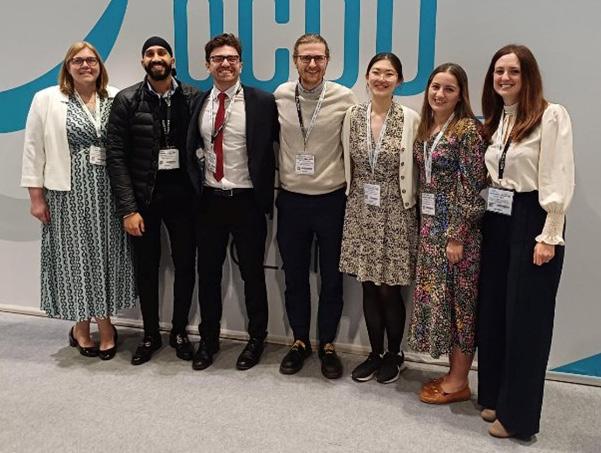
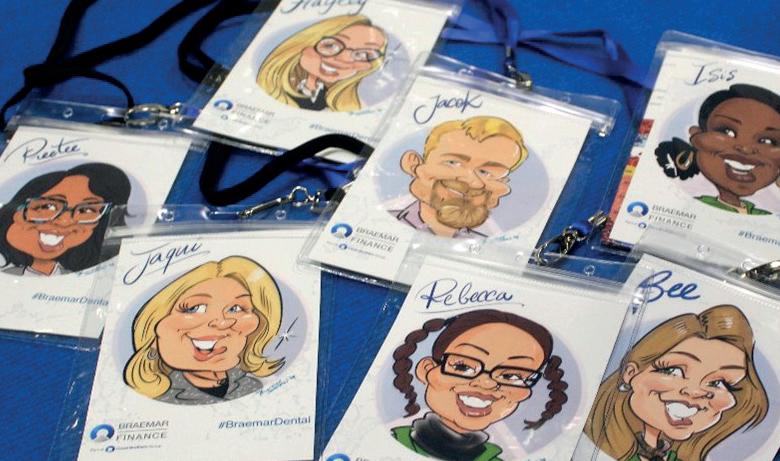
Front Cover: Front (l to r) Jacek, Preetee, Hayley
Back (l to r) Pam, Rebecca, Jacqui, Isis at the recent Dental Showcase
Please address all correspondence to: Executive Editor
Email: pam@badn.org.uk Tel: 01253 338 360
Membership Subscriptions: Full Members – £45 Student e-Associates £10 Associates – £40
Journal Subscriptions: £120 per annum (UK institutions only) £150 per annum (overseas institutions only)
Printed by Buxton Press Limited ISO14001 certified © British Dental Nurses’ Journal
Published by Purple Media Solutions Registered in England. Registered number 5949065
The British Dental Nurses Journal (BDNJ) is published by Purple Media Solutions Ltd on behalf of the British Association of Dental Nurses (BADN). The BADN has sole responsibility of the editorial content of this magazine. Any comments or questions regarding editorial content should be addressed to the executive

Its been a busy few months – I hope you all had a relaxing Easter break! Since the beginning of 2024, I (together with Chief Exec Pam Swain) have had meetings with the Orthodontic National Group, the British Association of Oral Surgeons, the British Dental Association, {my} dentist, BUPA Dental Care, the General Dental Council, the College of General Dentistry, the CQC, NEBDN, the Nuffield Foundation and representatives of the Department of Health & Social Care; as well as the editors of The Probe, Dental Nursing magazine, The Dentist and Dentistry Online. Plus, a BADN Executive Committee meeting and an online Coffee Catch Up!

March was a busy month for exhibitions – on 9 March, Pam and I, together with Jacek, our IT & Comms manager, had a stand at the North of England Show in Manchester. There were several BADN member speakers on the dental nursing programme: President-elect Preetee Hylton, Chief Exec Pam Swain, Shannon Wilkes, and Eszter Janusek – and we were very busy on the stand, meeting old friends and signing up new members.
Also in March, at ExCel in London, we had a stand at Dental Showcase, with Straumann kindly providing Laura Hardy, for the BADN speaker slot. The night before the Show was the 20th anniversary of Parliament Hill, who provide our Rewards scheme, and I was delighted to be invited to their celebrations in Lincolns Inn Fields’ gardens – who knew this haven existed in Central London?! I also attended the Chief Dental Officer/England’s roundtable meeting at the show.
Cancer Foundation, and to attend their meeting in late March.
In mid-April, I travelled to Birmingham to attend the Association of Dental Hospitals Dental Nursing Group Talent Management Celebration event, where I outlined to the dental nurses attending the event the benefits of belonging to their professional association.
Of course, both the Nuffield Policy Briefing on the state of NHS Dentistry and the DHSC’s Dental Recovery Plan were published earlier this year – both of which were very disappointing in their lack of knowledge and understanding of the role of the dental nurse in delivering oral healthcare in the UK. BADN have responded to both (see page 4 and we have met with representatives of both Nuffield and the DHSC.
The views expressed in The British Dental Nurses’ Journal are not necessarily the views of the magazine, nor of BADN.
Follow us on X: @BADNUK Connect on Facebook: www.facebook.com/BADNUK
I was delighted to be invited, along with Preetee and Pam, to be an Ambassador for the Mouth
In May, Pam, Jacek and I will be attending both the Dentistry Show at the NEC on 17-18 May – where BADN will be at stand K01 next to the Dental Nurse Lounge and where I shall be chairing the Dental Nurse Forum, as well as the Scottish Dental Show at Braehead on 31 May-1 June.
We look forward to seeing you there!

BADN has welcomed the Dental Recovery Plan as “a first step in the right direction” – but says the Plan “does not adequately address the current dental nursing recruitment and retention crisis”.
The Plan includes:
• New programmes to promote oral health
• Deployment of teams to worst areas for oral health/NHS access/dental vans to underserved areas
• “Golden Hello” payments to attract dentists into new areas/Introduction of New “Patient Premium”
• Expansion of dental undergraduate training places by 40%/Expansion of dental therapy and dental hygiene training places by 28% by 2028/9 and by further 40% by 2031/32
• Promotion of therapist-led models of care
• Increase of exam capacity for overseas qualified dentists/streamlining of registration of overseas dentists/make it easier for overseas dental professionals to work in the NHS/exploration of automatic recognition of international qualifications outside the EEA
• Funding/contract reform/UDA uplift
“The Recovery Plan is certainly a starting point,” said BADN Honorary President Joan Hatchard. “But it fails to consider the fact that increasing the number of dentists/hygienists/therapists requires a similar increase in the number of dental nurses, as clinicians cannot work with dental nurses. The Plan blithely states that the NHS will also encourage more dental nurses to pursue training programmes – without giving any specific details on how this will be achieved!”
BADN also recently responded to the policy briefing published in mid-December 2023 on the state of NHS dentistry.
The authors of the Nuffield document consulted with the British Dental Association (BDA), which represents dentists, and the regulatory body, the General Dental Council (GDC), as well as with other organisations including the Department for Health and Social Care (DHSC), the Care Quality Commission (CQC) and the Royal College of Paediatrics and Child Health – but not with BADN, which represents dental nurses, nor with any of the other associations representing Dental Care Professionals (hygienists, therapists, technicians, clinical dental technicians and orthodontic therapists).
The BADN response makes clear that “….BADN is surprised, and extremely disappointed, that the authors did not see fit to consult those representing Dental Care Professionals, including dental nurses.”
“It is inconceivable,” said BADN Honorary President Joan Hatchard, “that an organisation such as the Nuffield Foundation believes that oral healthcare in the UK is delivered by dentists alone, has ignored the contribution of other members of the dental team, and has failed to avail themselves of the knowledge, expertise and skills of the professional associations representing DCPs in their attempt to identify, and provide solutions to, the difficulties currently facing NHS dentistry.
BADN Honorary President Joan Hatchard and Chief Exec Pam Swain have since met with representatives of both the Nuffield Foundation and the Department of Health & Social Security.
The British Dental Conference and Dentistry Show is an annual event, and BADN – the professional association for dental nurses in the UK – is a key partner with a stand at K01, right next door to the Dental Nurse Lounge where you can sit down, relax and have a hot drink.
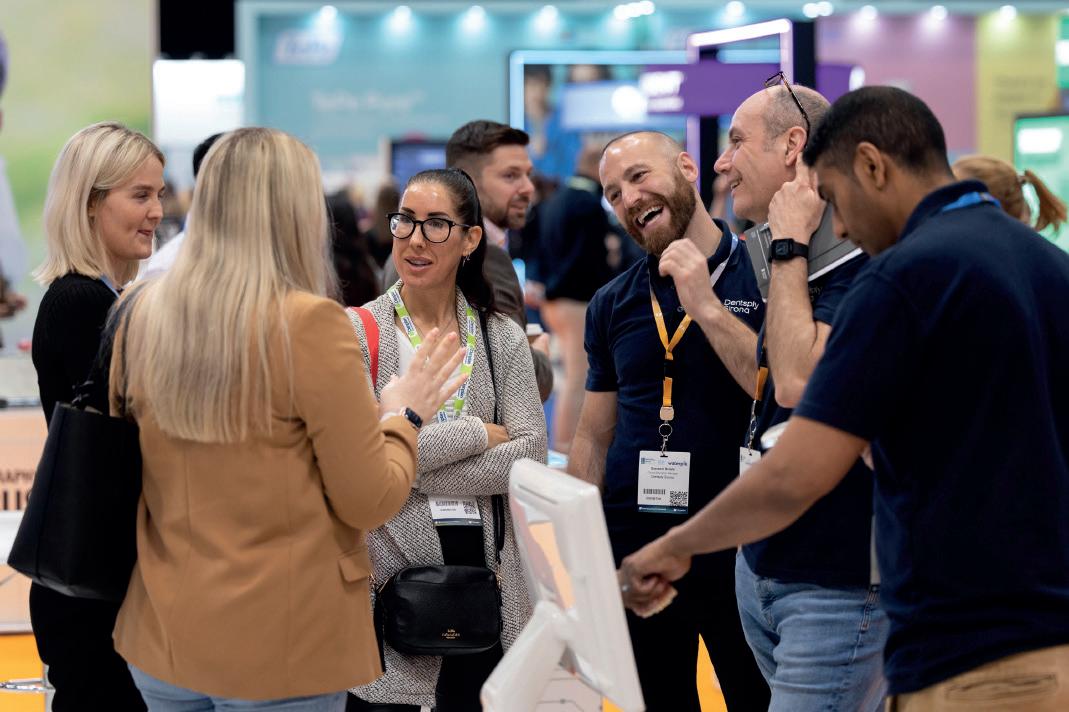

The Dental Nurses’ Forum, chaired by BADN President Joan Hatchard, is returning to the Show once more to host a dedicated programme of Enhanced CPD for personal and professional development. 2024 speakers include BADN’s Natalie Marucci (implants), Hannah Grieves (career ladder – sponsored by MyDentist), Rebecca Silver (conflict resolution with ADAM’s Lisa Bainham, and fostering trust), Kelly James (volunteering), Sarah Haslam and Joycee Rebelo (neurodiversity), Dr Debbie Reed (career progression – sponsored by NEBDN), as well as Darja Taravski (oral health practitioners), Kristen Bottrell of the GDC, and Silva Method instructors Karin Barnes and Akhtar Chowdhury on managing stress and anxiety. For more speaker info, please visit https:// birmingham.dentistryshow.co.uk/conference-programme
What’s more, with 400+ suppliers on the show floor you can discover the latest products, material and services.
To register for your complimentary pass, visit birmingham.dentistryshow.co.uk/badn or scan the QR code.
As of 1 April 2024: Over 21s: £11.44 per hour; 18-20: £8.60 per hour. Under 18s/Apprentices aged 19 or under/Apprentices over 19 in first year of apprenticeship: £6.40 per hour
As of April 2024, employees have the right to make a fl exible working application from their first day of employment. Employees may also now make two such requests per 12-month period.
The Maternity Leave, Adoption Leave and Shared Parental Leave (Amendment) Regulations 2024 came into force on 6 April 2024. These regulations extended the added protection currently afforded to employees on maternity, adoption and shared parental leave during a redundancy exercise. Employees on these types of leave have a right to be offered a suitable alternative vacancy, where one exists, before all other employees.
Carers’ Leave Regulations 2024 came into force on 6 April 2024. Carers’ leave will be available to eligible employees from the first day of their employment. Staff will be able to take a maximum one working week of leave, per 12 month rolling period, flexibly to suit their caring responsibilities.






















Wipe material made of plastic-free and climate - neutral fibers









Increased coverage and more yield per wipe



Natural fibers from certified forestry


E fficient and environmentally friendly production process




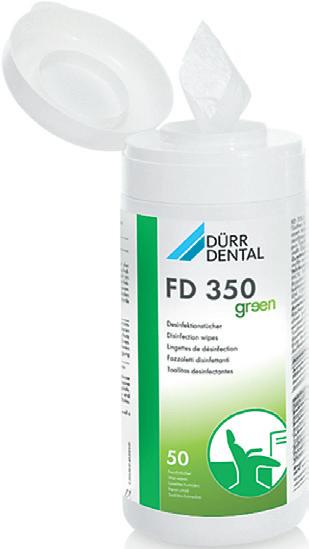


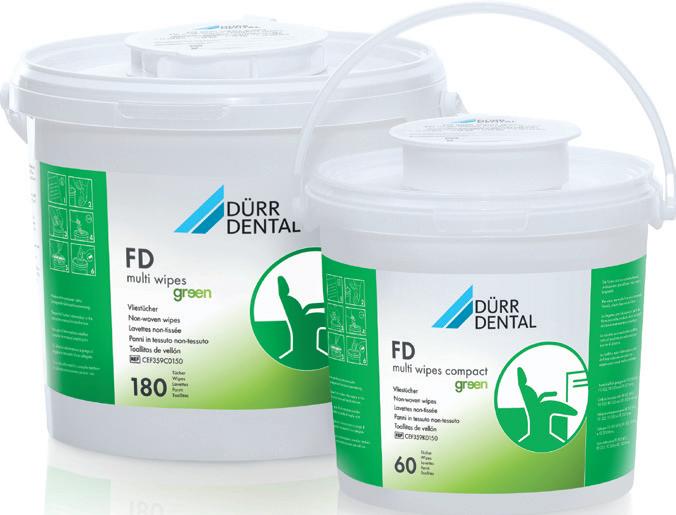


The new disinfection wipes
Itʼs now easier to bring sustainability into your practice disinfection protocols, with the new FD350 Green wipes from Dürr Dental. Each are made from plastic-free natural fibres and are manufactured in an environmentally friendly way. As well as being good for the planet, theyʼre also good for your pocket, as they provide greater coverage, without compromising efficacy. Dürr Dental – environmentally conscious for a better future. More at www.duerrdental.com
The General Dental Council (GDC) is pleased to announce that Tom Whiting has been appointed as its new Chief Executive Officer and Registrar and will take up his position in the next three months.
Tom joins from the Independent Office for Police Conduct (IOPC) where he is Acting Director General having been Deputy Director General since 2019.

Prior to the IOPC, Tom spent fourteen years in local government at Harrow Council, most recently as their Interim Chief Executive, where he was responsible for public health, public protection services safeguarding children and adults and a range of regulatory services including environmental health, trading standards, planning and building control. For many years he was responsible for fi nance, people and legal and governance services.
Lord Toby Harris, GDC Chair, said: “I am very pleased to welcome Tom as the GDC’s new Chief Executive Officer. He brings the skills, qualities and experience needed to help us further develop trust and high performance as well as enhancing equality, diversity and inclusion for staff and in our regulatory processes. Tom will join the GDC at an exciting time, as we remain focused on our performance, modernise how we register dental professionals who qualify abroad and develop our corporate strategy for 2026-2028. One of Tom’s priorities will be to build and maintain the trust of the public and the professions, as well as key external stakeholders across the four nations, and I am looking forward to working with him to do so.”
On accepting his appointment, Tom Whiting said: “I am really pleased to join the GDC at such a pivotal time and look forward to meeting staff, dental professionals and external stakeholders to understand their views and priorities. The dental sector and the public face many challenges and I want to work together with all stakeholders to tackle our shared issues and make progress on shared goals.
“From my time in different public sector bodies, I understand the need to balance constraints with opportunities, and to build trust and confidence through transparency, open communication and a commitment to learning. I am hugely excited about doing so in the GDC and look forward to joining very soon.”
The 2024 Dental Awards are almost upon us and, as BADN has been closely involved for many years now, it gives us great pleasure to announce the shortlisted entries for the Dental Nurse, Receptionist and Practice Manager categories.
The winners and finalists will be announced in a live-streamed presentation on Thursday 23 May at noon. The broadcast, hosted by BBC weather presenter and meteorologist Sarah Keith-Lucas, will be available to tune into on the-probe.co.uk , as well as The Probe’s Youtube Channel. Don’t worry if you’re unable to watch live, as the presentation will be immediately available on-demand. The winners will then be invited to join judges and sponsors at a top London venue on Friday 5 July to celebrate their victories in style, and to be presented with their trophies and certificates in person.
A special thanks goes to our expert judging panel, comprising: Ben Atkins, Tim Newton, Lisa Bainham, Miranda Steeples, Debbie Hemington, Pam Swain, Davinder Raju, Amit Patel, Paroo Mistry, Ewa Rozwadowska, Glenys Bridges, and Amanda Oakey.
The Dental Awards is sponsored by B.A. International, Colosseum Dental, Dental Elite, and Waterpik, and is presented in association with the Oral Health Foundation, ADAM, BADN, BADT, and BSDHT.
• Amy Collin, Ropergate Dental Care, Pontefract
• Aqsah Ali, All Saints Dental Clinic, Kings Heath
• Brittany Pittham, Inspired Dental Care, Exeter
• Karima Ewida, Need A Nurse, Kidderminster
• Naomi Gbasai, Shiraz Endo, Solihull
• Natalie Marucci, Clear Dentistry, Southampton
• Rebecca Silver
• Shannon Wilkes, Euston Place Dental Practice, Leamington Spa
• Wiktoria Wisniewska, Ridge Dental, Bristol
FRONT OF HOUSE/RECEPTIONIST OF THE YEAR AWARD
• Kelly Bird, All Saints Dental Clinic, Kings Heath
• Mary Holroyd, Shiraz Endo, Solihull
• Shauna Church, Inspired Dental Care, Exeter
• Trudy Horne, Dorset Dental Clinic, Poole
• Alex McWhirter, North Cardiff Dental, Cardiff
• Amanda Reast, The Dental Architect, Leeds
• Amy Eadie, Ropergate Dental Care, Pontefract
• Brittany Pittham, Inspired Dental Care, Exeter
• Denise Griffiths, Glenhaven Dental, Cardiff
• Fiona McHugh, Dorset Dental Clinic, Poole
• Lorraine Diaper, Bar Hill Dental, Cambridgeshire
• Simona Pacuraru, All Saints Dental Clinic, Kings Heath
























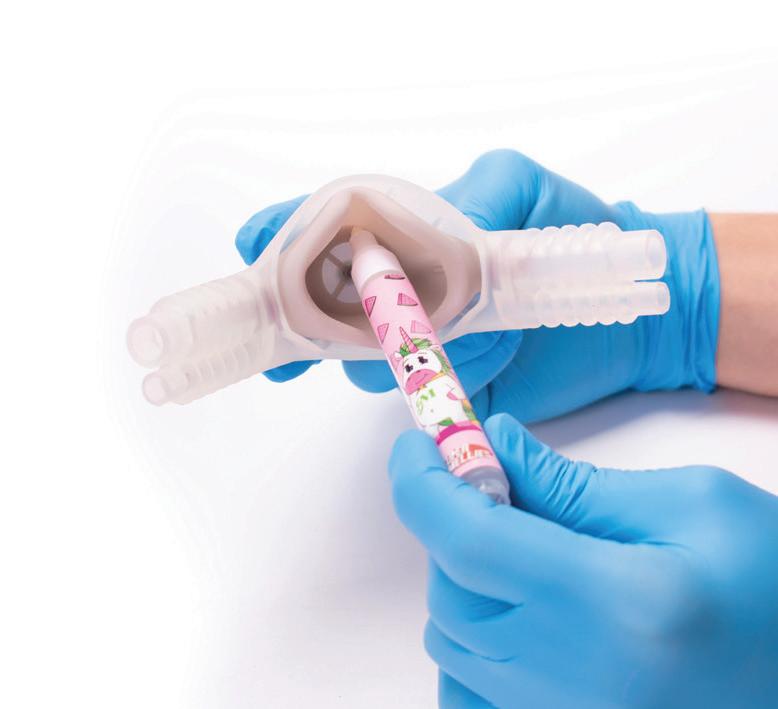
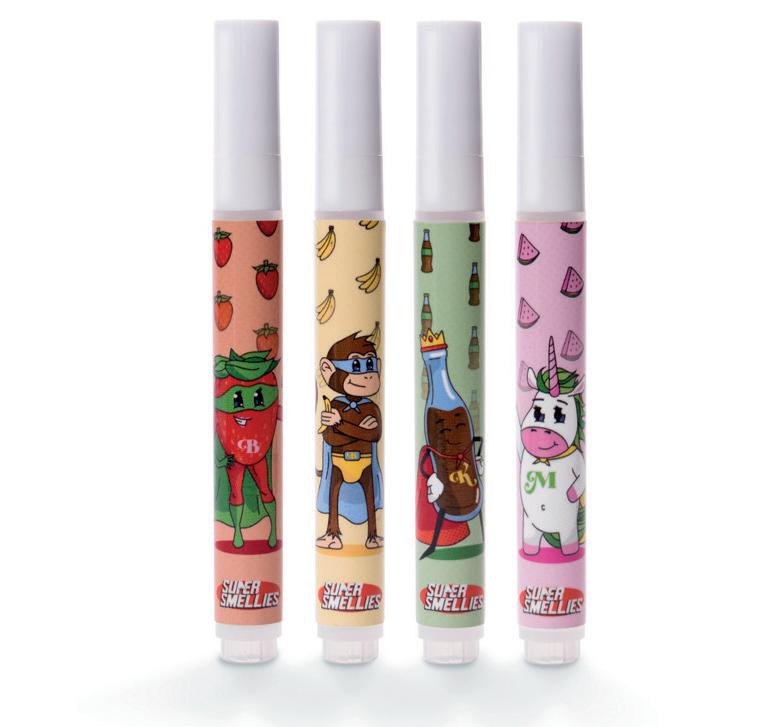
Introducing the new Super Smellie pens; A safe way to add a great scent to your unscented nasal masks.
NHS England Workforce, Training & Education (WT&E) in the Midlands are excited that applications for the September 2024 cohort of Leadership Fellows are opening in April 2024. This year there will be 3 Leadership positions for Dental Care Professionals (DCPs), WT&E are hoping that these will be filled by professionals from across the DCP registrant groups.
Increasing talk about skill mix and need for registrants to work to their full scope of practice means we need more opportunities for dental nurses to undertake leadership training. Therefore, enabling them to take the lead in empowering others within dentistry and raising the profile of dental nursing.
This 12-month fellowship is open to any dental nurse working within, or supporting NHS dentistry, in the Midlands. It will give the successful applicant the opportunity to spend 2 days a week working on developing their leadership skills and undertaking projects working with Local Dental Network Chairs, Associate Dean for Dental Workforce Development, ICBs, Consultants in Dental Public Health and the healthcare workforce beyond dentistry.
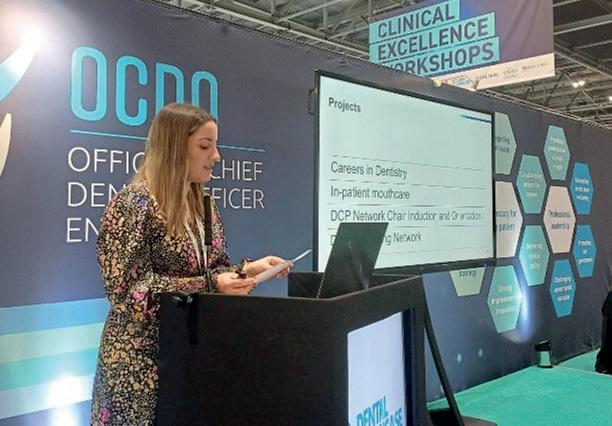
Our current DCP fellow, Sophie Fletcher, has recently had the opportunity to present at a national conference, BDIA, on the projects she has worked on and how she has developed during the fellowship. She has also embarked on a MSc in Healthcare Education through Anglian Ruskin University, despite not having an undergraduate degree she has been supported to collate evidence providing experiential equivalence allowing her onto the masters programme.

The successful postholders will take part in the monthly dental Leadership Development Programme. The posts come with significant NHSE funding (up to £4000) towards registration fees for an academic qualification, short course or other development activity which has been agreed by the Associate Dean for Dental Leadership Fellows.
The posts are suitable for:
• Dental Nurses at various stages of their clinical career
• Dental Nurses looking for non-clinical professional experience
• Dental Nurses looking to enhance their professional portfolio and CVs
• Dental Nurses starting out in their leadership journey.
You will be seconded from your substantive (clinical) employer for 2 days a week and it is expected you would continue in your current clinical role for the remainder of your working week. For DCPs working on a selfemployed basis there will be the option to retain this working arrangement and be employed 0.4WTE on a Thursdays and Friday for the Leadership aspect of the role.
If you do not have a substantive (clinical) employer for the clinical component NHSE can look to place you with a host organisation, these are available across the Midlands region.
WT&E are mindful on the impact seconding a Dental Nurse to this programme will have on the clinical team and can work with employers to ensure that equitable remuneration is in place. This funding can then be used to ensure stability of the clinical team.
To learn more about the upcoming positions and how to apply visit the Midlands website or scan the QR Code
https://eastmidlandsdeanery.nhs.uk/dental/leadership-fellow
Please direct any questions to england.dentalfellow.midlands@nhs.net
Applications open on 15th April 2024

Dental Research Network Opportunities for the Whole Dental Team with the NIHR Clinical Research Network West Midlands
Have you thought about becoming involved in research, which will help your career and improve patient care and services? NIHR are here to offer you that opportunity.
NIHR are keen to hear from dental nurses who are interested in finding out about these research opportunities for the whole dental team.
Please liaise with your dental practice owner/ manager, to seek approval and register at https://forms.gle/Q3qY1GksoJoPhmHL7
The move from dental nurse or receptionist to dental practice manager can be a pivotal career transition. However, this journey often lacks formal training, leaving individuals illequipped for the complexities of management. The absence of structured education may pose challenges, hindering the understanding of management theories and essential standards. Addressing this gap, the Level 4 DPM (Dental Practice Manager) apprenticeship emerges as a practical solution, offering a blend of management principles and dental-specific knowledge. Developed by the Trailblazer for Dental Health in collaboration with Health Education England, this qualification amalgamates management essentials with
As a leading UK dental training provider, Tempdent offers a reputable platform for aspiring dental professionals. With nearly two decades of experience, Tempdent has garnered recognition for its commitment to excellence in dental education. The institution boasts consistently high pass rates, exceeding national averages, underscoring its dedication to student success. Led by highly skilled tutors, Tempdent’s warm and supportive learning environment ensures an enriching educational experience. Moreover, the institution’s accreditation by esteemed bodies such as Ofsted, City and Guilds, and The Institute of Leadership and Management (ILM) underscores its unwavering commitment to quality assurance and educational standards. With Tempdent’s proven track record and commitment to excellence, aspiring Dental Practice Managers embark on a journey towards professional advancement and success.





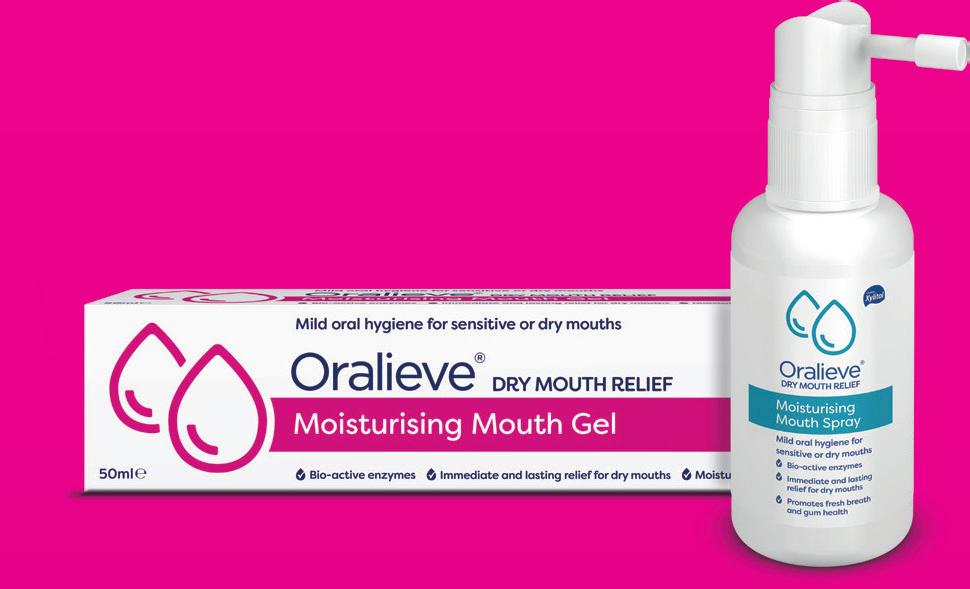
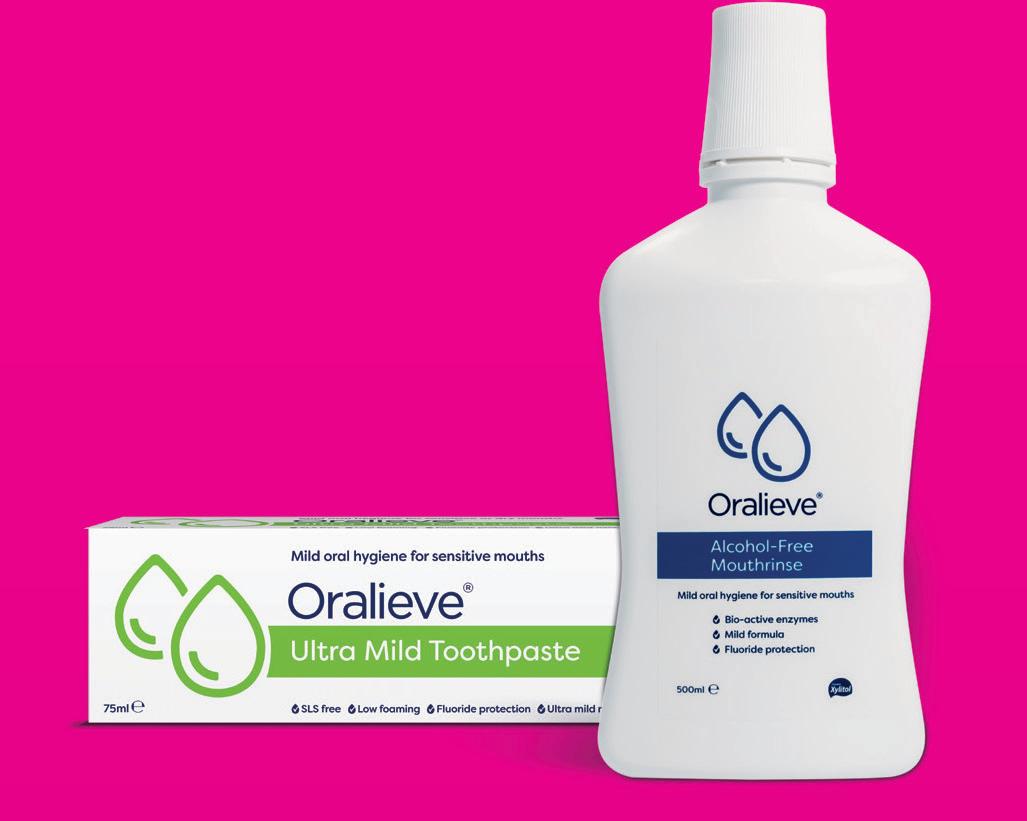
New For dry mouth – when just water is not enough








dental-focused units, aiming to equip individuals with the necessary competencies to excel in their roles.
The benefits of undertaking the Level 4 DPM apprenticeship extend to both individuals and dental practices. For individuals, the course delves into critical areas such as human resources, patient care, marketing, quality assurance, and risk management. Through comprehensive training, participants gain proficiency in delivering exceptional customer service and fostering effective relationships. Simultaneously, dental practices stand to gain highly skilled employees capable of navigating the intricate landscape of dental management, thereby enhancing operational efficiency and service delivery.
Enrolment in the Level 4 DPM apprenticeship necessitates employment as a Dental Practice Manager, with a minimum commitment of 30 hours per week. Unlike traditional educational pathways, prior qualifications are not mandatory; however, a fundamental grasp of English and mathematics is essential. Access to a computer or laptop with internet connectivity is imperative, facilitating participation in live webinars, accessing online resources, and completing coursework. This inclusive approach ensures accessibility while upholding the rigorous standards synonymous with dental management education.
The Level 4 DPM apprenticeship emerges as a transformative educational initiative, bridging the gap between traditional roles within the dental field and the demanding responsibilities of Practice Management. By integrating management principles with dentalspecific knowledge, this course empowers individuals to thrive in their roles while enhancing the overall efficacy of dental practices.










1 in 5 suffer from dry mouth, and water is usually the standard remedy. But for many people, water only provides brief relief.




















TePe’s new hydrating mouthwash and mouth gel ease the feeling of dry mouth, provides comfort, and protects teeth. We recommend the gentle, unflavoured products for those with a very dry mouth and mildly flavoured products for those with moderate problems.





TePe® Hydrating Mouthwash




TePe’s mouthwash moistens the mucosa and leaves a pleasant feeling in the mouth. Not only does it help with dry mouth, but the added 0.2 % fluoride also gives that extra protection against caries.



TePe® Hydrating Mouth Gel




TePe mouth gel gives immediate and long-lasting comfort*, moistens and soothes the oral mucosa and is convenient and easy to use whenever needed – great for on-the-go.

Available from dental wholesalers. Find out more at tepe.com.



*The duration of the comfort is individual; people with no or very little saliva usually experience a more prolonged effect.





Last year I took part in a project to undertake the toolkit for Sustainability within Dentistry
I knew very little about what was happening within the field of dentistry regarding sustainability, and how as part of a Community Dental team we could make small some changes to our working practice.
We’re lucky to have a dentist in our service who is very much part of the drive to a greener environment and teased her that I was taking a walk into the dark side. However, the last laugh was with her as I am now comfortable on the dark side.
Throughout the toolkit and now, I‘ve tried to and find ways at clinics and at home to recycle and reduce unnecessary use of items and waste.
At our morning meetings in clinic, I brought up ideas, asking staff to provide feedback to actions such as topics in the press and recommendations via the toolkit and whether we could adapt into our working patten.
The toolkit was designed for General Dental practice but could be adapted to any Practice, Private, NHS, Specialists practice. Being a Community Dental Service within a Foundation Trust made it slightly tricky, but with the support of the Service leads and the toolkit organisers we were able to work through the majority of the recommendations.
The toolkit was broken up into bronze, silver, and gold. Each section set out tasks for the practice to work through, some are easier than others. Some recommendations were more complicated if you share the building with other services. For each task I needed to complete the task and write up a small account of how I’d completed and applied into clinic and supported with evidence. I learnt a new skill along the way of taking photos and uploading them.
Some examples of the recommendations suggested:
• Making signs for the rest of the staff to remember to switch off lights in unused room
• Trying to find out ways of reducing the use of dappens pots
• Reducing the amount of electricity used by recording meter reading. Impossible in a multi service building
Two of the tasks I particularly enjoyed was that we established bird boxes in our outside spaces. I was very sceptical about the length of time before they were vandalised or removed but I’m happy to report that we still have the boxes up 5 months later and hope to have some occupants in this spring.
I also arranged to collect old plastic pens which are being shared by a local school, who will then get funds from the collection service. So, from using a old box glove box to collect the pens, the school obtains extra funding, and we save land fill. A win, win on all fronts.
The toolkit also covered staff wellbeing, encouraging us to support each other with certain tasks such as; carrying out outside activities, e.g. Samaritans, girl guides, fund raising for Ukraine, sport, food banks etc. Also encouraging time to spend with each other over lunch or coffee breaks.
Has it change our working within the practice?
Yes, reduction of dappens pots, darkened rooms through lights being switched off, reduction of taps left running, reduction in writing letters to patient, reduction of photocopying. Staff more aware of waste issues. These changes to our working practices really engaged staff to be involved and I received lots of ideas from them to what else we could do to change things. Our IPC was busy answering all our questions and suggestions! Would I take part again? Completely! I’m hoping to do it again this year, as I have more of an understanding and am gaining ideas, and completing training online about sustainability within Dentistry.
My clinic and I may only be a small part of the drive to a better and greener UK Dental field, but if enough of us work at it, we can make a difference. Sometimes we need to look at the past and amalgamate the old ways with the knowledge of today’s science to make a sustainable world.
About the author
Sherilee Bannerjee
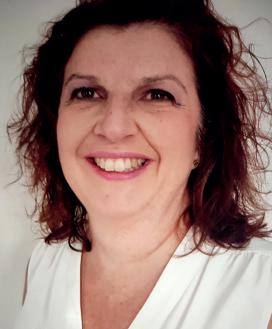
Sherilee started in general NHS dentistry in 1979 as a 16 year old school leaver and qualified as a “DSA” in 1982. Having worked in private dentistry and also in the Max-fac Dept at a London hospital, she then completed her FAETC teaching certificate and became an NEBDN examiner and dental nurse tutor; returning to NHS dentistry in primary dental care, where she obtained her Special Needs qualification, and is currently training as a nurse advocate for Domestic Abuse, Stalking and Harassment (DASH). She is also involved with “sustainability in clinical practice” and led the successful Green Award bid for Buckinghamshire priority service. Sherilee has been a BADN member for more than 25 years, receiving her 25 year brooch during lockdown.
Award-winning charity Gold for Kids, which helps transform the lives of children living in poverty by collecting and recycling unwanted crowns and bridges from dental practices, has appointed a new Chairman to its board.
Mark Topley, founder of the coaching and consultancy firm Purpose Driven Business, has over 25 years’ experience in the charity sector, 20 of them in dentistry.
A leading authority on Environmental, Social and Governance (ESG) and Corporate Social Responsibility (CSR), Mr Topley said he was really pleased and honoured to have been chosen as Chairman.
“Gold for Kids stands out due to its unique and effective approach. It partners with dental practices across the UK, collecting gold and precious metals from dental work and donating them to help children’s charities. This
not only supports sustainability but also turns everyday dental procedures into a chance to make a big difference in children’s lives.
Since it began in 2018, Gold for Kids has raised £50K to help underprivileged children and their families with essentials like food, clothing and shelter, providing dinners during school holidays as well we counselling, education and training opportunities.
For more information about the charity, to register interest or to request a collection, please visit www.goldforkids.org.

• A range of online CPD including live webinars, online modules, and more
• A dentolegal advice line, available 24/7, 365 days a year in an emergency
• The right to request assistance with GDC fitness-to-practise proceedings
• Access to our confidential counselling service to support you through stressful situations.



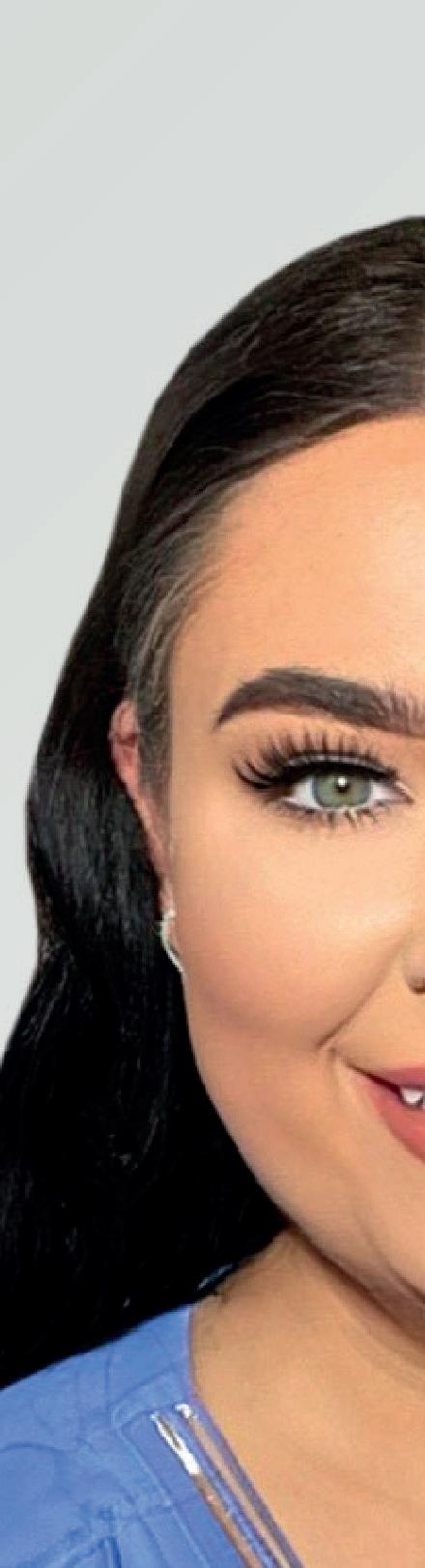





By Marisa Russell
In January of 2023, Heidi Grimwood (of Molar Mentoring) and myself, launched The Molar Mindset – a non-profit, well-being platform exclusively for dental nurses. Primarily, we are a listening service, we also signpost dental nurses to the support they may need. Working alongside others, we are building a library of free resources (guided hypnotherapy and a mini mindfulness course, for example) to support dental nurses even further with their well-being.
Our aim is to inspire positivity and empower dental nurses with confidence and resilience. As part of our vision, we wish to inspire dental nurses to support their colleagues in the workplace and we offer them the opportunity to become Health and Wellbeing Champions.
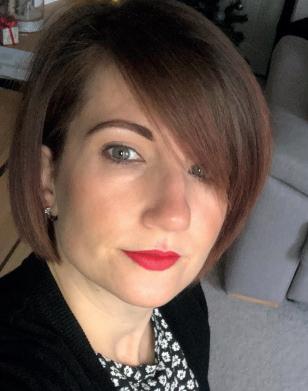
Marisa Russell - From Brighton and qualified as a dental nurse in 2003 with the NEBDN. She has worked in the dental industry since 2001, nursing in practices and working as an assessor and tutor.
She currently works with Heidi Grimwood at Molar Mentoring Ltd.
In addition, she lives with her partner and her little boy who is five. She’s also passionate about wellbeing, reading, football and being out and about in nature.
In 2016, I was working as a dental nurse in a busy practice. I went through a period of poor mental health; I had depression and anxiety, and was experiencing stress and burnout. As a result of this, I took some time off. Whilst I was off, I was alerted to the fact my role had been advertised. I was devastated. Not only was I going through a really hard time in my life, but I had also now lost my job. At the time, I had a very supportive GP and slowly I got back on track. Having workplace conversations around mental health was not as acceptable as it is now (although we still have a way to go) and finding support was hard, too. I could not find any specific support for me as a dental nurse, although there was some for other dental professionals, such as dentists. This sparked my interest in well-being, and particularly the well-being of dental nurses.
During the Covid pandemic, starting in 2020 as a tutor for Molar Mentoring, I could see first-hand the effect this was having on the dental nurse’s well-being, and I knew that I wanted to have a more active role in supporting them. In May 2022, I undertook the Award in Understanding Health Improvement with RSPH (Royal Society for Public Health). This course really gave me an insight into overall health, including mental health, and how I could work to support and help improve the health of others around me. Once I had completed this course, I felt motivated even more to help others, especially dental nurses, who I knew were feeling undervalued and overworked. I felt that now was the time to start looking at how we could support dental nurses in their hour of need, and this is when I started having conversations about what I wanted to do and what I wanted to achieve – Heidi has been onboard right from the start.
With the introduction of The Molar Mindset Ambassadors, we are moving towards having Health and Well-being Champions in the workplace a reality. The ambassadors are working with us to promote The Molar Mindset and our aims and vision. They will be starting their NCFE CACHE Certificate in Mental Health Awareness with us very soon – this course is available to all dental nurses.
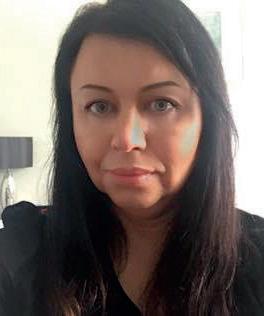
Heidi Grimwood – Heidi is the director of Molar Mentoring Ltd, training for dental nurses. She qualified with the NEBDN in 1997 and has several roles in the dental nursing sector.
Penny has been a dental nurse for over 17 years and loves her job.
She enjoys being outside with her dog keeping her company on walks. She also enjoys yoga and mindfulness.
Penny joined The Molar Mindset because she believes in community and wants all dental nurses to know they are not alone when facing stressful situations and help them receive the support that they need.

Carmen qualified as a dental nurse in 2018 and has a special interest in tutoring dental nurses.
Carmen joined The Molar Mindset because she believes in sharing knowledge and supporting others in reaching goals, maintaining a positive mindset.

Helena is another long-serving dental nurse of 18 years. She works in a large, independent practice, and sees the stresses and strains even a well-run practice can have us on all. Helena was keen to join The Molar Mindset to learn and develop and support her team and the wider dental nursing community.
You can also join us at The Dentistry Show 17–18 May and the Scottish Dental Show 31 May – 1 June

Sleep is crucial for maintaining both physical and mental wellbeing. Whilst many patients might understand that sleeping well and for long enough will help to reduce tiredness and improve concentration during the day, they may not realise the long-term implications that poor quality sleep can have on the body. As such, it’s important for health professionals to understand what makes a good night’s sleep, what factors might have a negative impact, and the long-term consequences on mental and physical wellbeing.
Sleep quality and duration can play more of a role in overall health than many realise. This is concerning as almost one in five people in the UK admit to not getting enough sleep. Ideally, people should experience all four stages of non-REM and REM sleep each night.ii During non-REM sleep, blood pressure and heart rate fall as the parasympathetic system controls the body. During REM sleep and when waking up, on the other hand, the sympathetic system is activated leading to increased heart rate and blood pressure. Those who wake up frequently during the night, therefore, may experience spikes in heart rate and blood pressure and be at a higher risk of heart disease, high blood pressure, obesity, and stroke.iii
Sleep pattern can also have an influence on hormones, as different hormones are produced at different times during the day. Hormones which promote alertness, like cortisol, are produced in the morning as it helps with waking up. Other hormones, like testosterone, oestrogen, and progesterone, are made in pulses at night – with levels varying throughout a lifetime.iii
Sleep patterns can also have an effect on the way the body processes fat. For example, the circadian clock ensures that the liver is able to assist in the digestion of fat at the appropriate times. Research suggests that lack of sleep can influence the levels of hormones that control hunger, decrease ability to respond to insulin, lead to decreased physical activity, and have an effect on metabolism. As a result, poor sleep might mean that patients gain weight.iii
Further to this, the immune system might be compromised due to lack of sleep. This is because, during sleep, immune response is stronger. This might mean that those who don’t sleep enough are more prone to colds and infections. Sleep can also help with learning and forming memories, as such, poor sleep can make it more difficult to focus and think clearly.iii
There are a number of reasons why patients might be experiencing poor sleep. Often problems are caused by environmental issues, like noise at night-time or lights from screens, or life events that are causing stress or worry. Thinking can also have an impact, and those with anxiety often struggle to relax and fall asleep. Commonly, lifestyle factors can influence sleep quantity and quality too; with problems caused by irregular sleep routines, eating late, drinking alcohol or caffeine, exercising at night, or using smartphones and working shortly before bed.i
Additionally, breathing can have an impact on sleep quality. During sleep, breathing is less frequent and shallower. This means that less oxygen is taken
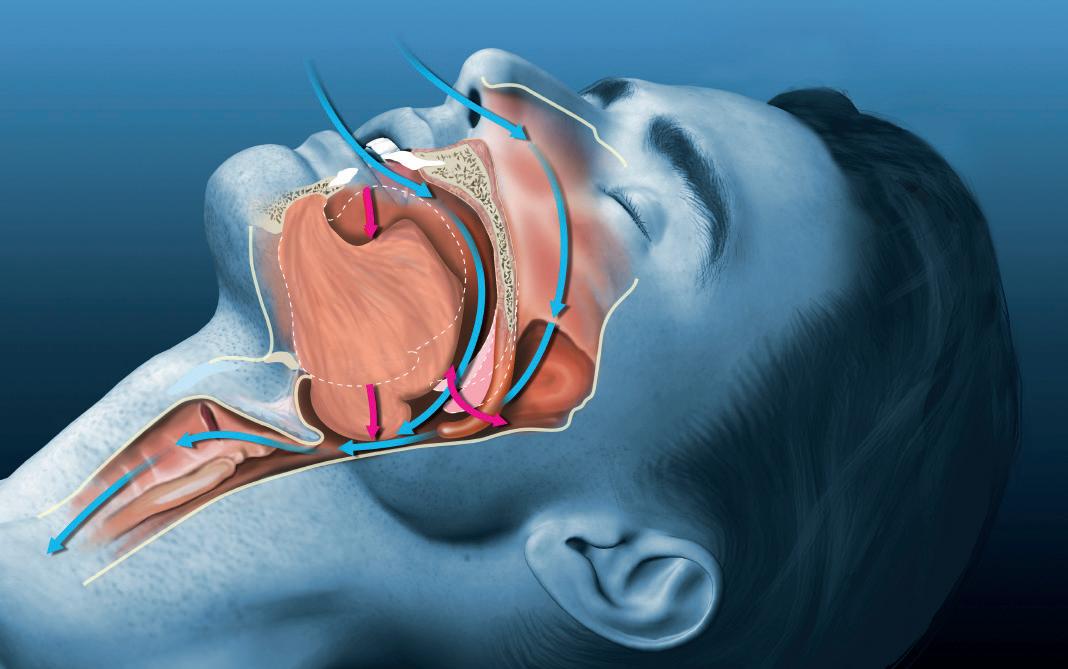
in during the night. Whilst normal, this change can be problematic for those who have existing health problems including asthma or chronic obstructive pulmonary disease (COPD), as it may make it more difficult to breathe.iii
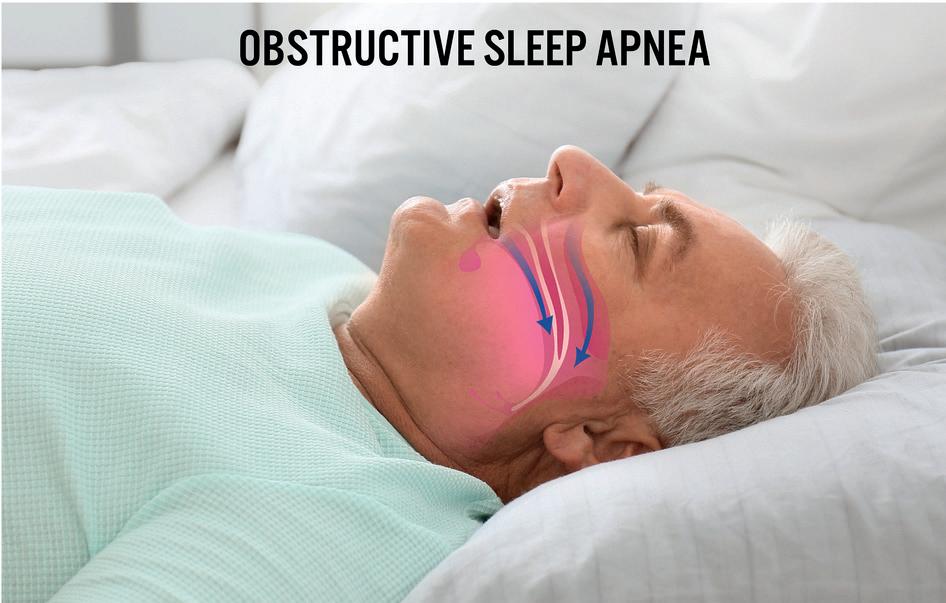
Similarly, patients who have obstructive sleep apnoea (OSA) will experience interrupted sleep caused by disrupted breathing.iv In patients with OSA, the walls of the throat relax during sleep, causing the airway to become narrow. Not only does this lead to interrupted sleep, potentially causing the issues mentioned above, poorly controlled OSA may also increase the risk of hypertension, stroke, heart attack, irregular heartbeat, and type 2 diabetes (thought to be linked to obesity).iv
OSA patients are routinely prescribed CPAP treatment. However, CPAP machines are often uncomfortable and irritating, and may not be effective for patients who breathe through their mouth or have a blocked nose. Because of this, patients who use a CPAP machine may still experience poor sleep. OADS offers an alternative. O2Vent® is customised to fit each patient, helping to deliver a comfortable and discreet alternative. If there’s a blockage, the device draws in air through the device, allowing it to reach the back of the throat. Plus, the device stabilises the lower jaw, brings the tongue forward, and opens the airway, offering an effective treatment for OSA.
Good quality sleep is crucial for maintaining overall health. Whilst there are a number of potential reasons that a patient might be experiencing poor sleep quality, it’s important to offer them treatments which are appropriate for them, and effectively improve their situation. For patients who have existing medical conditions which effect their sleep, such as OSA, it is important to consider all of the potential treatment options to decide what is the best solution for them.
For more information, please visit: https://openairway.uk/
References
i. Mental Health UK. Sleep and mental health. Accessed Feb 24. https:// mentalhealth-uk.org/help-and-information/sleep/ ii. Sleep Foundation. Why do we need sleep? Accessed Feb 24. https:// www.sleepfoundation.org/how-sleep-works/why-do-we-need-sleep iii. National Heart, Lung, and Blood Institute. Why is sleep important? Accessed Feb 24. https://www.nhlbi.nih.gov/health/sleep/why-sleep-important iv. NHS Inform. Obstructive sleep apnoea. Accessed Feb 24. https:// www.nhsinform.scot/illnesses-and-conditions/lungs-and-airways/ obstructive-sleep-apnoea
Justin Smith
Justin is the Commercial Director at Open Airway Dental Solutions UK Ltd.





































































Hello and welcome to Brush up on CPD. This program, produced by Purple Media Solutions, provides you with clinical features from which you can claim up to two hours of Continuing Professional Development (CPD), a mandatory part of registration with the General Dental Council. Each article offers an hour verifiable CPD on subjects.
Brush Up on CPD appears in The Probe throughout the year. All certificates are issued online. Readers must be registered with www.the-probe.co.uk in order to gain access to the CPD questions and multiple choice answers. Once you have logged in, click on ‘Brush Up’ to see the question and answer options. When you have submitted the correct answers for both articles, you will be able to print out your two hours’ verified CPD certificate.
To answer the questions below, visit www.the-probe.co.uk and log in.
Click on the ‘CPD - Brush Up’ tab. The questions for this Brush Up will appear under ‘Brush Up – BDNJ Spring 2024
CPD questions – Tackling challenges with clear aligner therapy
1. Patients should remove their clear aligners only to:
a. Carry out oral hygiene
b. Eat
c. Drink anything apart from still water
d. All of the above
2. What is the success rate of clear aligner therapy in mild to moderate cases?
a. 50-60%
b. 60-70%
c. 70-80%
d. 80-90%
3. What factors might mean a patient is not an appropriate candidate for clear aligner therapy?
a. High plaque score
b. Existing decalcification
c. History of caries
d. All of the above
CPD questions – Maintaining gingival health at all stages of implant treatment
1. Which gingival biotype is less resistant to gingival recession?
a. Thick
b. Thin
c. Neither
d. Both
2. What are key risk factors to consider which may impact dental implant success rates?
a. Gingivitis
b. Smoking
c. Poor dental hygiene
d. All of the above
3. How can patients keep the implant site clean following surgery?
a. Hard toothbrushing
b. Drinking milk
c. Using a chlorhexidine mouth rinse
d. Doing nothing
4. How many hours per day should clear aligners be worn?
a. 16-18 hours per day
b. 18-20 hours per day
c. 20-22 hours per day
d. 22-24 hours per day
5. What are the natural beneficial properties of saliva?
a. Cleansing
b. Buffering
c. Remineralising
d. All of the above
6. What benefit does the ingredient hydroxyapatite offer?
a. Remineralise
b. Hydrate
c. Antibacterial effect
d. None of the above
4. What percentage of patients is suppuration detected in?
a. 10%
b. 20%
c. 30%
d. 40%
5. Where is Citrox® derived from?
a. Citrus fruit
b. Fungus
c. Vegetables
d. Man-made
6. How can clinicians help to give their patients the best chance of treatment success?
a. Advise a modified oral hygiene routine for recovery
b. Ensure the implant retained prosthesis is cleanable
c. Recommend a mouth rinse containing chlorhexidine
d. All of the above
Learning objectives
• Recognise the importance of patients following wear instructions
• Appreciate the challenges related to clear aligners and biofilm development
• Understand the importance of good oral hygiene for clear aligner patients
GDC Development Outcome: C
Clear aligner therapy has become an incredibly popular option for patients seeking orthodontic treatment. It offers a discreet alternative to fixed braces in mild to moderate cases of crowding or spacing, while maintaining a success rate of 80-90%. ii Additionally, it can make it easier for patients to keep their teeth clean during treatment when compared to traditional fixed appliances – however, it’s essential that patients are given complete and specific oral hygiene advice to help them keep their mouths healthy. iii Clinicians must ensure that patients understand the potential challenges they may face when they embark on their clear aligner treatment, and offer tailored advice, as maintaining oral health is essential for a successful treatment outcome. iv
Additionally, clinicians must carefully consider whether a patient is a candidate for clear aligner therapy. Factors
such as a high plaque score, existing decalcification, or a history of caries may indicate that clear aligners are not appropriate.v This is particularly true if patients are provided with a sequence of aligners, and don’t return for monitoring frequently, as problems can develop quickly.vi
In order to keep the mouth healthy during clear aligner therapy, patients should always follow wear instructions. This means wearing aligners virtually all of the time (generally recommended 20-22 hours per day) to help the teeth move predictably.vii However, it’s important to ensure that patients understand when not to wear them to prevent any harm to their teeth and gingiva.
Aligners must be removed when eating, and when drinking anything except still water. This is because sugars could become trapped inside the aligner, not only staining it, but lowering the pH and
putting the teeth in direct contact with the acid for extended periods of time, without the ability to easily wash it away. This could lead to demineralisation.viii
Research suggests that some areas of clear aligners present particular challenges with biofilm growth when compared to flat areas. These include the cusp tips and any attachment dimples. ix Case studiesx show that, because of this, some patients might experience unusual demineralisation of the cusp-tips and incisal-edges – as plaque is able to build up not only on the teeth, but on the inside aligner surfaces too. This may prove difficult to remove.
Because the teeth are encased inside the aligner for the entire day, they are not exposed to the saliva flow that they normally would be. Therefore, they do not get the benefits of its cleansing, buffering, and remineralising properties. xi Bacteria can become trapped inside
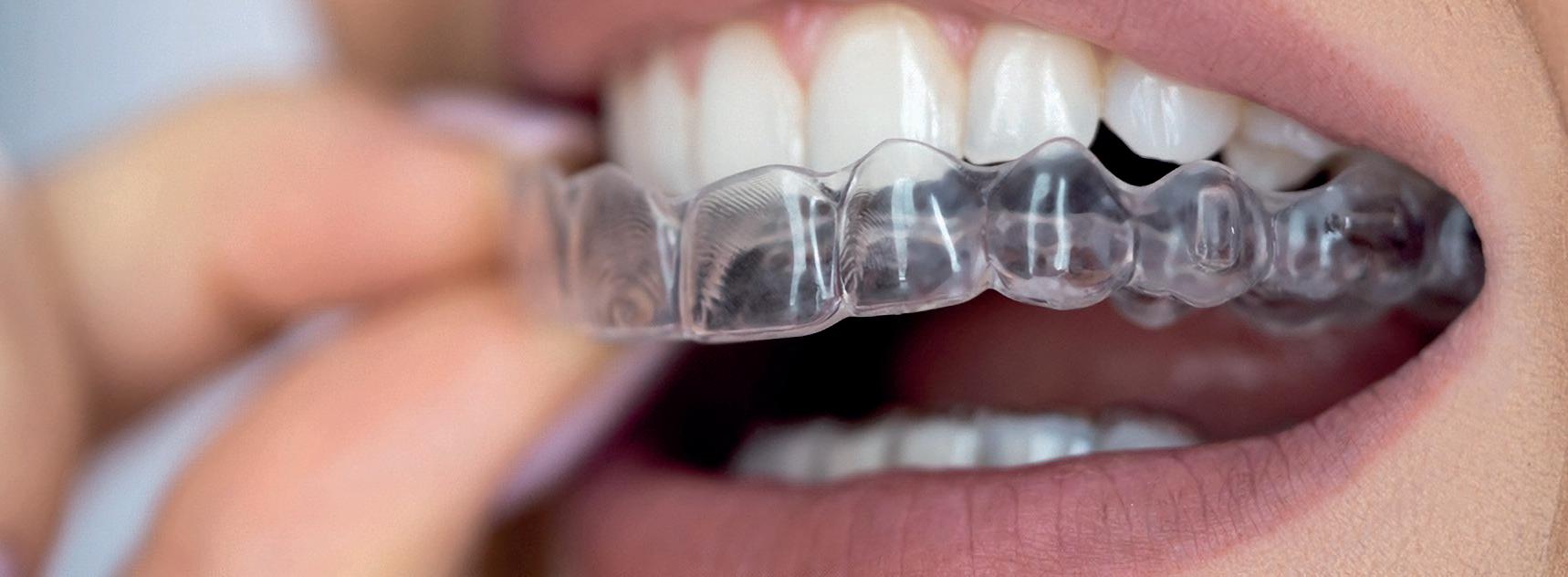
the aligner and, if not removed and cleaned regularly, this can continue to build and negatively affect oral health. Because of this, strictly following wear instructions and oral hygiene advice is essential to effectively remove plaque and neutralise the acid in the mouth.
In order to maximise the effects of clear aligner therapy, its essential that patients maintain excellent oral hygiene. By keeping the teeth and gingiva healthy, treatment will be able to progress predictably, allowing patients to experience the benefits of a successful outcome. As such, it’s important for clinicians to offer oral hygiene advice to help patients reduce levels of plaque and keep their teeth healthy.
While it is easier to clean the teeth with clear aligners than fixed appliances, patients must understand the important of thoroughly removing any debris from between their teeth to avoid the build-up of bacteria in their aligners. As such, clinicians should recommend toothbrushing with a fluoride toothpaste twice per day, and interdental cleaning once per day, as well as cleaning the aligners twice per day and rinsing them whenever necessary. xii
Remineralisation is a key concern for aligner wearers. In order to keep the
enamel strong and healthy, this should be a focus when it comes to oral hygiene products. As such, clinicians should recommend specific oral care products which target this concern, to enable patients to successfully complete their course of treatment.
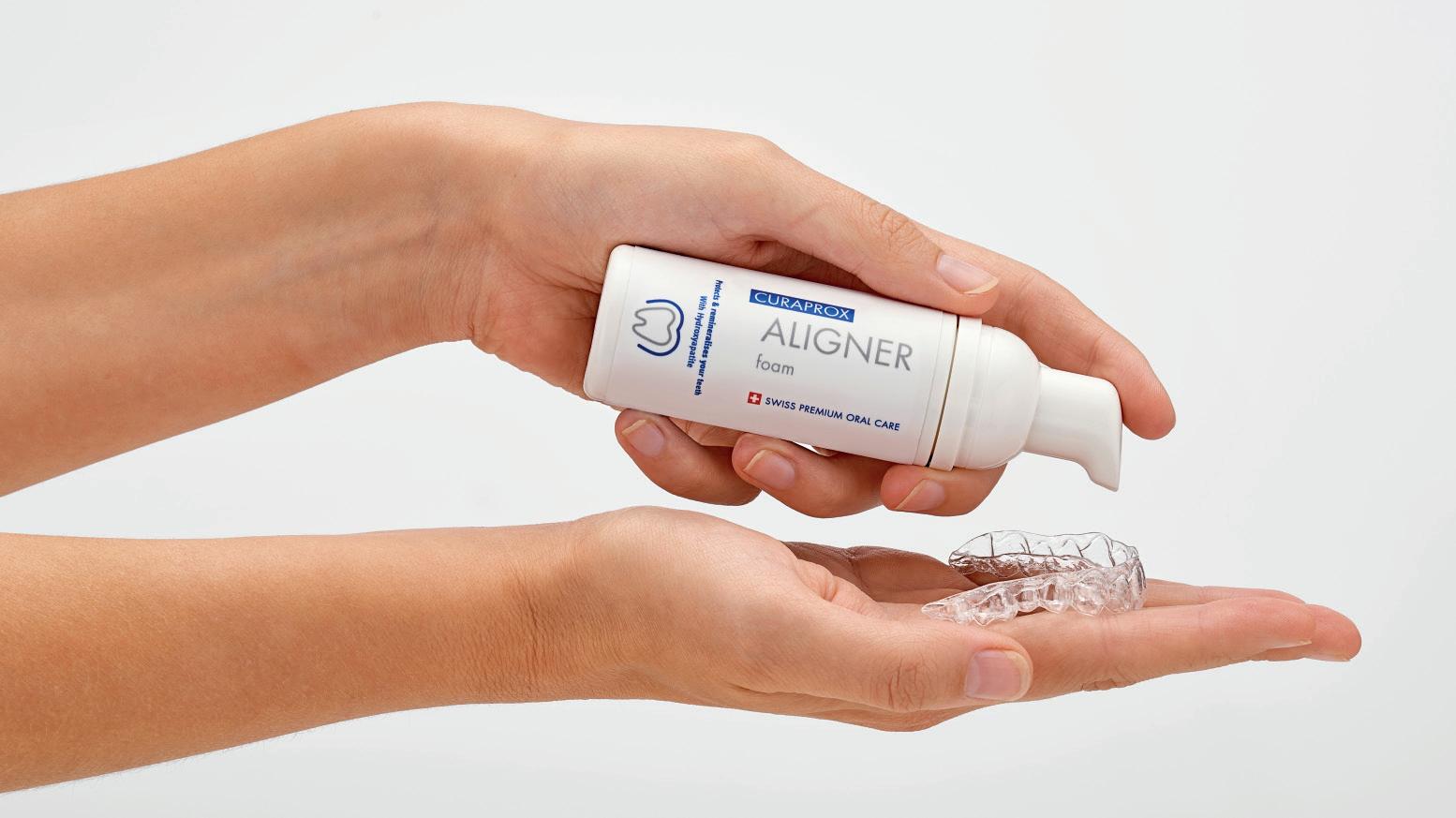
In order to protect the teeth under the aligners, it’s important that patients are keeping their aligners and their teeth clean, removing the aligners to eat and drink anything apart from still water. However, for patients who need an extra dose of freshness during treatment, Curaprox, the leading Swiss oral care brand, has created Aligner Foam. This is the ultimate helper for clear aligner patients. Aligner Foam can be applied directly to the inside of the aligner, or onto the teeth to restore, protect, and remineralise the teeth. Aligner Foam contains hydroxyapatite to remineralise the teeth and reduce sensitivity, hyaluronic acid to create a hydrating and protective barrier, and magnolol to produce a strong antibacterial effect against streptococcus mutans.
In order for patients to enjoy successful clear aligner treatment, maintaining a healthy mouth is essential. Clear aligners present unique challenges which can result in unusual demineralisation in the cusp-tips and incisal-edges if plaque is allowed to accumulate. To combat this, patients must clean their teeth effectively and ensure their aligners are free from debris while worn. By supporting your patients, and regularly assessing their oral hygiene at appointments, you’ll help them achieve their aligned smile. For more information, please visit https://curaden.co.uk/shop/645curaprox-aligner-foam-40ml.html
i. Oikonomou, Elissaios, et al. “Impact of aligners and fixed appliances on oral health during orthodontic treatment: A systematic review and meta-analysis.” Oral Health & Preventive Dentistry 19.1 (2021): 659-672.
ii. AlMogbel A. Clear Aligner Therapy: Up to date review article. J Orthod Sci. 2023 Sep 4;12:37. doi: 10.4103/jos.jos_30_23. PMID: 37881665; PMCID: PMC10597356.
iii. Moshiri, Mazyar, et al. “Consequences of poor oral hygiene during clear aligner therapy.” JCO 8.47 (2013): 494-98.
iv. Oikonomou, Elissaios, et al. “Impact of aligners and fixed appliances on oral health during orthodontic treatment: A systematic review and meta-analysis.” Oral Health & Preventive Dentistry 19.1 (2021): 659-672.
v. Moshiri, Mazyar, et al. “Consequences of poor oral hygiene during clear aligner therapy.” JCO 8.47 (2013): 494-98.
vi. Moshiri, Mazyar, et al. “Consequences of poor oral hygiene during clear aligner therapy.” JCO 8.47 (2013): 494-98.
vii. Abbate, G. M., et al. “Periodontal health in teenagers treated with removable aligners and fixed orthodontic appliances.” Journal of orofacial orthopedics (2015): 1-10.
viii. Moshiri, Mazyar, et al. “Consequences of poor oral hygiene during clear aligner therapy.” JCO 8.47 (2013): 494-98.
ix. Sifakakis, Iosif, et al. “Salivary levels of cariogenic bacterial species during orthodontic treatment with thermoplastic aligners or fixed appliances: a prospective cohort study.” Progress in orthodontics 19.1 (2018): 1-9.
x. Moshiri, Mazyar, et al. “Consequences of poor oral hygiene during clear aligner therapy.” JCO 8.47 (2013): 494-98.
xi. Moshiri, Mazyar, et al. “Consequences of poor oral hygiene during clear aligner therapy.” JCO 8.47 (2013): 494-98.
xii. https://blyssdental.com/how-toclean-invisalign/ n
Learning objectives
• Understand the importance of assessing gingival suitability for dental implants
• Consider the factors which impact dental implant success
• Appreciate the modified oral hygiene routine required during recovery
GDC Development Outcome: C
When providing patients with treatments for missing teeth, dental implants remain the gold standard. This being said, it’s important to consider the factors which might impact a patient’s suitability for this type of treatment, as well as those which can affect success rates. These might include anatomical features, such as their gingival biotype or bone density, as well as lifestyle factors like their smoker status, gingival health, and their oral hygiene. Clinicians should carefully consider all of these factors, and make any appropriate recommendations/modifications prior to considering dental implant treatment, as they may have an impact on the outcome.
Each patient’s suitability for treatment can be assessed based on a number of factors. This includes their gingival biotype. ii Generally, if a patient has a thick biotype, it is related to good periodontal health. A thick gingival biotype has dense tissues and a sufficient amount of attached gingiva. Usually, thick biotypes can withstand trauma and tend to undergo less inflammation. As such, this affords a number of benefits such as its ability to be manipulated, encouraging creeping attachment, and delivering enhanced aesthetic results following dental implant treatment. ii On the other hand, a thin gingival biotype, characterised by thin gingival tissues, almost appears translucent and has minimal gingival attachment. This type also has an accentuated anatomy, suggesting limited bone, and offers less resistance to gingival recession when
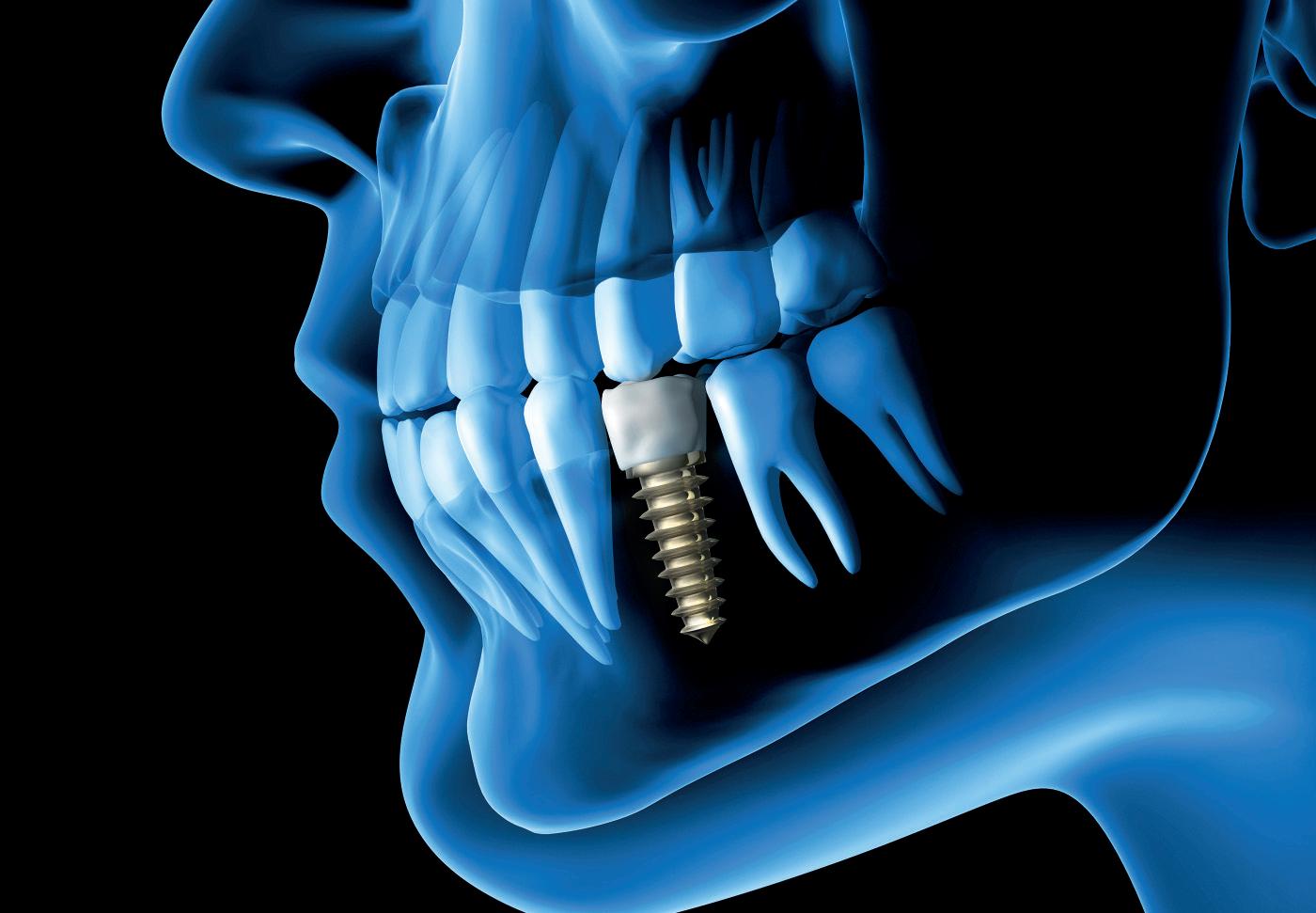
it undergoes inflammation and surgery.
Because of this, a thin biotype can pose a number of challenges when considering dental implants as they can cause aesthetic problems, particularly in the anterior zone. ii
Because a thin gingival biotype can have a significant impact on treatment results, it may be appropriate to modify the tissue to improve thickness. The most commonly used technique here is the connective tissue graft, which is considered reliable. Procedures which improve the gingival thickness should be carried out prior to dental implant treatment to help provide more desirable functional and aesthetic outcomes.ii
Aside from assessing a patient’s gingival biotype, clinicians should consider other factors which may impact the rates of
treatment success. These may include: gingivitis, smoking, insufficient bone density, pre-existing medical conditions, and poor dental hygiene.iii Oral hygiene is key for maintaining a healthily mouth, particularly when a patient requires an invasive treatment such as dental implantology. It is widely understood that when bacterial plaque accumulates it leads to gingivitis, periodontitis, and peri-implantitis. Should there be any accompanying symptoms of infection or radiographic bone loss, this may indicate implant failure. To manage this, it’s important to clean around the implant thoroughly, in order to remove all plaque build-up and reduce the risk of infection. iv Peri-implantitis is a particular concern if a patient has uncontrolled plaque accumulation around a dental implant. It leads to the loss of supporting bone around the implant, with symptoms including
bleeding, suppuration, and implant mobility. Suppuration is detected in 30% of patients or 17% of dental implants.v Inflammation progresses more quickly around dental implants than neighbouring natural teeth, so it’s important to act fast in order to induce recovery and save the implant and adjacent teeth.iv
While there are lots of factors to consider, it’s important to ensure patients are equipped with all of the information and advice they need to make an informed decision about their treatment. This includes recommendations for pre- and postoperative care. Patients may experience discomfort when cleaning the surgical site, so it is important to recommend alternative cleaning methods to ensure they’re still able to keep bacteria levels under control without pain or trauma. In particular, it is vital that patients remove all of the debris and plaque that could lead to peri-implantitis. For patients recovering from dental implant surgery, a modified oral hygiene routine is likely to be needed, with the use of an antibacterial mouthwash containing chlorhexidine,vi for example. Citrox® is also a beneficial ingredient in oral care products, a natural bioflavonoid derived from citrus fruit.vii To keep the surgical site clean and healthy after healing, and once the crown is fitted, brushing twice daily with daily interdental cleaning will be essential in removing plaque around the implant.iii
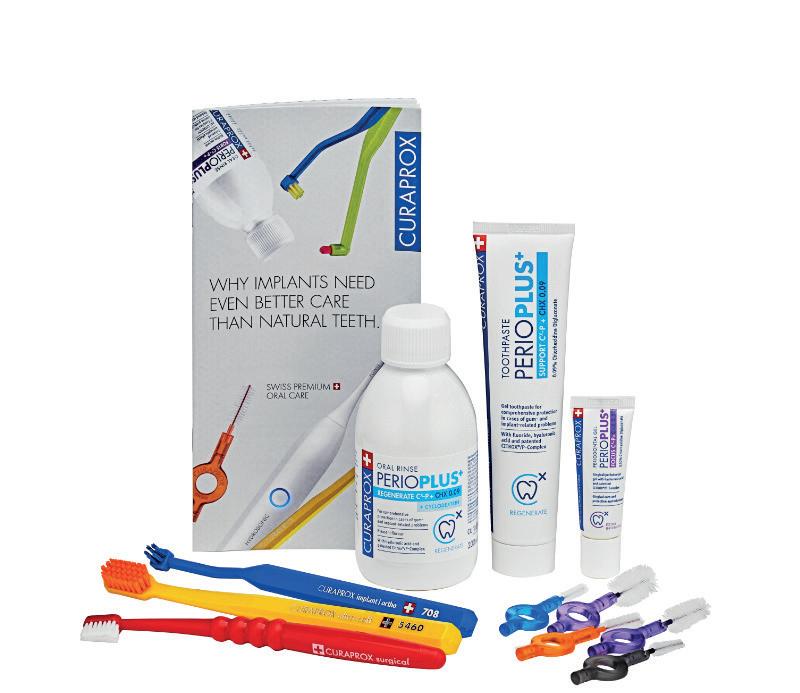
Some patients may require an implant retained bridge, or a full arch prosthesis. In these cases, it’s important that the clinician ensures that the prosthesis accommodates thorough cleaning around it using an interdental brush or dental floss, for example. This will ensure that patients are able to remove plaque from underneath the prosthesis, avoiding irritation to the gingiva and reducing the risk of peri-implantitis. In order to set patients up for a smooth recovery, it’s important to provide them with all of the tools they’ll need. The Implant Care Kit from Curaprox contains a Curaprox
Surgical Toothbrush, Perio plus Support toothpaste, a Perio plus Regenerate 0.09% chlorhexidine mouth rinse, and a range of interdental brush sizes. The Implant Care Kit includes everything patients need to take care of their oral hygiene after implant surgery, to prevent irritation and infection and make their recovery as smooth as possible. By offering patients a complete toolkit, a cleanable prosthesis, and the advice they’ll need to clean around their implant properly, you’ll ensure they’re in the best possible position to avoid infections and enjoy a comfortable recovery. This will also help them to develop good habits in the long term to reduce the risks of peri-implantitis and late implant failure.
For more information, please visit https:// curaden.co.uk/shop/629-curaproxregenerate-implant-kit.html
i. Del Amo, Fernando Suárez-López, Shan-Huey Yu, and Hom-Lay Wang. “Non-surgical therapy for peri-implant diseases: a systematic review.” Journal of oral & maxillofacial research 7.3 (2016).
ii. Sarma, Marjita, Nina Shenoy, and Rahul Bhandary. “Gingival Biotype: A Secret for Esthetic Success.” Journal of Health and Allied Sciences NU 12.01 (2021): 13-17. https://www.thieme-
connect.com/products/ejournals/ html/10.1055/s-0041-1731116
iii. Healthline. What to know about dental implant complications and failure. Accessed Jan 24. https:// www.healthline.com/health/dentalimplant-problems
iv. Dutta SR, Passi D, Singh P, Atri M, Mohan S, Sharma A. Risks and complications associated with dental implant failure: Critical update. Natl J Maxillofac Surg. 2020 Jan-Jun;11(1):14-19. doi: 10.4103/njms.NJMS_75_16. Epub 2020 Jun 18. PMID: 33041571; PMCID: PMC7518499.
v. Dental Update. Peri-implant disease part 1: diagnosis and assessment parameters. Accessed Jan 24. https://www. dental-update.co.uk/content/ restorative-dentistry/peri-implantdisease-part-1-diagnosis-andassessment-parameters/
vi. Solderer, Alex, et al. “Efficacy of chlorhexidine rinses after periodontal or implant surgery: a systematic review.” Clinical oral investigations 23 (2019): 21-32.
vii. Hooper, S., Lewis, M., Wilson, M. et al. Antimicrobial activity of Citrox® bioflavonoid preparations against oral microorganisms. Br Dent J 210, E22 (2011). https://doi.org/10.1038/ sj.bdj.2010.1224 n
Captain Amanda Drapier
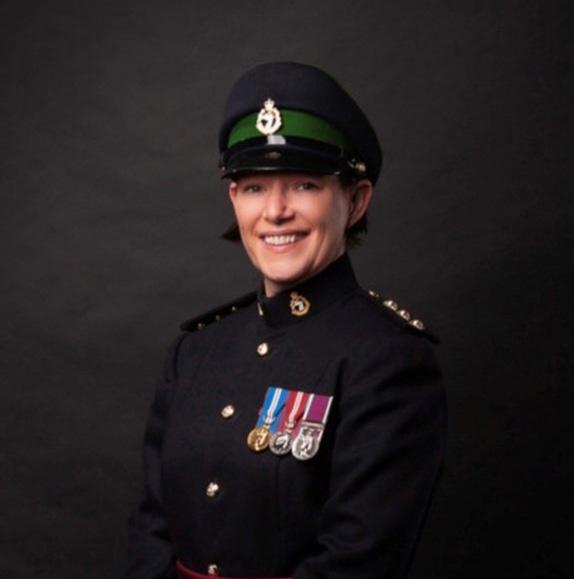
As a Soldier, Commissioning into the Officer Cadre was something I had often though of but without real substance or structure. It was however, during my time as Corp Representative Sergeant Major (CRSM), the pinnacle of a soldier career, that I realised that I still had more to give and that unfortunately I couldn’t be CRSM forever.
Dental Support Officers (DSOs) are different to our clinically commissioned RADC Officers, who are all dentists. The Royal Army Dental Corps currently has 3 DSOs all working within the wider Army or in a Joint environment encompassing all three Services.
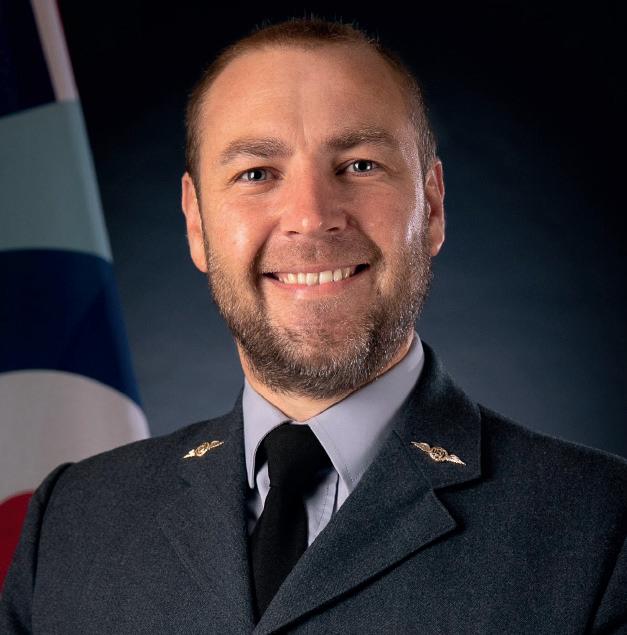
24 years ago, age 17, I joined the Royal Air Force (RAF), and was offered the role of DN and trained with Royal Navy and Army colleagues in Aldershot. I enjoyed many years in surgery, the highlight being the Centre for Restorative Dentistry at RAF Halton (now based in Aldershot). This fascinating role exposed me to cutting-edge surgical techniques which are now more commonplace on the high street.
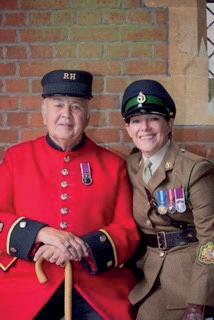
The process of commissioning itself was something of a challenge and stretched me from my comfort zone, which is always a good thing! It involved numerous interviews and a three-day selection board to test suitability for commissioning, consisting of serials developed to put individuals under an element of pressure to get a true reflection, and hopefully the best (but sometimes the worst), of the candidates. Debates, analysis of Doctrine and planning exercises were a favourite of the Directing Staff. The most daunting aspect was the final interview where I was fired questions on all aspects, ranging from why do I want to commission to what is my favourite quality street? (Honestly…. FYI it’s the big, purple one.)
Fortunately, my hard work paid off as a couple of months later I was successfully selected for LE Commission as a DSO.
My first job as a Captain was up in York at 34 Field Hospital, working with a Role 2 Field Hospital. Here I was trialling CBRN tentage and constantly going on Exercise, sometimes glamourous locations but mostly Dishforth Airfield (google it to know how glamourous that was). There my role was working within the Operations room as watchkeeper, ensuring casualties were received and recorded appropriately prior to their evacuation.
My second posting was back to Lichfield… where it all began 28 years ago. This role was HQ DMS(W) Adjutant, this is the person on camp who is responsible for the discipline of all military personnel and the career management of all Officers, as well as the Commanding Officers right hand person, a position I was honoured to hold.
Following that, my skills as an instructor were channelled as I began a tour instructing and educating Medical Support Officers (MSOs) recently passed off from Sandhurst on how to be MSOs within the Army Medical Services, teaching them about Medical Facilities, policy and doctrine. I subsequently moved roles and I am currently working within the equipment world looking after 372 treatment facilities across Defence. It wasn’t always plain sailing, I had moments of self-doubt and had to manage my own expectations of what I was hoping for against the reality of what I got. But we’ve all had days like that, and I wouldn’t change it for the world. My 28 years, and counting, in the RADC have been the best experience EVER! And I thoroughly recommend that anyone out there wanting to try something a little different and live life a little less boring gets down to the Armed Forces Career Office and signs up. You won’t regret it.
When promoted, my roles became administratively based, as a Practice Manager, Regional Principal Dental Officer support, and DN instructor. Further promotion gave me a role as Regional Manager until I volunteered for a role outside of Dentistry as a Deputy Flight Commander at the RAF Officer Training Academy. I was responsible for the initial training of Officer Cadets, helping to mentor and develop them, assess their leadership behaviours, and provide ceremonial drill instruction ready for their graduation parade. This role was relatively short lived due to selection for promotion to WO, the highest Rank achievable as an enlisted aviator.
I currently provide support to the Postgraduate Dental Dean. We authorise postgraduate training to the Dental team for Level 2 to 7 courses and higher-level degrees. This allows Military Dentistry to invest in our workforce and develop skills which directly support the Operational effectiveness of the Armed Forces, making them fit to fight. We authorise clinical training for DNs in OHE, Fluoride, IPC, impression taking, radiography and Forensic odontology amongst others. For non-clinical training we fund a BSc Management and Leadership in Health and Social Care, which helps develop skills for our Practice and Regional level managers who may go onto work in HQ positions in Healthcare Governance and Assurance, Primary care Clinical Operations, Dental Training School and Deanery positions.
Alongside the Dental Dean, I also support the Medical Dean by coordinating the Armed Services Consultant Appointment Boards. We select Primary and Secondary care Doctors, Dentists, and some Allied Health Professionals as consultants in the Defence Medical Services. A process which mirrors the NHS. Both roles require significant planning and liaison with multiple stakeholders, skills which I credit to being established back in the clinic interacting with patients and managing the surgery.

I’m writing this article from the Middle East, where I am supporting Defence Operations as the RAF Detachment WO. This role is not related to Dentistry and utilises my knowledge, skills, experience, and behaviours to support the Commanding Officer of the base. I provide welfare assistance, enforce military discipline, and perform ceremonial duties when required. My career experiences would not have been possible without a solid foundation as a Military DN. I have sought out and enjoyed every opportunity available to me and I look forward to my next challenge in this varied career. If you are looking for a lifestyle that no other job can provide, please visit the website of recruitment for DNs in the RAF, Royal Navy or Army, all of which are looking for qualified DNs to join our global team.
The new financial year is often an opportunity to get organised for the year ahead. For working parents, including those who are self employed, juggling the demands of running a business with caring for their family, it could also be a good time to review the family planner and take a fresh look at the household budget to ensure they’re getting all the support they’re entitled to.
We asked the experts at HM Revenue and Customs (HMRC) to outline the financial help available for BADN members so they can access the childcare they need while keeping an eye on their bottom line.
Q. What help is available for working parents?
A. There are a number of schemes available that could be worth thousands of pounds a year including Tax-Free Childcare, free childcare hours, Universal Credit, tax credits and Child Benefit.
Q. What is Tax-Free Childcare?
A. Tax-Free Childcare is a government funded top-up scheme for working parents, including the self-employed. It can save parents up to £2,000 a year per child – or £4,000 if their child is disabled – to put towards the cost of childcare. For every £8 paid into a Tax-Free Childcare account, the government tops it up with another £2.
Q. Who is it for specifically?
A. . Latest statistics show almost 650,000 working families use it to help pay for their childcare.
Families should check out the full eligibility on GOV.UK but in summary it’s for working parents or guardians, including those who are selfemployed, who:
• have a child or children aged up to 11. They stop being eligible on 1 September after their 11th birthday. If their child has a disability, they can receive support until 1 September after their 16th birthday
• earn, or expect to earn, at least the National Minimum Wage or Living Wage for 16 hours a week, on average
• each earn up to £100,000 per annum
• do not receive tax credits, Universal Credit or childcare vouchers.
Q. What can I use it for?
A. Tax-Free Childcare can be used flexibly to pay for any approved childcare that suits your family’s needs. You can use to pay for childminders, nurseries and nannies, before and after school clubs, holiday or activity clubs. If you find a provider you want to use and they’re not signed up, encourage them to do so by going to Childcare Choices for more details of how to sign up and what it means for them.
Q. How do parents open an account?
A. It’s simple to open an account via GOV.UK and only takes about 20 minutes. Accounts can be opened at any time of the year and can be used straight away, money can be deposited at any time and used when needed. Any unused money can be simply withdrawn at any time.
Account holders will be reminded every three months to confirm their details are up to date to continue receiving the government top-up.
Q. I have more than one child in different childcare settings – can I use it for both?
A. Yes! If families have more than one eligible child, they will need to register a Tax-Free Childcare account for each child. The government top-up is then applied to deposits made for each child, not household. For more information about Tax-Free Childcare and how to register go to GOV.UK
Q. Can Tax-Free Childcare be used with the free hours offer?
A. Yes! If you meet the eligibility criteria, you can receive both free childcare hours and Tax-Free Childcare.

In England, eligible working parents of 2 year-olds have been able to access 15 hours free childcare per week since 1 April. This the first step in the rollout of the largest investment in childcare in England’s history.
The offer will expand to 15 hours free childcare for working parents from nine months old up to when their child starts school by September this year, and 30 hours by September 2025. This is set to save parents using the maximum allowance up to £6,900 per year.
Q. Can I use Tax-Free Childcare with Child Benefit?
A.Yes! Child Benefit is worth £25.60 per week for the oldest or only child and £16.95 per week for each additional child. It can be claimed by parents or guardians once you have registered your child’s birth and can be claimed up to age of 16 or 20 if the child stays in approved education or training.
In addition to financial support for your family, Child Benefit ensures parents qualify for National Insurance credits which could help protect their state pension, and also helps children automatically receive a National Insurance number when they reach 16.
You can now claim Child Benefit online and manage your account via the HMRC app. To check eligibility and make a claim go to GOV.UK .
Q. Can I use Tax-Free Childcare while claiming Tax Credits or Universal Credit?
A. No, but tax credits offer alternative childcare support that could also be worth thousands.
If you already claim tax credits, you’ll receive a letter from HMRC by 19 June. There are two types of letters to look out for: if your renewal pack has a red stripe across the page then you will need to check the information, renew and report any changes by 31 July otherwise you risk your payments being stopped. If your renewal pack has a black stripe across the page, you need to check the information is correct, and only contact HMRC if you have any changes to report.
Tax credits are being replaced by Universal Credit by April 2025. Many customers who move from tax credits to Universal Credit could be financially better off and can use an independent benefits calculator to check. If customers choose to apply sooner, it is important to get independent advice beforehand as they will not be able to go back to tax credits or any other benefits that Universal Credit replaces.
You cannot claim Tax-Free Childcare and Universal Credit at the same time.
Q. How do I know which offer is best for me?
A. Go to Childcare Choices to find the right childcare offer for your family.
In recent years, no dental professional can fail to be aware of the growing demand for sustainability in healthcare settings. This is particularly pertinent when considering nitrous oxide sedation. Several issues arise:
Section 1: Use of nitrous oxide – a greenhouse gas
Section 2: Use of disposable breathing tubing’s and masks
Section 1: Use of Nitrous Oxide
There is no disputing the fact that nitrous oxide sedation is an extremely useful procedure for dental use. However, in the last few years it has come to be perceived with a somewhat slanted viewpoint due to a variety of circumstances, not least of which was the growing misuse for recreational purposes.
This culminated in the November 2023 law making possession of nitrous oxide illegal, by classifying it as a Class C drug under the Misuse of Drugs Act 1971
Of course, this does not impact on the correct medicinal use of the drug and use continues as such in a growing quantity, primarily in dental but also obstetrics and other disciplines.
However, its position as a greenhouse gas has also come under some scrutiny. Admittedly it does have a relatively high impact for contribution to global warming; being the 6th most potent greenhouse gas according to the first UNIFCCC Climate Change accord (Kyoto) (WHO 2019) protocol, but it is equally important to take this position in perspective.
Historic nitrous oxide emissions in the UK covering the period 19902021 were stated as; 2021 :19.1 million metric tons of CO 2 equivalent emitted - a figure which had fallen from a stated 44 million metric tons in 1990. At this point, it is perhaps important to reflect on where N 2O originates i.e. mostly from agricultural soil management, in addition to a little from industry and power plants; according to an article published in InsideClimate News.1
A great deal of attention has been focused recently on administration of nitrous oxide, including leakage from larger medical gas pipelines, specifically in large acute hospitals.
A report, published in 2022, stated that hospitals on three different continents discovered that a figure between 75% and 95% of the nitrous oxide leaked prior to use.2 Of course, this does raise the question of original system design, installation and maintenance!
However, reports of this type, in conjunction with the demand for more sustainability in healthcare has resulted in a number of NHS Trusts decommissioning their piped nitrous oxide in an effort to reduce waste and leakage. Scottish Trusts appear to be leading the way in this endeavour, including such articles such as the ‘Evidence-Based Policy Report: Reducing Environmental Emissions attributed to Piped Nitrous Oxide Products within NHS Hospitals’ written by Alifia Chakera May 2021. This lady who fulfils the role of Lead Pharmacist at NHS Lothian is a passionate advocator against the leakage of nitrous oxide and a member of the ongoing Nitrous Oxide Project run by The Centre for Sustainable Healthcare.
The inevitable result of this ongoing work is the often-urgent requirement to remount existing inhalation sedation flowmeters onto mobile 4-cylinder stands employing the use of E size cylinders over larger cylinders serving piped systems, in order to maintain the patient service
This action often results in a requirement for updated staff training, as some members of the team may not be familiar with the handling and management of medical gas cylinders. This training should be conducted by somebody familiar with the specific equipment type.
Conclusion – The effort to reduce nitrous oxide wastage is certainly a worthwhile one and bears careful consideration. Certainly, nobody is denying the place of nitrous oxide within patient healthcare – a very useful medicine for pain relief and management of paediatrics, nervous and special need patient groups.
MDM mounted on 4-cylinder stand
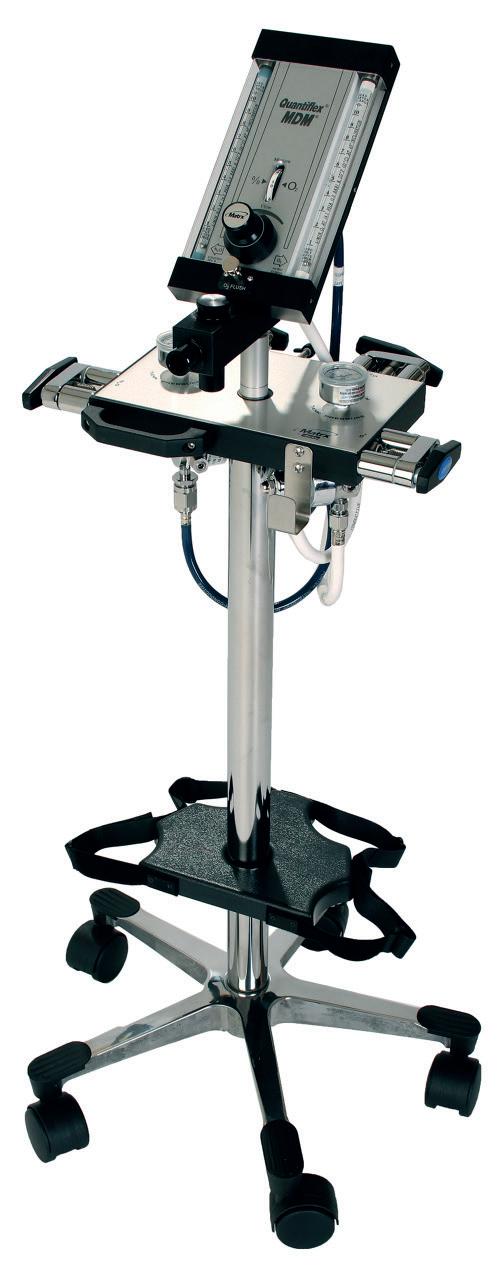
The practice IHS SOP should include such areas as cylinder management; handling, storage and usage in order to reduce waste. This would include stringent identification of the cylinders in the storage area to include; full/empty and faulty and careful management to ensure cylinders are used in strict rotation.
Every effort should be made to ensure that the maximum amount of nitrous oxide contained in each cylinder is used. Currently, when the cylinders are returned to the medical gas suppliers; Air Liquide or BOC, any remaining gas is vented to atmosphere. There is some suggestion that these companies should be employing the use of a nitrous oxide destructor but this subject matter is still undeveloped and has an inevitable cost element to consider.
There is no doubt that significant considerations are currently underway but we still have a way to go before the NHS Carbon reduction plan and ambition to reach net zero by 2040 can be realised.
Next issue, we’ll explore section 2: Use of disposable breathing tubing’s and masks.
References:
1. Paul Horn, Graphics Editor Insideclimate News
2. Anaesthesia 2022:77:1023-9
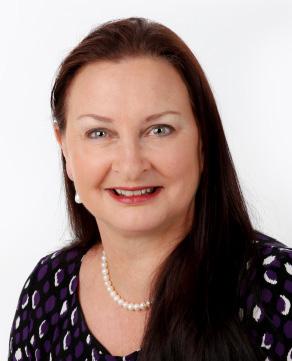
Janet’s career started as an S.R.N. in surgical medicine but evolved with the formation of R A Medical Services in the early 1990s. In partnership with her husband Chris, together they contributed many years’ experiences in both the medical field but also development of the Quantiflex MDM R A Flowmeter, a ‘purpose designed’ sedation flowmeter developed in the UK. Since then, her role has evolved to lecturing, writing and offering sound, practical advice in the various topics of inhalation sedation

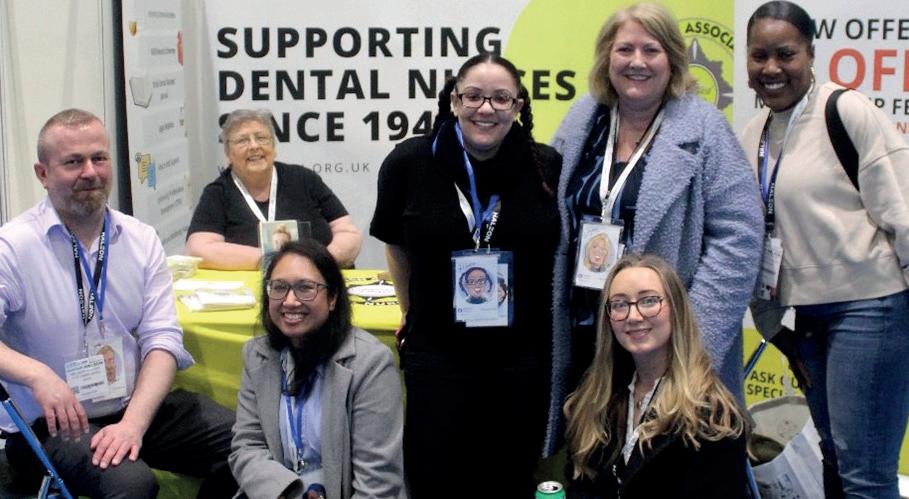


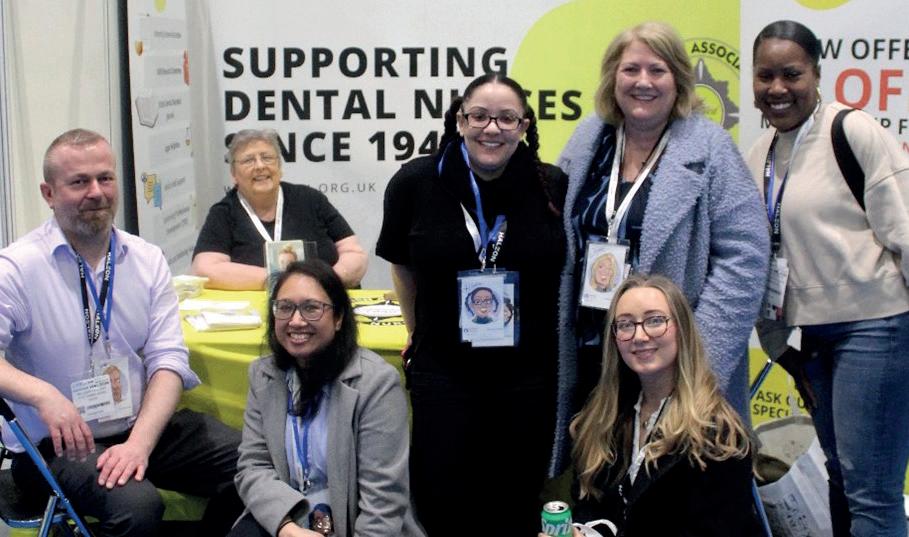
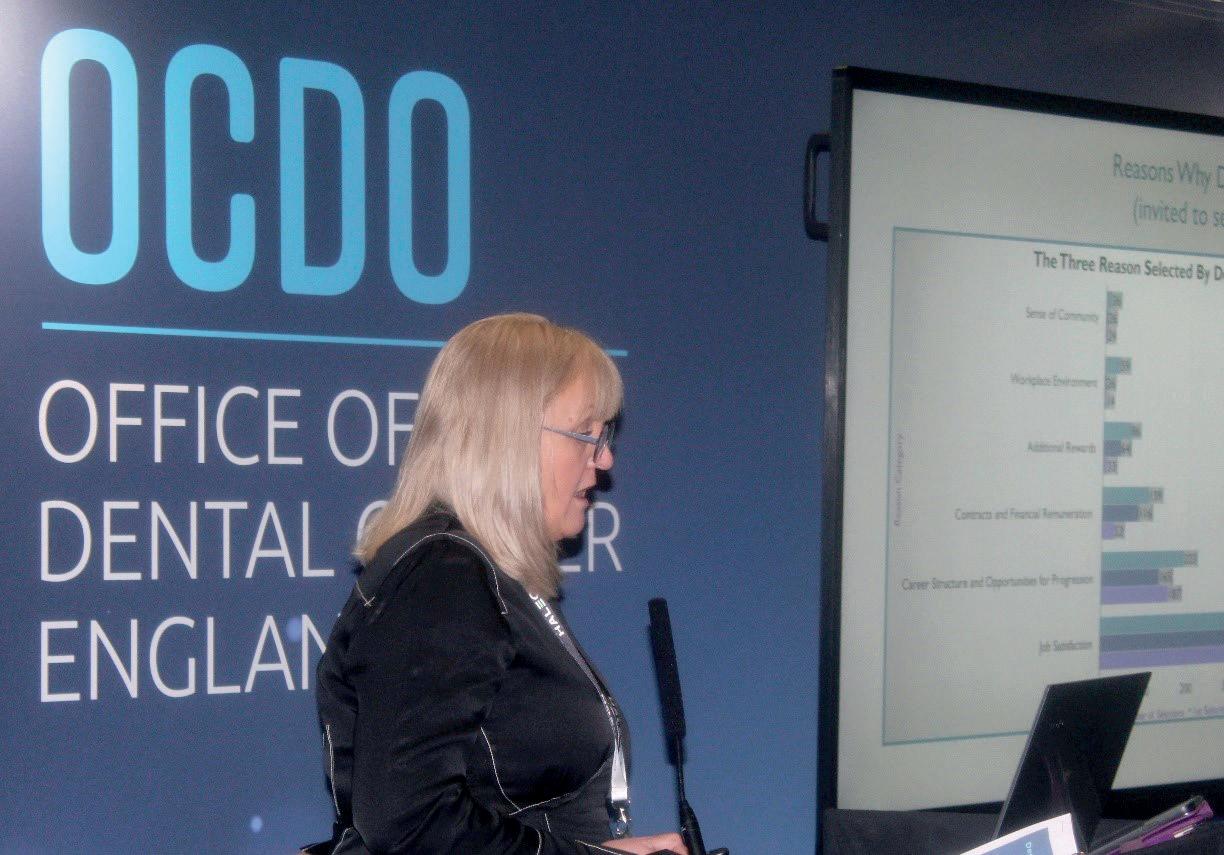
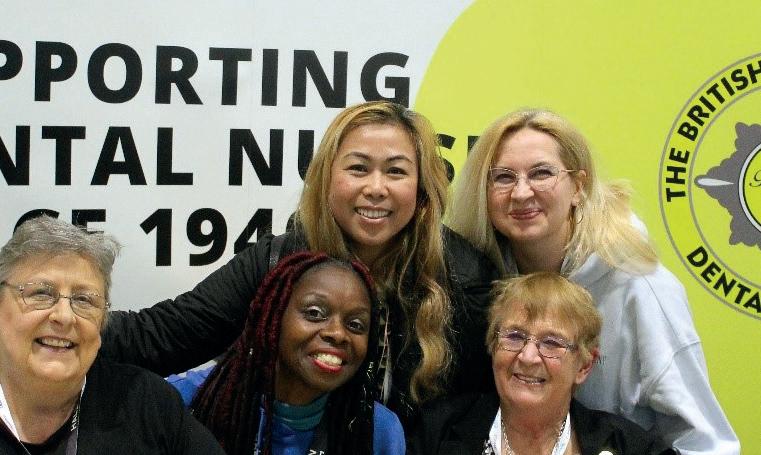
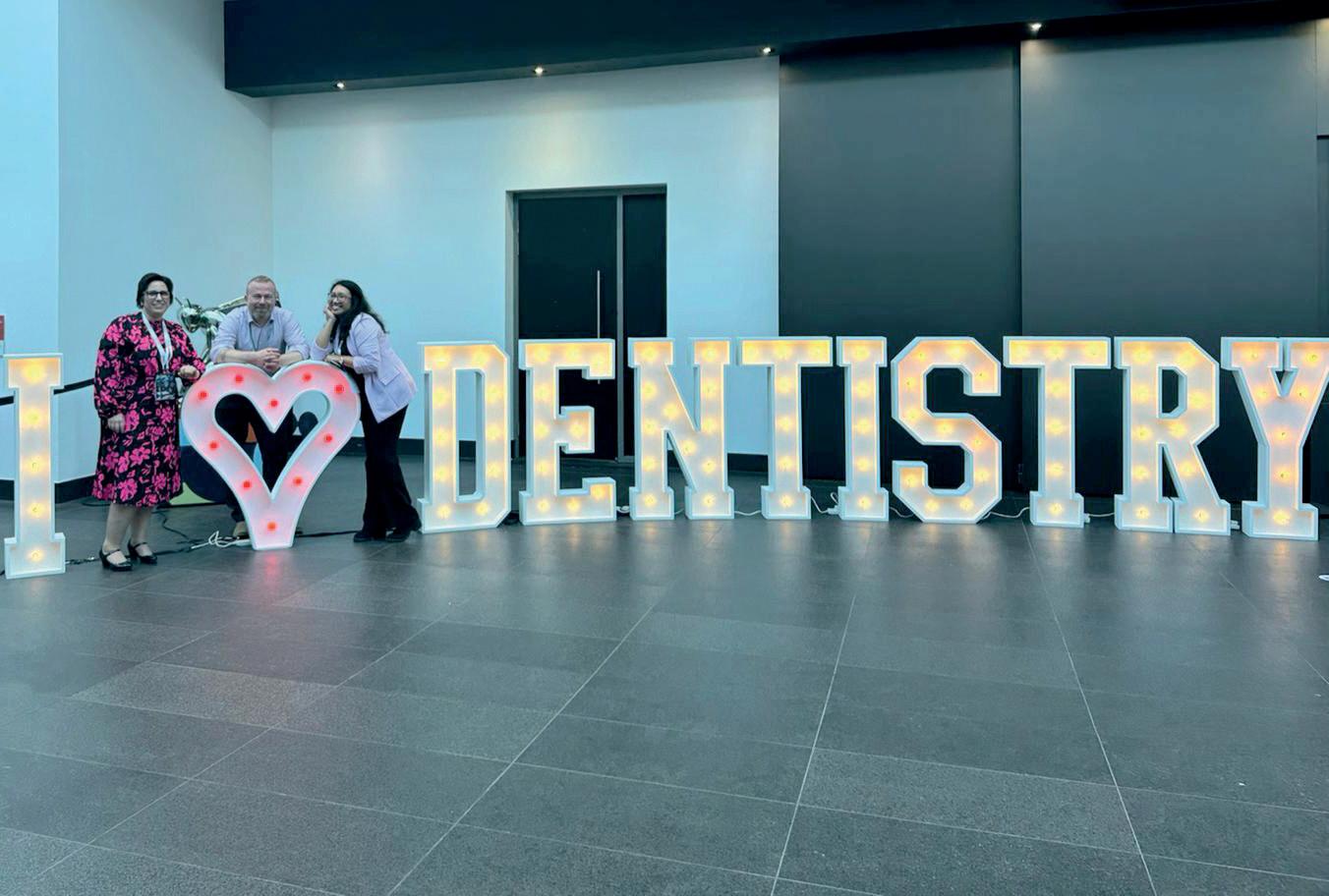
Exhibition season has started – four major exhibitions within three months! BADN was at the North of England Show in Manchester earlier in March, as well as the BDIA Dental Showcase later in the month.





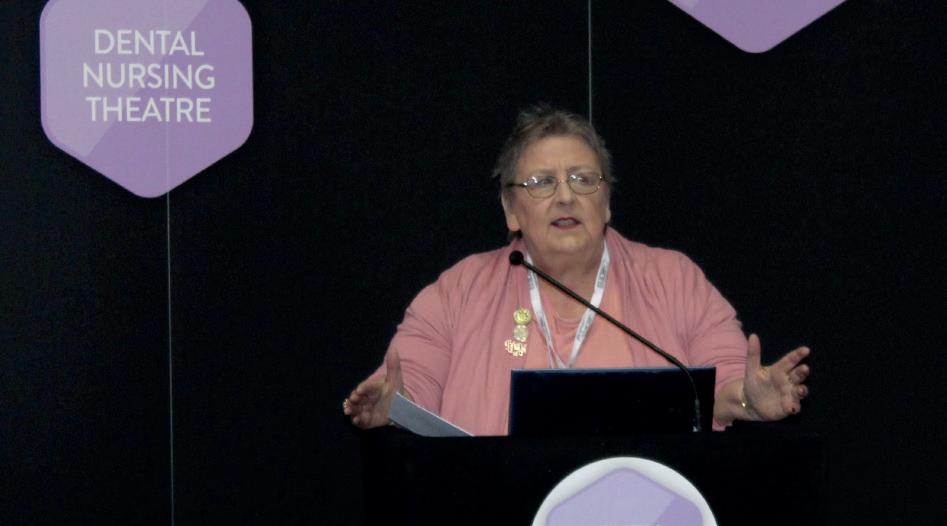



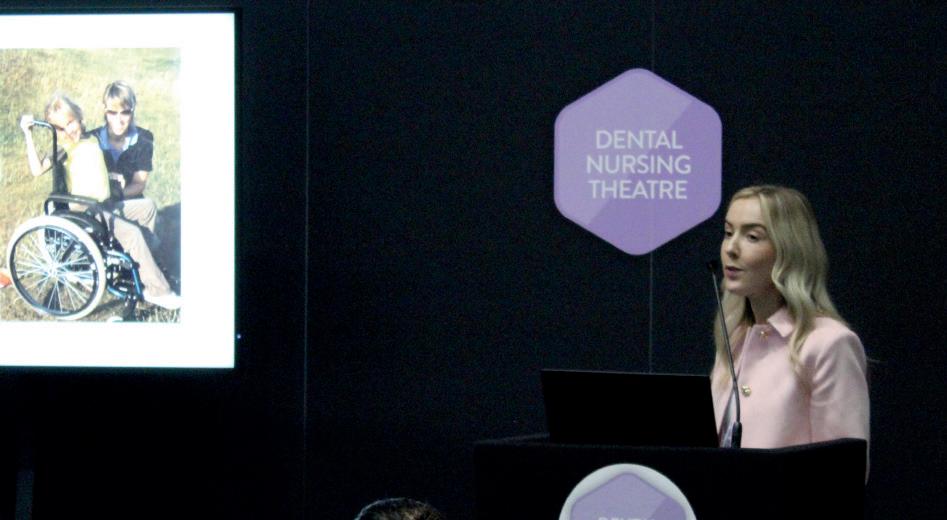














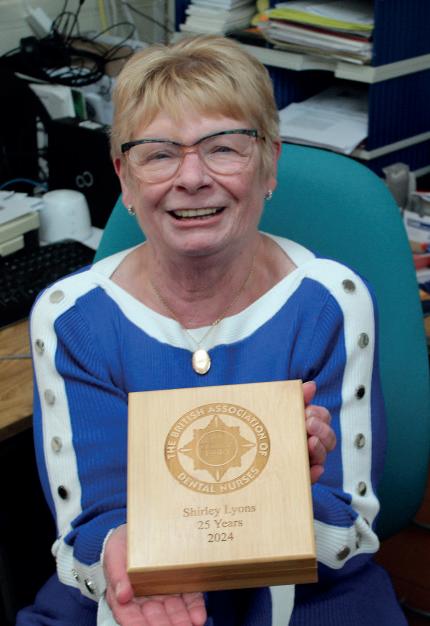
BADN Administrator Shirley Lyons celebrated 25 years working for BADN in February 2024! Shirley was presented with a gift of a ship’s decanter and wine glasses, and a sommelier set from members of the Executive Committee, Panel of Reps and BADN staff by Treasurer Ruth Garrity, on Ruth’s recent visit to the BADN office.
On 14th February 2024, the UK team volunteering for Dentaid in Uganda flew from Heathrow to Entebbe, landing on the 15th. The team consisted of three dentists, three dental therapists, six dental nurses, and the team leader. Throughout the duration of the trip, we travelled East, South and West of the country. We had a team of Ugandan dentists working alongside us and in total we completed 9 clinic days. Set up of clinic worked by having 1 dentist who was dedicated to triaging patients. Two queues were then formed. One queue for those just needing topical fluoride applications as this was completed at a separate work station. The second queue was for those needing treatment. We had 6 chairs running and as soon as treatment was completed, patients were directed to another station for post-op advice and OHI where at this point every patient was also given a tube of toothpaste and a toothbrush. We also had a separate area for decontamination and a dedicated clean table where 2 members of the team would work so that clinical team members could walk up and ask for specific equipment without the need to cross contaminate by touching the clean equipment. The teamwork from everyone was amazing and we all formed close bonds. In total, across 9 clinic days we saw 1351 patients with a breakdown of 634 extractions, 467 topical fluoride applications, 242 fillings and 136 hand scales.











The whole trip itself was an experience. Seeing how grateful the communities in Uganda were for the work that we completed was an experience and we were all welcomed with open arms. Seeing the way that Ugandans live was eye opening and made us all realise just how lucky we are within the UK. Most of the patients that we saw, have never seen a dentist before. They were grateful for our work and the OHI provided would have a huge impact on every individual seen and this information will hopefully be spread further across the country educating them on how to look after their teeth.
We all felt safe travelling the country and built strong bonds with the Ugandan team that we worked with. It was eye opening to see how the dentists in Uganda work in such difficult environments where we were setting up clinics. We had 1 day of work in an orphanage, 1 day in a children’s rehabilitation centre, 5 days where we set up within churches out in the community and 2 days in a male prison. We were also lucky enough to experience having dinner one evening at one of the Ugandan dentists house and also at one of the Vicar’s house from one of the communities that we visited.
If anyone is considering volunteering for Dentaid and considering a trip to volunteer overseas, then I absolutely cannot recommend it enough. Everything about the trip was eye opening and was such an amazing experience. A memory that I will forever cherish and looking back on the trip will always make me realise just how grateful we are in the UK for not only the way we live but also our access to dental care and our knowledge of oral health.






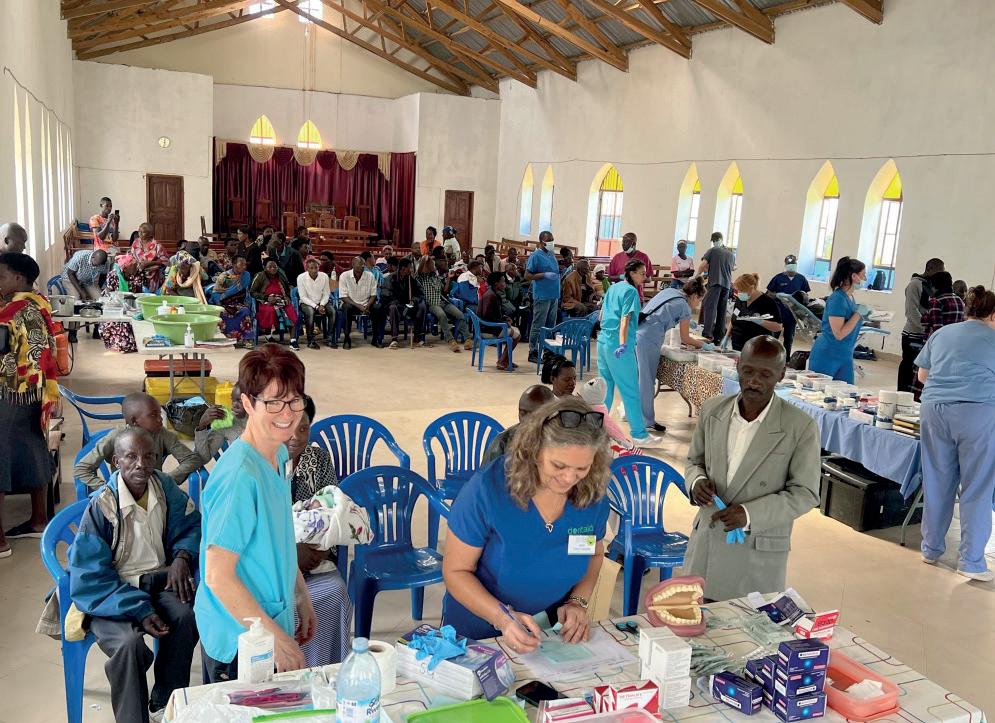






My name is Aleah and I’ve been a registered dental nurse since 2015. I started working clinically in practice before moving over to a training provider delivering the dental nursing qualification to trainee dental nurses. I’ve always wanted to volunteer overseas to gain experience and luckily earlier this year was able to fulfil this experience with the charity Dentaid in Uganda and was able to dip back into clinical work within a completely different environment.






























































































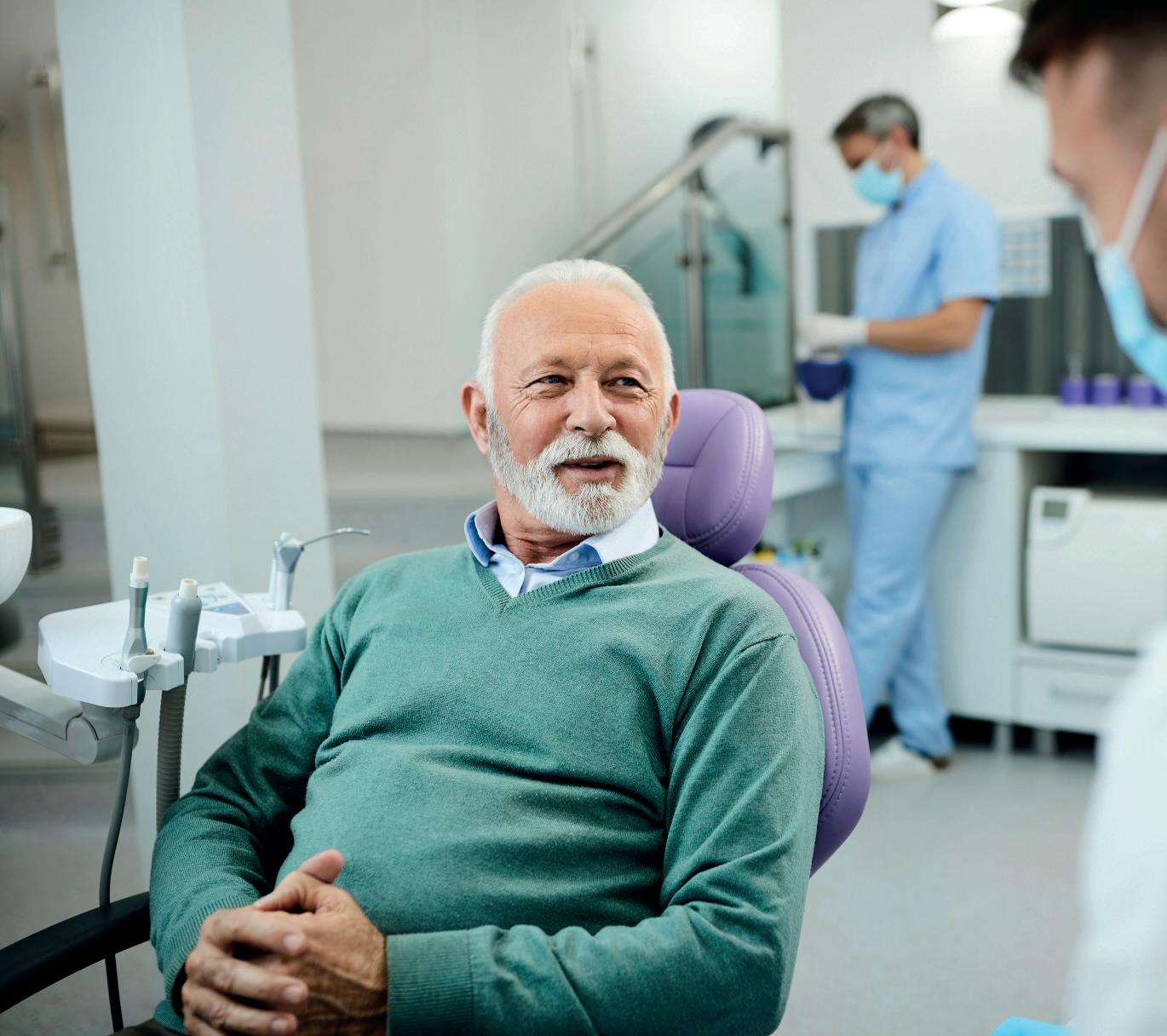
Dentists are key professionals for raising awareness and having a conversation with patients about mouth cancer. Utilisation of the word ‘cancer’ can seem as though it would unnecessarily worry or scare patients, however, given that two-in-three cases are still being diagnosed in late stages(1), clear communication is vital when it comes to this topic. These ‘top tips’ outline advice on communication around mouth cancer in a dental practice setting. If you have any further questions or would like to download or order any resources, please contact the Mouth Cancer Foundation via the website – www. mouthcancerfoundation.org
Power of the waiting room
When a patient enters reception, leaflets and posters can be available at the desk and reception staff can prompt patients to take and read them while they are waiting. The resources are free of charge from the Mouth Cancer Foundation website. They present material in a clear, concise way about a variety of topics, including information about HPV and the self-check examination.
In addition, if your practice has a TV screen, the Mouth Cancer Foundation self-check examination video could be made available for patients to watch.
This is all about raising awareness about the disease and signposting to available information. Over 70% of patients expect readily available information from dental practices(1) and every effort should be made to address this public desire. The information should be made easily available for patients through multiple forms of communication, even in your reception!
If your practice gives a medical history form at reception, one could consider adding a sentence on the form to state that the patient is due for an oral cancer screen. Nearly 50% of patients are not aware that this is routinely carried out in practice(1) and just by reading that on the form, they may be prompted to ask the team once they enter the surgery about the screening and the disease itself. It can help start the conversation and in turn, raise awareness.
Explain risks and signs/symptoms
When asking a social history, use that as an opportunity to weave into the conversation about the risk factors associated with mouth cancer and explain the importance of risk factor control. Smoking and alcohol are known risk factors and one can also encourage patients regarding cessation and signpost them to their GP or the NHS website. Furthermore, although general awareness about the disease has improved, there is still a lack of awareness about the signs and symptoms(1).
BADN Honorary President Joan Hatchard RDN, President-elect Preetee Hylton RDN and Chief Exec Pam Swain MBA have accepted an invitation from the Mouth Cancer Foundation to become Foundation Ambassadors.
Mouth Cancer is the general term given to the variety of malignant tumours that develop in the mouth. The Mouth Cancer Foundation promotes awareness of all head and neck cancers i.e. throat, (pharynx), voice box (larynx), salivary glands, nose, paranasal, sinuses, lips and skin.
”The Mouth Cancer Foundation is delighted to have support from the British Association of Dental Nurses,” said President of the Mouth Cancer Foundation and Oral and Maxillofacial Surgeon, Mahesh Kumar. “We look forward to working closely with our new Honorary Ambassadors Joan, Preetee and Pam to raise awareness of all Head and Neck Cancers. Dental Nurses are at the fore front of delivering oral cancer care for patients and assisting with tooth, gum and mouth problems. They know the signs and symptoms for mouth cancer and are in a prime spot to assist dentists with early detection of the disease. By organisations uniting together we can be a stronger force in the battle against head and neck cancers and campaign for good oral health for everyone.”
Explain that
Use the word cancer – patients know when they go for bowel/breast/ prostate cancer screens so the big ‘C’ word should be used honestly and openly. Explain what you are looking out for, such as ‘lumps and bumps on the neck or anything unusual in the mouth’. This may even prompt a patient to inform you of something they may not have thought to mention previously. At the end of the screening, tell the patient your outcome – that can be a good relief for them and a reassurance.
However, if you have found something that is worrying or has an unclear diagnosis, inform the patient and explain why you are referring for a second opinion. Warn the patient that if they get a copy of the referral, they may see the ‘cancer two week wait’ name and explain that this is so they are seen promptly and can get the best care in the most efficient manner.
Mouth Cancer Foundation self-check examination
Self-checking is one of the most importance factors for early diagnosis. (1) As mentioned earlier, unfortunately, this cancer is still being diagnosed late. Self-checking is a vital step in getting patients to recognise their normal versus abnormal and hopefully seek help quicker.
The self-check examination information can be communicated universally through print, video, conversation and even promoted on social media if your practice has a social media profile.
The Mouth Cancer Foundation is a charity dedicated to raising awareness and support for those suffering from or at risk of mouth cancer, throat cancer and other head and neck cancers, as well as providing assistance and information on living with mouth cancer for families, friends and carers. The promotion, protection and education of good health is key to raising awareness of mouth cancer. The charity aims to inform the public about the signs, symptoms, facts and figures and key causes of mouth cancer. Know what increases your risk of getting the disease including information on HPV, alcohol and smoking.
Reference
1. State of Mouth Cancer UK Report 2022 A report by the Oral Health Foundation
About the author
Dr Tripat Mahajan
Dr Mahajan is a Dentist and Mouth Cancer Foundation Ambassador


























From getting fit to car maintenance, take advantage of these offers designed to help BADN members save.
Savings on fitness and gym membership
As a BADN member, you can save up to 25% on a membership at your chosen club, closest to wherever you live or work. Choose from a wide range of options at over 3,700 gyms, leisure centres, yoga and pilates studios and bootcamps across the UK.

If the gym isn’t for you – don’t worry! MyGymDiscounts also offer up to 55% off digital fitness subscriptions so you can kickstart your fitness regime from the comfort of your home.
Save up to 30% on main dealership rates*
Fixter offer a range of services, like MOTs, servicing and repairs. Book a time slot that suits you, they will come and collect your car, take it to the garage (one of their carefully vetted partners) and return it once the work is done! You don’t have to move a muscle.

Savings Calculator: Find out how much you can save
Did you know that on average, BADN members could save up to £585.37 per year* by using a few benefits through BADN Rewards?
Save on everyday essentials and life’s luxuries including:
• Groceries and life’s essentials
– Morrisons, EE and Halfords

• Gym membership - Nuffield Health, Virgin Active and PureGym
• Fashion – ASOS, Foot Locker and Kate Spade
• Cinema tickets – Vue, ODEON and Cineworld
• Travel – TUI, Sandals and Jet2Holidays
Get an extra 10% off storage
Get 50% off up to 8 weeks storage plus an extra 10% off for as long as you stay.
Whether you’re de-cluttering to sell your property quicker or have sold your home and need short or long term storage, you can get the space you need at Big Yellow.

Get 30% off your first order on Canopey.com
Get an exclusive 30% discount on Canopey, the Home For Buying Better as a BADN member!

Discover 1,000s of sustainable, verified products: cruelty-free beauty, organic and vegan food, conscious fashion, quality outdoorsy gifts and much more. Check out their free eco-friendly tips and track the positive impact of your shopping.
To take advantage of these and other fantastic deals, either scan the QR code below or visit the BADN Rewards page today:

*Terms and conditions apply to all benefits. See website for details. Offers subject to change without notice and correct at time of print. Savings Calculator - This average member saving is based on a sample of 26 savings calculator entries since 02/01/2024 with repeated entries and the top 20% removed. The average saving figure is correct as of 26/03/2024. Potential savings generated from the calculator are not guaranteed, and are based on you using specific benefits. Big Yellow Self Storage - This introductory offer is for new customers storage only, is not transferable, cannot be exchanged for cash or used in conjunction with any other offer and is subject to room availability. Big Yellow’s standard storage agreements apply. BADN Rewards is managed and run on behalf of BADN by Parliament Hill Ltd.
1 Beltane 6 May Bank Holiday 17-18 British Dental Conference and Dentistry Show, NEC Birmingham (birmingham.dentistryshow.co.uk) inc. Dental Nurse Lounge and Dental Nurse Forum – visit BADN at stand K01 19 Pentecost (Whitsun) 24 Declaration of the Bab 27 Spring Bank Holiday 31 Scottish Dental Show, Braehead (www.sdshow.co.uk) – visit the BADN stand
1 Scottish Dental Show, Braehead (www.sdshow.co.uk)
16 Fathers’ Day
16 Eid al Adha (ends 19 June)
28 BDA Core CPD Study Day, London
5 Copy date for Summer 2023 British Dental Nurses’ Journal (pam@badn.org.uk)
12 Orangeman’s Day Bank Holiday (N. Ireland only)
6-7 Al Hijra (Islamic New Year)
26 Summer 2023 edition of British Dental Nurses’ Journal published
1 Lammas
5 Bank Holiday (Scotland only)
26 Summer Bank Holiday (not Scotland)
2-4 Rosh Hashanah (Jewish New Year)
4 Copy date for Autumn 2023 edition of the British Dental Nurses’ Journal (pam@badn.org.uk)
4-5 London Dentistry Show, ExCel London (www.london.dentistryshow.co.uk)
11 Yom Kippur
16-19 British Orthodontic Conference, Birmingham
25 Autumn 2023 edition of British Dental Nurses’ Journal published
27 BST ends (clocks go back)
27 Birth of Baha’u’llah
31 Samhain
31 Diwali
Key
UK Bank Holidays
New Year/religious dates – which are not UK Bank Holidays. If your faith is not represented, please send dates of New Year and/or the three major religious festivals to events@badn.org.uk.
Other dental dates – to add your event to the Calendar, please send details to events@badn.org.uk
Other notable dates which are not UK Bank Holidays
NEBDN – contact www.nebdn.org for details
BDA courses – see https://www.bda.org/learning-and-development/coursesfor-dcps/ for more details
Agenerational change in NHS payment reform was delivered in November 2023 by the Scottish Government. This reform incentivises dentists to remain in the NHS and encourages practice sustainability thus patients should see access to equitable NHS dental care, with a highly skilled, safe, and effective team.
We now find ourselves in exciting times for the NHS Dental Team in Scotland. It is a bright future for dental nurses and a career pathway they can look forward to.
There is no better time to identify that Dental Nurses play an integral role in the dental team. The skills and knowledge they bring in the delivery of oral health care for patients, from prevention to complex dental treatments is crucial to maintaining the oral health needs of the population.
To ensure the protection of NHS Dental care, some of the key priorities for Scottish Government are.
• Workforce planning - This is key to future proofing the workforce, ensuring the right people are in the right place doing the right job. By utilizing dental nurses to work at the top of their profession, within their scope of practise, will allow a streamlined patient journey and more diverse dental team.
• Training and education - Opportunities for training and development of a varied career pathway is vital to the retention of dental nurses within the profession. Having a sense of value and worth allows dental nurses to feel appreciated and they, therefore, will want to stay in the profession. Equally, a variety of education programmes, focussed on to giving students an insight into career development will enable then to see themselves committing to a career in dental nursing. Education delivery is key for the maintenance of the recruitment of dental nurse students.

• Skill mix – Ensuring the dental workforce develop further multidisciplinary team working, ensuring staff are trained, competent and qualified, working within their scope of practise set by the General Dental Council.
• Career Pathways – It is Important to allow qualified dental nurses to develop new skills and competencies in a variety of roles within Dentistry, including clinical skills, leadership, management, and research.
Editor’s Note: More information will be included in the Summer Journal, to be published in late July 2024. In the meantime, BADN will publish updates as and when we receive them in our e-newsletters – if you haven’t already signed up for the e-newsletters, please do so now at www.badn.org.uk/newsletter.
About the author
Elaine Hutchison RDN DCP Advisor – Chief Dental Officer’s Team
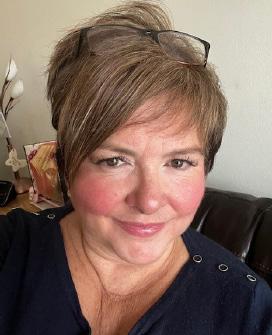
BADN staff
BADN Chief Executive & Editor, BDNJ: Pamela Swain 01253 338365 pam@badn.org.uk
Journal subscriptions, invoicing, bookkeeping, etc: Shirley Lyons 01253 338361 shirley@badn.org.uk
Membership, journal subscriptions: Val Forshaw 01253 338366 val@badn.org.uk
BADN events, social media, website, IT matters, etc:
Jacek Drozdek 01253 338364 events@badn.org.uk jacek@badn.org.uk
General Enquiries enquiries@badn.org.uk
Our phone lines are very busy! If you are put through to voicemail, please leave a message stating your name, BADN membership number, and contact phone number, and we will get back to you as soon as possible – please do not hang up; or keep ringing round all the various phone numbers and hanging up – this just blocks the system!
Should you wish to contact members of the BADN Executive Committee, please do so via the BADN office or use the email addresses below – for reasons of of privacy, work/life balance, etc, please do not use the individual concerned’s personal home or work email address:
Hon. President (Joan Hatchard) & President-elect (Preetee Hylton) president@badn.org.uk
Chairman (Michelle Brand) chairman@badn.org.uk
Treasurer (Ruth Garrity) finance@badn.org.uk
Educational Representative (Anita Stanforth) education@badn.org.uk
Please note that all hard copy correspondence should be sent to the BADN office at: BADN, Room 200, Hillhouse International Business Centre, Thornton-Cleveleys, FY5 4QD
For queries regarding BADN Rewards, please contact Jenny Hollywood at Parliament Hill at jhollywood@parliament-hill.co.uk
For queries regarding CPD in the Journal, or access to the CPD certificates, please contact Lorna Reekie at Purple Media on lorna.reekie@purplems.com.
For queries regarding indemnity, please contact Trafalgar Risk Management Ltd on trmadmin@trafalgar.uk.com
To advertise in the Journal, please contact Ed Hunt at Purple Media at ed.hunt@purplems.com






















Guests join us from all areas of the industry to provide their own unique perspectives on a wide range of topics, from manufacturers and figureheads of various dental organisations, to those in the trenches working in practice, and more.















































Nothing is o limits in The Probe Dental Podcast, so be sure to tune in wherever you get your podcasts! The Probe Dental Podcast features discussions that explore all areas of the British dental sector.