Spring in Full Bloom at Lakeland Flowers














Indigenous Elders, families and individuals in Vancouver have begun moving into 81 new homes, following the opening of a new building named in honour of the late Chief Leonard George of səlilwətaɬ (Tsleil-Waututh Nation).
“The Chief Leonard George building stands proudly as a testament to what strong partnerships can achieve,” said Christine Boyle, Minister of Housing and Municipal Affairs. “It reflects new beginnings for returning residents, and stability for new residents who now call it home. Honouring the Chief’s legacy while creating safe, affordable housing shows how we can build welcoming communities rooted in care, culture and connection.”
Located at 1766 Frances St., the project was delivered through a partnership between the Province, through BC Housing, the federal government, through Canada Mortgage and Housing Corporation, the City of Vancouver, and the BC Indigenous Housing Society.
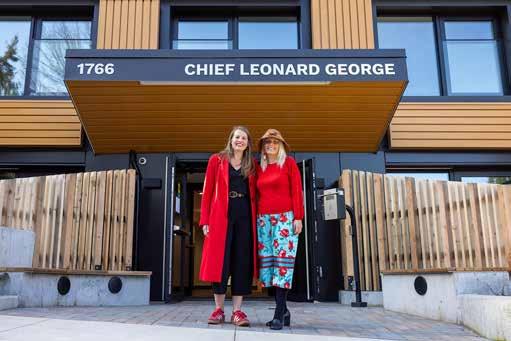
The nine-storey building replaces a 27-unit property that was severely damaged by fire in 2017. The redevelopment created 54 net-new homes and offers former residents the opportunity to return and continue calling the neighbourhood home.
“The Chief Leonard George building represents what is possible when Indigenous leadership, community knowledge, and long-term thinking come together,” said Brenda Knights, CEO, BC Indigenous Housing Society. “This project is about more than replacing
what was lost, it is about building homes that restore dignity, strengthen community, and reflect Indigenous values of care, connection and responsibility for future generations.”
Homes range in size from studios to four-bedroom units. Amenities include a child care facility on the first floor. The society owns and operates the new homes with support from the Aboriginal Housing Management Association. Residents began moving into the building in March 2026.
Indigenous-focused design, construction
The building’s design and construction techniques weave local Indigenous culture throughout the project. Its exterior façade draws inspiration from Coast Salish cedar basket weaving, symbolizing the interweaving of generations. The cedar tree provided essentials for life to the Coast Salish peoples since time immemorial. It was used for housing, art, medicine, weaving intricate baskets and for clothing.


The building has been named Chief Leonard George, granted by the səlilwətaɬ (Tsleil-Waututh Nation) to honour the legacy of the late Chief’s advocacy and lasting impact. Chief George cared deeply for people experiencing homelessness in Vancouver and would regularly visit the Downtown Eastside to offer support and care to those most in need.
“I am thrilled that this new essential housing complex for Indigenous Elders, families and other members of
the community is named in honour of my father, Chief Leonard George,” said Chief Justin George, səlilwətaɬ (Tsleil-Waututh Nation). “My father was a visionary leader of our Nation. He viewed housing not just as shelter, but as a place of healing, strength, and connection. He also believed housing should reflect Indigenous identity, a belief that is honoured in the new Chief Leonard George building, which was designed to resemble a Coast Salish woven basket and to prioritize intergenerational living.”
Building amenities, sustainability
On-site amenities are also designed to support Indigenous culture and community connection. These include shared indoor spaces, including a large amenity room with patio space and community gardening opportunities on the seventh floor. This floor will also be home to an Indigenous-focused beforeand after-school child care program, and a shared gathering space.
According to the non-profit association Passive House Canada, the building
is Canada's first mixed-use tall mass timber building built to Passive House standards. Its environmentally sustainable design helps reduce greenhouse gas emissions and supports long-term energy savings for residents.
This project is part of a $19-billion housing investment by the B.C. government. Since 2017, the Province has more than 95,000 homes delivered or underway, including more than 12,800 homes in Vancouver.



kI supny isrÌ idn Br dIaF gwlF df rIplya huMdy hn? jfxo sfzf idmfg
rfq nUM ikAuN Kyzdf hY ieh Kyz

iewk nvyN aiDaYn anusfr, supinaF dI
smwgrI rYNzm (byqrqIbI) nhIN huMdI, sgoN ieh inwjI guxF (ijvyN ik mn dy Btkx dI afdq, supinaF ivwc idlcspI aqy nINd dI guxvwqf) aqy bfhrI GtnfvF (ijvyN ik


koivz-19 mhFmfrI vrgy smfijk anuBvF) dy ivckfr iewk guMJldfr qflmyl nUM drsfAuNdI hY.
sfzy supny kfÌI hwd qwk sfzI asl iËMdgI, ivcfrF aqy icMqfvF nfl juVy huMdy hn. ijnHF iviÈaF bfry asIN idn vyly socdy hF, Auh aksr rfq nUM supinaF ivwc sfhmxy afAuNdy hn.
iewk nvyN aiDaYn anusfr, supinaF dI smwgrI rYNzm (byqrqIbI) nhIN huMdI, sgoN ieh inwjI guxF (ijvyN ik mn dy Btkx dI afdq, supinaF ivwc idlcspI aqy nINd dI guxvwqf) aqy bfhrI GtnfvF (ijvyN ik koivz-19 mhFmfrI vrgy smfijk anuBvF) dy ivckfr iewk guMJldfr qflmyl nUM drsfAuNdI hY.
3700 supinaF ‘qy hoeI ietlI dI Koj


ietlI dy ‘afeI[aYm[tI[ skUl Ìfr aYzvFsz stwzIË lukf’ dy KojkrqfvF ny 18 qoN 70 sfl dI Aumr dy 287 pRqIBfgIaF qoN iekwTy kIqy 3,700 qoN vwD supinaF aqy jfgdy anuBvF dIaF irportF df ivÈlyÈx kIqf. do hÌiqaF qwk pRqIBfgIaF ny afpxy roËfnf dy anuBv drj kIqy, jdoN ik KojkrqfvF ny AunHF dy nINd dy pYtrn, mfnisk XogqfvF aqy mnoivigafnk ivÈyÈqfvF bfry jfxkfrI iekwTI kIqI.
aslIaq nUM nvF rUp idMdy hn supny KojkrqfvF ny dwisaf ik supny kyvl sfzy jfgdy smyN dy anuBvF dI nkl nhIN krdy, sgoN AunHF dI nvyN isirEN ivafiKaf (Reinterpret) vI krdy hn. kMm df mfhOl, ishq jF iswiKaf vrgy roËfnf dy qwq AuvyN dy AuvyN hI supinaF ivwc nhIN afAuNdy, sgoN ienHF nUM iewk jIvMq aqy klpnfqmk idRÈ ivwc bdl idwqf jFdf hY. nqIjy dwsdy hn ik supny isrÌ hkIkq nUM nhIN drsfAuNdy, sgoN srgrm rUp ivwc ies nUM muV qoN nvF afkfr idMdy hn.
supny iewk gqIÈIl pRikiraf hn jfgdy smyN dIaF irportF dy mukfbly supny idRÈ-sQfink vyrivaF, keI ikrdfrF aqy ajIb GtnfvF nfl Bry sMvydI anuBvF ivwc bdl gey. muwK lyKk vYlntInf aYlsy ny ikhf, “sfzy nqIjy idKfAuNdy hn ik supny isrÌ aqIq dy qËribaF df pRqIibMb nhIN hn, sgoN ieh iewk gqIÈIl pRikiraf hY jo ies gwl ‘qy inrBr krdI hY ik asIN kOx hF aqy asIN kI ijAUNdy hF.”
mn dy Btkx aqy supinaF df sbMD aYlsy ny dwisaf ik jo lok idn vyly mn dy Btkx (Mind Wandering) dy vDyry iÈkfr huMdy hn, AunHF dy supny vDyry KMizq (tukiVaF ivwc) aqy qyËI nfl bdlx vfly huMdy hn. ieh aiDaYn koivz lfkzfAUn dOrfn kIqf igaf sI, ijs ny vwzy pwDr ‘qy zftf rfhIN supinaF dy pYtrn nUM smJx ivwc mdd kIqI.





Review by Veeno Dewan





The 2026 CX-30 is a compact 5door CUV offering from Mazda. It is a cool looking thing with Mazda’s Kodo design language and sleek, muscular lines. For the 2026 model year there is a new native navigation system with extra features and over-the-air updates ability. The Alexa system also has extra features that can be controlled via voice commands. Engineering upgrades include: updated suspension dampers for better ride and comfort, a new brake-based Limited Slip Differential (LSD) for improved traction, and standard i-Activ AWD across all trims. Higher grade models now feature a larger 10.25-inch infotainment display with wireless Apple CarPlay/ Android Auto.




Base CX-30’s come with a 2.5-liter 155-horse power four - cylinder under the hood. The GX, GS, and GT trims use a 2.5L four-cylinder engine with 191 horsepower and 186 lb-ft of torque and includes fuel-saving cylinder deactivation. Higher grade models off the more powerful 2.5L turbocharged engine producing up to 250 hp and 320 lb-ft of torque on premium fuel. A six-speed automatic transmission is standard across the rim lines All CX-30 models are AllWheel drive.
The 2026 Mazda CX-30 model comes in 6 trim levels in Canada ranging from the GX model at
$29,300 to $41,350. The top CX-30 Kuro GT Turbo model is $41,350. (Freight and PDE is $2,095.
We tested the top level special “Kuro” GT Turbo. Edition which is differentiated by a potent 2.5L turbocharged four - cylinder engine producing up to 250 hp and 320 lb-ft of torque. The Kuro also adds premium technology like a 12-speaker Bose audio system, navigation, Amazon Alexa integration, SiriusXM Satellite Radio, and Mazda Online Navigation. The GS Kuro also adds Cruise and Traffic Support, providing steering and speed assist in stop-and-go conditions.
Exterior Kuro enhancements include exclusive 18-inch black alloy wheels, Black mirror caps, gloss black emblems, black roof rails, and a power glass moonroof. The exterior mirrors now feature reverse tilt-down and memory-linked positioning, ideal for parking in tight urban spaces. Inside, there are Kuro-exclusive white leatherette seats with grey Leganu inserts, and contrasting light grey stitching. It is great looking interior.
Our 2026 GT version came with standard equipment featuring: SKYACTIV-G 2.5L turbo engine, SKYACTIV-Drive 6-speed automatic transmission with manual shift mode and Drive Selection switch, paddle shifters, and G-Vectoring
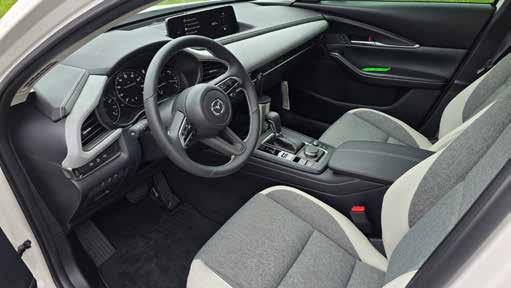
Control Plus. Inside , there is power moonroof, powered heated front seats, heated steering wheel, leathertrimmed upholstery, 10-way power driver seat automatic climate controls, and advanced keyless entry.
Safety features included: Mazda Radar Cruise Control with Stop & Go, Pedestrian Detection, High Beam Control, Forward Obstruction Warning, Smart City Brake Support, Smart Brake Support, Smart Brake Support Rear, Smart Brake Support Rear-Crossing, rear parking sensors, colour windshield-projected Active Driving Display.
The interior layout is in the typical Mazda style with its sports orientated neat, uncluttered design. There is a nice gauge cluster and the simple effective dash design. Hits of brushed aluminum trim pieces add a very upmarket feel. The front seats are well designed with just the right amount of cushioning. Rear seating position is excellent as well with good headroom. However, rear legroom for adult passengers is a bit tight. Cargo capacity is a very useful 572L of space behind the rear seats, this increases with the back seats folded down. Rear cargo access is via a generously wide hatch door and a low load floor to make it easier to place large and heavy items.
On the road, the CX-30 GT Kuro Turbo model is joys to drive, with extra horsepower amping up the dynamic
driving experience Torque is much more plentiful and is available between the 2,000 and 2,500 rpm sweet spot for excellent off-the-line throttle response. The addition of i-ACTIV all-wheel-drive ensures stability in all conditions. Meanwhile, the sixspeed automatic transmission delivers power to all four wheels via Mazda’s i-Activ intelligent on-demand all-wheel-drive system. Acceleration is good on highways. The CX-30’s sport driving experience is enhanced by the Mazda’s G-Vectoring Control system Plus, which reduces engine torque, and adjusts steering and throttle inputs to add slight weight on the front wheels to make the steering feel firmer and more direct. The new damping system, upgraded brakes all. Add to sharpened handling during cornering, keeping understeer under control. The all-wheel-drive system offers superb traction.
Not a lot to complain about, If you are in the market for a sporty, fun- to drive smaller compact CUV – The CX-30 is worth taking a look at. The Kuro Edition with its enhanced appearance, wonderful unique interior and powerful upgraded turbo motor offer scintillating performance is the one to aim for if you value performance and style.
2026 Mazda CX-30 Kuro GT Turbo: Price as tested: $43,845 including freight and PDE.
More info @www.mazda.ca





Calf


ieh mfspyÈIaF KUn nUM pYrF qoN idl qwk pMp krn df kMm krdIaF hn. jdoN asIN cwldy, dOVdy jF lMby smyN qwk KVHy rihMdy hF, qF ipMzlIaF dI ieh kudrqI pMipMg ikiraf blwz srkUlyÈn (KUn dy dOry) nUM sMquilq rwKdI hY.
sfzy srIr dIaF ipMzlIaF dIaF mfspyÈIaF nUM aksr ‘dUjf idl’ ikhf jFdf hY. ies df kfrn ieh hY ik ieh mfspyÈIaF KUn nUM pYrF qoN idl qwk pMp krn df kMm krdIaF hn. jdoN asIN cwldy, dOVdy jF lMby smyN qwk KVHy rihMdy hF, qF ipMzlIaF dI ieh kudrqI pMipMg ikiraf blwz srkUlyÈn (KUn dy dOry) nUM sMquilq rwKdI hY.
jykr ieh mfspyÈIaF kmËor ho jfx qF pYrF ivwc Qkfvt, soj aqy vYrIkoË vynË vrgIaF smwisafvF hox lwgdIaF hn. aijhy ivwc ienHF nUM mËbUq aqy lckIlf bxfeI rwKx leI inXmq ksrq bhuq ËrUrI hY. afE jfxdy hF kuJ pRBfvÈflI ksrqF bfry jo ipMzlIaF nUM ishqmMd rwKx ivwc mdd krdIaF hn.
ipMzlIaF nUM mËbUq bxfAux leI ksrqF
kfÌ ryË (Calf Raises): ieh sB qoN afsfn aqy pRBfvÈflI ksrq hY. ies ivwc iswDy KVHy ho ky pYrF nUM moiZaF dI cOVfeI ijMnf KolHo, iPr hOlI-hOlI awzIaF nUM Auwpr cuwko aqy kuJ sYikMz ruk ky vfps hyTF ilafE. ies nUM 15-20 vfr duhrfAux nfl ipMzlIaF ivwc iKcfa afAuNdf hY aqy mfspyÈIaF mËbUq huMdIaF hn.
pOVIaF cVHnf: jdoN qusIN pOVIaF cVHdy ho qF ipMzlIaF ‘qy dbfa vDdf hY, ijs nfl Auh mËbUq huMdIaF hn aqy AunHF dI sihxÈkqI vDdI hY. ieh ksrq idl dI ishq aqy blwz srkUlyÈn leI vI PfiedymMd hY.
rwsI twpxf: rwsI twpx nfl ipMzlIaF dIaF mfspyÈIaF qyËI nfl aYkitv huMdIaF hn. ieh
ksrq mfspyÈIaF dI qfkq aqy stYimnf dovF nUM vDfAuNdI hY. nfl hI, ieh iewk ibhqrIn kfrzIE vrkafAUt hY, jo kYlorI brn krn aqy idl dI DVkx nUM sMquilq rwKx ivwc shfiek hY.
vfl ist ivd hIl ilPt (Wall Sit with Heel Lift): ies ksrq ivwc kMD nfl ipwT lgf ky bYTx dI mudrf ivwc afAuNdy hn aqy pMijaF nUM ËmIn ‘qy rwKdy hoey awzIaF nUM Auwpr cuwkdy hn. ieh ipMzlIaF ‘qy dbfa pfAuNdf hY jo pwtF smyq pYrF dIaF mfspyÈIaF nUM vI mËbUq bxfAuNdf hY.
lMj vfk ( Lunge Walk ): lMj vfk iewk Puwl-lYwg vrkafAUt hY, ijs ivwc ipMzlIaF nUM Kfs qOr ‘qy Pfiedf imldf hY. ies ivwc iewk pYr awgy vDf ky lMj pojIÈn bxfAuNdy hn aqy iPr dUjf pYr awgy ilafAuNdy hn. ies nfl ipMzlIaF dI Èyp ibhqr huMdI hY aqy pYrF df sMquln suDrdf hY.
sfeIkilMg: sfeIkilMg ipMzlIaF dIaF mfspyÈIaF nUM lgfqfr aYkitv rwKx vflI ksrq hY. cfhy qusIN bfhr sfeIkl clfE jF ijm vflI bfeIk dI vrqoN kro, dovyN hI ipMzlIaF dIaF mfspyÈIaF nUM ton aqy mËbUq bxfAuNdy hn. to vfks (Toe Walks): ies ivwc 1-2 imMt qwk pMijaF dy Bfr cwlx nfl ipMzlIaF ivwc iKcfa afAuNdf hY aqy AunHF dIaF mfspyÈIaF ton huMdIaF hn. ieh sMquln suDfrn aqy sihxÈkqI vDfAux ivwc vI mddgfr hY.
izsklymr: lyK ivwc idwqIaF geIaF slfhF aqy suJfa isrÌ afm jfxkfrI dy AudyÈ leI hn aqy ienHF nUM pyÈyvr zfktrI slfh vjoN nhIN ilaf jfxf cfhIdf. koeI vI svfl jF pryÈfnI hox ‘qy hmyÈf afpxy zfktr nfl slfh kro. quhfzy srIr
isMG mlUkf

svwCqf qy sÌfeI iksy vI smfj dI qrwkI, ishq qy sucwjy jIvn dI mËbUq nINh huMdI hY. mnuwKI jIvn dI guxvwqf iswDI qrHF Aus dy afly-duafly dy sfÌ-suQry mfhOl nfl juVI hoeI hY. Bfrq vrgy ivkfsÈIl dyÈ ivc svwCqf aiBafn qy sÌfeI muihMmF nUM kfmXfb bxfAux leI sB qoN ËrUrI hY ik asIN afpxy bwicaF nUM
CotI Aumr qoN hI sÌfeI pRqI jfgrUk krIey.
svwCqf qy sÌfeI iksy vI smfj dI qrwkI, ishq qy sucwjy jIvn dI mËbUq nINh huMdI hY. mnuwKI jIvn dI guxvwqf iswDI qrHF Aus dy afly-duafly dy sfÌ-suQry mfhOl nfl juVI hoeI hY. Bfrq vrgy ivkfsÈIl dyÈ ivc svwCqf aiBafn qy sÌfeI muihMmF nUM kfmXfb bxfAux leI sB qoN ËrUrI hY ik asIN afpxy bwicaF nUM CotI Aumr qoN hI sÌfeI pRqI jfgrUk krIey. bwcy awj dy nfgirk nhIN sgoN kwlH dy dyÈ dy inrmfqf hn. jy AunHF ivc svwCqf dI afdq bcpn ’c hI pwkI ho jfvy, qF BivwK ivc sfÌ, ishqmMd qy jfgrUk smfj dI rcnf sMBv ho skdI hY.
svwCqf df arQ
svwCqf df arQ hY srIrk, mfnisk aqy afs-pfs dy mfhOl dI pivwqrqf. ies ’c isrÌ kUVf nf suwtxf hI nhIN sgoN afpxy Gr, skUl, glI, ipMz, Èihr qy dyÈ nUM sfÌ rwKx dI Bfvnf Èfiml hY. sÌfeI muihMm Auh sMgiTq Xqn huMdf hY, ijs rfhIN lokF nUM sÌfeI dI mhwqqf smJf ky AunHF nUM ies ’c BfgIdfr bxfieaf jFdf hY. ‘svwC Bfrq aiBafn’ ies dI sB qoN vwzI Audfhrn hY, ijs df muwK AudyÈ lokF ivwc sÌfeI pRqI jfgrUkqf pYdf krnf hY. awj vI ies muihMm nUM smuwcy dyÈ ’c ivÈyÈ aiBafn qihq vwzy pwDr ’qy clfieaf jFdf hY qF jo ky lokF nUM sÌfeI pRqI cyqMn kIqf jf sky. bwcy bxn kyNdr
svwCqf aiBafn dI asl sPlqf AudoN hI sMBv hY, jdoN bwcy ies df kyNdr bxn. bwcy jldI

iswKdy hn, dyK ky apxfAuNdy hn aqy dUijaF nUM vI pRBfivq krdy hn. jy bwicaF nUM shI qrIky nfl svwCqf dI iswiKaf idwqI jfvy, qF
Auh afpxy mfipaF, BYx-BrfvF qy smfj nUM vI
shI idÈf vwl pRyirq kr skdy hn.
jfgrUk krn dI loV
awj vI keI QfvF ’qy bwcy kUVf iewDr-AuwDr suwt
idMdy hn, hwQ Doqy ibnF Kfxf Kf lYNdy hn jF
KuwlHI jgHf ’qy gMdgI PYlfAuNdy hn. ieh sfrIaF afdqF aigafnqf df nqIjf hn. jy AunHF nUM
sÌfeI nfl juVIaF buinafdI gwlF smJfeIaF jfx qF ieh smwisafvF dUr ho skdIaF hn.
sÌfeI isrÌ inXm nhIN sgoN iËMmyvfrI hY. ieh gwl bwicaF nUM smJfAuxI bhuq ËrUrI hY.
ishq nfl zUMGf sbMD
sÌfeI df iswDf sbMD mnuwKI ishq nfl huMdf hY. gMdgI nfl bhuq sfrIaF ibmfrIaF ijvyN dsq, tfeIPfiez, zyNgU, mlyrIaf afid PYldIaF hn. bwcy ienHF ibmfrIaF nfl iËafdf pRBfivq huMdy hn. jy bwicaF nUM sÌfeI dI mhwqqf bfry smyN isr jfgrUk kIqf jfvy, qF bhuq sfrIaF ibmfrIaF qoN smF rihMidaF hI bcfa kIqf jf skdf hY.
skUlF dI BUimkf
skUl iswiKaf nfl juiVaf plytPfrm hY. bwicaF nUM sÌfeI pRqI jfgrUk krn ivc skUlF dI BUimkf sB qoN mhwqvpUrn huMdI hY. skUl isrÌ pVHfeI df kyNdr nhIN sgoN cMgIaF afdqF ivkisq krn dI QF vI hY. awj-kwlH dyÈ Br dy skUlF ivc Bfrq srkfr vwloN ‘imz-zymIl’ skIm qihq bwicaF nUM dupihr df Bojn muhweIaf krvfieaf jf irhf hY. Kfxf Kfx qoN pihlF aqy bfad ivc hwQF dI sÌfeI bhuq loVINdI hY. ies leI skUl sMsQf qy aiDafpkF dI iËMmyvfrI hor vI vwD jFdI hY ik Auh bwicaF nUM cMgI qrHF hwQ Dox leI pRyirq krn. ies nfl iek qF bwicaF df jIvn ishqmMd bixaf

jy qusIN dMd lvfAuxy hn jF iPr lgvfey hn dMd purfxy hn aqy nvyN lvfAuxy hn quhfzy lvfey dMd iZqly hn jF tuwt gey hn blrfj nfl apfieMtmYNt bxfE aqy Kfxf
cMgI qrHF KfE jy quhfzy sfry dMd nhIN inkly pr Kfxf TIk qrHF nhIN Kf huMdf qF blrfj nUM imlo ieh quhfzI syvf leI srI ivwc hn.
rhygf aqy dUjf Auh sÌfeI psMd rihx dI afdq nUM apxfAuxgy. ies qoN ielfvf skUlF ivc svwCqf aiBafn nfl sbMiDq hor gqIivDIaF, ijvyN sÌfeI idvs mnfAuxf, postr bxfAux dy mukfbly, nftk qy kivqfvF, sÌfeI muihMmF ivc BfgIdfrI afid krvfeIaF jfx, jo bwicaF ’c jfgrUkqf pYdf krn ivc mddgfr sfibq huMdIaF hn.
aiDafpkF qy mfipaF dI iËMmyvfrI bwcy jo kuJ vyKdy hn, AuhI iswKdy hn. jy aiDafpk aqy mfpy afpxy-afp sÌfeI df iDafn rwKx, qF bwcy afpxy afp ies nUM apxfAuxgy.
skUlN ivc svwCqf pMdrvfVf ivÈyÈ pRogrfm qihq mnfieaf jFdf hY. ies dOrfn bwicaF nUM sÌfeI nfl aqy skUl nfl juVIaF qkrIbn
sfrIaF gqIivDIaF krvfeIaF jFdIaF hn.
bwcy, aiDafpkF dI agvfeI nfl hr kMponYNt
ivc ihwsf lYNdy hn aqy jfxkfrI hfisl kr
ky afpxI ÈmUlIaq drj krvfAuNdy hn. dUjf
mfipaF nUM vI Gr ivc bwicaF nUM kUVf zstibn
’c pfAux, hwQ Dox aqy afly-duaflf sfÌ rwKx dI afdq pfAuxI cfhIdI hY.
svwCqf aiBafn bnfm sÌfeI muihMm
svwCqf aiBafn isrÌ srkfrI Xojnf nhIN
sgoN ieh smfijk aMdoln hY. sÌfeI muihMmF
Aus aiBafn df pRXoigk rUp huMdIaF hn. dovF

df mksd iewko hI hY sfÌ aqy sucwjf smfj pr ieh AudoN hI kfmXfb ho skdy hn, jdoN bwicaF nUM ies df srgrm ihwsf bxfieaf jfvy. iËMmyvfrI dI Bfvnf ivkisq krnf bwicaF nUM ieh smJfAuxf ËrUrI hY ik sÌfeI isrÌ sÌfeI krmcfrIaF dI izAUtI nhIN sgoN hr nfgirk dI iËMmyvfrI hY. jdoN bwcy afpxy afp nUM dyÈ df iËMmyvfr nfgirk smJx lwg pYNdy hn, qF Auh svwCqf aiBafn nUM idloN apxfAuNdy hn.
cirwqr inrmfx
sÌfeI dI afdq bwicaF ivc anuÈfsn, sMjm qy iËMmyvfrI vrgy gux pYdf krdI hY. sfÌ rihx vflf bwcf afqm-ivÈvfsI huMdf hY aqy smfj ivc iewËq pRfpq krdf hY. ies qrHF svwCqf bwicaF dy cirwqr inrmfx ’c vI mhwqvpUrn BUimkf inBfAuNdI hY.
ies leI ieh kihxf gÜq nhIN hovygf ik svwCqf aiBafn qy sÌfeI muihMmF dI aslI sPlqf bwicaF dI jfgrUkqf ’qy inrBr krdI hY. jy asIN awj dy bwicaF nUM sÌfeI dI shI iswiKaf dy idMdy hF qF kwlH df Bfrq afpxy-afp hI svwC, suMdr aqy ishqmMd bx jfvygf. ies leI afE asIN sB iml ky bwicaF nUM sÌfeI pRqI jfgrUk krIey aqy svwC Bfrq dy supny nUM sfkfr krIey.
Statistics Canada conducts a countrywide comprehensive census every five years. As part of this, Canadian households are required to complete appropriate census forms about each occupant of that dwelling. In the North, this process has already started. In the rest of Canada, it will start as of May1. The questionnaire is quite comprehensive. It contains questions relating to various aspects of each occupant of the households. Completing and returning the census form –online or print- is our civic responsibility. It is mandatory under the Statistics Act. Every resident of Canada –Citizen, Permanent Resident, Temporary Foreign Worker and Visitor- is required to be included in this enumeration. Every household is requested to complete this form and return it as soon as possible. Statistics Canada has hired 32,000 workers to
assist Canadians complete and collect these forms. The Census 2026 includes three questions pertaining to language.
One of these questions is about a person’s mother language. The second question is about the most spoken language at home. The third question is about knowledge of other languages. On behalf of Punjabi Language Education Association (PLEA) we would like to request everyone to fill the Census form and return it to the appropriate address or worker. Also, we would like to request speakers, supporters and well-wishers of Punjabi language to include Punjabi in their responses. Answers to the language questions determine the linguistic diversity of Canada. Responses to the language related questions are helpful in supporting both the official and non-official
languages of Canada as specified in the Charter of Canada.
Statistics Canada is a very credible and internationally recognized institution. All of the questions on these questionnaires are very well scrutinized and refined. For example, the question: Can this person speak ? Was refined to: Does this person speak ? Similarly, sign language was added to other languages. Also, 222,000 households across the country were selected to participate in the Census Test to finalize questions for the 2026 Census. As comparison of the population growth in Canada, the 2021 Census had 36,991,981 persons in Canada in 2021. This was a growth of 5.2 over households in 2016. The 2026 Census will show the growth in 2026 over the last five years.
In the 2021 Census, Punjabi came as the third most spoken language behind English and French.763,785 persons identified Punjabi as their mother tongue whereas 827,150 persons marked Punjabi as the language most spoken at home. During the past five years there has been considerable increase in the number of international students, PRs, Temporary Foreign workers and visitors whose mother tongue may be Punjabi. Hopefully, every speaker, supporter and well-wisher of Punjabi language will be included in the 2026 Census.
Balwant Sanghera President, Punjabi Language Education Association (PLEA)
Sadhu Binning, Vice President, Punjabi Language Education Association (PLEA)
New regulations taking effect Oct. 1, 2026, will bring the Firearm Violence Prevention Act into force, strengthening efforts to curb gun violence, disrupt organized crime and keep communities safe.
“Gun-related violence has a profound effect on communities, and it continues to be a serious threat to public safety in British Columbia,” said Nina Krieger, Minister of Public Safety and Solicitor General. “By closing the gaps in gun laws, we are providing police with new ways to go after gangs and criminals, and keep people and businesses in all our communities safe.”
Cracking down on organized crime activity The act, the first of its kind in Canada, will help disrupt organized crime activity by providing additional tools for law enforcement that will fill existing gaps in federal law related to the misuse of firearms. While the legislation was created and passed before the extortion crisis, the legislation gives police new regulations to hold criminals accountable for offences that typically occur during criminal ac-
tivities tied to extortion. These include: discharging firearms from a vehicle operating a vehicle that is illegally transporting a firearm – a firearm is being illegally transported if no one in the vehicle has the federal licences and authorizations to possess the firearm or if the firearm is not being transported in accordance to federal law using or storing firearms in an unsafe manner causing a public disturbance with low-velocity firearms or imitation firearms and possessing firearms or immitation firearms if subject to federal prohibition possessing a firearm or imitation firearm in or on designated property
“For parents, there is nothing more important than protecting our children, especially from gun-related violence,” said Niki Sharma, Attorney General. “I am proud that our government is taking these actions to help prevent criminals from trying to draw our young people into organized crime.”
The act and regulations include prohibiting individuals from selling low-velocity and imitation firearms to youth under 18
years of age, such as BB, pellet and airsoft guns, and lighters designed to look like firearms, and other objects that could reasonably be mistaken to be firearms.
When it comes to places of worship, courts, child care facilities, hospitals, K-12 schools and post-secondary institutions, the act prohibits firearms, low-velocity firearms and imitation firearms from those properties. While firearms are generally prohibited in these locations by a mix of laws, policies and procedures, the act puts in place a clear prohibition that is easy to understand and enforceable by police.
Regulations developed together with partners
The act, passed in 2021, was developed in response to recommendations set out in the 2017 Illegal Firearms Task Force Report. Over the past five years, the Province has been engaging with stakeholders and partners to determine the full effect of these changes.
As a result of these extensive engagements, the regulations include exemptions
for safe and lawful use of firearms and imitation firearms, and enables adults and youth who use them in a responsible way to continue doing so with minimal change. Exemptions include activities such as hunting, sport shooting, firearms education and training, and airsoft activities. In addition, exemptions have also been established for public officials who are exempt from federal firearms requirements during the course of their duties, such as peace officers, conservation officers and others with specific exemptions granted under the Criminal Code of Canada.
The six-month timeframe before the act comes into force will allow for the Province, police, affected stakeholder groups and law-abiding firearm owners time to prepare for implementation.
Work is underway to implement additional provisions for the impoundment of vehicles that flee police or transport illegal firearms. These are expected to come into effect within 2027.







Full trail to be accessible, opening date to be announced mid-May
The Juan de Fuca Marine Trail is expected to fully reopen for hiking and backcountry camping this summer as crews continue to make significant progress repairing damaged infrastructure.
A confirmed reopening date will be announced in mid-May when major bridge repairs will be nearing completion so people can start planning their trips to experience one of B.C.’s most popular coastal hikes.
Trail being repaired in phases
Repairs are being completed in phases, prioritizing the major infrastructure required to safely restore hiking along the full length of the trail. This includes:
flying in and installing approximately seven engineered bridges ranging from small creek crossings to larger-span bridges designed to withstand storms
constructing more than 800 metres of stepped boardwalk and multiple staircases through steep and unstable terrain
rerouting the trail in several locations to bypass areas affected by landslides, erosion and ongoing slope instability
In late 2024 and 2025, a series of fall and winter storms caused extensive damage to the 47-kilometre trail, which spans part of Vancouver Island’s southwest coast from China Beach to Botanical Beach. The trail is in the territory of the Pacheedaht First Nation. The storms washed out sections of trail, toppled trees and created unstable slopes, making areas impassable and unsafe for hikers. Several bridges, boardwalks, shelters and other infrastructure were damaged.
to ensure a safer and more sustainable route for hikers
Minor repairs to existing infrastructure, such as resurfacing worn or eroded sections or repairing damaged railings and small bridge components, will continue throughout the summer and fall, while the trail remains open. People hiking the trail are advised to use caution, follow all signs and be prepared for brief delays as crews work to improve the trail’s safety and longterm durability.
The estimated cost of repairs is approximately $950,000. Most of the funding is provided through the Government of Canada’s Disaster Financial Assistance Arrangements program.
Several upgrades made to popular trail
The Juan de Fuca Marine Trail offers challenging day and multi-day hiking
through rugged coastal terrain shaped by wet and dynamic weather conditions. It is one of the most popular backcountry hiking experiences on southern Vancouver Island, attracting thousands of visitors each year. It is also an area with deep cultural significance to the Pacheedaht First Nation, which works closely with BC Parks on management of the trail.
During the past six years, the Province has invested in upgrades to improve safety, support sustainable infrastructure and enhance the overall visitor experience, including:
$2.1 million for new bridges, boardwalks, stairs and food caches at multiple locations along the trail
$905,000 for 50 new tent platforms installed across backcountry camping areas in 2023, along with additional infrastructure improvements
idwlI dy mYikEr aYNz afsQf hspqfl dy jnrl iPËIÈIan, zf[ pRqIk kumfr anusfr, svyry KflI pyt cfh pIx df sB qoN burf asr sfzy pfcn (Digestion) ‘qy pYNdf hY. drasl, cfh dy aMdr kYPIn aqy tYinn mOjUd huMdy hn, jo pyt ivwc jf ky aYisz df pwDr vDf idMdy hn. ies kfrn gYs, sIny ivwc jlx aqy aYsIiztI dI smwisaf ÈurU ho skdI hY.
iËafdfqr lokF dy idn dI ÈurUafq grmfgrm cfh dy ipafly nfl huMdI hY, pr kI qusIN jfxdy ho ik quhfzI ieh svyr dI afdq quhfnUM hOlI-hOlI nuksfn phuMcf skdI hY? Kfs krky AudoN, jdoN qusIN iesnUM roËfnf KflI pyt aqy iËafdf mfqrf ivwc pINdy ho. afE jfxdy hF ik ies bfry zfktr df kI kihxf hY.
pfcn pRxflI ‘qy pYNdf hY iswDf asr idwlI dy mYikEr aYNz afsQf hspqfl dy jnrl iPËIÈIan, zf[ pRqIk kumfr anusfr, svyry KflI pyt cfh pIx df sB qoN burf asr sfzy pfcn (Digestion) ‘qy pYNdf hY.
kYlgrI (blijMdr mFgt): arpn ilKfrI sBf dI apRYl mhIny dI mfisk mIitMg koso hfl ivc hoeI ijs dI pRDfngI jsvMq isMG syKoN, jsvMq rfey Èrmf aqy suKpflvIr isMG ny kIqI. ÈurU ivc ipCly idnIN sdIvI ivCoVf dy gey sfihqkfr, amr koml aqy lfl isMG nUM mOn Dfr ky ÈrDFjlI idwqI geI. lfl isMG dy spuwqr suKpflvIr ny AunHF dy sfihqk jIvn ‘qy Jfq puafeI. skwqr blijMdr kOr AurÌ sonI mFgt ny ivsfKI, Éflsf sfjnf idvs, jwilHaFvflf bfg df KUnI kFz aqy iswK ivrfsq mhIny dy aihm pwKF bfry jfxkfrI idwqI. prmjIq BMgU ny Éflsf sfjnf bfry vfr suxfeI. zf[ mnmohn bfT ny - dIvf bÜy sfrI rfq, hrimMdrpfl isMG ny - gujrI df cMn, cMnF ‘coN cMn , igwl suKmMdr ny - swcy afÈk munfÌf kdy qwkdy nIN huMdy aqy suKivMdr qUr ny - AuNJ afAuNdI ey ivsfKI hr vfr myry ipMz -gIqF rfhIN isry df sMgIqk mfhOl isrijaf. sohx isMG Buwco ny Éflsf sfjnf bfry izAuZf CMd gf ky bulMd afvfË ivc kvIÈrI kIqI - Qozy koÜoN awj iek sIs mMgdI myrI qlvfr jI. drÈn brfV
drasl, cfh dy aMdr kYPIn aqy

tYinn mOjUd huMdy hn, jo pyt ivwc jf ky aYisz df pwDr vDf idMdy hn. ies kfrn gYs, sIny ivwc jlx aqy aYsIiztI dI smwisaf ÈurU ho skdI hY. ijnHF lokF nUM pihlF hI pyt nfl
juVIaF idwkqF hn, AunHF leI svyr dI ieh afdq pryÈfnI nUM hor vI vDf skdI hY.
AultI, Gbrfht qy isrdrd dI smwisaf
KflI pyt cfh pIx nfl keI vfr AultI vrgf mihsUs hoxf aqy bycYnI dI iÈkfieq vI huMdI hY. iesdf muwK kfrn ieh hY ik cfh iswDy qOr ‘qy pyt dI aMdrUnI prq nUM Auqyijq kr idMdI hY, ijs nfl srIr ivwc byafrfmI mi-
hsUs huMdI hY. keI vfr svyry-svyry AuwTx vflf ibnF vjHf df isrdrd jF kmËorI vI iesy glq afdq df nqIjf ho skdI hY.
aOrqF ‘c ho skdI hY KUn dI kmI
cfh ‘c pfieaf jfx vflf ‘tYinn’ sfzy srIr ivwc afiern nUM shI qrIky nfl pcx nhIN idMdf. jykr qusIN inXimq qOr ‘qy KflI pyt cfh pINdy ho, qF lMby smyN ivwc ieh srIr dy aMdr afiern dI BfrI kmI pYdf kr skdf hY. ieh smwisaf Kfs krky aOrqF ivwc iËafdf dyKx nUM imldI hY, ijs kfrn AunHF nUM hmyÈf Qkfvt, kmËorI aqy ‘aYnImIaf’ df sfhmxf krnf pY skdf hY.
invyklI qrË rfhIN kvIÈrI suxf igafqUM lVdI Kfh-mKfh, aYvyN BFzy nf KVkf, qUM kwlH jFdI awj jfh, guwsy ivc iPryN BrI nIN. jsvMq isMG syKoN ny bhwqr klf CMd gf ky kvIÈrI pyÈ kIqI. jrnYl qwgV ny pMjfb PyrI dOrfn jlMDr dy dyÈ Bgq hfl ivKy gdrI bfibaF dy iqMn-idnf myly df awKIN vyiKaf hfl suxfieaf. pRkfÈ kOr aqy blivMdr isMG mfn ny gurbfxI aqy iswK ieiqhfs dy hvfilaF nfÜ nsIhqF prosIaF. jsvIr ishoqf ny afpxI kivqf - mfx krygf jhfn kwlH qyrI gVHI Auwqy, gurcrn kOr iQMd ny - KMinAuN iqwKI vfÜoN
inwkI iswKI df hY ibKVf pYNzf, crndIp kOr ny afpxI kivqf - cfhuMdf jo Éflsf bxnf af jo ihMmq kr ky aqy jgdyv iswDU ny mnuwK duafrf pulfV nUM gfhux aqy DrqI Aupr vsoN dI durdÈf hox bfry afpxI kivqf - mfey nIN awj ÈgnF mOky sOx kuvwlVy hoey - dI pyÈkfrI rfhIN drÈkF nUM ivcfr-mgn kIqf. bldyv isMG duwlt ny ÊdrI XoiDaF dI vfrqf suxfeI. sfihqk aqy mOÈIkI smfgmF dy mfihr afXoijk jsvMq rfey Èrmf ny gurU nfnk dyv jI dy jMJU bfry qrkpUrn sMklp qoN lY ky gurU qyg bhfdr jI duafrf iqlk-jMJU dy rfKo
kI hY cfh pIx df shI qrIkf?
zfktr ieh iblkul nhIN kihMdy ik quhfnUM afpxI mnpsMd cfh pUrI qrHF Cwz dyxI cfhIdI hY. blik, iesnUM pIx df qrIkf bdlxf ËrUrI hY. svyry AuwT ky sB qoN pihlF kuJ hlkf-Pulkf KfE, ijvyN- rfq dy iBEN ky rwKy hoey bdfm, iek-do ibskut jF koeI hlkf nfÈqf. ies qoN bfad hI cfh df syvn kro. aijhf krn nfl pyt ‘qy cfh df nkfrfqmk asr kfÌI hwd qwk Gwt ho jFdf hY. ienHF gwlF df vI rwKo Kfs iKafl jykr quhfnUM cfh dI bhuq iËafdf afdq hY, qF koiÈÈ kro ik pUry idn ivwc 2 qoN 3 kwp qoN iËafdf cfh nf pIE. bhuq iËafdf kVk cfh pIx qoN bco aqy KflI pyt qF iesnUM iblkul nf CUho. ies qoN ielfvf, qusIN cfho qF gRIntI jF hrbl cfh nUM vI afpxI idnciraf df ihwsf bxf skdy ho. ieh duwD vflI cfh dy mukfbly bhuq ishqmMd huMdIaF hn aqy srIr nUM nuksfn nhIN phuMcfAuNdIaF.
hox qwk nUM bfKUbI ibafinaf. sqnfm Zfa ny sBf dI cVHdI klf bfry qswlI pRgt kridaF hfËrIn pRqI afBfr jqfieaf. qrlok cuwG drÈkF nUM hsfAux qoN bfË nhIN afieaf.sqnfm Èyrigwl ny ieMglYNz ivclIaF ieiqhfsk XfdgfrF bfry anuBv sFJy kIqy. jsvMq isMG syKoN ny afpxI ilKI iek rcnf rcnf ‘vfsI myry ipMz dy’ sFJI kIqI. gurdIp isMG, mihMdr kOr kflIrfey, crnjIq kOr sMDU, byaMq kOr BwTÜ, suKdyv kOr Zfa, suKivMdr isMG iQMd, BUipMdr isMG, jY isMG Auwpl, blkfr isMG idAul aqy muiKMdrpfl isMG Auwpl ny ivcfr-crcf ivc ihwsf ilaf. qylU rfm kohfVf dI ilKI pusqk ‘BulwkVnfmf’ aqy igwl suKmMdr dI nvIN CpI ‘Éfk qoN Éfk qwk’ pusqkF jsvMq rfey Èrmf aqy arpn ilKfrI sBf nUM sonI mFgt rfhIN Byt kIqIaF geIaF. sonI mFgt ny
ZukvINaF itwpxIaF dy ky kfrvfeI nUM idlcsp bxfeI rwiKaf. pRDfn jsvMq isMG syKoN ny BrvIN ÈmUlIaq leI hfËrIn df DMnvfd kIqf.



globl rYNikMg ‘c 13vyN sQfn ‘qy phuMcI Indian Cuisine, ‘btr gfrilk nfn’ bixaf dunIaf dI nMbr-1 bRYWz
hfl hI ivwc jfrI kIqI geI globl PUz gfeIz ‘tystaYtls apRYl 2026’ irport ny sfbq kIqf hY ik BfrqI pkvfn swq smuMdr pfr vI byimsfl hn.
kI qusIN kdy ‘btr ickn sunfmI’ bfry suixaf hY? jy nhIN, qF huxy suxo. BfrqI suafdF df jfdU ienHIN idnIN pUrI dunIaf ivwc Cfieaf hoieaf hY. ieh ies pwDr ‘qy phuMc igaf hY ik inAUËIlYNz dy iewk mMqrI ny hfl hI ivwc Bfrq nfl hox vfly vpfr smJOqy nUM ‘btr ickn sunfmI’ krfr idwqf hY. rfjnIqI dy gilafiraF qoN lY ky dunIaf Br dy zfieinMg tyblF qwk, sfzy BfrqI suafdF ny kbËf kr ilaf hY. globl PUz gfeIz tystaYtls apRYl 2026 dI qfËf irport vI iesdI puÈtI krdI hY. BfvyN ieh suafdI btr ickn hovy jF mUMh ipGlfAux vflf grm btr gfrilk nfn, ivdyÈI sfzy BfrqI msfilaF dy swcy pRÈMsk bx gey hn.
dunIaf dy sB qoN vDIaf pkvfnF ivwc Bfrq df dbdbf
tystaYtls dI “tOp 100 ickn izÈ” dI sUcI ivwc, Bfrq df btr ickn dunIaf ivwc CyvyN sQfn ‘qy hY. stUa ÈRyxI ivwc, ieh cOQy nMbr ‘qy afAuNdf
hY. nf isrÌ btr ickn, sgoN Bfrq dy btr gfrilk nfn nUM vI dunIaf dI “nMbr iewk rotI” vjoN vot idwqf igaf hY. ÈfkfhfrIaF leI vI KuÈKbrI hY, ikAuNik mlfeI koPqf
dunIaf dy sB qoN vDIaf sbËIaF dy pkvfnF ivwc qIjy sQfn ‘qy hY.
BfrqI pkvfn


dunIaf dy sB qoN vDIaf suafd ivwc 13vyN sQfn ‘qy
ivÈv pwDr ‘qy, Bfrq dy pkvfnF nUM 5 ivwcoN
4[43 dI ryitMg imlI hY, ijs nfl ieh dunIaf
ivwc 13vyN sQfn ‘qy hY. ieh drjfbMdI lgBg
5[9 lwK lokF dI ryitMg ‘qy aDfrq hY. sUcI ivwc
ietlI sB qoN
Auwpr hY, Aus qoN bfad XUnfn dUjy sQfn ‘qy hY aqy jfpfn
CyvyN sQfn ‘qy hY. Bfrq ny keI sflF qoN lgfqfr cotI dy 15 ivwc afpxf sQfn bxfeI rwiKaf hY.
muMbeI aqy aMimRqsr df globl pRfeIz
BfrqI Èihr vI Bojn dy mfmly ivwc ipwCy nhIN hn. muMbeI dunIaf dy sB qoN vDIaf Bojn ÈihrF dI sUcI ivwc 5vyN sQfn ‘qy hY. pMjfb df iewk Èihr aMimRqsr vI afpxI pCfx bxf irhf hY, 48vyN sQfn ‘qy hY. pRiswD aMimRqsr dy ÈYwP ivkfs
KMnf nUM “tfeIm 100” globl pRBfvkF dI sUcI ivwc Èfml kIqf igaf hY. AunHF nUM ivÈv pwDr
‘qy BfrqI Bojn nUM AuqÈfihq krn aqy AunHF dIaF mfnvqfvfdI syvfvF leI AunHF dy kMm leI snmfinq kIqf igaf hY.
kulcf aqy imTfeIaF df suhj
aMimRqsr df ivÈyÈ aMimRqsrI kulcf nf isrP BfrqI pkvfnF dI sUcI ivwc isKr ‘qy hY (17vF), sgoN dunIaf dIaF sB qoN vDIaf brYwzF dI sUcI ivwc cOQy sQfn ‘qy vI hY. imTfeIaF dI gwl krIey qF, BfrqI kulPI 49vyN sQfn ‘qy hY, aqy iPrnI 60vyN sQfn ‘qy hY.
ÈihrF aqy KyqrF dI drjfbMdI: dwKxI Bfrq: sB qoN vDIaf Bojn Kyqr ivwc 40vF sQfn.
muMbeI: dunIaf df 5vF sB qoN vDIaf Bojn Èihr. hor Èihr: idwlI (53), hYdrfbfd (54), kolkfqf (73), aqy cyneI (93) vI cotI dy 100 ivwc Èfml hoey hn.
ieh irport spwÈt qOr ‘qy drsfAuNdI hY ik BfrqI pkvfn nf isrÌ iviBMn hY, sgoN aMqrrfÈtrI pwDr ‘qy iewk mËbUq aqy suafdI pCfx vI sQfipq kIqI hY.
zf[ bjfj aqy aYsosIeyts zf[ mukyÈ kumfr ikRÈnfnI df svfgq krdy hn

Dr. Mukesh Kumar Krishanani is an experienced Family Physician dedicated to providing comprehensive, patient-centered primary care.

He brings extensive clinical experience in managing a wide range of medical conditions and is committed to building long-term, trusted relationships with individuals and families in the community.
Dr. Krishanani is available 5 days a week and is currently accepting new patients.
Languages Spoken:
English | Punjabi | Hindi | Urdu | Arabic | Sindhi
zf[ mukyÈ kumfr ikRÈnfnI iewk qjrbykfr pirvfrk zfktr hY jo ivafpk, mrIË-kyNidRq pRfiemrI dyKBfl pRdfn krn leI smripq hY. Auh zfktrI siQqIaF dI iewk ivÈfl ÈRyxI dy pRbMDn ivwc ivafpk klIinkl anuBv ilafAuNdf hY aqy kimAUintI ivwc ivakqIaF aqy pirvfrF nfl lMby smyN dy, BrosymMd irÈqy bxfAux leI vcnbwD hY.

bolIaF jfx vflIaF BfÈfvF: aMgryËI | pMjfbI | ihMdI | AurdU | arbI | isMDI
In our building we have Hillcrest pharmacy, Hillcrest dental, Hillcrest Eyecare, Hillcrest Physio Phone number - (604) 746-1004 Address - #240 – 32156 Hillcrest Ave, Abbotsford
Abbotsford, B.C. – The Abbotsford School District is proud to announce that Superintendent Dr. Nathan Ngieng has been awarded the prestigious King Charles III Coronation Medal, recognizing his exceptional contributions to education and community leadership.
The Coronation Medal commemorates individuals across Canada who have made meaningful impacts in their communities through service, innovation, and leadership. Dr. Ngieng’s recognition reflects his unwavering commitment to student success, inclusive education, and strong partnerships within the Abbotsford community.
Since joining the Abbotsford School District, Dr. Ngieng has been instrumental in advancing initiatives that support diverse learners, amplify student voice, deepen engagement with families, and foster a culture of collaboration and excellence. His leadership has helped shape a responsive and forward- thinking educational environment that prioritizes both academic achievement and student well-being.
“Superintendent Ngieng’s peoplecentered leadership and his commitment to meaningful connection across our school communities exemplify the spirit of this honour,” said Stan Petersen, Chair,
Abbotsford Board of Education.
“This recognition is a testament to his
vision and the positive impact he continues to have across our school district.”
“I’m incredibly honoured and humbled to receive this recognition,” said Superintendent Ngieng. “My journey has been deeply influenced by my family and by the communities that have supported me along the way. This award is a reflection of the many people who are committed to supporting student success and creating opportunities for students and families in Abbotsford.” Located in the heart of the Fraser Valley, the Abbotsford School District encompasses 46 schools attended by over 20,000 students. Guided by the Board of Education’s strategic plan, the District is committed to fostering student success, engaging opportunities, a progressive workforce, and the optimized use of resources to best serve our students, families, and community.
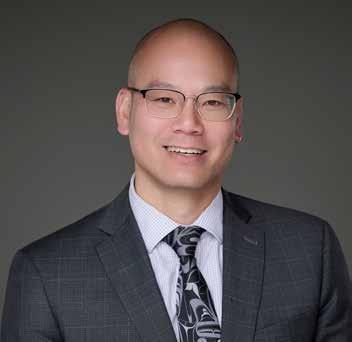
aYbtsPorz, bI[sI[ – aYbtsPorz skUl izsitRkt ieh aYlfn krdy hoey mfx mihsUs kr irhf hY ik suprzYNt zf[ nfQn ngINg nUM iswiKaf aqy BfeIcfrk lIzriÈp ivwc
AunHF dy asfDfrn Xogdfn nUM mfnqf idMdy hoey, vwkfrI ikMg cfrls III koronyÈn mYzl nfl snmfinq kIqf igaf hY.
koronyÈn mYzl kYnyzf Br ivwc AunHF ivakqIaF nUM Xfd krdf hY ijnHF ny syvf, nvInqf aqy lIzriÈp rfhIN afpxy BfeIcfiraF ivwc sfrQk pRBfv pfieaf hY. zf[ ngINg dI mfnqf ividafrQI sPlqf, smfvyÈI iswiKaf aqy aYbtsPorz BfeIcfry dy aMdr mËbUq BfeIvflI pRqI AunHF dI atuwt vcnbwDqf nUM drsfAuNdI hY.
aYbtsPorz skUl izsitRkt ivwc Èfml hox qoN bfad, zf[ ngINg iviBMn iswiKafrQIaF df smrQn krn, ividafrQIaF dI afvfË nUM vDfAux, pirvfrF nfl sbMDF nUM zUMGf krn, aqy sihXog aqy Auwqmqf dy swiBafcfr nUM AuqÈfihq krn vflIaF pihlkdmIaF nUM awgy vDfAux
ivwc mhwqvpUrn BUimkf inBf rhy hn. AunHF dI agvfeI ny iewk jvfbdyh aqy agFhvDU soc vfly ividak vfqfvrx nUM afkfr dyx ivwc mdd kIqI hY jo akfdimk pRfpqI aqy ividafrQI BlfeI dovF nUM qrjIh idMdf hY.
“suprzYNt ngINg dI lok-kyNidRq lIzriÈp aqy sfzy skUl BfeIcfiraF ivwc sfrQk sbMDF pRqI AunHF dI vcnbwDqf ies snmfn dI Bfvnf dI
Audfhrx idMdI hY,” stYn pItrsn, cyar, aYbtsPorz borz afÌ aYjUkyÈn ny ikhf. “ieh mfnqf Ausdy idRÈtIkox aqy sfzy skUl iËlHy ivwc Ausdy skfrfqmk pRBfv df pRmfx hY.”
“mYN ies mfnqf nUM pRfpq krky bhuq snmfinq aqy inmr mihsUs kr irhf hF,” suprzYNt nigeyNg ny ikhf. “myrI Xfqrf myry pirvfr aqy AunHF BfeIcfiraF duafrf bhuq pRBfivq hoeI hY ijnHF ny rsqy ivwc myrf smrQn kIqf hY. ieh purskfr AunHF bhuq sfry lokF df pRqIibMb hY jo aYbtsPorz ivwc ividafrQIaF dI sPlqf df smrQn krn aqy ividafrQIaF aqy pirvfrF leI mOky pYdf krn leI vcnbwD hn.” PryËr vYlI dy idl ivwc siQq, aYbtsPorz skUl izsitRkt ivwc 46 skUl Èfml hn ijnHF ivwc 20,000 qoN vwD ividafrQI pVHdy hn. iswiKaf borz dI rxnIqk Xojnf duafrf inrdyÈq, iËlHf ividafrQIaF dI sPlqf nUM AuqÈfihq krn, mOikaF nUM Èfml krn, iewk pRgqIÈIl kfrjbl, aqy sfzy ividafrQIaF, pirvfrF aqy BfeIcfry dI sB qoN vDIaf syvf krn leI sroqF dI anukUl vrqoN leI vcnbwD hY.
Abbotsford, BC – Trustees from the Abbotsford Board of Education were recognized for their years of service and contributions to public education at the recent British Columbia School Trustees Association (BCSTA) Annual General Meeting.
Vice Chair Shirley Wilson received a Lifetime Achievement Award, recog-
nizing her longstanding commitment and leadership in advancing student success across the district.
Trustee Preet Rai was honoured for 16 years of dedicated service, while Board Chair Stan Petersen was recognized for 12 years of service. These milestones reflect their ongoing contributions to
students, staff, and the broader Abbotsford community.
The BCSTA Annual General Meeting brings together trustees and education leaders from across the province to collaborate on key issues impacting public education.
“These recognitions highlight the important role trustees play in sup-
porting student success and guiding public education in Abbotsford,” said Dr. Nathan Ngieng, Superintendent of the Abbotsford School
District. “On behalf of all staff and our community, we congratulate them on these milestones.”
BfeIcfry bfry apzyt leI aqy sfzy vDdy-Puwldy KyqIbfVI AudXog bfry crcf krn leI myar rOs sImyNs aqy aYbtsPorz dy KyqIbfVI afgUaF nfl juVo.

zYnIal isnot


bI[sI[ KyqIbfVI kONsl zyivz mutË byrIhYvn Pfrm ilimtyz mYt zfiekÈUrn bI aYNz aYl zyarI Pfrm



ivjy rMDfvf prpycual vYjItybl kMpnI
jykr qusIN myar dy lMc ivwc inwjI qOr 'qy Èfml nhIN ho skdy, qF qusIN pRogrfm nUM aOnlfeIn lfeIv dyK skdy ho:
dupihr 12:05 vjy abbotsford.ca/mayorslunch
buwDvfr, 6 meI, 2026

lfeIv stRIm dyKx leI QR koz skYn kro

spFsr kIqf igaf aMÈk qOr 'qy

ies nfl BfeIvflI ivwc smfgm: bI[sI[ KyqIbfVI pRIÈd


“kfst ien kYnyzf”
“kfst ien kYnyzf” poÙjYkt kYnyzf dy ivc jfq dy ieiqhfs dI pVqfl krdf hY. ieh jfq ivqkry qo pÙBfivq ivakqIaF dy anuBv, aqy jfq ivroDI gqIÈIlqf aqy mUvmYNt dI jFc krdf hY . poÙjYkt dy phly pVfa (2020-2023) ivc jfq ivroDI ivakqIaF dy jbfnI ieiqhfs nUM irkfrz kIqf igaf hY . poÙjYkt dy dUsry pVfa (2024-2026) “jfq df Kfqmf” dI aguvfeI zf[ aYn mrPI (XunIvristI aOP ibRitÈ klMbIaf, ieiqhfs), zf[ sUrj XyMgVy (XunIvristI aOP pYnislvynIaf), aqy zf[ krun krkI (XU bI sI, soÈl vrk) kr rhy hn. jbfnI ieiqhfs aqy jfq sMbMDI anuBv, jfq ivroDI gqIÈIlqf aqy mUvmYNt ieMtrivAUaF dy rfhIN drj kIqy jf rhy hn . jdoN vI sfnUM iejfËq imldI hY, ieMtrivAUaF nUM sMpfidq krky aOnlfien aqy pusqkfilaf ivc rwiKaf jfvygf. ies poÙjYkt sMbMiDq zf[ sImf mfhI nUM postzfktrl PYlo (dilq stzIj) vjo XU bI sI (ieiqhfs) ivKy inXukq kIqf igaf, ijs nfl jbfnI ieiqhfs aqy jfq



sMbMDI anuBv, jfq ivroDI gqIÈIlqf aqy mUvmYNt dIaF ieMtrivAUaf lgfqfr kYnyzf ivc dsqfvyj kIqIaF jf rhIaF hn . kYnyzf dI soÈl sfieMisj aqy ihmUmYintIj irsrc
kfAuMsl dI shfieqf dy nfl ieh sB cl irhf hY.
Koj dy mOjUdf pVfa ivc iek srvy kIqf jf irhf hY ijs nfl kYnyzf ivc jfq sMbMDI igafn aqy anuBv dI vI Koj kIqI jf irhI hY . ieh sMKyp aOnlfien srvy hux aOnlfien EplBD hY ijs leI asI pfTkF nUM swdf idMdy hF . qusIN jfq bfry kI jfxdy ho
quhfzy jfq pÙqqI kI anuBv hn . qusIN ieh
jfxkfrI sfzy nfl sFJI kr skdy ho. ies
qrF qusIN kYnyzf dy ivc jfq ivqkry nUM Kqm krn dI mUvmYNt aqy jnqf nfl ibhqr juVx
ivwc sfzI mdd kr skdy ho .
ikrpf krky skYn krky ieh sMKyp aOnlfien
srvy huxy Bro aqy sfnUM dwso qusIN jfq bfry kI jfxdy ho jF kI nhI jfxdy ! qusIN Br
lvo, aqy nfl hI quhfzy pirvfr dosqF aqy
irÈqydfroN vloN vI BrvfE! iewQy skYn kro !





Proudly owned and operated by two sisters, that have partnered to serve the community together!
mfx nfl do BYxF duafrf mlkIaq aqy sMcfilq, ijnHF ny iml ky BfeIcfry dI syvf krn leI BfeIvflI kIqI hY!
Bringing trusted care and a personal touch to every smile.
BrosymMd dyKBfl aqy hr muskrfht leI iewk inwjI sMprk ilafAuxf.
nvyN mrIËF nUM muPq ielYkitRk tUQbRÈ imldf hY*.
*nvyN mrIË dI jFc aqy aYks-ry pUrI hox qoN bfad muPq ielYkitRk tUQbrwÈ pRdfn kIqf igaf.
Telephone: 604-758-5840 Email: info@hillcrestfamilydentalabbotsford.com Website: www.hillcrestfamilydentalabbotsford.com
Langley - Sunday, April 26, 2026: The City of Langley and the Langley Library brought vibrant energy and community spirit to their second annual Sikh Heritage Month celebration, drawing a lively crowd of over a hundred attendees. The event buzzed with excitement as guests enjoyed the electrifying rhythms of Punjabi folk dance Bhangra, an engaging presentation on Sikh history and culture in Canada, hands-on calligraphy, cultural displays, and delicious refreshments.

The event began with a land acknowledgement, followed by greetings and a short speech on Vaisakhi by the event’s special guest Manjit Kaur Gill. The program continued with a very informative presentation by Ramneek Sikh Sekhon, highlighting the Sikh history in Canada, including the hardships faced in the early days, as well as the community’s achievements and contributions to Canada. A young girl Pargun Kaur Gill Sang a beautiful prayer song. The Punjabi folk dance Bhangra performances by the Shan-E-Punjab Arts Club team were full of energy, excitement, and entertainment. The team instructor Mandeep Singh invited attendees to the stage,
where everyone enjoyed learning a few steps of Bhangra. The Punjabi calligraphy workshop by Sarbjit Kaur Randhawa was also a big attraction, with several children learning the basics of Punjabi writing. There was also a display highlighting the rich history, vibrant culture, and meaningful contributions of the Sikh community in Canada. Attendees enjoyed traditional refreshments.
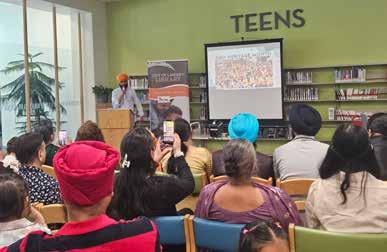
Overall, the celebration was a joyful showcase of heritage, connection, and shared experiences. It was a great opportunity for locals to reflect, learn, and celebrate Sikh heritage and culture, while also gaining a deeper under-
standing of Sikh values of equality, service, compassion, and resilience that continue to strengthen our communities today. Langley Library programs expert Donna Gomes did a fantastic job as the MC for the program. At the end of the program, the Library Manager Dr. Sarwan Singh Randhawa thanked the attendees, special guest, the speakers and performers, volunteers, the city and library staff, and the media.
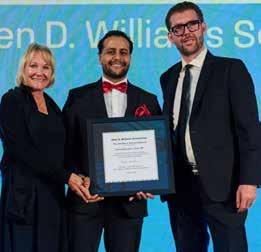
Gurleen Gang, a graduate of Okanagan College’s Civil Engineering Technology diploma, has been named Canada’s 2026 Young Professional of the Year by the Association of Consulting Engineering Companies.
Arriving in Canada from Kenya with a dream of becoming a civil engineer, Gurleen found his path at OC, where hands-on, industry-focused learning helped turn ambition into achievement.
From co-op experience with the City of Parksville to advancing into UBC Okanagan’s engineering degree, his journey is a testament to the power of practical education.
Today, Gang continues to work in civil engineering in British Columbia, involved in municipal and Indigenous infrastructure projects and mentoring engineers and technologists as he did earlier in his own career. And as a leader responsible for hiring, he encourages students to consider the same route.
zf[ blivMdr kOr brfV
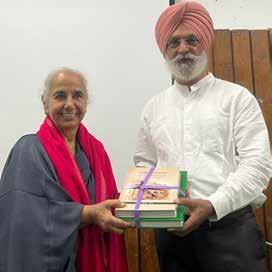
pMjfb srkfr dI srpRsqI ‘c BfsLf ivBfg pMjfb vwloN zfierYktr BfsLfvF dI dyK-ryK ‘c krvfeI geI mhInfvfr ‘pusqk bYTk’ dOrfn awj pMjfbI XUnIvristI pitaflf dI sfbkf muKI qy sfihqkfr zf[ blivMdr kOr brfV ivsLysL mihmfn vjoN sLfml hoey. ies mOky ijwQy ivBfg dy aiDkfrIaF qy krmcfrIaF ny ipCly mhIny pVHIaF pusqkF dy anuBv sFJy kIqy AuWQy zf[ brfV ny pusqk dI aihmIaq bfry ivsQfr pUrvk ivcfr pysL kIqy.
zf[ blivMdr kOr brfV ny ikhf ik ikqfbF pVHn vflf bMdf keI ijMLdgIaF ijAu lYNdf hY jdoN ik pusqk swiBafcfr qoN korf ivakqI iewk jUn Bog ky hI dunIaf qoN ruKLsq ho jFdf hY. AunHF ikhf ik swiBak mnuwK ikvyN bxnf hY ieh sfnMU sfihq hI isKfAuNdf hY. pihnIaF jfx vflIaF cIjF qF idKfvf mfqr hI huMdIaF hn jdoNik awKr igafn
mnuwK dI sLKLsIaq nMU aMdroN-bfhroN inKfrdf hY. AunHF ikhf ik awKr igafn mnuwK nMU ijwQy smfj’c ivcrn dy smwrQ bxfAuNdf hY AuWQy Aus nMU cMgI rotI Kfx dy smwrQ vI bxfAuNdf hY. zf[ brfV ny ikhf ik hr ivakqI mF dy duwD nfl imlI bolI rfhI afpxy duwKsuwK, KusLI-gmI qy hr qrHF dy vlvly sB qoN vDIaf qrIky nfl pRgt kr skdf hY. dUsrIaF BfsLfvF sMcfr qy igafn df sfDn qF bx skdIaF hn pr aihsfsF dy afdfnpRdfn df jLrIaf nhIN. AunHF ikhf ik sLbdF nMU boco, sMBflo qy ienHF dy lMgr lgfE jo sfnMU dunIafdfrI smJx dy smrwQ bxfAuNdy hn.
DMnvfdI BfsLx dOrfn s[ jsvMq isMG jLPLr ny ikhf ik dfinsLvrF dy ivcfr hmysLf hI smfj nMU syD idMdy hn. AunHF duafrf hMZfey duwKF-swuKF qy sMktF ‘coN pYdf hoey qjLrby hI sfihq df rUp
Dfrn krdy hn aqy aijhf sfihq hI smfj leI mfrgdrsLk bxn dy smrwQ bxdf hY. AunHF ikhf ik zf[ brfV dy ivcfrF qy sfihq qoN pqf lgdf hY ik sMktF ‘coN hI sMBfvnfvF pYdf huMdIaF hn. ies krky sfnMU sLbd qy sfihq df pwlf kdy vI nhI Cwzxf cfhIdf. Koj aPLsr zf[ mnijMdr isMG, irpnjoq kOr bwgf, rfj kOr kmflpur afid ny zf[ brfV nMu suafl krky, smfgm nMU hor rock bxf idwqf. ivBfg vwloN zf[ brfV nMU ivBfgI sfl aqy pusqkF dy sYNt nfl snmfn idwqf igaf. ies mOky rfj kOr kmflpur dI pusqk ‘bcpn huMdf bfdsLfh’ lok arpx kIqI geI. mMc sMcfln zf[ suKdrsLn isMG cihl ny kIqf. ies mOky shfiek inrdysLkf suKpRIq kOr, qyijMdr isMG igwl, jspRIq kOr, suirMdr kOr qy vwzI igxqI ivwc sroqy hfjLr sn.
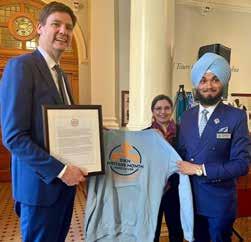
vYnkUvr invfsI iswK ividafrQI qfj isMG jOhl ‘iswK ivrfsqI mhInf’ ilKI jrsI qy Kflsf sfjnf idvs dy ieiqhfs dI plyk ibRitsL kolMbIaf dy mwuK mMqrI zyivz eIbI nMU Byt krdf hoieaf. qsvIr ‘c sMsdI skwqr sunIqf
DIr vI ivKfeI dy rhI hY. qsvIr qy vyrvf : gurdIp isMG gryvfl

aYbtsPorz (gurdIp isMG gryvfl) kYnyzf ‘c iswKF df ivlwKx ieiqhfs hY qy AunIvI sdI dy suLrU ivwc ibRitsL kobMlIaf afey iswKF ny sMGrsLmeI sKq imhnq krky afpxy afp nMU iewQy sQfpq kIqf qy awj hr Kyqr ivwc iswKf df pUrf bolbflf hY aqy iswK Drm ivwc lMgr dI pRQf qy syvf Bfnvf byimsfl hY. Auprokq sLbd ibRitsL
kolMbIaf dy mwuK mMqrI zyivz eIbI ivDfn sBf Bvn ‘c krvfey iswK ivrfsqI mhInf smfgm mOky Bfvy iekwT nMU sMboDn krdy hoey khy muwK mMqrI ny ikhf ik sRI guru goibMd isMG jI dIaF iswiKafvF sfzy afiraf leI pRyrnfdfiek hn. ieh pihlI vfr sI ik ibRitsL kolMbIaf ivDfn sBf ‘c iswK ivrfsqI mhIny nMU smripq smfgm krvfieaf igaf hovy. ies mOky sUbf srkfr vloN iswK ivrfsqI mhInf df aYlfn nfmf vI jLfrI kIqf igaf aqy gurduafrf Kflsf dIvfn susfietI ivktorIaf vloN lMgr dI syvf kIqI geI. smfgm mOky ivDFn sBf dy spIkr rfj cOhfn, kYbint mMqrI jgrUp brfV, rvI prmfr, jspRIq kOr suMnV, sMsdI skwqr sunIqf DIr qy hrivMdr kOr sMDU vI hfjLr sn aqy keI guru GrF qy smfijk sMsQfvF dy numfieMdy vI phuMcy hoey sn. ibRitsL kolMbIaf ivDfn sBf Bvn ‘c iswK ivrfsqI mhInf smfgm mOky sMboDn krdy hoey muwK mMqrI zyivz eIbI.
muhfrq qy vwD qnKLfh dI Xogqf nMU
imlygI pihl
torFto, 24 apYRl (sqpfl isMG johl)- ivdysLF ivc rihMdy lokF dy mnF ‘c kYnyzf dI iemIgyRsLn pqRI idlcspI brkrfr hY pr mOjUdf dOr ivwc dysL dI afriQk qy smfijk hflfq anusfr srkfr nMU vIjLf qy pwkI iemIgyRsLn dy inXmF ivc lgfqfr bdlfa krny pY rhy hn. qfjLf jfxkfrI anusfr kYnyzf ivc pwky qOr ‘qy vfsf krn leI ivdysLIaF nMU mOkf imldf rhygf pr dysL dIaF loVF anusfr iemIgRysLn mMqrfly vwloN aYkspRYWs aYNtrI isstm ivwc qbdIlIaF krn AWupr kMm kIqf jf irhf hY. nvI suDfeI mgroN iksy ikwqy (qknIk) dI muhfrq qy ikRq nfl kmfeI (vwD) krn dI smrwQf nMU pihl idwqI jfieaf krygI. ies df Bfv hY ik afpxy kMm qo vwD qnKLfh lYx dI Xogqf rwKx vfly AumIdvfrF (sikwlz vrkrjL) nMU pihl imilaf krygI. ies vfsqy aYkspRYWs aYNtrI isstm ivwc ‘hfeI vyj afkUpysLn’ kYtygrI df gTn kIqy jfx dI sMBfvnf hY. ijs ivwc AumIdvfrF vwloN pfey gey pRorPfeIl dy zrfa kwZy jfieaf krngy. ieh vI ik kYnyzf ‘c pVHfeI krn dy kMprIhYNisv rYNikMg isstm (sI[afr[aYWs) skor vI AuWc ividaf (XUnIvristI pwDr) leI vwD imilaf krngy. ieh vI ik jo kfrobfr (ikwqf) krn leI pVHfeI qy kMm dy qjLrby dy afDfr ‘qy srkfr dy mihkmy qoN lfiesYNs lYxf vI jrUrI hovy, aijhI Xogqf vfly AumIdvfr dI vwD sI[afr[aYWs[ skor dy Xog mMny jfxgy. kYnyzf ‘c rfsLtrI pwDr df iemiqhfn pfs krky ley gey iksy ikwqy df lfiesYNs (rYWz sIl) nMU iemIgRysLn leI iswDy qOr ‘qy vwD mhwqv imlygf ikAuik ‘rYWz sIl pRogrfm’ pfs krn dI KuwlH hY. nvyN isstm ivwc kYnyzf ivwc kMm dy qjLrby dy nfl nfl ivdysLf ivwc kIqy kMm nMU vI mfnqf (skor) imlx dI sMBfvnf hY. kYnyzf ivwc jfky pVHfeI krn dy prmfnYNt ryjLIzYNsI (pI[afr) leI hux qwk 15 qoN 30 sI[afr[aYWs[ skor idwqy jFdy hn pr nvyN isstm ivc isrPL AuWc pwDr dI ivwidaf dy hI skor imlxgy jF 12vI qo bfad kIqI geI afm qknIvI (ijvyN Bfrq ‘c afeI[tI[afeI[ vgYrf) pVHfeI leI skor bhuq Gtf idwqy jfxgy. nvF isstm AunHF AumIdvfrF AuWpr lfgU nhI hovygf ijnHF df zrfa inkl cuwkf hovygf pr jo lok ajy aYkspRYWs aYNtrI pUl ‘c hoxgy AunHF dI Xogqf (sI[afr[aYWs[skor) nvyN isstm dy pYmfny anusfr prKI jfvygf.

Niki Sharma, Attorney General, and Rick Glumac, Minister of State for AI and New Technologies, have released the following statements about B.C.’s ongoing advocacy to the federal government about online harms legislation and AI regulation: Sharma said:
“In recent months, B.C. has witnessed first-hand the devastating impacts that unregulated use of social media platforms and AI chatbots can have on individuals, families and our society as a whole. Those of us who are parents have watched with horror as story after story has come out about the harms being caused to our children’s long-term health and well-being.
“For too long, the biggest tech companies in the world have been given free rein that has resulted in experimentation on the minds of young, vulnerable people. From the Tumbler Ridge tragedy to people using AI to generate explicit deepfake images of minors; from shadowy tech algorithms shoving triggering content in the faces of young people struggling with eating disorders, to chatbots providing teens with tips on how to take their own lives, it has become abundantly clear that we can no longer rely on companies to police themselves.



“That is why my ministry and I have been so persistent in advocating the federal government to take stronger, immediate, enforceable action to protect people, especially children and youth, from online harms.
“Last month, I travelled to Ottawa to meet ministers Evan Solomon and Marc Miller to discuss this issue. Last week, I followed up with a letter outlining the exact legislative action B.C. believes must be taken at once. In particular, I am calling for federal online harms legislation to be introduced that sets minimum safety standards for youth. What form that takes – a total ban for users under a certain age, or guidelines on types of content that should be restricted by age – will be determined by experts, but it is evident that stronger guardrails are needed.
“Recent polling has found an overwhelming majority of British Columbians and Canadians support social media bans for youth. Our role is to meet the needs of the people in this province and address their concerns. British Columbia has proudly led national and global fights to protect people from harms caused by badfaith actors, like the biggest tobacco, opioid and vaping manufacturers. We have enacted provincial legislation like the landmark Intimate Images Protection Act to help keep young people safer online.
“While we applaud Manitoba for moving forward with its own ban and are monitoring its implementation with keen interest, we believe that for these safety measures to be effective, they must be led by the federal government. I have been encouraged by how willing ministers Fraser, Solomon and Miller have been in engaging with us, and I urge them to table online harms legislation before another tragedy strikes.
“For too many parents, families and communities, it is too late to act preventatively. But for countless more, we still have the opportunity to make sure they don’t have to learn what it means to lose a child. These companies say they share our goal of keeping our kids safe, and it is time we ask them to put their money where their mouth is and prove it if they want to continue operating in Canada.”
Glumac said:

“Artificial intelligence is changing how we work, learn and connect, and B.C. has the talent and infrastructure to be a global leader in this space. But innovation must be matched with responsibility, especially when it comes to protecting children and young people.
“We need consistent, Canada-wide standards for all AI companies, including clear reporting thresholds when serious safety concerns or credible risks are identified. In the wake of the tragedy in Tumbler Ridge, and reports related to the use of AI technologies, I wrote to the federal government to reinforce B.C.’s call for clear national guardrails.
“Strong, enforceable federal rules will help ensure AI is used responsibly, support workers and families, and give people confidence that these powerful technologies are being developed and deployed with their safety and well-being at the forefront.”

by David Leis President & CEO Frontier Centre for Public Policy (FCPP)

kYnyzf df mIzIaf ies leI asPl nhIN ho irhf ik lokF ny iesnUM pVHnf Cwz idwqf hY. ieh ies leI asPl ho irhf hY ikAuNik lokF ny ies ’qy Brosf krnf Cwz idwqf hY.
dhfikaF qwk mIzIaf iewk afËfd aqy lokqFqirk smfj dy kyNdrI sqMBF ivwcoN iewk sI. iesdI BUimkf spwÈt sI—swqf nUM jvfbdyh bxfAuxf, vwK-vwK ivcfrF nUM pyÈ krnf aqy nfgirkF nUM Auh jfxkfrI dyxf ijs nfl Auh soc-ivcfr krky ÌYsly lY skx. kYnyzf ivwc pwqrkfrF dI Gft nhIN hY. pihlF nfloN vwD plytPfrm, vwD afvfËF aqy vwD smwgrI mOjUd hY. smwisaf ieh hY ik ies pRxflI df vwzf ihwsf hux afËfd pRYs vFg kMm nhIN krdf.
ieh hux iewk inXMqirq pRYs vFg vrqfrf krdf hY. aqy kYnyzIafeI lok ies gwl nUM smJx lwg pey hn.
iesdf sB qoN spwÈt kfrn srkfrI PMizMg hY. awj kYnyzf ivwc lgBg 2,000 mIzIaf sMsQfvF nUM tYks CUtF, iswDIaF sbiszIaF aqy 2019 qoN bfad pwqrkfrqf nUM shfrf dyx leI ÈurU kIqIaF XojnfvF rfhIN kyNdrI shfieqf imldI hY.
BfvyN pwqrkfr ieh dfavf krn ik ieh PMizMg AunHF dy kMm nUM pRBfivq nhIN krdI, pr isrÌ ieh Dfrxf hI nuksfndfiek hY. mIzIaf Brosy ’qy itikaf huMdf hY. jdoN lokF nUM lwgx lwg pey ik ÉbrF dI kvryj iksy qrHF pRBfivq ho skdI hY, qF Brosf Gtxf ÈurU ho jFdf hY.
pr PMizMg hI iekwlI smwisaf nhIN hY.
jdoN mIzIaf sMsQfvF afpxy asiqqv leI
srkfrI XojnfvF ’qy inrBr ho jFdIaF hn, qF qrjIhF bdl jFdIaF hn. swqf nUM cuxOqI dyx vflIaF ÉbrF Éqrnfk lwgx lwg pYNdIaF hn. sMpfdkI ÌYsly hor sMBl ky ley jFdy hn. kvryj hOlI-hOlI jF keI vfr KuwlHy qOr ’qy pRcilq srkfrI kQf nfl imlx lwgdI hY.
ipClIaF sMGI coxF dOrfn bhuq sfrI kvryj
sMXukq rfj amrIkf aqy rfÈtrpqI zonflz trMp ’qy kyNdirq rhI. iesy vyly kYnyzIafeI lokF dI roËfnf iËMdgI nfl juVy muwdy—ijvyN GrF dI kImq, mihMgfeI aqy vDdf aprfD—ipwCy Dwk idwqy gey. ieh koeI sMpfdkI glqI nhIN sI. ieh iewk cox sI, aqy iesny ieh inrDfrq kIqf ik votrF nUM sB qoN mhwqvpUrn kI lwgy.
ieho ijhf ruJfn nIqI sMbMDI kvryj ivwc vI
idKfeI idMdf hY. jdoN kyNdrI srkfr ny aYlfn kIqf ik Ausny nfto dy do ÌIsdI rwiKaf Krcy dy tIcy nUM pUrf kr ilaf hY, qF bhuq sfrI irporitMg ny isrÌ ies dfavy nUM duhrfieaf. ies gwl ’qy Gwt iDafn idwqf igaf ik ieh tIcf asl POjI smrwQf vDfAux dI bjfey ihsfbI qbdIlIaF aqy mOjUdf Krcy dI nvIN vrgIkrn rfhIN pUrf kIqf igaf sI.
ieh koeI CotI ÊlqI nhIN hY. ieh lokF nUM
jfxkfrI dyx aqy iewk psMdIdf khfxI nUM mËbUq krn ivclf Ìrk hY.
awjkwlH bhuq sfrI irporitMg pihlF hI
nqIjf qYa kr lYNdI hY aqy iPr AusnUM shI
sfbq krn leI kMm krdI hY. mksd hux ieh nhIN rih igaf ik swc kI hY, ieh Koijaf jfvy; mksd ieh bx igaf hY ik inAUËrUm
dy pRcilq ivcfrF nfl myl KFdI gwl nUM
shfrf idwqf jfvy.
ieh pwqrkfrqf nhIN hY. ieh vkflq hY.
rfey rwKx ivwc afpxy afp ivwc kuJ vI glq nhIN hY. iewk ishqmMd mIzIaf pRxflI vwKvwK rfjnIiqk ivcfrDfrfvF qoN mËbUq ivcfrF ’qy inrBr krdI hY. pr prMprfgq qOr ’qy iewk spwÈt ryKf huMdI sI—rfey sMpfdkI pMny ’qy huMdI sI, jdik ÉbrF dI irporitMg inrpwKqf vwl iDafn dyNdI sI.
hux ieh ryKf DuMdlI ho geI hY. jdoN Koj dI QF vkflq lY lYNdI hY, qF nqIjy anumfnXog huMdy hn. kuJ khfxIaF nUM vwD AuBfiraf jFdf hY, horF nUM nËraMdfË kr idwqf jFdf hY. ijhVy svfl puwCy jfxy cfhIdy hn, Auh puwCy hI nhIN jFdy. smyN dy nfl svIkfrXog rfey dI hwd GwtdI jFdI hY. ijhVIaF afvfËF pRcilq soc qoN bfhr huMdIaF hn, AunHF nfl ivcfr-vtFdrf nhIN huMdf, AunHF nUM rwd kr idwqf jFdf hY. keI iviÈaF nUM aijhf mMn ilaf jFdf hY ijvyN Auh pUrI qrHF qYa ho cuwky hox, jdik aijhf nhIN huMdf. nqIjf ieh huMdf hY ik mIzIaf hOlIhOlI dyÈ nfl gwl krn dI bjfey afpxy afp nfl gwl krn lwg pYNdf hY.
jo mIzIaf lgfqfr swqf nUM cuxOqI nhIN idMdf, Auh AusnUM jvfbdyh nhIN Tihrf skdf. jdoN kvryj srkfrI qrjIhF nfl bhuq nyVy imlx
lwgdI hY jF rfjnIiqk qOr ’qy sMvydnÈIl muwidaF qoN bcdI hY, qF lokF kol hkIkq dI aDUrI qsvIr hI rih jFdI hY. ivzMbnf ieh hY ik jdoN muwKDfrf mIzIaf sMGrÈ kr irhf hY, Ausy vyly suqMqr mIzIaf mËbUq ho irhf hY. bhuq sfry aijhy mfiDam ibnF srkfrI PMizMg dy kMm krdy hn aqy iswDy qOr ’qy afpxy pfTkF dy sihXog ’qy inrBr hn. ies leI nhIN ik Auh pUry hn, pr ies leI ik Auh AuhI kr rhy hn ijsdI lok AumId krdy hn—aOKy svfl puwCxf, nËraMdfË kIqy muwidaF nUM AuBfrnf aqy afpxy nËrIey bfry pfrdrÈI rihxf.
vwD srkfrI PMizMg nf qF Brosf vfps ilaf skdI hY aqy nf hI suqMqrqf. svIkfrXog ivcfrF dI hwd hor GtfAux nfl BrosyXogqf nhIN bxygI.
iewk ishqmMd mIzIaf pRxflI nUM srkfr qoN dUrI cfhIdI hY, Aus ’qy inrBrqf nhIN. iesnUM vwK-vwK ivcfrF dI loV hY, inXMqirq sihmqI dI nhIN. aqy iesnUM aijhy pwqrkfrF dI loV hY jo qwQF dy ipwCy jfx, nf ik pRcilq kQfvF dy ipwCy.
kYnyzf ivwc mIzIaf dI Gft nhIN hY. Gft hY qF aijhy pRYs dI jo swqf nUM jvfbdyh bxfAux leI iqafr hovy.
zyivz lIs PrMtIar sYNtr Pfr pbilk pfilsI dy pRDfn aqy sIeIE hn aqy “lIzrË afn d PrMtIar” pozkfst dy host hn.
Four communities have been awarded funding for new or expanded waste-processing infrastructure and curbside collection, as part of a $14-million investment by the Province.
“The CleanBC Organics Funding Program empowers communities,” said Tamara Davidson, Minister of Environment and Parks. “It allows communities to build an organics system that works for them – a system that diverts waste, creates clean, healthy ecosystems and keeps organics in circulation and out of landfills.”
The CleanBC Organics Funding Program is designed to keep organic waste out of landfills and reduce greenhouse gas emissions. Organic content represents 40% of the waste sent to B.C. landfills, where it breaks down and releases methane, a potent greenhouse gas. When organics are composted, they are transformed into nutrient-rich soil that supports healthy ecosystems.
Four projects funded for a total of more than $2 million
Kispiox Band Council was awarded $737,400 for new organic waste-processing infrastructure and curbside collection.
The City of Revelstoke was awarded almost $647,000 for curbside collection.
Tl’etinqox Government was awarded almost $630,000 for new organic wasteprocessing infrastructure and curbside collection.
The Village of New Denver was awarded $8,760 to expand community composting capacity for New Denver and Silverton.
“People in the Kootenays and across the province are passionate about reducing the amount of waste that ends up in landfills,” said Brittny Anderson, MLA for Kootenay Central. “This funding means that New Denver and Silverton will be able to expand composting capabilities, reduce greenhouse gas emissions and benefit residents in one of B.C.'s most beautiful rural areas.”
All eligible projects were awarded funding in this round and are expected to start this spring. Two of the four projects, Kispiox and Tl’etinqox Organic Waste Management Systems, are Indigenous-led and support the Province’s commitment to reconciliation.
Collectively, all four projects will serve almost 11,000 people in British Columbia and reduce greenhouse gas emissions by an estimated 655 tonnes of CO2 equivalent every year, which is approximately equal to taking 219 cars off B.C. roads.
“The City of Revelstoke thanks the Province for supporting the implementation of a modernised curbside collection system for Revelstoke residents beginning in spring 2027,” said Gary Sulz, mayor of Revelstoke. “With the grant funding, the city will purchase bear-resistant dedicated organics waste carts compatible with the automated lift mechanism on two new collection trucks. Residents will learn more about our important waste-diversion initiatives and upcoming changes in the coming months.”
First-round projects up and running soon
Two of the three projects from the first round of funding will be fully operational this year. Combined, all three are expected to reduce emissions by almost 4,200 tonnes of CO2 equivalent by 2030.
“Being stewards of the land, Skidegate Band Council (SBC) is governed by Haida Law and takes direction from its community,” said Robert Williams, band administrator. “Our membership, through our comprehensive community plan, has directed us to follow the Haida principle of Gina ‘waadluxan gud ad kwaagid (Everything depends on everything else). Inherent in this principle is a recognition that we must look after our environment because it sustains us. It is who we are.
With the help of the Province’s CleanBC — Organics Funding, we have been able to exercise this important principle. The funding has allowed SBC to develop a composting facility, which complements our recycling program, and helps the community further reduce its impact on our environment. For this, we are thankful because of the positive impact it’s had in allowing us to fulfil our green initiatives, while concomitantly being responsive to our members.”
Led by Nisga’a Village of New Aiyansh, Skidegate Band Council and Tla’amin Nation, first-round Organics Funding Program projects will serve more than 6,000 people in British Columbia.
The CleanBC Organics Funding Program is part of government’s plan to lower climate-changing emissions. Alongside initiatives such as the CleanBC Plastics Action Fund, the Single-Use and Plastic Waste Prevention Regulation and B.C.’s Extended Producer Responsibility system, the Organics Funding Program supports the Province’s efforts to divert waste from B.C. landfills and boost the circular economy.
The federal government’s 2026 Spring Economic Statement, Canada Strong for All, reinforces a clear shift in direction first signalled in Budget 2025: toward growth, investment, and economic capacity. (Click to read the Chamber’s Statement on Budget 2025).
At a high level, the Statement combines near-term affordability measures with large-scale, longer-term investments intended to strengthen productivity, workforce capacity, and domestic industry.
Several headline measures anchor the plan:
•$25 billion Canada Strong Fund to coinvest with private capital in strategic projects and firms.
•$511.9 billion in capital commitments, including a $51 billion Build Communities Strong Fund and more than $125 billion across 15 major projects.
•A significant skilled trades push (80,000–100,000 workers by 2030–31), supported by $3.4 billion over five years in apprenticeship supports and incentives.
•Defence and industrial policy investments, including $103.8 million over five years for a new Defence Investment Agency.
•Early-stage strategies in AI and food security, focused on adoption, domestic capacity, and resilience.
•Business succession reform: the $10 million capital gains exemption for Employee Ownership Trusts (EOTs) is now permanent.
•Charitable sector modernization: consultations in 2026–27 to update the tax and regulatory framework for charities in line with G7 practices.
From a fiscal standpoint, the government projects a $66.9 billion deficit in 2025–26, lower than previously forecast, alongside $7.75 billion in savings over three years. The Chamber continues to be concerned about our national deficit but welcomes investment in strategic areas like major projects, infrastructure and defence.
$4.6 million provided for non-profit organizations, new training program in B.C.
Gender-diverse people, women and their children who are leaving violence will find support through a $4.6-million partnership between the federal and provincial governments.
“Home is more than four walls and a roof,” said Christine Boyle, B.C. Minister of Housing and Municipal Affairs. “It is a place of safety, a place of healing and a place where dignity is restored. With these funds, people fleeing violence will benefit from the enhanced housing supports and training provided to non-profit providers who work with survivors every day.”
The funds are a one-time grant and are part of a broader range of initiatives funded through the Canada-British Columbia bilateral agreement to end gender-based violence announced in December 2023. The funding advances work under Safe and Supported: B.C.’s Gender-Based Violence Action Plan, which aims to provide timely support to survivors, invest in community
healing, and prevent violence and exploitation.
“Addressing gender-based violence requires sustained, co-ordinated action,” said Rechie Valdez, federal Minister of Women and Gender Equality and Secretary of State (Small Business and Tourism). “Through this investment as part of the National Action Plan to End Gender-based Violence, the federal government is helping to ensure that victims and survivors in British Columbia can access the services and support they need, where and when they need it. We will continue working with provincial and community partners to improve supports and deliver real, measurable progress for survivors.”
Supporting survivors of gender-based violence
The $4.3 million was disbursed through BC Housing’s Women’s Transition Housing and Supports Program to almost 90 non-profit providers of wom-
en’s shelters and transition housing and the Aboriginal Housing Management Association (AHMA).
Funding will help providers maintain operational capacity, support survivors during critical incidents and assist survivors’ independence. The funding is supporting initiatives, including:
small bursaries to support survivor’s financial independence
new supplies and equipment, such as furniture and playground equipment
gender-based violence staff awareness training and development opportunities
minor capital repairs, including accessibility upgrades for gender-diverse people and those with disabilities
Funding allocated to support research into gender-based violence related brain injury
In addition to the $4.3 million in onetime grants, $300,000 was awarded to Supporting Survivors of Abuse and Brain Injury through Research (SOAR) for a comprehensive genderbased violence response training program for shelter, housing and homelessness service providers supporting people that have experienced gender-based violence.
The online program, Supporting Survivors: Addressing Gender-Based Violence in Housing, set to launch in summer 2026, gives particular attention to the higher risks faced by Indigenous women and the connection between gender-based violence and brain injuries. It includes training modules, educational plans and best practices on identifying and addressing gender-based violence. It was developed in collaboration with AHMA, the BC Society of Transition Houses and Homelessness Services Association of BC.
In a recent interview on Eye on the Valley with Surjit Atwal on 101.7 FM, family law lawyer Mandy Shergill shared a sobering reality: our court system is failing families. With over 12 years of experience, Shergill notes that overcrowding is at an all-time high, with even “urgent” matters frequently adjourned.
Delay for my clients looks like a parent waiting to see their kids without a regular schedule,” Shergill explains. These delays force people to take time off work for hearings that never happen, often leading them to accept unfair compromises just to end the “limbo.”
For children, the impact is even more severe. When trials drag on for years, the lack of stability becomes their “new normal,” making it nearly impossible for parents to co-parent effectively.
The burden isn’t just emotional; it’s financial. Shergill has seen clients take out second mortgages to fund ongoing litigation. “It’s really hard to heal when you’re
stuck in a highconflict situation for years,” she says.
Shergill, an accredited mediator, advocates for resolving matters outside of court. “Mediation is one of the best ways to get a speedy resolution. Families deserve answers, not years of waiting.

This was a wonderful and knowledgeable interview, and Mandy Shergill will be returning to discuss more family law issues soon.
Contact Mandy Shergill Website: www.shergilllaw.ca
Firm: Shergill Law
Specialty: Family Law & Mediation
hfl hI ivwc 101[7 aYPaYm dy pRogrfm Eye on the Valley ivwc surjIq atvfl nfl gwlbfq dOrfn pirvfrk kfnUMn dI vkIl mMzI Èyrigwl ny iewk gMBIr hkIkq sFJI kIqI: sfzI adflqI pRxflI pirvfrF nUM nfkfm kr rhI hY. 12 sfl qoN vwD dy qjrby nfl, Èyrigwl dwsdIaF hn ik adflqF ivwc BIV afpxy sB qoN Auwcy pwDr ’qy hY aqy “qurMq” mfmly vI
aksr mulqvI kr idwqy jFdy hn.
“myry muawklF leI dyrI df mqlb hY iewk mfpy df afpxy bwicaF nUM ibnF iksy inXmq smF-sfrxI dy imlx leI AuzIk krnf,” Èyrigwl smJfAuNdIaF hn. ieh dyrIaF lokF nUM AuhnF suxvfeIaF leI kMm qoN CuwtI lYx leI mjbUr krdIaF hn jo kdy huMdIaF hI nhIN, aqy aksr Auh isrÌ ies
“aixÈicqqf” nUM Kqm krn leI nf-iensfÌI
Bry smJOqy mMn lYNdy hn.
bwicaF leI iesdf asr hor vI gMBIr huMdf hY.
ieh boJ isrÌ jËbfqI nhIN, sgoN afriQk vI hY. Èyrigwl ny aijhy muawkl vyKy hn ijnHF ny cwl rhI kfnUMnI lVfeI df Krcf cukfAux leI dUjI vfr Gr igrvI rwiKaf. “jdoN qusIN sflF qwk Auwc-qxfa vflI siQqI ivwc Psy rihMdy ho, qF TIk hoxf bhuq muÈkl huMdf hY,” Auh kihMdIaF hn.
iewk pRmfixq mwDsQ hox dy nfqy, Èyrigwl adflq qoN bfhr mfmly sulJfAux dI pwKdfr hn. “mwDsQqf qyËI nfl hwl lwBx dy sB qoN vDIaf qrIikaF ivwcoN iewk hY. pirvfr sflF dI AuzIk nhIN, spÈt jvfbF dy hwkdfr hn.”
ieh iewk bhuq hI jfxkfrIBrpUr aqy Èfndfr ieMtrivAU sI, aqy mMzI Èyrigwl jldI hI hor pirvfrk kfnUMnI muwidaF ’qy gwl krn leI muV afAuxgIaF.
mYMzI Èyrigwl nfl sMprk kro vYwbsfeIt: www.shergilllaw.ca
jdoN kysF dy PYsly sflF qwk ltkdy rihMdy hn, qF asiQrqf hI AuhnF dI “nvIN afm iËMdgI” bx jFdI hY, ijs kfrn mfipaF leI imljul ky bwicaF dI prvirÈ krnf lgBg asMBv ho jFdf hY.
Prm: Shergill Law ivÈyÈqf: pirvfrk kfnUMn aqy mwDsQqf
Survivors of intimate-partner violence in rural, remote and northern B.C. will continue to have access to crucial support services as they navigate the family law system, thanks to additional funding.
“Too often, family court processes retraumatize or inflict further harm upon survivors of intimate partner violence, worsening their isolation and stress,” said Niki Sharma, Attorney General. “This is especially true in rural and remote areas that are disproportionately affected by intimate partner violence and under-served by our legal system. The Safe Supports Project provides crucial assistance at some of the most difficult times of people’s lives.”
The Safe Supports Project serves victims of intimate partner violence with matters in Provincial Court in the Robson Valley, Dawson Creek and the Smithers/Hazelton area. Initially supported by a grant from the federal government’s Justice Partnership and Innovation Program, the project was set to end in March 2026. However, additional provincial funding was secured to extend the project until March 2028 while the Province continues to explore alternate funding for further extension and expansion.
The Safe Supports Project was launched in January 2022 in response to feedback from survivors and service providers that identified gaps in the assistance available to people who had experienced intimatepartner violence as they navigate family law matters in court. These gaps and the social, cultural, economic and geographic barriers faced by many have contributed to a general lack of trust in and reluctance to engage with the justice system.
Challenges identified included safety risks, trauma, information gaps, complex court processes and difficulties accessing legal and community services, especially in rural and northern B.C., where local resources are limited.
The Safe Supports Project was designed to address these problems by offering legal and non-legal assistance before, during and after court proceedings. Types of support include helping people get accurate information about their cases and connect with appropriate legal and community services. This support is delivered through:

Three family court support workers embedded within local anti-violence organizations who provide safety planning, help with managing cases and navigating the system, accompaniment for clients’ court appearances and aftercare.
One information gatherer, housed within the Ministry of Attorney General’s Court Services Branch, who helps survivors access their own court records across family, criminal and child-protection proceedings, reducing stress and ensuring relevant information is available for decision-making.
The Aunties Program – a focused version of the support workers role for Indigenous people – was piloted under the Safe Supports Project. The program will now be administered by the BC First Nations Justice Council’s Indigenous Justice Centres.
“Navigating the family court system can be another barrier for people already traumatized by intimate partner violence,” said Jennifer Blatherwick, parliamentary secretary for gender equity. “Additional funding for the Safe Supports Project will help more survivors access help, reduce stress and be supported throughout the legal process and beyond.”
Evaluations of the project found that between March 1, 2024, and March 31, 2025, it:
supported 160 survivors in small and medium-sized centres, primarily in northern and remote regions
responded to 750 requests for familylaw-related support, including parenting arrangements, child support and protection orders
provided 441 referrals to legal services, such as legal aid, Family Justice Centres and family law advocates
attended 88 legal meetings and provided 47 accompaniments to Provincial Court
made 309 referrals to non-legal supports like counselling, housing, income and health services
Overall, feedback from survivors who used the Safe Supports Project has been positive. Many reported feeling safer, empowered and more willing to pursue their family law matters. They said the support workers helped them:
develop or update written safety plans, while sharing practical safety tips obtain protection orders
feel safer when making court appearances that might involve facing their abuser better understand their own case and the legal options available to them find relevant court information more easily decode complex legal terms and court procedures
manage complicated paperwork feel more confident and less overwhelmed with the process
better prepare for legal proceedings co-ordinate transportation to court and legal appointments outside their communities.
Local organizations providing support services also noted that the Safe Supports Project has helped them bridge gaps in legal support available in rural and remote areas, such as shortages of lawyers, limited
transportation options and infrequent court sittings. Host organizations where family court support workers were embedded also reported that the program helped them improve their service delivery more broadly. It also strengthened local support networks working to address intimatepartner violence and access to justice issues by fostering greater inter-agency collaboration.
The Safe Supports Project is part of government’s broader work to support victims of gender-based violence and expand access to justice. It complements other initiatives, such as the Early Resolution Process, Family Law Act Modernization Project and the Intimate Images Protection Act.
Kim Stanton, lawyer and independent reviewer, Stanton Report –
“The Safe Supports program fills a considerable gap in the supports available to survivors. It is one of the positive, promising and necessary actions that the Province has taken to improve legal responses and support services for intimate-partner violence and sexual violence in British Columbia.”
Carol Seychuk, executive director, Northern Society for Domestic Peace –
“For those navigating the family law system, having someone who listens, understands and consistently advocates for their safety and voice is important to help them find the courage to keep going. The Safe Supports Project provides informed, accessible support, which is particularly meaningful given the limited services and resources in our northern rural communities. We look forward to continuing our partnership with the Province on this important project that is helping so many in our community.”
Jana MacMaster, executive director, Robson Valley Community Services –
“Through the Safe Supports Project, our staff are equipped to provide comprehensive services and consistent supportive guidance with family court matters during times of transition, uncertainty and vulnerability, with compassion and care. Our work strengthens safety, confidence and independence. Clients are connected to essential resources that support lasting, positive change.”
mulK rfj ‘bjfj’
nvIN Kbr pMjfbo afeI suxI awj svyry
lflc burI blf huMdI isafxy kihx bQyry
mF lY geI puwqr nUM ieMzIaf ivafh krfAux
ivwc pyprF dyqf jf ky irsLqy lwgy afAux
aOqry Brf dI pYlI imlI ivwc sVk dy afeI
do kroV imilaf qfjLf pRvfr ny KusLI mnfeI
muMzf kuVI kihx dovyN ivdysL ivafh krfAuxf
knyzf, amrIkf hovy koeI dyr nhIN lgfAuxf
suBf pypr dyK bfpU Pon KVkfeI jfvy
muMzy dI mF ny cuwikaf Pon awgoN mul suxvy
kuVI dy ipAu ny ikhf awgoN sfnUM hY mnjLUr
vyK ivKfeI kro af ky irsLqf kro jLrUr
agly hI idn mF puwq Gr lVkI dy afey
vyK ivKfeI gwlbfq kr agn dohF ny pfey
cflI lwK dyxf pihlF ds ivafh qy lfAuxf
pMjfh dyxf ivafh mgroN knyzf pRvfr pcfAuxf
ivafh rcf ky dohF PrIkf irsLqy nvyN bxfey
GuMmy iPry nfl pRvfr rupey zflrF ivwc vtfey
do mhIny rihky ieMzIaf knyzf cfly pfey
KusLI KusLI pRvfr sfrf idwlI cVHfAux afey
zfkU lutyry pey rfh ‘c zflr jyvr lfihaf
mfr dyvFgy sB jykr Pon iksy KVkfieaf
corF nUM pey mor ‘pRymI’ mF puwq vfps afey
ieMzIaf vfly roNdy ipwtdy GrF nUM cfly pfey
mulK rfj bjfj ‘pRymI golyvflf’
sB GrF dy ipCly pfsy, jgf qF sB dy huMdI
CotI vwzI gfrzn leI, imhnq krnI huMdI
Kurpf, sLfvl (khI) qMglI lY ik iqafr ho jfAu
sbjLIaF df hux sIjLn afieaf, gfrzn ivwc lgfAu.
nfl sLOk dy gfrzn keIaF, Puwl bUty lfey
afVU, syb, cYrI afid, Pl ‘qy AuWqr afey
Xfd insLfnI bxU quhfzI, nfl Pldfr bUty lfE
sbjLIaF df hux sIjLn afieaf, gfrzn ivwc lgfAu.
suwkI, igwlI imwtI dyK, puwt ky rwKI jfAu
Duwp lwgy qoN cux ky Gfh, bjrI vI htfE
PrI dy ivwc vrjsL huMdI, imwtI ‘c Kfd rlfAu
sbjLIaF df hux sIjLn afieaf, gfrzn ivwc lgfAu.
jo vI bIjxf cfhuMdy qusIN, AuhI bIj ilafAu
pflk, myQy, myQI, DnIaF, srHoN, ikafry pf lgfAu
mwkI dI rotI, qfjLf sfg, mwKfx nfl iPr KfAu
sbjLIaF df hux sIjLn afieaf, gfrzn ivwc lgfAu.
nrsrI PlIaf mfrikt, pnIrI dyK ilafAu
imrcF, GIaf, tmftr, PIrf, KflLIaF pf lgfAu
iqMn cfr mhIny sIjLn rihMdf, Pfiedf qusIN AuTfE
sbjLIaF df hux sIjLn afieaf, gfrzn ivwc lgfAu.
qfjLI sbjLI, Dn dI bwcq, imhnq krdy jfAu
imhnq vfly krn qrwkI, syvf df Pl pfE
‘pRymI’ afp KfAu horF nUM KvfE, dosq nvyN bxfAu
sbjLIaF df hux sIjLn afieaf, gfrzn ivwc lgfAu.
ÊËl
blivMdr bflm gurdfspur
Ekfr ngr, gurdfspur pMjfb mo[ 98156-25409
Éudf dy krm ivcoN hoNd dI qkdIr iKc lYNdf |
jy apxy ÉUbsUrq supny dI qsvIr iKc lYNdf |
Drq kuJ hor hoxI sI, ggn kuJ hor hoxf sI,
cVHy sUrj ‘coN loa dI lmkdI ËMjIr iKc lYNdf |
isrÌ qyrI svwlI nËr dI QoVHI ËrUrq sI, sxyN cMn qfiraF dy ggn dI jfgIr iKwc lYNdf |
myrf irÈqf hI aYsf sI ik mYN kuJ kih nhIN sikaf, jy mYN cfhuMdf qF Ausy vkq hI ÈmÈIr iKc lYNdf |
Auh kIVI bx ky hY llkfrdf jy Auh Èyr huMdf qF, qF mumikMn sI ik mYN qrkÈ dy ivcoN qIr iKc lYNdf |
ikqy iekvfr Auh kihMdf ikqy aËmf ky qF vyNhdf, Auhdy nYxF dy sfgr ‘coN mYN sfrf nIr iKc lYNdf |
Auh apxyN nkÈ dy jlvyN ‘c imknfqIs rKdf hY, KVHf hovy qF iqrCI nËr nfl kÈmIr iKc lYNdf |
sjf ky mFg ivc sMDUur eydF ibMb bxfAuNdf hY, iksy mMidr ‘c jgdy dIp vfgUM cIr iKc lYNdf |
koeI ajmf lvy byÈk jdoN mrËI hI bflm nUM, Auhdf isjdf qF kohynUr, pYgMbr, pIr iKc lYNdf |
16/04/2026 qoN 15/05/2026
cyqr mhIny dOrfn hr iewk rfsLI leI sLuB-asLuB Pl:
myK : ishq TIk rhy, Dn aqy pirvfr dy swuK ivwc gVbV, inwjI jnF qoN myl imlfp, sMpqI hfnI, sMqfn pwK asuLB, sLwqrU zr, iesqrI swuK, dusLmx qoN zr, kfrobfr Krfb. apYRl 19,20,27,28,29, meI 6,7 asLuB.
ibRK : ishq TIk, Dn lfB, inwjI jn hfnI, sMqfn suwK, iesqrI swuK TIk, kfrobfr Krfb. apYRl 21,22,30,31 meI 8,9,10,asLuB.
imQn : ishq TIk, Dn lfB hoky vI Krc ivsLys hovy. inwjIjn swuK, sMpqI JgVf, sMqfn pwK sLuB, iesqrI suwK, kfrobfr ivwc Pyr bdl. apYRl 14,15,16,23,24, meI 1,2,11,12 asLuB.
krk : ishq TIk, Dn qy sMpqI suwK, bMDU ksLt kfrobfr ivwc lfB, mfx iewjq vDy. iesqrI suwK, apYRl 17,18,25,26, meI 3,4,5 asLuB.
isMG : ishq Krfb, GrylU JgVf, inwjI jnN qo asihXog, sMpqI suwK, sMqfn swuK TIk, iesqrI pwK sLuB, kfrobfr ivwc gVbV. apYRl 19,20,27,28,29 meI 6,7 asLuB.
kMinaf : pyt dI KrfbI, Dn qo pirvfirk suwK, bMDU suwK, sMpqI imly, sMqfn swuK, iesqrI ksLt, kfrobfr TIk. apYRl 21,22,30,31, meI 8,9,10,asLuB.
qulf : ishq Krfb, mn pRsMn nf rhy. Dn aqy sMpqI suwK, lfB, inwjIjn sihXog nf imly, sMqfn pwK asLuB, iesqrI suwK TIk, kfrobfr TIk-TIk clygf. apYRl 14,15,16,23,24 meI 1,2,11,12 asLuB.
ibRsLick : ishq TIk, Dn lfB, hOslf vDy, sMpqI swuK sMqfn dI icMqf, iesqrI ksLt, kfrobfr ivwc hfnI. apYRl 17,18,25,26 meI 3,4,5,13 asLuB.
Dn : ishq TIk, Dn lfB, inwjIjn sihXog, siQr sMpqI suwK, sMqfn pwK sLuB, dusLmx pRBfvI rhy. iesqrI suwK, kfrobfr dI icMqf. apYRl 19,20,27,28,29, meI 6,7 asLuB.
mkr : vfXU rog, Dn hfnI, Brf nMU ksLt, sMpqI JgVy sulJxgy. sMqfn pwK suLB, iesqrI pwKoN suwK, kfrobfr dI qrwkI. apYRl 21,22,30,31, meI 8,9,10 asuLB.
kuMB : ishq Krfb, GrylU JgVy, inwjI lokF nfl myl, sMpqI qy Dn lfB, sMqfn pwK sLuB, iesqrI ksLt, kfrobfr ivwc qrwkI. apYRl 14,15,16,23,24, meI 1,2,11,12 asLuB.
mIn : ishq gVbV, pyt dI KrfbI, Dn hfnI, Brf df swuK, sMpqI lfB, sMqfn pwKoN suwK, iesqrI ksLt, kfrobfr ivwc qrwkI. apYRl 17,18,25,26, meI 3,4,5,13 asLuB.


Be cautious about what you bring to an end or the way in which you go about winding something up, especially if you think it will open up more choices. The situation will have to be revisited mid April next year. Other things would have changed by then. It might be wiser to let things take their own course right now.


Something that started off as a small thing when it comes to helping out somebody else that seems to keep on growing would be best dealt with now, especially if it is turning into a habit or interfering with your regular routines. It has probably taught you to take more notice of what is important to you, rather than getting distracted..

New directions involving other people can be smooth running if things are done their way. While there might be a lot in common, their determination might clash with yours. If you have been attempting to come to an agreement, this might need to be left for now and revisited mid April as things will likely have changed by then.
Something is winding up on a personal level perhaps in ways you were not expecting that is generating thought of all sorts of possibilities in the long term. Someone can play a powerful role here. However it is to eventually settle will not become evident until January to April next year. Meanwhile just go with the flow.

You can have success in getting something out of the way that has been on your mind for a while but the energy just hasn’t been there. Not that you will feel overly energised just yet. It is more a realisation that time is running out. You know you will feel a lot better once this is done, especially if others have a good view of it.

Something needs to be put into place once and for all so that you know what needs to be spent rather than other things coming up all the time. Whatever you do now can create changes that may not be fully implemented until next year, between January and April. You need to be straightforward and practical with any discussions.


There can be a willingness to let something go that has been a personal priority but doesn’t fit well with someone else. It will be more important to establish underlying stability in situations involving others. This can be temporary as other opportunities to focus on your wishes will arise next year from January to April. Patience can pay off.
The New Moon this week occurs in your sign providing you with the opportunity to generate changed directions on a personal level. Anything that has not been heading in the direction you had hoped might be better let go right now. Becoming more practical can appeal to you, especially when it comes to stability with finances.

There can be new directions building up in the background that will provide the opportunity to put a stable foundation in place. This is likely tied into the decisions of somebody else and something may need to wind up so they can take the next step. There could be more than one stage of development attached to this as well.

Changes in somebody else’s life may make you realise things are moving on and it will not be the same for you. This is encouraging you to think about what is important to you. It can actually be freeing you up to do so. This is a first stage. New people can come into your life, especially from January to April next year.

It might be time to develop a new attitude when it comes to commitments or obligations in your life, especially if they affect your finances. If you have accepted things without thinking, you could recognise this has to stop. This can only happen when you take the time to analyse what you can realistically manage and follow through.
New possibilities in the long term can begin to feel more probable or realistic. This could leave behind a level of personal doubt or insecurity. This can be tied to you becoming more aware of what has been important for a long time but needs to be modified in some way for the future. The second stage can occur January to April next year.


•
•
•
•
AurdU aqy ieMgilsL boldy hF.


Kahlon Farms is looking to hire farm supervisor on berry farm to organize and oversee activities related to raising and harvesting berry crops. Under the direction of a Farm Manager, the Farm Supervisor should be able to schedule, direct and monitor a farm crew. Qualified individual will be required to supervise workers, keep records, inspect crops, maintain equipment and hand tools, request and order supplies, and perform general farm work duties as required. Other duties include monitoring plant health, field conditions, maintain worker timesheet, and reporting to manager. Should have at least 5 years berry crop agricultural experience. Should be physically fit and effectively lead farm crew. Experience using farm equipment and machinery required. Minimum high school education. Salary $22.00/hour.
Send resume to Kahlon Farms Ltd., 262 Columbia St. Abbotsford, BC V2T-5X6. Fax to 604-850-7612.
I, Harpreet Kaur daughter of, Darshan Singh Pandher resident of, house no. 101-A street no. 6, near Gurdwara Sahib, Green Avenue, Faridkot, Punjab, India, Pin: 151203 and presently residing at, 2913 Southern Place, Abbotsford, BC , V2T 5H7 do hereby change my name from Harpreet kaur to Harpreet Kaur Brar with immediate e ect.

srI : rIal astyt aqy mIzIaf dI jfxI-pCfxI ÈÉsIaq zf[ gurivMdr isMG DflIvfl plYint gruwp iraYiltI vwloN pihly nMbr qy ‘tOp syls prsn’ aYlfny gey hn. AuhnF ny lgfqfr 12vIN vfr rIal astyt dy Kyqr ivwc ienfm hfisl kIqf hY. plYint gruwp raYltI vwloN DflIvfl bYNkuiet hfl srI ivwc krvfey gey slfnf avfrz smfgm ‘c gurivMdr isMG DflIvfl nUM plYint gruwp aYbsPorz dy ‘tOp raYltr’ df avfrz idwqf igaf. ies mOky ‘qy AuhnF smUh BfeIcfry vwloN, lgfqfr 18 virHaF qoN iml rhy sihXog leI DMnvfd kIqf. ieQy dwsxXog hY ik zf[ DflIvfl pMjfbI aÉbfrF dy pfTkF nfl afpxIaF ilKqF rfhIN aksr sFJ pfAuNdy rihMdy hn aqy cYnl pMjfbI ‘qy pRogrfm ‘afvfË-ey-pMjfb’ pyÈ

krdy hn. AuhnF kYnyzf dy ‘pMjfbI mIzIaf dy sO sfl dy sPr ‘qy pIaYc[
lyK ilKy hn.

Two businesses in the Fraser Valley will be able to produce and sell more B.C.-made goods and hire more people with new funding through the Look West strategy.
“We know B.C. can create incredible products, and by supporting manufacturing we can get more local products, made with local materials, in national and international markets,” said Ravi Kahlon, Minister of Jobs and Economic Growth. “Through our Look West strategy, we are investing in companies to accelerate their growth, which means more well-paying jobs in our communities and more dollars in the pockets of British Columbians.”
Through the B.C. Manufacturing Jobs Fund, the Province is investing a total of nearly $600,000 to support Binquip MFG Solutions Ltd. in Abbotsford and Restwell Mattress Company Ltd. in Surrey as they grow their operations and create more than 35 new jobs.
This funding will help the companies diversify their products, operate more efficiently and remain competitive locally, while reaching new customers in growing markets. These investments are supporting local businesses to grow, reach new markets and customers, and hire more people in the Fraser Valley, for as much as $4.7 million in total capital investment.
Helping Surrey manufacturer modernize, reach new markets
Restwell Mattress is receiving $400,000 to buy advanced manufacturing equipment, including machinery that will enable the company to compress, fold and roll thicker mattresses. The new equipment will also provide improved quality and workmanship, while reducing strenuous physical tasks on certain production stations. This will allow it to expand sales of its bedin-a-box products and, in time, hire 10 additional employees.
The investment will maximize shipping space, reduce freight costs and eliminate the need to outsource parts of the production process, helping keep local mattress manufacturing in British Columbia.
“We’re thankful to have received the support from the B.C. Manufacturing Jobs Fund to further invest in advanced manufacturing that strengthens the Canadian mattress industry and keeps production close to home,” said Tom Witowich, controller, Restwell Mattress Company.
“This funding empowers our team, supports high-quality local jobs and reinforces our commitment to the community we’re part of. Together, we’re building a more resilient future for both our employees and the market we serve.”
Supporting new operations, jobs in Abbotsford
Binquip MFG Solutions produces solid steel containers and bins for the waste and recycling industry. It will be receiving almost $200,000 to buy equipment that will help it diversify its product lines and create an additional 27 full-time jobs in its community.
Binquip was established by the owners of Daequip Premium Attachments Ltd. to bring solid steel container and bin manufacturing under a new, integrated operation.
“Thank you to the manufacturing jobs fund for providing some necessary funding that has helped us with the purchase of several new pieces of equipment,” said Ed Lingel, CEO, Daequip Premium Attachments. “The added equipment has helped our company grow and create 27 new jobs locally here in Abbotsford, directly supporting the B.C. manufacturing industry. We look forward to future growth and sustainable business opportunities.”
Manufacturing jobs fund drives major investment, economic growth
The B.C. Manufacturing Jobs Fund supports high-value industrial projects in all
regions of the province, helping companies modernize, grow and create stable, family-supporting jobs.
More than $1.2 billion is being invested in more than 150 capital projects funded through the fund, with as much as $154 million in provincial funding committed so far, creating more than 2,100 jobs and protecting more than 2,700 jobs.
During the construction phase of these projects and in their first few years of expanded operations, the manufacturing jobs fund is expected to generate $17 billion in new economic activity, adding nearly $7 billion to B.C.’s gross domestic product and $714 million in provincial revenue.
This work is part of the Province’s Look West plan for jobs and industry, which outlines B.C.’s vision to deliver jobs and opportunities for people by strengthening the workforce to develop a more independent and resilient economy.
This includes delivering major projects quicker, diversifying markets and growing targeted sectors, such as technology, aerospace, marine, AI and quantum, life sciences, agriculture and construction innovation.
“nI bIbo,BIVI glI nf jfeIN, cMdrIe” ipwT ipwCoN Aucf bol ky mF ny DI nUM qfiVaf|
“nhIN byby, pqY mYnMU| mYN qF aYDr Jfl kMnI dI jfAUNgI|” kuVI ny mF dI qswlI krf idwqI|
GimafrF dy GrF qoN lY ky EDr prly agvfV mwKx iJAUr dy Gr qwk BIVI glI jFdI sI| glI ivwc brfbr-brfbr do bMdy msF qur skdy| EDroN af rhy iksy bMdy kol dI eyDroN jf irhf bMdf moZf vwt ky LlMGdf| iewk isry qoN dUjy isry qwk glI dI iksy kMD ivwc koeI bfr qF kI iKVkI vI nhIN sI| EDr iJAUrF dy GrF qoN lY ky eyDr GuimafrF dy GrF qwk glI dI Zlfx nIvIN hI nIvIN huMdI afAuNdI| mINh pey qoN ieh BIVI glI iewk qrHF nfl pfxI df KflL bx jFdI| mINh pY irhf huMdf sI| iewtF-vwty qy Puwty hoey imwtI dy BFizaF dIaF TIkrIaF QF-QF iKMzIaF rihMdIaF| pfxI dy hVH nfl imwtI Kurn dy zroN hr kwcI kMD dIaF jVHF ivwc pwkIaF iewtF dy chy Bry huMdy| ipMz ivwc bfjLfr vI sI, Aus qrHF df bfjLfr nhIN, ijvyN sLihrF ivwc huMdf hY| ds –bfrF dukfnF sn, ijnHF qoN ipMz ivwc loVINdIaF KLfs-KLfs cIjLF iml jFdIaF-KMz,cfh. guV qy lUx ,qyl vsfr qoN lY ky kwpVf-lIVf qy hor sfrf inwk-suwk| iewQy hI sLrfb df Tykf vI sI| drjI dI dukfn qy llfrI vI bYTdf| zfktr dI dukfn vI sI| hlvfeI sI| bws eysy nUM bjLfr kihMdy| sfrf ipMz bfjLr ivwc afAuNdf-kuVIaF,buVIaF, bhUaF qy Coty juafk| ipwpl Qwly ivhly bMdy qfsL KYzdy|
GuimafrF dy GrF vwl do agvfV pYNdy snlflU dI pwqI qy bfivaF df agvfV| dovyN agvfV ipMz dy iCpdy pfsy sn qy nIvyN QF vI| ipMz df sfrf pfxI eyDr hI afAuNdf| dovF agvfVF nUM pwkI Jfl joVdI| Jfl ‘qy af ky hI dovyN agvfV KLqm huMdy| brsfqF ivwc gLlIaF dI imwtI ruVH jfx df KLqrf bixaf rihMdf, iesy krky ieh Jfl bxfeI geI sI| Jfl krky gLlIaF df pfxI bMiNnHaF jFdf qy itkvIN qor vg ky Jfl qoN izwgdf| ies Jfl qoN bjLfr qwk ivMg-vlyvy jyH KFdf qy keI glIaF-agvfVF nUM pfr krdf iewk lMmf rfh sI-sfrf ipMz lMG ky jfxf pYNdf| pr jy BIVI glI jfeIdf qF bfjLfr bhuq nyVy sI| iksy ny kfhl nfl bfjLfr jfxf huMdf qF BIVI glI jFdf|
aijhf qF afm hI huMdf rihMdf, koeI CotI
Aumr df muMzf jF kuVI dfixaF dI JolI jF nkd pYsy lY ky BIVI glI ivwc dI bfjLfr nUM jFdf jF bfjLfroN koeI sOdf lY ky muVdf, mjLHbIaF dy muMzy Jpuwt mfr ky Aus hwQoN cIjL jF pYsy KNohdy qy Bwj jFdy| juafkF nUM Auh kuwtdy
vI| keI virHaF dI gwl hY, jyT-hfVH dI ruwq sI, Aus idn hnyrI vg rhI sI| itwibaF df bfdfmI ryqf asmfn nUM jf ciVHaf | vfr-vfr awKF JmkxIaF pYNdIaF| KuwlHIaF awKF qF ryqy nfl Br jFdIaF| idsxoN hwt jFdf| idn df iCpfa sI| lflU kI pwqI dy sMqoK isMG dI vwzI kUVI bfjLfr geI-drIaF df rMg lYx| srvx nMbrdfr df nfmktIaf PojI dfrU dy Tyky mUhry KVHf muwCF nUM vwt dy irhf sI| mUMh nUM Guwt lwgI hoeI sI| Auh kuVI mgr ho igaf| BIVI glI dy ivcfly ijhy jf ky kuVI ny mgro iksy dI pYVqfl suxI qF Auh cuwkvyN pYNrI qurn lwgI, pr POLjI qF Bwj hI ipaf| awK dy Pyr ivc Auhny afpxIaF bfhF dy sLkMjy ivwc kuVI nUM jf dboicaf| ijvyN koeI bfjL icVI ‘qy Jptdf hovy| gwl ivwcy dwbI geI, pr glI ivwc zuwilHaf lfl rMg EdoN qwk crcf df ivsLf bxdf irhf, jdoN keI idnF bfad mINh dy CVfikaF ny AuWzdf ryqf dwb nhIN idwqf| afQxy ijhy sMqoK isMG df ivckfrlf muMzf
gMzfsf lY ky bfjLr ivwc ipwpl dI cOkVI ‘qy af bYTdf qy dwbvIN ijhI KMGUr mfr ky muwCF ‘qy hwQ Pyrdf rihMdf| kdy gMzfsy dI cuMJ imwtI ivwc KuBoa ky lMmI sfrI lkIr iKwcdf| swjy-
Kwby vfr-vfr Jfkdf, ijvyN iksy nUM bysbrI nfl AuzIk irhf hovy|
srvx nMbrdfr df Gr ipMz dy cVHdy pfsy
bjLfr qoN qIjy agvfV sI|
ieh qF ipCly sfl dI hI gwl hY, Jfl ‘qy bYTy
bMdy JgV rhy sn| koeI kihMdf sI, ‘BIVI glI nfl lwdIaF ipwTF vfly GrF ‘co iksy ny iswitaY ieh pfp|’
dUjf koeI afKdf, ‘iksy hor agvfVoN vI af skdY koeI|’
qIjf dlIl idMdf, ‘hor agvfqoN vI koeI afAuNdf qF, BfeI suafb, glI dy moV qy iswt ky jFdf|’
koeI hor Auh dI hfmI Brdf, ‘hor ikDroN afAux vflf gLlI dy aYn ivcfly jf ky ikAuN iswtU beI| ieh qF jmFH awD-ivcfly ipaf aY|’
iewk hor Auh dI hfmI Brdf , ‘pihlF vI ho cuwkI iehI vfrdfq| iewk vfrI EDr iJAUrF vMnI aYn moV ‘qy| iewk vfrI aYDr Dr ky igaf koeI, GuimafrF kMnI, jmHF glI dy mUMh ‘qy| EDr qF bhuqy vrHy ho ‘gy| ayDr ieh ds ku virHaF dI gwl aY| afpxy sfiraF ‘coN vwzf afh mYNgl buVHf bYTf aY| ieh nUM puwC lYny aF| iehnUM sfrf pqf aY|’
ies vfr ieh nvF jMimaF bwcf ijAuNdf sI| muMzf sI. jdoN ik puihlF dovyN kuVIaF sn, mrIaF hoeIaF|
qy Pyr Gusr-musr hox lwgI, beI glI nfl lwgdIaF ipwTF vfly GrF ivwcoN ikhVy Gr dI gwl ho skdI hY ieh?
dUr dy ipMzF qwk vI Aus kql df pqf sI, ijhVf ies BIVI glI ivwc hoieaf sI| so pirvfrF dI inwjI dusLmxI sI| iqMn pusLqF qoN AunHF dy keI kql ho cuwky sn| hr cOQy –pMjvy sfl kql ho jFdf| kdy Aus pirvfr df kdy Aus pirvfr df| sLyrf qF bhuqf hI sUkr igaf sI| ivhlf rihMdf| Auh pMj Brf sn| aYzf AuWcf kwd qy BrvF srIr| jLordfr bhuq sI| moZy gMDflf rwKdf, zwb ivwc bfrF bor df dysI psqOl| dUjy pirvfr dIaF aOrqF Kyq rotI lY ky nf jFdIaF| idn iCpy qoN bfad AunHF df koeI bMdf GroN bfhr nhIN inkldf sI| KyqF ivwc bhuqf sIrI sFJI hI kMm krdy jF Gr dy buVHy bMdy| iewk qrHF sLyry ny AynHF nUM Gr hI kYd kr idwqf sI| aKLIr AunHF nUM awk cwbxf ipaf| Auh vI iqMn sn| afQx vyly sLyrf sLrfb dy Tyky ‘qy jLrUr jFdf| Tyky ivwc bYT ky hI pIdf| Tyky df kirMdf Auh qoN BYa KFdf| nhIN qF hor iksy nUM Tyky ivwc bYT ky pIx nhIN
idMdf sI| agly nUM boql aDIaf PVfAuNdf qy qurdf krdf| AunHF ny pihlF hI Epry bMdy
eyDr-AuDr ibTfey hoey sn| guwt ho ky sLyrf
Tyky qoN bfhr inkilaf ‘qy gMDflf KVkfAuNdf
BIVI glI dy rfh pY igaf| awD ivckfr igaf qF dovF pfisaF qoN pY gey tuwt ky Auh | nf koeI golI cwlI nf koeI rOlf-gOlf| sotIaF nfl Auh ieAuN kuwt idwqf,ijvyN igwdVmfr rVy mYdfn igwdV df isLkfr Kyzdy hox|
Pyr qF ipMz dI pMcfieq ny BIVI glI nUM bMd hI krvf idwqf sI| dovyN mUMihaF ‘qy moVHIaF hI gwz idwqIaf qy ivc JfPy lf idwqy| clo jI, nf hI koeI afvy qy nf hI koeI jfvy| nhIN qF inwq koeI nf koeI kfrf hoieaf rihMdf |bVI mnhUs sI ieh BIVI glI|
pr ieh BIVI glI qF aMnHI glI bx geI| mfVy bMidaF nUM mOj ho geI| Auh JfiPaF nUM prHy htfAuNdy qy jf vVdy glI aMdr |hux
ikhVf ieh sLryHafm rsqf sI| ijvyN Guwphnyry dI KuwlHI buwkl hovy qy Pyr Auh idn af igaf, jdoN iksy ny iewk pfisE sfry dy sfry
JfPy dUr vgfh mfry, moVHIaF pwut idwqIaF| dUjy pfsy vI iehI hoieaf| BIVI glI df kfrobfr pihlF vFg hI cwlx lwigaf|
mFvf afpxIaF muitafr DIaF nUM BIVI glI
jfx nf idMdIaF| koeI kuVI jFdI vI qF iksy vwzI buVHI df afsrf lY ky| Coty juafk vI iksy vwzy df sfQ kr ky jFdy| do-cfr juafk iekwTy jFdy qF Bwj ky glI nUM pfr krdy,ijvyN AunFH mgr koeI BUq-pRyq ipaf hovy|

iewk idn Gor anrQ ho igaf| sfrf ipMz mUMh ivwc AuglF pfAux lwigaf| ikwzf vwzf gunfh kIqf sI| prsLoqm isMG ny| Auh dy Gr dI ipwT BIVI glI nfl lwgdI sI| EDrly pfsy Auh dy Gr df ivhVf Cotf sI| vrFzy mgr do kmry sn, ijhVy Gr dy luky-quky nfl awty rihMdy| ienHF do kmiraF mgr do kmry hor sn, iewk ivwc pytIaF –sMdUk qy dUjy ivwc rjLfrIaF, gdYly qy hor lIVf-kwpVf mMijLaF ‘qy| ipCly dovyN kmiraF dIaF CwqF ivwc moGy rwKy hoey sn, nhI qF sUrj dI rOsLnI phuMcdI nhIN sI| buVHIaF ny aMdroN koeI cIjL lYxI huMdI qF lfltYx lY ky aMdr vVdIaF| prsLoqm isMG ny idl krVf kIqf qy BIVI glI vflI ipClI kMD BMnH ky lwkV dI cugfT nUM qKLqy vlf idwqy| rjLfeI –gdYilaF vfly kmry nUM bYTk bxf ilaf| Dur qoN Dur qwk sfry Gr ivwc cfnx ho igaf|
Auh Jfl ‘qy af ky bYTf qF koeI jfxf Auh dy nfl boly hI nf,ijvyN Auh ny gAU mfr idwqI hovy| cuwp-kIqf AuWT ky Gr nUM af igaf| ‘dmfk nHI iPr igaf lwgdf ieh df? ‘koeI AuhdI ipwT ipwCy kih irhf sI|
pr kuJ idn hI lMGy hoxgy, prsLoqm isMG qoN cOQy Gr vfly swjx isMG ny vI kMD BMnH ky bfr kwZ ilaf qy Pyr Cy mhIinaF dy aMdraMdr glI dIaF dovyN pfisaF dIaF kMDF ivwc swq-awT bfr inkl gey| ijvyN BIVI ieh rhI hI nf hovy| hux glI ivwc dI lMGx vfly lok kfhl nfl nhIN qurdy sn| hOlI-hOlI jFdy DIrj-mqy nfl, gwlF krdy| bfjLfr nUM Jfl kMnIN dI hux kfhnUM jFdf sI koeI|
pMjfbI sfihq sBf aYbtsPoLrz dI mIitMg KLflsf dIvfn gurduafrf dy hYrItyj sQfn qy pRDfn pvn igwlFvflf dI pRDfngI hyT hoeI. hfjLrI qoN bfad, kuldIp kYNQ ny zwPlI nfl gIq gfieaf, hkUmq inwJr ny do rcnfvF pVHIaF, sMGf sfihb ny pMjfb PLyrI XfdF sFJIaF kIqIaF. gurdyv isMG brfV aflmvflf qy nrMjx isMG gryvfl KLfsL cfnxf pfieaf. nvIN pusqk iqafr ho rhI bfry dwisaf igaf.
gurdyv buwtr ny afpxy ilKy gIqF bfry cfnxf pfieaf, jgrUp igwl ny afpxIaF do pusqkF
anMd kfrj aqy Bgq rvIdfs jI jIvnI
sFJI kIqI. ienHF ikqfbF nMU lok arpx
aglI mIitMg smyN kIqf jfeygf, bKsLIsL
DflIvfl ny gIq gfieaf, bldyv suwKI rozy
ny dohy aqy syLar pysL kIqf, lKvIr kulfr ny ivaMg meI gIq gfieaf, suirMdr sLrmf
ny rcnf ‘lok hkIkqF’ pysL kIqI.
mihmfn vjoN sLfiml hoey bljIq sMDU ny
khfxI suxfeI. aMq ivc afey sB kvIaF nMU
jI afieaF afiKaf igaf, pRDfn sBf pvn
igwlFvflf ny sB df DMnvfd kIqf, aqy skwqr
sBf bldyv suwKI rozy ny sBf dI aglI mIitMg
31 meI 2026 nMU iesy sQfn qy hox dI jfxkfrI idwqI.
PLon nMbr:7782422538
rIport pysL krqf bldyv suwKI rozy
pMjfbIE, pMjfbI bolo, pMjfbI pVHo, pMjfbI ilKo jI




Ballu, the iconic anti-hero played by Sanjay Dutt in the 1993 cult classic, Khal Nayak, is set to return to the big screens. On Friday, the actor announced his new film, Khal Nayak Returns, touted to be a ‘fresh interpretation’ of the 1993 original. On , at an event in Mumbai, Sanjay revealed that his Three Dimension Motion Pictures and Producer Aksha Kamboj’s Aspect Entertainment have jointly secured the rights from filmmaker Subhash Ghai and his company Mukta Arts for the second part of the iconic action-crime movie. The original Khal Nayak also starred Jackie Shroff and Madhuri Dixit. At the event, a brief teaser of Khal Nayak Returns was unveiled, news agency reported. It showed the actor reprising his iconic role of Ballu in a rugged new avatar. Speaking at the event, Sanjay thanked Subhash Ghai, the director and producer of Khal Nayak, for making the film. “The journey of Khal Nayak has been long, and without Subhash ji, it wouldn’t have been possible. He is a legend and the man of entertainment. He will be part of this Khal Nayak,” he told reporters.

A ctress Rashami Desai has spoken up on her epiphany about life when she realised that there’s more to life than just the work. In an emotional moment on Rashami Ke Dil Se Dil Tak, the actress was seen getting emotional as she reflected on life beyond work and her growing desire to build a family of her own. The heartfelt exchange unfolded during a special interaction on the podcast with Dipika Kakar and Shoaib Ibrahim, whose bond left a lasting impact on Rashami. Witnessing Dipika's strength and positivity, especially in the face of personal health struggles, deeply touched Rashami during the podcast. What moved her even more was the unwavering support Shoaib extends to Dipika, a partnership rooted in love, strength, and companionship, something that became a defining moment for Rashami on the show. Speaking on the podcast, Rashami shared, “Seeing Dipika and Shoaib together really moved me. The way a family, your partner, your child, becomes your strength in the toughest times is something I felt very deeply. It made me realize that there is so much more to life than just work”.
South sensation Malavika Mohanan, who has steadily carved a niche for herself across film industries, has now disclosed when and why she last shed tears. The actress, who took to Instagram to have an Ask Me Anything session with her fans and followers, was asked when was the last time she had cried. Responding to the question, Malavika Mohanan said, "I think it was... I was in Chennai last month for work. I was there for a prolonged period. While my team is lovely, I think staying away from home, from family, from loved ones for a very long period of time can start getting very lonely." She went on to explain, "Just coming back to your hotel room, not having anyone to talk to at the end of the day.... I think it started getting to me at one point. So, it wasn't like dramatic crying but I feel like I went into a very low space." The actress is currently working on a film titled Pocket Novel with Vijay Sethupathi and it's a Tamil-language film directed by Thiagarajan Kumararaja.Malavika will also be seen in director P S Mithran's spy thriller Sardar 2 alongside Karthi.

Alia Bhatt recently shared a heartfelt glimpse into her personal life, expressing a strong hope for her daughter Raha Kapoor. In a candid conversation, the actor revealed that she would love to see her threeyear-old grow up to become an athlete. Alia spoke fondly about Raha's natural energy and spirited personality, describing her as highly active and competitive even at a young age. She noted that her daughter's constant movement and enthusiasm already hint at an inclination towards sports. For Alia, the idea of Raha becoming an athlete is rooted not just in physical ability but also in the values that sports instill, discipline, resilience and teamwork. She also connected this aspiration to her own belief in collaboration and collective effort. Whether in parenting or filmmaking, Alia emphasized the importance of working together, learning from different perspectives and embracing challenges. She shared that she appreciates environments where opinions are exchanged freely rather than simply agreed upon. Through her words, Alia painted a picture of a mother who encourages individuality and strength, hoping her daughter channels her boundless energy into a path that builds confidence, independence, and a strong sense of self.
Global star Priyanka Chopra Jonas, also known as PeeCee to her fans, is set to receive another major international honour, as she will be awarded the Global Vanguard Honor at the upcoming Gold House Gold Gala 2026. The prestigious event will take place May 9 at The Music Centre in downtown Los Angeles, celebrating excellence and cultural impact across the Asian Pacific community. Priyanka will be recognised alongside notable names such as Charles Melton, Jet Li, Simu Liu, Eileen Gu and other influential names. Now in its fifth year, the Gold Gala has evolved into a global platform highlighting leadership, representation and influence across industries including entertainment, business, sports and technology.


This year's theme, A New Gold World, emphasises unity and shared progress. Priyanka is being honoured for her remarkable 25-year career that bridges Asian Pacific and Western entertainment. From leading Hindi cinema to establishing herself in Hollywood, she has consistently championed South Asian representation worldwide. Beyond acting, her production house, Purple Pebble Pictures, has supported meaningful regional storytelling. Her continued global recognition, including features in TIME 100 and Forbes' Most Powerful Women, further cements her influence as a leading international icon.

















We’re a local Abbotsford, British Columbia orist delivering courteous, professional service and the
quality owers in Abbotsford. We pride ourselves in an inviting shop. Our experienced designers can create oral arrangements that will complement any