Nominations open for 2026 King’s Counsel designation
B.C. lawyers invited to put forward peers demonstrating excellence, leadership
Nominations for the honorary designation of King’s Counsel (KC) for 2026 are open and will be accepted until 4:30 p.m. on Friday, July 24, 2026.
The KC designation recognizes lawyers throughout British Columbia for exceptional merit and contributions to the legal profession. It is the province’s highest professional recognition for lawyers.
Who can be nominated
Members of the B.C. legal profession are invited to put forward peers whose work strengthens public confidence in justice. Candidates must be members of the B.C. bar for at least five years. They must have demonstrated professional integrity, good character and excellence in the practice of law, including any of these conditions:
outstanding work in the fields of legal education or legal scholarship
exceptional leadership within the profession, including involvement with the Canadian Bar Association, the Law Society of British Columbia and other legal organizations
acknowledged by their peers as leading counsel or exceptionally gifted practitioners
About the nominations process
All applications are reviewed by an advisory committee in consultation with the attorney general. The committee includes:
the chief justice of B.C.
the chief justice of the Supreme Court of B.C.
the chief judge of the Provincial Court of B.C.
two members of the Law Society of B.C. appointed by the benchers
the president of the Canadian Bar Association
British Columbia branch, B.C.’s deputy attorney general
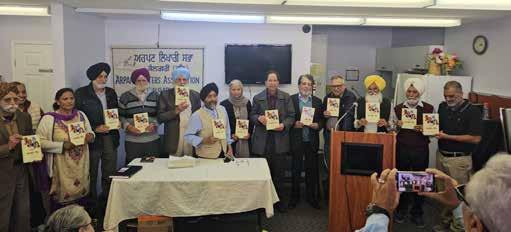
kYlgrI (blijMdr kOr mFgt/ jgdyv isMG iswDU): arpn ilKfrI sBf dI mfisk mIitMg 17 meI nUM koso hfl ivc hoeI ijs dI pRDfngI jsvMq isMG syKoN, irÈI nfgr, sqnfm Zfa aqy muiKMdrpfl isMG AuwpÜ ny kIqI. ÈurUafq hrimMdrpfl isMG duafrf Èbd-gfien nfÜ hoeI-vfhu vfhu goibMd isMG afpy gur cylf. jsvIr ishoqf, sohx isMG Buwco aqy jrnYl qwgV duafrf kivqfpfT qoN mgroN sqnfm Zfa dI mulfkfqF dI pusqk ‘pMjfb dy anmol hIry’ irlIË kIqI geI. ieh mulfkfqF pMjfb dIaF cfr AuwGIaF hsqIaF - KyqI ivigafnI zf[ gurdyv isMG ÉuÈ qy zf[ gurdyv isMG Gxgs, jIv ivigafnI zf[ puÈipMdr jYrUp aqy hfkI ਓlMpIan blbIr isMG sInIar - nfl kIqIaF hn. jgdyv iswDU ny ies ikqfb bfry prcf pVHidaF sqnfm Zfa dy mulfkfqI hunr dI ÈlfGf kIqI aqy ikqfb nUM afAux vfÜIaF pIVHIaF vfsqy pRyrxfdfiek dwisaf. irÈI nfgr ny ikqfb dI sfrQkqf bfry bolidaF sqnfm Zfa nUM vDfeI idwqI. nfÜ hI kuJ inwkIaF inwkIaF GtnfvF dy idlcsp vyrvy suxf ky mfhOl nUM ÉuÈgvfr bxfieaf. sqnfm Zfa ny mulfkfqF krn dy ipCokV aqy ZMg-qrIikaF bfry jfxkfrI sFJI kIqI. inÈkfm smfj syvI aqy sfihq pRymI muiKMdrpfl isMG nUM Èfndfr plYk aqy Èfl nfÜ smmfinq kIqf igaf.sR[ AuwpÜ ny sBf df DMnvfd kIqf aqy pRoPYsr mohn isMG dI kivqf suxfeI - ‘mohn ikMJ bxdf qUM Èfier jy mYN nf mrdI’. suirMdr gIq ny ÊËl - cog cugf ky qÜIaF ‘qy pMCI koÜ bulfieaf mYN’, jogf isMG shoqf ny gIq - sfzf qyry nfÜ sohixaF jhfn vsdf, jsvMq rfey Èrmf ny Auwqm iksm dy kfiv-toty aqy krqfr isMG blwgx dI kivqf- chuM pfisaF qoN ikDroN afeI goÜI
pihlF ihwk ‘qy jrI pMjfbIaF ny, ipRMsIpl crndIp kOr ny mF bfry kivqf, drÈn brfV ny AupdyÈfqmk kivqf aqy amrIk isMG mFgt ny pMjfb dI inGrdI hflq bfry kivqf dI pyÈkfrI rfhIN kfiv-mfhOl isrijaf. mIzIaf krmI suBfÈ Èrmf ny sfihr luiDafxvI aqy jfvyd aÉqr dI iek Xfd sFJI kIqI. suKivMdr qUr ny surIlI afvfË ivc ÊËl dI gfiekI rfhIN sMgIq df jfdU ibKyiraf - myry pYrF ‘c iek aYnf sÌr hY nf muwikaf hY nf ieh muwkxf kdy vI’. qrlok cuwG ny lGU kivqfvF aqy cutkly suxf ky drÈkF dy mnF nUM tuMibaf qy hsfieaf vI. srUp isMG mMzyr aqy jsvMq isMG syKoN no kvIÈrI kr ky aKfVy df rMg bMinHaF - mMdf bol kdy nf bolIey krqfroN zrIey. svrn isMG DfÜIvfÜ, bldyv isMG duwlt, pRkfÈ kOr aqy mfstr hrBjn isMG ny iviBMn iviÈaF ‘qy ivcfr rwKy. sqnfm isMG Zfa nUM vDfeI idwqI hrijMdrpfl isMG cfhl, blkfr isMG idAul, crnjIq kOr sMDU, krnjoq kOr, sqnfm Èyrigwl, suKdyv kOr Zfa, rfxI kOr Zfa, bldyv Zfa, gurmIq Zfa, gurbÉÈ isMG igwl, blivMdr isMG mfn, suKivMdr isMG mwtU, prmjIq isMG BMgU, mihMdr kOr kflIrfey, ipRqpfl isMG, rxdIp isMG sMDU, jY isMG AuwpÜ aqy BUipMdr isMG ny ivcfr-crcf ivc ihwsf lY ky pyÈkfrIaF nUM arQ-BrpUr bxfieaf. skwqr drÈn brfV ny aqy jfieMt skwqr blijMdr kOr (sonI) mFgt dy qflmyl nfÜ kfrvfeI nUM sucfrU ZMg nfÜ clfieaf. aKIr ivc pRDfn jsvMq isMG syKoN ny kibwq rfhIN arpn ilKfrI sBf vwloN 13 jUn 2026 nUM hox vfÜy sflfnf smfgm ivc Èfml hox df swdf idwqf aqy hfËrIn df DMnvfd kIqf.
The Patrika
2026 Nissan Sentra SR Premium -
Has all you need!
Review by Veeno Dewan.
The Nissan Sentra sedan is a popular seller in Canada – and for 2026 see’s minor revised exterior design touches; they include a new grille and new slim projector LED headlights up front. The rear trunk and rear fenders get a new design to help with drag reduction. A flat underfloor and tire deflectors also aid aerodynamics. Taut, muscular and athletic- the result is one of the bestlooking sedans in the compact lass. There is also a mild interior restyle, a new dash and improved fuel economy. Also note, that there is no longer a manual transmission equipped car for Canada. Also new is a Sport drive mode for the CVT.
The Sentra remains with a single 2;0L MR 4 -cylinder gasoline engine. Producing 149 horsepower and 146 lb-ft of torque. There is no EV or hybrid version as yest. The transmission is an Xtronic continuously variable transmission (CVT) that has been returned to deliver a more linear acceleration.
The Nissan Sentra arrives with an MSRP of $27,887 - $34,617 plus destination and handling at $1,850. There are three trims: S, SV, and SR. The SV and SR also have optional Premium Package with extra features. It is $34,617 for the top SR Premium version as tested.
The as tested Sentra SR is the flashy sporty sibling in the line-up – delineat-
ed with an exclusive large gloss-black insert grille, contrasting black roof option and 18-inch two-tone wheels on the SR. At the rear, a new single LED light bar spans the trunk, while the SR adds a black spoiler for improved aerodynamics and sportier style. The SR also gets a black rear bumper insert and a chrome exhaust tip. Gloss black sporty elements are repeated on the front and rear fascia, V-motion grille, side sills and rear spoiler.
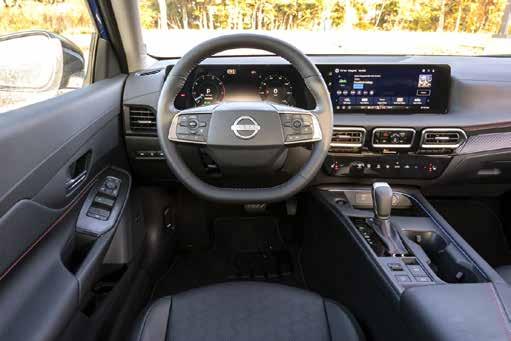
The Sentra cabin looks very upscale for its price point. There are plenty of soft touch plastics, and premium looking materials quality. The new dashboard has been completely redesigned with the base S model has a 7-inch instrument screen in the new layout, while SV and SR trims now feature a single gloss-black panel housing two 12.3-inch displays. Premium-equipped models include a wireless phone charger at the base of the console. S and SV get grey fabric upholstery, while the SR features leatherette seats with attractive red accents.
Depending on trim, ambient lighting offers up to 64 colours. A. four speaker audio system is standard , while the SR Premium includes the upgraded 8-speaker Bose system. The nice chunky flat bottomed two-spoke steering wheel with red stitching on SR models. Nissans excellent “Zero
Gravity” front seats provide excellent comfort and firm lumbar support. Storage is good with many cubbyholes and compartments. Rear seat room is decent; however, the seats could be little less rigid. In the cushioning department. Rear legroom remains good. Trunk space s405 litres, with new lower, wider aperture allowing easier loading for bulky items.
Safety is extremely high with as standard Nissan Safety Shield® 360, a suite of six advanced driver-assist systems including Automatic Emergency Braking with Pedestrian Detection, Blind Spot Warning, Rear Cross Traffic Alert, Lane Departure Warning, High Beam Assist and Rear Automatic Braking.
Additional driver-assist technology includes Intelligent Driver Alertness4, available Intelligent Around View® Monitor, available Intelligent Cruise Control5 and standard Easy-Fill Tire Alert system. Adaptive cruise control and a 360-degree parking camera system are options.
On the road, the 2.0L engine is adequate ,but tuned heavily toward fuel economy. The handling is good, with nice reflexes thanks to a tuned The suspension that smooths out rough surfaces well. Steering is nicely balanced
and overall, the Sentra is a fun to drive sedan. With 149 horsepower and 145 lb.-ft of torque available, Sport mode option delivers a more invigorating driving experience. In routine driving, the Sentra’s continuously variable automatic transmission is unobtrusive. The Sentra delivers Nissan-estimated fuel economy of up to 7.9 L/100 kmin the city and 7.1 L/100 km combined.
Negatives are few - rear seat comfort could be better, also it’s a shame there is no manual transmission – not even on the SR version which was one of favourite compact sports cars. However, the pros outweigh everything. The car looks better than its competitors with its sleek muscularity. It represents excellent value and the interior cabin, materials are mid -level luxury standard for what is an entry level compact price. The 2026 Nissan Sentra offers compelling value. with loads of standard tech and safety features for the family. The SR Premium version is genuinely nice and although fully loaded is still reasonably priced. Highly recommended.
2026 Nissan Sentra priced from: $27,887 - $34,617 plus destination and handling at $1,850. SR Premium CVT (As tested ) $34,617
AunHF awgy ikhf ik dunIaf ivwc amn aqy afpsI siqkfr hI qrwkI aqy mËbUq smfj dI nINh hn aqy ivÈv afgUaF nUM imljul ky mnuwKqf dI BlfeI leI kMm krnf cfhIdf hY.
cMgI qrHF KfE jy quhfzy sfry dMd nhIN inkly pr Kfxf TIk qrHF nhIN Kf huMdf qF blrfj nUM imlo ieh quhfzI syvf leI srI ivwc hn.
imlI hY aqy nf hI Auh mfx-snmfn ijs dI Auh asl hwkdfr hY.
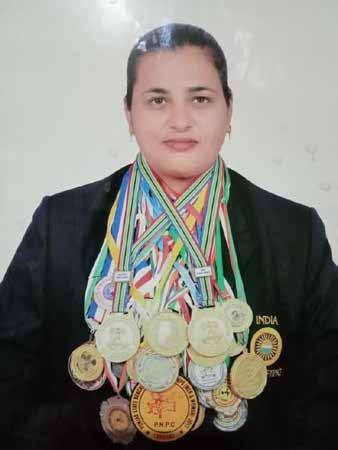
ijwQy bhuq sfry lok CotIaF muÈklF sfhmxy hfr mMn lYNdy hn, AuwQy ies iKzfrn ny afpxI srIrk asmrwQf nUM afpxI kmËorI nhIN bxn idwqf. Gr dIaF iËMmyvfrIaF, iqMn DIaF dI privrÈ aqy afriQk qMgIaF dy bfvjUd Aus ny afpxy hOsly nUM iËMdf rwiKaf aqy Kyz mYdfn ivwc dyÈ leI mYzl ijwq ky idKfieaf. qrs Bry hflfq ivwc guËr bsr kr rhI Bfrq df mfx mitafr rmndIp df kihxf hY ik Aus dy pqI gurpRIq isMG kYb clf ky sfzy pirvfr df guËfrf clf rhy hn. duwK dI gwl ieh hY ik ijnHF hwQF ny dyÈ df JMzf Auwcf kIqf, AuhI hwQ awj afpxy hwkF aqy snmfn leI AuzIk kr rhy hn. srkfrF vwloN vwzy-vwzy dfavy qF kIqy jFdy hn ik iKzfrIaF nUM AuqÈfihq kIqf jfvygf, pr aijhIaF bhfdr DIaF dI axdyKI keI
2011 ivwc pfvr ilÌitMg c,cfr goÜz mYzl
2012 ivwc do goÜz mYzl
pRdrÈn leI Xuvf pRiqBf purskfr df mfx hfsl hoieaf. iqMn DIaF dI mF hox dy nfl-nfl Aus ny ieMtrnYÈnl pwDr qy KyzF ivwc ihwsf lY ky dyÈ df nfm rOÈn kIqf, pr awj qwk Aus nUM nf hI koeI srkfrI nOkrI
svfl KVy krdI hY. smfj aqy srkfr dovF nUM socx dI loV hY ik jykr iewk apfhj mihlf afpxy GrylU sMGrÈF dy bfvjUd ieMtrnYÈnl pwDr qwk phuMc skdI hY, qF kI Aus nUM iewk iewËqdfr nOkrI aqy ivÈyÈ mfx-snmfn nhIN imlxf cfhIdf? iewk
apfhj iKzfrn ijs dy ik iewk lwq dy swq apryÈn hoey hn prMqU dyÈ df JMzf Auwcf krn lwgI ieh pMjfb dI ÈyrnI DI ny idn rfq iewk kr ky mMiËlF nUM sr kIqf. pr srkfrF ny BfvyN Auh kFgrsIaF, akflIaF aqy afm afdmI pfrtI dIaF hox, ies pMjfb dI DI bfry iksy ny vI koeI nOkrI dyx qwk dI ËrUrq nhIN smJI. rmndIp kOr df kihxf hY ik Auh hux qwk dIaF srkfrF dy mMqrI, ivDfiek aqy aYm pI ijnHF ivwc Aus smyN dy Kyz mMqrI prgt isMG, mMqrI nvjoq isMG iswDU,sfbkf muwK mMqrI qy mOjUdf aYm pI crnjIq isMG cMnI,rfxf gurjIq isMG soZI,pvn kumfr tInU, surjIq isMG ijafxI,gurpRIq isMG gogI,aYm pI mIq hyar qoN ielfvf hor vI anykF nUM imlI pr iksy ny vI srkfrI nOkrI dI KYr nhIN pfeI. AunHF ieh vI ikhf Aus dy pqI gurpRIq isMG jo ik iewk kYb clf ky Gr df guËfrf krdy hn pr Aus dI hr PrMt qy brfbr KV ky mwdd krdy hn. cyqy rhy ik ieh khfxI isrÌ iewk iKzfrn dI nhIN, sgoN Aus mF dI vI hY ijs ny afpxIaF DIaF leI ihMmq dI iewk nvIN imsfl kfiem kIqI hY. aijhIaF DIaF smfj df mfx huMdIaF hn, ijnHF nUM isrÌ qflIaF nhIN, snmfn aqy shfrf vI imlxf cfhIdf hY.
Smile Cookie campaign sets new record for Chilliwack, Abbotsford and area health care needs
People in the Fraser Valley are more than willing to open their wallets to satisfy their sweet tooth and support a great cause, based on the recordbreaking results of a recent community initiative
The Fraser Valley Health Care Foundation says the weeklong Smile Cookie campaign from April 27 to May 3 brought in a record-breaking amount for local health care thanks to the generosity of people in Chilliwack, Abbotsford, Mission and Hope, and the support of Tim Hortons franchises locally.
Fraser Valley Health Care Foundation was selected as the charity of choice by 21 stores within the Fraser Valley, including Mission, Hope, Rosedale and Abbotsford, raising an outstanding $87,764.06, the highest amount raised in British Columbia.
Smile Cookies are signature Chocolate Chunk Cookies hand-decorated with pink and blue icing to create a smile.
Fraser Valley Health Care Foundation promoted the campaign on social media and through local media channels, encouraged pre-sales to their network, and sold cookies in the Abbotsford Regional Hospital atrium. They visited local stores to decorate cookies and
B.C.’s minimum wage increases to $18.25, June 1
Province’s minimum wage remains among Canada’s highest
As of Monday, June 1, 2026, the province’s general minimum wage will rise to $18.25 an hour.
Types of wages affected
The increase of just over 2.1% raises the general minimum wage from $17.85 to $18.25 per hour. The same percentage increase applies to the minimum rates for resident caretakers, live-in home-support workers, live-in camp leaders and app-based ridehailing and delivery service workers.
The minimum agricultural piece-rate wages for the hand harvesting of specified crops will increase by just over 2.1% on Dec. 31, 2026. The Dec. 31 date for the annual increase to the minimum piece rates ensures crop producers will not need to adjust wages in the middle of the harvesting season.
Context for this increase
The Province is committed to a minimum wage structure that benefits the lowest-paid workers, while providing employers with certainty and predictability.
Changes were made to the Employment Standards Act in 2024 to ensure annual minimum wage increases occur automatically based on B.C.’s average monthly inflation rate from the previous year.
Approximately 141,300 employees in B.C. earned the minimum wage or less in 2025.
These increases have moved B.C. from near the bottom to among the highest minimum wages in Canada.
“We are incredibly proud of our teams and community to be able to raise this amount for an amazing foundation and have the funds directly help within our communities,” a local store owner shared.
Prior to the recent week-long campaign, Tim Hortons said previous Smile Cookie efforts had raised over $151 million since 1996.
“The annual Smile Cookie campaign is a powerful reminder of what community truly means. For the past 30 years, Tim Hortons restaurant owners, team members, and guests have come together to create real change for people right in their own neighbourhoods,” said Axel Schwan, President of Tim Hortons. “With nearly 700 local charities and community groups supported this year, the reach of this campaign has never been greater.”
The Fraser Valley Health Care Foundation is dedicated to raising funds for essential equipment and programs endorsed by Fraser Health, serving the communities of Abbotsford, Mission, Chilliwack, Hope, Agassiz, and Harrison Hot Springs. For more information visit Homepage – Fraser Valley Health Care Foundation.
WorkSafeBC board welcomes new public-interest director
Appointee brings expertise in law, human rights, governance
Jennifer Whiteside, Minister of Labour, has appointed a new director to the WorkSafeBC board of directors, effective immediately.
Raji Mangat, KC, was appointed a public-interest board member for a two-year term ending May 31, 2028. Mangat is a practising lawyer with more than 20 years experience in constitutional and administrative law. She recently served as executive director of West Coast LEAF, a nonprofit legal organization.
Mangat fills a vacancy created when William Laird Cronk was appointed
chair of WorkSafeBC’s board of directors on Feb. 26, 2026.
WorkSafeBC board of directors
The WorkSafeBC board of directors serves as a steward of WorkSafeBC and B.C.’s workers’ compensation system. The Workers Compensation Act requires that the board includes representation from a range of professionals with relevant expertise. In addition to representatives from sectors such as health care and occupational health and safety, the board must also include representatives of workers, employers and the public interest.
Store owners selected the local charities they wished to support.
hosted a kick-off celebration at Abbotsford Regional Hospital featuring local Timbit hockey players.
Supporting projects in B.C. through Off-Road Vehicle Trail Fund
Most projects led by volunteer groups, community organizations
Several volunteer groups and community organizations improving trails and safety for people who ride off-road vehicles are receiving a financial boost for their efforts.
In 2026, as much as $500,000 from the Off-Road Vehicle (ORV) Trail Fund will support 24 projects that include building and maintaining trails or promoting safe and responsible use among riders.
“Outdoor recreation is increasingly recognized as essential to our wellbeing, community connection and regional economic development,” said Tamara Davidson, Minister of Environment and Parks. “The ORV Trail Fund helps remove financial barriers for communities and volunteer groups that dedicate thousands of hours to maintaining trail networks, ensuring they remain safe, accessible and sustainable for years to come.”
Projects mainly led by volunteer groups
The ORV Trail Fund is a partnership between government and local groups that regularly use off-road vehicle trails for snowmobiles, ATVs and dirt bikes. Projects supported by the fund are mainly led by volunteer groups and community organizations. One of those groups is the Nadsilnich Lake Community Association, which received $14,025 from the ORV Trail Fund for maintenance and upgrades to the West Lake Recreation Trail.
Located southwest of Prince George, the trail has been maintained by volunteers since the 1980s and supports year-round, multi-use recreation, such as snowmobiling, ATV use, hiking, biking and equestrian access. The funding will be used to complete brushing, install culverts, replace signs and address deteriorating trail condi-
tions to improve safety and protect environmentally sensitive areas.
“The ORV trail funding will greatly enhance the work of our volunteers by assisting with contractor costs and materials,” said Keith Monroe, director of trails, Nadsilnich Lake Community Association. “This will allow muchneeded trail maintenance, enhance safety and environmental protection, and provide better year-round usage.”
ORV Trail Fund in its ninth year
Two other community organizations the ORV Trail Fund is supporting this year include:
Valemount and Area Recreation Development Association (VARDA), which was awarded $25,000 to contribute to a much larger bridge repair, led by the Ministry of Forests, in the Clemina Creek area. The funding helps keep a forest service road connection open
to a managed trail system, reducing the risk of riders going into unsafe or unauthorized areas.
Vernon Snowmobile Association, which received $13,692 for trail brushing within the Trinity Ricardo Recreation Site. Making the trail wider and improving visibility enhances safety for motorized vehicle users in winter. It also supports year-round access for hikers, mountain bikers and First Nations communities.
The ORV Trail Fund, which is in its ninth year, is a user-funded program administered by Recreation Sites and Trails BC in partnership with the BC Power Sports Coalition. The fund is supported by ICBC off-road vehicle registration fees throughout the province. Since its beginning in 2017, more than $2.5 million has supported 184 projects in B.C.
pRospyrf vwloN kimAUintI dI BlfeI leI iewk vfr iPr mhwqvpUrn Xogdfn idMidaF afrcvy kimAUintI srivisË nUM 40 hËfr zflr dI shfieqf pRdfn kIqI geI hY, ijs nfl kimAUintI dy lokF leI muÌq aqy Gwt Érc vflIaF kfAuNsilMg syvfvF df dfierf vDfieaf jfvygf.
pRospyrf dI zfierYktr mfrkIitMg aYNz kimAUintI aYNgyjmYNt inwkI pfrsnË ny ikhf, “purÈF dI mfnisk ishq lMmy smyN qoN axizwTI rhI hY. smfijk Twpy aqy Auicq shfieqf dI Gft kfrn keI lok mdd lYx qoN ihckcfAuNdy hn. ies KfeI nUM pUrnf ishqmMd aqy mËbUq kimAUintIaF dI inrmfx leI bhuq ËrUrI hY. pRospyrf nUM afrcvy dy AuhnF pRogrfmF df sihXog krn ’qy mfx hY, jo purÈF nUM juVn, shfieqf lYx aqy afpxy cMgypx dI Xfqrf ÈurU krn leI surwiKaq aqy afsfn mfhOl pRdfn krdy hn.”
ieh rkm afrcvy dy mYnË kfAuNsilMg pRogrfmF leI vrqI jfvygI, jo loVvMd lokF nUM smyN isr pyÈyvr mfnisk ishq syvfvF pRdfn krn ivwc aihm BUimkf inBfAuNdy hn.
muÌq aqy sOKI kfAuNsilMg AuhnF purÈF leI bhuq ËrUrI hY jo Ércy, Xogqf pfbMdIaF
jF mdd mMgx nfl
juVy smfijk TwipaF
vrgIaF rukfvtF
df sfhmxf krdy hn.
zflr df Xogdfn
surwiKaq, shfiek aqy ivvsiQq mfhOl muhweIaf krvf ky ieh syvfvF iekwlypn nUM GtfAuNdIaF hn, mnoivigafnk
cMgypx nUM AuqÈfihq krdIaF hn aqy ieh
XkInI bxfAuNdIaF hn ik loV vyly koeI vI
ivakqI shfieqf qoN vFJf nf rhy.
afrcvy dI aYsosIeyt zfierYktr arlI
XIarË aYNz kfAuNsilMg mfrIaf kfrgnylI ny ikhf, “ieh PMz sfnUM afriQk rukfvtF dUr krn aqy sMGrÈ kr rhy lokF nUM smyN isr sMvydnÈIl mfnisk ishq shfieqf
pRdfn krn ivwc mdd krdy hn.
pRospyrf dI dirafidlI sfzy leI lokF dI
cMgypx dI Xfqrf ivwc sihXog dyx aqy
smuwcI kimAUintI BlfeI nUM mËbUq krn dI smrwQf vDfAuNdI hY.”
syvfvF qoN lfB lYx vfly lokF dI pRqIikiraf vI ienHF pRogrfmF dy zUMGy pRBfv nUM drsfAuNdI hY. iewk ivakqI ny ikhf, “mYN afpxI
Gbrfht nUM kfbU krn aqy muÈkl smyN dOrfn afpxy afp nUM sMBflx leI keI qrIky iswKy hn.”
dUjy ivakqI ny ikhf, “mYN afpxy zUMGy duwK nfl nijwTx aqy afpxy ivakiqqv nUM hor mËbUq bxfAux vwl kdm vDfey hn.”
kimAUintI ivwc mfnisk ishq shfieqf dI vwD rhI mMg dy mwdynËr, ies qrHF dy Xogdfn bhuq mhwqvpUrn hn qF jo ieh lfËmI syvfvF loVvMd lokF leI lgfqfr AuplbD rih skx.
kfAuNsilMg shfieqf jF hor jfxkfrI leI montrose@archway[ca ’qy eImyl kIqI jf skdI hY.
mfnisk ishq pihlkdmIaF leI dfn Archway[ca/Donate ’qy kIqf jf skdf hY.
pRospyrf bfry
pRospyrf sQfnk pwDr ’qy skfrfqmk pRBfv pYdf krn leI vcnbwD hY. sMsQf afpxy mYNbrF nUM roËfnf bYNikMg, Dn vDfAux dy mOky aqy ivwqI tIcy hfsl krn leI ivakqIgq shfieqf pRdfn krdI hY.
80 sfl qoN vwD syvf dy qËrby nfl, pRospyrf kost kYiptl syivMgË PYzrl krYizt XUnIan pirvfr df ihwsf hY aqy loar mynlYNz, PRyËr vYlI aqy Ekfnfgn KyqrF ivwc pUrI ivwqI syvfvF pRdfn krdI hY. pRospyrf nUM lgfqfr “gRyt plys tU vrk”, “bYst vrkplyisË ien bIsI” aqy “bYst vrkplyisË ien kYnyzf” vrgy snmfn imldy rhy hn. sMsQf afpxy mYNbrF dI ivwqI KuÈhflI, sQfnk kfrobfrF dI qrwkI aqy kimAUintI nUM mËbUq krn leI kMm kr rhI hY.
• 1 jUn, 2026 qoN bI[sI[ ivwc afm imnImm vyj $17[85 qoN vwD ky $18[25 pRqI GMtf ho jfvygI
• afm imnImm vyj ivwc 2[1% qoN Cotf vwD vfDf kIqf jf irhf hY, jo 2025 ivwc bI[sI[ dI aOsq mihMgfeI dr dy afDfr ’qy hY
• ieh vfDf sB qoN Gwt qnKfh lYx vfly AunHF kfimaF dI mdd krdf hY, jo vwD rhIaF lfgqF nfl sB qoN vwD pRBfivq huMdy hn
somvfr, 1 jUn, 2026 nUM imnImm vyj vwD ky $18[25 pRqI GMtf ho jfvygI.
2[1% qoN kuJ vwD vDxgy. pIs-ryt leI hr sfl 31 dsMbr nUM vfDf krn dI qfrIK ieh XkInI bxfAuNdI hY ik Psl AuqpfdkF nUM ktfeI dy mOsm dy ivckfr BugqfnF ivwc qbdIlI nf krnI pvy.
ies vfDy df sMdrB
• sUbf imnImm vyj dy aDIn afAux vfly vrkrF nUM hY sB qoN Gwt qnKfh vfly kfimaF nUM nvIaF phuMcF, aqy guËfrf
dyx vflIaF nUM inÈicq aqy pyÈIngoeI Xogqf muhweIaf krdf hY.
• sfl 2024 ivwc ieMplOiemYNt stYNzrzË aYkt ivwc qbdIlIaF kIqIaF geIaF, qF jo hr sfl imnImm vyj ivwc vfDf afpxy afp hovy, jo ipCly sfl dI sI[pI[afeI[ dI aOsq mihMgfeI dr dy afDfr ’qy inrDfrq kIqf jFdf hY.
• ienHF ivwcoN bI[sI[ nUM kYnyzf ivwc GMty drF
• lgBg 141,300 kfimaF ny bI[sI[ ivwc 2025 ivwc imnImm vyj jF ies qoN Gwt kmfeI kIqI.
imMnyvMkf JIl ÈihrbYNP, albrtf, knyzf dI svrg rUpI JIl hY | kudrq dI asIm ÉbsUrqI aqy ivigafn dI ssImqf df anUTf sumyl hY imMnyvMkf JIl | imMnyvMkf JIl knyzf ivc bYNP nYÈnl pfrk dy pUrbI Kyqr ivc siQwq iek brÌ dy pfxI qoN bxI albylI JIl hY | jo Kud apxy vjUd ‘co inkl ky kudrqI rUp Dfrx krI bYTI hY | knyzf dy pRiswD phfVI Èihr bYNP tfAUn sfeIt qoN lgBg pMj iklomItr dUr Auqr pUrb ivc siQwq hY imMnyvMkf | ieh JIl lgBg 21 iklomItr lMbI aqy 142 mItr ÈihrI hY | ieh JIl knyzIan phfVI pfrkF ‘coN dUsrI sB qoN lMbI JIl hY | ies JIl ‘qy phuMcx qoN pihlf sVk dy swjy pfsy aYs pYn ruwKF dy sMGxy nËfrydfr jMgl nËr afAuNdy hn aqy Kwby pfsy Ksqf hflq ZlfnF vfly sÉq ikrmcI, nfrMgI aqy mOlisrI rMg dy culbly mncly idlkÈ phfV | ies JIl dy cfry pfsy lMbI pYdl Xfqrf krnf df Èfndfr afnMdmeI mËf hY | ies dy afly-duafly lMby pqly aqy CqrI numF tihxIaF vfly aYs pYl dy ruwK lfjvfb idÙÈ
bxfAuNdy hn | ienHF ruwKF dy qxy bFs vFg pqly aqy iksy CmkCwlo ijhI iekihry ÈrIr dI ÉUbsUrq awD ngn gorI icwtI muitafr vFgUM, ies JIl dy afly duafly tyZy-myZy, AUbV-KfbV Kurdry sYr rsqy JIl dI ÈoBf nUM alMkfirq krdy hoey dyvlok df BulyKf pfAuNdy hn |
ies JIl ivKy lok grmI dy idnF ivc aqy mfmUlI srdI dy idnF ivc hI afAuNdy hn | svyr qoN Èfm qwk lokF df qFqf lwgf rihMdf hY | rMg brMgy pfrdrÈI qMbUaF ivc anMd mfxdy lok, rMg brMgIaF ikÈqIaF ivc gory icwty, ÉUbsUrq lok aqy TMzIaF Tfr hvfvF ivc, cuÌyry phfVF qy jMglF dI rfhnumfeI ivc jMnq df nfXfb srUp hI lgdy hn | cwpUaF nfl cldIaF byVIaF dUroN JIl dy adBuq idÙÈ bxfAuNdIaF hoeIaF, iek mukMml afnMd df XQfrQ | pfrdrÈI pfxI dI mihmF ‘c qYrdIaF vsqUaF df pRqIibMD icwqrkfrI df BulyKf pfAuNdf| dUroN JIl dy Coty-Coty suMdr idÙÈ iml ky eydF nËfrf pyÈ krdy hn ik ijvyN kudrq ny apxI suMdr icwqrkfrI dy dsqÉq kIqy hox ‘qy hY vI XQfrQ |
ies JIl dy eyrIey ivc pRvyÈ krn qoN pihlF itkt lYxI pYNdI hY | lokIN spirvfr apxy nfl bRYNc, lMc aqy hor pkvfx-imÈTfx nfl lY ky afAuNdy hn | ipkink df sfrf sfjosfmfn | vwK-vwK AuvnF ivc pkdf mIt aqy vYjItybl pdfrQ dI ÉuÈbU dUr-dUr qk apxf asr CwzdI hY |
mGdy koieilaF aqy DuKdIaF lkVIaF Aupr sMvrdy pkvfx JIl dy nËfihraF nUM jMnq dy kol KVHf kr idMdy | ijvyN jMnq ivc mylf lwgf hovy |
ies JIl dy nËdIk koeI dukfn nhIN hY | qfËI phfVF dI hvf JIl dy pfxI nfl Kih ky jd sfhF AuqrdI hY qF iekfgrqf romFck df anuBv mihsUs krdI hY | iek illkVI rumFitkqf ivc AuqrdI hY |
JIl dy nfl lgdy sMGxy jMglF ivc qrHF-qrHF dy jfnvr aqy BfrI mfqrf ivc pMCIaF dI afbfdI lukvI Jfq df nËfrf dyNdI hY | jfnvrF aqy pMCIaF dIaF lYafqimk cuMnIaFmuMnIaF idlkÈ imÈrx afvfËF sMgIq aqy
gIq nUM eykfkfr krdIaF, jo ikMnIaF cMgIaF lgdIaF | kudrq dfrs iBMnf sMgIq | imMnyvMkf JIl vrqmfn ivc rfÈtrIey pfrk nfl vI pRiswD hY ijs nfl pRikrqI aqy sMsikRqI-siBafcfrk mhwqv nUM hor pRPulqf imldI hY | imMnyvMdf JIl dI afqmf jIivq hY |
JIl dy bfhrI sVk ielfky dy phfVI Kyqr ivc bxy sfeIkl rsqy vI apxf KUb mhwqv rwKdy hn | nOjvfn-lVky lVkIaF keI mIl sfeIkl Xfqrf df luqÌ lYNdy hn | ies ielfky df sB qoN Auc phfV mfAUft afeylsr jo 3162 mItr Aucf hY, apxI sMsikRqI dI jIvMqqf df boD krvfAuNdf hY | imMnyvMdf nUM dyKx leI sB qoN iËafdf bwicaF dI igxqI Èfiml hY | dunIaF ivc sB qoN qMdrusq hvf aqy pfxI knyzf dI DrqI nUM nsIb hY | dosqo qusIN knyzf afE qF imMnyvMkf nUM vyKxf nfl Buwlxf ikAuNik – svrg |
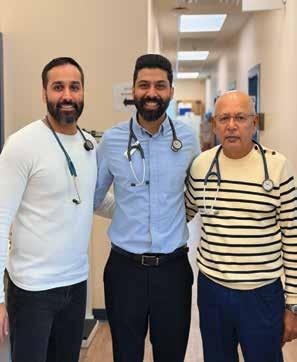
Dr. Mukesh Kumar Krishanani is an experienced Family Physician dedicated to providing comprehensive, patient-centered primary care.
He brings extensive clinical experience in managing a wide range of medical conditions and is committed to building long-term, trusted relationships with individuals and families in the community.
Dr. Krishanani is available 5 days a week and is currently accepting new patients.
Languages Spoken:
English | Punjabi | Hindi | Urdu | Arabic | Sindhi
zf[ mukyÈ kumfr ikRÈnfnI iewk qjrbykfr pirvfrk zfktr hY jo ivafpk, mrIË-kyNidRq pRfiemrI dyKBfl pRdfn krn leI smripq hY. Auh zfktrI siQqIaF dI iewk ivÈfl ÈRyxI dy pRbMDn ivwc ivafpk klIinkl anuBv ilafAuNdf hY aqy kimAUintI ivwc ivakqIaF aqy pirvfrF nfl lMby smyN dy, BrosymMd irÈqy bxfAux leI vcnbwD hY.
In our building we have Hillcrest pharmacy, Hillcrest dental, Hillcrest Eyecare, Hillcrest Physio Phone number - (604) 746-1004 Address - #240 – 32156 Hillcrest Ave, Abbotsford
Dr. Grover and associates welcome Dr. Mandeep Grewal to our clinic from July 2026. Mandeep did his trianing in Fraser Valley. He will be helping Dr. Gagan Grover and ot her doctors in t he clinic to reduce appointment wait ing t imes and slowly take on Dr. Gagan Grover ’s pat ients. He will also offer walk in ser vice for our own pat ients. He will be working full t ime. He will not be taking new pat ients outside of our clinic. Please welcome Dr. Mandeep Grewal.
Prospera Contributes $40,000 to Support Free Counselling at Archway
Prospera has once again made a meaningful investment in community wellbeing by contributing $40,000 to Archway Community Services, helping expand access to free and low - cost counselling for individuals in our community.
“Men’s mental health has long been underserved, with stigma and limited access to tailored supports preventing many from seeking help,” said Niki Parsons, Director of Marketing and Community Engagement at Prospera. “Closing this gap is critical to building healthier, more resilient communities. Prospera is proud to support Archway’s programs, which create safe, accessible spaces for men to connect, seek support and begin their healing journey."
This funding will support Archway’s Men’s Counselling Programs, vital services that ensure individuals
can access professional mental health care when they need it most.
Free and accessible counselling is essential for men who face barriers such as cost, eligibility restrictions, or stigma around seeking help.
who are struggling can access timely, compassionate mental health support,” said Maria Cargnelli, Associate Director of Early Years and Counselling at Archway.
"I have learned so many skills to control my anxiety and how to stop myself from spiraling when things go wrong"
"I was able to work through some heavy grief and work towards a stronger sense of individuality"
With growing demand for mental health support across the community, investments like this play a critical role in ensuring these essential services remain accessible to those who need them most.
By providing safe, supportive, and structured spaces, these services reduce isolation, promote healing, and ensure men are not left without care when they need it most.
“These funds help us remove financial barriers and ensure that people
“Prospera’s generosity directly strengthens our ability to support individuals on their healing journey and improve overall community wellbeing.”
Client feedback highlights the profound impact of these services:
To learn more or access counselling support, please email montrose@ archway.ca
Donations to support mental health initiatives can be made at Archway. ca/Donate.
Punjabi Translation: Page 12
Minister of Agriculture Lana Popham to join annual agriculture education event hosted by Chamber
The Abbotsford Chamber of Commerce is bringing back its Annual Agriculture Industry Tour on Friday, June 5, 2026, offering a behind-thescenes look at the farms and agribusinesses shaping one of Canada’s most productive agricultural regions.
2026 municipal election.
Kanda-Rajwan currently serves as an Abbotsford School Trustee, where over the past four years she has built a reputation for community involvement, advocacy, collaboration, and practical leadership. Known for her integrity and people-first approach, she says her decision to run for city council comes from a desire to continue serving Abbotsford at a broader level during a time of rapid growth and change.
“My focus has always been about building connections, listening to people, and helping create opportunities that strengthen our community,” said Kanda-Rajwan.
Continued on Page- 22
The fully guided bus tour will visit three leading agricultural businesses across Abbotsford, giving a look inside the diversity of agribusinesses in the community. Some of the featured stops include: Nature’s Pride, a product of Clearbrook Grain and Milling, producing premium ingredients for animal health and Bos Sod Farms, providing turf sod for the Fifa World Cup.
The experience will also include a networking lunch at Field House Brewing where the Honourable Minister of Agriculture, Lana Popham will address the audience over lunch, sharing her perspectives on the sector.
Abbotsford’s agricultural sector generates more than $3.8 billion in annual economic activity and is home to over 1,200 farms, making agriculture a cornerstone of the regional economy. The tour is designed to connect the business community, decision makers, and media with the producers driving that impact.
“Economic uncertainty has brought food security, and agriculture to the forefront in Canada, and Abbotsford is uniquely positioned to be an agricultural superpower,” said Alex Mitchell, CEO of the Abbotsford Chamber of Commerce. “That’s why this tour matters - it puts the industry front and centre, giving people a direct line of sight into how our farms are shaping the future of agriculture.”
The event is sponsored by the TD Agriculture Services, Enbridge, and Fortis BC.
Limited tickets remain available for the tour, with an option to attend the luncheon programming only.
Rupi Kanda-Rajwan has officially announced her candidacy for Abbotsford City Council in the
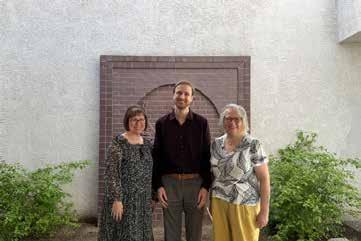
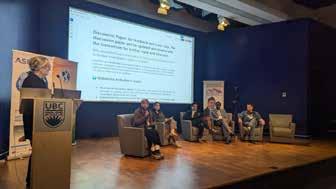
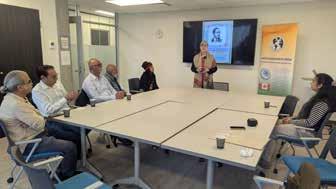
Dr. Anne Murphy, History Department, UBC- a trusted scholar and a community connector
Dr. Anne Murphy, Associate Professor in the Department of History at the University of British Columbia, is an accomplished scholar, writer, and community connector whose work has significantly deepened Canada’s understanding of South Asian histories, cultures, and contemporary social issues. Her scholarship and community partnerships embody the core objectives of Asian Heritage Month, which celebrates the contributions of Asian communities to Canada while promoting inclusion, cultural understanding, and equity.
By Jai Birdi (Executive Director, Chetna Association of Canada)
recognized as part of the broader Canadian narrative. This aligns directly with Asian Heritage Month’s goal of celebrating the diversity and richness of Asian cultures in Canada.
a more inclusive understanding of South Asian Canadian life and advances national conversations about human rights, equity, and social justice—key themes emphasized during Asian Heritage Month.
Within the Punjabi communities of Metro Vancouver, Murphy is affectionately known as “Anne Bhanji” (Sister Anne ji)—a name that reflects the trust, warmth, and respect she has earned through years of meaningful engagement. Her work in Punjabi language preservation, theatre, and cultural history has strengthened community identity and ensured that the stories of Punjabi Canadians, including those from marginalized and casteunderprivileged backgrounds, are
A central focus of Murphy’s current work is her leadership in the Caste in Canada research initiative, a groundbreaking project documenting the lived experiences of casteoppressed Canadians. These experiences are often silenced due to stigma, trauma, and the enduring influence of caste hierarchies, which persist socially even though they are no longer legally recognized except within equity frameworks. By bringing these voices forward, Murphy’s research contributes to
A vital community partner in this work is the Chetna Association of Canada, a Vancouverbased organization dedicated to advancing equality through education, advocacy, and community empowerment. Chetna’s longstanding commitment to addressing caste discrimination and supporting affected individuals has made it an essential collaborator in Murphy’s research. Together, they bridge academic inquiry with lived community experience, ensuring that the
project reflects both scholarly rigor and the realities of those directly impacted. This partnership exemplifies the spirit of Asian Heritage Month by highlighting how community organizations and academic institutions can work together to uplift marginalized voices and strengthen Canada’s multicultural fabric.
Through her scholarship, public engagement, and community partnerships, Dr. Anne Murphy embodies the values celebrated during Asian Heritage Month: recognition of cultural heritage, amplification of underrepresented histories, and a commitment to building a more inclusive and equitable Canada. Her work continues to influence academic discourse, inform policy discussions, and inspire communities striving for dignity, representation, and justice.
On the Asian Heritage Month, Chetna Association of Canada expresses its gratitude to Dr. Murphy for her role and contributions in advancing research and community engagement.
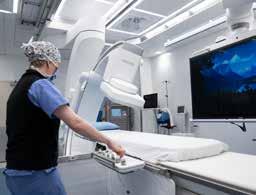
Modernized interventional radiology suite at Abbotsford Regional Hospital brings more advanced, less invasive care to the community
People in the Fraser Valley now have better access to minimally invasive procedures with the opening of a modernized interventional radiology suite at Abbotsford Regional Hospital and Cancer Centre.
“This new interventional radiology suite brings advanced, specialized care closer to home, helping patients avoid unnecessary stress, long travel, and delays when they need treatment,” said Josie Osborne, Minister of Health. “As the Fraser Valley grows, the Province is strengthening the health care system so people can access the timely, high quality care they deserve.”
The modernized suite features advanced imaging technology that helps clinical teams see inside the body in greater detail, supporting more precise, minimally invasive care. This means patients can receive complex procedures locally, reducing the need to travel and helping them stay closer to their families and support networks during treatment.
“This newly renovated interventional radiology suite at Abbotsford Regional Hospital reflects the impact that strong partnerships and community generosity can have on care,” says Dermot Kelly, President and CEO, Fraser Health. “We are deeply grateful to all the partners whose support helped make this modernized space possible, improving access to advanced, minimally invasive treatments for people across the Fraser Valley closer to home and their loved ones. This investment will enhance the care experience, support faster recovery and help people return sooner to activities that matter most to them.”
Clinical teams can perform a wider range of complex procedures, including treatments
that help manage conditions affecting quality of life. For example, a procedure called prostatic artery embolization reduces blood flow to the prostate, helping men manage a common condition that causes urinary tract symptoms.
The suite also supports intravascular ultrasound, which allows clinicians to see inside artery walls, assess plaque buildup and better perform vascular procedures.
“The new equipment has much higher resolution, allowing Imaging teams to treat small areas and vessels which were not visible on older equipment,” says Dr. Amarjit Bajwa, Department Head, Radiology, Abbotsford Regional Hospital and Cancer Centre and Mission Memorial Hospital. “This opens the door for us to offer a wider range of interventional services, including prostate and gynaecological treatments.”
Interventional radiology is a rapidly evolving area of medicine where care teams use technology to guide needles, wires and catheters into small incisions in the skin and through blood vessels to treat a range of conditions including urologic, gynecologic,
dialysis, abdominal, and musculoskeletal conditions. These approaches are often less invasive, can reduce recovery times and improve patient experience. Interventional radiology is also used in emergency settings to treat life-threatening embolisms and internal bleeding.
The modernization project, which included renovations and new equipment, cost $6 million, with $3 million provided by the province, $2 million funded by the Fraser Valley Regional Hospital District, and $1 million from generous donors to the Fraser Valley Health Care Foundation.
“The Fraser Valley Health Care Foundation is deeply grateful to the James and Pamela Braun Family for their generous $1 million contribution toward the upgrade of the interventional radiology suite at Abbotsford Regional Hospital,” says Liz Harris, Executive Director, Fraser Valley Health Care Foundation. “Leadership gifts like this have a profound impact on patient care and help ensure our community has access to leadingedge technology, close to home.”
kYnyzf dI pMjfbx dOVfk ny ivsLv aQlYitk irlyaj mukfbly ‘c ijwiqaf kFsI df qgmf
aYbtsPorz (gurdIp isMG gryvfl) dwKxI aPrIkf dy guaFZI dysL botsvnf dI rfjDfnI gYboron ivKy hoey ivsLv aQlYitks irlyajL 2026 aOrqF dy trYk aYNz PIlz 4x400 mItr dOV mukfbly ‘c zYltf invfsI qyjL qrfr pMjfbx dOVfk jsnIq kOr inwjr ny sLfndfr pRdrsLn krdy hoey kFsI df qgmf ijwiqaf hY qy Aus nMU ZfeI hjLfr amrIkn zflr df ienfm vI imilaf hY. gYboron dy nYsLnl styzIam ivKy hoey ivsLv aQlYitk irlyajL mukfbilaF ‘c kYnyzf, amrIkf, ieMglYNz, jrmn, afstrylIaf, botsLvnf, spyn, dwKxI aPrIkf qy nfrvy dy dOVfkF ny ihwsf ilaf sI qy kYnyzf dI aQlYitk tIm ‘c jsnIq kOr iewko iewk pMjfbx aQlIt sI. inAUvYst minstr dy rfiel istI aQlYitk klwb dI hoxhfr aQlIt jsnIq kOr inwjr ny 7 sfl dI Aumr ‘c dOVnf sLurU kIqf sI qy agsq 2024 ‘c hoeIaF pYirs dIaF AulMipk KyzF ivwc Ausny pihlI vfr ihwsf ilaf
sI qy AulMipk ‘c cOQy
nMbr qy rhI
sI. 2025 ‘c kolMbIaf aQlYitks sMsQf
vloN AusnMU ‘aQlIt afP dI
XIar’ nfl
snmfinq kIqf sI. jsnIq kOr amrIkf dI
vfisMgtn
styt XUnIvristI ivKy mfstrj ien iknsolOjI dI
pVfeI kr rhI hY qy iPjIkl Qryipst bxnf
cfhuMdI hY.
susfietI aYbtsPorz vwloN sihXog
Run for water event rfhIN hr sfl ieh
dwisaf jFdf ik ies DrqI Auwpr pfxI dI
klonf dI dOVfk ny 5 GMty 8 imMt ‘c nMgy pYr 50 iklomItr dOV ky bxfieaf ivsLv irkfrz
aYbtsPorz (gurdIp isMG gryvfl) kYnyzf
dy ibRitsL kolMbIaf sUby dy sLihr klonf invfsI aMgryjx dOVfk 27 sflf svnfh vfeIlz ny 5 GMty 8 imMt ivwc nMgy pYr 50 iklomItr dOV ky ivsLv irkfrz bxfieaf hY. ies mfxmwqI pRfpqI leI svnfh df nF igMnIjL buwk afP vrlz irkfrzjL ivwc drj ho igaf hY. svnfh ny bIqy kwl svyry 8 vjy grytr vrnn aQlYitk pfrk ivKy dOVnf sLurU kIqf qy dupihr 1 vjy ky 8 imMt qy Aus ny 50 iklomItr dOV pUrI kr leI hflFik svnfh ny afpxI dOV df tIcf 5:30 qoN 6 GMty drimafn pUrI krn df rwiKaf sI ikAuNik igMnIjL buwk afP vrlz irkfrzjL vloN AusnMU ikhf igaf sI ik ivsLv irkfrz bxfAux leI AusnMU 7 GMty qoN pihlf dOV pUrI krnI hovygI, pr Ausny 5 GMty 8 imMt ivwc hI dOV pUrI kr leI. dOVdy smyN Ausdy pYrF qy Cfly vI ho gey . ivsLv irkfrz bxfAux qoN bfad
pwqrkfr nfl gwlbfq krdy hoey svnfh ny dwisaf ik 2024 ‘c iewk ipwkap trwk ny AusnMU jbrdsq twkr mfrI, jdoN Auh sfeIkl qy jf rhI sI. ies iBafnk hfdsy kfrn Aus dI grdn qy rIV dI hwzI qy gMBIr swtF lwgIaF sn, ijs kfrn zfktrF ny AusnMU dOVn qoN mnf kIqf hoieaf hY. pr ivsLv irkfrz bxfAux dy jnMUn ny Aus dI ihMmq qy jLjLby ny dOVn leI mjLbUr kr idwqf.
Dr. Gunisha Kaur Appointed to U.S. Commission on International Religious Freedom
vwzI mhwqqf hY. pfxI qoN ibnF hr jIv
jMqUaF aqy hr pRkfr dI
bnspqI ijMdf nhIN rih skdI.
dOVf rfhIN jgrfqf pYdf
krky pfxI nUM bcfAux leI
aihm BUimkf inBfAuxI
leI pRyirq kIqf jFdf hY.
pfxI nUM sfÌ rwKo pRdUiÈq
krn qoN prhyË kro aqy sMkoc nfl vrqoN kro.
Kflsf dIvfn susfietI aYbtsPorz hr
sfl vlMtIarF qOr qy Èfml ho ky sihXog idMdI hY. ‘Run for
WASHINGTON, DC-
In a first, Dr. Gunisha Kaur, a physician and human rights researcher, has been recommended for appointment to the United States Commission on International Religious Freedom, becoming the first Sikh selected to serve on the federal panel.
The nine-member commission includes appointees selected by the president and congressional leadership for two-year terms.
U.S. Senator Charles Schumer announced the recommendation for a two-year term on the independent bipartisan commission. In a statement, Schumer said Kaur would bring experience in medicine, research and community leadership to the role.
Kaur is an anesthesiologist and medical anthropologist whose work has focused on
displaced populations, including refugees, migrants and asylum seekers.
She currently serves as Associate Professor of Anesthesiology, Director of the Anesthesiology Global Health Initiative, and Founding Director of the Human Rights Impact Lab. She is also the Salvatore Family Medical Director of the Weill Cornell Center for Human Rights.
Kaur graduated from Cornell University and Weill Cornell Medical College, and completed her residency at NewYorkPresbyterian/Weill Cornell Medicine. She later earned a master’s degree in medical anthropology from Harvard University.
Her research has received support from Cornell University, the National Institutes of Health, the Foundation for Anesthesia Education and Research, and the National Academy of Medicine.
The United States Commission on International Religious Freedom was created under the International Religious Freedom Act of 1998.
The commission monitors religious freedom conditions abroad and makes policy recommendations to the president, Congress and the State Department.
mnuwKI jIvn ’c aksr do qrHF dy lok dyKx nUM imldy hn. iek Auh jo hflfq sfhmxy gozy tyk idMdy hn qy dUjy Auh jo hflfq nUM
afpxI imhnq nfl bdlx df dm rwKdy hn. aksr
jdoN asIN asPl huMdy hF qF
lilq gupqf
sfrf doÈ iksmq isr mVH idMdy hF pr svfl ieh hY ik kI qusIN AunHF ivwcoN ho, jo Qwk jfx ’qy hfr mMn lYNdy ho?
mnuwKI jIvn ’c aksr do qrHF dy lok dyKx nUM imldy hn. iek Auh jo hflfq sfhmxy gozy tyk idMdy hn qy dUjy Auh jo hflfq nUM afpxI imhnq nfl bdlx df dm rwKdy hn. aksr jdoN asIN asPl huMdy hF qF sfrf doÈ iksmq isr mVH idMdy hF pr svfl ieh hY ik kI qusIN AunHF ivwcoN ho, jo Qwk jfx ’qy hfr mMn lYNdy ho? jy hF qF Xfd rwKo ik iksmq koeI pwQr ’qy ilKI lkIr nhIN sgoN quhfzy krmF duafrf iqafr kIqf igaf rfh hY.
Qkfvt df mqlb aMq nhIN
kMm kridaF Qwk jfxf suBfivk hY. mnuwKI
srIr qy mn dIaF afpxIaF sImfvF hn pr Qkfvt df mqlb ‘aMq’ nhIN huMdf. ijhVy lok Qwk ky ruk jFdy hn qy muV AuwTx dI koiÈÈ nhIN krdy, Auh afpxI iksmq nUM hnyry vwl Dwk lYNdy hn. dUjy pfsy jyqU
Auh huMdy hn, jo Qwkx ’qy afrfm qF krdy hn pr hfr nhIN mMndy. Auh jfxdy hn ik
sPlqf df rsqf muÈklF qy Qkfvt ivwcoN hI ho ky guËrdf hY. bhuq sfry lokF leI iksmq iek bhfnf hY. jdoN imhnq kMm
Qwk ky cwpU clfAuxy bMd nhIN krdf. afpxI iksmq dy lyKk Éud bxo ikAuNik jo Éud afpxI mdd krdy hn, rwb vI AunHF dI hI mdd krdf hY.
The Leis Perspective
by David Leis President & CEO
Frontier Centre for Public Policy (FCPP)
Ottawa opened the immigration floodgates and Canadians are paying the price Canada did not stumble into today’s immigration crisis by accident
For decades, immigration in this country was tied to economic need, integration and national interest. Then Ottawa abandoned that model and opened the floodgates in the name of ideology, cheap labour and political advantage.
Now Canadians are living with the consequences.
They see housing costs spiralling out of control. They see overcrowded hospitals and strained schools. They see food banks overwhelmed, public infrastructure stretched to the limit, and civic trust beginning to fray.
Then they are told none of this has anything to do with immigration. That is no longer believable.
Canadians were never opposed to immigration itself. Immigration helped build this country and remains essential to its future. What Canadians increasingly oppose is an immigration system that no longer appears connected to the country’s ability to absorb people successfully or preserve the social cohesion that made Canada work in the first place.
For most of Canada’s modern history, immigration operated on what was often called a “tap on, tap off” model. Immigration levels rose when the economy needed workers and slowed when the country faced economic strain. Governments understood there were limits to how quickly the country could absorb newcomers into
By David Leis
housing, schools, health care systems and the broader culture.
The goal was nation-building. But after 2015, immigration policy stopped being tied to the country’s capacity to absorb newcomers. Temporary foreign worker programs expanded rapidly, while international student streams increasingly became backdoor labour pipelines.
Before the pandemic, temporary residents made up less than three per cent of Canada’s population. By 2024, that figure had surged to roughly 7.5 per cent. Ottawa knowingly opened temporary streams on a scale the country could not absorb.
In 2023 alone, Canada’s population grew by more than 1.2 million people, the fastest growth rate in nearly 70 years. No housing market, healthcare system or public infrastructure could absorb that kind of surge.
Mass immigration also became politically useful. Governments increasingly treated population growth as both an economic talking point and a long-term political strategy, while critics were marginalized as intolerant or anti-immigrant.
But the consequences extend far beyond economics. Canada was increasingly presented, in the words of former prime minister Justin Trudeau, as a “post-national” country where preserving separate identities mattered more than building a
shared national culture. Today, even discussing integration into a common civic culture rooted in democratic traditions, mutual responsibility, and social trust can provoke accusations of intolerance.
A country cannot remain cohesive if millions of people arrive faster than they can realistically integrate into the institutions, traditions and civic culture of the nation receiving them. A country also needs a shared sense of identity and trust. Without it, fragmentation grows.
Canadians are now witnessing imported foreign conflicts spilling into their streets, rising social tensions and increasing pressure on police, courts and public institutions. Too often, political leaders appear more concerned about offending activists than defending the principles and social norms that once held the country together.
Even more troubling is the growing fear around speaking honestly about immigration itself. Canadians were shamed into silence while the country was fundamentally transformed around them.
No healthy democracy can function that way.
This is not about shutting the door on immigration. It is about restoring control, balance and common sense.
Canada absolutely needs immigration, but immigration must serve the country, not overwhelm it.
That means sharply reducing temporary resident streams, ending the abuse of foreign worker programs, tying immigration levels to housing and infrastructure capacity and restoring integration and citizenship as core expectations of Canadian immigration policy.
Most importantly, it means rejecting the idea that borders, national identity and social cohesion are somehow outdated concepts in a modern country.
They are not outdated. They are the foundation of national stability.
A sovereign country has both the right and the responsibility to decide who comes in, in what numbers and under what conditions. That should never have become a controversial statement.
Immigration can strengthen a nation, and Canada itself is proof of that, but immigration without limits, integration or national purpose weakens it.
And the longer Ottawa refuses to admit the damage, the harder it will become to repair what made Canada work in the first place.
David Leis is President and CEO of the Frontier Centre for Public Policy and host of the Leaders on the Frontier podcast.
VAISHNO DEVI HINDU TEMPLE
FRASER VALLEY HINDU CULTURAL SOCIETY
31545 Walmsley Ave, Abbotsford BC V2T 6G5
Notice is hereby given to the life members of the Fraser Valley Hindu Cultural Society (The “Society”) pursuant to the societies Act of British Columbia and the Bylaws of the Society, that the election of Directors and O cers of the Fraser Valley Hindu Cultural Society will be held as follows:
Election Date: Sunday, July 12, 2026
Time: 9:00 AM. To 3:00 PM
Location: Fraser Valley Hindu Cultural Society 31545 Walmsley Ave, Abbotsford, BC V2T 6G5
Nominations will be accepted until: Friday, June 12, 2026, at 4:00 PM
Withdrawal of nominations will be accepted until: Sunday, June 21, 2026, at 4:00 PM
Only Life Members in good standing of the Society as of December 31, 2025, shall be eligible to vote or stand for election, in accordance with the Society’s bylaws.
President and 10 additional directors will be elected by slate nomination in accordance with the Society bylaw (5.11)
• Voting, if required, will be conducted by secret ballot.
• If only one quali ed slate is received, the slate will be declared elected by acclamation.
• Only Eligible Life Members in good standing may vote and must present valid government-issued identi cation on election day.
Eligible members interested in serving on the Board of Directors may submit their nomination in accordance with the Society’s bylaws. For nomination forms or further information regarding the election process, please contact the returning o cers.
Jasbir Manku Phone (604) 217-0334
Daljit Dhanoa Phone (604) 825-4408
Randhir (Randy) Kailey Phone (604) 308-4800
Dated: May 22, 2026 BY THE ORDER OF THE RETURNING OFFICERS
Construction complete on Abbotsford Recreation Centre Heat Recovery and Optimization project
The City of Abbotsford, in partnership with the Government of Canada and the Province of BC, is pleased to announce the completion of construction on the Heat Recovery and Optimization (HeRO) project at the Abbotsford Recreation Centre (ARC). The ARC HeRO project is a significant energy-efficiency upgrade designed to improve ventilation, enhance accessibility, increase comfort for users and reduce greenhouse gas emissions at one of Abbotsford’s busiest recreation centres.
The ARC HeRO project uses heat recovery technology to capture heat generated from the operation of the arena ice plant during winter months to assist pool and community centre
spaces that require heat. By retrofitting and connecting the facility’s HVAC systems, thermal energy can now be shared throughout the building, resulting in more consistent temperatures in the pool area, better comfort for arena users and modernized building operations. These improvements are projected to reduce the facility’s energy consumption by approximately 40% and cut greenhouse gas emissions by 70%.
In recognition of this innovative approach to energy efficiency and sustainability, the ARC HeRO project was recently awarded the 2026 Polar Engineering Climate Action Award from the Recreation Facilities Association of BC. The award celebrates
recreation facilities that demonstrate industry leadership in climate action by implementing green technology or through bold, innovative projects designed to reduce their carbon footprint.
Construction on the project started in February 2025 and was staged to keep ARC open with minimal disruptions to recreation programs and services. In addition to heat optimization and energy efficiency upgrades, the project included accessibility improvements recommended through a Rick Hansen Foundation assessment, consisting of new wheelchair pool lifts and a new elevator cab to enable individuals with mobility challenges
to navigate spaces independently and safely.
The ARC HeRO project supports City Council’s commitment to environmental and financial stability while reducing our environmental impact and emissions in the community. It was funded in part by a more than $4.45 million investment by the Government of Canada, through the Green and Inclusive Community Buildings (GICB) program, and a $4.2 million investment by the Province of BC, through the Growing Communities Fund. More information on the ARC HeRO project is available at www.abbotsford.ca/ arc-hero.
“Abbotsford needs leadership with clarity, direction, and a proactive mindset. We need to plan for growth while protecting the sense of community that makes this city special.”
Kanda-Rajwan states her decision to leave her current position as school trustee comes from a belief in accountability and completing the commitments she made to voters during her 2022 campaign.
“I’m choosing to leave my current position as school trustee because I feel I completed my role and fulfilled the commitments I made to the community during my campaign,” she explained. “Why hold a seat if you have completed your tasks? I believe leadership is about continuing to grow, serve where you are needed most, and bringing that experience forward to benefit the wider community.”
A former daycare owner/operator, KandaRajwan holds a Bachelor of Arts degree in Child and Youth Care from the University of the Fraser Valley and a Master’s degree in Education from the University of British Columbia.
Since being elected as the first Punjabi-Canadian female Abbotsford School Trustee in 2022, Kanda-Rajwan has focused heavily on visibility, communication, and inclusion throughout the district. Determined to build meaningful relationships across Abbotsford, she kept a personal goal of visiting every school in the district
during her first term — something she will accomplish by the end of the current school year after attending all 46 schools.
“For me, leadership means showing up,” she explained. “It means being present in the community, understanding different perspectives, and building authentic relationships with people from all walks of life.”
Kanda-Rajwan says those experiences reinforced the importance of transparency, communication, and practical solutions — principles she plans to bring to city council.
Among her priorities are expanding sports fields and community facilities, improving transportation and parking solutions for students and families, supporting smart and balanced growth, and strengthening communication between council and residents across all areas of Abbotsford.
“I believe leadership is not about making empty promises,” Kanda-Rajwan said. “It’s about being practical, transparent, and mindful of what can realistically be accomplished within a four-year term. People want leaders who listen, communicate clearly, and focus on achievable outcomes.”
Kanda-Rajwan has long been recognized for her volunteerism and community leadership. Through her organization Cozy Covers’ Annual Clothing drive, she has helped collect and donate thousands of
clothing items and raise significant funds for local outreach organizations supporting vulnerable individuals and families. Her online fundraiser “Virtually Connecting Our Community” raised more than $19,000 during the COVID-19 pandemic to support local organizations and residents in need.
Organizing community initiatives such as the popular Cup of Cheer campaign, Kanda-Rajwan has brought together families, local businesses, and community organizations to uplift those experiencing hardship during the holiday season. Her steadfast commitment to community service has focused on fostering connection, inclusion, and meaningful assistance for residents across Abbotsford.
She has also remained heavily involved in youth sports throughout the city, volunteering as a team manager, organizing fundraisers, and bolstering initiatives that create positive opportunities for young athletes and families.
Residents and colleagues describe KandaRajwan as an approachable and collaborative public servant who consistently brings people together. Many highlight her ability to listen thoughtfully, build strong relationships across diverse groups, and lead with professionalism while staying grounded in local values.
In addition to her governance work, Kanda-Rajwan has served on numerous
committees focused on literacy, inclusion, youth initiatives, arts, and public engagement. Since 2022, she has also served on the board for Tourism Abbotsford, helping promote growth within the local sports sector and broader economy. She has emceed Abbotsford’s “Nights of Music” events for middle and secondary schools and continues to champion initiatives that strengthen connection and a sense of belonging throughout the city.
Her vision for Abbotsford is centred around creating “a city where people can truly live, work, and play — supported by thoughtful growth and ongoing community investment.”
“Our city is growing quickly, and with that growth comes responsibility,” she said. “We need improved infrastructure, clearer plans, better communication, and leadership that stays connected to the people it serves. I want to continue being a voice that brings people together and focuses on solutions.”
Kanda-Rajwan promises her campaign will continue expanding over the coming months as she connects with residents, businesses, organizations, and community groups throughout Abbotsford.
“Together, we can change the narrative,” she said. “I’m ready to continue serving this community and helping build a stronger future for Abbotsford.”
Health Employers Association of BC reaches tentative agreement with Nurses’ Bargaining Association
The Health Employers Association (HEABC) has reached a tentative agreement with members of the Nurses’ Bargaining Association (NBA).
The tentative agreement is based on the Balanced Measures Mandate and includes additional funding to support service delivery and improve working conditions for NBA members. Details about the agreement will
be available after the ratification process for the union members and the sector-based employers is complete.
The NBA Provincial Collective Agreement covers about 62,600 registered, psychiatric and licensed practical nurses in B.C. The vast majority of the nurses in the NBA are represented by the BC Nurses’ Union and by the Health Sciences
Association. The Canadian Union for Public Employees, the Hospital Employees’ Union and the British Columbia General Employees’ Union also represent some members. Nurses work predominantly in hospitals, but also in long-term care, community and public health, home support and mental health throughout the province.
Negotiations under the 2025 Balanced Measures Mandate support government’s key priorities to protect and strengthen critical services in B.C.’s public sector, to maintain labour stability in a complex round of bargaining and to support the Province’s efforts to find operational efficiencies that preserve front-line services.
knyzf-amrIkf ivc ihMdosqfnI vIhvIN sdI dy ÈurU ivc afAux lwgy sn. hOlLI hOlLI ienHF dI igxqI nON-ds hËfr ho geI sI. iewQy rihMidaF AunHF nUM ihMdusqfn dI gulfmI df aihsfs hoieaf. AunF nuM ies gwl df pqf sI ik amrIkf ny afËfdI hiQafrF dy Ëor pRfpq kIqI sI, imMnqF qrilaF nfl nhIN. iesy leI qF Auh kihx lwgy sn.
“qrly kridaF nhIN iensfP imldf, Ëflm bfdÈfh nIc bdkfr koloN vYrI imMnqF nfl nf sUq afAuNdf, Tik zrygf KMzy dI Dfr koloN.”
AunHF ny hiQafrF dy Ëor mulk afËfd krvfAux leI gdr pfrtI bxfeI. gdr pfrtI bxfey jfx dI qRIk bfry bVy BulyKy ny. ies inwky lyK df mksd gdr pfrtI dy sQfpnf idvs qy ivcfr krnf hY.
gdr pfrtI dI sQfpnf dIaF keI qrIkF ilKIaF imlLdIaF hn. gdr pfrtI dy pihly pRDfn bfbf sohx isMG Bknf ny 1966 ivc gdrIaF dI Xfd ivc afpxy ipMz Bknf klF ‘c iÈlflyK lgvfeI sI. ies iÈlflyK
Auwqy gdr pfrtI dy bxfey jfx dI qRIk 25 mfrc 1913 ilKI hoeI hY. BfeI rqn isMG rfeypur zwbf ny 26 julfeI 1929 nUM jrmnI dy Èihr PrYNkPrt ivc ‘lIg agynst ieMpIrIailËm’ dI asMblI nUM ‘ihMdusqfn gdr pfrtI df sMKyp ieiqhfs’ (a Brief History Of The Hindustan Gadar PArty) pyÈ kIqf sI. ies ivc Auh gdr pfrtI dy bwJx dI qRIk pihlI nvMbr 1913 ilKdy ny. keI pwCmI ilKfrIaF ny gdr pfrtI dy bxn dI qRIk 1917 vI ilKI hY ikAuNik pMzq rfm cMdr ipÈfvrI ny pihlI vfr 1917 ivc ieh pfrtI ‘gdr pfrtI’ dy nF Qwly rijstr krvfeI sI.
BfeI hrnfm isMG tuMzIlft df gdr pfrtI nflL bVf nyV irhf sI. Auh amrIkf ivc lflf hridafl dy bfzI gfrz vI rhy sn. AunHF ny 22 jUn 1955 nUM ilKvfey afpxy ibafn ivc gdr pfrtI dy bxn bfry bVy vyrvy nflL dwisaf sI. AunHF anusfr portlYNz eyrIey dy dyÈ BgqF dy swdy ‘qy lflf hridafl ny pihlF 25 dsMbr 1912 nUM portlYNz afAuxf sI pr Auh iksy kfrn af nf sky. awgy hrnfm isMG tuMzIlft dwsdy ny ik Pyr, “iqMn mhIny bfad 25 mfrc 1913 {nUM} Èfm dy pMj vjy ksbf syNt jOn qoN pMzq kFÈI rfm df Pon afieaf ik lflf hridafl aqy BfeI prmfnMd syNt jOn phuMc gey hn, qusIN Èfm nUM
sohx isMG pUMnI
cly afE. so mYN brfeIzlvyl qoN Cy vjy Èfm dI gwzI PVky nON vjy syNt jOn phuMc igaf.” tuMzIlft anusfr rfq nUM Auh, pMzq kFÈI rfm qy kuJ hor sfQI lflf hridafl aqy BfeI prmfnMd nflL gwlF bfqF krdy rhy. lflf hridafl df kihxf sI ik gdr aKbfr kwZ ky ihMdusqfnIaf ivwc pRcfr kIqf jfvy, gdr mcf ky goiraF nUM bfhr kwiZaf jfvy qy dyÈ leI afËfdI pRfpq kIqI jfvy. pr BfeI prmfnMd ies nflL sihmq nhIN sn. BfeI prmfnMd df ivcfr sI ik pihlF ihMdusqfn
qoN ivwidafrQI swd ky AunHF nUM amrIkf dIaF
XUnIvristIaF ivwc pVHfieaf jfvy. Pyr Auh ihMdusqfn jf ky lokF ivc afËfdI leI pRcfr
krn. pr AuwQy hfËr dyÈ BgqF ivcoN iksy ny vI BfeI prmfnMd nflL sihmqI nf
1[ “hrnfm isMG tuMzIlft df ibafn” cYn isG cYn (sMpf[), Êdr lihr dI khfxI ÊdrI bfibaF dI ËubfnI, (jlMDr: dyÈ Bgq Xfdgfr kmytI, 2002) [ pMnf 59[
pRgtfeI. sfiraF ny lflf hridafl dI
plYn dI proVqf kIqI. aglI svyr nUM BfeI prmfnMd qF inAUXfrk nUM rvfnf ho igaf
ijwQoN Auh ihMdusqfn nUM clf igaf.
tuMzIlft anusfr ies qoN bfad lflf hridafl hr aYqvfr nUM vwK vwK QfvF ‘qy jf ky imwl kfimaF nflL mIitMgF krdy rhy. lflf hridafl ny iqMn-cfr mIitMgF kIqIaF. sB qoN pihlI mIitMg AunHF mfrc dy afKrI aYqvfr brfeIzlvyl ‘c kIqI. dUjI mIitMg apRYl dy pihly aYqvfr ilMtn ivc aqy qIsrI mIitMg apRYl dy dUjy aYqvfr vfnf ivc kIqI. sB qoN afKrI mIitMg apRYl dy qIjy aYqvfr astorIaf ivc kIqI, ijwQy gdr pfrtI bxfeI geI.
gurcrn isMG sYNsrf afpxI ikqfb ‘gdr pfrtI df ieiqhfs’ dy pMnf 98 ‘qy tuMzIlft nflL sihmq huMidaF astorIaf vflLI mIitMg dI qRIk 21 apRYl idn aYqvfr hI ilKdy hn. hor vI bhuq sfry lyKkF ny tuMzIlft aqy sYN-
sry dIaF ilKqF dy aDfr ‘qy gdr pfrtI df sQfpnf idvs 21 apRYl 1913 idn aYqvfr hI iliKaf hY. asIN vI afpxI ikqfb ‘knyzf dy gdrI XoDy’ ‘c gdr pfrtI dy astorIaf ivc bxfey jfx dI qRIk 21 apRYl 1913 hI ilKI hY. ‘dyÈ Bgq Xfdgfr jlMDr’ vflLy sfQI vI gdr pfrtI df sQfpnf idvs 21 apRYl nUM hI mnfAuNdy hn.
pr ieh Èfied swc nf hovy. gdr pfrtI bxfeI qF 1913 nUM astorIaf ivc hI geI sI. pr ieh 21 aprYl idn aYqvfr nUM nhIN sI bxfeI geI. pihlI gwl qF ieh ik 21 apRYl 1913 nUM, aYqvfr nhIN, somvfr sI.
dUsrI gwl mfrc ivc lflf hridafl dy portlYNz eyrIey ivc afAux bfry hY. ieh gwl qF sfry ieiqhfskfr mMndy hn ik BfeI prmfnMd aqy lflf hridafl iekwTy portlYNz afey sn. do idn portlYNz ivc rih ky BfeI prmfnMd cly igaf sI qy Auhdy cly jfx ipwCoN lflf hridafl ny portlYNz eyrIey ivc vwK vwK QfvF ‘qy jf ky imwl kfimaF nflL iqMn cfr mIitMgF kIqIaf sn qy afKrI mIitMg AunHF astorIaf dI sfa iml ivc kIqI ijwQy gdr pfrtI bxfeI geI.
pr AunHF dy portlYNz afAux dI qRIk bfry aqy gdr pfrtI bxfey jfx dI qRIk bfry lyKkF ivc mqByd hn. hrnfm isMG tuMzIlft, sohx isMG Bknf aqy kysr isMG TwTgVH vrgy gdrI afpxy ibafnF ivc kihMdy ny ik BfeI prmfnMd aqy lflf hridafl mfrc 1913 ivc portlYNz afey sI. do idn rih ky BfeI prmfnMd cly igaf sI qy ies qoN bfad gdr pfrtI bxfeI geI sI. pr keI kfrnF kr ky mfrc dI qRIk nflL sihmq nhIN hoieaf jf skdf. jdoN ienHF afpxy ibafn ilKfey sI AudoN gdr pfrtI nUM bixaF 40-50 sfl ho cuwky sn. zfierI qF ieh ilKdy nhIN sn qy ibnF zfierI qoN 40-50 sfl
2 [ EhI, pMny 60-61[
3[ Purefal, Pai Singh, Jantri : 500 Years, ( Mohali : Punjab School Education Board, 1994), P 445[ purfxIaF qrIkF Xfd rwKxIaF sMBv nhIN. vYsy vI hrnfm isMG tMzIlft dIaF gdr pfrtI nflL sMbMiDq keI qRIkF iksy kfrn mhInf-zyZ mhInf asl qoN awgy hn. tuMzIlft ‘Êdr’ aKbfr dy ÈurU hox dI qRIk vI pihlI akqUbr 1913 ilKdy hn. gdr pfrtI dy Auwp pRDfn kysr isMG TwTgVH 1955 ‘c idwqy afpxy ibafn ivc astorIaf rylvy styÈn ‘qy lflf hridafl, sohx isMG Bknf qy ienHF nflL portlYNz qoN afey hor dyÈ BgqF df svfgq kIqy jfx bfry aqy hymMz lMbr kMpnI dI sfa iml ivc gdr pfrtI dy bxfey jfx bfry qF bVy ivsQfr nflL dwsdy ny pr qRIk bfry Auh vI pwkf nhIN jfxdy. AunHF anusfr “Èfied” ieh mfrc mhInf sI.4ibafn ilKfAux vyly gdr pfrtI nUM bixaF 42 sfl ho gey sn. ies leI qRIk bfry AunHF nUM pwkf Xfd nhIN.
sohx isMG Bkny ny 91 sfl dI Aumr ivc 6 akqUbr 1961 nUM igafnI hIrf isMG ‘drd’ kolL afpxf ibafn drj krvfieaf sI. afpxy ies ibafn ivc Auh lflf hridafl horF dy portlYNz afAux aqy gdr pfrtI dy bxn dI qRIk mfrc, 1913 hI dwsdy hn. 5-AudoN gdr pfrtI nUM bixaf 48 sflL qoN vwD smF ho cuwkf dI. 96 sfl dI Aumry 1966 ivc gdrIaF dI Xfd ivc afpxy ipMz lgfeI iÈlflyK Auwqy vI Bkny ny gdr pfrtI dy bxn dI qRIk 25 mfrc 1913 hI ilKvfeI sI. pr 1930 ivc 60 sfl dI Aumry sohx isMG Bkny dIaF lfhOr sYNtrl jylH ‘coN ByjIaF ilKqF ‘akflI qy prdysI’ aKbfr ivc CpIaF sn. AudoN AunHF dI XfdfÈq 1961 aqy 1966 dy mukfbly vDIaf sI. ienHF ilKqF ivc Auh ilKdy ny,“meI 1913 eIsvI nUM BfeI prmfnMd qy Bf: hridafl-dovy-syNt jfhn phuMcy.” hor vI keI lyKkF df kihxf hY ik ik lflf hridafl qy BfeI prmfnMd mfrc ivc nhI sgoN meI 1913 ivc portlYNz phuMcy sn. sB qoN pihlF asIN BfeI prmfnMd dI gwl krFgy jo lflf hridafl dy nflL portlYNz afey sn] Auh afpxI svYjIvnI ivc ilKdy ny, “meI 1913 ivc mYN XUnIvristI dI izgrI pRfpq kr leI aqy dyÈ muVn bfry soicaf. lflf hridafl ny myry kolL af ky mYnUM dwisaf ik portlYNz (syNt jOhn) ivc kuC ihMdusqfnI kmytI bxfAuxf cfhuMdy ny qy ieh PYslf krnf cfhuMdy ny ik Auh Bfrq mfqf dI syvf iks vDIaf ZMg nflL kr skdy ny. hridafl ny mYnUM portlYNz ho ky dys jfx nUM afiKaf. mYN Aus nflL cly igaf aqy AuwQy do idn aqy iek rfq irhf.”
bfkI pMnf: 30 qy
ÊËl
blivMdr bflm gurdfspur
AuNkfr ngr gurdfspur pMjfb
98156-25409
hor Ésqf ho gey hn Èihr dy hflfq. kfisaF dy ivc imlygI hwkF dI ÉYrfq.
sUrjF dI lfilmf aidwK apUrn hovygI, qfiraF qoN ibn cVHygI ggn dy ivc rfq. eykqf ny bfdÈfh df plt idwqf afsmF, iek krFqI lY ky afeI aQrU ’coN jËbfq.
dy ky PuwlF nUM Ìsfnf mihk dI PulkfrI df, gIq gfAuNdI qur geI hY bfÊ ’coN pRBfq. izg rhy ieMnsfn nUM dyvy shfrf moZy df, prK huMdI afdmI dI ies qrHF aOkfq.
bYT ky jMgl dy ivc vI bËm df afnMd, Xfd qoN Auqm koeI vI huMdI neIN sOgfq. mOq qoN awgy hY ikhVf suK Blf dwso qF, buwJ nf pfieaf koeI vI, mYN jo pfeI bfq.
isrÌ ies nUM hI muhwbq df kirÈmf kihMdy, jo qyry buwlF ’c iQVkI mcl ky glbfq. afdmI Kud hI Kudf df rUp mMinaf jFdf, nf iksy df Drm koeI nf koeI hY jfq.
eys ivc hI ÈukrIaf afdfb myhrbfnIaF, jy Kudf ny bÉÈ idqI hY amuwlI dfq. isK leI hY bwdlI ny vI rfjnIqI dI qrË, lY ky afeI nyijaF iqRsUlF dI brsfq.
iKVH pvy jd pMKuVI qF mihk dsqk dyvy, qyrIaF plkF ’c idsdI hfisaF dI Jfq. bflmf hux dIivaF dI ÉYr ikwdF mMgygf, af geI nyrI kulihxI bdnumf kmjfq.
gIq
sfzf iewk iKzOxf AuTf ky lY igaf. dfdI mF nUM rwb bulf ky lY igaf.
Aus dy ibn hux jIa neIN lgdf sBnF df, pIlf-pIlf rMg pY igaf suwKF df. rMg ibrMgy Puwl curf ky lY igaf. dfdI mF nUM rwb bulf ky lY igaf.
Aus dy nfl hI rOxk ivwc muhwbq sI. Aus dy nfl hI idn qy rfq slfmq sI. sUrj vflI pRIq curf ky lY igaf. dfdI mF nUM rwb bulf ky lY igaf.
mIn : Dn lfB, dusLmx hfrn, pirvfr qoN sihXog, Bwj-nwT krky Qkfvt, sMqfn qoN suK.
Be cautious about what you bring to an end or the way in which you go about winding something up, especially if you think it will open up more choices. The situation will have to be revisited mid April next year. Other things would have changed by then. It might be wiser to let things take their own course right now.
Something that started off as a small thing when it comes to helping out somebody else that seems to keep on growing would be best dealt with now, especially if it is turning into a habit or interfering with your regular routines. It has probably taught you to take more notice of what is important to you, rather than getting distracted..
New directions involving other people can be smooth running if things are done their way. While there might be a lot in common, their determination might clash with yours. If you have been attempting to come to an agreement, this might need to be left for now and revisited mid April as things will likely have changed by then.
Something is winding up on a personal level perhaps in ways you were not expecting that is generating thought of all sorts of possibilities in the long term. Someone can play a powerful role here. However it is to eventually settle will not become evident until January to April next year. Meanwhile just go with the flow.
You can have success in getting something out of the way that has been on your mind for a while but the energy just hasn’t been there. Not that you will feel overly energised just yet. It is more a realisation that time is running out. You know you will feel a lot better once this is done, especially if others have a good view of it.
Something needs to be put into place once and for all so that you know what needs to be spent rather than other things coming up all the time. Whatever you do now can create changes that may not be fully implemented until next year, between January and April. You need to be straightforward and practical with any discussions.
There can be a willingness to let something go that has been a personal priority but doesn’t fit well with someone else. It will be more important to establish underlying stability in situations involving others. This can be temporary as other opportunities to focus on your wishes will arise next year from January to April. Patience can pay off.
The New Moon this week occurs in your sign providing you with the opportunity to generate changed directions on a personal level. Anything that has not been heading in the direction you had hoped might be better let go right now. Becoming more practical can appeal to you, especially when it comes to stability with finances.
There can be new directions building up in the background that will provide the opportunity to put a stable foundation in place. This is likely tied into the decisions of somebody else and something may need to wind up so they can take the next step. There could be more than one stage of development attached to this as well.
Changes in somebody else’s life may make you realise things are moving on and it will not be the same for you. This is encouraging you to think about what is important to you. It can actually be freeing you up to do so. This is a first stage. New people can come into your life, especially from January to April next year.
It might be time to develop a new attitude when it comes to commitments or obligations in your life, especially if they affect your finances. If you have accepted things without thinking, you could recognise this has to stop. This can only happen when you take the time to analyse what you can realistically manage and follow through.
New possibilities in the long term can begin to feel more probable or realistic. This could leave behind a level of personal doubt or insecurity. This can be tied to you becoming more aware of what has been important for a long time but needs to be modified in some way for the future. The second stage can occur January to April next year.
The Patrika pMjfbI
•
•
AurdU aqy ieMgilsL boldy hF.
NAME CHANGE
I, Bhupinder Singh Son of, Mejar Singh resident of, Village Kohar Kalan Post lassori, Jalander, Punjab, India, Pin: 144702 and presently residing at, 3357 Wagner Drive, Abbotsford, BC , V2T 5S4 do hereby change my name from Bhupinder Singh to Bhupinder Singh Kohar with immediate e ect.
CARETAKER NEEDED
Caretaker needed for my mother in Maple Ridge. She has onset of dementia. Individual will be required to help around the house with cleaning, cooking and assisting my mother with her daily routine.
irj ivwc
mF leI kyartykr dI loV hY. Aus nUM izmYNÈIaf dI ÈurUafq hY. iewk ivakqI nUM Gr dy afly-duafly dI sPfeI, Kfxf bxfAux aqy myrI mF dI roËfnf rutIn ivwc shfieqf krn ivwc mdd krn dI loV hovygI.
Please contact me at (604) 807-1239
Supporting families with free services during separation, conflict
Families going through separation or divorce can access a wide range of free provincial services designed to reduce conflict during challenging transitions and help people make informed decisions.
“Going through separation or divorce is already difficult for couples and children,” said Niki Sharma, Attorney General. “Our government is working to provide innovative and free family justice programs to help make this transition easier. We’re proud to invest in a wide variety of accessible services that families need to make informed decisions and protect the best interests of children.”
Navigating the justice system can be complex, time-consuming and overwhelming. Through Family Justice Centres and Justice Access Centres throughout B.C., families can get free, convenient help with parenting arrangements, guardianship, child and spousal support, and property division involving a companion animal. People can also get support to resolve family law matters throughout the provincial court process, with guidance and navigation at every step. These programs are all designed to help families manage changes in their relationships, ensuring the right information and services are available when they need them.
Accessible services for families
Family Justice Centres and Justice Access Centres are located throughout B.C. and serve as key entry points for people dealing with family law issues.
People can contact or visit a centre to discuss their specific situation and determine what services may be most helpful. Families can then book an appointment with a family justice counsellor or an accredited mediator to explore specific issues.
The centres provide services primarily for people facing cost barriers for legal and other supports. Expert staff can provide legal information, referrals and help people
understand their options during separation or divorce. Family-advice lawyers and duty counsel are available at some Family Justice Centres and Justice Access Centres to provide legal advice.
The centres also offer a full range of services through telephone and video conferencing, making them accessible even if there is no centre nearby or when families are separated by distance.
Free legal help for those who need it
Through a critical provincially funded program launched in 2024, Legal Aid BC offers legal representation for family law matters through the Family Law Centre, and through private lawyers who take on legal-aid cases. People can get help dealing with difficult family law matters, such as protection orders, child support and parenting matters, such as denial of parenting time.
People can call or visit the nearest Legal Aid BC location to find out if they qualify for a legal-aid lawyer. Other supports through Legal Aid BC are also available to help people who may not qualify for a legal-aid lawyer.
Other provincially funded services
In addition to these services, other supports funded by the Province are available to families to help with matters involving children, such as:
The Child Support Recalculation Service helps families review and keep their child support orders or agreements up to date so they do not need to go back to court every year.
The BC Family Maintenance Agency offers free help for families who are eligible to receive or pay family support by collecting payments from the parent required to pay support, managing payment records, and forwarding the collected funds to the parent eligible to receive them.
(Bobby)
B.C. builds on major project momentum through first European LNG deal
Ksi Lisims LNG enters agreement with Germany’s Securing Energy for Europe
Ksi Lisims LNG enters into an agreement with Germany’s Securing Energy For Europe (SEFE) for B.C.’s Lower Carbon LNG
The LNG agreement is the first European LNG deal for B.C. and Canada
SEFE will purchase one million tonnes per year of LNG for as long as 20 years, with deliveries expected to begin by the early 2030s
A new energy agreement between Ksi Lisims LNG and Germany showcases the progress B.C. has made to get projects of national importance built.
“B.C. has championed Ksi Lisims LNG for years and successfully pushed for it to be added to the federal major projects list,” said Premier David Eby. “B.C. is thankful to the federal government for working on this landmark deal that is a prerequisite to a final investment decision.“
Under the new agreement with Ksi Lisims LNG, SEFE will purchase one million tonnes per year of LNG for as long as 20 years, with deliveries expected to begin by the early 2030s.
“It’s clear that B.C. has what the world wants,” said Adrian Dix, Minister of Energy and Climate Solutions. “We have taken concrete steps to advance important nation-building projects like Ksi Lisims and through our efforts and with the leadership of the Nisga’a Nation, are delivering wealth and prosperity for British Columbia and all of Canada. Today’s agreement will diversify our trade at a key moment. while providing a stable supply of energy to European markets.”
This May 27, 2026, agreement moves the Ksi Lisims LNG project closer to a final investment decision. In September 2025, the Environmental Assessment Office issued an Environmental Assessment Certificate for the facility. In November 2025, the BC Energy Regulator issued a facility permit.
This means the facility has the major permits in place it needs to advance construction. The Ksi Lisims LNG project is expected to attract nearly $30 billion in investment, create thousands of skilled careers and strengthen Canada’s position as a global LNG exporter.
“Today’s agreement between Ksi Lisims LNG and SEFE is about much more than energy,” said Tim Hodgson, federal Minister of Energy and Natural Resources. “It is about delivering on our promise to build a stronger, more sovereign economy that generates opportunities and prosperity for Canadians. Now more than ever, the world is asking for more reliable, low-carbon Canadian energy, and by moving projects forward in partnership with Indigenous Peoples and connecting our resources to that global demand, we are demonstrating what it means to be a 21st-century energy superpower.”
The Ksi Lisims LNG project has been identified as a priority project as part of B.C. Look West Strategy, which includes $88 billion in proposed major projects on track to move forward during the next three years. The Province continues to work with the Nisga’a Nation and their partners to reach new markets and provide certainty to investors.
“The Nisga'a Lisims Government is proud to contribute to Canada's deepening ties with Europe,” said Eva Clayton, president, Nisga'a Lisims Government. “European energy buyers are facing urgent decisions about diversification, but they should not have to choose between energy security and climate ambition. Ksi Lisims LNG is designed to meet both needs: offering a stable, low-emissions source of LNG with strong environmental and social governance at its core. This is the kind of project the world needs as it transitions to a lower carbon future.”
Creating investor certainty
In November 2025, the Province passed the Energy Statutes Amendment Act to make it more affordable for industry to connect to the BC Hydro grid and expedite the construction of the North Coast Transmission Line. Through the act, regulations were developed to direct a new B.C. hydroelectricity tariff for large industrial customers that connect to the North Coast Transmission Line and removed the incremental electricity generation and transmission upgrade costs for projects requiring more than 150 megawatts of electricity.
Together, these measures provide greater certainty that B.C. projects are ready to bring products to market.
Clean economy, unlocking growth on the North Coast
In January 2026, BC Hydro signed a memorandum of understanding with Ksi Lisims LNG, a key step toward securing a major customer for the North Coast Transmission Line.
The memorandum of understanding provides clarity on how and when BC Hydro will deliver as much as 600 megawatts of clean electricity to the proposed floating LNG facility on Nisga’a Treaty Lands, enabling one of the largest industrial projects in the region. The memorandum of understanding is another tool that helps Ksi Lisims LNG move toward a final investment decision and reaffirms the need for the North Coast Transmission Line. These two projects have been identified as nationally significant by the provincial and federal governments.
The Ksi Lisims LNG project is required to be net-zero ready by 2030. Once connected to BC Hydro’s cleanelectricity grid, Ksi Lisims will produce LNG with net-zero emissions, giving B.C. a competitive advantage over other jurisdictions by supplying reliable, lower-carbon energy to its customers.
The project is a collaboration comprised of Western LNG as lead developer and future operator; Rockies LNG Partners, a consortium of major Canadian natural gas producers; and the Nisga’a Nation.
Ksi Lisims LNG is a proposed floating natural-gas liquefaction production, storage and offloading facility with a marine terminal located on the northern coast of British Columbia.
It will be Canada’s second-largest LNG terminal and would export as much as 12 million tonnes per year (or 22.4 billion cubic metres per year) of LNG.
Ridhi' s od e t o solitud e Harnaz redefines global fashion
Actress Ridhi Dogra has penned a profound note on solitude, emotional independence and went on to speak about finding comfort in being alone. Ridhi shared a slew of pictures of herself from a cafe. In the images, the actress looked every inch stunning dressed in a maroon cotton saree She wrote: "They say when you're not afraid to eat in a cafe alone/watch a movie alone/be on your own you become dangerous.... Of course they'll say that. Coz you just slightly broke the matrix. You are one with yourself. One with the source...." Ridhi went on to add: "You are not here to please or live off their expectations.... You learn to love people without holding them. You love even while letting go That is not how majority operate, So They don't know what to do with you anyway...." "Not because life spared you loneliness, But because you befriended it, Sat with it and turned it into your little love story musings." Ridhi stepped into acting with Jhoome Jiya Re in 2007 She gained fame with her work in the show Radhaa Ki Betiyaan Kuch Kar Dikhayengi. The actress showcased her prowess in serials such as Savitri, Diya Aur Baati Hum, and Woh Apna Sa
SHEHNAAZ'S CANDID CONFESSION
Ac t ress-singer Shehnaaz G il l has made a candid confessio n abou t her hear t a s she s hare d a video of herself dancing on the song Sheesha. In the clip, the actress is seen swaying to th e track on the sets of a project. Shehnaaz look s st unning a s s he is dre s sed in a vibran t -hue d Indian outfit as she shook a leg on the numbe r and m ou t hed t he l yr i cs. It wa s in t he c o mm en t section where she made the candid confession about her heart. She wrote: "My heart belong s to me. shehnaazgill." The actress, who gained
stardom with her stint in Bigg Boss 13 over he r chemistry with the late star Sidharth Shukla , wa s re c en t l y s een in t he mu s ic video B e z aa f with Moroccan pop star Saad Lamjarred. Th e v ib r an t cr o ss-c ul t u r al tr a ck blend s I ndian an d Moroccan musical influences in a unique crosscultural collaboration. In Februar y, Shehnaaz , who made her debu t in Hindi cinema wi t h t h e Salman Khan-starrer Kisi Ka Bhai Kisi Ki Jaan , unveiled the first poster of her upcoming fil m Ishqnama, which she described as a "true story of true lovers."
Harnaaz Sandhu has emerged as a global fashion icon whose style beautifully blends elegance, confidence and her Punjabi roots with an international outlook Ever since winning the Miss Universe crown, Harnaaz says her understanding of fashion has evolved tremendously, especially after being exposed to global designers and trends. Reflecting on her transformation, Harnaaz shared that moving to New York after her Miss Universe win played a major role in shaping her fashio n sensibili t ies According t o he r, t he ci t y introduced her to a completely ne w perspective on styling, colours an d accessorising. "New York did teach me a lot about fashion," she said, adding that she was happy to witness a huge change in her taste and understanding of style. Harnaaz believes the "Punjabi girl" in her now carries an international understanding of fashion while still staying connected to her roots Despite her global exposure, Harnaaz cr edi ts he r m o t he r a s he r bigge s t fashion inspiration. She revealed that as a child, she was fascinated by her mother's beautiful suits and traditional style Today, the roles have reversed, with Harnaaz now advising her mother on fashion choices. The actress says she feels proud when friends and people around her seek fashion tips from her, seeing it as a reflection of her growth and confidence over the years.
MADDY SLAMS
WELLNESS BRAND
Backlash for Janhvi
Janhvi Kapoor has foun d herself at the receiving end of criticism following the release of the trailer of Peddi. While the trailer generated buzz for its scale, emotional intensity and Ram Charan's rugge d transformation, a section of v iewers e x pres s e d disappointment over Janhvi's portrayal in the film. Several social media users felt that he r c ha r a ct e r appea r e d overly glamour-focuse d and disconnected from the emotional tone of th e sports drama. Man y viewers criticised what they described as the "hyper sexualization" o f t he ac t ress , saying it fel t unnecessary and out
of place within the narrative. Comments questioning her role in the film quickly surfaced online, with some user s claiming that her scenes resembled old-school commercial Telugu cinema formulas where actresses are largely reduced to glamou r, songs an d romantic angles. The trolling intensified as some netizens described portions of her appearance in the trailer as "cringe," comparing the visua l treatment to older mainstrea m c o mm e rc ial f il ms. A f il mm a k e r , s pea k ing anon ym ou s l y, al s o commented that Janhvi's village belle r ole loo k ed s i m ila r t o he r p r e v iou s appearance in Devara, adding that Telugu filmmakers often over-glamorise Bollywood actresses in ways that may not suit rural characters. Despite the cr i t i c i sm, t he f il m c on t inue s t o generate strong curiosity online
Padma Shri awardee, actor R Madhavan has reacted strongly to an alleged bran d endorsement video made b y taking out a clip from one of his interviews, and used in th e brand's official communication without taking his consent or making him aware. the acto r took to his Instagram, an d shared a screenshot of th e Instagram Reel made by a wellness brand. He wrote on the picture, "This REEL is making it sound like I'm endorsing their product. They have just taken a clip from an interview without any permissions and used it as an endorsement from my end How are t he public ever going t o believe these people are their treatment. Shame". He als o penned a long note in the caption, as he wrote, "What a shame How do these people an d organization think they can get away with this. You cannot take a clip of somebody's interview and make it part of you r
endorsement. Legal notic e sent. Please BEWARE o f these kind of professionals and organizations. ". Earlie r, th e actor shared his clarification on the issue of him reciting a verse from the Gurbani while smoking a cigarette The actor said that they did not wish to hurt any sentiments with the scene He stated that he might have had the cigarette at the beginning of the scene, but he ha d properly put it out befor e speaking his lines
7 [ Bhai Parmanand M.A. The Story Of My Life, (Lahore: The Central Hindu Yuvak Sabha, 1934), pp[ 61-62
amrIkf qoN gey amr isMG nvFÈihrIaf qy hlvfry dy nvfb Kfn vrgy keI gdrI ‘lfhOr kFspIrysI kys’ ivc vfadf mfP gvfh bx Bugqy sn. ienHF sfiraF ny gvfhI idMidaF ieh dwisaf sI ik BfeI prmfnMd qy lflf hridafl meI 1913 ivc portlYNz afey sI. ieMzIan puils dy vwzy aPsr afeIËmONgr qy slYtrI horIN 1919 ivc CpI afpxI ikqfb ‘an Account of Gadar Party 1913-15’ ivc ilKdy ny ik astorIaf dy ihMdosqfnI kfimaF dy swdy qy BfeI sohx isMG Bknf aqy lflf hridafl afpxy cflI-pMjfh sfQIaF nUM nflL lY ky 2 jUn, 1913 nUM dupihroN bfad ryl gwzI rfhIN portlYNz qoN astorIaf phuMcy. astorIaf vflLy ienHF df svfgq krn leI rylvy styÈn ‘qy phuMcy hoey sn. astorIaf vfilLaF ny ies Kfs mOky leI do ‘ielYkitRk trfm kfrF’ aqy do ‘motr kfrF’ ikrfey Auwqy kIqIaF hoeIaF sn. ienHF kfrF nUM vwzy vwzy postrF nflL sjfieaf hoieaf sI, ijnHF Auwqy moty awKrF ivc ‘INDIA’ aqy ‘FREEDOM’ iliKaf hoieaf sI.8-sohx isMG Bknf, lflf hridafl aqy ienHF nflL portlYNz qoN afey ienHF dy sfQIaF nUM rylvy styÈn qoN jlUs dI Èkl ivwc ‘hymMz lMbr kMpnI’ dI sfa imwl ivc iljfieaf igaf. iewQy Kfxf Kfx ipwCoN vwzI mIitMg kIqI geI. ies mIitMg ivc bolidaF lflf hridafl ny ihMdusqfnIaf nUM sMboiDq huMidaF afiKaf, “amrIkf ‘c af ky qusIN iewQoN dI KuÈhflI nUM awKIN dyiKaf hY. ies KuÈhflI df kI kfrn hY? isrP ieh ik amrIkf ivc iewQoN dy lok rfj krdy hn. dUjy pfsy ieMzIaf dy rfj pRbMD ivc AuwQoN dy lokF df koeI hwQ nhIN….”
hridafl dI spIc ipwCoN ‘ihMdI asosIeyÈn afP dI pYisiPk kost’ (gdr pfrtI) dI sQfpnf kIqI geI. ihMdusqfn dI aMgryË srkfr dy vYnkUvr (knyzf) bYTy jfsUs hfpiknsn nUM Auhdy sfnPrFissko ivcly ienPfrmr itltn stIl ny dwisaf sI ik hridafl meI dy afKrI hPqy portlYNz ivc sI. gdr pfrtI dI sQfpnf qoN do idn bfad hridafl ny 4 jUn 1913 nUM astorIaf dy ‘iPinÈ soÈilst hfl’ ivc awg vrHfAU BfÈx idwqf sI. ies dIaF irportF astorIaf qoN inklLdy aKbfr ‘astorIan’ ny afpxy 5 aqy 7 jUn dy aMkF ivc CfpIaF sn. biRtÈ rfjdUq vwloN pfey dbfa kfrn amrIkn srkfr ny sIaftl aqy portlYNz dy iemIgRyÈn aiDkfrIaF nUM ihdfieqF ByjIaF hoeIaF sn ik Auh hridafl vwloN idwqy jf rhy BfÈxF nUM suxn jfx aqy ienHF BfÈxF dy nots bxfAux.
8 [ Z.C. Isemonger Ì J[ ÈlAttery, an account Of The Ghadr Conspiracy (1913-1915), Reprint (Berkeley : Zolklore Institute, 1998) p. 13
9 [ Ibid hfpiknsn ny 13 jUn (1913) nUM sIaftl phuMc ky ienHF aKbfrF dIaF kitMgË pRfpq kIqIaF sn qy ieh kitMgË Auhny afpxy bOs knyzf dy izptI ieMtIrIar minstr korI
nUM aOtvf Byj idwqIaF sn.
astorIaf ivc ‘hymMz lMbr kMpnI’ dI sfa imwl, ijwQy 2 jUn, 1913 nUM gdr pfrtI dI sQfpnf kIqI geI.
gdr lihr dy bhuq hI siqkfrq ieiqhfskfr jgjIq isMG ny vI afpxI ikqfb ‘gdr pfrtI lihr’ dy pMnf 151 ‘qy lflf hridafl horF dy portlYNz afAux dI qRIk meI 1913 hI ilKI hY. gdr pfrtI ‘qy pI[ aYc[ zI[ krn vflLy zf[ hrIÈ purI vI afpxI ikqfb ivwc hridafl horF dy portlYNz afAux dI qRIk meI 1913 hI ilKdy hn. koeI vI ieiqhfskfr ieh dfavf nhIN kr skdf ik Auhny aMqm swc pf ilaf hY. asIN vI ieh dfav nhIN krdy. pr Auwpr ilKIaF dlIlF dy afDfr ‘qyy ieh kihxf cfhFgy ik
BfeI prmfnMd qy lflf hridafl mfrc ivc nhIN sgoN meI 1913 ivc portlYNz afey sI aqy sohx isMG Bknf, lflf hridafl, kysr isMG TwTgVH, kFÈI rfm mVOlI aqy ienHF dy sfQIaF ny rlLky astorIaf ‘c 2 jUn, 1913 nUM dupihroN bfad hymMz lMbr kMpnI dI sfa imwl ivc gdr pfrtI dI sQfpnf kIqI sI.
(lyKk dI Cp rhI ikqfb ‘amrIkf dy gdrI XoDy’ ivcoN)
kI qusIN vI Éud nfl gwlF krdy ho?
iËafdf socx jF qxfa iewk qrIkf huMdf hY. muwK gwl ieh hY ik ies afdq dy quhfzy jIvn ‘qy pYx vfly pRBfv ‘qy ivcfr krnf. jykr ieh quhfzI rutIn df ihwsf hY aqy koeI smwisaf nhIN pYdf kr rhI hY, qF icMqf krn dI koeI loV nhIN hY.
asIN sfiraF ny iksy nf iksy smyN afpxy afp nfl gwl kIqI hY—kdy cuwpcfp, kdy hOlIhOlI buVbuVfAuNdy hoey, jF kdy iksy smwisaf nUM hwl krn dI koiÈÈ krdy hoey. pr aksr ieh svfl AuwTdf hY: kI ieh Éud nfl gwl iewk afm afdq hY, jF ieh mfnisk ishq smwisaf df sMkyq hY?
kI qusIN vI Éud nfl gwlF krdy ho? mfihrF df mMnxf hY ik keI vfr Éud nfl gwl krnf idmfg nUM ivvsiQq krn, BfvnfvF nUM smJx aqy qxfa nUM Gwt krn df iewk ibhqr qrIkf huMdf hY. asIN aksr muÈkl PYsly lYNdy smyN Éud nUM smJfAuNdy hF jF kMm krdy vyly Éud nUM inrdyÈ idMdy hF. ies nUM ‘sYlP-tfk’ (Self-talk) ikhf jFdf hY.
Koj drsfAuNdI hY ik jykr qusIN afpxy afp nfl skfrfqmk gwl krdy ho, qF ieh: afqmivÈvfs vDfAuNdf hY.
kMm ‘qy iDafn kyNdirq krn ivwc suDfr krdf hY.
afpxIaF BfvnfvF nUM kfbU krnf afsfn bxfAuNdf hY.
kdoN ieh afdq bx jFdI hY icMqf df ivÈf?
jdoN qwk qusIN iesnUM afpxy afp nUM pRyirq krn jF afpxy ivcfrF nUM sulJfAux leI vrq rhy ho, qF afpxy afp nfl gwl krnf iblkul afm gwl hY. hflFik quhfnUM hflfqF aqy quhfzy gwl krn dy ZMg vwl iDafn dyx dI loV hY.
jykr quhfnUM kdy lwgdf hY ik qusIN iksy aijhI afvfË nfl gwl kr rhy ho jo asl ivwc AuwQy nhIN hY, jF jykr quhfnUM aidwK afvfËF suxfeI dyx lwgdIaF hn, qF ieh iewk mhwqvpUrn sMkyq ho skdf hY ik quhfnUM mfnisk ishq mfhr qoN slfh lYxI cfhIdI hY.
qusIN lokF qoN dUr hoxf aqy smfijk dUrI bxfeI rwKxf ÈurU kr idMdy ho. mfnisk ishq ikvyN bxfeI rwKIey? smyN isr mdd lYx nfl qusIN iksy vI siQqI nUM ibhqr ZMg nfl smJx aqy pRbMDn ivwc mdd kr skdy ho. zf[ prmjIq isMG dy anusfr, afpxI mfnisk ishq bxfeI rwKx leI, iehnF gwlF nUM iDafn ivwc rwKo qxfa df shI ZMg nfl pRbMDn kro
loVINdI aqy cMgI nINd lE.
inXimq qOr ‘qy ksrq kro.
BrosymMd lokF nfl gwlbfq kro aqy afpxIaF BfvnfvF nUM KuwlH ky pRgt kro.
jykr qusIN lgfqfr AulJx jF qxfa mihsUs kr rhy ho, qF iekwly mihsUs krn dI bjfey pyÈyvr mdd lYx qoN zroN nf. shI smyN ‘qy cuwikaf igaf iewk kdm quhfzI mn dI ÈFqI nUM bhfl kr skdf hY.
New Beginnings Celebrates Young Parent Graduates at Annual Thank You Tea
On May 20, the New Beginnings Young Parent Program hosted its annual Thank You Tea, bringing together graduates, staff, and community partners to celebrate another successful year and honour those who supported the students on their journey to graduation.
New Beginnings is a collaborative partnership between Archway Community Services, the Abbotsford School District and the Ministry of Children and Family Development.
Since its inception in 1990, the program has supported over 1000 young parents in successfully completing their high school education. This year, four students proudly reached this important milestone.
New Beginnings staff provide in-class education, childcare services, and individualized support for young parents. While students attend classes, their children (ages 0–3) benefit from quality, accessible childcare in a safe and nurturing environment.
“The Thank You Tea is an important opportunity to celebrate the accomplishments of our graduates and to showcase the impact of the New Beginnings Young Parent Program,” shared Maria Cargnelli, the associate director of early years and counselling programs at Archway.
Canada
“It allows us to recognize the commitment of our students, while also acknowledging the invaluable support of our community partners who help create pathways for young parents to succeed.”
A highlight of the event is the presentation of quilts for the graduates’ children donated by the Abbotsford Quilters Guild.
The Abbotsford Quilters Guild also provided one of the graduates with a $500 scholarship at the event to continue their post-secondary studies.
20 meI nUM inAU ibiginMgË XMg pyrYNt pRogrfm vwloN afpxf sflfnf “QYNk XU tI” smfgm krvfieaf igaf, ijs ivwc gRYjUeyt ividafrQIaF, stfP aqy kimAUintI BfeIvflF ny ihwsf ilaf. ies smfgm df mksd iek hor sPl sfl df jÈn mnfAuxf aqy AuhnF sfiraF df snmfn krnf sI ijnHF ny ividafrQIaF dI gRYjUeyÈn qwk dI Xfqrf ivwc sihXog idwqf.
1990 ivwc ÈurU hox qoN lY ky hux qwk ieh pRogrfm 1000 qoN vwD nOjvfn mfipaF nUM afpxI hfeI skUl iswiKaf sPlqfpUrvk pUrI krn ivwc mdd kr cuwkf hY. ies sfl cfr ividafrQIaF ny mfx nfl ieh mhwqvpUrn mMiËl hfsl kIqI.
inAU ibiginMgË df stfP nOjvfn mfipaF nUM klfsrUm iswiKaf, bwicaF dI dyKBfl aqy ivakqIgq shfieqf pRdfn krdf hY. jdoN ividafrQI klfsF ivwc Èfml huMdy hn, qF AuhnF dy 0 qoN 3 sfl dy bwicaF nUM surwiKaq aqy ipafr Bry mfhOl ivwc guxvwqf vflI aqy sOKI cfeIlzkyar shUlq imldI hY. afrcvy dI aYsosIeyt zfierYktr arlI XIarË aYNz kfAuNsilMg pRogrfmË mfrIaf kfrgnylI ny ikhf, “QYNk XU tI smfgm sfzy gRYjUeytF dIaF pRfpqIaF df jÈn mnfAux aqy inAU ibiginMgË XMg pyrYNt pRogrfm dy pRBfv nUM drsfAux df mhwqvpUrn mOkf hY. ieh sfnUM afpxy ividafrQIaF dI lgn nUM mfnqf dyx dy nfl-nfl AuhnF kimAUintI BfeIvflF dy amolk sihXog dI vI kdr krn df mOkf idMdf hY, jo nOjvfn mfipaF dI sPlqf leI rfh iqafr krdy hn.” smfgm dI iewk Kfs iKwc aYbtsPorz kuieltrË iglz vwloN gRYjUeytF dy bwicaF leI qohÌy vjoN idwqIaF geIaF rjfeIaF dI pyÈkÈ sI.
ies qoN ielfvf, aYbtsPorz kuieltrË iglz vwloN iewk gRYjUeyt nUM Auwc iswiKaf jfrI rwKx leI 500 zflr dI skflriÈp vI pRdfn kIqI geI.
strengthens Indo-Pacific ties through changes to visa requirements for eligible travellers from Indonesia and Malaysia
As Canada continues to deepen its trade, investment and strategic partnerships across the Indo-Pacific, the Honourable Lena Metlege Diab, Minister of Immigration, Refugees and Citizenship, announced today that Canada will make changes to visa requirements for eligible citizens from Indonesia and Malaysia starting tomorrow, May 26, 2026, at 5:30 a.m. Eastern Time.
Strengthening Canada’s engagement in the Indo-Pacific is essential to diversifying markets, creating new opportunities for Canadian businesses and supporting long-term economic growth. Changes to visa requirements for eligible travellers from Indonesia and Malaysia will help reinforce these ties while maintaining Canada’s strong commitment to border safety and security.
Indonesian and Malaysian citizens who have held a Canadian temporary resident visa (TRV) in the last 10 years or who currently hold a valid US nonimmigrant visa—and have therefore previously been screened by Canada or the US—may be eligible to apply for an electronic travel authorization (eTA) instead of a visa when travelling to or transiting through Canada by air. People who already have a valid
TRV can continue to use it to travel to Canada. Travellers can visit our website to learn who is eligible for an eTA and how to apply.
Canada remains committed to prioritizing the safety and security of its border while making travel more efficient for people visiting, or conducting business in Canada.
leI Xojnf
asIN aYbtsPorz dy BivwK dI Xojnf bxf rhy hF aqy asIN quhfzf ieMpuwt cfhuMdy hF.
istI mfstr plfn nUM awpzyt kr irhf hY jo ik sfzy Èihr dy ivkfs, invyÈ, aqy dhfikaF qwk syvfvF pRdfn krn dy qrIky nUM rUp dyxgIaF. BfeIcfrk ÈmUlIaq idRÈtI nUM kfrvfeI ivwc bdlx ivwc mdd krdI hY—sQfnk loVF, kdrF-kImqF, aqy jIivq anuBv nUM drsfAuNdI hY.