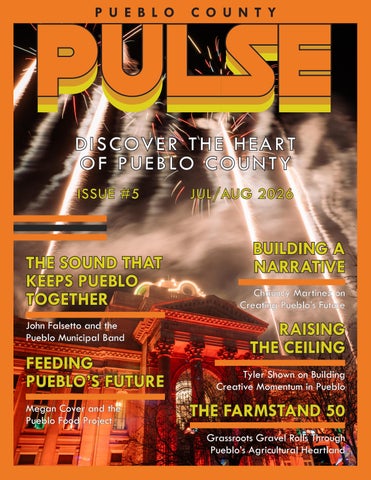
Tyler Shown on Building Creative Momentum in Pueblo
Grassroots Gravel Rolls Through Pueblo’s Agricultural Heartland
10
THE SOUND THAT KEEPS PUEBLO TOGETHER
John Falsetto on History, Family, and the Future of the Pueblo Municipal Band
PUBLISHER’’S NOTE
18
FEEDING PUEBLO’
’
S FUTURE
From Access to Entrepreneurship, the Pueblo Food Project Is Building a Stronger Food System
22
RAISING THE CEILING
Tyler Shown on Building Creative Momentum, Honoring Pueblo’s Past, and Making Room for More Artists to Shine
30 THE FARMSTAND 50
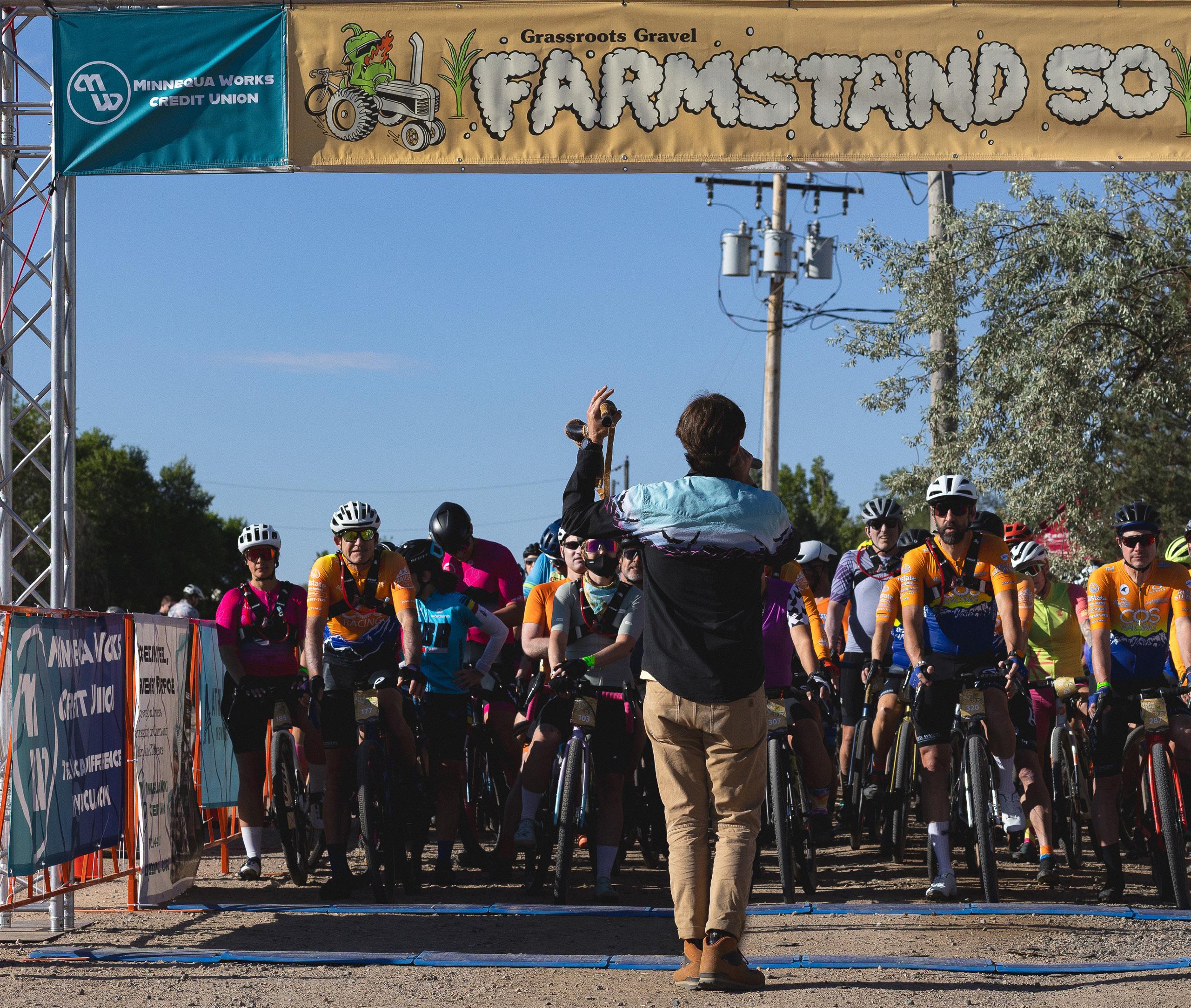
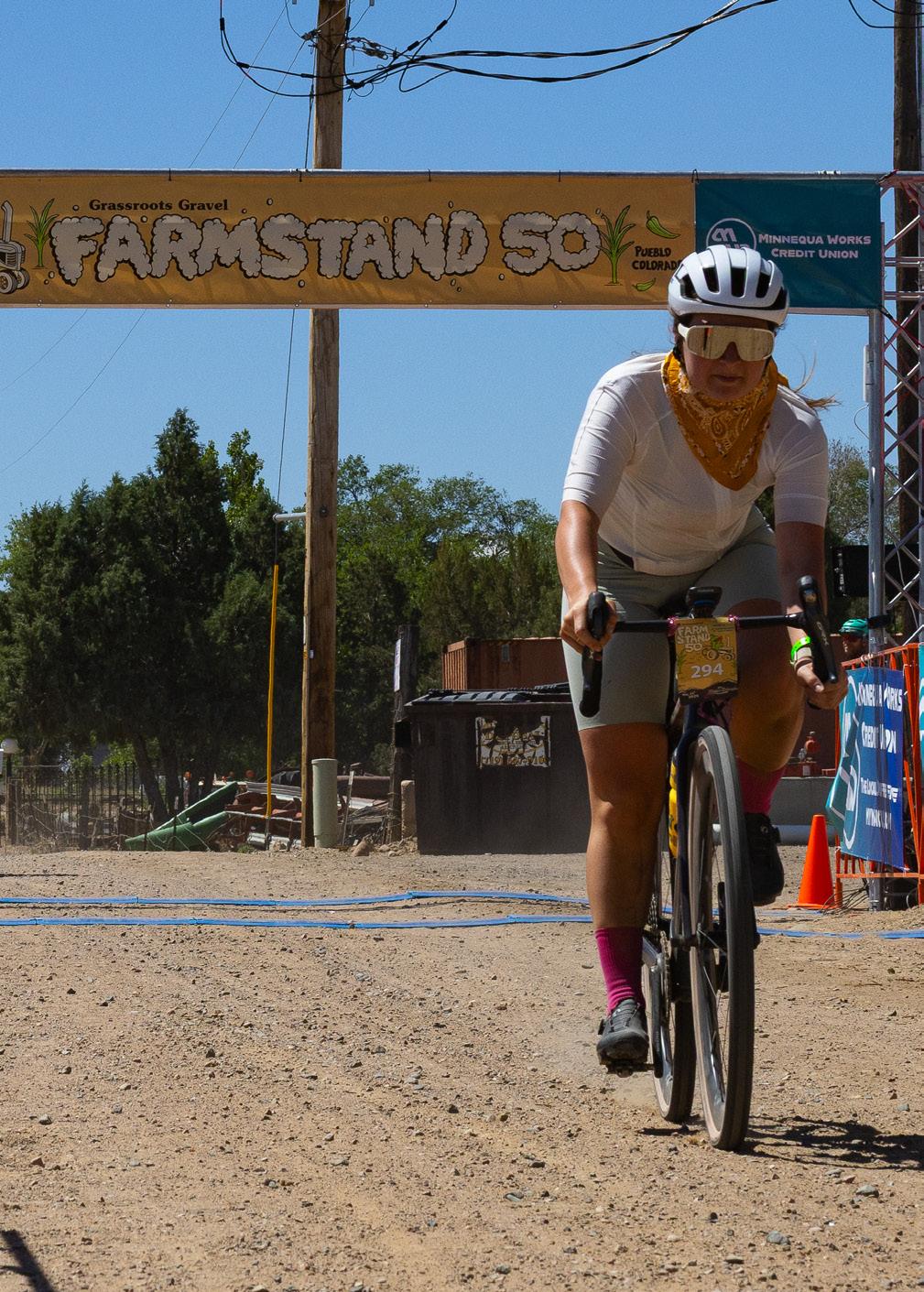
Grassroots Gravel Rolls Through Pueblo’s Agricultural Heartland
As I’ve discovered during the past 6 years, there are several layers to Pueblo. The city has many sides, many stories. And at this moment in time, a new story is being developed. It happens with growth. And that means change, which is always a challenge.
In this issue, the interviews circle around one shared idea: Pueblo’s future is being built with intention. It’s being shaped by the people who choose to show up, organize, preserve its history, create new stories, feed and teach the people, perform, document, and tell the truth about this place they call home.
In these pages, Chauncy Martinez reminds us that narrative matters and that if Pueblo doesn’t take ownership of its own story, someone else will. John Falsetto carries us through the enduring legacy of the Pueblo Municipal Band, a tradition that has gathered families, generations, and neighborhoods around music for more than a century. Megan Cover with the Pueblo Food Project shows us that food is more than a meal; it’s access, dignity, entrepreneurship, and community resilience. Tyler Shown speaks to the creative energy building across the city, and the need to raise the ceiling so more artists can step into the light. And with the Farmstand 50, Grassroots Gravel reminds us that Pueblo’s agricultural landscape is more than scenery, it’s part of our identity.
Taken together, these stories reveal a Pueblo that is moving, building, growing, evolving. My job is to pay attention.
Thank you for reading, sharing, supporting, and believing in local storytelling.
- Nate Jordon -
BUILDING A NARRATIVE
Chauncy MarTInez on Why Pueblo’’s Future Depends on Controlling Its NarRATIve
by Nate Jordon
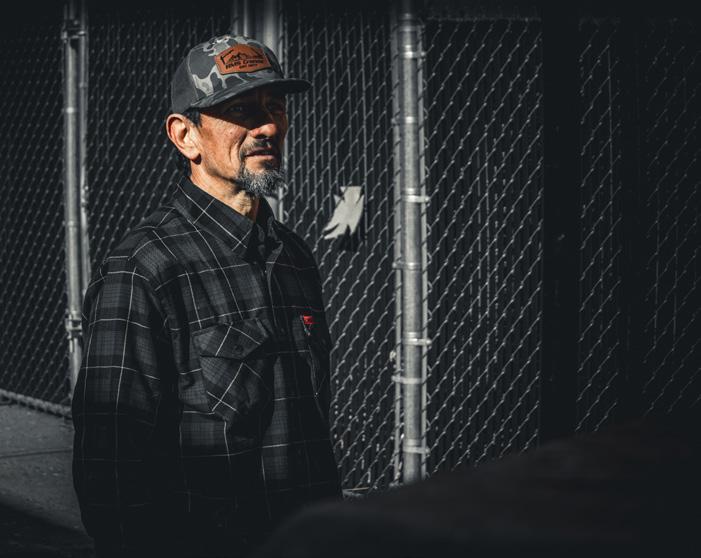
IIn a city often defined by outside narratives, Chauncy Martinez is focused on something different: building connection from the inside out. As the founder of CNM Digital Marketing, a promo manager for Mile High Minute, and a collaborator with Southern Colorado Fashion, Martinez operates at the intersection of culture, business, and storytelling. But beneath the titles and roles is a simple driving force: community.
Raised with a mindset of service and shaped by Pueblo’s resilience, Martinez has built his work around amplifying small businesses, creatives, and local voices that might otherwise go unseen. In a time when automation and algorithms dominate marketing, he’s betting on something more human: trust, story, and relationships. Because for Martinez, success isn’t just about visibility, it’s about making people feel seen.
PULSE: You wear a lot of hats: agency owner, promo manager, fashion marketing. What’s the through-line? What ties all your work together at a deeper level?
MARTINEZ: For me, it all comes down to community. That’s the word at the bottom of everything I do. Without community, what are we really doing? We have to come together to be successful in anything—any environment, any group, any title.
Especially in a town like Pueblo. It has its reputation, but one thing is always true: the community is strong. You saw it during COVID—businesses closing, struggling—but it also showed how much support matters. That was a wake-up moment for me. Now more than ever, we need to support the city.
PULSE: What made you start CNM Digital Marketing, and what gap did you see in Pueblo or Southern Colora-
IT
COMES DOWN TO CONTROLLING THE NARRATIVE INSTEAD OF LETTING IT CONTROL US.
”
@photos.scs
do that others were missing?
MARTINEZ: It really came from being known in the community and wanting to help people. I was raised to help others—my mom and my grandmother taught me that.
I saw businesses that needed more eyes, more attention. I’m not a celebrity, but I’ve built trust within the community. So if I post something on social media, people know it’s quality. I wanted to use that trust to help other businesses grow.
PULSE: A lot of small businesses struggle with marketing. What are the most common mistakes you see local businesses making right now?
MARTINEZ: The biggest one right now is over-relying on AI.
I get why business owners use it—it’s fast, cheap, efficient. But you have to think about where you are. Pueblo has a strong art community. When businesses rely too much on AI, it can come across as lazy, and it takes opportunities away from local creatives.
There are artists here who would collaborate—sometimes even for free—just to support a business. So instead of replacing that, businesses should lean into it.
PULSE: On the flip side, what’s one thing a small business in Pueblo can do today that would immediately improve their visibility?
MARTINEZ: Tell your story.
Show people who’s behind the business. Who’s cooking the food? Who’s making the product? Why are you
doing it this way?
You don’t have to do it every day, but mix it in. Share your backstory. Highlight your employees. Businesses like Shah’s and The Sacred Bean do this really well—they show their people. That creates connection.
PULSE: As Promo Manager for Mile High Minute, you’re plugged into what’s trending across Colorado. What’s something happening culturally or digitally that Pueblo hasn’t fully tapped into yet?
MARTINEZ: I think it’s about embracing what Pueblo already is.
The community knows—art, culture, sports—but I’d like to see that embraced more at a higher level. Not replacing the identity, but standing on it more confidently.
It comes down to controlling the narrative instead of letting it control us.
PULSE: You’re also involved with Southern Colorado Fashion. How do you see fashion fitting into the identity and future of this region?
MARTINEZ: Fashion is everywhere—it’s how you present yourself every day.
The challenge here is visibility. A lot of people don’t even know there’s a fashion scene in Southern Colorado. But it’s growing. Southern Colorado Fashion is helping build that, and it’s inspiring others to create their own events.
I’d love to see more infrastructure too—like design programs in schools. There’s talent here. It just needs support.
PULSE: Social media is constantly changing. What platforms or strategies do you think are overhyped right now, and what’s actually working?
MARTINEZ: TikTok and Instagram are the biggest for reaching new audiences.
Facebook still matters—especially locally. And honestly, I think Snapchat is underrated. It’s quick, it’s direct, and people are engaged. I’ve posted simple clips and had people immediately ask where a place is or what they should order.
Every platform has value. The key is using them differently and consistently.
PULSE: You’re building brands and narratives every day. How do you approach storytelling differently for a business versus a cultural or creative project?
MARTINEZ: It starts with the backstory.
Pueblo has deep roots— - culture, rESilience, hiSTory. InSTead of changing it, we should amplify it.”
When I work with a business, I want to understand their inspiration—why they started, what drives them. Then I build content around their personality. Each business has its own voice, and I try to reflect that.
PULSE: Pueblo has a reputation problem in some circles. From a marketing standpoint, how would you rebrand the city to people who’ve never been here?
MARTINEZ: I don’t think we need a rebrand. I think we need to stay on brand.
Rebranding can erase history. Pueblo has deep roots—culture, resilience, history. Instead of changing it, we should amplify it.
We need to show what Pueblo really is, and show that it’s growing.
PULSE: Looking ahead five years, what does success look like for you?
MARTINEZ: Collaboration.
Right now I have the energy to work with a lot of businesses, but longterm, success might look like working with a smaller group that I really connect with—where there’s strong communication and trust.
More than anything, I want to keep collaborating and highlighting the good in the community. There’s always negativity that gets attention, but I want to be part of showing what’s working—what’s beautiful about Pueblo.
PULSE: What kind of impact do you want your work to have?
MARTINEZ: I want to be involved in more parts of the community—events, creative spaces, things I haven’t even tapped into yet.
There’s so much happening here. I just
want to keep showing up, supporting it, and helping tell those stories. * * *
If there’s a thread running through everything Chauncy Martinez does, it’s this: Pueblo doesn’t need to become something else to succeed, it needs to lean harder into what it already is.
That means telling better stories. It means supporting local creators. It means showing the faces behind the businesses and giving people a reason to care beyond the transaction. And maybe most importantly, it means choosing collaboration over competition.
In a landscape crowded with noise, Martinez is focused on something quieter but more lasting: building relationships, strengthening community, and helping shape a narrative that comes from within by the people who live it every day. That’s a mission we share in common.
The future of Pueblo shouldn’t be defined by what others say about it. It should passed on by the people willing to show up and tell its story themselves.
THE SOUND THAT PUEBLO TOGETHER
John FaLSETTo on HiSTory, Family, and THe Future of THe Pueblo Municipal Band
by NATE JORDON
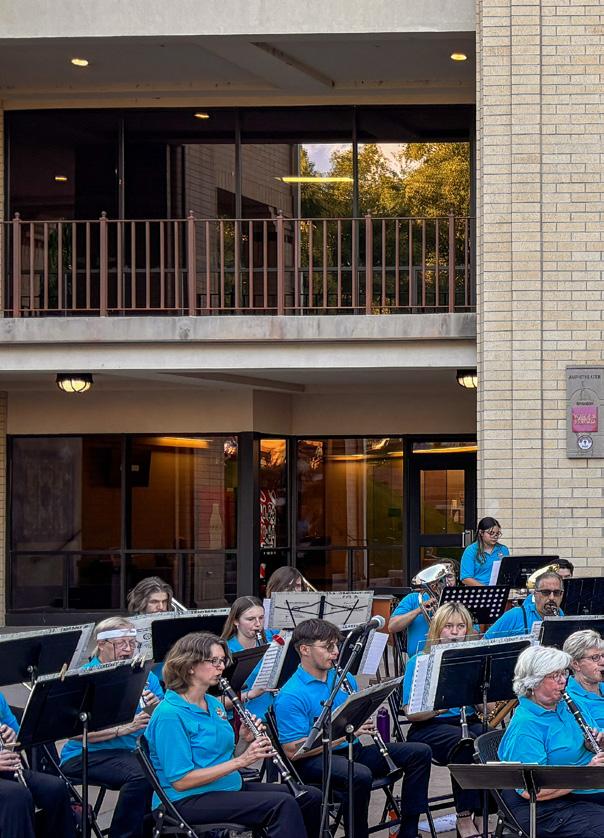
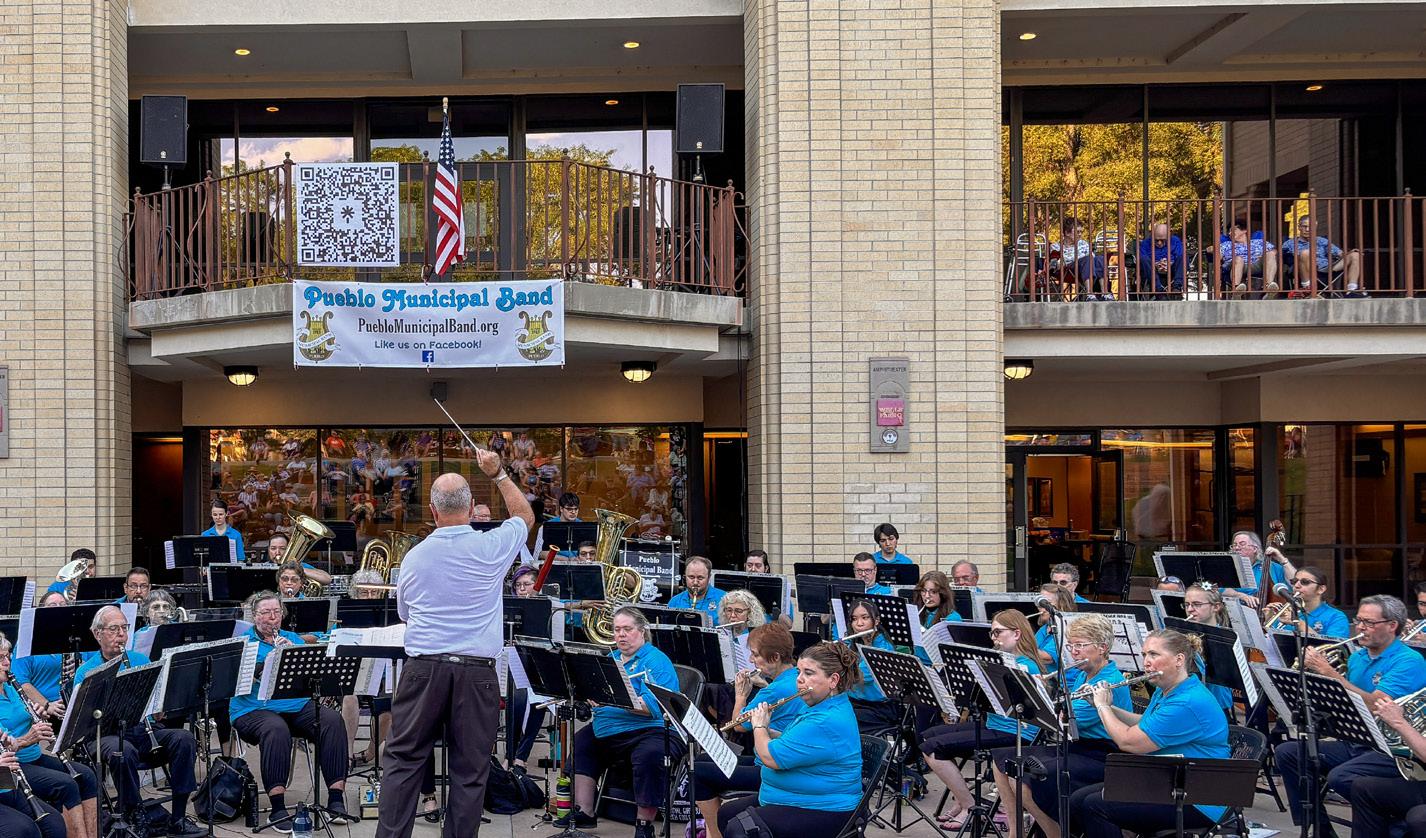
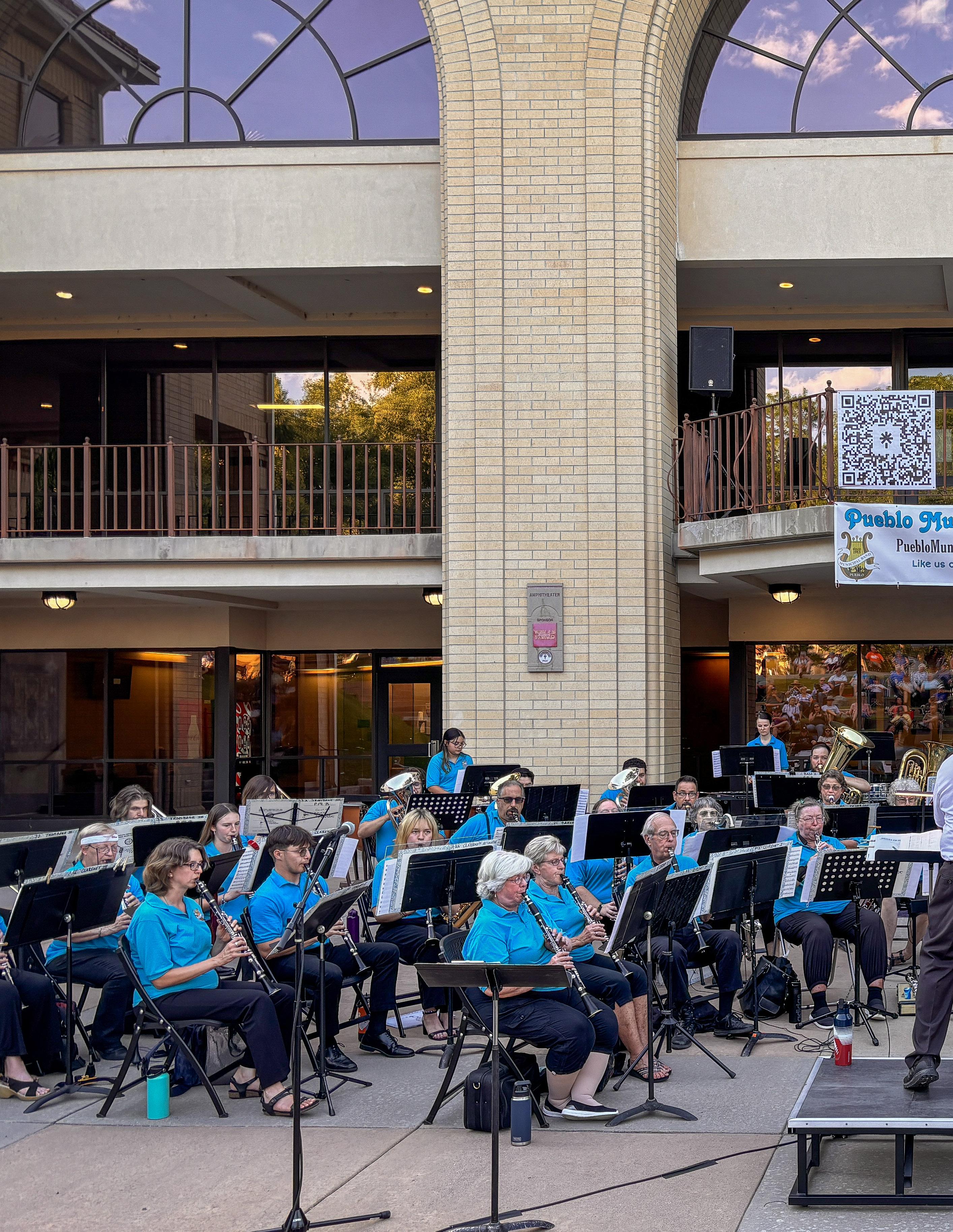
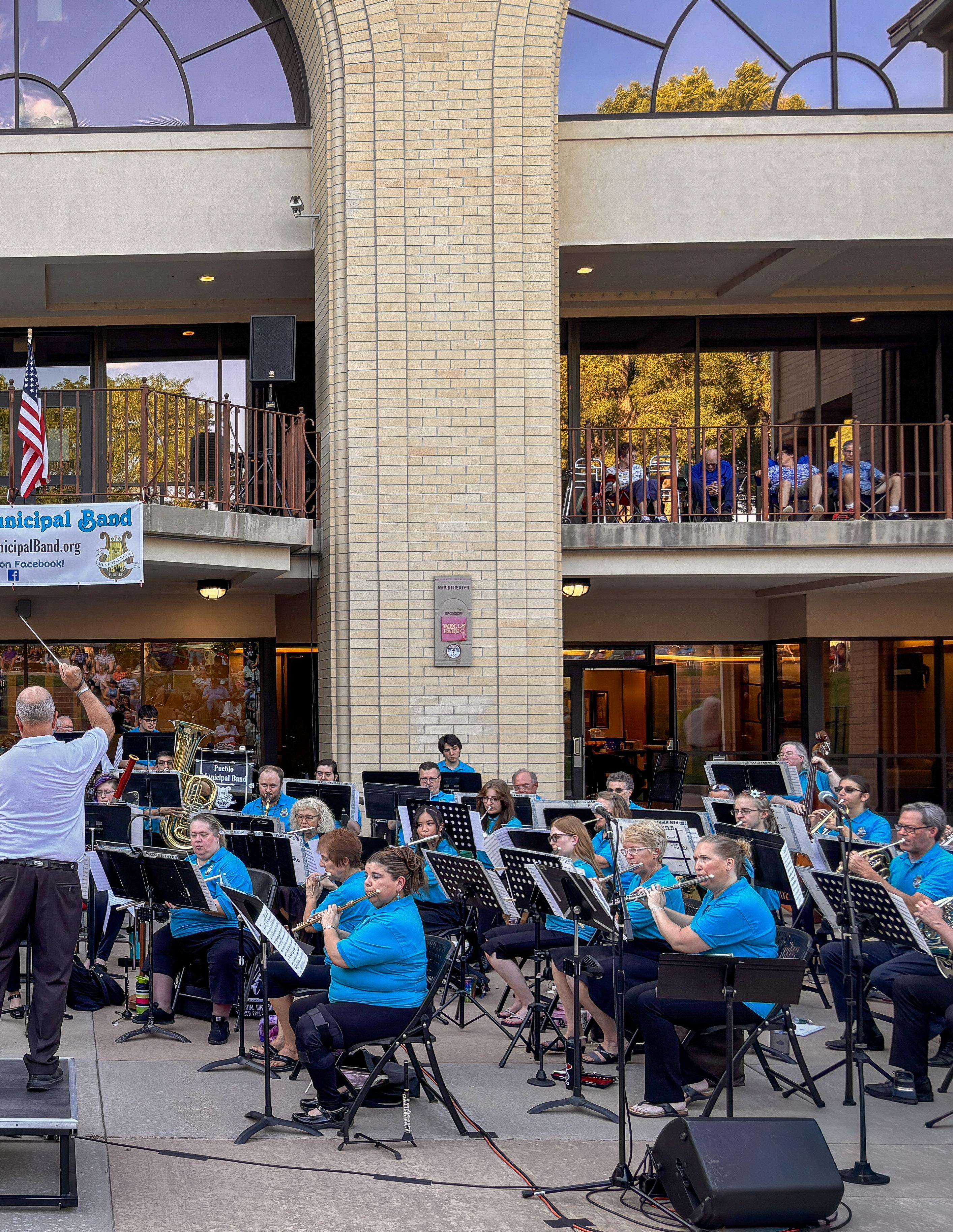
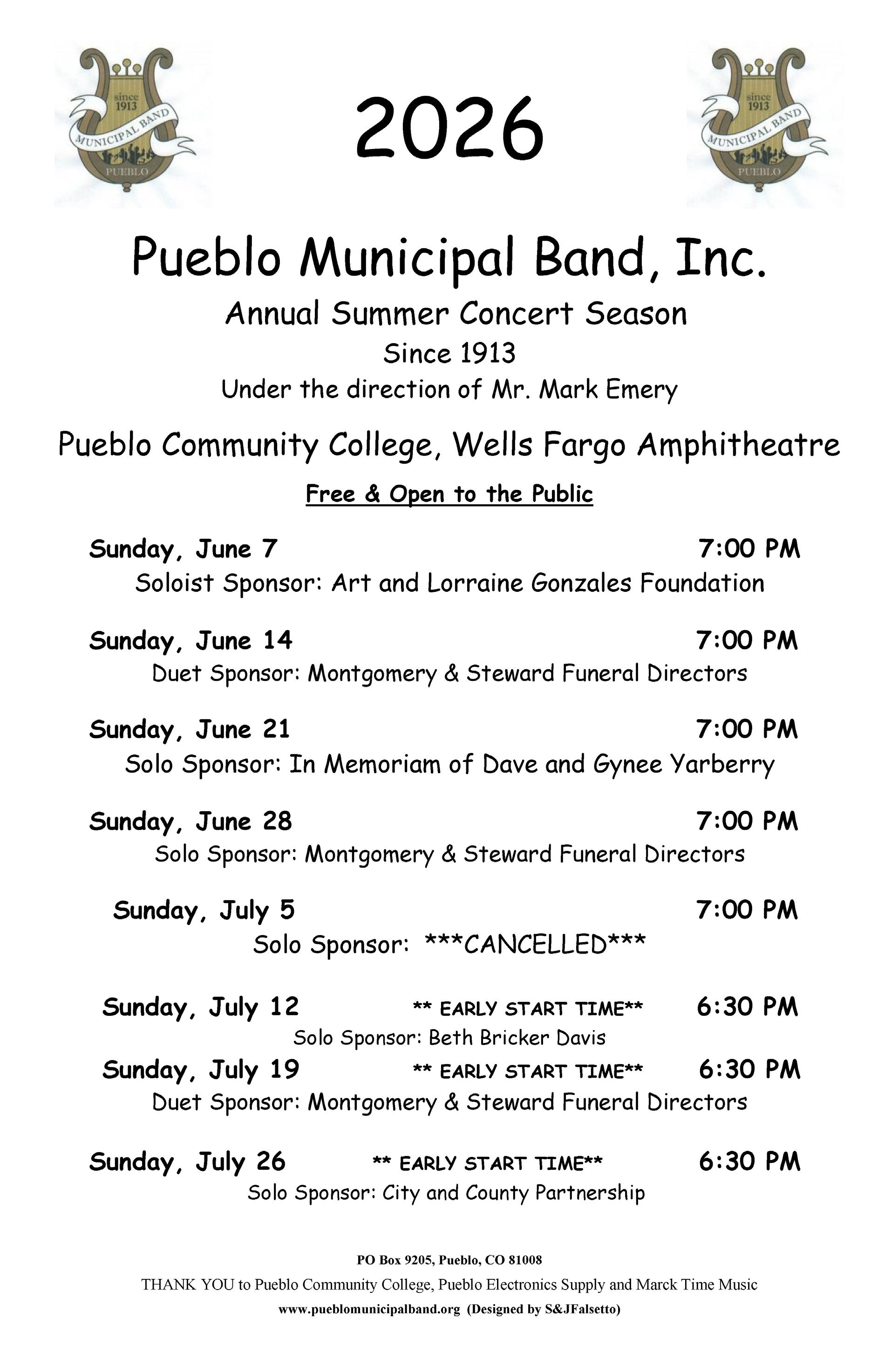
Since 1913, the Pueblo Municipal Band has given the city something rare: a public tradition that still belongs to everyone. On summer Sunday evenings, generations of Pueblo families gather for music that feels both familiar and alive, from marches and patriotic standards
to jazz, Latin selections, film themes, show tunes, and contemporary favorites. For Executive Director John Falsetto, that tradition isn’t abstract. He and his wife, Susan, joined the band as high school students more than four decades ago, and today the organization remains woven into their family’s life, as well as the cul-
tural life of Pueblo.
Falsetto speaks about the band as both a working nonprofit and a living archive. Its music library has been built over more than a century. Its membership includes professional musicians, current and retired band directors, longtime players, apprentic-
PHOTOS BY John FaLSETTo
THAT KEEPS TOGETHER
es, and families who return year after year. Its audience reflects Pueblo itself: children, parents, grandparents, teachers, visitors, and neighbors from every walk of life.
What keeps the band going is more than nostalgia. It is discipline, fundraising, rehearsal, volunteer labor,
community sponsorship, and a deep belief that music should remain accessible. In a time when so much public culture is disappearing behind gates and price tags, the Pueblo Municipal Band continues to offer something generous, communal, and deeply local. Falsetto’s answers reveal an organization built on memory, but
pointed toward the future, still asking Pueblo to listen, gather, give, and carry the song forward for another hundred years of music under Pueblo’s open skies.
(continued on page 12)
No matter religion, poliTIcs, heritage, or educaTIon, our concerts are a safe space for all to enjoy THe moST beauTIful universal language in THe world, muSIc.”
PULSE: The Pueblo Municipal Band has been part of the city since 1913. When you think about that long history, what responsibility do you feel to the generations who built it, and to the generations who haven’t discovered it yet?
FALSETTO: I feel a responsibility to
honor the people who kept this band alive for more than a century, while also making room for the next generation. Susan and I have played in the band since high school, about 43 years, and we’ve seen members serve for 50 years or more. When I became board president, the band had about 35 to 38 members. Today
we move between 60 and 70. Through our High School Apprentice Program, started in 2000, young musicians sit beside seasoned professionals and learn the tradition firsthand, while helping carry it forward with confidence, skill, and pride.
PULSE: What do you think the band gives Pueblo that can’t be measured in ticket sales, attendance numbers, or budgets?
FALSETTO: The band gives Pueblo a gathering place. It is more than a concert series or a nonprofit budget. It is families, teachers, students, business owners, community leaders, and musicians who have worked and played together for decades. Our concerts reflect Pueblo’s melting pot. They are free, supported by local businesses, philanthropists, patrons, and donations at each performance. We also take great pride in the quality of the music. Unlike many groups, we rehearse once and perform days later. That takes strong musicianship, trust, and commitment. What Pueblo receives is connection, pride, and a shared cultural home for every Pueblo generation.
PULSE: A free public concert feels almost radical now, in a time when so much culture is paywalled or commercialized. Why does it matter that these performances remain free and open to everyone?
FALSETTO: It matters because the Pueblo Municipal Band is part of Pueblo’s history. Years ago, the band was sponsored through Parks and Recreation. We performed at Mineral Palace Park, first in the bandshell and later on the lawn, where families could gather around the music. Today each concert is a full production, with sound, banners, sponsors, and a lot of preparation behind the scenes. But the heart of it is the same: people can
come without a ticket, sit together, and enjoy live music. The joy it brings our audience is indescribable, and it keeps us going year after meaningful year.
PULSE: The band performs everything from marches and classical pieces to jazz, Latin, movie themes, patriotic music, and show tunes. How do you balance honoring tradition with keeping the music alive for modern audiences?
FALSETTO: Our conductor, Mark Emery, selects the music each season, and his knowledge allows every concert to be diverse. Then our librarian, Susan Falsetto, takes on the enormous task of assembling the actual sheet music. We listen to our patrons, members, and board, and we try to offer something for every demographic. The band is known for marches, and we end each concert with “Stars and Stripes Forever,” which always brings a standing ovation. But we also play music like Chicago and Toto’s “Africa,” so younger and multigenerational audiences hear something that belongs to them too. That balance keeps us alive.
PULSE: What makes a municipal band different from a school band, a symphony, or a private performing group — not just musically, but in its relationship to the community?
FALSETTO: A municipal band is different because it brings generations together in direct service to the community. School bands prepare music over a semester. A symphony is a professional organization performing professional-grade music. Private groups often grow from the same musical ecosystem. Our members overlap with many of those groups, and some travel from Colorado Springs, Westcliffe, Cañon City, and even Trinidad to play with us. The
Pueblo Municipal Band rehearses once, then performs a few days later. It is built on history, passion, professionalism, apprenticeship, and a love for the musical community Pueblo has cultivated for generations with real pride.
PULSE: Pueblo has a strong sense of memory — families, neighborhoods, traditions, stories passed down. How does the Municipal Band fit into Pueblo’s larger cultural memory?
FALSETTO: The band fits Pueblo’s cultural memory because it reflects the community’s heritage and continuity. With strong Latino, Italian, Slovenian, and other traditions here, we try to include selections that feel familiar and welcoming to many people. We also take pride in being one of Pueblo’s great longstanding traditions, and we often say we are the oldest community band west of the Mississippi River. We honor the past
by remembering members and patrons we have lost. We honor the future by welcoming young musicians and helping them gain experience. That bridge between generations is what keeps the organization meaningful to Pueblo.
PULSE: What have you learned about Pueblo by watching audiences gather for these concerts year after year?
FALSETTO: I have learned how deeply Pueblo values togetherness. Audience members often sit in the same section they have claimed for years. We see young children, parents, grandparents, great-grandparents, aunts, uncles, friends, teachers, and visitors from out of state. The audience is as diverse as the band itself. No matter religion, politics, heritage, or education, our concerts are a safe space for all to enjoy the most beautiful universal language in the world, music. The band gives the
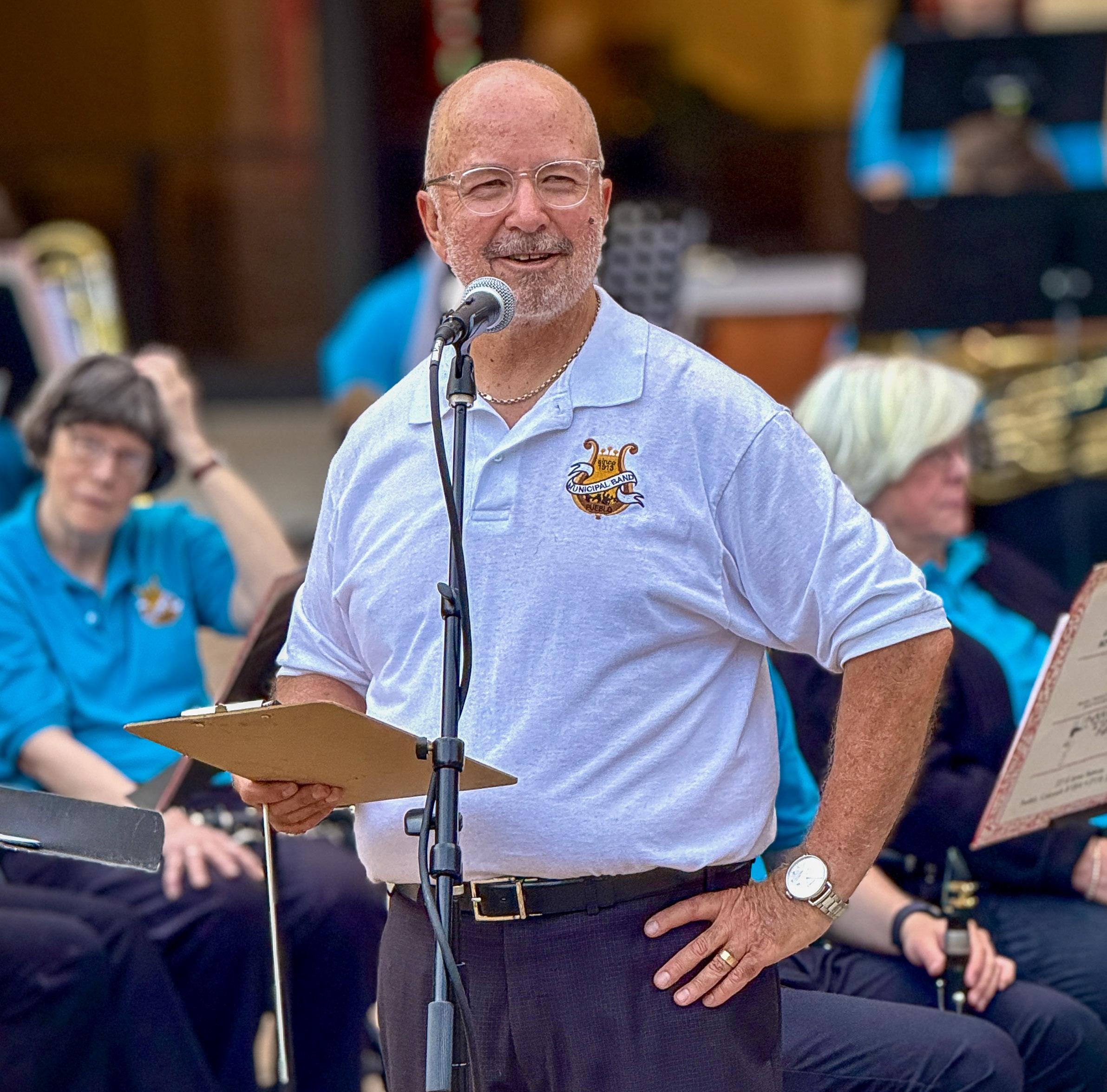
Conductor of the Pueblo Municipal Band, Mark Emery
community a safe, joyful place to gather, and the community gives that same energy back to us every single week. That exchange is powerful, humbling, honest, and beautiful.
PULSE: The band’s summer concerts have become a Sunday evening tradition at Pueblo Community College’s Wells Fargo Outdoor Amphitheater. What do you hope people feel when they leave one of those evenings?
FALSETTO: We hope people leave relaxed, happy, fulfilled, and ready for the week ahead. Those Sunday evenings create fellowship between the audience and the musicians. We usually average 500 to 750 people, and our patriotic concert before the Fourth of July is often the biggest, sometimes topping a thousand. Pueblo Community College has been a sponsor, giving us a wonderful setting at the Wells Fargo Outdoor Amphitheater and an indoor option at Hoag Stage when weather turns. I joke that if you want to end the drought in Pueblo, schedule an outdoor concert. It usually works. And people come back smiling.
PULSE: What are the biggest challenges facing an organization like this today (funding, recruitment, audience development, rehearsal space, public awareness), and what does the community need to understand about keeping it alive?
FALSETTO: Fundraising is always one of our biggest challenges. It allows us to insure and protect our priceless music library, equipment, sound system, banners, and stage materials. Even though we love this work, the organization has to operate like a business, with a board, treasurer, CPA support, stage crew, and careful planning. Recruitment also matters, especially for students. The arts can get pushed aside, so when young
musicians want to join, we are thrilled. Sponsors, patrons, PCC, and weekly donations keep the tradition alive. Without that support, the band could not continue serving Pueblo in this important, public, lasting, meaningful way.
PULSE: Looking ahead, what would you like the Pueblo Municipal Band to become over the next 10 or 20 years while still remaining true to what it has always been?
FALSETTO: Looking ahead, I want the Pueblo Municipal Band to remain true to what it has always been while becoming stronger for the future. I have played in this band for more than half my life, alongside my wife, Susan, and my sons Stephen and Jason. It is a family affair in every way. My hope is that younger generations see the impact this band has had on Pueblo and choose to continue it. The dream is also to someday have our own headquarters and performance space. That would be a gift. The community is diverse, rewarding, and truly enjoyable. The band has been a great part of Pueblo’s history, and I hope it carries on to future generations.
free concert. It also needs Pueblo to recognize that traditions survive only when people actively protect them.
That’s the challenge inside this story. The Pueblo Municipal Band has lasted because generations treated it as something worth showing up for. They played, listened, donated, hauled equipment, organized music, mentored students, and brought their families back the next Sunday. In doing so, they made the band more than entertainment. They made it part of Pueblo’s shared inheritance.
As the organization looks toward its next chapter, the dream is not simply to preserve what already exists. It is to strengthen it, expand it, and hand it forward. For more than a century, the band has filled Pueblo evenings with music. Its future depends on whether the next generation hears the invitation and decides to join the tune. That means attending, contributing, inviting neighbors, and reminding young musicians that their city still needs them.
The strength of the Pueblo Municipal Band is that it doesn’t ask people to choose between past and present. It carries both. A Sousa march, a patriotic finale, a familiar pop tune, a student sitting beside a veteran player, an audience member returning to the same seat year after year; each piece becomes part of a larger civic rhythm.
Falsetto’s vision is rooted in gratitude, but it’s also practical. The band needs donors, sponsors, young musicians, rehearsal space, equipment, volunteers, and an audience that understands how much work goes into a
@photos.scs
@jimmyjet24
@missy.sarf
@photos.scs @lepikphotography
@lepikphotography
@photos.scs
FEEDING PUEBLO’S FUTURE
From AccESs to Entrepreneurship, THe Pueblo Food Project Is Building a STronger Food SySTem
by Nate Jordon
In Pueblo, food is never just food. It’s memory, culture, survival, family, work, and community all gathered around the same table.
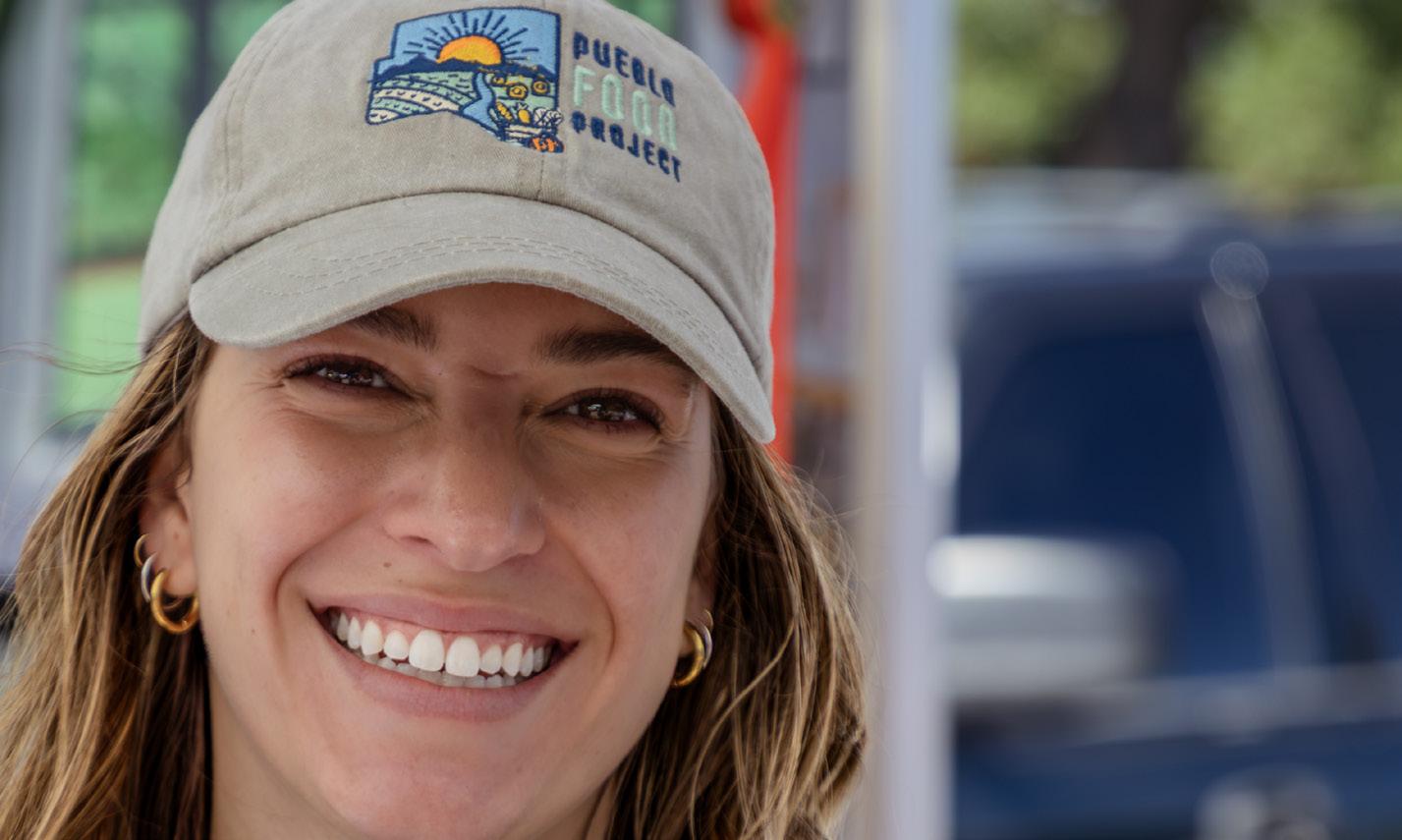
For Megan Cover, Director of the Pueblo Food Project, that understanding guides a mission that began with economic development and quickly grew into something broader: food access, education, entrepreneurship, gardens, and connection. What started as an effort to strengthen Pueblo’s local food economy shifted during the pandemic into immediate community relief, while still holding onto a larger vision for long-term change.
Today, the Pueblo Food Project works at the intersection of hunger, agriculture, small business, cultural identity, and public health. Cover sees food as one of Pueblo’s greatest strengths, not only because everyone needs it, but because everyone has a story tied to it. In this conversation, she explains how local food can help Pueblo feed itself, heal itself, and grow stronger.
PULSE: What gap in Pueblo’s food system led to the creation of the Pueblo Food Project, and how has that mission evolved since you started?
COVER: The Pueblo Food Project started as a collaborative effort among Pueblo food leaders and former Mayor Gradisar. The original idea was to strengthen Pueblo’s food economy through local products and processing — things like Pueblo chile salsa and other products that could have a larger economic impact, similar to what Hatch has done with chile.
It officially started in September 2019, and I came on as an intern in 2020. At that time, the main question was: how do we expand the economic impact of agriculture in Pueblo and support local food producers? Then the world changed. In early
2020, the model had to shift immediately. We started a food pantry, took donations, and put together food bags because that was what the community needed. At the same time, the coalition kept working on food economy, food access, food skills, advocacy, and the environment.
Today, we still run a small food pantry. We have an entrepreneur development program for food businesses, we work with community gardens, offer cooking and food preservation classes, and also host the Sun Soil Water Summit. Now we are moving forward with three action teams: thriving food economy, healthful food access, and food skills education.
The food action plan was created with the voice of the community. It’s not just a plan for the Pueblo Food Project. We hope any organization can pick it up and say, “This is something we can help implement.” Every single person eats. Food touches everyone.
PULSE: When people hear “food insecurity,” it can feel abstract. What does it actually look like on the ground here in Pueblo County?
COVER: Food insecurity looks like a lot of different things. Yes, it can mean needing a food pantry. Yes, it can mean being a SNAP or WIC recipient. But it can also mean living paycheck to paycheck and skipping a meal once or twice a week.
Our approach is simple: if you need food right now, that is all we need to know. A person in need is a person in need.
Food insecurity means you’re not able to nourish yourself well enough with the resources and access you have. The barriers are not always just cost. A lot of the time, it’s transportation,
time, or even getting to a food pantry. If you don’t have a car and you’re carrying several bags of groceries, even walking a mile is limiting. Most communities are built around the assumption that you have a vehicle. There are so many factors. It’s complicated.
PULSE: A lot of food work operates as short-term relief. How does the Pueblo Food Project balance immediate needs with long-term, systemic change?
COVER: A lot of our programming is centered on long-term change.
Community gardens give people education and agency over their food choices. They help people learn how to grow food. Gardening takes effort, space, time, and money, but people can start somewhere. Over time, the cost gets cheaper if you learn how to save seeds and build the skills that make gardening more accessible.
Our cooking and food skills classes are not just about making one meal. They are about connecting with others, creating a budget, eating healthy on a budget, and preserving food — how to freeze, can, ferment, and make food last longer.
Our entrepreneur development program supports small food businesses so they can take their work to the next level. Most of our public programming is free. The entrepreneur program is $200 for the whole course, but if someone cannot pay, we ask them to let us know — no questions asked. We would rather get the education out there than make cost a barrier.
Most of our work focuses on helping people create agency for themselves. Anyone who can pull 16 potatoes out of their garden — that is a win for us. PULSE: How important is it for a
community like Pueblo to build a stronger local food economy, and what are the biggest barriers right now?
COVER: We live in a time when the food system is incredibly centralized. People get almost everything they need from one place. Grocery stores are not wrong, but if there is only one place you can go for everything, that doesn’t support the local economy the way we might want it to.
The local food economy touches everything. If you eat at a local restaurant that buys local food, that
dollar circulates here much more than it would at a chain grocery store. When you spend money directly with a local farm, more of that money stays here, and then the farmer spends it locally too. That’s the multiplier effect, and it’s real.
If you can eat at a local restaurant, make that choice when you can. Go to the farms. Buy produce there. Go to the farmers market. They’re one of our biggest partners. The farmers market now accepts SNAP dollars, along with incentives, and that money stays local. We also need more local
distribution and processing here.
PULSE: Pueblo has a deep, diverse food culture. How does the Pueblo Food Project honor and reflect that cultural identity in its work?
COVER: Pueblo has an incredible food culture. It’s deeply loved and deeply cared about. People still spend holidays making strudel, potica, tamales, and other traditional foods. That is part of our history, and we love it.
In our cooking classes, we have included those recipes in different ways. We have done Italian sausage with Gagliano’s, pasta, tortillas, and other traditional foods. When we offer a cooking series, we ask people what they want to learn and what they want to teach.
We also honor Pueblo’s food culture in how we purchase food. When we buy meals for meetings, we go to local places people love. I think we are trying to do more of that out loud than we have in the past — highlighting local places, partnering with chefs, and offering more classes.
Pueblo has so many identities in its food system, and they are all special. We also have a strong Native and Indigenous population, and the Pueblo Food Project needs to connect with those foodways as much as we can. Food is a connector. Everybody eats, and everybody has a story connected to food.
PULSE: Southern Colorado has strong agricultural roots. How do you see the relationship between local growers and community food access evolving?
COVER: It’s complicated. For smaller farmers, it’s hard to come into town and bring food in. It costs money, and many farmers don’t have extra resources. On the other side, many
community members can’t spend extra money on gas to get out to the farms. They may not have the time or transportation. Knowing both sides have barriers, I would love to see more farm tours. I would love to see more kids getting out to farms so they can interact with animals, growing systems, irrigation, soil, and the principles of growing food.
I would also love to see smaller markets in different parts of town — not just one farmers market, but many arms of the farmers market in different neighborhoods. But distribution is complicated. Food has to be kept cold, and that means freezers, fridges, storage, and transportation.
PULSE: What’s one challenge people wouldn’t expect when it comes to running a project like this?
COVER: A lot of the challenges are what every nonprofit experiences: funding barriers, working with government entities, bureaucracy. But our work is incredibly fulfilling. I’m lucky I get to work with my community. And I’m lucky I get to eat so well.
PULSE: How do you define success? Is it numbers served, systems changed, or something less tangible?
COVER: Success is all of the above: numbers served, systems changed, and less tangible things.
Numbers are important. Systems change matters because those are long-term solutions. But community consciousness matters too. People are starting to understand how important local food is, what native plants mean, and why growing your own food matters. Even small moments count. Sometimes success is just full bellies and happy hearts.
PULSE: You talk a lot about connection.
How does food help build that?
COVER: People are also missing connection and opportunities to be together in meaningful ways. The Pueblo Food Project received a Belonging Colorado grant through the Denver Foundation, and the idea is to build connection, bridges, and community. Our chef, Lindy Webb, has been working on a youth and senior cooking class where young people ages 8 to 18 join seniors 60 and up. They cook together, ask questions, and share stories.
There’s no greater connector than food because no one can opt out of eating. Everybody eats. Everyone has a story, memory, love, or pride tied to food. In Pueblo, where there is so much pride in food, we would be remiss not to share those stories.
PULSE: If we check back in five years, what would a stronger, healthier Pueblo food system look like to you?
COVER: Community gardens in every neighborhood. More people preserving food, growing in their backyards, sharing eggs, raising chickens, and building local relationships.
There would be new food businesses every year, with people trying new things and bringing more variety. Farmers would be coming closer to us, and we would be going out to the farmers more. It would be symbiotic.
Hopefully, we will have better bus routes and transportation opportunities. We would have more strategic support for families who need it — support that helps people own a business, build stability, and lift themselves out of hard situations.
Food is one piece. Food businesses, distribution systems, processing, and local food infrastructure can create jobs and economic stability. That is
what we need to support our community with.
For Cover, the future of Pueblo’s food system is rooted in both practicality and hope: more gardens, stronger transportation, thriving local businesses, deeper connections with farmers, and more opportunities for families to build stability through food. Her vision is not abstract. It looks like kids learning where food comes from, seniors and youth cooking side by side, neighbors sharing produce, and community members choosing to spend their dollars locally. Pueblo’s food challenges are real — transportation, poverty, access, distribution, and rising costs all remain barriers — but Cover’s work points toward a more connected and resilient future.
At the heart of the Pueblo Food Project is a simple belief: everyone eats, and everyone deserves access to nourishing food. In a city shaped by culture, work, and resilience, food may be one of the clearest paths toward rebuilding connection, opportunity, and pride from the ground up.
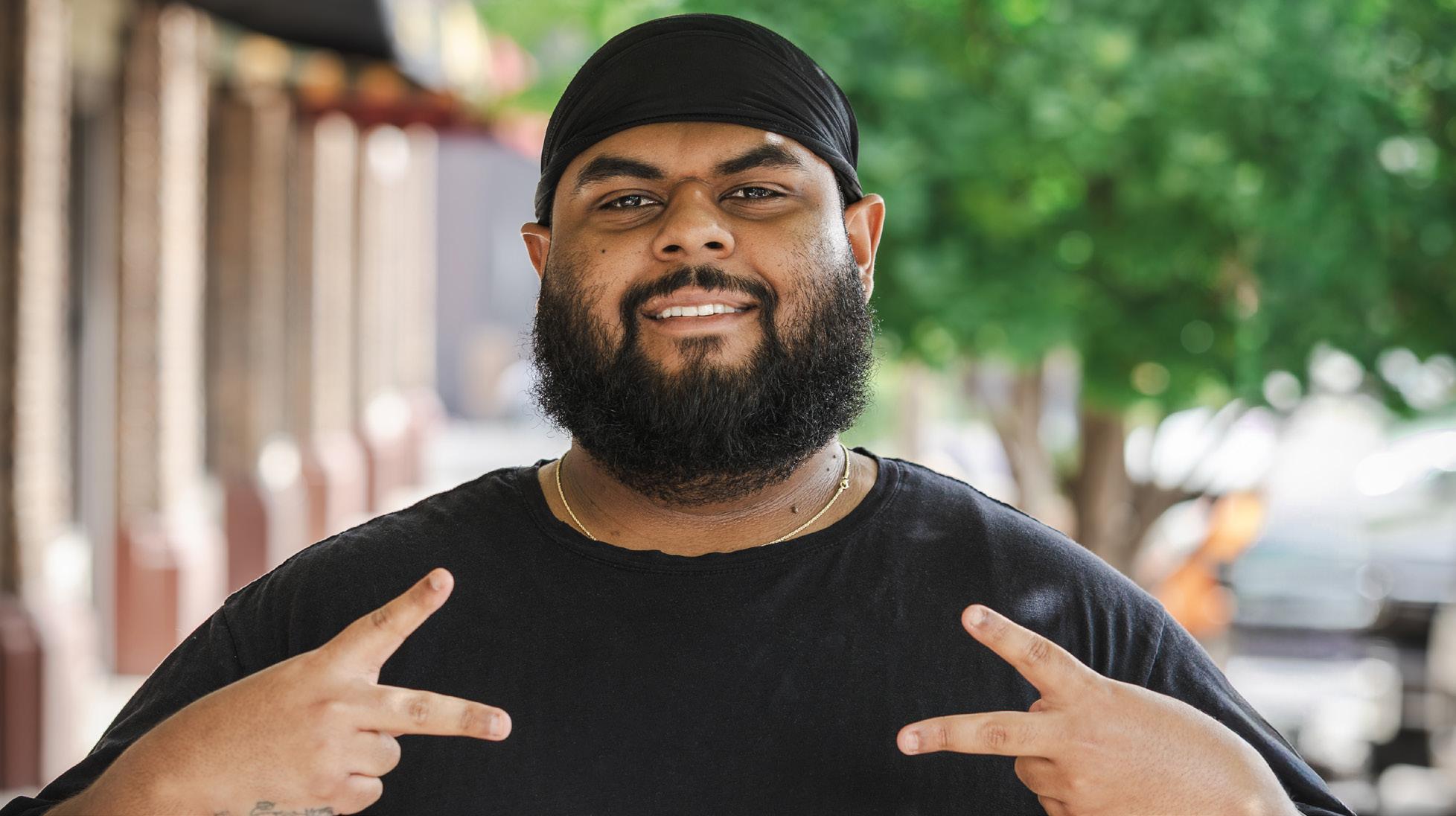
RAISING THE CEILING
Tyler Shown on Building CreaTIve Momentum, Honoring Pueblo’’s PaST, and Making Room for More ArTISTs to Shine
by Nate Jordon
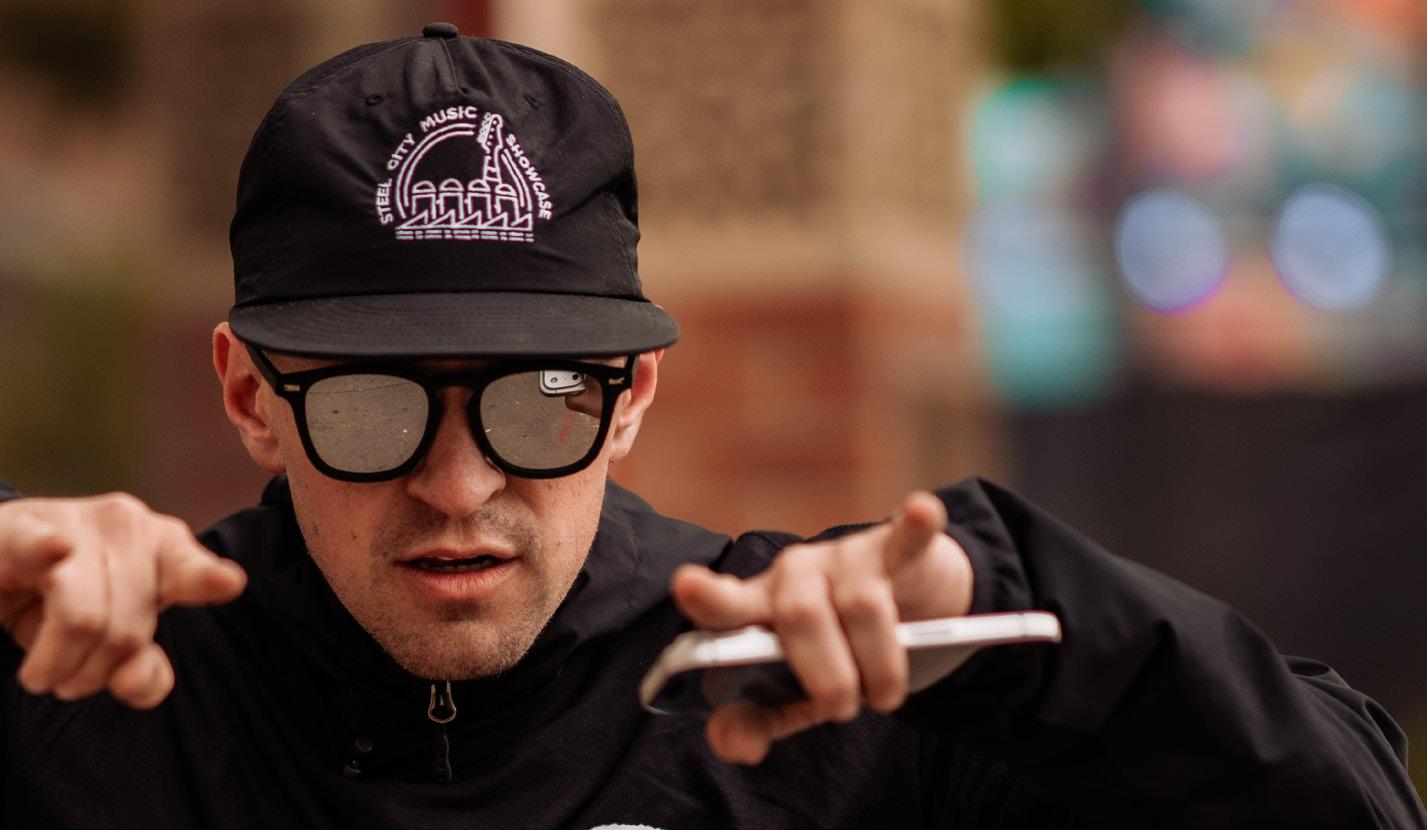
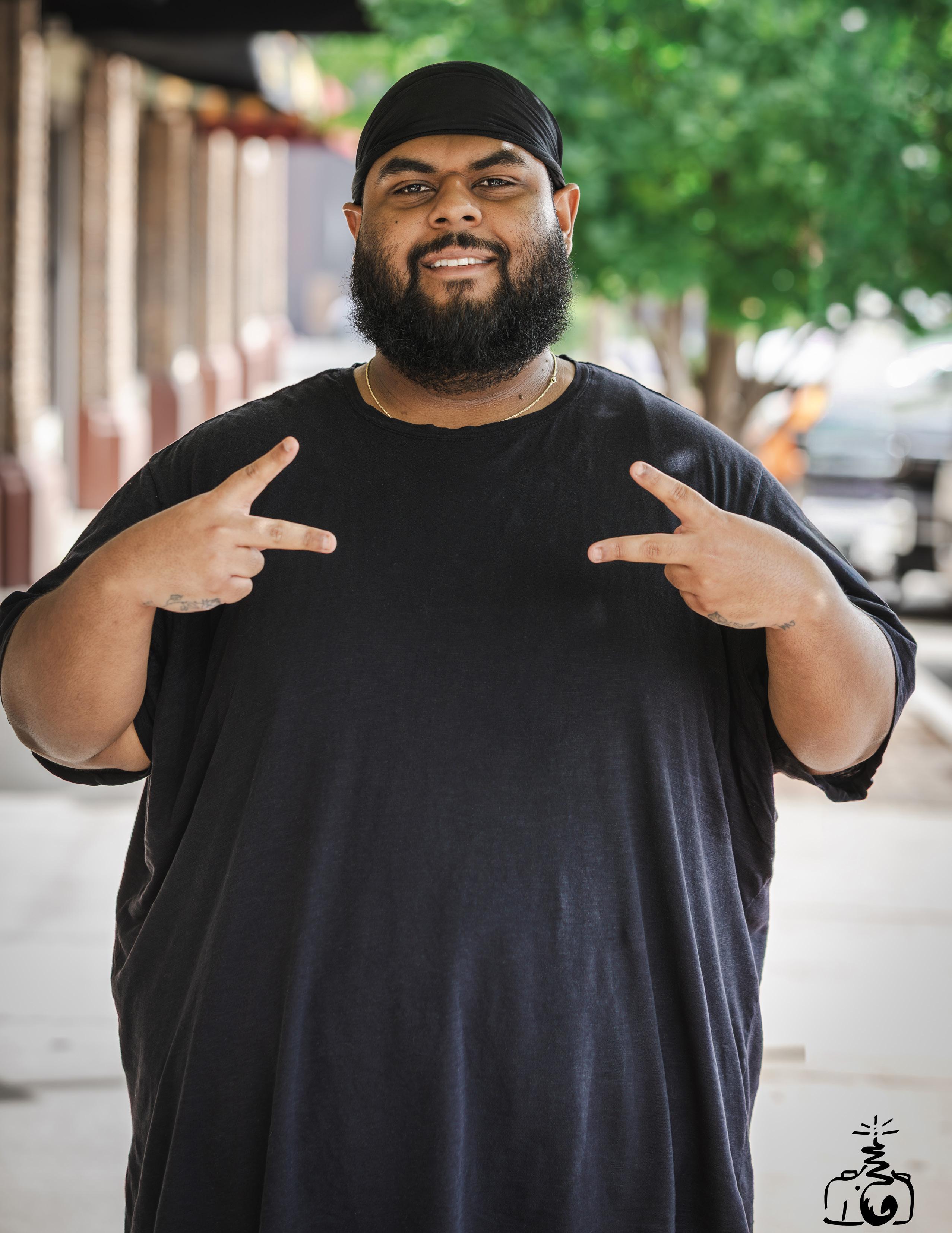
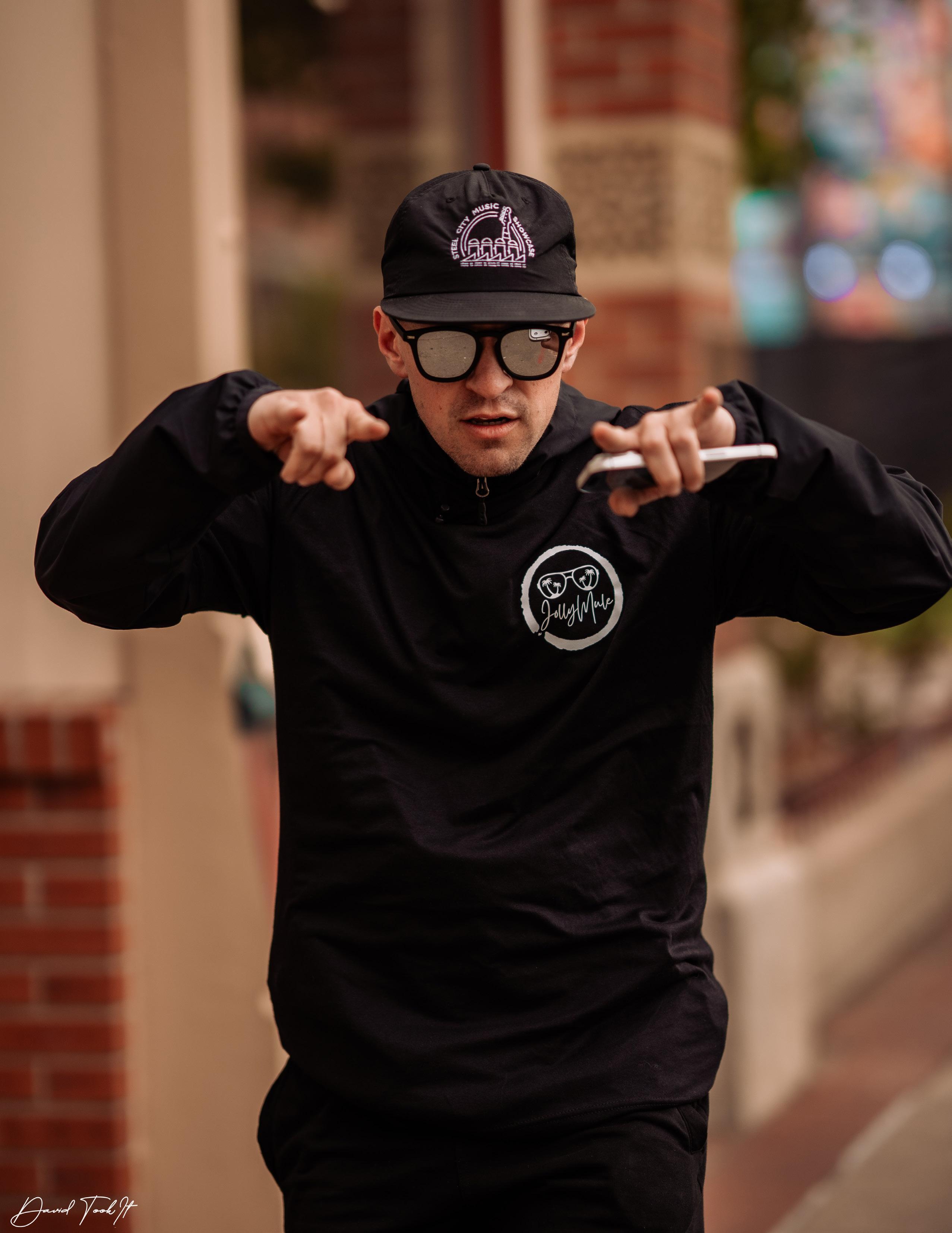
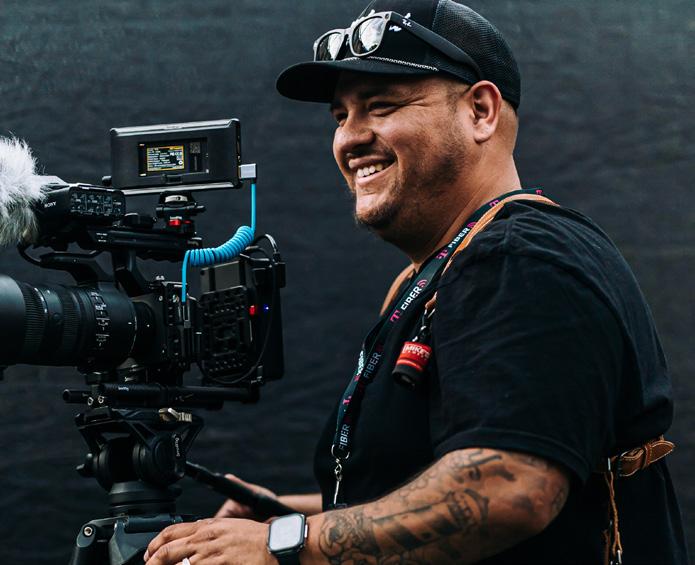
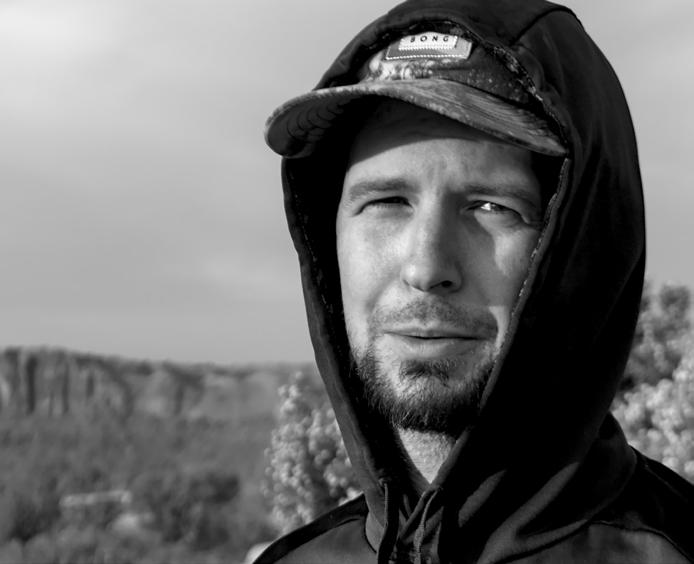
For Tyler Shown, the camera has never been a tool. It’s a passport, a bridge, and a way to make sense of the world while helping shape it. Through Jolly Mule Productions, the Steel City Music Showcase, documentaries, campaign videos, and civic-minded creative work, Shown has become one of Pueblo’s most active storytellers and connectors. His projects move easily between humor and legacy, music and memory, personal ambition and community pride. But beneath all of it is a consistent purpose: to help Pueblo see itself clearly, proudly, and with more possibility than it is sometimes willing to claim. In a city that can be tough on itself, Shown is trying to build stages, preserve stories, and raise the creative ceiling for everyone willing to step into the light, creating work that feels local, human, lasting, and true to the people who made him and the place he calls home.
PULSE: You seem to move between music, documentary, commercial work, civic projects, and comedy naturally. What’s the common thread that ties all your work together?
SHOWN: Honestly, it’s me.
My life inspires a lot of my work — the people I meet, the communities I’m a part of, and the stories I care about. The reason I picked up a camera was to interact with the world in a way that also allowed me to contribute to it.
The first film I ever made was called Happy Ass. A partner and I traveled around asking people what made them happy, while we were trying to start a production company. What we realized was that most people are just trying to figure out what they’re doing from day-to-day. The wants and needs seemed universal, but their purpose always varied.
@davidtookitco
For me, storytelling became the best way to understand the world while trying to live my life the best way I could. Separating work and my personal life has always been a challenge because, for me, they’re so intertwined. Authenticity is the greatest thing you can offer.
PULSE: Jolly Mule Productions has become attached to a lot of Pueblo stories. When you decide to take on a project, what makes you say, “Yeah, this one matters”?
SHOWN: I ask myself: Am I going to be proud of this in a decade? Did I help document the best years of someone’s life? The worst? Does it matter to me and to the person I’m doing it for? Every year is a financial and emotional question mark, only challenged by spiritual purpose.
There’s reality too. Did I get paid enough to survive American capitalism? I’ll take some gigs because they pay. But I’ve also lived for years doing this with more debt than I’ve ever had, while telling the best stories I’ve ever told. That matters.
PULSE: The Steel City Music Showcase has grown into one of Pueblo’s strongest creative events. What did you see
missing in the local music scene that made you want to help build that platform?
SHOWN: Pueblo has always had a habit of talking down about itself. For me, part of it was creating something we could be proud of.
I watched Brues Alehouse grow in its early years. It was hard for people to believe live music could live in Pueblo. Now it’s one of the places people recommend. most, and definitely the best sounding room in town. They stayed true to their vision, until the community eventually caught on. Slow and steadfast growth.
That’s what I wanted with the festival. I had musician friends with ambition, but there wasn’t always a bridge between where they were and what they could become. I’ve become a connector.
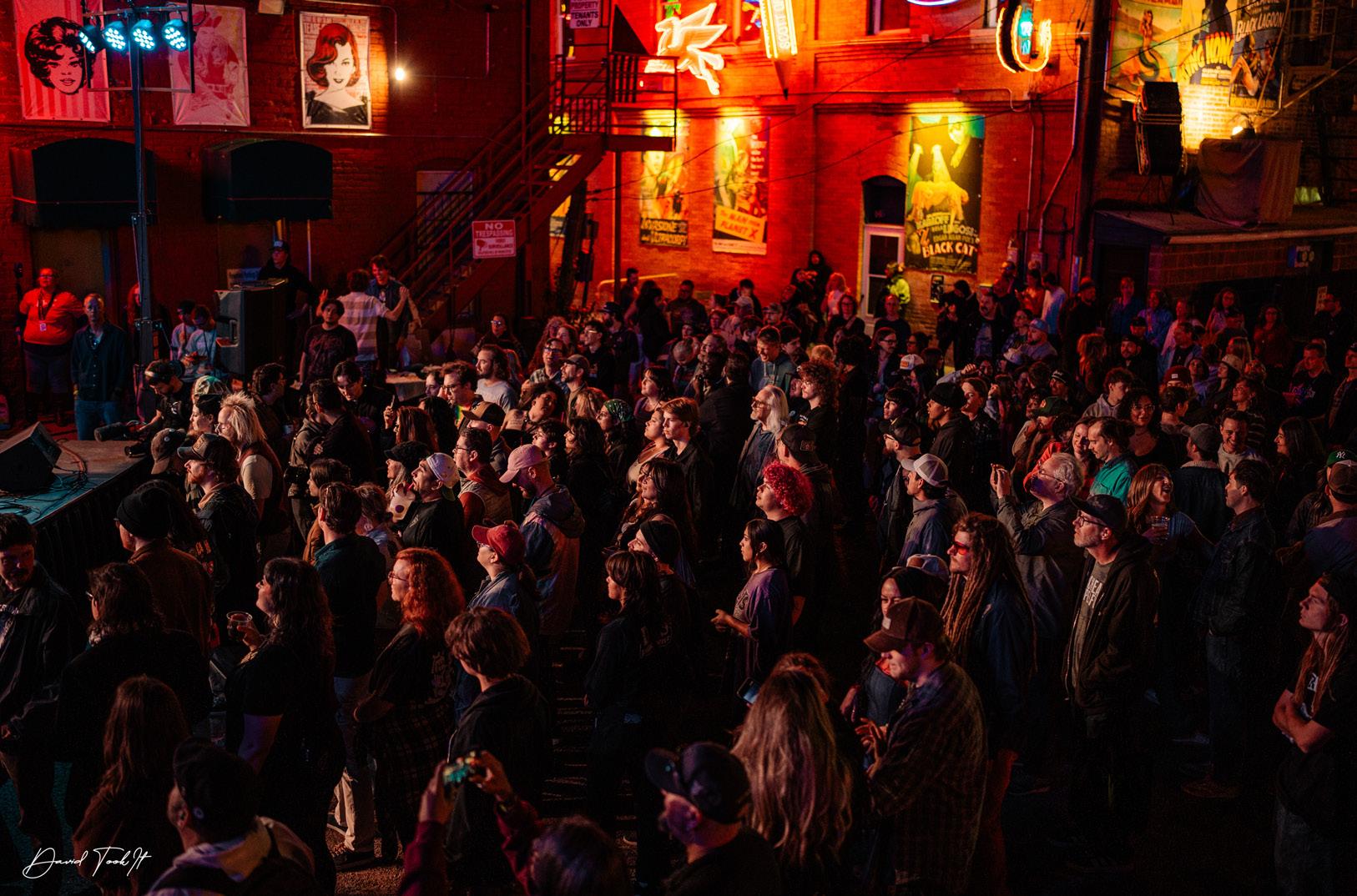
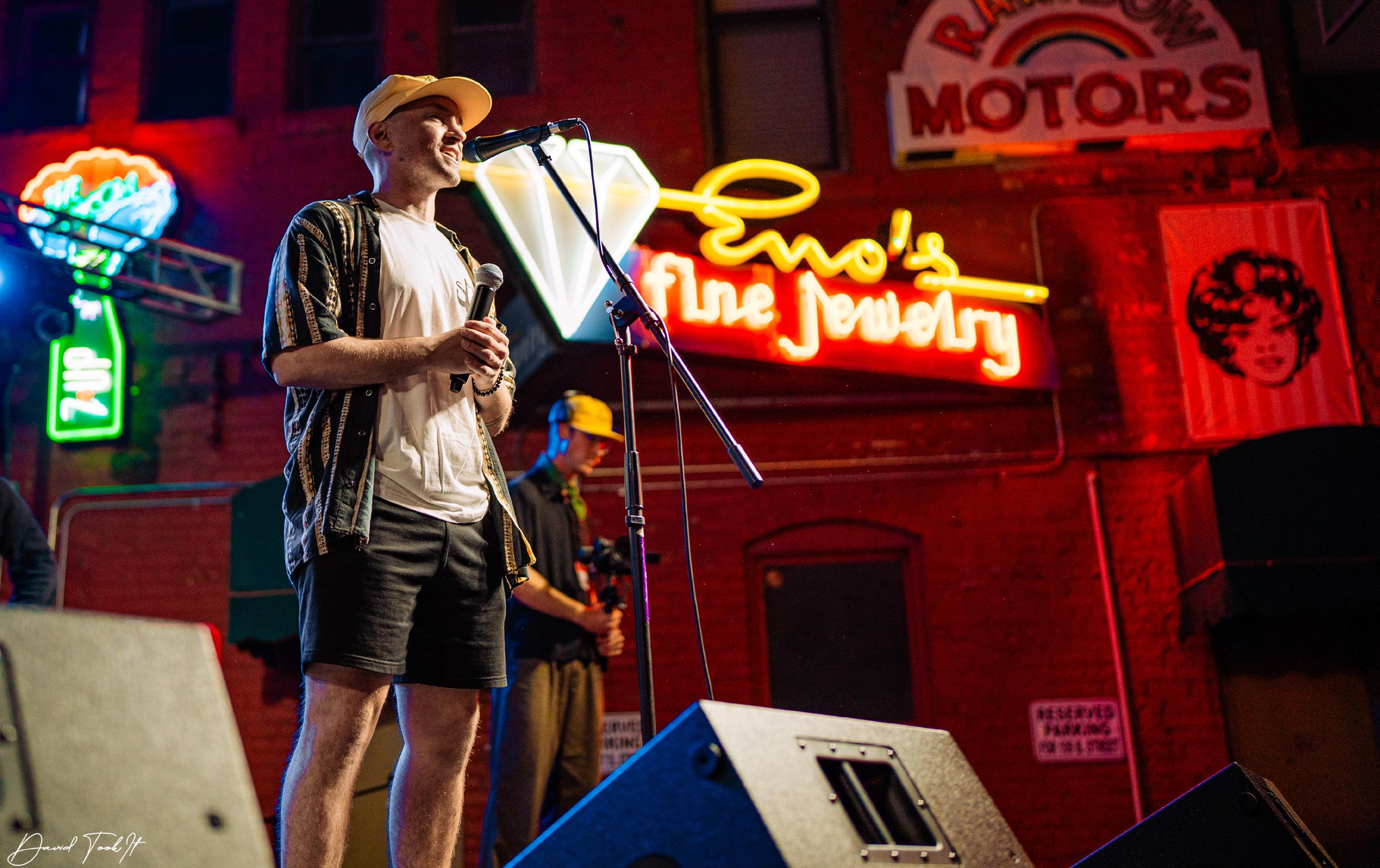
With Steel City Music Showcase, the idea was: How can we turn our city into a little New Orleans for the weekend? How do we give people a reason to show off their hometown?
The festival has become one of the only times photographers, videographers, musicians, restaurants, business-
es, city employees, entrepreneurs, and creatives alike can truly all work together. Collaboration over competition. This year felt like a big step. We had more sponsorship, we became a nonprofit, built a talented board, and we started planning next year the day after it ended. That’s momentum.
PULSE: A lot of people talk about “supporting local artists,” but creating stages, videos, events, and opportunities is much harder. What have you learned about turning good intentions into real infrastructure?
SHOWN: It takes a moderation of ego. You have to be confident enough to take on challenges, but humble enough to know it’s rarely done alone, and that mistakes will be made.
Infrastructure is meant to outlive the people who created it. This isn’t for us. It’s for everybody else. I learned that while working for Wake-Up
Pueblo in 2020. Despite the criticism around how the company was formed, we had a team I was proud of. There were particular projects in the community I’d asked to credit to this new start-up, rather than myself. The disapproval was palpable. “Why would you do that? Don’t you want the credit?” In that moment, I realized we were not all at the table for the same reasons.
But that’s infrastructure. It’s not for you, and difficult to steer in the right direction. A high tide raises all boats. But it takes action. You have to sacrifice to build something that can continue after you, and hope that people aren’t punching holes in your ship as it’s getting built. Protect it.
PULSE: Your recent Rocky-inspired campaign ad used humor, nostalgia, and pop-culture language to tell a local political story. How do you balance entertainment with message
when you’re making something like that?
SHOWN: Modern messaging is built on entertainment. The hook is the headline, but the message has to stay consistent.
Taylor Voss is one of my best friends. I know what he stands for and what he wants to do. I told him he couldn’t just be a suit on screen talking with “Obama hands.” It had to be entertaining, endearing, and it couldn’t just be for people who already knew him.
I would rather film something fun and memorable than another political video of a guy shaking hands and kissing babies. What better way to get people on your side than to make them laugh and do things that resonate?
I also told Taylor I would never attack his opponents. We’re not here to trash
people. We’re here to help where it’s needed. In a political world full of personal slander, be better.
PULSE: Pueblo has a very specific personality — tough, funny, blue-collar, artistic, proud, and sometimes underestimated. How does that Pueblo identity shape the way you film or produce a story?
SHOWN: Growing up in Pueblo was self-deprecating, so for me, it comes back to controlling the narrative. Stay true to your values. Ask questions. Take pride in obscurity.
Authenticity is the best thing you can offer people. Pueblo taught me to be proud of obscurity.
When I moved to Denver, I had to figure out how to stand out in rooms where there was nobody else like me. Interestingly enough, that’s consistently resulted in being a Pueblo advocate. When I’m telling a story, I ask: How does my narrative stand out like no one else’s?
That’s what Pueblo gave me.
PULSE: You produced a short documentary on the Koncilja family, which touches on local legacy and memory. What responsibility do you feel when you’re telling a family’s story, especially one rooted so deeply in Pueblo?
SHOWN: The message outlives the messenger.
Listening is one of the most important things you can do. I grew up four houses down from the Konciljas, but I never really knew them, honestly, beyond Halloween and random life overlap. So, it was an honor, and maybe a bit of a surprise to be brought in.
It reminded me of a video I made for the Weber family. Kevin Weber was
a wonderful man, husband, father, and an ER doctor. When he found out and tragically passed away due to a terminal brain tumor, his wife asked me to document the medical community coming to say goodbye. Due to his illness, he rarely showed much emotion at that time, but the room was full of it. I’d never been so close to grief and love at the same time.
For his funeral, they asked me to make a slideshow. What they didn’t know was that during COVID, I had interviewed Kevin for a separate project. In the clip, he was laughing and talking about how people needed to stay together if we wanted to get through tough times. His family hadn’t seen him smile in months. We got to relive one of the last laughs he ever had, together. That was the first time I was genuinely thankful for what I do.
I learned a lot from that experience. A person, can be considered temporary, but through their work, their message, their lives, I believe they can live time and time again.
How will you be remembered, you know?
With the Koncilja documentary, it was supposed to be five minutes. It became 22. They’ve done a lot.
PULSE: What’s the difference between filming an event and capturing the spirit of an event? At what point does a video become something more than documentation?
SHOWN: For me, it’s always more than documentation.
Being involved is how you capture the spirit. It’s not just about what happened. News focuses on who, what, when, where and why. I’m asking: How did it feel in the moment?
Some filmmakers don’t want to break the fourth wall. For me, that wall doesn’t exist. This is my life too. I’m there because I want to be in that environment, with those people. They have a lot to teach, and me, a lot to learn.
Pretty much every event I cover, and every story I do, is about being involved. My community is my camera. That’s how I connect with people.
PULSE: You’re behind a lot of projects that seem collaborative by nature. What makes Pueblo’s creative community work — and what still needs to improve for artists, musicians, and filmmakers here to thrive?
SHOWN: Pueblo is a two-degrees-of-separation town. That’s one of the best things about it, but it can also be a hindrance.
Collaboration over competition has to continue to improve. You can’t let someone else’s light dim your own. Someone else shining should give you permission to do your thing, too.
One of my favorite things about the festival this year, and frankly one of our biggest criticisms, was that we couldn’t book every artist who applied. Multiple artists responded by throwing their own shows at different venues. Some people were mad. I was thrilled.
That’s exactly the initiative we need. If you didn’t get the opportunity, make your own. I hope every band is booked somewhere, and every venue is booking, but if not? I don’t want to live in the dark. Get out of the shadows and get some sun.
PULSE: When people look back years from now at your body of work — Jolly Mule, Steel City Music Showcase, documentaries, campaign pieces, community projects — what do you
hope they understand about this moment in Pueblo?
SHOWN: It’s all temporary.
I’m trying to create things everybody can share, but that are also uniquely my own. I hope people realize they can chase what they want on their own path, while knowing a lot of others can walk it with them.
In Pueblo, there’s this glass ceiling people operate under. They don’t know where it ends, but they feel it there. I’m hoping to raise that ceiling.
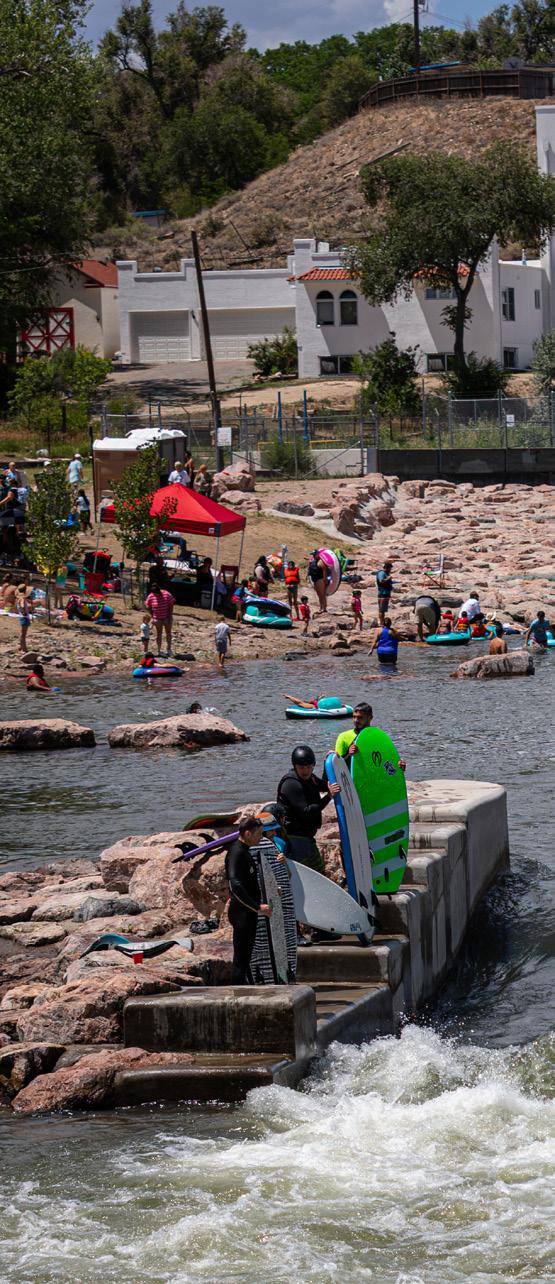
When I’m traveling or shooting, I’m pulling resources and allies I can bring back to my hometown, people to my people. And conversely, I’m bringing my hometown to them. Make the ripples, ride the waves, and
donate a surfboard, or two.
How long can we keep this up? How many people can we support along the way? And how high can we push that ceiling?
* * *
Shown’s work is rooted in the belief that everything is temporary, but the right story can outlive the moment that created it. Whether documenting a family legacy, building a music festival, producing a campaign ad, or turning his own life into a creative experiment, he returns to the same ideas: authenticity, collaboration, pride, and responsibility. For Shown, Pueblo is not a place to escape or apologize for. It’s a source of character, humor, grit, and creative possibility. His camera gives him a way to
enter rooms, connect people, and leave behind something that matters. And as Steel City Music Showcase grows, Jolly Mule continues, and more artists find their own stage, Shown’s larger goal becomes clear. He isn’t simply recording Pueblo’s creative moment. He’s helping push it higher, one story, one stage, and one unlikely connection at a time.
@photos.scs
@jimmyjet24 @photos.scs
@jimmyjet24
@photos.scs
@nathanscott_shot
THE FARMSTAND 50
GRAssroots GRAvel RolLS THrough PueblO COUNTY’’S AgricultuRAl Heartland
by FORD GRANADA
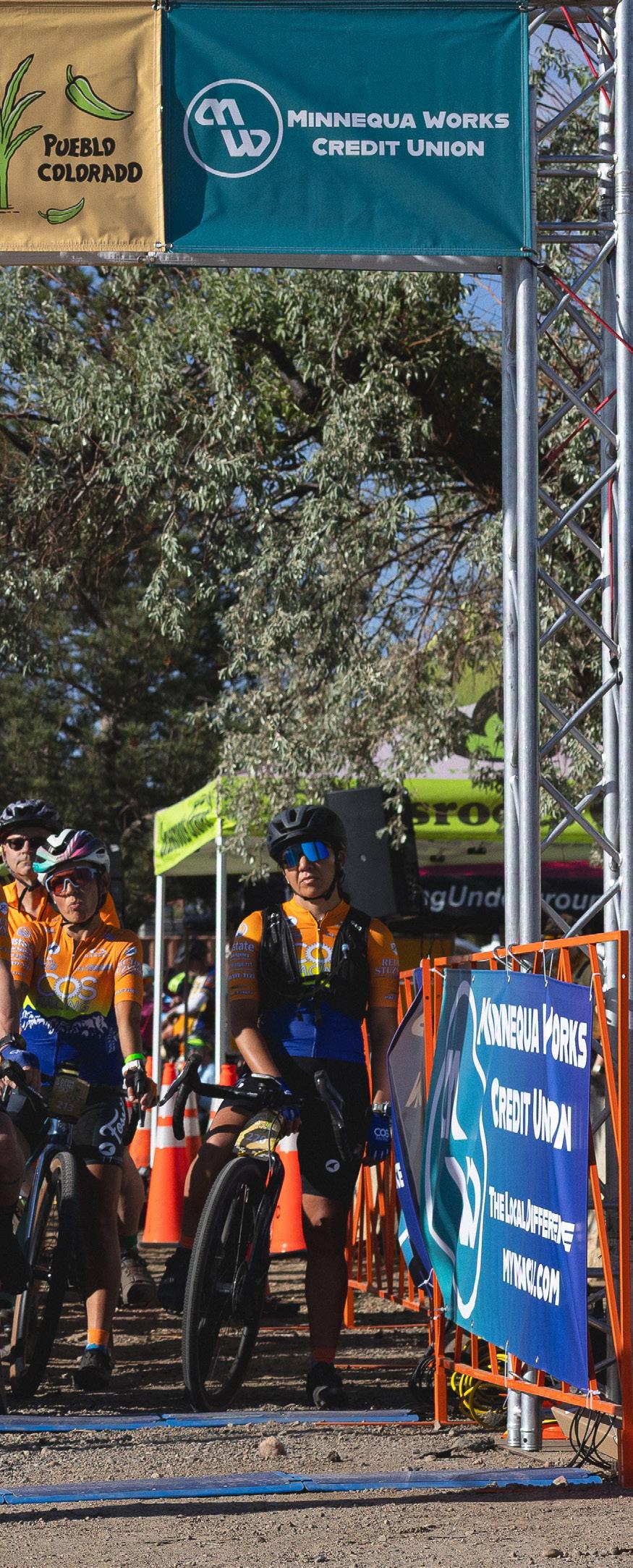
Around mile 35, I came to the grim realization I was grossly underprepared. The inner thigh cramps felt like I was being drawn and quartered. I had to dismount from my bike, a Specialized Rockhopper 29er slightly modified for gravel riding, and walk off the cramps. My Camelback was almost empty, and I had one packet of energy gel left.
3 miles to the next aid station, I thought.
After several minutes, I got back in the saddle and started pushing pedals, but without much effort or the muscles would twitch again. I reached the last aid station almost 4 hours in. I dismounted, laid my bike down, and walked like I was on stilts to the aid tent.
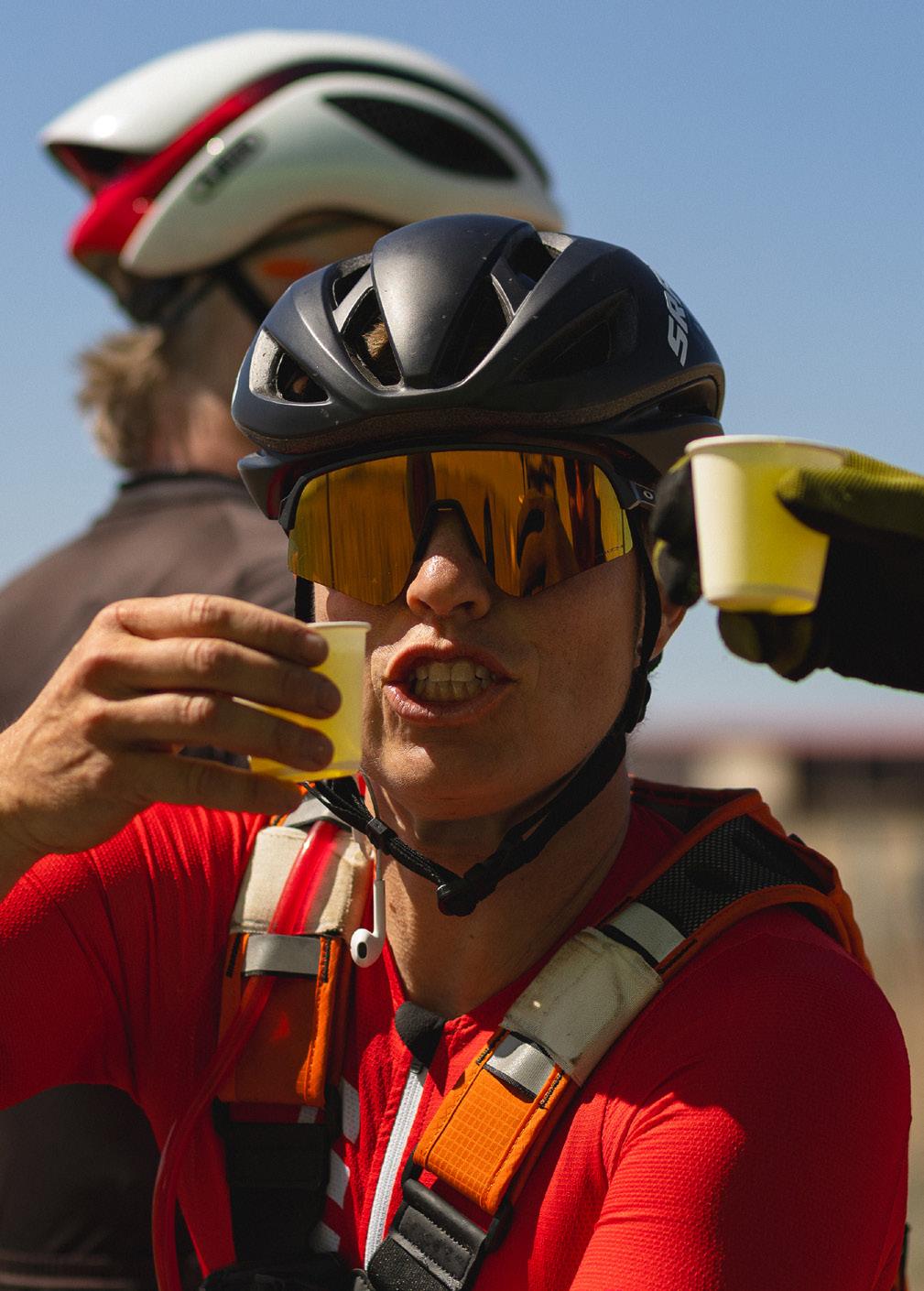
“Pickle juice shots right here!” a volunteer said.
I took 1. Took 2. Took 3. Her eyebrows raised above her sunglasses.
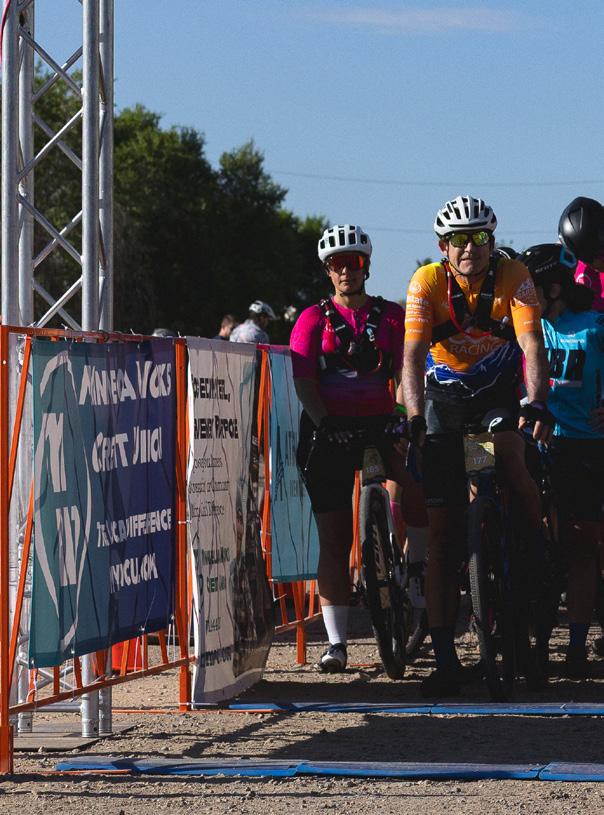
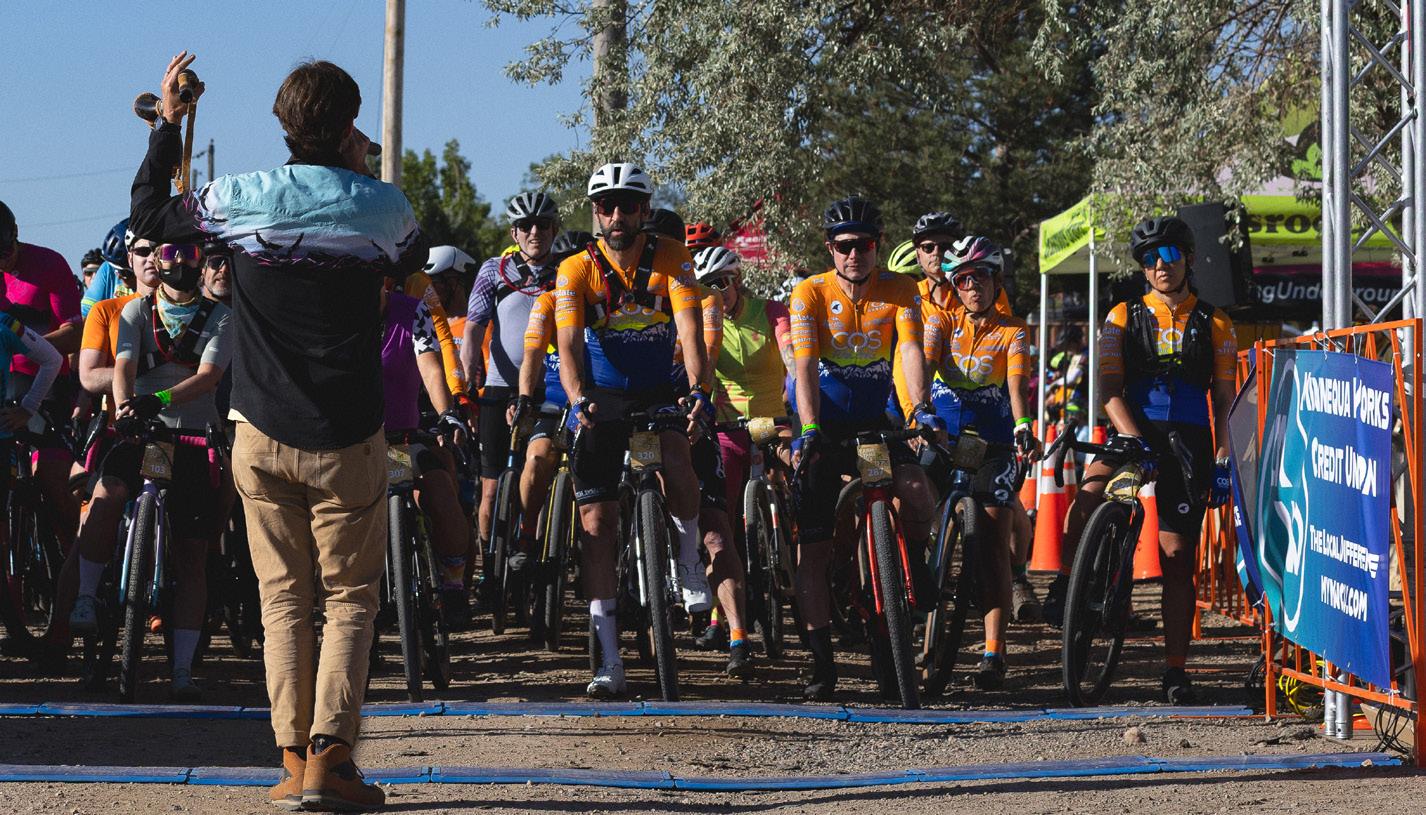
10 minutes later, I was back in the saddle ready to rock. By that time, the majority of competitors had already finished. The winner, Chad Matteson with COS Racing, clocked in at 2:25:15.
Even my 17-year-old son beat me by an hour. However, as I rode past the parking lot on the final stretch to the finish line, I saw him splayed out in the back of my Tacoma, shirt off, asleep, empty jug of orange juice by his side. I chuckled, which only set off my inner thigh cramps again. Instant Karma.
I pushed through to the finish line, right at hour 5. I was in the back of the pack, but my purpose was to finish. I haven’t done an endurance sport like this since the Army—and that was 30+ years ago.
I crossed the checkered flag a bit hot. By then my forearms were also cramping, so I couldn’t brake hard enough and damn near ran over Adam Davidson, founder of the event.
“How do you feel?” his enthusiasm was as contagious as ever.
“Freakin’ awesome!” I said.
That’s the world Grassroots Gravel invited me into with the debut of the Farmstand 50, a new 50-mile gravel race through Pueblo County’s agricul-
tural heartland. Held May 24th and based around the St. Charles Mesa area, the inaugural event gave riders a course that was not simply a loop on a map, but a moving portrait of Pueblo’s farming country, rural roads, and local history.
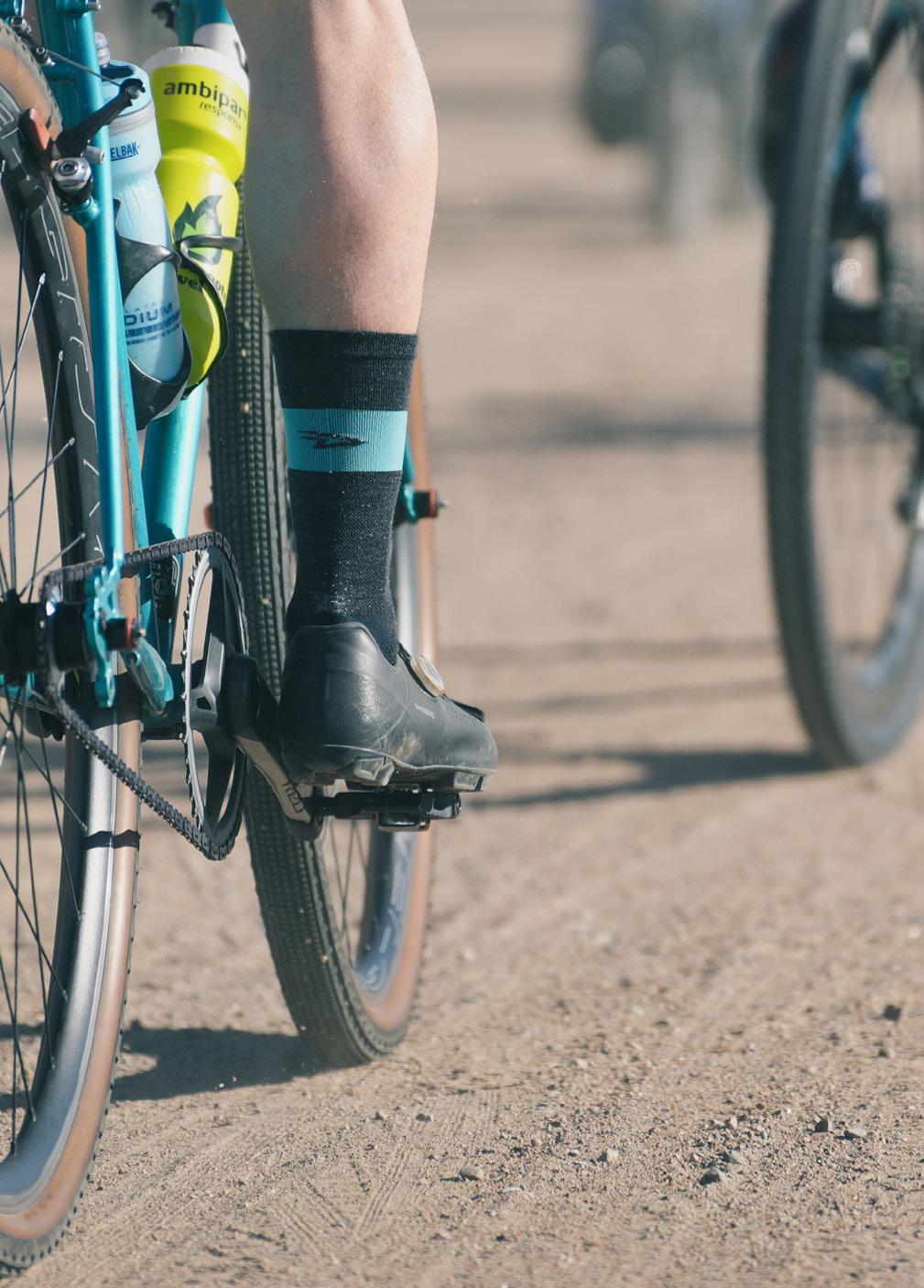
For readers new to the sport, gravel riding is a hybrid between road cycling and mountain biking. It usually happens on unpaved rural roads, where riders encounter packed dirt, crushed gravel, sand, small rocks, washboard, and the occasional stretch of asphalt. It can be competitive, casual, fast, slow, peaceful, or— as in my case—punishing. But what can I say? I’m a hardcore Rocky fan. I find the punishment to be a challenge.
Gravel riding’s popularity in Pueblo County has grown exponentially recently. That’s due to 3 factors. A well-planned gravel ride needs open country, interesting roads, and a supportive community. Pueblo County has all 3.
Grassroots Gravel, the Pueblo-based cycling organization best known for its larger October event, has built its reputation around an inclusive version of endurance cycling. Its events are designed for experienced racers, first-time riders, and everyone in between. Farmstand 50 continues that same ethos, but with a more focused concept: one distance, one start, and one big loop through The Mesa, an area long tied to Pueblo’s agricultural identity.
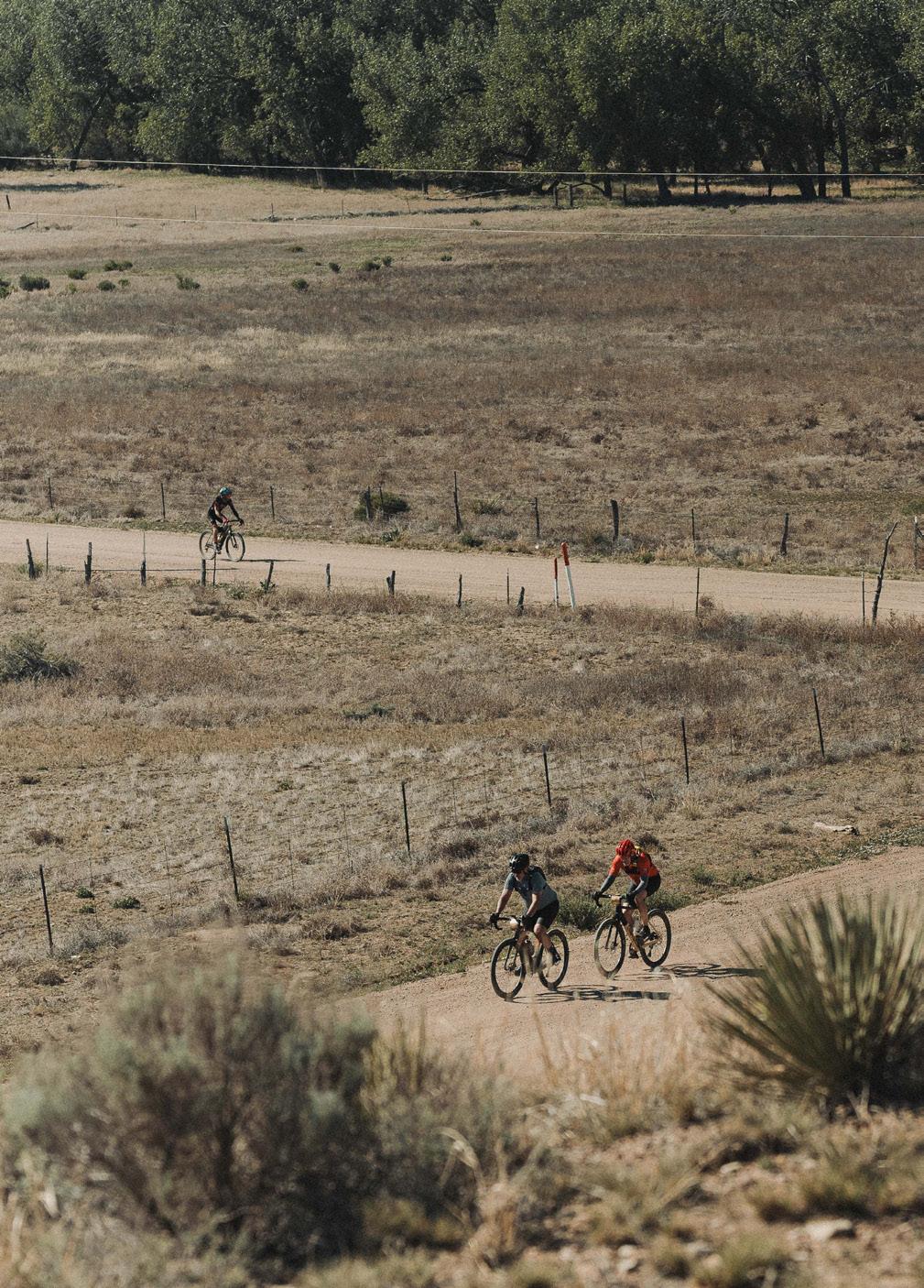
The course is exactly what the name promises: 50 miles, with about 1,000 feet of elevation gain. In Colorado cycling terms, that’s relatively gentle. There’s no massive climbs, no technical sections, and no need for riders to be elite athletes. But don’t take it the wrong way. 50 miles on gravel is a serious day on a bike, more serious than I certainly took it. And this is Col-
orado, so the weather can be dynamic, changing throughout the day.
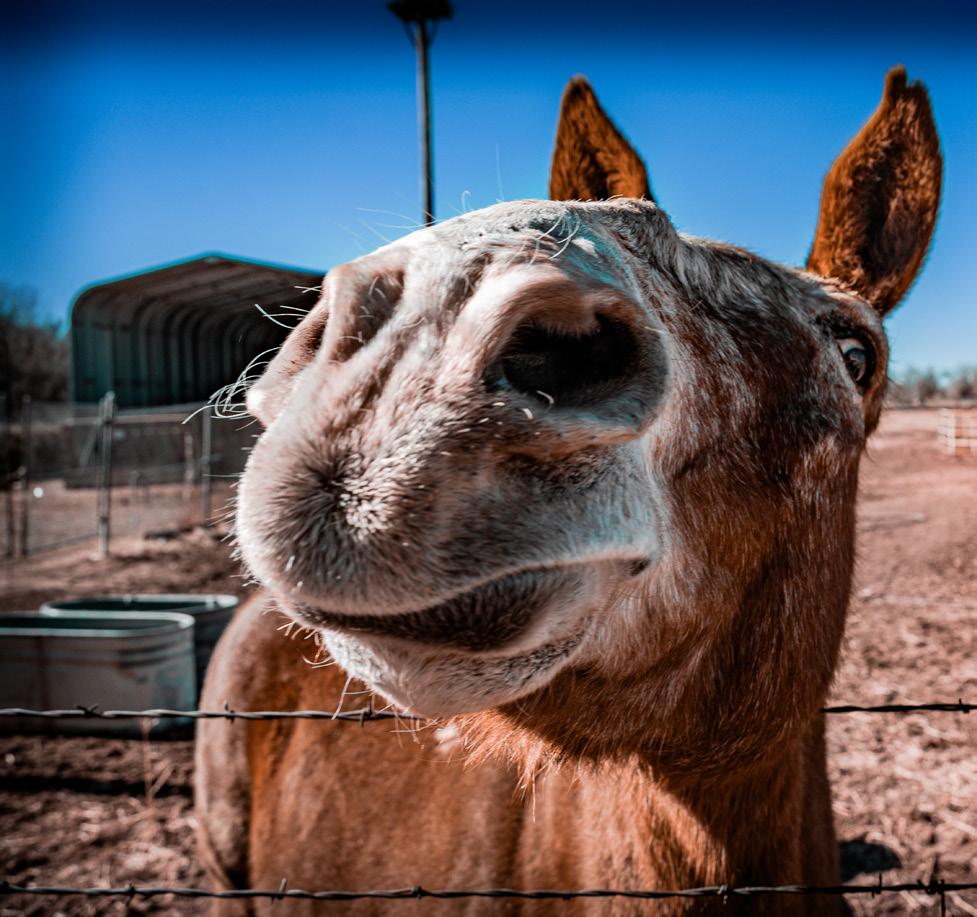
The Farmstand 50 route is beautiful. It passes through working agricultural land, with riders moving alongside farms and ranches of all sizes. The course highlights a landscape many locals know: open sky, chile fields, distant mountains, the occasional donkey, waving farmers, tractors and farm equipment standing like abstract sculptures against the horizon.
The historical layer of the course makes the race feel especially fitting for Pueblo County. It gives riders a reason to look up from their handlebars and understand where they are. Our county’s story has always been tied to labor, land, food, and movement. Steel built one part of Pueblo’s identity. Agriculture built another. Farmstand 50 leans into that second story, putting riders directly into the region that grows some of Pueblo’s
most recognizable flavors, including the famous Pueblo chile.
In this way, Pueblo County is unique. It has its own terrain, its own history, its own culture, its own weather, its own grit and gravel.
The inaugural event sold out, with riders from all over the state and beyond. It gives Grassroots Gravel a spring counterpart to its larger October race weekend, creating another opportunity for riders to discover Pueblo County from the saddle.
And for our community, it’s another step in the right direction: build events that welcome visitors, showcase the community, and make room for every pace and every body. The Farmstand 50 may be new, but the ingredients are as old as Pueblo: determination, resilience, long dirt roads, deep roots, expansive horizons, and just enough spice to make people come back for
more.
I certainly will be, inner thigh cramps and all.
@s_tribby
SEEN & SCENE
CONTriBUTOrs
DAVID ARMENTA
David is one of Pueblo’s signature photographers. David’s work is instantly recognizable. His use of light, both natural and artificial, is what makes his work pop, as well as his use of warm tones. David’s contributions have been fundamental to our success. Check out more of his work on Instagram:
@davidtookitco
MILLIE LUNA
Millie Luna grew up in Montana, where she enjoyed practicing and studying art in the middle of Charlie Russell country. She currently enjoys acrylics and multimedia, hanging out on the Arkansas levee, and is working on learning photography. Missy is a Mental Health therapist and is married to artist Francisco Luna. They have four adult daughters.
@missy.sarf
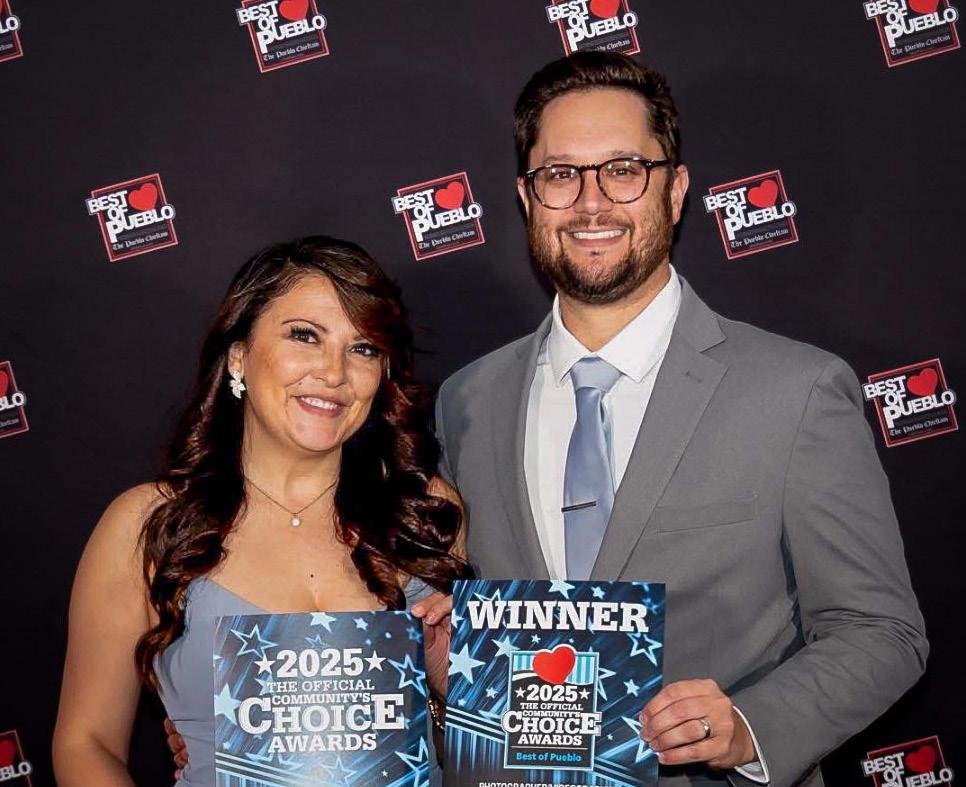
LEPIK PHOTOGRAPHY
From weddings and senior portraits to small business projects and documentaries, Lepik Photography has cultivated more than a business—they’ve built a practice rooted in connection, collaboration, and community pride. This dynamic duo was awarded the 2025 Best of Pueblo for Photography/Videography!
@lepikphotography
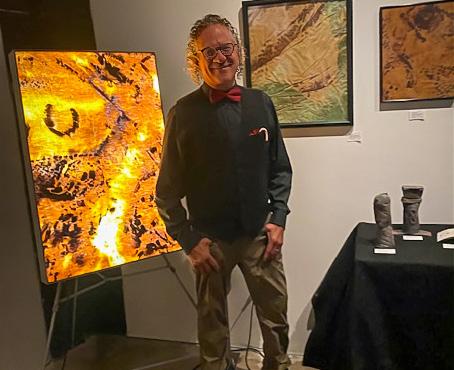
JIMMY JET ROSSI
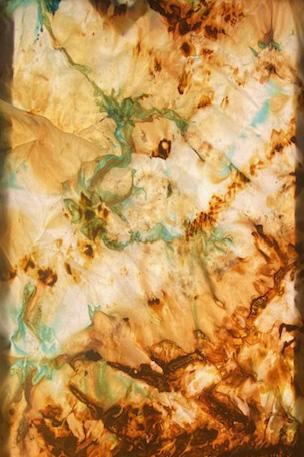
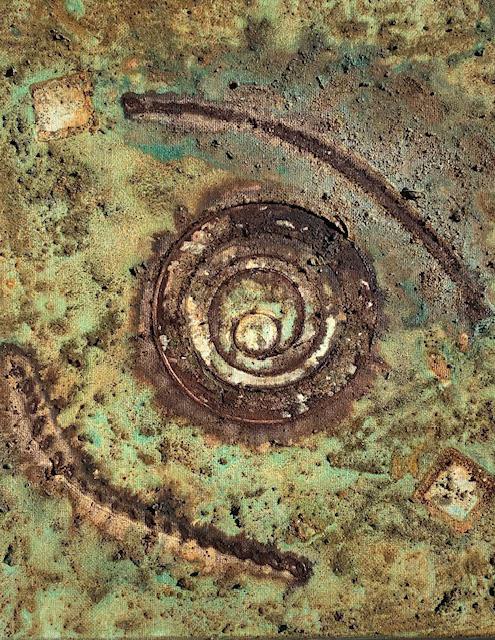
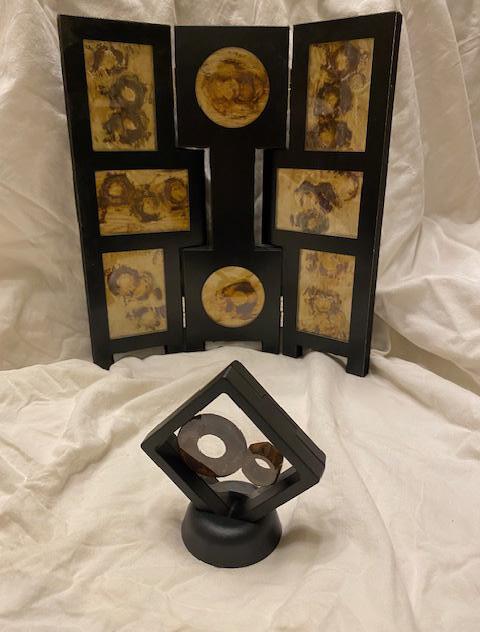
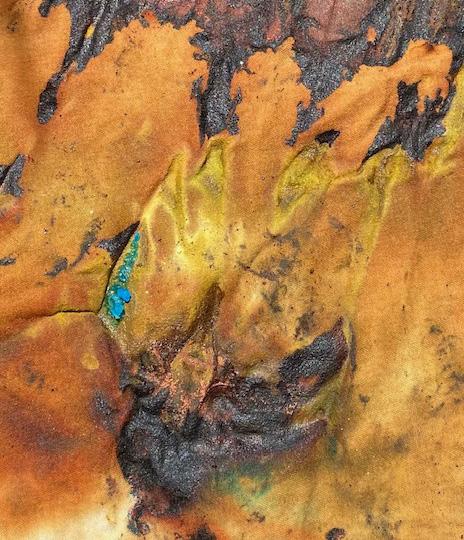
Jimmy creates art (many pieces lit from behind) using rust-imprinted cotton, linen, and satin, along with copper sulfate and other chemical reactions. He also incorporates various salts, sugars, vinegars, copper sulfate, bronze, and other metals to imprint onto his canvases. Varying degrees of heat, light, suffocation, burial, and photosynthesis also affect the outcome of each piece.
@jimmyjet24
STEVEN SPENCER
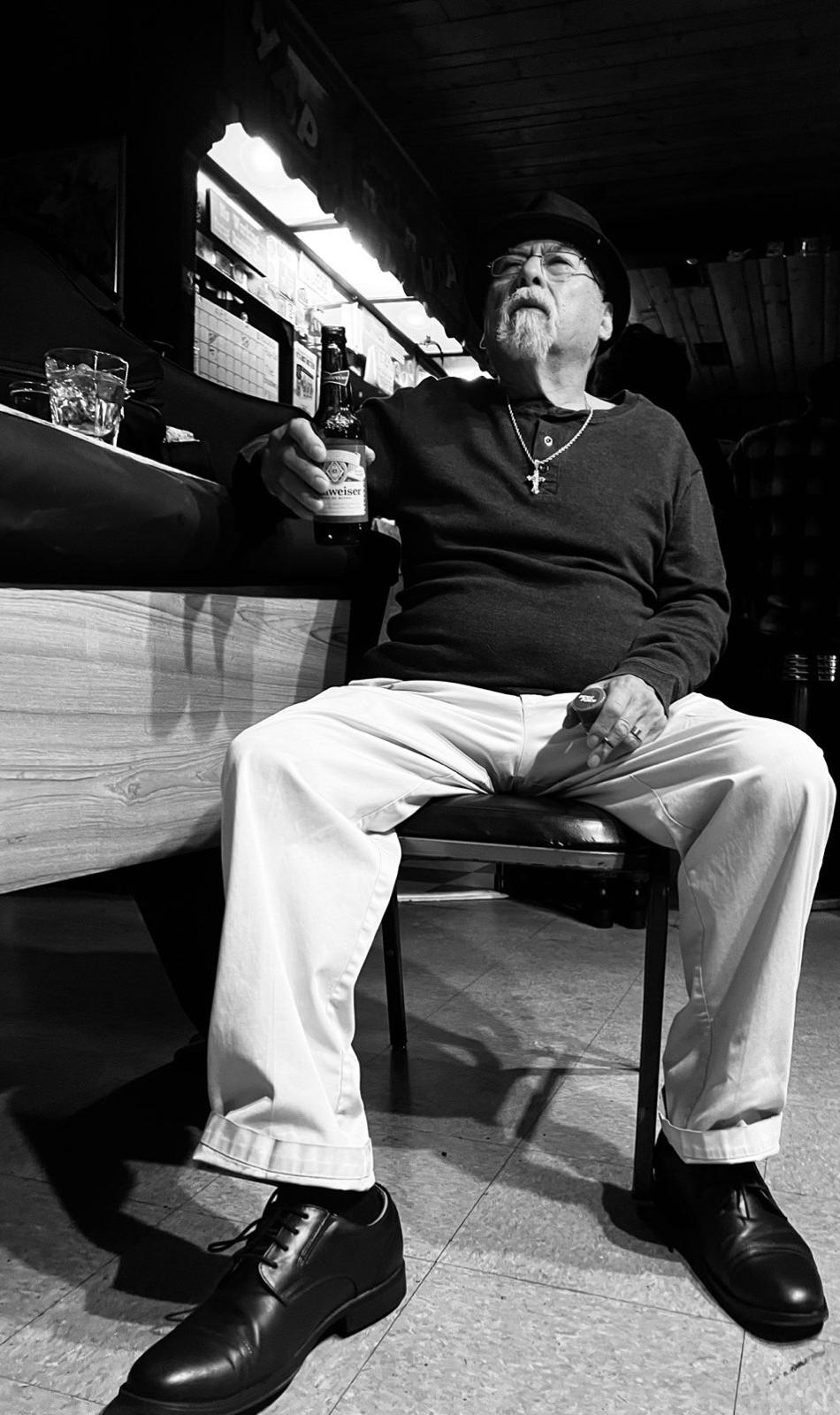
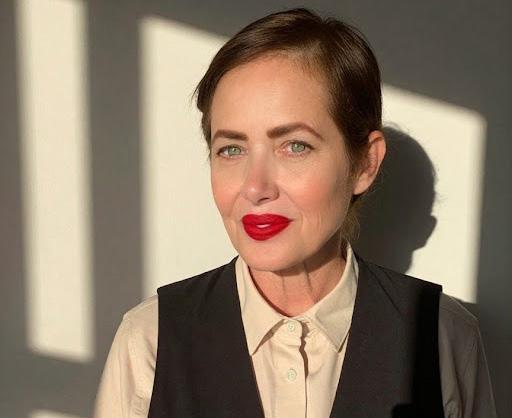
Steven is a retired veteran with a master’s degree in film, bringing a disciplined eye and storytelling mindset to everything he creates. As a photographer, he focuses on capturing moments with intention, blending technical skill with narrative depth shaped by both service and cinematic training.
@photos.scs
NATHAN BRIGHT
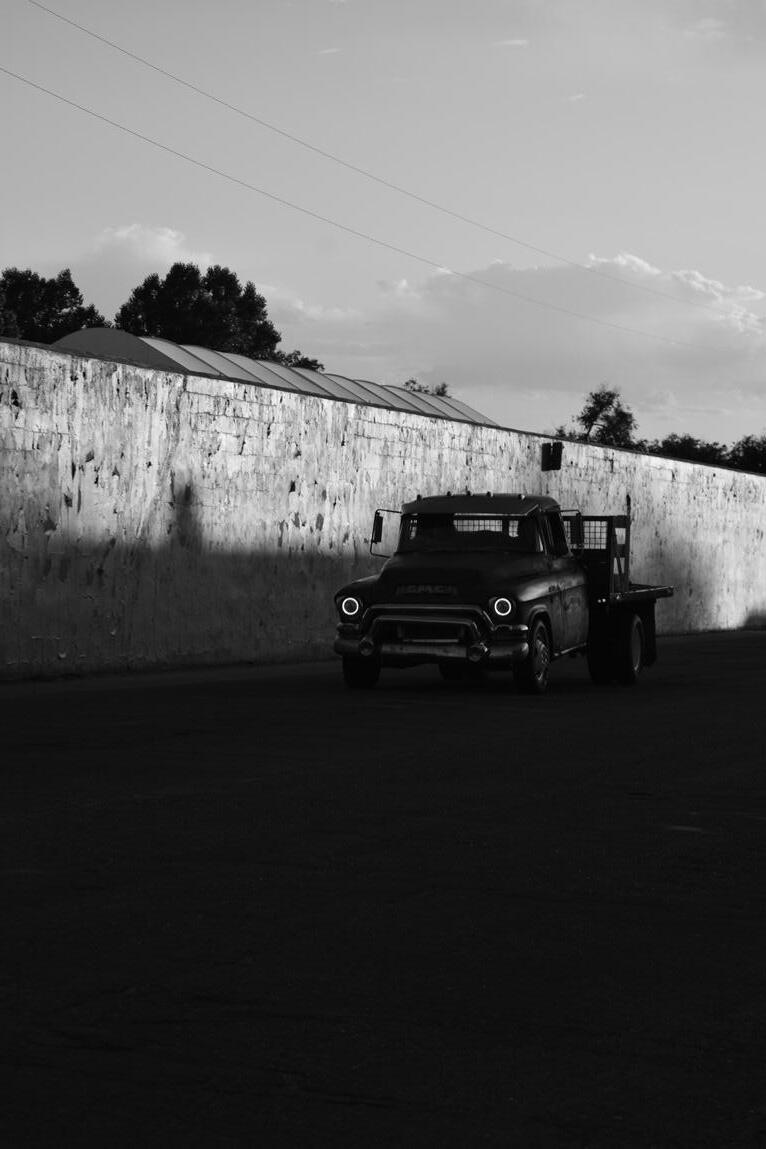
Nathan is a photographer and former print journalist who approaches digital photography through a distinctly analog lens. Being colorblind, he shoots almost exclusively straight-out-of-the-camera in both monochrome and color. His creative process relies entirely on finding “in the wild” vintage lenses hunted down at local thrifts, yard sales, and estate sales. You can find other works on Instagram:
@nathanscott_shot
CONTriBUTOrs
BRYAN RIVERA
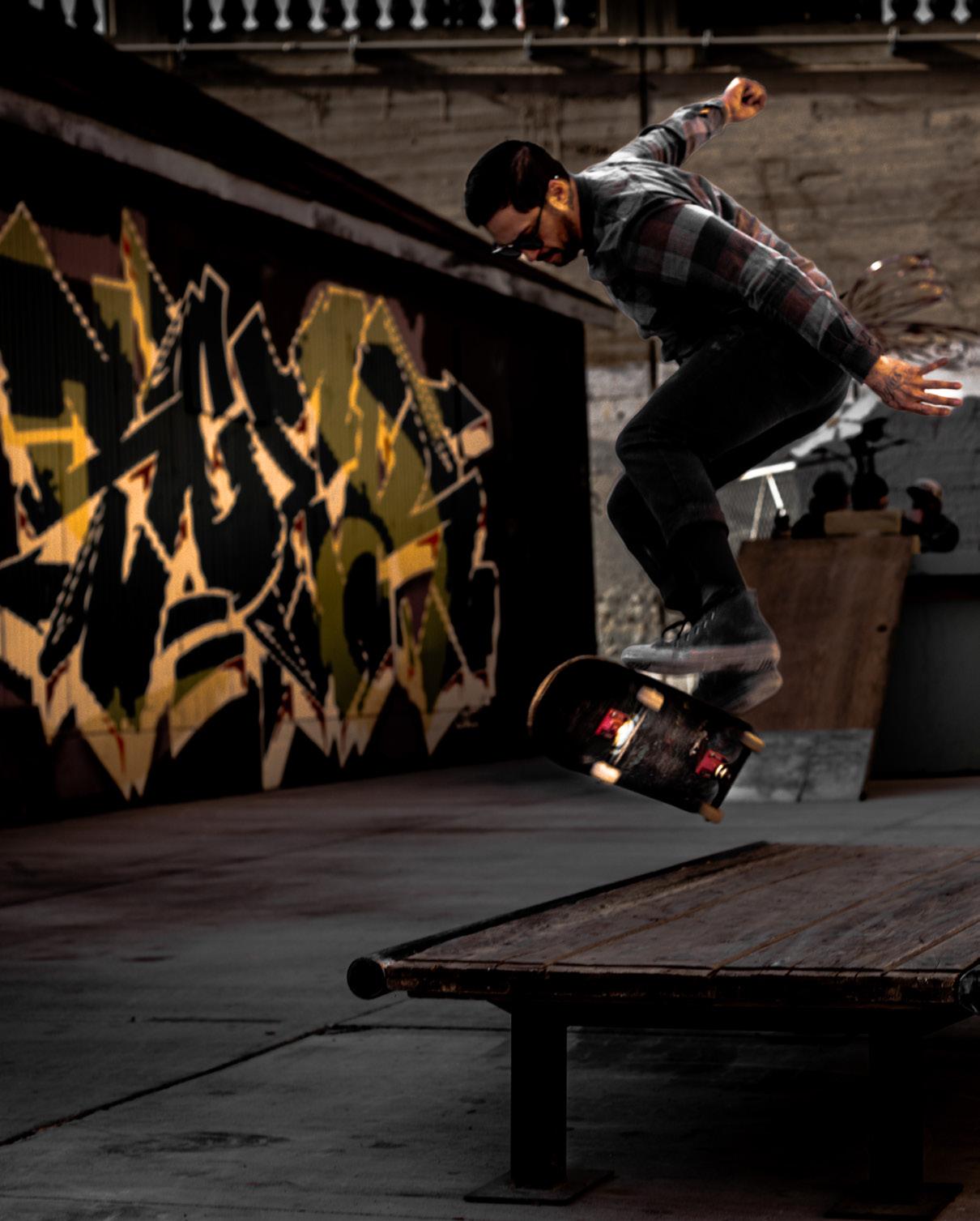
Bryan is a Pueblo skateboard advocate, artist, and concrete-and-wood craftsman whose work sits at the intersection of public art, youth outreach, and skate culture. His work with Morning Star Creations and 34 ORPHANS reflects a simple but powerful belief: Pueblo’s underused spaces can become places where kids, skaters, cyclists, artists, and neighbors gather, move, create, and belong.
@morningstarcreations
FORD GRANADA
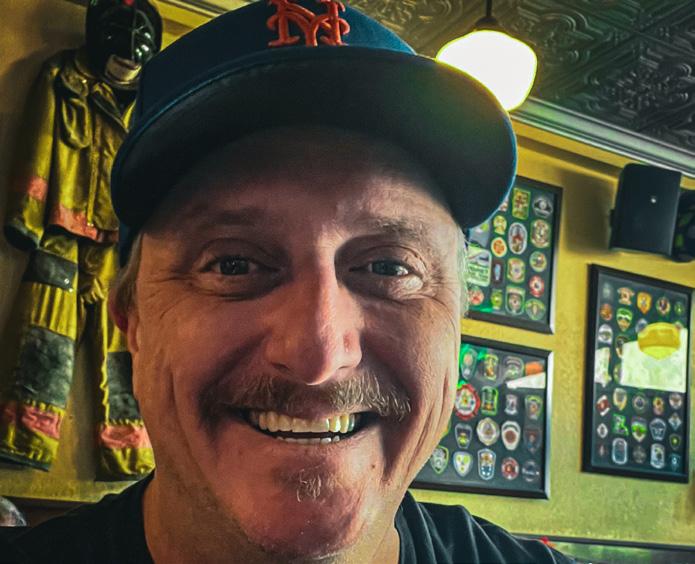
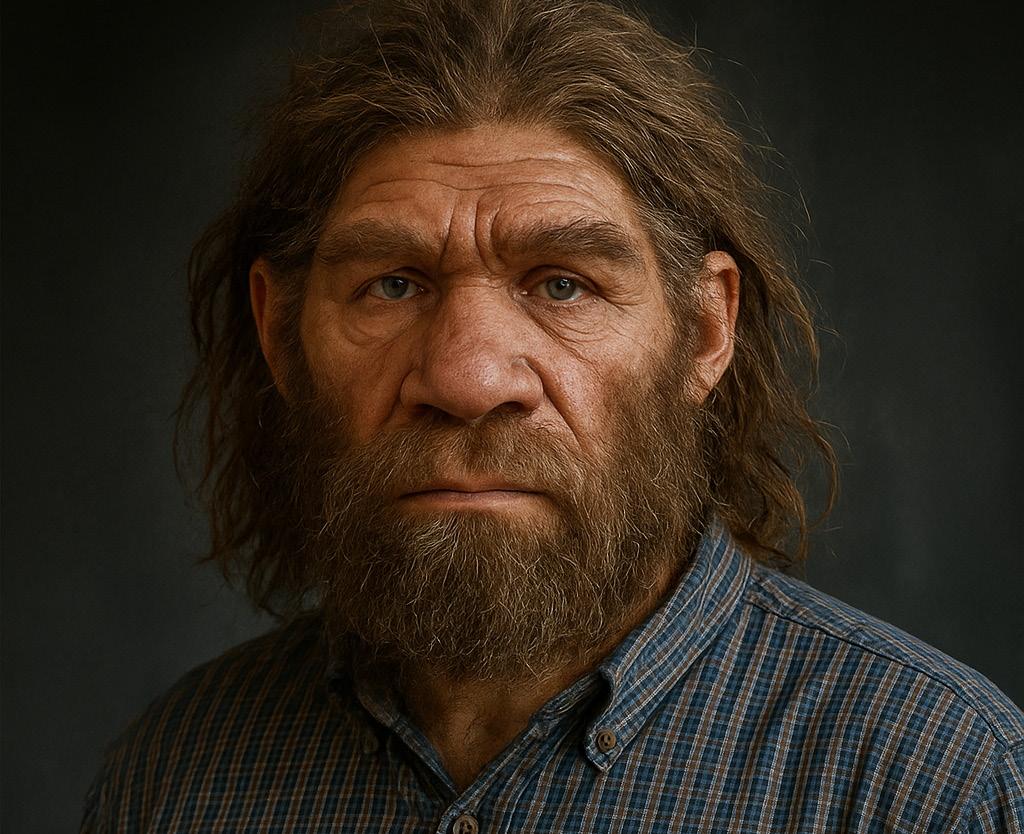
The bastard child of Rocky Balboa and Forrest Gump, Ford is a Neanderthal. He refuses to assimilate. He pounds the typer with his fists. His eloquence puts a walrus to shame. He lives a life like no other. When he’s not creating visual and written content for Pueblo County Pulse, he’s fooling around with his creative experiment: THE LIFE AND MISADVENTURES OF FORD GRANADA.
@screamsfromthetrees
UNALOME PHOTOGRAPHY
Unalome Photography, LLC focuses on portraits, events, and restorations. Based in beautiful Pueblo West, they serve all of Colorado.
@unalomephotoart
CALL FOR SUBMISSIONS
PUEBLO COUNTY PULSE IS NOW ACCEPTING CREATIVE WORKS FROM LOCAL CREATORS! PHOTOGRAPHY