Summer Readiness Means Storm Readiness
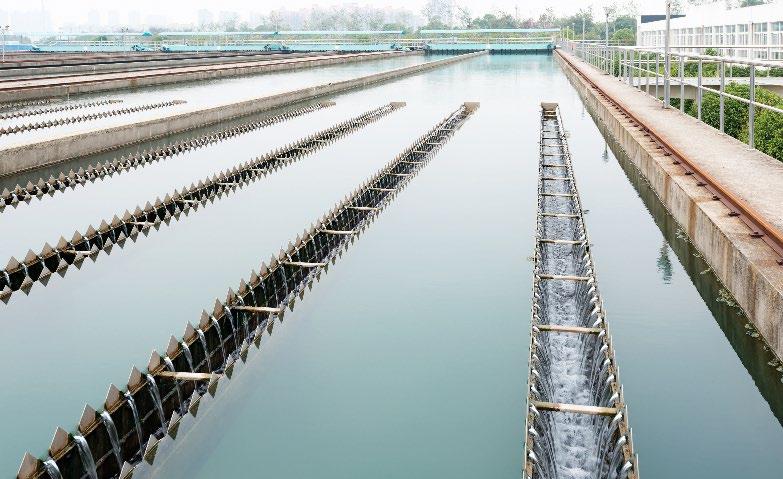
The Big Picture. Summer brings higher water demand and severe weather risks. Prepare now to reduce disruptions later.
Start with Your Systems. Check pumps, tanks, and lift stations Test backup power sources Confirm staffing coverage. Ensure records and emergency contacts are current.
Think about Your Customers. Clear, simple messages build trust. Prepare notices for maintenance, emergencies, and conservation reminders.
Prepare for the Unexpected Summer weather can change quickly. Keeping up-to-date equipment, staff, and communication plans in place reduces downtime and supports faster recovery.
Balancing Rates and Affordability: A Growing Priority
Customers feel it. Ignoring affordability can lead to late payments, complaints, and customer resistance.
Lead with empathy. Acknowledge that bills are a concern for households. Keep language simple and avoid technical jargon. Focus on what customers receive, not just what they pay. Safe drinking water, wastewater treatment, and environmental protection are essential services that depend on reliable funding.
Be transparent. Explain why increases are needed, where the money goes, and what improvements customers can expect. Use clear examples and relatable comparisons. Share timelines so customers know when to expect increases and improvements
Make the conversation two ways. Invite questions, listen to concerns, and respond consistently. Early outreach reduces surprise and builds understanding.
Offer solutions. Highlight payment options, assistance programs, and steps customers can take to manage usage. Even small actions can help customers feel more in control.
The bottom line is simple. Affordability and financial sustainability move forward together when utilities communicate clearly, listen actively, and lead with transparency.
Helping Customers Manage Higher Summer Bills
Higher summer use can mean higher bills and a little outreach goes a long way. You have many ways to reach your customers, including bill inserts, posted notices, conversations, and websites.
Encourage simple actions: Adjust watering schedules, check for leaks, and avoid midday irrigation.
Quick Checklist:
Flag unusual usage
Add bill messages
Share water saving tips
Post notices in common locations, such as town halls or payment offices
Train staff on key messages
Explain payment options
Provide a phone number for questions and billing support
Start early
Providing proactive customer support is an important part of delivering reliable, customer-focused utility service
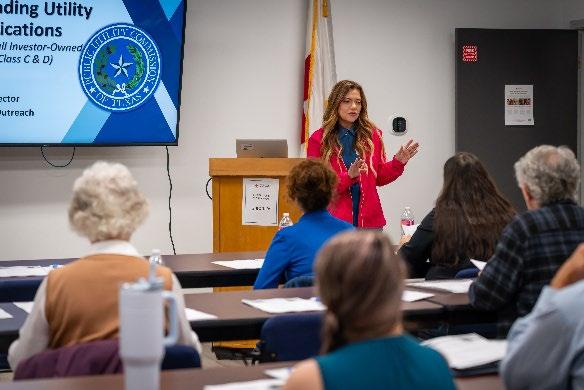
Free Financial Records and Basic Bookkeeping Workshop for IOUs
The PUCT is offering free, hands-on financial training for small and rural investor-owned utilities an easy way to strengthen bookkeeping, compliance, and long-term stability.
• What is happening: Free training for operators, owners, managers, and utility staff.
• Focus: Financial recordkeeping and bookkeeping skills.
• Why it matters: Strong finances improve decisions, support compliance, and boost stability.
• When: August 19, 2026, from 12:30 to 4:30 p.m. South Plains Association of Governments 6811 Indiana Ave., Suite B Lubbock, TX 79413
• Operator Certification: TCEQ license holders will receive credit hours for attending.
• Register Now: Click on Free Registration Financial Records and Basic Bookkeeping for Water/Sewer IOUs and Check the Faucet Facts page for the latest information.
Join the Conversation
We value your input! This newsletter is about sharing information and creating a dialogue. If you have questions, feedback, or topics you would like to see covered, we encourage you to reach out.
DUO is committed to helping retail public water and sewer utilities understand, navigate, and achieve regulatory compliance with the PUCT. DUO@puc.texas.gov