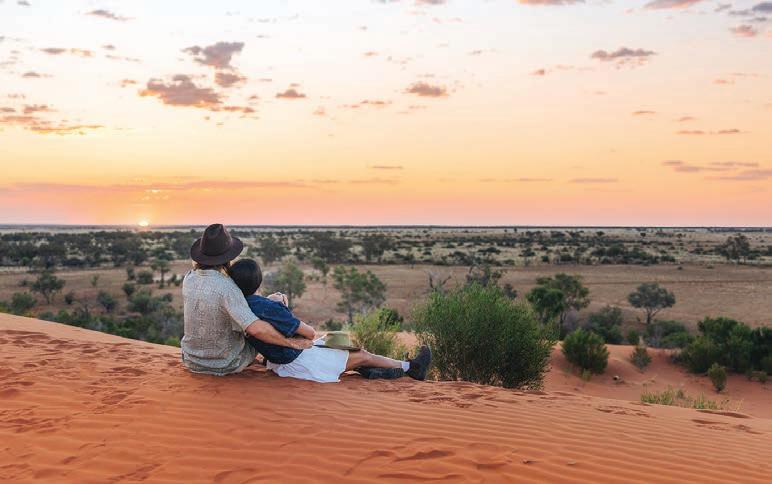
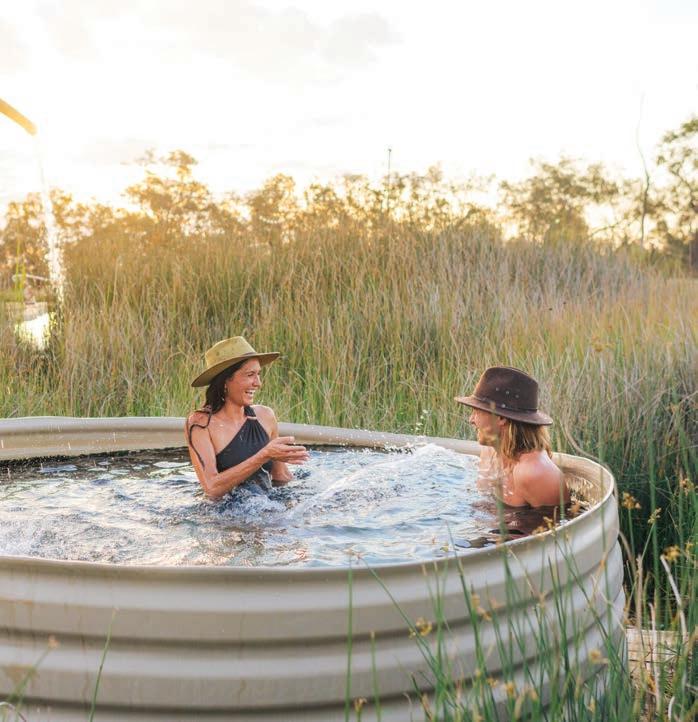
As winter well and truly settles in across Australia, there’s a unique opportunity to experience regional destinations in a new light, where crisp mornings, open landscapes and hearty flavours from local produce create memorable escapes.
This edition invites you to explore the charm of Mildura and Wentworth, our cover destinations, where the Murray and Darling rivers meet against a backdrop of rich history and vibrant food and wine. From winter activities in Albury to cosy cellar doors in the Yarra Valley, just 45 minutes from Melbourne, there is something special to discover at every turn.
Further afield, uncover boutique NSW distilleries, embark on warmer adventures in Far North Queensland, or enjoy the clear skies and mild days that make Outback Queensland an ideal winter destination. With more than 50 destinations across the network, Rex is here to take you there.
At the heart of these journeys are the communities that make each destination so distinctive, and we
are grateful for the opportunity to support them beyond providing essential regional and remote connectivity. Through initiatives such as the Raising Horizons Program, and by assisting the Queensland Symphony Orchestra to bring live performances to Charleville, we are proud to help expand access to opportunity and cultural experiences across regional and remote Australia.
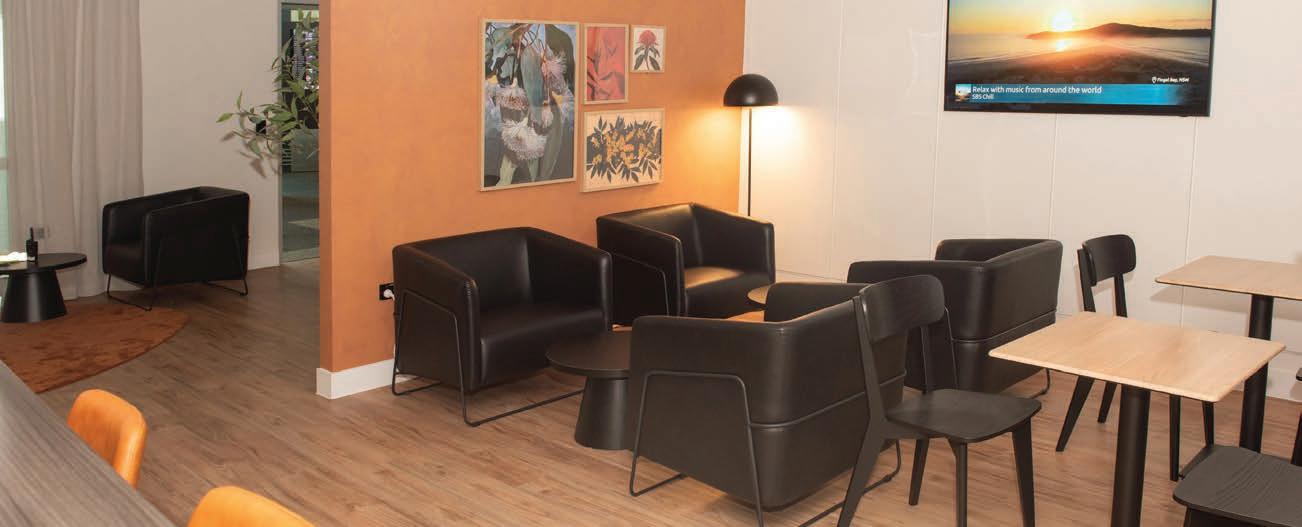
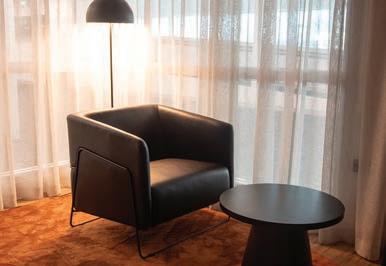
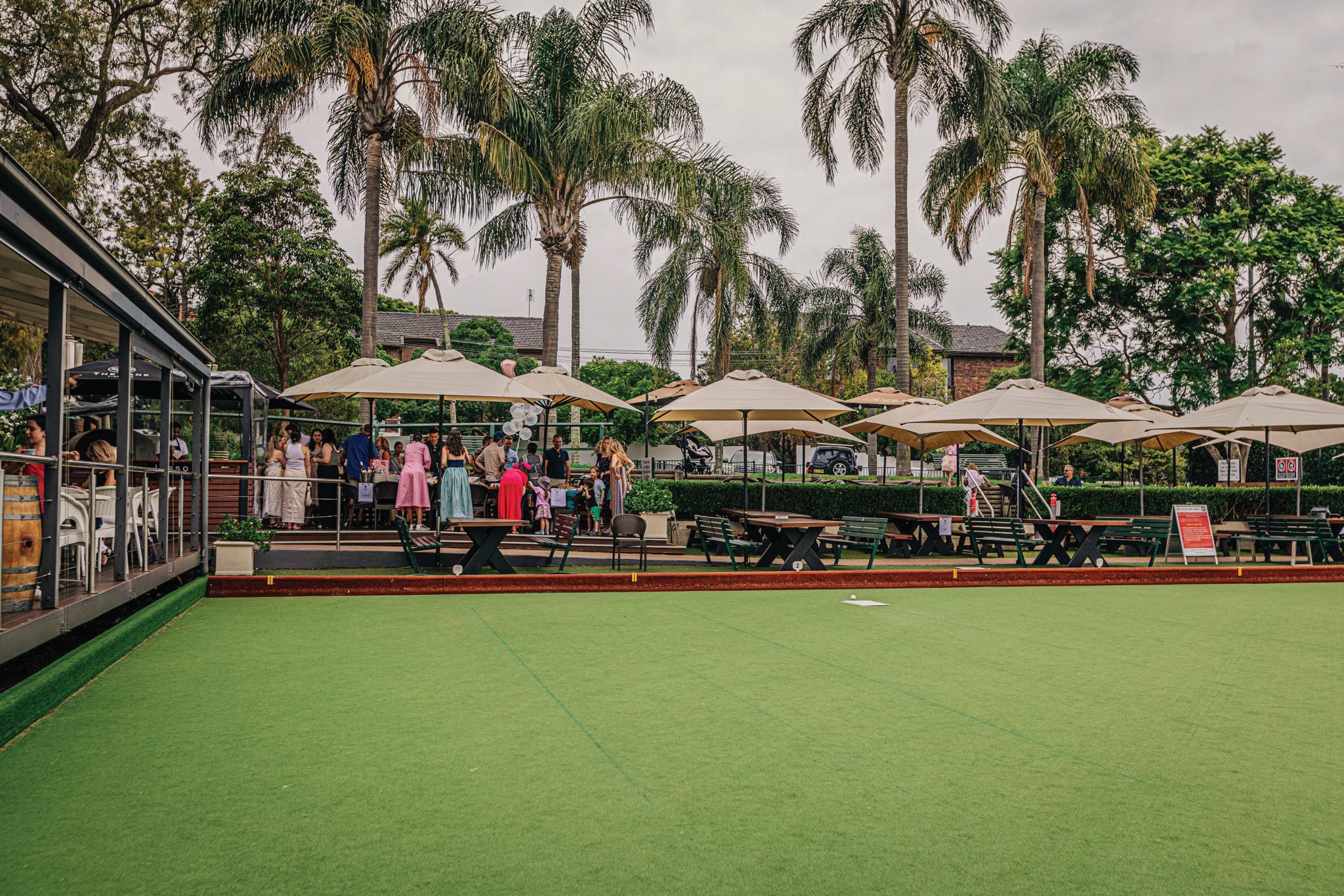
In exciting news for passengers travelling through Sydney, I‘m also pleased to share that our temporary lounge facility at Sydney Terminal 3 is now open. Aptly named the ‘Rex Lounge Room’, the space has been thoughtfully designed to deliver a warm, distinctive and quietly confident aesthetic that reflects Rex’s unique identity and genuine heartfelt hospitality.
To all our valued passengers, thank you for your continued support. We look forward to welcoming you on board again soon.
Printcraft 37 College Street, Hamilton, Qld 4007 printcraft.com.au
Truly Aus is published by AusBiz Pty Ltd, (ABN: 78 621 375 853 ACN: 621 375 853) 3 Westleigh Street, Neutral Bay, NSW 2089 rex.trulyaus.com
The reproduction of any content, in whole or part without prior written permission by the publisher is strictly prohibited. Opinions expressed in the content are those of the contributors, and not necessarily those of the publisher. All information in this magazine was believed to be correct at the time of publication, and all reasonable efforts have been made to contact copyright holders. Ausbiz Pty Ltd cannot accept unsolicited manuscripts or photographs. If such items are sent to the magazine, they will not be returned. We apologise if we don’t get back to your email, as we do receive a large volume of communication via various online channels. Some images used in TrulyAus are from iStock and Getty Images, and we make every effort to credit all contributors.
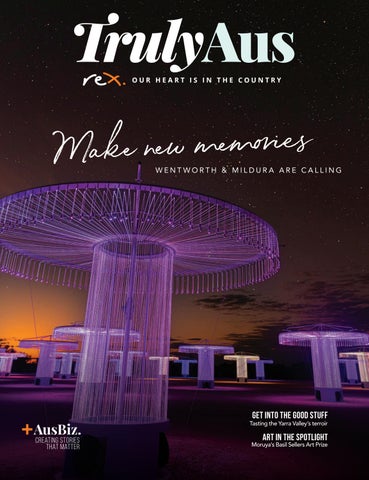
Make new memories
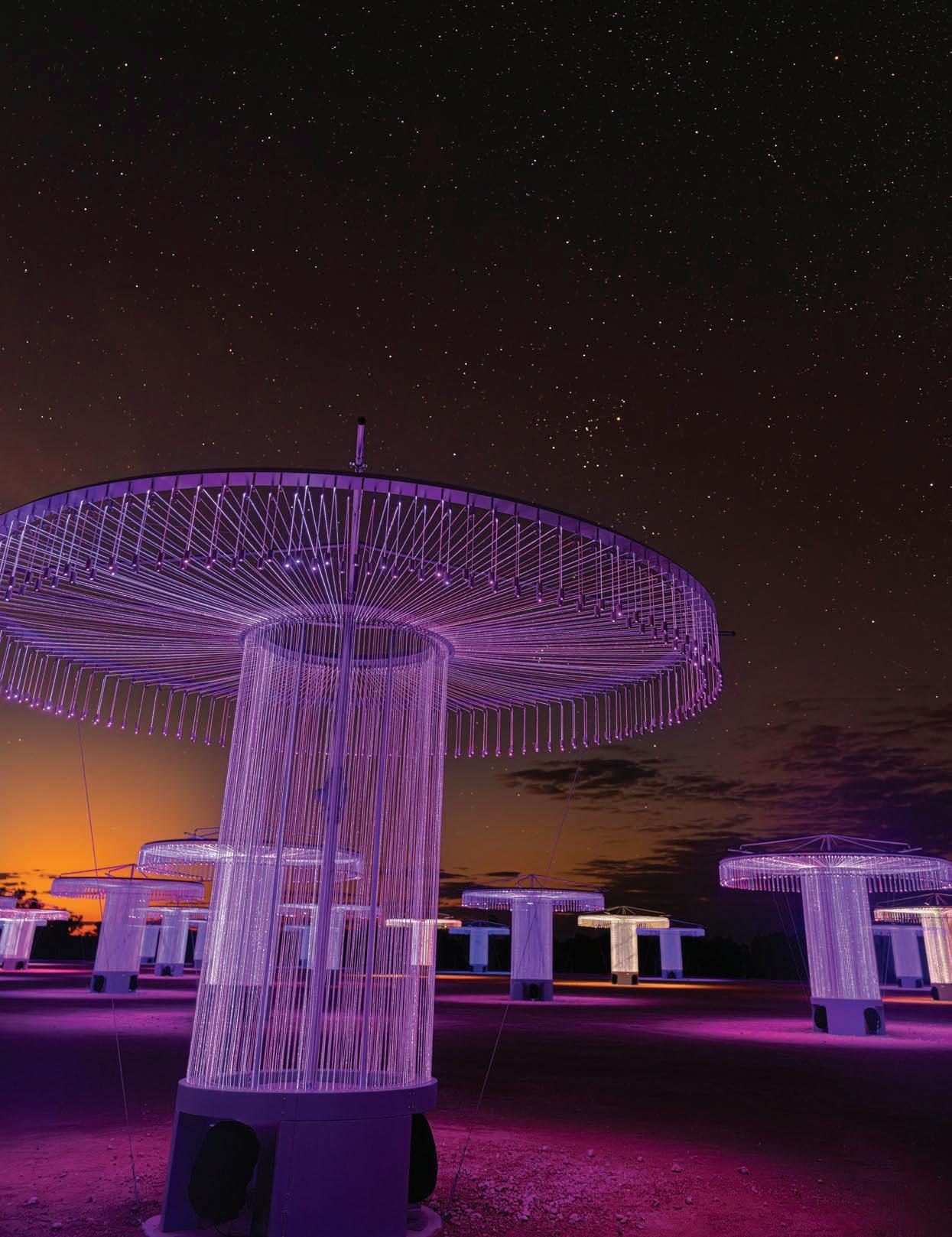
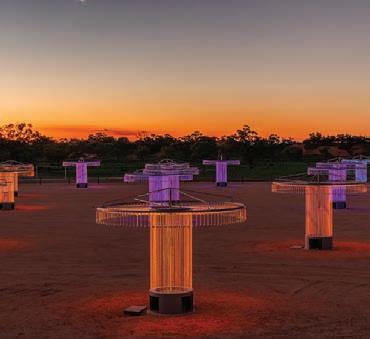
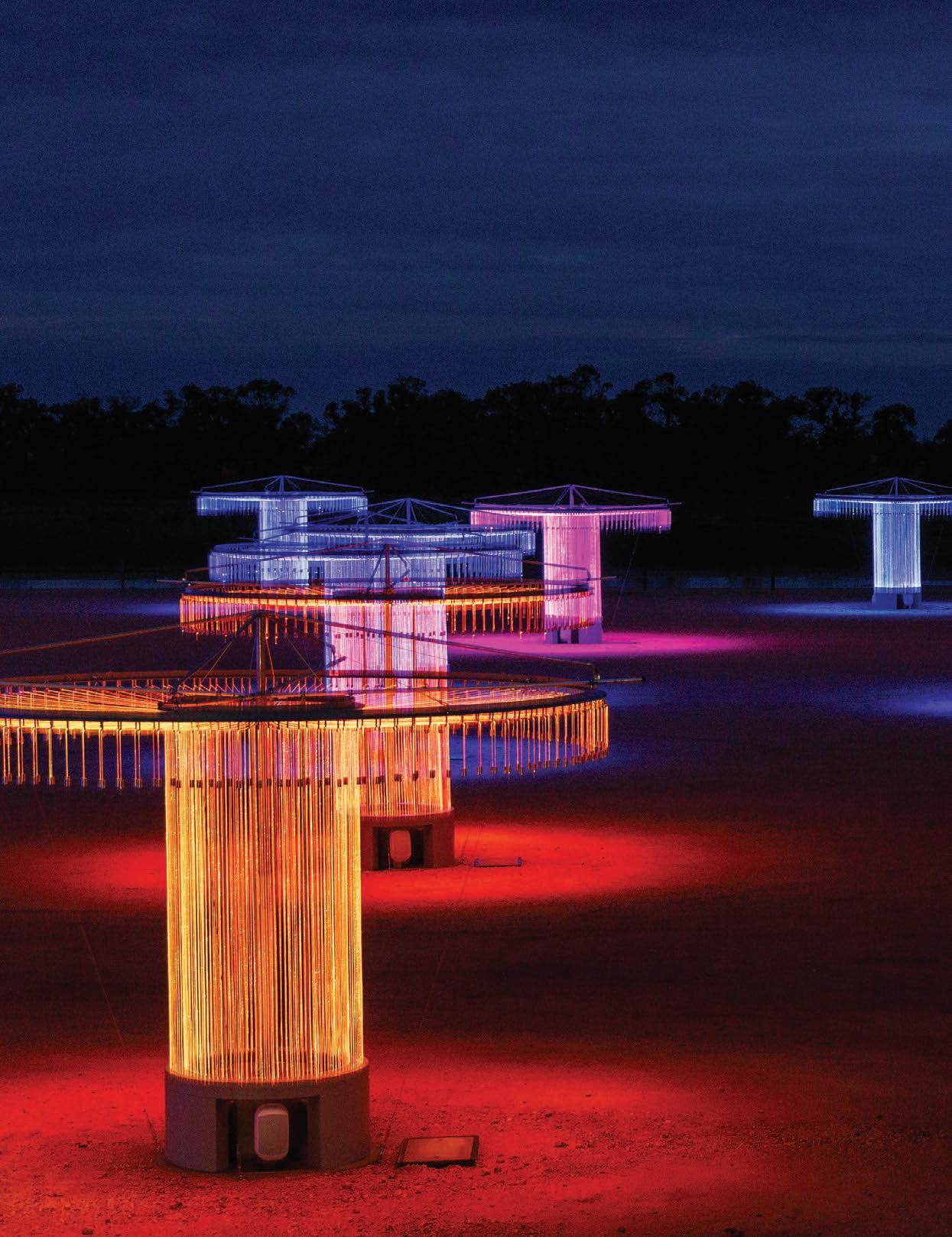
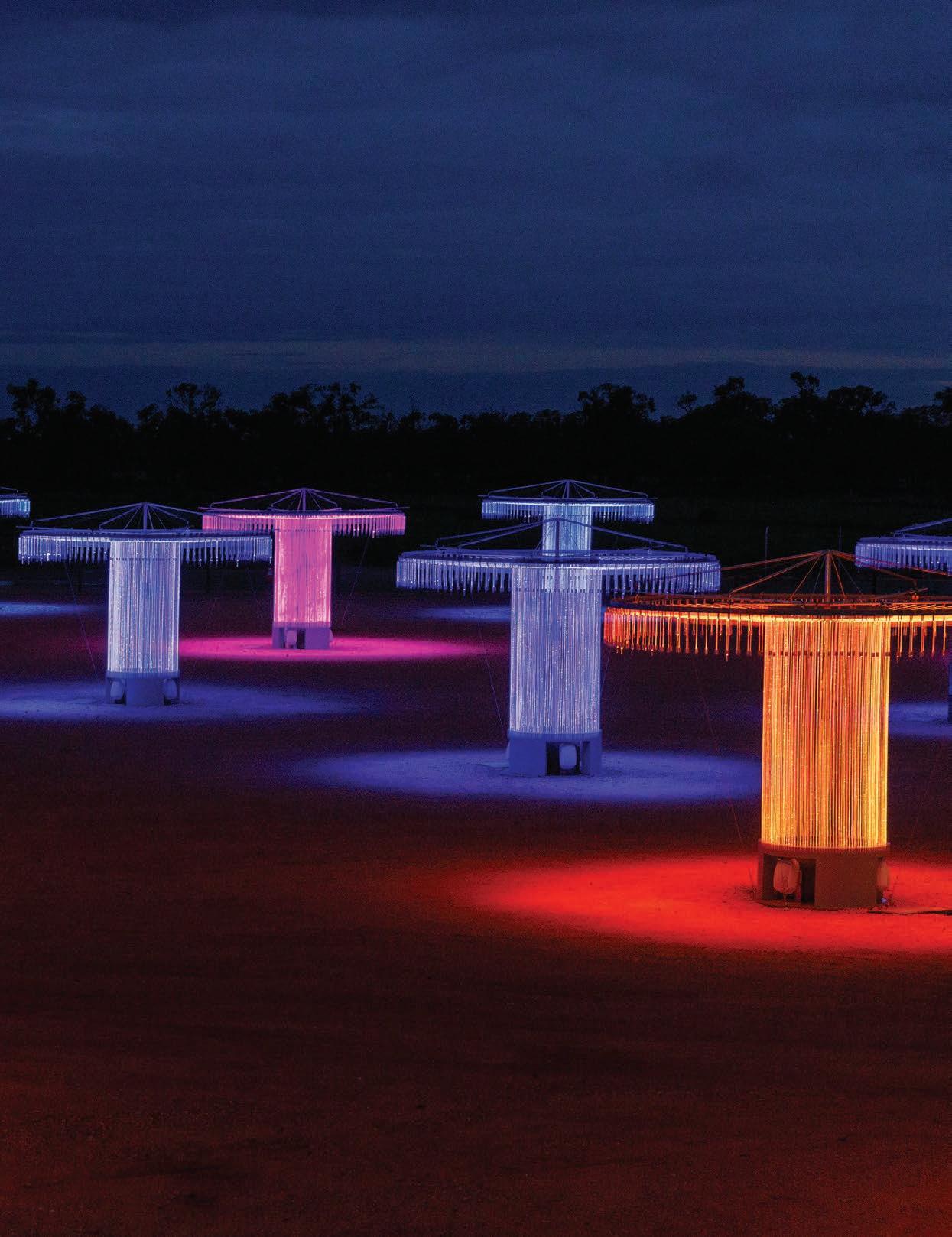
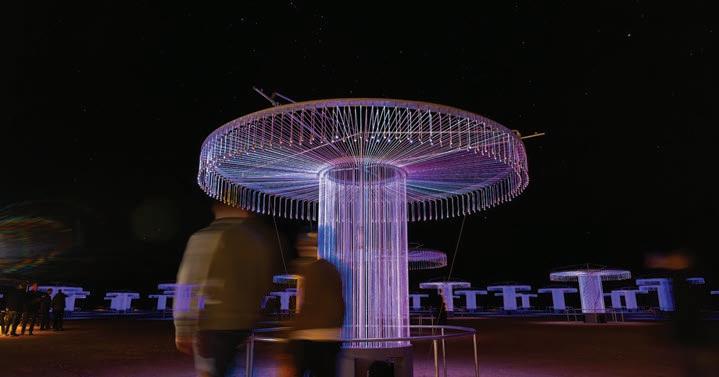
Cover photo: Bruce Munro’s Fibre Optic Symphonic Orchestra (FOSO) in the Perry Sandhills near Wentworth.
Inside TrulyAus
18. Dining down at Sydney Harbour
From CBD sophistication to French elgance, Sydney’s culinary scene is sensational.
24. Dive into Mildura and Wentworth
A city and a small town on the Murray and Darling Rivers, ripe for exploration.
32. Making art that matters in Moruya
For more than 20 years, the Basil Sellers Art Prize has been nurturing and celebrating creatives.
36. Winter fun in and around Albury
Enjoy the great outdoors in this charming riverfront city.
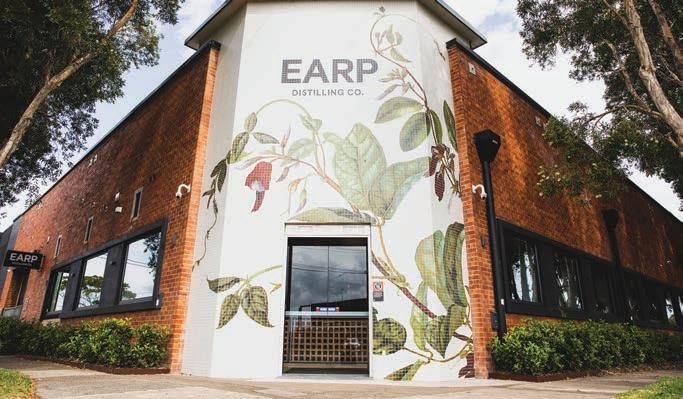
40. Distilleries across NSW making a mark
Discover spirit-making workshops and behindthe-scenes tours at these innovative distilleries.
AusBiz.
The home of real Australian stories
58. BUSINESS
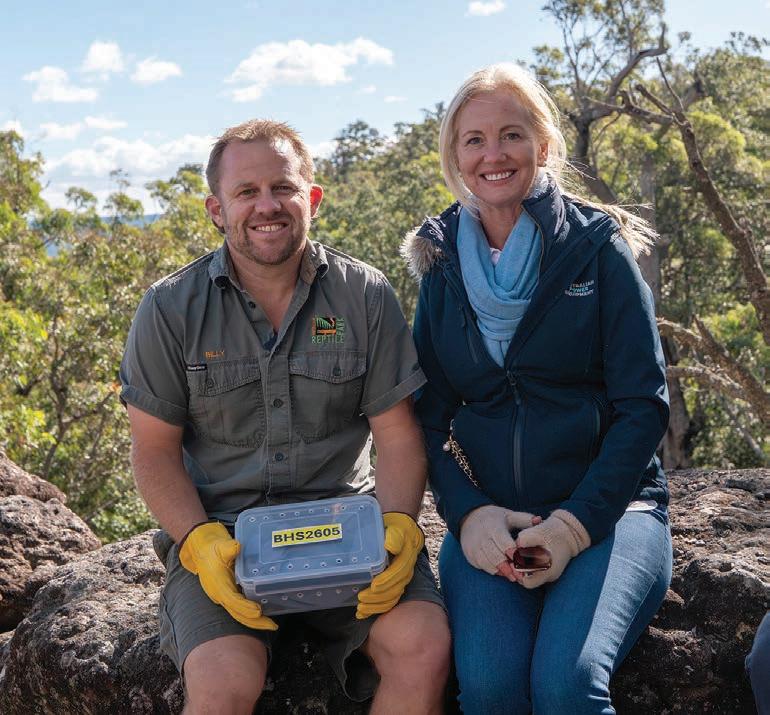
Australian Power Equipment continues to support Australia’s beautiful environment while also focusing on innovation.
62. SCIENCE
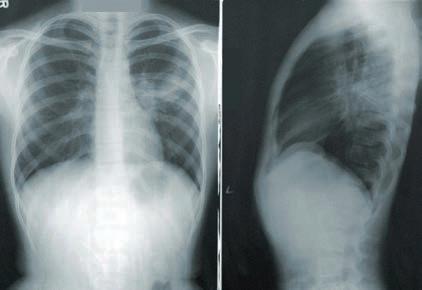
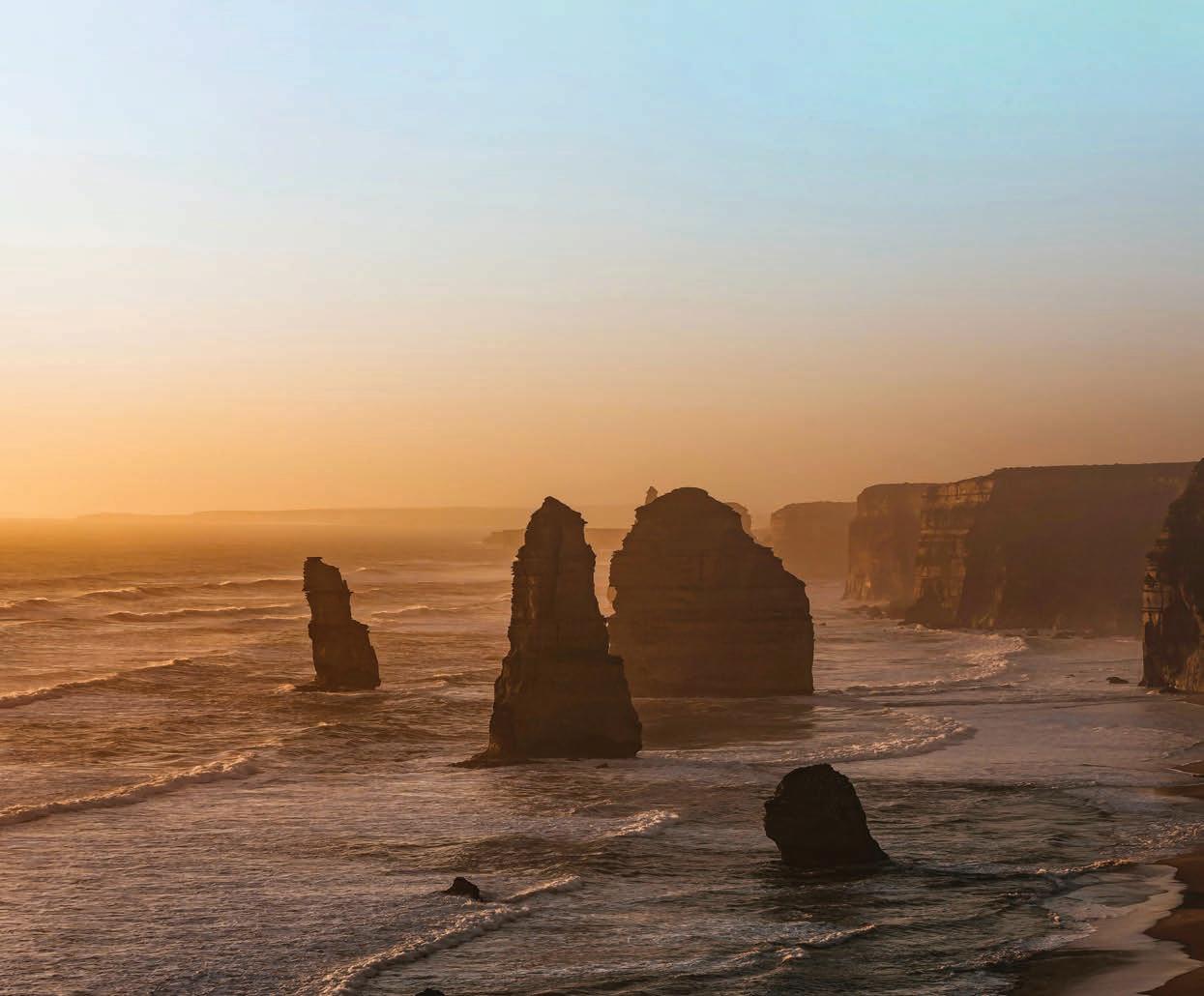
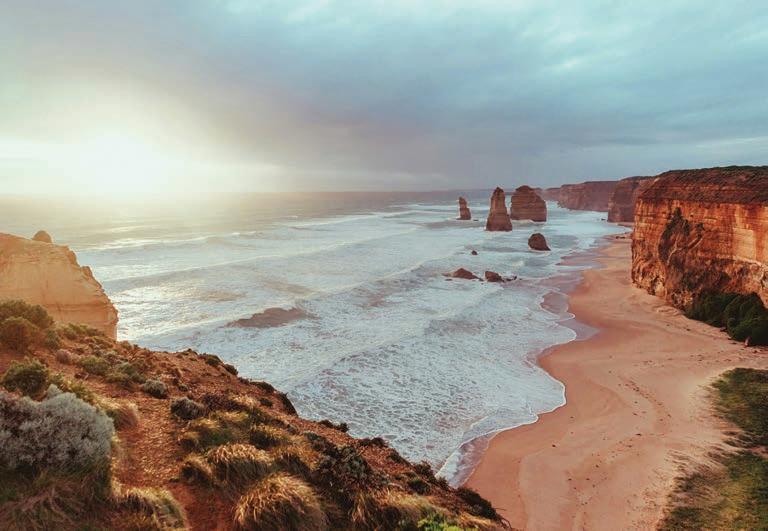
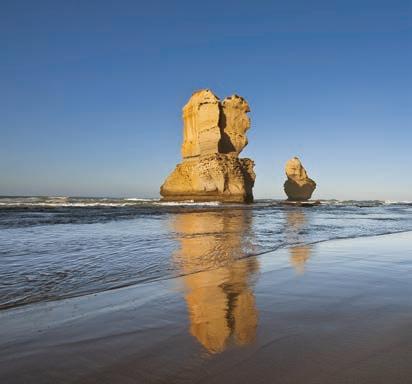
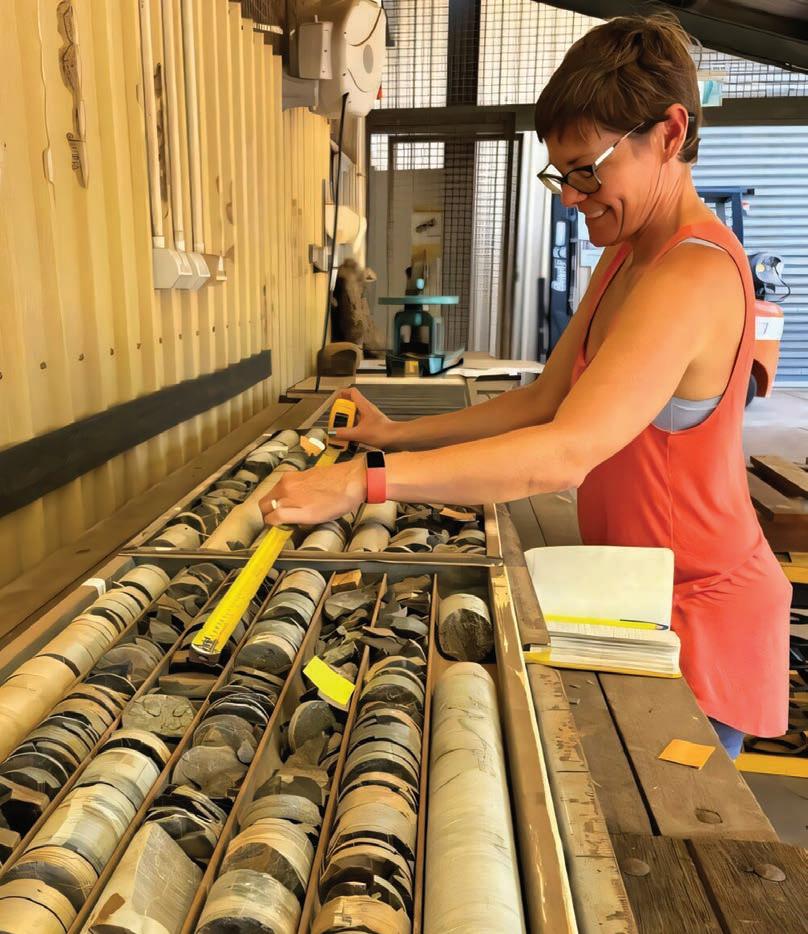
A new study of fossils trapped in limestone reveals how the Twelve Apostles began to form millions of years ago.
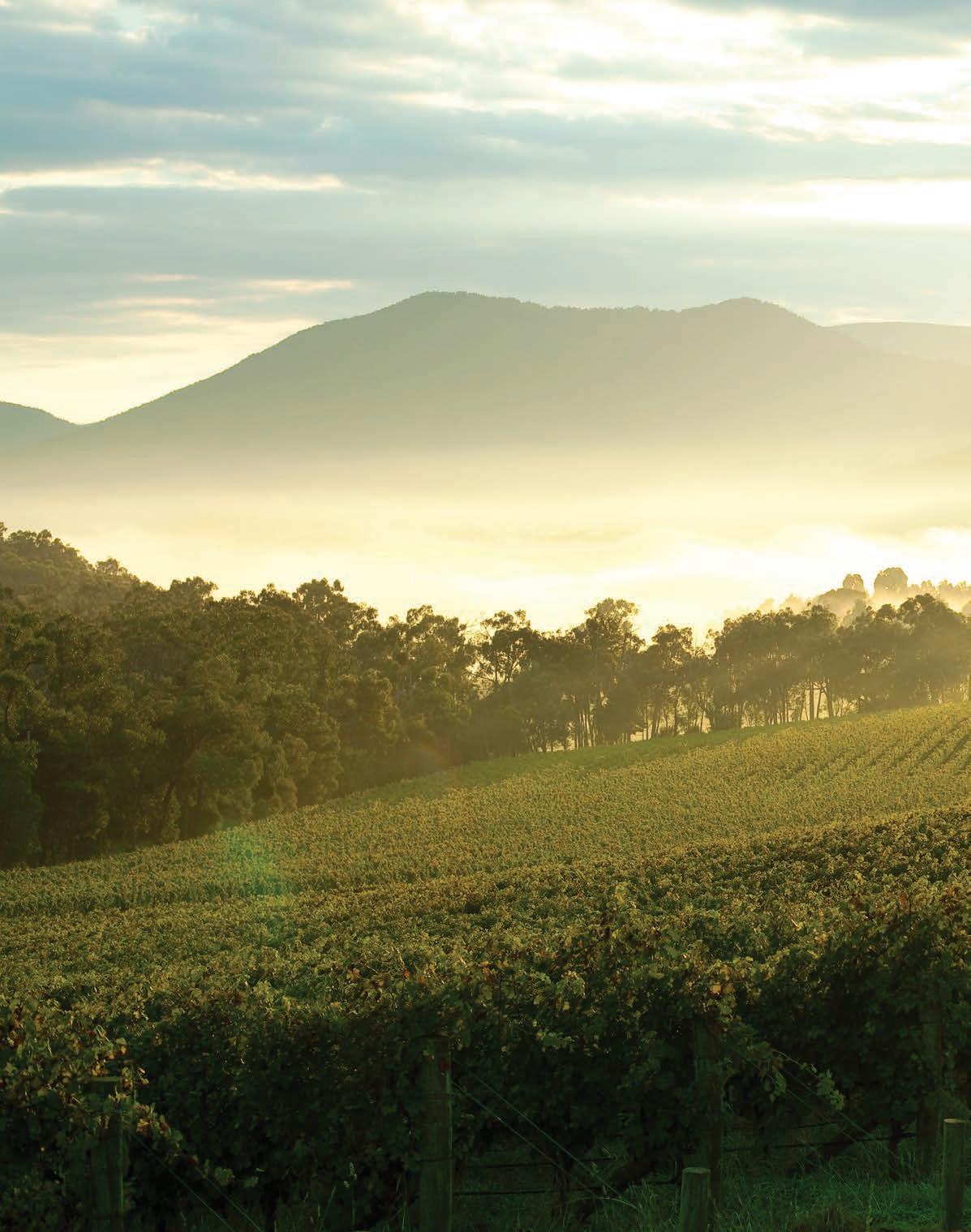
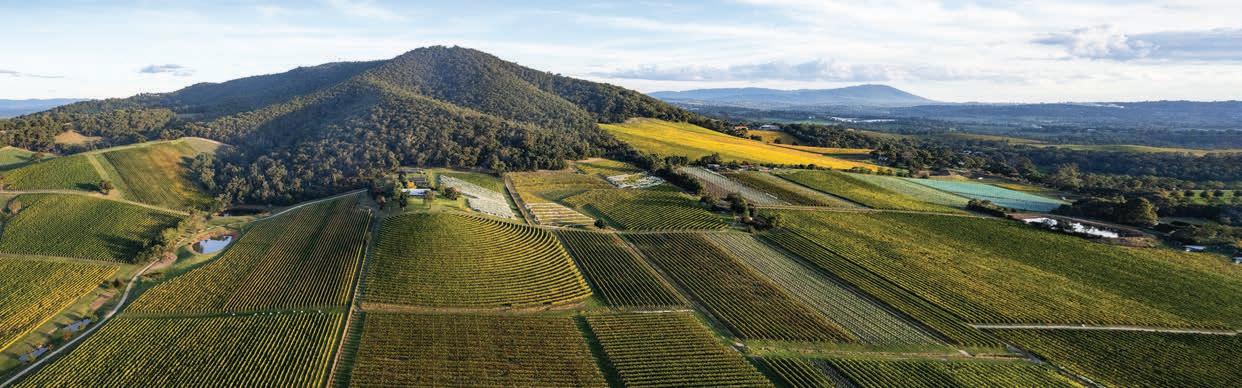
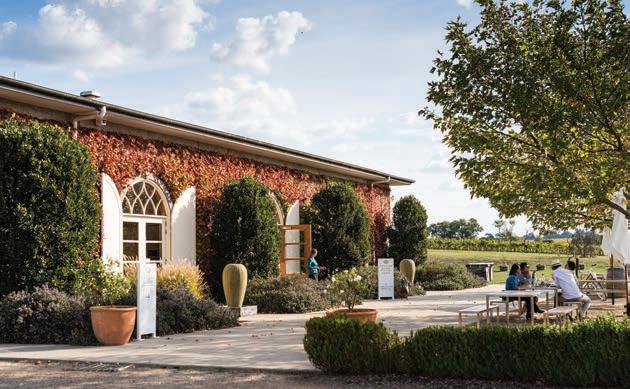
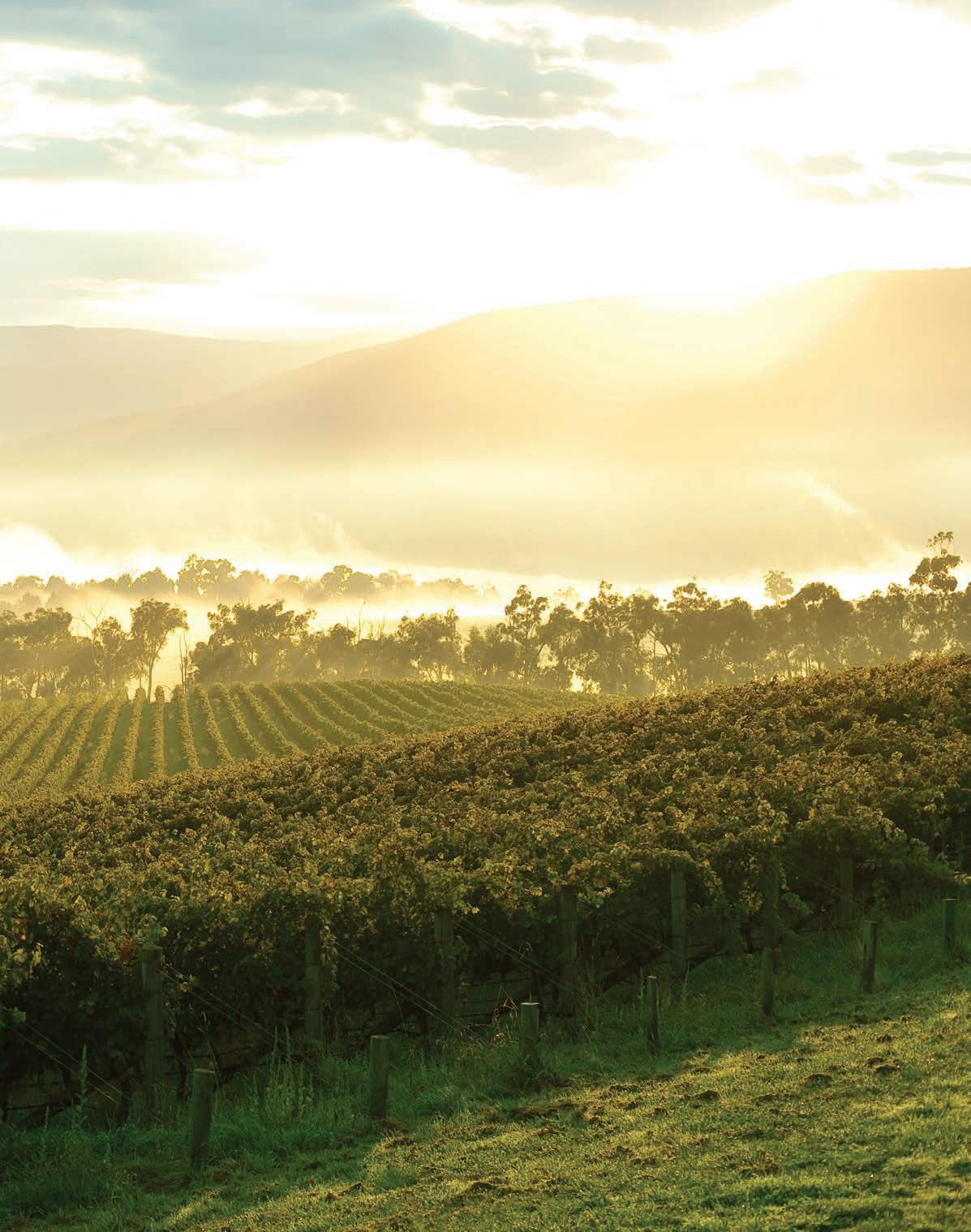
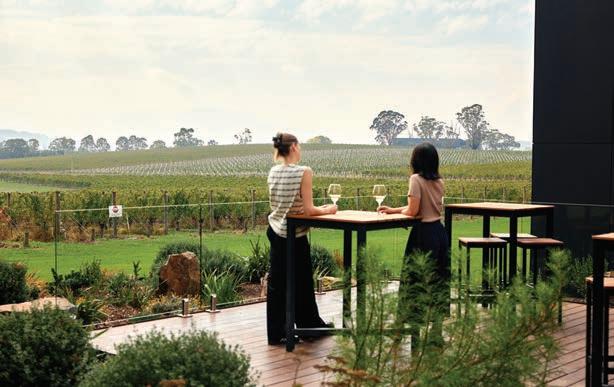
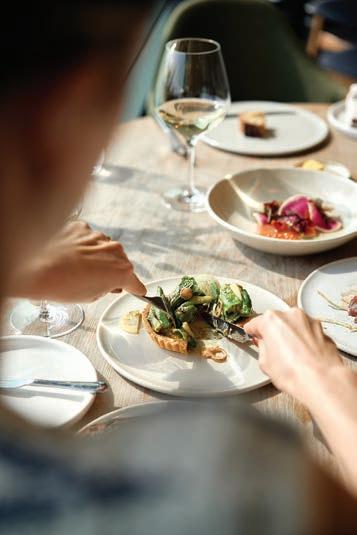
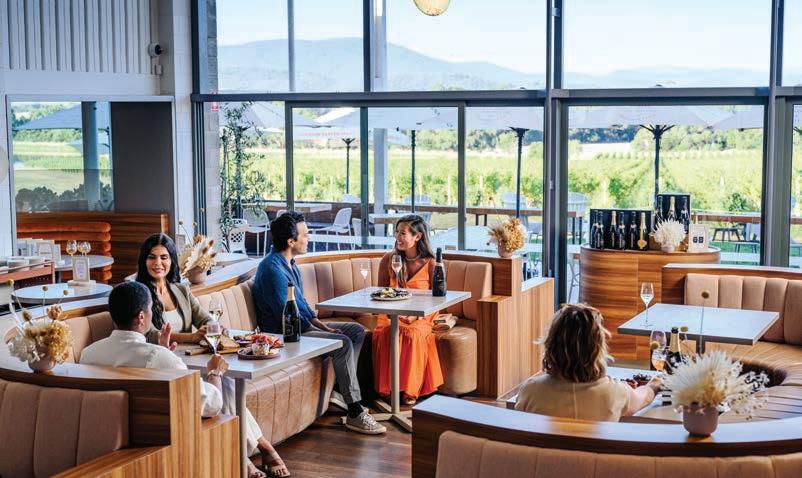
44. The wineries of the Yarra Valley World-class cool climate wines and fabulous produce await down south.
48. Indigenous ingredients to savour
Nornie Bero has released her new book, Native Ingredients Every Day.
64. ENVIRONMENT
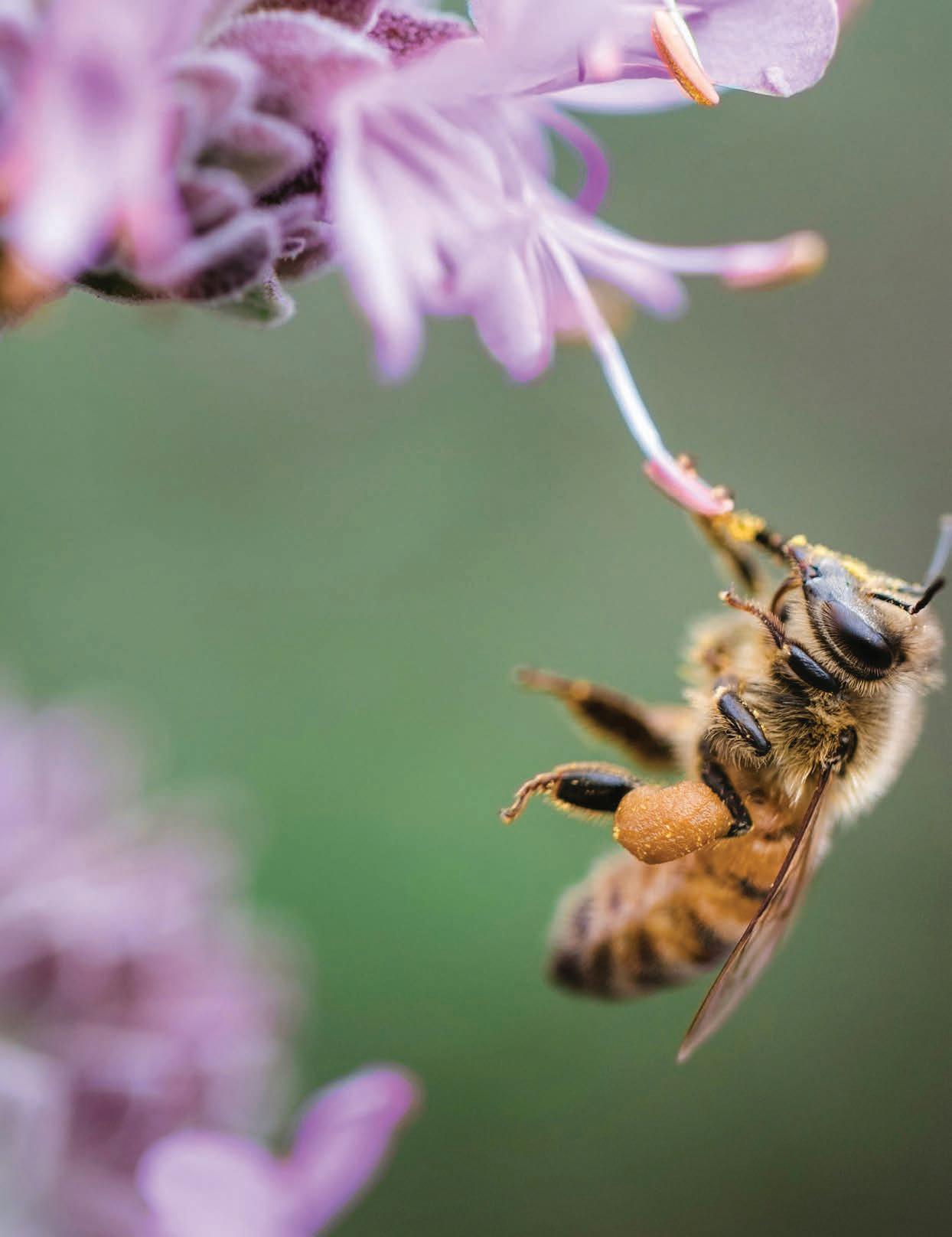
A new grant will fund communities trying to protect bee habitats.
68. MINING
The CSIRO is investing in technologies that will allow Aussie companies to decarbonise the steel production process.
74. EDUCATION
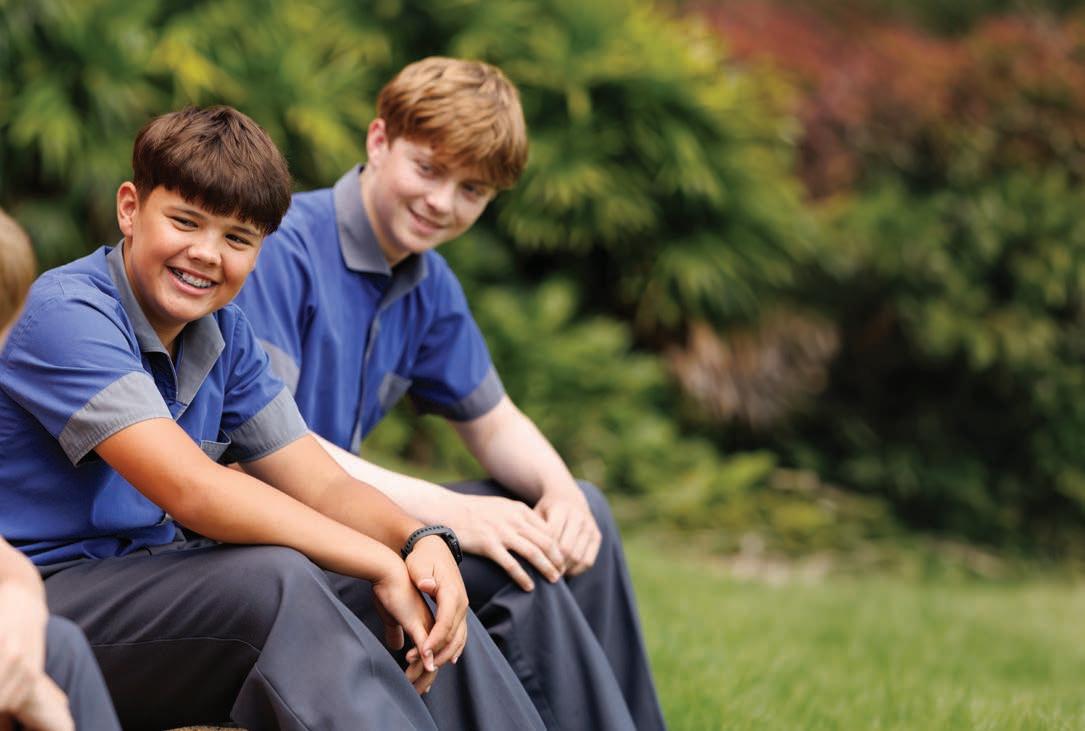
Choosing the right school for your child is such an important decision for everyone involved.
44. WINES OF THE YARRA VALLEY
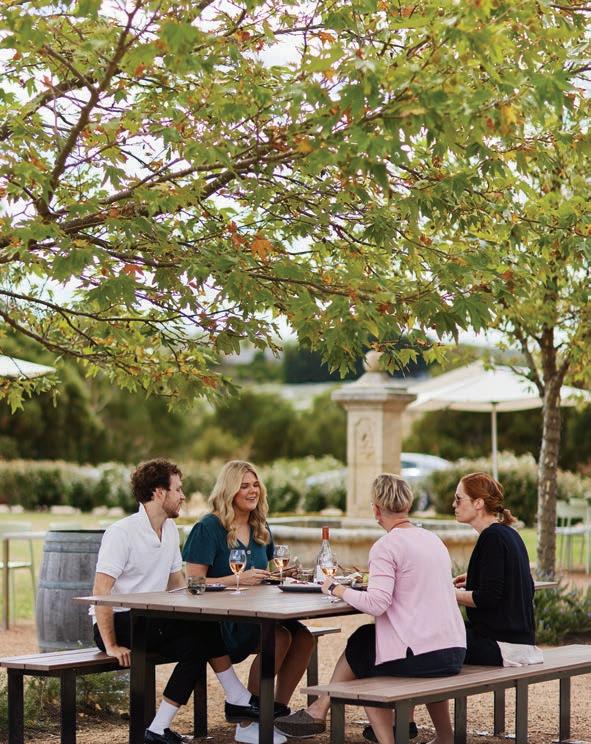
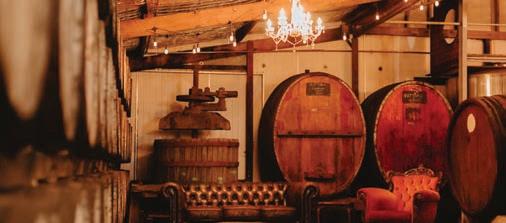
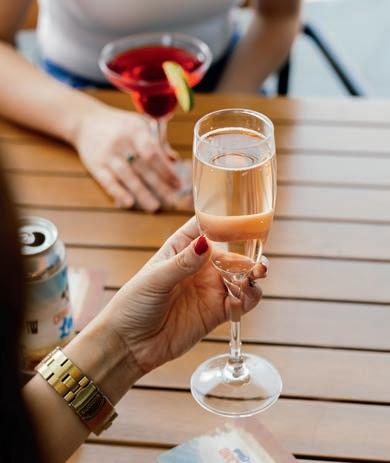
Cellar doors across the Yarra
24. TRAIL OF LIGHTS IN MILDURA
A Quiet Moment Before Take-Off
Discover the Rex Lounge Room, a warm and welcoming retreat in Sydney Terminal 3.
Located at the end of the ramp from the food court, beside Gate 16, the Rex Lounge Room is our new temporary lounge space in Sydney Terminal 3, designed as a comfortable retreat where guests can relax, work or enjoy a refreshment before their flight.
Named the “Rex Lounge Room”, the compact space delivers a warm, distinctive and quietly confident aesthetic that reflects Rex’s unique identity and heartfelt hospitality.
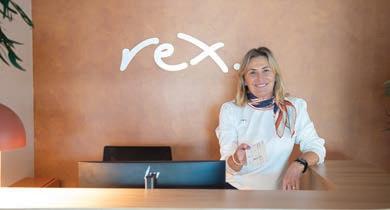
Guests travelling with carry-on baggage only can take advantage of a convenient check-in service at the reception desk, where our staff can assist with boarding passes, allowing you to relax and settle in before departure. Charging points and a dedicated workstation are also available for catching up on work ahead of your flight.
In the morning, enjoy a continental breakfast that includes an expanded selection of toast and spreads, cereals, yoghurts, seasonal fruit, juices, Dilmah Exceptional teas and a new coffee option. As the day progresses, a selection of sandwiches, wraps, cheese, savoury snacks and sweet favourites including Tim Tams and Cherry Ripes become available. From midday, the bar offers regional Australian wines and local beers.
From 3pm each day, members and guests can enjoy the “Evening Wind Down”, featuring gin supplied by Poor Toms Distillery in Marrickville, whisky, premium mixers, bar snacks and ambient music through to evening departures.
To learn more about Rex Lounge access and membership benefits, visit rex.com.au
Welcome back to TrulyAus, where I hope you find some inspiration for your next getaway.
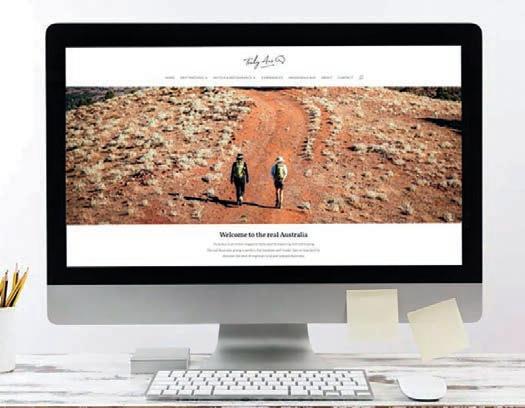
In this issue, we’re giving you the chance to be part of TrulyAus, by submitting a snap of an amazing moment you’ve had, from somewhere in Australia. You don’t have to be a professional photographer to be in it. Simply visit our website, rex.trulyaus.com and head to giveaways.
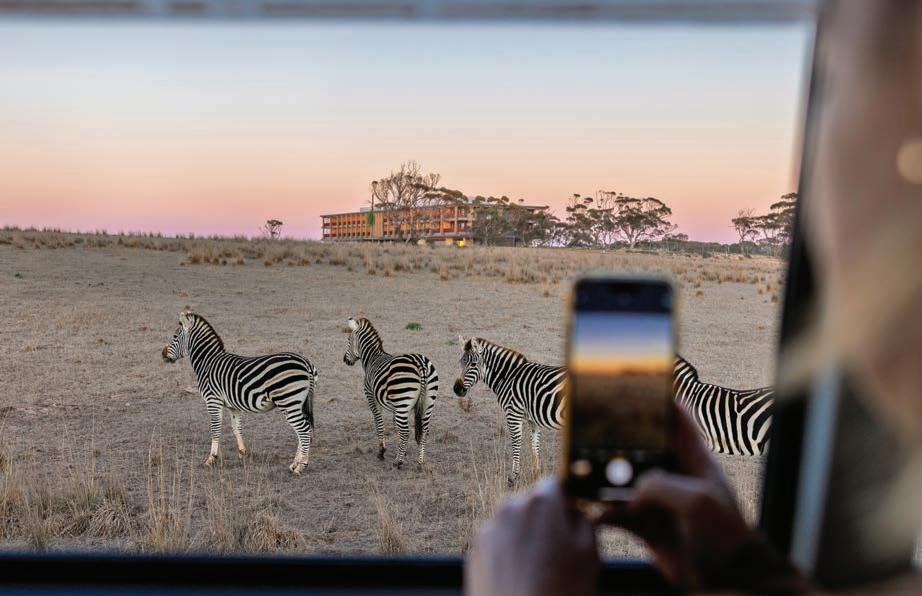
You can win a luxurious safari experience at Monarto Safari Resort in South Australia, where you’ll get a front-row seat to African animals from your bath, bed and the pool. As well as the getaway, we’ll supply two lucky people with plane tickets, dinners, spa treatments, and the chance to be a part of a new artwork that light artist Bruce Munro is creating in 2027.
Bruce’s incredible installations light up parts of Australia (and the world), transforming the land that they sit upon. First there was Field of Light at Uluru, then Light Towers at Kings Canyon. Then came Trail of Lights on Mildura’s Lock Island, and this year, the Fibre Optic Symphonic Orchestra (FOSO) was launched in the Perry Sandhills of Wentworth. On the opposite page, we’ve made it really easy for you to enter. Simply use the QR code and it’ll take you straight to the landing page where you can enter. Flick to page 24 if you want to know more about FOSO and Trail of Lights.
We’ve also covered amazing adventures to be had in Outback Queensland, dived into the
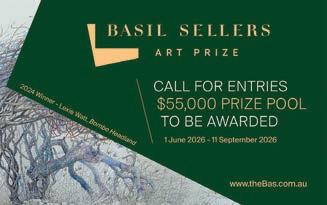
wineries and producers of the Yarra Valley, and met the team behind the Basil Sellers Art Prize (BSAP) which is based in Moruya. They are dedicated to nurturing artists, and this year the total prize pool is more than $55,000.
Our writers also check out some innovative distilleries across New South Wales, and as we do in every issue, we’ve highlighted some savvy Aussie businesses focusing on creating Australian-made products for you to enjoy.
In AusBiz, we look at how Australia is making a move towards decarbonising steel, how back pain in the workplace should be addressed properly, and a grant that’s helping communities to protect the habitats of our precious bees.
We also tackle the serious subject of how our kids and teens are being affected by too much screentime and social media, and cover three charities where caring people are doing their best to help others. I think kindness and empathy are two of the best traits we can have. Enjoy the read today, and get planning another trip somewhere special while you’re at it.
MICHELLE HESPE AND THE TEAM AT TRULYAUS
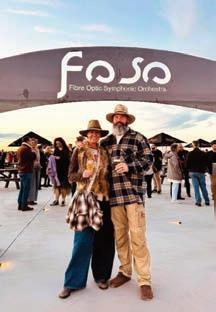
Attending the opening night of FOSO in Wentworth, NSW.
A safari-style adventure at Monarto Safari Resort, with flights to Adelaide and a signed artwork by Bruce Munro.
Your photo
This incredible TrulyAus prize includes:
• 2 x nights at Monarto Safari Resort in a Waterhole View Room with breakfast for two each morning.
• A 60-minute spa treatment and a 60-minute soak session at Marula Day Spa for two people.
• 2 x dinners at Kutjera Restaurant with dining credit of $150 per dinner for two.
• A Sunset Wildlife Safari to the Wild Africa precinct with Monarto Safari Park for two.
• A General Admission pass to Monarto Safari Park for two
• 2 x return flights anywhere on the Rex network.
• A signed, framed photo by Bruce Munro and the chance to be in his next big artwork.
• Entry to FOSO & Trail of Lights.
FREQUENTLY ASKED QUESTIONS
As you sit back in comfort en route to your destination, the Rex crew hope you enjoy this entertaining and informative light reading.
Q. Why do the flight attendants insist that all window blinds be up for take-off?
A. The most critical phases of a flight are the take-off and landing. In the most unlikely event of a situation that requires an emergency evacuation, it is important that crew and passengers are able to have a clear view of the outside conditions in case of obstructions. For example, before exits are opened, staff must check for fire or other obstacles that may present potential hazards during the evacuation.
Q. Why do I have to stow my hand luggage in the overhead lockers, under the seats or in the seat pockets for take-off and landing?
A. Flight crews are required by Civil Aviation Regulations to secure the cabin as well as possible for take-off and landing. As mentioned, these are the most critical phases of the flight, and securing as much hand luggage as possible ensures that, in the unlikely event of an emergency, the exits and aisles stay as clear as possible, in case evacuation is necessary. It is also important to keep hand luggage secure whenever possible to ensure heavier items do not become airborne within the cabin. This is especially important when the aircraft is experiencing turbulence.
Q. Why do I feel so tired from flying?
A. As the aircraft altitude increases, air pressure decreases. As the pressure decreases, the body absorbs less oxygen than it would at sea level – so, it must work harder to supply oxygen to the body’s cells. As the body is working harder, it becomes more tired.
Q. Why do I sometimes feel pain in my ears or sinuses during ascent or descent?
A. The sinuses and middle ear are air-containing cavities that connect with the nose via narrow channels. As aircrafts ascend and cabin pressure drops, air passes out of these cavities (without any effort from the passenger) to balance the cabin pressure. It is a different matter during descent, as the cabin pressure increases. The channels close down and must be actively opened by holding the nose and blowing to inflate the cavities. Facial and ear pain can occur during descent if re-inflation does not occur, and this is much
INFLIGHT INFORMATION
more likely if the passenger has nasal congestion. If you must fly with hayfever, use a decongestant nasal spray before descent and buy some ‘ear planes’ to plug your ears.
(Information contributed by Dr Daniel Hains, ENT surgeon.)
Q. When can electronic equipment such as laptops, iPods and mobile phones be used?
A. All Personal Electronic Devices (PEDs) must be placed in flight mode if access to the tarmac (including by bus) is required during boarding or disembarkation, and when instructed to do so by the cabin crew. Small handheld PEDs weighing less than 1kg, such as mobile phones, can be used in flight mode during all stages of flight. PEDs over 1kg, such as laptop computers, must be stowed appropriately for taxi, take-off and landing, and are permitted to be used only during cruise when the ‘Fasten Seatbelt’ sign is switched off. PEDs cannot be used while crossing the tarmac.
Q. What is the average speed of the aircraft when cruising in flight?
A. Our Saab 340 has an average cruising speed of approximately 500 kilometres per hour.
Q. Why do I have to get permission from the Captain to move to a vacant seat?
A. The aircraft’s take-off speed is calculated by the weight and balance of the aircraft, and many factors need to be considered for a successful take-off. Factors include the weight of passengers and where they are seated, the weight of cargo, freight and fuel, the distance available on the runway, etc. For example, if there are 100 or more kilograms of freight in the cargo, the balance of the aircraft will be better maintained if passengers are seated in the forward rows.
AIR TURBULENCE
Q. Aircraft often experience air turbulence, but what causes it?
A. Imagine the air around the aircraft is water in a stream. We can see how water is disturbed around rocks or when two streams converge. Turbulence in the air is
similar: as the aircraft passes through cold air or in the vicinity of terrain that has disturbed the airflow – often incorrectly referred to as ‘air pockets’ – the aircraft climbs and descends in the same way that a boat moves on water. Though turbulence can be uncomfortable, it poses no threat to the aircraft and is akin to driving on a rough or unsealed road. More severe turbulence can be associated with developing thunderstorms. Aircraft have a sophisticated weather radar that pilots use to avoid these areas. Occasionally, a flight attendant will discontinue serving passengers in turbulent conditions; this is a precaution to ensure everyone’s safety.
Q. Why should I keep my seatbelt fastened even when the ‘Fasten Seatbelt’ sign is switched off?
A. On occasion, the flight crew cannot foresee turbulence or it is not picked up on the flight-deck radar. Because of this, we could unexpectedly experience turbulence at any time. Rex recommends that you always keep your seatbelt fastened while you are seated – for your safety, just in case unexpected turbulence is encountered.
ENGINE NOISES
Q. Why do the aircraft’s engine noises change during the flight?
A. Aircraft need more power to climb than to descend, in the same way that a car needs more power to go up a hill than down one. Rex aircraft have more than enough power to climb, so shortly after take-off you will notice a change in noises as the power is reduced. The pilots also control the pitch angle of the propellers for various stages of the flight, and as they ‘change gears’ this can also be heard in the cabin.
Q. What should I do if I see or hear something that does not look or sound right?
A. Please advise your flight attendant. The flight attendant may be able to answer your query and allay any fears. If not, the flight attendant will contact the flight deck and advise the pilots of anything unusual. Rex encourages open communication and will always treat a passengers’ concerns with the utmost seriousness.
CHECK-IN
Online check-in
You can check-in online through the Rex website, rex.com.au, on your desktop or mobile devices between 48 hours and 60 minutes prior to the scheduled departure time of your flight.
Airport check-in
If you have checked baggage, we recommend that you arrive at the airport for check-in at least 60 minutes before the scheduled departure of your flight at all airports except Burketown, Queensland (90 minutes before).
Rex check-in closes:
• 60 minutes prior to scheduled departure time at Burketown airport.
• 30 minutes prior to scheduled departure time for domestic and regional flights (with the exception of Burketown above).
Special requirements:
Passengers with special requirements must check-in at the airport (online check-in is not available) no later than:
• 90 minutes prior to departure for domestic flights and flights departing from Burketown, QLD.
• 60 minutes prior to departure for all regional flight departures except Burketown, QLD.
Passengers with international connections (within 24 hours) are permitted a 23 kilogram baggage allowance upon presenting a valid itinerary or ticket.
Please refer to rex.com.au for more baggage allowance information.
Excess baggage
Additional checked baggage allowance may be purchased during booking.
For baggage presented at check-in which is over the baggage allowance, excess baggage is subject to capacity and a surcharge of $5.50 (incl GST) per kilogram is applicable.
BAGGAGE
Carry on baggage
Checked baggage
REX SAAB 340 AIRCRAFT FACTS
UP, UP AND AWAY!
Rex: Our heart is in the country
Members of the Rex Group
Carnarvon
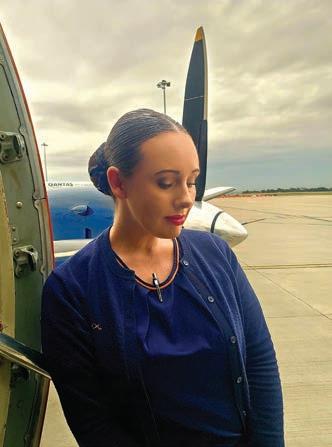
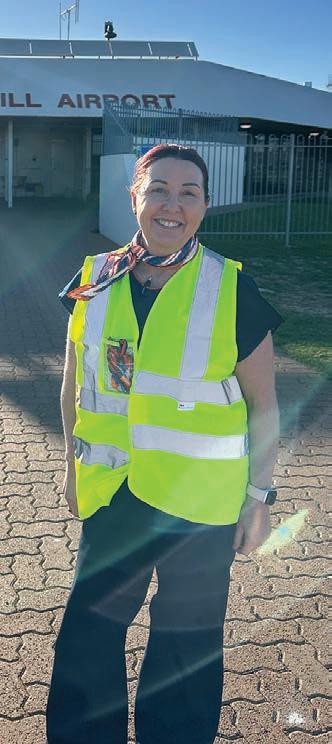
Hearts in the sky: celebrating our flight attendants
They greet you with a smile, guide you through the skies and look after every passenger’s safety. Our Rex flight attendants make sure that every journey is a memorable one.
To mark International Flight Attendant Day in late May, we spoke with two of our incredible flight attendants to learn more about their journeys and what continues to inspire their passion for flying.
Meet Tina (right) who has been flying on our SAAB 340 aircraft for the past three months after previously flying on our Boeing fleet. For Tina, flying is more than just a job. It’s the chance to meet different people every day, enjoy the freedom of the role, and explore some of Australia’s most beautiful regional destinations.
“In all my years of flying, I hold the people I meet in my heart. Rex passengers are some of the kindest people I have ever met, with touching, heartwarming stories,” she says.
Tiarne (far right) started her journey flying as a flight attendant with Rex in May last year.
To Tiarne, the best part of flying with Rex is the people she meets along the way. While her office in the sky offers breathtaking views, it’s the heartfelt stories shared by passengers and her team that make every day
exciting. Tiarne was born for the role, and as her husband often says: “Your heart is in the country”.
“I love meeting our passengers, and the way I get to engage with them,” she says. “Getting to know different people is always interesting, and the feedback I regularly receive when they disembark the aircraft –that they’re so happy with the service and with Rex – makes me so happy.”
Tell us your unforgettable Rex stories for a chance to be featured in our inflight magazine, eDMs and social media platforms. Scan the QR code and share your Rex tales. *By
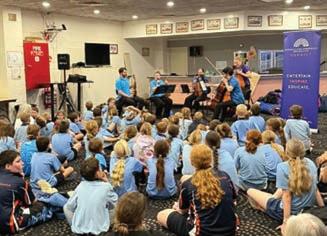
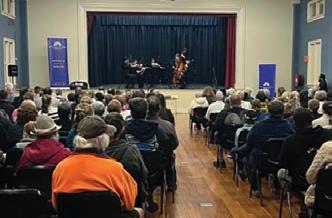
Rex connects Queensland Symphony Orchestra in Charleville
In June, a string quintet from the Queensland Symphony Orchestra travelled with Rex to Charleville for a memorable week of workshops, connection and music making in the heart of the state.
During the visit, the quintet had the privilege of working with students from the School of the Air – some of the most remote learners in the country – as well as young musicians from across Queensland, including Woombye, Charters Towers and Thargomindah.
Connecting with communities via music is always a special experience, and this was no exception.
The musicians had the opportunity to shine while in Charleville, putting
on an impressive performance at a community concert that brought together local audiences and talented regional musicians.
Sharing the stage with local performers was a highlight of the trip and a wonderful celebration of music in regional Queensland.
Queensland Symphony Orchestra’s Regional Touring Program reflects a shared belief that everyone should have the opportunity to experience live music, no matter where they hail. Rex was proud to support the visit – helping to connect musicians with remote communities across Queensland and expand access to live music in regional Australia.
Explore regional Western Australia with
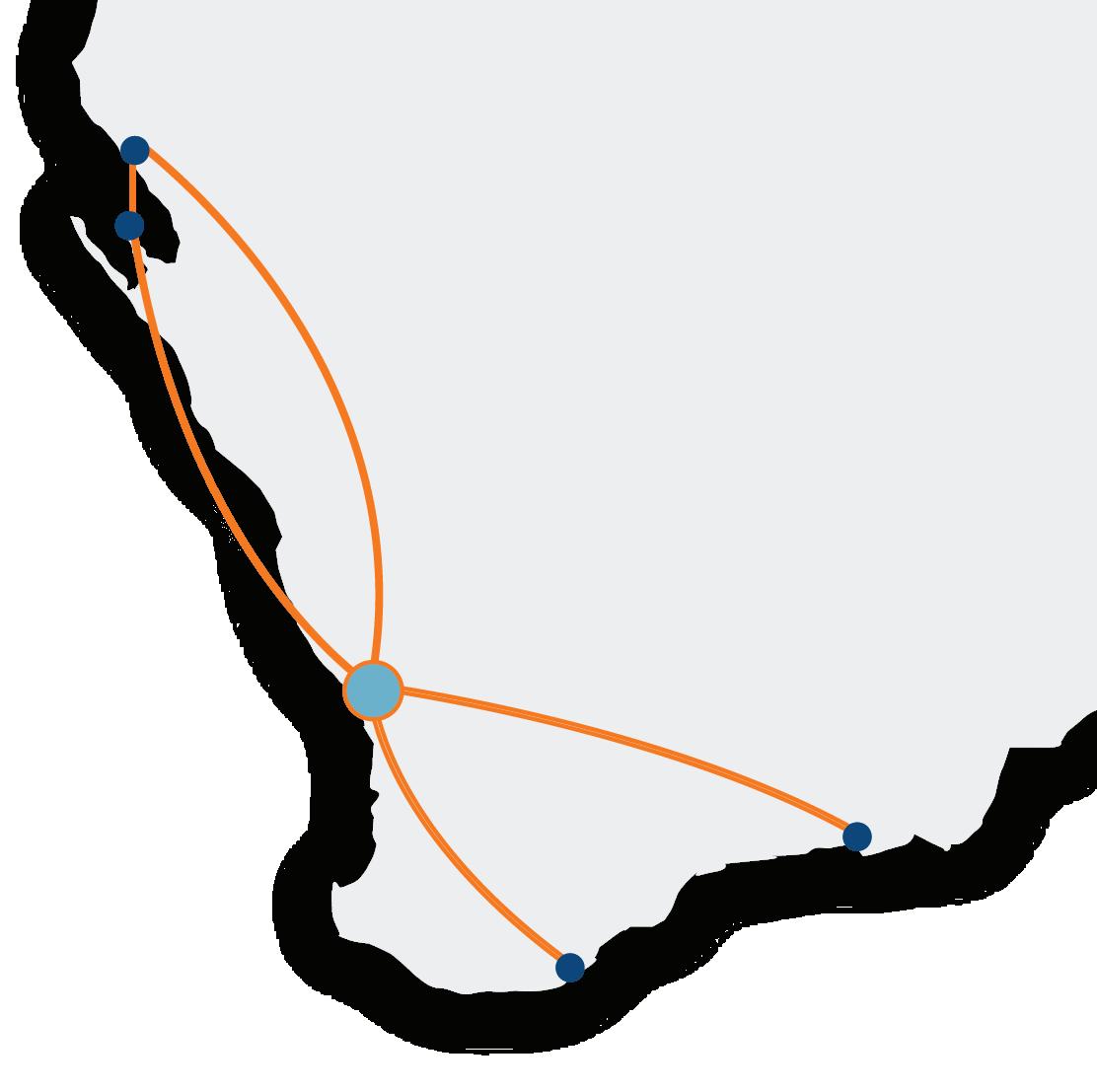
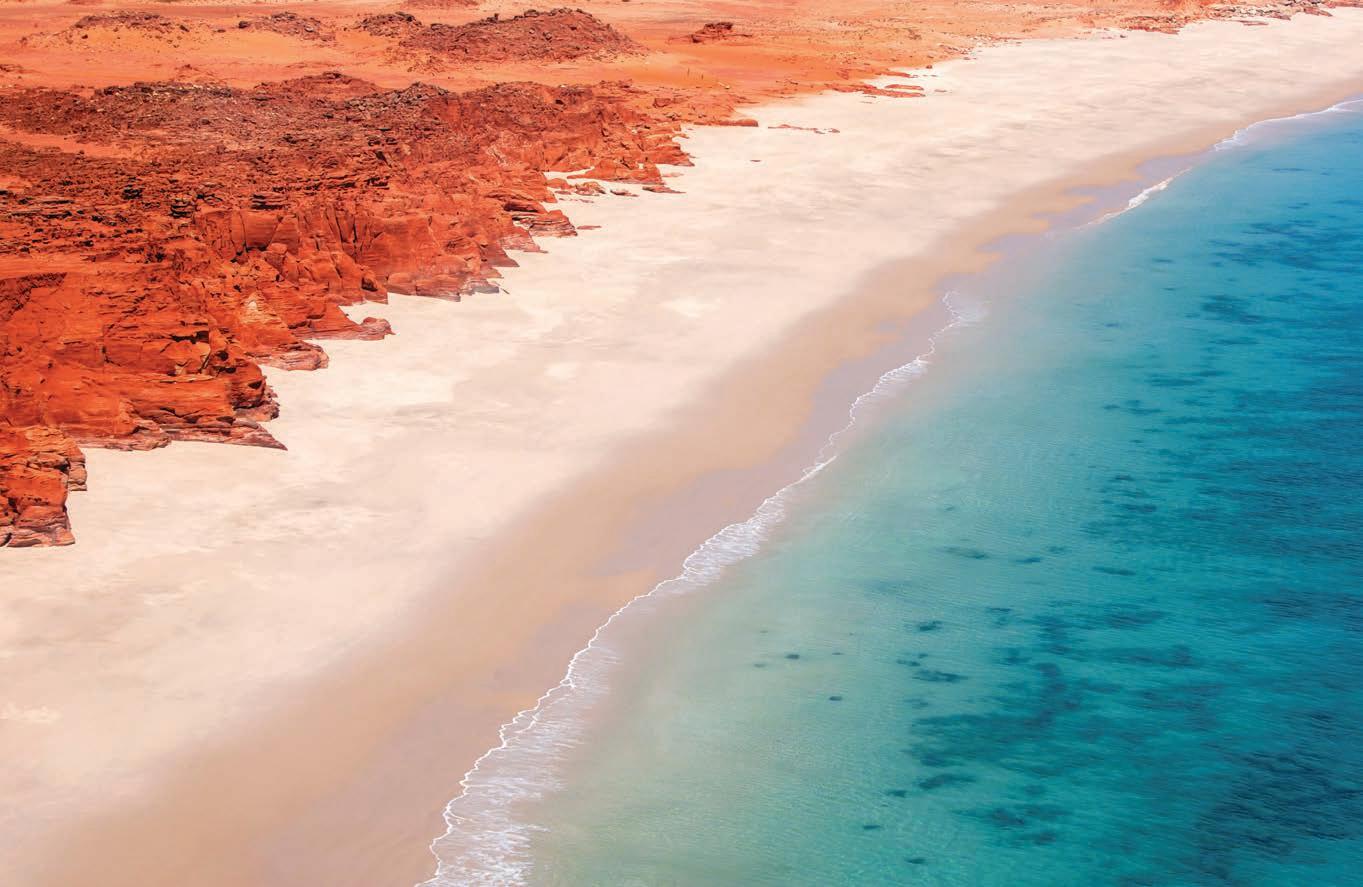
From whale spotting off the majestic coastline in Albany, Esperance’s famous white beaches, to Australia’s first Satellite Earth Station at the Carnarvon Space & Technology Museum and world-famous dolphin experience at Monkey Mia, Western Australia offers bucket-list adventures and breath taking landscapes. s
Explore Western Australia at rex.com.au.
CARNARVON
MONKEY MIA
Rex Supports Raising Horizons
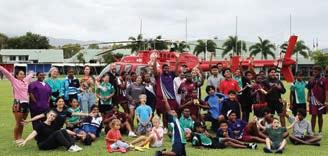
Rex joined industry partners in late May at Aviation on the Oval in Cairns, part of the Raising Horizons program delivered by Gunggandji Aerospace alongside AFL Cape York House.
The afternoon brought together close to 100 students from communities across Cape York and the Torres Strait, giving them the opportunity to connect with people working in aviation and learn more about the many pathways into the industry.
As an airline operating across regional and remote Australia, Rex sees every day the important role aviation plays in connecting communities. For many of these students, aviation is already part of everyday life. Events like Aviation on the Oval help young people better understand the careers, skills and opportunities within the industry, and discover how they can join this dynamic sector.
Steve Jones, Rex Queensland Manager, said it is essential for members of the aviation industry to take part in initiatives like Raising
Horizons, helping promote awareness among regional students that there is a place for them in aviation.
Rex has supported Raising Horizons since the program began in 2024, and was proud to be part of its expansion into Cairns.
Thank you to Gunggandji Aerospace and AFL Cape York House for bringing industry and students together in such a meaningful and inspiring way.
Photo Credit:
BOOK A DAY STAY AT BRISBANE AIRPORT HOTELS THESE HOLIDAYS
Whether you’re travelling with family, flying solo, or squeezing in a business trip during the festive rush, a calm place to reset makes the difference.
A stress-free break or layover
The holiday period often means early flights, long layovers and late arrivals. A Day Use stay (available 9am to 5pm) gives you an air-conditioned room to rest, shower or work. With WiFi, dining and access to amenities, you’ll have everything you need to reset.
ibis: Relaxed & affordable from $165
Affordable, convenient and familyfriendly, ibis offers a relaxed place to unwind before your next flight. Enjoy easy access to the popular Cribb Island Beach Club for casual bites and
refreshing drinks, perfect for holiday travellers wanting a cosy treat.
Novotel: Step up comfort from $175
A step up in comfort, Novotel provides spacious rooms ideal for work or relaxation. Guests can dine at Catalina Bar & Restaurant and make use of facilities such as the gym and sauna. It’s a great option for holidaymakers needing a productive pause.
Pullman: A luxe layover from $195
Raise the bar on luxury and book a sophisticated Day Use experience at the Pullman. You’ll have access to the Apron Bar & Restaurant, the Executive Lounge and a resort-style pool. This is the perfect choice when you want to elevate your travel experience.
Make your holiday travel easier Day Use rooms book quickly during the holiday period, so reserve your spot early. Whether you’re arriving ahead of schedule, or needing a peaceful break between flights, a Day Stay at Brisbane Airport Hotels will keep your journey smooth and stress-free.
Watch, read & listen books
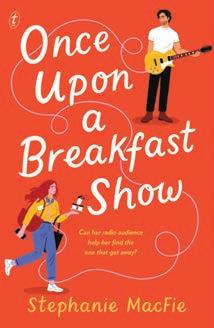
Once Upon a Breakfast Show
by Stephanie MacFie
August, Text, Romance
Emily Blake is the witty, filter-free host of a breakfast radio show known for turning her messy love life into gold. But when a live stunt goes wrong, she asks her listeners for help finding the father of her child – a man she had a whirlwind romance with thirteen years ago. Now Emily must decide if she’s ready to discover the truth and take control of her story.
One Night Only
August, Universal
In a slightly fictionalised version of New York, two strangers run into each other on the one night a year when pre-marital sex is legal. Over the course of a single evening, their search for love leads them back to each other over and over again.
One Night Only is your new favourite rom-com starring superstars Monica Barbaro and Callum Turner. universalpictures.com
Blue Giant by Jordan Prosser
August, UPQ, Fiction
Abby has always believed she was destined for great things. Now thirty-something and beleagured by anonymity, she wakes up one morning with a hangover and spontaneously decides to sign up for a one-way mission to colonise Mars in a last-ditch effort for fame and glory. What follows is a chaotic love letter to the millennial generation, and anyone torn between helplessness and selfishness.
Doubt: A Parable
June 30 – August 2 at Sydney Theatre Company
Sister Aloysius, the headmistress at St Nicholas Church School, suspects a priest of inappropriate behaviour towards a student – an allegation he strenusouly denies. Set in New York in 1964, and starring screen sensation Sam Reid, this electric play wrestles with questions of belief, truth, and everything in between. sydneytheatre.com.au
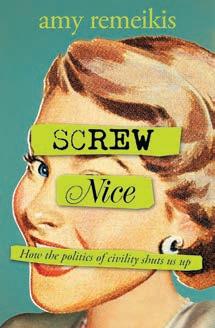
Screw Nice by Amy Remeikis
July, Hachette, Non-fiction
Amy Remeikis is one of Australia’s leading political journalists. In this book she unpacks how the culturally accepted need to appear civil stops us from speaking up. To be heard, we must be polite and follow the rules. But the rules are different depending on income, religion, social status and gender. When lies are treated as truth, how can we fight back against this culture of silence?
All In the Mind
ABC, Science
Hosted by Sana Qadar, this fascinating weekly radio show and podcast explores everything about the mind, brain, and behaviour. From addiction to artificial intelligence, discover what makes humans tick and learn the science behind some of the strangest phenomenons in modern society. With new episodes every Sunday, it’s the perfect way to end a week. abc.net.au
Compiled by: matilda meikle
Katie Noonan
The Gov, Perth July 30
ARIA Award-winning artist Katie Noonan returns to the stage with her 30th studio album, Alone but All One The intimate exploration of the stages of love is a songwriting collaboration with acclaimed author Trent Dalton, with piano and a string quartet as the only vocal accompaniments. It’s sure to be an emotional and evocative show. thegov.com.au
Massive Attack
Rod Laver Arena, Melbourne August 11
English trip hop collective, Massive Attack are heading for Melbourne for the first time since 2010 on a longawaited Australian tour. With famous tracks such as ‘Unfinished Sympathy’ and ‘Teardrop’, the group is known for its mutli-genre examinations of socially conscious themes. This is a concert not to be missed.
rodlaverarena.com.au
Alex Warren
Qudos Bank Arena, Sydney August 28-30
Grammy-nominated international sensation Alex Warren is back in Australia after last year’s sold-out tour. His 2025 hit single ‘Ordinary’ has had more than 1.6 billion streams and counting, while his album has cemented him as a global breakout star. His shows promise to be a perfect mix of upbeat and emotional. qudosbankarena.com.au
Compiled by: matilda meikle
July 4-19
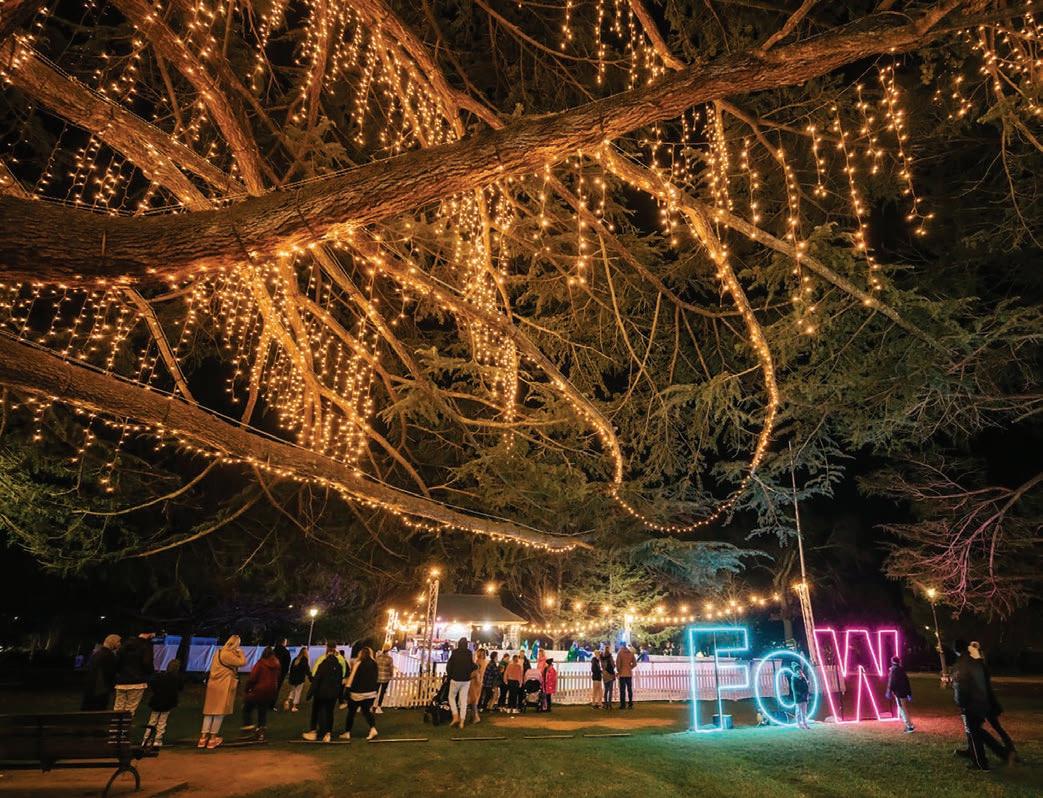
Festival of W Wagga Wagga, NSW
A winter festival with ice skating, light displays, live music and food vendors to coincide with the school holidays so the whole family can enjoy. visitwagga.com
July 17-19
Boulia Camel Races
Boulia, Qld
Australia’s longest and most prestigious camel race returns with two days of competition, live entertainment, food, fireworks, novelty events and camel rides. bouliacamelraces.com.au
July 17-26
Noosa Alive!
Noosa, Qld
An arts and culture festival bringing together local and international performers, writers and speakers to combine art with the stunning natural landscape. noosaalive.com.au
July 18-19
The Guzzler
Brisbane, Qld
Pass by Brisbane’s oldest reservoirs in the order they were built on this ultra marathon through the bush, with shorter tracks for all levels of competitors. theguzzlerultra.com.au
July 19
Run Melbourne
Melbourne, Vic
Melbourne’s biggest half marathon welcomes more than 28,000 runners to take over the streets of the city while zooming past iconic landmarks and cheering crowds. runmelbourne.com.au
July 23-26
Devonport Jazz
Devonport, Tas
An annual music festival taking over venues across the city, from restaurants to churches, with events to cater to young and old jazz aficionados of every genre. devonportjazz.com.au
July 23-26
Winter Blues Festival
Echuca, Vic
This award-winning blues festival is a free event with more than 60 renowned artists performing at 20 venues, as well as buskers and activities for kids. winterblues.com.au
July 23-26
Southern Highlands
Writers’ Festival
Southern Highlands, NSW
A much-loved event showcasing some of Australia’s best writers and thinkers in the cool climate and natural beauty of the Southern Highlands. shwf.com.au
July 25-26
Willunga Almond Blossom Festival
Willunga, SA
A weekend of rides, circus performances, cooking competitions, markets, live music and delicious food celebrating almonds in every form.
willungarecpark.com.au
Aug 6-17
Beaker Street Festival
Hobart, Tas
A two-week celebration of science and art with events for curious minds such as talks, immersive experiences and performances. beakerstreet.com.au
Dark Side of Wine
Rutherglen, Vic
The winemakers of Rutherglen invite guests to attend more than 30 immersive experiences underpinned by rich wines, crackling fires and live music.
explorerutherglen.com.au
Aug 1-31
SALA Festival
Across SA
SALA is a statewide festival of visual arts promoting work by incredible local artists, with exhibitions, open studio days, demonstrations and talks for all ages. salafestival.com
Aug 7-16
Orange Region Fire Festival
Orange, NSW Food and wine venues alongside producers collaborate with talented artists and musicians for an exciting series of events in stunning Orange. orange360.com.au
Aug 1-9
Tasmanian Whisky Week
Across Tas
Discover the Apple Isle’s best distilleries through a series of tastings, talks and workshops that highlight the history and success stories of beloved whisky brands. taswhiskyweek.com
Aug 9
Chocolate Winterfest
Latrobe, Tas
A celebration of all things chocolate, with tastings, tours, wearable art contests, baking competitions, workshops and family-friendly games. chocolatewinterfest.com.au
Aug 20-22
Broken Hill Mundi Mundi Bash
Broken Hill, NSW
Held on the iconic Mundi Mundi Plains, this outback music and camping festival combines top Aussie artists with wide open country. mundimundibash.com.au
Aug 22
Hunter Valley Highland Games
Lovedale, NSW
Join the Scots for highland dancing, strongman athletics, pipe bands, and Scottish food and drink amongst the renowned vineyards of the Hunter Valley. huntervalleyhighlandgames. com.au
SALA Festival
Dark Side of Wine
Down by the harbour
From harbourfront glamour and French-inspired elegance to neighbourhood charm and CBD sophistication, these restaurants showcase some of the many bold facets of Sydney’s culinary scene.
WORDs: Michelle Hespe
IN SYDNEY a meal often comes with a view that could easily steal the show. Ferries glide the harbour, the smooth sails of the Opera House catch the light whether it’s day or night, and in charming historic suburbs, characterfilled sandstone buildings hint at stories stretching back more than two centuries.
Whether you’re celebrating a special occasion, catching up with friends, or simply looking for an excuse to spend a little longer enjoying Sydney, these restaurants offer distinctly different experiences, and they're tucked away from those passing by on the main thoroughfares. In fact, you’d have to hear or read about them to know that they are there…
THE ORIANA
A new harbourside queen
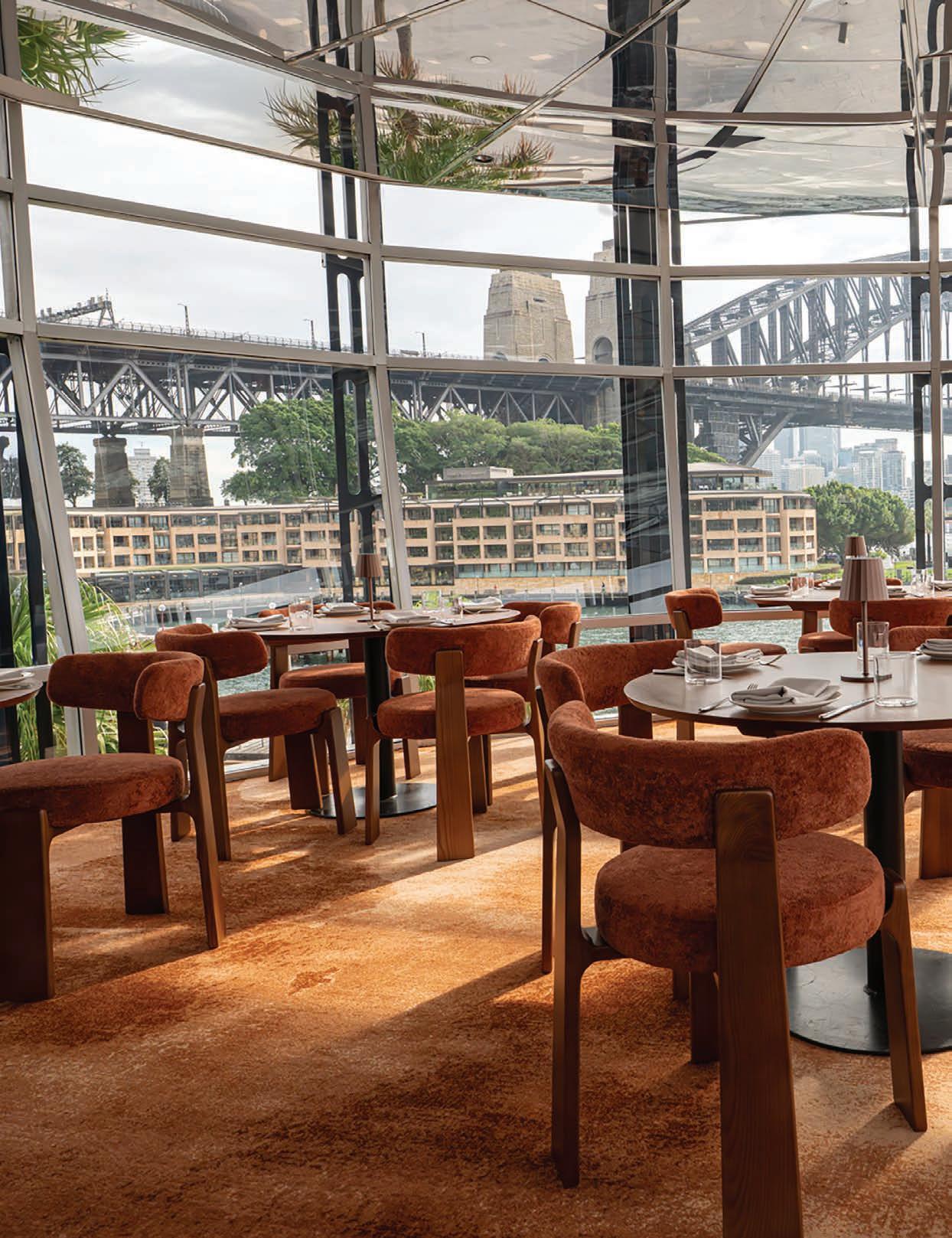
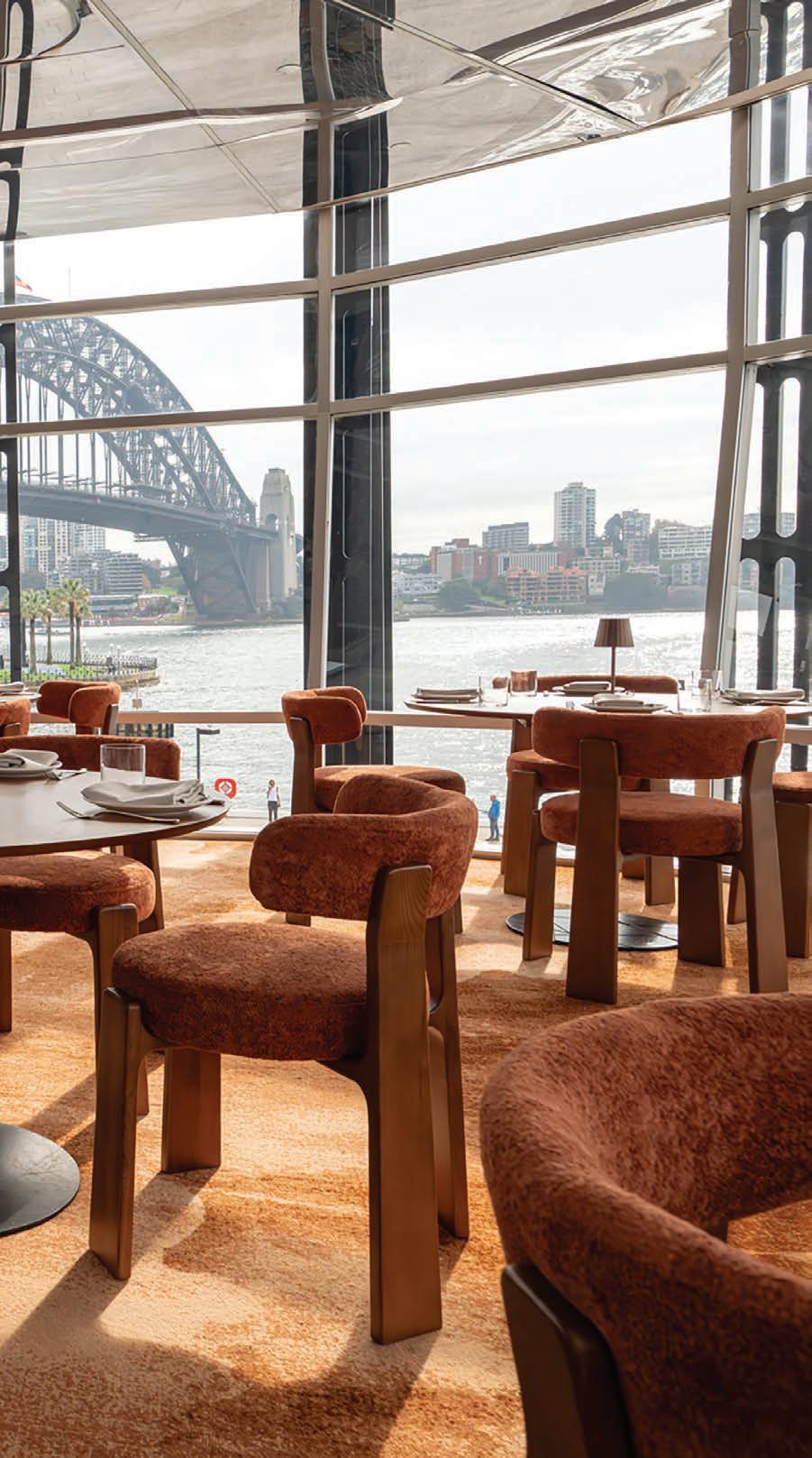
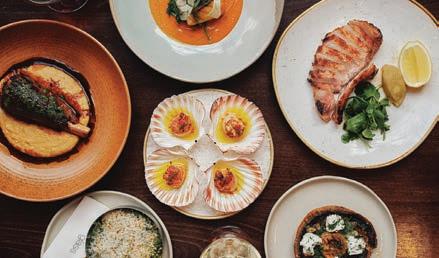
With uninterrupted views of the Harbour Bridge and the Opera House, few dining rooms can compete with The Oriana Restaurant’s waterside location, confidently slipping into the space from where Quay ruled the culinary scene in these parts for 25 years. Gone is the glaringly bright blue carpet – replaced with a warm, rich medley of plush pink and deep red tones that beautifully complement the smooth acacia and ashwood plush retro-style tables and chairs. Sunlight streams through the glass-walled space during the day,
and we’re lucky enough to be dining when there’s not a cruise ship in sight to block our view of the Opera House. A superyacht glides by as we begin our Oriana degustation by tucking into some of the most delicately sweet Balmain bugs I’ve ever tasted, and the lamb shoulder croquettes served with a tongue-tingling pickled onion have perfectly crispy shells.
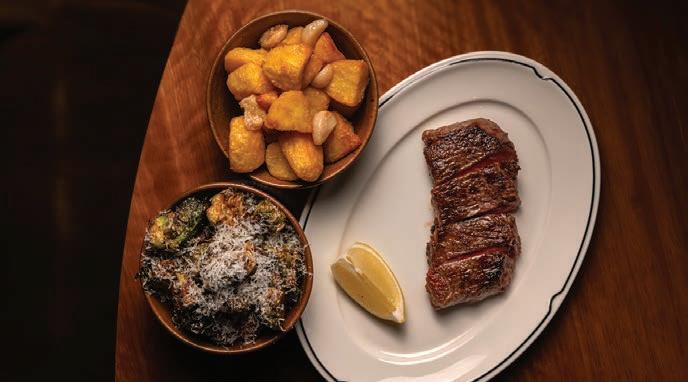
The menu showcases much-loved premium Australian produce such as seafood and steak, and Chef Jason Roberson should definitely be staking a claim on having the best duck fat potatoes in Sydney. They’re so soft and wickedly delicious that we joke about the potatoes having been removed from the skin, whipped to perfection and somehow stuffed back into the skins to look like perfect little roasties. Not to be outdone, the full blood wagyu striploin is a masterpiece of tenderness, and due to my swoon over the lobster tagliatelle, a lady next to us discreetly points at my plate and orders it. The Murray River cod in a
A SETTING LIKE NO OTHER: The acacia and ashwood furniture in The Oriana Restaurant oozes elegance; The best duck fat roasties in Sydney, with a 300 gram full blood wagyu striploin. Cheers to that view.
butter emulsion with salmon roe has us competing for last mouthful, and the two little profiteroles that we left room for are crispy, creamy puffs of heaven sprinkled with crunchy chocolate pearls.
If you’re after something more casual for a light lunch or simply a drink with friends, on the Ground Floor there’s The Oriana Beer Garden, and on Level 1 is the Oriana Pub.
Events and private dinners can be held above the restaurant on Level 4, in The Oriana Harbour Room.
All four levels have that stunning view that no one in their right mind could ever take for granted. orianasydney.com.au
ELLIOTT'S BALMAIN
In the local, leafy side streets
Across the harbour in Balmain, Elliott’s Balmain offers something entirely different: a restaurant that blends into the lively, buzzing neighbourhood, offering a refined, fun dining experience with Euro-Aussie vibes.
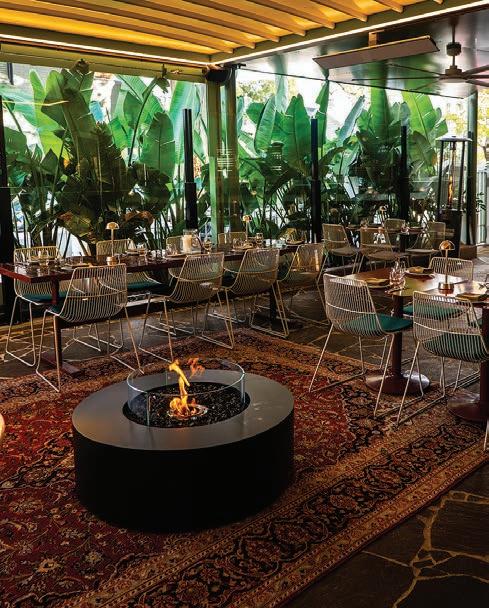
As soon as we step into the courtyard with crazy paving and take in the fireplace, Persian-style rug,
burgundy booths and cool white chairs with teal cushions surrounded by tropical gardens, we’re excited.
As the scent of smoked meat emanates from the kitchen the staff greet us like old friends, and a glass of prosecco kicks off an incredible meal orchestrated by Chef Brad Crowle (who, notably, worked alongside Noma alumnus Beau Clugston at Kiln).
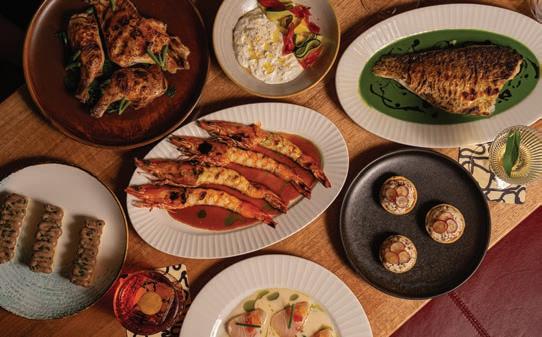
Sharing is encouraged, and Brad has put fire-led cooking, seasonality and native Australian influences front and centre. We start with Sydney rock oysters drizzled in a light, sweet hibiscus jus, followed by blue swimmer crab tartlets liberally sprinkled with roe, and perfectly piped chicken pâte sitting on delicious cracker-like bases.
The barbecued king prawns have already been peeled for us and they arrive upon a bed of parsley and garlic oil that makes the plate look like it's an acrylic poured artwork.
The wood-fired Murray cod has been beautifully cooked to retain its delicate texture while picking up subtle smoky notes from the grill, and the pièce de résistance is the tajima (Japanese black cattle) wagyu flank
that we thought we couldn’t fit in. We devour it silently, in awe of the spectacularly smoky tenderness.
What makes Elliott's so much fun is the vibrant atmosphere. The DJ pumps great music including 80s and 70s classics – two huge trees covered in fairy lights on either side of him.
As we leave, we start planning our return for the bottomless brunch on Sundays, which is $99 per person. elliottsbalmain.au
ANANAS
A French revival in Argyle Square
There’s something wonderfully fitting about a sophisticated French brasserie finding a home among the historic sandstone buildings of The Rocks.
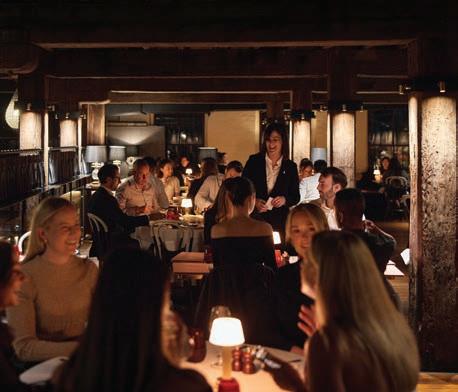
Located in the heritage-listed Argyle Stores, with its heavy wood-beamed ceilings, hardwood columns, and moody lamp-lit tables covered in crisp white tablecloths, you could have stepped from Sydney’s harbourfront into a French diner in Montmartre.
There’s a dedicated Champagne bar, (of course!) and the menu honours classic French culinary traditions while celebrating local produce.
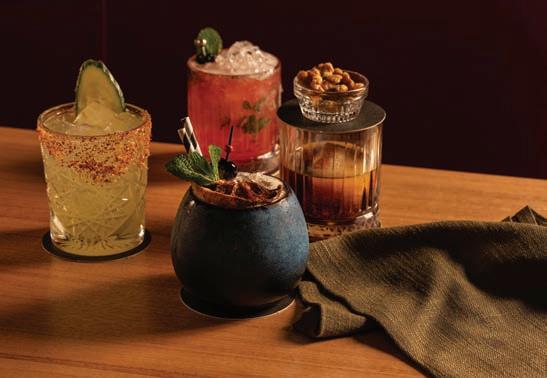
CLOCKWISE FROM LEFT: Elliott's bright, stylish courtyard, and a selection of dishes and innovative cocktails, also at Elliott's.
Think rich, hearty flavours, refined presentation and meticulous technique. Which is perfectly encapsulated in the mildly earthy escargots and the spiced lamb sausage with ratatouille that we indulge in for starters.
One of the restaurant’s most popular dishes is its delish classic steak frites. A perfectly cooked premium steak arrives alongside crisp golden fries and a rich sauce, delivering the sort of timeless pleasure that French brasseries have perfected for generations.
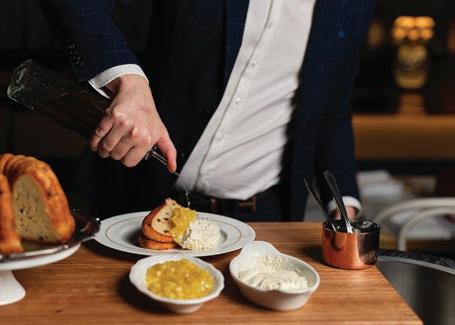
For dessert, a waiter brings out its renowned Baba d’Ananas – a rumsoaked savarin (a classic French yeast cake) with a super-sweet pineapple salsa and crème fraîche chantilly. It's nothing short of heaven on a plate.
Fittingly, the name Ananas is French for pineapple, and historically it symbolises hospitality and a warm welcome. This spirit is really evident throughout our wonderful meal, with the staff regaling us with funny stories while pouring wine and explaining the background of the meals and the many special ingredients that bring the delightful dishes to life. ananas.com.au
GLASS BRASSERIE
High above the city streets
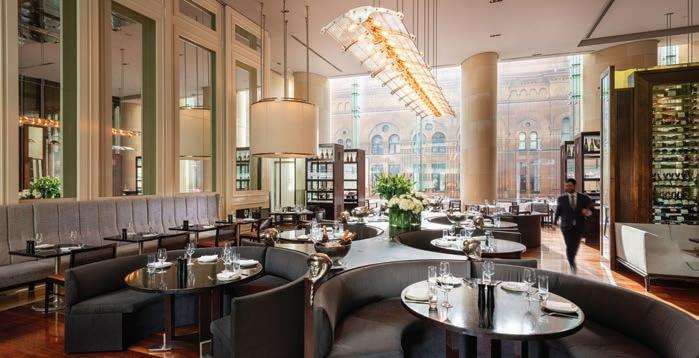
Few Sydney restaurants have achieved the longevity and reputation of Glass Brasserie, and stepping into this glass-walled wonderland of style which is always alive with conversation and the clinking of glasses, there’s no wondering why.
We sit by the windows overlooking some of Sydney’s most impressive sandstone buildings, people far below going about their evenings, the light rail trains zipping by every few minutes. Just sitting there is like being on a movie set, and when the food and drinks start arriving, it becomes a scene for all the senses.
Located within Hilton Sydney, the striking interior design created by New York designer Tony Chi will no doubt never seem outdated.
The menu reflects Head Chef Natalie Murphy’s philosophy of allowing quality ingredients to really shine. From the oysters and scallops to the charcoal Southern Ocean squid seasoned with pepper berry salt, everything is cooked to perfection and beautifully presented – on the plate and by the staff.
A signature dish that has become synonymous with Glass is the charcoal prawns. Delicate, delectable and deceptively simple, the smoky flavour lingers long after the last bite.
Being meat lovers, for mains we enjoy an O'Connor grass-fed fillet steak with a classic pear, rocket and parmesan salad, and a confit duck leg, with roasted grapes and Jerusalem artichoke. It’s a continuous stream of perfectly balanced flavour sensations.
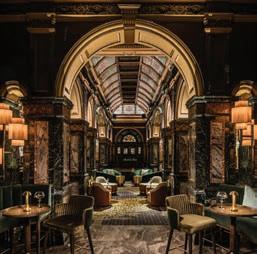
After dinner, we head beneath the city streets for a cocktail at one of the most beautiful bars in Sydney – Marble Bar. As the name suggests, its most striking feature is its marble-clad interiors with stained glass windows.
It’s rare that a restaurant within a hotel is continually considered one of the best, and this year marks 21 years in business for Glass.
The beauty of this, is that when you've indulged in a few courses and a few top drops, you can head to a gorgeous hotel suite and sleep it all off while the harbour city continues to buzz with activity below.
glassbrasserie.com.au
CLOCKWISE FROM THIS IMAGE: Guests enjoying meals at Ananas; Glass Brasserie; Selection of dishes from Glass; The Marble Bar at the Hilton.
Chase the unforgettable in Outback Queensland
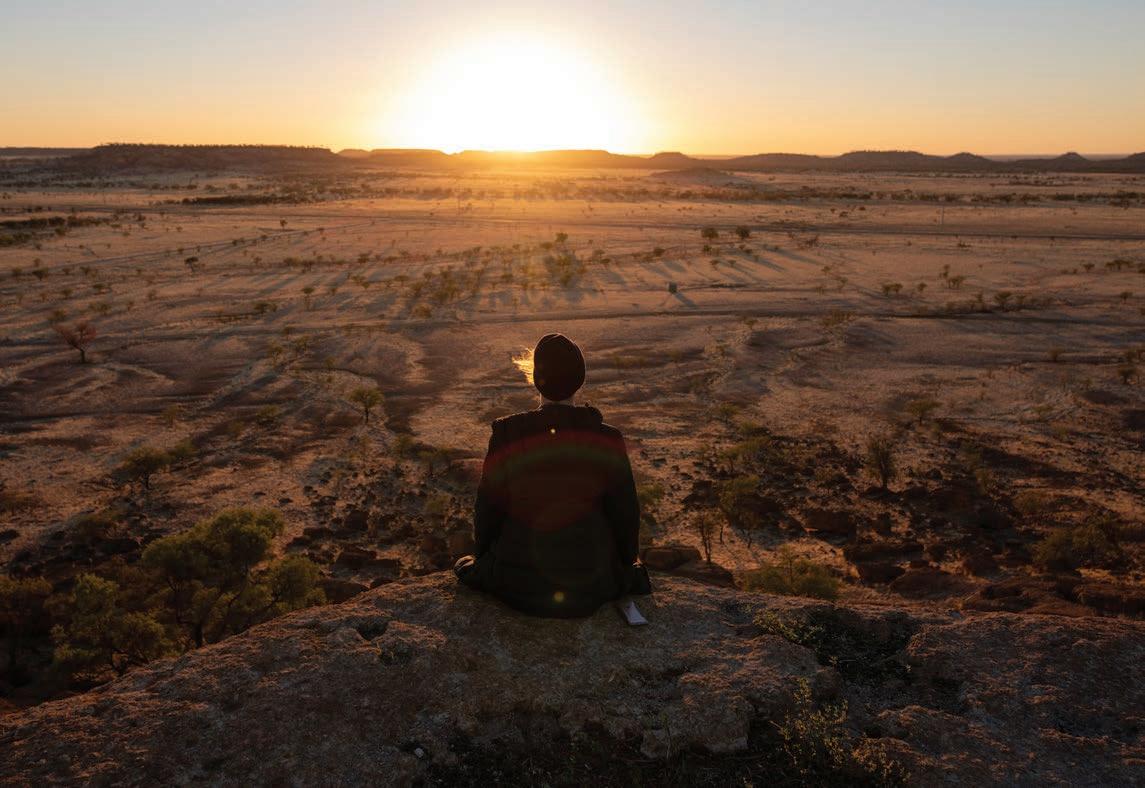
Ancient gorges, vast landscapes, sweeping red sandhills and dark skies that have been millenia in the making. Outback Queensland is calling, and it’s truly something else. Here’s your ultimate bucket selection of some must-do experiences, all easily accessible on flights with Rex.
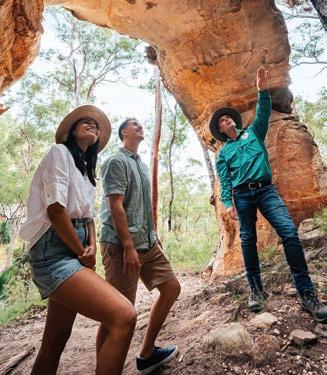
BOOBOOK EXPLORE: FLY TO ROMA
Explore the Roma and Carnarvon regions with eco-certified Boobook Explore. With an ecologist as your guide, you’ll explore Indigenous rock art and cultural sites, incredible sandstone rock formations and pockets of the Carnarvons that are rich in biodiversity and natural beauty.
TOOGUNNA PLAINS: FLY TO QUILPIE
Between the towns of Quilpie and Eromanga, Toogunna Plains is a fifth-generation property with 18 stylish ensuite cabins and the opportunity for guests to fully immerse themselves in station life.
Tour the property by day and take a sunset sandhills tour at twilight. This once-in-a-lifetime experience will have you enjoying bubbles and a cheese platter as you take in the magic of an outback sunset on stunning sandhills overlooking the Channel Country.
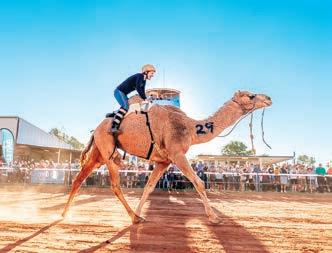
CAMEL RACING: FLY TO BEDOURIE OR BOULIA
Camel racing has been part of outback life since the 19th century. It’s now considered a must-see experience, drawing spectators and competitors from across the country. Beyond the camel races, you’ll find live entertainment, food and a host of novelty races culminating in epic
events filled with entertainment and heart-stopping thrills. Stay for a week and journey between two of the Outback’s most iconic events –the Bedourie Camel Races on July 11, and Boulia Camel Races, held from July 17 to 19, 2026.
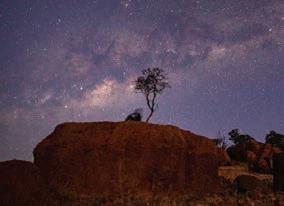
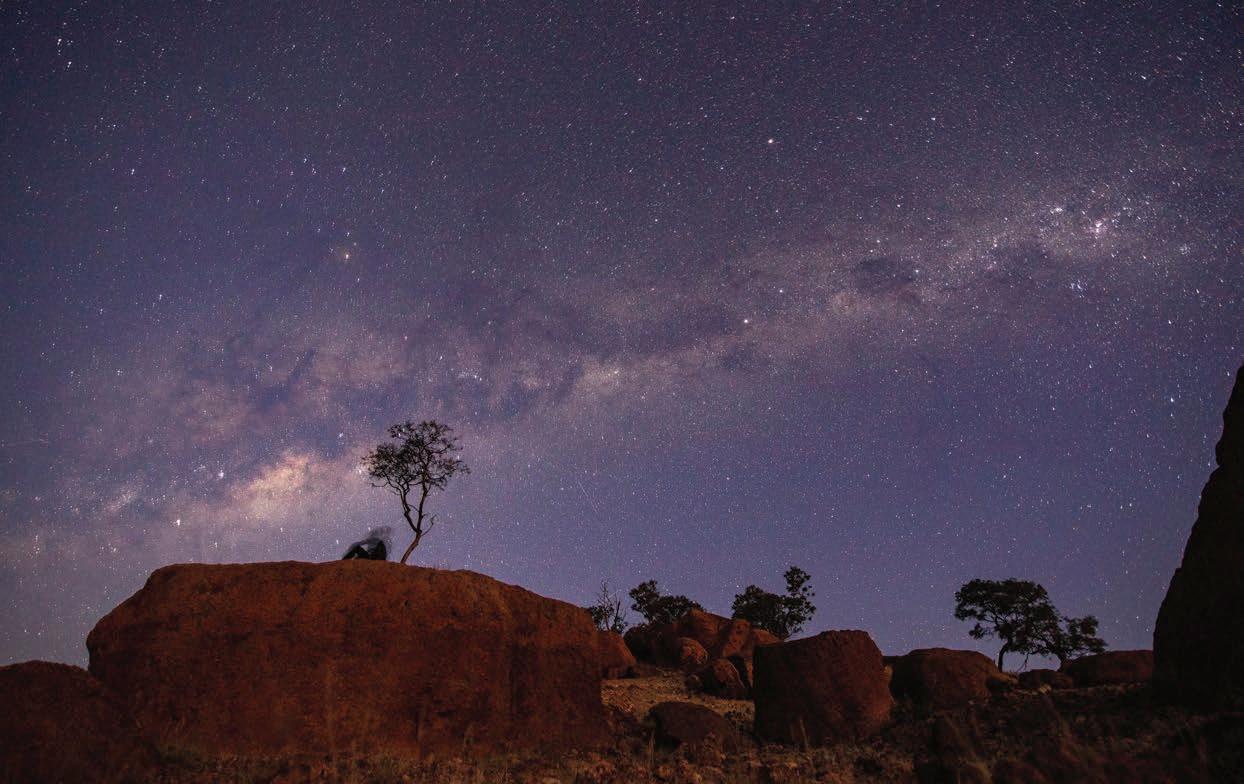
DARK SKY SANCTUARY: FLY TO WINTON OR LONGREACH
Far away from the bright city lights, the skies of Outback Queensland are said to be amongst the most awe-inspiring in the world.
TOP TO BOTTOM: The Milky Way from Winton (@ Phil Warren); Boulia Camel Races (@ Charlotte Allen); The Charleville Cosmos Centre (@ HaileyBartholomew).
The night sky comes alive in an ancient map of stars, telling stories that have been shared for tens of thousands of years.
Leading the way is the town of Winton, home to Australia’s first internationally certified Dark Sky Sanctuary. Here, astronomy guides explain the evolution of the night sky and its links to Earth as part of the Gondwana Stars Tour.
CHARLEVILLE COSMOS CENTRE: FLY TO CHARLEVILLE
Charleville is also a great place for an exploration of our galaxy. Cosmos Centre offers experiences during the day and night. The stars feel close enough to touch, with powerful telescopes revealing Saturn’s rings, distant galaxies and the shimmering Milky Way in breathtaking clarity.
TA
CLOCKWISE FROM LEFT: Dark Sky Sanctuary, Winton; Toogunna Plains Farmstay, Quilpie (@Hailey Bartholomew); Wallaroo Station with Boobook Explore (@JesseLindemann);
Mildura &
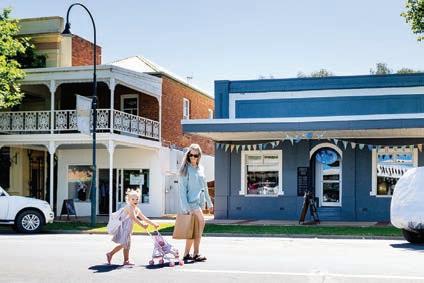
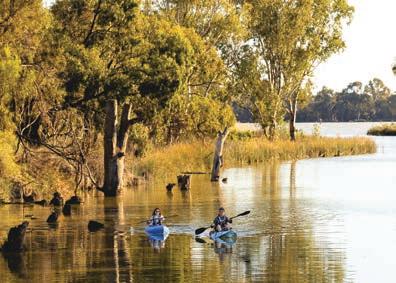
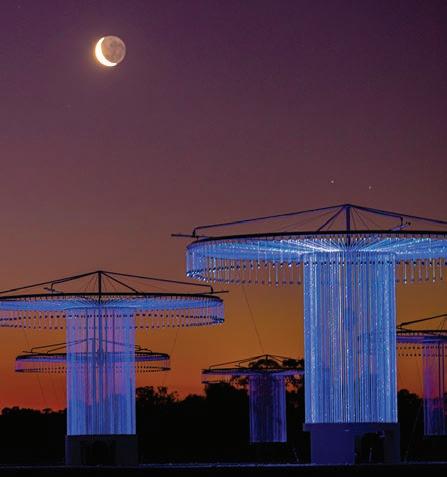
THIS IMAGE: FOSO lights up the Perry Sandhills @Mildura.com. LEFT TO RIGHT: A stroll down Darling Street in Wentworth (@Experience Wentworth); Wentworth Visitor Information Centre (@Experience Wentworth); Kayaking at Kings Billabong.
Wentworth
& THE ART OF MAKING MEMORIES
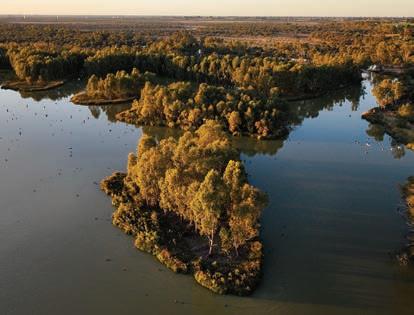
Mildura and Wentworth were established in the desert, but today they're thriving communities where the Murray River is like an artery connecting them to vast lands ripe for adventure.
WORDs: Michelle Hespe
Despite it always bursting at the seams with humans and wildlife enjoying the water, the Murray River has a way of slowing you down.
Perhaps it’s the continual, steady movement of the water, the towering river red gums standing watch along its banks, and the peaceful parade of houseboats, paddle steamers and tinnies gliding by.
Whatever it is, a few days exploring Mildura and Wentworth is an exercise in embracing a gentler pace, where exceptional food and wine, fascinating history, boutique shopping and worldclass art experiences unfold beside one of our most iconic waterways.
It’s a destination that’s equal parts sophisticated and relaxed, where contemporary creativity sits alongside rich heritage and spectacular natural landscapes that make you want to get out there and throw yourself into it all.
BUSHWALKING AND WONDERFUL WINE
The Murray is Australia's longest river – its impressive 2508 kilometres spanning New South Wales, Victoria and South Australia. And so our trip aptly begins in Mildura’s heart, where the river is never far from view.
Morning sunlight dances across the water before Dockside Café & Boat Hire as houseboats drift quietly through the marina, black swans trailing in their wake. With freshly brewed coffees in hand and delicious bacon and egg rolls before us, it’s impossible for my husband and I not to settle into the easygoing rhythm that the locals all seem to move to. As the sun shines down, the marina slowly awakens around us – people stopping to say good morning, dogs excitedly bounding along on the grassy riverbanks, boats gently rocking on moorings.
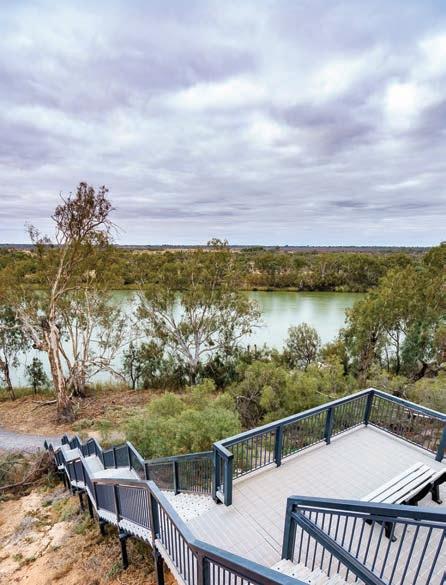
Happily caffeinated, we drive 10 minutes north-west towards Merbein, where the landscape opens at Merbein Lookout. Standing on a wooden deck, we look out over mallee bush and red gums shooting from the
rugged red earth that sprawls in all directions. It’s enough to still anyone’s mind, and we greedily suck in the super crisp, fresh country air.
As we drive on, vineyards stretch towards the horizon, framed by rich red earth and winding river flats. The contrast between vibrant greens and warm ochre tones creates a quintessentially Australian vista that’s particularly beautiful in the soft morning light.
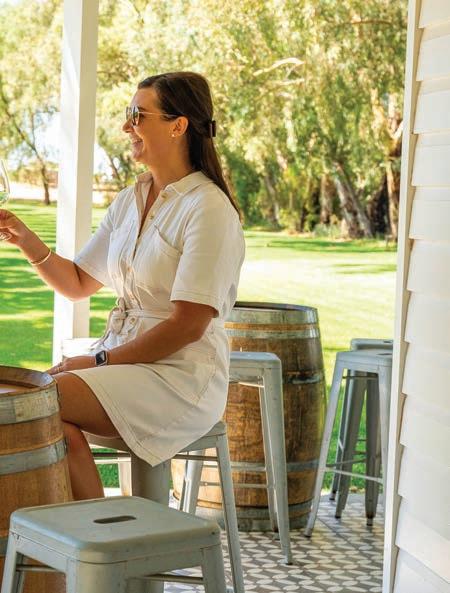
Set among thriving vineyards in Merbein, Chalmers Wines has built a reputation for pioneering Italian grape varieties while always exploring fresh ways of doing things.
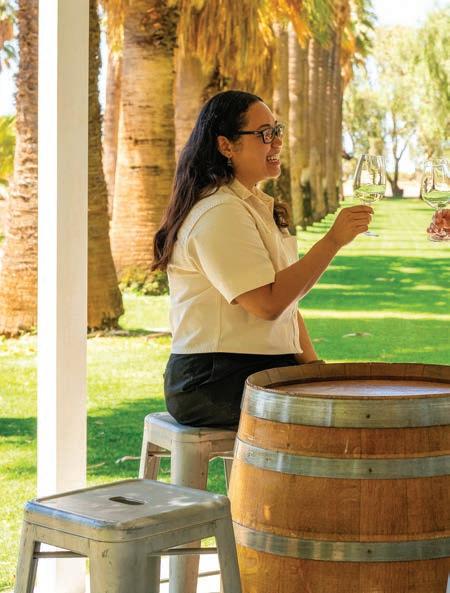
Friendly hosts guide us through lesser-known varietals – think Fiano, Vermentino, Greco Nero d’Avola – and distinctive flavours created by Italian winemaking techniques, such as Appassimento – which is where harvested grapes are dried on straw mats or racks for several weeks or months before fermentation. This dehydration concentrates sugars, acidity and flavours, resulting in highly structured, full-bodied, aromatic wines with high alcohol content.
Contemporary architecture and vast windows framing the vineyards creates a sophisticated and welcoming cellar door. Whether you’re a seasoned wine enthusiast or simply curious to discover something new, Chalmers makes everyone feel at home.
We walk off our tasting with the 10-kilometre Blandowski Walk, which is a great cliff-top hike through the native bushland. Birdsong fills the air as we meander down the trail through ever-changing terrain, river views popping along the way, while kangaroos and wallabies bound through the undergrowth.
WANDERING THROUGH WENTWORTH
We cross the Murray River on the Abbotsford Bridge and head into Wentworth’s town centre, which is right on the confluence of the Murray and Darling rivers. One of Australia’s
oldest river towns, Wentworth oozes historic charm. The wide streets are lined with heritage buildings, and if the paddle steamers still ruled the waterways, we’d have quite literally stepped back in time.
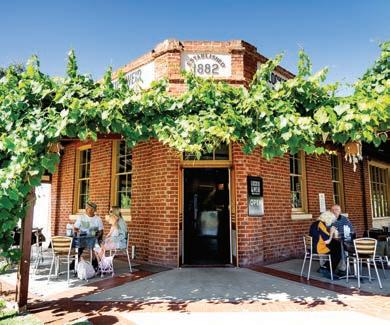
Lunch at Lock 10 & Weir Restaurant is a perfect introduction to the town’s rich past. Housed within a beautifully restored heritage building draped with grape vines, it combines warm hospitality with endless stories
embedded in its colourful, eclectic décor. Once home to early river trade enterprises and Wentworth's first picture theatre, the building has witnessed generations of history. Oh, if the walls could talk!
Today, visitors settle into its welcoming interior to enjoy fresh seasonal dishes, regional wines and excellent coffee. We tuck into a portobello mushroom pasta and a local fave – the lamb burger.
Just down the street, be sure to stop by for a cool one at the Royal Hotel Motel – the oldest publ in the Sunraysia region. Established in 1866, this family-run country pub by the river has been operating continuously for 160 years, and it’s dog friendly.
At the end of the road you’ll find the delightful Wanderer’s Crossing River Retreat, which is a beautifully kept caravan park right on the river where the owners go above and beyond to create a peaceful, spotless place with everything you need for a fantastic riverside holiday.
Darling Street forms the heart of the town’s boutique shopping scene, where the preserved heritage façades house an eclectic collection of independent retailers in homewares, gifts, fashion, artisan products and handcrafted textiles. We chat with a few passionate business owners who are always happy to give visitors tips on what to see and do in their region.
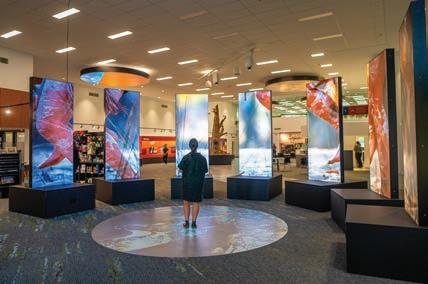
A visit to the Wentworth Visitor Information Centre reveals another layer of the region, with the interactive space encouraging travellers to engage with local stories and gain a deeper understanding of the landscapes that define the MurrayDarling region.
RED SANDHILLS & A MEETING OF RIVERS
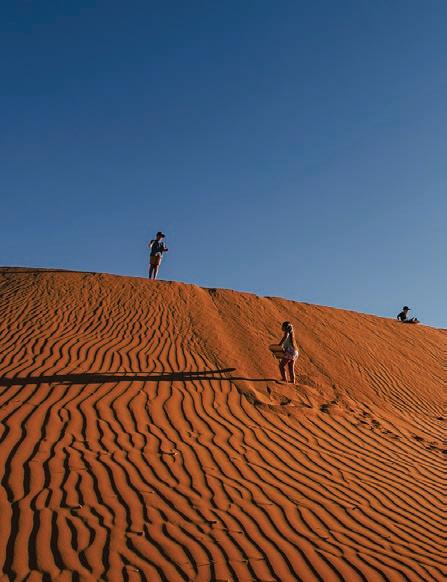
After lunch we drive out of town to a place that has been on our travel bucket list for years – the wonderfully red Perry Sandhills.
We park at the base of some of the
hills and look up into the shifting red sands that stand out starkly against a brilliant blue sky. The ancient dunes seem out of place. as it’s not often that you stumble across a mini-desert beside a riverside town.
Walking, slipping and running across the soft, warm sand there’s a remarkable silence and a feeling of neverending space. For an hour, it's only us out there, and it feels like we’re on another planet. As the afternoon progresses, the dunes glow with golden hues, their contours shifting with every change in light.
Heading back to the carpark, we watch as excited kids run up the red hills and then slide back down on pieces of cardboard, their squeals of delight echoing around us.
There aren’t many places where two of a country's longest rivers meet, so next on the itinerary is visiting one of the region's geographical landmarks.
At Junction Park, there’s a viewing tower overlooking the meeting point of the Murray and Darling Rivers. We climb up the spiral staircase and from the top, look at the convergence of two waterways that have been shaping inland history for centuries.
Nearby, Lock 10 and Weir offers another perspective on the Murray system, highlighting the incredible engineering that has helped shaped river life in these parts. We sit on the riverbank and wait for the water show to begin. Then we’re both mesmerised as we watch the lock fill with gushing water, readying itself for the arrival of a boat that will slide in, and then be
ABOVE THEN CLOCKWISE: Wine tasting at Chalmers Wines (@Mildura.com); The Perry Sandhills and Merbein Lookout (@Experience Wentworth)
LEFT TO RIGHT: Lock 10 & Weir Restaurant (@Experience Wentworth);Confluence of the Murray and Darling Rivers.
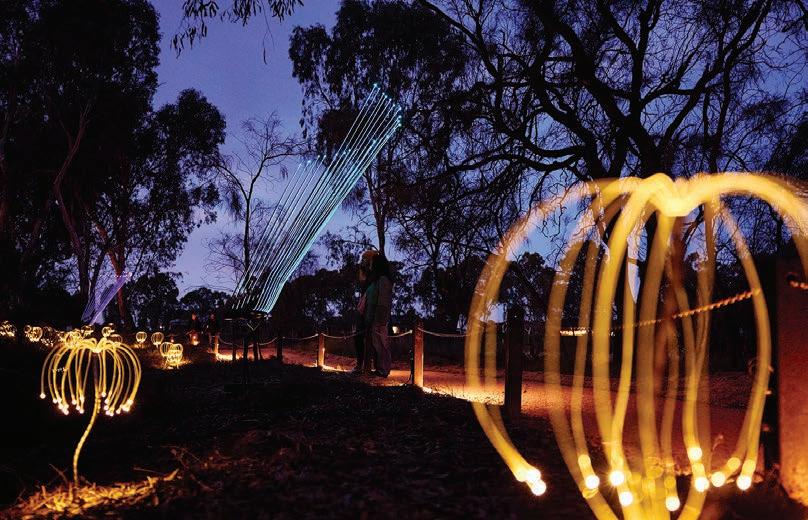
CLOCKWISE FROM ABOVE LEFT: Produce at Sunraysia Farmers & Makers Market (@Experience Wentworth) Trail of Lights (@Visit Victoria) Drinks at the Captain Sturt Hotel and Rio Vista Historic House (@Experience Wentworth).
LEFT TO RIGHT: FOSO in the Perry Sandhills.
lowered down as the water recedes, in order to glide out the other side.
THE MAGIC OF FOSO IN THE PERRY SANDHILLS
As daylight fades, we head back to the Perry Sandhills to see another phenomenon – something manmade, yet equally as spectacular as the landscape that it now sits upon.
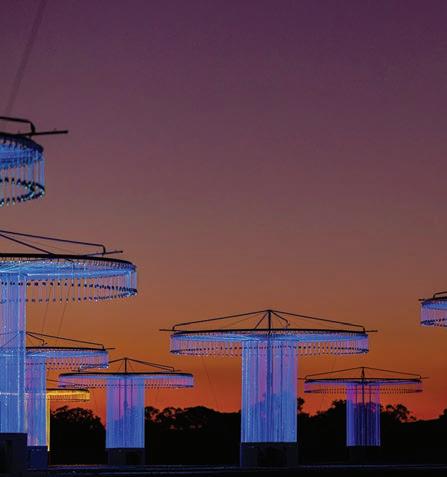
The Fibre Optic Symphonic Orchestra (aka FOSO) is the latest creation by internationally renowned light artist Bruce Munro. Essentially, it's a collection of 80 Hills Hoist-like structures that together create an utterly enchanting installation of light and sound.
Bruce had a dream of being able to walk through an orchestra, and here in the sandhills, his vision has been brought to life. As we walk across the soft red sand, weaving our way through the towering sculptures, the transcendental score created by acclaimed British composer Nainita Desai emanates from 240 speakers.
Thousands of fibre optic strings fade in and out, colours shooting up, down and across the main columns, then out across the hoists’ arms in time with the rise and fall of the hypnotic sonatas.
Both of us are lost in our own thoughts as we wander – the shadows of other visitors passing by us like ghosts, murmurs of their thoughts drifting in the dark of the night.
Leaving the sandhills and arriving at the bustling Captain Sturt Hotel for
dinner is like stepping snapping back to reality after being hypnotised.
This much-loved local institution was built in 1886 by 19th century pioneer and town mayor John Leary. A duo is playing some country music on a stage in the beer garden as we settle in for some delicious chicken schnitzels and a cold beer. Bliss.
We start chatting to some locals who recommend fitting in the Old Wentworth Gaol, Wentworth Pioneer Museum and Riverboat Rod’s Model Paddle Steamer Display, as all three have shaped the Wentworth that we see today. We add them to our growing list of things to see and do.
MARKETS, ART & FOOD, GLORIOUS FOOD
Our next morning kicks off with a local institution: the Sunraysia Farmers & Makers Market. Bringing together the region's growers, producers and artisans by the Murray River, the smell of homemade deliciousness upon approach has our stomachs rumbling. We grab a cuppa from a coffee van, indulge in some Turkish bread and dips, buy some plump Nepalese dumplings and stock up on local honey, beef jerky and dried fruits.
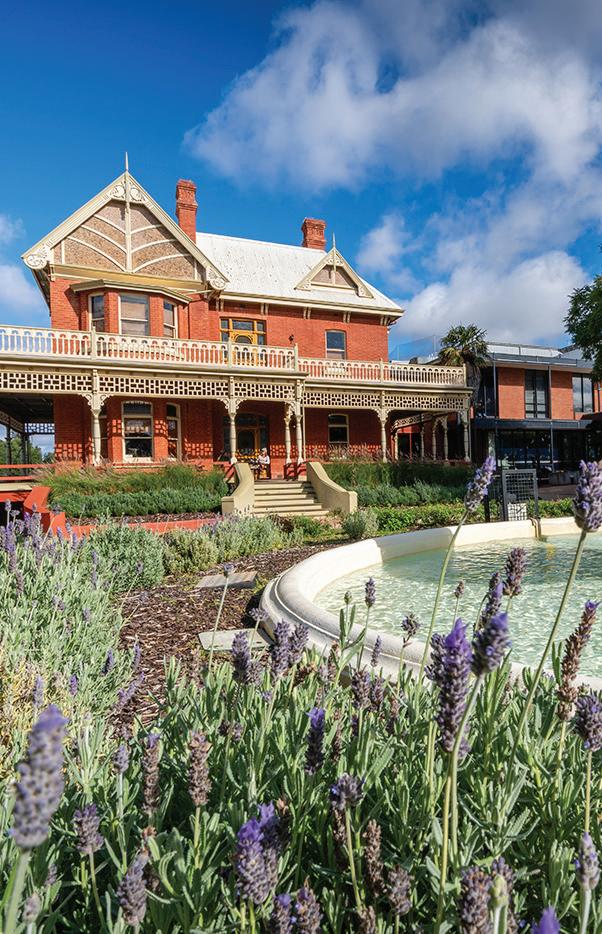
For another culture hit, we head to the Mildura Arts Centre and Rio Vista Historic House. Contemporary exhibitions fill the light and bright gallery space, and next door, Rio Vista House offers a beautifully preserved glimpse into Mildura’s early years and the legacy of the Chaffey family, whose vision helped transform the region. The self-guided tour of the grand house that was built when Mildura was a desert is like stepping back in time. We’re in awe of what the Chaffey brothers achieved by bringing irrigation to the region, which led to wine and fruit growing, and the produce that Mildura is famous for.
For lunch we head to Nash Lane, which is also considered one of the best places to grab a coffee. The exterior is draped in grape vines with bright murals adorning the white brick walls, while inside the cool, minimalist
industrial styling gives it a Melbourne warehouse feel. I order the glazed barramundi with a green salad, which is a fresh, zingy taste sensation.
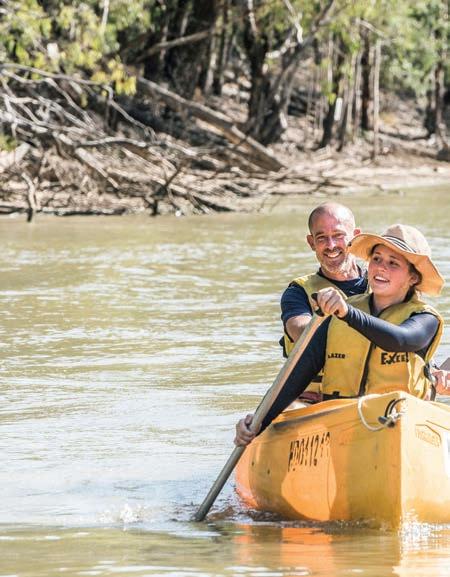
After lunch we head to Kings Billabong, which is an adventurer’s playground and also an mportant floodplain ecosystem. There are walking tracks, cycling trails and still waters that are perfect for kayaks and canoes. We hire canoes and spend a tranquil couple of hours paddling about, the water lit up like sparkling wings around us.
TRAIL OF LIGHTS ON LOCK ISLAND
As the sun sets we make our way to Lock Island, where another Bruce Munro masterpiece awaits.
Trail of Lights is the quieter, more contemplative counterpart to FOSO. Hundreds of delicate lights glow softly among the trees by the river’s banks, creating the illusion of fireflies dancing through the landscape.
We follow winding pathways that are dark compared to the illuminated bushland, the fireflies gently shifting as though they're all silently dancing. It’s just as mesmerising as FOSO.
Within Trail of Lights is Gone Fishing – a whimsical fibre-optic light sculpture. Inspired by Bruce's childhood memories of fishing with his brother. Consisting of colourful, illuminated fishing rods that capture the peaceful, reflective feeling of standing by a stream, it's pure magic.
Once again, as we leave, the real world is loud and in stark contrast to the quiet spaces we've been happily lost in.
We head to dinner at TikTek – a bustling Asian restaurant inspired by Thai cuisine. The dishes are as vibrant as the interiors – bursting with colour, texture and bold flavours, each plate designed to surprise and delight.
From ancient sandhills and historic streetscapes to contemporary art and exceptional wine and dining – culture, nature and creativity are at the heart of Mildura and Wentworth. And they're all as impressive as the two rivers that have defined this thriving region. TA For more info, visit mildura.com
DIVE INTO
Far North Queensland
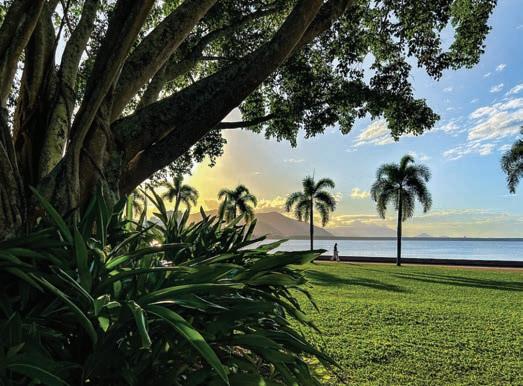
Far North Queensland is the perfect destination for outdoor adventures, with stunning beaches, balmy weather and tropical island charm.
ONE OF THE SEVEN NATURAL WONDERS
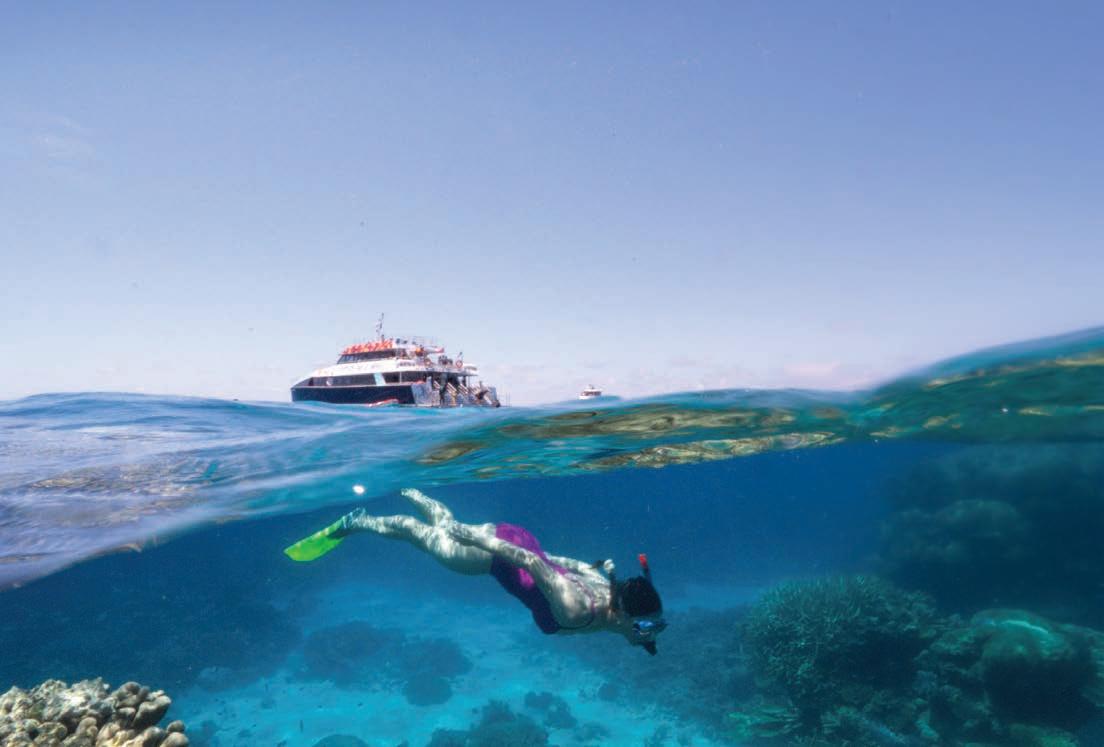
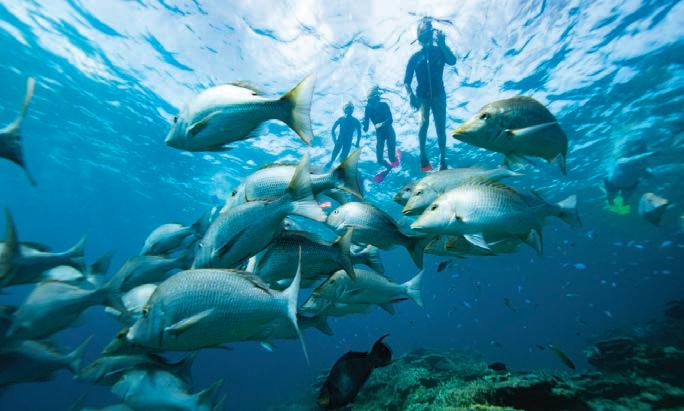
With an astounding length of 2300 kilometres, the Great Barrier Reef is the world’s largest living structure, with thousands of individual reefs and islands. It’s one of the Seven Natural Wonders of the World.
Sitting on the reef’s edge, the city of Cairns is a perfect launch point for a marine adventure packed with snorkelling, diving, animal encounters and guided tours.
Frankland Island Reef Cruises operates day trips that depart from Cairns, with a variety of activities on offer. The All-Inclusive package is an 8.5-hour tour complete with a guided snorkel safari, scenic river cruise, a guided island walk, kids’ snorkel course and treasure hunt, and a beachside buffet lunch to boot.
The Express Tour is a 5.5-hour option for those wanting to fit more into the day. After arrival at Normanby Island, there’s plenty of time to swim and explore, or go paddleboarding or kayaking. You can also participate in a semi-submarine tour or the snorkelling tour, which are perfect ways to explore the island and the Great Barrier Reef below the surface.
ADVENTURES ON CAPE TRIBULATION
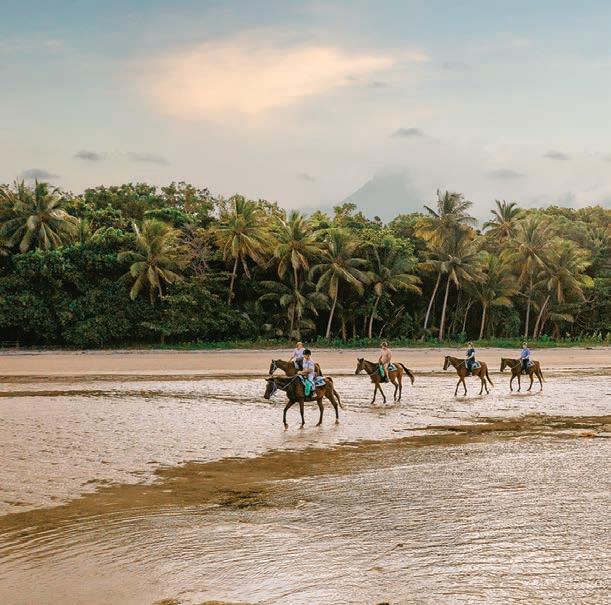
Cape Tribulation (aka Cape Trib) is the magical spot where rainforest and reef collide. Here, it’s all about off-road adventures, mountain hikes and relaxing on the beach. You can even ride a horse along the shores of Myall Beach with Cape Trib Horse Rides. The 90-minute experience
WORDs: Mikaela Smigo
TOP TO BOTTOM: Relax at Crystal Cascades; Snorkelling the Great Barrier Reef. Photos @TEQ
boasts sweeping views of Mount Sorrow above the rainforest canopy, and your host will share stories about the area’s culture and history. Choose a 10am beach ride for an earlier start, or an afternoon ride.
If you’re a fan of local produce and have a sweet tooth, check out the Tropical Fruit Tasting Tours offered by Cape Trib Farms. Start by visiting the orchards where the team grow exotic fruits such as chocolate pudding fruit, creamy mamey sapote and zingy carambola. Taste everything along the way while learn about the farm’s regenerative farming practices.
WATERFALLS & WILD ADVENTURES
Far North Queensland is flush with waterfalls that carve their way through the landscape, offering great options for a refreshing and scenic trip.
An 18-minute drive from Cairns, Crystal Cascades is one such beauty. This series of impressive waterfalls rush into several large pools surrounded by smooth granite boulders. The barbecues, picnic tables and toilets mean you can pack a picnic lunch and spend the whole day swimming beneath waterfalls and enjoying the rainforest. For the more adventurous, book the Canyoning, Ziplining & Waterfalls Rainforest Experience Tour with Cairns Canoeing. The tour takes you above the general swimming area at Crystal Cascades and into the lush mountains, where you’ll be suited up with a helmet and harness before abseiling, rock climbing, swimming and jumping down the canyon, through waterfalls and into the refreshing pools below. TA
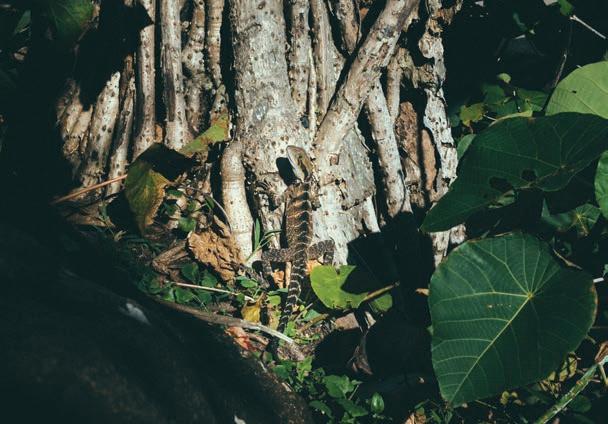
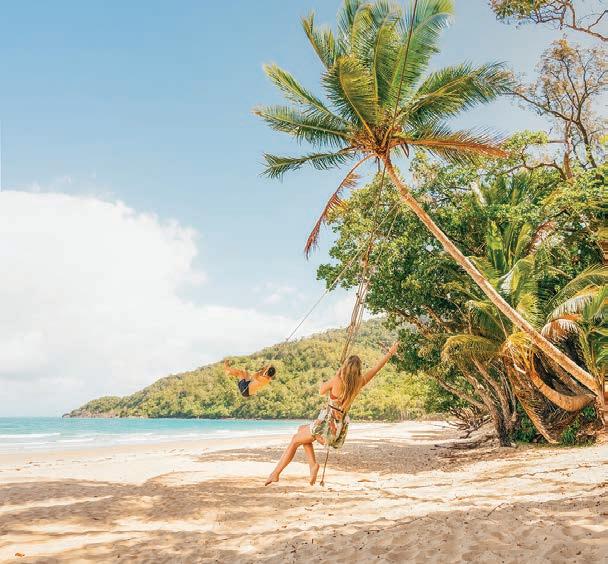
LEFT, THEN TOP TO BOTTOM: Horse riding on Myall Beach; A goanna; Swinging above the beach at Cape Tribulation; The pictureperfect foreshore of Cairns. Photos @TEQ.
Making art Moruya MATTERS IN
The biennial Basil Sellers Art Prize was launched in 2004, and two decades later it's back for 2026, bigger and better than ever.
WORDS: Michelle Hespe
Crossing over the Princes Highway Bridge into Moruya, the wide, peaceful tidal river falls away and ahead lies the charming heart of Moruya – heritage houses fanning out on wide streets in both directions, with thriving bushland rising behind.
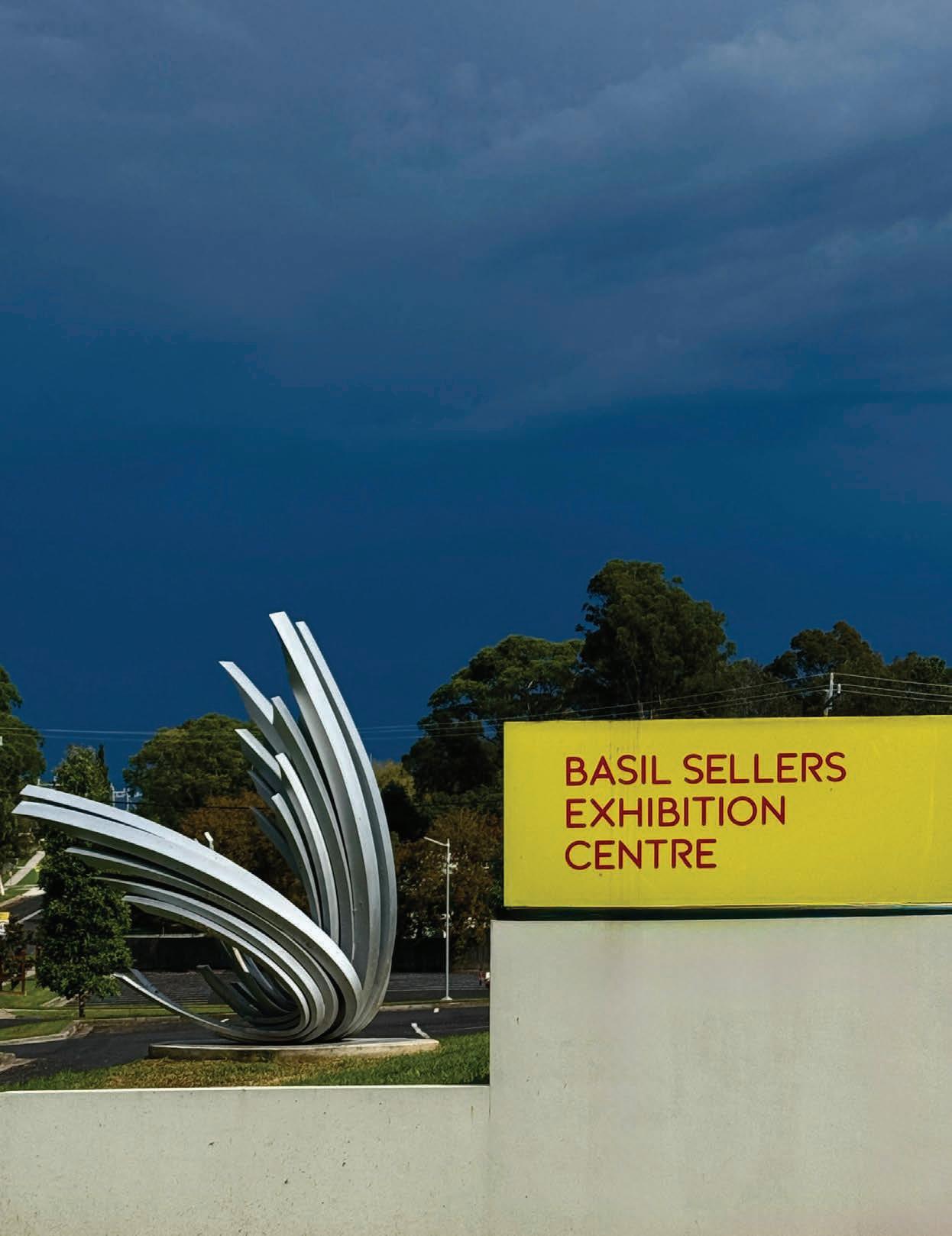
Catching the light at the corner of Moruya’s civic precinct, a sweeping arc of polished steel rods curves up in flowing silver waves framed by the sky. The stunning five-and-a-half metre tall sculpture by Terrance Plowright OAM is called duraya dhuduga barra barra in Dhurga – the language of the local Yuin people. Translated into English, this means River Touching Ocean, and it perfectly sums up the town of Moruya and the Country it sits upon.
The much-photographed sculpture was gifted to Moruya by Basil Sellers AO – the founder of the Basil Sellers Art Prize (BSAP).
“A well-considered piece of public art, this impressive work will also serve as a wayfinding marker for visitors to
the Basil Sellers Exhibition Centre,” the council’s Director of Community, Arts and Recreation Kathy Arthur says. It’s an enticing preview of what visitors can expect to find in the Basil Sellers Exhibition Centre, where every second year in December, a quietly extraordinary event in the Australian arts calendar takes place.
GIVING ARTISTS BACK THEIR TIME, DIGNITY AND ENERGY
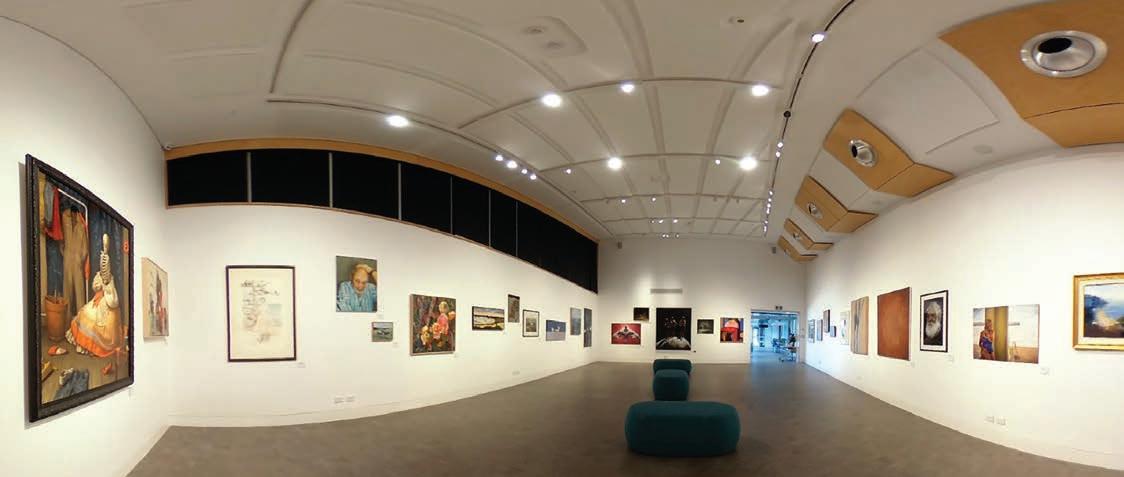
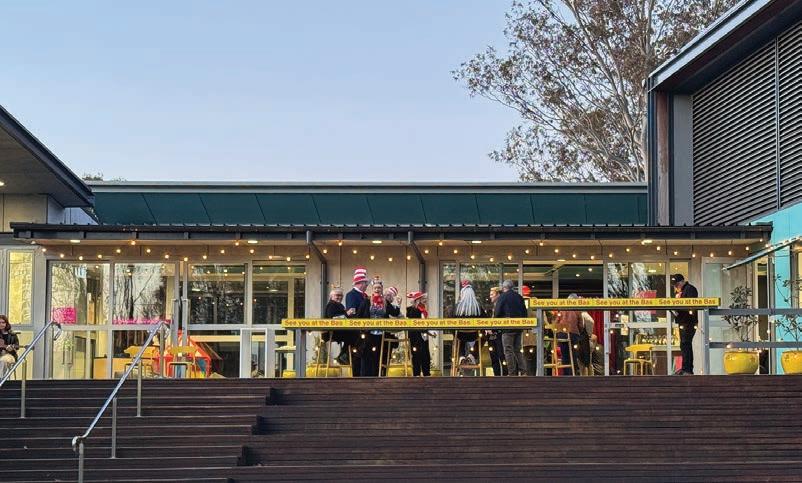
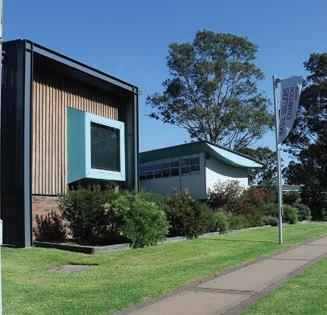
Sitting beside the town's library and council chambers, Eurobodalla's beloved regional gallery – the Basil Sellers Exhibition Centre – is a striking steel building with clerestory windows. The locals have affectionately dubbed it the Bas.
Within the gallery, the biennial Basil Sellers Art Prize celebrates more than two decades of showcasing an astounding array of art. This year, it’s going to be bigger and better than ever. In 2026 the prize returns with a pool exceeding $55,000, anchored by a $50,000 acquisitive award through the generosity of Basil Sellers, alongside the $5000 Eurobodalla Award for an outstanding local work. But the prize’s growing reputation isn’t really about the money. After the 2022 prize, a respected local artist sent an email to the Eurobodalla council asking
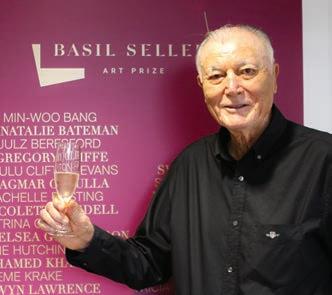
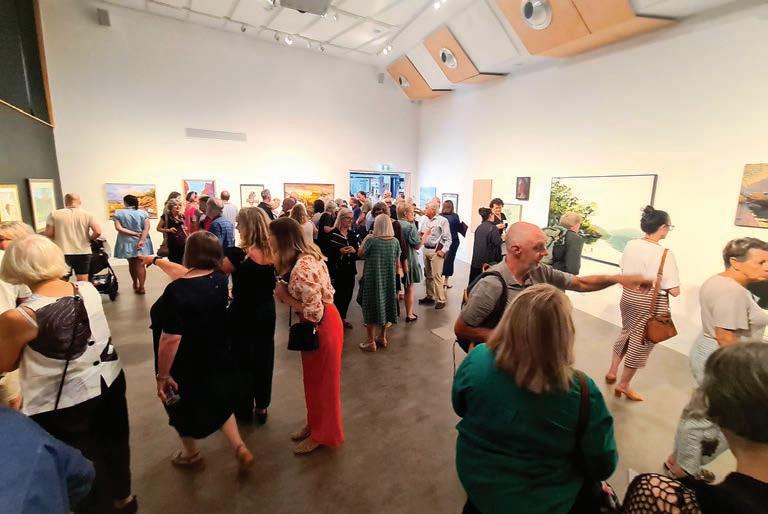
LEFT, THEN TOP TO BOTTOM: Terrance Plowright's sculpture – duraya dhuduga barra barra; Inside the impressive, purpose-built Basil Sellers Exhibition Centre; Basil Sellers is the man behind the dream. Guests gather to celebrate the 2024 Basil Sellers Art Prize.
what the point of an art exhibition was, and whether a national prize had any relevance to the regional community.
That earnest question sparked a fundamental redesign – an honest reckoning with what prizes ask of artists, what they mean to communities, and whether any of it truly serves them. The answer then became a guiding principle: give artists back their time, dignity and energy for what matters most: making art.
DOING IT FOR THE ART, AND THE ARTISTS
As an artist, entering a prize carries a mental load that most people never encounter. Hours spent resizing images, rewriting statements to arbitrary word counts, updating résumés to justify participation.
The BSAP has stripped it all back, with the process requiring only what is needed. Artist statements are optional, as the Bas team believes that an artist's
time and creative energy should be directed at their practice, not admin.
Many organisers behind prizes also ask that artists refrain from showing off their art outside of their organisational sphere, with exclusivity clauses and even restrictions on artists sharing their artworks on their own social media.
Not at the Bas.
Art is made to be seen, and the BSAP won’t stand in the way of artists sharing, showing and selling work that they’ve entered.
The financial reality of participation is also taken seriously at the Bas. Courier fees for finalists are covered, and a $100 framing subsidy helps ensure professional presentation. The $50 entry fee goes directly into creative arts programming in Eurobodalla, supporting creative literacy and the next generation of practitioners in a region that takes its cultural life seriously. Entering the BSAP makes artists a part of the Bas
KEY DATES
• C all for Entries:
June 1 – September 11, 2026
• Finalists announced: October 16, 2026
• Opening and winners announced: December 4, 2026
• Exhibition: December 5 2026 – January 30, 2027
For more information, visit thebas.com.au
family and genuine contributors to a grateful community.
This approach extends to how the prize communicates with every artist, at every stage. Kindness, care and genuine interest are the Bas’s guiding principles, even when an artist does not make it to the finals. Artists have written to organisers to say they were the kindest, most considered rejection letters they’d ever received, and that type of response is another measure of the prizes success.
BEHIND THE SCENES, ALL THE WAY
Behind it all is a man who has stayed committed for over two decades. In 2024 Basil Sellers doubled the major award, not because he was asked, but because he believes in giving artists opportunities they might not otherwise have, and because the direction of the prize charted by the Bas team reflects his values.
The Basil Sellers Art Exhibition opens December 4, 2026. On the opening night the sprawling deck will fill with artists and art admirers, fairy lights will twinkle overhead, champagne will flow, and the warmth of a gathered community will be felt. And the stars of the show will be art that stops guests mid-sentence. TA
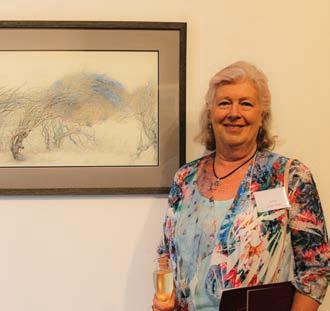
CLOCKWISE FROM TOP: Guests admire artwork at the 2024 show; Exterior of the exhibition space; Lexie Watt – winner in 2024 with Windblown Trees Bombo Headland. @ Kat Patton.
Michael Thomson, winner 2022
Michael Thomson, winner 2022
2026
2024
The Basil Sellers Art Prize places artists at its heart, offering a supportive platform for 2D works in painting, drawing and printmaking. Held at the Bas in Moruya, on the South Coast of NSW, the Prize continues to refine an artist-first model, shaped by listening closely to creative practitioners and nurturing ongoing relationships with them.
The Basil Sellers Art Prize is an acquisitive biennial award celebrating artistic excellence and supporting creative practitioners. Offering a prize pool of over $30,000, our prize champions 2D artworks in traditional mediums of painting, drawing, and printmaking (unique state). Now in its 20th year the prize is generously supported by Basil Sellers AM and Eurobodalla Shire Council.
Call for entries opens: 15 July 2024
Call for entries closes: 27 September 2024
The 2026 Prize strengthens this ethos with two major supports: courier fees fully covered and a $100 framing subsidy for all finalists to improve accessibility and reduce exhibition costs. The major acquisitive award has been increased to $50,000, alongside the $5,000 Eurobodalla Award celebrating an outstanding local entry. All entry fees support local creative programming.
2024
Winners announcement: 6 December 2024
Exhibition: 7 December 2024 to 2 February 2025
Open to artists at all career stages and from all regions of Australia, the Prize is committed to care, accessibility and the belief that exceptional art can come from anywhere.
More information: www.theBas.com.au hello@thebas.com.au 02 4474 7355
The Basil Sellers Art Prize is an acquisitive biennial award celebrating artistic excellence and supporting creative practitioners. Offering a prize pool of over $30,000, our prize champions 2D artworks in traditional mediums of painting, drawing, and printmaking (unique state). Now in its 20th year the prize is generously supported by Basil Sellers AM and Eurobodalla Shire Council.
Key dates:
Call for entries opens: 15 July 2024
Call for entries: 1 June – 11 September 2026
Finalists announced: 16 October 2026
Call for entries closes: 27 September 2024
Opening and winners announced: 4 December 2026
Winners announcement: 6 December 2024
Exhibition: 5 December 2026 to 30 January 2027
Exhibition: 7 December 2024 to 2 February 2025
More information: www.theBas.com.au hello@thebas.com.au 02 4474 7355
FROM PADDLES TO POETRY: WINTER ACTIVITIES IN Albury
WHEN WINTER arrives in Albury, there’s a crispness in the air and the city is awash in a golden glow.
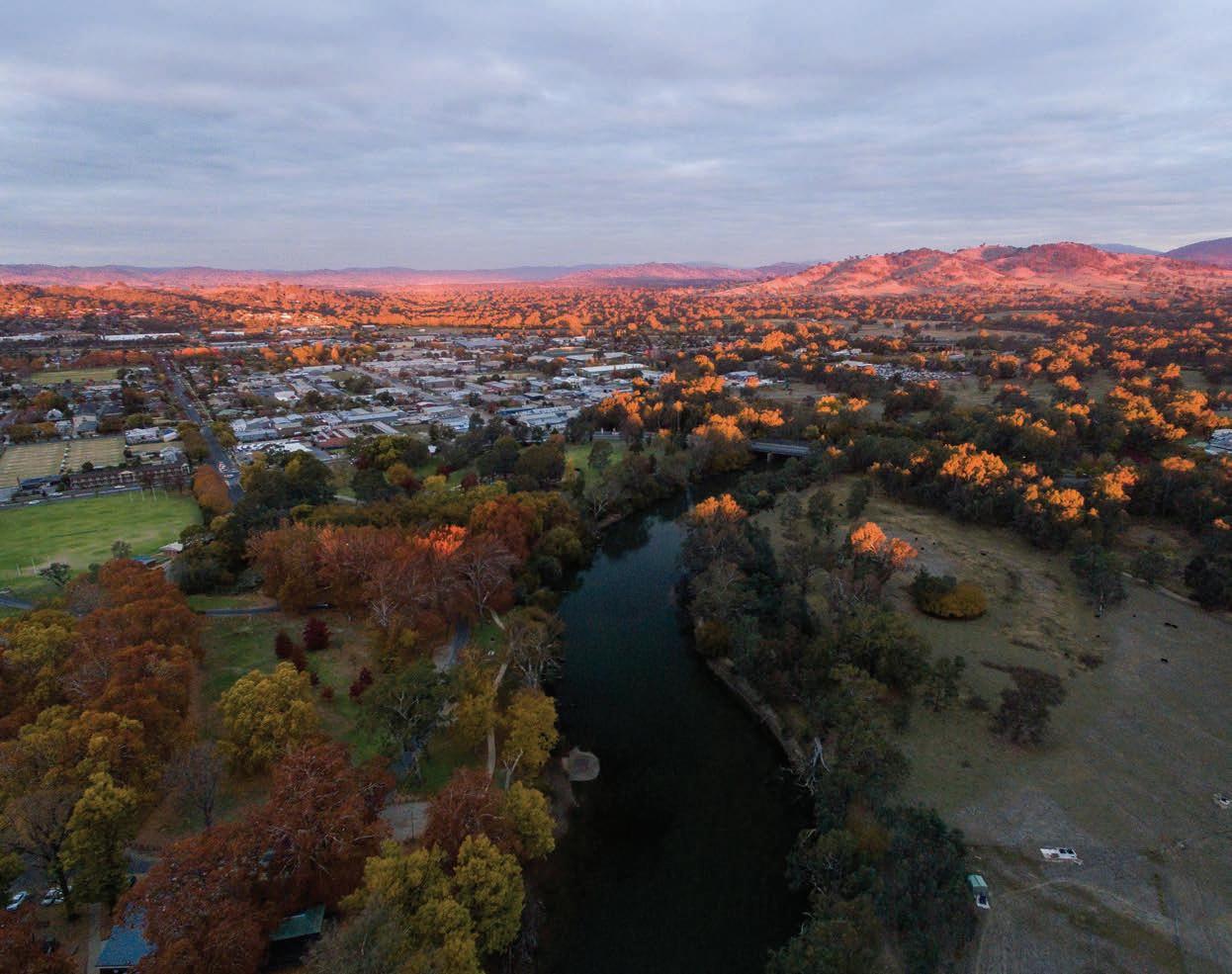
Known for its location on the mighty Murray River and the Hume Dam, its beautiful wetlands and thriving art scene, Albury is the ideal destination for a chilled (and chilly) winter holiday.
GET CREATIVE AT THE PUMPHOUSE
The Pumphouse Makerspace is a creative hub of activity where locals and visitors can get involved in a huge range of artistic pursuits.
The building was constructed in 1884 to supply water to the region, and is a classic example of late 19thcentury industrial architecture, with
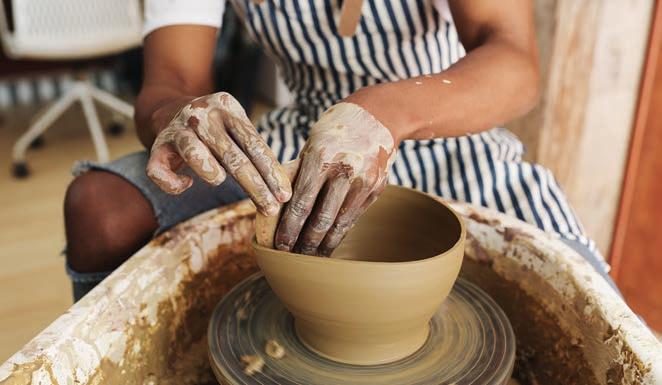
remnants of its history as a functioning pumping station still present. The recent renovation transformed the station into a shared facility for makers of all kinds, with professional-grade equipment available for use across ceramics, printing, small sculpture and textile arts. It operates on a membership basis, but there are regular public workshops and events where anyone can join in, and markets to buy wares from creators. Some recent sessions have included polymer clay jewellery, screen printing, and ceramic hand-building.
KAYAK THE MURRAY
Despite winter being cold in Albury (after all, it sits at the base of the
WORDs: Zoë Gonzalez
Victorian Alps) there’s something about being on the water when it's cool that's so invigorating. Crisp winter sunshine, calm waters, and far fewer crowds than summer pulls.
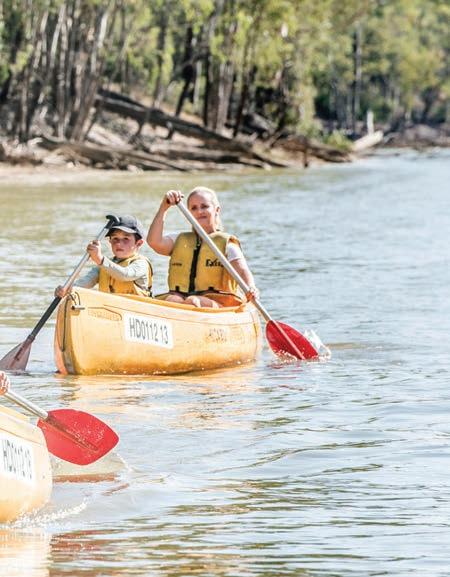
Murray River Canoe Hire has been running canoe and kayak trips from Noreuil Park since 1991. Basically, you’re dropped upstream by a minibus and then drift back at your own pace, with 90-minute, three-hour, and full-day options available. Choose from single kayaks, double canoes, and triple canoes.
LEAN INTO YOUR ARTISTIC SIDE
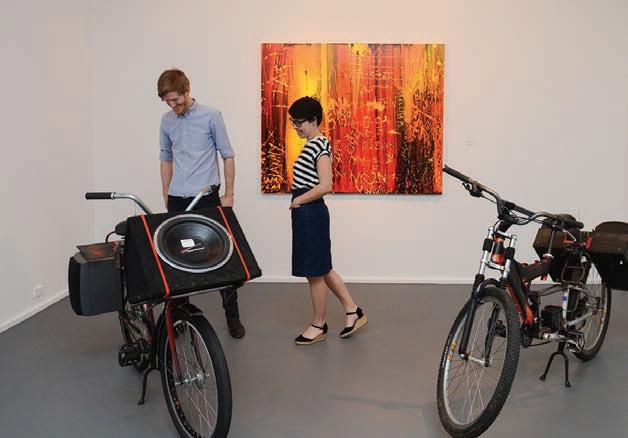
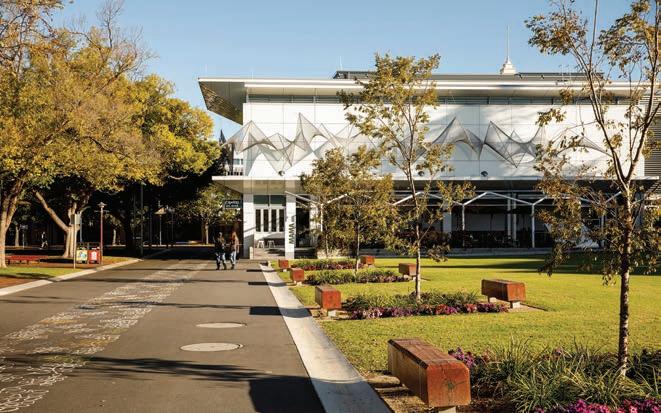
Murray Art Museum Albury (MAMA) is a contemporary art centre and one of the most-visited art venues in New South Wales outside Sydney. It has
a reputation for innovative, original exhibitions featuring some of the best contemporary artists in Australia and around the world.
The collection began in 1947 with the Albury Art Prize and now holds more than 2400 items of national and cultural significance, including works by Russell Drysdale, Margaret Olley, and leading First Nations artists.
At any given time, there are six exhibitions running simultaneously: major original shows, local artist exhibitions, a children’s gallery, and a significant commissions program.
The gallery is open daily and free to enter. Guided tours and artist talks run throughout winter, and you can check the website for what’s on.
Every week, professional artists host courses and weekend workshops for adults and kids. Head to the studio, meet like-minded creatives, and hone your artistic skills in the process.
After an art fix, stop by Canvas Eatery, located at the gallery’s entrance. For lunch, try the fried Korean chicken on a bun with kimchi pickle, cos lettuce and aioli, with smoky chips on the side. The pizzas are great, and the prawn pizza is loaded with chorizo, San Marzano sugo, red peppers and mozzarella.
For something sweet, don’t go past the pear and ginger steamed pudding with caramel sauce and a generous serving of vanilla ice cream. So good.
GO BIRDWATCHING AT WONGA WETLANDS
Five minutes from the Albury CBD is the Wonga Wetlands – 80 hectares of lagoons and billabongs on the Murray River floodplain. The sanctuary is
CLOCKWISE FROM FAR LEFT: Albury with a winter glow-up; The exterior of MAMA; Pottery workshop at The Pumphouse. Images courtey of DNSW.
home to 176 recorded bird species, century-old river red gums, a Wiradjuri cultural campsite, and six purpose-built birdwatching hides.
In winter, the lower and slower flowing of the river attracts fewer visitors, making it the ideal time to visit. To spot pelicans, swans and other birds, you can choose from one of three walking tracks that start from the visitor centre and take you all over the wetlands. From a gentle 0.5km loop to a 2.5km stroll, there’s an option for everyone. Bring binoculars and wear sturdy shoes.
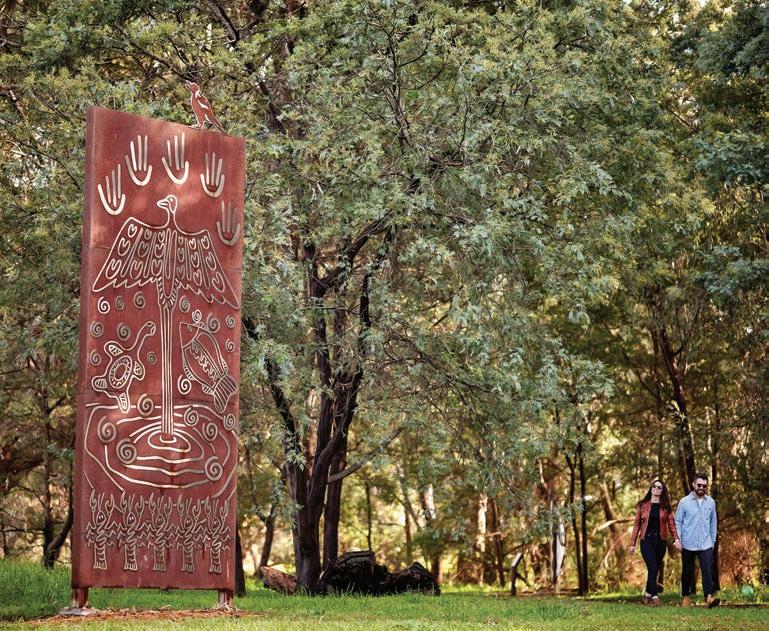
The Wonga Wetlands is also the starting point for the Yindyamarra Sculpture Walk – a five-kilometre trail between the wetlands and Kremur Street featuring 15 sculptures crafted by Aboriginal artists.
Each sculpture tells traditional First Nations stories through modern mediums, and there are interpretive signs along the way to better understand their significance.
Michael Quinn’s Family Gathering is a sculpture symbolising family unity and Indigenous connection to land,
while Ruth Davy’s Bogon Moth Migration symbolises how Aboriginal people would dine on these large winged creatures.
FILL YOUR BASKET AT A FARMERS MARKET
Every Saturday morning since 2002, no matter what the weather does, the Albury Wodonga Farmers Market transforms Gateway Village on the Lincoln Causeway.
The place is always pumping with locals, and there’s usually live music from bands and buskers to enjoy.
Buy directly from the farmers and artisans behind the produce, including fruit and vegetables, thick-crusted sourdough, delicious preserves, artisan pies and homemade cakes. Plus there's plenty of ready-to-eat food from the many food vans.
There’s also a huge array of local arts and crafts if you’re keen on taking home an Albury momento.
Start your morning with a coffee and an egg and bacon roll made on a barbecue in front of you, and leave with a stash of the best produce.
CELEBRATING TOP LITERARY TALENT
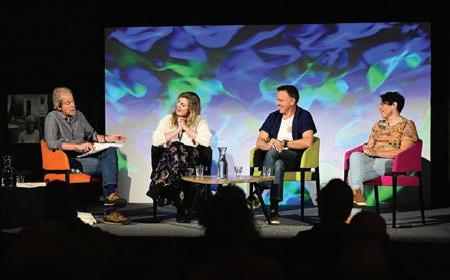
Every September, Write Around the Murray takes over Albury. Being the most well-established literary festival in the region, since 2007 it has hosted some of Australia’s best authors, illustrators and storytellers for a series of talks, literary workshops, poetry slams, theatre performances, and historical and cultural tours.
The 2025 program featured 70 public events and 30 student programs, with guests including Jane Caro, Isobelle Carmody, and DC Comics writer Shane McCarthy.
Events are spread across multiple Albury venues, many are free, and the event has a relaxed, accessible feel.
In 2026, the festival will take place from September 9 to 13, with 80 events and 6000 expected attendees.
BEFORE YOU GO...
Pack warm layers, a puffer and a beanie, because winter mornings on the Murray River can bite. It’ll usually be snowing on the mountains not far from Albury. TA
CLOCKWISE FROM LEFT: Wonga Wetlands; A panel at Write Around The Murray; Dining at Canvas Eatery.
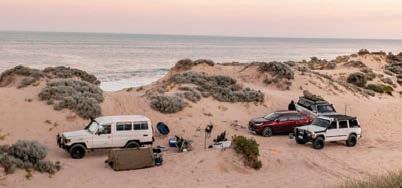
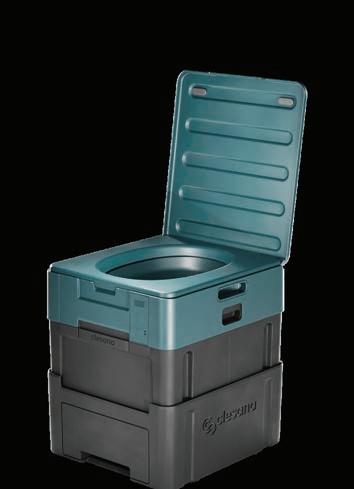
The mobile sealing toilet.
Yesterday 6:52pm
Are you guys STILL out there?
Yep, 17 days and counting.
That’s a fair stint. The toilet situation would be a nightmare!
It was rough last year.
Tom brought the Clesana X1 this time though.
What the heck is that?
It's a sealing toilet!
???
Go watch reviews on youtube. They don't smell or use water.
Never camping without it.
Today 9:03am
That's actually pretty clever.
It'd fit on the backseat of my car!
Solves your 'toilet anxiety' while on the road.
See it in action. clesana.au/x1
Clesana X1
The spirits behind
DISCOVER SOME TOP DISTILLERIES IN NSW
WORDs: Matilda Meikle
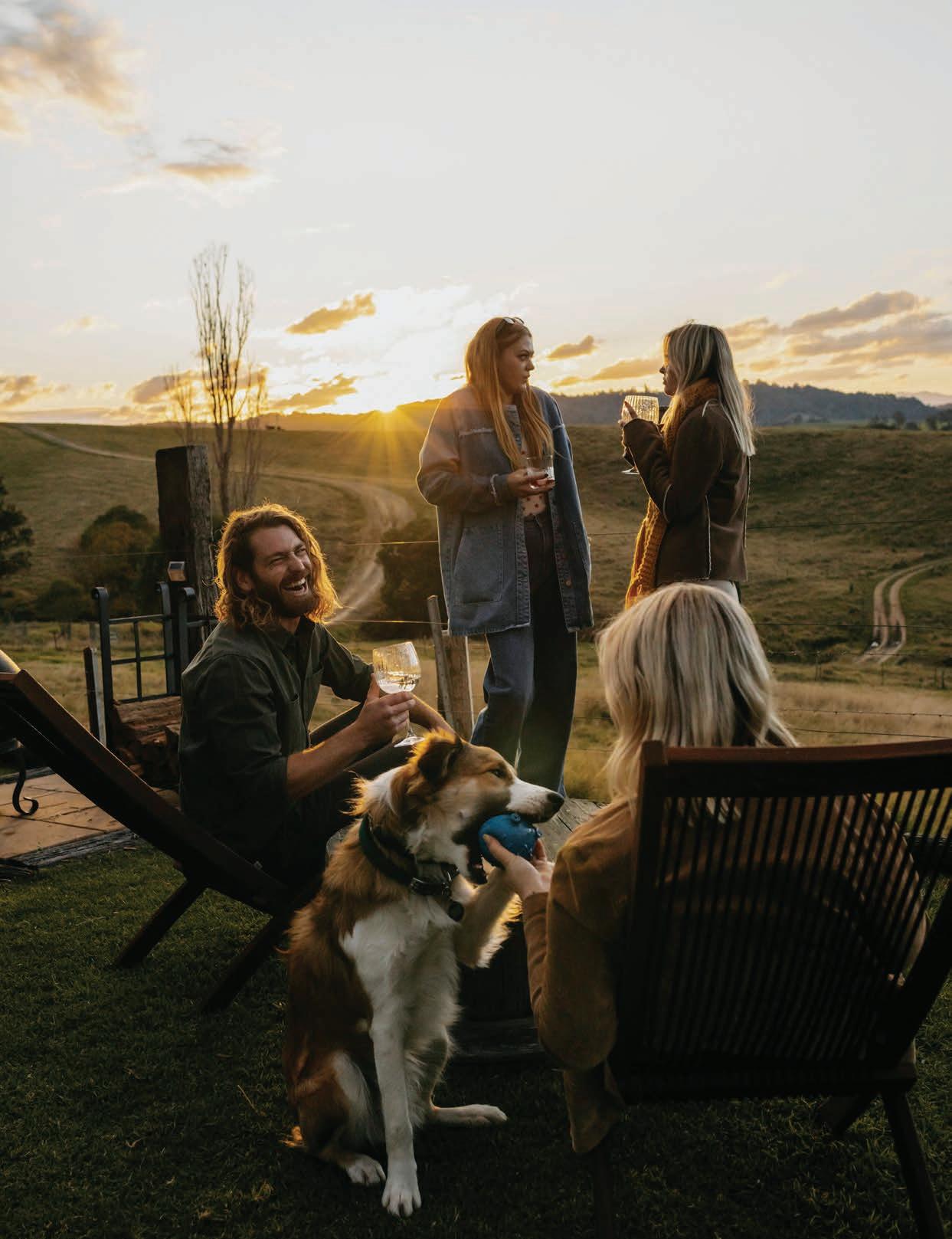
THIS PAGE: Dogs are welcome to join the fun at North of Eden. @Destination NSW.
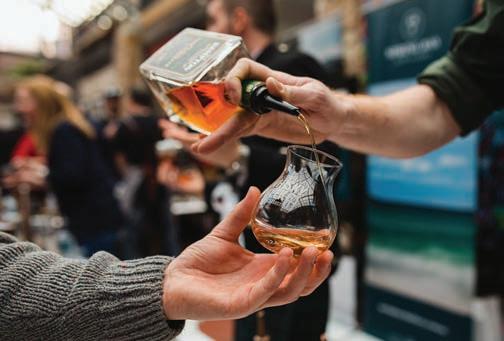
THERE ARE more than 70 distilleries in New South Wales, with another 90 in the ACT, all offering gin, whisky, vodka and rum being made on coastal headlands and in lush rainforests. Send your tastebuds on an unforgettable journey and meet master artisans along the way when visiting these innovative distilleries.
NORTH OF EDEN
North of Eden is a family-run business on the Sapphire Coast, and the only distillery in Australia to make all its gins from locally grown juniper. The owners value sustainability and craftsmanship, distilling every spirit in small alembic stills for a special small-batch (only 400 bottles at a time), handcrafted finish.
The distillery was the first in Australia to produce an oyster shell gin, which is made using oyster shells collected
from local farmers and combined with 13 unique botanicals. The result is a savoury gin with a creamy texture, now highly sought after around the country. North of Eden also produces absinthe, and a two-year-old barrel-aged gin known as The Bridge.
The entire range of products can be sampled at the rustic cellar door, which boasts views across the countryside from the deck. Dogs are welcome to join you for a guided tasting, where staff will take you through the tasting notes of each drink and the best way to enjoy them. You are welcome to bring your own snacks to pair with your flight or handcrafted cocktail.
Gin lovers and budding alchemists can sign up for Gin School classes to learn the art of distillation. Here, you will sample 30 different botanicals before designing your own gin recipe with help from a master distiller. Once
you’ve found your perfect combination, you’re invited to use a copper still to create a bespoke gin to take home. Along the way, you will also enjoy complimentary gin & tonics, a local produce grazing platter, a guided tasting, and a behind-thescenes tour of the distillery.
HUSK RUM
Australia’s first agricultural rum distillery, Husk Rum is all about the farm-to-bottle experience. This means that 100 per cent of the sugar cane used in its spirits is grown on the farm in rich volcanic soil. Founder Paul Messenger is passionate about channeling the history of whisky and rum into every bottle, having travelled to places such as Barbados, Jamaica and the Caldera Coast, where sugar cane has been integral to the landscape for more than 160 years.
CLOCKWISE: Husk Farm rum; Husk Farm Distillery; Pouring the good stuff at Tara Distillery; A tipple around an open fire at North of Eden.@ Destination NSW.
When visiting the cellar door, you can enjoy a tasting flight or cocktail on the terrace, where the friendly staff are happy to answer all your burning questions about the entire spiritmaking process. Make sure to try the Husk Pure Cane, a bold and grassy rum designed to be used in mojitos and daiquiris, or simply enjoyed with some tonic water.
Husk is also known for its purplish blue Ink Gin, which combines rainforest botanicals with natural floral ink for the world’s first all-natural colour changing gin. There are four unique flavours to choose from, but the original Ink Gin is a standout, and is made using butterfly pea flower for its punchy colour.
If you’re curious to learn more about the Husk Rum story, join a 45-minute tasting trail tour to wander the distillery, learn about the spirit-making process, and sample more than seven spirits. Or, book a Farm to Bottle Tour, where you will help to cut and crush fresh sugar cane juice before following the entire rum-making journey (with plenty of samples along the way), and finish by feeding the cane tops to a friendly herd of cattle.
At the end of the tour, return to the cellar door to enjoy a long lunch at Planter’s Kitchen Restaurant, which features a menu of seasonal, locally sourced produce, and enjoy lawn games with the kids.
TARA DISTILLERY
Located between Jervis Bay and Morton National Park, with views across the Cambewarra Ranges, Tara Distillery is the Shoalhaven region’s first craft distillery. Its spirits are made using copper pot distillation, with Australian grains and botanicals and pure harvested Shoalhaven rainwater for a truly local flavour.
Founder Alarna Doherty draws inspiration from her Irish heritage by focusing on single pot still whisky and gin, just like back home. In fact, Tara Distillery produces the first mainland Australian single pot still whisky, triple distilled and matured in a selection
of French Oak, Australian Port and Spanish oloroso sherry casks.
Make sure to also try Alarna’s delicious and complex spirit, The Exile Poitin, which is inspired by the illicit spirit-making past of the Shoalhaven region and made using local barley and oats. Poitin is considered the ancestor of all distilled drinks, first made by Irish monks in the 6th century and known as "the water of life".
When visiting the distillery, you can join a behind-the-scenes tour and tasting, where you will follow the spirit-making process from grain to glass. While you're tasting three spirits, a guide will share how each drop is made using fresh-foraged botanicals and other local produce. You'll also learn all about the notorious, illegal distilleries that took over the Cambewarra Ranges in the 1800s, known for their illicit stills and highquality drinks.
ARCHIE ROSE
Australia’s most highly awarded distillery, Archie Rose, is conveniently located in Sydney, where it hosts all its tastings and workshops. The team are committed to ethically sourcing Australian ingredients from around the country to use in a diverse range of whiskies, gins, vodkas and rums.
At the on-site bar, you can join a guided tasting of five gins or whiskys with an expert distiller. There you can learn all about the art of spirit making, try each spirit neat, and then discover the perfect pairings to transform your drinking experience.
To learn more about the production process, you can tour the original Rosebery site and finish off with a tasting of the core spirits range. Or, take your visit to the next level in a Blend Your Own Gin Class. Enjoy a welcome drink on arrival, learn about the unique flavours and aromas of
TOP TO BOTTOM:
Tasting at Tara Distillery; Archie Rose releases at the on-site bar. @DNSW.
botanicals, and choose your perfect combination to design, hand-bottle and label two gins to take home.
Whisky lovers shouldn’t worry, there’s also a Blend Your Own Whisky Class where you will work with a selection of single malt components to craft two whiskies based on your ideal flavours, whether it ’s bold and smoky or fruit-driven and bright.
EARP DISTILLERY
Earp Distilling Co is a family-owned business based in Newcastle, inspired by the Earps’ ancestor George Earp, an English import merchant who settled in the area in 1883.
With a focus on modern distilling technology, local brothers Michael and Richard Earp are passionate about creative and experiential drinks. And the branding is fun, modern and colourful.
At the cellar door, join a Taste & Graze experience, where you will enjoy
a self-guided tasting flight and a grazing board featuring sharable snacks from the seasonal menu. Or sign up for a blending class to explore the art of spirit making. Choose a base of gin, rum or vodka, and then sample house-made distillates to curate your perfect flavour profile. Couples can book a Blending Date Night, where you’ll blend a
bespoke spirit before enjoying a shared meal in the on-site restaurant.
The distiller restaurant is all about hearty share dishes that pair with handcrafted cocktails. Be sure to try the roast chicken with charred zucchini, house made mushroom arancini and chilli-marinated watermelon with creamy feta and a balsamic glaze is a must-try. TA
Yarra Valley NOTES OF THE
Journey through these world-class wineries to enjoy a taste of what the the Yarra Valley is famous for.
WORDs: Michelle Hespe and Mikaela smigo
Less than a one-hour drive east of Melbourne will have you in spectacular Yarra Valley wine country. Renowned as one of Australia's premier cool-climate wine regions, it's also famed for its verdant undulating hills, artisanal food culture and rich biodiversity. And as the first vines here were planted in 1838, the Yarra Valley lays claim to being Victoria's oldest wine-producing region.
The region's diverse geography has led to thriving fruit orchards, the growth of native botanicals and 2837 hectares of vineyards, with more than 90 cellar doors and 150 working wineries.
GET YOUR SPARKLE ON AT CHANDON
If you enjoy cellar door tastings in a regal space, book an experience with Chandon Australia – the producer of one of
Australia’s most popular sparkling wines. Established in Coldstream in 1986 by the world-famous French Champagne house Moët & Hennessy, it's a sophisticated affair, with the three-storey-high glass windows overlooking the vines enough to have most visitors swooning.
The Guided Tasting is a perfect introduction to its sparkling wines, with a friendly host walking guests through five wine styles while sharing Chandon’s fascinating story and its winemaking techniques.
If you’re looking for an immersive experience, try Behind the Bubbles – a hands-on tour through traditional winemaking. After learning about the techniques, you’ll have the chance to try your hand at recreating Chandon's Vintage Brut blend.
TOP: Mist in the vineyards of the Yarra Valley; LEFT TO RIGHT: Aerial view of the Yarra Valley; Dominique Portet cellar door; Oakridge Wines. @Visit Victoria
AWARD-WINNING OAKRIDGE WINES
Oakridge Wines established its estate in the late 1970s, and has since become a prominent and awardwinning winery. A finalist for Winery of the Year in the 2026 Halliday Wine Companion awards, Oakridge had 16 wines scoring 95 points or more. Nine of them received an exceptional 97 points or higher, with multiple wines named Top Rated by Variety.
By participating in Oakridge’s four tasting options, you’ll be supporting its sustainable practices – it has been recognised by the Sustainable Winegrowing Australia certification in viticulture.
The Oakridge Experience is a 30-minute tasting of five selected wines, or opt for the longer, seated, 45-minute premium tasting that showcases the vineyard's highly acclaimed, award-winning 864 and Single Vineyard expressions.
You can also book a Chardonnay Masterclass, which delves into Oakridge's exceptional chardonnay from the Upper Yarra Valley. In the 45-minute session you’ll be guided through comparing vintage flavours and newer releases while exploring the contrasting notes in each.
THE EXPRESSIVE FRENCH WINES OF DOMINIQUE PORTET
For those after a refined experience with a legend of the Yarra Valley, head over to Dominique Portet, which was founded by the man himself in 2000. A ninth-generation winemaker, Dominique has been bringing French heritage to the heart of the Yarra Valley for two decades, and now his son Ben carries on the family tradition, crafting his own elegant wines from the estate-grown fruit.
With a diversity of land and varying conditions across them, Dominique Portet is able to cultivate a wide range of varietals – from cabernet franc, cabernet sauvignon and pinot noir, to chardonnay and sauvignon blanc, so there's a fine wine for everyone. However, what Dominic Portet is really famous for, is its fabulous rosé.
Try one of the estate's winery experiences and you'll be adding this one to your list of fave cellar doors.
From Thursday to Sunday the estate hosts food experiences, guiding guests through expert pairings of wines and flavourful dishes. Whether its pinot noir with duck or chardonnay with roast chicken, the French bistro's aim is to balance flavour and fun times. For the more adventurous, try the Escargot de Bourgogne with a pinot noir. You don't get more Frenchy than that!
CLOCKWISE FROM BELOW: Dining at Oakridge Wines; A Chandon Spritz at Chandon; Drinks and dining at Domaine Chandon Restaurant.
A UNIQUE PORTFOLIO WITH PAYTEN & JONES
At Payten & Jones (P&J) the focus is on personality rather than industry standards, and the cellar door is more warehouse-ish than winery.
In the heart of the historic, charming town of Healesville, P&J is well-known for its edgy, sustainable winemaking and a big garden/ garage-like space adorned with Manowar heavy metal murals.
With a wide variety including pinot noir, sangiovese, syrah, and more, P&J is known for its proudly unusual wines. One reason for them being so unique is that there is no filtration involved.
The winery is owned and run by Behn Payten and Troy Jones, and in their own words: "Drinking our wine is like going to see a live band as opposed to listening to a CD – all the interesting and random fun stuff is left in."
Trying wines with really different taste and texture can be daunting for some, so try a P&J Cellar Door Wine Tasting, which is a 30-minute seated experience, with careful direction through six different wines.
Talking you through their unique story and winemaking process, you’ll learn to appreciate the full flavours of their current bold vintages.
BEYOND THE WINE IN THE YARRA VALLEY
While Yarra Valley is known for its vineyards and wineries, there are also many quality distilleries where you can enjoy a great tipple, and there's always something different on offer.
For gin drinkers, Four Pillars Gin needs no introduction. It's been recognised three times as the world’s best distiller of gin, and is Australia’s first certified carbon-neutral gin distillery, showcasing Head Distiller Cameron Mackenzie's unwavering attention to sustainable practices.
Sample the gin varieties through its Distillery Bench Tasting while learning about the company's backstory. On Sundays you can book in a Gin High Tea, where you can choose from gin spritz carafes and cocktails alongside Yarra Valley seasonal bites.
If you’d like a hands-on, immersive experience, book the Healesville Maker Session where you'll take part in distillation, with your own handcrafted bottle sent to you upon fruition. Taste five signature gins paired with selected snacks, and take home a bottle of Rare Dry Gin, a jar of signature orange marmalade, and a bottle of Fever Tree tonic water to make the perfect gin & tonic paired with a tart bite.
Another great gin tasting can be had at Stag Lane Farm, which takes guests through a tour of carefully crafted gins. Identify notes to look for throughout the tasting experience, which consists of a flight of three selected gins.
There's also Hermetica Distillery, where you can experience tours, masterclasses and tastings of whisky, agave, rum and gin. You can also visit its cellar door, where a guide will give you a behind-the-scenes tour of the production process.
TA
CLOCKWISE FROM BELOW: The garage-like space at Payten & Jones (@Hugh Davison); Four Pillars Gin on display; Winemakers Behn Payten and Troy Jones. @Hugh Davison/P&J.
From the HEART & HEARTH
Nornie Bero is a Torres Strait Islander chef and the founder of Mabu Mabu, a hospitality and food brand that champions native ingredients. Here we chat about her new book: Native Ingredients Every Day.
CLOCKWISE: Nornie Bero in the kitchen; Ooray plum tarte tatin with hibiscus and creme fraiche; Lemon aspen salt and pepper squid. RIGHT: Bush tomato braised lamb shank.
WHAT ARE YOUR EARLIEST MEMORIES OF FOOD?
Food was never separated from culture, family or Country. Some of my strongest memories are of fishing with my family, collecting shellfish, eating freshly caught seafood and gathering around meals prepared by my Elders. Food was not something that came from a supermarket shelf – it came from the land and sea around us, and there was always a deep respect for where it came from. Those precious experiences shaped not only my palate but also my understanding of connection, responsibility and community.
HOW DID YOUR EXPERIENCE STARTING MABU MABU INFORM YOUR PRACTICE AS A CHEF?
Mabu Mabu was built on a simple idea: putting Indigenous ingredients in the spotlight rather than treating them as a novelty. Through the restaurant, we have been able to introduce thousands of people to native ingredients in a way that feels welcoming and delicious. It has reinforced my belief that Indigenous ingredients belong in everyday cooking, and it showed me that people are curious and eager to learn when given the opportunity. This philosophy carried directly into Native Ingredients Every Day. The book is an extension of the work we do making native ingredients accessible, practical and part of the Australian food conversation.
HOW DID YOU CHOOSE WHICH NATIVE INGREDIENTS TO FEATURE IN YOUR COOKBOOK?
There are hundreds of incredible native ingredients across Australia, but I selected ingredients that are versatile, accessible and can easily become part of everyday cooking. Ingredients such as lemon myrtle, wattleseed, finger lime, pepperberry and bush tomato all bring unique flavours while fitting naturally into dishes people already know and love.
Australian native ingredients are unique because they've evolved over thousands of years in some of the world's oldest living landscapes. They carry the stories of Country and the knowledge of First Nations peoples who have cared for these lands for tens of thousands of years. The flavours are unlike anything else – whether it's the citrus burst of finger lime, the earthy richness of wattleseed or the savoury depth of bush tomato.
WHAT HAS BEEN THE HIGHLIGHT OF YOUR COOKING CAREER SO FAR?
My greatest privilege has been representing First Nations food and culture on a global stage. Through my work, I have had the opportunity to showcase Indigenous Australian ingredients and Torres Strait Islander culture around the world, helping people understand that First Nations food is not just part of Australia's history – it is a vital part of its future.
Indigenous ingredients and knowledge were overlooked. Today, we're seeing growing recognition of the sophistication, sustainability and richness of First Nations food s ystems.
To play a role in that movement and help ensure native ingredients become a celebrated and permanent part of Australia's culinary identity is one of the highlights of my career.
WHAT'S
NEXT FOR YOU?
I'm continuing to explore new ways of sharing Indigenous food knowledge and culture through cooking, storytelling, media and education. What excites me most is working alongside communities across Australia to strengthen Indigenous food systems and help create pathways for the next generation.
I'm passionate about supporting and nurturing young First Nations farmers, growers and food producers who will carry this knowledge into the future. It's not just about ingredients on a plate – it's about rebuilding food knowledge, strengthening connections to Country, creating economic opportunities and developing food systems through a First Nations lens.
We hold some of the oldest food knowledge in the world, and I believe there is enormous potential to learn from that as we shape a more sustainable and inclusive food future for everyone in Australia.
Being able to contribute to shaping what Australian food looks like for future generations is something I am incredibly proud of. For too long,
I'm excited to be contributing to a future where Indigenous ingredients, cultural knowledge and First Nationsled food systems are recognised as an essential part of Australia's identity and food landscape. In many ways, we're only just beginning to scratch the surface of what's possible. hardiegrantbooks.com
DEODORANT DISRUPT0RS
From a kitchen-table hustle in 2015 to having products sold in Woolworths and Coles, No Pong is part of the growing movement to eliminate unnecessary chemicals from our lives.
WORDs: Zoe Gonzalez
Most Australians don’t spend much time thinking about deodorant. It’s one of those everyday products we toss into the shopping trolley without a second glance. But for a growing number of consumers, what’s in their deodorant matters just as much as what’s in their food.
That shift in thinking has helped fuel the rise of No Pong, an Australian deodorant brand that began as a kitchen-table venture in 2015 and has grown into a business with products stocked in major supermarkets. Along the way it has has donated more than $240,000 to charities.
As consumers increasingly seek natural alternatives to everyday products, No Pong has carved out a loyal following by staying true to its values, including a commitment to remaining plastic-free.
Here, founders Melanie McVean and Chris Caley share the highlights and challenges they’ve dealt with while building the company.
What have been some of the biggest highlights and challenges since launching No Pong in 2015? Something we have taken forward from day one, and will never forget,
is that without customers, we don’t have a business. We aren’t funded through tenders or pitches. We literally only exist because a group of brilliant, like-minded customers choose us day-in, day-out, week over week and year after year.
Building that customer base has been a big highlight. And when we hear someone say: “Oh, you’re No Pong?! I love No Pong!”. That never gets old.
There are many challenges, but staying plastic-free is one of them. We vowed to be plastic-free from day one, and we’ve never wavered, but it’s not easy. It’s almost always the cheaper, easier, more convenient option, and saying no to it again and again is definitely not the path of least resistance.”
How does No Pong keep that homegrown, personal feel as it continues to scale up?
We’re straight shooters, and we designed No Pong to do exactly what it says it does on the tin. We never forget who we’re talking to and that we’re working with people.
We’re a small team, too, so that helps things stay homegrown. Literally anyone on the team has the ability to make a huge impact on what our customers see, feel and experience – from the product itself, to the way it’s packed and leaves our warehouse, or how it appears on the shelf.
The same people are behind all that we do, and they care deeply about every tin that goes out. Scaling up means more people get to try it; it doesn’t mean we stop being us.
We have the most amazing community and we want to be everywhere they need us to be. Our customers buy from local shops, directly from us online, and while doing their weekly grocery shop. Our whole mission is a world without BO, and to reach that goal we need to be available to more people than those who already know to look for us.
Our No Pong community is everywhere, and we have quite a few customers who come to us saying, “I found you in Woollies or Coles”. They then chime in online or come looking for other sizes or fragrances.
Who is your core customer?
Our core customer has historically been smart mums who think carefully about healthy choices and decisions for themselves and their families.
That said, while we hear many stories of people being introduced to No Pong via their mum or partner, over the last few years we have definitely seen an increase in Aussie guys, tradies,
farmers and some quite funny ocker blokes in our customer base.
Interestingly, our sales over-index in regional areas compared to metro regions. Not sure what’s in the water in Regional Australia – but we need to find out!
What have you learnt from running a small business?
You don’t have a business without customers, so get to know them, listen to them, and listen between the lines at what they’re not saying. Their feedback is extremely important, and it’ll guide your decisions better than you can do alone.
It’s also possible to punch above your weight without the resources of the big players in your category.
We are probably a bit old-school in that we focus on building a business based on strong fundamentals and have grown organically without giving away equity through capital raising or taking on debt.
It does mean running a tight ship,
which honestly has been a gift in disguise. It forces you to be creative, clever, and to surround yourself with an absolutely awesome team who care as much as you do.
My advice to other entrepreneurs would be to lean into that. You don’t need to be the biggest to win; you just need to care more, stay close to your customers, and make what you’ve got go further than anyone expects.
How important is being Australian made? Will you remain that way?
No Pong is made in Australia for Australians and yes, it will remain that way. We started making No Pong in our kitchen and now it’s just made in a bigger kitchen down the road!
No Pong is a homegrown Aussie business, and we are super proud of being Aussie made.TA
Visit: nopong.com.au
LEFT TO RIGHT: No Pong founders Melanie McVean and Chris Caley; No Pong’s fun, bright branding; Slip a No Pong in a pocket and take to it the beach.
Aussie-made products support local businesses
Compiled by: Matilda Meikle
1. TuffMat - Rover Pet Products
Based in the Hunter Valley, Rover Pet Products has been manufacturing premium dog beds for over 10 years. The TuffMat orthopaedic dog bed helps your dog sleep better with material that doesn’t flatten to better support the body. It is waterproof, rip-resistant and certified non-toxic.
roverpetproducts.com.au
$159.95
2. Epsom Leather Strap - Artisan Straps
All watch straps from Artisan Straps are entirely cut, saddle stitched and edge painted by hand to ensure a durable and refined finish. Every product is made from full-grain leather, resulting in unique natural characteristics. The Epsom strap is crafted from embossed grain, chrome-tanned leather, which is naturally resistant to water and scratches. artisanstraps.com
$125
3. Dry Skin Trio - Four Cow Farm
Located on a small farm in Queensland, Four Cow Farm is a family-owned business using natural ingredients from local suppliers to craft cruelty free, small-batch skincare without complex fragrances and chemicals. The Dry Skin Trio includes baby wash, baby lotion and calendula remedy to soothe dry and sensitive skin. fourcowfarm.com.au
$64.80
4. Tiny Heart Bracelet - Kate & Kole
Kate & Kole is a female-founded boutique jewellery studio based in Newcastle. Each bespoke piece is designed and finished by hand, and can be customised to suit your needs. The Tiny Heart Bracelet features a heart charm on a diamond curb chain, with the option to engrave for a personalised touch. kateandkole.com.au
$190
5. Basic Bike Shorts - Roar Republic
Since 2019, the talented group of women behind Roar Republic have been crafting activewear that looks and feels good, with small batch production to minimise environmental impact. The Basic Bike Shorts are made from sweat-absorbing, quickdrying and UV-blocking fabric, with a mid -rise and coin pocket. roarrepublic.com.au
$59
6. Thermal Flex Long Sleeve - Sharkskin
Sharkskin designs, makes and ships its range of watersports apparel from Beresfield in New South Wales, using its breakthrough Chillproof fabric and Far Infrared technology to ensure you stay warm in the water all year round. The thermal flex top uses hydrophobic nanotech compression fabric to keep you warm and comfortable without the bulk. sharkskin.com.au
$220
7. Mustard Bee Baby Gift Box - Love My Baby
Love My Baby is the passion project of three mums committed to offering safe, non-toxic and beautiful baby products. The Mustard Bee Gift Box is especially curated for children under 12 months, with a 100 per cent cotton romper, bandana bib and burp cloth in a stunning mustard bee design. lovemybaby.com.au
$94.95
10. Butter Chicken Cooking Kit - Spice Craft
At Spice Craft, owners Ambika and Vikram are passionate about bringing authentic Indian food to Aussie kitchens. Each cooking kit is ethically produced using top-quality ingredients, making it easy to whip up proper curry with all the spices and instructions you need. The Butter Chicken Kit is perfect for restaurant-quality dinners. spicecraft.com.au
$20
8. Blossom Mug - Rhiannon Gill Ceramics
Every ceramic from Rhiannon Gill is handmade and brush-glazed with bold colours in Wollongong. The dishwasherand microwave-safe products are designed to be used every day, instead of sitting on the shelf. The Blossom Mug is made in cone 6 mid-fire porcelain and glazed with pink, green and peach. rhiannongillceramics.com
$65
11. 503 Colt Boot - Rossi Boots
The Rossiter family have been manufacturing boots designed to withstand the Australian landscape since 1910. Today, they work from a large studio in Adelaide. The Colt Boot is made from a single piece of Aussie yearling leather, featuring an elegant and refined shape and a rubber outer sole.
rossiboots.com.au
$399
9. Gourmet Essentials Gift Hamper - Random Harvest
Since 1981, Random Harvest has been using the finest ingredients to make gourmet food products in small batches. The Essentials Gift Hamper includes artisan treats for every occasion, such as chilli mustard, extra virgin olive oil, caramelised balsamic vinegar and caramel fudge. randomharvestgourmet.com.au
$139
12. Mulled Wine Gift Box - The Mulled Wine Co
For ready-to-drink mulled wine, it doesn’t get better than The Mulled Wine Co. Each bottle is made in small batches with premium local ingredients, resulting in full flavour and comfort like the traditional drink. The gift box contains both the red and white mulled wine varieties, as well as two glasses and garnishes.
Scientists are developing a way to decarbonise steel using Pilbara iron ores.
EXPERTS CONVERT PLASTIC RUBBISH INTO RENEWABLE ENERGY
Experts from Adelaide University are exploring how solar-powered systems can transform discarded plastic waste into hydrogen, syngas and other useful chemicals.
Each year, more than 460 million tonnes of plastic is produced using environmentally dangerous fossil fuels. This has sparked an increased search for clean energy sources around the globe.
In a new study, published in the journal Chem Catalysis in April, local researchers explain how plastics rich in carbon and hydrogen could be an untapped resource in this fight for greater sustainability.
“Plastic is often seen as a major environmental problem, but it also represents a significant opportunity,” said Adelaide University PhD candidate Xiao Lu. “If we can efficiently convert
Ancient white wine grapes reducing water consumption in the Barossa Valley
In Australia’s largest grape-growing wine region, the Barossa Valley, a local farmer is trialling the ancient Cypriot variety called Xynisteri.
The grape is known for its thick skin and resistance to heatwaves, pests and low-rainfall conditions, making it the perfect crop for a region that has recorded three consecutive years of below-average rainfall.
Yianni Koutouzis, the man about to harvest the grapes in the region for the first time, says that while most of his other vines need watering every two days, his 800 vines of Xynisteri can go months without water. “It’s reduced our consumption so much – using about 75 per cent less water than our shiraz or chardonnay,” he explains.
While there is more than 50 years of farming history in his family, this is the first time Yianni is growing a crop that connects him to his Greek ancestors.
“It’s a surreal feeling to be able to connect not just to the variety, but
waste plastics into clean fuels using sunlight, we can address pollution and energy challenges at the same time.”
This process is known as solardriven photoreforming, and involves using light-activated materials called photocatalysts to break down plastics at low temperatures. The reaction produces hydrogen, which is a clean fuel with zero emissions.
So far, the team have been able to produce high levels of hydrogen, acetic acid and diesel-range hydrocarbons,
even keeping the conversion system operating for more than 100 hours. However, there is still a way to go before the technology can be applied on a large scale.
“There is still a gap between laboratory success and real-world application,” Professor Xiaoguang Duan from the School of Chemical Engineering at Adelaide University says. “We need more robust catalysts and better system designs to ensure the technology is both efficient and economically viable at scale.”
Despite these hurdles, the team is confident that they can scale up the technology to improve energy efficiency and roll out solar-powered, plastic-to-fuel technologies in the future.
also to my family ... making wine the way my grandfather and grandmother used to back in the Peloponnese in Greece,” he says.
Xynisteri was first planted in Cyprus more than 5,500 years ago. In 2018, Dr Alexander Copper brought the vines to Australia for the first time, after researching wine grape varieties that might withstand Australia’s warming climate.
“Cyprus and most of the eastern Mediterranean is very limestone-based soil, so it looks very similar to the Riverland,” he says.
Other major wine growing regions, such as McLaren Vale, specialise in cooler-climate varieties due to high levels of rainfall. However, with the climate changing quickly, these crops are still suitable for Victoria and Tasmania, but many growers in South Australia are being forced to consider alternatives.
Now, early signs suggest that Xynisteri might offer hope during tough times for Australia’s wine industry, thanks to its reduced water usage and ability to thrive in warmer climates.
THE NEUTRAL BAY CLUB
LOOKING FORWARD WITH PURPOSE
As another financial year ends, it’s a time to reflect. Not only on business performance, but on the values that shape growth.
Recently Australian Power Equipment (APE) was proud to sponsor the Excellence in Energy Award at the Women in Industry Awards, with CoDirector Abby Crawford presenting both the Excellence in Energy and Mentor of the Year awards.
“Technical excellence is essential, but so is leadership, mentorship and creating ample opportunities for the next generation.”
Words: Abby Crawford
TOP TO BOTTOM: ABBY CRAWFORD & ANDREW COCKBAIN; ABBY SPEAKING AT THE WOMEN IN INDUSTRY AWARDS.
“Each year we set ourselves two goals. The first is to build a stronger business. The second is to ensure that success allows us to contribute more – to our customers, our industry, our community and the conservation projects we’re passionate about.”
Celebrating the achievements of exceptional women and recognising those who invest in developing others was a reminder that strong industries are not only built through innovation and infrastructure, but people.
“Supporting the Women in Industry Awards reflects the kind of business we want to be,” Abby says.
“Technical excellence is essential, but so is leadership, mentorship and creating ample opportunities for the next generation. Our industry is stronger when we recognise the people helping to shape its future.”
As Australian industry continues to evolve, the challenges facing mining, energy and infrastructure remain significant. The transition to more efficient power systems, increasing demand for reliable electrical infrastructure and a growing focus on sustainability continue to influence the way projects are delivered.
For Australian Power Equipment, this means continuing to invest in strong international partnerships, responsive customer service, and practical engineering solutions and
support that help customers keep critical projects moving.
“Our focus has always been on solving problems,” says Co-Director Andrew Cockbain. “Whether that’s sourcing specialist equipment, delivering refurbished assets or supplying new infrastructure designed to meet today’s performance expectations, our priority is helping customers make confident decisions backed by technical expertise.”
Looking ahead to the new financial year, the company remains equally committed to another important measure of success: its ability to create positive environmental impact. Through ongoing partnerships supporting Australian wildlife conservation, Australian Power Equipment continues to direct part of its success towards protecting species and habitats for future generations.
The philosophy is simple: business growth should create opportunities
to contribute above and beyond commercial outcomes.
“Success has never been the finish line,” Abby says. “Each year we set ourselves two goals. The first is to build a stronger business. The second is to ensure that success allows us to contribute more – to our customers, our industry, our community and the conservation projects we’re passionate about.”
As a new financial year begins, Australian Power Equipment looks forward to continuing to support Australia’s mining, energy and infrastructure sectors while remaining focused on the values that have guided the business since day one: trust, long-term relationships, innovation and purpose. Because ultimately, success isn’t measured only by what a business achieves, but by the positive impact it leaves behind. australianpowerequipment.com.au
BILLY COLLETT FROM CONSERVATION ARK , WHIC IS A CHARITY THAT APE SUPPORTS), WITH ABBY.
BACK PAIN AND BUSINESSES: HOW EMPLOYERS CAN SUPPORT SPINAL HEALTH
For National Spinal Health Month in June, the Australian Chiropractors Association (ACA) launched a campaign to encourage workplaces to consider the numerous ways that back pain affects workers.
In particular, many men are not actively taking care of their spinal health, with men’s GP consultation rates falling by 20 per cent since 2024. Without proper treatment, there’s the increased risk of chronic back pain and secondary issues, resulting in decreased productivity and high healthcare spending.
CHRONIC BACK PAIN: THE FLOW-ON EFFECT
Both extensive movement or a lack of it can lead to back pain, making it common to contract from physically demanding labour or even desk jobs.
Experiencing back pain is not easy; it’s uncomfortable, inconvenient, and treatment can be expensive.
When back pain sets in, employers and even workers themselves are often not considering the flow-on effects. Ignoring small conditions can lead to increased severity, and take pain from being a manageable
Back pain can quickly go from acute to chronic, and often men do not seek help. Here’s how employers should support employees’ spinal health.
inconvenience to a chronic injury.
When chronic back pain sets in, the impact goes beyond functional limitations, increasing a worker’s risk of mental health conditions while also threatening the operation and productivity of the company where they are employed.
With many men avoiding or even refusing medical care, more healthcare involvement is eventually needed, and it’s often businesses paying the price.
“Early care can provide workers with an opportunity to resolve their problems with less intervention
and more conservative care,” says President of the Australian Chiropractors Association(ACA) Dr Billy Chow.
“The flipside of this is an expensive mix of complex treatment, possibly a leave of absence, and also the risk of mental health issues.”
With early intervention and the treatment of acute pain, workers are protecting themselves from worsened consequences, and also financially protecting their employer.
ACTING EARLY RATHER THAN POST-INJURY
With such high numbers of reported back pain and evidence of its effect on workplace activity, the problem goes beyond the individual, and employers should be proactively trying to identify and deal with cases as early as possible.
“Employers can’t diagnose or treat workers’ conditions, but they can shape an environment that makes seeking help easier,” says Chow, adding that managers can ensure workers are comfortable with voicing their health concerns, no matter how small they consider them to be.
As suggested by Chow, a simple
“According to the ACA, 93 per cent of employed Australians have had or are experiencing back pain.”
approach is observing workers’ behaviour. Examples could be changes in movement or increased irritability, and signs of physical or mental struggle.
Further, he says that an employer who recognises that physical and mental wellbeing are equally as important is more likely to reach a worker who may otherwise stay silent.
Additionally, employers can be more communicative and flexible, because often workers avoid addressing back pain because they’re unaware of available resources, or perhaps their hours don’t allow time for the necessary appointments and the resulting treatment.
Taking a reactive perspective is what continues this pattern of poor spinal health and back pain.
Chow says: “The picture is mixed. Some employers act early, while many still react only after an injury.”
For workers in roles that are physically demanding, further impairment is difficult to manage as role-specific tasks can strain the spine even after early treatment. With more risk involved, employers in these fields are encouraged to employ more specific measures.
Chow suggests that a business can run task-based risk assessments, which essentially measure and identify tasks that require repetitive movement, unnatural postures or heavy lifting. This allows employers to adapt the work environment to better support spinal health. An example of this is reducing manual handling through mechanical aids.
ACTING EARLY RATHER THAN POST-INJURY
According to the ACA’s Spinal Health survey, 93 per cent of employed Australians have had or are experiencing back pain, and over 20 per cent reported productivity impairment. This presents a real danger of back pain going beyond an individual’s spinal health. The worker is at risk of further strain and ongoing expenses, and the business is too.
Even the slightest decline in efficiency can disturb a business and lead to financial loss. According to the ACA, if preventative measures aren’t put in place, an estimated $638 billion in lost productivity will occur over the next decade.
For more info, visit: chiro.org.au
UNDERSTANDING THE TWELVE APOSTLES
Scientists have identified how Australia’s iconic Twelve Apostles were formed.
words: Matilda Meikle
Drive along Victoria’s Great Ocean Road and you’ll no doubt find a group of visitors gathering on clifftop lookouts to snap a photo of the iconic Twelve Apostles.
These towering limestone pillars, dating back many thousands of years, rise up to 70 metres from the wild Southern Ocean. Each year, more than two million tourists visit these giant landmarks, and yet up until this year, no one really understood how they were formed.
Now, a study published in the Australian Journal of Earth Sciences reveals that these structures began forming millions of years ago.
LOOKING INTO THE LAYERS OF LIMESTONE
The key to understanfing the Twelve Apostles is the layers of limestone that make each pillar. Each layer was created underwater during the Miocene epoch, a period in Earth’s history marked by a transition from warm to cool climates that took place between 23 million and 5 million years ago. Each new layer of rock indicates a change in weather conditions, such as temperature, chemistry or water movement. This means experts can read the layers like the rings of a tree.
The team behind the new study used high-resolution digital imagery and
traditional fieldwork to uncover the secrets of the iconic Aussie landmark. This also meant analysing fossils of microscopic sea creatures, called foraminifera, trapped in the rock.
According to Stephen Gallagher, Associate Professor at The University of Melbourne, one pillar contained around 760 trillion tiny fossils.
By analysing these rock layers, Gallagher and his colleagues were able to determine that the oldest layers of limestone were around 14 million years old, while the youngest were closer to 8.6 million.
Underneath the limestone is a layer of older, softer material called the
Gellibrand Marl, which was deposited when the seas were warmer roughly 15 million years ago.
THE ROLE OF ANCIENT EARTHQUAKES
So, how did stone that formed underwater end up 70 metres above sea level? According to the study, after the Australian continent split from the Antarctic continent, it began drifting north. This change caused the Earth’s crust to compress the region, which buckled and lifted the limestone out of the sea.
If you look closely at the pillars today, you can see that the layers are not perfectly straight. Small faults are also visible along the cliff face, evidence of ancient earthquakes caused by the movement of the tectonic plates.
DATING THE CLIFFS
Perhaps the most interesting find – according to Professor Stephen Gallagher – is the age of the cliffs and the Twelve Apostles themselves. While the limestone making up these formations is millions of years old, the dramatic coastal scenery only took shape in the last few thousand years. In fact, experts believe that the pillars appeared roughly 23,000 years ago after sea levels rose 125 metres following the last ice age.
As the sea flooded in, waves fractured and eroded the rock already weakened by tectonic forces. The stone eventually collapsed to leave only the iconic sea stacks now on display. This phenomenon is similar to the process being recorded today.
When the Twelve Apostles were first recorded in 1798 by English sailor George Bass (who actually called them the ‘Sow and Piglets’ until the Victorian Government rebranded them in the 1920s for marketing purposes), there were only nine pillars.
One collapsed in 2005, and another in 2009, leaving seven rocky structures still standing. The eroding nature of waves means that further collapses are inevitable, and will eventually reclaim the limestone back into the sea where it was formed.
Scientists believe that there is still much to learn from these structures while they still stand. By analysing the stone, they may be able to reconstruct finer details about how climate, sea levels and ocean conditions have changed across millions of years.
THIS PAGE: SEA STACKS ON DISPLAY; SOUTHERN OCEAN COAST; THE STACKS FROM SHORE.
TAKING ACTION FOR OUR BEES
Rabobank and the Wheen Bee Foundation have teamed up to help fund the habitats of bees, and in turn help Australia to produce $100 billion worth of farm gate output by 2030.
Words: Matilda Meikle
Rabobank has partnered with the Wheen Bee Foundation to support the Trees for Bees Community Tree Grants program – helping community groups and organisations to increase vital habitat for bees to forage, live and breed.
THE IMPORTANCE OF HONEY BEES
Bees are responsible for maintaining the planet’s biodiversity, while also contributing to the food production system. By collecting pollen from flowers and spreading it to new areas, they allow plants to reproduce.
According to the Australian Honey Bee Industrial Council (AHBIC), they also contribute $14.2 billion to the Australian economy each year.
“If bees became extinct, we would still be able to eat items that do not need them for pollination, such as wheat, rice, oats and potatoes, but our diets would have very little variation because many of the delicious and nutritious foods we consume – foods which are particularly important to our health – would no longer be available,” says AHBIC Chair, Trevor Weatherhead.
“There is an aim to have $100 billion worth of farm gate output produced in Australia by 2030, and our bees will have an important role to play in achieving that target.”
LEFT TO RIGHT: HONEY BEES ARE VITAL FOR MAINTAINING EARTH'S BIODIVERSITY.; PESTICIDES CAN HARM BEES
In fact, one third of the food that we consume is dependent on honey bee pollination. For example, 140 bees are required to produce one kilogram of macadamias, and 18 bees are needed to pollinate one kilogram of avocados.
Honey bees are also important for meat production, as livestock often feeds on crops that require pollination.
Sadly, bees are constantly at risk due to habitat loss, intensive farming practices, changing weather patterns, and the use of agrochemicals such as pesticides. Now, more than ever, supporting bee habitat growth is vital to maintaining global industries.
A FUND FOR GOOD
In response to this call for the protection of bees, Rabobank and the Wheen Bee Foundation have teamed up. Rabobank, a specialist food and agribusiness bank, will provide grants of $500 to encourage planting of bee-friendly trees in gardens, communityowned land, schools, sports clubs and urban areas across Australia.
Rabobank community engagement manager, Skye Ward, says this issue is close to the bank’s heart, as a company supporting its clients' farming businesses.
“As a global cooperative, founded by farmers, Rabobank has a long history of community engagement. Now, thanks to our Rabo Community Fund, we can make an even bigger impact in the communities where our clients live,” she explains.
The grants program launched during World Bee Day on May 20, and is open for notfor-profits, schools, Landcare
“There is an aim to have $100 billion worth of farm gate output produced in Australia by 2030, and our bees will have an important role to play in achieving that target.”
groups, community groups and sustainability organisations.
Applicants are judged based on three criteria:
1. How the planting will benefit pollinators;
2. T he size of the planting and details of the area, such as whether it extends on an existing pollinatorfriendly garden;
3. T he number of people involved in the planting and how many people will learn about the importance of bees as a result of the project.
According to the Wheen Bee Foundation CEO Fiona Chambers, the grant program is an important part of the foundation’s overall mission to encourage the growth of a lasting habitat for bees.
“The grants are always incredibly popular, with hundreds of
applications from communities keen to take action for bees,” she says.
“The program is about more than planting trees. It creates real, lasting habitat for bees, while bringing people together and building a stronger understanding of the role pollinators play in our food systems and environment.”
Rabobank will also be supporting the foundation’s Centre for Bee Education by funding 20 learning kits. Each kit contains resources, information sheets and lesson plans for educators and students to engage in a deeper understanding and appreciation of bees and other pollinators.
The hands-on activities develop participants’ knowledge about how hives operate, the life cycle of bees, and the importance of bees for food security.
WELL SUITED: A FRESH APPROACH TO MODERN TAILORNG
Forget the rack. InStitchu builds every suit around the person wearing it: fabric, fit, colour and style.
Story by: Zoe Gonzalez
There’s a certain confidence that comes from wearing something made for you, and that’s the driving philosophy behind Australian tailoring company InStitchu.
Founded by Robin McGowan and James Wakefield in 2012, the brand has built its name on madeto-measure tailoring, moving away from the idea that a suit should be picked off a shelf and then adjusted. Instead, every garment starts with a meeting and measurements, and then a discussion around style, and what the upcoming occasion is.
InStitchu has crafted more than 200,000 wedding suits, and whether a customer walks in for a wedding, a work wardrobe refresh or a black-tie event, a stylist guides them through every decision, including fabric, fit, buttons, lining, and lapels.
THE FITTING ROOM EXPERIENCE
Step into an InStitchu showroom and the feel is less errand and more occasion. Customers sit down with a stylist, talk through what they’re after, get properly measured, and the design process starts from there. It’s a guided process through fabrics, colours and cuts, with the goal of helping people make the right call for
their body and their event. And there’s a drink involved to suit everyone: a whisky, wine or water.
Fabric selection follows the same customer-first logic. Some people want a navy suit they can wear weekly for years, others want something for a wedding, a summer linen number, a tuxedo, or even a print with a bit more personality. InStitchu balances timeless staples with seasonal colours and textures, but quality is their nonnegotiable; a fabric has to look good, feel good and hold up over time.
WHY NATURAL FIBRES MAKE A DIFFERENCE
Anyone who knows anything about a good suit will tell you that the quality of the fabric is key. InStitchu builds its suits from natural fibres: they breathe, move and drape in ways synthetic fabrics simply can’t replicate, and they age more gracefully too.
Australian merino wool is a top choice for many, as it helps regulate body temperature – which really matters in Australia’s climate – and it has a natural softness that keeps a suit wearable all day rather than something to be peeled off the second you’re in your hotel room.
That commitment extends to sourcing. InStitchu works specifically
with Woolmark-certified Australian merino wool, prioritising quality and provenance.
SO THEN, WHAT MAKES A PERRECT SUIT?
According to InStitchu, the perfect suit is one you put on and instantly feel good in. The fit, fabric and construction should work together so the shoulders sit right and the trousers feel comfortable, backed up by the kind of confidence that makes someone stand a little taller.
The brand’s Perfect Fit Guarantee means if something’s off, the suit is altered or remade for no extra charge.
As for where Australian style is heading, the stylists at InStitchu have noticed a shift towards less traditional suit colours – olive, chocolate and softer blues are being chosen, alongside classic suit hues such as navy and charcoal. Wedding suits are trending toward cream tones, linen and relaxed textures, and customers increasingly want versatility: a jacket that works with chinos just as well as it does walking down the aisle.
Ultimately, comfort and confidence is the name of the game. It’s about feeling dapper without feeling overdressed or overheated. institchu.com
DECARBONISING STEEL FOR A GREENER FUTURE
The CSIRO is employing new technologies to decarbonise steel production for reduced carbon emissions.
words: Matilda Meikle
Scientists are working hard on developing a way to decarbonise steel using Pilbara iron ores.
The focus on renewable technologies in mining could help Australia’s economy (and our zerocarbon energy transition) to flourish as the country looks to switch to green metals – steel, aluminium and other metals produced without fossil fuels.
INVESTING IN IRON
Australia is the world’s largest exporter of iron ore, responsible for roughly 55 per cent of global market share in 2024. Nearly all of this metal is from the Pilbara region in Western Australia, which is also the world’s largest exporter of alumina.
However, iron and steel production accounts for 6 to 8 per cent of global carbon dioxide emissions, while aluminium is responsible for another 2 per cent.
According to projections from the Superpower Institute, switching to "green" iron production using renewable energy could grow the country’s iron ore export earnings from $116 billion in 2025 to $386 billion by 2060.
But before this fossil-free production is possible, there are several challenges that experts need to overcome. The most complex of these challenges is the purity of Pilbara ore, which is around 55 to 62 per cent iron and not pure enough for current low-carbon and carbon-free technologies.
RESOLVING THE PURITY PROBLEM
Iron ore from Pilbara contains silica and alumina, which reduces the ratio of iron content while increasing the ratio of gangue (waste rock and minerals). These impurities are bound to the iron oxide in the rock and can only be removed using hightemperature processing.
In order to remove oxygen and impurities from iron ore in the steelmaking process, it is typical to use coal in blast furnaces. This means there is a large amount of carbon dioxide released into the atmosphere.
More environmentally friendly direct reduction (DRI) options use gas or hydrogen to reduce impurities, however the iron ore content must be
“Australia is the world’s largest exporter of iron ore, responsible for roughly 55 percent of global market share in 2024.”
over 67 per cent to be effective and this excludes lower-grade Pilbara ore.
Instead of waiting for new technologies to emerge, which could take decades, the CSIRO is currently testing whether existing DRI technology can be enhanced to separate the elements of lowergrade ore.
CSIRO researchers are part of a cross-industry project to determine if DRI operations can be enhanced to include a broader range of materials.
TECHNOLOGICAL WONDERS
The main focus at the current stage of development is determining whether Pilbara ore can be adapted for new production processes. When the metal is heated, a structural change occurs and it becomes full of microscopic holes that weaken the material. In a shaft furnace, where the ore is weighed down by other materials, it could break apart.
Luckily, a recent study uncovered
TOP, THEN LEFT TO RIGHT: IRON ORE BEING STOCKPILED; IRON ORE PELLETS; HIGH-GRADE IRON ORE FROM THE PILBARA.
“By ramping up iron production gradually, the country can expect a revenue of around $386 billion by 2060.”
a promising method for making pellets to go into the shaft furnace. Researchers are also finding ways to remove unwanted material such as silica and alumina in the initial processing stage, so less ore needs to go through the energy-draining grinding stage. After grinding, classification systems have been enhanced to avoid recycling fine materials back through the technology.
The key to the classification stage is the hydrocyclone, which sorts particles at an industrial scale using water and centrifugal force.
While the hydrocyclone has lower accuracy than simpler methods, it can be scaled up for industry, and a commercialisation partner is now deploying it in operations.
The CSIRO is also building endto-end pilot-scale capability to simulate the entire process of iron ore production. Coupled with an electric smelting furnace and existing pelletising equipment, successful tests could mean this technology is rolled out in the coming years.
To achieve the ambitious goal of net-zero iron ore production, a massive investment in infrastructure is required, including the construction of an industrial-scale renewables grid. Energy levels will need to drop to competitive levels, which is difficult when the Pilbara region is so remote. Most shipments in or out must go through Fremantle, before taking a 1300 kilometre journey by road.
Solving these problems is the first step towards a renewable future.
A GREENER FUTURE
Thankfully, there are several projects currently underway that are using reformed natural gas as a bridge fuel.
Gas reforming uses steam heated at 700 to 1000 degrees Celsius to turn methane into hydrogen and carbon monoxide. This process uses 50 per cent less CO 2 than a blast furnace.
Importantly, new furnaces designed for gas-based reduction can easily switch from natural gas to renewable hydrogen to kickstart carbon-free iron production. Already, two major
companies have announced plans to prepare hydrogen-ready DRI plants for three years of test operations.
Studies have shown that a technology called molten oxide Electrolysis (MOE), which was initially developed by NASA to manufacture iron on the moon using electricity, is another possible pathway for material processing. However, it has not been tested at a large scale.
If experts are able to overcome the current hurdles, Australia could be looking at significant economic benefits.
By ramping up iron production gradually, the country can expect a revenue of around $386 billion by 2060.
Moving away from fossil fuels would also shift Australia from an ore exporter to a value-added producer connecting renewable energy with overseas partners. By switching to green metals, the country could transform its environment and economy.
RECYCLE, REHOME AND RECONCILE: THREE AUSSIE CHARITIES MAKING A DIFFERENCE
Whether it’s providing essential furnishings for those in need, offering veterinary services to pets of the homeless or educating Indigenous youth, these Aussie charities are doing their bit to support our vulnerable communities.
Words: Matilda Meikle
RELOVE
ReLove is a not-forprofit organisation providing Aussies in crisis with essential home furnishings to help them restore dignity and supply comfort. Whether it’s women and children escaping domestic violence, homeless individuals or those coming out of incarceration, the charity offers good quality restored furniture and household items to an average of 25 families each week.
furniture and other items that they like from the online portal, empowering them with choice at a time when everything seems out of their control. ReLove then delivers it directly to the home, assembles the furniture and ensures appliances are connected. Those in need can also select kitchen and linen starter packs to help make a house feel like a home.
Last year, ReLove created more than 2000 fully furnished homes in 209 Sydney suburbs, using more than $10 million worth of furniture. That’s equivalent to more than 3,800,000 kilograms of CO2 emissions stopped from entering the atmosphere.
PETS OF THE HOMELESS
THIS PAGE: RELOVE MAKES A HOUSE A HOME FOR OVER 2,000 FAMILIES IN JUST ONE YEAR
By redistributing second-hand furniture, items that would otherwise end up in landfill are given new purpose with those in need. In 2025 alone, more than 6500 tonnes of furniture were saved from landfill.
In total, ReLove aims to fully furnish 1000 homes each year. This means reusing items from suppliers with surplus and ex-floor stock, corporate offices, hotels, removalists and community donations, and fully furnishing a home within 24-48 hours.
Clients are able to select the
Pets of the Homeless aims to keep vulnerable people and their pets connected by providing essential pet care during tough times. The charity recognises that the bond between people and their pets plays a vital role in maintaining health and wellbeing, and seeks to create a community where no one is separated from their pet due to homelessness or disadvantage.
The Pet Food Bank in Cheltenham, Victoria, packages donated and purchased pet food to distribute it across the state using partners such as soup kitchens, food pantries and dropin centres. This way, vulnerable owners can spend less money on essential needs while still providing for their pets. In 2025, Pets of the Homeless distributed more than 700,000 pet meals.
Vet Assistance is a program contributing to, or completely covering, routine procedures, vaccinations and major surgeries for pets. This includes Fix-A-Friend, an initiative providing low-cost, subsidised community desexing. The clinics are held monthly in different locations across the state. As well as helping with blood tests, dental care, urgent surgery and other diagnostics, Pets of the Homeless offers a Farewell
Fund to cover the costs associated with losing an animal companion. Whether that’s the cost of veterinary care or cremation, the fund ensures that individuals who can’t afford a peaceful passing for their pets can still give them the send off they deserve.
Most crisis accommodation doesn’t accept pets, forcing many people experiencing homelessness to remain in unsafe environments rather than part with their companion. In response, Pets of the Homeless arranges temporary care for pets in need while their owners get back on their feet. This includes up to 12 months of foster care with carefully matched families, and emergency boarding for pets that can’t be accommodated in a foster home.
Since its foundation, the charity has provided more than 43,000 days of safe shelter, and helped over 4000 pets with veterinary care.
RED DUST
Red Dust is a not-forprofit dedicated to enriching the lives and improving health of Indigenous youth and families. The range of health, wellbeing and reconciliation programs have been co-designed with remote communities to encourage participants to adopt healthier lifestyles through mentoring.
The Healthy Living Program is a school-based initiative providing young people with a safe space to build wellbeing, confidence and
cultural connection. The range of sport, art and multimedia activities teach these kids about healthy habits and leadership skills to experience success once they leave the classroom. Each session is tailored to align with the curriculum and offers employment, mentoring and upskilling opportunities for community facilitators.
The Strong Young Women program brings young women and girls together with Elders and Aunties to share stories in yarning circles and develop belonging and identity with themselves, their families, and Country. On-Country learning and hands-on activities combine cultural health with leadership development to open new doors for participating women. Similarly, the Strong Young Men and Boys program provides a similar opportunity for men and boys who work with Elders to support their wellbeing.
THIS PAGE: PETS OF THE HOMELESS SUPPORTS MAN'S BEST FRIEND; RED DUST CARES FOR INDIGENOUS YOUTH
The Storytelling program is all about cultural preservation and celebration. It invites First Nations individuals and communities to participate in an artistic project that brings to life stories from that region. This means participants can learn new skills in music, video production and recording, while preserving stories for the next generation and teaching youth about their connection to Country.
Red Dust also runs cultural education sessions, where Indigenous and non-Indigenous facilitators work side-by-side to deliver cultural awareness, education and immersion programs both in-person and online. Corporations and community groups can register for programs structured around developing cultural foundations, truth telling and reconciliation action.
Each program purchased by an organisation supports more than 120 First Nations employment opportunities in remote communities. From online learning modules to on-Country immersion programs for employees, there are many ways to bring cultural learning to corporations.
In 2025, more than 1980 program participants and 10,100 community members engaged in programs and sessions run by Red Dust.
DONATE HERE
BOARDING AT HUTCHINS –A COMMUNITY FOR LIFE
Set against the stunning backdrop of Hobart’s Derwent River, The Hutchins School offers a boarding experience unlike any other.
Established in 1846, Hutchins is Tasmania’s only boys’ boarding school and one of Australia’s oldest and most respected educational institutions. For generations, it has provided boys with the opportunity to learn, grow and thrive within a community built on integrity, humility, kindness, courage and respect.
At Hutchins, boarding is far more than accommodation during the school term. It is a welcoming and supportive home where boys develop independence, confidence and lifelong friendships. Guided by dedicated staff who know each
student personally, boarders benefit from outstanding academic support, a strong focus on wellbeing and countless opportunities to pursue their interests.
The School’s expansive campus features modern learning spaces, science and technology laboratories, libraries, a Performing Arts Centre, Dance Studio, chapel and newly constructed N J Edwards Hub, creating an environment where every boy can discover and develop his unique strengths. Inclusion and belonging sit at the heart of the boarding experience, ensuring
students feel connected, valued and supported throughout their journey.
A defining feature of a Hutchins education is the innovative Power of 9 program. Designed to foster purpose, resilience and self-awareness, Year 9 students spend a term immersed in experiential learning at our waterfront campus. Outdoor expeditions across Tasmania, Australia and beyond challenge students to step outside their comfort zones and develop the character and leadership skills that will serve them throughout life. Recent adventures have included wilderness treks, sailing voyages, cultural immersion experiences in Fiji and community service programs in Alice Springs.
Connection is central to life in boarding. Through shared activities, sporting opportunities and social events with co-operating schools, students form friendships that extend well beyond their time at school.
For many boys, boarding at Hutchins becomes a second family.
As one current boarder reflects, “I’ve made lifelong friends here who feel like brothers.”
At The Hutchins School, boarding is more than a place to stay – it is a community for life, preparing young men not only for academic success, but for meaningful futures wherever their journey takes them.
The Hutchins School is an Anglican day and boarding school for boys from Pre-Kindergarten to Year 12 located in Hobart, Tasmania. With a long tradition of developing character in boys, we offer an outstanding education where each student is nurtured, challenged and inspired to achieve their personal best. Enrolments are now open for 2027.
For more information contact our Enrolments Assistant on 03 6221 4236 or enrolment@hutchins.tas.edu.au. THE HUTCHINS SCHOOL 71 Nelson Road, Sandy Bay, Tasmania hutchins.tas.edu.au/boarding
LIFE AT NUDGEE COLLEGE BOARDING
Boarding at St Joseph’s Nudgee College is far more than just accommodation; it is a vibrant, close-knit community focused on care and personal growth.
Home to over 310 young men from across Queensland, New South Wales and the Pacific Islands, the Bathersby Boarding Village offers a structured, supportive environment where students thrive both academically and socially.
As evening approaches, the village routine shifts seamlessly. Structured study leads into house time, where senior-led discussions allow the boys to unwind and bond, transforming a diverse group into a true brotherhood. It is the everyday moments, shared laughter in common rooms and mutual support during times of homesickness, that cultivate lifelong friendships and a deep sense of belonging.
This thriving environment is also anchored by a dedicated support network. Nudgee’s House Mothers offer essential stability and warmth,
working alongside Heads of House, tutors, medical staff and counsellors to ensure that every boy feels at home.
Trusted by regional families across Queensland and Papua New Guinea, Nudgee perfectly balances rigorous academia with robust sports, recreation and wellbeing programs.
Ultimately, Nudgee Boarding is defined by its people, who work together to turn a new experience into a supportive second home.
Interested in boarding?
Discover more at nudgee.com
SUPPORTING BOARDING FAMILIES
Churchie focuses on making great men through four core principles: academic excellence, service, spiritual awareness & personal growth.
For more than a century, boarding has been at the heart of Churchie, welcoming boys from rural, regional and international communities into a supportive, immersive environment.
Located on a spacious Brisbane campus just minutes from the CBD, boarders benefit from extensive academic, sporting and cultural opportunities, as well as easy access to the city’s recreational offerings.
Life in Churchie Boarding is shaped
by a strong sense of belonging. Dedicated staff live on campus and work closely with boys to support their academic progress, personal growth and wellbeing, fostering resilience, independence and lifelong friendships.
Churchie is committed to ensuring this opportunity is accessible. Through the Churchie Foundation – boarding bursaries are available for students from rural and remote Australia who may not otherwise have the financial means to attend the school. Families can apply
by visiting churchie.com.au/boarding/ bursaries and completing an expression of interest, submitting financial and supporting documentation, and attending an enrolment interview if shortlisted. Applications for 2027 bursaries close on July 31, 2026.
At Churchie, boarding is more than just a place to stay. It is a place to grow, connect and discover a broader world, grounded in tradition and focused on the future.
Visit: churchie.com.au
FINANCIAL SUPPORT AVAILABLE churchie.com.au/boardingbursaries
HEADS UP –SOCIAL MEDIA IS AFFECTING KIDS’ MENTAL HEALTH & THEIR FUTURES
Social media didn’t cause the youth mental health crisis, but it accelerated it. As Australia attempts to legislate its way out of the problem, researchers and parents are asking whether a ban can undo what the algorithm has already built.
Words: Mikaela Smigo
Children and teenagers are incredibly impressionable. When experiencing the world, what they see can quickly turn into who they become. Adding social media to this equation, the prospect of what they’ll absorb becomes vastly greater. Although restrictions are attempted, they’re often too weak to perform the way they’re intended to.
INTRODUCING THE HEADS UP ALLIANCE
The Heads Up Alliance – an Australian parent movement advocating for delayed smartphone and social media
access, is already seeing this play out.
“While social media companies have largely flouted the new law, it is quite simply not in their interests for it to succeed,” says Dany Elichi, CoFounder and Movement Director of the Heads Up Alliance.
“Many parents are still using the fact of the legislation to draw stronger boundaries within their own families.
However, families who are delaying social media for their children tell us that their children are sleeping better, play more, read more, engage with their parents more meaningfully, and are generally happier.”
SOCIAL MEDIA AS AN INTEGRAL PART OF YOUNG LIVES
Social media is taking over teens’ lives. Parts of their growth revolve around it, from developing humour, to curating style, even establishing social status.
With this, there’s pressure: are they engaging with the “right” things?
Children and especially teens have always been judgemental, but now there’s an additional layer, a hawk-eye view of their peers’ lives. With such acute observation, children and teens are hyper-conscious of what they interact with and how they portray themselves online.
Social media makes these young minds worry more about how they look than the integrity of their actions. This has grown over time, from the mannequin in the window, to celebrities on the radio, to movies and television – but these methods of influence were monitored. Now, anyone can influence a child to look or act a certain way, and it’s right at their fingertips.
The mental health toll is welldocumented. For teens who
excessively engage with social media, researchers have identified addictionlike, dependent behaviors.
This problem cannot be attributed to social media alone. Children and teens naturally seek dopamine, especially after a long school day. Social media fills that gap with rapid intervals of hits that feel more engaging than healthier alternatives, ultimately replacing these activities and resulting in consistently poor moods.
Mood swings are a normal aspect of any teenager’s day-to-day life as they experience hormonal changes. However, seeing symptoms of mood disorders in younger children, rather than in adolescence, raises concerns about the trajectory of their emotional growth.
AUSTRALIA TAKES ACTION: DECEMBER 2025 SOCIAL MEDIA BAN
In December 2025, Australia became the first country to ban children under the age of 16 from accessing social media platforms. Many questioned how this would be enforced, and Australia has not inflicted a penalty on children or parents who disobey guidelines. Rather, any big tech
company that fails to take reasonable steps to enforce the ban will face fines exceeding $30 million.
Just over six months into the ban, there are varying conclusions around its effectiveness.. Some teenagers have found ways around the ban and older teens aren’t changing their routines or use.
Legislation alone may not be the answer. “Legislation is not the silver bullet that will give our children their childhoods back,” says Elichi. “Ultimately, families need to set a new standard in the home, using the legislation as a scaffold. The hope is that, in time, we will collectively set a new cultural norm.”
BEYOND THE BAN: SAFE SOCIAL MEDIA USE
Social media is here to stay. As it continues to grow in its development and its catalogue of information and posts, restrictions or bans placed now will become outdated.
Many argue that the focus should not be on banning access, but on creating a safer virtual environment. With this, teaching children about digital literacy and how to navigate a virtual space will give them the skills
to properly use social media. Balance is something most people strive for, but if it’s difficult for adults of all ages, why should we expect children to figure out this balance on their own?
In the current version of the Australian curriculum taught in schools nationally, the framework for digital literacy is based on four elements: practicing digital safety and wellbeing, investigating, creating and exchanging, and managing and operating.
The United Nations Children’s Fund (UNICEF) urges for children-specific tools to be built, as current existing tools target a general population of users. It’s easier for adults to limit screen time because most have once lived in a world without it. How do we expect children to remove themselves from an integral aspect of their lives without the proper tools?
ALGORITHMS: WHAT REELS YOUNG PEOPLE INTO THE DIGITAL TRAP
The more time children spend on their screens, the more the algorithm develops a connection with the individual. Rather than connecting with a peer of their own intellectual level, they are creating a connection with artificial intelligence that has far greater access to knowledge.
The more an individual interacts with a social media algorithm, it picks up on preferences and behaviors to create suggestions for the user to engage with next. The deeper the content, the more likely it is to be misleading, evoke extreme emotion or impact controversial takes. By limiting screen time, the algorithm has less of a chance to pull impressionable children and teens into rabbit holes of content.
“The algorithms and the whole structure of social media is designed to hook children,” says Elichi.
“Families were previously in an unfair fight, pitted against some of the smartest and richest corporations on the globe. The new laws give strength to the parents.”
EVIDENCE OF THE OLDEST COMPLEX LIFE ON EARTH FOUND IN AUSTRALIA
Words: Matilda Meikle
Scientists have discovered evidence of the oldest known form of life on Earth inside mudstone from the Northern Territory.
Stored in an open-air warehouse in Darwin, this mudstone (a type of sedimentary rock made from hardened seafloor mud) was unearthed by mining companies decades ago. The miners were unaware that inside the rock cores, which were made from drill holes hundreds of metres below the surface, were fossils of microscopic organisms buried on the seafloor of an ancient inland sea over 1.5 billion years ago.
THE ORIGINS OF US
Life on Earth can be divided into two categories, each completely unique on a cellular level.
The first is prokaryotes, which covers most single cell organisms such as bacteria and archaea. The second is eukaryotes, which contain cells with a nucleus and organelles. This group includes all animals, plants, algae and fungi.
Eukaryote fossils can be found cemented in rock all over the world and typically date back 1.5 billion years. The new fossils discovered in the Northern Territory, however, reach all the way back to 1.75 billion years ago, making them the oldest known eukaryotic organisms in the world. These samples were from the McArthur and Birrindudu basins, which contain a number of
THIS PAGE: HIDDEN IN UNASSUMING ROCK CORES LAY EARTH'S OLDEST EUKARYOTE FOSSILS
environments including outback, savanna, billabongs and forests. However, 1.75 billion years ago, this region was a shallow inland sea containing lagoons, offshore mudflats and coastal waters. While oxygen was beginning to develop in the ocean at this time, atmospheric concentrations were around 1 per cent of current levels.
A SURPRISING DISCOVERY
A recent study, with findings published in the journal Nature, involved crushing and dissolving the mudstone cores. Examining this concentrate under a microscope, scientists were able to identify more than 12,000 individual fossils.
The team also analysed the mudstones that contained the
fossils to better understand what the environment was like when these sediments were created. They found that eukaryotes lived in a diverse range of environments including coastal mudflats and open seas.
Interestingly, while samples of prokaryotic forms have been found in oxygen-free environments, the researchers were able to confirm that the eukaryotes samples were only present in deposits from oxygenated settings. This supports the long-held hypothesis that oxygen played a key role in supporting the evolution of early eukaryotes.
While understanding the rapid evolutionary development of eukaryotes is still a major area of research, it is hoped ongoing studies of these microfossils will teach us more about our origins.
DAY STAY & REFRESH
Make the most of your time in this holiday season with our offer. The perfect mix of relaxation, comfort, and calm before you continue your journey.
Starting from $165, unwind between 9am–5pm with poolside relaxation, delicious dining and a tranquil private space to refresh and recharge.