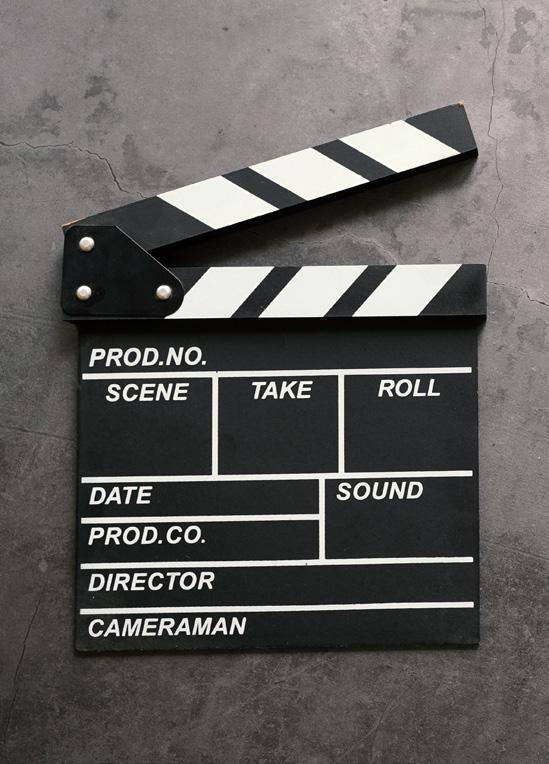
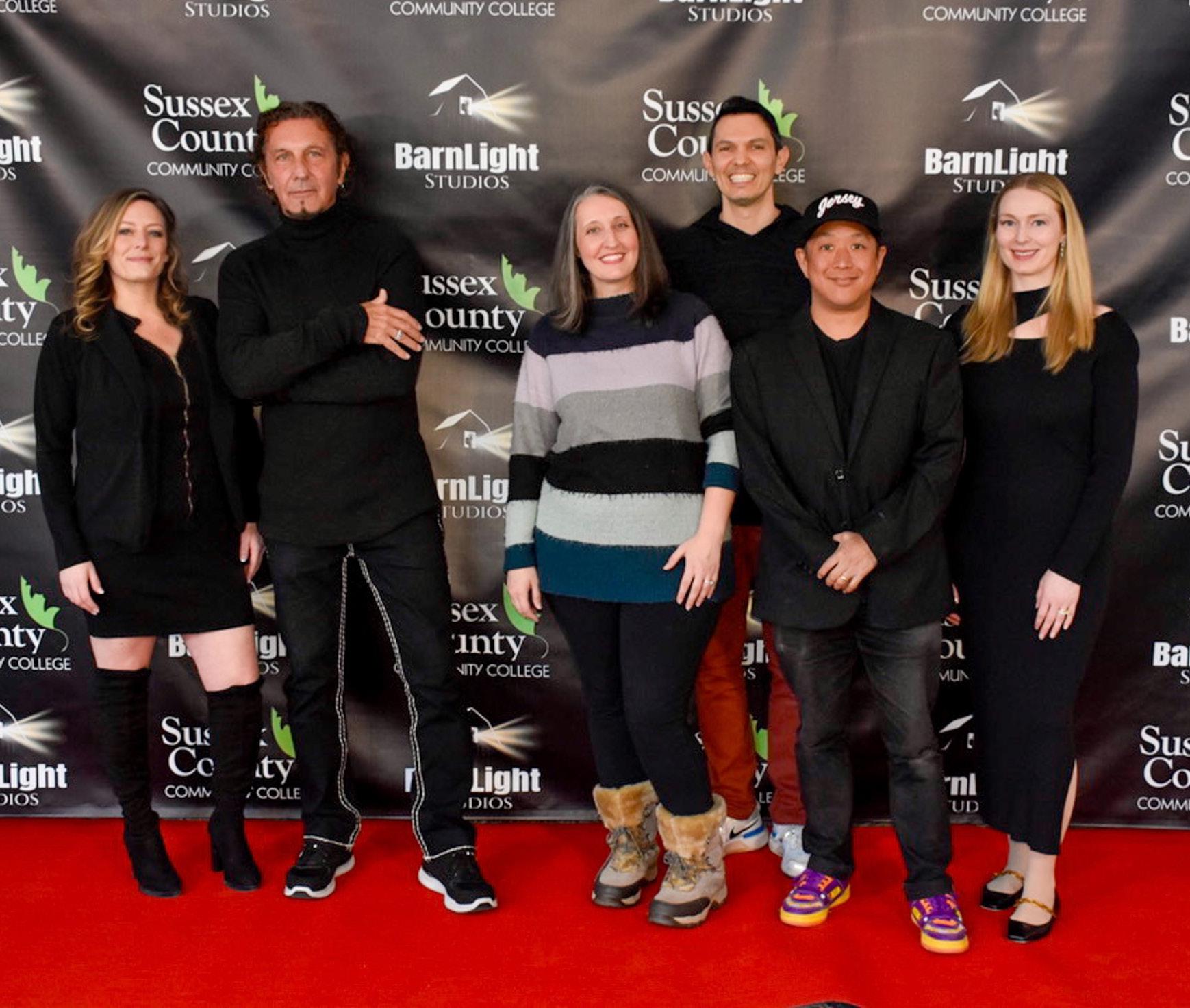
Sussex County, NJ, is gearing up to be involved in the behind-the-scenes aspects of film production.
Graphic Design
Maureen Taylor
Associate Editor
B’Ann Bowman Editorial Readers
Robert Bowman Amy Smith
The
Advertising Team
Amy Bridge amy@milfordjournal.com
Kimberly Hess kimberlyhess212@gmail.com
Journalists
Will Voelkel • Joseph Blanco
Chuck O’Neil • Jane Primerano Eric Francis
The tri-state upper Delaware River highlands and valleys are a place of rare beauty…
Seeing the region and living in it almost aren’t enough. Such beauty should be captured on canvas or film so that one can truly appreciate it, glimpse it in the quiet of an art gallery or museum, or between the pages of a poetry book or literary sketch.
The Journal Group’s mission is to capture these momentary snapshots of beauty graphically and through the written word. We celebrate our area and the uniqueness of the people who live and work in the tri-state region. From Pike to Wayne and Monroe to Lackawanna Counties in Pennsylvania, upriver to Sullivan County and on to Orange County in New York, and to the headwaters of the Wallkill River and
David Dangler dangler908@yahoo.com
The Poet Brody Butler
Mission
along Warren and Sussex Counties’ rolling hills in New Jersey, with quaint, historic towns and hamlets at the center, the Journal Group opens its doors to our communities, businesses and organizations, to serve as a communicative journal of all that we have to offer for those who live here and for those who love to visit us, too.
Publication Information
The Journal Group publishes The Journal eight times a year and distributes it in eight counties in PA, NJ and NY. We assume no responsibility for unsolicited manuscripts. Contents may not be reproduced in any form without prior written permission. We reserve the right to refuse to print advertisements that we deem inappropriate. All rights reserved.
Susan Mednick
May 19, 1967 – April 22, 2026
Having a small business is like having a family. At least to me it is.
It’s not flesh and blood, but we’re bonded; we care for each other and about each other. We work together for a common cause. And that’s why it’s so painful to lose a member.
Susan Mednick spent a large portion of her career in corporate America, but when she came to work on our advertising team as an Account Executive, she’d found her professional calling.
She was so proud to be a part of The Journal family for the past eight years. Her untimely loss hit us all hard. Not only for those of us who worked with her at the magazine, but for her beloved advertising clients, too. We were lucky to call her a friend.
Throughout her illness, Susan never gave up, until the day before she passed, when she called me from the hospital with a cheerful, but weak, lilt to her voice. That’s when she told me that she was going to have to take a leave of absence.
Susan was the epitome of a benevolent, altruistic person, a hard worker who always offered to help without ever complaining. She was a dedicated wife to Andrew and a wonderful mother to her children, Rachel and Noah.
May her memory be a blessing.
Morning
Sitting in my chair on the porch face to face with the orange and blue of the dawn, no sounds but those that belong, no words to say or thoughts to distract, only the morning opening like the first rose of spring. And the old man across the street in his chair by the driveway, our eyes catching each other’s glance. My gaze his smile our rose the spring color and warmth that all joined together and bathed us both in the morning.
-Brody Butler
31 Jersey Ave, Port Jervis ( 845 ) 754-1808
Celebrating 18 Years!
JUNE 6 • SATURDAY
BRUSHSTROKES • 1-4pm
ARTIST RECEPTION
Saturday • June 20 • 1-6pm
GROOVE-PORT PRESENTS:
The Eathan Guttzeit Trio
Saturday • June 27 • 7pm
BATTLE OF THE ARTS
Sunday • June 28 • 1-4pm
Around the Towns
Late Spring
May 27th
Wednesday 5–7 p.m.
Creative Impact. Storm King Art Center, New Windsor, NY. Kick off the summer art season with music, bites, drinks & creative synergy. $40–$50. Hosted by OCNY Arts Council. Info: 845.202.0140, ocnyartscouncil.org.
May 29th
Friday 6 p.m.
Fork & Cork Dinner Party. Chatlos Environmental Education Center, Lacawac Sanctuary, Lake Ariel, PA. Cocktails, dinner & music. $130. Supports mission to deliver hands-on environmental education. Info: 570.689.9494, www.lacawac.org.
May 30th
Saturday 11 a.m.–5 p.m.
Sparta Day. Station Park, Sparta, NJ. Hosted by Junior Woman’s Club of Sparta. Free. Vendors, food, entertainment. Benefits local and national non-profits. Info: 973.400.9260, www.jwcsparta.org.
May 31st
Sunday 3 p.m.
Spring Concert. First Presbyterian Church, Hackettstown, NJ. Performance by the Stone Soup Symphony Free. Info: 908.509.1047, stonesoupsymphony.org.
June 4th
Thursday 4–9 p.m.
Warwick Food Truck Festival. Mountain Lake Park, Warwick, NY. Benefits Small Things, Inc. Live music. $20 per car. Also July 2nd Info: www.warwickfoodtruckfestival.com.
6–9 p.m.
OCLT Benefit Reception. City Winery Hudson Valley, Montgomery, NY. Celebration of parks, trails & places that connect us. Benefits the Orange County Land Trust. Info: 845.534.3690, www.oclt.org
June 6th
Saturday 10 a.m.–2 p.m.
Plein Air Lake Superior. Lake Superior State Park, Bethel, NY. Outdoor community painting celebration. Host: Barryville Area Arts Association and Artists’ Market Community Center. Info: barryvilleareaarts.org
10 a.m.–3 p.m.
Spring Fling. Lusscroft Farm, Wantage, NJ. Bird walks, manor house tours, photography contest, barn & cottage sales & more. $5/ adults. Presented by the Heritage and Agriculture Association. Info: 973.288.2760, lusscroft.org.
10 a.m.–10 p.m.
Newton Day Festival. Spring Street & Memory Park, Newton, NJ. Food, live music, activities, fireworks. Hosted by Greater Newton Chamber of Commerce and the Town of Newton. Info: 973.300.0433, www.greater newtoncc.com.
11 a.m.–3 p.m.
Heritage Day: Celebrating “America 250.” Minisink Heritage Center, Westtown, NY. Museum tours, live music, food and drink available for sale & more. Hosted by Town of Minisink Heritage Commission. Info: 845.726.4148, Facebook: Town of Minisink Heritage Commission.
Noon–4 p.m.
Pride Festival. Main Street, Hurleyville, NY. Entertainment, vendors, food, family fun. Celebrating arts, culture, and changing seasons in Catskills. Free. Info: 845.985.4722, hpacnyorg.
4–7 p.m.
Welcome Party: Fiesta Milford. Ann Street, Milford, PA. Fun under the Big Top: food, drinks, silent auction. Hosted by Milford Enhancement Committee for their beautification work. $125. Info: 570.832.4789, www.milfordenhancement.com.
5:00–8:30 p.m.
Foods of the Delaware Highlands. Van Scott Nature Reserve, Beach Lake, PA. Pizza, small bites, live music, drink & dancing. $185. Benefits Delaware Highlands Conservancy. Info: 570.226.3164, delawarehighlands.org.
5–9 p.m.
Catskills Pride Awards. Eldred Preserve, Eldred, NY. Celebrate those who advance the LGBTQ+ community in positive ways. Includes hors d’oeuvres, silent auction. $75. Info: www.catskillspride.com
June 6th–7th
Saturday–Sunday 1:00–8:30 p.m.
Hot Air Balloons, Arts & Crafts Festival. Warren Community College, Washington, NJ. $10–$12 Entertainment, food trucks, music & more. Hosted by Flying Festivals of Warren County. Info: 908.283.0721, www. balloonfestnj.com.
June 7th
Sunday 9 a.m.–3 p.m.
Silconas Poetry Festival. Sussex County Community College, Newton, NJ. Begins with workshops: “Break into Blossom: The Power of Image” and “How to Make Words
Dance.” Info: Facebook: Betty June Silconas Poetry Center, poetrycenter@sussex.edu.
3 p.m.
Celebrate America 250. Sussex County Fairgrounds, Augusta, NJ. Food, games, music, fireworks. Sponsored by Sussex County, NJ. Info: 973.579.0200, Sussex.nj.us.
June 13th
Saturday 9 a.m.–4 p.m.
Arts & Crafts Fair. Bingham Park, Hawley, PA. Hosted by Chamber of the Northern Poconos. Handcrafted merchandise, entertainment. Info: 570.226.3191, www.northern poconos.org
10 a.m.–1 p.m.
A Movable Feast: Historic Walking & Tasting Tour of Milford. Community House, Milford, PA. $25–$30. Hosted by Grey towers Heritage Association. Info: 570.296.9630, greytowers.org.
10 a.m.–5 p.m.
Trout Parade: Cirque du Trouts.. Main Street, Livingston Manor, NY. Vendor fair, music & more. Benefits local food pantries & school music education. Hosted by the Livingston Manor Chamber of Commerce. Info: www. livingstonmanorny.com.
10:30 a.m.
Gordon & Ginny Shelton Memorial Walk-athon. Sussex County Fairgrounds, Augusta, NJ. Supports services for individuals with developmental disabilities. Hosted by the SCARC Foundation. Info: 973.383.7442, www.scarcfoundation.org.
1–3 p.m.
Picasso Was Right. Ethelbert B Crawford Public Library, Monticello, NY. Free painting party for young people up to age 16. Inspired by Picasso who believed that true artistry lies in childlike expression. Also June 20th, Noon–2 p.m. Western Sullivan Public Library, Jeffersonville, NY. Info: www.barryvilleareaarts.org.
5:30 p.m.
Kindred Spirits Fundraiser. The Columns Museum, Milford, PA. Performance by classical guitarist Ben Lougheed, cocktail party & appetizers. $100. Benefits Kindred Spirits Arts Programs. Info: 570.390.8699, www. kindredspiritsarts.org.
6–9 p.m.
Opening Reception: Embracing Nature. The ARTery Gallery, Milford, PA. Pottery and printmaking. Refreshments and visiting with artists. Info:570.409.1234, www.artery gallerymilford.com.
June 14th
Soap Box Derby. Sussex St., Port Jervis, NY.
Fun filled & family friendly. Info: portjervis. soapboxderby.org.
June 15th
Monday 9 a.m.
Deacon Cliff Memorial Golf Outing. Lords Valley Country Club, Hawley, PA. Supports St. Patrick’s Children’s Faith Formation Program and People Helping People. $150. Info: 570.296.7451, saintpatricksmilford.com.
June 19th–21st
Friday–Sunday 10 a.m.
Milford Music Fest. Downtown Milford, PA. Free music, local vendors, family activities, car show. Hosted by Milford Presents. Info: www.milfordpa.us
June 20th
Saturday
Roots & Rhythm Music & Arts Festival. Wayne County Fairgrounds, Honesdale, PA. Live music, food, craft vendors. Free. Info: honesdale rootsandrhythm.com.
10 a.m.–2p.m.
Pull the Tank. Thomas Bull Memorial Park, Campbell Hall, NY. Teams pull a WWII Sherman Tank to raise money to support veterans. Sponsored by the United Way of the Dutchess-Orange Region. Info: 845.471.1900 ext. 3122, www.uwdor.org.
June 20th–26th
Delaware River Sojourn. Upper Delaware River. Explore the river via canoe. Registration: Adult/$100 per day, Youth/$70 per day. Info: delawareriversojourn.com.
June 21st
Sunday 1:30–3:30 p.m.
Solstice Hike. PEEC, Dingmans Ferry, PA. $5. Celebrate the arrival of summer with a guided hike. Info: 570.828.2319, www.peec.org.
June 22nd
Monday 9 a.m.
Charity Golf Outing. Lords Valley Country Club, Lords Valley, PA. $150. BBQ lunch, beer & soft drinks included. Benefits the Pike County Public Library and Pike Cares. Info: pcpl.org.
June 27
Saturday 4 p.m.–dusk
Montague Day. Montague, NJ. Music, vendors, food, Miss Montague contest, classic cars, fireworks & more. Info: 973.293.7300, www.montaguenj.org
5:30 p.m.
Jazz Cabaret. Grey Towers, Milford, PA. Janis Siegel & Roni Ben-Hur Trio. Presented by Kindred Spirits Arts Program. $30. Info: 570.390.8699, www.kindredspiritsarts.org.
Location, Location, Location
Building a Film Ecosystem
Although filmmaking got its start on the East Coast in the early 1900s, it was in Hollywood, once a sleepy farming town in Southern California, that the movie industry became known as the “Dream Factory.”
The country and the world watched as black and white talkies progressed to Technicolor films with Surround Sound. In the mid-to-late 1920s, five major film studios had opened. They courted and promoted their contracted stars, and America fell in love with movies, movie theaters, and everything that they represented. Hollywood became synonymous with making magic. It played to all of our desires: fantasy, adventure, glamour, and romance.
The industry has gone through many transformations in the last century. With the advent of television, there were home video rentals that gave way to streaming on TVs and cell phones. Large studio blockbusters had competition from indie films. Film festivals, initially in Venice, Italy, or Cannes, France, began to happen in places like Utah and Tribeca. So, with all of the changes in the past one hundred years, is it any surprise that Sussex County, NJ, is on the way to becoming a one-stop shop for filmmakers across the country?
Lauren Magura was raised in Beemerville (Wantage, NJ) and began her career at NBCUniversal in post-production, working across digital distribution, broadcast, and cable divisions. She later moved into publicity and marketing at Universal Pictures, contributing to campaigns for major franchises including Minions, Fast & Furious, and Jurassic Park. That’s when the film bug hit hard.
As I was to discover, Lauren has never been one to rest on her laurels. While pursuing her passion for film production, she developed the idea for a mobile app designed to connect production crews with job opportunities based on geographical location. While learning film distribution, navigating the independent side of the industry, and managing marketing for Universal’s Eastern region, she was introduced to the startup world. In 2017, after winning the Startup Spotlight at SXSW, she moved to Los Angeles to expand her mobile app, Cinematcher, in the West Coast market.
In LA, she reconnected with Lisa Whalen, whom she had met years earlier on the Saturday Night Live stage through the NBCUniversal Women’s Network. Whalen, a partner and CEO at Elijah Wood’s company SpectreVision, brought Lauren on to join the team.
Continued on page 16
Meanwhile, in her home state, Governor Phil Murphy had instituted tax incentives for the NJ filming biz, which were among the most competitive in the country. In 2022 Netflix committed to building a state-of-the-art studio production facility on the Fort Monmouth Campus in Monmouth County, NJ, with plans to include twelve sound stages on nearly 500,000 square feet. They began groundbreaking in May of 2025.
The New Jersey Motion Picture and Television Commission had also launched its Film Ready New Jersey initiative, helping municipalities become certified to better support production.
Having grown up in Sussex County, Lauren already knew the region’s natural beauty and began exploring its potential for filmmaking. The stars aligned, and Lauren was moving back to the county she grew up in.
“I knew it was only a matter of time before larger studios and productions would begin coming here,” said Lauren, who serves as Chair of the Sussex County Film Commission. “I wanted to be closer to my family, especially my nieces and nephew, and having grown up here, it was important to me to both preserve its natural beauty and help position it to support responsible filmmaking.”
Following a vote by the Sussex County Commissioners to establish a county-wide film commission, the county began laying the groundwork for production. “We wanted to build the infrastructure to support filmmakers and be an ally to production across the state,” she said. “Through the Film Ready program, one of the key steps is establishing a code of conduct for productions. We made sure it reflected the realities of filming in a rural area, things like
removing all trash to account for bears, being mindful of the environment and wildlife, and respecting the communities that live here.”
Lauren returned to Sussex County with a vision of establishing a film company rooted in the region’s natural diversity and production potential, an effort that ultimately led to the founding of BarnLight Studios. “The locations here are incredibly diverse and inspiring,” she said. “They’ve always made me want to create, and I wanted to share them with the film network I’ve built.”
Of BarnLight Studios, which was cofounded with partner and Wantage native, Nicole Daya, alongside founding producing partner, Lisa Whalen, Lauren explained, “We are calling ourselves a next gen media campus. It’s a brand-new model.” Somehow, I’m not surprised.
“Our suite of services,” says Nicole, “includes film, television, and vertical series production, creative producing, location management, postproduction services, tech incubation and working with next-gen creators, influencers, and directors, all within a retreat environment designed to inspire filmmakers and support projects from development through distribution.”
So far, they have six films in the pipeline, which include Saurus City, an animated family adventure, starring Dennis Quaid, Ron Perlman, Emma Roberts, and Tim Meadows. They are also developing the horror feature Let Them Die, directed by Bill Whirity and starring Matthew Lillard, Terry O’Quinn, and Michael Rosenbaum.
“BarnLight doesn’t take unsolicited submissions,” Lauren noted. “It has to be a special project with a strong creative team in place.”
“We’re taking a swing. We believe that the industry is going toward a smaller footprint, where sound stages are flexible, virtual, or on-location,” Lauren told me. “We’re also planning on having a tech incubator within the next 24 months, for future-forward companies that will be working to streamline the industry with tools that will enhance the film production process.”
She continued, “We will only partner with human-centric AI companies, as a resource and a tool, but we will never replace creatives.” That was good to hear.
The idea is to keep the fingerprint of the studio small for quick pivots in a fast-paced landscape. And they feel it’s important to keep kids educated. Lauren went on, “We’re working on developing partnerships with students to give them a chance. I am trying to open doors, to make pathways for people, like many mentors did for me.”
Cultivating Creators, left to right: Lauren Magura, Patrick Tatopoulos, Lisa Whalen, Bill Whirity, Nicole Daya. Photos courtesy of BarnLight Studios
Lauren first connected with Sussex County Community College while conducting a location scout on campus, which led to a conversation about building opportunities for students.
Enter Dr. Cory Homer, the newly inaugurated seventh president of the community college, who grew up in Pike County, PA. “The college runs programs in broadcasting, film, theater, set design, and culinary arts,” he said. “We already have a workforce, so becoming involved with Lauren’s project made a lot of sense. The goal is to give our students the opportunities. To think creatively is to drive revenue for the economy.”
Lauren added, “The best art is collaborative. I began laying the groundwork with Sherry Fitzgerald, head of the Arts Department at SCCC. Through this partnership, students will have the opportunity to work on physical sets and collaborate with experienced filmmakers. We also plan to bring in industry veterans to teach classes. This past February, we hosted a Cultivating Stories filmmaker event with a Q&A that drew more than 150 attendees.” The interest is clearly there.
“We have wrapped our internal curriculum with stackable certificates in Physical Production, Postproduction and Digital Asset Management, AV and Emerging Tech, or Social Media and Marketing,” Dr. Homer explained. “This is all about a film ecosystem; there are so many components involved in the behind-the-scenes of a film, from accounting to culinary prep to set and costume design.”
The current Independent Film C.O.A. course is preparing students to write, produce, direct, analyze, and evaluate broadcast segments and to develop a personal and professional portfolio in film. Students will be prepared for entry-level opportunities in film and broadcast production.
There is also an Associate of Applied Science Degree in Technical Theater. This prepares students for entry-level positions in technical support in the entertainment industry. A Theater Arts Degree is also available.
Lauren is currently working with professors Tim O’Connor and Anthony Ur at the college on a virtual production studio, which she sees as an emerging next generation of sound stage. “Virtual stages utilize LED walls to create real-time environments for filming,” Lauren said. “By increasing efficiency in production, this approach can reduce certain costs and expand creative possibilities. There is still a need for more professionals trained in virtual production, and we plan to offer that opportunity to the college’s students. As these tools continue to evolve, they will shape the future of filmmaking.”
Who can use a virtual sound stage? Anyone from tradi-
tional commercial and film projects to newer forms of video such as influencer videos, which are typically watched on a cell phone. These are called vertical micro dramas and could be a series of sixty-second episodes that people like to binge watch. Lauren says New Jersey is part of one of the most active creator ecosystems in the country.
In another new direction, we will see brands making movies and series. Similar to the brands naming sports stadiums? I ask. “Yes, exactly,” Lauren replied.
Fall 2026 will see the college launch a new certificate curriculum. Sherry Fitzgerald, Professor of Visual Arts, and Anthony Ur, 3D Computer Arts Coordinator, are credited with the major curriculum revision.
“The first year was spent in creating a foundation,” said Dr. Homer. “The elements are set in place.” The county college is strategically positioned to offer one-year certificates and two-year programs. As Lauren has noted, in the film industry you can pivot at any age, you can create at any age.
Lauren Magura and Dr. Cory Homer are both homegrown talent. Their stories collide because they both left the area and then came back to give. “We are invested in providing opportunities to keep local talent local,” Dr. Homer said. Lauren agreed, “It’s so organic, a true labor of love.”
What BarnLight Studios and the community college are offering may very well be a new and improved version of a New Jersey filmmaking dream machine.
For more information on Sussex County Community College and upcoming film programs and events, visit sussex.edu. To learn more about BarnLight Studios, follow @BarnLight Studios on Instagram. For local film updates, follow the Sussex County Film Commission at @FilminNewJersey.
Dr. Cory Homer and Lauren Magura
l
l
l
SUNDAY • JUNE 21 ST MAKE RESERVATIONS TODAY
Pub Style Food • Budget Friendly Online Ordering • Dine In • Take Out
Spiritual Gatherings, Workshops & Classes, Energy Work Book a Session in our Comfy Salt Room! Dry Salt Therapy (Halotherapy)
Four Seasons of Memories Mom’s Vintage Recipes
Do you ever wonder why food, especially certain homemade meals, evokes such pleasurable memories?
I began to wonder about this somewhat mystical aspect of food when my mom passed away over 25 years ago. As we were cleaning out the two-family house in the Bronx that my parents had occupied for over 50 years (and my mom’s parents before them), I found a treasure trove of Mom’s favorite recipes.
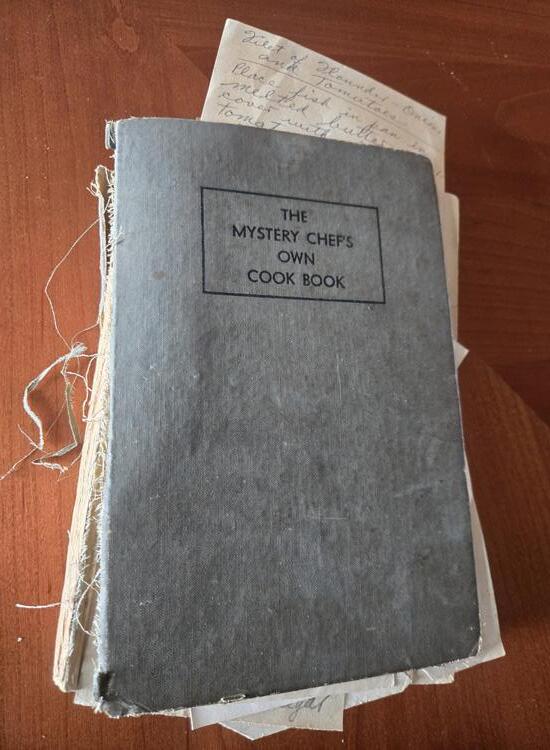
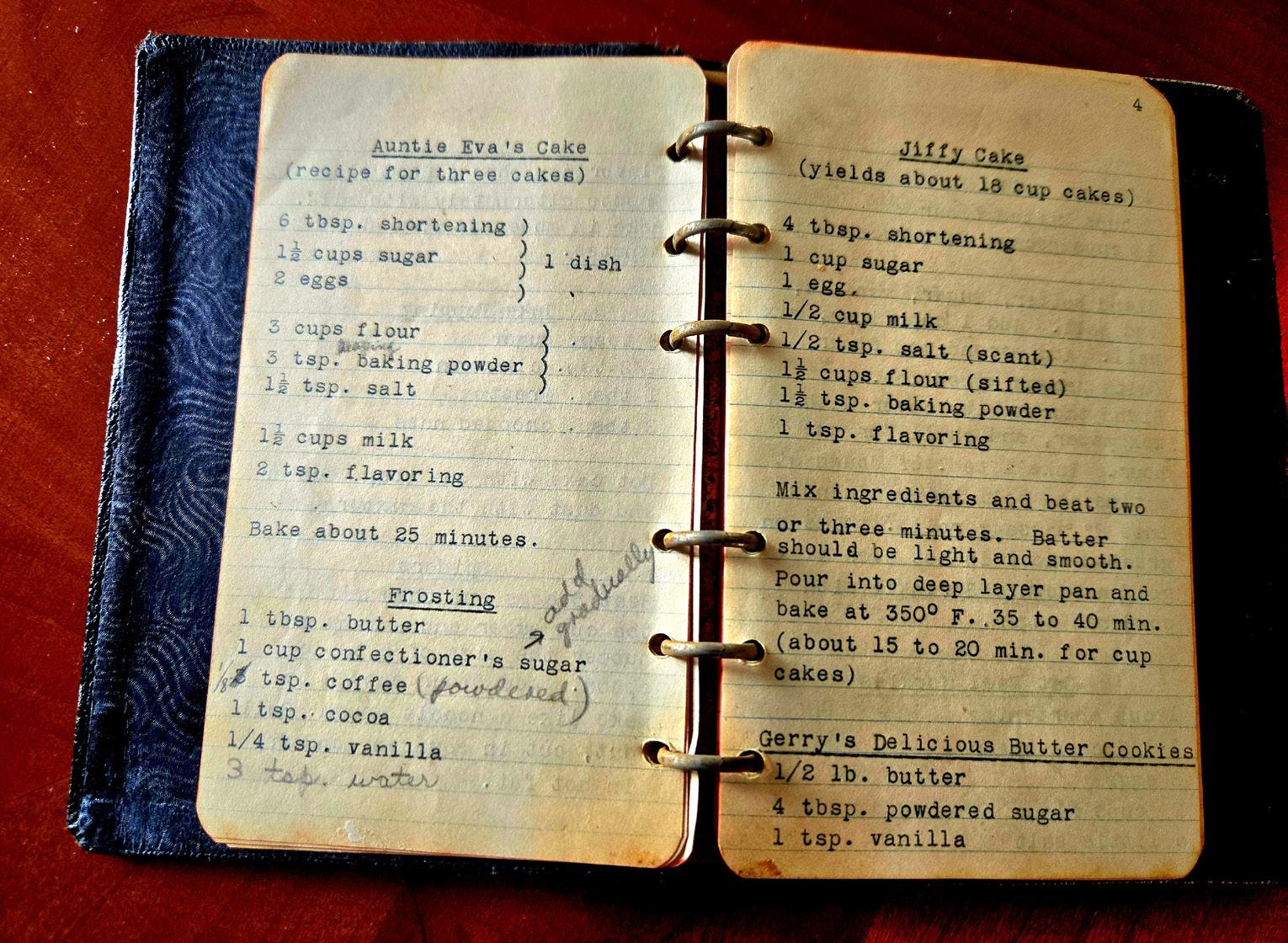
There were handwritten recipes, clippings from now-defunct magazines such as Ladies’ Home Journal, a cookbook titled The Mystery Chef’s Own Cook Book (copyright 1934), and even a little black leather six-ringed book with dessert recipes she had typed (yes, on a typewriter!) on 3½” x 6” long-since-yellowed pages.
Among those recipes, almost all for cakes and frostings, (the 1950s and 1960s were the heyday of home-made cakes) were favorites like her sister’s recipe, Gerry’s Delicious Butter Cookies, Grandma Dolan’s Irish Soda Bread, and Auntie Eva’s Cake. That last one was typical of cakes of the era: shortening, sugar, eggs, flour, baking powder, milk, and, my own personal favorite, 2 tsp. flavoring. I suppose that meant anything from vanilla extract to orange rind to instant coffee to Nestlé’s Quik powdered chocolate or strawberry.
What did most of the recipes have in common? It seems that variety was important, with many variations of staples such as stews, casseroles, chops, meatloaf, pasta dishes, and roasts for Sunday dinners. In those days, the term “dinner” was reserved for that special Sunday afternoon family gathering; “supper” was what we ate on weekday evenings.
Other commonalities were that recipes had to involve relatively easy preparation for a busy mother of four; the ideal summer meal should not require the hot kitchen oven; and broiled fish or tuna would be served on Fridays in this Catholic household. I loved Mom’s fresh flounder with roasted tomatoes and onions and her tuna casseroles.
One of my favorites was Captain’s Casserole (see recipe). When I spent time in Spain one winter during my college years, Mom asked me to select my first meal upon my return home. It was easy: Captain’s Casserole.
Speaking of schooldays, when my high school sociology teacher asked his students to conduct studies within our own families, one question for each family member was: What’s your favorite time of day? Tellingly, Mom’s was suppertime. I imagine that was true for many of the working and stay-at-home moms of that era: family, food, togetherness.
Photo above by Will Voelkel
Sifting through Mom’s plethora of recipes, I found not only her favorites that served us well as a working-class family (nutritious in some cases, often economical, and almost always simple but delicious), but also her hand-written alterations to the recipes.
My former sister-in-law Kate advised me at the time of Mom’s death to make sure that I kept something in writing from Mom since a person’s handwriting is not only unique, but would always arouse a swell of memories. Kate was right. In fact, one of Kate’s own handwritten recipes gifted to Mom was among the hundreds I perused as I prepared to write this article.
A bit of online research explains the scientific reasons food evokes vivid memories. The brain’s olfactory (smell) and gustatory (taste) systems are directly connected to the limbic system, which houses the hippocampus and amygdala— areas responsible for memory and emotion. This, known as the “Proust Effect,” means sensory input from food often bypasses conscious thought to instantly trigger intensely emotional and often childhood-related recollections.
In fact, smell is closely linked to the brain’s memory centers, making it the most potent trigger for memory. Food is rarely just sustenance; it is often tied to social experiences, family, celebrations, and childhood. These emotions are stored alongside the taste/smell, creating a rich context for memory retrieval. And of course, comfort foods, often from childhood, can trigger feelings of security and warmth, reducing stress through nostalgic memories.
Furthermore, specific and unique smells and tastes such as a dish only made at Christmas time act as strong retrieval cues for past events. When my friend Annette asked a Latina work colleague for her family’s pernil (Puerto Rican roasted pork) recipe for me, Annette reported that her colleague’s face immediately lit up with warm memories of Christmases past.
My own memories of climbing the stairs of walk-up apartment buildings to visit friends before mealtimes transport me back to those Bronx apartments. And more so, they transport me to the aromas in the hallways: a melting pot of German, Ukrainian, Italian, Irish, Jewish, and other ethnic meals.
If these memories bring a sense of pleasure as well as nostalgia, it’s clearly no accident: these sensory-driven memories are highly unique to each of us, fostering feelings of social connection and significantly boosting mood, according to the National Institutes of Health.
Part of the joy in any favorite recipe—new or old—is sharing it with friends and family, as Auntie Eva and Grandma Dolan had done with Mom so many years ago. I hope you enjoy these recipes, most verbatim, which are some of my favorites for each of the four seasons.
Captain’s Casserole
Dutch
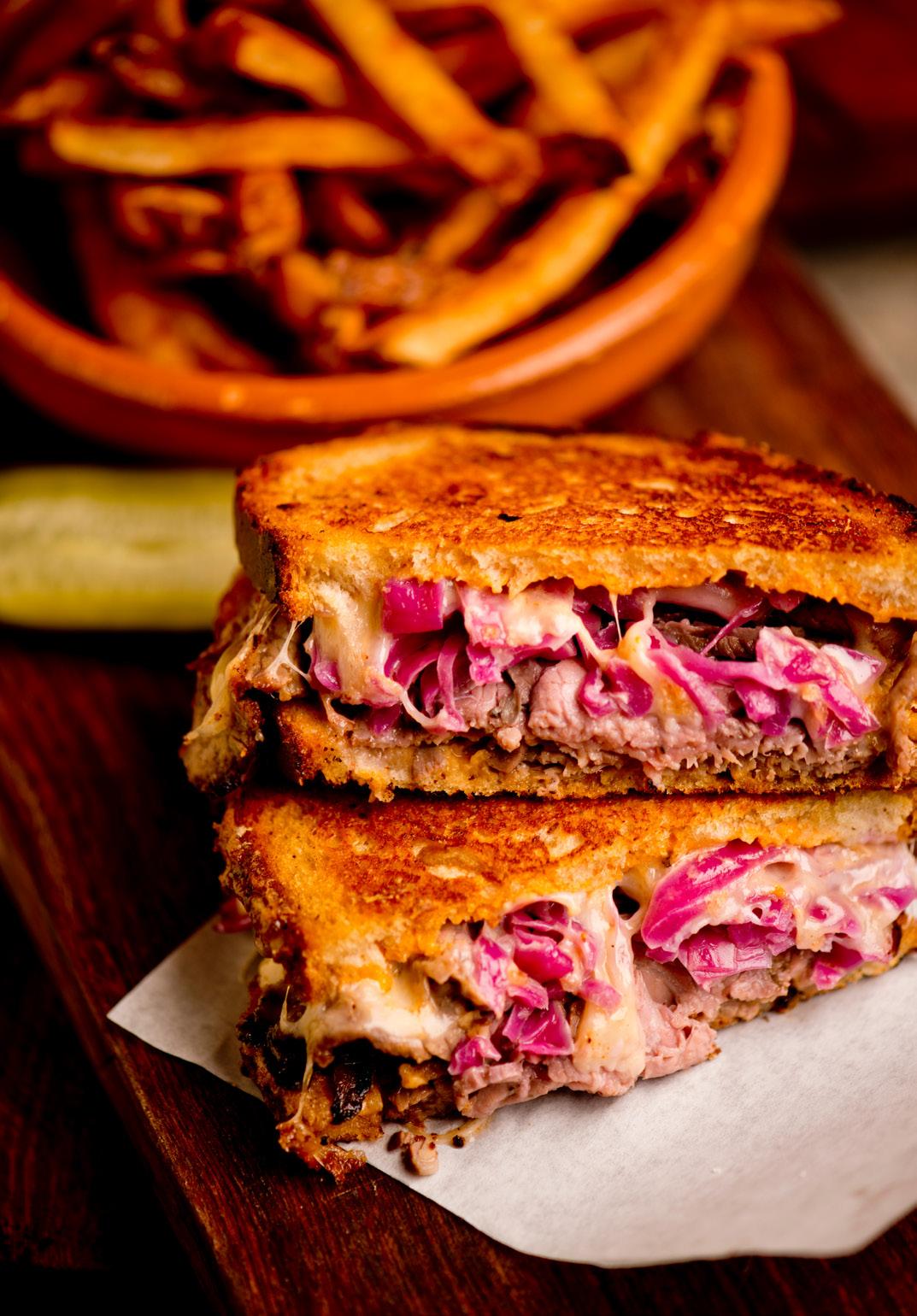
SPRING • Dutch Diplomat Sandwiches
This is a hot grilled sandwich that was an award winner in an unnamed national contest back in the day. The recipe is for 4 triple decker sandwiches.
12 slices caraway rye bread Mayo or Russian dressing
12 slices Swiss cheese
1¼ cups of coleslaw
12 slices of deli ham and turkey (or other deli meat) Butter, softened
• Spread 4 bread slices with mayo or dressing. Layer cheese, ham, and coleslaw on top. Then place another slice of bread on top of each sandwich and repeat the process, this time with turkey. Finally, place a third slice of bread on top and butter it.
• Place in pre-heated frying pan, buttered side down, and butter the bread tops. Grill sandwiches on both sides until golden brown.
• Cut sandwiches diagonally in half; secure with wooden picks. Serve hot with chips or French fries and dill pickles.
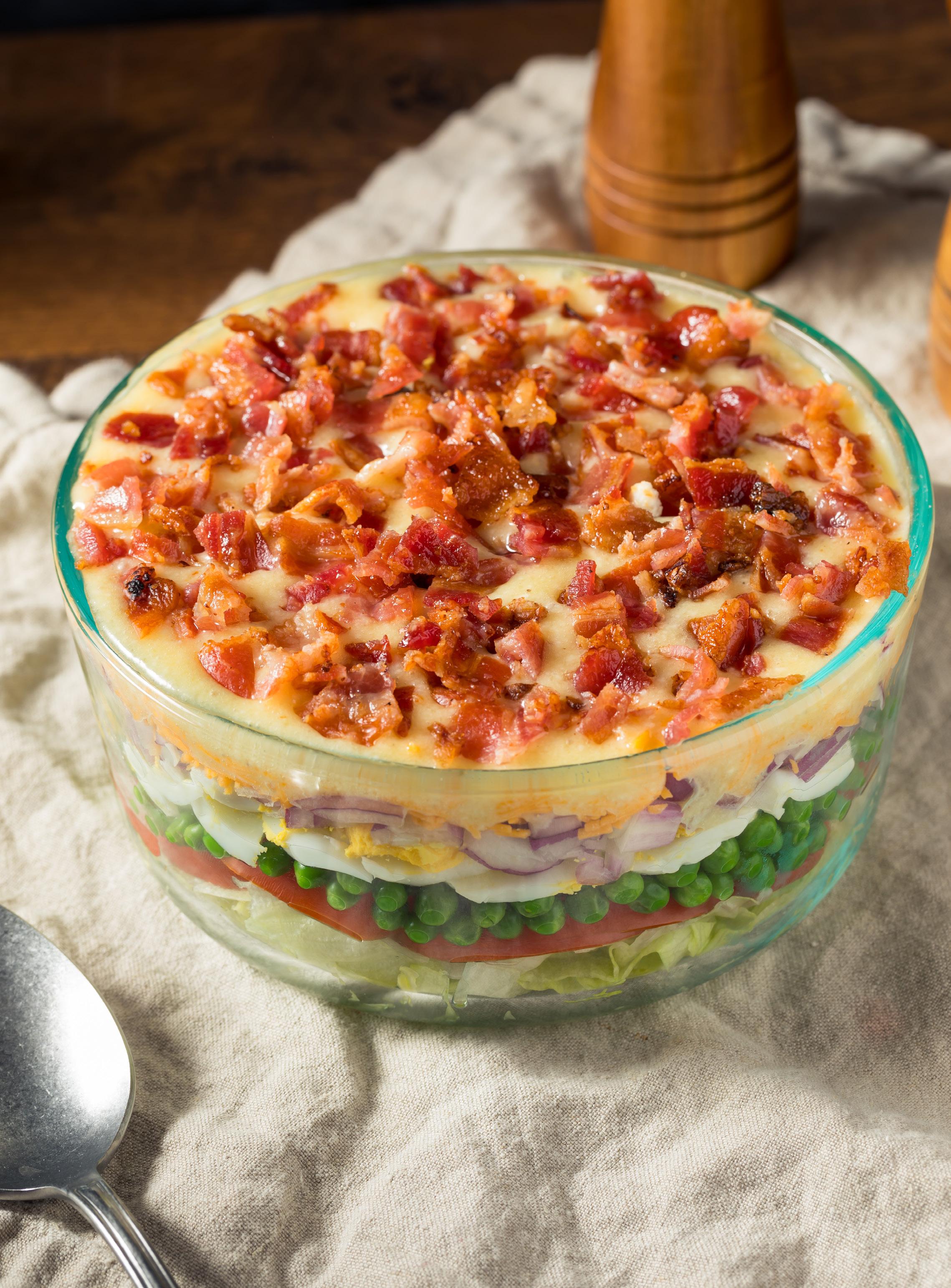
SUMMER • 24/7 Salad
It’s called 24/7 because it consists of seven layers and tastes best when it’s allowed to stand in the fridge for 24 hours, melding the flavors. No hot oven required!
• Cut up iceberg lettuce to thickly cover bottom of glass baking dish.
• Sprinkle approximately two raw chopped onions over the base layer.
• Chop one stalk of celery and put on the previous layer.
• In a small bowl, combine ¾ cup of mayo and some milk, enough to dilute the mayo into a creamy sauce. Add salt and pepper to taste. Add the creamy mixture to layers thus far in dish by pouring evenly and spread with a spoon.
• Drain a small can of peas and sprinkle on top.
• Grate enough cheddar or colby cheese to make the next layer.
• Last, add chopped bacon over the entire top.
• Allow to sit in fridge for about 24 hours and enjoy!
AUTUMN • Captain’s Casserole
½ tsp oregano
Dash of black pepper
1 can (1 lb.) whole tomatoes, be sure to use whole only
1 cup water
1 onion, thinly sliced
2 cans (6½ oz) tuna
¼ sliced stuffed olives (optional)
2 cups crushed potato chips or dry bread crumbs (Mom always went with the chips.)
• Heat soup, milk & cheese in saucepan until cheese is melted, stirring occasionally.
• Combine rice, oregano, and pepper in greased 1½ quart shallow baking dish.
• Drain tomatoes, saving ½ cup tomato juice. Mix juice and water and pour onto rice.
• Slice tomatoes in half, arranging most of them on rice.
• Add onion, tuna, and olives, if using. Pour on top of sauce.
• Sprinkle with chips. Top with remaining tomatoes.
• Bake at 375 degrees for 30–35 minutes.
WINTER • The Student’s Ragout
From The Mystery Chef’s Own Cook Book. This is dinner cooked over a single burner. Serves 4 generously. “A popular dish among French students in the famous Latin Quarter of Paris,” claims the chef (who remains anonymous in the 366-page tome).
4 medium potatoes
2 medium carrots
3 medium onions
1 lb. chuck beef cubes or veal cubes trimmed of fat and cut into chunks about ½ in. thick
½ lb. bacon or Canadian bacon
Salt & pepper
1 cup cold water
A tuna/rice casserole that always tasted great on those meatless Fridays, especially in the fall, and another typical 60s recipe including condensed soup, potato chips, and uncooked Minute Rice.
1 can (10½ oz) condensed cream of mushroom or vegetable soup
A bit less than ½ cup milk
2/3 cup grated cheddar (¼ lb.)
1 cup Minute Rice
• Prepare dish in a baking pan, large saucepan, or skillet.
• Wash, peel, thinly slice potatoes. Wash and slice carrots. Peel and slice onions. Cut the steak across the grain into little strips about 2 in. long and ½ in. wide to ensure tender meat. If ordinary bacon is used, halve the slices.
• Spread bacon across bottom of pan, then distribute steak over that and sprinkle a little black pepper on it. Add a layer of onions and carrots and more salt & pepper. Then top with layer of potatoes and more salt & pepper.
• Place pan on the stove & start cooking. After 3 minutes, add the cup of water and put the lid on (must fit tightly). Cook 45 min. over very low heat with lid. Check after 30 min.—it may be done.
Will Voelkel is a frequent contributor to The Journal. He loves home cooking and restores and flips lakefront homes in the Milford, PA, area.
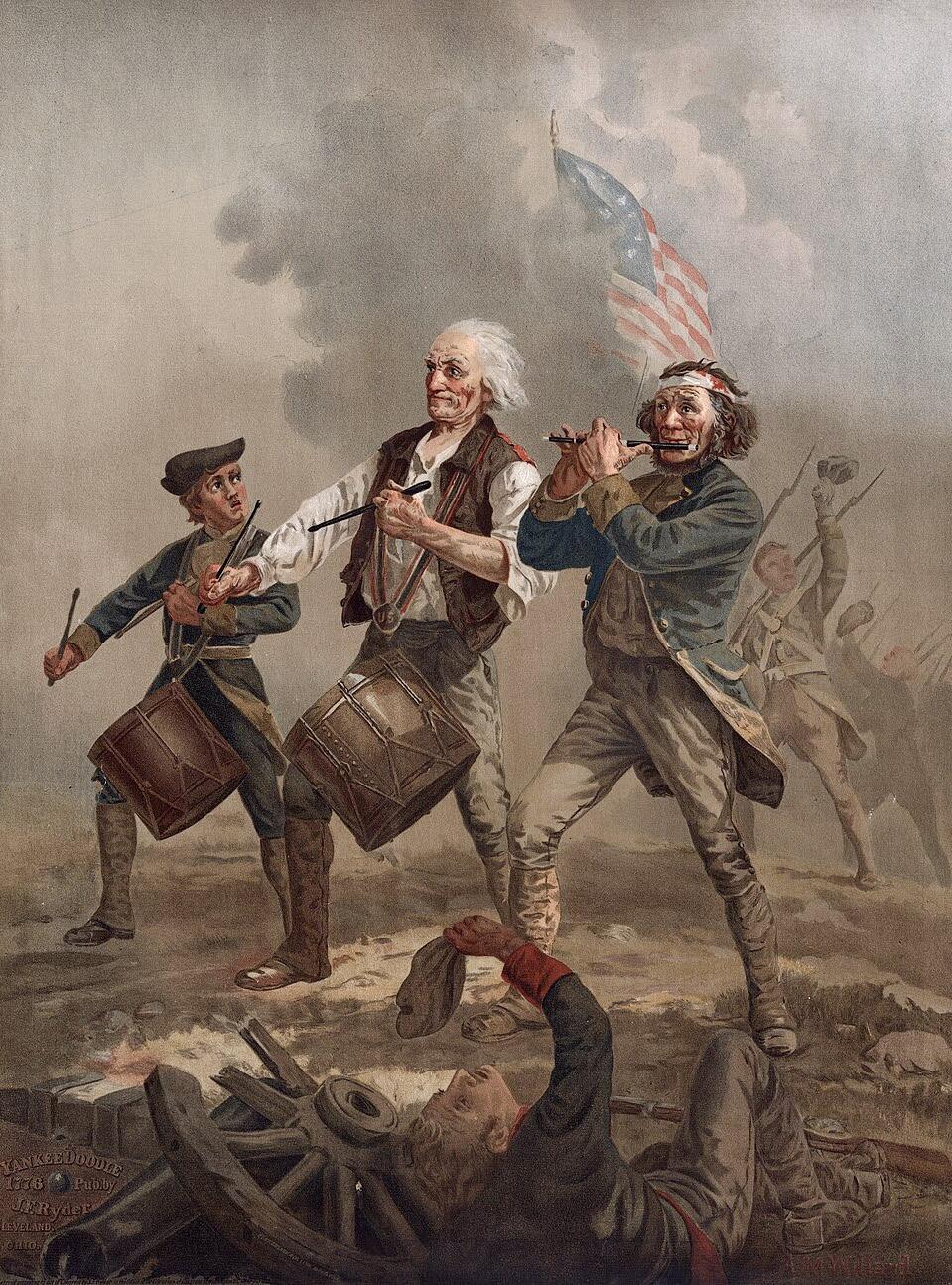
of ’76 by Archibald Willard
By Joseph Blanco
The Song That Insulted America
You’ve heard it. Probably sang it as a kid. Maybe even thought it was about a baseball team. Perhaps you listened to your mom and dad and grandparents rave about James Cagney in the musical film by the same name. But did you know “Yankee Doodle” was written and sung as a slap in the face to America? That’s right—it was an insult song about the residents of the 13 colonies and the colonial militia fighting alongside British soldiers during the French and Indian War. That was about a dozen or so years before the colonies declared their independence. But we didn’t forget. More on that later.
You might be asking where did such a put down song come from? Some historians, including yours truly, believe “Yankee Doodle” was written by Richard Schuckburg, a British physician, to mock his American cousins. The uppity doctor saw the colonists as rude, crude, and cowardly. When the crown’s foot soldiers came over to rid the French from North America, they used the song to single out the
differences between his majesty’s regulars and the colonial rag tag militia who fought alongside them.
But soon there would be payback.
First, we need to step back in time to when George Washington, newly commissioned commander-in-chief of the Continental Army, arrived in the Boston area in July of 1775. The popular general from Virginia quickly began organizing his disorganized colonial militia into some semblance of an army. As he rode through the camps on the hills outside of Boston, he heard the men singing a familiar British song they had taken a liking to with words that began:
Yankee Doodle went to town, a’riding on a pony; He stuck a feather in his cap, and called it macaroni.
Continued on next page
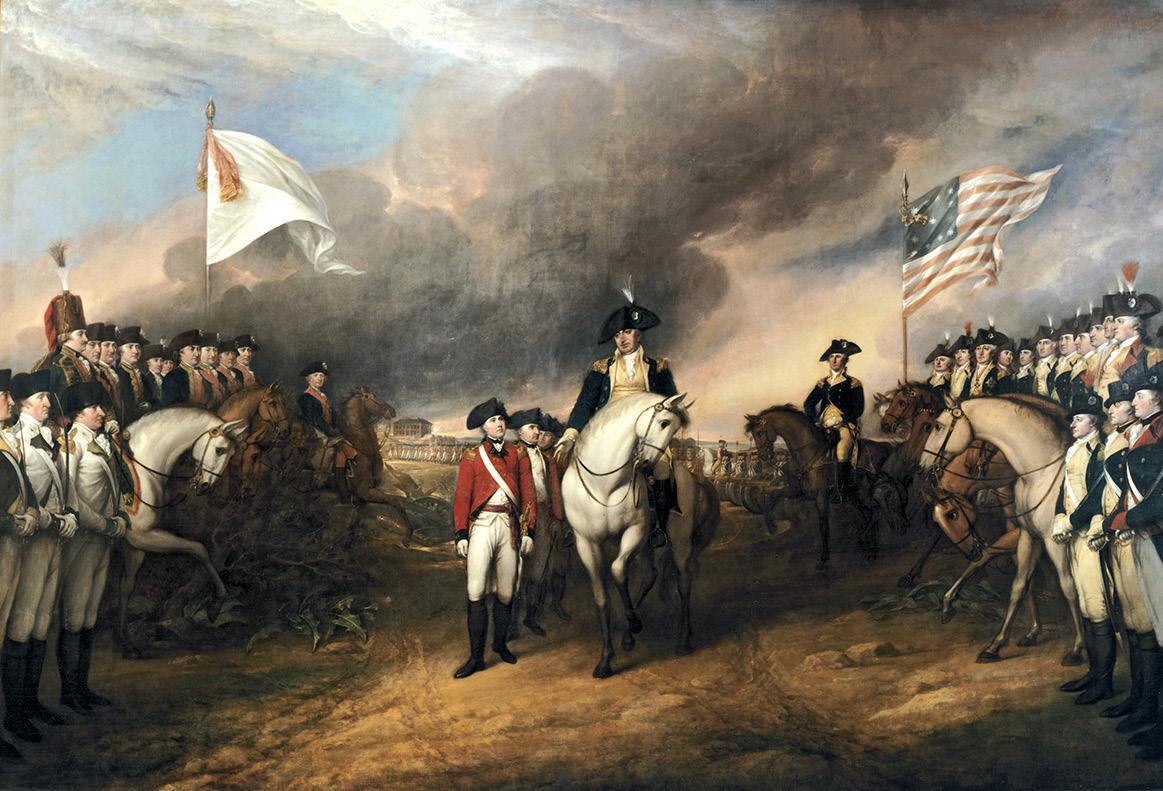
Surrender of Lord Wallace at Yorktown
by John Trumbull
Perhaps George smiled, remembering the days when Mother England’s soldiers made fun of his own militia by singing that song way back when.
So just what is a yankee and a doodle and a macaroni? Most Americans today know that first verse of the song by heart, but they don’t really know what it means. Indeed, the song’s meaning is obscure; however, we do know British soldiers did sing it to make fun of the colonial militia wearing a variety of unkempt civilian clothes instead of neat, bright uniforms.
OK, here are the particulars. Yankee was another name for New Englanders. It comes from Yengee, an Indian pronunciation for the word English. A doodle meant someone who wasn’t very smart. Macaroni wasn’t referring to fettuccine or linguine but to a young man who liked to dress in style in an overthe-top way.
Once the Revolutionary War began, Patriot soldiers expressed pride in “Yankee Doodle” and would often sing the song—especially when in close distance of British soldiers so they could hear. At the battle of Bunker Hill (really Breed’s Hill) they added the verse:
Father and I went down to camp, along with Captain Good’in, And there we saw the men and boys as thick as hasty puddin’
After George Washington took charge of the army, a new verse appeared:
And there was General Washington upon a slappin’ stallion, A’giving orders to his men; I guess there was a million.
Legend says old George, usually somber, actually laughed when hearing that verse.
Fife and drum bands soon put the song on their playlist. And the colonial soldiers sang “Yankee Doodle” loudly as the British soldiers retreated and eventually surrendered at the decisive battle of Yorktown. It was as if the Americans were singing, “How do you like us Yankee doodles and dandies now, you cowardly redcoats?”
The American Revolution was now all but over. “Yankee Doodle” soon took hold as the unofficial anthem of the army that kicked the British back to England. By the way, I could find no historical evidence suggesting King George’s men chimed in to sing “Yankee Doodle” at Yorktown along with the colonials.
Over time, new verses of “Yankee Doodle” were added, changed, moved, and removed. Here’s one of the many versions of “Yankee Doodle.”
Yankee Doodle went to town A-riding on a pony, Stuck a feather in his cap And called it macaroni.
Fath’r and I went down to camp, Along with Captain Gooding, And there we saw the men and boys As thick as hasty pudding.
And there was General Washington upon a slappin’ stallion, A’giving orders to his men; I guess there was a million.
And there I see a swamping gun
Large as a log of maple, Upon a deuced little cart, A load for father’s cattle.
And every time they shoot it off, It takes a horn of powder, and makes a noise like father’s gun, Only a nation louder.
Cousin Simon grew so bold, I thought he would have cocked it; It scared me so I shrinked it off And hung by father’s pocket.
And Cap’n Davis had a gun, He kind of clapt his hand on’t And stuck a crooked stabbing iron Upon the little end on’t.
And there I see a pumpkin shell As big as mother’s bason, And every time they touched it off They scampered like the nation.
I see a little barrel too, The heads were made of leather; They knocked on it with little clubs And called the folks together.
And there was General Washington, And gentle folks about him; They say he’s grown so ’tarnal proud He will not ride without em’.
He got him on his meeting clothes, Upon a slapping stallion; He sat the world along in rows, In hundreds and in millions.
The flaming ribbons in his hat, They looked so tearing fine, ah, I wanted dreadfully to get To give to my Jemima.
I see another snarl of men A digging graves they told me, So ’tarnal long, so ’tarnal deep, They ’tended they should hold me.
It scared me so, I hooked it off, Nor stopped, as I remember, Nor turned about till I got home, Locked up in mother’s chamber.
Historian Joseph Blanco has taught history in public schools as well as at the college level. His masters and doctoral focus are in American History. He currently writes history articles and leads multimedia presentations on various history topics. Joseph’s approach to history can be summed up: “History told through stories is remembered history.” Contact him at historian@outlook.com for information regarding talks, tours, and presentations.
Art & Design: Chuck O’Neil III
By Chuck O’Neil
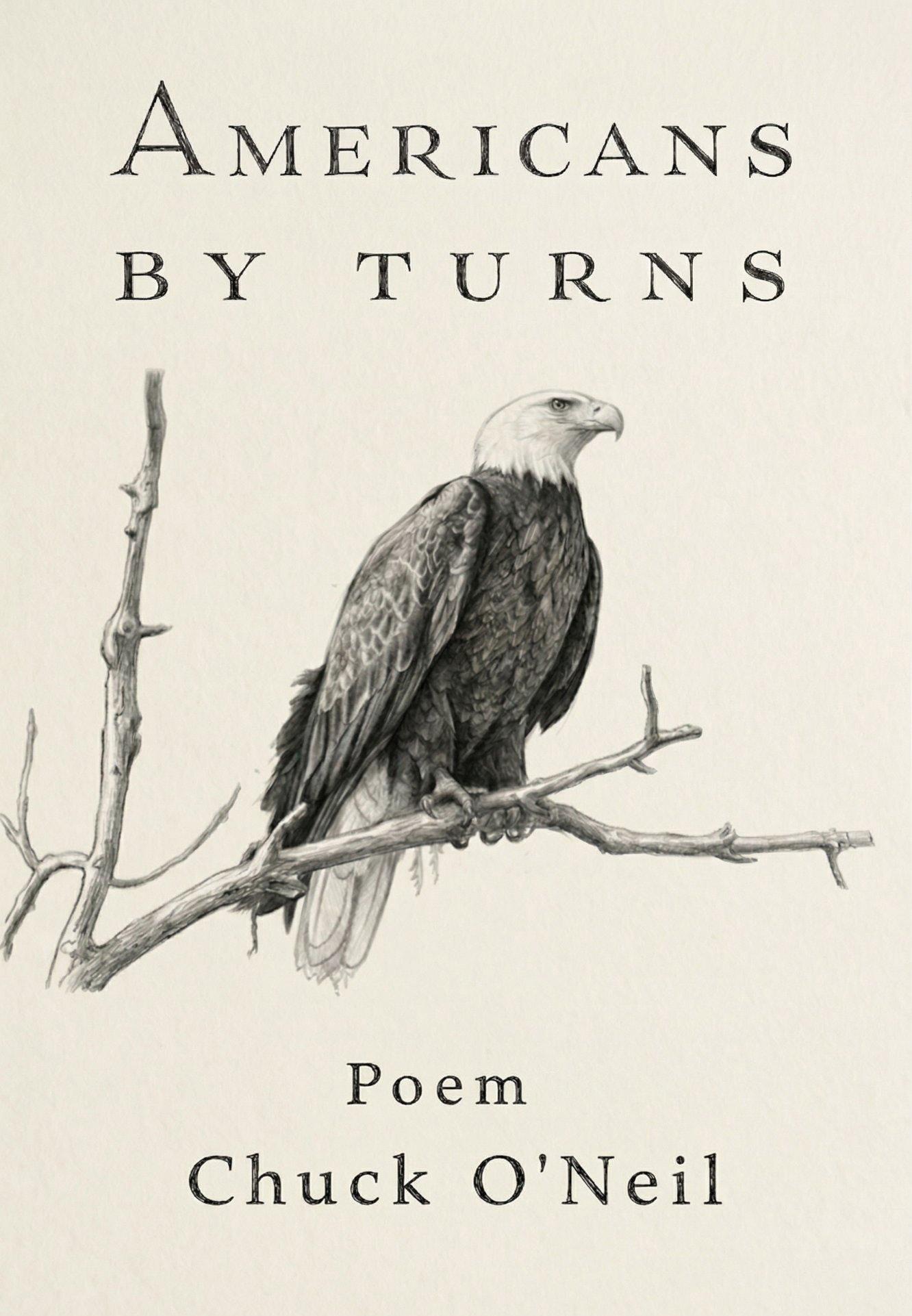
Commemorating our nation’s 250th anniversary, Americans By Turns, Chuck O’Neil’s collection of new and selected poems is, at its heart, a plainspoken meditation on hope—hope lived in local life, hope in “taking care of the things / that those who came before us / left when they left.” And the volume’s title poem, “Americans By Turns,” is a hymn to citizens of the Republic, who continue, generation after generation—by turns— toward a more perfect Union, course-correcting all along the way. Echoing our founders, past presidents, and poets, “Americans By Turns” celebrates the American spirit by insisting that we are more united in our daily lives than purveyors of pessimism would have us believe. Amen to that!
Americans By Turns
for citizens to come on our nation’s 250th anniversary
1
We were the new blood once
And this place
Was the world of our days
Like you in your century
We cared for the things
That those who came before us
Left when they left
Parks buildings businesses
Monuments markers signs street trees
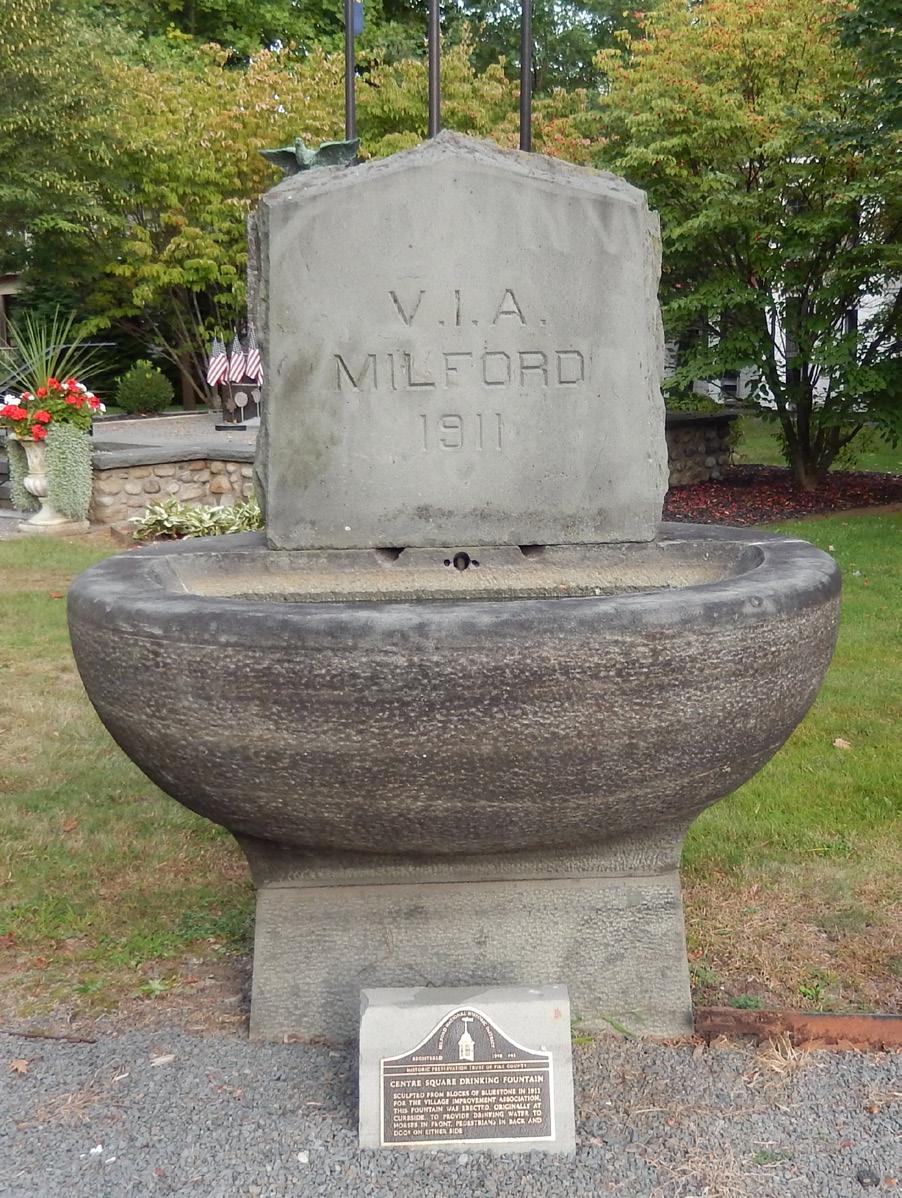
An old bluestone fountain
Hill-woods the glen
The creeks the river
Ordinances public hearings
Meeting minutes codes budgets
Word by written word And word of mouth
A museum food pantry library the VFW
Newspapers lights crosswalks curb-cuts
Fields bridges intersections
Ambulance-fire-police
Snow removal trash collection
Yes all of it down to us
And we took care
Knowing our inheritance
Was in truth
Borrowed from our children
And held by us a while In trust
For safekeeping
2
And we lived
Within shouting distance
Of each other
And from time to time
We shouted
Some swore God was in the details
Some swore It was the devil
Others were pretty sure Details were just details
Yet we stood together for the flag And said liberty and justice for all And meant what we said
Because the town was ours then And we were the town’s And day-in day-out
The town to us was the county
The commonwealth the country even
A nation of-by-and-for the people we could see
A republic we could keep
Where hope was local And hope was the measure Of everything held together In trust
For safekeeping
3
And we learned early on From our mothers and fathers
That we were born for hope
And seen by others everywhere
As the world’s best hope
And hope was the thing with feathers
And hope begets hope
And a little of it
Goes a long way around the block
From house to house to house
They taught us too
That hope is never a given
That before you know it
Hope could be lost or stolen
And warned us again and again
About the perils of indifference
And made certain we knew
There’d be times we’d need
To hope against hope
And that the cost for hope like freedom Is attention vigilance always
Because it’s hard to predict
The day or the hour
When the thief will come
And because the thief is clever
And oftentimes hides in plain sight
So we were watchful
Though prone to distraction
Attached to our comforts
Inclined to judge others
Impelled to be right
But the makers of our nation
Who saw firsthand
We could be our own worst enemies
Had faith-enough still
To look past daily human failings
To the better angels of our nature
As we look out now to you
New blood of the Union
Life by life by life
Imagining whatever was ours
Has become yours
And your history of flaws
And your hunger for hope
Not much different from ours
Citizens in your own time
Who are more to us
And more in our meditations
Than you might suppose
Taking care
Word by written word
And word of mouth
Reverencing a town’s
Old bluestone fountain
Americans by turns
Keeping the republic
Holding up hope
Scheduled Readings of “Americans By Turns”
June 15th • Milford Borough Council Meeting
July 1st • Pike County Commissioners Meeting
July 4th • Milford Community House Pavilion
October 24th • The Columns Museum
Chuck O’Neil has written six poetry collections, most recently Americans By Turns. He lives in Milford, Pennsylvania, where he and his wife, Celeste, have lived since 1982. They have four children and three grandchildren. In 2022, O’Neil was named Poet Laureate of Milford.
Publication of “Americans By Turns” in The Journal is in memory of Bill Kiger (1942–2026), friend, friend of poetry, citizen by example.
Milford
VIA Fountain.
Photo by Chuck O’Neil
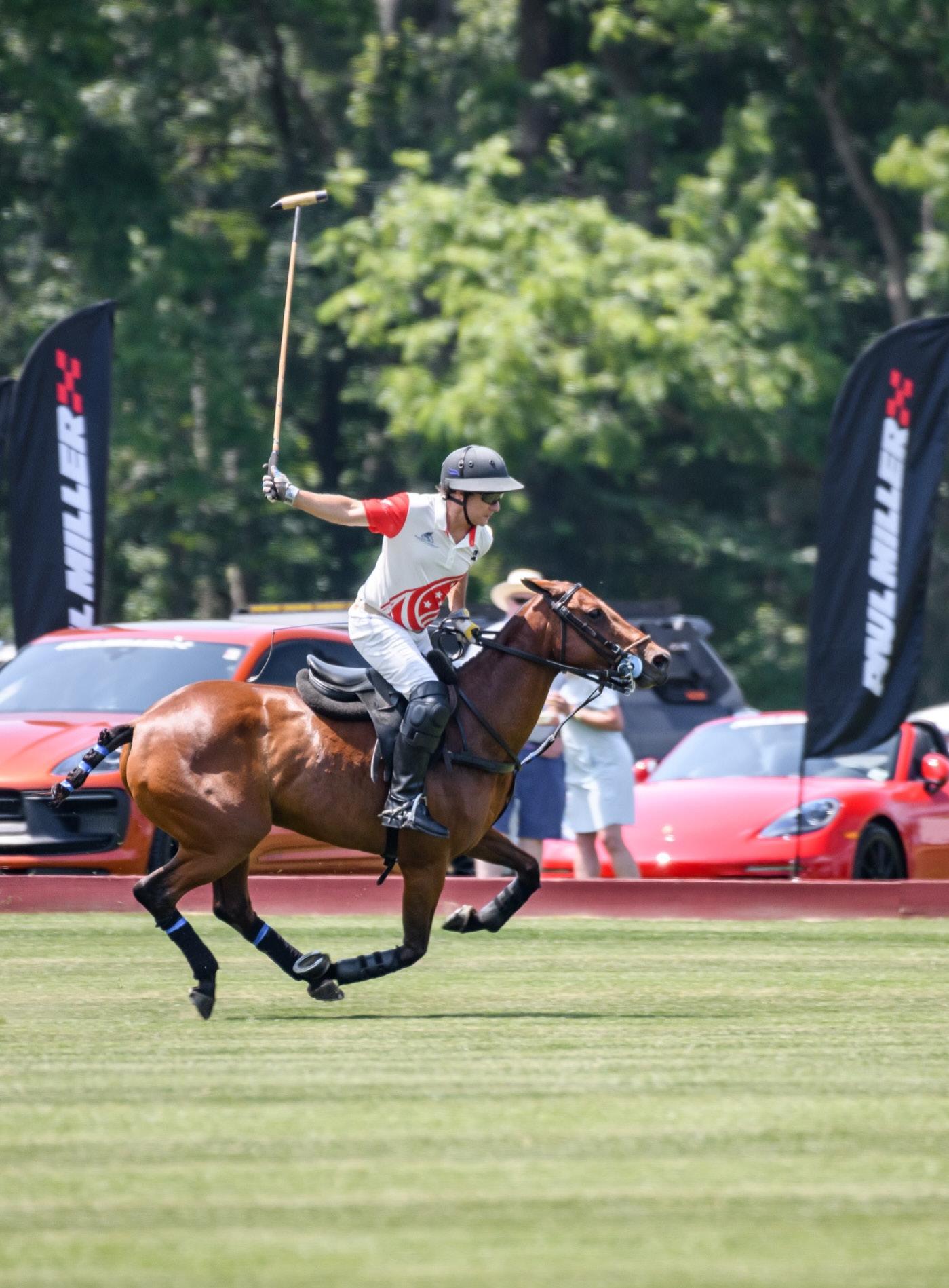
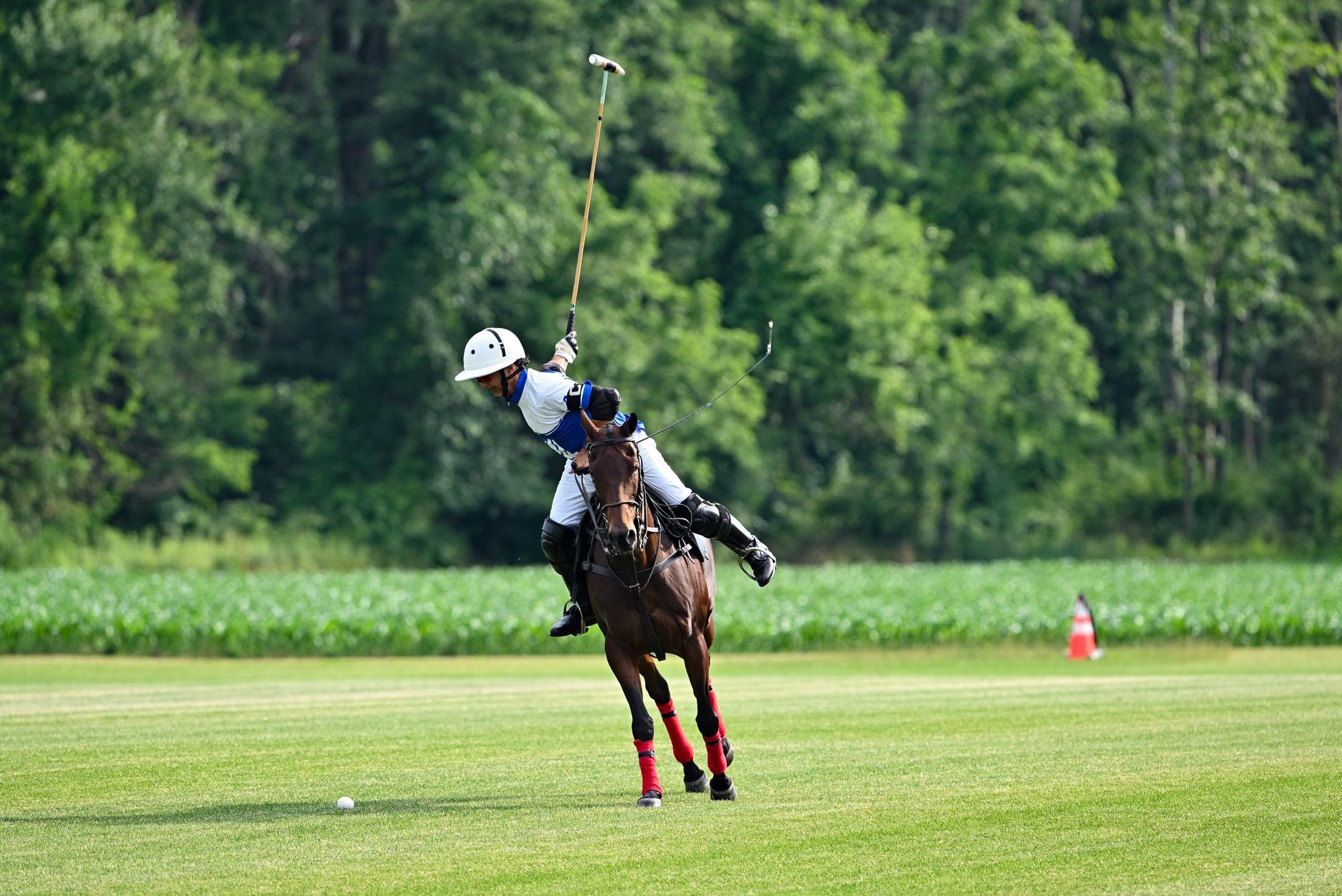
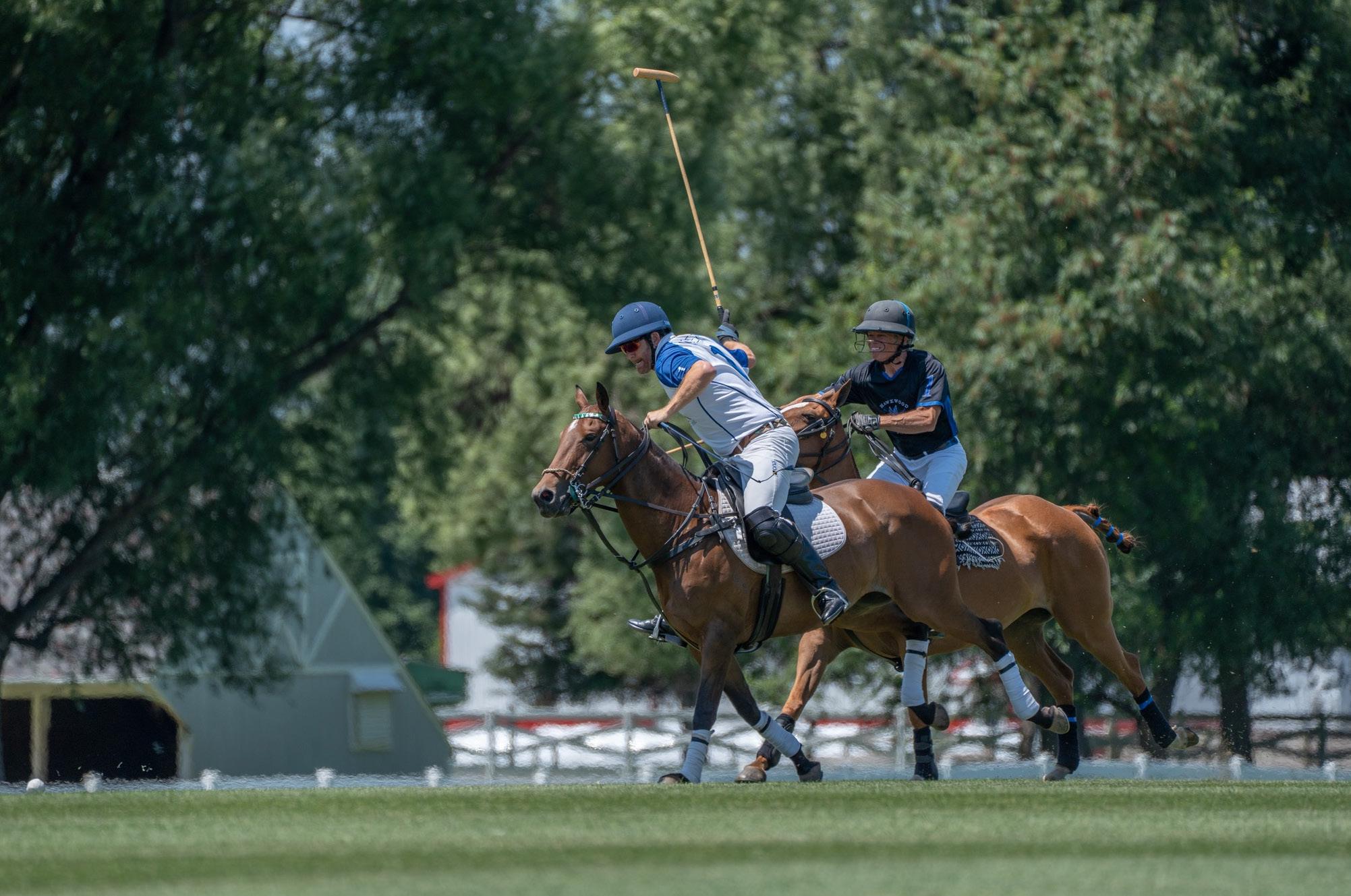
Photos courtesy of Grayfields Polo Club
In the Line of the Ball
Grayfields Polo Club
Northwest New Jersey is horse country in all its myriad forms: children’s pony clubs, 4-H, backyard retired horses, a western theme park, even fox hunting, but, for most people, the word at top of mind is not polo.
Polo came to the United States via James Gordon Bennett Jr., owner of the New York Herald and noted “bad boy” of the American aristocracy. After seeing the sport in England, he introduced it to the New York Metropolitan area in 1876.
Originally a training game for cavalry units, it was played in Persia from the 6th Century BCE to the 1st Century CE. The training teams would have as many as one hundred players enact miniature battles. It became the Persian national sport, played by both men and women of the nobility. The game spread to Arabia and Tibet, then to China and Japan.
The colonial British observed the sport, and the first officially recorded game of modern polo was played between the British East India Company cavalry and Manipur players in India in 1833. Soon British tea planters and other colonial settlers were playing the sport and took it back to the United Kingdom where it spread from the military to universities.
In 2022, the Grayfields Polo Club was formed in Allamuchy, in Sussex County, NJ, somewhat “under the radar,” as founder Brian Fairclough puts it. Today, members of Grayfields come from a wide radius since there are no other clubs nearby. (The closest polo facilities are in the Hamptons; Greenwich, Connecticut; and upstate New York. Farther south is the Tinicum Park Polo Club in Bucks County, PA.)
Fairclough noted that there had been a polo club in north Jersey, which had been closed for years. According to the
Continued on next page
Historical Society of Somerset Hills, the Burnt Mills Polo Club in Bedminster was founded in 1930. Discontinued during World War II, it was reopened in 1973 and held matches until the 1980s.
It was in January 2025 that Fairclough got the idea to open the Grayfields Polo Club to the public. He formed a committee and by June put together an elaborate fundraiser for Reverend Brown School in Sparta, where his children study. Today, the club holds eight tournaments through the US Polo Association and three fund-raising events through its own non-profit, New Jersey Polo. The fund-raising events are the only ones open to the public.
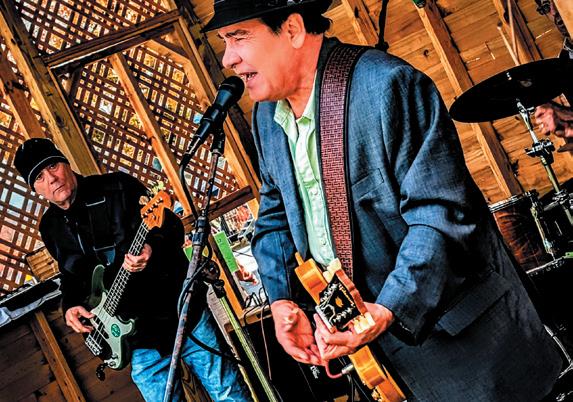
Fairclough describes the fund-raisers as “high-end events.” But some visitors pay more than others. Some attendees buy tickets for space under a large tent where they are served catered food. Others “tailgate” to the event, although they can order off the catering menu as well. The polo club also provides music by local bands during halftime of the match, with a stage wheeled out onto the field. After the event, there is a DJ for entertainment and dancing.
Fairclough has been into polo his whole life. He grew up in Sussex County, studied at Blair Academy, then Cornell University, where he played on the polo team. He
returned to New Jersey to live and work and play polo if he could. Once he had the idea to start a polo club, he found land on Long Bridge Road in Allamuchy that he would turn into two 10-acre playing fields.
They have to meticulously maintain the fields, keeping the grass less than one inch high and making sure that they drain properly. “We take care of them like a golf course,” he said.
That is until the horses get to work.
About the Game
Polo “pony” is a traditional term. The horses are actually full-sized. Often thoroughbreds are ridden although quarter horses are also used. People consider polo to be an exclusive sport, and the expense of owning horses proves that out, but Fairclough says what brings the players together is the love of the sport.
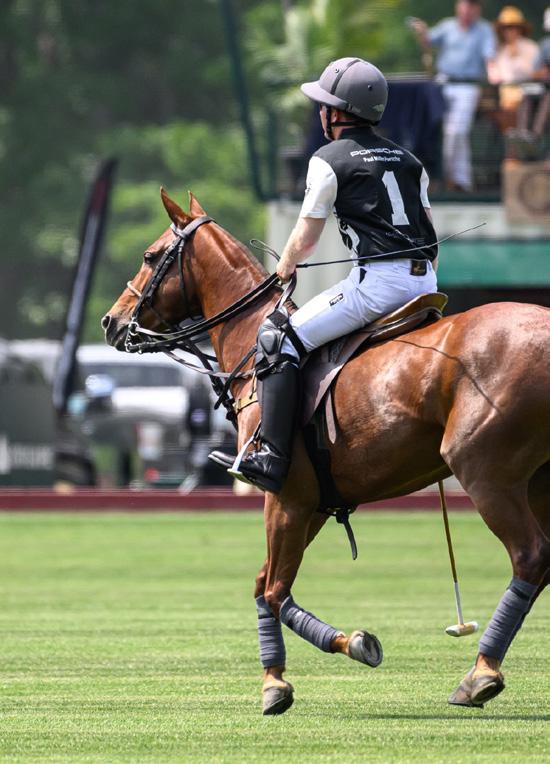
Around fifteen club members trailer their horses in—often eight to ten horses—for each match. A rider stays on for the entire match, but the horse is switched out after each seven-minute period, known as a chukka. A match may have four to six chukkas.
Modern polo is played with two teams of four players each. The four positions are numbered rather than named: Position One is responsible for scoring; Position Two is a support player, who assists Position One. Position Three combines offense and defense, and Position Four is a defender who prevents the other team from scoring.
The field is divided in half with goalposts at each end, and the ball can be wooden or plastic and is about the size of a grapefruit. It must be hit through the opposing team’s goalposts.
There are rules against dangerous play, such as crossing in front of the ball, although a player may hook an opponent’s mallet to block a shot. Various types of penalties are incurred for fouling an opposing player. Players are required to wear helmets and knee guards and are required to ride responsibly for the safety of the horses.
It’s a fast and somewhat dangerous sport, Fairclough concedes. Riders are close together with the horses moving swiftly and riders swinging their mallets.
Fairclough admits he’s not pushing his kids to take up the sport, feeling they have to learn to love it on their own. Many people learn to play as adults, Fairclough said, even some who have no riding experience.
For more information, visit Instagram page, @grayfieldspolo club. The club’s website, www.njpolo.org, has detailed explanations of the rules of play, scoring, fouls and penalties, which can help with understanding the fast-moving match.
Fieldside
The New Jersey Polo June Invitational on Saturday, June 20th, supports Semper Fi and the Americas Fund, which provides both immediate financial assistance and lifetime support to critically wounded, ill, or injured service members, veterans, and military families. It also benefits Pass It Along, which helps young people develop leadership skills through community service.
On Saturday, August 22nd, the club will sponsor a fundraiser for the Catholic Academy of Sussex County, the K-12 school that includes Pope John XXIII High School and the merged Catholic elementary schools of the area.
The Saturday, September 12th, benefit is for Project SelfSufficiency of Newton, which provides myriad services to the Northwest New Jersey areas such as free food and career services in a mobile van, high school diploma classes, a food pantry, “sister-to-sister” donated prom dresses, utility assistance, parenting services, and support groups.
These fund-raising events are at the Grayfields Polo Club in Allamuchy, NJ. Gates open at noon with the event beginning at 2 p.m.
The annual Milford Music Festival is coming to town during the weekend of June 19th until the 21st.
The festival was established as the first Milford Jazz Festival in 2002 and then reestablished in 2013 as a 501 (c) (3) nonprofit that brands itself as Milford Presents. The organization represents the business community and promotes Milford as an established arts and cultural destination, with the goal of enhancing the quality of life in Pike County through exposure to the arts. The organization is 100% funded by grants, sponsorships, and tax-exempt membership contributions.
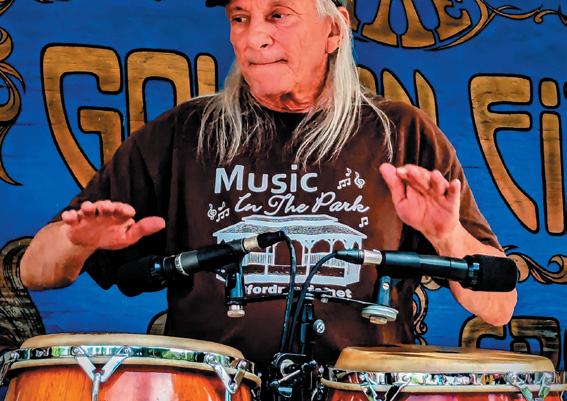
Milford Presents will be offering free live music throughout the town all weekend, including musicians that are familiar to locals and always some new faces. From blues to jazz to country, folk, solo acts, and bands, it’s all there, an eclectic group of high-quality musicians, condensed into a walkable area.
Music aficionado Jerry Reganess has attended every year. “I try to catch it all. I like the variety, the different genres of music; there’s a good bit of everything. It’s like packing in thirty trips of live music into just one weekend with minimal travel and the freedom to roam. Hang out for an hour or two and listen and just keep wandering around town.
“It’s an intimate experience,” Jerry said. “When the band breaks, you can meet the band members. Where else can you do that?”
As the charming town of Milford fills with music and passing cars slow down to listen, friends gather in flocks to hear the music being played on porches, on sidewalks, on lawns, and inside certain venues. And then they move on, walking from one end of town to the other.
Like Jerry says, “Just follow your ears.”
THE MILFORD MUSIC FESTIVAL
STARTING ON FRIDAY, JUNE 19 TO SUNDAY, JUNE 21
Milford Music Festival
Photos by Jerry Reganess
Aries (March 20-April 19) – It’s been said you miss too much these days if you stop and think. But you must. And not just think, but feel, and use all of your senses. Uranus entering the language and mind angle of your solar chart is making you want to push the literal and the allegedly provable. Yet your most accurate perceptions and your most meaningful creative acts will come from setting aside what can be proven, measured, quantified and evaluated by logic, which present a narrow perspective on knowledge and minimal proof.
Taurus (April 19-May 20) – You are somewhat famous for your conflicting values. It’s difficult for you or anyone to notice because you present such a steady and consistent exterior — even to yourself. Whatever form this takes for you, it slows you down by instigating inner conflict. That’s the constant chatter of your mind — the mind of a body-centered person. Uranus entering the angle of your chart associated with attitude and values is going to disrupt this whole process, which will be liberating if you allow it to be.
Gemini (May 20-June 21) – You have a language you use to communicate with yourself, and it’s a language no other person can understand. You have your own words, concepts and symbols that serve as dependable inner references that have followed you throughout your life. Uranus entering your sign is shaking things up for you, adding a diversity of new viewpoints. It’s almost as if Gemini goes from the sign of the twins to the sign of sextuplets, which means you will have to take a more circumspect view of yourself and the world.
Cancer (June 21-July 22) – You are among those with a rich inner life, with what I would call a strong inner voice. One way your tendency to be interior is depicted astrologically is you have Gemini as your immediately preceding sign. Such describes what’s going on in the often-hidden interior of your awareness. With the arrival of Uranus, it’s becoming a lively place. There will be so much going on, and such a multitude of presence, that you must find new outlets and ways to capture your ideas in meaningful ways.
Leo (July 22-Aug. 23) – Your social life is about to become the most interesting it’s been in a long time, perhaps ever. Fortunately you like the attention, you can handle all kinds of people and you’re not put off by those who are a little weird. In fact you like them because they make you seem all the more normal (which you’re not, it’s just a matter of contrast). As this new cast of characters arrives, be sure to evaluate them carefully. Sort out who is trustworthy and who is not from direct experience.
Virgo (Aug. 23-Sep. 22) – As an earth sign, you have those days when enough is enough. That said, you know you need a shakeup, and Uranus crossing the midheaven angle of your solar chart is giving you just that. This will be exciting and you may finally feel like you’re in tune with the times. You’re likely to experience the temptation to go forward in all directions, and to do 10 things when two or three are usually enough.
Libra (Sep. 22-Oct. 23) – It would be better if you were not guided by necessity or urgency but rather by curiosity and creative impulse. That is, the desire to make something, or to go somewhere. Necessity has a way of narrowing the possibilities. This can spark ingenuity but it’s not a lot of fun. You need the approach that emits love, not that vacuums it in. To create is to offer, not to withhold. You dearly need to live in a bigger world, and you’ll be much happier there.
Scorpio (Oct. 23-Nov. 22) – What you’re really feeling is the need to express your particular calling or the particular talent that you have to offer. That’s what requires your attention. So what is this thing you’re being called to do, or this way you’re being called to participate? The chances are that you know, but have a problem similar to what many others face: getting out of your own way. For you, that means breaking out of an idea of who you are — meaning your self-concept.
Sagittarius (Nov. 22-Dec. 22) – You have managed to keep to yourself for a long time. By that I mean you have used your capacity to live in a kind of ‘world apart’, perhaps of a creative activity or some special kind of fun you like to have. What’s about to happen is that you’re going to be drawn out of whatever that inner environment is. This may come as a shock, a surprise or an invitation to adventure.
Capricorn (Dec. 22-Jan. 20) – Uranus has arrived in Gemini (your 6th house) to stay for seven years, which will rapidly accelerate your information metabolism. For this to happen safely, you need to utilize your heightened perception. Imagine piloting a spacecraft through a debris field. You must be perceptive on many levels and go beyond the ordinary senses without losing contact with them. That’s about where you are now.
Aquarius (Jan. 20-Feb. 19) – You’re about to enter the most creative phase of your life so far. A lot of energy is coming your way, entering your life by way of one of the best houses, the 5th (for you, Gemini), which is about creativity, pleasure, play, children and your inner child. Uranus will be there for seven years, and Gemini is the mental environment. Uranus will ramp this up and for you, drive the experience of rapid inputs and outputs. This will happen so fast that you’ll need to master the art of pattern recognition.
Pisces (Feb. 19-March 20) – Home has never been more important, for you or for the world. Home is the environment where you live, where you rest, and probably where you work. It is your headquarters. Uranus has now arrived on your home angle — the 4th place, which for you is Gemini. Your living space must direct reflection and expression of who you are in your own particular way. And you have much influence over what happens there. Take care of it and it will take care of you.