SECTION ONE
SECTION ONE
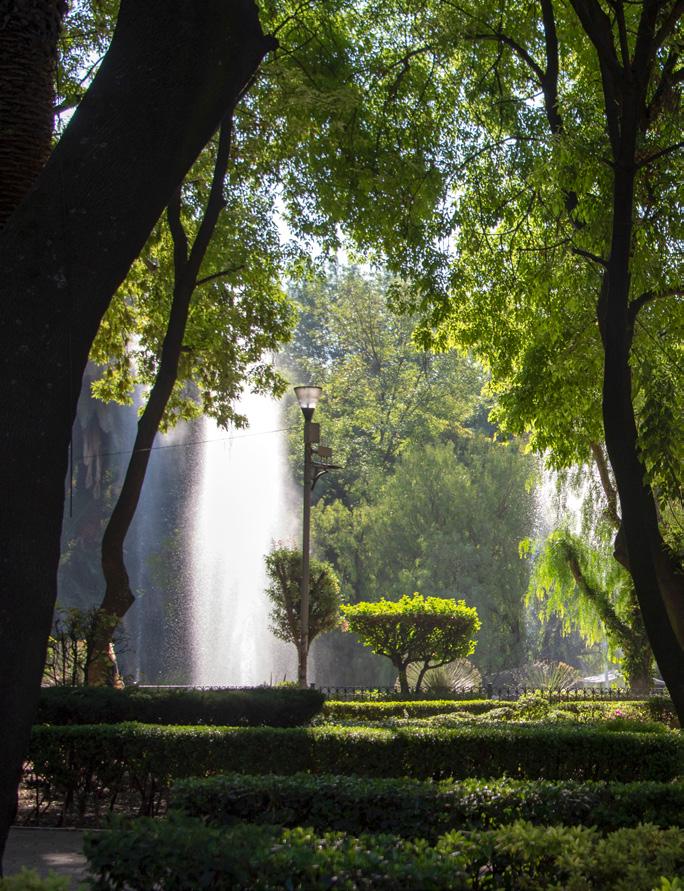
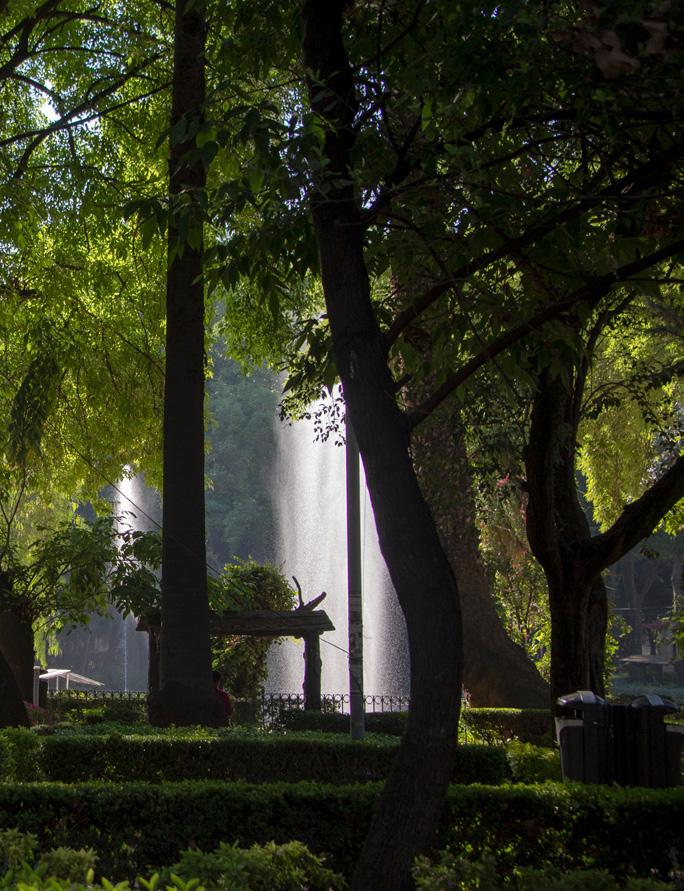
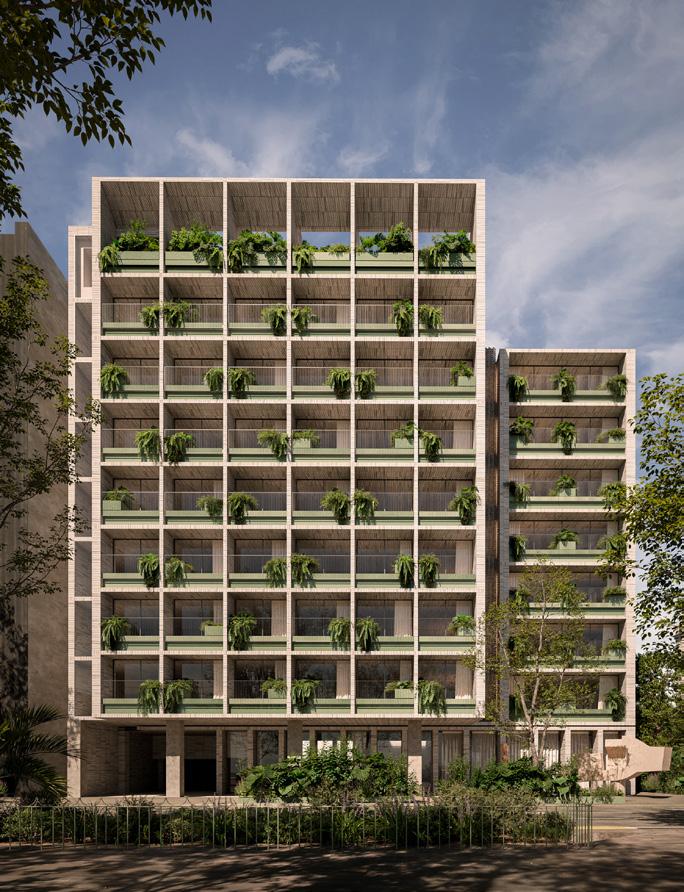
Mexico City presents a limited collection of only 20 contemporary homes in the coveted Roma Norte colonia —among the capital’s most architecturally celebrated neighborhoods.
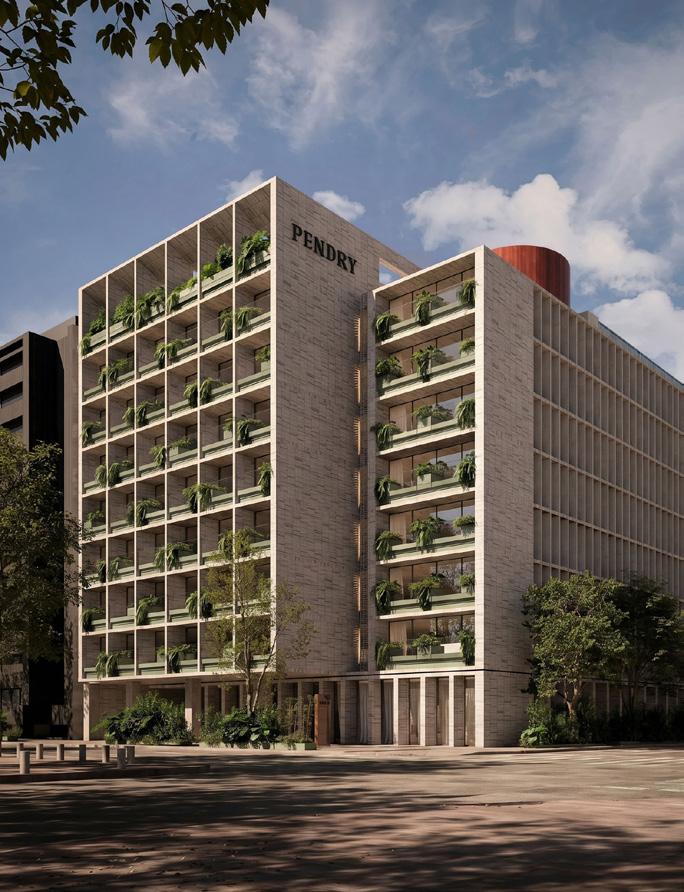
With architecture by Mexico City-based Central de Arquitectura and interiors by awardwinning AvroKO, Owners will enjoy boutique-scale intimacy combined with design inspired by Mexico City’s renowned architectural sophistication. Life here is supported at every level, with amenities dedicated to living, working, gathering, and unwinding elevating every moment at home, complemented by personalized concierge service that seamlessly connects Owners to the best Mexico City has to offer.
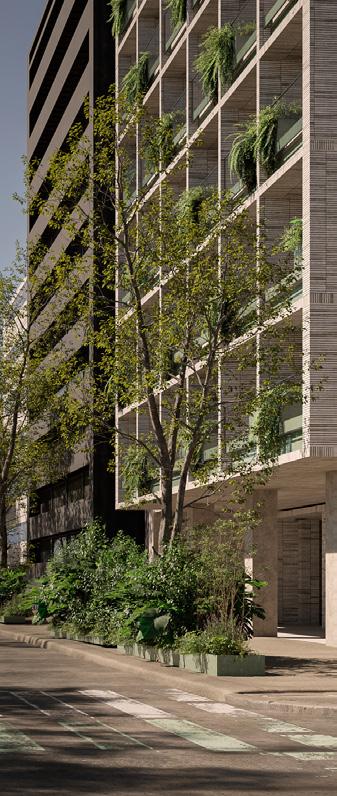
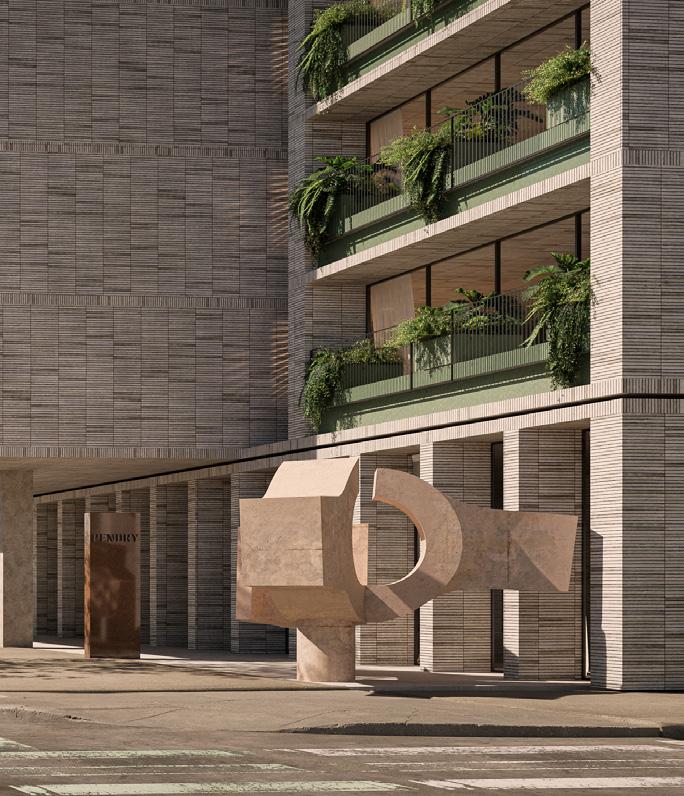
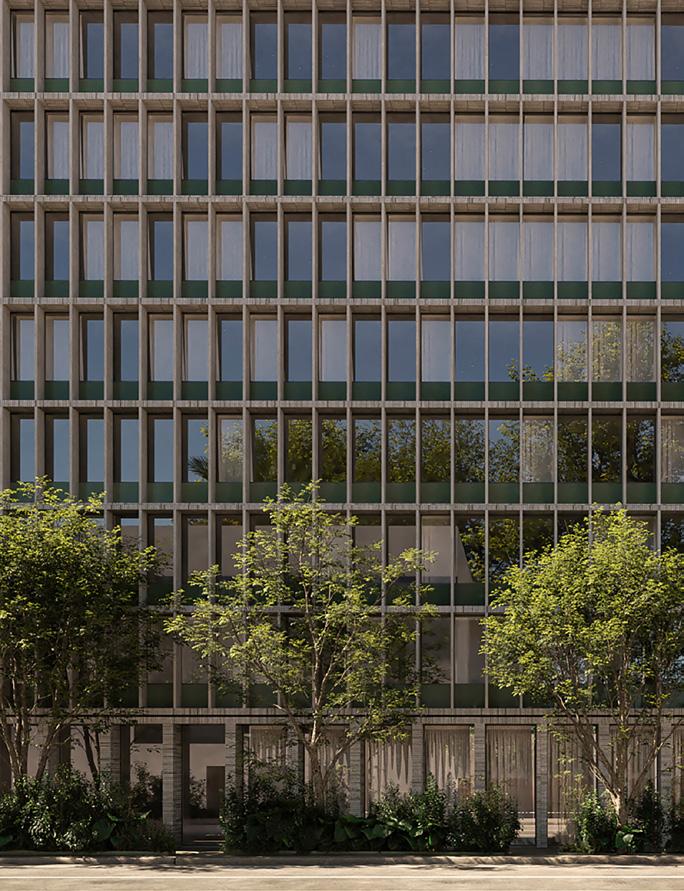
In Roma Norte, Pendry Residences Mexico City combines the depth of Pendry’s hospitality expertise with an award-winning architectural expression designed in dialogue with its surroundings.
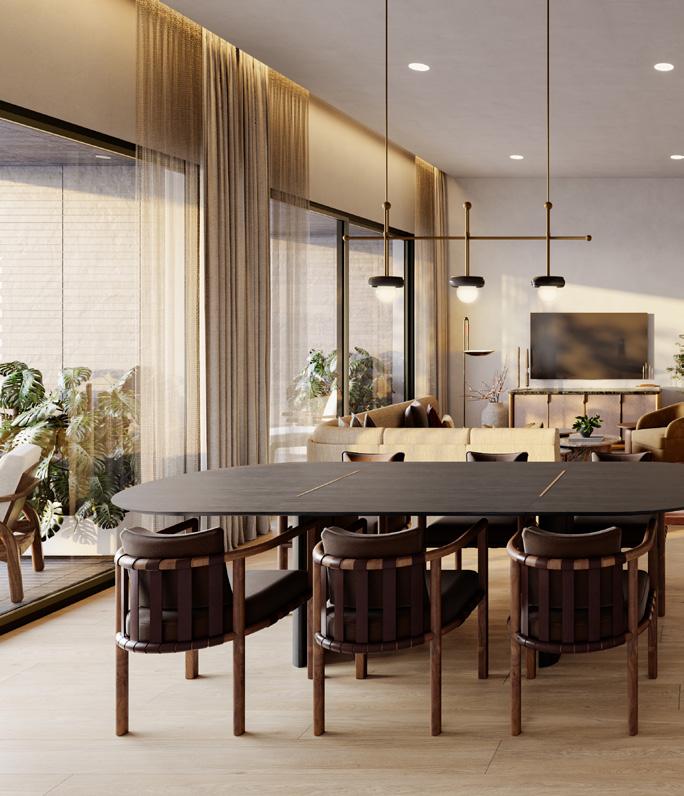
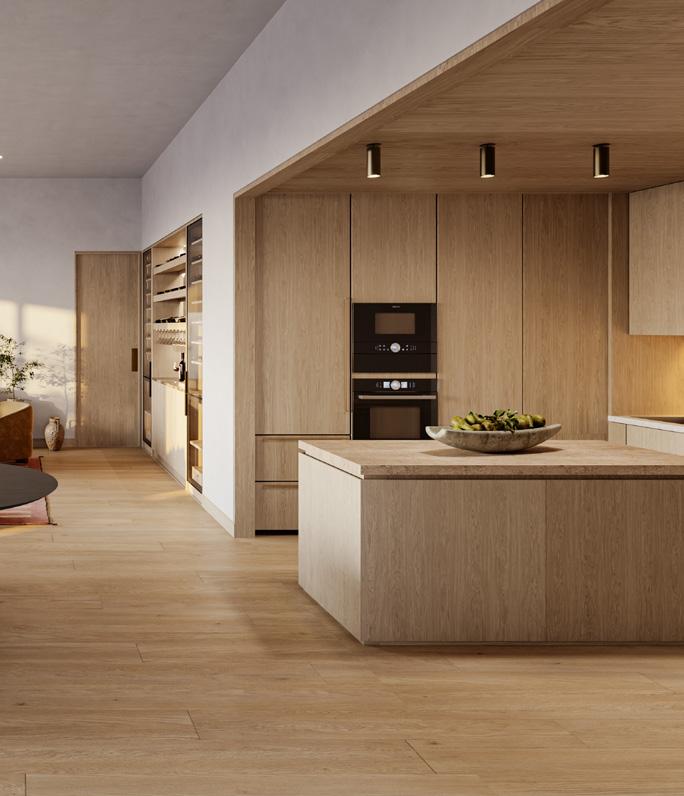
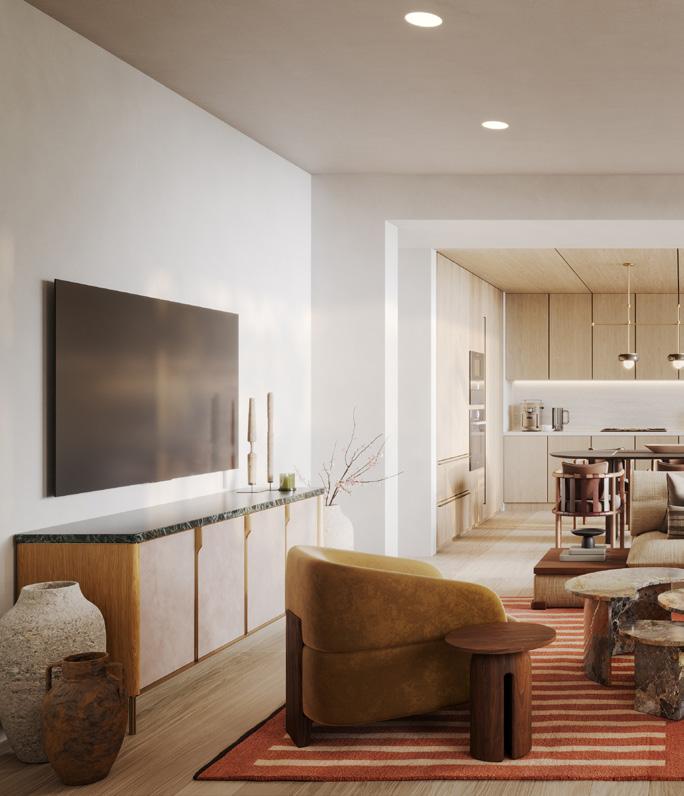
Fully furnished, the Residences draw inspiration from the city and reflect Pendry’s signature attention to detail and materiality.
Designed for effortless ownership, each Residence is turnkey and maintained with care, allowing Owners to arrive, depart, and return with ease.
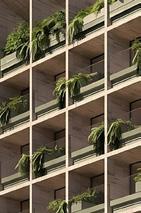
Set along tree-lined Durango and occupying the building’s upper levels, the Residences form a private wing overlooking one of Roma Norte’s most picturesque boulevards. Expansive outdoor terraces extend each home beyond its walls, offering elevated privacy and a direct connection to the neighborhood’s verdant streetscape and skyline views of Mexico City.
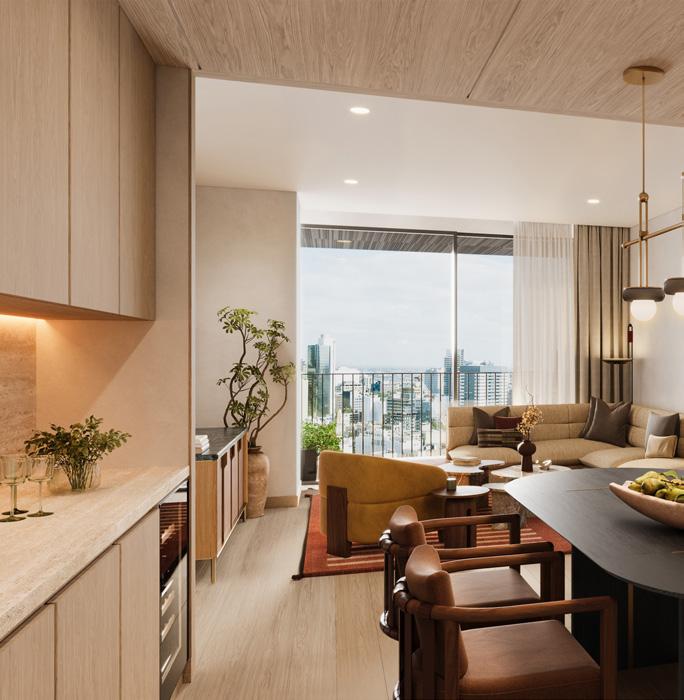
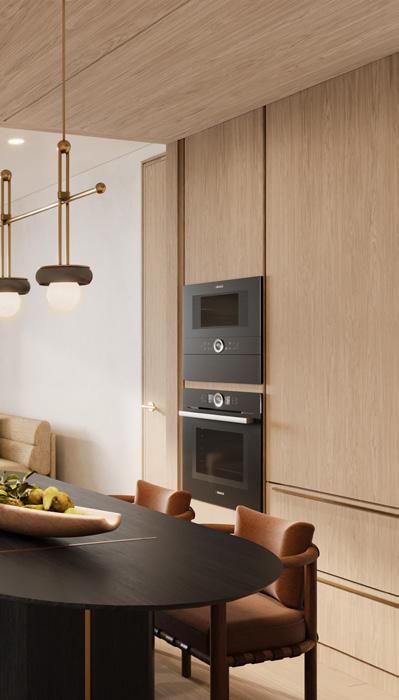
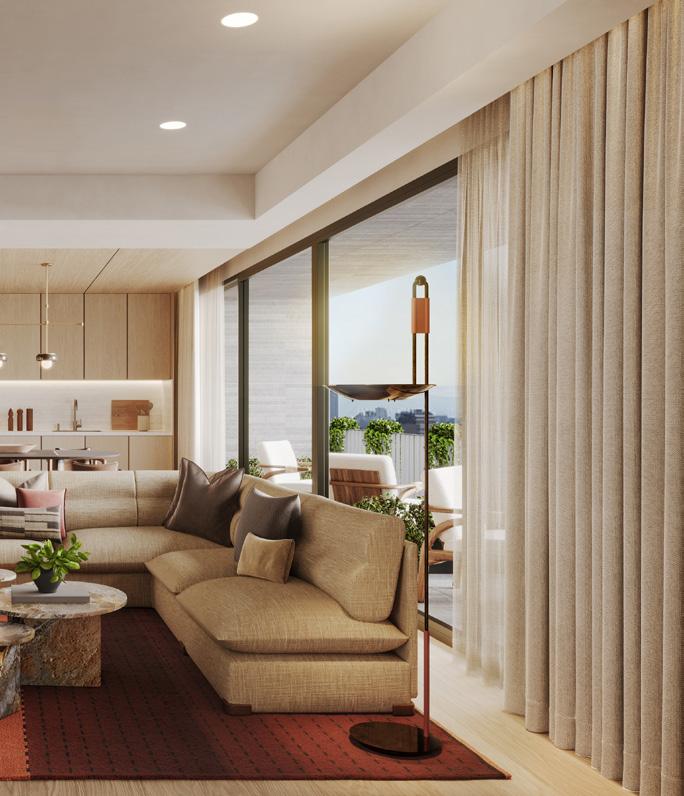
Defined by clean lines and a sophisticated material expression, the interiors are framed by nearly floor-toceiling windows that welcome Mexico City’s warm light and amplify a sense of openness throughout.
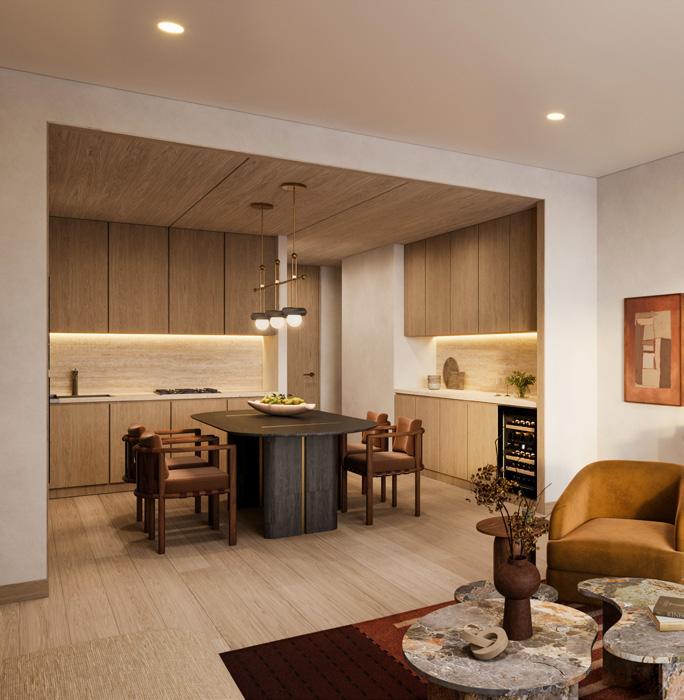
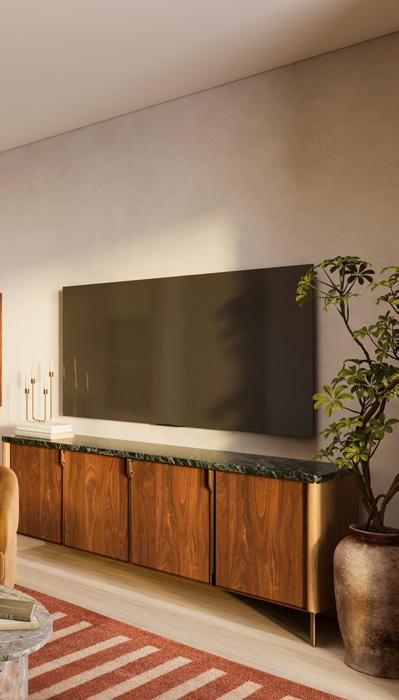
Fully appointed with premium appliances and tailored finishes, openplan kitchens flow seamlessly into the living areas, offering a beautifully equipped setting for daily routines.
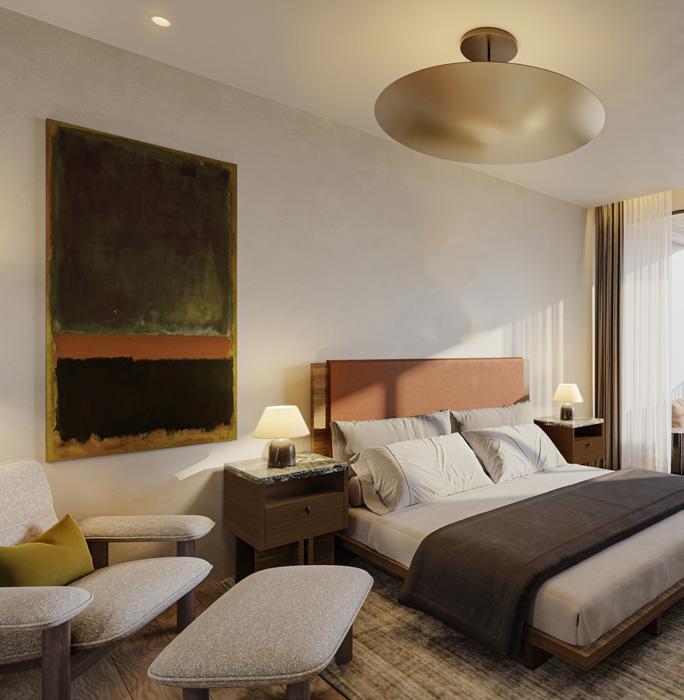
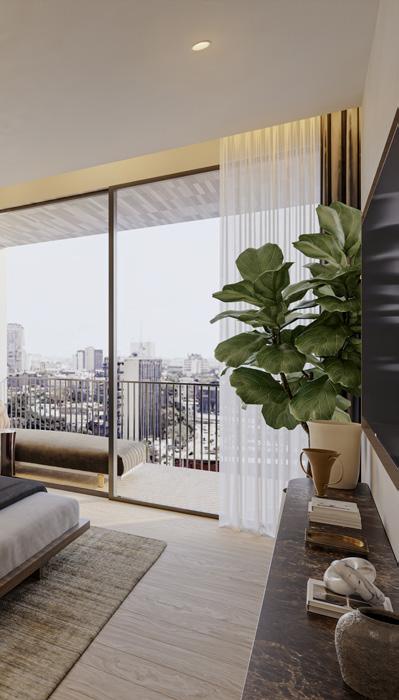
The primary suite offers a private retreat, complete with an en suite bath and terrace access framed by floor-to-ceiling windows. Natural light and tailored furnishings create a sense of calm and quiet comfort, while secondary bedrooms provide equally well-appointed spaces for guests, family, or work.
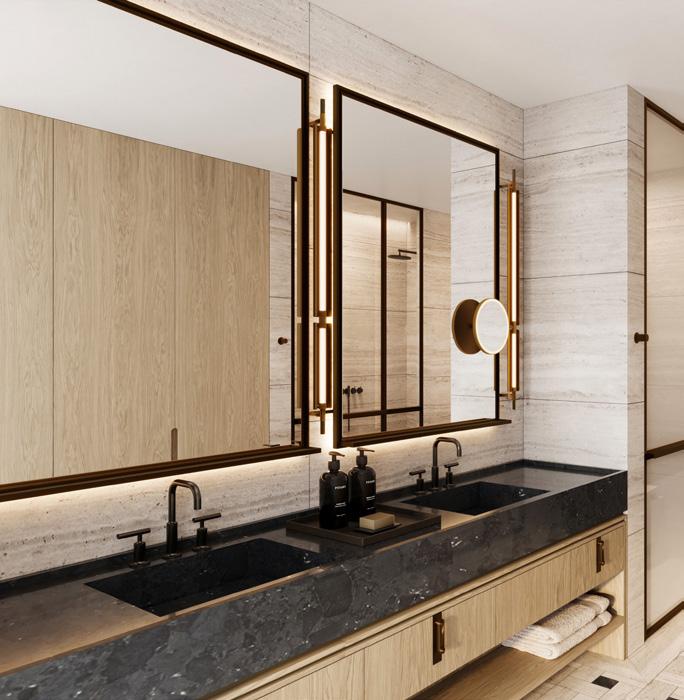
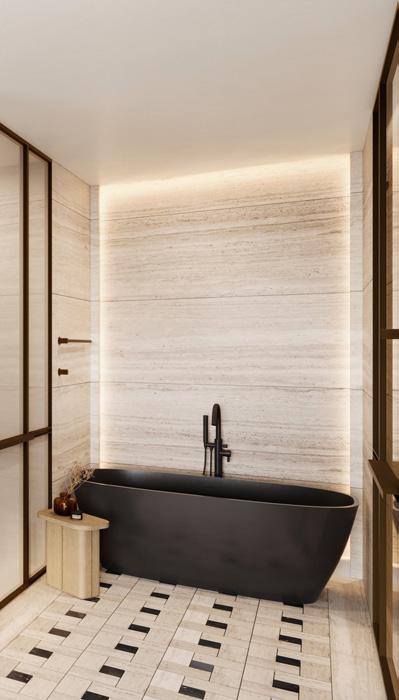
Defined by an elegant neutral palette and and layered textures, the bathrooms express timeless sophistication with enduring appeal. In the primary bathroom, illuminated mirrors, a double vanity, and a separate bathtub and shower are thoughtfully appointed, offering a seamless blend of refinement and utility.
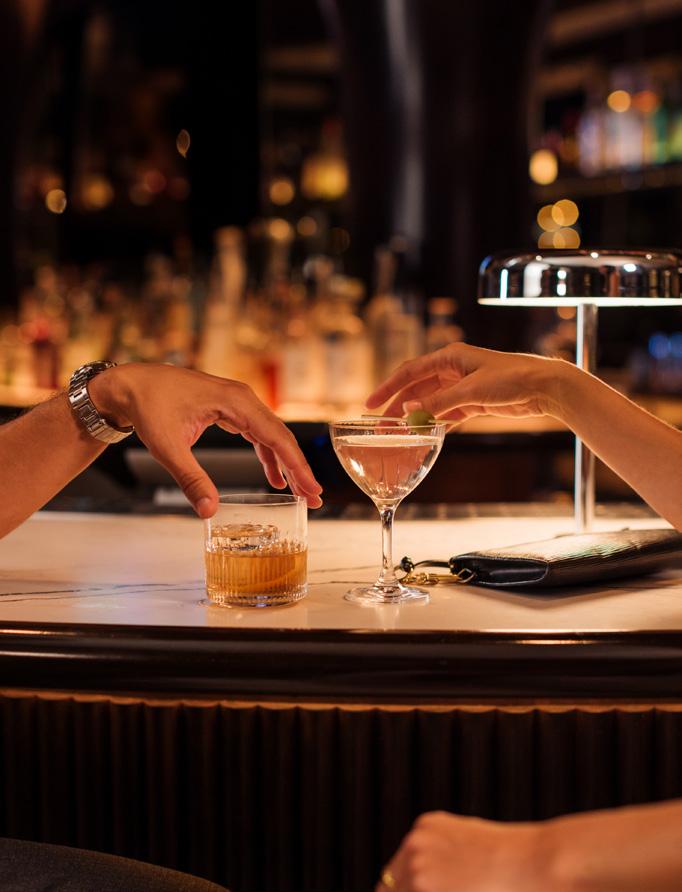
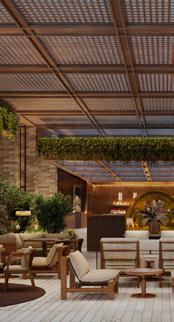
At Pendry Residences Mexico City, the rhythm of city life meets effortless elegance. Stroll through the garden patio or linger over an aromatic coffee in the cafecito before the evening unfolds. With the city’s delightful year-round climate, the rooftop pool, lounge, and restaurant invite open-air gatherings above Roma Norte, while inside, the hotel’s bar offers a setting of quiet sophistication. Signature cuisine and attentive service— from concierge to valet—shape a daily rhythm defined by effortless hosting and elevated living, where every detail is as considered as it is beautifully experienced.
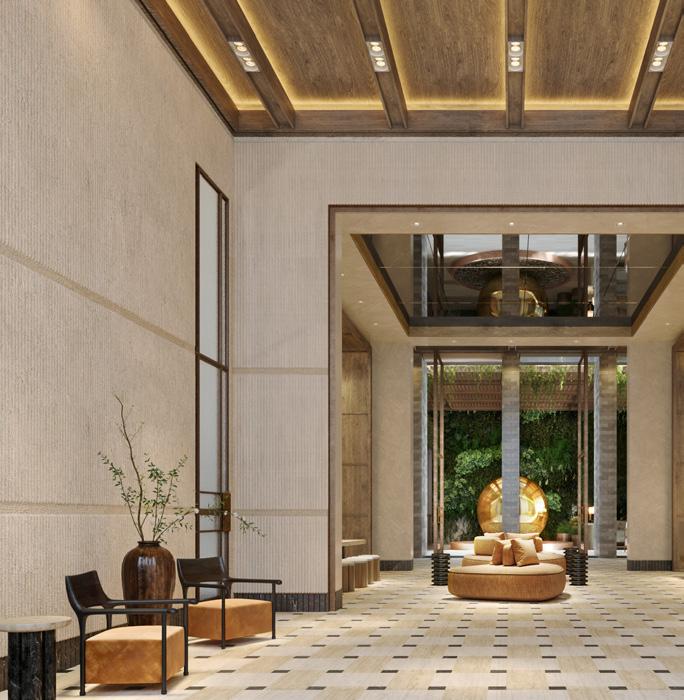
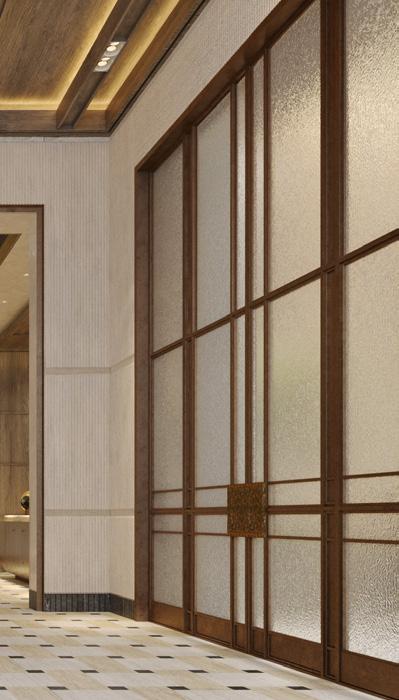
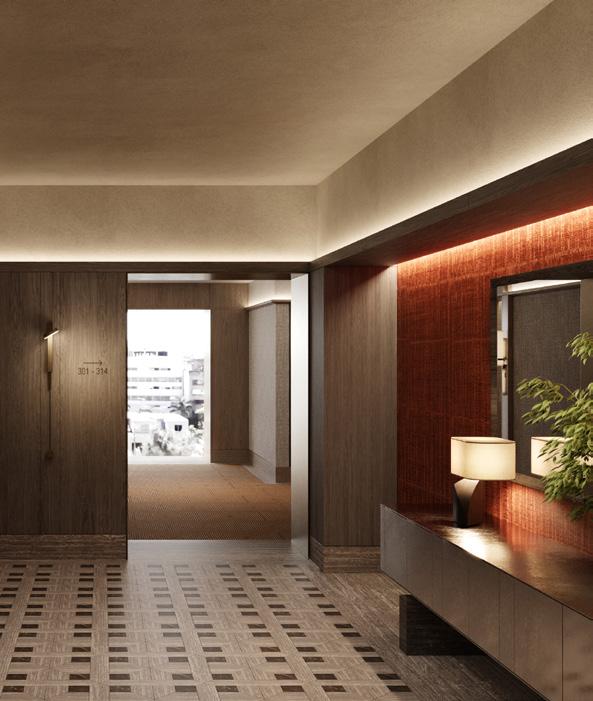
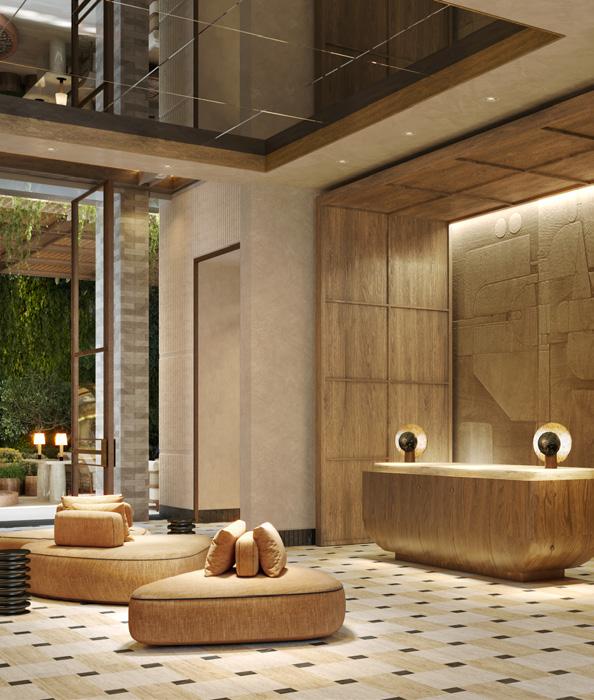
Arrival feels considered and unhurried. A dedicated residential concierge maintains continuity of service within the Residence and beyond, ensuring daily life is managed with precision. Just off the lobby, a café offers a natural starting point for the day — an effortless amenity that underscores the integration of hospitality and home.
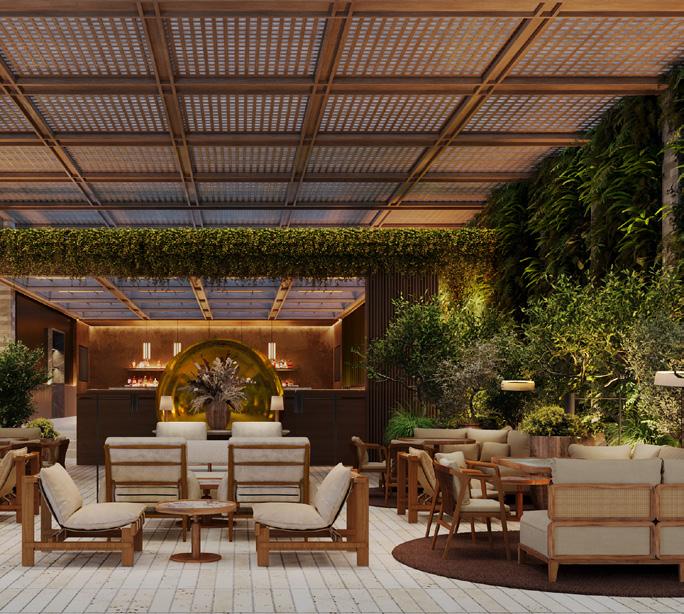
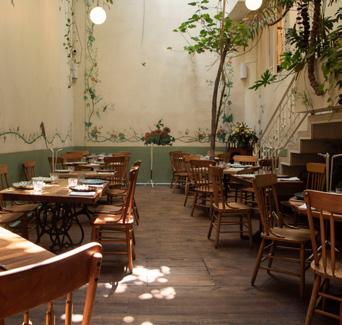
In dialogue with the patio-centered buildings that define Roma Norte, the Garden & Patio reinterpret this architectural tradition as a refined interior retreat — bringing light, greenery, and quiet openness to the heart of the building. An inviting setting for a pre-dinner cocktail, it offers a composed backdrop for gathering before stepping out into the neighborhood.
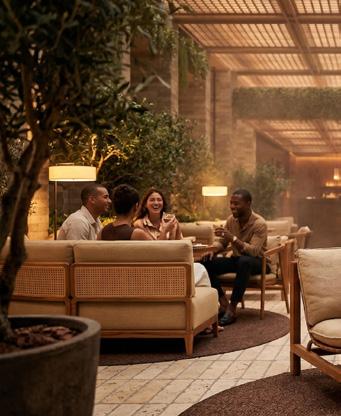
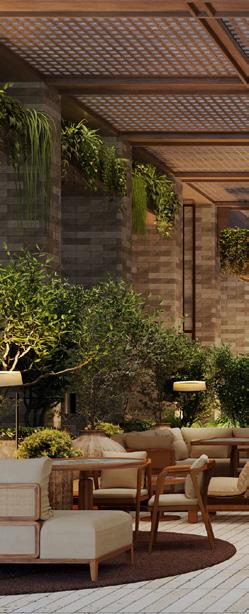
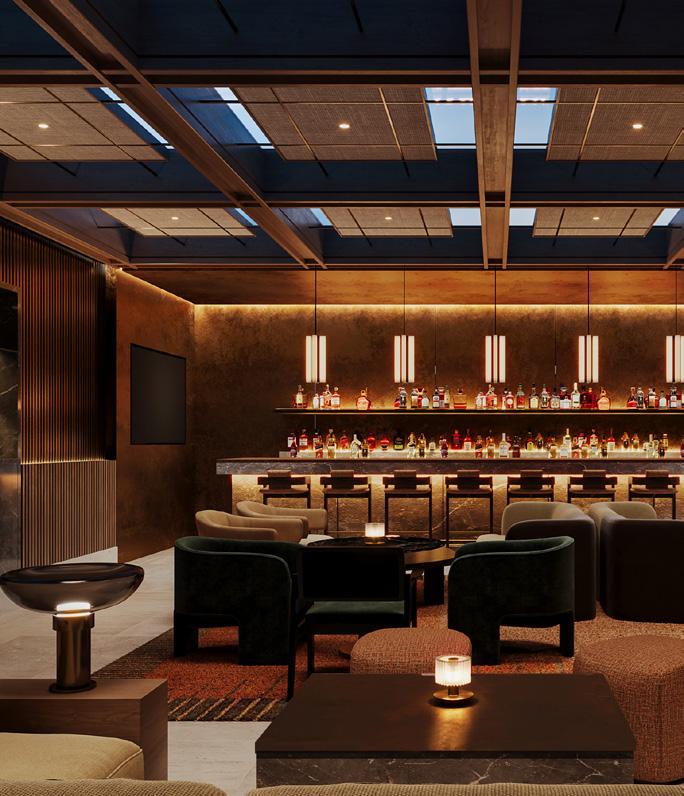
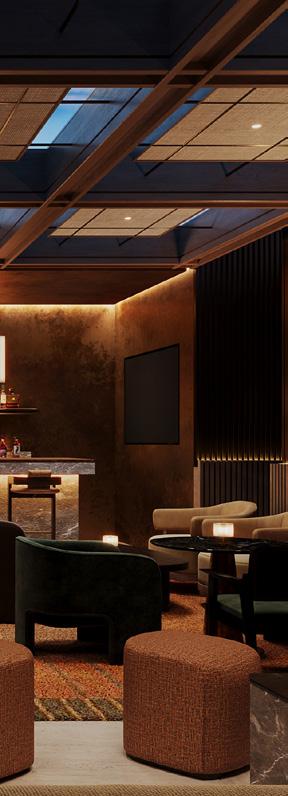
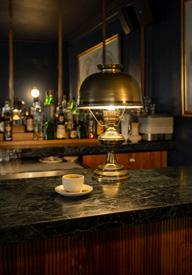
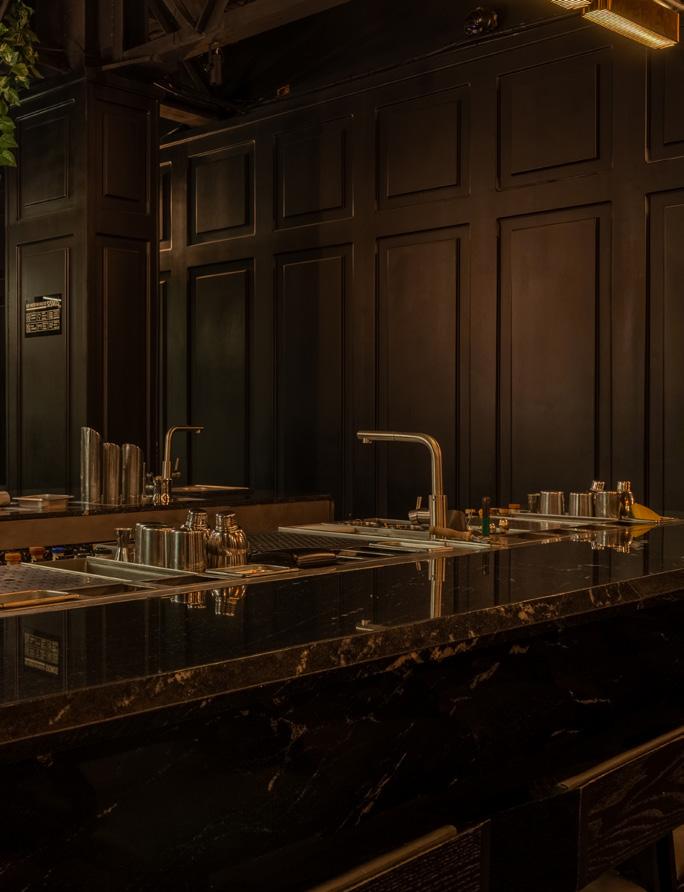
A sophisticated setting for expertly crafted cocktails and curated wines, the hotel’s bar reflects the same attention to detail found throughout the property. Set within one of Mexico City’s most dynamic bar districts, it becomes a natural extension of Roma Norte’s vibrant evening culture.
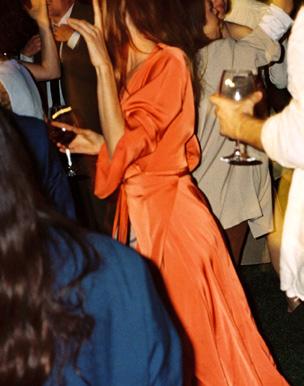
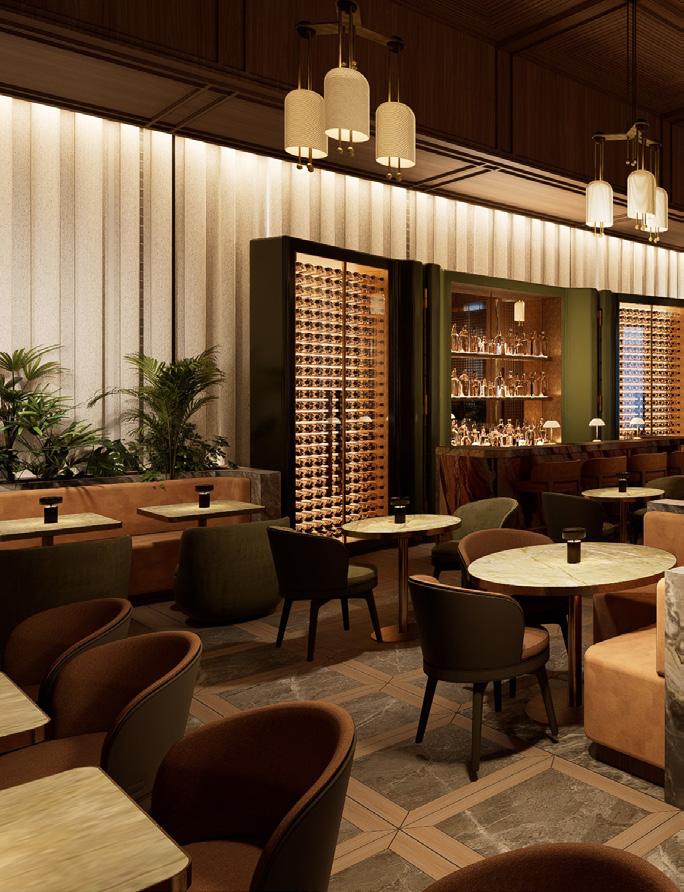
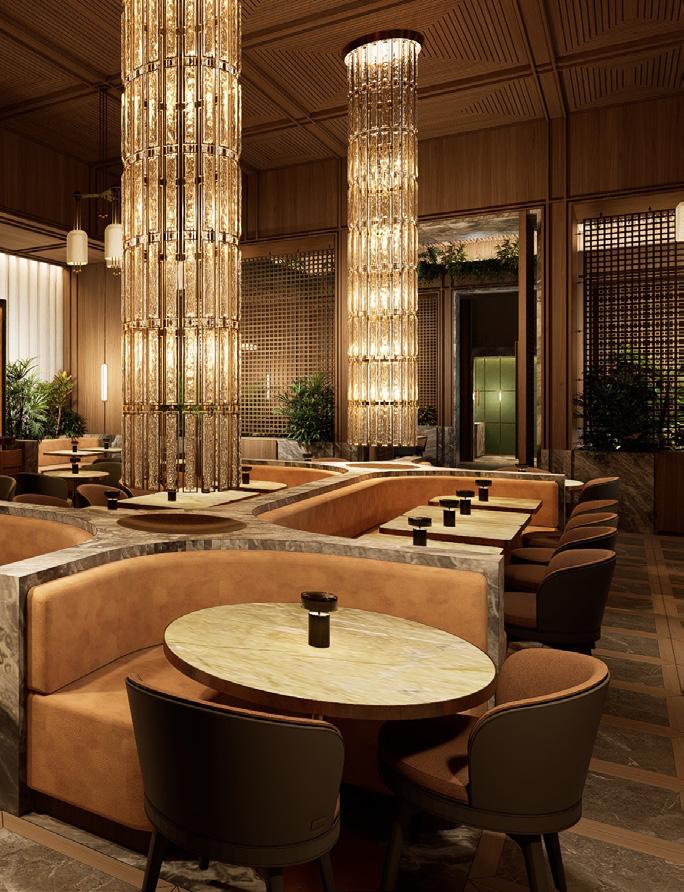
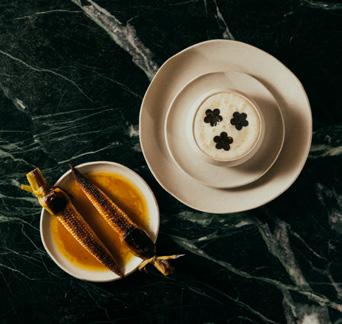
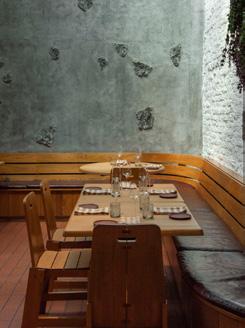
Led by one of the city’s most influential culinary talents, the signature restaurant presents an elevated dining experience rooted in craft and innovation. Positioned as a defining presence in the neighborhood’s dining scene, it offers residents exceptional cuisine just steps from their door.
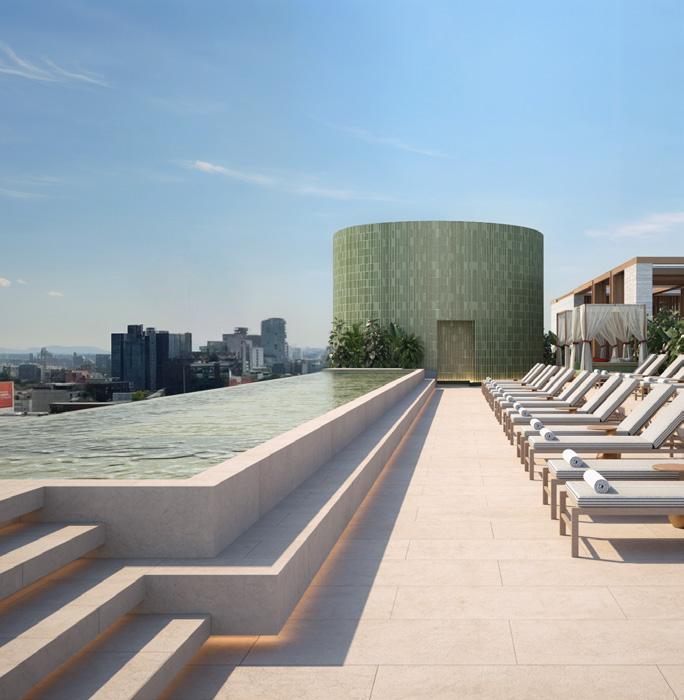
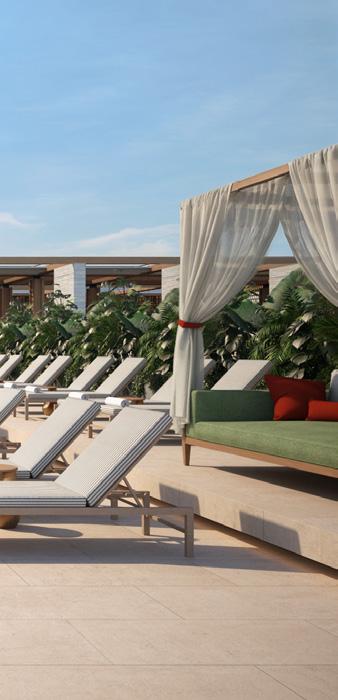
Crowning the building, the rooftop infinity pool, lounge, and restaurant overlook Roma Norte from above the canopy. Framed by sweeping views of La Ciudad de los Palacios , the setting becomes a destination for sunlit leisure and evenings that linger beneath open sky.
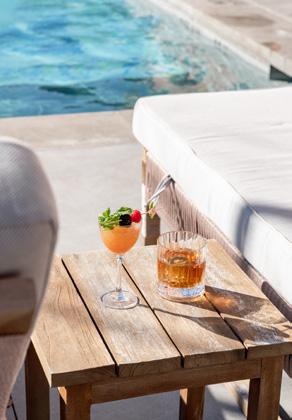
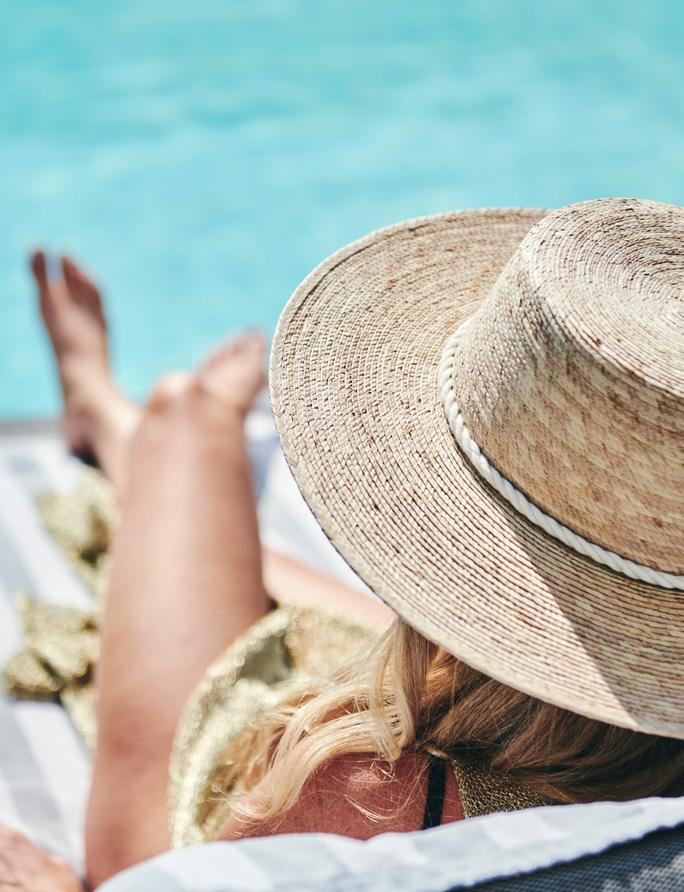
In the heart of Roma Norte, well-being is seamlessly woven into daily life. Tree-lined streets invite morning runs or bike rides that lead to the shaded paths of nearby Parque México, while Spa Pendry and a state-of-the-art fitness center offer restoration and movement at your own pace. Here, exceptional quality and location align, creating abundant opportunities to cultivate vitality and balance within a setting defined by refined ease.
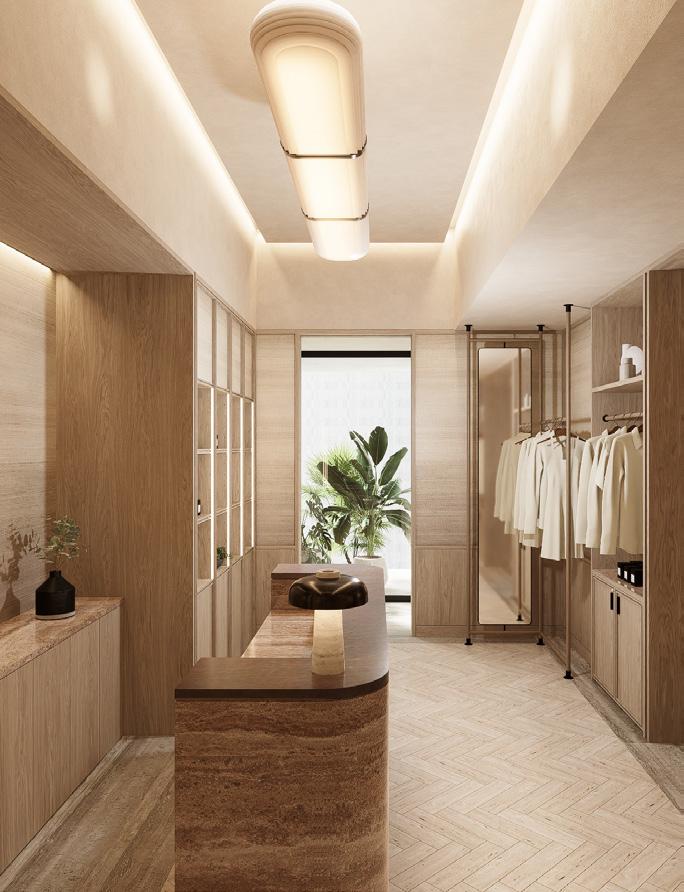

Spa Pendry provides a calm, refined environment for personal care. Appointments for a full range of signature services are easily coordinated through the residential concierge, offering a welcome reset after a busy day.
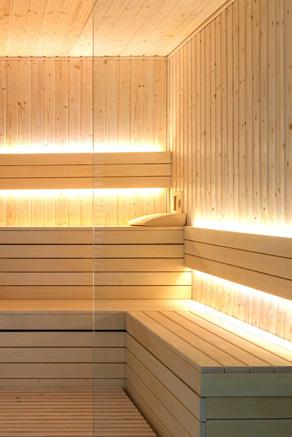
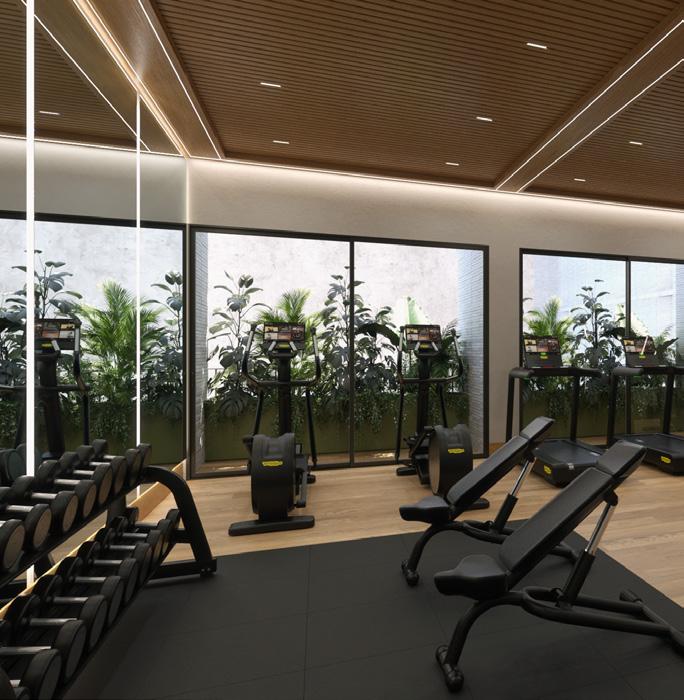
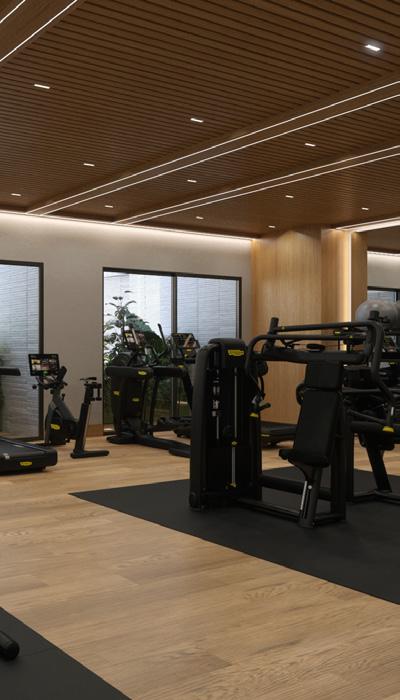
A fully equipped, light-filled fitness center provides the infrastructure to meet personal training goals, complemented by dedicated men’s and women’s changing rooms with saunas. Every element is in place to sustain your routine while in residence.
Everyday life at Pendry Residences Mexico City is designed to flow seamlessly, shaped by intuitive service and the myriad opportunities the city presents. A warm welcome from the doorman and the ease of valet parking set the tone for days that unfold with intention and style. The concierge awaits your request to curate fine dining reservations, art experiences, and cultural discovery, while in-residence amenities — from room service to refined gathering spaces — allow Owners to connect, entertain, and savor the beauty of life well lived without leaving home.
Bar Pendry
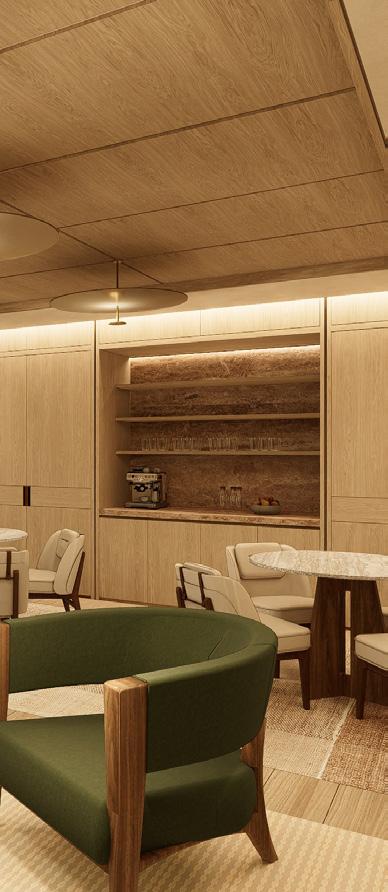
Cafecito
Fitness Center with men's and women's changing rooms with saunas
Garden & Patio
Lobby, staffed round the clock
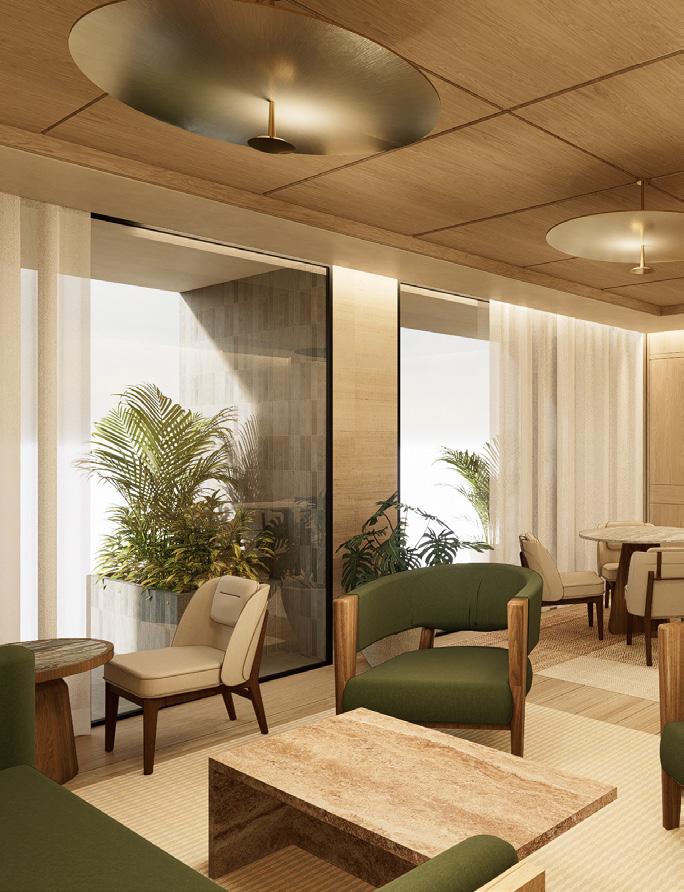
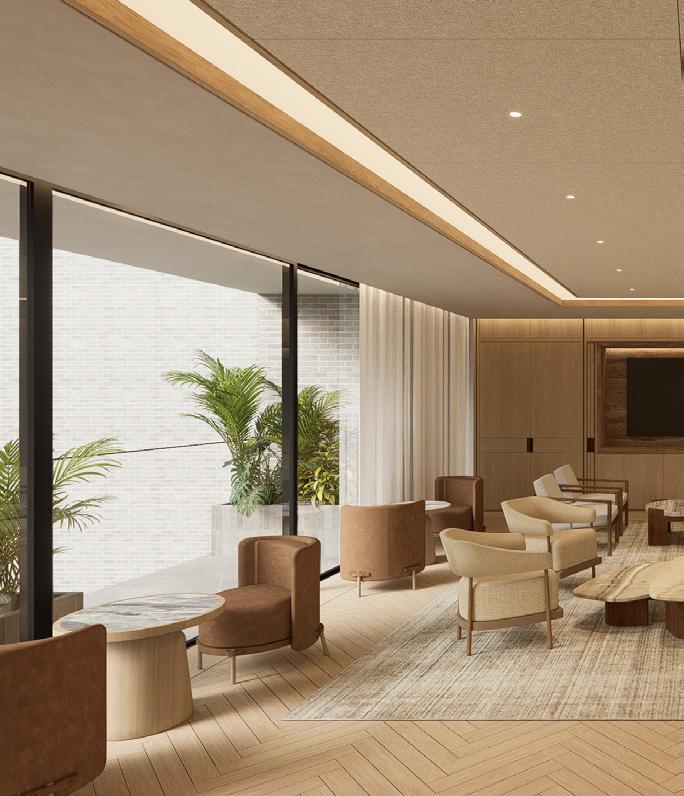
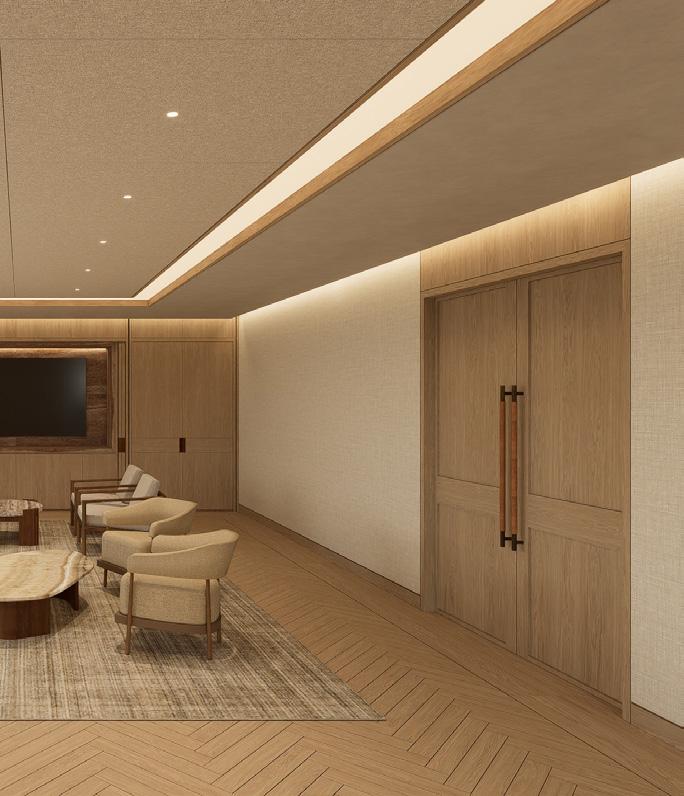
Owners' Lounge & Meeting Room
Rooftop Bar & Lounge
Rooftop Pool
Signature Restaurant
Spa
SERVICES
Concierge
Doorman
Dry Cleaning
Housekeeping
Laundry
Porter
Room Service
Valet Parking
With exclusive access to a lounge and meeting room, Owners enjoy the simplicity of having a refined space for business or social gatherings at their fingertips.
Ownership of a Pendry Residence is an invitation to a world of refined living, where thoughtful design, intuitive service, and effortless sophistication shape every day. From the comforts of home in Mexico City to VIP privileges across Pendry and Montage destinations worldwide, ownership offers curated experiences, exclusive access, and bespoke services. With each Pendry and Montage property authentically inspired by its location, reflecting local culture and artistry, every stay—near or far—immerses Owners in a life both deeply personal and unmistakably unique.
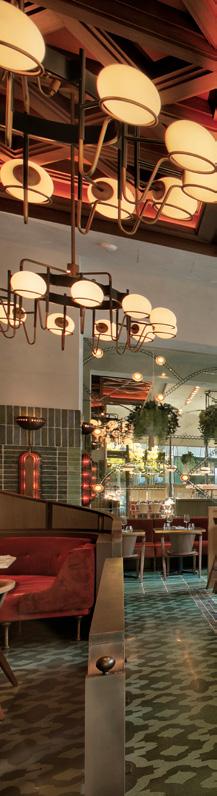
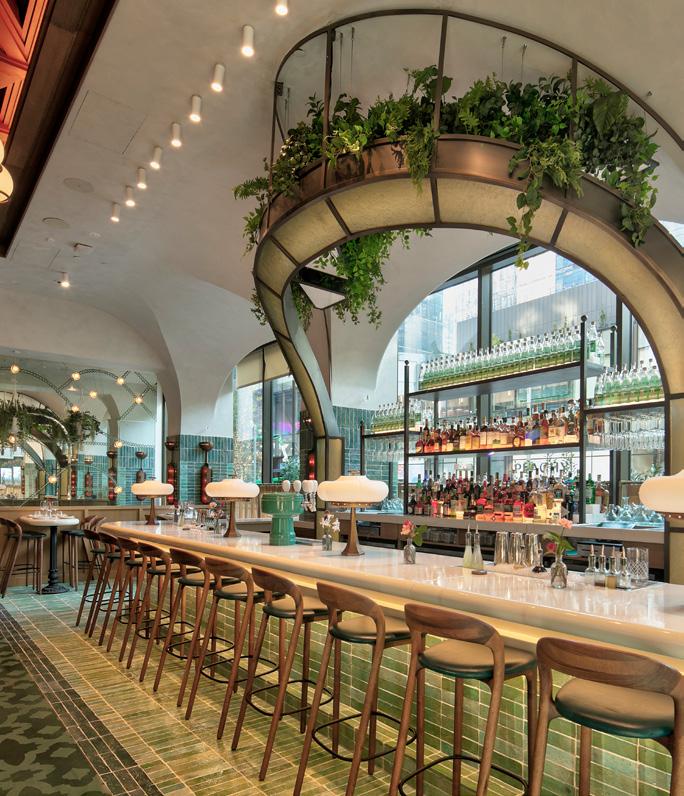
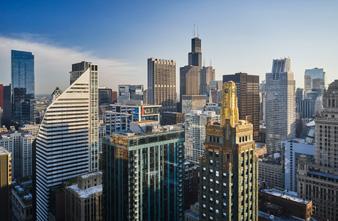
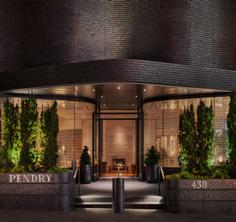
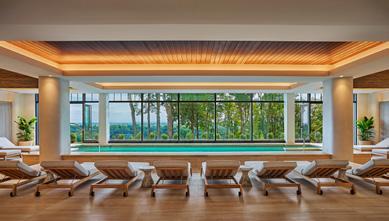
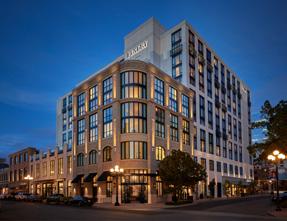
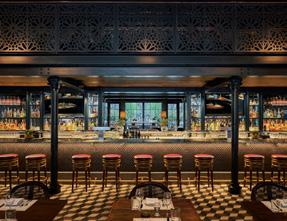
Pendry Baltimore
Pendry Chicago
Pendry Manhattan West
Pendry Natirar
Owners at Pendry Residences Mexico City enjoy privileged access to the entire portfolio of Pendry Hotels & Resorts and Montage Hotels & Resorts. Situated in fascinating destinations throughout the United States and internationally, each Pendry property provides a unique experience inspired by the arts and culture of the local community it calls home.
Pendry Newport Beach
Pendry Park City
Pendry San Diego
Pendry Washington DC
Pendry Barbados (coming soon)
Pendry Nashville (coming soon)
Pendry Punta Mita (coming soon)
Pendry Tampa (coming soon)
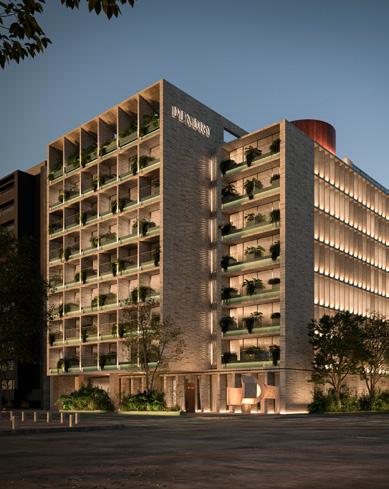
Pendry Mexico City is being realized through a strategic partnership between three leading forces in Mexican real estate and design: Grupo MRP, Central de Arquitectura, and TGT.
Grupo MRP—established in 2003 and recognized as one of the country’s largest real estate investment and operating platforms—brings deep expertise across retail, office, mixed-use, hospitality, and industrial assets.
Central de Arquitectura, a Mexico City–based firm renowned for its innovative, context-driven architecture, contributes a design ethos that seamlessly merges modernity with Mexico’s cultural and architectural heritage.
TGT, an international development firm with significant commercial and residential projects across Mexico, the United States, and Spain, adds a robust background in venturebacked development and large-scale growth initiatives.
Through this partnership, the three firms unite their complementary strengths to deliver a landmark development that elevates contemporary luxury living in Mexico City.
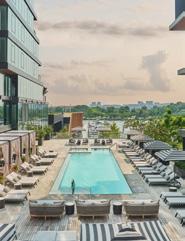
Pendry Hotels & Resorts, part of Montage International, blends contemporary luxury with a vibrant, modern spirit. Each Pendry destination reflects its city’s unique character, offering guests artful design, exceptional dining, and intuitive service that reimagine hospitality for a new generation of travelers seeking style, comfort, and connection.
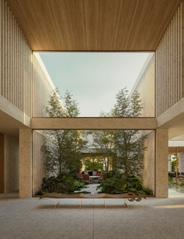
IZ Arquitectos is a Mexico City–based architecture and design firm known for its contemporary approach rooted in context, craft, and culture. Blending modern innovation with Mexico’s architectural heritage, the studio creates refined, human-centered spaces that balance functionality, warmth, and a deep sense of place.
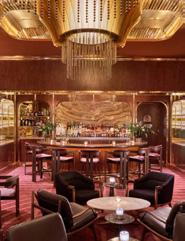
AvroKO is a globally recognized interior design firm based in New York City, with offices in San Francisco, London, Bangkok, and Miami. For over 20 years, its diverse team has redefined hospitality through visionary design, cultural insight, and immersive storytelling that elevate spaces worldwide.
A vibrant modern metropolis shaped by seven centuries of history, Mexico City offers an incomparable lifestyle where culture, creativity, and contemporary living intertwine.
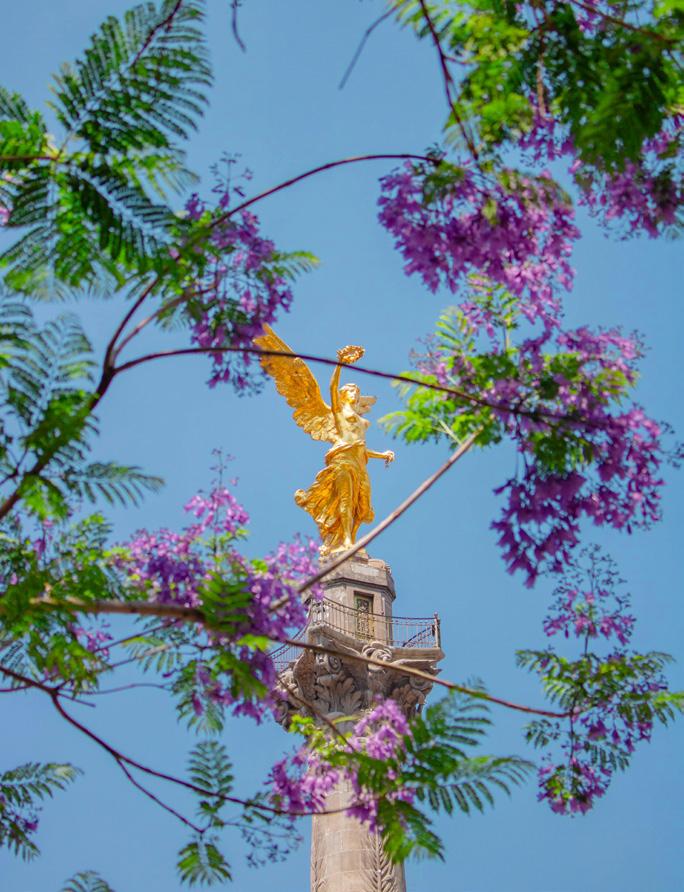
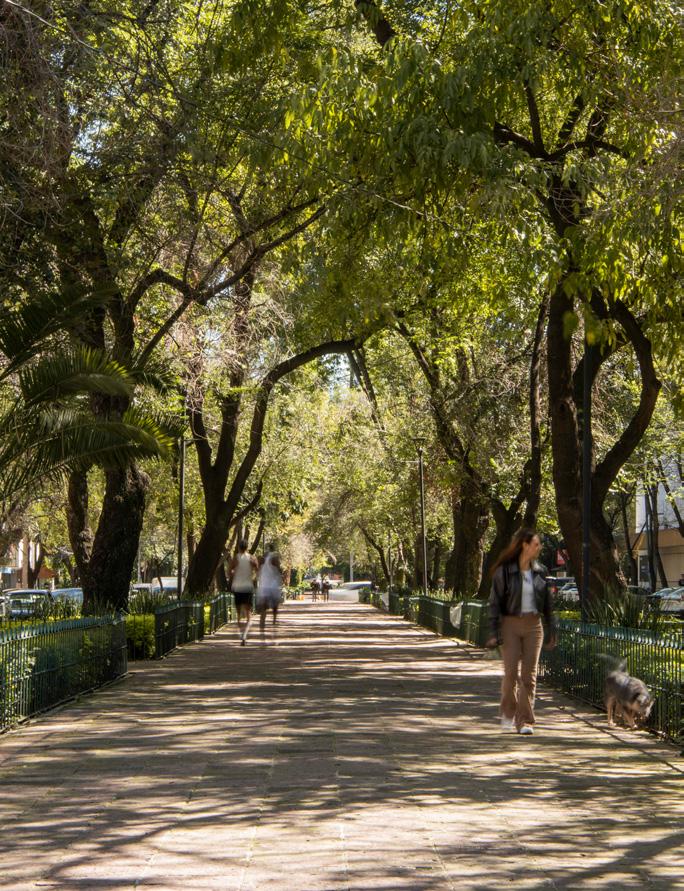
Making its Mexico City debut in Roma Norte , Pendry arrives in a neighborhood where history and modernity live side by side and tree-lined streets hum with a vibrant spirit.
An intimate retreat within the metropolis, Roma Norte’s charming tree-lined streets, storied architecture, and gracefully landscaped parks offer a village-like enclave with seamless access to the capital's most compelling cultural, culinary, and entertainment destinations, making it Mexico City’s most sought after neighborhood.
is just one direct flight away from 26 U.S. cities and dozens more around the globe.
With direct daily flights from dozens of North American gateways, Mexico City is remarkably easy to reach. One of Latin America’s busiest and most connected capitals, this city of over 22 million people has world-class dining, historic neighborhoods, and more than 150 museums awaiting just beyond the runway.
CURRENCY
Mexican Peso (MXN) +52
Central Standard Time (CST, UTC−6)
POPULATION
Mexico City 2025 estimate
~9.2 million
Greater Mexico City
~22 million
~2,250 meters (7,380 feet) above sea level
SEASONS
Rainy Season May to October Afternoon/evening showers common
Dry Season November to April Mostly sunny, minimal rainfall
Mexico City (MEX)
Atlanta (ATL)
Austin (AUS)
Boston (BOS)
Charlotte (CLT)
Chicago (ORD)
Dallas-Fort Worth (DFW)
Denver (DEN)
Detroit (DTW)
Houston (IAH)
Las Vegas (LAS)
Los Angeles (LAX)
Miami (MIA)
Minneapolis (MSP)
New York City (JFK)
Newark (EWR)
Oakland (OAK)
Orlando (MCO)
Philadelphia (PHL)
Phoenix (PHX)
Raleigh/Durham (RDU)
Salt Lake City (SLC)
San Antonio (SAT)
San Francisco (SFO)
Seattle/Tacoma (SEA)
Tampa (TPA)
Washington (IAD)
And over 9,000 flights spanning 79 cities across the globe: 7,100+ within Mexico, 600+ through Central America and the Caribbean, 300+ to Colombia, 270+ to Europe, 260+ to Canada, nearly 200 to South America, and onward to Asia.
INTRODUCTION TO
Where history, creativity, and daily life converge, Roma Norte reveals the intimate heart of Mexico City.
"Roma and Condesa are home to tree-lined esplanades, … stunning architecture, and Mexico City’s reigning axis of cool."
- GQ Magazine
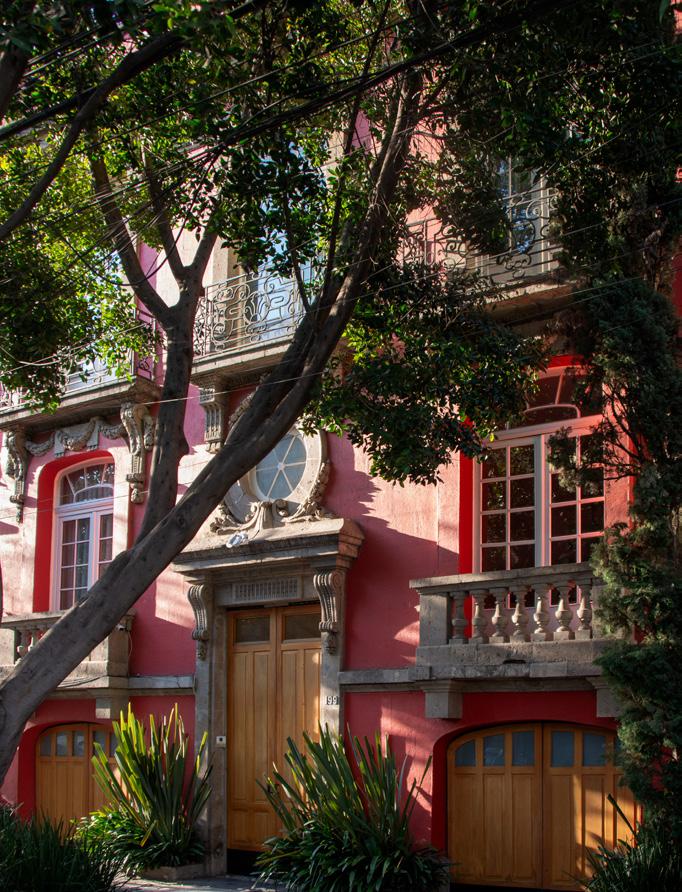
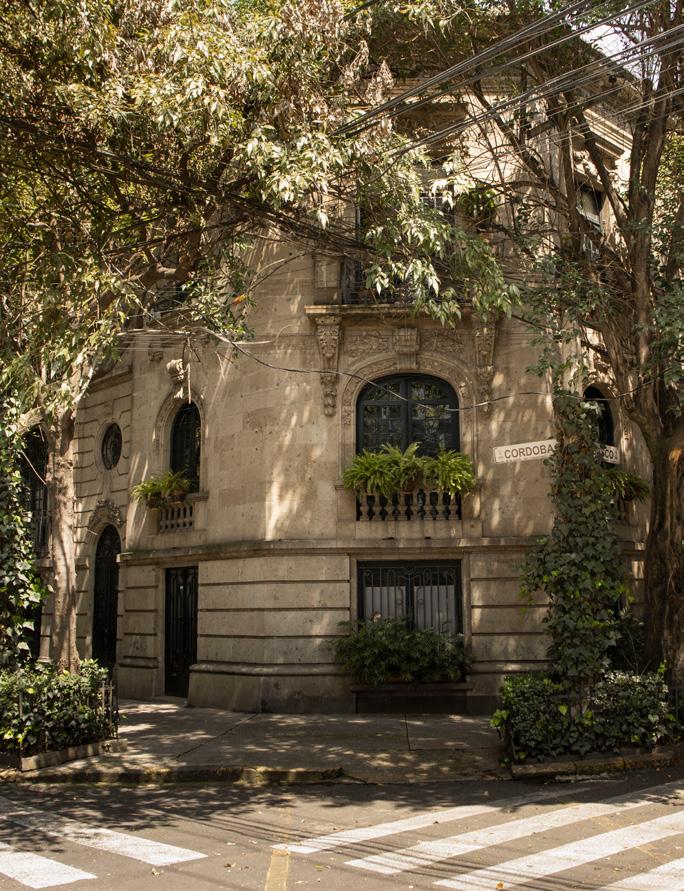
On any given morning in Roma Norte, residents drift toward their favorite café before settling into Plaza Río de Janeiro, the neighborhood’s convivial heart. A bronze replica of Michelangelo's David presides over the park, rimmed by green benches where neighbors mingle with coffee after a leisurely stroll with their dogs. While Mexico City is one of the world’s largest metropolises, it is this intimate charm that makes Roma Norte one of its most desirable areas. Part of the larger Colonia Roma, which includes Roma Sur and the historic La Romita, and set within Cuauhtémoc between Colonia Juárez and bustling Condesa, the neighborhood balances Art Nouveau and Belle Époque mansions repurposed as cafés and boutiques with Michelin-starred restaurants forming a creative, modern ecosystem. Walking its streets reveals layers many visitors never fully grasp.
Long before it became a symbol of Mexico City’s creative scene, the land was part of Aztacalco, “place of the herons” in Náhuatl, rising from the shallows of Lake Texcoco near Tenochtitlán. Centuries later, after the Spanish drained the lakebed, Emperor Maximilian I shaped the area with Paseo de la Reforma, linking his residence at Castillo de Chapultepec to the city center. By the late 19th century, the Orrin family, behind the traveling Orrin Circus, established a permanent venue in Mexico City and began transforming surrounding farmland into
Colonia Roma. By 1902, Edward Walter Orrin unveiled plans for the neighborhood, attracting Mexico’s elite seeking modern infrastructure and space, with government support under Porfirio Díaz. Roma Norte became one of the city’s first planned residential districts, designed on Parisian principles. Prominent families lived in Art Nouveau mansions, enjoying broad boulevards and landscaped gardens. Later in the 20th century, a new wave of residents, mainly artists and members of the LGBTQ+ community rediscovered the area. Independent restaurants took over former mansions, and experimental studios filled abandoned shops, creating a creative class that layered its own identity onto the neighborhood.
Every street in Roma Norte whispers its story—a dialogue between centuries of history and the pulse of contemporary creativity.
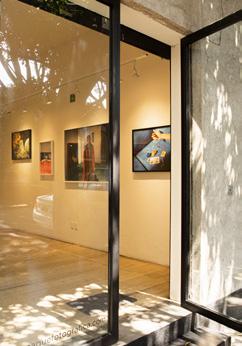
Almanaque Fotográfica
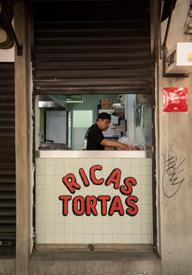
Here, cosmopolitan energy meets neighborhood intimacy, crafting a city within a city that feels both vibrant and familiar.
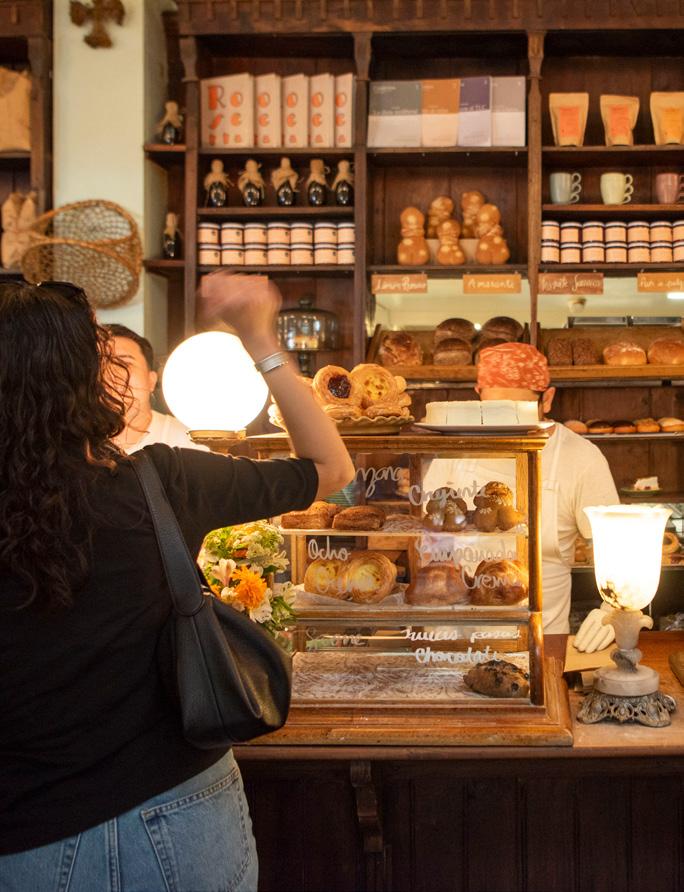
Today, Roma Norte represents the apotheosis of this evolution. The borough has become Mexico City's top culinary district, where chefs reinterpret ancestral techniques with contemporary vision. Along Calle Colima, Panadería Rosetta serves the city's finest pastries alongside its sister restaurant Rosetta, while nearby Meroma draws crowds with its inventive Mexican-inflected menu. Plaza Río de Janeiro anchors the neighborhood's social life, while Avenida Álvaro Obregón combines European elegance with chilango vibrancy. Its energy flows naturally into Condesa, creating a continuous urban experience.
What distinguishes Roma Norte from global counterparts is its balance of cosmopolitan allure and neighborhood intimacy. Even as international entrepreneurs and artists move in, dogs are walked, neighbors acknowledged, and street food stalls thrive alongside Michelin-starred tables—proof that the area has never forgotten how to be a community.
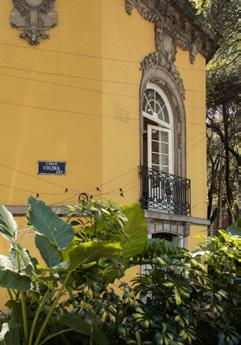
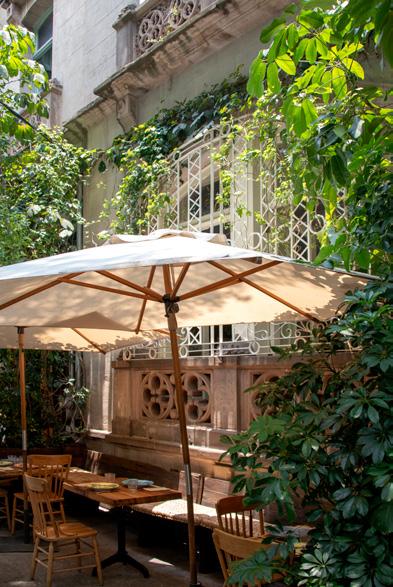
Roma Norte is a district in bloom. Leafy and walkable, this effortlessly creative neighborhood is alive with cafés, picturesque architecture, and the daily rituals of its lucky residents.
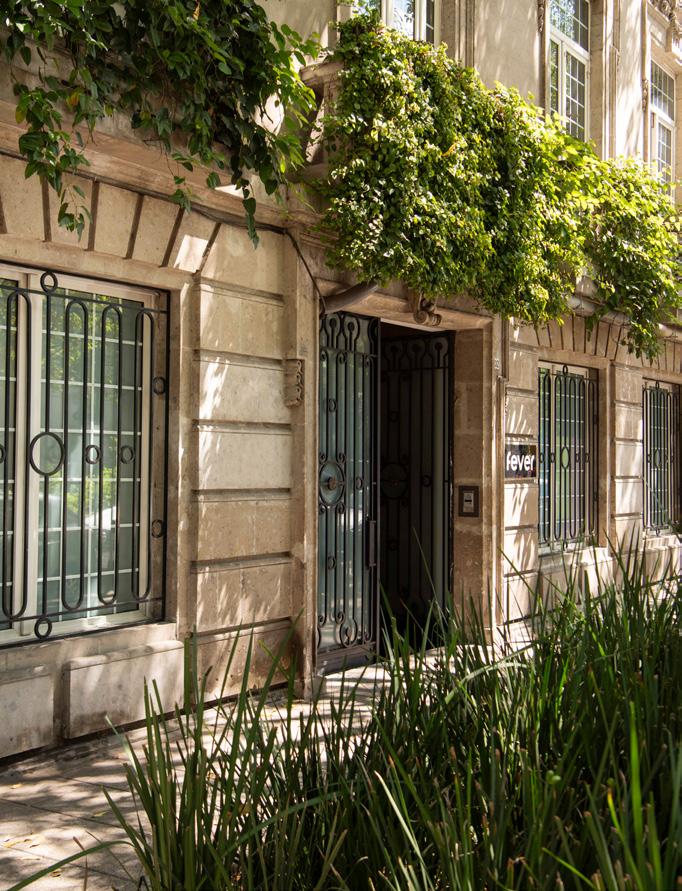
A curated collection of dining, amenities, and lifestyle experiences, just steps from Pendry Mexico City.
More on page 40
& GREEN SPACES More on page 54
SHOPPING & LOCAL RETAIL
More on page 72
19 Amor & Rosas 3 min
20 El Palacio de Hierro 2 min
Güzel Art Bazar 11 min 22 Mutuo 10 min
MUSEUMS & GALLERIES
More on pages 28-38
23 Galería Metropolitana-UAM 7 min
24 Galerie Nordenhake México 9 min
25 Guillermo Tovar de Teresa Museum 3 min
COWORKING SPACES ESSENTIALS
Expendio de Contramar 3 min
La Europea 8 min
Mercadito Bien 5 min
Sumesa Oaxaca 6 min
Banamex 5 min
Santander Bank 7 min
From Luis Barragán’s legendary homes in San Miguel de Chapultepec and Pedregal to Juan O’Gorman’s Casa Estudio for Frida Kahlo and Diego Rivera in Coyoacán, Mexico City’s modernist architecture balances cultural heritage and innovation.
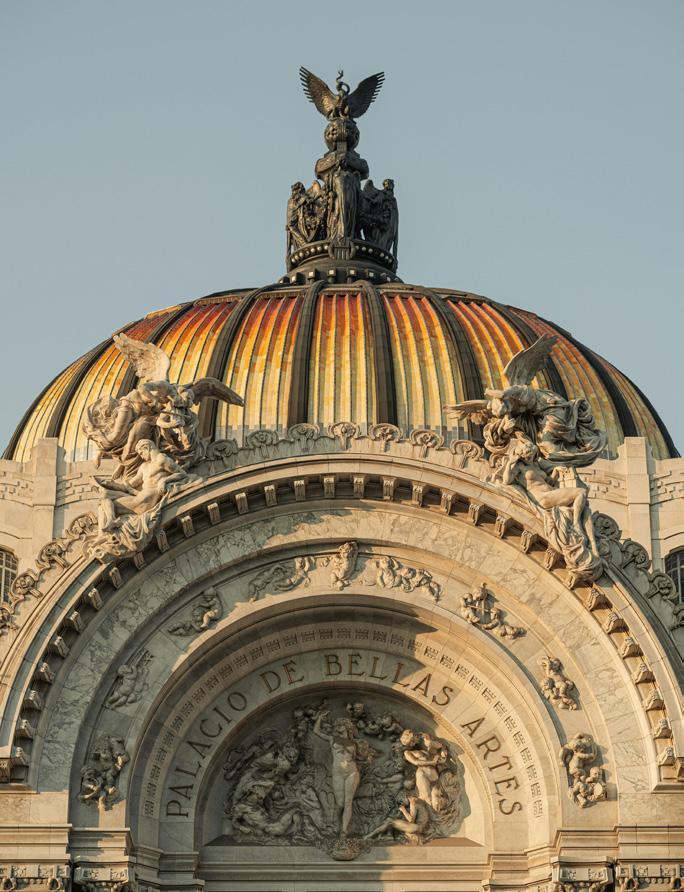
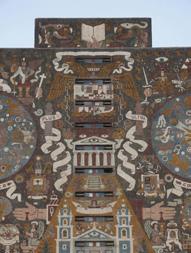
Whether it is the architects of the past or today’s next-generation visionaries, the city's leading creatives have always embraced the contemporary while honoring Mexican traditions, forging a design philosophy uniquely progressive yet rooted in place.
Modernism arrived in the 1920s amid centuries of architectural evolution—from baroque cathedrals to pre-Hispanic foundations. In the postrevolutionary capital, architecture became a social promise: public housing, schools, and infrastructure provided fertile ground for experimentation, with design offering a blueprint for a society in transformation.
The movement gained momentum after World War II as Bauhaus icons fled Europe. While many settled in the United States, figures like Hannes Meyer and Mathias Goeritz were drawn to Mexico’s political stability and creative freedom. Meyer contributed to social-housing projects, while Goeritz, alongside Luis Barragán, created landmarks such as Torres de Satélite. These exiled architects and artists, including Clara Porset, Leonora Carrington, and Remedios Varo, blended modern materials with pre-Hispanic motifs, volcanic stone, and vibrant colors, enriching Mexico City’s cultural identity.
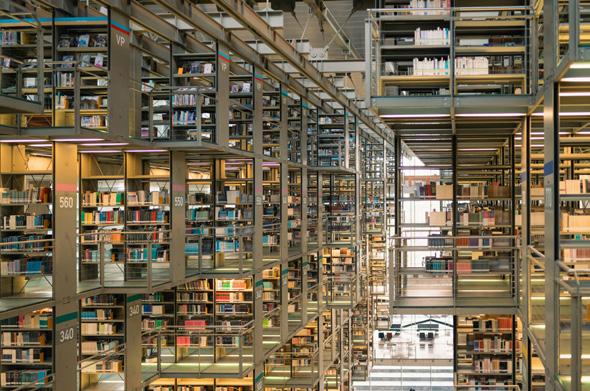
Each generation of architects in Mexico City has reinterpreted modernism through a Mexican lens, turning global movements into a design language uniquely their own.
At the heart of the movement stands Luis Barragán, pioneer of emotional architecture. The only Mexican Pritzker laureate, Barragán designed buildings that uplift spiritually, countering cold functional modernism with color, shadow, water, and landscape. Iconic works include Casa Luis Barragán, Cuadra San Cristóbal with its vivid walls and reflecting pool, and Casa Gilardi, where a jacaranda rests in the courtyard, each evoking serenity and awe.
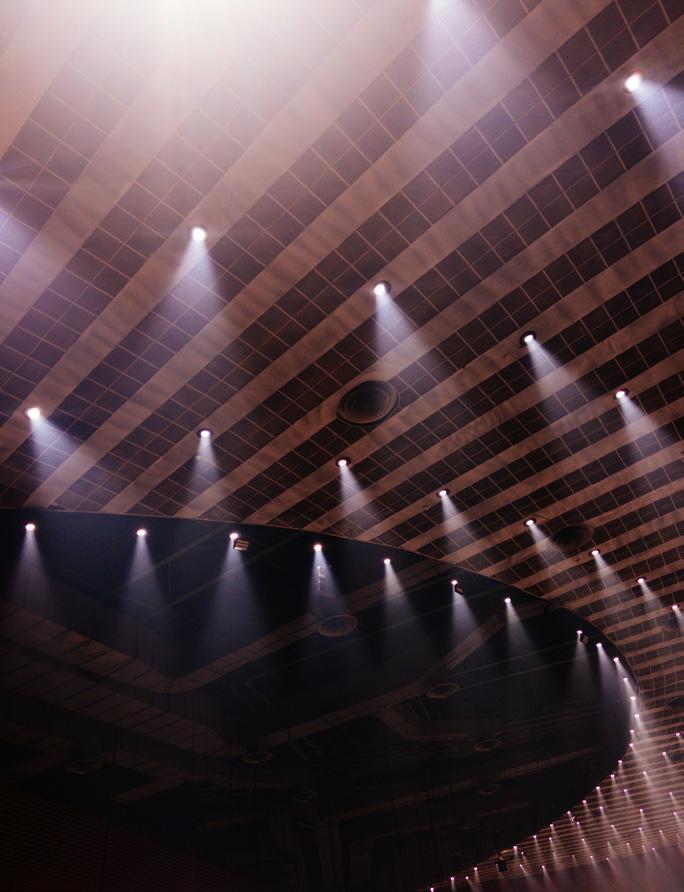
In Mexico City, modernist architecture is more than buildings—it is a dialogue between tradition and innovation, where every wall, courtyard, and mosaic tells a story of a nation reinventing itself.
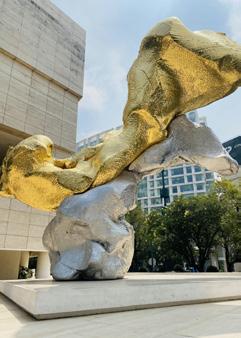
Museo
While Barragán crafted intimate sanctuaries, Mario Pani reshaped the skyline with visionary housing projects. His Unidad Habitacional Nonoalco-Tlatelolco, a model city within the city, integrated apartment towers, schools, markets, and green spaces, reflecting mid-century optimism and the belief that architecture could foster equity. Juan O’Gorman bridged art and architecture in UNAM’s Biblioteca Central, its colorful mosaics depicting Mexican history, a modernist icon still revered today. Later architects, including Abraham Zabludovsky, Teodoro González de León, and Pedro Ramírez Vázquez, expanded modernism on a grand scale, creating landmarks like the Auditorio Nacional, Museo Nacional de Antropología, and the 1968 Olympic venues. Ricardo Legorreta brought playful warmth to monumental projects like Hotel Camino Real Polanco, while contemporary architects Tatiana Bilbao, Frida Escobedo, and Alberto Kalach explore socially conscious, environmentally sensitive designs, reimagining how buildings interact with their surroundings.
For the discerning traveler, Mexico City offers an unparalleled architectural journey. Each generation has reinterpreted modernism through a Mexican lens, producing a metropolis where nearly every building tells the story of a nation that transforms global movements into its own distinctive expression.
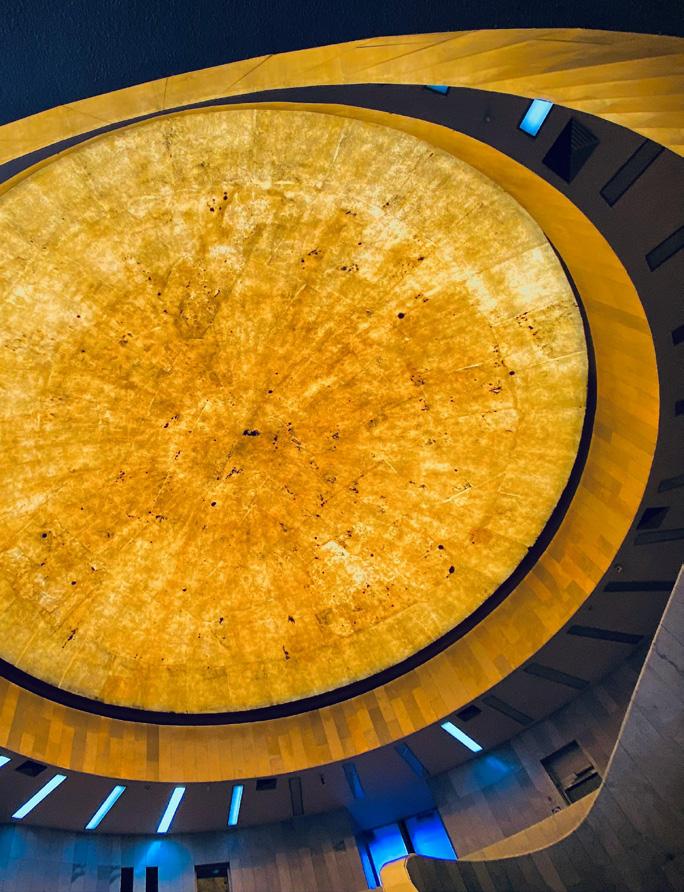
For one week each February, the city shifts gear entirely. Zona Maco — Latin America's defining contemporary art fair — draws over 200 galleries from across the world, its energy spilling far beyond the main venue into the galleries of Roma and Polanco, the museum openings timed to coincide, the quiet moments where collections change hands. An unmissable recalibration of one of the world's great creative capitals.
September
Mexico City is one of the great urban experiments on earth — and Mextrópoli is where it turns that fact into dialogue. The Americas' leading architecture festival takes the city itself as its stage: pavilions in public plazas, lectures in historic courtyards, and over 100,000 voices engaged in the question of what a city can become.
February October
Mexican design occupies a rare position — rooted in some of the world's richest craft traditions, yet entirely contemporary in its ambitions. Each October, Design Week Mexico makes that dialogue visible across the city: in landmark showcases, in architectural transformations, in collaborations between designers and artisans that resist easy definition.
Mexico City is rich in art and culture with museums that offer insights into seven centuries of history.
1. Museo Anahuacalli
2. Museo de Arte Moderno
3. Museo del Palacio de Iturbide
4. Museo Frida Kahlo
5. Museo Jumex
6. Museo Nacional de Antropología
7. Museo Soumaya
8. Museo Tamayo
9. Museo Universitario Arte Contemporáneo (MUAC)
10. Palacio de Bellas Artes
11. Templo Mayor Museum
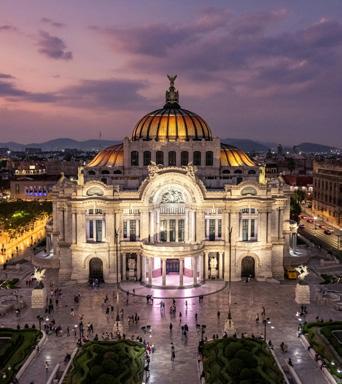
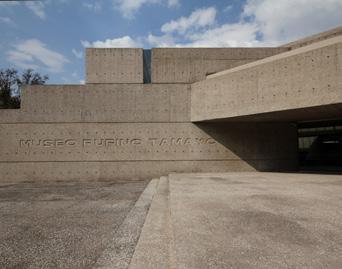
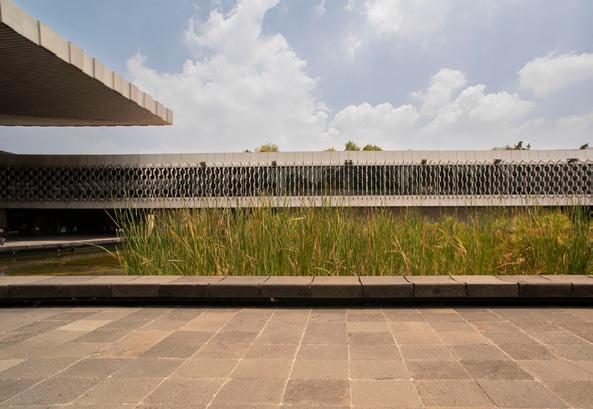
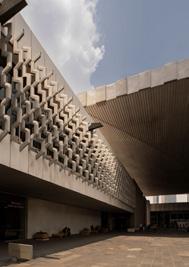
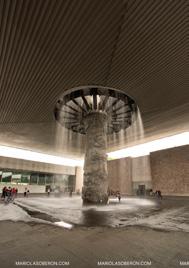
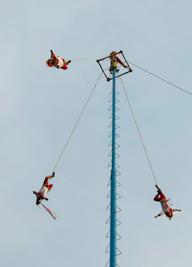
From the convivial Mexico City Art Week to the annual Mexico City Design Week, the city has become one of the Americas’ most influential contemporary art hubs.
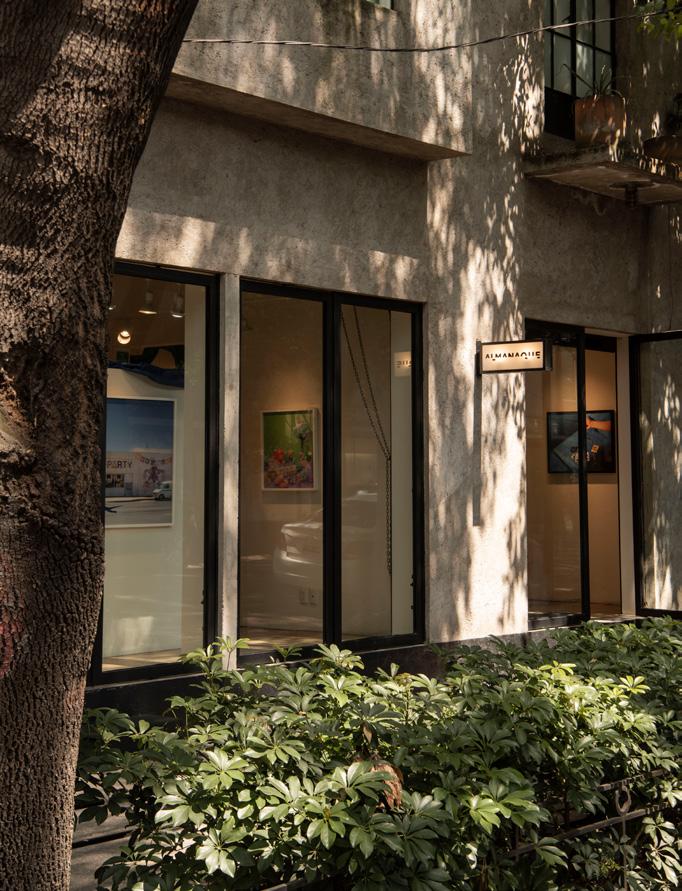
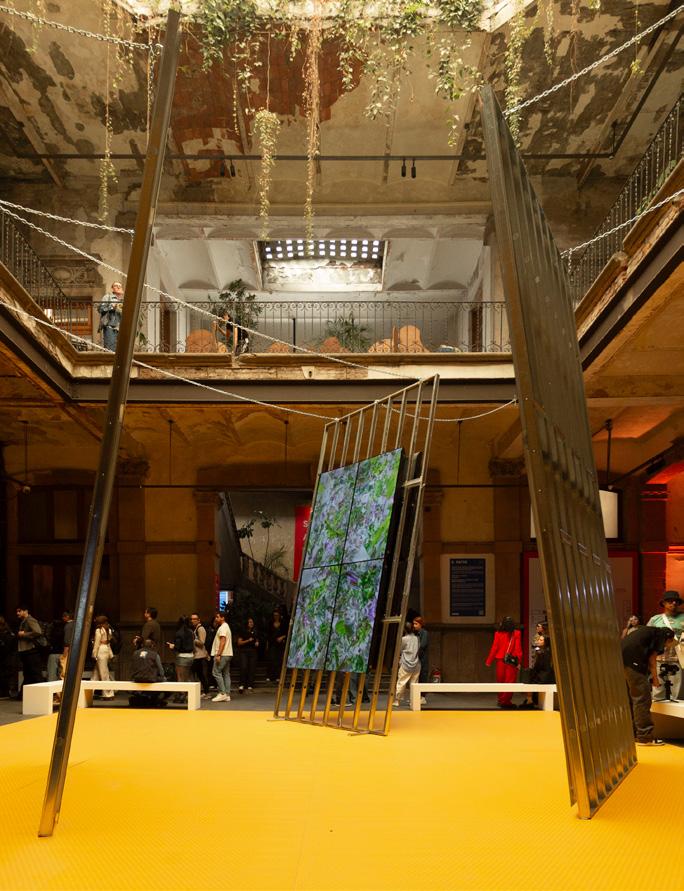
Mexico City is built on centuries of artistic legacy — from pre-Hispanic codices to the revolutionary murals of the twentieth century — where the past remains a living force shaping contemporary creation.
Built on centuries of artistic legacy — from pre-Hispanic codices to the revolutionary murals of the 1920s and 1940s by Diego Rivera and David Alfaro Siqueiros — the city is where Latin America’s next generation of artists and creatives continues to flourish.
Understanding Mexico City’s artistic strength requires acknowledging its ancient foundations. The Mexica, Maya, and Zapotec civilizations produced temples and murals that integrated cosmology into daily life, a legacy that endures. Many of Mexico’s most celebrated artists have drawn on indigenous storytelling, symbols, and spiritual concepts not as nostalgia, but as living dialogues with history.
The modern art movement took shape after the Mexican Revolution, when Rivera, José Clemente Orozco, and Siqueiros transformed government buildings into monumental public classrooms through murals at sites such as the Secretaría de Educación Pública and Palacio de Bellas Artes. This dialogue between eras is
powerfully embodied in the Museo Anahuacalli, designed by Rivera in 1940 from volcanic tezontle stone in Coyoacán, conceived as a temple to preHispanic culture that merges modernism with ancient symbolism. Frida Kahlo, meanwhile, developed an intimate visual language combining self-portraiture, indigenous iconography, and surrealism. European refugees Remedios Varo and Leonora Carrington added further layers, blending European surrealism with Mexican folk traditions.
By the 1990s, artists such as Gabriel Orozco and Carlos Amorales began moving beyond established modes as Mexico City entered a period of transformation. Around the same time, Pedro Reyes emerged with socially engaged projects combining sculpture, civic participation, and public imagination. Institutional support followed in the 2000s: Eugenio López Alonso opened Museo Jumex in 2013; Carlos Slim’s Museo Soumaya and Antonio del Valle Ruiz’s Museo Kaluz soon followed. Rather than replacing grassroots energy, these institutions amplified it.
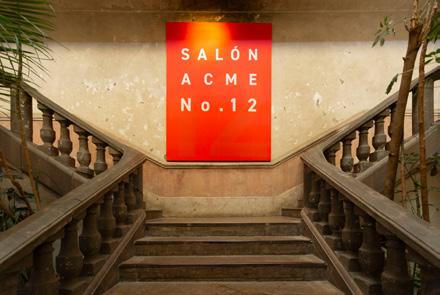
Today’s gallery ecosystem reflects this balance of experimentation and professionalization.
OMR, founded in 1983 by Patricia Ortiz Monasterio and Jaime Riestra, remains a cornerstone, representing figures such as Damián Ortega alongside emerging artists. In 2022, it launched LagoAlgo, a modernist landmark overlooking Lago Mayor in Chapultepec that now operates as a hybrid cultural center.
Kurimanzutto, founded by José Kuri and Mónica Manzutto in 1999, operates from a converted lumberyard in San Miguel Chapultepec. International galleries have also taken note: Galerie Nordenhake opened a Mexico City space in 2018, while David
Zwirner and Hauser & Wirth maintain regular programming through local partnerships.
Mexico City Art Week, anchored by Zona Maco, has become Latin America’s premier art event. Founded in 2002 by Zélika García, Zona Maco remains the region’s largest contemporary art fair. Material Art Fair offers an experimental counterpoint, while Salón Acme showcases emerging talent in the industrial Público Prim building. New models continue to emerge: Bosco Sodi Fundación Casa Wabi debuted in 2023 as a five-story contemporary space, and the Frida Kahlo Museum opened in 2025 to complement Casa Azul with rotating exhibitions exploring her ongoing influence.
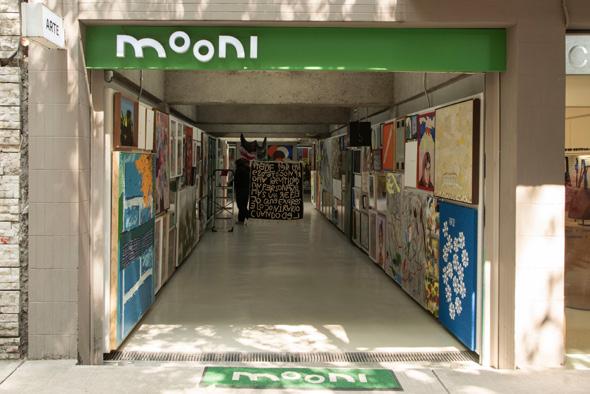
In Mexico City, the evolving art scene reveals a past that is not fixed, where tradition becomes experimentation and the local meets the global.
Beyond major institutions, galleries such as MAIA Contemporary, Mooni in Roma Norte, and Almanaque Fotográfica continue to champion emerging Latin American artists across painting, installation, and photography.
As Mexico City’s contemporary art scene evolves, artists recognize that the past is not fixed, that tradition can be experimental, and that the local and global are not opposing forces.
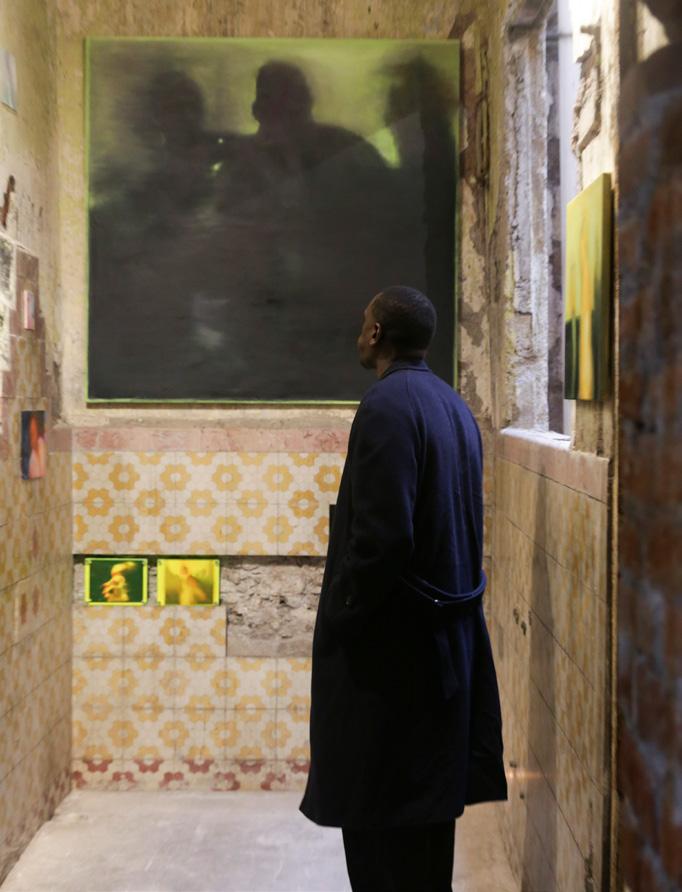
Contemporary galleries and experimental art spaces have made Roma Norte a hub for emerging Latin American art.
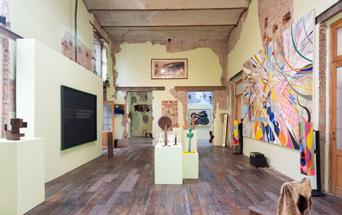
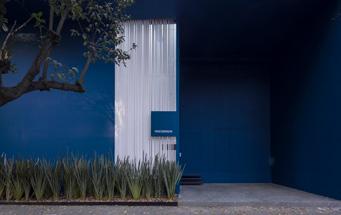
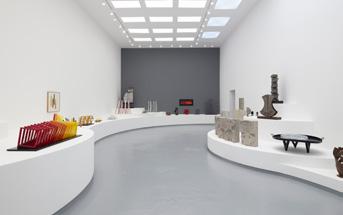
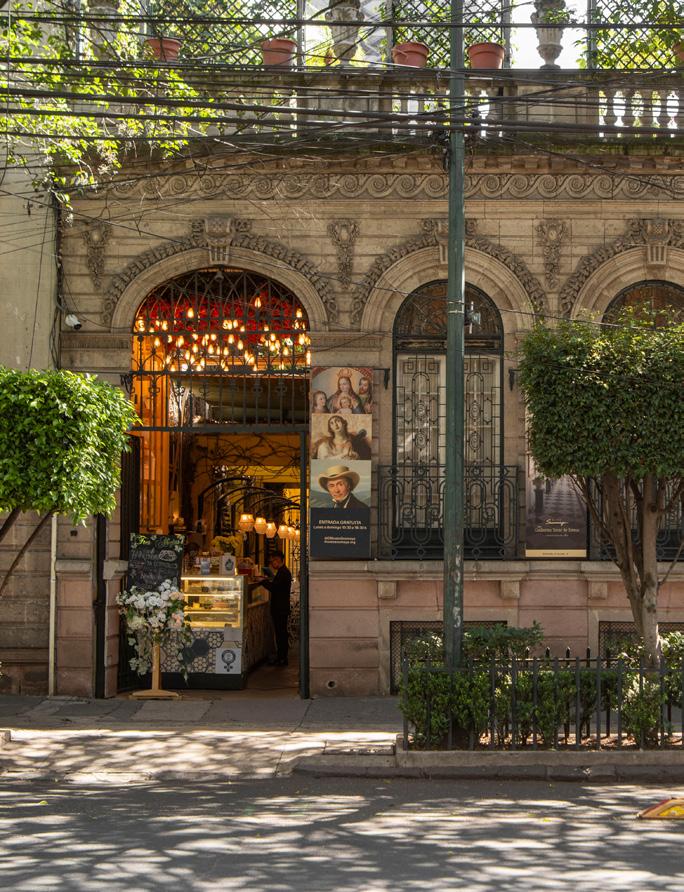
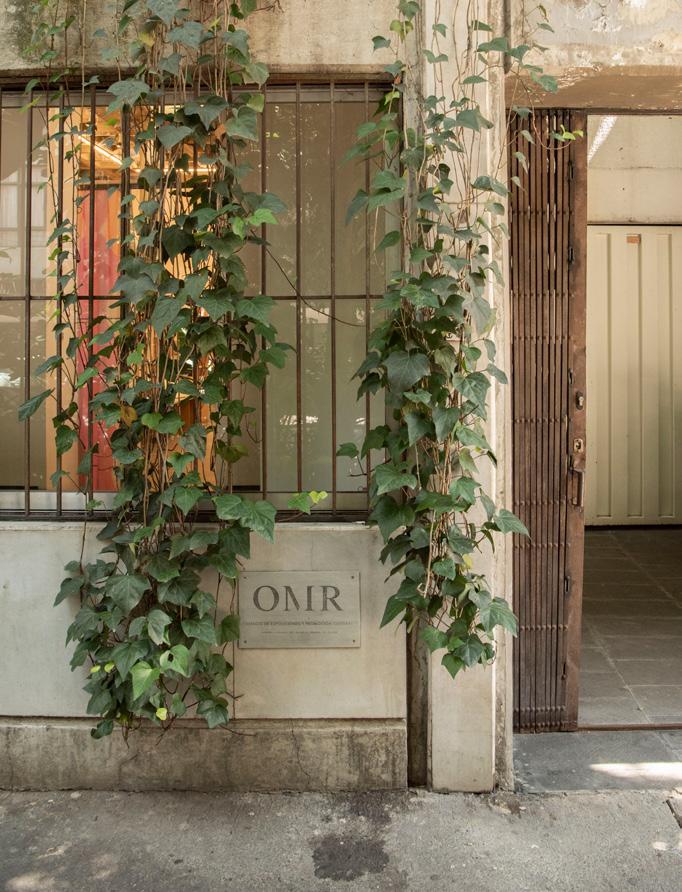
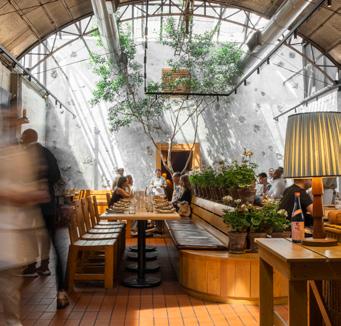
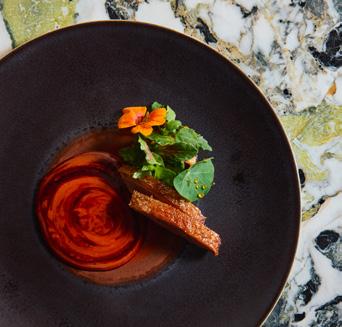
Roma Norte is where world renowned chefs interpret their culture's ancestral techniques and ingredients through contemporary lenses.
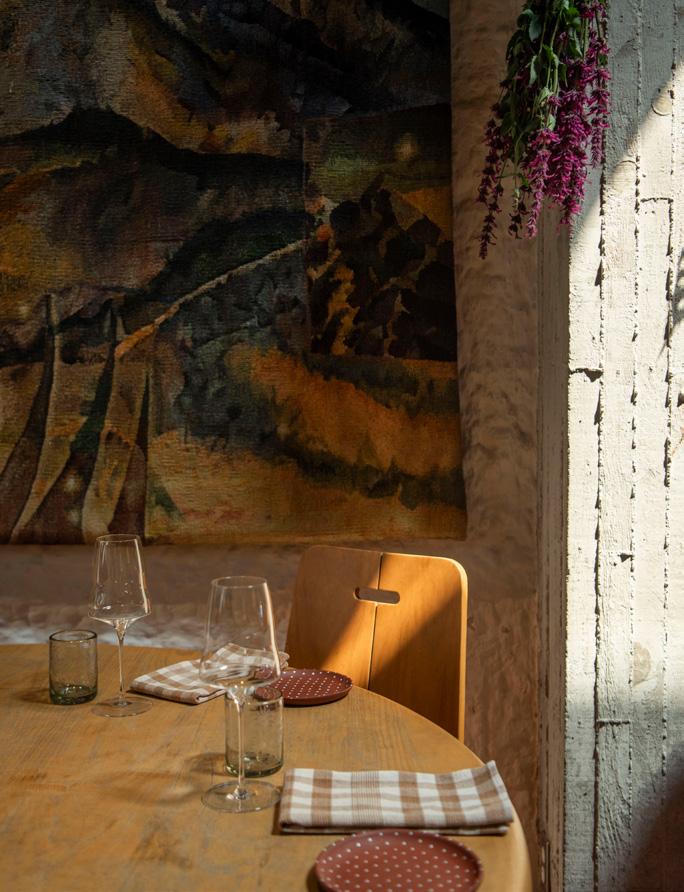
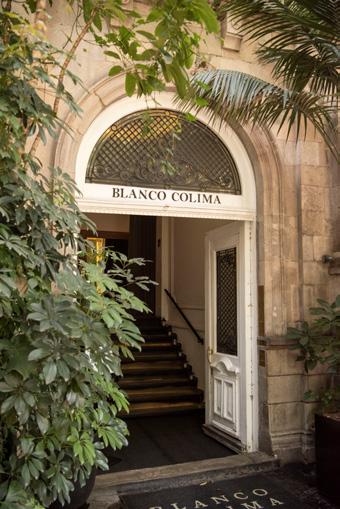
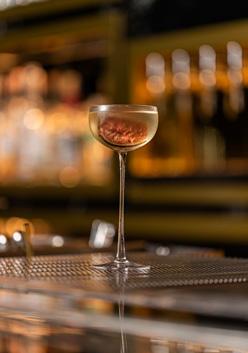
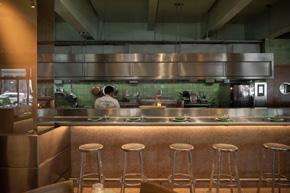
From Yucatecan recipes like slow-roasted cochinita pibil marinated in achiote and citrus to Oaxaca’s crispy tlayudas layered with lard, beans, and avocado, Mexico has one of the most complex food cultures in the world. Each state holds its own pantheon of recipes and ingredients, shaped by geography, history, and ritual. To understand them all would take years—but in Mexico City, many of these regional traditions converge, offering a living, breathing portrait of the country’s cuisine.
Often described as a modern utopia for fresh, expressive food, Mexico City’s culinary identity is rooted in ancient history. When the Mexica settled around Lake Texcoco in 1325, they developed advanced irrigation, terracing, and farming systems that sustained the growing capital. In Xochimilco, chinampas —floating agricultural islands—produced enough crops to feed the city. Their largely plantbased diet centered on maíz (corn), a mega-crop so essential it featured prominently in Aztec creation myths, alongside frijoles (beans), calabazas (squash), and nopales (cactus pads). Though many ancestral ingredients were outlawed or nearly lost after the Spanish conquest in the 1500s, their legacy persists. Today, it’s felt everywhere—from the humblest taquería to the city’s most refined dining rooms.
A visit to the city’s top taquerías , restaurants, cafés, and bars is enough to understand just how good Mexico City’s food can get.
As Mexico City’s most democratic food institutions, taquerías exist on nearly every corner at every hour. In Centro Histórico, El Cucoyos serves traditional tacos de guisado , while El Tizoncito in Condesa claims to have invented tacos al pastor in the 1960s. El Greco offers a Lebanese-inspired version on flour tortillas, a nod to the city’s Lebanese immigrant communities. Taquería Orinoco, now a cult-favorite mini-chain, is celebrated for its trompo tacos and perfectly crisped chicharrón
While taquerías and cantinas remain central to the city’s dining identity, leading chefs continue to reinterpret tradition through contemporary lenses. When Enrique Olvera opened Pujol, he reshaped fine dining by elevating everyday Mexican dishes to Michelin-recognized prestige.
At Maízajo, chef Santiago Muñoz builds on this legacy, preserving native ingredients and techniques through tacos, tlayudas, and tamales made with heirloom maíz criollo . More than a restaurant, its tortillería functions as an educational center, producing masa from native corn grown by smallscale farmers and safeguarding ancient species central to Mesoamerican identity.
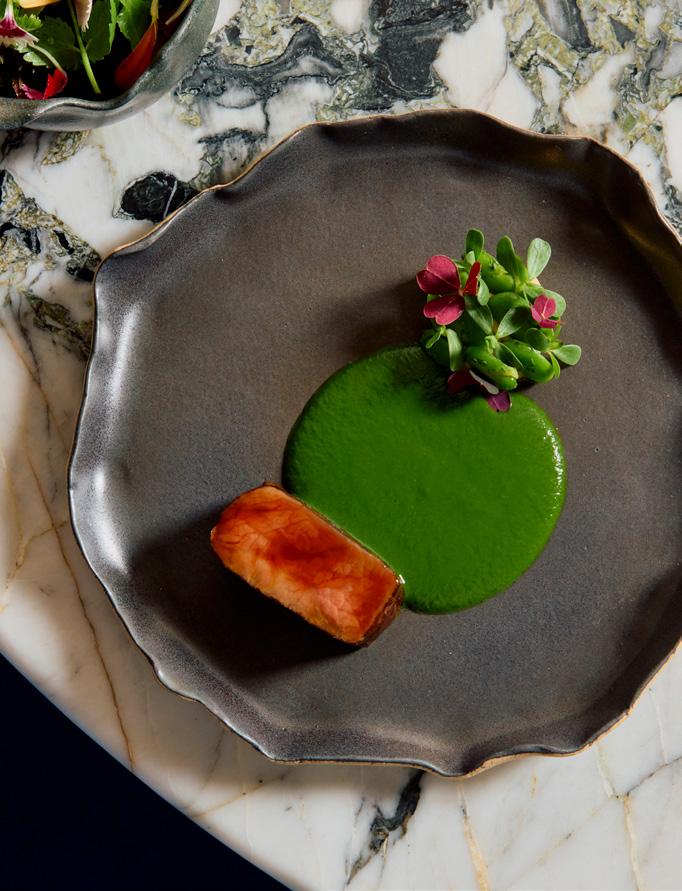
While taquerías and cantinas remain central to Mexico’s dining identity, top chefs are bringing Mexico’s food traditions into contemporary form.
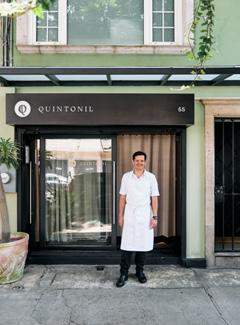
"For me, cultural authenticity is the most important thing. That’s where the entire philosophy of cuisine and service … begins: to represent Mexican culture and tradition at its highest expression."
— Chef Jorge Vallejo Chef at 2-Michelin-Starred Quintonil
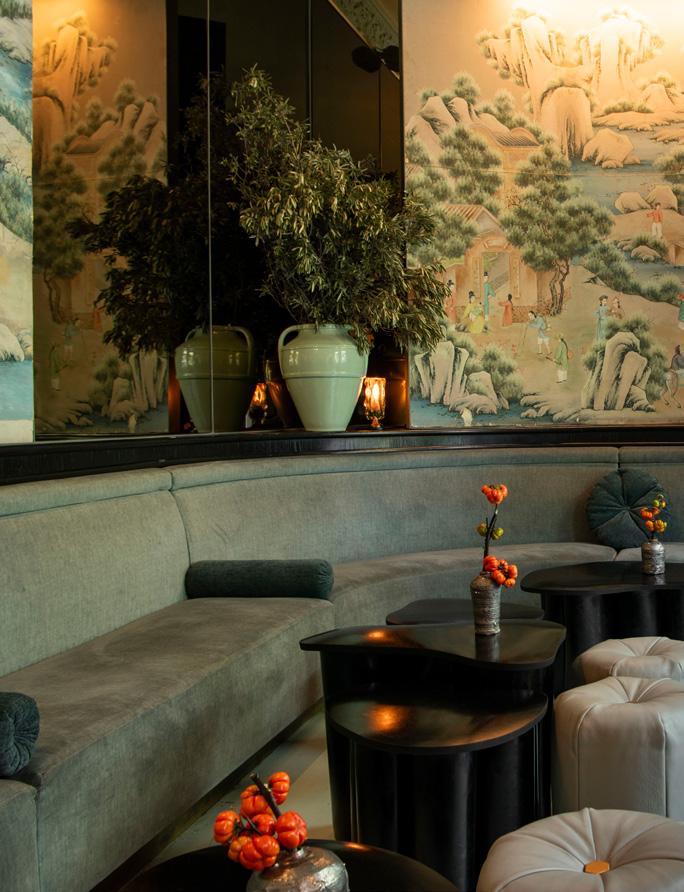
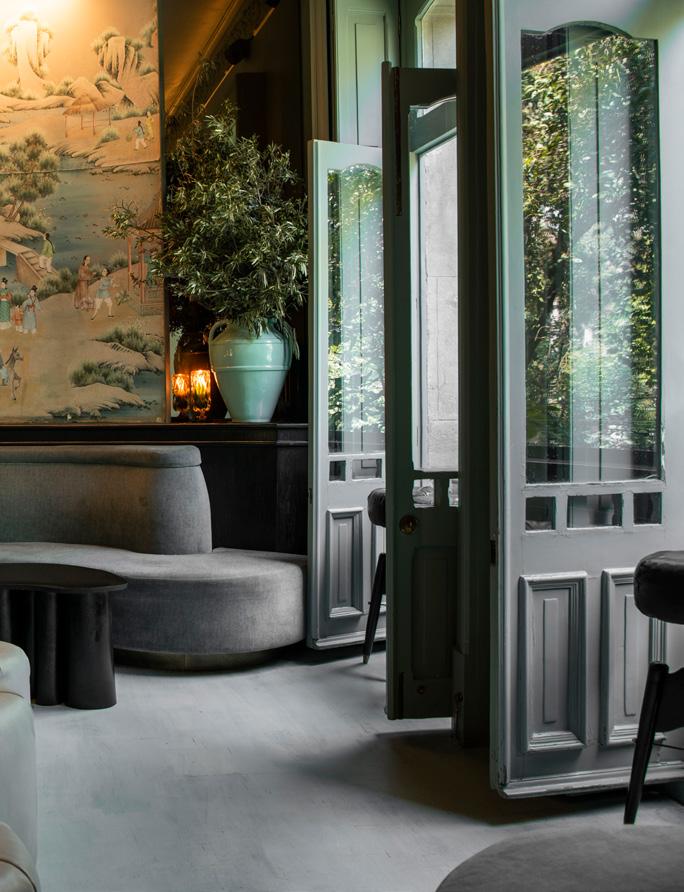
In many neighborhoods, the line between café, bar, and social club barely exists, dissolving as the day drifts into night.
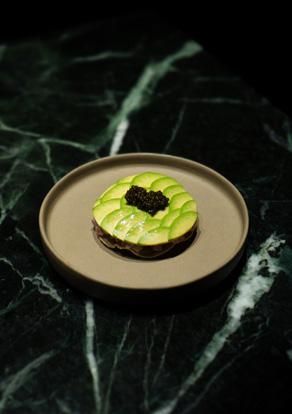
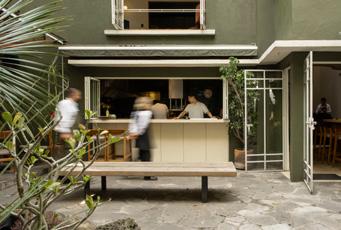
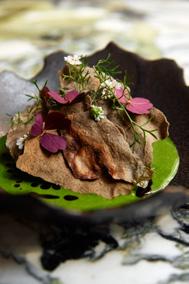
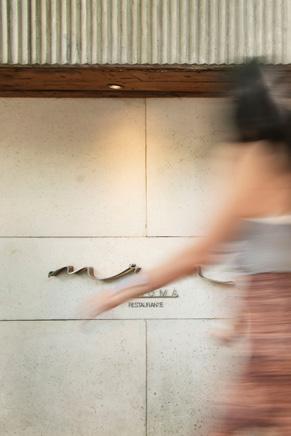
Elsewhere, chef Eduardo García of Máximo Bistrot highlights small producers, while Elena Reygadas of Rosetta, Lardo, and Panadería Rosetta emphasizes Mexico’s botanical wealth through flowers, herbs, and fruit in her pastries and pastas. At Voraz, chef Emiliano Padilla translates northern Mexican flavors into refined, contemporary expressions. Contramar, led by Gabriela Cámara, remains one of the city’s defining celebrations of mariscos , while Meroma, helmed by Mercedes Bernal and Rodney Cusic, delivers a hyper-seasonal, ingredient-forward approach. At Em Restaurante, Michelin-starred chef Lucho Martínez blends his Veracruz roots with Japanese techniques, while restaurateurs like Edo Kobayashi honor Mexico City’s Japanese-Mexican communities. In Colonia Juárez, Makan explores Southeast Asian street food through a distinctly Mexican lens.
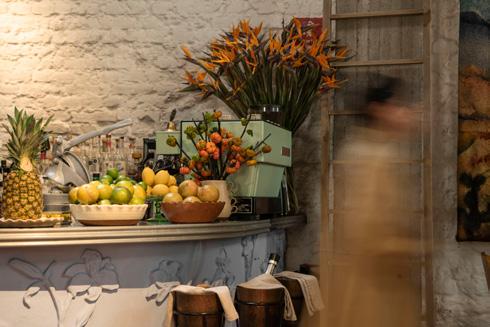
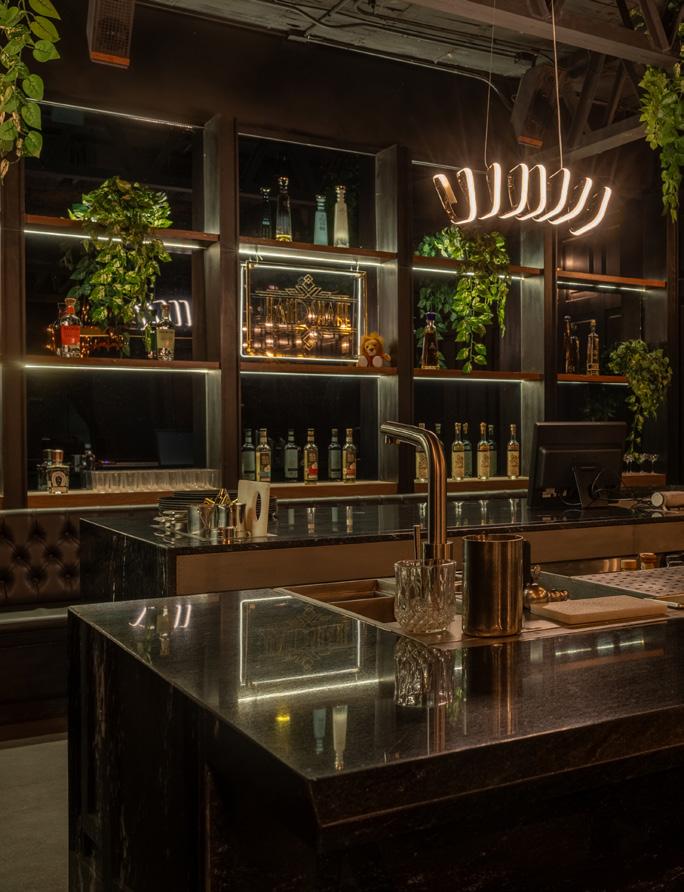
Across many neighborhoods, the line between café, bar, and social club barely exists. Mornings at Panadería Rosetta, Cicatriz, or Saint often stretch into evenings of vermouth at Oropel, smoky mezcal cocktails at Roca Hi-Fi, or bottles of wine at NIV, Hugo el Wine Bar, or Loup Bar—natural wine bars showcasing producers from Querétaro and Valle de Guadalupe.
As Mexico City’s food culture continues to evolve, some rituals remain unchanged. It’s as much about how people eat as what they eat: every meal begins with a warm provecho , and lunches unfold slowly, stretching into carajillo -fueled sobremesas where conversation lingers long after the plates are cleared.
1. Pujol
Two MICHELIN Stars (2025)
2. Quintonil Two MICHELIN Stars (2025)
3. Em
One MICHELIN Star (2025)
4. Esquina Común One MICHELIN Star (2025)
5. Rosetta One MICHELIN Star (2025)
6. El Califa de León Traditional Mexican taquería
7. Expendio del Maíz
8. Masala y Maíz Fusion of African, Indian, and Mexican cuisines
9. Máximo Bistrot Farm-to-table dining
Mexico City may be one of the largest and most complex urban environments in the world, yet for all its density, it remains surprisingly green.
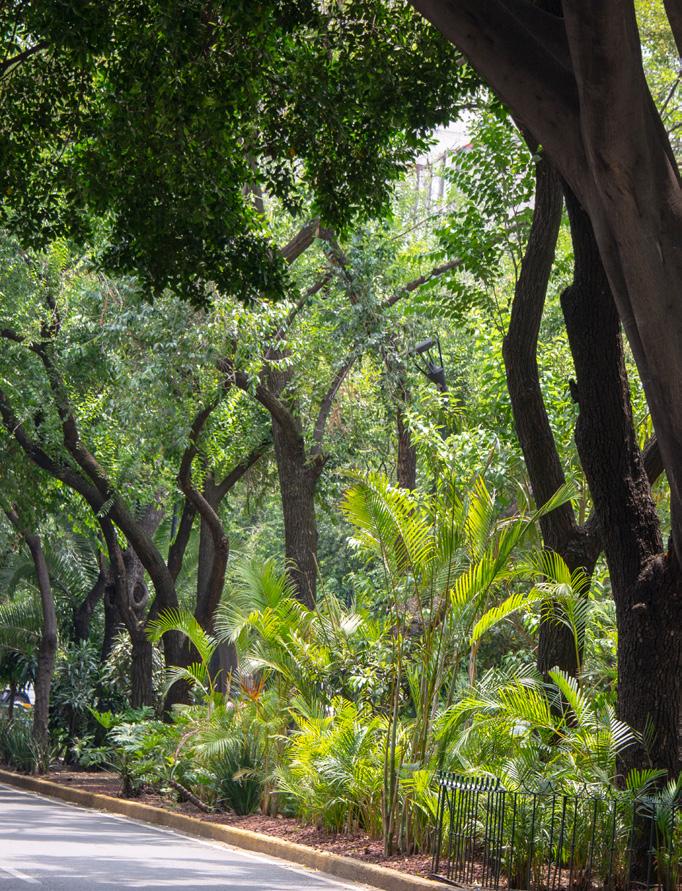
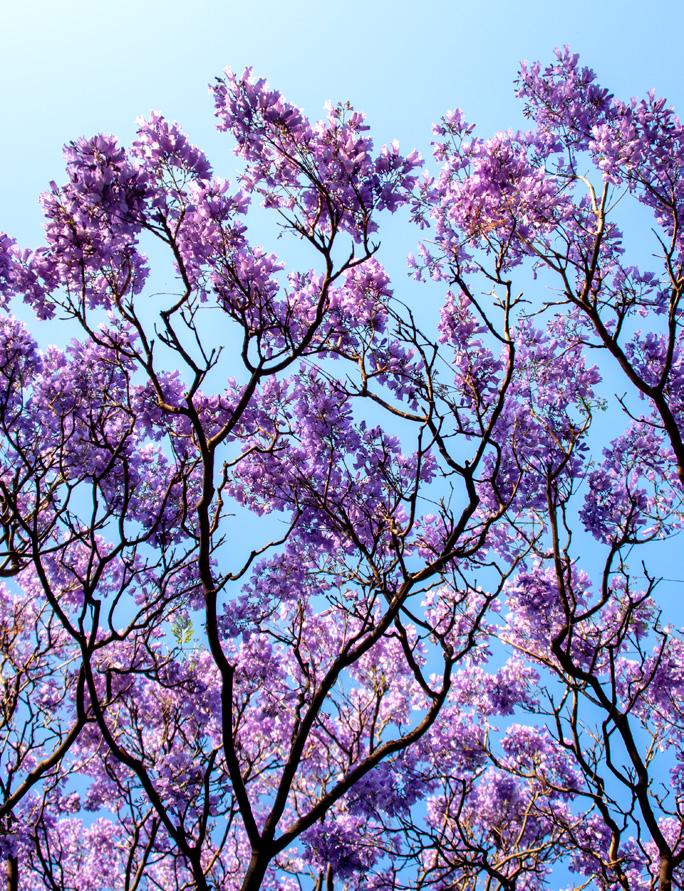
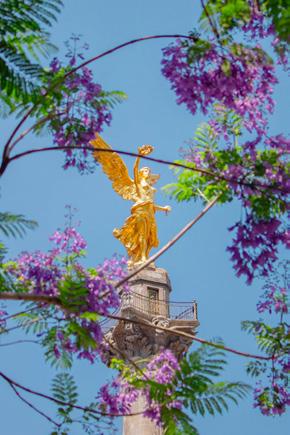
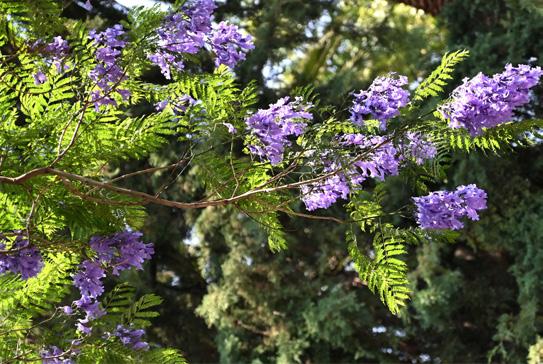
Each March, lavender-blue jacarandas bloom along Reforma and through Roma, Condesa, and Coyoacán, turning the city into a living canvas that heralds spring.
From tree-lined boulevards and shaded plazas to the vast forest complex of Bosque de Chapultepec, the city’s parks and gardens play a central role in the daily life of residents, reflecting centuries of urban planning and adaptation that make it one of the most liveable cities in the world.
Perched at 7,350 feet in a valley embraced by mountains and volcanoes like Popocatépetl and Iztaccíhuatl, the city enjoys a temperate climate regulated by trapped clouds. Its fertile soil, once the bed of Lake Texcoco, retains moisture and supports a rich diversity of native and introduced species. Summers bring cooling afternoon rains, winters shine with highs near 72 °F, and this seasonal rhythm allows trees and gardens to flourish yearround, making Mexico City one of the greenest megacities on Earth.
The city’s green legacy reaches back to the Mexica capital, Tenochtitlán, founded on an island in Lake Texcoco and surrounded by chinampas—floating gardens that irrigated farmland for the empire. Though much of the lake was drained after the Spanish conquest, remnants survive in Xochimilco, a UNESCO World Heritage Site. Bosque de Chapultepec, once a sacred spring source, was the royal retreat “Grasshopper Hill” and has evolved into Mexico’s first great public park.
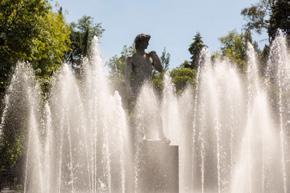
Much of today’s Chapultepec reflects 19th-century Emperor Maximilian I’s vision. He commissioned Paseo de la Reforma, a grand boulevard linking the city center to his imperial residence, modeled on Paris’s Champs-Élysées.
In the 1920s–30s, Japanese gardener Tatsugorō Matsumoto proposed jacarandas over cherry trees, whose lavender-blue blossoms now herald spring along Reforma and through Roma, Condesa, and Coyoacán, reshaping the city’s urban poetry.
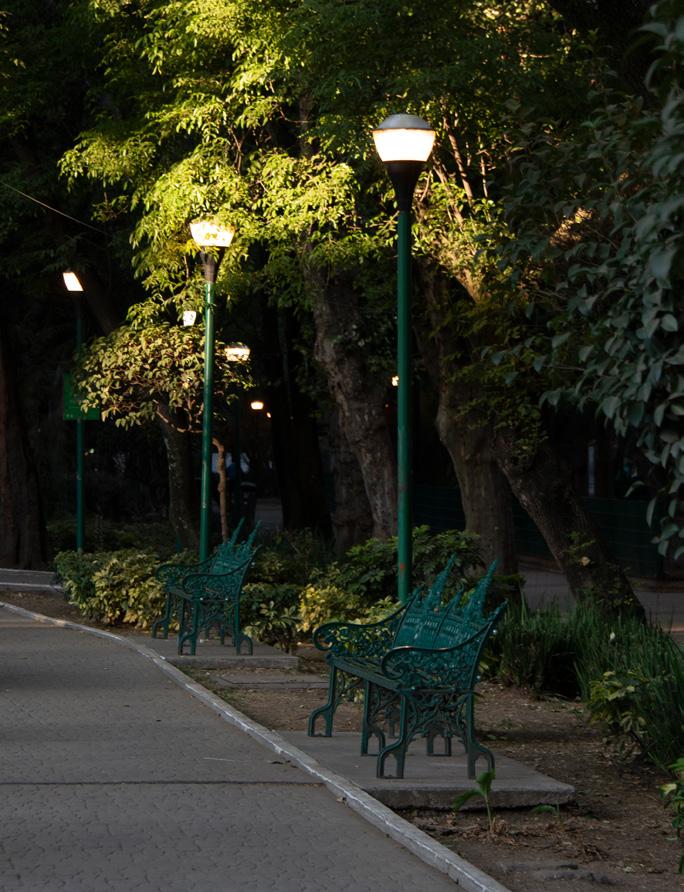
Mexico City’s gardens, boulevards, and forests weave a living tapestry that flourishes year-round, inviting residents to walk, linger, and breathe.
Mexico city’s hidden plazas transform urban life into a green rhythm, where history, nature, and daily life intertwine on every shaded path and sunlit corner.
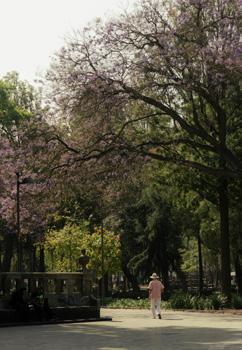
Spanning 1,695 acres—twice New York’s Central Park—Bosque de Chapultepec unfolds in three sections. The first, near Reforma, hosts the Castillo de Chapultepec (National Museum of History), Museo Tamayo, Museo de Arte Moderno, lakes, and trails beneath ancient ahuehuetes. The second, across the Periférico, offers picnic areas, playgrounds, and cultural spaces such as Museo del Cárcamo de Dolores, featuring Diego Rivera’s hydraulic mural, and LagoAlgo, a contemporary art restaurant. The third, added in the 1970s, preserves forests, reservoirs, and wildlife, safeguarding biodiversity. All sections are dog-friendly except the first.
Beyond Chapultepec, Mexico City’s neighborhoods pulse with greenery. In Roma, broad sidewalks curve beneath palms toward Plaza Rio de Janeiro, Jardín Pushkin’s weekend markets, and the quiet charm of Plaza Luis Cabrera. Shaded corridors like Avenida Álvaro Obregón and Calle Durango, and small parks in Polanco, Coyoacán, and Colonia Juárez, weave green oases into dense urban blocks. Every Sunday, parts of Reforma and other districts close to traffic from 8 am to 2 pm, inviting joggers and cyclists to inhabit the city. Together, these spaces form a continuous, walkable network. As green infrastructure and reforestation continue, Mexico City’s gardens, boulevards, and forests promise to flourish for generations yet to come.
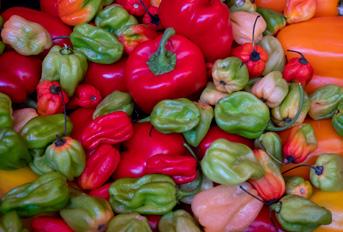
In Mexico, design is not merely decoration; it is storytelling made tangible. Every woven thread, carved figure, and burst of color carries centuries of meaning, connecting past and present in ways few cultures can match. Craftsmanship here is both art and identity, shaped by indigenous ingenuity, global influence, and enduring creativity. To understand Mexican design is, in many ways, to understand Mexico itself.
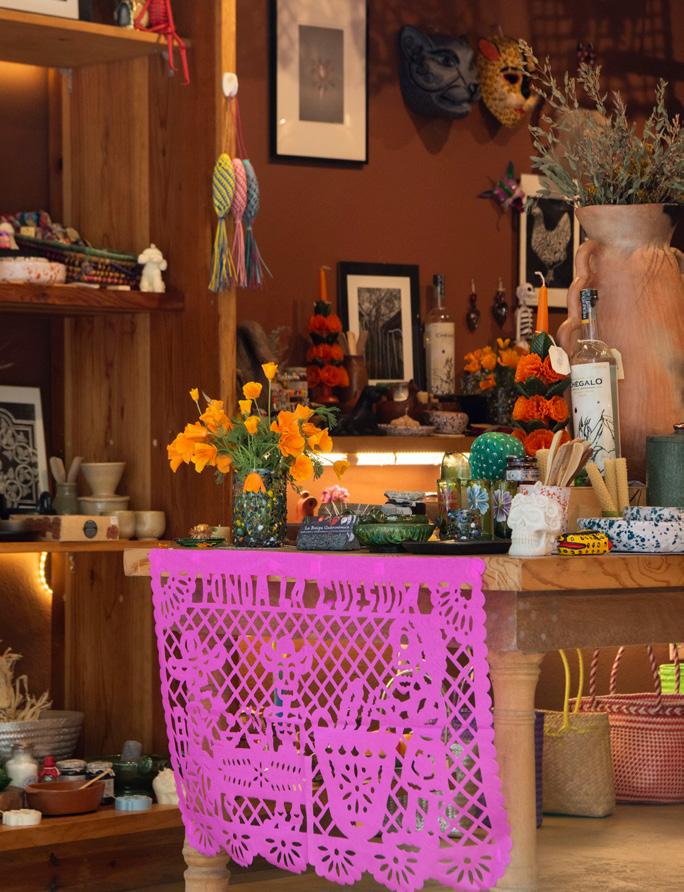
Since the earliest civilizations, Mexicans have adorned their sacred spaces — political palaces, religious sanctuaries, and above all, their homes — with intentional, expressive artwork. Mexico City has long been the epicenter of this tradition. The vivid reds and blues that once covered the Aztec capital of Tenochtitlan still emerge from the ruins of Templo Mayor, inspiring the region’s iconic palettes in paint and textiles. Our Lady of Guadalupe, born on a Mexico City hilltop, remains one of the most powerful religious and cultural symbols in the world. Artists and artisans continue to flock to CDMX, Latin America’s most influential metropolis, offering unparalleled access to exceptional crafts from across Mexico and beyond. The impact of Mexican design is undeniable — not only globally, but within the home. As you decorate your own space, you may encounter the concept of querencia: the art of nesting, of creating warmth, familiarity, and belonging. Here are some artisan items to consider incorporating as you get started.
To understand Mexican design is to understand Mexico itself—a dialogue between ancestry, craftsmanship, and the art of living.
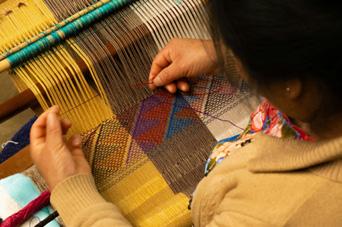
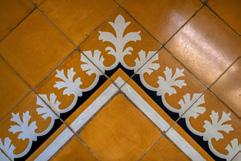
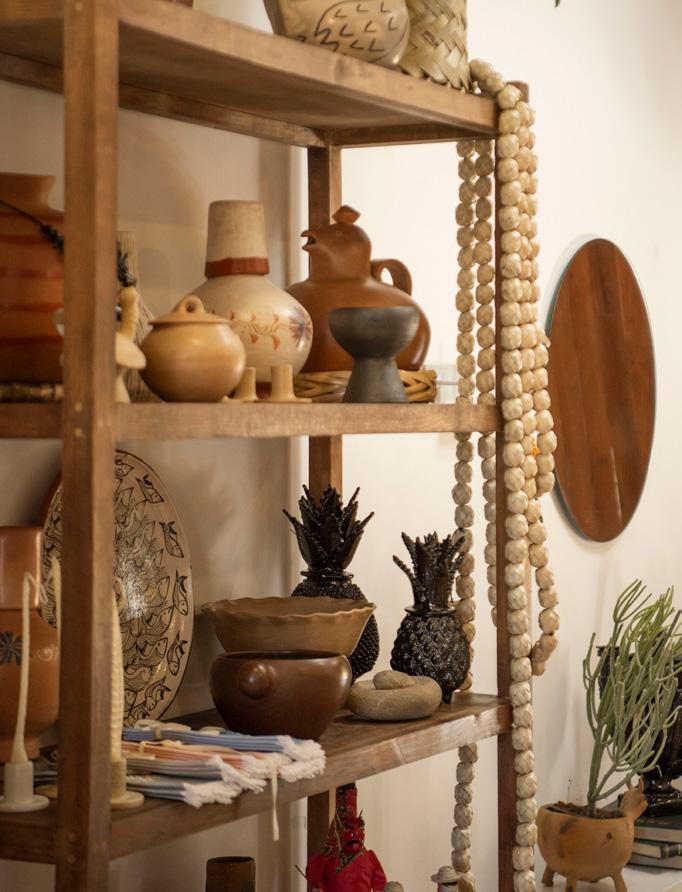
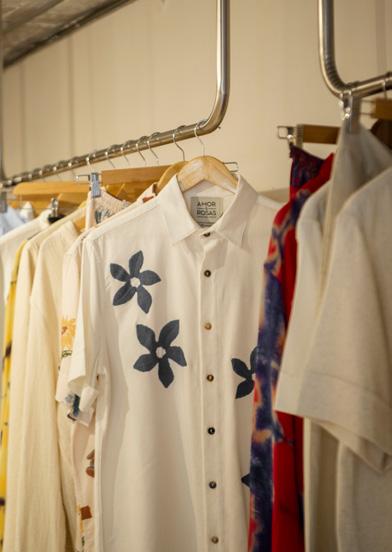
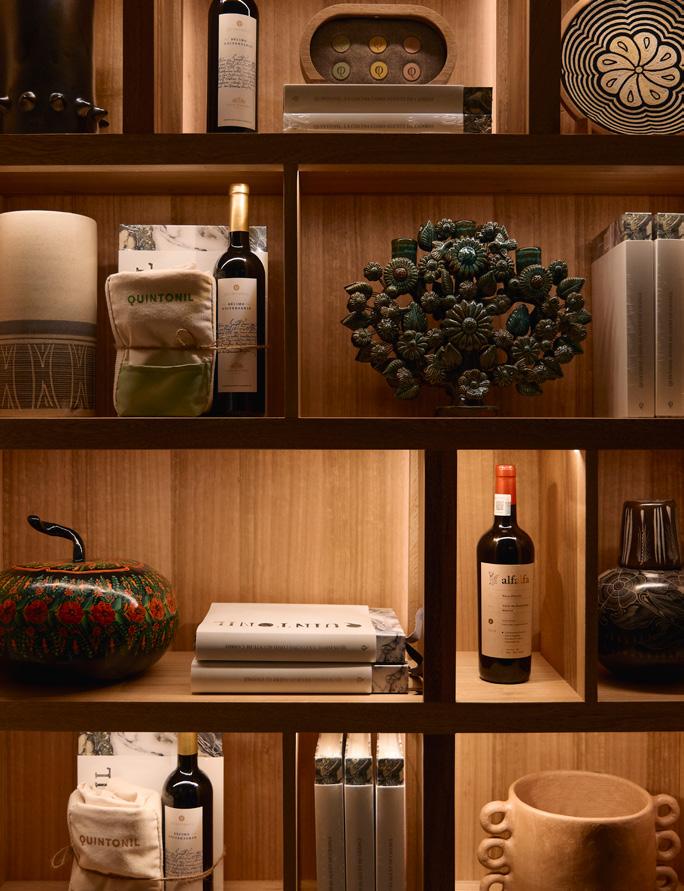
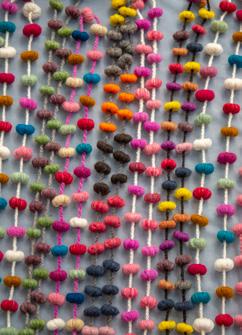
From handwoven textiles to sculpted clay, tradition here is not preserved—it is lived.
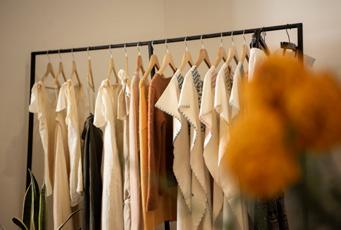
Esperanza Home
HANDWOVEN AND EMBROIDERED TEXTILES
Textiles are everywhere in Mexican homes, from beds and sofas to walls and floors. Serape stripes bring bold color to blankets and runners, while Otomi embroidery features whimsical animals and plants stitched by hand. Local wool is woven into rugs and blankets bearing indigenous patterns, while cotton appears in table linens. Macramé hammocks and hangings add lightness, balancing the richness of heavier fabrics.
SCULPTED CERAMICS AND POTTERY
Barro — clay — is among Mexico’s oldest art forms, dating back more than 2,500 years. Barro rojo is commonly used for cookware and decor, often simply adorned, while barro negro, finished with a metallic sheen, appears in sculptural vases and calaveras, especially during Día de los Muertos Talavera , rooted in the colonial era, is instantly recognizable for its blue-and-white motifs, now available across tiles, vessels, and decorative objects.
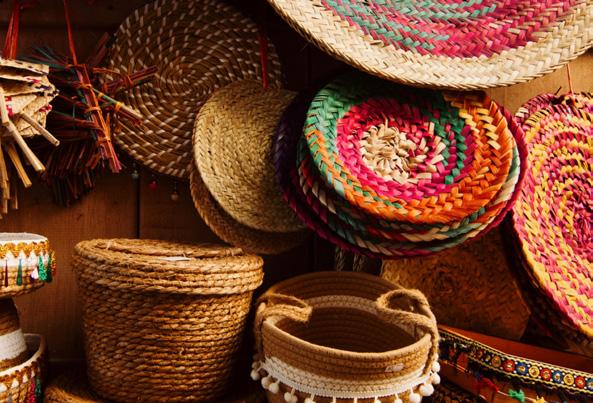
Beyond familiar drinkware, Mexican handblown glass spans every imaginable form, from vases to ornaments. Cobre (copper) is equally versatile — prized for sinks, bathtubs, and decorative plates — while hojalata (punched tin) frames mirrors and light fixtures. For outdoor spaces, forja (ironwork) remains timeless.
Palm, agave, bark, and straw are transformed into baskets, mats, hats, and bags, blending function with beauty. Amate , an Indigenous bark paper, is painted or cut into intricate designs. Mexican carpentry ranges from hand-carved furniture to beloved decorative objects such as alebrijes and traditional dance masks. Leather goods — shoes, belts, and wallets — complete the tradition, valued for their durability and craftsmanship.
1. AMY
2. Golden Goose
1. Fueguia 1833
2. Le Labo Fragrances
3. Xinú Perfumes Marsella
HOME
1. Bastión Cerámico
2. Esperanza Home
3. Güzel Art Bazar
4. Originario
5. Pericón
1. Casa Bosques
2. El Péndulo
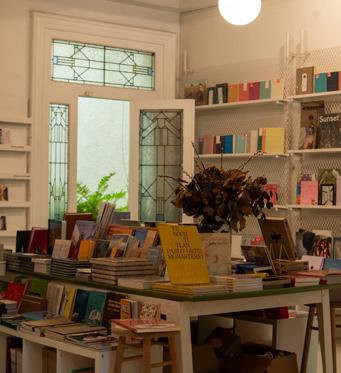
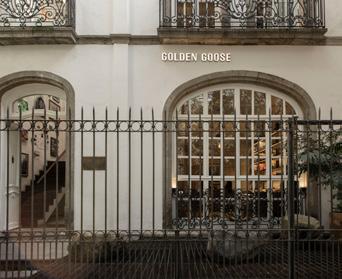
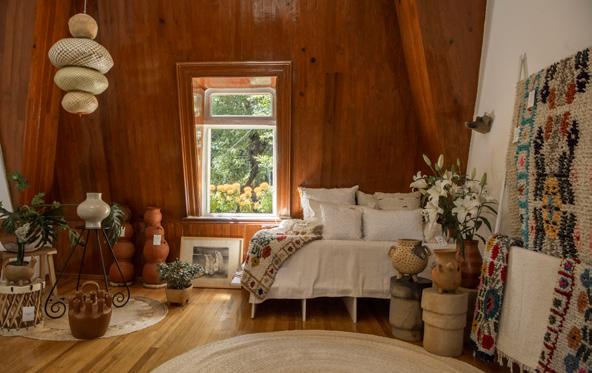
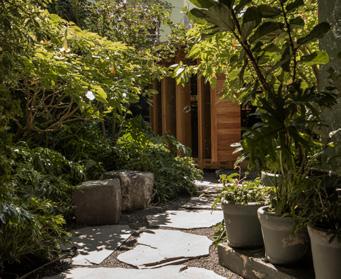
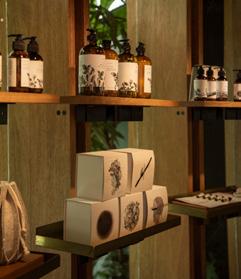
Pendry Mexico City is not a pin on a map but rather an invitation to explore. From here, Mexico City feels both intimate and expansive, with the wider region—and beyond—unfolding naturally.
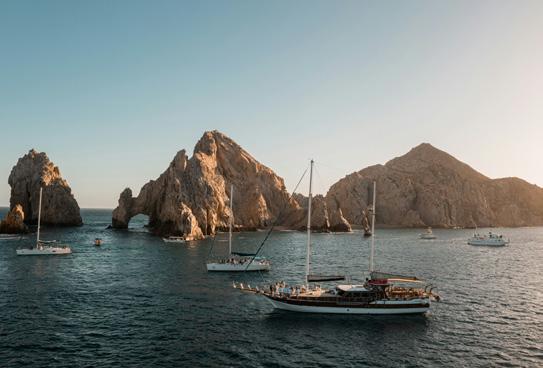
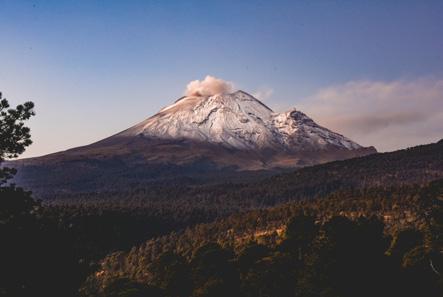
Pendry Mexico City is not a pin on a map, but rather an invitation to explore. Set in Roma Norte, the residences occupy one of the capital’s most connected and culturally fluent neighborhoods—an area where daily life unfolds between café terraces, galleries, small parks, and some of the city’s most compelling dining. From here, Mexico City feels both intimate and expansive, with the wider region—and beyond—unfolding naturally.
Major cultural districts, green spaces, and historic neighborhoods sit within easy reach of Roma Norte, making the area an ideal home base for residents who move fluidly between routines and discovery. It’s a place where mornings can begin quietly at a corner bakery and end across town, immersed in centuries of history or deep in nature
From neighborhood excursions to cross-country escapes, Pendry Residences Mexico City is perfectly positioned for those who seek to explore from the comfort of a home that is grounded in place.
Thirty minutes south, Coyoacán offers one of the city’s most atmospheric escapes. Once a standalone town, it has retained a sense of independence, defined by cobblestone streets, leafy plazas, and a slower, more reflective rhythm. The neighborhood’s cultural gravity centers on Casa Azul, Frida Kahlo’s former home, now a museum that preserves her personal spaces alongside her work. Nearby, artisan markets, cafés, and shaded benches encourage unhurried wandering—an afternoon here feels deliberately unplanned.
Further south, Xochimilco reveals a version of Mexico City shaped by water rather than streets. Reached in about 45 minutes, its canals trace the remnants of the ancient lake on which the city was built. Chinampas —floating agricultural plots— continue to supply local kitchens, while colorful trajineras carry groups through the waterways to the sound of music and laughter. Between its renowned plant market, farm-to-table dining experiences, and celebratory canal culture, Xochimilco balances tradition with conviviality.
For a shift in elevation and pace, Desierto de los Leones offers forested trails and fresh air within the city limits. Popular with locals, the national park provides a rare sense of quiet, with routes suited to both casual walks and more demanding hikes. A 17th-century convent sits at its heart, anchoring the landscape in history while offering a natural pause along the way.
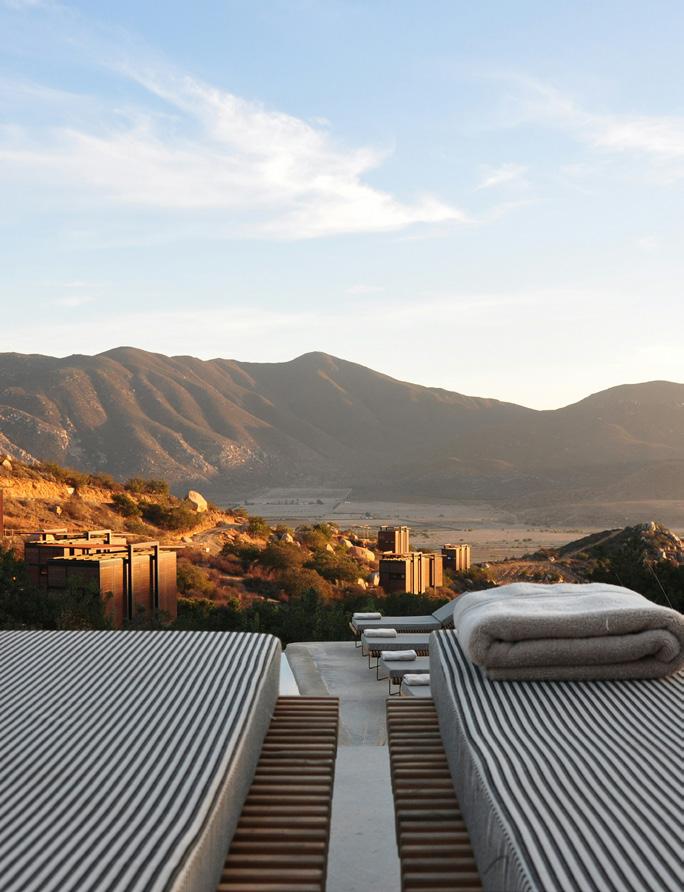
Beyond the capital, Pendry Residences Mexico City functions as a gateway to the country itself, with ownership extending VIP privileges across the broader Pendry and Montage portfolios, connecting city life to coastal, desert, and winecountry destinations across Mexico. On the Pacific, Pendry Punta Mita (opening 2028) and Montage Punta Mita (in development) introduce two distinct interpretations of Riviera Nayarit, while Montage Los Cabos pairs Baja’s desert terrain with the calm waters of Santa Maria Bay. In the north, Montage Valle de Guadalupe (in development) unfolds among vineyards, offering a quieter counterpoint rooted in culinary and wine culture.
Beyond the capital, Pendry Residences Mexico City functions as a gateway to the country itself, with ownership extending VIP privileges across the broader Pendry and Montage portfolios, connecting city life to coastal, desert, and wine-country destinations across Mexico.
COFFEE & BAKERIES
For leisurely mornings and refined daily rituals
Boicot Café
Buna Café
Café Nin
Café Trucha
Casa 1900 Pan & Café
Cibeles Gran Café
Cucurucho
Drip Specialty Coffee
Forte Bread & Coffee
Panadería Rosetta
Quentin Café
Saint Panadería
Tierra Garat Durango
GOURMET MARKETS & LIFESTYLE SHOPS
For curated provisions and beautifully sourced essentials
Abasto Vegano Roma
Bottega Culinaria
Distrito Foods
Epicúrea
Estado Natural
Expendio Durango
La Naval
Marché Dumas
Mercado Roma
Semilla Selecta Roma Norte
Súper Mikasa
Sumesa Colima
Sumesa Yucatán
RESTAURANTS
Mexico City’s most distinguished tables
Animal
Balcón del Zócalo
Botánico
Contramar
Dulce Patria
El Califa de León
El Tigre Silencioso
Em
Esquina Común
Expendio de Maíz
Fónico
Havre 77
Huset
Izakaya Kura
La Docena
Lardo
Lorea
Marmota
Martínez
Masala y Maíz
Máximo Bistrot
Meroma
Migrante
Pigeon
Pujol
Quintonil
Rosetta
Sud 777
Ultramarinos
Umai
BARS & COCKTAIL LOUNGES
For elegant evenings and worldclass mixology
Bar Las Brujas
Blanco Colima
Café de Nadie
Departamento
Fifty Mils
Gin Gin
Handshake Speakeasy
Hugo Wine Bar
Licorería Limantour
Lounge Fernando
Plonk
Supra Rooftop
The Midnight Monkey
For quiet strolls and moments of calm
Audiorama Chapultepec
Bosque de Chapultepec
Jardin Pushkin
Parque España
Parque Lincoln
Parque México
Plaza Luis Cabrera
Plaza Río de Janeiro
Plaza Villa de Madrid
MUSEUMS & GALLERIES
Mexico City’s cultural treasures
AGO Projects
Almanaque Fotográfica
Archivo Diseño y Arquitectura
ARRÓNIZ Contemporary Art
Casa Gilardi (Barragán)
Casa Luis Barragán
Colima 71 Casa de Arte
Galería Enrique Guerrero
Galería Metropolitana-UAM
Galerie Nordenhake México
Guillermo Tovar de Teresa Museum
Kurimanzutto
LABOR
Le Laboratoire
MAIA Contemporary
Mooni Art Gallery Roma Norte
MODO Museo del Objeto
Museo Anahuacalli
Museo de Arte Moderno
Museo del Palacio de Iturbide
Museo Frida Kahlo
Museo Jumex
Museo Kaluz
Museo Nacional de Antropología
Museo Soumaya
Museo Tamayo
Museo Universitario Arte
Contemporáneo (MUAC)
OMR Gallery
Palacio de Bellas Artes
Patricia Conde Galería
Proyectos Monclova
Templo Mayor Museum
Terreno Baldío Arte
SHOPPING
Design, fashion, and artisanal excellence
Amor & Rosas
Amy
Arca Concept Store
Bastión Ceramico
Caralarga
Casa Bosques
Casa Denim
Casanova Home
Common People
El Palacio de Hierro Durango
El Péndulo
Escopica
Esperanza Home Fueguia 1833
Golden Goose La Roma
Güzel Art Bazar
La Comercial
Le Labo
Le Labo Fragrances
Maison Manila
Marika Vera
Marsella 68
Mora Mora
Mutuo
Onora Casa
Originario
Pericón
Rapsodia Boutique
Santo Pecado
Utilitario Mexicano
Vainilla Studio
Xinu Perfumes Marsella
Inquire to learn more
The information provided in this brochure is strictly for informational purposes and shall not be construed as an offer to buy, or a solicitation to buy, real estate to residents of any jurisdictions where prohibited by law, or where prior registration or other advance qualification of real property is required. An offer to purchase property in Pendry Mexico City can only be initiated by a consumer with a Project Sales Executive in Mexico City. All designs, depictions, renderings, photographs, and illustrations of project features, amenities, and improvements (i) are based on current development plans and are subject to change without notice, and (ii) are approximate and are not meant to show exact distances. Some photographs and renderings used in these materials have been enhanced and some were taken off-site and are merely intended as illustrations of the activities and concepts depicted in the materials. All depictions of furniture, appliances, counters, floor coverings and other matters of detail, including, without limitation, items of finish and decoration, are representations only and are not necessarily items which are included in each unit. The prices, plans, uses, dimensions, specifications, materials, facilities, features, amenities, benefits and services described and depicted herein are in formative stages and based upon current development plans, which are subject to change without notice. No guarantee is made that the facilities, features or amenities depicted herein will be built or, if built, will be of the same type, size or nature as depicted or described herein. You should not rely on the information contained in these materials in making decisions to purchase or lease property in Pendry Residences Mexico City, and you hereby waive any claim, demand, cause of action, or damages incurred as a result of any reliance on such information. The content of this brochure is copyrighted, and may not be reproduced or otherwise incorporated into marketing or communications without the written permission of the Developer. This document is neither an offer to sell nor a solicitation of any offer to purchase any securities, investment product or investment advisory services in any investment program. The document may include certain statements, estimates, targets, and projections with respect to anticipated or possible future performance of the prospective investments. Such statements, estimates, targets and projections are not a guarantee of future performance or returns. Actual results may differ from those anticipated. Marketing materials are not part of any contract and may not be relied upon as such. Only the definitive executed purchase agreement and governing project documents shall establish the basis of the purchaser’s rights and obligations. The real property referenced herein is located in Mexico and is offered for sale exclusively under the laws of Mexico. All material agreements, property rights, and conveyance documents will be governed solely by the laws of Mexico and not by the laws of any United States jurisdiction. The distribution or availability of these marketing materials in the United States, or any communications with United States-based persons regarding property in Pendry Residences Mexico City, do not constitute an offer to sell or a solicitation of an offer to buy real estate under United States law, and do not create any private right of action against Desarrolladora RONOR, S.A. de C.V. or its affiliates in any court in the United States. The developer does not discriminate based on ethnic or national origin, gender, age, disabilities, social status, medical conditions, religion, opinions, sexual orientation, marital status, or any other form, which violates the human dignity or seeks to annul or diminish the rights and freedoms of the people in the sale, rental, financing, or advertising of housing. If you are interested in purchasing property in Pendry Residences Mexico City, then we encourage you to contact us at the phone number or email provided to receive more information. Please refer to the applicable sales contract and related offering documents including applicable homeowners’ association materials for important information about particular properties for sale. The parties expressly acknowledge and agree that the property is located in Mexico, and that this transaction is governed exclusively by Mexican law. Without limitation, the United States Fair Housing Act, the Americans with Disabilities Act, state or local United States fair housing statutes, and other United States federal, state, or local statutes do not apply to this Agreement. The Purchaser further acknowledges and agrees that no materials distributed in the United States form part of the contractual terms of sale, and United States laws shall not influence the interpretation, enforcement, or remedies available under this Agreement. Creative by Kēvo Studio.