January-February 2026
Established 1951
Apparel and Knitwear / Spinning Review / Special Report

January-February 2026
Established 1951
Apparel and Knitwear / Spinning Review / Special Report

2026
Dates: February 26th to 28th, 2026. Venue: Ho Chi Minh City, Vietnam.

IGATEX Pakistan 2026, Lahore
Dates: April 08th to 11th 2026. Venue: Expo Centre, Lahore

iCADEX Pakistan 2026, Lahore
Dates: April 08th to 11th 2026. Venue: Expo Centre, Lahore

Techtextil and Texprocess 2026
Dates: April 21st to 24th, 2026 Venue: Frankfurt, Germany.

DOMOTEX Middle East 2026
Dates: April 22nd to 24th 2026. Venue: Dubai World Trade Centre.

FESPA 2026
Dates: May 19th to 22nd 2026. Venue: Fira de Barcelona in Spain.

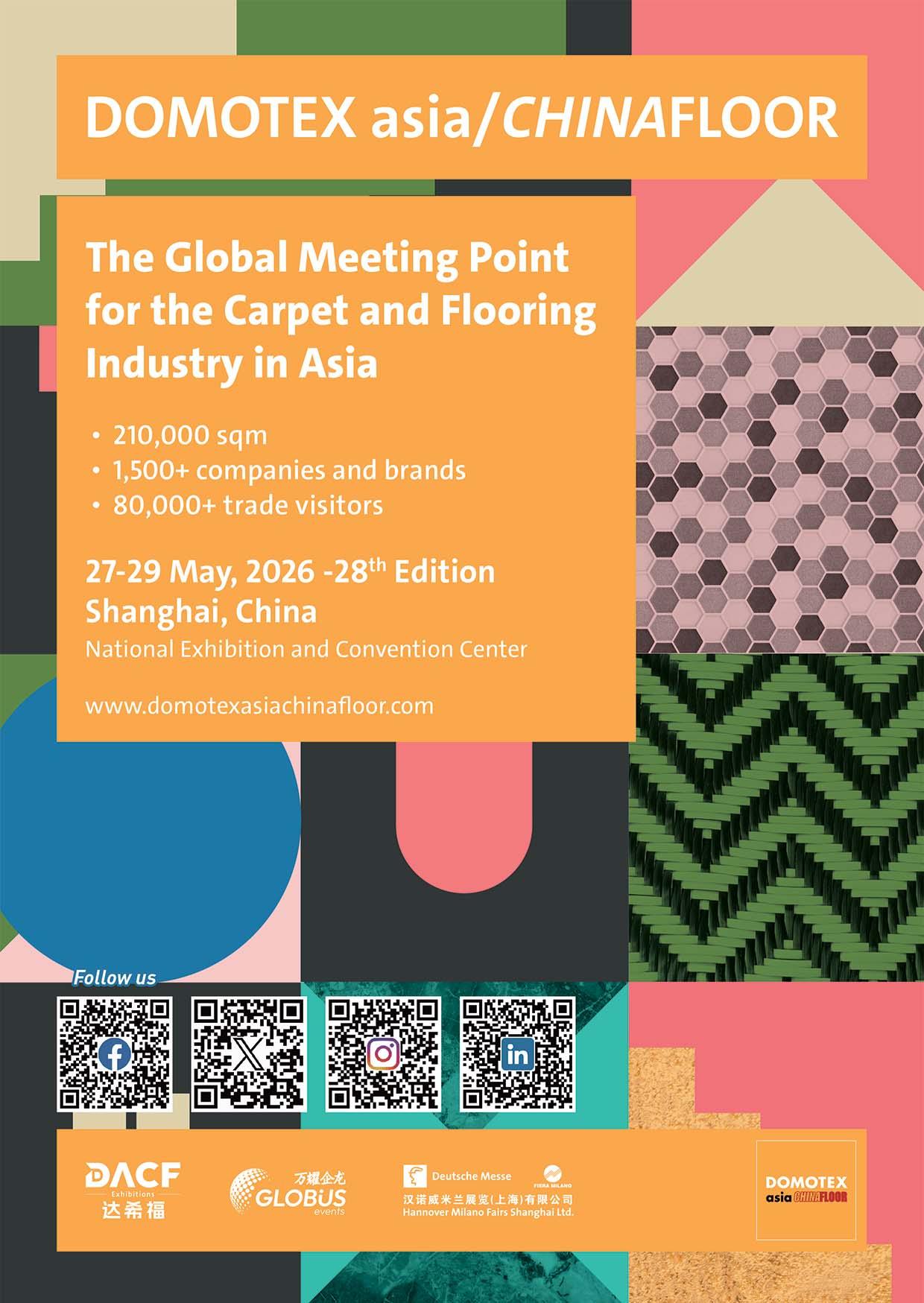
DOMOTEX asiaCHINAFLOOR 2026
Dates: May 27th to 29th 2026. Venue: NECC, Shanghai, China.

Dates: May 19th to 22nd, 2026. Venue: Palexpo, Geneva, Switzerland.
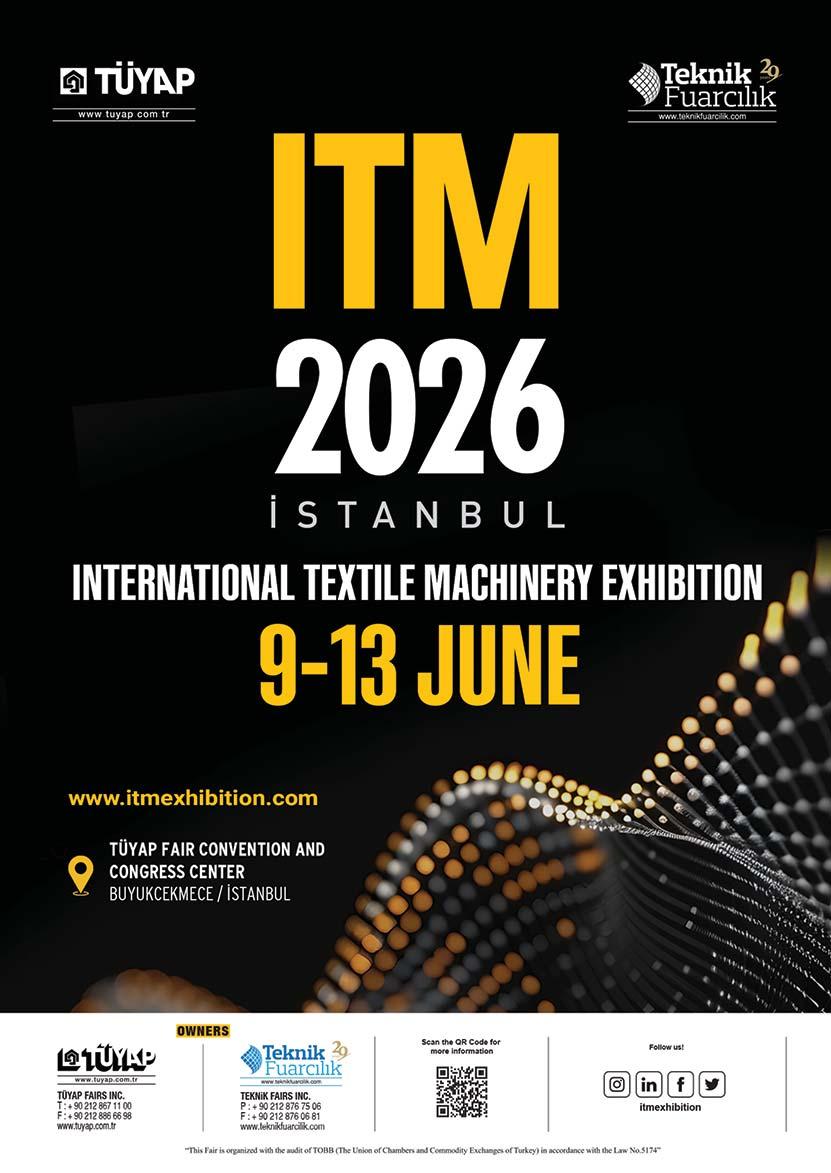
Dates: June 9th to 13th, 2026. Venue: Istanbul, Turkey.

HIGHTEX 2026
Dates: June 9th to 13th, 2026. Venue: Istanbul, Turkey.

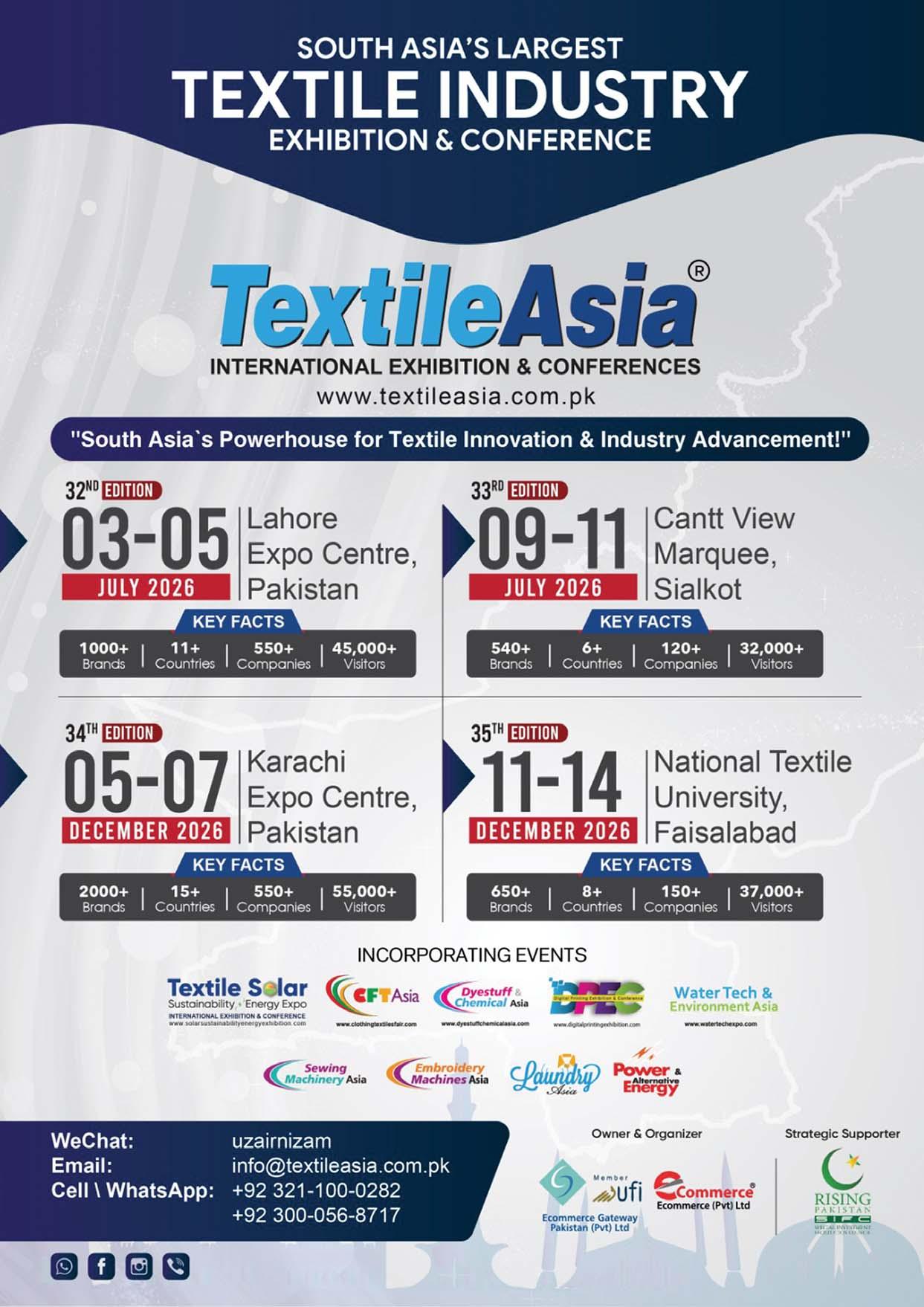
Textile Asia 2026, Lahore
Dates: July3rd to 5th, 2026. Venue: Lahore Expo Centre.
Textile Asia 2026, Karachi
Dates: December 05th to 07th 2026. Venue: Expo Centre, Karachi.

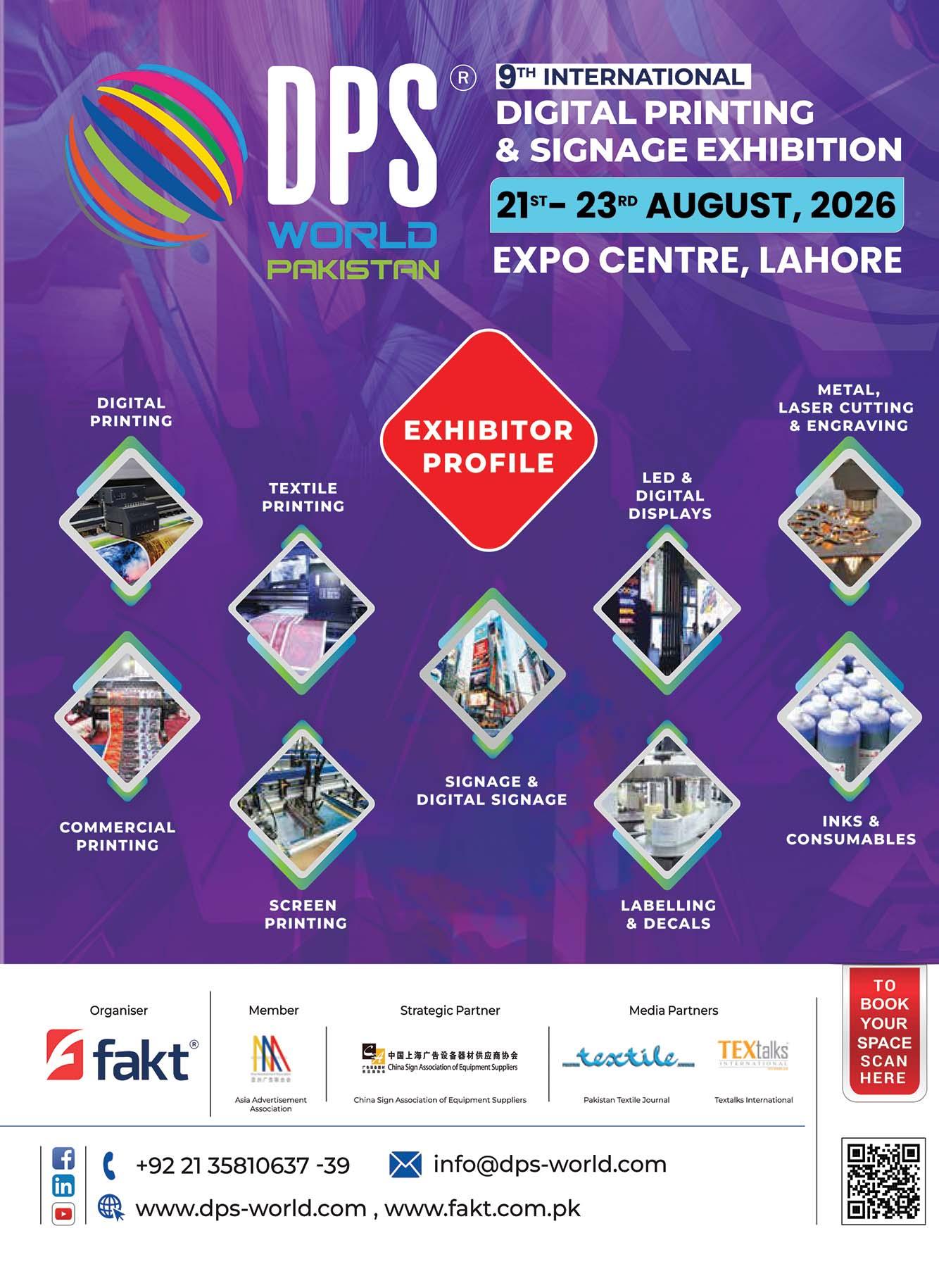
DPS World Pakistan 2026
Dates: August 21th to 23th 2026. Venue: Lahore Expo Centre.

Intertextile Shanghai Apparel Fabrics
Dates: August 25th to 27th 2026. Venue: Shanghai, China.

Apparel Sourcing Paris Autumn
Dates: August 30th to Sep. 2nd, 2026.
Venue: Paris
ITMA ASIA + CITME 2026
Dates: November 20th to 24th, 2026. Venue: NECC, Shanghai, China.

Heimtextil 2027, Frankfurt
Dates: January 15th to 17th, 2027
Venue: Frankfurt am Main.

ITMA 2027
Dates: September 16th to 22nd, 2027. Venue: Hanover, Germany.

DOMOTEX Hannover 2028
Dates: January 17th to 20th 2028. Venue: Hannover, Germany.


Founded in 1951 by Mazhar Yusuf (1924-2009)
Publisher
Nadeem Mazhar
Editor in Chief
Amina Baqai
Associate Editor
Nimrah Nadeem
Production Manager
Mazhar Ali
Layout & Design
Noor M. Jaan
Website / Social Media
Minhaj Ali
Hony-Editorial Board
Dr. Hafizur Rehman Sheikh Ph.D (UK) F.T.I. (UK)
Syed Mahfooz Qutab
C.TEX, F.T.I (U.K), B.Sc. Fellow I.C.T.T Atlanta, GA; (USA)
Dr. Zubair Bandukda PhD (Textiles), CText ATI
Engr. Naeem Ilyas Khanani
B-4, 2nd Floor, 64/21, M.A.C.H, Miran M. Shah Road, Karachi - Pakistan
Tel: +92-21-34311674-5
Fax: +92-21-34533616
Email: info@ptj.com.pk
URL: http://www.ptj.com.pk
PTJ Europe Ltd.
Registered Office: Dairy House, Money Row Green, Holyport, Maidenhead, Berkshire, SL6 2ND, United Kingdom.
Registered no. 09141989
Tel: +44 792 2228 721
Available on Gale and Factiva affiliated international databases through Asianet Pakistan
Printed at: Color Plus Korangi, Karachi.
Published by Nadeem Mazhar from D-16, K.D.A. Scheme No.1. Karachi.





YKK recognised with top ‘A’ rating by CDP for Climate Change Leadership for third consecutive year
Epson future-proofs textile printing with Epson Textile Academy 2.0
At SITEX 2026, Stäubli demonstrates how innovation translates into real benefits for weaving mills


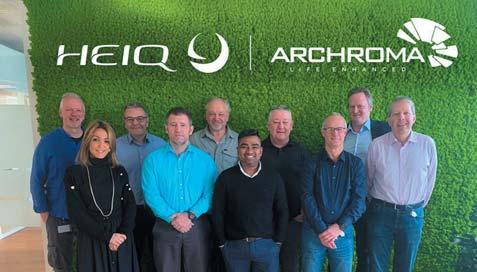
Archroma and HeiQ partner to bring revolutionary antimicrobial and odour-control solutions to the textile industry .
DyStar announces the full ownership under Zhejiang Longsheng Group
CHT Group recognised as champion by adidas
Techtextil and Texprocess 2026: Innovation as a key driver of the textile future
Techtextil Frankfurt 2026: Global textile innovation at its best
ITM 2026: The technology hub for global denim trends
Global exhibitor line-up confirmed for FESPA Global Print Expo 2026 and co-located events
.25
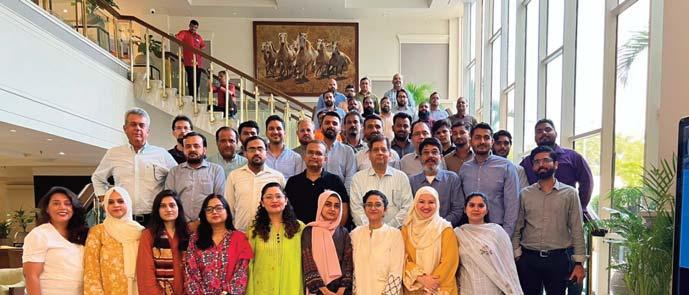
Silver Jubilee Convocation 2026, The Textile Institute of Pakistan: Honouring legacy, graduating the future
COTTON USA™ seminar in Pakistan highlights the impact of U.S. cotton on spinning performance
iTextiles® marks 20 years of leadership in textile innovation and value chain solutions
Biancalani: The evolution of sportswear and technical fabrics . . .
.38
Itema announces strategic partnership with Ivy Decarb to accelerate decarbonisation in the weaving process
Jeanologia celebrates its 30th anniversary, transforming how jeans are produced worldwide
Details matter: How Trützschler cylinder wires boost efficiency in Pakistan’s spinning sector
Groz-Beckert launches comprehensive Reed Portfolio in Ichalkaranji to advance weaving excellence in India
Confidence driving the textile industry: Heimtextil 2026 sharpened its global market relevance by attracting more top-level decision-makers .
Monforts customers make strong showing at Heimtextil 2026
Pakistani home textiles draw strong buyer interest at Heimtextil 2026
Heimtextil continues to be a highly successful platform for Pakistani companies
Heimtextil continues to bring the global home textile industry together
Pakistani student wins Discover Natural Fibre Initiative Award at Heimtextil 2026 .50 Heimtextil 2026- Glimpses
Pakistan’s knitwear continues to shine worldwide
Readymade garments: A strategic pillar of Pakistan’s textile economy
by Nadeem Mazhar, Managing Editor, Pakistan Textile Journal.
Pakistan’s cotton spinning sector faces challenges during FY25
by Nadeem Mazhar, Managing Editor, Pakistan Textile Journal.
Trützschler: Minimising blow room cotton waste to almost zero
Savio: Advanced smart solutions for winding, assembly and spinning
Rieter: Modernising compact spinning machines the smart way
Loepfe: Clever P-clearing under all circumstances? YES!
Uster expands its 360Q Platform with new solutions for smarter quality management

Pakistan’s textile and apparel sector continues to anchor the national economy, contributing 54% to total exports, 8.5% to GDP, 46% to industrial output and employing 38% of the workforce. In FY 2024–25, textile exports reached US$ 17.8 billion, up from US$ 16.6 billion in the corresponding period last year, marking a 7.39% increase. Rising global demand, shifting trade flows, political instability in Bangladesh and stricter US trade policies toward China have created new openings for Pakistan’s exporters.
Yet structural challenges persist. Limited domestic cotton availability, delays in clearing imported inputs, elevated gas and electricity tariffs, and high financing costs continue to constrain competitiveness. Addressing these issues remains critical to sustaining export growth.
The knitwear (hosiery) segment stands out as the highest value-added textile category and a leading foreign exchange earner. The industry supports over one million livelihoods, including 210,000 skilled workers, 490,000 unskilled workers and 350,000 individuals in allied cottage industries. During FY 2024–25, knitwear exports rose by 13.68% in value and 6.47% in quantity, reaching US$ 5 billion compared to US$ 4.4 billion last year. Exports to the United States increased by 19.6% to US$ 1.7 billion, while shipments to the United Kingdom grew by 8% to US$ 667 million, reflecting sustained demand for Pakistan’s quality products.
The readymade garments sector has also demonstrated robust growth. Export volumes increased from 76 million dozen to 80 million dozen, while export value surged by 15% to US$ 4.128 billion in FY 2024–25. Despite this progress, Pakistan’s share in global garment exports remains modest at 1.10%, significantly trailing China, Bangladesh, Vietnam and India. This gap highlights both competitive pressure and untapped potential.
Pakistan’s expanding global presence was evident at Heimtextil 2026 in Frankfurt, where 285 Pakistani companies participated, making the country the fourth-largest exhibitor. The Trade Development Authority of Pakistan facilitated SME participation through a national pavilion, strengthening engagement with European buyers. Increasing emphasis on sustainable production, renewable energy adoption and ecofriendly materials further enhances market access, particularly in environmentally conscious markets.
Innovation is also reshaping the sector’s future. Recognition of sustainable fibre development projects at international forums underscores Pakistan’s potential to diversify into high-value, environmentally responsible textiles.
To consolidate gains, Pakistan must pursue stable energy pricing, streamline import processes, expand SME support, invest in workforce skills and accelerate technology adoption. With coherent policies and coordinated industry efforts, the textile and apparel sector can expand its global footprint, increase value addition and reinforce its role as a resilient engine of economic growth.



1
Pakistan’s textile and apparel exports to China demonstrated a broadly stable trajectory during January–November 2025, reflecting sustained demand for core textile inputs alongside a gradual expansion in select valueadded product categories. While traditional yarn-based exports continued to dominate shipments, the data also indicate early signs of diversification as Pakistani exporters increasingly tap into consumer-facing segments.
2
3
Pakistan’s textile sector recorded a solid performance during the first half of the current fiscal year, with exports rising by 10 percent year-on-year to
The Pakistan Readymade Garments Manufacturers & Exporters Association (PRGMEA) has entered into a strategic cooperation agreement with Brazil’s leading textile industry organization, the Associação Brasileira da Indústria Têxtil e de Confecção (ABIT), during the COP30 climate summit held in Belém, Brazil. The agreement marks a significant step toward strengthening bilateral industry ties while aligning textile sector growth with global sustainability objectives.
The Bangladesh Textile Mills Association (BTMA) has warned that a growing number of textile mills are at risk of closure, citing policy shortcomings, rising costs, and mounting financial stress across the sector. The warning was issued at a press conference held at the Gulshan Club in Dhaka, where current and former BTMA leaders said the industry, valued at approximately US$22 billion, has moved beyond the stage of requiring limited support and now needs urgent structural intervention.
$9.09 billion, compared with $8.29 billion during the corresponding period of FY24, according to figures released by the All Pakistan Textile Mills Association (APTMA).
4
Punjab’s Minister for Agriculture, Sayed Ashiq Hussain Kirmani, accompanied by Secretary Agriculture Iftikhar Ali Sahoo, visited the Lahore office of the All Pakistan Textile Mills Association (APTMA) to review challenges confronting Pakistan’s cotton and textile sectors. Senior officials from the Punjab Agriculture Department were also part of the delegation.
5
The Punjab government has inaugurated two advanced textile manufacturing units in the Challenge Special Economic Zone, signaling a policydriven push to upgrade Pakistan’s textile production capabilities and reinvigorate export growth through higher-value manufacturing.
6
The All Pakistan Textile Mills Association (APTMA) and a visiting trade delegation from Uzbekistan have agreed to pursue coordinated measures to significantly expand bilateral trade, which is currently valued at approximately $114 million.


2
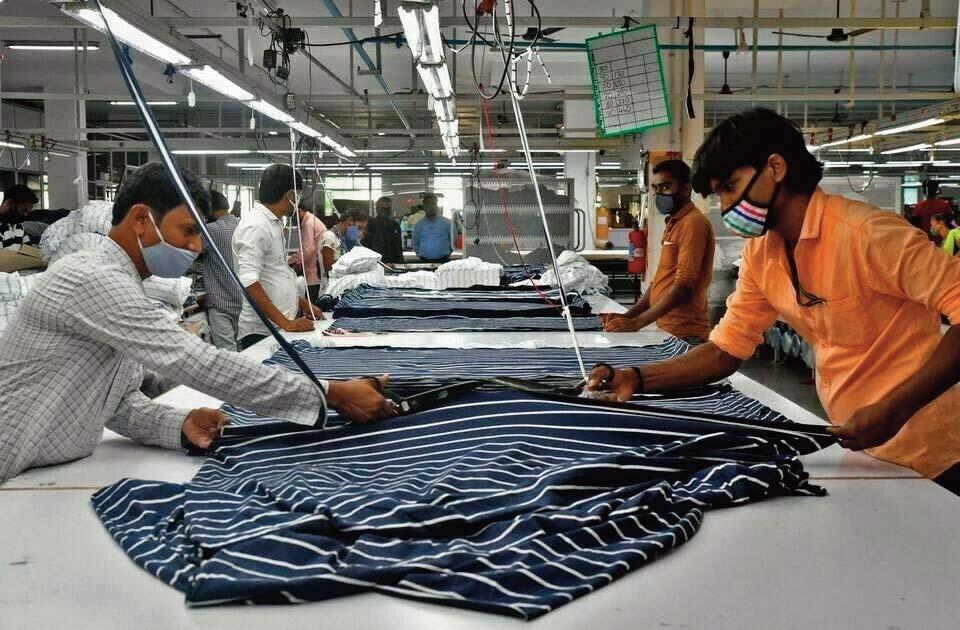
China’s apparel exports declined in 2025 amid falling prices and uneven demand across key markets, according to data released by China Customs. Cumulative apparel exports, including accessories, totaled US$137.81 billion during the first eleven months of 2025, down 4.4 percent from the same period last year.
3
Egypt has taken a major step toward revitalising its textile sector with the signing of a contract to establish an integrated spinning and textile industrial complex in New October City, backed by ini-
tial investments estimated at $350 million.
4
The European Union has launched TexMat, a €6 million pilot project aimed at testing a deposit-return system for used textiles, marking a significant step toward reshaping how end-of-life clothing is managed, financed, and monitored across the bloc.
5
The Indian Cotton Textiles Export Promotion Council has underscored the need for securing favourable market access for Indian cotton textile products in the European Union, warning that existing tariff barriers continue to
undermine the competitiveness of Indian exporters.
6
Uzbekistan has expressed strong interest in selling 29 of its textile enterprises specializing in yarn and fabric production to Pakistani investors, according to the DNA news agency. As part of the discussions, the establishment of a dedicated Uzbekistan–Pakistan textile industrial zone within the country was proposed, with the provision of tax incentives aimed at stimulating joint industrial growth and strengthening mutual economic cooperation.
Pakistan’s textile and apparel exports to China demonstrated a broadly stable trajectory during January–November 2025, reflecting sustained demand for core textile inputs alongside a gradual expansion in select value-added product categories. While traditional yarn-based exports continued to dominate shipments, the data also indicate early signs of diversification as Pakistani exporters increasingly tap into consumerfacing segments.
According to figures released by the General Administration of Customs of China (GACC), Pakistan’s cumulative textile and apparel exports to China across major product categories amounted to approximately $488.5 million during the first eleven months of 2025. The performance underscores China’s continued importance as a destination for Pakistan’s upstream textile products, even as exporters seek to widen their product mix.
Cotton yarn remained the cornerstone of Pakistan’s exports to China. Two principal cotton yarn categories accounted for the majority of shipments, with one category valued at $205.4 million, representing an 8.20 percent share in its respective segment, and another reaching $181.1 million, accounting for 7.23 percent. Combined, these two categories generated roughly $386.5 million in export earnings. Overall yarn-related shipments stood at $391.22 million during January–November 2025, according to data cited by CEN.
Export momentum improved notably in the latter half of the year. During July–November 2025, Pakistan’s textile exports to China recorded year-on-year growth of 8.69 percent, supported by sustained month-on-month increases in July (14.6 percent), August (17.9 percent), and September (19.4 percent). This acceleration suggests that demand conditions strengthened as the year progressed, providing a degree of stability to exporters amid broader global uncertainty.
Beyond yarn, several consumeroriented categories posted encouraging gains, pointing to emerging diversification within Pakistan’s China-bound export portfolio. Women’s apparel exports rose to $10.3 million, reflecting an 18 percent year-on-year increase, while home textile shipments climbed to $5.3 million, marking a 27 percent rise over the same period.
Smaller product segments also recorded sharp growth rates, highlighting niche opportunities in the Chinese market. Carpet exports increased to $0.62 million, representing a 95 percent
year-on-year rise. Babies’ garments and made-up textile articles each posted growth exceeding 100 percent, reaching $0.34 million and $0.54 million, respectively. Although these categories remain modest in absolute terms, their rapid expansion indicates potential for further development with targeted market strategies.
Commenting on these trends, Owais Mir, Founder of Dynamic Engineering & Automation Industry Group, told CEN that Pakistan’s exports to China continue to be anchored by traditional yarn-based products, complemented by a gradually expanding pipeline of finished and semifinished textiles. He noted that improving performance in women’s apparel and home textile categories reflects alignment with China’s evolving retail landscape and the growing influence of e-commercedriven product segmentation. According to Mir, these developments create scope for targeted brand development, compliance upgrades, and closer collaboration with Chinese buyers operating in specialized market niches.
The Pakistan Readymade Garments Manufacturers & Exporters Association (PRGMEA) has entered into a strategic cooperation agreement with Brazil’s leading textile industry organization, the Associação Brasileira da Indústria Têxtil e de Confecção (ABIT), during the COP30 climate summit held in Belém, Brazil. The agreement marks a significant step toward strengthening bilateral industry ties while aligning textile sector growth with global sustainability objectives.
The Memorandum of Understanding establishes a structured framework for collaboration across several priority areas. These include sourcing sustainable Brazilian cotton, expanding Pakistan’s apparel exports to Brazil and other international markets, advancing circular economy practices, supporting climatealigned industrial growth, and promoting joint research, innovation, and knowledge exchange between the two associations.
The agreement was formally signed by ABIT
Chief Executive Officer Fernando V. Pimentel and PRGMEA

Chairman (NZ) Dr. Muhammad Ayyaz Uddin. The signing ceremony was attended by international textile professionals, climate experts, and industry stakeholders, underscoring the agreement’s relevance within the broader global sustainability and decarbonization agenda.

PRGMEA’s participation at COP30 extended beyond the signing ceremony. The association actively engaged in policy and industry discussions focused on decarbonizing Pakistan’s textile value chain. These discussions addressed pathways for expanding renewable energy adoption, integrating biodiesel and biochar solutions, utilizing voluntary power purchase agreements (VPPAs), and enhancing access to green and climate-linked financing instruments.
Commenting on the development, Dr. Muhammad Ayyaz Uddin stated that the partnership reinforces Pakistan’s efforts to build a coherent national climate narrative for the textile sector. He emphasized that closer collaboration with international partners is essential to ensuring the industry remains competitive, responsible, and resilient in the face of evolving environmental and regulatory requirements.
Ijaz A. Khokhar noted that the MoU is expected to facilitate delegation
exchanges, cooperation in apparel and fashion design, and stronger institutional engagement between the textile industries of Pakistan and Brazil. He added that such collaboration could help both sides share best practices and unlock new commercial opportunities in global apparel markets.
Pakistan’s textile sector recorded a solid performance during the first half of the current fiscal year, with exports rising by 10 percent year-on-year to $9.09 billion, compared with $8.29 billion during the corresponding period of FY24, according to figures released by the All Pakistan Textile Mills Association (APTMA).
Monthly export data indicate that although shipments declined by 3 percent in July 2024, the sector regained momentum in the months that followed. Export growth accelerated to 13 percent in August, climbed further to 18 percent in September, and remained positive through October (13 percent), November (11 percent), and December (6 percent), reflecting a steady recovery trajectory.
Despite the improvement, cumulative exports for July–December FY25 remained 3 percent below the $9.38 billion recorded during the same period of FY22, highlighting that the sector has yet to fully regain its earlier peak performance.
December 2024 alone reflected continued improvement, with textile exports reaching $1.48 billion. When compared with $1.36 billion in December
2023, exports indicate a gradual strengthening of export performance toward the end of the calendar year.
Industry sentiment has been influenced by recent policy measures, particularly the government’s Winter Incentive Package introduced in December 2024 with approval from the International Monetary Fund (IMF). The package, which remains in effect through February 2025, is being closely monitored for its effectiveness, with authorities expected to seek an extension from the IMF should the results prove favorable.
APTMA has continued to advocate for broader reforms aimed at enhancing sector competitiveness, including calls for a reduction in policy interest rates to single-digit levels. Industry representatives argue that lower financing costs, combined with supportive energy pricing and consistent policy implementation, are critical to sustaining export momentum and narrowing the gap with FY22 export levels.
Punjab’s Minister for Agriculture, Sayed Ashiq Hussain Kirmani, accompanied by Secretary Agriculture Iftikhar Ali Sahoo, visited the Lahore office of the All Pakistan Textile Mills Association (APTMA) to review challenges confronting Pakistan’s cotton and textile sectors. Senior officials from the Punjab Agriculture Department were also part of the delegation.
The visiting delegation was received by APTMA leadership, led by Chairman Kamran Arshad and Chairman
APTMA North Asad Shafi, along with other senior members of the association.

During the meeting, Chairman Kamran Arshad outlined APTMA’s mandate and emphasized the textile sector’s central role in Pakistan’s economy and export earnings. He highlighted that the industry is facing mounting pressure from rising energy costs and a sustained decline in domestic cotton production. He cautioned that without timely and coordinated corrective measures, cotton cultivation could face a severe contraction in the country.
He informed participants that APTMA is actively working with key stakeholders to revive cotton production and has developed a comprehensive Cotton Revival Roadmap. The plan includes the establishment of a centralized research and development authority under the proposed Pakistan Cotton Board, which he described as essential for ensuring long-term sustainability and productivity improvements.
Chairman APTMA North Asad Shafi stated that Pakistan’s textile exports could potentially double if energy tariffs and raw material prices are aligned with regional competitors, enabling manufacturers to operate on a more level playing field.

APTMA Dr. Muhammad Javed presented details of the revival strategy, highlighting the urgent need for establishing the Pakistan Cotton Board at the national level. He noted that the Cabinet Committee on Cotton Revival, chaired by the Deputy Prime Minister, has already issued directives for implementing the plan.
Addressing the meeting, Agriculture Minister Kirmani reaffirmed the Punjab Government’s support for the textile sector and stressed that cotton remains the province’s primary cash crop. He highlighted recent measures aimed at discouraging water-intensive crops, including restrictions on early rice sowing, which facilitated timely cotton planting and yielded positive results.
The minister also noted that Punjab is collaborating with countries such as the United States and China to strengthen research partnerships and develop climate-resilient cotton seed varieties. He offered full cooperation to APTMA and invited its representatives for detailed technical consultations with the Agriculture Department.
Secretary Agriculture Iftikhar Ali Sahoo informed participants that Punjab has finalized its Cotton Strategy for 2026 and strongly endorsed the creation of a centralized national cotton body to coordinate research and development efforts, describing it as a prerequisite for sustainable revival.
The Punjab government has inaugurated two advanced textile manufacturing units in the Challenge Special Economic Zone, signaling a policy-driven push to upgrade Pakistan’s textile production capabilities and reinvigorate export growth through higher-value manufacturing.
Developed by the Challenge Apparel Group, the projects are expected to generate thousands of jobs and introduce fabric technologies not previously produced in Pakistan. According to the Punjab Industries, Commerce and Investment Department, one of the units will manufacture a specialized textile product being produced domestically for the first time.
Both facilities are scheduled to commence operations within a year, with
procurement of state-of-the-art machinery already underway. The expansion follows the launch of the Challenge Group Special Economic Zone in August 2025, after the company committed to a $100 million investment over five years.
Government officials estimate that the initiative could contribute up to $400 million in export revenues, while also supporting technology transfer, workforce skill development, and more sustainable industrial practices.
The development aligns with Punjab’s broader strategy to reposition the textile sector amid rising energy costs, declining domestic cotton availability, and intensifying regional competition. By attracting investment into higher-value segments, policymakers aim to reduce reliance on low-margin production and restore international competitiveness.
The All Pakistan Textile Mills Association (APTMA) and a visiting trade delegation from Uzbekistan have agreed to pursue coordinated measures to significantly expand bilateral trade, which is currently valued at approximately $114 million.
The Uzbek delegation, led by Zikrillayev Rukhullo, Deputy Director at the Agency for the Development of Light Industry, briefed Pakistani textile exporters on steps being taken by both
governments, in collaboration with trade bodies, to facilitate trade, improve connectivity, and unlock untapped commercial potential. Additional Uzbek business delegations are expected to visit Pakistan in the coming months.
The delegation emphasized the establishment of Uzbekistan Trade Centers in Karachi and Lahore and encouraged Pakistani exporters to utilize these facilities to enhance market access. They also highlighted progress on trade facilitation agreements, ongoing banking cooperation discussions, and the launch of direct flights between Pakistan and Tashkent, with additional routes planned.
The Uzbek side proposed formalizing collaboration through a cooperation agreement between APTMA and the Uzbek Textile Association.
Addressing the meeting, APTMA Chairman Kamran Arshad outlined challenges affecting bilateral trade, including logistics constraints, banking and LC-related issues, language requirements for labeling, transit difficulties through Afghanistan, delays in finalizing trade agreements, and incomplete regional infrastructure projects.
Highlighting Pakistan’s investment environment, he noted the country’s strategic location and duty-free or preferential market access arrangements, as well as incentives available in Special Economic Zones, Sole Enterprise Zones, and the Gwadar Free Trade Zone.
Chairman APTMA North Asad Shafi emphasized the importance of strengthening formal banking channels, concluding preferential trade agreements, and leveraging multilateral platforms such as the OIC, ECO, and Shanghai Cooperation frameworks. He stressed that joint ventures, regular exchange of trade delegations, mutual capacity building, and structured business-tobusiness engagement are essential for deepening trade and investment relations between Pakistan and Uzbekistan.

The Bangladesh Textile Mills Association (BTMA) has warned that a growing number of textile mills are at risk of closure, citing policy shortcomings, rising costs, and mounting financial stress across the sector.
The warning was issued at a press conference held at the Gulshan Club in Dhaka, where current and former BTMA leaders said the industry—valued at approximately US$22 billion—has moved beyond the stage of requiring limited support and now needs urgent structural intervention.
Industry representatives described the situation as critical, stating that many mills are operating under severe financial strain and facing imminent shutdowns without immediate government action.
Former BTMA president Mohammad Ali Khokon said escalating operating expenses combined with a sharp increase in taxation have pushed mill owners to the brink. He noted that the sector’s tax burden has risen sharply under the current fiscal framework.
“In the previous budget, the textile sector paid between 12.5 percent and 15 percent in taxes. In the current budget, this has jumped to 27 percent,” Khokon said, calling the increase unsustainable for an industry already under pressure.
He added that revenues from yarn sales are no longer sufficient to cover basic operating costs, including wages
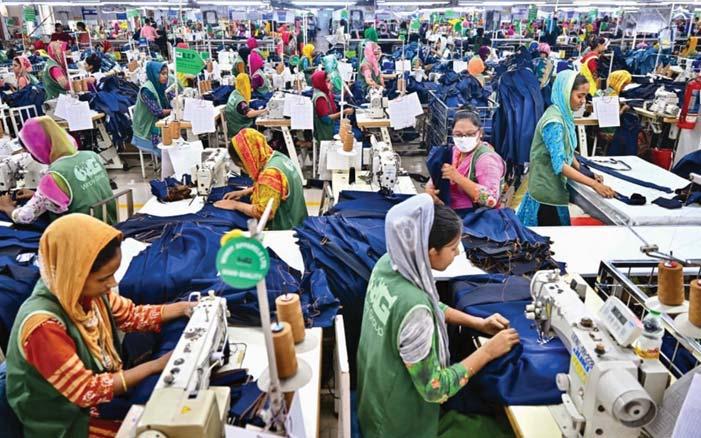
and gas bills, leaving mills unable to service loans or maintain profitability. As a result, factory closures have accelerated, he said.
BTMA President Showkat Aziz Russell echoed these concerns and warned that continued imports of yarn from neighboring countries were further weakening domestic producers. He urged the government to consider restricting yarn imports to protect local mills.
To stabilise the sector, the association proposed a series of immediate measures. These include the creation of a dedicated financing window at Bangladesh Bank for the textile industry with sector-specific interest rates, reductions in gas and electricity tariffs to lower production costs, and a cut in commercial lending rates, which mill owners say have become unmanageable for spinning units.
Khokon cautioned that a collapse of the domestic textile industry would have far-reaching consequences for

Bangladesh’s readymade garments (RMG) sector, which relies heavily on local spinning and weaving as backward linkages.
“If the local spinning and weaving sector fails, the country will become fully dependent on imports from neighbouring countries,” he said. “If at any point those supplies are disrupted, the backbone of the garment industry will be at risk.”
BTMA leaders said that around 50 textile mills have already shut down, underscoring the urgency of the situation. Russell said the association expects a policy response from the government within the next 72 hours to prevent further closures.
Despite the severity of the crisis, BTMA representatives expressed hope that upcoming political leadership would prioritise the sector, recognising its strategic role in employment, export earnings, and industrial self-reliance.

4.4% in First Eleven Months of 2025 as
China’s apparel exports declined in 2025 amid falling prices and uneven demand across key markets, according to data released by China Customs. Cumulative apparel exports, including accessories, totaled US$137.81 billion during the first eleven months of 2025, down 4.4 percent from the same period last year.
Export performance weakened notably in the second half of the year, with year-on-year declines accelerating after mid-year. Total apparel exports fell 6.2 percent in the third quarter, with the contraction deepening to 15.9 percent in October before easing to a 10.9 percent decline in November.
The drop in export value occurred despite growth in shipment volumes, reflecting sustained pressure on export prices across major product categories. From January to November, woven apparel exports reached US$55.87 billion, a decrease of 4.9 percent year-on-year. Export volumes rose 4.3 percent to 13.18 billion pieces, while the average unit price declined by 8.8 percent. Knitwear exports totaled US$63.74 billion, down 3.9 percent, with volumes increasing 4.4 percent to 22.33 billion pieces and average unit prices falling 8.0 percent. Accessories exports amounted to US$13.83 billion, down 3.6 percent.
Price declines intensified toward the end of the year. In November alone, the average export price of woven apparel fell 18.1 percent year-on-year, while knitwear prices declined 12.3 percent, according to the data.
Most major apparel categories recorded year-on-year declines during the period. Only sweaters and trousers posted marginal growth of 0.6 percent and 0.5 percent, respectively.
Underwear-related products saw the sharpest contractions. Exports of brassieres fell 11.9 percent year-on-year, while underwear and sleepwear declined 10.0 percent. Dress exports dropped 10.1 percent, and shipments of knitted T-shirts decreased 9.3 percent.
China’s apparel exports showed divergent trends across major destination markets. Exports to the United States totaled US$29.15 billion in the first eleven months of 2025, down 11.4 percent year-on-year and accounting for 21.2 percent of total apparel exports. Exports to non-U.S. markets declined 2.4 percent to US$108.66 billion.
Shipments to the European Union rose 4.3 percent to US$26.25 billion, representing 19.1 percent of total apparel exports. Exports to Japan increased slightly by 0.7 percent to US$10.87 billion, while shipments to the United Kingdom rose 4.3 percent to US$4.98
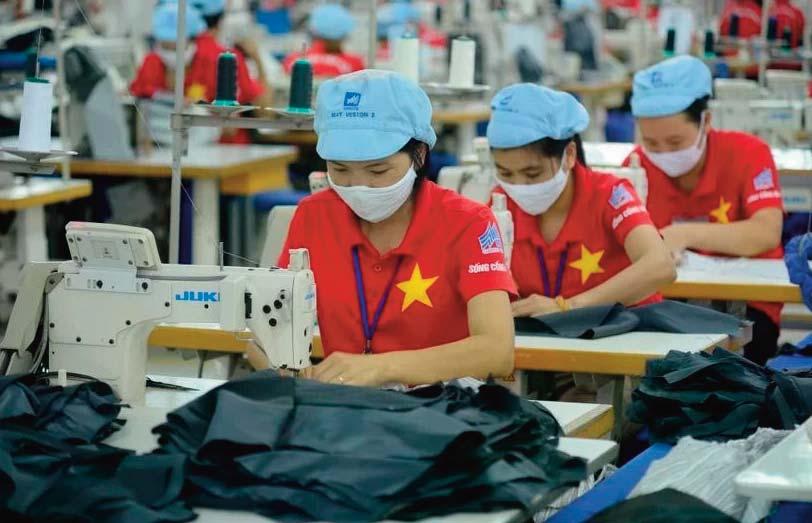
billion. Exports to Canada grew 1.9 percent to US$2.54 billion.
In contrast, exports to ASEAN fell sharply by 19.8 percent to US$10.83 billion. Shipments to South Korea declined 6.4 percent, while exports to Australia fell 2.4 percent. Exports to Belt and Road Initiative countries totaled US$58.77 billion, down 5.2 percent, though exports to Africa rose 15.2 percent and shipments to Latin America increased 5.3 percent.
November data showed exports to the United States falling 23 percent yearon-year, while shipments to ASEAN declined 27 percent. Exports to the European Union slipped 1 percent, while exports to Japan rose 7.2 percent during the month.
At the provincial level, Zhejiang and Shandong recorded growth in apparel exports, defying the national trend. Zhejiang exported US$35.07 billion worth of apparel, up 4 percent year-on-year, accounting for 25.4 percent of the national total. Shandong’s exports rose 1.7 percent to US$16.67 billion.
By contrast, Guangdong’s apparel exports fell 12.1 percent to US$18.21 billion, while Jiangsu’s shipments declined 5.3 percent to US$17.91 billion. Fujian and the Xinjiang Uygur Autonomous Region also recorded double-digit declines.
In major importing markets, China’s share of apparel imports to the United States fell to 15.5 percent in the first three quarters of 2025, while its share of the European Union’s apparel imports rose to 29.7 percent. In Japan, China remained the largest supplier, accounting
for 46.9 percent of apparel imports during the January–November period.

Egypt has taken a major step toward revitalising its textile sector with the signing of a contract to establish an integrated spinning and textile industrial complex in New October City, backed by initial investments estimated at $350 million.
The agreement was signed in the presence of Egypt’s Deputy Prime Minister for Industrial Development and Minister of Industry and Transport, Kamel Al-Wazir. The project will be developed under the private free zones system on approximately 800,000 square metres within Industria October Industrial City.
The contract brings together Elsewedy Industrial Development and Crystal International Group, one of the world’s leading textile manufacturers. It was formally signed by Mohamed AlKammah, Chief Executive Officer of Elsewedy Industrial Development, and Lo Ching Leung, Managing Director of Crystal International Group, alongside senior officials from the Ministry of Industry and representatives of both companies.
Speaking at the signing ceremony, AlWazir said the project aligns closely with
Egypt’s strategy to modernise and revive the spinning and textile industry. He said the initiative would deepen local manufacturing, increase value addition, reduce reliance on imports, and support the expansion of industrial exports.
He noted that New October City was selected for its strategic advantages, including proximity to ports, an extensive road network, and modern transport infrastructure. Al-Wazir added that the project is consistent with Egypt’s sustainable development objectives and would receive full government backing, particularly if it expands to include all stages of the textile value chain, such as local production of garment accessories, as well as dyeing and printing operations.
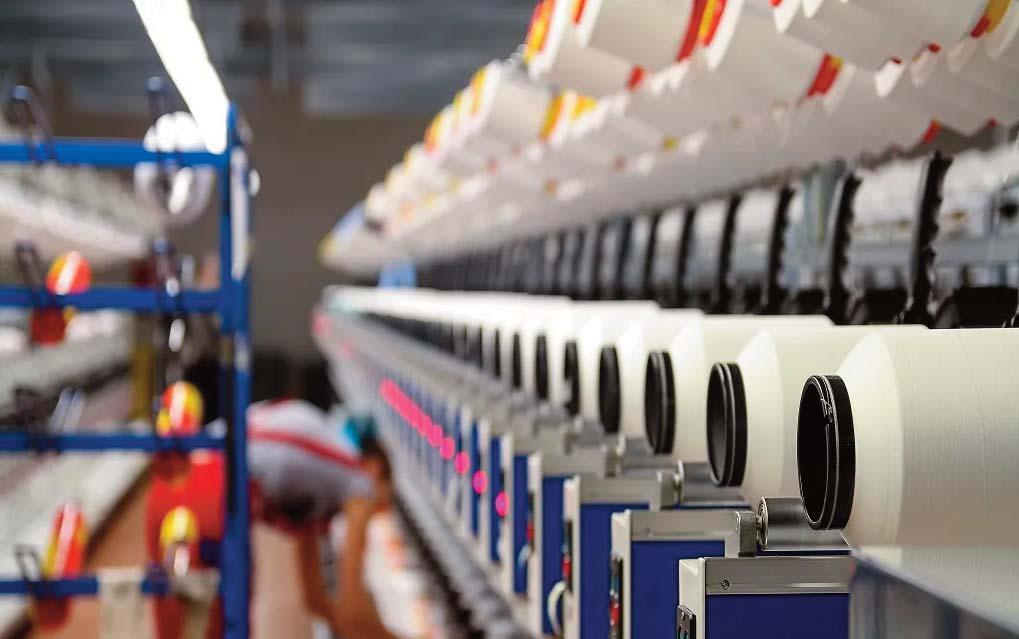
According to project details, the industrial complex will operate as an integrated production system, covering the spinning of natural and synthetic fibres, yarn manufacturing, advanced weaving, textile processing, finishing, and dyeing. This integrated structure is expected to improve product quality, reduce production waste, and enhance the competitiveness of Egyptian textile products in international markets.
The complex will incorporate advanced manufacturing technologies and high-efficiency production systems, while complying with environmental sustainability standards, including the efficient use of energy and water resources.
Once fully operational, the project is expected to generate around 20,000 direct jobs, making it one of the largest labour-intensive investments in Egypt’s textile sector. Officials said it would contribute significantly to the
development of skilled industrial labour and support national employment objectives.
Representatives of Crystal International Group said Egypt was chosen for the investment due to its welldeveloped industrial infrastructure, availability of skilled labour, and strategic geographic location, which offers efficient access to European, American, and Asian markets. They described the New October City complex as one of the group’s largest textile investments in the region.
Mohamed AlKammah said the project represents a significant strategic addition to Egypt’s textile industry and reflects growing confidence among global investors in the country’s investment climate. He added that developing the complex under the private free zones system would strengthen textile exports and reinforce Egypt’s ambition to position itself as a regional hub for spinning and textile manufacturing in the years ahead.


The European Union has launched TexMat, a €6 million pilot project aimed at testing a deposit-return system for used textiles, marking a significant step toward reshaping how end-of-life clothing is managed, financed, and monitored across the bloc.
Funded under the Horizon Europe programme, the project is being led by Finland’s VTT Technical Research Centre and will be implemented in Finland and Spain. The two countries were selected to reflect differing climatic conditions, consumption patterns, and existing textile collection infrastructures.
Unlike voluntary take-back initiatives, TexMat is designed as a systemic intervention. The pilot introduces consumer-facing deposits to encourage the return of garments suitable for reuse or fibre-to-fibre recycling. It also incorporates a digital notification mechanism that provides producers with real-time information when their products enter waste management systems.
A key feature of the project is the integration of end-of-life textiles into Extended Producer Responsibility (EPR) frameworks, allowing disposal and recovery costs to be quantified and directly linked to producers. This approach is intended to transform textile waste from an external cost into a measurable financial obligation for brands.
The launch of TexMat comes ahead of the European Union’s requirement for mandatory separate collection of textile waste from 2025, as set out in the revised Waste Framework Directive. The EU currently generates more than six million tonnes of textile waste annually, of which less than one-quarter is collected separately, and only a limited share is recycled at fibre level.
Project partners aim for TexMat to increase textile recovery rates by 15 to 25 percent while reducing contamination levels, which remain a major barrier to scaling fibre-to-fibre recycling in Europe.
TexMat is also expected to serve as a test platform for the EU’s forthcoming Textiles Strategy, which will require producers to finance the collection, sorting, and treatment of textiles placed on the European market. The project’s digital data loop is intended to improve transparency for regulators and producers by identifying when and where products exit circular use pathways.
Industry observers note that the initiative could have implications beyond Europe, particularly for major apparelexporting countries that rely heavily on the EU market. As European brands begin to factor end-of-life costs into their business models, expectations around material selection, recyclability, and product traceability are expected to increase across global supply chains.
If successful, TexMat could provide the EU with a scalable model for enforcing circularity through economic incentives and data-driven oversight, reinforcing the bloc’s broader push toward sustainable and accountable textile production.

The Indian Cotton Textiles Export Promotion Council has underscored the need for securing favourable market access for Indian cotton textile products in the European Union, warning that existing tariff barriers continue to undermine the competitiveness of Indian exporters.
In a statement, council chairman Vijay Agarwal said Indian cotton textile exports face a disadvantage compared with suppliers from countries that benefit from preferential trade arrangements with the EU. He stressed that improved tariff terms are essential to ensure a level playing field for Indian exporters.
India currently exports cotton-based textile products worth more than US$1.3 billion annually to the European Union. Agarwal said the introduction of a zeroduty regime would significantly enhance

India’s competitive position, particularly for micro, small and medium enterprises (MSMEs), while supporting the growth of sustainable and higher value-added exports. He added that such an arrangement would help expand India’s overall presence in the EU textile market.
The industry’s call comes as negotiations between India and the European Union move closer to conclusion, with textile stakeholders intensifying efforts to secure an outcome that addresses long-standing tariff-related challenges faced by cotton textile exporters.
Agarwal said Indian exporters expressed strong optimism during the recently concluded Heimtextil trade fair in Frankfurt, Germany, the world’s largest global exhibition for home textiles. He noted that Indian participation at the event reflected confidence that a comprehensive India–EU trade agreement could unlock new growth opportunities for the cotton textile sector.
Separately, Apparel Export Promotion Council Chairman A Sakthivel said that with the India–EU Free Trade Agreement expected to be finalised soon, competitive dynamics in the EU market are likely to shift. He pointed out that several competing countries are gradually losing preferential market access, including benefits under the Generalised Scheme of Preferences (GSP), which could work in India’s favour.
Sakthivel added that the industry remains confident that closer collaboration between the government and exporters will help India achieve its target of US$40 billion in apparel exports by 2030.
YKK Corporation1 announced its achievement of the highest “A List” rating in the 2025 Climate Change survey conducted by the global environmental disclosure non-profit, CDP2 . This marks the third consecutive year YKK has received this prestigious recognition.
Under the “Climate Change” theme of its YKK Sustainability Vision 2050, YKK has set a zero GHG emissions (Net Zero) target validated by the Science Based Targets initiative (SBTi), committing to reduce Scope 1+2, and 3 greenhouse gas emissions by 90%3 from 2018 levels by 2050.
This acknowledgement from CDP underscores the global acknowledgement of YKK’s proactive climate action and transparent information disclosure.
Comment from Minoru Maeda, Vice President and General Manager of the Environment, Safety & Facility Management Department, YKK Corporation
Guided by the YKK Philosophy of the CYCLE OF GOODNESS®, which states ‘No one prospers without rendering benefit to others,’ YKK is committed to advancing sustainability through its 7th Mid-term Business Policy, “Contribute to a Sustainable Society as ONE YKK.” In December 2024, we received validation from the SBT initiative for our net-zero target. To achieve net-zero GHG emissions throughout our supply chain by FY2050, we are pursuing sustainability in every process, from selecting environmentally friendly materials to manufacturing, while accelerating efforts through technological innovation. We will continue to reduce our GHG emissions and environmental impact throughout our value chain to earn and maintain the

trust of a wide range of stakeholders, including our environmentally conscious customers and suppliers.
YKK has laid out sustainability goals to achieve climate neutrality and coexistence with nature by 2050. In addition to its efforts to achieve targets across five key areas, climate change, material resources, water resources, chemical management, and respect for people, and to accomplish ten related Sustainable Development Goals (SDGs), YKK annually discloses the achievement status of those efforts in its Integrated Report, “This is YKK.”
YKK is dedicated to fostering a sustainable society through its core business operations. This commitment is rooted in the CYCLE OF GOODNESS® corporate philosophy established by YKK’s founder, Tadao Yoshida. His belief that “No one prospers without rendering
1 Headquarters: Chiyoda-ku, Tokyo; President: Koichi Matsushima; hereinafter “YKK”
benefit to others” encapsulates YKK’s ethos of mutual prosperity with society, customers, related industries, and employees, a mindset that aligns seamlessly with sustainability principles.
Tadao Yoshida consistently imparted this philosophy to his employees, expressing it in various ways. His analogy, “business is like building a bridge,” reflects the CYCLE OF GOODNESS® and aligns with the Sustainable Development Goals (SDGs), emphasising that societal benefit is essential for personal prosperity. His statements, “manufacturing like clear spring water” and “trash can be a great resource if it is utilised with ingenuity,” highlight environmental consciousness, while “the strength of the forest is greater than the trees” underscores respect for human rights and individuality.
Despite the evolving context and circumstances since Yoshida’s time, his sustainability-oriented philosophy remains central to YKK’s management, continuing to guide the company more than 90 years later.
2 An international non-profit organization with a global system to disclose environmental information by companies and local governments. In recent years, the number of companies worldwide disclosed their environmental data in 2025.
3 Emissions within the remaining 10% of the net-zero target must be reduced to zero through carbon sequestration and removal.
Technology leader Epson hosted its second Textile Academy Event at the company’s Textile Innovation Centre in Lutterworth, Leicestershire. Building on the success of its inaugural Textile Academy earlier this year, the event welcomed Textile Design BA students from Nottingham Trent University (NTU) and Loughborough University. The event features workshops designed to enhance students’ practical textile printing skills; corporate and entrepreneurial business acumen; marketing and self-branding; and environmental awareness around the textile industry.
Guest speaker AJ Weir from Burberry leads career insights
Adding industry insight at the event was guest speaker AJ Weir, Designer for Print and Textile Ready-to-Wear (RTW) at Burberry, who shared his career experience in textile design and the journey toward sustainable, circular production. AJ also provided guidance on career pathways in the industry, inspiring students to explore how digital textile printing can open opportunities for creativity, innovation, and sustainability.
AJ Weir said: “Bridging the gap between students and industry is fundamental not just to career opportunities, but to economic development, which is why I was so pleased to be invited by Epson to its Textile Academy. Print has been a part of the fashion industry since ancient times, and recent developments in textile printing have challenged the norms around design, development, and innovation. It’s been fun to see the versatility of print and to tell students how rewarding and enriching print can be as a career choice. As sustainability grows in importance in every industry and walk of life, it is inspiring to see young people wanting to contribute with thoughtful, responsible print design.”
To show students how easy and sustainable the fashion supply chain can be with on-demand textile printing, they
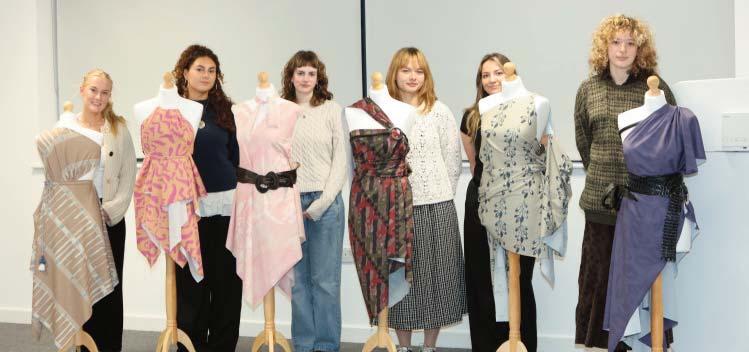
took part in a ‘no-sew’ dress workshop, new to Epson’s Textile Academy. Inspired by the viral ‘no-sew’ dress social media trend –students printed, cut, and modelled their own designs into simple dresses using dye-sublimation printing, with AJ Weir selecting the best designer and rewarding them with an Epson A4 dye-sublimation printer. The award was presented to Roisin Allen, Fashion Design and Technology student at Loughborough University. Students were also invited to Bring Your Own Garment (‘BYOG’) to explore how direct-to-film printing can be used to upcycle garments, give clothes a second lease of life, and commercialise sustainable production.
Ashley Hancox, Textiles student at Loughborough University, commented on the day: “The day has been very informative and eye-opening. We have explored a variety of print processes and learnt more about the sustainability challenges within the textiles industry. We are usually only exposed to dye sublimation printing, so it’s been great to learn how direct-to-garment and directto-film printing techniques can be utilised. It’s so important for students to have access to events like today because it shows them the available options, from running your own business or the path to design houses through printing.”
Workshops and industry expertise
Bringing Epson’s Textile Academy to life were business and sustainability experts from Epson and textile print wholesaler Prinfab.
Duncan Ferguson, MD at Epson UK and VP for Commercial & Industrial at Epson Europe, stated: “The Textile Academy is about more than technology - it’s about sparking curiosity, nurturing creativity, and showing students the realworld potential of digital textile printing. Seeing them engage with the technology, experiment with design, and learn how sustainability and innovation go hand-inhand is exactly why we created the academy. It’s incredibly rewarding to help shape the next generation of designers and innovators."
Taran Rai, Corporate Sustainability Manager, Epson UK, said: "There is a lot of negative rhetoric around the sustainability of the fashion and textiles industry, but already so many in the space are innovating solutions that will transform how we buy our garments. Today we not only educated students on the environmental benefits of on-demand digital textile printing as a possible solution, but showed how they can leverage this and other circular economy practices as they prepare to embark on their careers.”
Oliver Mustoe-Playfair, Owner of Prinfab, commented: “Prinfab has democratised textile printing and empowered creative entrepreneurs to create their own successful textile businesses. Epson Textile Academy is a great opportunity to connect with students at the start of their journey, and provide an insight into the creative industries.”
Stäubli, a global leader in high-performance weaving solutions, is pleased to participate in one of India’s most prominent textile industry events: SITEX 2026 from February 21 to 23 in Surat. Committed to empowering Indian weavingmills with state-of-the-art solutions tailored to regional needs, Stäubli will present a selection of its most efficient and reliable weaving technologies. From frame and Jacquardweaving solutions to automated weaving preparation, each technology embodies the company’s commitment to precision engineering, long-term reliability, and enhanced energy efficiency.
Visitors and partners are invited to explore Stäubli’s machinery and meet its team of experts at Booth No. 242.
Stäubli’s advanced weaving solutions combine speed, precision, and reliability to meet the diverse needs of modern textile mills. From high-performance rotary dobbies to robust cam motions for consistent shedding, the latest generation Jacquard machine and automated weaving preparation systems, every solution is engineered for durability and energy efficiency. Together, these technologies enable mills to achieve superior fabric quality, maximise productivity, and maintain operational stability in demanding production environments.
Stäubli’s key technologies presented at SITEX 2026
S3018 de82 dobby
Crafted for water-jet and air-jet weaving, the S3018 de82 rotary dobby represents the next step in responsive, precise dobby control for demanding weaving applications. It will be demonstrated live on a plot during the event. This model offers stable, highspeed operation and optimised lifting performance, supporting mills seeking greater versatility.
Tailored for air-jet and rapier weaving, the proven S1692 cam box offers high speed, reliable shedding for a wide range of applications. Known for its robust construction and long service life, it handles up to eight lifting units and has been widely adopted by mills globally for its performance stability.
A complete Jacquard installation will be showcased, featuring the LX PRO Jacquard machine 12288, with a loom width of 380 cm, designed for Indian fancy saree weaving applications. Equipped with TC8 controller and NOEMI electronics, the machine delivers high energy savings, precision, and reliability, attributes that have made it a preferred solution among Indian mills.
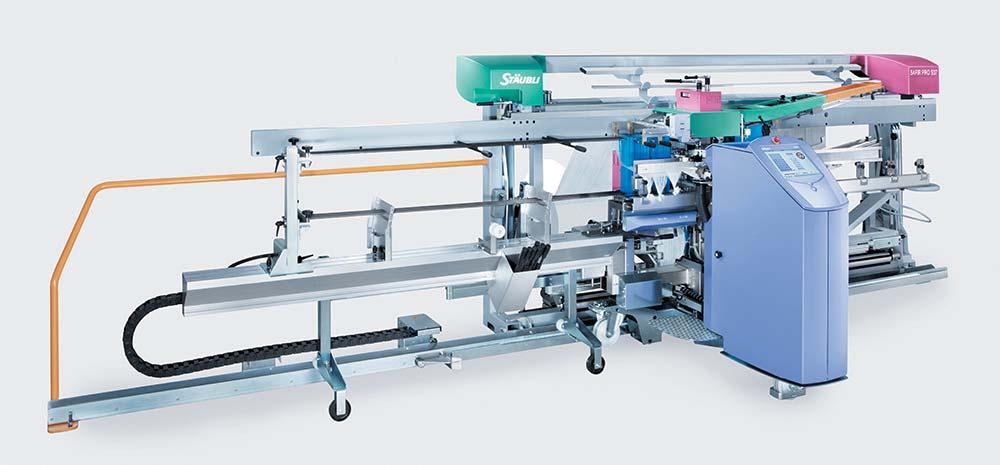
Offering exceptional automation capabilities for warp preparation, the SAFIR S32 automatic drawing-in-machine with 2.3M wide beam frame will be

displayed during the exhibition to draw the warp beam with 80D polyester Roto yarn without lease. This is a dress material fabric application. Featuring advanced yarn recognition technology and efficient drawing-in-processes, it enables mills to reduce style change times and ensure high-quality warp preparation.
Stäubli will also present its TOPMATIC warp tying with a 1.2 m wide TPF3A tying frame. It will be demonstrated with 75D polyester yarn, a dress material fabric. The demonstration will feature grey sized yarn with a 1/1 lease to lease knotting machine application. Combined with its dedicated tying frame, this solution ensures reliability, reduced downtime, and improved workflow efficiency in weaving preparation.
Known for its user-friendly design and consistent tying quality, the TIEPRO warp tying machine ensures perfectly tied warps with minimal effort. During the exhibition, Stäubli will specifically feature the TIEPRO TG88 knotting machine with the TPF3B tying frame, displayed with 1/1 lease to lease yarn dyed color pattern knotting specifically designed for shirting fabric applications. This technology supports smooth weaving machines startups and reduces production interruptions, a key benefit for mills aiming to maximize productivity.
and HeiQ partner to bring revolutionary antimicrobial and odourcontrol solutions to the textile industry
Archroma, a global leader in speciality chemicals towards sustainable solutions, and HeiQ, a Swiss deep-tech materials innovator active in functional textiles and sustainable fibres, have entered into a co-marketing agreement that combines their complementary strengths to deliver advanced, planetconscious anti-odour and antimicrobial technologies to brands, retailers, and textile mills worldwide.
Together, Archroma and HeiQ will provide brands and textile manufacturers access to an expanded portfolio of highperformance, sustainable effects, underpinned by global reach, application expertise, and proven market innovation.
“This partnership marks an exciting chapter for Archroma and HeiQ, and a huge step forward for the textile industry”, said Dhirendra Gautam, VP Commercial, Archroma. “By uniting our global reach and application know-how
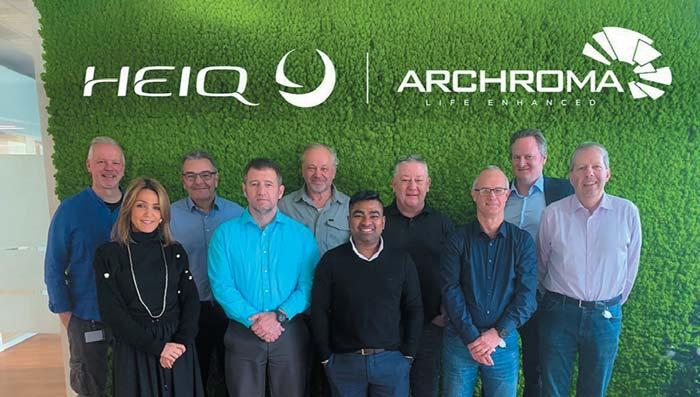
with HeiQ’s powerful innovation engine, we are bringing high-performance, sustainable technologies to more customers and accelerating the industry’s transition towards a more planetconscious textile value chain.”
“HeiQ has always been driven by a mission to pioneer deeptech material innovation for people and planet,” said Carlo Centonze, CEO of HeiQ. “Together with Archroma’s extensive network and expertise, we are scaling our technologies globally, ensuring that brands and mills can access functional, sustainable solutions that enhance product performance while lowering environmental impact.
“The collaboration enables HeiQ’s advanced technologies to be delivered through Archroma’s well-established global customer network, making it easier for textile manufacturers to integrate functional, compliant, and sustainable performance effects into their products. The alliance is also about scaling innovation. Together, we will empower brands and manufacturers to meet consumer demands for hygiene, freshness, and sustainability.”
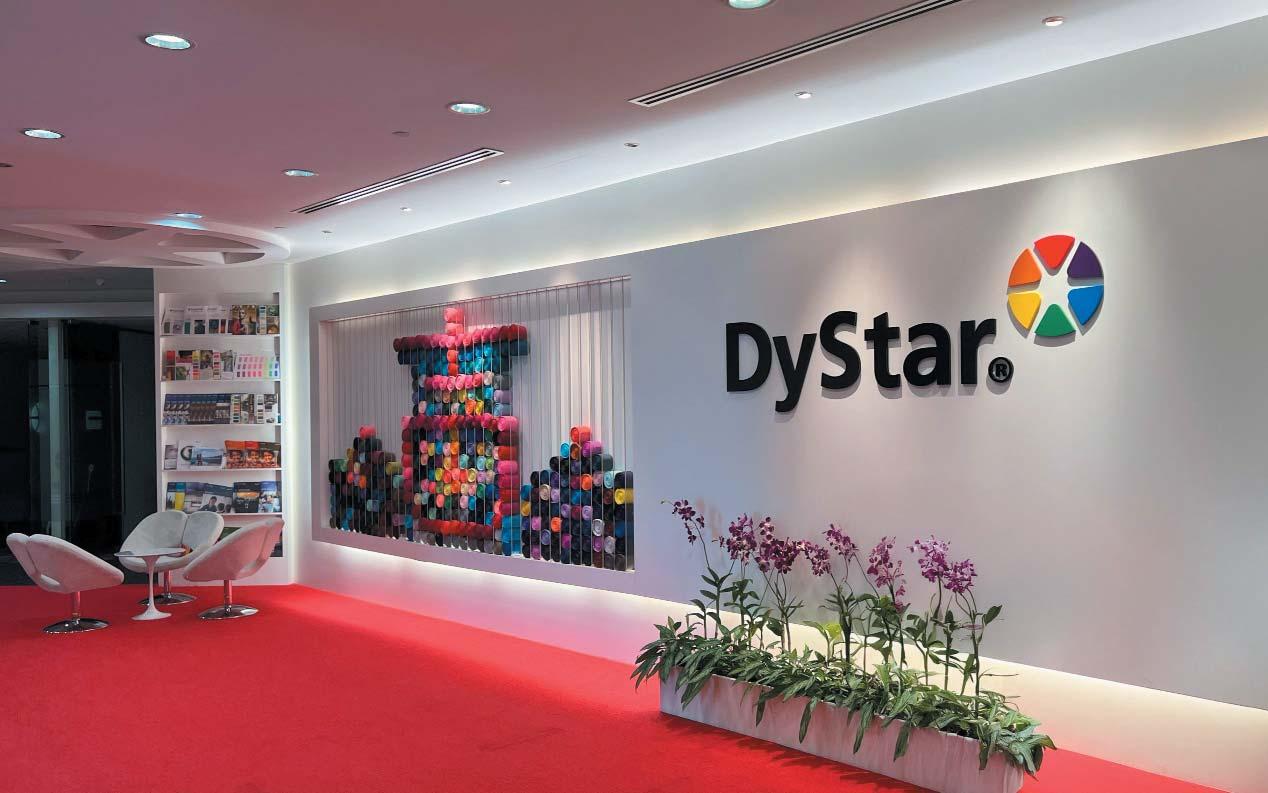
DyStar, a leading speciality chemical company with a heritage of more than a century in product development and innovation, has formally announced that DyStar is now under the full ownership of Zhejiang Longsheng Group Co., Ltd., following the conclusive resolution of its shareholders’ dispute. This milestone marks a new chapter of stability, governance clarity, and longterm growth for the Group.
The resolution was achieved through a series of agreements: the Share BuyBack Agreement dated 12 December, 2025, the Framework Agreement dated 12 December, 2025, and the Amended and Restated Share Purchase Agreement dated 13 December, 2025, which amended the original Share Purchase Agreement dated 29 May, 2025.
Under the Share Buy-Back Agreement, a total consideration of USD 688,879,511.69 was paid to acquire the 37.5% shareholding previously owned by KIRI Industries. Of this amount, DyStar
contributed USD 426,519,921.56, while Zhejiang Longsheng Group Co., Ltd.’s wholly owned subsidiary, Sende International Capital Limited, contributed USD 262,359,590.13.
On 30 December, 2025, the transaction was confirmed by the court-appointed receivers, Deloitte & Touche Financial Advisory Services Pte Ltd, with completion and closing effected on the same day.
Following completion, all litigation between the Zhejiang Longsheng and KIRI Industries relating to DyStar’s shareholding has been concluded. The two directors appointed by KIRI have resigned from the DyStar Board of Directors, further consolidating governance and control. DyStar is now a 100% wholly owned subsidiary of Zhejiang Longsheng Group Co., Ltd.
Mr Ruan Weixiang, Chairman, Board of Directors, DyStar Group, said, “We are delighted with the successful conclusion of this transaction as it is consistent with Longsheng’s strategic objective of becoming
a world-class provider of speciality chemicalproduction services. I am confident DyStar’s consolidated profits will be further strengthened as we remain united and work together for a better tomorrow”.
Mr. Xu Yalin, Managing Director and President of DyStar Group commented, “The complete resolution of the shareholders’ dispute marks a pivotal milestone for DyStar. With full ownership and unified governance under the leadership of Zhejiang Longsheng Group Co., Ltd., DyStar is well positioned to strengthen its global operations, accelerate innovation, and deliver sustainable value for all stakeholders”.
DyStar Group remains committed to transparency and will continue to engage openly with stakeholders as it embarks on its next phase of growth. The Group looks forward to building stronger partnerships, advancing sustainability initiatives, and delivering enhanced value across its global operations.
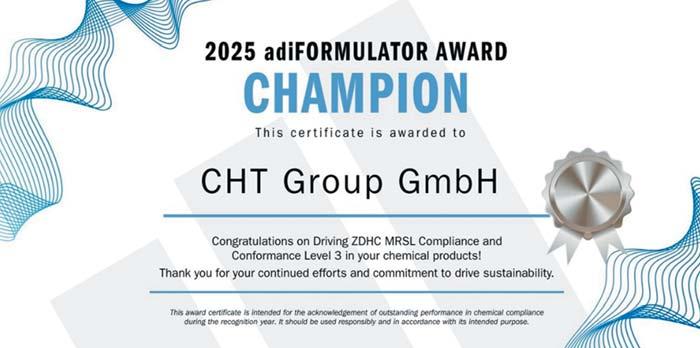
For the third time in a row, the CHT Group has been recognised as champion of the adiFORMULATOR AWARD by adidas.
Dr. Annegret Vester, Chief Sustainability Officer, states: “We are very pleased that the CHT Group has been recognised as a leading company by adidas. With our partnership with adidas, we reinforce our proactive and long-term commitment to continuous improvement in both products and processes. This is a vital component of the CHT sustainability strategy, aligned with the UN Sustainable Development Goals”.
Nittima Kulmanoros, Brand & Retail Management, adds: “We are convinced that our success story will inspire our customers, brand partners, and other partners in the textile industry to set new standards. Our CHT B&R and regional teams are ready to share their expertise and support globally. At CHT, we are looking forward to this exciting journey together with you”.
Sustainability through innovation
With innovative processes such as PIGMENTURA by CHT and CHT’s “Best Solution” concept BeSo® EFFECTIVE, the group supports textile manufacturers in reducing costs and resources while making a positive contribution to climate protection. The increased use of
renewable and recycled materials – for example, in products such as ARRISTAN rAIR – actively promotes the circular economy.
CHT Group reaffirms its commitment to sustainable chemical solutions and product stewardship
The CHT Group is sending a clear signal for sustainability and responsibility in the textile industry. With a comprehensive approach to product stewardship, CHT take responsibility for the products and their ingredients throughout their entire life cycle. The aim is to ensure human safety and minimise environmental risks.
“For us, product stewardship is more than just a concept – it is an integral part of what we do. We don’t just want to meet standards. We want to actively
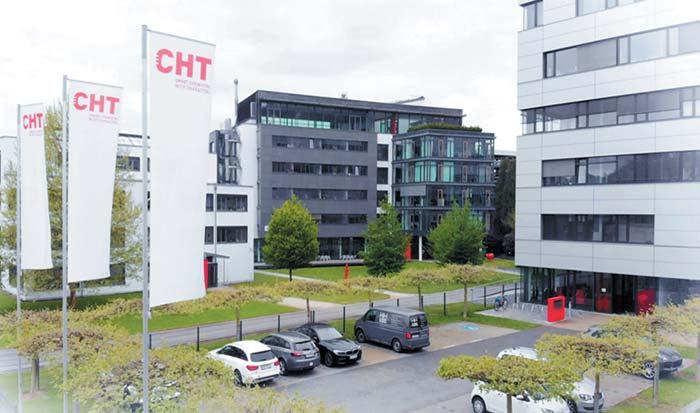

Dr. Annegret Vester, Chief Sustainability Officer
contribute to the transformation of the industry”, emphasises Dr. Martin Gruber, Global Team Lead Standards & Labels Conformity.
Comprehensive product stewardship is the basis for successful sustainability certifications. CHT is proud of:
ZDHC certification: More than 2,200 products certified at Level 3.
Chem-MAP®: ZDHC Approved V3.1 Certifier (Level 1, 2 & 3).
bluesign® technologies AG: CHT is a Global System Partner.
SCTI membership: As a founding member of Sustainable Chemistry for the Textile Industry, CHT has been supporting transformative changes in the textile value chain since 2020.
The CHT Group is committed to consistently pursuing the path to a more sustainable future – with solutions that combine environmental responsibility and economic efficiency.
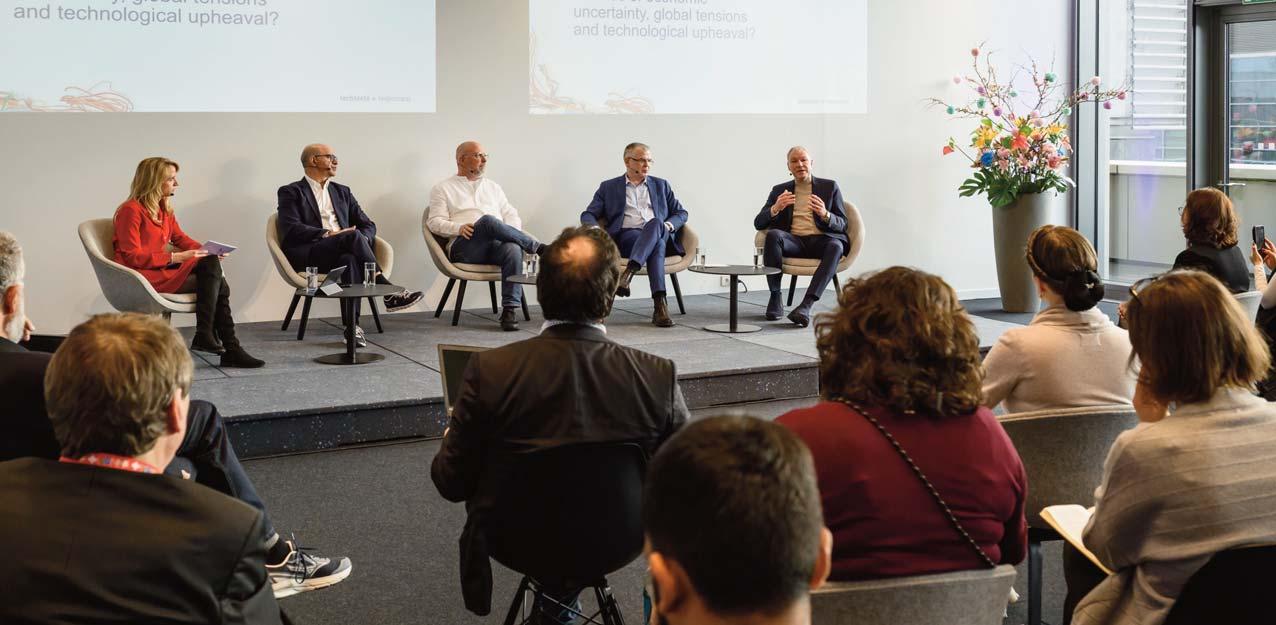
Innovations are the textile industry’s response to economic uncertainty, geopolitical tensions and continued restraint in investment. This message became clear at the press conference of the leading international trade fairs Techtextil and Texprocess. In a panel discussion, industry representatives explored how innovation is accelerating the transformation of the textile sector –from artificial intelligence to sustainable materials and new production models. This innovative strength is concentrated in the Techtextil and Texprocess Innovation Awards, which showcase pioneering solutions driving the textile transformation.
“Especially in times of restrained investment, it becomes clear just how crucial innovative strength is,” emphasised Olaf Schmidt, Vice President Textiles & Textile Technologies at Messe Frankfurt. “Techtextil and Texprocess are the places where ideas are not only presented but further developed into market-ready solutions. The Techtextil and Texprocess Innovation Awards make this innovative strength tangible – giving new technologies visibility, credibility and often the decisive impetus needed to turn
research into concrete industrial applications and partnerships.”
The discussion also focused on how companies can remain competitive in the face of global challenges. Elgar Straub, Managing Director of VDMA Textile Care, Fabric and Leather Technologies, made it clear: “Today, innovation serves both as a lever for efficiency and a driver of growth. Digitalisation, automation and AI enable companies to conserve resources, produce flexibly and reposition themselves more effectively and competitively.”
The extent to which digital processes are already transforming development and production was illustrated by insights from industry practice. Walter Wählt, Chairman of the Texprocess Innovation Award and Senior Director Advanced Creation at adidas, explained: “3D design, virtual prototyping and AI drastically shorten development cycles and reduce material use. Yet despite all the technological momentum, people remain decisive – creativity, experience and judgement cannot be automated.”
António Braz Costa, Chairman of the Techtextil Innovation Award and General Manager at CITEVE, underlined the
central role of research and advanced materials in making sustainability viable: “Sustainability, particularly when applied to high-performance materials and products, only becomes economically viable through a virtuous tandem of research and innovation. Recycling technologies, circular solutions or entirely new materials are meaningless if they remain confined to the lab. What matters is their translation into real industrial processes. Trade fairs such as Techtextil and Texprocess – and the Innovation Awards themselves – are critical in bridging research and the market.”
The Techtextil and Texprocess Innovation Awards bring these developments together into a clear vision of the industry’s future. They demonstrate how technical textiles, nonwovens and textile processing are evolving through AI, new materials and sustainable production methods – and why innovation is becoming a decisive competitive factor. The award-winning solutions exemplify the ambition of the two leading trade fairs: to bring research, technology and application together in a way that turns ideas into market-ready answers to global challenges.
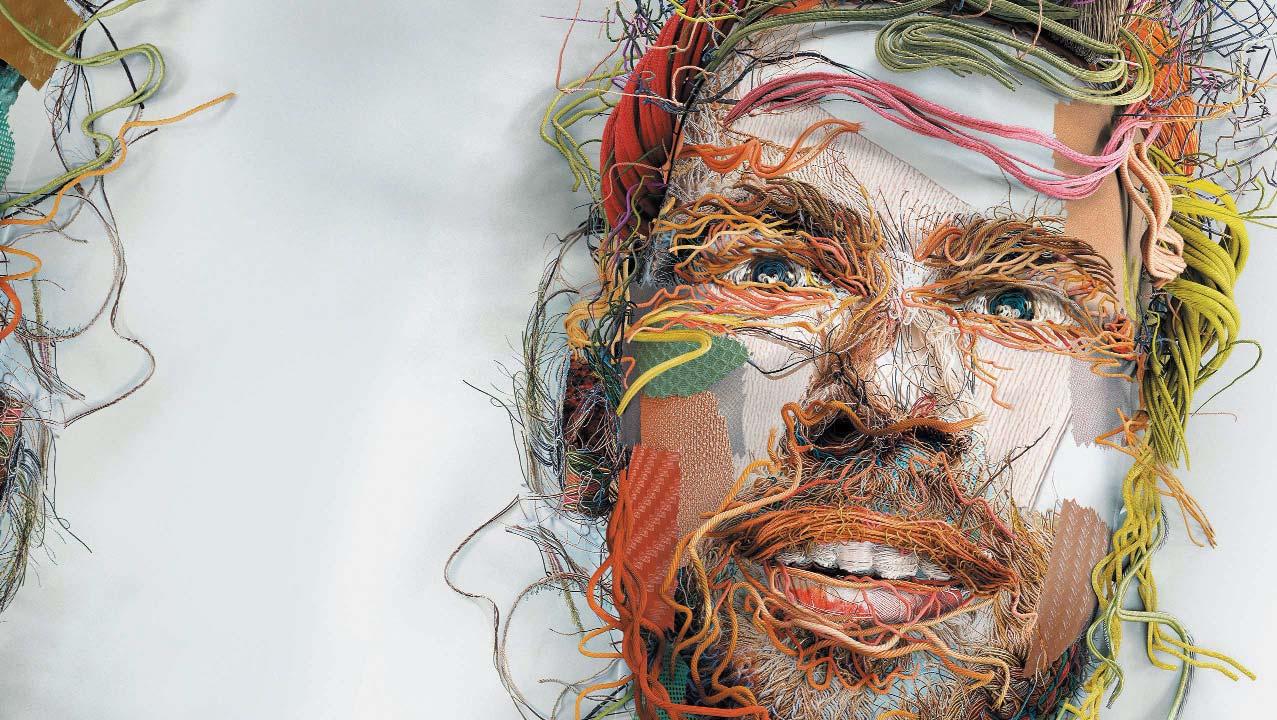
Techtextil is the premier global trade fair for technical textiles and nonwovens, where cutting-edge fabrics, sustainable materials and smart textile innovations meet. Together with Texprocess, the fair brings world-class machinery, garment processing technology, textile finishing, and full production processes under one roof, making it the definitive global marketplace for textile innovation. The event is organised by Messe Frankfurt, the same organiser behind Heimtextil, the world’s leading trade fair for home and interior textiles.
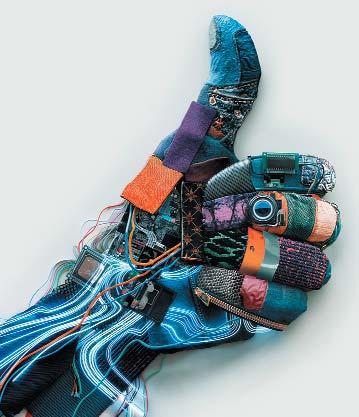

The next edition will be held on 21–24 April 2026 in Frankfurt, Germany.
Techtextil covers categories including Sportech (sports textiles and equipment fabrics), Meditech (medical and hygiene textiles), Clothtech (innovative clothing and apparel solutions), Protech (protective textiles and safety fabrics), and more, offering materials and solutions for sectors such as sportswear, medical supplies, automotive textiles, functional apparel, and protective gear. The fair highlights everything from hightech nonwovens to advanced textile technologies.
The 2024 edition ended with 1,700 exhibitors from 53 countries, 38,000 visitors from 102 countries and a 29% increase in visitor numbers. The top visitor nations were Germany, Italy, France, Turkey and the Netherlands. The top exhibitor nations were Germany, Italy, China, France and Turkey. Countries such as Egypt, China, Indonesia, Kosovo, Luxembourg, Moldova and Thailand contributed to the expansion of exhibitors, among others.
For Pakistan, the fair is especially important as it provides exporters and
manufacturers with exposure to international markets, access to advanced technologies and sustainable solutions, and opportunities to connect with global buyers and partners.
Already a major global player in sports goods and activewear, Pakistan is now rapidly expanding into the specialised Sportech segment.
Utilising its strong manufacturing base and skilled workforce in regions like Sialkot, Faisalabad and others, the country is focusing on strengthening supply chains, adopting sustainable practices, and advancing modernisation and research. These efforts aim to raise Pakistan’s profile in technical textiles, open new export avenues, bring global standards and innovations to the local industry, and capture a larger share of the global market for high-performance textiles.
Organised by Messe Frankfurt, Techtextil and Texprocess remain unmatched in the scope of textile industry coverage, from raw materials to manufacturing technologies to final textile applications, making them essential events for anyone involved in textiles globally.
The ITM 2026 International Textile Machinery Exhibition, to be held at the Tüyap Fair and Congress Centre in Istanbul from June 9–13, 2026, brings together groundbreaking technologies in denim production. From smart production systems to eco-friendly raw materials, from digital washing solutions to laser effect technologies, innovations that will shape the future of denim will be showcased for the first time at ITM 2026.
Türkiye is the EU's Most Important Supplier of Denim Fabric
With its advanced technology, strong logistics infrastructure, and high-quality, flexible, fast, and error-free production capabilities, Türkiye is among the top choices for international denim fabric manufacturers, thanks to the quality of its denim fabrics.
Thanks to its strong fabric infrastructure and designers, Türkiye is a supplier of many world-renowned denim brands and leverages its proximity to Europe as a geographical advantage. According to the World Denim Fabric Sector Foreign Trade Report published by the Istanbul Textile and Raw Materials Exporters' Association (ITHIB), Türkiye is among the EU's most important denim fabric suppliers. Single-handedly accounting for 25.4 per cent of the EU's denim fabric imports in 2024, Türkiye ranks fourth globally with an export
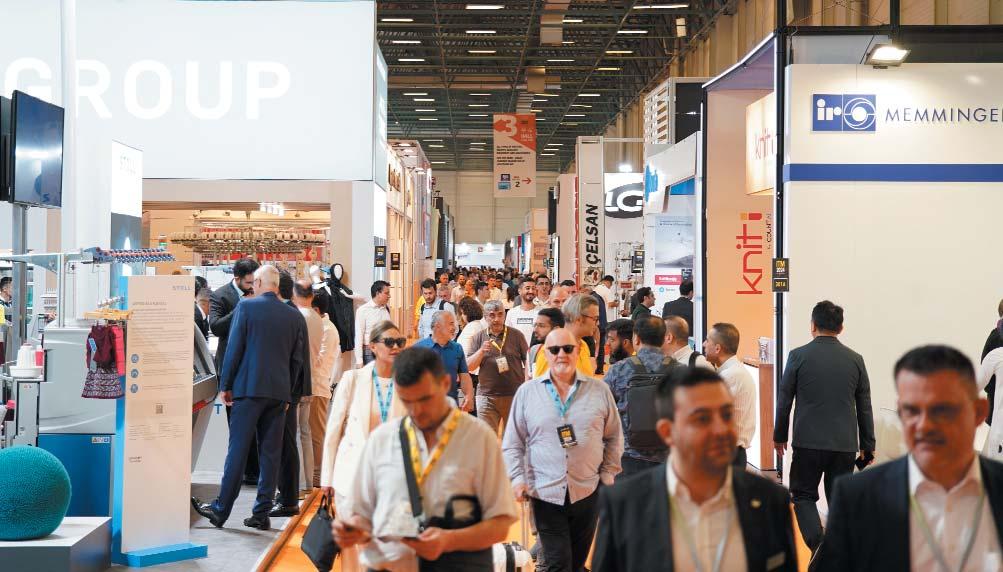
performance of US$291 million. In addition to denim fabric, Türkiye is also a major player in the ready-to-wear sector. With $3.5 billion in denim apparel exports in 2024, Türkiye ranked fourth globally and is the second-largest supplier to the EU market, following Bangladesh.
and Sustainable Turkish Denim: The Preference of Global Brands
Türkiye, known for producing highquality denim fabrics, is not only creating world-renowned brands but also developing technologies to produce denim through eco-friendly methods while maintaining the centuries-old tradition of denim. Turkish denim manufacturers, with the motto "Respect for the environment, respect for the
world," are at the forefront of sustainable denim production. Collaborating with international certification organisations, Turkish manufacturers are leading the way by producing collections made from 100% organic and 100% recyclable fabrics.
The Latest Innovations in Denim Technologies will be Showcased at ITM 2026
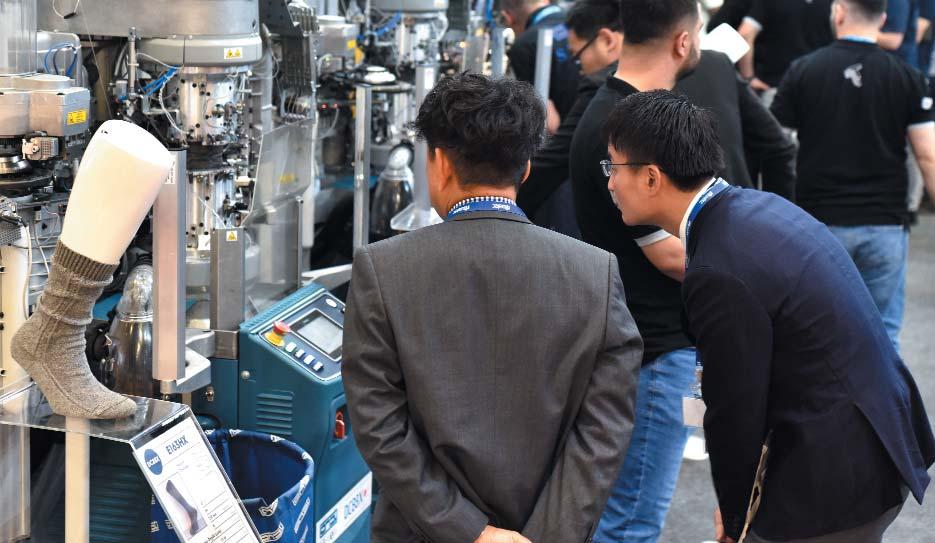
ITM 2026, one of the most prestigious meeting points for the global textile technologies sector, will host cutting-edge technologies covering every aspect of the textile production chain, from weaving and knitting to dyeing and printing. One of the most anticipated sections of the five-day fair will be "Denim Technologies." This special section, which will cover all stages of denim production, including washing, dyeing, finishing, laser cutting, sustainable chemicals, and digital solutions, will shed light on the future of the denim industry by focusing on sustainable production, energy efficiency, and eco-friendly innovations. From water- and energy-saving machines to digital washing and laser effect systems, from dyeing technologies that minimise chemical use to automation solutions, groundbreaking innovations in denim production will be showcased at ITM 2026.
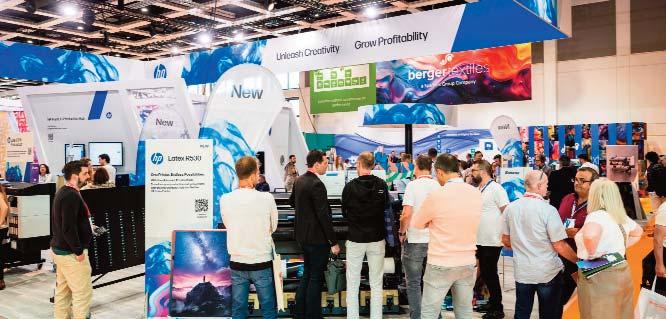
FESPA Global Print Expo 2026, European Sign Expo, Personalisation Experience, WrapFest and two new additions, Corrugated and Textile, will welcome over 500 new and returning exhibitors from over 40 countries, bringing together the global speciality print community to experience innovation, insight and practical solutions across print, signage, personalisation, corrugated packaging and textile production and wrapping (19 – 22 May 2026, Fira de Barcelona, Spain).
Visitors will be able to see new product launches, live demonstrations and practical solutions from a strong international mix of brands and suppliers. Exhibited technologies and solutions will cover everything from print production and finishing, to software and automation, as well as sustainability aspects including low-impact inks and materials.
At FESPA Global Print Expo, visitors will be able to explore solutions for wide format printing, production and industrial applications, textile and garment decoration and finishing. Confirmed exhibitors include: Agfa, Brother, Durst, EFI, HP, Mutoh, Roland DG and swissQprint among others. The event will also showcase cutting and finishing technology from providers such as Kongsberg Precision Cutting Systems, Summa and Zünd, and finishing specialists like Morgana Systems.
Software and workflow suppliers will demonstrate end-to-end solutions that support production efficiency and scalable output for workflow automation, colour management, job onboarding and RIP solutions. Exhibitors will include: Caldera, Dataline, Enfocus, PrintFactory, GelatoConnect SA International and XMPie, as well as web-to-print and personalisation platforms such as Design Huddle and OnPrintShop.
A host of companies will also present the latest consumables and media, spanning inks, papers, self-adhesives and
specialist films and substrates for a wide range of applications. Exhibiting companies include: 3M, Ahlstrom, Antalis, Arlon Graphics, Coldenhove, Hexis, Lintec, LX Hausys, Nazdar, Neschen, Sun Chemical, and UPM Raflatac.
European Sign Expo will highlight suppliers in the signage and visual communications sector. Exhibiting companies include: Bakker Magnetics, Bermaq, Chiplite, Dama3d, Domino Sign, GOQLED, NSELED Europe and TPS will showcase solutions supporting illuminated signage, displays, fabrication and visual communications applications.
Personalisation Experience will highlight software and solutions for customisation, design and production automation. Exhibitors will demonstrate how businesses can deliver personalised products efficiently and at scale, and will include: Design Huddle, OnPrintShop, Makeblock, MercuryFlooring, Orange Tree Garments and Photo USA Electronic.
Textile will spotlight the latest technologies and materials that support textile and garment production, with exhibitors including: Brother, DGI/d.gen, Durst, Kornit Digital, Klieverik, Monti Antonio, Polyprint, ROQ and Transmatic. These brands and suppliers will present solutions for printing, fixation, finishing and production workflows. Visitors will also be able to attend sessions in the ‘Personalisation and Textile Conference’ and ‘WrapTalks’ programmes.
Corrugated will provide a dedicated platform for corrugated packaging and point-of-sale display production, and solutions on display will cover machinery and print technologies, workflow and software, consumables, converting and finishing, and plant logistics. A ‘Corrugated Conference’ programme, led by experts in the sector, will also be available. Corrugated exhibitors will include: Barberan, Baysek Solutions, Bobst, BW Papersystems Frankfurt, Canon, Cuir, Dücker Prefeeder, Freidheim International, HP, Hybrid Software Development, JD Engineers, Kento Digital Printing, Scodix, Sun Automation Group, TCY Machinery and Wonderjet.
Head of FESPA Global Print Expo, Michael Ryan comments: “It’s a real pleasure to be back in Barcelona for the first time since 2012! This year, European Sign Expo is truly set to be ‘The place for experts’ – the ideal meeting point for the speciality print community. Visitors will have the chance to see a multitude of exhibitors, covering all aspects of print and signage, in one place. They will also be able to have inspiring conversations, compare solutions and ideas, and leave with knowledge that they can put into practice in their businesses.
“We’re also excited to introduce our two new events, Corrugated and Textile, which will enable our visitors to connect with even more experts and suppliers, learn about sector trends, and help them identify opportunities for their businesses.”
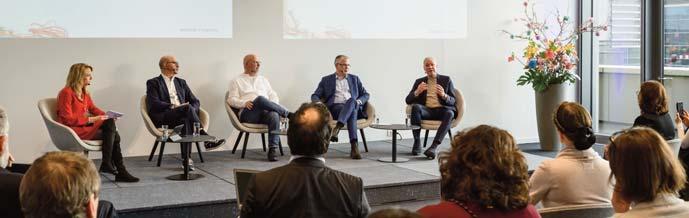
The Textile Institute of Pakistan (TIP) marked a defining milestone in its academic journey with its Silver Jubilee Convocation 2026, a ceremony that celebrated not only the achievements of its graduating class but also the Institute’s evolution over more than three decades of service to Pakistan’s textile, apparel, and allied industries.
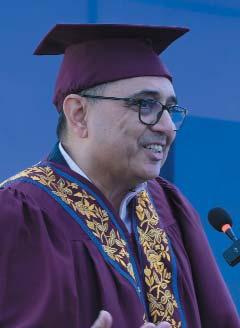

This landmark convocation conferred degrees upon 124 graduates, including 37 medalists, reflecting academic excellence across disciplines. Notably, 50% of the graduating cohort comprised female graduates, underscoring TIP’s sustained commitment to inclusion, equity, and the growing leadership role of women within industry and academia.
The ceremony also carried historical significance as it honoured the final graduating batch of Industrial Marketing and Management, closing an important chapter in TIP’s academic offerings while paving the way for new, future-focused programmes aligned with evolving industry needs.
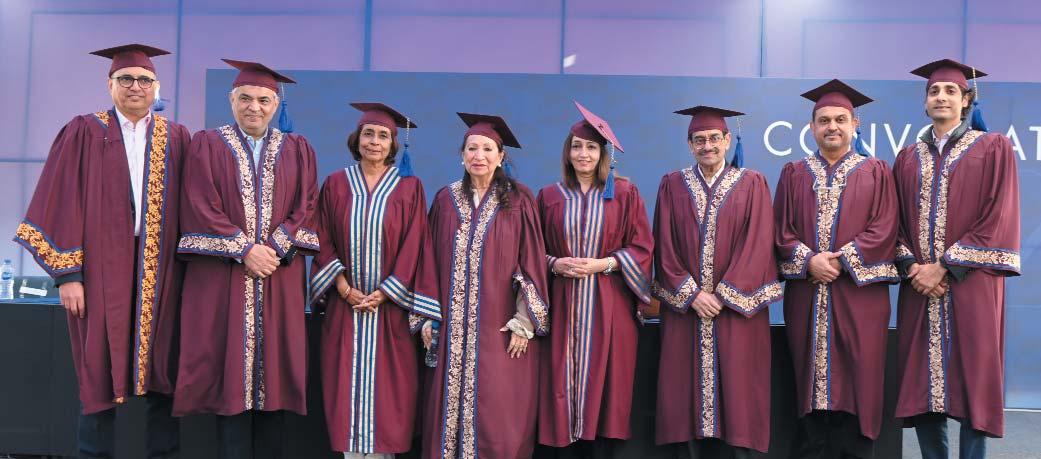
The Convocation was formally opened by Ms. Nausheen Ahmad, Chancellor of the Textile Institute of Pakistan, marking a watershed moment in the Institute’s history. She holds the distinction of being TIP’s first woman Chancellor in 32 years and the fifth Chancellor since its founding, symbolising both continuity and progress as TIP moves into its next phase of growth.
Convocation Address: A Call to Think Bigger
Delivering the Convocation Address was Dr. Prof. Huma Baqai, Rector, Millennium Institute of Technology & Entrepreneurship (MiTE), whose public engagement and leadership brought intellectual depth and national relevance to the ceremony. TIP extends its sincere gratitude to Dr. Baqai for her time, wisdom, and inspiring address at this milestone 25th Silver Jubilee Convocation.
In her address, Dr. Baqai emphasised
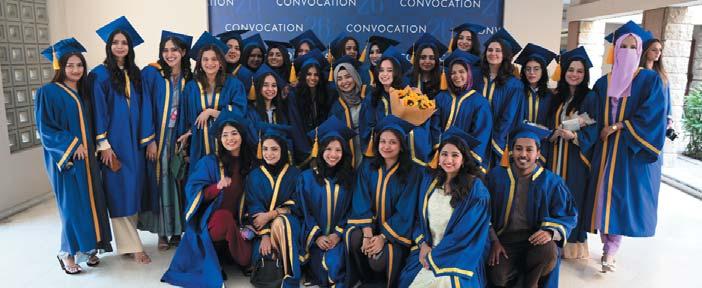
the vital role of specialized institutions such as TIP as the backbone of Pakistan’s economy, producing industry-ready talent and strengthening national competitiveness. She reminded graduates that the future lies in their hands, whether as entrepreneurs who create jobs or as a skilled workforce that drives industries forward. Encouraging them to think beyond boundaries, she urged them to fly high, reminding them that the sky is not the limit and the world is open to them.
Dr. Baqai also had the honour of awarding medals to the graduating class, celebrating excellence, perseverance, and achievement at this historic convocation. An accomplished academic and public intellectual, she brings decades of experience in higher education, public affairs, leadership, and international relations, having served as former Associate Dean and Chair of Social Sciences & Liberal Arts at IBA, former Director of Public Affairs and Communication, a corporate and political trainer, and a respected political analyst across print and electronic media for over two decades. With a PhD in International Relations, over 40 national and international publications, and three authored books, her work continues to shape thought leadership in communication, negotiations, conflict, and global affairs.
Presidential Address: Navigating Change with Purpose
In his Presidential Address, Dr. Zubair Bandukda, President, Textile Institute of Pakistan, reflected on the realities of rap-
idly changing times and the imperative for academic institutions to evolve with clarity and intent. Central to his address was the inception and growing role of LIH (Learning & Innovation Hub), envisioned as a platform for executive education, professional upskilling, applied research, and sustained industry collaboration.
He highlighted the critical role of donor and alumni sponsorships in enabling TIP to strengthen infrastructure, expand access, and deliver high-quality, industry-relevant learning experiences, while outlining the Institute’s strategic directional shift for the years ahead, anchored in relevance, resilience, and deeper engagement with industry, alumni, and global academic partners.
A significant highlight of the ceremony was the continued strengthening of alumni representation within institutional governance. The announcement of Ms. Urooj Mughal, General Manager – Home Bedding, Gul Ahmed Ideas, as the newly appointed Alumni Representative on the Board of Governors, marked an important step in this direction. Her appointment builds upon the induction of Mr. Abid Omar, Director, Syntech Fibres (Pvt.) Ltd., and Alumni Representative on the TIP Board, who joined the Board in the previous year, collectively reinforcing TIP’s commitment to embedding alumni voices in strategic decision-making.
The Convocation was further distinguished by the presence of esteemed members of the Board of Governors, who personally honoured the graduating students. These included Mr. Muhammad Sohail Tabba, Chief Executive Officer, Gadoon Textile Mills Ltd.; Mr. Sadek
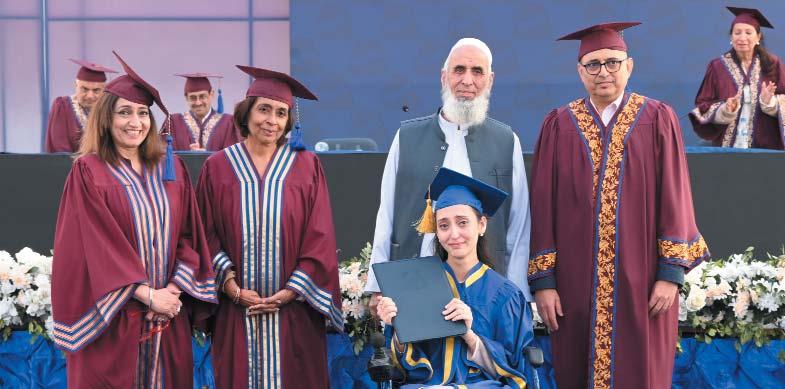
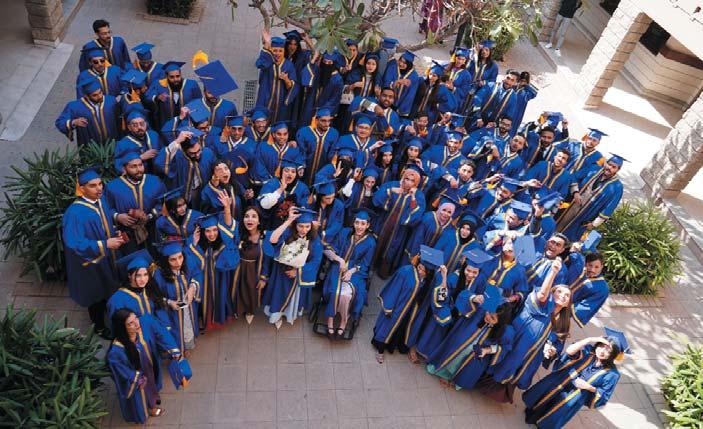
Director,
Cotton and General Trading
Ltd.; Mr. Abid Omar, Director, Syntech Fibres (Pvt.) Ltd.; and Professor Emeritus Shehnaz Ismail. Their presence underscored the Board’s collective commitment to academic excellence, mentorship, and the future leadership of TIP graduates.
The Silver Jubilee Convocation was more than a ceremonial milestone; it was a moment of reflection, renewal, and recommitment. As TIP celebrated its
graduates and honoured its legacy, it also reaffirmed a clear vision for the future: strengthening industry linkages, empowering alumni leadership, expanding professional education through LIH, and preparing graduates to thrive and lead in an evolving global economy.
For the Class of 2025, this convocation marked both an ending and a beginning. For TIP, it reaffirmed its role as a trusted institution shaping talent, leadership, and innovation for Pakistan’s textile and apparel ecosystem.
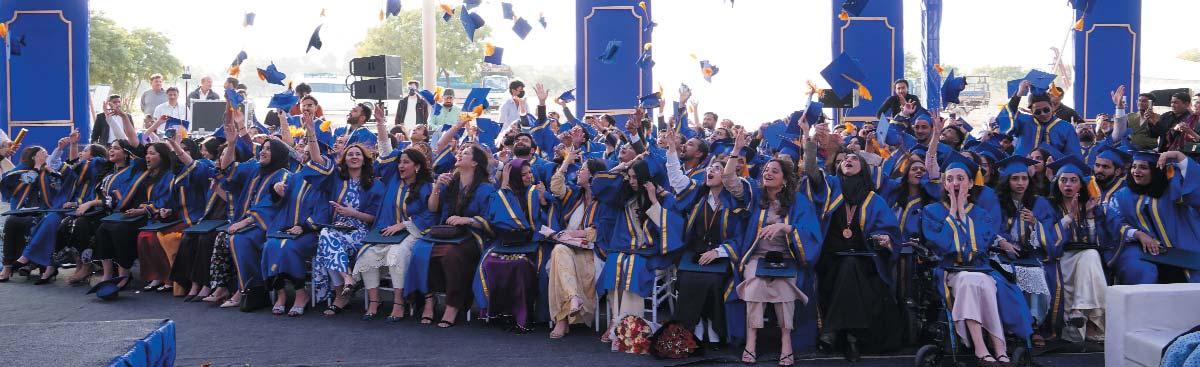
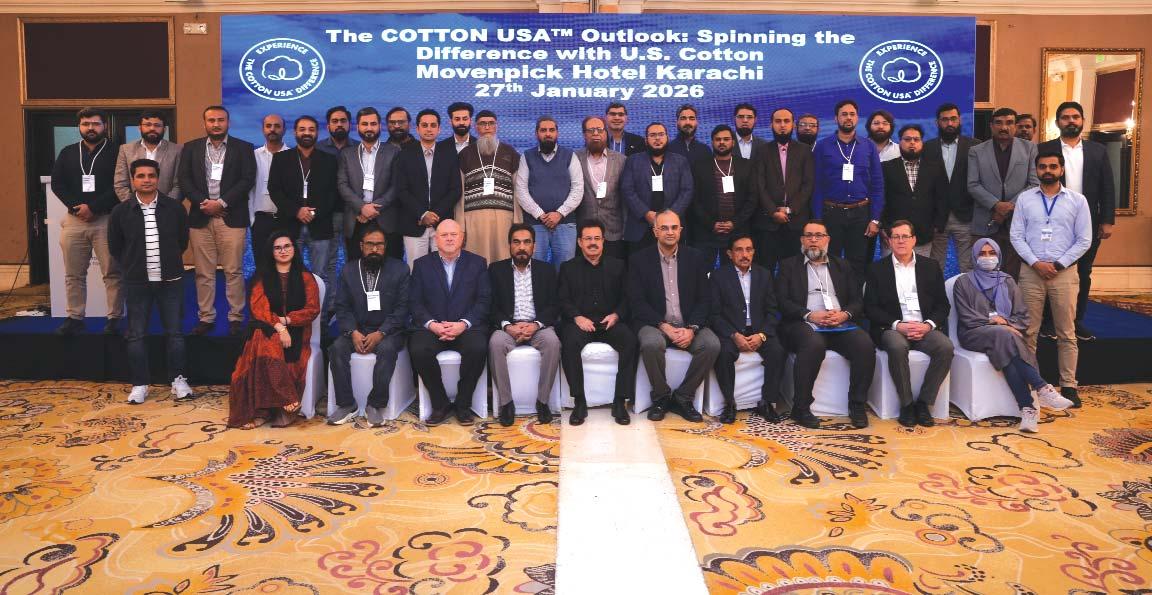



On 27 January 2026, COTTON USA™ hosted a highly informative seminar titled “The COTTON USA™ Outlook: Spinning the Difference with U.S. Cotton” at the Mövenpick Hotel Karachi, providing textile professionals with an in-depth look at how U.S. cotton contributes to superior spinning performance and yarn quality.
The seminar offered participants a comprehensive refresher on critical fibre quality parameters and their direct impact on yarn and fabric performance, alongside insights into global market trends and the latest bale management software for efficient mill operations. Attendees gained a clear understanding of the journey of U.S. cotton from farm to mill, including the stringent quality protocols that ensure consistent performance, and practical guidance for maximising its potential in spinning.
The session featured engaging discussions led by Will Bettendorf, Dr. Darryl Earnest and Professor Muhammad Tausif, who addressed queries from attendees and facilitated
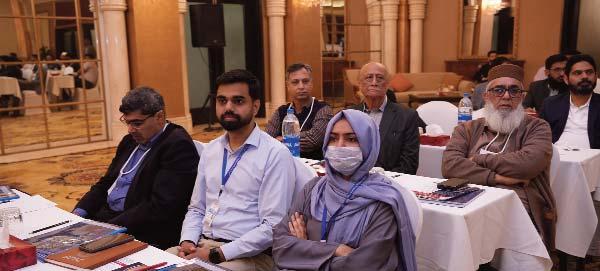
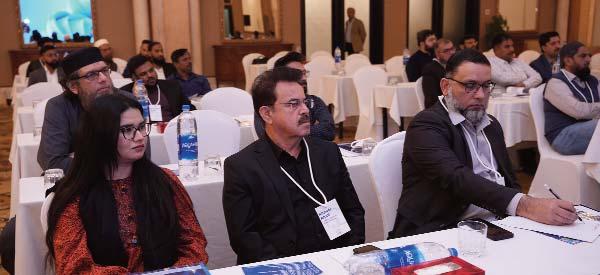
interactive learning throughout the day. Their presentations emphasized that high-quality yarn is not accidental, it is built from the fibre
up, highlighting the pivotal role of fibre selection, quality control, and data-driven decision making in achieving consistent spinning results.
Mazhar Mirza also contributed to the session, sharing practical examples and demonstrating how U.S. cotton can make a tangible difference in real-world spinning challenges.
The seminar concluded with a reminder that every aspect of spinning excellence ultimately comes back to fibre control.
Organised by COTTON USA™ and the Cotton Council International Pakistan team, led by Mazhar Mirza and Muhammad Jarullah, the session was widely appreciated for its structured, informative, and practical approach, leaving participants with actionable strategies to optimize spinning operations using U.S. cotton.
This event reinforced COTTON USA™’s commitment to educating the textile industry and demonstrating how premium U.S. cotton can deliver measurable advantages in yarn and fabric production.
The seminar highlighted COTTON USA™’s role as a catalyst for innovation in the textile sector, demonstrating that strategic use of U.S. cotton can translate into tangible improvements in efficiency, quality, and consistency on the production floor.
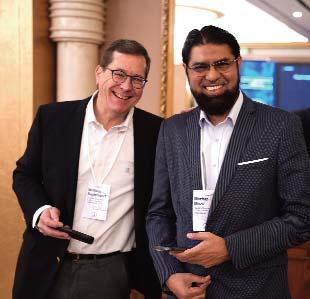
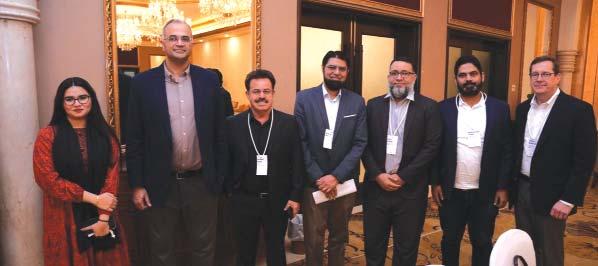

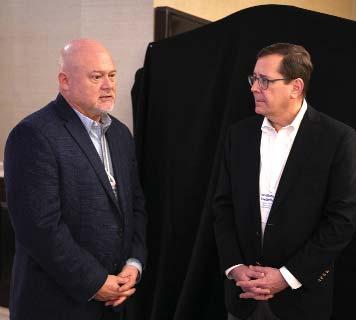

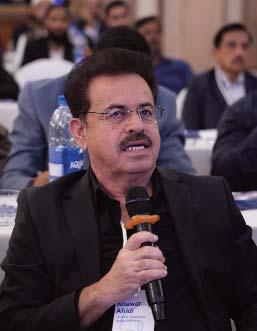

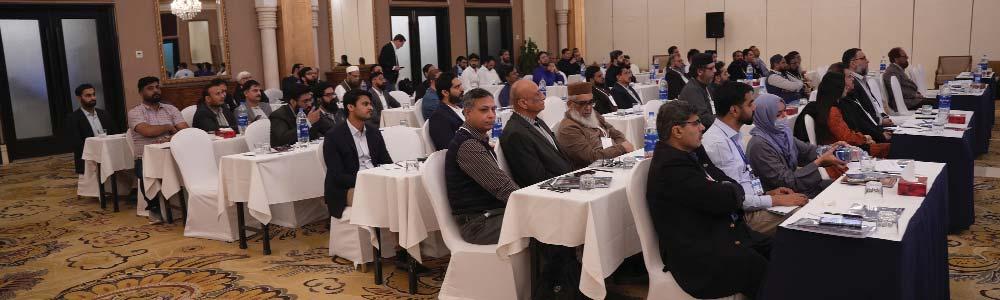



iTextiles® (Pvt.) Ltd., a leading textile solutions and value-chain management company, is celebrating its 20th anniversary, marking two decades of sustained growth, innovation, and contribution to Pakistan’s evolving textile industry.
Founded in 2006, iTextiles® began its journey as a specialised fibre trading company and has since evolved into a comprehensive, multidisciplinary textile solutions provider. Over the past two decades, the company has expanded its footprint across sourcing, technology representation, product development, sustainability solutions, and global market connectivity, serving manufacturers,
brands, and retailers across domestic and international markets.
Today, iTextiles® operates as a strategic partner across the textile value chain, offering advanced fibres, chemicals, fabrics, and performance solutions tailored to fashion, workwear, home textiles, and technical textile applications. Its growth reflects a consistent focus on innovation, value addition, and long-term partnerships.
Throughout its evolution, iTextiles® has focused on bridging global innovation with local manufacturing capabilities. The company has introduced advanced textile
technologies and materials to Pakistan’s market, supporting mills and brands in upgrading product quality, performance, and sustainability standards.
By working closely with international technology providers and material innovators, iTextiles® has played a key role in expanding access to performance fibres, eco-friendly materials, and advanced chemical solutions, helping manufacturers respond to shifting global demand and regulatory expectations.
The company’s integrated approach enables clients to move beyond commodity production toward highervalue, differentiated textile products aligned with international market requirements.
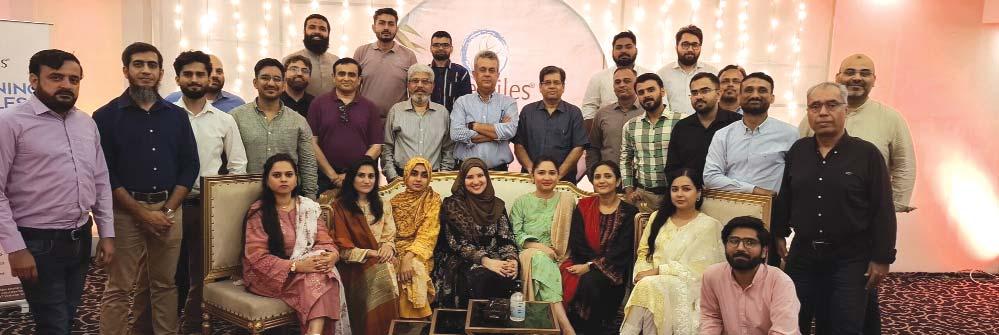
Sustainability has increasingly become central to iTextiles®’ strategy. Over the years, the company has supported the adoption of environmentally responsible materials, cleaner production inputs, and innovative solutions that reduce environmental impact while maintaining performance and quality.
Through collaborations with global sustainability-focused partners, iTextiles® has helped introduce bio-based, lowimpact, and circular-oriented technologies into Pakistan’s textile ecosystem, supporting the industry’s transition toward more responsible manufacturing practices.
iTextiles® has developed an extensive international network, connecting Pakistani manufacturers with global brands, suppliers, and innovators across more than 40 countries. This global engagement has strengthened Pakistan’s visibility within international textile value chains while enabling local partners to access new technologies, markets, and business opportunities.
The company’s role extends beyond supply, encompassing market intelligence, technical support, and strategic guidance,

positioning it as a long-term partner rather than a transactional supplier.
Marking its 20-year milestone, iTextiles® reaffirmed its commitment to advancing Pakistan’s textile sector through innovation, collaboration, and responsible growth.
“This anniversary represents more than the passage of time, it reflects two decades of trust, partnerships, and shared progress with our clients and global collaborators. We are grateful and thankful to our partners, especially The Lycra Company and INVISTA, for their continued support since the start,” said Mujeeb Ullah Khan, CEO, iTextiles®. “As we look ahead, our focus remains on delivering value-driven solutions that support competitiveness, sustainability, and long-term industry growth.”
As it enters its third decade, iTextiles® aims to deepen its technological capabilities, expand sustainable offerings, and continue supporting the textile industry’s shift toward higher valueadded, performance-driven production.
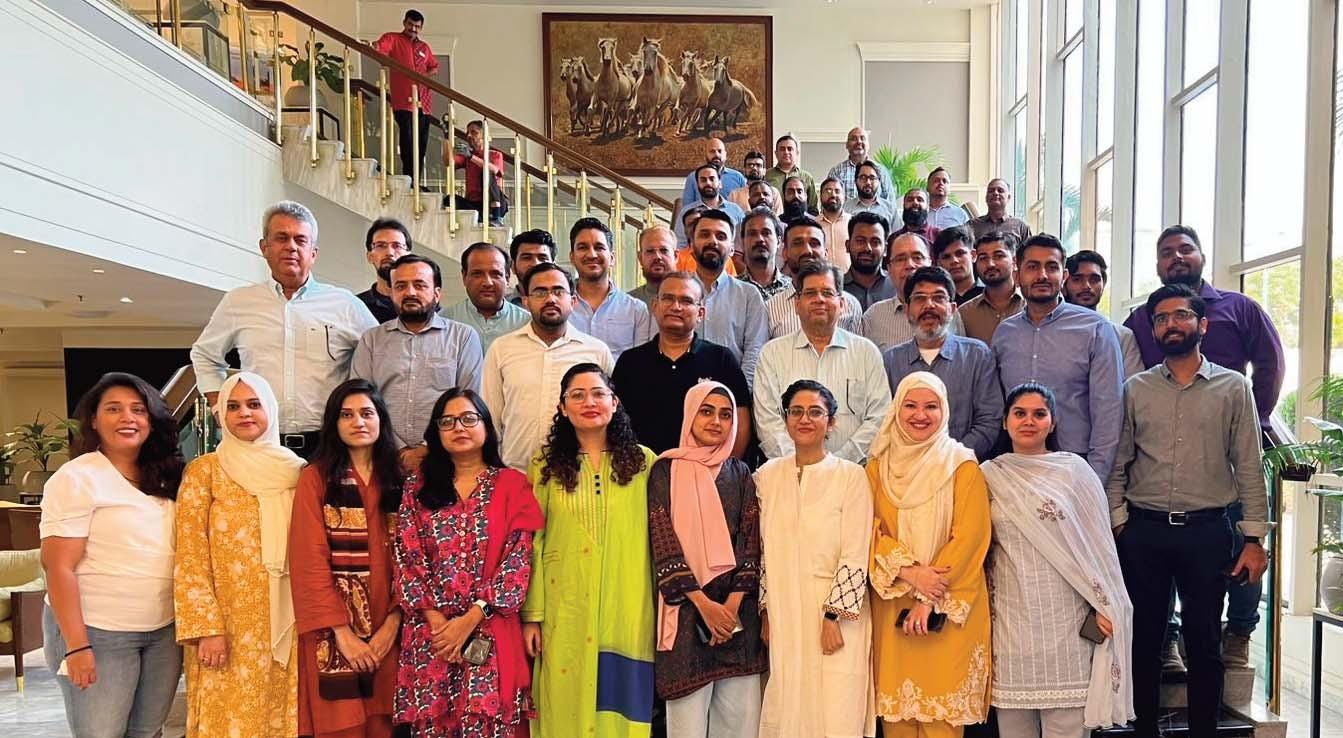
The market for technical and sportswear fabrics for activewear and performance apparel is undergoing a profound transformation. The demands of international brands have become much more specific: performance must be measurable, durable over time, and supported by sustainable and verifiable processes.
For fabric producers and finishers, this changes everything. Process technology is no longer just a way to improve production – it has become a strategic element for building and maintaining relationships with major global brands.
In the world of sportswear and activewear, fabric quality is judged directly by the wearer. The most requested requirements from brands include concrete and verifiable performance:
Odour control must remain effective even after 30–50 washes. Drying must be rapid during and after physical activity. Elasticity must remain stable over time, without deformation or loss of shape. Hand feel must be soft without compromising fabric breathability.
These performances depend less and less on the yarn alone and more and more on how the fabric is treated during finishing: the way it is washed, handled, and dried makes all the difference.

The use of silicone softeners is still widespread in the industry because it immediately improves the fabric’s softtouch. The problem emerges when these fabrics are used for sports: silicones form a film that closes the fabric’s micropores, reducing breathability by up to 40–60%.
For activewear destined for premium markets, this compromise is no longer acceptable. A fabric that doesn’t breathe during physical activity becomes suffocating, regardless of how soft it may feel to the initial touch.
AIRO®24 was developed specifically to address this need. The softening does not occur only through chemical products, but mainly through a

mechanical process that combines two fundamental elements.
The first element is the transport of the fabric via air at very high speed inside the treatment channels. The second element is the controlled mechanical impact on specially designed stainlesssteel grids, where the fabric releases kinetic energy, acquiring softness, body, and volume.
The result is the AIRO® Hand effect: a soft, voluminous, and highly breathable fabric. The softness is permanent because it is a mechanical characteristic of the fabric, not the result of a chemical coating that degrades with washing.
This represents a concrete advantage when presenting samples to international sports brands that test the breathability of the proposed materials.
Sports brands require antimicrobial treatments that maintain their effectiveness even after dozens of domestic washing cycles. This requires deep, uniform, and reproducible washing even on large production volumes, allowing for the application of antimicrobials in subsequent phases.
AQUARIA® is a continuous openwidth washing system designed to obtain deep and uniform penetration of the process bath through the fabric. The
system combines three elements: controlled mechanical action, variable residence times (thanks to an adjustable fabric accumulation from 20 up to 500 metres), and high-speed airflow that forces the bath through the fibres.
The combination of these three elements guarantees effective, uniform, and always repeatable treatments, a necessary condition for durable antimicrobial applications that must pass severe fastness tests.
Many activewear fabrics need to be relaxed to acquire elasticity and improve dimensional stability. This need arises from excessive tensions applied during fabric production, which stress the elastic fibres and modify the fabric structure.
Biancalani systems work on fabric in open width and under relaxation conditions, allowing it to move freely during treatments. This approach contributes to increasing the fabric’s elasticity and dimensional stability, fundamental characteristics for garments that must guarantee a constant level of comfort and performance.
For producers working with international brands, sustainability is no longer a generic statement of intent. It has become a measurable, verifiable, and documentable requirement through objective data.
The C.L.I.M.A. certification, available for both AIRO®24 and AQUARIA®, allows measuring and certifying the actual water and energy consumption of the production process. These certified data can be used directly for international

sports brand audits, ESG reporting, compliance with European regulations, and export to markets with rigorous environmental standards.
This is not a theoretical estimate, but real measurements carried out during production. When a brand requests sustainability data for a specific fabric, this data is already available, certified, and ready to be provided. This significantly reduces costs, risks, and complexity in the qualification processes for new customers.
For some processes related to the production cycle of cotton and cellulosic fabrics, such as eco-bleaching (totally eco-sustainable bleaching, without the use of chlorine or caustic soda) and predyeing enzymatic treatments, AQUARIA® allows working without any water discharge. The process water is completely reused within the cycle, eliminating the discharge of effluents for these specific treatments.
This not only reduces environmental impact but also simplifies the management of treatment plants and reduces operational costs related to wastewater disposal.
For other processes that require water replacement, the system is designed to

minimise consumption through the extremely high intrinsic efficiency of the washing system, automatic level management, and countercurrent reuse between the different washing modules.
In the technical and sportswear fabric sector, the difference between one supplier and another is no longer based only on labour costs or raw material prices. It is played on the ability to guarantee consistent quality, delivery reliability, and compliance with global environmental standards.
International brands select their fabric and garment suppliers not only based on price but also based on the ability to document processes, guarantee repeatability, and provide objective data on fabric performance and production sustainability.
Biancalani technologies are designed to accompany technical and sportswear fabric producers on a path of sustainable growth in the long term, providing the necessary tools to compete on quality and compliance as well as on price.
The technical and sportswear fabric sector will continue to evolve. Demands for measurable performance, documented sustainability, and regulatory compliance will become increasingly stringent.
Investing today in adequate process technologies means protecting one’s business in the long term, building the foundations for lasting relationships with the most demanding international brands.
A targeted technical discussion can help identify the most suitable solutions for the specific needs of each production and each application.
Itema is pleased to announce its strategic partnership with Ivy Decarb, the digital platform helping textile companies measure and reduce their carbon footprint.
As one of the first textile machinery manufacturers to join Ivy Decarb, Itema is at the forefront of shaping the industry’s future toward environmental impact reduction. The textile industry, in fact, is under growing pressure to meet ambitious decarbonization targets. The Ivy Decarb Marketplace brings together stakeholders across the entire value chain to accelerate the transition toward more eco-friendly textile production processes. The Ivy Decarb platform, in fact, helps textile manufacturers easily compare the technical features of textile machines, such as energy consumption, emissions, and carbon footprint, making it easier to choose suppliers transparently and with a focus on sustainability, while also facilitating financing through its partnerships with local banks.
Matteo Mutti, Chief Sales & Service Officer of Itema Group, commented, “Sustainability has always been a priority for Itema, so we were delighted to join

Ivy Decarb. Together with them and with the other project partners, we are defining the evaluation criteria for this now fundamental aspect of all textile machinery.
“At the same time, we are confident that our weaving machines, always among the most sustainable in the industry, will be increasingly recognized as such by weavers around the world through this marketplace.”
The platform has been established to support the sector’s sustainable transformation and contribute to the broader goal of achieving netzero impact. By connecting machinery manufacturers like Itema, textile producers, financial institutions, and global brands, it fosters collaboration and empowers stakeholders to drive meaningful and measurable change.
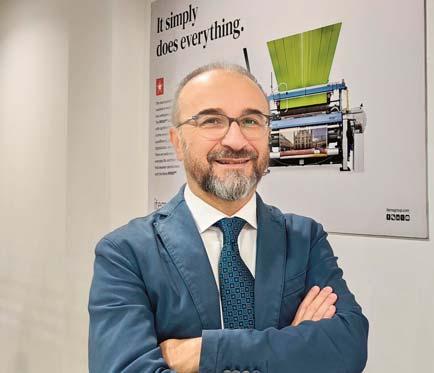
Itema is an Italian leading global provider of advanced weaving solutions, including weaving machines, spare
parts, and integrated services. The Company is the only manufacturer in the world to provide the top three weft insertion technologies: rapier, airjet and projectile, with an ample product portfolio and a steadfast commitment to continuous innovation and technological advancement of our weaving machines.
Itema owns Lamiflex, leading supplier of technical composite products and Schoch, leading producer of weaving accessories. The Group also has stakes in Tofflon Itema, the Italian branch of Tofflon, an Asian biopharmaceutical multinational company.
Sixty percent of Itema is held by Gianni Radici’s heirs. The remaining part is held by the Arizzi and Torri families.
Ivy Decarb is a digital platform that helps industrial companies measure, monitor, and reduce their carbon footprint. By combining verified emissions data with actionable insights, Ivy Decarb enables manufacturers to make informed decisions that drive decarbonization across their operations.
Jeanologia celebrates its 30th anniversary reaffirming the mission it was born with in 1994 to transform the textile industry into a more sustainable, efficient, and human-centred sector. Three decades later, that vision has become a global reality. Today, more than 40 per cent of all jeans produced worldwide are made using technologies developed by the Valencia-based company.
What started in a small laboratory in Valencia (Spain), with a pioneering team and a visionary idea, has evolved into a global benchmark in sustainable innovation. From the beginning, Jeanologia believed in technology as a driver of change, introducing solutions that eliminated harmful practices and opened the door to a new, cleaner way of making garments.
Throughout these 30 years, the company has led some of the most significant shifts in the industry. Its milestones include the introduction of the laser for denim finishing, the industrial application of ozone, the development of eFlow to drastically reduce chemicals and resources, the H2Zero water-recycling system, the eDesigner digital platform and the EIM standard, which today drives transparency and impact measurement across the global supply chain.
This journey has democratised clean technologies and set the foundations for a more responsible production model. Jeanologia works closely with leading international brands and retailers, among them Levi’s, VF Corporation, Uniqlo, Gap, Inditex, American Eagle, Abercrombie & Fitch and Mango, as well as luxury fashion houses such as Chanel, Prada and Balenciaga, who rely on the company to achieve more creative, efficient and lowimpact processes.
Beyond technology, the company highlights that its greatest contribution has always been its people. Today, 200
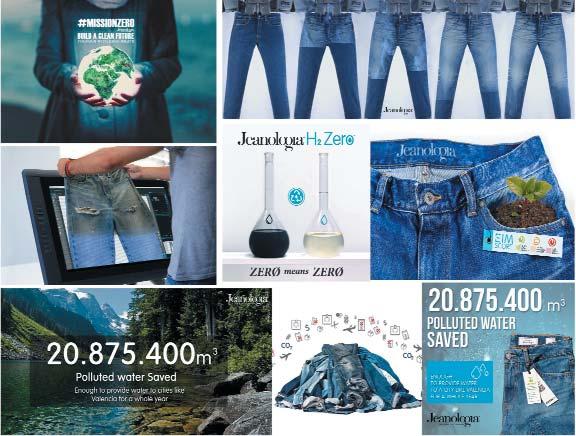
professionals form a multicultural team united by the same mission and passion to prove that a different way of producing is possible. Their expertise, creativity and purpose have been key to building a global ecosystem based on collaboration.
Looking ahead, Jeanologia continues advancing toward its MissionZero vision, aiming to eliminate the environmental impact of garment finishing. The company is now preparing the next major shift by integrating artificial intelligence, robotization and advanced automation to develop smarter, more precise, and efficient processes. These technologies will bring production even closer to the designer, connect creativity with the factory in real time and enable brands to respond more accurately to consumer demand without generating overproduction.
Jeanologia will also continue leading solutions that protect one of the planet’s most valuable resources, water. From full recycling systems to new finishing methods with minimal consumption, the mission remains unchanged, to eliminate
the water impact of textile production and accelerate the transition toward truly circular models.
“We are not just celebrating 30 years; we are celebrating three decades of real impact. We have proven that technology can transform the industry and make it more human, sustainable, and efficient. And this is just the beginning. Our commitment is to continue driving a production model connected to designers, creativity, and real consumer demand, applying AI, automation and solutions that protect essential resources like water,” says Carmen Silla, Global Marketing Director at Jeanologia.
Thirty years later, Jeanologia remains driven by the same passion it started with, now reinforced by the strength, knowledge, and vision of a global leader. Its purpose remains unchanged, to create a clean, creative, and future-ready textile industry. The best of Jeanologia is still to come.
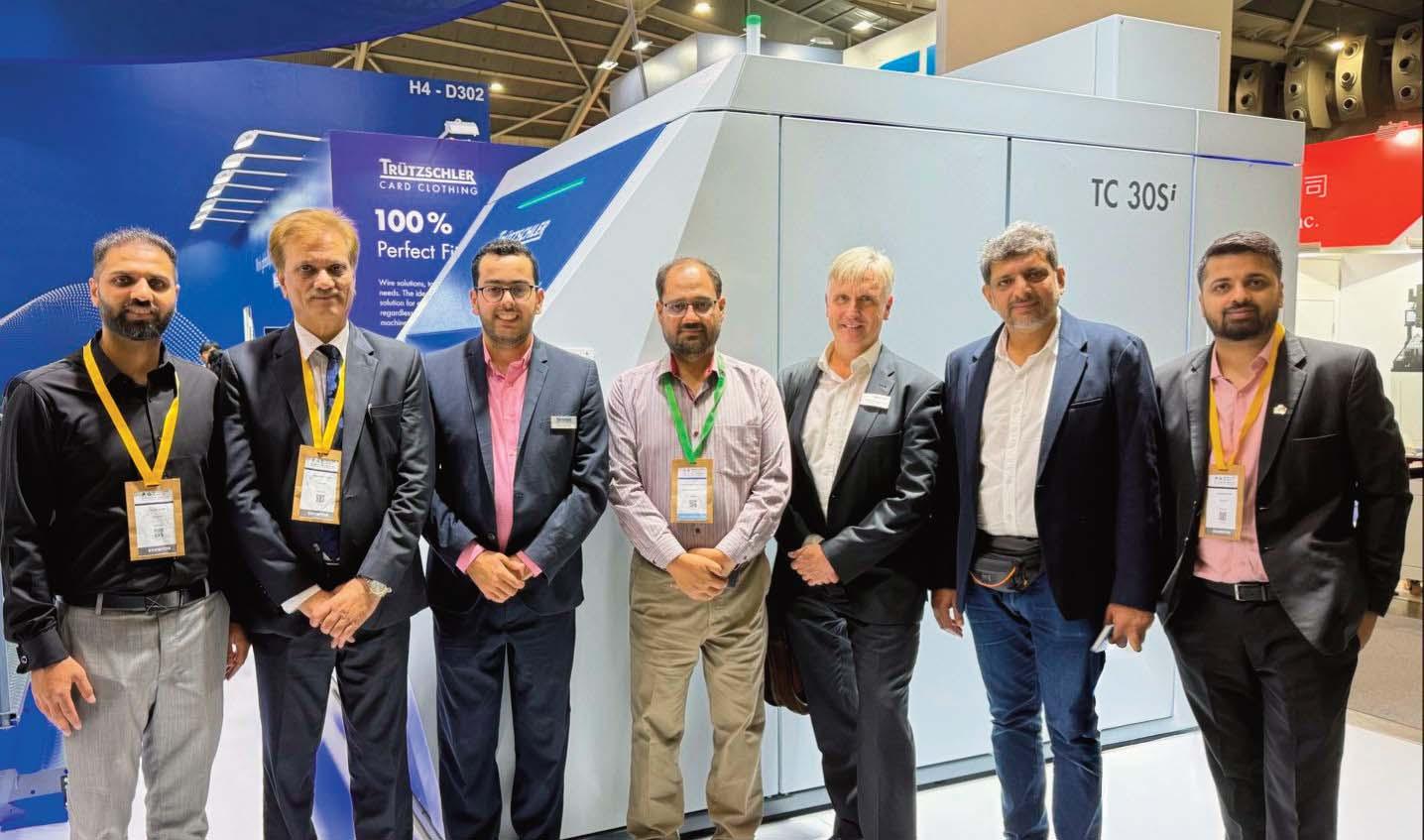
Next-generation GX2 and FGX2 wires extend lifetime by up to 20% and deliver superior carding quality.
Pakistan’s textile industry, especially its spinning sector, is the backbone of the national economy and a vibrant hub of innovation. Today’s spinning mills face growing demands for efficiency, quality, and sustainability. From the serene northern valleys to the vibrant port city of Karachi in the south, mills like Suraj Cotton Mills, Liberty, and Nishat Chunian are turning to advanced solutions. What do these leading mills have in common? They all rely on Trützschler Card Clothing’s cylinder wires GX2 and FGX2 to stay ahead. These wires are more than just tools –they are catalysts driving a new era of productivity and safety in Pakistan’s textile sector.
From Lahore to Nooriabad, GX2 and FGX2 wires deliver measurable benefits in daily operations:
Suraj Cotton Mills, operating out of Lahore, is a pioneer in fine-count yarns and operates over 125,000 ring spindles across three units. The company has been working closely with Trützschler since 1992. General Manager Shakaib Raza Zaidi reports: “Trials with GX2 and FGX2 wires on TC 15 and TC 03 carding machines delivered excellent results: a longer wire life up to 1250 tons, over 80% nep removal, grind-free operation and improved safety. These wires have become our preferred choice for sustainable, high-efficiency carding.”
As one of Pakistan’s leading yarn manufacturers with an annual capacity of 85,000 tons, NCL, based in Lahore, runs eight ring-spinning mills and one rotor spinning plant. Technical Director Sheikh Riaz highlights: “For us, GX2 means
reliability. It offers consistent quality throughout its life cycle and lowers maintenance costs. This stability is essential for meeting our sustainability goals and ensuring smooth operations.”
In Nooriabad, Liberty operates advanced rotor and airjet spinning facilities with 10,200 rotors and 960 MVS spindles (Vortex), producing yarns for home textiles, healthcare, and apparel. Technical Director Adnan Alam confirms: “The FGX2 wire achieved a 15–20% longer service life, consistently high carding quality and reduced maintenance, making it a safe and reliable solution for modern spinning.”
Why GX2 and FGX2 stand out
GX2 and FGX2 wires are redefining industry standards with features that clearly set them apart from conventional competitor wires:
GX2 lasts up to 1250 tons, even with challenging cotton blends. FGX2 reaches 1200 tons – up to 20% longer than previous generations and competitor wires.
Superior nep removal
Both wires achieve over 80% nep removal efficiency, resulting in cleaner slivers and fewer downstream defects.
Consistent quality and safety
Unlike conventional wires, GX2 and FGX2 maintain stable performance throughout their life cycle.
Operational savings
Grind-free operation means less downtime, fewer interventions, and lower maintenance costs.
Tailored solutions for different needs
Designed for use with cotton and blends, FGX2 has an extended back that increases both tooth stability and the carding area. Thanks to this geometry, FGX2 wires enable a larger carding surface and deliver superior card sliver quality. Its maintenance-free design eliminates the need for grinding and reduces downtime – a major advantage for mills without in-house expertise or those seeking maximum efficiency.
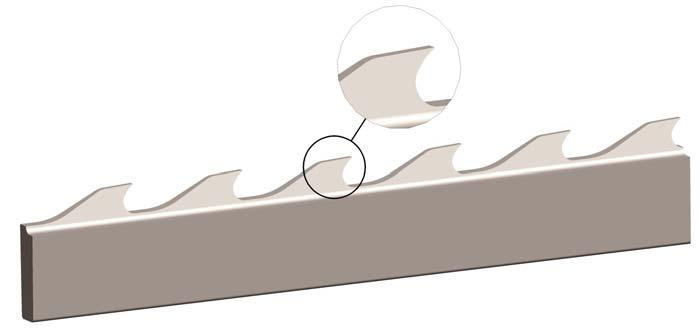
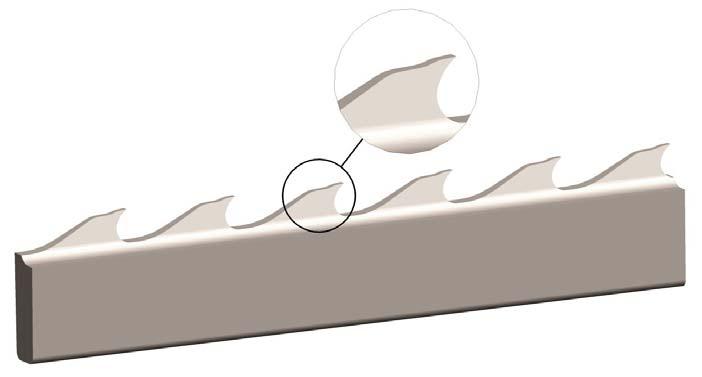
The GX2 wire offers the same geometry but is grindable, fulfilling the demand for a wire compatible with grinding systems. Together, FGX2 and GX2 provide tailored solutions for different requirements.
In today’s competitive textile landscape, every percentage of efficiency and every kilogram of waste matters. GX2 and FGX2 are more than just wires. They are strategic partners enabling sustainable productivity, consistent quality, and operational excellence.
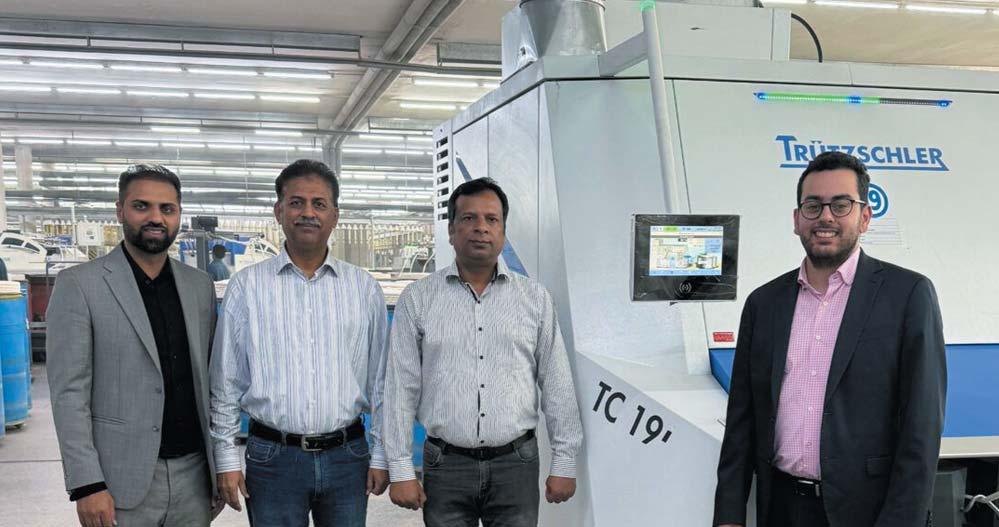
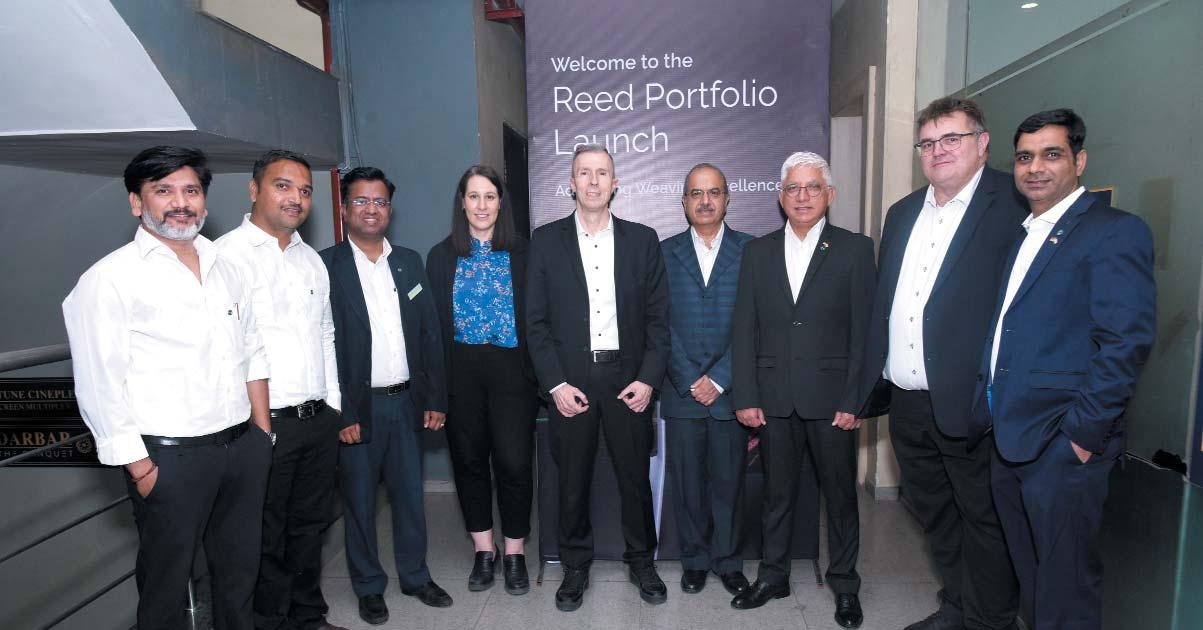
Groz-Beckert, the world’s leading provider of industrial machine needles, precision parts, and systems for the textile industry, hosted an exclusive customer event titled “Advancing Weaving Excellence – Reed Portfolio Launch” in Ichalkaranji, one of India’s most prominent weaving hubs.
The event brought together around 100 weaving mill owners and industry partners for an evening focused on innovation, global weaving perspectives, and the introduction of Groz-Beckert’s new Reed Portfolio to the Indian market.
According to the event agenda, the programme featured welcome remarks, global market insights, a dedicated Reed presentation, portfolio overview, interactive Q&A sessions, and networking over dinner.
Strengthening Commitment to the Indian Weaving Cluster
In the welcome address, Groz-Beckert highlighted the special significance of Ichalkaranji in its India journey, recalling the inauguration of its weaving showroom
in 2022 and expressing gratitude for the strong support from the local weaving community. The gathering was positioned as a step forward in deepening partnerships and bringing advanced weaving solutions closer to customers.
Global Expertise Meets Local Weaving Needs
Senior experts from Groz-Beckert’s global weaving division joined the event to share international perspectives and technological insights:
Mr. Christof Naier – Vice President & Head of Weaving Division
Mr. Renato D’Agostino – Senior Sales Manager, Weaving Division
Ms. Sina Uttenweiler – Product Manager, Reeds
Their presence underlined GrozBeckert’s commitment to supporting Indian weavers with global knowledge, precision engineering, and application expertise.
A key highlight of the evening was the formal introduction of the Groz-
Beckert Reed Portfolio, expanding the company’s weaving offering beyond needles and components into a more comprehensive weaving solution approach.
The Reed presentation and subsequent Q&A sessions generated significant interest from attendees, who engaged actively with the experts on performance, durability, and application benefits for Indian weaving conditions.
With strong participation, interactive discussions, and enthusiastic feedback, the event reflected the Indian weaving sector’s openness to advanced solutions that improve precision, efficiency, and fabric quality.
The evening concluded with networking over dinner, reinforcing GrozBeckert’s long-term partnership approach with the weaving community.
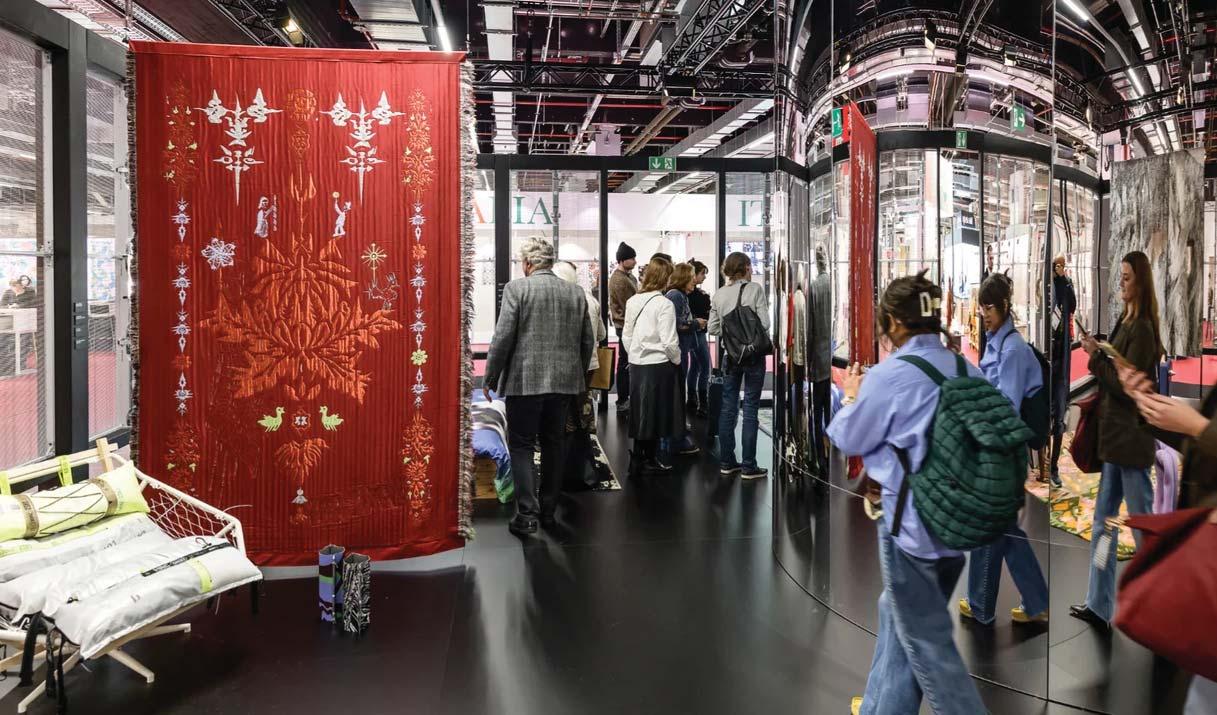
With 148 participating nations, rising global relevance and a marked increase in visitor quality, Heimtextil 2026 stood for stability and reliability in a volatile market environment. Once again, 3,000 exhibitors from across the globe placed their trust in the industry’s central platform in Frankfurt, presenting current collections, materials and textile solutions for holistic interior design to over 48,000 buyers. Under the motto “Lead the Change”, Heimtextil brought evolving market dynamics, Artificial Intelligence (AI) and new business opportunities to life. The focus was on progressive design approaches, visionary talents, functional textiles and new hospitality concepts shaping the future of interior design. A tangible sense of confidence and a clear commitment to Heimtextil as a strong industry partner resonated throughout the exhibition halls.
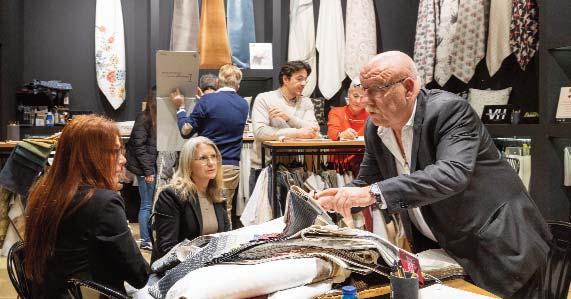
Heimtextil 2026 concluded with 148 participating nations, stable exhibitor and visitor numbers at a consistently high year-on-year level, and a growing share of top-level decision-makers. As the world’s leading trade fair for home and contract textiles and textile design, Heimtextil once again proved to be a
reliable partner for the industry – at a time when the market environment is shaped by geopolitical tensions, recalibrated trade flows and changing consumer sentiment. “Volatile tariff policies and geopolitical uncertainties are reshaping global sourcing and trade structures. At the same time, markets in
ASEAN and Europe are gaining in importance. The need for orientation, market transparency, reliable partners and new business opportunities is increasing. Especially in the current climate, a dependable platform such as Heimtextil is indispensable as a central meeting point for the global industry,” said Detlef Braun, Member of the Executive Board of Messe Frankfurt.
Strong industry confidence: global relevance and high decision-making quality
Heimtextil 2026 brought supply and demand together with even greater precision, highlighting global trends, relevant market segments and alternative business models. With an international share of 96 per cent on the exhibitor side, Heimtextil united key production and sales markets along the entire textile value chain. The top ten exhibitor countries included China, India, Pakistan, Türkiye, Germany, Italy, Spain, Portugal, the United Kingdom and the Netherlands. The visitor profile reached an internationality rate of 86 per cent, recording growth among others from the United States, Switzerland, Denmark, Finland and Peru. The share of top-level decision-makers rose significantly to 78 per cent, underlining Heimtextil’s relevance for strategic sourcing decisions, market exploration and networking. The strong presence of senior executives from international corporations such as Harrods, IKEA, Marriott Hotels, Sainsbury’s and XXXLutz further reflected the high quality of visitors. With repeat visitors increasing to 68 per cent and consistently high satisfaction levels among both exhibitors and visitors, Heimtextil positioned itself as a proven and stable platform for long-term business relationships in a challenging market environment.
Shaping the future of textiles: interior design and hospitality as growth drivers
As a global hotspot for textile and non-textile interior design, Heimtextil offered the retail, industry and contract sectors curated solutions for holistic interior concepts. Under the theme “Craft is a verb”, the Heimtextil Trends 26/27 connected AI technologies with traditional craftsmanship, providing strong impulses for design, product development and range planning.

Designer and architect Patricia Urquiola made the future of interior design tangible. Her installation “among-all” combined AI, material innovation and sustainability. Within an interactive space, she demonstrated how transformative textiles respond to individual human needs and open up new concepts for design, retail and hospitality. Heimtextil once again strengthened its role as an international creative hub, showcasing both established studios and emerging talents with sustainable, experimental and market-ready textile designs.
Against the backdrop of changing consumer and customer requirements and growing demand for functional contract textiles, Heimtextil placed a strong focus on project-based interior solutions. The Interior.Architecture.Hospitality programme connected industry, design, planning and project development, demonstrating how functional textiles create differentiation and unlock business potential across hospitality, contract business, office and healthcare sectors. From 2027 onwards, a new cooperation with Hospitality Interiors Europe (HINT) will further expand Heimtextil’s offering
for holistic interior design. The parallel format is specifically aimed at decisionmakers responsible for high-end contract design and strengthens Frankfurt’s position as a central platform for the global hospitality sector.
Lead the Change: AI as a business enabler for the global textile industry
From market shifts and new consumption patterns to concrete design and application contexts, Heimtextil 2026 translated key industry developments into new business opportunities. Through innovative exhibitor presentations, curated special showcases and an even more targeted content programme, the leading trade fair addressed the industry’s growing need for exchange, orientation and strategic insight. As a further market driver, Heimtextil consistently embedded AI into the trade fair experience, demonstrating under the umbrella “Texpertise Focus AI” how AI strengthens competitiveness in practical terms. “Artificial intelligence is already part of economic reality – as a creative partner for design concepts and material visualisations, and as an efficient tool for data migration, day-to-day workflows and personalised customer engagement. Our aim is to make these concrete applications tangible and actionable for the industry,” said Olaf Schmidt, Vice President Textiles & Textile Technologies. In doing so, Heimtextil 2026 acted as a strong strategic partner for the industry, opening up new business perspectives and encouraging the global textile sector to jointly advance key future topics.
Monforts dyeing and finishing technology customers from Pakistan had a formidable presence at the Heimtextil 2026 home and contract textiles exhibition which attracted over 48,000 visitors to Frankfurt in Germany between January 13–16.
They included key home furnishings suppliers such as Crestex, Faisal, Gohar, and Kausar Processing, all based in the Faisalabad region of the country, Karachibased Al Karam, Adamjee, Liberty, Lucky and Rainbow, and Kohinoor, Nishat Chunian and Sapphire of Lahore, to name but a few.
For these vertically integrated manufacturers, Europe remains one of the most strategically important end markets for home textiles, not simply for volume orders but because of what Europe represents in terms of standards, stability and long-term positioning. European buyers, whether retailers, brand owners or contract textile specialists, have historically set the benchmark for quality, safety and consistency in bedding, towelling and decorative home fabrics. Supplying this market therefore anchors Pakistani mills at the higher end of the global value
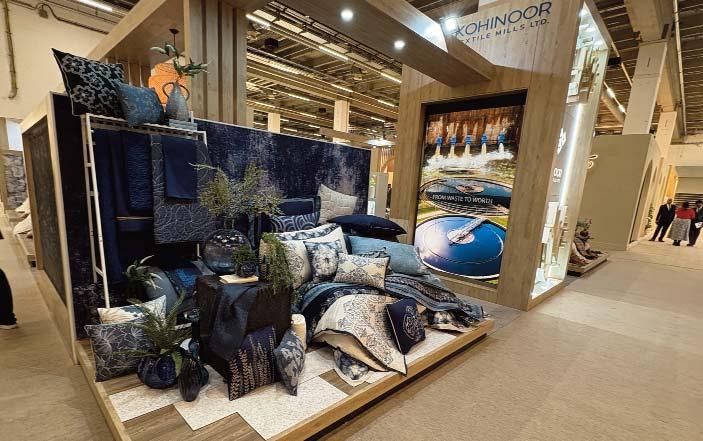
chain and provides a reference point that strengthens their credibility in other markets.
Pakistan is also one of the world’s few countries with large-scale vertical integration across cotton raw materials, spinning, weaving, knitting, wet processing, finishing and making up, all concentrated within single groups or closely linked clusters. This allows mills to respond to European buying models that favour fewer, larger suppliers capable of controlling quality from fibre to finished product.
In addition, European customers increasingly want traceability, process transparency and consistency across mul-
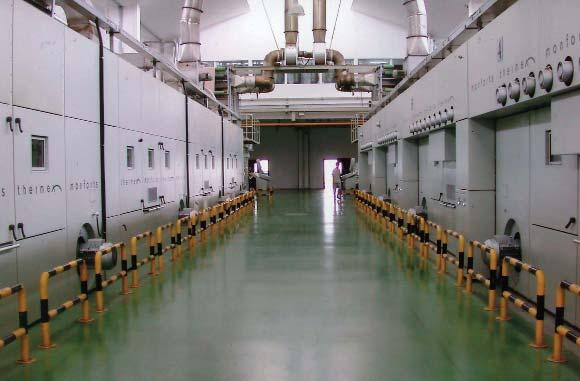
tiple seasons, not opportunistic buying. Vertically integrated Pakistani mills are able to offer this by aligning yarn selection, fabric construction, finishing and made-up production within one controlled industrial ecosystem.
“Pakistan offers relatively predictable shipping routes to Europe and crucially, a manufacturing culture already shaped by European norms,” says Monforts Area Sales Manager Manfred Havenith. “These companies rely on our established technologies, including MONTEX stentering equipment, MONFORTEX sanforizing units and THERMEX dyeing ranges. We continue to assist them with trials and optimised processing parameters in developing advanced fabrics for a wide range of end-uses, both at their own plants and at our Advanced Technology Centre (ATC) in Germany.
“We have also worked with Al Ameen, our valued partner in Pakistan for over 40 years, and this close cooperation, along with constant R&D and machine innovations – both in terms of productivity and energy savings – has allowed Monforts to build an 80% market share for stenters in Pakistan and to retain it for a number of decades. We remain dedicated to the ongoing success of our valued customers in Pakistan.”
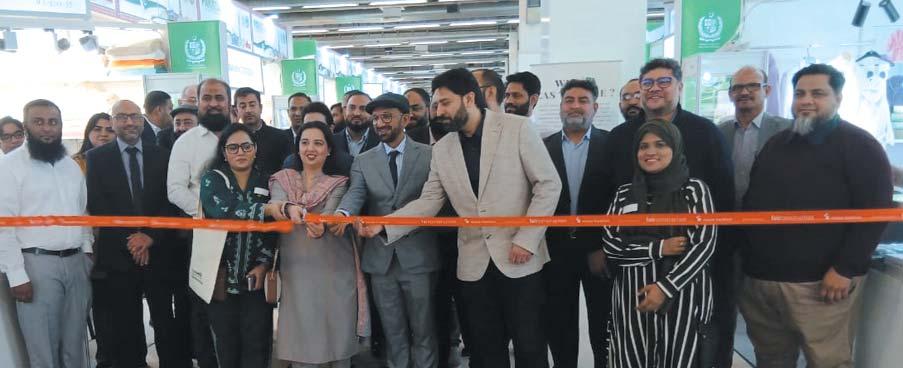
The world’s largest home textile exhibition, Heimtextil 2026, has successfully concluded, with Pakistani products receiving an encouraging response from international buyers. Alongside home textile manufacturers, Pakistani carpet exporters also participated in the expo, raising hopes for the revival of the country’s declining carpet industry.
Pakistan participated in Heimtextil as the fourth-largest exhibiting country. The global exhibition, which took place between 13–16 January in Frankfurt, Germany, featured 3,100 exhibitors from 65 countries.
Pakistan’s presence expanded significantly this year, with a total of 285 com-
panies showcasing a wide range of home textile products to global buyers and delegates. For the first time, Pakistani carpets were also showcased, with the participation of 11 carpet exporters.
Considering the commercial importance of the event, the Trade Development Authority of Pakistan set up a national pavilion that hosted stalls of 58 small and medium-sized export-oriented companies.
Exporters that participated in the exhibition said Heimtextil is one of the most important platforms for accessing the European market, enabling direct engagement with buyers and providing valuable insight into European demand, quality standards and market trends.
Chaudhry Ejaz Ahmed & Sons’ Marketing Manager Muhammad Hafeez
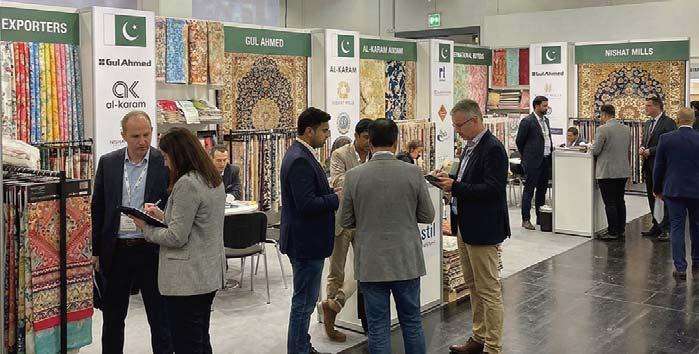
said he has been participating in the exhibition for the past three years, which has helped increase exports to Europe.
He added that consistent participation builds buyer confidence and allows companies to improve their product lines each year based on market feedback.
Elahi Fabrics’ Director Sheikh Mubashir Ahmed praised the exhibition arrangements, noting that Pakistani stalls have been allocated spacious locations in high-traffic areas. As a result, he said, visitor flow to Pakistani stalls remained strong since the first day, boosting business activity.
Nazu International’s CEO Abdul Hadi said Heimtextil is a vital platform for promoting Pakistan’s home textile exports. He noted that European buyers are increasingly prioritising environmentally friendly products, prompting his company to adopt eco-friendly production processes and waste management systems.
He added that Pakistani exporters are shifting towards solar and wind energy to enhance competitiveness, although such transitions require substantial investment.
Hadi further said companies adopting green energy solutions are benefiting from carbon credits, which is also helping improve access to European markets. Exporters believe Heimtextil play a key role in stabilising Pakistan’s declining textile exports.
Amna Naeem, Trade and Investment Counsellor at the Consulate General of Pakistan.
This is Amna Naeem, Trade and Investment Counsellor at the Consulate General of Pakistan, speaking from the Pakistan Pavilion organised by Trade Development Authority of Pakistan at Heimtextil 2026.
Like our previous participations, this year has once again proven to be a highly
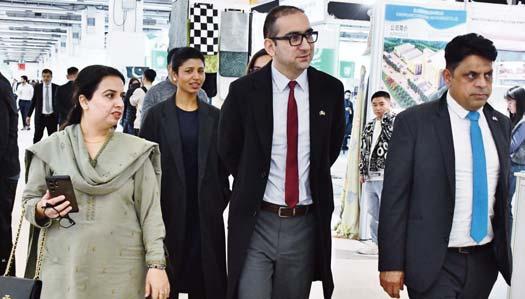
successful platform for Pakistani companies, both private exhibitors and those participating under the TDAP umbrella. Pakistan has maintained a strong and visible presence at the fair, with 285 companies exhibiting this year, this includes our largest ever TDAP national pavilion (73 stalls) plus many independent ones, showing strong growth of over 10% from last year. For the first time a dedicated Carpet Pavilion has been setup in which 11 Pakistani exporters have also participated, bringing fresh energy to the show.
Encouragingly, the response from our exhibitors has been

very positive, and we are optimistic that participation will grow even further in the next edition.
The exhibition has generated significant leads and facilitated new B2B connections. Pakistani companies have effectively showcased not only their products, but also their innovative solutions and compliance-driven manufacturing standards to an international audience visiting the fair.
Heartiest congratulations to leading brands like Gul Ahmed Textile Mills, Nishat, top carpet exporters, the entire business community, Chambers of Commerce, TDAP, Ministry of Commerce, and MOFA for this outstanding collaborative success.
Overall, it has been a very successful exhibition for Pakistan, and we look forward to building on this momentum at next year’s edition.
Olaf Schmidt, Vice President of Messe Frankfurt Exhibitions on Heimtextil Success.
I am Olaf Schmidt, Vice President of Messe Frankfurt Exhibitions and responsible for our textile fairs worldwide, including Heimtextil.
We are very pleased, Heimtextil 2026 was a wonderful and highly successful edition. In total, we welcomed 3,000 exhibitors from 66 countries, once again confirming the fair’s role as a truly global platform bringing together the entire home textile industry.
Looking across the different product groups, I can confidently say that anyone who wants to see the state of the art in home textiles should come to Frankfurt. We had strong participation from many countries, particularly from Pakistan. I am very happy to see so many outstanding products and companies that come to
Frankfurt with a clear objective: to network, explore new markets and establish valuable business contacts.
We were especially pleased with the increased participation from the carpet industry. More than 320 carpet companies were represented among the 3,000 exhibitors, highlighting the strength and importance of this segment within the overall home textile landscape.
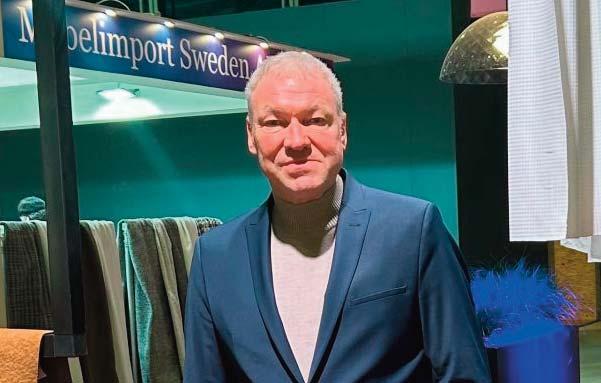
achieved by blending modern technology with human creativity and expertise.
In addition, we introduced a new area dedicated to the mattress industry, which proved to be very successful. One of the highlights was our trend area, which explored the combination of artificial intelligence and craftsmanship. It demonstrated how innovative results can be
Overall, it was a truly successful show. My sincere thanks go to everyone who made it possible to host Heimtextil here in Frankfurt once again. We are already looking ahead to 2027 and to welcoming the industry back for the next edition of Heimtextil on January 12th
A research project from Mohammad Sarfraz, a student from the Balochistan University of Information Technology, Engineering and Management Sciences, has received global recognition. The young researcher from Quetta has won the Discover Natural Fibre Initiative (DNFI) Award for producing fibre from banana stems.
The award, which celebrates efforts to promote eco-friendly fibres, was presented at the global research competition held during the Home Textile International Exhibition, Heimtextil, in Frankfurt, Germany.
Over 100 research institutions, companies and educational organisations from around the world participated in the competition. Sarfraz’s achievement highlights the remarkable potential of Pakistan’s young minds, showcasing the country’s growing presence in the field of sustainable research.
Upon receiving the award, Sarfraz dedicated the recognition to his teachers and the talented youth of Balochistan. He shared that he had spent four years researching the process of producing high-quality fibre from banana stems.
The project has garnered praise on various international platforms. However, Sarfraz takes particular pride in the success of his project when compared with projects from European research institutions and developed countries.
Dr Mohammad Qasim, Head of the Department of Textile Engineering at the Balochistan University of Information Technology, Engineering and Management Sciences, and supervisor of Sarfraz’s project, emphasised that the global recognition of the research proves that the youth of Pakistan possess capabilities on a par with any other nation. He believes that with the right opportunities,
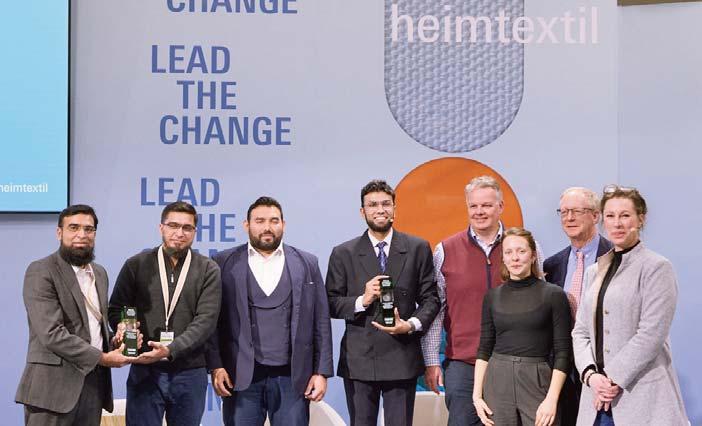
Pakistan’s name can be highlighted on the global stage.
He said that this project has three stages – extraction of natural fibre from banana waste, making a composite and yarn, and then producing fabric or other products.
Mohammad Fawwad Supriya, Director of the Natural Fibre Company that provided industrial support for the project, remarked that the award is an honour for Pakistan.
He noted that European companies attending Heimtextil have shown significant interest in the project. There are plans for collaboration with a German company to manufacture and market products made from Pakistani banana waste fibre in Germany and other European countries, with a partnership agreement already in place.
Fawwad explained that the project will play a key role in reducing poverty and providing employment in the marginalised areas of Sindh and Balochistan, thereby improving the quality of life for local communities. Fibre production from banana stems has already commenced in Sukkur and Lasbela, and the next phase will involve scaling up production to include 4,000 households. For this pur-

pose, Sarfraz has designed specialised machines locally.
He further elaborated that the cost of a unit consisting of two machines would be between Rs 700,000 and Rs 800,000. This unit can produce up to 1,000 kilograms of fibre per acre of banana waste. The fibre will then be used by skilled artisans in Sindh, Balochistan and Punjab to craft handmade items and traditional products.
According to Fawwad, Pakistan has the potential to annually produce 500 million kilograms of natural fibre from banana waste, with an estimated global market value of $1 billion. Moreover, the production of fibre-based products could generate substantial foreign exchange earnings for the country.
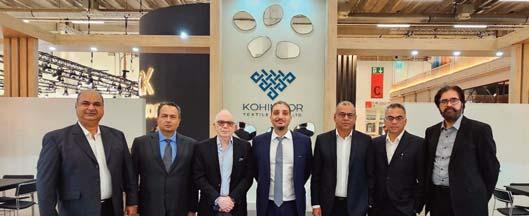
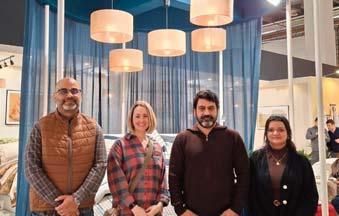
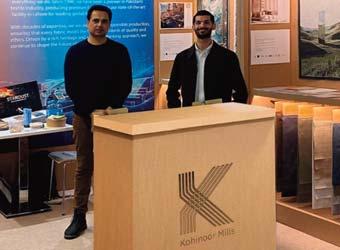
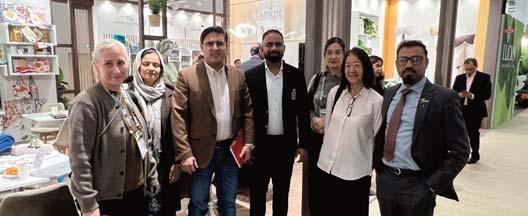
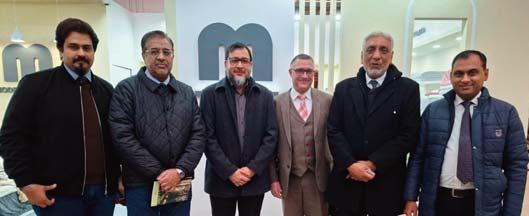

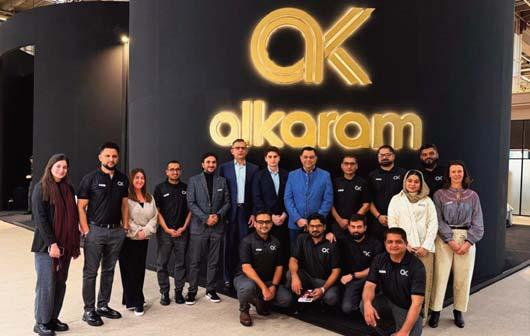
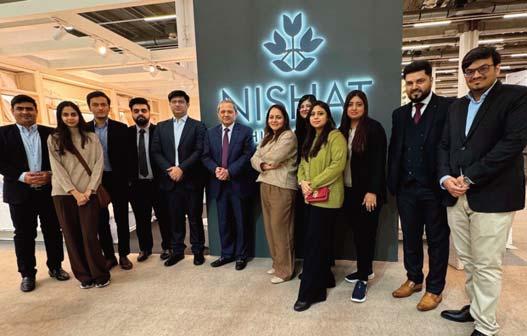
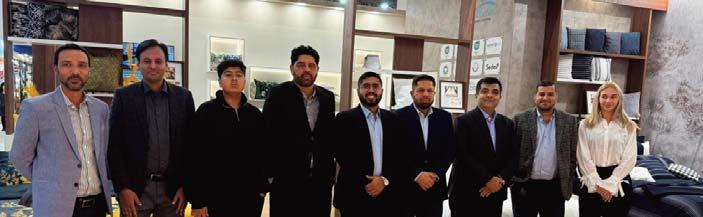
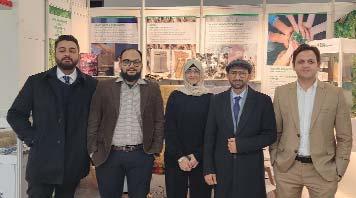

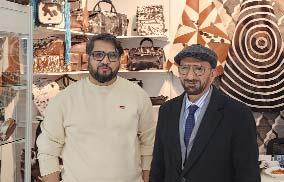
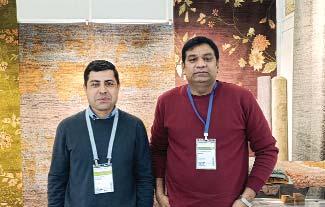

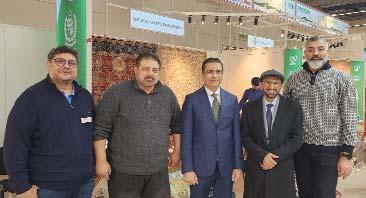
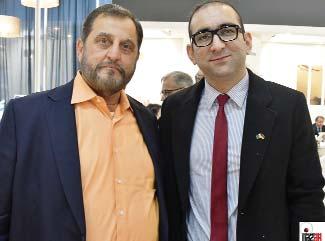

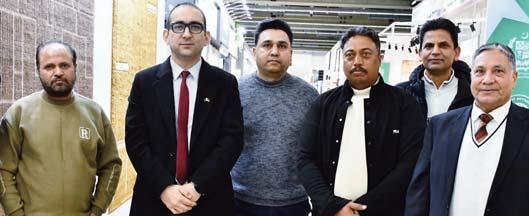
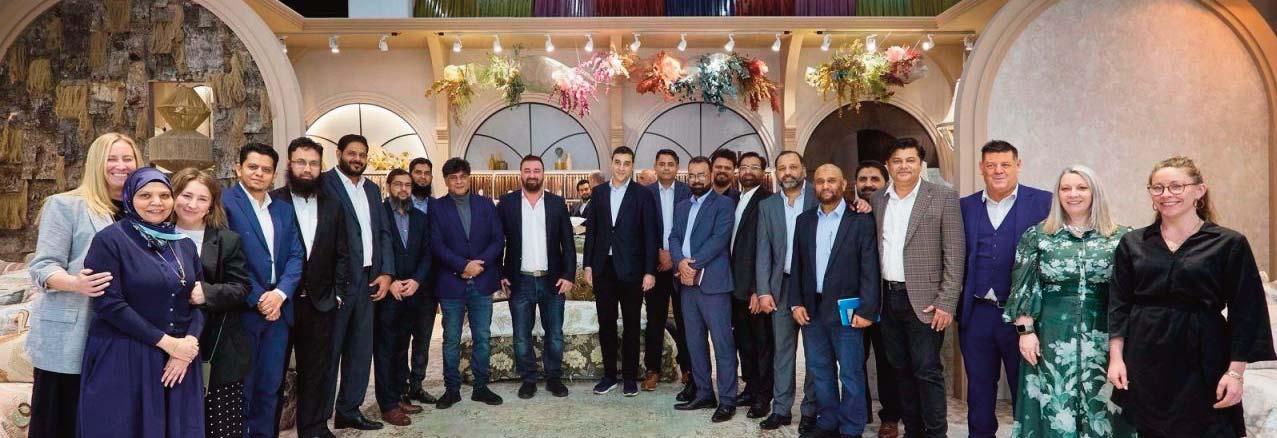

by Nadeem Mazhar, Managing Editor, Pakistan Textile Journal.
The textile sector in Pakistan has an overwhelming impact on the economy, contributing 54% to the country’s exports. It is deemed one of the most important sectors of Pakistan’s trade. The total textile exports stood at US$ 17.8 billion compared to US$ 16.6 billion in the same period last year, signalling a positive growth of around 7.39% during FY 2024-25 as compared to the same period last year. This growth is attributed to the global increase in demand, resulting in higher export orders, combined with a competitive global environment. In addition, the recent political instability in Bangladesh and US’s strict trade policies against China have further created new opportunities in the global textile market.
However, the domestic economy continues to pose challenges for textile players, including issues such as the unavailability of locally produced cotton, delays in the clearance of imported cotton and other essential inputs, elevated gas and electricity tariffs, and increased finance costs. Overcoming these obstacles will be crucial for the growth of the textile sector in Pakistan.
Hosiery Industry
The industry sustains direct livelihood of 210,000 skilled workers and 490,000
unskilled workers. Another 350,000 people benefit from allied cottage industries. Thus, the industry provides, directly and indirectly, sustenance to well over a million people.
Knitwear exports consist of knitted and processed fabrics knitted garments, knitted bedsheets, socks, etc. The export performance of knitwear during the period under review is given in table-1.
Today knitwear is also synonymous with trendy fashionable wear for casual sportswear as well as smart casual workwear. Pakistan’s knitwear (hosiery) industry is playing a vital role in the value addition of the textile sector. This sector
has export potential, despite remaining under pressure from its competitors, mainly Bangladesh, India, and the Far Eastern nations.
The knitwear (hosiery) sector, being the largest foreign exchange earner as well as the largest contributor in the textile and total exports of the country, demands deserving attention of the government to diversify knitwear products to bring more innovations and incentives to boost its exports.
Pakistan is the fourth-largest cotton producer in the world and is an important player in the global textile market. Its knitwear industry is the highest value-
Source: Trade Development Authority of Pakistan.
added textile sector in the country and is distinguished by the high quality of raw material and competitive value of the end product.
Knitwear exports witness a 13.68% increase in value
Knitwear exports during the fiscal year of 2024-25 increased by 13.68% in value and by 6.47% in terms of quantity when compared to exports of the commodity during the corresponding period of last year. During the period from FY25, knitwear worth US$ 5 billion was exported, as compared to exports of US$ 4.4 billion during the same period of last year.
The top destinations for Pakistan’s knitwear exports during FY25 were the United States of America and the United Kingdom with exports of US$ 1.7 billion and 667 million respectively, for further information on top export destinations for knitwear exports during FY25 have a look at Table-2.
Exports to the United States of America increased by 19.6% in FY25 compared to last year’s figure of US$ 1.4 billion. Similarly, knitwear exports to the United Kingdom increased by 8% against exports of US$ 618 million during FY 2023–24. Meanwhile, knitwear exports to Spain declined by 2.5% compared to exports worth US$ 454 million during FY25.
Demand for Pakistan’s knitwear grew significantly in the majority of countries around the world, showcasing positive
Source: Pakistan Bureau of Statistics.
growth in the sector and increased demand for quality knitwear products from Pakistan.
Pakistan's knitwear industry has always played a crucial role in the country’s exports, bringing much-needed foreign exchange. Data provided by the Pakistan Bureau of Statistics and presented in Table 1 show that demand for Pakistan’s knitwear industry is growing, as evidenced by the increase in total export quantities between FY24 and FY25.
While demand for textiles from Pakistan is increasing, uncertainty, political instability, and the lack of proper long-term trade policies within the country could hinder this growth.
Officials must pursue a clear, wellthought-out action plan supported by effective policies to ensure Pakistan continues to harvest the full potential of this sector.
References:
1.Pakistan Bureau of Statistics.
2.Pakistan Economic Survey.
3.Trade Development Authority of Pakistan.
by Nadeem Mazhar, Managing Editor, Pakistan Textile Journal.

The textile sector is the most important sector of Pakistan’s economy. In 2025, it contributed almost 8.5% of the country’s GDP, accounted for 46% of the industrial output, 54% of the total export earnings and 38% of the country’s workforce.
The readymade garment industry has emerged as one of the important smallscale industries in Pakistan. Its products have huge demand both at home and abroad. The local requirements of readymade garments are almost fully met by this industry.
The garment industry is a good source of providing employment opportunities to a large number of people at very low capital investment. Exports increased in terms of quantity from 76 million dozen to 80 million dozen in various types of readymade garments and grew in terms of value to US$ 4,128 million during FY2025 as compared to US$ 3,559 million during FY2024, thus showing a 5.26 percent increase in terms of quantity while a 15 percent increase in terms of value. The recent statistics of the readymade garment exports are shown in the table-1.
Readymade garments in terms of export value during the fiscal year of
Source: Trade Development Authority of Pakistan.
2024-25 made an impressive growth when compared to the exports of the commodity during the corresponding period of last year. Exports during FY 2024-25 totaled US$ 4,128 million against US$ 3,559 million during the corresponding period of last year showing an increase of 15%.
According to the data released by the Pakistan Bureau of Statistics for FY2025, the exports of bedwear increased by 11.33%, of US$ 3,115 million as compared to the exports of US$ 2,798 million of the same period of last year. Meanwhile, knitwear exports also increased slightly by 13.8% as the exports during the current fiscal year recorded worth US$ 5,014 million as compared to the exports during the same period of last year which recorded US$
4,403 million.
During the period under review, Towel exports increased by 2.8%, worth US$ 1,083 million in the current fiscal year, as compared to the exports valuing US$ 1,053 million of the same period of last year.
Although garment sector exports have increased over the years and it has been one of the best-performing segment of the textile value chain, the sector is underperforming relative to its potential. Pakistan lags behind its competitors in the global share of garments export.
According to statistics, Pakistan’s share in the exports of garments was a meager 1.10% compared to China’s 31.7%, Bangladesh’s 6.4%, Vietnam’s 6.4%, and India’s 3.9%.
China-Pakistan Economic Corridor (CPEC) provides an unprecedented opportunity for Pakistan to further expand its garment exports to the world in the coming years. Under the industrial cooperation pillar of CPEC, Pakistan can take advantage of China’s retreatfrom the global market due to eroding cost competitiveness. This erosion can be attributed to surging labor costs in China, which is almost thrice the cost in Vietnam and Pakistan, twice that of India and six times that of Bangladesh. Through strategic positioning, Pakistan can leverage China’s exit by expanding its market share and exports.
Furthermore, CPEC is expected to drive improvement in Pakistan’s garment sector through relieving infrastructure constraints. By ensuring improved energy supply, better internal connectivity, and improved logistics, CPEC is likely to result in shorter factory-to-market lead times, enhanced global connectivity improving access to new international markets from the Gulf to Europe, improved productivity and competitiveness, and increased growth in the sector due to benefits of agglomeration in the Special Economic Zones (SEZs).
Recommendations
Pakistan needs appropriate and targeted industrial policy measures to support the garment sector. Since Pakistan’s industry comprises a large share of SMEs, it can follow India’s example, where the government is pitching its SME garments sector globally as a flexible way for big clients to costeffectively produce small, customizable lots. Similarly, medium-sized firms could take advantage of the improvement in ICT to hold stocks in Pakistan for clients to lower their inventory costs. This requires providing support to SMEs so that they may offset their scale disadvantage through access to a reliable supply of inputs and competitive credit. Government should assist in acquiring internationally recognized quality and safety certifications to increase SMEs’ export readiness.
To improve value-added exports, Pakistan must focus on law and order stability, increasing labor productivity, reducing production costs, and increasing
Source: Trade Development Authority of Pakistan.
productivity. Most countries in the region have achieved this through a combination of investment in better machines, worker skills along with IT and logistics. Pakistan’s garments industry needs to take the lead in providing demand-based training, not just at the entry-level, but also for upgrading the skills of existing workers. With many firms highlighting the significant absence of skilled middle management, the government could create a common training center for middle managers, while more technical skills could be offered on factory premises, on an appropriate cost-sharing basis.
To improve the cost-effectiveness of Pakistan’s garments in the international market, the government must remove extra taxes on utilities to ensure a uniform power tariff rate that is not significantly higher than regional competitors. Another strategy is for the government to promote energy efficiency through investment incentives or tax credits. Moreover, tax breaks can also be offered for restructuring industrial activity to lower production costs.
Pakistan was a leader among industrializing countries in the 1960s but unlike the East Asian economies, it failed to take advantage of the window of opportunity created by globalisation that
gathered momentum in the 1970s and beyond. However, extricating the economy from this trap is possible given the potential opportunities that exist for a dynamic sector like Readymade Garments.
Despite considerable constraints on the manufacturing economy, Garment firms have continued to outperform other industrial sectors. China’s transition away from low-value-added garments production provides a window of opportunity for Pakistan to obtain a segment of China’s US$ 170 billion export share. This is entirely achievable but will require a redoubling of policy effort on the recommendations provided in this study, along with greater initiative and appetite on the part of the private sector.
With these in place, there is no doubt that the garments sector can help Pakistan achieve sustainable economic growth, a reduction in the trade deficit, and improvements in overall societal welfare through stable and well-paying employment.
References
1.Pakistan Bureau of Statistics.
2.Pakistan Economic Survey.
3.Trade Development Authority of Pakistan.
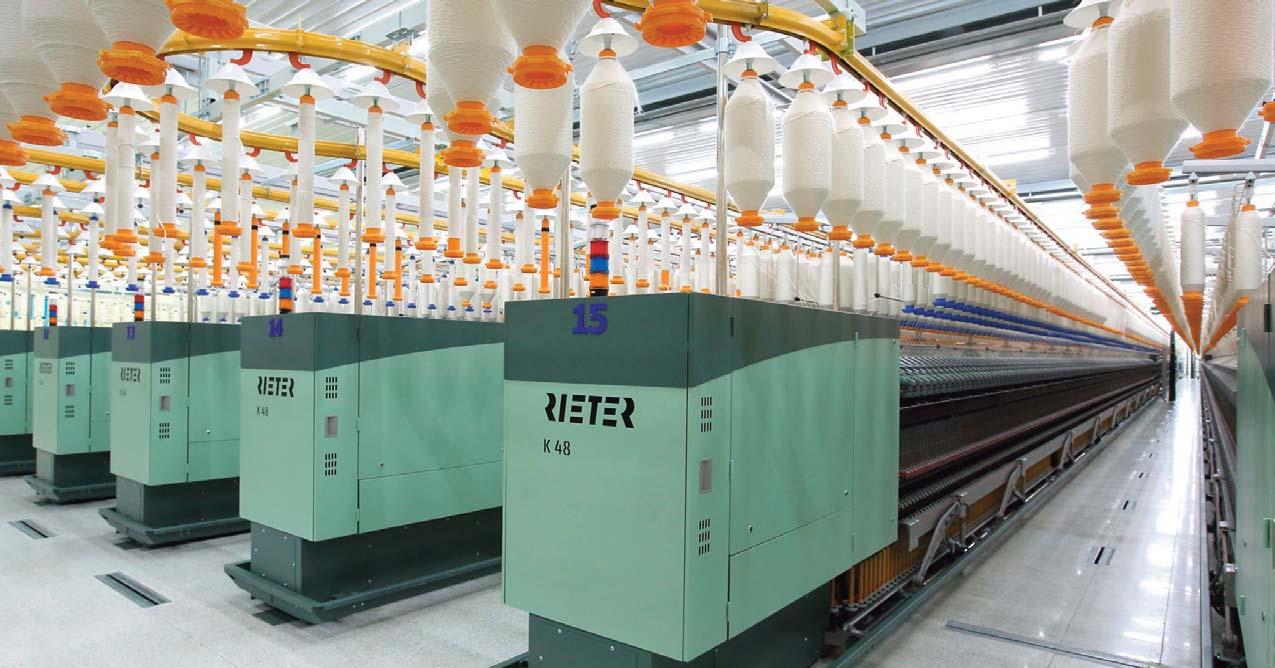
by Nadeem Mazhar, Managing Editor, Pakistan Textile Journal.
Textiles are the most important manufacturing sector of Pakistan. It has the longest production chain, with inherent potential for value addition at every stage, from cotton to ginning, spinning, fabric, dyeing and finishing, made-ups and garments. This sector contributes nearly one-fourth of industrial value added and employs about 40 per cent of the industrial labour force. Barring seasonal and cyclical fluctuations, textile products have maintained an average share of about 60 per cent in national exports.
The spinning sector is the backbone of the textile sector of Pakistan. According to the Textile Commissioner Organization (TCO), it comprises 517 textile units (40 composite units and 477 spinning units) with 13.414 million spindles and 198,801 rotors installed and 11.338 million spindles and 126,583 rotors in operation with capacity utilisation of 84.55 per cent and 63.67 per cent, respectively.
The textile industry is the largest manufacturing industry in Pakistan and the 8th largest exporter of textiles in Asia,
Source: Trade Development Authority of Pakistan.
contributing 8.5% of Pakistan’s GDP. In addition, the sector employs about 40% of the total labour force in the country (and 38% of the manufacturing workers). Pakistan is the 4th largest cotton producer, with the third largest spinning capacity in Asia after China and India and contributes 5% to the global spinning capacity. There are 1,221 ginning units, 549 spinning units, 124 large spinning units, and 425 small units that produce textiles.
Pakistan has emerged as one of the major cotton textile suppliers globally, with a share of the global yarn and
cotton fabric trade of about 30% and 8%, respectively, maintaining the sector as a backbone of industrial activity for the country. The annual volume of the total world textile and clothing trade was more than US$ 889.54 billion in 2025; Pakistan's share is less than 2.5%.
Cotton production during the current season has declined considerably due to unfavourable weather conditions. However, the country remains reliant on imports to meet the remaining demand, and the rising international cotton prices will put pressure on the sector's margins.
The spinning sector is the backbone of textile production. The rapid increase in spinning capacity due to technological advances has substantially increased cotton production and related products. Pakistan's spinning sector caters not only to the requirements of the domestic industry but also about one-third of the total output of yarn is exported to different destinations.
In FY 2025, raw cotton imports increased significantly by 167%, reaching US$ 1.2 billion, compared to US$ 448 million during the same period in FY 2024.
The export of cotton yarn from Pakistan recorded a significant decline of 28.84% during fiscal year 2024–25, falling to US$ 680 million compared to US$ 956 million in FY 2024. This sharp contraction underscores the urgent need for corrective measures and supportive policy interventions to stabilize Pakistan’s cotton yarn sector, which remains a critical raw material for global textile production.
A key factor contributing to this downturn has been the reduced demand for Pakistani cotton yarn from China. Over the past several years, China has acted as a major driver of growth for this export segment, particularly under the China-Pakistan Free Trade Agreement
Source: Trade Development Authority of Pakistan.
(CPFTA) Phase-II, implemented in 2020. The agreement facilitated preferential market access and enabled higher export volumes to China, Pakistan’s largest trading partner in this category. The recent slowdown in Chinese demand has therefore had a pronounced impact on overall export performance.
Beyond China, Pakistan’s cotton yarn exports have also weakened across other international markets, including Bangladesh, Portugal, Japan, Italy, the United States and Turkey. These countries depend on Pakistan’s competitively priced and quality yarn to support their domestic textile industries, reinforcing Pakistan’s
position as a significant supplier within the global textile value chain. The earlier expansion in cotton yarn exports had reflected the strength of Pakistan’s agricultural base and its integral role in the international textile supply network; however, the current decline signals mounting competitive and structural challenges that require timely policy attention.
References
1.Textile Commissioner Organization
2.Pakistan Bureau of Statistics.
3.Trade Development Authority of Pakistan.
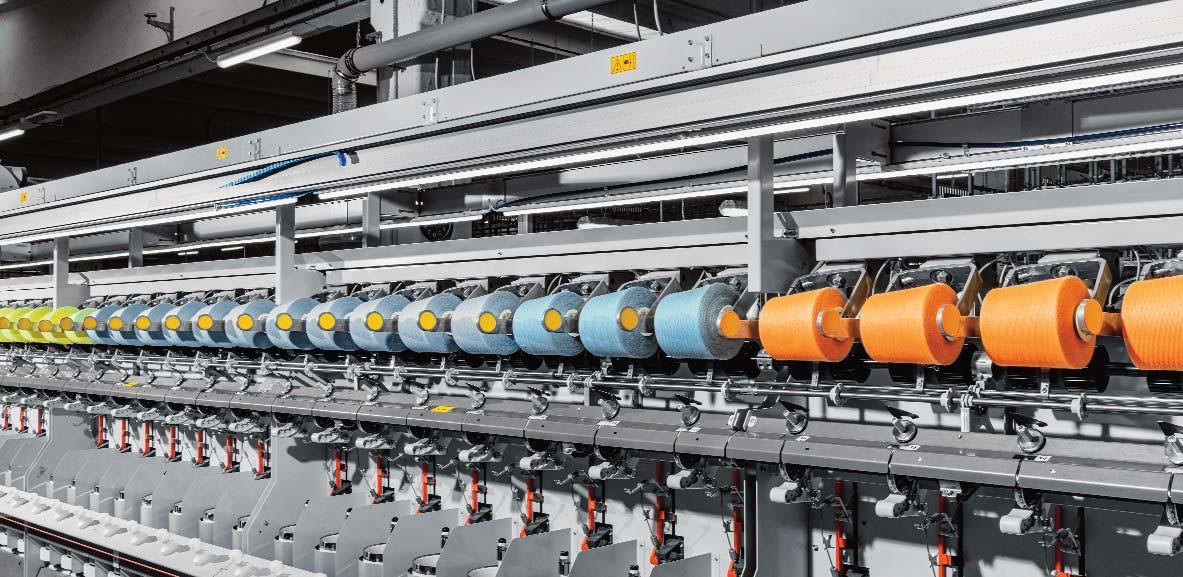
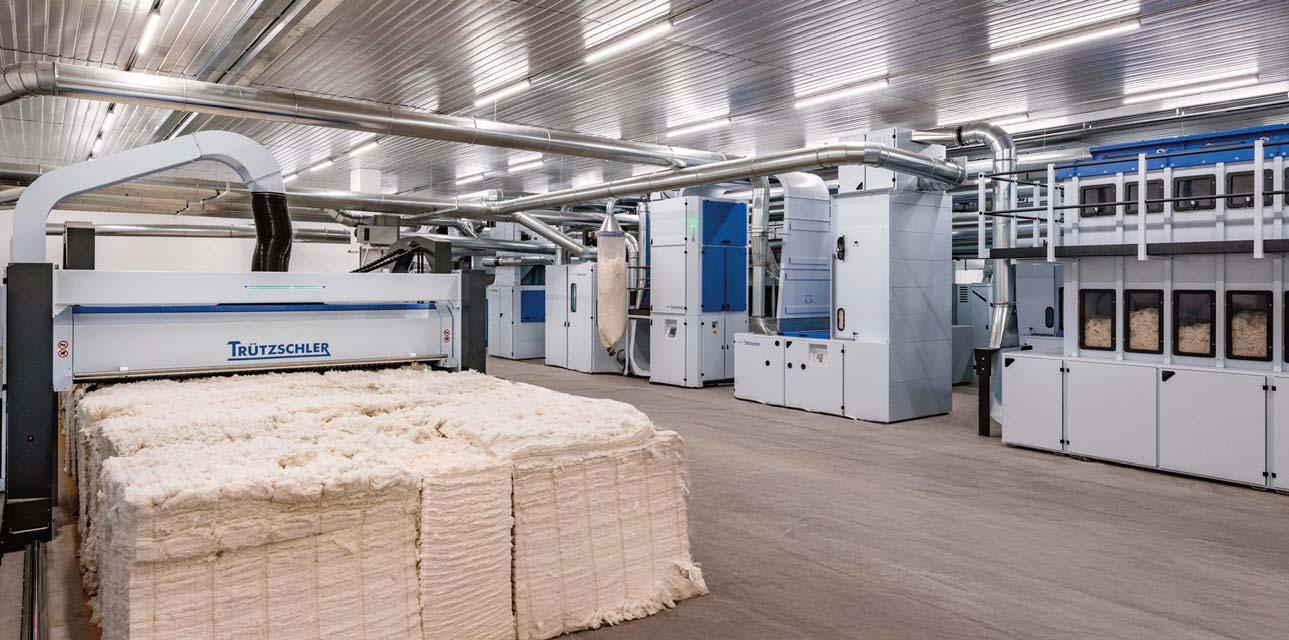

In cotton spinning, efficiency is a key factor. Every kilogram of raw material counts, not only for profitability but also for sustainability. This makes the first step in the process, cotton processing in the blow room, especially important. Here, fibres are opened, cleaned, and prepared for carding. During this stage, impurities and short fibres are removed to ensure high yarn quality. However, a considerable number of usable fibres often end up in the waste stream. On average, cotton spinning lines discharge 3 to 7% of blow room waste. For a mill processing thousands of tons annually, this translates into hundreds of tons of lost raw material and significant financial loss. The question is: How can mills recover these fibres and turn waste into value?
The solution: Trützschler Online Fibre Recovery Line
At Trützschler, blow room lines are designed to minimise cotton waste from the very beginning. Through advanced
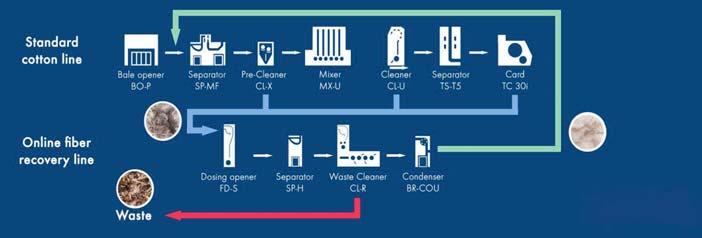
* Calculation based on a line production of 1,000 kg/h, 90% efficiency rate, annual production of 8,000 tons, and raw material costs of Euros 1.80/kg (cotton).
technologies, Trützschler ensure that only a very small amount of residual waste remains after the cleaning process. And for this remaining waste, they go one step further: With the Trützschler Online Fibre Recovery Line, these fibres get a second chance. Trützschler’s advanced system reprocesses blow room and card waste directly within the line. Waste is extracted, carefully cleaned, and can be fed back into the process. The result? Valuable fibres are recovered and reintegrated into production. Less waste, more value, and a smarter approach to cotton processing.

This unique solution can be easily retrofitted into existing lines. It requires only a small investment and pays off quickly, thanks to immediate and measurable savings in raw material consumption.
Numbers that speak for themselves (for an average spinning mill with one blow room line*)
Up to 160 tons of raw material saved per year*
Annual savings of EUR 288,000*
Small investment: quick return on investment through immediate and measurable raw material savings.
A small investment with a big sustainability impact
By recovering fibres that were once discarded, mills can reduce raw material consumption, boost efficiency and sustainability and achieve significant cost savings. The Trützschler Online Fibre Recovery Line makes this possible with a solution that is easy to implement, fast to pay off, and proven to deliver very good results.
With over 110 years of technological leadership in the textile machinery sector, Savio Macchine Tessili S.p.A. continues to drive innovation across the yarn finishing segment. Strengthening its position as a global leader in winding, twisting, and spinning technologies, Savio’s latest advancements:
Proxima Smartconer®, Phoenix Assembly Winder, and Lybra Smartspinner®. Designed to enhance productivity, energy efficiency, digital connectivity, and process integration, these solutions reflect Savio’s commitment to delivering intelligent, high-performance systems that meet the evolving demands of modern textile manufacturers worldwide.
Savio’s Proxima Smartconer® is now available in a full range of configurations: fully automatic, manual feeding, cone-tocone, Duo Lot, and large bobbin feeding for carded wool sector. The winding platform integrates energy-saving features, optimized bobbin flow, and AIpowered functions, along with Savio Insight, a web-based system for real-time production monitoring and control.
Key upgrades include:
Savio Insight, which enables remote setup, data tracking, and performance analysis to support informed decisionmaking in the winding process. A newly designed and patented suction nozzle on preparation area improves yarn-end capture efficiency and reduces energy consumption. A smart solution, designed to increase performance and reduce operating costs, while maintaining high standards of reliability and quality. AIdriven features such as adaptive tension control, smart metering, and intelligent bobbin flow management enhance automation and precision. Proxima is designed to deliver high productivity, low energy consumption, premium yarn quality, and seamless data connectivity— a strategic asset for textile manufacturers.
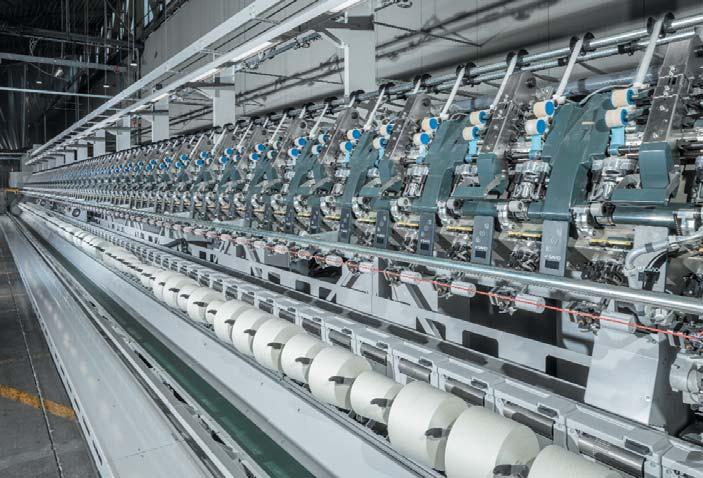
Originally presented in Singapore 20 years ago, Savio’s Phoenix assembly winder is now available with enhanced digital features. Phoenix is Savio’s latest addition for precision winding assembly, combining high productivity with exceptional package quality and low operating costs. Yarn packages processed on assembly winders then go to feed Two-for-One Twisters: Phoenix is thus a natural extension to Savio’s product range to fully integrate the twisting and winding process.
Phoenix benefits include yarn take-up speed of up to 1000 m/min. It is suitable for all discontinuous fiber yarns (cotton, wool, silk, linen, blends) from Ne 1 to Ne 140. Savio Multicone digital thread guide reduces setup time and optimizes package formation for superior downstream twisting results.
We spin different with a versatile and smart machine: Savio’s air-jet spinning machine Lybra Smartspinner® has been developed with an original spinning technology to serve customers in specific applications of textile production:
knitting, home textiles, sunshades. A standout feature of Lybra is the Multi Blend System, which allows to feed onboard two slivers directly into the spinning chamber. Fibers are blended in real time, enabling on-the-fly blend composition changes via machine PC, cost savings and streamlined preparation lines, and creation of unique material and color blends, including melange effects.
Lybra offers versatility, efficiency, and ease of use, empowering manufacturers to achieve high production rates with reduced processing costs.
Over its 110+ years history, Savio acted as technological leader and innovative player in attractive niches of the textile value chain. Savio is specialized in the textile machinery sector for the yarn finishing segment being the leading supplier of winding, twisting and spinning machines with manufacturing plants in Italy, China and India. Since 2021, Savio is part of Vandewiele, a Belgian global leading group active in the construction and installation of textile machinery. Vandewiele is a world leader in mechatronics solutions (combination of mechanical and electronics engineering) to serve textile and electronics customers around the world.
Converting timeworn Rieter compactspinning machines to conventional ring spinning machines, optionally with compacting devices, is a viable solution when a machine has reached the end of its service life. This upgrade provides spinning mills with greater flexibility, boosts productivity by up to 10%, reduces imperfections and classimat values by up to 15%, and saves energy.
As a compact-spinning machine approaches the end of its operational life, typically after a decade or more of highquality performance, certain key technology components may require replacement. At this point, many customers begin evaluating options such as refurbishment, conversion, or new machine investment; a decision that involves both technical and financial considerations.
and sustainable modernization
When investing in a new machine is not a preferred option, converting ageing compact-spinning machines into conventional ring spinning machines –optionally equipped with compacting devices – can be a practical and costeffective solution.
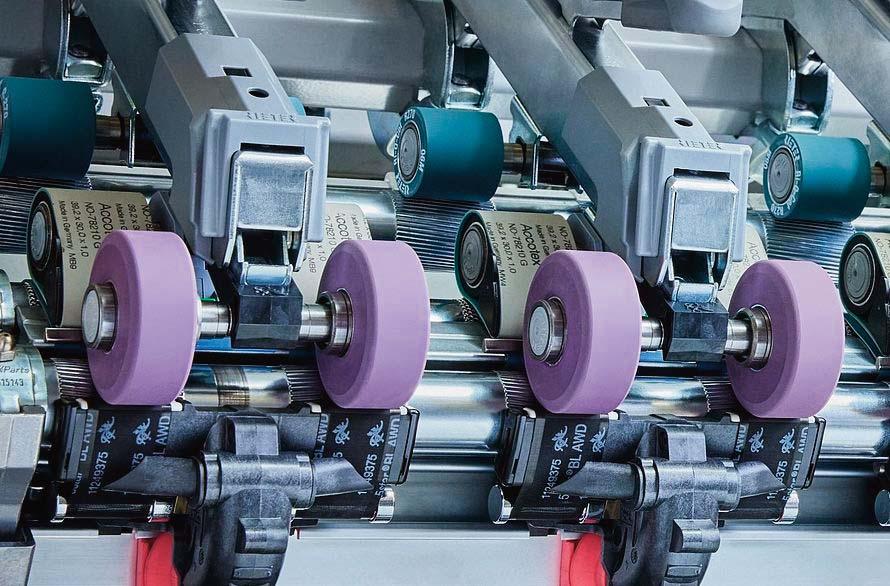
This conversion provides flexibility, allowing mills to produce ring yarn one day and compact yarn the next, enabling quick responses to changing market and customer demands. The process involves targeted modifications in the drives and drafting zones without altering the core structure of the machine.
Spinning mills can choose one of the latest generation compacting devices, like COMPACTapron, to meet specific quality and performance goals.
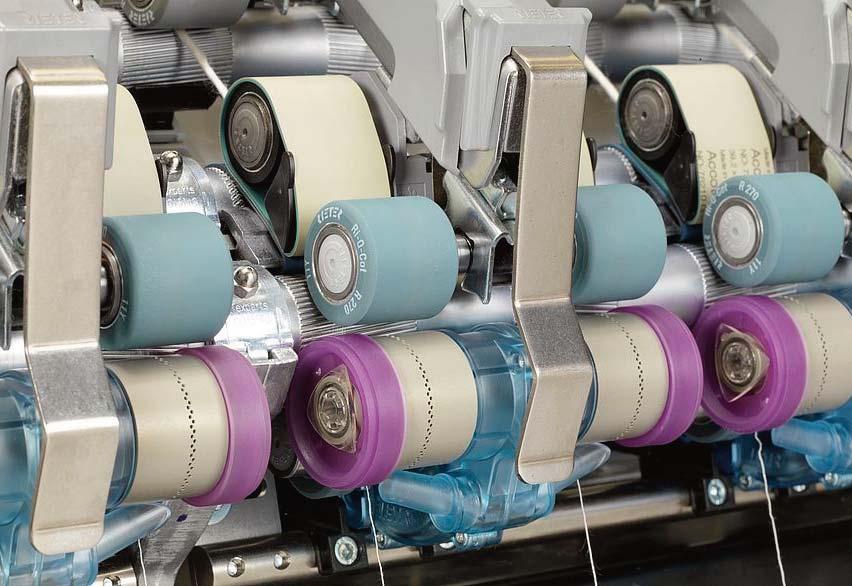
Increased productivity, enhanced quality, improved flexibility
The benefits of this smart upgrade are clearly visible in real-world applications. In a recent case, a Rieter compactspinning machine K 43 was successfully converted to G 33 with COMPACTapron for processing Ne 60 cotton combed compact yarn.
The results, when compared to the timeworn compact-spinning machine, were impressive: the yarn quality matched the original quality with the sieve drum system in terms of hairiness and strength (RKM) with an increased productivity of up to 10%. There is a substantial reduction in yarn imperfection and classimat values of up to 15%.
In addition, the latest compacting devices consume less energy due to reduced suction demand, leading to noticeable energy savings. The plug-in, plug-out design of the compacting devices allows for quick changeovers between compact and conventional ring spinning, supporting mills with increased flexibility to adapt swiftly to market demands. Offering a smart alternative to full replacement, this upgrade combines trusted machine performance with cutting-edge compacting technology.
Loepfe has been at the forefront of mastering polypropylene clearing for years, and PRISMA is the latest proof of this expertise. As PRISMA is an evolving system, Loepfe proudly announces a further improvement in Pclearing. Designed for spinning mills facing fluctuating humidity levels, the system is proven to offer better fabric quality while maintaining the cut rate.
Over the past 12 months, extensive trials have been conducted, and a significant amount of datahave been collected and used to upgrade the level of accuracy in polypropylene detection. The data were used for optimisation in signal processing and to offer an additional setting function specifically for spinning mills that must contend with pronounced climatic fluctuations.
Polypropylene clearing
Contamination of cotton with synthetic fibres remains a significant concern for spinning mills. Polypropylene contamination, typically stemming from bale packaging, can lead to a myriad of issues throughout the production process. These include broken needles in knitting applications, thread breakage during weaving, and visible defects in the final product after dyeing. Effective contamination clearing substantially enhances yarn quality, while overly stringent measures can negatively impact production efficiency and increase waste.
For spinners, clever P-clearing balances the need for quality yarn with the imperative to maintain operational efficiency. Loepfe’s approach combines

advanced technology, precise signal processing, and tailored settings to address various production scenarios, now enhanced to account specifically for humidity fluctuations.
New climate compensation
In response to the unique demands of spinning mills operating in environments with significant humidity variations, PRISMA now features an innovative climate compensation setting. Extensive testing of this new functionality at affected spinning mills has demonstrated several benefits, including:
Enhanced overall classification accuracy
Improved clearing performance
Consistent cut rates coupled with superior final fabric quality
Same cuts and better clearing performance
The new function makes it easy to counteract the changing climate in a spinning mill. The system then takes into account the increasing humidity and calculates an average value between the standard deviation and the peak values.
By providing this enhanced climate
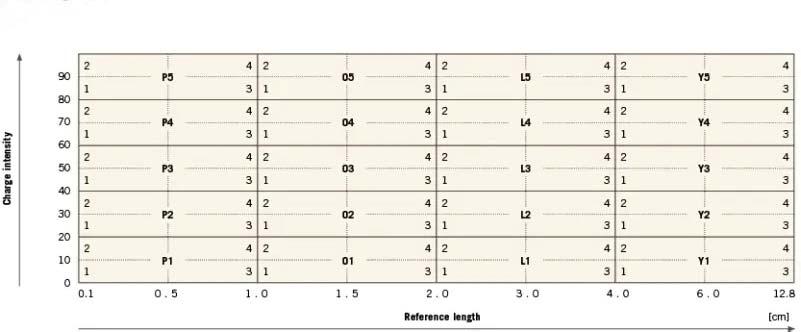
compensation setting, Loepfe empowers spinning mills to sustain peak performance and exceptional quality, even when confronted with challenging environmental conditions.
The P-Matrix allows operators to input specific parameters, starting with a pre-generated clearing curve by the Autostart function that considers the most crucial factors for optimal and efficient clearing results. By easily adjusting the settings - raising or lowering the clearing curve - operators can tailor outcomes to meet their individual production needs.
The key influences on polypropylene clearing include:
Raw material (fibre length and short fibre content)
Yarn count
Twist amount in the yarn
Yarn hairiness
Humidity (impact on hairiness)
Go to Default Group Settings and set Climate Compensation to 50%. Select the checkbox labeled Adjustable in Group to show it in Group Settings (optional). This 50% will be applied to all the groups by default. The service key is required to access the Default Group Settings.
The Climate Compensation value may be influenced by the yarn count and cotton variety. It is recommended to start with a value of 50% as various trials show that the best result can be achieved between 35% and 75%.
Uster Technologies announces further innovations and developments expanding the Uster 360Q Platform universe with new products, solutions and services. Innovation advances are also being recorded in the fields of man-made fibre testing and fabric inspection. Uster’s latest developments address the industry’s key focus areas such as mill management and process control, optimisation of delivered fabric quality and improved yield.
Presented for the first time three years ago at ITMA in Milan, Uster 360Q has attracted considerable interest, and FiberQ has proven itself in practice as a raw material management solution with profit potential. Under 360Q – with the goal of empower spinners to achieve Think quality at the next level – Uster developed further solutions and tools.
Newly combining and correlating data from FiberQ – measured with Uster HVI – with data from Uster Quantum yarn clearers, spinners can learn about the influence of different raw material parameters on the end product quality. This highly sought-after information offers a great opportunity to optimise mixings and continuously achieve a higher level of quality consistency and better control of the production process. The Uster Fibre2Yarn solution is available in two different views, such as the correlations over time and the correlations over different mixings.
A wide range of valuable features and information can be found on the Uster 360Q Platform. Uster services are hosted on the cloud-based platform with a technology architecture that makes businesses more agile and cost-effective. Additionally, the cloud solutions enable businesses to leverage AI and machine learning capabil-
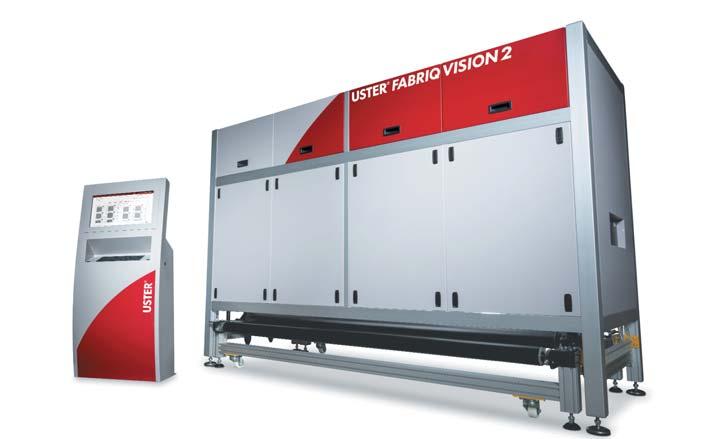
ities. The integration of Uster Intelligence – combining artificial intelligence with Uster’s expertise – is opening up new possibilities for spinners. Additional benefits include further advancements in the Uster Academy, such as the introduction of the Uster Chatbot and Wiki, providing direct and easy access to Uster know-how. The Academy’s e-learning portfolio has been expanded to serve a broader range of users.
Furthermore, the platform serves as a central access point for notifications and alerts. The Uster 360Q Platform is also where users – free of charge and with no licence needed – find Uster news and the latest application literature. Also, the content provided earlier via the Uster Insights App will be integrated into the platform. And of course, the new Uster Statistics web app is included with all well-known functionality in a new format.
Uster introduces the new Uster Fabriq Vision 2, the next-generation fabric inspection system designed for reliable performance – even in challenging environments – with enhanced defect detection capabilities. These advantages are driven by the Smart Vision Camera 3, delivering high-performance in-camera image processing.
Uster’s real-time process monitoring and quality inspection solution further convinces users through simplified opera-
tion through Uster Intelligence-supported style creations as well as by image-based and supported visual setting adjustment for easier adaptation.
Fabric producers need to ensure a consistently high rate of defect detection by automated control during final inspection. Uster Fabriq Vision 2 offers advanced process safety through the Super Inspection Mode for increased security, even after production, and consistent Uster Intelligence-supported quality decisions. The system’s ability finally allows fabric yield to be optimised and prevents claims – quickly set up and easily handled when fine-tuning.
Last year, Uster launched the new Uster AFIS 6. The next-generation AFIS stands out by uniquely testing man-made fibre properties in addition to cotton in the same unit. It provides critical data to optimise fibre process control in spinning, paving the way for superior yarn quality and reduced waste.
AFIS 6 can be seamlessly integrated into the mill’s quality management regime by connecting to Uster Quality Expert and the integration of Uster Statistics. The enhanced user experience results from the new user interface and its various languages available is a key highlight. Another plus is simplified data analysis through the integral reporting functionality.
Archroma Pakistan Ltd ...................................................BC
Chhipasons.................................................................64
DOMOTEX asia 2026................................................IFC
DPS World Pakistan 2026...........................................27
IGATEX Pakistan 2026................................................23
ITMA ASIA + CITME 2026.........................................21
International Rubber Industries.............................FC&64
iTextiles........................................................................9
ITM 2026.....................................................................6
Pakistan Solar Solutions..............................................64
Rastgar.................................................................19&64
Textile Asia 2026.......................................................IBC
Truetzschler.................................................................3
Zhejiang Rifa................................................................1