Effective Strategies for Maintaining Your Construction Budget
Construction project managers understand the paramount importance of budgeting, but it doesn't imply disregarding all other aspects.
Various external factors beyond the control of the construction manager can impact the budget.
Unpredictable factors like adverse weather conditions can disrupt your project timeline and generate unexpected logistical costs.
Accidents and other unforeseen events may also disrupt project continuity and extend deadlines.
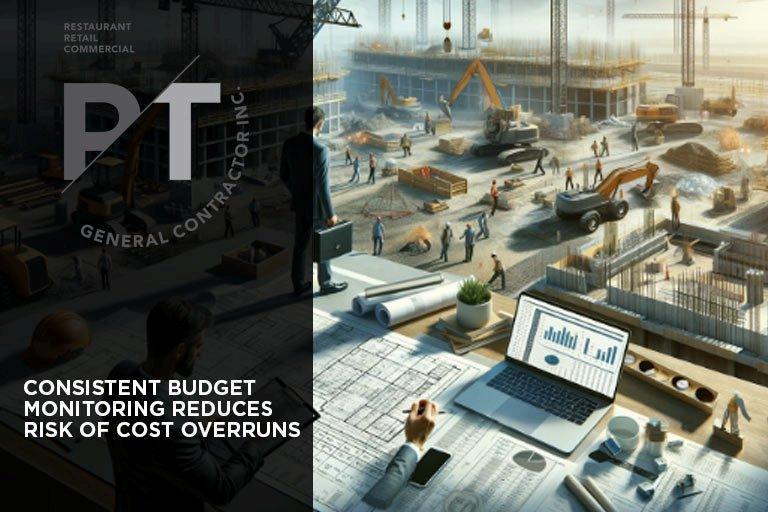
Managing a construction project can be a daunting task, with numerous challenges and uncertainties that can easily lead to budget overruns.
Maintaining your project budget is crucial to the success of any construction project.
Here are some strategies you can employ to maintain control over your construction project budget: Key Components
of Construction Cost Management
Dealing with construction costs involves planning, controlling, and coordinating the budget of a project to prevent excessive spending.
This process ensures that you get the most value out of every dollar spent.
However, it goes beyond just crunching numbers and involves various elements that shape the project's financial story.
Labour
Labour is the backbone of any construction project.
Efficiently managing labour costs means optimizing work hours, minimizing downtime, and ensuring that the right skills are deployed in the right places.
Materials
Whether it's bricks or beams, the cost and quality of materials can significantly impact the project's overall cost.
Strategic procurement and effective inventory management play crucial roles in this aspect.
Equipment
Decisions related to equipment, whether through renting or purchasing, can influence project timelines and expenses.
Regular maintenance and timely upgrades can prevent unexpected costs.
Overhead
These are indirect expenses such as site utilities, rentals, and financing costs.
While not directly tied to a specific task, they are essential for completing the project.
Contingencies
These are unforeseen expenses that can arise during the project.
Effective cost management allocates a portion of the budget to handle unexpected events without disrupting the project.
Consequences of Cost Overruns

Ignoring construction financial planning is like laying the groundwork for derailing a project.
While overspending may appear to be the obvious outcome, the consequences reach beyond this initial issue:
Budget Strain
Exceeding the budget places immense financial pressure on project stakeholders.
When funds are redirected to cover cost overruns, resources become scarce for other critical needs, potentially jeopardizing the sustainability of the organization.
This strain can extend beyond the project itself, affecting the overall financial stability and growth prospects of the company.
Delays and Missed Deadlines
Cost overruns often lead to project delays, disrupting carefully planned schedules.
Such delays can be highly inconvenient for clients who rely on timely completion, contractors who may face penalties, and end-users who eagerly await the project's benefits.
Missed deadlines can result in lost opportunities, reduced revenue, and a tarnished reputation for the project team.
Quality Compromise
To reduce costs, corners may be cut, compromising the quality of materials or workmanship.
This compromise can lead to safety hazards, structural deficiencies, and a higher risk of future maintenance issues.
Ultimately, the long-term cost savings may be overshadowed by the need for costly repairs or replacements down the road.
Disputes and Legal Issues
Cost overruns can trigger disputes among project parties, including owners, contractors, and subcontractors.
These disputes can escalate into costly legal battles, consuming time, resources, and energy.
Not only do they delay project progress, but they also strain relationships, eroding trust and collaboration among stakeholders, which can have lasting consequences beyond the current project.
Reputation Damage
Consistent cost overruns can severely damage a company's reputation within the construction industry.
Clients and stakeholders may perceive the organization as unreliable or financially mismanaged, making it challenging to secure future projects.
Trust is hard to regain once lost, and a tarnished reputation can result in missed opportunities, reduced competitiveness, and an overall decline in business prospects.