LEARNING
WITHOUT LIMITS
WITHOUT LIMITS
CONNECTING PEOPLE AND EXPERTISE
Expanding Knowledge, Strengthening Communities, and Improving Lives







during her unplanned pregnancy and homelessness She is now a young working mother living in an apartment with her healthy little girl and completely off all opioids and nicotine products ”
The future of Project ECHO at Penn State holds extraordinary potential, not only in expanding our reach but also in deepening our impact By thoughtfully integrating emerging technologies, we can strengthen how knowledge is shared, personalize learning, and respond to growing community needs with greater precision and speed Importantly, we envision these advances not as replacements for human connection, but rather as amplifiers to take this care to the next level .
Our vision is clear: a learning health ecosystem where expertise flows seamlessly, and innovation supports equity, providing every community, regardless of geography, with the tools, insight, and confidence to thrive . Together with our partners and
supporters, we are building sustainable networks that are adaptable, data-informed, and designed for the evolving needs of Pennsylvanians and beyond . I am so grateful for our incredible ECHO staff and experts, collaborators, and participants, without whom this work would still only be a bold idea
Knowledge becomes powerful when it is shared .
Together, WE ARE ensuring knowledge reaches every community.
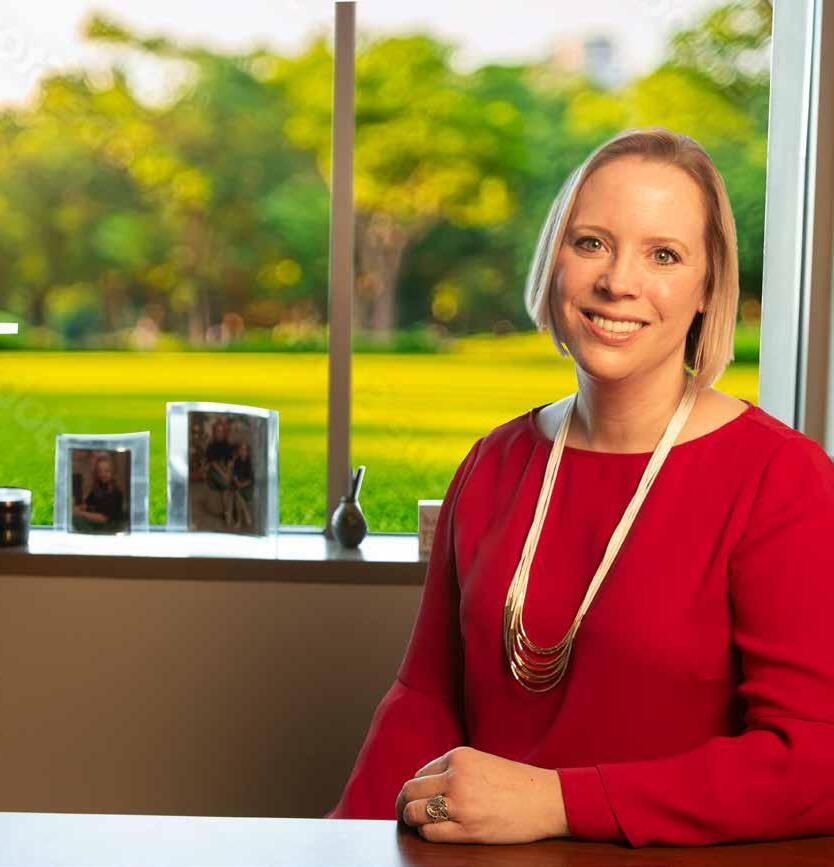

Jennifer L. Kraschnewski, MD, MPH Director, Project ECHO at Penn State
Director, Penn State Clinical & Translational Science Institute

Project
Penn State College of Medicine brings together a network of learners collaborating in interactive, virtual sessions to share knowledge, solve problems, and support one another.
Using a tele-mentoring model, our programs connect healthcare workers, educators, community and public health professionals, caregivers, and employers with specialists and experts who help strengthen local knowledge and skills in key areas that impact their work and communities.
In each of our ECHO sessions, participants examine real-world cases, learn from brief presentations, and exchange ideas through open discussions . Guided by expert mentors, the learning flows both ways — everyone teaches, and everyone learns . Over time, this shared learning builds local expertise among participants, so the people they serve can access high-quality care right in their own communities .
From rural towns to urban neighborhoods, Project ECHO at Penn State helps people turn knowledge into action—strengthening care, connection, and opportunity in every community we serve .

From Expertise to Results
Since launching in 2018, Project ECHO at Penn State has grown from a single program into a statewide and national resource for collaborative learning, connecting professionals across healthcare, education, workforce development, and community support.
As our network of learners has expanded, Project ECHO at Penn State has attracted $12.8 million in direct funding and $41.1 million in collaborative support. To date, 71% of our programs are funded by external partners who trust our model to strengthen local expertise and expand access to quality care and support .
Through more than 83 unique programs at Penn State, Project ECHO participants continue to build knowledge and skills, earning over 6,400 continuing education credits through active learning and real-world application .
Behind every program is a dedicated team of educators, coordinators, researchers, and project specialists who design each initiative for measurable, lasting impact .
Engaging participants from 66 counties across Pennsylvania, 41 states, and 16 countries, Project ECHO’s reach continues to expand at Penn State . This broad participation demonstrates how deeply communities value opportunities to connect, learn, and lead change together .
Our work transforms knowledge into local expertise, equipping professionals to solve complex challenges within their own communities, improving care, access, and outcomes where it matters most .
$12.8 MILLION DIRECT FUNDING
$41.1 MILLION IN COLLABORATIVE SUPPORT
83 UNIQUE PROGRAMS
6,400 CONTINUING EDUCATION CREDITS
71% FUNDED BY EXTERNAL PARTNERS
41 STATES ACROSS
16 ACROSS COUNTRIES
66 COUNTIES ACROSS PENNSYLVANIA
Addiction remains a persistent public health challenge in Pennsylvania, with some of the highest overdose death rates in the nation. While effective treatments exist for a range of substance use disorders, many community-based providers face barriers to delivering care. Limited training, lack of mentorship, and persistent stigma often leave providers unsure how to help, while individuals and families wait for support that should be available in their own communities.
Penn State’s Substance Use Disorder (SUD) ECHO programs directly address these gaps . By bringing together experts and frontline providers in collaborative learning sessions, participants examine real-world cases, ask questions, and learn alongside peers who understand the unique challenges of their communities . These programs — including Medication for Opioid Use Disorder (MOUD) and other areas of SUD care — equip providers to deliver compassionate, evidence-based treatment, expanding care capacity close to home .
Our 29 SUD-focused programs have supported 1,135 providers across Pennsylvania and beyond. Participation strengthens clinical skills, builds confidence, and reduces professional isolation
Equally important, the programs foster a sense of community . One participant shared, “The ECHO sessions are invaluable, especially if you are a solo practitioner .” Others called it “a valuable statewide resource for treatment of SUD” and “one of the best series I have been on .”
By combining expert guidance, peer learning, and local problem-solving, Penn State’s addiction-related programs help providers meet the needs of their communities while strengthening the networks of care that sustain lasting impact

What Is Project ECHO?
A quick overview of how ECHO expands access to knowledge and care.


High-quality specialty care remains out of reach for many Pennsylvania residents, particularly in rural and medically underserved regions. Patients often face long wait times, significant travel distances, and limited access to specialists. These gaps can delay diagnoses, worsen health outcomes, and strain local primary care systems. Even when effective treatments exist, providers may lack the training, mentorship, or confidence to manage complex conditions close to home.
Project ECHO at Penn State addresses this gap by connecting local primary care providers with experts through case-based, collaborative learning . Providers gain practical tools, clinical insight, and confidence to manage conditions that previously required referral, ensuring patients receive timely, trusted care in their own communities
Our programs support thousands of learners in Pennsylvania and beyond . Participants work through real-world cases, share insights with peers, and build networks that strengthen local systems of care .
Across 64 clinical programs, 3,103 learners report practical, measurable benefits.


Covering a broad range of clinical areas, Project ECHO at Penn State expands access to specialty knowledge, increases provider confidence, and strengthens care delivery in communities across Pennsylvania

“All Teach, All Learn” in Practice A rural primary care provider on ECHO’s impact close to home.


The Nese Project ECHO program is designed with Pennsylvania’s rural health providers in mind. Generous support from Ross and Carol Nese makes this program possible, connecting local providers with practical knowledge, specialist guidance, and a community of peers who understand the unique challenges of rural healthcare. Through this program, providers become more confident treating patients in their own communities, so families don’t have to travel far or wait weeks for specialist care. Providers review real-world cases, exchange strategies, and get guidance from experts in a collaborative, supportive environment aimed at strengthening care in rural communities.

Cynthia Chuang, MD, MSc Professor of Medicine & Public Health Sciences
Penn State Health Milton S . Hershey Medical Center
Penn State College of Medicine
Dr. Cynthia Chuang is a Professor of Medicine and Public Health Sciences at Penn State College of Medicine and a general internist, primary care provider, and health services researcher . From 2016 to 2022, she led the Division of General Internal Medicine, guiding a vibrant team of academic physicians and scientists . Her leadership was recognized nationally in 2022
when the Association of Chiefs and Leaders in General Internal Medicine honored her with the Chief’s Recognition Award, nominated by her own faculty for her commitment to excellence . Dr . Chuang’s research focuses on advancing reproductive wellness for women, and she brings a thoughtful, evidence-driven approach to improving patient care and supporting healthier communities .
“Primary care providers working in remote areas have some of the most important positions in healthcare; however, their jobs can be especially challenging due to scarcity of resources and local specialists. This ECHO series brings these primary care providers and specialists together to learn about the newest medical innovations and how to bring them to their communities and patients.”
Dr. Chuang
In communities across Pennsylvania, the need for mental health support continues to grow, yet access remains limited. Primary care practices, schools, emergency departments, and families are often left to shoulder an increasing burden, while many individuals go without the support they need.
Project ECHO at Penn State prioritizes behavioral health in response to these community needs Our behavioral health-focused ECHO programs connect physicians, nurses, social workers, educators, care coordinators, and other frontline professionals in collaborative learning environments . Participants discuss real-world cases, ask questions, and share strategies they can immediately put into practice—increasing confidence and capacity to support individuals facing mental health concerns .
The impact is clear.
Since launching our first behavioral health programs, we’ve supported hundreds of learners across Pennsylvania and beyond . Today, our 18 behavioral health–focused ECHO programs cover key areas such as perinatal and child mental health, secondary school mental health, primary care integration, and neurodiversity . Pediatric and adult practitioners alike value the shared expertise, cross-sector connections, and practical tools offered in each session .
By fostering collaboration, reducing stigma, and expanding local expertise, Project ECHO at Penn State strengthens the delivery of compassionate behavioral health care where it is needed most, improving outcomes for individuals and communities alike
This eight-session program, offered in partnership with Project Reassure and the Pennsylvania Department of Human Services, equips professionals supporting adult neurodiverse individuals with practical strategies to manage anxiety and build resilience. Participants engage in collaborative discussions, share experiences, and learn from experts and peers in a supportive environment. Sessions focus on strengthening skills, building confidence, and exploring approaches that help neurodiverse adults thrive.

The People Behind the Work
Jeanne Logan
Associate Clinical Director & Interim Division Director of Autism Services
Department of Psychiatry & Behavioral Health
Penn State Health
Milton S . Hershey Medical Center
Jeanne Logan is a Pediatric Nurse Practitioner and Clinical Instructor at Penn State College of Medicine, where her work focuses on psychiatry and behavioral health . She brings a strong commitment to supporting children, adolescents, and families through compassionate, evidence-informed care .
Ms . Logan serves as an instructor within the Division of Autism and contributes to both the Psychiatry Residency and the Child and Adolescent Psychiatry Fellowship programs . Through her teaching and clinical work, she helps prepare the next generation of providers to thoughtfully address complex behavioral health needs across diverse community settings .
“This ECHO is part of our effort to spotlight the huge need the adult neurodiverse population has for multi-disciplinary, trauma-informed care across all settings. We highlight complex cases that provide the best case-based learning environment with our various experts. One of the best parts of this ECHO is how much we all learn from the participants in the areas of community resources and programming. Our success has been measured by the incredible amount of very practical evidence-based knowledge participants attest to receiving. This alone makes us want to do more.”
Jeanne Logan
Equipping Providers to Act Quickly When New Health Risks Arise
Delivering timely, responsive care in rural and underserved areas is challenging: resources are limited, providers are few, and when new threats emerge, local clinicians can feel isolated and underinformed. In moments of rapid change—an outbreak, an environmental hazard, or a sudden community exposure—that lag in information can delay action and worsen outcomes. Project ECHO at Penn State helps close that gap. When new threats arise, ECHO programs rapidly connect frontline providers with subject-matter experts and researchers, creating space for real-time learning and problem-solving. Participants share what they are seeing in their own communities, receive evidencebased recommendations, and gain clarity on how to take immediate, locally informed action.
The impact of our programs designed to address emerging health concerns demonstrates the effectiveness of this rapid-response model
Our programs—created to meet urgent, fast-moving public health risks—have engaged 2,942 learners across 23 programs. Participants report practical, measurable benefits
By bringing the right people together at the right moment, Project ECHO at Penn State helps communities respond with confidence, protecting health and improving outcomes where the need is greatest
The EDOH ECHO program helps providers and community health professionals understand how environmental factors influence the mental and physical health of the people they serve. Participants explore the connections between environment and health, sharing experiences, strategies, and insights in a collaborative, supportive space. The program equips participants to recognize environmental drivers of health, address complex community health challenges, and implement practical approaches in their work. By connecting with peers and experts, participants gain confidence and tools to make a meaningful difference in the health and well-being of their communities.
The People Behind the Work

George Garrow, MD
Penn State College of Medicine (Class of ’85)
Penn State Alumni Association Alumni Fellow Award (2023)
CEO
Primary Health Network (PHN)
Dr. George Garrow has built a career dedicated to strengthening rural health across Pennsylvania, since graduating from
Penn State College of Medicine Recognized as the Community Star for Pennsylvania on National Rural Health Day (2024) and the Rural Health Hero of the Year (2023) by the Pennsylvania Office of Rural Health, he brings both personal commitment and professional expertise to the communities he serves . In 2023, he also received the Penn State Alumni Association’s Alumni Fellow Award .
Throughout his career, Dr . Garrow has worked closely with state and local partners to design and expand programs that address the most
pressing health needs in rural areas . His team at Primary Health Network (PHN) played a critical role during the East Palestine train derailment along the Pennsylvania-Ohio border, providing immediate support to residents facing significant physical and mental health challenges . Witnessing those impacts firsthand strengthened his resolve to raise awareness about how environmental factors shape community health .
Dr Garrow continues to champion collaborative, community-centered approaches that help rural residents access the care, resources, and information they need to thrive
“While caring for first responders and community members impacted by the Norfolk-Southern train derailment, I realized that there were gaps in my ability to care for patients impacted by this and other environmental events. To honor their bravery, I committed to learn as much as I could about Environmental Determinants of Health and to share this knowledge with other primary care providers who might be faced with similar challenges. Partnering with Project ECHO has helped to fulfill that commitment and to honor all who serve the needs of our community, especially those who are most vulnerable.”
Dr. Garrow
Community Health Workers (CHWs) serve as critical links between individuals and the broader healthcare system, particularly in Pennsylvania’s rural and underserved communities. They help people navigate complex health information and connect to essential services, providing care that is personal and relationship driven.
Project ECHO at Penn State strengthens this vital workforce by providing education and support . Our programs bring CHWs together with public health experts and peers from across the Commonwealth, creating networks where participants share experiences, build practical skills, and gain confidence in responding to evolving community needs .
Through 34 CHW-focused ECHO programs, more than 2,000 learners— including caregivers and nursing home administrators—have participated. Outcomes from these programs demonstrate practical, measurable benefits .
TO MAKE CHANGES IN THEIR PRACTICE INCREASED KNOWLEDGE IMPROVED ABILITY TO PROVIDE CARE DECREASED PROFESSIONAL ISOLATION
By investing in CHWs, Project ECHO at Penn State ensures that care and connection reach the people and places where they are needed most . As one participant noted: “The world is always evolving, and we as community health workers should be aware and informed of these changes as they come . We are in a new age, and we should be grateful to have the presentations to keep our ECHO family up to date and informed .”

The Pennsylvania AHEC Training Center for Health Equity and Project ECHO at Penn State have partnered to offer a continuing education series designed specifically for Community Health Workers (CHWs). Participants explore strategies, tools, and approaches to address public health challenges, enhance care, and improve outcomes in the communities they serve. The program helps CHWs build confidence and expand their skills while contributing to a stronger, healthier Pennsylvania.
The People Behind the Work
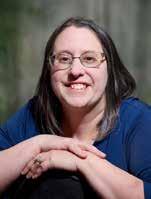
Elizabeth Schaffer, MS, MPH, CHES
Executive Director
Eastcentral PA Area Health Education Center (AHEC)
Elizabeth Schaffer brings more than 15 years of experience as a public health professional to her role as Executive Director of the Eastcentral PA AHEC . She holds a bachelor’s degree in
psychology, a master’s in public health, and a master’s in mental health counseling, and is also a Certified Health Education Specialist (CHES) .
Throughout her career, Ms . Schaffer has worn many hats— including Health Educator and Interim Director—while leading work that strengthens community health across the region . She has developed curricula, facilitated and evaluated public
health programs, and shared her expertise at state conferences
In 2009, she created the Community Health Worker Training Program for Eastcentral PA AHEC, which continues to shape the workforce today .
Ms . Schaffer also brings more than two decades of teaching experience as an adjunct professor at Northampton Community College . Her interests in health literacy and mental health guide much of her work, and she remains committed to helping educators, community health workers, and organizations better serve their communities .
“Launching the Community Health Worker (CHW) ECHO series was a meaningful way for us to give back to our incredible CHWs. This series creates a dedicated space for CHWs to connect, access valuable resources, share insights, and build a supportive network. It offers a welcoming environment where they can openly express their thoughts and feelings, find encouragement, and strengthen their ability to advocate for, and serve, their communities.”
Elizabeth Schaffer
Many Pennsylvania schools, particularly in rural districts, face staff shortages and limited funding—often impacting programs that support student health. At the same time, student needs around mental health, substance use, and overall wellbeing are growing, placing additional pressure on schools to provide care and support.
Project ECHO at Penn State helps school-based professionals meet these challenges . Through our collaborative Education ECHO programs teachers, counselors, administrators, and other staff gain actionable knowledge, discuss real-world student cases, and learn strategies they can immediately put into practice . Program topics include nutrition, adolescent substance use disorder, student mental health, and early childhood development .
Across our seven Education ECHO programs with nearly 300 learners, outcomes demonstrate meaningful impact.

INTEND TO MAKE CHANGES TO THEIR
“This ECHO program has increased my knowledge of cultural and language barriers to service access as well as the resources available to overcome these barriers .” By connecting educators and caregivers with peers and experts, Project ECHO at Penn State strengthens the capacity of schools to support student health and well-being, creating a healthier, more responsive educational
In partnership with the Pennsylvania Office of Child Development and Early Learning (OCDEL), the program helps caregivers, families, and providers recognize early signs of developmental delays and disabilities in children from birth through age five.
Participants explore the CDC’s “Learn the Signs. Act Early.” initiative, gaining practical tools to support children’s growth and development. The program empowers participants to act early, strengthen early childhood development, and make a meaningful difference in the lives of young children and their families.
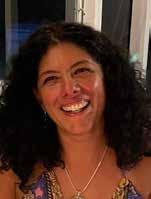
Nuria Fernandez
Special Instructor Early Intervention Birth to Three REDI, Inc .
Early Intervention Services
Nuria Fernandez serves as a Special Instructor with REDI Inc ., where she supports early intervention services for young children and their families . She works within an early learning program created in partnership with Head Start programs across Pennsylvania, helping preschool-aged children build strong developmental foundations . Ms . Fernandez brings warmth, expertise, and a deep commitment to creating inclusive learning environments where every child can grow, learn, and thrive
“Launching this ECHO program was important to me because it allowed me to connect with people who interact with children and families at different levels and environments, and made me rethink the way we interact with them as providers, too. It opened a window into what other agencies do and ways to solve the cases that were presented. ECHO put me in a place of more openness and empathy towards my colleagues and the families.”
Nuria Fernandez
Project ECHO at Penn State not only provides a platform for continuing education and collaboration, it also generates research grounded in the realworld experiences of providers and communities across Pennsylvania. By capturing insights during casebased discussions, ECHO programs produce timely, practice-based data on clinical care, workforce challenges, and public health needs.
This research informs how we deliver knowledge, improve patient outcomes, and strengthen systems of care . By turning practice-based learning into actionable evidence, Project ECHO contributes to a broader understanding of effective education, policy, and public health strategies .
In 41 research-focused ECHO programs, participants report meaningful benefits.

The Project ECHO research team has applied these insights to a wide range of health topics, including medication for opioid use disorder, adolescent substance use, COVID-19, HPV vaccination, neurodiversity, dermatology, and mental health . By linking frontline practice to evidence-building, Project ECHO at Penn State strengthens both local care delivery and the knowledge base that guides statewide and national health efforts .
Bringing Pennsylvania nursing homes together during one of the most challenging moments of the pandemic, this program created a space where staff could learn, problemsolve, and support one another. Sessions focused on turning evidence-based infection control guidelines into everyday practices that worked for real facilities and real teams. Through practical guidance and peer collaboration, the program helped nursing homes build confidence, adopt effective safety practices, and better protect both residents and staff during a rapidly evolving public health emergency.
The People Behind the Work
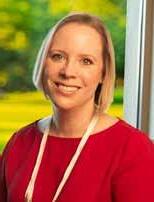
Jennifer Kraschnewski, MD, MPH
Director
Project ECHO at Penn State
Penn State Clinical & Translational Science Institute
Dr. Jennifer Kraschnewski joined the Penn State College of Medicine faculty in 2009 and brings a deep commitment to improving health both in clinical settings and in communities . As a clinician-investigator, her work focuses on practical, behaviorbased approaches to supporting healthy lifestyles . She has authored more than 70 peer-reviewed publications, with research recognized and awarded at regional and national levels .
Dr . Kraschnewski serves as the Director of Project ECHO at Penn State, part of a national movement dedicated to sharing knowledge and expanding access to high-quality care in rural and underserved communities . She also serves as Director of the Penn State Clinical and Translational Science Institute, where she continues to advance collaborative, community-centered research and innovation .
“Nursing home residents are our most vulnerable population during the COVID-19 pandemic. We hope this work will ultimately reduce infections and decrease hospitalizations and deaths, while improving resident quality of life by increasing nursing home capacity to adopt, implement, and maintain infection control guidelines.”
Dr. Kraschnewski
The landscape of workplace health is constantly evolving. Across sectors—from education and government to manufacturing and non-profits—employers and staff face new challenges related to mental health, substance use, and overall well-being. Without timely information and practical guidance, organizations struggle to support employees effectively, putting workplace safety, productivity, and staff morale at risk.
Project ECHO at Penn State addresses this gap through workforce development programs that connect supervisors, managers, human resources personnel, and frontline staff with experts and
peers across industries . In collaborative, case-based learning sessions, participants gain practical tools, evidence-based strategies, and confidence to support employees, promote well-being, and create healthier workplace environments
These programs have engaged more than 1,200 participants, across 13 workforce development ECHO programs, spanning a wide range of sectors. Participants consistently report meaningful benefits .
One participant described the impact of the sessions: “This training provided information to help dispel myths, provide applicable strategies, and provide excellent resources .” Another noted, “I feel more equipped to understand some of the different signs of substance use disorders and ways I can support and accommodate individuals in recovery .” By strengthening the skills and networks of employers and employees across industries, Project ECHO at Penn State empowers organizations to respond to health challenges with confidence, improve workplace outcomes, and foster a healthier, more resilient workforce
Through this program, employers build workplaces where employees in recovery feel supported, valued, and understood. Participants explore practical ways to reduce stigma, normalize conversations about recovery, and strengthen overall workplace well-being. Sessions highlight real-world strategies employers can use to create inclusive environments where individuals can thrive professionally while maintaining their recovery journey. Developed in partnership with the Pennsylvania Department of Labor & Industry and PA CareerLink, the program taps into a broad network of experts who share their perspectives, tools, and experiences. This collaboration also helped connect the series with workforce development leaders across the Commonwealth, drawing engagement from all 22 local workforce development boards.
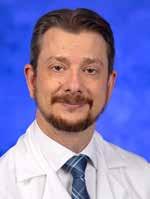
Paul Williams, MD, FACP
Professor, Internal Medicine
Penn State Health Milton S . Hershey Medical Center
Penn State College of Medicine
Dr. Paul Williams is a Professor of Medicine and a practicing physician in Internal Medicine and Addiction Medicine with Penn State
Health and the Pennsylvania Psychiatric Institute . In addition to his clinical work, he serves as a Master Educator with the Internal Medicine Residency Program, where he helps train and mentor the next generation of physicians .
Through his combined roles as a clinician and educator, Dr . Williams brings deep experience, practical insight, and a strong commitment to compassionate, patient-centered care—supporting both learners and patients across a range of clinical settings .
“I was grateful to be a part of this Project ECHO because there is often unrecognized and unintentional stigma towards people in recovery. It was very exciting to be able to share and learn with a group that was so invested in supporting recovery in a meaningful way.”
Dr. Williams

Across Pennsylvania and beyond, Project ECHO at Penn State connects specialists and those delivering care every day, equipping communities with the insight, confidence, and support to care for people where they live and work.
At Project ECHO at Penn State, we believe lasting change begins with meaningful connection.
We continue to build statewide learning networks rooted in collaboration, accessibility, and shared purpose. With support from our program partners, we equip professionals across sectors with the knowledge, confidence, and tools to strengthen their communities.
Our model extends beyond traditional systems, bringing expert guidance and peer connection to the people and places that need it most. From schools and clinics to workplaces and neighborhoods, we foster ongoing learning, practical problem-solving, and shared growth.
By strengthening local systems, boosting learner confidence, and enhancing outcomes, we help communities respond more effectively to the challenges they face every day.
We are grateful to our program partners, whose collaboration and generosity make this work possible. Together, we turn shared knowledge into local action—building stronger, healthier communities.
Agency for Healthcare Research and Quality
Astra Zenica
Centers for Disease Control and Prevention (CDC)
CDC Office of Minority Health
Edith L. Trees Charitable Trust
Eisai Pharmaceuticals
Hamer Foundation
Health Resources and Services Administration
Iridium Continuing Education
Janssen
Merck
National Institutes of Health
Patient Centered Outcomes Research Institute
Penn State Clinical and Translational Science Institute
Penn State Huck Institutes of the Life Sciences
Penn State Social Science Research Institute
Pennsylvania Department of Health
Pennsylvania Department of Human Services
Pennsylvania Department of Labor and Industry
Pfizer
Ross and Carol Nese
Substance Abuse and Mental Health Services Administration (SAMHSA)
Vertex Pharma
ctsi . ps u.edu/echo