
ADVERTISING FEATURE
If you want your business to make Front Page News, call 604.485.5313
TRAVEL TRANSITION
BC Ferries seeks reduction in congestion PAGE 9
WINNING WAYS
Motocross racer prepares to defend titles PAGE 16



If you want your business to make Front Page News, call 604.485.5313
BC Ferries seeks reduction in congestion PAGE 9
Motocross racer prepares to defend titles PAGE 16
Target Installations owner
Jamie Windsor says his business has grown over nearly 28 years by staying connected to its roots in the qathet region.
The company, which provides plumbing, heating, gas, HVAC and fire protection services, was founded after Windsor returned to Powell River following graduation in 1989. He briefly moved to Vancouver, then came home and worked at Myrtle Point Golf Club before being approached by Pete Formby of Pete’s Plumbing.
“Having no clue what plumbing was, I said, ‘Sure, why not,’” explains Windsor, who worked with Formby from late 1989 to 1998.
When the company shifted its focus to retail, Windsor later worked briefly with Falcon Electric. He says owner Ian Milsom encouraged him to start his own business and helped him get set up.
“I owe Ian a great deal of thanks for pointing me in the right direction.”

work. All technicians are Red Seal-certified or registered apprentices in plumbing, pipefitting, steamfitting, gasfitting, fire protection and HVAC.
the
to Go iPhone app now available in the App Store or iTunes

Windsor says Target Installations has taken pride in developing technicians, including some who have moved on to start their own companies.
“As much as it hurts to see good employees move on, it’s extremely rewarding to see them do well in our community,” he adds. “I couldn’t be prouder of all the staff, former and current.”
“Grant was the best mentor I could have asked for.”
Target Installations has since grown from a single-person operation to employing 12 to 14 staff members. The company now offers full mechanical services for residential and
Windsor started out working from a 1968 Chevrolet pickup truck, building a client base before buying his first van and hiring his first apprentice. Over the years, the business continued to expand. Windsor later purchased a company from his mentor, Grant Stieben, who stayed on for several years to help build the operation.


commercial customers, including plumbing, heating, gas work, HVAC, fire protection installations and inspections, extinguisher inspections and sales, safety supplies, backflow testing and repairs.
Windsor and manager Greg Hilleren purchased the building Target Installations operates from at 4508 Cook Avenue, and Windsor acquired Wick’s Fire Safety from John Wick.
“It was an absolute honour
to have John approach me to purchase his company. I’ll be forever grateful.”
Windsor says being an owner-operated business in the qathet region means a great deal to him.

“I have lived here all my life and love this community. We are fortunate to live where we are.”
Target Installations handles a wide range of work, from servicing and renovations to

housing, multi-storey residential units, projects along the Sunshine Coast and jobs on surrounding islands. The company has moved into bigger projects, but will continue to provide smaller service jobs for local residents.
“We have progressed to larger projects but will always stick to our roots, which is providing service to the community,” says Windsor.
Training is also central to the

the Peak to Go iPhone app now available in the App Store or iTunes
For residents planning renovations or new construction, Windsor says organization, communication and choosing the right contractors are key. Customers should understand the difference between an estimate and a quote before work begins, he adds.
“The lowest price isn’t always the right one to go with.”
Looking ahead, Windsor says his goals are to keep improving, build customer trust and make Target Installations a great place to work.
For more information, call 604.483.5192, or go to targetinstallations.ca.






PAUL GALINSKI reporter@prpeak.com
City of Powell River will be giving notice to the commission of the Canada Energy Regulator that it will request to participate as intervenors on Powell River Energy Inc.’s application for a 30-year electrical energy export permit to the United States.
At the May 7 council meeting, councillor Cindy Elliott said at a qathet Regional District meeting, a motion had been carried to apply to become an intervenor.
“There’s lots of reasons why we should be hasty about this,” said Elliott. “The sooner we get a toe in the door, the sooner we can ask questions, get information, and have an impact on the process.”
Elliott moved that council direct staff to apply on behalf of the city for intervenor status in the 30year contract export application.
Councillor George Doubt said he would have preferred to put forward a slightly different motion, because the city needs to be careful.
“One of the issues we should think about is how much it is going to cost the city to participate as an intervenor,” said Doubt. “You don’t just have a staff member write a report and do the best
they can. These things, generally, are filled with lawyers and legalese. There are going to be a number of other lawyers present and they are going to be finding ways to get rid of any of the intervenors they can if they can find legal loopholes.
“I would have preferred to get a report from staff about the possible costs, benefits, risks, how long it will take to be an intervenor and how much are the legal fees going to cost? Are we going to have to pay lawyers to go to Ottawa to argue these things? I’d like to have a study to tell us exactly what we are getting into.”
Intervening is a great idea, particularly if the city can cooperate with Tla’amin Nation, and make sure the three local governments are working together, added Doubt, who wants to see a report ahead of time to see the costs and benefits, first, however.
Councillor Jim Palm asked staff about the timelines for applying for intervenor status. Chief administrative officer (CAO) Sundance Topham said there is no deadline for participation, but there are various things scheduled to take place by May 26.
“Realistically, a report would be coming at the beginning of June, based on getting direction to bring a report forward,” said Topham. “There would be aspects we wouldn’t participate in if we were chosen as an intervenor.
As noted, Tla’amin Nation and qathet Regional District have al-
ready put in for intervenor status and Tla’amin Nation already is an intervenor.”
Topham said in speaking with a Tla’amin representative, it is a lot of work, and they are getting legal counsel involved. Mayor Ron Woznow said he likes the idea of communicating openly with Tla’amin.
“They will have the most impact on any decision made at the federal level,” said Woznow.
He said the cost of the lawyers that the city would hire if it had intervenor status is probably $800 to $1,000 an hour. He said it would not take long to increase taxes.
“I encourage council to direct our CAO to be our interface with Tla’amin Nation and to ensure whatever they require from us is provided to them,” said Woznow.
Elliott said council is the government of this community and what is being discussed is a process that could alienate power from local economic development for 30 years.
“While the regional district and Tla’amin Nation are representing their interests, we have our mill lands, and the dam on Powell Lake that is part of our tax base,” said Elliott. “The community wants more development in the industrial area and part of the problem is access to power that we need to make some of those things viable. It directly impacts the City of Powell River, maybe differently than some of the other interve-
Organizer says this year's event will honour MMIWG2S and all women of the world
TANYA HILL community@prpeak.com
National Day for Awareness of Missing and Murdered Indigenous Women, Girls and Two-Spirited People
(MMIWG2S), also known as Red Dress Day, was held across Canada on May 5.
Counsellor with qathet SAFE and event organizer Cyndi Pallen said this year, a local candlelight vigil will take place on Thursday, May 28, at Willingdon Beach Rotary Pavilion, in honour of MMIWG2S, from 4 to 5:30 pm. There will be no walk this year.
Pallen said this year's event is called Honouring Women: MMIWG2S and All Women of the World Ceremony.
"We wanted to keep it brief this year," Pallen stated in an email to the Peak. "We will be holding a candlelight ceremony to honour all MMIWG2S, and we will be opening it up to honour all women of the world."
She said it's a way for families to be embraced and supported, and to know people are thinking of them.
Immigration Services education coordinator Emily McKee will volunteer for the event, and technical support

nors. The least we can do as the government of our community is to get involved in a process that involves our economic development potential for 30 years.”
Elliott’s motion, however, failed.
Doubt then introduced a motion that: the city give notice to the commission of the energy regulator that the city will request to participate as intervenors on the PREI application; that council direct staff to prepare a report to council on the possible benefits, risks and projected costs (of staff, legal advice, et cetera) to the city of the entire intervenor process; that council direct staff to explore a joint approach to the application with Tla’amin and the regional district.
will come from Alex Sutcliffe and Phil Russell.
"I also have volunteer help from Nadeen Serpina from Metis Community and Mara Parks of [qathet] Community Justice program, and our Tla’amin elders," said Pallen.
“This provides for the possibility for the city to write a letter tomorrow to the commission of the Canada Energy Regulator, to say we are going to apply for intervenor staff,” said Doubt. “It asks staff to speak to lawyers who know about the process, costs and benefits, and come back as quickly as possible to council, with a reply, so council can make a decision on applying to be an intervenor. It also, at the same time, makes sure we are going in the same direction as Tla’amin Nation and qathet Regional District. If we work together, we are more likely to achieve something.”
Doubt’s motion carried unanimously.
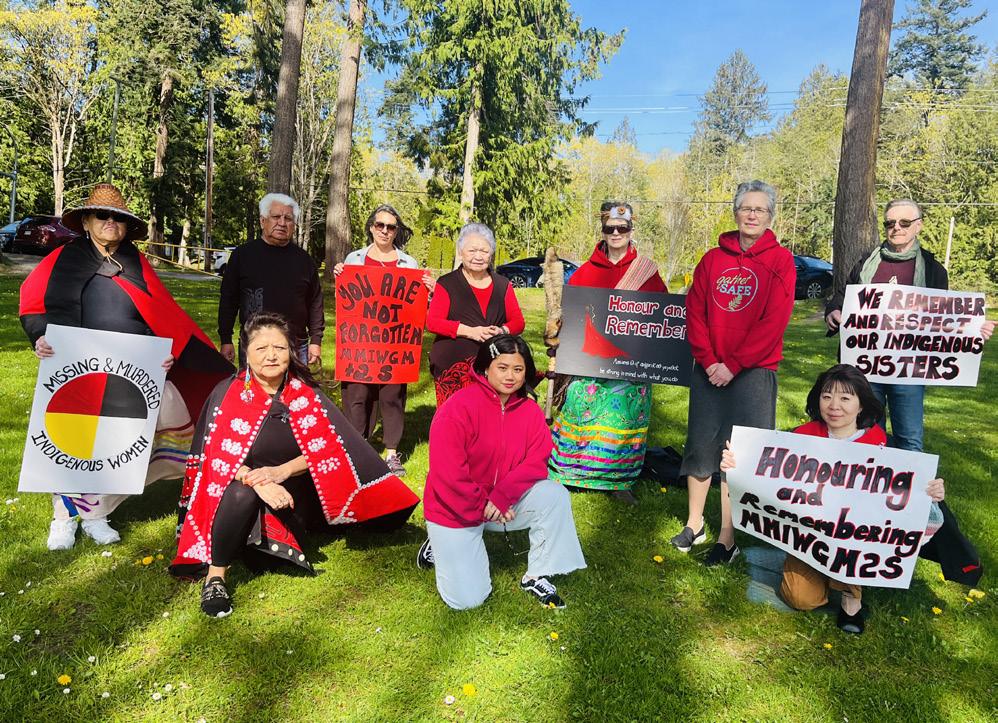
The use of red dresses to represent missing and murdered Indigenous women and girls was originated by Métis artist Jaime Black in 2010. According to the Assembly of First Nations, Indigenous women make up 16 per cent of all female homicide victims, and 11 per cent of missing women, yet Indigenous people make up only 4.3 per cent of the population of Canada.
proposed to be subdivided for variety of uses
PAUL GALINSKI reporter@prpeak.com
City of Powell River Council intends to consider first reading of a zoning amendment bylaw for two city-owned properties on Barnet Street.
At a meeting last month, director of planning services Jason Gow outlined the city’s intention to subdivide and amend the properties on which the Powell River RCMP detachment and new Driftwood Shelter sit.
“The purpose of my report is to seek direction for a proposal to subdivide and amend the zoning of two city-owned properties to facilitate future housing,” said Gow.
The properties are located at 7070 and 7104 Barnet Street, which Gow characterized as large, city-owned lots located in central Westview.
“Each parcel is split-zoned to accommodate both institutional and park uses,” said Gow. “In 2022, staff were directed to prepare a report for council’s consideration to facilitate subdividing and rezoning the areas zoned NT (institutions) at 7104 Barnet Street, to the RM5 (family residential five) zone in preparation for future, non-market, multi-unit residential housing.
“Since this time, staff have been working on numerous other housing-related initiatives, that include bills 44 through 47, which are the province’s significant amendments to housing legislation, the complex care second supportive housing and shelter facility, and the establishment of the Driftwood Shelter, to name a few.”
Gow said recently, staff members were finally able to revisit council’s direction from 2022.
Upon further review, staff found additional opportunities to support the development of future non-market housing in this vicinity, said Gow. While the direction from 2022 was specific to 7104 Barnet, staff see an opportunity to create a similar-sized lot be-
In the April 23, edition of the Peak, a sponsored content feature titled “Hearing clinic focuses on local care” referenced Powell River Hearing Clinic within the article text. To avoid any confusion for readers, we wish to clarify that Powell River Hearing Services Ltd. is a separate locally owned and operated business and is not affiliated with Hear Right Canada.
The online version of the article has since been updated for clarity. We regret any confusion this may have caused our readers or members of the community.


hind the RCMP detachment at 7070 Barnet, he added.
The proposed Lot D for dense housing behind the RCMP detachment is 0.418 hectares in size.
“This is a parcel where staff sees a new opportunity, and staff are proposing that Lot B [Driftwood Shelter], and Lot D be rezoned to RM5,” said Gow.
Lot C, the larger remaining lands, 4.37 hectares in size, would not have changed zoning, and it would remain as a split-zone parcel, with both institutional and park uses permissible where applicable, said Gow.
“In terms of next steps, for the subdivision, staff are seeking direction from council as the landowner,” he added. “Staff are looking for support to make an application to subdivide these properties based on the proposed configuration shown in the report.”
Councillor George Doubt said he was glad to see the subdivision proposal.
“We’ve talked for a long time about the fact that this piece of property would be a great place to build some affordable housing,
City of Powell River director of planning services
Jason Gow has been presented his 10-year pin recognizing his employment with the city.
At the May 7 city council meeting, mayor Ron Woznow said on behalf of council, he wanted to recognize and thank Gow for 10 years of dedicated service.
“As director of planning
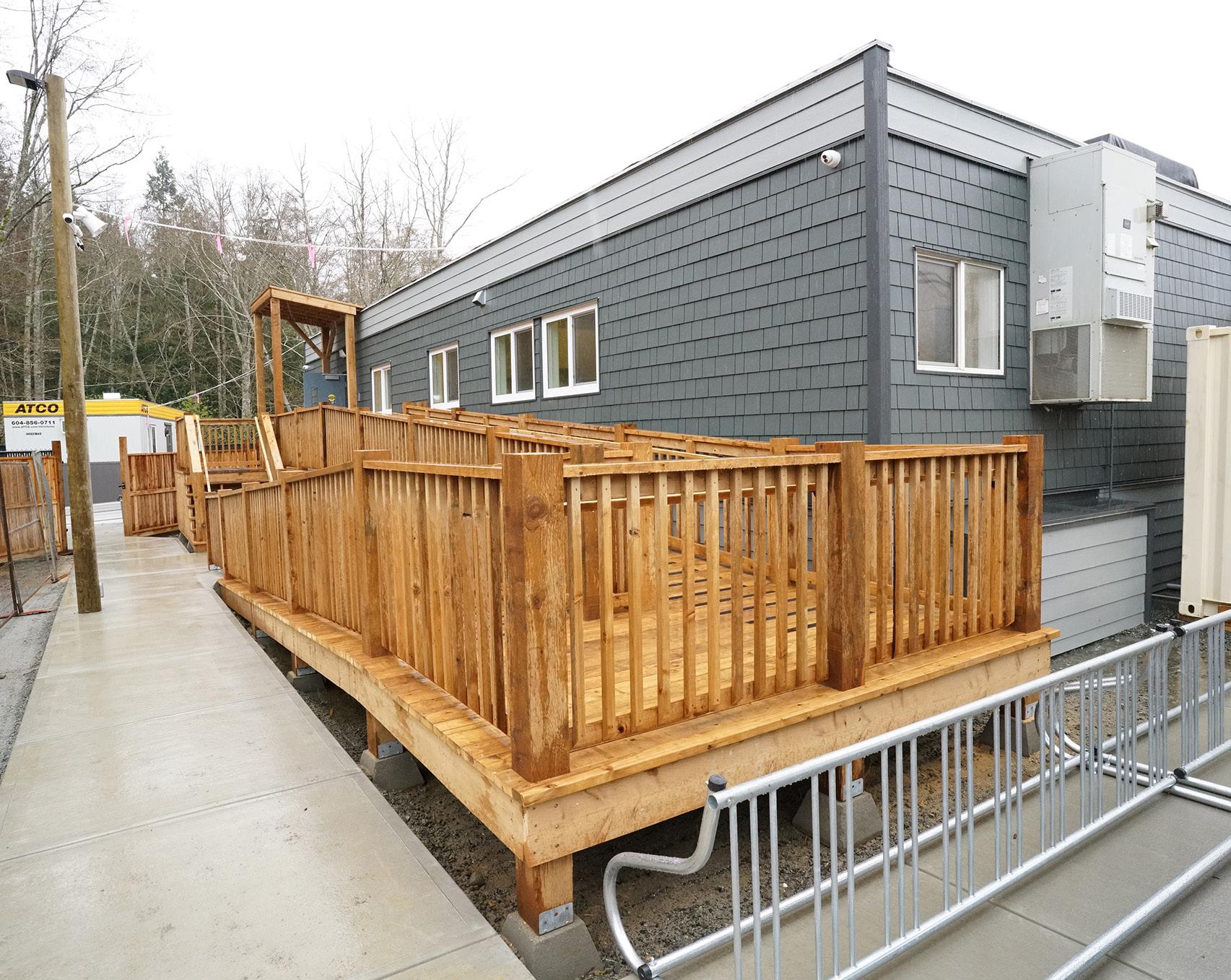
City staff have been directed to initiate a subdivision of the two properties on Barnet Street that house the Powell River RCMP detachment and the new Driftwood Place temporary shelter [above]. The rezoning will include allowing RM5 zoning on two of the proposed lots, which would provide for high-density housing. PEAK ARCHIVE PHOTO
probably combined with community spaces,” said Doubt. “It’s good to get ahead of that. It will take care of some much-needed housing that is not available in town right now.”
Council unanimously carried a motion to issue notice of council’s
services, Jason has played a key part in guiding our community during times of meaningful growth, development, and organizational change,” said Woznow. “He understands the importance of thoughtful, long-term planning. We are grateful for the consistency, professionalism and care he has brought to his work over the past decade.”
The city’s property tax
intent to consider first reading of the city’s zoning bylaw at a future meeting, that the zoning amendment bylaw is consistent with the sustainable official community plan, plus that staff be directed to initiate a subdivision of the property.
bylaw has been adopted. There was no discussion by councillors when the bylaw came up for review by councillors.
According to the bylaw, residential property rates in the city will be $5.17871 of tax per $1,000 of taxable assessed value. The qathet Regional District rate will be $0.83172 per $1,000, and the qathet Regional Hospital District rate will be $0.34440 per $1,000 of taxable assessed value.
The property tax bylaw
must be submitted to the provincial government by a May 15 deadline.
announced
Council appointed Jeff Cadman as the new chief financial officer for the city. Interim chief financial officer Ken Bjorgaard’s appointment will be rescinded effective May 15. Cadman replaces former chief financial officer Mallory Denniston.
SATURDAY MAY 23
OUR ICE IS VANISHING
Professor Shelley Wright presents her book, Our Ice Is Vanishing/Sikuvut Nunguliqtuq, which examines the significance of the arctic to Canada’s sovereignty, global peace and Indigenous rights. The presentation begins at 2 pm in Powell River Public Library. For more information, email Mark at mmerlino@prpl.ca.
Regional district finance committee suggests regional board renew annual $16,000 contribution for two years
PAUL GALINSKI reporter@prpeak.com
qathet Regional District’s finance committee is recommending the regional board fund qathet Tourism for a further two-year term, with $16,000 of annual funding going toward core operating expenses.
At the May 12 finance committee meeting, Electoral Area A director Jason Lennox made the motion for the annual funding, and said from a staff report, the intent is to line up the contribution with the contract qathet Tourism has with City of Powell River. Lennox said he did
not know what the regional district is getting for this service.
“I understand the overarching goals of tourism, but Area A is paying almost half the freight here, so I will be interested, when that contract comes to expiry, working with the city and Sunshine Coast Tourism, to fully understand the work that is going on, and some of the outreach that may or may not be happening in my area,” said Lennox. “I’m prepared to support this, but I’d like to understand tourism better.”
Area D director (Texada Island)
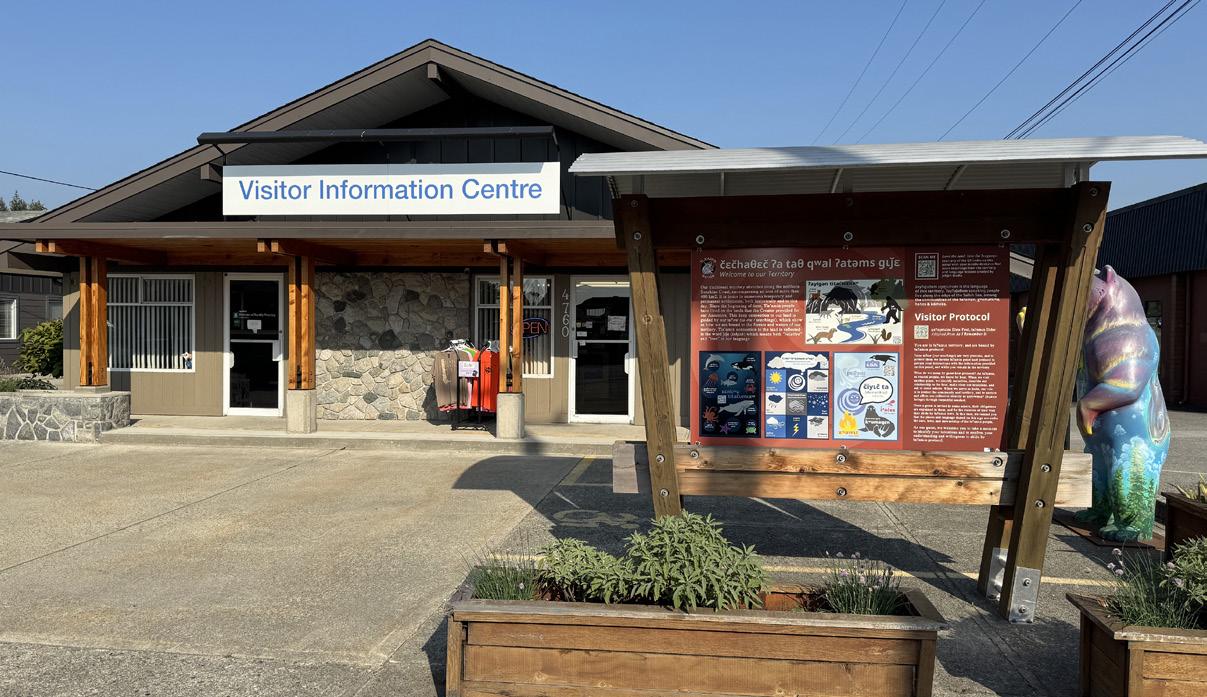
Sandy McCormick said what qathet Tourism mainly does for the regional district is operate the visitor information centre, and that includes providing information for all the region, not just the city.
“People looking for information on kayaking from Lund or going to Savary Island – all those area destinations in Area A – the visitor information centre will give out that information,” said McCormick “They also respond to emails, text messages and you name it. It’s the
visitors’ centre and the promotion of local attractions, including those here on Texada.”
McCormick said she agreed with the two-year contract in alignment with the city, but she was wondering if there shouldn’t be a cost-ofliving adjustment, because qathet Tourism has been getting the same amount for a number of years.
“Would a cost of living be appropriate to bring in at this point, or would it be appropriate in twoyear’s time when it is renegotiated?” asked McCormick.
qRD general manager of financial administration Linda Greenan said staff recommended the $16,000 per year because that is what qathet Tourism wanted.
“We never contemplated changing anything from their request,” added Greenan.
Area B director Mark Gisborne asked about the process of funding the grant request through Municipal and Regional District Tax (MRDT) money, which is earmarked for tourism promotion.

“Could we provide the funding
from the MRDT fund, or does it have to come from property tax?” asked Gisborne.
Greenan said she has not looked into that prospective allocation, so the board would have to direct staff to do some research.
McCormick said MRDT funding is allocated to Destination BC groups that are designated by the provincial government. She said in this area, it is Sunshine Coast Tourism that receives the MRDT funding.
“They then divide that between the south coast and the north coast,” said McCormick.
She said the money is used by Sunshine Coast Tourism for tourism marketing in the north and south. She said the qathet Tourism business centre attends to local marketing.
The finance committee unanimously carried a motion to refer the funding request to the regional board for approval.


TANYA HILL community@prpeak.com
Cycling in Powell River, especially on electric bikes, is an ever-growing and popular way for many people to get around the city.
For the past five years or so, qathet residents and cyclists Will Van Delft and Leo Zagwyn, plus volunteers from the Chain Gang and qathet Regional Cycling Association (qRCA), have been diligently pulling out invasive blackberry bushes, as well as levelling and widening a multi-use pathway between lower Westview and Townsite neighbourhoods.
In 2024, Van Delft and Zagwyn told the Peak that one important part of their plan was to have better signage, because once someone steps off the Willingdon Trail, there are no signs directing people where to go next.
"Well, it's done," said Van Delft, in a recent conversation with the Peak. "We pushed the trail through and [former] Catalyst [Paper Tis’kwat, now Cranberry Business Park owners] permitted us to put up a sign."
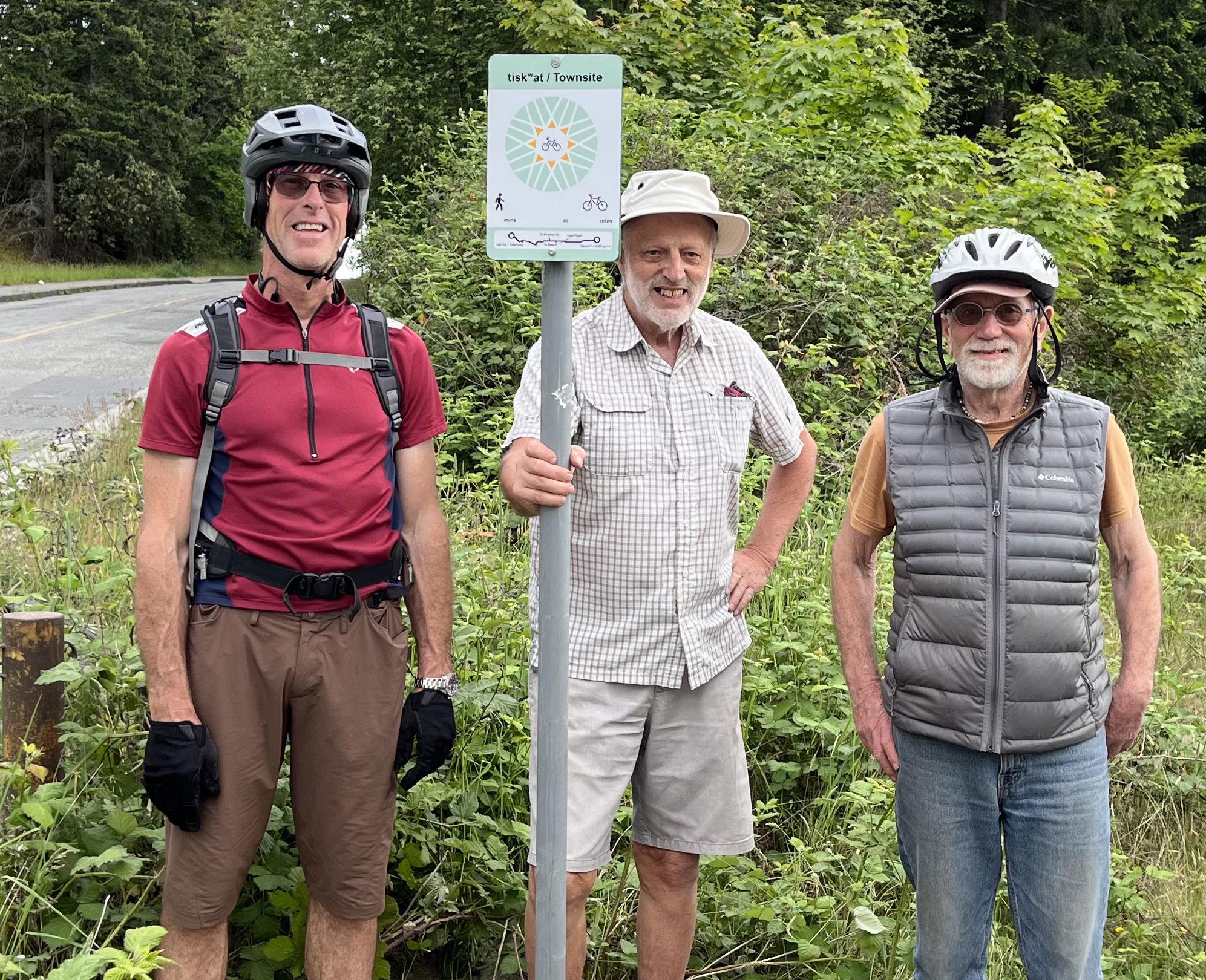
The new signage, which was donated by qRCA, is now located on a trail located just behind the former mill site.
"We've been doing it [building the path] on and off for the last couple years, and we still need to go back there and do some more, because the blackberries, they don't hesitate growing," said Van Delft. "They grow about three feet a year, so we still need to keep up with it."
He said the trail now has 18-inch (45 centimetre) tread and is about three to four feet wide (1.2 metres), so it is passable on a bicycle.
Van Delft and his group are slowly building public use and support for the trail and are expecting it to be included into City of Powell River's 2027 Sustainable Official Community Plan process.
"I walk it quite regularly and it's easy to get through
now," said Van Delft. "All we need to do is get the city to put up some extra signage so people don't get lost."
Currently there is no official sign that directs people from the Willingdon Beach Trail to the bike path into Townsite.
"A number of years ago, when we were doing the Townsite Days, the cycling association put up bicycle security while the event was going on," said Van Delft. "Because of their efforts, we gave them a donation, and they came back with a whole bunch of signs."
The signs are standard for trail signage in Powell River, explained Van Delft, but city approval is needed before they can be put up on city property.
"They're ready to go, and as soon as the city gives us approval or recognizes the trail as a bona-fide trail, then we can give them the signs, and they can put them up on city property," said Van Delft. "I took [Cranberry Business Park CEO] Craig Austin for a walk on the trail and I'm just sowing the seeds for them
to make a deal with the city to take over the trail."
He said now that the group has gotten this far, they will wait until the next municipal election in October to push things further.
"We'll wait and let the public just enjoy the trail, and then when the sustain-
ability workshops come around next spring, we'll make a concerted effort to get the city to include it in their plans," said Van Delft.
"Then, once it's in their plan, we can [hopefully] get funding from the province or [Powell River] Community Forest."
PAUL GALINSKI
reporter@prpeak.com
qathet Regional District’s board will consider a recommendation from the finance committee to approve the BC Transit operating agreement, with total expenses and transfers of $292,222.
Electoral Area D director Sandy McCormick said it is important for the board to sign the agreement to ensure BC Transit is aware of the
regional district’s support for the operation.
“I know on Texada Island, we certainly appreciate the second day of community bus service, and that is gratefully received,” added McCormick, at a recent finance committe meeting. “I support this motion moving forward.”
Area B director Marki Gisborne said he brought the issue up last fall, where BC Transit doesn’t service from Cariboo Avenue to Bradford Road. He said reservations can be made, but showing up at a bus stop is very different from making a reservation, hoping the service comes and picks up the rider.
“That is a concern that I have
raised, and I have heard that concern from members of the public,” added Gisborne. “It doesn’t appear that BC Transit thinks that is a priority. Area B’s official community plan shows along the waterfront, along the highway, to be an area of growth, and it is not being serviced by BC Transit.
“On the one hand, I support BC Transit – I support what they are doing – but I have an issue supporting this motion because there is a big chunk of Area B that is underserved.”
City of Powell River director Cindy Elliott said there is a planning process where changes can be advocated. She said she did not be-
lieve the agreement could be held up and the regional district had to take the agreement where it was at, move it forward, and then advocate for the changes needed in the future.
Gisborne said his inclination was to vote against the agreement because the issue has been brought up multiple times, and what he keeps hearing is that advocacy can come up later.
“Until something changes, and until there is an actual pushback, Area B is going to continue to be underserviced,” added Gisborne. “Maybe if I vote against it, BC Transit will finally hear.”
McCormick said she wanted to remind Gisborne that it took eight
Ideally, the whole trail will eventually have crushed gravel; some parts of the trail are still sandy, soft and dusty, he added.
"The people we see on the trail are really enjoying it,” said Van Delft, “and they congratulate us for what we've done there.”
years or so to get the second day of bus service on Texada.
“It’s not a slam-dunk,” said McCormick. “Not only do we need to get approval and support from BC Transit, but then there is the provincial government involved, and that is what caused a lot of the delay for the second route on Texada.
“I’m just saying, make the request and be patient, because nothing happens very quickly. If you hang in there, sooner or later, it will.”
The finance committee voted in favour of recommending that the board approve the BC Transit operating agreement. Gisborne voted against the motion.
Recently, as we all know, four astronauts journeyed to and around our only moon, Luna, and as it was at its furthest position away from Earth in its elliptical orbit, its apogee, they set a human distance into space record as well.
The liftoff was a spectacular and impressive event with rocket motors spewing tons of pollutants into the atmosphere, but no one seemed too concerned about that. The media tended to focus on the value of such efforts and where it is all leading for the benefit of humanity.
One benefit to humanity that really sticks out is the shift in perspective that the astronauts have
One stroke of the pen, one meeting by City of Powell River Council and the long-term future could be decided with council voting to negate the covenant on Willingdon Beach, which protects its present park status from commercial development [“Plans outlined for downtown,” May 14].
According to the city’s Downtown Plan (website: What is the downtown plan all about), the site is currently vacant.
A land-use feasibility study, presented to council, recommends a mixeduse development with townhouses, apartments, commercial spaces and civic space. This means a good chunk of present day Willingdon Beach site, which includes the old arena site, will be taken over by private ownership while public access would shrink to a pathway in front of condos. Thus the
By William Lytle McGhee
shared. Historically referred to as the “overview effect” experienced by earlier space explorers. This effect includes a new admiration and longing for Earth, a new appreciation for our home planet. It refers to a shift in perspective when the Earth is viewed in the context of its cosmic backdrop. The cosmic backdrop of course is the seemingly infinite black and unforgiving great beyond and the relative thinness of the atmosphere that protects all life.
A picture is worth a thousand words, as the saying goes, but it is unlikely that a picture can have anywhere near the effect of actually being out there looking at our precious planet suspended in the black void. It is striking that except for the Moon, the Earth is very alone. It is a long way to anywhere else, and there is nothing else close by as hospitable to life and human existence.
We should stop and think about how well we are looking after our precious home planet. It seems that most of us are just buzzing around doing our thing like a bunch of bees making honey. From the damage we humans are doing
public park area we know today would vanish forever.
This change is based on one survey in 2023/2024 by attendees at the Blackberry Festival, where 50 per cent of the respondents supported seeing a mix of housing, park and community use. Does one survey taken by a few hundred attendees at the Blackberry Festival reflect the wishes of the entire population of Powell River (15,100)?
At a previous meeting, July 27, 2015, held by the city’s parks, recreation and culture department, a recommendation was made that the main purpose of Willingdon Beach Park was a public gathering place – a place for large community events. The present downtown plan negates this recommendation. See the proposed sketch in the Downtown Plan.
Surely a decision as important as changing Willingdon Beach Park old
DELIVERY RATES: 1 year: $68.25 incl. GST
We respectfully acknowledge that we live, work and play on the traditional and treaty lands of the Tla’amin people.
Published every Thursday by 1553164 BC LTD dba The Peak.
REACH US
Phone 604.485.5313
publisher@prpeak.com • prpeak.com
Unit F, 4493 Marine Avenue, Powell River, BC V8A 2K3
Member of the Canadian Community Newspapers Association and the British Columbia Yukon Newspaper Association.
MAILING RATES Texada and local area: $109.20 incl. GST Within Canada: $191.10 incl. GST PUBLICATIONS MAIL REG. 40069240 Office pickup available for addresses
to the ecosystems it seems the juggernaut of resource extraction, pollution and consumption will only increase.
We are treating the land, lakes, oceans and atmosphere as garbage dumps. The amount of carbon pollution we continue to pump into the atmosphere from burning fossil fuels is leading to climate disruption on an apocalyptic scale, and it is still increasing.
It is time the overview effect kicked in for us all, as encouraged by the Artemis II crew. There are many of us living a lifestyle that is not sustainable. Unfortunately, it seems the changes that are going to happen will not in large be
voluntary, but will be the result of environmental pressures self imposed. Perhaps we can dull the scientifically forecasted impacts by making some overview effect choices now.
There is no doubt that Earth is a unique glowing blue marble planet floating in space, and it is time we appreciated it to the greatest extent possible. It is a very great and precious gift.
This sentiment needs to be integrated into our everyday lives for the positive future our descendants are entitled to.












BC Ferries is introducing expanded advance booking and lower fare options on the Powell River–Comox route this June with the aim of reducing congestion and providing customers with greater certainty as travel demand on the route continues to grow.
The changes follow recent terminal improvements at Little River and are designed to improve traffic flow and make better use of available sailing capacity throughout the day – particularly during peak travel periods, when customers are increasingly experiencing long waits, congestion and difficulty securing space. Last year, there were almost 5,000 sailings where customers were left behind because demand was higher than capacity, causing delays in their travel and continued congestion at the terminal, according to BC Ferries.
To support the transition and keep traffic flowing smoothly, staffing levels have been increased at both terminals and a new staging lane was installed at Little River. This lane will be dedicated to drive-up traffic, with advance bookings being staged separately. New signage will be installed to clearly designate the lanes.
“Travel demand on this route has grown significantly in recent years, particularly during peak periods when sailings fill quickly and terminals become congested.” stated Brian Anderson, vice president of strategy and planning at BC Ferries. “This route is an essential connection for many people travelling for work, medical appointments, family care and daily life, and our goal is to reduce congestion and improve travel certainty while maintaining flexibility for the customers that rely on this route every day.”
Demand on the route has increased
arena site to a private commercial enterprise ownership should be obtained by a referendum for all residents to express their views.

significantly in recent years, driven by population growth in qathet Regional District and Comox Valley. Since 2019, traffic on the route has increased by approximately 25 per cent, while advance bookings for the route have increased by more than 320 per cent and driveup travel has declined by five per cent, according to a media release.
The current balance between reservations and drive-up traffic is contributing to congestion, inconsistent loading and customers missing sailings when they need them most.
“On the busiest sailings, fewer spaces will be available for advance bookings to help maintain balance between reserved and drive-up traffic,” stated Anderson. “On less busy sailings, more advance booking space and Saver fares will be available to encourage customers with flexibility to travel at those times and benefit from lower fares and greater travel certainty. Drive-up space will continue to be available on every sailing.
“This approach is designed to better balance advance bookings and driveup travel, reduce pressure at terminals and improve how available capacity is used throughout the day. There’s no one-size-fits-all approach across the ferry system, and these changes reflect the specific operational pressures and travel patterns we’re seeing on this route.”
For any development to proceed on the present Willingdon Beach site, an archaeological dig would be required, and consultation with Tla’amin Nation. For
Similar changes on other routes have helped to reduce congestion, better utilize sailing capacity and encourage more customers to plan ahead during peak travel periods, the release stated.
“Expanding advance booking capacity also allows BC Ferries to offer significantly more lower-cost Saver fares on the route than was previously possible. By encouraging more travel on less busy sailings, the approach helps reduce pressure during peak periods while creating more affordable travel options for customers who can plan ahead.”
BC Ferries expects to offer five times more Saver fares, with more than 25,000 available on the route during the high season, including:
At least 10 per cent of reservable space on every sailing will be available at the $59 Saver price point.
“The changes also build on the recent introduction of booking alerts and sailing wait lists on the route. More than 6,900 customers have signed up for booking alerts between Powell River and Comox, while more than 525 customers have joined sailing waitlists since April.”
Reservation uptake, sailing utilization and customer feedback will continue to be monitored as the changes roll out, the release stated.
thousands of years First Nations used the present Willingdon Beach site as a camping area, to catch chum salmon returning every fall to Willingdon Beach.
The traditional name for Willingdon Beach is lijumixw, meaning “good clean land.”
Barbara Ann Lambert qathet Regional District
The Peak publishes letters it receives regarding the stories on its pages when space allows, as long as letters are signed, dated, and include the writer’s address and a daytime telephone number for verification. We do not publish anonymous letters.
The exceptions are those letters which may be libellous, in bad taste, or describe an incident involving other people which, to be fair, should allow both sides to be aired in a news story.
Letters should not exceed 350 words and Viewpoints must be approximately 500 words. The Peak reserves the right to edit based on taste, legality, clarity and length.
Opinions expressed in Letters to the Editor and Viewpoints are those of the writers and do not necessarily reflect the opinions of the Peak or its employees.
PAUL GALINSKI reporter@prpeak.com
City of Powell River Council has approved issuance of a development permit to facilitate construction of a new addition to Marine Traders at 4446 Willingdon Avenue.
At the May 7 city council meeting, planner Hugo Wu said council was being presented a development permit application for the business.
“If issued, proposed development will result in 78 square metres of new onsite retail, storage and office space to the existing building through an extension of the building eastward toward Marine Avenue, and the construction of a second storey addition that will sit on top of part of the existing struc-
ture, as well as the ground floor addition,” said Wu. “With respect to site context, this is a property that is located on the southwestern edge of the city’s downtown corridor. It is zoned MX, or mixed use, and falls within the city’s development permit area three.
“With respect to interesting topographical features, the site is characterized by a slope that runs east to west on the property, reaching its lowest point towards its rear, where the existing building is sited.”
Wu said there are a number of parking lots around the subject property, to the south and west.
He said in terms of conformance with development permit area three, this proposed development is largely consistent with many of the guidelines, particularly those that speak to building mass, building design, choice of materials, landscaping, bicycle access and provision, with a lot of attention being paid to ensuring a lot of what is being proposed is consistent
with the existing building and the immediate surroundings.
“Having said that, there are aspects of proposed development that are not in conformance with our development permit area guidelines, and that is primarily due to the existing structure, site coverage, orientation and some of the topographical features on the site as well,” said Wu, adding that onsite parking is something that will not be able to be met because of the existing site coverage and the steep slope on the eastern side of the property.
In this instance, the city’s zoning bylaw does allow for a separate lot to be used for off-street parking, insofar as that lot is within 90 metres of the building.
“Through conversations with the agent and the owner, they have communicated that this is something they are amendable to, and we have included that as a condition for permit issuance,” said Wu. “Staff have not identified any other
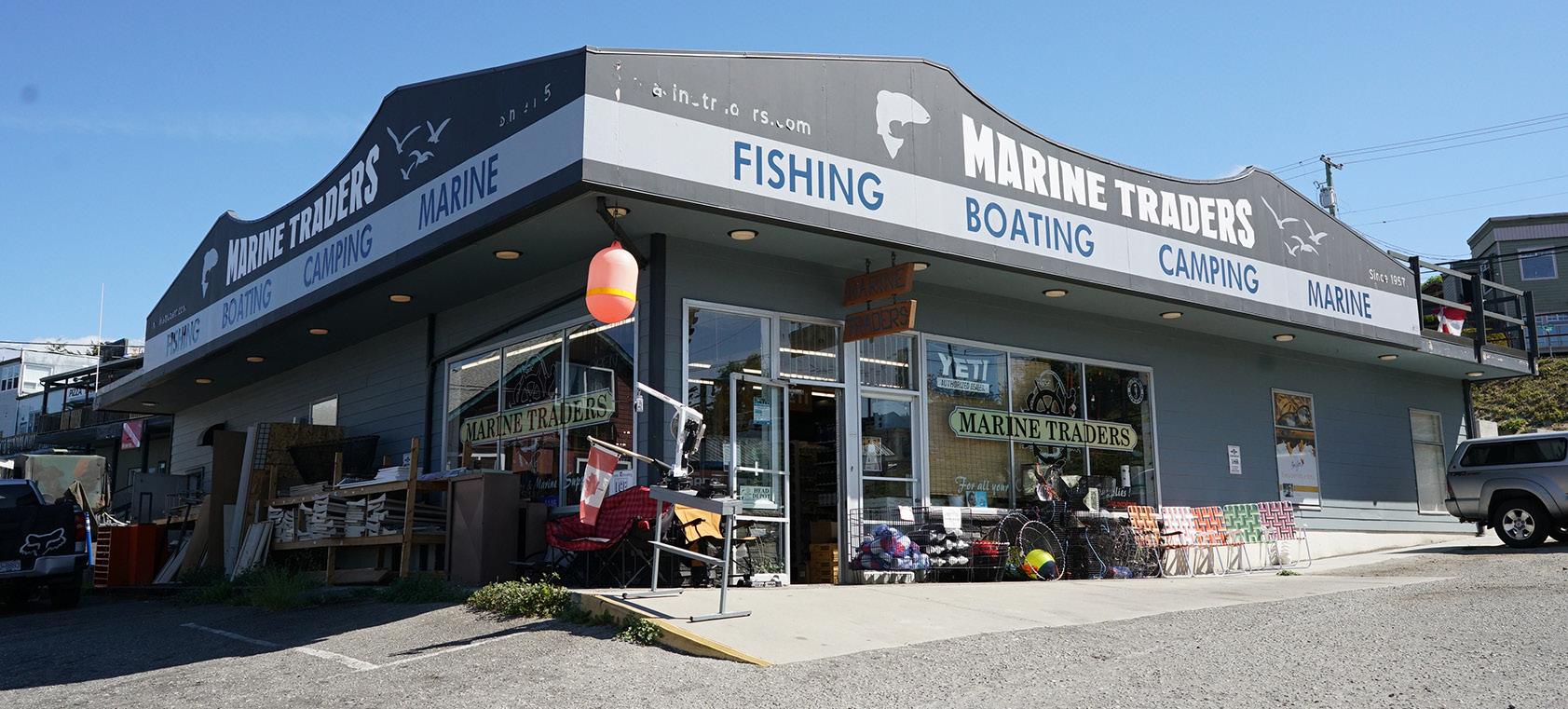
Marine Traders has applied for a development permit from City of Powell River to expand its building, including an extension of the
eastward, and a second storey addition.
outstanding issues and no comments were received from other city departments, or from the ministry of transportation and transit.
“In closing, staff are supportive of permit issuance,” said Wu.
City councillor Rob Southcott said he supported this development wholeheartedly and that this businesses’ reputation goes far beyond this community.
“It’s known on the coast,” said Southcott. “They have provided amazing service to the maritime
community for many years. I’m glad to see them doing this development and I’m happy they are going to continue servicing this community.” Council voted unanimously to issue a development permit to facilitate the construction of a new addition, subject to the registration of a section 219 covenant in a form acceptable to the city, registered on the title of the offsite parking land, and the payment of a landscape security deposit to the satisfaction of the director of planning services.


What does it mean to live well? It often depends on who you ask. For some people, it means eating better. For others, it is getting back on a bicycle, finding time for a daily walk, improving sleep, reducing stress or finally breaking a habit that no longer serves them. The path may look different for each person, but the goal is often the same: to feel healthier, stronger, more balanced and more prepared for whatever life brings.
In a world that rarely slows down, prioritizing health can feel like an uphill climb. Work, family, responsibilities and endless distractions compete for our attention, often making self-care feel like something that can wait until tomorrow, next week or next month.
But the truth is simple: the choices we make today help shape the quality of our lives tomorrow.
That does not mean dramatic change is required overnight. In
fact, lasting wellness is often built through small, consistent decisions.
Choosing whole foods more often than processed ones. Taking the bike down from the garage wall and using it. Going for a walk instead of another hour on the couch. Making time for rest, reflection and relationships that support our mental and emotional well-being.
Nothing worthwhile comes easily. Changing eating habits, start-



ing an exercise routine or working to overcome unhealthy patterns can involve physical and mental challenges. There will be setbacks, lazy days and moments when motivation fades. That is part of the process, not proof of failure.
The phrase “life is too short” is often used to justify putting healthy choices off for another day. Perhaps the better question is this: If life is short, why not make decisions that give us the best chance
to enjoy more of it?
No one can predict the future, and not every health outcome is within our control. But many of the choices we make, large and small, can influence not only how long we live, but how well we live. The pages that follow are designed to inform, encourage and perhaps inspire action, because living well does not begin with perfection. It begins with a decision to start.


Author Gael Hannan believes a good life can be lived if people speak up about hearing impairment
TANYA HILL community@prpeak.com
Hearing loss is often called an invisible condition, because others can’t see that an individual has hearing loss, and for many, a diagnosis causes stress and shame.
According to advocate, author and speaker on hearing loss Gael Hannan, living with the condition can be easier if people understand their own communication challenges and know what to expect from it.
Hannan, who is vice president of Canadian Hard of Hearing
Association’s BC chapter, discussed improving communication and accessibility in a person's life last month at Powell River Public Library (PRPL).
Hannan said while growing up with hearing loss she lived with a secret knot of inner shame, but finally, in a transformative moment, she learned to shift her goal from hearing better to communicating better, and life changed permanently for the better.





"At any point along the hearing loss journey, we can adopt new strategies to communicate more skillfully, including shifting our negative emotions into selfcompassion and positive action," said Hannan. "By owning our own communication, the journey becomes smoother, with better conversations."
She said working with a good hearing-care professional is important, and so is connecting to other people with hearing loss who understand what folks are going through.
"I was born with hearing loss that wasn't diagnosed until I was two-and-a-half years old, which was very typical of the time," said Hannan. "Audiology was just in its infancy, a post war thing, but my mom was a nurse and she realized something was a bit of concern."
Hannan said she was diagnosed with a mild form

of hearing loss, and at the time, a hearing aid wasn't deemed necessary.
"By the time I was 20, it [hearing loss] was a moderate loss heading to severe, so I was given a hearing aid," said Hannan. "I did put it in a drawer for two to three weeks; it was kind of a shock to the system, all this loudness, and it was big and beige, but I started wearing it."
Hannan now lives with profound hearing loss and is bimodal, using both a hearing aid and a cochlear

implant.
"In the 90s, we saw a real explosion in digital technology, the modern age of hearing aids and assistive technology," said Hannan. "Not only that, but there was more awareness, because baby boomers were developing age-related hearing loss."
However, Hannan said hearing loss can happen at any age, and in the current day and age, it is happening at much younger ages, due to headphone use and living or being around noisy environments.
It wasn't until Hannan had a child at age 40 that she reached out to the hearing loss community for support and advice.
"I didn't know anyone with lived experience and even my hearing-care professionals didn't have hearing loss themselves," said Hannan. "But, when I went to a [hard of hearing] conference in Hamilton; I walked into that conference one person and I
walked out another."
When Hannan met others at the conference living with hearing loss, she said it was life-changing and she finally didn't feel alone on her journey with the condition.
She said back then, Canadian Hard of Hearing Association was a major and reputable resource for people navigating hearing loss.
"Unfortunately, a lot of people now get their information from Facebook and the internet, and everyone thinks they're an expert," said Hannan. "People can post and give advice, but the advice I see is from people only going on their own experience, which in so many cases is not applicable to another person."
Hannan has written two books on the subject, including a how-to-guide called Hearing and Beyond: Live Skillfully with Hearing Loss (co-written with Sahri Eberts), and part memoir part survival guide The Way I Hear It: A Life with Hearing
Loss.
"What I started to see was that people need credible information," said Hannan. "They really just want to know, 'how can I live my life with hearing loss?'"
When she had her “a-ha” moment, her goal changed from wanting to hear better to wanting to communicate better.
"Communication is the glue that connects us as people, and hearing is only one part of communicating," said Hannan. "In my most recent book, we talk about how important, not just the technology, which is crucial, but the attitude is. It is looking at your hearing loss in a new way, not feeling victimized by it, not feeling shamed by it."
One of the major steps people can take to improve their own lives with hearing loss is to learn how to self-identify [as hearing impaired] and communicate that with others.
"Saying [to others] 'I have
hearing loss', or 'I'm hard of hearing,' or 'I'm deaf,'" said Hannan, about how to advocate for oneself. She added that learning how to manipulate a listening environment by turning down noise levels, or having captions on a screen during a phone or Zoom call, for example, are all ways people can make their lives easier.
"I can tell you, in a nutshell, the impact of hearing loss, even if it's mild, is life-changing in a negative way because it affects your relationships," said Hannan. "Social withdrawal is a huge factor for some with hearing loss."
At the PRPL talk, Hannan spoke about what it's like to live with hearing loss, and what available technology and services are available to folks in BC.
To watch a recent TEDx talk Hannan gave in Victoria called: How to Communicate Better with Hearing Loss, go to the TEDx YouTube channel, at youtube.com/watch.



It’s that time of year. The sun is shining, flowers are blooming and gardens are growing.
Plants are outstanding allies for a number of reasons. Plants not only provide us with a source of nutrition, but can also be used for everyday ailments.
BY DR. SHAWN PETERS
While most of us will use our garden spaces to grow our favourite foods, you can also grow your own medicines.
Many everyday foods are themselves medicines and a classic example is garlic.
Garlic is called Allium sativum and contains multiple compounds that are good for health. I often
find myself recommending garlic as part of a comprehensive plan for those with high cholesterol and blood pressure. It is rich in antioxidants and also valuable in supporting cardiovascular health. Garlic is easy to grow, typically started in the fall and grown through the next summer.
Many common teas we simply enjoy the taste of also have therapeutic properties. A couple examples include lemon balm (Melissa officinalis) and chamomile (matricaria recutita).
Chamomile is great to use as a companion plant, meaning it grows well among other aromatic
herbs, such as basil or peppermint. Lemon balm can spread rather easily, so it may best be planted in a pot to contain it.
Both lemon balm and chamomile are carminatives, which means they reduce digestive disturbances like gas and cramping. Both are calming to the nervous system so useful during times when stress impacts our digestion.
Aromatic herbs like these are generally best steeped for 10 to 15 minutes to maximize their health benefits. When I create an individualized plan for someone with IBS, I often use herbs like these in a tincture formula for a stronger effect.
Coneflower (otherwise called echinacea or echinacea purpurea) is a beautiful plant that is easy to grow. The root is the part used and generally we find this herb useful for colds and flus. Roots require a different extrac-

tion method than teas, called a decoction, in order to extract the medicinal properties. I tend to use echinacea in a tincture formula with other good herbs for colds and flus (like elderberry, for instance).
Prudent use of herbal medicines involves ensuring they are the right ones for you, as they can interact with medications or with other
herbs. Use herbs wisely by consulting reputable resources, following instructions on labels and seeking professional help when needed.
Dr. Shawn Peters, ND, is a naturopathic doctor practicing in the qathet region and Courtenay. For more information, go to drshawnpeters.com or call 604.489.5919.


Finding balance in today’s world can be a challenge. With ongoing stressors, whether it’s global uncertainty, social media noise, or the day-to-day demands of life, it’s no wonder so many people are dealing with chronic pain, tension and burnout. And while the health-care system does its best to help, many people still feel stuck managing symptoms without really understanding what’s going on underneath.
It would be easier if there was a clear instruction manual for pain. Unfortunately, that’s not the reality we’re living in. But there is hope, because success leaves clues.
Over the past few decades, science has started to catch up with what many clinicians see every day: pain is not just about the body, it’s about how the brain and nervous system interpret what’s going on.
Let’s zoom out for a second. Most people think pain equals damage. Something hurts, so something must be wrong in that exact spot. But that’s not always the case.
Modern neuroscience shows us that pain is something your brain creates based on whether it perceives a threat. That means you can have pain without damage, and damage without pain.

Now here’s where it gets interesting. Your brain is constantly adapting. This process is called neural plasticity; it’s how you learn, build habits and recover from injury. But it also means your brain can “learn” pain.
Over time, especially under chronic stress, your system can get stuck in a protective pattern, essentially turning the volume up on pain signals even when they’re no longer needed.
BY DR. JEREMY BUHAY
So what’s driving that pattern? This is where a tonal chiropractic approach to care gives us a different lens.
When we talk about tone, we’re talking about the level of tension, responsiveness and adaptability in your nervous system.
Think of it like tuning a guitar. If the strings are too tight, everything feels sharp and strained. Too loose and nothing responds the way it should. But when it’s tuned just
living in a constant state of stress, your system is primed for survival. Muscles tighten, breathing changes and your brain becomes more sensitive to threat. In that state, pain becomes easier to trigger and harder to shut off.
Over time, these patterns build layer by layer, until the system reaches a threshold. Like straws on a camel’s back, one too many and symptoms show up.
Here’s the key: symptoms are not the problem. They’re the signal. So instead of chasing pain around the body, the goal is to shift the state of the system.
That’s where tonal chiropractic care with lifestyle changes come in. On the chiropractic end it's not just about adjusting where it hurts, it’s about improving how your brain and body communicate.

Gentle, specific adjustments (most often in areas where there is no pain) help restore motion and input so your brain can get a clearer picture of what’s going on.

Clinically, what I see is people shift from tension to ease, from reactivity to adaptability. And that’s the goal. Because healing isn’t just about getting out of pain, it’s about increasing your capacity to thrive. And what can you do to support the healing process?
Start simple. Move your body daily. Breathe slower and deeper. Get outside. Prioritize sleep. Pay attention to what you’re feeding your system physically and mentally. And give yourself moments to actually slow down.
Now and then, take a minute to reflect. Don’t just look at where it hurts, look at how you’re living, because your body is always adapting.
If the inputs don’t change, the patterns don’t change. And if the patterns don’t change, neither does the outcome. But shift the state of the system even a little, and things can start to move in a better direction. That’s where real change begins.
Dr. Jeremy Buhay is a tonal chiropractor and owner of Marine Chiropractic and Wellness in Powell River. For information, go to marinechiropractic.ca.


The feeling of the right

BY NICOLE FRASER
If you think about how a home is built, from the foundation to the finishing details, each piece is constructed to support the others for stability and design. Now take that same thought and switch it to how we get dressed for the day.
A foundation layer to complement any outfit is a well-fitting undergarment. They are designed to create shape as well as support you throughout your day.
So where do you start? A good bra fitter can make all the difference but here are some tips that you can apply when looking for the right fit.
We have all been in a post-COVID world where relaxed is still the feeling most women want to feel. Being comfortable is important, but worn out lounge/sports bras have not been providing the support needed to lift and carry women throughout their day.
When it comes to support, step one is the band size; the band must fit snug. Not tight, but snug is important because the band provides the most of the lift and support in a bra.
Straps, think of the straps as an accessory, they should only provide 20 per cent of the overall support. Straps are there to keep the bra in place and the cups close to the body.
Make sure the cups are big enough. Your entire breast should fit inside the cup. No spillage out of the top and no metal wires sitting on breast tissue.
A hot topic, besides back fat, is always the extra tissue in the armpits. Almost all women are concerned with this area, but guess what? Just like back fat, we all have it. And a friendly reminder: 90 per cent of the time, your arm is down and you cannot see it anyway.
Most importantly, have a little patience. There are so many shapes, colours and styles to try on.
Why so many? Because all of our bodies are different and beautiful in their own
Finding the perfect fit can often require a little time, but it is well worth it and can be fun if you embrace the experience. “
A way to tell if your band is too loose is to look in the mirror sideways. The bottom of the cups should be in line with the bottom of the back of the band.
If the band is too loose you will see it start to rise up on the back of your body. This makes your breasts fall and metal wires to dig in. Also, the band rising up will exaggerate that dreaded “back fat.”
Back fat is a common term for the loose skin on the back of the body. As women age, the skin tends to lose its elasticity. This is totally normal and we all have it. It is important not to choose a looser band to accommodate for the back of the body when it sacrifices the front.
ways. The right fit is the one that supports your own beautiful curves, is comfortable and makes you feel lifted (physically and mentally).
Finding the perfect fit can often require a little time, but it is well worth it and can be fun if you embrace the experience.
Like a home, your bra is the foundation to any outfit. It is constructed to lift your breasts and show off your curves. Your outfit can now drape beautifully on those curves, and then add some accessories to provide the finishing touch.
Nicole Fraser is the owner of Westerly Studio. She can be reached by email at info@westerlystudio.ca.
Back and neck pain • TMJ/jaw disorders • Plantar fasciitis
Tennis elbow • Sprains and strains • Headaches/migraines
Runner’s knee
• Carpal tunnel syndrome • Frozen shoulder and more
4675 Marine Avenue
Suite 104
604.485.9896
info@marinechiropractic.ca marinechiropractic.ca Open: Monday, 10 am to 6 pm • Tuesday, 9 am to 12 pm
BY DR. JEN CHAM
IV vitamin therapy is an evidence-based, supportive treatment modality used to deliver micronutrients directly to the body. This bypasses digestion and absorption issues of the gastrointestinal tract.
Contents of the IV bags can vary greatly between individuals, but there are some commonly used vitamins and minerals.
Vitamin C generally supports the immune system as an antioxidant. It enhances production and differentiation of B and T cells, which are a few of the key components of the immune system. It is used within neutrophils to kill harmful bacteria. It also protects cells from oxidative damage.
Lower doses, up to 3g, can be taken as an oral supplement. Moderate IV doses of 3 to 10g are typically given for immune support.
Doses higher than 10g are more frequently used in complex chronic disease and integrative cancer care, where they function as pro-oxidants.
These are often used to complement and/ or enhance efficacy of pharmaceutical treatments. Evidence for such uses not only exists, but is strong enough to make integrative treatments standard of care in some parts of the world.
B vitamins have multiple metabolic functions. Some are coenzymes facilitating the cascade of biochemical reactions converting macronutrients into energy. Adenosine triphosphate (ATP) is the energy currency of cells.
Without the enzymes driving these reactions to produce ATP, they work at a much slower rate. This helps explain why many people report improved energy levels after B vitamins.
Magnesium is an essential mineral component of the cardiovascular, musculoskeletal, respiratory and neurologic systems. It can relieve muscle cramps, promote better sleep, treat dysrhythmias, ease migraines and help in prevention of seizures, among numerous other functions.
Calcium is an important mineral for car-
diac functioning and electrolyte balance.
Iron is necessary for production of red blood cells. Women lose blood during menstruation. When iron levels are too low, some are unable to produce enough hemoglobin to replace losses.
Others are deficient due to differences in nutrition or digestive issues. IV iron can help replenish losses much faster than supplements, and typical treatments take about an hour.
IV nutrients often work best in certain combinations for specific purposes. Vitamin C is often given with zinc and selenium, which all play different, synergistic roles in immune support.
Amino acids are given to aid with muscle building or to enhance tissue healing after surgery. Individuals may have specific needs identified in their blood tests.
These are just a few of the ways in which IV micronutrients can help people achieve better health.
Your needs are unique. They are determined by a combination of your health


goals, your lab results and your clinical presentation. IV vitamin therapy replenishes nutrients quickly and efficiently to help you feel your best.
Dr. Jen Cham, BA, BSN, ND, practices naturopathic medicine at Broadleaf Health Collective. For more information, email drjencham@gmail.com.
The average person will spend roughly 90,000 hours at work over their lifetime—about one-third of their life. It’s no surprise then, that the workplace has a profound influence on our mental health. At its best, work offers structure, purpose and a sense of identity. At its worst, it becomes a steady source of stress that can quietly erode our well-being.
For many people, that erosion leads to burnout—a state of chronic exhaustion marked by cynicism, detachment and the unsettling feeling that no matter how hard you try, it’s never enough.
Why burnout creeps in Burnout doesn’t happen overnight. It builds slowly, often in environments where the expectations are unclear and success feels just out of reach. When you’re not sure what “good enough” looks like, it’s easy to feel like you’re constantly falling short.
A lack of control can make things worse. When people feel powerless over their workload or schedule, frustration and disengagement tend to follow. Add an unsustainable workload, a sense of unfairness, or a disconnect between personal values and workplace culture and the conditions for burnout are

firmly in place.
Individually, these factors are challenging. Together, they can become overwhelming.
When leaving isn’t an option
In an ideal world, the solution to a toxic work environment would be simple: leave. And for some, that is the right choice. But for many people, changing jobs isn’t immediately possible.
When that’s the case, the focus has to shift—from what can’t be controlled to what can.
This shift isn’t always easy. It can feel unfair to accept that a workplace may not change. But that acceptance can also be freeing. It creates space to ask a different question: What is within my control right now?
One powerful place to start is with internal boundaries. This means resisting the pressure to take on expectations that aren’t realistically achievable. It also means changing the way we speak to ourselves.
Instead of thinking, “I’m a failure because I can’t get everything done,” the narrative becomes, “I did what I could today, and I did it well.”
It’s a subtle shift—but an important one. Moving from selfcriticism to self-recognition helps restore a sense of agency, even in difficult environments.
Another way to understand burnout is to think of stress as


a cycle rather than a constant state. We function best when there’s a natural rhythm between effort and recovery. Periods of high demand are manageable—if they’re followed by rest. Burnout develops when that balance disappears, and we stay stuck in a state of prolonged stress without returning to recovery.
The key is learning to recognize early warning signs—what some call “orange flags.” These might include increased irritability, low mood, difficulty concentrating or physical tension. They’re easy to dismiss, especially during busy periods, but they’re often the first indicators that something needs to change.
When those signals appear, it’s time to respond—not push harder. That might mean stepping away for a walk, connecting with friends, exercising or simply


allowing time for activities that feel restorative and enjoyable.
Seen this way, stress isn’t something to eliminate entirely. It’s something to manage—to move through rather than remain stuck in.
Burnout can feel like a dead end, but it isn’t. Whether through changing environments, setting boundaries or learning to better navigate stress, there are ways forward.
Work will always be a significant part of life. The goal isn’t to remove stress entirely—it’s to create conditions where work supports well-being instead of undermining it.
And that starts with recognizing when something isn’t working— and giving yourself permission to respond.



Many of us tend to postpone tasks, often finding ourselves rushing at the last minute and feeling overwhelmed. Some experts suggest that we use procrastination as a stress reliever, meaning that when we feel anxious, we tend to avoid tasks that we need to complete.
However, since we understand the negative consequences of delaying tasks, it is possible to prevent procrastination.
BY RANKA BURZAN
Recognizing that procrastination is a habit can be empowering because habits can be changed. By implementing these practical strategies, you can reclaim your time, achieve greater peace and make noticeable progress on your tasks.
1. Know the cost
Understand the consequences of putting off necessary tasks. Delaying can lead to be-

ing late for work, avoiding important appointments like a dentist visit or missing a crucial meeting that could benefit your career.
2. Start small
Large tasks can feel overwhelming until you break them into smaller, manageable steps. Instead of thinking, “I have to declutter the whole kitchen,” start with just one shelf. If you're writing a 500-page novel, focus on writing a few paragraphs each day. Tackling just a small part makes the entire project feel achievable.
3. Don’t keep it in your head
Mental clutter can keep you just as stuck as physical clutter. Writing things down helps you gain a clear picture of what you need to do. Use a notebook, planner or digital app—whatever works for you. Jot down everything on your mind, then organize and
prioritize the items.
4. Schedule difficult tasks first
It’s tempting to postpone difficult tasks, but addressing them early in the day can give you a sense of accomplishment. Whether it’s paying bills, making a phone call, or writing a proposal, schedule it and stick to it. Selfimposed mini deadlines can also be effective.
5. Build in breaks and rewards
Work in focused sessions for 30 minutes, then take a short 10-minute break. After longer tasks, reward yourself with something enjoyable: a walk in nature, a hot drink, a chat with a friend or time reading your favourite magazine. Rewards make hard work more satisfying and manageable.
6. Be realistic
There are only 24 hours in a day, and a significant portion of that should be spent on sleeping, eating and enjoying life. Don’t overload your schedule. Instead, select a
few high-priority tasks each day. It's okay to move slowly, as long as you continue to make progress.
7. Don’t strive for perfection
Perfectionism can be paralyzing. Instead of aiming to complete everything perfectly, set a goal to finish the task. You can always go back to improve it later. The important thing is to start, even if you're feeling uncertain. Taking action is the best way to build confidence.
Procrastination doesn’t have to control your life. Pick one of these strategies and give it a try. Start with something small. That first step can shift everything and help you move from feeling stuck to being unstoppable. The way to stop procrastination is to increase your motivation.
Transformational life coach Ranka Burzan owns a professional organizing company in the qathet region and has written several books on reducing clutter. For more information, email getcoachedwithranka@gmail.com.

Registered Massage Therapy
Brigitte Villeneuve, RMT
Kate Parkinson, RMT
Keri Frehlich, RMT
Nicola Gildersleeve, RMT
Deborah Lillis, RMT
Counselling
Anna Bock, RCC, MSW, RSW
Reflexology/Reiki
Joanne Luscombe, RR



When I attended massage therapy school, our understanding of what treatment could achieve sometimes felt miraculous. We were taught that, with our hands alone, we could break up old scar tissue, lengthen muscles, or even shift the bones of the skull.
Those ideas were deeply rooted in how manual therapy was traditionally explained. Something in your body was “out of place” or causing discomfort, and a trained professional could find it and fix it. Tight muscle? Loosen it. Misaligned joint? Adjust it. It’s clear, logical and reassuring.
But here’s the thing: research is showing that pain doesn’t work quite that neatly.
It turns out that many of the ways practitioners try to pinpoint an exact “problem spot” in the body aren’t as precise as we once thought. Even more surprising, super-specific techniques don’t consistently work better than more general ones. And yet…people still feel better after treatment. So what’s actually helping?
More and more, attention is being placed on the nervous system.
Hands-on treatment appears to influence how the brain and body interpret safety, tension, movement and pain. Both the client and practitioner may genuinely feel changes in the tissues during treatment such as less tightness, easier movement and

BY BRIGITTE VILLENEUVE
reduced discomfort. But, these effects may not come from physically reshaping tissue in the way we once imagined.
Instead, treatment may be altering the nervous system by changing muscle tone and guarding, ultimately calming the nervous system and changing the brain’s perception of threat in the body. In other words, the body may not be “fixed” structurally as much as it is being reassured neurologically.
This shift in understanding aligns with the biopsychosocial model of pain, which recognizes that pain and tension are influenced not only by tissues and joints, but also by stress, emotions, past experiences, beliefs, environment and the nervous system itself. From this perspective, touch becomes more than a mechanical tool, it becomes a form of communication.
Rather than focusing only on finding and correcting a
physical issue, there’s more emphasis on the whole person. This includes making sure treatment feels safe and comfortable, taking time to listen and working together to make sense of what’s going on.
A calm environment, therapeutic touch and a trusting relationship with a practitioner can all influence how safe the body feels. And when the nervous system feels safer, muscles may relax, movement may feel easier and pain can decrease. That may sound less dramatic than “breaking up scar tissue” or “realigning” the body, but in many ways it is just as meaningful. Human beings are complex, and healing is rarely as simple as fixing one isolated structure. Manual therapy offers comfort and relief, but it may be doing so through mechanisms that are connected to the nervous system and the overall experience of care than we once believed.
Empowering your patient to take an active role in their recovery through embracing safe movement and manageable changes, rather than relying solely on treatment itself, will yield better long-term results. But, the real value may lie in helping people connect with their sense of confidence in their body and the calm in their mind.
Brigitte Villeneuve is an RMT and the owner of Timber Massage and Wellness in Powell River.
By Dr. Brittney Chisholm
At some point, many people notice a change in how their body feels. A sore shoulder lasts longer than it used to. A stiff back shows up without a clear reason. Minor aches seem to linger for months instead of days, even when rest and pain relievers are involved.
It’s easy to assume this is just “getting older.” But while aging does bring changes, lingering pain is often less about wear and tear and more about how the body manages inflammation and recovery over time.
Wrinkles are a reflection of the collagen in the skin wearing down with age. But no one ever complains about wrinkles being painful (except perhaps to their mirrors), so it’s curious then that when collagen breaks down in the joints we automatically assume it causes pain. So what’s the difference? The answer is often cyclical, widespread, low-grade inflammation, the kind that isn’t detectable with blood tests.
Inflammation: Helpful, until it isn’t Inflammation isn’t a bad thing. In fact, it’s essential. When you twist an ankle or strain a muscle, inflammation helps start the healing process. In younger bodies, this response tends to rise quickly and settle down just as fast.
As we age, that process changes. The body becomes more prone to low-grade, persistent inflammation—sometimes called chronic inflammation. Instead of fully resolving, the system stays slightly “switched on,” it sort of “learns” to keep a few inflammatory cells in the area “just in case.”
This can make tissues more sensitive, recovery slower and pain more likely to linger even when there’s no serious injury. It can often make pain feel like it’s spreading out to a bigger area or to two regions that are interdependent, like the low back and the hip.
This doesn’t mean the body is breaking down. It means the rules have changed; the software for running the system has adapted to “potential danger” that accumulates the longer you’re around.
For decades, rest, ice and anti-inflammatory medications have been the go-to response for pain. These tools still have value, especially after an acute injury. But many of the aches people experience in midlife and beyond aren’t acute injuries at all.
Chronic stiffness, recurring joint pain or nagging muscle discomfort are often driven by system-wide inflammation rather than local swelling. In those cases, icing one area or avoiding movement altogether may provide temporary relief, but it rarely solves the underlying issue. It’s a bit like silencing a smoke alarm without addressing what’s causing the smoke.
Modern life adds to the challenge. Long hours of sitting, reduced muscle mass, disrupted sleep, hormone imbalances and ongoing stress (physical, emotional and chemical) all influence how the body regulates inflammation. When movement becomes irregular or cautious—often out of fear of making pain worse—the system can become even more sensitive.
Ironically, doing less can sometimes increase discomfort. This is why pain often feels more unpredictable with age. It’s not always tied to a single incident, but to how the body as a whole is coping with daily demands and unresolved stressors that have occurred over time.

What actually helps recovery now?
The encouraging news is that chronic in-
flammation is highly responsive to lifestyle and movement habits. Recovery doesn’t require extreme measures, just consistent ones.
One reason is that inflammation isn’t controlled by the immune system alone. It’s regulated by a close partnership between the nervous system and the immune system, often referred to as the neuroimmune system. These two systems are constantly communicating, shaping how the body responds to stress, injury and recovery.
A large portion of this communication happens in the gut, where many immune cells live and where nerve pathways help regulate inflammatory responses. When gut health is compromised—through poor nutrition, chronic stress, disrupted sleep or illness—the body’s baseline inflammation can rise. Similarly, ongoing mental or emotional stress can keep the nervous system in a heightened state, amplifying pain signals and slowing recovery.
This is why improving inflammation isn’t just about treating sore tissues. Supporting gut health, managing stress and restoring nervous system balance are often first-line steps in helping pain settle.
Regular, moderate movement, especially the kind that feels good, helps regulate inflammation and improves tissue tolerance. Strength training supports joints and reduces stress on sensitive areas. Walking improves circulation and calms the nervous system. Sleep consistency allows the body to complete its natural repair cycles. Addressing mental health—through stress reduction, connection and rest—is not a luxury, but a core part of physical recovery.
Rather than resting until pain disappears, many people do better by gradually and confidently reintroducing movement while supporting the systems that regulate inflammation from the inside out.


A more hopeful way to look at pain
Pain that lasts longer than it used to isn’t a sign of failure or fragility. It’s often a signal that the body needs a different approach— one that matches how it functions now, not how it did at 25.
With the right strategies, people can reduce inflammation, improve recovery and stay active well into later decades. Aging may change the process, but it doesn’t eliminate the possibility of feeling strong, capable and comfortable in your body again.
Dr. Brittney Chisholm is a chiropractor and chronic pain coach at Suncoast Integrated Health in Powell River. For more information, go to suncoastintegratedhealth.com.








TANYA HILL
community@prpeak.com
Pacific Region International Summer Music Association (PRISMA) recently launched a new cultural amenity and event space in the upper level of Townsite Public Market.
PRISMA development director Andy Rice emphasized that the space was never intended to be for PRISMA or music only, but open to experimentation and cross-collaboration across a wide range of genres and events.
"The Illahie Recital Hall has hosted a concert, masterclass and a 90th birthday party," said Rice, in an interview with the Peak. "The acoustics are excellent for acoustic and amplified sounds, but what’s been most exciting is seeing how adaptable the room is and how athome people feel in it. As local and visiting artists in theatre, dance and visual art begin to explore it and enquire about rentals, we expect new

uses and ideas to emerge."
The more than 5,000-square-foot facility represents a $1.5-million capital investment in the future of arts and culture in the qathet region, supported by federal, provincial, regional and local granting agencies, along with transformative gifts from several private donors and foundations; more than 90 per cent of project funding was attracted from outside the community, significantly magnifying local investment into the qathet community.
"The name Illahie, which in Chinook Jargon, can mean 'home,' among other meanings, reflects our hope that the space will feel welcoming and grounded in a sense of belonging," said Arthur Arnold, PRISMA’s artistic director. "The hall also allows for a great deal of flexibility in how it is set up, making it adaptable for different kinds of performances and audiences, such as theatre, dance, spoken word and small-scale inter-
disciplinary work. All of these can live very naturally in the room."
The space includes the large main area (240-seat Illahie Recital Hall) with an ocean view, a class three kitchen/bar, and also a sound-insulated wing with multiple offices and teaching studios, as well as a mezzanine boardroom and coworking space.
"PRISMA moved its day-to-day operations into the office wing in early April and will maintain regular box office hours there, but we are anticipating other tenants and user groups to join us shortly in some of the adjacent rooms," said Rice. "The smaller studios are wellsuited to individual lessons or small groups, while the larger spaces are intentionally flexible, to support larger rehearsals, corporate meetings, craft fairs, weddings, receptions, concerts, cooking or yoga classes and community gatherings."
Rice said the offices are accessible through Townsite Public Market during the day and the perfor-

mance venue and lobby will be open just for events, rentals and programmed activity, with a dedicated entrance for those sorts of uses.
"We’ve also invested in multicamera livestream and video recording capability, which positions Illahie Recital Hall as a much-needed media exporter for the qathet region," said Rice.
According to Arnold and Rice, there is also opportunity for non-
profit groups and small creative businesses to make use of the space, in addition to one-off rentals for special events such as weddings and community gatherings. "I hope the Arts Hub at Tis’kwat becomes a place where people feel a sense of belonging," said Arnold. "A place where different parts of the community meet – across generations, backgrounds and artistic practices."
























WE WILL BE OPEN for the upcoming
WE WILL BE OPEN for the upcoming POWER OUTAGE

MAY 24 - 8AM - 8PM & JUNE 7 - 8AM - 8PM
OUR RESTAURANT WILL BE EXPANDED with a simplified breakfast and lunch menu. featuring COMPLIMENTS OF 32 LAKES

PAUL GALINSKI reporter@prpeak.com
During May, which is myalgic encephalomyelitis (ME) awareness month, a Texada Island resident well acquainted with the affliction wants to bring attention to this potentially crippling illness.
Larry Dawe, whose daughter Charlotte is afflicted with ME, serves as a board member of the ME/FM Society of British Columbia, which advocates for people with ME, fibromyalgia (FM) and long COVID. He said Charlotte has been afflicted for 15 years by this “cruel and very poorly understood disease.”
Charlotte was formerly a capable private aircraft pilot, a championship bagpiper and a published author of poetry, in addition to studying for a master’s degree at the University of Victoria.
“She has been reduced to brain fog, constant full-body pain and depression, with only me, her elderly dad, to
care for her,” said Larry. “ME is a devastating, multi-system disease that causes dysfunction of the neurological, immune, endocrine and energy metabolism systems.”
Larry said people who are mildly afflicted may be able to do some typical activities of daily living with some difficulty, whereas severe patients are typically housebound and likely predominantly or continually bedbound and dependent for most, if not all, activities of daily living.
“Some people are rather lightly afflicted and they can maybe have a job,” said Larry. “About a quarter of ME sufferers are bedridden and need to be wearing sunglasses in a darkened room, and must be sound insulated from the rest of the world. It causes a huge amount of stress, which enhances the inflammation, which increases the pain.”
Larry said it is difficult to find effective treatments for ME. He said Charlotte is finding the drugs are starting to not have any effect.
Physicians presented with ME will often think their patient is in pain and prescribe painkillers, he added.
“Research is still so poor, so there is a real sense of helplessness for people with ME,” said Larry. “The suicide rate among sufferers is pretty high.”
Larry said Charlotte is not among the 25 per cent of the worst cases of ME, but it still takes a huge amount of effort to get through life.
“She’s very determined,” he added. “She was on a full scholarship with UVIC and was starting her master’s thesis, and ME hit. Her writing, her composition and analytical capability for the master’s program was just not up to the level required by the program. They gave her a medical leave, for 10 years, year-on-year.
“Eventually, after 10 years, her thesis advisor asked if she thought she would get better and be able to finish the program. She eventually, tearfully, had to give up.”
Larry said some people afflicted with ME get better, and he lives in hope that his daughter will get better, too. She is able to teach calligraphy classes on Texada, and is doing a stained-glass course. Larry said however, these are not activities Charlotte can do day after day, because
annual event invites public to try an
TANYA HILL community@prpeak.com
Suncoast Paddling Club is inviting the public to try paddling in an outrigger canoe during the month of May.
"Join us Sunday, May 24, also [BC Hydro] power outage day, for the sec-
ond annual 'Have a Go Day,' to find out what it's like to paddle an outrigger canoe, and why we're out on the water all year round," said club member Sarah Bacon.
"It's free, open to all ages [under 16 to be accompanied by an adult]; no experience necessary; paddles and PFDs provided."
The event will take place from 1 to 3 pm at the Suncoast Paddling clubhouse near the Shinglemill Pub and Bistro. "Come spend the day outside and on
it often takes three days to recover, which is in addition to the normal pain, brain fog, confusion and stomach upset.
“She couldn’t hold a regular job,” he added.
He said the worldwide disease prevalence is one in 29 people, and that it is probable everyone in the region knows at least one person who is afflicted with this lifecrippling, chronic disease.
“Sadly, a 2025 survey of 849 BC ME patients confirmed systemic health-care challenges affecting patients provide-wide,” said Larry. “There are systemwide gaps in provider education, resources, and care coordination.
“The ME/FM Society of BC continues to advocate strongly for a provincial MEspecific diagnostic code and mandatory physician education to bring equitable care to ME sufferers, including the many who still require diagnosis.”
Larry said out of the thousands of physicians in BC, very few understand ME, and those who do are overworked. He said if people find they have symptoms, they should go to the ME/

FM website at mefm.bc.ca.
The website states that if someone has symptoms such as extreme fatigue, worse symptoms after physical, mental and emotional effort, poor sleep, brain fog, light-headedness and dizziness, joint and body pain, and sensitivities to light, smell and sound, they may have ME, FM, or long COVID. The website states that it often takes years or decades to get an ME diagnosis, and the Centre for Disease Control in the United States estimates more than 90 per cent of
people with ME in the US remain undiagnosed or misdiagnosed. The website suggests similar statistics for Canada.
Larry said if a person has the listed symptoms, they should go to the ME website, and ask some questions. The ME society also offers peer support so people afflicted can talk about their problems, so they are not isolated.
“You’re able to talk with somebody who actually understands what you are talking about,” said Larry. “That is incredibly valuable.”
the water," club members stated in a social media message.
What to expect: Participants will meet at the clubhouse to fit with a PFD and a paddle, then go down to the dock, load the canoes and go for a 30-minute paddle down the river and back. No preregistration required.
For more information or questions, go to suncoastpaddlingclub. To watch videos of club members paddling on Powell Lake, go to suncoastpaddlingclub.weebly.com/videos.

Braeden Coburn expands racing schedule after success on Vancouver Island
PAUL GALINSKI reporter@prpeak.com
Having won two championship trophies at the conclusion of the 2025 Vancouver Island Motocross Association (VIMX) season, Braeden Coburn is preparing to defend his titles.
Coburn, now 17, won a first-place trophy for his racing in the schoolboy one class, and second place in the premix class. Last year, Coburn was riding a 125cc two stroke motorcycle, and this year, he has upgraded
to a 250cc four stroke, so he will be riding both the 125 and 250.
Last year, riding exclusively on Vancouver Island, Coburn entered 10 races at tracks in Campbell River, Port Alberni, Nanaimo and Port Hardy. When asked about his formula for success, Coburn said he takes a measured approach to riding.
“If I ride too much and practice too much, I kind of overdo myself and then overthink when I get to the races,” said Coburn. “So, I just tried to chill and ride every weekend, and maybe once a week in the middle of the week, for an hour or two. I left my concentration for race day.”
Coburn said he loves the thrill and adrenalin rush that comes from motocross racing.





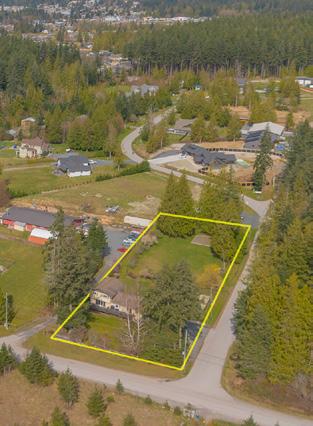
“When you’re getting ready at the gate, then jumping all the jumps and going fast with the loud bikes and the people, it’s tough to beat,” said Coburn. “Campell River has a 100-footer jump that’s pretty wild and really exciting.”
Coburn said this is the last year he can compete in the schoolboy one class, which ages out at 17. However, with his new motorcycle, he will be able to go into some new, four stroke classes.
Coburn said the new bike is way bigger and heavier, with the four stroke having more torque and power at the low end. The two stroke needs to be wound up to the top of its RPM range to get the best power. Coburn said the strategy for racing the two different classes of motorcycles is different.
“If I jump my four stroke, which is way heavier, the front end is heavier, so it kind of dips down in the air for big jumps,” said Coburn. “Jumping on the 125, the front end is lighter, and it just pops up. You have to make a mental adjustment when you switch motorcycles.”
Coburn has already been to two VIMX races, with
one in Campbell River and another in Nanaimo. He has also travelled to Kelowna this season, which he said was “pretty fun.” There are eight more races left in the VIMX season, and he might do two or three more races in the mainland series.
In his races so far this year, Coburn said he is happy, having a first and second place in a couple of his races. He said he is continuing to win and hopefully, that will continue.
Coburn said there are differences in racing in the various locations around the province. In the VIMX, some classes have seven to 10 racers, others have 15 to 20. He said the mainland races are “crazy.”
I went there and there were 43 kids in one race,” said Coburn. “There’s usually only 40 gates, and some kids had to line up behind other racers in the gates.”
While Saturdays in the VIMX are for practice, in the mainland series, Saturdays are for qualifying. If a racer doesn’t qualify, they don’t get to race.
“Thankfully, I qualified,” said Coburn. “It’s harsh, but more realistic.”
Having never been to the
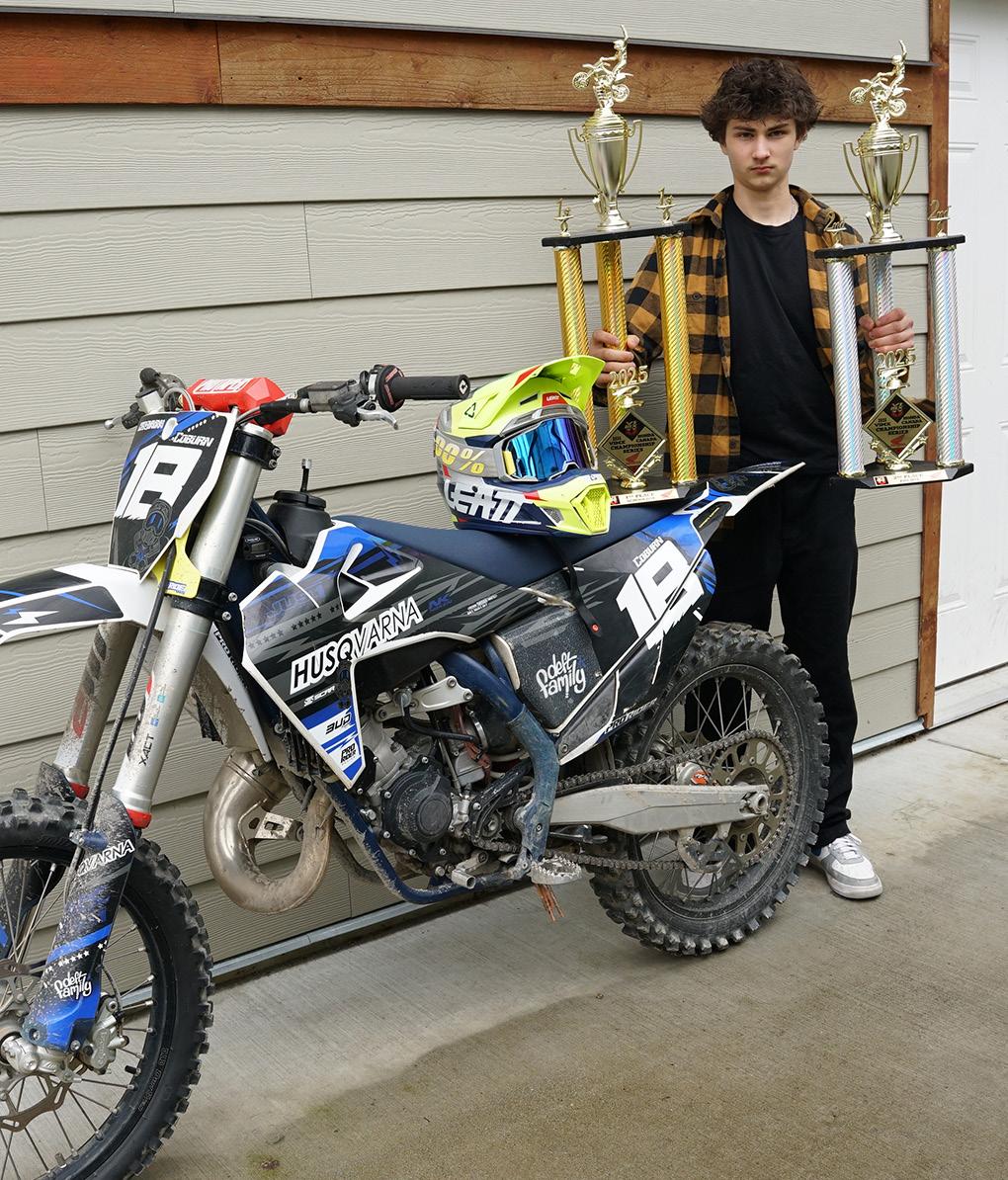
tracks away from Vancouver Island, he does not have extensive knowledge about the courses, so not having practice on a Saturday makes qualifying more difficult.
In terms of long-term plans, Coburn said he hopes he can keep on racing.



Coburn said he has received great parental support for his motocross racing.
“They have been very helpful,” said Coburn. “Obviously, they bring me to all the races, they pay for food, ferries, stays and all that. They are the best.”
“It depends on how things go,” said Coburn. “I work, now that I am getting older, but I’m hoping I can still race.”




A grand opening was held for the new Northside Community Recreation Centre in Lund on May 8. The new facility offers an expanded gathering space for community, culture and recreation that reflects Lund’s natural aesthetic and incorporates green building elements, according to Mikhael Drosdovech, qathet Regional District’s manager of assets and capital projects. The centre includes a half-court basketball gym, a 200-person hall, a stage for theatrical and musical productions, a new commercialgrade kitchen, wheelchair accessibility, gender-neutral washrooms, additional storage and a welcoming foyer that connects the new facility to the original Lund Community Hall building. In a media release, Electoral Area A director Jason Lennox stated that “the completion of this expansion to the Lund Community Centre marks an important milestone for Electoral Area A, as we celebrate the exciting future of this incredible civic and cultural hub for our community.”
ANDREW BRADLEY PHOTOS


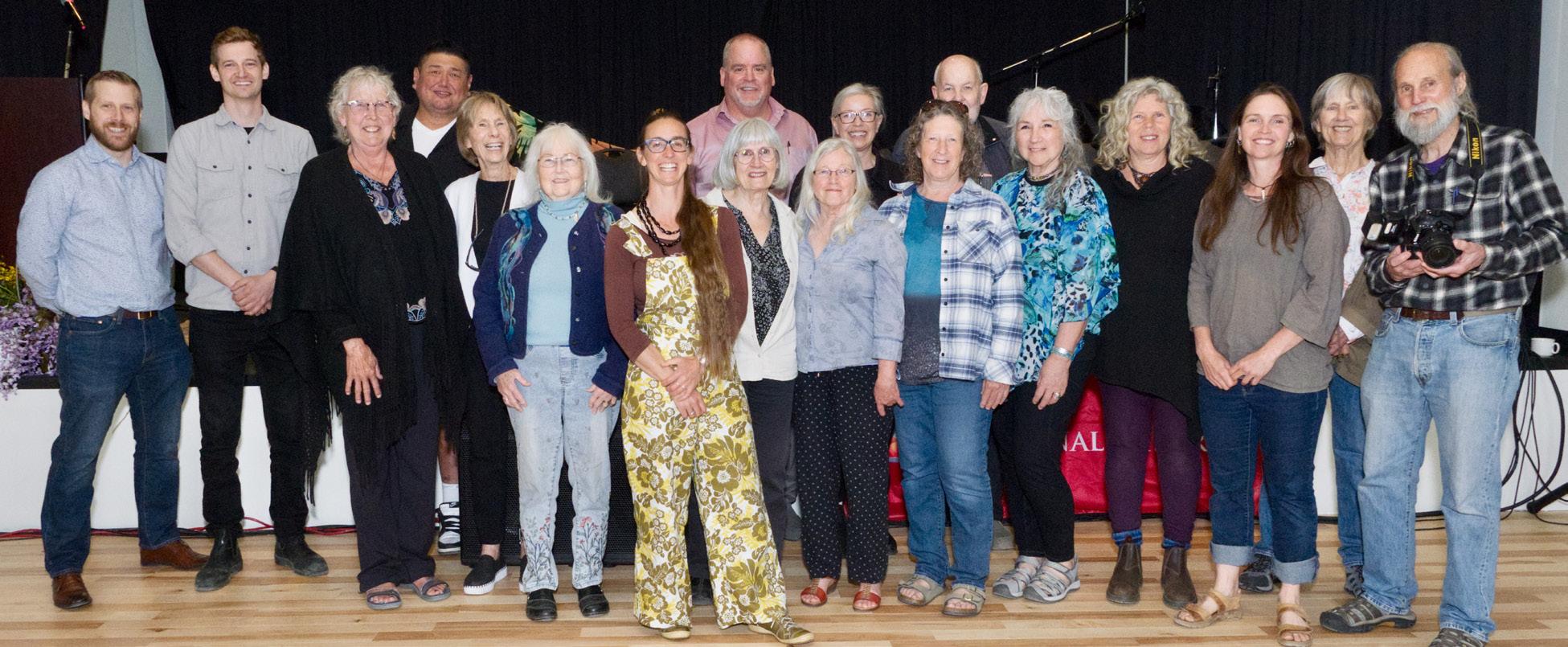


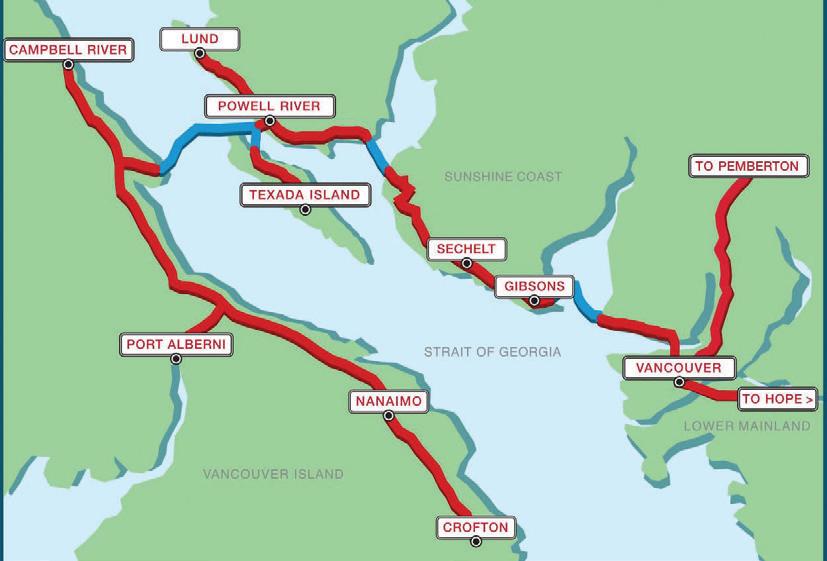

In loving memory of our beloved
January 29, 1931April 28, 2026
Reine-Aimeé Garneau was born on January 29, 1931, in Mont-Saint-Michel, Quebec.
She was a devoted mother, grandmother and great-grandmother, leaving behind a loving legacy of seven children, 17 grandchildren and 28 great-grandchildren.
Reine-Aimeé was predeceased by her beloved husband Lucien, with whom she shared 58 wonderful years of marriage. Together, they built a home filled with love, laughter and cherished family memories that will live on through all who knew her.
Reine-Aimeé was deeply loved and will be profoundly missed. She will be remembered always for her kindness, strength and unwavering love she gave as an incredible mother, grandmother and friend.
“Mama, your eternal journey has begun. Go now and rest, free from pain, surrounded by beauty once more, with a heart at peace. No one deserves it more than you. Thank you for being such an extraordinary mother. We love you, always and forever.”
A Christian Mass will be held at 1 pm on Friday, May 29, at the Assumption Church, followed by interment at the cemetery in Cranberry.
Her Journey's Just Begun Don’t think of her as gone away, her journey’s just begun, Life holds so many facets, this earth is only one, Just think of her as resting, from the sorrows and the tears, In a place of warmth and comfort, where there are no days or years, Think how she must be wishing, that we could know today, How nothing but our sadness, can really pass away, And think of her as living, in the hearts of those she touched, For nothing loved is ever lost, and she was loved so much.
A celebration of life will be held for Terry McCune for a life well lived on Monday, May 25 from 12 to 2 pm at the Royal Canadian Legion.

September 22, 1941May 5, 2026
There are no words to express how sad I am to mark the passing of the best mom and GMA, ever!
My mom passed away peacefully in Victoria after a long and dignified journey with cancer. She was truly the strongest woman I have ever known. I will be forever grateful for her love, support and friendship.
My life won’t be the same without you Mom. She will be profoundly missed by her daughter Robyn, granddaughters Jamie and Jenna, her sister Debbie and brother-in-law Ian, and all of her dear, dear friends in Powell River.

September 22, 1945May 17, 2017
Always with you
Love Wayne, Kim, Kevin, Maureen, Rick and families

CHESS CLUB AT POWELL RIVER LIBRARY Sundays from 1 to 5 pm
All ages and abilities, free to attend.
The qathet Regional District is accepting applications for the unionized position of Planner.
The 2026 wage rate for this position is $48.42.
To view the full posting and application requirements please visit qathet.ca/careers.
OPPORTUNITY
The qathet Regional District is accepting applications for the following opportunities: Payroll and Benefits Administrator – Casual Accountant – Casual
To view the full postings and application requirements please visit qathet.ca.
The ALS Bevvy & Burger Fundraiser held on May 6 at the Forest Bistro & Lounge was a great success, raising $2,578
The Silent Auction was also made possible through contributions from the following businesses:
Sommerset House
The Old Courthouse Inn
Laughing Oyster Restaurant
Douglas Sutherland
Cranberry Motor Inn
Springtime Garden Centre
Paperworks Gift
Fits to a T
The Nutcracker Market
Rocky Mountain Pizza & Bakery
A special thank-you goes to The Peak, which ran multiple ads over several weeks, published an article about the ALS events, the delegation to city council and made a generous donation.

Supercharger Pizza
Sun Coast Cannabis
Grant Lawrence
Nancy’s Bakery Oceanside Entertainment
Mother Nature
Pollen Sweaters Inc.
Royal Zayka
Coastal Cookery
Capone’s Cellar
The Chopping Block
BRIAN &
Super


Handsome black & white young male cat. Cheek scratches and head rubs make his day.
JOVIE
Unique, super senior, pretty tortoisehell female cat
HARLEY
Poodle/Bichon mix. super senior seeking matching human
MARTIN
Loving, loyal, glamourous male mature cat
WREN & SYLVESTER
Two super nice bunnies. Stop by for a bunny cuddle
MONKEY
Personality plus, sweet, funny, young, female Collie/Husky mix.
AQUARIUS
Wow, stunning female German Shepherd
DIESEL & HENDRIX
Wow, puppy seekers look no further, super cute handsome Shepherd mix puppies
MONKEY
Personality plus. Sweet, funny, young female, Collie/Husky mix.
WREN &
Bunnies, two of the sweetest


Rob Stokes hereby gives notice that an application has been made to the Minister of Transport, pursuant to the Canadian Navigable Waters Act for approval of the work described herein and its site and plans.
Pursuant to paragraph 7(2) of the said Act, Rob Stokes has deposited with the Minister of Transport, on the online Common Project Search (http://cps.canada.ca/) and under registry number 14486 or, under the NPP File Number 2026516532, a description of the following work, its site and plans: Float Building and Breakwater on Powell Lake.
Comments regarding the effect of this work on marine navigation can be sent through the Common Project Search site mentioned above under the Comment section (search by the above referenced number) or, by sending your comments directly to Navigation Protection Program - NPPPAC-PPNPAC@tc.gc.ca or #820-800 Burrard St., Vancouver BC, V6Z 2J8 if you do not have access to the internet.
Comments will only be considered in writing (electronic means preferable) and are received not later than 30 days after the publication of the last notice. Although all comments conforming to the above will be considered, no individual response will be sent. Comments submitted will not be published but are subject to the Privacy Act and the Access to Information Act
Classified advertising is accepted on a prepaid basis only. VISA and MasterCard welcome. Peak Publishing reserves the right to classify ads under appropriate headings, set rates therefore and determine page location. Full, complete and sole copyright in any advertising produced by Peak Publishing is vested in and belongs to Peak Publishing. No copyright material may be reproduced in any form without the prior written consent of Peak Publishing. Any errors in advertisements must be brought to the attention of the publisher within 30 days of the first publication. It is agreed by any display or classified advertiser that the liability of the newspaper in the event of failure to publish an advertisement or in the event that errors occur in the publishing of any advertisement shall be limited to the amount paid by the advertiser for that portion of the advertising space occupied by the incorrect item only and that there shall be no liability in any event beyond the amount paid for such advertisement. Peak Publishing cannot be responsible for errors after the first day of publication of any advertisement. Notice of errors in the first week should immediately be called to the attention of the advertising department to be corrected for the following edition. All advertising is subject to the approval of the publisher.










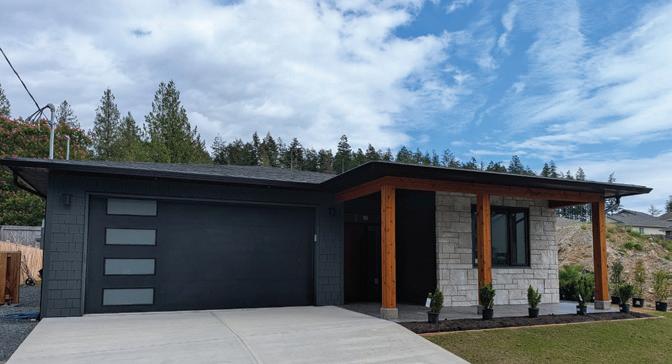

$724,900


BILL: 604.223.0811
Centrally located starter home with an ocean view! This home is a great starting place to get into the real estate market.
3 bedroom, 1 bathroom, 1,349 sq ft
4856 JOYCE AVENUE
$389,900 MLS®19723
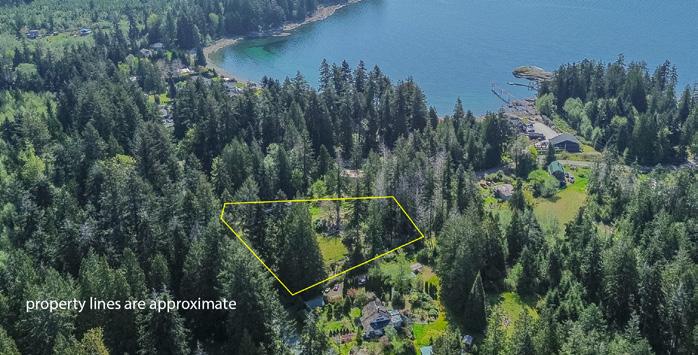
DUSTIN: 604 358 2473
Enjoy the charm of rural coastal living on this 1.6 acre level lot in Stillwater. Ready for building, the property is equipped with a septic system, community water connection, and hydro service.
12149 SCOTCH FIR POINT ROAD
$415,000 MLS®19827

NANCY: 604 849 5777
2 bedroom, 2 bathroom, 1,108 sq ft 403-7175 DUNCAN STREET
$429,000 MLS®19750

KATIE: 604 344 0055
Beautifully crafted, brand-new townhome! Environmentally sustainable, this energyefficient home has a zero carbon footprint.
3 bedroom, 3 bathroom CREEKSIDE LIVING TOWNHOUSES
5191 Manson Avenue • Starting at $499,900
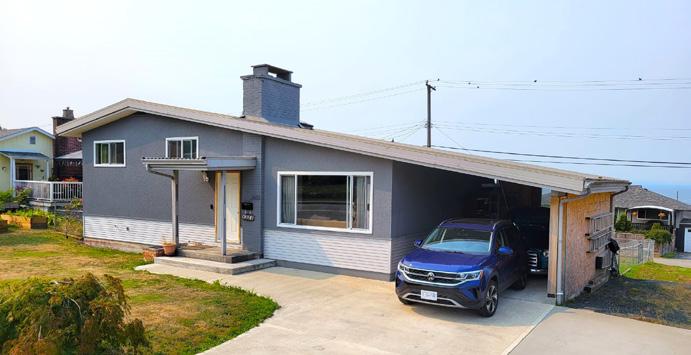
AUSTYN: 778 986 1691
Ocean-view home with many updates! Step onto your deck to enjoy expansive ocean views and stunning sunsets.
3 bedroom, 2 bathroom, 2,200 sq ft
4029 JOYCE AVENUE
$549,999 MLS®19711


NANCY: 604 849 5777
A complete package in Grief Point. Rare double lot with mature landscaping, privacy, and a 22 x 22 d detached shop.
4 bedroom, 2 bathroom, 2,465 sq ft 6975 TERRACE STREET
$769,000 MLS®19861


AUSTYN: 778 986 1691
Idyllic half-acre lot perfectly positioned near the southwestern corner of Savary Island, just off the Sunset Trail, steps from the white sand dunes near Meadows Beach. 1136 HERCHMER ROAD
$229,900 MLS®19764

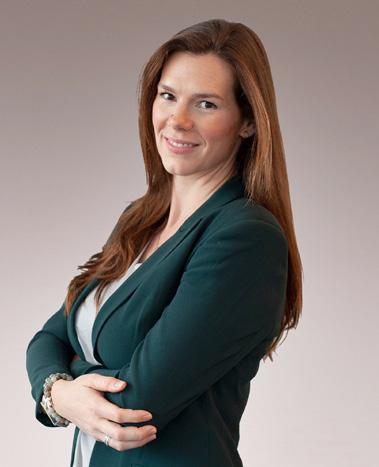
778 986 1691
This bright, spacious open-concept home showcases a modern kitchen with stainless steel appliances and quartz countertops.
1 bedroom, 2 bathroom, 1,245 sq ft
B2-6900 BURNABY STREET
$419,000 MLS® 19622

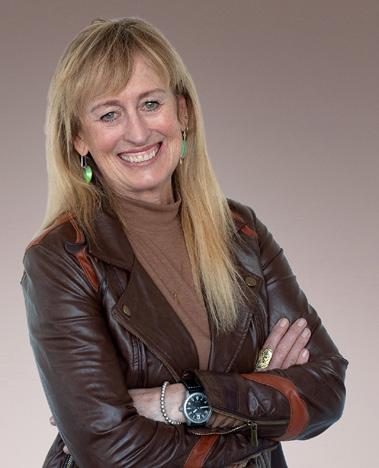

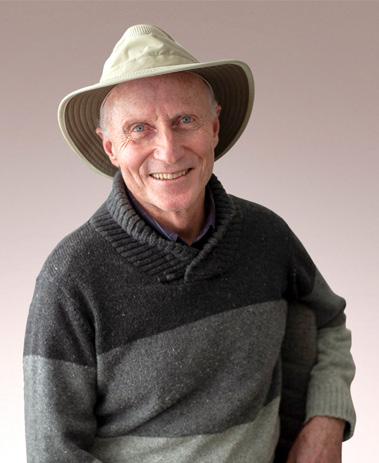
NANCY: 604 849 5777

South-facing ocean views and timeless design come together in this beautifully designed 3 bed, 2 bath Townsite home.
4 bedroom, 2 bathroom, 1,724 sq ft
5461 MAPLE AVENUE
$765,000 MLS®19839