Swedish Foundation 2026 Paul G Allen Research Center Annual Report
Paul G. Allen Research Center Annual Report
YEAR 1: ENDING OCTOBER 31, 2025
PREPARED BY THE PAUL G. ALLEN RESEARCH CENTER ADVISORY COMMITTEE:
• MR. DOUGLAS KIEPER, DIRECTOR
• ASHWANI RAJPUT, M.D., FACS, REGIONAL EXECUTIVE MEDICAL DIRECTOR, PROVIDENCE SWEDISH CANCER INSTITUTE
• CHARLES DRESCHER, M.D., PILLAR LEADER, INITIATIVE FOR PREVENTION AND EARLY DETECTION (IPED)
• SID DEVARAKONDA, M.D., PILLAR LEADER, INITIATIVE FOR MOLECULAR AND GENOMIC EVALUATION OF CANCER (IMGEC)
• KELLY PAULSON, M.D., PH.D., PILLAR LEADER, CENTER FOR IMMUNO-ONCOLOGY (CIO)
• HANK KAPLAN, M.D., LEADER EMERITUS (IMGEC)
Executive Summary
For decades, Providence Swedish Cancer Institute (PSCI) has provided patients across the Pacific Northwest and beyond with access to world-class health care and innovative therapies, often through our robust clinical trials program — the largest in the region. Providence Swedish Cancer Institute is a recognized research leader in cancer screening and preventive interventions and a valued collaborator in targeted and immunotherapy innovation with many early-phase and “firstin-human” studies to our credit, leading to the approval of new treatment options for patients.
Recently, we have benefited from significant technology investments by Providence Health Services, including artificial intelligence (AI) and machine learning (ML) systems, that align the electronic medical records of over 51 hospitals across seven states that, together, care for more than 50,000 cancer patients annually, often in rural and underserved communities. These advancements provide an extensive body of data to better understand the impact new therapies and changes in care have on real-world patients treated in the community hospital setting and identify opportunities to reduce disparities for those who are underserved. This frontline, real-world perspective offers a firsthand view of both the incredible advancements in care and the challenging realities of its limitations — a view of what is working, what is not, and what is needed. This unique perspective and our collaboration with therapy innovators brings a much-needed focus to partners in science and technology, shortening the time from concept to cure.
The Paul G. Allen Research Center serves as a nucleating force bringing together a world-class cancer treatment and research center; experienced frontline diagnostic and treatment teams; innovators in biopharma, technology, biomedical research; and other problem-solvers at the forefront of their fields to address the current limitations of care. It is a novel patientcentered model catalyzing progress by identifying in whom and how current approaches are failing and developing new solutions focused directly on improving care today while also innovating for the treatments of tomorrow.
Thanks to the generosity of Paul G. Allen, we have completed the first phase of work, allocating $10.5 million in strategic capital, program, and research investments from the bequest while simultaneously bringing in an additional $10.8 million from grants, contracts, philanthropy, and in-kind donations.
Our unique approach shortens the path to impact by fostering the best concepts from physicians and caregivers on the frontlines, while creating an environment that cultivates a broad network of problem-solvers to collaboratively work on solutions.
“In my experience each failure contains the seeds of your next success — if you are willing to learn from it.”
– PAUL G. ALLEN
Our Approach – Collaborative by Design
Paul G. Allen Research Center Mission:
To improve the experience of every cancer patient by leading advances in cancer prevention, detection, and treatment and provide an optimal environment for conducting clinical trials and translational research.
Modern oncology research is experiencing explosive growth at every level, from new platforms that provide greater insight into cancer biology, to new therapies offering greater hope, to the utilization of big data and real-world evidence to enhance the delivery of care. We are creating a patient-focused environment for innovation through collaboration and partnership with problem-solvers within data and biological sciences, academia, and industry.
Design Element 1:
Equitable access for all-comers and the resources to succeed
Our program is available to all Providence Swedish caregivers and transcends the cancer continuum to create breakthrough opportunities for advancement through independent and collaborative research pillars. Each pillar provides domain-specific expertise and experience to guide the best concepts along the process of development.
• Initiative for Prevention and Early Detection (IPED): We aim to understand how cancer develops and implement interventions that enable timely diagnosis and early interruption of the disease.
• Center for Immuno-oncology (CIO): We focus on advancing translational research and developing new clinical trials that create opportunities for collaboration on new immunotherapies.
• Initiative for Molecular and Genomic Evaluation of Cancer (IMGEC): We’re advancing knowledge of how cancers evolve to evade the immune system, identifying new targets for treating cancer and gathering data to provide a more expansive view of how cancer impacts patient health.
cancerous tumors
The Initiative for Cancer Prevention and Early Detection (IPED)
Dr. Charles Drescher
The Initiative for Molecular and Genomic Evaluation of Cancer (IMGEC) Dr. Sid Devarakonda
The Center for Immuno-oncology (CIO) Dr. Kelly Paulson PARC Research Program
Design Element 2:
Direct support through competitive funding mechanisms
Funding for biomedical research remains a constant challenge, now more than ever. While we focus on pursuing support through extramural grants, in most cases, even the most promising ideas require extensive preliminary data to be competitive for grant funding. To address this issue, we have created two internal, competitive grant mechanisms: the Paul G. Allen Innovative Investigator Fund (IIF) and the Pillar Research Fund (PRF). The IIF awards support early-phase, high-risk, and high-reward proposals to generate data and evaluate concepts that hold the potential to impact care. The PRF targets more mature ideas with the potential for direct impact on improving care as an outcome of the funded work. Grants are accepted twice each year, and we include external subject-matter experts as needed to ensure a rigorous scientific review process. Translation to care is a key feature of our review criteria.
To date, we have awarded $2.5 million to two PRFs: one to explore the evolution of breast cancer from pre-malignant lesions (Dr. Kaplan) and the other to explore early detection strategies for ovarian cancer (Dr. Drescher). In addition, we have awarded $400,000 to support four IIFs to fuel a broad range of pilot projects including research into new frontiers in brain tumor (glioblastoma) treatment, investigating the rise of lung cancers in nonsmokers (which disproportionally impacts women of Asian descent), methods to improve the impact of CAR T-cell therapy, and geospatial mapping as a means to identify solutions for resource disparities in the tribal communities of Washington. More information on these studies is available in the Research Investments section on page 8.
Design Element 3: New resources through the Paul G. Allen Research Center
We have created the infrastructure to collect and analyze high-quality data and specimens to pursue our research initiatives. These resources directly benefit our biorepository, translational research, and clinical trials programs, while simultaneously enhancing our capability to support investigators wishing to pursue their own research concepts — already resulting in the rapid expansion of our investigator-initiated research study portfolio.
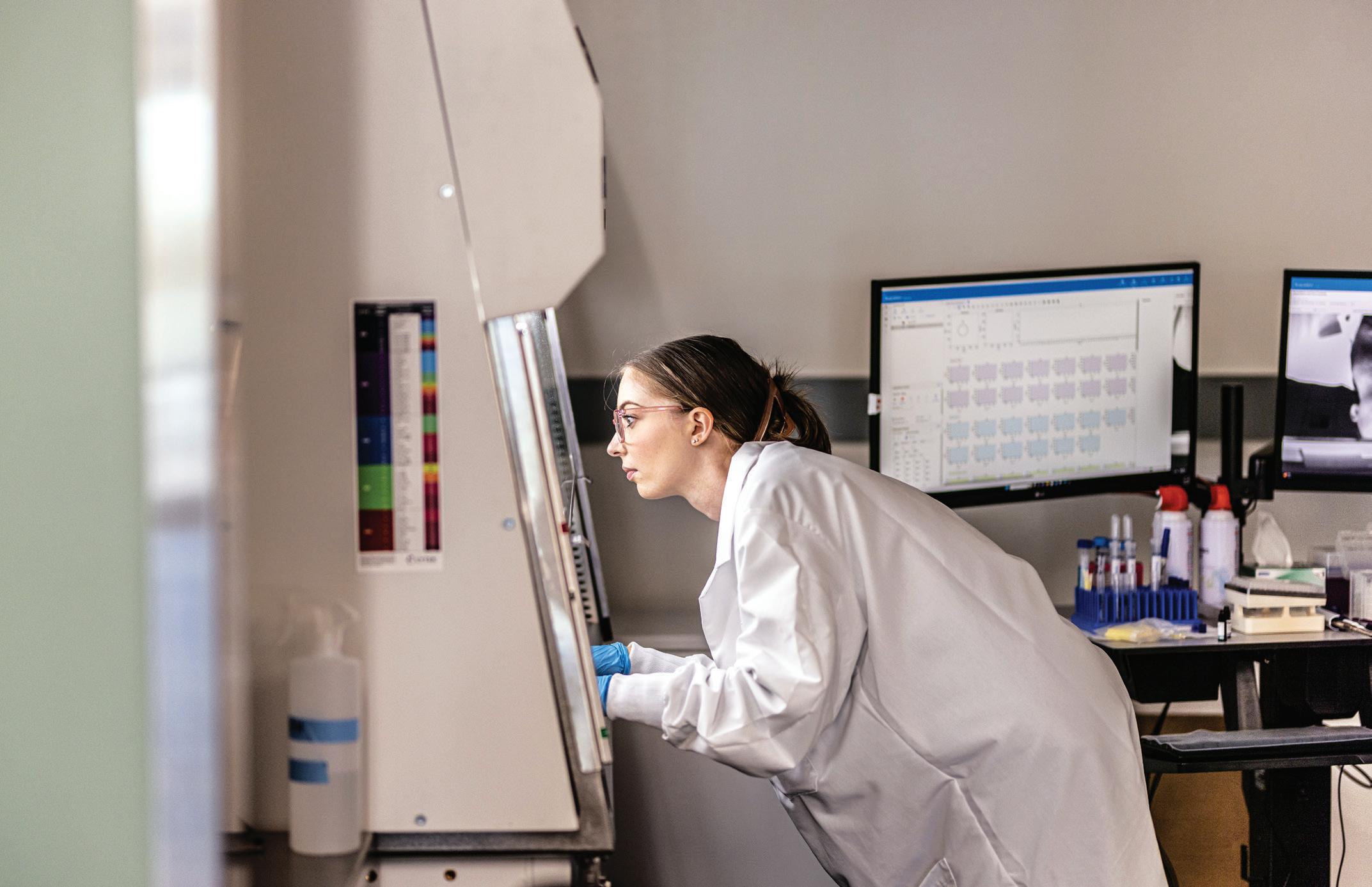
• Wet Lab: Futureproofing the value of biospecimens: We are seeing explosive growth in technologies to explore cancer biology; however, access to high-quality specimens remains a constant challenge for researchers due to the lagging standards in clinical pathology workflows. We have created a rapid, highly customized, research-dedicated specimen-processing center focused on
delivering optimal specimens. Our one-of-akind approach sets a new standard for specimen processing, going from human body to lab in less than 30 minutes. This kind of speed is needed to maximize the viability of cells and optimize the value of specimens for leadingedge platforms.
• Dry Lab: Unifying disparate data into temporal multi-omic datasets: New tools and technologies are opening exciting opportunities to accelerate cancer research and treatment optimization. However, progress is often impeded due to the disarray of source data coming from a multitude of platforms. We have created a research-dedicated informatics program including AI/ML to merge clinical and bioinformatics and place biospecimens into the temporal context of patient disease history.
Design Element 4:
Driving collaboration with the world’s problem solvers
Response has been overwhelming, and the center is already supporting more than 40 projects from 16 Providence Swedish physician-researchers who are partnering with more than 25 academic, health care, and industry collaborators.
ACADEMIC/HEALTH CARE
Allen Institute, Seattle, WA
Allen Institute for AI, Seattle, WA
Institute for Systems Biology, Seattle, WA
Fred Hutchinson Cancer Center, Seattle, WA
University of Michigan, Ann Arbor, MI
University of Pennsylvania, Philadelphia, PA
University of Virginia, Charlottesville, VA
Van Andel Institute, Grand Rapids, MI
Harvard University, Cambridge, MA
Earle A. Chiles Research Institute, Portland, OR
University of California, Los Angeles, CA
Johns Hopkins University, Baltimore, MD
Sarah Cannon Research Institute, Nashville, TN
City of Hope, Duarte, CA
Dana-Farber Cancer Institute, Boston, MA
Cleveland Clinic, Cleveland, OH
MD Anderson Cancer Center, Houston, TX
Duke University, Durham, NC
INDUSTRY
Iovance Biotherapeutics, San Carlos, CA
Sana Biotechnology, Seattle, WA
Bristol Myers Squibb, Seattle, WA
Kite Pharma, Santa Monica, CA
Janssen Pharmaceuticals, Raritan, NJ
Amgen, Thousand Oaks, CA
Juno Therapeutics, Seattle, WA
Fate Therapeutics, San Diego, CA
Natera, San Francisco, CA
RareCyte, Seattle, WA
Immunocore, Conshohocken, PA
Key Investments
We have brought our vision to life through careful stewardship, active fundraising, and by additional resource leverage. With an ever-constant eye on sustainability, we have made key investments while maintaining the resources to develop the program over the next few years (Figure 1).
New Facilities
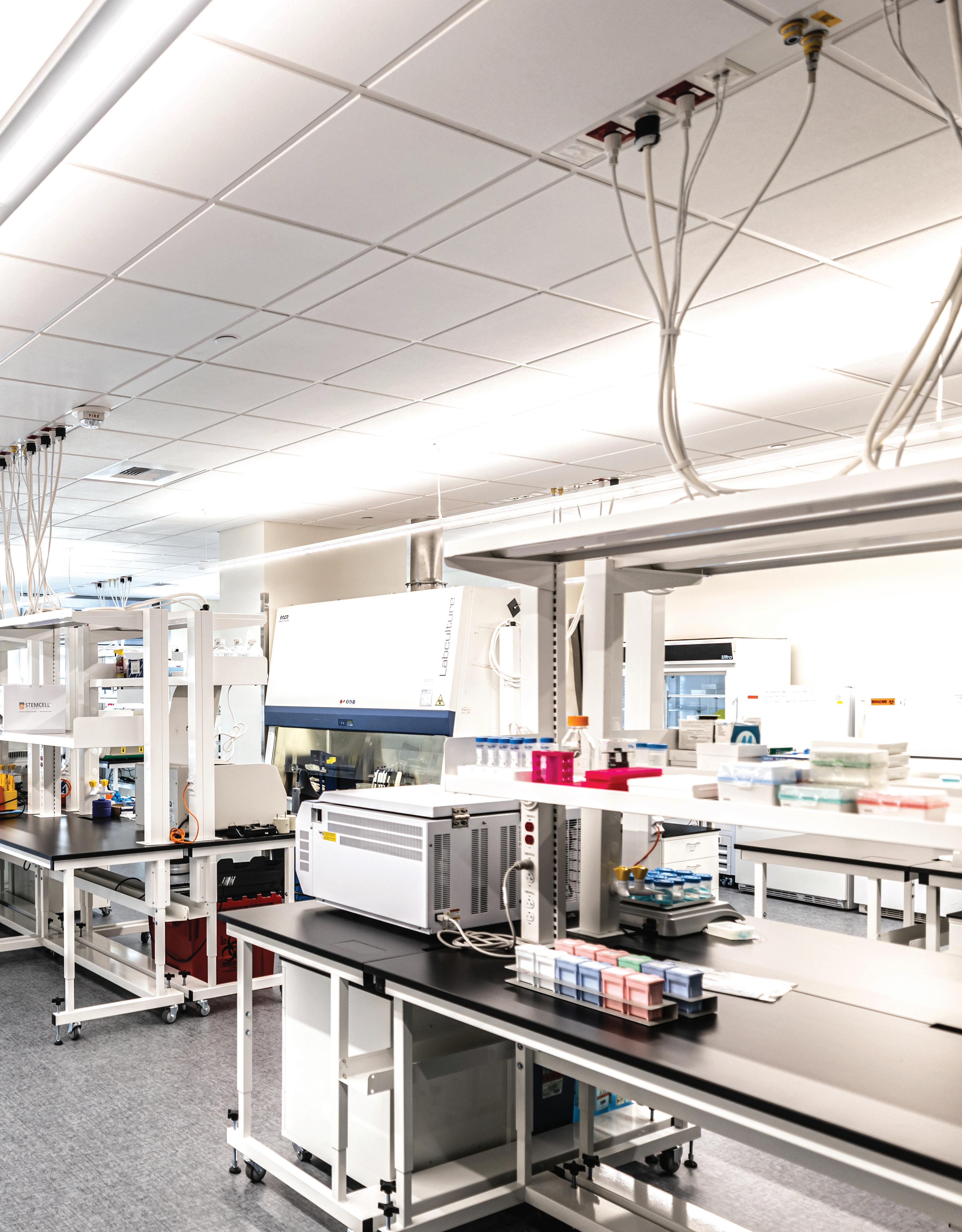
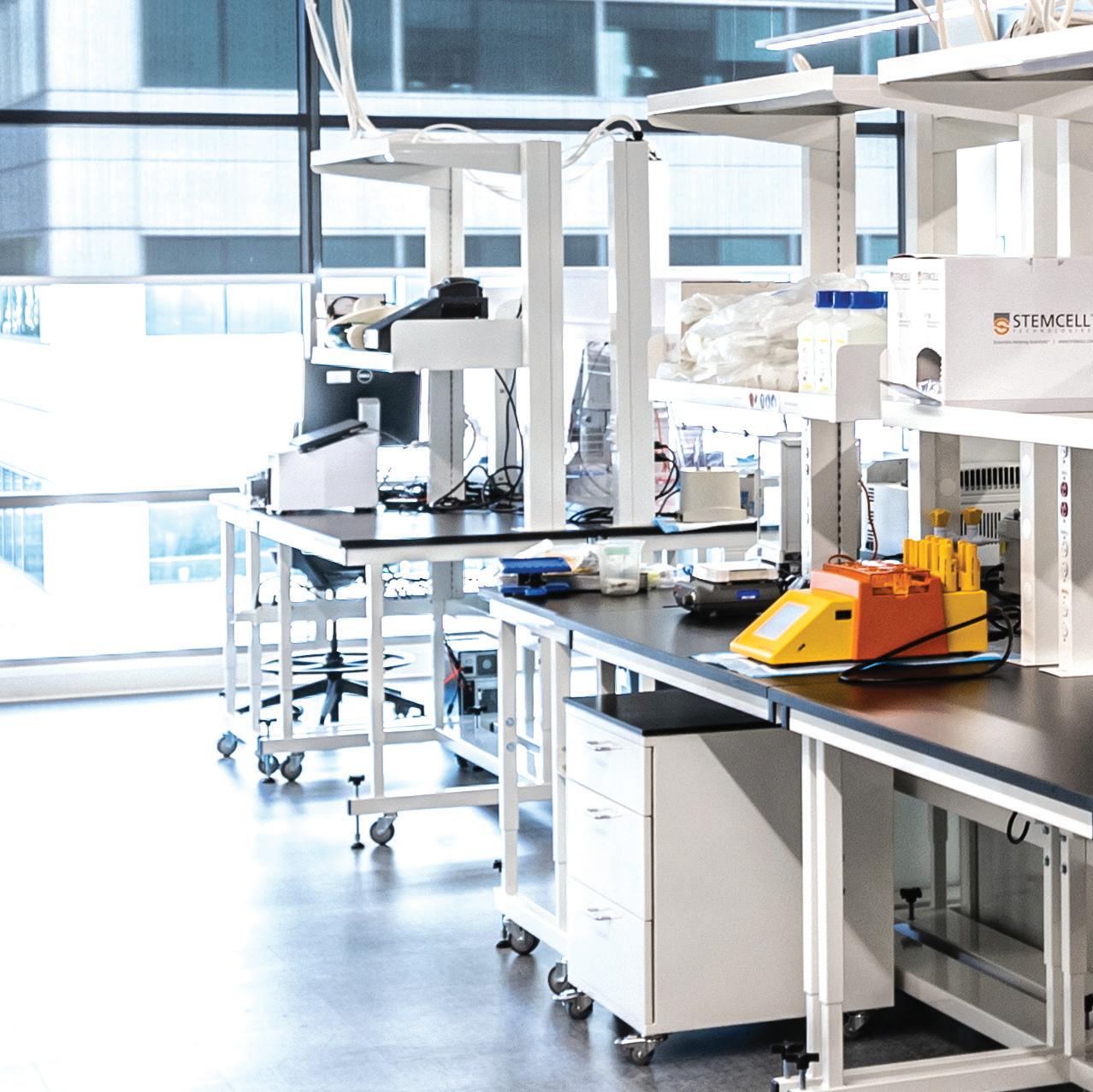
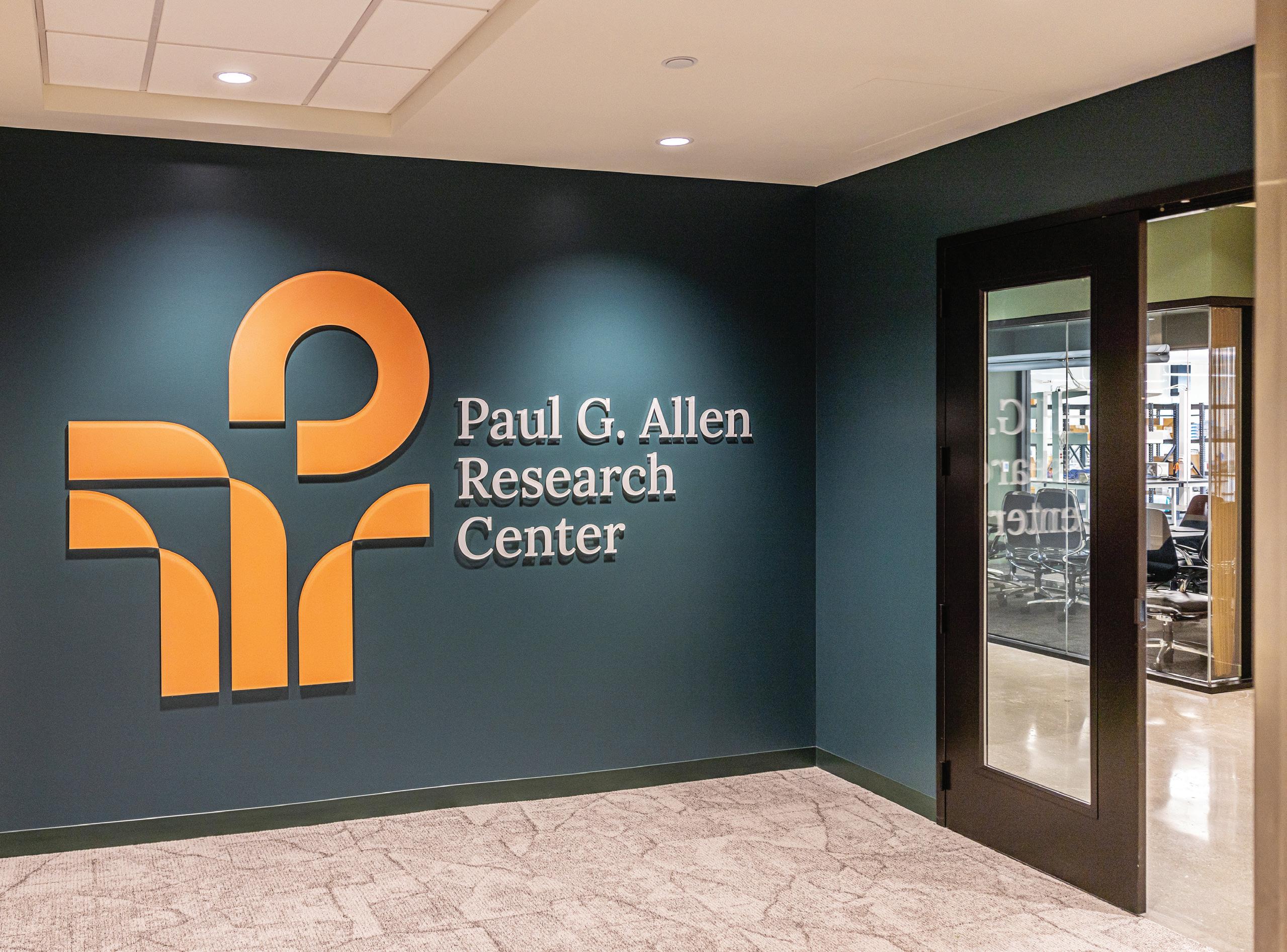
The construction of the Paul G. Allen Research Center and installation of critical laboratory equipment was completed in June of 2024. This $9.6 million project was completed with the majority of support coming through a multitude of mechanisms outside of Paul’s cornerstone gift and won the International Interior Design Association IN Awards for Life-Sciences for its efficient and flexible design (Figure 2).
Critical Design Features
• Right-sizing: We focused our investment on the capabilities that must be near the bedside to optimize quality and efficiency and leveraged the use of external partners, like the Allen Institute, Institute for Systems Biology, and Fred Hutch, to meet the needs of the program.
• Flexibility: Every effort was made to enable the space to adapt rapidly to a changing research portfolio, addressing the evolving needs of our researchers and their collaborators.
• Limited budget: Our overarching goal was to maximize the funding available to support our physician-researchers. We reduced construction costs through cost-minded engineering, repurposing existing materials and equipment, and providing active oversight through the design/build process. Due to this mindfulness, we completed the construction phase under budget and ahead of schedule.
New Faculty, Staff, and Investigator Support
The center successfully recruited Marianne Dubard-Gault, M.D., as a new research scientist in the IPED program. Dr. DubardGault is a medical geneticist specializing in oncology and cancer genetics. The addition of Dr. Dubard-Gault is crucial for our cancer prevention and early detection clinical and research programs. In addition, we welcomed staff members including Zachary Reitz, Ph.D., as our Lead Data Scientist, Chris Carney as our Lab Manager, Faith Kierney as our Lead Lab Scientist, and others. Last, we have been able to provide salary support for physician researchers to enable focus on developing their research portfolio.
1
Allen Gift Unencumbered: $9.5M
New Gifts, Grants and Contracts: $7.8M
Operations: $3.7M
Research Projects: $2.9M
Equipment: $0.76M
Construction: $3.24M
$9.5 million of Paul’s cornerstone gift remains complimented by $7.8 million in new support.
$10.5 million of the cornerstone gift expenditures to date.
2
Construction & Equipment
Other Resources: $5,591,904
Allen Gift: $4,008,096
FIGURE
FIGURE
Research Investments
The table below provides a brief overview of each of the projects that received funding from the estate gift. More details are provided in Appendix 3 (page 19). Since inception, we have received 24 proposals for review, and our review committees have included world-class experts from Harvard, Duke, Fred Hutch, and the University of Miami. To date, we have made six awards, the largest of which went to Dr. Kaplan and Dr. Drescher for their compelling and highly translational research into the evolution of breast and ovarian cancers from pre-malignant cell lines. The remaining projects were IIF awards of $100,000 to four investigators. These teams have contributed to several publications in the past year in high-profile journals, including Cell, Nature Communications and Cancer Discovery.
Investigator Title
Atypical Ductal Hyperplasia
Dr. Charles Drescher Gynecologic oncologist specializing in cancer prevention and early detection
Dr. Charles Cobbs Neurosurgeon specializing in brain tumors
Dr. Adam Bograd Thoracic surgeon with a specialty in immunotherapy
Integrated multi-omic analysis of pre-cancerous blood and tissue samples to identify biomarkers for the prevention and early detection of BRCA-associated ovarian cancer
Ex Vivo Slice Culture Analysis of Toll Like Receptor 3, and Viral Peptide Immune Mediated CD8 T-Cell Activation in Human Glioblastoma
The impact of gut microbiome composition on response to induction anti-PD-1/PD-L1 immunotherapy in locally advanced non-small-cell lung cancer: a potentially modifiable biomarker
Dr. Jed Gorden Interventional pulmonologist with interest in lung cancer screening programs
Dr. Krish Patel/ Dr. Matt Schwede Hematologic oncologists specializing in cellular therapies for blood malignancies
Optimizing Mobile Lung Cancer Screening Deployment in Washington State: A Geospatial Analysis for Targeted Intervention
Cytokine profiling of patients undergoing Bendamustine lymphodepleting chemotherapy prior to chimeric antigen receptor T-cell (CAR-T) Therapy
Brief
Despite improvements in survival from early detection with mammography, women still die from breast cancer. This work seeks to illuminate the evolutionary pathway of invasive breast cancer from normal and benign breast tissue in hopes of identifying new opportunities to detect and treat the disease.
Ovarian cancer remains the most lethal cancer in women, and we still don’t have effective early detection options. This study seeks to explore early drivers of ovarian cancer to develop new biomarkers to enable early detection strategies.
Glioblastoma is a devastating disease with a median survival of only 14 months, even with the best treatment options. This pre-clinical study investigates whether a combination therapy of a viral vector and cell therapy can improve disease response. If successful, this treatment could move on to a clinical trial to see if it can improve patient survival.
Immunotherapy is now the frontline therapy for some lung cancers. New data suggests that the patient response to immunotherapy is related to the diversity of microbes in the gut microbiome. This study is evaluating if microbiome diversity is predictive of tumor response. If so, we will examine ways to modify the microbiome to see if we can convert non-responders into responders — improving survival.
Access to lung cancer screening programs is an unmet need. In short, most smokers are in rural areas without screening services. This project is creating a geospatial map to determine the optimal locations for a mobile lung cancer screening program in the tribal lands of Washington state to address these access issues.
CAR-T therapy is a cellular therapy presenting new promise to cure many cancers. The current challenge is that for these cells to survive and replicate, the patient must undergo chemotherapy to kill some of the cells in the patient’s system, a process called conditioning. Two drugs are currently used to do this but one of the drugs seems less toxic to patients, which is good but only if it is still doing the job of preparing the body for the CAR-T therapy. This project is looking at the immune response to conditioning between the two therapies to see if they are equivalent. If so, patients could be spared from the more toxic option.
Dr. Hank Kaplan Medical oncologist specializing in breast cancers
Center for Immuno-oncology
Dr. Kelly Paulson
Program Description:
Harnessing the immune system to conquer cancer
The immune system represents the body’s innate defense against cancer. By utilizing the immune system as a form of treatment, we can leverage a natural approach that has the potential to cure some previously incurable cancers, due to the long-lived and adaptive qualities of immune cells, especially T lymphocytes. However, despite progress being made, many patients do not benefit from these advancements. Our team at the Center for Immuno-oncology, under the leadership of Dr. Paulson, focuses on improving, extending, and advancing existing immunotherapies in the laboratory and the clinic to help these state-of-theart therapies reach more patients and treat more cancer types. By enhancing the body’s natural immune system to identify, detect, and destroy cancer cells, researchers are offering new hope to patients beyond traditional treatments like chemotherapy and radiation.
Phase I trials contribute to FDA approval of a new class of immunotherapy in lung cancer
Lead investigator: Kelly Paulson, M.D., Ph.D.
This early work on tarlatamab, a bispecific antibody designed for a rare form of lung cancer, contributed to the drug’s FDA approval in 2024 and laid the foundation for a new combination treatment that more than doubled patient survival — from 10 to 25 months. Led by the Paul G. Allen Research Center, this international study was presented at the 2025 World Lung Congress and published in Lancet Oncology 1,2 . Building on these results, our current research is focused on overcoming resistance by adding a third agent to the treatment protocol. Efforts are also expanding the therapy to other cancers, with a prostate cancer trial already underway.
First-in-human
cellular therapy
in lymphoma and autoimmune disease
Lead investigators: Philip Mease, M.D.; Matthew Schwede, M.D.
We are bringing innovative treatments to patients with lymphoma and autoimmune diseases by conducting first-in-human studies of engineered CAR-T and CAR-NK cellular therapies. Our lab resources are critical to these complex trials, playing a key role in translating leading-edge science into patient care. This year, Providence Swedish was among the first three institutions worldwide to treat autoimmune disease with CAR-T therapy. Researchers at CIO are also focused on improving existing cell therapies by testing ways to reduce the intensity of chemotherapy “conditioning” and studying the immune system’s response to less toxic regimens. Tools in our lab, such as high-depth spectral flow cytometry and advanced analytics, allow us to examine multiple components of the immune system simultaneously, offering deeper insights and maximizing the information gathered from small specimens. Together, these efforts aim to make cellular therapies safer, more effective, and more widely available.
Engineering T cells to overcome immunotherapy resistance
Lead investigators: Kelly Paulson, M.D., Ph.D.; Jim Heath, Ph.D.; Antoni Ribas, M.D.; Steve Foreman, M.D.; Joshua Veatch, M.D.
At the Center for Immuno-oncology, groundbreaking research is underway to address existing health care inequities by developing innovative cellular therapies for human papillomavirus (HPV)-associated cancers, which disproportionately impact minority populations. These engineered therapies represent a major technical advancement, eliminating the need for using the HIV lentivirus, commonly used in previous treatments. Our approach also expands
Center for Immuno-oncology (Cont’d.)
patient access by targeting a broader range of blood and human leukocyte antigen (HLA) types more common in non-white patients. In addition, we aim to reduce the risk of treatment resistance by deploying a combination therapy to attack multiple cancer components simultaneously. Collaborations with University of California Los Angeles, City of Hope, and the Institute for
Systems Biology have been instrumental in identifying the key T cell targets and developing the clinical protocol for this work 3 . This collective effort culminated in the successful submission of a pre-investigational new drug application to the Food and Drug Administration, which received a favorable review, validating our customized therapeutic strategy.
Initiative for Molecular and Genomic Evaluation of Cancer
Dr. Sid Devarakonda
Program Description: Expanding our understanding of how cancer grows, evolves, and evades treatment
Over the last several decades, we’ve made significant advances in cancer research. Analyzing data collected from biological samples and medical records to unravel the complexities of cancer and improve patient outcomes has played a critical role in fueling these advances.
Sequential genomics to gain insights into metastatic cancer
Lead investigator: Hank Kaplan, M.D.
Founded by renowned breast cancer physician and researcher Dr. Kaplan, and now led by Dr. Devarakonda, the Initiative for Molecular and Genomic Evaluation of Cancer is focused on understanding the evolutionary trajectory of cancer to facilitate breakthroughs in cancer treatment and transform patient outcomes. The goal of this initiative is to utilize information from molecular testing (such as DNA, RNA, and proteins) in the context of a patient’s treatment history to understand how cancers start, metastasize, and eventually evolve to become treatment resistant. This work improves our knowledge of how to best use current treatments, while also exploring potential leads for developing novel treatment strategies.
In the United States, breast cancer is the most common cancer and the second leading cause of cancer death in women. By monitoring cancer cell DNA circulating in the body, our researchers plan to gain crucial insights into how metastatic cancer mutates to become resistant to treatment and also the switches that turn the DNA on and off. We are also investigating how tumors interact with their environment to better understand factors that contribute to poor outcomes and drug resistance4
Tracking the evolution of atypical ductal hyperplasia
Lead investigator: Hank Kaplan, M.D.
With recent advances in next-generation genomic sequencing, we’re gaining deeper insights into the molecular drivers of ductal carcinoma in situ, a cancer that forms in the milk ducts. By tracking changes in the cancer, as well as the patient’s body during the progression from normal tissue to invasive breast cancer, our researchers can see how the body’s immune response changes
DR. SID DEVARAKONDA DR. HANK KAPLAN
because of the disease or treatment. We also explore how the tumor microenvironment — the combination of cells in the tumor — differs from pre-cancerous conditions. It has been very difficult to study these small lesions, but now with spatial genomics, we can identify what is going on in the cancer cells and the immune system as well as where these things are happening. These findings help us better understand the transition of normal cells into cancer cells, leading to more targeted approaches to disease monitoring and treatment 5,6
Gaining insights into lung cancer in never-smokers
Lead investigator: Sid Devarakonda, M.D.
In a troubling trend, patients who have never smoked are being diagnosed with lung cancer at higher rates than ever before. The factors that
contribute to never-smoker lung cancer are poorly understood. We have initiated research projects to better understand sociodemographic and genetic risk factors that predispose to this disease. To this end, we are also actively banking samples from patients with never-smoker lung cancer, with the goal of profiling them using leadingedge sequencing technologies. The goal of this work is to identify leads for novel therapeutic and screening approaches7
Analyzing DNA and RNA mutations in NUT carcinoma
Lead investigator: Hank Kaplan, M.D.
NUT carcinoma is a rare, fatal form of cancer that has traditionally been difficult to study, with around 20 new cases reported each year and a median survival rate of only six to seven months.
Initiative for Molecular and Genomic Evaluation of Cancer (Cont’d.)
Now with access to an unprecedented amount of data, our researchers are analyzing the cancer’s DNA and RNA to map the metabolic activity within tumors, enabling us to make inroads toward a better understanding of this aggressive disease8
Understanding mechanisms of treatment resistance in lung cancer
Lead investigator: Sid Devarakonda, M.D.
Understanding mechanisms that drive treatment resistance is critical to developing treatments that improve patient survival. In collaboration with colleagues from multiple institutions, Dr. Devarakonda has played an instrumental role in cataloguing mechanisms of treatment resistance in small-cell lung cancer. These data were
presented at the American Society of Clinical Oncology (ASCO) annual meeting in 2025. Ongoing work through IMGEC currently aims to extend this work to study treatment resistance in non-smallcell lung cancers utilizing novel techniques such as three-dimensional sequencing9
Other IMGEC efforts in supporting clinical practice and improving patient outcomes
Over the past several years, we have initiated numerous clinical trials including first-in-human trials that offer leading-edge treatment options to patients with various malignancies. Additionally, we are in the process of initiating a precisionmedicine navigation program. The objective of this program is to optimize molecular testing pathways and clinical trial matching, which is critical to ensure patients receive guideline-informed care and for improving outcomes10,11
Initiative for Prevention and Early Detection (IPED)
Dr. Charles Drescher
Program Description:
Accelerating research to understand how cancer develops and implement interventions that allow for timely diagnosis and early interruption of the disease.
The earlier cancer is detected, the easier it is to cure. Currently, only one in seven cancers diagnosed in the United States is caught by a recommended screening test, and there remain many cancers for which no effective screening strategy exists. Preventing cancer before it occurs remains the best option for reducing its impact. While prevention strategies exist for a few cancers, most await a more detailed understanding of how and why they occur.
The Initiative for Prevention and Early Detection (IPED) strives to close these gaps. By focusing on research to understand how cancer develops and identify risk factors for the disease, the IPED team, led by Dr. Drescher, seeks to develop practical methods for detecting early-stage cancer and preventing its occurrence. IPED researchers are dedicated to addressing health care barriers that create disparities in cancer screening and prevention, expanding lifesaving early-detection efforts to underserved communities.
Prevention and early detection of BRCAassociated ovarian cancer
Lead investigators: Charles Drescher, M.D., Providence Swedish; Jim Heath, Ph.D., Institute for Systems Biology (a PRF project)
Ovarian cancer is the most fatal gynecologic malignancy, yet there are currently no effective early detection strategies. By analyzing pre-
cancerous blood and tissue samples from patients with BRCA gene mutations who are at high risk, we aim to identify markers that can aid in early detection and prevention interventions, including immune-based therapies. Our approach involves using new multi-omic and geospatial technologies to study the fallopian tube and early ovarian cancer precursors, integrating this data with analysis of blood samples from patients with early and advanced cancer12
Developing a High-Grade Serous Ovarian Cancer (HGSOC) Pre-cancer Atlas
Lead investigators: Charles Drescher, M.D., Providence Swedish; Ronny Drapkin, M.D., Ph.D., University of Pennsylvania; Sandro Santagata, M.D., Ph.D., Harvard University; Hsu Shen, Ph.D., VanAndel Research Institute; Jarrod Marto, Ph.D., University of Virginia
Significant evidence indicates that most ovarian cancers arise from a precursor lesion in the fallopian tube. However, our understanding of the earliest molecular alterations that initiate and drive these early events is limited. Our multidisciplinary team is leveraging the latest technologies to interrogate proteomic, transcriptomic, epigenetic, and genomic alterations in primary fallopian tube specimens. Our long-term goal is to assemble these data into a first-in-kind BRCA-centric pre-cancer Atlas12, 13
Canary
Foundation High Grade Serous Ovarian Cancer (HGSOC) Initiative
Lead investigators: Charles Drescher, M.D., Providence Swedish; Ronny Drapkin, M.D., Ph.D., University of Pennsylvania; Leigh Pearce, Ph.D., MPH, University of Michigan; Jim Heath, Ph.D., Institute for Systems Biology; Jarod Marto, Ph.D., University of Virginia; Sandro Santagata, M.D., Ph.D., Harvard University; Hsu Shen, Ph.D., VanAndel Research Institute; David Walt, Ph.D., Harvard University
This proposal applies our cancer atlas work toward the development of tools for early detection and prevention of ovarian cancer, including finding blood-based early detection markers14,15; developing predictive models for precancer lesions, studying if risk reduction surgeries are useful to a broader population or patients, and creating a web-based resource containing the most up-to-date information on options for
PATIENT-CENTERED CANCER RESEARCH
Improving every patient journey; from prevention to first detection, to treatment and outcome.
reducing risk that women and their doctors can use to create a personalized risk16
The PREVAIL Study: “Providence Evaluation of Annual Cancer Screening”
Lead investigators: Charles Drescher, M.D., Providence Swedish; Marianne Dubard-Gault, M.D., Providence Swedish; Ora Gordon, M.D., Saint John’s Cancer Institute; Kara Bensley, Ph.D., Providence Health Research Accelerator
PREVAIL is a Providence network-wide prospective observational study designed to understand how the GRAIL GalleriTM Multi-cancer Early Detection test impacts patient care and outcomes for individuals at high genetic risk. Participants are offered the Galleri test free of charge annually for up to three years.
NCI-seed funding to evaluate the performance of multi-cancer detection (MCD) assays in populations at high genetic risk for cancer
Lead investigators: Charles Drescher, M.D., Providence Swedish; Ora Gordon, M.D., Saint John’s Cancer Institute; Kara Bensley, Ph.D., Providence Health Research Accelerator
The purpose of this project is to stimulate activities leading to the development of extensive, collaborative studies to evaluate the performance and clinical utility of multi-cancer detection (MCD) assays in patients with a hereditary cancer syndrome. Our team was one of only five selected from across the country.
Improving treatment approaches for chemotherapy-resistant ovarian cancer
Lead investigators: Charles Drescher, M.D., Providence Swedish; Brian Piening, Ph.D., Earle A. Chiles Research Center; Amanda Paulovich, M.D., Ph.D., Fred Hutchinson Cancer Center
In earlier work, we identified a novel 64-protein signature17 that seems to predict when ovarian cancers will be resistant to treatment. This project seeks to make the first steps necessary to move this test into the clinic by evaluating how the test performs in a large, diverse patient population of over 600 high grade serous cancer patients treated in the community setting.
A Multimodal Functional Assay for Personalized Immunotherapy in Endometrial Cancer (EC)
Lead investigators: Wei Wei, Ph.D., Institute for Systems Biology; Charles Drescher, M.D., Providence Swedish; Raymond Yeung, M.D., University of Washington
This project aims to develop ImmunoCore, a transformative diagnostic test designed to
accurately identify which patients will benefit from immunotherapies. ImmunoCore captures a dynamic, functional picture of how a patient’s tumor responds to immunotherapy — before those drugs are given to the patient. EC is our initial focus, but this approach may reach far beyond EC since the biological signals that indicate immune response are often shared across cancer types. Therefore, proving ImmunoCore’s effectiveness in EC will establish a powerful model for expanding into other common cancer types.
The Longitudinal Lynch Syndrome Observational Cohort (LynSOC)
Lead investigators: Marianne Dubard-Gault, M.D., Providence Swedish; Fernanda Musa, M.D., Providence Swedish; Sarah Hawley, MS, Providence Swedish; Kunjali Padhya, M.D., Providence Swedish; Brianna Pagan, MS, Providence Swedish Lynch Syndrome (LS) is caused by inherited gene mutations that dramatically increases the risk of developing multiple cancers, including colorectal,
endometrial, gastric, pancreatic, and skin. This project unites a multidisciplinary team of gastroenterologists, gynecologic and medical oncologists, and genetic counselors to develop a comprehensive program to addresses the needs of LS patients including education, molecular testing, and access to screening and prevention interventions.
An NCI-CPTAC pilot study to evaluate the feasibility and contribution of massspectrometry proteomics in the clinical management of patients with high-risk endometrial cancer
Lead investigators: Charles Drescher, M.D., Providence Swedish; Brian Piening, Ph.D., Earle A. Chiles Research Center; Amanda Paulovich, M.D., Ph.D., Fred Hutchinson Cancer Center; Fernanda Musa, M.D., Providence Swedish
Most anti-cancer therapies target proteins within or attached to cancer cells. Testing for the expression of target proteins is helpful for selecting therapies,
however, most protein assays in clinical labs test for single or, at most, a few proteins and are only semi-quantitative. Mass spectrometry-based proteomics is emerging as a powerful tool to break this bottleneck and measure, with high precision, hundreds of proteins simultaneously. Leveraging funding from the National Cancer Institute Clinical Proteomic Tumor Analysis Consortium, this team will be one of the first in the country to evaluate the feasibility of incorporating mass spectrometry into clinical decision-making for patients with advanced or recurrent endometrial cancer.
APPENDIX 1: Bibliography
1. Safety and activity of tarlatamab in combination with a PD-L1 inhibitor as first-line maintenance therapy after chemo-immunotherapy in patients with extensive-stage small-cell lung cancer (DeLLphi-303): a multicentre, non-randomised, phase 1b study - The Lancet Oncology. Accessed September 19, 2025. https:// www.thelancet.com/journals/lanonc/article/PIIS14702045(25)00480-2/abstract
2. Practical management of adverse events in patients receiving tarlatamab, a delta‐like ligand 3–targeted bispecific T‐cell engager immunotherapy, for previously treated small cell lung cancer - Sands - 2025 - Cancer - Wiley Online Library. Accessed September 19, 2025. https://acsjournals.onlinelibrary.wiley.com/doi/ full/10.1002/cncr.35738
3. Zhang R, Qi J, McKasson M, et al. Whole-Proteome Screening and Multi-Modal Profiling of AntigenSpecific CD4+ T Cells at Single-Cell Resolution. bioRxiv. Nat Commun.: 2025.04.21.649828. doi:10.1101/2025.04.21.649828
4. Development of a highly sensitive ctDNA assay to map the evolution of metastatic breast cancer. - ASCO. Accessed September 29, 2025. https://www.asco.org/ abstracts-presentations/ABSTRACT510356
5. Kaplan HG, Dowdell AK, Berry AB, et al. Multi-omic profiling of simultaneous ductal carcinoma in situ and invasive breast cancer. Breast Cancer Res Treat. 2024;205(3):451-464. doi:10.1007/s10549-024-07270-5
6. Kaplan H, Dowdell A, Shimoli RB, et al. Abstract PO324-01: Mapping inter- and intra-tumor heterogeneity in Ductal Carcinoma in situ and invasive breast cancer using integrative multi-omic profiling. Cancer Res. 2024;84(9_Supplement):PO3-24-01. doi:10.1158/15387445.SABCS23-PO3-24-01
7. Karlow JA, Pehrsson EC, Xing X, et al. Non-Small Cell Lung Cancer Epigenomes Exhibit Altered DNA Methylation in Smokers and Never-Smokers. Genomics Proteomics Bioinformatics. 2023;21(5):991-1013. doi:10.1016/j.gpb.2023.03.006
8. Selitsky SR, Price BA, Rollins M, et al. Abstract 3389: Genetic and clinical landscape of NUTM1 structural variants. Cancer Res. 2025;85(8_Supplement_1):3389. doi:10.1158/1538-7445.AM2025-3389
9. Devarakonda S, Sankararaman S, Hoang M, et al. Cataloging genomic and transcriptomic features of relapsed SCLC. J Clin Oncol. 2025;43(16_ suppl):8107-8107. doi:10.1200/JCO.2025.43.16_ suppl.8107
10. Knapp B, Govindan A, Patel SS, et al. Outcomes in Patients with Spinal Metastases Managed with Surgical Intervention. Cancers. 2024;16(2):438. doi:10.3390/ cancers16020438
11. Auberle C, Gao F, Sloan M, et al. A pilot study of nintedanib in molecularly selected patients with advanced non-small cell lung cancer. J Thorac Dis. 2024;16(6):3782-3793. doi:10.21037/jtd-23-1717
12. Kader T, Lin JR, Hug CB, et al. Multimodal Spatial Profiling Reveals Immune Suppression and Microenvironment Remodeling in Fallopian Tube Precursors to High-Grade Serous Ovarian Carcinoma. Cancer Discov. 2025;15(6):1180-1202. doi:10.1158/21598290.CD-24-1366
13. Beddows I, Djirackor S, Omran DK, et al. Impact of BRCA mutations, age, surgical indication, and hormone status on the molecular phenotype of the human Fallopian tube. Nat Commun. 2025;16(1):2981. doi:10.1038/s41467-025-58145-2
14. Fahrmann JF, Ghasemi SM, Han CY, et al. A metabolitebased liquid biopsy for detection of ovarian cancer. Biomark Res. 2024;12(1):91. doi:10.1186/s40364-02400629-2
15. Young Han C, Bedia JS, Yang WL, et al. Autoantibodies, antigen-autoantibody complexes and antigens complement CA125 for early detection of ovarian cancer. Br J Cancer. 2024;130(5):861-868. doi:10.1038/ s41416-023-02560-z
16. Phung MT, Lee AW, McLean K, et al. A framework for assessing interactions for risk stratification models: the example of ovarian cancer. J Natl Cancer Inst. 2023 Nov 8;115(11):1420-1426. doi: 10.1093/jnci/djad137
17. Chowdhury S, Kennedy JJ, Ivey RG, et al. Proteogenomic analysis of chemo-refractory highgrade serous ovarian cancer. Cell. 2023;186(16):34763498.e35. doi:10.1016/j.cell.2023.07.004
APPENDIX 2: Facilities
Paul G. Allen Research Center at Providence Swedish Cancer Institute (PARC): Paul G. Allen Research Center is a 6,000-square-foot translational research lab containing both wet and dry lab teams and located near Providence Swedish First Hill inpatient and outpatient clinics, surgical suites, and research spaces. It currently supports a portfolio of more than 40 studies from 16 Providence Swedish investigators, involving more than 25 research collaborators.
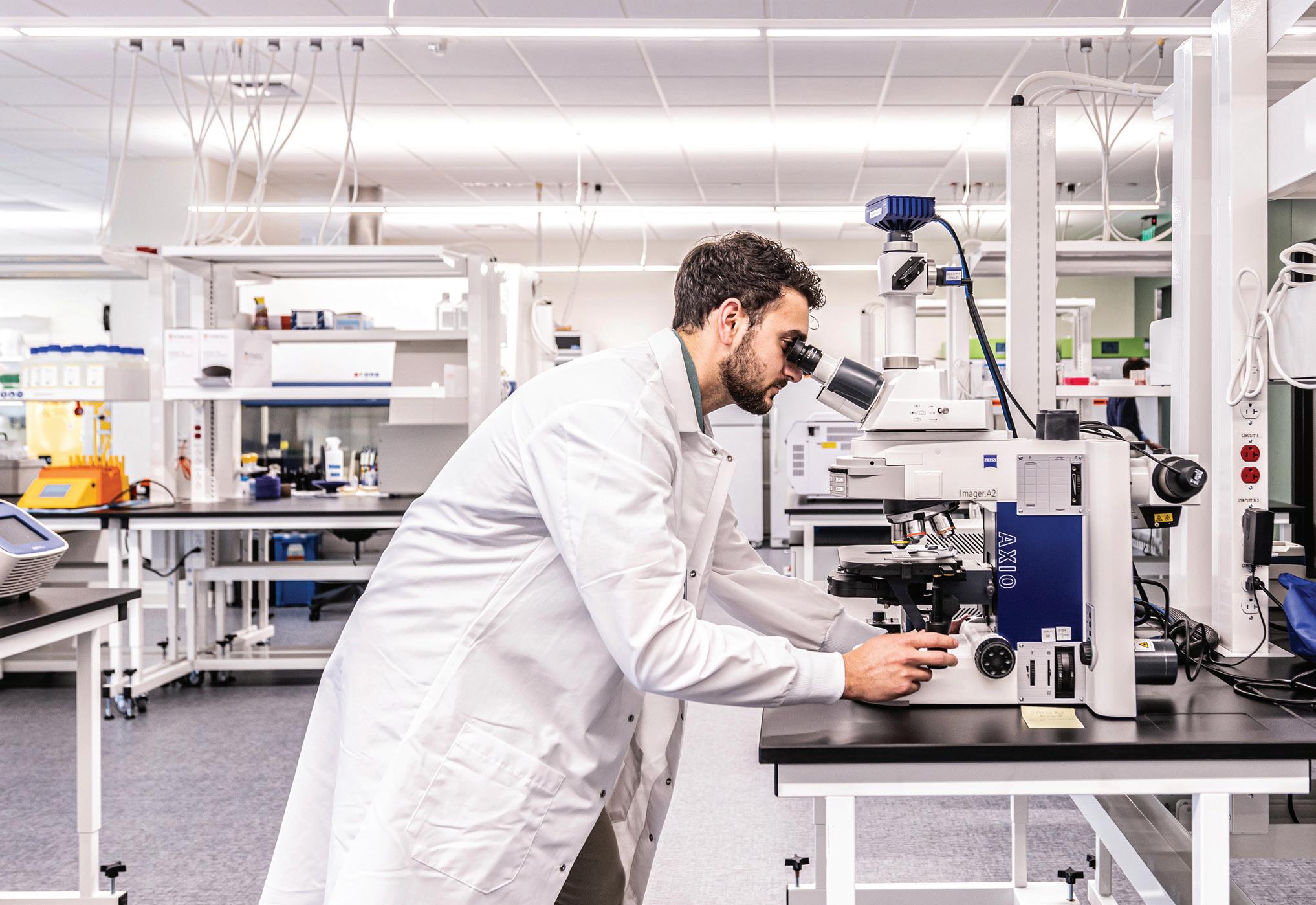
The PARC wet lab (approximately 3,300 square feet) contains histology, cell processing and nucleic acid workstations, a biorepository (including FFPE, LN2 and sub80 storage systems), dedicated LN2 storage for immunotherapy trials, and an imaging, cytometry, and microscopy (ICM) lab. In addition, there is a “discovery” space for transient project-specific instrumentation. The lab provides specimen processing, cataloging, and storage capabilities for research projects along with several analytics platforms.
• Two Abeyance, A220 Vapor Phase Cryogenic Storage
• Stirling Freezer, -80
• Stirling Freezer, -80
• Kenmore Freezer, -20
• Kenmore Freezer, -20
• Kenmore Refrigerator
• Kenmore Refrigerator
• pH Calibrator
• VWR, Plate Shaker
• OHAUS Scale
• Mettler Scale
• Plate Warmer
• Airsentry Clean Air Benchtop Containment
• Aspirator
The PARC dry lab facility contains six workstations in a 600-square-foot open office space and two additional 100-square-foot offices, each with dedicated workstations and access to “super-user” Mac and PC systems. The group has a dedicated 150-square-foot intermediate distribution frame room with dedicated servers, additional server rack space, and extra cooling capacity. The group provides project-specific data and database support to investigators. Resources include access to data scientists, bioinformaticists, programmers, and data entry support staff with access to the Providence Saint Joseph Health data assets, REDCap, SPSS, R, EPIC, and other support software through high-speed, secure network connection and VPN. Collectively, the team has deep expertise in bioinformatics and clinical informatics with experience in integrating data.
APPENDIX 3: Paul G. Allen Funded Research Profile
Project 1: Integrated multi-omic analysis of precancerous blood and tissue samples to identify biomarkers for the prevention and early detection of BRCA-associated ovarian cancer
Principal Investigators: Charles Drescher, M.D., Director Gynecologic Cancer Research, PSCI and Affiliate Full Professor, Division Translational Research Program, Fred Hutch; James Heath, Ph.D., President and Professor at Institute for Systems Biology and a Professor of Bioengineering at University of Washington
Institutions: Providence Swedish Cancer Institute, Seattle, WA; Institute for Systems Biology, Seattle, WA
Synopsis: Ovarian cancer (OC) is the most lethal gynecologic malignancy accounting for over 200,000 deaths worldwide each year. High Grade Serous (HGS) accounts for 70 percent of cases and has a poor prognosis due to advanced stage at diagnosis. Roughly 30 percent of HGS cancers have loss of function of BRCA 1 or 2.
Women who are germline BRCA mutation (BRCAm) carriers are at 20- to 40-fold elevated risk of developing OC compared to BRCA wildtype. Effective early detection strategies are not available for women at elevated or average risk. Risk-reducing surgery (RRS) is recommended for BRCAm carriers but is invasive and comes with associated side effects.
Overarching Goal: The overarching goal of this project is to better understand the processes that contribute to early HGS cancer development in BRCAm carriers and identify biomarkers that can inform early detection and new preventive interventions. Our experimental approach incorporates multi-omic analysis of carefully annotated blood and tissue samples that capture the full spectrum of preclinical disease. Key to our approach is that each of the omic data sets is captured at sufficient depth that it samples multiple elements (transcripts, metabolites, proteins) of key regulatory pathways. This allows the activity of many pathways to be assessed with high statistical accuracy from multiple viewpoints, and it allows the data sets to be integrated in meaningful ways.
Specific Aims: This project closely aligns with the overall objectives of the PARC IPED which includes to develop, test, and implement new cancer early detection and prevention strategies that overcome the limitations of preexisting approaches and that can be applied to cancers where programs do not currently exist. We will work closely with PARC shared resources including the CORE wet and dry lab capabilities to optimize specimen and data workflows and avoid redundancy.
Aim 1: Generate a geospatial map that outlines
the molecular and cellular events associated with progressive HGS cancer tumorigenesis in fallopian tubes from BRCAm carriers.
Aim 2: Identify altered signaling pathways and biologic processes that contribute to ovarian cancer risk in BRCAm carriers.
Aim 3: Establish a HGS cancer Early Lesion
Biorepository to facilitate BRCA-linked ovarian cancer early detection and prevention research.
Project 2: Atypical Ductal Hyperplasia
Principal Investigator: Hank Kaplan, M.D.
Key Personnel: Sasha E. Stanton, M.D., Ph.D., Co-Investigator; Brian D. Piening, Ph.D., Co-Investigator
Institutions: Providence Swedish Cancer Institute, Seattle, WA; Earle A. Chiles Research Institute, Portland, OR
Synopsis: The purpose of this study is to elucidate the biomolecular changes that define the evolution of normal breast tissue to invasive breast cancer. We have previously demonstrated many of the changes that occur between ductal carcinoma in situ (DCIS) and simultaneous invasive breast cancer (IBC). We would like to apply and expand this approach to the change from atypical ductal hyperplasia (ADH) to DCIS. This includes the use of DNA and RNA profiling as per our prior efforts as well as state-of-art DNA methylation studies and spatial imaging analyses to deeply characterize the molecular mechanisms associated with breast cancer evolution. To address the question of the “field effect” of carcinogenesis we will also compare those changes to the normal breast tissue in these patients as well as to normal breast tissue from patients who have never experienced any known breast abnormalities. Overall, these efforts will be key for both understanding the molecular mechanisms underlying breast cancer evolution but also in identifying key targets to inform ongoing efforts in developing preventative breast cancer vaccines.
Overarching Goal: Many of the genomic and epigenetic changes that occur in IBC have often already appeared by the time DCIS has formed. Utilizing the roadmap we have developed in our prior studies and adding additional investigations, we propose to examine the earlier condition of ADH in an attempt to define if and what kinds of genetic and epigenetic changes have occurred prior to the emergence of DCIS as well as what distinguishing characteristics of the immune response to the presence of these premalignant changes have appeared. We will look at how often coexisting ADH and DCIS share genomic
and/or transcriptomic changes to address the question of how often DCIS has evolved from simultaneous ADH or is independent from ADH. We will evaluate in what ways the tumor microenvironment is the same or different between concurrent ADH and DCIS. We will look not only at ADH and DCIS but also at the normal appearing breast tissue present at the same time to address the “field effect” hypothesis of breast carcinogenesis to identify these kinds of changes before the pathologic evidence of either ADH or DCIS.
Specific Aims: In the proposed research we aim to further elucidate the events in the evolution from normal breast to malignancy. To conduct this project, we will address these specific aims in patients with ADH, with DCIS, with simultaneous ADH and DCIS, and with simultaneous DCIS and invasive breast cancer in the same breast.
• Delineate the difference in mutational spectrum and copy number changes in each of these cohorts.
• Delineate differences in the RNA transcriptome among the cohorts.
• Evaluate DNA methylation changes as an expression of differences in epigenetic activity.
• Delineate differences in pathway activities among the cohorts using bioinformatic analyses of the transcriptome.
• Describe differences in the immune microenvironment among the cohorts.
• Examine the possibility of changes in the above characteristics in the normal tissue that are present in breast along with the ADH, DCIS, IBC, or both.
• Compare the findings in the apparently normal accompanying breast tissue to breast tissue from patients without any history of breast pathology in an attempt to discover if any of these changes are present throughout the breast as we explore the hypothesis of a “field effect” in the breast that might lead to multiple sites and/or clones of abnormal tissue that eventually leads to both premalignant and malignant change. To address the issue of tissue heterogeneity we will analyze normal tissue from multiple areas of that breast.
• Evaluate with spatial transcriptomic imaging the localization of changes demonstrated in the bulk sequencing studies as well as changes in the tumor immune microenvironment as described below.
It is extremely important to understand the processes that lead from normal breast tissue to IBC. If we can understand how this plays out, we can tailor our surveillance and treatment for an individual patient based on the markers that we hope to uncover. Further, if MCL-1 or another species proves to be critical for this evolution, this work could lead to the development of clinically useful biomarkers as well as clinical trials with appropriate inhibitors to block that process before
IBC develops.
Project 3: Cytokine profiling of patients undergoing Bendamustine lymphodepleting chemotherapy prior to chimeric antigen receptor T cell (CAR T) Therapy
Principal Investigators: Krish Patel, M.D.; Matthew Schwede, M.D.
Key Personnel: Kelly Paulson, M.D., Ph.D.; Zachary Reitz, Ph.D.; Will Redmond, Ph.D.; Chris Carney
Institutions: Providence Swedish Cancer Institute, Seattle, WA; Earle A. Chiles Research Institute, Portland, OR
Synopsis: Lymphodepleting chemotherapy (LDC) using the combination of Fludarabine and Cyclophosphamide (FluCy) is the standard of care for CAR-T therapy conditioning. However, a national shortage of Fludarabine holds the potential to restrict the availability of CAR-T therapy to patients who would otherwise be candidates. Bendamustine is a potential option to Fludarabine for LDC to support the expansion and persistence of CAR-T, with limited data suggesting some clinical advantages.
Fludarabine, a critical component of FluCy LDC, is nationally in short supply and the lack of availability is currently limiting potential application of engineered cellular therapy such as auto CAR-T to eligible patients. Bendamustine LDC may be a reasonable alternative to the traditional use of FluCy LDC to support CAR-T expansion and persistence of several commercially available CAR-T products and may be associated with some clinical advantages, including lesser hematologic toxicities. However, to date, the characterization of Bendamustine LDC-induced cytokine profiles has not been described and the clinical use of Bendamustine-based LDC is based on extrapolation of FluCy LDC experience.
We propose to characterize the induced cytokine profile and CAR-T expansion and persistence kinetics in patients undergoing Bendamustine LDC as an alternative to FluCy LDC for commercially available CAR-T during the present Fludarabine shortage.
Overarching Goal: This work aims to characterize and compare the cytokine profile and CAR-T expansion and persistence in patients undergoing Bendamustine LDC to patients undergoing standard-of-care FluCy LDC. These results will provide immediately publishable data that are urgently needed to help address the current clinical dilemma of Fludarabine shortages.
Our study will consist of patients undergoing Bendamustine LDC (n=10) and 5 patients undergoing FluCy LDC (n=5) based on the recommendation of their clinical care team and availability of product for commercial CAR-T cell therapies. The collection of cytokine response samples will be performed under Institutional Review Board-
approved study.
Project 4: The impact of gut microbiome composition on response to induction anti-PD-1/PDL1 immunotherapy in locally advanced non-smallcell lung cancer: a potentially modifiable biomarker
Principal Investigators: Adam Bograd, M.D.; Kelly Paulson, M.D., Ph.D.
Key Personnel: Zachary Reitz, Ph.D.; Will Redmond, Ph.D.; Chris Carney
Institutions: Providence Swedish Cancer Institute, Seattle, WA; Earle A. Chiles Research Institute, Portland, OR
Synopsis: Induction anti-PD1 immunotherapy with chemotherapy prior to surgery (induction chemoimmunotherapy) is now the standard of care for resectable, locally advanced non-small-cell lung cancer (NSCLC). Unfortunately, only a subset of NSCLC patients demonstrates a major pathologic response (MPR) from chemoimmunotherapy (approximately 37 percent), with an even smaller subset demonstrating pathologic complete responses (approximately 24 percent) in resection specimens. Recent studies have implied that the gut microbiome may serve as a biomarker for predicting both a favorable therapeutic response to anti-PD1 immunotherapy as well as susceptibility to immune-related adverse events. While serving as a predictive biomarker for immunotherapy response, the gut microbiome may also be a modifiable therapeutic target, able to be exploited to promote positive responses to induction immunotherapy in treatment refractory patients.
Overarching Goal: This pilot study aims to characterize the pre-treatment gut microbiome in a limited cohort of locally advanced NSCLC patients undergoing induction chemoimmunotherapy and evaluate its relationship to pathologic and molecular responses in resected lung specimens. This proposal aims to identify a favorable gut microbiome profile that leads to positive clinical and molecular responses in treated, locally advanced NSCLC patients. As the gut microbiome is modifiable, this pilot trial will serve as a proof of concept for a future, early-phase clinical trial, aiming to alter NSCLC patients’ gut microbiome to a favorable state to increase the effectiveness of induction chemoimmunotherapy.
Specific Aims:
Aim 1: Establish a selective lung cancer biospecimen repository.
Aim 2: Determine whether the gut microbiome is predictive of clinical responses in locally advanced NSCLC treated with induction chemoimmunotherapy.
Aim 3: Evaluate the correlation between tumor microenvironment molecular phenotype, immune-phenotype, gut microbiome, and clinical
outcome in NSCLC patients treated with induction chemoimmunotherapy.
Project 5: Ex Vivo Slice Culture Analysis of Toll Like Receptor 3, and Viral Peptide Immune-Mediated CD8 T-Cell Activation in Human Glioblastoma
Principal Investigator: Charles S. Cobbs, M.D.
Institutions: Providence Swedish Neuroscience Institute, Ben and Catherine Ivy Center for Advanced Brain Tumor Treatment, Seattle, WA; Nanostring, Seattle, WA; University of Colorado, Denver, CO
Synopsis: A key problem with regards to immunotherapy for glioblastoma (GBM) is the tumor immunosuppressive microenvironment. Overcoming GBM immunosuppression is a major obstacle that will need to be achieved for immunotherapy approaches to succeed. We have a clinical grade RNA-based TLR3 activating molecule (HDT-401), delivered in a proprietary lipid, that possesses the potential to activate a robust tumor immune function by leveraging evolutionarily preserved pathways that warn the immune system of viral infection. We believe this molecule — especially in the setting of CMV peptides — would cause a robust T-cell immune response in ex vivo human GBM slice cultures. We will test this hypothesis by using sliced human GBM tissues in the setting of the TLR3 agonist and CMV peptides. We will determine if use of HDT-401 +/- CMV peptides can induce T-cell infiltration, activation, and GBM tumor cytokine production.
Overarching Goal: The goal of this work is to provide pre-clinical, translational-based rationale for pursuing human clinical trials using this strategy. We hope to design Phase 0/1 trials in humans to determine if we can elicit a significantly increased T-cell response in GBM patients, with the hope that this would translate into improved patient survival.
Specific Aims:
Aim 1: Determine if TLR3 activation +/- exposure to CMV peptides can induce immune-cell activation in fresh slice cultures from human GBM tumor biopsy.
Aim 2: Determine the expression of immune-related genes and proteins in situ in GBM slice cultures before and after TLR3 activation +/- exposure to CMV peptides.
Project 6: Optimizing Mobile Lung Cancer Screening Deployment in Washington State: A Geospatial Analysis for Targeted Intervention
Principal Investigators: Candice Wilshire, M.D., MPH; Jed Gorden, M.D.
Key Personnel: Allison Welch, MPH; David Haynes II, Ph.D.
Institutions: Providence Swedish Cancer Institute, Seattle, WA; University of Minnesota, Minneapolis, MN; University of California Los Angeles, Los Angeles, CA
Synopsis: In Washington state, many populations at risk for lung cancer, including rural and Native American, reside in resource-limited settings, and thus have reduced access to lung cancer-related preventive services. A mobile lung cancer screening program (MLCSP) may be a useful strategy to mitigate disparities. We propose to investigate spatial accessibility to lung cancer-related preventive services and identify candidate locations for a mobile lung cancer screening (MLCS) unit to better address lung cancer diagnosis, treatment, and survival disparities for underserved populations.
Overarching Goal: To evaluate and improve access to lung cancer screening (LCS) for underserved, particularly rural and Native American, communities in Washington state.
Specific Aims: Although LCS reduces lung cancerspecific and overall mortality, an inverse relationship exists between the distribution of at-risk individuals and accessibility to preventive services. Rural populations face resource-limited health systems and significant geographic barriers to lung cancer prevention and treatment services, even though these communities experience higher overall incidence, late-stage incidence, and lung cancer mortality. One of the largest underserved and highest-risk communities is Native American populations. Native Americans face limited diagnostic and educational resources for lung cancer, especially for populations residing in reservations or in small towns. However, multiple challenges exist in designing highquality lung cancer screening programs, especially in resource-limited areas; therefore, calls for innovative methods to reduce lung cancer must be considered. MLCS units have shown great promise for reducing structural barriers for underserved at-risk individuals and rural health systems. Therefore, we propose to evaluate accessibility of preventive lung cancer services and identify candidate locations for MLCS units.
In parallel to our proposed geospatial project, we also aim to form a Research Working Group and a state-wide Community Advisory Board. These two groups will provide invaluable input for designing effective, sustainable implementation studies while also ensuring that the MLCSP is informed by community values and norms. We propose that a data-informed place-based approach is necessary to evaluate and to reduce lung cancer-related disparities in Washington state. Ultimately, this approach contextualizes the local needs of at-risk populations through community engagement while linking geographic and health system barriers.
Aim 1: Evaluate Spatial Accessibility of primary care providers (PCPs) in Washington state. Hypothesis: Populations that reside within rural or state/federal reservation lands experience lower access to PCPs.
• Comparison between access scores (spatial access ratio scores) of census tracts determined by weighted PCP-to-population ratios, population location’s catchment area, and travel friction coefficient.
Aim 2: Evaluate Spatial Accessibility of LCS sites in Washington state. Hypothesis: Population-weighted centroids that reside within rural or state/federal reservations experience longer travel times to LCS sites.
• Comparison between population-weighted centroids representing populations at risk for lung cancer nearest distance to accredited LCS sites (in minutes).
Aim 3: Identification of Candidate Locations for MLCS units. Hypothesis: Selecting census tracts for MLCS units that have high population demand meeting U.S. Preventive Services Task Force (USPSTF) guidelines, with moderateto-high access to PCP catchment areas and low access to LCS sites will increase spatial accessibility for LCS.
• Comparison between census tracts with specification to USPSTF guidelines to maximize reach and LCS utilization with considerations of rurality, socioeconomic status, and access scores calculated in Aim 1 and travel times calculated in Aim 2.
• Comparison between census tracts with racebased considerations for Native American populations to maximize reach and utilization for LCS.
Aim 4: Maintenance of Implementation Research and Fostering Community Engagement for MLCSP.
• Formation of a Research Working Group compromising health care professionals, health service researchers, and government regulatory affairs personnel to ensure long-term sustainability and continued evaluation of future implementation research aims for a MLCSP.
• Establishment of a statewide Community Advisory Board that will comprise local stakeholders, patient advocates, PCPs, and key leaders from communitybased and Native American organizations to provide guidance, oversight, and community perspectives for a MLCSP.
Fulfilling these specified aims could reduce lung cancer disparities by decreasing geographic and financial burdens while optimizing health care providers’ ability to provide a continuum of care for lung cancer. The proposed research would also provide a scientifically grounded methodological approach for other health systems to scale up LCS.