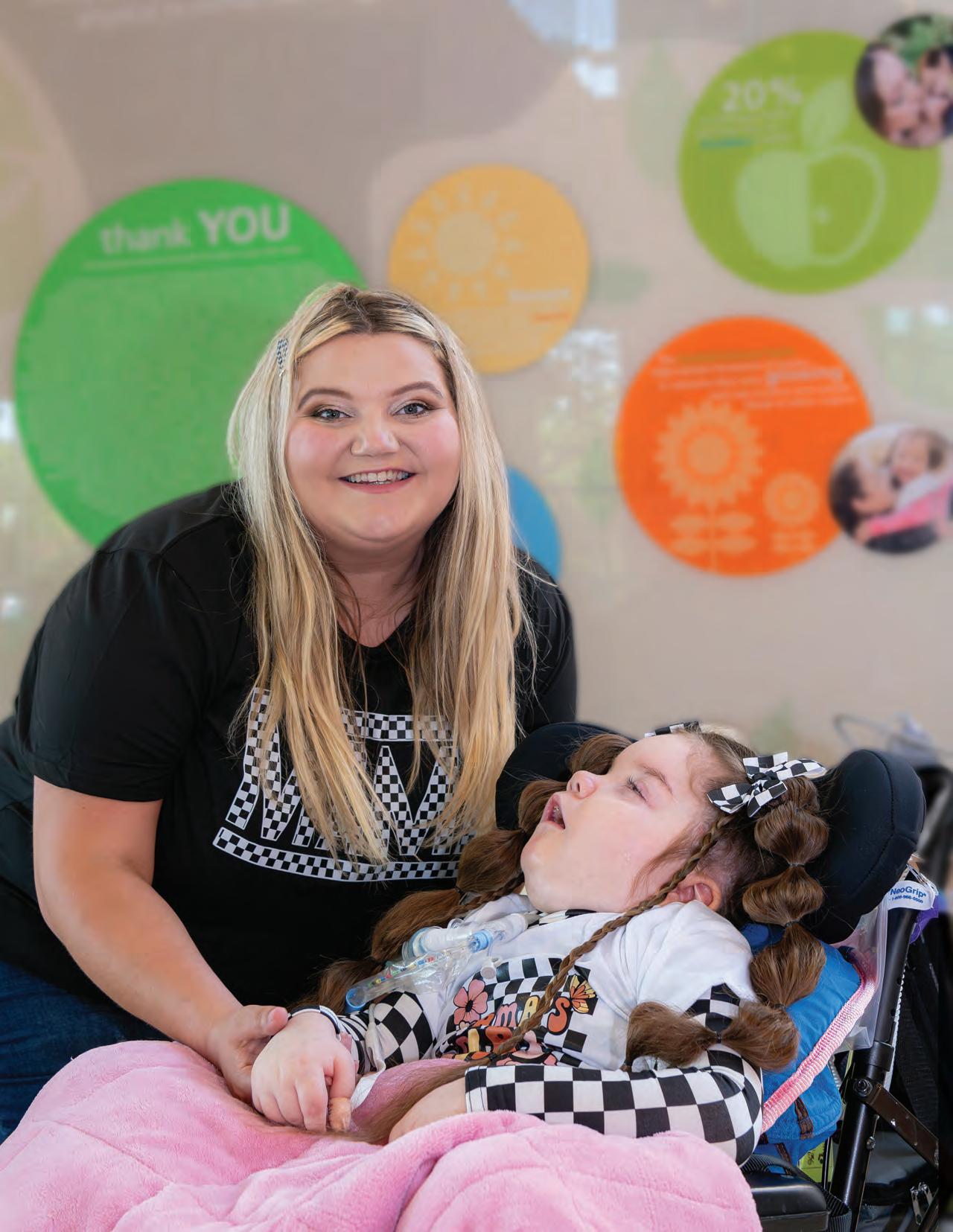
Your generosity is improving the health of our community
Your generosity is improving the health of our community
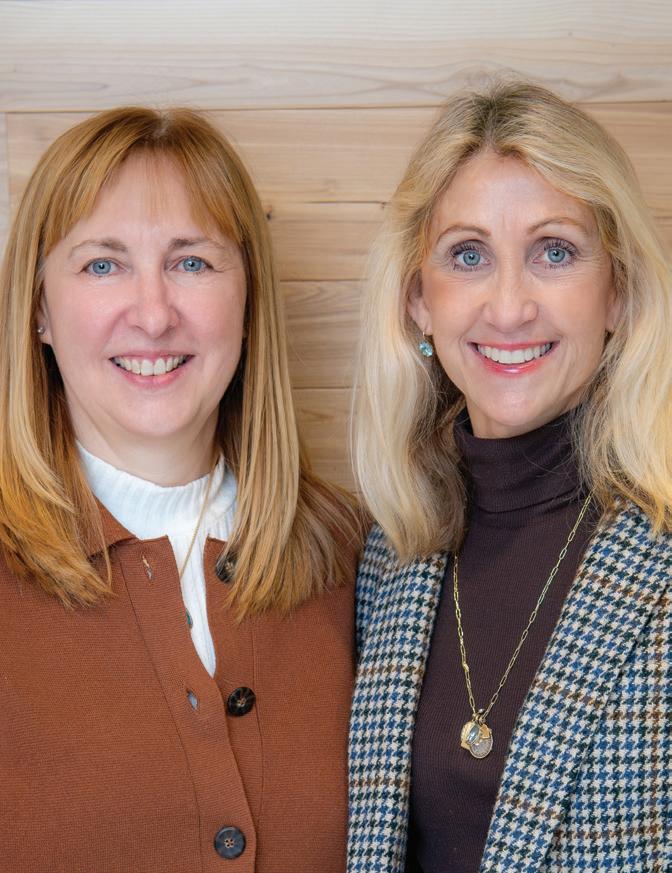
Dear Friends,
Each day your gifts provide Oregon communities with compassion and health care excellence.
Your generosity funds the healing work of our caregivers and the support programs they offer to patients. In the past year, your gifts helped build vital new facilities, provided innovative health care technologies and supported the groundbreaking research creating tomorrow’s treatments today. Your investments also increased access to care, fostered wellness and helped our workforce develop new skills for the benefit of everyone who comes to Providence.
The opportunity to receive exceptional health care is often the first step toward hope. You’ve made this possible for countless people. Inside you’ll find inspirational stories showing how your gifts – and your kindness – have healed so many.
With you by our side, Providence is fulfilling our Mission of steadfastly serving all, especially those who are vulnerable. With deep gratitude,
Jennifer Burrows, MBA Chief Executive
Providence Oregon
Laurie Kelley Central Division Chief Philanthropy Officer
Providence Foundations of Oregon
Thanks to you, groundbreaking discoveries have been made, new emergency rooms have opened, services for children have expanded, and thousands more patients have been served.
Speeding research. Discovering new treatment options. Innovation and clinical trials are advancing care to help patients live longer, healthier lives.
Every moment matters. Providing access to the latest technology, advanced tools and innovative treatment methods allows clinicians to enhance care and save lives.
The demand for acute and specialized care is increasing. Building new and expanding existing facilities ensures greater access for patients, when and where it’s needed most.
Health is a human right. Removing barriers and eliminating health disparities increases equitable access to care, giving everyone the chance to live their healthiest life.
Exceptional care begins with exceptional caregivers. Investing in our workforce deepens clinical expertise and leads to greater representation, well-being and retention.
Every person experiences a different health journey. Making patient-centered programs and wellness services available to everyone provides extra support to ensure all receive exceptional care.
You generously gave nearly $71.8 million in 2025 to support programs, treatments and services for patients across Oregon, bringing health, healing and hope to individuals and families every day.
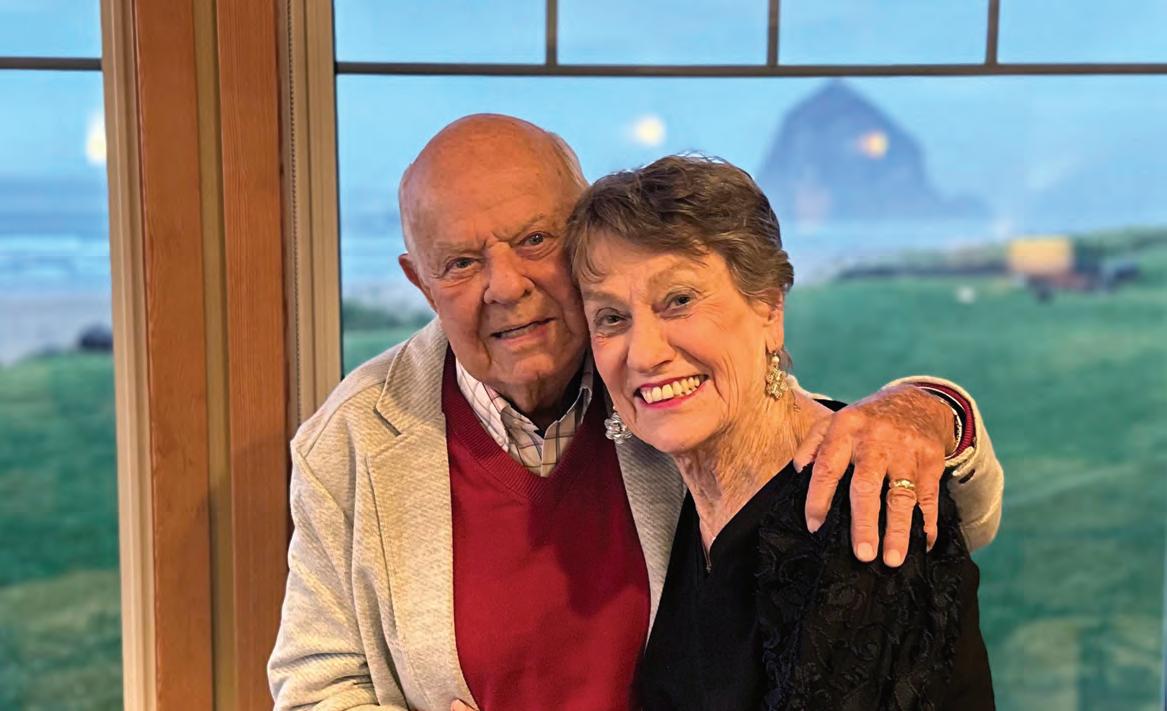
On vacation from South Carolina, Ralph and Nancy Edwards and their extended family were exploring the Oregon coast when Ralph suddenly struggled to breathe. The Edwards immediately took him to Providence Seaside Hospital. There, the morning after his 90th birthday, Ralph was diagnosed with flash pulmonary edema, a life-threatening condition.
“The doctors stabilized Dad,” said Dave Edwards, Ralph’s son, “until he could be transported by ambulance to Providence St. Vincent Medical Center. We were fortunate on our nighttime drive to be guided by the light from a rare super blue moon.”
Upon the family’s arrival, Brandon Jones, M.D., FACC, an interventional cardiologist, and Eric Kirker, M.D., a cardiovascular surgeon, shared their plan to restore Ralph’s heart function.
Interventional cardiologist performs procedure rare for the US
Ralph needed an immediate transcatheter aortic valve replacement (TAVR) to restore his heart function. This procedure typically requires the use of contrast dye. Because Ralph’s kidneys did not function optimally, use of the dye would have resulted in permanent dialysis. To avoid damaging Ralph’s kidneys, Dr. Jones performed the procedure without contrast dye – a novel approach only a few doctors nationwide use.
“Competence and caring are the two words that epitomize Dad’s entire experience at Providence St. Vincent.”
-- Dave Edwards, Ralph’s son
About 90 minutes after the successful surgery, Ralph was back in his room conversing with his family. Eight days later Ralph and Nancy returned home to Charleston, completing a journey the entire family calls “providential.”
Expert care ensures patient maintains healthy heart and kidneys
Ralph said that before heading into surgery Dr. Jones asked him how he felt. “I responded, ‘Go fix me up. I’m going to live to be 100!’”
Dave said, “Every person we encountered at Providence was replete with compassion, kindness and competence. Mom and Dad met in the first grade. This is a great love story that was kept alive, thanks to the team at Providence.”
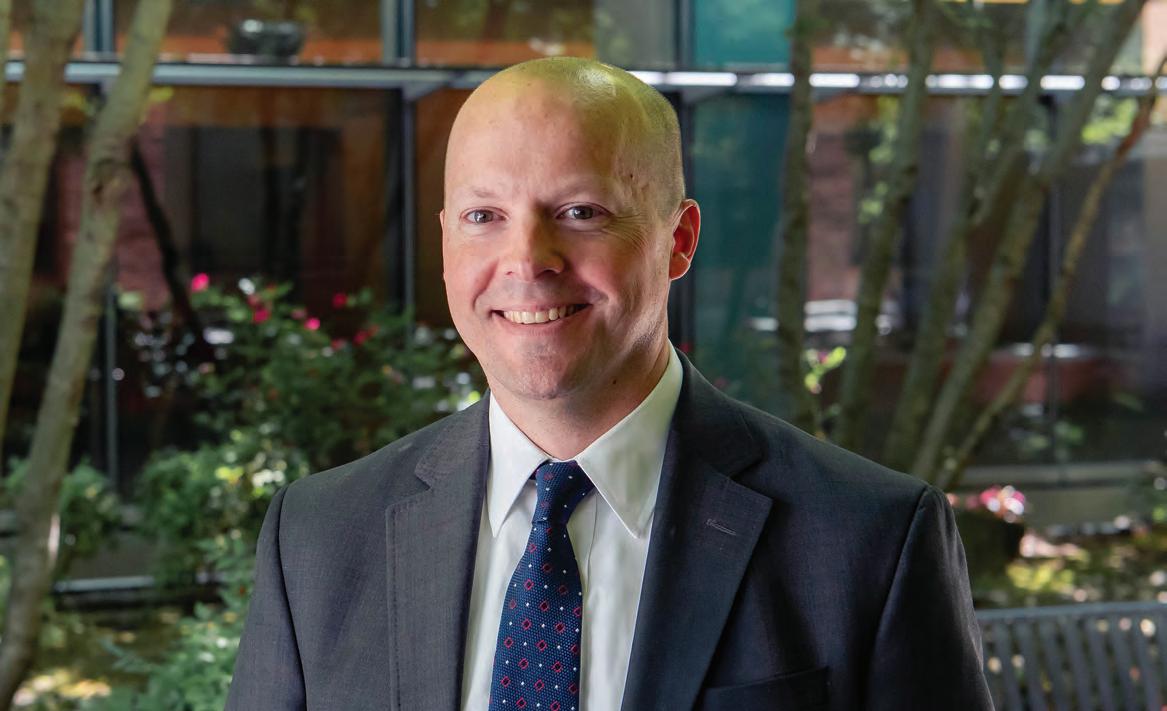
Matthew Taylor, M.D., is leading the development of a drug to fight difficult-to-treat cancers by blocking a protein that cancer cells use to grow and spread.
For 30 years Providence Cancer Institute researchers have been a prominent force in the establishment of immunotherapy as the fourth pillar of cancer care alongside chemotherapy, radiation and surgery. Immunotherapy was revolutionary, offering many patients a more durable and less toxic option. Despite this progress, several solid tumor cancers remain challenging to fight. But new hope is emerging.
Your gifts are helping our researchers, led by Matthew Taylor, M.D., unlock a novel way to protect the immune system as it fights cancer. They have created and are developing a new drug, M3T01, that targets a protein named Fas ligand.
“M3T01
exemplifies Providence Cancer Institute’s ability to quickly move novel scientific discoveries from the laboratory bench to the patient’s bedside.”
-- Matthew Taylor, M.D., Providence Cancer Institute physician-researcher
The Fas ligand protein normally rids the body of tired immune cells, causing them to die after they finish fighting an infection. But, when hijacked by cancer, the protein can also trigger the premature death of immune cells that patients urgently need. Cancer cells exploit Fas ligand’s “clean-up” mechanism and use it to defend themselves, allowing the cancer to continue spreading.
Blocking Fas ligand with M3T01 could significantly enhance the therapeutic benefit of available immunotherapies. It may also diminish the invasive capability of tumor cells while increasing the number of immune cells able to infiltrate and attack tumors. Now researchers are testing it with a phase I clinical trial, which is the first step in evaluating its efficacy and safety.
M3T01 could provide a much-needed breakthrough for advanced cancers. Your support – which funds nearly 70% of the institute’s vital research work – is bringing renewed hope to patients and their families.
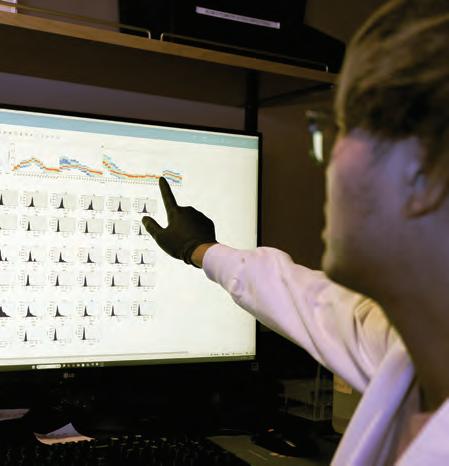
A research assistant analyzes T cells in a blood specimen with a flow cytometer as part of the investigation into a potential new cancer therapy.
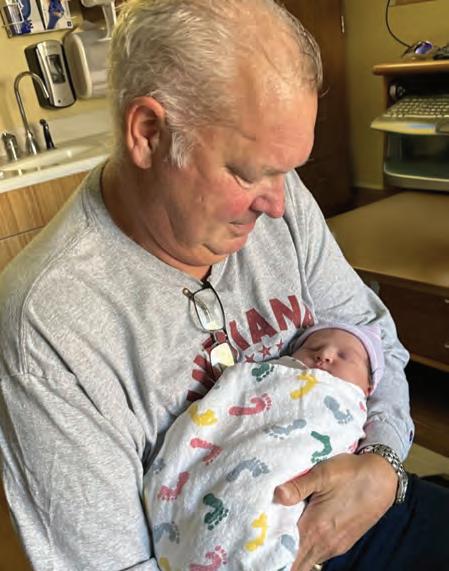
John Bridges cuddles his first grandchild, who required medical intervention right after being born.
John Bridges has many descriptors: husband, father, lawyer, trustee and past president of Providence Newberg Health Foundation. Two years ago he eagerly awaited another: Pops.
John and his wife, Deb, were at Providence Newberg Medical Center ready to meet their grandson. But moments after baby Leland’s birth, his skin began turning purple. His life was in danger.
The highly trained delivery room nursing team immediately placed Leland in a Panda Warmer and initiated lifesaving techniques learned by practicing with a neonatal resuscitation training doll called Baby George. Within minutes Leland responded with full-throated cries.
Your gifts – and those of Leland’s grandparents John and Deb Bridges – helped the Birth Center purchase new equipment that literally saved the baby’s life.
A gift for the community comes full circle
Now a vibrant, curious toddler, Leland is a living testament to the high-quality care and essential equipment that sustained him.
A Panda Warmer provides heat directly to an infant, allowing for close-up examination and treatment without removing the baby from necessary warming. It also can measure heart rate, blood oxygen levels and weight. And, a resuscitation training doll has realistic newborn anatomy, lifelike skin and detailed features, even including an umbilical pulse.
“As I worked toward the hospital’s goals and engaged in raising money, I never imagined my family would be among the beneficiaries.”
-- John Bridges, former board president and grateful family member
For the Bridges, Leland’s birth made very tangible the significance of philanthropy. Through the kindness and generosity of donors, countless lives - including their own – were changed for the better.
Thanks to your generosity, patients receiving high-dose-rate (HDR) brachytherapy now are guaranteed privacy, dignity and comfort. You helped raise $2 million toward the construction of a dedicated radiation suite, providing patients across the Rogue Valley and throughout Northern California with greater quality of care every day.
The highly specialized room opened to patients in November. It allows women with a gynecologic cancer to experience greater privacy without needing to be moved between multiple locations throughout the hospital.
Seamless care-delivery model centers patient dignity
“The driving force behind the desire for a stand-alone suite was to provide dignity and greater comfort to each patient,” said Gina Mattson, BSBA-HM, manager of the cancer center’s clinic operations. She continued, “This is especially important while undergoing treatment for conditions like cervical cancer.”
“We
have worked hard to make this environment peaceful and calming to ease the way for our patients and our caregivers, too.”
-- Gina Mattson, BSBA-HM, manager of clinic operations for Providence Cancer Center - Southern Oregon
Before construction of the HDR suite, patients had to spend about eight hours in the hospital, transitioning between different care team members to receive their complete treatment. The HDR suite streamlines this process. Today HDR patients get the seamless care they need in under four hours.
In addition, the faster treatment time allows the center to respond more quickly to the growing number of patients who arrive from as far away as Springfield in the Willamette Valley and Redding in Northern California.
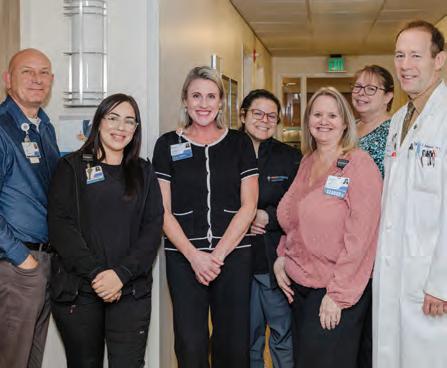
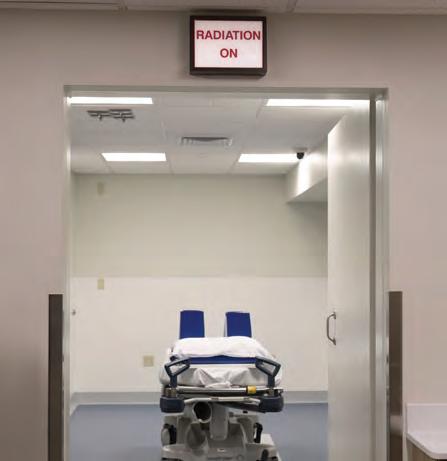
Top: Gina Mattson, third from right, celebrates with team members at the suite’s blessing.
Bottom: Patients now receive targeted gynecologic cancer treatment in this new, private radiation suite.
CAMPAIGN GOAL OF $144 MILLION REACHED
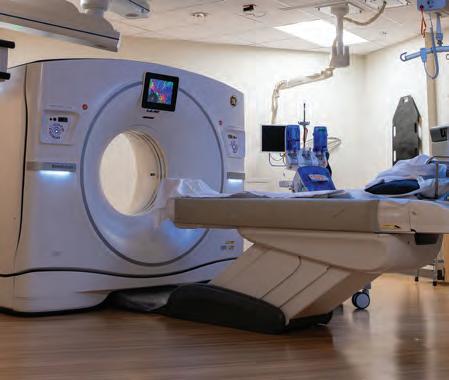
Top: A second CT scanner at Providence St. Vincent speeds diagnosis and treatment.
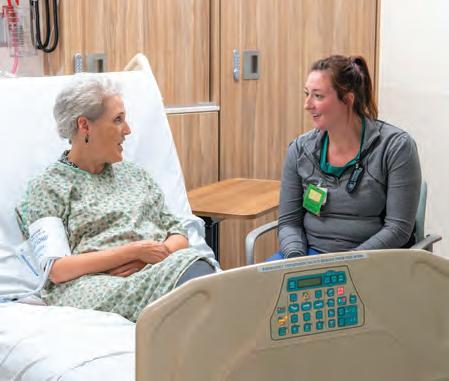
Bottom: Second floor emergency rooms at Providence Portland have locked cabinets for patient and caregiver safety.
Four years ago, Providence dreamed of creating a better tomorrow – a tomorrow where critical care would rise to meet the growing health care needs of Oregonians. The dream was ambitious, and we knew we couldn’t succeed alone.
In May 2024, the Tomorrow Starts Today Campaign publicly launched. The goal: Raise $144 million to re-imagine emergency and cardiac care.
Donors responded. Because of generous support, that goal was met. And most importantly, the lives of patients and caregivers are changing for the better.
Donor support results in historic success
“Every person who gave to Tomorrow Starts Today helped create better, faster care for patients when they need it the most,” said Chelsea Sokolow, associate vice president and chief philanthropy officer, who spearheaded fundraising for Providence Portland Medical Center, “and our caregivers have the tools and facilities to respond quickly and compassionately.”
In total, donors gave $62 million to support cardiac care at Providence Heart Institute, $45 million for emergency care at Providence St. Vincent Medical Center and more than $36.5 million for emergency care at Providence Portland Medical Center.
Emergency care expands on city’s east and west sides
Providence St. Vincent’s remodeled emergency department opened in January 2025, adding 26 new spaces and transforming how care is provided, including an arrival zone, nursing stations and lounges for respite and recovery. “We now have enough room to care for nearly 100 patients at one time,” said Diane West, M.D., emergency department medical director at Providence St. Vincent. She continued, “The addition of a second CT scanner also means patients receive their diagnosis quicker.”
The renovation of Providence Portland’s emergency department, which completes this spring, includes 27 new treatment areas, a separate ambulance bay and language-translation software, as well as a stabilization and recovery area to support patients experiencing substance use disorder. “Our renovated facilities allow patients to receive the compassionate care they need in a more spacious environment,” said Jeremy Lynn, M.D., Providence Portland emergency physician.
Combined, these two hospitals will support 50,000 more emergency visits annually – the equivalent of an additional emergency department in Portland.
Heart hub designed to transform critical cardiac care
Providence Heart Institute is building a state-of-the-art heart hub to advance care for our sickest cardiac patients. Critical cardiac care services will be co-located on one floor of Providence St. Vincent, placing patients, caregivers and novel technologies side by side.
“Cardiac care is now more complicated as patients with heart disease live longer. Modernized facilities prepare us for future advances in the field.”
-- Andrea Orfanakis, M.D., medical director for cardiac intensive care
Coming soon is a new interventional unit and an electrophysiology lab. The second phase of the project, which is scheduled to be completed in 2028, includes new catheterization labs as well as the Patricia Reser and William Westphal Cardiac Intensive Care Unit. Significant donor generosity is building the future of cardiac care to meet the needs of our community. This is what it means to dream boldly and build bravely. None of these advancements in care would have been possible without philanthropy. Thanks to you, renovations are creating something extraordinary for today and every tomorrow to come.
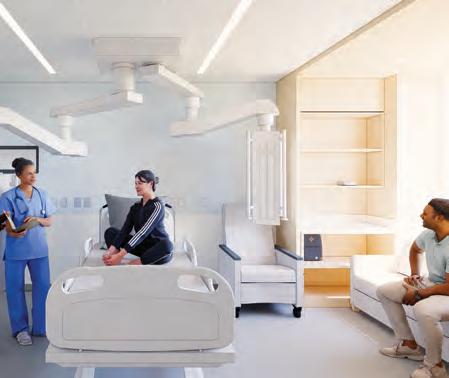
Cardiac care rooms are designed to accommodate both modern technology and loved ones.

Take a moment to watch a video where caregivers share how donor support has transformed their experiences for today, tomorrow and well into the future.
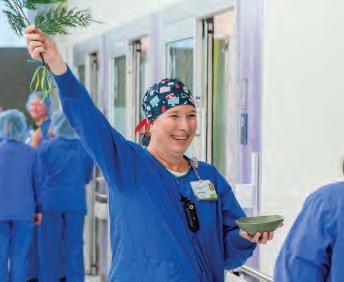
Top: Caregivers and donors joyfully gather to bless the new surgery unit spaces.
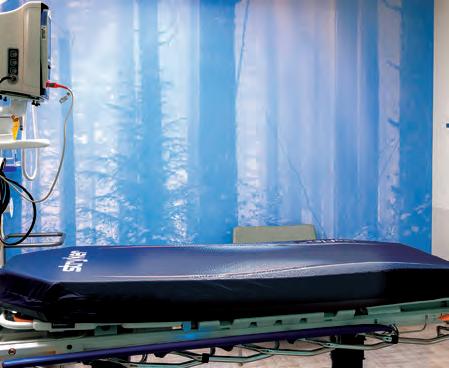
Bottom: Local flora is featured in calming room art.
More local care is now available closer to home for residents of Oregon City and surrounding communities. Supporters of the A New Day Campaign at Providence Willamette Falls Medical Center made this possible.
Generous donors raised $4 million for the project, which constructed a day surgery unit with 22 outpatient rooms. In addition, rooms that had been used for outpatient surgery are free and being refreshed and converted into inpatient spaces. These improvements will result in shorter wait times for many types of patients.
Alison Griffin said her experiences as a patient prompted her to chair the campaign. She said, “I wanted to give back to the people who treated me.” Alison is excited that caregivers and patients alike will benefit from larger, more private spaces, increased natural light and intentionally calming aesthetics.
She was particularly struck by how many people chose to support the project. “The campaign really was a community effort,” said Alison, who is now the foundation board chair. “Its success is a testament to the quality of care patients receive.”
“This project has significantly improved the patients’ experience and hospital efficiency, and it was cost effective because we harnessed unfinished space,” said Thomas Phipps, M.D., Providence Willamette Falls’ chief medical officer.
He added, “Now, we can perform surgery in all six of our operating rooms, whereas before we only had enough patient beds to run five. And rooms originally reserved for outpatient surgery are transitioning back to inpatient beds. Having more rooms eases congestion and allows us to more quickly admit patients.”
Before the expansion, patients frequently had long wait times for surgery or had to travel to a hospital farther away. Thanks to you, Providence Willamette Falls now has the capacity for 1,000 more surgeries and 1,400 more patients every year, relieving wait times in the emergency department. It’s truly a new day for our community.
A light-filled, welcoming and spacious cancer center now greets north coast patients, thanks to your generosity.
Providence Seaside Hospital’s cancer center provides an expanded infusion room, large windows for natural light, a dedicated office for a nurse navigator and wider doorways to accommodate wheelchairs and walkers. Caregivers now have designated offices and a break room, and patients have their own bathrooms, accessible directly from the infusion suite.
“This remodeled space has really improved patient and caregiver experiences. The redesign emphasizes comfort, privacy and dignity,” said Cheyanne Marohn, BSN, RN, OCN, nurse manager of Providence Cancer Center – Seaside.
Positive impact: more space, privacy and support
The cancer center’s infusion area is now 20% bigger. This extra space gives patients and caregivers breathing room between the nine infusion stations. The expansion improved patient safety and overall workflow for the clinical staff.
“The space was cramped before the remodel, so we were constantly bumping into each other, as well as our patients and any equipment they required,” said Cheyanne.
She added, “We used to have to limit visitors’ time with our patients, but it’s so important to have that support. The impact of the expansion on patients and their families has been huge.”
Nature and dignity both on display
Alyssa Tomlinson, RN, said, “Patients enjoy viewing the changing seasons, soaring birds, sunlight and even the occasional deer.”
She added, “They are also grateful for the relocated bathrooms. They always comment on how much easier it is to access them.”
Previously patients receiving chemotherapy had to trek down the hall while pushing their IV poles.
“We’re grateful to donors whose generosity created a space that embodies excellence, justice, dignity and compassion,” Cheyanne said. “A place where healing is nurtured and supported.”
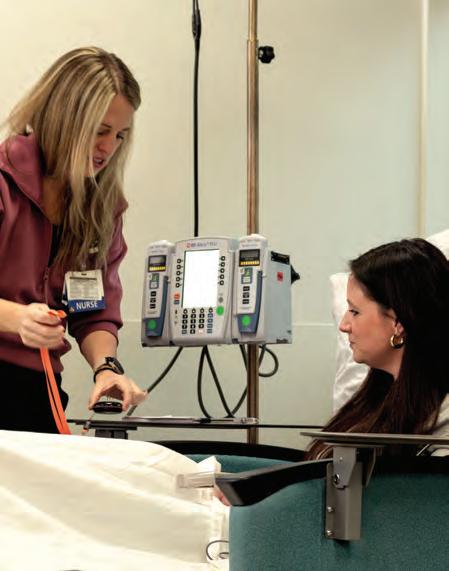
Natural light infuses the expanded cancer suite for caregiver and patient benefit alike.
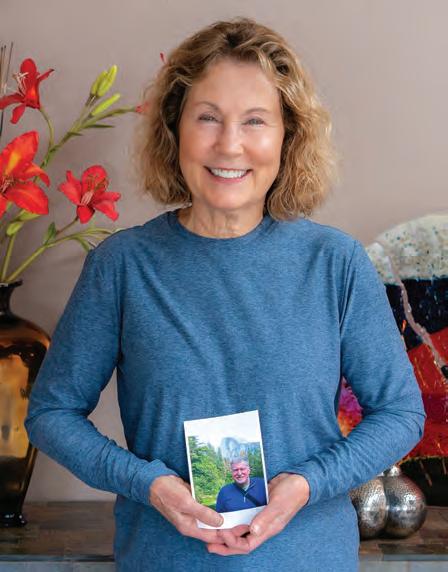
Jo shares a photo of her late husband and best friend, Chuck.
Jo Howard credits Providence with extending the life of her husband, Chuck, by 10 years. During that precious time, the couple traveled, witnessed their children’s marriages and got to know their grandchildren. ”I made so many more beautiful memories with my best friend,” Jo said.
A clinical trial and successful surgery gave more time
When first diagnosed with stage 4 cancer, Chuck had limited treatment options. Fortunately his oncologist at Providence Cancer Institute connected Chuck to a clinical trial that led to remission. Ecstatic, the Howards took full advantage of life’s adventures.
The only pause came when a neurologist discovered Jo had a meningioma, a benign tumor that forms from membranes surrounding the spinal cord and brain. After Pankaj Gore, M.D., a renowned neurosurgeon at Providence Neuroscience Institute, successfully removed it, the couple returned to their activities.
Then one day while mowing the lawn, Chuck felt winded. He returned to his oncologist; his cancer was back. Chuck had chemotherapy, but cancer treatment had weakened his heart, a common side effect. Soon thereafter Chuck passed away.
“The additional time I got with Chuck was priceless. It’s meaningful to know I can help others who may be in our shoes in the future.”
-- Jo Howard, patient and family member who gave a threepronged estate gift to Providence
Grateful for the time they had, Jo made a charitable estate gift benefiting Providence Cancer Institute, Providence Jack Loacker Center for Cardio-Oncology and Providence Neuroscience Institute. Her generosity will spur research and support programs for the benefit of future patients.
Jo said, “It’s one important way I can express my deep gratitude for my husband’s care, for my care and for the years together that I didn’t dream we’d get.”
Joecee was pregnant, battling substance use disorder and facing what seemed like overwhelming challenges. Then she found a vital lifeline – along with help, healing and hope – in a Providence program called Project Nurture. Supported by donors, the program improves health outcomes for women with substance use disorder during pregnancy and childbirth. It benefits their infants, too.
A team-based approach to treatment and recovery
Thanks to your generosity, Project Nurture’s holistic approach offers much more to its patients than just care for the body. The program connected Joecee with a compassionate team of doctors, social workers, counselors and peer mentors who helped with several aspects of her health journey.
“Project Nurture is about recovery, addiction and motherhood,” Joecee said. ”It goes beyond medicine; it’s about building genuine relationships and trust.” Here she felt seen, heard and never judged.
Group sessions led by mental health professionals gave Joecee and her peers educational and emotional assistance. She also received rides to appointments, gift cards and essential baby items, made possible by your donations. The additional support was indispensable, especially at a time when she did not have a home. “Walking into the office and being offered food and a friendly conversation made me feel valued when I needed it most,” Joecee said.
A family formed through compassionate care
Project Nurture’s staff recognized Joecee’s progress and helped her regain custody of her other children. “They gave me a family when I felt I had none. They showed up for me. Nobody’s done that before,” she said. “Without Project Nurture, I wouldn’t have the courage to face my challenges. They equipped me with the strength to keep going.”
By supporting Project Nurture, you’re fostering positive outcomes that ripple across generations: Mothers like Joecee are empowered to embrace the future with health and hope.
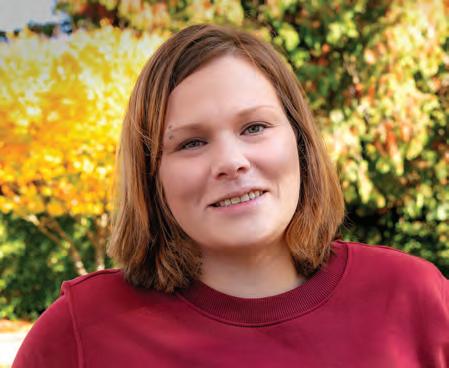
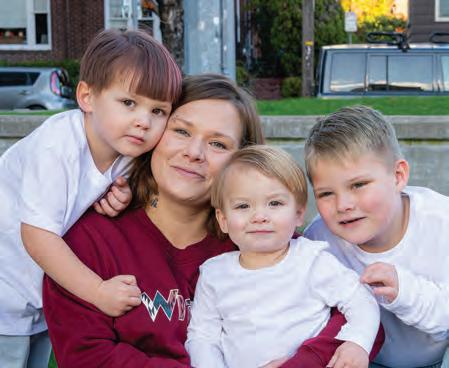
Top: Joecee not only found vital help, but also a sense of community among mothers facing similar challenges.
Bottom: Joecee snuggles with her family of boys.
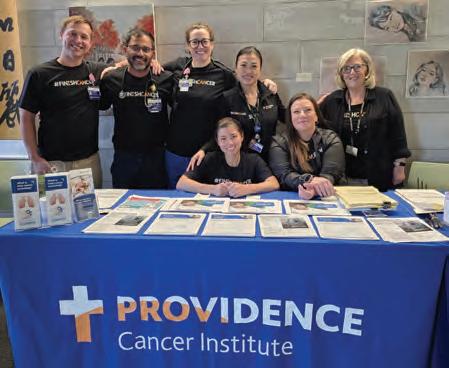
Providence Cancer Institute’s physicians, advanced practice providers, thoracic surgery team and outreach team provided education, patient care and referrals during the screening awareness event.
“Deep breath in. Deep breath out.” This staple command at every medical visit points to the importance of healthy lungs.
An ongoing Providence Cancer Institute initiative aims to improve lung health for more people. Targeted outreach helped alert the community to a September 2025 opportunity called “Know Your Lungs,” a lung cancer screening awareness event.
Generosity opens doors to community cancer screening
Thanks to a generous gift from the Glenn Dahl and Linda Illig Charitable Fund and a partnership between the institute and the Asian Health & Service Center, nearly 60 people received free lung exams in just one day. One of the collaboration’s core tenets is greater access to health care.
“Attendees greatly appreciated the culturally sensitive and important resources they received,” said Tuyen Tran, MPA-HA, Providence’s program manager for cancer control and education.
Physicians conducted one-on-one examinations of every attendee to identify potential concerns. On-site staff helped secure follow-up appointments for the 12 individuals who were identified as needing additional care.
“Screening for lung cancer has been proven to save lives because it can detect cancers when they have a better chance of being cured,” said Rachel Sanborn, M.D., medical director of several programs at Providence Cancer Institute. “The challenge? Many people are not aware of the benefits, so far fewer people who are eligible and could benefit are getting screened.”
Ciana Fong, a program manager at the Asian Health & Service Center, expressed gratitude.
“Our work together meant we could provide participants with accessible screenings, needed referrals, health education and resources that promote early detection and support long-term wellness,” Ciana said. “It helped meet an important community health need.”
Breast cancer is the most common cancer diagnosis in American women. Early detection is critical to survival rates; mammography is key to unlocking the diagnosis.
Thanks to your generosity, expert mammography technologists at Providence Hood River Memorial Hospital received specialized training about enhancing image quality, benefiting every person being screened. Breast-imaging professionals from San Diego-based Mammography Educators led The Miller Method™ workshop.
Donors support professional milestones and patient care
Brenda Farris, one of four participating Providence Hood River mammography technologists, is grateful to donors whose gifts allowed for this innovative learning opportunity.
“This program goes above and beyond, providing hands-on training with actual patients and immediate feedback from the trainers,” Brenda said, adding, “Slide presentations alone aren’t enough for the precision our work requires.”
The unique class also includes lectures, volunteer patients and instruction from trainers, all in the technologists’ work environment and with their own equipment.
“There are few active, hands-on trainings in our industry; I’m so glad for this rare opportunity.”
-- Brenda Farris, mammography technologist
Ensuring consistent imaging is critical. “When radiologists review patients’ breast tissue, they read the same views year to year for up to five years’ worth of images. Each image must be taken from the same angle every time,” said Rendi Porter, manager of diagnostic imaging at Providence Hood River.
Rendi added, “Donors help caregivers reach professional milestones, ease patients’ way and show Providence’s dedication to the community.”
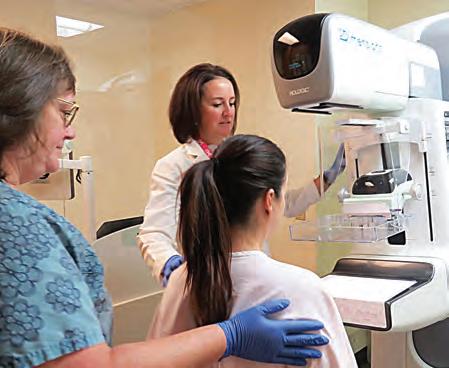
Brenda Farris, left, receives training from Robyn Hadley, standing, who helps position a volunteer participant.
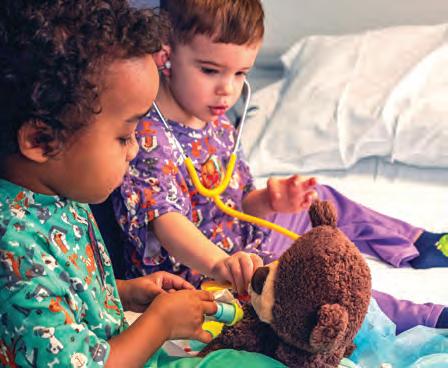
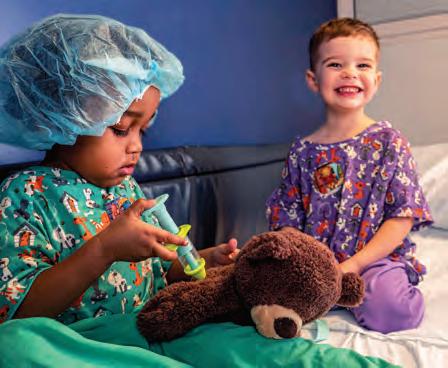
Top and Bottom: Child life specialists help children and families learn about procedures, medical care and health care outcomes through play, education and discussion to support more positive experiences.
When viewed through a child’s eyes, a hospital is a big place filled with loud noises, large machines, unknown people and strange procedures. Combine this with a medical condition that needs treatment, and it can be a distressing place. But your generosity is redefining that experience. Thanks to you, child life specialists offer resources to help children and families transform daunting hospital experiences into opportunities for growth, healing and resilience.
Beth Wong, a child life specialist at Providence, explains, “The core of our work focuses on children’s emotional and developmental needs.” Using art supplies, sensory tools and interactive toys, these caregivers engage with patients to understand both their emotions and how they are processing what is happening in real time. They aim to avoid the long-term effects of negative health care experiences.
Children learn to process and cope through play
Play and art allow children to share their fears and wishes. This opens the door for conversations about medical care and what the future may look like. As Beth explained, “Recently I worked with a family. The father had a cancer diagnosis. One of the girls magically ‘zapped’ the cancer in her drawing, which was a launching point for a discussion about what was really possible in treatment.”
“Donors are the heart of what we do. The tools they provide help us truly make a difference; I feel proud to partner with them.”
-- Beth Wong, Providence child life specialist
Beth said, “When a child navigates a challenging treatment, like a needle procedure, and says, ‘I used my new coping tools. I feel very proud,’ that’s success.” She continued, “It’s so rewarding, seeing children and families get through very difficult moments feeling supported and strong.” PROVIDENCE
PROVIDENCE ST. VINCENT MEDICAL CENTER
The end-of-life journey for patients and their loved ones is eased through the calming and therapeutic sounds of Providence music-thanatologists. These uniquely trained “clinical musicians” soothe patients in their last days by playing a portable Celtic lever harp and singing at times, too. They tailor music and voices to respond to a patient’s changing condition and vital signs. The gentle sounds generated by these caregivers, part of the spiritual care team, can relieve anxiety and help patients cope with pain, breathing difficulties and sleeplessness.
“Our music offers some peace in a time of great stress and heightened emotions. Many traditions believe that through the beauty of music one can experience the divine.”
-- Laura Moya, CM-Th, certified music-thanatologist
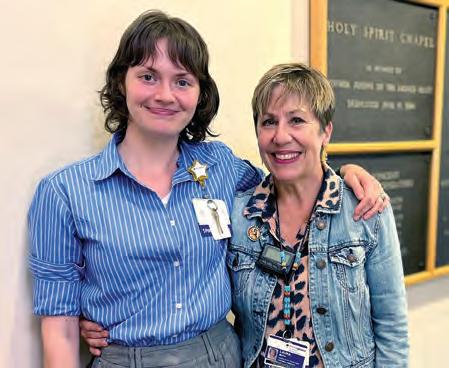
Because of the generosity of donors, the reach of musicthanatology has doubled. Joining Laura Moya, CM-Th, in this powerful work is Kate Davis, M-Th. Music-thanatology is considered “care for the body, cure for the soul,” Laura said.
Patients and families experience music that soothes
Andy Munson experienced the care and healing that musicthanatology provides. As his mom, Ann, was dying from a sudden-onset brain aneurysm, her caregiver asked the family if they would like a visit from the spiritual care team. Soon Laura entered Ann’s room with warmth and compassion, Andy recalled.
“The care Mom received was nothing short of incredible with so much grace and beauty,” he said.
Andy continued, describing the moment, “Then Laura began playing and sang the most beautiful song. It was this symphony of life coming to a grand conclusion.”
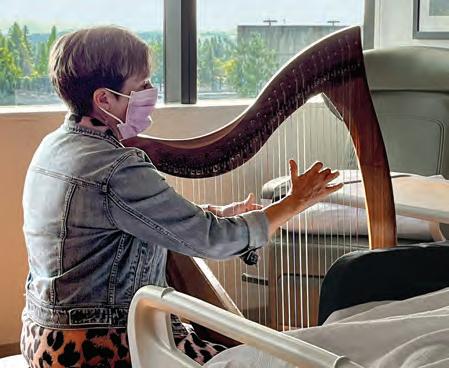
Top: Laura Moya, CM-Th, certified music-thanatologist, melodically helps ease the way of a dying patient.
Bottom: Kate Davis, M-Th, joins Laura in the powerful work of Providence Spiritual Health.
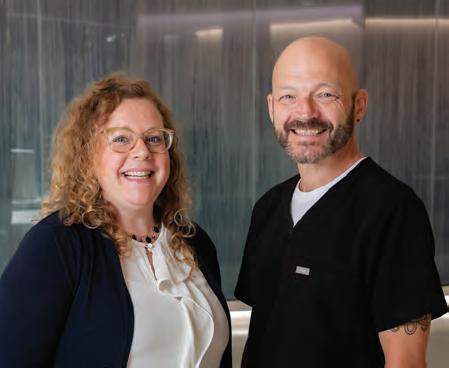
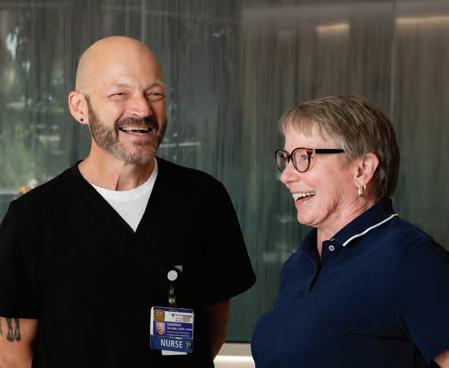
Top: Roberta Lahue, RN, and Darren Larsen, RN, provide stroke nurse navigator services at Providence St. Vincent and Providence Portland medical centers, respectively.
Bottom: Karen Hudson received stroke nurse navigation assistance from Darren Larsen, RN, after the service expanded to Providence Portland Medical Center.
When it comes to health, patients face many unknowns. This is especially true after a stroke because of where these medical emergencies occur: the brain. Afterwards, patients may experience varied impacts to sensory, motor and cognitive functions; each recovery is unique. But stroke patients at two Portland-area hospitals have one thing in common: They don’t take their rehabilitation journey alone.
You placed a guide by the side of stroke survivors
In 2025 donor generosity expanded Providence’s highly acclaimed stroke nurse navigation services beyond Providence St. Vincent Medical Center. Now patients at Providence Portland Medical Center also benefit from specialized care.
Roberta Lahue, RN, a Providence stroke nurse navigator, explained, ”During recovery from a life-changing event like a stroke, it’s crucial that patient care is individually tailored to each survivor’s unique needs.”
Darren Larsen, RN, who is also a stroke nurse navigator, continued, “A patient can have personalized education, check-ins and help following complex transitional care regimens. We can streamline scheduling while assisting with additional testing.”
“I am thankful for the donors who support this service. It cares for the whole person, and it’s made an enormous difference in my recovery.”
-- Karen Hudson, patient who benefited from Providence’s stroke navigation services
Karen Hudson, a patient of Providence Portland, experienced the difference this assistance made as she healed. “Darren has been a godsend! He handled communication with my neurologist and other providers. He also checked back if I forgot to make an appointment.” Said Darren, “Nurse navigators are compassionate advocates. They provide reassurance for patients and families during a difficult time.”
Bill Westphal and Pat Reser’s activities reflect their desire to foster positive change. “That’s my north star,” Pat said. The couple pours their energies into developing educational programs, delivering resources with international medical teams, and supporting theater, music and art exhibits. And they’re passionate about creating better health. Bill and Pat have steadfastly supported Providence programs that drive innovation and increase health equity, especially in cardiac and cancer care.
From trustee to patient: insight into exceptional care
As a trustee for Providence St. Vincent Medical Center’s foundation and current chair of its Heart Leadership Council, Bill has long recognized Providence’s excellence. That insight deepened when tests run by a Providence cardiologist indicated one of his valves wasn’t closing properly. Bill required open heart surgery; it was a success.
“We’re so fortunate to have a pre-eminent hospital here,” he said. “People have the best possible physicians and caregivers, on par with Johns Hopkins and Mayo Clinic.”
When Providence Heart Institute announced plans to build a heart hub through the Tomorrow Starts Today Campaign, which also renovated Providence St. Vincent’s emergency department, Bill and Pat supported the project. “Outcomes are important to me, and the benefits of the heart hub were clear,” he said.
“We saw how these Providence projects would create solutions. We want to be part of plans that enhance someone’s life and lived experience.”
-- Pat Reser and Bill Westphal, community leaders and philanthropists
A new cardiac intensive care unit, which will be part of the hub, will be known as the Patricia Reser and William Westphal CICU. Naming the space in their honor is one small way Providence can recognize the myriad positive changes Bill and Pat have brought to our community.
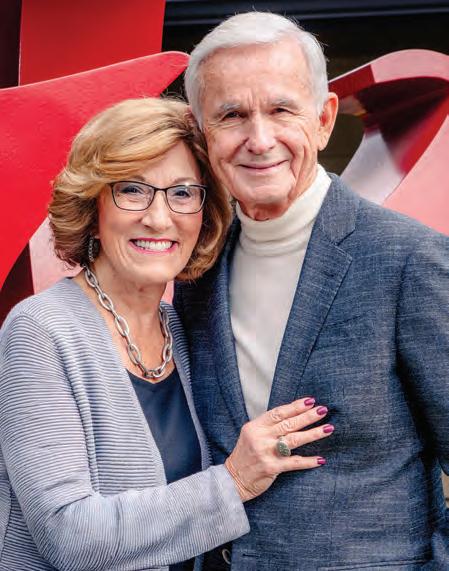
Pat Reser and Bill Westphal are creating healthier communities and more equitable access to care through their generosity.
As expressions of God’s healing love, witnessed through the ministry of Jesus, we are steadfast in serving all, especially those who are poor and vulnerable.
OUR VALUES
Compassion, Dignity, Justice, Excellence, Integrity