

introduction...
What is a Quality Account?
How
to give your feedback on this Quality Account
Each year, organisations that provide NHS services are required to publish a report about the quality of the care they deliver. This is called a Quality Account.
This Quality Account explains the quality of the NHS-funded services we provide, what we have learned over the past year and where we want to improve further. It reflects our commitment to putting people who use our services, their families, carers, and our wider communities at the heart of everything we do.
We want the services we provide to be safe, effective, caring, responsive and well-led. To understand how well we are doing, we review a wide range of information throughout the year, including feedback, performance data and learning from experience. This helps us recognise good practice, identify where we need to do better and continue improving our care and support.
As an organisation, we are committed to being open and honest, listening to the voices of the people we serve and supporting a positive learning culture where compassionate, high-quality care can flourish. We believe improvement happens best when colleagues feel supported to reflect, learn and innovate together.
We hope you find this Quality Account clear and informative. We welcome your feedback on this report and on our quality priorities for the year ahead.
We are keen to hear from you...
We welcome your views, comments and suggestions on this Quality Account, including our priorities for improvement and any other aspect of the information presented here.
You can contact the Quality and Safety Team at Provide Community using the details below:
BY EMAIL: provide.safetyandquality
BY POST: Quality and Safety Team
@nhs.net
Provide Community, 900 The Crescent, Colchester Business Park, Colchester, Essex CO4 9YQ
BY PHONE: 0300 303 9952
Statement from our Group Chair
On behalf of the Board, I am pleased to introduce the 2025-2026 Quality Account and to provide assurance regarding the quality of services delivered by Provide Community.
The Board has a clear responsibility to ensure that robust governance arrangements are in place and that high standards of quality and safety are maintained. Throughout the year, we have received regular and comprehensive reports on quality, safety, patient experience and clinical effectiveness, enabling us to scrutinise performance, understand risk and seek assurance where required.
This Quality Account presents a balanced and transparent view of performance, highlighting areas of progress, including patient experience and colleague engagement, alongside areas where further improvement is underway.
We place particular importance on fostering a culture of openness, transparency and accountability, ensuring that challenges are addressed appropriately, with a focus on learning and improvement. Board members continue to engage directly with services to hear from colleagues and people using our services first-hand.
In line with our statutory responsibilities, under the Health Act 2009 and the National Health Service (Quality Accounts) Regulations 2010, the Board is required to ensure that this Quality Account presents a balanced and accurate picture of the organisation’s performance, and that the information reported is reliable and prepared in accordance with guidance issued by the Department of Health and Social Care.
On behalf of the Board, I can confirm that, to the best of my knowledge, the information contained within this Quality Account is accurate, presents a fair reflection of Provide Community’s NHS services and meets the required standard.
I would like to thank colleagues across the organisation for their continued commitment to delivering high-quality care and for supporting the Board in maintaining strong oversight and assurance.
Robert Parkinson Group Chair

About Provide Community
Provide Community is an employee owned Community Interest Company, where our values of care, compassion and innovation underpin everything we do. We are committed to delivering high-quality health and care services that are safe, effective, responsive and centred around the needs of the people and communities we serve.

We provide a range of community health and care services across Essex, East Anglia, London, Dorset and the north of England, delivering care in a variety of settings including community hospitals, clinics, primary care environments and in people’s own homes.
Provide Community is the overarching company to a number of subsidiary companies and service brands including: Provide Health, Provide Wellbeing, Mind Professionals, Provide Carecall247, Provide Digital, Provide React Homecare and Provide Community Equipment.
As we are an employee owned organisation, our colleagues play a central role in shaping how we deliver services and continuously improve. This shared ownership model supports strong engagement, accountability and innovation, enabling us to respond to changing needs and deliver care closer to home.
Through this approach, we not only deliver high quality clinical care, but also create wider social value, strengthening communities, supporting local economies and improving health and wellbeing outcomes.

Social Value Report April 2024 to March 2026
The Provide Community Social Value Report April 2024-March 2026 showcases the difference we are making beyond healthcare delivery.
Working alongside our partners, between April 2024 and March 2026, we delivered £16.6million in social value and reinvested £1.4million into our communities, supporting local people, services and initiatives, and driving positive change.
This report brings together the data, case studies and outcomes that demonstrate how social value is embedded across the Provide Community Group.

Social Value Report
Our Quality Assurance Process
The Board works with colleagues across Provide Community to ensure that the services we provide are safe, effective, caring, responsive and well-led. They are responsible for ensuring that appropriate arrangements are in place to support the delivery of high-quality care, including safe environments, effective systems of work, clear policies and procedures, appropriate training, suitable equipment and motivational leadership.
The Board receives regular reports on quality and safety to support oversight of organisational performance and to provide assurance on the quality of the services we deliver. This helps them to review performance, identify good practice, and ensure that risks, concerns, and opportunities for improvement are recognised and addressed in a timely and appropriate way.
The Quality and Safety Committee is a committee of the Board and provides focused oversight of quality and safety across the organisation. The Quality and Safety Committee reviews information relating to quality, patient safety, patient experience and clinical effectiveness, and seeks assurance that appropriate action is being taken where improvement is needed. Where required, matters of significance are escalated to the Board for further consideration and action.
The Board is committed to promoting a just and learning culture where colleagues feel supported to raise concerns, speak up and contribute to continuous improvement. We have arrangements in place to support
colleagues to raise concerns about quality or safety, including through Freedom to Speak Up processes, so that concerns can be heard, responded to appropriately and used to support learning.
We are committed to responding to incidents, concerns and complaints in an open, timely and compassionate way. When care does not go as planned, our approach is to be honest, offer an apology where appropriate, support those affected and ensure that learning is identified and used to improve the quality and safety of our services.
As an employee owned organisation, we are further supported by a Council of Governors made up of colleagues from across Provide Community. The Chair of the Council of Governors sits on the Provide Community Board, helping to ensure that the views of Governors and our members are reflected in Board discussions and decisions. In addition, two guest Governors are invited to observe Board meetings each month to support their development and strengthen engagement between the Council of Governors and the Board.
Board members and Governors are visible and engaged across the organisation and undertake regular visits to services to hear directly from colleagues as well as the people, families and communities we serve. This helps to ensure that assurance is informed not only by performance information, but also by people’s experiences of care and the views of the teams delivering it.
Statement from our Group Chief Executive
It is my pleasure to present our annual Quality Account 2025-2026, which reflects the dedication, professionalism and compassion of colleagues across Provide Community.
This report demonstrates our continued focus on delivering high-quality care and improving the experience of the people and communities we serve. Over the past year, Provide Community has continued to grow and evolve as an organisation, while maintaining a strong focus on quality, safety and service user experience.
A key theme throughout this year’s Quality Account is our commitment to learning. Through strengthening our approach to incident management, embedding national frameworks, such as the Patient Safety Incident Response Framework, and using feedback from patients and their families, we are building a culture where learning is part of everyday practice. This reflects our values of care, compassion and innovation in action.
We have continued to invest in our workforce. As an employee owned Community Interest Company, our colleagues are central to everything we do. Their commitment, expertise, innovation and dedication enable us to deliver care closer to home and respond to changing community needs.
Looking ahead, our priorities for 2026-2027 are focused on patient safety, patient experience and clinical effectiveness. This includes strengthening medicines safety and assurance, embedding co-production and improving the safe and effective use of digital tools in care delivery. We will also support teams to deliver quality improvement in a more consistent and practical way, using data and clinical audit to drive measurable and sustained change.
I would like to thank our colleagues, partners and the people who use our services for their continued support. Your feedback and insight remain essential in helping us improve and deliver the highest standards of care as we continue to transform lives together.
D Mark Heasman Group Chief Executive




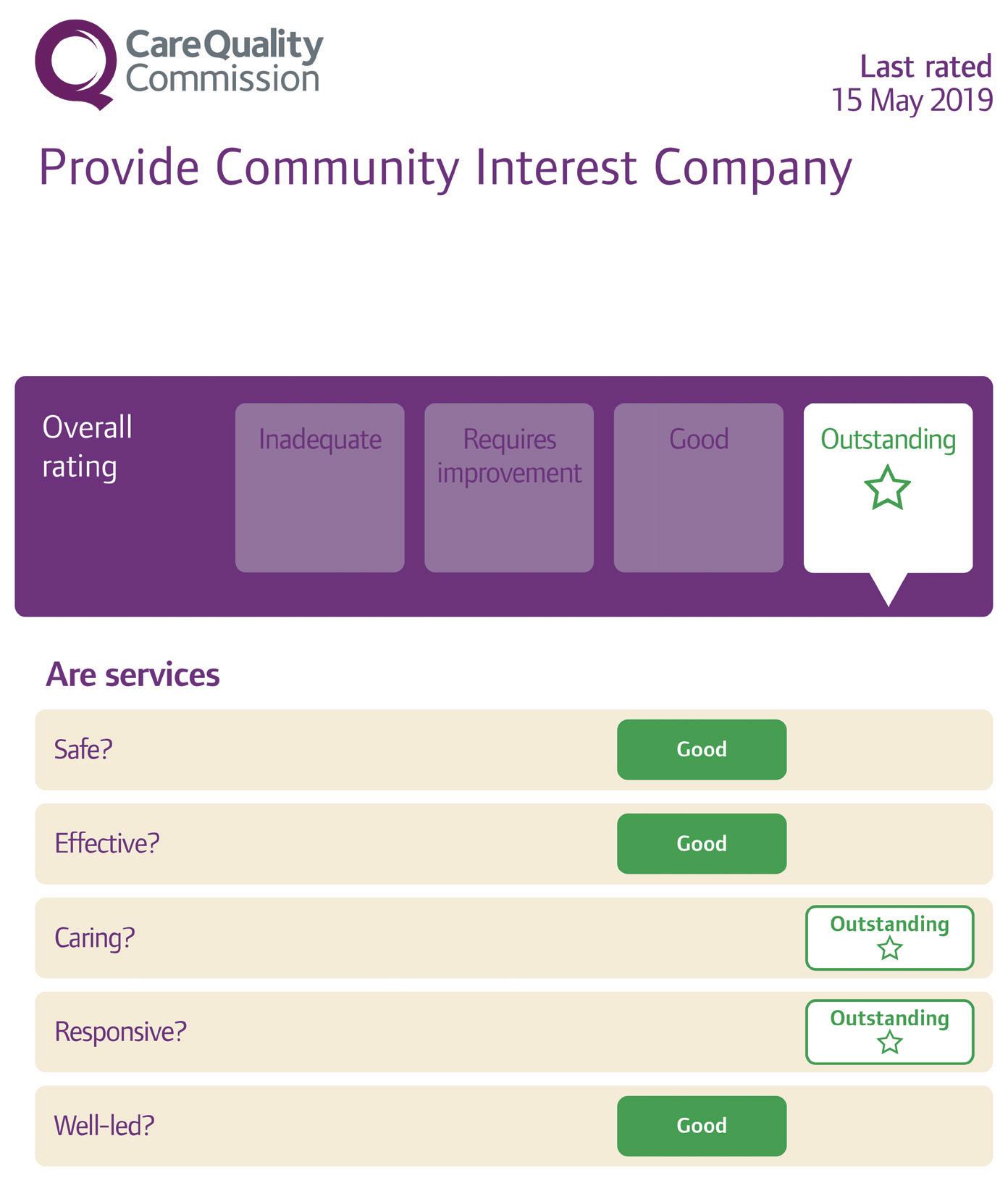
How the CQC Rates Us
Reporting Against Core Quality Account Indicators
In this section, we report our performance against the core quality indicators that providers are nationally mandated to include within their Quality Account.
As a community services provider, a number of these indicators are not applicable to the services we deliver at Provide Community. Where indicators are relevant and reportable, our performance is set out below.
Quality Indicators
(Venous Thromboembolism)
Quality KPI Scorecard
Incident Management System Datix Cloud (DCIQ)
Incident Management System Datix Cloud (DCIQ)
Colleague Engagement Survey
Annual Colleague Engagement Survey
Accuracy of Data
CORE INDICATOR
Percentage of NHS patient records held which includes NHS number and General Medical Practice Code for a patient’s GP practice
PURPOSE
Recording the NHS number and GP details ensures patients can be identified correctly and receive appropriate treatment and information can be provided to their GP to support continuity of care
NHS Data Security and Protection Toolkit (DSPT)
Using this toolkit helps providers measure the quality of the IT data systems, standards and processes used to collect data
Participation in National Clinical Audits
Participation in national clinical audits supports us to assess the quality of care we provide against nationally recognised standards and, where relevant, to benchmark our performance against other NHS providers. These measures are an important source of assurance and helps us to identify areas where further action may be needed to improve the quality and outcomes of our services. Where national clinical audits are relevant to the services we provide, we review our participation and findings carefully to identify learning, support improvement activity and strengthen the quality of care for the people and communities we serve.
During 2025–2026, we reviewed four national clinical audits. As a result of these reviews, where appropriate, we are already taking forward actions to improve the quality of healthcare provided. These include improving Manchester-Oxford Foot Questionnaire (MOXFQ) followup completion, strengthening data accuracy/capture systems and embedding learning from audit findings into service-level improvement plans.
Details of the national clinical audits relevant to our services during the reporting period are set out on the following page.

2025-2026
Number contacts
676,129
Missing GP Code 0.00006%
Missing NHS Number 0.00001%
Provide Community ‘Standards Exceeded’
Sentinel Stroke National Audit Program (SSNAP)
Podiatric Audit of Surgery and Clinical Outcome Measurement (PASCOM-10) Audit for Podiatric surgery
National Diabetic Foot Care Audit (NDFA)
The National Respiratory Audit (NRAP)
National Audit of Inpatient Falls (NAIF)
Kings College London
Royal College of Podiatry
NHS England (formerly NHS Digital)
Royal College of Physicians
Royal College of Physicians

Sentinel Stroke National Audit Programme
Bayman Ward, at Brentwood Community Hospital, and the Early Supported Discharge service participated in the Sentinel Stroke National Audit Programme (SSNAP) during the reporting period. SSNAP is a national clinical audit that assesses the quality of stroke care provided during inpatient care and through the follow-up period and enables services to benchmark performance against nationally recognised standards. Audit data is submitted to the national programme and supports comparative analysis across key domains of stroke care to identify themes, learning and opportunities for improvement. National results are published on a regular reporting cycle.
The service identified limitations in the extent to which the national audit methodology reflects the model of care delivered locally. This has been recognised as a wider national issue, and correspondence from SSNAP outlining these changes has been shared with the Senior Leadership Team at Provide Community.

Podiatric Audit of Surgery and Clinical Outcome Measurement Audit for Podiatric Surgery
The Podiatric Audit of Surgery and Clinical Outcome Measurement (PASCOM-10) is used within podiatric surgery services to record clinical activity and outcomes and to support audit, benchmarking and service improvement. Participation in PASCOM-10 helps services evaluate outcomes, demonstrate effectiveness and contribute to the wider evidence base for podiatric practice.
This is a longitudinal audit. Data collection for the current cycle took place in Quarter 3, and the report will be finalised in early 2026-2027 for presentation through the Quality Review Group.
National Diabetes Footcare Audit
The National Diabetes Footcare Audit (NDFA) enables services caring for people with diabetic foot disease to assess performance against NICE guidance, monitor outcomes and benchmark against peer services. The audit considers structures, processes and outcomes and supports targeted quality improvement across diabetic foot care pathways. Data collection is continuous throughout the year, with annual reporting based on the national cut of submitted data.
It was disappointing that, in the context of service pressures for the reporting period, data submissions were not completed consistently in time for inclusion in the 2024-2025 national audit cycle, and consequently no report is available. This relates to the timeliness of audit data submission rather than any identified reduction in the quality of care provided by the service. Actions have now been taken to strengthen the submission process, including the training of two additional colleagues. Data submissions for 2025-2026 are up-to-date, providing assurance of improved oversight and a positive trajectory of recovery. The 2025-2026 audit report is expected in August 2026 and will be reported through the Quality Review Group from September 2026.
National Respiratory Audit Programme
The National Respiratory Audit Programme (NRAP) is a national clinical audit for England and Wales that aims to improve the quality of care, services and outcomes for people with respiratory disease, including asthma and COPD. It enables participating services to benchmark performance against national standards and uses audit findings to support quality improvement across respiratory pathways, including secondary care and pulmonary rehabilitation. The audit showcases the high-quality care patients received and the information gathered has supported the accreditation of the service.
National Audit of Inpatient Falls
The National Audit of Inpatient Falls (NAIF) is part of the Falls and Fragility Fracture Audit Programme and supports organisations to assess the quality of care provided following inpatient falls resulting in injury. The audit enables participating providers to measure performance against national standards and identify opportunities to strengthen both falls prevention and post-fall care. From 1 January 2025, the audit expanded to include patients aged 65 and over who sustain any fracture, spinal injury or head injury because of an inpatient fall.
This is a newly relevant national audit for Provide Community. Historically, the scope of the audit was less closely aligned to the model of care provided within our community inpatient stroke rehabilitation beds and intermediate care beds for adults who were either following an episode of care in an acute hospital or stepping up from the community by GP referrals. Following the expansion of the audit from January 2025, and local review of its applicability, we have identified NAIF as relevant to our services and have therefore included participation within our audit programme for 2026-2027. Falls prevention and post-fall care are important areas of focus for the organisation and form part of our quality priorities for 2026-2027.
Clinical Audit
Clinical audits form an important part of our arrangements for quality assurance and continuous improvement. They enable us to review clinical practice against agreed standards, policies and evidence-based guidance, and to identify areas where further action may be required to improve the quality, safety and effectiveness of care.

In addition to participation in national clinical audits, we undertake a programme of local clinical audits each year, alongside wider compliance audits and reviews. These activities provide assurance in relation to clinical practice, support learning and help to ensure that improvement of actions is identified, implemented and monitored appropriately.
During 2025-2026 we reviewed 19 local clinical audits and actions identified included improving record keeping and documentation standards, enhancing clinical risk assessment processes, and supporting service teams to use audit findings to drive continuous improvement in patient care and experience.
During 2025-2026 examples of clinical audits completed include:
Service User Falls
National Early Warning Score (NEWS2)
MSK Persistent Pain Outcomes and Patient Experience
Combined Hormonal Contraception
ICT Triage
British HIV Association Clinical
ICT Insulin
IGAS Action Plan
Record Keeping
Minor Operations Test results
MSK Community Appointments Day
Pressure Ulcer Risk Primary or Secondary Evaluation Tool (Purpose-T)
Taking Part in Clinical Research and Evaluation
Research and evaluation play an important role in improving health and care by strengthening the evidence base, reducing uncertainty and supporting safe, effective and person-centred services. Evidence suggests that organisations active in research are more likely to foster a strong learning culture and thereby improve patient experience.
As a community interest company, Provide Community is committed to supporting research, service evaluation and innovation that are relevant to community services, prevention, rehabilitation, integrated pathways and care closer to home. Our Research Policy sets out the governance arrangements for this work, ensuring it is undertaken appropriately and in line with relevant statutory and regulatory requirements.
Our research and innovation priorities align with our focus on prevention, community-based care and digital approaches. Through research, evaluation and innovation, we aim to improve quality, inform service development and support better outcomes for our communities.
Not all activity described below constitutes formal clinical research. However, each project contributes to the development, evaluation or application of evidence in practice and also supports continuous improvement.
During 2025-2026, Provide Community supported the following research studies and evaluations detailed in the table below.

PROJECT
Postdoctoral Research Fellowship
SUMMARY
To support the review and development of existing weight management services in Essex by identifying recommendations to improve their effectiveness and the outcomes achieved for local people.
LEAD PARTNER ORGANISATION
University of Essex
Localised Compression for Ulceration using Strapping (LoCUS)
TELSTAR StudyTelerehabilitation in Stroke Care
LoCUS is a multi-centre service evaluation study examining the use of the Accelerate fan strapping technique in patients with peri-malleolar ulceration. The study aims to assess whether this approach can support improved healing and contribute to the evidence base for effective clinical pathway development. Accelerate CIC
Study exploring how community-based stroke telerehabilitation can be implemented effectively and for whom, to inform recommendations for future practice and support high-quality, equitable rehabilitation in the NHS.
Nottingham University
Novel Motor Rehabilitation Interventions for Post-Stroke Patients
Legacy Practitioners Evaluation
Study to develop and evaluate novel non-invasive brain stimulation approaches designed to support recovery of hand dexterity and upper limb function following stroke, and to contribute to the evidence base for future rehabilitation practice.
Evaluation of the Legacy Practitioner model to assess how additional roles can be optimised within primary care and to support evidence-informed development of the Legacy Nurse model across social care and speech and language therapy.
During 2025-2026, we also promoted research by refreshing our Research and Development strategy, which sets out our vision and approach to research, and we continued our membership of the Mid and South Essex Integrated Care System Research and Innovation Programme Board.
University of Essex
NHSE funded research Anglian Ruskin University
Looking Back: Our Priorities for 2025-2026 and What We Achieved
In our previous Quality Account 2024-2025, we set out our quality priorities for 2025-2026.
This section provides an update on progress against those priorities and describes the actions taken to support improvement, the outcomes achieved and any learning arising from this work. This demonstrates how our quality improvement priorities have been progressed over the course of the year through changing our words into actions.
PRIORITY 1:
Customer Engagement and Involvement
We will continue to develop our customer feedback processes to enable more people to give us feedback and to help us understand the lived experience of all people who use our services, including people from hard-to-reach populations or who experience health inequalities.
WHAT WE ACHIEVED:
Refreshed Friends and Family Test posters and increased visibility across clinic and inpatient settings to make feedback routes clearer and more accessible to patients and service users.
Updated ward welcome leaflets to include clear information on how to give feedback, including contact details and QR codes. These materials were co-designed with patients and families to ensure they are accessible and meaningful.
In partnership with Provide Digital, we streamlined the Family and Friends Test survey layout to make it easier for people to provide feedback and to improve accessibility and ease of use.
Introduced Provide Advice and Liaison Service in October 2025, providing patients, service users and families with a timely and accessible route to raise concerns, ask questions and seek support about their care.
Since June 2025, we have shared three lived experience stories across Provide Community and with the Board, at a rate of one per quarter, helping to ensure that the voices of people using services directly inform learning and improvement, from Board to floor.
Implemented the transition to Dals (formerly DA Languages) enabling services to access interpreting and translation support through the new contract as well as improving accessibility for patients across the communities served by Provide Community.
Delivered three Quality Lunch and Learn sessions for colleagues to increase awareness of the complaints process, strengthen communication and support the early resolution of concerns wherever possible.
Began working with volunteer partners to explore how volunteers can support engagement and feedback, particularly from seldom heard groups and people who may experience barriers to sharing their views. This includes a short session within volunteer induction on the importance of feedback and engagement.
These actions have improved the visibility, accessibility and responsiveness of our feedback processes, while strengthening our ability to hear from a broader range of people, including those from seldom heard communities and those experiencing health inequalities.
PRIORITY 2:
Deteriorating patients – community inpatient and virtual frailty wards
We will review our systems and processes to build our approaches to supporting people experiencing a deterioration in their condition to enhance safety.
WHAT WE ACHIEVED:
Reviewed and strengthened systems and processes to support the early recognition and response to deterioration across community inpatient wards and the Virtual Frailty Ward.
Updated local guidance to support a more consistent approach to identifying, recording, and escalating deterioration.
Strengthened audit and oversight arrangements in relation to NEWS2 and monitoring of deteriorating patients.
Enhanced digital processes to support the recording of observations and clinical decision-making.
Provided additional colleague training to support assessment, escalation and decision-making for deteriorating patients.
Continued daily clinical review processes and multidisciplinary oversight to support early identification of deterioration and timely intervention.
Maintained senior clinical input and coordinated team-based review to support safe, person-centered care for people with complex and changing needs.
Progressed work to strengthen documentation and improve the reliability of clinical recording within inpatient services.
Overall, this work has strengthened the early recognition and management of deterioration across community inpatient and virtual frailty ward services, improving oversight, supporting timely intervention and enhancing patient safety.
PRIORITY 3: Category 4 pressure ulcers (inpatient and community)
We will continue to embed the PURPOSE-T risk assessment process across the organisation and evaluate the impact.
WHAT WE ACHIEVED:
Continued to embed the PURPOSE-T risk assessment process across inpatient and community services so that it became part of routine clinical practice.
Consolidated implementation of PURPOSE-T to support a more consistent approach to pressure ulcer risk assessment, prevention and care planning. Undertook a deep dive to evaluate the impact of PURPOSE-T, which demonstrated varied degrees of embedment, so additional case reviews were undertaken, whilst training and support were mobilised at pace to ensure consistency.
Strengthened assurance in relation to the identification of people at risk of pressure ulcer development and the timeliness of preventative interventions. Supported teams to embed PURPOSE-T within day-to-day practice, helping to improve consistency of documentation and risk management. Used learning from the review process to inform ongoing improvement in pressure ulcer prevention across the organisation.
Overall, this work has helped improve the consistency of pressure ulcer risk assessment and prevention across inpatient and community services, providing greater assurance that patients at risk are identified early and supported with timely, preventative care.

PRIORITY 4: Medication - Insulin Safety
We will review insulin incident themes and trends to identify opportunities to improve safety and quality.
WHAT WE ACHIEVED:
During 2025-2026, we reviewed insulin-related incidents and service processes to identify themes, strengthen clinical oversight and support the safe administration of insulin across community settings.
Undertook a focused review of insulin-related incidents over a six-month period, which identified a very low incident rate of 0.2%, providing assurance regarding the safe management of insulin within services.
The review identified opportunities to further strengthen patient support, education, and safe self-administration of insulin, where this is clinically appropriate and supports greater independence.
Improved engagement with residential care settings to strengthen support for insulin administration, helping to reduce the risk of administration errors and promote continuity of care for patients.
To strengthen insulin safety and clinical oversight, a Community Diabetes Nurse was introduced during 2025-2026, providing specialist expertise to support high-quality, evidence-based practice.
The Community Diabetes Nurse role has helped to:
• support colleagues and patients with safe insulin use and education
• strengthen links between community services and residential care settings
• promote consistent, evidence-based insulin practice
• reduce the risk of insulin-related incidents
Improved the accuracy of insulin patient allocation within Autoplanner, helping to support the timely administration of high-risk medicines and strengthen the safe management of insulin-dependent patients.
These actions have strengthened assurance around insulin safety, improved specialist clinical oversight and supported safer, more consistent insulin management across community services.
Other Ways We Improved Quality and Safety in 2025-2026
In addition to formal governance processes, we have continued to strengthen quality and safety through a range of learning, engagement and improvement initiatives, embedding continuous improvement across everyday practice.
Embedding Learning and Shared Improvement
A strong focus has been placed on embedding a culture of shared learning. Through our Incident Review Panel Learning Bulletin, organisation-wide shared learning events, 19 Quality Lunch and Learn sessions and non-medical prescriber forums. We have supported colleagues to be open, reflect on incidents, apply national guidance and continuously improve care.
This has been further strengthened through our Provide Health Monthly Spotlight newsletter which shares key messages, learning, priorities and good news stories across our Health Directorate teams and the wider organisation, both digitally and printed versions in designated colleague areas, supporting consistent communication and engagement.
Encouraging Innovation
We have continued to foster a culture of innovation, encouraging colleagues to share ideas that can improve quality, safety and experience.
Our Group Chief Executive runs Mark’s Monthly Idea and Innovation Surgery which has continued to run throughout the year, providing a regular and accessible forum for colleagues to bring forward ideas and challenges. This has been well received, with a growing number of suggestions shared, several of which have been developed and implemented in practice.



In addition, the Innovation Tree provides a simple and visible way for colleagues to submit ideas to the Innovation Team. All ideas are reviewed, with consideration given to potential impact, feasibility and return on investment. Teams are also encouraged to share challenges through this route, enabling the Innovation Team to work collaboratively with services to explore creative and practical solutions.
Together, these approaches support a culture where innovation is encouraged, ideas are valued and colleagues are empowered to contribute to continuous improvement across the organisation.

Strengthening Person-centred Care, Inclusion and Safeguarding
We have continued to strengthen our approach to safeguarding, inclusion and person-centred care. This has included piloting a Section 42 panel process to enhance safeguarding oversight, delivering FrEDA (Fairness, Respect, Equality, Dignity and Autonomy) training, and capturing service user stories to ensure lived experience informs service improvement and decision-making.
Improving Access and Clinical Effectiveness: Musculoskeletal Community Appointment Days
We continue to develop innovative service delivery models to improve access to care and patient experience. The Musculoskeletal Physiotherapy Team launched and delivered four Community Appointment Days, holding high-volume clinics in accessible community venues such as local halls and sports clubs.
These events enabled patients to be seen closer to home in a single, coordinated setting thereby increasing accessibility and reducing barriers associated with travel or traditional clinic environments.
Our Community Appointment Days have been designed to support patients to take an active role in managing their condition, with time built in to explore ‘what matters’ to them and to connect with wider prevention and wellbeing services available on site. Alongside musculoskeletal consultations, services such as weight management, smoking cessation and wider lifestyle support were available, creating opportunities to address broader risk factors linked to musculoskeletal health.
A total of 499 patients attended four events which took place in January, April, June and July 2025.
Feedback reflected the positive experience of the model, with comments including:
‘I was impressed by the organisation of the day and how quickly I was seen’
‘I felt listened to’
‘The session exceeded my expectations’.
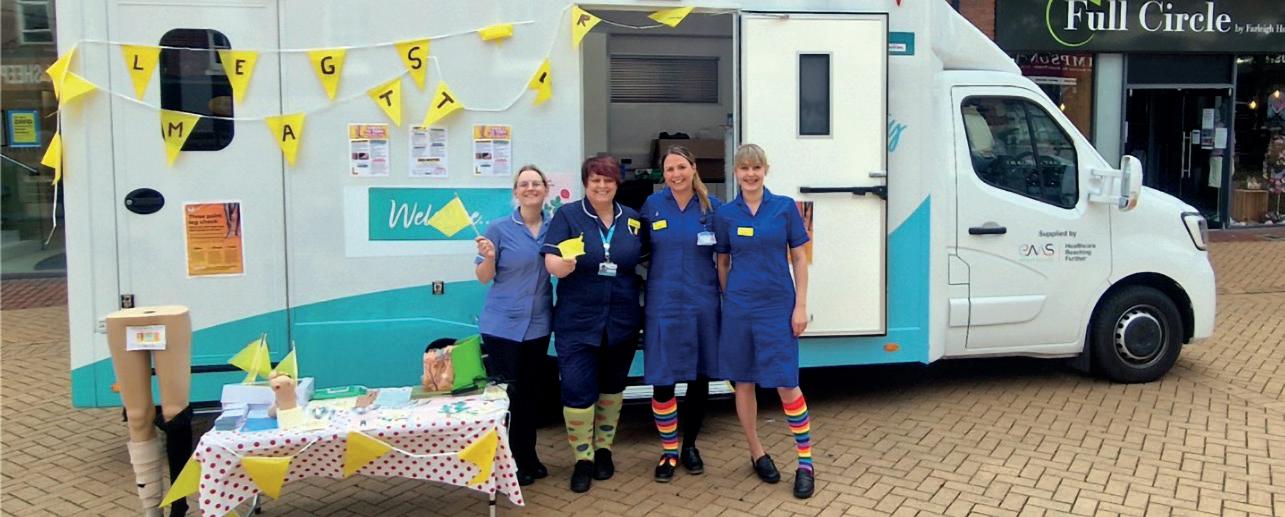
Awareness, Prevention and Patient Safety Campaigns
We have continued to promote awareness, prevention and best practice in patient safety, through targeted outreach activity and the promotion of national campaigns. These initiatives support both colleague awareness and community engagement, contributing to early intervention, prevention and improved health outcomes.
Campaigns supported during the year include:
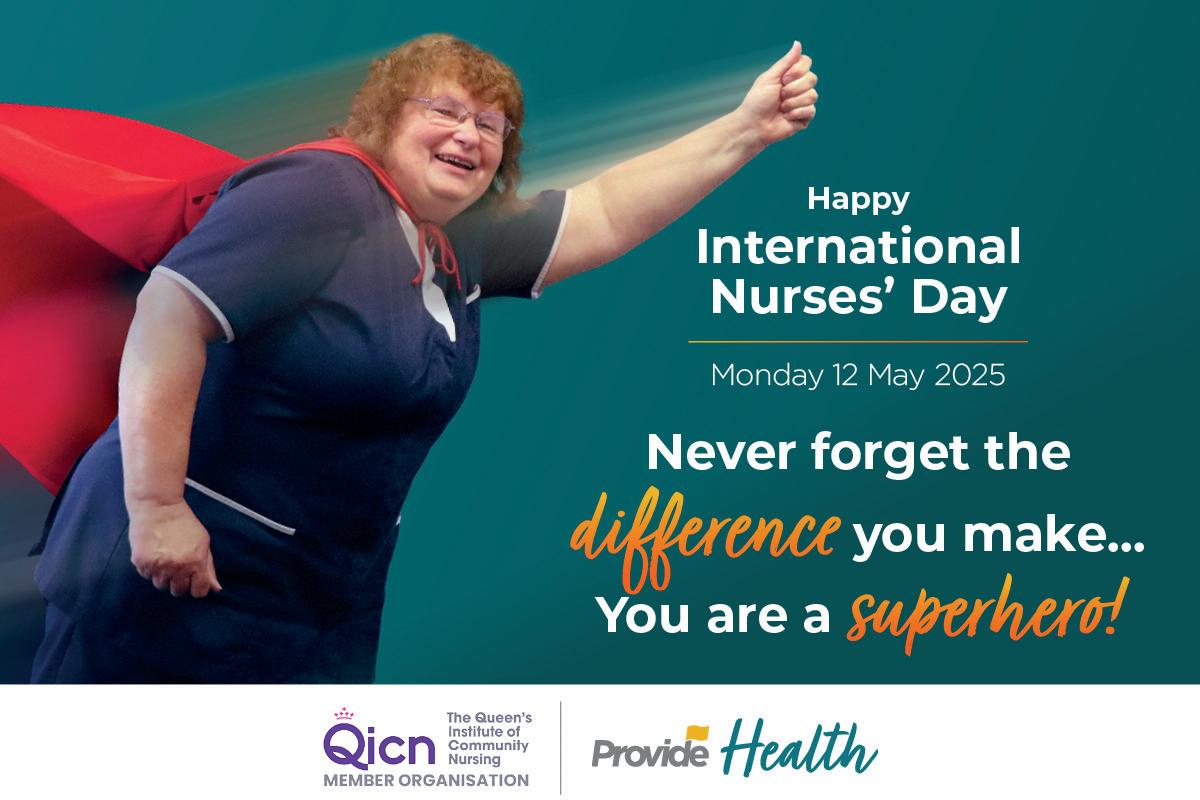
International Nurses Day Pride Month
Legs Matter Week
South Asian Heritage Month
Employee Ownership Day
Allied Health Professionals Day
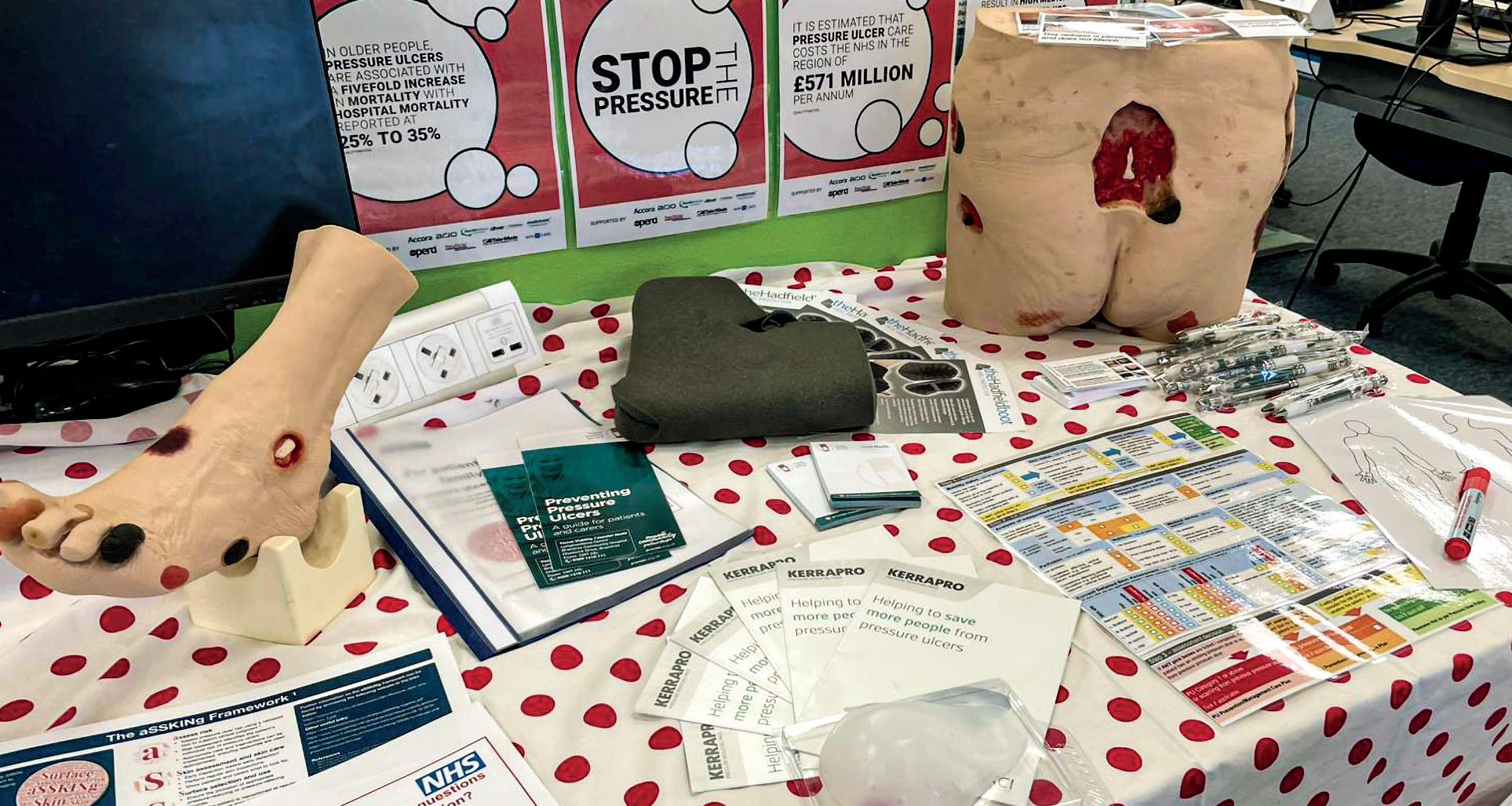
Stop the Pressure Week
World Hearing Day
Lymphoedema Awareness Month
World Autism Acceptance Day and Month

It’s not just my job, it’s my business!
Clinical Collaboration and Professional Development
A number of initiatives have supported clinical effectiveness and service improvement, including the ongoing development of multi-disciplinary forums such as the Allied Health Professionals (AHP) Forum, participation in The Queen’s Institute of Community Nursing learning opportunities and ongoing professional development activity across services.
External Assurance and Accreditation
Our commitment to quality is further demonstrated through external assurance. In 2025, our Respiratory Pulmonary Rehabilitation Service achieved accreditation through the Pulmonary Rehabilitation Services Accreditation Scheme (PRSAS), providing independent validation of high standards of care and clinical quality.
Since April 2025 our Paediatric Audiology service has participated in the NHS England National Review of Paediatric Audiology Services. The service has been assessed as clinically safe and is working in partnership with NHS Essex to ensure services are commissioned to meet future need and continue to deliver high-quality hearing care for children.
Together, these initiatives demonstrate our ongoing commitment to continuous improvement, supporting safer, more effective and more person-centred care for the communities we serve.
Research and innovation, inclusive insulin delivery
A nurse within one of our Integrated Care Teams identified a recurring challenge in supporting housebound patients with type 2 diabetes who require daily insulin injections. Many patients experience mobility, dexterity or sensory difficulties, meaning dosing errors are a risk and daily nurse visits are often required.
In response, Provide Community partnered with Brunel University of London to explore an inclusive design solution. Combining frontline clinical insight with academic expertise in medical device design, the collaboration has progressed from concept to a 3D-printed prototype of a simplified insulin delivery device, designed to reduce dosing error and support safer self-management.
While still at an early stage of development, the potential system impact is significant. Enabling even a proportion of patients to safely self-administer could release substantial community nursing capacity, reduce travel and associated carbon emissions, and improve patient independence and quality of life.
This partnership demonstrates how collaboration with academic institutions can translate frontline experience into research and innovation with long-term clinical, economic and environmental benefit.

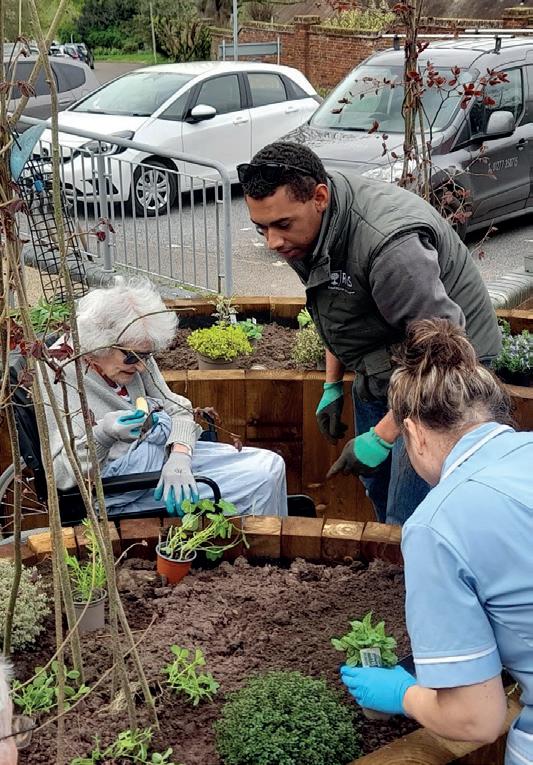
Creating therapeutic green space at Halstead Ward
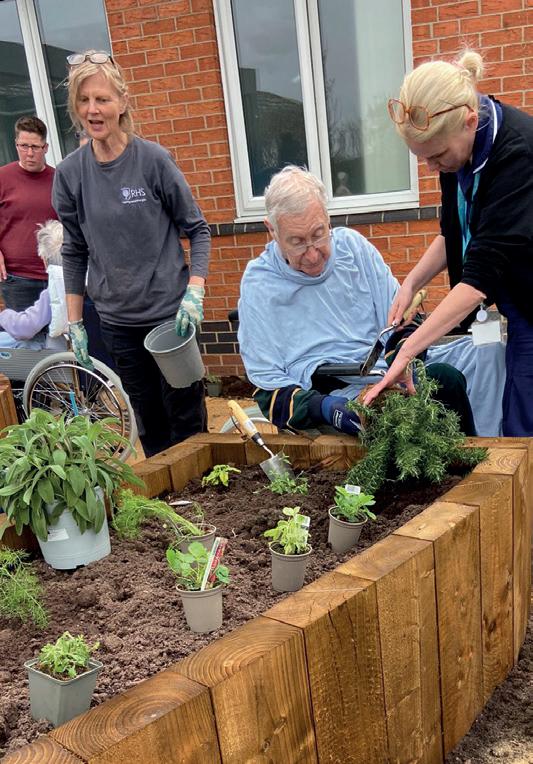
Halstead Ward, a nurse-led rehabilitation unit at Halstead Community Hospital, has developed a therapeutic garden in partnership with Friends of Halstead Hospital and The Royal Horticultural Society, with ongoing maintenance supported by local volunteers.
The garden provides practical outdoor space for both patients and colleagues. It includes seating areas, planting beds and a designated space for colleague reflection. Patients are able to take part in gardening activities such as potting bulbs and growing produce including tomatoes and fennel, which supports their rehabilitation by encouraging movement, routine and time outdoors.
Friends of Halstead Hospital, The Royal Horticultural Society and volunteers also run structured sessions with patients, such as basic horticultural activities and nature-based creative tasks. These sessions offer additional opportunities for engagement and support the wider work of the multidisciplinary team.
The development of this space enables patients to spend time outside in a safe and supported environment and provides a quiet area for colleagues' breaks, aligning with our commitment to enhance and utilise green spaces across our sites.


Looking Forward: Our Priorities for 2026-2027
Our priorities for the year ahead have been identified to support the continued delivery of high-quality care across Provide Community and to contribute to wider improvement within the health and care systems in which we operate.
They reflect our commitment to continuous improvement and focus on the areas most important to maintaining and improving the quality of services for the people and communities we serve.
For 2026-2027, our priorities are centred on the following domains of quality:
Patient Safety
Patient Experience and Customer Engagement
Clinical Effectiveness
OUR PRIORITIES FOR 2026-2027:
1 Medicines safety and assurance
We will strengthen medicines safety and assurance arrangements across Provide Community by reviewing incident themes, learning from audit and inspection activity and implementing targeted improvement actions to support safer medicines optimisation.
2 Co-production
We will embed co-production more consistently across improvement activity so that people who use services, carers and communities are involved in shaping, developing and evaluating the care we provide.
3 Clinical digital application assurance
We will strengthen clinical digital application assurance across Provide Community to support the safe, effective and consistent use of digital tools in care delivery. This will include ensuring that digital applications are subject to appropriate clinical oversight, support safer practice, enable more efficient ways of working and are implemented in line with relevant national standards and expectations. This priority will help ensure that digital innovation is applied in a way that improves quality and service user safety, supports colleagues and benefits the people and communities we serve.
4 Building quality improvement capability
We will work with colleagues across Provide Community to develop and provide practical quality improvement resources, tools and support that enable teams to undertake improvement activity with greater confidence and consistency.

This section presents a review of our quality performance during 2025-2026 against the key quality domains of safe, effective, caring, responsive and well-led. It draws on a range of quality, safety and performance information to provide assurance on the standard of services we deliver, highlight areas of good practice and describe where action is being taken to support further improvement.
review qualityof performance
Statement from our CEO Provide Health and Group Chief Nurse
After another busy year at Provide Community, I am delighted to present our Quality Account 2025-2026 which provides a detailed overview of the quality of care across our NHS health services.
This report highlights the strength of our clinical services and the dedication of our teams in delivering care that is safe, compassionate and person-centred. It also demonstrates how we use data, feedback and learning to be innovative and continuously improve the care we provide.
A key focus during 2025-2026 has been patient safety and clinical effectiveness. We have strengthened our approach to incident management in line with the Patient Safety Incident Response Framework, ensuring that learning is proportionate, system focused and used to improve care. The data presented provides assurance that most incidents result in no or low harm, while identifying areas for further improvement.
We have made important progress in areas such as supporting deteriorating patients in community settings, embedding structured risk assessment approaches, for example PURPOSE-T, strengthening medicines safety, including insulin management, and enhancing infection prevention and control practices.
Patient experience remains strong, with high levels of positive feedback and clear evidence that people are treated with dignity, respect and compassion.
Our workforce continues to be a key strength. Through training, professional development and clinical leadership, we are supporting colleagues to deliver high-quality, evidence-based care and building confident, capable teams.
Looking ahead, we will continue to focus on improving patient safety, patient experience and clinical effectiveness. This includes embedding co-production, strengthening medicines safety and assurance, enhancing clinical digital application assurance and supporting teams through a consistent and practical quality improvement approach.
I would like to thank all colleagues for their professionalism and commitment, and the people who use our services for their feedback and trust. Together, we will continue to improve and deliver the best possible care for our communities.
If you feel that we have not addressed an area of quality that you believe we should focus on, please do get in contact as we are always ready to listen and act on feedback. Our contact details are at the front of this document.
Lucy Wightman CEO Provide Health and Group Chief Nurse

safe Safe
Service users are protected from abuse and avoidable harm.
Incident Reporting
All Incidents Reported: 2025-2026
No harm
Low harm
Moderate harm
Severe harm
All Incidents Reported by Harm Level: 2025-2026
All Incidents Under the Care of Provide Community: 2025-2026
Incidents Under the Care of Provide Community by Harm Level: 2025-2026
An open and responsive approach to incident reporting is essential to delivering safe care and supporting continuous improvement. In line with the NHS Patient Safety Strategy and the Patient Safety Incident Response Framework, we promote a positive safety culture where colleagues feel able to report incidents and near misses, and where learning is used to improve systems, practice and patient safety.
All incidents are reviewed to identify any immediate actions and determine whether further learning is required. In line with the Patient Safety Incident Response Framework, responses are proportionate, with more detailed patient safety learning responses undertaken where incidents are complex, have resulted in harm or indicate potential for significant learning.
During 2025-2026, 99.31% of incidents reported from all sources resulted in no or low harm. 0.66% resulted in moderate harm and 0.03% resulted in severe harm. These severe harm incidents did not occur as a result of care delivered by Provide Community or safety issues. No fatal harm incidents were reported.
For incidents occurring whilst people were under the care of Provide Community, 99.42% resulted in no or low harm and 0.58% in moderate harm.
Incident reporting covers a broad range of areas relating to patient care, service delivery, colleague safety, buildings and property, equipment, supplies, safeguarding and information governance. Our all-incidents data includes incidents recorded as Provide Community source as well as those arising from other organisations.
During 2025-2026, five in-depth patient safety learning responses were completed. Learning from these reviews has informed improvement activity in a number of areas, including:
strengthening the accuracy and timeliness of clinical documentation strengthening SystmOne assessment tools
making greater use of specialist services within Provide Community to deliver bespoke training to teams
strengthening support from the Quality and Safety Team during incident review, including incident handler training strengthening multidisciplinary team (MDT) processes within both the catheter MDT and podiatry MDT
strengthening probation arrangements within identified services, to support new starters to maintain the standard of care delivered by teams
Overall, incident reporting and review during 2025–2026 provides assurance that most reported incidents resulted in no or low harm and that learning continues to be used to support both colleagues and the quality and safety of care. As a health and social care Community Interest Company delivering NHS services, we also recognise the importance of sharing learning beyond our own organisation. In line with the Patient Safety Incident Response Framework, we continue to work with partners across the Mid and South Essex Community Collaborative to better understand whole patient journeys, share learning from incidents and harm themes, and support wider improvements in patient safety, quality of care and system working.
Service User Falls
No harm
Low harm
Moderate harm
Service User Falls
Occurred Under Provide Community’s Care by Harm Level: 2025-2026
Falls remain an important patient safety consideration within community inpatient and community services, particularly for people who are older, frail or living with complex needs.
We take a person-centred approach to falls prevention including risk assessment, care planning and targeted interventions to reduce avoidable harm while supporting independence and mobility. However, the risk of falling cannot always be fully eliminated, especially for people with higher levels of frailty or complexity.
During 2025-2026, 99.37% of reported falls resulted in no harm or low harm. One fall resulted in moderate harm and was reviewed in line with the Patient Safety Incident Response Framework to identify any learning and determine whether the harm arose from care delivery or patient safety issues. At the time of reporting, this review remained in progress.
We reported fewer falls across all services compared with 2024-2025. The inpatient falls rate was 6.03 falls per 1,000 bed days, below the reported national benchmark of 6.63. As recognised nationally, falls rates should be interpreted with caution and used primarily to understand local trends, as variation can reflect differences in case mix, environment and reporting culture.
Overall, this data provides assurance that most falls resulted in no or low harm in 2025-2026, while highlighting the continued importance of falls prevention and post-fall review in supporting safe, person-centred care.
Pressure Ulcers
Category 2
Category 3
Category 4 Mucosal Pressure Ulcers Reported by Organisation Delivering Care: 2025-2026
Pressure Ulcers Occurred Under Provide Community’s Care by Nature of Pressure Ulcer: 2025-2026
Pressure Ulcers Occurred Under Provide Community’s Care by Harm Level: 2025-2026
Provide Community Mean Under Provide Community’s Care All Organisations

Pressure ulcers are localised damage to the skin and/or underlying tissue caused by pressure, or pressure in combination with shear. They are more likely to occur in people with limited mobility, frailty, malnutrition, cognitive impairment or an existing history of pressure damage. We use structured risk assessment and preventative care planning to identify those at risk and support timely intervention, including the PURPOSE-T assessment process. We continue to report and review pressure ulcers in line with the National Wound Care Strategy Programme approach. This includes the use of updated categorisation and terminology, with changes to how some pressure ulcers are classified and the inclusion of mucosal pressure ulcers, which can occur on mucous membranes and are often associated with medical devices.
Pressure ulcers account for a significant proportion of reported incidents, as we record those present on admission as well as those that develop or progress under our care. During 2025-2026, 57.85% of reported pressure ulcers were present on admission or first assessment, while 36.47% developed or progressed whilst under our care.
All pressure ulcers reported as developing or progressing under our care are reviewed to access whether there were any issues relating to care delivery, patient safety or clinical management. In most cases, care was found to be appropriate and safe, with contributing factors more commonly linked to frailty, disease progression or the complexity of the person’s condition. In some cases, people may also choose not to use the equipment provided or may decline elements of advice intended to reduce risk. National patient safety policy recognises the importance of proportionate, system-based review and learning where incidents occur.
During 2025-2026, 99.89% of pressure ulcers reported as occurring under our care resulted in no or low harm. 0.11% resulted in moderate harm, and no severe or fatal harm incidents were reported.
Throughout the year, Provide Community continued to embed the changes introduced through the National Wound Care Strategy Programme and to strengthen the use of PURPOSE-T. Category 2 and above pressure ulcers were reviewed through local and organisational processes, including the Incident Review Panel and, where appropriate, a Patient Safety Incident Review. Learning has been shared across teams to support ongoing improvement.
Overall, this pressure ulcer data for 2025-2026 provides assurance that the vast majority of reported pressure ulcers resulted in no or low harm, and that risk assessment, review and shared learning continue to support the prevention and management of pressure damage across services.
Medication Safety
Medication Incidents Occurred Under Provide Community’s Care: 2025-2026
Medication Incidents Occurred Under Provide Community’s Care by Harm Level: 2025-2026
Medicines safety is an important part of our patient safety and quality governance arrangements. We report and review all medication-related incidents, including those relating to prescribing, supply, administration and storage, to identify learning and strengthen practice.
During 2025-2026, reporting of medication-related incidents increased, reflecting a positive reporting culture. When considered alongside overall activity, incident levels remain low. Of all medication-related incidents reported, 99.4% resulted in no or low harm. One incident was recorded as moderate harm and review concluded this was not attributable to care delivery or a medicines safety systems issue and downgraded to no harm. No medication incidents resulted in severe harm or death.
Our Pharmacy Team reviews all medication safety incidents, identifying themes and trends where similar incidents occur. This supports the identification of system-wide learning, which is shared across teams to reduce the risk of recurrence. The team works alongside services to provide guidance, training and clinical support to strengthen safe medicines practice, in line with national expectations.
Targeted medicines safety work during 2025-2026 supported improvements in quality and care. A focused review of insulin-related incidents over a six-month period identified an incident rate of 0.2% across 18,000 administrations, providing assurance while highlighting opportunities to further strengthen patient support and promote safe self-administration where clinically appropriate.
We also continued to support medicines optimisation through multi-disciplinary team working and prescriber review, enabling timely clinical decision-making and appropriate deprescribing.
Overall, these arrangements provide assurance that medicines-related incidents remain low and that learning continues to support safer, more effective care. However, medicines safety remains a key area of focus to ensure we continue learning and enable safer systems to strengthen patient safety. Opportunities identified through internal review and external feedback, including CQC recommendations, highlight the need to further strengthen learning, improve consistency in practice and enhance medicines optimisation. This will inform our targeted improvement work during 2026-2027.


Infection Prevention and Control

Infection Prevention and Control is an important part of our quality and patient safety arrangements. Our Infection Prevention and Control Team provides specialist advice and support across the organisation and works closely with the Director of Quality, Director of Infection Prevention and Control, and Consultant Microbiologist to ensure effective systems are in place to prevent and manage infection risks. This work supports compliance with the Health and Social Care Act 2008 Code of Practice on the prevention and control of infections and related guidance and is informed by the National Infection Prevention and Control Manual for England, which should be adopted in NHS settings and settings where NHS services are delivered.
The Infection Prevention and Control Team supports services through policy development, training, audit, surveillance and incident review, helping to identify learning and strengthen practice across Provide Community.
Infection Prevention and Control Link Practitioners
Infection Prevention and Control Link Practitioners play an important role in supporting safe care across services, acting as local points of contact to promote good practice and support audit and service improvements. During 2025-2026, link practitioners were supported through regular forums and an annual conference, which included updates on decontamination, healthcare-associated infection and the management of seasonal infections such as norovirus and influenza.
97 % of eligible colleagues have completed Infection Prevention Training Level 1
Infection Prevention Training
All colleagues at Provide Community complete infection prevention training at corporate induction and undertake regular refreshers in line with the organisation’s mandatory training arrangements. Training is aligned to the NHS Learning Framework which sets out minimum learning outcomes, refresher frequency and links to relevant legislation and expert guidance for healthcare employers. In addition to core training, the Infection Prevention and Control Team support services with respiratory protective equipment fit testing, prioritising essential services to support preparedness and safe service delivery where there may be increased risk from respiratory infection.
94 % of eligible colleagues have completed Infection Prevention Training Level 2
The Infection Prevention and Control Team provide advice on the safe management of the care environment, including service mobilisation, water safety and cleaning standards. This is in line with national infection prevention and control guidance, which requires standard infection control precautions to be used by all colleagues in all care settings, and with the National Standards of Healthcare Cleanliness 2025. These standards include mandatory requirements for cleaning and assurance. Compliance is supported through a regular infection prevention and control audit programme, alongside service visits and ongoing support.


Infection Prevention Incidents
The Infection Prevention and Control Team maintains oversight of infections of concern and works with services to identify learning and reduce risk.
During 2025-2026, one case of Clostridioides difficile was identified within a community hospital ward. Review found no issues with care delivery, and medicines use was accessed as clinically appropriate. Learning from the case identified an opportunity to strengthen sampling practice, including stopping laxatives, where appropriate, in the 48 hours prior to sample testing.
Within community nursing services, a cluster of Group A Streptococcus wound infections were identified across a localised geographical area, involving other care providers and a shared care home setting. In collaboration with the local Health Protection Team, enhanced infection prevention and control measures were implemented, including enhanced swabbing, reinforced hand hygiene and decontamination measures, appropriate use of personal protective equipment and ongoing surveillance. These actions supported effective oversight and helped to reduce the risk of further spread.
COMMUNITY HOSPITAL WARDS
BAYMAN WARD, BRENTWOOD COMMUNITY HOSPITAL
HALSTEAD WARD, HALSTEAD COMMUNITY HOSPITAL
INFECTION SURVEILLANCE ORGANISM OF CONCERN 2024-2025 2025-2026
MRSA Bacteraemia
(Methicillin Resistant Staphylococcus aureus)
MSSA Bacteraemia
(Meticillin-Sensitive Staphylococcus aureus) C Diff (Clostridioides difficile)
E Coli (Escherichia Coli)

Safeguarding
Safeguarding is a core part of safe, effective and person-centred care. We are committed to protecting children, young people and adults at risk from abuse, neglect and exploitation, and promoting a culture where safeguarding is everyone’s responsibility.
In line with our statutory responsibilities, where we are concerned that a person in our care may be experiencing abuse or neglect, we make referrals to the relevant Local Authority, which has lead responsibility for coordinating safeguarding enquiries and taking action where required.
Safeguarding Activity
Children Safeguarding
No. referrals made by Provide Community NHS services concerning individuals or other providers of care
During 2025-2026, 40 children’s safeguarding referrals were made, compared with 28 in 2024-2025, reflecting the complexity of cases being managed across our services. Common themes included neglect, vulnerability and missed appointments.
The Safeguarding Team continues to provide advice, guidance and supervision to support colleagues managing complex safeguarding cases. No specific organisational learning actions were identified for Provide Community from children’s safeguarding referrals this year.
Adult Safeguarding
Number of referrals made by Provide Community NHS services concerning individuals or other providers of care
Number of referrals raised by others against Provide Community services 17 20
During 2025-2026, 257 adult safeguarding referrals were made, compared with 192 referrals in 2024-2025. A total of 20 referrals were raised against us, 10 of which were self-reported in relation to people receiving our care. All safeguarding concerns relating to our services were reviewed to assess the quality and safety of the care provided.
No children or adult safeguarding incidents reviewed during 2025-2026 resulted in severe harm or death. Reviews confirmed care was appropriate, with some learning identified to further strengthen practice and improve and support safer outcomes for our service users.
Learning from safeguarding activity is embedded into practice through: planned and responsive supervision to support discussion of trends and complex cases targeted communications, including bulletins and internal updates group-wide messages through weekly updates, the intranet and colleague awareness tools inclusion in quarterly safeguarding reports to provide governance oversight and assurance lunch and learn sessions sessions on ‘An Afternoon with the Quality and Safety Team’ reviews of safeguarding packing packages
Key Themes from Safeguarding Activity
Key themes identified through adult safeguarding activity during 2025-2026 included neglect and self-neglect, situations where people declined care or elements of care, and abusive, racist or discriminatory behaviour towards colleagues. These themes are consistent with national trends, where neglect and self-neglect remain among the most reported risks, and where abuse and discrimination towards colleagues continue to be recognised across health services.
We have seen an increase in cases involving self-neglect, often linked to people with complex and multiple needs. Work has continued with colleagues and system partners to strengthen how we assess and respond to situations where people decline care or aspects of care, with a focus on professional curiosity, partnership working, proportionate risk assessment and person-centred decisionmaking. This supports a balance between individual autonomy and safe care, with timely escalation where risks increase.

Training and Supervision
Safeguarding training is aligned to role requirements and the degree of contact with children, young people and adults at risk, in line with the organisation’s training needs analysis, guided by the relevant intercollegiate safeguarding documents and local safeguarding partnership requirements. Maintaining a well-trained and well-supported workforce is a key part of our safeguarding assurance work.
During 2025-2026, safeguarding training compliance remained high across the organisation, with strong levels of completion across both adult and children’s safeguarding training requirements.
SAFEGUARDING TRAINING AND SUPERVISION COMPLIANCE 2025-2026

Our Level 4-trained Safeguarding Team continues to provide and develop a more flexible and responsive model of specialist advice, training and support to colleagues through group sessions, one-to-one support and service engagement. This enables reflective discussion, case-based learning and support for colleagues managing complex safeguarding situations.
Safeguarding supervision is an important part of our safeguarding arrangements. It provides colleagues with time and support to reflect on safeguarding practice, discuss complex concerns and strengthen decision-making. This promotes professional curiosity, supports colleague wellbeing and provides assurance that safeguarding practice remains safe, effective and person-centred.
Supervision is delivered through a range of formats to support accessibility, including face-to-face and virtual sessions, group supervision and one-to-one support. A structured annual programme is in place, with sessions delivered quarterly alongside additional ad hoc opportunities where required. This flexible approach is designed to support colleagues across services to access supervision in a way that meets their needs.
Although the 95% KPI for safeguarding supervision was not met, performance improved during the reporting period. Work is ongoing to further strengthen access to supervision and improve the recording of both formal and informal sessions, recognising that this has been a contributing factor. Safeguarding supervision will remain an ongoing area of focus, supported through strengthened governance arrangements, improved data quality and continued actions to enhance oversight, access and compliance.
effective
Effective Competent Colleagues Fit to Practise
Patient care, treatment and support achieves good outcomes, helps you to maintain quality of life and is based on the best available evidence.
Having a competent, skilled and supported workforce is fundamental to the delivery of safe, effective and high-quality care.
We require colleagues to complete a range of mandatory training, appropriate to their roles within the organisation, and we monitor compliance, with training updates, to ensure that essential competencies are maintained.
Dementia Awareness
Oliver McGowan Training
Display Screen Equipment
Basic Life Support and Anaphylaxis
Listen Up (Freedom to Speak Up)
training for line managers
‘Freedom to Speak Up’ (Whistleblowing)
Health and Safety
Moving and Handling
99 % of colleagues have completed the Freedom to Speak Up (Whistleblowing) training
Conflict Resolution
Patient Safety
Safeguarding
Infection Prevention
Equality and Diversity
Preventing Radicalisation
Information Governance
Fire Safety
2025-2026 saw the launch of three new mandatory training modules including:
1 Positive Approaches to Behaviour and Safer De-escalation
2 Sexual Harassment for colleagues and line managers
3 Oliver McGowan Learning Disability and Autism Tier 2 Training
2025-2026
Alongside mandatory training, we are committed to supporting colleagues to develop their skills, knowledge and confidence through wider learning, training and development opportunities. We like to see our colleagues grow and thrive in their role and we hope that many will go on to work in more senior roles across Provide Community. This also helps to strengthen professional practice, support career development and build organisational capability for the future, so that our workforce can continue to meet the changing needs of the people and communities we serve.
During 2025-2026, a total of 461 colleagues attended 144 separate training and development sessions. These sessions supported the delivery of safe, effective and person-centred care across a range of clinical and professional practice areas.
Examples of training and development provided during 2025-2026 include:
Clinical procedures and technical skills
Catheterisation
Catheterisation refresher and Tieman tip catheter training
Digital rectal examination
Venepuncture
Enteral feeding update
Medicines management and administration
Transcribing
Syringe pump
Vitamin B12 administration
Enoxaparin administration
Level 1 medication reconciliation
Bespoke training for carers on Trulicity injection administration
Deterioration, frailty and assessment
NEWS2 training
Frailty awareness
End of life care and personalised care planning
Nurse verification of expected adult death
Advance care planning
Emergency response and patient safety
Anaphylaxis: adrenaline injection administration
Education, supervision and workforce development
Pre-registration student induction
Standards for Student Supervision and Assessment (SSSA) training
Professional Advocate (previously known as Professional Nurse Advocate, PNA)
Together, these training and development opportunities have supported colleagues to maintain and enhance competence, respond to evolving service needs and continue delivering high-quality care across Provide Community.

Professional Training and Apprenticeships
Provide Community offers a range of apprenticeship opportunities across clinical and non-clinical roles, enabling colleagues to combine practical experience with recognised professional qualifications. This supports workforce development, succession planning and the continued delivery of responsive services for the people and communities we serve.
During 2025-2026, Provide Community supported 26 colleagues within the Health Directorate to undertake apprenticeship programmes. Of these, 13 colleagues successfully completed their qualifications during the year, with the remainder continuing their studies into the next academic year.
Apprenticeship programmes successfully completed during 2025-2026 include:
Assistant Practitioner (Occupational Therapy) – 1 colleague
Assistant Practitioner (Registered Nurse) – 3 colleagues
Assistant Practitioner (Speech and Language Therapy) – 1 colleague
Operations or Departmental Manager – 1 colleague
Speech and Language Therapist – 1 colleague
Nursing Associate – 1 colleague
Occupational Therapist – 1 colleague
Registered Nurse – 3 colleagues
Physiotherapist – 1 colleague
These programmes continue to support career progression, strengthen professional capability and build workforce capacity across the organisation, helping to ensure Provide Community remains well placed to meet current and future service needs.
Continued Professional Development
Alongside mandatory training and apprenticeships, we support colleagues to access continuing professional development (CPD) opportunities that strengthen the knowledge, skills and capability needed to deliver safe, effective and personcentred care. This is an important part of maintaining professional competence, supporting service quality and ensuring our workforce is equipped to respond to the changing needs of the people and communities we serve.
During 2025-2026, Provide Community supported colleagues across the Health Directorate to undertake a range of clinical and non-clinical CPD activity. These development opportunities helped to enhance specialist knowledge, strengthen professional practice and support the delivery of high-quality care across services.
Examples of CPD supported during the year include:
University modules, including Clinical Assessment Skills and Non-Medical Prescribing
Postgraduate Diploma in District Nursing
MSc in Advanced Clinical Practice
Lymphoedema Assistant Rehabilitation Programme
Spasticity Management: A Multidisciplinary Approach
Combined ADI-R and ADOS-2 Certified Training
Introduction to Thermoplastic Splinting of the Upper Limb in Neurological Conditions
Parkinson’s Disease Warrior Level 1, 2 and 3 training
Supervision Skills training for Safeguarding (Child Protection and Adults at Risk)
Alongside this, two colleagues from the Health Directorate completed non-clinical CPD courses during 2025-2026, supporting wider professional development and organisational capability.
Overall, these opportunities have supported the development of specialist expertise, strengthened professional practice and helped ensure the organisation remains well placed to deliver safe, effective and responsive care.

Supporting Students
Supporting pre-registration students is an important part of maintaining a sustainable, skilled and future-ready workforce. By providing high-quality placement learning, supervision and practice-based support, we help contribute to the development of the future health and care workforce, while also strengthening learning and professional practice across our services.
During 2025-2026, Provide Community supported a total of 215 pre-registration students across nursing, allied health professional and medical programmes, equating to 1,026.2
weeks of supervised learning. This compares with 243 students and 1,097 weeks of supervision in 2024-2025. We would like to recognise the commitment of our clinical teams, who provide the supervision, support and learning opportunities that enable students to develop the knowledge, skills and professional behaviours required for safe and effective practice.
Provide Community delivered three pre-registration nursing student induction events during the year for students from the University of Essex and Anglia Ruskin University and this approach will continue for each university intake. These sessions are designed to welcome students to Provide Community, introduce them to the organisation and placement environment, address any initial questions or concerns, and support a positive learning experience from the outset. A student welcome handbook is also shared in advance of induction.
pre-registration students supported 215 weeks of supervised learning provided to students 1,097
Pre-registration Students Placed 2025-2026
During 2025–2026, we continued to support the transition of students into our workforce. From a cohort of 40 third-year student Nurses and 15 Allied Health Professionals’ students placed during the year, 12 Newly Qualified Nurses and seven Allied Health Professionals were successfully appointed into substantive roles across services including respiratory, integrated care teams and therapy services. In addition, three colleagues progressed into qualified roles through internal apprenticeship routes.
Many of these colleagues had previously undertaken placements with Provide Community and chose to return following positive learning experiences, demonstrating the value of high-quality placements in supporting recruitment and retention.
Colleagues also supported a range of external engagement activity, including university recruitment events and careers outreach programmes for school students, helping to promote careers in community health services and support the development of the future workforce.


Provide Leadership Academy
During 2025-2026, the organisation continued to invest in leadership development as part of building workforce capability for the future. This included the launch of the Provide Leadership Academy, with 11 delegates in the first cohort, including six from the Health Directorate. A second cohort of 12 colleagues have been confirmed for 2026-2027, with a further six colleagues from the Health Directorate participating.
An introductory leadership development programme, Provide Stepping Stones, is also due to commence in June 2026, supporting colleagues at an earlier stage of leadership development. 23 colleagues will be taking part in the first year of this programme, with eight participants from the Health Directorate.
These programmes contribute to the development of leadership capacity across the organisation and support the continued delivery of well-led services.



'Learning and Development' Week 2025
'Learning and Development' Week took place in May 2025, providing colleagues with dedicated time to develop skills, share knowledge and reflect on how they work together to deliver high-quality care. The event attracted a total of 2,027 bookings, with many more then accessing recordings where they were unable to attend live sessions. Over 15 learning sessions were delivered across the week based on a programme schedule.
The programme offered a wide range of accessible learning opportunities, including workshops, keynote sessions and interactive activities. Delivered by a mix of internal and external speakers the week offered both practical and reflective learning opportunities. Topics included psychological safety, leadership and management, critical thinking, innovation, digital skills and personal development, ensuring there was something relevant for colleagues across all roles and services.
The week also included a Learning and Development Awards event, recognising colleagues’ commitment to learning and development and reinforcing a culture of continuous improvement.
Feedback from colleagues was consistently positive, with many highlighting the value of the diverse programme, the practical application of learning and the opportunity to engage with new ideas. Colleagues described the week as ‘helpful and informative’, ‘engaging and insightful’ and an ‘excellent opportunity to learn new skills and apply them in day-to-day work’.
'Learning and Development' Week supports a positive learning culture across Provide Community, enabling colleagues to continuously develop their skills and behaviours. This contributes to improved teamwork, communication and capability as well as supporting the delivery of safe, effective and compassionate care.
Professional Advocates
We have continued to develop our Professional Advocates, in line with the NHS England Professional Nurse Advocate programme and the A-EQUIP model. Through restorative clinical supervision, our Professional Advocates provide protected time and space for reflection, support and professional development for registered nursing colleagues. This supports colleague wellbeing, strengthens clinical leadership and contributes to continuous improvement in the quality and safety of care for patients. Our Professional Advocates offer regular group sessions as well as one-to-one support for colleagues who would benefit from a more individual and confidential discussion. They have also developed networks with Professional Advocates in other organisations and attend events such as the East Region Professional Advocates Conference and Making Professional Advocates Sustainable: Learning, Supporting and Growing Together to maintain and further develop their knowledge and skills. This reflects our commitment to supporting our workforce and strengthening the delivery of high-quality, safe and compassionate care across our community services.

Information Governance
We are committed to looking after the information that people share with us and to maintaining the trust placed in our services.

96 % of colleagues compliant with: Information Governance Training
Information governance is the way we ensure personal and confidential information is handled lawfully, fairly, securely and appropriately, in line with the UK GDPR, the Data Protection Act 2018, the Caldicott principles and the requirements of the NHS Data Security and Protection Toolkit. We have a robust information governance framework in place, with clear accountability through our Senior Information Risk Owner, working closely with our Head of Information Governance and Data Protection Officer, Caldicott Guardian and Director of IT Services.
We recognise that threats to information and information systems continue to evolve, and we therefore keep our arrangements under regular review through monitoring, policy updates and system checks to help keep information safe and support high-quality care. During the year, we also implemented MetaPrivacy, a more user-friendly platform designed to support data protection compliance and help colleagues identify and manage privacy risks more effectively, while strengthening awareness and accountability across the organisation.
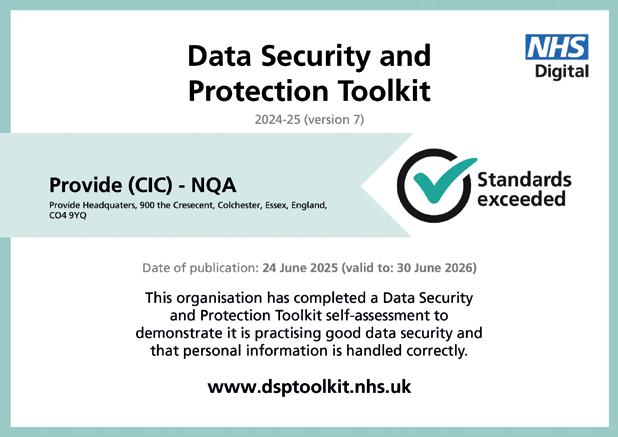
Data Security and Protection Toolkit
We complete an annual self-assessment against the NHS Data Security and Protection Toolkit which measures performance against the National Data Guardian’s 10 data security standards and is a key way of demonstrating good data security and the appropriate handling of personal information. In our most recent submission in June 2025, Provide Community achieved a rating of ‘Standards Exceeded’ and we are working to maintain this level in our June 2026 submission. Alongside this, we continue to maintain ISO/IEC 27001:2022 certification for Provide Community Interest Company (IT and Child Health Information Services/CHIS). ISO/IEC 27001:2022 is the internationally recognised standard for information security management systems and supports a structured approach to managing information risk, strengthening cyber resilience and promoting continual improvement. Together these arrangements provide assurance that we have robust systems in place to protect information and support the safe delivery of care.
Information Governance Incidents
We record and review all information governance incidents involving the handling, use or storage of personal information so that appropriate action can be taken, lessons can be learned and improvements made where needed. All incidents are risk assessed and, in cases where a personal data breach is likely to result in a risk to the rights and freedoms of individuals, are reported to the Information Commissioner’s Office in line with legal requirements. Where appropriate, investigations are undertaken to identify any learning and to strengthen our systems, processes and practice. National guidance is clear that not every breach must be reported to the Information Commissioner’s Office, but organisations must assess the risk to individuals’ rights and freedoms, document their decisions and notify affected individuals without undue delay where the risk is high.
To help minimise the risk of incidents occurring, our colleagues complete mandatory information governance training when they join the organisation and undertake annual refresher training thereafter. During 2025-2026, we also continued to promote good practice and raise awareness through a range of communication and engagement methods, including all colleague bulletins, our Information Governance Champions Network, information governance newsletters and computer lock-screen messages. This reflects the national expectation that organisations take an effective and proportionate approach to colleague awareness and cyber security training, using a range of methods suited to their workforce and services. We are also developing an in-house anti-phishing tool to complement our existing NHSE simulated phishing exercises, enabling us to run more sophisticated campaigns and respond to increasingly advanced cyber threats.
Emergency Preparedness, Resilience
and Response
Emergency preparedness, resilience and response (EPRR) refers to our ability to maintain safe care during disruption, emergencies, and major incidents. As a provider of NHS-funded services, we are required to have effective arrangements in place to prepare for, respond to, and recover from such events, while maintaining services for patients.
Provide Community undergoes annual emergency preparedness, resilience and response assurance led by NHS Essex Integrated Care Board, formally Mid and South Essex Integrated Care Board at the time of the 2025-2026 assurance process. During the 2025-2026 assurance cycle, we were assessed as fully compliant, achieving 100% compliance against the relevant NHS Core Standards.
The assurance process confirmed that robust arrangements are in place, including effective risk assessment, maintained plans and regular testing and exercising to support organisational preparedness. The review also recognised strong organisational oversight and leadership supporting preparedness across services provided by the Chief Executive of Provide Health and Accountable Emergency Officer.


caring Caring
Colleagues involve patients and treat them with compassion, kindness, dignity and respect.
Engagement and Feedback
Listening to and learning from the experiences of people who use our services is central to how we assure and improve quality. As a community interest company, understanding the views of patients, families and carers helps shape how we design, deliver and improve care.
During 2025-2026, we strengthened our approach to engagement and patient experience, including through the appointment of a Quality and Engagement Manager to support more coordinated oversight of feedback and learning. We gather feedback through a range of routes, including the Friends and Family Test, complaints, compliments, patient stories and wider engagement activity, helping us understand what is working well, where improvements may be needed and how lived experience of care can inform service development.
Improvements during the year included the introduction of a Provide Advice and Liaison Service process, updates to ward welcome leaflets, to provide clearer information about how to give feedback, and refreshed Friends and Family Test materials to make feedback more accessible. NHS England guidance supports the use of the Friends and Family Test as an important source of feedback and highlights the value of triangulating Friends and Family Test, Provide Advice and Liaison Service and complaints information to identify priorities for improvement.
Overall, our approach to customer engagement continues to strengthen how we listen to, learn from and act on feedback, ensuring the voices of people who use our services remain central to quality improvement and service development.


Friends and Family Test
The Friends and Family Test is an important source of patient feedback and supports the principle that people who use NHS-funded services should have the opportunity to comment on their experience of care.
During 2025-2026, we improved the survey platform and question design to make it more accessible and easier to use.
During the year, 98% of respondents reported a good or very good overall experience of Provide Community services, compared with 96% in 2024-2025, this remains above the national community services benchmark of 94%.
Additional feedback measures part of our local Friends and Family Test questions showed:
99% felt treated with dignity and respect
98% said care felt personal and met their needs
94% felt involved in their care planning and goal setting
Within inpatient services, the Friends and Family Test is further complemented by the ward safety survey, which provides additional insight into people’s experience of care on the ward. Feedback from this survey showed:
98% felt safe on the ward
97% would recommend the ward to family and friends if they were unwell
98% felt listened to
100% felt treated with dignity and respect
Together, these findings provide strong assurance regarding the quality, safety and person-centred approach to care across our inpatient services.

friends & family
Overall, our Friends and Family Test findings provide strong assurance of positive patient experience across Provide Community services and continue to support local learning and improvement by highlighting the aspects of care that matter most to people using our services.
and Family Test
Complaints
Complaints are an important source of feedback and form a key part of how we understand, learn from and improve the experience of people who use our services. In line with the Local Authority Social Services and National Health Service Complaints (England) Regulations 2009 and the NHS Complaint Standards, we aim to respond to concerns in an open, fair and proportionate way, focusing on early resolution where appropriate, clear communication and using learning to support service improvement.
National complaint standards also emphasise the importance of a just and learning culture, in which complaints are welcomed as a valuable source of insight and used to improve care and organisational performance.
When concerns are raised, colleagues are expected to listen carefully, provide clear explanations and, where appropriate, offer an apology and identify any learning or action required. This supports a culture of openness and transparency and helps ensure that people raising concerns feel heard and responded to appropriately.
Learning from complaints is used to inform service improvement and development and strengthens the quality of care provided. For example, following a complaint relating to the use of inappropriate language and misgendering, diversity and inclusion training was provided to colleagues to improve awareness and support respectful, inclusive communication.
Formal complaints reduced from 132 in 2024–2025 to 76 in 2025–2026. However, when informal complaints and Provide Advice and Liaison Service enquiries were taken into account, overall concern levels remained more consistent.
During the year, we strengthened our approach by aligning complaints, informal concerns and Provide Advice and Liaison Service processes, enabling more joined-up reporting and a clearer understanding of feedback across services. This allows for more timely and proportionate responses, while helping to identify themes, good practice and opportunities for improvement.
For the first time, complaints, informal concerns and Provide Advice and Liaison Service contacts are reported together, providing a more transparent and comprehensive view of the feedback we receive. The table below sets out the total number of complaints and concerns received each month across Provide Community NHS services, including formal complaints, informal complaints and Provide Advice and Liaison Service enquiries.
Complaints Received: Provide Health
This approach helps to ensure that concerns are addressed promptly and proportionately according to their nature and severity, while also supporting a culture in which patients, service users and families feel able to share their experiences. Listening to concerns in this way helps us identify both good practice and opportunities for further improvement.
The main themes identified from complaints during 2025–2026 relate to access (32%), delays (26%) and communication (12%). Access and delay-related complaints were most commonly associated with Community Paediatrics, particularly in relation to waiting times and declined referrals, reflecting national ongoing service demand and pathway pressures. While these demand-related themes remain consistent to the 2024-2025 reporting period, complaints relating to communication have reduced, reflecting improvements in early resolution approaches, including the introduction of the Provide Advice and Liaison Service and strengthened communication with patients and families.
Overall, complaints data continues to provide valuable insight into patient experience and supports ongoing learning, responsiveness and service improvement across Provide Community.

Compliments
In addition to complaints and other feedback, compliments provide valuable insight into people’s experiences of care and the areas in which services are working well. They help us identify and celebrate positive practice across the organisation and reinforce the behaviours and approaches that matter most to patients, service users and families.
2024-2025 2025-2026
Number of Compliments 186 176
Below are some examples of compliments received during 2025-2026.

Physiotherapy (MSK) compliment, July 2025
‘I would like to share very positive feedback about the physiotherapy service at Braintree. The physiotherapist was friendly, professional and very knowledgeable, taking the time to clearly explain my treatment and support my recovery. They listened with empathy, helped reduce my anxiety and showed real understanding of my personal circumstances. I felt well supported throughout my care and had a very positive experience with the service.’
Virtual Frailty Ward compliment, August 2025
‘My father has been supported at home twice now, and on behalf of him and our family I would like to say a huge thank you to the team for the amazing care he received. Everyone involved has been outstanding. It has meant so much to know that his independence and personalised care were such important parts of the support he received, helping him maintain his dignity while remaining at home. We are incredibly grateful for the kindness and professionalism shown by the team and truly appreciate the difference this service makes to frail older people and their families.’
Children’s Speech and Language Therapy compliment, September 2025
‘Just wanted to say thanks for being so kind and patient with us, it’s rare my son has such positive experiences with professionals so I’m really grateful for when people take the time and understand him.’
Halstead Ward compliment, November 2025
‘I would like to say thank you for the amazing care you gave my dad over the past few weeks. The staff were so kind, polite and supportive, always taking the time to talk, explain things and offer comfort when we needed it. It truly felt like you were part of the family. Dad also said how much he enjoyed being at Halstead and how cared for he felt. We are incredibly grateful for the compassion shown to both him and our family. I mean this from the bottom of my heart.’

Respiratory compliment, December 2025
‘I just wanted to say what an amazing, professional, kind and caring team you have! Having felt pretty poor at times, they were reassuring and supportive throughout the process. I can honestly say, it is so reassuring to talk to knowledgeable people who really understand what you are going through. Doing your job is one thing, truly showing compassion, empathy, care and active listening is another. Thank you all and I want you to know you are hugely appreciated.’
Out of Hours Nursing Service compliment, January 2026
‘I would like to thank the team from the bottom of my heart for the compassionate care given to my father during his final days. Your kindness and gentle approach brought great comfort to both him and our family. I would especially like to thank you for the warmth, kindness and ability to treat him as a person, not just a patientit made such a difference. The compassion, guidance and support shown during such a difficult time meant more to us than words can express. Thank you to the whole team for caring for him with such dignity and for supporting our family.’
Suffolk Sexual Health Service compliment, January 2026
‘I felt very anxious and embarrassed about attending the clinic, but the member of staff was incredibly warm, supportive and explained everything clearly, which helped put me at ease. She listened to my concerns and answered all my questions with professionalism and compassion. Thanks to her kindness and reassurance, I left the clinic feeling much more positive and no longer feel scared about returning if I need further treatment.’
Responsive Responsive Services
Waiting Times
are organised to meet the needs of patients.
Timely access to care is an important part of providing responsive, high-quality services and supports a positive patient experience. While not all our services are subject to national waiting time standards, we monitor relevant pathways to provide assurance on access and identify areas for improvement.
For pathways within scope, national standards include an 18-week referral to treatment target and a six-week diagnostic standard.
During 2025-2026, referrals across our NHS health services reduced by 6% overall, although this varied across service lines. Waiting times from referral to first definitive treatment improved, with 83.5% of completed 18-week pathways and 81.5% of completed six-week diagnostic pathways delivered within standard.
Longer waits remain an area of focus, particularly in children’s services, and we continue to monitor performance closely and take action to support more timely access to care.
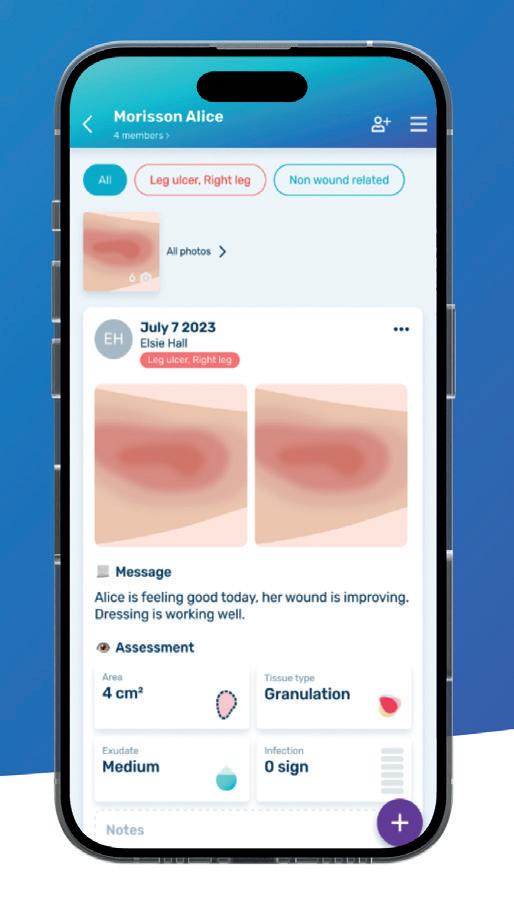

Digital Wound Management Application
We are continuing to explore digital innovation to support the delivery of wound care services, including the use of Healico, a digital wound management application designed to support more consistent wound assessment, secure documentation, image capture and multidisciplinary communication. During 2025-2026, work progressed to prepare for a pilot within our wound care pathway, with the aim of improving the accuracy and accessibility of wound records, reducing the administrative burden on colleagues and supporting more time for direct patient care. This work reflects our wider commitment to using digital solutions where they can improve clinical processes, support colleagues, and enhance the experience of care for patients.
April 2025 to March 2026
Great Culture
827 Registered Professionals
11 nurses and 2 AHPs joined us newly qualified from university
6 colleagues on apprenticeship routes to registration
212 student placements over 1,025 weeks
Physiotherapy: 12 students, 71 weeks
Speech and Language Therapy: 32 students, 159 weeks
Occupational Therapy: 5 students, 29 weeks
Nursing: 163 students, 766 weeks
728,153
65 Incident Review Panels embedding Patient Safety Incident Repose Framework
153 incidents presented and 8 internal Incident Review Panel bulletins distributed for Provide Community Group wide learning
16 topics covered across 3 Afternoons of Shared Learning
3 Section 42 Panel process piloted to strengthen our response to safeguarding concerns inline with the Care Act 2014
4 Non-Medical Prescriber Forums held, with 11 topics covered and 88 colleagues participating
115,923 patients seen virtually patients seen
612,230 patients seen face-to-face
Great Growth
Weight Management Service support over 3,000 people to achieve their healthy lifestyle goal in one year
Respiratory Team awarded the Pulmonary Rehabilitation Services Accreditation Scheme (PRSAS) accreditation, demonstrating they meet national best practice quality standards
Norfolk Emergency Department Stop Smoking Service launching on Wednesday 1 April 2026: commissioned by Norfolk County Council and delivered by Provide Community across 3 acute trusts
Great Community
5 service user stories captured bringing lived experience to the forefront of improving our work, 3 shared Board to Floor, 2 stories cover a patients’ journey where we have shared learning across partners beyond Provide Community
Monthly Quality Lunch and Learn sessions launched, open to all colleagues
Great Care
Ear, Nose and Throat recovery programme success 1,745 paediatric ear nose and throat patients transferred from hospital waiting lists to Provide Community 96% patients managed in the community, with only 4% referred back to the hospital for surgery
Urgent Community Response Team:
26,615 bed days saved
2,428 hospital admissions avoided
Ear, Nose and Throat self-booking went live reducing call wait times and giving patients choice on how they book
MSK Community Appointment Days
4 events held across Chelmsford and Braintree 499 patients seen Maintained our
‘Outstanding’ CQC rating
£32k
Kent Online Portal rollout, streamlining medication offering saved through launch of District Nursing bags

35 hospital beds donated to support care in Ukraine
130,000 courier miles reduced within Sexual Health and HIV pathology service
248 adult safeguarding referrals
37 safeguarding referrals to Children’s Social Care
Thank you to all our colleagues, partners and volunteers for everything you have done to make 2025-2026 such a success.
well-led Well-Led
The leadership, management and governance of the organisation make sure we are providing high-quality care that is based around individual needs. We encourage learning and innovation and promote an open and fair culture.

Colleague Health and Wellbeing
The quality of care we provide is closely linked to the wellbeing, capability and experience of our colleagues.
We are committed to creating a positive, inclusive and supportive working environment in which colleagues feel valued, listened to and equipped to deliver safe, effective and compassionate care. During 2025-2026, we continued to support colleague health, wellbeing and development through a range of initiatives across the organisation.
'Health and Wellbeing' Week
'Health and Wellbeing' Week took place in September 2025 providing colleagues with dedicated opportunities to focus on their physical, mental and emotional wellbeing. The event attracted a total of 4,022 bookings which was an 82% increase in bookings compared to the previous year.
The programme offered a wide range of sessions and activities across five days, including expert-led webinars, practical workshops and onsite wellbeing initiatives. Topics included mental health, sleep, nutrition, resilience, menopause and lifestyle health, alongside interactive sessions such as breathwork, Pilates and Tai Chi.
A key feature of the week was the combination of virtual and in-person activity, including wellbeing ‘treat bars’ and outreach across multiple locations, ensuring accessibility for colleagues working across different services and geographies.

Engagement in 'Health and Wellbeing' Week significantly increased compared to previous years, demonstrating growing awareness of the importance of colleague wellbeing and the value placed on these initiatives.
This programme supports a positive and inclusive culture across Provide Community, enabling colleagues to prioritise their wellbeing and build resilience. Supporting colleague wellbeing is a key enabler of safe, compassionate and sustainable care delivery.
Schwartz Rounds
Provide Community introduced Schwartz Rounds in October 2023 and continued to embed them during 2025-2026.
Schwartz Rounds are a structured and evidence-informed approach used across health and care to support colleague wellbeing, reflection and organisational culture. They provide a confidential, multidisciplinary forum for colleagues to reflect on the emotional, social and non-clinical aspects of their work.
By creating time for shared reflection, Schwartz Rounds strengthen compassion, shared support and understanding of each other’s roles and teams, while promoting resilience and wellbeing. This contributes to a more open, reflective and supportive organisational culture.
Schwartz Rounds are available to both clinical and non-clinical colleagues through a hybrid model, enabling participation both in person or virtually.
During 2025-2026, topics included: the emotional impact of caring roles apologising to patients and service users safe care for newborns and children the impact of family involvement on patient journeys applying evidence-based practice in day-to-day care responding to mental health crisis in the community, including suicidal ideation responding to complaints
Attendance at Schwartz Rounds has continued to grow, with consistently positive feedback. Colleagues described the sessions as supportive, reflective and emotionally meaningful, valuing opportunities to hear different perspectives and feel more connected across the organisation.
Overall, Schwartz Rounds continue to support colleague wellbeing, reflective practice and organisational learning, contributing to a compassionate culture and strengthening the experience of both colleagues and service users.
‘Interesting to hear different stories from different people, it was really good and I would definitely attend again.’
‘This was my second time attending a Round. I was nervous today as I was a Storyteller, I enjoyed the experience, the feedback and listening to others. I would definitely attend again.’
‘An amazing session.’
‘Really emotive round, enabling colleagues to share very personal and powerful stories which led to some very emotional and cathartic discussions.’
Mental Health First Aiders
We continue to support colleagues’ wellbeing through our network of Mental Health First Aiders, who provide early support for colleagues experiencing poor mental health or emotional distress. While not a substitute for clinical treatment, they offer non-judgmental listening, reassurance and signposting to appropriate support, helping to encouraging open conversations and reduce stigma in the workplace.
Working alongside our Workplace Health Champions and People and Partnering Team, this approach supports a positive and inclusive culture across Provide Community. During 2025-2026, we trained three new Mental Health First Aiders and provided refresher training for three colleagues, who over the year had more than 800 supportive conversations for colleagues.
Workplace
Health Champions
96 %
of our colleagues said:
‘In my organisation colleagues from all backgrounds and identities are valued’
Our Workplace Health Champions continued to play an important role in supporting colleague wellbeing and promoting a positive, inclusive culture across Provide Community. As volunteer members, colleagues delivered a wide range of accessible activities, both virtually and in person, supporting colleagues to engage with initiatives that promote physical and mental wellbeing. During 2025-2026, colleagues took part in 61 events including SiSU Digital Health Checks, mindfulness sessions, Book Club and Essex Working Well guest speaker sessions.
The Workplace Health Champions also strengthened communication and engagement through refreshed intranet pages, internal communication to colleagues and regular signposting to resources via the Essex Working Well newsletter.
Overall, the work of our Workplace Health Champions continues to support a culture of connection, wellbeing and inclusion across the organisation.
Colleague Networks
Our colleague networks continue to play an important role in supporting a positive, inclusive and well-led organisation. These networks provide a safe and supportive space for colleagues to connect, share experiences and offer insight on matters relating to equality, diversity and inclusion.
The networks also support colleagues to build confidence to speak up, both within and beyond the network space, helping to raise awareness of issues, address local concerns and contribute to organisational learning and improvement. They provide valuable opportunities for collaboration and innovation, supporting a culture where diverse perspectives are heard and valued.
Our established networks are the Disability Network, LGBTQ+ Network, Men’s Network and Ethnic Minorities Network. Networks are open to all colleagues, and individuals do not need to identify with a particular group to join. Colleagues are encouraged to participate as allies, working in partnership with network members to promote inclusion, raise awareness and support positive change across the organisation.
Through the work of our colleague networks, we continue to strengthen our commitment to equality, diversity and inclusion, supporting a culture where all colleagues feel respected, supported and able to contribute to the delivery of high-quality care.


Passport to Flavour
The Passport to Flavour event, held by colleagues in our Integrated Care Teams, provided a meaningful opportunity to celebrate the diversity of our workforce. Colleagues generously gave their time to share food from their country of origin, cultural backgrounds or places that are important to them, creating a vibrant and inclusive environment.
The event encouraged lively conversation and cultural exchange, helping colleagues to learn more about one another and build stronger relationships across teams. It also provided a space for colleagues to feel seen, valued and able to share something personal in a supportive setting.
Initiatives such as Passport to Flavour reflect our ongoing commitment to inclusion, belonging and valuing diversity. By creating opportunities for colleagues to connect in this way, we continue to strengthen a positive organisational culture that supports wellbeing, engagement and collaborative working across Provide Community.

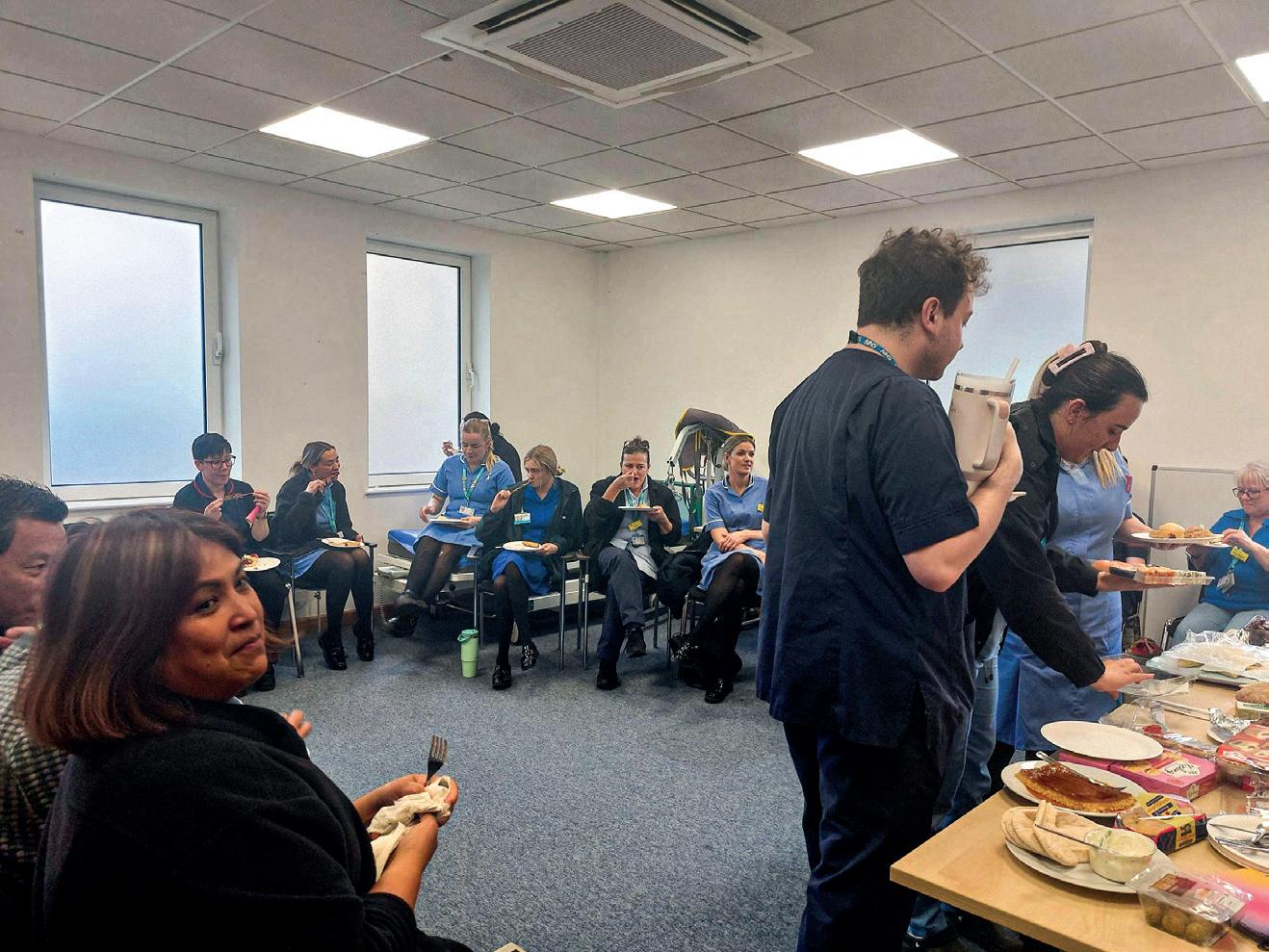
Colleague Engagement
Our annual Colleague Engagement Survey provides an important opportunity for colleagues to share their views and experiences, helping us to understand what is working well and where we can improve.
In October 2025, 442 colleagues from Provide Health completed the survey which is an overall engagement score of 88%.
The survey results demonstrate a strong and positive organisational culture. Colleagues reported high levels of pride, commitment and advocacy:
89% of colleagues are proud to work for Provide Community
95% are willing to go the extra mile
89% would recommend Provide Community to friends and family if they personally needed treatment or care.
Results also highlight strong leadership and alignment with organisational goals:
95% report that line managers are visible role models
92% of colleagues have confidence in Provide Community’s corporate goals
A positive safety culture continues to be reflected in the results:
98% of colleagues are aware of the Freedom to Speak Up policy
85% feel it is safe to speak up and challenge the way things are done
Developing Our Understanding of Culture
In 2025, we introduced a refined Culture Index, enabling a more detailed understanding of colleague experience across key themes, including leadership, psychological safety, wellbeing, belonging and personal growth.
This provides deeper insight into how Provide Health colleagues experience the organisation day-to-day, including:
68% reporting that line managers are visible
82% feeling safe to speak up and challenge the way things are done
72% feeling their views are listened to and their voice heard
75% feeling the organisation cares about their health and wellbeing
These insights support more targeted action to strengthen culture, improve communication and ensure colleagues feel valued and heard.
Colleagues described the culture at Provide Community as ‘supportive’, ‘inclusive’, ‘caring’ and ‘friendly’, reflecting a strong sense of belonging and teamwork across the organisation.
The survey continues to inform organisational priorities and improvement activity, ensuring that colleague voice directly shapes how we develop services, support our workforce and deliver high-quality care.
Freedom to Speak Up
Provide Community continues to promote a culture where colleagues feel able to raise concerns and speak up, supported by established Freedom to Speak Up arrangements. This includes access to a dedicated Freedom to Speak Up Guardian and a network of trained champions who provide confidential advice, support and signposting.
During 2025–2026, colleagues raised a range of concerns and queries through the Freedom to Speak Up route, including issues relating to workplace experience, communication and aspects of care delivery. Many contacts were informal and sought advice or reassurance, with some concerns escalated appropriately for further review.
Feedback from colleagues indicates that individuals felt listened to and supported when raising concerns, with appropriate follow-up and action taken where required. Learning from themes and trends is used to inform organisational improvement and strengthen a culture of openness, transparency and continuous learning.
98 % of our colleagues said:
‘I am aware of the 'Freedom to Speak Up' (whistleblowing) policy’



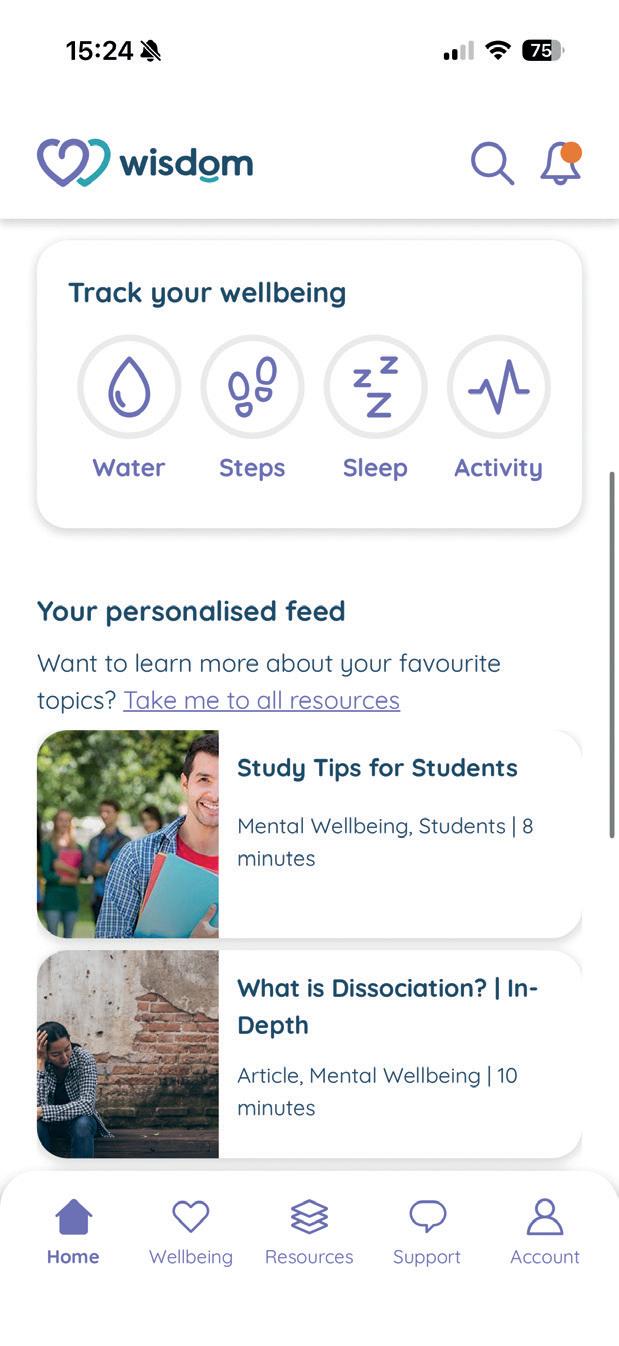
Employee Assistance Programme
Provide Community offers colleagues and their family members access to a confidential Employee Assistance Programme, delivered in partnership with Health Assured. The service provides 24/7 access to advice, information and short-term counselling to support physical, mental and emotional wellbeing.
During the reporting period, 94 calls were received on behalf of Provide Community through the service and 65 counselling sessions delivered. Common themes included anxiety, low mood, bereavement and work-related concerns, alongside access to advice on areas such as legal, financial and family matters.
In addition to telephone support, colleagues can access the Wisdom app, which provides a range of wellbeing tools including mood tracking, health plans, live chat and wellbeing resources. The service is confidential, and no personal information is shared with the organisation. These arrangements support colleagues to access timely support and contribute to overall wellbeing across the workforce.
National Corporate Awards and Recognition
During the reporting period, Provide Community and its colleagues have been recognised externally for their achievements, reflecting our ongoing commitment to excellence, innovation and high-quality care.
As an employee-owned organisation, we were proud to be Highly Commended at the UK Employee Ownership Awards for Employee-Owned Business of the Year 2025, recognising the strength of our model and the impact delivered by our colleagues.
Individual colleagues have also received national recognition:

Donna Brown, Lymphoedema Specialist Nurse was awarded the Gold Award in the Chronic Oedema category at the British Journal of Nursing Awards 2025.

Hana Gunfield, Head of Marketing and PR was awarded CommsHero of the Year 2025, acknowledging outstanding leadership and impact in communications.

Penny Chafer, Respiratory Practitioner and Nurse, received a Cavell Star Award, recognising her exceptional care, compassion and dedication to patients.

These achievements highlight the strength of our organisation and the contribution of our colleagues, whose commitment continues to drive positive outcomes for the communities we serve.

Internal 'Celebrating You' Awards
The ‘Celebrating You’ Awards, our internal colleague awards, took place in November 2025, bringing colleagues together to recognise and celebrate the care, compassion and innovation demonstrated across Provide Community.
A total of 254 colleagues were nominated across 10 award categories, a 69% increase from the previous year, and 43 colleagues were shortlisted as finalists. More than 160 colleagues and guests attended the awards ceremony.
The awards programme recognises individuals and teams who go above and beyond in their roles, shining a light on the everyday actions and innovations that make a difference to colleagues, patients and communities.
Award categories reflected the organisation’s values and priorities, including care, compassion, innovation, inclusion and belonging, and sustainability and social impact.
The event brought colleagues together from across services to celebrate achievements and share stories of impact. Each nomination highlighted examples of high-quality care, teamwork and dedication, reinforcing a shared sense of pride and purpose across the organisation.
The ‘Celebrating You’ Awards play an important role in recognising and valuing colleagues, strengthening a culture of appreciation, belonging and engagement. This supports colleague wellbeing and motivation, which are key enablers of safe, compassionate and high-quality care.



By email
Giles.thorpe@nhs net 23rd June 2026
Subject: NHS Essex Integrated Care Board response to Provide Community 2025/26
Dear Colleagues
NHS Essex Integrated Care Board (EICB) welcomes the opportunity to comment on the Provide Community Quality Account for 2025/26
EICB has reviewed the draft Quality Account and, to the best of its knowledge, considers that the information presented is accurate and provides a fair and balanced representation of the quality of services delivered during the reporting period
EICB is pleased to note the continued progress made by Provide Community against the quality priorities identified in the previous year. The Quality Account demonstrates clear evidence of improvement activity across key domains of quality, including customer engagement and involvement, deteriorating patients - community inpatient and virtual frailty wards, pressure ulcers, and medication - insulin safety
EICB notes and supports Provide Community four overarching goals for 2026/27:
• Medicines safety and assurance, strengthening medicines safety and assurance, by reviewing incident themes, learning from audit, inspections and implementing targeted improvement actions.
• Co-production, embed more consistently across improvement activity involving people who use the services, carers, and the community.
• Clinical digital application assurance, strengthening clinical digital application assurance across Provide Community to support the safe, effective, and consistent use of digital tools in care delivery.
• Building quality improvement capability to enable teams to undertake improvement activity with greater confidence and consistency.
Delivery against these priorities will be critical to support the continued delivery of highquality care across Provide Community and to contribute to wider improvements in within health and care systems.
In conclusion, NHS Essex ICB considers that the Provide Community Quality Account for 2025/26 provides an accurate and balanced reflection of performance during the reporting period
EICB will continue to robustly seek assurance on the quality, safety, and performance of services through established contract, quality, and governance processes, working collaboratively with system partners to support sustained improvement in patient outcomes
EICB extends its thanks to Provide Community and all its staff for their continued dedication, professionalism, and commitment to delivering high -quality care for the population they serve, particularly in the context of ongoing system pressures.
Yours sincerely,

Dr Giles Thorpe RN, DProf, MSc, Bsc (Hons), MIHM
Executive Chief Nurse / Caldicott Guardian
NHS Essex Integrated Care Board
Seax House, Victoria Road South, Chelmsford, CM1 1QH
www essex icb.nhs uk
Chair: Professor Michael Thorne CBE | CEO: Tom Abell