Job Title of author: Assistant Clinical Director – Pharmacy & Medicines
Reviewed by Sub Group or Expert Group Medicines Governance & Safety Group
Related Procedural Documents
MMPOL37 Management of Medicines in Provide Care Solutions Care Homes
MMPOL36 Management of Medicines in Provide Care Solutions and REACT
MMSOP61 Standard Operating Procedure for Allergies and Sensitivities to Medicines
MMSOP28 Standard Operating Procedure for Patient Self-Administration of Medicines
Review Date: 30/10/2028
It is the responsibility of users to ensure that you are using the most up to date document template – i.e. obtained via the intranet
In developing/reviewing these guidelines Provide Community has had regard to the principles of the NHS Constitution.
Version Control Sheet
Version Date
Author
V1.0 21st January 2021 Assistant Clinical Director – Pharmacy & Medicines Community Health Specialist Pharmacist
V2 September 2025 Community health Service Pharmacist Review
1. Introduction
This toolkit has been developed by Mid and South Essex Health Care Partnership in conjunction with Essex County Council (ECC) and has been adopted by Provide to support Provide Care Solutions such as Care Homes, and Supported Living Houses
CQC national guidance ‘Treating Minor Ailments and Promoting Self-Care in Adult Social Care’ and the RMOC position statement on homely remedies published in November 2018 have been taken into consideration in the adoption of this toolkit.
Pharmacists and pharmacy technicians working with Care Services will provide advice and support in implementing this toolkit. Community pharmacy services supporting care services with regular supplies of prescribed medicines should also be aware of this toolkit and their role in supporting OTC advice and sales.
It is not appropriate to ask a prescriber to write prescriptions for a ‘just in case’ situation for minor ailments. Prescriptions are written to treat acute need, anticipatory drugs in terminal care or evidence-based preventative medicine.
It is important to recognise that common conditions will get better in time and antibiotics are not always appropriate. The average time span of some common conditions are:
• Part 1 – Self-care treatment for specific person guidance
• Part 2 – Homely Remedy guidance
Definitions
Within this toolkit the term ‘HCP’ refers to a Registered Healthcare Professional, which includes:
• Doctor registered with the General Medical Council
• Pharmacist registered with the General Pharmaceutical Council
• Pharmacy Technician registered with the General Pharmaceutical Council
• Nurse registered with the Nursing and Midwifery Council
• Paramedic registered with the Health and Care Professions Council
• Physiotherapist registered with the Health and Care Professions Council
HCPs must work within their professional competencies when recommending medication.
Care Homes
Homely Remedies are most appropriate in care homes, as the service holds responsibility for maintaining stock medicines for the short-term treatment of minor ailments. Staff are authorised and trained to administer these remedies safely, ensuring that residents have timely access to treatment comparable to what they would receive in their own homes.
Supported Living and Domiciliary care
In supported living and when patient are living in their own home, the emphasis is on independence and self-management. Service users are tenants in their own homes, and medicines, including over-the-counter remedies are considered their personal property. A self-care approach is therefore more appropriate, with staff supporting individuals to purchase, use, and record self-care care items where appropriate or agreed. This promotes autonomy and aligns with CQC’s Right Support, Right Care, Right Culture framework, while ensuring safety through documentation and escalation to a pharmacist or GP when required.
2. Self-Care Principles, including Homely Remedies
These toolkits incorporate the transition from the prescribing of ‘a pill for every ill’; it is a guide for services with service users over 18 years of age, including people with learning difficulties, to support service users in self-caring for selected conditions by buying overthe-counter treatments, as well as the use of a traditional Homely Remedy scheme.
Additionally, some items that historically may have been prescribed can be considered as personal care items and purchased by the service user/care service, rather than being prescribed.
NHS England guidance (March 2018) focuses on conditions that are:
1. Self-limiting and do not require medical advice or treatment as the condition will clear up on its own, and/or
2. A condition that is a minor illness and is suitable for self-care and treatment with items that can be purchased over the counter from a pharmacy, and
3. Vitamins, minerals and probiotics where there is a lack of robust evidence for clinical effectiveness
There are general exceptions to point 2 (above) and these are listed below.
NB – exemption from prescription charges does not warrant an exception to this guidance.
1. Service users that are prescribed and ‘over the counter’ (OTC) treatment for a longterm condition (e.g. regular pain relief for chronic arthritis, or treatments for inflammatory bowel disease)
2. For the treatment of more complex forms of a minor illness (e.g. severe migraine that is unresponsive to OTC medicines)
3. For those service users that have symptoms that suggest the condition is not minor (i.e. those with red flag symptoms such as indigestion with very bad pain)
4. Treatment of complex service users (e.g. immunocompromised)
5. Service users prescribed and OTC product to treat an adverse effect or symptom to a complex illness or a prescription-only medicine
6. Circumstances where the product licence does not allow an OTC sale
7. A service user that has not responded to treatment with the self-care OTC product
8. Service users where the clinician considers the presenting symptom is due to a condition that would not be considered a minor condition
9. Individual service users where the clinician considers that their ability to selfmanage is compromised, because of medical, mental health or significant social vulnerability, to the extent that their health and/or wellbeing could be adversely affected if reliant on self-care
10. Consideration of safeguarding issues
Medicines that can be purchased fall into two legal categories; General Sales List (GSL) which are available widely, or Pharmacy Only Medicines (P) which are available only from a pharmacy. Together they are commonly known as Over the Counter (OTC) products.
3. Part One – Self-care Treatment for Specific Person Guidance
(Applicable to supported living and domiciliary care)
Self-care products are medicinal preparations used to treat minor ailments, which can be bought OTC and do not require a prescription. In this situation they are specific to the patient and may be used for a short-term condition e.g. ear wax, or longer-term condition e.g. Hayfever.
Where medicines are administered by care staff, they must be entered onto the MAR chart. This supports regular dosing, stock management, and clear communication with the individual, relatives, and healthcare professionals, helping to prevent duplication or accidental overdose.
Purchased by or on behalf of service user without HCP advice
Service users or relatives may purchase or bring in their own ‘self-care treatment products’. If care staff are expected to administer these, it needs to discussed with an HCP as to the suitability of the service user continuing to take/use.
HCP request to purchase a self-care treatment on behalf of the service user
An HCP may advise the care staff to recommend the service user or relative (on behalf of the service user) to purchase a specific product to treat a minor ailment, such as olive oil for ear wax or vitamins for maintenance. The HCP should indicate how long the treatment is to continue and provide any necessary supplementary advice to support its use. This may be longer term, e.g. Hayfever tablets for the duration of the summer season. (See Appendix 1 – ‘no prescription required’ form).
OTC community pharmacist consultation
The community pharmacist may recommend an appropriate OTC treatment for a service user and will need to advise the care service about duration of treatment. A community pharmacist can also advise on the appropriate use of an OTC self-care product that has been recommended by an HCP, and consultation is encouraged.
Care Homes
In care homes, any homely remedies medicines must be counted into stock and recorded on the Medicines Administration Record (MAR) chart in the same way as prescribed medicines. This ensures accurate stock control, regular dosing, and a clear audit trail.
Key Points for Self-care Treatments for a Specific Person
1. The medicines are not for general use in the home and must remain specific to that service user
2. The instructions for the treatment(s) should be communicated to the service user/relative/care service by the HCP and written into that individual’s care plan by care staff; they only apply to the individual named
3. If symptoms worsen, care staff should seek advice from an HCP earlier that the recommended duration
Examples of common minor ailments/conditions which are suitable for self-care:
Athlete’s foot cream, antifungal creams and sprays
Mebendazole (chewable) tablets/suspension
Travel sickness tablets
Creams, gels, skin paints and medicated plasters containing salicylic acid ( Refer to GP or podiatrist if diabetic)
Multivitamin and minerals, vitamin B12 (cyanocobalamin), vitamin C tablets, vitamin D tablets 400-1000 units
4. Part Two - Homely Remedy Guidance – Care Home
(NOT applicable to supported living and domiciliary care)
A homely or household remedy is another name for a non-prescription medicine which is kept in stock and used in Provide Care Solution Services for the short-term management of minor, self-limiting conditions. Minor conditions will include cold symptoms, headache, occasional pain or indigestion. This guidance aims to ensure that access to treatment for minor ailments is the same as it would be for a service user living in their own home.
Key Points for Homely Remedies
• This toolkit includes a Homely Remedy Policy for Provide Care Solutions Services (Appendix 2) with or without nursing who agree to stock the approved list of products to treat minor ailments
• Homely remedies must be purchased by the Provide Care Solutions Service and should not be labelled for individual service users
• Homely remedies should usually only be given for up to 48 hours before referring to an HCP if symptoms persist. If required for longer than 48 hours, the HCP will need to assess and advise
• Homely remedies should not be requested on prescription from GPs or NonMedical Prescribers (NMP)
• This policy replaces the need to sign individual agreements for each patient for the medicines included in this toolkit
The conditions and products included for homely remedies are tabled in Appendix 2
5. Prompting/Assisting/Administration of Homely remedies
Care staff who have been appropriately trained and signed off as competent can assess use of homely remedies to service users. Care staff who are able to give homely remedies must sign the Staff Signature Sheet’ (Appendix 2) and sign to confirm they understand the Homely Remedies Policy and are competent to administer homely remedies
Authorised care staff can administer a homely remedy once they have established the following:
• The service user has no potentially serious symptoms
• There have been no changes to medication or the service user’s health since the homely remedies authorisation sheet was last reviewed
• Allergy/Sensitivity status
• What the service user has used in the past for these symptoms
• Whether the service user has any difficulties swallowing
• The service user is aware the medicine is not prescribed and has given their consent, or a Best Interests Decision’ is in place
If there are any additional concerns about potential interactions or contra-indications, or if there is any other uncertainty, additional medical advice should be sought before administration
6. Disposal of Homely Remedies and Self Care items
Homely remedies
Homely remedies must be disposed of when they are no longer suitable for use or required by the service user and/or are out of date, returned to the community pharmacy for the safe disposal/destructions (MMPOL37 Management of Medicines in Provide Care Solutions Care Homes)
The disposal of homely remedies should be recorded on:
• Homely Remedies Record Sheet (Appendix 4) for that medicine
Self-Care Medicines
Self-care medicines are the property of the individual. When these items are no longer required, are out of date, or have been discontinued, they should be returned to the individual or their representative for safe disposal. If the person is unable to arrange this themselves, staff may support by returning the items to the community pharmacy on their behalf, with the individual’s consent.
Staff must not dispose of self-care medicines without the knowledge and agreement of the service user (or their representative), as ownership remains with the individual. A record of any support provided with disposal should be documented in the care plan or daily notes and medication disposed of should be recorded in Appendix 5.
Appendix 1 – No Prescription Required Form
You have been diagnosed with a common condition that can be treated with medication available to buy over the counter from your local pharmacy.
You do not need to make an appointment to speak to the pharmacist, just pop in any time and they will be happy to help you.
Ask the pharmacist for help and advice on the most appropriate medication to relieve your symptoms for:
Coughs and colds
Sore throat
Allergies
Skin rash
Heartburn and indigestion
Upset stomach
Diarrhoea
Constipation
Colic
Piles (haemorrhoids)
Headache and migraine
Toothache
Eczema
Aches and pains
Teething
Sleep problems
Travel sickness
Threadworm
Head lice
Scabies
Athlete’s foot
Cold sores
Fungal skin infections – ringworm
Fungal nail infections
Conjunctivitis
Other – please indicate below
Name and Signature of HCP
If at any time you are concerned about your condition or if your symptoms are not improving after 48 hours of treatment with over the counter medications, you should contact the local pharmacist or the surgery for more advice.
For more information visit https://www.uk.nhs-services/prescriptions-and-pharmacies/pharmacies/how-yourpharmacy-can-help/
Appendix 2 – Homely Remedy Policy for Provide Care Solutions Care Homes
This policy will allow Provide Care Solutions Services to stock certain Homely Remedies for use by service users for the treatment of minor ailments for a short duration, usually 48 hours. Any symptoms that persist beyond this time should be referred to a Healthcare Professional for advice and intervention where this is necessary.
A homely remedy is a medicinal preparation used to treat common minor ailments; they are purchased over the counter and do not require a prescription. They are kept as stock in care homes to allow access to products that would commonly be available in any household
The following table lists the Homely Remedies that can be stocked by Provide Care Solutions Services.
1 Pain (mild to moderate), discomfort and fever. (e.g. aches and sprains, headache, period pain, back pain, toothache)
2 Constipation
3 Indigestion and heartburn
4 Diarrhoea
5 Insect bites and stings
6 Cough
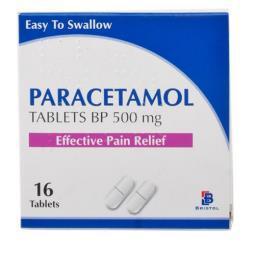
• Paracetamol
NB: Other medicines containing paracetamol may have been prescribed for some service user and this must be carefully checked
• Macrogol (Laxido®/ Movicol®)
• Senna tablets for syrup
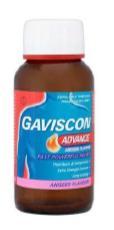
• Gaviscon Advance®
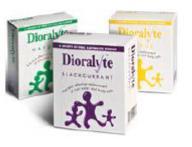
• Oral rehydration therapy e.g. Dioralyte®
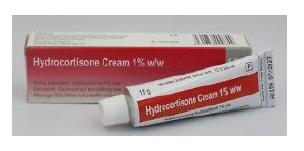
• Hydrocortisone cream 1%
NB: do not share tube between service user. 15g GSL pack to be used for one patient only and any remaining at the end of the treatment returned to the pharmacy for disposal
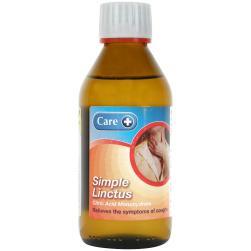
• Simple Linctus
Obtaining supplies of Homely Remedies
Homely remedies need to be purchased by the care home and ideally done from the regular pharmacy supplier:
[Insert name of usual pharmacy]
The Homely Remedies Stock Control Record Sheet (Appendix 4) should be used to record any purchases of homely remedies.
NB: The quantity of paracetamol tablets and capsules that can be purchased is restricted by law. Packets of 32 are available OTC from pharmacy counter; packets of 16 can be purchased off the shelf in a pharmacy or other outlet. It is recommended that only packs of 16 are used for homely remedies.
Medicines not suitable as Homely Remedies
• Products requiring invasive administration e.g. suppositories
• Medicines that take up to 48 hours to work e.g. lactulose
• External preparations as these should only be used for individuals to avoid cross contamination – except hydrocortisone cream (individual pack)
• Vitamins, herbal or homeopathic supplements
• Medicines being obtained via bulk prescription
Storage
• All homely remedies should be clearly identifiable as a ‘homely remedy’ e.g. with a sticker or marker pen
• Homely remedies should be stored in a lockable cupboard or trolley and kept separate to service users’ prescribed medication
• Access should be restricted to staff with medicines responsibilities
• Homely remedies should be stored in accordancewith the instructions in the patient information leaflet
• Stocks and expiry dates should be checked monthly
➢ Liquids have a reduced shelf-life once opened, therefore the date opened should be recorded on the bottle/label. For liquids, expiry should be noted as 6 months after first opening the bottle unless stated by the manufacturer
Administration of Homely Remedies
Homely remedies would be administered/prompted at the request of the service user to aid symptom control or based on a clinical decision by a suitably trained care staff or care manager. It is the responsibility of the trained senior care practitioner to check that the administration of a homely remedy is appropriate (e.g. not prescribed a similar or the same treatment). If there is any uncertainty, the HCP should be consulted and the discussion documented.
When using the flow charts below the care practitioner must ascertain:
• that the service user has no potentially serious symptoms
• past medical and drug history
• any known allergies/sensitivities
• what the service user has used in the past for these particular symptoms
• the service user is made aware that the medicine is not prescribed and has given their consent, or a ‘best interests decision’ is in place
• that the service user consents and is aware that the medicine is not prescribed (Document consent (verbal or written) in care plan or MAR notes prior to administration)
• that the homely remedy medicine will be used for up to 48 hours only
The care practitioner will regularly review and reassess the service user's response to the medication. Homely remedies should be given for a limited period, usually 48 hours. If a homely remedy is given for 48 hours with no symptom relief the service user must be referred to the GP.
The prompt/assist/administration of homely remedies must be recorded on each service user’s MAR chart (paper or electronic). The entry should be annotated ‘homely remedy.
It should be clear what was given, when it was given (date and time), what dose, who administered and why it was given, as well as the effect of the medication. This is particularly important so other members of care staff are aware of when the last dose was given to monitor effectiveness and avoid overdosing
The stock control form, Appendix 4, must be completed to record the purchase of the medicinal product, and should be updated to indicate that it has been administered to a service user each time any medication is administered. This will ensure there is an audit trail and stock management of the medicine
All care staff using this homely remedy policy should sign to confirm they have the skills to administer the homely remedy and acknowledge they will be accountable for their actions (Appendix 3). The care manager must ensure that Appendix 3 is accurate and updated and is the current list of staff who are able to administer homely remedies
Homely remedies are solely for service user use and must not be used for staff or family members
Disposal
• Expired stock should be returned to the community pharmacy for the safe disposal/destructions
• Disposal of homely remedies should be recorded in the medication for disposal record sheet (Appendix 5)
Adverse reaction
In the rare event of any adverse reactions, the GP must be informed immediately. The yellow card adverse drug reaction reporting scheme is a voluntary scheme through which anyone can notify suspected adverse reactions to medicines. Care staff should escalate suspected adverse reactions to the GP or pharmacist. Anyone, including care staff, can report to the MHRA Yellow Card Scheme: https://yellowcard.mhra.gov.uk
In the event of a serious life-threatening adverse reaction the care practitioner will carry out emergency treatment where appropriate and trained, call an ambulance and refer the service user direct to the accident and emergency department.
A incident report will need to be completed through Provide Datix system or via incident form on Access Care Planning (ACP) for React staff
Chart 1 – Pain MILD PAIN only; all cases of sudden onset severe pain MUST be referred
Communication of pain is not just verbal. Look for facial signs, sighing, groaning, and calling out, aggression and withdrawal which is out of character.
Use Abbey Pain Score
Has service user been given any medicines containing paracetamol during the last 24 hours?
REMEMBER that paracetamol is an ingredient of medicines such as co-codamol (includes Solpadol, Zapain and others), co-dydramol, as well as many products purchased over the counter such as cough and cold remedies.
CHECK LABELS CAREFULLY DON’T FORGET TO CHECK LIQUID MEDICINES
YES
Paracetamol may only be given provided the maximum dose in 24 hours is not exceeded and that it is at least FOUR hours since the last dose.
NO YES NO
Can patient swallow solid dose medicines?
• Give paracetamol 500mg tablets/caplets
• For adults give ONE to TWO tablets per dose and repeat if necessary every FOUR to EIGHT hours
• NO MORE THAN EIGHT TABLETS TO BE TAKEN IN 24 HOURS
For adults with extremely low body weightbelow 50kg- caution see next page
• Give paracetamol suspension 250mg/5ml
• For adults give 10ml - 20ml per dose and repeat if necessary every FOUR to SIX hours
If body weight is <50 kgs consider give 1 tablet up to four times a day
Maximum dose in 24 hours 8 tablets (4g) in divided doses (maximum 2 tablets (1g) in any 4 hours)
If body weight is <50 kgs consider give 1 tablet up to four times a day- total 2g a day
Maximum duration of treatment as homely remedy
Cautions
Up to 48 hours then seek advice from GP
Do not administer with other paracetamol containing products (check all current medication taken). Not suitable if history of severe liver disease or alcohol abuse. If body weight is <50 kgs consider give 1 tablet up to four times a day
Additional Information
Additional Resources
Many medicines also contain paracetamol. Check current medication records and if in doubt check with pharmacist.
Patient Information leaflet (check the label/leaflet for the product purchased), BNF
Drug
Indication for Use
Strength
Relief of mild pain
Paracetamol Suspension
250mg/5ml suspension (note that there two strengths, the higher strength marketed for over 6’s can be used for adult dosing
Dose FOUR 5ml spoonful’s (20ml) up to FOUR times a day
If body weight is <50 kgs consider give TWO 5ml spoonful’s (10ml) up to four times a day
Maximum dose in 24 hours
Maximum duration of treatment as homely remedy
Cautions
Additional Information
Additional Resources
80ml (4g) in divided doses (maximum 20ml (1g) in any 4 hours)
If body weight is <50 kgs 40ml (2g) in divided doses (maximum 10ml (500mg) in any 4 hours)
Up to 48 hours then seek advice from GP
Do not administer with other paracetamol containing products (check all current medication taken). Not suitable if history of severe liver disease or alcohol abuse. If body weight is <50 kgs give 10ml up to four times a day
Many medicines also contain paracetamol. Check current medication records and if in doubt check with pharmacist.
Patient Information leaflet (check the label/leaflet for the product purchased), BNF
Chart 2 – Constipation
Initial changes in bowel habits should be reported to GP. Bowel charts should be kept in care plans for monitoring purposes. Constipation in the elderly is often due to insufficient fluid intake. Avoid large glasses of fluid – little and often is more effective.
Does the service user show any of the following alarm signs?
• Blood in stools
• Severe abdominal pain
• Unintentional weight loss
• Associated diarrhoea
• Painful and ineffectual straining
Is the service user taking any medication which could cause constipation? See Information Table and patient information leaflets
Increase dietary fibre, try prune juice, and increase mobility if possible. If not possible, give one macrogol sachet as instructed in medicines information for constipation.
In addition to above give senna tablets 1-2tabletsat night (or if unable to swallow tablets, give 5-10ml senna liquid)
Contact GP or NHS 111
Contact GP or NHS 111
Information Table
Some common drugs which can cause constipation:
• Indigestion remedies containing aluminium
• anti-diarrhoeals e.g. Loperamide (Immodium®)
Check with pharmacist or GP and follow advice given. If medication is stopped, make note in care plan
Continue lifestyle advice to help prevent re-occurrence
• antihistamines e.g. chlorpheniramine (Piriton®) promethazine (Phenergan®)
• pain killers containing opioids e.g. codeine, Dihydrocodeine, morphine, tramadol
• some antidepressants e.g. amitriptyline, imipramine;
If constipation frequently reoccurs, ask GP to review
• some Parkinson’s drugs e.g. levodopa;
• some drugs to treat high blood pressure e.g. amlodipine;
• anticholinergic for urinary frequency e.g. oxybutinin
Medicines Information – Constipation
Drug Macrogol ‘3350’ powder sachet (Laxido/Movicol)
Indication for Use
Strength
Dose
Maximum dose in 24 hours
Maximum duration of treatment as homely remedy
Cautions
For relief of constipation
Macrogol 3350 with potassium chloride, sodium chloride and sodium bicarbonate
One to three sachets daily
To be made up in 125ml of water (half a glass). Can be mixed with any juices of preference.
3 sachets
Up to 48 hours then seek advice from GP
Reconstituted sachets must be discarded after 6 hours if not taken.
Additional Information Can be chilled in fridge before giving.
Additional Resources
Patient Information leaflet (check the label/leaflet for the product purchased), BNF
Drug Senna
Indication for Use
Strength
Dose
Maximum dose in 24 hours
Maximum duration of treatment as homely remedy
Cautions
Additional Information
Additional Resources
For relief of constipation
7.5mg tablet; 7.5ml/5ml syrup
Tablets-ONE to TWO tablets at night; Liquid- 5 to 10ml at night
TWO tablets/10ml syrup
Up to 48 hours then seek advice from GP
This product should not be used when abdominal pain, intestinal obstruction, nausea or vomiting is present
May colour urine
Can cause abdominal cramps
For use when macrogols are not tolerated
Patient Information leaflet (check the label/leaflet for the product purchased), BNF
Chart 3 – Indigestion/Heartburn
Indigestion is experienced as discomfort, or a burning pain in the central chest region. When this burning rises towards the throat it is referred to as heartburn. Flowchart for use when service user has MILD pain only – all cases of acute or severe pain MUST be referred immediately.
Is there any doubt that the symptoms are caused by indigestion or is the service user generally unwell?
Is the service user taking any medicines which could cause indigestion? Check patient information leaflets and see Box 1
Is the service user taking any medicine which carries a warning to avoid antacids or indigestion remedies? Check the medicines label
Give Gaviscon Advance® or Peptac® after meals and at bedtime. Give lifestyle advice – see Box 2
Contact GP or NHS 111
Box 1
Some medicines that commonly cause indigestion:
• Anti-inflammatory medicines e.g. aspirin, ibuprofen, naproxen
Contact pharmacist or GP and follow advice. Record actions
Contact pharmacist for advice or avoid giving indigestion medicine within 2 hours either side of affected medicine.
Contact GP or NHS 111 if symptoms are not relieved by treatment
• Oral corticosteroids e.g. prednisolone
Box 2
• Eat small regular meals. Chew food well
• Avoid bending or stooping during and after meals
• Cut down or stop smoking, alcohol, caffeine (contained in coffee, carbonated drinks, tea and some pain killers) if possible
• Avoid spicy foods e.g curries
• Avoid fatty foods e.g. pastry
• Avoid clothing which is tight around the waist
Drug
Indication for Use
Strength
Medicines Information –
Indigestion/Heartburn
Gaviscon Advance® liquid (peppermint or aniseed flavour)
Gastric reflux and heartburn
500mg sodium alginate, 100mg potassium bicarbonate per 5ml
Dose 5-10ml after meals and at bedtime
Maximum dose in 24 hours
Maximum duration of treatment as homely remedy
Cautions
Additional Information
Additional Resources
40ml in divided doses
Up to 48 hours then seek advice of GP
Contains sodium (2.3mmol in 5ml) and potassium (1mmol in 5ml). Avoid where sodium restriction is indicated
Shake well before use. Sugar free, so suitable for diabetics. Gaviscon Advance® is not listed on the Mid-Essex Formulary; it is included here as it is readily available OTC
Patient Information Leaflet (check the label/leaflet for product purchased), BNF
Chart 4 – Diarrhoea
Diarrhoea in the frail elderly can quickly lead to dehydration and deterioration in health
Are any of the following present?
• Blood or mucus in stools
• Recent history of constipation
• Diarrhoea accompanied by vomiting lasting more than 24 hours
• Stools are black and tarry or profuse and foul smelling
• Severe abdominal pain
• Drowsiness
• Confusion
Is the service user taking any medicines which could cause diarrhoea? E.g. antibiotics (current or very recent) or laxatives
Is the service user experiencing uncomplicated sudden, short term diarrhoea?
Contact GP or NHS111
Contact GP or NHS 111
Infection Control
Staff and service users must exercise rigorous hand hygiene as diarrhoea can spread through hand surface contact to other service users. Seek medical advice if more than one case occurs, as this could indicate a serious cause e.g. C.difficile
Contact Pharmacist or NHS111 AND encourage service user to drink plenty of clear fluids such as water or diluted squash. If diarrhoea is severe it may be useful to offer rehydration solutions(e.g. Dioralyte®). Such solutions should be prepared following leaflet instructions and drunk within 1 hour (stored in a refrigerator may be kept for up to 24 hours)
Continue fluids and if diarrhoea is severe it may be useful to offer rehydration solutions (e.g. Dioralyte®) to drink. Such solutions should be prepared following leaflet instructions and drunk within 1 hour (stored in a refrigerator may be kept for up to 24 hours)
Prolonged diarrhoea can reduce the effectiveness of medication and de-stabilise patients, such as those with diabetes and epilepsy. Monitor more closely
Medicines Information: Diarrhoea
Drug Dioralyte® sachets
Indication for Use
For fluid and electrolyte replacement
Strength N/A
Dose
One or two sachets after each loose stool. Contents of each sachet should be dissolved in 200ml of drinking water
Maximum dose in 24 hours N/A
Maximum duration of treatment as homely remedy
Cautions
Additional Information
Up to 48 hours
If refusing fluids or showing signs of dehydration, escalate immediately to GP/NHS 111
If refusing fluids or showing signs of dehydration, escalate immediately to GP/NHS 111
The solution may be stored for up to 24 hours in a fridge, otherwise any solution remaining an hour after reconstitution should be discarded
Additional Resources Patient Information Leaflet (check the label/leaflet for the product purchased; BNF
Chart 5 – Minor Skin Problems
Emollients – can be used to soothe the skin, reduce irritation, prevent skin from drying and may be directly applied to skin or added to bathwater. E45 cream and Doublebase are the named emollients but there are many others and service user preference and tolerance is important. As a homely remedy the emollient should be used as a trial to address an immediate need but continued use should be prescribed. For homely remedy use, purchase small tubes and when opened only use for the individual service user. Olive oil and Vaseline (white soft paraffin) are readily available OTC products.
Incontinence rash - Cavilon cream. No creams orpowders should be usedon service users who may at times be incontinent as this affects the absorbency of the incontinence pads. Service users with red excoriated skin should have their urine tested to exclude urinary tract infection. Service users should be washed with non-perfumed soap, dried and pad applied. Small amounts of barrier cream can be used if excoriation continues but should be reviewed. Barrier creams do not prevent pressure sores, if redness is due to pressure, pressure assessment needs to be completed. Cavilon cream® is recommended for those service users who are faecally incontinent, as it can be applied every 12 hours and skin washed in between.
Insect bites and stings - a homely remedy treatment is used to soothe the associated irritation and itching. Complications of bites are allergic reactions, infection and cellulitis. These would need immediate referral. Look for excessive swelling and widespread hotness and redness. Calamine lotion and aqueous cream are unbranded OTC products which soothe by cooling.
Severe swelling and redness must be referred to GP or NHS 111
Service users known to be allergic to wasp or bee stings must always keep their emergency treatment with them
Drug Hydrocortisone 1% Cream
Indication for Use For symptomatic treatment of all insect bites and stings
“For external use on intact skin only. Not to be used on face or genitals. Use for up to 48h. Refer to GP if symptoms persist or worsen.”
Strength 1% w/w, 15g
Dose
Apply sparingly to a small area, once or twice a day
Maximum dose in 24 hours One finger-tip unit twice in 24 hours
Maximum duration of treatment as homely remedy
Cautions
Additional Information
Use up to 48h. If symptoms persist, seek GP advice. Any remainder should be returned to pharmacy.
The product should not be used on the eyes or face, the ano-genital area or broken or infected skin – including impetigo, cold sores, acne, athlete’s foot, scabies or infected bites or stings
GP may suggest continued treatment but should be self-care from an individual (form available at Appendix 1). N.B, do not share tube between service user. 15g GSL pack to be used for one patient only, any remaining at the end of the treatment returned to the pharmacy for disposal.
Additional Resources Patient Information Leaflet (check the label/leaflet for the product purchased; BNF
Chart 5 – Cough
Flow chart for onset of cough. Antibiotic treatment is not indicated for the majority of otherwise well service user with coughs.
Is the service user over 65 with two or more of the following?
• Type 1 or 2 diabetic
• History of heart failure
• Currently taking prednisolone
• Has been in hospital for chest problems in last 12 months
Does the service user have any other symptoms such as shortness of breath, chest pain, wheeziness or seem generally unwell?
Does the service user have asthma or chronic obstructive pulmonary disease?
Is cough dry and irritating?
Is phlegm clear white or pale yellow?
Is phlegm copious, dark coloured, bloodstained and unpleasant?
Contact GP or NHS 111
Check medication with pharmacist to eliminate possible side effects. Give simple linctus
Avoid high-sugar preparations in diabetes. Use sugar-free simple linctus if needed.”
Give plenty of fluids. Watch and wait. Monitor daily for signs of deteriorationin which case follow arrow.
Call GP or NHS 111
Drug Simple Linctus
Indication for Use For relief of occasional non-persistent cough
Strength N/A
Dose
5-10ml up to four times a day
Maximum dose in 24 hours 40ml
Maximum duration of treatment as homely remedy
Cautions
Additional Information
Additional Resources
48 hours, then seek advice of GP
High sugar content, do not use for diabetics
More soothing if taken with warm water
Patient Information Leaflet (check the label/leaflet for the product purchased; BNF
REFERENCES
Homely remedies guide: For local adaptation to fit within individual care home medication policies (2019) https://www.nationalcareforum.org.uk/wpcontent/uploads/2019/11/Homely-Remedies-guide.pdf
Mid and South Essex Health Care Partnership
Self-Care Toolkit for use in Care Homes – For local adaption to align with care home medicines policies version 1 pdf.
Appendix 3 – Provide Care Solution Services Homely Remedies Staff Signature Sheet
STAFF SIGNATURE SHEET
All members of care staff that are responsible for prompting/administering homely remedies should read the Homely Remedy Policy in full.
Provide Care Solutions Service staff should complete the details below to confirm that:
• They have understood the Homely Remedies Policy
• They are competent to prompt/assist/administer to service users
• They acknowledge accountability for their actions
Only staff members who have signed below are authorised to administer homely remedies. This can be done on paper or via the Access Care Planning (ACP) app where applicable.
Appendix 4 – Stock Control
Sheet
Homely Remedies Record Sheet
Medicine Name: e.g. Paracetamol
Date Quantity Obtained
Quantity Administered
Strength: e.g 500mg
Details For example:
• Purchased
• Patient’s name
• Stock check
Quantity Disposed of
Formulation: e.g. tablets
Running balance Staff signature
• A separate sheet is required for each medicines, form and strength
• Also record medication administered on the service user’s MAR chart and care plan. The entry should be annotated ‘homely remedy’. It should be clear what was given, when it was given, what time, what dose, who administered it and why it was given, as well as the effect of the medication. This is particularly important so other members of care staff are aware of when the last dose was given to monitor effectiveness and avoid overdosing.
Balance transferred to new sheet
Appendix 5 – Self Care Medication Disposal Record Sheet