Guidelines for Supported Living Service

Version: V2
Ratified by: Quality & Safety Committee
Date ratified: 29/06/2023
Job Title of author:
Reviewed by Sub Group or Expert Group
Related Procedural Documents

Review Date:

Assistant Clinical Director – Pharmacy & Medicines
Medicines Governance & Safety Group
MMPOL30 Medicines Management Policy
MMSOP32 - Standard Operating Procedure for Ordering, Storing, Transporting and Disposal of Vaccines and Medicines Requiring Refrigerated Storage v5
MMSOP67 Procedure for the Management of Medicines in Supported Living
29/06/2026
It is the responsibility of users to ensure that you are using the most up to date document template – ie obtained via the intranet.
In developing/reviewing these guidelines Provide Community has had regard to the principles of the NHS Constitution.
Version Control Sheet
Version Date
Author
V1 14th March 2020 Assistant Clinical Director – Pharmacy & Medicines
Community Health Specialist Pharmacist New
V2 June 2023 Senior Pharmacy Technician Review
1. Self-Care Principles, including Homely Remedies
These guidelines will support service users in self-caring for the treatment of selected minor ailments as an aid of symptom relief in Supported Living. This will cover the Over The Counter (OTC) Medicines, as well as the use of traditional Homely Remedy, which can be prompted/administered to service users in Provide Supported Living Houses by Health Care Support Workers (HCSW). This includes residents who are over 18 years of age, including people with learning difficulties. Provide staff are advised that only medicines indicated in these guidelines can be purchased and appropriately prompted/administered. These are items that do not require prescriptions and are readily available in the residents’ pharmacy.
These guidelines follow NHS England guidance (March 2018) which focuses on products that can be used for conditions that are:
1. Self-limiting and do not require medical advice or treatment as the condition will clear up on its own, and/or
2. A condition that is a minor illness and is suitable for self-care and treatment with items that can be purchased over the counter from a pharmacy.
There are general exceptions to point 2 (above) and these are listed below.
NB – exemption from prescription charges does not warrant an exception to this guidance.
1. Residents that are prescribed an OTC treatment for a long-term condition (e.g. regular pain relief for chronic arthritis, or treatments for inflammatory bowel disease)
2. For the treatment of more complex forms of a minor illness (e.g. severe migraine that is unresponsive to OTC medicines)
3. For those service users that have symptoms that suggest the condition is not minor (i.e. those with red flag symptoms such as indigestion with very bad pain)
4. Treatment of complex service users (e.g. immunocompromised)
5. Service users prescribed an OTC product to treat an adverse effect or symptom to a complex illness or a prescription-only medicine
6. Circumstances where the product licence does not allow an OTC sale
7. A service user that has not responded to treatment with the self-care OTC product
8. Service users where the clinician considers the presenting symptom is due to a condition that would not be considered a minor condition
9. Individual service users where the clinician considers that their ability to selfmanage is compromised, as a consequence of medical, mental health or significant social vulnerability, to the extent that their health and/or wellbeing could be adversely affected if reliant on self-care.
10. Consideration of safeguarding issues
Medicines that can be purchased fall into two legal categories; General Sales List (GSL) which are available widely, or Pharmacy Only Medicines (P) which are available only from a pharmacy. Together they are commonly known as Over the Counter (OTC) products.
The Mid Essex Clinical Commissioning Group (CCG) in conjunction with Essex County Council toolkit has been adapted to meet the needs of Supported Living
It is not appropriate to ask a prescriber to write prescriptions for a ‘just in case’ situation for minor ailments. Prescriptions are written to treat acute need, anticipatory drugs in terminal care or evidence-based preventative medicine.
It is important to recognise that common conditions will get better in time and antibiotics are not always appropriate. The average time span of some common conditions are:
1. Acute otitis media – 4 days
2. Acute sore throat/pharyngitis/tonsillitis – 1 week
3. Common cold – 1.5 weeks
4. Acute rhinosinusitis – 2.5 weeks
5. Acute cough/bronchitis – 3 weeks
This toolkit is divided into three sections:
• Part 1 – Self-care: These are Pharmacy Only medicines for specific guidance
• Part 2 – Homely Remedy: These are medicines which should not be routinely prescribed on prescriptions and relate to medicines which may have been routinely found in a person’s home
• Part 3 – Personal care: Medicines deemed outside the scope of medical care
All three parts requires a Health Care Practitioners intervention before medication is purchased.
Anything not listed in this guidance would require the need for further interventions such as NHS 111 or patient GP.
Definitions
Within this toolkit the term ‘HCP’ refers to a registered healthcare professional, which includes:
• Doctor registered with the General Medical Council
• Pharmacist registered with the General Pharmaceutical Council
• Pharmacy Technician registered with the General Pharmaceutical Council
• Nurse registered with the Nursing and Midwifery Council
• Paramedic registered with the Health and Care Professions Council
• Physiotherapist registered with the Health and Care Professions Council
HCPs must work within their professional competencies when recommending medication
The Service Manager is responsible for assessing the ability of individual HCSW to prompt/administer medicines for minor ailments and for monitoring any errors that may occur relating to these guidelines.
The Service Manager is responsible for ensuring that all staff are aware of the correct procedure for prompting and/or administration of medicines to treat minor ailments.
Patient consent must be obtained before obtaining medicines to treat minor ailments and the reason for treatment should be explained to the service user.
Medicines listed in this guidance MUST ONLY be purchased from the service users own pharmacy as their pharmacy will have recent/accurate patient medication records Supermarket medicine aisles are NOT permitted to purchase medicines.
All medicine purchased must be recorded on the ‘Supported Living Medication Purchase’ form (Appendix 3) and should state:
• Name of Service User
• Name of Medicine
• Where and When the medicine purchased
• Expiry Date and Batch Number on Medicine
• Medication OPENING date and DO NOT use after date
• Conformation of pharmacist involvement
• Directions and Guidance Provided by Pharmacist
2. Part One: Self-Care Guidance
Self-care products are medicinal preparations used to treat specific minor ailments, which can be bought OTC and do not require a prescription. In this situation they are specific to the patient and may be used for a short-term condition e.g. ear wax, or longer term condition e.g. Hay fever.
Advised for the purchase of a self-care treatment on behalf of the service user
During a consultation with the service user GP or following a phone call with NHS 111 the HCP may advise the HCSW to purchase a specific product to treat a minor ailment, such as olive oil for ear wax. The HCP must then ensure that there are no contraindications to any medicines that are suggested to be purchased for minor ailments. The HCP should indicate how long the treatment is to continue and provide any necessary supplementary advice to support its use. This may be longer term, e.g. Hayfever tablets for the duration of the summer season, or short term e.g. conjunctivitis (See Appendix 1 – ‘no prescription required’ form).
OTC community pharmacist consultation
The community pharmacist may recommend an appropriate OTC treatment for a service user. The pharmacist must check with the current regular medicines of the service user for any interactions and advice must be sought (if needed) on the medicine, the maximum length of time for use and knowledge of when to seek further advice if the condition is not improving. A community pharmacist can also advise on the appropriate use of an OTC self-care product that has been recommended by an HCP and consultation is encouraged.
Key Points for Self-care Treatments for a Specific Person
1. A ‘Supported Living Medication Purchase’ form SHOULD BE completed for each self-care and/or homely remedy purchased (See Appendix 3)
2. The instructions for the treatment(s) should be communicated to the HCSW by the HCP and written into that individual’s records
3. If symptoms worsen, staff should seek advice from an HCP earlier that the recommended duration
Please note this list is not extensive as HCP may suggest alternative treatment. The HCSW must ensure directions and treatment length is sought.
Common minor ailments/conditions which are suitable for self-care:
Common Minor Ailments
Conjunctivitis
Haemorrhoids (piles)
Dry eyes/sore tired eyes
Ear wax
Mild to moderate hay fever/allergic rhinitis
Ringworm/athlete’s foot
Threadworm
OTC product
Antibacterial eye drops or ointmentChloramphenicol
Haemorrhoid cream or ointment
Eye lubricant Hypromellose 0.3%
Drops containing olive oil
Antihistamine tablets Chloramphenamine, Cetirizine, Loratadine ; Beclometasone steroid nasal sprays; sodium cromoglicate eye drops
Antifungal creams
Mebendazole (chewable) tablets/suspension
3. Part Two: Homely Remedy Guidance
A homely remedy is another name for a non-prescription medicine which can be used for the short-term management of minor, self-limiting conditions. Minor conditions will include cold symptoms, headache, occasional pain, constipation, or indigestion. This guidance aims to ensure that access to treatment for minor ailments is the same as it would be for a service user living in their own home.
Key Points for Homely Remedies
• This guidance provides the approved list of homely remedy medicines to treat minor ailments
• Homely remedies must be purchased by the HCSW
• Homely remedies should be discussed with the community pharmacist or HCP before purchase to assess the suitability of this product for the service user
• A ‘Supported Living Medication Purchase’ form SHOULD BE completed for each self-care and/or homely remedy purchased (See Appendix 3)
• Homely remedies should not be requested on prescription from GPs or NonMedical Prescribers
1 Pain (mild to moderate), discomfort and fever. (e.g. aches and sprains, headache, period pain, back pain, toothache)
2 Constipation
3 Indigestion and heartburn
4 Diarrhoea
5 Insect bites and stings
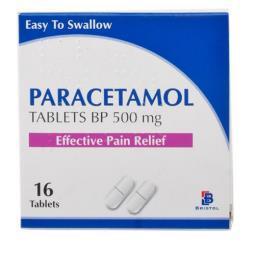
• Paracetamol
NB: Other medicines containing paracetamol may have been prescribed for some patients and this must be carefully checked
• Macrogol (Laxido®/ Movicol®)
• Senna tablets for syrup
• Gaviscon Advance®
• Peptac® liquid
Oral rehydration therapy e.g. Dioralyte®
Hydrocortisone cream 1%
NB: do not share tube between patients. 15g GSL pack to be used for one patient only and any remaining at the end of the treatment returned to the pharmacy for disposal
Further Guidance see Homely Remedy Policy- Appendix 4
4. Part Three –
Personal Care Guidance
Conditions and remedies listed as personal care are deemed to be outside the scope of medical care. They include remedies that are easily available as GSL or OTC. For the purpose of this service, Supported Living, it is recommended that a HCSW will still need to seek advice from the pharmacist before purchasing any items listed for personal care
If symptoms worsen, the GP or pharmacist should be contacted for advice.
NHS England have provided a list of common minor ailments that may be treated as personal care.
A ‘Supported Living Medication Purchase’ form SHOULD BE completed for each personal care purchased (See Appendix 3)
Personal Care Example OTC Products
Acute sore throat
Coughs and colds
Nasal congestion
Dandruff
Mild dry skin
Mild Skin Conditions
Mouth ulcers
Hypoglycaemia
✓ Lozenges e.g Lockets
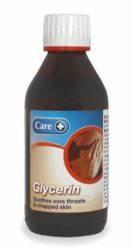
✓ Simple linctus, glycerol
✓ Menthol vapour rub
✓ Anti-dandruff shampoo, e.g Neutrogena®,
✓ Emollient creams and lotions, e.g. E45®, Cetraben®, Conotrane®
✓ Calamine Lotion Savlon Antiseptic Cream Savlon Bites and Sting
✓ Bonjela®. Refer to GP if not resolved in 7 days or multiple/painful/red
✓ Dextrogel
5. Prompting of Minor Ailments Medication
All HCSW who have are appropriately trained can prompt and/or administer minor ailment remedies to service users and should be named –‘Minor Ailments Medications Staff Signature Sheet’ (Appendix 4). Staff should sign to confirm they understand the Guidelines, are competent to prompt and/or administer remedies and to acknowledge they will be accountable for their actions.
If there are any additional concerns about potential interactions or contra-indications, or if there is any other uncertainty, additional medical advice should be sought.
6. Disposal of Homely Remedies
Minor Ailment medication which is no longer required or is out-of-date must be returned to the community pharmacy for the safe disposal/destruction. The disposal of the medicines should be recorded on the Stock Control Sheet – Minor Ailments Medication Disposal Record Sheet (Appendix 6) for that particular medicine before being returned to the pharmacy.
7. Summary of Documentation Advised
• No Prescription Required form for use by an HCP – Appendix 1
• Supported Living Common Minor Ailments and Medication: Medicines information for self-care and personal-care Appendix 2
• ‘Supported Living Medication Purchase’ form Appendix 3
• Supported Living Homely Remedy Policy Appendix 4
• Minor Ailments Medication Staff Signature Sheet Appendix 5
• Minor Ailments Medication Disposal Record Sheet Appendix 6
Appendix 1 – No Prescription Required
You have been diagnosed with a common condition that can be treated with medication available to buy over the counter from your pharmacy.
You do not need to make an appointment to speak to the pharmacist, just pop in any time and they will be happy to help you.
Ask the pharmacist for help and advice on the most appropriate medication to relieve your symptoms for:
Coughs and colds
Sore throat
Allergies
Skin rash
Heartburn and indigestion
Upset stomach
Diarrhoea
Constipation
Haemorrhoids
Headache
Toothache
Aches and pains
Threadworm
Head lice
Scabies
Athlete’s foot
Cold sores
Fungal skin infections – ringworm
Eczema
Conjunctivitis
Other – please indicate below
If at any time you are concerned about your condition or if your symptoms are not improving after a few days of treatment with over-the-counter medication, you should contact the local pharmacist or the surgery for more advice.
Appendix 2 – Supported Living Common Minor Ailments and Medication
FOR USE IN SUPPORTED LIVING SERVICE: SELF-CARE and PERSONAL-CARE
Conjunctivitis
Name Indication Cautions
Chloramphenicol eye drops

Haemorrhoids
• For the treatment of acute bacterial conjunctivitis
Seek medical advice if experience:
• Blurred vision
• Pain in eye
Name Indication Cautions
Zinc Oxide
Bismuth Oxide
Balsam Peru
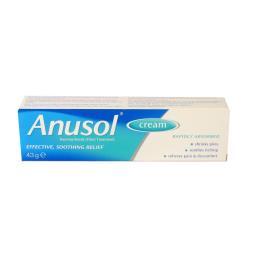
Anusol Cream
Dry Eyes
• Symptomatic relief of uncomplicated internal and external haemorrhoids
• Do NOT use if rectal bleeding or blood in stools- seek medical advice
Dose/Route/Frequency Comments
One drop every 2 hours for the first 48 hours and four hourly thereafter. The course of treatment is 5 days
• Store in fridge
• Do NOT wear contact lenses for duration of treatment
• Use during waking hours only
• Discard after 5 days
• For external use only
Dose/Route/Frequency Comments
Apply to affected area night and morning and after each evacuation as necessary.
• Cleanse and dry affected area before use
• For internal conditions use rectal nozzle provided
• Clean nozzle after each use
• NOT to be taken orally
Name Indication Cautions
Dose/Route/Frequency Comments
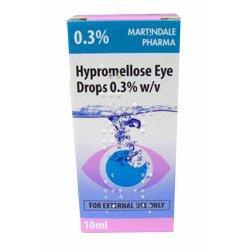
Hypromellose eye drops
Olive Oil Ear Drops
• Artificial tears
• Immediate relief of dry eye conditions
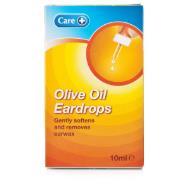
• Removal of ear wax
• If there is irritation, mild stinging or blurred vision see medical advice
ONE to TWO drops into the eye THREE times daily as needed
Place 2-3 drops in the ear and gently massage around the outside of the ear. Use twice a day for up to 7 days.
• For ocular use only
• The dropper should NOT touch any part of the eye or any surface.
• DO NOT use if wear contact lenses
• Shelf life once opened: discard after FOUR weeks
Mild to Moderate Hay Fever/ Allergic Rhinitis Name
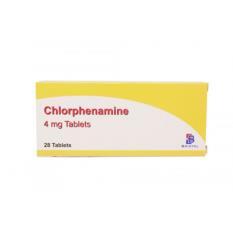
Chlorphenamine
Maleate 4mg tablets
Symptomatic relief of allergy, such as:
• Seasonal allergic rhinitis (Hay fever)
• Allergic reaction resulting in rash, inflammation or itchiness
• Insect bite or sting
• Under the advisement of a pharmacist.
• Prostatic hypertrophy
• Urinary retention
• Renal impairment
• Known severe liver disease
• Epilepsy
• On tricyclic antidepressants (e.g. Amitriptyline, Lofepramine)
• On MAOI’s or treated with MAOI in the last 14 days
ONE 4mg tablet orally
Take every 4-6 hours
Maximum SIX tablets (24mg) daily
• Allow ear drops to warm to room temperature before use
• The person should lie with the affected ear uppermost for 5 to 10 minutes after a generous amount of the softening remedy has been introduced into the ear
Side effects may include:
• Drowsiness, blurred vision, dry mouth, inability to concentrate
• Gastro-intestinal disturbances
• Confusional psychosis may occur rarely in the elderly
• Avoid alcohol
• Do not use with other antihistamines
Ear Wax
• Glaucoma
• Previous anaphylaxis due to Chlorphenamine –do not give Loratadine 10mg tablets
Cetirizine 10mg tablets
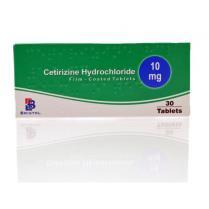
• Symptomatic treatment of allergic rhinitis and chronic idiopathic urticaria.
• Under the advisement of a pharmacist.
• Liver impairment
ONE tablet daily
• Avoid alcohol
• Avoid if Body weight <30kg
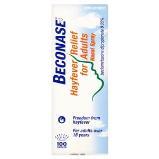
Beconase Hayfever Relief for
• For the relief of nasal and ocular symptoms of seasonal and perennial allergic rhinitis
• Under the advisement of a pharmacist.
• Seasonal Allergic Rhinitis (hayfever). Provides relief from nasal
• Hypersensitivity to the active substance, to hydroxyzine or to any piperazine derivatives.
• Patients with severe renal impairment
ONE tablet daily
• Caution is recommended in epileptic patients and patients at risk of convulsions. SEEK medical advice
• In sensitive patients, the concurrent use of alcohol or other CNS depressants may cause additional reductions in alertness and impairment of performance
• TWO sprays into each nostril morning and evening. MAXIMUM 8 sprays in 24 hours.
• If symptoms do NOT improve in 7 days seek medical advice
• Shelf life once opened: discard after 3 months
Beclometasone
Adults 0.05% Nasal
Spray congestion, runny nose, sneezing, itchy nose
Sodium
Cromoglicate 2% eye drops
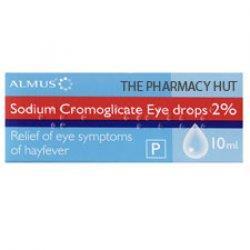
• Relief of acute allergic conjunctivitis
Athletes Foot/ Ringworm
Name
Clotrimazole 1%
Canesten Dual
Action 1% Cream
Clotrimazole 1%
• Treatment for athletes foot
• ONE or TWO drops into each eye FOUR times daily
• Discard any remaining after four weeks of opening
• DO NOT use while wearing contact lenses
• Treatment for Ringwormfungal infection
• Cream contains cetostearyl alcohol, which may cause local skin reactions
APPLY thinly two or three times daily rubbing in gently
• DO NOT use for nail or scalp infections
• Seek medical advice if symptoms persist more than 7 days
• Feet should be thoroughly washed and dried, especially between toes, before applying the cream
• Store in cool dry place
• Cream contains cetostearyl alcohol, which may cause local skin reactions
APPLY thinly two or three times daily rubbing in gently
• Treatment should be continued for at least 2 weeks
• Store in cool dry place
Threadworm
Name Indication Cautions Dose/Route/Frequency Comments
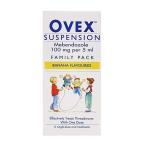
Mebendazole 100mg
Ovex
Acute Sore Throat
• Treatment for Enterobius Vermicularis (threadworm)
• Oral suspension should be considered if unable to swallow tablets
• Do NOT use if patient is taking: Metronidazole Cimetidine
One tablet chewed, crushed or swallowed whole. A second tablet can be taken after 2 weeks if reinfection is suspected
Liquid: ONE 5ml as soon as possible. A second 5ml dose should be taken after 2 weeks if reinfection is suspected
• Gastro-intestinal disturbances
Name Indication Cautions Dose/Route/Frequency Comments
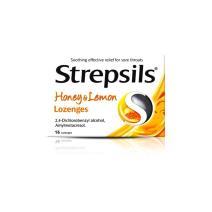
Stepsils Honey and Lemon Lozenges
Coughs and Colds
• Symptomatic relief of cough and sore throat
Dissolve 1 lozenge slowly in mouth every 2-3 hours. Maximum 12 lozenges in 2 hours
Name Indication Cautions Dose/Route/Frequency
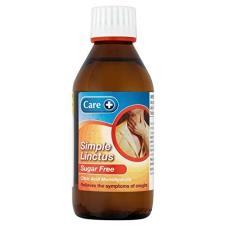
Simple Linctus (Sugar Free)
• Dry, irritating cough
• Productive cough with purulent sputum
5ml orally, 3-4 times daily if needed
• None know
• None know
• Relief of cough and sore throat
Nasal Congestion
• DO NOT give if diabetic
• Use in caution with renal disease, cardiac failure or dehydration
ONE or TWO 5ml spoonful. Repeat after four hours if needed
Name Indication Cautions
Camphor / eucalyptus / menthol (Vicks vaporub)
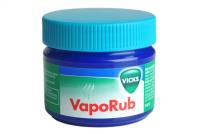
Nasal congestion and cough with cold symptoms
Dose/Route/Frequency Comments
Apply to the chest or nasal area up to three time a day OR
Rub liberally on chest, throat and back, leave night clothes loose to allow easy inhalation OR Melt 2 teaspoonsful in a bowl of hot but not boiling water and inhale vapours for 10-15 minutes
• Each person MUST have their tub of vaporub
Name Indication Cautions
Dose/Route/Frequency Comments
Dandruff
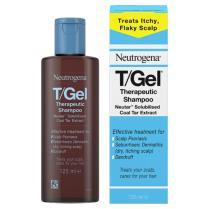
Neutrogena T/Gel
Therapeutic
Mild Dry Skin Name
Benzalkonium
Chloride 0.1% and Dimethicone 22.0%
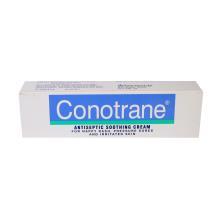
cream (Conotrane)
• Treatment of dandruff
• Protection of the skin from moisture, irritants, chafing
• It may be used in situations such as in the prevention of pressure sores and in the management of incontinence
• Emollient cream to sooth, smooth and hydrate skin in dry scaling disorders
• Do NOT use on acutely inflamed or broken skin, erythrodermic and generalised pustular psoriasis
• If irritation develops seek medical advice.
• Avoid contact with eyes
Apply liberal amounts, massage into wet scalp and leave for several minutes. The scalp should be rinsed, the application repeated and then the scalp rinsed thoroughly. Use 2-3 times WEEKLY
• If no improvement after 6 weeks seek medical advice
• Store away from direct sunlight
• May stain skin, hair, fabric
• Broken areas of skin
• Known hypersensitivity to Benzalkonium chloride
A sufficient quantity to the sore area of skin several times a day as necessary
• May cause local skin reactions (e.g. contact dermatitis)
• For External Use Only
• Suspected infection Apply a sufficient quantity to the skin 3 or 4 times a day, as necessary.
Apply in direction of hair growth to reduce the risk of folliculitis
• Occasional sensitivity
• Keep separate tube per patient
• WARNING: Paraffin based emollient – Fire Hazard
• For External Use Only
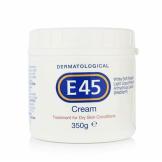
E45 Cream
Cetraben Cream
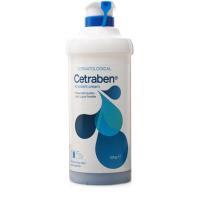
• Moisturising and protective cream for the relief of symptoms such as red, inflamed, damaged, dry, or chapped skin, especially when associated with eczema
Mild Skin Conditions
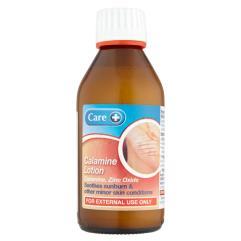
Calamine 15%w/w
Zinc Oxide 5%w/w
(Calamine Lotion)
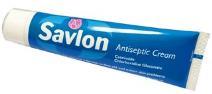
Cetrimide 0.5% w/w
Chlorhexidine
Digluconate 0.1% w/w
(Savlon Antiseptic cream)
• Symptomatic relief of mild sunburn and minor skin conditions
• Mild skin reactions, such as redness and rash, have been seen very rarely. Should this occur, use of the product should be stopped. SEEK medical Advice
Apply to dry skin areas as often as required and rub in.
• For External Use Only
• WARNING: Paraffin based emollient – Fire Hazard
Skin conditions such as cuts and grazes
• Apply with a pad of cotton wool to the affected skin as required.
• Shake the bottle
• For external use only
• Avoid contact with the eyes, middle ear, meninges and other nervous tissue
• If accidentally splashed into the
Apply to the affected area as directed in patient information leaflet after cleansing.
• For external use only
• Each person MUST have their tube of cream
EXPIRY DATES - Shelf life after opening is 12 months
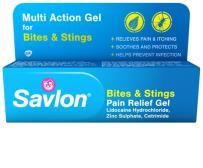
Lidocaine Hydrochloride
2.0% w/w / Zinc Sulphate
1.0% w/w / Cetrimide
0.5% w/w
(Savlon bites & stings cream)
Mouth Ulcer
Choline Salicylate
Dental Gel BP
For the symptomatic relief of pain, itching, irritation, and for antiseptic protection. For use in insect bites and stings, and skin reactions such as nettle rash, caused by contact with
eye, the open eye should be irrigated for at least 10 minutes
• Painful mouth due to mild oral and perioral
• Contact with the eyes should be avoided
• For external use only
• Not suitable for animal bites
Apply a small amount to the affected area with a fingertip. Repeat if required up to 3-4 times daily.
• Each person MUST have their tube of cream
• EXPIRY DATES - Shelf life after opening of the tube: 3 months
• Suspected Candida infection Half an inch of gel to be applied to the sore area of
• Not to be applied to dentures
• Leave for at least 30 minutes before re-insertion of dentures
(Bonjela Sugar Free) lesions (mouth ulcers)

Hypoglycaemia
Name Indication Cautions
Dextrose Liquid form (Dextrogel) 25g tube
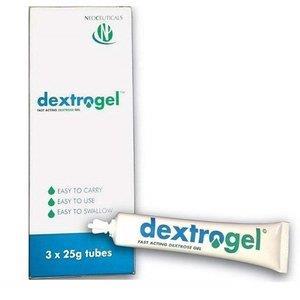
• Emergency treatment of hypoglycaemic attack
the mouth and massaged gently.
Do not use more often than once every 3 hours.
Maximum of 6 applications daily
• Keep a separate tube per person
• Not to be used in children under the age of 16 years
• Bronchospasm/asthma in susceptible patients
• If unresolved in 7 days seek medical advice
Dose/Route/Frequency Comments
10-20g given by mouth
• Repeat after 10-15 minutes if necessary for a MAXIMUM of 2 doses
• Ensure patient has plenty of fluids and carbohydrates following recovery
• Seek medical advice where necessary
Appendix 3 – Supported Living Medication Purchase
Name of Resident:
Name of Medicine:
Where was the medicine purchased?
What date was the medicine purchased?
Expiry/Batch Number:
Do not use after date: e.g., eye drops, where the product leaflet states once opened discard after ……. days/weeks. Or check with pharmacist.
Medication Opening Date:
Did you check with the Pharmacist that this medicine will not interact with their current medication and that this is the most suitable medicine?
How do we administer the medication and how many times a day as directed by Pharmacist?
Name of Resident: Medication:
DATE TIME STAFF SIGNATURE IF ADMINISTERED MEDICATION COUNT IF APPLICABLE SERVICE USER SIGNATURE IF SELFADMINISTERED/APPLIED
Appendix 4 –
Supported Living Homely Remedy Medication Policy
A homely remedy is a medicinal preparation used to treat minor ailments; they are purchased over the counter and do not require a prescription. These may be products that would commonly be available in any household.
The NICE Social Care Guideline (SC1) includes recommendation that providers offering non-prescription medicines or other OTC products (homely remedies) for treating minor ailments should consider having a process or policy.
The Care Quality Commission (CQC) agreed that a small range of products may be used for the treatment of minor ailments for a short duration. These products will need to be discussed with the pharmacist before purchasing for the service user.
Supported Living have adopted the self-care toolkit which is supported by Provide Medicines Governance and Safety Group The agreed list of medicines for homely remedies are:
Chart Condition Homely Remedy OTC Product
1 Pain (mild to moderate), discomfort and fever. (e.g. aches and sprains, headache, period pain, back pain, toothache)
2 Constipation
3 Indigestion and heartburn
4 Diarrhoea
• Paracetamol
NB: Other medicines containing paracetamol may have been prescribed for some patients and this must be carefully checked
• Macrogol (Laxido®/ Movicol®)
• Senna tablets for syrup
• Gaviscon Advance®
• Peptac® liquid
Oral rehydration therapy e.g. Dioralyte®
5 Insect bites and stings Hydrocortisone cream 1% NB: do not share tube between patients. 15g GSL pack to be used for one patient only and any remaining at the end of the treatment returned to the pharmacy for disposal
Obtaining supplies of Homely Remedies
Homely remedies can ONLY be purchased from the service users’ regular pharmacy. The medication will need to be checked with the pharmacist to ensure suitability and appropriateness for the service user.
The Supported Living Medication Purchase (Appendix 3) should be used to record any purchases of homely remedies.
NB: The quantity of paracetamol tablets and capsules that can be purchased is restricted by law. It is recommended that only packs of 16 are used for homely remedies.
Medicines not suitable as Homely Remedies
• Products requiring invasive administration e.g. suppositories
• Medicines that take up to 48 hours to work e.g. lactulose
• External preparations as these should only be used for individuals to avoid cross contamination – except hydrocortisone cream (individual pack)
• Vitamins, herbal or homeopathic supplements
• Medicines being obtained via bulk prescription
Storage
• Homely remedies should be stored in a lockable cupboard
• Homely remedies should be stored in accordancewith the instructions in the patient information leaflet
• Stocks and expiry dates should be checked monthly
• Some liquids and eye drops have a reduced shelf-life once opened, therefore the date opened should be recorded on the bottle/label. The manufacturer’s instructions should be checked for this information
Administration of Homely Remedies
The administration/prompt of a homely remedy is in response to a request from the service user It is the responsibility of the senior manager to check that the administration of a homely remedy is appropriate (e.g. not prescribed a similar or the same treatment). If there is any uncertainty, the HCP should be consulted and the discussion documented.
• Homely remedies should be given for a limited period, usually 48 hours or the period stated in the medicines policy
• If symptoms do not subside after 48 hours a HCP should be contacted and advice sought
• It should be clear what was given, when it was given, what time, what dose, who administered and why it was given, as well as the effect of the medication. This is particularly important so other members of care staff are aware of when the last dose was given to monitor effectiveness and avoid overdosing
• If a homely remedy is given regularly this must be reviewed with the GP
• Homely remedies are not for the use of anyone else, e.g. family member or staff
Disposal
Medication which is no longer required or is out-of-date must be returned to the community pharmacy for the safe disposal/destruction. The disposal of the medicines should be recorded on the Stock Control Sheet – Minor Ailments Medication Disposal Record Sheet (Appendix 6) for that particular medicine before being returned to the pharmacy.
Chart 1 – Pain
MILD PAIN only; all cases of sudden onset severe pain MUST be referred
Communication of pain is not just verbal. Look for facial signs, sighing, groaning, and calling out, aggression and withdrawal which is out of character.
Use Abbey Pain Score or PAINAD tool
Has resident been given any medicines containing paracetamol during the last 24 hours?
REMEMBER that paracetamol is an ingredient of medicines such as co-codamol (includes Solpadol, Zapain and others), co-dydramol, as well as many products purchased over the counter such as cough and cold remedies.
CHECK LABELS CAREFULLY DON’T FORGET TO CHECK LIQUID MEDICINES

YES
Paracetamol may only be given provided the maximum dose in 24 hours is not exceeded and that it is at least FOUR hours since the last dose.


Can patient swallow solid dose medicines?

• Give paracetamol 500mg tablets/caplets
• For adults give TWO tablets per dose and repeat if necessary every FOUR to EIGHT hours
• NO MORE THAN EIGHT TABLETS TO BE TAKEN IN 24 HOURS
• Give paracetamol suspension 250mg/5ml
• For adults give 20ml per dose and repeat if necessary every FOUR to SIX hours
• NO MORE THAN 80ml (4g) TO BE TAKEN IN 24 HOURS
Medicines Information – Pain
Drug Paracetamol
Indication for Use
Strength
Dose
Maximum dose in 24 hours
Mild to moderate pain associated with headache, muscle or joints
Pyrexia
500mg tablets/capsules/caplets/ effervescent tablets
TWO tablets up to FOUR times a day
If body weight is <50 kgs give 1 tablet up to four times a day
8 tablets (4g) in divided doses (maximum 2 tablets (1g) in any 4 hours)
If body weight <50kg give Maximum 2g in divided doses
Maximum duration of treatment as homely remedy
Cautions
Additional Information
Up to 48 hours then seek advice from GP
Do not administer with other paracetamol containing products (check all current medication taken).
Not suitable if history of severe liver disease or alcohol abuse.
Many medicines also contain paracetamol. Check current medication records and if in doubt check with pharmacist.
Do not give if patient is prescribed any medication containing paracetamol
Not to be used without prescription in persons with liver failure
Remember effervescent tablets contain sodium. Avoid soluble tablets in patients with restricted sodium diet and hypertension
Additional Resources
Patient Information leaflet (check the label/leaflet for the product purchased), BNF
Drug Paracetamol Suspension
Indication for Use
Relief of mild pain
Strength 250mg/5ml suspension
Dose
Maximum dose in 24 hours
Maximum duration of treatment as homely remedy
Cautions
Additional Information
Additional Resources
FOUR 5ml spoonful’s (20ml) up to FOUR times a day
80ml (4g) in divided doses (maximum 20ml (1g) in any 4 hours)
Up to 48 hours then seek advice from GP
Do not administer with other paracetamol containing products (check all current medication taken). Not suitable if history of severe liver disease or alcohol abuse.
If bodyweight is <50 kgs give 10ml up to four times a day
Many medicines also contain paracetamol. Check current medication records and if in doubt check with pharmacist.
Patient Information leaflet (check the label/leaflet for the product purchased), BNF
Chart 2 – Constipation
Initial changes in bowel habits should be reported to GP. Bowel charts should be kept in care plans for monitoring purposes. Constipation in the elderly is often due to insufficient fluid intake. Avoid large glasses of fluid – little and often is more effective.
Does the resident show any of the following alarm signs?
• Blood in stools
• Severe abdominal pain
• Unintentional weight loss
• Associated diarrhoea
• Painful and ineffectual straining

Is the resident taking any medication which could cause constipation? See Information Table and patient information leaflets
Increase dietary fibre, try prune juice, and increase mobility if possible. If not possible, give one macrogol sachet as instructed in medicines information for constipation.
In addition to above give senna tablets TWO at night (or if unable to swallow tablets, give 10ml senna liquid)
Contact GP or NHS 111

Contact GP or NHS 111
Information Table
Some common drugs which can cause constipation:
• Indigestion remedies containing aluminium
• anti-diarrhoeals e.g. Loperamide (Immodium®)
Check with pharmacist or GP and follow advice given. If medication is stopped, make note in care plan
Continue lifestyle advice to help prevent re-occurrence
• antihistamines e.g. chlorpheniramine (Piriton®) promethazine (Phenergan®)
• antipsychotics e.g. risperidone
• diuretics e.g bendroflumethiazide, furosemide (if dehydration occurs)
• iron and calcium supplements;
• pain killers containing opioids e.g. codeine, Dihydrocodeine, morphine, tramadol
• some antidepressants e.g. amitriptyline, imipramine;
If constipation frequently reoccurs, ask GP to review
• some Parkinson’s drugs e.g. levodopa;
• some drugs to treat high blood pressure e.g. amlodipine;
• anticholinergic for urinary frequency e.g. oxybutinin
Medicines Information – Constipation
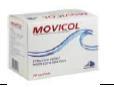
Drug Macrogol ‘3350’ powder sachet (Laxido/Movicol)
Indication for Use
Strength
Dose
Maximum dose in 24 hours
Maximum duration of treatment as homely remedy
Cautions
For relief of constipation
Macrogol 3350 with potassium chloride, sodium chloride and sodium bicarbonate
One to three sachets daily
To be made up in 125ml of water (half a glass). Can be mixed with any juices of preference.
3 sachets
Up to 48 hours then seek advice from GP
Reconstituted sachets must be discarded after 6 hours if not taken.
Additional Information Can be chilled in fridge before giving.
Additional Resources
Patient Information leaflet (check the label/leaflet for the product purchased), BNF
Drug Senna
Indication for Use
Strength
Dose
For relief of constipation
7.5mg tablet; 7.5ml/5ml syrup
ONE to TWO tablets at night; 5 to 10ml at night
Maximum dose in 24 hours TWO tablets/10ml syrup
Maximum duration of treatment as homely remedy
Cautions


Up to 48 hours then seek advice from GP
This product should not be used when abdominal pain, intestinal obstruction, nausea or vomiting is present
Additional Information May colour urine
For use when macrogols are not tolerated
Additional Resources
Patient Information leaflet (check the label/leaflet for the product purchased), BNF
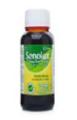
Chart 3 – Indigestion/Heartburn
Indigestion is experienced as discomfort, or a burning pain in the central chest region. When this burning rises up towards the throat it is referred to as heartburn. Flowchart for use when resident has MILD pain only – all cases of acute or severe pain MUST be referred immediately.
Is there any doubt that the symptoms are caused by indigestion or is the resident generally unwell?
Is the resident taking any medicines which could cause indigestion? Check patient information leaflets and see Box 1
Is the resident taking any medicine which carries a warning to avoid antacids or indigestion remedies? Check the medicines label
Give Gaviscon Advance® or Peptac® after meals and at bedtime. Give lifestyle advice – see Box 2
Contact GP or NHS 111
Contact pharmacist or GP and follow advice. Record actions
Contact pharmacist for advice or avoid giving indigestion medicine within 2 hours either side of affected medicine.
Contact GP or NHS 111 if symptoms are not relieved by treatment
Box 1
Some medicines that commonly cause indigestion:
• Anti-inflammatory medicines e.g. aspirin, ibuprofen, naproxen
• Oral corticosteroids e.g. prednisolone
Box 2
• Eat small regular meals. Chew food well
• Avoid bending or stooping during and after meals
• Cut down or stop smoking, alcohol, caffeine (contained in coffee, carbonated drinks, tea and some pain killers) if possible
• Avoid spicy foods e.g curries
• Avoid fatty foods e.g. pastry
• Avoid clothing which is tight around the waist
Medicines Information – Indigestion/Heartburn
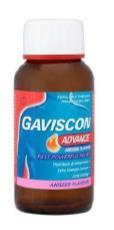
Drug Gaviscon Advance® liquid (peppermint or aniseed flavour)
Indication for Use
Gastric reflux and heartburn
Strength 500mg sodium alginate, 100mg potassium bicarbonate per 5ml
Dose 5-10ml after meals and at bedtime
Maximum dose in 24 hours 40ml in divided doses
Maximum duration of treatment as homely remedy
Cautions
Additional Information
Additional Resources
Up to 48 hours then seek advice of GP
Contains sodium (2.3mmol in 5ml) and potassium (1mmol in 5ml). Avoid where sodium restriction is indicated
Shake well before use. Sugar free, so suitable for diabetics. Gaviscon Advance® is not listed on the Mid-Essex Formulary; it is included here as it is readily available OTC
Patient Information Leaflet (check the label/leaflet for product purchased), BNF
Drug
Indication for Use
Strength
Peptac® liquid aniseed/peppermint
Heartburn and gastric hyperacidity
133.5mg sodium bicarbonate, 250mg sodium alginate and 80mg calcium carbonate in 5ml
Dose 10-20ml after meals and at bedtime
Maximum dose in 24 hours 80ml daily
Maximum duration of treatment as homely remedy
Cautions
Additional Information
Additional Resources
Up to 48 hours then seek advice of GP
Should not be used in patients who are severely debilitated or suffering from kidney failure. Antacids inhibit the absorption of tetracyclines and vitamins and should not be taken at the same time. Leave at least 1-2 hours between doses.
Shake well before use. Sugar free so suitable for diabetics
Patient Information Leaflet (check the label/leaflet for the product purchased; BNF
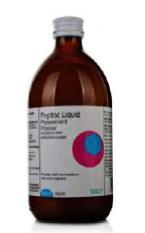
Chart 4 – Diarrhoea
Diarrhoea in the frail elderly can quickly lead to dehydration and deterioration in health
Are any of the following present?
• Blood or mucus in stools
• Recent history of constipation
• Diarrhoea accompanied by vomiting lasting more than 24 hours
• Stools are black and tarry or profuse and foul smelling
• Severe abdominal pain
• Drowsiness
• Confusion
Contact GP or NHS 111
Infection Control
Staff and residents must exercise rigorous hand hygiene as diarrhoea can spread through hand surface contact to other service users. Seek medical advice if more than one case occurs, as this could indicate a serious cause e.g. C.difficile
Is the resident taking any medicines which could cause diarrhoea? E.g. antibiotics (current or very recent) or laxatives
Is the resident experiencing uncomplicated sudden, short term diarrhoea?
Contact GP or NHS111
YES/unsure
Contact Pharmacist or NHS111 AND encourage resident to drink plenty of clear fluids such as water or diluted squash. Avoid dairy products such as cheese or milk
Continue fluids and if diarrhoea is severe it may be useful to offer rehydration solutions (e.g. Dioralyte®) to drink. Such solutions should be prepared following leaflet instructions and drunk within 1 hour (stored in a refrigerator may be kept for up to 24 hours)
Prolonged diarrhoea can reduce the effectiveness of medication and de-stabilise patients, such as those with diabetes and epilepsy. Monitor more closely
Medicines Information: Diarrhoea
Drug Dioralyte® sachets
Indication for Use
For fluid and electrolyte replacement
Strength N/A
Dose
One or two sachets after each loose stool. Contents of each sachet should be dissolved in 200ml of drinking water
Maximum dose in 24 hours N/A
Maximum duration of treatment as homely remedy
Cautions
Additional Information
Additional Resources
Up to 24 hours if refusing to drink. Up to 48 hours; if diarrhoea is persistent then seek advice from GP
None
The solution may be stored for up to 24 hours in a fridge, otherwise any solution remaining an hour after reconstitution should be discarded
Patient Information Leaflet (check the label/leaflet for the product purchased; BNF
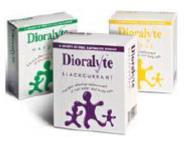
Chart 5 – Insect bites and stings
Bites and stings can be treated:
• First line – with a cold compress
• Second line – hydrocortisone 1% cream may be applied for localised redness and itching – only if skin is unbroken
Severe swelling and redness must be referred to GP or NHS 111
Residents known to be allergic to wasp or bee stings must keep their emergency treatment with them at all times
Drug
Indication for Use For symptomatic treatment of all insect bites and stings
Strength 1% w/w, 15g
Dose Apply sparingly to a small area, once or twice a day
Maximum dose in 24 hours One finger-tip unit twice in 24 hours
Maximum duration of treatment as homely remedy 48 hours, then seek advice of GP
Cautions
The product should not be used on the eyes or face, the ano-genital area or broken or infected skin – including impetigo, cold sores, acne, athlete’s foot, scabies or infected bites or stings
Additional Information GP may suggest continued treatment but should be self-care from an individual (form available at Appendix 1). N.B, do not share tube between patients. 15g GSL pack to be used for one patient only, any remaining at the end of the treatment returned to the pharmacy for disposal.
Additional Resources Patient Information Leaflet (check the label/leaflet for the product purchased; BNF
1% Cream
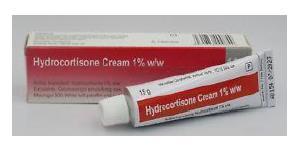
Hydrocortisone
Appendix 5 – Minor Ailments Medication Staff Signature Sheet
STAFF SIGNATURE SHEET
All members of Supported Living staff that are responsible for prompting and/or administering homely remedies should read the Minor Ailments Policy in full.
Health Care Support Workers should complete the details below to confirm that:
• They have understood the Minor Ailments Policy
• They have understood the Homely Remedy Policy
• They are competent to prompt and/or administer to service users
• They acknowledge accountability for their actions
Only staff members who have signed below are authorised to administer homely remedies.
Appendix 6 – Minor Ailments Medication Disposal Record Sheet
Medication Returned To Pharmacy
Pharmacy Name:
Pharmacy Location: