THE MOLECULE
BEHIND THE THERAPY
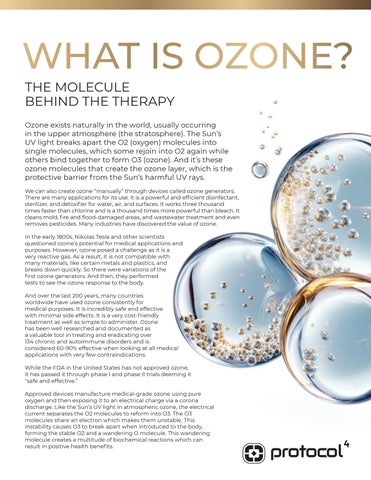
Ozone exists naturally in the world, usually occurring in the upper atmosphere (the stratosphere). The Sun’s UV light breaks apart the O2 (oxygen) molecules into single molecules, which some rejoin into O2 again while others bind together to form O3 (ozone). And it’s these ozone molecules that create the ozone layer, which is the protective barrier from the Sun’s harmful UV rays.
We can also create ozone “manually” through devices called ozone generators. There are many applications for its use. It is a powerful and efficient disinfectant, sterilizer, and detoxifier for water, air, and surfaces. It works three thousand times faster than chlorine and is a thousand times more powerful than bleach. It cleans mold, fire and flood-damaged areas, and wastewater treatment and even removes pesticides. Many industries have discovered the value of ozone.
In the early 1800s, Nikolas Tesla and other scientists questioned ozone’s potential for medical applications and purposes. However, ozone posed a challenge as it is a very reactive gas. As a result, it is not compatible with many materials, like certain metals and plastics, and breaks down quickly. So there were variations of the first ozone generators. And then, they performed tests to see the ozone response to the body.
And over the last 200 years, many countries worldwide have used ozone consistently for medical purposes. It is incredibly safe and effective with minimal side effects. It is a very cost-friendly treatment as well as simple to administer. Ozone has been well researched and documented as a valuable tool in treating and eradicating over 134 chronic and autoimmune disorders and is considered 60-90% effective when looking at all medical applications with very few contraindications.
While the FDA in the United States has not approved ozone, it has passed it through phase I and phase II trials deeming it “safe and effective.”
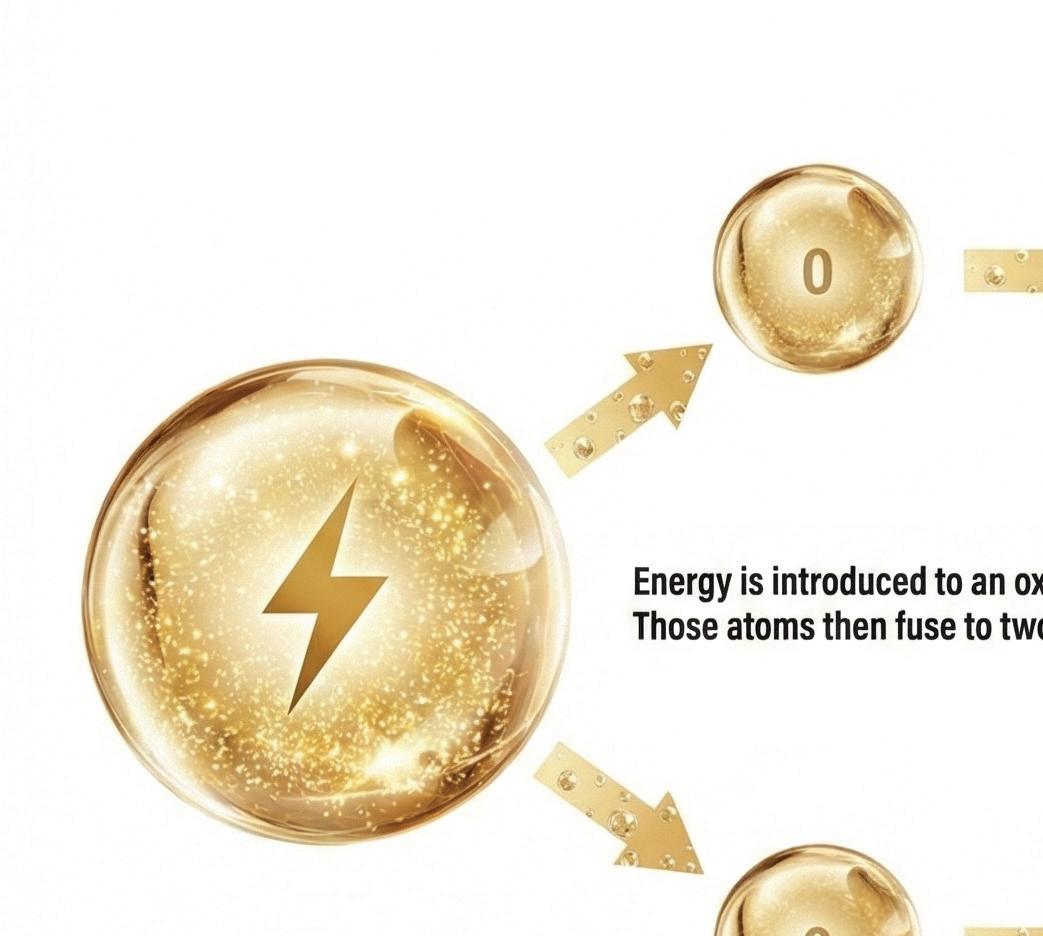
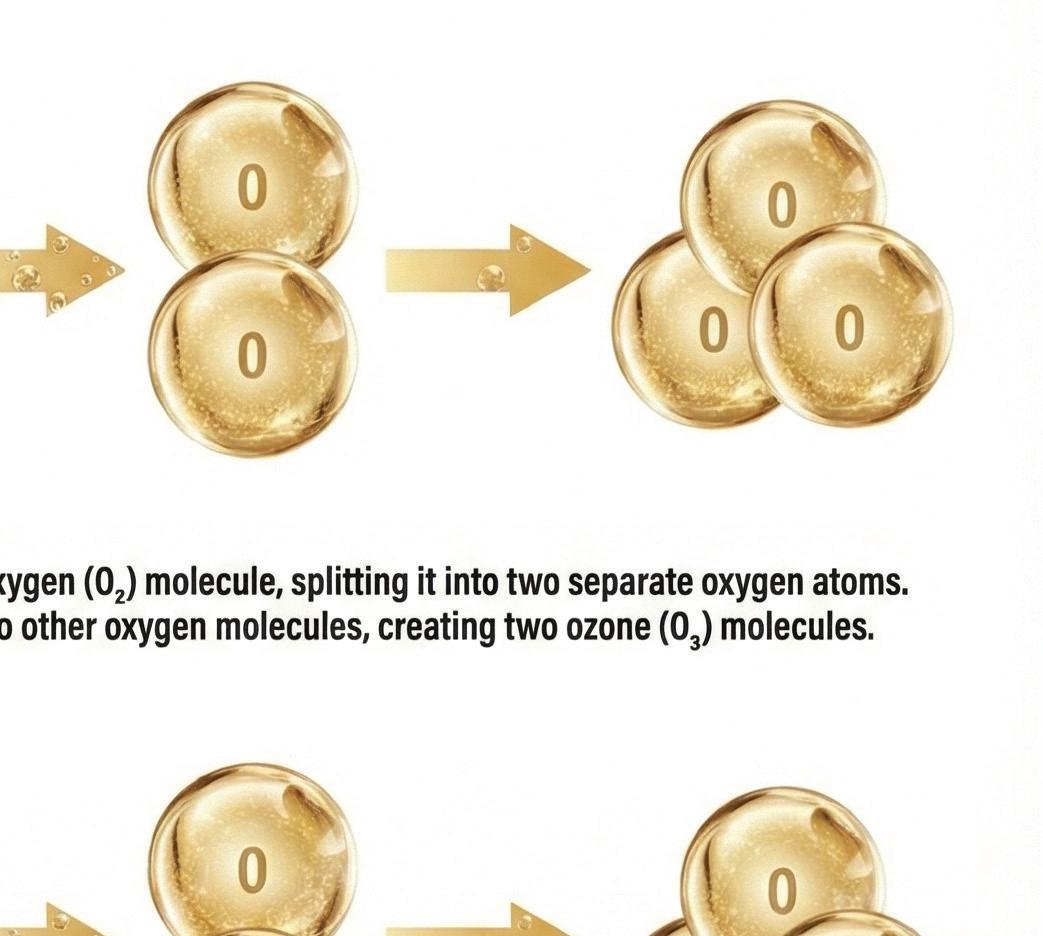
Approved devices manufacture medical-grade ozone using pure oxygen and then exposing it to an electrical charge via a corona discharge. Like the Sun’s UV light in atmospheric ozone, the electrical current separates the O2 molecules to reform into O3. The O3 molecules share an electron which makes them unstable. This instability causes O3 to break apart when introduced to the body, forming the stable O2 and a wandering O molecule. This wandering molecule creates a multitude of biochemical reactions which can result in positive health benefits.
WHAT IS OZONE?
Some main benefits for ozone treatments are:
• Ozone is a significant immune modulator and helps balance the immune system if it is deficient, struggling, or overactive such as in an autoimmune condition.
• Ozone is an excellent vasodilator and stimulates better peripheral and circulation to enhance oxygen and nutrient delivery through the red blood cells.
• Ozone is a tool that increases cellular efficiency, stimulating cellular energy production as well as detoxing cells, keeping them high-functioning for an anti-aging effect.
• Ozone can help to decrease pain.
• Ozone stimulates antioxidants and enzymatic processes that support cellular repair and fight against degeneration.
• Ozone reduces inflammation.
• Ozone fights against pathogens like viruses, bacteria, yeast, mold, and fungus
Therefore, ozone therapy is a systemic approach to many chronic and autoimmune disorders and a localized therapy for specific areas such as joints, gut, female organs, and more.
Certified practitioners administer ozone through IV and specific injections. Also, you can use ozone with homeuse ozone generators and perform simple treatments like insufflation, ozonated oils, creams, and water.
As with most integrative and regenerative therapies, seeing just one treatment fix a problem is rare. Generally, a series of treatments is required to restore health. This philosophy makes sense to those looking to improve their health problems, not just mask the symptoms with medications or short-term procedures. Please talk to your ozone provider about a treatment plan that is most likely to give you the best results for your health status and condition. And don’t forget, the treatments that restore health will most likely also prevent aging and disease, so you may want to get regular maintenance treatments or use them at home for long-term optimization benefits.
THE FORMATION OF OZONE