THE ROLE OF PROTEIN IN MUSCLE GROWTH

Protein is essential for building, maintaining, and repairing muscles.
Understanding The Role of Protein in Muscle Growth helps maximize performance and recovery. Whether you're a beginner or experienced, incorporating quality sources like Elite Proteins supports your fitness goals.
Building Blocks of Muscles
Protein is made up of amino acids, which are the building blocks of muscle tissue. When you engage in strength training or high-intensity exercise, your muscle fibers experience microscopic tears. Protein helps repair these tears by supplying the amino acids needed to rebuild and strengthen the muscle tissue. This process, known as muscle protein synthesis (MPS), is central to muscle growth and recovery.



Essential for Recovery
One of the primary aspects of The Role of Protein in Muscle Growth is its importance in recovery. After an intense workout, your body is in a state where it requires additional nutrients to repair and recover. Consuming a high-quality protein source like Elite Proteins after exercise can accelerate muscle repair, reduce soreness, and prepare your body for the next training session.

Protein Timing Matters

Timing your protein intake can significantly impact muscle growth. Research suggests that consuming protein immediately after a workout enhances MPS. This period, often referred to as the “anabolic window,” is when your muscles are most receptive to nutrients. Including Proteins in your post-workout routine ensures you’re getting a fastabsorbing, high-quality source of protein right when your muscles need it most.
Daily Protein Requirements
To support muscle growth, it’s crucial to meet your daily protein needs. For active individuals, the recommended intake is approximately 1.2 to 2.0 grams of protein per kilogram of body weight. For instance, a person weighing 70 kilograms should aim for 84 to 140 grams of protein daily. Spreading this intake evenly across meals and snacks ensures a steady supply of amino acids for optimal muscle growth.


Types of Protein for Muscle Growth
Not all proteins are created equal. For effective muscle building, prioritize complete proteins that contain all nine essential amino acids. High-quality sources include lean meats, eggs, dairy, and supplements like Proteins. Whey protein, in particular, is a popular choice among athletes due to its high bioavailability and rapid absorption rate, making it ideal for post-workout consumption.
Leucine’s Impact on Muscle Growth
Leucine, a branched-chain amino acid (BCAA), plays a pivotal role in activating muscle protein synthesis. Foods rich in leucine, such as chicken, fish, and protein supplements like Elite Proteins, are especially effective for muscle growth. Aim to include leucine-rich sources in your diet to enhance your body’s ability to build and maintainmusclemass.

Combining Protein with Exercise
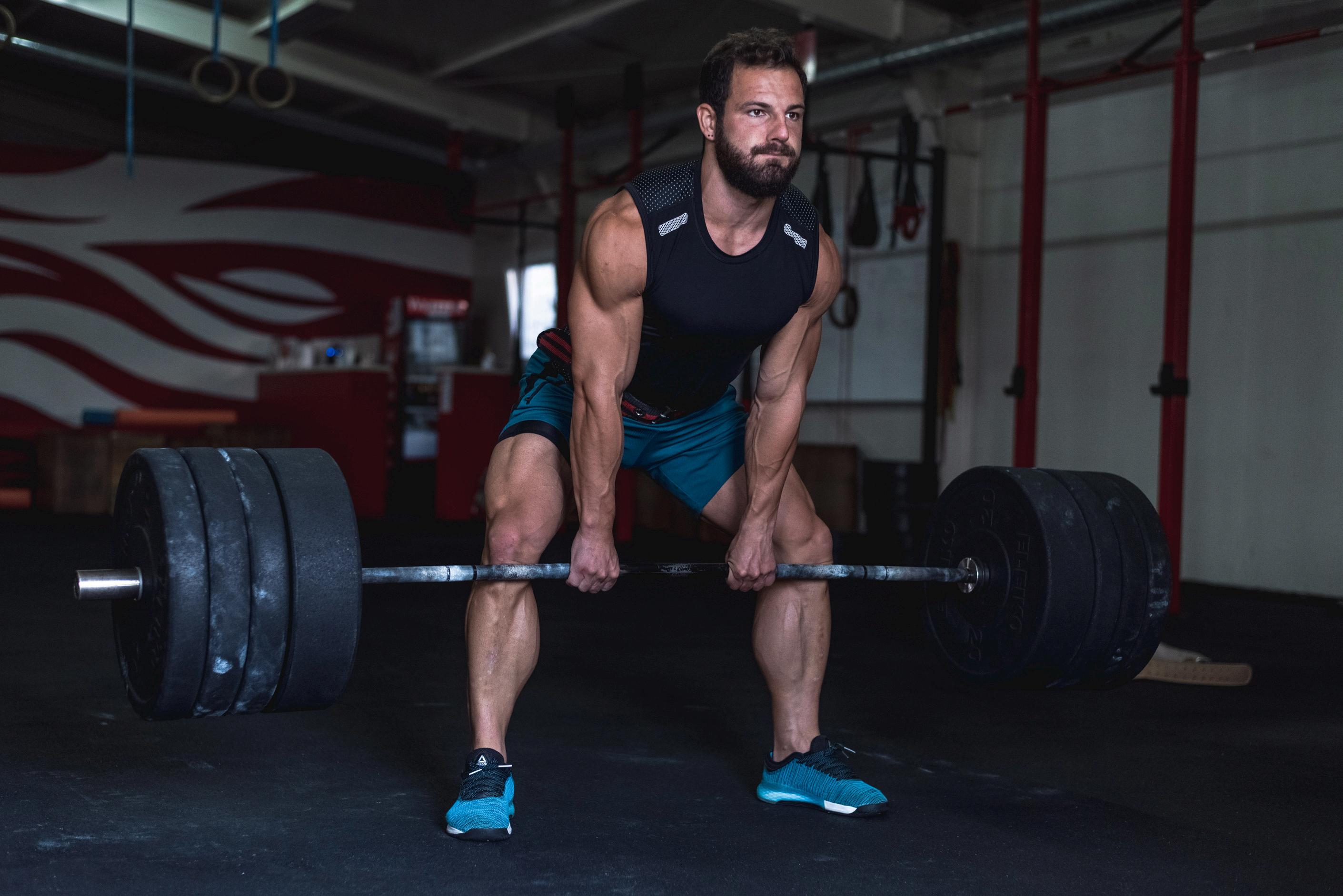
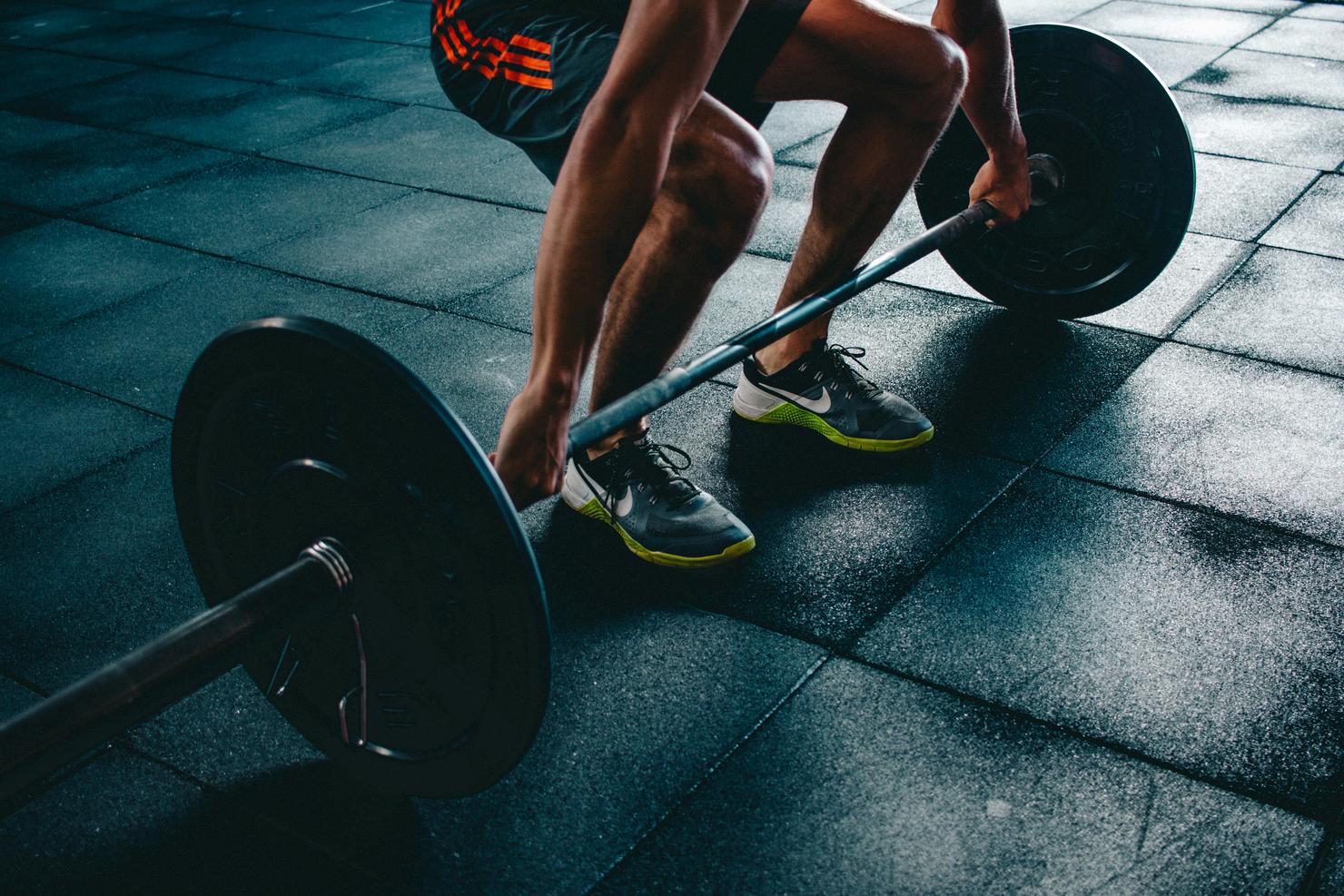
Exerciseandproteinworksynergisticallytopromotemusclegrowth.ResistancetrainingstimulatesMPS, while protein provides the necessary materials for rebuilding muscle fibers. This combination is the foundation of hypertrophy (muscle growth). Incorporating a high-quality protein source, into your routinecanhelpyouachieveyourfitnessobjectivesfasterandmoreefficiently.
Protein and Overall Health
While The Role of Protein in Muscle Growth is its primary focus, protein also supports overallhealth.Itaidsinhormoneproduction,immunefunction,andthemaintenance of skin, hair, and nails. By choosing nutrient-dense protein sources, you can improve youroverallwell-beingwhilesimultaneouslybuildingmuscle.

Conclusion
Understanding The Role of Protein in Muscle Growth is essential for anyone lookingtoenhancetheirfitnessandachievetheirgoals.Bymeetingyourdaily protein requirements, timing your intake strategically, and choosing highqualitysourceslikeEliteProteins,youcanoptimizemusclerepair,recovery,and growth. Protein isn’t just a supplement; it’s a vital component of a balanced diet and an active lifestyle. Start incorporating these principles today and experiencethebenefitsfirsthand!