Common Executive Job Searching Mistakes That Delay Senior-Level Hiring
Executive job searching requires a different strategy than applying for mid-level positions. Senior leadership roles often involve multiple interview rounds, confidential hiring processes, and close evaluation of leadership impact, strategic thinking, and organizational fit. Even highly accomplished executives can experience lengthy job searches when avoidable mistakes weaken their candidacy. Many executives focus heavily on their accomplishments but overlook how they present those achievements to boards, hiring managers, and executive recruiters. A structured approach to executive job searching helps candidates position their leadership experience effectively, communicate measurable business outcomes, and navigate interviews with confidence.
Although career development needs differ across experience levels, the importance of preparation remains the same. Just as interview preparation for graduates helps early-career professionals build confidence, executives also benefit from refining their interview strategy before pursuing senior leadership opportunities.
Mistakes That Often Slow Executive Job Searching
Hiring organizations evaluate executive candidates beyond technical expertise. Decision-makers look for leaders who can communicate vision, inspire teams, and deliver measurable business results.
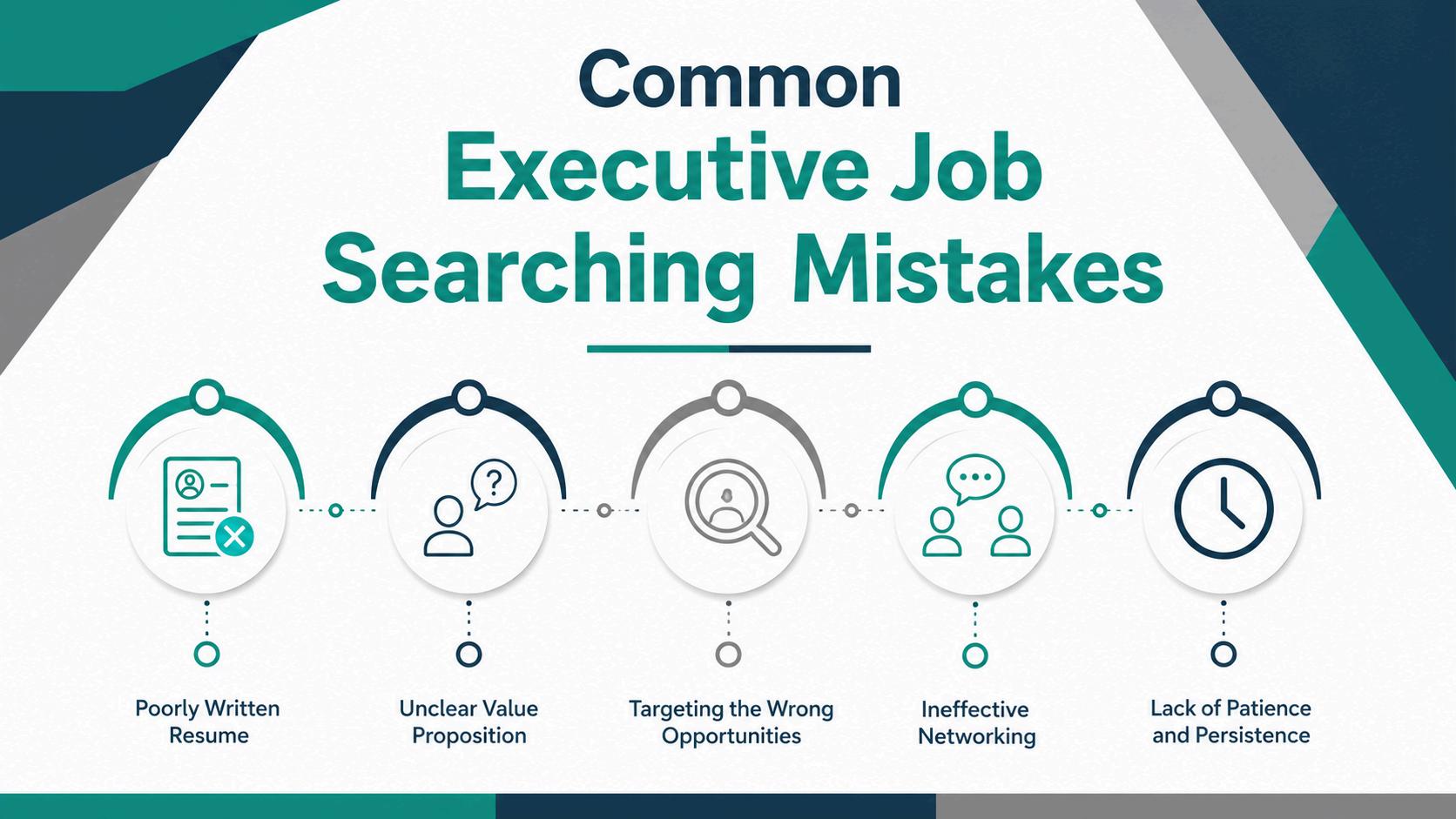
Common mistakes include:
● Applying for leadership roles without tailoring executive resumes
● Presenting responsibilities instead of measurable achievements
● Weak executive branding across professional platforms
● Insufficient preparation for leadership-focused interviews
● Limited networking with executive recruiters and industry contacts
● Failing to research organizational priorities before interviews
● Giving generic answers instead of strategic business examples
Avoiding these mistakes allows executives to present themselves as confident, business-focused leaders who are prepared for complex organizational challenges.
Key Areas Every Executive Should Prepare Before Interviews
Successful executive interviews focus less on technical knowledge and more on leadership impact, decision-making, and business outcomes.
Preparation should include:
● Defining a clear executive leadership story
● Quantifying business achievements with measurable results
● Preparing examples of organizational transformation
● Demonstrating crisis management and problem-solving
● Explaining leadership philosophy and team development
● Showing experience managing change and business growth
● Researching company strategy, culture, and leadership priorities
Strong preparation helps executives answer complex questions naturally while demonstrating credibility and strategic thinking
Sample Executive Interview Responses
Discussing Leadership Impact
An effective response focuses on measurable outcomes rather than daily responsibilities.
"As Vice President of Finance, I led a multi-year operational improvement initiative that reduced reporting cycles by 35%, improved cross-functional collaboration, and strengthened financial forecasting accuracy across multiple business units."
Explaining Organizational Change
Senior interviewers often explore how leaders navigate transformation
"Following a major acquisition, I developed an integration roadmap that aligned finance teams, standardized reporting processes, and improved communication
across departments, helping achieve a smoother transition while maintaining operational performance."
Just as interview coaching for graduates strengthens communication for individuals entering the workforce, executive coaching helps experienced leaders refine strategic messaging and deliver compelling interview responses.
Common Executive Job Searching Mistakes
● Using outdated executive resumes that focus on job duties
● Speaking too broadly without measurable business results
● Underestimating interview preparation for board-level discussions
● Failing to customize applications for each opportunity
● Neglecting professional networking during the search
● Giving lengthy responses without clear business impact
● Assuming leadership experience alone guarantees interview success
Even accomplished executives benefit from practicing how they communicate leadership value before high-stakes interviews.
Executive Job Search Preparation Checklist
Before applying for senior leadership roles, consider this checklist:
● Update your executive resume with measurable achievements
● Strengthen your executive LinkedIn profile and professional brand
● Research each organization's strategic goals and leadership team
● Prepare leadership stories supported by business outcomes
● Practice answering behavioral and executive-level interview questions
● Develop thoughtful questions for boards and hiring committees
● Refine communication through structured interview practice
Although these strategies target experienced professionals, the underlying principle remains consistent across career stages. Whether through college graduate
interview coaching or executive-level interview preparation, organized practice helps candidates communicate their value with greater confidence.
Conclusion
Executive job searching is about more than identifying open leadership positions. Success depends on presenting measurable accomplishments, demonstrating strategic leadership, and communicating confidently throughout the hiring process. Avoiding common mistakes can significantly improve interview performance and shorten the path to senior-level opportunities.
For professionals seeking to strengthen their interview skills at the beginning of their careers, The Interview Equalizer for Graduates from Pro-Tax Executive Search Inc. provides structured coaching designed to improve communication, interview confidence, and career readiness