YOUR MACHINE TOOL BANK AND MORE

WHY CHOOSE BANTERRA BANK
Banterra’s team, with more than a hundred years of experience, understands the challenges of running small to mid-size businesses. The things you do, day in and day out, is truly the backbone of America and as your lender, we are right there with you to support your capital needs and doing what it takes so you can compete with the world in your industry.
PRODUCT OFFERINGS
Industry-leading service with local decisions
Bank commitment to Made In USA and Made In Arizona values
World-class deposit products including Treasury Management
Loan products designed speci cally for machine shops and small businesses
LINES OF CREDIT
BUSINESS CHECKING AND CASH MANAGEMENT
ARIZONA LOCATIONS






Metalworking fluids formulated to meet aerospace demands.
• Improve process stability on heat-resistant Super Alloys
• Easier robotic handling with cleaner parts
• Reduce costly maintenance interruptions
• Approved for Alloys of Aluminum, Titanium, Nickel, Chrome, and Steel
• Maximize gains from high pressure systems
• Enhance filtration system performance

Editors Corner:

Dear A2Z Readers,
Wow—how time flies between publications.
Every time we pull an issue together, we feel a real sense of pride in supporting Metalworking Nation. This community continues to show resilience, grit, and a willingness to adapt—no matter what the market throws its way. So what are we hearing and seeing right now?
Several sectors are keeping shops busy. Defense, space, energy, and semiconductors continue to drive demand across the board. One shop we spoke with mentioned that semiconductors, in particular, look primed for a substantial multi-year run. That kind of sustained momentum is something many in our industry have been waiting for.
Defense is also on a hot streak, fueled by ongoing global conflicts and the need to shore up domestic supply chains. However, breaking into that space isn’t easy—it comes with significant investment, especially for shops that aren’t already established players. Between certifications, compliance, and infrastructure, the barrier to entry is real.
That brings us to a topic we keep hearing more and more about: cybersecurity. CMMC and broader cyber requirements are no longer just “nice to have” conversations—they’re happening around the water cooler, in leadership meetings, and during customer audits. Shops are realizing that cybersecurity isn’t just an IT issue—it’s a business requirement.
Energy is another sector gaining attention. With increased focus from the current administration, there’s a growing push to strengthen energy manufacturing as part of national defense efforts. It’s a reminder that manufacturing doesn’t operate in a vacuum—it’s deeply connected to larger economic and geopolitical priorities.
In this issue, we’re continuing to bring you content that matters.
Lee Benson is back with more insights on leadership and culture. He’s someone who has truly been in the trenches and successfully scaled a business to a nine-figure exit. His perspective isn’t theoretical— it’s practical, hard-earned, and directly applicable to shop owners and leaders navigating growth.
Peter Hushek also continues his series on practical metallurgy. After more than 40 years of hands-on problem solving, his mission is simple: to make complex topics easier to understand and to help strengthen those critical outside vendor relationships. When everyone speaks the same technical language, better decisions get made.
We’re also excited to share some BIG news about the future of this publication and our efforts to expand into the digital space. This evolution is driven in part by you—our readers. One of the ideas we’re rolling out came directly from a reader suggestion, and we couldn’t be more excited about where it’s headed.
As always, this publication is for you.
If you have ideas, feedback, or topics you’d like us to cover, we want to hear from you. Don’t hesitate to reach out—your input helps shape what this becomes.
Until next time, keep pushing forward and God Bless America
Charlie & Alex Hushek
| Managing Partners | Editor in Chief |

Table of Contents:
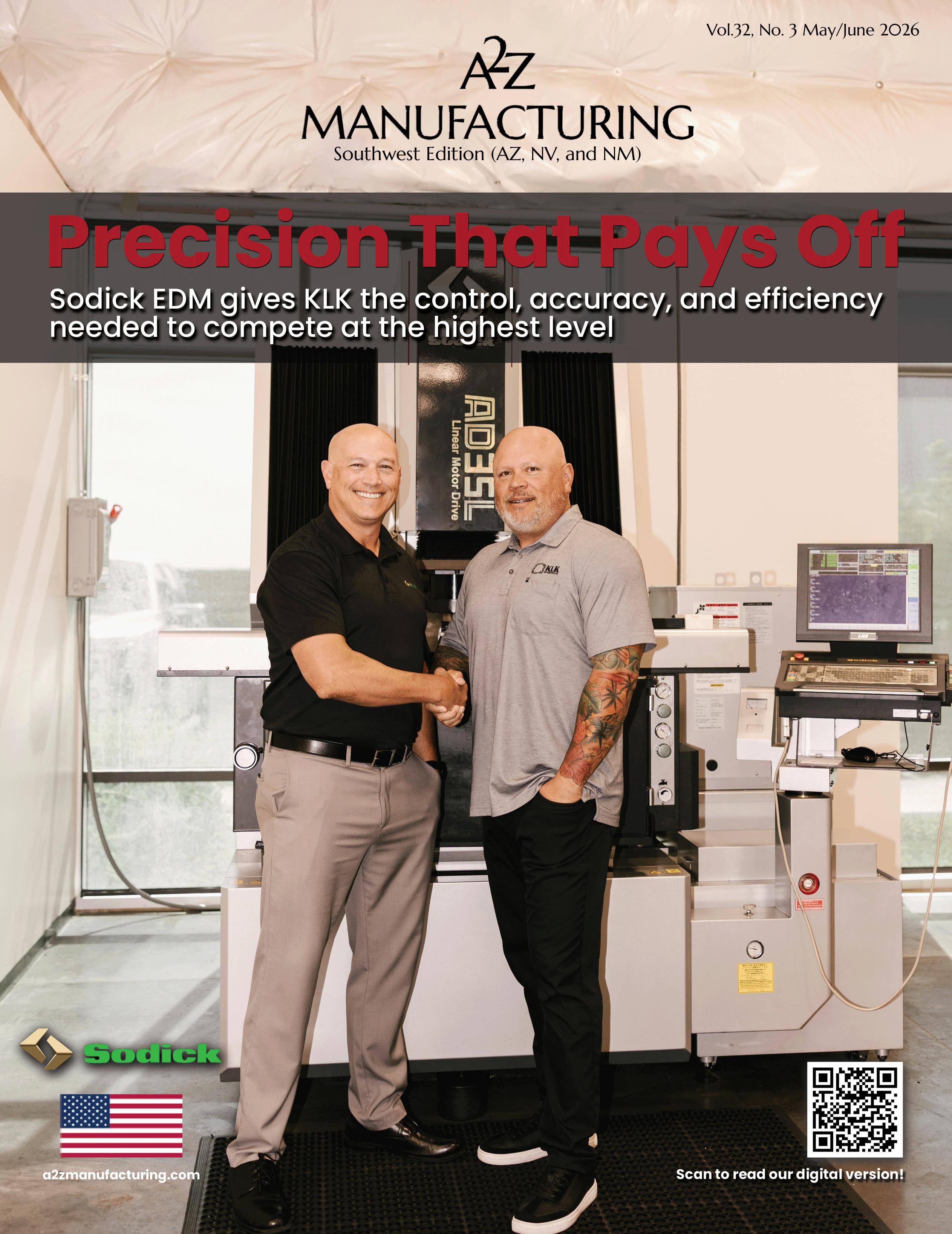
From Garage Roots to High-Tech Precision: How KLK Built a Competitive Edge with Sodick EDM
Announcements & News. 6-67
Cover Story Feature Article: KLK and Sodick EDM...................................................1,42-44
Feature Articles: By Peter Hushek and Lee Benson ...................................................50,62
Reindustrializing America: Our Vision for A2Z Manufacturing......................................54-55
The Language of the Shop: Cross Word Puzzle................................................................63
Buyers Guide: Equipment, Services, and Processes...................................................68-76
Crossword Puzzle Answer Key..........................................................................................77
Cover: Published by: A2Z Manufacturing
PUBLISHER/EDITOR Charlie & Alex Hushek connect@a2zmanufacturing.com
Address: 24 W Camelback Rd. #A408, Phoenix, AZ 85013
Telephone: (480) 395-3288 www.a2zmanufacturing.com
CONTRIBUTORS
Writers: Peter Hushek
Lee Benson
Charlie Hushek Alex Hushek
Cover Story Photography: Dillan Lowrey
Published bi-monthly to keep precision manufacturers abreast of news and to supply a viable vendor source for the industry.
Circulation: The A2Z MANUFACTURING has compiled and maintains a master list of approximately 8500 people actively engaged in the precision manufacturing Industry. It has an estimated pass on readership of more than 19,300 people.
Advertising Rates, deadlines and mechanical requirements furnished upon request or you can go to A2ZMANUFACTURING.com.
The Publisher assumes no responsibility for the contents of any advertisement, and all representations are those of the advertiser and not that of the publisher.
The Publisher is not liable to any advertiser for any misprints or errors not the fault of the publisher, and in such event, the limit of the publisher's liability shall only be the amount of the publishers charge for such advertising.


Announcements & News
Arizona Manufacturing News
Arizona experienced a notable surge in advanced manufacturing activity since the last publication, highlighted by major investments in semiconductor and aerospace production. One of the most significant developments occurred on April 21, when Syenta, an Australian semiconductor technology company, announced the opening of its first U.S. facility in Tempe.
Located at Arizona State University’s Research Park, the new site focuses on advanced semiconductor packaging and is expected to create approximately 200 high-skilled jobs in engineering and manufacturing.
This event reflects a broader trend positioning Arizona— particularly the Phoenix metro area—as a national hub for next-generation semiconductor manufacturing. The Syenta expansion builds on the state’s growing ecosystem of chip production, research collaboration, and global investment.
The involvement of organizations like the Arizona Commerce Authority, Greater Phoenix Economic

Council, and ASU underscores a coordinated effort to attract high-tech manufacturing and strengthen supply chain capabilities within the U.S.
In parallel, Arizona reinforced its global manufacturing ties through an international delegation visit from Taiwan in mid-April. The delegation included investors and academic leaders across industries such as semiconductors, aerospace, and biotechnology. This initiative aimed to deepen cross-border collaboration and accelerate innovation partnerships, further integrating Arizona into the global advanced manufacturing network.
Additionally, on April 20, Honeywell announced an expansion of its aircraft engine manufacturing operations in Phoenix. The company plans to add onsite assembly capabilities for its F124 jet engines, which will support U.S. Navy training aircraft programs. This move strengthens Arizona’s already robust aerospace manufacturing sector and signals continued defenserelated investment in the region.
Overall, these developments during March and April
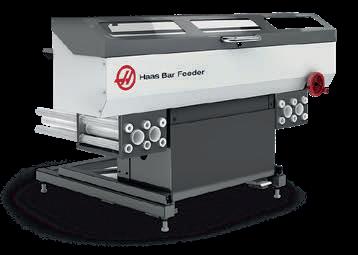
Designed and built for use with Haas ST and DS series CNC turning centers, the Haas Bar Feeder connects directly to the Haas control.
BEST SELECTION IN AUTOMATION SYSTEMS

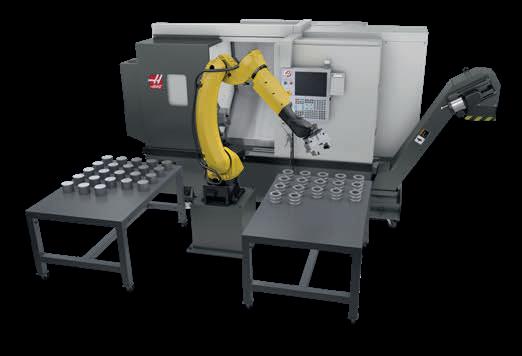
Haas Integrated Automation Systems. Making your job as a machinist easier.
Robot Systems
• HRP-1 System – 7 kg capacity
• HRP-2 System – 25 kg capacity
• HRP-3 System – 50 kg capacity
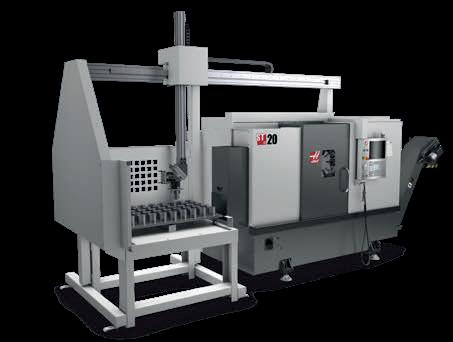
Automatic Parts Loaders
• Turning Center APL
• VMC APL
• Small UMC APL
Pallet Pool Systems
• 3-Station for VF-2YT/SS, VM-2
• 6-Station for EC-400
• 6-Station for VC-400/SS
• 6-Station for UMC-1250/SS
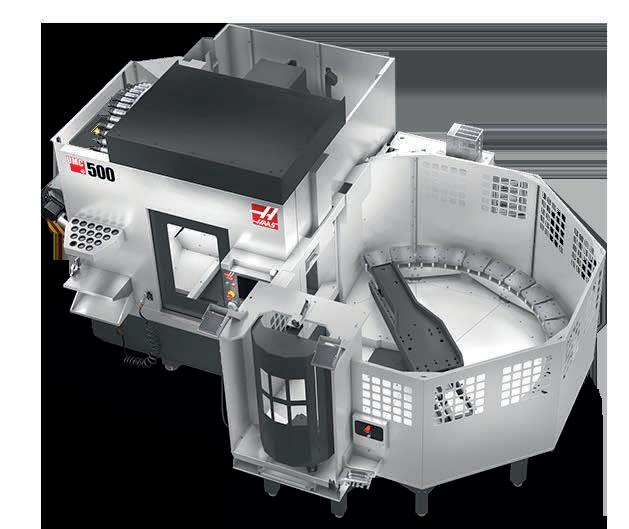
• 10-Station for UMC-750/1000/SS
• 10- or- 20-Station for UMC-500/SS
Haas Bar Feeder
All-inclusive design, with plug-and-play capabilities to Haas lathes
Optional Automation
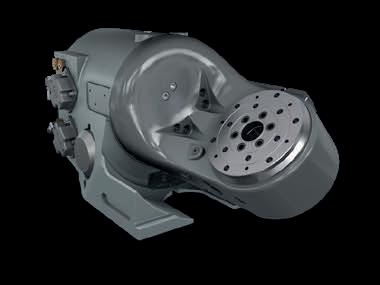
• 4th- and 5th-Axis Rotaries
• Sub-Spindles
• Parts Catcher System
• Auto Door for Mills and Lathes
• Automatic Coolant Refill
Scan for our complete line of integrated automation products.

Announcements & News Continued
2026 highlight Arizona’s accelerating momentum in high-value manufacturing sectors. The combination of semiconductor innovation, aerospace expansion, and international collaboration demonstrates the state’s strategic importance in reshoring critical manufacturing capabilities and building a resilient, technology-driven industrial base. ◊
Landmark Solutions Announces Summer 2026 Open House Series
Landmark Solutions will host a series of Metal Fabrication Open House Events across the West Coast this summer, giving fabricators the opportunity to see the latest equipment in action and connect directly with industry experts.
Each event will feature live machine demos, facility tours, expert Q&A, and catered lunch in a hands-on, real-world shop environment.
May 13th | LCNW – Auburn, WA
Featuring:
• NEW Large-Format, 30kW ByStar Fiber Laser
• Bystronic 6kW and 10kW Fiber Lasers with Automation
• Bystronic Xpert 40 Mobile Press Brake
• Bystronic ByBend 300 Press Brake with Sheet Lifters.
• FlexCNC C-Series Vertical Machining Center
• COSTA Precision Sanders
• OTC Daihen FD-B6L Series II Welding Robot
• Pat Mooney Saws PMI-20 Aluminum Upcut Saw
• HE&M VT120HA-60-CTS Vertical Bandsaw
June 10th | Beeler Industries – Salida, CA (10:00 AM – 3:00 PM)
Featuring Bystronic technology:












Swiss Screw Machining up to 1.5” OD, CNC ID/OD, ID, OD, Angled, Surface, Blanchard & Centerless Grinding, Circular Blade Grinding up to 20” Diameter, and all Types of Industrial Blades. Full Service Machine and Manufacturing with Lathe & Mill

• 3015 ByCut Smart Fiber Laser with ByTrans Extended Automation
• ByBend Smart 225/4100 Press Brake
—-------
June 17th | Landmark Solutions Headquarters – Anaheim, CA
Featuring machine demos and operation / maintenance training on:
• OMAX MAXIEM X 1530 Waterjet
• ByBend Star 80 Press Brake
• FlexArm Tapping Solution
• Timesaver Manual Grinder
• Costa Deburring machine
• Fab Innovations Tooling Storage
• Davi e-Power MCE Plate Roll
• OTC Daihen Robotic Welder
• Scotchman Saw & Ironworker
—-------
Late Summer | Fulcrum Technologies – Tualatin, OR
Featuring:
• Timesavers finishing systems
• Flex Machine Tools solutions
• Bystronic laser with automation
• Xpert Pro 320 press brake
—-------
These events are designed to help fabricators explore new technologies, improve efficiency, and evaluate solutions in a practical setting.
Free to attend. For more information or to RSVP: Landmark Solutions | (714) 393-3783 | Info@ LandmarkSolutionsCorp.com ◊
Nevada News
Between March 1 and April 30, 2026, Nevada’s manufacturing sector saw a major milestone with the launch of large-scale production at Tesla’s new Semi truck factory in the Reno–Sparks region. This development represents one of the most significant manufacturing events in the state during that time
The New ELEMENT 500 Featuring the NEW


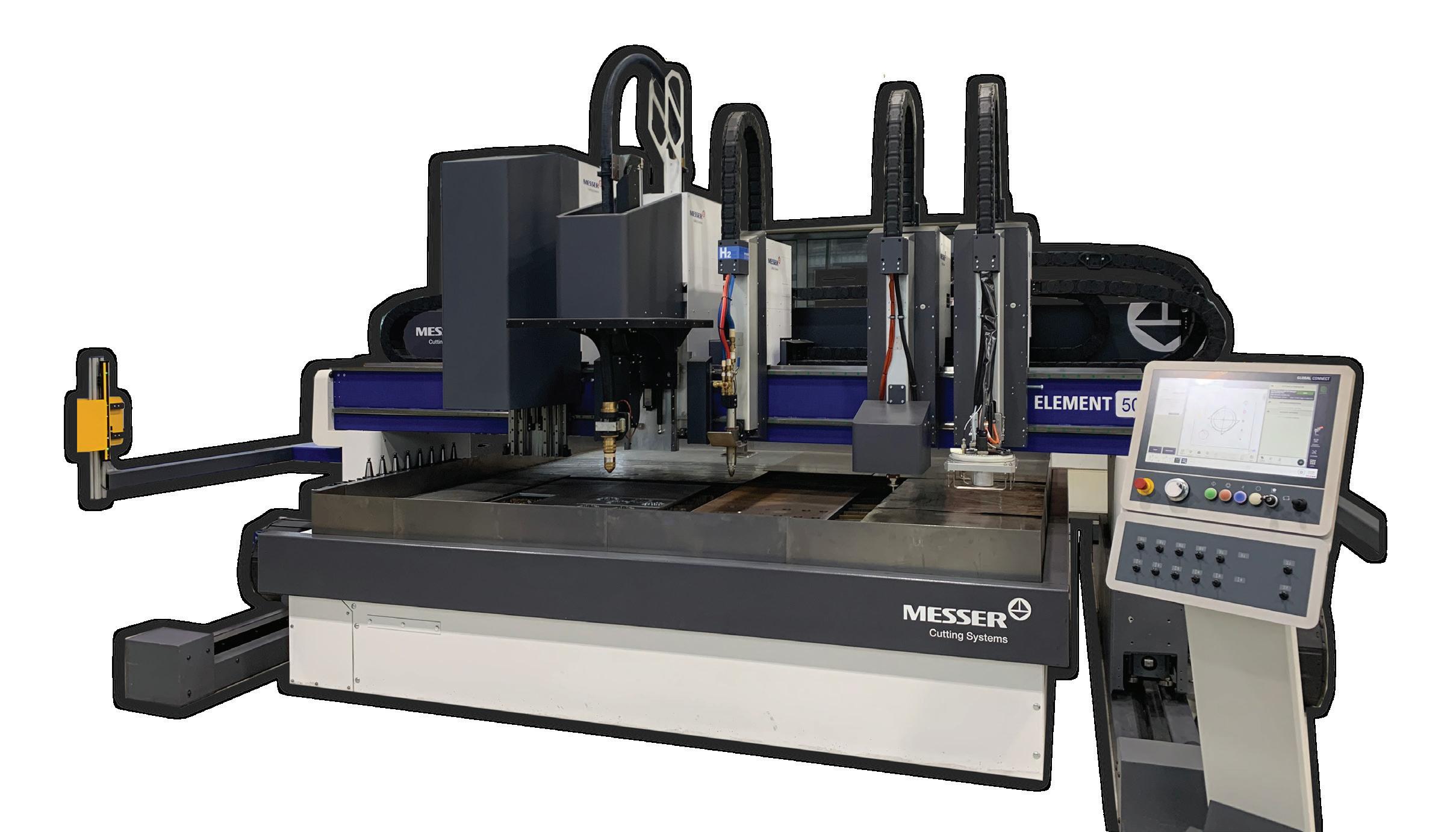
The new GD40 drill from Messer Cutting Systems is available for purchase from Magnum Precision Machines. This machine is built for structural steel and construction applications, exclusively available on the space-saving Element 500 cutting system. Pair the GD40 drill with plasma, oxyfuel, and marking operations to reduce plate handling and post-processing. This compact highperformance drilling center is ideal for AISC-regulated environments, enabling drilling up to 1-9/16” diameter, tapping, and countersinking and counter-boring within an integrated system. This allows for increased throughput well-positioned to add flexibility in your shop and reduce secondary operations.


Announcements & News Continued
period and reinforces Nevada’s position as a leader in advanced and cleanenergy manufacturing.
In March 2026, Tesla officially began volume production of its allelectric Semi trucks at a newly completed facility adjacent to its existing Gigafactory. By early April, the company publicly showcased the factory’s operations, highlighting its transition from pilot builds to full industrial-scale manufacturing. The facility is designed to produce up to 50,000 trucks annually once fully ramped, signaling a major increase in U.S.-based heavyduty vehicle manufacturing capacity.
A key feature of this project is its vertically integrated design. By locating Semi production next to battery manufacturing operations, Tesla has streamlined its supply chain—eliminating many of the logistical constraints that previously slowed production. This integration allows battery cells and key components to be produced and assembled in the same complex, improving efficiency and reducing costs.
The impact of this event extends beyond Tesla itself. The factory strengthens Nevada’s broader manufacturing ecosystem, particularly in electric
vehicles, energy storage, and advanced automation. Largescale production of electric trucks is expected to influence freight and logistics industries nationwide, accelerating the shift away from diesel-powered transportation. Additionally, the ramp-up supports job creation and reinforces the Tahoe-Reno Industrial Center as one of the most important manufacturing hubs in the western United States.
Landmark Solutions
Named Exclusive
Southern California & Nevada Dealer for
Timesavers
Landmark Solutions is proud to announce an expansion of its partnership with Timesavers, now serving as the exclusive dealer for Southern California and Nevada.
Already representing Timesavers across the West Coast, Landmark brings a proven, customerfocused approach to the region centered on responsiveness, application expertise, and longterm support.
As part of the transition, the team at Landmark will be personally connecting with shops currently running Timesavers equipment, as well as those who were actively evaluating or in discussions around finishing solutions. The goal is to provide clarity, continuity, and a clear path forward for every customer.
“We see this as an opportunity to show up for the local fabrication community in a meaningful way,” said Chad Mooneyham, Vice President of Landmark Solutions. “Our team will be in the field, meeting with shops one-on-one to understand their needs and ensure they’re fully supported.”
Timesavers is known for its highperformance deburring, grinding,


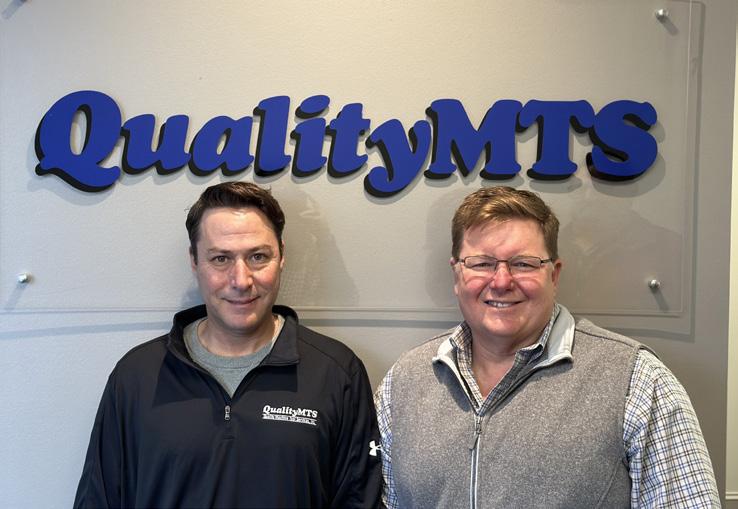
are proud to announce QualityMTS has expanded sales and service to Arizona and New Mexico. For 20 years, QualityMTS has supported customers in the Midwest.

Elevate your leadership with our Manufacturing Excellence: Leadership, Productivity, and Results series - a dynamic, hands-on program crafted to empower managers with the skills to enhance team performance, b uild accountability, and champion a Lean-focused culture. Visit our website for a full description of this program.
Session 1: Leadership in a Production Environment
Session 2: Managing for Daily Improvement
Session 3: Turning Problems into Solutions
Session 4: Continuous Improvement Tools and Techniques
Session 5: Managements Role in Production Planning
Session 6: Coaching for Performance

Announcements & News Continued
and finishing systems that help fabricators improve quality and streamline production.
“Landmark Solutions has demonstrated a strong commitment to customer success,” said a representative from Timesavers. “We’re confident this expanded partnership will bring added value to fabricators throughout the region.”
With this expanded territory, Landmark Solutions will provide full support for Timesavers equipment, including applications guidance, demos, and service backed by its growing Southern California facility.
For more information or to schedule a demo, contact Landmark Solutions at (714) 393-3783 or visit www. LandmarkSolutionsCorp.com ◊
COFA Tooling Deburrs Through-Holes
In a Single Pass – Including on Sloped or Elliptical Surfaces
Heule Precision Tool presents COFA tooling for
automated through hole deburring applications, including those on sloped or uneven surfaces. This unique technology uses a carbide blade to remove burrs from the front and back of a drilled through-hole in a single pass, without stopping or reversing the spindle.
The edge break is always even and consistent – across a wide spectrum of metals and alloys - whether the surface is even, elliptical, or sloped. Automating the deburring processes for hard-to-reach cross burrs which were formerly deburred manually, significantly shortens cycle times and improves efficiency.
Carbide blades extend tool life and maintain edge sharpness, reducing downtime. COFA tooling performs well in both manual and CNC environments, as well as live-spindle lathes, and robotic automation cells— operating reliably with or without cutting fluid. A variety of sizes, from 2-30mm (0.79-1.19”), are available from stock for immediate delivery from the Cincinnati area warehouse.
COFA tooling is ideal for a wide range of applications with aerospace, automotive, energy, precision machining,

Announcements & News Continued
heavy equipment, and medical industries.
Simple, Reliable Operation
Controlled by a simple spring, the carbide cutting blade follows the contour of the hole’s surface, removing all burrs while creating an even tapered corner break. The blade does not cut as it passes through the bore and will not damage the hole’s surface.
The edge break begins only at the point where the blade contacts the material and then tapers the hole’s edge. This allows for faster feed rates since the tool slows itself down as it enters the through hole. The simple concept of the COFA tool has no adjusting screws or presetting requirements. Available in common tool size and spring strengths for various materials and hole sizes.
A wide range of COFA tooling is available, including COFA C for threaded holes and COFA Cassette for deburring larger bores quickly and efficiently. Custom designs are available to match unique deburring geometries and process needs.
Additional information on Heule COFA tooling, including case histories, can be found at https://www.heuletool.com/ tools/deburring-chamfering/cofa/ .
Precision Tool, located in Loveland, OH, supports a wide range of hole-finishing tools for front and back deburring, countersinking, chamfering, and counterboring for larger industrial manufacturing companies throughout North America.
They specialize in high production environments in the automotive, aerospace, energy, and medical industries. Their parent company, Heule Ag, located in Balgach, Switzerland, has manufactured the highest quality cutting tools in the world since 1961. For additional information, visit www. HeuleTool.com, or call (513) 860-9900, or via email to info@HeuleTool.com. ◊
Curbell Plastics’ acquisition of Interstate Advanced Materials
Curbell Plastics’ acquisition of Interstate Advanced Materials represents a strategic expansion aimed at strengthening its geographic reach, product offerings, and service capabilities across the United States—particularly in the western region. Announced in April 2026, the deal brings together two established distributors of high-performance
Heule


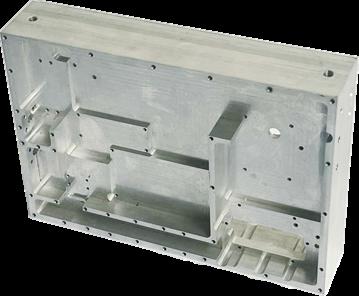
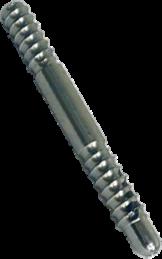
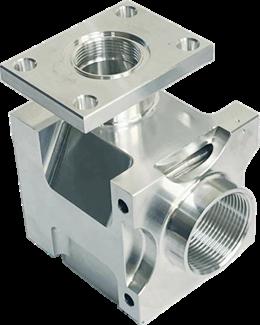
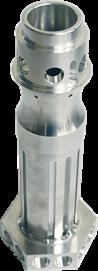
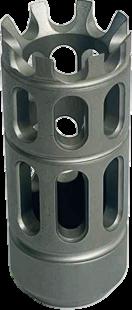
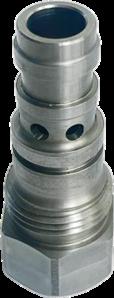
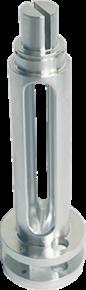
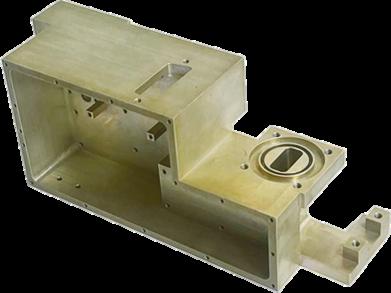



SCREW MACHINING







































First Light F-35 Helmet Test A Success
Announcements & News Continued
plastics and composite materials, combining their
A key impact of the acquisition is the immediate expansion of Curbell’s physical footprint. By adding Interstate’s nine locations and more than 150 employees, Curbell increases its nationwide presence

This broader distribution network enhances the company’s ability to serve customers more efficiently, especially in fast-growing western markets where proximity and responsiveness are critical.
The fir st test of a new, lightweight F-35 helmet was successful, according to the prog ram office, a promising sign that the Pentagon can qualify and implement all three fixes to the jet’s escape system by the end of the year
The deal also strengthens Curbell’s position across multiple industrial sectors. Interstate Advanced Materials serves a diverse set of industries—including aerospace, agriculture, medical, and semiconductor— bringing deep regional knowledge and established customer relationships. Integrating these capabilities allows
Curbell to expand both its technical support and
Recently, at Holloman Air Force Base, New Mexico, Loc kheed Mar tin’s F-35 conducted the fir st test combining all three solutions designed to reduce the r isk of nec k injury to F-35 pilots dur ing ejection, according to spokesman Joe DellaVedova. Once the full gamut of testing is completed, hopefully by the end of the summer, the JPO can beg in implementing the two modifications to the ejection seat and issuing the new Generation III “light” helmet to the fleet, he said
The recent sled test, conducted with a 103-pound mannequin, is the latest sign that the JPO can make good on its promise to finish the three design fixes by November, allowing the military ser vices to lift restrictions on lightweight pilots flying the F-35 Last year, Defense News first repor ted that pilots under 136 pounds were bar red from flying the fifth-generation aircraft after tester s discovered an increased r isk of nec k damage to lightweight pilots ejecting from the plane. The US Air Force has also ac knowledged an “elevated level of r isk” for pilots between 136 and 165 pounds.
material offerings, improving its ability to meet complex application requirements.
Operational continuity is a central theme of the transition. Interstate will continue operating under the Curbell umbrella, with its existing leadership and teams remaining in place.
The prototype helmet tested weighs about 4 63 pounds, approximately 6 ounces lighter than the or ig inal Gen III helmet, and is designed to ease some strain on smaller pilots’ nec ks dur ing ejection
Although the test was the fir st test of the new helmet, the JPO, Loc kheed Mar tin and seat-maker Mar tin Baker have conducted at least seven other tests with the latest ver sion of the seat, whic h is equipped with two modifications designed to reduce r isk to pilots The fixes to the ejection seat itself include a switch for lightweight pilots that will delay deployment of the main parachute, and a “head suppor t panel,” a fabr ic panel sewn between the parac hute r iser s that will protect the pilot’s head from moving bac kward dur ing the parac hute opening.
Customers are expected to experience minimal disruption, maintaining current contacts and workflows while gradually gaining access to expanded inventory, technical expertise, and nationwide support.
Overall, the acquisition reflects a broader trend in industrial distribution: consolidation to achieve scale, improve supply chain efficiency, and deliver more comprehensive solutions. By combining complementary strengths, Curbell
The prog ram office has about another 10 tests planned, whic h will use a mix of low-, middle- and high-weight mannequins
positions itself to better serve evolving customer demands while reinforcing its role as a leading supplier of advanced materials across the U.S.
“This initial test had promising results and the F-35 enter pr ise is on a path to qualify the helmet by the end of this summer, ” DellaVedova told Defense News. “The lighter helmet expected to be fielded by the end of the year is in line with the seat timeframe as well.”


Announcements & News Continued
New Mexico News
Between March 1 and April 30, 2026, one of the most significant manufacturing-related developments in New Mexico was the major expansion of defense and aerospace manufacturing operations by AeroVironment in Albuquerque.
Announced on March 3, 2026, the company committed more than $30 million to expand and modernize its existing manufacturing footprint, reinforcing the state’s growing role in advanced manufacturing tied to national defense and space technologies.
The expansion focuses on scaling production of hightech systems including laser communications, counterdrone technologies, satellite components, and advanced electronics. These products are critical to U.S. defense and space programs, signaling a continued shift toward domestic production of sensitive technologies.
The investment will consolidate multiple facilities into a more integrated manufacturing campus within Albuquerque’s Sandia Science & Technology Park,
allowing for more efficient, end-to-end production capabilities.
A key impact of this development is job creation. The project is expected to generate more than 450 high-wage manufacturing and engineering jobs, adding to an already rapidly growing workforce in the region.
Economic projections estimate the expansion could contribute over $670 million to the local economy over the next decade, reflecting both direct employment and broader supply chain effects.
Public-private collaboration played a major role in enabling the project. The State of New Mexico and the City of Albuquerque provided financial incentives and support through economic development programs, highlighting a strategic effort to attract and retain advanced manufacturing investment.
This partnership underscores New Mexico’s broader ambition to position itself as a hub for defense,

Announcements & News Continued
aerospace, and space-related manufacturing.
Overall, this event illustrates a clear trend: New Mexico is strengthening its foothold in high-value, technologydriven manufacturing sectors. By attracting investments tied to national security and space innovation, the state is building a resilient industrial base and becoming an increasingly important player in the U.S. advanced manufacturing landscape. ◊
Success on the Summit: Toolpath’s Successful Machining Summit
The Machining Summit on the Summit, hosted by Toolpath in Mammoth Lakes, California, delivered a refreshingly different experience from the typical industry event.
Designed intentionally to move away from the traditional trade show model, the summit focused on creating space for authentic conversations, shared experiences, and meaningful relationships within the
machining community.
What stood out most was the overwhelming feedback from attendees. Mark Roberts, Manufacturing Support Manager at The Gund Company, described it as “without question, one of the most impactful ‘conferences’ I’ve experienced in our industry.” Michael Chavez, Shop Lead at Methods MFG, echoed that sentiment, noting that “Team Toolpath really defined what business meetings can and should be.”
These reflections highlight a common theme: this wasn’t just another event—it redefined expectations.
The summit’s structure played a major role in that impact. By combining on-mountain activities like skiing and snowboarding with evening panels and hands-on “Shop Talk” sessions, the event created an environment where conversations could develop naturally and without pressure.
Mike Payne, Manufacturing Leader and Podcast Host, captured the energy best: “Being around this many people who are passionate about growing it,



value beyond networking. Even those who didn’t attend felt the pull—Henri Freese, Head of Sales at SUPPLYCO, admitted he was “mad” he missed it after seeing the feedback.
Ultimately, the Machining Summit on the Summit succeeded because it prioritized people over presentations. By removing the noise and sales pressure, it created a rare environment where real conversations could happen—exactly what the machining industry needs to continue moving forward. ◊
Sierra Nevada Corporation (SNC) and Specter Aerospace Enter Partnership
Sierra Nevada Corporation (SNC) and Specter Aerospace have entered into a partnership focused on developing a new class of supersonic, air-launched weapons designed to be both high-performing and costeffective.
The collaboration centers on advancing a low-cost air-to-air missile concept that leverages innovative propulsion technology while addressing a growing need within modern defense strategy: scalable, affordable munitions for high-intensity conflicts.
improving it, and pushing it forward is addictive.”
Others emphasized the lasting impression of the experience. Emily Joann Wilkins, Manufacturing Advisor and Coach, summed it up simply: “Last week was epic. Full stop.” Jon Caliguri, President of DSI, went even further, calling it the “best event of the year” and praising the strength of the community built around it.
Perhaps most telling were the outcomes attendees took home. Nick Polansky, a P3D Shop Owner, shared that he left with “a new skill, new friends, renewed energy to improve our business,” reinforcing that the summit delivered tangible
At the heart of the effort is a ramjet-powered missile system enhanced by Specter Aerospace’s plasma-assisted combustion technology. This approach uses electrically energized plasma to improve ignition and stabilize combustion, particularly at high speeds where traditional ramjet systems often face performance challenges.
By improving combustion efficiency and reliability, the technology has the potential to expand the operational envelope of the missile while maintaining relatively simple mechanical Announcements &
SNC brings significant experience in system integration, mission engineering, and defense program execution, positioning it to translate emerging propulsion technology into a deployable weapons platform.
Specter Aerospace, on the other hand, contributes specialized expertise in advanced propulsion systems, particularly in highspeed air-breathing engines. The combination allows the partnership to move beyond early-stage research and into practical development, with flight testing targeted in the near term.
The initiative reflects a broader shift within defense manufacturing and procurement priorities.
Military planners are increasingly emphasizing the need for weapons that can be produced in higher volumes and at lower cost, rather than relying solely on highly complex and expensive systems. This change is driven by concerns over supply chain constraints, production scalability, and the ability to sustain operations in prolonged conflicts.
By focusing on manufacturability and cost alongside performance, the SNC–Specter collaboration aligns with these evolving requirements. If successful, the program could contribute to a new generation of munitions that balance advanced capability with production efficiency, offering a more sustainable approach to modern defense readiness. ◊
Boeing logs strongest commercial delivery quarter since 2019, eyes 47/month production rate
Boeing’s Q1 2026 earnings revealed the company delivered
143 commercial aircraft in the quarter — its best output in roughly seven years — as the manufacturer continues its recovery from years of quality and safety setbacks.
CEO Kelly Ortberg told investors the company now plans to raise its 737 MAX production rate from the current 42 per month to 47 this summer, following the FAA’s March 2026 decision to lift the hard numerical production cap and replace it with a performance-based oversight model. The next internal target is 53 aircraft per month by year-end, a milestone that would begin making a real dent in Boeing’s backlog exceeding 4,800 narrowbody orders.
The regulatory shift followed Boeing’s integration of Spirit AeroSystems, which brought fuselage quality back under Boeing’s direct control and eliminated a
major source of supply-chain defects. Commercial unit revenue rose 13% to $9.2 billion, while defense business revenue jumped 21% to $7.6 billion, reflecting surging demand for weapons and platforms.
The company also confirmed it still expects FAA certification of the long-delayed 737 MAX 7 and MAX 10 variants by year-end, with customer deliveries beginning in 2027. Boeing’s 777X program, however, slipped again — a $4.9 billion charge was taken and the first 777-9 delivery was pushed to 2027 due to certification schedule risk rather than a new technical fault.

On the space side, Boeing disclosed plans to deliver 26 satellites in 2026, up from 11 in 2025, anchored by a new mid-class platform called Resolute targeting both defense and commercial broadband markets. ◊
Mazak Open New Showroom
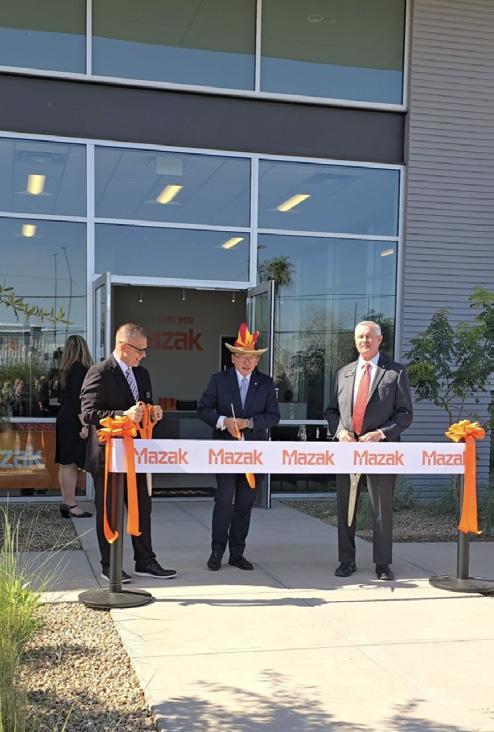
Mazak’s grand opening open house in Phoenix delivered exactly the kind of energy you’d expect from a company at the forefront of manufacturing innovation. The event kicked off with a ribbon-cutting ceremony that brought together Mazak’s North American and Japanese leadership—a strong visual reminder of the company’s global presence and unified vision for the future.
From the moment guests entered the facility, the impression was clear: this was built to showcase capability at scale. Wide, open entryways and a high-ceiling showroom created a sense of space and intention, allowing the machines—and the technology behind them—to take center stage.
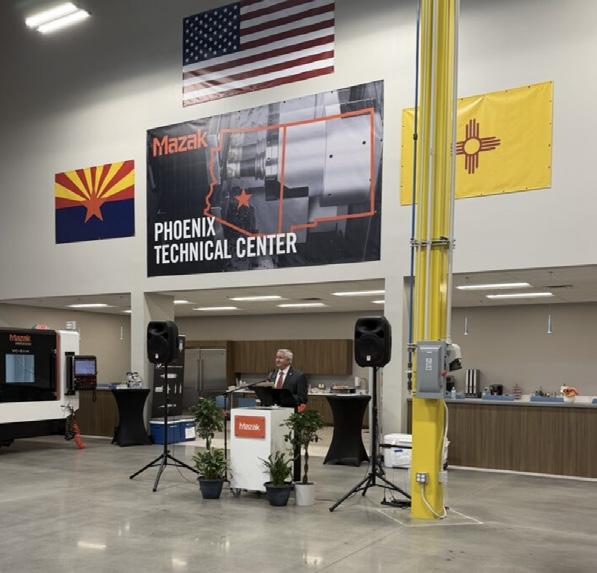
The showroom floor was alive with activity. Live demonstrations were spread throughout the space, giving attendees the chance to see a range of Mazak machine tools in action. Rather than static displays, guests were able to engage directly with equipment, watch real-time machining, and ask questions—making the experience both interactive and practical.
Adding to the depth of the event, key support vendors including Kennametal, Hexagon, and LNS were on-site,
To Full Consulting To Prepare You For Certification
BMSC LLC, A Woman Owned Business • Contact Bretta Kelly Today!
You Have 3 Very Good Reasons To Call BMSC:
√ Are you certified and ready to simplify your ISO 9001, AS9100, AS9110 or AS9120 System?
√ Do you need Quality Management System Software? Bretta Kelly also President of CIS WWSG, is now offering $3,500 Templates FREE with purchase of CIS Software!
√ Need Help Maintaining Your Internal Audits or Management Reviews?

Visit www.businessmsc.com today and review the more than 220 company referrals!
BMSC is now offering packages to come in and conduct Internal Process Audits and Facilitate Management Reviews to ensure you are effectively maintaining your ISO 9001 and/or AS9100 System.
We Can Help! We Have Helped Over 200 Manufacturing and Service Companies. Call to Learn About our Templates - From $3500. CIS Software visit www.cissoftware.com. Contact us today BMSC,
who flew more than 10 times in the past year wanted to hop onto an air taxi, with business travelers being chief among them (65%). And for millennials, the interest was at 65%, compared to 58% of overall respondents.
Announcements & News Continued
Phoenix-based Honeywell Aerospace Technologies is currently a division of Honeywell International Inc. (Nasdaq: HON), but the parent company announced earlier this year that its aerospace business and its automation unit would be split off into separate publicly traded companies. That followed calls late last year from an activist investor to make the move.
offering expertise, tooling insights, and complementary solutions. Their presence reinforced the broader ecosystem that surrounds modern manufacturing— where machines, tooling, metrology, and support all come together.
Honeywell Aerospace — which said it will remain headquartered in Phoenix after the split, expected in the second half of 2026 — is Arizona's second-largest defense contractor, with just under 2,000 contracts in fiscal year 2024 valued at a total of $657.58 million, according to Business Journal research. With 7,124 employees in the state in 2023, Honeywell Aerospace ranked as Arizona's 23rd largest employer last year. By Jeff Gifford –Phoenix Business Journal

expertise in self-lubricating plane-bearing technologies and providing “best in class” automation components. We continue to design and develop low maintenance components for flexible manufacturing environments, and pride ourselves on the ability to deliver innovative solutions in an ever-evolving industry.
Revobots aims to make that vision a reality with the company’s flagship AI-driven, 3D printed humanoid robot, Taskbot, which is equipped with dual arms, a dexterous “handlike” gripper, and an intelligent “face” packed with sensors.
Overall, the event struck a strong balance between presentation and hands-on experience. It wasn’t just a showcase—it felt like an active, working environment designed to connect people with the technology driving the industry forward. ◊
Robotics company to establish global HQ in Phoenix
Imagine a world where a team of robots could lend a helping hand to small businesses for repetitive tasks, or clean and prep a construction job site overnight, allowing human workers to get more done during the day.
Welker Introduces Two New Variations of Belt Driven Slides
Troy, Michigan (April 14, 2026) - For over 50 years, Welker Engineered Products has been recognized for its
Located in Troy, Michigan, Welker designs, manufactures, and sells standard and custom components that locate, clamp, eject, slide, lift, lockout, position, dimple, and ground, along with offering our bearings, friction rollers, and switches.
“The Taskbot can be controlled through AI. You tell it what you want it to do, it will figure it out and complete the job,” said Andre Christian, cofounder and chief marketing officer for Revobots. “Or you can say, ‘Hey, I don’t have a Phillips screwdriver.’ Taskbot will print one and do the job for you. That’s going to be a game changer, and that, to us, is where civilization starts to change because everybody now has the means of production at their hands.”
Welker Engineered Products is thrilled to announce two new variations of our Belt-Driven Extrusion Slide (BES): the Double and the Double Independent.
The company plans to establish its global headquarters in the Valley.The Phoenix region has increasingly become a landing spot for high-tech companies.
The Double has a wider carriage that is directed by two sets of linear guides which makes it ideal for wider, offset loads while the Double Independent is designed with two carriages moving in opposite directions and driven by their own motor which makes it ideal for boosting efficiency.
Continued Next Page
“This new belt-driven slide is an outstanding solution

Announcements & News Continued
for moving parts in place within automation systems,” explains Scot Bigelow, Sales & Marketing Manager for Welker. “It is easy to set up and requires very little downtime for maintenance.”
An excellent cost and space saving alternative to conveyors, the BES series is available in a VFD gearmotor, a Clearpath® integrated servo motor, or specified motor of choice.
The max payload is 360kg [793 lbs.] and recommended load size is 900mm x 1200mm.
For more specifications and to learn more about the new BES Slide’s capabilities, contact Welker at 800.229.0809, or visit our website: www.welkerproducts.com.
GE Aerospace posts 29% revenue surge, commits $1B to U.S. manufacturing for second straight year

PHOENIX HEAT TREATING






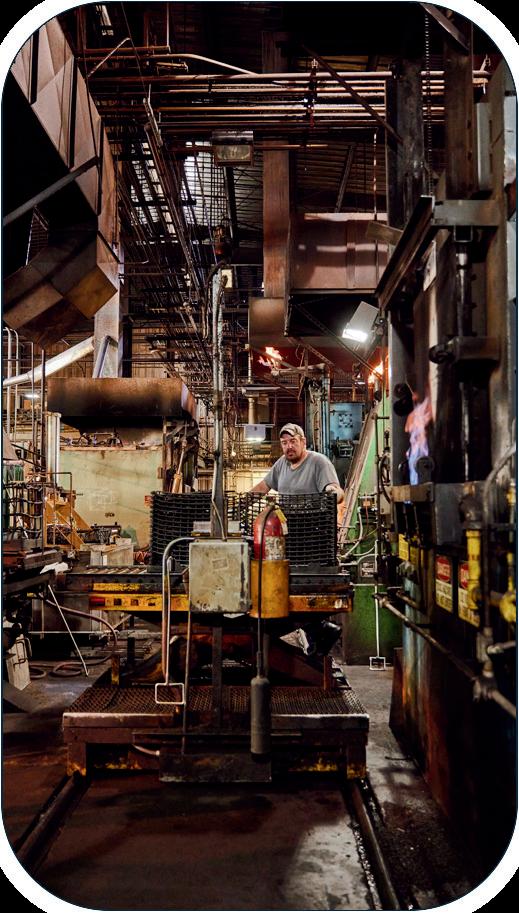
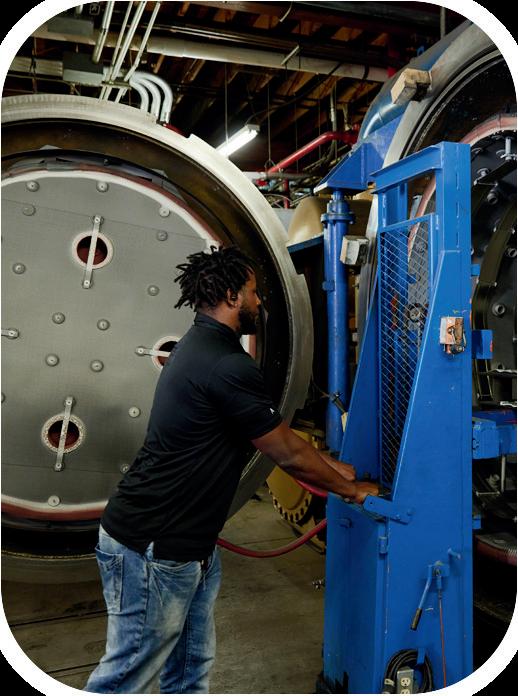
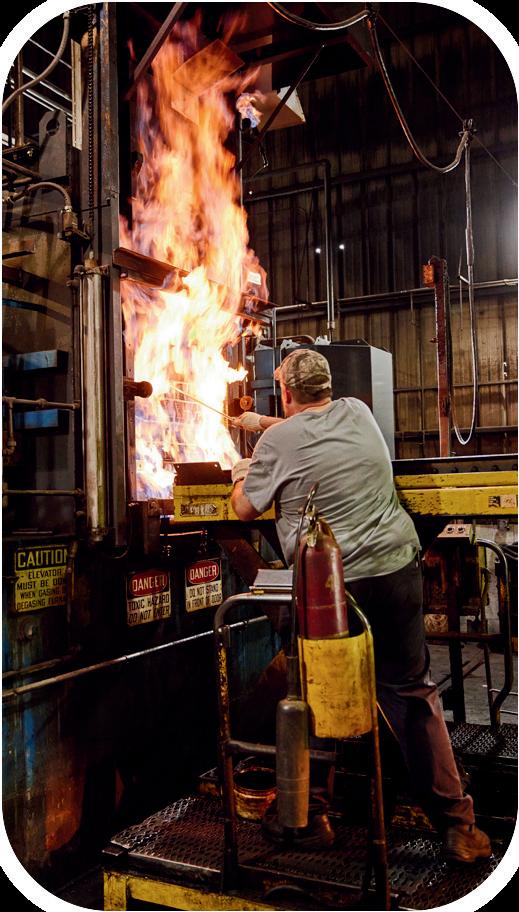
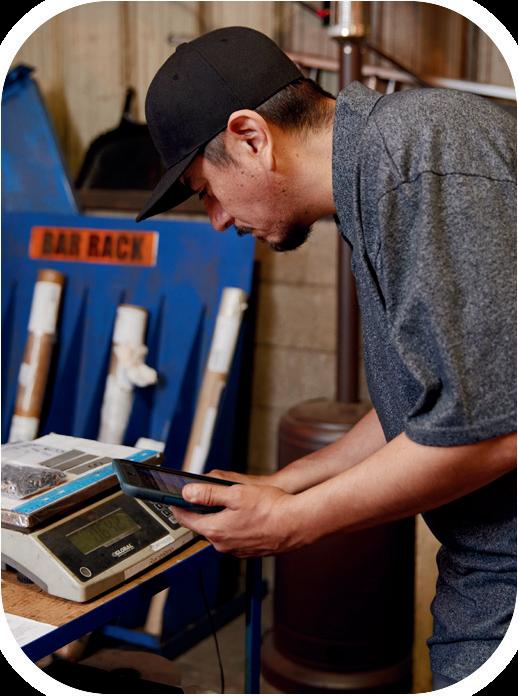


Precision Die & Stamping, Inc.
1704 West 10Th St • Tempe, AZ 85281
Ph: 480-967-2038 • F: 480-829-0838 •
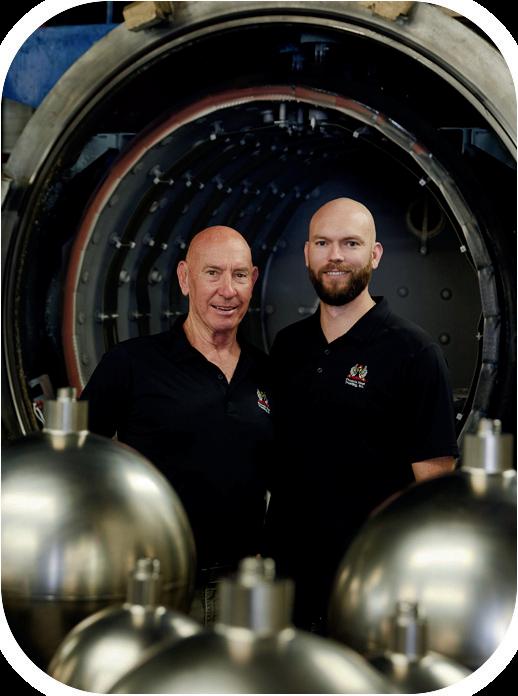
Since 1964, Precision Die & Stamping has maintained a philosophy that expertly designed tooling and dedication to customer service are number one priorities. This type of expertise and dedication has fostered a reputation of excellence in the tooling and stamping industry.
Located in Tempe, Arizona, our 100,000 Sq. Ft. Facility contains state of the art equipment , with production capabilities ranging from simple geometries to complex forms with intricate details. Precision enjoys a world-class reputation supplying a variety of OEMs, managing their inventory levels, and making certain product quality and timely delivery are NEVER compromised.
Announcements & News
Culp acknowledged that the geopolitical conflict in the Middle East following Operation Epic Fury has reduced the company’s full-year departure growth outlook from mid-single digits to flat or low single-digit growth, creating downstream uncertainty in commercial aftermarket timing.
GE also secured a contract to design the GEK1500 engine for the U.S. Air Force’s next-generation Collaborative Combat Aircraft and added Iberia as its seventh Premier LEAP MRO partner. ◊
RTX raises full-year outlook on record defense demand as Patriot, F135, and AMRAAM production accelerates
RTX reported a broad-based beat in Q1 2026, raising its full-year adjusted sales and earnings guidance while citing surging demand across all three business segments following the launch of U.S. military operations in the Middle East. Raytheon booked $6.6 billion in new orders during the quarter, with Patriot air defense systems and ground-based
missile defense leading the way.
Pratt & Whitney secured more than $3 billion for F135 Lot 19 production and posted a 22% increase in operating profit year-over-year, driven by a 19% jump in commercial aftermarket revenue and stronger military volume.
Collins Aerospace added nearly $3 billion in awards including $1.7 billion in mission systems and $400 million in avionics. RTX CEO Christopher Calio told analysts the Department of Defense is prioritizing munitions depth, integrated air and missile defense, and counter-drone systems — all core RTX capabilities.
He pointed to the Coyote counter-UAS system as seeing “really, really strong demand” after successful operational deployment, including a new non-kinetic reusable version capable of countering drone swarms. RTX also disclosed five active framework agreements with the DoD covering key munitions programs. Separately, Pratt & Whitney announced a $100 million

Announcements & News Continued
investment in its Poland facility to expand isothermal forging capacity for GTF, F135, and F100 engine parts, expected to enable a 30% output increase by 2028. ◊
Lockheed Martin Expands Venture fund in major way
Lockheed Martin recently announced a major expansion of its venture capital arm, increasing the capacity of Lockheed Martin Ventures from $400 million to up to $1 billion—a 250% increase and the largest since the fund’s founding in 2007.
This move signals a strategic push to accelerate innovation and strengthen the defense industrial base by investing in emerging technologies critical to national security.
The expanded fund will support the development and transition of advanced capabilities—from early research to real-world deployment—helping bridge the gap between startups and operational defense applications.
Lockheed Martin Ventures has already played a significant role in the company’s innovation ecosystem, investing more than $500 million across over 120 companies. Many of these startups have evolved into suppliers, demonstrating the fund’s effectiveness in integrating new technologies into Lockheed’s broader operations.
The increased funding will continue to focus on highimpact areas such as artificial intelligence, autonomy, advanced materials, and next-generation propulsion. By backing these technologies, Lockheed aims to maintain a competitive edge while enabling faster, more cost-effective solutions for defense customers.
Overall, the expansion reflects a broader industry trend toward leveraging venture capital-style investments to drive innovation. For Lockheed Martin, it reinforces a long-term strategy of partnering with startups to rapidly advance critical technologies and ensure readiness for future national security challenges. ◊

Schedule your no-obligation appointment and review today! Mitch Balasu 480-822-7500 Mitch@growprotected.com www.growprotected.com
Are You Losing Sleep With The Stock Market Ups and Downs?
Are You Planning To Retire In The Next 10 Years?
Did You know that On average, it takes the stock market 4.5 years to recover from a bear market, according to historical data?
There Is Good Reason Why Americans Have Invested Over 3 Trillion Dollars Into Annuities
• Protection Against Stock Market Risk
• Guaranteed income for life
• Reasonable Returns
• Tax Deferred Growth
• Long Term Care Benefit Potential
• Leave a Legacy
• No Fee Annuities Available
• Bonus Potential

Toyota Develops New, Highly Efficient Internal Combustion Engines
Toyota has reaffirmed its commitment to a multi-pathway approach to decarbonization by announcing the development of a new generation of smaller, more efficient internal combustion engines (ICEs). This move comes at a time when much of the automotive industry is focused primarily on battery electric vehicles (BEVs).
Toyota’s new engines, part of its ‘Engine Reborn’ initiative, are designed to be significantly more compact and thermally efficient than their predecessors. The company is developing 1.5-liter and 2.0-liter four-cylinder engines that
are not only more powerful and fuel-efficient but are also engineered to be compatible with a range of carbon-neutral fuels, including synthetic e-fuels, hydrogen, and biofuels.
This strategy allows Toyota to continue leveraging its deep manufacturing expertise in ICE production while adapting to a carbon-conscious future.
The manufacturing implications are significant; these new engines can be produced on existing assembly lines with some retooling, offering a more capital-efficient path than a complete switch to BEV manufacturing.
By making the engines smaller, Toyota also opens up new possibilities for vehicle design, allowing for lower hood lines and improved aerodynamics.
This development signals that Toyota believes the internal combustion engine is not obsolete but can evolve to play a continuing role in reducing emissions, especially in regions where charging infrastructure is lacking or for customers who require the versatility of a liquidfueled vehicle.
It’s a pragmatic manufacturing and R&D strategy that diversifies the company’s technological portfolio beyond a sole reliance on battery power. ◊
Bell Makes Big Bet in Texas
Bell Textron has recently made a series of major investments across the Dallas–Fort Worth area, signaling a long-term commitment to next-generation military aviation and regional manufacturing growth.
The most notable development is a planned facility in North Fort Worth, with an estimated
investment of more than $600 million. This site will support production of the U.S. Army’s Future Long Range Assault Aircraft (FLRAA), now designated the MV-75. The project is expected to generate hundreds of new jobs and serve as a cornerstone for the program’s industrial base.
In addition to the new facility, Bell is expanding and upgrading multiple existing operations throughout the metroplex. These include enhancements to engineering, testing, and integration capabilities in nearby cities such as Grand Prairie and Arlington.
The company is also investing in improvements to current Fort Worth facilities to support the transition from development to full-scale production of the MV75 platform.
The FLRAA program represents a significant modernization effort for the U.S. Army, intended to replace the long-serving Black Hawk helicopter with an aircraft offering greater speed, range, and operational flexibility.
Bell’s growing footprint in North Texas positions the region as a central hub for both the engineering and manufacturing aspects of this program, even as final assembly activities extend to other parts of the state.
Taken together, these developments highlight a broader trend of aerospace and defense investment flowing into the Dallas–Fort Worth area.
For suppliers and service providers, particularly those supporting aerospace manufacturing processes, the expansion creates new opportunities to participate in a program expected to span decades and drive sustained demand across the supply chain.

Announcements & News Continued
Ursa Major to Build Advanced Solid Rocket Motor Facility in Colorado
Rocket propulsion company Ursa Major has announced a significant expansion of its manufacturing capabilities with the upcoming construction of a new 200,000-square-foot facility in Lafayette, Colorado. This new site will be dedicated to the design, testing, and production of solid rocket motors (SRMs), a strategic move that complements the company’s existing expertise in liquid-fueled rocket engines.
The facility will leverage advanced manufacturing techniques, including 3D printing and robotic automation, to create a highly flexible and efficient
ARIZONA
MANUFACTURING EXTENSION PARTNERSHIP

Arizona MEP's mission is to make every Arizona manufacturer the most successful business it can be. As Arizona's Manufacturing Extension Partnership, Arizona MEP's manufacturing and business experts offer customized solutions and hands-on assistance to help your company achieve its goals.
Whether you're looking for incremental improvements to your operation or a major transformation, Arizona MEP can provide a solution designed just for you.


Announcements & News Continued
production line.
This approach is intended to position Ursa Major as a key supplier for a variety of national security applications, including hypersonic vehicles, tactical missiles, and small satellite launch systems. The initial focus of the new plant will be on producing the company’s new line of ‘Lynx’ solid rocket motors.
By entering the SRM market, Ursa Major is directly addressing a critical gap in the U.S. defense industrial base, which has seen consolidation and limited innovation in solid propulsion in recent decades. The company aims to disrupt the status quo by offering a merchant supplier model, providing SRMs to a wide range of prime contractors and government agencies, thereby fostering competition and resilience in the supply chain.
This expansion is supported by both private investment and government interest in revitalizing the nation’s rocket motor production capacity. The Colorado facility represents a major capital investment and a clear sign of Ursa Major’s ambition to become a one-stop-shop
for both liquid and solid rocket propulsion, a critical enabler for the next generation of space and defense systems. ◊
2026 Adams Machinery – Major Announcements
I’m proud to share some exciting updates for Adams Machinery in 2026. First, we are honored to have received two awards at the DN Solutions Dealer Meeting:
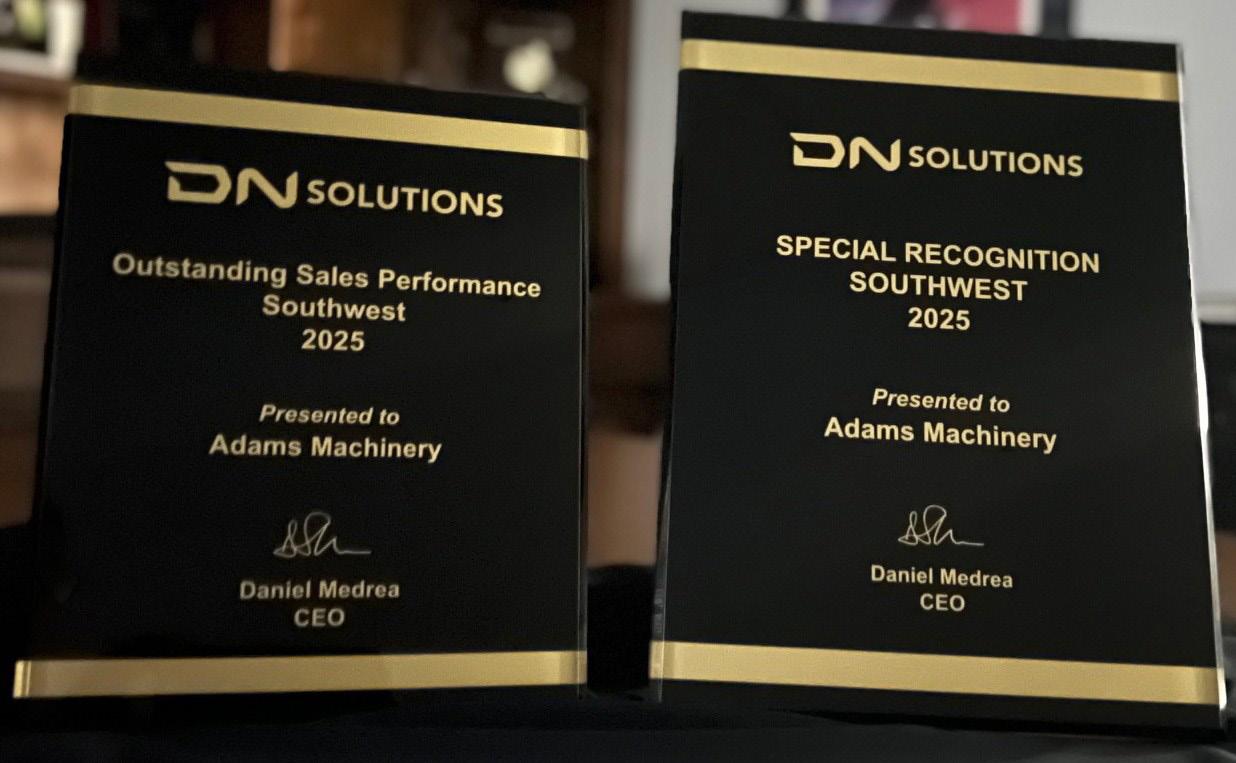
• Outstanding Sales
Performance – Southwest 2025
• Special Recognition –Southwest 2025
This achievement is a direct reflection of our team’s dedication and commitment to supporting our customers every day. I would like to sincerely thank our entire staff for their hard work and professionalism, as well as our loyal customers, for the continued trust you place in Adams Machinery. These awards truly belong to all of you.
In addition to this recognition, I’m excited to announce that Adams Machinery will be expanding in May 2026.
For over 35 years, we have proudly served the metal cutting manufacturing industry throughout Arizona and New Mexico. Our success has been built on listening to our customers and delivering the right solutions backed by strong service and support.
Over the past several years, we’ve seen our customers’ needs evolve—requiring more comprehensive solutions while managing overall costs. In response, we have continued to grow our capabilities. Last year, we added a full-time Applications Engineer focused on part processing and turnkey solutions.
Now, we are taking the next step forward.
In May, we will be adding an additional 2,500 square feet to our facility to launch the Adams Automation Department, allowing us to offer full robotic solutions in-house at our Tempe, Arizona location.
Best regards,
Eugene Hendrix ◊
Defense Industry Faces Production Constraints Amid Rising Demand
A senior U.S. military official recently warned that major defense contractors— including Lockheed Martin and RTX—will require one to two years to significantly
Additionally, we are expanding our machine showroom by 1,000 square feet. We welcome you to stop by and see what’s new at Adams Machinery. Thank you again for being part of our continued growth and success.
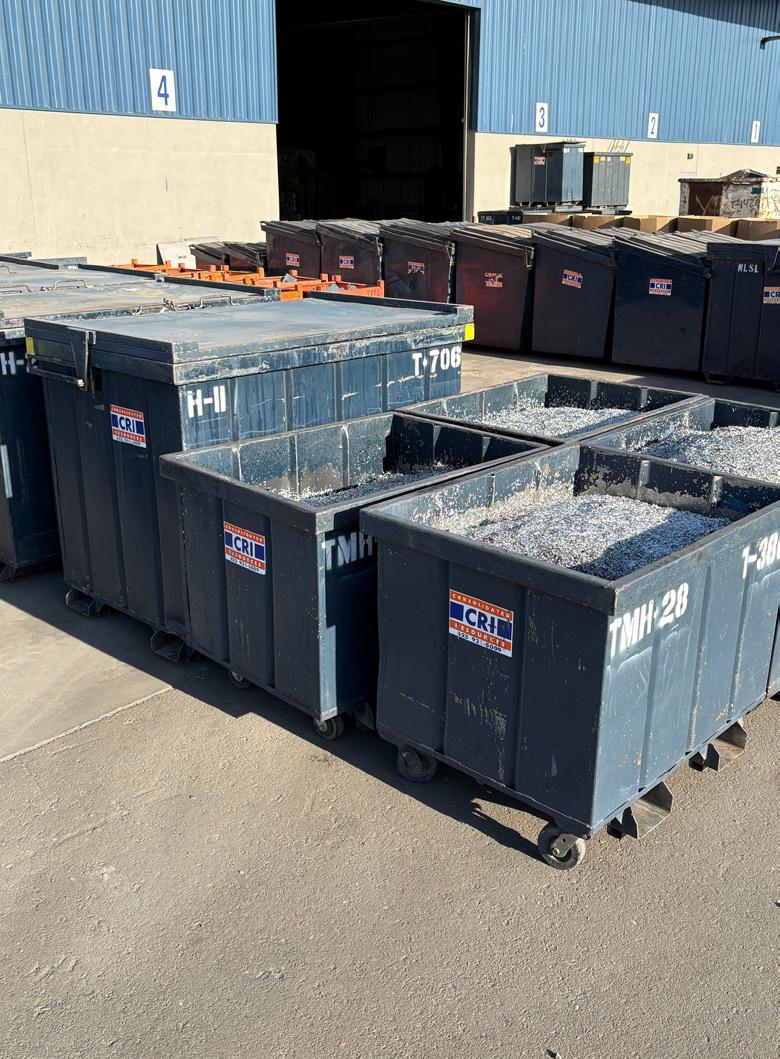
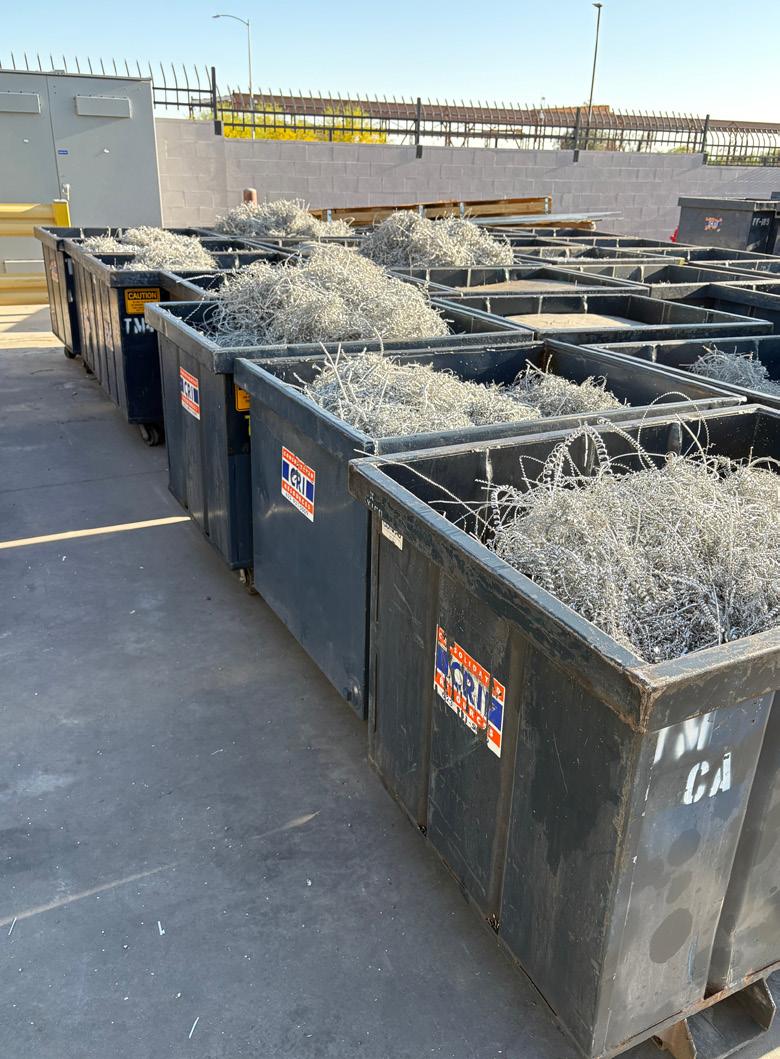
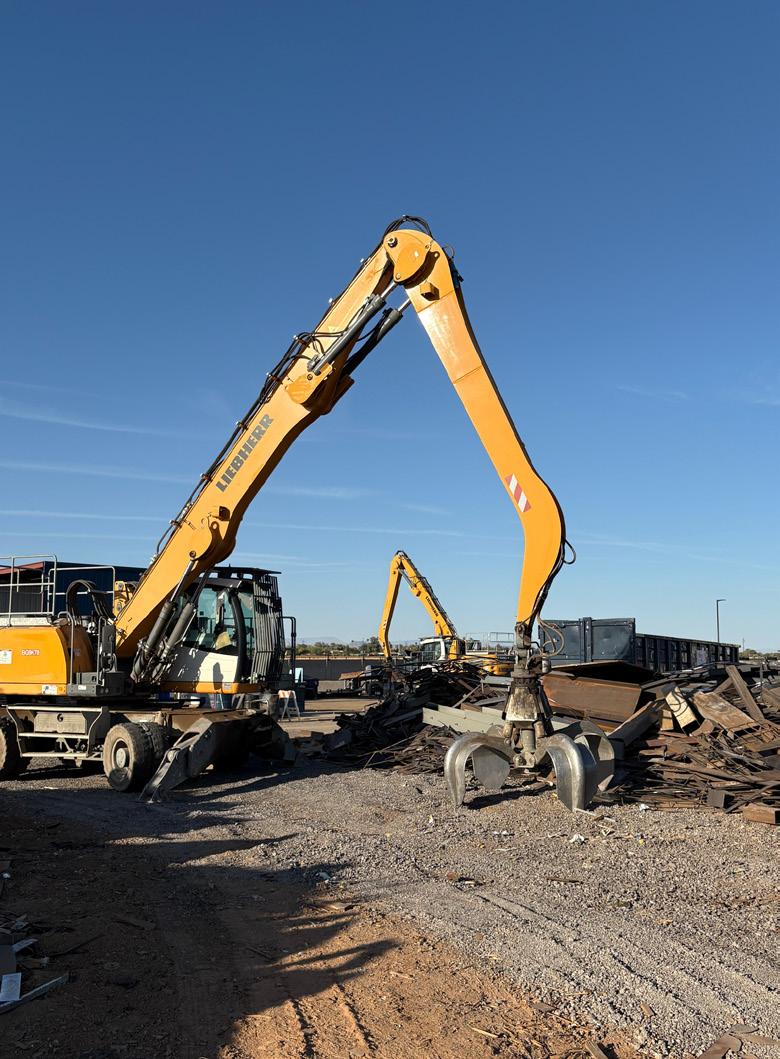
Consolidated Resources Inc.

motors, guidance systems, and advanced materials often rely on niche suppliers with limited capacity.

Scaling production therefore requires coordinated investment across the entire supply chain, not just at the prime contractor level. This has led to increased government involvement in funding and coordinating industrial expansion.

The situation is also accelerating innovation. Military leaders are pushing for greater collaboration with non-traditional defense firms to develop lower-cost, rapidly producible systems such as drones and next-generation missiles. This reflects a shift toward more flexible and scalable manufacturing models.


scale production of critical munitions such as Patriot and Tomahawk missiles. (Wall Street Journal) This highlights a growing tension between surging global demand and the realities of defense manufacturing capacity.
The issue stems from several structural constraints. Expanding production of advanced munitions is not as simple as increasing shifts or adding labor. It requires new facilities, specialized tooling, highly trained workers, and a stable supply of critical components—many of which come from constrained or singlesource suppliers. These limitations have become more visible amid ongoing geopolitical conflicts, where rapid replenishment of stockpiles is essential.
Supply chain fragility is a central concern. Key components such as rocket
Ultimately, the story underscores a critical challenge for the defense industry: demand is no longer the limiting factor— manufacturing capacity is. Addressing this gap will require sustained investment, workforce development, and supply chain modernization across the entire defense industrial base. ◊
Space Boom Strains
U.S. Satellite and Launch Supply Chain, Industry Report Warns
A joint report released on March 17, 2026, by the Aerospace Industries Association and PricewaterhouseCoopers warned that rapid growth in the U.S. space sector is increasingly straining the specialized supply chain supporting satellite manufacturing, launch vehicles, and related technologies. Titled “Strengthening America’s Space Supply Chain,” the analysis highlights how
CUT TIME. NOT CORNERS



Announcements & News
commercial megaconstellations, government missions, and national security programs are driving demand that outpaces the current industrial base, which was historically calibrated for lower volumes and slower cycles.
Key pressure points include shortages in advanced services such as chemical processing, specialized coatings, precision machining, and critical materials. Companies like SpaceX, Blue Origin, United Launch Alliance, and satellite operators (including Amazon’s Project Kuiper efforts) are scaling production rapidly, but suppliers face challenges in workforce skills, facility capacity, and resilient sourcing.
The report notes that national security priorities, including proliferated architectures from Northrop Grumman and Lockheed Martin collaborations, add further urgency to domestic manufacturing enhancements. Recommendations focus on policy measures, workforce development, and targeted investments to expand capacity and reduce vulnerabilities.
The space industry’s acceleration—fueled by reusable launch systems, smallsat deployments, and constellations—has created opportunities but also exposed bottlenecks that could delay programs if unaddressed.
Stakeholders from prime contractors to tier suppliers are urged to collaborate on modernizing production lines and securing alternative sources for specialized components. This supply chain assessment underscores broader aerospace and defense trends, where manufacturing scalability directly impacts mission timelines and cost efficiency.
Efforts to strengthen the base include adopting automation, additive manufacturing, and closer government-industry partnerships.
The findings align with ongoing Pentagon and NASA initiatives to bolster resilience in space infrastructure, ensuring the U.S. maintains leadership amid competition. Industry leaders emphasize that
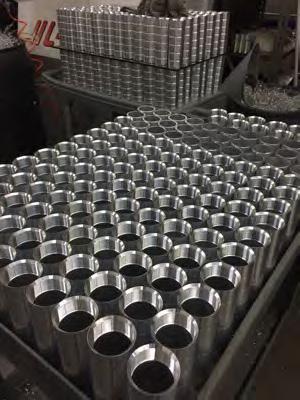
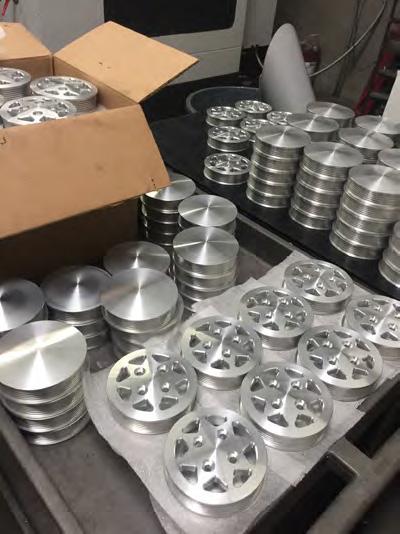
Valley Machine Works
Announcements & News Continued
proactive steps now will support sustained growth in launches, satellite output, and related technologies through the remainder of the decade. ◊
Pentagon Announces Framework Agreements to Surge Missile Production
with Lockheed Martin, BAE Systems, and Honeywell Aerospace
The U.S. Department of Defense unveiled three new framework agreements on March 25, 2026, with major defense contractors to accelerate production and delivery of critical missile systems and components amid ongoing global security demands.
The deals involve Lockheed Martin for the Precision Strike Missile (PrSM), BAE Systems, and Honeywell Aerospace for various missile elements, including ballistic missile interceptors and supporting technologies.
These agreements build on earlier efforts to expand the
defense industrial base by encouraging companies to invest in advanced tooling, facility modernization, and testing equipment to reduce lead times and increase output volumes.
Lockheed Martin committed to enhancements that would slash production timelines for the PrSM, a hypersonic-capable army weapon system already seeing combat use. The framework allows immediate ramp-up ahead of follow-on production contracts.
BAE Systems and Honeywell focused on components essential for multiple missile programs, including seekers and propulsion elements that support broader air and missile defense architectures. Honeywell’s involvement highlights contributions from its aerospace division in navigation, actuators, and electronic systems that underpin precision munitions.
These initiatives reflect the Pentagon’s strategy of using multi-year framework deals to incentivize private investment in manufacturing capacity while


Virtual Cert™ ISO-9001 certification with American Global Standards can lower operational costs, improve your bottom line, and offer your business a competitive advantage.
American Global Standards (AGS) is an American company and ISO registrar with nearly 30 years of experience assistin g manufacturing and service industries in their quest to remain competitive in the global marketplace, for a competitive annual fee of $1875.
• No on-site audit required
• Save top management valuable time
• Save your company thousands annually
• Market your company as ISO-9001 certified
• Eliminate “non-value added” NCR’s


— Enzo Ferrari

Announcements & News Continued
securing larger future orders.
Industry partners are modernizing plants, adopting advanced techniques, and addressing supply chain bottlenecks in areas like precision machining and specialized materials. Officials emphasized the need to replenish stockpiles depleted by recent operations and to prepare for peer-level threats.
The agreements align with broader Department of Defense priorities to strengthen domestic production resilience across missile families, including integration with systems from RTX and Northrop Grumman. By fostering collaboration and upfront capital commitments from contractors, the Pentagon aims to achieve faster delivery rates without solely relying on government funding for expansions.
This approach supports workforce growth in key regions and enhances interoperability for U.S. and allied forces. The surge efforts underscore ongoing investments in highprecision manufacturing technologies critical to national security, with expectations of further contracts in coming months to lock in higher annual production rates. ◊
Pentagon Awards $4.7B Contract to Accelerate Patriot Missile Production
The U.S. Department of Defense awarded Lockheed Martin a $4.7 billion contract to accelerate production of PAC-3 Missile Segment Enhancement interceptors, a key
component of the Patriot air defense system.
This contract represents a major push to increase missile production capacity in response to global demand. The PAC-3 MSE interceptor is a highly advanced system designed to counter ballistic missiles, cruise missiles, and aircraft, requiring sophisticated manufacturing processes and precision engineering.
Scaling production at this level presents significant challenges. The system relies on advanced materials, propulsion systems, and guidance technologies, all of which must be produced with tight tolerances. Supply chain coordination is critical, as delays in any component can impact overall production timelines.
The contract also reflects increased government involvement in industrial capacity expansion. By committing large-scale funding, the Pentagon is effectively underwriting the growth of the defense manufacturing base.
From an industry perspective, the deal highlights the shift toward sustained high-volume production of advanced weapons systems. Unlike previous cycles, where production ramped up temporarily during conflicts, current demand appears more persistent.
Overall, the contract underscores the growing importance of manufacturing scalability and supply chain resilience in the defense sector. ◊
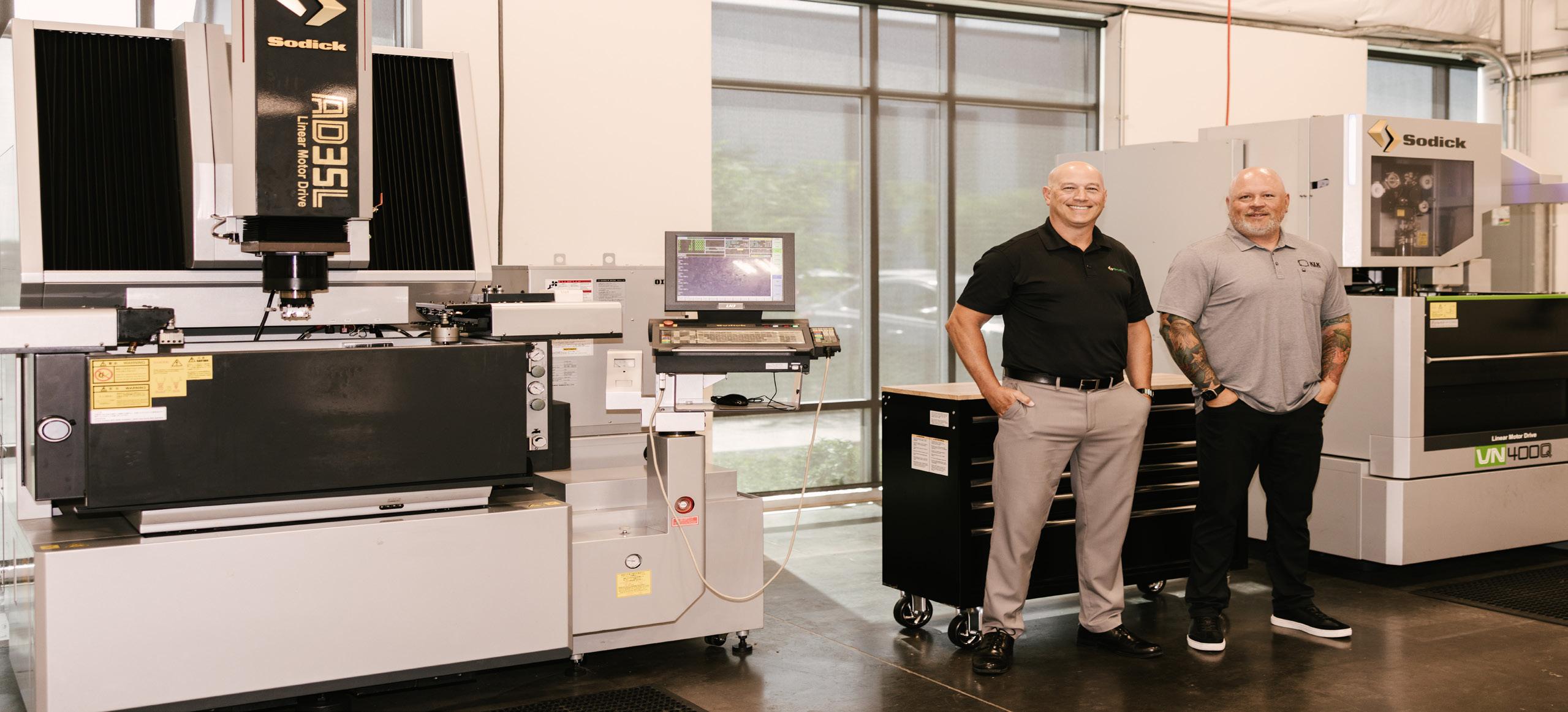
From Garage Roots to High-Tech Precision:
How KLK Built a Competitive Edge with Sodick EDM
In manufacturing, success rarely comes from standing still. It comes from reinvention—knowing when to double down, when to pivot, and when to invest boldly in the future.
KLK Inc. is a perfect example of that mindset in action.
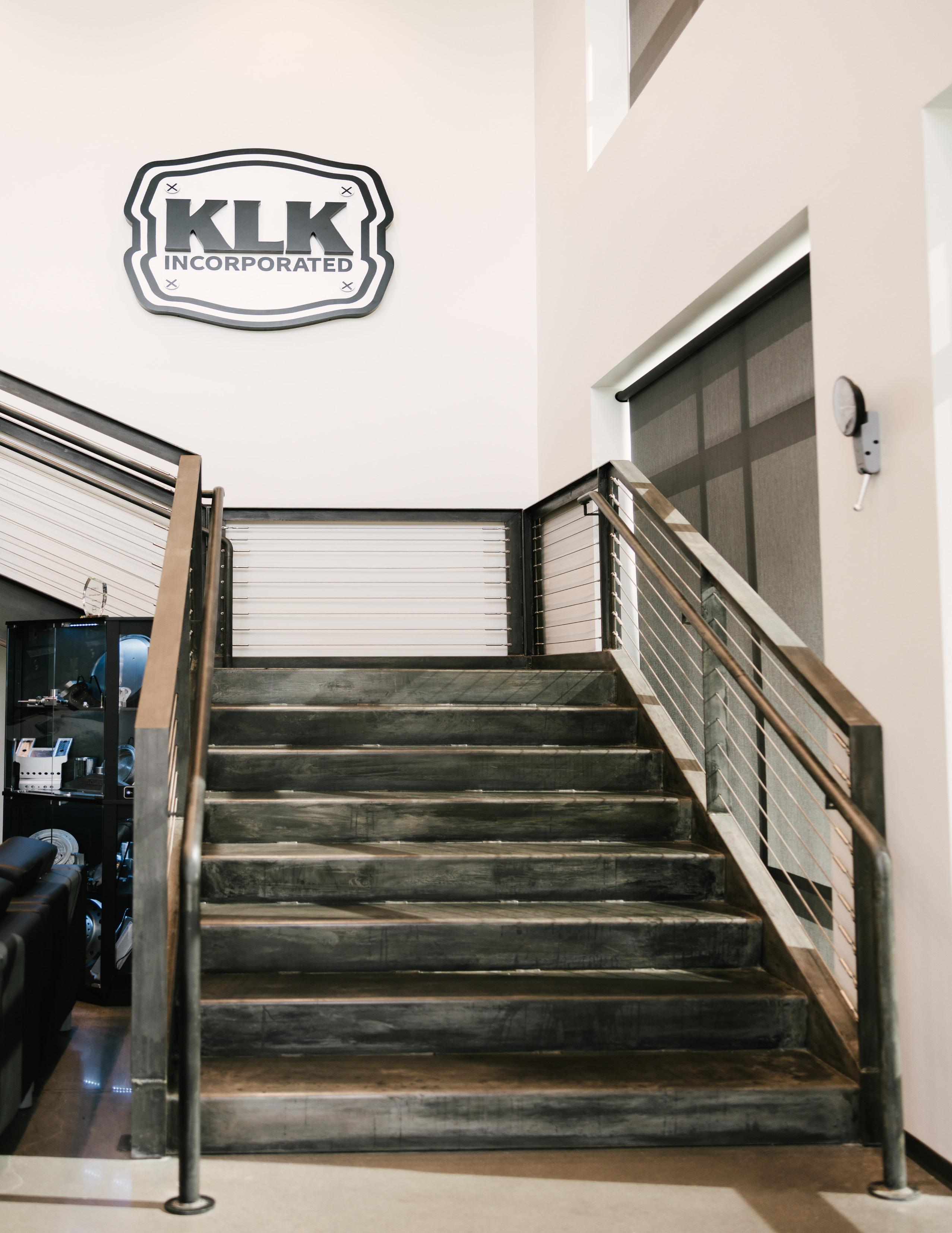
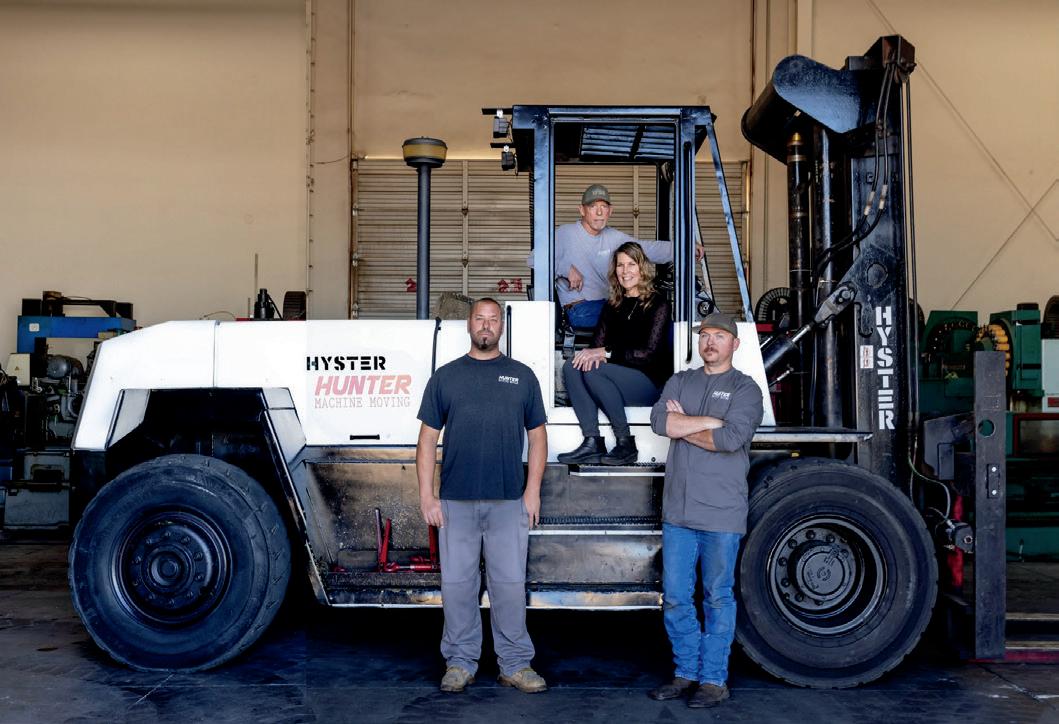
What started as a small garage operation in 1967 has grown into a multi-facility, high-precision manufacturing company serving some of the most demanding industries in the world—semiconductor, aerospace, and defense. Today, with over 80 employees and more than 80,000 square feet of manufacturing space, KLK stands as a testament to disciplined growth, smart investment, and a willingness to evolve.
And along the way, one strategic partnership—Sodick EDM—has quietly but powerfully reshaped how KLK competes.
KLK’s story begins the way many great manufacturing stories do, in a garage.
Founded in 1967 by a grandfather with a vision for machining, the company has remained deeply rooted in family ownership and leadership. Today, it’s led by third-generation management, continuing a legacy that has spanned decades and multiple economic cycles.
That continuity matters—but it’s the company’s ability to adapt that has truly defined its success.
One of the most pivotal moments came in the early 1990s. At the time, KLK was a modest operation with around 25–30 employees. Then came an unexpected opportunity: a fitness equipment company approached KLK with a concept that needed engineering and manufacturing support.
That product—the “Health Rider”—would change everything.
KLK helped redesign the product for manufacturability, secured the sole manufacturing contract, and scaled at an astonish-
ing pace. Within 18 months, the company exploded into a 100,000-square-foot operation with 850 employees running 24/7. At peak production, they were shipping nearly 2,000 units per day.
It was a crash course in scale, automation, and operational intensity. But like many boom cycles, it didn’t last forever. When the brand was acquired by a larger conglomerate, KLK was bought out of the manufacturing contract. The company downsized, sold off excess equipment, and returned to its roots as a precision machine shop.
That moment could have been a setback. Instead, it became a reset.
A Strategic Shift Toward Sustainable Growth
The early 2000s marked a new chapter for KLK—one defined not by rapid, reactive growth, but by intentional, strategic expansion.
The semiconductor industry became a core focus, offering steady demand and high-value work. Over time, KLK built strong relationships and deep expertise in this space, estab-
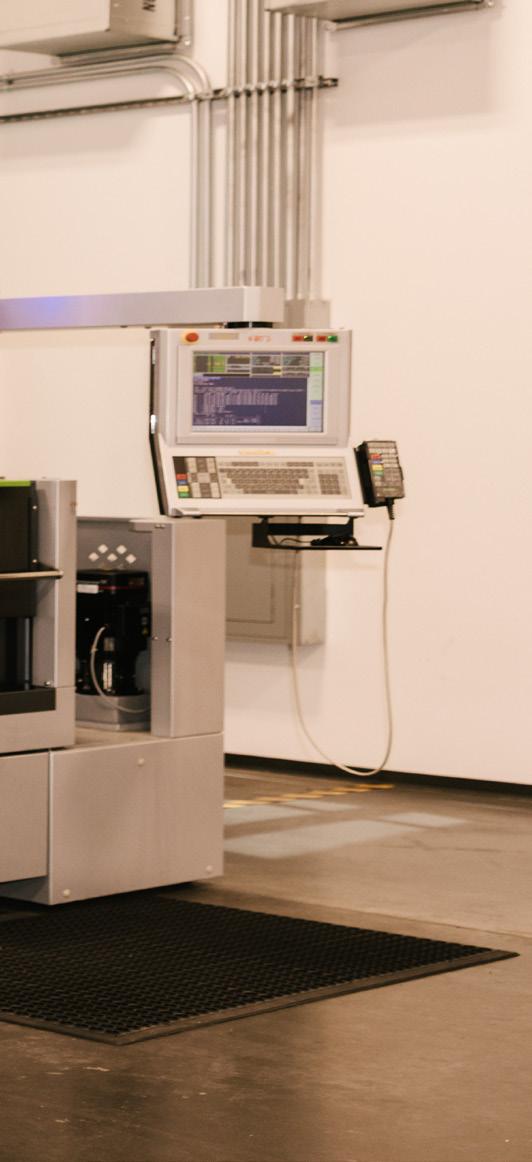
lishing itself as a trusted supplier.
But with success came a new challenge.
Like many manufacturers, KLK found itself heavily tied to a single dominant customer. While the volume was strong, it limited flexibility and introduced risk. The turning point came around 2017, when new leadership formally took the reins.

That’s when a simple but powerful philosophy took hold:
You have to spend money to make money.
From that point forward, KLK committed to aggressive reinvestment in technology, capacity, and capability. Over the next several years, the company tripled in size.
Today, KLK operates out of two primary facilities:
• Phoenix: Sheet metal fabrication and welding
• Chandler (Headquarters): Machining, assembly, and final product shipment
Their capabilities now span:
• Fiber and CO2 laser cutting
• Press brakes and advanced forming
• Welding (including laser and orbital)
• 3-, 4-, and 5-axis CNC machining
• Automated pallet systems
• Advanced inspection with Zeiss CMMs
It’s a modern, vertically integrated operation built for precision and scale. But one area still lagged behind—until a specific challenge forced a rethink.
The EDM Decision: From Outsourcing to Ownership
Like many shops, KLK initially outsourced its EDM work. For years, that approach made sense. But over time, the cracks started to show.
One particular production component required both wire and sinker EDM operations. The part was critical, complex, and sensitive. KLK relied on an outside supplier to handle the work.
At first, it worked. Then the issues began to pile up:
• Increasing lead times
• Rising costs
• Limited control over scheduling
Eventually, the team took a hard look at the numbers.
Over a three-year period, KLK has spent just shy of half a million outsourcing EDM work on a single part.
That was the moment everything changed.
Why Sodick?
Sodick had already made an impression through consistent engagement and demonstrated capability.
They offered:
• Proven performance on KLK’s actual parts
• Strong technical capability
• Competitive pricing
• Reliable service support
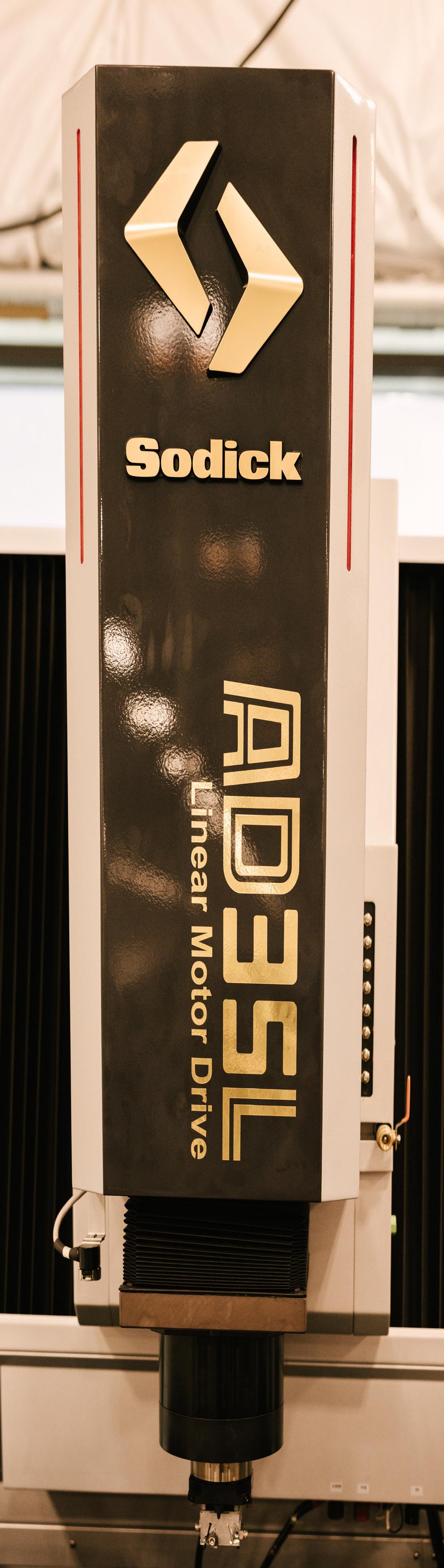
KLK purchased not one but two Sodick EDMs for nearly half of the amount they spent on outsourcing that single part. KLK could see the ROI was immediate.
A Game-Changer on the Shop Floor
Bringing EDM in-house didn’t just save money, it transformed KLK’s operations. The VN400Q Wire and AD35L sinker EDM provided tremendous operational value. The impact was immediate:
• Shorter lead times
• Stable costs
• Improved scheduling control
• Consistent high quality
Sodick EDMS comes equipped with linear motor drives. These drives prevent backlash which occurs with mechanical ball screw drives. Position accuracy is guaranteed for 10 years on all Sodick wire and sinker EDMs with zero machining hour restrictions.
Precision Meets Automation
KLK’s machines now run multiple parts at once with tight tolerances down to tenths. What was once a bottleneck has become a competitive advantage.
Sodick machines aligned perfectly with KLK’s push toward automation. In fact, Sodick’s Product Solutions team provided dedicated automation support assisting KLK in automation integration.
With fixtures and semi-automated setups, machines run efficiently with minimal intervention.Automation is no longer optional; it’s essential to compete globally. KLK is investing accordingly.
Expanding Beyond Semiconductor
KLK has expanded into aerospace and defense, working with major defense and space prime customers.
EDM capabilities are now supporting:
• Aerospace components
• Complex geometries
• Future growth opportunities
More Than Machines: A True Partnership
Sodick has provided not just machines, but reliable support and a strong working relationship. Jim Alles, Regional Sales Manager for Sodick says, “For years I built a relationship with Lee and the team at KLK, long before they decided to purchase from Sodick. What impresses me the most is that they operate a hugely successful business with the tight-knit care of a small family establishment.”
KLK has mastered world-class capability and old school family values. I believe the KLK team feels the same way about Sodick. A partner that matches their own commitment to excellence and personal service.
This partnership has been key to success.
Looking Ahead
KLK continues to invest in technology, automation, and growth. EDM remains a strategic capability—not just a process.
The bigger lesson: growth comes from making the right investments at the right time.
KLK recognized a bottleneck, acted decisively, and gained a competitive edge. KLK’s journey—from a garage to a modern manufacturing leader—demonstrates the power of adaptability and smart investment.
Their partnership with Sodick represents a shift toward control, precision, and long-term competitiveness. ◊

Pentagon Pushes Defense Contractors to Massively Increase Weapons Production
In March 2026, U.S. defense leaders and major contractors—including Lockheed Martin, RTX, Boeing, and Northrop Grumman—agreed to dramatically increase production of advanced munitions. The initiative aims to rapidly replenish stockpiles amid rising geopolitical tensions, particularly in the Middle East.
The agreement focuses on scaling production of highend systems such as Patriot, THAAD, and Standard Missiles. Notably, production rates for some “exquisite class” weapons are expected to quadruple. This represents a major shift in defense manufacturing strategy, where surge capacity is becoming a core requirement rather than a contingency.
However, scaling production is not straightforward. Advanced weapons systems rely on highly specialized components, including propulsion systems, guidance electronics, and advanced materials. Many of these components are sourced from niche suppliers with limited capacity, creating bottlenecks that cannot be resolved quickly.
The initiative also highlights increased government involvement in the industrial base. Rather than relying solely on contractors, the Pentagon is actively coordinating production expansion and encouraging collaboration across the supply chain.
From a manufacturing perspective, this development underscores a key challenge: defense demand is no longer constrained by budgets, but by production capacity. The industry must now invest in facilities, workforce development, and supplier expansion to meet sustained high demand.
Ultimately, this push signals a structural shift toward a more responsive and scalable defense industrial base—one that can adapt to prolonged geopolitical instability rather than short-term conflicts. ◊
SBA Accelerates Manufacturing Financing in 2026 Through Fee Cuts and New Loan Programs
U.S. manufacturing received a notable boost this spring as the Small Business Administration (SBA) rolled out a series of financing initiatives aimed at expanding access to capital, lowering borrowing costs, and strengthening domestic supply chains.






Announcements & News Continued
Rather than a single policy change, the March through April 2026 period reflects a coordinated effort by the SBA to position manufacturing as a priority sector within its lending programs. The agency’s actions signal a broader shift toward using federal loan guarantees as a tool to support reshoring and industrial growth.
One of the most significant developments is the continued availability of SBA fee waivers for manufacturers. Through fiscal year 2026, the SBA is offering zero upfront fees on 7(a) loans up to $950,000 for manufacturers, as well as eliminating both upfront and annual fees on 504 loans used for manufacturing projects. These fee reductions, originally announced earlier, remain in effect and are actively influencing lending decisions.
For small and mid-sized manufacturers, the impact is immediate. SBA loan fees can typically range from 2% to 3.75% of the loan amount, meaning businesses can save tens of thousands of dollars on financing costs.
For capital-intensive operations—such as equipment purchases, facility expansions, or process upgrades—this
reduction effectively lowers the cost of growth. In parallel, the SBA is introducing new financing tools tailored specifically to the needs of manufacturers. On March 31, 2026, the agency announced a “Made in America Loan Guarantee” initiative, designed to expand access to capital for businesses contributing to domestic production.
According to the SBA, the program is intended to “restore manufacturing dominance” and strengthen U.S.-based supply chains.
This initiative builds on the SBA’s broader effort to create specialized lending products for industrial businesses. Among these is the Manufacturers’ Access to Revolving Credit (MARC) program, which provides flexible, asset-based working capital solutions.
Unlike traditional term loans, revolving credit structures are better suited to manufacturers managing long production cycles, fluctuating inventory levels, and work-in-progress constraints.

Announcements & News Continued
Additionally, the SBA’s Working Capital Pilot Program continues to gain traction.
The agency reported that the program has already deployed approximately $150 million, with manufacturers representing a significant share of borrowers. This reflects a growing recognition that access to working capital—not just long-term financing—is critical to sustaining production and meeting demand.
Beyond financing, the SBA is aligning its efforts with broader supply chain and reshoring strategies. The agency has expanded tools that connect buyers with domestic suppliers, including a database featuring more than one million U.S.-based manufacturers.
These efforts are designed to reduce reliance on overseas sourcing and encourage domestic procurement.
Taken together, these policies point to a clear trend: manufacturing is no longer treated as just another category within SBA lending. Instead, it is emerging as a focal point for targeted financial support.
For business owners, the implications are significant. The current environment presents a rare combination of reduced borrowing costs, expanded loan options, and strong policy backing. Manufacturers considering investments in equipment, automation, or capacity expansion may find that SBA-backed financing is more accessible and cost-effective than in previous years.
At the same time, the emphasis on working capital solutions suggests a deeper understanding of operational realities within the sector. Programs like MARC and the Working Capital Pilot are designed to address cash flow challenges that traditional lending structures often overlook.
As the SBA continues to refine its approach, manufacturers that align with domestic supply chain priorities and demonstrate scalable growth potential are likely to be best positioned to benefit.
In 2026, SBA lending is not just supporting small businesses—it is increasingly being used as a lever to strengthen American manufacturing. ◊
Announcements & News Continued
Skill Up Gala A Roaring Success
The Skill Up AZ Gala proved to be a strong and spirited night in support of Arizona’s workforce development efforts. With over 100 attendees, the event brought together a passionate group of industry leaders, educators, and advocates—all aligned around a shared mission to close the skills gap and strengthen the future of manufacturing and skilled trades in the state.
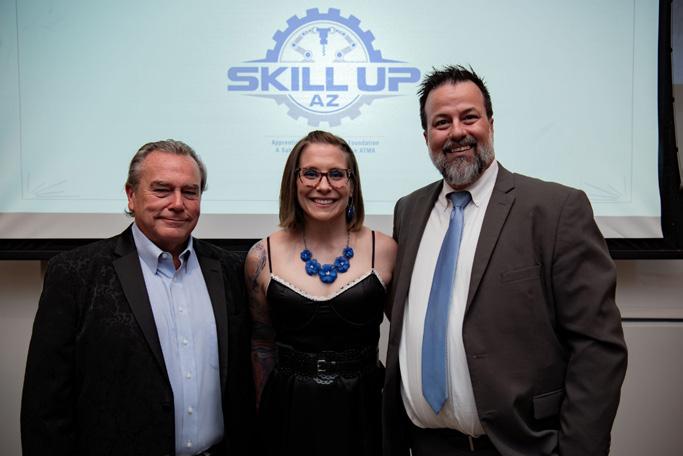
A highlight of the evening was the silent auction, which successfully generated donations to directly support Skill Up AZ’s programs. The enthusiasm from attendees was evident, with participants eager to
contribute to an initiative that is making a tangible impact on workforce readiness.
Serving as MC, Jim Mayer kept the energy high throughout the night. His mix of humor and engaging interviews created a relaxed and entertaining atmosphere while still keeping the focus on the importance of the cause. He struck the right balance—making the evening enjoyable while reinforcing its purpose.

Keynote speaker Meaghan Ziemba delivered thoughtful insights on the skills gap, offering both perspective and urgency around the challenges facing the industry. Her message resonated with the audience, highlighting the need for continued collaboration between businesses, educators, and communities.
Above all, the night was defined by a strong sense of camaraderie. It was clear that everyone in the room was there not just to attend an event, but to actively support and advance workforce development in Arizona. The gala wasn’t just a success—it was a reflection of the growing momentum behind building the next generation of skilled professionals. ◊
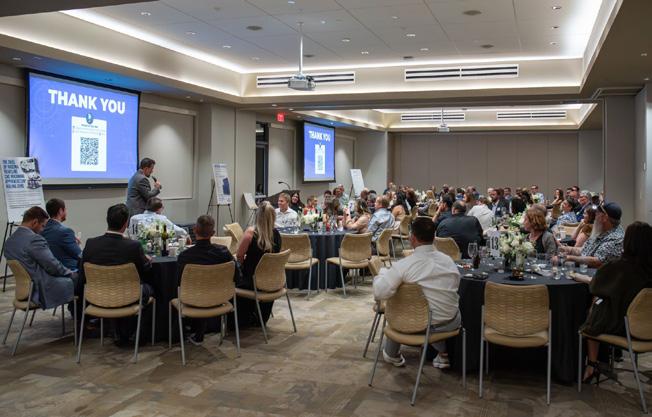
RTX Secures $3.8B F-35 Engine Contract Amid Market Volatility
RTX (Raytheon Technologies) secured a $3.81 billion contract modification from the U.S. Navy for F135 engines used in the F-35 fighter program, covering production for Lot 18 and supporting Lot 19. This contract reinforces RTX’s central role in one of the most complex aerospace manufacturing programs in the world.
The F135 engine is a critical component of the F-35 ecosystem, requiring precision manufacturing, advanced materials, and highly controlled assembly processes. Scaling production to meet growing global demand— including international customers—adds further complexity.
Despite the contract win, the broader defense sector experienced volatility. Stocks across major contractors declined amid geopolitical uncertainty and concerns about sustained defense spending levels. This disconnect between strong operational performance and market sentiment highlights the increasing influence of macroeconomic factors on the defense industry.
From a manufacturing standpoint, the contract underscores the importance of propulsion systems as a bottleneck in aerospace production. Engine manufacturing remains one of the most technically demanding and capacity-constrained areas in the supply chain.
The timeline for completion—extending through 2028—also reflects the long lead times inherent in aerospace manufacturing. Unlike commercial industries, defense production cycles are measured in years rather than months.
Overall, the RTX contract illustrates both the strength and complexity of the defense manufacturing ecosystem, where longterm programs provide stability but require sustained investment and execution to meet global demand. ◊
Northrop Grumman and Boeing Compete for Next-Gen Navy Fighter
The U.S. Navy is preparing to select a contractor for its next-generation F/A-XX fighter program, with Northrop Grumman and Boeing emerging as the primary competitors. The decision, expected in August 2026, will shape the future


The Mystery of Metal
By Peter Hushek
The story of raw materials is not only important, but it is also constantly evolving. Until a few years ago, the manufacturing of metal parts seemed relatively straightforward; purchase metal with the desired chemistry and capability, machine it to dimensions, process it as required to meet mechanical property specifications, grind to final dimensions, validate to print, and finish as needed. Few expected this process to change—until the “additive revolution.”
With additive manufacturing, parts could be designed in CAD, printed to near-net shape, processed if required, finishmachined, and assembled. This development surprised many. While additive manufacturing is not taking over the world, it has significantly impacted supply chains. As foundry lead times and unit costs increased, manufacturers began seeking alternatives. This ongoing revolution has also introduced a new term; subtractive manufacturing, the traditional method of starting with raw material and removing material until the finished part is achieved.
However, this approach presents its own challenges. It has exposed irregularities and non-uniformities that often appear at the least opportune moments. For this reason, a brief retrospective is useful. Historically, several primary material forms have dominated; plate, bar stock, sheet, forgings, and castings. Each presents its own unique challenges.
Bar stock and plate typically begin as large billets that originate from the ladle and must be reduced in size and shaped before becoming saleable. This process often requires multiple heating cycles to improve ductility and reduce overall processing time and cost. However, repeated heating can degrade the metal’s microstructure and surface chemistry. As discussed previously, decarburization can occur and should be removed prior to further processing.
These reheating and reduction steps also influence grain size, which in turn affects hardenability and ductility.
A key takeaway is that no two mills, whether producing steel or aluminum, have identical equipment or processes. As a result, two mills can produce materials from the same starting billet with identical chemistry but significantly different mechanical properties and workability. Similarly, forgings produced at different facilities may undergo varying reheating cycles, leading to differences in mechanical properties and residual stress patterns due to grain flow.
Castings represent another product form with notable
variability. In some ways, castings reintroduce billet material to a molten state, much like the original ladle process at the mill. For this reason, casting can be thought of as a “rebirth” of the alloy. Factors such as off-gassing, solidification rates, and subsequent processing all contribute to the unique characteristics of each melt lot.
As you can see, the purchased condition of any alloy can introduce a wide range of variables that directly affect manufacturability.
Adding to this complexity, global markets continue to drive technological innovation. While automation has reduced labor costs and minimized some variability, a new and often overlooked factor has emerged. Terms such as“direct solidification,” or similar variations, are now appearing on material certifications. This approach allows mills to bypass traditional reheating and working of ingots and billets, producing a nearer-net-shape product.
While this method can significantly reduce production costs, it introduces characteristics that must be considered. One notable effect is a much finer grain size. While this can enhance certain mechanical properties, it often reduces ductility. This issue first became apparent in sheet and tubing forms, where finer-grained materials proved more difficult to form compared to those produced using traditional methods.
Although this may seem like a complex problem to analyze, it is manageable. The key is to first understand the underlying mechanisms and then recognize that valuable clues are present in nearly every material certification. When these factors are incorporated into purchasing decisions, a clearer path emerges. If the material’s history is known, decisions can be guided by experience. If not, it is wise to proceed cautiously until more information is available.
Some say information is power. I would argue that collective information leads to knowledge, and knowledge in action is truly powerful. ◊
Peter Hushek Chief Metallurgical Engineer Pete.Hushek@proton.me

ARIZONA MEP WORKSHOPS

AZ MEP Overview of Lean with Simulation - June 10th
AZ MEP Manufacturing Excellence - July 7th
AZ MEP Lean Green Belt Certification Course - September 14th

Announcements & News Continued
of naval aviation manufacturing.
The F/A-XX program is intended to replace the aging F/A-18 Super Hornet, incorporating advanced stealth, sensor integration, and networked warfare capabilities. Unlike previous aircraft programs, the focus is not just on platform performance but on integration within a broader system-of-systems architecture.
From a manufacturing standpoint, the program represents a major opportunity—and challenge. Developing a nextgeneration fighter requires advanced materials, digital engineering, and highly integrated supply chains. The winning contractor will need to demonstrate not only technical capability but also production scalability.
The program has also been influenced by broader industrial base considerations. Concerns about manufacturing capacity and workforce availability have shaped government decision-making, highlighting the importance of maintaining multiple capable contractors.
Funding for the program is included in the proposed fiscal 2027 budget, signaling continued commitment despite earlier uncertainty.
Ultimately, the F/A-XX competition reflects a broader trend in defense manufacturing: future programs will prioritize flexibility, integration, and scalability, requiring contractors to rethink traditional production models.
Honeywell
Aerospace signs $500M defense production framework with DoD; aerospace spinoff files Form 10
Honeywell Aerospace announced on March 25 that it signed a supplier framework agreement with the U.S. Department of Defense to rapidly scale production of critical defense technologies, committing $500 million of its own capital over several years to expand manufacturing capacity across navigation systems, flight control systems, and related aerospace components.
The agreement makes Honeywell one of the first major Tier 1 aerospace suppliers to formalize this type of framework directly with the DoD — a structure that mirrors similar agreements signed by prime contractors like Boeing, Lockheed Martin, and Raytheon following

Industrial & Commercial Electrical
• Build Outs
• Relocations
• Service Change Outs & Upgrades
• Interior & Exterior Lighting
• Manufacturing Facilities
• Machine Shop Setup/Relocation
• Generator
• Panel Upgrades
• Electrical System Design & Install
• Projects in Highly Sensitive & Food Safety Areas

Commercial & Residential HVAC
• Seasonal Assessment/Maintenance
• Monthly Filter Changes *commercial units only
• Unit Repairs
• Compressed Air Lines
• Unit Replacements & Upgrades
• New Installations (incl. duct work)
• Electric & Gas Furnaces
• Indoor Air Quality Controls
Announcements & News Continued
the launch of Operation Epic Fury. The investment will fund facility upgrades, tooling expansions, and workforce growth, with Honeywell targeting production rates that align with the DoD’s stated goal of restoring munitions and advanced system stockpiles depleted during recent operations.
Separately, Honeywell is proceeding with a major corporate restructuring: the company filed a Form 10 registration statement with the SEC to formally spin off its aerospace division into a standalone publicly traded company.
The Honeywell Aerospace spinoff, which would trade under the ticker symbol HONA on Nasdaq, is expected to become independent in the third quarter of 2026, unlocking what management describes as greater focus, capital allocation flexibility, and strategic agility for a business unit that generated over $15 billion in annual revenue.
Analysts have noted the spin-off would create one of the largest pure-play aerospace and defense technology companies in the U.S. market. ◊
General Motors Reinvests in Internal Combustion Manufacturing
In April 2026, General Motors (GM) announced a $340 million investment into its U.S. manufacturing facilities, signaling a strategic shift in response to changing market demand.
While much of the automotive industry has been focused on electric vehicles (EVs), GM’s latest move highlights a renewed emphasis on internal combustion engine (ICE) production.
The investment is being directed toward two key plants: a major allocation to a propulsion systems facility in Michigan and additional funding for a transmissionfocused plant in Ohio.
These facilities manufacture critical components such as advanced transmissions and engine systems used in traditional gas-powered vehicles. The upgrades are expected to increase production capacity and improve operational efficiency across these sites.
This decision comes amid a noticeable slowdown in EV demand across the U.S. market.
Reports indicate that several electric vehicle models have experienced significant declines in sales, driven in part by the expiration of federal incentives and shifting consumer preferences. As a result, GM is recalibrati
ng its manufacturing strategy to prioritize products that currently generate stronger demand and higher margins, such as trucks and SUVs
Importantly, the company has not abandoned its long-term commitment to electrification. Instead, this investment reflects a dual-track approach— continuing EV development while optimizing existing ICE production to remain competitive in the near term. Over the past year, GM has invested billions into its U.S. manufacturing network, demonstrating an ongoing commitment to domestic production and workforce stability.
From a broader manufacturing perspective, this move illustrates the complexity of the automotive transition. While electrification remains a longterm goal, the current market reality requires flexibility. Manufacturers must balance innovation with profitability, adjusting production strategies based on real-time demand signals.
Overall, GM’s April 2026 investment highlights a pragmatic approach to manufacturing in a transitional era—one where legacy technologies and emerging innovations coexist. ◊
Surge in U.S. Manufacturing Investment and Factory Projects
During March 2026, the U.S. manufacturing sector experienced a substantial wave of new capital investment, reflecting continued momentum in industrial expansion despite economic uncertainties. According to industry tracking reports, manufacturers announced approximately 165 new capital projects across North America, representing a combined investment exceeding $8.6 billion.
These projects spanned a wide range of industries, including aerospace, semiconductors, food processing, automation, and defense manufacturing. Notably, much of the investment activity was concentrated in high-growth sectors tied to advanced technologies, such as artificial intelligence infrastructure and nextgeneration electronics.
This indicates a broader shift toward higher-value, technology-driven manufacturing within the U.S. economy.
Large-scale initiatives included new semiconductorrelated manufacturing efforts in Texas, where companies are advancing facilities designed to produce chips for AI and autonomous systems. These developments align with national efforts to strengthen domestic semiconductor capacity and reduce reliance on foreign suppliers.
In addition to new plant construction, a significant portion of the investment was directed toward facility expansions and modernization projects.
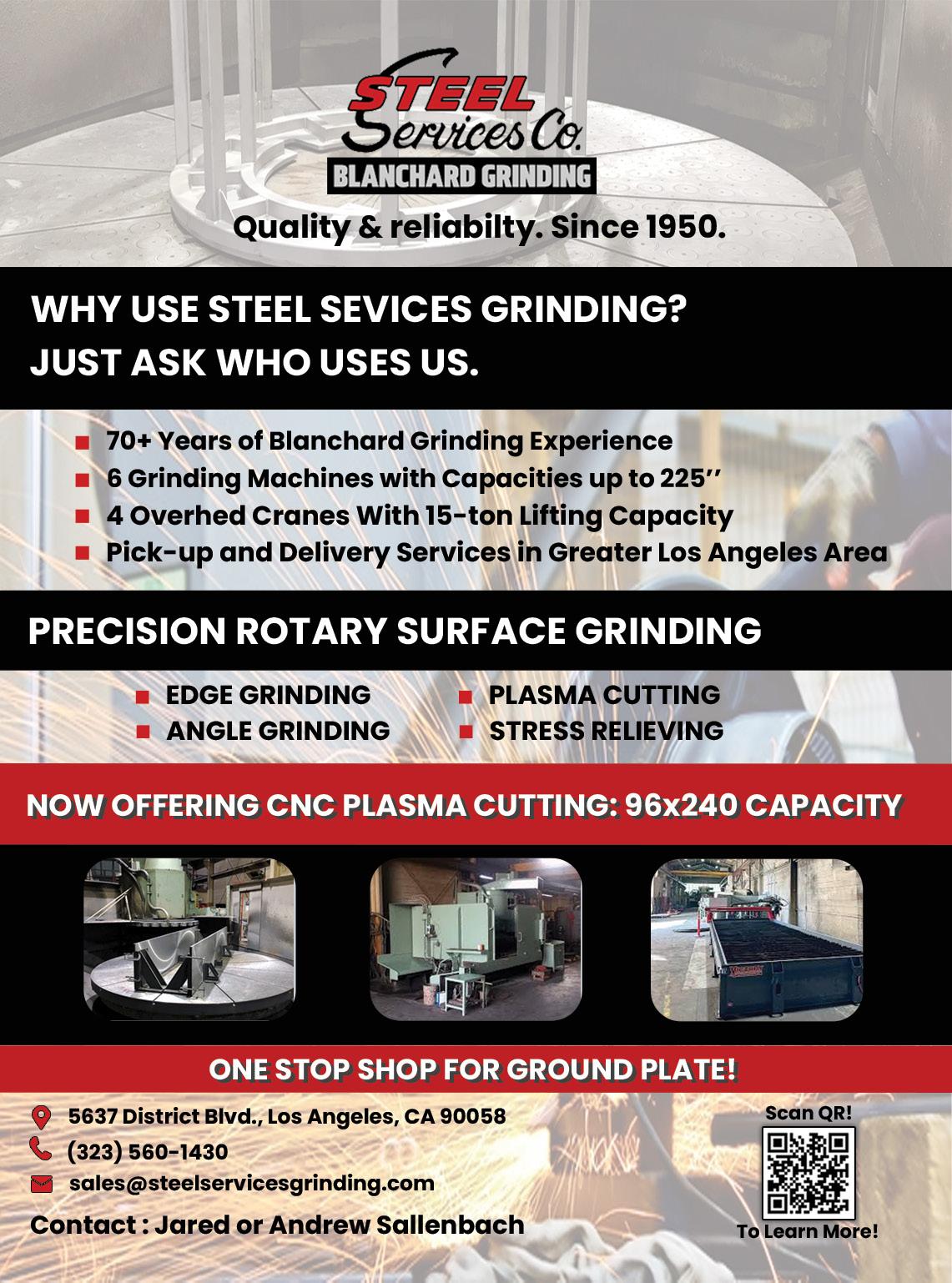



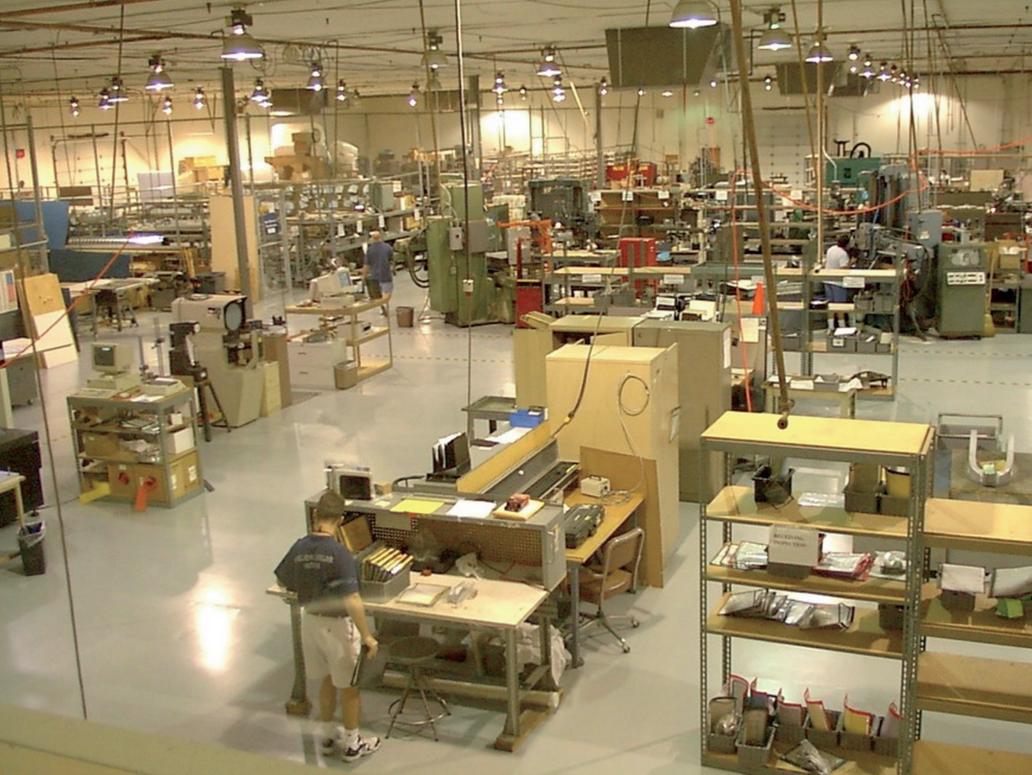
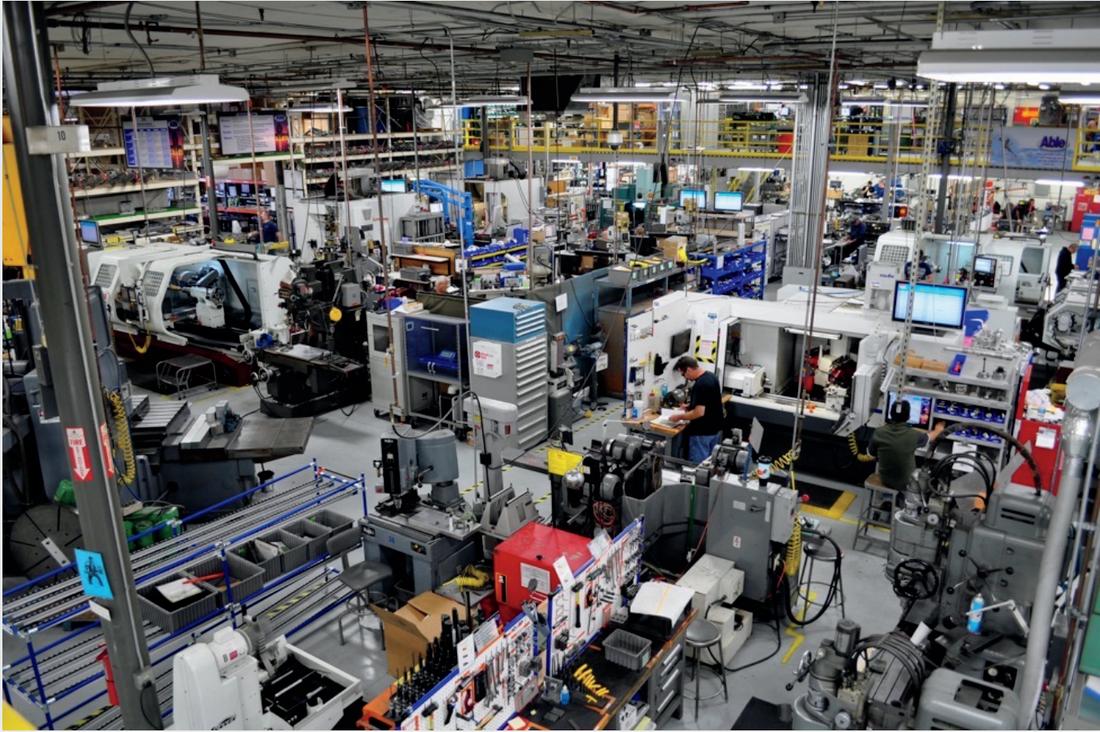
Reindustrializing America: Our Vision for A2Z Manufacturing
By Charlie & Alex Hushek
From a regional metalworking magazine to a nationwide platform — here’s how A2Z Manufacturing is becoming the cornerstone partner for America’s shops, A to Z.
The Vision:
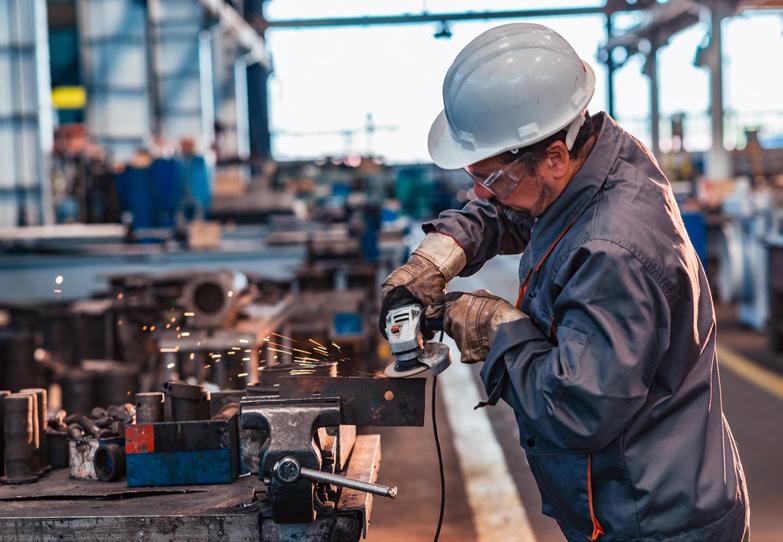
Our vision for A2Z Manufacturing Magazine is bold; Our goal is to support the machine shop owner and management through a variety of daily decisions; from cutting tool selection, supplier guidance, culture and leadership to staffing. A2Z Manufacturing hopes to be at the center as a trusted partner.A2Z Manufacturing is expanding to support matters from A to Z.
In the coming months you will see new digital offerings in addition to our current print magazine. But before we get ahead of ourselves let’s talk about the print publication.
What started as Arizona Metalworker grew to a regional
publication supporting Arizona, New Mexico and Nevada. Then came the expansion of the West Coast and Rocky Mountain issues. Coverage in 3 states grew to 11 states (Utah, Colorado, Montana, Wyoming, Idaho, California, Washington and Oregon).
Where We Are Headed:
We are pleased to share the expansion into all 48 states by the end of 2026.
This expansion will bring our subscriber base to just over 60,000. It I estimated that each issue is read by with two to three readers per mailed subscription bringing the estimated readership to 120,000.
We know the key to getting readers engaged with the magazine is to continually offer quality content. This has been a focus since we acquired the magazine and it will continue to be a prioity to us.
To facilitate the national expansion, we will be changing our printed format. As printing costs have continued to climb, it became necessary for us to reevaluate our regional mailings.
Starting with our July issue, we will shift to a National Reach with Regional Insights. One national issue will be designed that includes regional sections.
So we won’t lose what made the regional issues special, they will be incorporated into the new format. We are excited about this new evolution of the magazine and can’t wait to roll it out this summer.
Our first digital enhancement you may have skipped over without much notice! On the cover you will see a QR code taking you directly to the online copy of the issue. Take the publication with you on the go with one simple click.

The next digital improvement was an idea submitted to us by John at Advanced Precision! He suggested we take the buyers guide online and make it searchable! We thought it was a great idea, so we made it happen! QR codes in the buyer’s guide section will direct you to our website where you can filter vendors and suppliers by category and state. We are thrilled to share the enhanced digital buyers guide. Thanks John!
To support our machine shop partners with hiring, we are developing a transparent staffing dashboard. Candidates will be able to create a free profile (while being anonymous). If you are looking to hire, you will be able to review posted job seekers and A2Z will help
facilitate the hire. More information about this service will be coming soon!
Another new digital format we are excited about is our partnerships with leading manufacturing podcasters. Adding value to our advertisers and helping our readers find new and innovative information that will help grow your business. We will share more information about this exciting opportunity in the months to come.
America needs a strong platform to support all facets of its manufacturing renaissance. We hope to play a small role supporting the metal working trade in all areas of business operations.
Looking Ahead
Our vision is to honor A2Z’s longstanding mission while elevating the value of every ad dollar you invest. We are excited for the road ahead, and we are committed to ensuring that your partnership with A2Z continues to yield strong, reliable results.
If you have any questions about upcoming changes, expanded opportunities, or ways we can better support your marketing plans, please reach out anytime. We are here for you.
A2Z Manufacturing (480) 395-3288 connect@a2zmanufacturing.com a2zmanufacturing.com
(Scan QR Code to Read Online!)

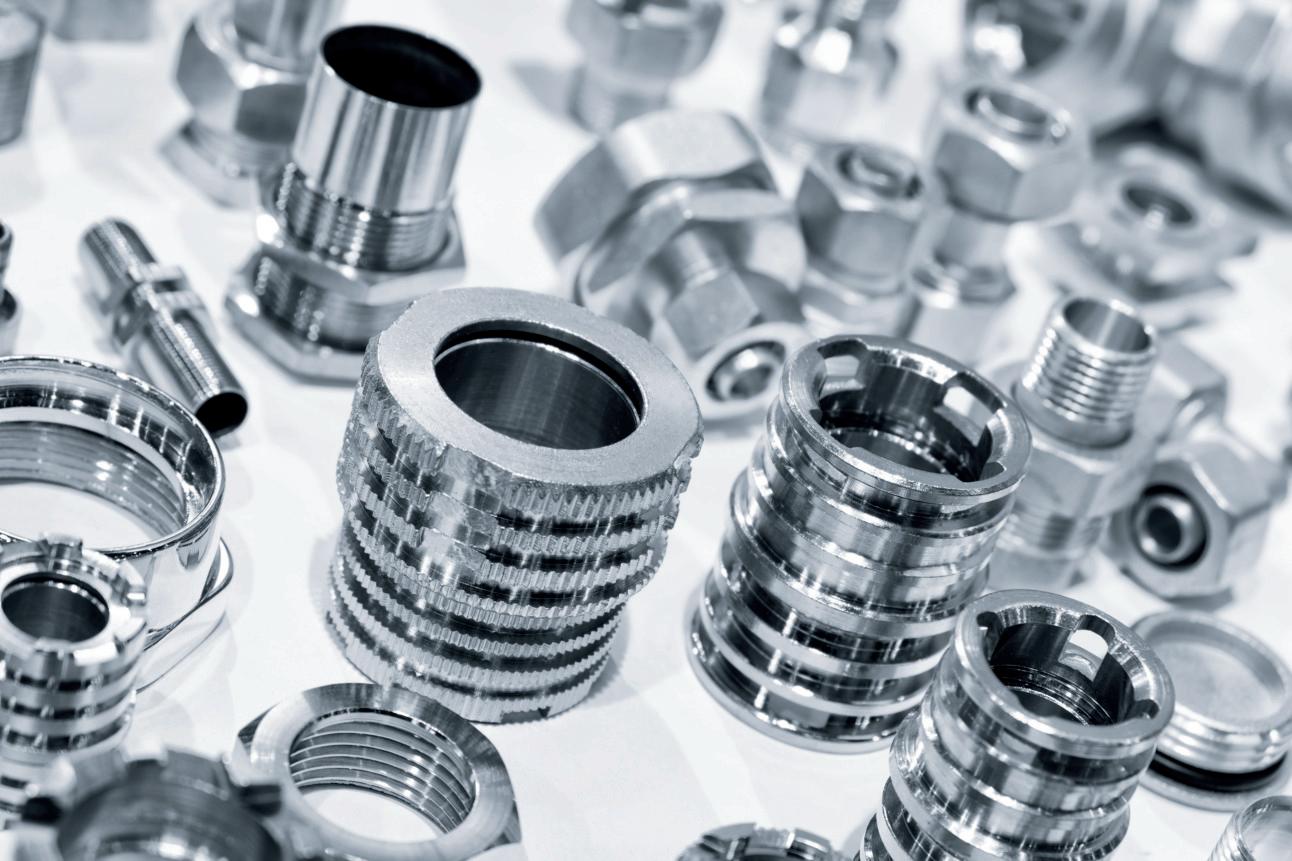




Manufacturers are upgrading equipment, increasing automation, and reconfiguring production lines to improve efficiency and meet evolving market demands. This trend reflects a broader transformation of the industrial base, where digitalization and advanced manufacturing technologies are becoming standard.
Despite ongoing concerns such as geopolitical tensions and inflationary pressures, the scale of investment suggests strong confidence in the longterm outlook for U.S. manufacturing. Companies continue to prioritize domestic production as part of broader reshoring strategies, driven by supply chain resilience, government incentives, and proximity to end markets.
Overall, the surge in manufacturing projects during March 2026 demonstrates that the U.S. industrial sector remains in a growth phase. The combination of high capital investment and technological advancement is reshaping the manufacturing landscape, positioning it for continued expansion in key strategic industries. ◊
L3Harris Invests Over $1B to Expand Missile Production in Virginia


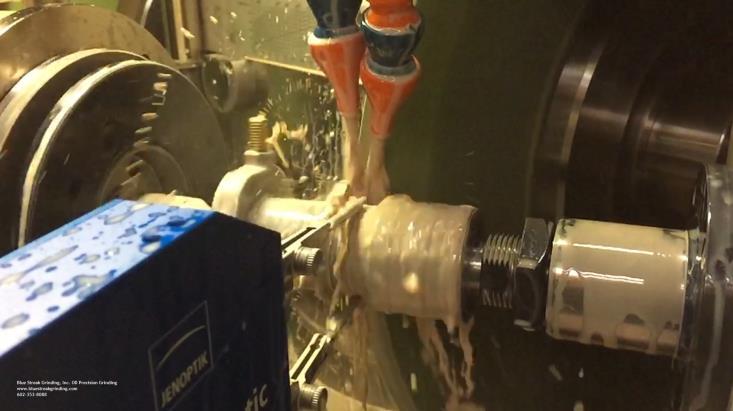
In April 2026, L3Harris Technologies announced a major expansion of its solid rocket motor manufacturing operations in Orange County, Virginia. The company committed more than $1 billion to significantly increase production capacity for missile propulsion systems, marking one of the largest defense manufacturing investments during this period.
The expansion is focused on scaling the production of solid rocket motors, which are critical components used in a wide range of defense systems, including missile defense, tactical weapons, and space launch platforms.
Demand for these systems has surged due to increased global security concerns and the need to replenish U.S. and allied defense inventories. This has created pressure on existing manufacturing capacity, prompting companies like L3Harris to accelerate investment in domestic production.
The project includes facility upgrades, new production lines, and modernization of manufacturing processes to improve throughput and reliability. Advanced automation and digital manufacturing technologies are expected to play a key role, enabling higher precision and more consistent output.
The expansion will also support workforce growth, with
SmartScope M-Series: The Next Evolution of SmartScope
Your floor won’t wait. Neither should your metrology system.
Tighter tolerances. Shrinking timelines. More parts, fewer operators.
OGP® SmartScope® M-Series does the work of multiple systems – combining optics, tactile, and non-contact sensors in one platform. Powered by ZONE3® Metrology Software, setup is fast, programming is easy, and measurements are definitive.
Less downtime. Lower costs. Zero guesswork.
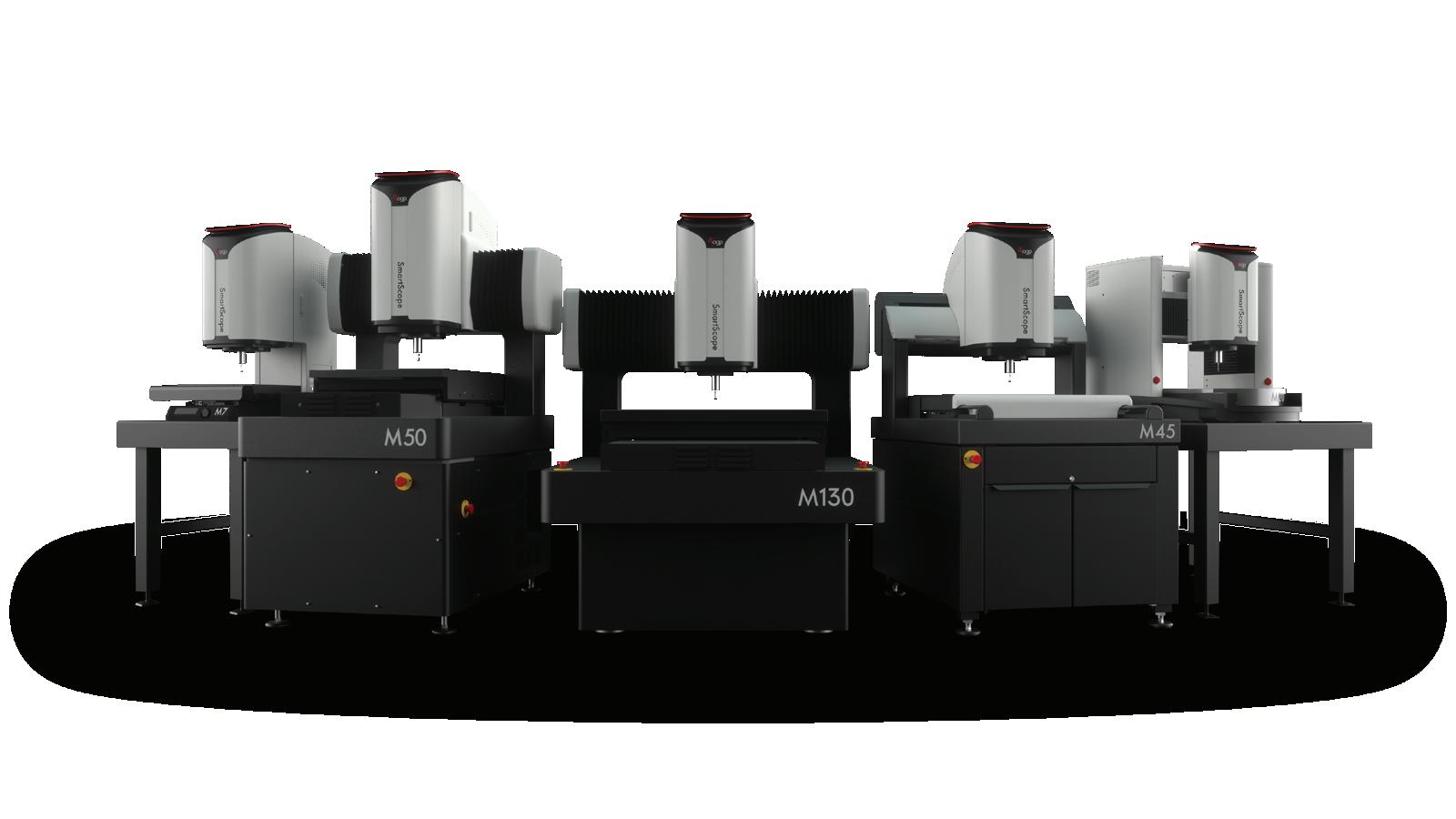
Trusted precision at the speed modern manufacturing demands.
OGP SmartScope M-Series – Measure Fast. Manufacture Faster.
Your Authorized OGP Representative in Arizona innovativemeasuring.com (602) 527-5488
Announcements & News Continued
new high-skilled jobs in engineering, production, and quality control.
This investment reflects a broader trend in U.S. manufacturing: the resurgence of defense-related production as a strategic priority. Government funding, long-term contracts, and geopolitical dynamics are driving sustained demand for advanced weapons systems.
As a result, manufacturers are making large-scale capital investments to ensure supply chain resilience and readiness.
From an industry perspective, the L3Harris expansion highlights how defense manufacturing is evolving into a high-tech, capacity-constrained sector. The emphasis is no longer just on innovation, but on the ability to produce at scale quickly and reliably.
Overall, this April 2026 announcement reinforces the importance of domestic defense manufacturing infrastructure. It demonstrates how industrial investment is being aligned with national security priorities, ensuring that critical systems can be
produced within the United States.
JET Tools Expands Lathe Line with New Gear Head Engine Lathes and Large Spindle Bore Lathes
La Vergne, Tenn. (March 2026) – JET Tools®, a leading manufacturer of metalworking, woodworking, and material-handling equipment, announces the expansion of its turning lineup with new gear head engine lathes and large spindle bore lathes, engineered to help shops do more per shift with enhanced safety, cleaner operation and performance that scales with growing work demands.
Designed as true workhorses for everyday turning, gear head engine lathes deliver smooth, controlled operation, faster stopping and built-in containment that keeps operators productive and focused. With the ability to handle larger parts and UL 987 certified electrical safety, these machines expand shop capability without adding complexity.
Built for more demanding applications, large spindle bore lathes provide capacity for heavy-duty turning. Featuring
Upgrade Your Waterjet with HYDROBLOC®
Experience cleaner, quieter cutting and better looking parts with HYDROBLOC waterjetbricks. The flat, even, honeycomb surface keeps parts from falling into the tank and drains water away to minimize splash back. HYDROBLOC’s laminated high-density polyethylene layers are welded and screwed together for unrivaled durability.
• Cleaner Cutting • Quieter Operation
• Better Looking Parts • Recyclable
Watch the video to learn more at barton.com/hydrobloc
BARTON INTERNATIONAL USA/Canada 800-741-7756 518-798-5462 • info@barton.com • barton.com • store.barton.com
The BARTON logo and our brands are registered trademarks of BARTON Mines Corporation.



Colorado
www.westernstatesmetals.com

“Retail sales are up, and sectors such as transportation, logistics, warehousing, and construction are performing extremely well,” Arora added. “Right now, business owners are confident in the future of their firms. August is typically a slow month for loan volume, but that wasn’t the case this year.”
Space Defense Company Raises $100 Million, Plans To Hire Dozens
A company building spaceflight training technology for U.S. Space Force warfighters raised $100 million in venture capital that will fund significant hiring in the coming months.
true large spindle bores, rigid
iron construction and certified safety systems, these machines allow operators to push harder with confidence while maintaining accuracy, control and clean containment. Both lathe lines are ideal for:
Business loan approval rates rose at regional and community banks as well. Small banks granted 49.8 percent of the funding requests they received in August, up one-tenth from July. It represents the highest figure for small banks since November 2014.
True Anomaly, based in Centennial, revealed the Series B funding round, saying it will help the 18-monthold business expand, hiring dozens of hardware and software employees over the next year.
Institutional lenders — pension funds and insurance companies — remained unchanged at an Index record 64.9 percent, up one-tenth of a percent from July’s figure.
• Production and job shops
• Maintenance, repair, and industrial facilities
• Fabrication and custom machining shops
• Training programs and technical schools
Loan approval rates among alternative lenders rose to 56.6 percent, one-tenth of a percent higher than in the previous month.
• Shops upgrading legacy equipment
“It’s an awesome external validation of our thesis and the traction we’ve been able to accumulate to date,” said Even Rogers, co-founder and CEO of the company.
Key advantages across the JET lathe lineup include:
True Anomaly has grown from about 50 employees to 107 over the past year. It expects to expand to over 190 by the end of 2024, Rogers said.
• Standard safety equipment: Foot brake for fast stops, chuck guard, lead screw cover and JET safety e-chuck key holder to reduce preventable errors.
Alternative lenders have become a source of quick capital. When small business owners, alternative lenders could approve riskier loans via innovations in fintech, which give them more flexibility than the banks to adjust rates and covenants on the deals. This includes an ability to accept non-conventional sources of collateral, such as real estate and outstanding invoices (h/t Forbes).
• Clean operation: Splash guards and chip trays help manage chips and coolant, reducing cleanup time and improving shop organization.
True Anomaly formed in early 2022 to help the U.S. military, especially Space Force, respond to the growing militarization of space and the need to have space fighters learn and practice the art of flying satellites and spacecraft in orbit in potentially hostile situations.
Credit unions approved 40.2 percent of loan applications in August, a slight drop of one-tenth of a percent from July and a large drop from their all-time high of 57.9 percent in March 2012. By Anthony Noto – Reporter, New York Business Journal
• Coolant-ready performance: Standard coolant systems support longer cuts, improved tool life, and consistent finishes.
The company built a pair of small satellites, called Jackal, that will be used for training after they’re launched to low Earth orbit about 350 miles above the planet.
How Millennials’ Technology Expectations Can Help Save Manufacturing
• Capacity where it matters: Select geared-head models feature a 2-inch spindle bore, while large spindle bore models offer up to a 4-1/2-inch bore for handling larger stock.

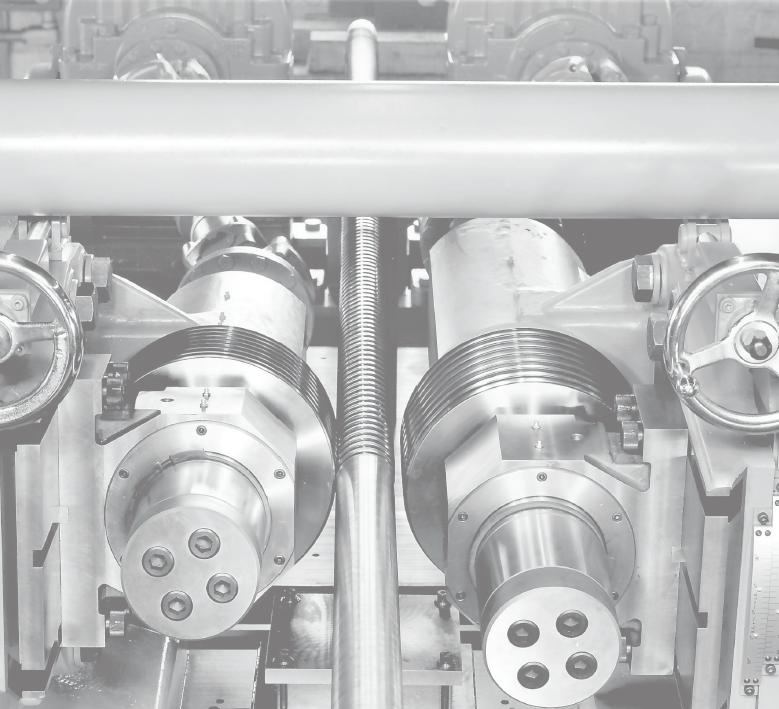

Millennials’ technology expectations have been shaped by smartphones, Facebook and digital media – in other words, by easy and ubiquitous connectivity. It’s not surprising, then, that traditional manufacturing systems can seem as retro as waiting for dial-up internet to connect. And that’s bad for the manufacturing sector, because its skills gap is looming large.
The satellites are scheduled to blast off aboard SpaceX’s Transporter 10 mission carrying many companies‘ small satellites to orbit in March.
• Certified confidence: UL 987 certified electrical safety and TAA compliance on large spindle bore models support safer workplaces and industrial requirements.
True Anomaly has offices in Colorado Springs, where its training center for U.S. military space fighters, many of them U.S. Space Force Guardians, will be. Its Centennial headquarters, just south of Denver, is where the business designs, builds and operates satellites and develops software for satellite operations.
A joint study by the Manufacturing Institute and Deloitte Consulting projects a surge of nearly 3.5 million open manufacturing jobs created over the next decade. Some of the empty slots will come by way of retiring baby boomers, while others are related to new positions created as a result of natural business growth, the report found.What the report also predicts: As conditions stand now, 2 million of those jobs will go unfulfilled. In other words, the need for the manufacturing sector to appeal to Millennials – the generation typically defined as those born between 1981 and 1997 – is both critical and a very tall order.
• Upgradeable flexibility: Optional collet closers, taper attachments, and DRO packages, including Acu-Rite® or Newall®, allow shops to configure machines for specific jobs.
• Verified quality: Each lathe undergoes a comprehensive 30-point inspection before shipment, including spindle accuracy, gear function, control testing, and safety system validation.
Its Mosaic software is being designed to use artificial intelligence and automation to help space warfighters fly dozens of small satellites in coordination with each other to a degree that hasn’t been readily available to the military, Rogers said.
Indeed, manufacturing still has a negative image among younger generations, experts say. In a 2015 public perception of manufacturing study, also by The Manufacturing Institute and Deloitte, respondents ages 19 to 33 ranked manufacturing as their lowest preference in terms of potential career choices.
“Shops need machines that keep pace with real-world demands without sacrificing safety or ease of use,” said Guna Sathyamurthy, product manager, JET Tools. “Our gear head engine lathes and large spindle bore lathes are built to deliver serious turning capability, dependable performance and the confidence operators need to do more every shift.”
Manufacturing’s image problem is complex and in, some aspects, based on false assumptions. But one real obstacle is that some manufacturing systems can seem antiquated, and it’s an issue that many manufacturers and related organizations are already addressing.
JET Tools’ lathes come with a two-year warranty, local applications support that includes site assessment, and a nationwide service network with US-based technical
The Space Force in September awarded the company $17 million in a small business innovation research grant to further work on Mosaic. With its new VC funding, the company also plans to build dozens of satellites in 2024 and 2025 it will launch to add to its training portfolio.By Greg Avery – Denver Business Journal
October Rocky Mtn 2018.indd 38
support.
To learn more or see JET Gear Head Engine Lathes and Large Spindle Bore Lathes in action, visit www. jettools.com.
About JET Tools



JET Tools, a JPW Industries company, is a leading manufacturer of woodworking, metalworking and material-handling equipment and other tools used by professionals in plants, machine shops and workshops across the United States. For more than 60 years, JET Tools has provided the industrial marketplace with superior quality, innovation and service.
Through the company’s “JET Do More” initiative, JET ensures that customers are equipped not only with superior products but also with the knowledge and support required to achieve the best possible outcomes. For more information, visit www.jettools. com.
About JPW Industries

Founded in 1958 and headquartered in La Vergne, Tennessee, JPW Industries is a global designer, manufacturer and distributor of market-leading machinery, specialty shop tools and equipment. Its portfolio includes the JET®, Powermatic®, Wilton®, Baileigh®, Edwards® and Axiom® brands, serving industrial, consumer and construction markets worldwide. For more information, visit www. jpwindustries.com.
Media Contact:
Larry Wegner, Senior Consultant, Dorn larry.wegner@dorngroup.com
35% higher output and zero scrap: how Spreyer Werkzeugtechnik improved flexibility and quality with ANCA’s automated grinding solutions
Spreyer Werkzeugtechnik GmbH, based in Limburg an der Lahn, Germany, is a family-owned manufacturer of precision and special cutting tools. For over 50 years, the company has served demanding industries such as automotive, mold-and-die, and woodworking. Its portfolio includes new-tool manufacture, tool regrinding, and comprehensive tool management services.
In this story, Spreyer shares how implementing ANCA’s automated grinding solutions enabled them to achieve a 35% increase in output while eliminating scrap, helping them respond more effectively to highmix, low-volume production demands.
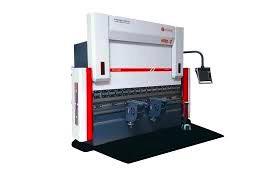
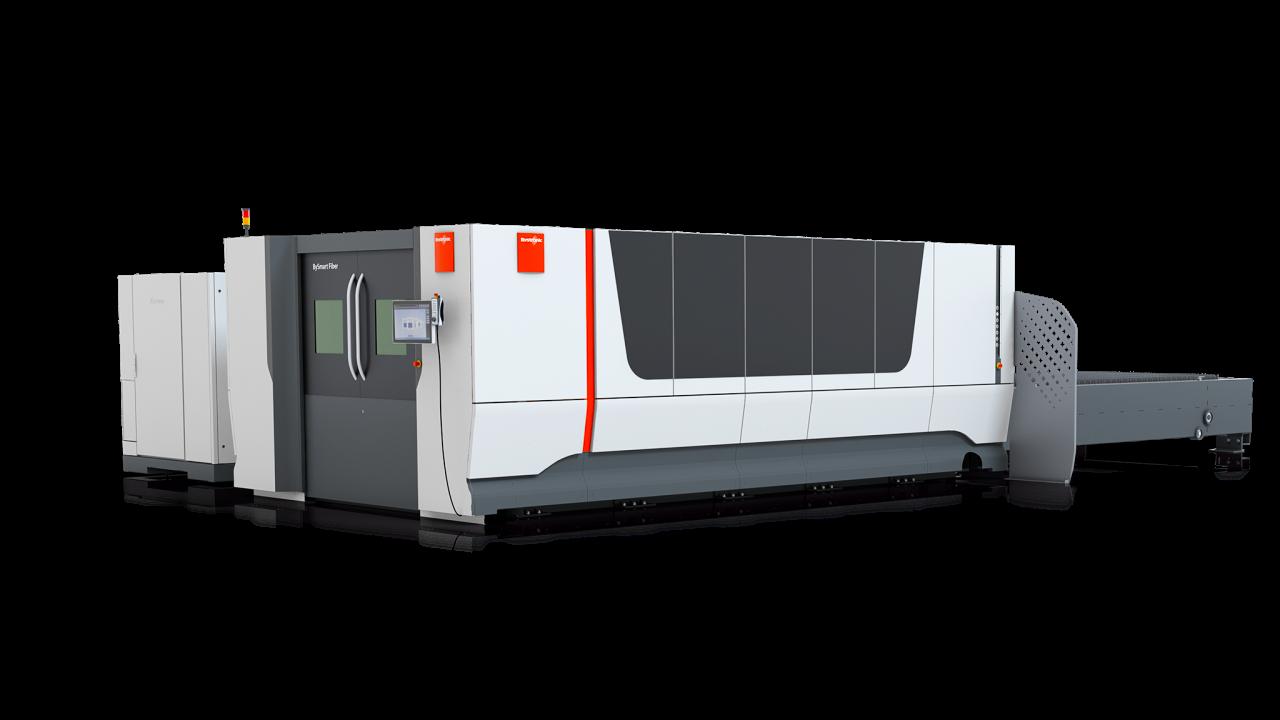
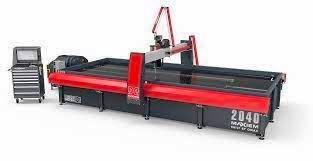



The Taylor facility is one of the largest semiconductor investments in the United States and is expected to play a critical role in producing advanced chips for applications such as artificial intelligence, high-performance computing, and next-generation electronics.


The installation of specialized fabrication tools—often one of the most complex phases of semiconductor plant development—indicates that the facility is transitioning from construction to pre-production readiness.
Once operational, the plant will significantly expand domestic semiconductor manufacturing capacity, reducing reliance on overseas fabrication.
It is also expected to support a growing ecosystem of suppliers, contractors, and technology partners in the region, further strengthening Texas as a major semiconductor hub.
The project has broader strategic implications. Semiconductor manufacturing has become a national priority in the United States, driven by supply chain disruptions and increasing demand for advanced chips. Federal and state incentives have played a key role in attracting large-scale investments like Samsung’s, helping to offset the high costs associated with building and operating semiconductor fabs domestically.
Samsung Reaches Key Milestone on $17B Texas Semiconductor Fab
In late April 2026, Samsung achieved a major milestone in the construction of its $17 billion semiconductor manufacturing facility in Taylor, Texas. The company completed installation of key production equipment, signaling that the project is entering its final stages before operational launch.
In addition to economic impact, the facility is expected to create a substantial number of highskilled jobs, including engineers, technicians, and manufacturing specialists.
Early hiring activity suggests that workforce development is already underway in preparation for ramp-up.
Overall, Samsung’s progress
in April 2026 represents a critical step forward in reshoring semiconductor production. It highlights the scale and complexity of modern chip manufacturing, as well as the long-term commitment required to build a competitive domestic industry. ◊
U.S. Manufacturing Sector Extends Growth Streak Despite Rising Costs
During March and April 2026, the broader U.S. manufacturing sector demonstrated continued expansion, marking one of the strongest sustained growth periods since 2022. Multiple economic reports confirmed that factory activity remained in expansion territory for several consecutive months, signaling resilience across the industrial base.
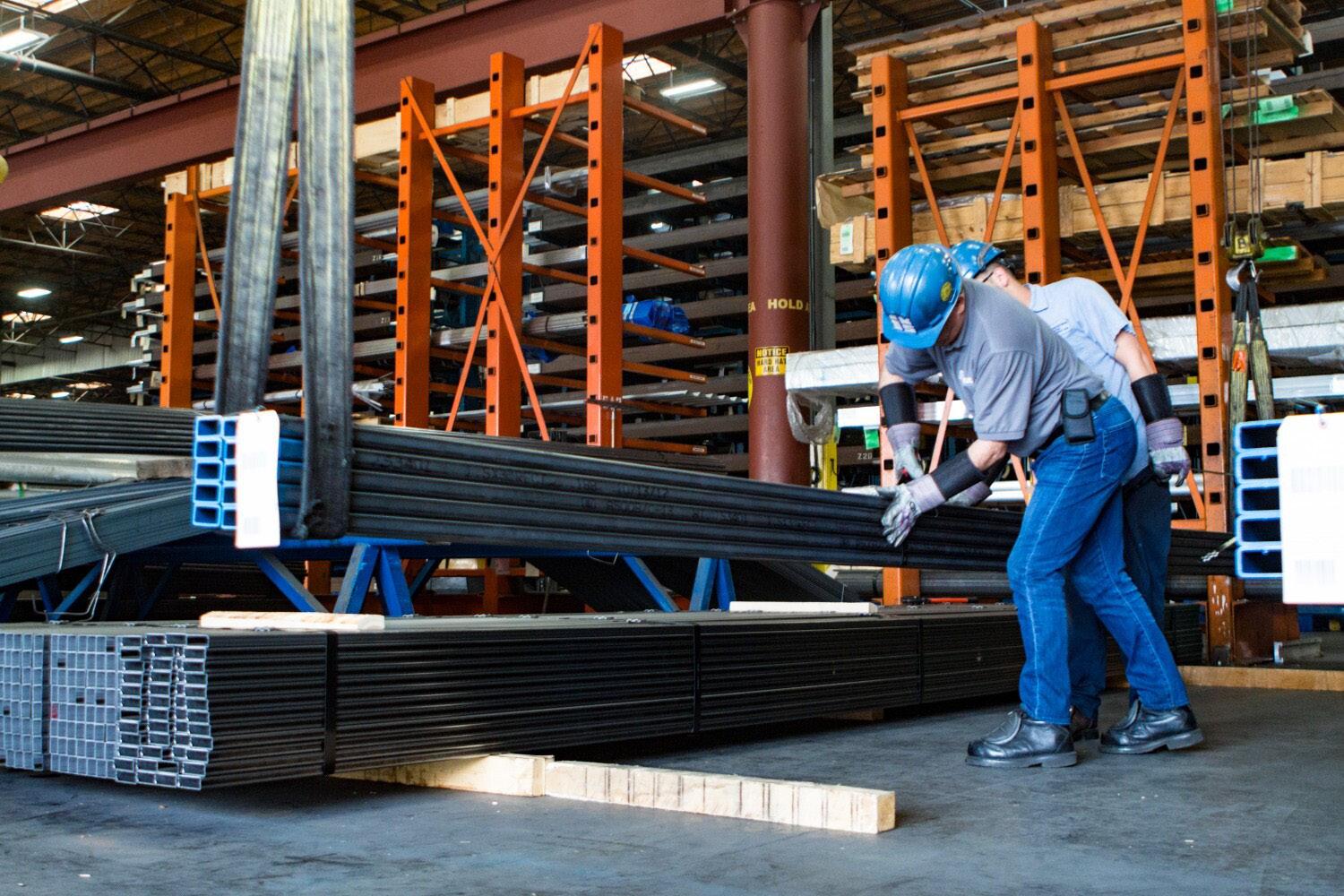
Key indicators such as the Purchasing Managers’ Index (PMI) remained above the critical threshold of 50, indicating ongoing growth. Production levels increased, and new orders continued to rise, suggesting strong demand across multiple industries including aerospace, electronics, machinery, and chemicals.
This growth has been driven in part by increased domestic investment in high-priority sectors such as semiconductors, defense, artificial intelligence infrastructure, and life sciences manufacturing. Companies are actively expanding facilities, upgrading equipment, and investing in automation to meet evolving market demands and improve efficiency.
However, the expansion has not been without challenges. Manufacturers are facing significant cost pressures, driven by rising energy prices, tariffs, and geopolitical tensions—particularly conflicts affecting global supply chains. These factors have contributed to higher input costs and longer supplier lead times, complicating production planning.
Another notable trend is continued weakness in manufacturing employment. Despite increased output, many companies are hesitant to expand their workforce, opting instead to invest in automation and productivity improvements. This reflects a cautious approach in an uncertain economic environment.




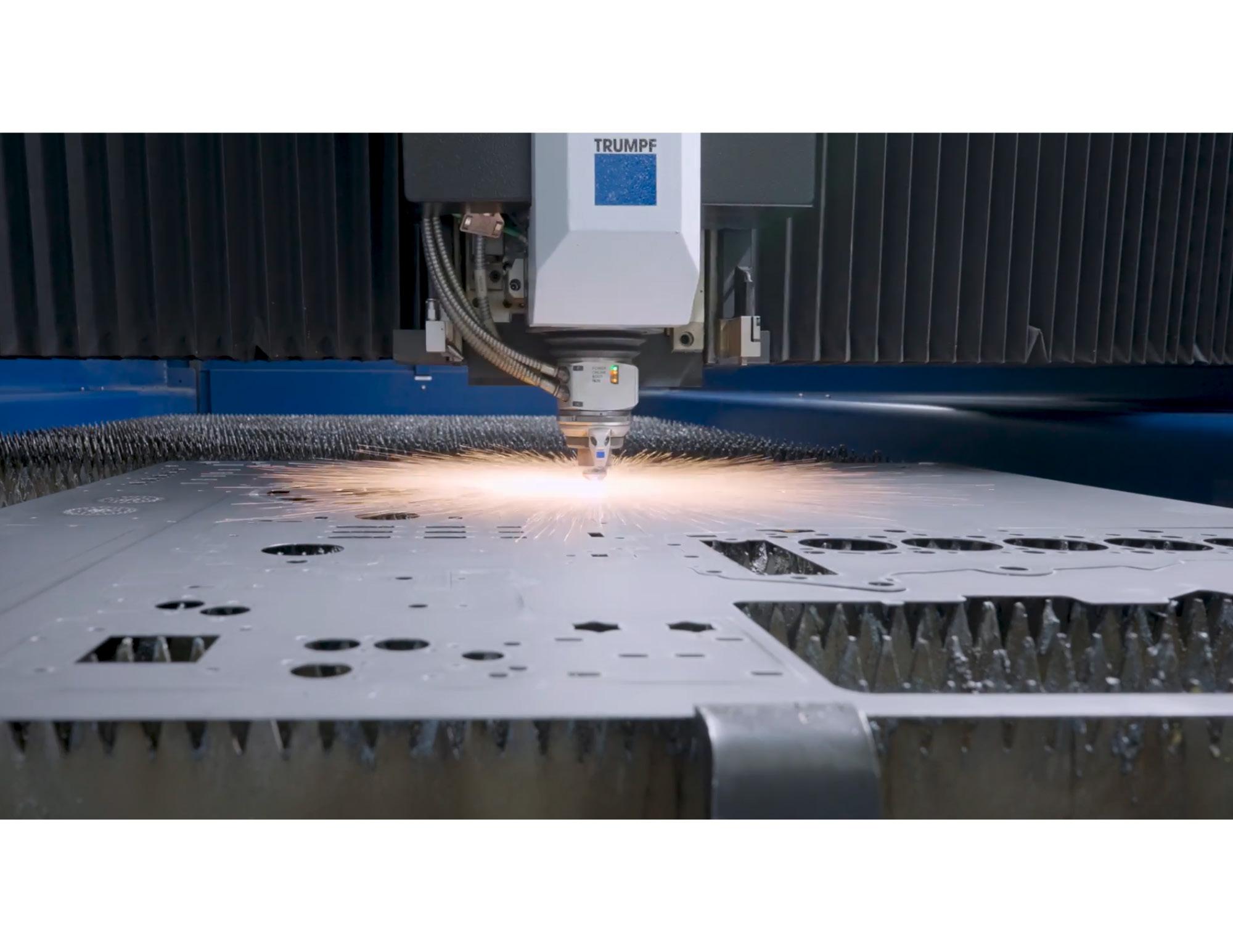
Overall, the March–April 2026 period highlights a manufacturing sector that is growing, but evolving. The combination of strong demand, rising investment, and external pressures is reshaping how manufacturers operate.
This sustained expansion suggests that U.S. manufacturing is entering a new phase—one defined by advanced technologies, strategic reshoring, and a focus on resilience rather than just cost efficiency. ◊
At the center of this approach is a simple but consequential idea: modern defense capabilities depend on reliable, domestic energy systems. Military operations, weapons production, logistics networks, and industrial supply chains all require consistent and uninterrupted power. Without it, even the most advanced defense systems cannot function effectively.
From this standpoint, energy infrastructure—power plants, fuel production, and the electrical grid—is treated as

Do You Actually Understand Your Business Model?
By Lee Benson
Ask ten manufacturing leaders to describe their business model, and you’ll get ten different answers. Some will describe their product. Others will talk about customers or markets. A few will launch into a mission statement. Very few will give you the answer that actually matters:
The financial model that proves the company can earn a profit at a reasonable sales level, and shows how that profit grows as the company grows.
That gap is expensive. You cannot optimize what you cannot articulate, and in manufacturing, where fixed costs are high, margins are tight, and scale matters enormously, an unclear business model is a quiet tax on every decision your team makes.
A business model, stripped to its essentials, is built on three policies and a math problem. The policies are pricing, expenses, and profit purpose. The math is how those three interact at different volumes.
Pricing policy answers a deceptively simple question: what are we charging, and why? A strong one sounds like this; charge the highest possible price while remaining the best-value alternative, in a way that earns future business. That’s very different from “beat the competitor’s quote.” It forces a conversation about value and about the long game.
Expense policy answers the counterpart question. The best ones are not about cutting, they’re about improving: continually improving the customer experience, internal and external, at a lower relative cost over time. That single sentence tells a plant manager, a controller, and a VP of sales how to evaluate any proposed investment.
Profit purpose is the one most companies skip. Profit is not the goal; it is the fuel. State plainly what it’s for: scaling your impact, providing job security and growth for your team, and generating a reasonable shareholder return. When people understand what profit enables, they stop treating it as an abstraction and start protecting it.
Then comes the math, and this is where leaders get their most useful surprise. Consider a simple membership business charging $30 a month, with $80,000 in fixed
costs and variable costs at 20% of revenue. Break-even lands at 3,334 members. At 5,000 members, monthly profit is $40,000. At 10,000 members double the revenue, profit jumps to $160,000. Doubling revenue grew profit by 400%.
Manufacturing businesses behave the same way, often more dramatically. Fixed overhead, tooling, plant capacity, and salaried headcount don’t scale linearly with volume. That’s both the opportunity and the trap. Leaders who understand this price differently, invest differently, and say no differently.
Here is the exercise I recommend running with your leadership team this quarter
Have every leader, operations, sales, engineering, finance, HR, answer six questions in writing: What is our pricing policy? Our expense policy? Our profit purpose? What sales level do we need to break even? How do profits grow as revenue grows, and why? What would you change to improve our business model?
Then compare the answers. The disagreements are the point. If your head of sales and your head of operations have different mental models of how the company makes money, every cross-functional decision is harder than it needs to be. Aligning those answers, and revisiting them annually, is one of the highest-leverage things a leadership team can do.
The companies that compound over decades are not necessarily the ones with the best products. They are the ones whose leaders, top to bottom, can explain the business model on a napkin and are always looking for the next way to improve it. Could your team do that tomorrow morning? If not, you know where to start.
In my next column I will dive into the two things that drive productive employee engagement!


Think you speak fluent shop floor? Put your knowledge to the test.

Across:
2. Tool that guides cutting or drilling operations
3. Collective term for cutting tools and accessories
4. Wobble measured when a part rotates off center
6. Machine that removes material using a rotating cutter
7. Metal made by combining two or more elements
9. Measure of a material’s resistance to deformation
11. Programming language used to control CNC machines
13. Fluid used to reduce heat and extend tool life
15. Technical drawing used to manufacture a part
Down:
1. Device used to securely hold a workpiece in place
5. Acceptable variation in a part’s dimensions
8. Machining process that uses electrical sparks (abbrev.)
10. Heat process used to soften metal and relieve stress
12. Material removed during machining
14. Machine that rotates a part for cutting operations

100% Certification Guarantee
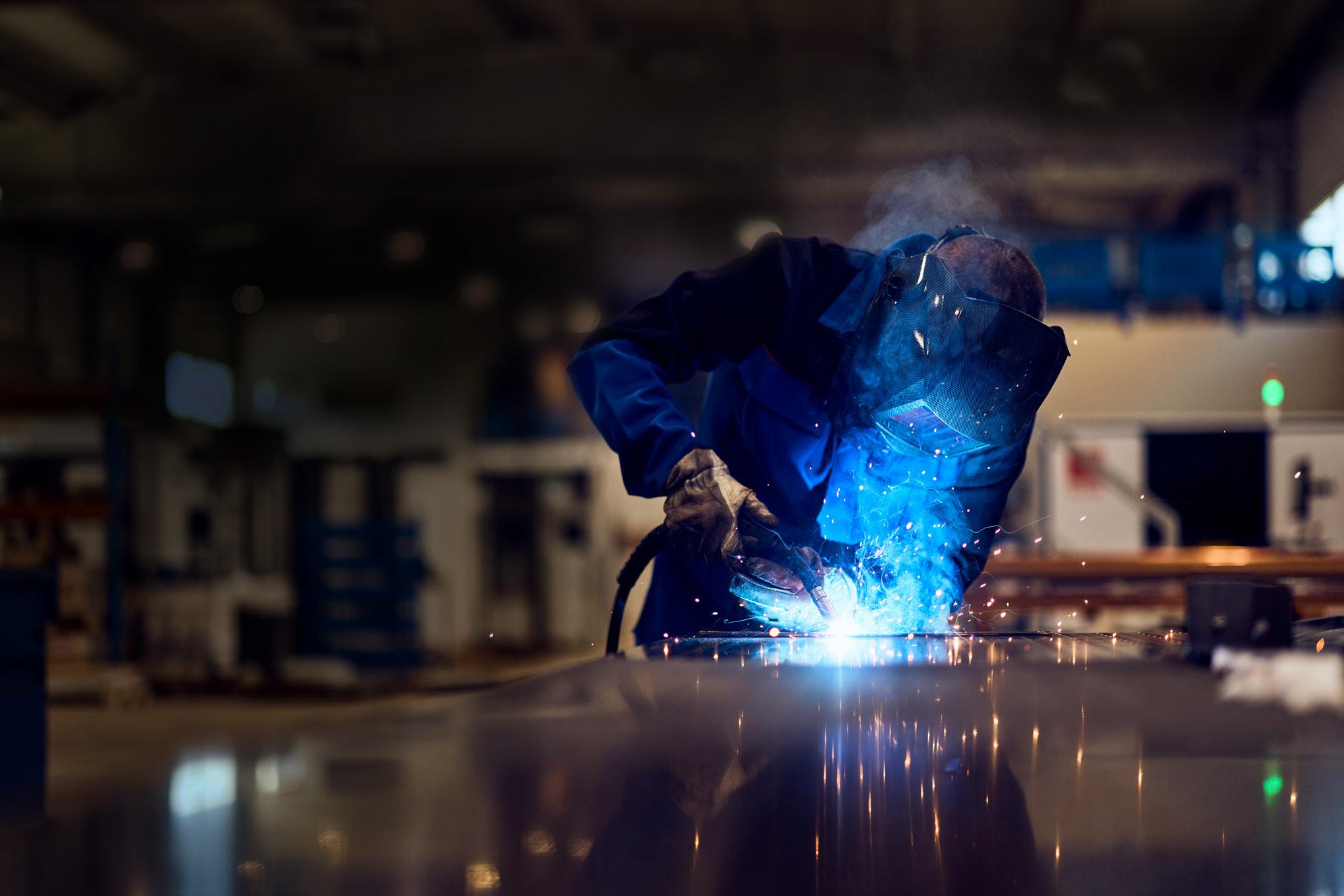
Your Quality Management System should work as precisely as the parts you manufacture – efficient, streamlined, and built to last.
At Cavendish Scott, we’ve spent over 40 years delivering custom ISO systems with measurable results –no bloated paperwork, no wasted motion, no templates.
40+ Years in ISO Consulting
100% Certification Guarantee
Simple, Streamlined Systems
IRCA & Exemplar Global Certified
Internal Auditing & Training

We guarantee your certification and ensure your system stays lean, effective, and easy to maintain. Get Certified. Stay Certified. Improve. Succeed. Call (303) 480-0111 | www.CavendishScott.com/A2Z


Announcements & News Continued
critical as traditional defense assets like ships, aircraft, and munitions.
The administration emphasized that vulnerabilities in energy supply could translate directly into national security risks. Dependence on foreign energy sources, limited domestic production capacity, or instability in the electrical grid were all identified as potential weak points. In a conflict scenario or global disruption, these weaknesses could constrain manufacturing output, delay military readiness, or reduce operational capability.
To address these concerns, policy actions in April 2026 focused on strengthening domestic energy production and infrastructure. Federal authority was used to accelerate development in oil, gas, and other reliable energy sources, while also supporting improvements to grid resilience. These actions were framed not simply
as economic initiatives, but as necessary steps to ensure defense readiness. By invoking emergency-style authorities, the administration signaled that energy systems should be treated with the same urgency as other components of the defense industrial base.
A key element of this strategy is the prioritization of reliability. Consistent, on-demand energy—often referred to as “dispatchable power”—was highlighted as essential for sustaining both manufacturing and military operations.
This reflects a broader concern that intermittent energy sources alone may not provide the stability required during periods of high demand or crisis.
Ultimately, the concept of energy as national defense infrastructure underscores a deeper connection between industrial capacity and security. Manufacturing strength, supply chain resilience, and military preparedness are all tied to the availability of dependable energy.
By elevating energy to a defense priority, this policy direction signals a more integrated approach to national security—one where economic systems and military capabilities are increasingly viewed as interdependent. ◊
Satellite Manufacturing and Launch Activity
Highlight U.S. Space Industry Momentum
The U.S. space manufacturing sector continued to expand, driven by rising demand for satellites, launch systems, and supporting technologies. One of the most notable developments came in mid-


YOUR PROJECT IS ONLY AS STRONG AS THE STEEL BEHIND IT.
At Arizona Iron Supply, our greatest strength is our people. Together, we do more than move metal—we help move the industry forward. With one unified team and a shared vision, we are committed to delivering reliability, quality, and results on every project.
Arizona Iron Supply—built on strength, driven to deliver.

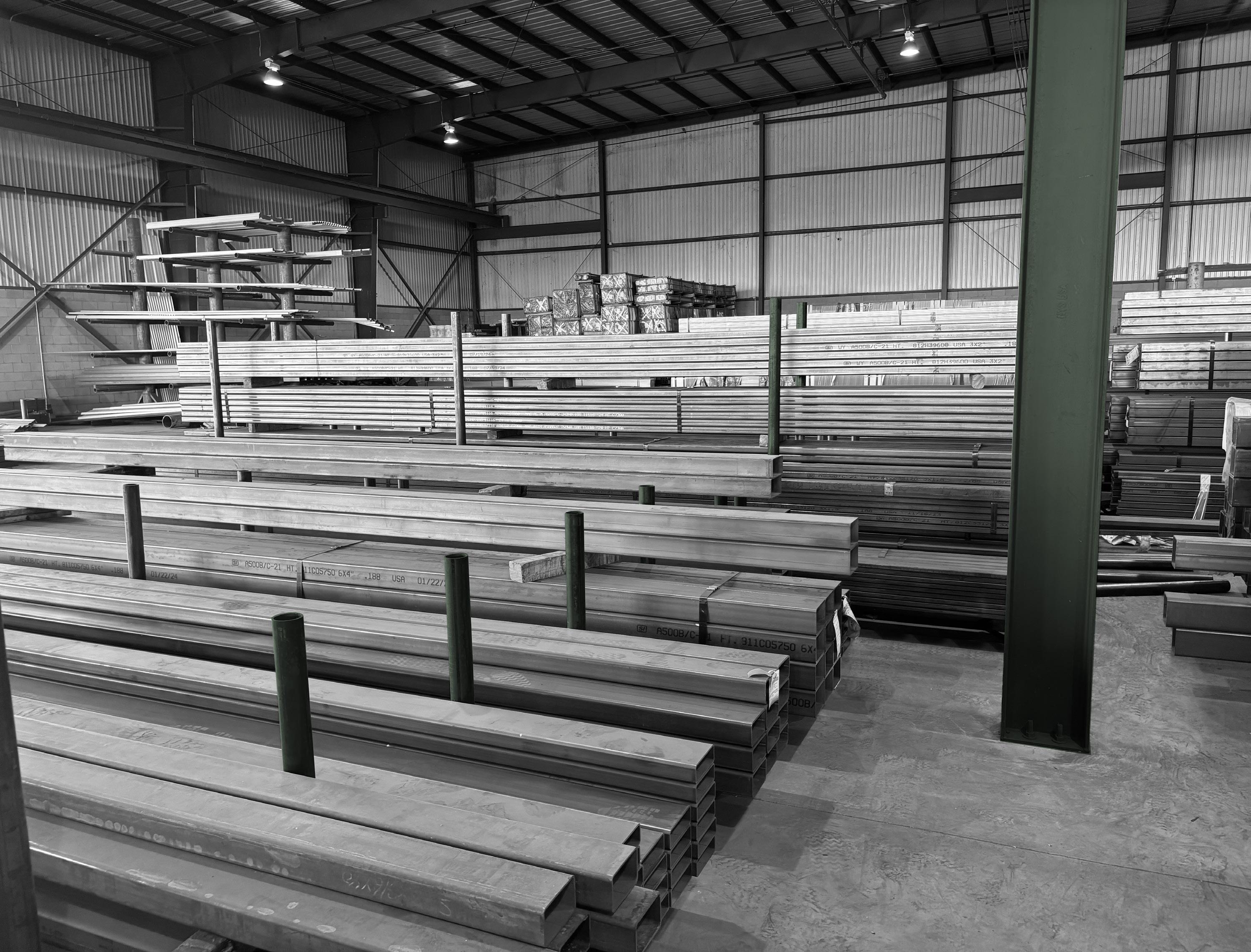
Announcements & News Continued
April, when Boeing and its subsidiary Millennium Space Systems announced efforts to scale satellite production capacity to meet growing demand from both defense and commercial customers. The expansion includes new manufacturing capabilities and the introduction of a mid-sized satellite platform designed to bridge the gap between small, fast-built satellites and larger, more complex systems.
This push reflects a broader industry trend toward higher production volumes and faster delivery timelines. Satellite manufacturing is increasingly shifting from lowvolume, highly customized builds to more standardized and scalable production models. Companies are focusing on flexibility and speed, allowing them to respond more quickly to government and commercial mission needs.
At the same time, launch activity in April demonstrated the downstream impact of this manufacturing growth. On April 29, SpaceX successfully launched a Falcon Heavy rocket carrying a large communications satellite into orbit. This marked the rocket’s first flight in over a year and reinforced the growing cadence of high-capacity launches supporting global connectivity infrastructure.


Similarly, United Launch Alliance conducted a mission in late April deploying dozens of satellites for a largescale broadband constellation. These types of launches highlight the increasing demand for mass-produced satellites, particularly for communications networks designed to provide global internet coverage.
Underlying these developments is a rapidly expanding industrial base. Industry reports from March 2026 indicate that demand for space-related manufacturing is reaching historic levels, placing pressure on suppliers and production systems. This has raised concerns about supply chain capacity, especially for specialized components required in satellite and launch vehicle production.
Overall, the March–April timeframe illustrates a key shift in the space sector: manufacturing is becoming more industrialized, scalable, and strategically important.
As satellite constellations grow and defense needs increase, the ability to produce space hardware quickly and at scale is emerging as a critical capability within
A Davis Industries Company
DIBCO
N 2026: Strengthening the Defense Manufacturing Base
The Defense Industrial Base Conference (DIBCON), held April 7–9, 2026 in Milwaukee, brought together a wide crosssection of stakeholders focused on one central challenge: how to expand and strengthen the U.S. defense manufacturing base. The event is uniquely positioned as a forum dedicated specifically to “surging” the industrial base—meaning increasing capacity, speed, and participation across the manufacturing ecosystem.
A major theme throughout the conference was the shrinking participation of small and midsized manufacturers in defense work. Organizers highlighted that a significant portion of these companies have exited the defense market over the past decade, creating gaps in supply chains and limiting surge capacity during times of conflict or heightened demand. This issue was framed not just as an economic concern, but as a national security risk, as fewer suppliers reduce flexibility and responsiveness in critical production systems.
DIBCON emphasized the need to reconnect these smaller manufacturers with the Department of Defense and prime contractors. Sessions and networking opportunities were designed to create direct pathways for companies to enter or expand within defense programs. This included engagement with procurement organizations, major defense firms, and support entities that help businesses navigate compliance requirements such as cybersecurity standards.
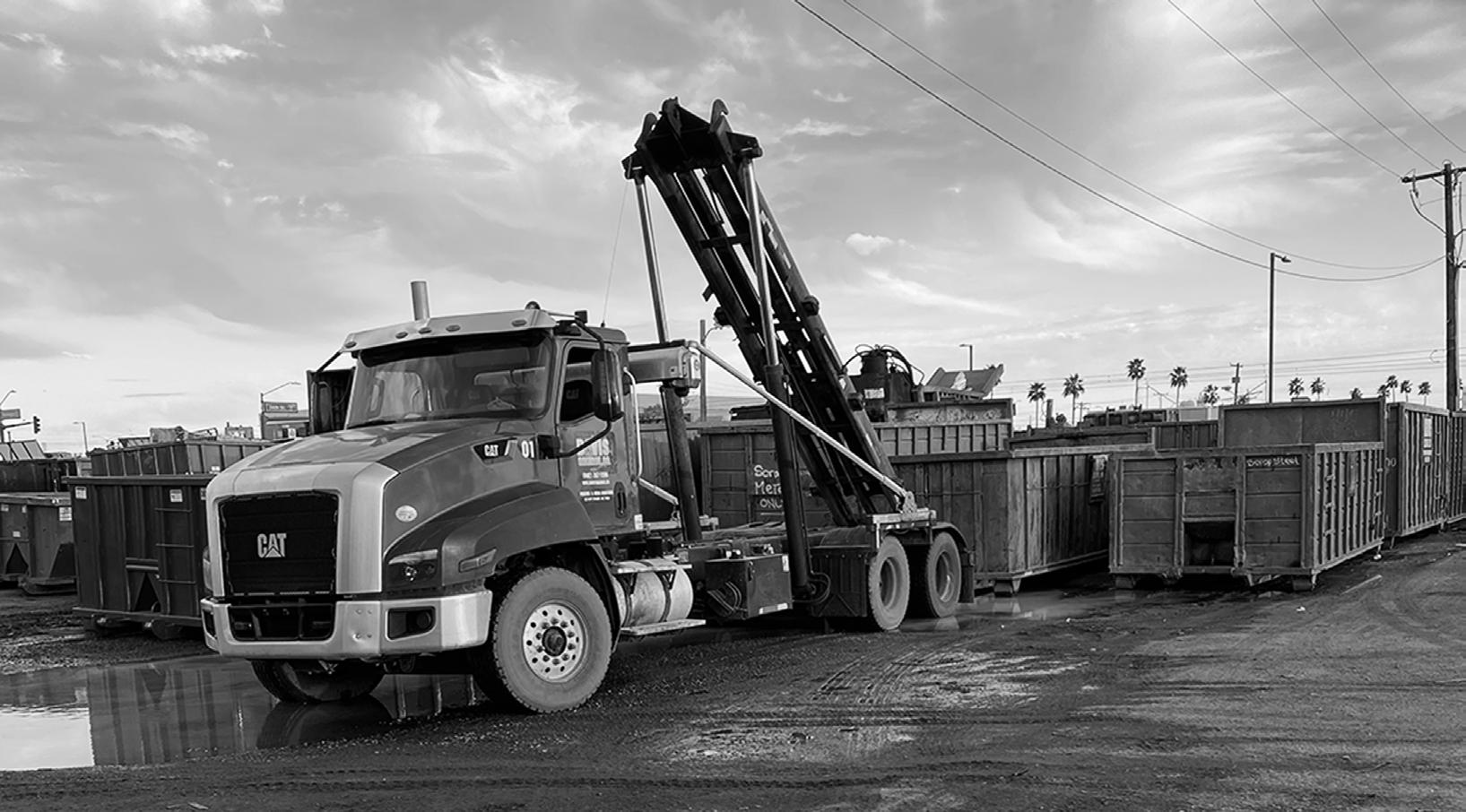




Another key takeaway was the importance of collaboration across the entire industrial ecosystem. The conference brought together not only manufacturers, but also technology innovators, capital providers, and government agencies. This reflects a growing recognition that modern defense production depends on integrated supply chains that include advanced manufacturing, digital tools, and financing mechanisms.
Ultimately, DIBCON 2026 reinforced a broader industry message: the U.S. defense industrial base must expand beyond traditional players to meet current and future demands. Increasing participation, improving supply chain resilience, and enabling faster production were all identified as essential steps. The conference highlighted that strengthening manufacturing capacity is not just about scaling output—it is about building a more connected, agile, and inclusive industrial base capable of supporting national defense at speed and scale. ◊
Buyer’s Guide & Card Gallery





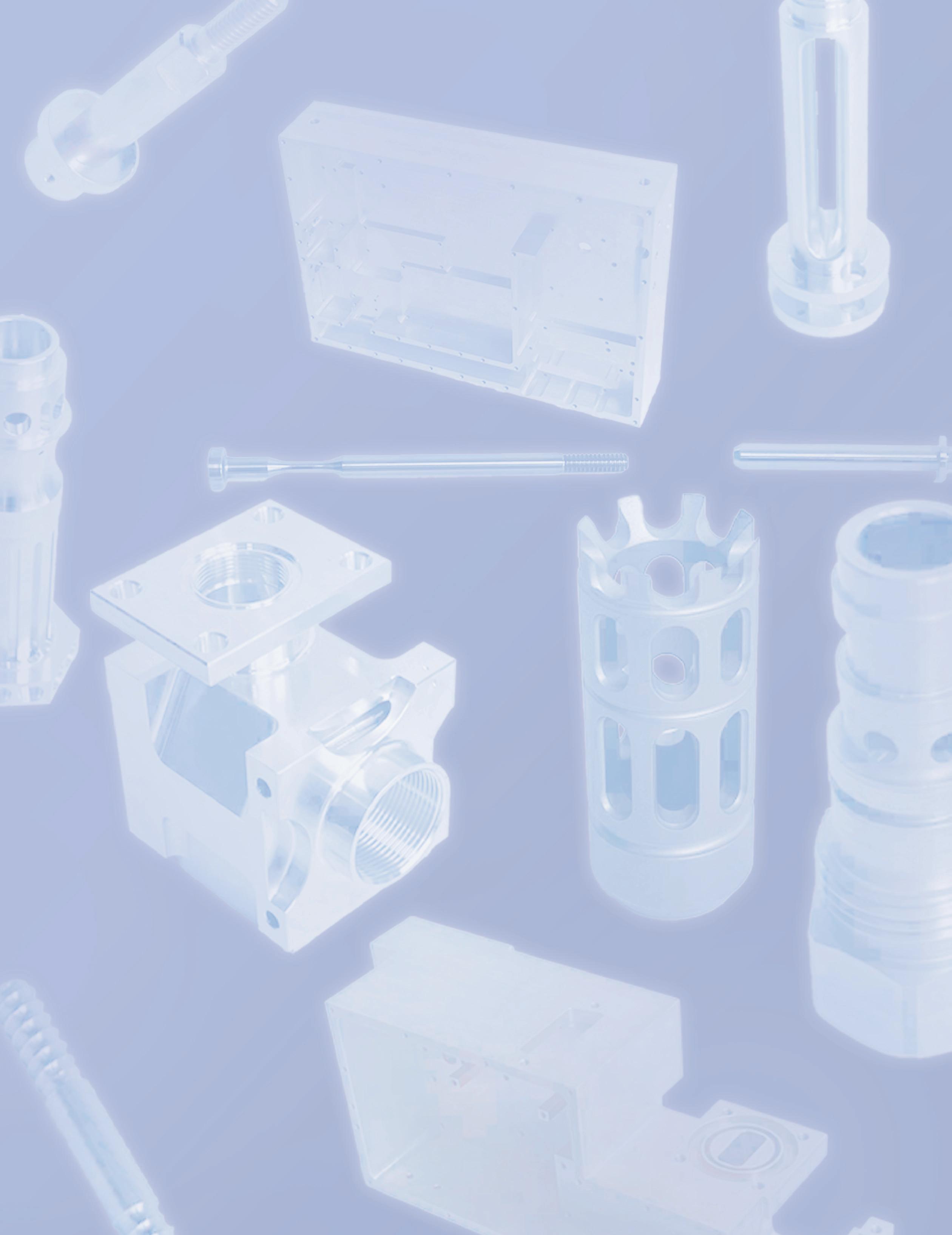
















, SERVICES & PROCESSES








Buyer’s Guide & Card Gallery






















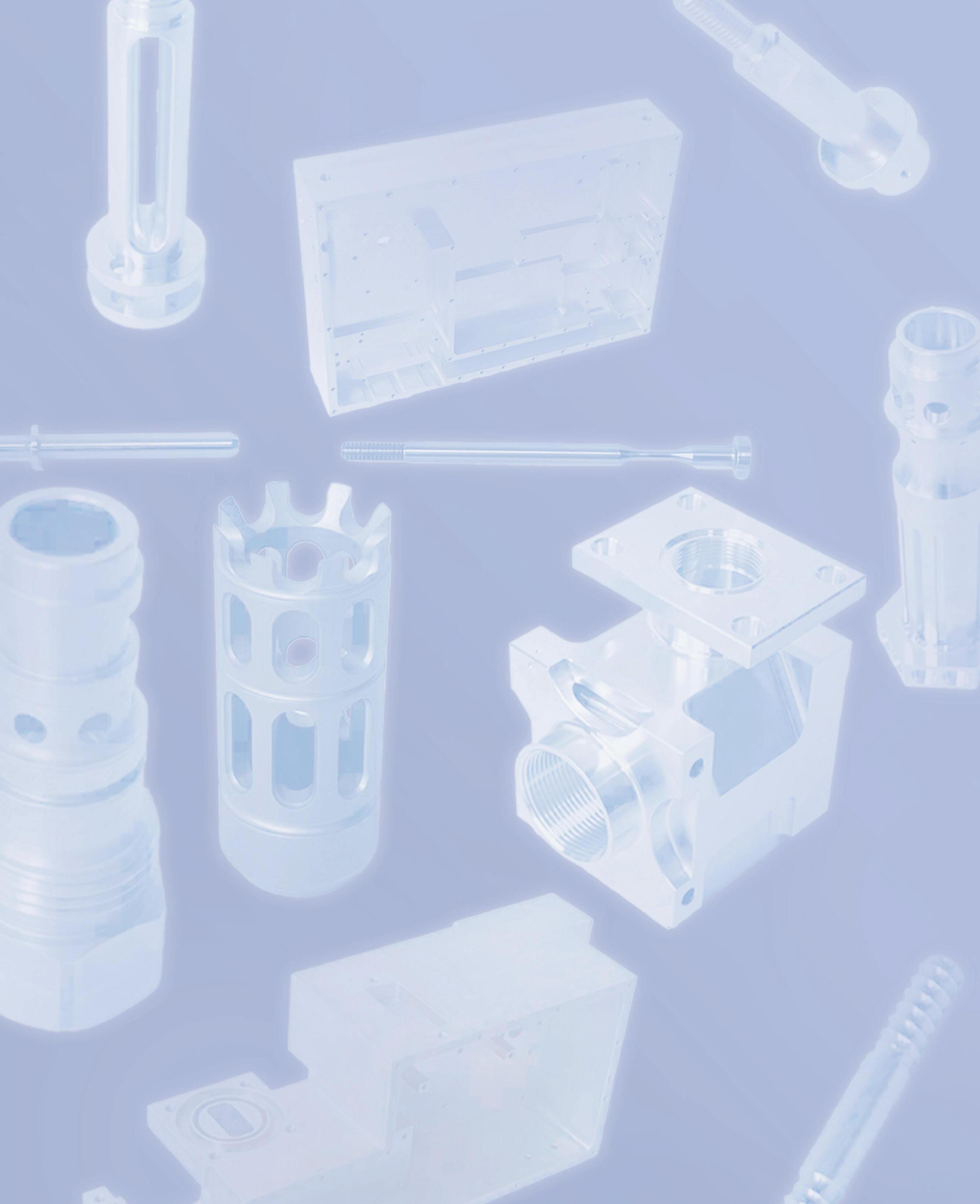


















Buyer’s Guide & Card Gallery




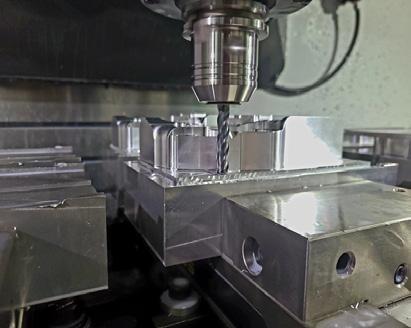

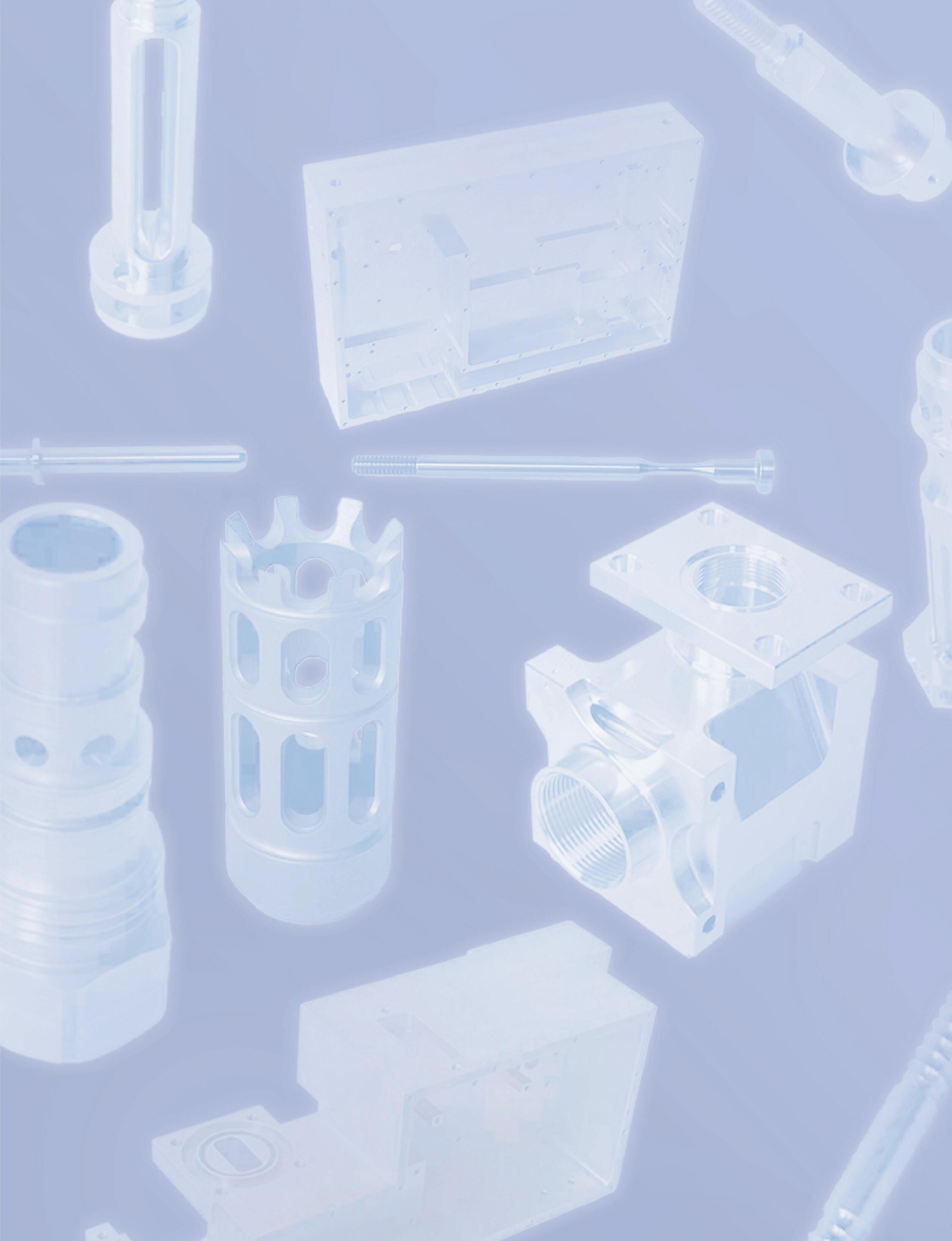






















This Get’s Page Kept



Unlike a pop up, a magazine page sticks around. It gets bookmarked. Passed along. Re-read. That’s visibility with a longer shelf life.
Scan to learn more!
Crossword Answer Key:
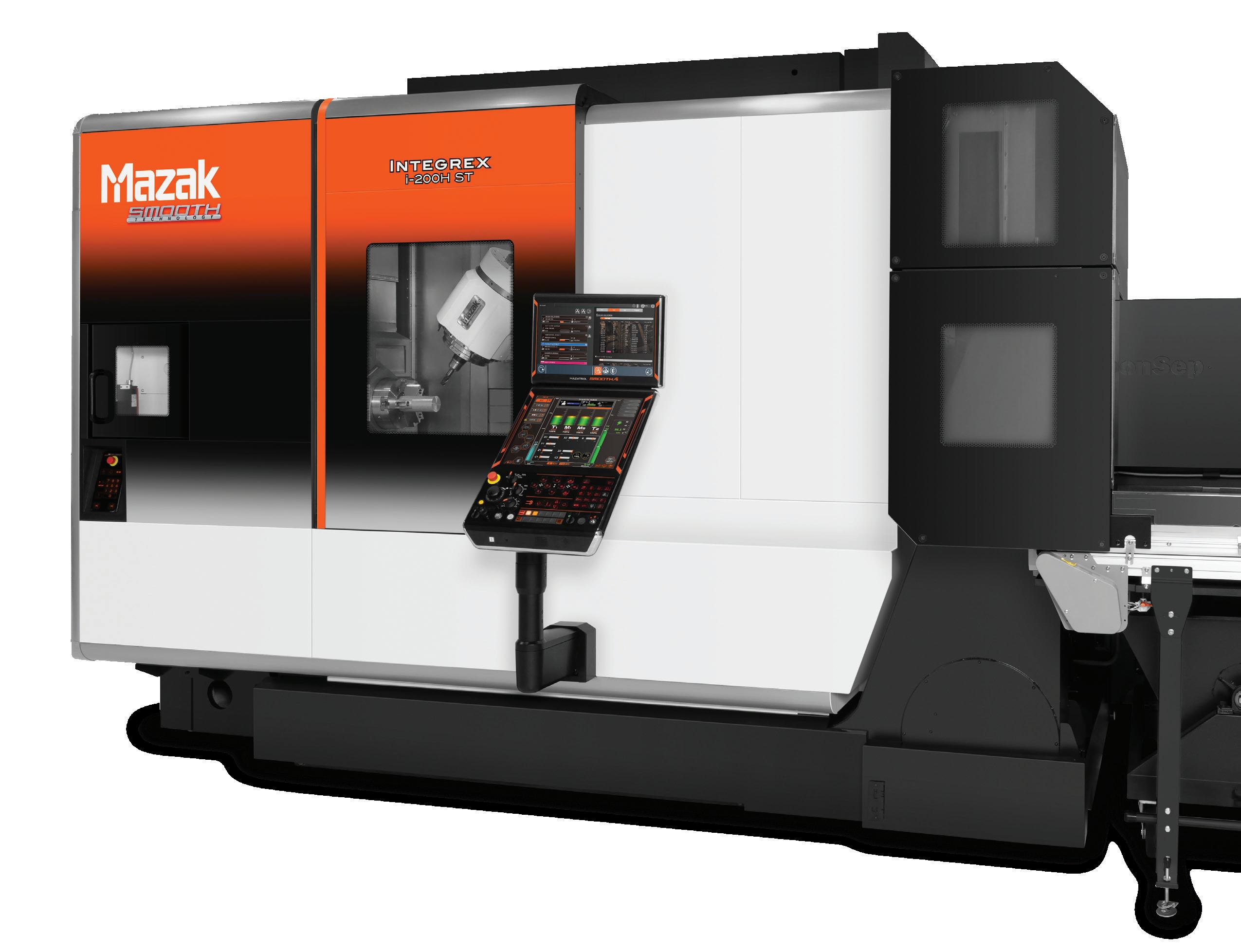




HOME OF THE HORIZONTALS
Need to create chips in a hurry? Count on DN’s high-end HMCs.
Sometimes there’s no way around it: you need a beast of a machine to produce mission-critical parts with speed and accuracy.
And wouldn’t you know it, DN is known for horizontal machining centers that do exactly that.
GET IT WHILE IT’S HOT
The
DVF 8000T is in stock and ready to ship your way.
DN 5-axis is an instant level up. But when you add turning functionality? It’s game over for your competition.
NHP SERIES
The High Material Removal Rate Workhorse
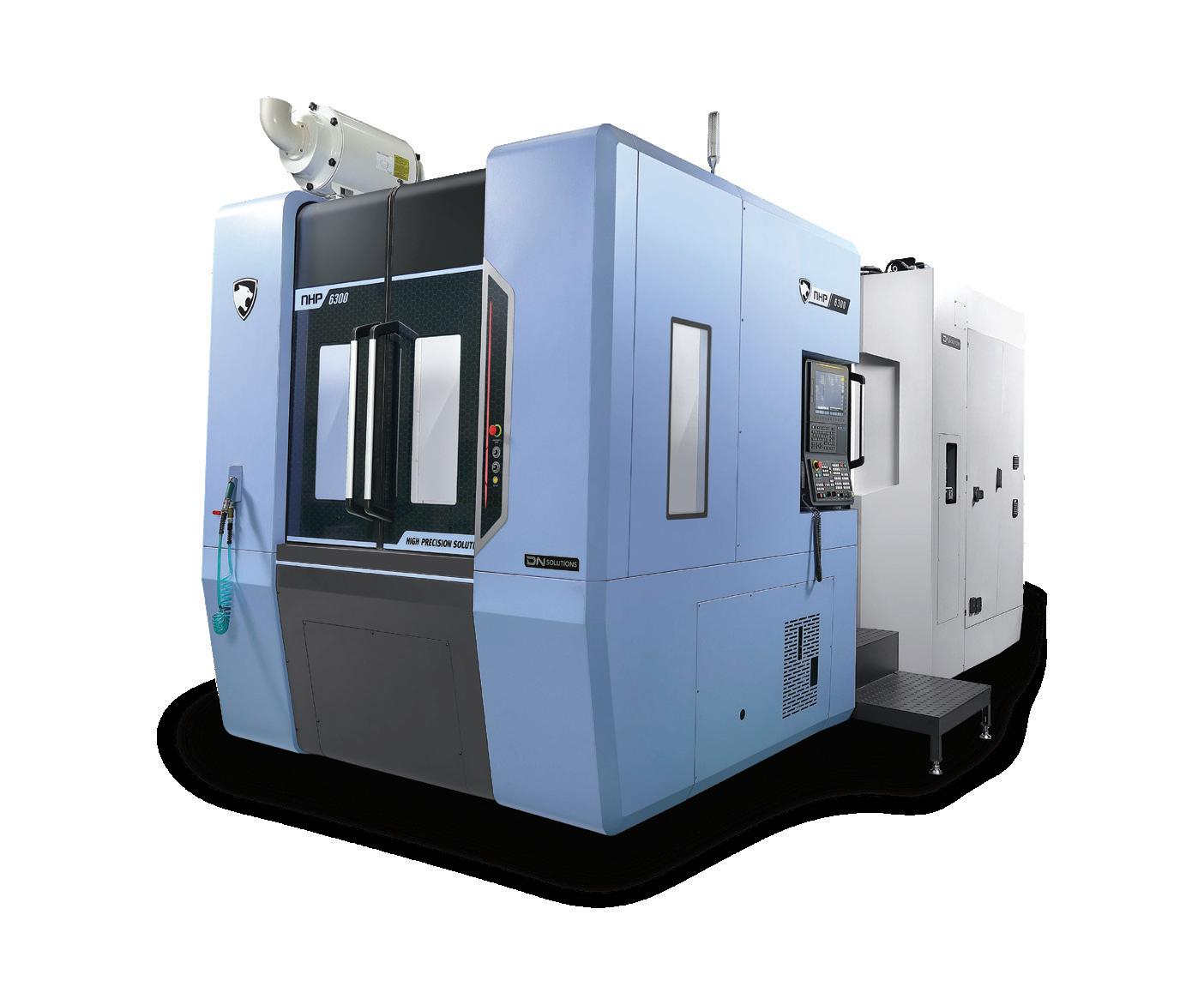
On that note, the DVF 8000T is in stock and ready for a permanent and productive home on your shop floor. Visit dn-solutions.com to see the specs, then get in touch with your local dealer before it’s too late.
• Compact size, huge performance
• Rigid step-guide bed structure
• Linear guideways and powerful spindle
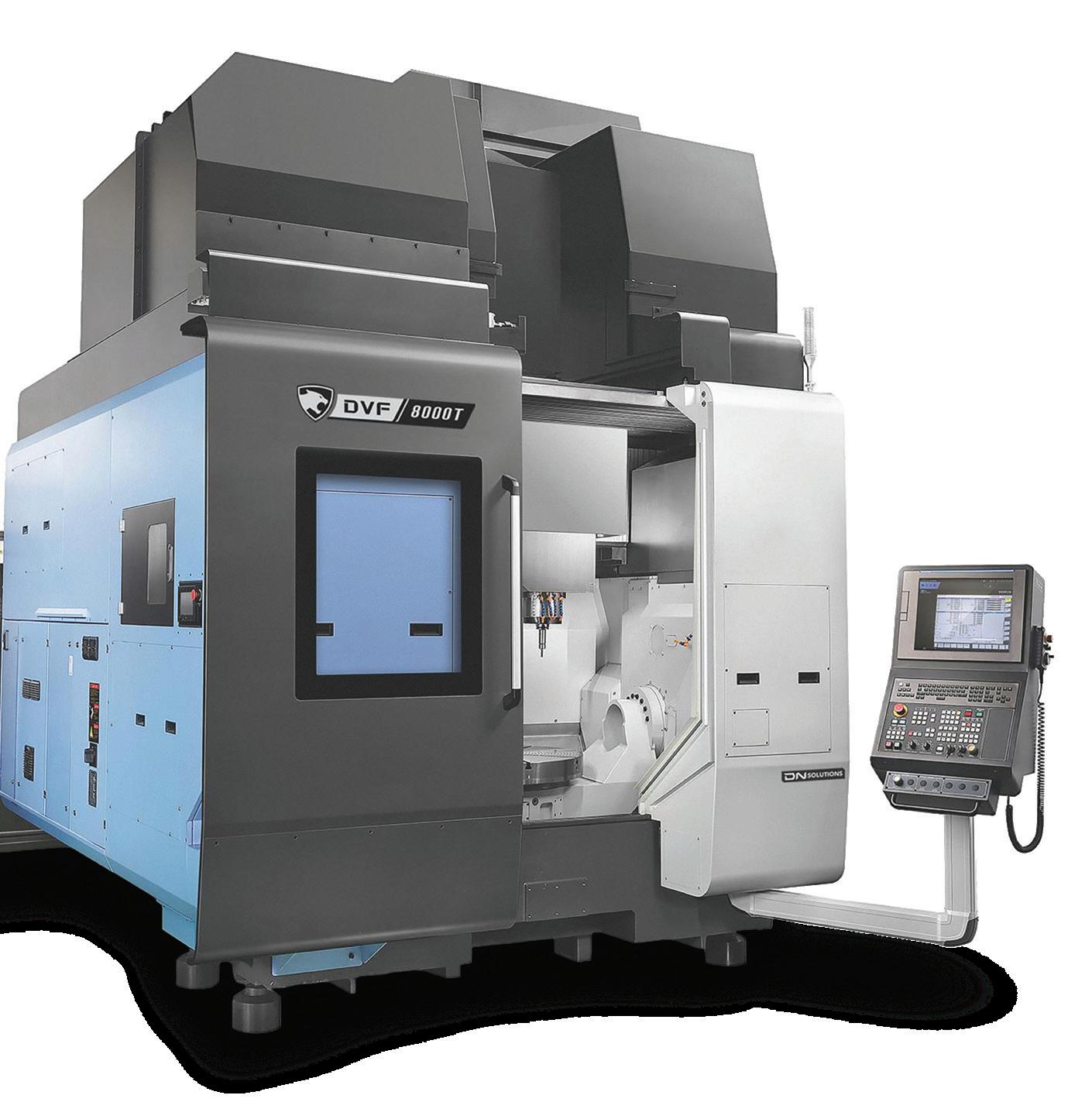
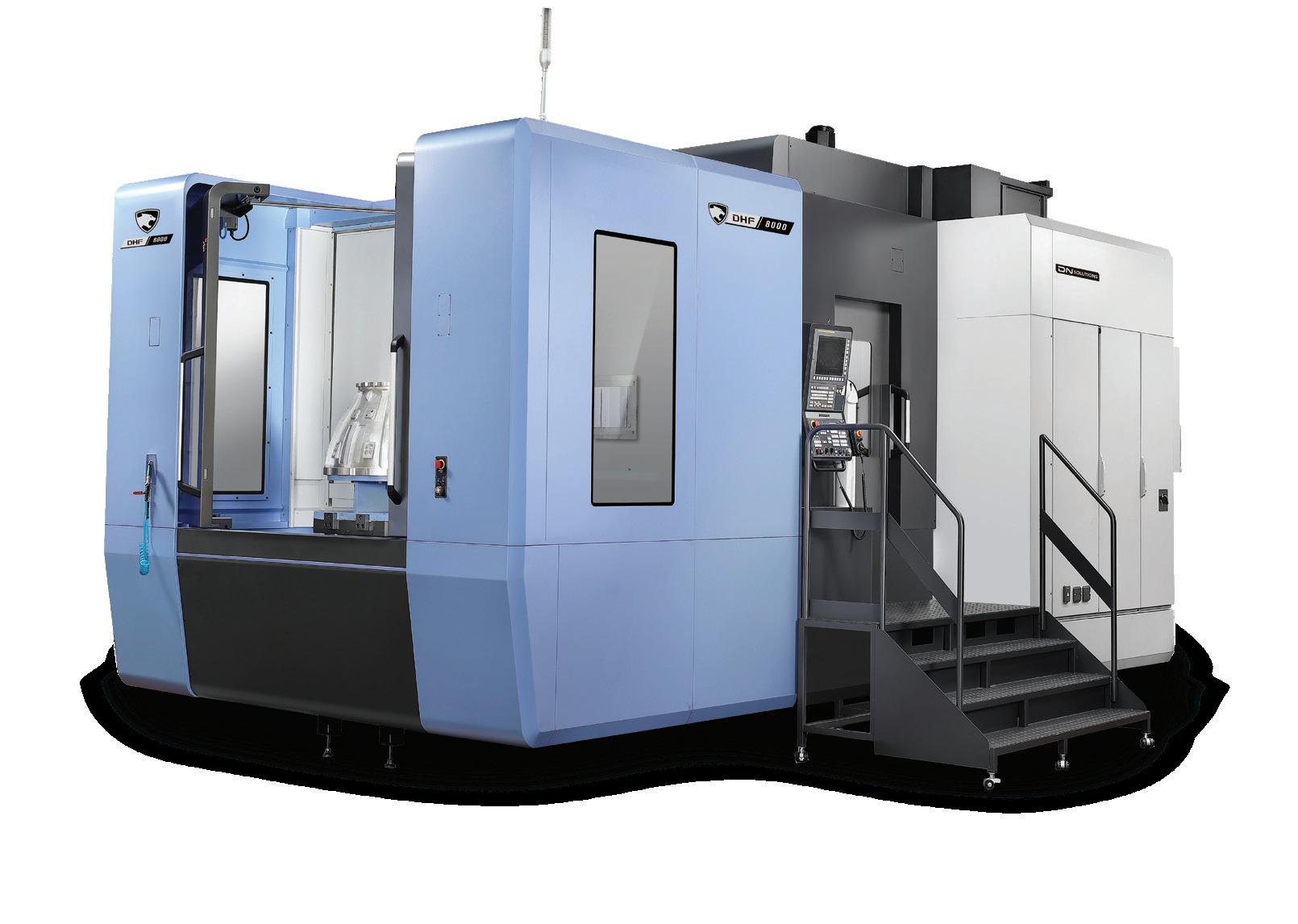
DHF SERIES
The Large-Capacity Hero