Healing Beyond Treatment
Integrative, Whole-Person Care after Breast Cancer and with Metastatic Disease
By Dr. Daniel Kellman, ND, FABNO
4/29/2026


Introduction
Dr. Daniel Kellman, Director of Integrative and Supportive Care at City of HopeAtlanta
• Naturopathic Physician
• 20 years working with cancer patients in a specialty cancer treatment hospital
• Teams: Nutrition, Rehab, Social Work, Mind and Body, Pastoral Care and Naturopathic Medicine
Objective:
Show how Integrative and Supportive Care can help manage side effects, support long-term wellness, and empower patients to advocate for care that reflects their values and needs

APatient-FirstApproach Under One Roof
Surgical Oncology
Medical Oncology

Clinical Trials

Radiation Oncology



Supportive Care
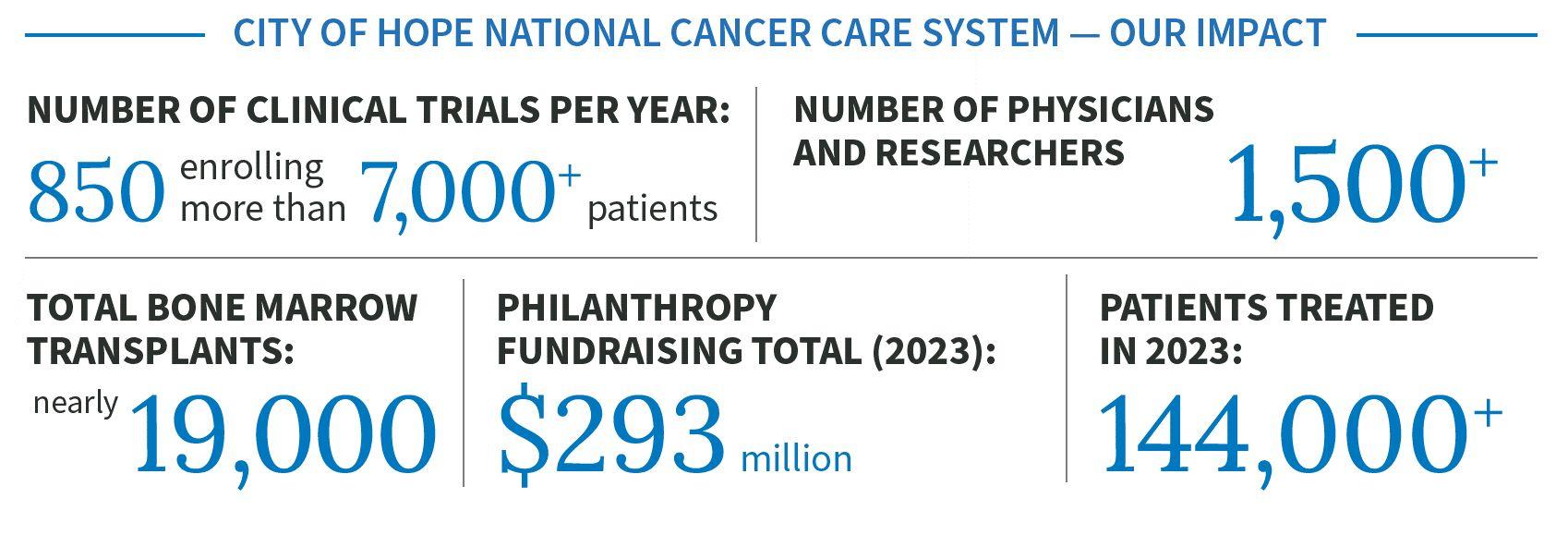
A National Cancer Care System

A National Cancer Care System
Our ever-expanding system is bringing leading-edge cancer research and treatment to more patients, families and communities nationwide.
What is Supportive Care?
Supportive Care takes a whole-person approach to care and focuses on minimizing suffering and maximizing quality of life.
Supportive Care helps us treat a patient as a whole person, including the family and other caregivers, and addresses the many complicating factors that surround a serious illness, like cancer.
These include practical, social, emotional, psychological, spiritual, and physical concerns – some or all of which challenge every cancer patient.
Supportive Care impacts health equity and medical outcomes by managing the barriers that inhibit the ability to access and engage in needed medical care.
Supportive Care teams include Naturopathic Medicine, Nutrition, Behavioral Health (Counseling and Social Work), Spiritual Care, Pain Management and Palliative Medicine, Oncology Rehab (PT/OT/SLP).
Naturopathic Support
Naturopathic Oncology is the application of the art and science of naturopathic medicine to the field of cancer care and treatment.
- Oncology Association of Naturopathic Physicians
• Minimize side effects of conventional treatments such as chemotherapy, radiation, surgery and other targeted therapies
• Assess safety of natural agents to avoid herb-drug interactions
• Improve fatigue, neuropathy, pain, digestive issues and more
• Enhance quality of life
• Optimize immune function and augment anti-cancer approach
• Support prevention and survivorship
• Provide education and comfort while reducing fear and anxiety
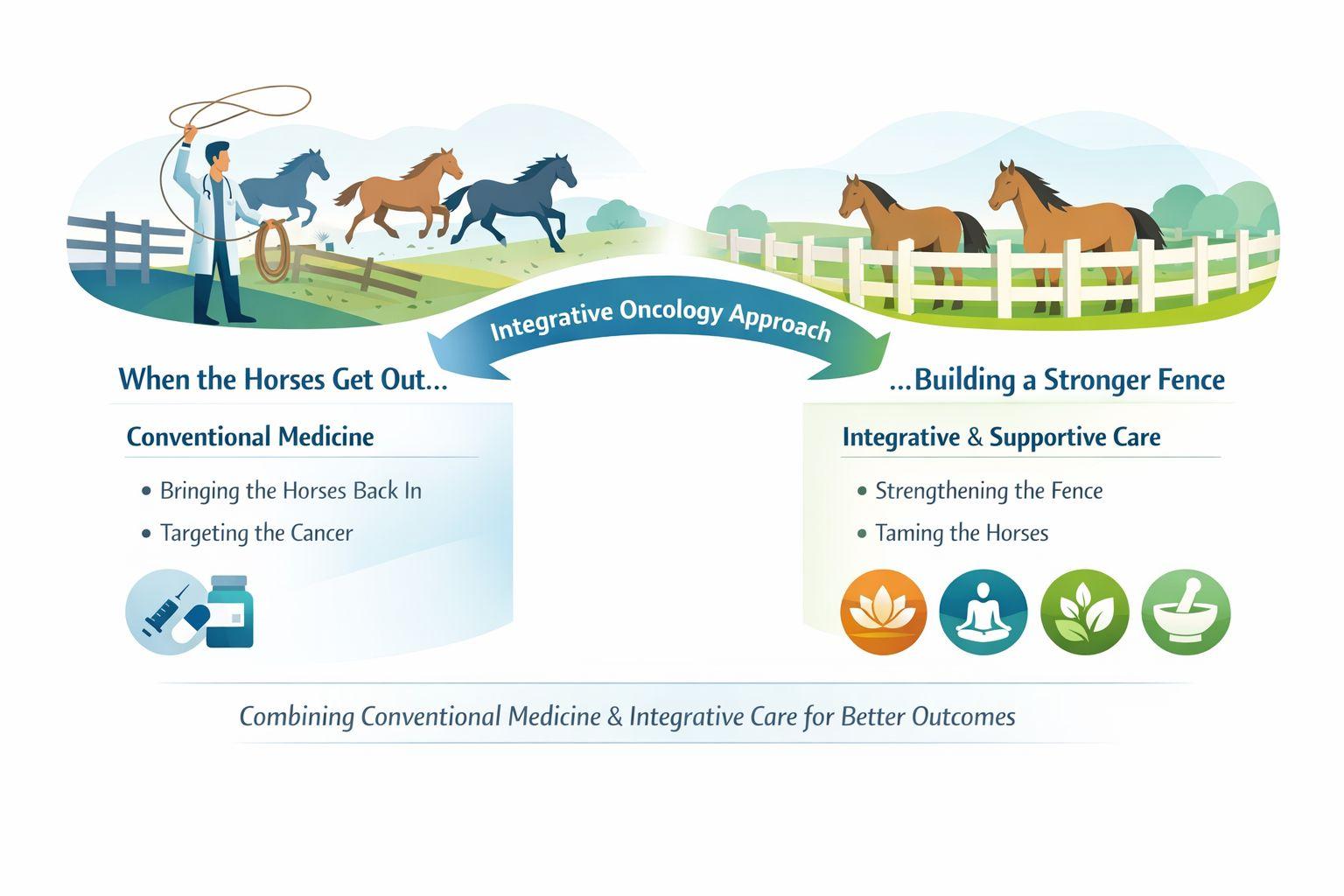
Naturopathic Prevention and Treatments
• Decrease stress and inflammation
• Modulate immune function
• Inhibit cancer driver pathways
• Modify epigenetic expression

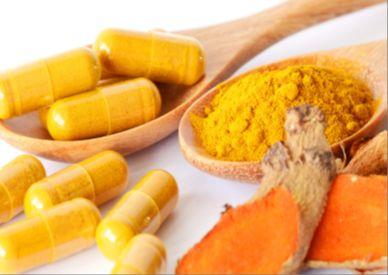
Decrease Inflammation
Curcumin (Turmeric)
Primary use/benefit in oncology:
• Anti-Inflammatory
• Augmentation of chemotherapies
• Augmentation of radiation therapy
• Anti-neoplastic activity/Impact on PFS or OS
• Side-effect prevention/treatment
• Others: Fish Oil, Boswellia, Quercetin, Bromelain
Modulate Immune Function
Vitamin D3 regulates immune system and helps cells
reproduce and develop properly
Primary use/benefit in oncology:
• Bone health
• Healthy immune system function
• Potent anticancer properties for a wide variety of cancers (including Breast, Colorectal, and Lung)
• Others: Astragalus, Reishi
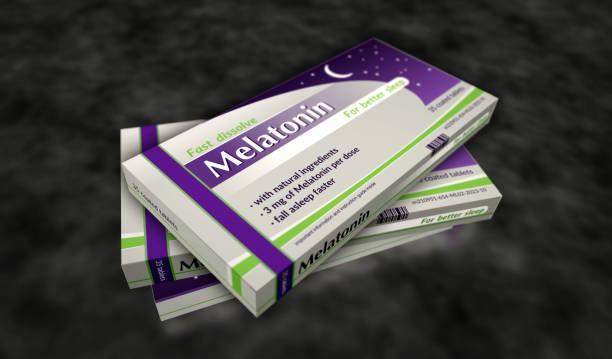
Stop Cancer Drivers
Melatonin: enhancing standard therapy (chemotherapy and radiation therapy), side-effect prevention and amelioration, and anti-neoplastic actions of melatonin have all been established in recent publications.
Primary use/benefit in oncology:
• Sleep quality
• Immune system enhancement
• Anti-neoplastic activity/ Impact on PFS or OS/ Chemotherapy augmentation
• Cachexia
• Cisplatin-induced renal toxicity
• Chemotherapy side-effect amelioration (i.e. neuropathy)
• Others: Honokiol, Maitake d-fraction, Green Tea Extract
Reduce Stress
• Prayer • Meditation • Yoga
• Qi Gong/Tai Chi
• Exercise

Reduce Stress
Phytonsides: Immunopharmacol Immunotoxicol
2006;28(2):319-33. (phytonsides induce natural killer cell activity)
**Other studies have shown that visiting parks and forests seems to raise levels of white blood cells, including one in 2007 in which men who took two-hour walks in a forest over two days had a 50 percent spike in levels of NKs.And another found an increase in white blood cells that lasted a week in women exposed to phytoncides in forest air.

Strategies to mitigate side effects of chemotherapy
Coenzyme Q10 (CoQ10)
• Numerous research studies have been conducted to demonstrate the benefits of CoQ10 for its cardio-protective effects.
• This is especially important when patients receive cardio-toxic chemotherapies, such as anthracyclines (Adriamycin and Doxil), as well as Herceptin and Perjeta, Enhertu

Natural Remedies for Side Effects
L-Carnitine
• Radiation and chemotherapy induced fatigue
• Paclitaxel and Cisplatin-induced peripheral neuropathy
• Cachexia

Natural Remedies for Side Effects
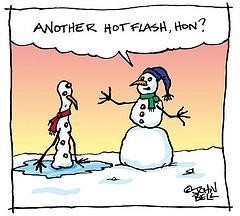
Hot Flashes: Black Cohosh,Acupuncture, HMC Hesperidin
Joint pain: Acupuncture, Fish oil, Bromelain, Boswellia, Turmeric(not with Tamoxifen)
• These are common side effects of Tamoxifen andAromatase inhibitors(Anastrazole, Letrozole, Exemestane)
• Please work with an ND to individualize the best co-management strategies.
Natural Remedies for Side Effects
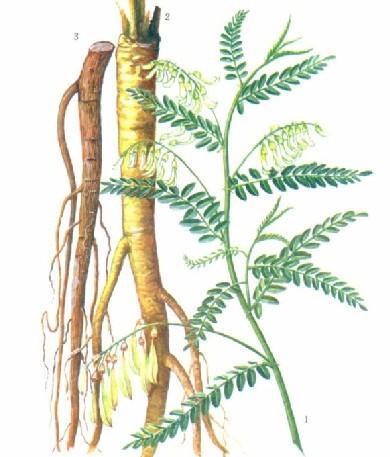
Astragalus
• It can play a supportive role in cancer care by preventing treatment-related neutropenia and reducing fatigue. Astragalus also possesses protective qualities for the kidneys and may reduce cisplatin-induced renal toxicities.
Primary use/benefit in oncology:
• Immune system enhancement and leukocyte support (NFkB,TNF, IL2)
• Cancer-fighting actions
• Cisplatin-induced nephrotoxicity
Natural remedies for side effects
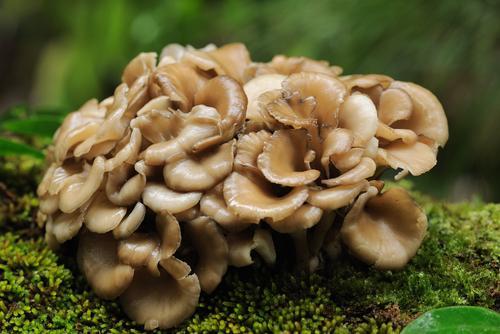
Maitake Mushroom
• It is commonly used in naturopathic oncology to prevent treatment-induced low platelet counts.
• One of the active compounds of maitake (the “D” fraction of the beta-glucan) activates natural killer cells, cytotoxic T-cells, and interleukin-1.
• Maitake has been shown to prevent metastasis, induce cell cycle arrest and promote apoptotic pathways in experimental models.
Primary use/benefit in oncology:
• Pancytopenia, bone marrow support and immune system enhancement
• Anti-neoplastic activity
Others: sesame oil, bone broth, papaya leaf
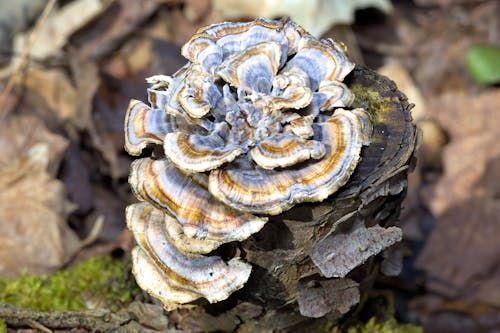
Another Medicinal Mushroom—Turkey
Tail/Coriolus
• PSK (a compound from Turkey Tail) improved survival rates when used alongside chemotherapy in gastric and colorectal cancer patients. PSK is approved in Japan as adjunctive therapy
Torisu, M., Hayashi,Y., Ishimitsu,Y., et al. Title: Randomized controlled study of immunotherapy using lentinan in patients with advanced gastric cancer. Journal: Cancer Immunology, Immunotherapy (1990)
• Showed enhanced NK cell activity and immune recovery.
• FDAapproved trial through Bastyr University; no peer-revied publication yet on final results
• Apilot human study showed that daily supplementation with Turkey Tail extract led to increased levels of Bifidobacterium and Lactobacillus in healthy adults. Davis, C., et al. (2015). Effects of Trametes versicolor supplementation on human gut microbiota: A pilot study.
Take HomeTidbits
Hope is a powerful healing force
General prevention and support:
• Green Tea (make sure organic)
• Curcumin/Turmeric
• Optimize vitamin D
• Mushroom extracts, especially Turkey Tail
• Exercise and relaxation/sleep

References for Curcumin
1. Carcinogenesis, 2008Apr;29(4):779-789
2. Oncogene, 1999;18:6013-20
3. Molecular Pharmaceutics, 2009 May-Jun; 6(3):928-39
4. The Breast Journal, 2009 May-Jun;15(3):223-229
5. Journal of Ovarian Research, 2010Apr;3:11
6. Cancer, 2004 Nov;101(10):2351-62 (pancreatic cancer)
7. Clinical Cancer Research, 2008 Jul;14(14):4491-9 (pancreatic cancer)
8. International Journal of Cancer, 2008 May;122(9):1966-71
9. Integrative Cancer Therapy, 2013 Oct
References for Vitamin D
1. Inflammation and Allergy - Drug Targets, 2013;12(4):239-45
2. Clinical Endocrinology,2012;76(3):315-25
3. Nature Clinical Practice Endocrinology and Metabolism 2008;4(2): 80–90.
4. Breast Cancer Research & Treatment, June 2010;121(2);496-477
5.Anticancer Research, Sept 2011;31(9);2939-48
6. Journal of the National Cancer Institute, 2006;98:451-9
References for Melatonin
1. PLoS One, 2013:8(5): e63773 (meta-analysis)
2. Journal of Pineal Research, 2013 Sept; 55(2):103-120
3.AntiCancer Research, 2008 Mar-Apr; 28(2B):1377-81 (N=846)
4. Pathologie Biologie, 2007Apr-May; 55(3-4):198-200 (N=100)
5.Anticancer Research, 2003 mar-Apr: 23(2C):1951-4 (N = 30)
6. Nutrition, 2005 Feb;21(2):170-178
7. European Journal of Cancer, 1996 Jul:32A(8):1340-3
8. Nutrition and Metabolism, 2013 Jan:10(1):7
9. Clinical Medical Insights: Oncology, 2010Apr:4:35-41
References for CoQ10
1. Conklin, KA. Integrative Cancer Therapies.2005: pp1-21.
2.AlbiniA, et al. J Natl Cancer Institute, Jan 6, 2010;102(1):14-25
3. Larussi, D. MolecularAspects of Medicine.1994;15:207-12
4. Stocker R, Macdonald P.Am J Clin Nutr. 2013 Feb;97(2):233-4.
5. Caso G, Kelly P, McNurlan MA, Lawson WE.Am J Cardiol 2007;99:1409-12.
6. ThibaultA, Samid D, TompkinsAC, et al. Clin Cancer Res 1996;2:483-91.
7. FotinoAD, et al.Am J Clin Nutr 2013; 97:268-75.
8. Greenlee, H. Integrative Cancer Therapies. 2012: pp1-8.
9. Fumagalli, S. Clinical Cardiology.Apr. 2011;34(4);211-17
References
References for L-Carnitine
1.Nutrition, 2006 Feb; 22 (2):136-145
2.Annals of the NewYorkAcademy of Sciences, 2004 Nov; 1033:168-176
3. J Pain Symptom Manage. 2006 Dec;32(6):551-9.
4. Tumori, 2005; 91:135-138
5. J Pediatr Hematol Oncol 2009 Sep; 31(9): 664-9
6. Euro J of Cancer 2005Aug; 41(12): 1746-1750
References forAstragalus
1. Immuno-Pharmacology & Toxiciology, Feb 2012; 34(1): 66-73
2. Phytotherapy Research, 2010;24:175-81.
3. Diagnostic Pathology, 2013, 8;179
4. Medical Oncology, Sept 2012:29(3);1656-62
5. China Journal of Chinese Materia Medica, Oct 2010;35(20):2736-40
References for Maitake mushroom
1. Journal of Cancer Research and Clinical Oncology, Sept 2009;135(9):1215–21
2. Journal of Medicinal Food, 2003;6(4):371–7.
3. Biological & Pharmaceutical Bulletin, 2002;25(12):1647–50.
4.Alternative Medicine Review, June 2002; 7(3):236–9
5.Annals of the NewYorkAcademy of Sciences, 1997;833(1 Cancer): 204–7
6. Biological & Pharmaceutical Bulletin, June 2008;31(6):1104–8.
Questions?
dkellman@coh.org