MACPLAS INTERNATIONAL


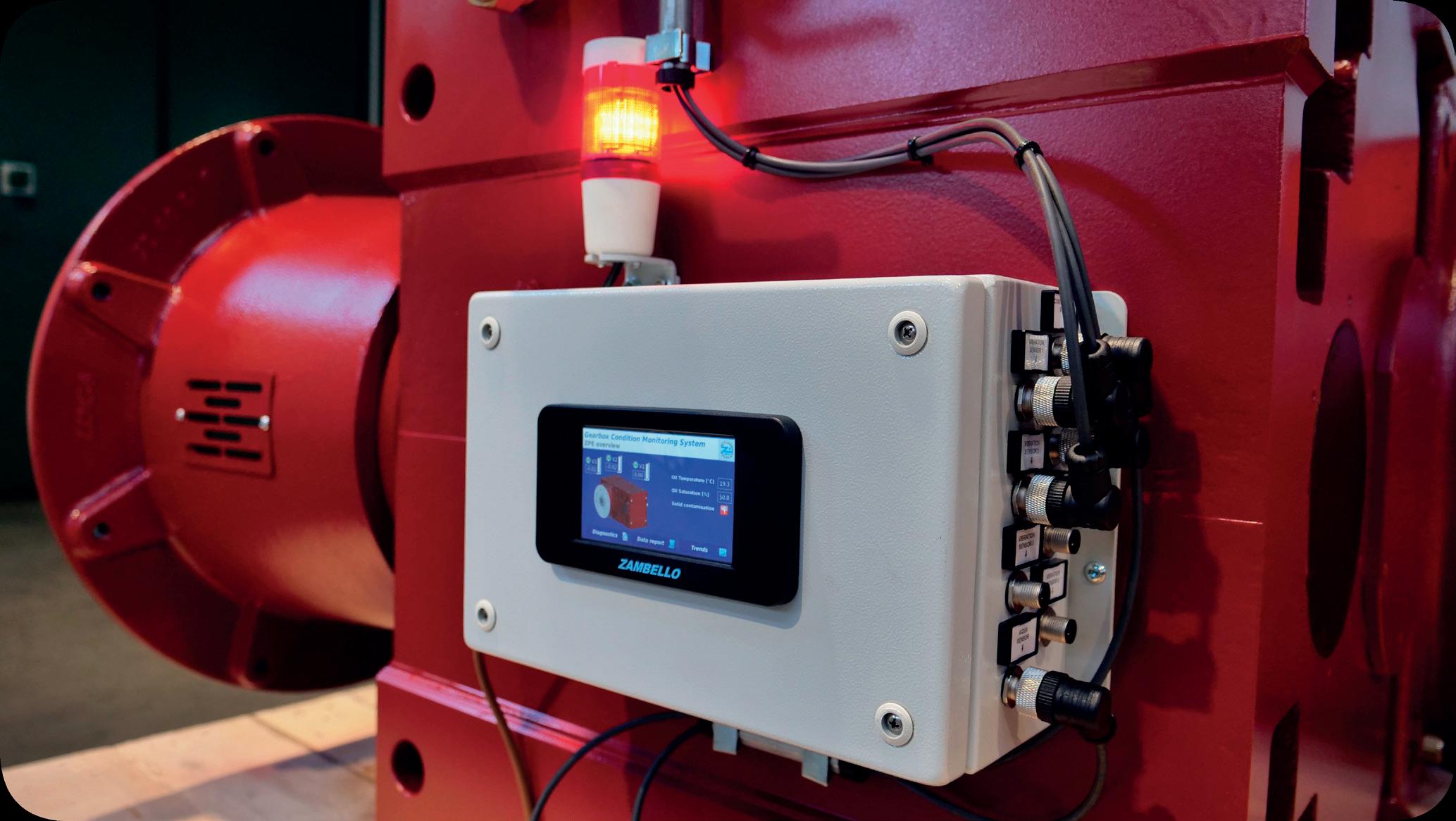
ZAMBELLO Monitoring System


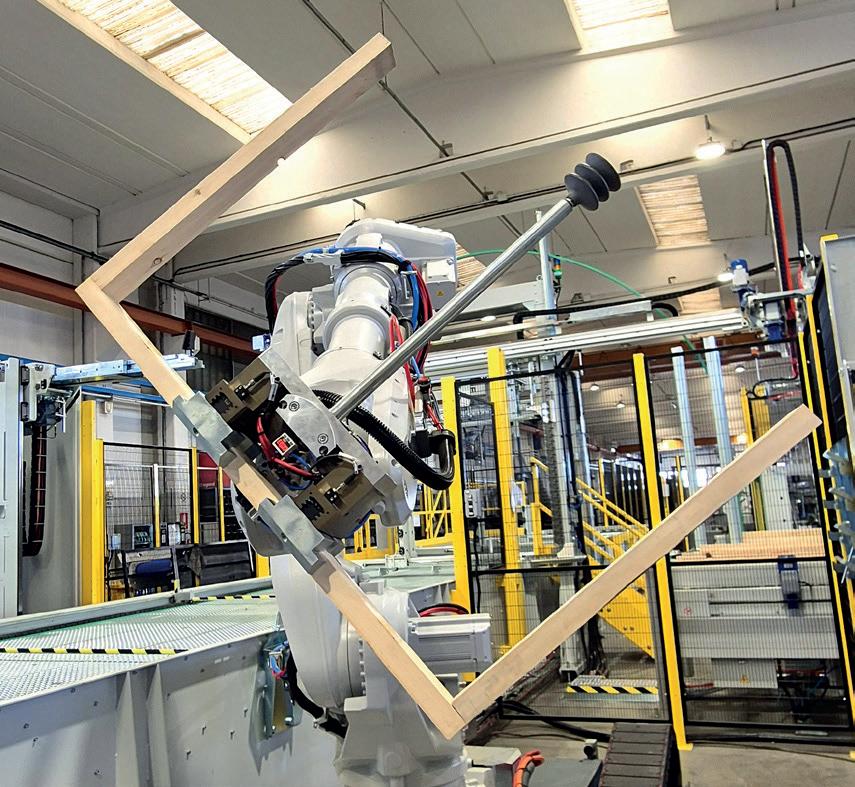
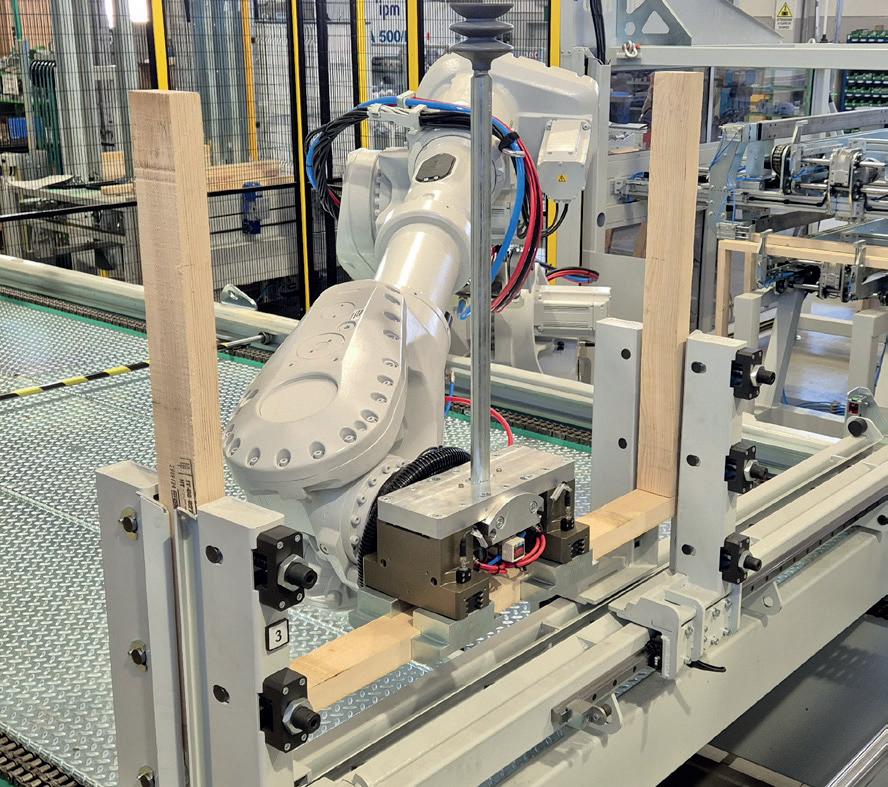

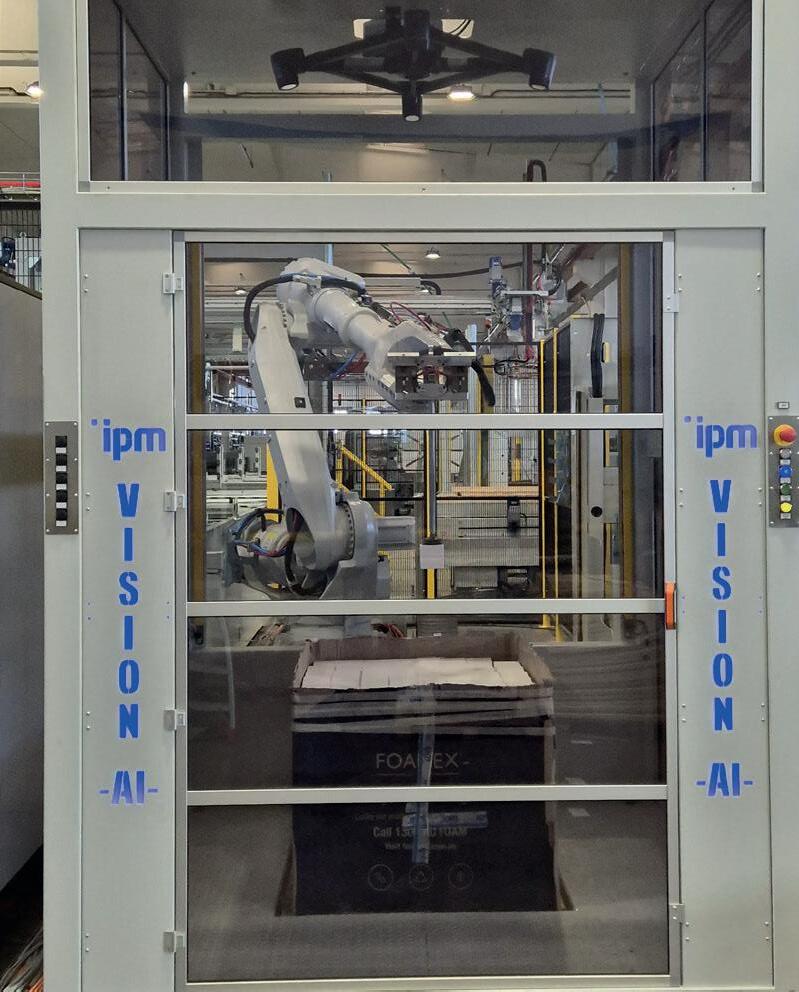
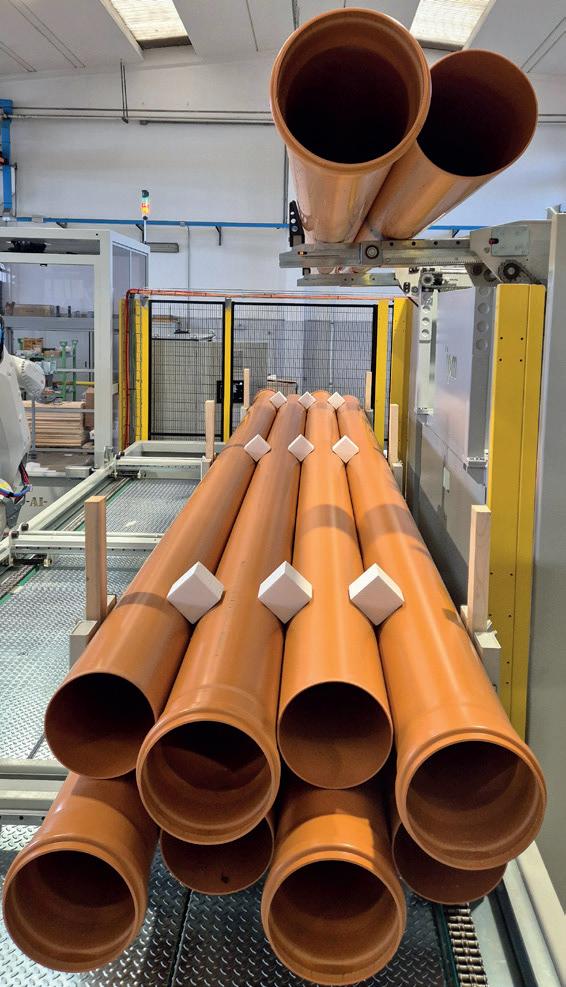



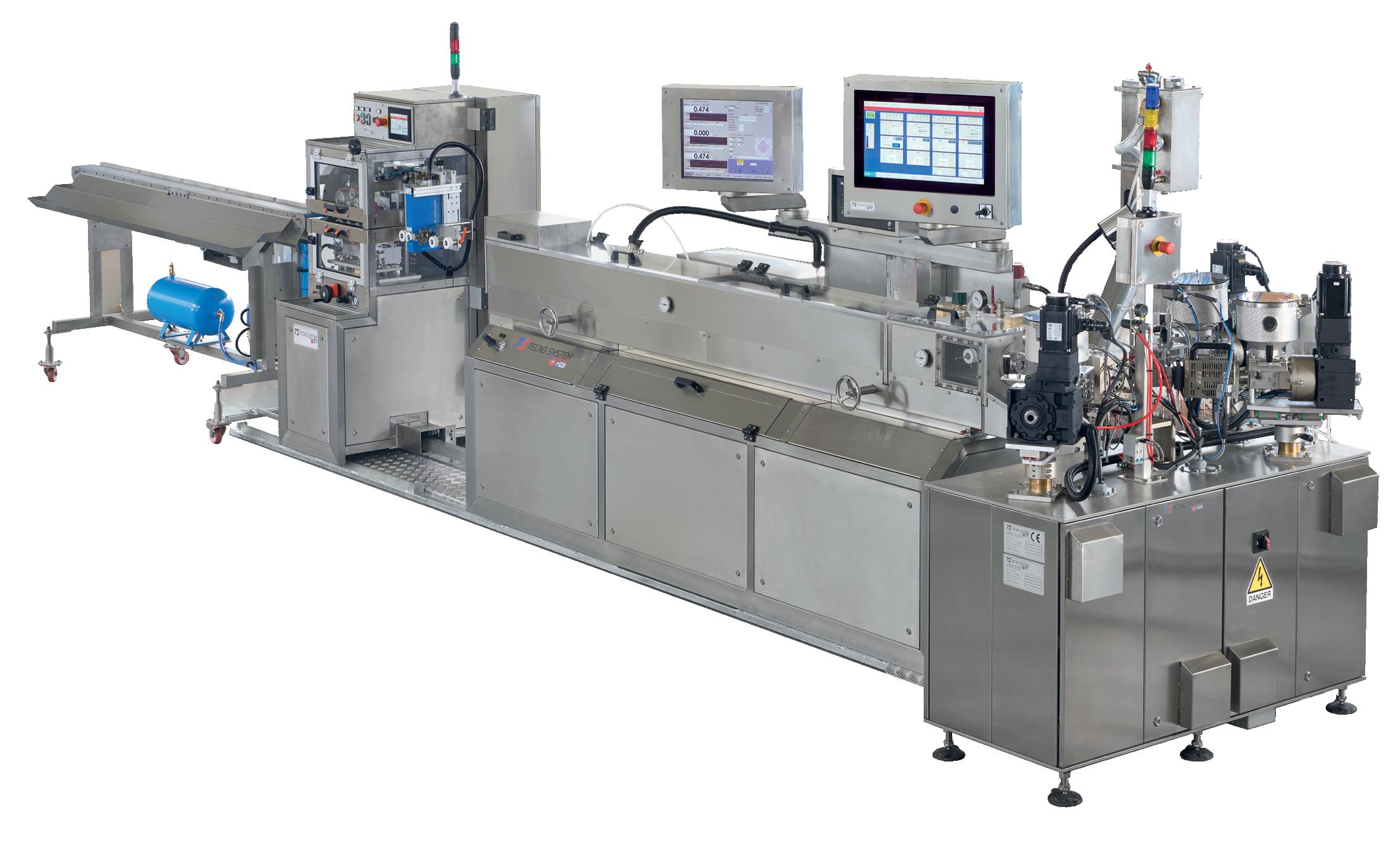
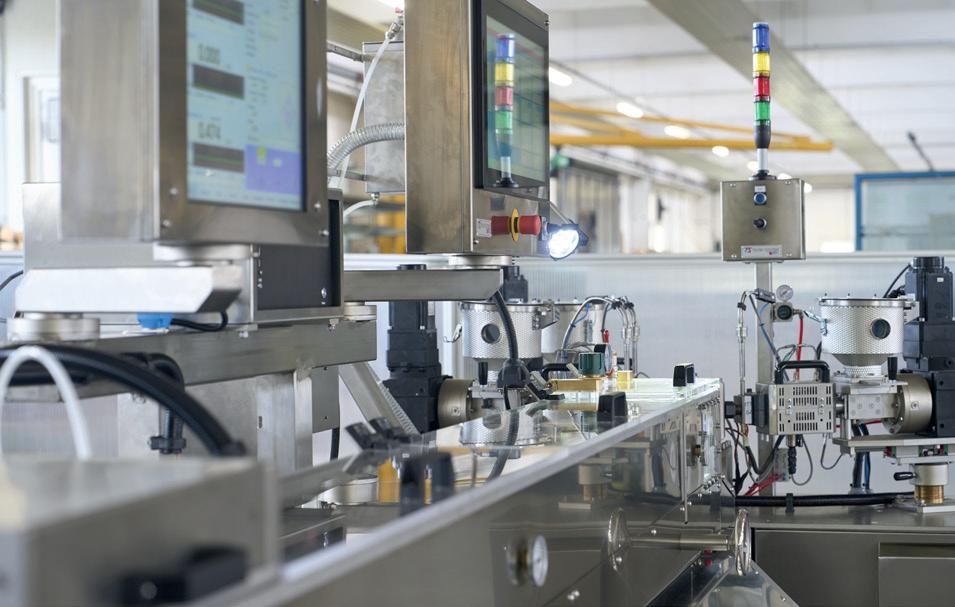

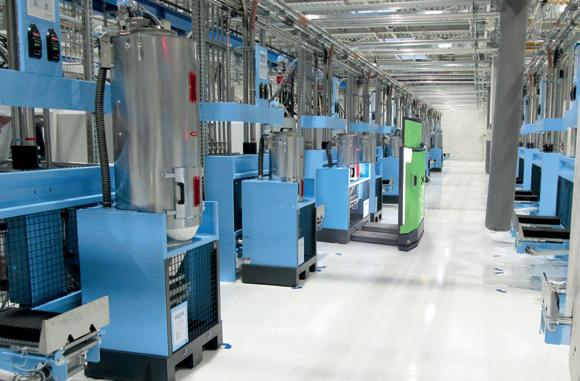
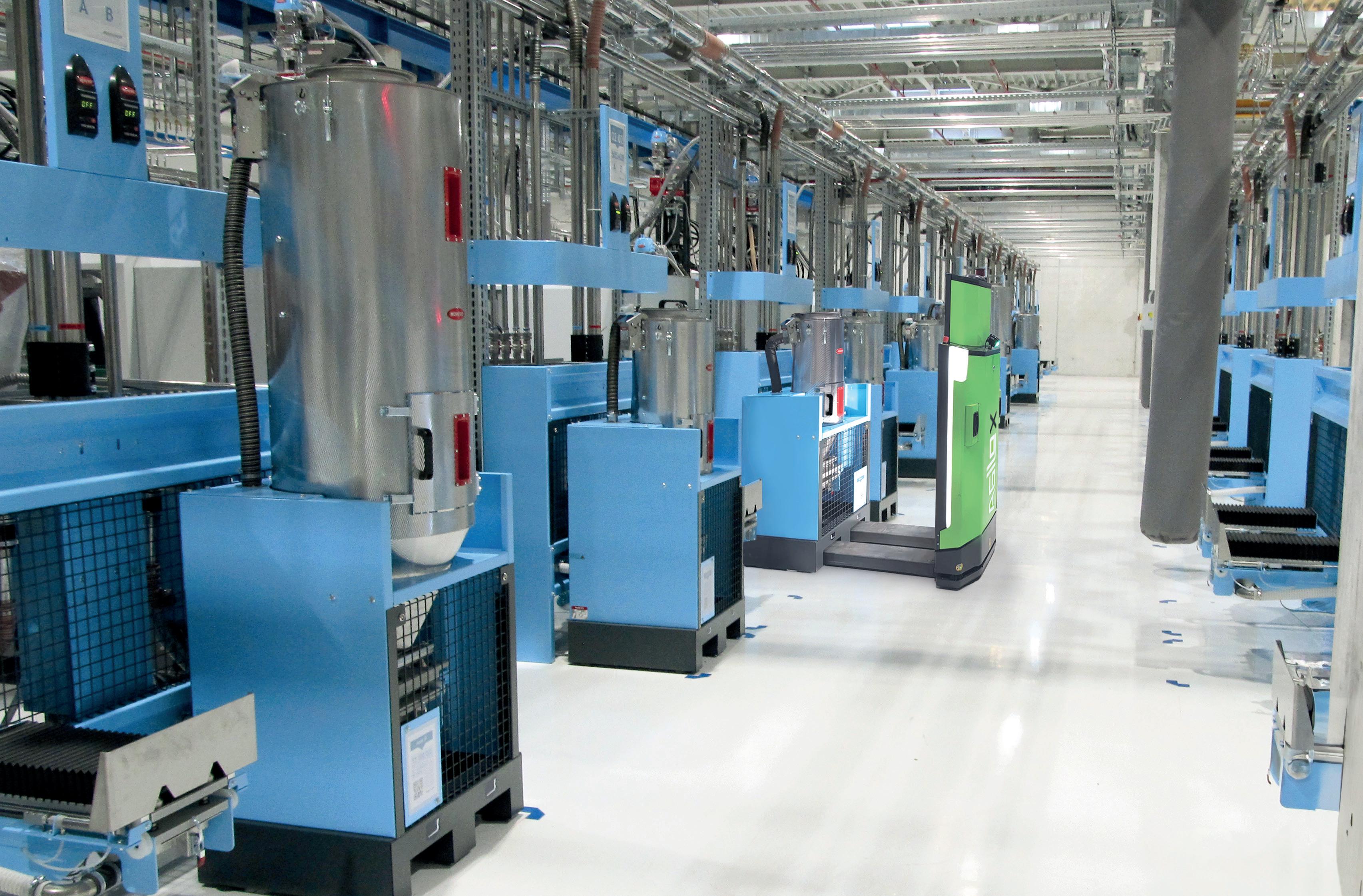
Founded in 1980, Moretto is a leading company in the research, development, and production of automated systems for the plastics processing industry. Its innovations raise quality standards, optimize production efficiency and promote energy savings. With a direct presence in ten countries and a client base of 3,800 customers, Moretto group sells over 102,000 machines annually.
Moretto manages all stages of product development process in-house, from design and prototyping to finished machine, including installation, training, and after-sales support, both on-site and remotely. Even the smallest hopper loader is equipped with a port for remote connection. Implementing a vertically integrated industrial model enables Moretto to provide comprehensive services with total traceability and control throughout the process. The company designs highly customised solutions for an ever-changing market, that would be challenging for organizations limited to assembling components procured through a traditional supply chain. What sets Moretto apart is its dedication to a customer-centric approach. With an extensive production facility, spanning five plants and staffed with highly qualified professionals, Moretto can address any customer request by providing solutions that make a difference and exceed expectations. This is its personality, its DNA.
Moretto is not just a supplier, but a strategic partner capable to transform challenges into opportunities, combining solid production capacity, in-depth professional experience, and unwavering attention to customer needs. Passion for innovation, significant research and development investments, and the essential role of human capital are the strategic levers that allow the company to deliver marketleading, pioneering technologies. An extensive portfolio of products and services, backed by in-deep expertise in the industry and plastics transformation processes, establishes Moretto as a consistently reliable partner. Even the company’s standard solutions confirm their reliability, setting them apart from other market options thank to the added value recognized by customers. This is why Moretto is “More”. www.moretto.com

84 Flexibility, speed, value
86 The core of machines among new materials, recycling and engineering
88 Integrated innovation between moulds and automation
90 Advanced sensors and AI for the quality control of extruded films
92 Efficiency and process control in polymer processing
96 Trade fair, open house and new facility
97 Flexibility, precision, and digitalisation in an integrated system
98 Coating 85,000 pipes for a 1,500-kilometre oil pipeline
99 Corrugated pipe perforation speed with no compromise on precision and quality
100 Modularity and performance for flexible packaging
101 Technology and innovation in blow moulding: a hands-on experience for visitors
102 Mixing: tailor-made systems for increasingly complex production requirements
103 Integrated solutions to optimise performance and control
104 Precision, safety and production continuity in additive handling
105 Innovation on tour
105 Small footprint, high performance
106 High performance coreless film production
108 At Plast 2026 with a new identity and a new market role
112 From terminology to technical communication
116 Next-generation purge compounds to reduce waste and machine downtime
118 Polycarbonate structures combining functionality, sustainability and aesthetics
122 When customisation becomes a competitive advantage
123 More bisphenol-free PPSU for food-contact applications
124 Chemically recycled material for electrical protection devices
124 PTFE-free 3D-printing filament with wear up to 100 times lower
125 High recycling content for automotive sealing systems
125 Meeting demand for recyclable packaging
126 Polycarbonate for very demanding applications
128 An appointment beneath the Mole Antonelliana
130 A hub for manufacturing and technological innovation
132 A key meeting point for composite materials
133 Show scheduled for 27 and 28 October in Parma
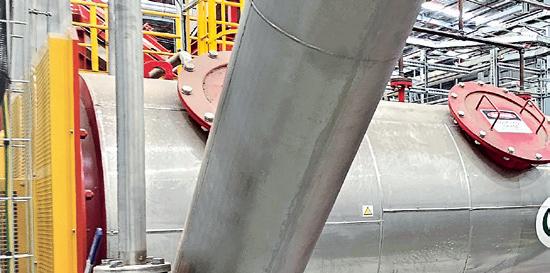
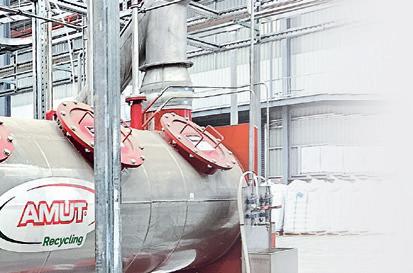
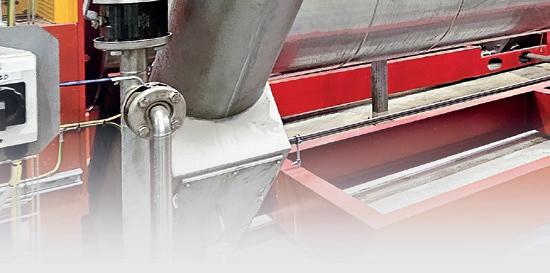
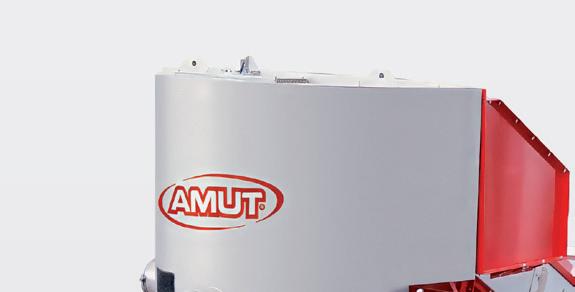
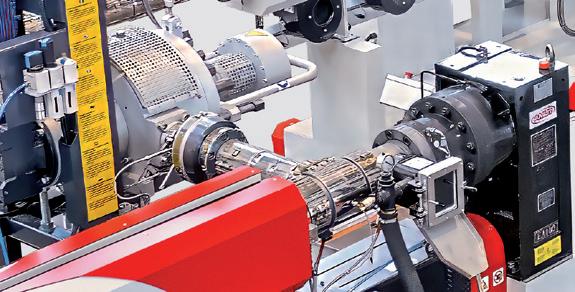
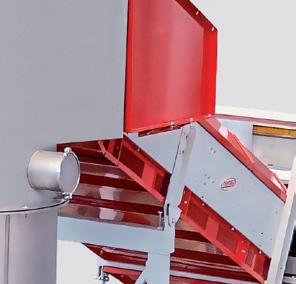
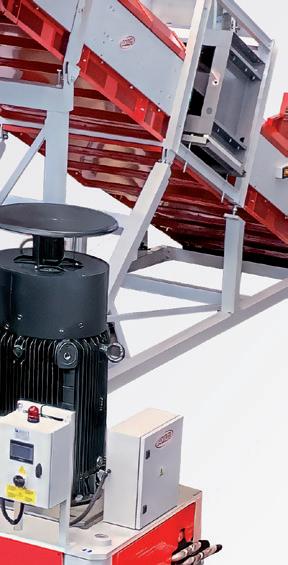
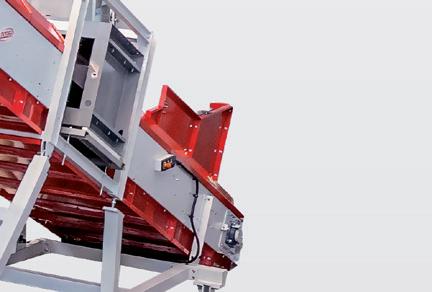
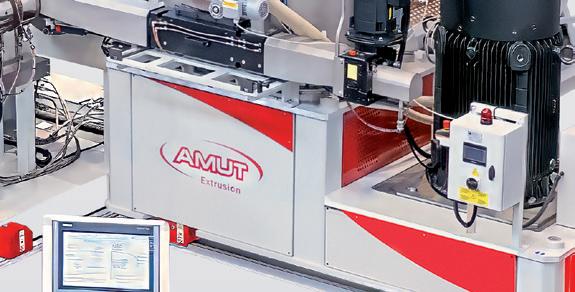
» Designed to handle challenging post-consumer feedstock
» Innovative pre-conditioning and decontamination unit
» High ef ciency degassing system
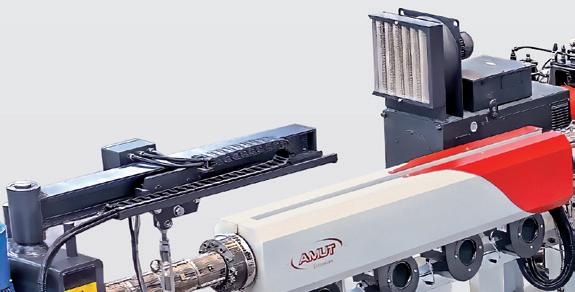
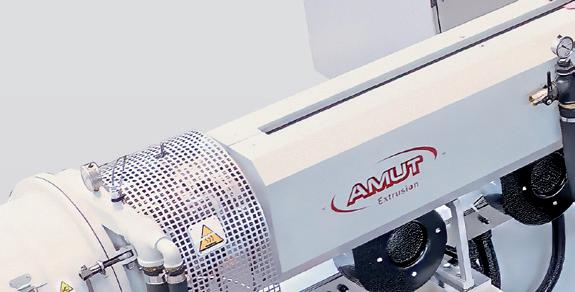
» Heavy duty AMUT extruder
» A single partner to design and deliver the entire system
» Full control from feedstock to product
» Optimize overall ef ciency
» Maximum exibility
















































May 2026
Managing director Mario Maggiani
Editor in chief Luca Mei
Editor
Giampiero Zazzaro
Editorial assistant Alice Polimeno
Sales manager
Roberta Pagan (Italy)
Martina Lerner (Europe)
Administration Elisa Belloni
Editorial committee
Massimo Margaglione, Gabriele Caccia, Barbara Ulcelli
Contributors to this issue
Stefania Arioli, Stefano Bertacchi, Girolamo Dagostino
Published by Centro Direzionale Milanofiori - Palazzo F/3
20057 Assago (Milano, Italy)
Tel.: +39 02 82283735
Fax: +39 02 57512490
e-mail: macplas@macplas.it www.macplas.it
Registration at the Court of Milan n. 68, 13/02/1976
Registration at the National Press Office n. 4620, 24/05/1994
Layout and prepress Faenza Printing SpA
Printed by Faenza Printing SpA
Postal delivery: IFS Italy
ISSUE PRICE: 8 euro if not sent with mother magazine
The managing direction of the magazine declines any responsibility for possible unreliability of editorial articles and notes coming from various sources
ASSOCIATED TO:
34 AGRIFLEX www.agriflex.it
9 AMUT www.amut.it
106 BARUFFALDI www.baruffaldi.eu
60 BST www.bst.elexis.group
16 COMERIO ERCOLE www.comercole.it
7 EUROVITI www.euroviti.com
82 FAINPLAST www.fainplast.com
126 GAMMA MECCANICA www.gamma-meccanica.it
35 GEFIT www.gefit.com
131 GIBITRE www.gibitre.it
133 GRAFE www.grafe.com
3 IPM www.ipm-italy.it
11 ITIB www.itib-machinery.com
33 MACCHI www.macchi.it
107 MACPLAS www.macplas.it
MARIS www.mariscorp.com
MD PLAST www.mdplast.it IV Cop. MECCANOPLASTICA www.meccanoplastica-group.com
MIXACO www.mixaco.com 4 MIXRON www.mixron.it
I Cop. MORETTO www.moretto.com 15 NEGRI BOSSI www.negribossi.com 134 PACKAGINS SPEAKS GREEN www.packagingspeaksgreen.com 94 PLA WORLD CONGRESS www.bioplasticsmagazine.com
PLAS MEC www.plasmec.it
PLAST 2026 www.plastonline.org
PLASTIBLOW www.plastiblow.it
PLASTIC SYSTEMS www.plasticsystems.it
PLASTORE www.plastore.it
PRESMA www.presma.it
PROFILE DIES www.profiledies.it
ROBOLINE SYTRAMA www.sytrama.com
SIEMENS www.siemens.com
SYNCRO www.syncro-group.com
TECHNE PACKAGING www.technepackaging.com 5 TECNO SYSTEM www.tecnosystemfe.it 50 TECNOMATIC www.tecnomaticsrl.net III Cop. TECNOVA www.tecnovarecycling.it II Cop. ULTRA SYSTEM www.ultrasystem.ch Front flap ZAMBELLO www.zambello.it
ASSOCIAZIONE NAZIONALE EDITORIA DI SETTORE
INSTITUTIONAL SPONSORS



AMAPLAST ITALIAN PLASTICS AND RUBBER PROCESSING MACHINERY AND MOULDS MANUFACTURERS’ ASSOCIATION
AIPE
ITALIAN ASSOCIATION OF EXPANDED POLYSTYRENE ASSOGOMMA
ITALIAN RUBBER, CABLES, WIRES AND SIMILAR MANUFACTURERS’ ASSOCIATION
ASSORIMAP ASSOCIATION OF ITALIAN PLASTICS RECYCLING AND RECLAIMING COMPANIES
CIPAD
COUNCIL OF INTERNATIONAL PLASTICS ASSOCIATIONS DIRECTORS
IIP ITALIAN PLASTICS INSTITUTE


SPE ITALIA SOCIETY OF PLASTICS ENGINEERS
UNIONPLAST
ASSOCIATION OF ITALIAN PLASTICS PROCESSING COMPANIES
UNIPLAST
ITALIAN STANDARDISATION BODY FOR PLASTICS


“A curse (directed at a person, an event, or a thing), used throughout central and southern Italy, roughly equivalent to “damn it all” or, in a more nuanced register, as an exclamation of frustration or disappointment”. This, more or less, is the meaning of the Italian word used as the title of this opening editorial for the issue distributed at Plast 2026.
And it is precisely our fair that inspired this outburst.
My first Plast dates back to the Nineties – 1994, to be precise, at the old fairground site where the glamorous CityLife district (in Milan) now stands. I have watched roughly ten editions of Plast go by, and I have to say that in the majority of cases they took place in periods that were anything but favourable for our industry.
I think of Plast 2009, which was held six months after the collapse of Lehman Brothers on 15 September 2008 – the largest bank failure in history, which triggered a global economic crisis that lasted years, particularly in Europe. And what about Plast 2021, postponed to September 2023 due to the Covid emergency?
As the great Eduardo De Filippo (1900–1984) – the celebrated Neapolitan playwright and actor – once said: “Being superstitious is a sign of ignorance, but not being superstitious brings bad luck”. Jokes aside, working through difficult times is always complicated – but it forces us to bring out the very best qualities that only we possess. “Resilience” is perhaps a word that gets overused these days, but it captures the idea perfectly.
And so Plast approaches its twentieth edition, and despite all the adversity – US tariffs, the Russia-Ukraine war, the conflict with Iran, the energy crisis, and more – it holds firm.
More than that: there are 200 new exhibitors (companies that have never participated in Plast before, or at least not in the last three editions), and cast and blown film systems are back to bringing halls 13 and 15 to life (now combined, following the construction work carried out for the Milan-Cortina Winter Olympics earlier this year).
The work done on visitor development has increased considerably – in terms of investment as well – and the social media side has been strengthened with dedicated campaigns. As I write, around a hundred visitors from India are already registered, across various official delegations. As always, a great deal of work has been done together with the Italian Trade Agency to select buyers not only from the Mediterranean region but also from Latin America and other parts of the globe.
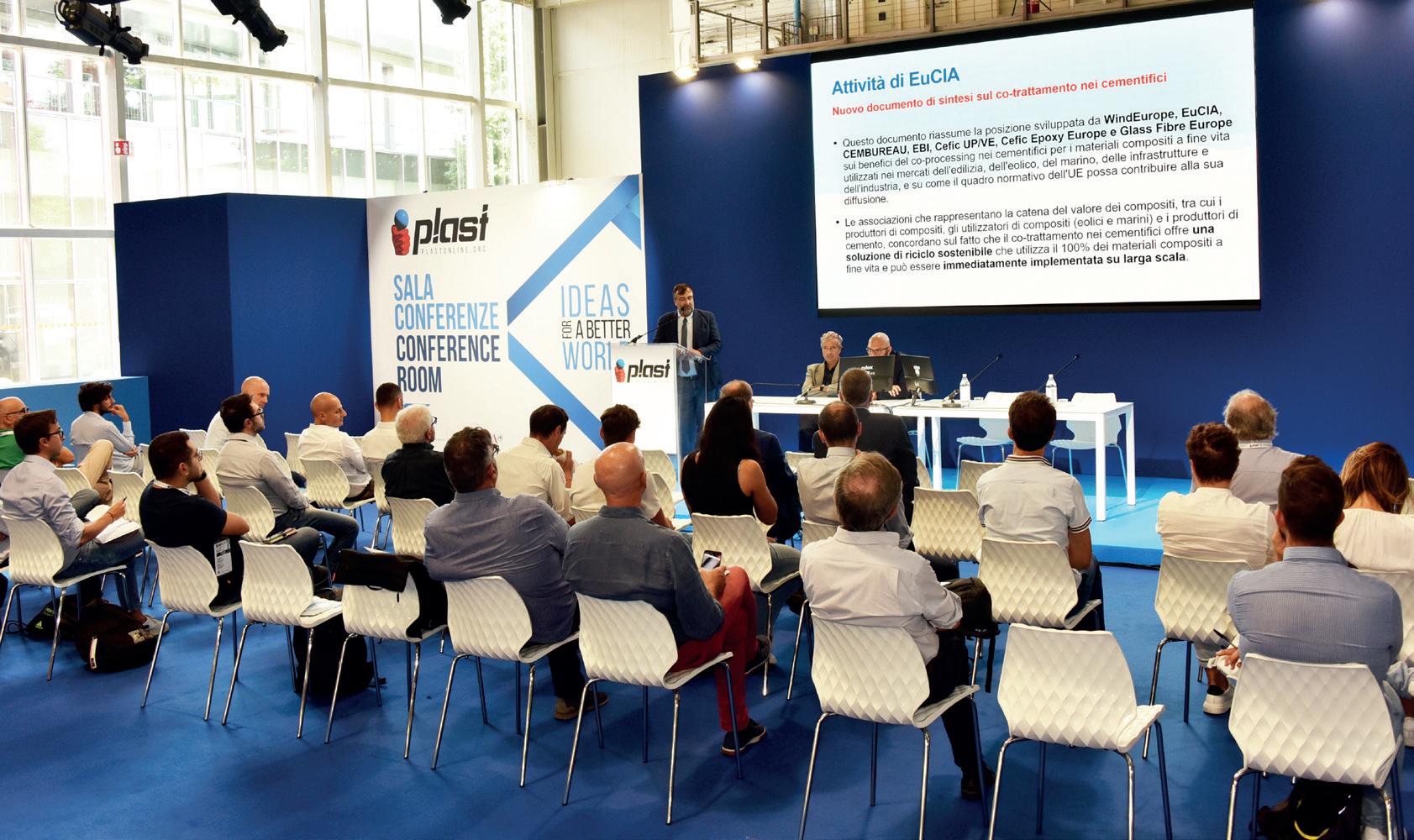
Finally, a word on the conference programme: “fewer but better” is how I would put it. We have decided to limit the number of conferences to no more than five or six – but all of them high-profile and of genuine interest: packaging, recycling, construction, artificial intelligence are just some of the topics being addressed.
In short, we have put in the work – and we continue to do so – because Plast is Italian, it is our fair, our showcase, and we are second to none.




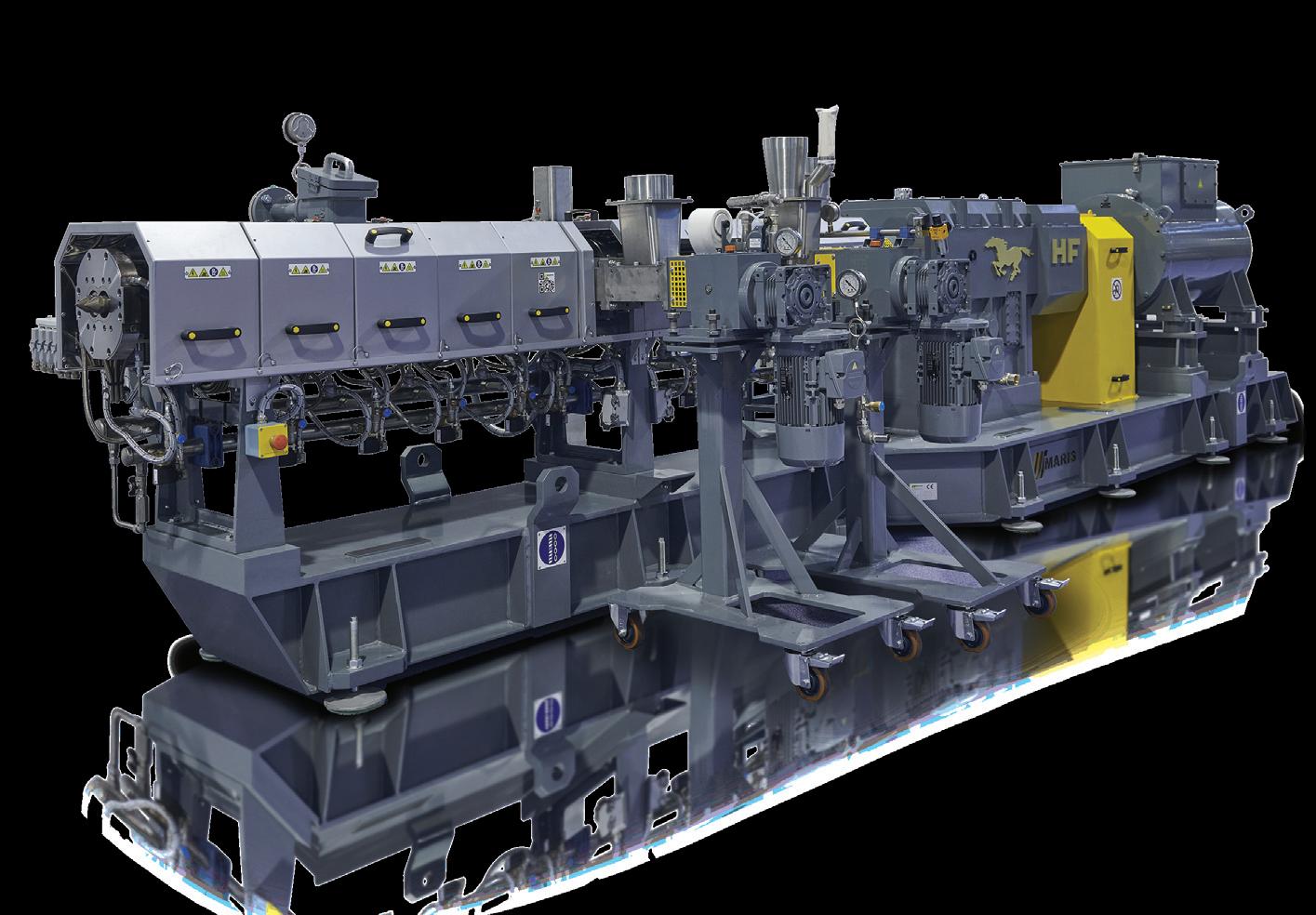
Protagonists in the compounding field and specialized in the production of co-rotating twin-screw extruders since 1962.
Precision • Efficiency

Hall 24 Stand D122 D132
Hall P3 | Level 0 Street B | Stand 38

Hall A3 Stand A3-3103
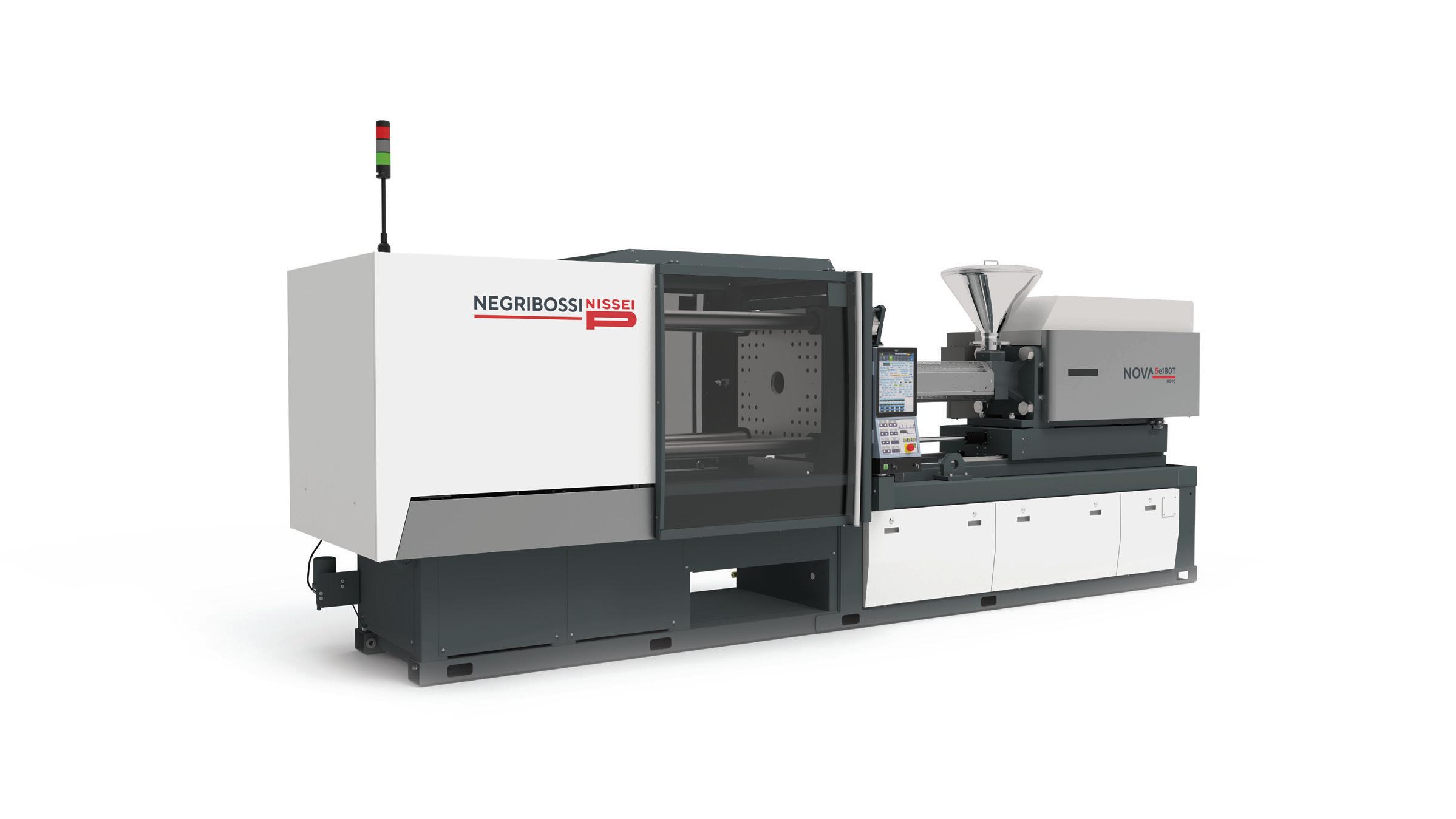
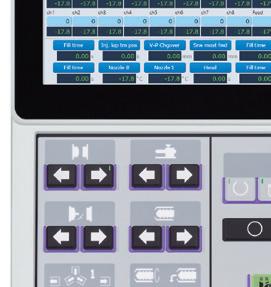
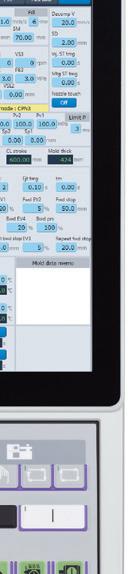
The NOVA 5eT features the new TACT 5 control system, built for smart factories and designed to deliver a seamless user experience.
What sets it apart:
• EtherCAT architecture for faster, more responsive performance.
• Standardized EUROMAP 77/83 connectivity via OPC-UA.
• Precision control through advanced digital servo drives.
• Sleek and intuitive 15” LCD interface.
• Ultra-durable industrial-grade touch panel.


Find out more: www.negribossi.com





The Italian plastics and rubber machinery, equipment and moulds sector closed 2025 on a slower note, affected by weak foreign markets and an increasingly unstable international environment. Supporting the industry was above all domestic demand, which continued to be driven by investment incentives, despite implementation delays and difficulties in gaining access to the measures. On the export front, the difficulties encountered in certain traditional markets were offset by positive signs from other, more dynamic areas, although the overall climate remains marked by considerable uncertainty amid geopolitical tensions, energy costs and new trade barriers. Against this backdrop, Plast 2026 represents an important opportunity for discussion and renewed momentum for international operators across the sector.
By Stefania Arioli
In line with the full-year forecasts published towards the end of last year, the Amaplast Study Center - a trade association affiliated with Confindustria that brings together over 170 manufacturers - estimates that the Italian industry of machinery, equipment, and moulds for plastics and rubber closed the year 2025 with a decrease in production on the order of five percentage points, and with a value of 4.4 billion euros. This represents a slowdown with respect to the previous year, 2024, where a limited deceleration was recorded. For comparison, the Germans – the Italians’ direct competitors – in 2024 had already begun recording a significant slump in orders, sales, and exports. Italian exports for the sector, which account for three quarters of production, also recorded a drop of 5%, coming in at just barely over 3.4 billion euros.
With respect to the weakness in sales abroad, imports of technology recorded a surge of nearly twenty-four percentage
points over 2024, confirming robust domestic demand. This is clearly due partially to the effects of the incentives implemented by the Industry 4.0 and 5.0 Plans, in spite of difficulties in accessing them and delays in the enactment of the various associated implementation decrees. These issues are also critical in this first quarter of 2026 in the implementation of measures regarding the new “hyper-amortization” of investments in capital equipment through September 2028. Given these dynamics, the balance of trade is significantly re-
duced: after the record of 2.65 billion reached in 2024, it has slipped back to 2.24 billion.
The international context in 2025 was characterized principally by uncertainties caused by the introduction of tariffs by the Trump administration which, beyond the “reciprocal” component, raise the tariffs on steel and aluminium components in certain types of machinery, components, and moulds for plastics and rubber.
The situation was worsened by the progressive devaluation of the dollar with respect to the euro. It deteriorated further with the outbreak of the troubling war in the Middle East, which has triggered an energy crisis that has already begun to have a strong negative impact on the European plastics and rubber processing industry by increasing the costs of natural gas, petroleum, and raw materials and generating uncertainties about the availability of materials.
This situation is the source of significant concern among Italian manufacturers of plastics and rubber processing machinery, with a host of factors that threaten to compromise the propensity for investment in the domestic market – here understood as both the Italian and the European market, the latter historically the main destination for Italian exports – and challenges in store with the implementation of the new European Packaging and Packaging Waste Regulation (PPWR).
Not surprisingly, sales to Germany, which has always been Italy’s prime trade partner, have fallen for the second consecutive year. The German plastics and rubber industry recorded losses across the board in 2025 according to estimates by various trade associations: -4% by volume in polymer production; -2% of processed plastic products; -6% for rubber products; and -5% in revenues for machinery manufacturers. Exports to
processors in France, another major export destination in the EU, have also fallen off. Within the top ten destination markets, these negative trends have fortunately been compensated by an increase in sales to Spain, Poland, and Romania.
On the other hand, as of last December, the abovementioned issues have not yet caused the feared collapse of Italian exports to the American market. Instead we have witnessed an increase of almost nine percentage points. U.S. domestic machinery production meets only a limited share of local demand and so American plastics and rubber processors have continued to turn to Italian and other manufacturers to acquire advanced technology.
Sales to China have continued to increase at a steady pace but those to India even more so, more than tripling in the past ten years: the growing incentives provided by the Make in India programme have generated a strong acceleration of demand by local manufacturers, who require increasingly high quality technological systems. So this is a market with notable potentials, most of which have yet to be developed. The recently signed free trade agreement should facilitate this process.
On the other hand, two other important countries that recently rejoined the group of top ten destination markets have produced disappointing results for Italian manufacturers: sales to Turkey have plunged by one third, breaking a five-year robust growth trend, and those to Brazil performed even worse, -45%, although this is relative to the abnormally high peak in 2024 and actually represents a return to the average figures recorded in the previous period. We are naturally looking forward to the implementation of the EU-Mercosur treaty, which could inject new dynamism into trade with Brazil and South America generally.
As regards product categories, exports overall have shown lacklustre or diminishing performance for most of the machinery types accounting for the largest share of the total, starting with extruders (falling from nearly 400 to 350 million euros), blow-moulding machines (from 212 to 198 million), flexography machines (from 181 to 164 million), and moulds (from 752 to 721 million). Injection moulding machines were the only ones to buck the trend, with sales rising from 194 to 199 million. In this complex situation, Amaplast member companies finished the year 2025 with a downturn in revenues on the order of five percentage points while nevertheless succeeding in maintaining employment levels (+0.5%). Within this group, 54% of the companies closed the year with a drop in sales.
It has never been so difficult to venture forecasts for the coming months: there are too many unknowns that continue to arrive and overlap on the international level, aggravating the climate of uncertainty that companies are facing, with many historical destination markets characterized by greater difficulty of access.
The buoyancy of domestic demand also benefited from the incentives introduced under the 4.0 and 5.0 Plans, notwithstanding the difficulties in accessing them and the delays in the issuance of the various implementing decrees.
There is an opportunity for discussion and updates among international operators in the plastics and rubber industry this year at Plast 2026 in Milan (9-12 June), organized by Promaplast, the Amaplast service company. As the exhibition slowly takes shape – with over 200 new participants with respect to the previous edition, 32% of them foreign companies – the organization of associated events and the reception of hundreds of qualified buyers is well underway, in collaboration with Italian Trade Agency and the principal foreign manufacturers associations.
From a European plastics fair to a world-class event. Sixty-two years, twenty editions, one unwavering vocation: to be the meeting point between those who build technology and those who use it. A journey retracing the milestones of a trade fair born and grown alongside the industry it serves.
By Giampiero Zazzaro
If you are reading this copy, it means that Plast is about to begin or is already under way – and perhaps you are standing right here inside the halls of Fiera Milano in Rho, where from 9 to 12 June 2026 the event has opened its doors for the twentieth time. It is a rare opportunity to pause and look back, not out of nostalgia, but to better understand how far we have come. Because the history of Plast is, in large measure, the history of the plastics and rubber industry: it has followed the industry’s seasons of growth, accompanied its transformations, and weathered its crises without ever losing its function as both mirror and compass.
The last time the sector had gathered in these halls was September 2023 – an unusual September for a fair that had always preferred the spring. Between that edition and this one, nearly three years have passed, filled with change, organisational choices, and new challenges. But to understand the meaning of Plast 2026, one must go further back still, all the way to the beginning.
It all begins in an Italy still riding the wave of the economic miracle, a country in which the word “plastic” evoked modernity, lightness, and the future. It was 1954 when Giulio Natta had synthesised isotactic polypropylene at the Politecnico di Milano, opening a path that would transform industrial production worldwide. Montecatini’s Moplen had already found its way into Italian homes, thanks to the television advertising programme
Carosello and the unmistakeable catchphrase of comedian Gino Bramieri. The industry was growing, processors were multiplying, and machinery manufacturers were looking for a showcase worthy of their ambitions.
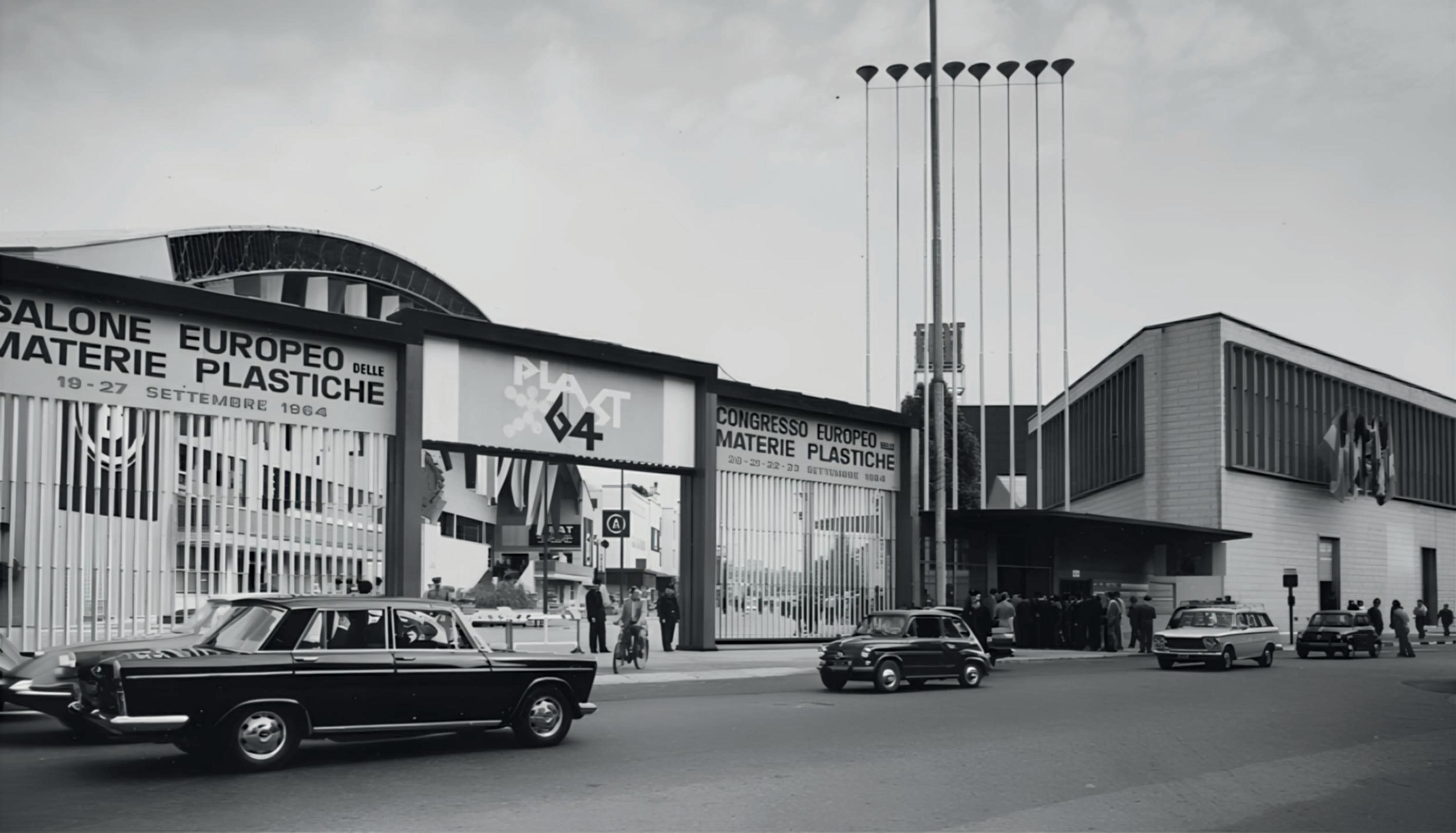
In 1964, at the Fiera di Milano, that showcase took shape: the European Salon of Plastics and Rubber was born – what history would simply come to call Plast. The first edition brought together around 800 exhibitors, 250 of them from abroad, and drew more than 200,000 trade visitors and technical specialists. Extraordinary figures for the time, confirming how ripe the sector was for a dedicated event. The European Congress on Plastics, held in parallel, attracted 50 speakers and 400 delegates from 22 countries.
From that first edition, the frequency would move from quadrennial to triennial. The event’s visual identity received an early boost in 1969 from Armando Testa, the great Turinese graphic designer who had, among other things, created the Pirelli logo. His graphic work for Plast became, in 1972, an iconic poster –so much so that it was acquired for the permanent Architecture and Design collection of the Museum of Modern Art in New York.
In the years that followed, Plast consolidated its position as the European benchmark for the sector. The triennial format ensured continuity; the Milanese location, at the heart of Italy’s
In 1964, at Fiera Milano, the European Fair of Plastics and Rubber was born – the event that history would simply come to know as Plast. The first edition brought together around 800 exhibitors, 250 of them from abroad, and drew more than 200,000 trade and technical visitors.
capital equipment manufacturing industry, provided an unrivalled industrial context.
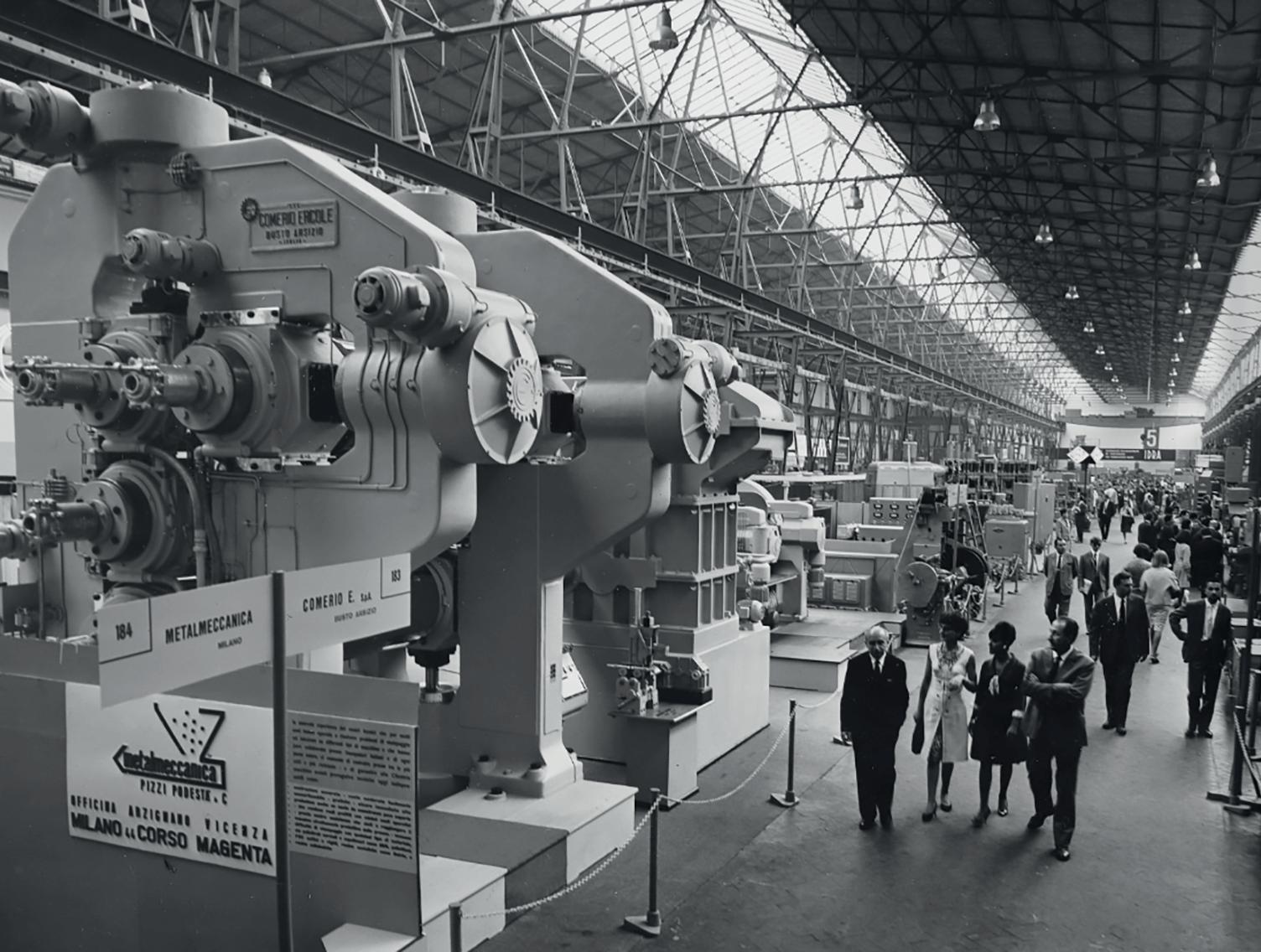
Promaplast, the organising company owned by Amaplast – Italian Plastics and Rubber Processing Machinery and Moulds Manufacturers’ Association, affiliated to Confindustria – has built over time a professional structure capable of managing an event of international scale, nurturing relationships with partner fairs abroad, coordinating visitor delegations, and guaranteeing the quality of both the exhibition and conference programmes. With the turn of the millennium, Plast was already an established institution. The editions of the 2000s recorded growing numbers of international exhibitors and visitors, with an increasingly significant presence of Asian companies, particularly Chinese ones. Italy remained the exhibiting heartland, with domestic machinery manufacturers forming the backbone of the offer, but the fair’s global vocation was strengthening edition by edition.
In 2015, Plast took place in an exceptional setting: the opening week of Expo Milano, from 5 to 9 May. A once-in-a-lifetime opportunity for international visibility, it brought more than 50,000 trade visitors to the fair and more than 1,584 exhibitors, a slight increase on the previous edition. The concurrence with the World Exposition amplified the event’s media resonance considerably.
The 2018 edition is probably the high-water mark in terms of scale and impact. From 29 May to 1 June, Fiera Milano hosted not only the plastics and rubber fair but an unprecedented exhibition project: The Innovation Alliance, which brought together simultaneously Plast, Ipack-Ima – the international reference fair for food and non-food packaging processes and technologies – Print4All, the hub for the printing, converting, and finishing supply chain, Meat-Tech, a fair dedicated to innovative technologies and solutions for the meat processing industry, and Intralogistica Italia, covering automated systems for industrial material handling. Five events, an entire exhibition quarter, one clear message: capital equipment is an interconnected ecosystem, and supply chains speak to one another.
The results vindicated the vision: the Alliance recorded 150,000 trade visitor attendances, 27% of them international. Plast alone brought in more than 1,500 exhibitors across 55,000 net square metres, with over 63,000 visitors, 27.5% of them from abroad. For Italian machinery manufacturers – who in those years were recording a turnover of over four billion euros, with exports accounting for around seventy per cent – Plast 2018 was a launch platform into international markets, an instrument for promoting Italian manufacturing excellence that no advertising campaign could have replicated with the same effectiveness. The meetings, live machine demonstrations, contracts signed at
the stand: the physical trade fair, at a time when people were already beginning to talk of digital transformation, reaffirmed its irreplaceable value.
The triennial calendar would have brought the nineteenth edition in 2021. The dates were already set, registrations open, the organisation under way. Then came Covid-19.
The pandemic swept through the global exhibition industry, forcing Promaplast into a painful but inevitable decision: the 2021 edition was cancelled. The sanitary, logistical, and psychological conditions required to safely host the thousands of international exhibitors and visitors that Plast demands were simply not in place. It was a significant loss – not only financially: an industry already grappling with the first signs of the supply chain crisis found itself deprived of its principal moment of collective gathering.
But from that difficulty something new was born. Promaplast seized the opportunity to launch GreenPlast, a trade exhibition and conference of more modest proportions but with a
The editions of the 2000s recorded growing numbers of international exhibitors and visitors, with an increasingly significant presence of Asian companies.
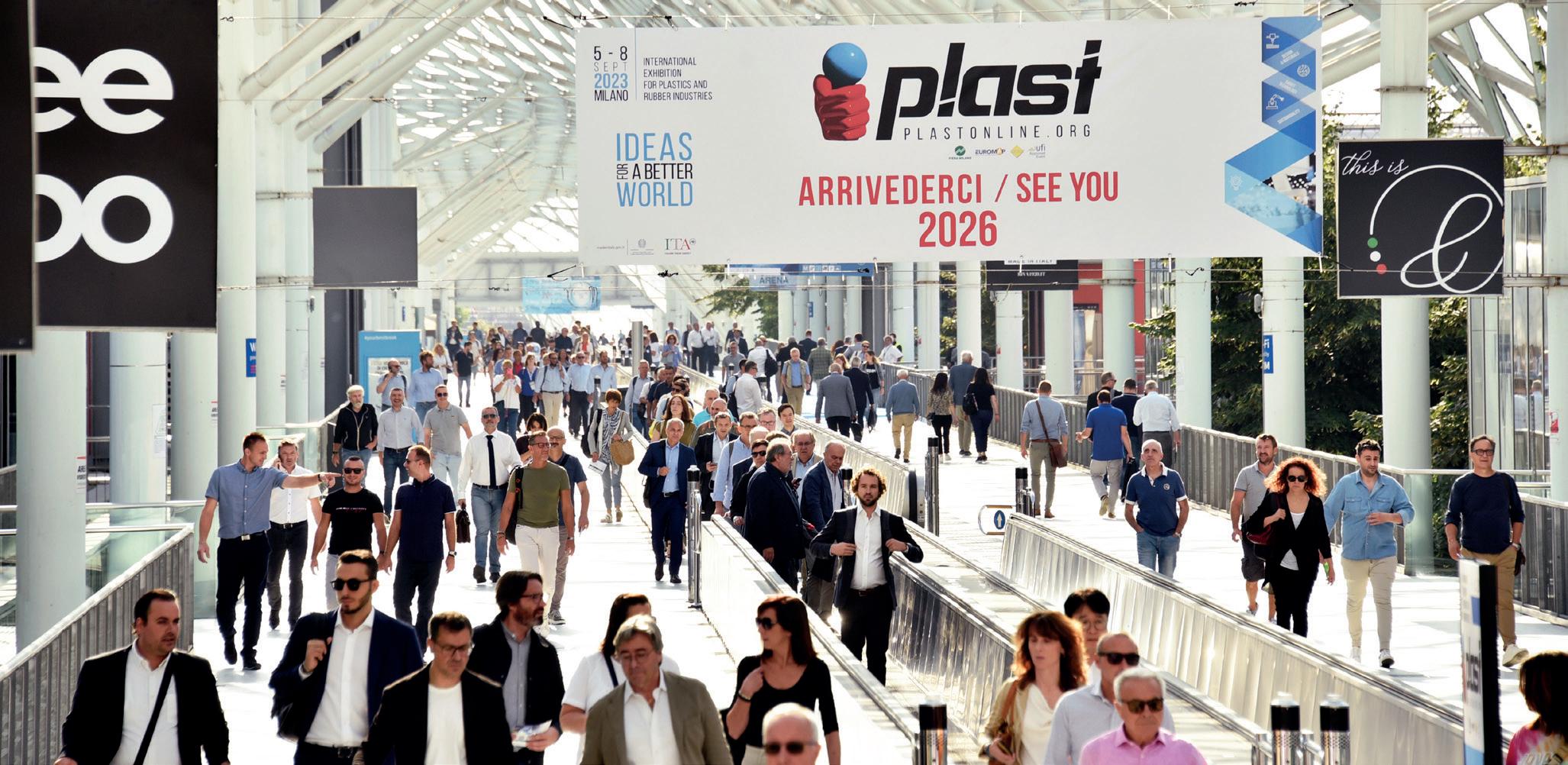
The 2023–2026 period saw Promaplast deploy a widereaching international promotional strategy, taking the Plast name directly into key markets, competing trade fairs, and the circuits of the world’s specialist press.
precise strategic positioning: sustainability in the plastics and rubber industry. The first edition was held in May 2022, as pandemic restrictions were beginning to ease, opening a thematic strand that the sector had an urgent need to develop. Plastics –a remarkable material for its performance and versatility – had found itself at the centre of an increasingly heated public debate about end-of-life treatment, recycling, and environmental impact. GreenPlast gave that debate a physical, qualified, industry-specific home.
The 2025 edition of GreenPlast confirmed the vitality of the format: 200 exhibitors (75% Italian, 25% international), 17,373 visitors, 19 countries represented, 5,500 square metres, a highly qualified audience, and a substantial conference programme that attracted researchers, policymakers, and sustainability managers from across Europe.
“Five years have passed, but it feels like another era”. With these words Mario Maggiani, Managing Director of Promaplast, had introduced the 2023 edition of the fair. And he was right: from 2018 to 2023, the world had changed beyond recognition. Covid, the raw materials and components supply crisis, the war in Ukraine, inflation, soaring energy costs. A scenario that no one in 2018 could have foreseen.
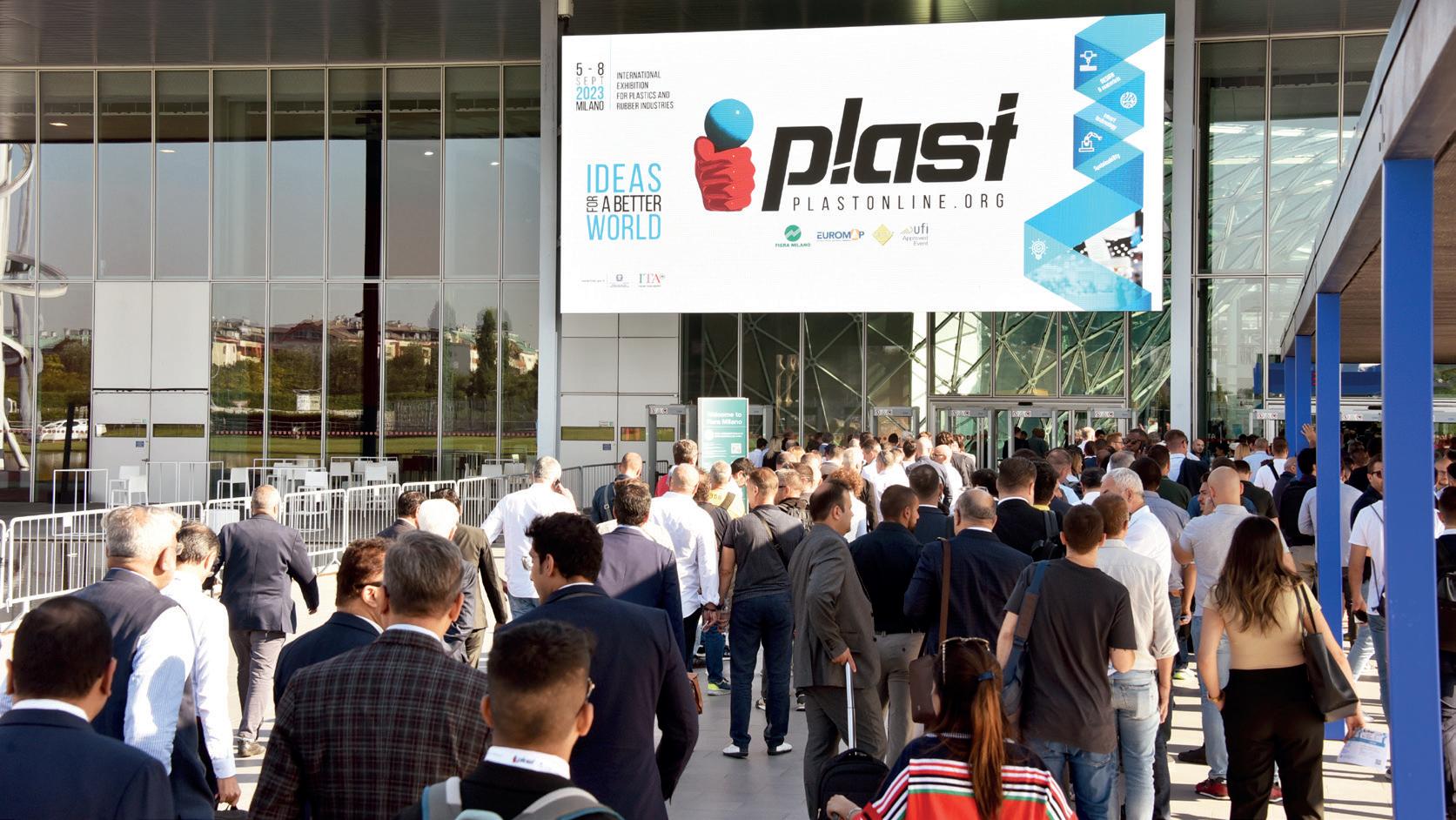
Plast 2023 was held from 5 to 8 September – unusual dates for a fair that had always occupied the spring, a choice that Maggiani himself explained as strategic, to avoid clashes with other major international events. The results gathered sent a signal of confidence in a market that was anything but straightforward.
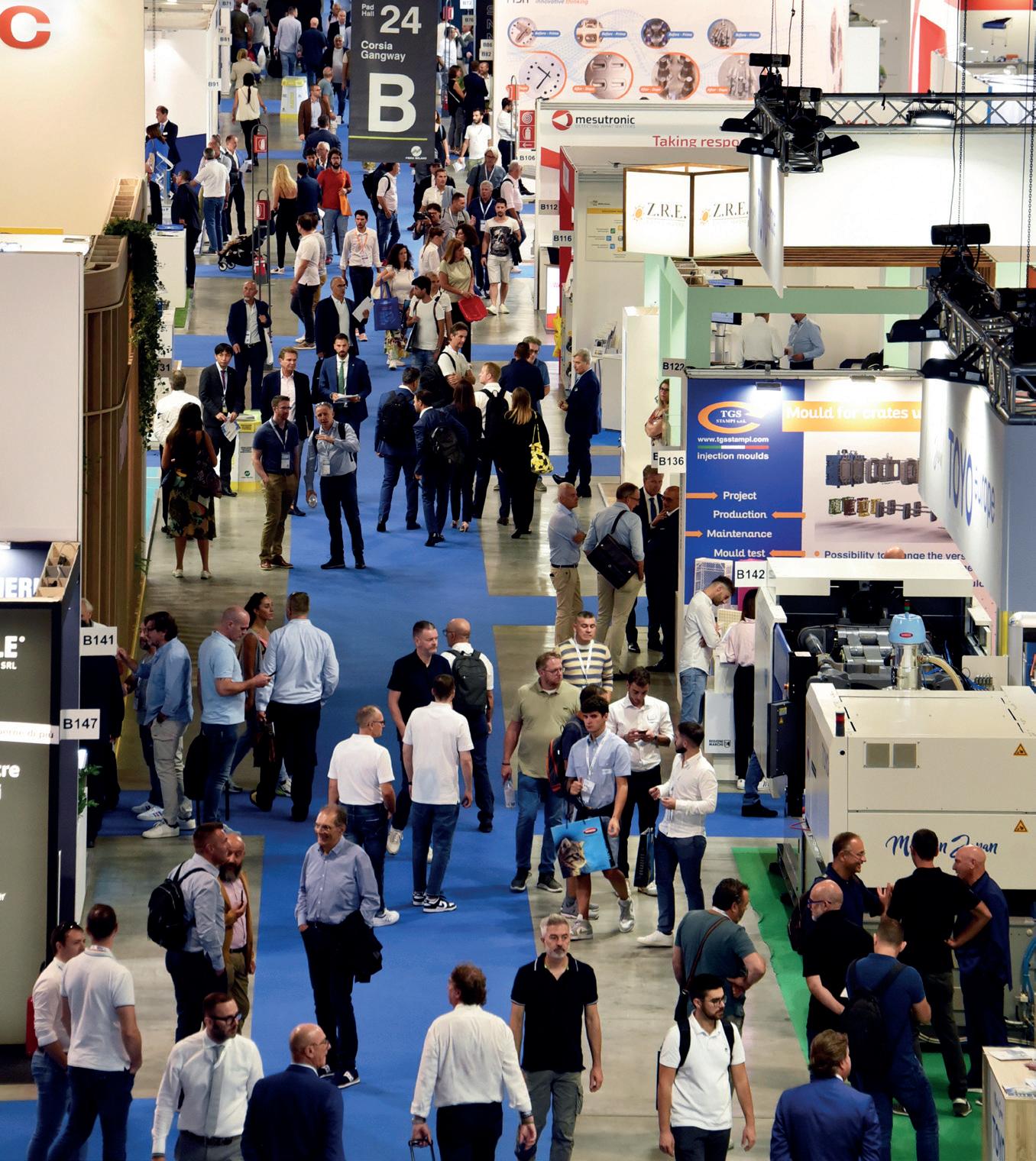
The nineteenth edition of Plast recorded 1,323 exhibitors, 47% of them from abroad, spread across 50,000 net square metres in six halls at Fiera Milano Rho. Visitor numbers reached 38,000, from 109 countries, with an international share of 26%. Figures below the 2018 record – inevitable, after five years’ absence and against a difficult economic backdrop – but sufficient to reaffirm Plast’s standing as the principal European event in the sector. Alongside the three established satellite salons – Rubber, dedicated to rubber processing technologies; 3D Plast, to additive manufacturing; and PlastMat, to innovative materials – the fair offered an extensive conference programme addressing the most pressing topics of the moment. The visitor delegations organised in collaboration with the Italian Trade Agency (Agenzia ICE) brought qualified operators from several strategic areas of Italian export, confirming the importance of the institutional channel in the internationalisation of the fair. When the gates closed on 8 September 2023, it was possible to speak of a successful return. Not triumphalist – the difficulties facing the sector were real, and it would have been inappropriate to ignore them – but convincing. Plast had once again demonstrated its ability to weather external turbulence without losing its own identity.
The organisational journey towards Plast 2026 began, as is customary, almost immediately after the previous edition closed. Registrations opened in March 2025, and recorded a resilience remarkable in one of the most complex market environments of recent years. With the automotive sector in deep crisis, demand slowing, and geopolitical uncertainties weighing on investment decisions, Plast 2026 arrives at Fiera Milano with more than 1,000 registered companies from countries across
Alongside the three established satellite salons – Rubber, dedicated to rubber processing technologies; 3D Plast, to additive manufacturing; and PlastMat, to innovative materials –the fair offered an extensive conference programme addressing the most pressing issues of the moment.
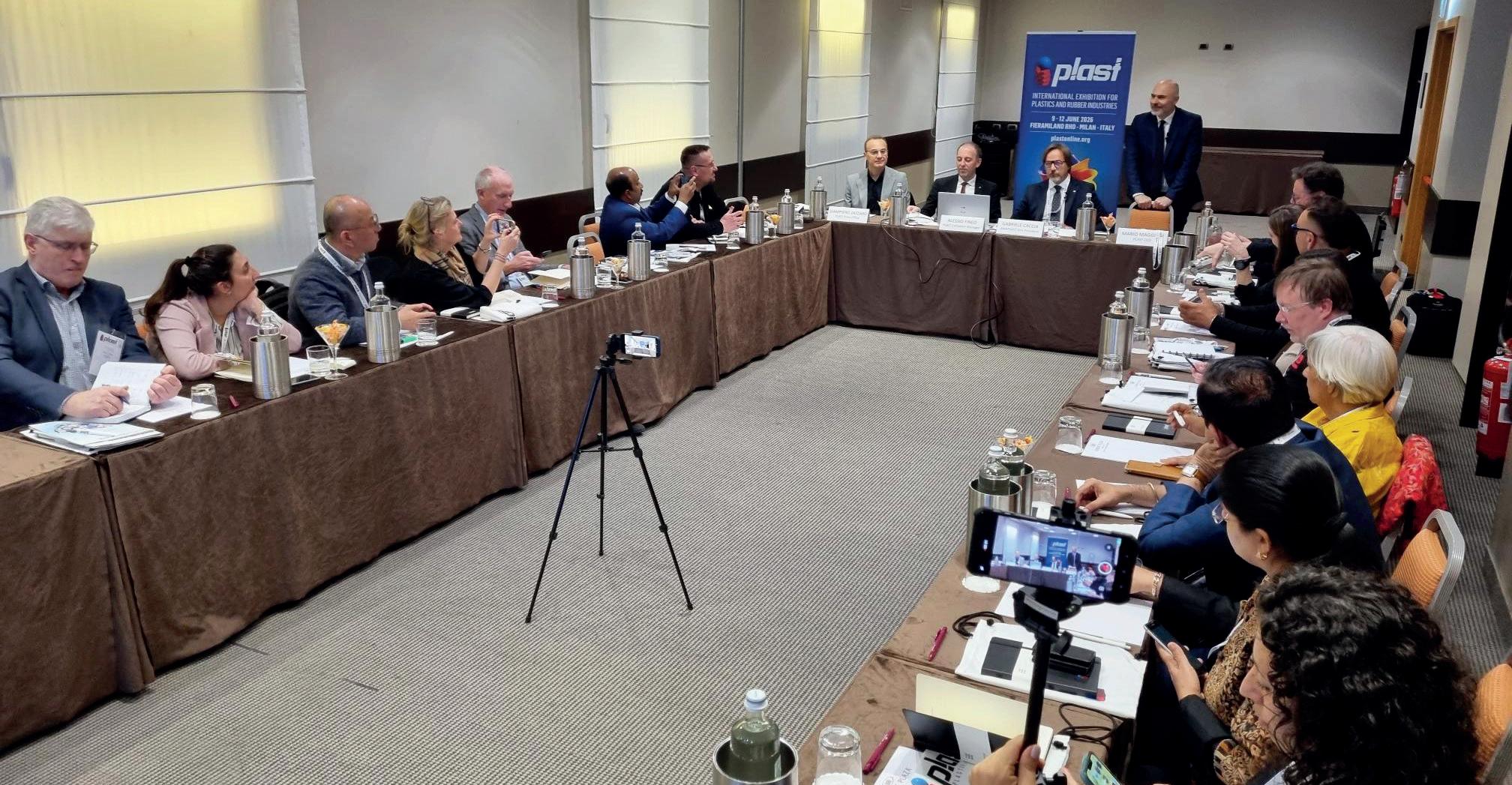
The most intensive moment of this communications plan was, however, the press tour of 24-26 February 2026. Around thirty Italian and international journalists, representing the sector’s leading trade publications, spent three days in Italy, visiting three Plast exhibiting companies – one for each day of the tour.
the globe, and around 200 new exhibitors compared to the previous edition, 32% of them international. A result that, read against the general backdrop of the sector, confirms the structural robustness of an event capable of holding firm even in adverse conditions.
The most important structural novelty of the 2026 edition is, however, of a different nature: Plast is not exhibiting alone. For the first time, the fair forms part of MaTec, an exhibition project bringing together three advanced manufacturing trade shows: Plast for plastics and rubber technologies, Xylexpo – the biennial for wood processing and furniture technologies, organised by Acimall – and Composites Future, an exhibition and conference event dedicated to composite materials, born from collaboration between Assocompositi and Xylexpo.
Eight halls, three complementary fairs, a single exhibition quarter. The stated objective is to encourage “technological cross-fertilisation” between sectors sharing similar challenges: materials sustainability, process automation, production digitalisation, and access to international markets. A visitor arriving at Plast for extrusion machinery can find, just a short walk away, the latest innovations in wood processing or composite materials. The logic is that of the industrial cluster applied to the trade fair format.
The three satellite salons that had debuted and consolidated their identities in previous editions return in 2026: Rubber is in its fifth edition, 3D Plast its fourth, and PlastMat its third. Their continued presence confirms a by now structural tendency.
On the internationalisation front, collaboration with the Italian Trade Agency has been strengthened compared to 2023. Buyer delegations are expected from multiple geographical areas, with particular attention to the growth markets of Asia, the Mediterranean and sub-Saharan Africa, Latin America, Central and Eastern Europe, and the Balkans. Online pre-registrations, opened in March 2026, have confirmed high global interest.
The twentieth edition has not been built solely at the drawing board. The 2023–2026 triennium has seen Promaplast deploy a wide-ranging international promotional strategy, taking the Plast name directly to key markets, to competing fairs, and to the circuits of the world’s specialist press.
On the exhibitions front, the information stands set up by Amaplast at the sector’s principal international events have provided the most direct channel for reaching potential foreign exhibitors and visitors. K 2025 in Düsseldorf represented the most important stage: beyond being a major trade fair in its own right, it is traditionally where the seeds are sown for subsequent editions of smaller fairs. Alongside the German event came PlastEurasia in Istanbul – one of the most liveliest markets for Italian machinery purchases in the Euro-Mediterranean area – Plastex in Cai-
ro, Plastindia in New Delhi with its Italian Technology Day, Expo Plásticos in Guadalajara, and Chinaplas in Shanghai: a circuit spanning almost every continent and reflecting the real map of Italian machinery exports for plastics and rubber.
The most intensive moment of this communications plan was, however, the press tour of 24–26 February 2026. Around thirty Italian and international journalists, representing the sector’s leading trade publications, spent three days in Italy visiting three exhibiting companies: a window onto the fair’s technological content before the doors had even opened. The programme, organised by Promaplast in collaboration with the host exhibitors, gave the media a concrete preview of the innovation they would subsequently find at the fair, transforming journalists from spectators into first-hand witnesses. Bringing the international press inside Italian factories is one of the most effective promotional instruments a B2B trade fair can deploy.
The twentieth edition, sixty-two years on In 1964, someone had the ambitious idea of gathering in one place everything an industry knew how to do. Sixty-two years later, that idea is still here – somewhat larger, far more international. But the underlying idea has not changed: bringing face to face those who produce technologies and those who are interested in buying them, in a physical space where negotiations take shape. Plast has never ceased to be, above all else, a place of encounter. And places of encounter, when they truly work, do not age.
Fairs that last twenty editions do not survive through inertia. They survive because they continue to answer a real demand. And that demand, for now, shows no sign of quietening.
in 2025
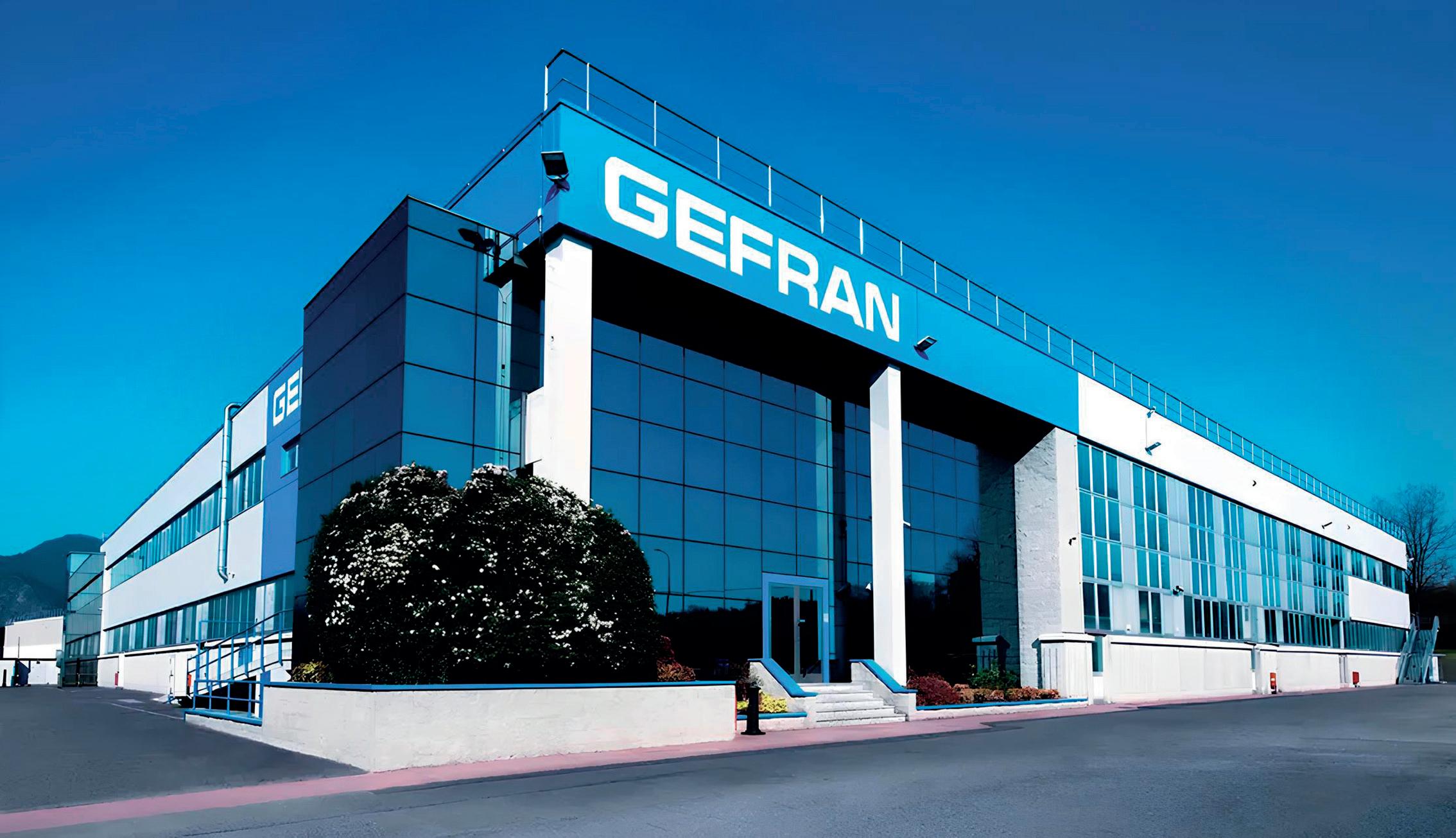
According to draft annual financial statements, consolidated financial statements and sustainability report at 31 December 2025 approved by Gefran Board of Directors, revenues of the company amounted to 139 million euros, up 4.8% compared to 132.6 million in 2024. The increase includes the contribution of the acquisition of CZ Elettronica, which entered the scope of consolidation in April 2025 for a total value of 1.6 million euros; net of this transaction, organic revenue growth would stand at 3.6%. Exchange rate fluctuations had a negative impact on revenues of about 1.9 percentage points. The breakdown of revenues by geographical region confirms a positive evolution in most of the markets in which the group operates. In Italy growth was equal to 8.7% which, when considering the same scope, would amount to 4.9%. Also Europe recorded an increase of 1.6%, while Asia showed an increase of 7.8%. The Americas area, on the other hand, showed an overall contraction of 2.6%; at the same exchange rates, also this area would have shown a positive change of 2.6%. Looking at business areas, the sensors segment posted growth of 7.4% compared to 2024, with positive contributions from all geographies. The automation components segment grew by 2.4%, influenced by the inclusion of CZ Elettronica. Order intake in 2025 showed an overall 5% increase compared to 2024. The increase was driven by the growth in orders in the sensors business (+6.9%), while the automation components sector posted a more modest increase (+1.5%).
Ebitda (gross operating margin) as at 31 December 2025 was positive at 22.4 million euros, equal to 16.2% of revenues, compared to 23.1 million euros at the end of 2024 (equal to 17.4% of revenues). The greater added value generated by sales volumes was not sufficient to offset the increase in operating costs, resulting in a slight decrease in Ebitda of 0.6 million euros. Ebit as of 31 December 2025 was positive and amounted to 14.3 million euros (10.3% of revenues), as compared with an Ebit of 15.1 million euro in 2024 (11.4% of revenues), a decrease of 0.8 million
euros. The group net profit as of 31 December 2025 was positive at 9.9 million euros (7.1% of revenues), compared with the net profit of 11.1 million euros in the previous year (8.4% of revenues), posting a decrease of 1.3 million euros.
The group closed 2025 with overall positive results, confirming its capacity for resilience already shown in the first few months of the year. Revenues grew, albeit in a scenario influenced by currency pressures and higher operating costs, which affected margins and resulted in a lower net profit compared to 2024. The order portfolio was up throughout the fiscal year and confirmed its robustness also in the first months of 2026 despite a slight decrease in revenues compared to the same period in 2025. Looking ahead to 2026, demand is showing mixed dynamics across sectors and geographical regions: the dynamism of technologically advanced sectors and Asian markets is confirmed, while caution remains in some cyclical segments and in European countries. In this scenario, the Group expects moderate revenue growth and positive margins to be maintained, continuing to monitor the evolution of the macroeconomic environment including any impacts resulting from the conflict in the Middle East, today hardly foreseeable and to pursue the strengthening of its competitive position.
“The results achieved in 2025 confirm the structural solidity of Gefran, with growing revenues, a solid financial position, and resilient demand, fuelled particularly by the Sensors business and expansion into Asian markets. Industrial investments, product innovation, and technological acquisitions have further strengthened the Group’s competitive positioning, supported by positive cash generation. Looking to 2026, we continue with determination on our development path: we aim to accelerate market growth, increasingly enhance human capital, and strengthen production capacity, with the goal of sustaining growth and profitability over time”, Marcello Perini, CEO of Gefran, stated.
Omipa strengthens its international presence

Omipa has expanded its international presence with the opening of a new office in Mexico, a strategic investment that reinforces the company’s commitment to being ever closer to customers and partners worldwide by offering dedicated commercial support and a deeper understanding of local market needs. With a stable presence in the region, Omipa aims to enhance communication, responsiveness and long-term collaboration throughout Mexico. The new office is headed by Haydeé Aguilar, who is responsible for the company’s commercial activities in the area and serves as a direct point of contact for customers.
Haydeé Aguilar has a strong technical background and solid experience in the fields of mechanical engineering, industrial maintenance, quality systems and plastics processing. Throughout her career, she has worked in a variety of industrial environments, gaining in-depth knowledge of production processes and the related technical issues. Thanks to the experience she gained in the extrusion sector, she joined Omipa and, in Mexico, is tasked with strengthening the company’s presence and ensuring closer support for local customers. The company’s direct presence in the country enables it to better understand market needs and to offer customers not only machinery, but also reliable technical support and a long-term partnership.
Mexico offers attractive opportunities for the extrusion sector, with many processors increasingly focused on improving production quality and efficiency while maintaining competitive
costs. Omipa leverages its technology and machinery, which allow precise control over key production parameters such as thickness, useful width and output, while ensuring consistent quality, as well as the availability of direct after-sales support.
Mexico’s proximity to the United States and Canada further strengthens the role of the Mexican subsidiary as a strategic hub in North America. At the same time, growing attention to sustainability, recycling and the circular economy is increasing demand for advanced and efficient extrusion technologies, opening up new opportunities for Omipa’s solutions. The company’s permanent presence in Mexico is intended to strengthen relationships with local processors and facilitate the development of new partnerships. Being established in the country ensures faster communication, closer support and a deeper understanding of customers’ needs. Haydeé Aguilar’s role is not limited to providing commercial and technical support, but also includes assisting customers throughout the entire duration of their projects. This means supporting them not only in machinery selection and technical matters, but also in other areas, from project development and logistics coordination to the exploration of financial solutions where necessary. Such proximity makes collaboration more efficient and transparent, enabling the company to respond more quickly and effectively to each customer’s specific requirements, while strengthening its position in the Mexican market and creating the conditions for further developments and new projects.
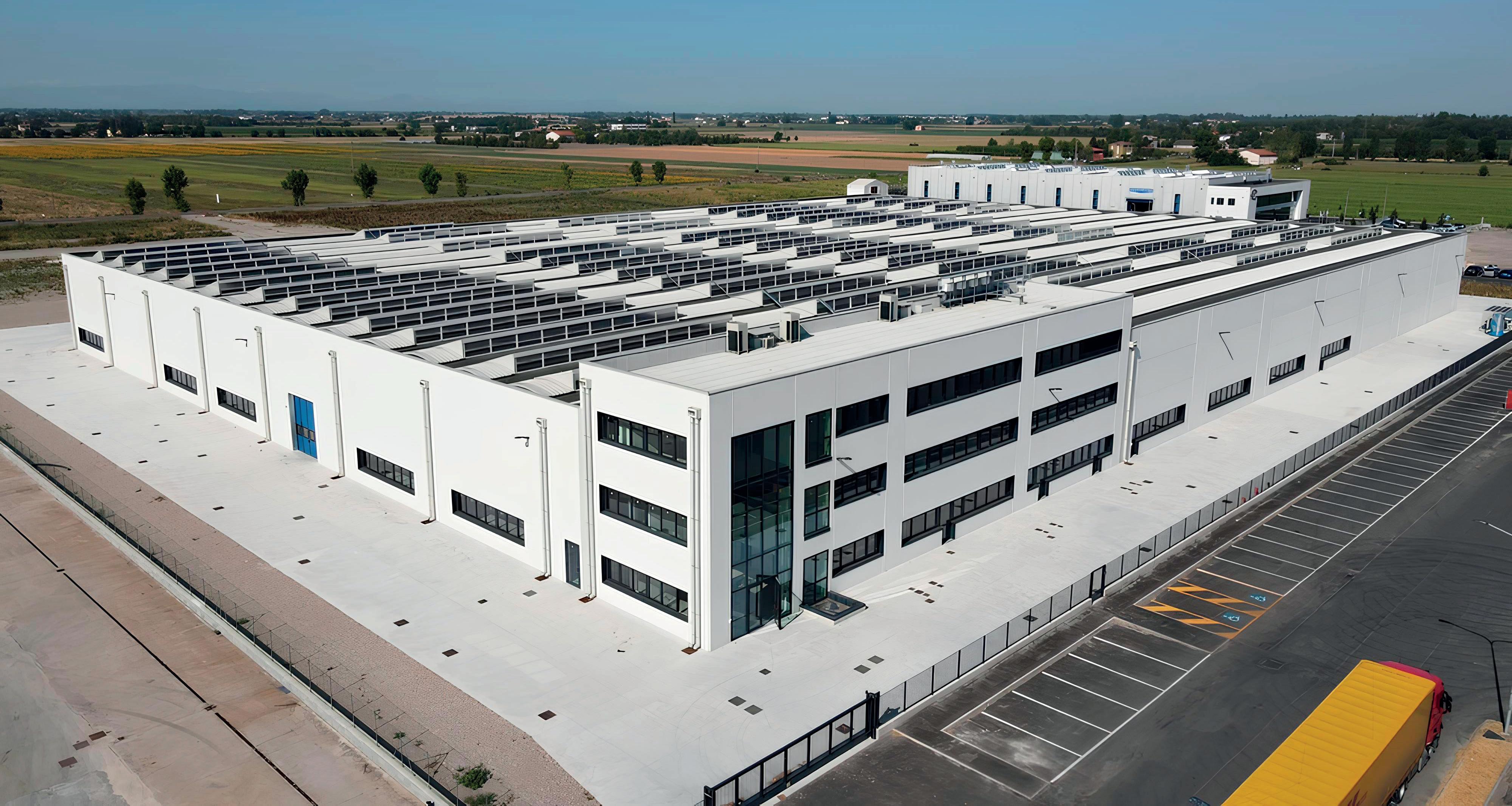
With a new manufacturing facility in San Felice sul Panaro (Modena, Italy), Piovan Group is strengthening its presence in Emilia-Romagna and taking a further step forward in the growth trajectory of its Food & Powders division, confirming its positioning in a highly specialised technological market. A decade of uninterrupted growth, from 2 million euros to approximately 60 million euros, and now the new facility in Emilia-Romagna is set to triple production space.
Piovan Group’s Food & Powders division is accelerating its development path and announcing the operational opening, from next autumn, of its new headquarters in the Modena area. Piovan Food & Powders manufactures automation systems for the processing of food ingredients and the handling of industrial powders.
Piovan Group has embarked on a strategic growth path in this sector through substantial investments in technology, leveraging its global positioning in automation systems for the storage, conveying and treatment of polymers and biobased resins, both virgin and recycled. This activity began in 2015 with the acquisition of Penta, based in Emilia, followed in 2019 by the acquisition of Fea Process & Technological Plants, leading up to the establishment of the Food & Powders division in May 2025 and, at the end of last year, the addition of BHT, based in the Modena area. This growth trajectory has brought turnover to approximately 60 million euros.
The new San Felice sul Panaro facility, built in 2025, will increase production space from 5,000 to 14,000 square metres, with scope for further expansion, in line with the
group’s long-term vision. Spacious and functional premises will make it possible to manage operations efficiently and will support prospects for further growth. Upon opening, the facility will employ around one hundred people, with headcount expected to expand over the coming years. The investment will also have a significant impact in terms of employment and innovation: recruitment is already under way to strengthen the workforce with project managers, site managers, sales engineers, mechanical designers, electronic designers and software developers. Finally, the research and development area will be enhanced through a dedicated testing room serving a dual purpose: on the one hand, pilot plants enabling customers to carry out tailored tests; on the other, an environment designed to support continued investment in innovation and the development of new cutting-edge products.
“The new manufacturing facility represents a key milestone in the development and growth path of the Food & Powders division. It will provide the space required to accommodate new turnover volumes, optimise production flow and project an image aligned with group standards. It will also offer a modern and welcoming working environment, in line with Piovan Group standards. Lastly, the creation of a testing room will enable us to fully express the values of excellence and innovation that have always set us apart, ensuring that we can provide our customers with increasingly comprehensive and cutting-edge solutions,” commented Alessandro Sala, CEO of the Food & Powders division.
Union Officine Meccaniche has opened new offices in Mexico, an initiative through which the company aims to strengthen its direct presence in what is regarded as one of the most dynamic markets with the strongest growth potential. The move is being presented with the backing of the entire group, involving Tecom and other internationally prestigious brands. With more than seventy years of experience in extrusion technologies, the Italian company is seeking to consolidate its proximity to a strategic market, strengthening customer relationships through a more direct local presence. The new facility marks the beginning of a phase focused on closer operational and commercial engagement.
The new offices are located in the Polanco district of Mexico City and are intended to deliver direct and tailored assistance, high-level technical support, improved operational performance and
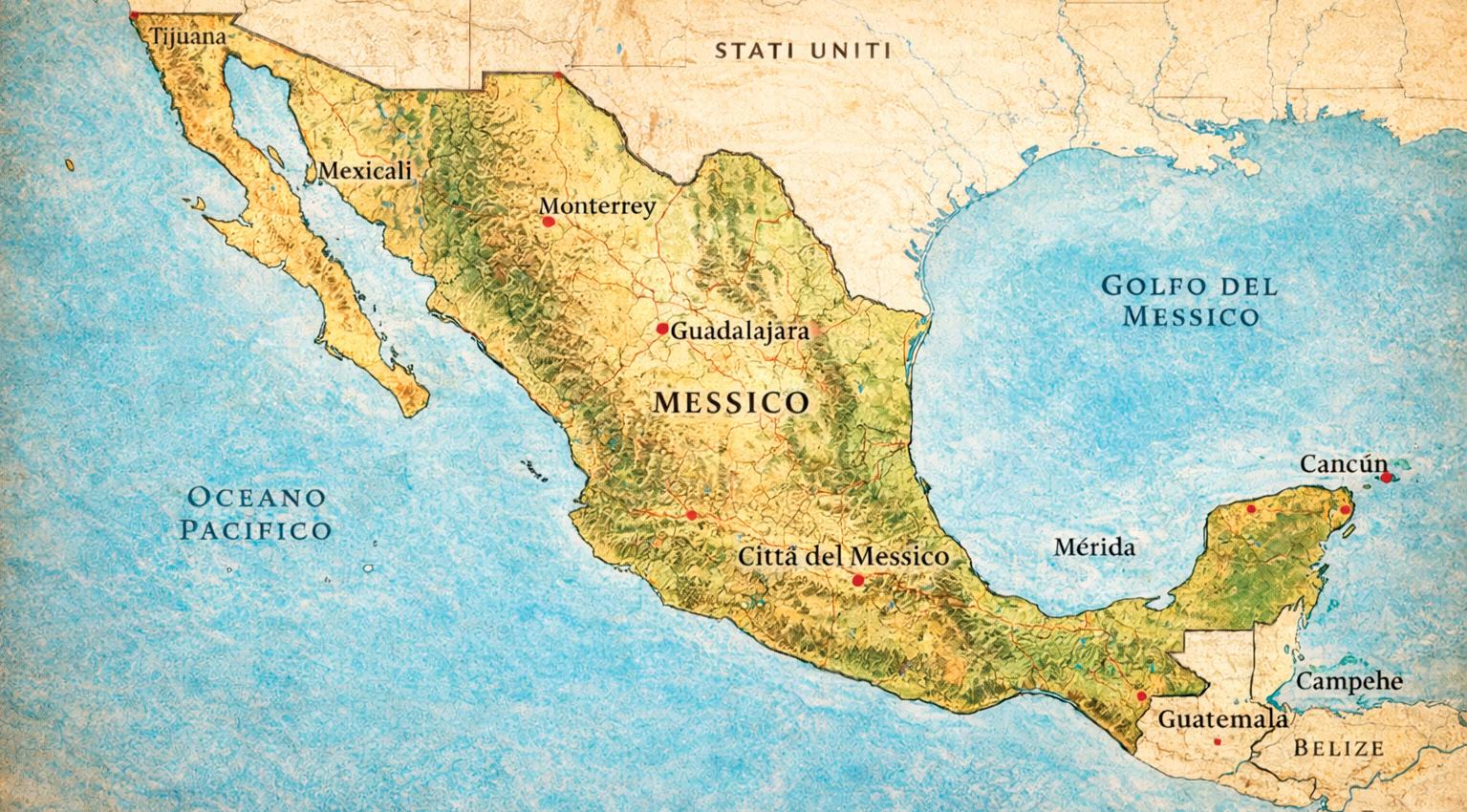
more comprehensive customer support.
From this perspective, the local presence is expected to enhance the effectiveness of the company’s commercial and service activities, while at the same time strengthening its ability to respond promptly to market requirements. Union also underlines that its collaboration with Tecom and other internationally prestigious brands
Maire strengthens its presence in China
enables it to offer the market a combination of Italian engineering, established expertise and integrated industrial solutions. The opening of the new offices confirms the company’s intention to further strengthen its commitment to Mexico, with a focus on business development, technical support and closer proximity to customers.
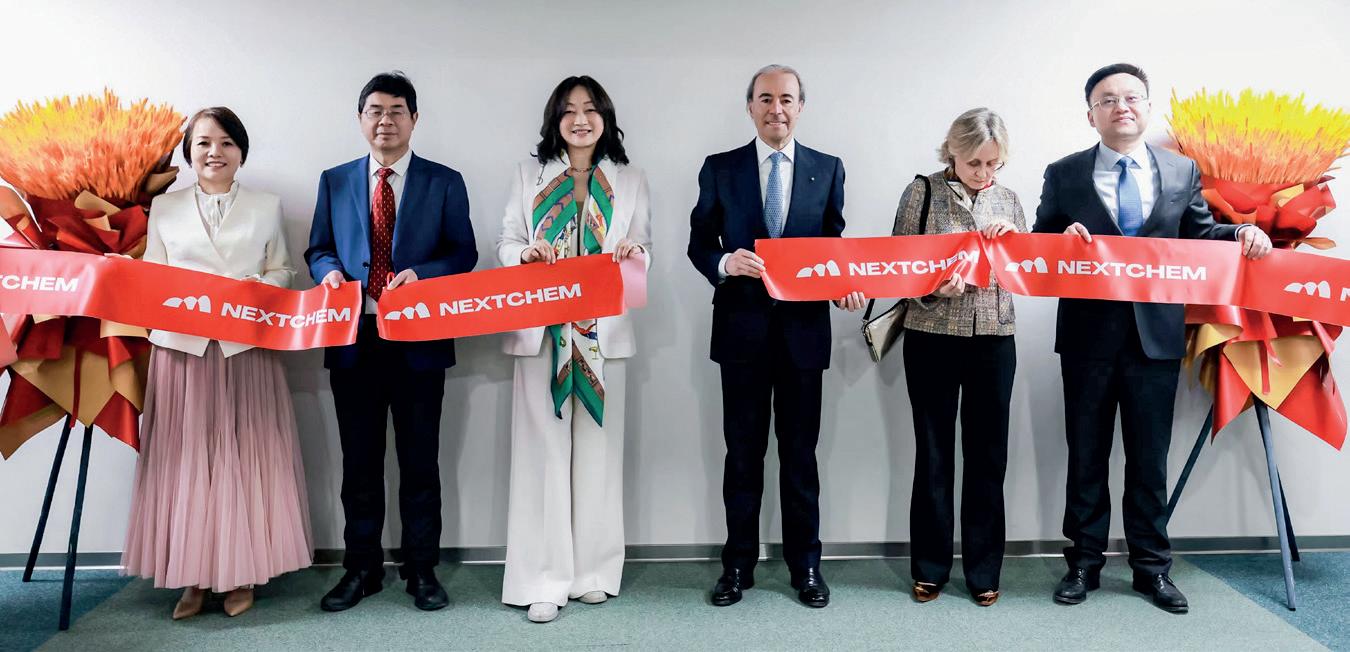
NextChem, a Maire group company, has opened a new office in Beijing, further strengthening the group’s presence in China, which dates back to 1994 through Tecnimont (Integrated E&C Solutions division), and reaffirming its long-term commitment to the Chinese market and, more broadly, to Asia as a strategic industrial hub within global value chains. The inauguration ceremony was attended by Italian diplomatic representatives, Chinese institutional and industrial partners, as well as Maire and NextChem’s top management, including Fabrizio Di Amato, founder and Chairman of Maire. Among the guests was also Cristina Carenza, Deputy Head of Mission at the Embassy of Italy in China.
The opening of the Beijing office marks a significant milestone in Maire’s growth strategy and reflects NextChem’s ambition to position itself at the forefront of global industrial transformation, in a context shaped by rapidly evolving supply chains, while
strengthening technological innovation in the energy and critical raw materials sectors. This new local hub will enable NextChem to work even more closely with Chinese customers and partners, leveraging its broad portfolio of sustainable technologies and solutions developed to meet the specific needs of the local market.
“The opening of our office in Beijing marks a strategic step in Maire’s international development. Looking at China today means looking at innovation, advanced technologies and
new industrial models, which provide a strong impetus for the adoption of our increasingly sophisticated solutions in a market with tremendous potential. By strengthening our presence through NextChem, we aim to combine our global technological know-how with local partnerships, thereby contributing to sustainable industrial growth and to long-term cooperation with Chinese customers and partners, also building on Tecnimont’s longstanding presence in the country since 1994,” commented Fabrizio Di Amato.
Mexico represents a strategic market for Union, now also served through a direct local presence.
Syensqo has been awarded a new multiyear contract by Boeing to continue providing advanced material solutions supporting Boeing commercial and

defense programs. As Syensqo’s largest end market, representing approximately 20% of its net sales, the aerospace end market is a key driver of the Group’s innovation, growth, and long-term value creation. The agreement covers a range of applications including primary and secondary structures, interiors, and surfacing.
Aerospace represents one of Syensqo’s most advanced and high-performance markets, where decades of materials science expertise directly contribute to lighter, more durable and more sustainable aircraft. Syensqo supplies a broad portfolio of both established and innovative lightweight materials,
spanning advanced composites and structural adhesives, enabling reduced emissions and improved efficiency.
“It is an honor to continue our partnership with Boeing and to supply advanced materials from our global manufacturing footprint in support of Boeing,” said Rodrigo Elizondo, President, Syensqo Composite Materials.
“Aerospace is a strategic priority for Syensqo, and this agreement reinforces our position as a partner to the world’s leading aircraft manufacturers. This agreement also reflects the strong commitment of our teams to put customers first and to build lasting, collaborative relationships.”
Aerospace materials and solutions: for over 50 years, Syensqo has worked closely with customers to develop aerospace composites for some of the most complex and unique challenges in the aerospace industry.

Active worldwide in industrial automation, Rockwell Automation has appointed Luca Galluzzi as Country Director for Italy. “Luca Galluzzi is an accomplished professional with deep expertise in industrial automation and a proven ability to build highperforming teams,” said Rodrigo Riera Bencomo, Regional Vice President, South Region, EMEA, Rockwell Automation. “He combines strategic vision with a disciplined approach to execution and has a thorough understanding of market dynamics,
including the importance of developing and strengthening both direct and indirect channels. This appointment confirms our commitment to enhancing customer proximity in Italy.”
Luca Galluzzi leads the strategic direction of Rockwell Automation’s Italian organisation and support the company’s growth in the country. He focuses on strengthening direct and indirect commercial activities targeting end users, machine builders and Rockwell Automation’s own PartnerNetwork ecosystem, supporting customers in pursuing productivity, resilience and sustainability goals through modern industrial automation and digital transformation.
The new Country Director brings solid experience in industrial automation, built through a career path encompassing leadership roles in sales management, business development and team building in both domestic and international contexts. Before joining Rockwell Automation, he held senior leadership positions at B&R
Automation, where he contributed to the development and growth of the Austrian company’s Italian organisation before going on to lead sales teams at regional and global level. After several years in international leadership roles, he chose to bring his experience back to the Italian market, where he sees significant opportunities for growth and value creation for customers.
“Italian industrial companies are globally recognised for their engineering excellence and their ability to compete through innovation,” said Luca Galluzzi. “My priority is to work alongside customers, machine builders and partners to turn today’s operational complexities into tangible improvements, helping them modernise their operations with a clear roadmap, make production more flexible and generate measurable value. At the same time, I am committed to empowering our team in Italy so that we can remain close to customers and operate with consistency and effectiveness.”
OMV and XRG, Adnoc’s international investment arm, announced the successful formation of Borouge Group International, the fourth-largest polyolefins producer with premium products, pioneering technology and a global footprint. Borouge International has been formed by the combination of Borouge Plc and Borealis, with the new entity acquiring Nova Chemicals. Backed by long-term shareholders OMV and XRG, Borouge International combines the highly complementary strengths of three polyolefins leaders and will benefit from one of the most geographically diversified and innovative platforms in the sector.
The new company is headquartered in Austria, with regional headquarters in the United Arab Emirates. Borouge International will operate corporate hubs across North America, Europe and Asia,
with innovation centers in Austria, United Arab Emirates, Canada, Finland, Sweden and China, driving innovation in core demand markets and ensuring close collaboration with customers. Borouge International will leverage its integrated global manufacturing sites and advantaged feedstock access to deliver worldwide supply chain resilience. The company will benefit from a superior resilient margin profile and well over 500 million dollars in identified Ebitda run-rate synergies per annum, with 75% expected to be realized within the first three years. The company’s global reach, combined with long-term shareholders and a robust capital structure, will deliver resilience throughout the business cycle and an enhanced ability to drive consistent performance and sustainable value for shareholders. Borouge International’s scale,
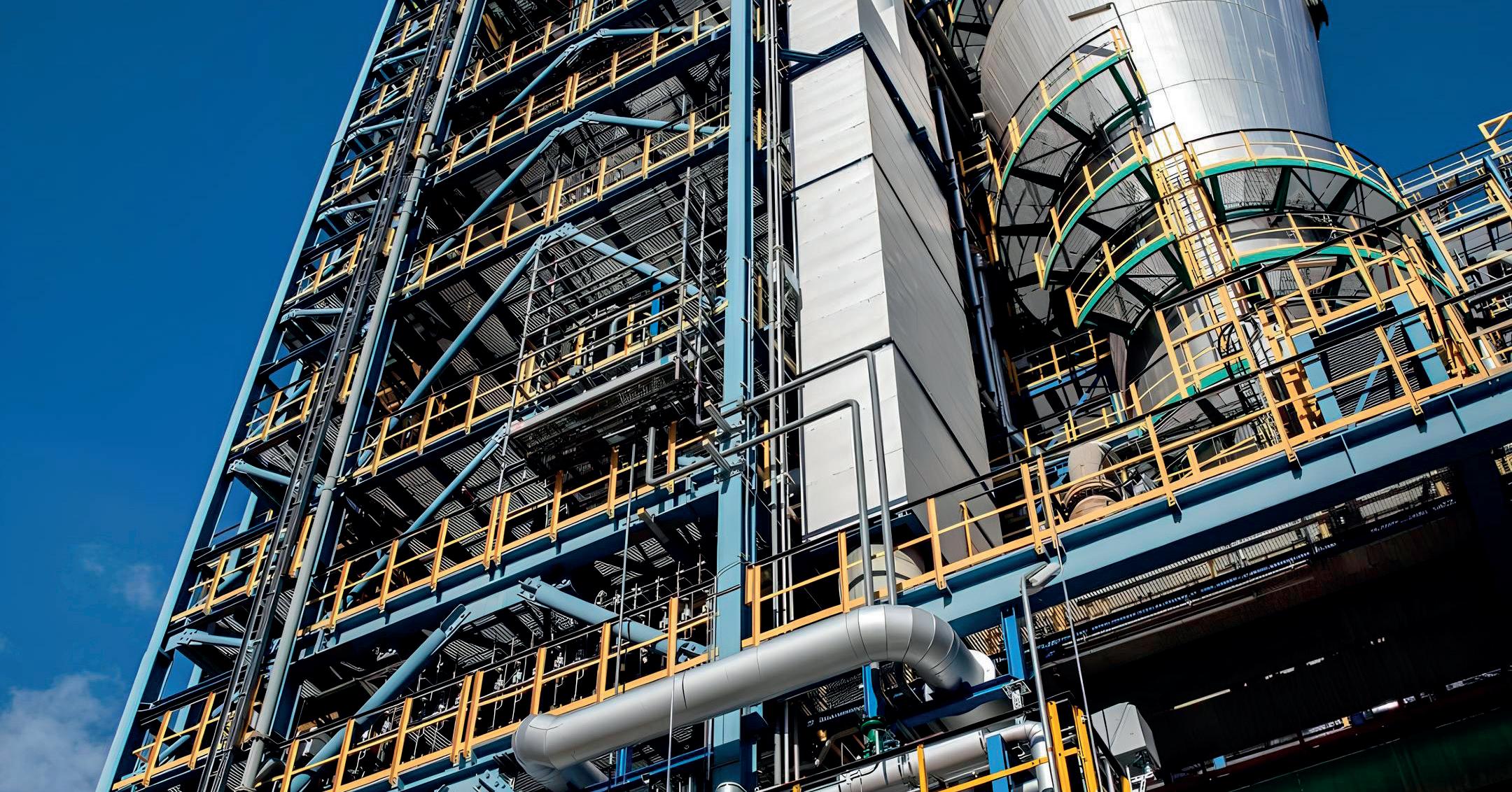
proprietary technology, and operational strength position the company to deliver materials and technologies powering the transformation of the global economy. Its ambitious growth strategy will allow monetization of its strong innovation capability, based on proprietary technologies in key client markets, from energy, mobility, and AI infrastructure to sustainable packaging and healthcare solutions. With nearterm growth projects like the 1.4 million tonnes Borouge 4 site, Borouge International has access to a leading global production capacity of 13.6 million tonnes per annum.
Adnoc’s stake in Borouge International has been transferred to XRG, complementing XRG’s Global Chemicals Platform and fully supporting its ambition to become a top three global chemicals investor.
Brenntag, the global market leader in chemicals and ingredients distribution, recently announced a new distribution agreement with Nanum Nanotechnology, a company specializing in the industrial-scale production of nanomaterials, to offer nanotechnologybased solutions in the market. This partnership complements Brenntag’s portfolio of specialty products and reinforces its commitment to bringing innovation and new technologies to various sectors.
Nanum offers a broad portfolio of products such as graphene nanoplatelets, graphene oxide, reduced graphene oxide, nano silver and nano cerium. These are exclusive products with consistent quality for applications in diverse sectors, including CASE (Coatings, Adhesives, Sealants, Elastomers) polymers and rubber. Nanum products provide significant improvements in mechanical strength,
impermeability, corrosion resistance, transparency, electrical and thermal conductivity, as well as reduced fuel consumption.
“We at Nanum are very enthusiastic about our new partnership with Brenntag. We have made significant investments in a state-of-the-art facility and a highly skilled team to support this venture. The future looks bright,” commented Ailton Ricaldoni, Chairman at Nanum.
“The partnership between Nanum and Brenntag unlocks new commercial opportunities by broadening our Specialties portfolio in Material Science and reinforcing our ability to co-create innovative, high-value solutions for our customers. By combining our regional distribution network with Nanum’s technical expertise, we are well positioned to deliver greater value across our key markets”, Marcelo Barros, Senior Director Material Science for Brenntag

Specialties Latin America, noted.
“With our nanomaterials portfolio, which is produced to the highest standards on an industrial scale, combined with Brenntag’s R&D capabilities and global supply chain, we are confident that all customers will receive the best technical and sales support, backed by an efficient and reliable supply, for many years to come,” added Fernando Contadini, CEO at Nanum.
Brenntag distributes chemicals and ingredients worldwide, while Nanum Nanotechnology specialises in the industrial-scale production of nanomaterials.
Effective as of 1 September 2026
The Presidential and Nomination Committee of OMV Aktiengesellschaft decided to propose Emma Delaney to the plenary of the Supervisory Board for appointment as Chairwoman of the Executive Board and CEO, as of 1 September 2026, succeeding Alfred Stern. The term of the mandate is to be three years with an option to extend by additional two years by mutual agreement. The Supervisory Board will decide on the appointment of the CEO at its next meeting.
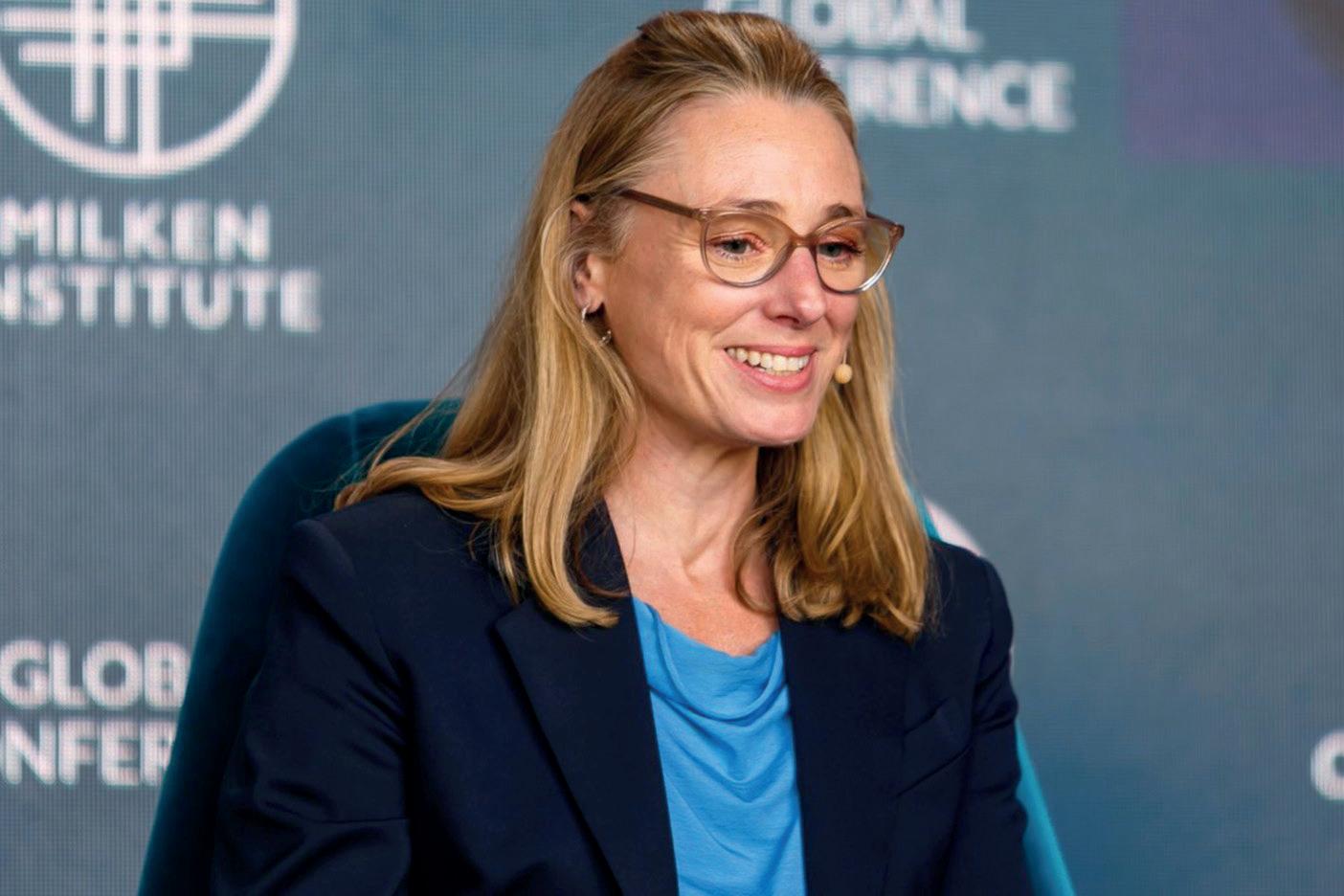
Emma Delaney, an Irish citizen, is an accomplished energy expert and longtime member of bp’s top management with three decades of relevant professional experience. In her current position as Executive Vice President at one of the three global businesses of bp, she is responsible for an organization with more than 50,000 employees in around 50 countries, spanning fuels and biofuels, industrial and automotive lubricant production, as well as aviation fuels and e-mobility. Emma Delaney brings profound knowledge in Upstream
and Downstream as well as LNG businesses. Drawing on this experience, she emerged as the most suitable candidate from the international search process.
“Emma Delaney is an outstanding and highly qualified CEO candidate. She meets all prerequisites to lead OMV successfully, building on her extensive industry and management experience”, Lutz Feldmann, Chairman of the Supervisory Board and the Presidential and Nomination Committee, said.
“This proposal is precisely on the spot. The Executive Board nomination of Emma Delaney will give OMV an even stronger international visibility. With her appointment Emma Delaney would become the first female CEO in the history of OMV”, Edith Hlawati, Deputy Chairwoman of OMV and ÖBAG CEO, added.
Plastics Industry Association recently released the Committee on Equipment Statistics (CES) report for the fourth quarter of 2025, which finds shipments of primary plastics machinery in North America rose for the third consecutive quarter, reaching an estimated 327 million dollars, up 7.8% from the third quarter and 7% year-over-year.
“Gains in single-screw extrusion and injection molding shipments offset a decline in twin-screw extrusion, resulting in a net increase for the quarter. Single-screw extrusion and injection molding rose 15.5% and 8.7%, respectively, from the previous quarter, while twin-screw extrusion fell 8.2%.
Year-over-year, single-screw extrusion increased 14.5% and injection molding rose 7%, while twin-screw extrusion shipments remained flat,” said Plastics Chief Economist and CES’ author, Perc Pineda.
Shipments of primary plastics machinery rose for the third consecutive quarter in fourth quarter, in step with the US macroeconomy, which managed to grow in 2025 despite tariff headwinds for many equipment suppliers. “Market adjustments across the plastics industry supply chain in response to higher tariffs appear to have helped deter further deterioration during what has been a soft plastics manufacturing year,” added
Perc Pineda.
On US plastics machinery trade, the customs value of imports reached 3.5 billion dollars in 2025, up 1.8%, while calculated duties surged 179% to 374 million dollars. Exports fell 10.5% to 1 billion dollars, pushing the trade deficit in plastics machinery up 7.8%. In the CES fourth-quarter survey, members were noticeably less pessimistic about market conditions. The share anticipating deterioration in the next quarter dropped from 48% to 13%, while those expecting conditions to remain steady or improve over the next 12 months rose from 58% to 83%.
“The moderate economic growth outlook for 2026 remains unchanged. What may have improved, however, is the prospect that sectors that lagged in previous years – such as construction – could outperform as borrowing costs decline, generating increased demand for plastics and, by extension, plastics equipment,” concluded Perc Pineda.






rPET is the new indicator of strength for the PET value chain. The quality and availability of recycled material are becoming the real bottleneck.
By Girolamo Dagostino
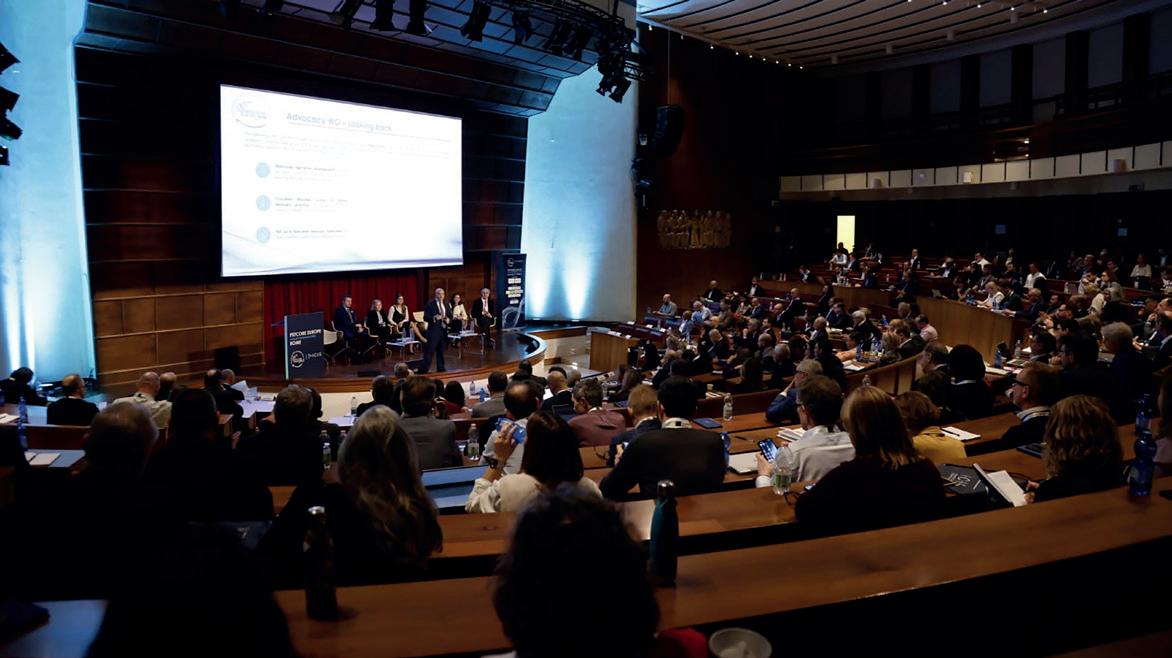
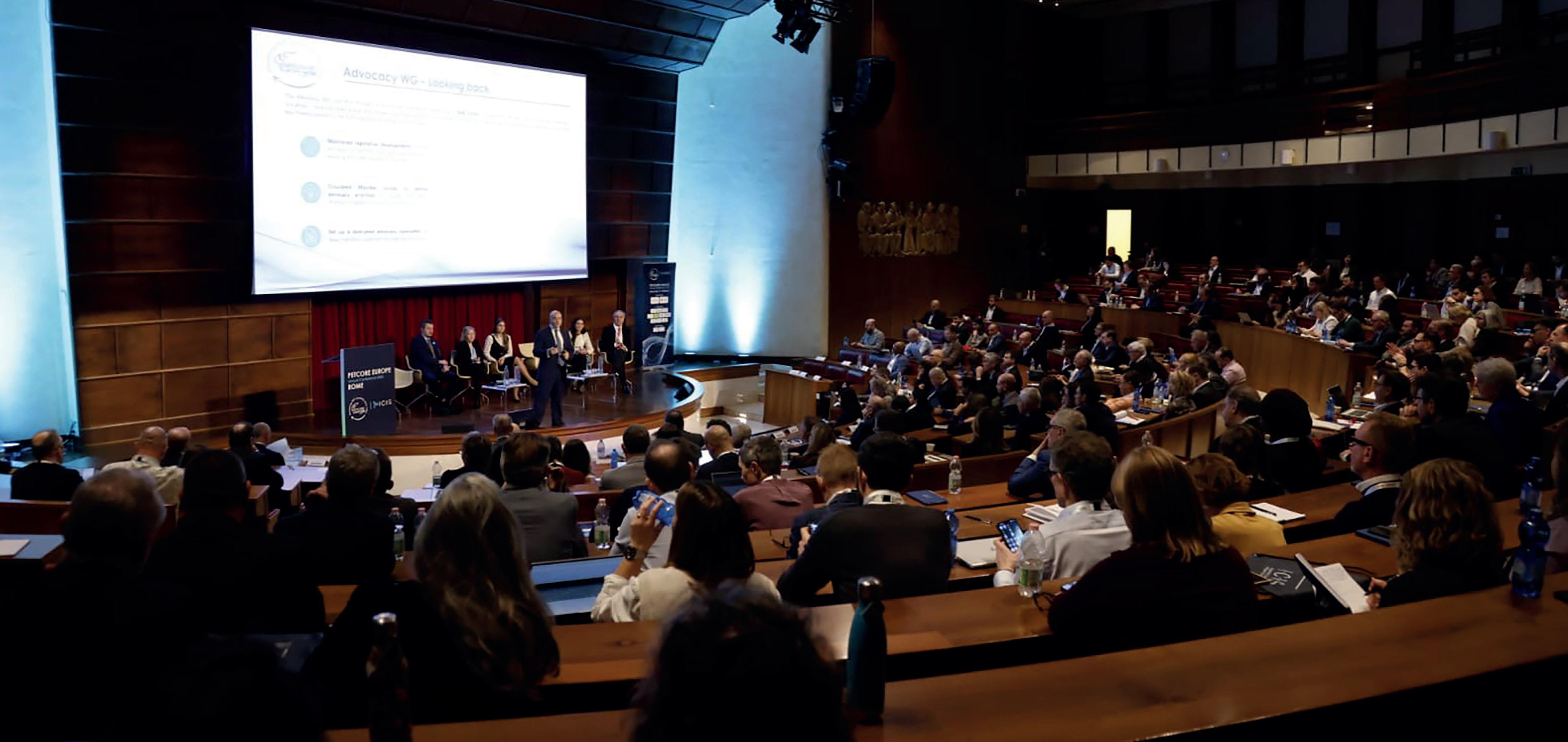
It is telling to observe the strong continuity between the picture outlined during PETDay 2025, the annual event organised by Global Service International to analyse the global PET market, and that which emerged at Petcore 2026, the conference that the association representing the entire European PET value chain holds each year to review the legislation, market trends and innovation shaping a sector centred on one of the most widely used polymers in food, textile and packaging applications. Having attended both events, the present writer found that the PET sector landscape over recent months has been permeated by complexity. Let us proceed in an orderly manner and examine the key findings of the Petcore 2026 conference, which this year was held in Rome

for the first time, in collaboration with Icis, a globally active market intelligence and consulting company. Attendance has been increasing year after year, and more than 350 industry professionals took part in the Rome edition, listening to the 60 speakers who alternated on the stage of the Auditorium Antonianum.
If one were to identify a dominant factor in the overall message conveyed during the Conference, it would be the constant presence of the rPET versus PET pairing. Close monitoring of the growing importance of “recycled” material as a determining factor in the future of PET has now become indispensable. The need for circularity, which in the past was merely a parallel aspect of PET market analysis, now imposes a continuous comparison between recycled and virgin material in an inseparable relationship. European circularity policies require this approach through a legislative framework that is becoming ever more deeply embedded in EU governance strategies. Over recent years, environmentally driven regulatory aspects have had such a profound impact on the activity of European industry that some consider this historical moment extraordinary because of the degree of influence the EU legislator is exerting over the market and its dynamics. Global developments and European legislation are also continuously intersecting with regard to the PET value chain.
The mandatory use of recycled content in plastic articles and the achievement of demanding targets have raised the issue of the availability of “high-quality recycled material”, to such an extent that it was deemed necessary to provide, within the PPWR, for a dedicated regulatory pathway to enable imports of recycled material from outside the EU (much to the concern of Italian recyclers, who understandably fear losing market share).
The weakness of the European petrochemical sector has once again brought the global and local dimensions into direct confrontation, with the result that the European polymers market has opened further to Asian supply. This was another recurring theme to emerge during the Rome conference, highlighting both the current fragility of Europe’s competitive position in the petrochemical industry and the extent to which Asian material is now present within our polymer converting industries. The petrochemical crisis is unfortunately continuing to create room for reports of further closures of European plants producing virgin raw materials, while Asian supply is strengthening further by pursuing environmental targets inspired by European regulatory policies and beginning to close a legisla-
tive gap that could otherwise hinder access to EU markets.
The Chinese policy of expanding production capacity, which led to overcapacity and low-cost supply to the detriment of EU competitiveness, now appears to be slowing. Today, the gap between demand and installed capacity is gradually narrowing, reflecting a necessary realignment for Asian industry. Yet another aspect that once again emerged in the analysis of the global PET market is the price war and the phenomenon of dumping. The European Commission is seeking to curb unfair competition through investigations and measures involving the imposition of anti-dumping duties. China, Vietnam, India and even Turkey are under scrutiny. All these countries are exploiting, in an improper manner, the weakness of the old continent in order to penetrate the European market commercially.
The contribution from Icis distilled the phase the PET sector is currently undergoing: recycled material is gaining momentum, but within the context of fierce international competition and still significant overcapacity, especially in Asia. Recycling capacity continues to expand: around 1,600 mechanical PET recycling plants worldwide and approximately 50 chemical recycling units, including projects currently under development. The drive towards circularity stems from the convergence of brand commitments, finance – particularly active in Asia – public policy and consumer pressure. Over the medium to long term, projections point to a substantial increase in recycled material: by 2040, around 26% of global polyesters could derive from recycling; in China, the share would rise from 8% in 2024 to 22% in 2040, and in India from 8% to 21%. The key issue is the displacement effect on virgin material within a value chain that is already overburdened. Fibre remains the principal outlet
for polyesters (74% in Asia-Pacific; 66% globally). If recycled volumes accelerate, pressure would be transmitted along the value chain and could force rationalisation measures and create tensions in upstream feedstocks.
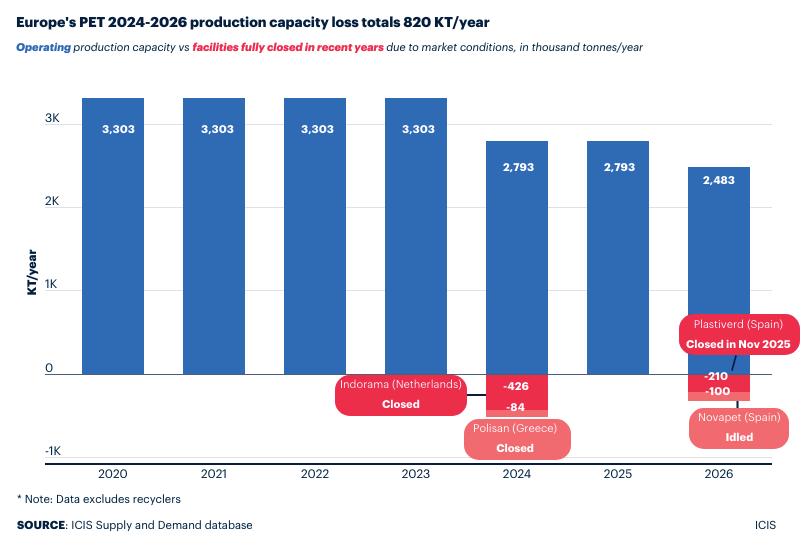
In Europe, Icis confirmed a progressive shift in the centre of gravity from virgin PET to rPET, driven by regulatory obligations and sustainability commitments. The recycled content targets cited for packaging raise the bar: for “sensitive” applications (food-contact PET), 30% by 2030 and 50% by 2040; for single-use bottles, 30% in 2030 and 65% in 2040. Particularly emblematic was the figure presented in Rome indicating an estimated reduction in EU production capacity of 820 kt/year between 2024 and 2026, owing to plant closures and shutdowns. Europe remains exposed to imports. In 2025, the EU appears structurally short, with a trade balance in deficit and a net import position close to 1.4 million tonnes; Turkey remains structurally longer (with an export surplus of around 0.3 million tonnes) and is playing an increasingly central role as a trading platform serving the Union. rPET, too, is now a global market, albeit one still governed by “imperfect” rules, starting with the absence of differentiat-

ed customs codes. Nevertheless, at Petcore 2026 Wolfgang Trunk (DG ENV) indicated – also in response to Petcore’s advocacy efforts – that the introduction of new TARIC codes for recycled polymers is under consideration, in order to identify and monitor them upon entry into the EU: a crucial step should Asia, where many investments in rPET are concentrated, channel surplus volumes into foreign markets, making it strategically essential to strengthen border controls. Looking ahead to 2026, reducing legislative uncertainty is also essential, as it continues to slow chemical recycling projects (in Europe, around 0.4 million tonnes/year of capacity is awaiting clearer rules in order to unlock investment).
United States: limited interest in recycling and bottle collection at 30%
The reference to the United States, presented by Napcor, highlighted a patchwork of state-level legislation, with 25% targets by 2026 in several states and 50% targets between 2030 and 2031 in the states of Washington and California. Demand for rPET remains less predictable in the absence of a harmonised federal framework, while imports from Canada, Mexico, India, Japan and Thailand are in-
Current regulations in A sia Pacific
Current regulations in A sia Pacific
At the European Commission, Wolfgang Trunk has been following the development of the PPWR since its inception.
creasing. However, changes in tariff policy could rapidly redirect trade flows. The most telling figure, however, remains collection: PET bottle collection in the United States reaches only 30%. The comparison with the EU targets set by the SUP Directive is stark: 77% by 2025 and 90% by 2029. It captures two very different scenarios, a contrast that also prompted surprise among the audience at the Auditorium Antonianum in Rome.
The Commission, between statements of intent and a few “welcome” confirmations
Antonello Ciotti (President of Petcore and the accomplished moderator of several sessions at the Rome event) introduced the participation of the European Commission by referring to important achievements secured also through Petcore’s lobbying activity.
Of particular significance is the outcome – not yet formalised in an official document – of saving single-use plastic shrink
packaging from the marketing ban, namely the stretch film that holds together the five 1.5-litre bottles found in supermarkets, covered by point 1 of Annex V to Article 25 of the PPWR, which would otherwise prohibit it from 2030. As has often been pointed out in these pages, that ban would constitute an environmental paradox, since the alternative would in all likelihood be polyethylene-coated paper packaging, which is more difficult to recycle than the monomaterial shrink film with which we are all familiar. Antonello Ciotti went on to refer to the ban on single-use PET trays, in respect of which it is to be hoped that the Commission will take a decision on a scientific basis and not “on emotions”, as Ciotti put it. This was followed by a reference to chemical recycling in comparison with mechanical recycling and to the fact that, as of today, chemical recycling is not regarded as a mandatory “countable” share of recycled content in packaging, an issue that ought indeed to be debated, considering that chemical recycling reduces the quantity
of plastic waste that would otherwise not be recovered for valorisation purposes.
Following these considerations, Wolfgang Trunk took to the stage, the official within the European Commission who has been following the development of the PPWR since its inception. In Wolfgang Trunk’s presentation, the European Commission set out a “bird’s-eye view” of EU policies aimed at making the plastics value chain more sustainable and circular, stressing that the regulatory evolution is ongoing and must strike a balance between the granularity of the rules and administrative burdens.
A first strand concerns the package of measures intended to accelerate the transition to the circular economy: among the priorities are the rules for accounting for chemically recycled content within the framework of the SUP Directive (PET bottles), EU-wide end-of-waste criteria, and the revision of the regulation on recycled plastic materials intended for food contact. Alongside the legislative acts, the Commission intends to relaunch the Circular Plastics Alliance, strengthen controls and audits on food-contact materials (including PET), support laboratories and market surveillance authorities, and assess further measures to ensure a level playing field across the EU value chain.
Considerable attention is devoted to the PPWR, for which the Commission is aiming at a “clarification package” comprising an interpretative Communication, updatable FAQs and a targeted delegated act on certain exemptions relating to reuse. Among the sensitive points clarified are the delegated acts on reuse, which should exclude stretch film and strap-
ping used as tertiary transport packaging from the 100% reuse requirement. On PFAS, technical work is envisaged in order to harmonise testing and control procedures.
The implementation timetable marks out 2026 with acts on EPR (registration/reporting formats), labelling and, at the end of the year, methodologies and criteria on recycled content and on the equivalence of rules in third countries; this will be followed, by the end of 2027, by “design for recycling” criteria and the modulation of EPR fees.
The DG Sante presentation focused on food contact materials (FCMs) and moved into the “operational core” of Regulation (EU) 2022/1616 on recycled plastics intended for food contact. Bastian Schupp of DG Sante informed the audience that, in 2026, the process will move into a fine-tuning phase aimed at making registers, controls and documentation more robust. On the one hand, the updating of the registration status of plants and the authorisation pathway for PET recycling processes will continue; on the other, the Commission announced new activities: greater IT support for the Union Register, a first targeted amendment to the Regulation, and mandates to EFSA to assess “novel technologies”. As regards novel technologies – technologies not yet considered fully suitable or not yet subjected to public scrutiny, but permitted to operate in order to demonstrate their suitability under the procedures laid down in Chapter IV of Regulation 2022/1616 – the Commission highlighted two priorities: publishing the register and launching EFSA assessments when sufficient data are available. Reference was made to 37 confirmed notified technologies, with a further 17 positions still to be clarified and the objective of launching the first mandates before the summer. Separately, DG Sante pointed out that
Turkey net exports in 2025
the overall quality of the dossiers is poor on average, owing to problems of compliance with the legal provisions, shortcomings in public documentation, insufficient definition of inputs, and contaminant monitoring that is absent or unclear.
sooner or later, a mandatory step
With the PPWR, recyclability ceases to be a merely “in principle” concept and becomes a regulatory requirement, with deadlines and measurable criteria. The transition from the rule to its practical application therefore depends, to a large extent, on CEN standardisation, which is called upon, first and foremost, to translate Article 6 (packaging recyclability) into methods and tests that can be used by businesses.
The timetable is tight: from 1 January 2030, all packaging will have to be “designed for recycling”; from 2035, it will have to be recyclable at industrial scale; from 2038, the minimum threshold will be raised further. Recyclability is expressed in classes A, B and C linked to qualitative/quantitative thresholds (≥95%, ≥80%, ≥70%): below 70%, packaging is not regarded as designed for recycling, potentially leading to limitations or bans. This is where CEN also comes into play for the 2028–2030 transitional phase, being called upon to provide shared technical foundations. The package referred to includes one standard on method and definitions, one on sorting tests, 15 standards for plastic packaging and 10 for other materials (paper/cardboard, glass, metals, wood), supported by mandates from the Commission and by formal CEN–Commission coordination. The intensive Petcore 2026 Conference
0.3mt 1.4mt
Europe net imports in 2025
drew to a close after the technological focus presented on the second day of the event, highlighting traceability of recycled material, its quality as a condition for closing the loop, barrier solutions, stabilisation and performance in order to preserve properties and broaden applications, including food-contact applications.
The Rome experience of Petcore brought to the fore the awareness of an industry that is striving to place its product within the parameters of economic and environmental sustainability. For once, it seemed that the Institutions could feel the pressure exerted by a cohesive and “value-added” industrial sector, provided that packaging is disposed of correctly and regarded as functional to food protection and to the fight against food waste. In the background lie the fast-moving dynamics of a global market that, at present, is proving far more competitive than the industry of the old continent.
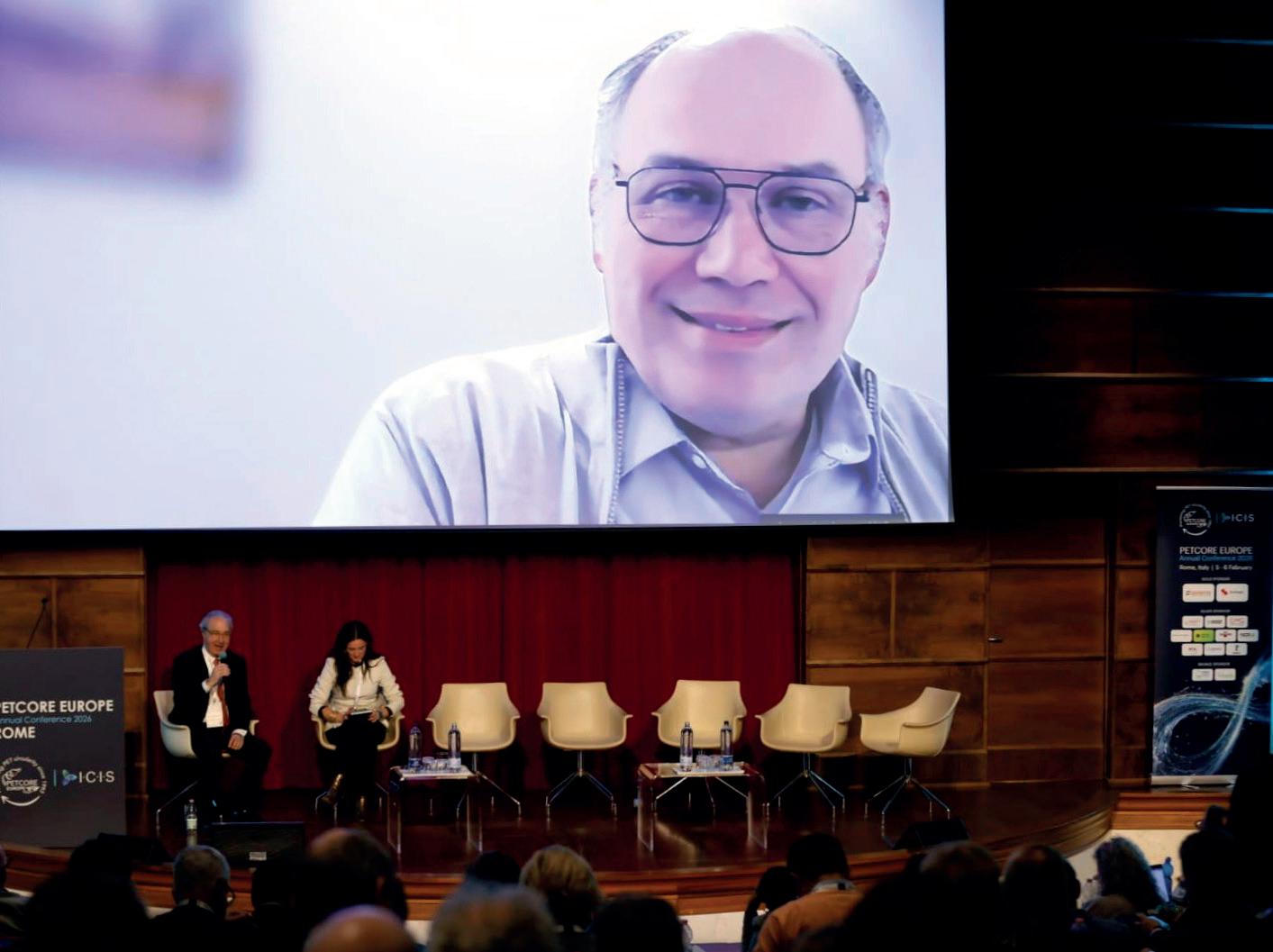
Bastian Schupp, DG Sante, during Petcore, where he took part via a live connection from Brussels.

The first estimates released by Conai on the occasion of Global Recycling Day, celebrated on 18 March, point to recycling volumes unchanged compared with 2024. The current geopolitical uncertainty could have a negative impact on the sector. Meanwhile, the role of the consortium system in the management of end-of-life packaging continues to grow.
For the current year, the packaging recycling rate in Italy is expected to stand at around 75%, equal to almost 11 million tonnes. This would therefore represent a slight decline compared with the latest consolidated figure (2024), which stood at 76.7%: a result stemming from the difficulties currently affecting the national recycling sector in certain supply chains, despite a steady increase in separately collected volumes outpacing that of packaging placed on the market, which is estimated to comfortably exceed 14 million tonnes in 2026. These are the first estimates for 2026, released by Conai (the Italian packaging consortium) on the occasion of Global Recycling Day, which, as every year, was celebrated on 18 March.
“These are estimates which, this year, call for great caution,” said
Conai President Ignazio Capuano. “The trend we are observing in recycling rates is influenced by contextual factors, as well as by statistical factors. Added to this are particular market dynamics, which are also affecting the individual supply chains.”
For paper, in fact, the decline in domestic demand combined with growth in exports is having an impact. The increase in impurities in collection streams is another aspect that needs to be monitored more closely in order to ensure flows sufficiently suitable for recycling. Particular attention is being paid to trends in the recycling of traditional plastics: the slowdown seen in recent months, also linked to growing quantities of sorted packaging waste not taken up by the market, risks affecting the accounting of actual recycling flows.
“We are going through a critical phase relating to plastic materi-

als,” explained President Capuano, “which will also have an impact on management costs: they are rising because outlets for recycled material are lacking and recycling costs more. But globalisation is confronting the entire Italian recycling industry with new challenges: at lower costs, we are importing increasing volumes of finished goods – and not only materials – from non-European countries. This severely penalises our companies. Also because, at present, energy costs in Italy are the highest in Europe, and recycling has always been an energy-intensive sector.”
The system’s role becomes more central in times of crisis
Thus, in this context of uncertainty, also linked to the geopolitical situation, it is forecast that during the current year an increasing quantity of end-of-life packaging will be entrusted by municipalities to the system represented by Conai and the material consortia: more than 5.5 million tonnes, up from 4.74 million tonnes in 2024 (the latest consolidated figure). In such a difficult context, 2026 should therefore see the importance of the subsidiarity of the Conai system confirmed, as occurred during previous crises in the national economy.
“The Conai system sees its sphere of management expand precisely when the market withdraws because recycled materials are no longer profitable,” commented Capuano, “and leaves room for the market when recycling once again becomes economically viable.”
Over the coming months, developments in the international context will heavily influence Italy’s 2026 results as a country. “Industrial policies promoting the use of locally sourced recycled materials are becoming ever more urgent,” Capuano continued. “We cannot afford to nullify the benefits of recycling through imports from outside Europe: shipments from the Far East are not environmentally neutral. Recognising, also in economic terms, the environmental value of recycling carried out within our territories is essential if companies are not to be exposed to the risk of environmental and economic speculation.”
Indeed, already today, Italy’s business fabric is beginning to invest less in ecodesign and sustainability. “This is a consequence of the uncertainties linked to the new European Packaging Regulation, but also of the divergent approach taken by global powers at this point in history,” concluded Conai President Ignazio Capuano. “Clearer rules are needed to make industrial planning and business confidence more robust, but it is also necessary to ensure that finance is simpler and more accessible for small and medium-sized enterprises.”
“Industrial policies are needed to promote the use of locally sourced recycled materials. We can no longer afford imports that may be cheap in the short term but are environmentally costly: they threaten the recycling sector, which is strategic for European manufacturing. And business confidence must be restored through clear rules,” said Ignazio Capuano (pictured), President of Conai.
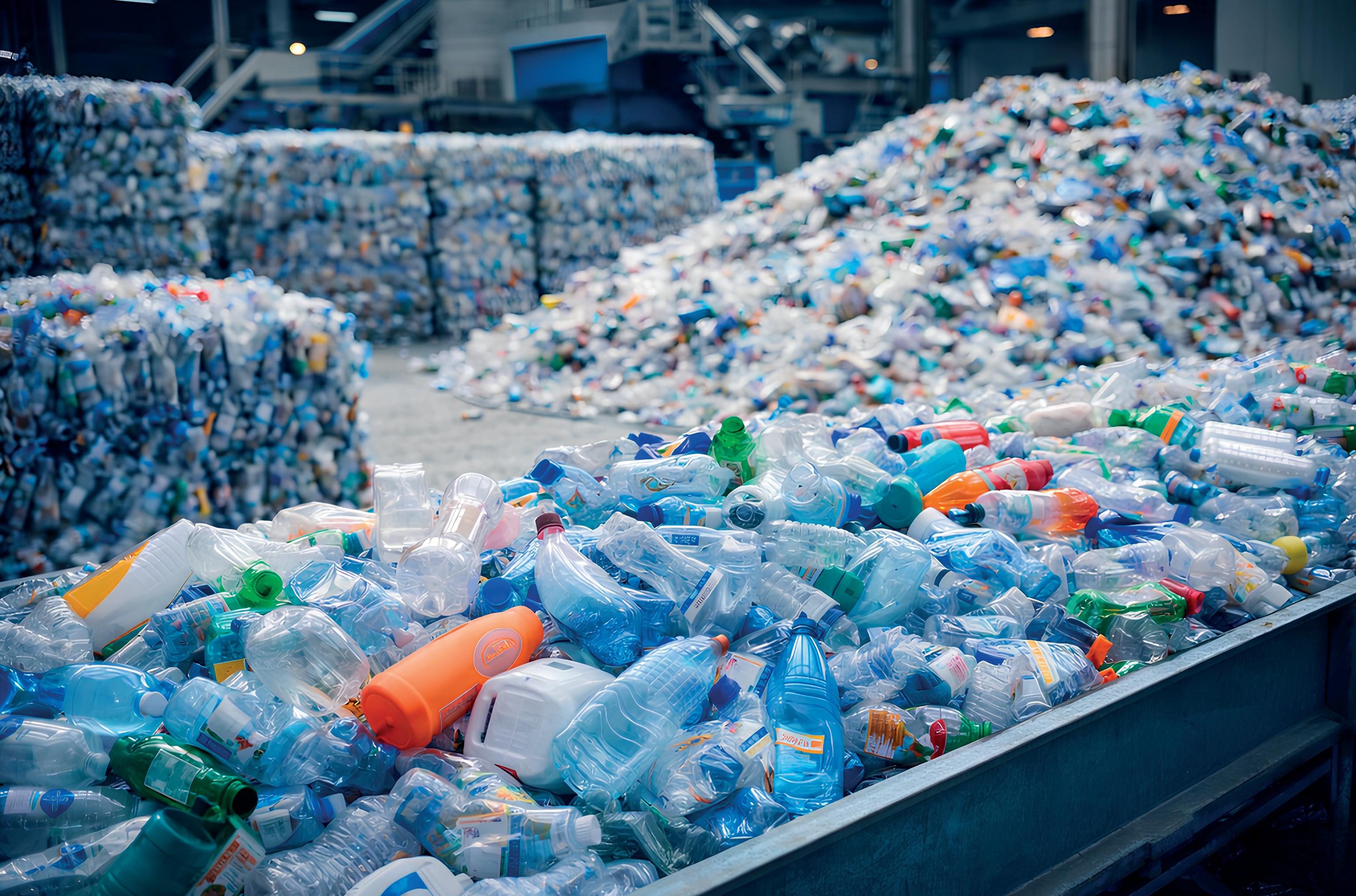
first estimates for 2026 point to packaging recycling at around 75%, with critical issues affecting traditional plastics in particular and an increasingly central role being played by the consortium system. The situation is also being influenced by the geopolitical tensions of recent months.

International Redes4Value project
The companies UBE and Ziknes, the University of Valencia, and the Aimplas plastics technology centre are collaborating on this project, funded by IVACE+i Innovation with support from ERDF funds. Applications include packaging, agricultural covers, automotive components and large-scale 3D demonstrators. Collaboration with Sea2See ensures the supply of recovered nets from Ghana and strengthens the project’s circular value chain.
The abandonment of fishing nets in seas and oceans is one of the most persistent environmental problems. In response to this situation, the Redes4Value project works to recover and recycle disused fishing nets, transforming them into new sustainable, high value-added products such as recycled nylon, films for packaging and agricultural covers, automotive components, and large-format parts produced by additive manufacturing. These developments are achieved through innovative mechanical and chemical recycling processes, combined with reactive extrusion technologies.
This initiative, funded by the Valencian Institute of Competitiveness and Innovation (Ivace+i) and ERDF funds, brings together a consortium formed by Aimplas (plastics technology centre), UBE, Ziknes and the University of Valencia. Their shared objective is to close the life cycle of polyamides and reduce marine pollution through innovative, industry-ready solutions.
Although many nets are made of polyethylene or polypropylene, the project focuses on polyamide nets, a material with great potential for chemical recycling. Its molecular structure allows the recovery of monomers such as caprolactam, enabling the production of new polyamides with properties virtually identical to those of virgin materials.
“We are achieving optimised conditions for depolymerising fishing nets and recovering monomers with purities above 95% in some laboratory-scale streams, and over 80% at pilot scale. This will allow us to repolymerise and obtain new polyamides with
quality equivalent to virgin material,” explains Nairim Torrealba, a researcher in Chemical Recycling at Aimplas.
Recycled polyamides are intended for sectors such as packaging, agriculture, automotive and 3D printing. Companies such as UBE are already analysing their commercialisation and Ziknes is adapting its equipment to validate large-format parts. Initial applications include packaging films, agricultural covers, automotive components and large-scale 3D demonstrators.
“These materials have immediate industrial applications and a clear sustainability advantage over conventional polyamides. These solutions not only reduce dependence on virgin raw materials but also open up new opportunities for industry in terms of sustainability and the circular economy,” Nairim Torrealba continued.
Redes4Value is advancing in processes such as hydrothermal depolymerisation, ionic liquid-assisted solvolysis and reactive extrusion, as well as comprehensive life cycle and feasibility assessments. One of the main challenges of the project is the treatment of highly degraded nets with a high presence of impurities, but the results are very promising.
Collaboration with the Sea2See brand has ensured access to fishing nets recovered in Ghana since 2019 and has been key to structuring the project’s circular value chain from the waste
source. “Without this supply of material, it would not be possible to move forward. The nets that arrive from Ghana are essential for validating the processes and obtaining real results,” Nairim Torrealba added.
The project involves Aimplas, which is responsible for chemical recycling tasks, UBE for scaling and repolymerisation, Ziknes for 3D printing validation, and the MATS group at the University of Valencia (MATS-UV) for solvolysis and kinetics studies. “Our goal is to consolidate a chemical recycling line that can be applied to complex waste and demonstrate that it is a real and necessary solution,” Nairim Torrealba concluded.
This initiative is funded by the Valencian Institute of Competitiveness and Innovation (IVACE+i), through the Strategic Cooperation Projects programme in its 2024 call for proposals, with co-financing from the European Regional Development Fund (ERDF).
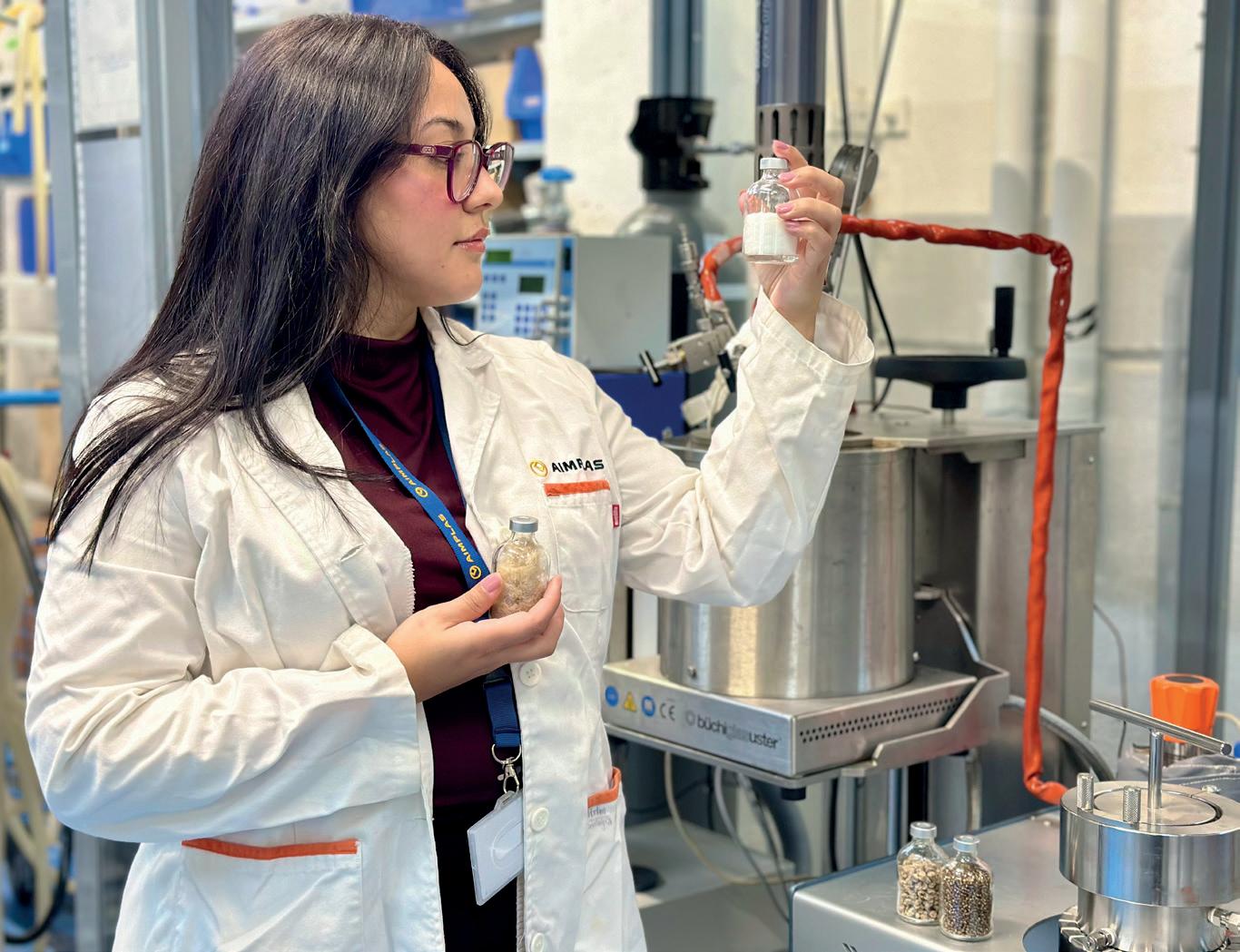
Aimplas researcher Nairim Torrealba, working on the Redes4Value project, explained that they are “achieving optimised conditions for the depolymerisation of fishing nets and for the recovery of monomers with purity levels above 95% in certain laboratoryscale streams and above 80% at pilot scale”.
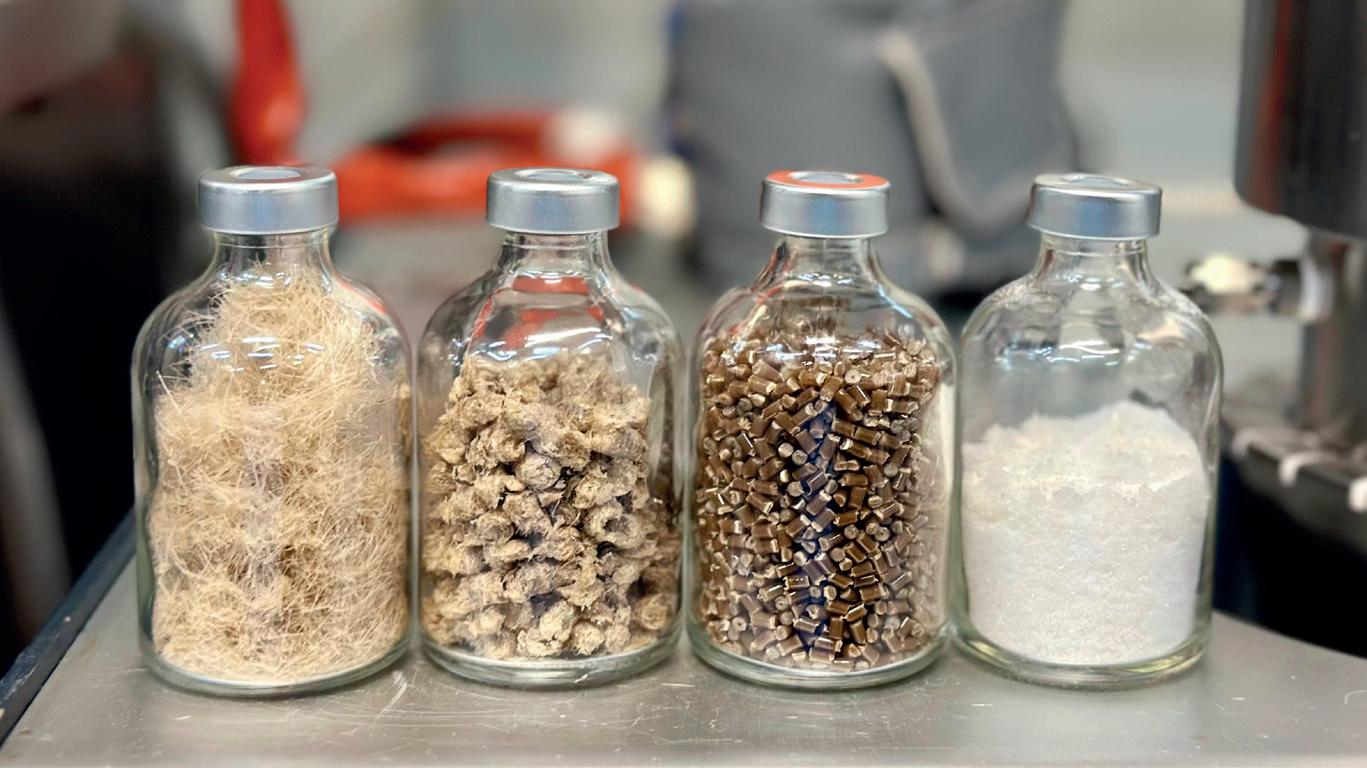
The “raw material” for Redes4Value consists of fishing nets recovered by Sea2See from Ghanaian waters, without which the project could not be carried forward and from which, according to forecasts, new polyamide of a quality equivalent to that of virgin material will be obtained.
At Aimplas, the plastics technology centre, the organisation is committed to building a better world by promoting sustainable innovation in the field of plastics. Its goal is to support companies in creating wealth and employment, while helping to address major societal challenges. It provides comprehensive, tailored solutions that include R&D&I projects, training, competitive and strategic intelligence, technical and legal consultancy, as
well as technological services such as analysis and testing.
Aimplas is firmly committed to sustainability and actively contributes to the 17 United Nations Sustainable Development Goals (SDGs) through both its operations and its social responsibility initiatives. As a member of the Network of Technological Institutes of the Valencian Region (Redit), it is further empowered to deliver value and foster knowledge
transfer within the business community.
Circular plastics
European plastics value chain, represented by European Plastics Converters, Plastics Recyclers Europe, and Plastics Europe, welcomes the relaunch of the Circular Plastics Alliance (CPA) as a critical opportunity to get Europe’s plastics circularity ambitions back on track. At a time of growing pressure on the sector, renewed political focus from the European Commission and Member States must now translate rapidly into concrete action. We hope that the highlevel meeting taking place today will be an important step towards that.
In a global context marked by geopolitical instability and supply chain disruptions, building a circular plastics system in Europe is not only an environmental imperative but also a strategic necessity. It is essential to strengthening Europe’s competitiveness, enhancing its strategic autonomy, and safeguarding economic security. Delivering on this ambition now requires bold, coordinated, and decisive leadership.
As the Circular Plastics Alliance relaunches, the plastics value chain calls on EU and national decision-makers to take urgent and targeted actions to: restore the competitiveness of the European plastics system; ensure regulations are workable, fit-for-purpose, and capable of accelerating the transition to circularity; create a more enabling environment for investment in circular technologies and infrastructure. To achieve this, a number of priority measures must be advanced without delay: restore fair competition by promoting Europe made circular plastics; reduce energy costs to enable circular plastics to compete globally; close loopholes in verification and enforcement to ensure a level playing field; address market fragmentation through consistent implementation and enforcement of EU legislation;
unlock innovation and investment by breaking regulatory and financial deadlocks; strengthen Extended Producer Responsibility (EPR) schemes to support a fair and effective circular market.
“We welcome the CPA’s renewed focus on addressing immediate competitiveness challenges, including traderelated barriers, enforcement gaps, and capacity constraints. The recognition of the need for dedicated customs codes for recycled plastics is a positive step forward. As industry, we stand ready to actively contribute data, expertise, and practical insights to support this work. We also underline the importance of a technology-neutral approach that supports the full range of recycling solutions needed to scale circularity”, the European plastics value chain stated.
“We commend the strong engagement of EU Member States in the renewed CPA framework. While preserving and reinforcing the integrity of the EU Single Market remains essential, national governments also have a critical role to play in providing effective incentives and ensuring that circularity is delivered in practice across Europe. The Circular Plastics Alliance must now move from ambition to delivery, and fast. As a united plastics value chain, we are committed to turning this renewed momentum into concrete results and ensuring Europe remains at the forefront of circular plastics”, the European plastics value chain added.
The European plastics value chain has welcomed the relaunch of the Circular Plastics Alliance (CPA) as a crucial opportunity to put Europe’s ambitions for plastics circularity back on the right track, while also calling on EU and national policymakers to adopt urgent targeted measures.

RES acquires PLA plant
Recupero Etico Sostenibile (RES) has acquired from Petalo Due a business unit comprising a plant for the production of polylactic acid (PLA), together with the related machinery and equipment, contracts, certifications, trademarks, patents and operating permits required for the conduct of the business.
The facility is located in Termoli (Campobasso, Italy), and the transaction was completed for a consideration of 2.7 million euros, funded through the company’s internal cash resources.
The plant has an annual production capacity of 5,000 tonnes based on Sulzer technology, one of the world’s leading suppliers of such solutions. According to current projections, it is expected to become operational in the fourth quarter of 2027, creating 20
new jobs. Once fully ramped up, from 2028 onwards it is expected to generate annual revenues of approximately 20-25 million euros.
PLA is the polymer underpinning the production of biodegradable and compostable plastics. It is derived from a range of natural feedstocks, including sugar cane, sugar beet, maize, cassava, cellulose, algae and biomass, and is used in a wide variety of applications such as tableware, flacons, bottles and other items manufactured using the main plastics processing technologies, from injection moulding to extrusion, from blow moulding to thermoforming, through to 3D printing.
The transaction will enable RES to extend its operations across the entire recycling and bioplastics value

According to Antonio Lucio Valerio (pictured), Chief Executive Officer of RES, the acquisition of the Termoli plant will enable the company to extend its operations across the entire recycling and bioplastics value chain.
chain and “forms part of a clearly defined corporate strategy aimed at strengthening RES’s position as a leading industrial player in the circular economy, environmental sustainability and green chemistry sectors, with a high degree of innovation, as a producer of polymers derived from renewable and natural sources,” explained Antonio Lucio Valerio, Managing Director of RES.
The European Chemicals Agency’s (Echa) Risk Assessment Committee (RAC) has concluded its evaluation of the universal restriction proposal on all per- and polyfluoroalkyl substances (PFAS). Its opinion is the first part of Echa’s two-committee scientific evaluation of the proposal. RAC is one of Echa’s two scientific committees responsible for evaluating EU-wide restriction proposals under the EU’s chemicals regulation, REACH. RAC evaluates the risks to human health and the environment resulting from the manufacture, placing on the market and use of chemicals while the SocioEconomic Analysis Committee (Seac) evaluates the socio-economic impacts of a restriction taking into account the availability of alternatives. RAC has adopted its opinion drawing on an extensive and independent evaluation of PFAS hazards, volumes, emissions, risks and the likely effectiveness of a restriction as well as its practicality, including enforceability.
Its evaluation is based on the proposal submitted in January 2023 by the national authorities of the Netherlands, Germany, Denmark, Norway and Sweden, which covered all PFAS and all uses. The adopted RAC opinion will be published soon, providing full details of the opinion content.
The Seac opinion, following a 60-day consultation, is instead expected to be definitively adopted by the end of 2026. This adoption will conclude Echa Committees’ scientific evaluation of the proposed restriction, and the opinions are formally submitted to the Europea Commission. The latter, based on the two opinions, will propose a restriction for discussion and vote in the Reach Committee, composed of EU Member States.
The proposal to restrict PFAS in the EU/ EEA (European Economic Area, which includes Iceland, Liechtenstein and Norway) was prepared by authorities in Denmark, Germany, the Netherlands, Norway and Sweden. It was submitted to Echa on 13 January 2023. It aims to reduce PFAS emissions into the environment and make products and processes safer for people. The sixmonth consultation ran from March and September 2023.
PFAS are persistent chemicals that do not break down in the environment and can travel long distances through water and air. Once released in the environment, they tend to pollute groundwater and drinking water, which is difficult and costly to remediate. Certain PFAS accumulate in people, animals and plants and can cause toxic effects.

The findings of the pilot will shape the next phase of work by unlocking the ELV recycling value chain by evaluating economic viability. This will be done by developing component specific scenario modelling, and key experiments on automation, chemical recycling, and design for recycling.
Global Impact Coalition has published findings from the first automotive plastics circularity pilot initiated by the chemical industry. Every year, more than 800,000 tonnes of plastic from end-of-life vehicles are incinerated or landfilled in Europe alone. The pathway to addressing this is understood but the system to deliver it at scale does not yet exist. Eight companies – Basf, Covestro, LG Chem, LyondellBasell, Mitsubishi Chemical Group, Sabic, Suez and Syensqo – collaborated precompetitively to process 100 end-of-life vehicles (ELVs) through a full dismantling, shredding and sorting chain, recovering approximately 8 metric tonnes of plastic from vehicles of different ages, makes and conditions.
The pilot establishes technical feasibility. Plastic components can be recovered from end-of-life vehicles and processed into material suitable for recycling. However, commercial viability remains to be established. The primary barrier is not technology – it is coordination, economics, and the absence of a value chain framework that aligns incentives across all actors: OEMs, dismantlers, waste management companies, and chemical producers. As GIC CEO Charlie Tan notes in the report foreword: “Closing the loop on automotive plastics is no longer a question of ambition, it is a question of execution.”
New EU regulation is raising the stakes significantly. New cars must contain 25% recycled plastic by 2036, with at least
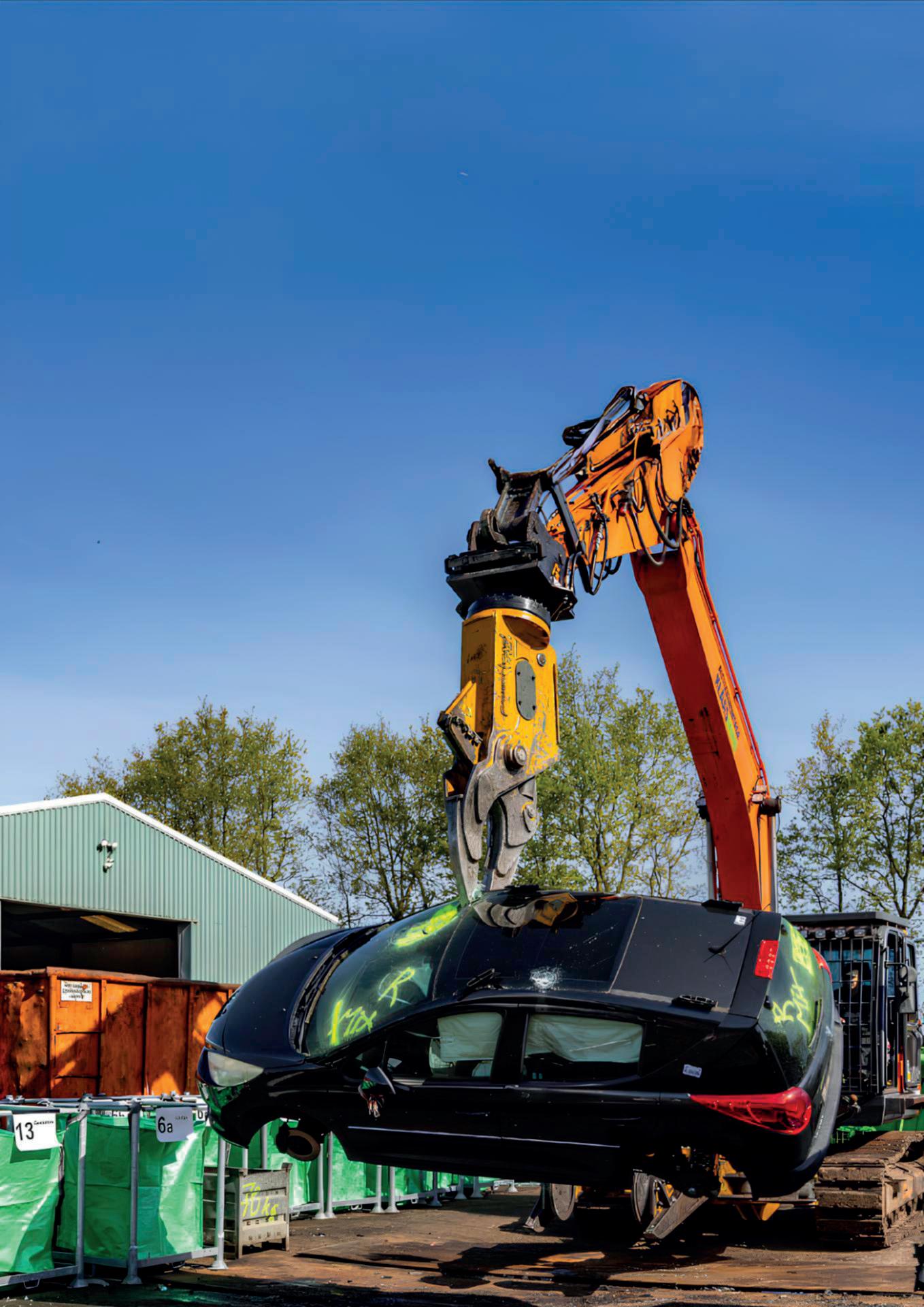
20% sourced from closed-loop vehicle recycling. The current closed-loop share stands at approximately 2.5%. The gap is considerable – as is the opportunity. The pressure is not limited to Europe. China processed more than 7.9 million end-of-life vehicles in 2024 and launched a national action plan in December 2025 targeting increased recycled material use in automotive manufacturing by 2030. The challenge and the opportunity is global.
Thanks to the ELISET project (Emission Lifetimes technology for sorting, Security and Traceability), funded with 2.36 million euros by EIT Transition, the European funding programme that supports the development of innovative solutions from laboratory to market, it will be possible to apply “invisible codes”
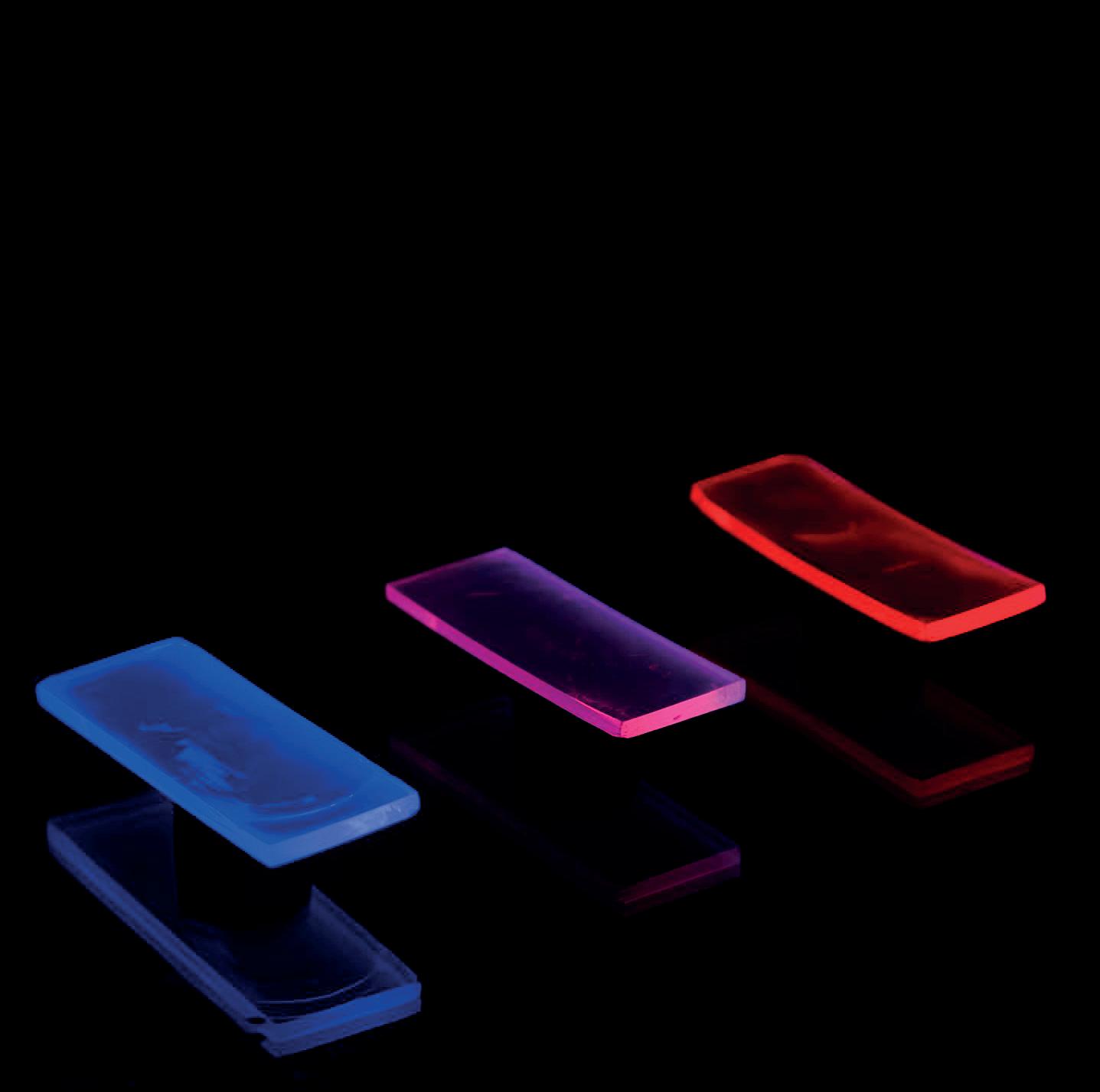
The solution developed by ELISET is based on the properties of luminescent silicon nanocrystals. In addition to Paola Ceroni — Full Professor at the “Giacomo Ciamician” Department of Chemistry and co-founder of Sinbiosys, whose current research focuses on photocatalysis, artificial photosynthesis and luminescent nanocrystals — the research team also includes Francesco Romano, Marco Villa and Angelica Germinario.
to goods and products in order to ensure traceability and strengthen the recycling loop for plastic materials. The project marks a further step in a research and technology transfer pathway that began more than ten years ago at the University of Bologna and later continued with the creation of the spin-off company Sinbiosys.
“ELISET comes at a crucial time for Europe: the plastics recycling value chain is facing a particularly complex phase, shaped by economic pressures, increasingly demanding quality and volume requirements, and the need to make recycling genuinely competitive,” explained Paola Ceroni, Professor at the “Giacomo Ciamician” Department of Chemistry of the University of Bologna and co-founder of Sinbiosys. “Against this backdrop, access to material streams that are easier to identify and purer becomes a decisive factor: it is the prerequisite for increasing the value of recyclate and strengthening the industrial sustainability of the sector.”
The solution is based on luminescent silicon nanocrystals (silicon quantum dots), markers that are invisible to the naked eye and do not alter the appearance of products, while enabling rapid and reliable identification through dedicated optical systems. In addition to the emission “colour”, the technology also exploits luminescence decay time, thereby creating a temporal signature that makes the coding more robust and particularly effective for both traceability and anti-counterfeiting applications. “This approach makes it possible to embed traceability into materials and connect it to digital systems for value-chain management,” Paola Ceroni added. “With ELISET, we aim to demonstrate that advanced research results can be translated into concrete and timely solutions to address some of the most pressing challenges of the ecological transition: from recycling quality to value-chain transparency, through to the protection of products and materials.”
An international team of scientists led by the University of Bath (England) has developed a new catalyst – a substance that speeds up chemical reactions –that uses sunlight to break down socalled “forever chemicals” prevalent in the environment and known to accumulate in the human body. They hope this technology could in the future be scaled up and used to detect or remove these persistent chemicals from the environment.
The study is based on an easy-to-make prototype carbon-based catalyst, which could be used to break down PFAS (polyfluoroalkyl substances), a group of water-repellent and incredible stable chemicals.
Scientists from the University of Bath worked with colleagues from the University of São Paulo (Brazil), University of Edinburgh (Scotland) and Swansea University (Wales) to develop
a photocatalyst based on carbon nitrite combined with a rigid microporous polymer called PIM-1. The polymer helps bind PFAS to the catalyst, which uses light to break it down into carbon dioxide and fluoride, a chemical found in some toothpastes. As anticipated, as well as using it to
break down PFAS, the technology could also be used in a sensor for forever chemicals, by detecting the fluoride that is given off. Whilst it is currently at the prototype stage, and the research team is now looking for industrial partners to scale up and optimise the technology.
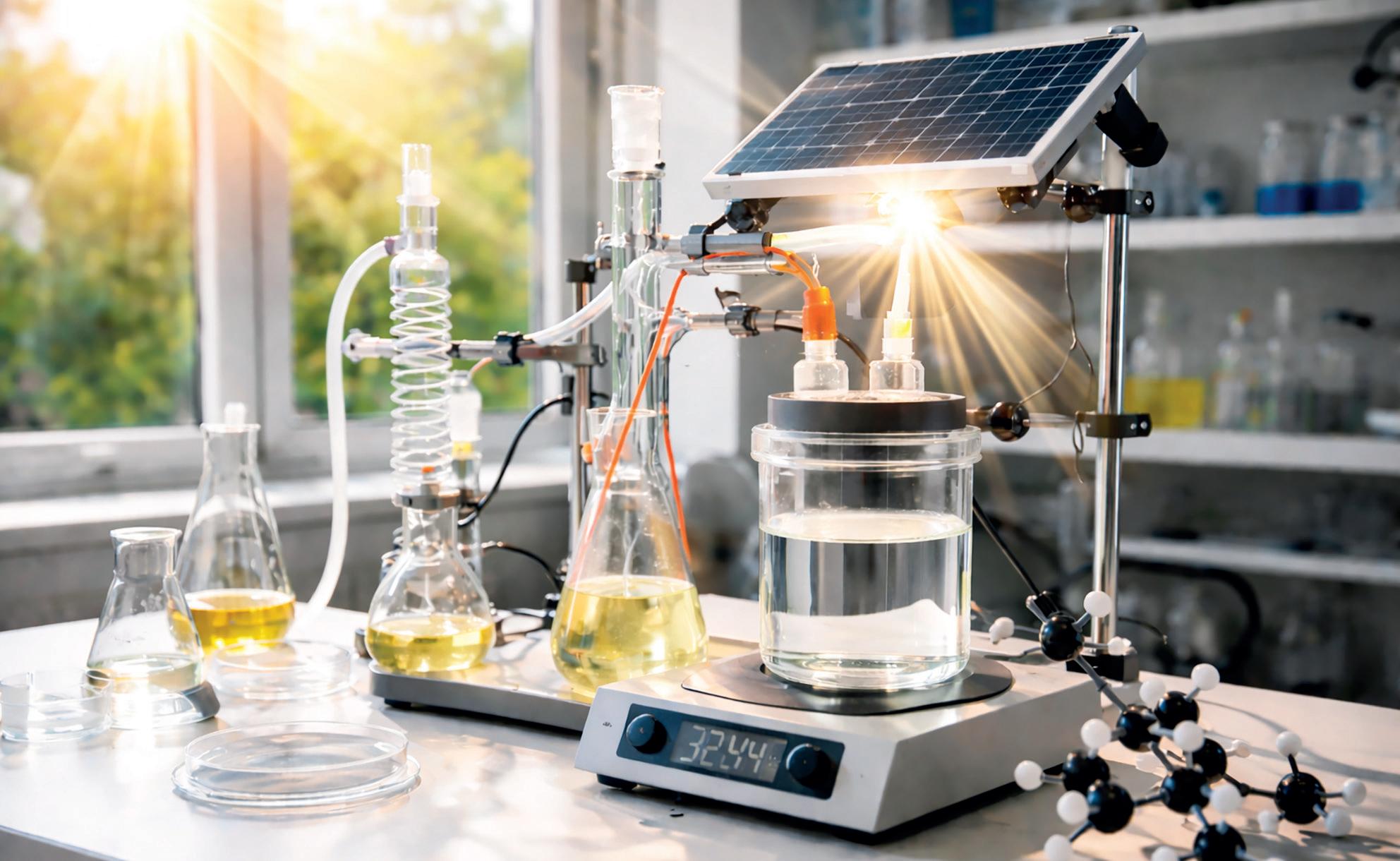

On the automation market for over 40

PFAS also include fluoroelastomers, which are currently receiving considerable attention from ECHA (the European Chemicals Agency). Their extreme chemical stability means that they do not degrade in the natural environment and tend to accumulate in both the environment and living organisms.
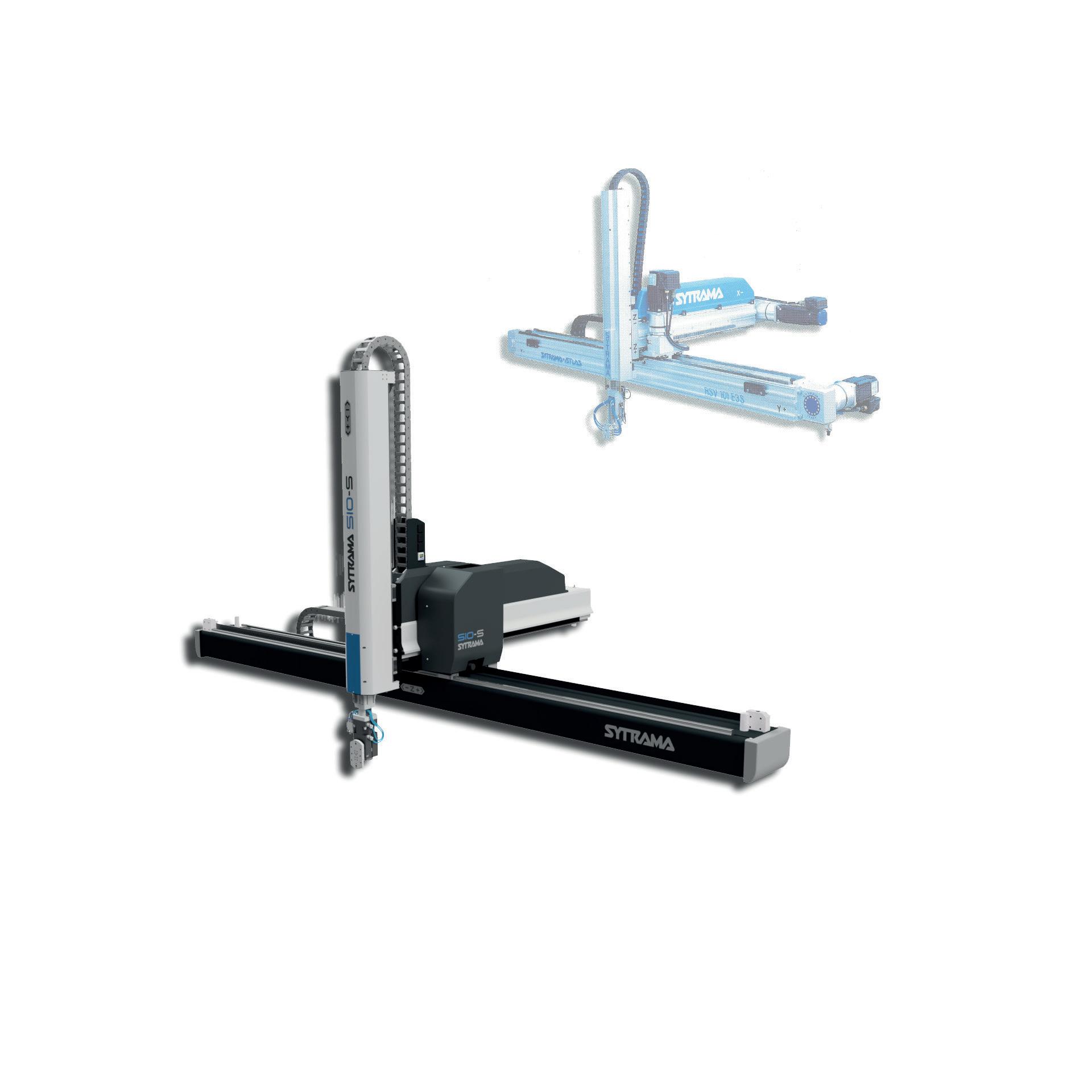
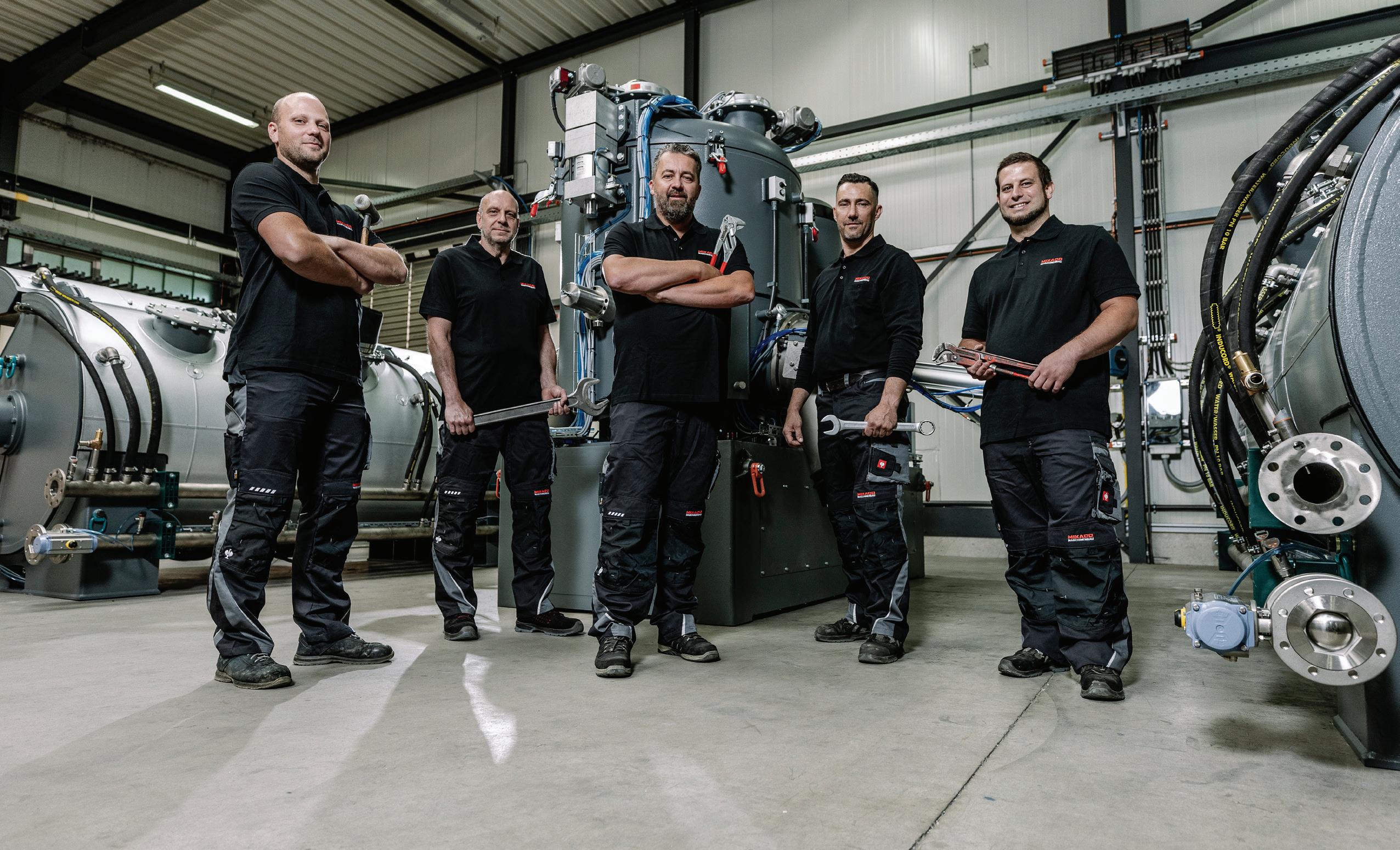

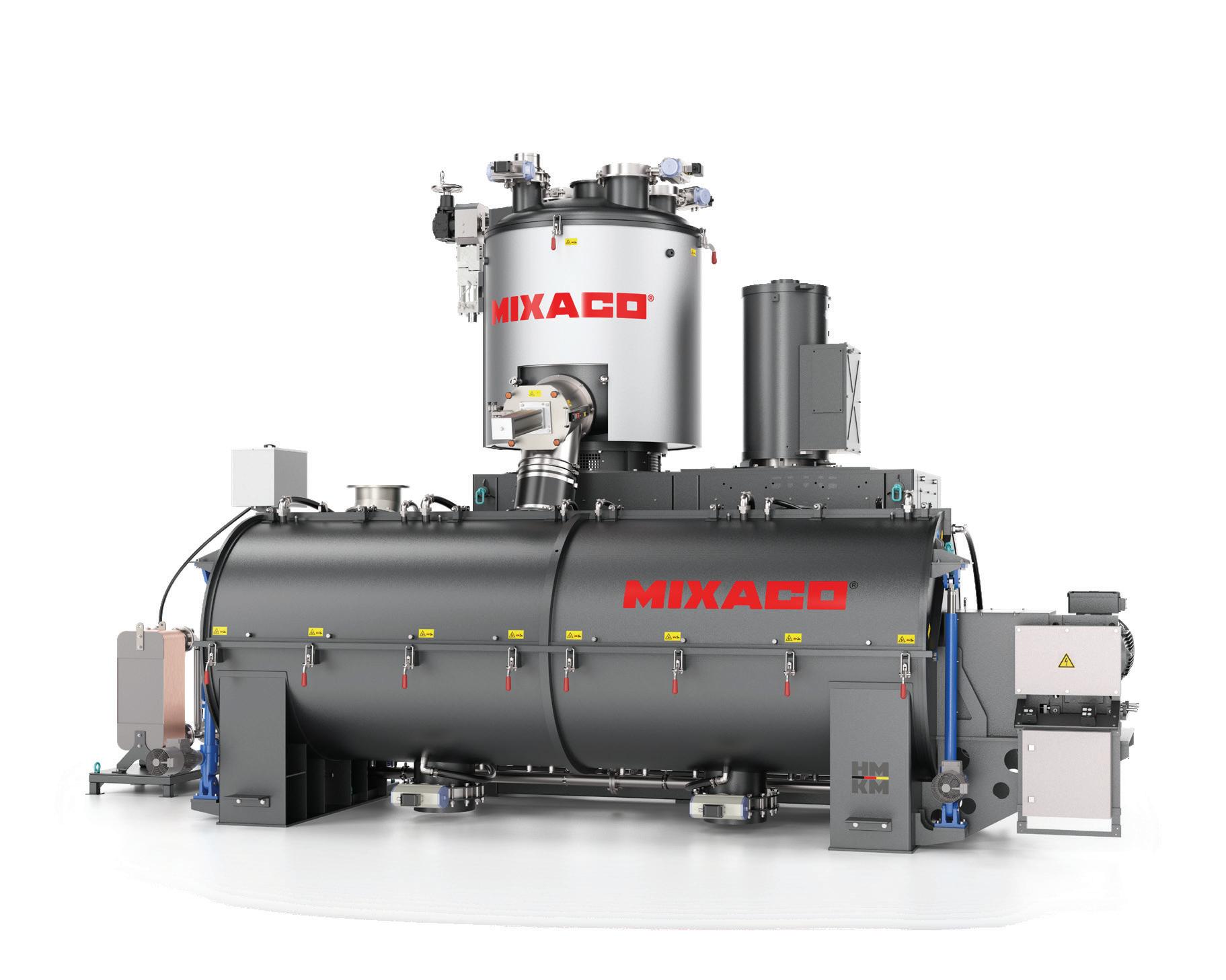
Homogenizing, wetting, coloring, heating, agglomerating, bonding, etc.
Outlet contoured and thus free of dead space
Integrated aspiration for perfect evacuation of dust / moisture
Size-dependent cooling system with targeted water routing in base & side wall
MIXACO
Dr. Herfeld GmbH & co. KG
Niederheide 2 - 58809 Neuenrade - Germania
Tel. +490239209644-0
info@mixaco.de
DE AMICIsrl
Via Pietro Calvi 19 - 20129 Milano - Italy
Sales Director Ing. Roberto Atesini Tel. 0039 334 250596 atesini@deamici.com - www.deamici.com
Multi-stage mixing tools for high friction & perfect homogeneity
Additional options such as ATEX version, weighing, injection, remote maintenance, etc.
MIXACO.COM


Boost your extrusion! To achieve perfection and continuous improvement, Tecnomatic chooses maximum specialization and concentrates its efforts on the
development of extrusion lines for the production of polyolefin pipes with diameter up to 3.000 mm. Technical knowledge, constant research and great passion
allow Tecnomatic to offer highperformance solutions fulfilling all possible customer requirements since 1977.
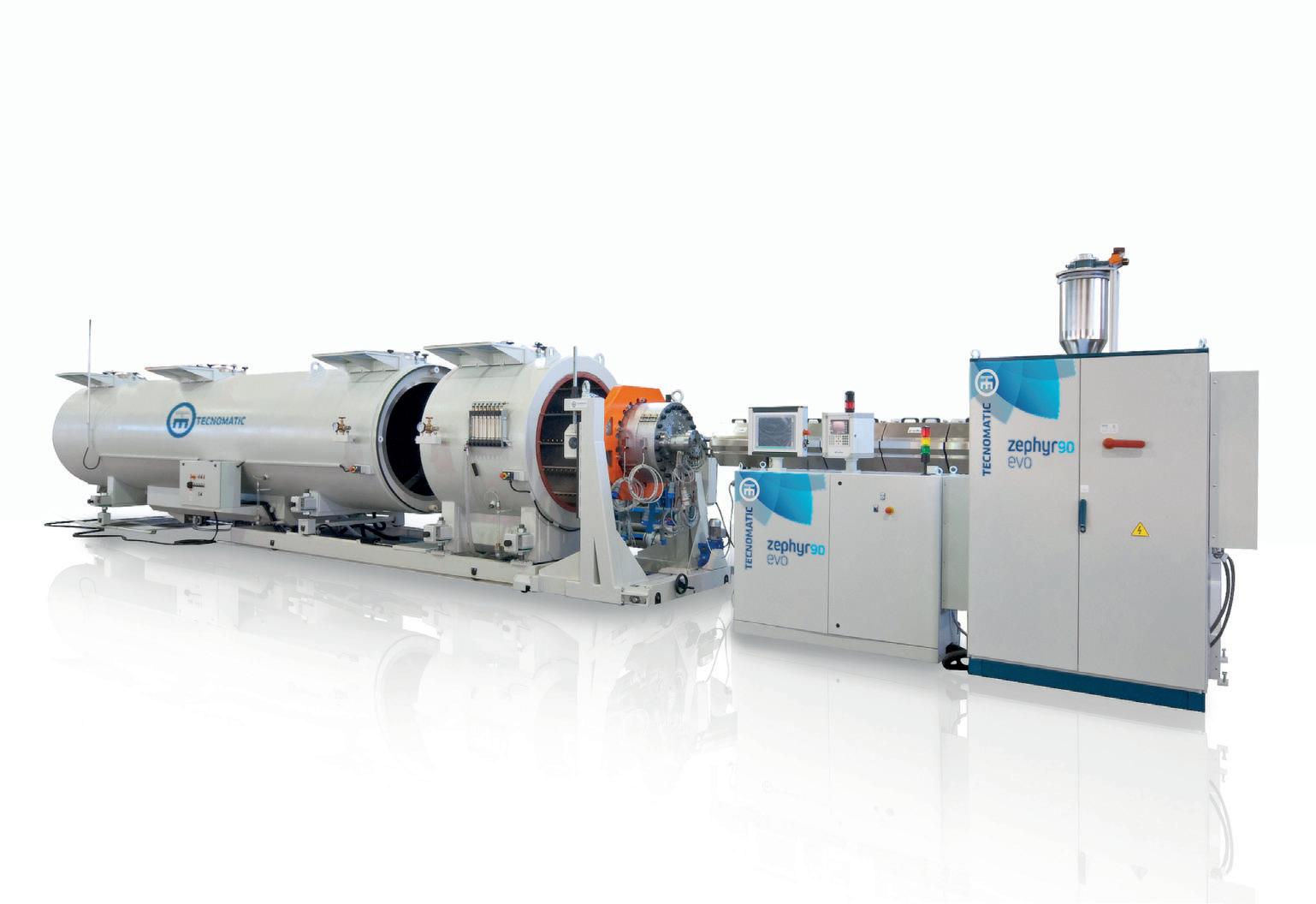
Techne is an Italian company specialized in the design and assembly of extrusion blow molding machines, distinguished by high quality standards and a strong focus on the final result. Since its foundation, Techne has delivered reliable and technologically advanced solutions, driven by innovation, craftsmanship expertise, and a constant pursuit of excellence.
In collaboration with Siemens, Techne has embarked on a path toward digitalization, sustainability, and operational efficiency, aimed at developing a new generation of machines capable of meeting the most complex production requirements.
The Siemens architecture features the Simatic S7-1516T CPU as controller, equipped with dedicated technological functions for motion control. This processor reliably manages the high-precision cycles typical of blow molding machines, ensuring process stability and production repeatability even under the most demanding operating conditions.
Human-machine interaction is handled by a new generation 21-inch full HD panel developed with WinCC Unified. The interface provides smooth navigation, modern graphics, and immediate diagnostic tools, enhancing the operator’s user experience.
For motion control, the system uses Sinamics S120 drives in book size format, combined with 1FK7 synchronous motors. This combination enables extremely precise control of mechanical axes. A distinctive element of the solution is the use of the regenerative power supply (Active Interface Module), which allows the machine to optimize energy usage: during braking phases, the recovered energy is either used by other axes or fed back into the grid, helping to reduce overall consumption and increase the energy efficiency of the entire system.
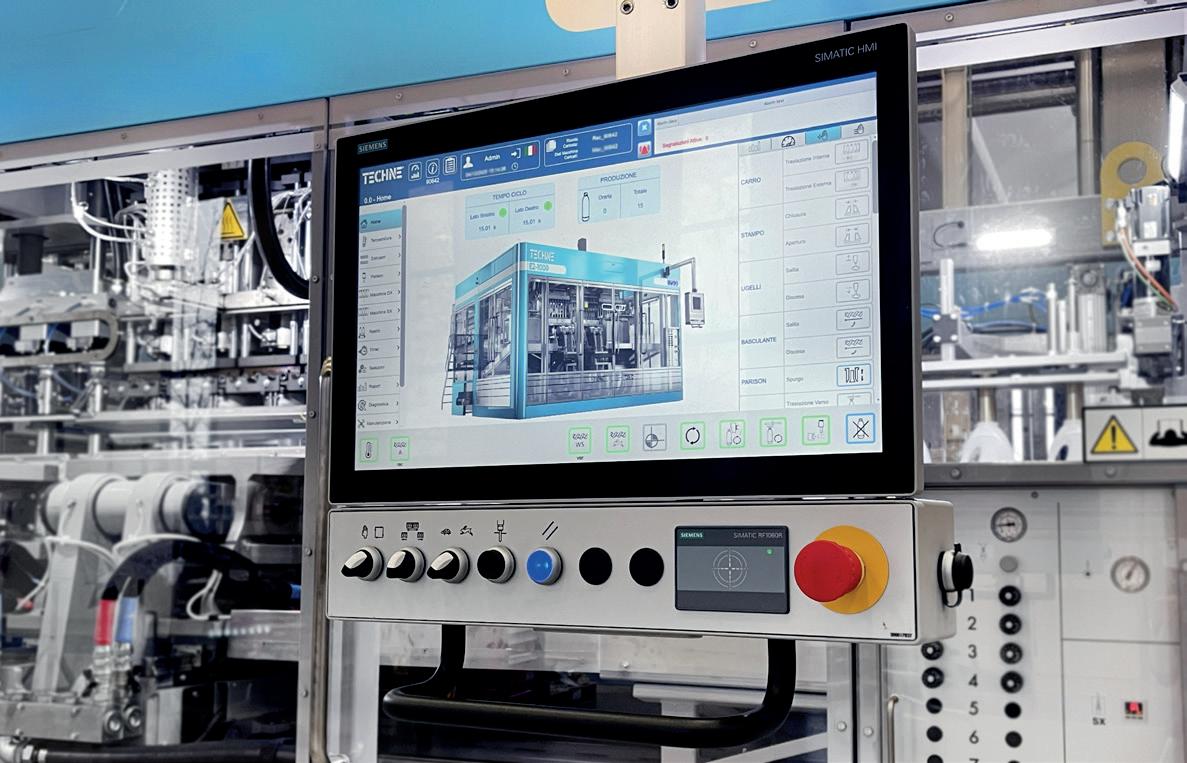
Finally, the Profinet fieldbus, together with managed Scalance switches, ensures robust, secure, and high-performance networks.
Techne has also embarked on a digitalization and sustainability journey by leveraging the Siemens Industrial Edge data collection and analysis platform. Machines can collect real-time data from PLCs and drives, processing it through edge computing to generate indicators immediately available to the end user. Enabled features include:
- production performance analysis and OEE calculation;
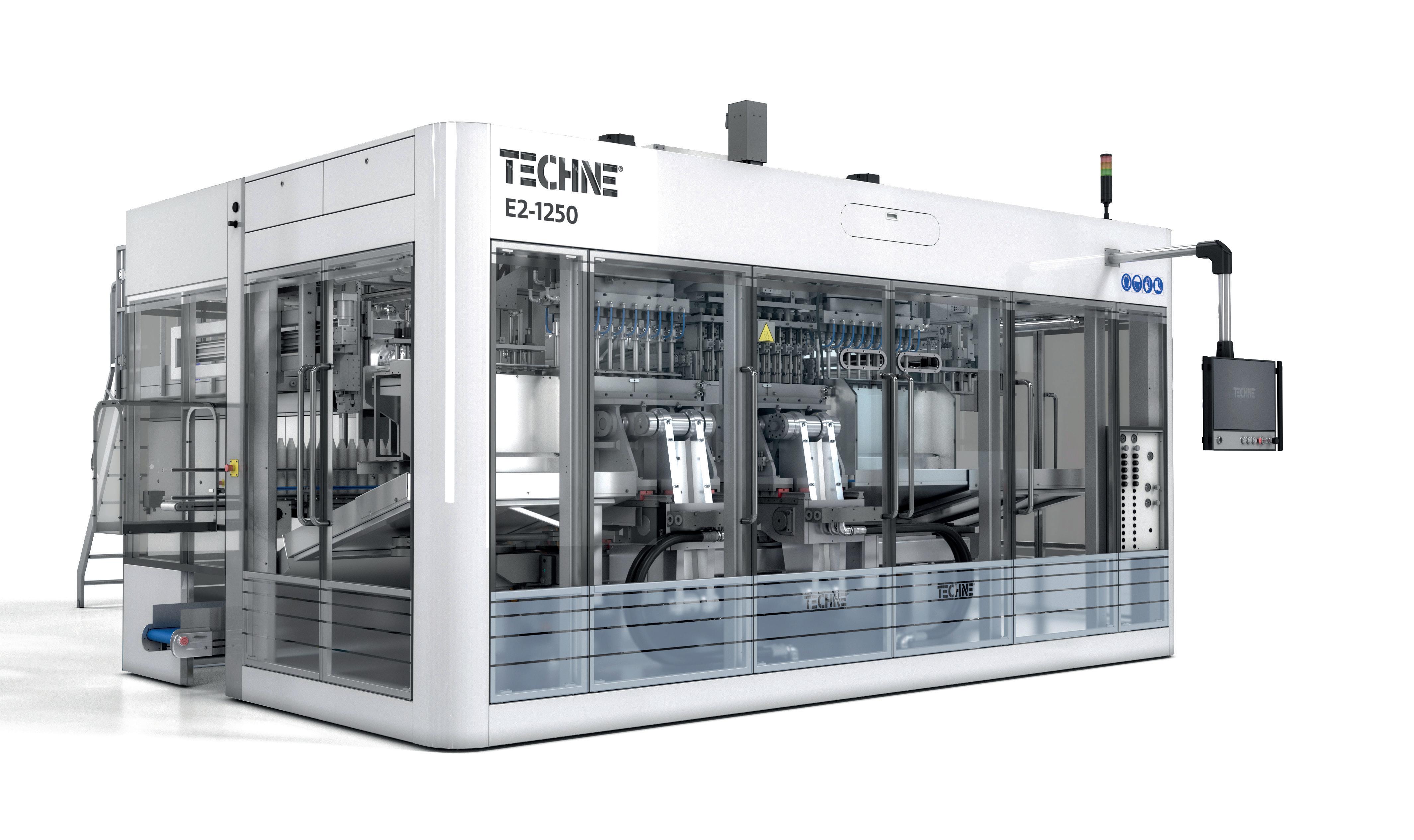
- energy consumption monitoring in accordance with ISO 50001;
- advanced maintenance management;
- automatic notifications in case of alarms or critical events;
The Techne roadmap includes the introduction of the Siemens Drivetrain Analyzer tool, based on AI models that analyze motor data (current, torque, and speed) to predict potential mechanical anomalies on axes, thereby reducing unplanned downtime.
The collaboration between Techne and Siemens demonstrates how a vision that combines automation and digitalization can lead to more high-performing, sustainable machines ready to meet the challenges of the industry of the future.
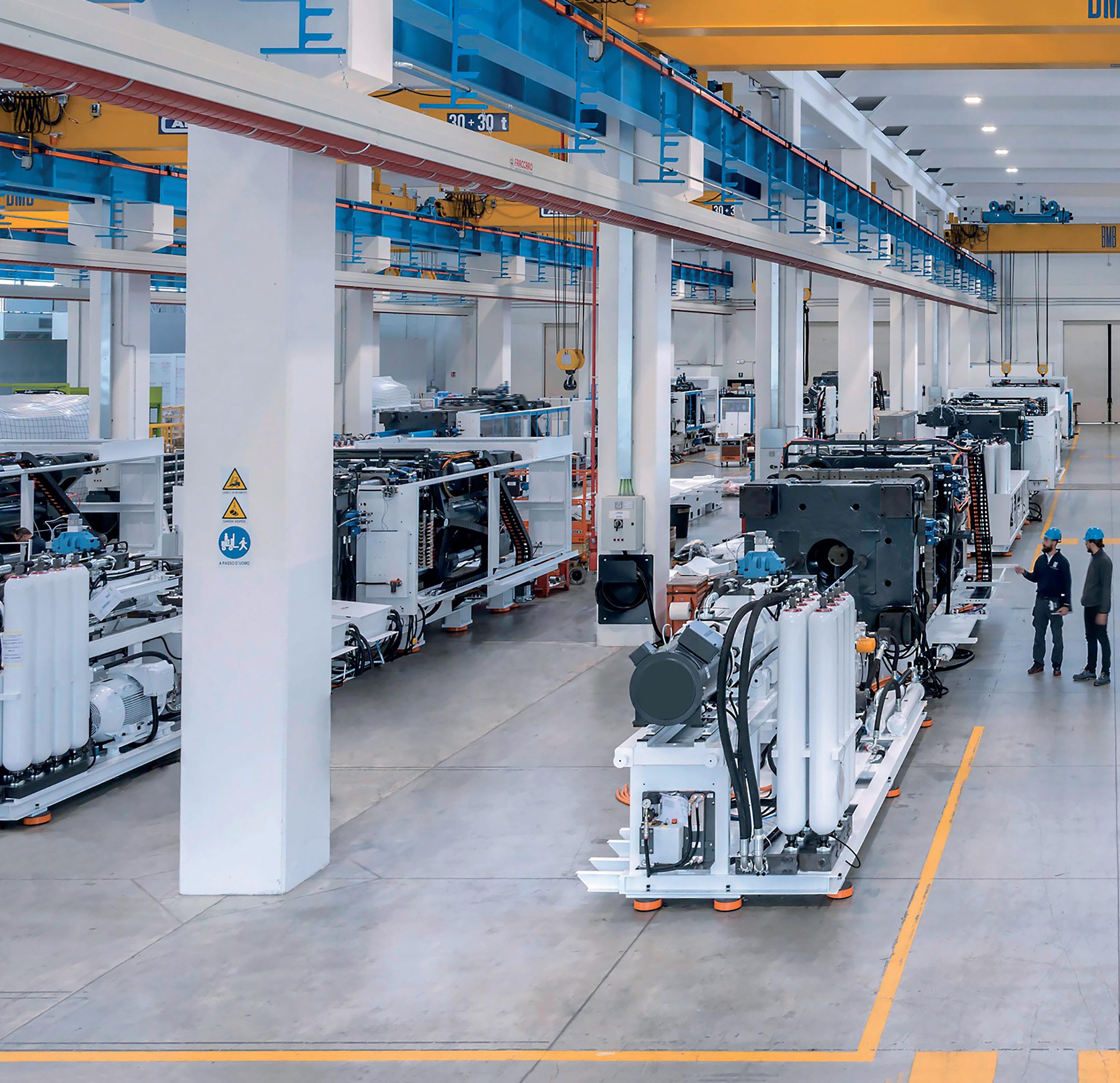
At Plast 2026, BMB focuses on reliability, robustness, production continuity, and reduced energy consumption, reaffirming its position as the reference technology partner for injection moulding. The Italian company presents four work cells dedicated in particular to packaging, caps and closures, and cosmetics, with solutions designed to combine productivity, precision, energy efficiency, and ease of use. True to its own tradition, the company keeps a constant eye on innovation, and the Milan fair remains for BMB a prominent stage – an appointment it has never missed.
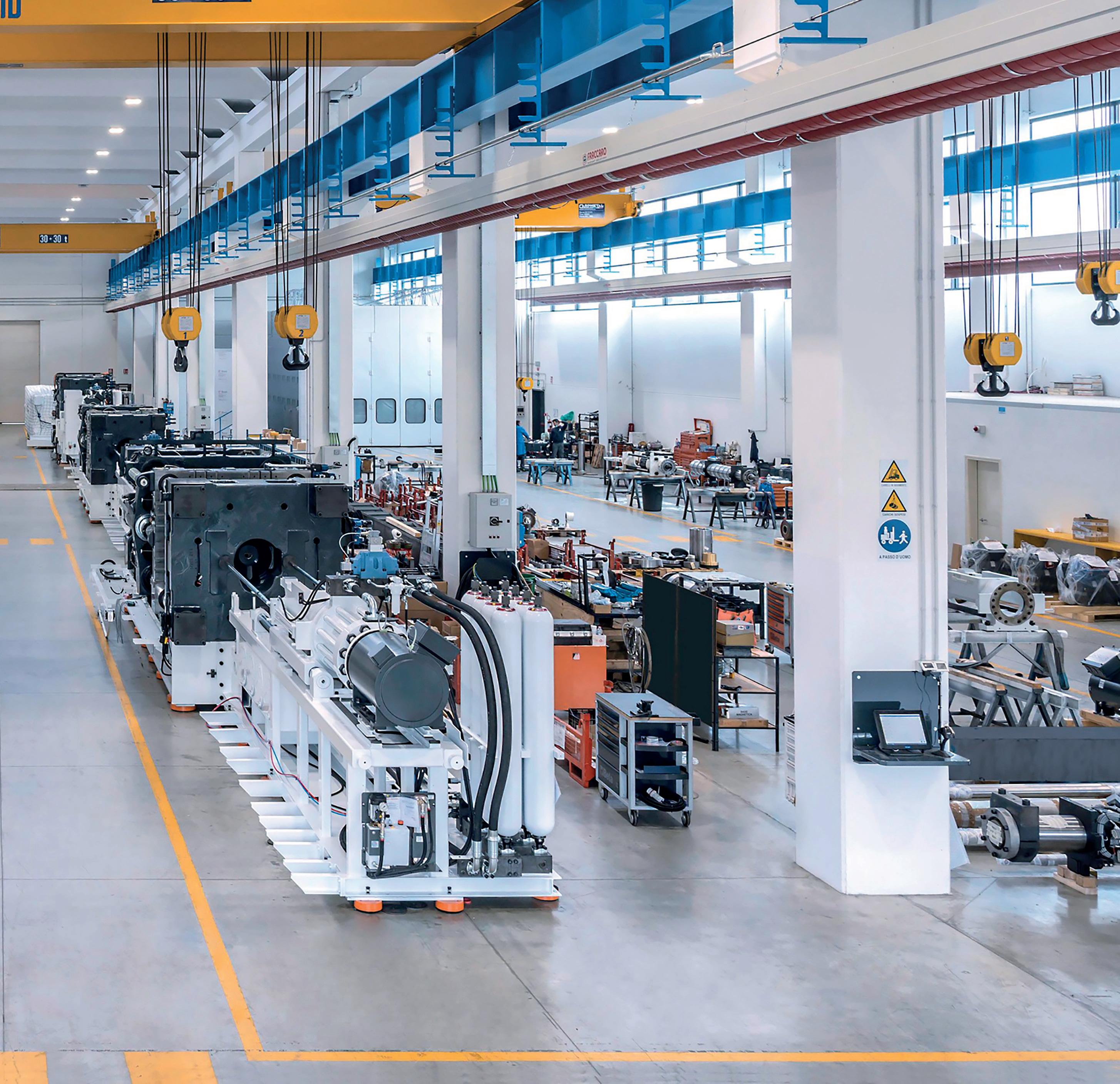
The Plast trade fair has always been a fundamental event for the injection moulding sector, and in 2026 it takes place at a particularly significant moment, when processors feel more strongly than ever the need and desire to return to a trade fair – to see the latest technological developments first-hand and engage directly with machinery manufacturers. For its part, BMB has invested heavily in the event, presenting a range of further-optimised machines designed to be increasingly robust, reliable, and oriented towards production continuity: values that have always distinguished BMB’s approach to processing.
The growing shortage of skilled technicians is leading companies to demand not only advanced technology but, above all, partners capable of providing extremely reliable solutions. In this context, BMB develops machines designed to run for ex-
tended periods with minimal maintenance and maximum process stability, offering customers long-term productivity, safety, and operational peace of mind – even in an environment where available technical resources are increasingly limited.
BMB arrives at Plast 2026 approaching its sixtieth year since foundation, and with a continuous presence at every edition of the Milan fair. The company was founded in Brescia in 1967, driven by the passion for mechanics and innovation of its founder, Egidio Bugatti, who together with his family continues to lead the company to this day. It is a significant entrepreneurial story, marked by continuity and growth, and synonymous with reliability, trust, and experience – the foundations of a company that has preserved its identity and design philosophy over time.
And, in connection with Plast 2026, on 26 February last, dur-
The eKW45HP/2200WP Hybrid press, an example of the series to which the eKW45HP/3450WP Hybrid exhibited at Plast 2026 also belongs – with a clamping force of 4,500 kN and a 48-cavity mould, producing a medical cup (a graduated dispenser) in a cycle time of 3 seconds.
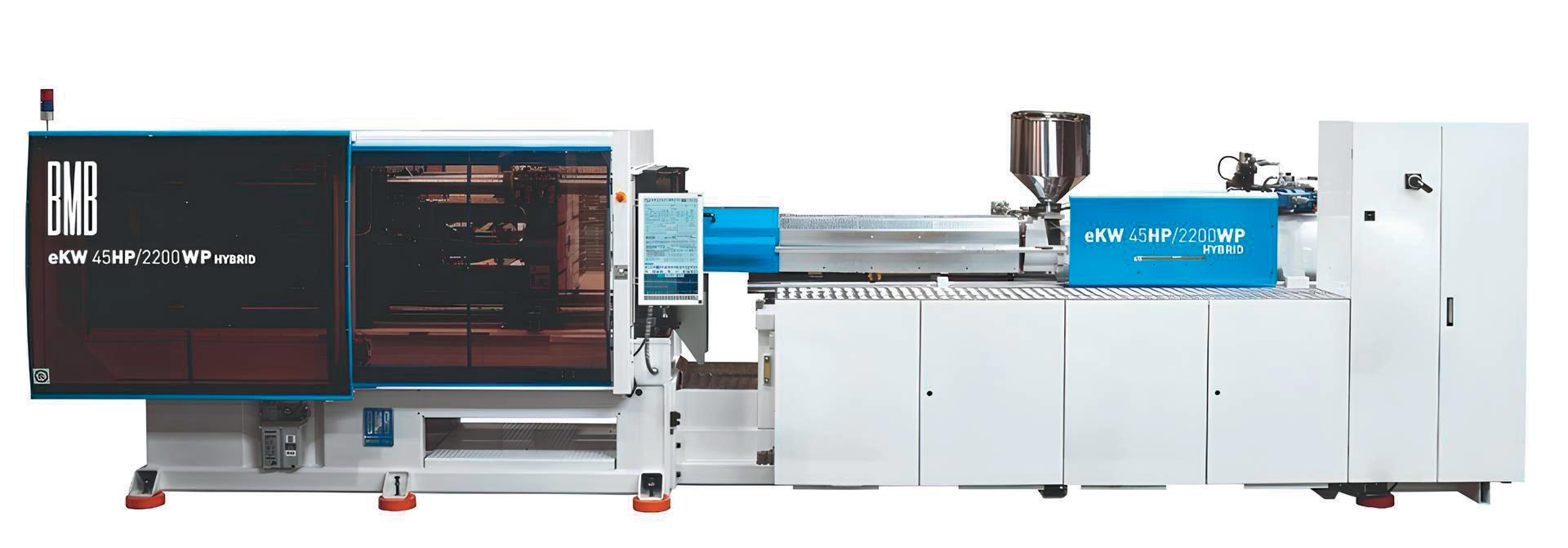
ing a press tour previewing the Milan fair, BMB played host to around forty sector journalists from around the world. Following an introduction to the company and its product range and a tour of its departments – from design and mechanical machining through to painting, assembly, and finishing – the four work cells that the Brescia manufacturer will be exhibiting at the fair were previewed for the first time. At Plast, BMB once again stakes its reputation on performance across the board: from speed to reduced energy consumption, from quality to robustness. The company’s message is unambiguous: it presents itself as a partner to be relied upon for performance –in terms of productivity, energy consumption, and reliability –but above all for trust.
At the Milan fair, the Brescia manufacturer presents four production cells: three at its own stand and one at the stand of a long-standing partner.
The eKW45HP/3450WP Hybrid is the first machine of BMB’s new series designed for the high-productivity caps and closures and packaging sector. Since its first appearance at K 2025, it has been further optimised and is now ready for production. The principal characteristics that define this machine are robustness and speed, combined with compactness for short opening strokes.
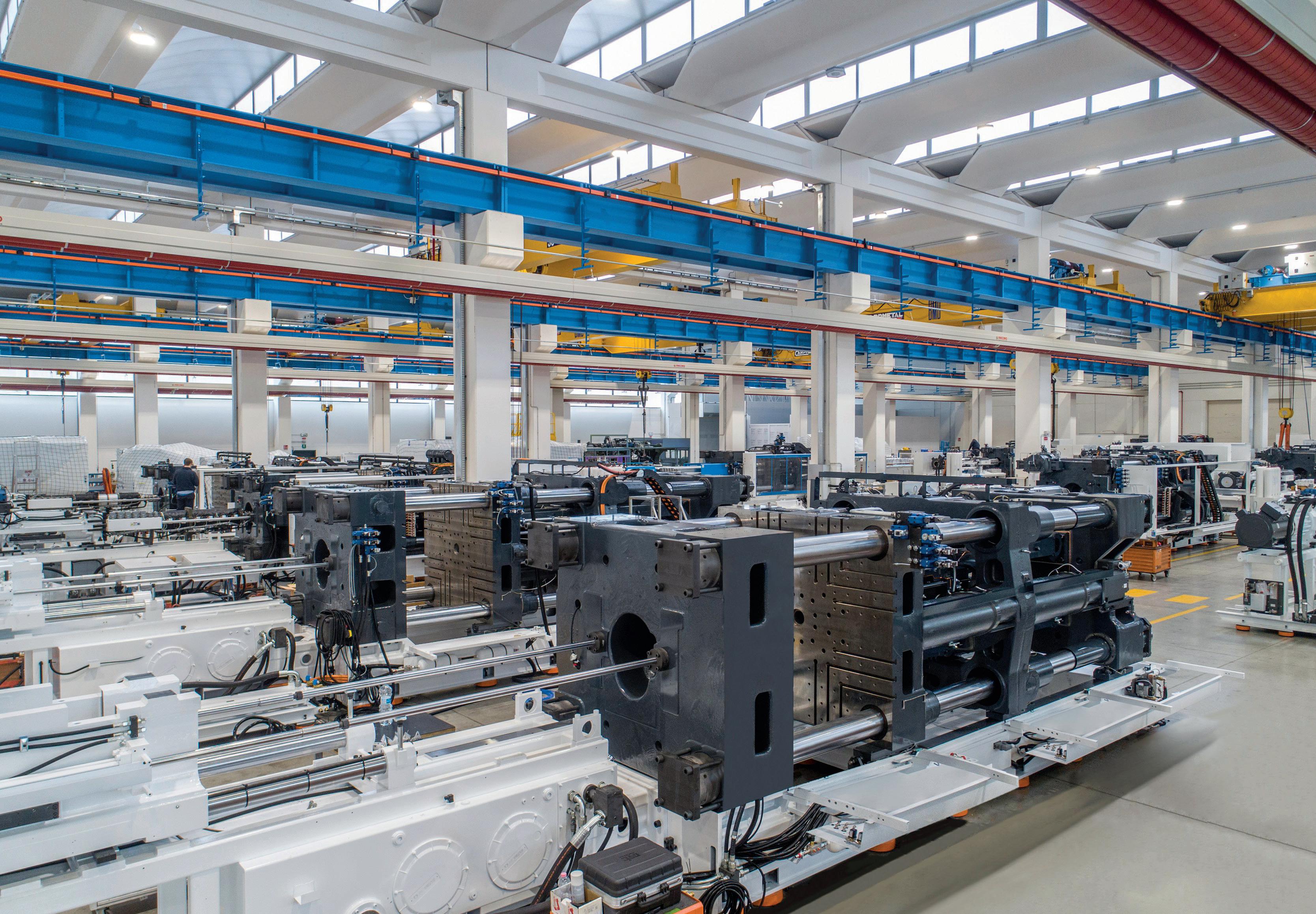
The hydraulic injection system – with servo-pump, accumulators, and dual servo-valve – represents the ideal combination for achieving injection speeds in excess of 1,500 mm/s, as required for ultra-thin walls. The iQ-Pump delivers significant energy savings by shutting down the motor-pump unit after the accumulators have been charged. The clamping unit, featuring a completely redesigned BMB toggle mechanism, exploits shortened link kinematics and reduced reaction times for rapid opening and closing with perfect parallelism. The movement of the moving platen on self-lubricating prismatic guides is positioned particularly close to the machine centre, thanks to the innovative platen design – to the benefit of greater stability and compatibility with especially heavy, multi-cavity, or stack moulds.
The machine is based on a tried-and-tested modular platform, specifically suited to packaging production applications. The injection unit is configured for rapid response times and precise melt volume control, guaranteeing quality and repeatability. The dynamic heart of the machine is the exclusive, extremely lightweight injection plunger, designed for fast and precise movements. During injection, the entire structure remains fixed – including the injection unit, carriage, motor, and flanges – whilst only the plunger moves. The hydraulically actuated ejection unit ensures ejection with both force and speed, but can be replaced with electric actuation depending on requirements. The screw drive motor features increased torque to optimise plasticisation at low melt flow index.
One of the most important requirements for a packaging machine is its longevity. This was the design criterion that guided the company from the outset and informed every design decision, from the base frame design to the choice of components. At the fair, the machine is configured for the production of graduated dispensers for the medical sector.
The second work cell presented at the fair is intended to further underline the importance of reducing energy consumption without penalising productivity or product quality. The machine on which it is based is a high-performance eKW28Pi/1300 full electric, with an injection speed of 500 mm/s and particularly fast opening and closing to combine productivity and reduced energy consumption perfectly – even in an extreme case such as the one demonstrated at the fair, where the complete cycle is under 3 seconds, with a robot time of over half a second.
Founded in 1967, BMB has recently expanded its production facilities with a new department – shown in this photograph and in the large opening image – primarily dedicated to the manufacture of high-tonnage presses.
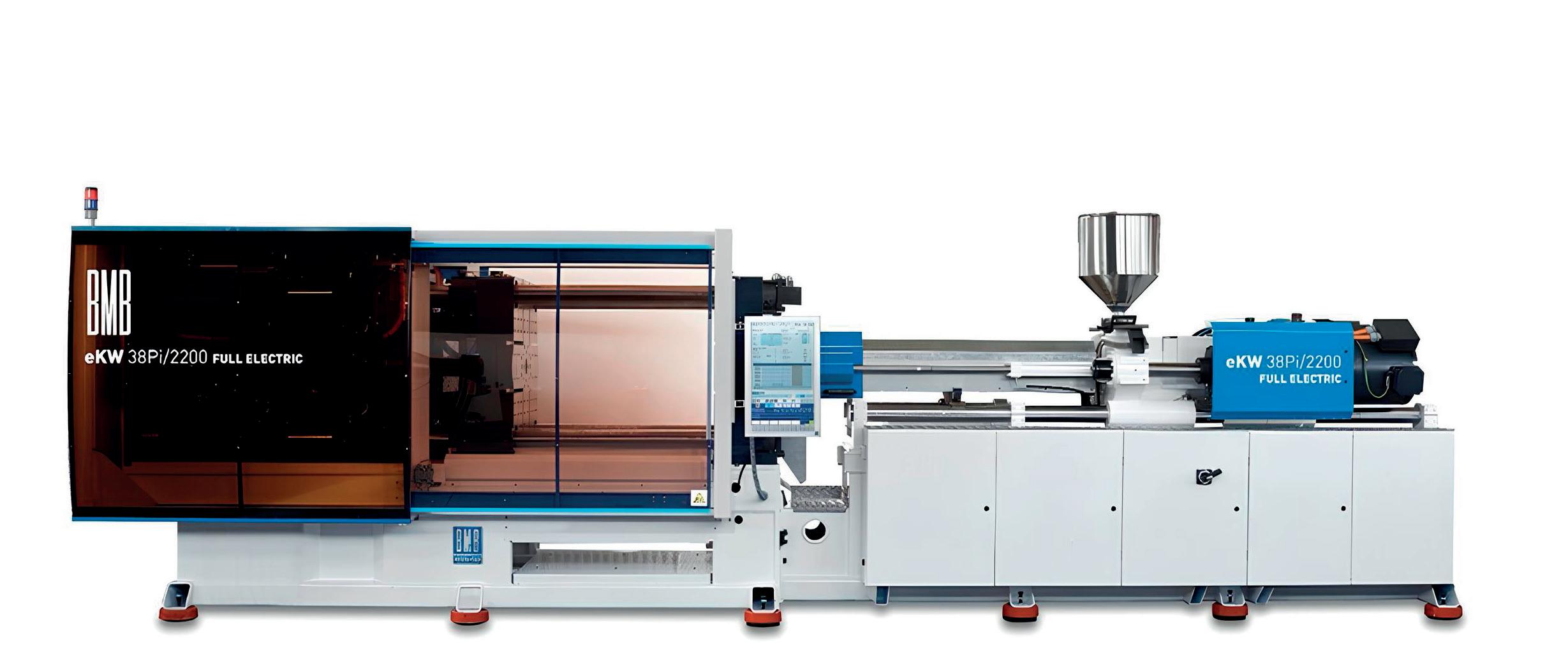
With this machine, the Brescia manufacturer offers a solution capable of producing at least 120,000 containers per day, requiring 60,000 opening and closing movements per day, every day, without interruptions or machine downtime, for years of production. In other words: very high levels of productivity combined with the reduced energy consumption typical of an electric press and the reliability of a mechanical movement.
The eKW28Pi/1300 full electric press is equipped with a 50 mm plasticising screw that generates a specific injection pressure of 2,000 bar, as required for the filling and compaction of a product with a wall thickness of 0.4 mm. All axes are servo-assisted and movement overlap contributes to cycle time reduction whilst maintaining consistent shot weight.
The eKW38Pi/2200 Full Electric at the fair produces a flip-top cap for cosmetics – an application with which BMB intends to highlight the extreme versatility of the eKW series presses, whether fully electric as in this case, hybrid with hydraulic injection under accumulators to achieve higher injection speeds, or hydraulic with servo-pump for high tonnages. In the caps and closures sector to which this application is directed, it is essential to guarantee high consistency and, once again, reduced energy consumption.
With the eKW series, the company aims to meet these requirements, also thanks to the unique design of the BMB toggle clamping unit, characterised by a central platen thrust and the electrification of all movements – to the benefit of precision, shot weight consistency, and energy savings.
BMB’s research effort to improve electric presses has focused
The eKW38Pi/2200 Full Electric press, with a clamping force of 3,800 kN and a 16-cavity mould, produces a flip-top cosmetics cap at the fair in a cycle time of approximately 10 seconds.
principally on increasing injection speed – still some way from the values achievable with hydraulic injection, but progressively higher and approaching 500 mm/s. Considerable attention has also been devoted to reducing mould-open time, by increasing opening and closing speeds through direct motors and movement transmitted via roller screw drives, which ensure far greater reliability and performance than ball screw drives – which are subject to more rapid wear and therefore more frequent and costly maintenance. In the application presented at the fair, the precision of the moulded part is particularly evident in the area involved in the unscrewing and inmould closing operations.
The eKW20Pi/700 Full Electric, a 200-tonne machine with injection unit 700 and a 45 mm screw, is exhibited at the Star Automation stand. The robustness of this machine renders it virtually vibration-free, thanks to the redesigned base frame and the fully electric, silent, and environmentally respectful drives, and contributes significantly to reduced maintenance requirements. The large 24.5-inch touchscreen – with dedicated mechanical keys for the most sensitive settings and touch functions for all other parameters – is intuitive and guided, making it easy to operate.
All machines in the eKW series can be connected to BMB’s after-sales service, providing constant technical support and guidance on the correct parameter settings of moulding programmes.
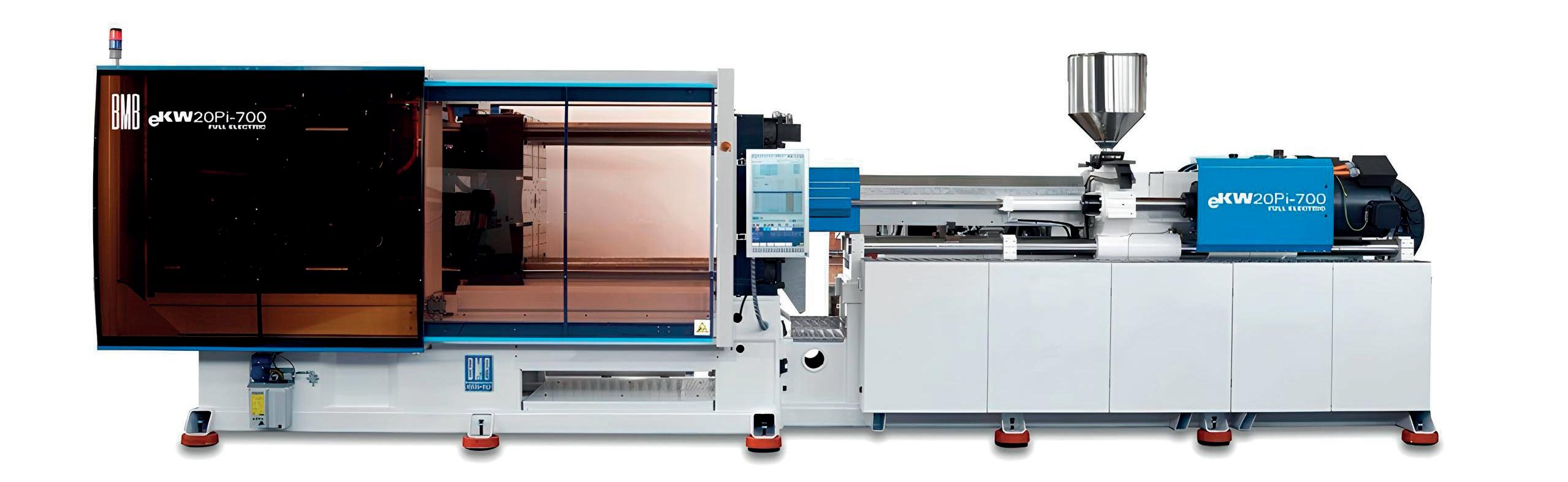
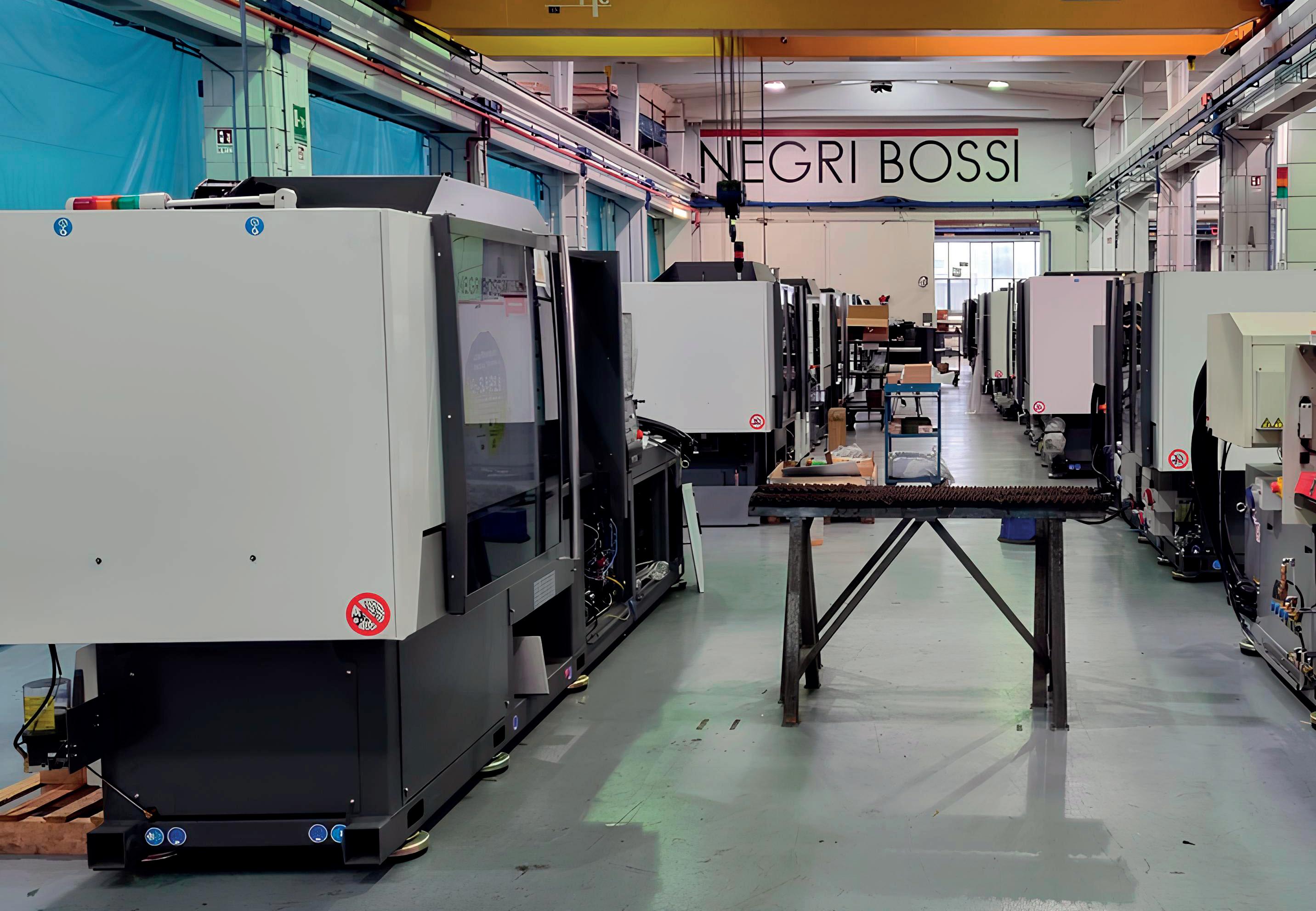
Negri Bossi: a full picture
Negri Bossi brings three “problem-solving” applications to Plast 2026, targeting the food, cosmetics and medical sectors: a 110-tonne all-electric press for LSR, a 110-tonne hydraulic “Nova Canbio” with N-Sapli for high-transparency PETG parts, and an 80-tonne electric press for syringe barrels. The company’s management explains how to balance electric and hydraulic technologies and respond to the automotive downturn through diversification and new markets, while also outlining the roadmap with the new GMS Group on sustainability and AI. Topics on the table include sandwich moulding with PCR, connected smart factory, traceability QR codes and closed-loop process control.
By Luca Mei and Stefano Bertacchi
In the international industrial landscape, Negri Bossi has established itself as a global leader in the design and sale of presses and technologies for injection moulding, building a solid reputation through meticulous attention to detail. The company is today recognised as one of the most authoritative players in the sector worldwide, capable of meeting the demands of an increasingly exacting customer base. The beating heart of its operations lies at its historic headquarters in Cologno Monzese (Milan), which serves as the nerve centre for innovation and the coordination of global activities. From a commercial standpoint, Negri Bossi’s strength lies in an extremely versatile and comprehensive product range, structured to cover every market segment. The offering spans electric and hydraulic presses in small and medium tonnages – such as the Nova 5eT series (from 50 tonnes upwards) and the Nova sT – through to the giants of industrial production, including the Bi-
Power line, capable of reaching a clamping force of 7,000 tonnes. This flexibility allows the company to serve diversified sectors, offering solutions ranging from micro-precision work to the production of large-dimension components.
Its commercial scope extends beyond machinery sales to encompass the supply of cutting-edge application technologies. Negri Bossi is a point of reference for complex processes such as liquid silicone rubber (LSR) moulding, MultiMat multi-component solutions, and the processing of PVC and thermosets. Its constant presence at the sector’s leading trade fairs – including K in Düsseldorf – reflects the international vocation of a brand that continues to evolve in response to the challenges of productivity and energy efficiency. Ahead of the important Plast 2026 event, scheduled at Fiera Milano in Rho (Milan) from 9 to 12 June, we met with the company’s management for a wide-ranging interview covering the hottest market topics, corporate de-
velopments and the new frontiers of artificial intelligence applied to the production process.
Participation in the Milan fair is an opportunity to showcase concrete solutions aimed at addressing the real-world challenges faced by moulders. Technical Director Angelo Brioschi outlined the key exhibits at the stand: “We are essentially bringing three applications, featuring both fully hydraulic and electric machines in operation. The first is a 110-tonne electric press for liquid silicone moulding, developed in collaboration with German mouldmaker Ewikon, for the production of a muffin-tin mould cup intended for the food sector”.
The focus then shifts to cosmetics and medical applications –sectors demanding extreme precision and superior aesthetic quality. “For cosmetics, we are exhibiting a hydraulic machine from the new ‘Canbio’ series, rated at 110 tonnes,” continued the Technical Director. “We are moulding a thick-walled transparent part in PETG. The challenge here is to obtain a piece free of inclusions or bubbles, guaranteeing perfect transparency”. Rounding off the showcase is electric technology applied to the medical sector. “We are presenting an 80-tonne press dedicated to the production of syringe barrels, in collaboration with Ghilardi Stampi”, concluded Angelo Brioschi, underlining that the choice of these sectors is driven by their stability compared with the volatility of other markets.
CEO Domenico Ghilardi went into technical detail, explaining how innovation is closely tied to the product: “On the hydraulic machine for cosmetics, we have incorporated the optional ‘N-Sapli’ feature – a technology that improves the quality of
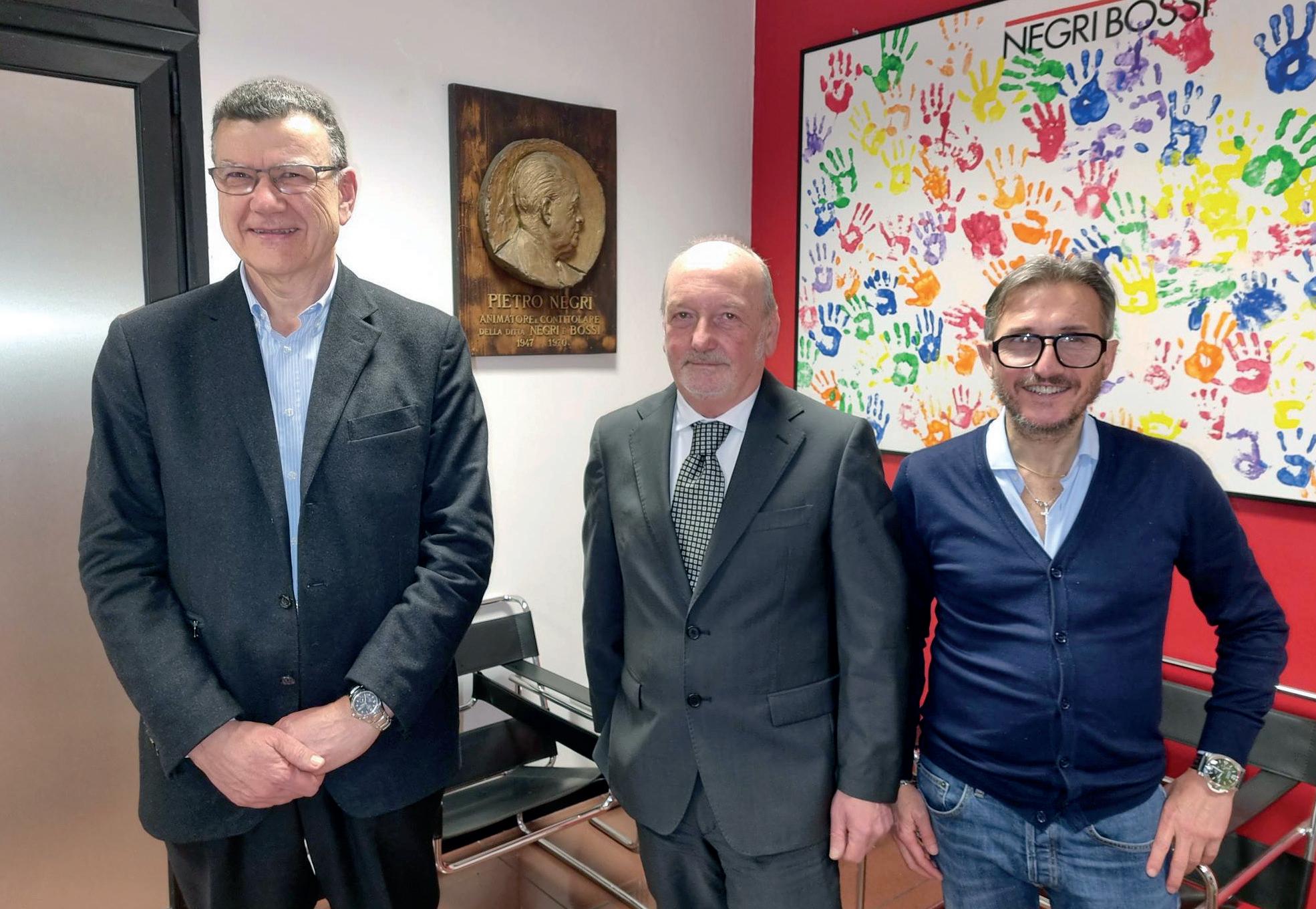
moulded parts, particularly when significant wall thicknesses are involved. It regulates internal stresses, promotes transparency and enhances overall quality”. According to the CEO, the underlying approach is clear: “The Japanese mindset is to solve customers’ problems. There is less focus on appearances and more on substance, proposing solutions that address real moulding challenges”.
The comparison between all-electric and hydraulic technology represents one of the central questions for anyone investing in injection moulding today. It is not merely a matter of technological preference, but a genuine business model decision with implications for costs, flexibility and maintenance.
From an economic perspective, the gap is clear: at equivalent tonnage, an electric press requires a slightly higher initial investment than a traditional toggle machine. However, this additional cost is offset by immediate operational advantages. “Regardless of the product, having oil or not having oil makes a difference: the electric machine is cleaner and ensures lower energy consumption”, our interlocutor noted. These energy savings make it possible to calculate a very attractive ROI and payback period, particularly in markets such as Spain and France, where strong incentives and tax relief exist for those adopting green solutions. Yet the choice is not straightforward. The electric machine is considered “more rigid” – in other words, less flexible than its hydraulic counterpart. As Domenico Ghilardi highlighted: “The electric machine is better suited to those who work with their own products or with significant production runs, as they can plan effectively. A pure subcontractor, who may not know what mould he will be fitting the following day, may need different accessories that are more easily fitted and readily available – and is therefore more likely to opt for the hydraulic solution”.
Maintenance considerations also reflect what might be described as a cultural barrier: whilst hydraulic technology is perceived as historically more established, electric machines require different competencies to service their higher-precision components. Despite electric being the established standard
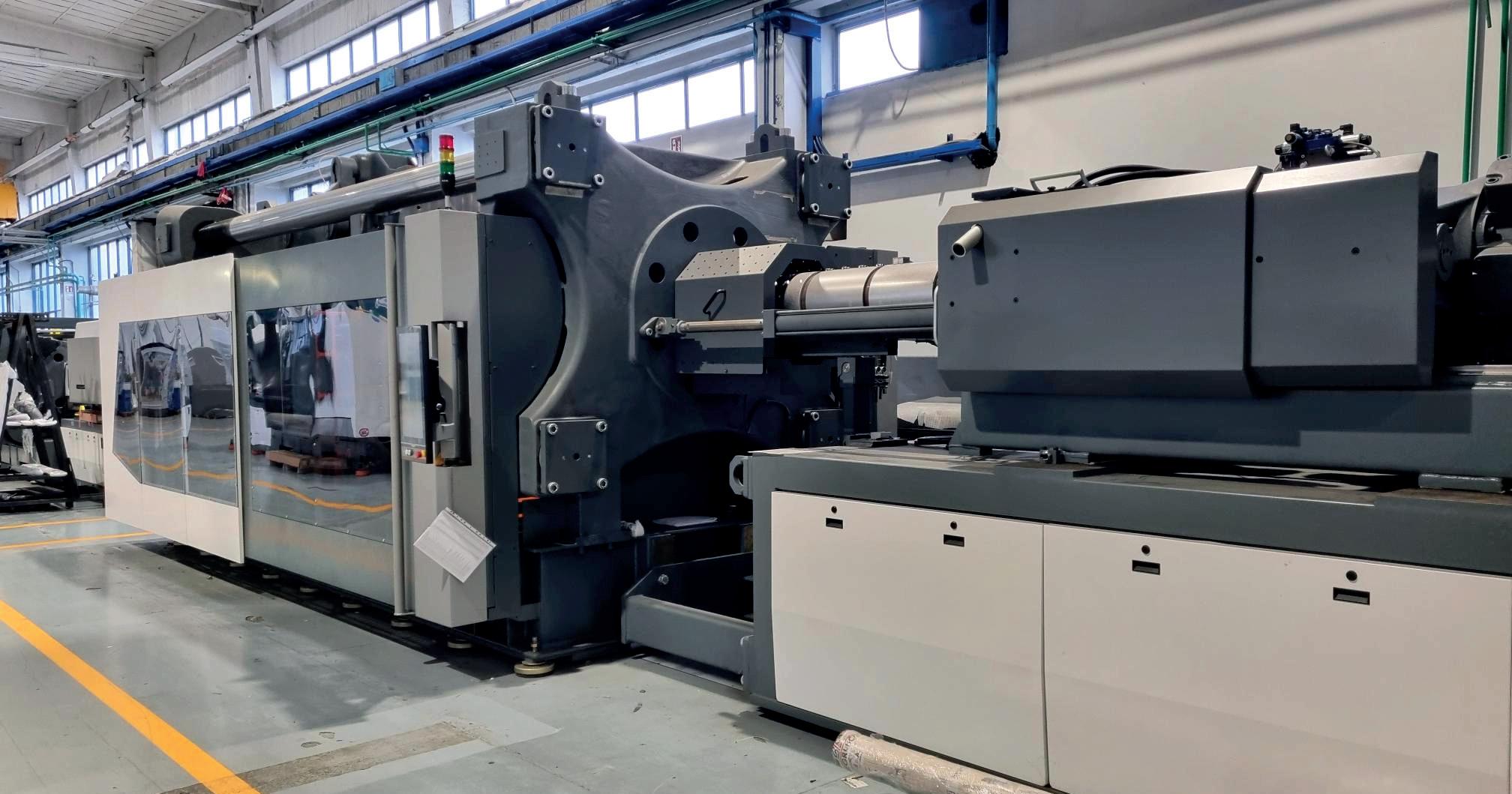
up to 500 tonnes, projections indicate that hydraulic machines will still account for over 50% of the market through to 2030 and beyond – particularly for high tonnages, where the full transition is expected to take considerably longer.
The injection moulding sector has felt the impact, in recent months, of the crisis affecting the automotive industry. Negri Bossi, however, has responded with a resilience strategy built on diversification. Sales and Marketing Director Carmelo Seminara explained: “With lower volumes from automotive – where we are strong with high-tonnage machines – we have focused on territorial and application diversification. Nissei’s highly reliable all-electric product is opening doors for us in sectors such as medical and cosmetics, and in geographical areas where we were previously less visible, such as Germany”.
This expansion encompasses not only sectors but also the commercial network. “We have opened agencies in Israel and are finalising partnerships in Ireland – two countries with a strong appetite for electric technology,” added Seminara. The target for 2026 is to consolidate this position: “We expect the electric product to remain our flagship, without losing sight of high-tonnage machines, on which our engineers are working to further strengthen competitiveness.”
One of the most significant developments for the company’s future is the merger – operationally effective from 1 April – between Nissei Plastic Industrial and Toyo Innovex into the new GMS (Global Moulding Solutions) Group.
Domenico Ghilardi commented on the transaction, underlining the strength of the new entity: “This is effectively a merger, approved by both boards. Technically, it involves the delisting of both companies from the stock exchange and the creation of a new entity”. Despite the new corporate name, the historic brands remain central: “GMS is the name of the company, but the Nissei and Toyo brands are extremely strong and will in all likelihood remain on the market. This union will allow us to better manage the global situation, relocating production and sales activities”. Nissei carries a slightly greater weight in the new structure, but the shared objective is clear: to create an unprecedented operational synergy within the sector.
Negri Bossi views sustainability and digitalisation not as mere trends, but as genuine pillars of energy efficiency. A concrete example is the company’s work on sandwich moulding for the reuse of recycled materials (PCR). Domenico Ghilardi explains: “We have demonstrated the ability to produce parts with outer layers in virgin material and a core in recycled material, reducing the use of raw materials whilst maintaining aesthetic quality”. To push these boundaries further, a research agreement has been established with the University of Aachen (Germany). The objective is to develop AI-integrated moulding processes for recycling applications. Given that recycled material is never con-
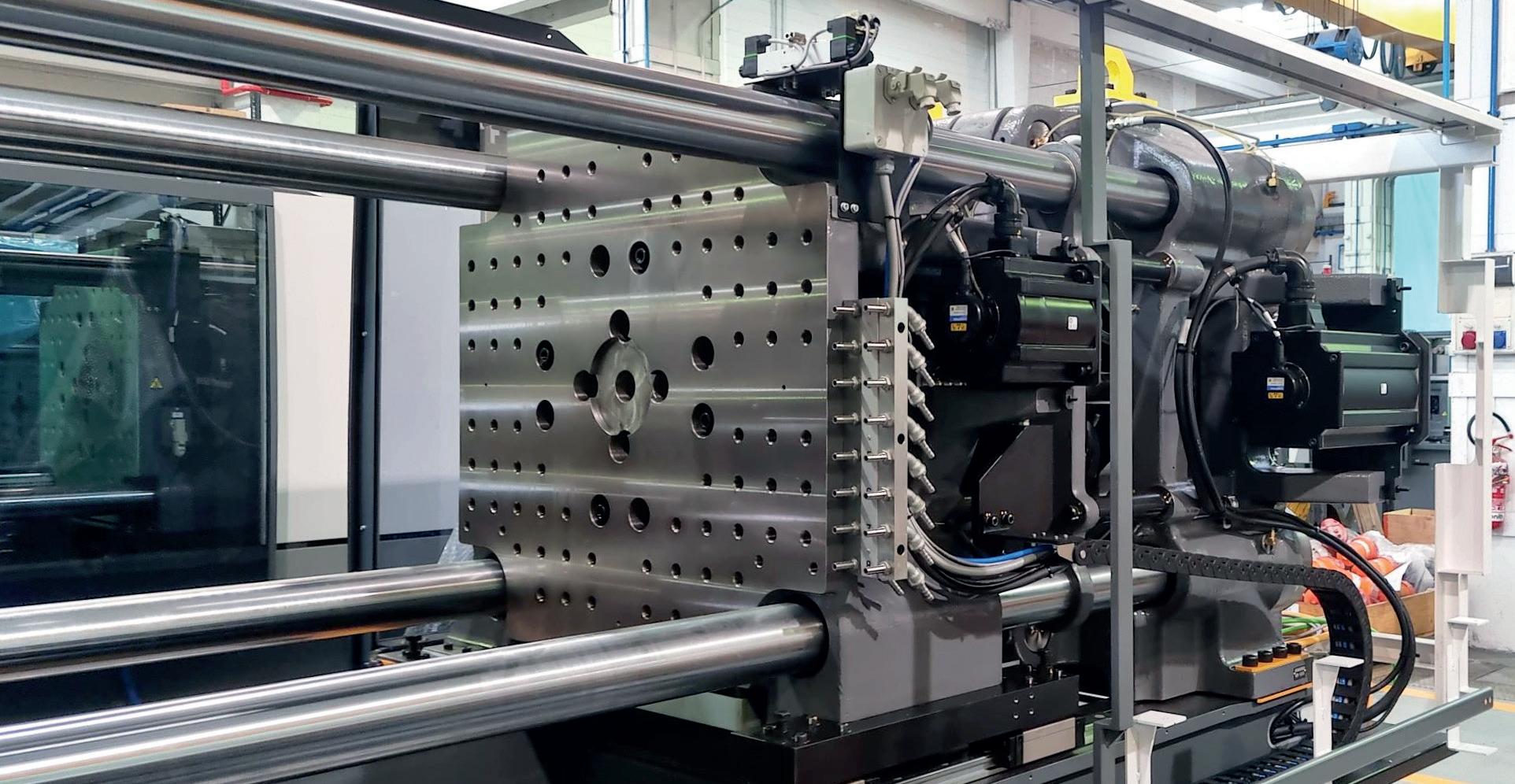
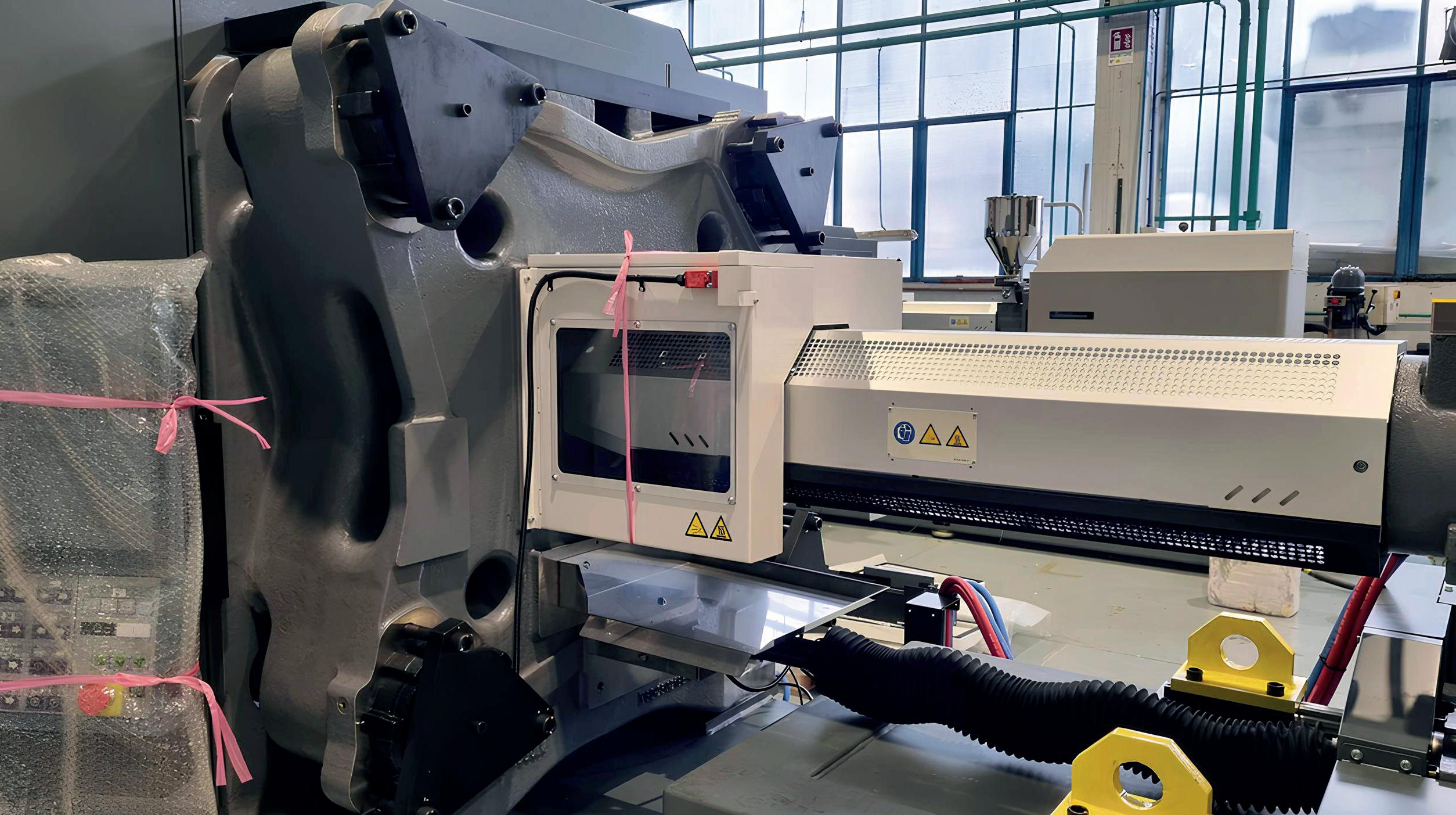
sistent, artificial intelligence intervenes to self-regulate the machine: “Through vision systems and deep learning, the machine identifies any deviations and adjusts itself autonomously”, the CEO added.
Digitalisation also manifests through standardisation. “Thanks to Euromap protocols and the definitive adoption of OPC UA, operating within this framework has become considerably simpler”, observed Domenico Ghilardi. The company nonetheless remains pragmatic: “These technologies deliver efficiency, but require investment. At present, connectivity is implemented mainly where incentives exist, though customers are beginning to understand that these systems deliver tangible results”.
A tangible example of Negri Bossi’s vision for systems capable of generating, analysing and utilising data to ensure total quality is the integration of advanced automation, IoT and vision systems. During recent technical demonstrations, the company presented a highly complex application: the simultaneous moulding of a container and its lid using two separate injectors, with robotic assembly completed before the parts leave the press. The real added value, however, lies in data management: all systems – from robots to auxiliary equipment – are centralised via IoT protocols within the press controller. This data flow feeds an external artificial intelligence algorithm that cross-references the physical moulding parameters with the results of visual inspection checks. When conformity is confirmed, the system proceeds to print a dynamic QR code directly onto the part – a genuine “identity card” encapsulating the complete traceability of the production process. Conversely, should the AI detect a non-conformity, the part is immediately returned to the granulation system to feed back into the PCR circuit, closing the loop on internal circular economy.
The ultimate goal of this technological journey is already mapped out: “The next step is to have this artificial intelligence modify the machine parameters whenever it detects deviations”, our interlocutor explained. Drawing on its understanding of the physical model of the moulding process, Negri Bossi aims to create “closed-loop” systems capable of self-regulating proactively, preventing the finished part from drifting outside established tolerances.
The future of the sector appears to be moving towards the provision of services beyond machinery alone, as Negri Bossi’s
management makes clear. The company is developing the PI Platform – a database through which customers and material suppliers can collaborate. Significant support will also be directed at operators, who are increasingly difficult to recruit and train. Tools such as Melt Master allow the machine to self-regulate plasticisation according to the material, without the operator having to rely solely on personal experience. Similarly, the automatic purging system reduces waste during colour changes, optimising time and resources.
As the global market faces complex geopolitical and economic challenges, Negri Bossi is banking on a distinctive formula. As Carmelo Seminara sums up: “We are aiming for the combination of Japanese reliability and Italian flexibility. That is what sets us apart from our competitors”.
With a range spanning from electric to high-tonnage hydraulic machines, and a vision directed towards AI and the circular economy, Negri Bossi confirms its role as a strategic partner capable of offering customers comprehensive, 360-degree support – guaranteeing competitiveness in a changing world. Plast 2026 offers the opportunity to experience the future of injection moulding first-hand.


In a geopolitical landscape that is anything but reassuring - three ongoing conflicts, an energy crisis, and growing tensions between the EU and the United States - the German giant Arburg is standing by its traditional promotional initiatives such as the Technology Days to reaffirm its resilience and determination in the face of an unprecedented economic downturn, which has reduced its workforce from 3,700 to 3,400 employees. The newly constituted management board takes stock of the past year and identifies the packaging and medical sectors as the most dynamic application areas, capable of at least partially offsetting the difficulties facing the automotive industry. The Automation and Turnkey division represents a sound response to the increasingly demanding requirements of customers. Plast 2026 remains an unmissable event: for Arburg, the Italian market has always been one of the most important in Europe, and the Milan trade fair represents a privileged opportunity not only to exhibit products, but to meet customers and partners and showcase innovative solutions such as the new electric Allrounder Trend.
By Giampiero Zazzaro
Arburg’s Technology Days 2026 were held from 11 to 13 March in Lossburg, Germany: the international event that the company dedicates each year to customers, partners and media from around the world, now in its twenty-seventh edition, continues to establish itself as one of the key events for the injection moulding industry. More than 40 exhibits featuring applications and new products provided the backdrop for a press conference at which a profoundly renewed management team offered
a clear - and in some respects unprecedented - overview of the market situation and corporate strategy. Unprecedented because, for the first time in Arburg’s history, the panel of speakers included a CEO. Nevertheless, as Michael Hehl, Managing Partner and Spokesperson for the Management Board, was keen to stress, this change does not affect the company’s core identity: Arburg was, is and will remain an independent family-owned company, owned by the Hehl and Keinath families.
The Technology Days 2026 marked a historic moment for Arburg: for the first time in its history, the company presented itself to the international press with a CEO. That person is Volker Nilles, who took up the role in January 2026 and made his public debut in that capacity at the Technology Days. A significant departure for a company that has always operated with a collegial management structure, one that Hehl was keen to contextualise: the appointment of Nilles responds to the need to strengthen the structural sustainability of the company in an increasingly volatile market environment, without, however, altering its founding values or family ownership structure. Nilles brings with him over thirty years of managerial experience in the mechanical engineering and automotive sectors.
In his first address to the international press, he described his first two months at the company as a process of listening and observation: getting to know the structure and staff in Lossburg, visiting international organisations, working closely with the management team, spending time on the production floor and meeting customers.
“In many respects”, Nilles stated, “this appointment feels like a return. A return to mechanical engineering, to the plastics industry, to a family-owned company with short decision-making processes, a great foundation and lots of potential for the future”. A return, then, that is not merely professional but almost one of identity, in which Nilles has recognised deep affinities with the Arburg model.
The new CEO did not conceal the scale of the challenge ahead. The world has changed significantly in recent years, and at a pace that few could have anticipated: the at least temporary
end of globalisation as we knew it, the emergence of a triadic global structure with its geopolitical and geoeconomic implications, price pressure, and the need for an ever-faster time to market. These are dynamics that companies cannot afford to ignore, and to which they must respond with an equally rapid capacity for transformation.
Arburg, Nilles emphasised, approaches this challenge with what he described as a “sporting spirit”: his own appointment is itself a product of this change, and his mandate is to steer the company onto a stable and ambitious growth trajectory, capitalising on a potential he has already had the opportunity to glimpse in his first months.
In pursuing this course, Nilles has identified five distinct factors on which he intends to build the strategy: performance
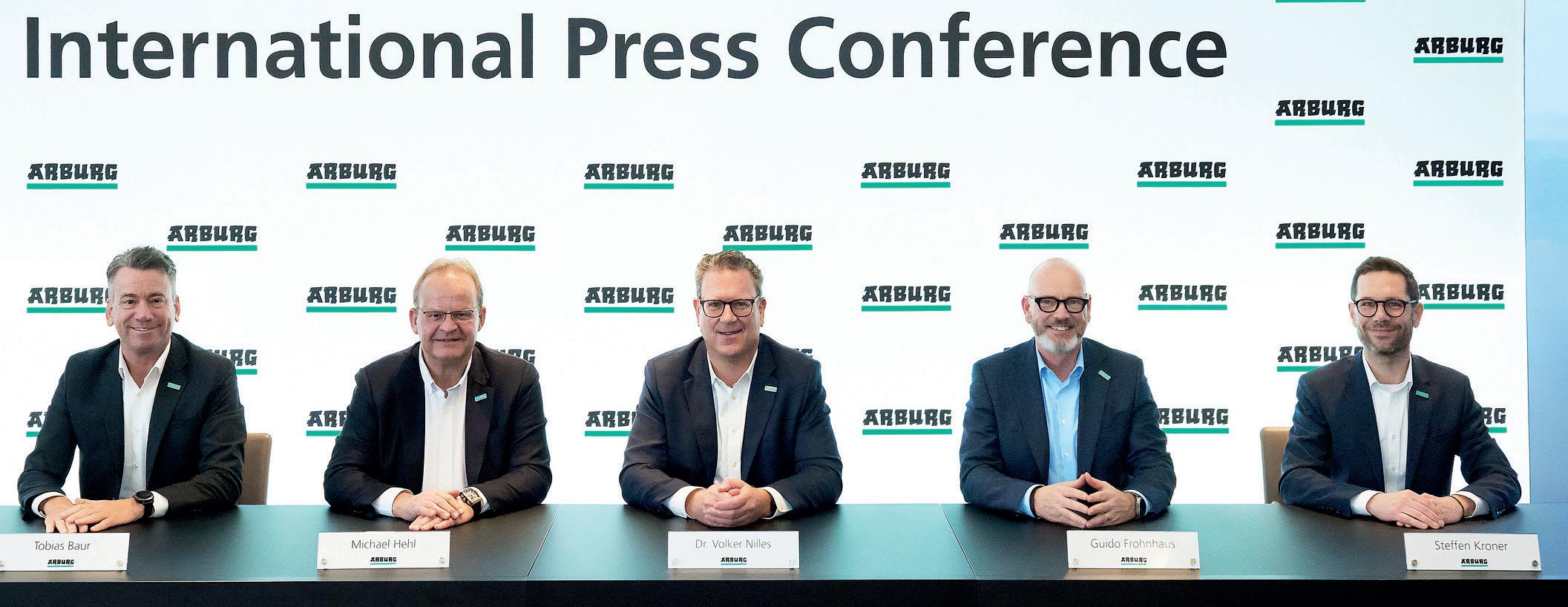
Arburg’s Technology Days 2026, presented to the international technical press on 10 March, offered an overview of the company’s performance and the strategy adopted to navigate the current climate of uncertainty.
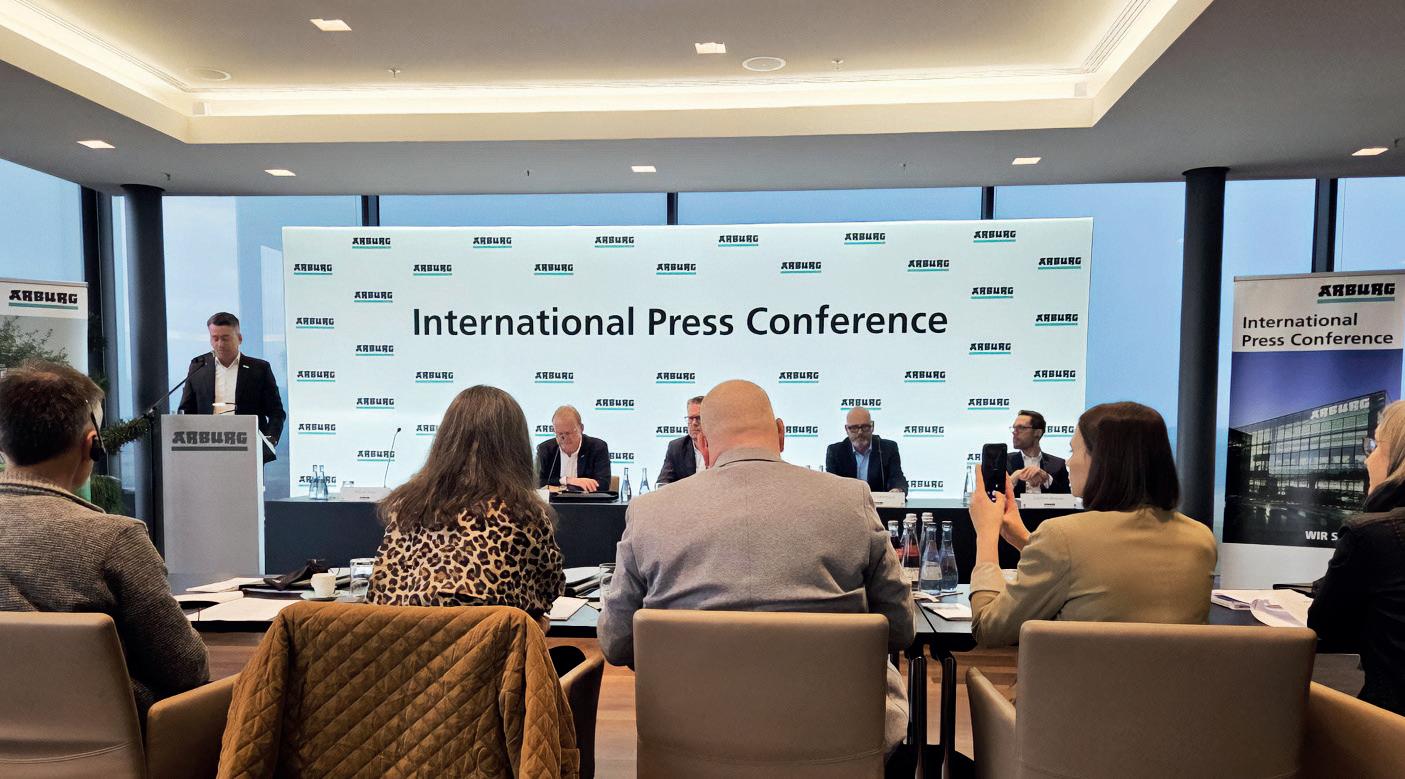
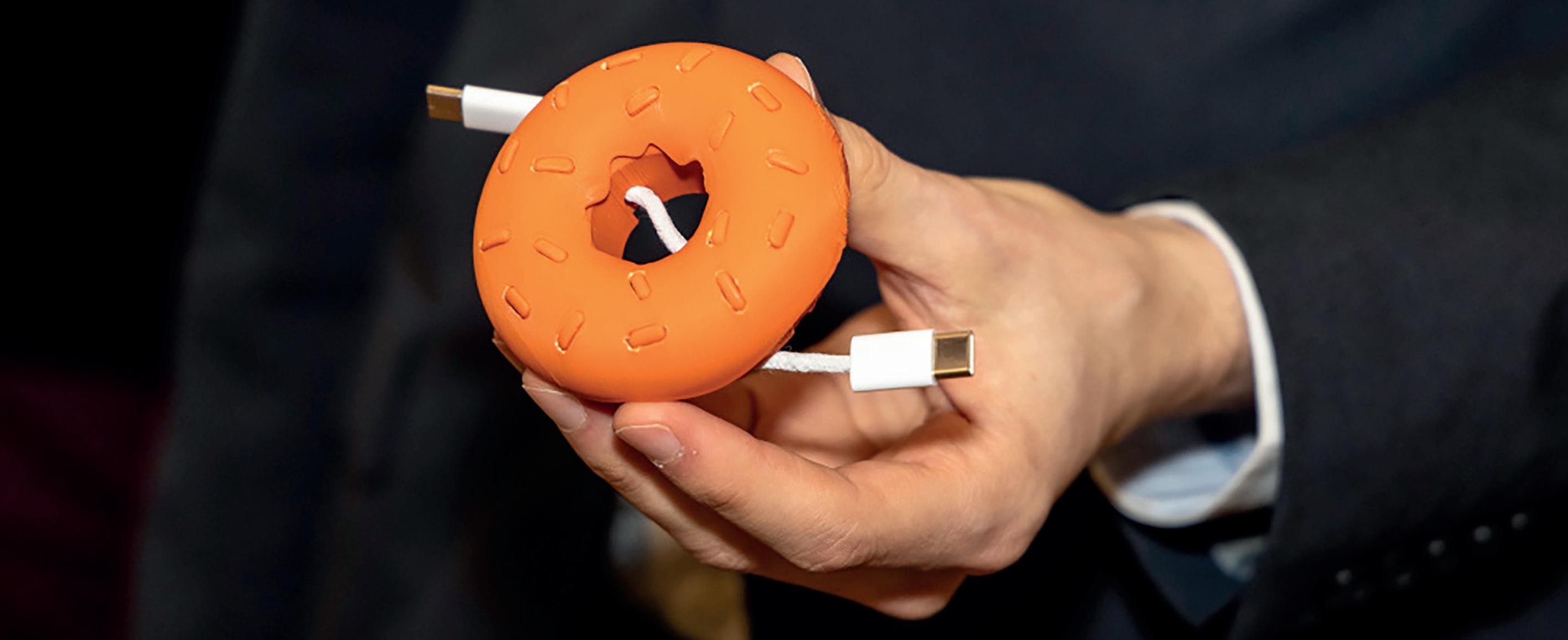
- understood as the ability to deliver the maximum number of good parts per hour across every segment, from standard to high-end; efficiency, meaning the reduction of operational costs for the customer; ease of use, with solutions that enable high-quality production even with minimally trained personnel; problem-solving capability, with an approach oriented towards solutions rather than mere products; and finally, reliability as a long-term partner.
“With this strong management team, the well-positioned global organisation, the well-positioned global organisation, the pioneering portfolio and the great potential of the Arburg brand”, Nilles concluded, “I am not worried. Quite the contrary! My goal is to move Arburg on a stable and ambitious growth course and to tap into the enormous potential that I have already had the opportunity to get to know a little”.
Tobias Baur, Managing Director Sales and After Sales, provided an assessment of market conditions. The year 2025 proved demanding for the plastics and mechanical engineering industry as a whole, and the early months of 2026 offer no clear signs of a turning point. Geopolitical pressures and economic policy uncertainty continue to hold back the recovery of investment.
Geographically, the picture is mixed: in Germany, innovative capacity remains at a low level; across Europe, a slight improvement is visible, more pronounced in eastern countries than in the west, though structural challenges - from the relocation of production abroad to competition from Asia - continue to weigh on the mechanical engineering sector. In the United States, 2025 proved surprisingly positive, albeit against a backdrop of cautious investment. In Asia, and in China in particular, performance was stronger than in other markets, confirming the region as the world’s largest sales market for injection moulding machines.
On the application side, the medical sector recorded slight growth, packaging remains stable with further potential and a strong performance in South-East Asia, whilst electronics is benefiting from impulses linked to artificial intelligence and electromobility. The automotive sector, meanwhile, remains in a phase of contraction. Against this backdrop, the after-sales business continues to perform solidly, driven above all by growing demand for personalised digital services.
Financially, Arburg closed 2025 with consolidated turnover of approximately 575 million euros, down 4% on the previous year - a result in line with the broader difficulties facing the sector, but approached from a position of strength as an independent family-owned company.
On the technology front, Guido Frohnhaus, Managing Director Technology and Engineering, presented the company’s main product innovations. Taking centre stage was the Allrounder Trend, the new electric press that celebrated its successful world premiere at K 2025 and of which the first units were already delivered in February. The machine responds to growing global demand for standard electric presses that are affordable, readily available and equipped with clearly defined specifications for series applications. Complementing it is the new Gestica lite control variant, a straightforward basic system that enhances ease of use.
The Allrounder Trend was demonstrated in moulding applications using recyclates and alternative materials such as coffee grounds.
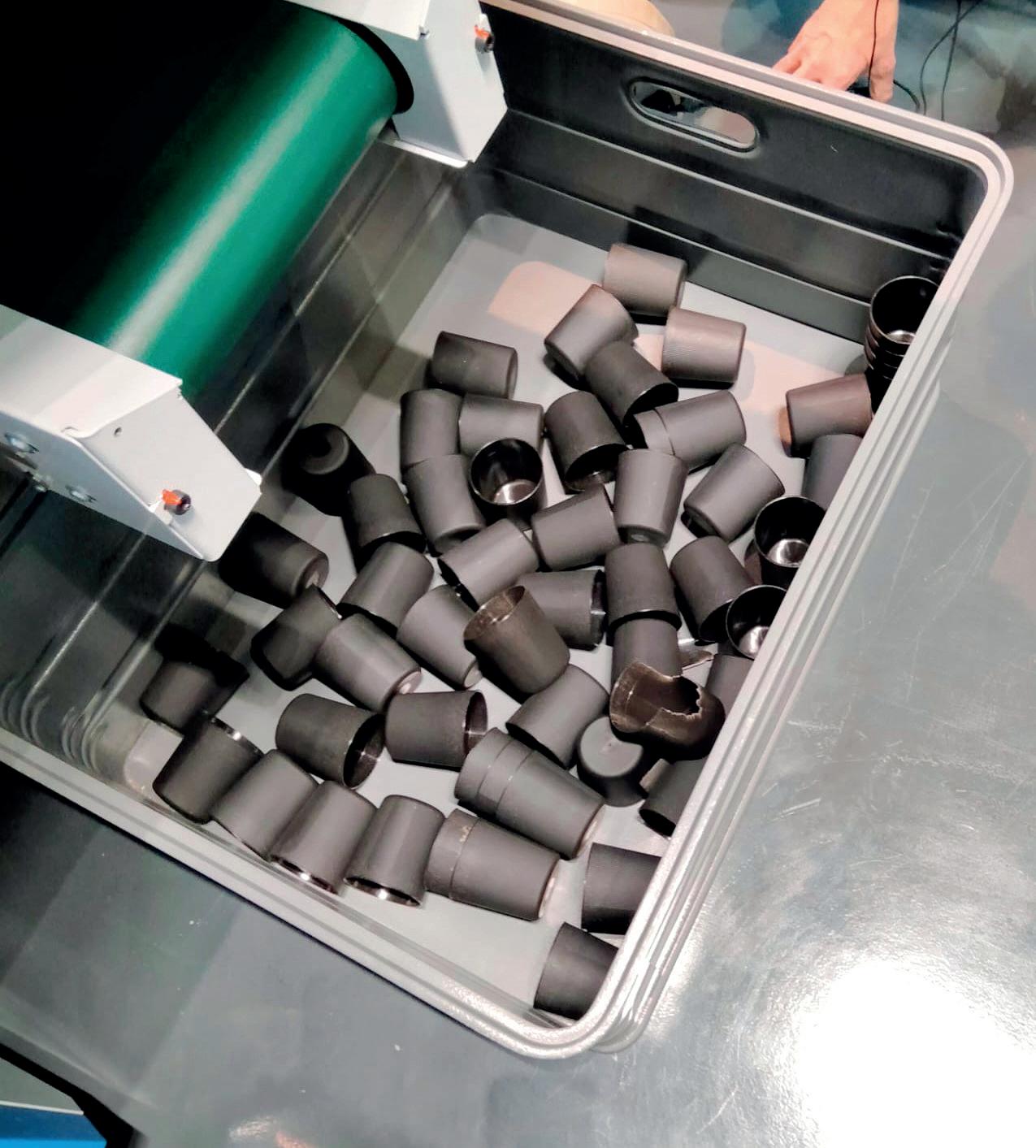
At the Technology Days, the Allrounder Trend was demonstrated in technical moulding applications, the processing of recyclates - including used fishing nets - and alternative materials such as coffee grounds, as well as in the fully automated production of LSR components.
Also noteworthy is the new cyclic assembly process developed for the production of the Trend: 3D operator guidance, digital assembly techniques and pull-controlled logistics significantly increase efficiency. This is a scalable model, already transferable to the Pinghu facility in China, where Trend machines for the Asian market are assembled. Also for Asia, Arburg is developing a vertical machine in collaboration with Tayu Machinery, a major Chinese manufacturer of robust vertical injection moulding machines: Tayu supplies the machine base, clamping unit and
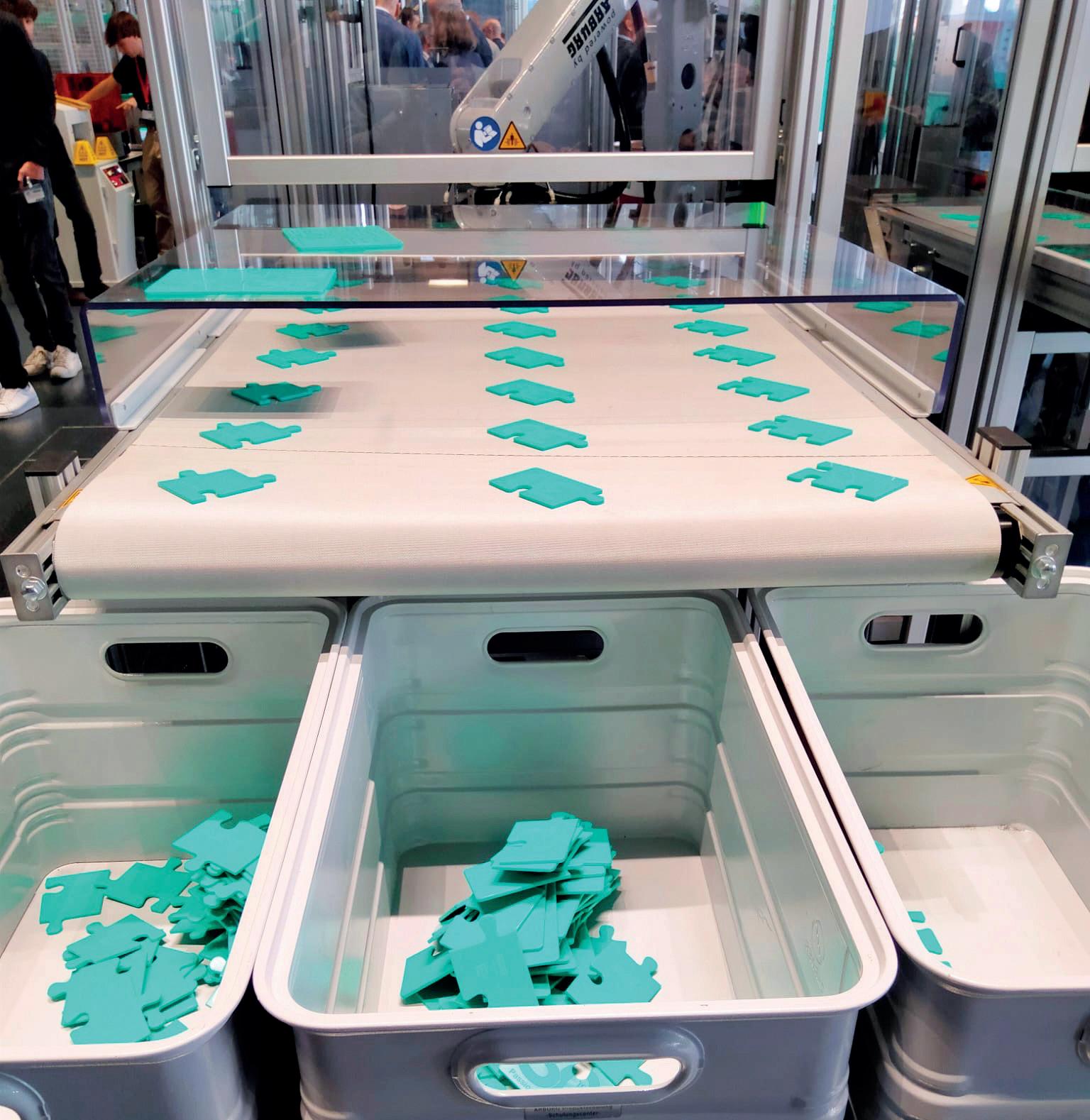
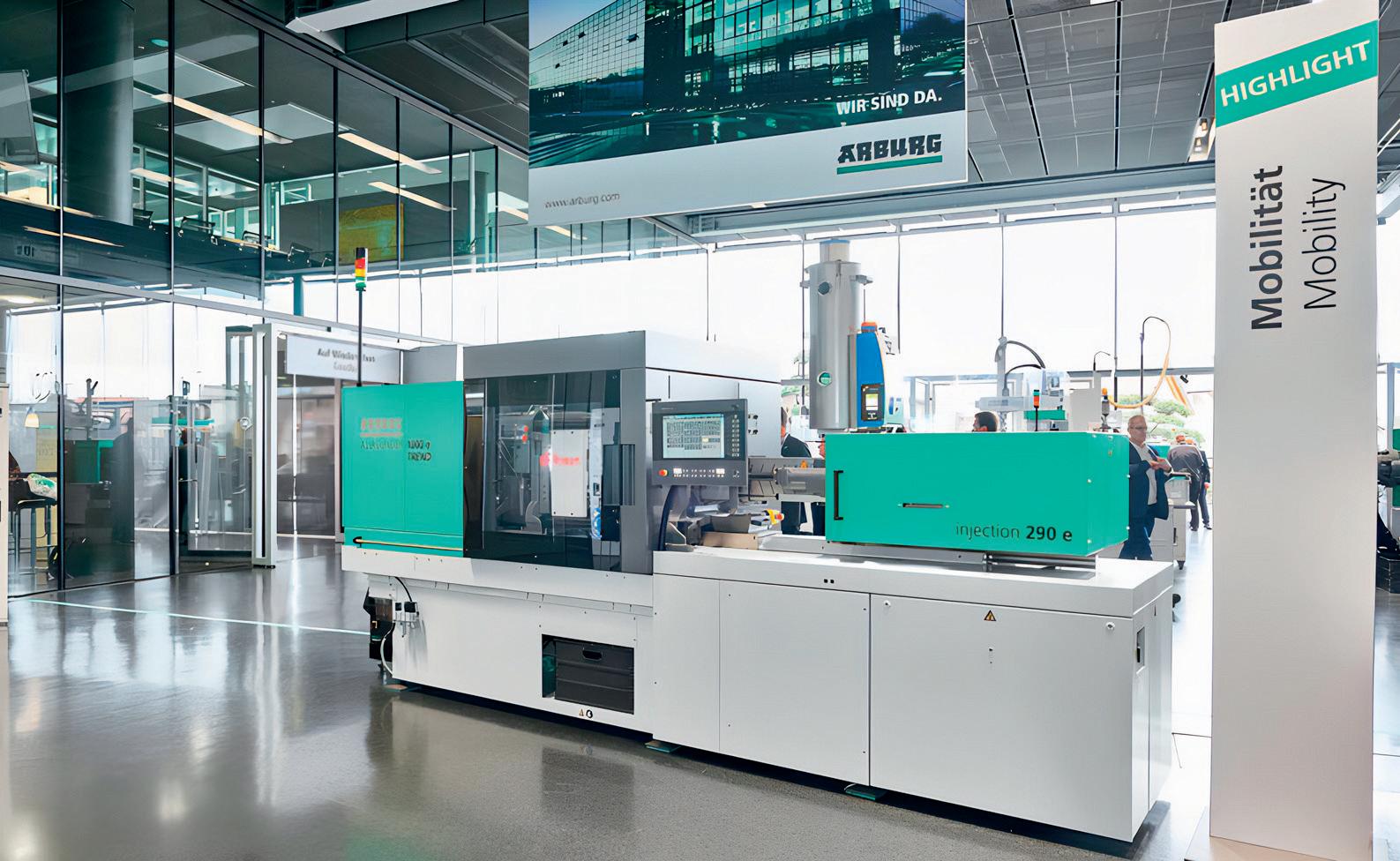
rotary table as a complete system, whilst the key components - the plasticising unit and control system - are manufactured in Lossburg and assembled in Pinghu.
One of the strategic themes most emphasised by Frohnhaus was the growing importance of automation and turnkey solutions. The Automation and Turnkey division now represents a priority area of investment for Arburg, in response to the increasingly demanding requirements of its customers: maximum efficiency, process reliability, comprehensive traceability and flexible production. These are precisely the areas where Arburg’s integrated solutions deliver the greatest added value.
The arburgSOLUTIONworld concept - which encompasses the company’s entire portfolio - therefore extends well beyond the machine itself, embracing a complete ecosystem that includes automation, peripheral equipment and digital services. The goal is not maximum performance in absolute terms, but the right performance for each specific application: the measure that ultimately matters to the customer is the maximum number of good parts produced per hour, at the lowest possible unit cost.
In this context, digitalisation stands out as one of the strategic pillars on which Arburg intends to build its future growth. Steffen Kroner, Managing Director Finance, Controlling, IT and Global HR set out the full scope of this ambition.
The year 2026 marks a significant anniversary: forty years ago, at K 1986, Arburg presented the first fully interconnected injection moulding system managed by a central computer. It was the forerunner of the company’s current MES - the ALS (Arburg host computer System) - which today, after four decades of continuous development, remains the industry benchmark and is used by companies worldwide.
Alongside this sits the arburgXworld customer portal, now used by over 6,000 companies and more than 20,000 active users globally. The platform supports customers across the entire value chain: from project planning and commissioning through to production, maintenance and traceability.
An increasingly prominent role is being assigned to artificial intelligence, integrated into the Gestica and Gestica lite control systems through assistance and self-optimisation functions that simplify the management of ever more complex processes. The stated goal is the creation of intelligent processes for efficient, high-quality manufacturing, accessible even to operators with minimal training.
Also worthy of note is the donut-ella project: a three-part cable winder, vaguely reminiscent of a doughnut in shape, made from recycled plastic and winner of the Pleiades – Plastic European Innovation Award for Design and Sustainability. Conceived by three design students from IUAV University in Vicenza and selected from 38 competing entries, the device was produced live during the Technology Days on an electric Allrounder 1000e Trend press, offering a tangible demonstration of the sustainability potential of injection moulding.
The Italian market holds a place of considerable strategic importance for Arburg, traditionally ranking among the company’s top three European markets. It comes as no surprise, therefore, that Plast 2026 - scheduled at Fiera Milano, Rho, from 9 to 12 June - is regarded as a key event. As Tobias Baur noted during a brief interview with the MacPlas editorial team, the company’s participation in the Milan fair is not simply about exhibiting products; it represents above all a privileged opportunity to meet partners - from the distribution network to suppliers of automation and process solutions - and to showcase its expertise and innovative solutions, including the new electric Allrounder Trend. Arburg is bringing to Plast not a standalone press, but an integrated system of solutions spanning monitoring, energy efficiency, reduction of operational costs and digital services. Flagship applications include solid silicone, among others. Plast can also attract international visitors thanks to the strong ties with Italy’s plastics supply chain, which enjoys global recognitiona compelling reason for overseas buyers with established relationships with Italian suppliers.
Arburg’s Technology Days 2026: the international event that the company dedicates each year to customers, partners and media from around the world, now in its twentyseventh edition and firmly established as one of the key events for the injection moulding industry.
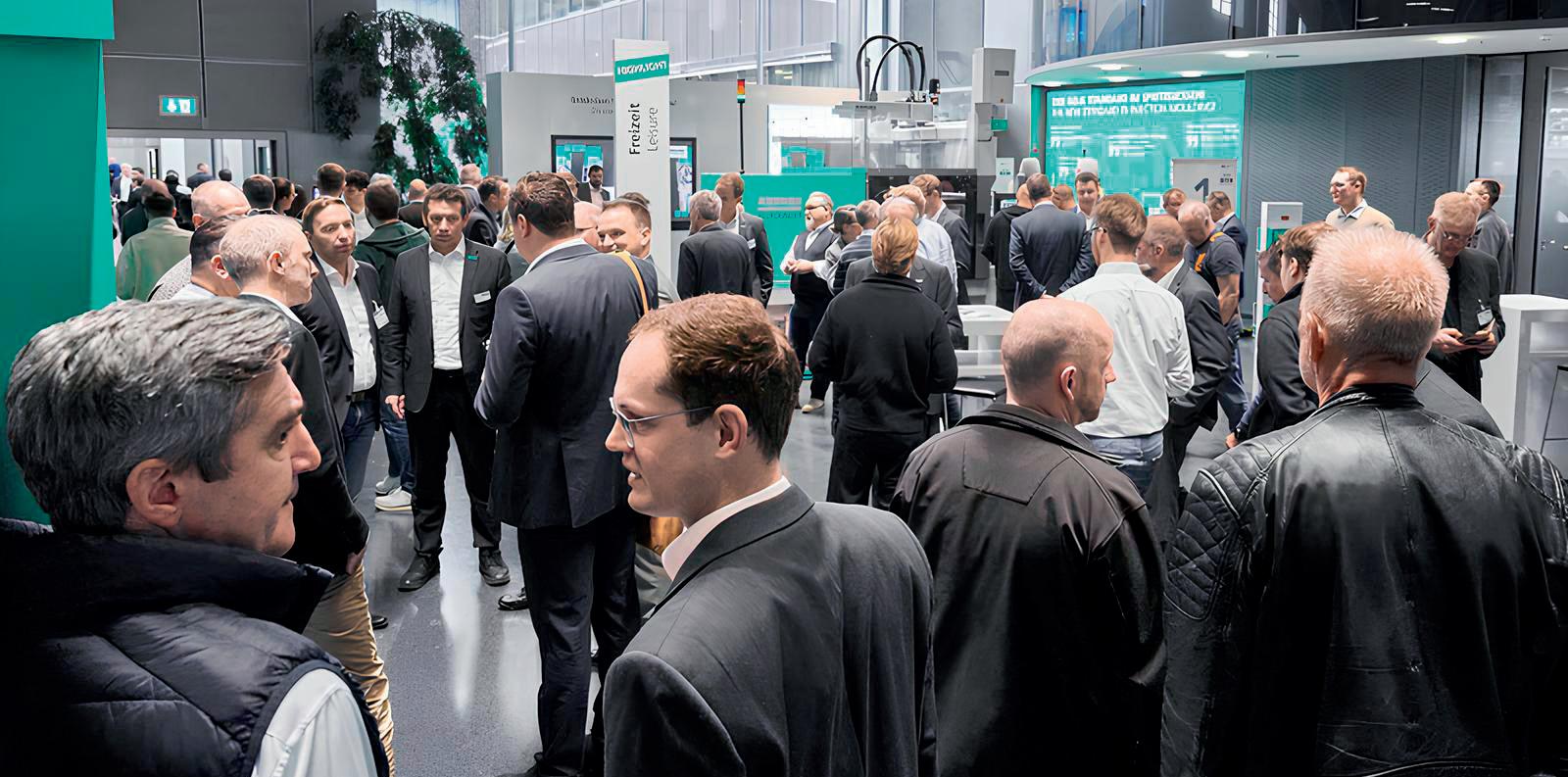
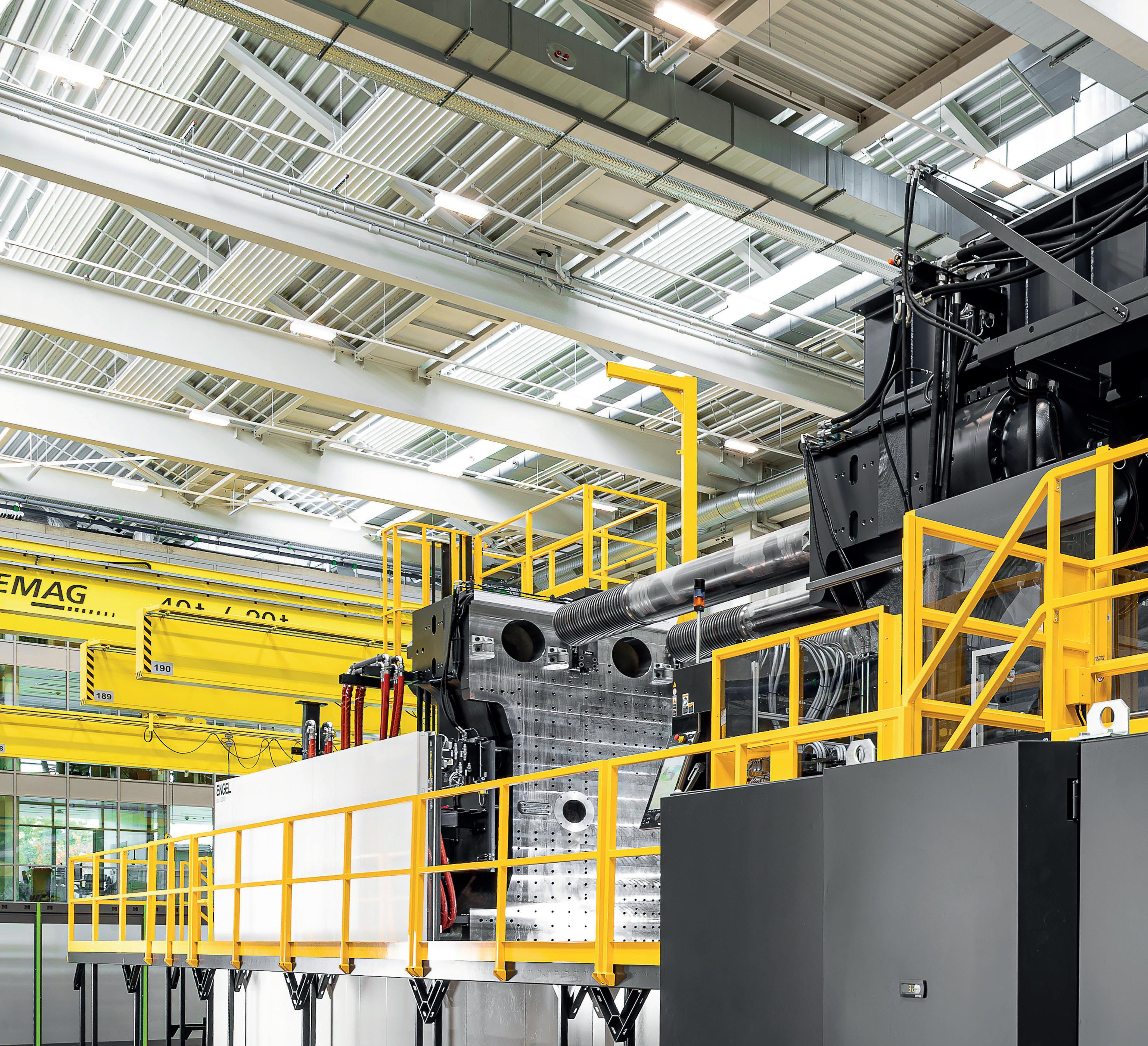
Engel and “gigamoulding”
Exceptional dimensions, high injection capacity and modular design: with the duo 12000 US injection moulding machine, the Austrian manufacturer is expanding the application range of injection moulding for large-format structural and technical components, opening up new possibilities in the automotive and infrastructure sectors, as well as in large-scale technical applications.
As one of the world’s largest injection moulding machine, the Engel duo 12000 US enables the cost-efficient production of large-format injectionmoulded parts in previously unattained dimensions, thereby creating the basis for new product concepts with reduced assembly effort and an improved CO2 footprint.
With the duo 12000 US, Engel expands the possibilities for the industrial production of large-format injection-moulded parts to previously unattained dimensions. The two-platen injection moulding machine enables the reduction of part costs for large-area components. At the same time, manufacturers can implement innovative product concepts and reduce assembly effort. This creates new design freedoms and additional opportunities to replace traditional materials such as metal or concrete with plastics. ENGEL thus creates the technological prerequisites for competitive and more sustainable solutions in mobility, infrastructure and industry.
The two-platen machine with a clamping force of 110,000 kN was specifically developed for parts with projected areas of more than 2.5 sqm and was recently commissioned at the customer’s site. It enables the cost-efficient production of very large-format components in an integrated production pro-
cess. Through functional integration, a reduced number of parts and lower assembly effort, new degrees of freedom arise in design, lightweight construction and product design. New products require new production concepts. With injection moulding solutions of this scale, manufacturers can produce large-format structures in a single production step. This reduces material usage, simplifies production logistics and thereby saves time and costs. In addition, it improves the CO2 footprint over the entire product life cycle. Engel thus supports its customers in unlocking new dimensions of cost-efficient production and in implementing innovative, sustainable product solutions.
To enable large shot weights for large-area components, the system is equipped with two injection units operating in parallel. With screw diameters of up to 210 mm, they enable a shot volume of up to 65,000 cm3 and homogeneous filling of large projected areas.
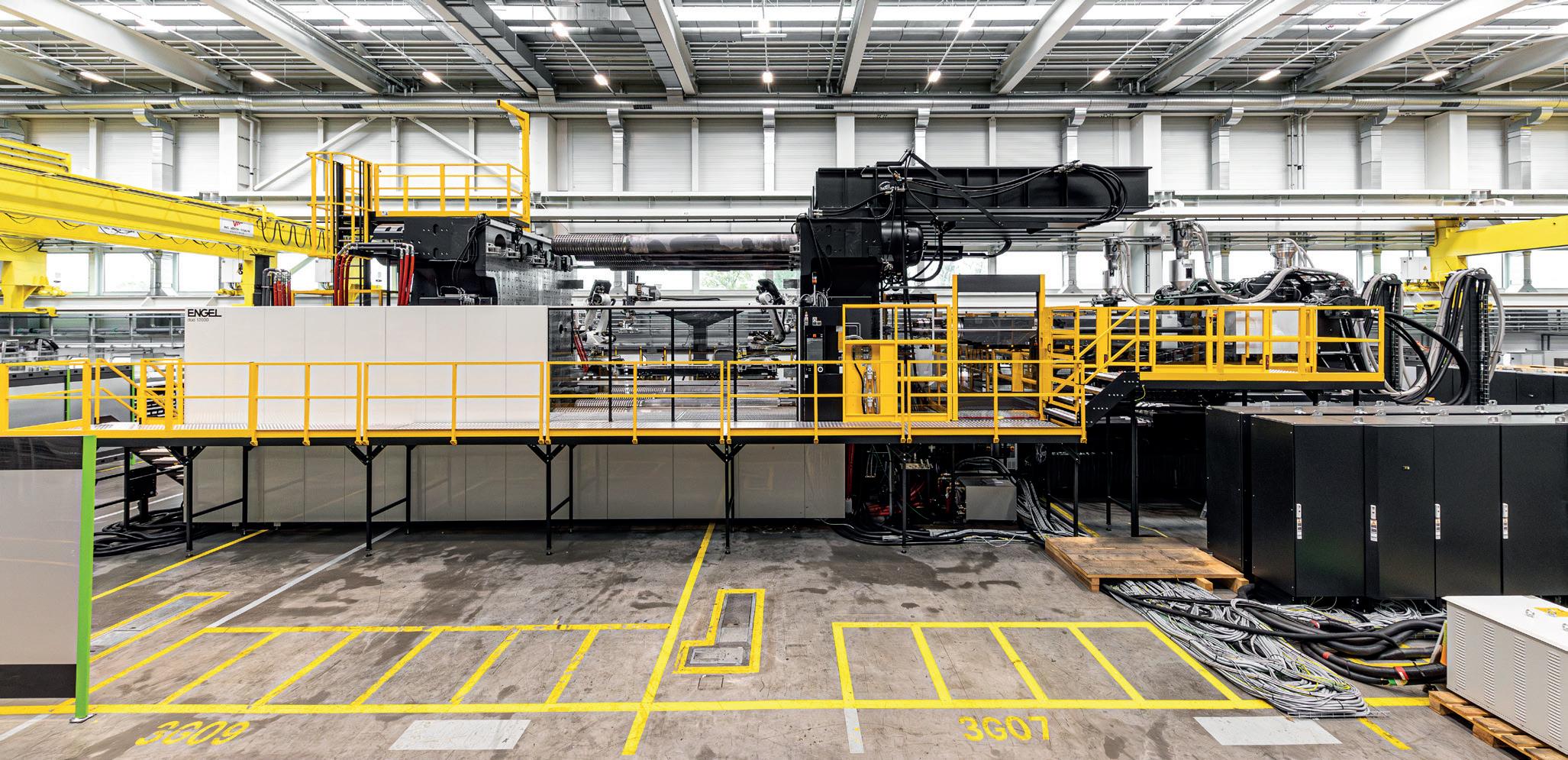
The design with eight tie bars was selected together with the customer as the most suitable solution for its specific requirements. Machines of this size are also possible with four tie bars. The dimensions of the system illustrate the technical challenge: with a length of around 24 metres and a height of approximately 8.4 metres, it is among the largest industrial production systems in injection moulding worldwide. The total weight is 551 tonnes, the maximum mould weight 170 tonnes. In total, around 30 kilometres of cables were installed. The total installed power is approximately 2.4 MW with a total current of 2,900 A. Despite these dimensions, the machine remains compact thanks to the modular design principle of the duo series, thereby saving valuable floor space.
Injection moulding solutions of this scale are developed exclusively on the basis of specific customer requirements. To real-
ise these quickly and efficiently, Engel has an extensive modular system and an exceptionally high level of in-house manufacturing depth.
The in-house large machine technical centre enables customers to carry out extensive tests for technology and part development. Especially for large-volume components, shrinkage behaviour plays a decisive role. In this technical centre, Engel has the capabilities to carry out iterations and optimisations in order to ensure the required part quality.
Engel has decades of experience in the development and realisation of large machines. In addition to the standard sizes of the duo series, several systems with clamping forces of 74,400 kN have already been successfully installed in the market. A specially developed machine concept enables systems of this scale to be designed and manufactured efficiently. Thanks to
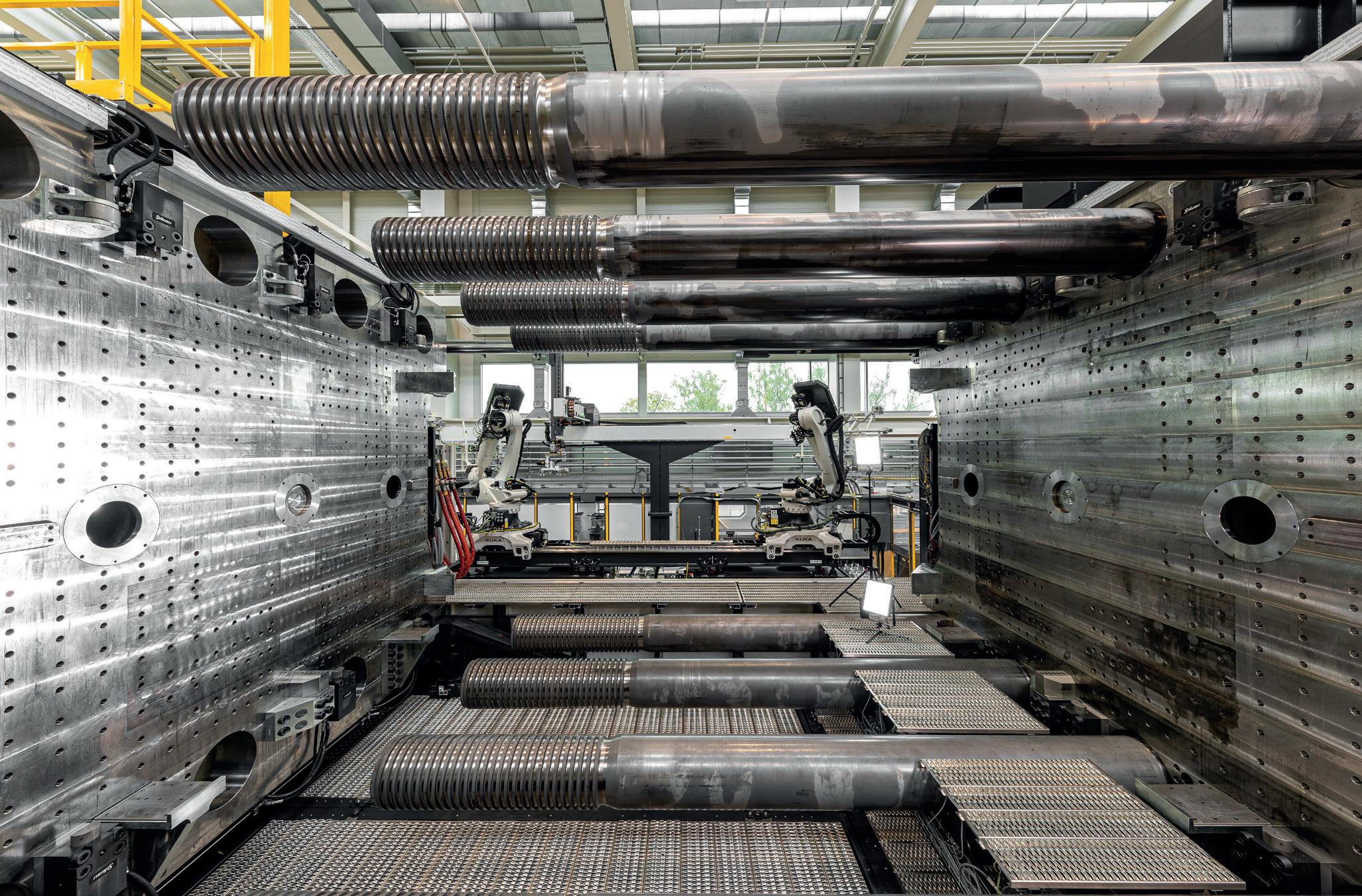
global production structures, such machines can, if required, be manufactured not only in the large machine plant in Austria but also regionally in Asia.
Despite their dimensions, the large machines are characterised by exceptional precision. Through options such as injection compression moulding, the component dimensions can be defined with an accuracy of a few hundredths of a millimetre, a level of precision comparable to the thickness of a sheet of paper. This sensitivity, in combination with enormous force, opens up new possibilities in precision lightweight construction and in the functional integration of large-format components.
In the automotive sector, demand for such gigamoulding solutions for large structural components is increasing. Megatrends such as electromobility, autonomous driving, platform consolidation and CO2 reduction targets are driving this development. Applications such as battery housings, underbody panels or hybrid inner door structures can be rethought through the new production possibilities. The objective is to reduce the costs of components. These enable functional integration, weight reduction and reduced assembly complexity. At the same time, they can contribute to stiff and safe vehicle architectures, as required for autonomous mobility concepts.
Large machines also open up new application potential in the field of technical injection moulding. Engel has already successfully established machines with clamping forces of around 110,000 kN in the market, among others for logistics and infrastructure products.
These include transport containers for the disposal of e-mobility batteries, large-volume infiltration boxes for rainwater management as well as water tanks with mould areas of nearly six square metres and shot weights of up to 109 kg. Especially for large water tanks, plastics offer clear advantages over concrete: the components are easier to transport and install, require less infrastructure and respond more flexibly to ground movements. With the help of Engel large machines, these products can also be manufactured cost-effectively and in new dimensions.
With the duo 12000 US, Engel reinforces its position as a technology leader in injection moulding. The system is not only a record-holder in terms of size, but also serves as a platform for new technologies, material substitution and highly integrated component concepts. It enables more sustainable product solutions in mobility, infrastructure and industry and demon-
strates the potential of gigamoulding for the industrial production of large-format structures. At the same time, the machine does not mark the technical limit of what is possible. Based on its development and manufacturing expertise, Engel is capable of realising even larger systems if corresponding customer requirements arise.
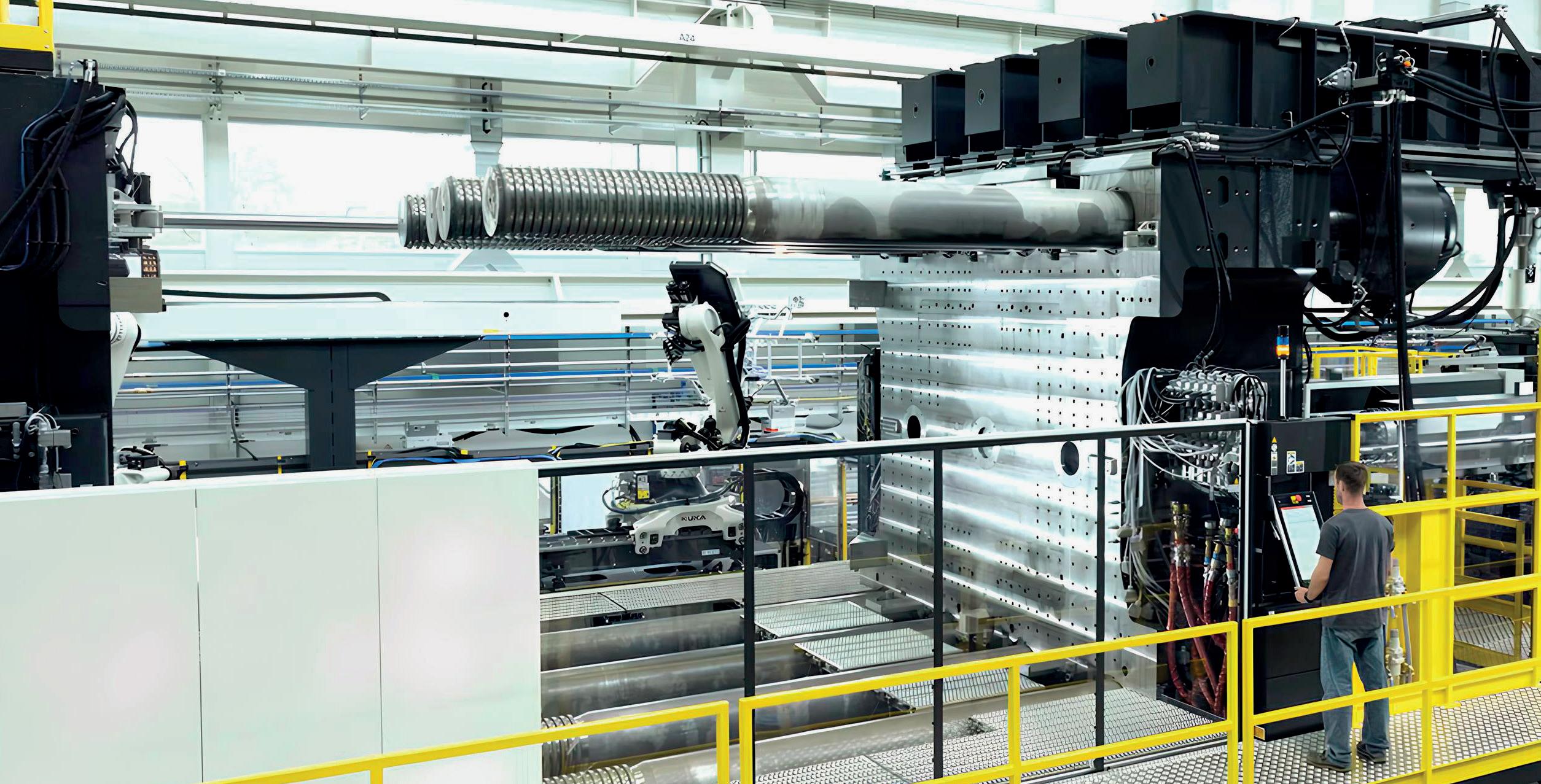
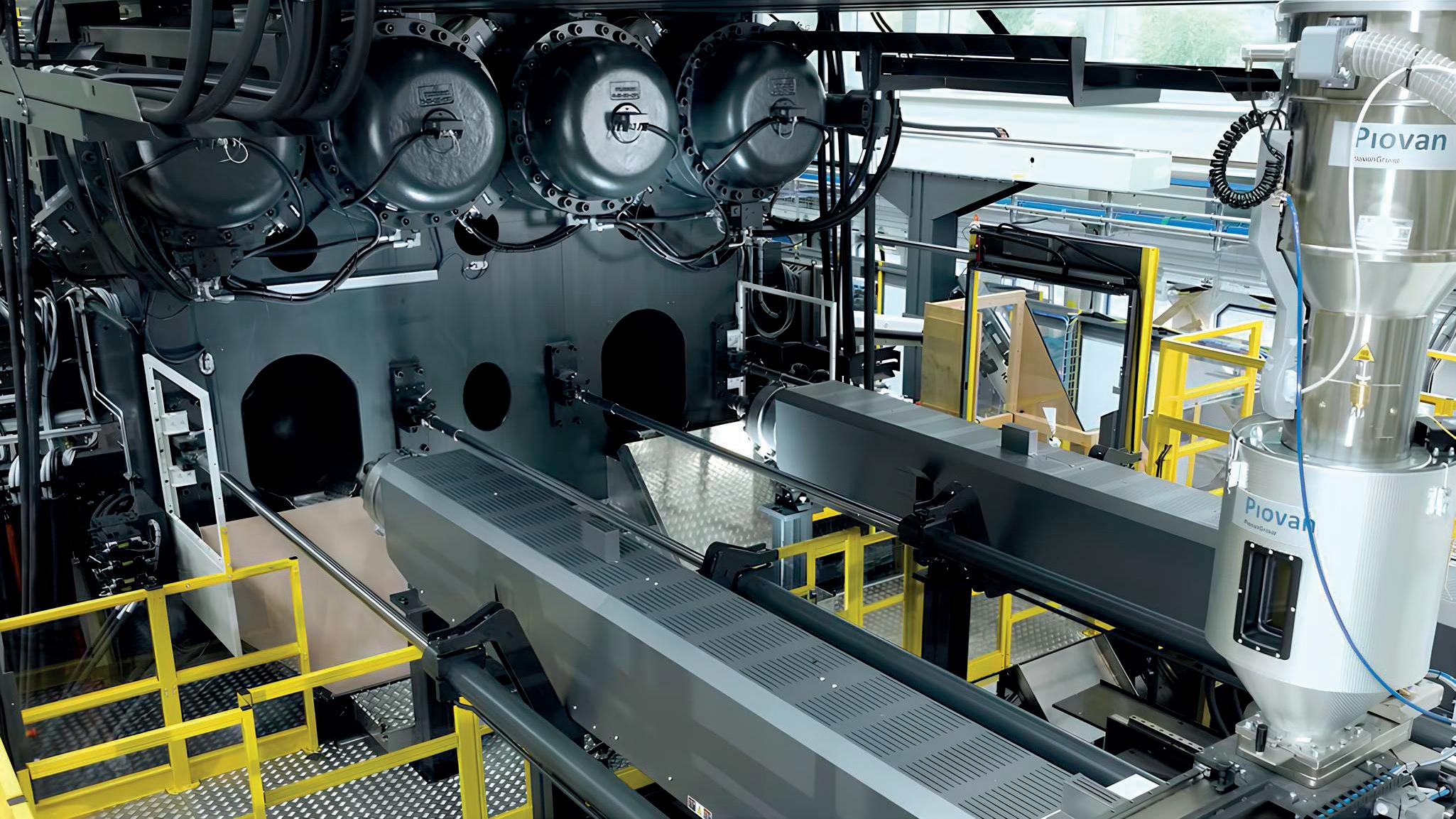
OUR COMMITMENT TO CIRCULAR ECONOMY AND SUSTAINABLE PACKAGING
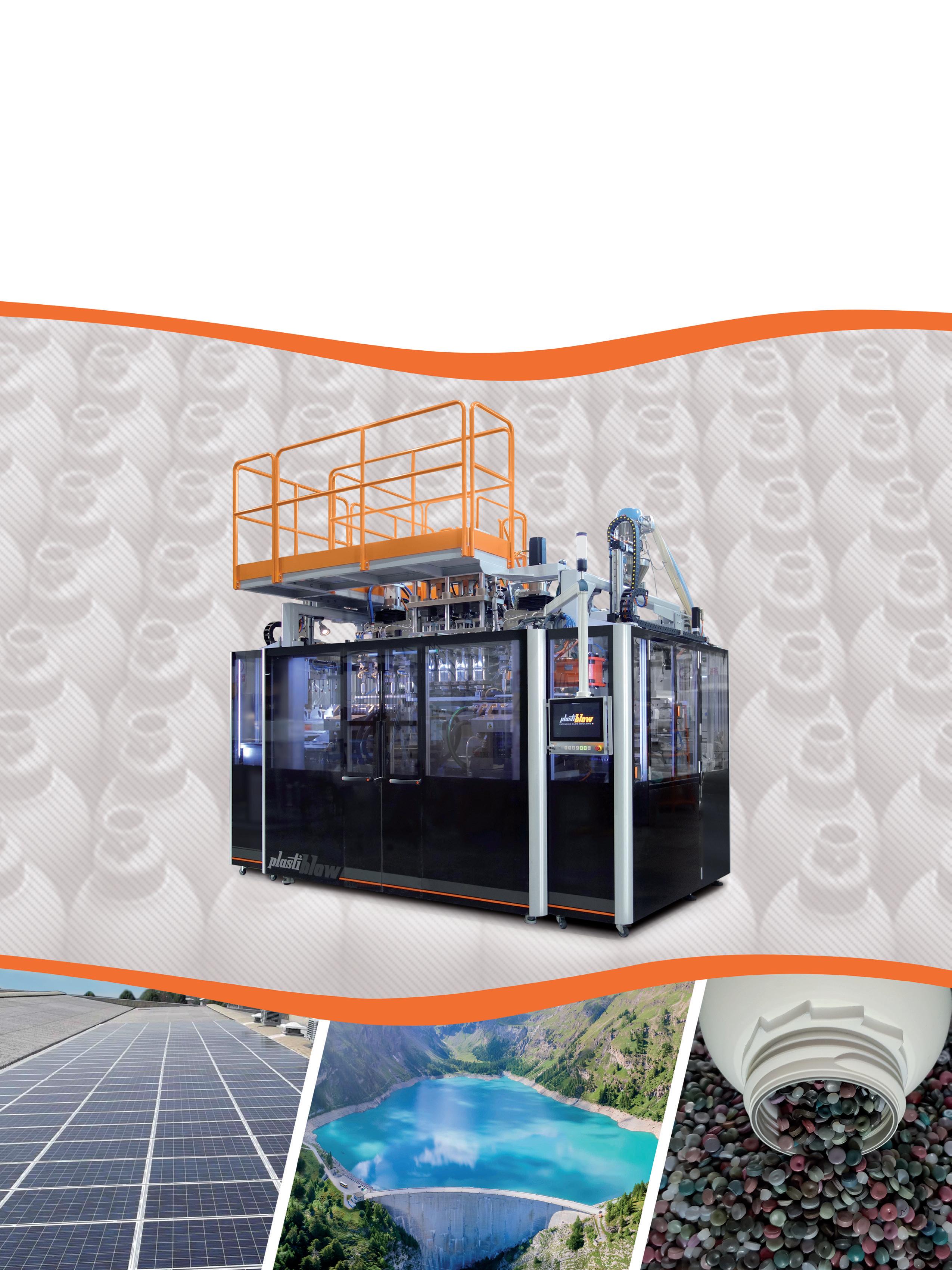



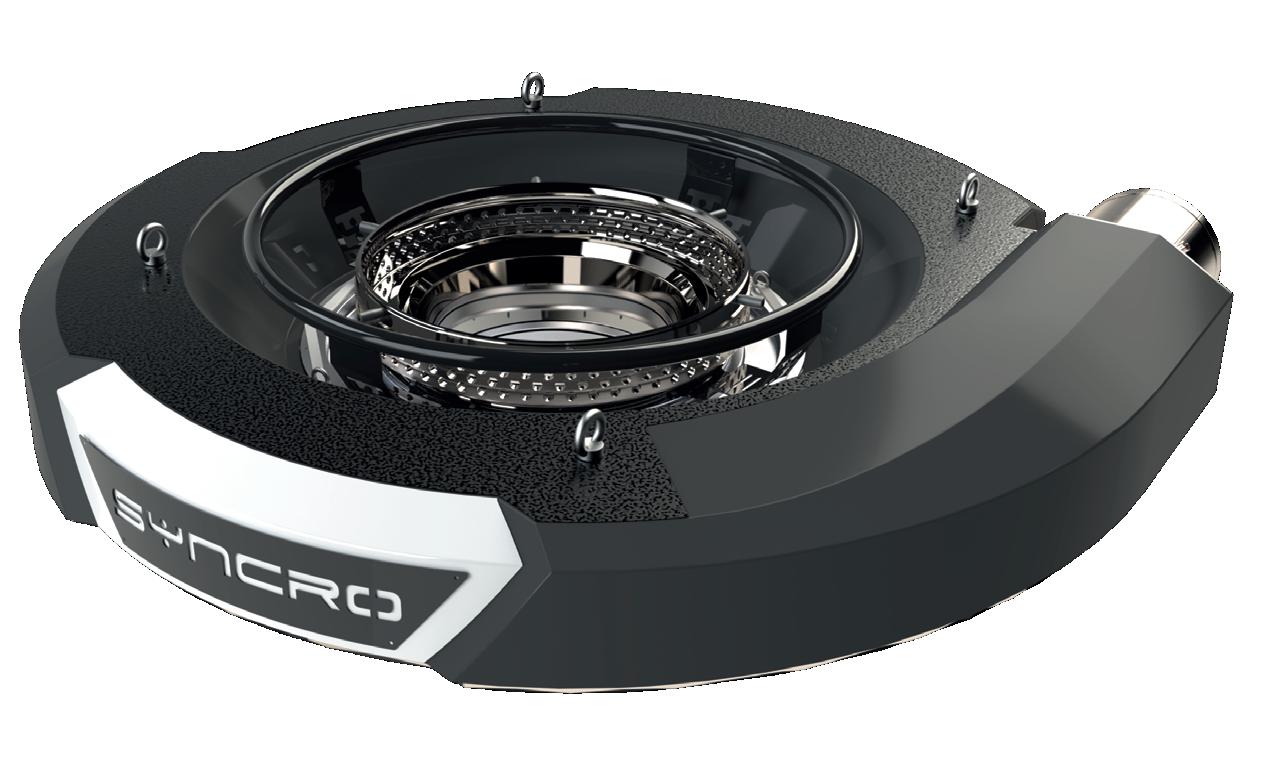

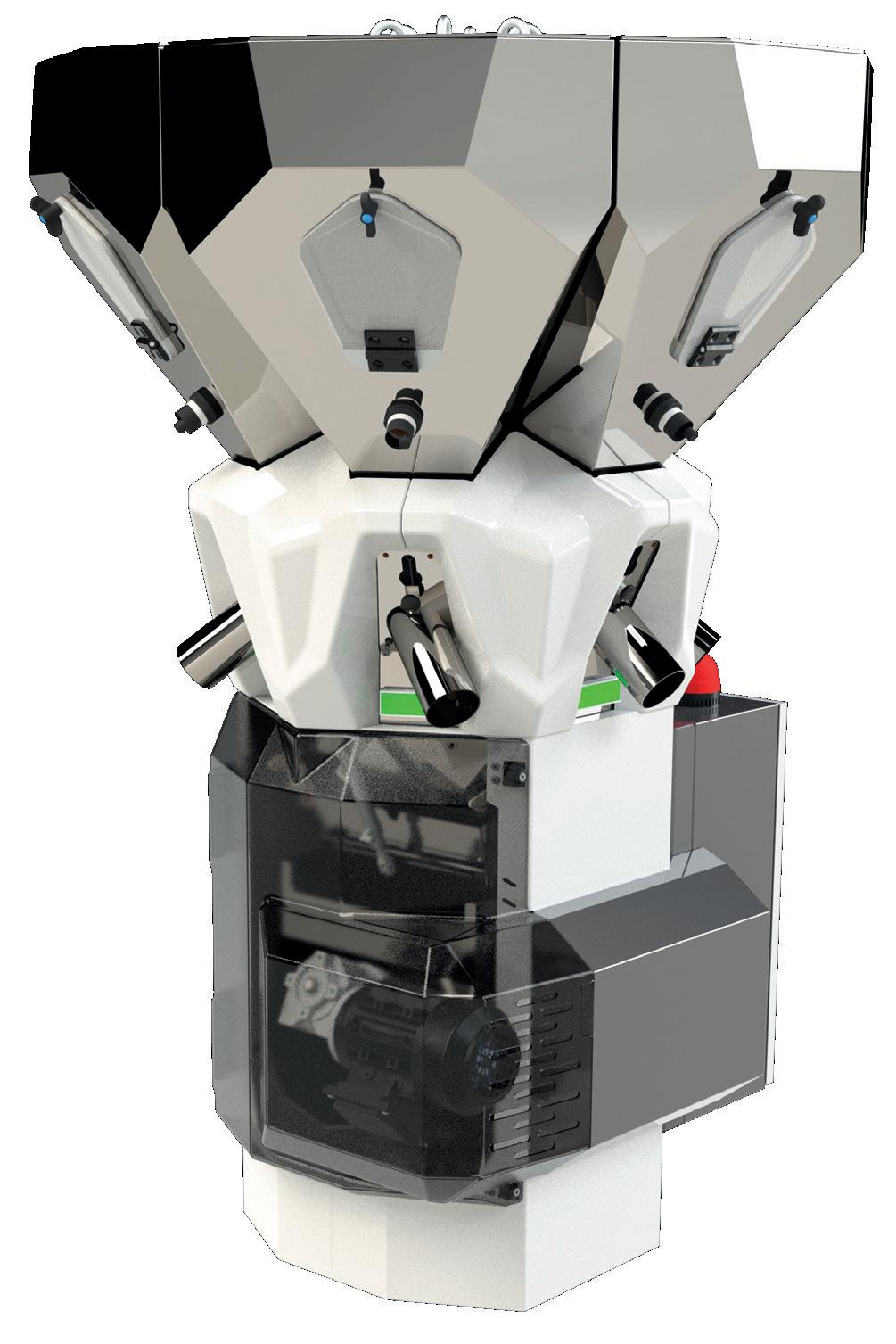
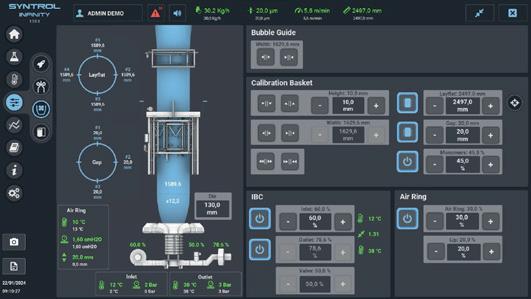


The supply of the advanced HE660U system – a fully electric extrusion blow moulding (EBM) machine – to a leading French group marked the important technical and logistical milestone with which Meccanoplastica opened 2026.
Meccanoplastica Group: Florence-Barcelona
From Tuscan manufacturing tradition to an international presence, the group develops blow moulding technologies driven by innovation, efficiency and sustainability. Following a year of consolidation in 2025, 2026 opened with a major supply achievement.
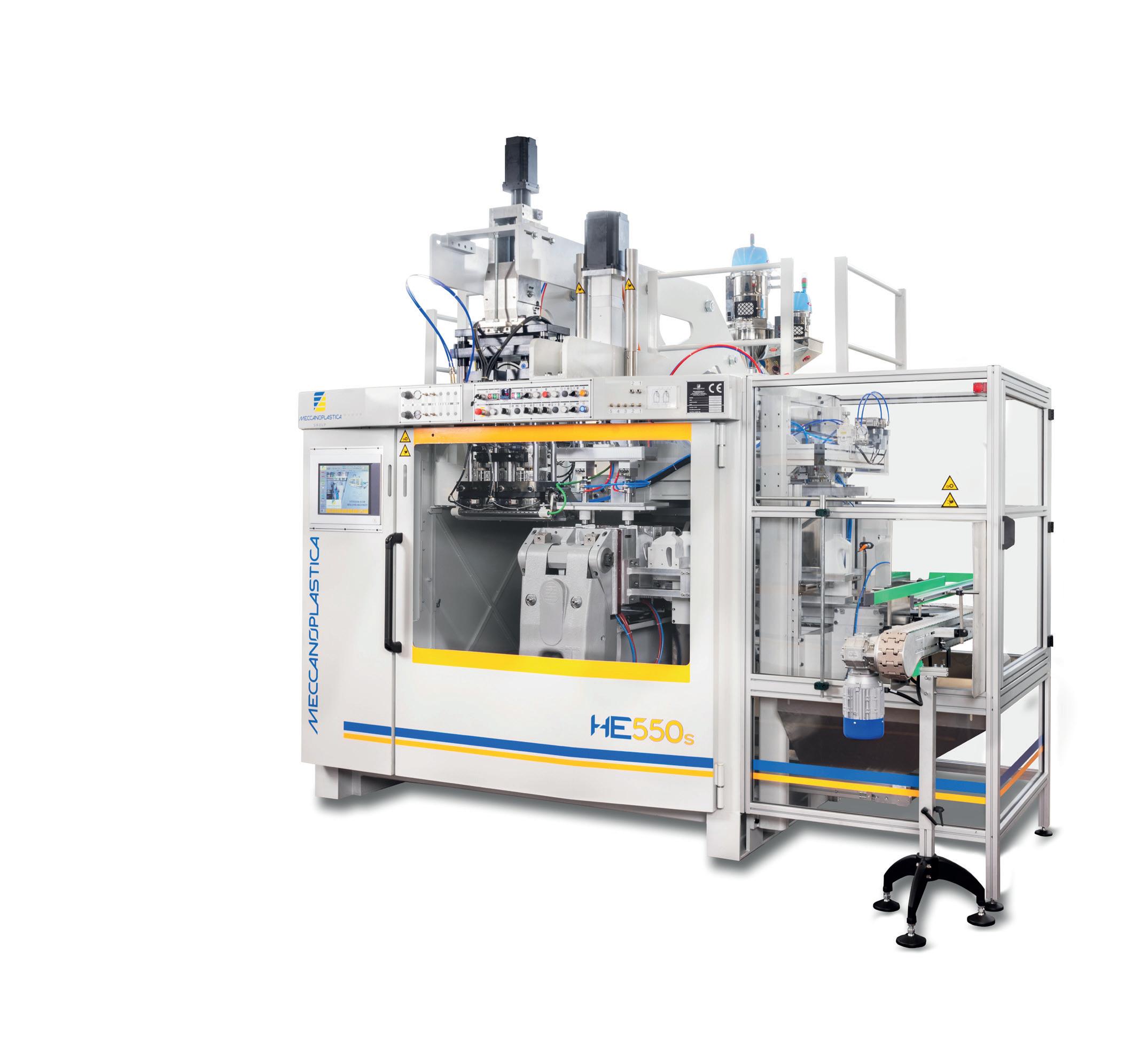
Meccanoplastica Group’s journey, which began in 1983 in the heart of Tuscany’s industrial district, stands as compelling evidence of how Italian manufacturing tradition can successfully evolve into globally minded technological leadership. Established through the shared commitment and pioneering vision of three founding partners, over the decades the company has succeeded in transforming its original artisan nature into a solid industrial organisation with a constant presence in international markets. This growth process has nevertheless preserved intact those founding values linked to direct experience, technical expertise and a passion for “know-how” that marked its early beginnings. Today, with centres of operational excellence strategically located in Florence and Barcelona, Meccanoplastica Group positions itself on the international market as one of the players capable of simultaneously designing, manufacturing and overseeing three distinct core technologies in the plastics processing sector: extrusion blow moulding (EBM), injection blow moulding (IBM) and two-stage stretch blow moulding of PET preforms (SBM). Such design versatility is not merely a major commercial strength, but the direct result of a corporate philosophy that regards
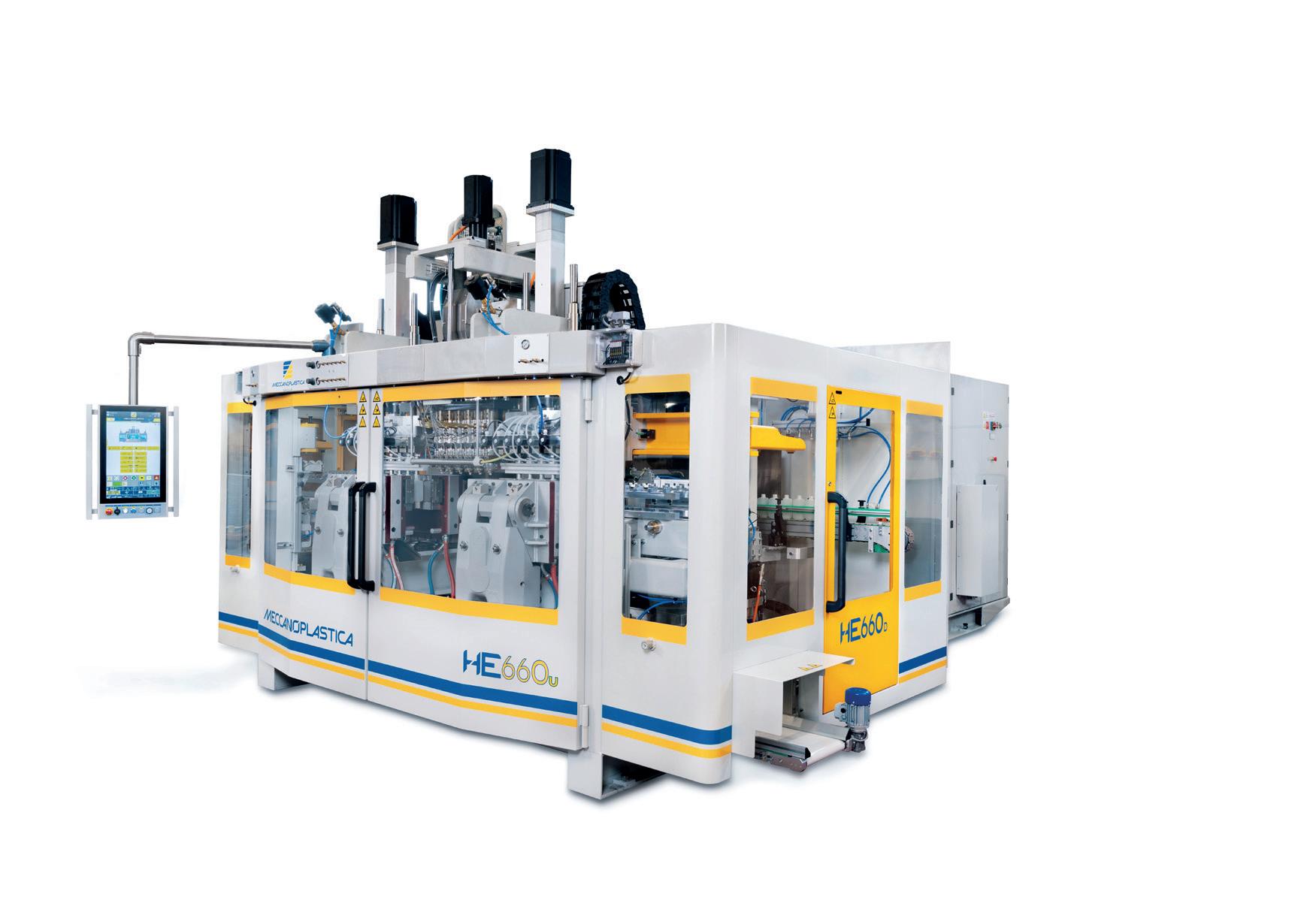
constant research and the drive towards innovation as the primary engines for anticipating the trends of a global market in perpetual change. Meccanoplastica does not merely respond to customer requirements but seeks to stay ahead of the curve in order to create an offering that combines performance and sustainability.
This innovative spirit found its fullest expression in the results achieved during 2025, a year of extraordinary consolidation in which the company took centre stage in the leading international arenas, with particular mention going to its strategic participation in K 2025 in Düsseldorf. On that occasion, the brand highlighted its technological superiority in strictly full-electric solutions, demonstrating in concrete terms how it is possible to combine mass productivity, millimetric precision and a drastic reduction in energy impact.
Building precisely on the back of these achievements, 2026 opened with a technical and logistical milestone that redefines the boundaries of the sector: the supply of the advanced HE660U system to a leading French industrial group. The plant, intended to operate at the customer’s Canadian facility in order to serve the North American market with the highest degree of coverage, represents a fundamental milestone for the Florence research and development department. The significance of this delivery lies in the machine’s cutting-edge technical specifications: it is in fact the first full-electric EBM blow moulding machine equipped with a carriage transfer stroke of 900 mm. A feature of this magnitude makes it possible to overcome the

Example of a roll-on application produced using the JET150 blow moulding machine.
production limits hitherto known to the Florentine company, offering unprecedented operating flexibility in the management of large moulds or multi-cavity production.
Going into the details of its sheer performance, the HE660U is capable of processing 13,300 items per hour, specifically 100 ml HDPE bottles for drinking yoghurt intended for the food industry. This result is the outcome of engineering focused on absolute precision, providing major international operators with a system capable of guaranteeing extremely high volumes without compromising mechanical reliability or process cleanliness. The complete elimination of hydraulic systems in favour of electric drive technology not only drastically reduces the overall energy impact but also meets the most stringent hygiene standards required by the food and pharmaceutical sectors, where the absence of hydraulic fluids prevents any risk of accidental contamination.
This innovation is not an isolated case, but part of an industrial development plan coordinated with the utmost care between the Italian and Spanish sites. While in Barcelona attention is focused on the continuous refinement of continuous-motion machines for PET preforms equipped with elliptical-motion ovens, at the Italian site in Florence the project for the new Jet 175 full electric is being finalised, an impressive 175-tonne model that promises to raise the standards of the JET series still further, a range already widely appreciated globally for the full-electric solution adopted as early as 2002.
Meccanoplastica’s identity, however, is not confined solely to mechanical excellence or nameplate performance. The group’s mission and vision are deeply tied to the creation of real value for the local area, for the environment and for the people who make up the company. Meccanoplastica invests heavily in the working environment and in human capital, regarding them as indispensable prerequisites for ensuring the superior quality of the final product. The company is committed on a daily basis to promoting high-level technical and professional training, ensuring that every employee can operate in environments that are not only safe, but also welcoming and stimulating. It is precisely this almost artisan attention to human detail that makes it possible to transform passion into expertise, and expertise into safe, precise and durable machinery. The products manufactured must comply with high environmental standards, not only in order to meet the legitimate expectations of stakeholders and customers who are increasingly sensitive to the issues of the ecological transition, but also to make an active and measurable contribution to the protection of the global ecosystem.
For Meccanoplastica, sustainability is not a mere token label, but a concrete commitment that is constantly monitored. Tan-

gible proof of this is the path undertaken towards completion of ISO 14001 certification, an essential tool for the rigorous management of impacts connected with the entire production cycle. This forward-looking approach is also reflected in the tireless research activity carried out on materials: the company conducts advanced testing on new-generation biodegradable resins and develops multilayer systems specifically designed for the integration of post-consumer recycled (PCR) plastics. These solutions make it possible to close the loop of the circular economy, offering machinery ready to process regenerated materials without any loss in the quality of the final packaging.
Looking to the coming months of 2026, the company is maintaining a clear and determined strategic vision, despite a global macroeconomic scenario that suggests caution for the industrial sector as a whole. The key reference point for the near future is its constant presence at the leading international trade fairs, with particular emphasis on participation in Plast 2026 in Milan. Within this prestigious international setting, Meccanoplastica is unveiling the latest technological developments across its range, most notably the redesigned Jet 120 for injection blow moulding.
This machine has undergone extensive structural optimisation, resulting in the implementation of a lowered working plane, a modification specifically devised to improve operator ergonomics significantly during daily operations. This innovation also facilitates format change procedures, making production processes smoother and faster, while minimising machine downtime, to the overall benefit of operating efficiency. In a highly competitive sector where every technical detail can make a difference over the long term, Meccanoplastica continues to focus on build quality and the integration of ESG criteria, confirming its position as the ideal strategic partner for those seeking innovation, reliability and a responsible vision of industrial challenges.
A JET150 model, a fully electric injection blow moulding (IBM) machine.
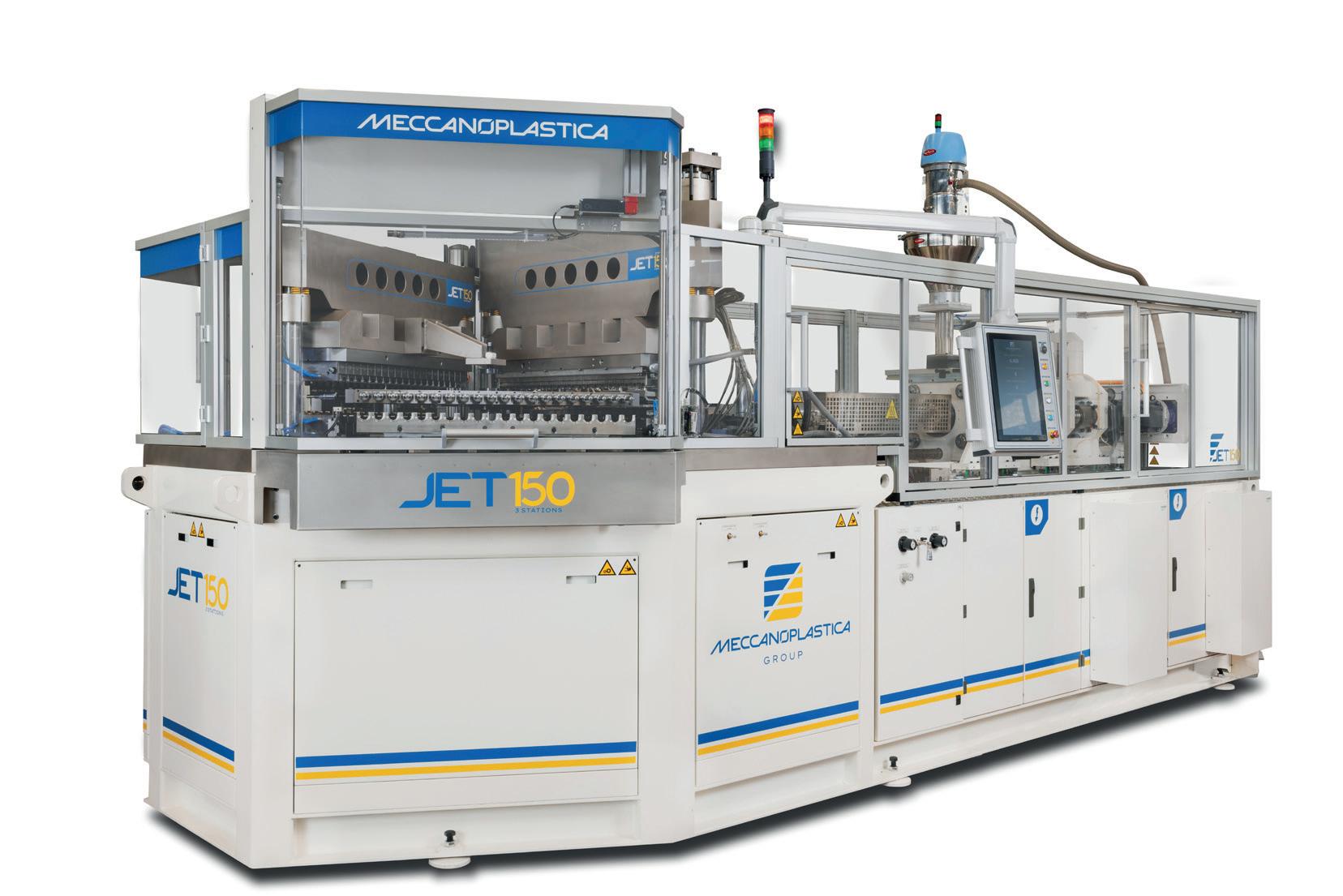
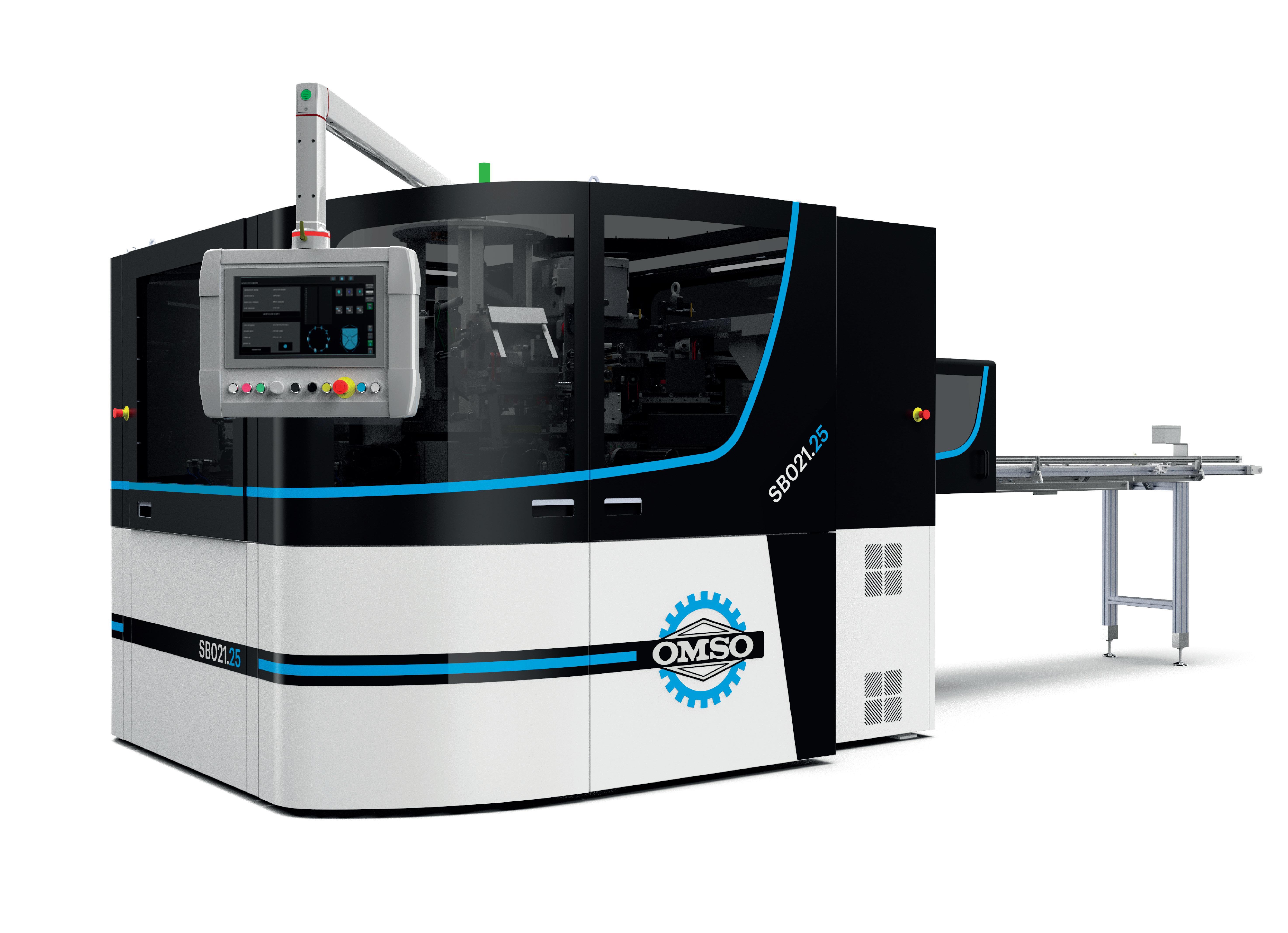
With the SB021.25 screen printing machine, Omso is bringing to Plast 2026 a solution for the direct decoration of plastic packaging designed to combine print quality, process repeatability, operating flexibility and energy efficiency. Intended in particular for bottles and containers for cosmetics and personal care, the machine integrates servo-assisted movements, in-line quality control, proprietary software and UV LED lamps.
In the plastic packaging sector, direct decoration is now one of the key elements for enhancing the product, differentiating the brands and improving the efficiency of production lines. Increasingly precise and integrated printing technologies make it possible to create high-quality decorations directly on the container, reducing intermediate steps and simplifying process management.
This is the context for the solutions developed by Omso, an Italian company that has been designing technologies for printing and direct decoration on primary packaging for the cosmetics,
pharmaceutical, food and beverage sectors for over seventy years. With production facilities in Italy and installations operating in over 85 Countries, the company is internationally recognised for the reliability of its machines and the quality of its decoration processes on plastic, glass and aluminium. To support converters in the key international markets, the company also has a direct presence in the United States through Omso North America, based in Erlanger, Kentucky, which is a hub for commercial activities, technical assistance and application support in the North American market.

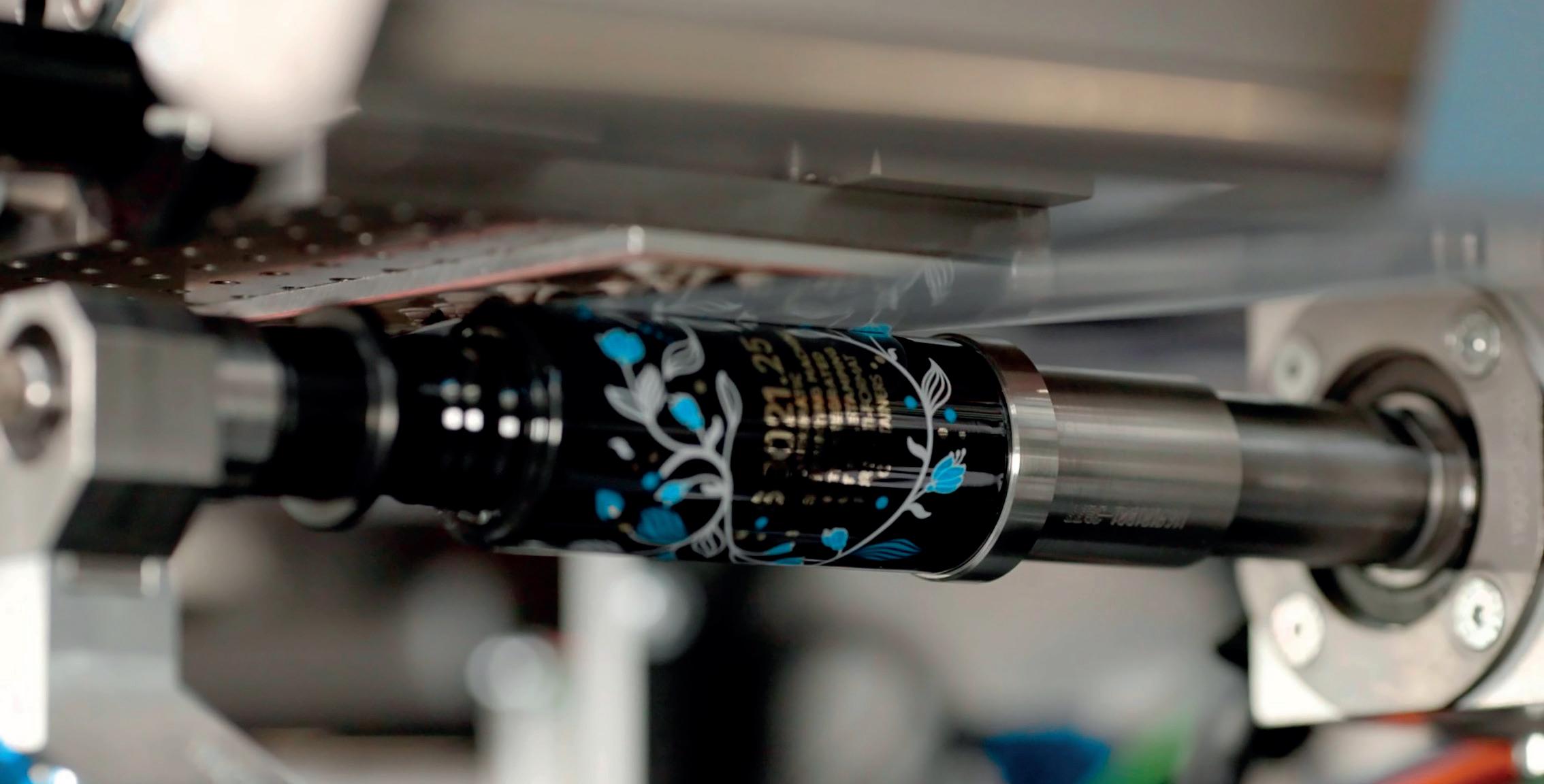
One of the company’s most recent developments is the SB021.25 screen printing machine (in the large opening photograph), an evolution of the Omso screen printing platform designed to meet the flexibility, quality and control requirements of modern plastic packaging production lines. The machine, on show at Plast 2026, is particularly suitable for direct printing on bottles, cosmetic containers and personal care items, areas in which the quality of decoration and repeatability of the process are key factors.
One of the most significant design features is the presence of a single loading and unloading station, a solution that optimises line management, reduces space requirements and improves operational ergonomics. This configuration simplifies the flow of containers and facilitates set-up and format change operations, aspects that are particularly important in production with frequent reference changes.
The machine can be configured with up to three screen printing units, allowing multicolour decorations to be applied directly onto the plastic container. The precision of the process is guaranteed by fully servo-assisted movements, which ensure high repeatability and printing stability even at high production speeds. To further expand the decorative possibilities, the machine can also be equipped with a hot stamping module, ideal for applications requiring metallic finishes or particularly attractive aesthetic effects.
Another distinctive feature is the in-line quality control. The SB021.25 model can be equipped with a latest-generation linear camera vision system, designed to constantly monitor print quality and identify any defects directly during the production process. The system allows immediate identification of non-compliant containers, helping to maintain high quality standards and reduce rejects.
In addition to production performance, particular attention has also been paid to the operational management of the machine. The operating architecture is designed to ensure safe and precise control of all movement sequences, providing the operator with clear and contextualised information through an interface developed in-house by Omso.
The proprietary software, based on the Windows platform, has been designed specifically for decoration machines and fea-
tures an intuitive touchscreen structure, organised by operating context. All relevant parameters are easily accessible and displayed when needed, simplifying machine management even during set-up phases.
The machine also integrates advanced diagnostic and monitoring tools, with event logging and activity history, features that are useful for both troubleshooting and preventive maintenance. These are complemented by secure remote assistance via a protected connection and, on request, live camera monitoring, enabling rapid intervention even without the physical presence of technicians.
Another increasingly important aspect for the plastics industry is the energy efficiency of production processes. In this area, the SB021.25 uses UV LED lamps for ink polymerisation, combined with high-efficiency motors. This solution significantly reduces energy consumption compared to mercury vapour lamps, while improving process stability and reducing line start-up times.
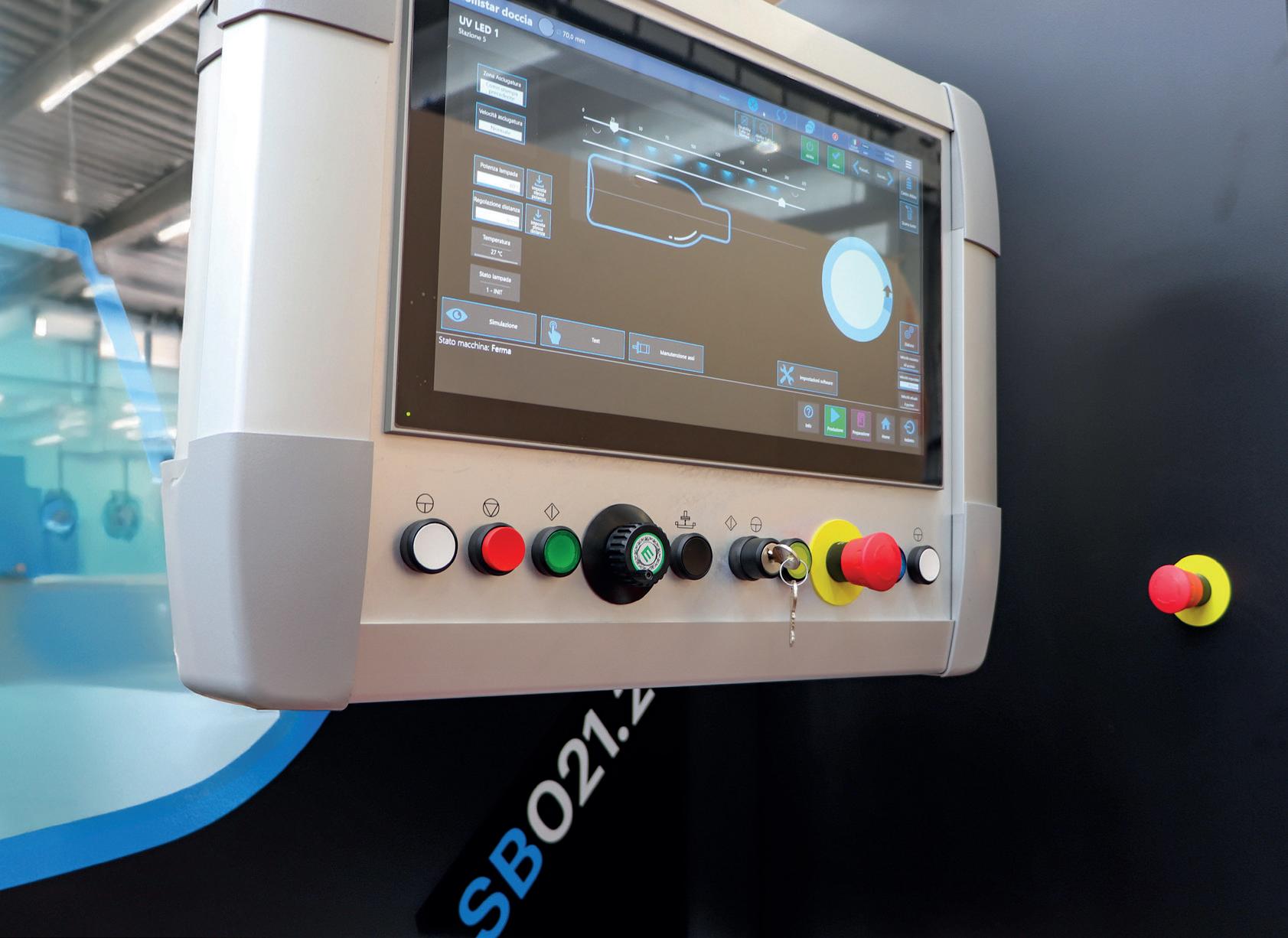
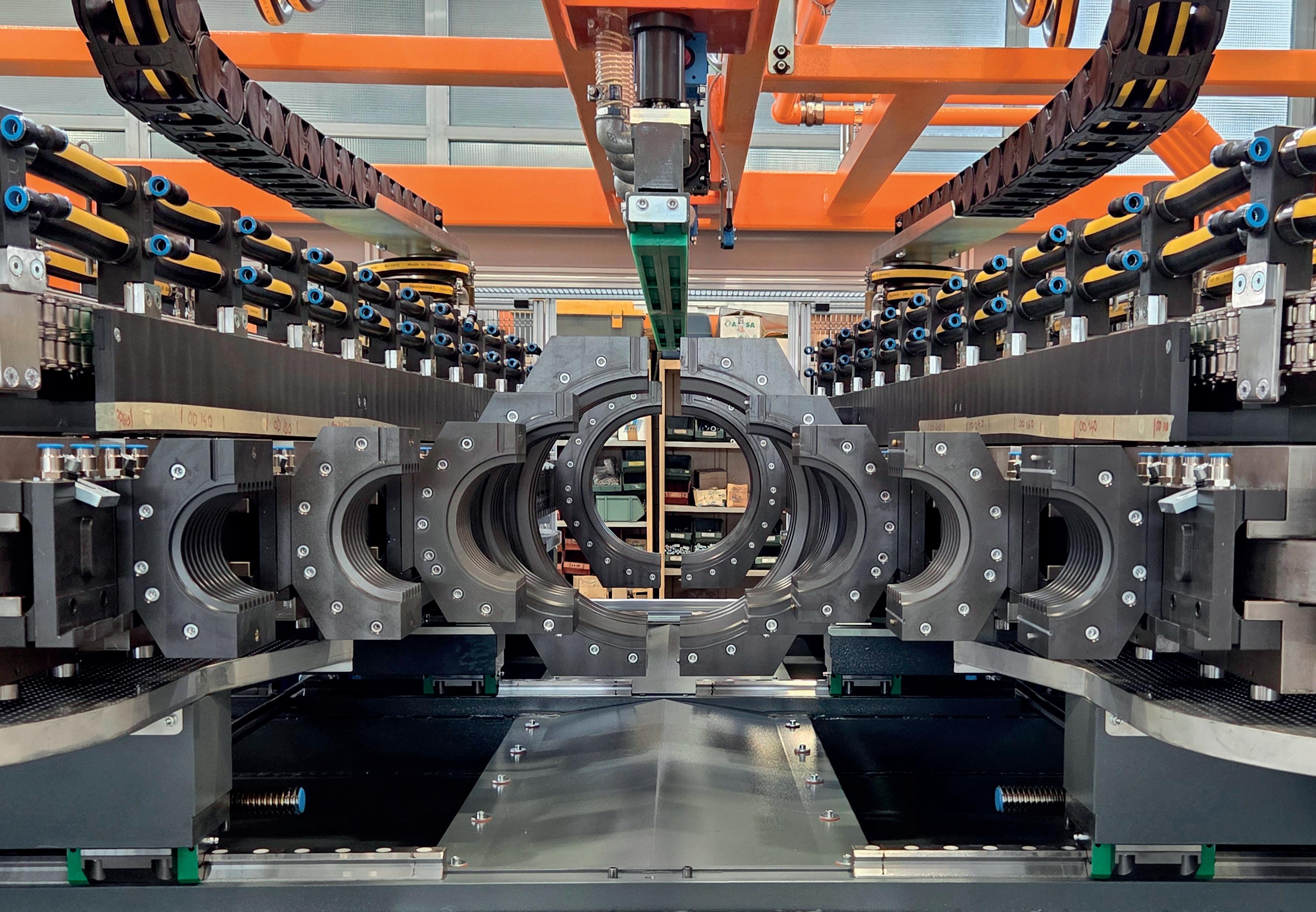
The FV400+HP corrugator from Itib Machinery represents the evolution of the High Performance range, capable of producing cable ducts and drainage pipes with diameters from 90 to 400 mm. The machine incorporates the technical solutions of the FV200HP model, ensuring production flexibility and process continuity. The modern, functional structure of the FV400+HP, combined with innovative solutions and an intuitive design, provides full process control, high productivity and consistent quality of the pipes.
The High Performance range of corrugators from Itib Machinery was launched in 2018 with the FV200HP model, followed in 2023 by the smaller FV32HP, with the aim of reaching a speed of 80 m/min in cable duct production. Since then, around sixty FV200HP units
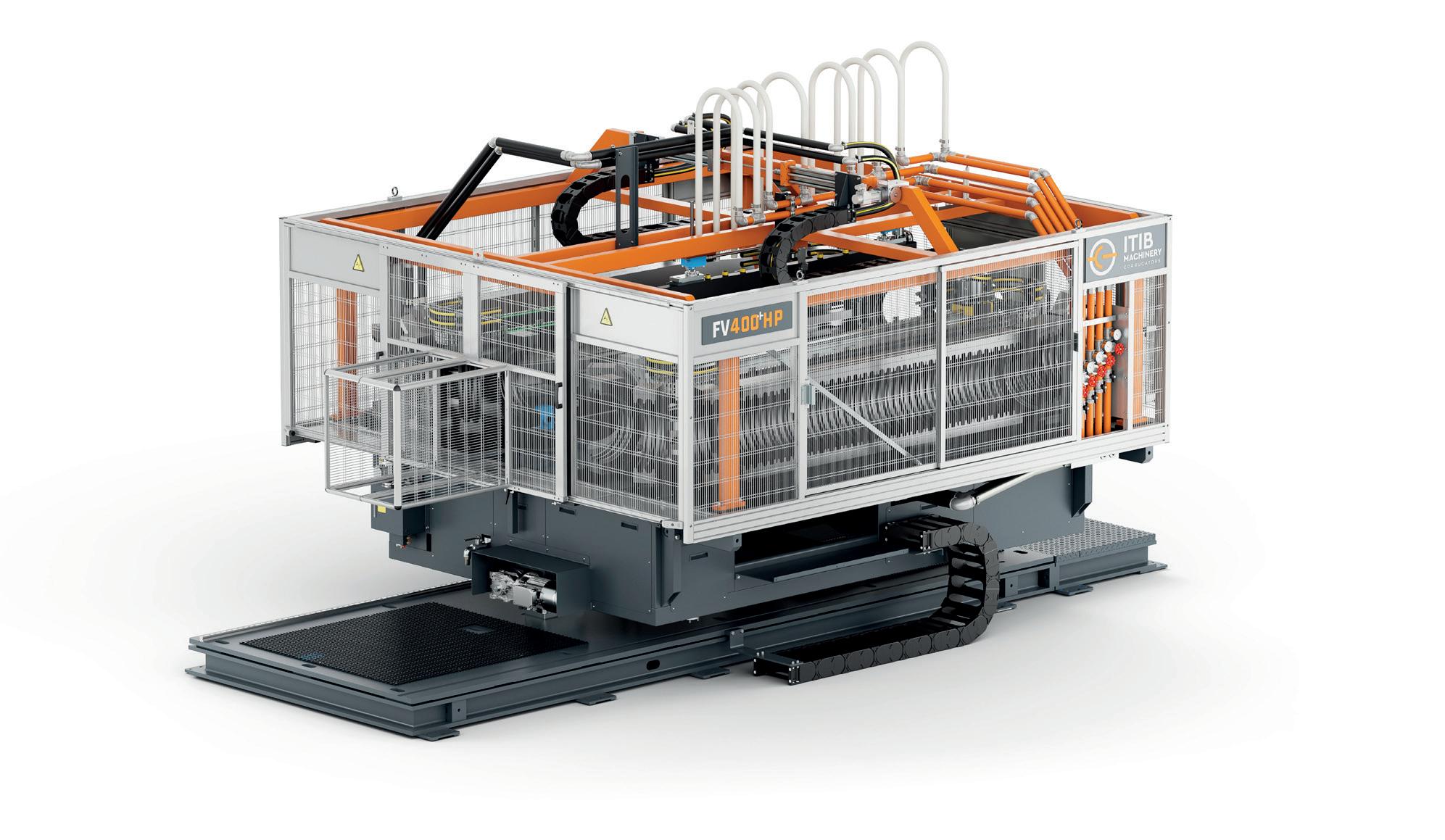
have been sold for the production of pipes for electrical cables, drainage or controlled mechanical ventilation. The FV200HP is now a true best-seller for the Brescia-based company and, in both the short and long version, is one of the best corrugators in its range. On this basis, Itib Machinery has developed a larger-size corrugator, equipped with the same technical solutions as the FV200HP model, in an improved version.
The new FV400+HP corrugator, launched at K 2025, brings together in a single machine the production of cable duct and drainage pipes, covering a wide range of diameters, from 90 mm outside diameter to 400 mm inside diameter. The choice to include the inside diameter is highlighted by the “+” sign. Larger mould dimensions and an optional kit also make it possible to produce pipes with in-line sockets. The range covers an interval extending from 3 to 15 inches in inside diameter for Countries using the imperial system of measurement, such as the United Kingdom and the United States. One of the main features of the new machine is the possibility of using the same moulds and tooling as the FV200HP model, offering great production flexibility. All the technical solutions of the latter mod-
el have been adopted and updated on the new FV400+HP corrugator.
The mould path has been optimised for smooth and even running of the mould carriers, which is essential in limiting wear on the components; the carriers are mounted on rollers and run in channels machined into the two main hardened steel tables. The forming channel has also been optimised and made as long as possible, to ensure maximum cooling with the same number of moulds; the FV400+HP is available only in the version with 50 pairs of moulds, in order to guarantee maximum productivity. The moulds are individually cooled, to ensure a uniform pipe temperature, which means constant mechanical properties along its entire length. The transmission of motor torque is controlled, to prevent damage to the moulds in the event of an emergency stop, while the mould chain is driven by an alternating-current motor with gearbox and two automatic clutches, which detect any motor overload; in this case, the corrugator is moved away from the extruders thanks to the immediate action of an electric motor.
The open structure of the machine makes all parts clearly visible and inspectable even during operation; the water-cooling hoses are fixed to a metal chain and positioned above the mould path, avoiding any friction with metal surfaces; this solution guarantees a long service life, limited leakage and greatly reduced maintenance. The water distributor follows precisely the movement of the hoses connected to the moulds, moving on sturdy rails fitted with bearings and shock absorbers at both ends. Vacuum forming is positioned in the upper part of the moulds in order to avoid the suction of moisture and oil.
The supply includes an oil-sealed vacuum pump, the operation of which is controlled by an inverter to ensure efficiency and energy saving. The vacuum bar automatically descends to the correct height according to mould size, and the operator can set it directly from the touchscreen. Mould temperature can be set and controlled by the operator, a solution which in some cases is necessary in order to have full control of the forming process and ensure optimal material distribution along the pipe profile; all movements of the corrugator are motor-driven, including up/down and left/right adjustments. To prevent interference and damage to moulds and dies, the operator sets the zero position of the machine only at the end of the centring and alignment procedure; in addition, it is possible to set a maximum displacement, beyond which an alarm warns of the potential risk of collision.
Operator safety has not been left to chance either: the corrugator is fully protected by a metal mesh structure with safety microswitches positioned on the sliding doors, through which access is gained to the moulds during start-up and mould re-
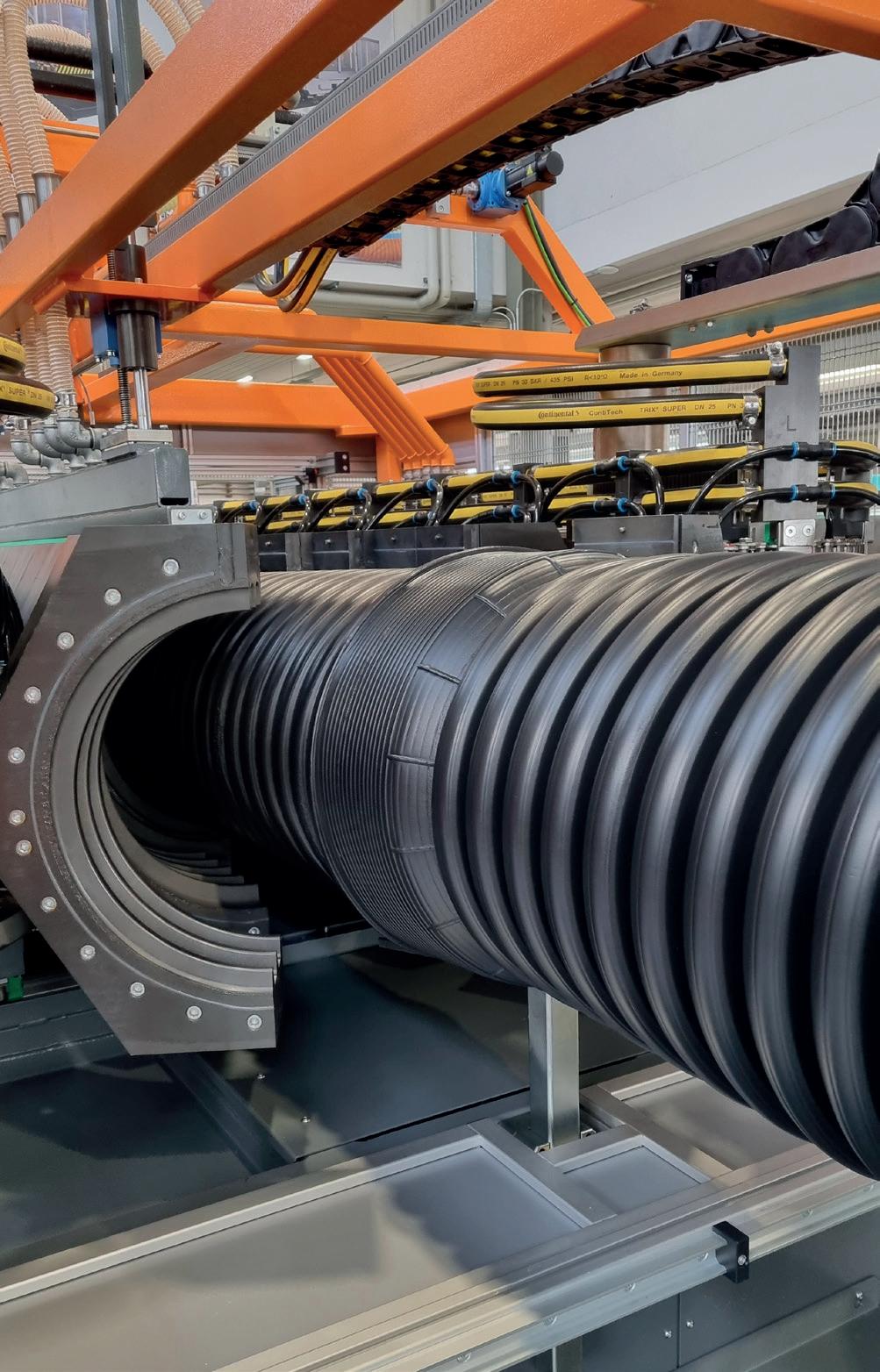
placement operations. A simple, complete and intuitive HMI guarantees full control of operation.
The corrugator comes with a completely renewed look; an elegant combination of orange and grey, the company colours, gives it a modern appearance and makes it easily recognisable within production areas. The high production potential of the FV400+HP would be pointless without an extrusion diehead and a die-set designed to ensure a perfect flow of the molten material. The time required to reconfigure the extrusion line following a diameter change can be reduced, in the case of DWP, by replacing only the mouthpieces and cooling mandrel or by removing the entire one-piece die-set fixed to a fast-change flange.
Cooling is supported by an additional tank, entirely made of stainless steel, complete with recycling pump, dryer and heat exchanger operating in a closed loop, available in lengths of three, four or six metres depending on the space available; at the outlet of the tank a puller is fixed to assist the advancement of the newly produced pipe, and its speed is synchronised with that of the corrugator. The flexible or rigid pipe can be coiled or cut into bars by additional downstream equipment.
A frontal view of the corrugator: the moulds are visible, with part of the protective grid also discernible.
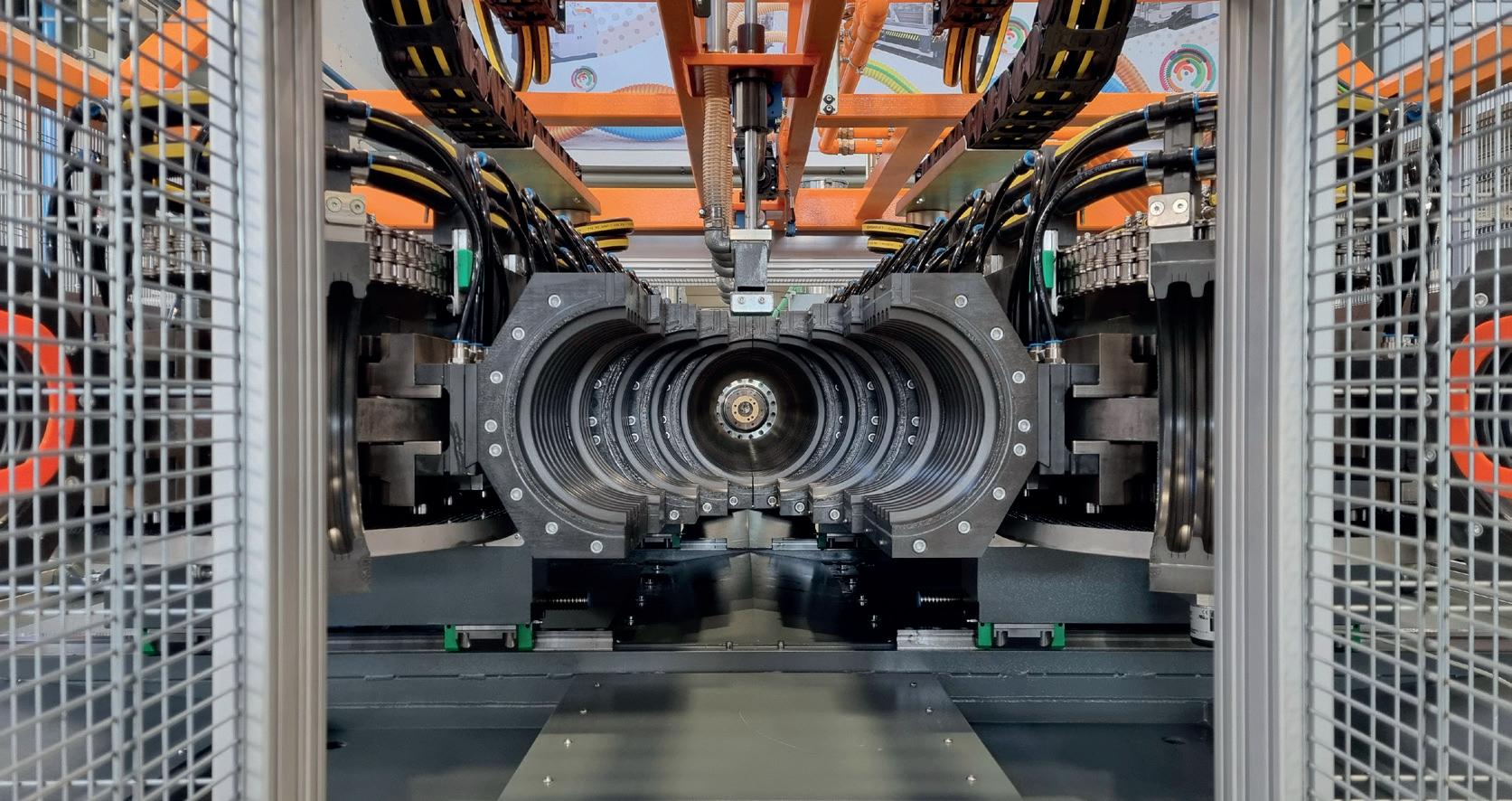
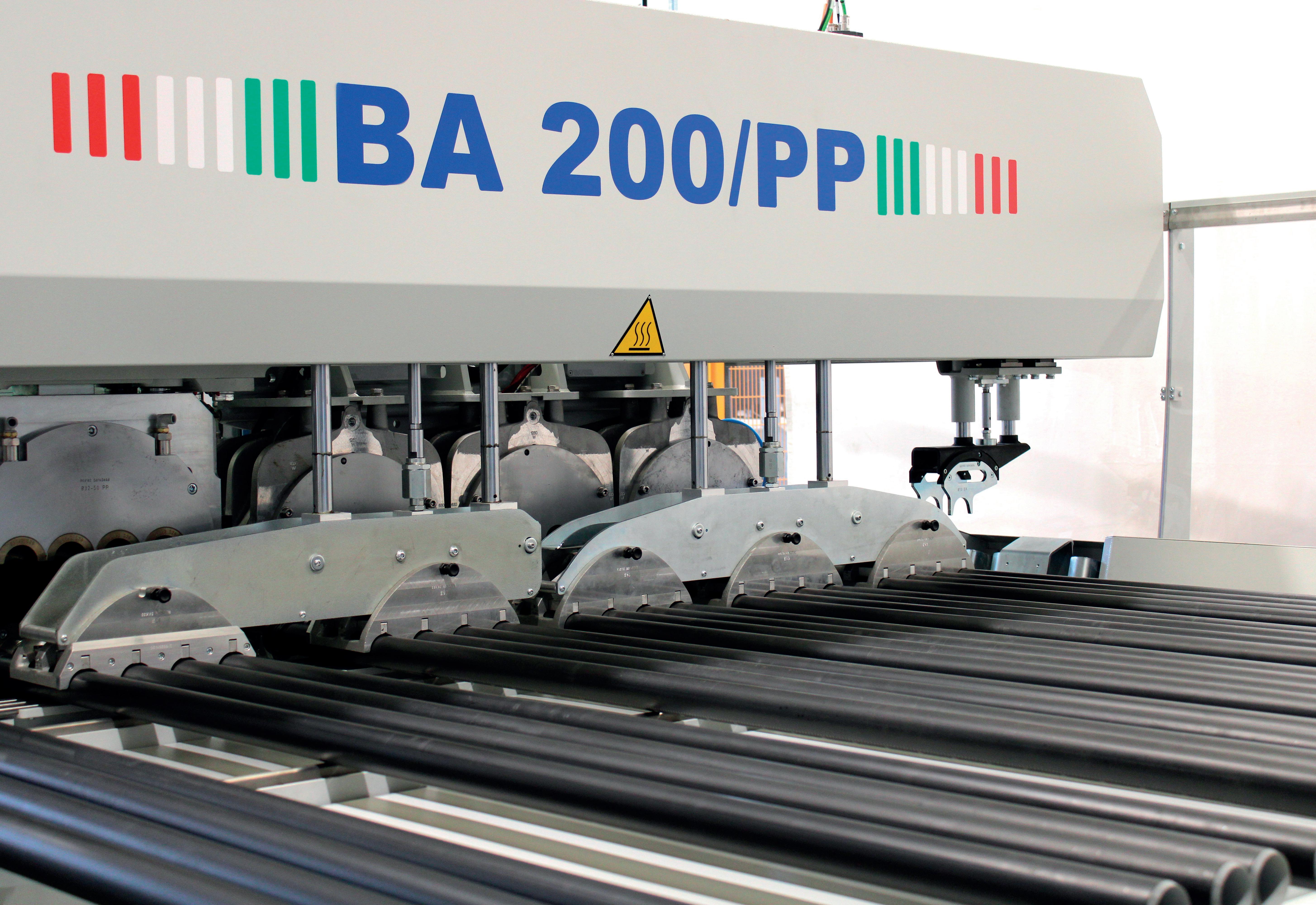
IPM innovates the end-of-line
From its new range of fully electric machines to automated end-of-line systems, IPM develops solutions for the extrusion sector focused on energy saving, process stability, reduced maintenance and enhanced operational continuity.
Since its foundation, around forty years ago, IPM has continuously invested in research and development, a key activity for anticipating the needs of a constantly evolving market. In this direction, alongside the traditional range of hydraulically operated machines – still preferred for the production of large-diameter and thick-walled pipes – the company has recently developed a new series of fully electric, eco-sustainable machines. These machines have been engineered to meet the growing demands of the industry for energy efficiency, high precision, process stability and environmental responsibility.
The new range includes socketing machines, cutting units and automatic pipe packaging systems, all designed to ensure high productivity and efficiency. In particular, the end-of-line solutions integrate robotic systems and Artificial Intelligence technologies, enabling the automation of handling, packaging and management of the finished product, thereby improving operational continuity and overall process quality.
Eco-Technology is the trademark registered by IPM to safeguard its commitment to sustainability: it identifies all its “green” machines and certifies the adoption of lowenvironmental-impact technologies, demonstrated energy efficiency, and industrial innovation, with particular focus on automation and precision.
In line with its commitment to sustainability, the company has registered the Eco-Technology trademark, which identifies all “green” machines and certifies the adoption of low-environmental-impact technologies, energy efficiency and industrial innovation.
The transition from hydraulic to fully electric technology today represents a concrete evolutionary choice for industrial machinery. It is not simply a matter of replacing one drive system with another, but of adopting an architecture that is more efficient, more precise, cleaner and more consistent with modern requirements for productivity and sustainability. Eliminating the hydraulic unit, and thus the use of oil to drive actuators and mechanical movements, allows the machine to be redesigned more rationally. In an electric solution, energy is consumed only when required by the process, whereas in hydraulic systems a significant portion of energy is linked to the continuous operation of the power unit and the inherent inefficiencies of the circuit.
One of the main advantages is energy efficiency. This benefit has not only been considered in theoretical terms but has been
evaluated through a structured measurement and comparison project conducted with Turtle, a spin-off of the University of Bologna. The study involved specific instrumental measurements to objectively determine both energy consumption and the CO2 footprint associated with machine operation. The results revealed a measurable improvement, with a reduction of energy consumption and environmental impact of approximately 30%.
Precision and process stability
Electric technology enables a higher level of precision and stability. Direct axis control allows position, speed, acceleration and force to be managed with greater accuracy and repeatability, reducing the influence of variables typical of hydraulic systems, such as oil temperature, pressure losses, component wear and performance variations over time. This translates into a more stable process, greater performance consistency and more uniform product quality.
Reduced maintenance
The absence of a hydraulic unit eliminates all activities related to oil management, filter replacement, and the monitoring of hoses, fittings, valves and potential leaks. Reducing the number of components subject to wear and degradation reduces routine and extraordinary maintenance interventions, improving machine availability and supporting production continuity.
Lower environmental impact
Also, from an environmental perspective the advantages are evident. In addition to reduced energy consumption, the elimination of hydraulic oil provides direct benefits in terms of cleanliness, safety, lower spill risks and simplified handling of operating materials. Noise levels are also significantly reduced, improving working conditions for operators. In an industrial context increasingly attentive to sustainability, this represents both an operational and strategic value.
Shorter and more consistent machine cycles
Electric technology enables shorter and more consistent machine cycles. The dynamics of the electric motors, combined with precise control, optimise movements, reduce idle time and maintain high cycle repeatability. What matters is not only the maximum achievable speed, but also the machine’s ability to maintain the same performance over time in a stable and reliable manner.
In extrusion end-of-line management, robotics and artificial intelligence represent a significant evolution in terms of production efficiency, operational continuity and process control.
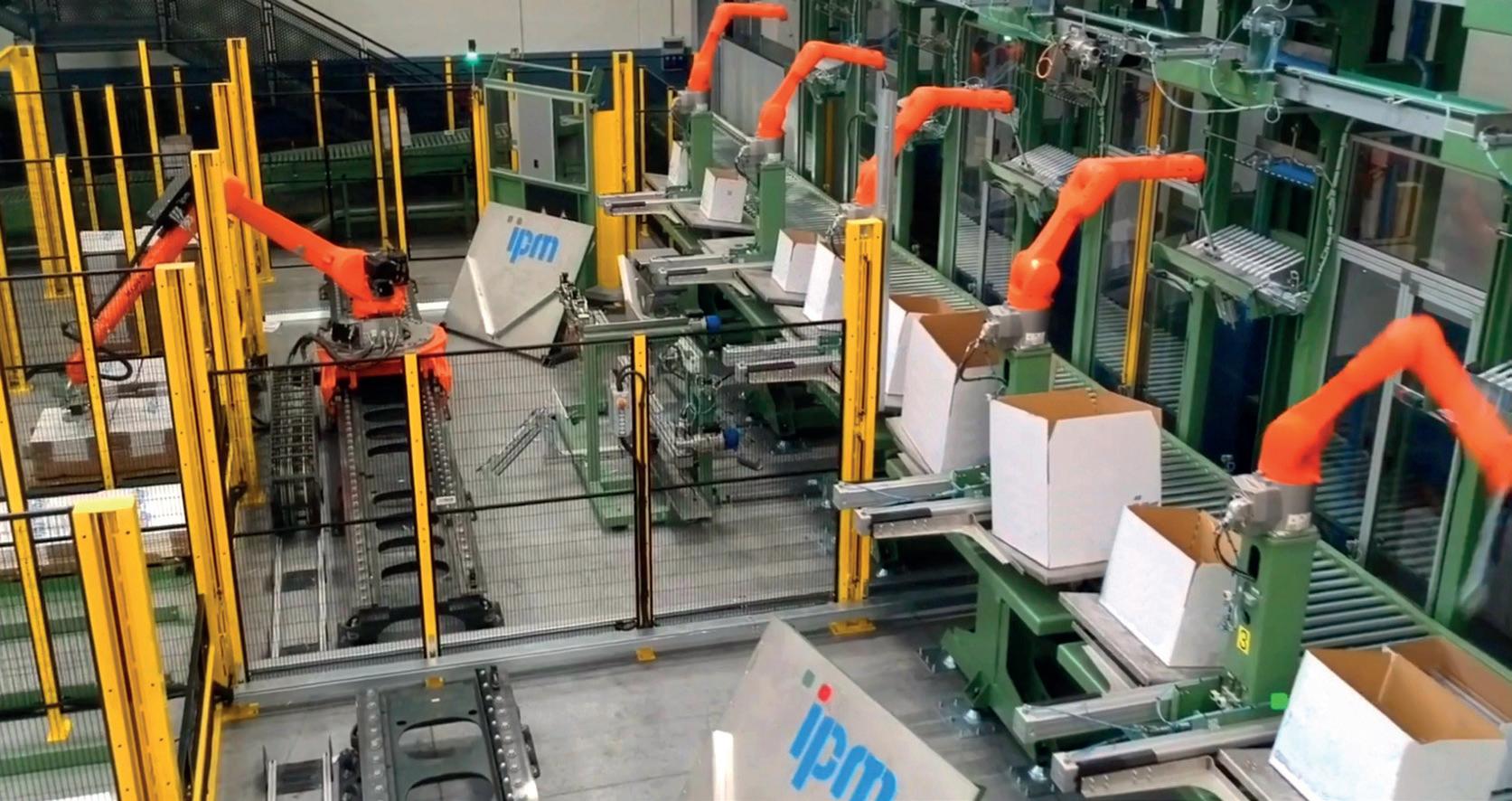
Automation of handling, sorting, inspection and packaging of extruded products significantly reduces manual intervention in the most repetitive, heavy and potentially critical operations.
In this field, IPM develops integrated systems composed of automatic machines and robots designed to operate continuously, 24 hours a day, ensuring high levels of precision, speed and reliability. These solutions allow activities that traditionally required significant manual labour to be automated, with tangible benefits in terms of process regularity, reduction of inefficiencies and improved product quality.
An increasingly relevant contribution comes from the integration of artificial intelligence. Thanks to cameras, increasingly precise sensors and advanced software, the systems can use image recognition to identify, classify and handle objects during the various end-of-line stages. This allows more accurate selection, assembly, inspection and packaging, extending the level of automation even to complex operational areas.
The use of AI also enables continuous optimisation of plant operation. Algorithms can adjust production parameters in real time, improving operational stability and reducing the risk of downtime and waste. In addition, remote monitoring enables more effective supervision of performance and facilitates planned maintenance.
In this perspective, end-of-line automation is not only a response to the critical issues related to labour availability for repetitive or heavy tasks, but also a concrete tool to increase productivity, reliability and competitiveness, while maintaining high qualitative and organisational standards.
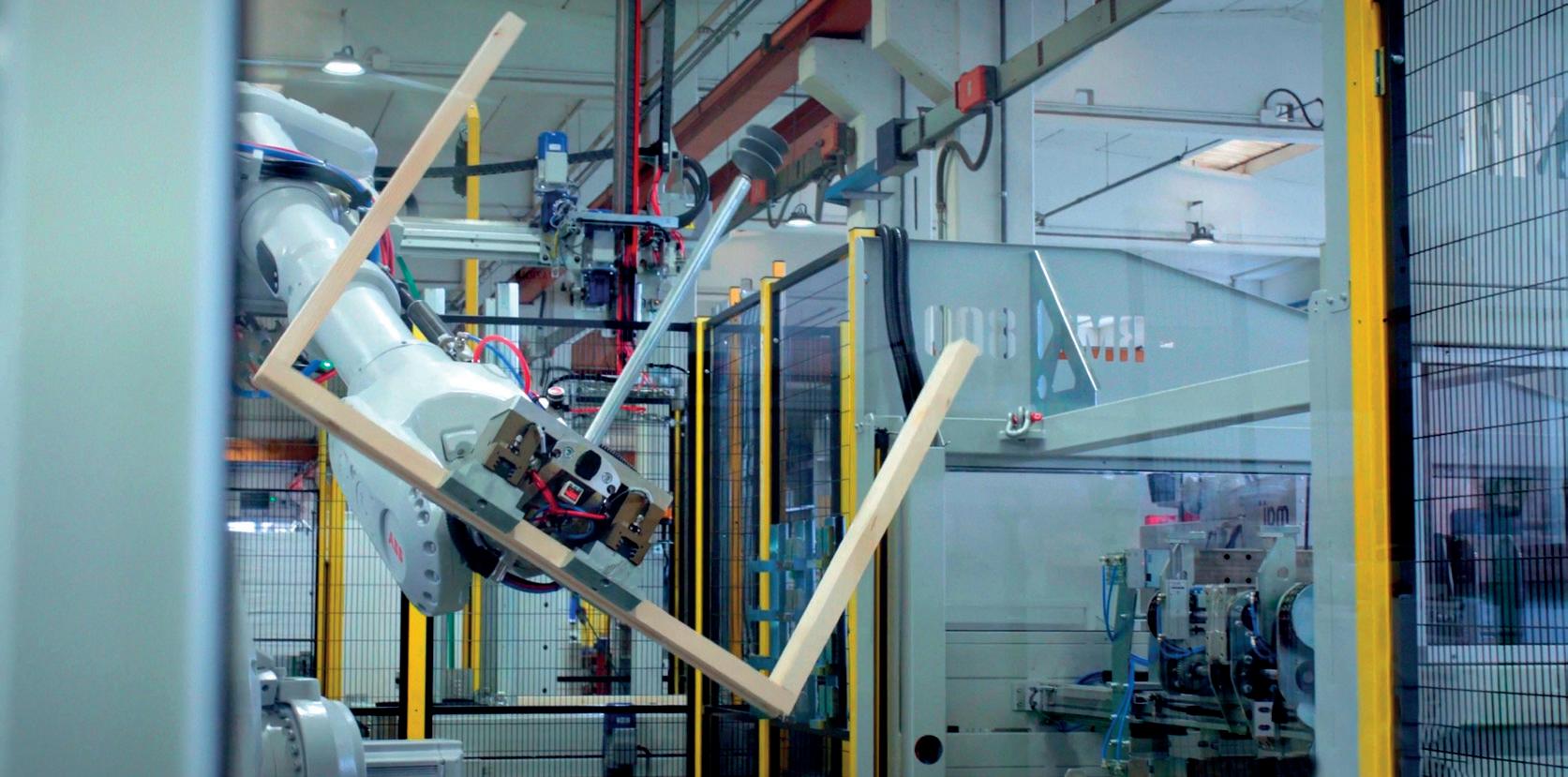
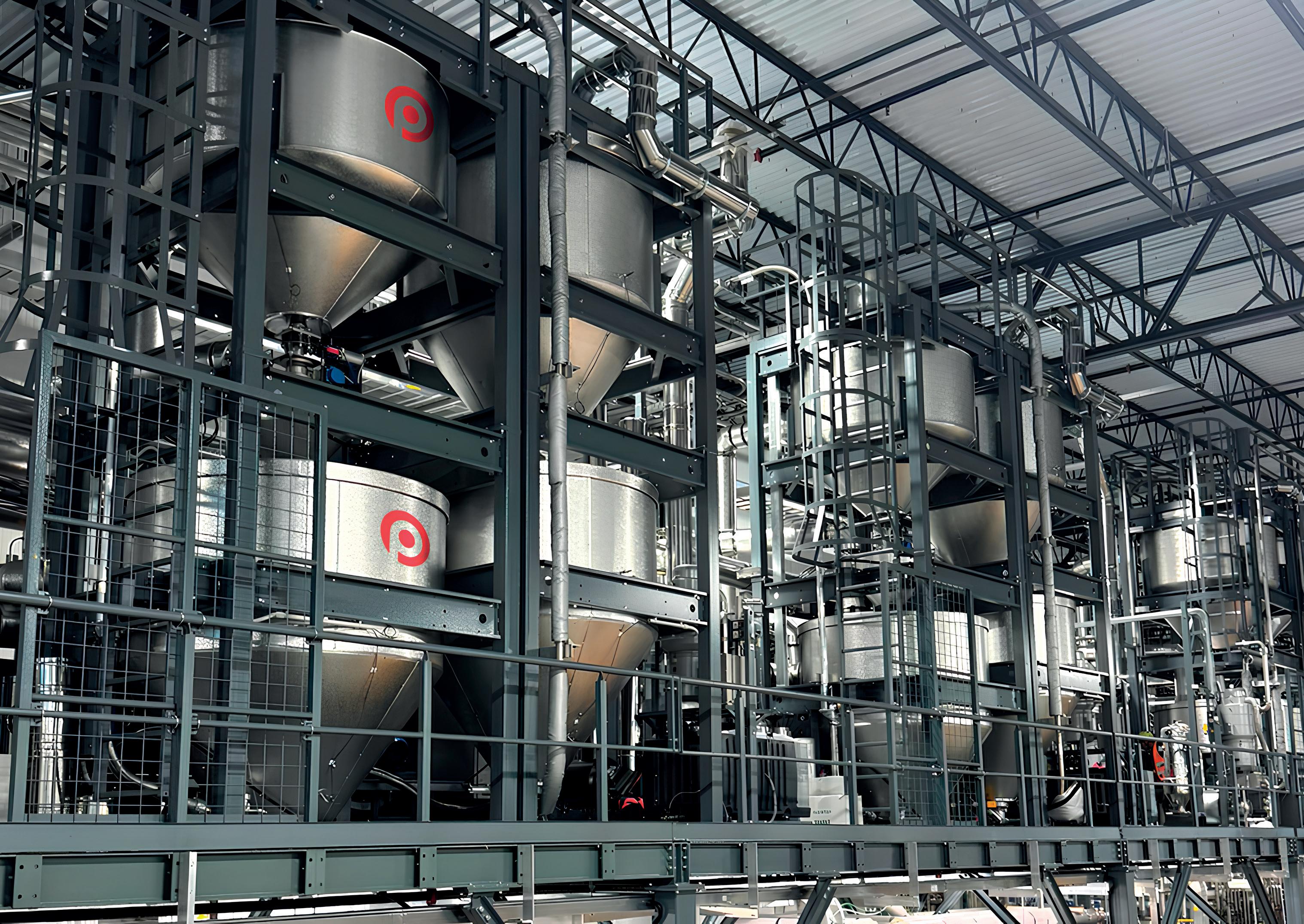
The Pegaso Group company has supplied a turnkey plant for the production of recycled PET bottles, integrating DRV technology for dehumidification and thermal stabilisation. It ensures consistent quality, synchronised material flow, energy efficiency and reduced maintenance.
Acompany within the Pegaso Industries group, PET Solutions has recently completed the supply of a turnkey plant for a leading American producer of PET bottles intended for the water market. The project involved the implementation of a fully integrated auxiliary system, engineered to ensure operational continuity, process control and maximum quality stability in the handling of rPET.
At the core of the plant is the proprietary Continuous Vacuum Drying technology (DRV series), specifically developed for the advanced treatment of recycled resin.
The technical objective was clear: to ensure a controlled dehumidification process, with effective removal of condensable contaminants, thermal stabilisation of the material and consistent feeding of the injection moulding presses at optimal temperature, avoiding any degradation or process instability.
Unlike virgin PET, rPET requires more sophisticated thermal and plant management. The recycled resin exhibits: higher thermal sensitivity, necessitating cycles at lower and tightly controlled temperatures to prevent yellowing, reduced crystallinity or agglomeration; the presence of residual volatile
contaminants, which may evaporate during heating and compromise the efficiency of conventional systems; variability in quality of supply, requiring plant flexibility and rapid material changeover; and the need for precisely calibrated residence times to achieve complete drying without subjecting the material to prolonged thermal stress. In this context, a continuous vacuum system enables effective separation of the different treatment stages, ensuring control and repeatability.
The DRV system consists of four modular vertical-flow hoppers, configured to operate in a continuous sequence. This architecture allows progressive management of the material’s thermal profile and optimisation of moisture and contaminant removal, according to the following four stages of thermal treatment:
- preheating (100 °C): the material is stabilised and surface moisture is removed, preparing the resin for the next stage;
- intermediate heating (130-140 °C): the polymer structure is activated, promoting migration of residual moisture toward the surface of the pellet;
vacuum drying (approximately 50 mbar): the application of vacuum accelerates the removal of internal moisture and condensable contaminants, preventing recondensation within the circuits and improving overall efficiency; - temperature booster (160-165 °C): the material reaches the optimal processing temperature, ready for direct feeding into the injection moulding presses.
This configuration ensures uniform dehumidification (≤4550 ppm at discharge), with low energy consumption (70-80 W/ kg) and the absence of components typical of conventional systems, such as oil condensers or molecular sieves, drastically reducing maintenance requirements.
The plant has been designed as a coordinated system, in which each unit communicates with the others in real time.
The configuration includes: six production mezzanines with gravimetric feeders and dedicated DRV units; three silos for storing virgin PET and rPET with automatic loading; a granulation system for recovery of production scrap and controlled reintegration into the process; a centralised transport network connecting the silos, dosing, drying and moulding machines; and a single supervisory system with continuous monitoring of levels, flow rates, temperatures, humidity and machine status. The entire flow – from storage to the press – is managed as a single, synchronised process, eliminating discontinuities and reducing the risk of quality variations.
The production cycle develops in a linear and traceable manner. Material is loaded and stored in the silos with continuous level monitoring. Production scrap is ground and reintroduced into the system in controlled proportions.
Gravimetric feeders supply the DRV units with consistent precision, ensuring uniformity across the production lines. Within the dryer, the material passes through the four stages of thermal and vacuum treatment, reaching the optimal conditions for moulding.
Feeding into the injection moulding machines occurs with thermally stabilised material, reducing defects such as bubbles, surface imperfections or cycle variations. At the same time, the systems dedicated to cap production operate in synchronisation with the preform lines, maintaining consistency in process parameters.
The integrated approach has enabled the processor to achieve: quality stability of preforms even with high rPET content; a significant reduction in material changeover times (less than two
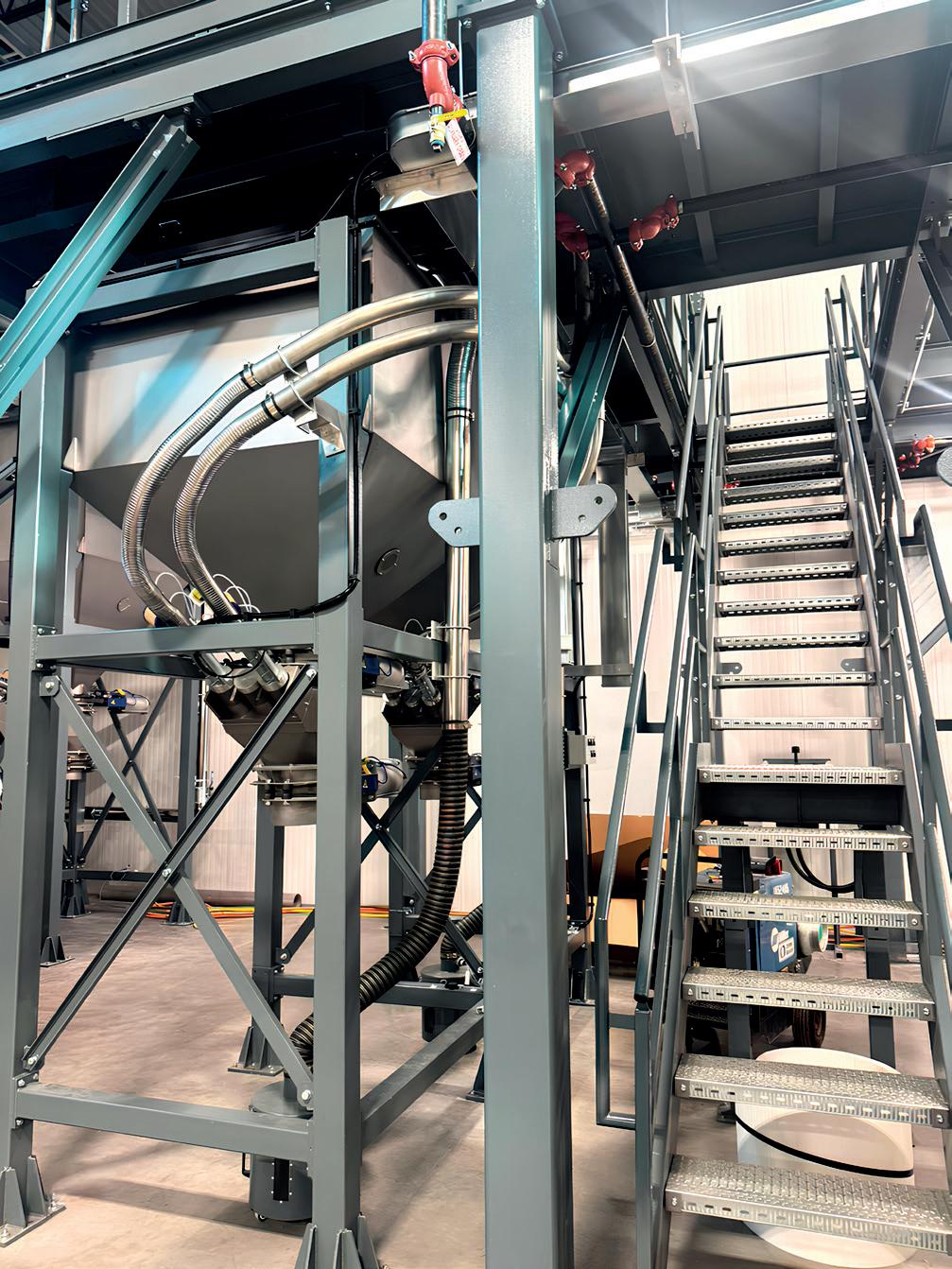
hours); energy savings of up to 40% compared with conventional systems; fewer maintenance interventions thanks to the absence of components prone to saturation; full traceability of process parameters for audits and statistical analysis; and greater flexibility in handling rPET batches with variable characteristics.
The outcome is a plant capable of combining energy efficiency, quality control and production continuity, which has allowed PET Solutions to reaffirm itself as a technological partner in advanced rPET processing for the beverage sector.
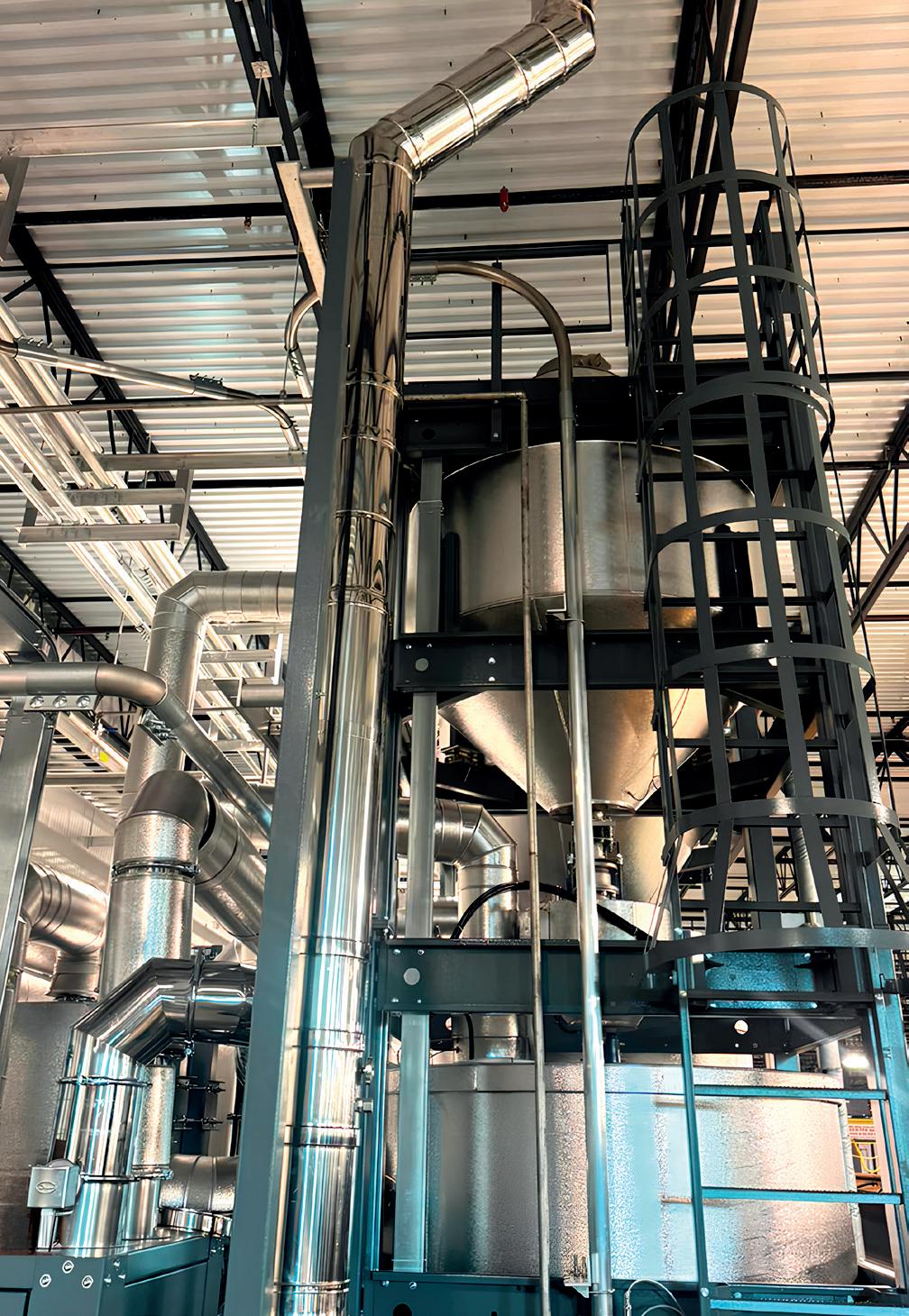
In this and the other images, some details of the turnkey plant supplied by PET Solutions to a leading American producer of PET bottles.


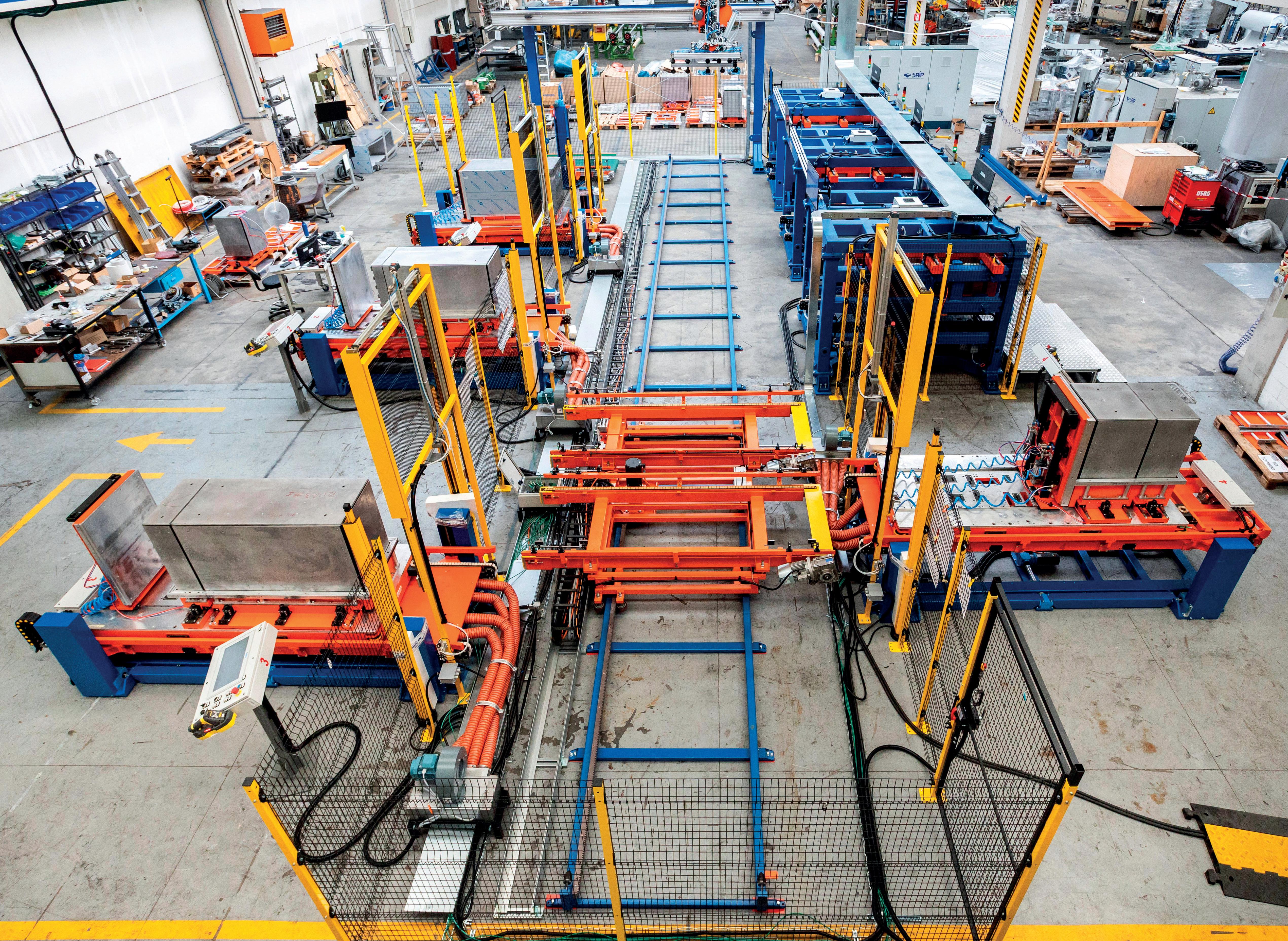
In developing solutions for commercial refrigeration systems, the company from Como (Italy) bases its industrial production on an integrated approach that is particularly strategic in terms of ensuring process performance and high-quality standards of the finished product. This approach formed the basis of a recent supply to a German processor.
As a manufacturer of fully automated and semi-automated turnkey systems for commercial refrigeration, Saip Equipment (part of Pozzi Industries Group) positions itself as an internationally recognized strategic partner for the development of customized technical solutions, designed to ensure flexibility, speed, and process precision. Saip systems are developed to optimise production cycles, ensuring maximum operational continuity even in the presence of high product variability.
Within this context, the design of foaming plugs plays a central role, with fully dedicated or modular solutions capable of adapting to different dimensional, geometric, and functional configurations of refrigerator cabinets and doors.
Saip systems include dosing machines compatible with various blowing agents – such as pentane, HFO, and formic acid – topor bottom-opening foaming molds, and automated systems for handling cabinets, molds, and line components, all aimed at maximising productivity, reliability, and process repeatability.
Within Pozzi Industries Group, Saip works in close synergy with Pozzi Arosio (another company of Pozzi Industries Group) for chemical formulation and the management of blowing agents. This collaboration represents a unique market advantage and allows mechanical know-how and chemical expertise to be integrated into a single solution, ensuring the perfect balance between system and formulation.
Upon request by processors, Saip offers a turnkey package that includes, in addition to the foaming system, the development of the chemical formulation optimised for the process, selection and management of the most effective blowing agents, and integrated technical support services.
This approach is particularly strategic for achieving increasingly high-quality standards, reducing the weight of finished products, improving thermal insulation performance, optimising finished product characteristics (density, uniformity, dimensional stability), and ensuring regulatory compliance and environmental sustainability.
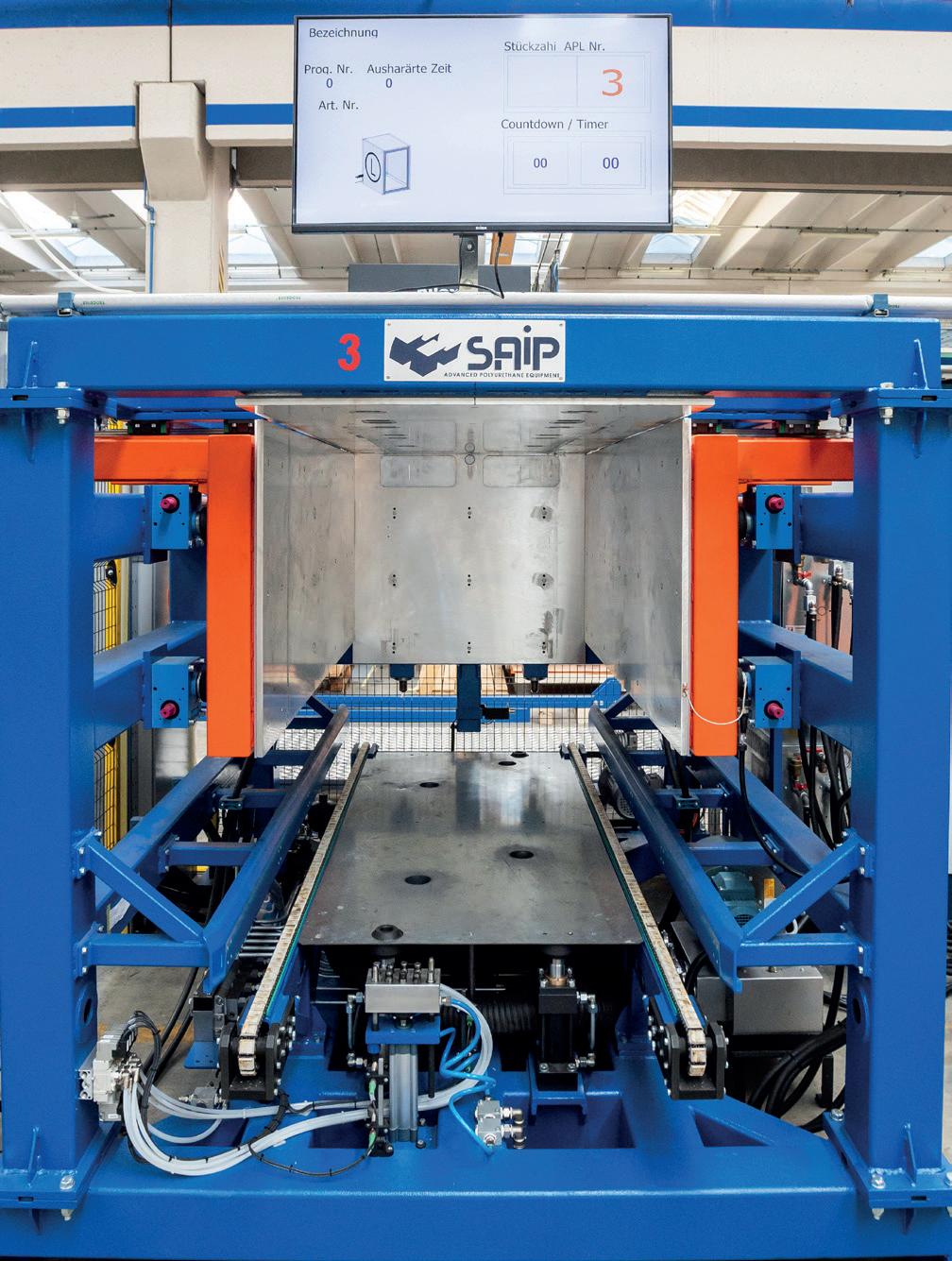
This integrated approach was recently applied in a fully automated system installed in Germany, designed to ensure maximum production flexibility.
The system allows rapid changeovers between different refrigerator models, significantly reducing production time and simplifying the assembly of cabinet metal sheets. Cabinets are assembled directly on the plugs according to the specific order, ensuring a highly efficient process even in the presence of high product variability.
The entire production flow is fully digitalised: work orders are sent via PC to one of three assembly stations and, once the operation is completed, the operator scans the product barcode using a wireless reader.
The plug with the cabinet ready for foaming is then loaded onto a dual-position shuttle, which automatically transfers and inserts it into the foaming mold. The dual-position shuttle, installed in front of the foaming mold, allows the unloading of the plug with the already foamed cabinet and the simultaneous loading of the plug with the cabinet to be foamed. This synchronised exchange ensures continuous system operation with no downtime. At the end of the cycle, the shuttle automatically moves to the unloading area. Foamed cabinets are unloaded via an automatic gantry, which, using an empty unit, picks up the finished product and places it on a roller conveyor. Thanks to the synchronised movement of the gantry and conveyor, cabinets can be unloaded in either vertical or horizontal position, depending on the requirements of subsequent assembly phases.
The system includes three universal molds with automatic adjustment, an independent mold temperature control system, three ergonomic cabinet assembly stations with height adjustment, an integrated versioning and model-change station within the production cycle (also usable as an assembly station), a dual-position shuttle for loading and unloading plugs, an automatic unloading gantry for vertical or horizontal cabinet positioning, a roller conveyor with automatic adjustment for vertical or horizontal positioning, an automatic foaming carriage, seven mold carriages (three in polymerisation and four in assembly and model-change stations), HMI with barcode reader for each assembly station and for the versioning station, and software developed by Saip for product traceability and defect management.
The system recently supplied in Germany ensures product traceability and defect management thanks to equipment that includes, among other features, software developed in-house by Saip itself.
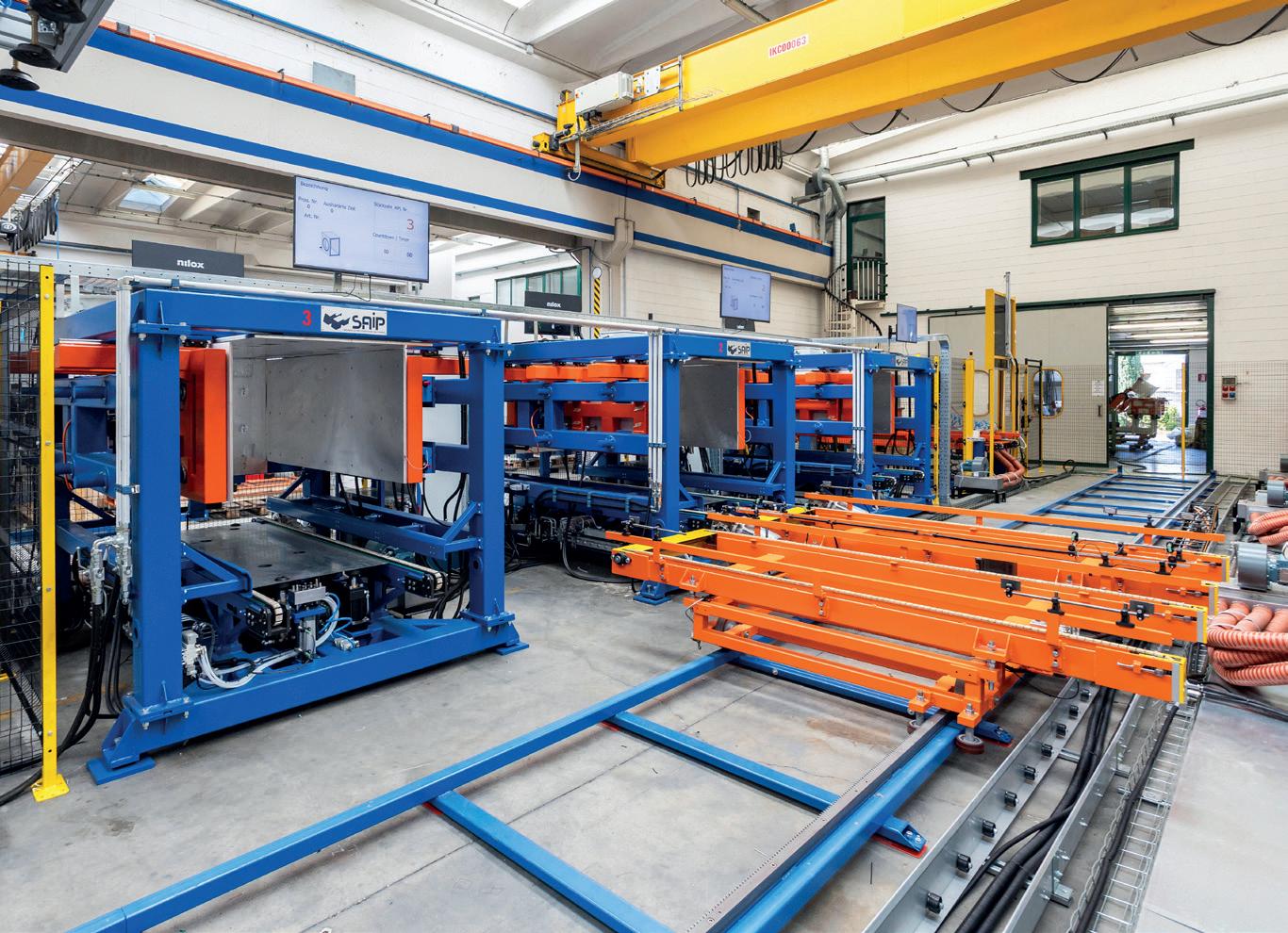
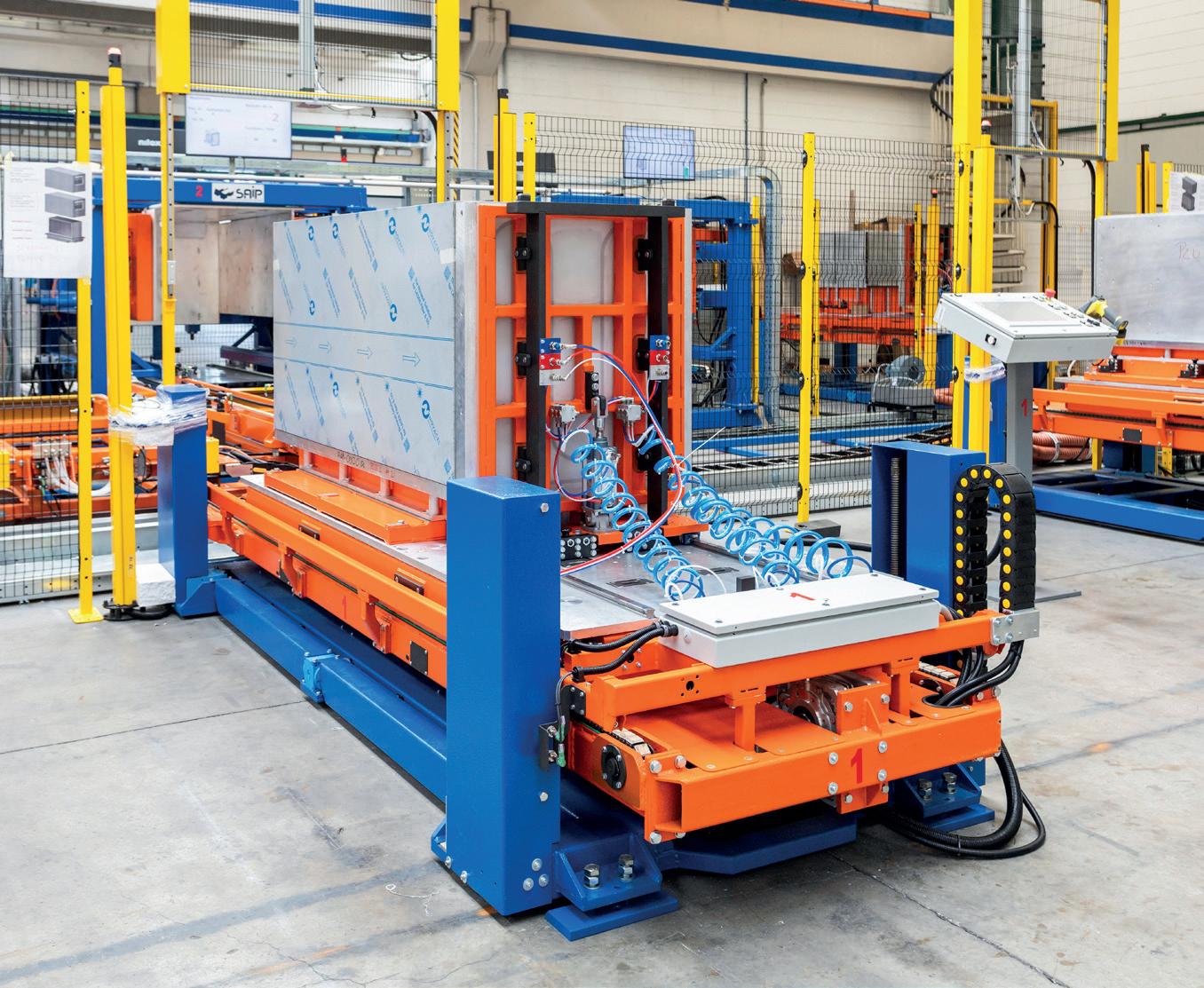
Integrated approach: this forms the foundation of Saip’s manufacturing process, which includes, in addition to the foaming system, the development of a chemical formulation optimised for the process, the selection and management of the most effective blowing agents, and the provision of integrated technical support services.
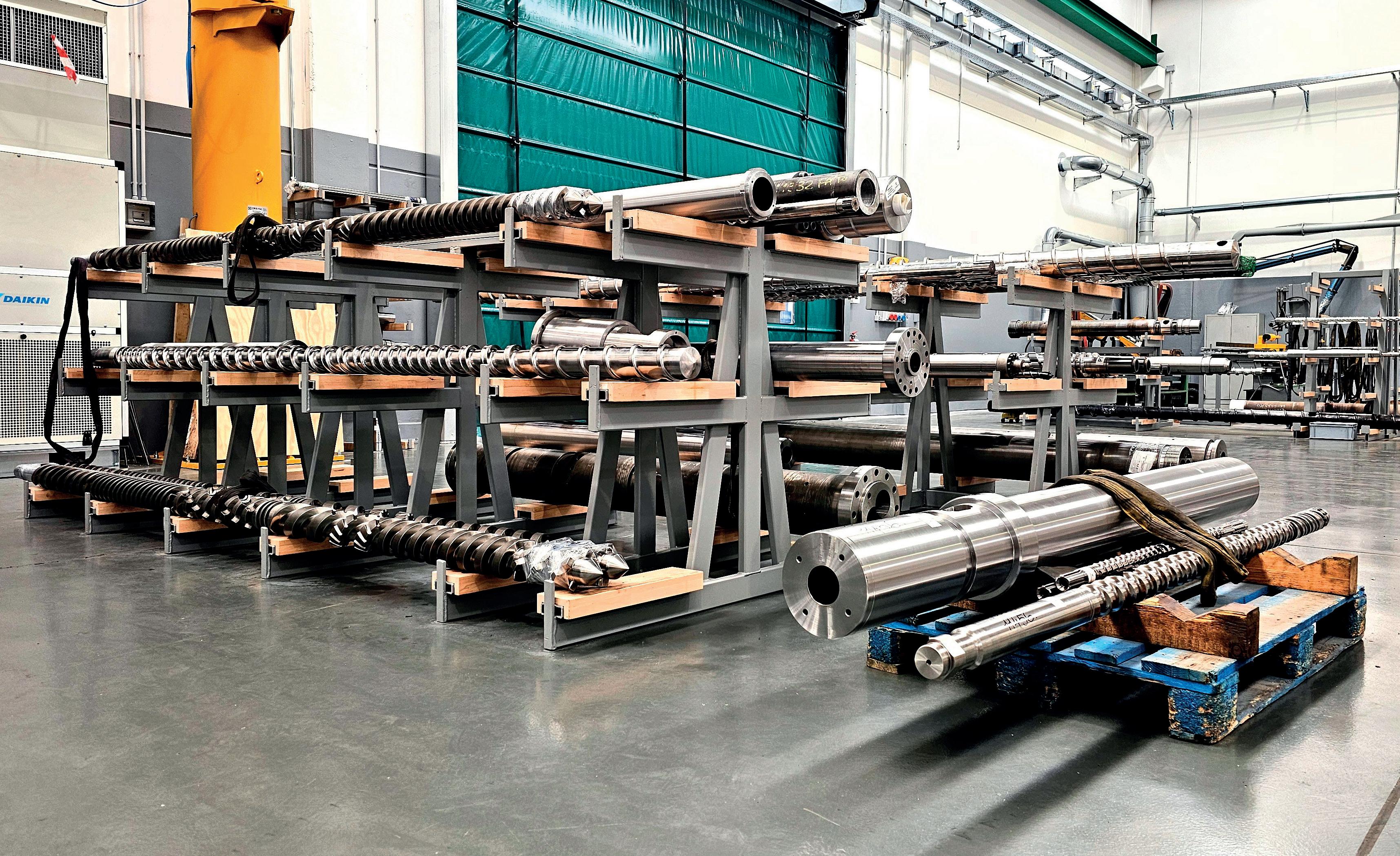
From the new recycling requirements to high-performance polymers, the plasticizing unit remains a strategic component for efficiency, quality and production continuity. Materials, coatings, custom engineering and regeneration now extend its role well beyond mere replacement.
IWorkshop operations on a plasticizing component: design, refurbishment and inspection work together to maintain high performance and operational continuity in extrusion and injection moulding processes.
n the world of plastics processing, the plasticizing unit remains the beating heart of the machine, both in extrusion and injection moulding. The quality of the production process largely depends on what happens inside the barrels, where the polymer is melted, mixed and homogenised under precise conditions of temperature, pressure and mechanical stress.
In recent years, a sector often perceived as traditional has undergone a phase of profound evolution, driven by increasingly stringent environmental regulations, the push toward a circular economy and the growing demand for production efficiency. Highly specialised companies, often operating behind the scenes, design and manufacture key components such as screws, barrels and liners, playing a decisive role in optimising industrial processes across applications ranging from automotive to packaging.
Among these Italian companies, Euroviti has for over thirty years been developing solutions for plasticizing groups used in both injection moulding and extrusion, ensuring high performance even in particularly demanding production environments. The changes in the plastics landscape have been profound and multifactorial. European regulations related to the circular economy, such as those imposing minimum recycled plastic content in finished products, have forced processors and machine manufacturers to significantly revise their tech-
nologies. The increasing use of recycled or reprocessed materials introduces new and complex technical challenges. These polymers, originating from post-consumer or post-industrial recovery streams, often contain heterogeneous contaminants, exhibit variability in viscosity, include abrasive fillers such as glass fibres or minerals, and generally show lower thermal stability compared with virgin raw materials.
As a result, plasticizing components must evolve to ensure greater resistance to abrasive wear, high mixing capacity capable of homogenising non-uniform materials, precise control of melt temperature to prevent thermal degradation, and process stability even in the presence of variable inputs.
This need for adaptability does not concern recycling alone, but also extends to new high-performance technical polymers, such as those with nano-fillers or bio-based formulations, which require optimised screw geometries and specific profiles to maximise the quality of the finished product. To meet these requirements, technological development focuses in particular on special steels, hardfacing and surface coatings of the components. Today, high wear- and corrosion-resistant alloys are employed, combined with advanced technologies such as bimetallic linings rich in tungsten or chromium carbides, PVD (Physical Vapor Deposition) coatings that enhance surface hardness without altering internal properties, HVOF (High Velocity Oxygen Fuel) treatments for extremely abrasive applications, and technical chrome plating that reduces friction and facilitates melt flow.
These solutions not only extend the operational life of screws and barrels – often up to three times in processes with filled materials – but also drastically reduce machine downtime and maintenance costs, providing a return on investment that can be recovered within a few months of intensive production. In contexts such as compound production, for example, where parallel co-rotating or counter-rotating twin-screw extruders with L/D ratios above 50 are used, bimetallic barrels such as EUV400 are frequently recommended, paired with screws with nickel-based hardfacing such as EUV60 or, in the most extreme cases, tungsten-carbide-based alloys like EUV1000W and EUV83, specifically designed to withstand the severe wear caused by heterogeneous regrind materials.
In companies such as Euroviti, the selection of materials is the result of a tailor-made process built on decades of experience in diversified applications: from tyre extrusion, where single screws process rubber compounds containing fillers such as silica and carbon black, to the moulding of automotive components produced with reinforced polymers. In these cases, engineering decisions take into account not only the base polymer, but also the percentage of abrasive fillers, processing speed and operating temperatures, avoiding standard solutions that might prove ineffective in real production scenarios. This approach transforms the plasticizing group from a simple spare part into a true strategic element of the production process, where even a modification in screw design – such as the introduction of profiles to reduce cycle times or degassing zones to remove moisture from the granulate – can optimise the entire production flow.
At the same time, the role of manufacturers has evolved towards an increasingly integrated model of production and technical consulting. The objective is no longer merely to supply compatible parts, but to collaborate with processors in analysing production processes and proposing improvements that reduce cycle times, enhance surface quality, stabilise production and minimise scrap. In an industry where every minute of machine downtime can result in significant economic losses, this collaboration becomes crucial. Targeted engineering solutions applied to the plasticizing group can contribute to improving process stability, reducing energy consumption and increasing overall plant efficiency.
Another rapidly growing area is the regeneration and refurbishment of existing plasticizing groups, which today also represents an important pillar of industrial sustainability. Screws and barrels are exposed to abrasive, corrosive or adhesive wear, particularly when processing polymers filled with glass fibres, minerals or recycled materials, where the presence of solid particles accelerates surface deterioration. Complete re-
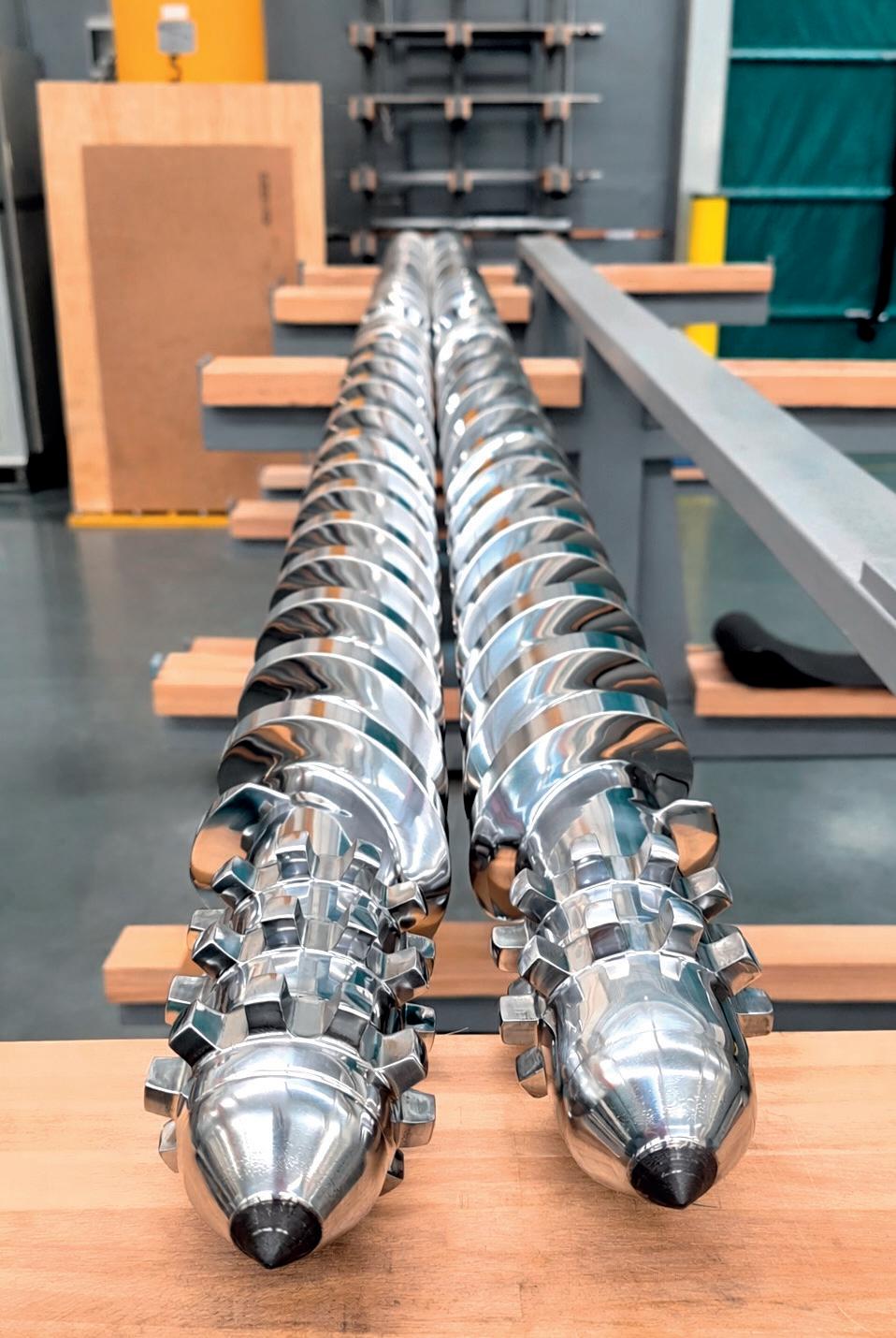
placement of the plasticizing group is not always the most economically efficient solution. Targeted interventions – such as dimensional recovery through laser or PTA hardfacing, grinding operations to restore tolerances, replacement of non-return valves or screw-tip assemblies, renewal of surface treatments and metallurgical inspections – can restore component performance to levels comparable with those of a new product. These processes, applicable to both nitrided and bimetallic components, require advanced mechanical and metallurgical expertise to preserve the structural and thermal integrity of the parts. Over time, Euroviti has developed specific knowhow in wear analysis, offering services that extend component service life by an average of 50-70%, with costs 40-60% lower than those of a new replacement, reduced machine downtime and a lower environmental impact thanks to material reuse. From a circular-economy perspective, this practice contributes to reducing metal waste and virgin resource consumption, concretely aligning production with sustainability.
The global market for plasticizing components is today highly competitive, with Europe continuing to maintain a leading position thanks to its metallurgical tradition, flexible engineering capabilities, short delivery times and strong after-sales support. For processors, choosing the right partner means investing not simply in a component, but in a technological ally capable of improving overall plant performance – from material quality to component design and technical support throughout the entire product lifecycle. Looking ahead, innovation in the sector may be driven by three main directions: increasingly high-performance materials, with new steels and alloys designed to withstand extreme cycles and aggressive recycling streams; engineering solutions increasingly tailored to actual processing conditions; and closer integration with the production needs of processors. In a constantly evolving industry, the plasticizing group – often hidden from view – remains one of the elements that most strongly determine efficiency and competitiveness. It is precisely there, at the heart of the machine, that raw material takes shape and becomes a finished product.
Regenerated twin-screw group: the refurbishment of plasticizing components allows operational performance to be restored, extends their service life, and reduces downtime and replacement costs.
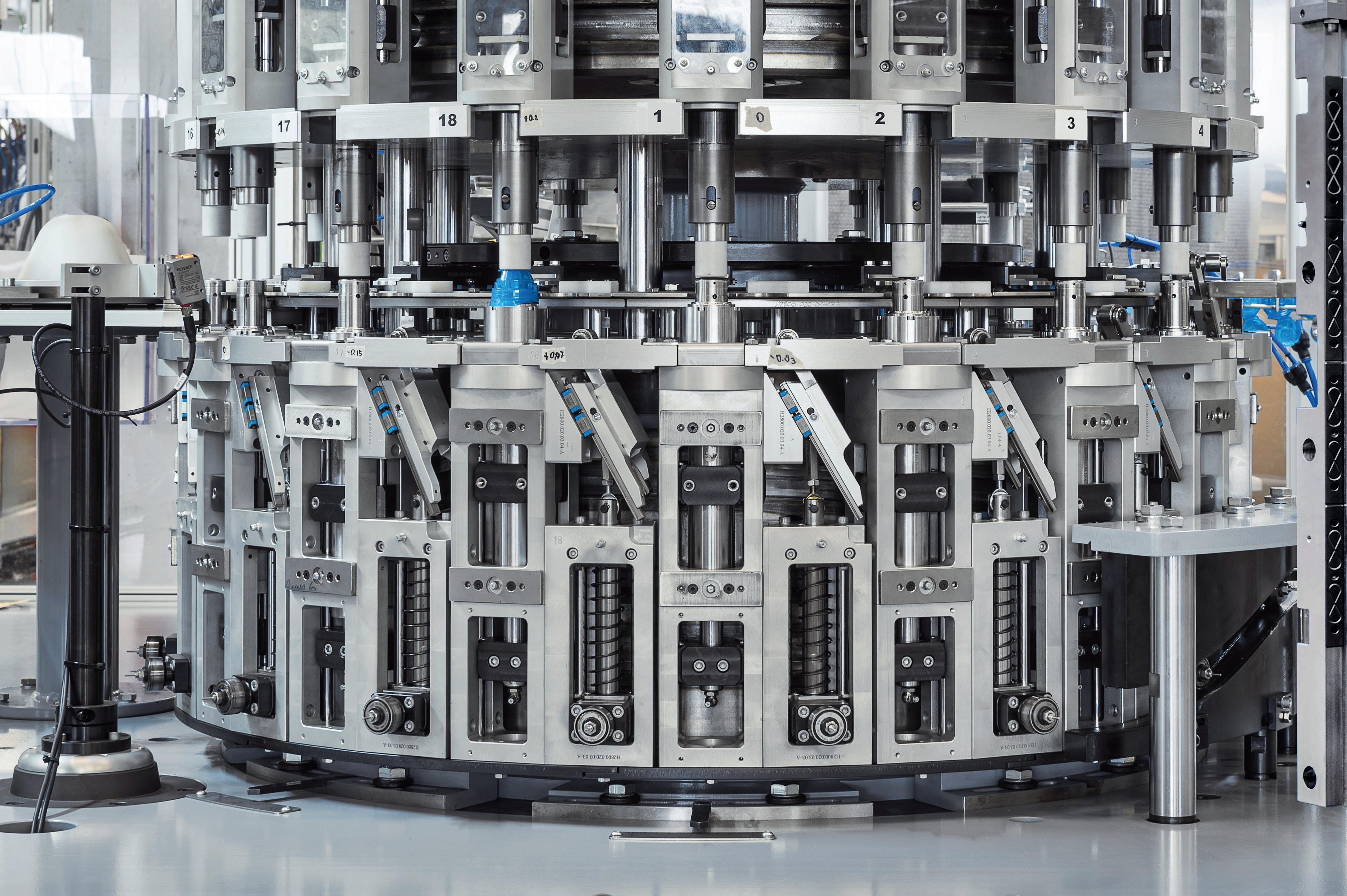
On the left, the new
Plus assembly platform, with a production capacity of up to 48,000 pieces per hour and 100 strokes per minute; on the right, a thermoplastic mould with inmachine closure for a flip-top cap.
Gefit Moulds & Assembly: solutions for the manufacturing of the future
From the design of multi-cavity moulds to new smart assembly platforms, Gefit develops integrated solutions for the closures, packaging, medical and pharmaceutical sectors.
In an industrial context increasingly oriented towards advanced automation, digitalization and process sustainability, Gefit continues to develop technological solutions capable of combining high performance, reliability and production flexibility.
Founded in 1967, the Italian company is today internationally recognized as a technological partner for the design and manufacturing of thermoplastic injection moulds and high-speed assembly systems, serving highly demanding sectors such as food packaging, medical, pharmaceutical, cosmetics and automotive industries.
One of Gefit’s main distinguishing elements lies in its ability to offer an integrated solution like few other companies on the market, combining mould design with the development of customised assembly machines.
This approach makes it possible to optimise the entire production cycle, from the design of the plastic component to its automated assembly, ensuring consistent quality and greater operational efficiency.
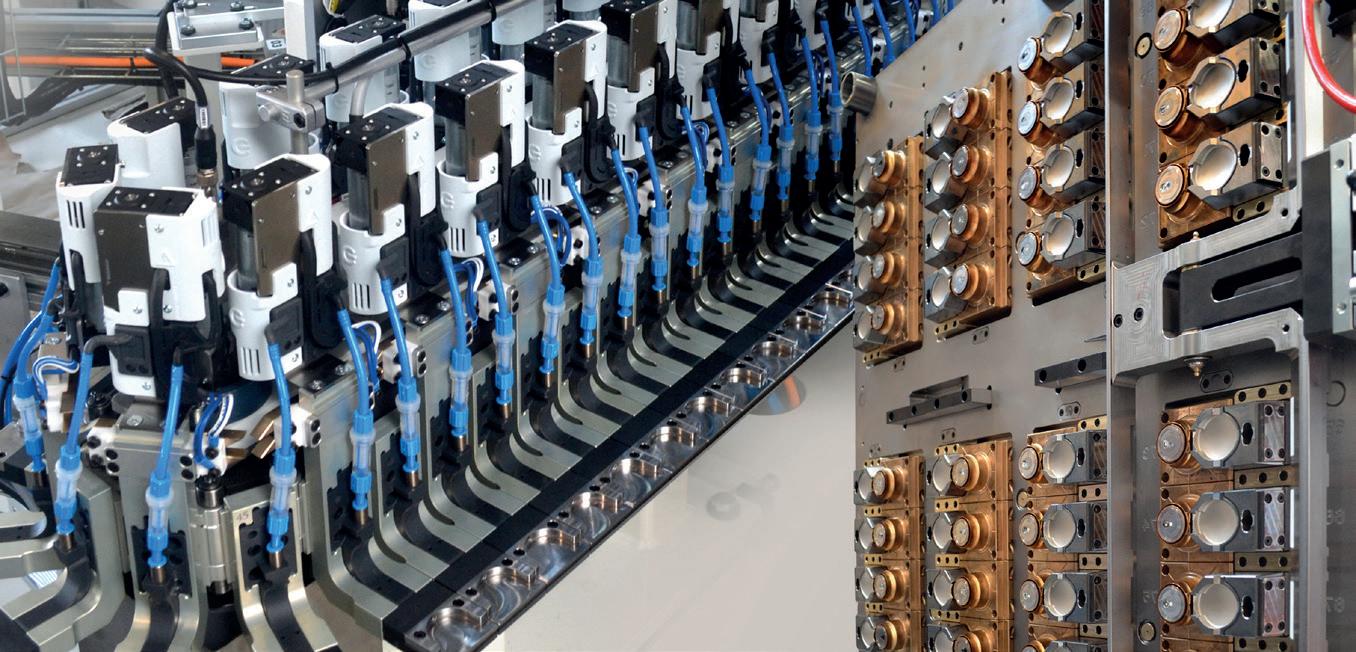
Gefit’s engineering team works closely with processors from the earliest stages of project development, with the aim of converting application requirements into highly efficient technical solutions.
The product range includes multi-cavity moulds for caps and food closures up to 128 cavities, solutions for flip-top caps and dispensers for food and cosmetic packaging, as well as complex moulds for medical components such as test tubes, pipettes and laboratory items.
Mould design is supported by advanced simulation tools such as Mold Flow, FEM analysis and dynamic simulations, which allow engineers to accurately predict the behaviour of plastic material during the injection moulding process, reducing development times and improving the reliability of the solutions produced.
Alongside mould technology, Gefit develops assembly systems characterised by high levels of flexibility and modularity, designed to meet the specific production requirements of processors.
Among the most advanced platforms is Gefdrive Plus, a solution that combines the precision of indexed systems with the speed of continuous-motion machines, reaching production capacities of up to 36,000 pieces per hour with high quality standards. Particularly widespread in the food packaging and medical sectors are also Geflining machines, dedicated to the automatic insertion of liners and sealing elements of different shapes and
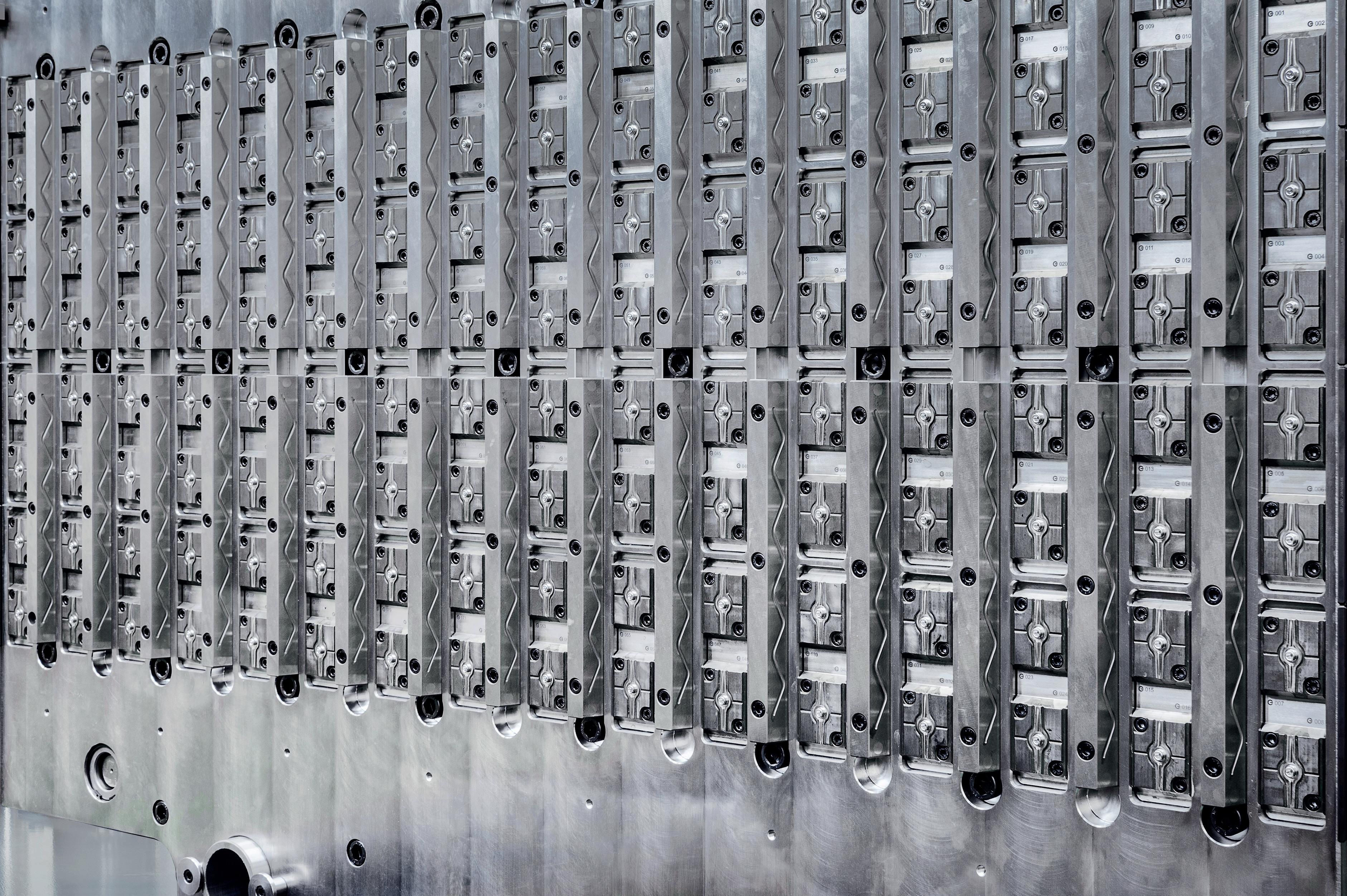
materials, while the continuous-motion machines developed by Gefit can achieve production capacities exceeding 70,000 pieces per hour.
Innovation represents one of the pillars of Gefit’s strategy. In this direction, the manufacturer is introducing new solutions based on advanced handling technologies, including asynchronous linear transport systems and assembly platforms equipped with vision systems and artificial intelligence.
These technologies enable assembly lines to manage increasingly complex operations, improving quality control and flexibility in handling different production batches.
A further step towards the automation of the future is represented by systems based on magnetic levitation, in which independent shuttles glide without friction on a transport platform with no mechanical contact. This solution allows for high speeds, drastically reduces component wear and ensures extremely high levels of hygiene – an essential feature for medical and pharmaceutical applications.
Gefit’s technological innovation is supported by continuous research and development activities and by collaborations with universities and research centres. The objective is to explore new solutions in the field of industrial automation, artificial intelligence applied to manufacturing processes and digital technologies, developing systems that are increasingly intelligent, flexible and capable of meeting the needs of advanced manufacturing industries.
With two production plants in Italy and several international locations, Gefit today operates a global sales and service network capable of supporting customers worldwide. This commitment to innovation and responsibility is also confirmed by the recent ESG assessment conducted through the
Open-es platform, in which the company achieved scores within the highest range of the evaluation scale, demonstrating strong performance and a concrete approach to sustainability across the entire value chain.
The company continues to grow while keeping at the core of its strategy the combination of Italian manufacturing tradition, technological innovation and strong customer orientation, elements that for almost sixty years have represented the foundation of its success in international markets.
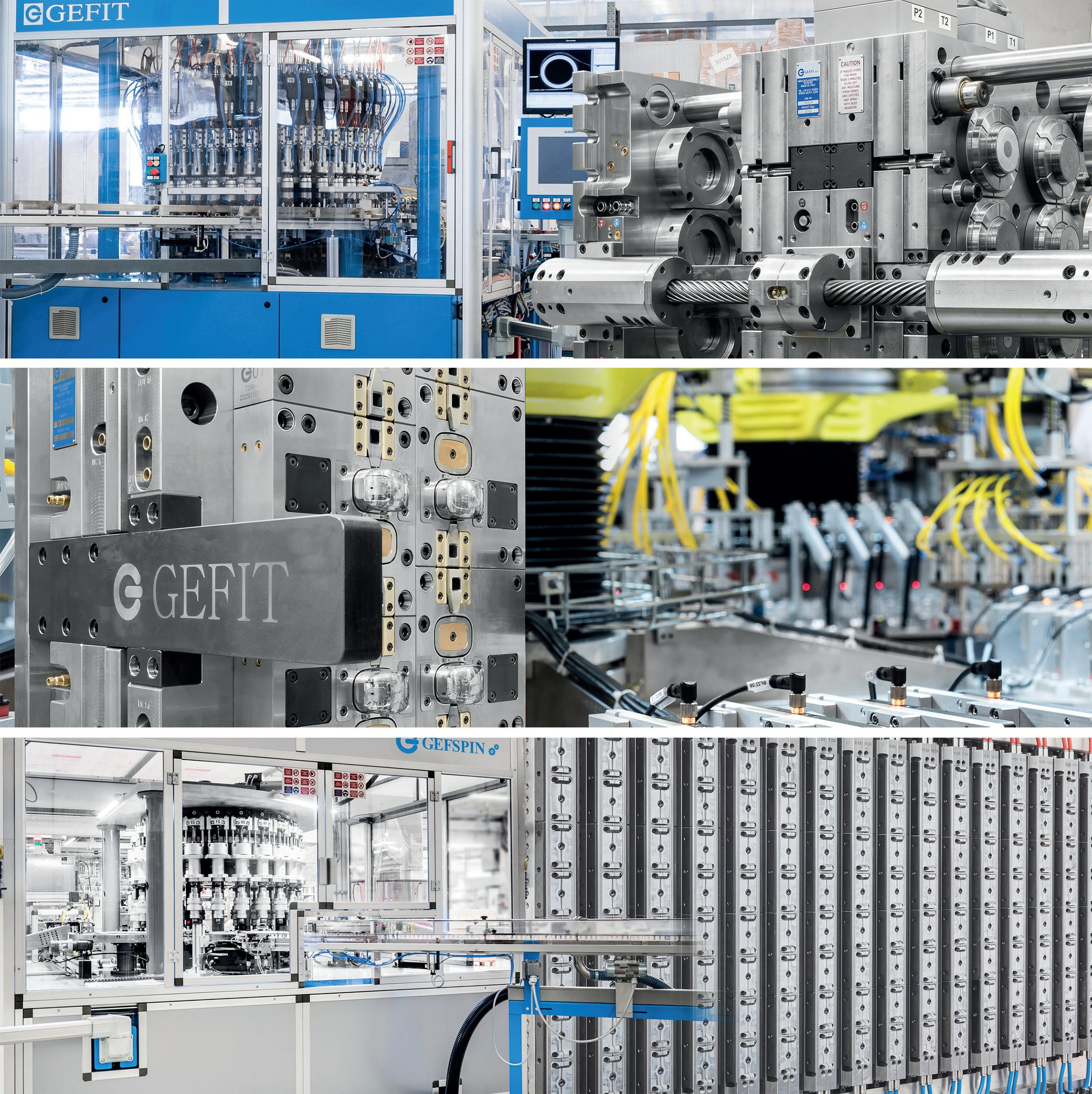
At the top, on the left continuous-motion assembly machine, on the right 8+8 cavity stack mould for a chocolate cream jar capsule; in the centre, on the left flip-top closure mould for food packaging, on the right assembly machine with pick-and-place system for “Wine Tap” – 5 pieces assembled – production capacity approximately 8,000 pieces per hour; at the bottom, on the left full-electric continuous-motion assembly machine, on the right 128-cavity mould for a beverage cap.
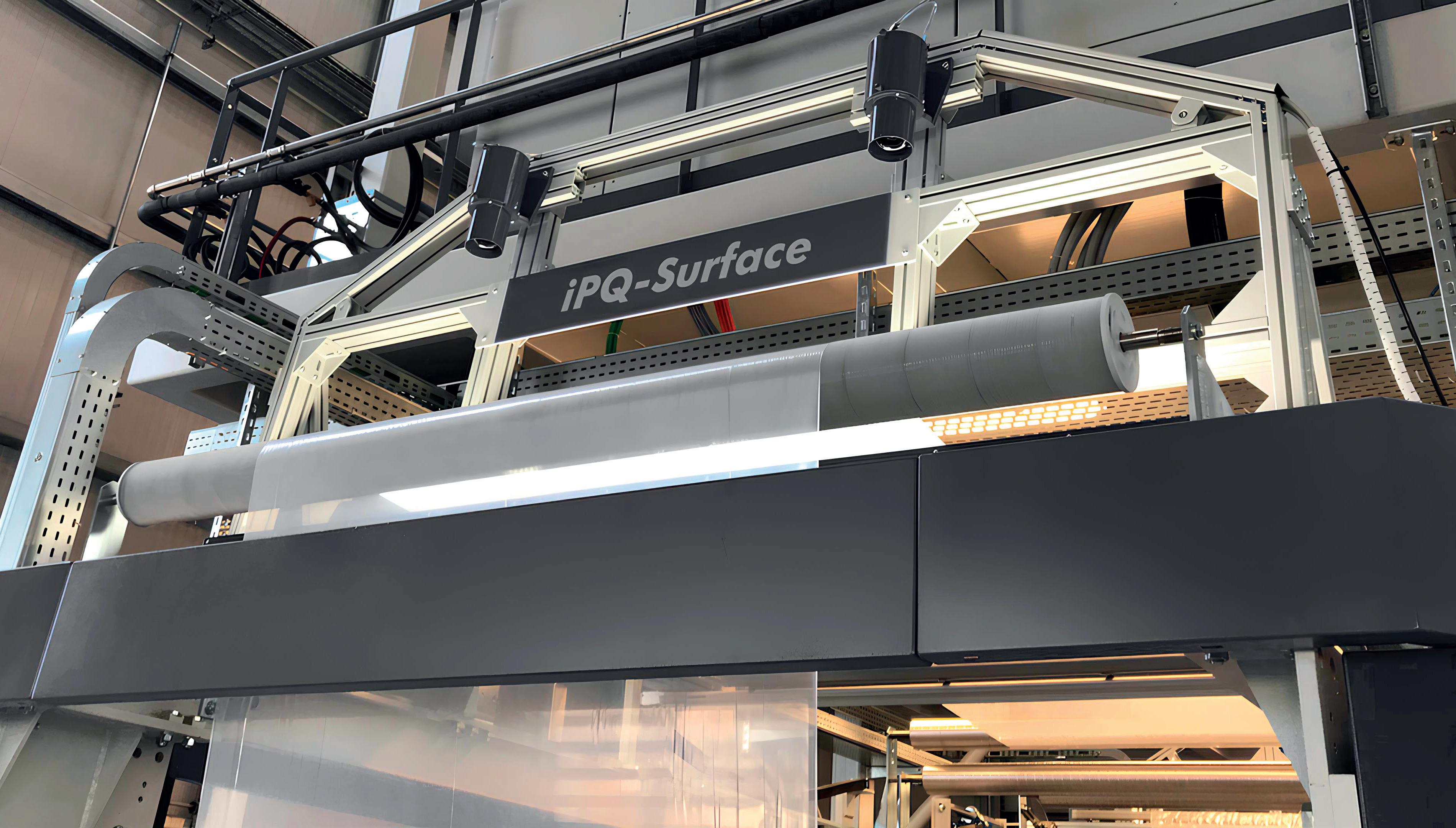
The system presented by BST for surface inspection in the extrusion and production of plastic films aims to enhance quality control through advanced defect detection and classification solutions. Its objective is to provide processors with a tool capable not only of identifying anomalies, but also supporting process optimisation and operational continuity more effectively.
In the extrusion and plastic film manufacturing sector, surface inspection is a fundamental requirement to ensure production efficiency and materials that meet market demands. iPQ Surface, developed by BST(German company part of Elexis Group, headquartered in Bielefeld and subsidiaries all over the world, Italy included), represents a technologically advanced response to these needs, integrating next-generation sensors and artificial intelligence for intelligent defect detection and classification.
At the core of the innovation stands the new 16K camera line, designed to achieve superior levels of detail. With the same inspected surface, the 16K sensor quadruples the resolution compared to 8K camera solutions, drastically improving image definition and visibility of the most minute defects. Comparisons performed on materials such as various types of plastics clearly demonstrate the difference: defects appear sharper, with more precise contours and richer information, generating a much more reliable database for AI-based automatic analysis. In paral-

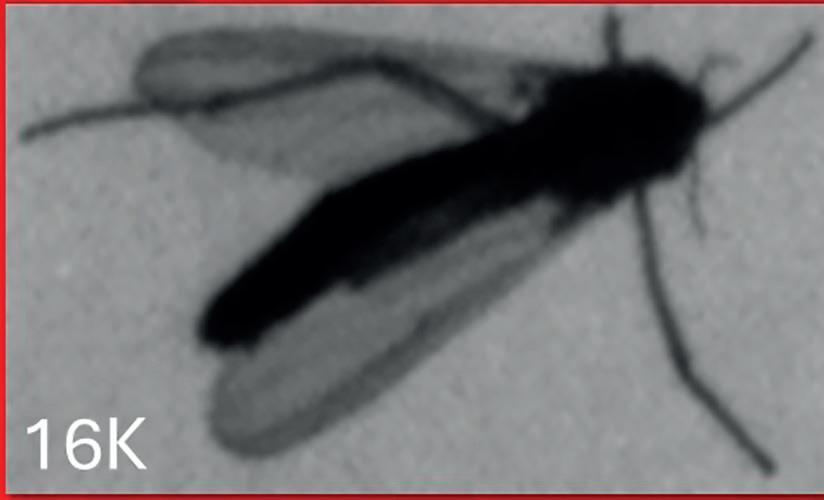
lel with the sensor, communication and transmission interfaces have also evolved: 10GigE data transmission enables inspection even in processes where the material moves at high speed while maintaining efficiency and performance.
Another feature that differentiates iPQ Surface is the Multiplex technology, which allows the same camera to acquire up to four images with different illuminations. This multi-image approach not only increases the amount of available information but also improves identification and classification reliability. In applications such as extrusion, Multiplex technology combined with a BST-designed illuminator called Gel-light makes it possible to clearly distinguish defects that are not differentiable with standard lighting – a typical example is gels vs burns – defects that are not distinguishable with classic backlighting but become completely different thanks to Gel-light.
The iPQ Surface platform is designed with a modular logic, but without superfluous complexity. The architecture includes a dedicated processing unit, a modular acquisition section (cameras, lighting, brackets), and an intuitive operator interface. Modularity is not presented as a dispersive set of variants, but as
the possibility to choose only what is needed: resolution, type of illumination, number of cameras, software tools.
The result is a versatile system, adaptable to both standard lines and special projects – including applications for large-format lines or those with space constraints – without complicating integration.
Defect classification
Defect classification – and the resulting defect management – is one of the strongest points of the platform.
Rule-Based Classifier
iPQ Surface includes, free of charge, a radiometric rule-based classifier that provides:
- autonomous definition of defect classes; - parameters such as color, shape, and luminance; - up to seven rules combined using Boolean logic operators. Each detected defect is automatically evaluated according to these rules and displayed on the defect map.
AI (Deep Learning-based)
BST also offers an optional Deep Learning module, designed for more complex scenarios requiring high-level performance.
AI learns directly from data, reducing the need to build manual rules and significantly improving classification.
Tests on extrusion lines show a false-positive rate around 1% with reliable identification even of rare defects such as metallic fragments and insects. This combination – rules + AI – allows companies to move from simple detection to true intelligent process analysis.
The system incorporates several features that clearly distinguish it within the market.
Superior resolution for more precise inspection
The availability of 16K cameras, along with special illumination and the Multiplex function, increases the ability to detect critical defects and provides an additional quality margin compared to platforms based on lower resolutions.
Intuitive and immediate interface
Companies using iPQ Surface report simple and guided interaction: fewer buttons, clearer procedures, integrated wizards for main operations, and easily readable defect visualization.
Intelligent classification
The combination of the Rule-Based algorithm and AI Deep
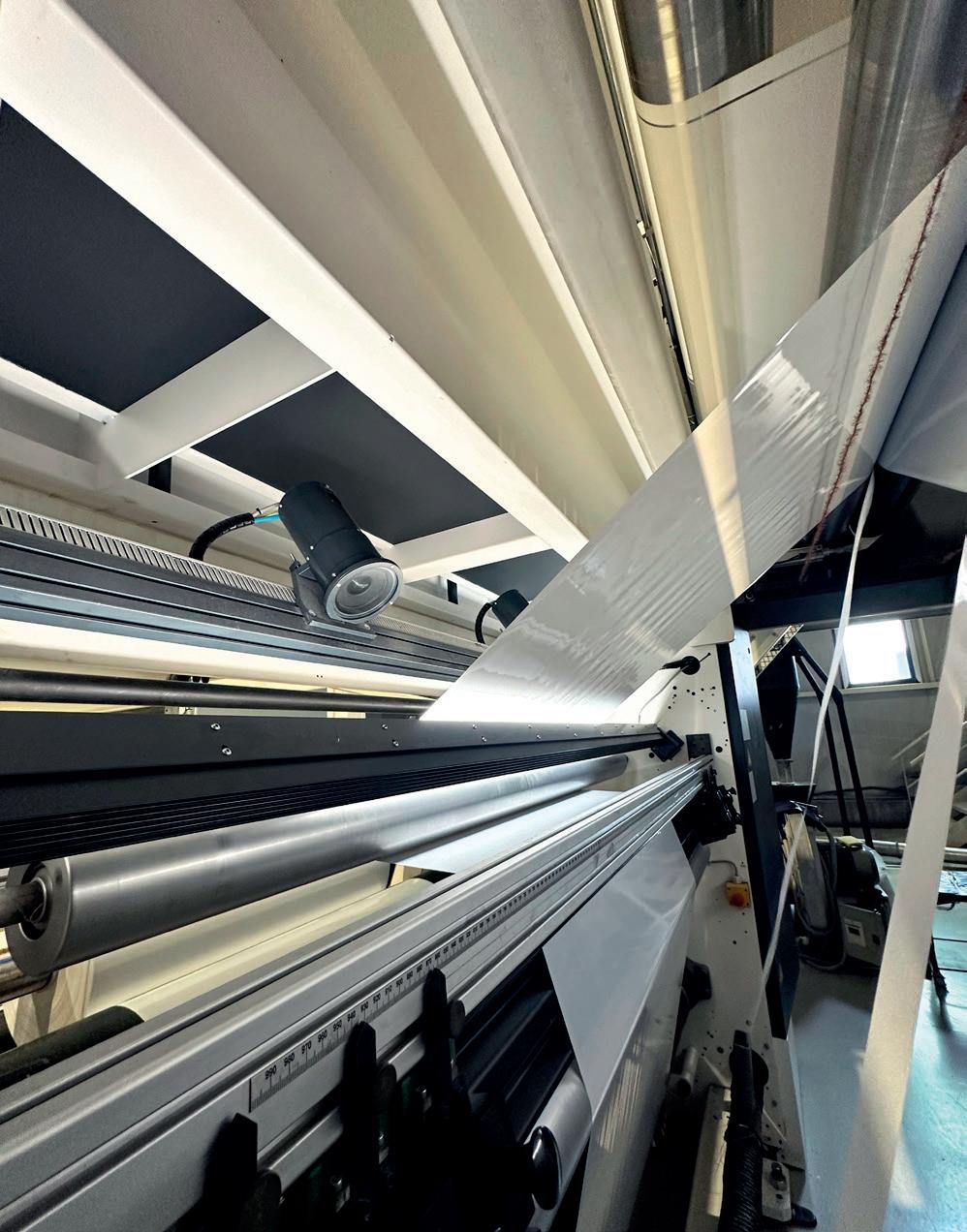
Learning enables more precise filtering, fewer false alarms, and greater reliability in operational decisions during production.
Easy integration, even on complex lines
The platform can be configured with multiple cameras, special lighting (UV/IR), and compact layouts thanks to special optical designs, covering all process scenarios.
Structured and supported project workflow
BST supports customers from sampling to validation, installation, and training. The workflow – based on real data collection, laboratory tests, and specification definition – contributes to project success and predictable performance.
Thanks to the combination of high-resolution sensors, advanced illumination, modularity, and an AI engine capable of learning from real defects, iPQ Surface is today one of the most advanced systems for inspecting neutral materials. It does not simply detect anomalies: it analyzes, classifies, and transforms them into useful information to prevent errors, optimize the process, and improve quality at every production stage. In a competitive and rapidly evolving market, systems like iPQ Surface are not just components of the line, but a technological lever to generate value, reliability, and production continuity.
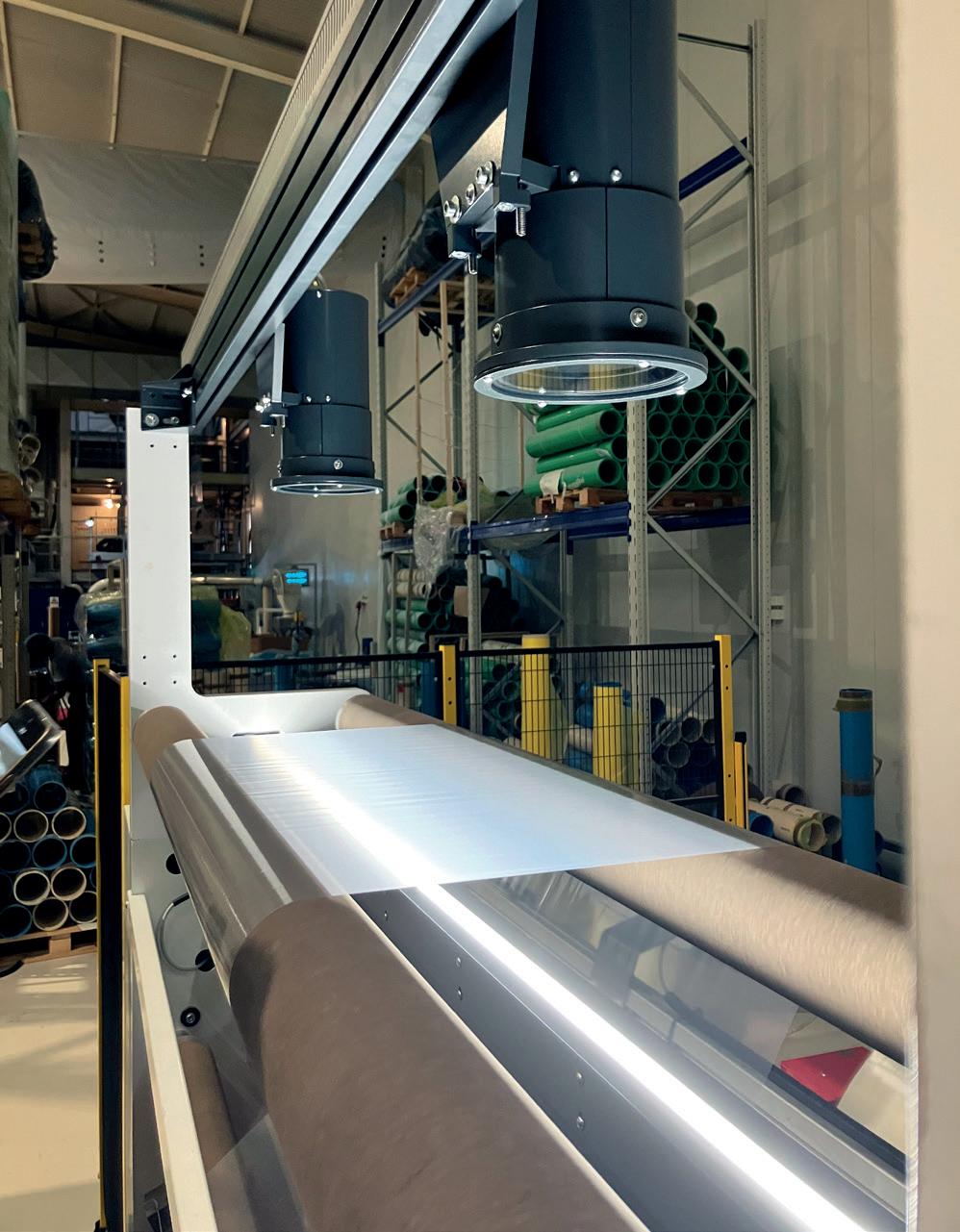
Surface inspection is a fundamental requirement in the extrusion of plastic films, aimed at ensuring both production efficiency and semi-finished products that meet market specifications.
A combination of highresolution sensors, advanced lighting, modular design, and an AI engine capable of learning from real defects makes the iPQ Surface system one of the most advanced solutions today for the inspection of neutral materials.
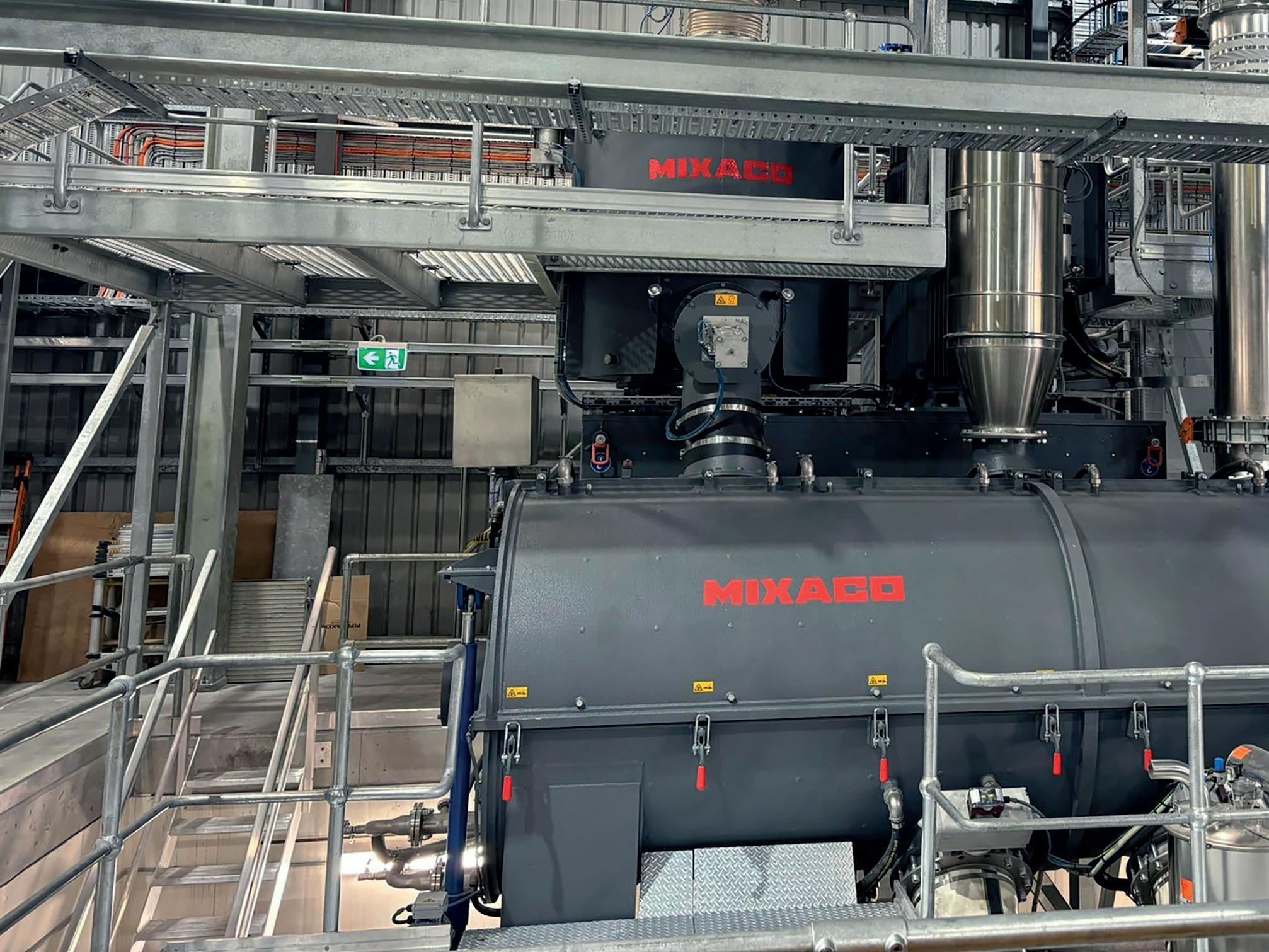
From PVC dry blends production to masterbatches, technical compounds and materials for batteries, Mixaco “heating cooling” mixing systems focus on precise temperature control, process reproducibility, reduced cycle times and energy efficiency. An engineering approach supported by dedicated Test Centers, guiding processors toward more stable, competitive and sustainable production.
In modern polymer processing, precise thermal control and reproducible mixing performance are decisive factors for product quality and economic efficiency. Whether processing PVC dry blends, masterbatches, recycled materials or technical compounds, manufacturers face increasing requirements regarding throughput, consistency and sustainability. Mixaco has been developing and manufacturing high-performance mixing systems in Germany for over sixty years. As an independent, family-owned company, it specialises exclusively in the design and production of industrial mixers. More than 4,000 Mixaco mixers are currently in operation worldwide, supporting efficient and reliable production processes across multiple sectors.
The core of many polymer processes is the heating cooling mixer system. In PVC dry blend production, for example, precise heating is required to achieve homogeneous distribution of stabilizers, fillers and additives without compromising mate-
rial quality. Once the defined temperature is reached, rapid and controlled cooling ensures product stability and flowability. Mixaco heating cooling mixer systems are designed to provide high-intensity and uniform mixing, precise temperature control, short cycle times, reproducibility and maximum operational reliability. The optimized tool geometry ensures effective material movement and controlled energy input. The cooling mixer enables rapid and uniform temperature reduction, ensuring consistent quality even at high production capacities.
In polymer processing, reproducibility is indispensable. Variations in temperature profiles or mixing intensity can cause process instability and differences in final product properties. Mixaco systems are engineered to ensure consistent and repeatable batch results. Advanced control concepts enable precise monitoring of temperature, mixing time and energy input. This allows reliable process parameters to be transferred from laboratory scale to industrial production.
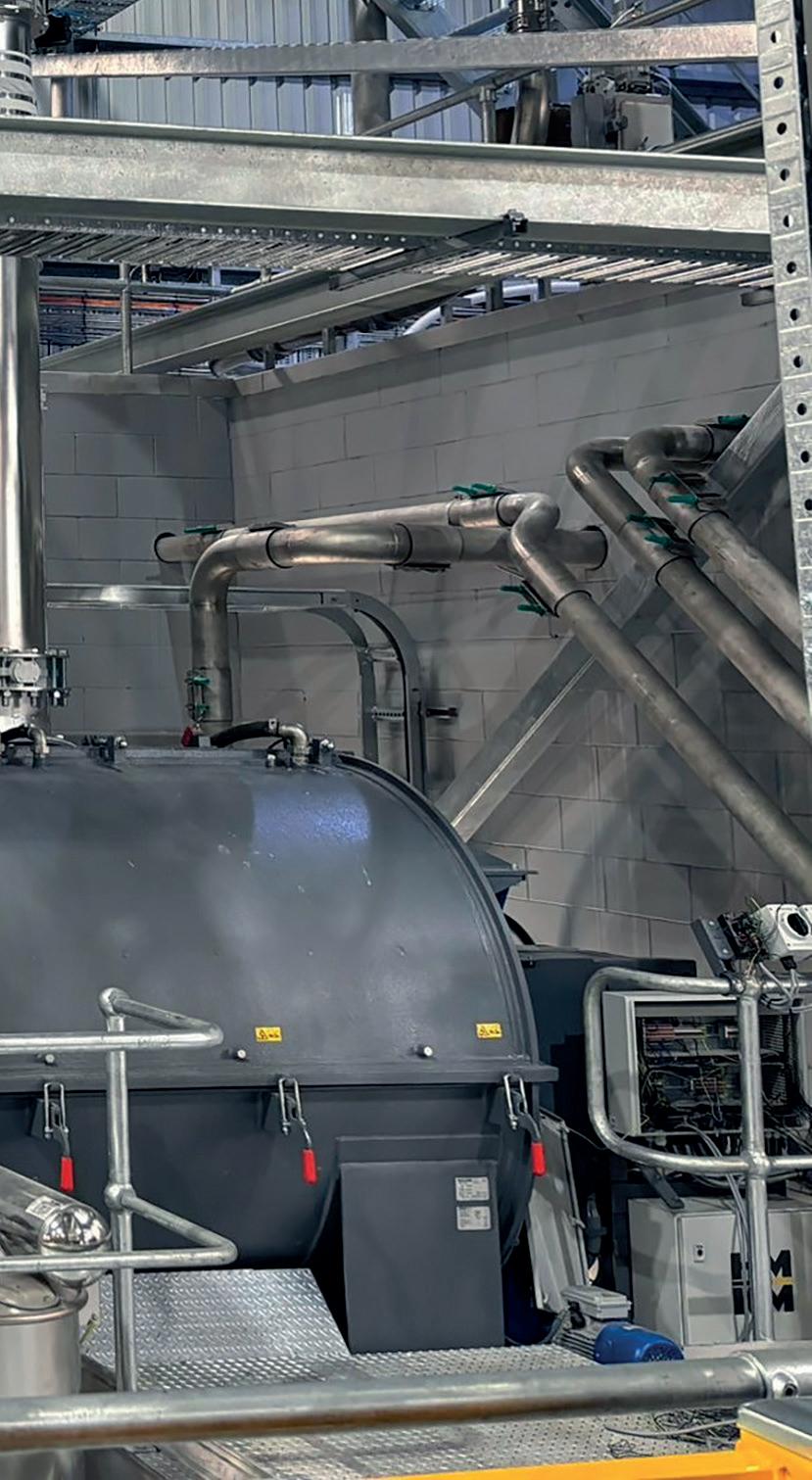
Combining laboratory mixers with production-scale systems allows customers to define optimal parameters under controlled conditions, reducing start-up time and risks during industrial implementation.
Energy efficiency and process optimization are increasingly central in the plastics industry. Mixaco develops engineering solutions aimed at reducing cycle times while maintaining gentle material handling.
Optimized vessel and tool design ensures effective material movement with controlled shear forces. The combination of heating performance and efficient cooling significantly reduces overall processing times, increasing productivity and economic efficiency.
In addition, robust mechanical construction and high-quality components ensure long service life and low maintenance requirements.
While the company is internationally recognized for PVC dry blend systems, the technology is also suitable for other applications including masterbatch production, compounding, battery materials and specialty formulations, recycling and agglomeration, and WPC processing.
Each application requires a specific mixing concept. Mixaco works closely with customers to analyse material characteris-
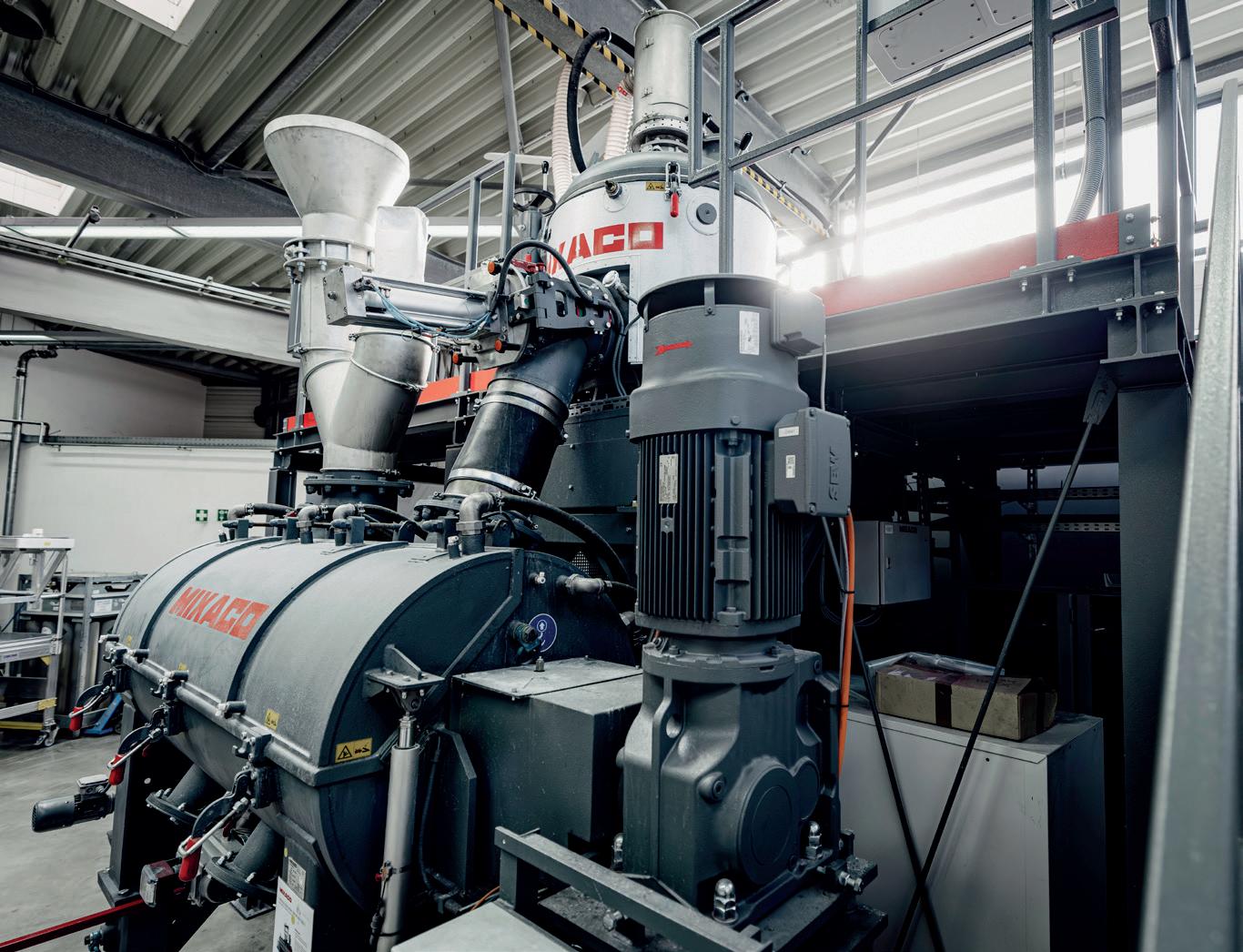
tics and define the optimal configuration according to process requirements.
To support process development, the company operates Test Centers in Germany and the USA, where customers can test their materials on laboratory and production-scale mixers.
This approach allows parameter and material quality validation before investment, ensuring a smooth transition to industrial production.
Sustainability in polymer processing is closely linked to efficiency, resource management and process stability. Reducing cycle times, waste and energy consumption, advanced mixing technologies contribute directly to responsible production.
With experience, continuous innovation and close collaboration with customers worldwide, Mixaco continues to develop high-performance mixing solutions for the plastics industry.
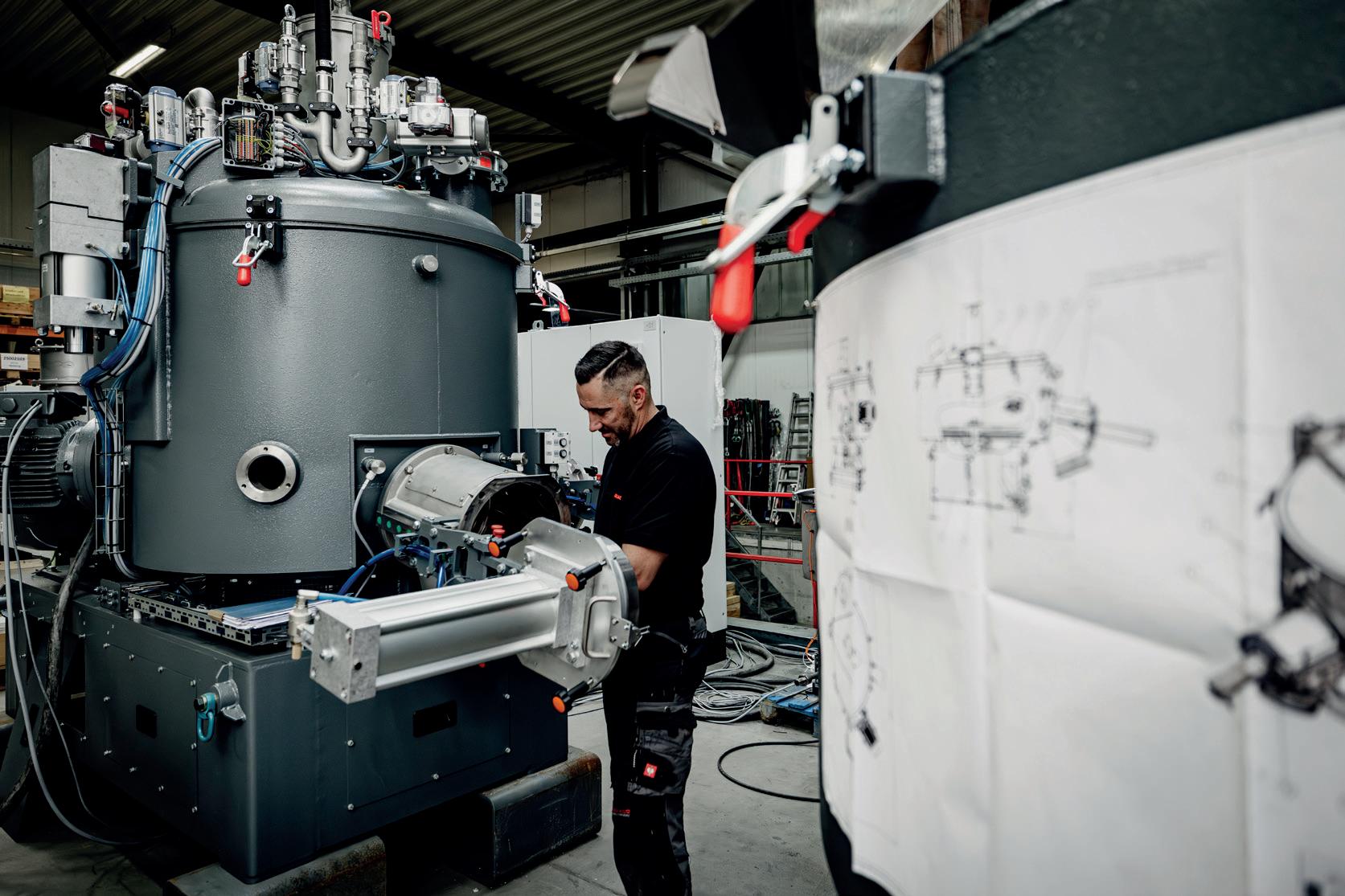















Bandera advances on three fronts
Coinciding with its participation in Plast 2026, to be held at Fiera Milano from 9 to 12 June, Bandera, in keeping with a now well-established tradition, complementS its exhibition presence with an open house at its headquarters in Busto Arsizio (Varese, Italy), where visitors will be able to view a range of equipment on display and a complete extrusion line in operation at The House of Extrusion.
During the open house, in fact, guests can see the Barrier Flex 7-layer blown film line running live. This advanced system is designed for barrier films, lamination films, flexo and printing films, and general packaging applications, delivering an output of 550 kg/h with LDPE and a thickness
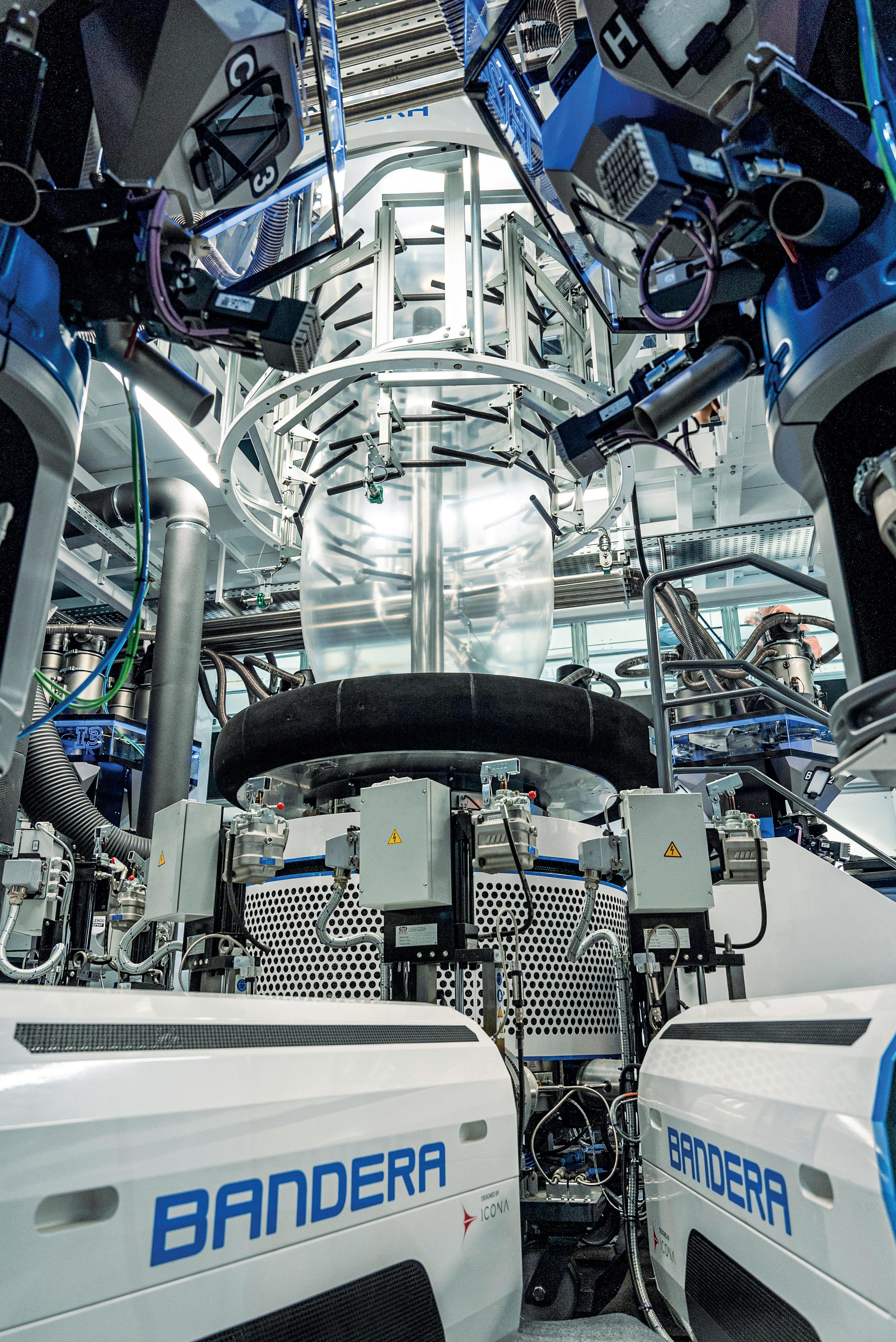
range from 20 to 200 microns. The demonstration highlights Bandera’s commitment to high-performance solutions for the flexible packaging industry.
Taking advantage of the visibility offered by the exhibition, Bandera officially introduces its new business unit dedicated to coating and laminating technologies. After many years of experience in this market and continuous investment in research and development, the company has decided to elevate this technology to a fully independent division, aligned with its other strategic business units. The coating and laminating division focuses on combining plastic film with a variety of substrates, including liquid packaging materials, aluminum, paper, and plastics, enabling highly customized and technologically advanced solutions for multiple industrial sectors.
The coating and laminating lines, as well as the other technologies, will be managed through ANY MA, the company’s proprietary software platform. In 2026, ANY MA introduces a significant expansion of its artificial intelligence capabilities, marking a major step forward in intelligent line control. AI integration enables simultaneous management of multiple lines, continuous quality monitoring, and automatic detection and correction of anomalies. These features reduce the impact of human error and enhance stability and efficiency.
Another key development for 2026 is the evolution of Bandera’s service and spare parts division. The company now offers 24/7 remote support, complemented by specialized local assistance through agents and regional offices. This enhanced structure ensures faster response times, improved operational continuity, and a significantly better customer experience, reinforcing Bandera’s commitment to long-term partnership and reliability.
Bandera has recently inaugurated a new facility in Charlotte, North Carolina, to consolidate its presence in the North American market. This establishment forms part of the company’s strategic localisation initiative launched with Bandera US and further strengthens the local footprint developed over recent years.
The aim is to bring the Italian manufacturer closer to customers in the region, enhancing both responsiveness and service continuity, from spare parts management to on-site technical support. Bandera positions Charlotte as its dedicated hub for after-sales support in the North American market, staffed with local technicians and equipped to provide start-up assistance, maintenance, and services for extrusion lines. The US facility aligns with the company’s strategy to strengthen commercial and technical proximity in a region considered pivotal for the group’s international development. For the manufacturer, this represents a further step in consolidating its direct presence across the Atlantic, with the objective of streamlining local after-sales operations.
During the open house, visitors can observe a Barrier Flex sevenlayer blown film line in operation.
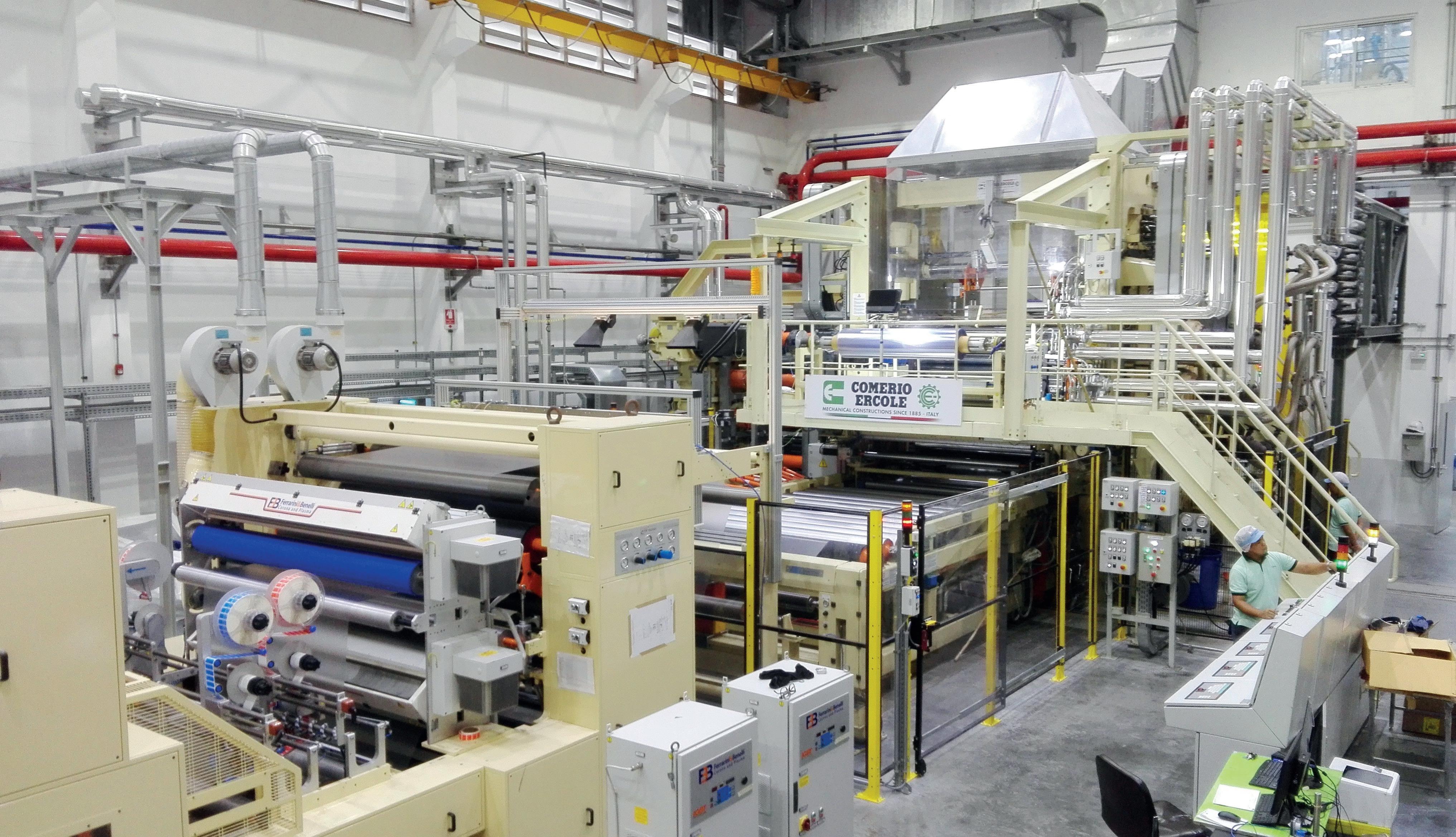
PVC calendering is a process that requires balance: between pressure and temperature, productivity and surface quality, flexibility and process stability. Over the years, Comerio Ercole has built its leadership around this equilibrium, developing complete calendering lines to serve increasingly fragmented markets and high value-added applications.
Today, these lines are fully integrated systems rather than simple machine sequences, in which each unit interacts coherently with the others, from feeding and preheating through calendering, embossing, cooling, and winding. Production flexibility has become one of the main drivers in the evolution of modern PVC calendering lines. Manufacturers must manage a growing number of formulations, thicknesses, and surface textures, often with shorter production runs and reduced delivery times. In this context, changeover time is a strategic factor. Comerio Ercole addresses this challenge through advanced ultra quick-change systems for both calender rolls and embossing rolls, engineered to minimize downtime while ensuring micrometric repositioning accuracy, mechanical reliability, and operator safety. These solutions enable rapid transitions between different finishes without compromising product quality or process stability.
Alongside flexibility, precise geometric control remains a key technical challenge. Thickness uniformity across the sheet
width is measured in microns and directly affects product performance and scrap levels.
To achieve this level of control, Comerio Ercole has developed a revolutionary device named Hydrotherm: the system automatically calculates thermal expansion during the calendering process and sets the required compensation in terms of gap deviation, based on the specific thermal expansion coefficient of the material, in order to achieve the correct fine-tuning value when very thin skims are processed.
At the core of this technological evolution are the latest fully hydraulic control systems. The new updated Hydrogap solution provides ultra-precise hydraulic gap control, with sub-micron positioning repeatability and fast dynamic response. Safety is ensured by the Hydrosafe system, which provides very rapid hydraulic roll opening to protect both operators and equipment in the event of anomalies. Finally, digitalization plays a strategic role through artificial intelligence and the Celemetry platform, which uses data to monitor energy consumption, operational performance, and CO2 equivalent emissions in real time. By integrating precision mechanics, advanced hydraulics, and digital intelligence within a systemic, turnkey-oriented approach, Comerio Ercole delivers complete, future-ready PVC film calendering solutions, confirming its role as the global reference in the industry.
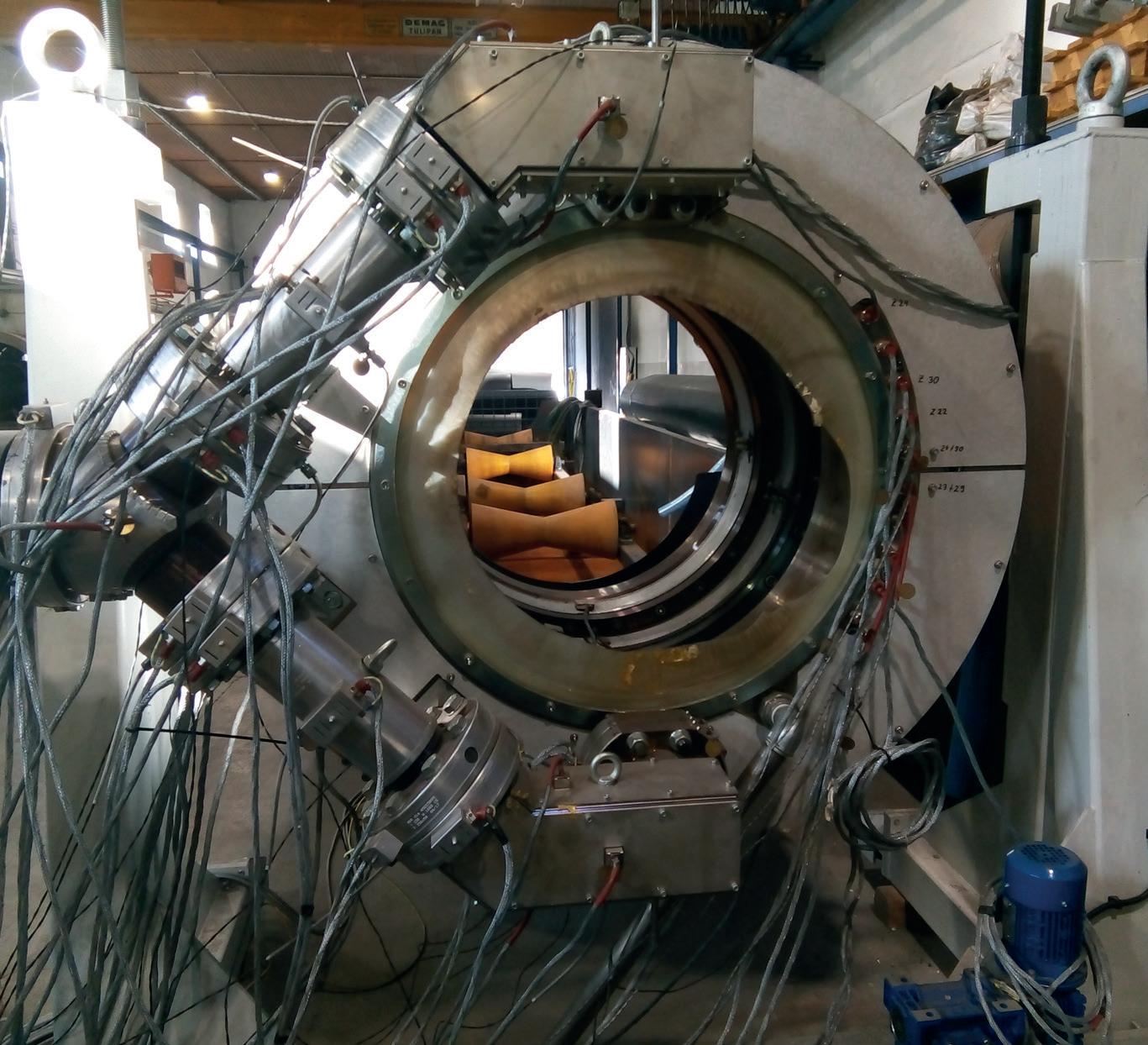
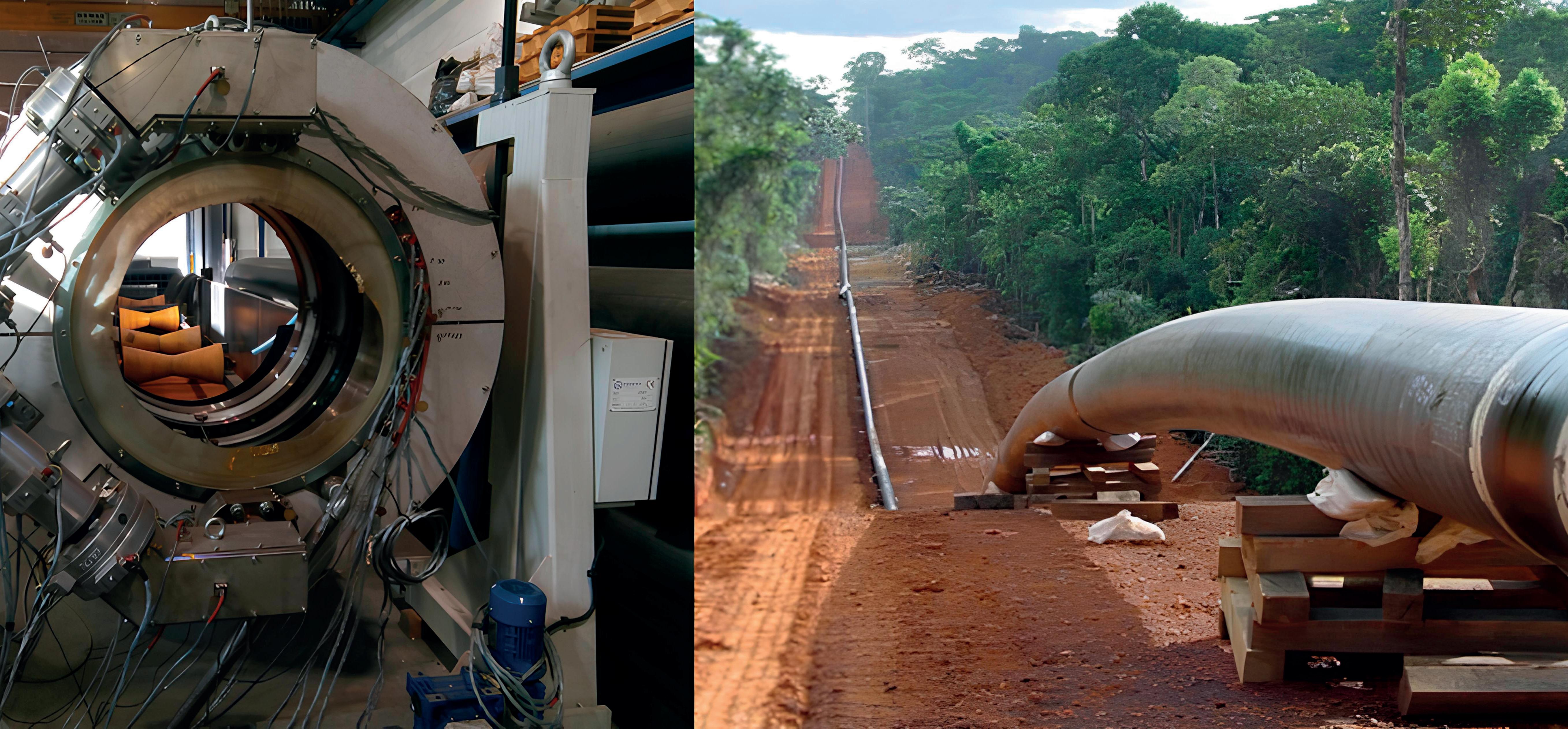
A recent engineering solution supplied by Tecnomatic for one of the world’s most ambitious energy projects comprised two lines for coating 30-inch insulated steel pipes intended for an oil pipeline more than 1,500 km long (around 85,000 pipes).
In the steel pipe coating sector, technical requirements usually involve thin protective layers. This project, however, required a considerable performance leap: managing a polyethylene thickness of between 5 and 8 mm with a constant throughput of around 1,800 kg per hour. This thickness is essential because the PE jacket acts as the final shield for a complex multilayer system. Beneath the PE, the pipe features anti-corrosion Fusion Bonded Epoxy (FBE) treatment and a layer of expanded polyurethane for thermal insulation. The PE coating must be applied with millimetric precision in order to seal the insulation and protect the pipeline against mechanical stress during burial in hostile terrain.
To meet these specifications, Tecnomatic developed a special version of the Venus Coat coating head series. Unlike standard heads, these units were designed to stabilise and distribute massive flows of polymer with extreme precision over the 30inch steel core.
Each head is fed by two size 90 Vega series extruders. Thanks to their excellent plasticising properties, the two extruders operating in tandem can reach a maximum throughput of 2,200 kg per hour of PE 100, ensuring the necessary safety
margin to maintain the required flow of 1,800 kg per hour with absolute stability.
This choice offers strategic advantages over the use of a single monumentally sized extruder:
- performance and management: the dual-extruder configuration ensures better melt homogeneity and finer control of plasticisation, guaranteeing a more stable flow even at high throughput rates;
- cost-effectiveness and spare parts: standardisation on size 90 drastically reduces the costs and complexity of spare parts management; it is far more economical and simpler to handle the maintenance of standardised machines than of a single “outsize” extruder;
- versatility and ROI: whereas a single extruder with an output of more than 2,000 kg per hour would be too specific and difficult to redeploy, Vega 90 extruders are extremely versatile machines; once the project has been completed, they can easily be reused in other standard production lines, ensuring a decidedly higher return on investment (ROI) and greater industrial flexibility.
Despite installation in extremely harsh environmental conditions, the two lines operated without any problems.
This supply reaffirms Tecnomatic’s ability to develop special, tailor-made machinery for real application requirements in the Oil & Gas sector, ensuring that the delicate “sandwich” of liners, insulation and coatings remains intact for decades.
Baruffaldi Plastic Technology
A benchmark manufacturer of extrusion machinery for plastic pipes and profiles for over sixty years, Baruffaldi Plastic Technology, drawing on a combination of deep technical expertise, distinctive downstream know-how and extrusion solutions delivered worldwide, has developed the Stellaris system for corrugated pipe perforation, designed not only to improve performance, but also to redefine the speed standards of this operation.
Stellaris is an in-line automatic perforator designed for seamless integration within extrusion lines for corrugated pipes with diameters ranging from 50 to 250 mm. It represents a new generation of punching technology conceived to solve one of the most delicate challenges in corrugated pipe production: achieving high-speed perforation without compromising product quality, perforation accuracy or process stability.
This is an innovation designed for processors who demand speed and precision without compromise, seek sustainable production and reduced costs, and want a competitive technological edge in the market.
Speed is often associated with compromise. With Stellaris, however, it becomes a competitive advantage. Engineered for high-output extrusion environments, the system synchronizes perfectly with modern extrusion line speeds, allowing manufacturers to maximize production output, maintain absolute hole accuracy even at high speed, and avoid line slowdowns.
Its optimized motion control and advanced mechanical design ensure extremely rapid punching cycles while maintaining perfect stability. The result is higher throughput,
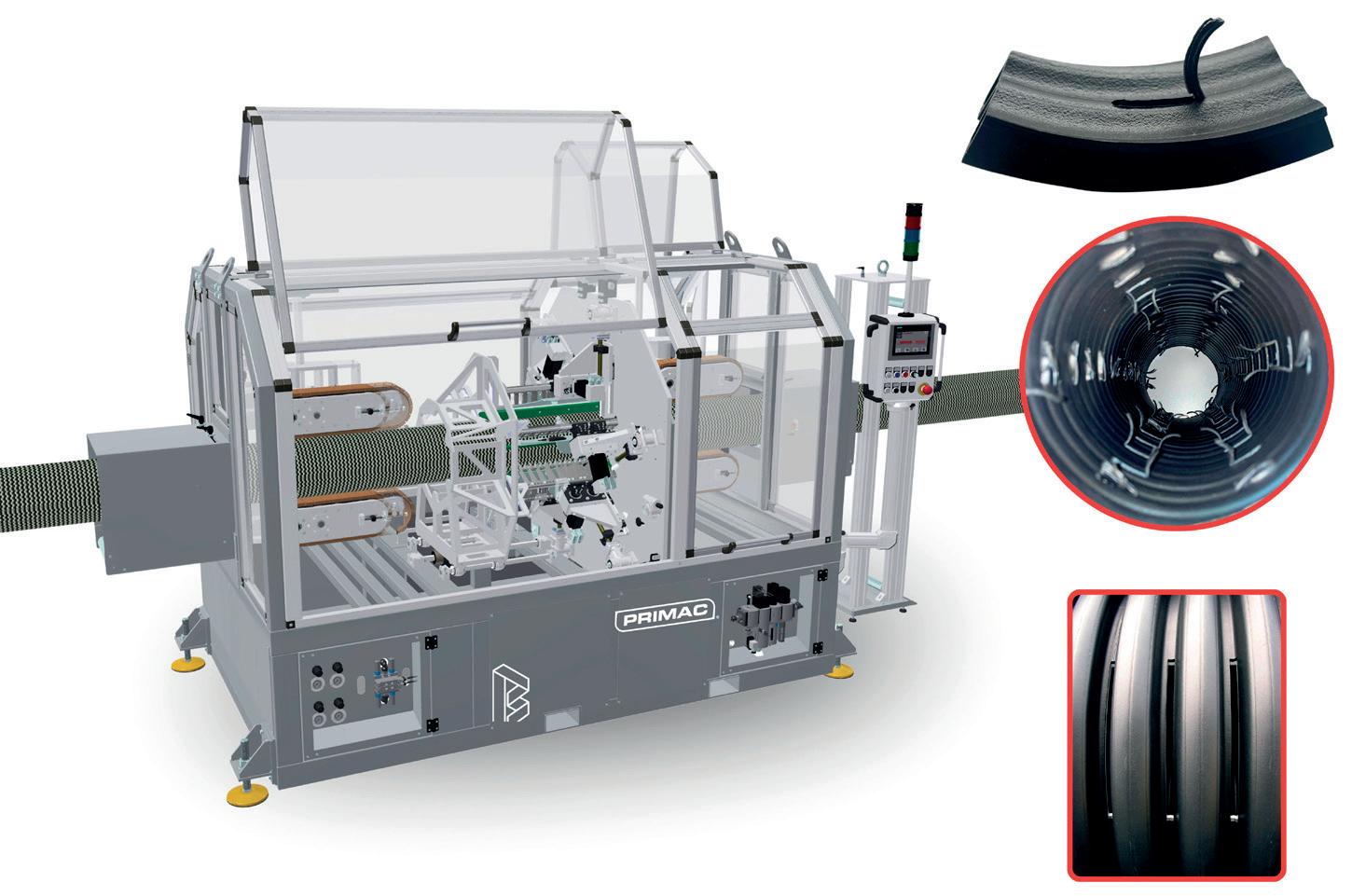
greater profitability and a tangible increase in production efficiency.
Stellaris introduces an environmentally responsible perforation method, as it eliminates the production of micro plastic scraps during punching, removing any dispersion of plastic particles and any need for secondary waste management, while making the working environment cleaner. This scrap-free punching system also reduces maintenance requirements and ensures more stable production cycles, increasing the overall line efficiency.
When combined with Primac’s Dreno-covering solution, Stellaris completes a fully optimized perforation and finishing process. Together, these technologies offer superior drainage pipe production, perfect alignment between perforation and covering, maximum production consistency and industryleading quality standards.
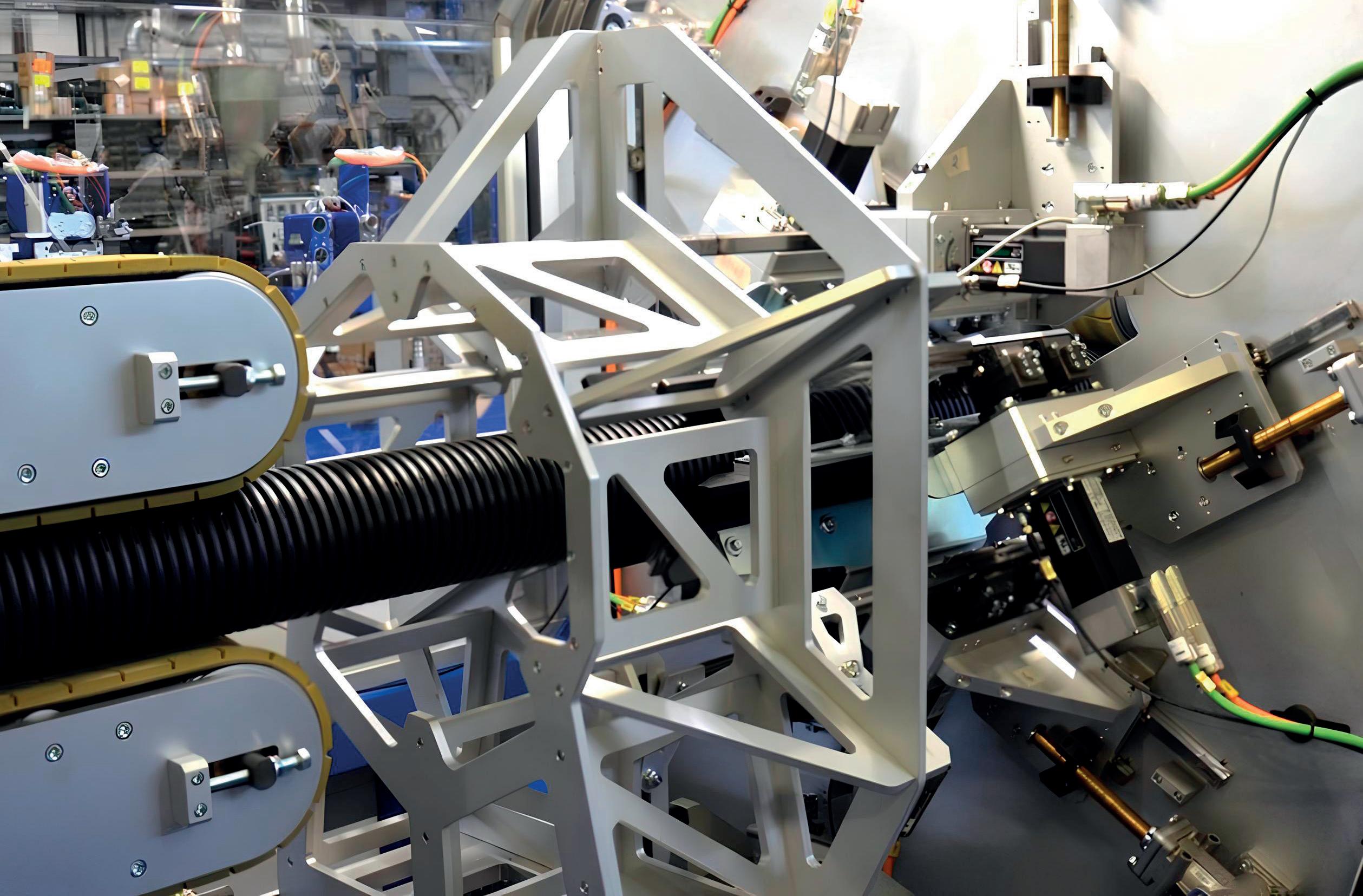
Elba: seventy years and 5,000 machines installed
Founded in 1956, Elba manufactures machines for producing bags and pouches for flexible packaging and in seventy years, that the company is celebrating precisely in 2026, the year of Plast, where it is participating as a co-exhibitor with Saldoflex, it has installed more than 5,000 machines worldwide. Its machines feature a modular structure that allows them to be adapted to specific production requirements and different product variants. Their design ensures flexibility in the arrangement of components and in the handling of different materials, from multilayer laminates to monomaterial films. This versatility enables ELBA machines to be used across various sectors, including food, medical, pharmaceutical and many others, where high standards of process reliability and consistent product quality are required.
In recent years, technological development has focused on the integration of digital tools to monitor and analyse machine performance. Through the collection and processing of operational data and the continuous monitoring of machine operating parameters, the MyElba platform identifies possible causes of downtime and enables targeted
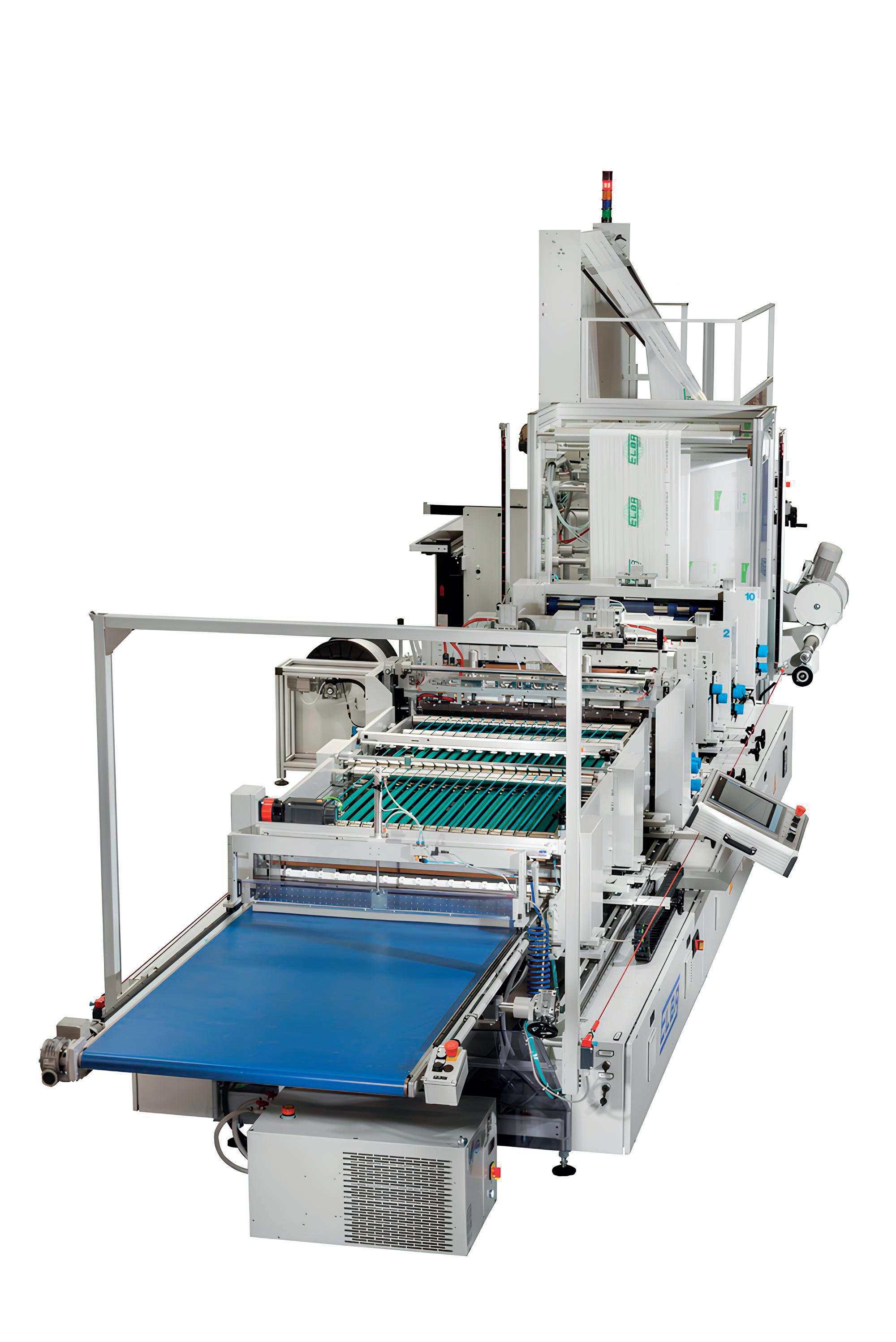
interventions for an efficient and stable process. From a process automation perspective, the machines are equipped with industrial Siemens components and managed via HMI interfaces based on the Profinet communication protocol, enabling real-time control of the various stations. Each operational unit is servo-driven and designed to operate independently, allowing precise management of process parameters and complete supervision of the production stages. Research and development activities have also focused on sealing technologies for new materials for sustainable packaging. The increasing use of mono-material products, such as PE or PP, designed for recycling, requires precise control of process parameters to ensure seal strength and the integrity of different types of packaging, including those subject to thermal treatments such as pasteurisation.
Elba machines are used in different application sectors. The SA-V produces stand-up pouches, side-gusseted bags, centre-sealed bags, and two- or three-side sealed bags. It can process a wide variety of laminated materials and recyclable PE and PP films, both printed and unprinted, ensuring high-quality, strong seals. The SA-V/TVB produces high-barrier shrink bags with radial or straight bottom seals and side seals. Its flexible collection system allows bags to be stacked in bundles or arranged in cascade on adhesive tapes.
The SA-U produces bottom- and side-sealed bags, gusseted bags, boutique bags, STEB, courier bags, heavy-duty bags, security bags and more. It can be equipped with devices that allow the products to be completed with accessories such as string zippers, flexi loops, patch handles, rigid handles and others. The SA-W produces a wide range of wicket bags, such as bottom-gusseted bags, bags for food products, hygiene products and nappies. Accessories that increase its production flexibility include bottomgusset formers, cross-handle insertion systems and the Paramount handle-shaping device. Lastly, the SA-M is dedicated to the medical and pharmaceutical markets for the production of high-quality pouches, header bags, and flat or gusseted rolls. The SA-M CH and the SA-M RW are equipped with a patented Chevron sealing station, featuring load cells for parameter control and multizone heating elements to ensure a uniform temperature across the working area.
Plastiblow at Plast between trade fair and production plant
Plast 2026 also offers Plastiblow the opportunity to celebrate 45 years since its founding in 1981 and 25 years since the presentation of its first machine with electric drives at K 2001. The company’s presence at the Milan exhibition is integrated with the possibility of seeing several machines in operation at its production facility in Corsico (Milan), on the outskirts of Milan, whose operation is also transmitted to the fair via an LED wall. This setup allows visitors to gain deeper insight both into the features of the machines directly within the context in which they are built and tested, and into Plastiblow’s production organization.
At the centre of the showcase is the PB26ED EVO machine, belonging to the same family presented at K 2025 but with a different configuration, and part of a supply of three blow moulding machines to a major French multinational for the production of bottles and jerrycans for lubricating oil. The machine is equipped with two mould carriages with an 800 mm stroke and fitted with a triple-output head, enabling the production of bottles from 0.5 to 4 litres in a 3+3 cavity layout. This solution highlights the flexibility of the PB26ED platform, designed to adapt to different production requirements while maintaining reliability and operational continuity.
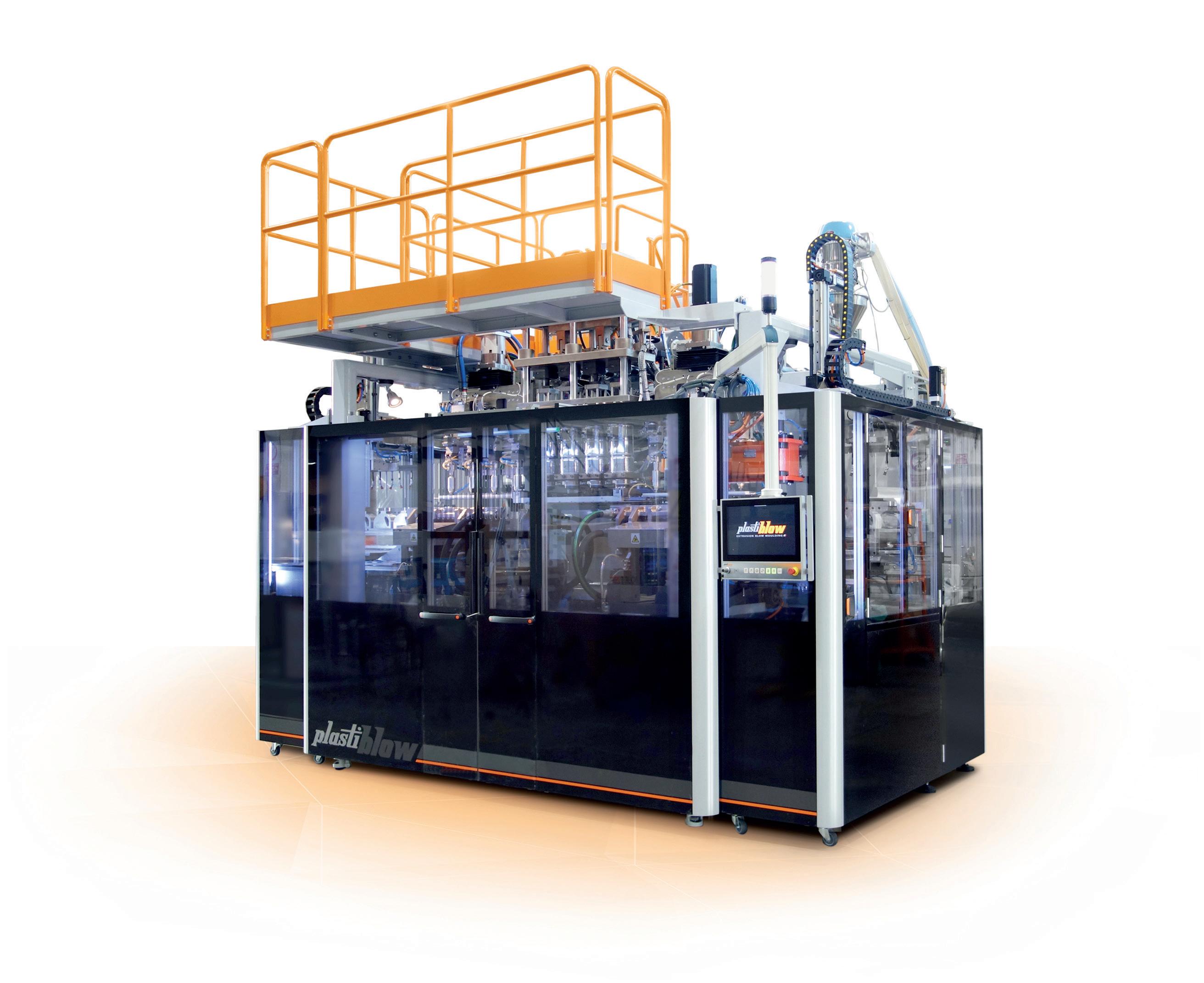
simplify interventions and reduce downtime. At the same time, the compact structure supports optimal integration of the machine into production layouts.
The EVO line represents a design update of Plastiblow’s electric blow moulding machines, with particular attention to ergonomics and accessibility. The machine layout has been revised to improve interaction with the operator and facilitate routine operations, including mould changes and regular maintenance. Improved access to the main working areas and the rational arrangement of components are designed to
Plastiblow’s participation at Plast 2026 therefore takes place within a context of direct engagement with operators, clients and sector partners, offering both a meeting point at the exhibition and the opportunity to observe certain production and testing stages directly at the company’s plant. The integration between the trade fair presence and the visit to the production facility allows visitors to gain detailed insight not only into the technical characteristics of the machines but also into the company’s industrial organization and the development process behind its solutions.
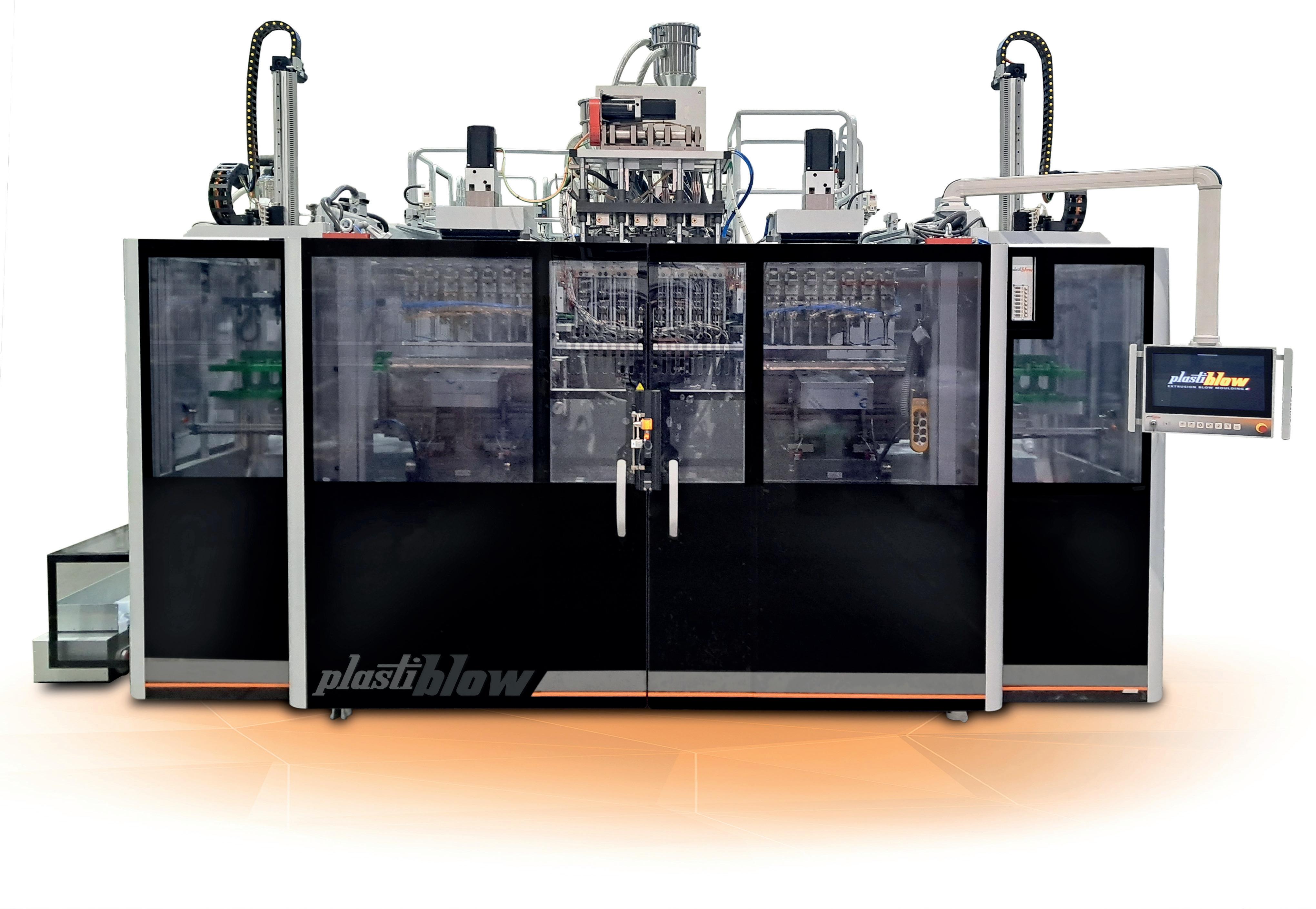
Plas
Mec brings experience, customization and service to Plast 2026
Plast 2026 offers Plas Mec the stage to present its experience and continuous evolution, both reflected in its vision for the future of mixing.
Plas Mec solutions are widely used in the processing of PVC blends, thermoplastic rubbers, masterbatches, powder coatings, including metallic coatings, wood-plastic composites, pigments and more. The company’s machines ensure consistency, repeatability, energy efficiency and precise process control, even when handling delicate or complex formulations. At the trade fair, the company is presenting: a PVC mixing system integrating a high-speed turbomixer with a high-efficiency cooler for controlled process management; and a mixer with interchangeable containers, offering the possibility of mixing different recipes with a single machine while minimizing cleaning times.
At Plast 2026, the company emphasizes an engineering philosophy based on flexibility and customization, responding to the growing demand for specialized materials and shorter production cycles. Each project begins with a detailed analysis of the converter’s process, material characteristics and production objectives, in order to provide solutions that are not only technically advanced but also fully aligned with operational realities. Plas Mec’s range of mixing technologies also includes high-intensity mixers for rapid and efficient dispersion of additives and fillers; laboratory mixers for research, development and materials testing, also enabling converters to evaluate materials and identify the best mixing configurations; and accessories and auxiliary systems, including weighing, feeding and handling solutions that improve workflow and productivity. Systems can be supplied in compliance with Atex regulations, ensuring safe operation in
potentially explosive environments.
One of the strengths of Plas Mec’s business is its test room, which enables its team of engineers and converters to conduct trials, refine formulations and determine the ideal machine configuration before purchase. This facility is more than a demonstration space, being conceived as an innovation centre where real-world material challenges are analysed and addressed, providing valuable insights that guide product development and customization. This approach, also highlighted at Plast 2026, allows manufacturers to validate formulations, optimize parameters and reduce development risks.
Despite being deeply rooted in Italian manufacturing culture, Plas Mec operates on a global scale, exporting most of its production and relying on a network of sales and service partners. Its comprehensive after-sales support, illustrated at the trade fair, includes on-site technical assistance provided by expert technicians; remote assistance and monitoring to solve problems and minimize downtime; efficient spare parts supply thanks to a wide availability of parts in stock; and comprehensive training for customer personnel on operation and maintenance. Through these services, the company enables customers to maximize productivity, reduce operational disruptions and maintain peak performance throughout the lifecycle of their equipment.
For Plas Mec, Plast 2026 is not only a technology showcase but a genuine statement of intent for the future: as the plastics industry moves towards greater efficiency, automation and materials innovation, the company continues to invest in research, engineering and digital solutions to address tomorrow’s challenges today.
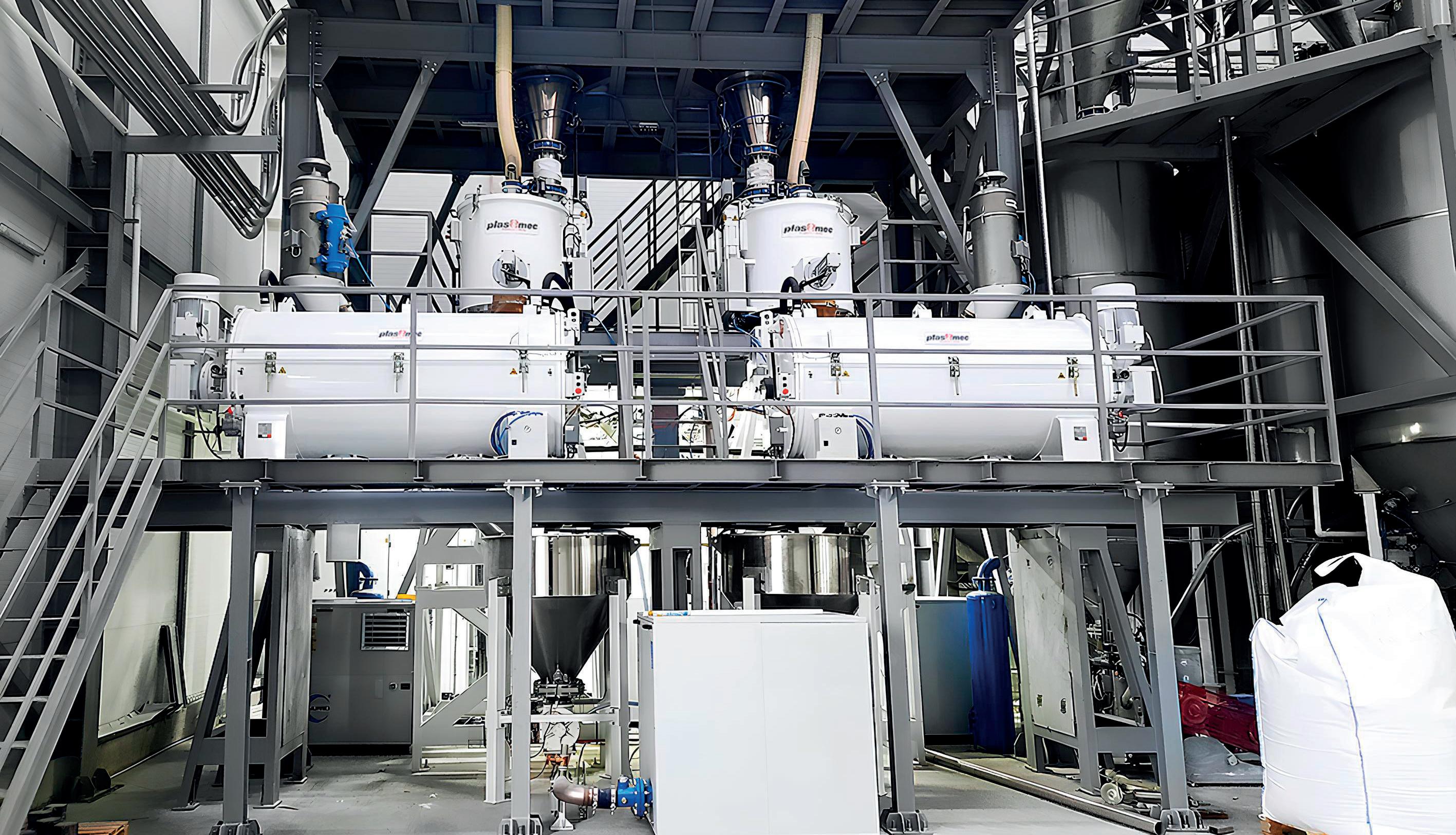
An engineering approach focused on process integration, automation and sustainability makes Syncro Group one of the most innovative manufacturers of extrusion auxiliaries on the international stage. The company develops high-tech auxiliary systems designed to optimize extrusion line performance and ensure increasingly precise and reliable control of process variables. Since its foundation, Syncro has built a strong global presence with six production sites in Italy and operational branches in the United States, India, Brazil and China, now operating in over 50 countries. This growth path is supported by continuous investment in research and development and strengthened by collaboration with Sydry, which further expands the Group’s know-how in dehumidification, crystallization, dosing and plastic material handling processes. Syncro Group’s industrial vision is embodied in the “Zero Waste Myssion”, a concrete programme aimed at reducing waste throughout the entire plastics value chain through solutions that improve production efficiency and reduce environmental impact.
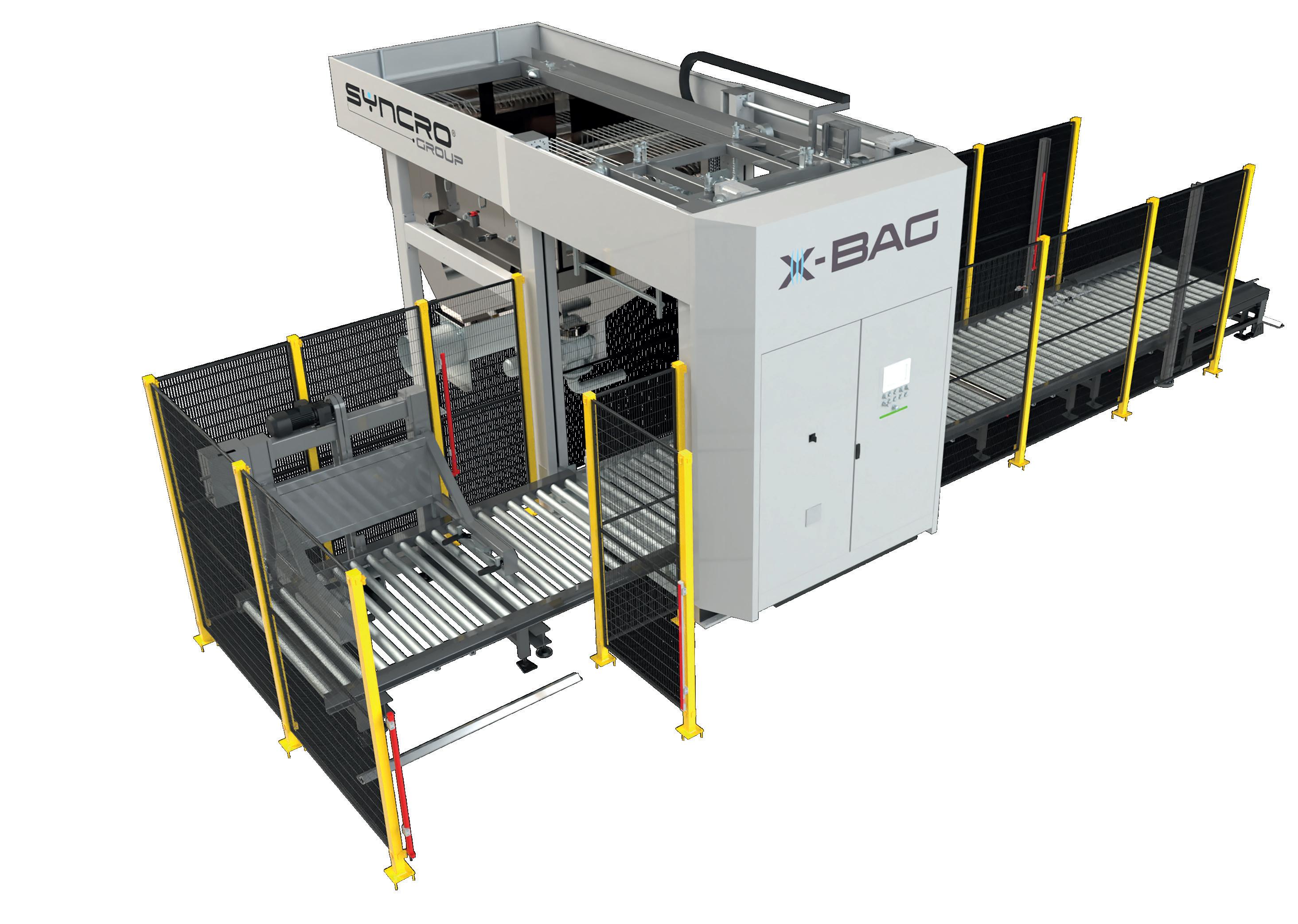
On the occasion of Plast 2026, Syncro Group is presenting a portfolio of advanced technologies designed to increase productivity, quality and process control. The company is showcasing one of its latest technical solutions for centralized material flow management systems from silos to extrusion lines: X-BAG. An automatic system for opening and emptying bags containing plastic granules, X-BAG is designed for direct integration into production lines. The system automates the entire operational cycle, from pallet handling to bag picking, opening and emptying, through to waste management. Thanks to a controlled and continuous process, the device ensures efficiency above 99.9%, minimizing material waste. Syncro is also introducing Easycoater, a compact system based on IR reflection technology for in-line monitoring of application in lamination processes. The solution enables precise control of coating uniformity, reducing adhesive excess and contributing to significant production cost savings.
Completing the range is Sonycscan, an ultrasonic measurement scanner designed to determine thickness and basis weight across a wide range of materials. The combined
Render of the automatic X-BAG system for opening and emptying bags containing plastic granules.
analysis of time-of-flight and signal attenuation ensures high accuracy and reliability even under variable operating conditions.
In the field of plant revamping, Syncro is presenting Retrofyt, a range of solutions dedicated to upgrading existing supervision systems on extrusion, printing and converting lines. The intervention includes the analysis of the installed architecture and the implementation of new control platforms based on latest-generation PLCs and HMIs, featuring advanced functionalities for full line parameter management.
Among the technologies on display there is also Typhoon3, a new-generation automatic air ring designed to maximize cooling capacity and bubble stability. Thanks to advanced aerodynamic solutions and distributed control systems along the full 360° circumference, Typhoon3 enables extremely precise thickness profile control, reducing the base profile by up to 75% and significantly improving film quality. For Syncro Group, its presence at Plast 2026 represents not only a technological showcase, but also an opportunity for direct engagement with the market, where innovation, digitalization and sustainability converge into concrete solutions for the plastics converting industry.
With the launch of a new generation of systems for the automated dosing of additives in the plastics industry, Agriflex is expanding its presence in a sector where precision, safety and production continuity are increasingly essential. With more than fifty years of experience in the automated handling of powdered and liquid raw materials, the company now offers a solution designed to overcome the typical challenges of manual handling.
In the plastics sector, the use of 25 kg bags entails downtime, ergonomic risks for operators, dust dispersion and difficulties in keeping workstations clean, with possible contamination and additional costs. This is compounded by the structures and arrangements required by traditional systems, which increase complexity, investment and
commissioning times.
The new Agriflex micro-dosing station addresses these needs by introducing a precise, safe and easily integrable system for existing plants. Accurate dosing even of low-concentration additives – such as pigments, UV stabilisers, antioxidants, flame retardants and lubricants – ensures colour consistency, stable properties and reduced variability between batches. Optimised additive use also makes it possible to reduce waste and improve the cost per kilogram of product, a strategic advantage in a competitive market.
From a safety and hygiene standpoint, the adoption of closed systems reduces dust exposure and simplifies cleaning operations, minimising contamination risks. Installation is made faster by the
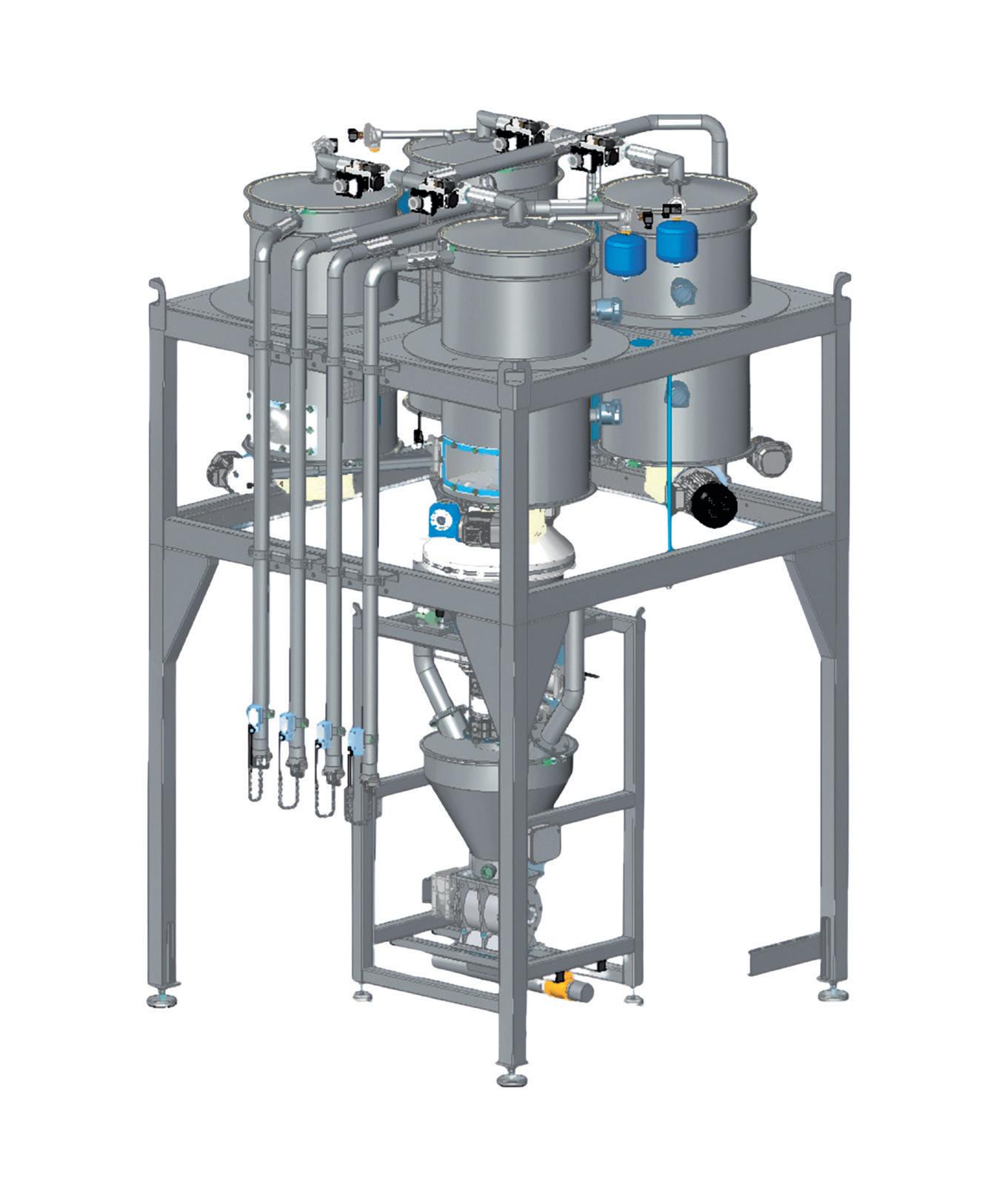
pre-assembled and pre-wired modular skid, which eliminates the need for complex steel structures and reduces downtime.
Agriflex technology is designed for integration with existing PLCs and lines, ensuring synchronised dosing and reducing the need for qualified operators. Automatic recording of weights and recipes for each batch provides full traceability, ideal for audits, quality controls and complaint management. This solution is suitable for several production contexts: profiles, pipes, cable sheathing, floor coverings, masterbatch and pigmentation, where micro-dosing precision ensures consistent output and repeatable performance. With this new system, Agriflex confirms its commitment to innovation and safety, offering companies an advanced, flexible and efficiency-oriented plant.
Agriflex has been operating for fifty years in the design and construction of systems for the automated handling of powdered and liquid raw materials and has recently expanded its field of activity. In order to strengthen its market position, the company has entered the plastics handling and storage sector, offering innovative solutions to the processing industry. In parallel with the expansion of its business, Agriflex has also inaugurated its new offices in the centre of Ferrara, an important step in its growth that not only supports the broadening of its activities, but also reflects a strategy in which investment in the local area is regarded as a priority. With its new offices in Ferrara, the company also intends to position itself at the centre of innovation and to further strengthen its ties with the local area, thanks to the proximity of its production facilities in Riva del Po’ (Ferrara).
Render of the additive micro-dosing system developed by Agriflex.
Moretto in Motion 2026 has officially launched, bringing the Moretto’s most advanced technologies for the processing of plastics directly to customers’ facilities. The tour itinerary includes a series of stops across Italy, before moving to key European and international markets, including Poland, Germany, Croatia, the Netherlands, Belgium, Spain and the United Kingdom.
The initiative functions as a mobile innovation hub, featuring an articulated truck equipped with Moretto products, allowing clients to directly experience their quality, engineering precision and energy efficiency. This immersive experience includes technical presentations, practical demonstrations and interactive activities. By bringing its technology to the customers’ premises, Moretto aims to eliminate distances with end
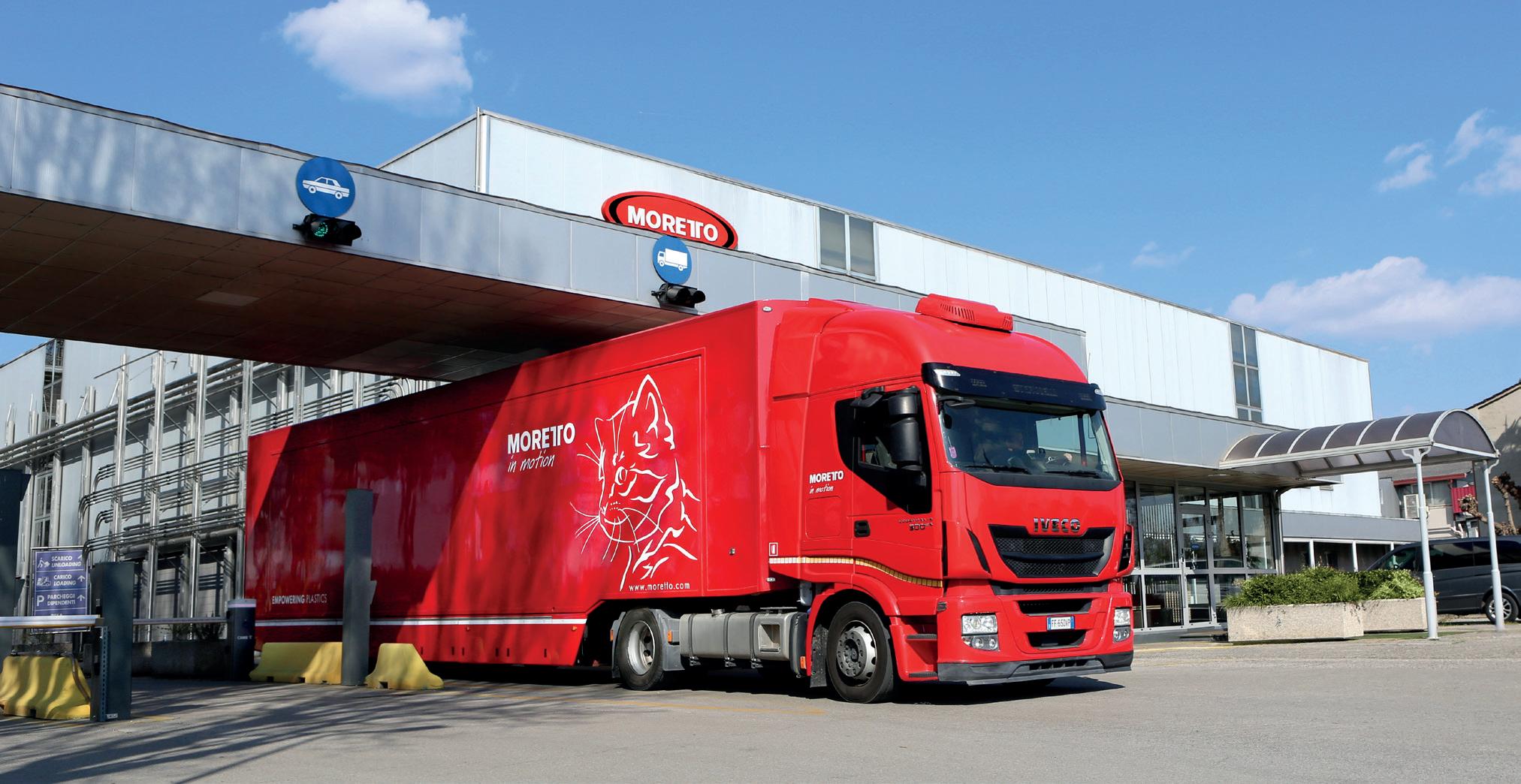
users, immediately assess client needs, and demonstrate in real time how its solutions can enhance productivity and optimise plastics processing operations.
Moretto in Motion provides a comprehensive overview of Moretto’s integrated solutions for the management of feeding, dehumidification, dosing, storage, granulation, temperature control and cooling processes in plastics processing. With a portfolio of 169 international patents, the company is a key reference for processors seeking operational efficiency, technological innovation and advanced solutions.
Knowledge sharing is regarded as a driver of innovation, and the contribution of new generations is considered essential to guide change and introduce fresh perspectives. For this reason, the tour also includes stops at technical institutes and universities. These engagements aim to combine professional experience with the energy and creativity of students, creating a direct bridge between education and industry. The overall programme is designed to foster new synergies, provide technical consultancy, and deliver customised solutions in an increasingly demanding plastics sector.
In the extrusion industry, versatility and space optimisation are not merely optional features but genuine requirements. To meet these needs, Friul Filiere offers its low-capacity U series coextruders – models 13 and 22 – designed to deliver high performance while maintaining a compact footprint. The units are engineered for integration into existing production lines.
The U13 model offers a high degree of versatility, making it ideal for processing a wide range of materials, including PVC, PE, PP, PS, PMMA, TPE and ABS. Thanks to custom flanges, couplings and connectors, it can be adapted in a true plug-and-play manner to existing configurations. This version is available in three speed categories – slow, fast and special – and with various L/D ratios from 17 to 25, in order to meet specific material processing requirements and deliver output capacities ranging from 0.5 to 2 kg per hour.
The recently redesigned U22 coextruder features optimised adjustment of extrusion height by means of thrust bearings, ensuring reduced operating effort and high precision. This model is equipped with a PLC and intuitive software for real-time monitoring of process data and variables, as well as for remote assistance via Ethernet.
Upgraded insulated cables and thermostatically controlled water circulation provide improved thermal management and cost savings. A new device enables the barrel to be tilted by 180°, making maintenance and operation easier. The U22 coextruder offers an output capacity ranging from 1 to 10 kg per hour.
The
lorry equipped with Moretto’s products.
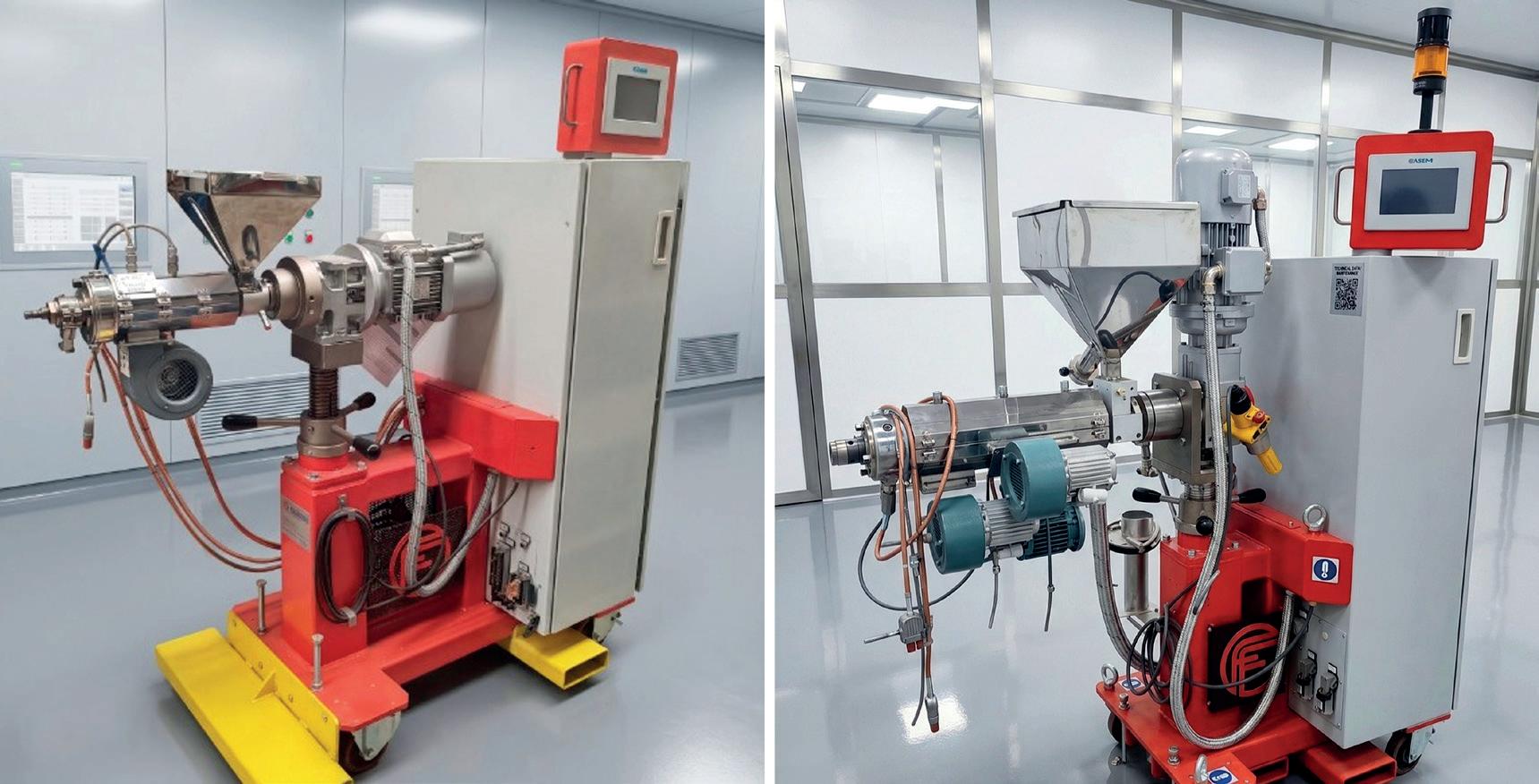
SML at Plast 2026
As an established market and technology leader in stretch wrap film lines, SML offers production lines for all types of stretch film application –and with a wide range of equipment options and features. One of SML’s most successful lines, the MiniCast, is shown in operation at the Plast 2026 trade show. Despite the line’s low space
requirements, the 1.5-m wide MiniCast is certain to impress trade show visitors with its performance.
In collaboration with DOW, SML runs the MiniCast twice daily, producing ultra-high quality films from 100 % polyethylene – fully recyclable, of course. In addition to this, the production of coreless film rolls is part
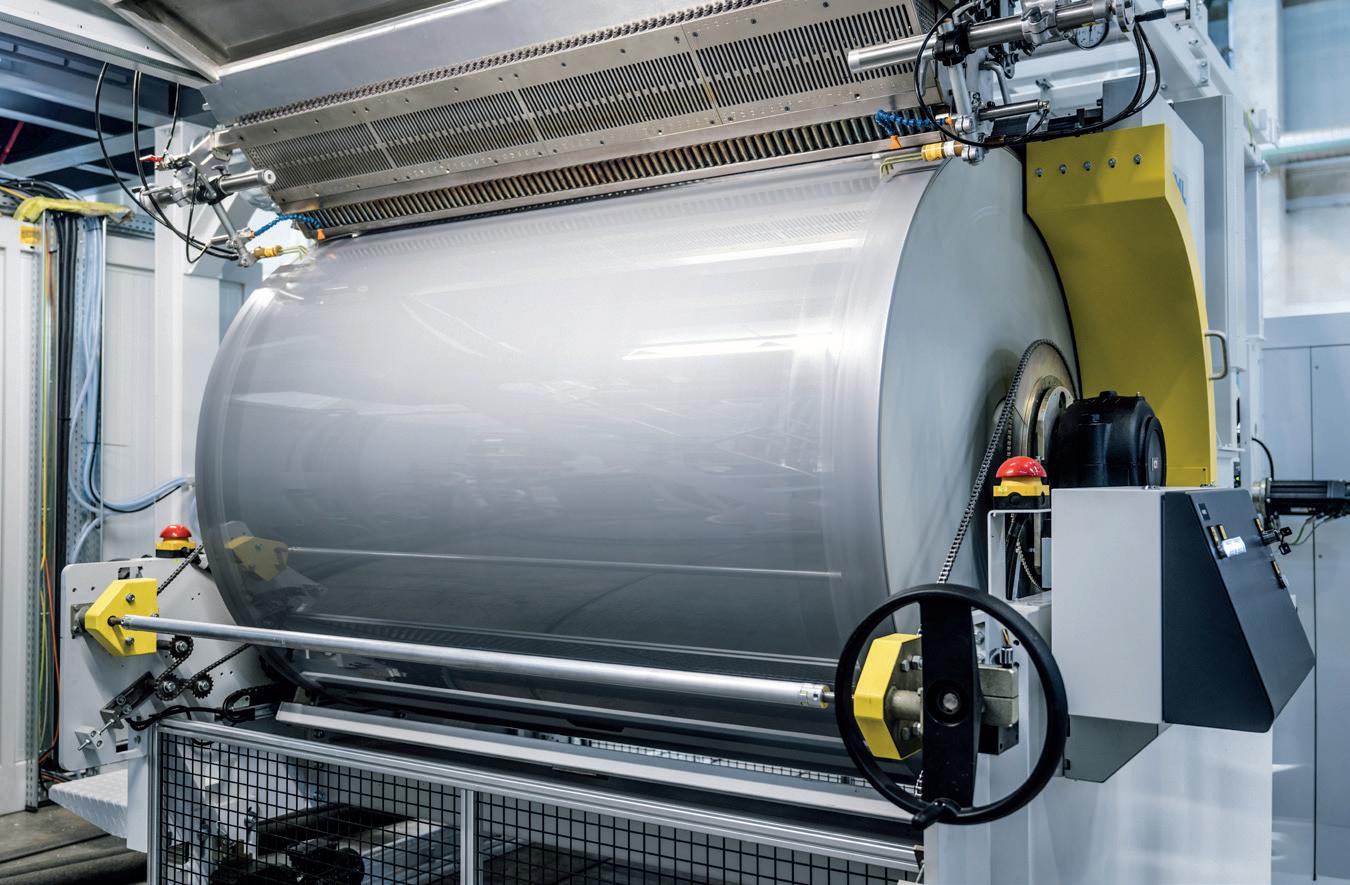
of the demonstration. The production of coreless machine rolls for highspeed wrappers, weighing 16 kg, is demonstrated at the trade show stand.
“We want to show how easy and fast it is to switch from core to coreless production,” explained Thomas Rauscher, Product Manager at SML. To address this, SML has developed innovative methods to control and regulate the tension of the film during the winding.
The MiniCast machine on show is equipped with 4 extruders and a 5-layer feedblock in combination with a Reflex die from Cloeren. It also comes with the time-proven 1,600 m diameter single chill roll, a new thickness measuring device, and the widely sold W4000 turret winder. The 3-up winder version showcased produces rolls at 3 x 500 mm net film. An Estl Film Performance Tester is also available on site, allowing visitors to check the quality of the films straight away.

Since 1976, MacPlas has been chronicling the innovation and evolution of the plastics and rubber industry through its magazine, website, newsletter, and social media channels. Thanks to everyone who is making this extraordinary journey possible.

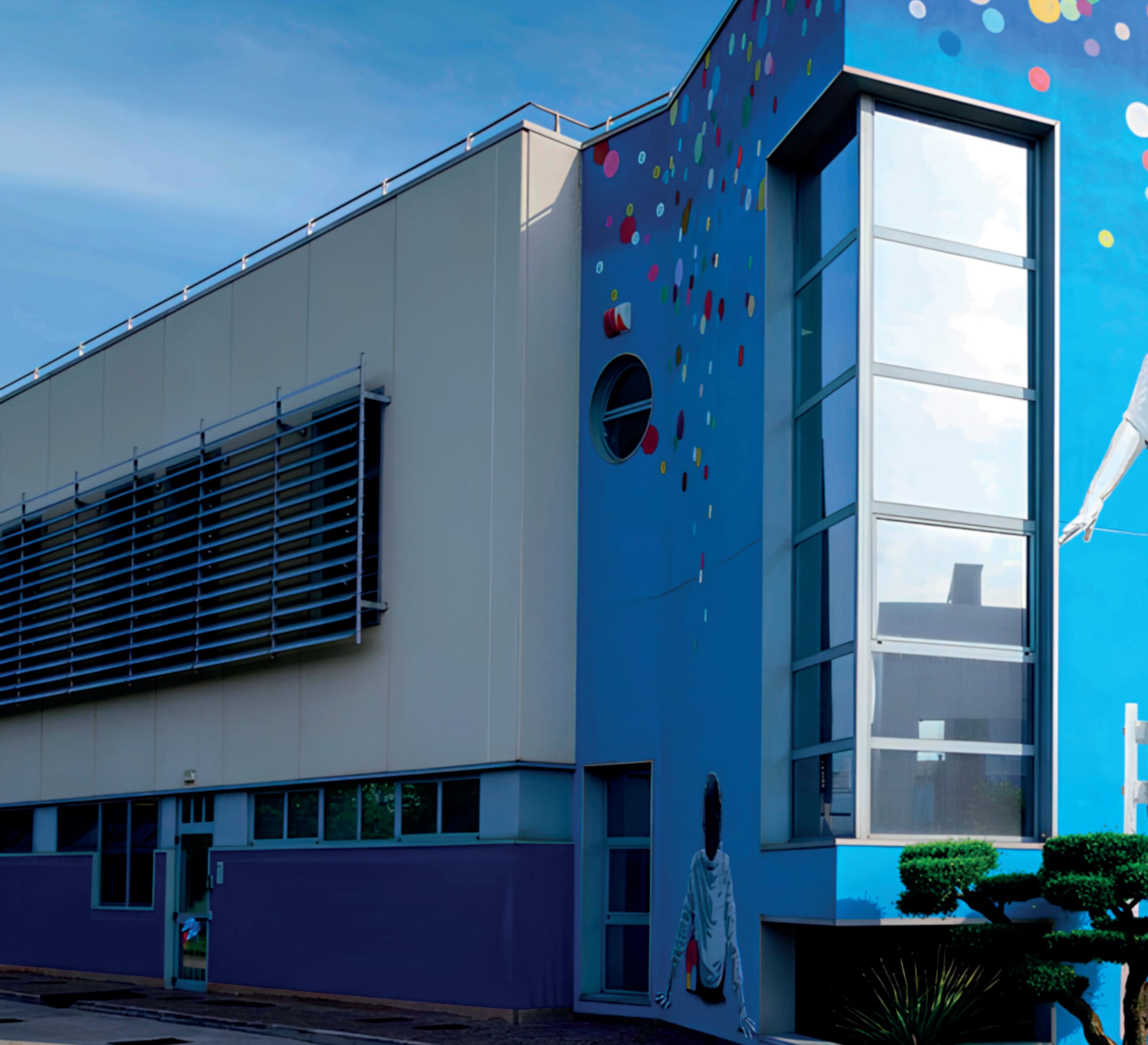
Masterbatch from recycled tyres, structured colour consultancy, and a positioning that aims to make colour a strategic design lever: Chimar arrives at Plast 2026 with a renewed identity, combining certified sustainability, advanced digitalisation, and a vision that reaches well beyond the product.
By Giampiero Zazzaro
Sixteen million euros in turnover during a demanding year, energy drawn entirely from renewable sources, fully digitalised processes, and a 420 kW photovoltaic system: Chimar’s figures tell the story of a company that has chosen solidity as its answer to uncertainty. But the real novelty that the masterbatch manufacturer brings to Plast 2026 is not in the balance sheet – it lies in a paradigm shift that transforms colour from an aesthetic variable into an instrument of industrial positioning. We discussed it with Vittorio Rizzuti, CEO of the company, who leads Chimar together
with Valeria Rizzuti, the second generation at the helm of this family business.
To begin with, how did you close 2025, and what are you expecting from 2026 in light of the first months of the year?
“2025 was a challenging year for Chimar. Despite an unfavourable market environment – particularly in the second half of the year, marked by a contraction in demand and intense competitive pressure – we managed to maintain a positive trajectory,
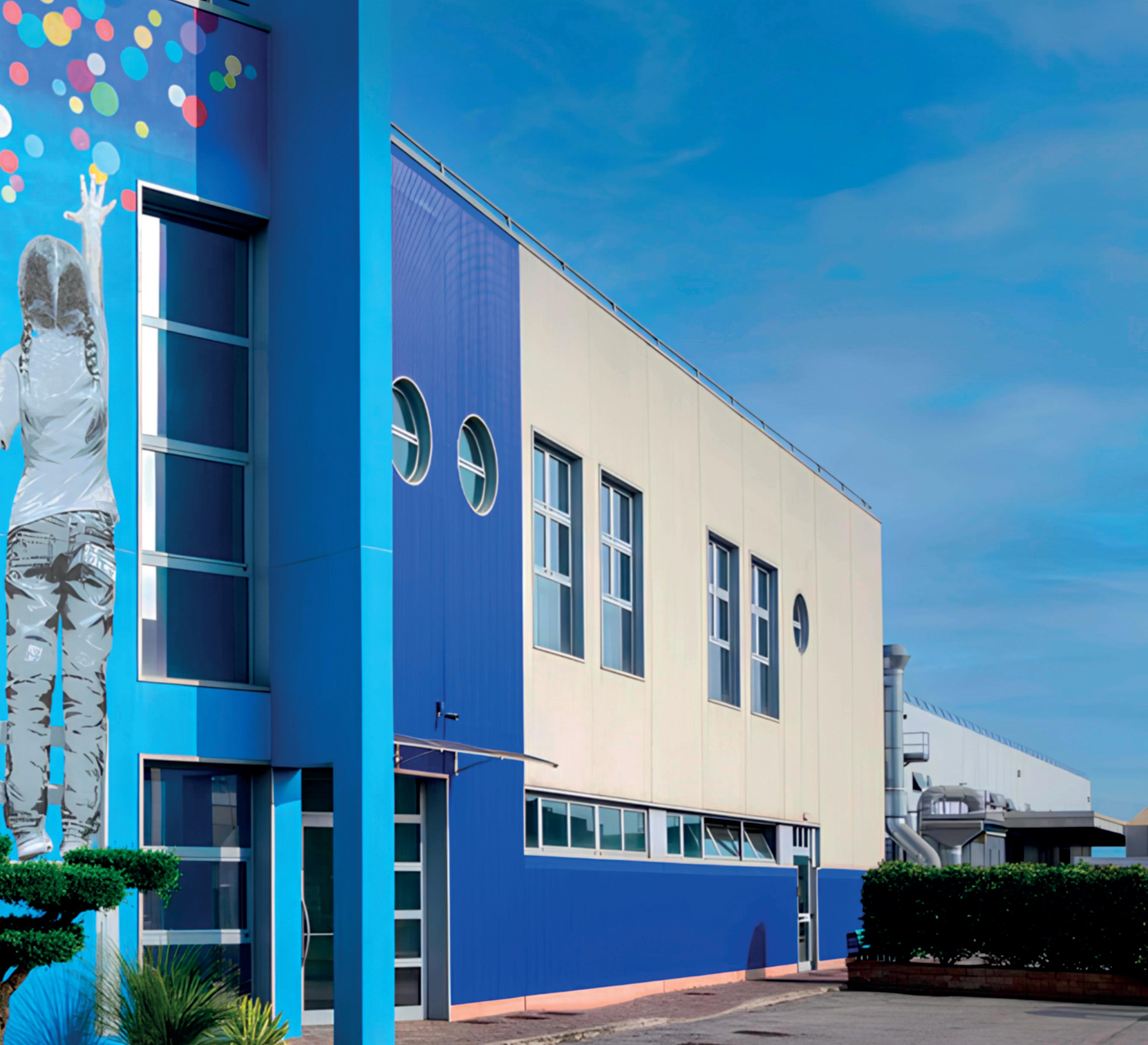
recording modest but meaningful growth in both turnover and volumes. We closed the year with turnover just below 16 million euros, a result we consider significant because it reflects the solidity of our positioning and the company’s ability to respond even in complex scenarios.
This result was made possible by focused work on multiple fronts: from consolidating relationships with long-standing clients, to developing new projects, to a constant focus on optimising internal processes and the quality of service offered.
As for 2026, the picture remains uncertain and it is not easy to formulate long-range forecasts. The first months of the year are showing mixed signals, with demand struggling to stabilise and market dynamics still evolving. In this context, our approach is cautious but proactive: we continue to invest in research and development, product innovation, and technical customer support, with the aim of further strengthening our role as a partner rather than merely a supplier.
We therefore expect a year in which adaptability, speed of decision-making, and closeness to the customer will be essential. Rather than chasing numerical forecasts, our focus is on build-


ing value over the medium to long term, maintaining operational flexibility and seizing the opportunities that emerge throughout the year”.
As regards the market, how are conditions developing in Italy and internationally, and to what extent are global geopolitical tensions affecting your activities?
“What is happening in the market, both in Italy and internationally, is a source of growing concern and is already having a con-
Chimar’s research focuses on processability optimisation and the integration of colour and texture.
Chimar’s innovation at Plast is not merely a new colour proposition, but a paradigm shift: colour ceases to be a final variable and becomes a strategic lever for design and positioning.
crete impact on our activities. The current environment is characterised by discontinuous demand, significant cost volatility – particularly in raw materials and energy – and a general uncertainty that makes planning more complex, both for us and for our clients.
In the Italian market we are observing greater caution in investment decisions and a tendency to reduce stock levels, whilst internationally the dynamics are even more complex, partly due to the ongoing global geopolitical tensions that continue to affect supply chains, delivery times, and price stability. These factors inevitably generate pressure throughout the entire supply chain.
In this scenario, safeguarding the operational continuity of our clients remains a primary concern for Chimar. Our commitment operates on two levels: on the one hand, guaranteeing continuity of supply, ensuring the required volumes even in difficult market conditions; on the other, maintaining a responsible approach on pricing, seeking to limit any adjustments as far as possible and restricting them to what is strictly necessary.
In parallel, we are working to further strengthen the resilience of our organisation and evaluating alternative sources of raw materials whilst improving internal efficiency, so as to be able to re-
spond more promptly to changes in the external environment. The objective is to remain a reliable partner for our clients, supporting them through a phase that demands flexibility, solidity, and adaptability”.
On which fronts is your research and development activity currently focused, and which application sectors are driving it most?
“A concrete example that we will also be presenting at Plast 2026 is the Re_texture project. This is a masterbatch developed from end-of-life tyres – entirely recycled raw material – which is transformed into a high-purity powder with controlled particle size. This enables us to achieve not only stability in industrial processes, but also a distinctive material effect.
Our main areas of research are currently focused on solutions of this kind: certified circular materials that guarantee traceability and consistent quality; optimisation of processability, to ensure compatibility with the principal processing technologies – injection moulding, extrusion, and blow moulding; development of textured surfaces capable of adding perceived value to the finished product; and the integration of colour and texture, which is increasingly central to contemporary design.
From an application standpoint, this research is strongly driven by sectors in which the product has a direct relationship with the user and with the environment – in particular garden furniture and interior design.
What we see clearly is that the market is changing: a high-performing material is no longer enough; what is needed is a material that tells a story. And that is precisely where our research is focused: transforming recycled materials into solutions with high design content, capable of combining sustainability, aesthetics, and industrialisation”.
Circularity, sustainability, digitalisation, and artificial intelligence are reshaping industrial and production landscapes: how is your way of doing business changing in light of these transformations, and – on balance –do the opportunities outweigh the constraints?
“Starting with sustainability, at Chimar we have chosen a concrete, measurable approach. We currently use energy drawn entirely from renewable sources and, through our energy distributor, offset 100% of the CO₂ generated by our gas consumption. This means that emissions are balanced through certified projects – as are those linked to the transportation of our waste. Added to this is a direct investment: our production facility is equipped with a 420 kW photovoltaic system, which contributes significantly to internal energy generation.
Our commitment is daily and operational: we work to eliminate all waste and develop increasingly sustainable solutions, also through Industry 4.0 processes that allow us to combine efficiency with environmental responsibility.
On the digitalisation front, we have undertaken a highly structured journey: today our business processes are fully digitalised. We have introduced automated packaging phases, which increase precision and production continuity, and constant warehouse monitoring, made possible by interconnected management systems. This enables us to achieve maximum optimisation of order fulfilment times, improving reliability and customer service.
As regards artificial intelligence, we are at a stage of recent but already concrete integration. In particular, the marketing department uses AI for image generation, in support of communications and project presentations, and for internal communications, facilitating collaboration between teams and making the exchange of information more fluid. It is a tool that allows us to work more quickly and effectively, particularly in our ability to communicate and present what we do.
Looking at these transformations as a whole, the balance is very clear: the opportunities decisively outweigh the constraints. They require investment, expertise, and a continuous capacity for adaptation – but at the same time they allow us to evolve our business model. Today, Chimar does not want to be merely a manufacturer but an advanced industrial partner, capable of integrating sustainability, technological innovation, and strategic vision”.
“At Plast 2026 we are presenting a highly significant strategic shift for Chimar – one that goes beyond the product and redefines our role in the market.
In recent years we have observed a recurring dynamic: many companies develop technically sound products but struggle to position them correctly because their chromatic language is not aligned with market developments. Colour, which should be a value lever, often becomes a critical pain point, generating revisions, delays, and additional costs.
From this awareness comes our principal innovation: a structured colour consultancy service, built on analytical rather than purely aesthetic foundations.
The project developed with design studio JoeVelluto is the concrete expression of this approach. We are talking about a colour forecasting process that interprets contemporary cultural, social, and visual shifts in order to translate them into operational tools. Not simply palettes, but genuine design scenarios – Retrofuture, Extraextra, Simplecore, Acidvintage, and Earthreboot – each with a precise identity and coherent applications across different industrial sectors.
This allows
us to make a qualitative leap: we move from ‘which colour to choose’ to ‘why to choose that colour, for that product, in that market.’
At Plast 2026 we are therefore bringing three key elements.
The first is an evolved Sample Box – no longer a simple colour swatch collection, but a decision-making tool. Each colour is placed within a scenario, with a narrative and positioning logic, enabling style and product teams to make informed choices.
The second is our working method, which integrates three levels: analysis of trends and cultural scenarios; translation into industrialisable colour palettes; and concrete application across different sectors, from packaging to furnishings to outdoor.
The third element is the role we wish to assume: to become an upstream design partner, working alongside companies from the very earliest stages of product development. This means helping clients to reduce the risk of ineffective colour choices, avoid post-launch reworking, accelerate time-to-market, and increase coherence between product, brand, and market.
In short, the novelty we are presenting at Plast is not merely a new colour proposition, but a paradigm shift: colour ceases to be a final variable and becomes a strategic lever for design and positioning. This is the direction in which Chimar intends to grow – not only as a supplier, but as a partner capable of generating concrete value for its clients”.
Chimar also focuses on optimising processability, to ensure compatibility with the principal processing technologies: injection moulding, extrusion, and blow moulding.
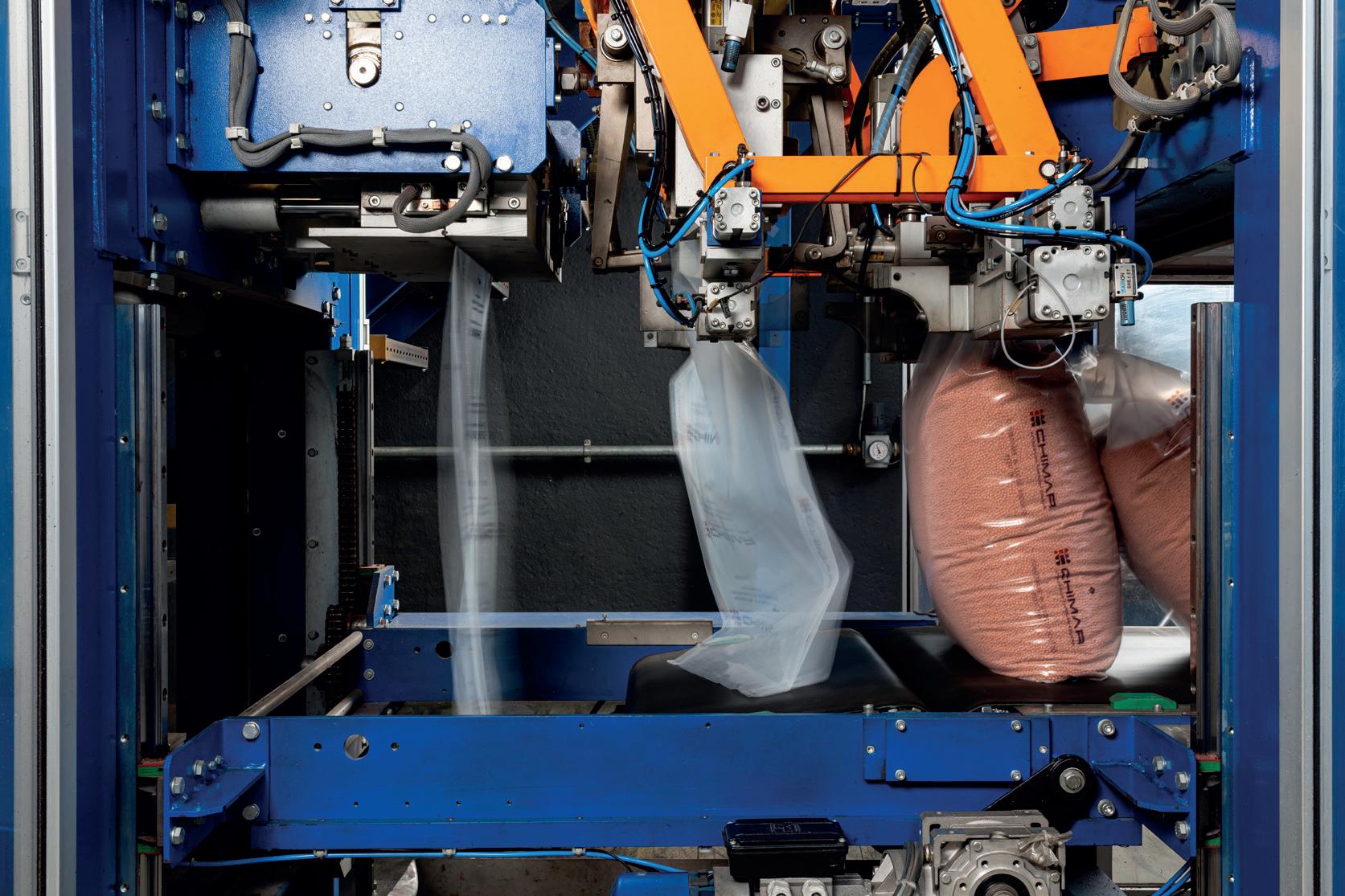
Defining the language of professionals
In the era of digital transformation and industrial automation, we often underestimate the importance of linguistic expression in professional contexts, particularly in technical and production divisions. The language used in scientific and technological settings is known as terminology – a discipline recognised only recently as an autonomous field of study, one that captivated me to the point of dedicating my master’s thesis in linguistic sciences to it. This editorial, divided into two parts, illustrates how terminology came into being and how fundamental it is to science, technology, and consequently to the plastics and rubber industry. It also examines the reality of technical communication and the professional figures who practise it, disseminating the concepts of every specialist sector through terminology.
By Giampiero Zazzaro
The language of scientists and technologists is just as varied and imaginative as everyday language, but differs from it in one essential respect: words become terms, endowed with a tendentially precise conceptual value.
Studying science, like studying technology, is in many respects a matter of learning a special language in which new words take on a precise meaning that differs from their ordinary usage. The language of science tends to reject the compromises, contradictions, and indeterminacies that everyday communication can tolerate – and is all the richer for it.
In the case of our magazine MacPlas, the meaning of a technical text makes it possible to convey complex concepts effectively to all the principal players in the plastics and rubber sector – machinery manufacturers, material producers, and processors –but represents, for non-specialists, a barrier to understanding.
The content of a technical article can therefore remain opaque if one is not familiar with the basic principles of the subject. For this reason, knowing the terminology of a sector is essential: it helps us develop precise communicative tools that allow for clarity of expression and shape our understanding of the discipline we are approaching.
Terminology is the language of scientists and technologists, based on the precise relationship between three components: the term (which differs from a common word by virtue of its specialised meaning), the technical definition that delimits its use, and the specific concept it represents. This triad allows the linguistic and conceptual dimensions to integrate seamlessly. Terminology documents technical and scientific development, communicates it, and facilitates access to a given field – such

as the plastics industry – enabling conceptual precision and relevance of expression in technical communication, contributing to clarity in the naming of objects, operations, and processes, whether abstract or concrete, theoretical or practical. Every science, every technology, but also every profession and every trade, transmits its cognitive and empirical heritage through its respective terminologies, and continues to evolve and enrich itself through neologisms of form and meaning.
In other words, terminology is in itself a bridge between bodies of knowledge, connecting us with worlds and domains of expertise that are technology, science, and culture of contemporary life.
Terminology has its roots in the workshops – which over time became the factories of today – equipped with the first mechanised production processes, where workers needed precise and concrete communication in order to understand one another when using the tools of their trade.
At one time, the common language drew on literary and religious texts, since life itself was grounded in humanistic learning, from which the verbal expression of society as a whole derived.
The workshops were therefore the first places where the “experts” of a given craft expressed themselves using specific terms in order to communicate clearly and unambiguously.
According to academic scholarship, terminology has its roots in the seventeenth century, thanks to Leopoldo de’ Medici, who from 1650 onwards compiled lexical collections containing more than ninety thousand technical terms, with the aim of enriching the third edition of the Vocabolario dell’Accademia della Crusca (1691) with the terminology of the arts (which today we would call crafts and trades) and professions.
In his papers he gathered lists of terminologies from trades and crafts, drawing directly from artisans and palace suppliers, validated by the professional expertise of those interviewed. This endeavour ran in parallel with that of Filippo Baldinucci and his Vocabolario toscano dell’arte e del disegno (1681). Both were the first to conceive of defining with precision the working tools used in workshops, with the aim of enriching and preserving in written form the vocabulary of the Italian language.
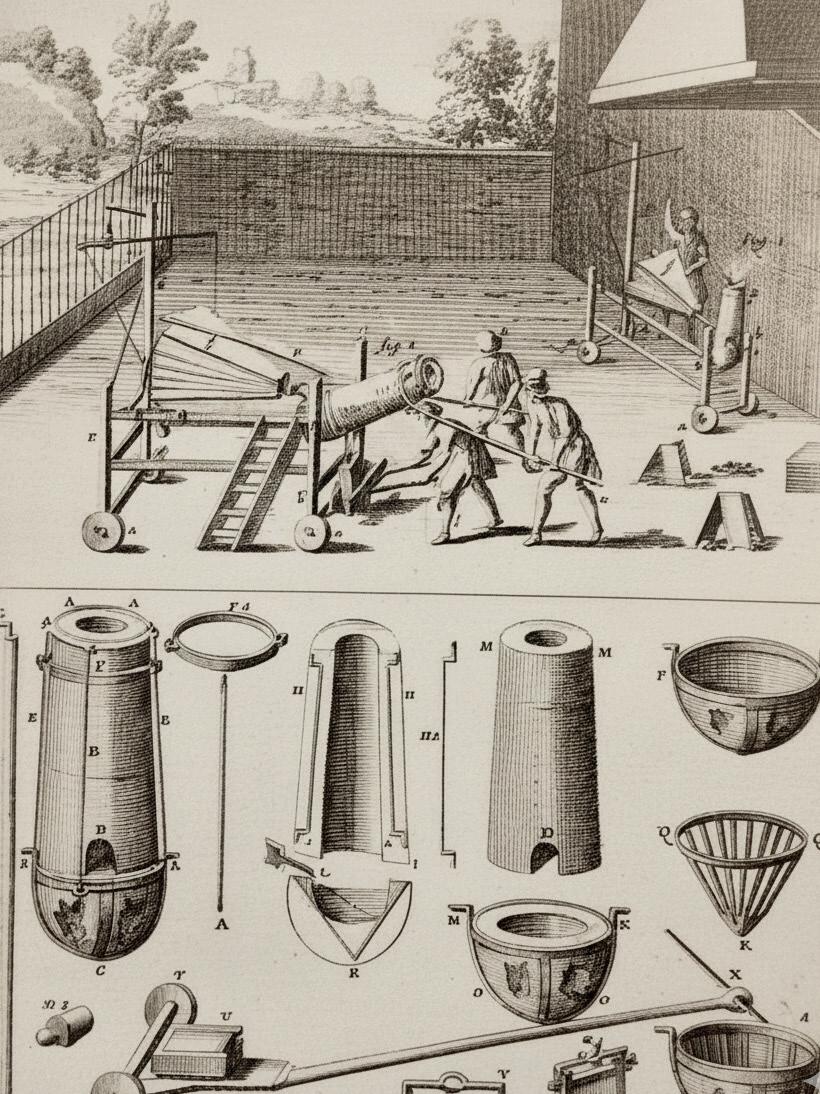
Subsequently, encyclopaedic works embracing sciences and technologies appeared in London – where Ephraim Chambers published his Cyclopaedia: or, an Universal Dictionary of Arts and Sciences (1728) – and in France, where the studies of the Académie royale des sciences and the work of Diderot and D’Alembert were already well under way.
In the dialogue between language and reality, the question of meaning and its definition merged with the desire for the complete systematisation of knowledge – and so alphabetical order became the organising principle of that knowledge, binding dictionary and encyclopaedia indissolubly together. The experience of Diderot and D’Alembert’s Encyclopédie consecrated this descriptive model.
The Encyclopédie marks a watershed in the history of specialist lexicons, and it is precisely in the eighteenth century that terminology found fertile ground across a wide range of publications, aided also by greater clarity in the classification of certain sciences. Alchemy, for instance, was redefined by being divided into chemistry (of which plastics is an essential part), medicine, and pharmacy, its picturesque names replaced by the new terminological system.
The relationship between the object of science, the linguistic system, and the term generated interest throughout eighteenth-century Europe, giving rise to an extensive body of specialist lexicographic documentation: lexicons appended to treatises, specific glossaries, and technical and scientific vocabularies and dictionaries.
It was from the twentieth century onwards, however, that terminology came to be fully recognised as a discipline derived from linguistics – largely thanks to Eugen Wüster, regarded as the principal reference point for the establishment of terminology as an autonomous field of study.
From the 1970s onwards, an extensive body of specialist lexicographic documentation was produced, which today allows us to reconstruct retrospectively the history of bodies of knowledge of every kind.
Through these historical developments, the first periodicals emerged over time with the aim of disseminating scientific and technological knowledge, giving rise to new editorial forms – in-
cluding technical magazines dedicated to a single subject, exactly like MacPlas.
This mode of disseminating knowledge, today defined as technical communication (of which specialist publications are an integral part), consists of a process by which content about products, services, and production processes is created, designed, and distributed. Technical communication gathers, analyses, and organises complex technical information, rendering it clear, accessible, and suited to its intended audience.
Whilst the journalist’s role is to inform a broad and varied public about current events and affairs, the professional figure par excellence who uses technical communication as a working instrument is the technical communicator – encompassing technical writers and technical translators – the author of texts conveying technical knowledge that have traditionally accompanied the life of machinery and, increasingly, of software. Today the roles involved in the production of technical documentation have become more specialised: writing specialists, standards and certification specialists, graphic design specialists, and translation specialists. These distinctions have emerged with the broadening of the knowledge required in each respective field, increasing the need to build collaborations and integrate expertise. In general terms, the technical communicator is the person who creates, distributes, or simply transfers information – however complex – into content that is clear, coherent, and compliant with applicable standards, covering products, processes, and technologies, whilst seeking as far as possible to meet the needs of the intended audience.
On the basis of all that has been set out thus far, it is evident that terminology is the fundamental tool available to the technical communicator – and therefore to the technical writer – for understanding a subject and giving an account of it. Mastery of terminology is therefore not merely a linguistic exercise, but an instrument that contributes to innovation, safety, and industrial development.
In the plastics field, alongside MacPlas (which in 2026 celebrates fifty years of activity) and several competing publications, numerous terminological initiatives have been published to date. One example is Il Manuale delle Materie Plastiche, published by Tecniche Nuove, which addresses the fundamental science of plastic materials, covering their properties, processing technologies, and various applications. Another authoritative project is A Glossary of Plastics Terminology in 8 Languages – a glossary of plastics terminology in eight languages (English, German, Spanish, Italian, French, Portuguese, Russian, and Chinese), published by Carl Hanser Verlag, containing more than 2,300 terms relating to the chemistry, properties, testing, and processing of plastics.
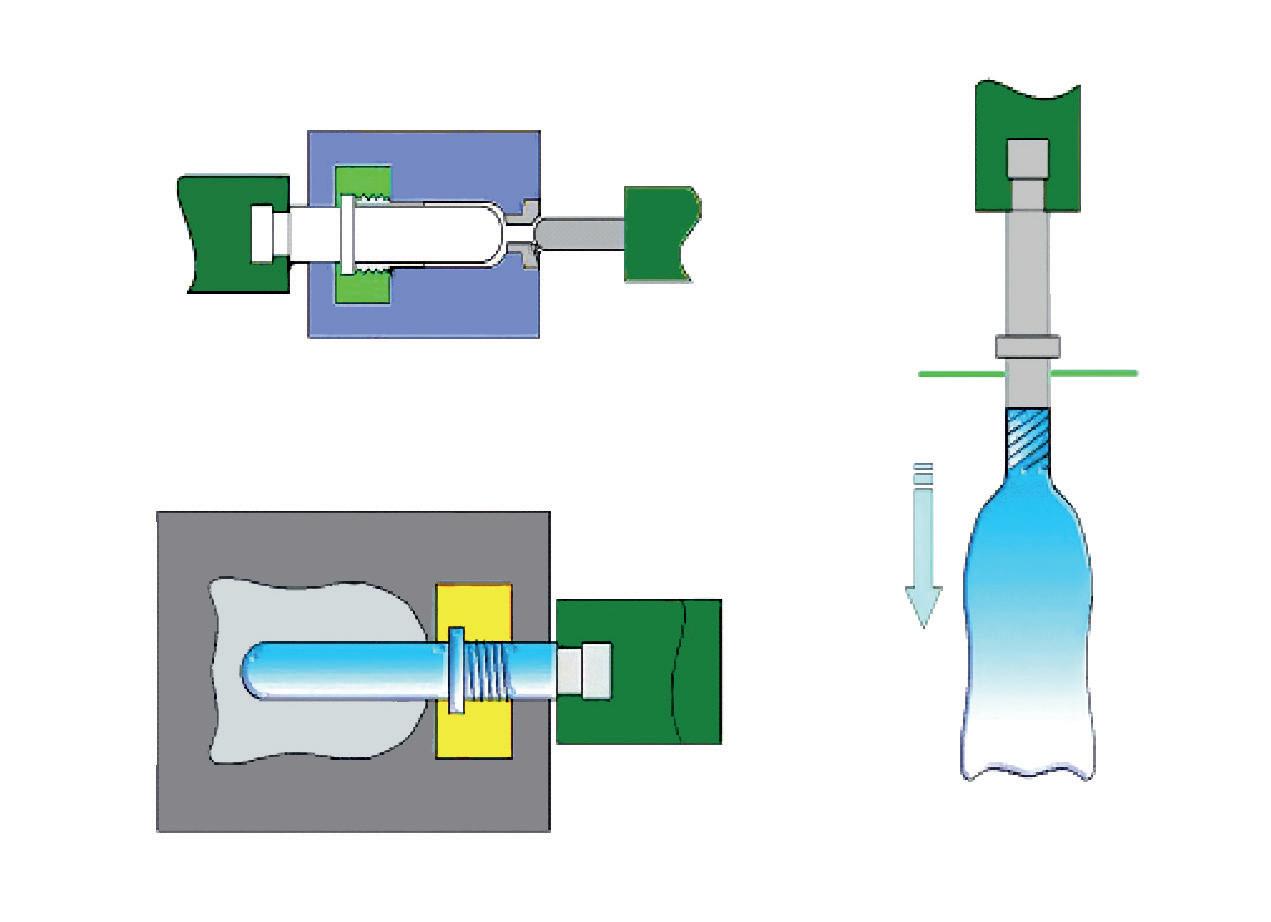
Among the terms used in the plastics industry, we may cite several linked to technology, such as “injection moulding”, “pultrusion”, “digitalisation”, “Industry 4.0”, “digital twin”, “predictive maintenance”, and “machine learning” – all of which have become part of the technical communication of companies in the sector.
In the context of the new packaging regulation, a number of recently coined terms have come into circulation: PPWR (Packaging and Packaging Waste Regulation – the European regulation governing packaging and packaging waste); the SUP Directive (Single Use Plastics – the European directive aimed at reducing plastic pollution from single-use items); and the Plastic Tax (a contribution to the European Union budget calculated on the weight of non-recycled plastic packaging waste).
Finally, recent sustainability regulations have given rise to terms in ever-growing use, such as “chemical recycling”, “bio-based plastics”, “LCA” (Life Cycle Assessment), and “carbon footprint”. This reminds us that terms today are born not only from technical practice but also from European regulations and policies, which transfer them directly to businesses and to the general public.
In the world of plastics and rubber, terminology translates technical complexity into shared knowledge – knowledge that is essential for driving innovation and the sector’s competitiveness. In the second part of the article, we will provide further examples of terms and terminological projects of value to the entire community of our sector, along with some aspects of multilingualism and technical translation.
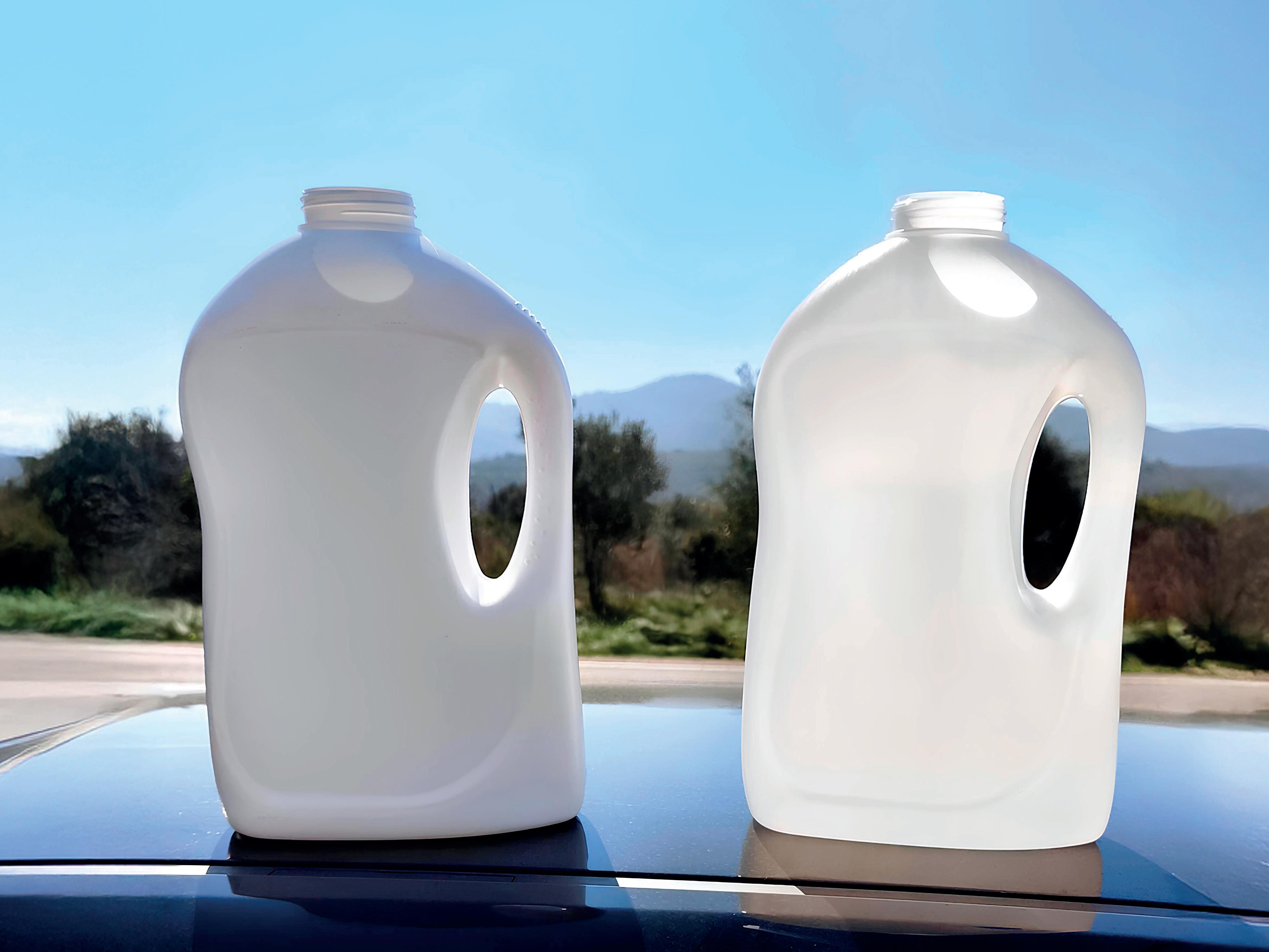
Reducing waste, optimising colour changes, and minimising machine downtime: this is the mission of Ultra System, which for over twenty years has been supporting processors worldwide with Ultra Plast – a range of abrasivefree, recyclable, and certified cleaning compounds effective in both injection moulding and every type of extrusion. With five production sites, more than 30 warehouses, and 60 distributors, the company supports manufacturers of every size across the globe.
By Giampiero Zazzaro
For over twenty years, Ultra System has been synonymous with excellence in waste reduction, colour and material change optimisation, preventive maintenance, and machine downtime reduction. These results are achieved through Ultra Plast, the company’s next-generation range of cleaning compounds, with which it supports processors worldwide.
In recent years the use of purge products has grown exponentially, reflecting the growing awareness among manufacturers that waste is no longer acceptable and that quality still makes the difference. Ultra Plast products are abrasive-free – and can therefore be injected or moulded without any risk of damage to the metal parts of the machine – require no soaking time, generate no fumes or odours, and hold more than ten certifications each, including REACH, ISO, FDA, food contact compliance, and clean room suitability.
A fundamental advantage of using Ultra Plast lies in waste reduction. By rapidly eliminating residues from previous materials and colorants, these products allow processors to reach stable production more quickly, reducing the quantity of non-conforming material generated during transitions. All Ultra Plast products are also recyclable after use, in line with an increasingly sustainability-oriented production approach.
With six blending sites – headquartered in Switzerland and with facilities in Russia, Thailand, Mexico, Brazil, and the United States – Ultra System ensures a widespread presence in the world’s principal markets, serving both large thermoplastics manufacturers and small innovative enterprises. Whether for injection moulding or any type of extrusion, Ultra Plast delivers effective solutions in terms of both speed and efficiency.
In 2025, Ultra System reached a new milestone with the introduction of the Ultra Plast Qualipurge Top range, developed in collaboration with some of the leading machinery manufacturers. The range includes specific compounds for injection moulding (TOP-IM), for blow extrusion (TOP-BM), and for machine shutdown operations (TOP-MSL and TOP-MSH).
TOP-IM represents the natural evolution of Ultra Plast PO-CS – a product that will remain in the catalogue for a long time to come on account of its excellent performance – and has been
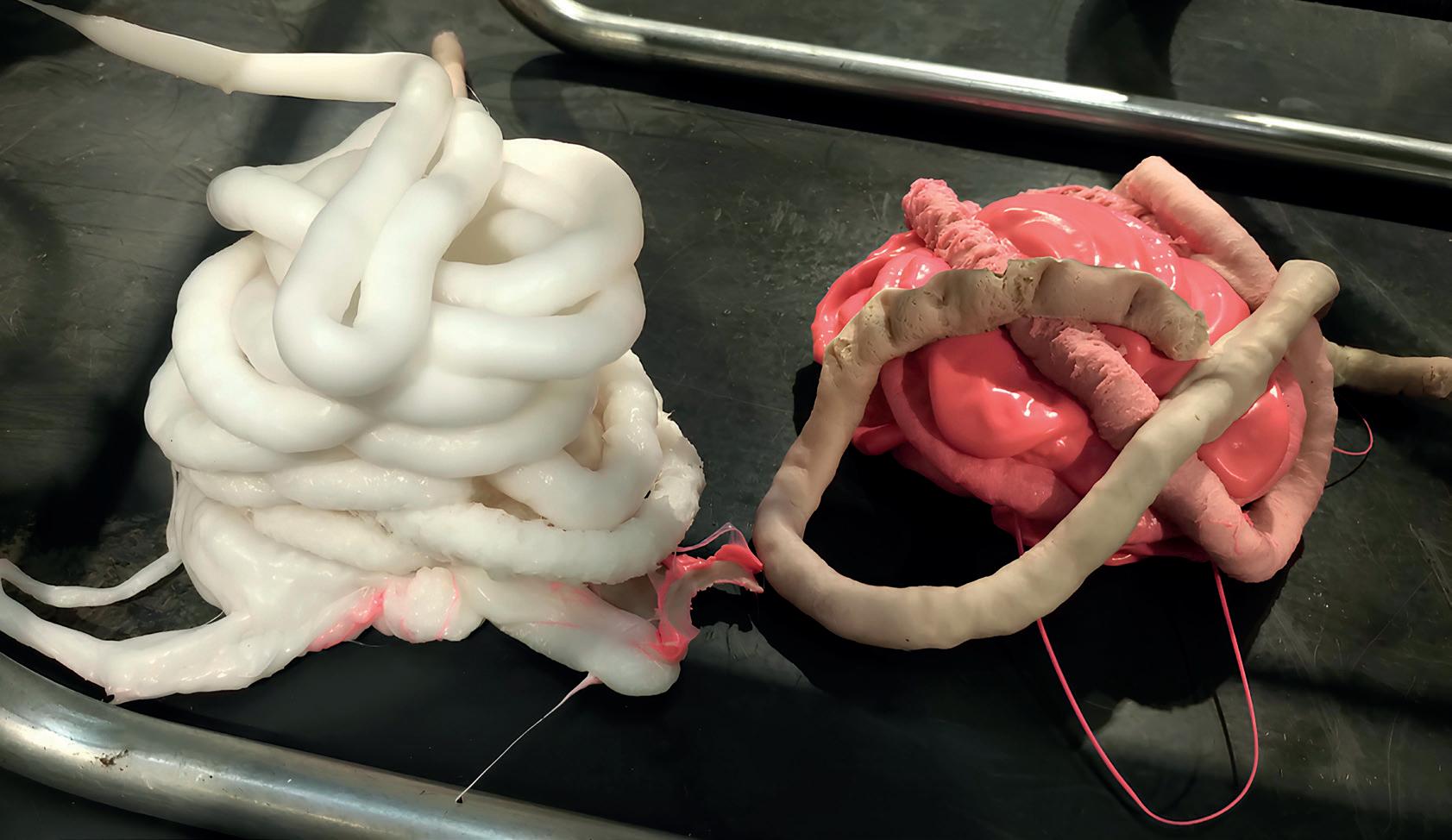
formulated with new advanced additives that facilitate the injection and moulding of purge compound even on complex geometries. The underlying philosophy remains unchanged: for deep cleaning of the hot runner, it is essential to use exclusively abrasive-free compounds, as the company has always advocated.
TOP-BM, an evolution of the tried-and-tested Ultra Plast POECS, is designed exclusively for blow extrusion and acts with maximum speed on the so-called memory line, reducing purge times from hours to a significantly shorter fraction thereof. It also works on older machines, without feed-throat cooling and without the need to increase temperature – a concrete advantage for plants with heterogeneous machine fleets.
TOP-MSL and TOP-MSH, meanwhile, address the growing demand for products designed for controlled machine shutdown, for example during holiday periods or at weekends. Simply filling the machine – after an adequate purging operation – with these innovative materials is sufficient to guarantee a rapid, waste-free restart.
The so-called sandwich procedure, finally, eliminates the need to empty the screw before using Ultra Plast, making colour or material changes a swift operation requiring no preliminary preparation.
Ultra Plast guarantees rapid and efficient colour changes with no damage to the machine’s metal parts.
The quality of the final result also depends on machine cleanliness.
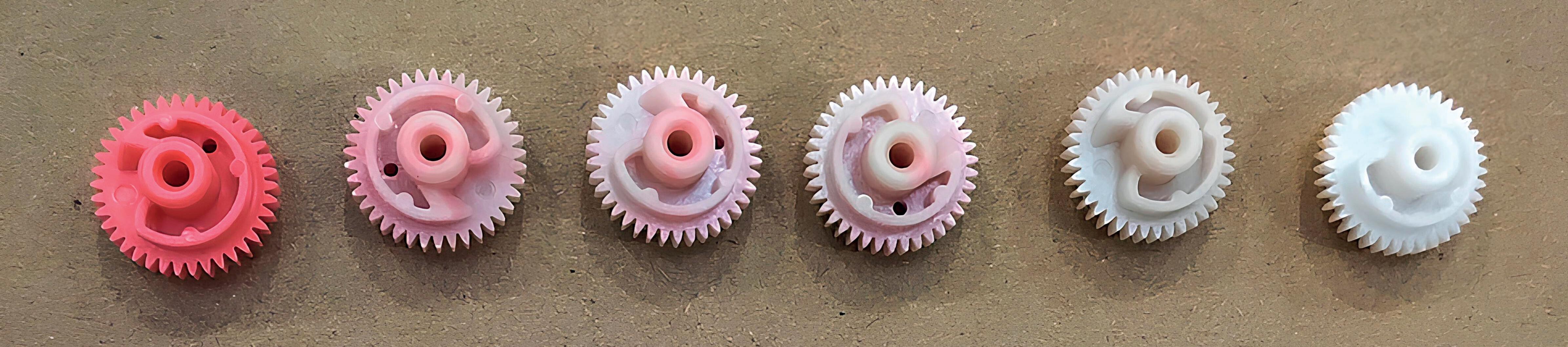
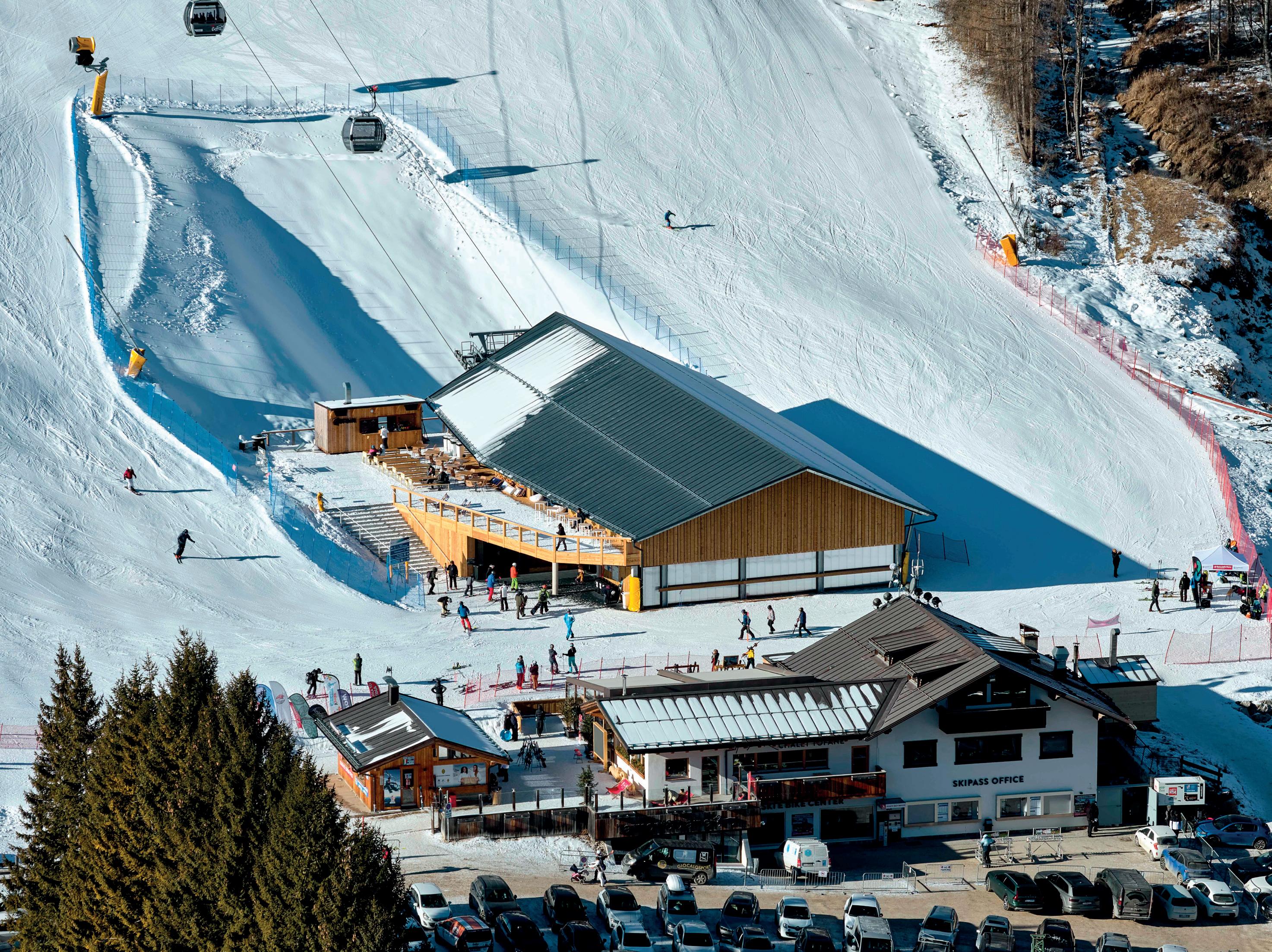
From transparent surfaces for a new ski infrastructure project to experimentation into the material’s second life in rooflights, two application case studies show how polycarbonate, now a well-established yet still highly innovative material, can continue to evolve across construction performance, architectural quality and the development of more circular solutions.
By Luca Mei
Among the materials that are most actively reshaping the relationship between performance, aesthetics and sustainability in building and infrastructure applications, polycarbonate now occupies a leading position. Its ability to combine lightness, strength, transparency and design versatility makes it a key material both in architectural solutions with high functional and aesthetic value and in research and development activities aimed at extending its service life and enhancing its recoverability. The case studies below provide a significant snapshot of this evolution, highlighting the material’s potential in different contexts united by a strong drive towards innovation.

Transparent surfaces for Cortina’s new gondola lift
Italian manufacturer of polycarbonate solutions PolyPiù was recently entrusted with the production of the transparent polycarbonate surfaces for the new Lacedel-Socrepes gondola lift in Cortina d’Ampezzo. The infrastructure has been conceived to deliver a lasting transformation of the local ski area beyond the conclusion of the 25th Olympic Winter Games, held from 6 to 22 February this year, as part of the region’s established winter tourism offering.
As in neighbouring areas such as Alta Badia, the new link enables skiers to reach the Tofane, Cinque Torri and Falzarego slopes directly from the centre of Cortina, reducing reliance on private cars, high-altitude car parks and shuttle services to the lift system. It reflects a wider territorial vision and a model of tourism managed throughout the year, and not only during the ski season, with particular attention to environmental impact.
As part of this renewal, Ista, the client company managing the lift facilities across the entire ski area, commissioned Gris+Dainese Architetti, a practice with longstanding roots in the region, to design the architecture of the lower and upper stations of the new gondola lift at the foot of the Tofane slope, inaugurated in December 2025 also in preparation for the Olympics that were due to take place shortly afterwards. Going against the usual approach of designing enclosures whose stylistic language mirrors the technology they contain, Ista embraced the architects’ innovative proposal to draw inspiration from the forms and materials of local rural architecture and shepherding tradition.
For the building envelope, the designers chose to use PolyPiù’s PanelPiù modular multiwall polycarbonate system for the large transparent surfaces. The interlocking system was engineered by the company for vertical infill applications and industrial glazing. The extruded multiwall polycarbonate panels make it possible to create a structure with no visible joints and continuous surfaces with a clean, contemporary appearance, eliminating the need for exposed joining profiles. Equipped with UV protection, the system ensures weather resistance while maintaining transparency and thermal insulation performance over time.
For the gondola lift stations, PanelPiù 500/60 14P sheets in a neutral, non-satin finish were combined with timber surfaces intentionally left in a raw state. The 60 mm panel thickness made it possible to achieve the high structural and strength performance required by the scale of the modules, while allowing for a lighter, less visible supporting structure within the façade
design. A system of horizontal transoms was therefore required only in the upper sections of the elevations, where they are less visible because they sit behind the timber walls.
Light filters through the timber surface, made of boards with irregular edges, while at the base a soft, continuous band of light appears almost to lift the structure from the ground: an architectural image that is evocative and vibrant at dusk and during the night, yet compositionally rigorous in daylight. Calibration of the panels during processing, selected in a neutral finish, gives the surface a slightly reflective quality, an effect particularly appreciated by the architects because it offers a subtle reflection of the surrounding landscape and helps integrate the building into its striking mountain setting.
Available in thicknesses from 16 to 65 mm, PanelPiù panels stand out for their high light transmission, good thermal insulation and excellent price/performance ratio. The system is completed by gaskets and retaining profiles that enhance stability and durability over time. Designed for walling and vertical enclosure applications, including infill panels, cladding, shed elements and continuous glazing, they combine ease of installation, design versatility and material quality, making them ideal for projects requiring construction simplicity, reliable performance and consistent aesthetic quality. Other advantages of these solutions include good thermal insulation, high resistance to wind loads, high light transmission, appealing visual impact, the possibility of creating openable sections, compatibility with thermally broken profiles and resistance to UV radiation.
Amid snow, timber and light, the polycarbonate surfaces help define the contemporary identity of the gondola lift station, integrating it discreetly into Cortina’s mountain landscape.
The multiwall polycarbonate surfaces are incorporated into the elevation of the gondola lift station, alternating with timber cladding to combine natural light intake, visual continuity and architectural integration within the Alpine setting.
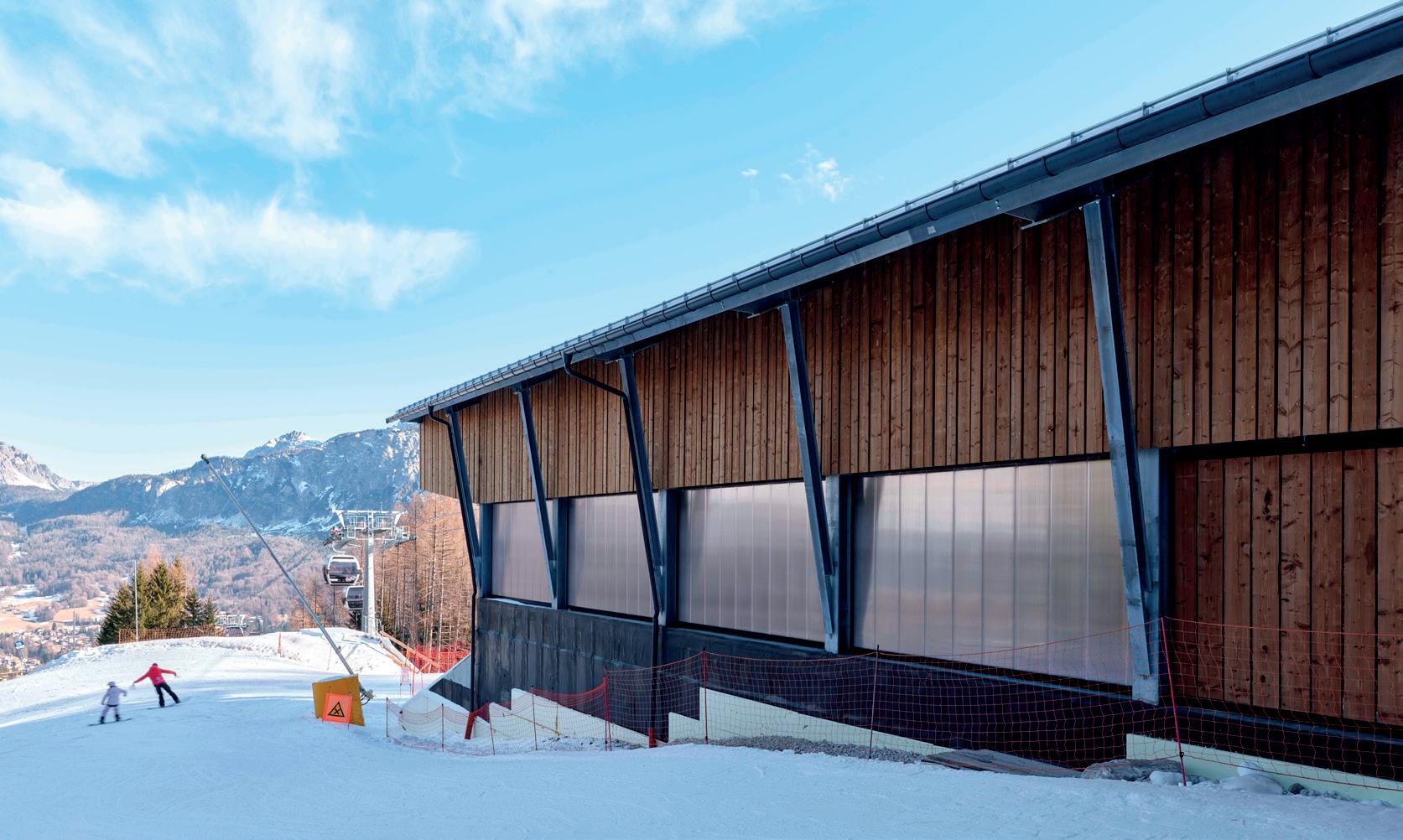
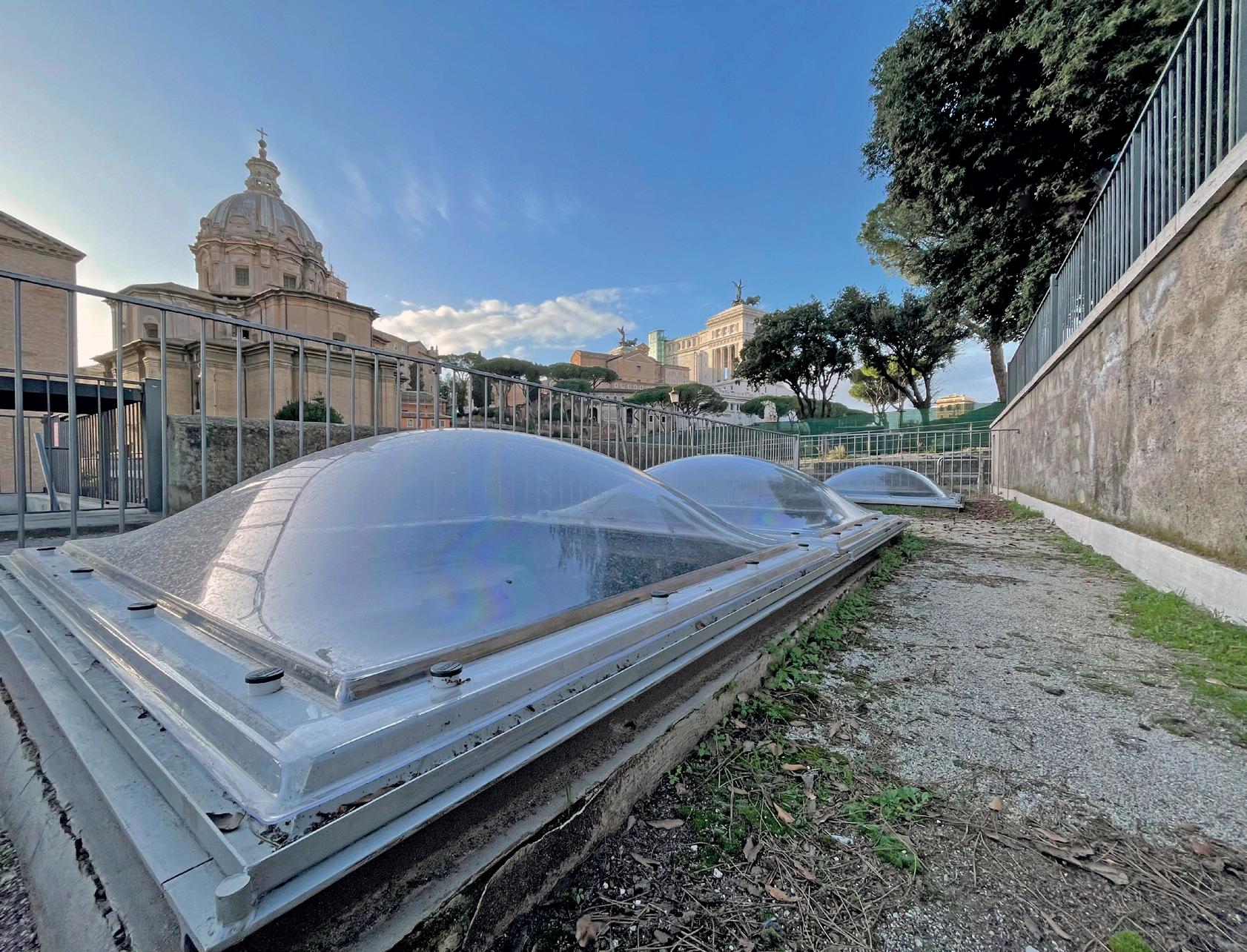
A company specialising in the design and manufacture of Made in Italy domes and rooflights, Tecnocupole Pancaldi is committed to research and sustainable innovation, working alongside academia in a three-year doctoral research project dedicated to studying the second life of polycarbonate, the key material used in its products.
Launched in November 2024 and scheduled to run until November 2027, the project, funded by the company in collaboration with the University of Bologna, includes among its participants Elettra Savigni, a PhD candidate in Civil, Chemical, Environmental and Materials Engineering, selected through a PNRR call for applications (40th cycle). Her research is being developed around three scientific pillars: the development of blends based on post-consumer polycarbonate and industrial production scrap; the study of the effectiveness of protective coating treatments to increase material durability; and the search for insulating materials as alternatives to the polyurethane currently in use.
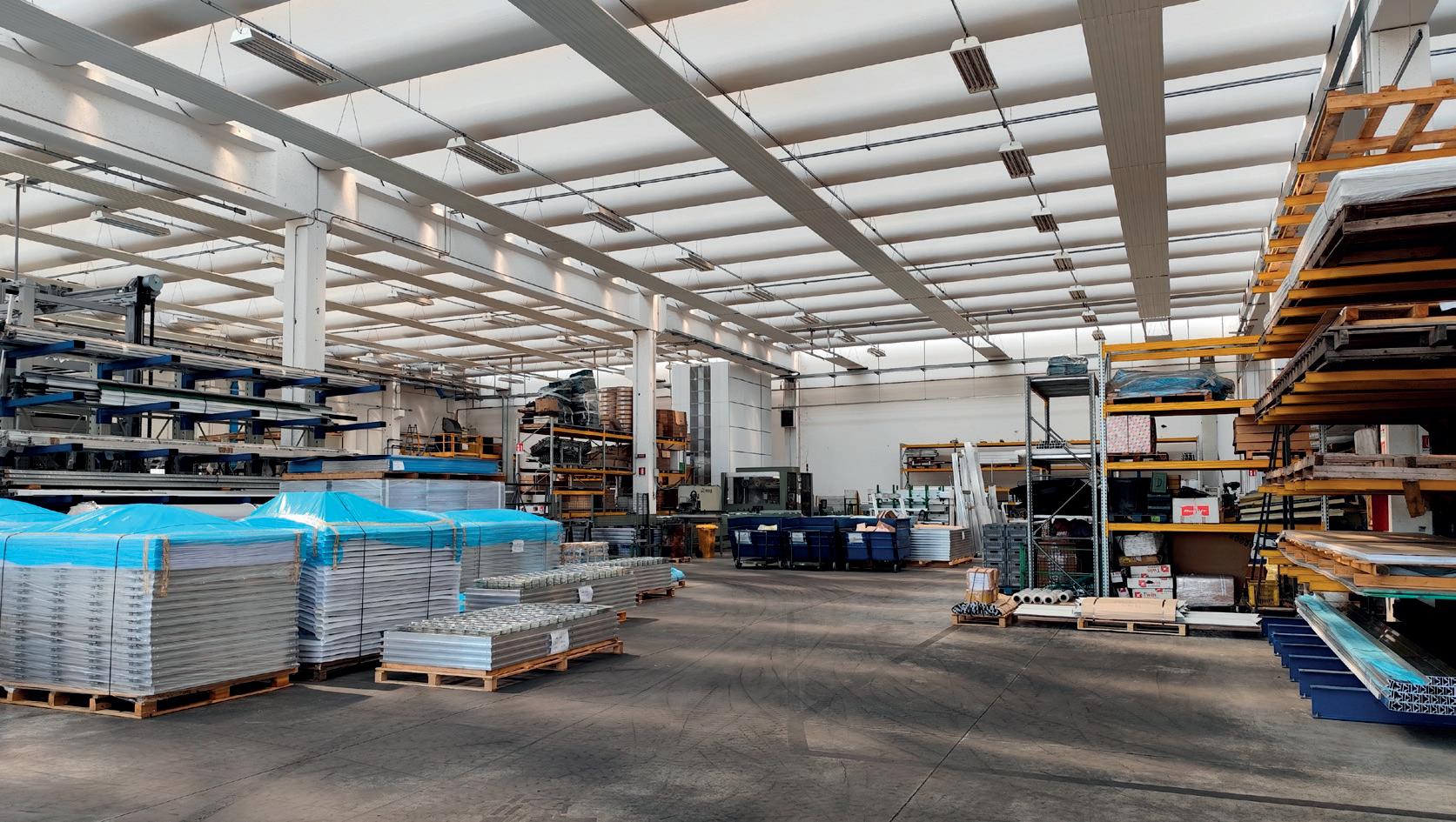
Polycarbonate domes integrated into the urban fabric, combining light intake and technical functionality within a context of extraordinary architectural stratification, against the backdrop of the Eternal City.
“In the first six months, my work focused on analysing the state of degradation of polycarbonate recovered from end-of-life domes and on testing different formulations obtained through mechanical recycling,” said Elettra Savigni. “It immediately became clear how significantly the presence of contaminants and dirt affects compound quality, whereas I am now focusing on optimising the performance of post-consumer material, also through additives, in order to improve its behaviour in blends with industrial scrap.”
The research has highlighted an inherent complexity linked to the specific application of the products: rooflights are in fact elements of the building envelope that are constantly exposed to weathering and heavily affected by climate change and pollution, with environmental variables that strongly influence degradation processes and make the experimental work particularly challenging, yet also highly significant from an industrial standpoint.
At the same time, as regards insulating materials, solutions prioritising thermal performance over mechanical performance are currently being assessed, while in relation to protective coatings, accelerated ageing tests are under way in the laboratory on polycarbonate treated with different technologies in order to analyse its long-term behaviour.
From a scientific perspective, the first findings confirm polycarbonate’s high potential: blends containing as much as 70% virgin material and 30% recycled material are already delivering highly promising performance, paving the way, in the medium term, for the development of sheets and components with increasingly high recycled content, ultimately aiming for a product made entirely from post-consumer material and industrial waste.
“Tecnocupole Pancaldi’s involvement in this project is a virtuous example of collaboration between industry and academia.
The scientific approach to studying the second life of polycarbonate opens up promising scenarios in the field of recyclable materials,” commented Laura Sisti, lecturer and scientific supervisor of the research project at the University of Bologna.
“We are proud to support a project that not only addresses the issue of materials at end of life, but also places it in the hands of a brilliant young researcher such as Elettra Savigni. We strongly believe that the ecological transition also depends on concrete initiatives of this kind, capable of generating knowledge and value. We believe strongly in this project and, in our dayto-day business, we are building an internal circular economy loop through significant investment in economic and time resources, regardless of the ROI it may generate,” added Michela Pancaldi, CEO of Tecnocupole Pancaldi.
A view of one of Tecnocupole’s production departments effectively conveys the industrial backdrop to the applications described, where material processing and process and quality control all contribute to the final result.
LISTENING TO USERS’ NEEDS

LOOKING FORWARD DIALOGUE WITH CUSTOMERS
For MD Plast, producing its entire portfolio inhouse is a distinctive strength; each formulation can be developed using different carriers and support resins, including biobased ones, for both colours and additives, in line with the market’s sustainability requirements.
Tailor-made masterbatch
In today’s plastics industry, the word “customization” is no longer just a marketing term – it has become the cornerstone of an industrial strategy. In a market where cost efficiency, production continuity, and finished product quality determine a company’s competitiveness, relying on standard solutions can represent an operational limitation even before it becomes a commercial one. Tailor-made masterbatch, on the other hand, stands out as a tool capable of directly impacting process performance, transforming specific requirements into measurable advantages.
A formulation designed ad hoc makes it possible to address production issues with precision. Customization helps reduce waste, minimize reprocessing, and improve process stability, ensuring uniformity in the finished product while lowering the risk of claims. Optimizing dosage also contributes to cost control and reduced material dispersion, making raw material usage more efficient. The benefit is not only technical: less variability means lower overall processing costs and greater reliability toward the end customer.
For MD Plast, the ability to manufacture the entire portfolio in-house represents a further distinguishing factor. Each formulation can be developed on different carriers and support resins, including bio-based options, for both colours and additives, in line with the market’s sustainability requirements. Alongside traditional solutions, special shades such as fluorescent and luminescent colours are also available – proof of a formulation capability that combines technical expertise
with application flexibility.
The value of customization becomes even more evident in the recycled plastics sector. Unlike virgin polymers, recycled material is inherently variable: origins differ, contamination levels change, degradation varies, and rheological properties fluctuate. Each batch can present significant differences, with direct consequences on production process stability. In this context, the additive cannot be generic – it must be engineered. The real challenge of recycling is not simply recovering plastic, but making it stable, reliable, and industrially competitive. Standard additive formulations cannot guarantee consistent performance; instability translates into waste, nonconformities, and hidden costs.
At MD Plast, the development of tailor-made additives makes it possible to improve thermal and rheological stability, reduce degradation in subsequent cycles, standardize material quality, and increase the percentage of recycled content in the formulation. Stabilizing the process means reducing the industrial risk linked to material variability – which, in recycling, represents the true cost to manage, even more than the price per kilogram.
Through flexible formulation development, case-by-case adaptation, and technical expertise applied to real production processes, customization becomes a strategic factor. MD Plast’s tailor-made masterbatch is not merely a component, but a competitive lever capable of transforming complexity and variability into efficiency, quality, and market differentiation.

Extended Ultrason P portfolio
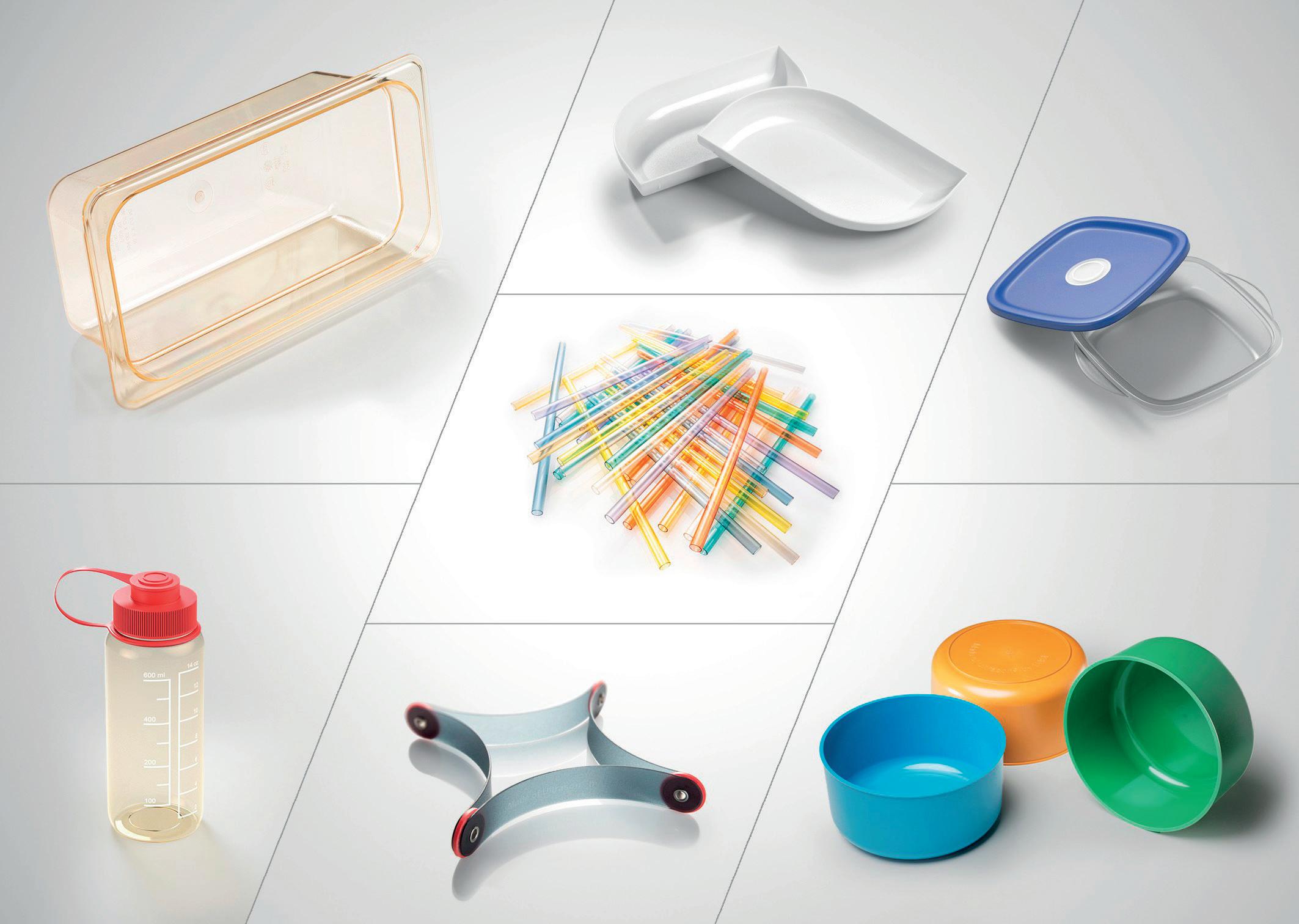
This high-performance thermoplastic is used to manufacture water filtration membranes, stylish, durable and safe household and catering applications as well as lightweight components for the automotive and aerospace industries. Ultrason brands can substitute thermosets, metals, glass and ceramics in many applications because of their extraordinary property profile.
For high-temperature applications in contact with food, Basf is now offering a portfolio of polyphenlysulfone (PPSU) grades which is not based on BPS (bisphenol S) and BPA (bisphenol A). This Ultrason P portfolio thus complies with EU Commission Regulation 2024/3190 which prohibits bisphenol in food contact materials and articles. After defined transition periods, these articles are no longer allowed to be produced in or imported into the European Union. The six Ultrason P grades are available as of now: manufacturers of e.g., reusable bottles, catering tableware, coffee machine components or high-heat pans can timely start to re-qualify their foodcontact applications currently made of e.g., polyethersulfone (PESU) which will also be impacted by the ban. Basf thus supports a smooth transition toward compliant articles while offering a broad PPSU portfolio that enables food-contact parts with excellent processing, great design freedom and long-term performance.
The EU regulation 2024/3190 entered into force in January 2025. It prohibits the use of hazardous bisphenols and derivatives in food-contact materials and articles, establishing transition periods for placing articles on the market until January 2028, depending on the specific article category. PPSU is not affected by the restriction and can serve as a robust material solution for customers having to change the material basis of their food-contact applications.
For all manufacturers so far using PESU, PSU (polysulfone) or PEI (polyetherimide) in food-contact applications, Basf supports the change with six tailored Ultrason P grades for diverse requirements: these include grades for easy mould release and enable versatile colour possibilities from opaque to translucent for compounds or with masterbatches – all with the high performance to which manufacturers of Basf’s Ultrason P are accustomed to: temperature-independent mechanical properties, high resistance to many detergents, oils, fats and superheated steam, superior toughness and good dimensional stability. Ultrason P grades are long standing materials of choice for household articles, catering dishes, baby bottles and microwaveable containers.
“Bisphenols as defined in the EU regulation 2024/3190 are not used in the manufacture of our Ultrason P”, said Georg Graessel from global business management Ultrason at Basf. “We have adapted and extended this portfolio to give manufacturers sufficient time to test and re-qualify their food-contact products until the ban takes full effect in the EU. Technical data sheets and required certificates can be provided to support qualification processes. Existing injection molding tools for PESU can continue to be used.”
The EU Regulation 2024/3190 covers only food-contact materials and articles, not applications in contact with drinking water.
igus has launched a new PTFE-free, tribologically optimised material for wear-resistant 3D-printed components.
Cooperation Hager-Lati
Hager takes a new step forward in its sustainable journey with its renewed MCB Commercial Platform product range, which incorporates recycled material developed in collaboration with its partner Lati.
This marks the second milestone in Hager’s partnership with Lati to apply circular economy principles to electric protection devices.
Following the launch of its AFDD incorporating recycled plastic from the textile industry, the MCB Commercial Platform range now integrates recycled plastic from both pre- and postconsumer waste, including – among other sources – fishing nets and carpets.
“This advanced material, produced through chemical recycling via depolymerisation, delivers performance equivalent to virgin plastic – without
iglidur i190PF by igus
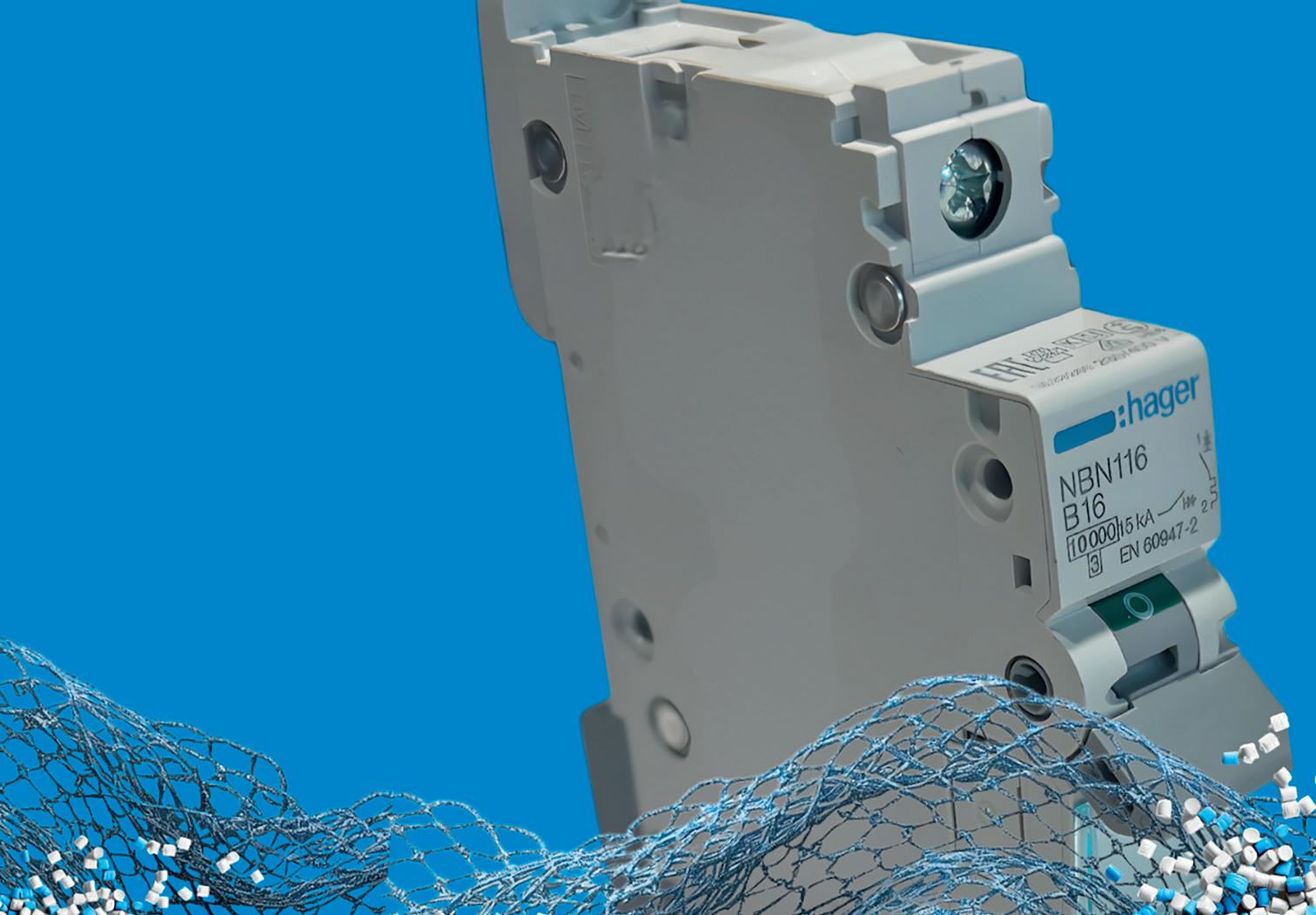
Hager’s new MCB Commercial Platform range incorporates Lati’s compound produced from chemically recycled plastic derived from preand post-consumer waste, combining sustainability with high performance in electrical protection devices.
compromising product quality,” explained Patricia Lamouche, Engineering Discipline Leader Materials at Hager.
This initiative supports Hager’s circular economy approach and contributes to the group’s Scope 3 decarbonisation pathway, aligning with Hager’s new brand claim “Better Buildings, Better Tomorrows”. “Our MCB Commercial Platform is more than a product – it embodies Hager’s ambition to advance decarbonisation while delivering reliable, high-performance solutions for our customers. Last year alone, we sold millions of products, with the transition to recycled plastic implemented since September as part of our decarbonisation journey,” said Frédérique Wiehle, Group Product Manager at Hager.
By substituting a portion of plastic mass to recycled compound by Lati, the company estimates a potential reduction of around 32% CO2 emissions per tonne of plastic material, compared with the virgin-material baseline. Based on current calculations, this could contribute up to an estimated 70 tCO₂e per year by 2030, supporting Hager’s Scope 3 decarbonisation pathway (purchased goods and services).
“Collaborations such as the one with Hager demonstrate how advanced engineering thermoplastics can help customers reduce the environmental impact of their products while maintaining the technical performance required for complex applications such as electrical protection devices,” said Alessio Portentoso, Sales Director at Lati.
The new PTFE-free iglidur i190PF filament for 3D printing launched by igus ensures wear up to 100 times lower than that of standard materials and performance comparable to that achieved with injection moulding.
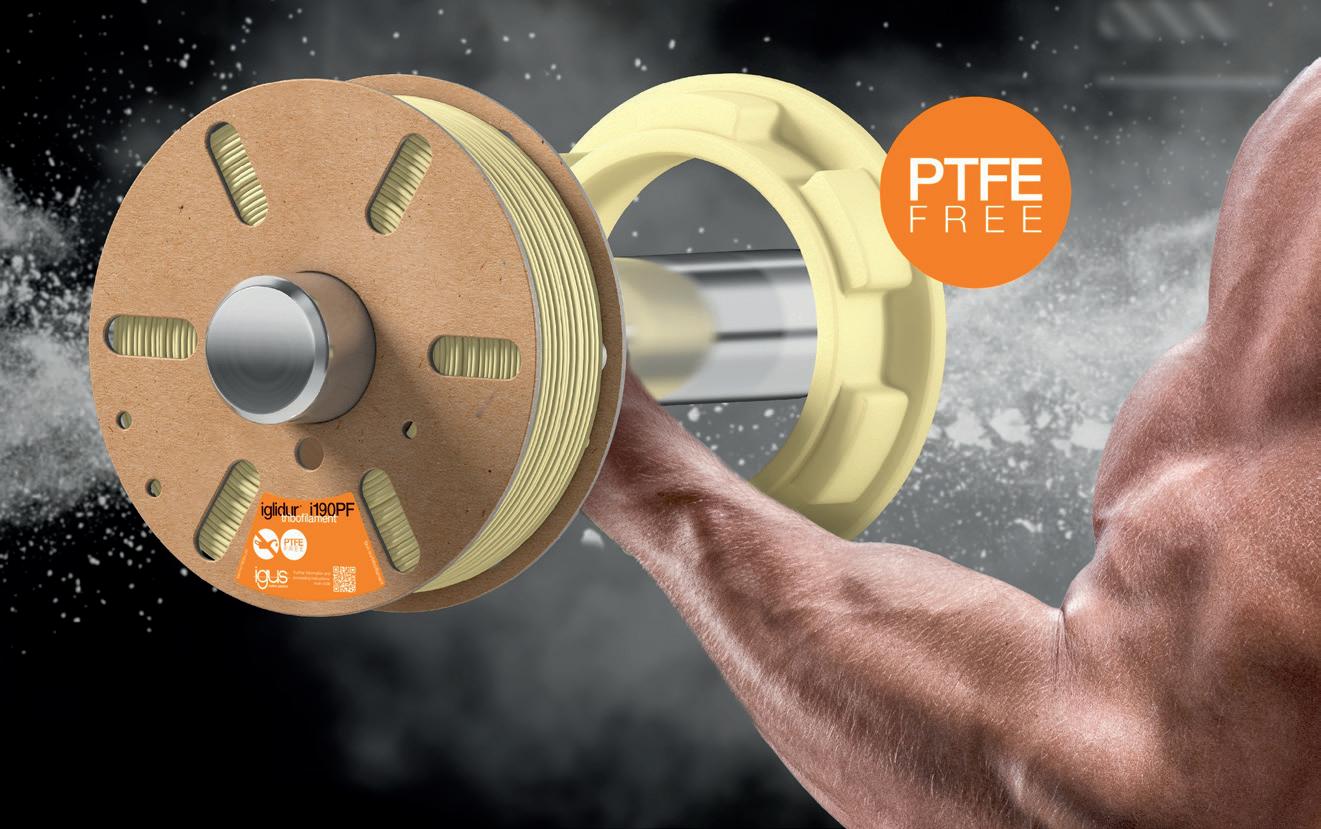
With the introduction of iglidur i190PF, igus is also making available for 3D printing the same materials used in the injection moulding of plain bearings. The new filament is the PTFE-free version of iglidur W300, now therefore also available for additive manufacturing. FDM technology thus makes it possible to obtain components with the same quality and the same wear resistance as parts produced by injection moulding.
iglidur i190PF is igus’ first PTFE-free filament and complements the SLS material already available without PTFE. Based on iglidur i190 filament, the new material ensures the same tribological performance as iglidur W300PF, the standard material for injection moulding. It is characterised, in fact, by high flexural strength of 80 MPa and dry-running capability, thus eliminating the need
for lubrication and maintenance. iglidur i190PF also offers high mechanical strength and excellent wear resistance, superior to that of standard plastics. Components produced using this material can be used at temperatures of up to 90 °C, ensuring a long service life even in dry-running applications.
iglidur i190PF is suitable for the design of sliding surfaces in multi-material components, as it bonds well with highly rigid materials. Tests carried out in the igus laboratory in Cologne confirm its wear resistance and excellent coefficient of friction compared with standard materials used for FDM printing. In a pin-on-disk test with a load of 10 N on a 304 SS steel disc, a sample printed in iglidur i190PF achieved a wear rate 100 times lower than that of a comparable component made of PETG.
Based on its established Thermolast K product series, Kraiburg TPE has developed a materials solution that combines established product characteristics with advanced sustainability features. The material specially designed for automotive sealing applications has a recycling content made of post-industrial and post-consumer recyclates of more than fifty percent. At the same time, the material meets the high requirements of the automotive industry for quality, processability and functionality.
Kraiburg TPE has been cooperating with SaarGummi, an international automotive supplier, for many years. The aim of the current development work was to develop a more sustainable material variant that can be integrated into existing applications without compromising on performance or processability.
The requirements for materials used in automotive applications are
high: In addition to mechanical load capacity and resistance to different environmental influences, reliable processing in industrial production processes also plays a crucial role. At the same time, sustainability aspects along the whole value chain are becoming increasingly important. With this in mind, the project partners began developing an alternative materials solution with increased recycling content in 2023. The focus was on maintaining existing materials standards, while increasing the use of recycled raw materials. Both the existing material and the new recycling variant were already tested in comparable conditions at an early project stage. The results showed that the new materials solution meets the relevant requirements and can be reliably integrated into the production process.
Alexander Mayer, Senior Business Development Manager at Kraiburg TPE, explained: “The first results have shown that we are on the right track with this
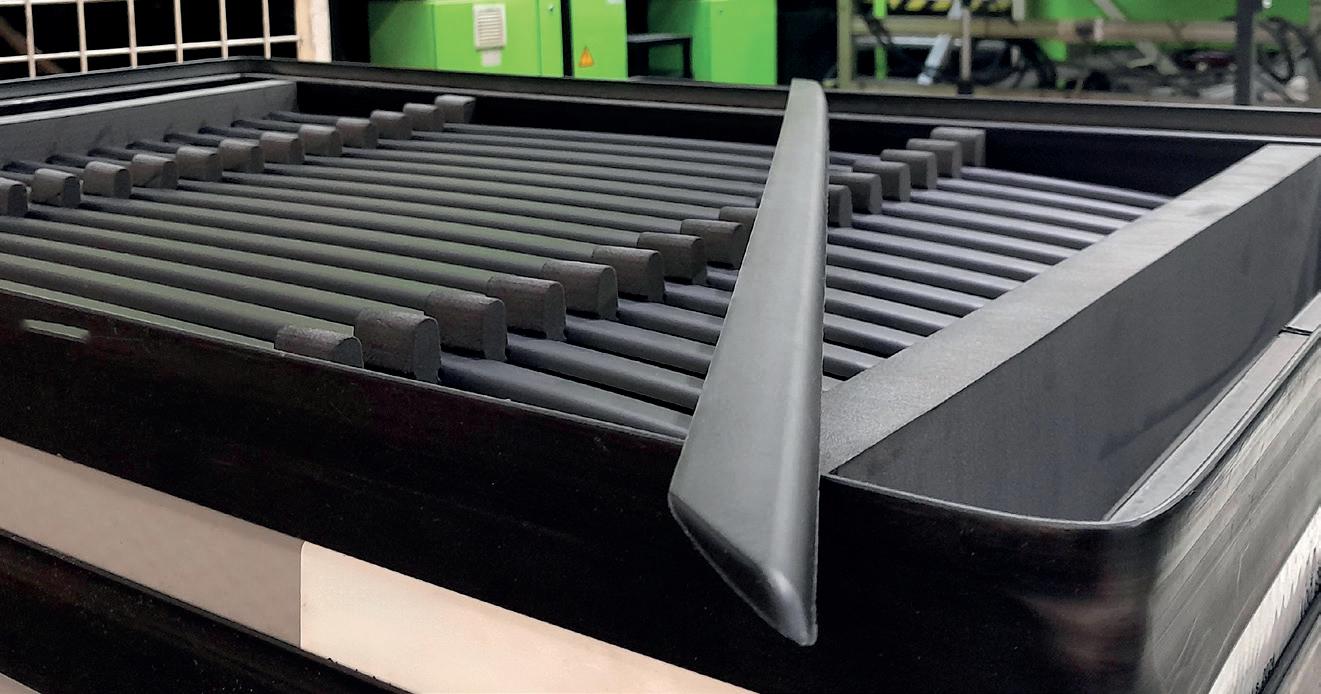
development. Our aim was to design a materials solution that saves more resources, while meeting the high quality standards of the automotive industry.”
The result of the joint development effort is a TPE solution with a recycling content of about 56 percent. The recycling content consists of post-industrial and post-consumer recyclates and enables a materials option with reduced resource consumption for sophisticated automotive applications. Sebastien Roux, TPE Material & Process Specialist at SaarGummi, commented: “The new material meets the requirements of our application and can be reliably combined with existing components. At the same time, the increased recycling content makes an important contribution to greater sustainability.” It was possible not only to increase the recycling content, but also to reduce the product carbon footprint (PCF) of the material compared to that of the previous variant.
Global leader in developing and producing responsible packaging solutions, Amcor has invested in a new production line at its Amcor Flexibles site in Lugo di Vicenza, Italy. The recently extended facility is dedicated to the production of the company’s highbarrier recycle-ready films for a wide range of packaging formats. The latest department enables the large-scale production of high-barrier films for use in lidding and pouches for a wide variety of food, beverage, pet food and healthcare applications, including AmLite HeatFlex, a breakthrough material for retort (high heat) applications. The innovative technology helps achieve recyclability while maintaining excellent barrier properties and helps brands progress towards their sustainability goals and comply with upcoming regulations.
Occupying nearly 7,000 sqm, the
expansion of the Lugo di Vicenza facility caters to each stage of the high-barrier film production process. For example, the expansion features a quality control laboratory and a new automated highdensity warehouse with temperaturecontrolled chambers for curing the material to ensure consistent quality of the final packaging solution.
The need for more recyclable, high-
performance packaging is underscored by the European Union’s Packaging & Packaging Waste Regulation (PPWR), which requires brands to switch to recycle-ready packaging by 2030. Amcor has positioned itself ahead of the curve, providing brands with recycle-ready solutions that help them get ready for PPWR, and meet rising consumer demand for improved sustainability.
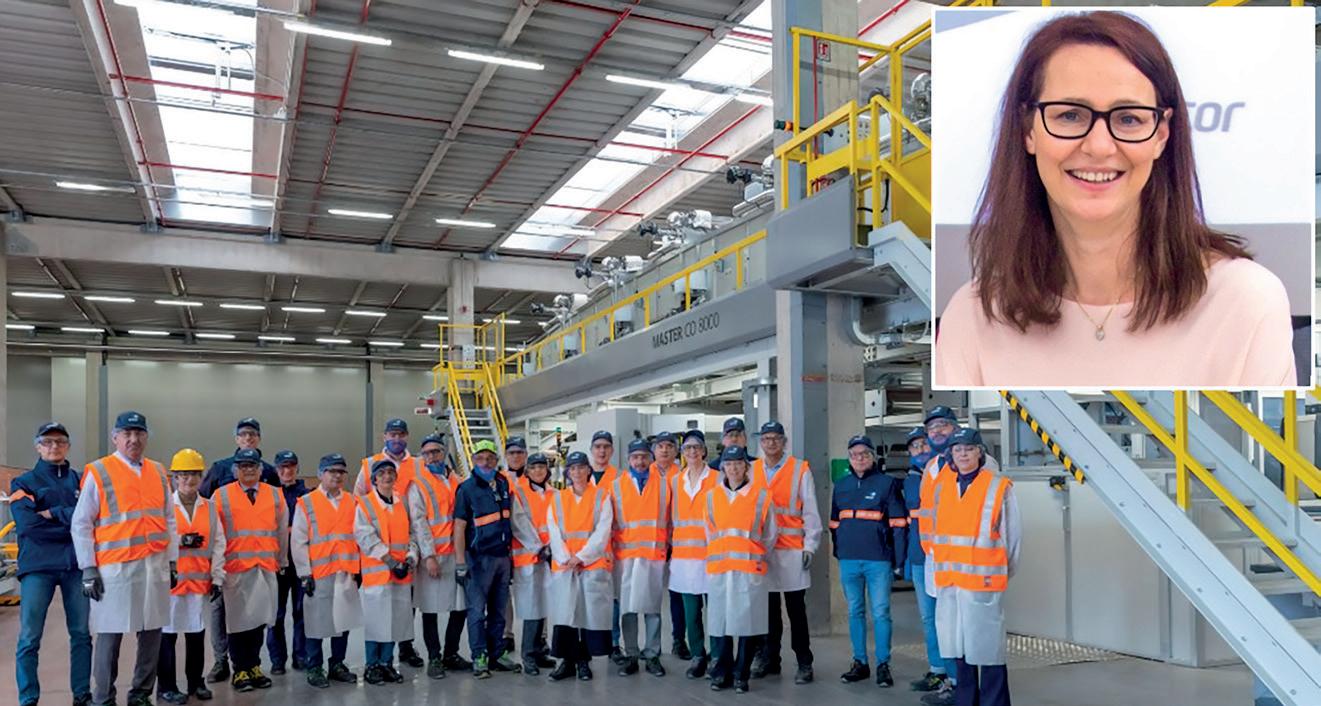
The long-standing partnership between Kraiburg TPE and SaarGummi forms the basis for joint development projects in the field of innovative and recyclingbased materials solutions for the automotive industry.
“This new facility is the result of Amcor’s pledge to develop all our packaging to be recyclable, reusable or compostable. This expansion, combined with Amcor team’s expertise, will support our customers in making the switch to recycle-ready packaging and contribute to a more circular packaging industry”, Elena Peron (in the box), Plant General manager, said of the new investment.
Albis expands portfolio with Apec XT
Albis will distribute Covestro’s new Apec XT polycarbonate copolymer range, further expanding its portfolio of plastics designed for demanding environmental conditions. The product line offers exceptional impact resistance even at very low temperatures, combined with improved chemical resistance and optimized tribological properties. Apec XT maintains high impact strength down to around -40 °C and

remains mechanically stable even under prolonged exposure to cold environments. Additional benefits include flame retardancy, enhanced sliding and wear properties, and increased resistance to chemicals – key advantages for applications exposed to harsh environmental conditions, frequent cleaning processes, or contact with aggressive substances.
“By adding Apec XT, we are expanding our portfolio with solutions that deliver reliable performance in critical environments,” said Julian Wegner, Business Manager Technical Polymers at
components used in radio towers, solar power modules, or other outdoor units exposed to very low temperatures and high UV radiation.
The material is also well suited for refrigerated and freezer environments, where conventional engineering polymers often struggle to maintain their impact strength. In addition, the new range offers advantages for applications in the healthcare and mobility sectors.
Christian Wilms, Covestro Global Copolymer Program Manager at Covestro, added: “Apec XT was
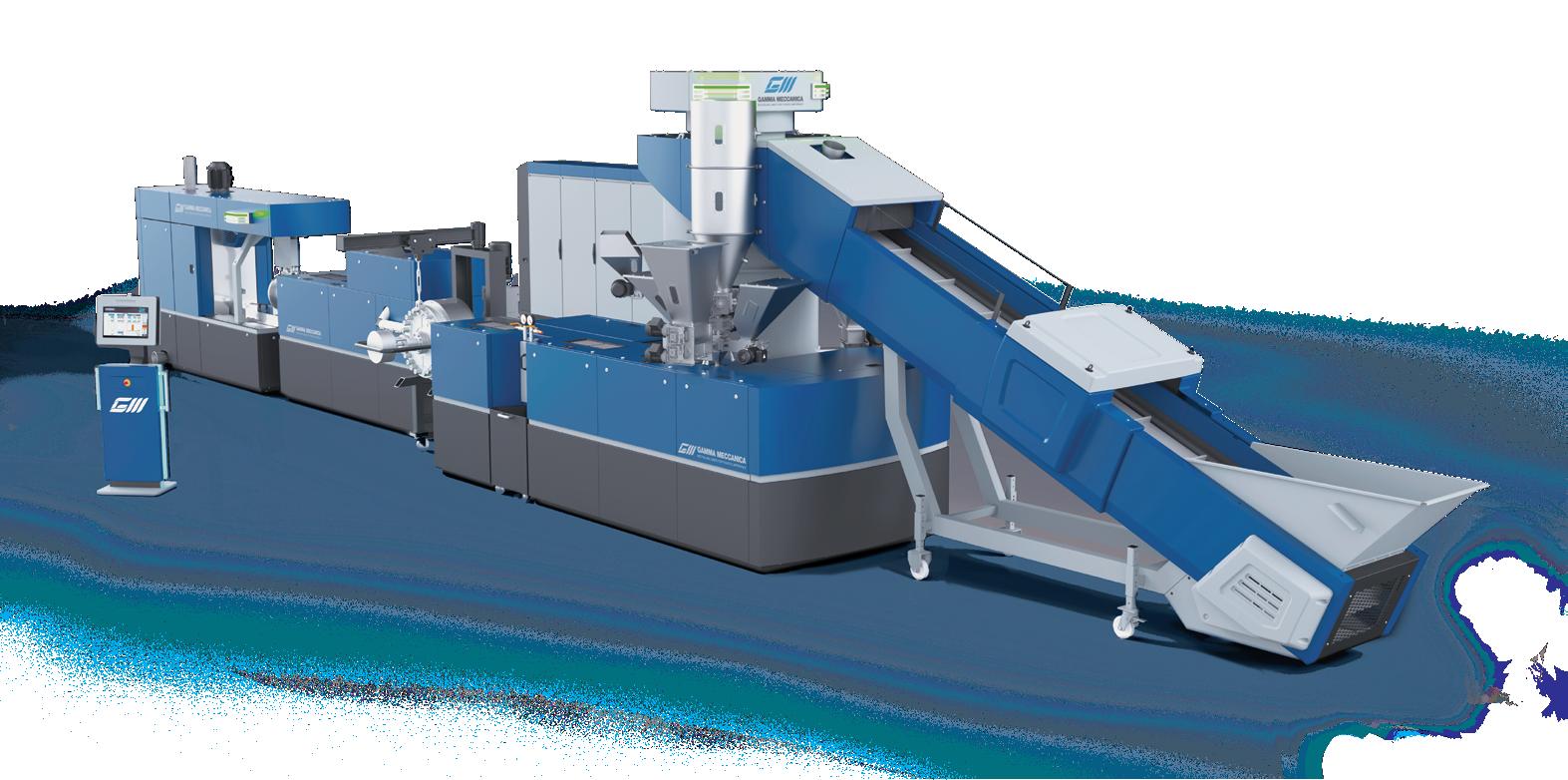


MacPlas turns into 3. Taylor made offers for three communication channels: 1 Magazine 2 Website 3 Newsletter More visibility. More contact chances. More business opportunities.

Publishing house Promaplast srl
tel. (+39) 02 8228371 fax (+39) 02 macplas@macplas.it57512490 www.macplas.it
For advertising: Roberta Pagan (Italy) r.pagan@macplas.it Martina Lerner (Europe sales office) lerner-media@t-online.de
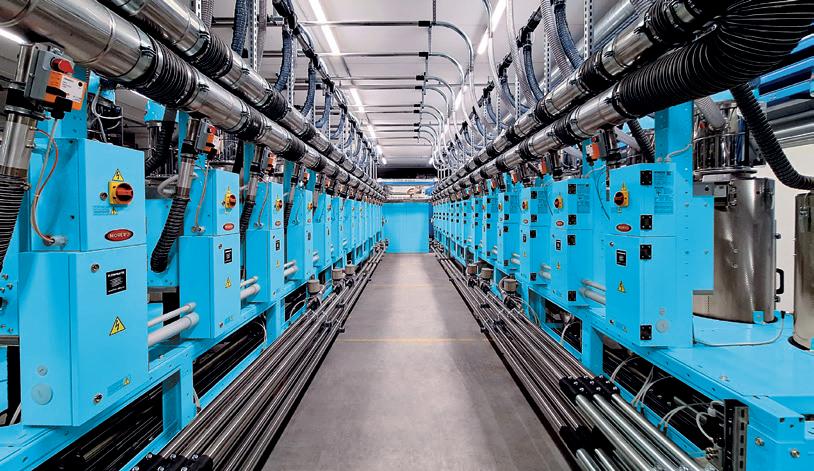


Piedmont takes centre stage on the international scene thanks to its expertise in advanced manufacturing as a strategic hub for composite materials: the third edition of JEC Forum Italy will be held in Turin on 8 and 9 June next year.
TJEC Forum Italy will be held in Turin at the OGR (Officine Grandi Riparazioni).
he third edition of JEC Forum Italy will take place on 8 and 9 June 2027 in Turin, one of Europe’s leading hubs for advanced manufacturing and innovation in the field of composite materials. The announcement follows the signing of a memorandum of understanding between JEC and Ceipiemonte with the support of the Piedmont Region. The aim is to further strengthen the already solid ties with the region’s industrial and research ecosystem. Assocompositi, the Italian composites industry association and JEC’s long-standing partner, was present at the signing, which took place during JEC World 2026. After two editions in Bologna and Cernobbio (Como), JEC Forum Italy is now moving to Turin, a city that combines a well-established industrial tradition with

a dynamic innovation ecosystem. Piedmont is a major European hub for advanced manufacturing, with expertise ranging from automotive and aerospace to mechatronics, healthcare and industrial technologies, placing it at the heart of several strategic application sectors for composites.
“Bringing the 2027 edition of JEC Forum Italy to Turin means recognising Piedmont as a central player in the European supply chains of advanced manufacturing and composite materials. It is the outcome of the work that the Region, together with other institutional partners, has carried out to strengthen the area’s attractiveness and to create the conditions needed for investment, innovation and major international events to choose our production system,” said Andrea Tronzano, Regional Councillor for Budget, Productive Activities Development and Internationalisation of the Piedmont Region, stressing that the Forum represents an opportunity to showcase the strengths of Piedmont’s industry on a global stage and to open up new growth and market opportunities for the region’s companies.
“With this third edition, JEC Forum Italy continues to grow and to consolidate its role as a strategic business platform for the Italian composites community, which is still expanding strongly. After Bologna and Cernobbio, hosting the event in Turin –the heart of Piedmont’s industrial excellence – marks a new milestone. The signing of the memorandum of understanding with Ceipiemonte, together with our long-standing collaboration with Assocompositi, provides a solid foundation for inter-
national development and innovation,” said Anne-Carole Barbarin, Regional Events Director at JEC.
“Thanks to our participation in JEC events over the years, we have been able to witness their strong ability to bring together industry, research and innovation. With a dynamic ecosystem of around 9,000 companies operating in sectors such as mobility, aerospace, mechatronics and healthcare, Piedmont offers a significant platform for the development and application of advanced technologies in the field of composites,” commented Dario Peirone, Chairman of Ceipiemonte, welcoming the announcement of Turin as the host city for JEC Forum Italy 2027 and highlighting the region’s strong industrial base and its long-standing commitment to the global composites community.
An attractive market
Italy accounts for around 15% of European composite materials production, thanks to a strong network of SMEs and a diversified industrial base that combines traditional manufacturing with cutting-edge technological applications. “Italy’s position
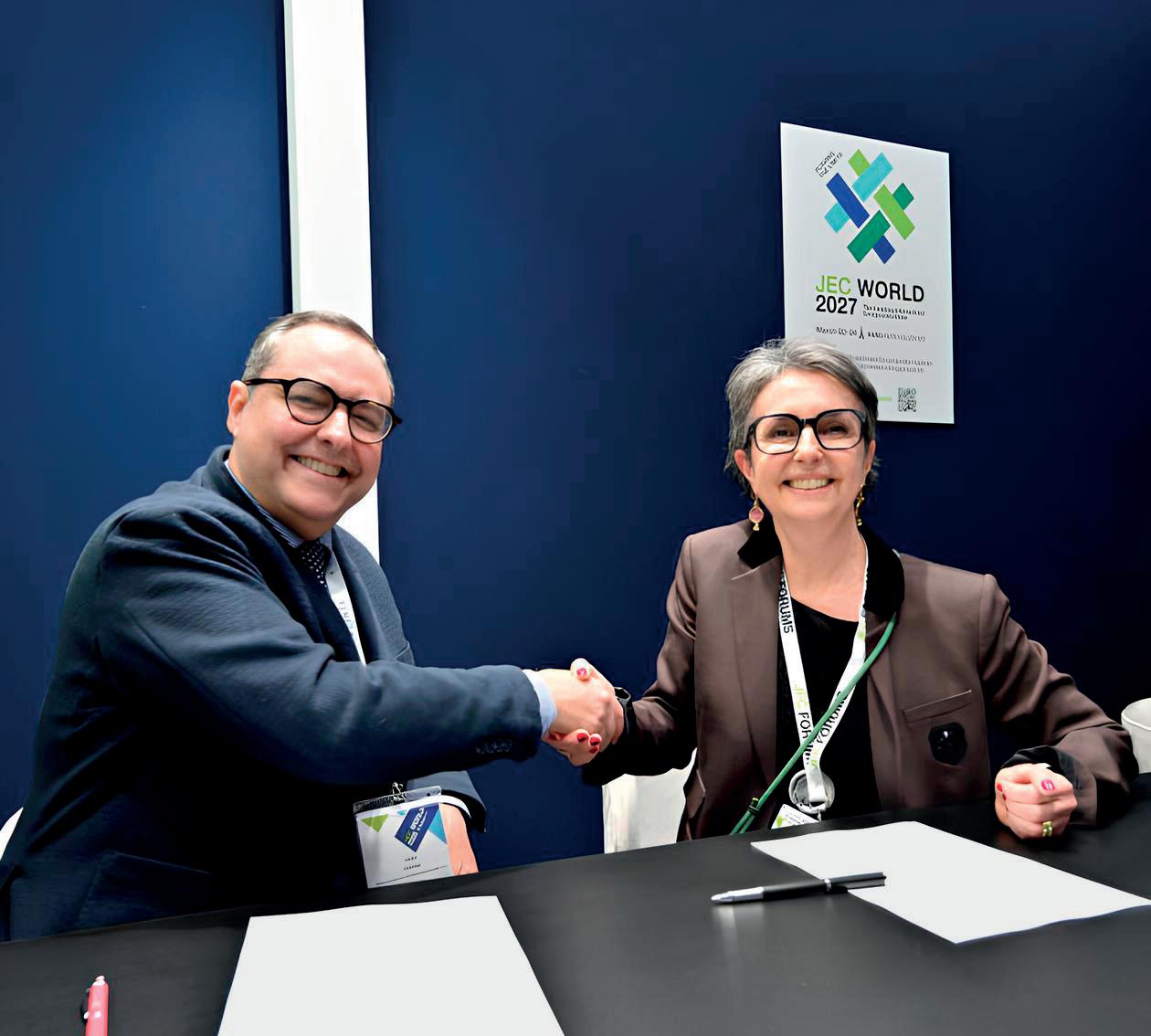
The signing of the memorandum of understanding between Anne-Carole Barbarin, Events Director at JEC, and Dario Peirone, President of Ceipiemonte.
within the European landscape highlights not only its significant production capacity, but also its growth potential linked to technological development, sustainability and demand for advanced solutions in key industrial sectors, particularly marine, automotive, aerospace and construction. For this reason, the choice of Turin for the next edition of JEC Forum Italy represents a decision of great strategic value,” explained Roberto Frassine, Chairman of Assocompositi.
The ongoing collaboration with Assocompositi ensures strong mobilisation across the entire composites value chain in Italy, from material manufacturers and processors to machinery producers and the main application industries. JEC Forum Italy 2027 will be held at OGR (Officine Grandi Riparazioni) Torino, a former 35,000-square-metre railway workshop transformed into a hub dedicated to culture, technology and business acceleration, providing an ideal setting for high-level exchange within the sector.


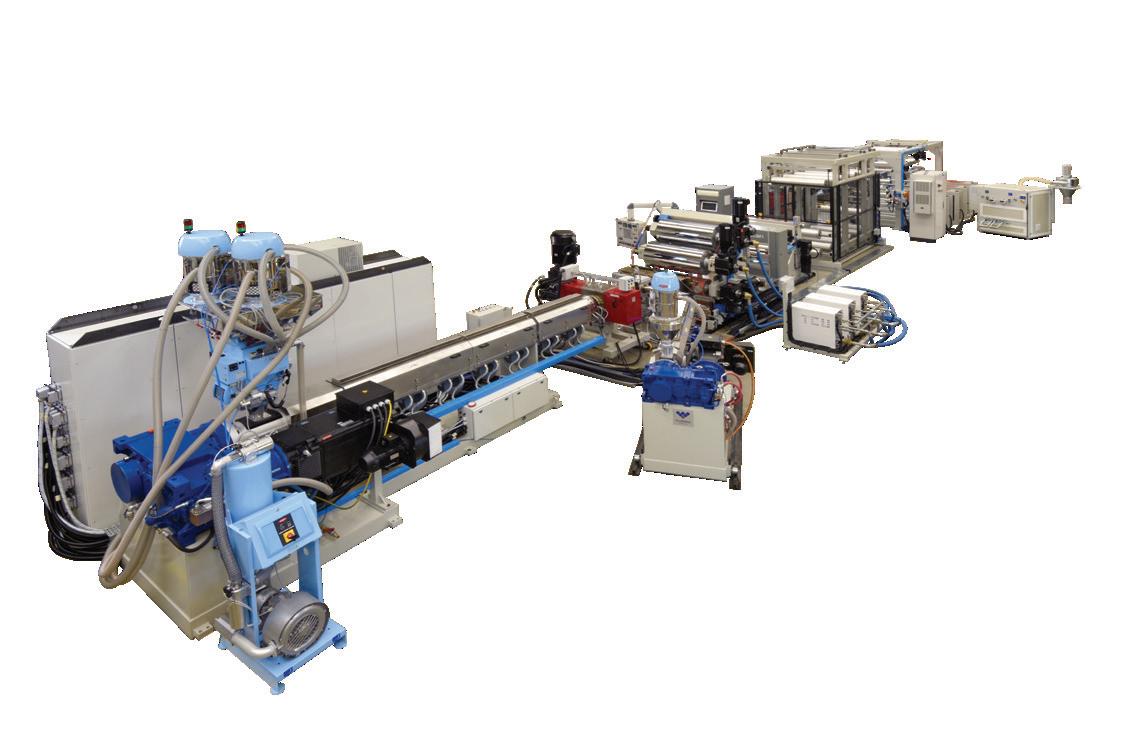
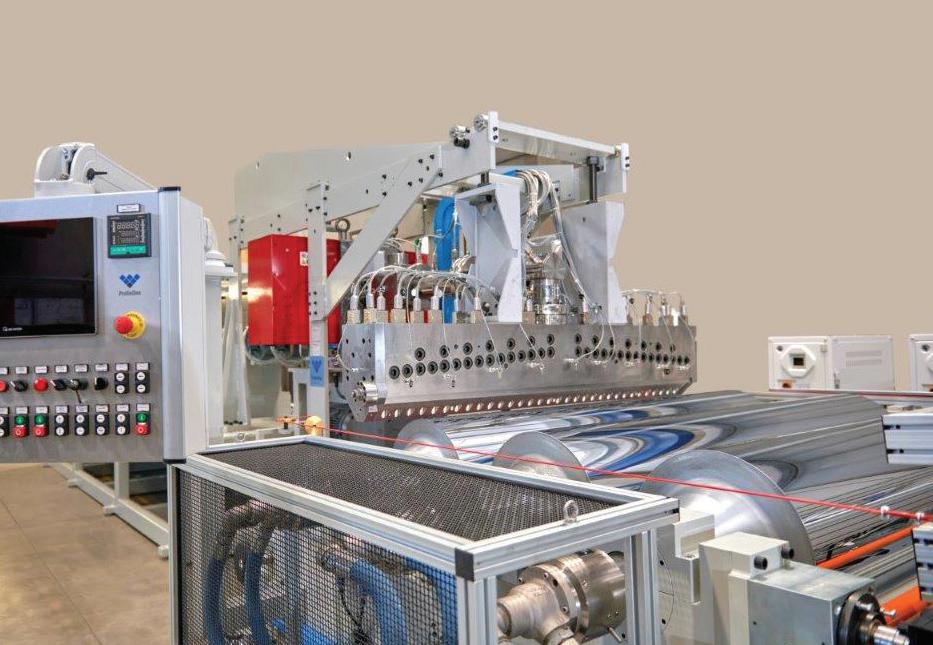
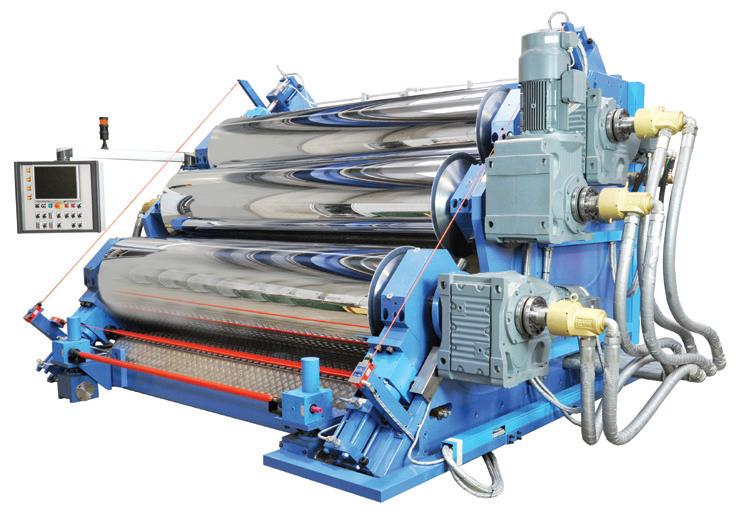
- Special plants for the production of drop irrigation pipes
- Plants for mono and multi-layered cast film
- Plants for hollow sheets
- Flat dies and equipments for special profiles
- Special plants for fluoropolymers
- Plants for lighting profiles
- Special plants on request
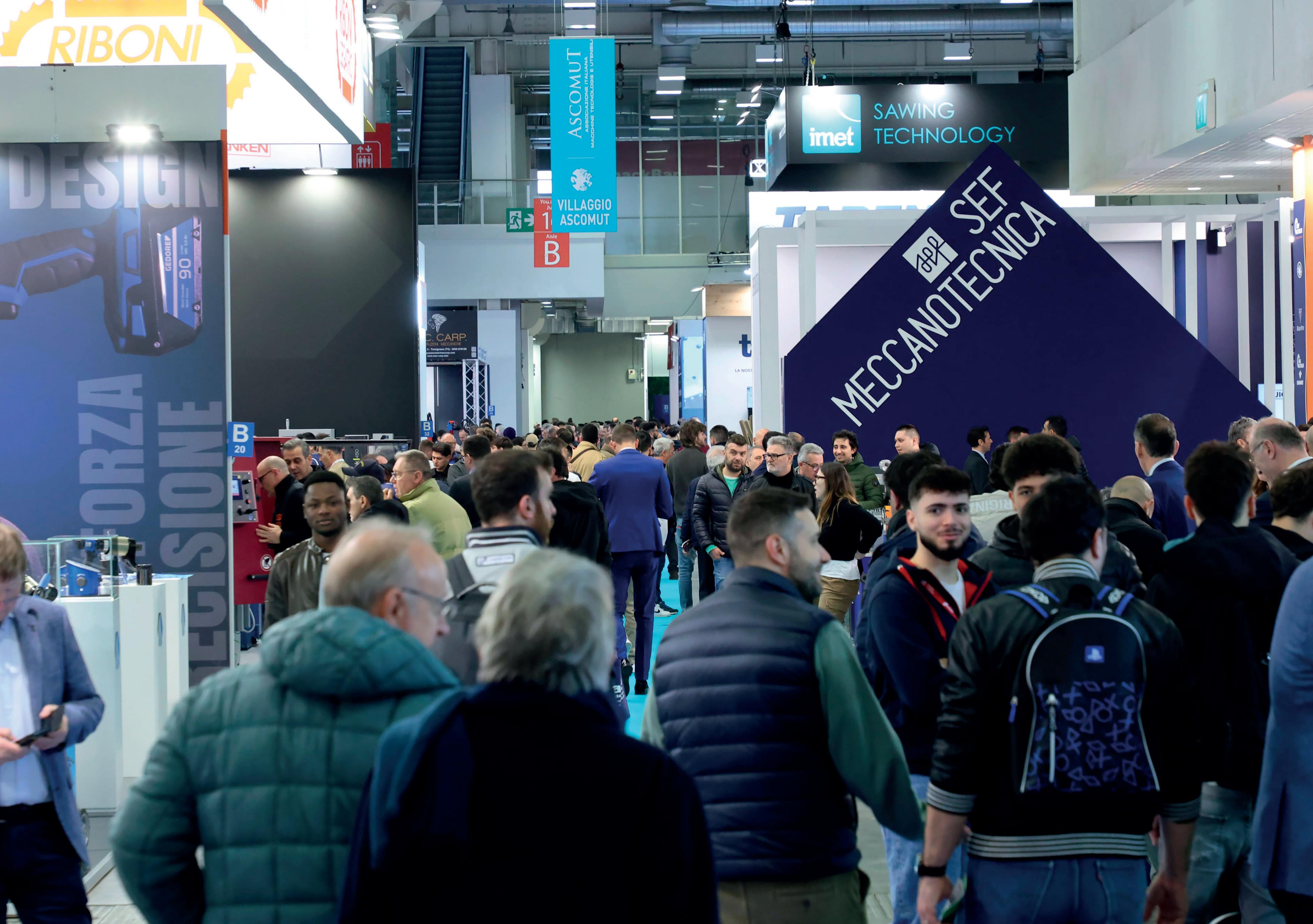
Three days of meetings, presentations and dialogue brought the manufacturing community together to discuss innovation, training, production and development, strengthening a resilient supply chain that grows synergistically in Italy’s industrial districts and on international markets, with 340 exhibiting companies from over 20 Countries. The next appointment is the 25 th edition, scheduled from 3 to 5 March 2027 at BolognaFiere.
The 24th edition of Mecspe, the international fair for the manufacturing industry held at BolognaFiere from 4 to 6 March 2026, closed with 60,581 visitors
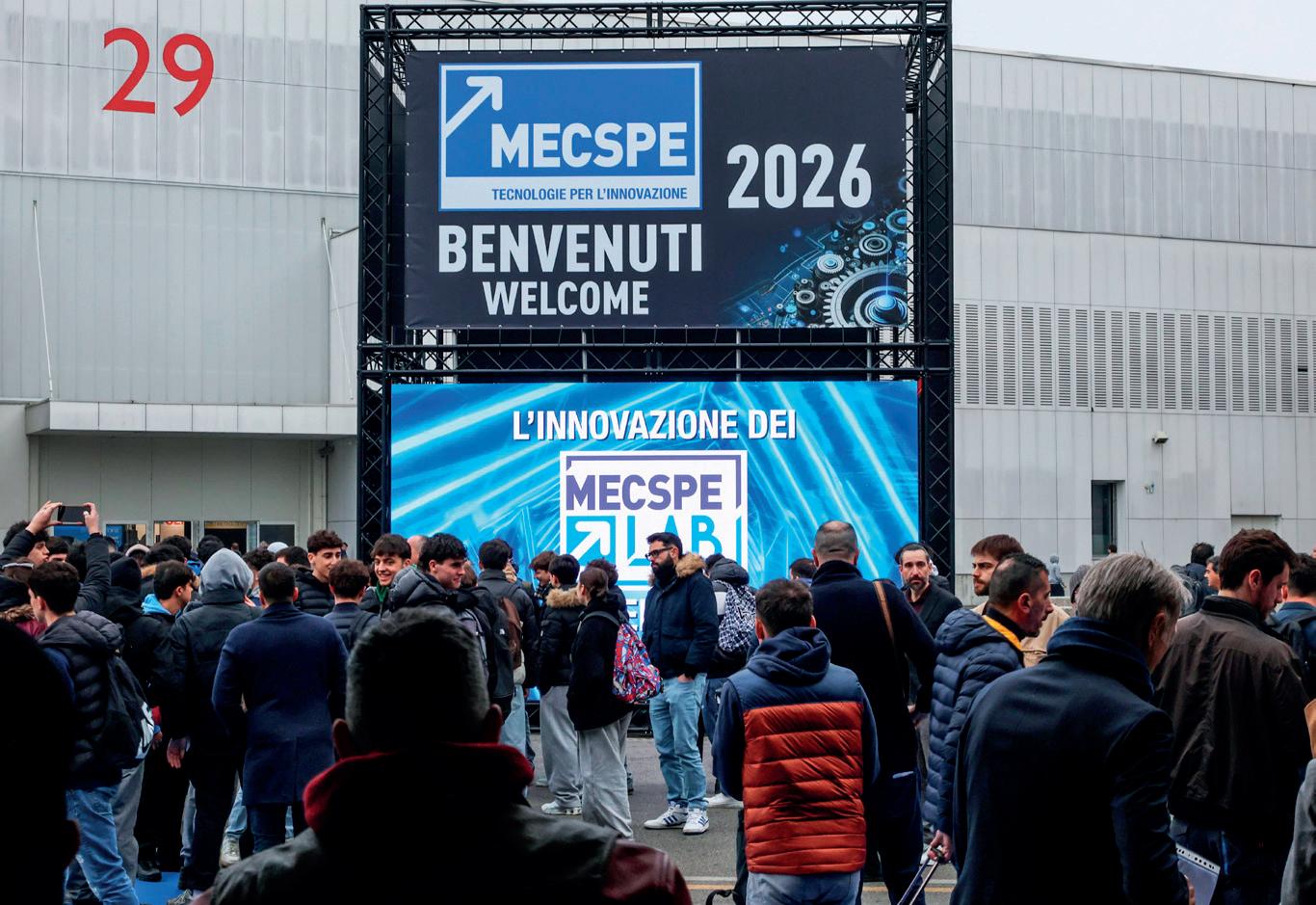
and more than 2,000 exhibiting companies, bringing together businesses, technologies and expertise from across the entire industrial supply chain.
With 13 thematic halls and 18 special initiatives, the event once again offered a comprehensive overview of the main production sectors, gathering in a single space companies, technology suppliers, research centres and industry professionals. The fair confirmed its role as a platform for meetings and dialogue, fostering interactions between companies and the creation of new collaborations along the manufacturing supply chain. In this context, data from the Mecspe Observatory, produced in collaboration with Nomisma, provide a snapshot of a sector that continues to demonstrate solid performance: almost 8 out of 10 companies closed 2025 with revenues either growing or in line with 2024, signalling a sector that looks to 2026 with renewed confidence, continuing to focus on innovation, skills and production efficiency to strengthen competitiveness.
Mecspe 2027, marking the 25th edition of the event, will return to BolognaFiere from 3 to 5 March 2027.
The 2026 edition further enhanced the fair’s international dimension. The presence of 340 exhibiting companies from over 20 countries, along with the participation of buyers and operators from multiple foreign markets, underlines Mecspe’s increasingly significant role within the European industrial landscape. This international scope has contributed to expanding opportunities for business and dialogue, making the fair a tangible meeting point between companies, technologies and markets. Mecspe has thus reinforced its position as an international hub and as a strategic platform for the manufacturing sector, promoting exchanges between companies, technologies and markets on a global scale.
Alongside technological innovation and networking among companies, training has remained a core pillar of Mecspe. In a context where the scarcity of qualified personnel and adequate skills represents a transversal challenge across the manufacturing sector, the fair has developed over the years various initiatives and dedicated spaces, involving schools, training institutions, government bodies and companies to strengthen the dialogue between industry and emerging talent. In this respect, the fair has confirmed its role not only as an exhibition space but also as an ecosystem for growth, guidance and exchange across generations, experiences and professional backgrounds.
In this framework, the Mecspe Young & Career project has been launched, an area designed to promote talent and facilitate interactions between companies and new generations of Industry 5.0 professionals. Within this initiative, the Innovation Tour for Skills, promoted by ART-ER – Attrattività Ricerca Territorio, offered young participants the opportunity to engage directly with exhibiting companies from Emilia-Romagna through guided tours of the stands, discovering technologies and production processes. Also featured was the Piazza della Formazione 5.0, created in collaboration with the ITS A. Cuccovillo Foundation, which involved students and companies from the educational sector in demonstration and orientation activities. Among the most appreciated initiatives was the demonstrative unit “From Plastic to Form”, where CNOS-FAP students guided visitors along the entire production process of a ruler, from design to finished product, providing a concrete example of how collaboration between schools and industry is fundamental for developing the technical skills demanded by the market.
The 25th edition of Mecspe is scheduled for 3 to 5 March 2027 at BolognaFiere, when the fair will aim to further consolidate its role as a strategic platform for the manufacturing industry, fostering encounters between companies, technologies and skills, and supporting the sector in meeting the challenges of the future.

The most credible testimonials are your
products!
Do you need to carry out flammability tests in accordance with UL 94? Gibitre – Flammability Check is the professional solution for accurate, repeatable tests that are fully compliant with the standard. The stainless steel test chamber, featuring a tempered glass window and internal lighting, ensures optimal visibility and operational safety. The ASTM D 5025-compliant Bunsen burner is equipped with an adjustable support, a precision flow meter and a digital thermometer. Two pneumatic slides ensure a precise and repeatable set-up. Compliant sample holders for VB, MVB, HB and HBF tests and a fume extractor complete the package.
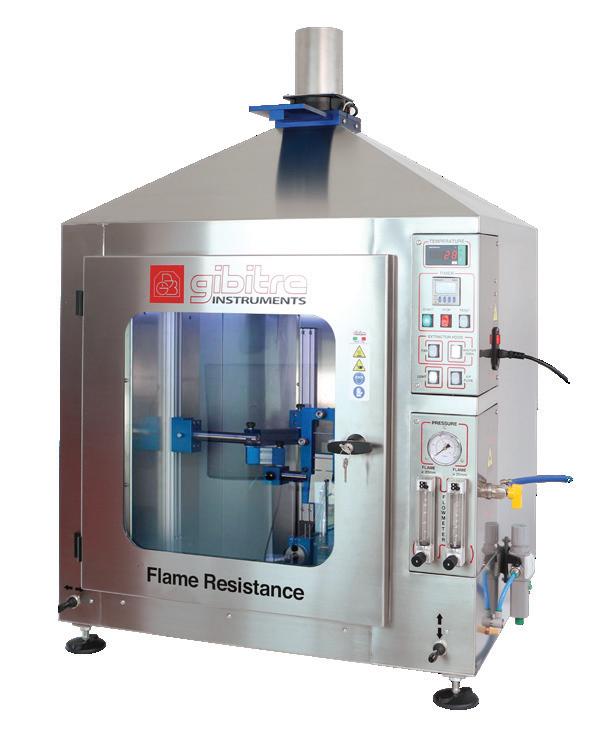
JEC World 2026, held in Paris from 10 to 12 March, once again confirmed its global relevance as a key meeting point for professionals in the composite materials industry and its applications. The trade show brought together more than 1,400 exhibitors from over 50 Countries, including 150 firsttime participants, showcasing products, equipment and services across the entire value chain. Despite the ongoing crisis in the Middle East and challenging travel conditions, the event recorded more than 45,000 professional visits from 95 Countries.
The 2026 edition of the Paris event welcomed professionals from a wide range of sectors, including aerospace, marine, defence, renewable energy, mobility, sport and leisure. The show featured a broad array of products on display, live demonstrations and an extensive conference programme.
In the live demo area, visitors were able to see composite processing technologies and equipment in operation, while at the Discovery Planet an exhibition dedicated to the history of composites in aeronautics highlighted their pivotal role in the current and future development of modern aircraft. Business activity was also particularly strong, with more than 20,300 pre-scheduled meetings between buyers and sellers, up 49% on 2025.
The conference programme included more than 100 sessions with over 200 speakers, as well as panel discussions, start-up pitches and live demonstrations, enabling scientific expertise, industrial know-how and market insights to be shared over the three-day event. In particular, the more than 70 startups exhibiting at the show demonstrated the sector’s strong
innovation drive and, for the second consecutive year, a full day was dedicated to investors, with one-to-one meetings, guided stand visits and exclusive networking opportunities. The next edition, JEC World 2027, will take place in Paris from 2 to 4 March 2027.
“The strong international turnout at JEC World 2026 once again demonstrated the need for in-person collaboration across the global composites industry to foster business, partnerships, and knowledge sharing. Innovation and industry growth in our sector rely on close interaction between material suppliers, manufacturers, researchers, and academics. Every year, JEC World provides the unique global platform where these connections happen,” said Eric Pierrejean, President of JEC.
“Business is at the core of JEC World. This year’s numbers confirm that the event continues to strengthen its role as a global marketplace for composites. By bringing together the entire value chain, and key application sectors under one roof, JEC World creates unique opportunities for partnerships and investments,” commented Thomas Lepretre, Vice President, Events, Sales, and Operations at JEC.
“JEC World is not only the annual global meeting of the composites industry. It is also a unique “Festival of Composites,” a place where professionals from diverse industries can discover how composites address their key challenges, particularly in terms of sustainability, decarbonization, and durability. At JEC World, they can explore existing products and applications and find inspiration for the development of future solutions,” Eric Pierrejean declared.
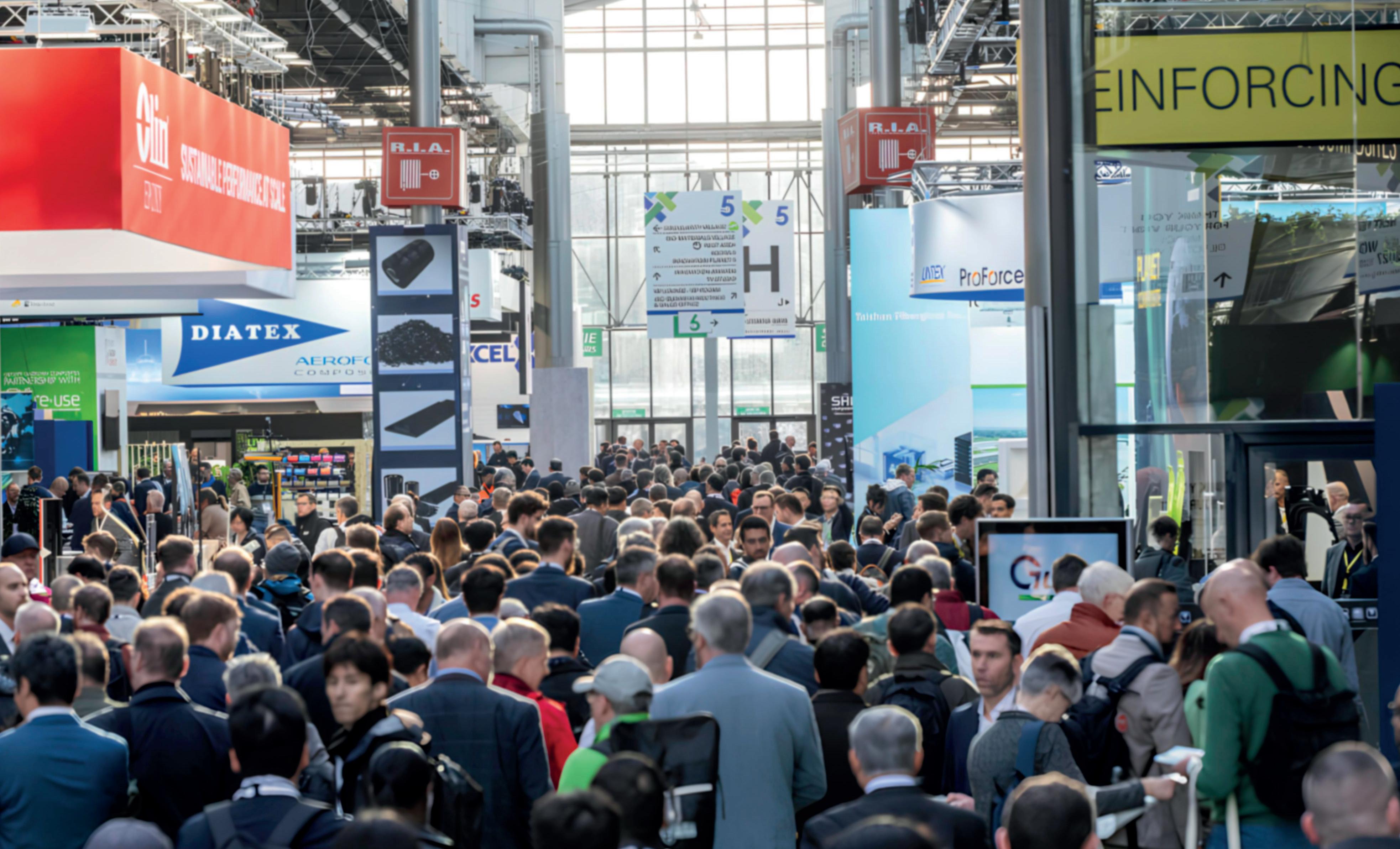
Fiere di Parma (Italy), 27 and 28 October 2026: these are the key details of the forthcoming second edition of Labotec, the exhibition dedicated to laboratory and analytical technologies. Following its debut edition in 2025, which attracted over 4,000 visitors from 43 countries and more than 200 exhibitors from 21 countries, the event is now preparing for a new phase of growth, supported by an almost total exhibitor rebooking rate and by an increasing number of new companies choosing the show as the platform for presenting their solutions. The event is organised by Koeln Parma Exhibitions (KPE), the joint venture between Koelnmesse, a leading international trade fair organiser, and Fiere di Parma.
For the 2026 edition, Labotec is also strengthening its international positioning through a “Top Buyers Programme” dedicated to selected
overseas buyers, with the aim of further enhancing the quality of business relationships and commercial opportunities, while offering exhibitors a highly qualified setting in which to engage with key decision-makers from the most strategic markets. The broad cross-sector scope of the industries represented - from food and beverage to chemicals and petrochemicals, from pharmaceuticals and veterinary to cosmetics, and from biotechnology to healthcare, diagnostics and research - enables the exhibition to address a wide range of needs within a single, highly specialised environment. The range of technologies on show is equally extensive and fully integrated, spanning analytical, control and monitoring instruments, automation, sample preparation, microscopy and spectrometry, and providing solutions tailored to the requirements of an
increasingly sophisticated market. Labotec 2026 will retain its integrated format, combining the exhibition area with a programme of conferences, debates and in-depth sessions, supported by scientific partners and with the direct involvement of exhibiting companies, thereby reinforcing the event’s value as a benchmark platform for professional updating, networking and sector growth. The programme will also feature the special projects LabWorld Arena and Demo Area, developed in collaboration with LabWorld.it and dedicated respectively to company workshops and live demonstrations, together with the Talent Academy, created with Cisita Parma to foster connections between companies and emerging talent.

SUITABLE FOR POST-INDUSTRIAL AND POST-CONSUMER PROCESSING OF ALL POLYOLEFINS
LLDPE, LDPE, HDPE, PP, BOPP, PS, ABS EPS, XPS, TPE.
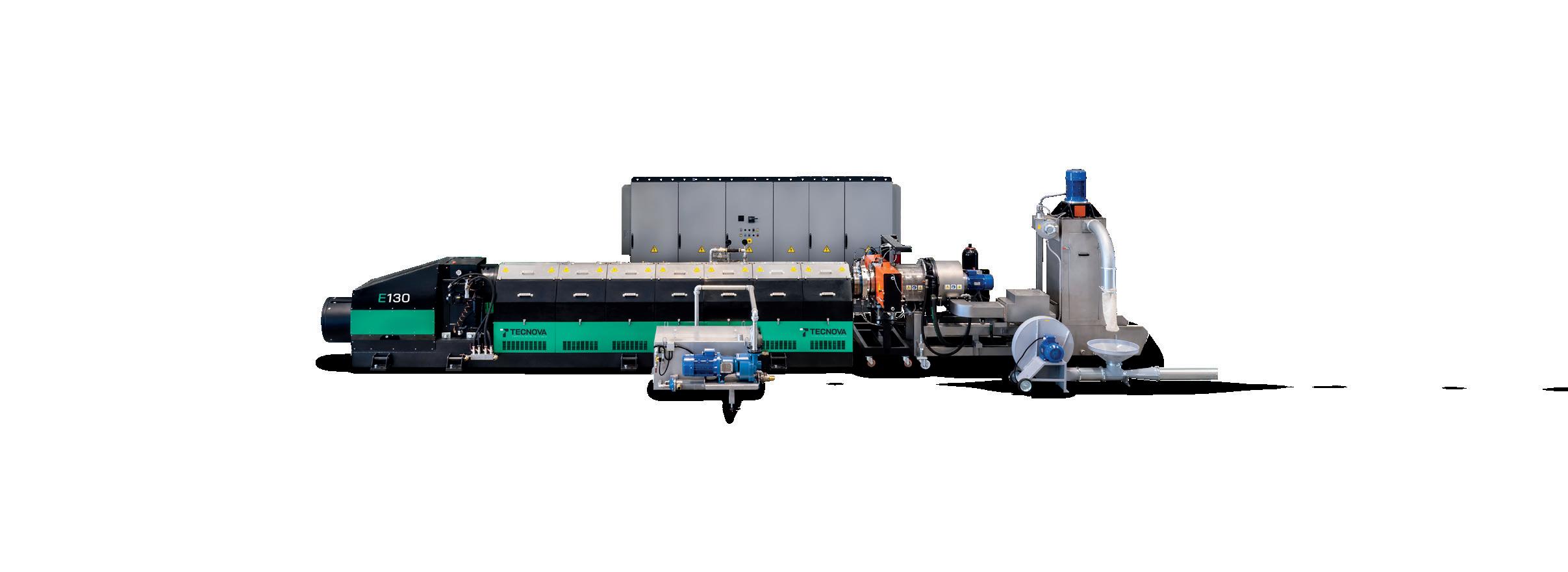
• Industrial strength • Energy efficiency • Quick maintenance • High-quality granule
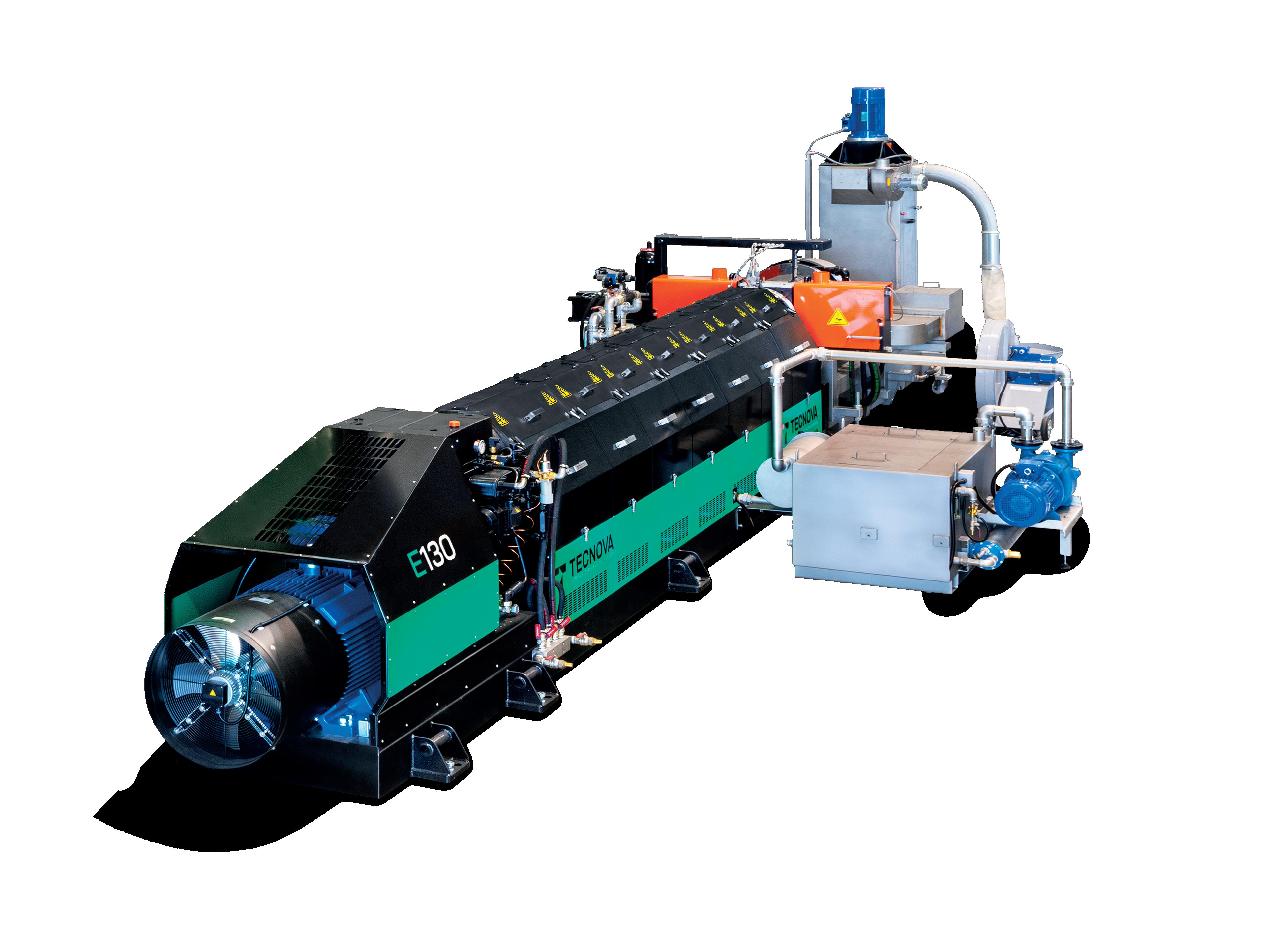
Every tecnova plant is entirely designed, manufactured, assembled and tested directly by the company’s technical team. This “from concept to start-up” approach ensures complete control over quality and performance.
A STRATEGIC PARTNER FOR RECYCLING TECNOVARECYCLING.IT